Announced in 2017, the Audi RS4 Avant has finally made its way to South Africa. The big news is that the naturally aspirated V8 is out, and the new VW Group 2.9-litre V6 is in.
In some ways the change was inevitable and in many ways, the V8 will be missed. But there are some advantages to the new twin-turbo powerplant: it's lighter, so the front-end is a bit more sprightly. And it's torquier – a lot torquier, with 600 Nm now force-fed into the quattro drivetrain and the results are…interesting.
In this video, Ciro De Siena takes the newcomer to a secret testing facility outside of Cape Town for a thorough shakedown. Watch the video!
We have seen a fair amount of spy images of the forthcoming GLB crossover and while a full reveal is expected later in 2019, Mercedes-Benz will use the upcoming Shanghai Auto Show to showcase the GLB Concept which will provide further clues as to what to expect from the production version.
Underpinned by the A-Class, the GLB will fit in between the GLA and GLC in Merc’s crossover lineup to take on rivals such as the Jaguar E-Pace, BMW X1 and Audi Q3. It’s boxier shape will provide the necessary space for carrying passengers and it will be powered by a range of petrol and diesel engine options with 2 AMG versions also expected in the form of the AMG GLB 35 and the AMG GLB 45. An electric GLB is also expected at a later stage.
Exact engine specifications have yet to be confirmed but you can expect a turbocharged 1.4-litre and 2.0-litre petrol engine and a 1.5-litre turbodiesel engine in conjunction with a 7-speed dual clutch automatic transmission. The AMG-flavored variants could offer as much as 225 kW (GLB 35) and 300 kW (GLB 45), but we will just have to wait and see what the boffins at AMG will bring to the table.
As for the interior, the teaser image of the GLB Concept you see here shows a near-production interior with clear similarities to the A-Class. Note the large dual screen MBUX infotainment interface as well as the familiar layout of the air vents and the shapely 3-spoke multifunction steering wheel.
We will provide further details of the GLB Concept when it's revealed at the Shanghai Auto Show later this month, so stay tuned.
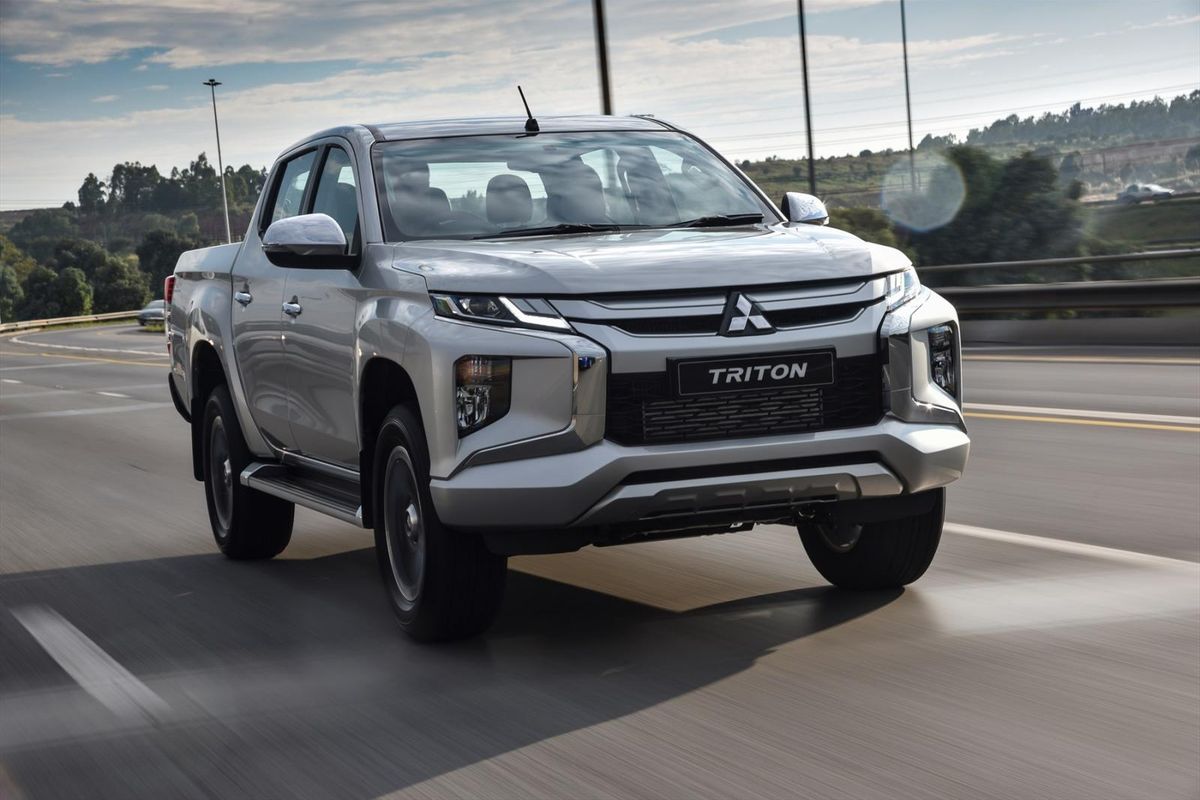
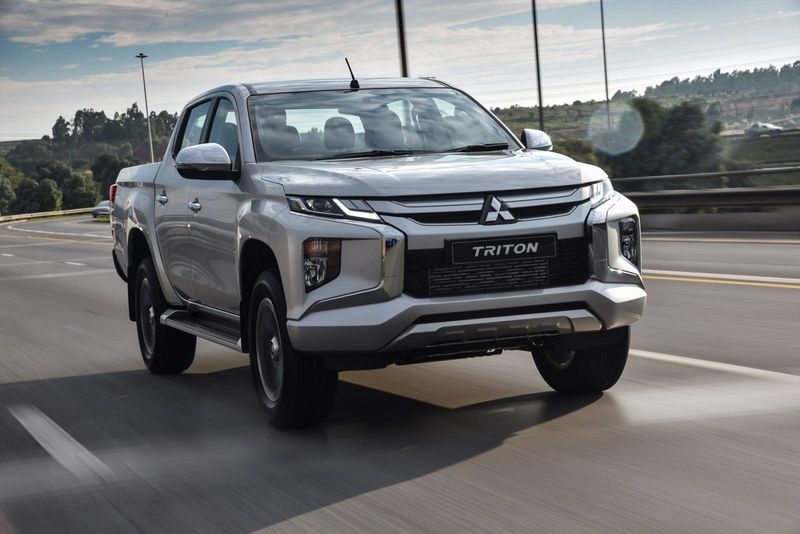
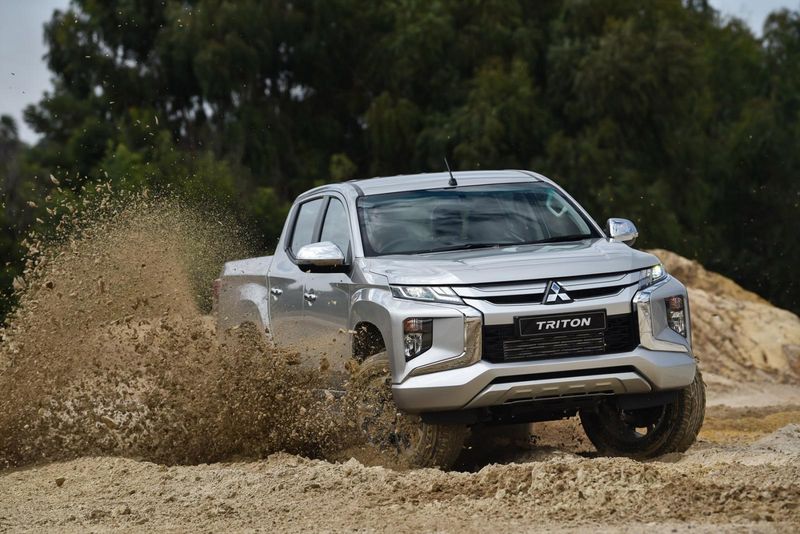
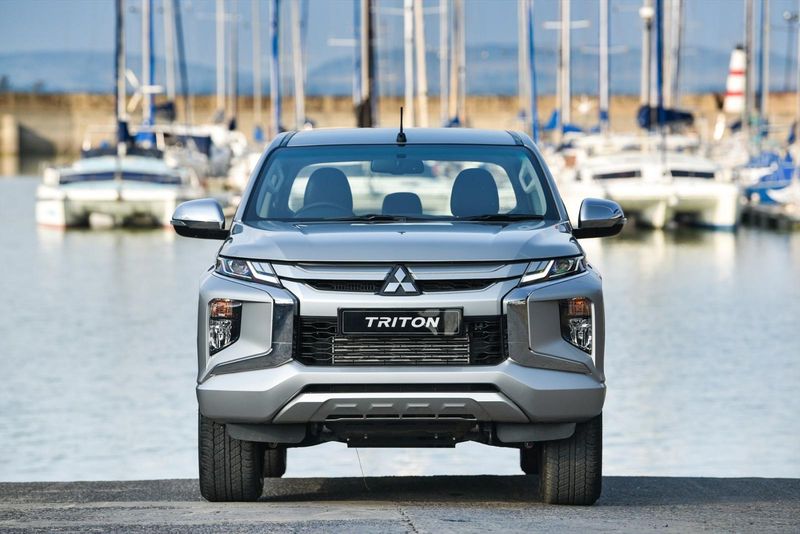
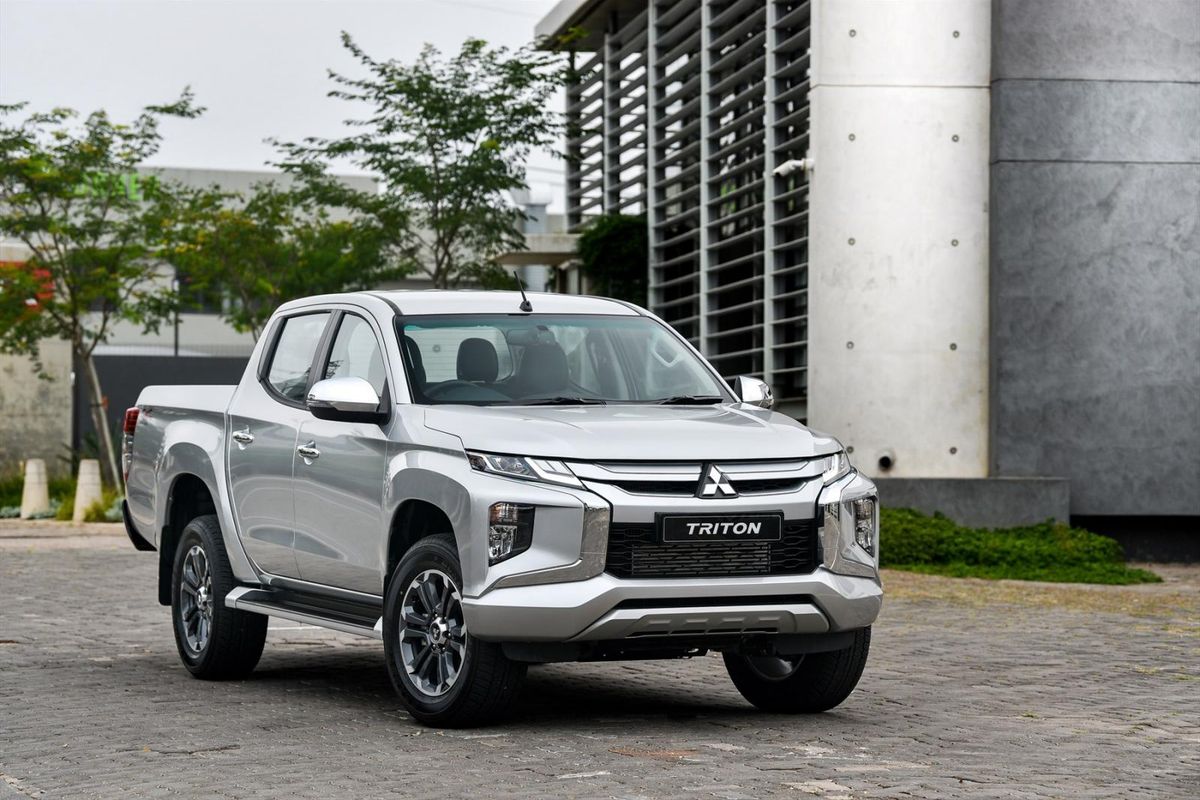
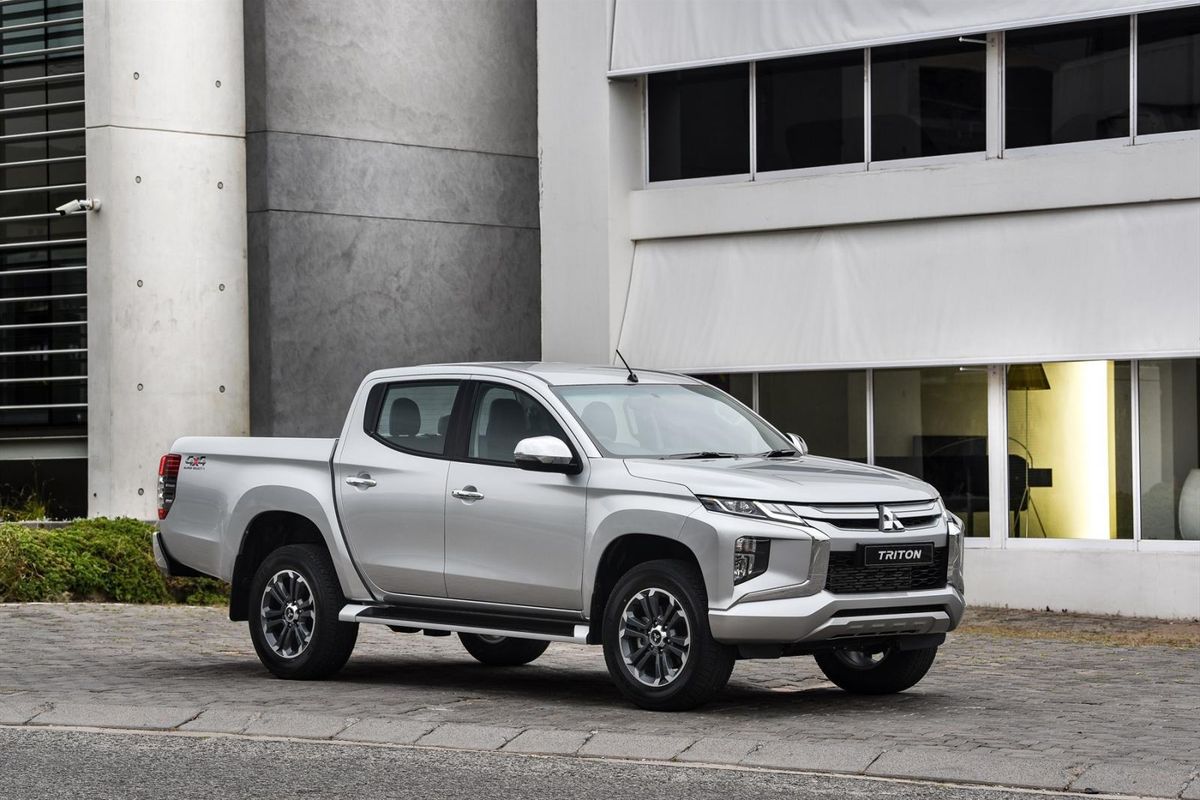
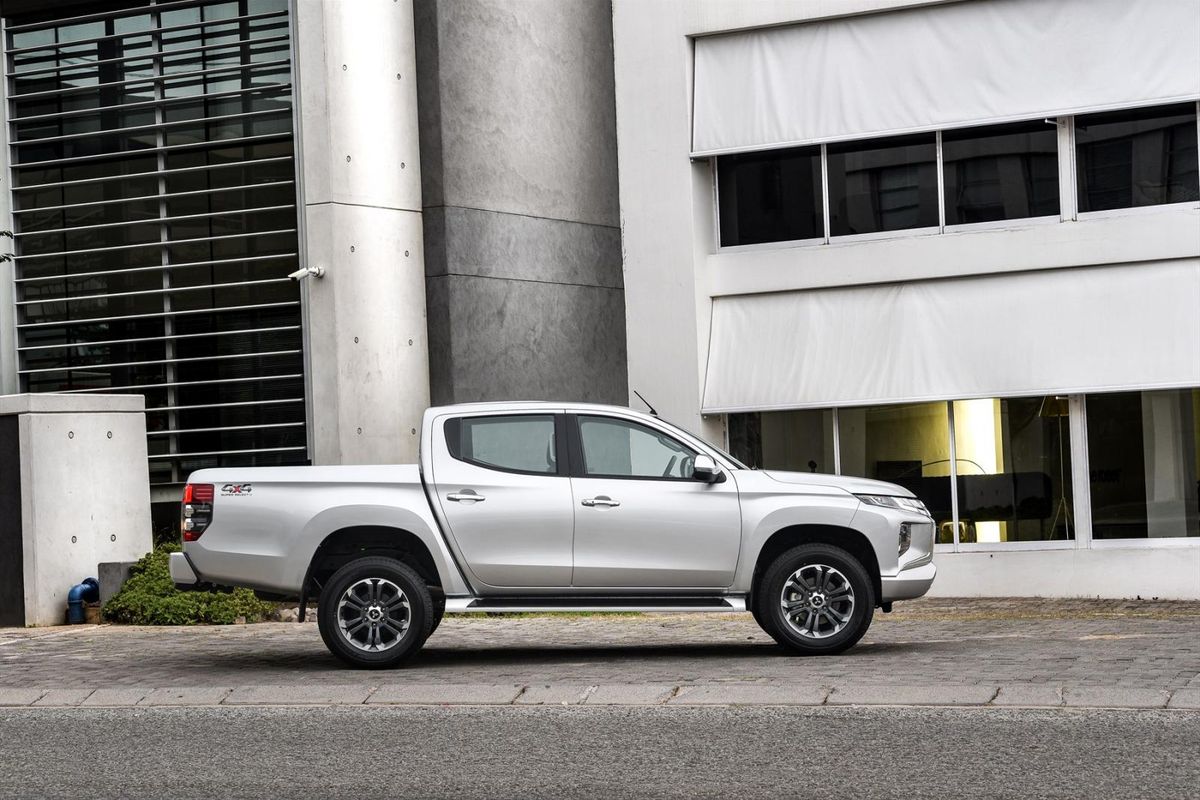
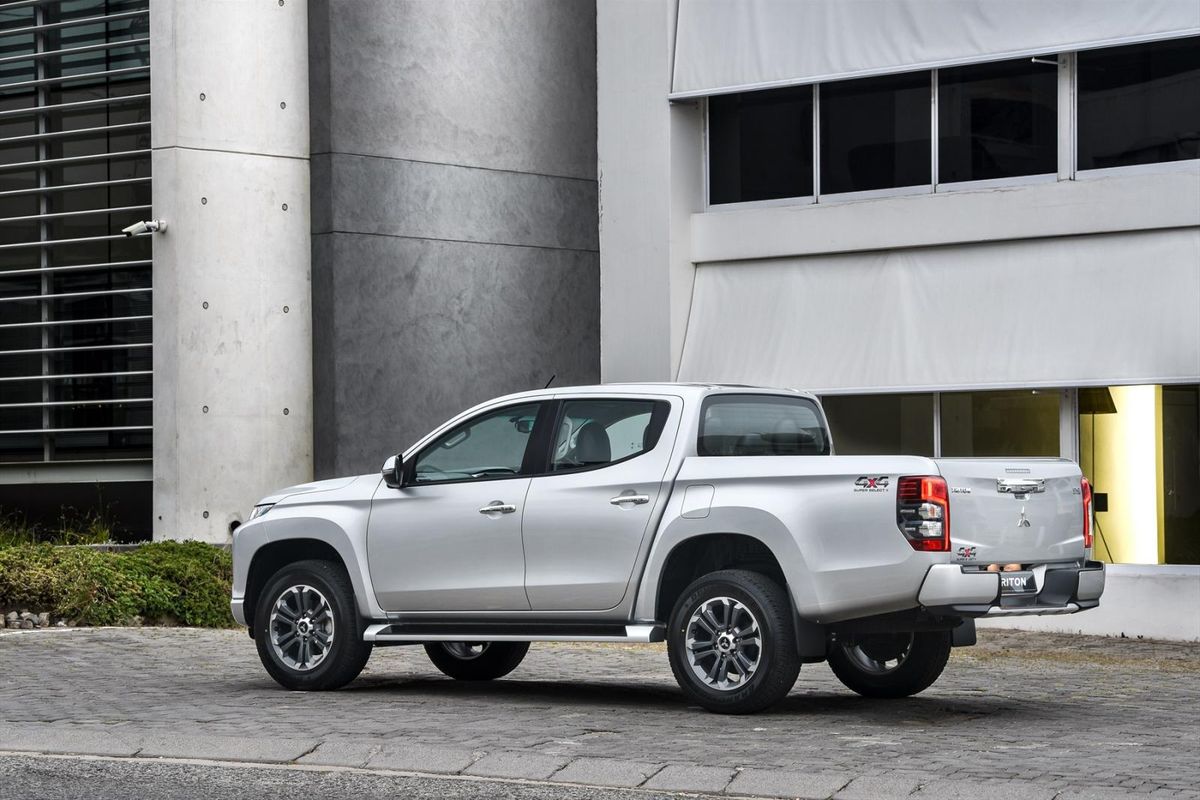
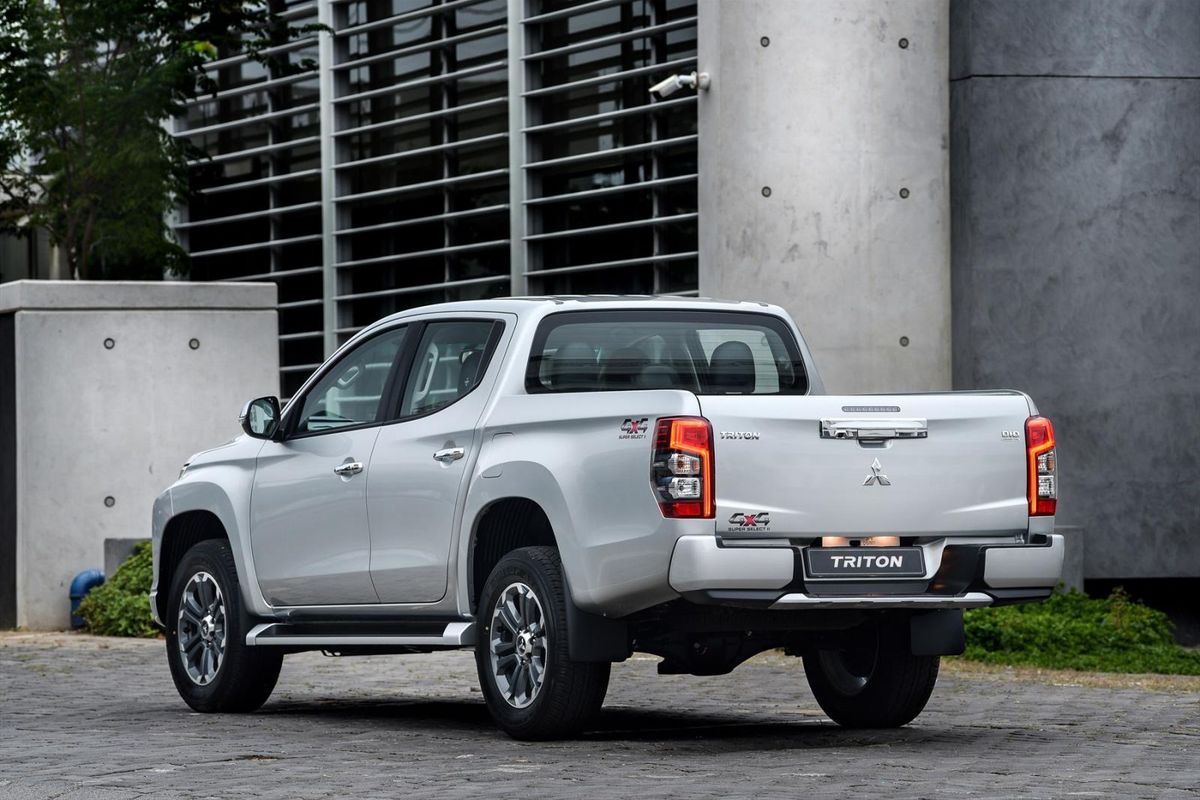
Mitsubishi has launched its new-look Triton double cab in South Africa. We attended the newcomer's local media launch event in Magaliesberg, Gauteng to find out if it's as rugged and dependable as before…
The Mitsubishi Triton is a puzzling bakkie. We don't mean any disrespect, of course. Not only does the Triton represent a solid value-for-money proposition, it's also supremely capable and tough as nails. And yet, it doesn't it sell in great numbers. Its Hilux and Ranger rivals are wildly popular, but the understated (let alone underrated) Triton has failed to garner even a notable fraction of the Toyota and Ford's sales figures.
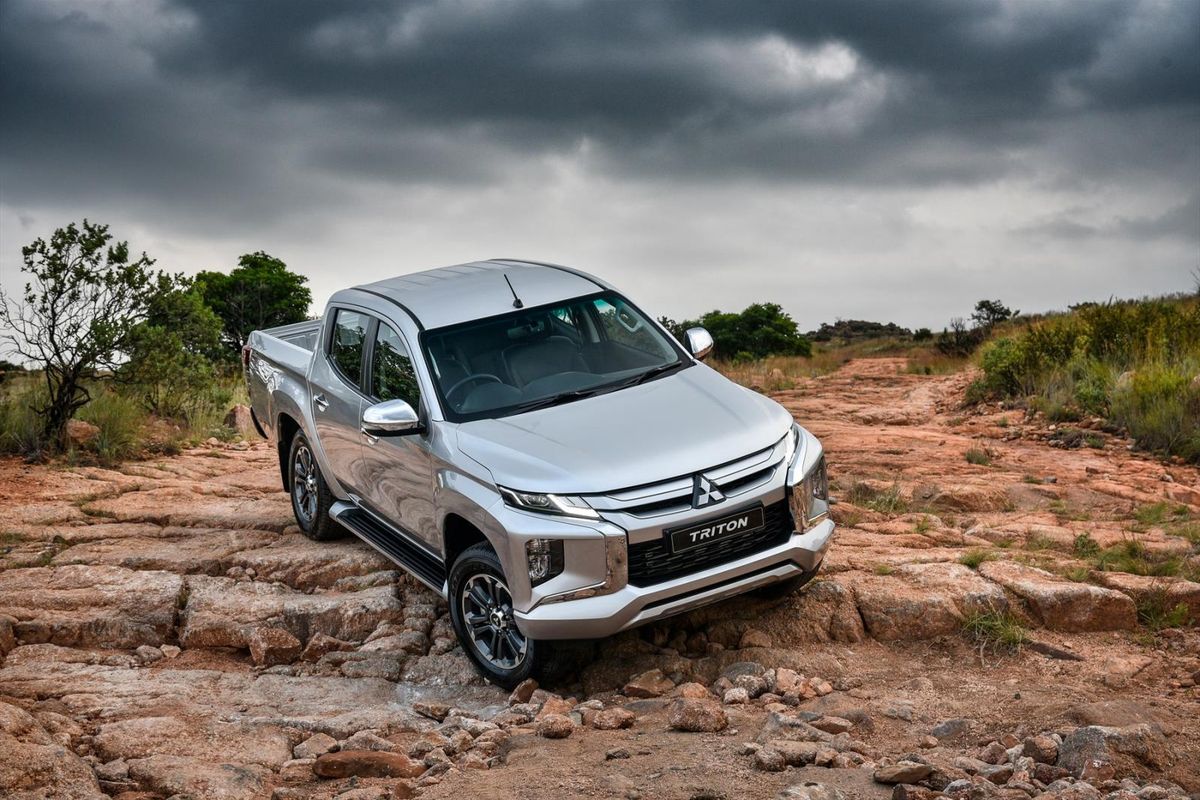
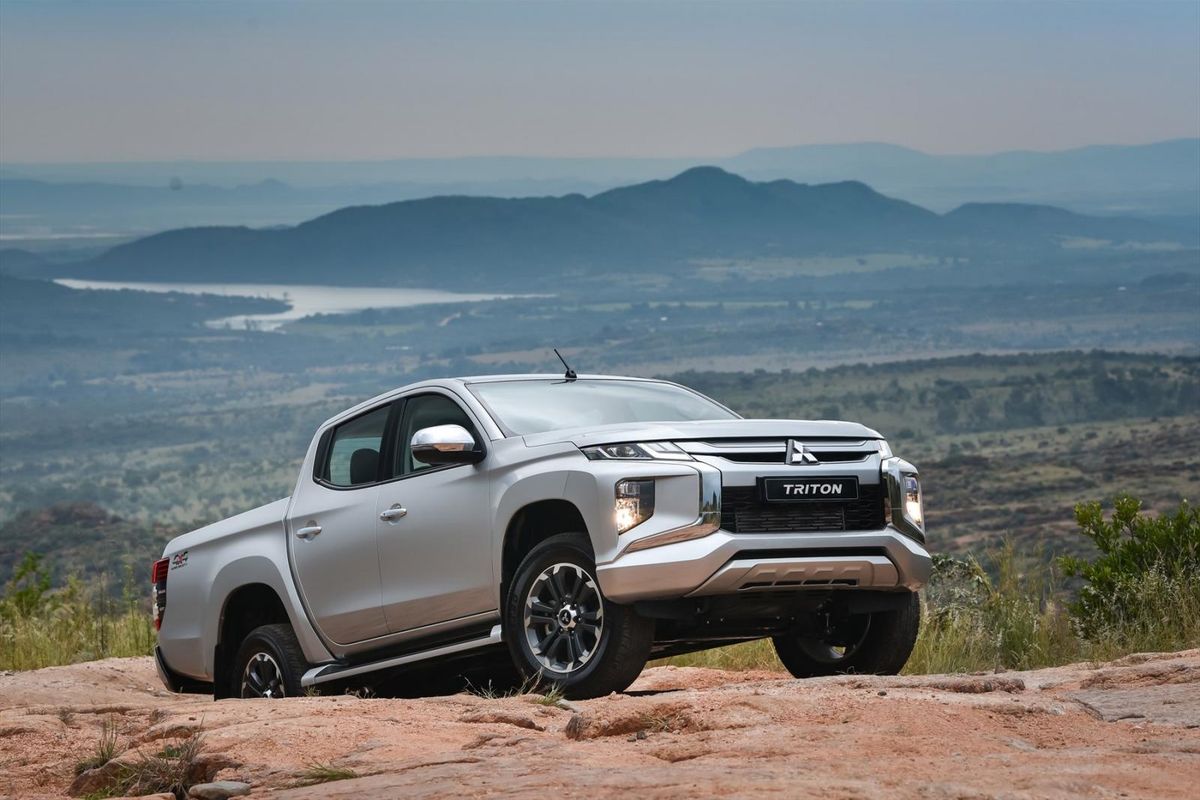
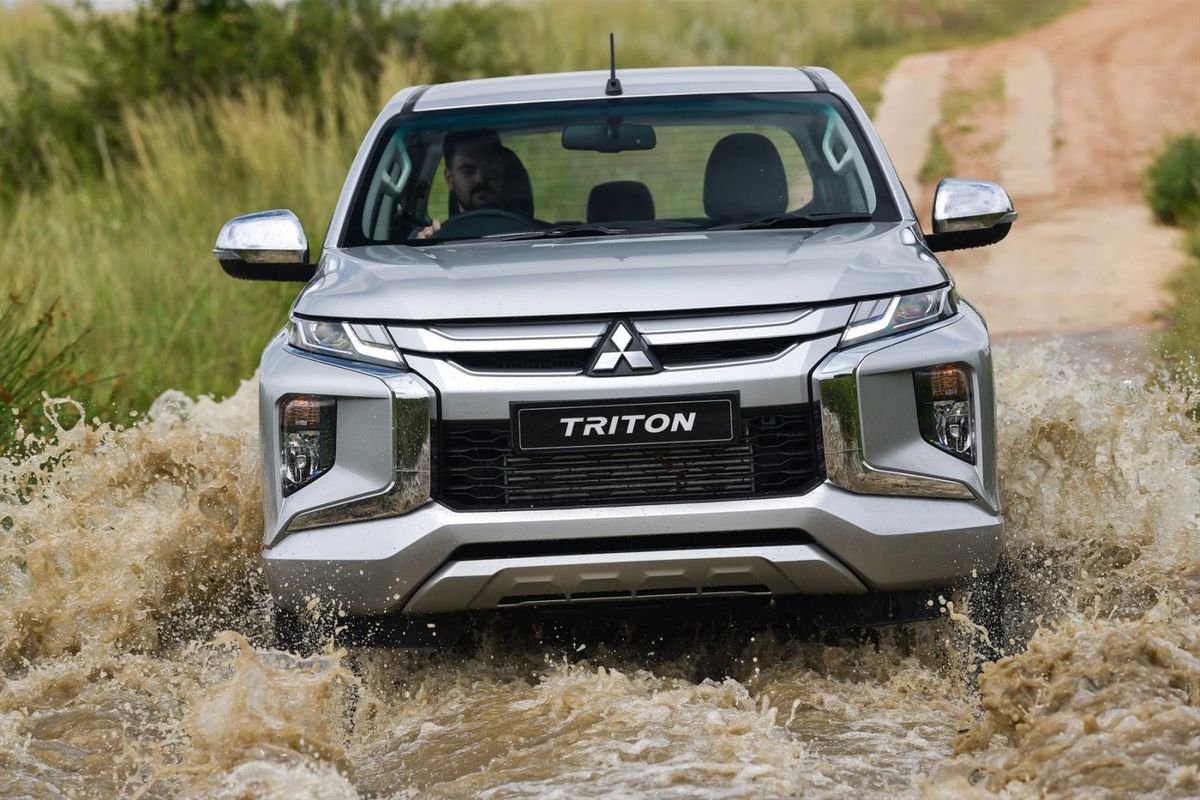
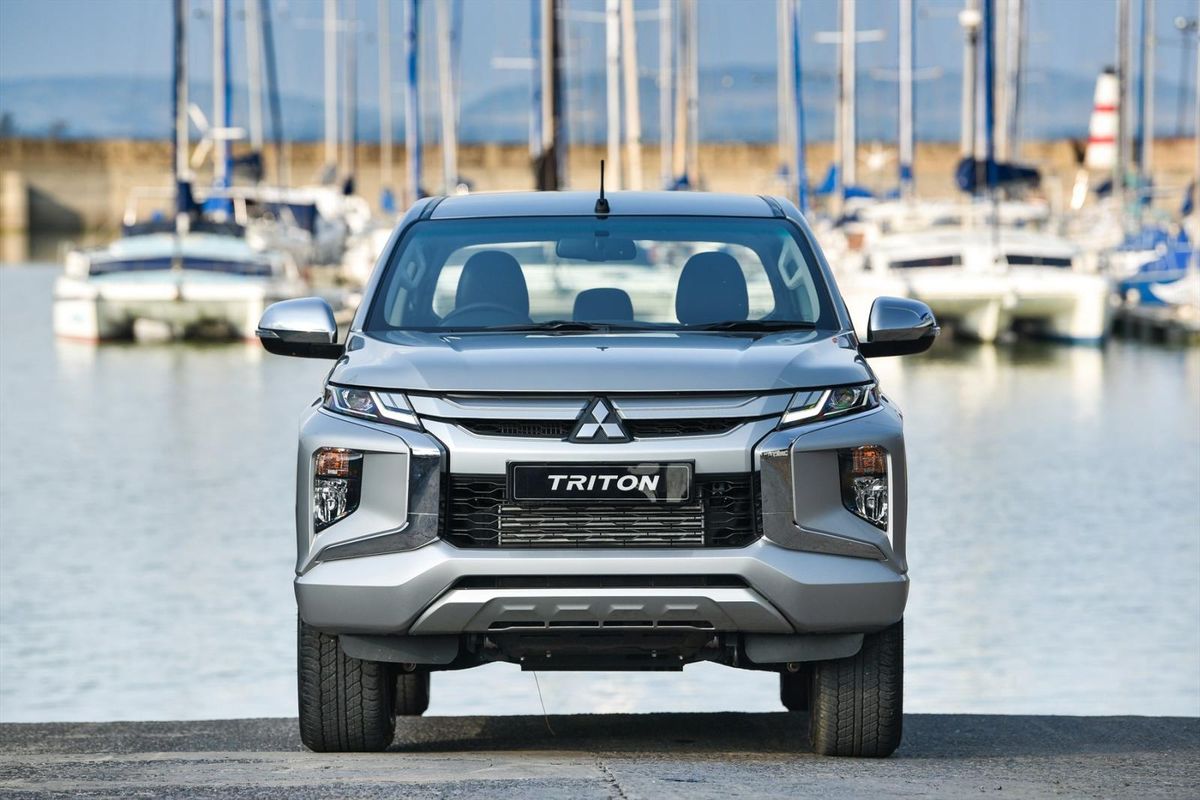
The Mitsubishi Triton's new face. Not only is it fresh and modern, but we'd say it's the most attractive bakkie on sale right now
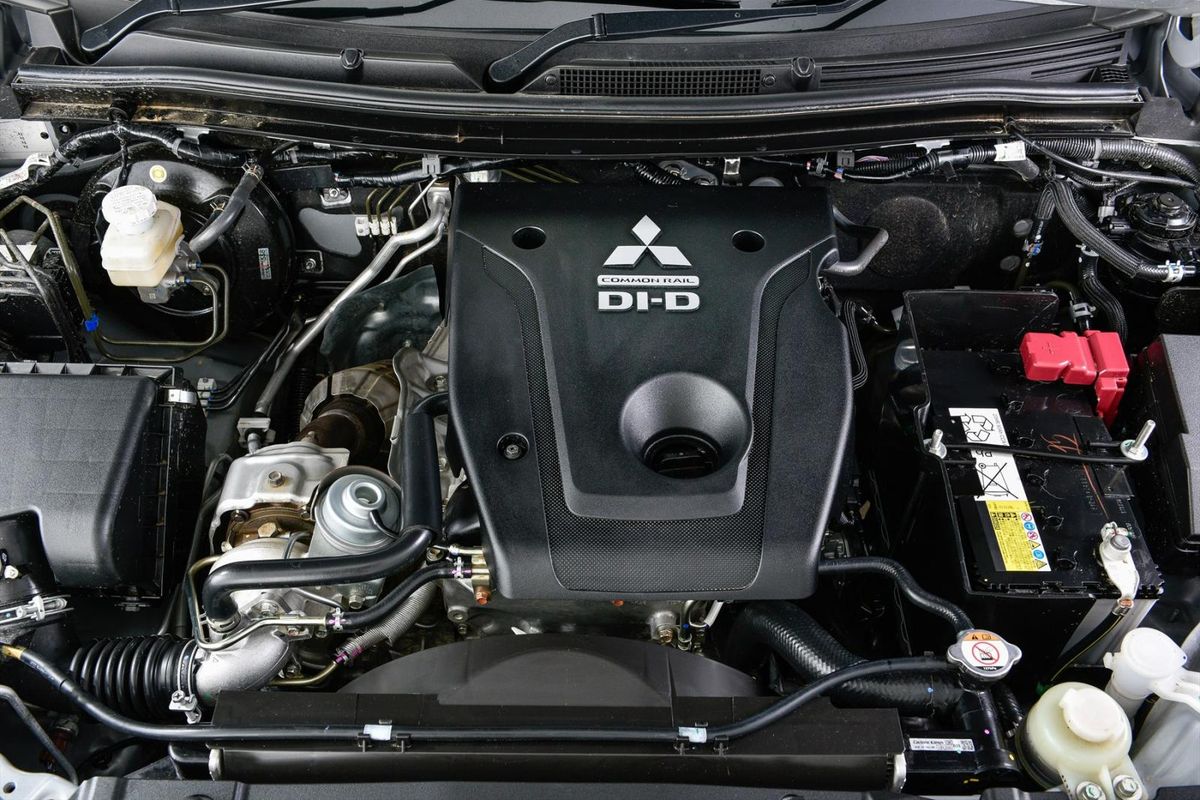
However, Mitsubishi has high hopes that its facelifted Triton can steal a few sales from its rivals – it comes to market with loads of standard features and an aggressive pricing strategy. While it appears that the Triton has just received a new exterior appearance, the changes are far deeper than a handsome reskinned front-end. While the engine has been carried over from the outgoing model, the 5-speed automatic transmission has been replaced by a new 6-speed unit and the Japanese firm claims the latter's extra ratio improves fuel economy and on-road refinement.
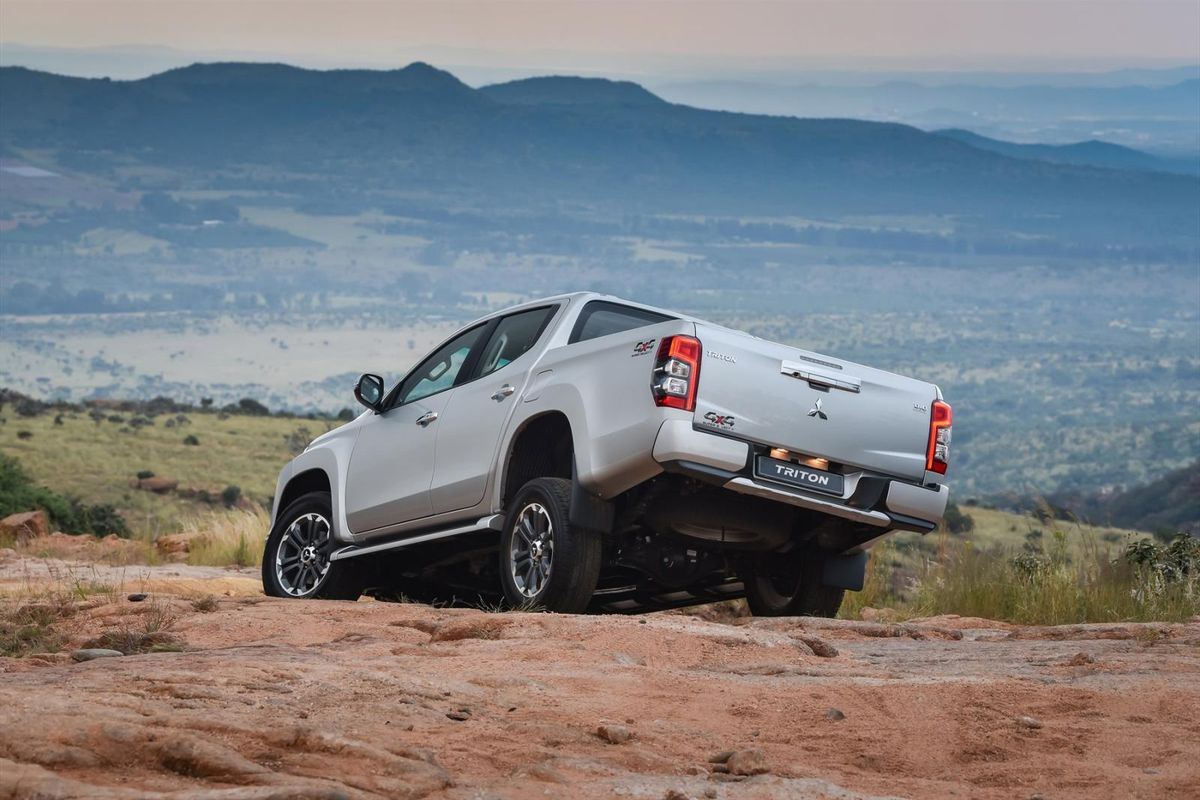
What's more, there are enlarged front brake discs and calliper pistons, while the rear dampers have increased in size and contain more damping fluid for improved ride quality. There are revisions to the Super Select 4WD system and some offroad modes are available for the flagship automatic 4×4 version. Off-road, the 2019 Mitsubishi Triton is just as capable as before and features 220 mm worth of ground clearance, a 28º approach angle, 23º departure angle and 25º ramp break-over angle. For those who want to tow trailers, the Triton has a tow rating of 3 100 kg (braked).
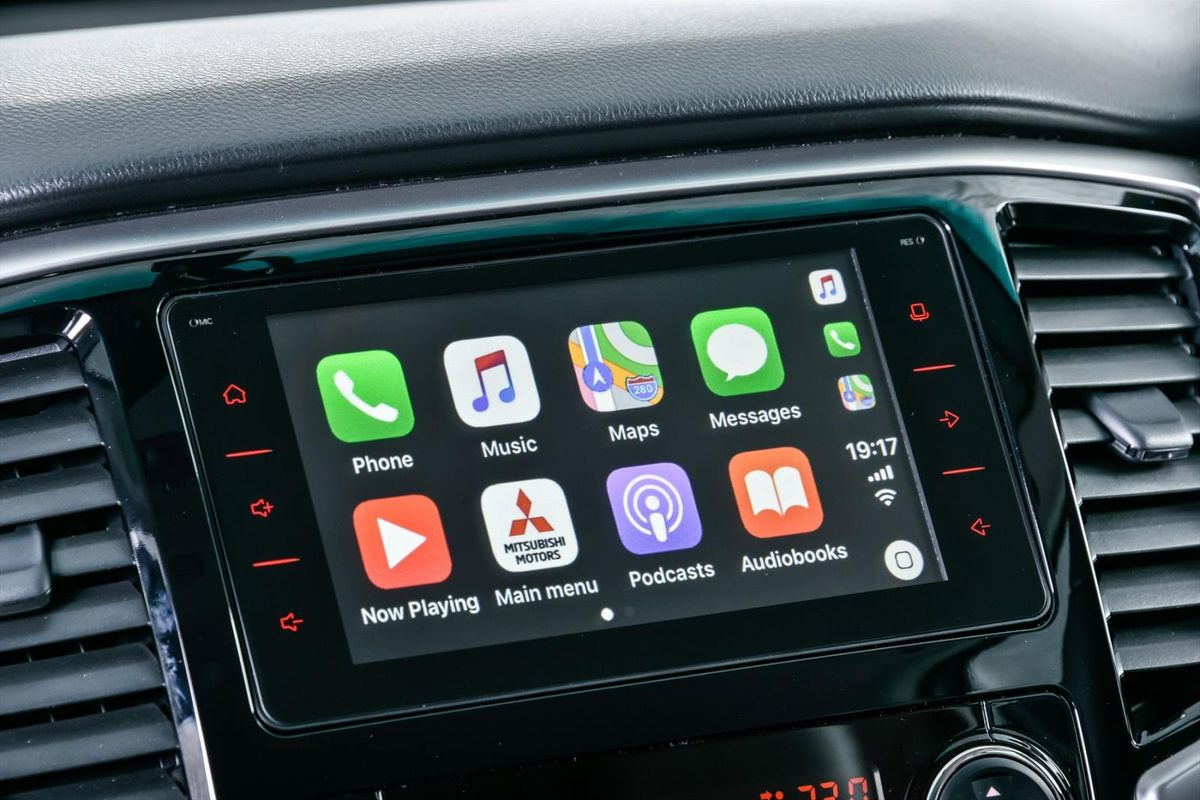
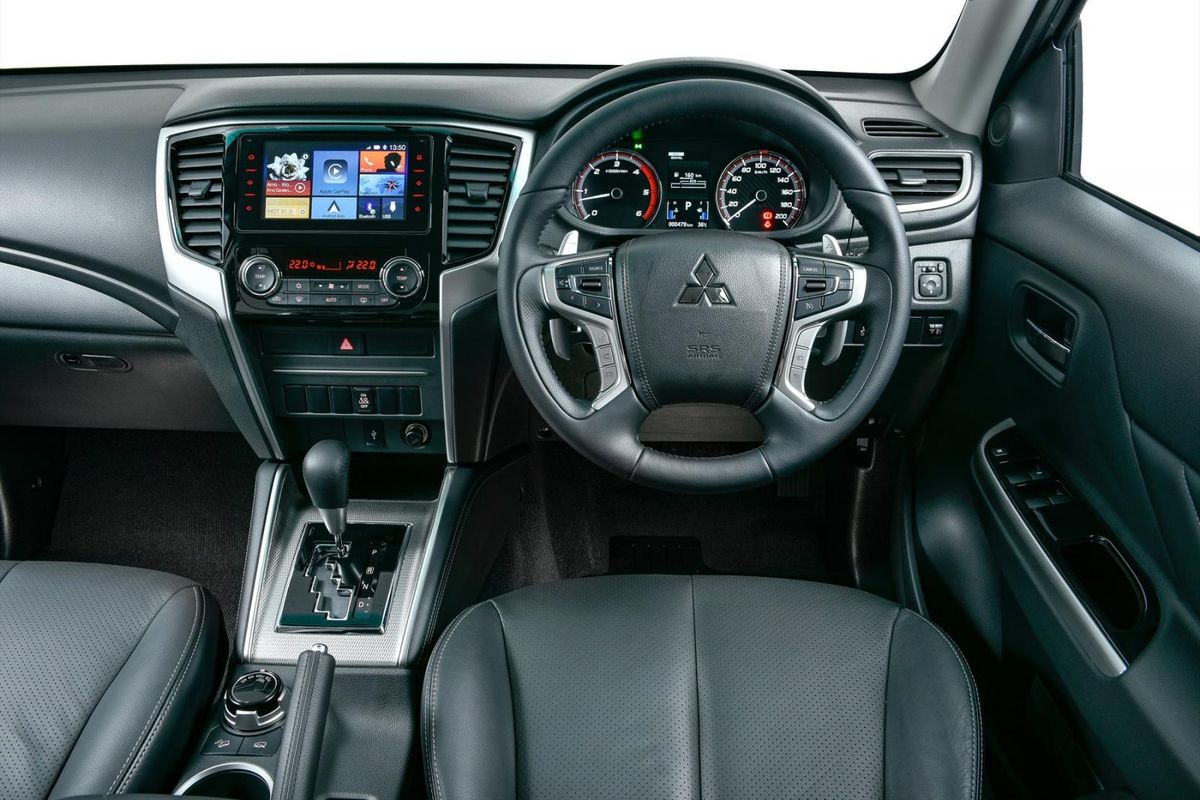
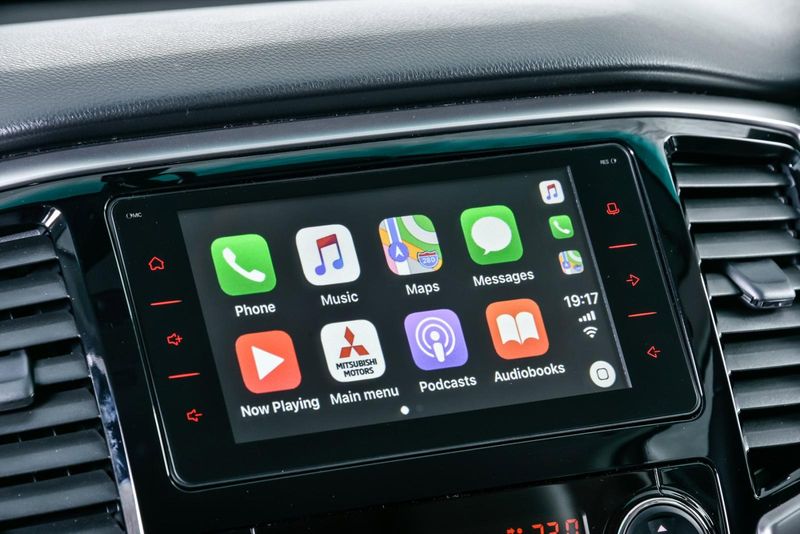
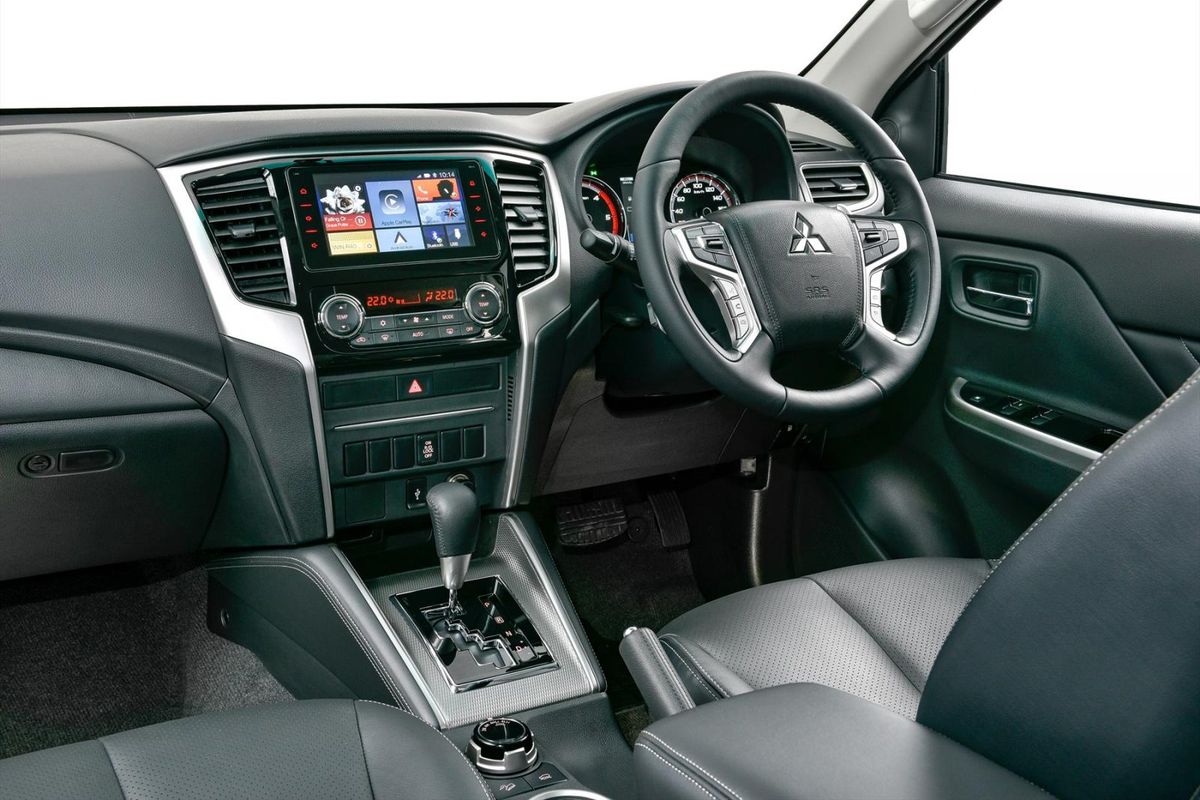
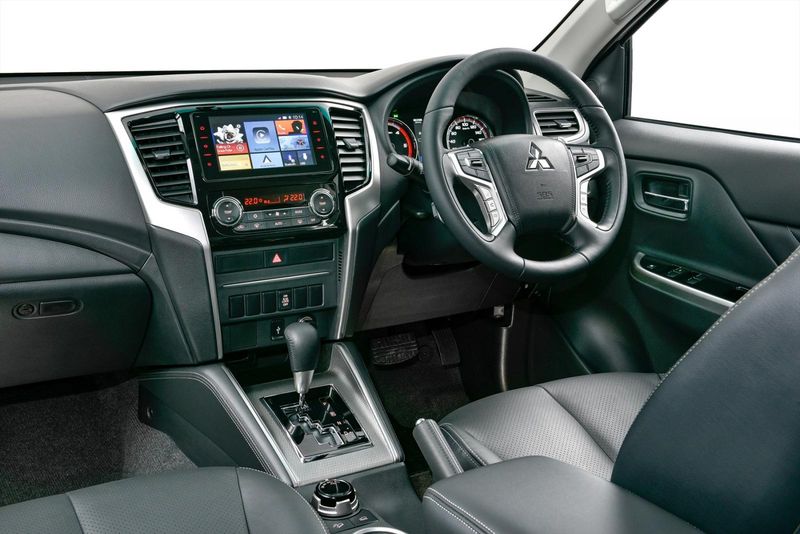
Inside, the cabin has some minor changes, but the important one is the addition of an updated (now thoroughly modern) infotainment system. We've recently experienced this system in the brand's crossover-flavoured family car offering – the Eclipse Cross – and came away impressed with it. The unit features a simple layout, but boasts impressive features such as navigation, Apple CarPlay/Android Auto compatibility and Bluetooth.
Apple CarPlay and Android Auto are 2 standout features in the new Triton. The new infotainment system is a big leap forward.
What's it like to drive?
Previously, the Triton was a pleasure to drive on the open road and offered impressive levels of refinement. However, during the evaluation drive of the new Mitsubishi, we didn't find the going quite as smooth… The bakkie tended to bounce and jiggle a bit, but we believe that was probably due to the poor quality of the roads in and around the launch venue. Remember, it's still a body-on-chassis vehicle with rear leaf springs (plus it's set up to be a workhorse), so you can't expect a ride quality akin to that of the recently-launched Eclipse Cross. The new auto transmission is smooth and refined, and best left to its own devices. You could use manual override and 'shift paddles, but these should only be used when you're off-roading.
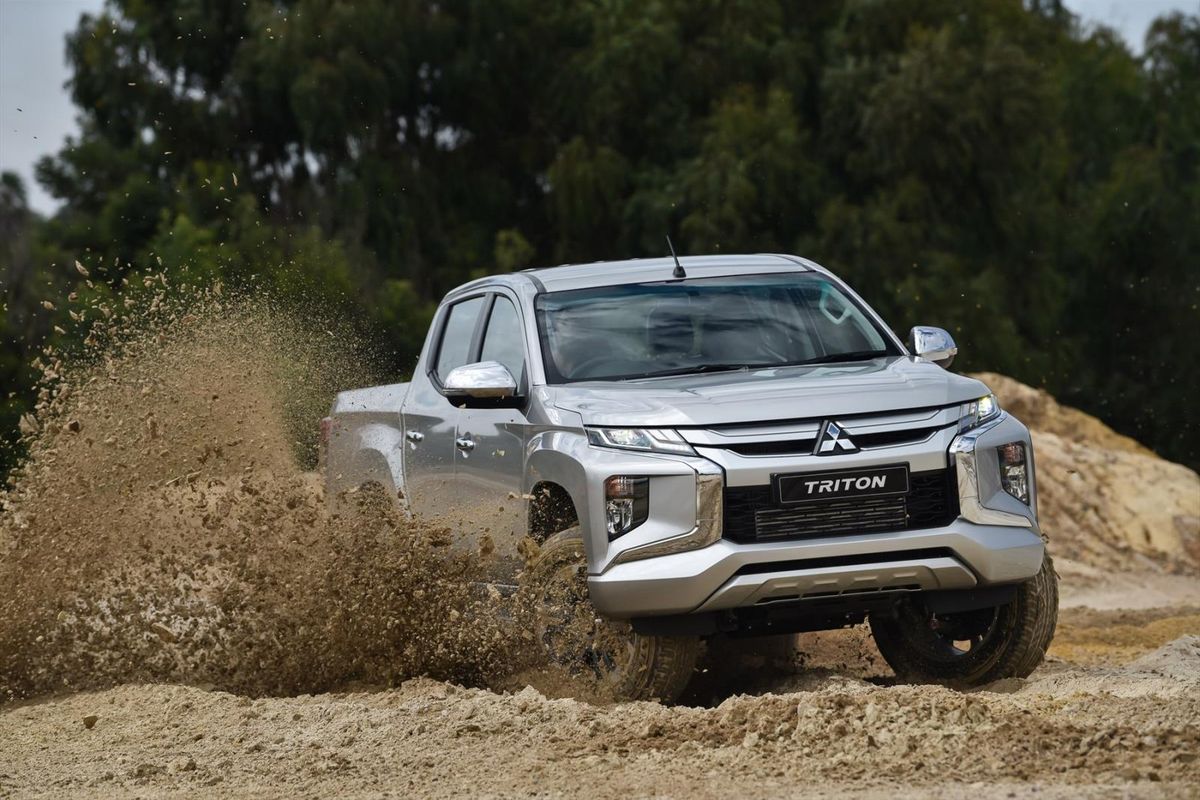
Speaking of off-roading, the launch activities included some mild-to-medium 4×4 testing. The hill descent control was called into play a few times and it performed ably (you could, of course, replicate it by forcing the vehicle to stay in 1st gear using the aforementioned shift paddles and selecting low-range on the transfer case). The ground clearance of 220 mm is sufficient to see harmful obstacles (such as rocks) pass under the body safely, while the approach and departure angles are on par with other offerings in the segment. If the going gets really tough, a rear diff lock is available.
The Mitsubishi Triton is still a formidable performer when the tarmac turns into sand.
The steering in the Triton is well worth a mention too. Not only is the 'wheel pleasant to wield, but the small turning circle of 5.9 metres makes the bakkie quite nimble/easy to place. This is useful for those who need to manoeuvre their bakkies in the tight confines of a city. Plus the Triton's body doesn't seem to roll as much as its rivals… If ever there was a bakkie worthy of being described as "passenger car-like to drive", it'd be this.
Furthermore, the turbodiesel engine has been a strong point in the Triton. There's a useful amount of torque right from the get-go, making it easy to light up the rear wheels on wet roads or gravel, but you can easily dial that out by rotating the drive select into 4-High. You can even shift from 2- to 4-wheel drive on the fly (at speeds of up to 100 kph). You'll have to come to a complete stop to activate the low-range transfer case, though.
We briefly sat in the back of the Triton towards the end of the launch. One of the common double-cab afflictions is that the rear bench's backrest angle is too vertical – you don't exactly "recline in comfort". But in the Triton, the seating position is not too upright; the back reclines by a few degrees, which means the bench is a bit more comfortable. We also appreciated the pair of aft USB ports; they're ideal for charging mobile devices.
Summary
Is there a better looking bakkie on sale right now?
The updated Triton has arrived at an interesting time… Ford will soon launch its facelifted Ranger, replete with new engines and gearboxes. Other rivals include the Isuzu D-Max, Toyota Hilux and Nissan Navara. However, as Mitsubishi points out, its top-spec offering is R25 000 cheaper than its nearest competitor. Interestingly, the price of the top-spec derivative is the same as the outgoing Triton, which deserves some applause. We've always liked the Triton and our prior criticism of a mediocre infotainment system have been addressed by the installation of a new, modern unit.
We look forward to putting the newcomer through its paces on both road and 4×4 scenarios, but if this brief encounter is anything to go by, the Triton will continue to be a solid and successful offering in the bakkie market. The range comes backed with a manufacturer’s warranty of 3 years or 100 000 km and a 5-year/90 000 km service plan and 5-year/unlimited mileage roadside assistance. Service intervals are every 10 000 km.
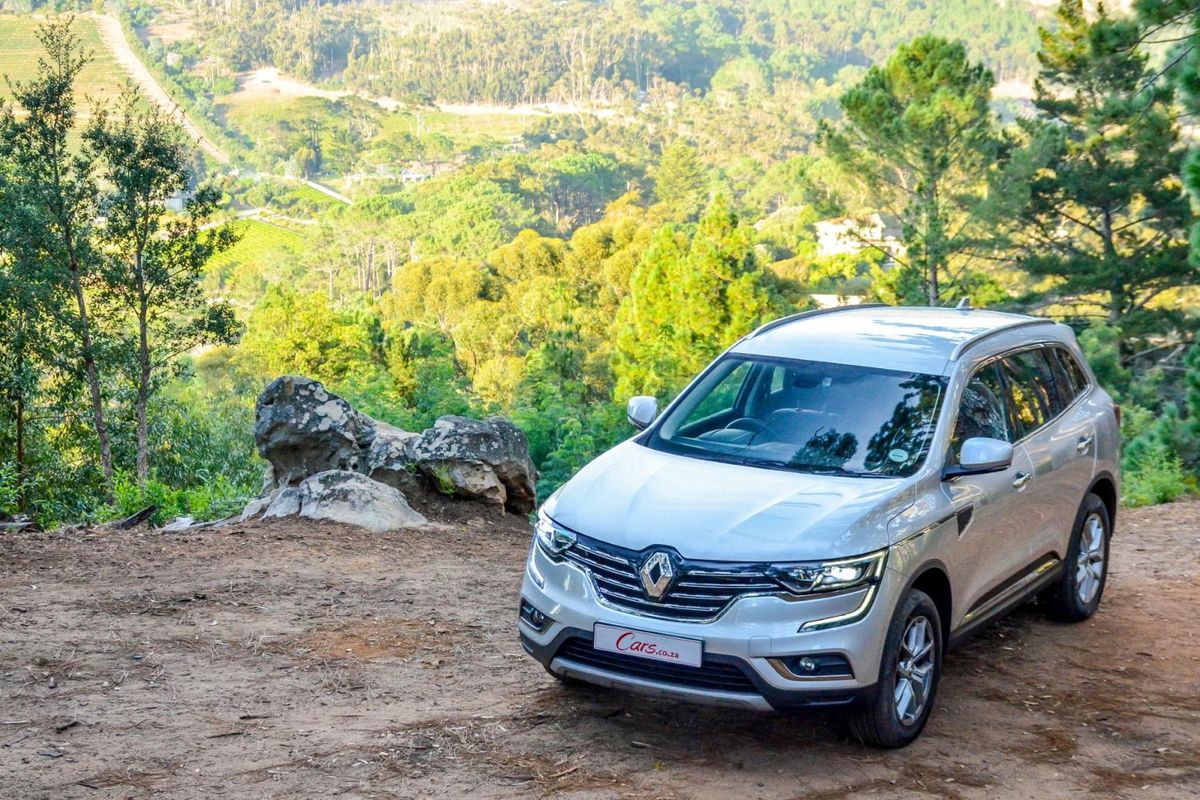
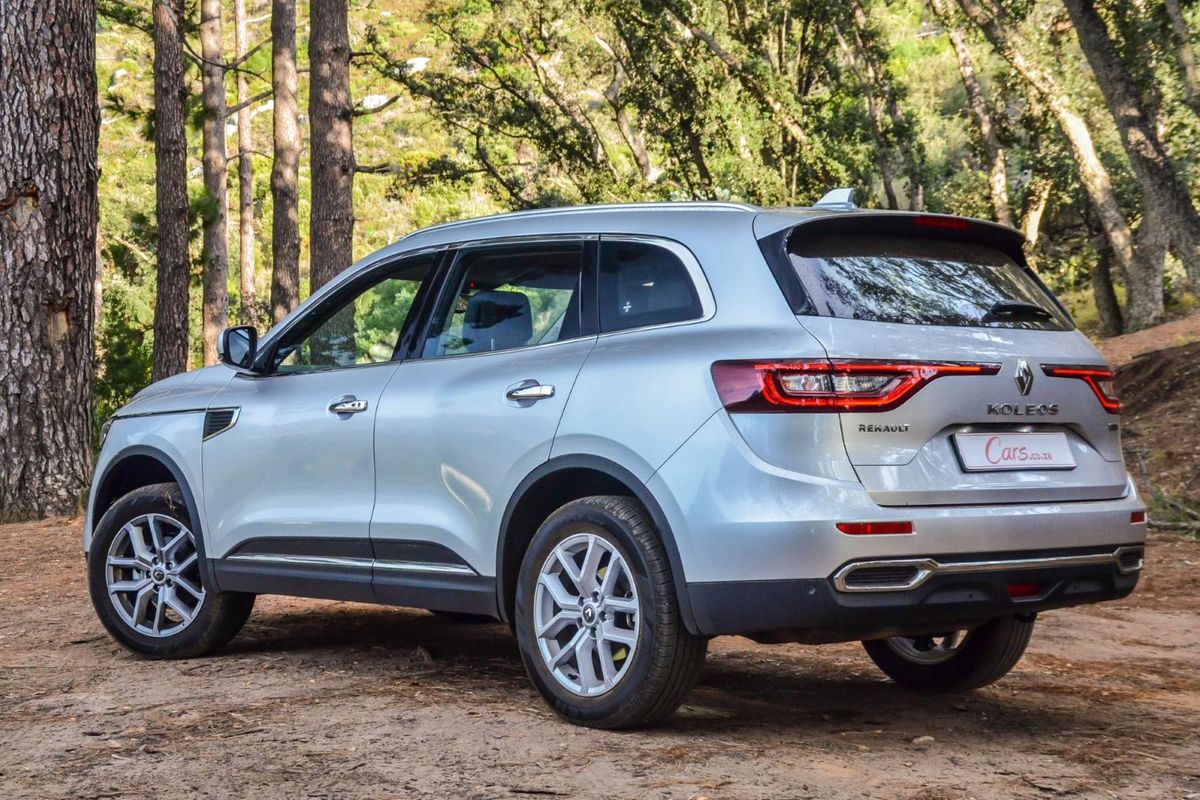
A new Koleos has waded into the crowded family car segment. With attractive pricing and generous standard spec, the Renault makes a compelling case for itself, but is that enough to ensure its success? We put it to the test…
We Like: Price, standard features, practicality, general performance, value for money
We Don’t Like: Only 1 engine/gearbox choice, thirsty
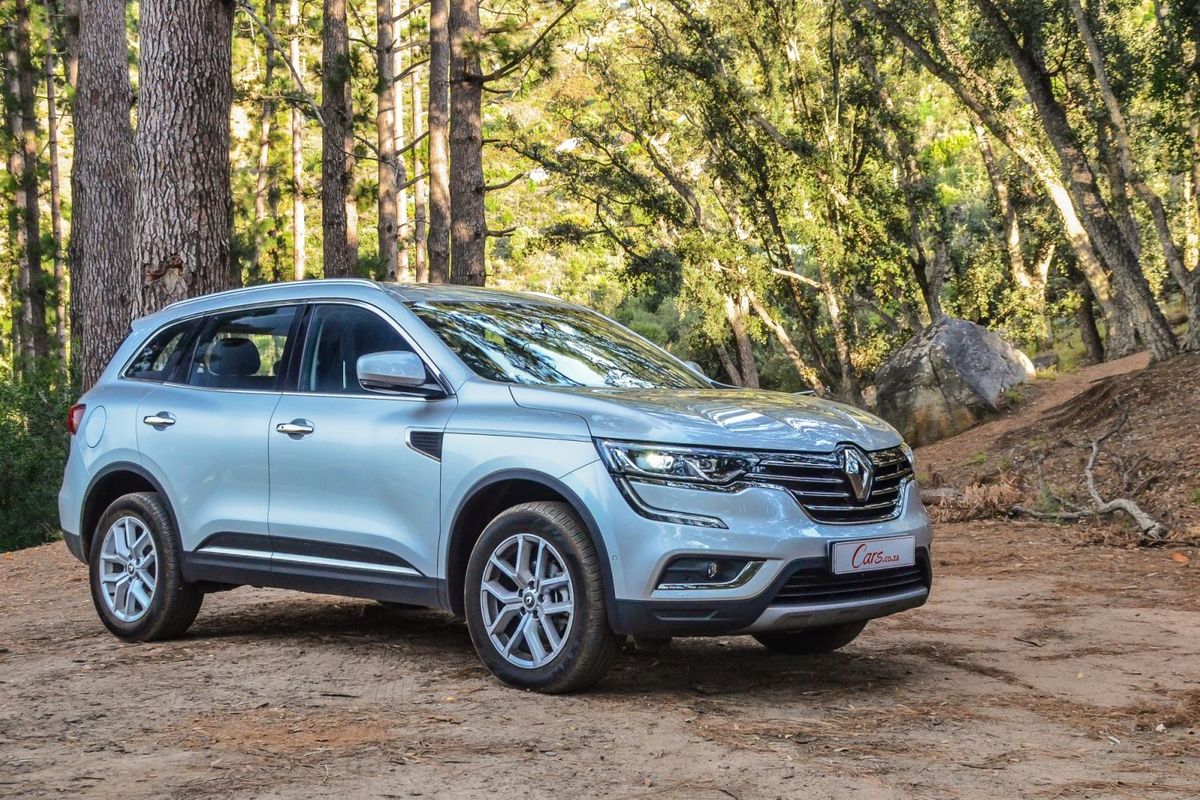
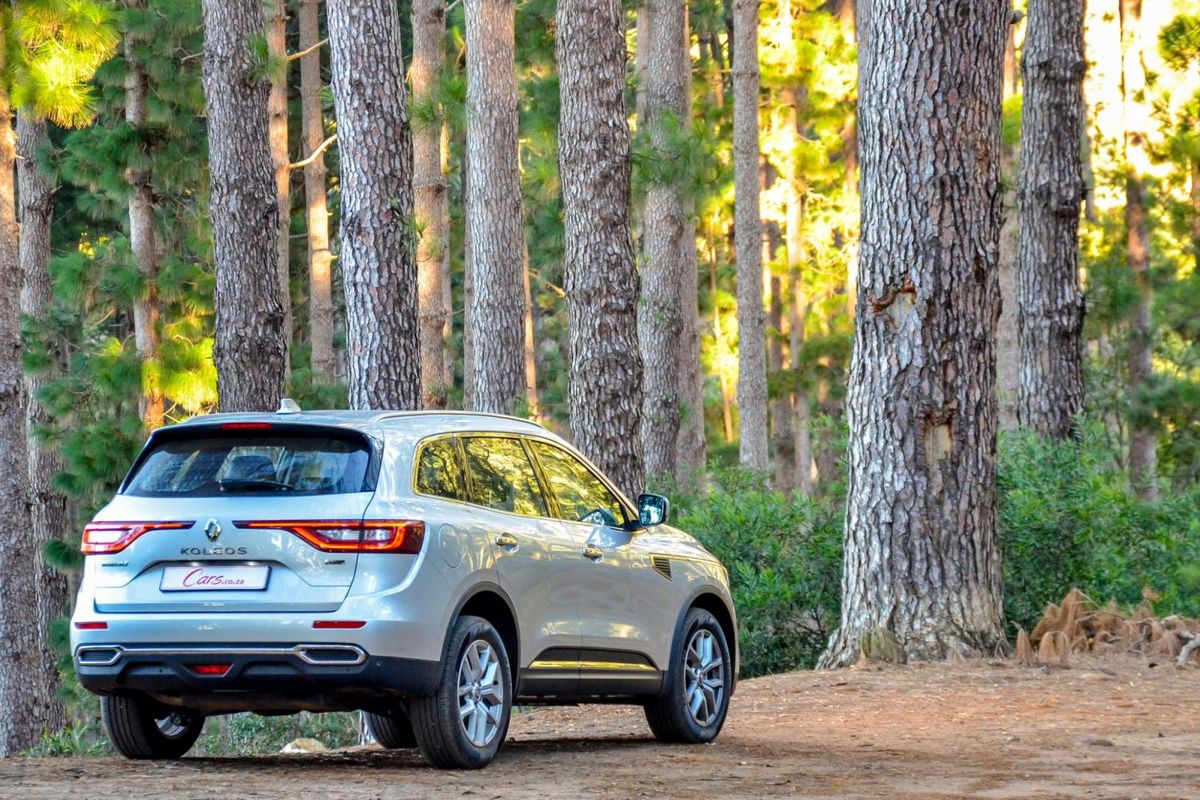
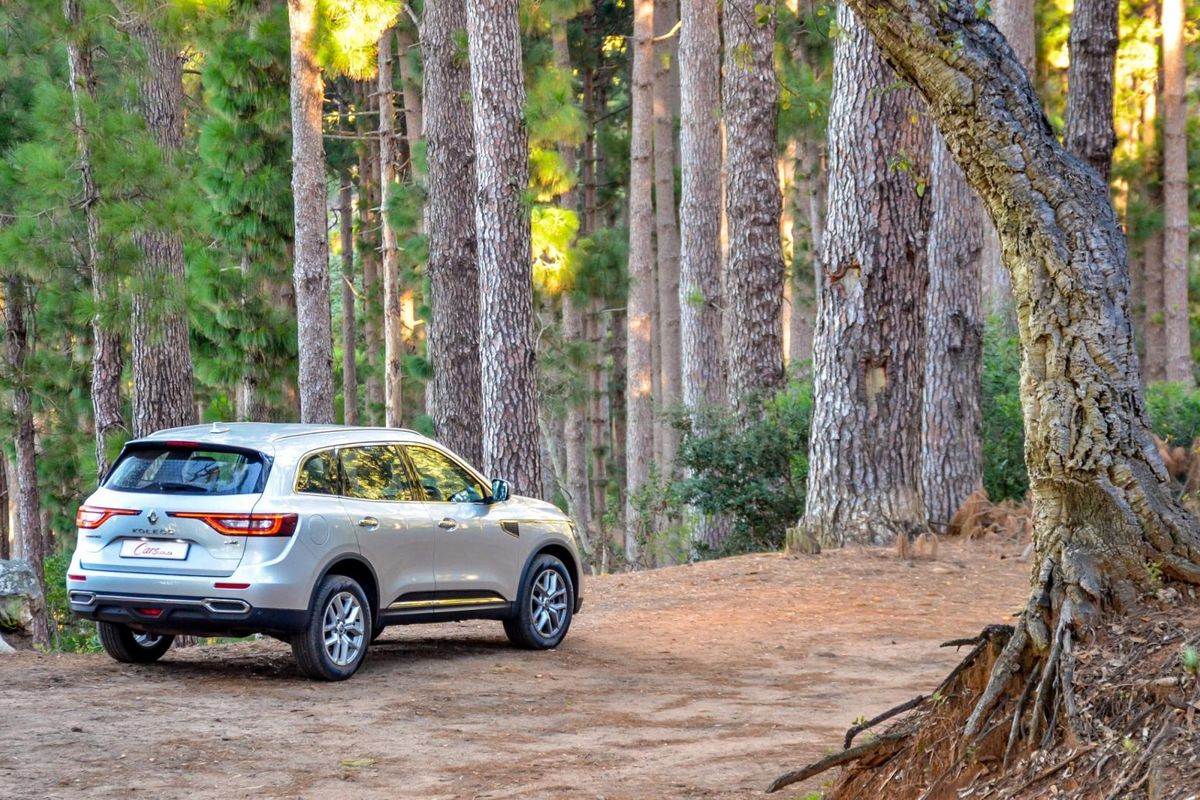
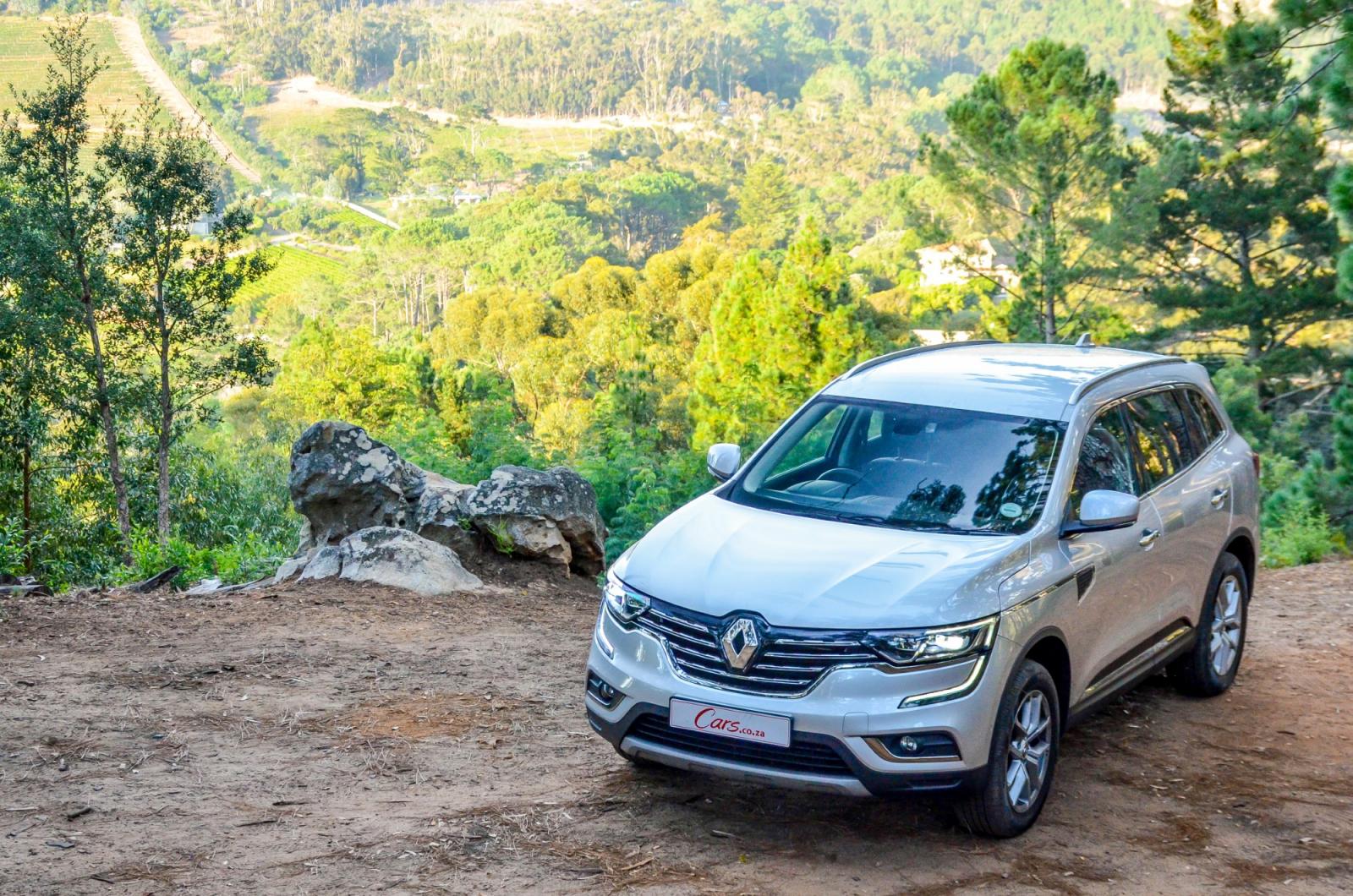
The Koleos joins a crowded family car segment but has much to offer in terms of practicality and features.
It has taken Renault almost 3 years to get this new Koleos to South Africa and, with the Nissan Qashqai-derived Kadjar no longer available in the local market, the newcomer steps up as Renault’s flagship family car offering. The Koleos shares its underpinnings with the X-Trail (which, we think, is a good thing) and even makes use of the same naturally-aspirated 2.5-litre petrol engine. It faces off with a throng of talented rivals such as the new Toyota RAV4, Volkswagen Tiguan, Mazda CX-5, Ford Kuga, Subaru Forester and of course, the Nissan X-Trail, to name a few…
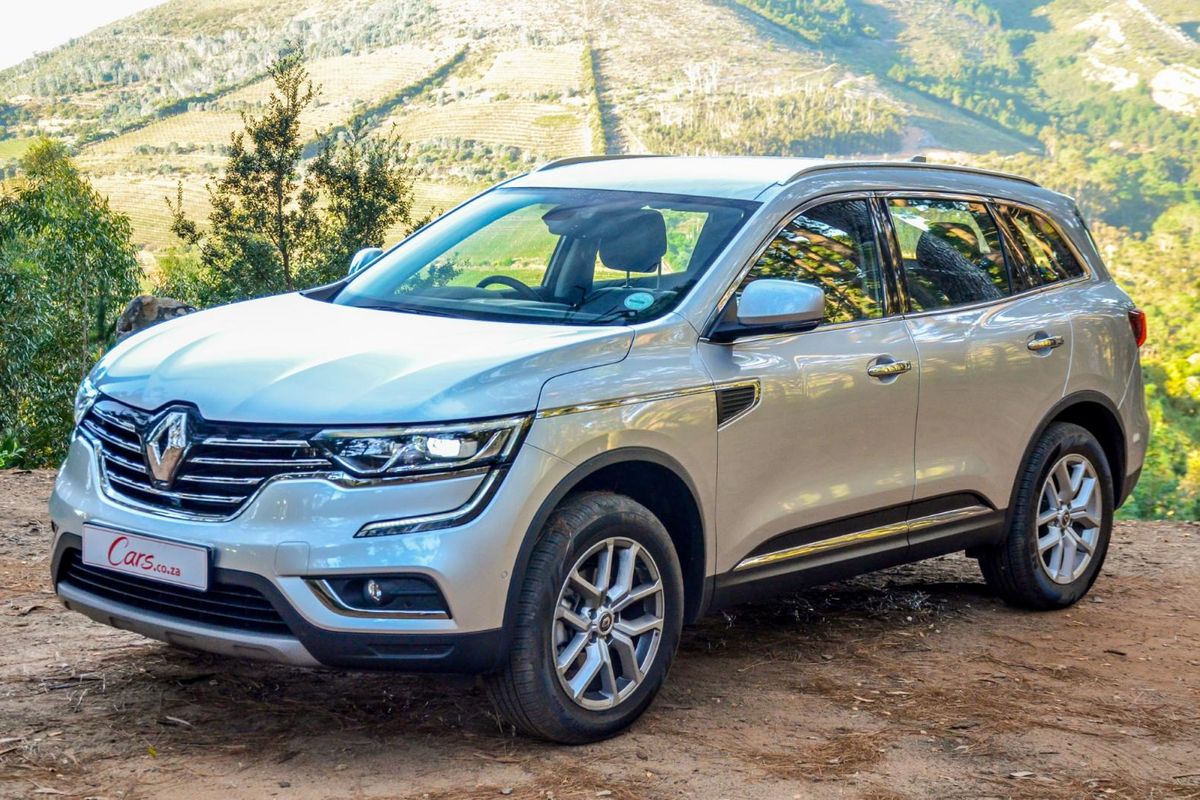
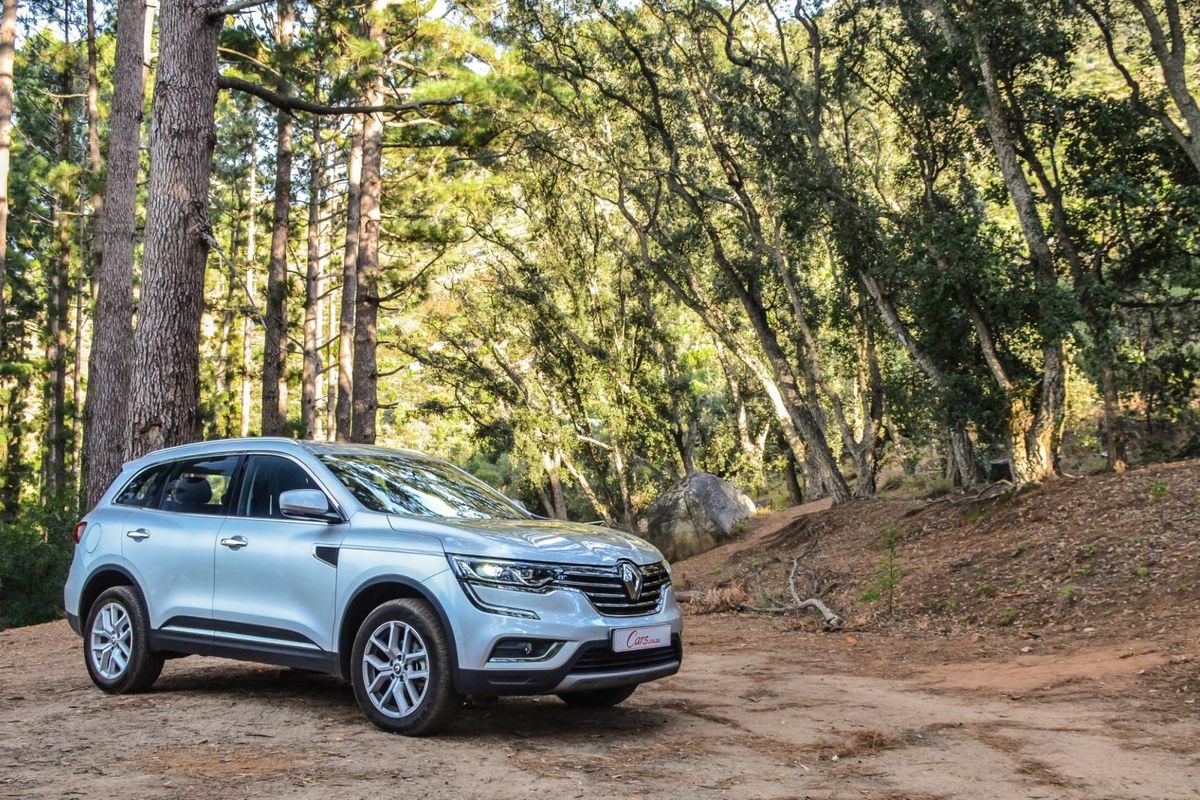
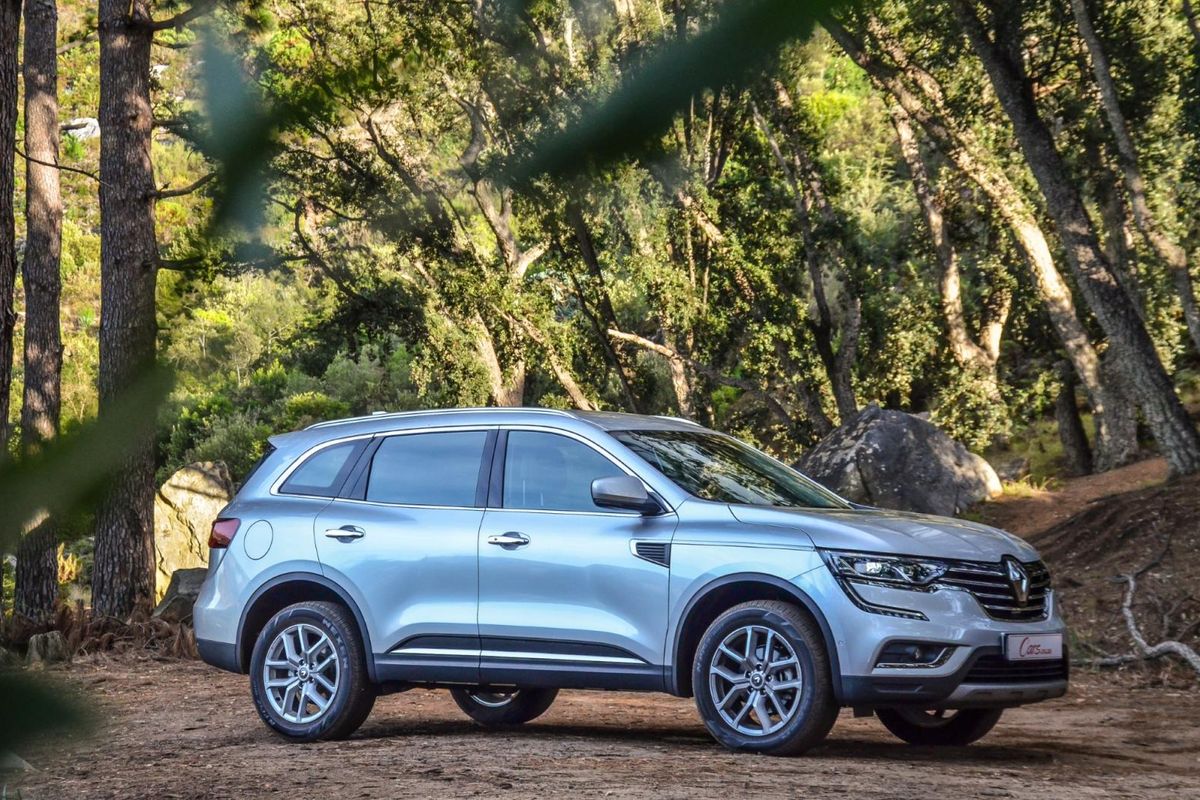
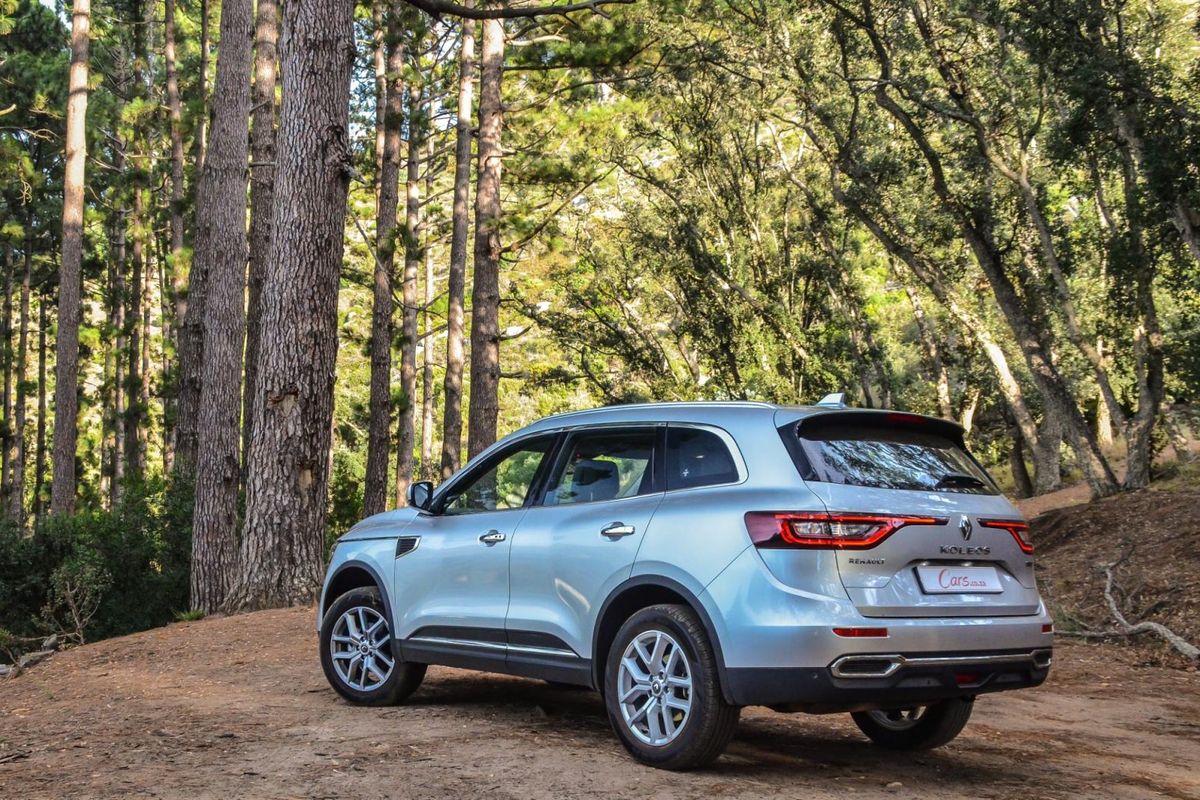
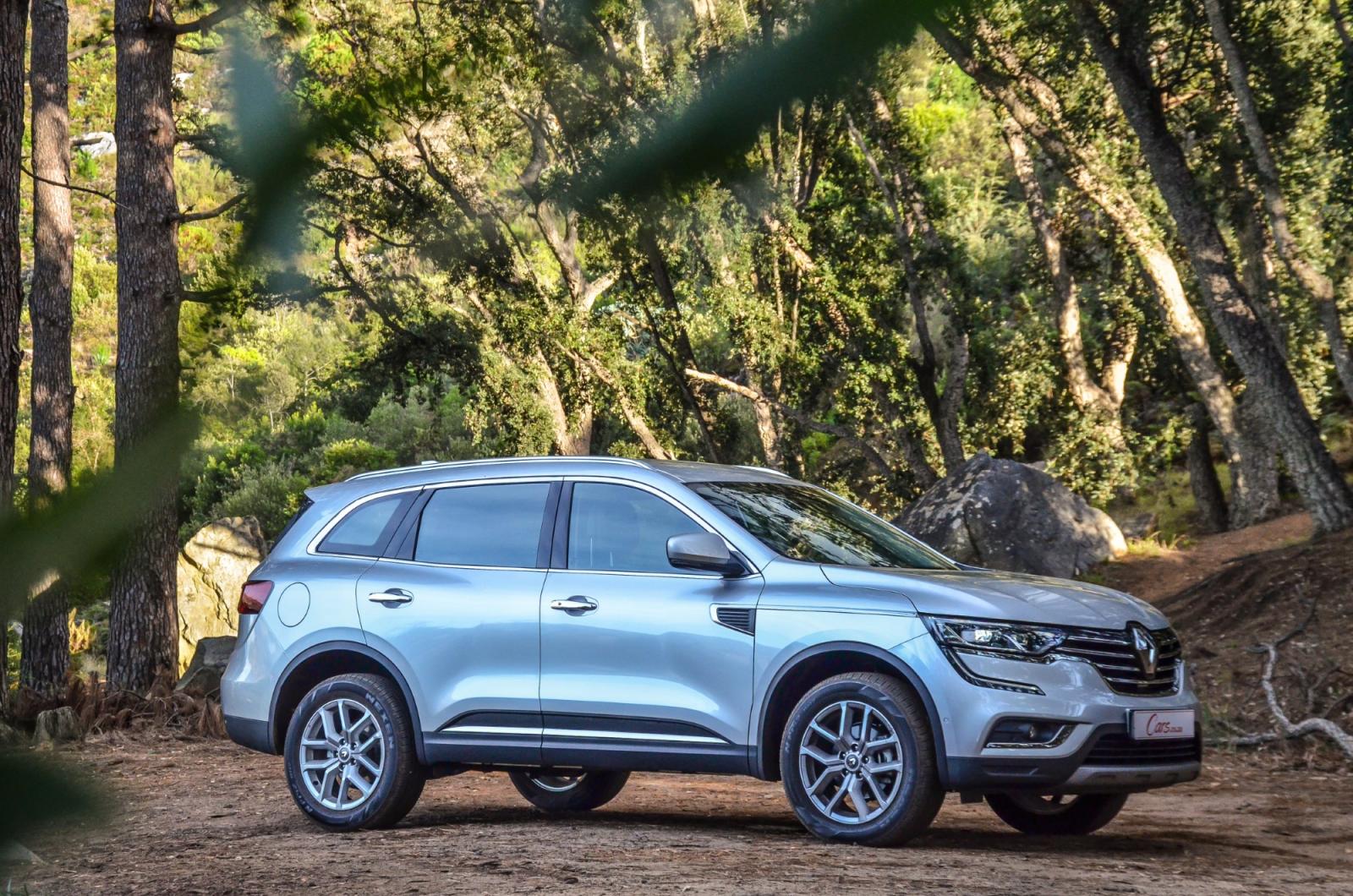
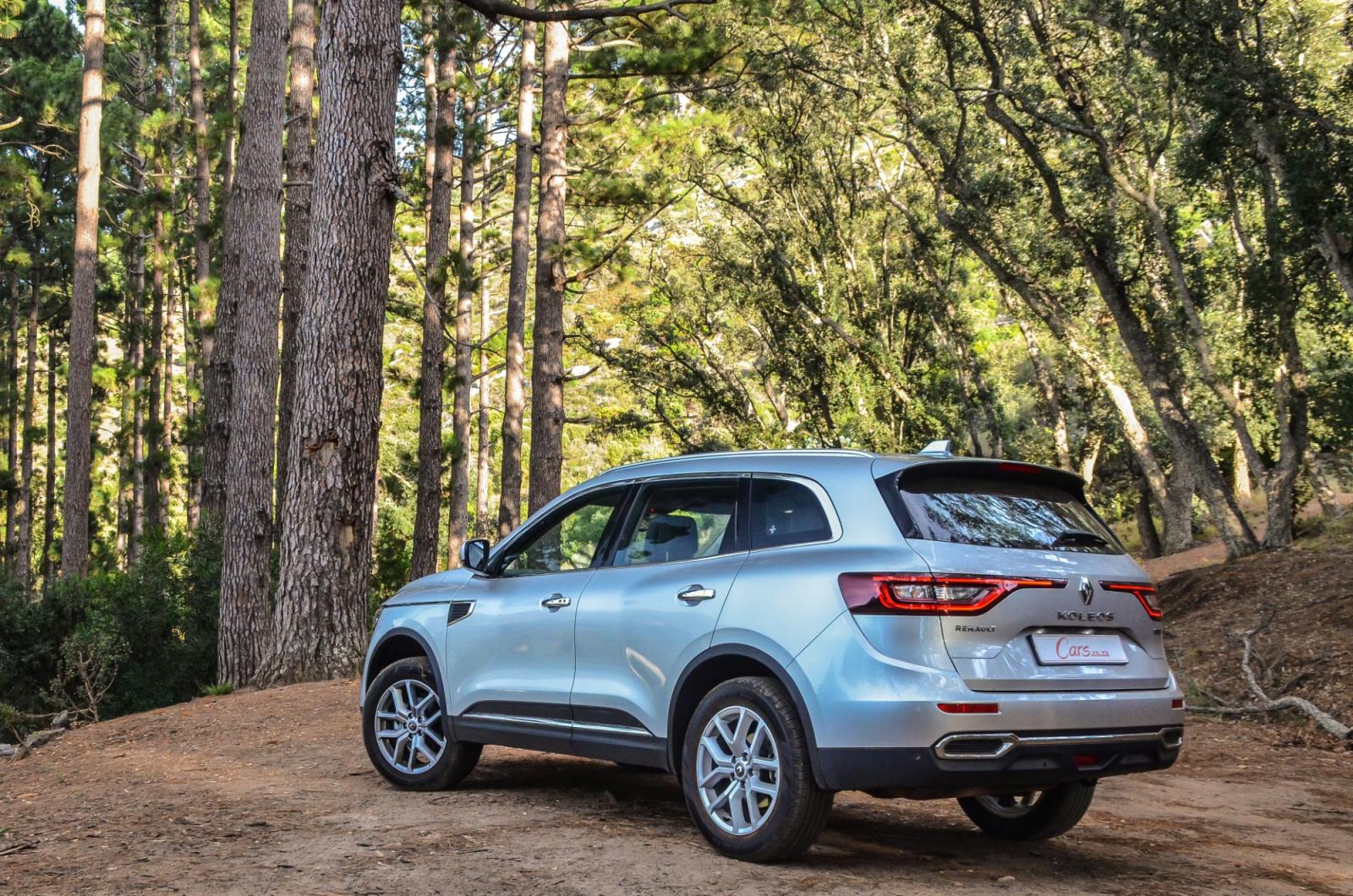
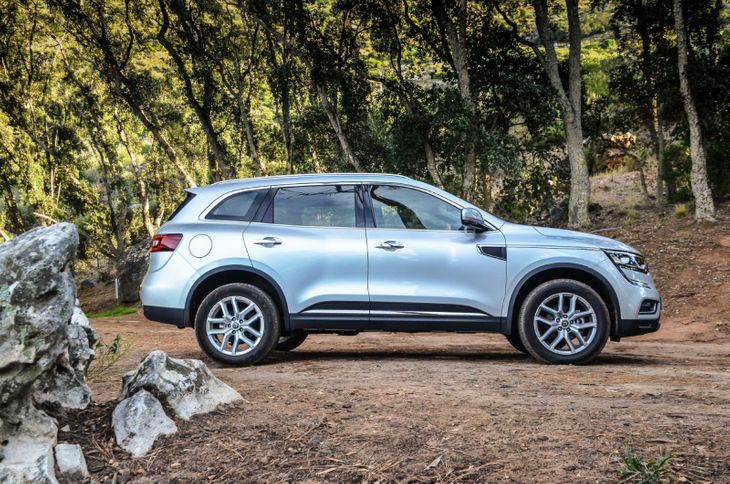
However, the Koleos brings its own French flair to the road with a flashy chrome grille, distinctive LED headlights with C-shaped LED daytime running lights, wide horizontal LED tail lights and edgy 18-inch alloy wheels. Not only is the Koleos attractively styled – it also has a more rugged appearance by virtue of its (noteworthy) 220 mm of ground clearance and purposeful side mouldings, which allude to its ambitions to venture off the tar. We spent some time with the top-spec Koleos 2.5 Dynamique derivative to find out if it should feature on your family car shopping list…
How does it fare in terms of…
Performance?
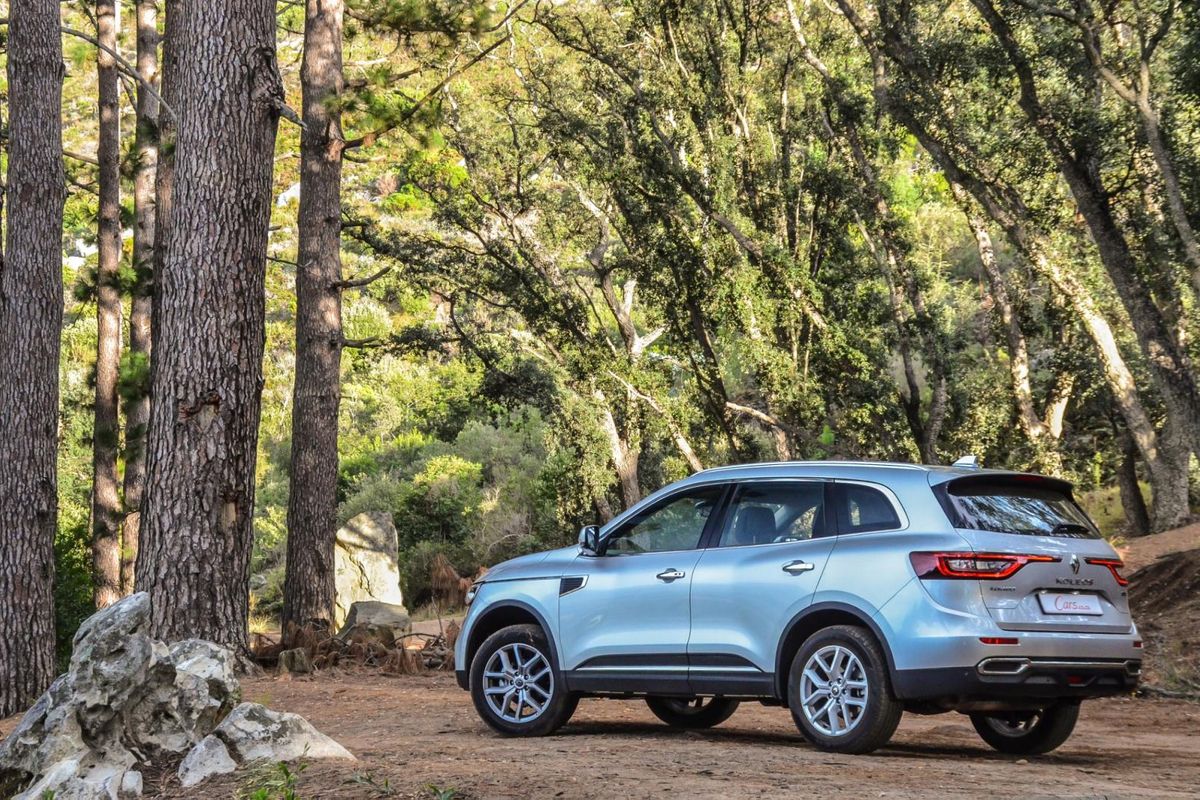
The Koleos AWD offers average performance but it is capable of doing some mild offroading.
The Koleos employs a naturally-aspirated 2.5-litre petrol engine mated with a continuously variable (automatic) transmission. Buyers are offered no alternatives in terms of engine/transmission combinations, but at least they can choose between front- and all-wheel-drive configurations.
With outputs of 126 kW and 233 Nm at its disposal, the Koleos delivers average performance, especially compared with turbocharged rivals that offer their peak torque at lower revs. Whereas the 2.5 Dynamique AWD will have little trouble with the daily commute and picking up/dropping off the kids at school, its acceleration can feel sluggish at times as there is no real urgency in the manner in which it gains momentum (for overtaking).
The engine and transmission are relatively refined under normal driving conditions, but the powertrain becomes audibly strained (noisier) under full acceleration. It does, however, get up to highway speeds fairly quickly and, with forethought, overtaking manoeuvres can be executed in a relatively fuss-free manner. However, we expect the Renault's performance may drop off with a full complement of passengers (and their luggage) on board, especially at altitude. Except for under heavy acceleration, we found the CVT surprisingly well-behaved and generally smooth in its operation.
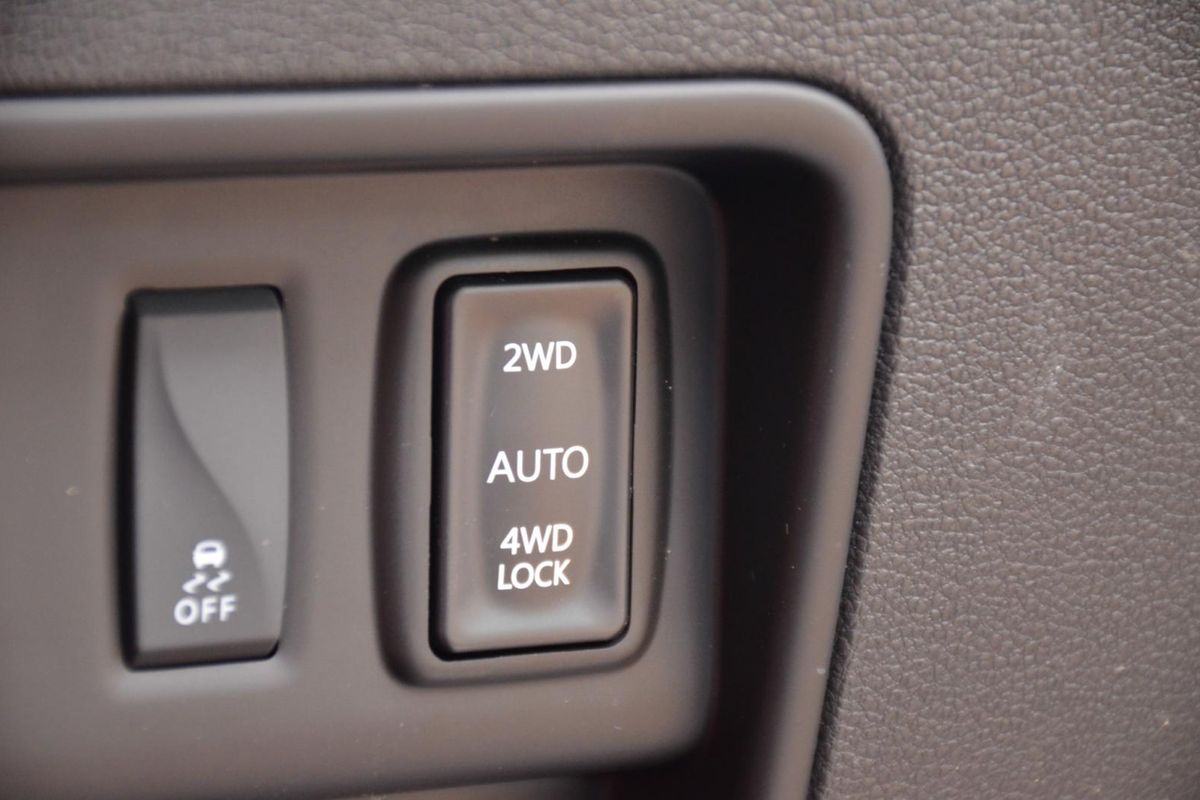
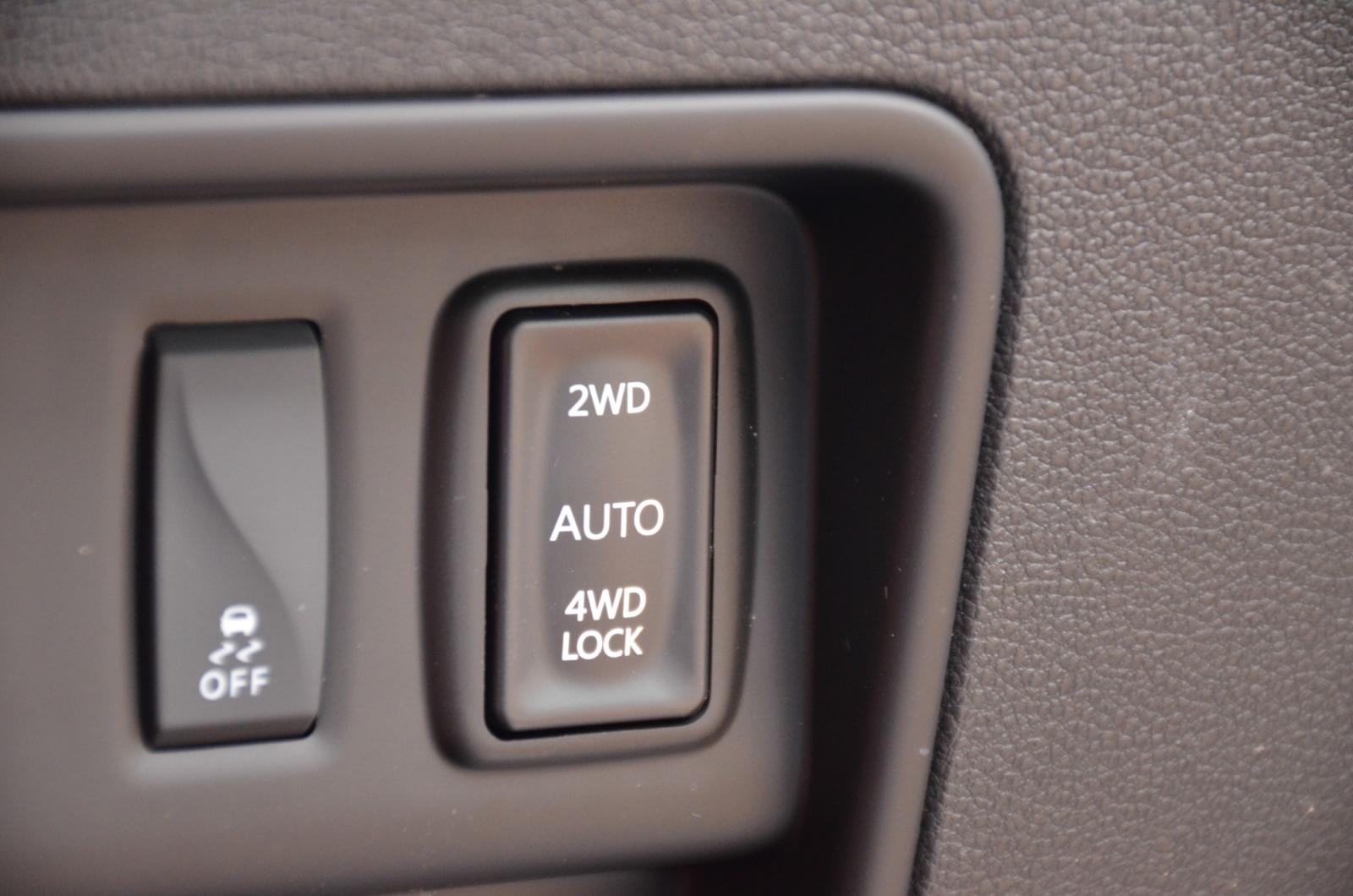
A simple mode switch gives the Koleos some flexibility to tackle various terrain conditions.
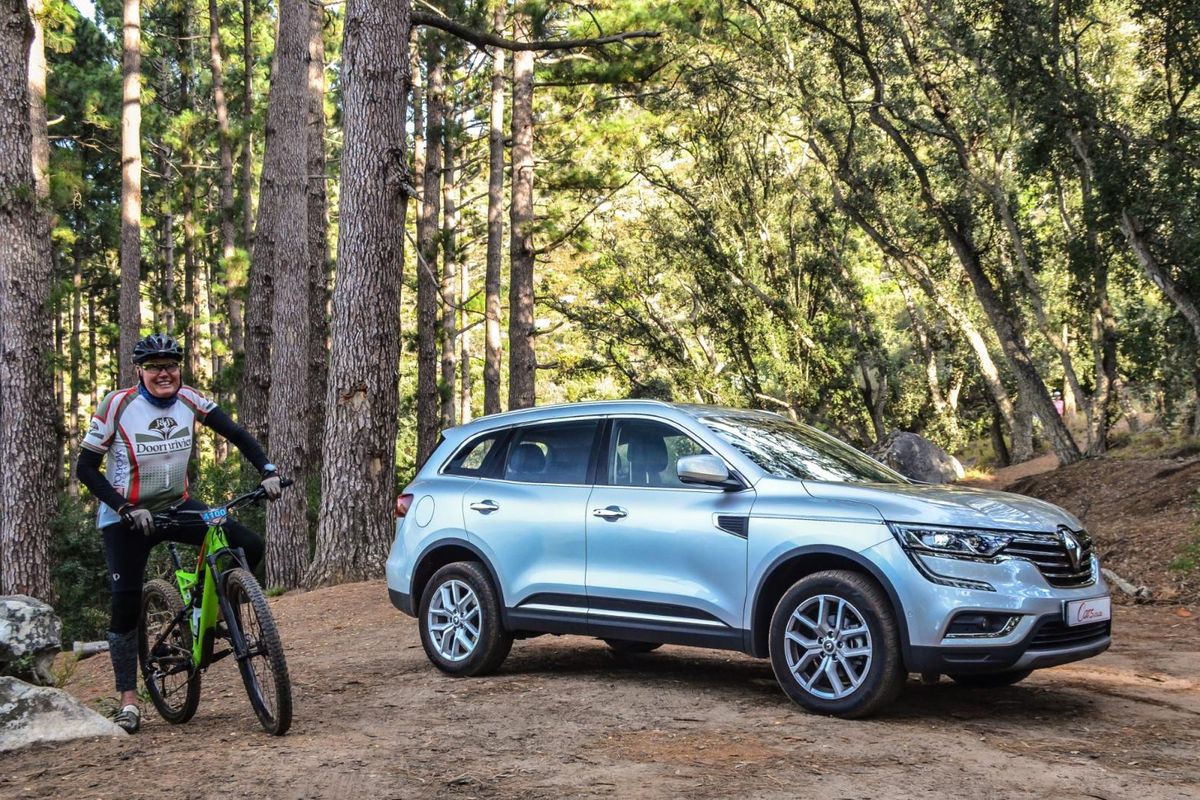
While the Koleos will most likely spend most of its time on tar, it’s nice to know that it can tackle easy/moderate off-road tracks (should you ever encounter them). Equipped with an all-wheel-drive system and the same 4×4-i transmission seen in the smaller Duster SUV, the driver can switch between 3 modes including 2WD (normal driving conditions), 4WD Automatic (rain/ slippery conditions) and 4WD Lock (manages torque split at speeds up to 40 kph) and, depending on the conditions, a 50:50 torque split can be achieved to negotiate trickier terrain. We traversed gravel roads in the Koleos and it hardly broke a sweat so it should be able to get you and the kids to your favourite weekend getaway without much hassle.
Our biggest concern regarding the Koleos’ performance pertains to fuel economy and while Renault claims a figure of 8.3 L/100 km, the Koleos returned no better than 10L/100km during our test, which is on the high side, especially if you factor in the rising cost of fuel in South Africa.
Ride and handling?
The smooth and comfortable ride quality of the Koleos is one of the highlights of the package…
A major highlight of the Koleos is indeed its forgiving ride quality, which will undoubtedly please family car buyers. We found it to be pliant on both tar and gravel with a smooth demeanour befitting of a vehicle of its ilk, not least one shod with sizeable (18-inch) wheels. More so, with its wide stance, the Koleos has a planted feel in corners and while the steering could offer more feedback, it’s light and easy to wield with a positive feel.
Interior execution and features?
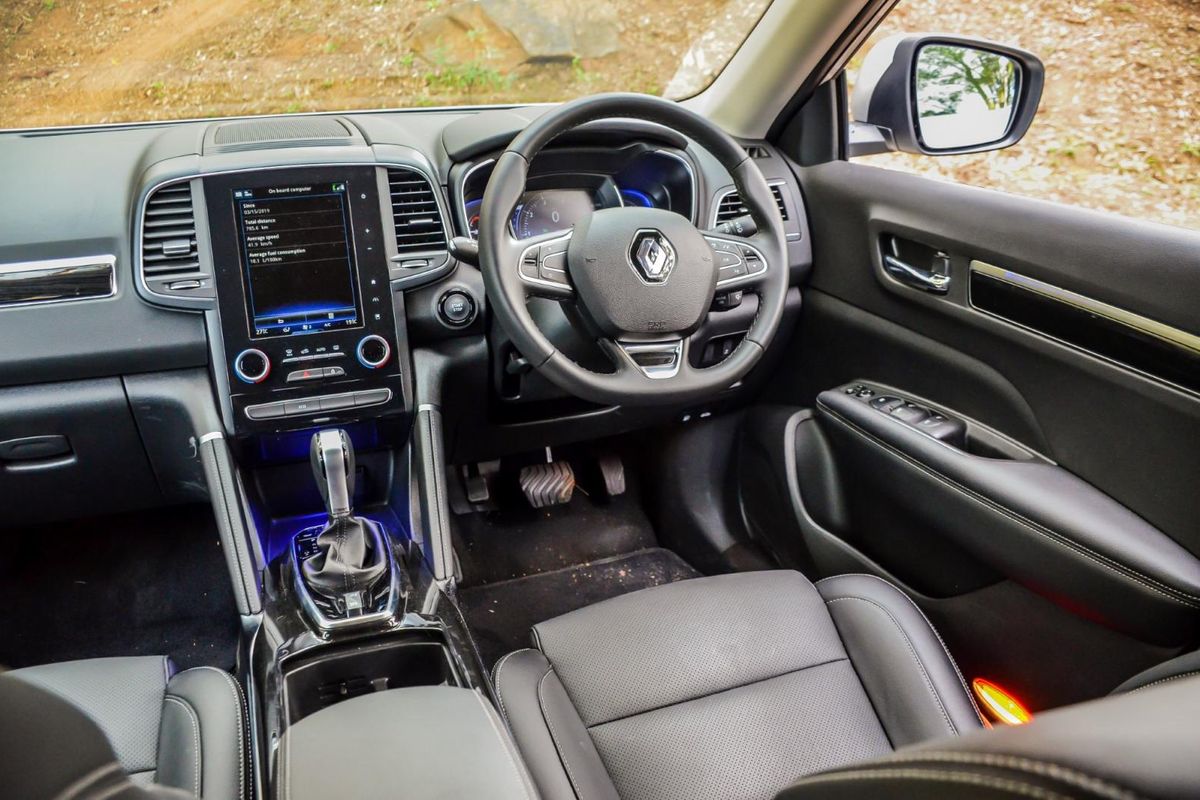
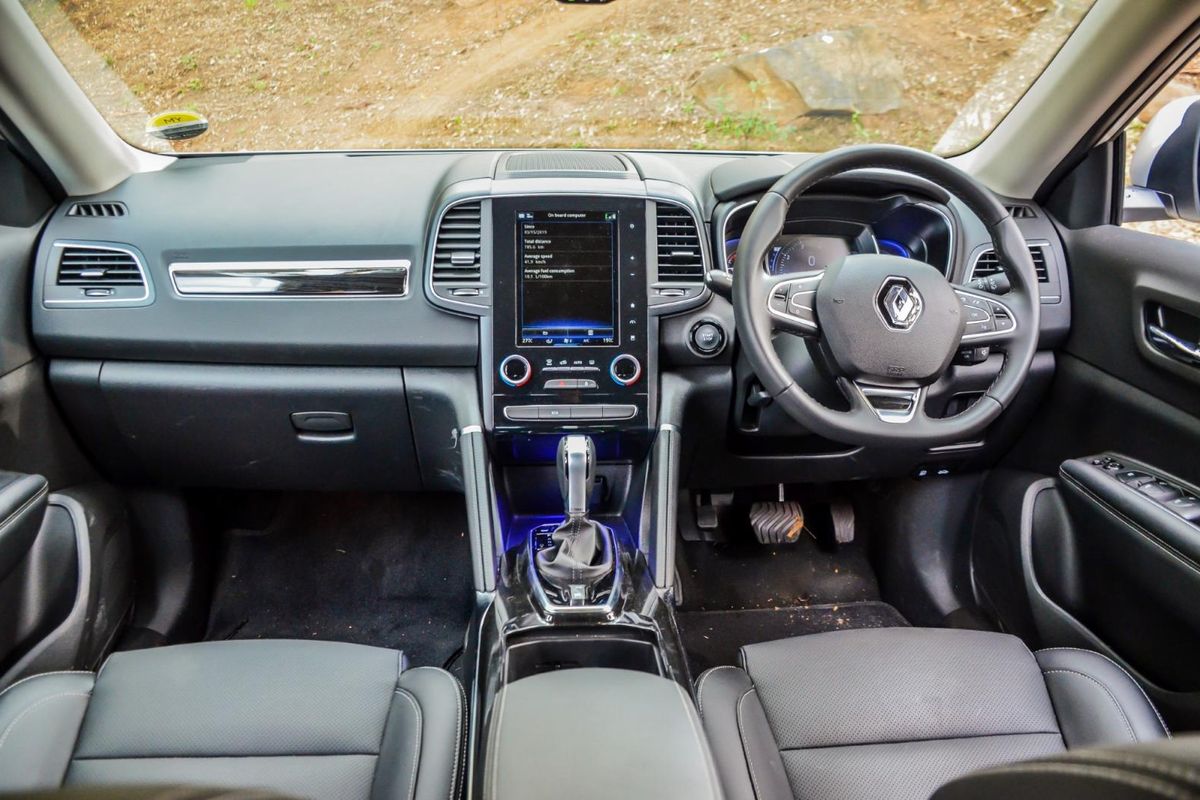
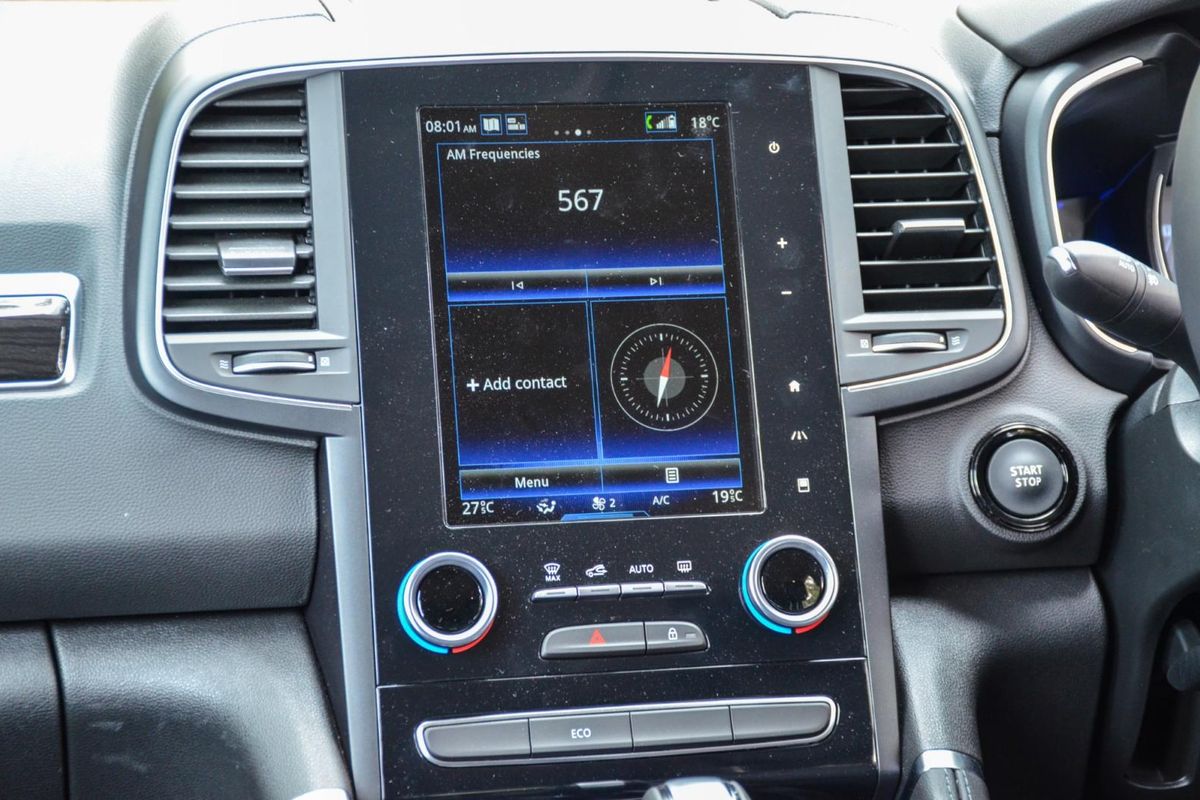
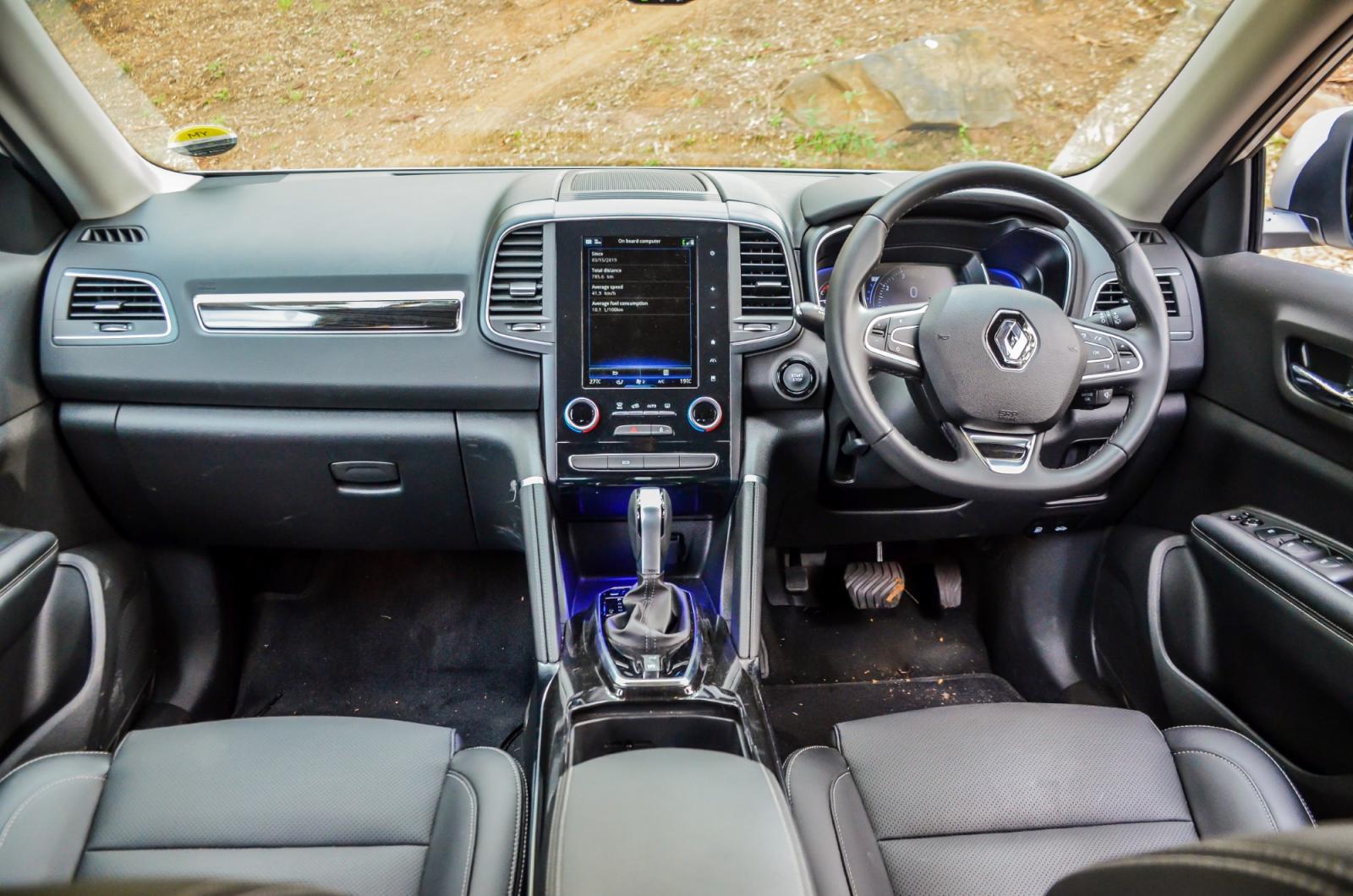
A neatly-styled cabin with a large, modern-looking infotainment system gives the Koleos an edge over some of its competitors.
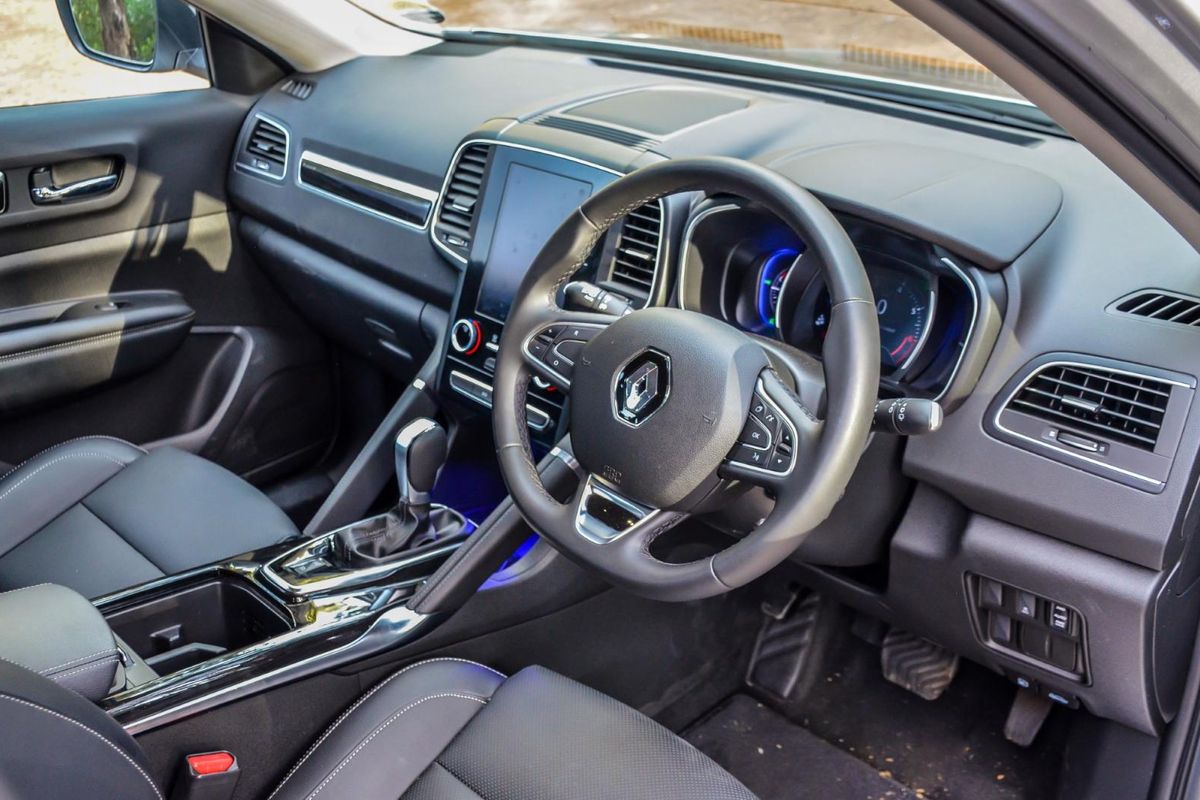
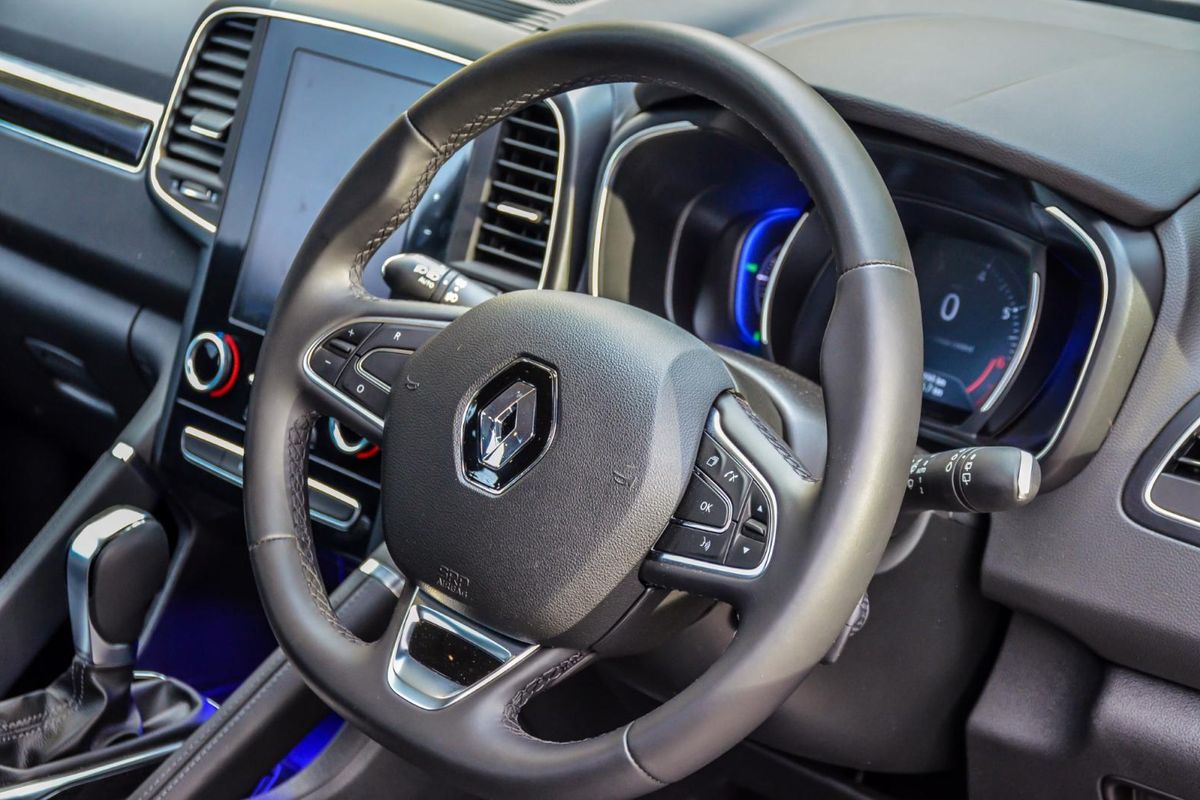
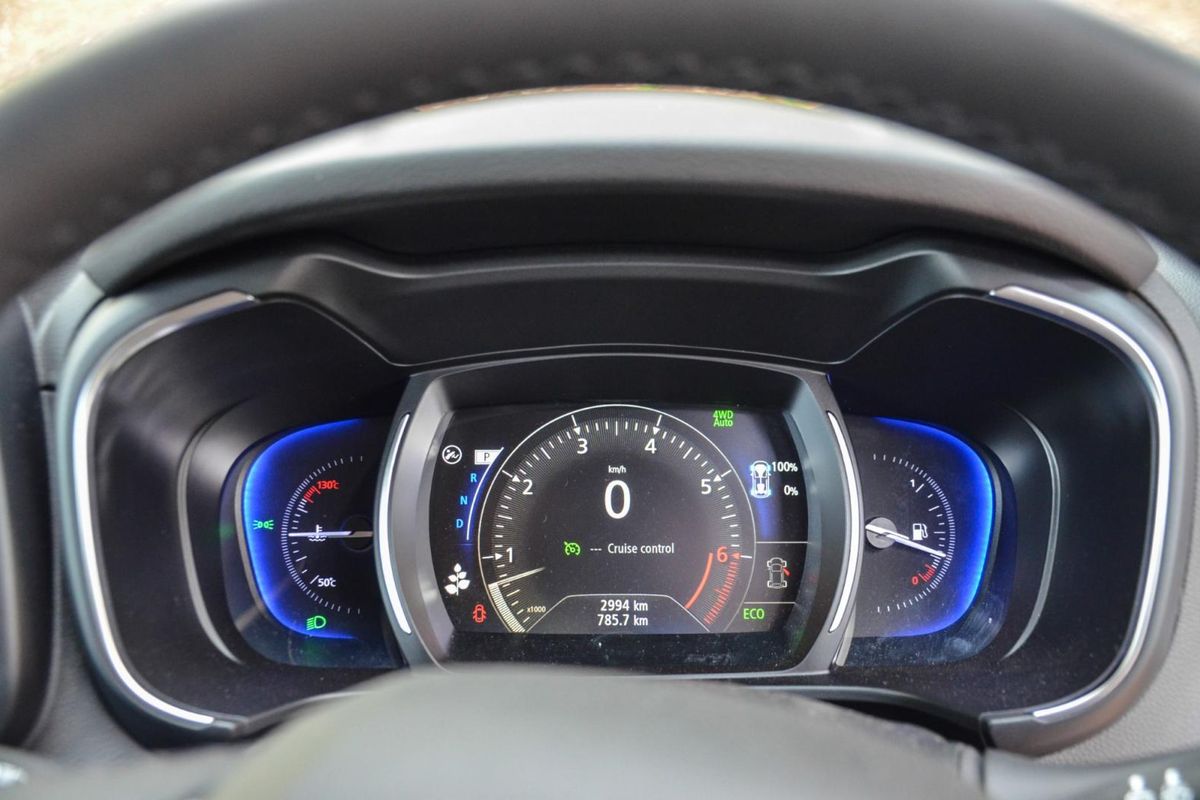
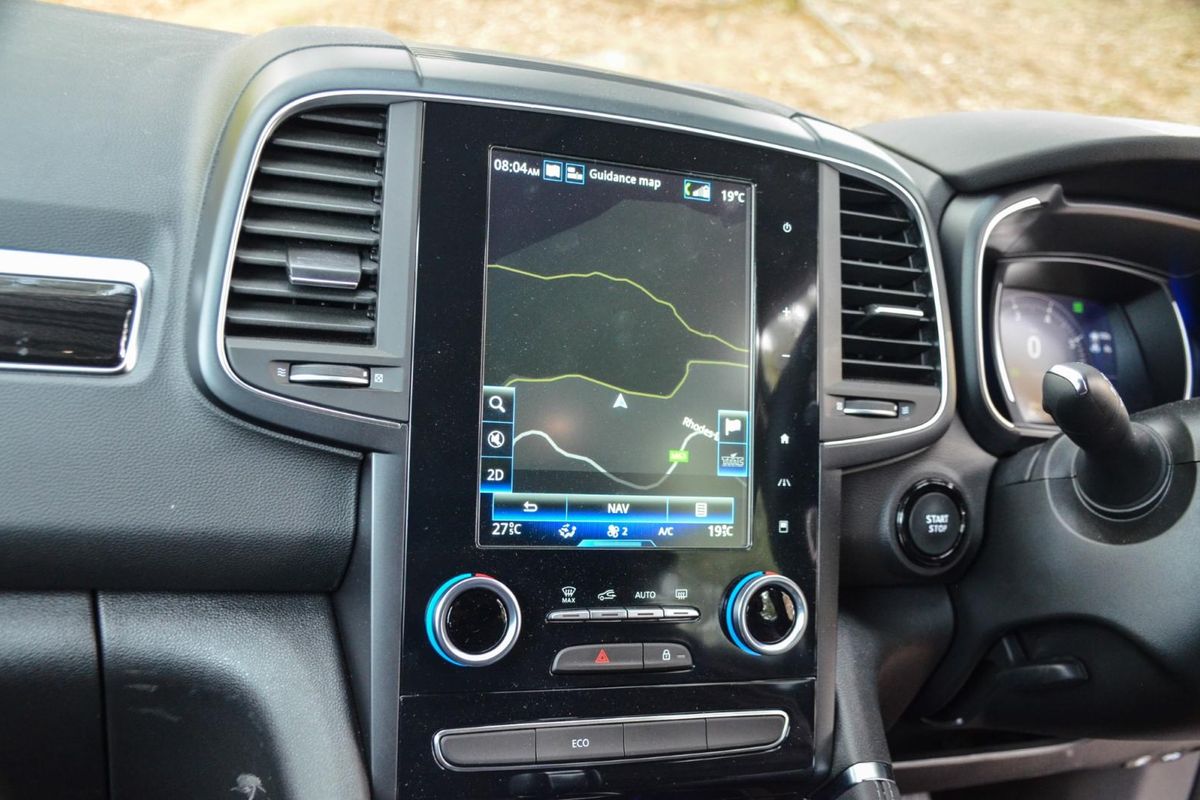
The interior of the Koleos has an upmarket look and feel that can be attributed to the presence of a colourful and shapely instrument cluster and an 8.7-inch R-Link2 touchscreen infotainment screen equipped with navigation, Bluetooth, voice recognition and Android Auto and Apple CarPlay functionality. The system is easy to use with a user-friendly menu layout, but the screen and surrounding piano black finishes do, however, attract dust and fingerprints which will require regular wiping-down with a soft, non-abrasive cloth. Perceived interior build quality is average to good.
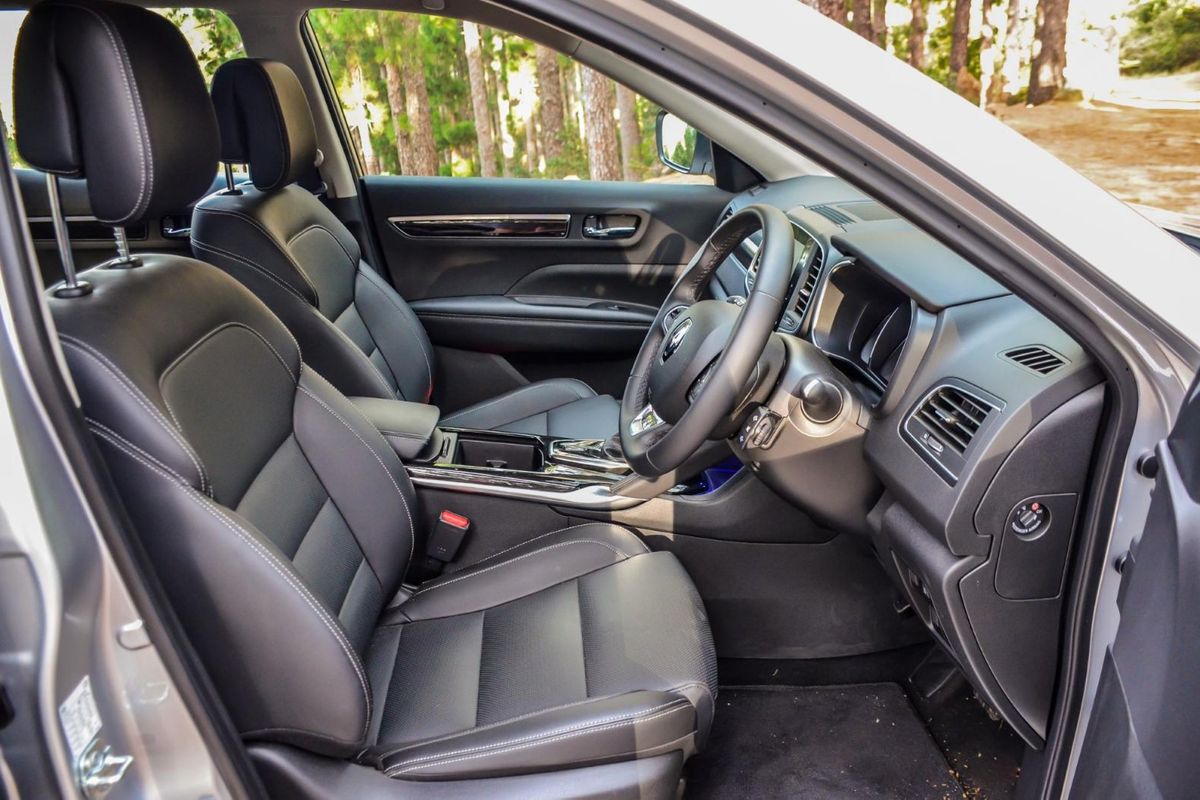
This top-spec Koleos Dynamique derivative is well-equipped with standard features, which includes a quartet of USB ports (2 front/2 rear), front and rear park distance control with a reverse-view camera, cruise control, automatic air-conditioning, front and rear electric windows, automatic folding mirrors, 6-way electrically adjustable leather seats, rain-sensing wipers, a rake- and reach-adjustable steering column and multifunction 'wheel.
In terms of safety, the Koleos carries a 5-star Euro NCAP safety rating and comes equipped with 6 airbags, ABS with EBD, brake assist, electronic stability control with traction control and blind spot warning. ISOfix child-seat mounts are also fitted.
Practicality?
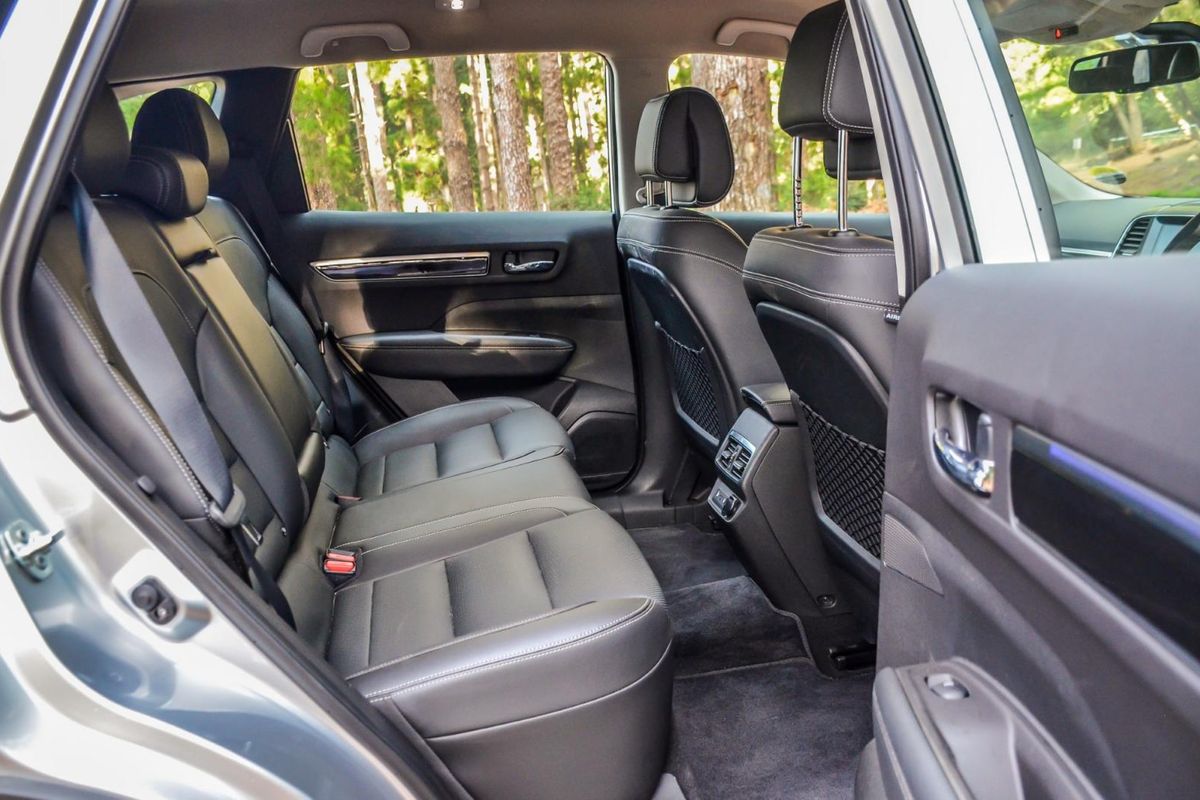
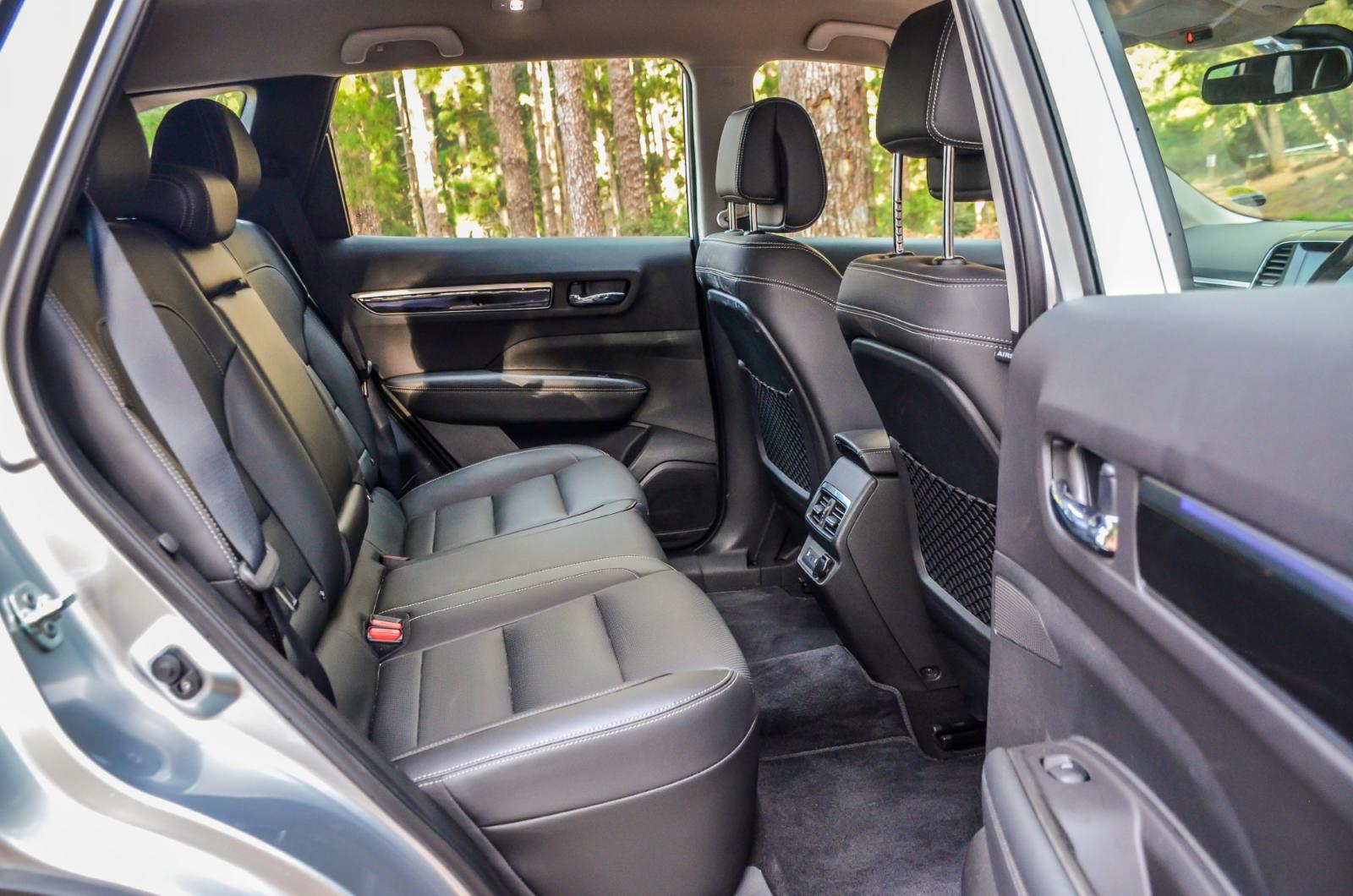
Need legroom? The Koleos has plenty…
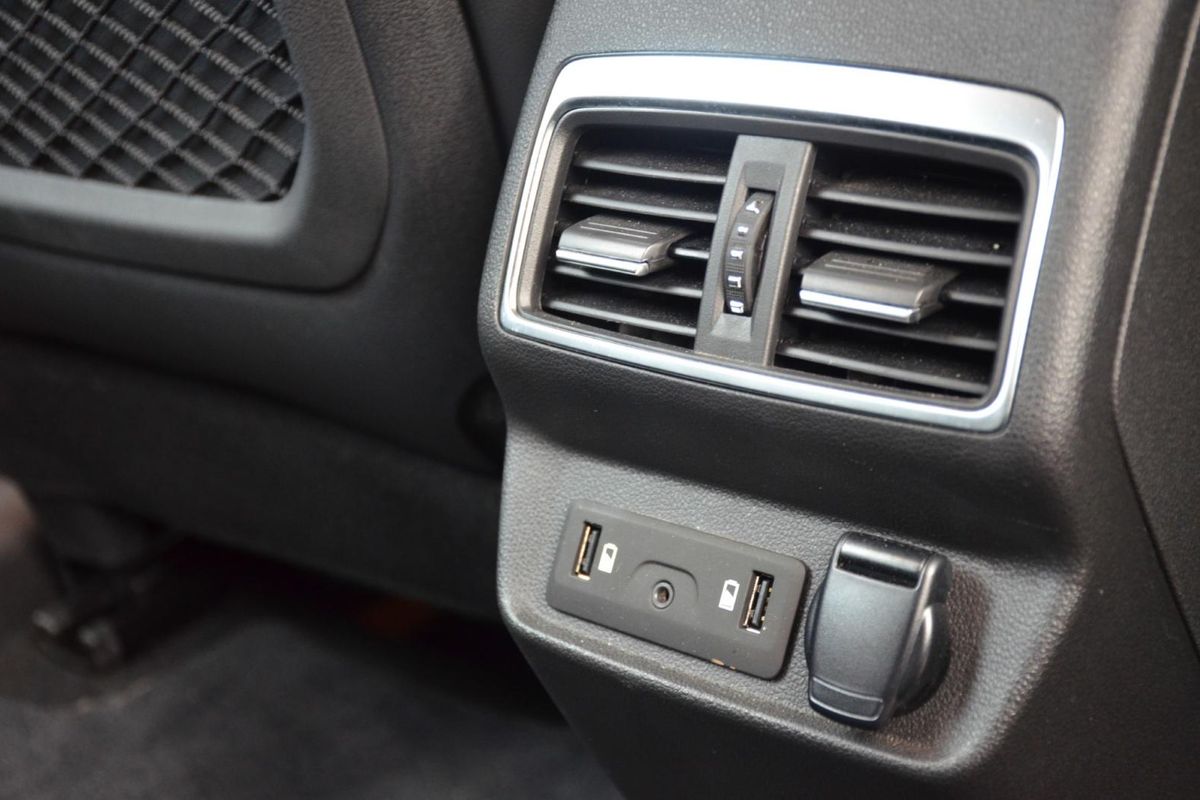
This is where, in our opinion, the Koleos truly shines. If its space you are after, then the Koleos delivers! In terms of rear legroom, headroom and shoulder room, the Renault is capacious – even taller passengers should have little to complain about when seated on the rear bench. The 2 rear USB ports and central armrest with 2 cup holders will also keep the kids happy (and their electronic gizmos charged up) on those longer journeys.
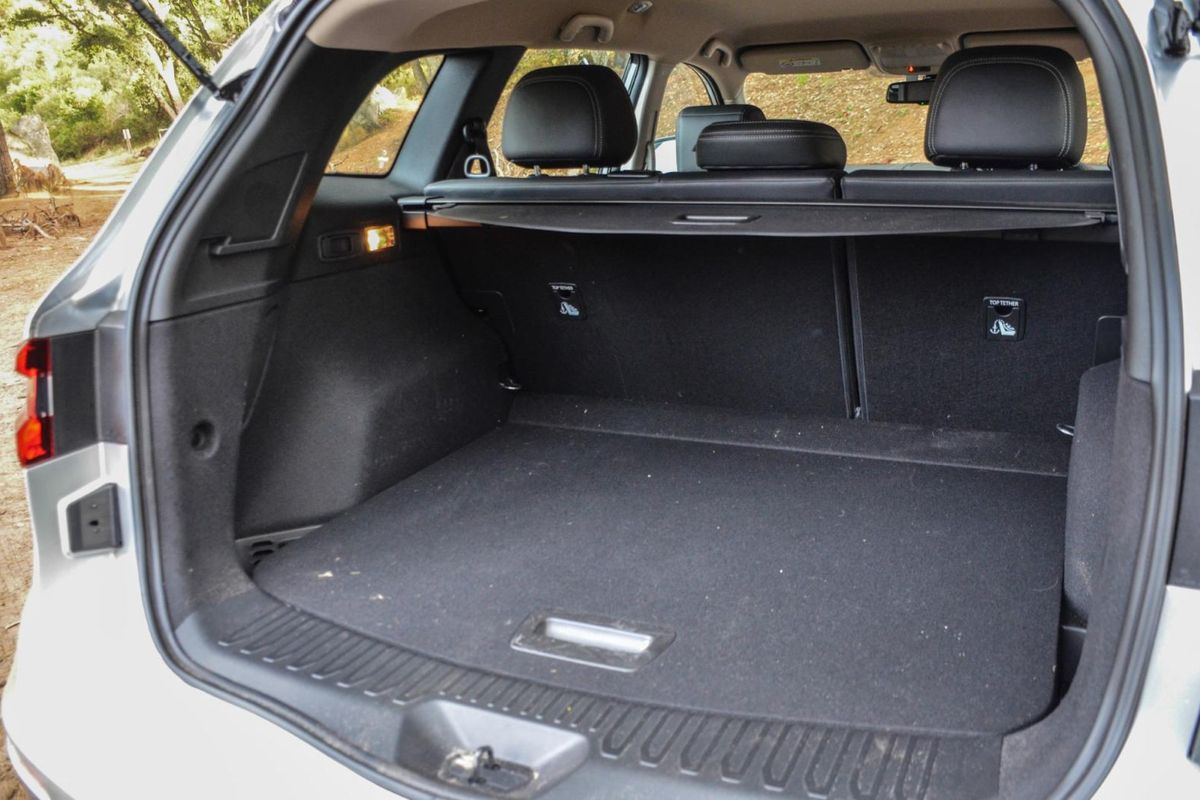
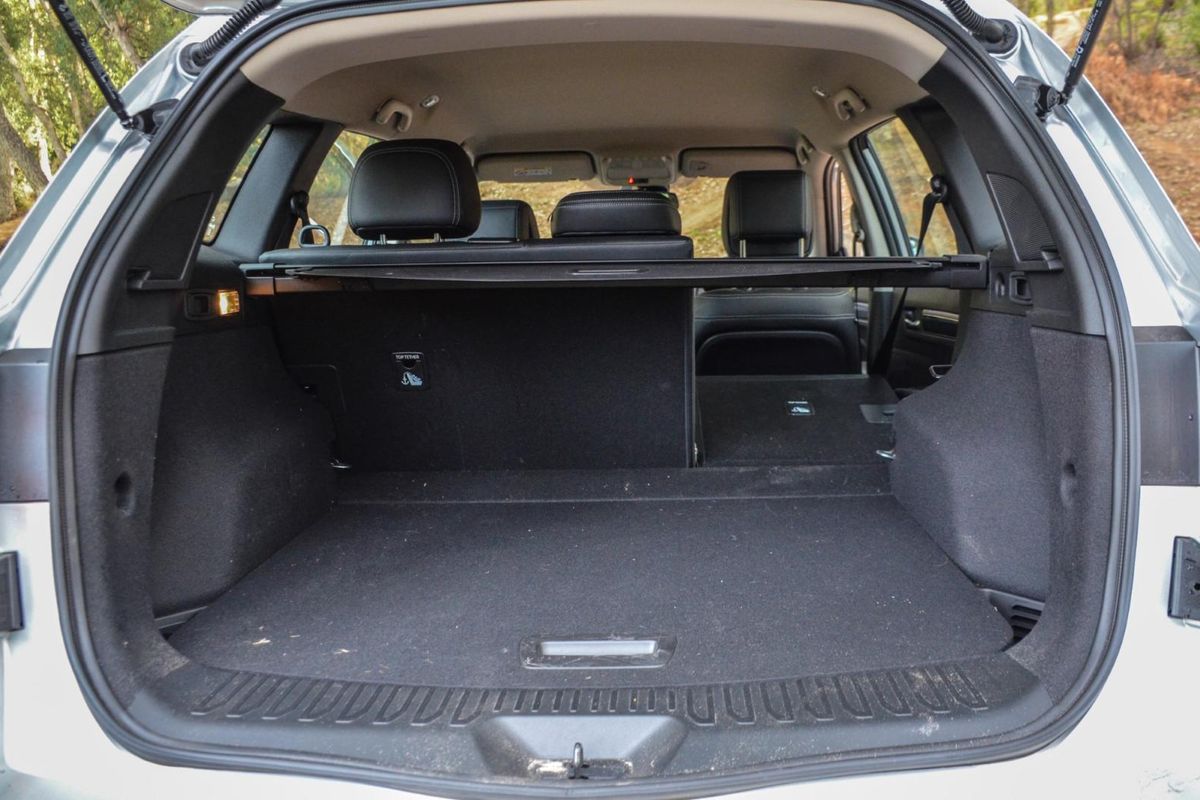
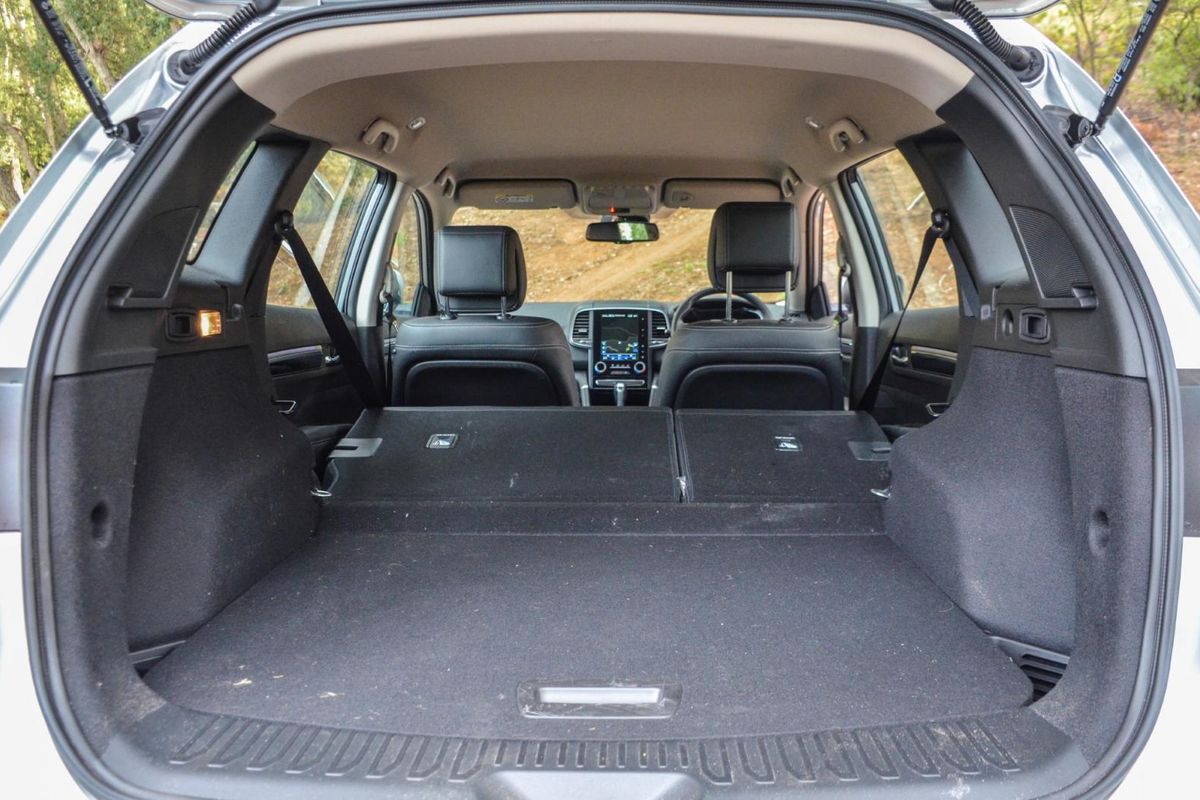
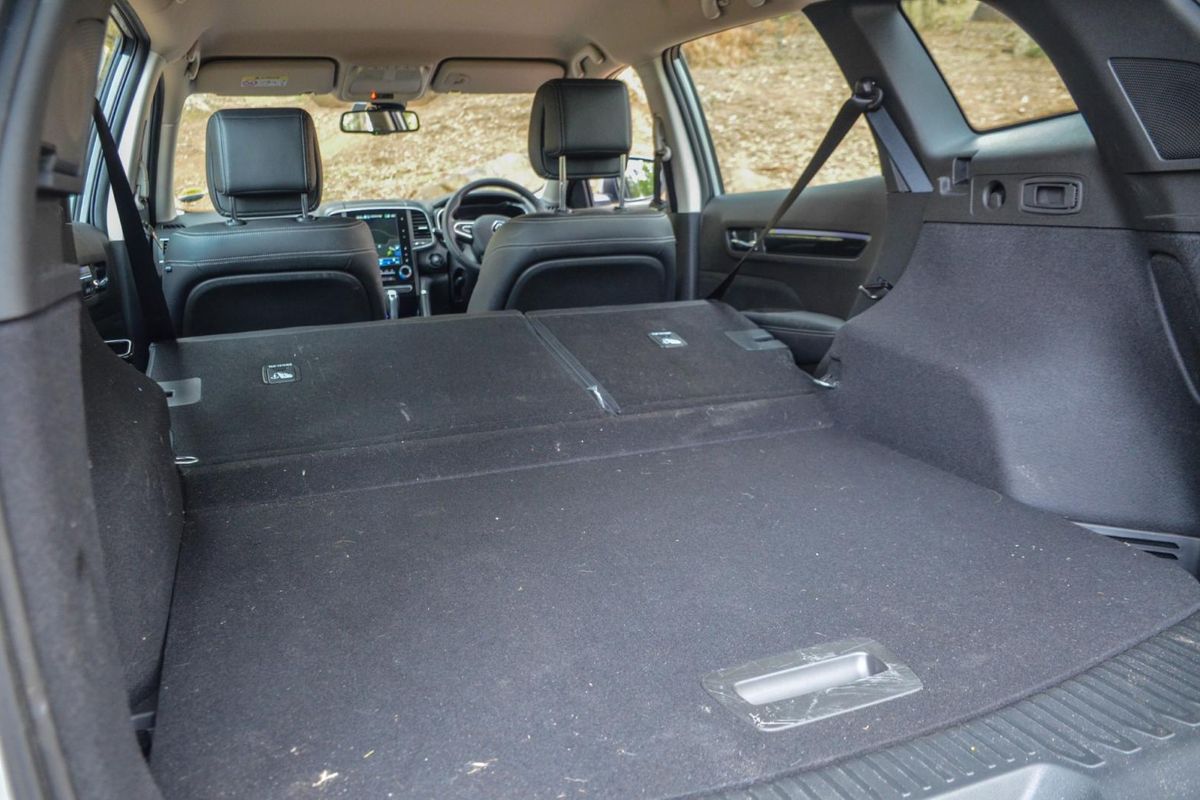
With the rear seats in position, the load bay is large at 464 litres, which expands to a useful 1 795 litres with the 60:40 split seats folded flat. There’s also ample storage space found in the doors and front passengers are treated to heating/cooling cup holders for added convenience.
Price and warranty
This top-spec Koleos is priced at R479 900 and is sold with a 5-year/150 000 km warranty and a 5-year/90 000 km service plan.
Not the most frugal choice in its segment, but the Koleos offers great value for money. Definitely worth a test drive…
While some buyers may want more in terms of performance, we feel that the Koleos offers enough to keep the average family car buyer happy and although fuel economy is not its strength, the Koleos makes up for it by offering a practical and well-equipped cabin at a price that’s simply difficult to ignore. With that said, if fuel economy is a priority for you, then opting for a turbodiesel engine is your best bet, but sadly, the Koleos is only offered with this petrol engine, which means you will have to look elsewhere…
Affordability and value for money count for a lot these days and if you look at the pricing of popular models in this segment, such as the equivalent Volkswagen Tiguan for example, you can expect to pay over R100k more for a similarly specced derivative!
If you want bang-for-buck then we think the Koleos 2.5 Dynamique AWD deserves your attention, especially if you are looking for a spacious and generously-equipped all-rounder. There is a lot of car on offer here at an attractive price while also being backed by a comprehensive warranty.
Alternatives (click on the names for specification details)
The new Toyota RAV4 was recently launched in South Africa and, for the most part, it’s an impressive product. The RAV4 2.0 GX-R AWD is the sweet spot in the range and offers 127 kW and 203 Nm of torque and is priced from R508 100.
The latest Subaru Forester delivers an excellent ride quality, while also being a practical and reliable choice. Its 2.0-litre petrol engine offers 115 kW and 196 Nm of torque. It’s also nicely priced at R509 000.
As a value-for-money diesel powered alternative to the Koleos, consider the 1.6dCi 4×4 Tekna. It offers 96 kW and 320 Nm of torque from its 1.6-litre turbocharged engine. It's only offered in manual guise, but fuel consumption is claimed at 5.3 L/100km. This derivative is priced at R501 500.
GWM has the Toyota Hilux and Ford Ranger in its crosshairs and will soon reveal a new bakkie that will feature advanced off-road ability. See details below…
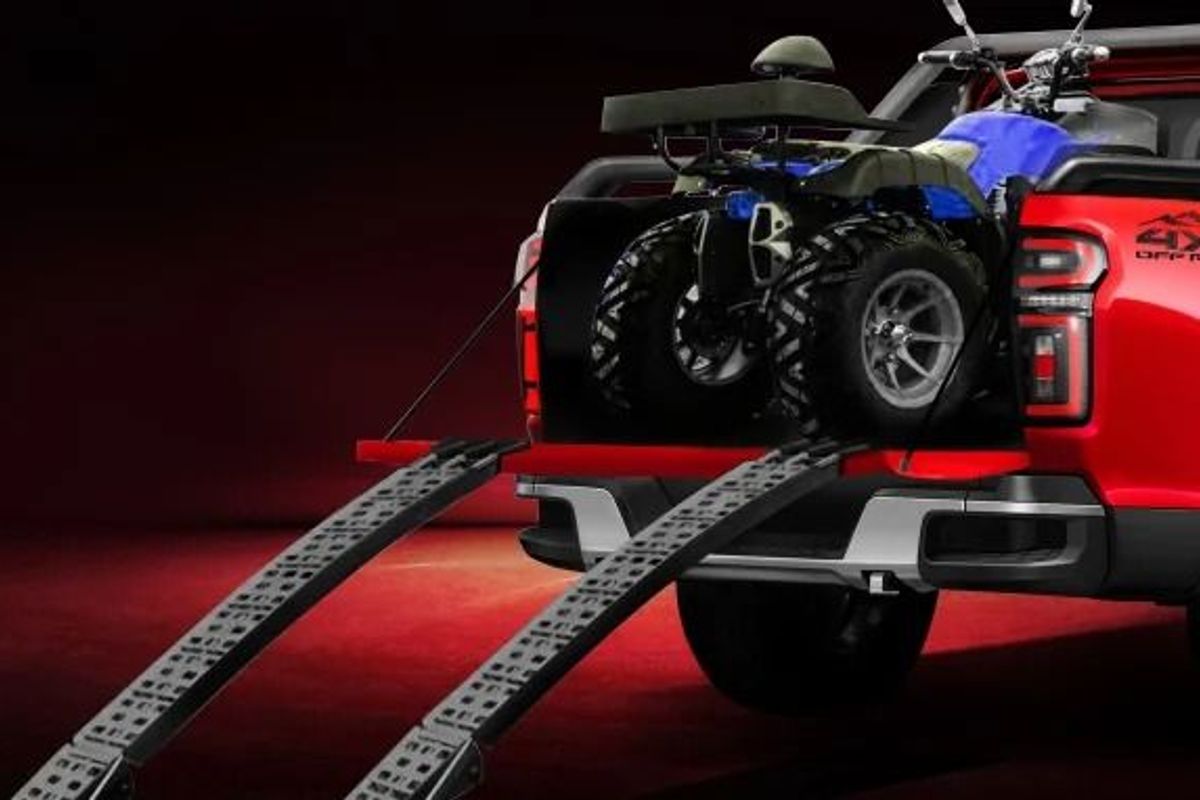
GWM has leaked an image and technical details of its new double-cab bakkie ahead of its Shanghai Auto Show debut, scheduled for 16 April 2019.
The Chinese band’s latest double-cab bakkie offering is unashamedly chasing class leaders such as the Toyota Hilux and Ford Ranger, with GWM promising impressive specification for its newcomer.
Referred to only as the ‘4×4 pickup’ for now, this new double-cab uses the Haval H9 SUV’s ladder frame platform and is expected to be available in a variety of short- and long wheelbase derivatives. Riding on the H9 platform, you can expect the GWM 4×4 pickup to feature superior ride quality, handling dynamics and load carrying ability that will outshine any previous Steed bakkie.
GWM’s product planners have developed the new bakkie to appeal strongly within the dedicated off-road adventuring market, which is evident in its styling. LED headlights, over-fenders and elongated roll-hoops give it the authentic weekend off-road warrior appearance.
Factory fitted features include a winch, snorkel and 3 differential locks (front, centre and rear), which will make this GWM 4×4 pickup the only bakkie with triple lockers other than Toyota’s legendary Land Cruiser 79 bakkie. GWM engineers have also produced a terrain-response system of sorts, with 7 modes of adjustment.
Engine details have not been confirmed but considering the 4×4 pickup uses a Haval H9 platform, it stands to reason that a 2-litre turbodiesel engine, available in select markets for the large SUV, would power this new bakkie too.
That Haval H9 engine is rated at 140kW and 450Nm and pairs with either a six-speed manual or eight-speed automatic transmission, outputs and drivetrain options which would make the 4×4 pickup entirely competitive with its Japanese and American 4×4 double-cab rivals.
We will keep you updated as soon as more details surface, stay tuned!
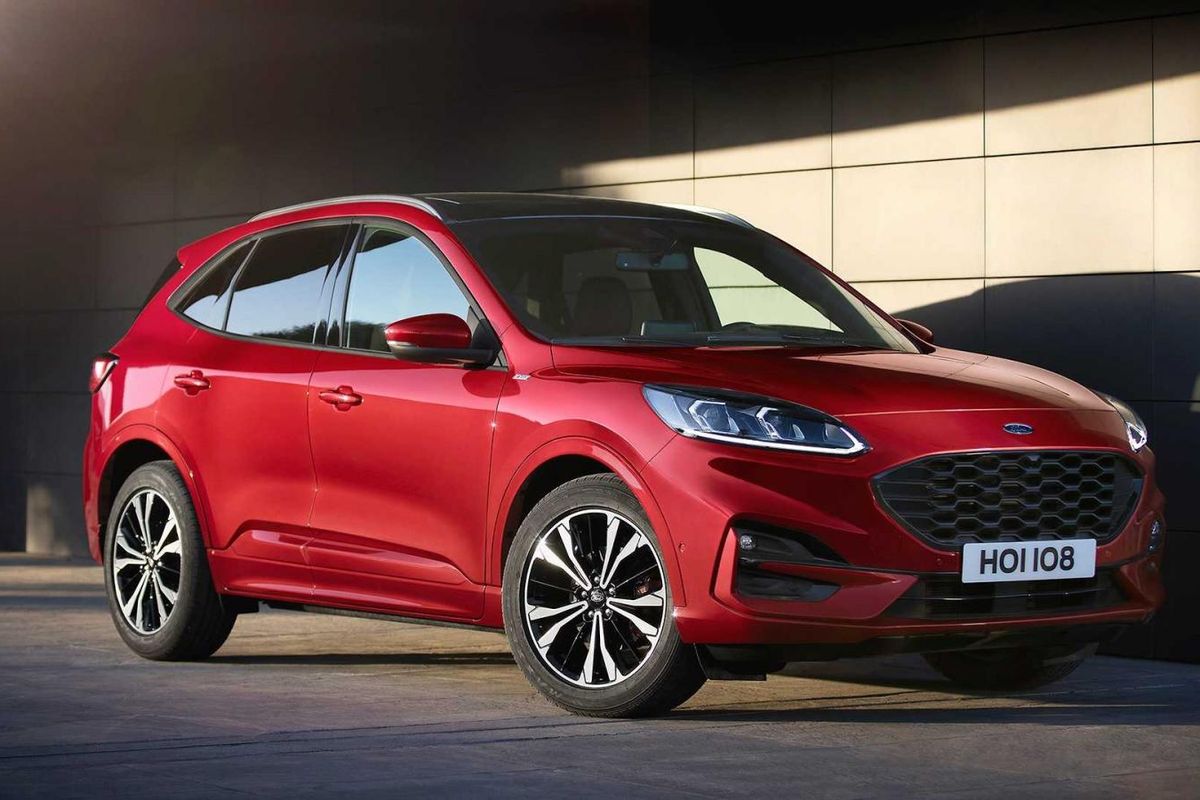
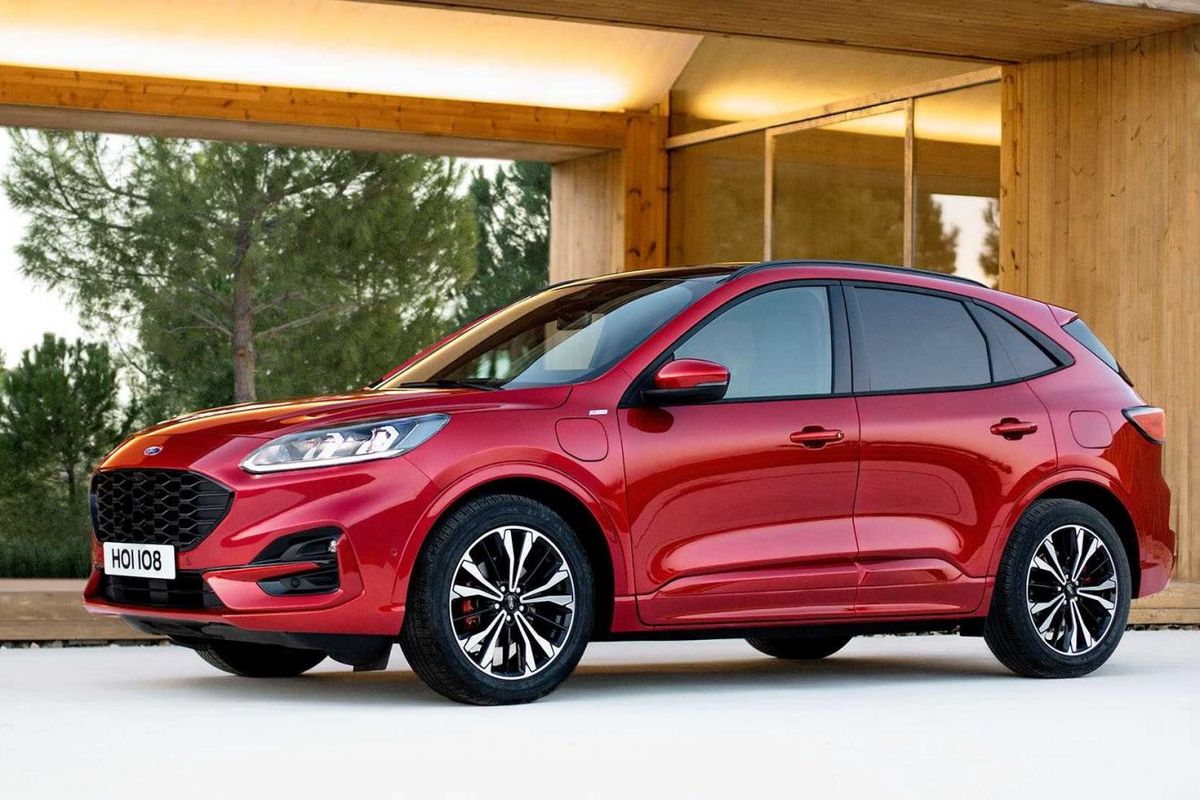
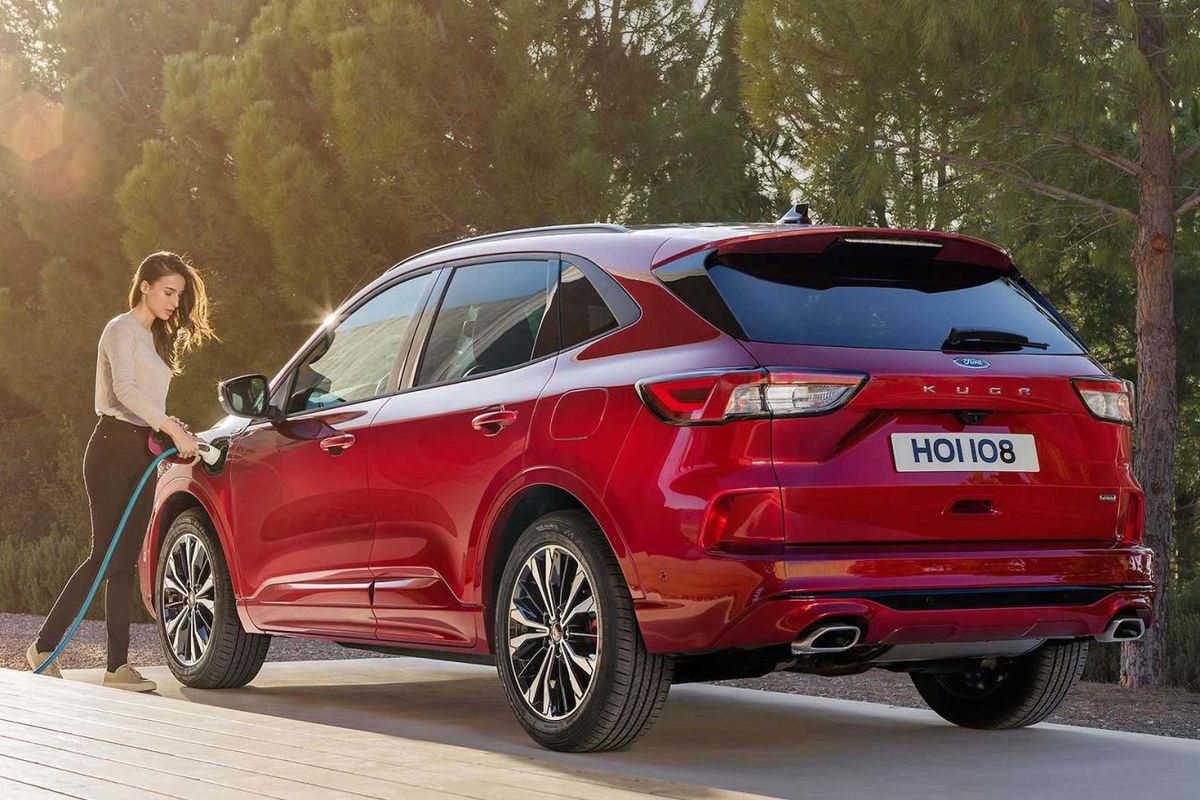
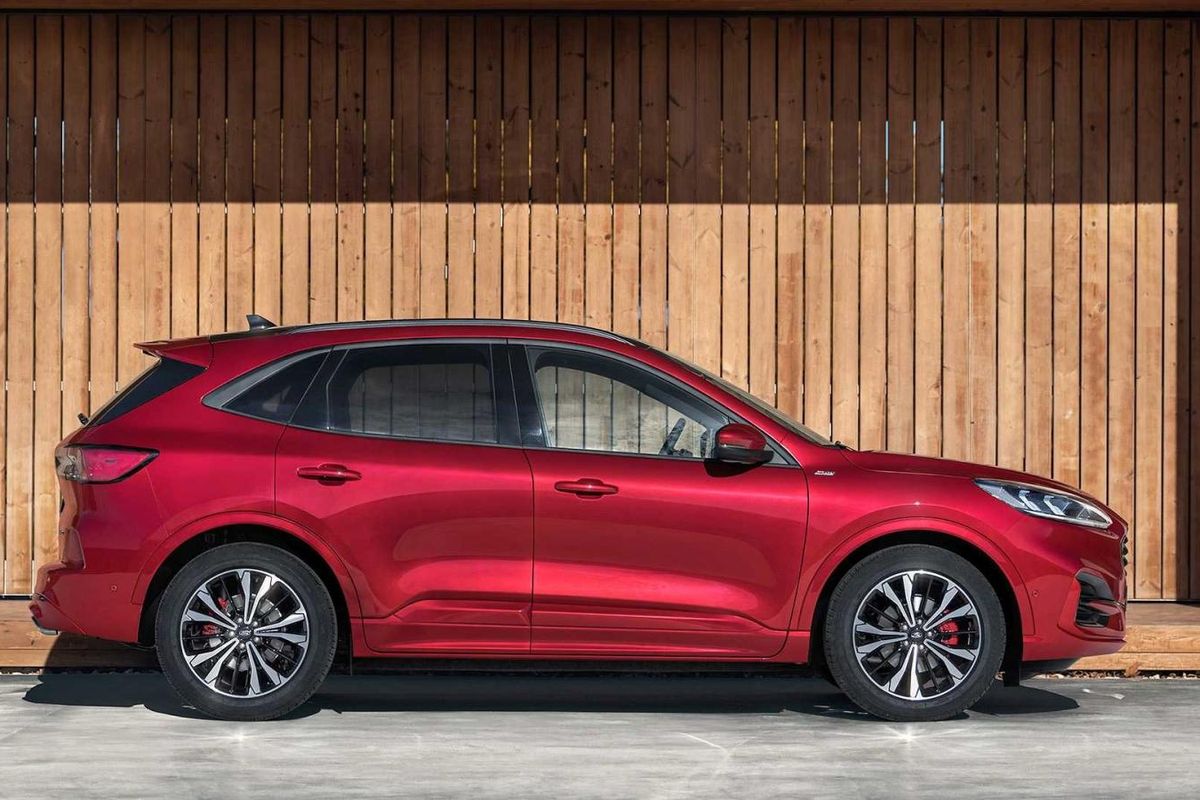
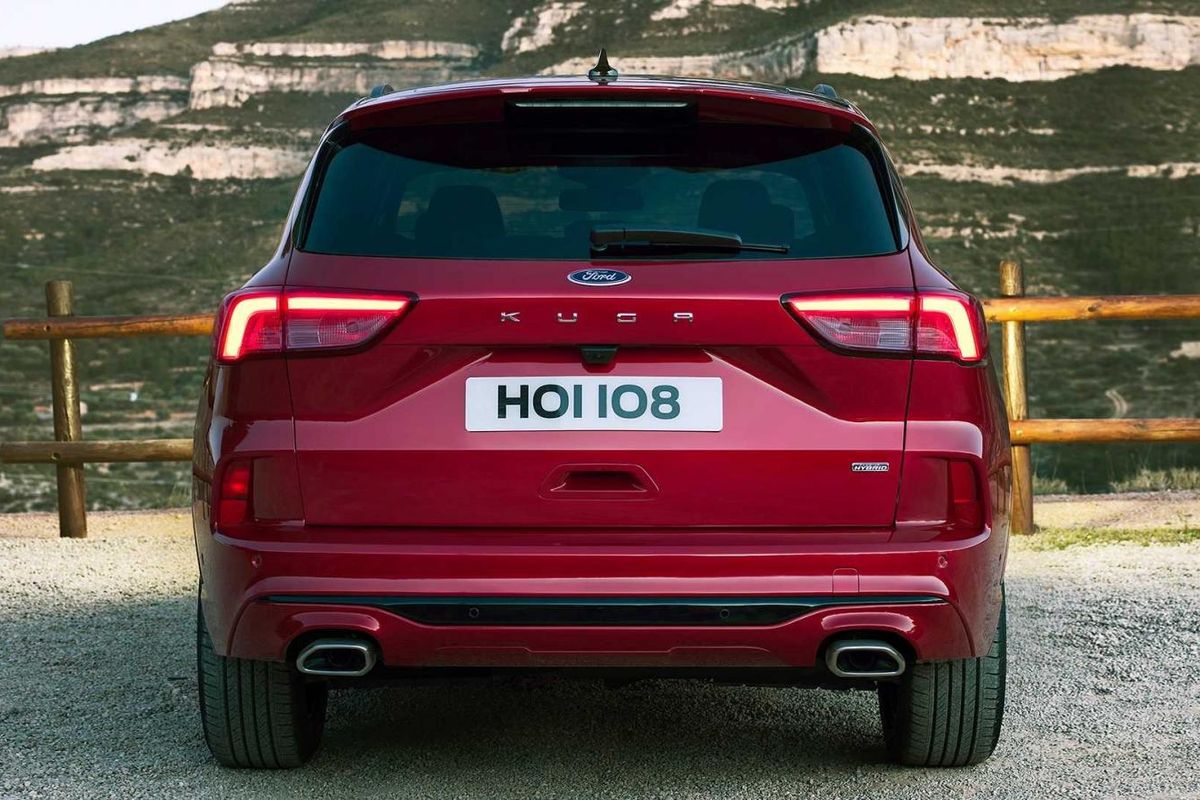
The next incarnation of the Kuga compact SUV features a number of exterior and interior changes as well as a new turbodiesel engine.
Ford has revealed the new Kuga that will be offered with a host of improvements including updated interior / exterior styling and the inclusion of convenience features such as SYNC 3 connectivity, hands-free parking and an enhanced version of Active City Stop. A new 1.5-litre TDCi diesel engine will also join the lineup.
The look of the new Kuga is enhanced with a large upper trapezoidal grille and a smaller lower grille that are flanked by sleek headlights with integrated LED daytime running lights. The taillights have been redesigned too and buyers can also choose from a new range of 17, 18 and 19-inch alloy wheels in a variety of finishes. Two new exterior colours, including Guard Grey and Copper Pulse, will be offered. The new Kuga is equipped with a power-operated retractable towbar that’s stored below the bumper and the hands-free tailgate is opened and closed using a kicking motion beneath the rear bumper.
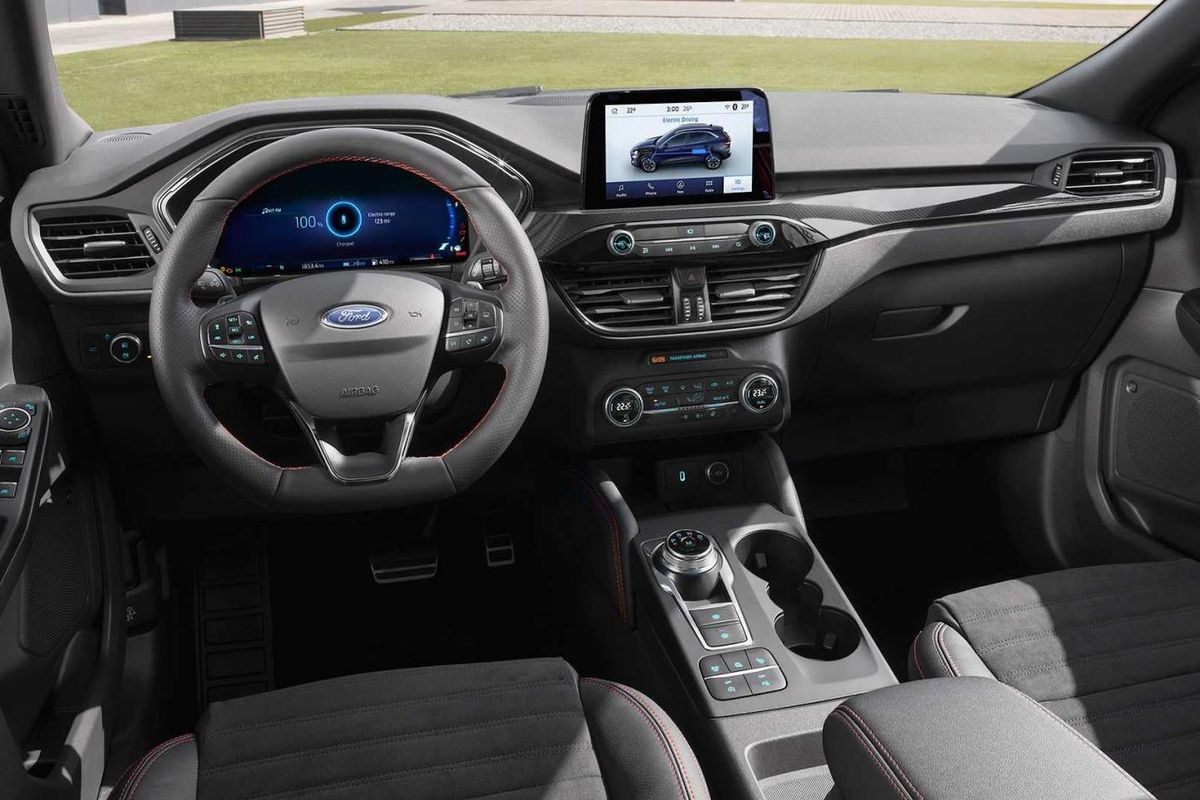
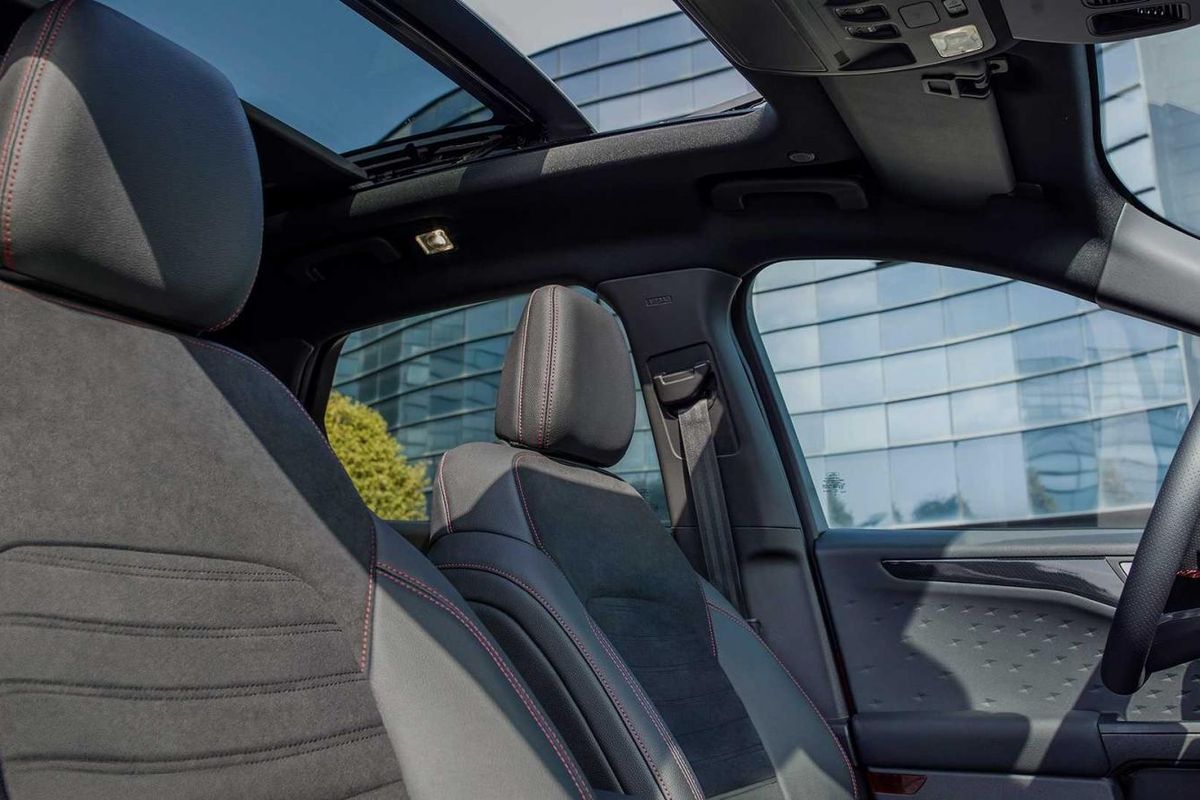
On the inside, Ford has refined the Kuga's interior by employing improved ergonomics. There are fewer buttons and the steering wheel and air-conditioning controls are more intuitive and easier to use than in the current generation vehicle. The steering wheel is heated for added convenience and all automatic models will come with paddle-shift controls to facilitate manual gear shifting at the driver's discretion. An electronic parking brake and door lock indicator are also included.
New Features
Ford’s SYNC 3 connectivity system will allow drivers to control audio, navigation, climate control functions and connected smartphones using more conversational voice commands. SYNC 3 is accessed via the 8-inch touchscreen that incorporates swipe and pinch functions (for the first time in the case of the Kuga), much as those employed by modern smartphones. Apple CarPlay is available to iPhone users while Android users can activate Android Auto for a range of functions.
“Whether you are craving your morning cappuccino on your daily commute or covering the cost of a journey by transporting a package, SYNC 3 brings to life innovative new ways of staying connected on the move. Designed to complement modern smartphones, with an intuitive 8?inch touchscreen, SYNC 3 understands more natural speech, is faster, and offers an easier-to-read graphical interface,” says Christof Kellerwessel, chief engineer, Electronic and Electrical Systems Engineering, Ford of Europe.
In an effort to make parking simpler, the new Ford Kuga is equipped with Perpendicular Parking that enhances the semi-autonomous Active Park Assist. The system uses sensors to locate parking spaces alongside other cars, including parallel spaces, and proceeds to steer the vehicle into the space while the driver is only required to accelerate and brake. Supplementary features such as Cross Traffic Alert and Park-Out Assist are also included.
An enhanced version of Active City Stop collision avoidance system operates at speeds up to 50 kph. Sensors are used to detect stationary objects in the road and if the driver fails to react, the system will reduce engine torque and apply the brakes automatically to avoid a collision. Features such as Intelligent All Wheel Drive, Curve Control and Torque Vectoring Control are also offered.
The new Kuga is also fitted with Adaptive Front Lighting System for the first time. The system monitors ambient light conditions and automatically optimises visibility by adjusting the beam angle of the new bi-xenon headlights to one of seven settings, taking into account factors such as vehicle speed, steering angle and distance to objects in front of the vehicle.
New engine for Kuga
Ford is introducing a new 88 kW 1.5-litre turbodiesel engine for the new Kuga and the engine will be offered on front-wheel drive derivatives with fuel efficiency expected to improve by about 5% with a claimed fuel consumption figure of 4.4 L/100km.
The new Kuga will also be offered with a 110 kW 2.0-litre turbodiesel engine in front-wheel-drive as well as all-wheel-drive versions. Ford’s 1.5-litre EcoBoost engine will be offered with outputs of either 88 kW or 110 kW in front-wheel drive configuration while an uprated 134 kW all-wheel drive version will also be offered.
Ford South Africa has not confirmed when the new Kuga will become available in South Africa. We will keep you updated as more details become available.
Mitsubishi Triton (2019) Specs & Price
The Mitsubishi Triton has received a facelift, but the changes are more than just a new-look face. Here are the specifications and pricing for the 2019 Mitsubishi Triton double-cab bakkie.
“The new tough-looking Triton is significantly more competitive and meets the diverse needs of bakkie customers around the world,” says Nic Campbell, General Manager of Mitsubishi Motors South Africa. “Mitsubishi Motors is celebrating its 40th year of building bakkies this year. The new Triton features a host of enhancements and refinements making it even more durable and reliable for commercial users and giving leisure users the comfort and ride they desire.”
The new-look Mitsubishi Triton adopts the new Dynamic Shield language seen on other Mitsubishi products. Not only does it look fresh and modern, but its quite imposing. Under the skin, there's an enhanced 4×4 system, updated active safety and driver assistance, while the 5-speed automatic transmission has been replaced by a 6-speed unit.
Inside, the cabin has received some tweaks and updates. Features on the 2019 Mitsubishi Triton include:
Tilt and Telescopic Adjustable Steering Column
Multi-function Leather Steering Wheel with Audio and Cruise Control
Bluetooth with Hands-free Voice Control
Touch-screen Radio/CD and MP3 Player
Infotainment System with Apple CarPlay and Android Auto (Optional)
Dual-zone Automatic Air-conditioning
Electric Windows
USB and Accessory Sockets
Leather Seats
Electrically Adjustable Driver Seat
Chromatic Rear-View Mirror
In terms of safety features, the 2019 Mitsubishi Triton boasts the following:
RISE (Reinforced Impact Safety Evolution) Body Construction
7 Airbags
Side-impact Protection Bars
Collapsible Steering Column
ISOFIX Child Seat Anchors
ASTC (Active Stability and Traction Control)
ABS (Anti-lock Braking System)
EBD (Electronic Brake-force Distribution)
BAS (Brake Assist System)
HSA (Hill Start Assist System)
DRL (Daytime Running Lights)
Speed-sensing Auto Door Lock
Rear View Camera
Keyless Operating System
High-mounted Rear Stop Lamp (Tailgate)
Mechanical changes
The 2019 Mitsubishi Triton has received numerous mechanical changes. Braking performance and feel have improved thanks to the addition of larger front discs and calliper pistons. The ride has been improved by the addition of larger rear dampers which contain more damping oil.
The engine has been carried over from the outgoing model. It's the proven 2.4-litre MIVEC turbodiesel motor. With 133 kW and 430 Nm, it's claimed to consume 7.5 L/100 km (7.6 L/100 km for the 6-speed auto).
In terms of offroad capability, the Triton features the Super Select II 4WD System, Electronic Off-road Assistance, Hill Descent Control, Rear Diff Lock and has a 3 100 kg tow rating. There's a ground clearance of 220 mm, 28º Approach Angle, 23º Departure Angle and a 25º Ramp Breakover Angle.
The new Super Select II 4WD system is used with an Off-road Mode available on the automatic transmission derivatives. The off-road mode has GRAVEL, MUD/SNOW, SAND and ROCK (in 4LLc only) settings for improved traction on different road surfaces. The 4H drive mode distributes torque in a 40:60 ratio between the front and rear wheels via a Torsen limited-slip device for safer on-road driving in slippery conditions such as gravel and wet roads. 4HLc (4WD High range with CD locked) distributes torque equally between the front and rear wheels for improved traction on sand, dirt and snow. 4LLc (4WD Low range with CD locked) provides greater torque for extreme off-road conditions.
Mitsubishi Triton Price in South Africa (April 2019)
The new Triton has manufacturer’s warranty of 3 years or 100 000km and a 5-year / 90 000 km service plan and a 5-year / unlimited mileage roadside assistance. Service intervals are every 10 000 km.
Hyundai’s German engineers believe that touchpads are the most intuitive way for drivers to interact with a car, see details below…
Korean automotive brands are expected to be more aware of user experience design principles than most. The success of the Korean consumer electronics industry, especially with regards to Smartphones, mean that customers have lofty expectations of finding the most intuitive possible interface for all controls when piloting a Korean car.
Regina Kaiser is the human-machine interface senior engineer at Hyundai’s European Technical Centre in Rüsselsheim, Germany, tasked with consistent evaluation and improvement of ergonomics and digital cockpit interfacing.
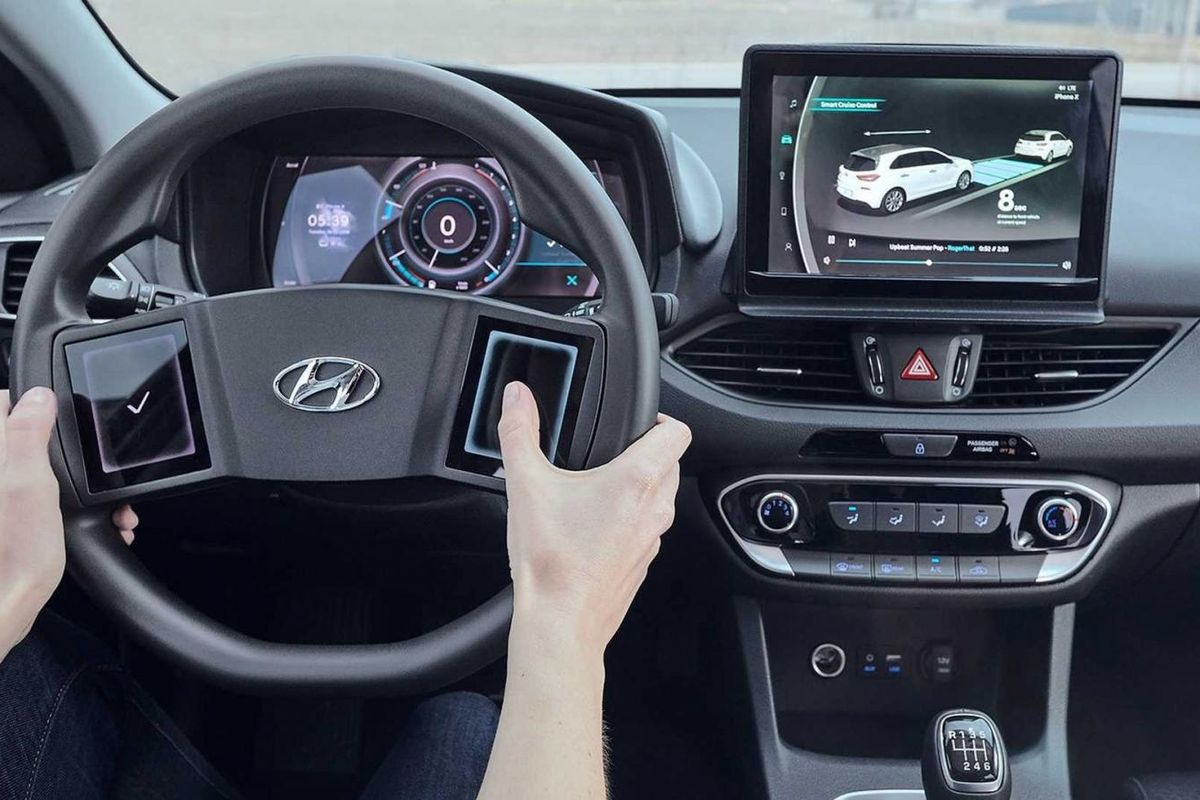
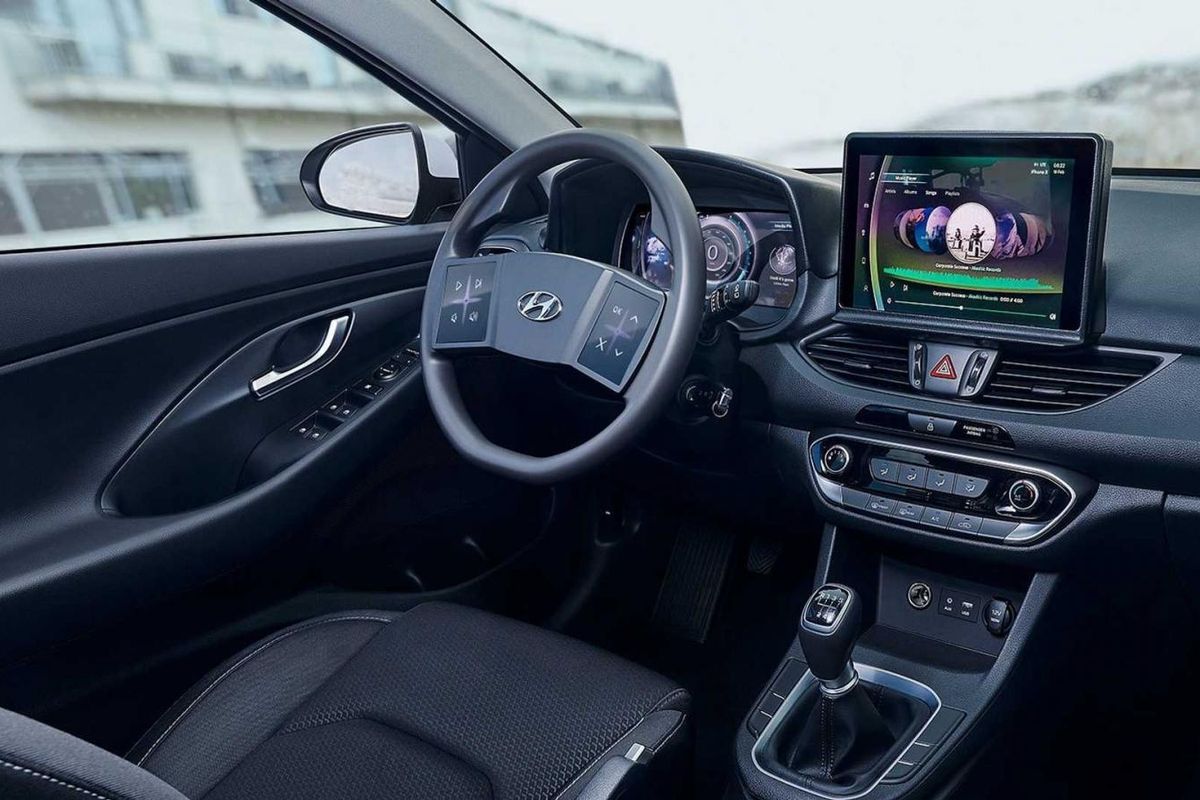
The latest research project completed under Kaiser’s technical leadership is a radical new conceptual Hyundai cockpit design for the i30. Recognising the increasingly distracting nature of contemporary steering wheel and control stalk ergonomics, due to a proliferation of buttons and functions, Kaiser’s team have attempted to improve legibility and reduce complexity.
"We chose the i30 to demonstrate that innovations are not limited to higher-segment vehicles. Hyundai intends to prove that innovations need to be achievable for a broad customer base. We are continuously working on new technologies that make our cars perfectly intuitive and user-friendly," says Kaiser.
Touchpads may be the answer to reduce driver distraction while making it easier to perform in-car functions.
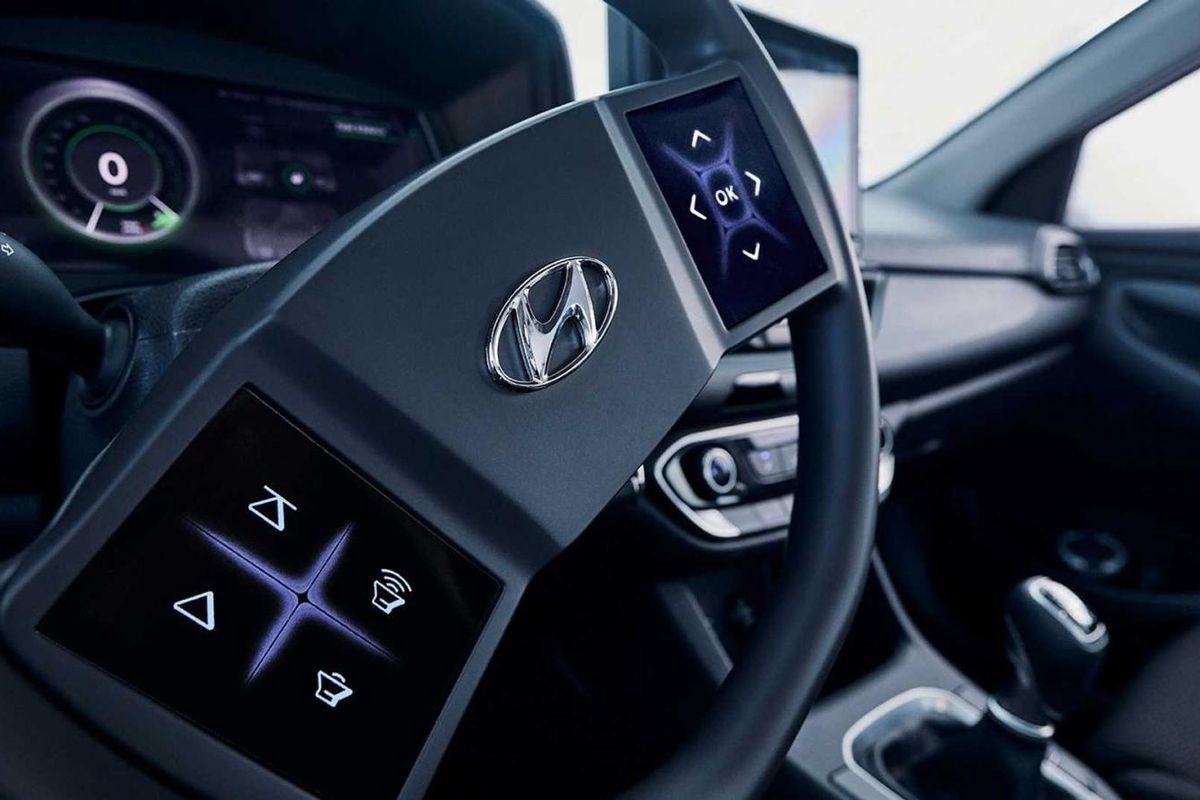
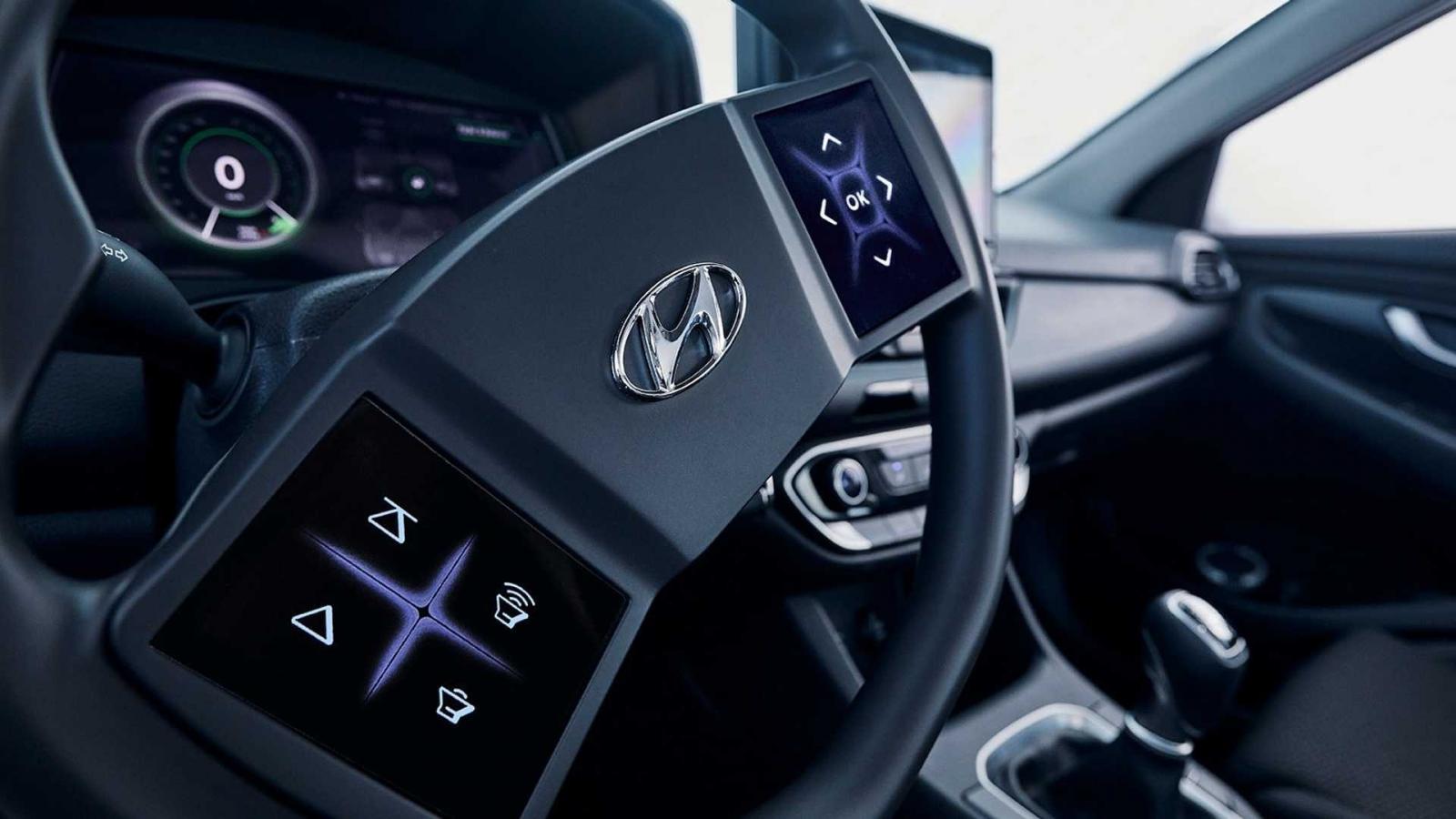
Anchoring the aim of reducing steering wheel control complexity are 2 touchpads, which replace the collection of satellite controls crowding the left and right-hand thumb positions on most modern steering wheels.
These touchpads can be configured to have a multitude of functions and Kaiser says they have been designed to be far better in terms of haptic feedback than any other touchscreen, thereby avoiding the annoyance of accidental menu selections.
In order to accommodate the large touchpads, Hyundai has produced a specific steering wheel, which has a 2-spoke design and is larger in overall size than a conventional steering wheel. In addition to the steering wheel technology, Hyundai has also stacked various instrumentation cluster readouts with a 6 mm difference in depth, thereby creating a halo 3D effect, which commands better attention from the driver.
While this concept virtual cockpit is not expected to go into production, you may very well see some of this technology filtering into Hyundai's future models.
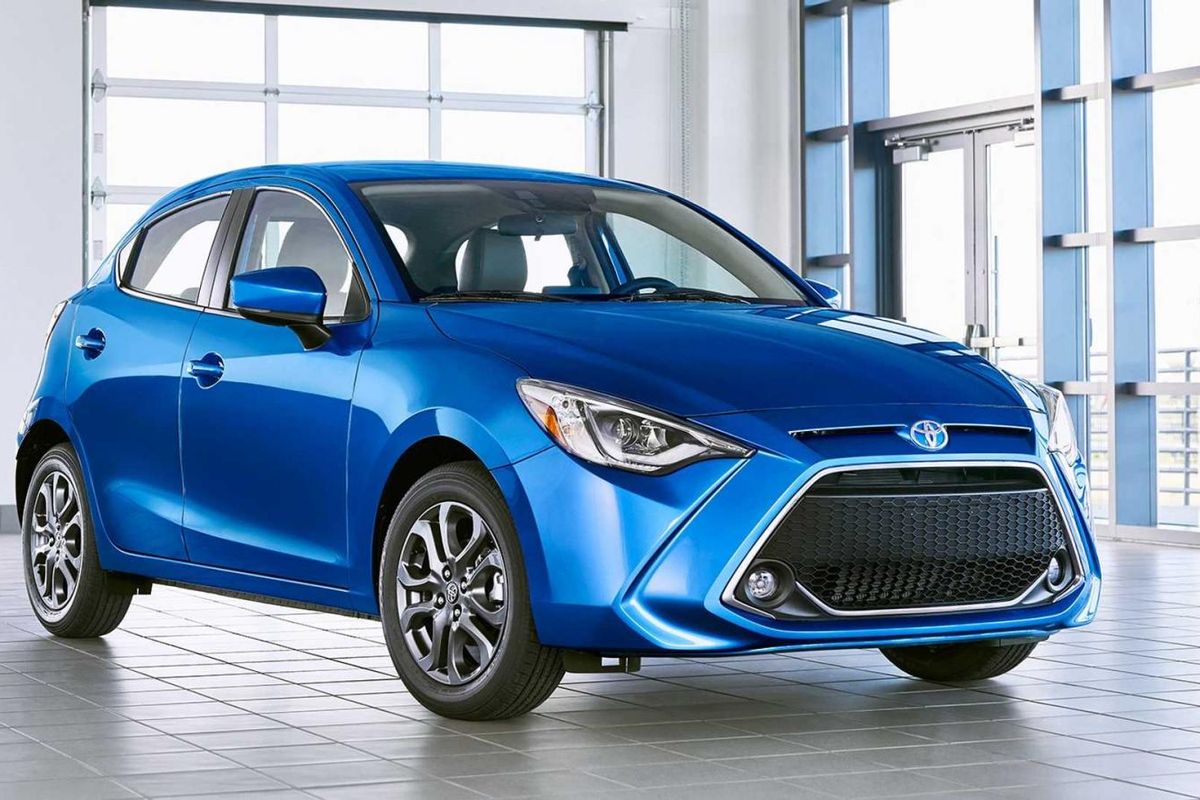
As part of a small car resource sharing agreement, this new Yaris isn’t a Toyota.
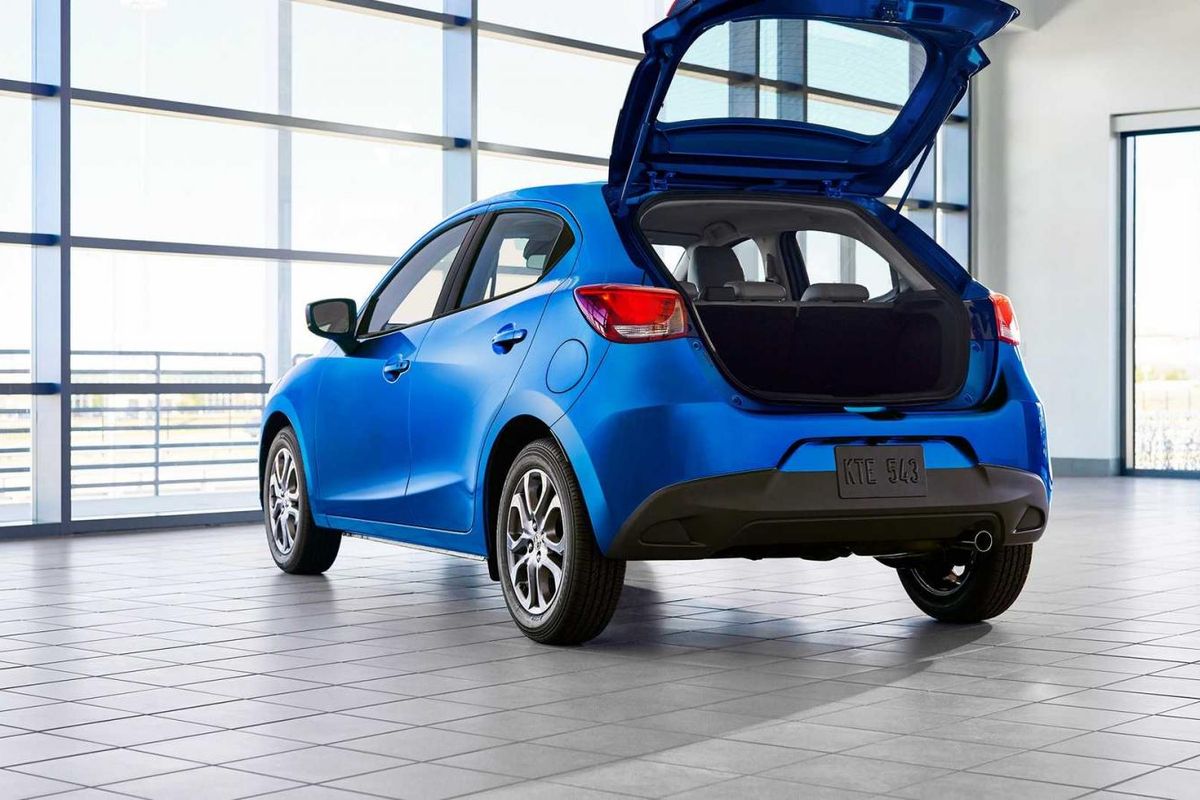
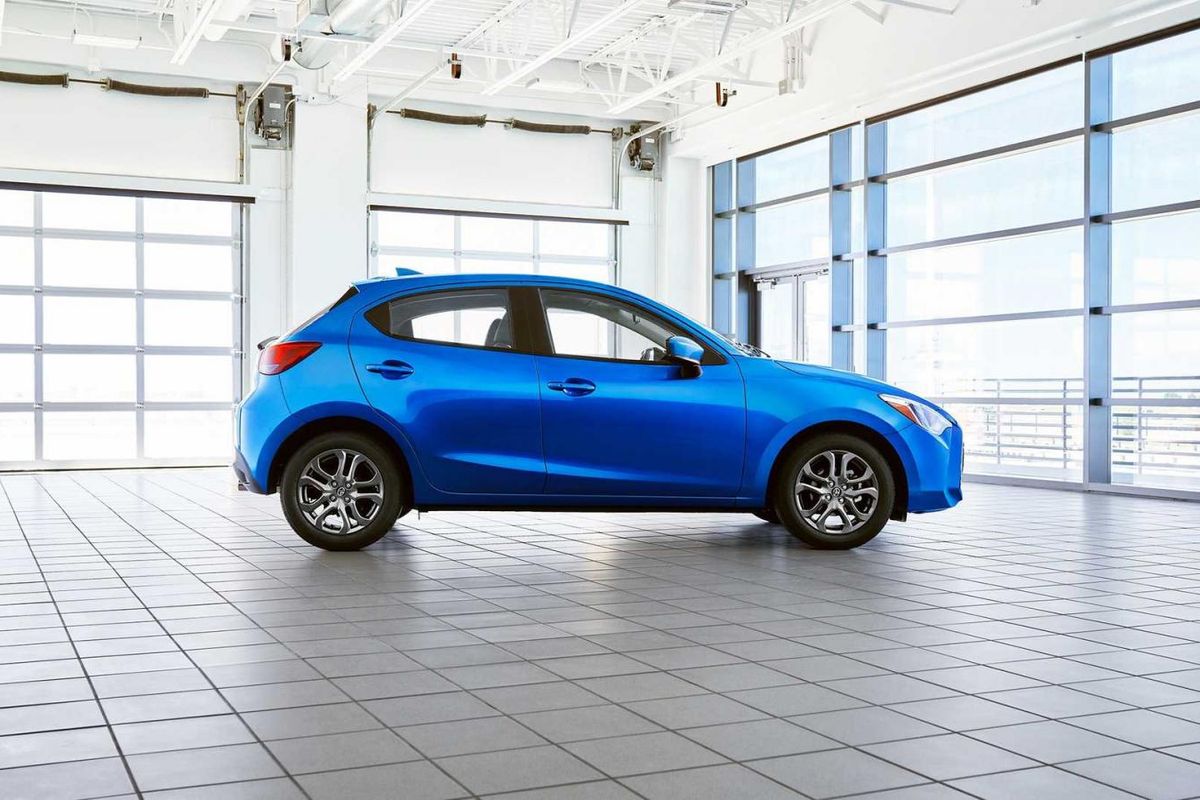
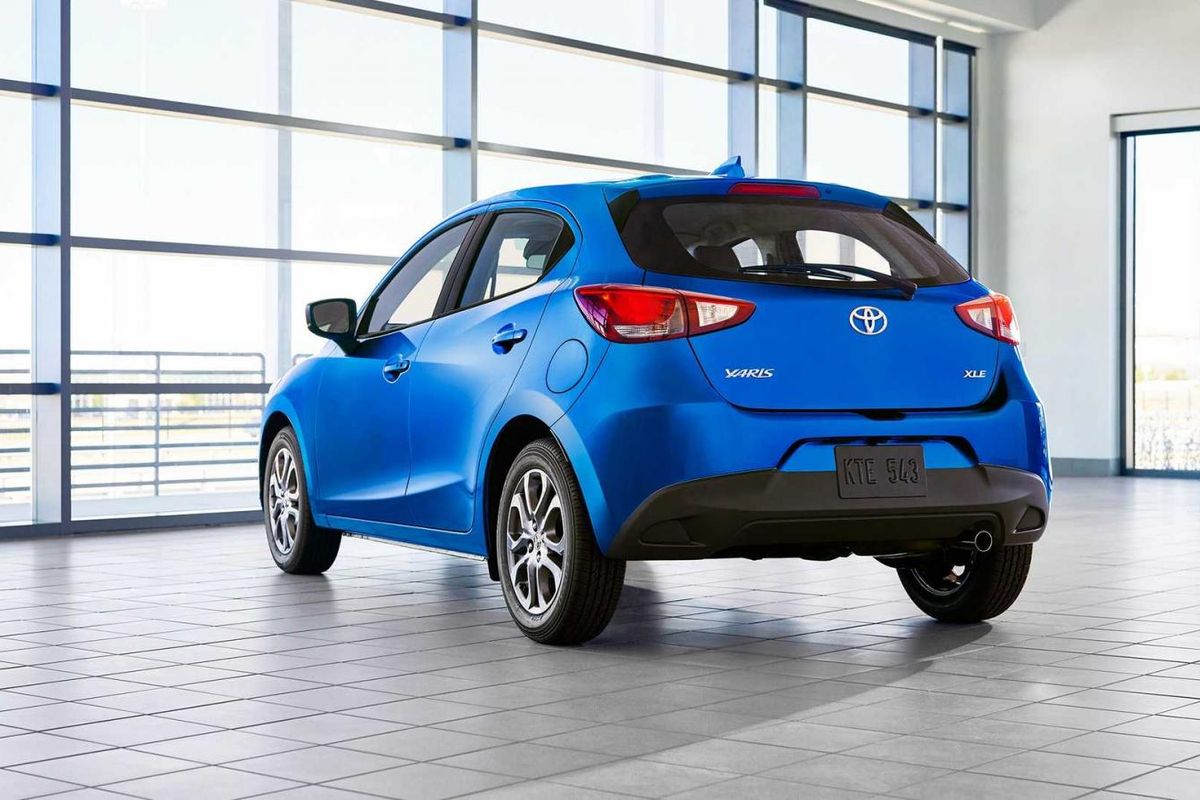
One of the big surprises for the upcoming 2019 New York Auto Show later this month has been revealed ahead of time. It’s the new Toyota Yaris, which is in fact, a Mazda.
The consequence of a complicated joint venture between Japan’s largest automaker, Toyota, and Mazda, these rebadged hatchbacks will go on sale in the U.S. first, before possibly expanding to other markets.
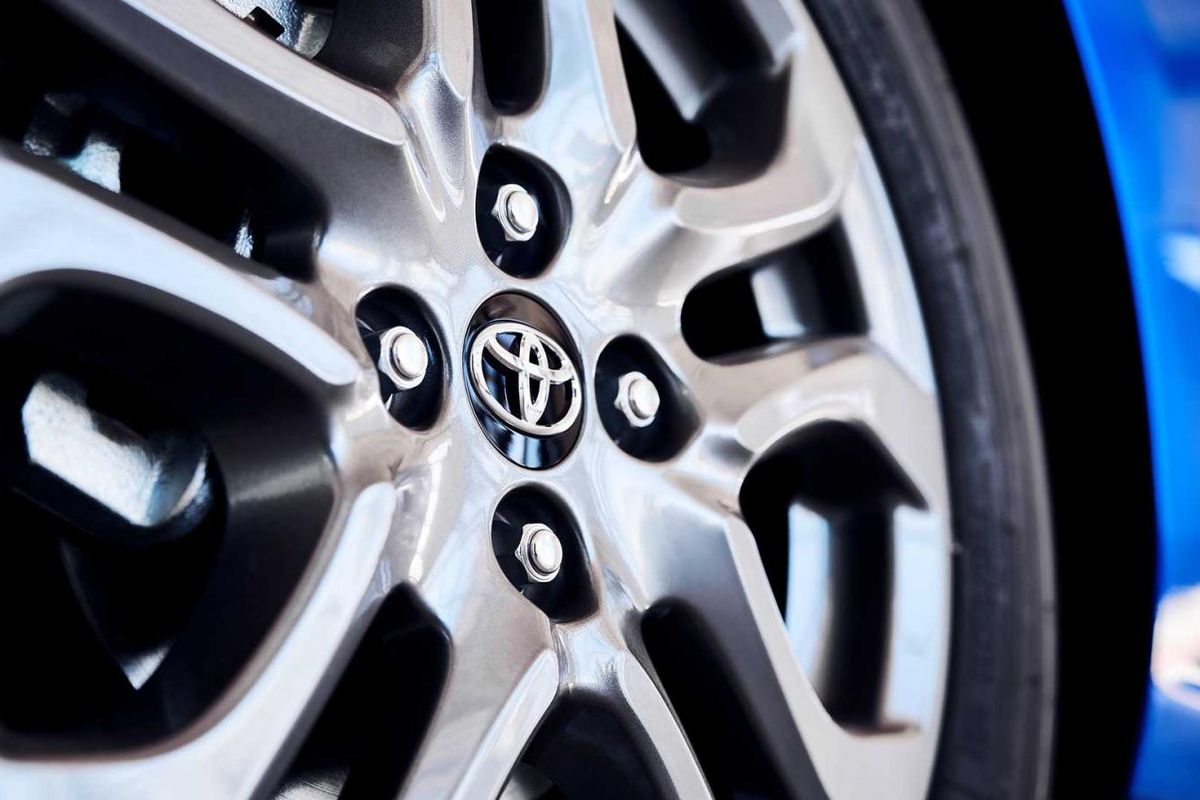
Viewed in its side profile, the new Yaris is obviously a Mazda2, whilst the rear three-quarter aspect is also unmistakably influenced by designers from Hiroshima, instead of Aichi. The alloy wheel centres roll Toyota’s emblem though, to remind you that this is, at least in name, a Yaris.
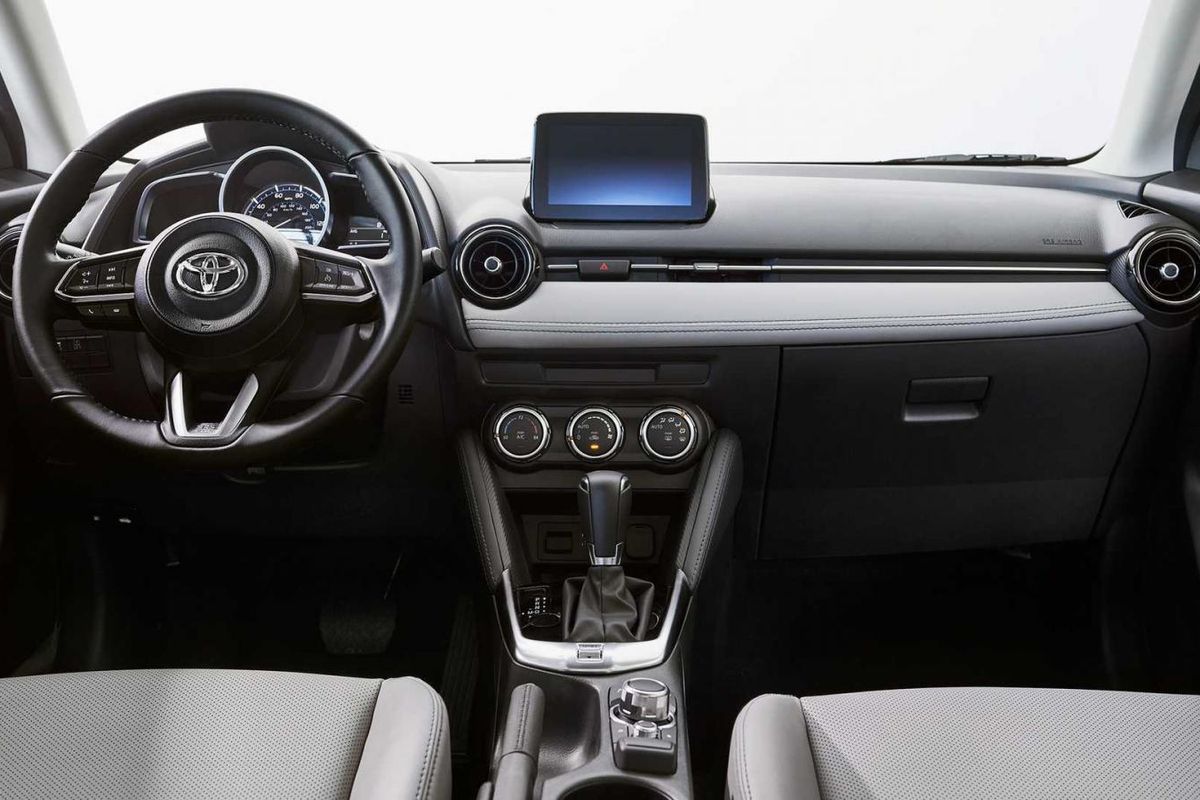
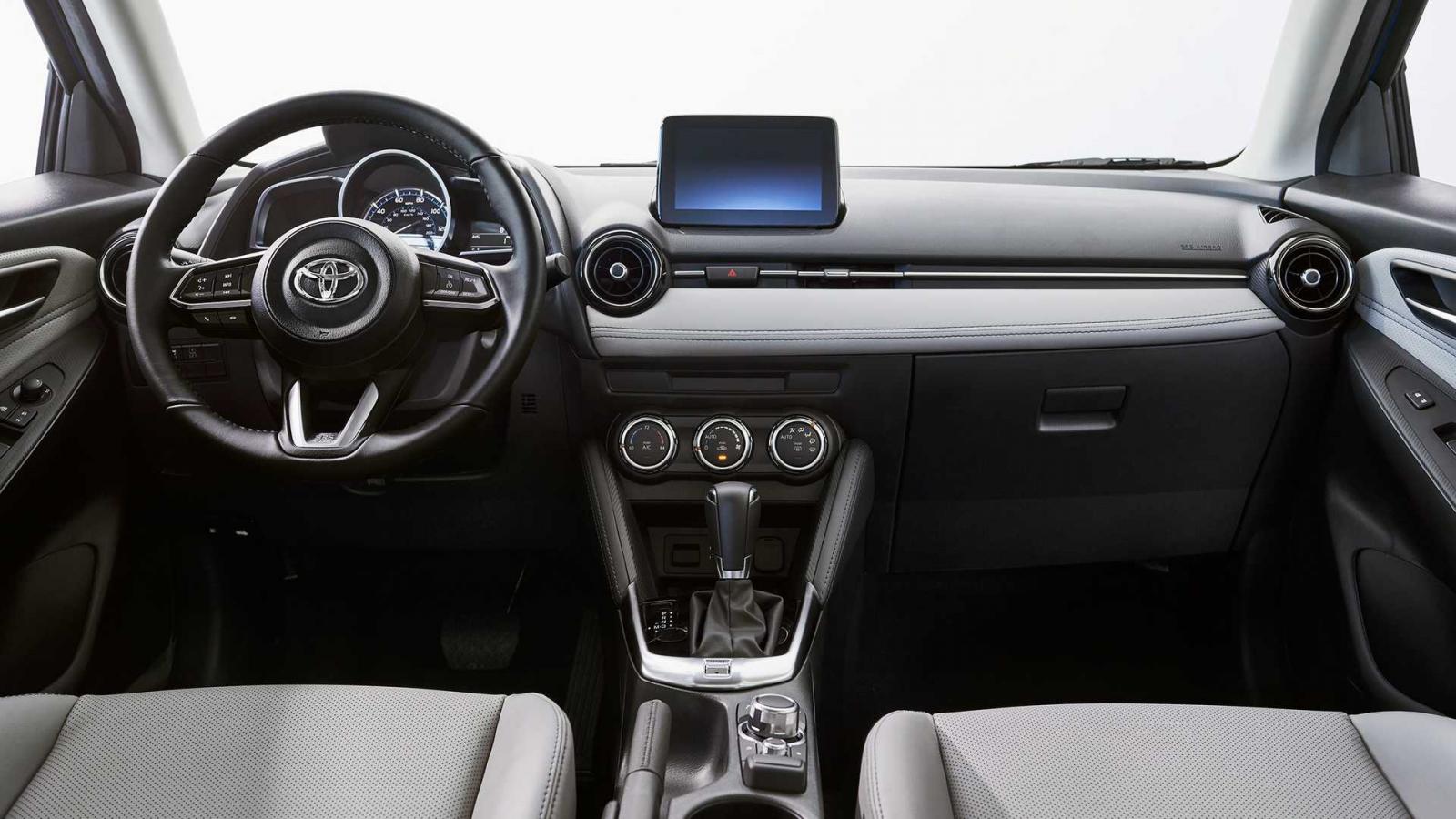
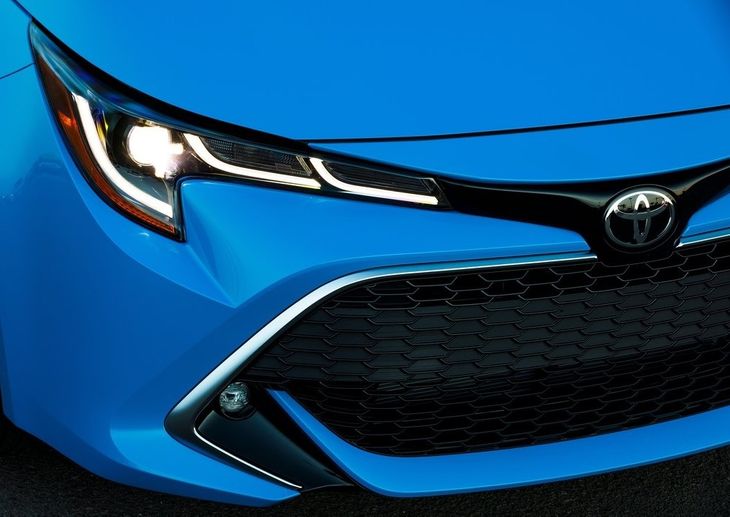
From the front you can see the slightly revised grille, with the small Toyota logo at its centre. Inside the cabin is typically Mazda in design: clean and minimalist, with a Toyota steering wheel boss badge, the only revealing symbol of its Yaris marketing differentiation.
The new Yaris features distinct Mazda design cues.
Equipment grades for the new Yaris will be tabled as LE and XLE, with the lower-specification LE rolling on 16-inch wheels and featuring push-button starting and fog lights. XLE grade models will add LED headlights, climate control, moisture sensitive wipers and a 7-inch infotainment screen which plays nice with both Apple CarPlay and Android Auto Smartphone integration.
Although the current Mazda2 architecture isn’t new, having launched in 2014, it is one of the better compact car platforms. Powering the Yaris badged version is a familiar 1.5-litre naturally-aspirated engine, good for 82 kW and 145 Nm of torque and is mated with a 6-speed automatic transmission with Sport Mode for quicker acceleration response.
Safety equipment includes 6 airbags, ABS with EBD, Brake Assist, Brake Overide and Dynamic Stability Control with Traction Control.
More details will be revealed when the Toyota Yaris is shown at the New York Auto Show on 19 April 2019.
New car sales in South Africa continued its downward spiral in March 2019, bringing a rather disappointing end to the first quarter of the year. See the details below…
It was another tough month for new car sales with the National Association of Automobile Manufacturers of South Africa (NAAMSA) reporting an overall decline of 3.1% compared with the same period last year. However, gloomy passenger car sales numbers stand in contrast to strong growth in export sales which realised gains of 23.7% while Light Commercial Vehicle (LCV) sales increased marginally by 1.9%.
A poor performing Rand and declining consumer and business confidence in anticipation of possible rating downgrades contributed to the results and rising fuel prices and uncertainty in the energy sector i.e. load shedding, will continue to put the new car market under pressure.
“Household budgets also continue to take strain as a result, directly impacting demand for new vehicles as motorists continue to hold onto their vehicles for longer. At least interest rates remained unchanged, providing some small form of relief for consumers. WesBank data shows a slowly shifting trend away from fixed rate deals – good finance practice in a low-interest rate environment – towards linked deals, although linked deals remain the majority. With interest rates unlikely to decline in the short term, the opportunity to fix rates in your finance contract remains” says Ghana Msibi, WesBank Executive Head of Motor.
New Car Sales Summary – March 2019
Aggregate new car sales of 47 718 units down by 3.1% (-1 512 units) compared with March 2018.
New passenger car sales of 30 348 units down by 5.6% (-1 805 units) compared with March 2018.
LCV sales of 14 994 units up by 1.9% (+275 units) compared with March 2018.
Export sales of 37 296 units up by 23.7% (+7 135 units) compared with March 2018.
Projections for the first half of 2019 remain subdued but NAAMSA predicts that LCV sales should register growth in the medium term but passenger car sales are likely to remain under pressure in the short term. Exports, however, are expected to grow substantially throughout the course of 2019 with a closing projection of close to 400 000 units expected for the year (compared with 351 139 vehicles exported in 2018).
“The market will remain under pressure during April, which will be impacted by public holidays and resultant fewer selling days, as well as a wait-and-see mentality heading up to elections in May,” said Msibi. WesBank, however, predicts an uptick in the second half of 2019, “While sobering, the market picture is not all doom and gloom, nor unexpected. We forecast first half sales to be slow with a better-performing second half.”