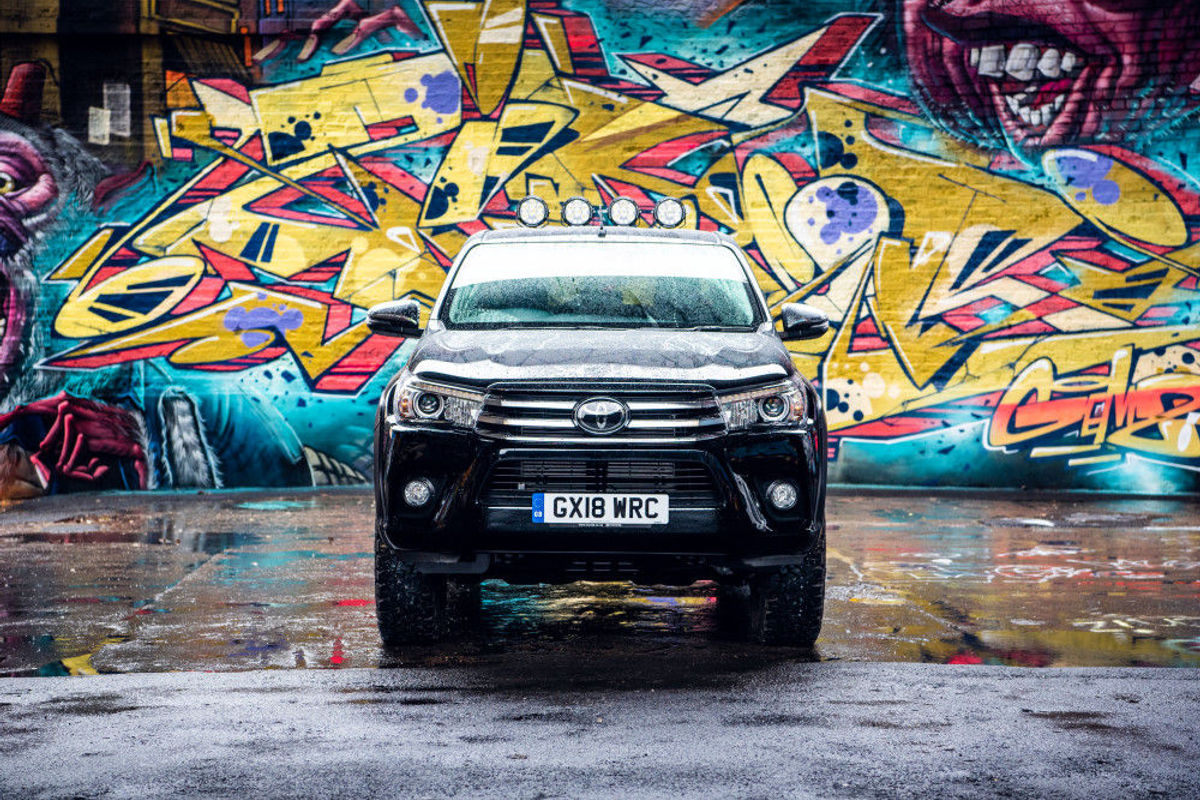
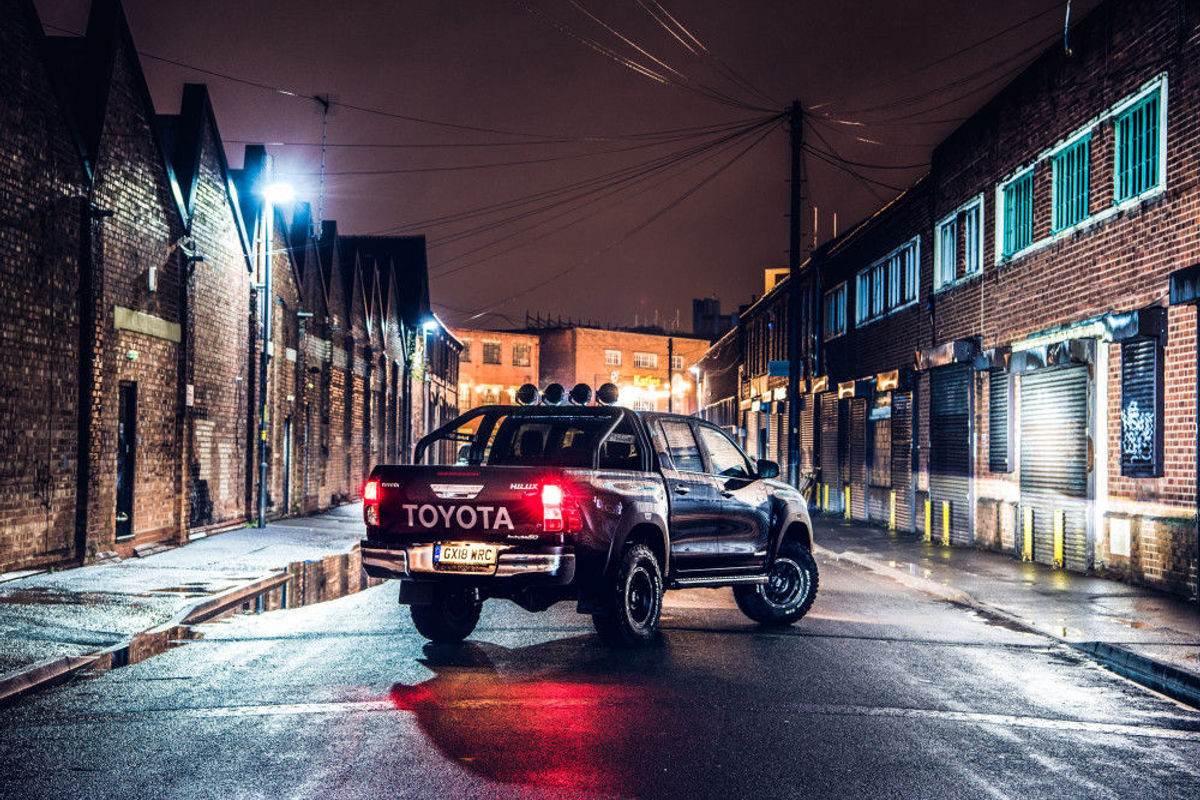
The Hilux is 50 years old and to celebrate the occasion, Toyota and Arctic Trucks came together to develop the special edition Hilux Invincible 50. It will only be sold in the UK and will not come to South Africa.
The Hilux Invincible 50 has enhanced off-road capability with a performance suspension by Arctic Trucks and Bilstein while the new ET05 alloy wheels are specific to this special edition model and come wrapped in all-terrain Goodrich tyres.
With this setup, the Hilux Invincible 50 has a more ground clearance and stands 40 mm higher at the front and 20 mm higher at the rear with more articulation and increased approach and departure angles.
In terms of styling, the model features wider front and rear wings while a double-hoop sports bar is fitted that includes 4 high-power Vision X LED lights, perhaps for hunting rabbits in the English countryside…
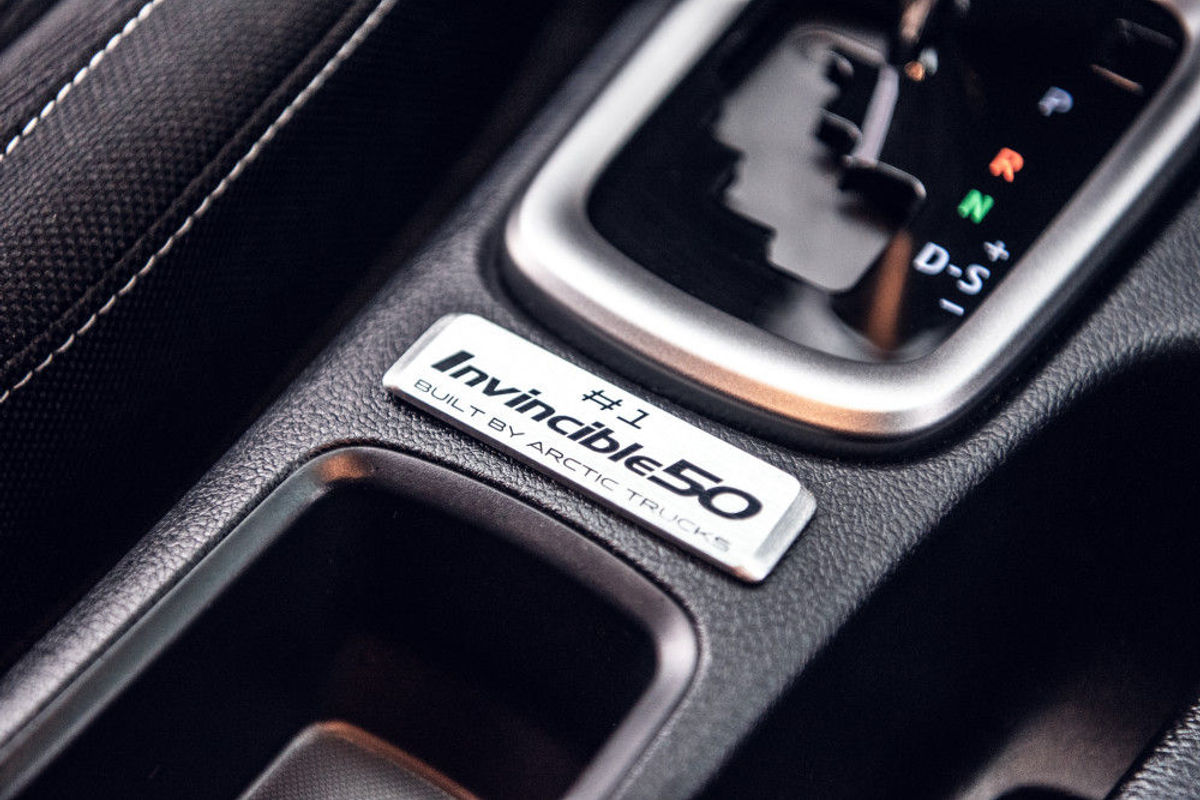
Other details include rear Arctic Trucks mud flaps, a Line-X bed liner, a Toyota tailgate graphic and rear parking sensors. There’s a numbered Invincible 50 plaque in the cabin and Invincible 50 chrome badging and detailing are seen on the wings, wheels, doors, tailgate, sports bar, lighting and interior. All Hilux Invincible 50 models are finished in black paintwork. The familiar 2.8-litre turbodiesel engine does service under the bonnet and it comes mated with a 6-speed automatic transmission.
The Toyota Hilux is currently the most-popular vehicle sold in South Africa.
Watch our video review of the Toyota Hilux Dakar below!
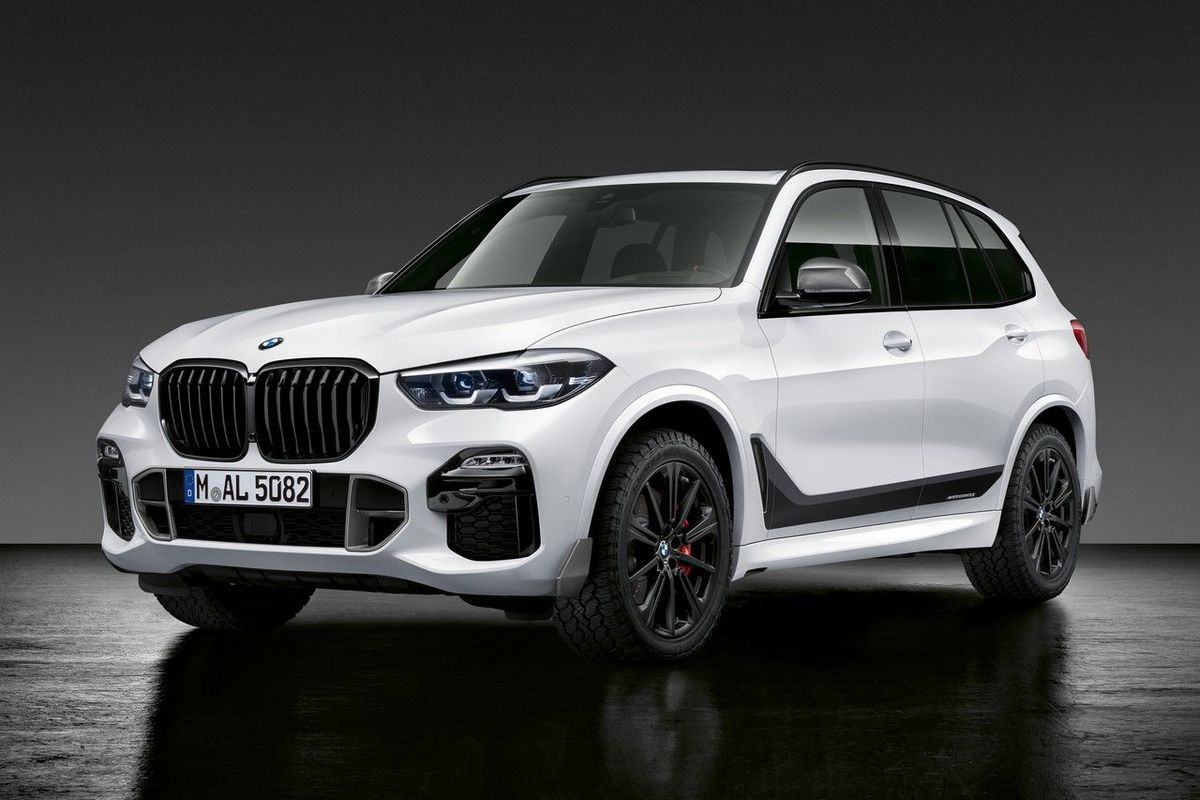
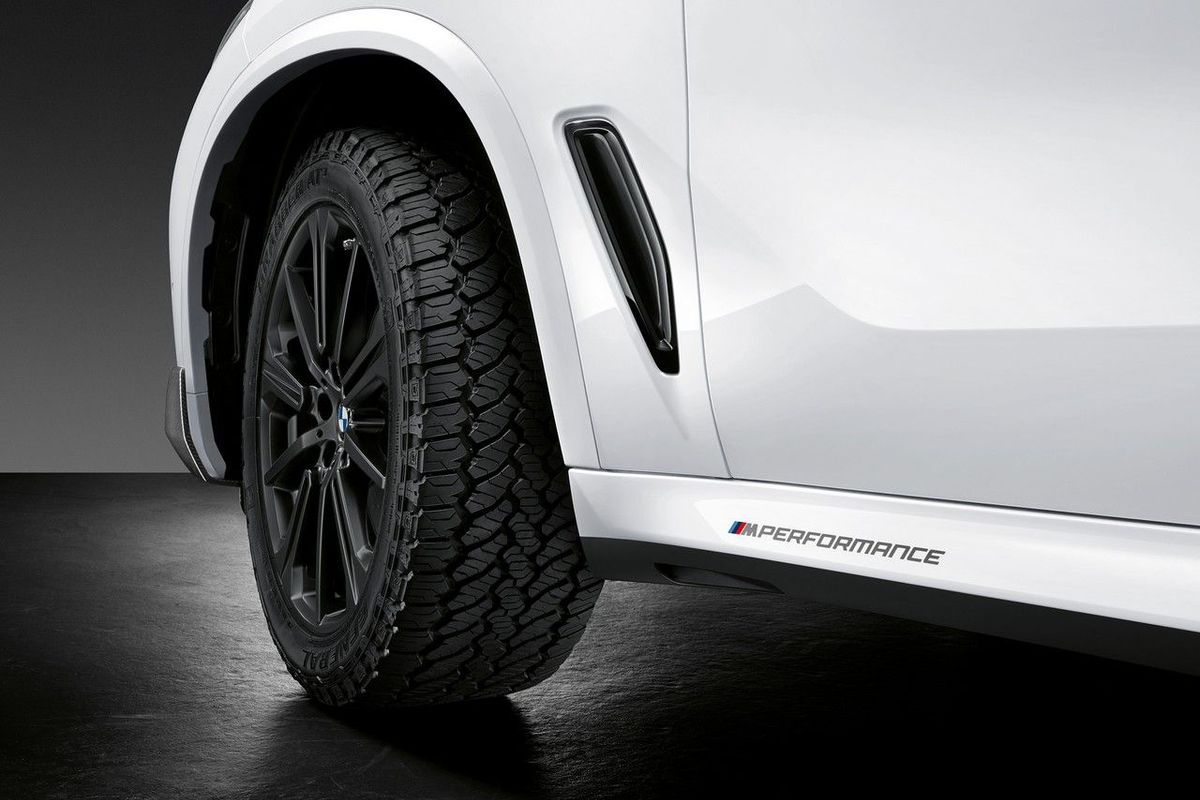
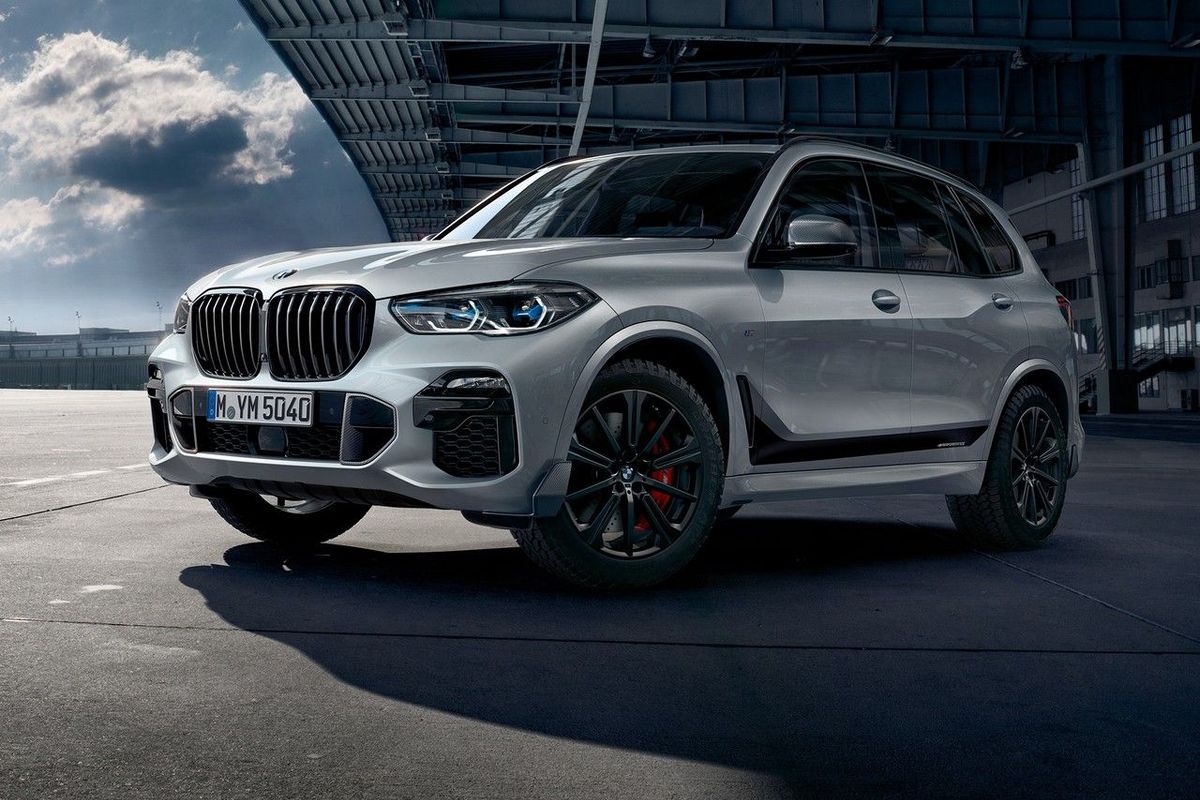
BMW South Africa has confirmed that it will be bringing in some tasty M Performance Parts for its soon-to-be-launched BMW X5. How cool does this look?
The fourth generation of the BMW X5 is due to land in South Africa by the end of 2019 and BMW South Africa recently confirmed that it will be bringing in an extensive range of M Performance Parts for the newcomer. BMW SA claims these parts are for, "customers who wish to selectively refine the vehicle's sporty character and give this aspect further emphasise the character."
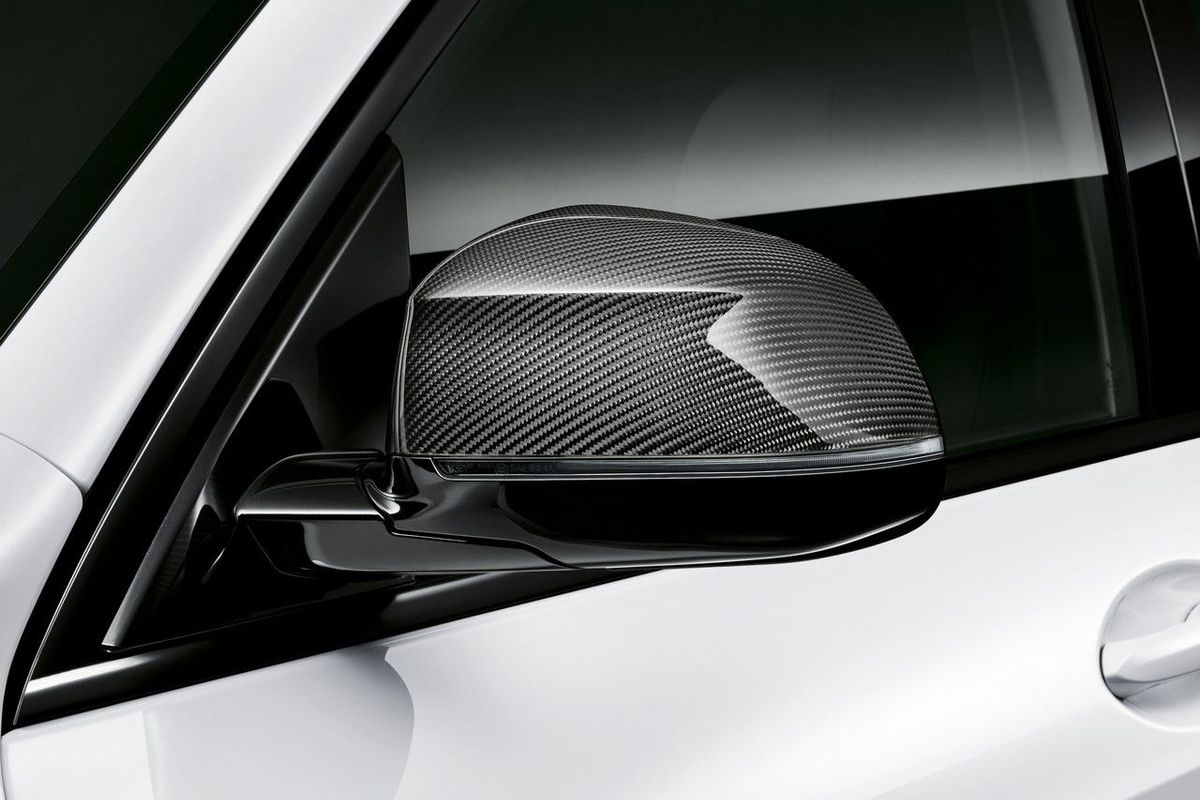
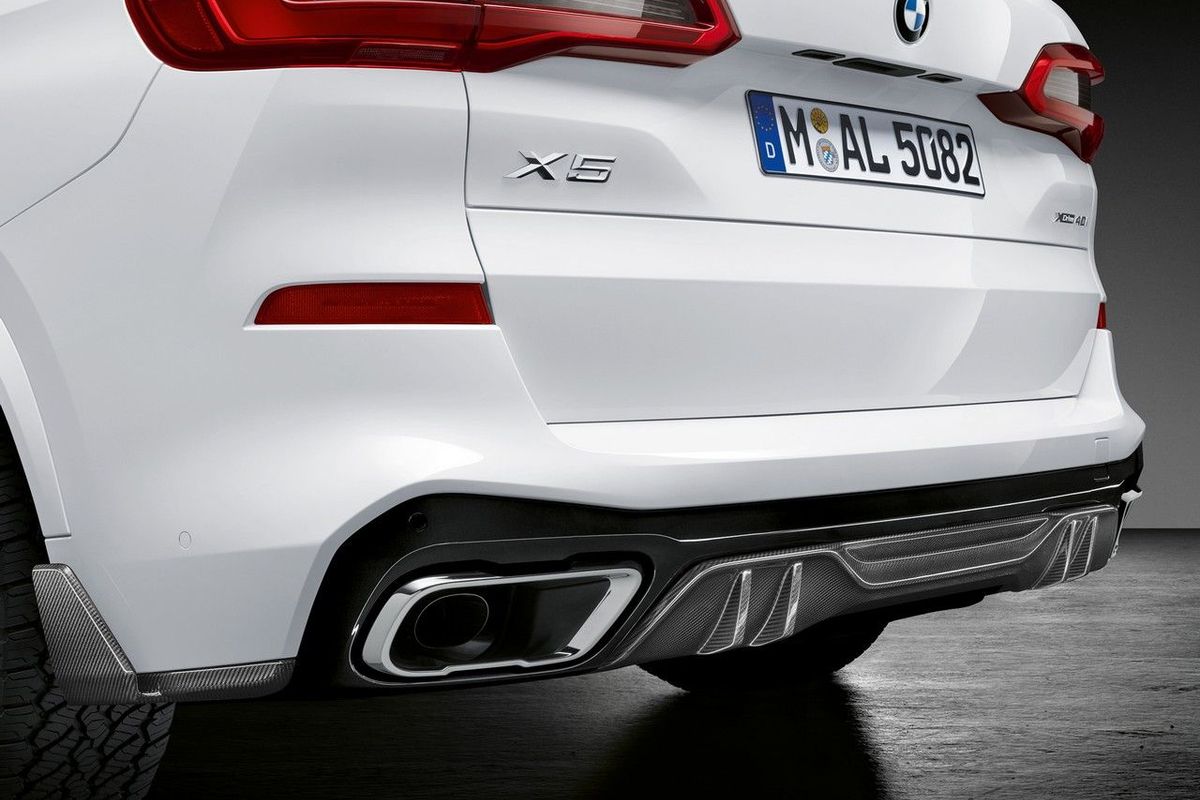
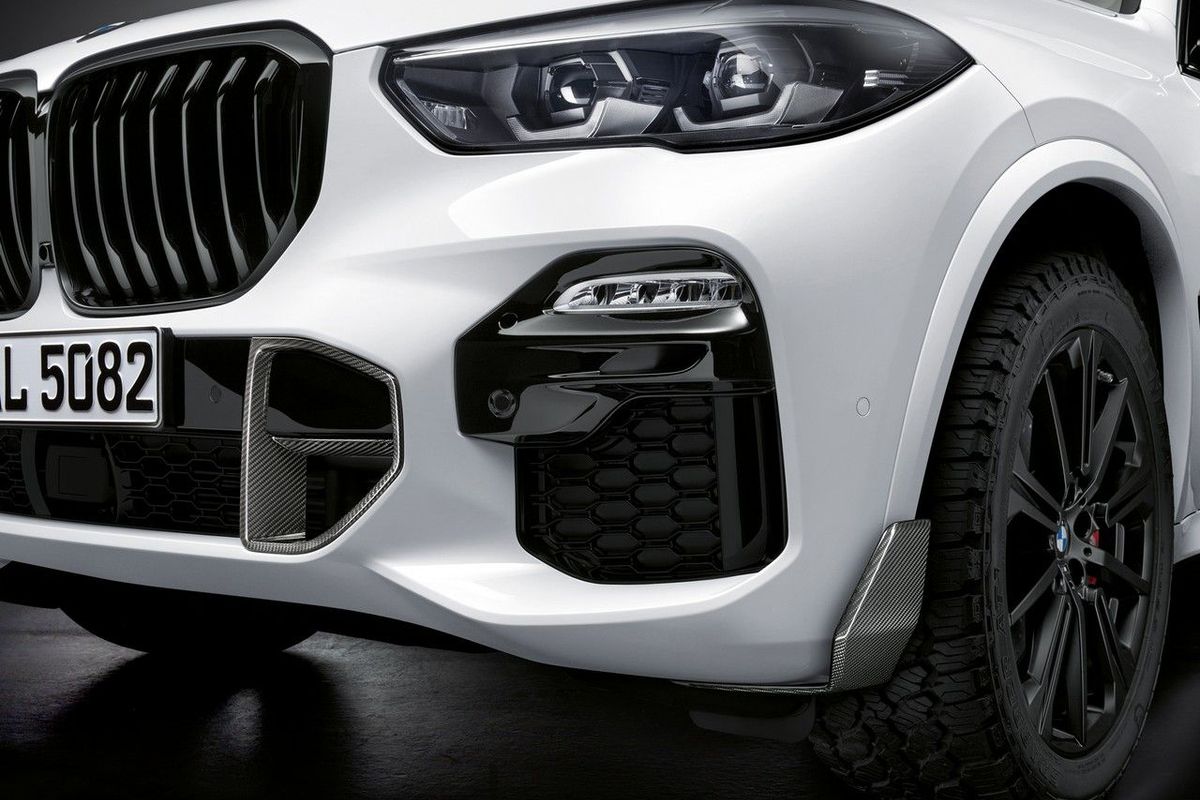
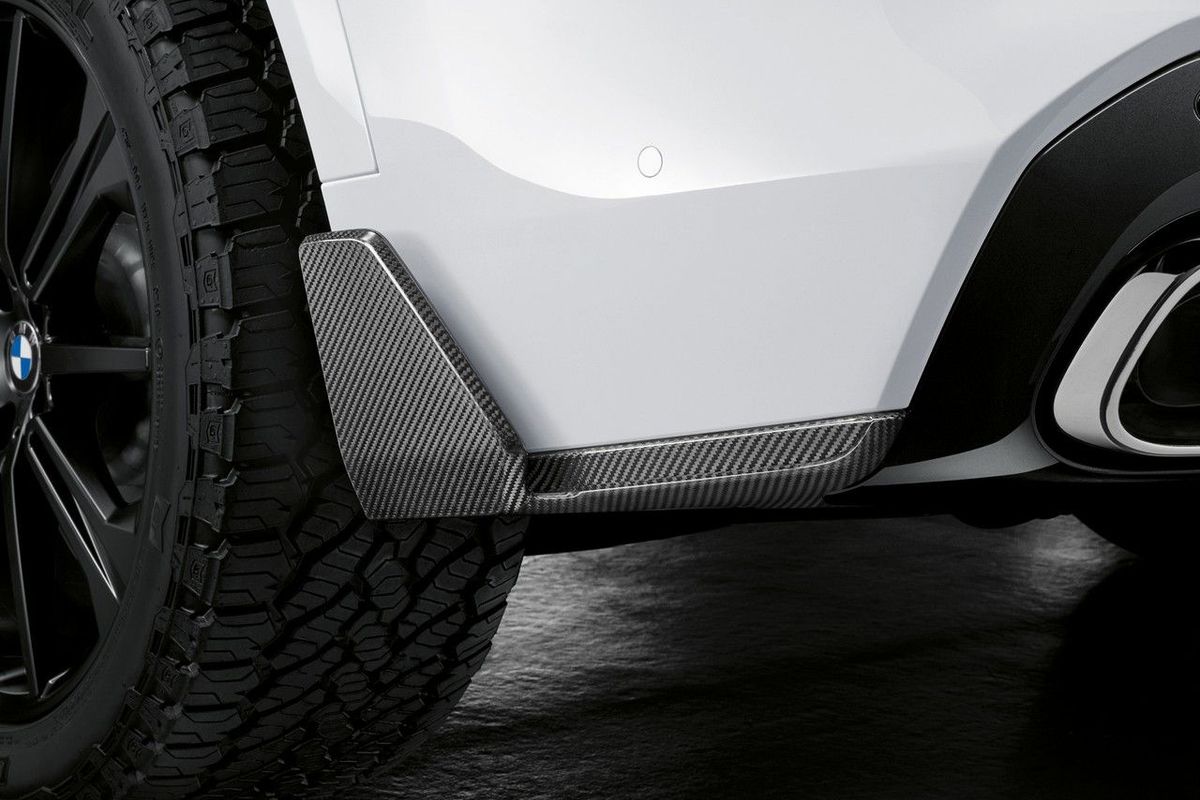
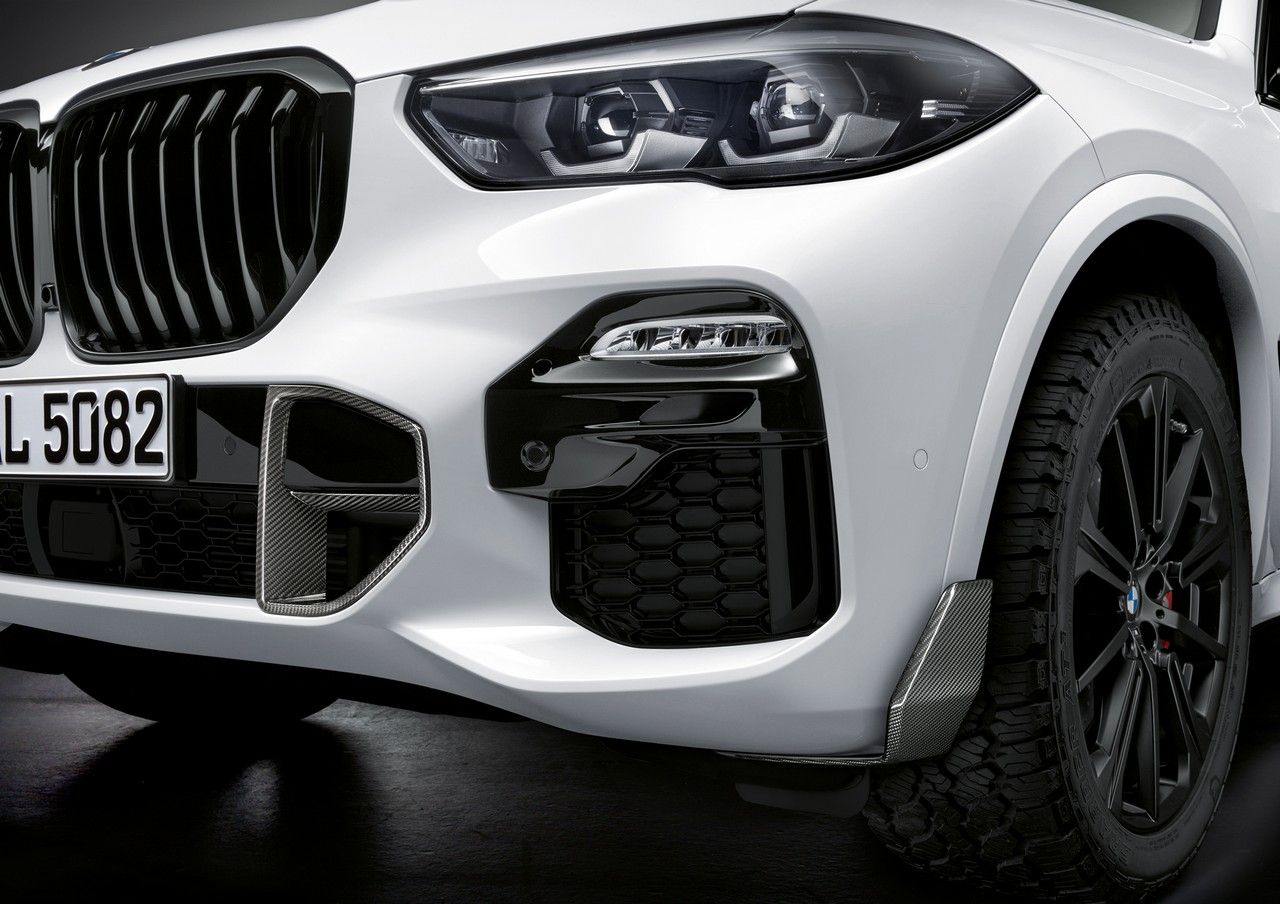
Not only doe these M Performance Parts look good, but they're actually functional. There are extensive options for some carbon fibre goodness, such as air intake trim elements for the bumper, winglets, a diffuser and even exterior mirror caps.
Development of the full range of M Performance Parts has always drawn on the extensive motor racing expertise of BMW M GmbH. All components are perfectly matched – both with each other and with the specific properties of each model. In this way, they not only give the vehicle concerned a more striking, dynamic appearance but also serve a functional purpose. The features have a positive impact on the vehicle’s aerodynamic properties, for instance, or contribute additionally to the intelligent lightweight concept.
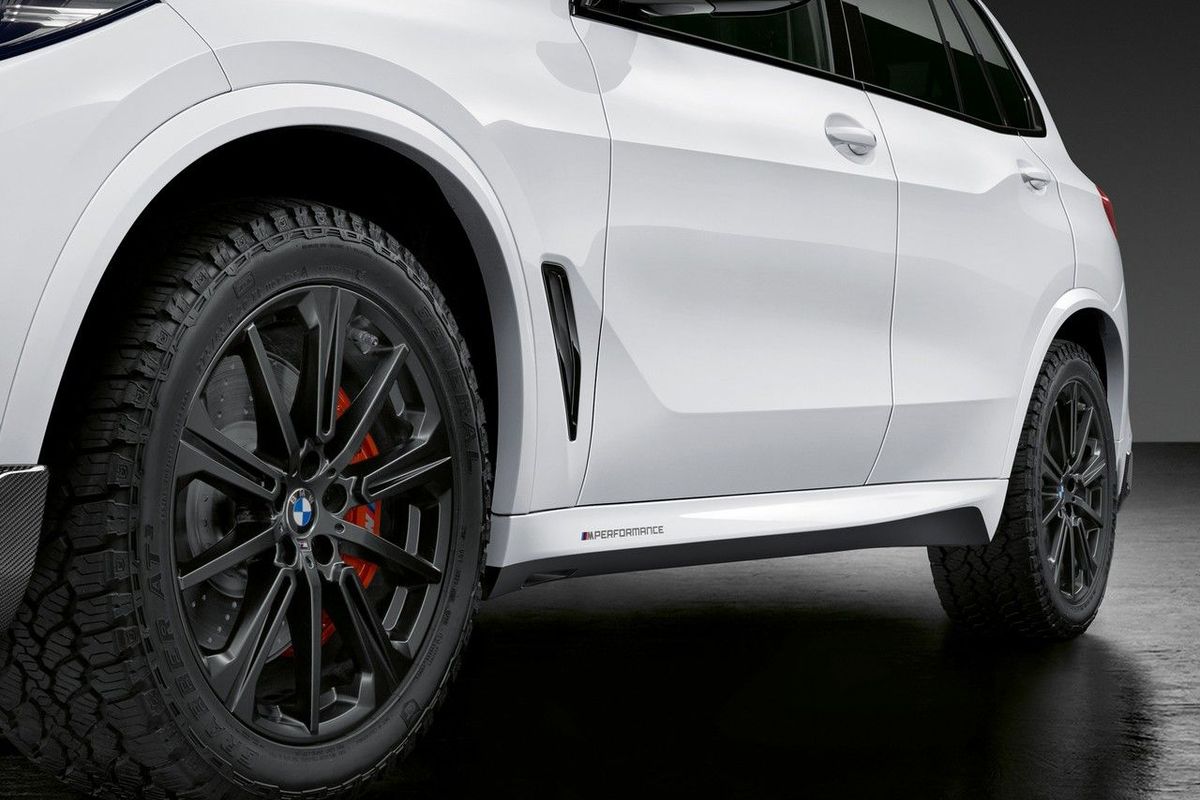
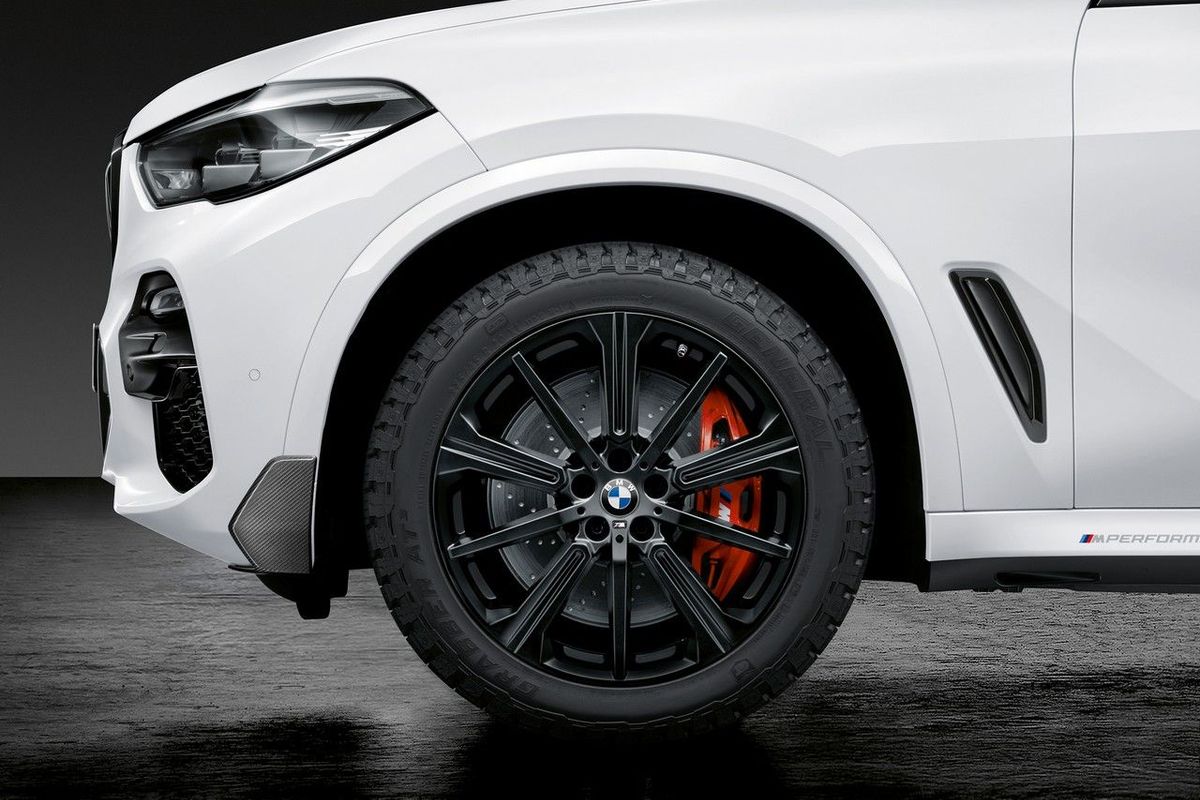
The latest M Performance catalogue has been expanded to include the X5. Note offroad tyres and carbon fibre detailing.
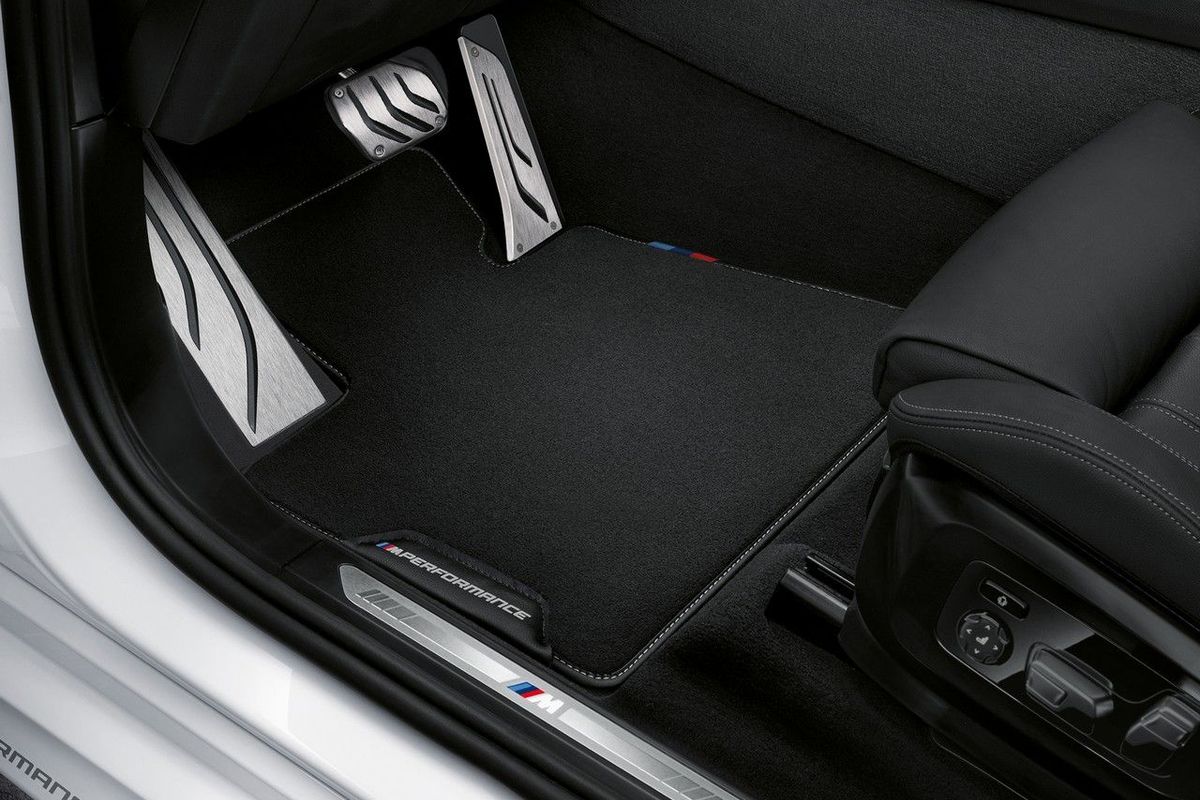
Interestingly, given the BMW X5's offroad abilities, we're happy to see all-terrain wheels make their debut in the catalogue. You can also opt for vented and perforated M Performance brake discs which are larger than the standard units and these callipers are finished in red, giving the car a sportier look. These M Performance upgrades are not just exterior and there's substantial goodness for the cabin too. You can opt for a gorgeous M Performance steering wheel which is finished in Alcantara with cross stitching or go for the carbon fibre option with the shift paddles finished in carbon fabric. There's also M Performance floor mats available.
The BMW X5 launches in South Africa before the end of 2018 and these M Performance accessories will be available in the first quarter of 2019.
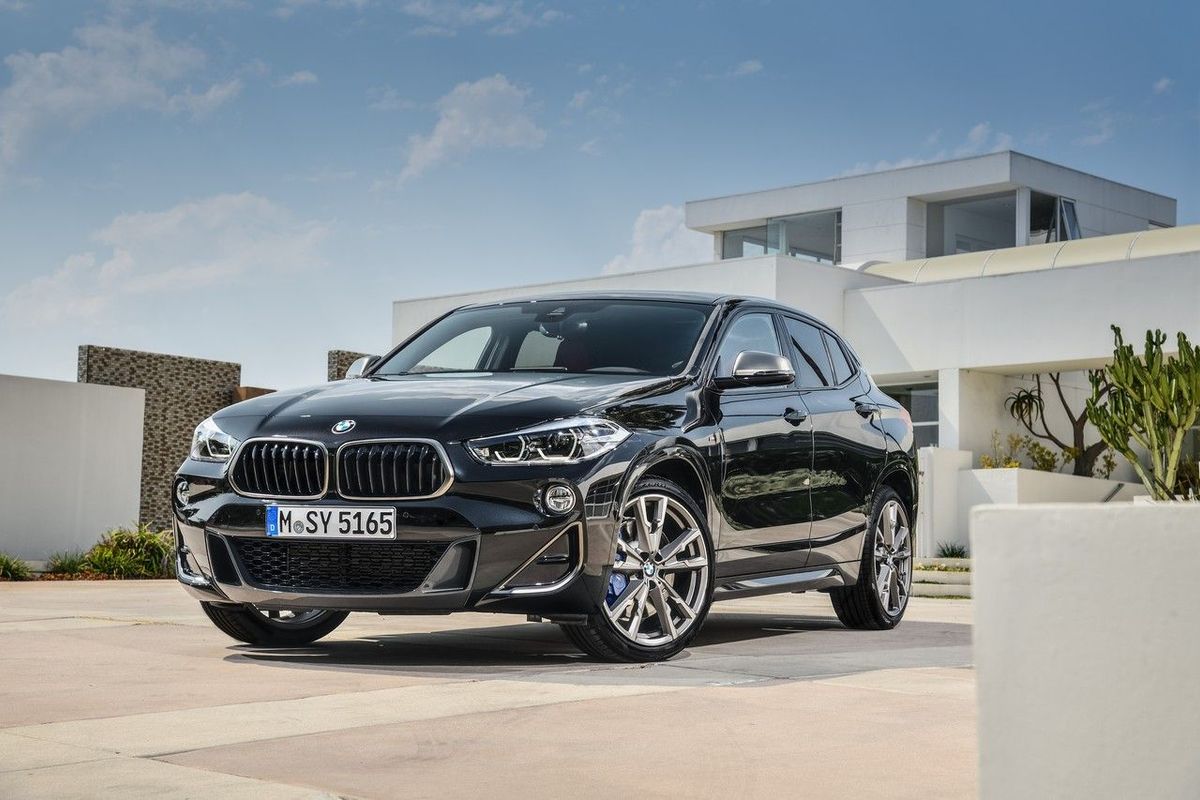
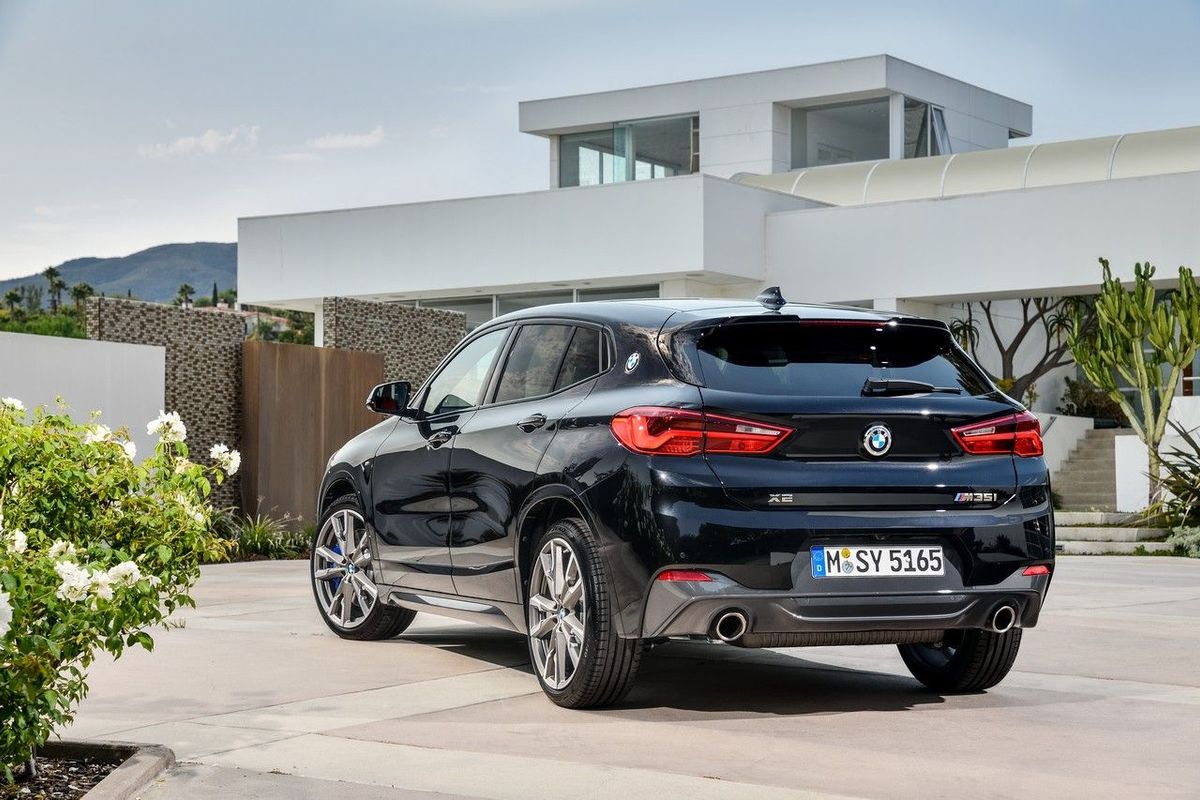
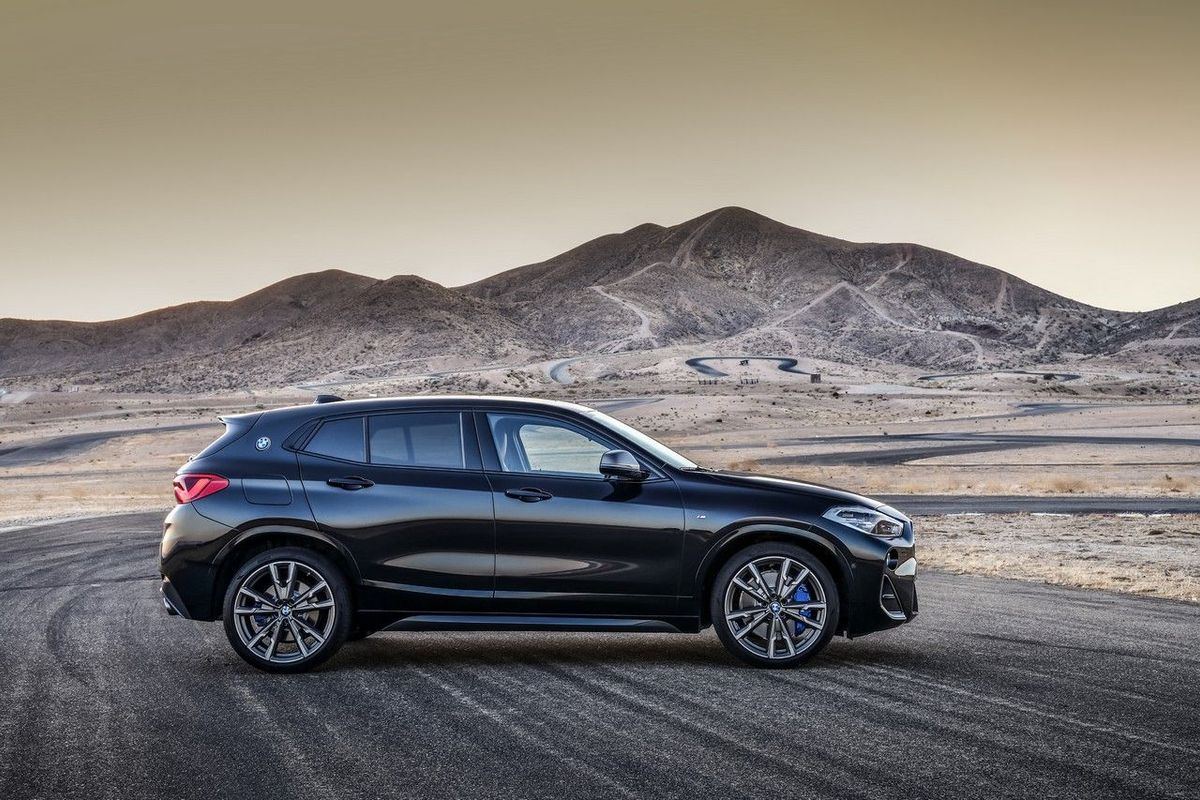
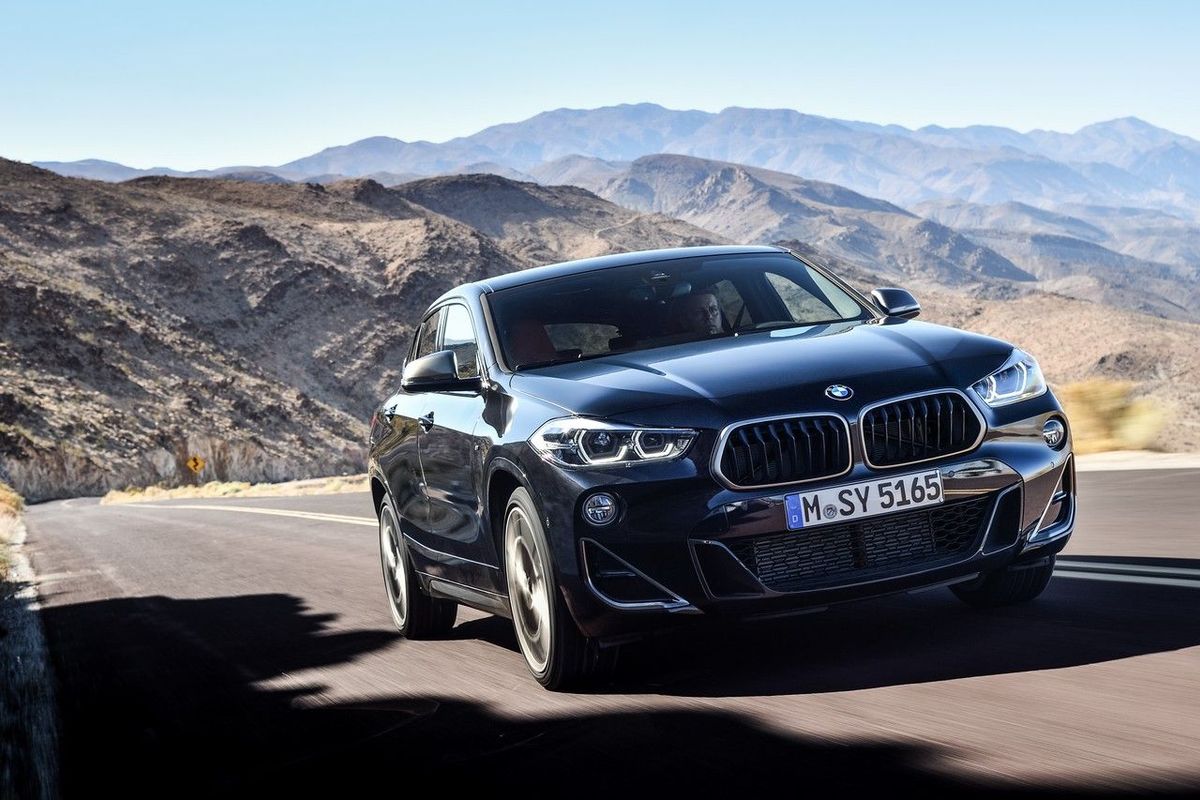
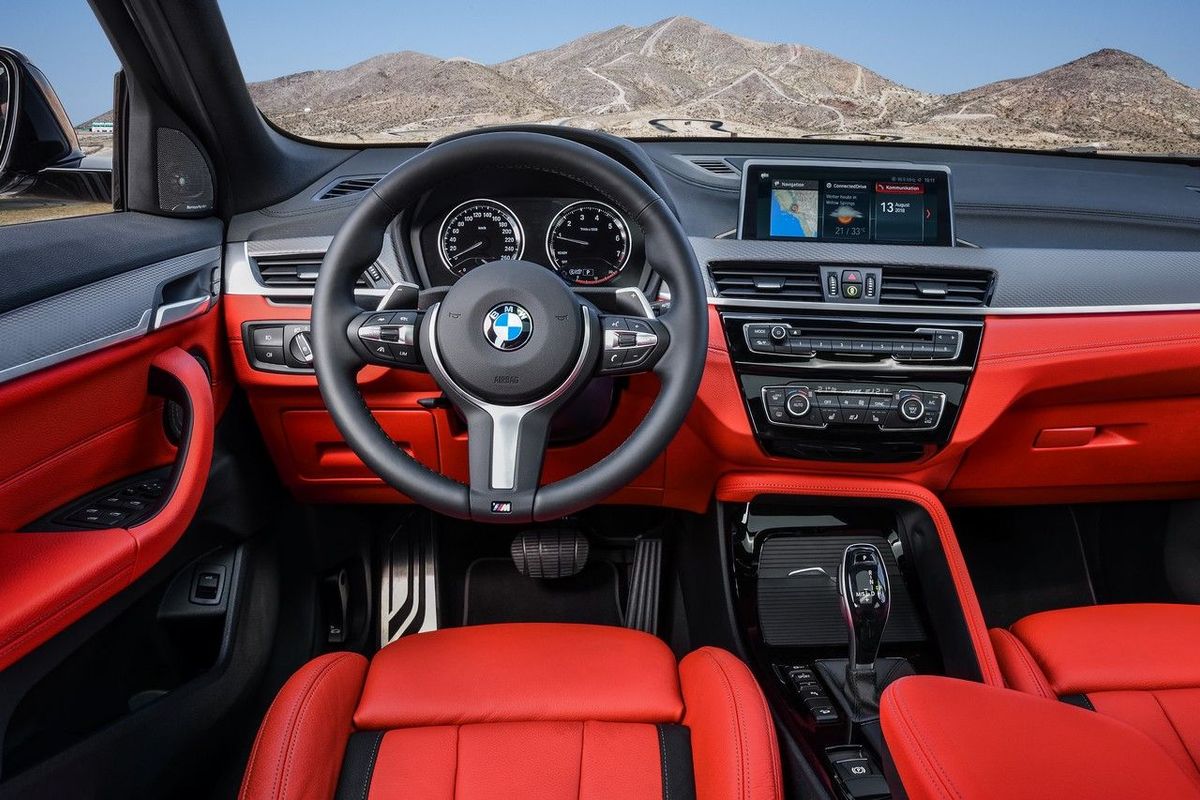
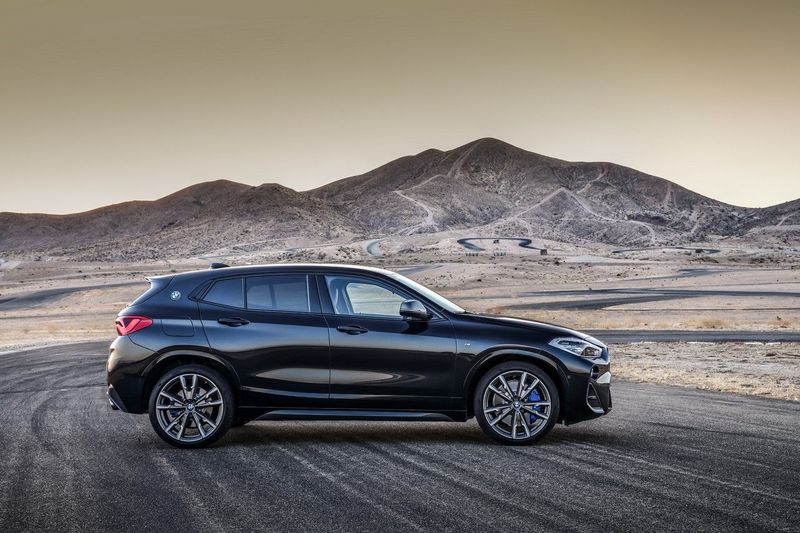
German carmaker BMW has revealed the X2 M35i – a performance version of the stylish X2 crossover. Herewith, some details as well as how much it costs.
The new BMW X2 M35i is powered by the most powerful 4-cylinder turbocharged petrol engine offered by the brand. It offers up 225 kW and 450 Nm, which is sufficient to fling the stylish SUV to 100 kph in a claimed 4.9 seconds. Power goes to all four wheels via BMW's 8-speed Steptronic gearbox, which also features launch control. BMW claims a fuel economy figure of 7.4 L/100 km.
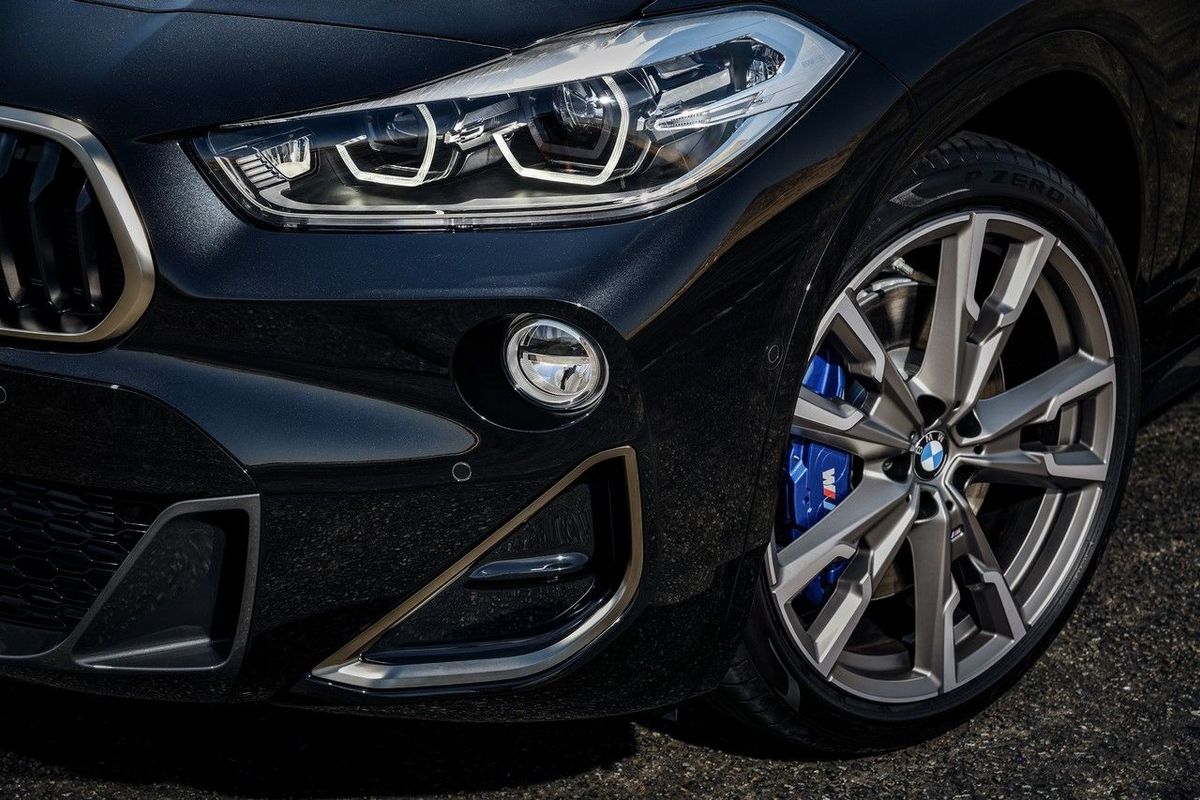
It's not just a powerful engine and some sporty kit fitted to the BMW X2 M35i. Speaking of sporty kit, you'll be able to spot the X2 M35i with its sporty front bumper with large intakes, unique mirrors, large exhausts and unique 19-inch alloy wheels. The real detail is in the performance upgrades, however. There is a remap on the gearbox, with a focus on performance as well as an M Sport suspension. You can also option adaptive suspension, which will likely be well worth forking out for. There's also an M Sport differential fitted to the front axle and bigger M Sport brakes have been fitted.
The BMW X2 M35i goes into global production in November 2018 and we'll see the first units arrive in South Africa in the first quarter of 2019. We have discovered that the vehicle is available to order on the BMW SA website.
BMW X2 M35i Price in South Africa
BMW X2 M35i SAV R815 172
The BMW X2 M35i boasts the most powerful 2.0-litre turbo in the BMW arsenal. With 225 kW and 450 Nm, it's going to be one quick customer
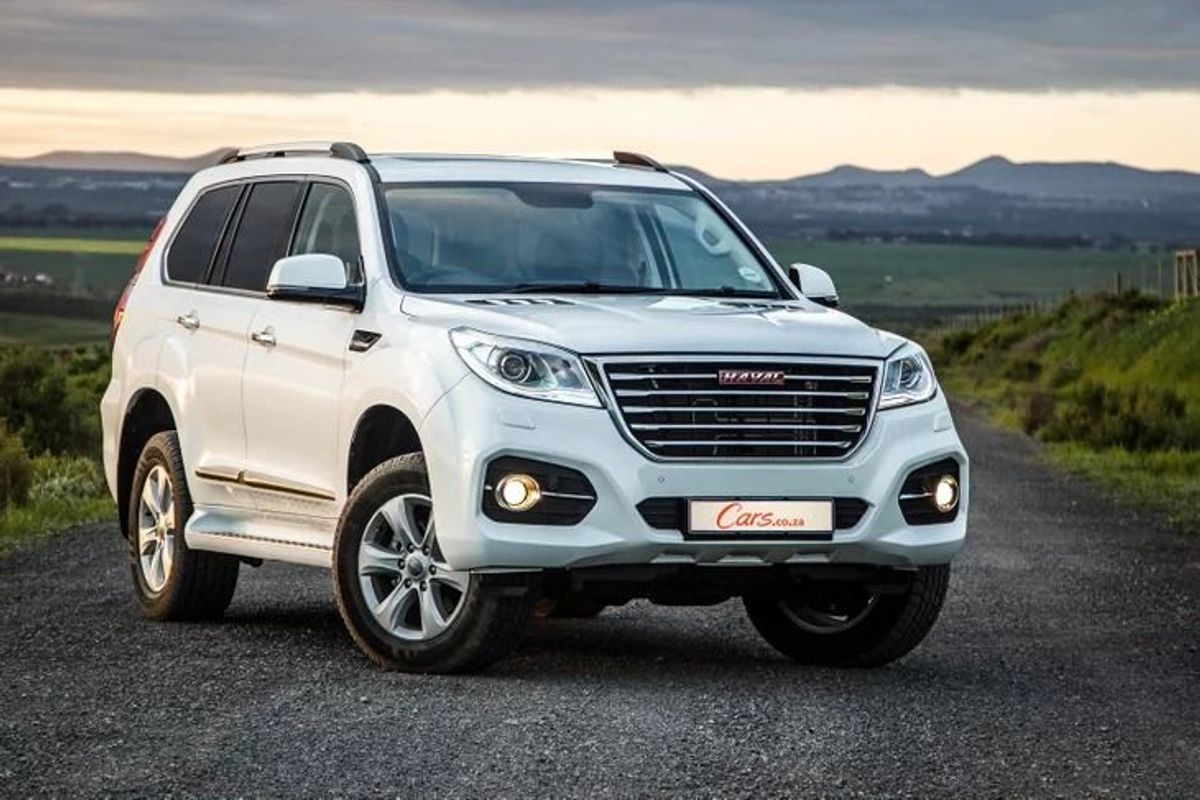
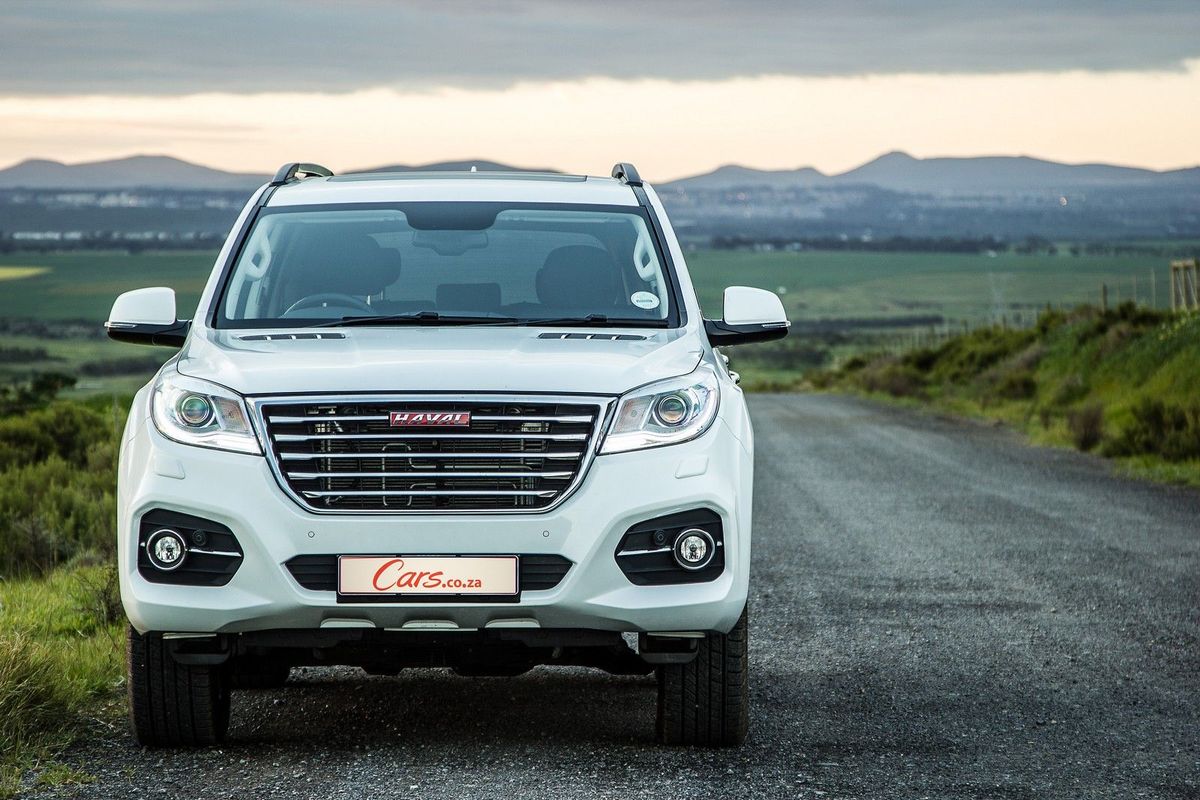
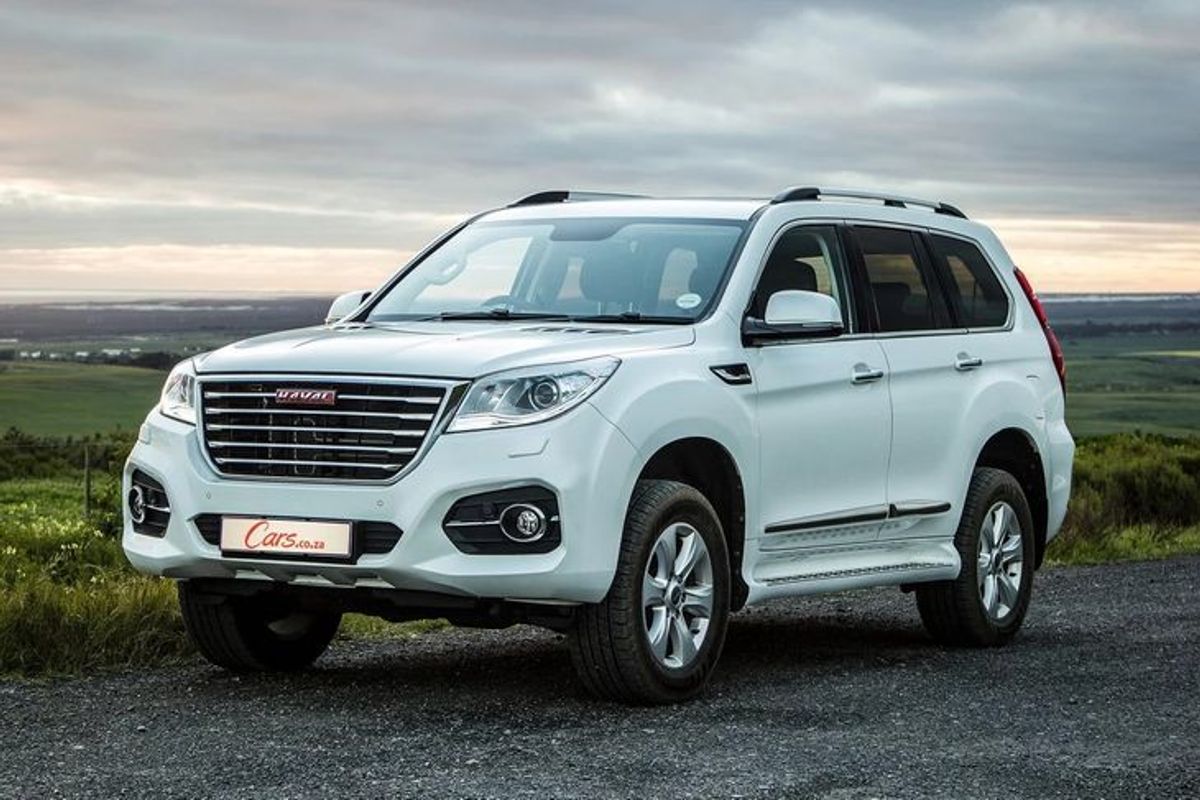
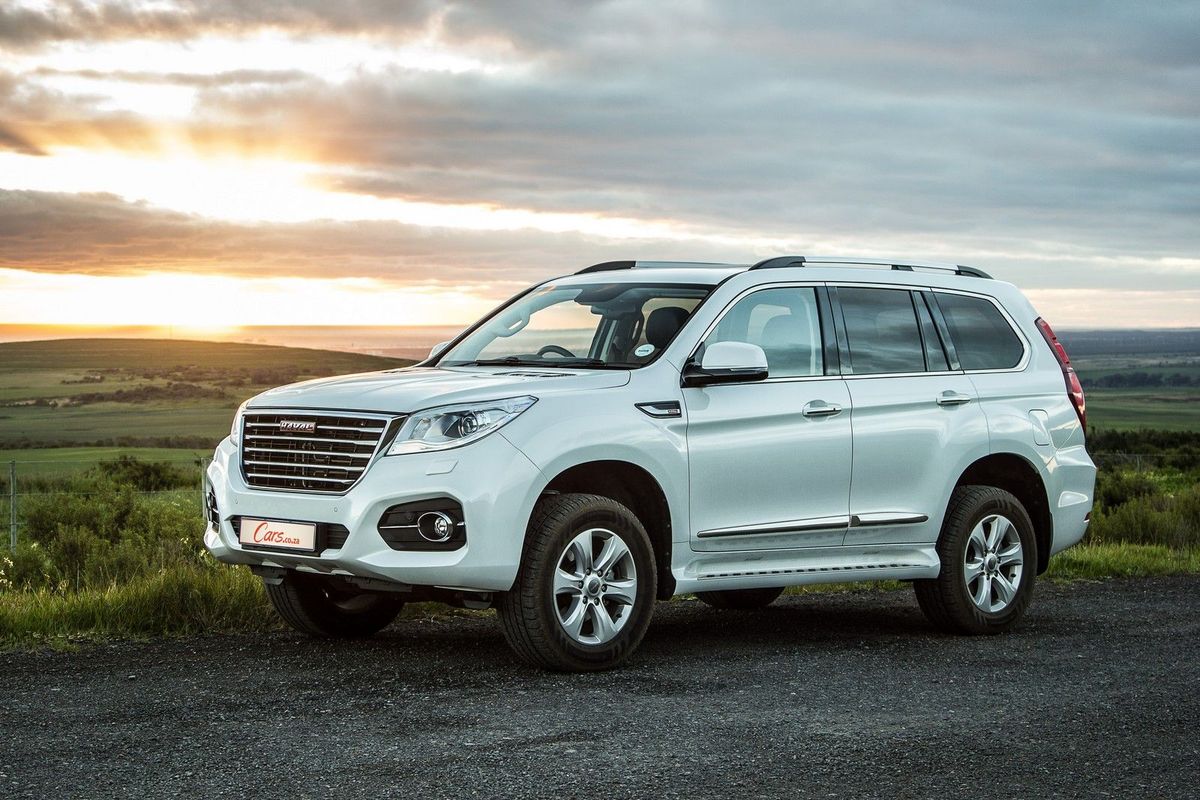
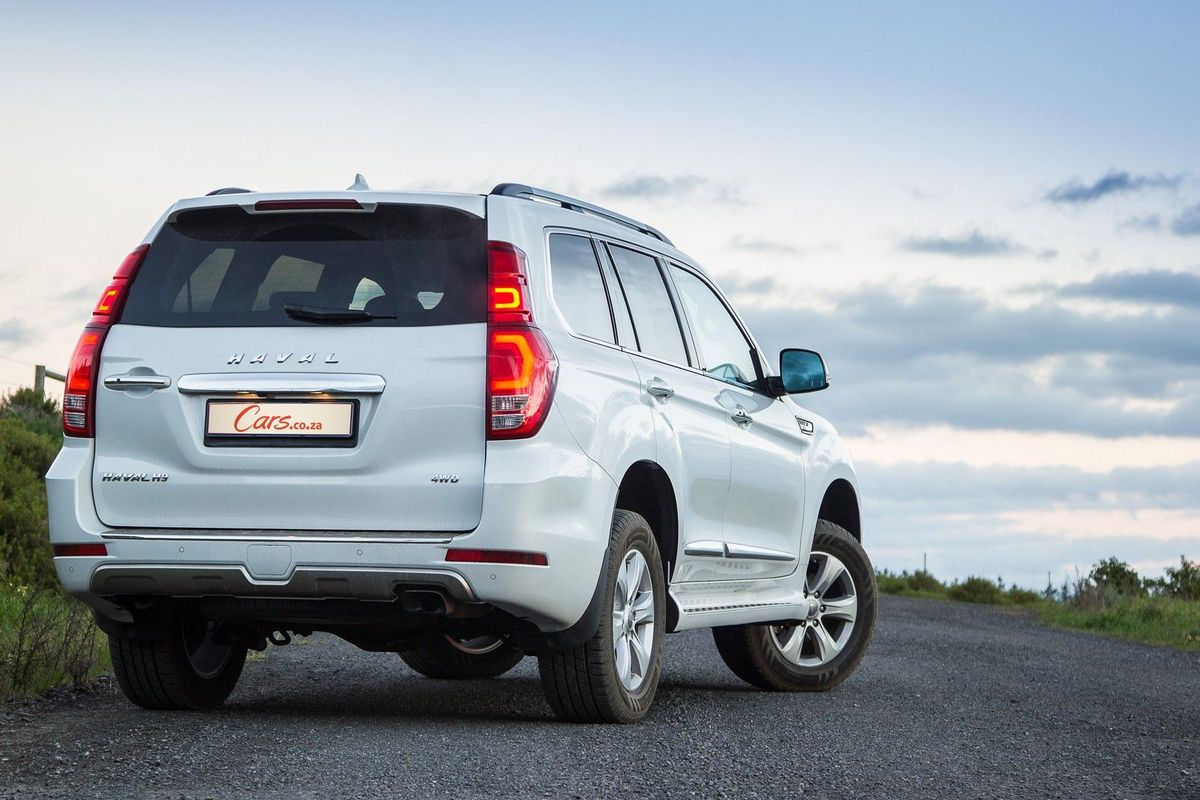
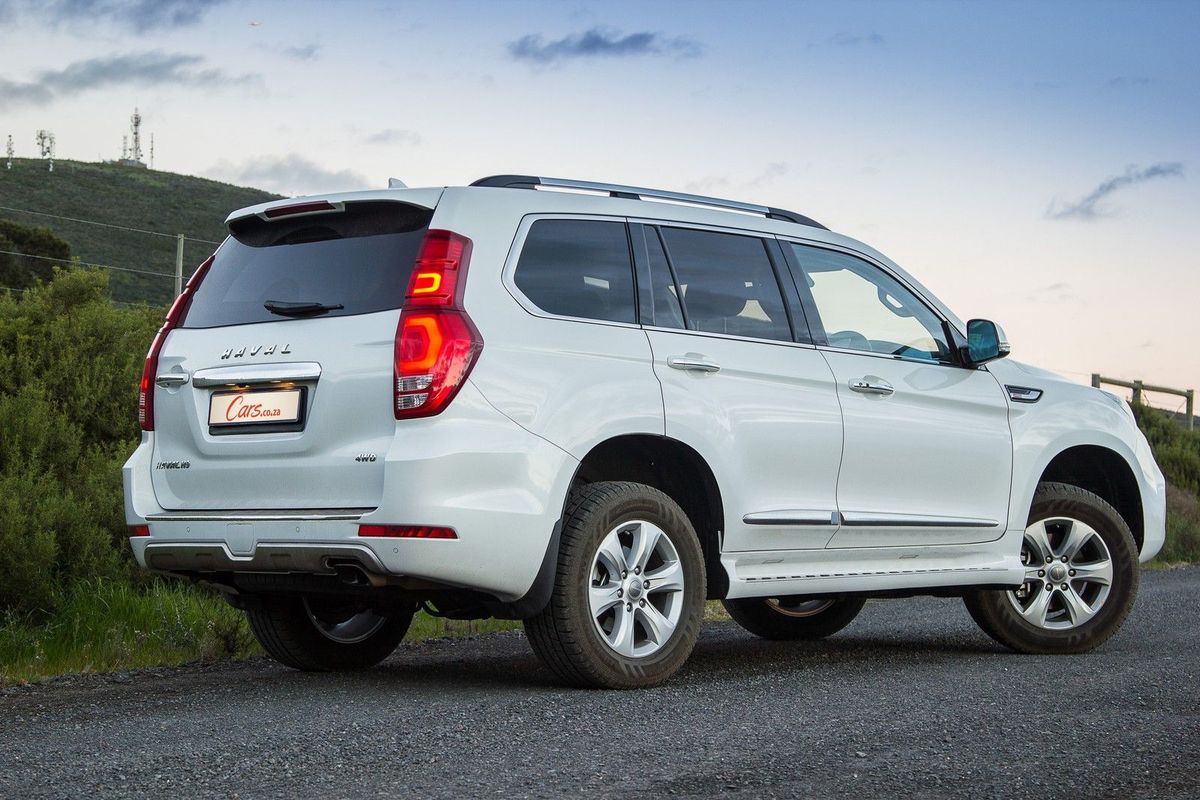
Haval has a new flagship model in South Africa and it comes to market at a competitive price, certainly for a lavishly-appointed 7-seater Adventure SUV… However, will the lack of a turbodiesel engine option and Haval's newness in this utterly Toyota Fortuner-dominated segment hamper the H9's chances of success? We tested the solitary 2.0T 4WD Luxury derivative to find out.
We like: Spaciousness, 7-seat practicality, refined drivetrain, impressive off-road ability, good spec
We don't like: No diesel engine in the range, basic infotainment system
Some Haval dealers regularly offer specials: Have look here.
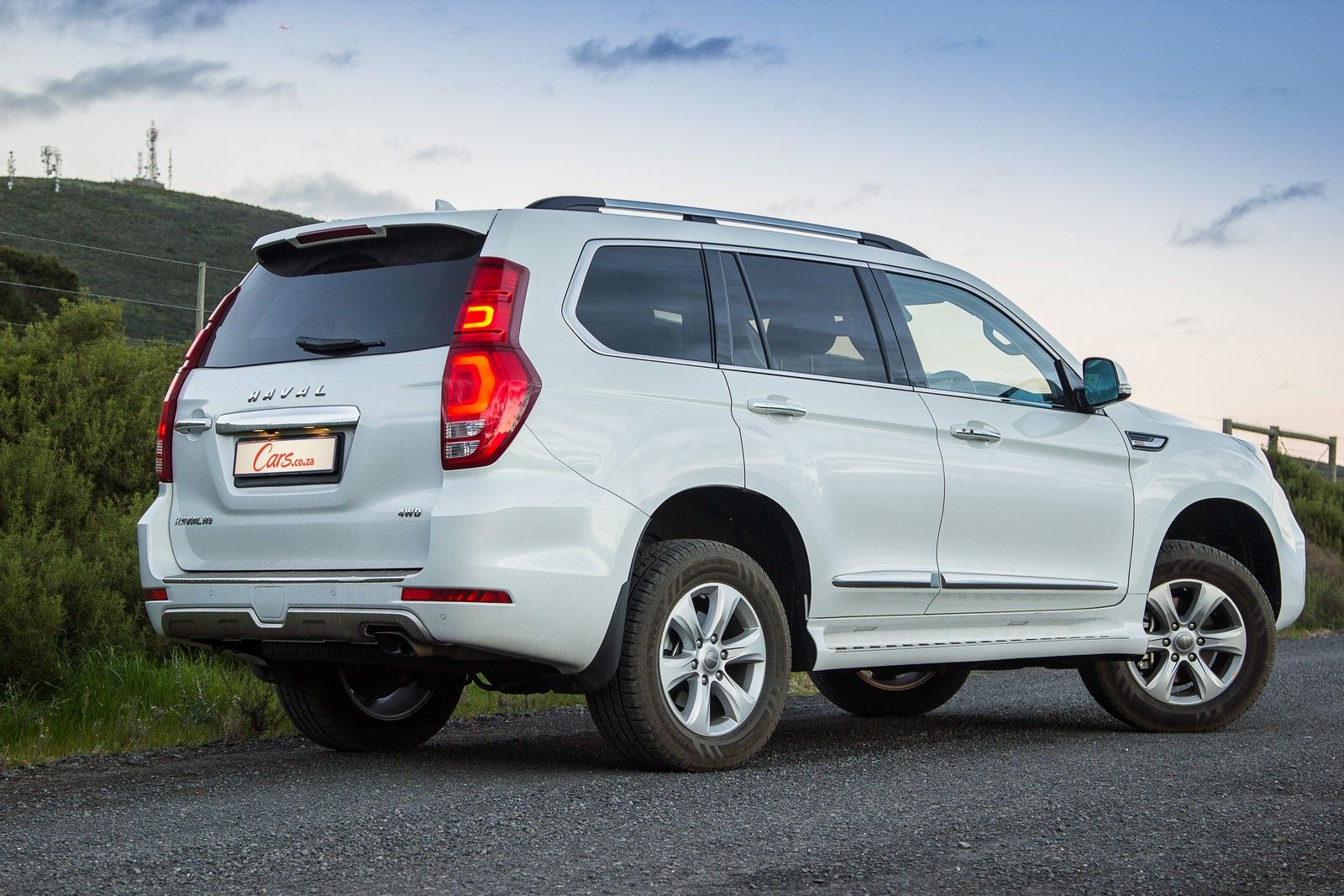
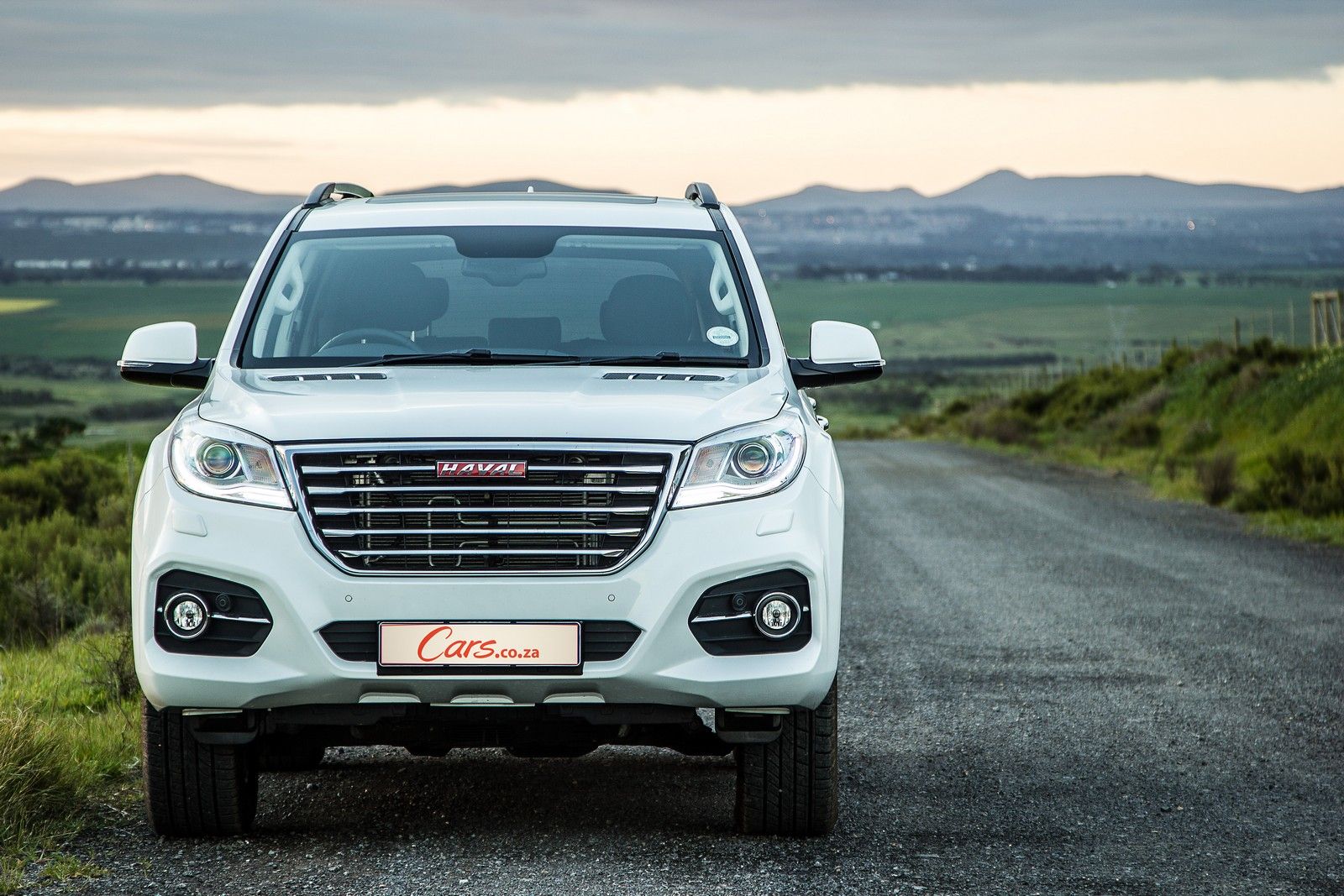
The H9 is the biggest model offered in South Africa by Chinese brand Haval.
Where does it fit in?
China's biggest SUV brand, Haval, hopes to replicate the tremendous sales success it's achieved in its domestic market here in South Africa. And, early signs have been more than promising – the H2 compact family car and H6/H6C family car have sold briskly in Mzansi. Recently, the range was expanded to include a flagship 7-seater model. The Haval H9 sits atop the Chinese brand's hierarchy and is intended to be a rival to the popular Toyota Fortuner, at least in terms of price, while incorporating convenience and luxury features as seen in the much more expensive Toyota Prado. It's not an easy task, but Haval reckons it has a few tricks up its sleeve with the H9.
Brand cachet is a powerful asset to have and while many will continue to belittle or dismiss products produced by Chinese automotive brands, Haval (in particular) has improved its models faster than many naysayers would have expected. With several designers and engineers (recruited from established automotive brands) now among its ranks, Haval has the capacity to produce vehicles that can justifiably vie for class honours. For example, the H9 was a semi-finalist for the Adventure SUV category of the 2018/19 #CarsAwards and its H2 compact family car sibling achieved a similar feat in the 2017/18 iteration of our awards programme. By combining massive R&D budgets with global expertise, Haval has swiftly incubated numerous advanced products, some of which will be coming to South Africa in the next few years.
What's good about it?
Practicality
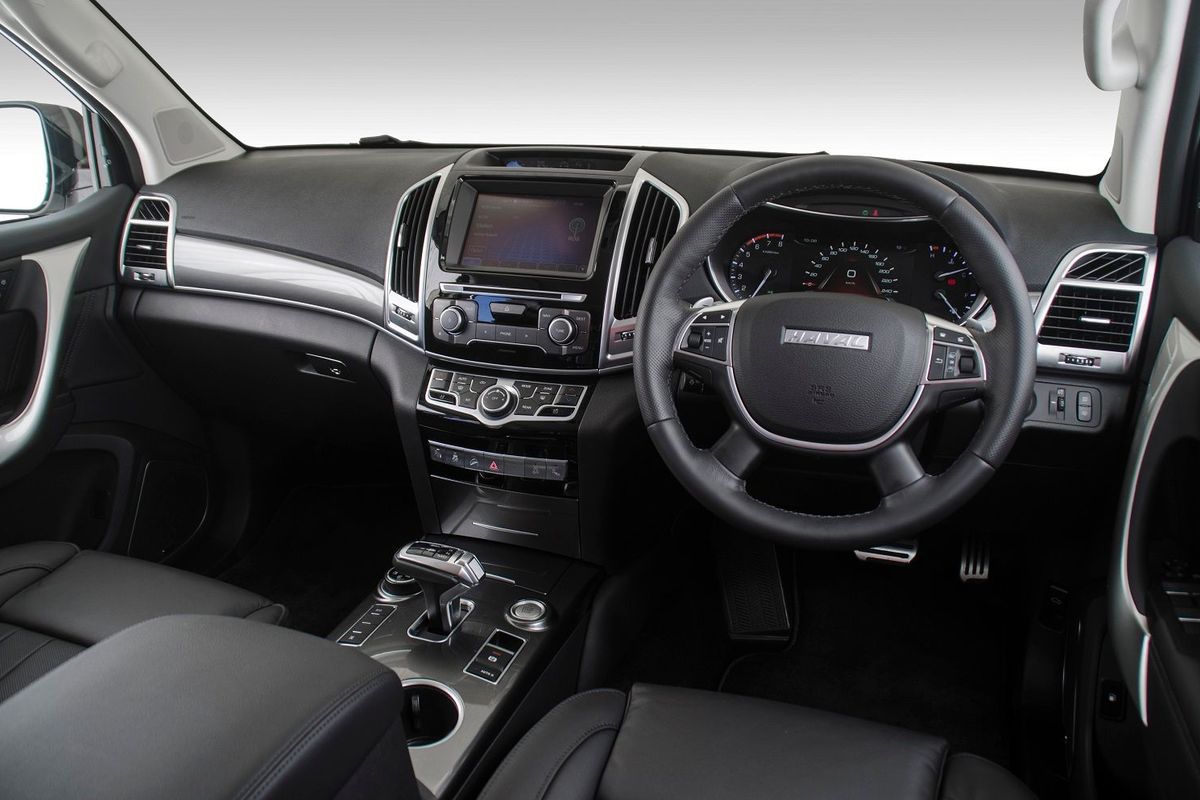
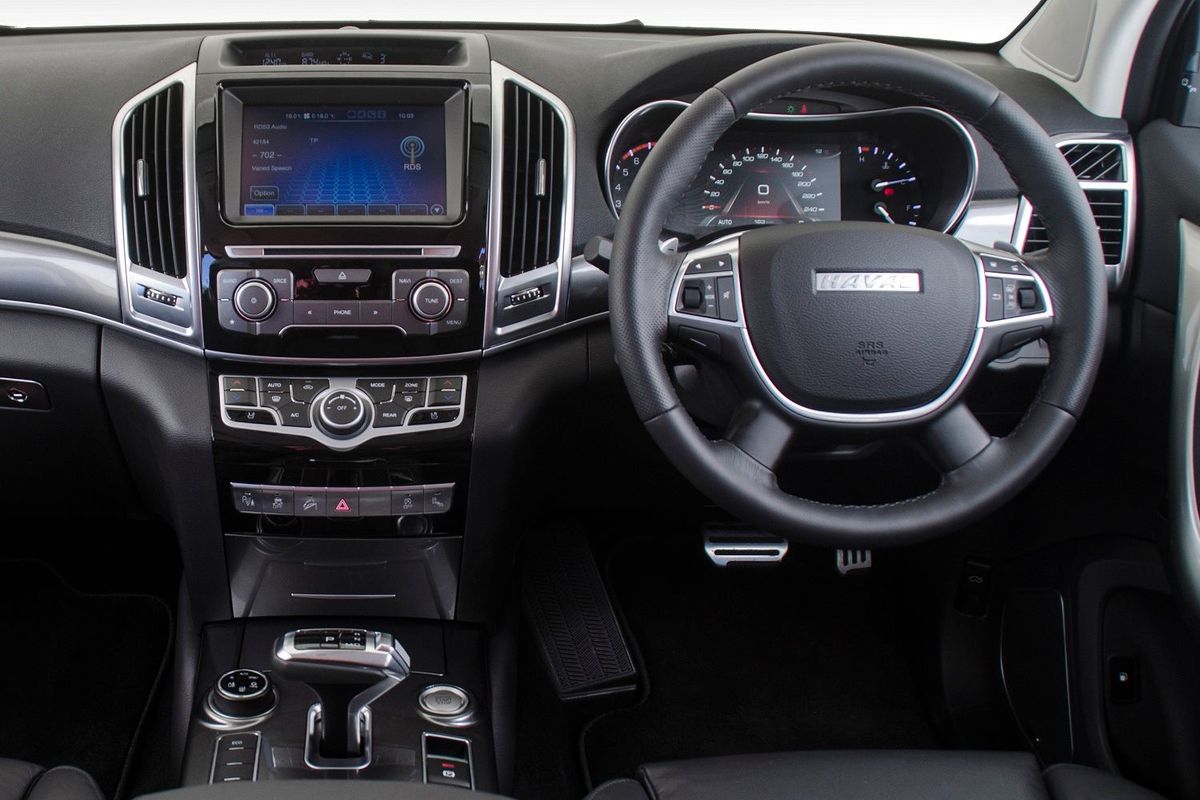
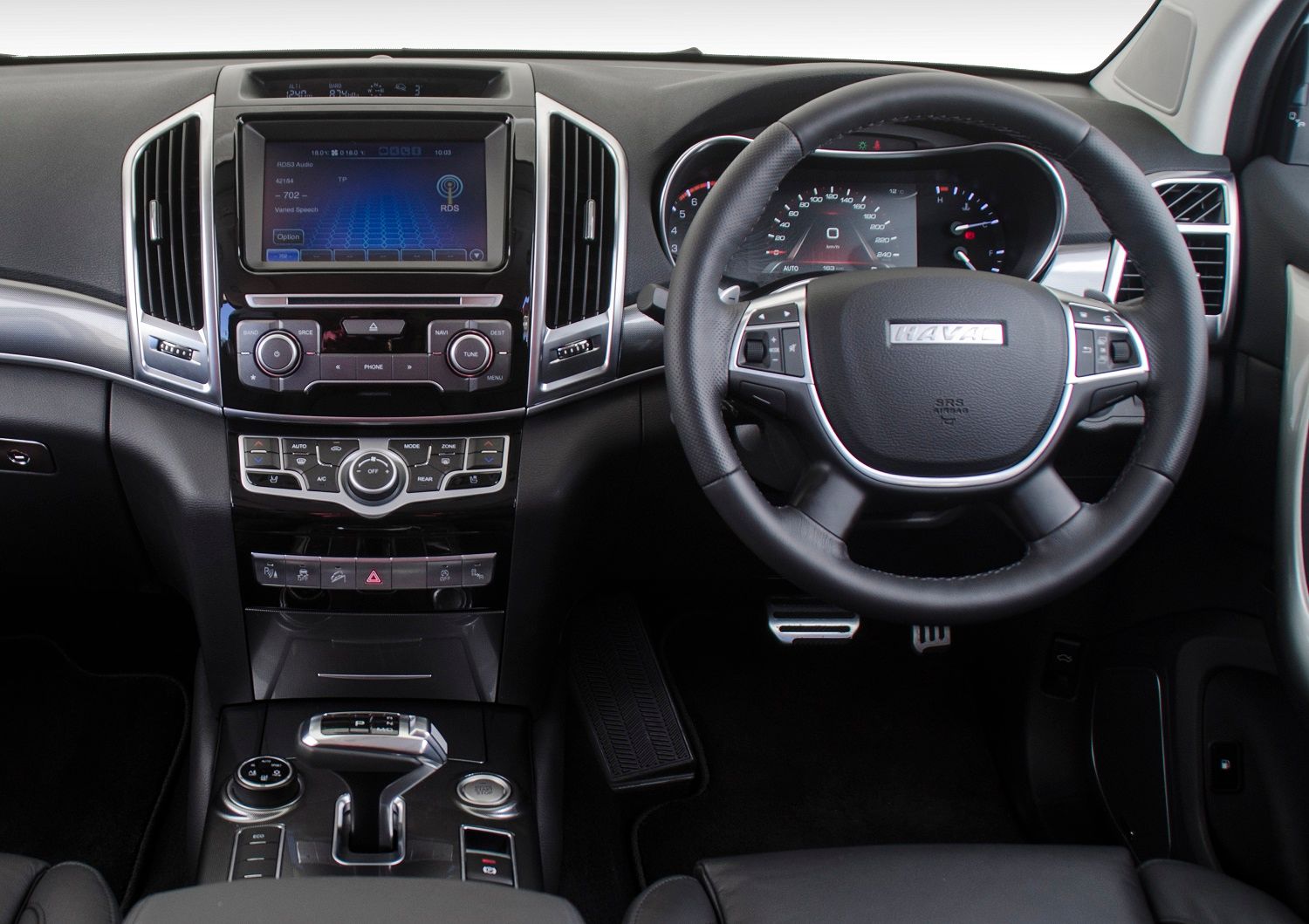
The Haval H9's cabin feels solid and well assembled, with lots of European- and American SUV design inspirations.
Most Adventure SUVs have 7-seater configurations, but the H9 falls into an elite category: its rearmost seats, when electrically(!) deployed, are suitable for adults (we've evaluated several 7-seaters, only to find their 3rd rows are usually suitable for small children only). The secret to the Haval's carrying capacity is its physical dimensions. It's simply humungous! At almost 5 metres long, almost 2 metres wide and with a height of 1.9 metres, the 2.0T 4WD Luxury is one of the biggest vehicles in its class.
Granted, with all 3 rows of seats in use, the luggage capacity is nominal, but with the rearmost row of seats folded down, which was our preferred setup during the test period, you have access to 747 litres of load space. What's more, if you fold the 2nd and 3d rows down, you gain a massive area to accommodate large and/or bulky items. There's a clear focus on passenger comfort too, as passengers in the 2nd row get their own climate control panel, USB charging ports and the bench slides on rails, to tailor how much legroom is available. Also of interest is the front passenger seat's adjustment buttons, which are located on the right side of the seatback. Larger Chinese models typically prioritise rear passenger comfort, so if an aft occupant wants more space, they can move the seat in front of them to free up extra legroom.
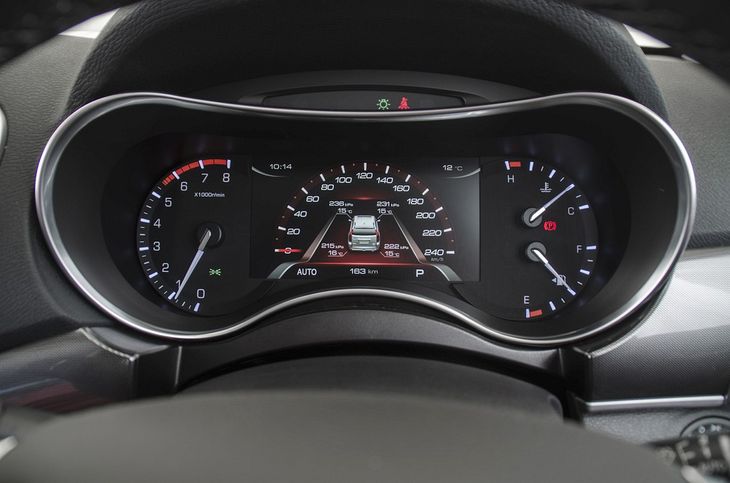
The half-digital, half-analogue instrument cluster is clear and crisp. The vehicle also features tyre-pressure sensors for peace of mind.
Strong off-road ability
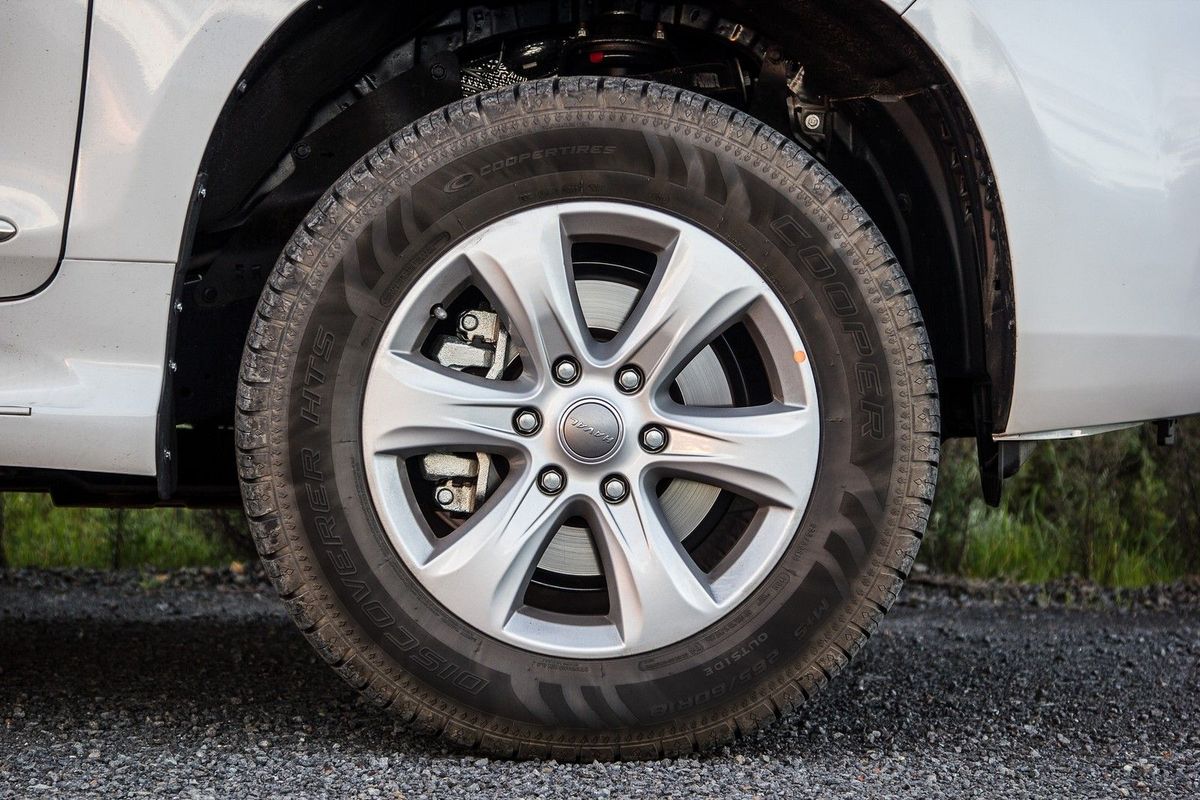
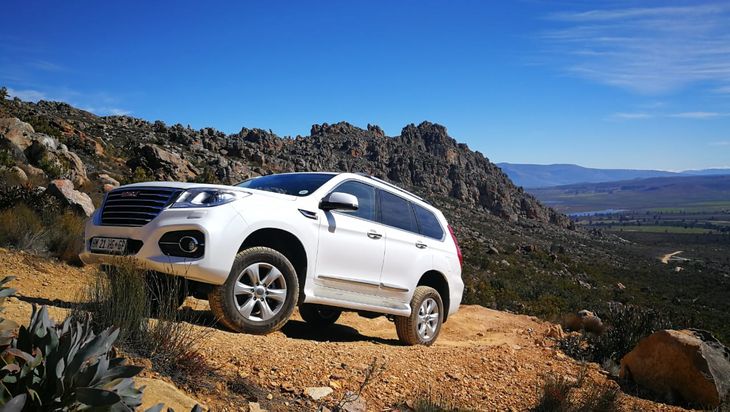
Thanks to the fitment of an Eaton locking rear differential and a Borg Warner low-range transfer case, the Haval H9 2.0T 4WD Luxury is as competent off-road as it looks. Ground clearance is rated at 206 mm, with a generous approach angle of 28 degrees, plus it's an accomplished water crosser (with a wading depth of 700 mm).
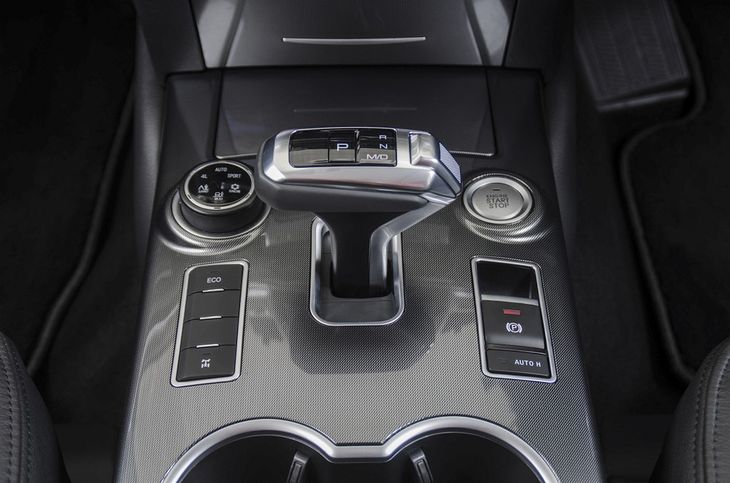
Furthermore, the H9 features a number of off-road modes that can be activated using a rotary selector on the Haval's centre console. There are the obvious ones, like Snow and Mud, but we chose to leave it mostly in Auto, and let the car's ECU control the traction settings and power split between axles. When the going gets really tough, there's low-range and selectable hill-descent control too. We drove this H9 unit on a tricky off-road course, where it impressed us with its fuss-free capabilities.
The Haval H9 climbing a challenging uphill on a 4×4 test track. Thanks to its offroad tech, it effortlessly climbs up tricky terrain.
Engine refinement
The H9's 2.0-litre turbocharged 4-cylinder petrol engine, which produces peak outputs of 180 kW and 350 Nm, is mated with a German-sourced ZF 8-speed automatic transmission. Petrol powerplants are now quite rare in the Adventure SUV market (the 2.7-litre and 4.0-litre V6 Toyota Fortuners come to mind, but not much else), but the Haval's 2.0-litre motor is willing and fairly responsive. Although there is a bit of hesitation from a standstill, the transmission does a sterling job of changing gears smoothly and making the best of the available torque. There's decent mid-range shove too, even when the Haval's fully loaded with passengers. The engine only sounds strained and harsh when pushed to its redline. And, as far as noise, vibration and harshness suppression is concerned, the H9's on-road refinement is generally good.
The 8-speed gear selector feels nicely finished. Note the rotary offroad mode controller, as well as push-button start
In terms of performance, Haval claims a sprint time of 10 seconds from 0 to 100 kph. A minor criticism of this powertrain is that when fully loaded, we anticipate the turbopetrol will have to work hard, resulting in quite a high fuel consumption. Visits to the petrol station won't be that frequent, however, as the tank capacity is 80 litres.
Ride quality
Unlike most of its bakkie-based rivals, the H9 has a multi-link rear suspension, which is said to improve ride comfort (especially for rearmost passengers) by offering better absorption of road imperfections. The downside of this is that there may not be enough articulation available when the going gets really tough, but given our off-road experience with the vehicle, we think it's adequate. The Haval is a superb cruiser; it effortlessly covers long distances with its occupants ensconced in comfort.
Because the 2.0T 4WD Luxury's suspension is (best described as) pillowy, it dulls the sensation of being connected to the road surface; when at the 'wheel of the H9, it feels like you're floating along with the minimum of driving effort. Similarly, the steering feels quite vague and indirect, but then we expect it of a vehicle of this nature…
The Haval H9 on a gravel road. Few cars are this spacious and comfortable, not to mention capable, at this price point.
Where does it fall short?
Basic infotainment system
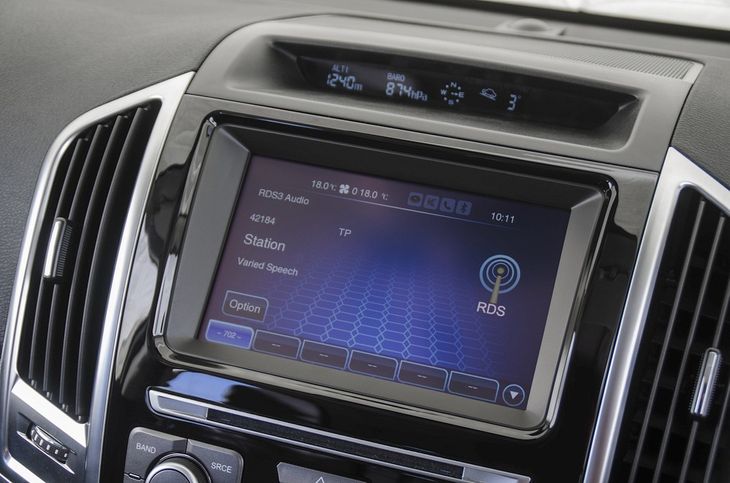
The 2.0T 4WD Luxury derivative comes equipped with an 8-inch LCD touchscreen, which includes a navigation function, in combination with an Infinity high-end sound system. However, the screen's quality isn't the sharpest, there's no Apply CarPlay/Android Auto functionality and the menu layout can be a little counter-intuitive to use.
The touchscreen system is functional, but we feel that in a vehicle costing over R500k, it could be nicer. Note the 4×4-related info screen displaying altitude, barometer, compass and angle of ascent.
Lack of a diesel engine
While we don't have major gripes with the 2.0-litre 4-cylinder turbopetrol motor, the lack of a turbodiesel to choose from is a drawback. When you consider that the ranges of the Haval H9's rivals (such as the Fortuner, Ford Everest, Mitsubishi Pajero Sport and Isuzu MU-X), comprise mostly of diesel engines, offering a petrol-only model seems unwise, given buyers' established appetites in this segment. Turbodiesel motors tend to be more frugal and offer a bit more torque than their petrol counterparts and the torque band starts slightly lower, making performance more accessible. The extra grunt is especially important to those who like to tow trailers.
Haval H9 price in South Africa
The H9 2.0T 4WD Luxury retails for R599 900, which includes a 5-year/100 000 km warranty, a 5-year/60 000 km service plan and 5-year/unlimited km roadside assistance.
Verdict
Impressively spacious, superbly practical, well-made and lavishly equipped (the front seats are ventilated and include a massage function; the driver’s seat is 8-way electrically adjustable with extra lumbar support and memory function; there's LED mood lighting, blind spot detection, plus cross-traffic alert and lane-change alert functions… the list goes on and on), the H9 2.0T 4WD Luxury is a tremendous value proposition… given its asking price of R599 900.
It doesn't quite score perfect marks. The lack of a diesel motor is regrettable and the basic infotainment system doesn't feel appropriately smart for a vehicle with clear premium SUV ambitions. The good news, however, is that both of these gripes can be easily fixed in the next iteration of H9, or sooner. There's plenty that the H9 does right. The cabin space/practicality is up with the best, the powertrain is smooth and refined and the specification generous. The cabin is neatly finished and well thought out, and the materials used are of good quality. It's also capable, should you wish to tackle a 4×4 trail.
Up to now, we've had reservations about Haval's after-sales support infrastructure, but you'd be pleased to read that the brand is growing its dealership footprint and the warranty is decent, which adds some peace of mind. We've learnt that with Haval, issues are generally quickly addressed and the firm's ability to rapidly raise its game should raise a few alarm bells in the offices of more established brands. Whether buyers are quite ready to "take the plunge" with a R600k vehicle we can't say, but those who do opt for an H9 over its deeply entrenched rivals, won't be disappointed. Given its value-for-money proposition, more than a few will find homes in South Africa.
Alternatives (click on the car names for detailed spec info)
Toyota Fortuner: The effervescent Fortuner continues to be a massive sales success thanks to all-round capability, refinement and superb after-sales support. It's available with a host of petrol and diesel engines, but it's perhaps not such a "large family car bargain" as it once was.
Toyota Land Cruiser 200: It offers similar space and features to the H9, but costs substantially more. If only there was a vehicle between the top-spec Fortuner and top-spec Land Cruiser… oh wait, the Haval H9's gone for that gap…
Ford Everest: A product in the same vein as the Fortuner. It offers a more sensible folding seat option than its Japanese rival and there is a cracking array of diesel engines to choose from. Its spacious enough, with a recently improved user experience of its onboard systems.
The Conquest & Our Love Affair with Toyota Hatchbacks
Back in the Eighties, Toyota knocked it out of the park with the original Conquest, but somewhere down the line, the Japanese brand's hatchback strategy became muddled. Aaron Borrill retraces the Conquest's lineage and sees hope on the horizon…
Back in the early Eighties, the Volkswagen Golf dominated the hatchback segment in South Africa. It had no real competition and consumers naturally bought into the Volkswagen’s "People’s Car" image – a symbol that has become synonymous with refinement and value for money. It wasn’t long before Toyota SA saw a gap in the market and launched the Conquest. Known globally as the Toyota Corolla hatchback, Toyota SA rebadged it here to separate it from the Corolla sedan and market it to a different demographic altogether.
It went head-to-head with the Golf, where it claimed a significant share of the market before a host of continuity errors in terms of model naming strategies and lack of bona fide performance offerings dulled its popularity within the compact car market. Toyota recently launched its latest hatchback, which sports the fabled Corolla moniker. With rumours of a performance version, with dynamism and refinement to match, could we see a resurgence in a model that has fallen by the wayside?
Conquest
The Toyota Conquest was the one that started it all for Toyota – particularly here in South Africa, where it eschewed the Corolla moniker to differentiate itself from its sedan sibling. It was an instant hit with consumers combining the stately appearance of the Corolla sedan with the practicality and youthful aesthetics of a hatchback.
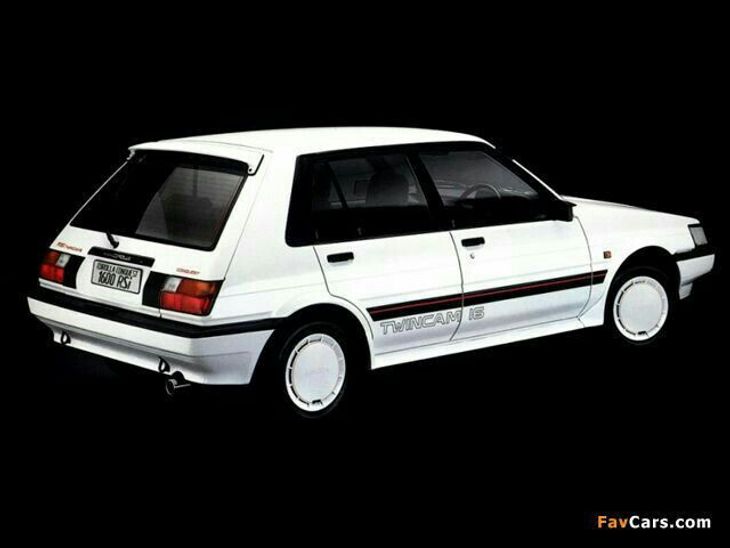
It provided a much-needed and worthy alternative to the Volkswagen Golf II, which was dominating the local sales charts at the time. Who can forget the 1st-generation Conquest – its chilled bonnet and angular facade bestowed it with a veritable wedge-look (also known as the "wet look" in enthusiast circles). The model duly captured the imagination of many consumers and the Conquest RSi (1986-1988), powered by a vocal, free-revving 1.6-litre 4A-GE engine and emblazoned with "Twin Cam 16" lettering, became legendary by virtue of its successes in production-car (Group N) racing and local and national rally championships.
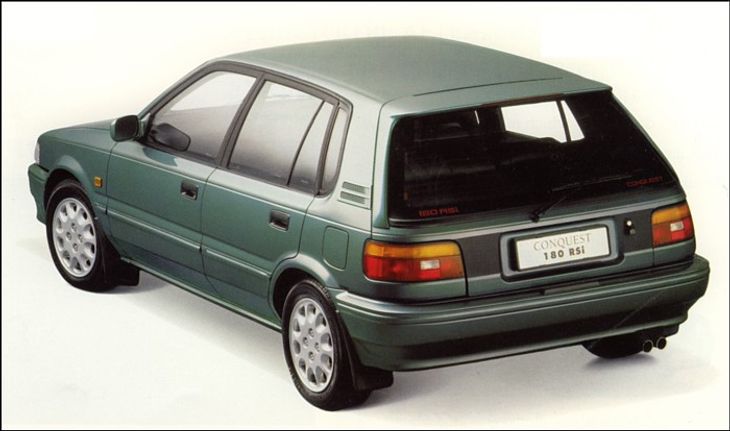
The following generation of Conquest (often referred to as the bubble shape) was released in 1989, replete with more mature, rounder aesthetics and improved aerodynamics. It underwent a mid-life facelift in 1993, which saw the Toyota wordmark grille logo replaced by the brand’s current identity. There were a string of model variants available ranging from a carb-fed 1.3-litre and semi-warm 1.6-litre and 1.8-litre versions to the red-hot 96 kW 1.6-litre Conquest RSi.
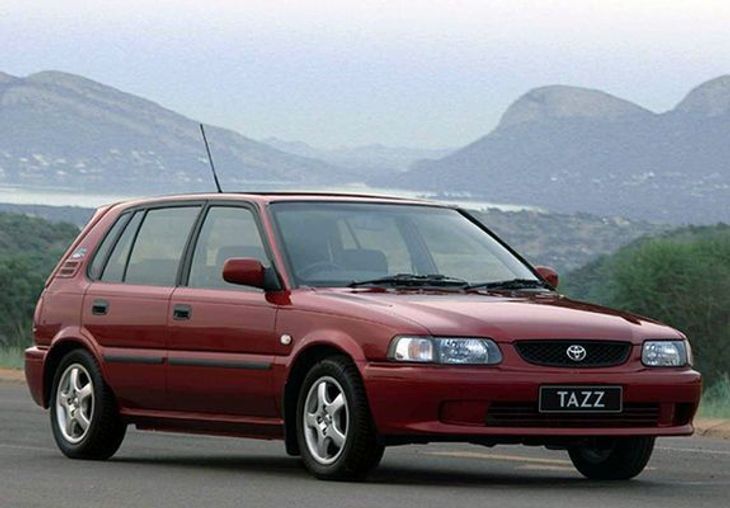
In 1996, Toyota SA mothballed the Conquest nameplate and re-launched its compact hatchback as the Toyota Tazz – a strategy which targeted the segment ruled by the then (Golf 1-based) Volkswagen CitiGolf. The "refreshed" model got new head- and tail-lamps, as well as a new front bumper, while under the skin it remained much the same as its predecessor. A couple of tweaks to the interior – namely new seat upholstery and the addition of a chrome Toyota badge on the steering wheel kept things somewhat modern. Naturally, it continued to sell impressively well with a line-up of derivatives comprising a 1.3 (130) and 1.6 litre (160) and Carri panel van. Of all the versions, it was the 130 that sold in huge numbers featuring the same 55 kW 2E 1.3-litre that did duty in the previous generation Corolla and Conquest.
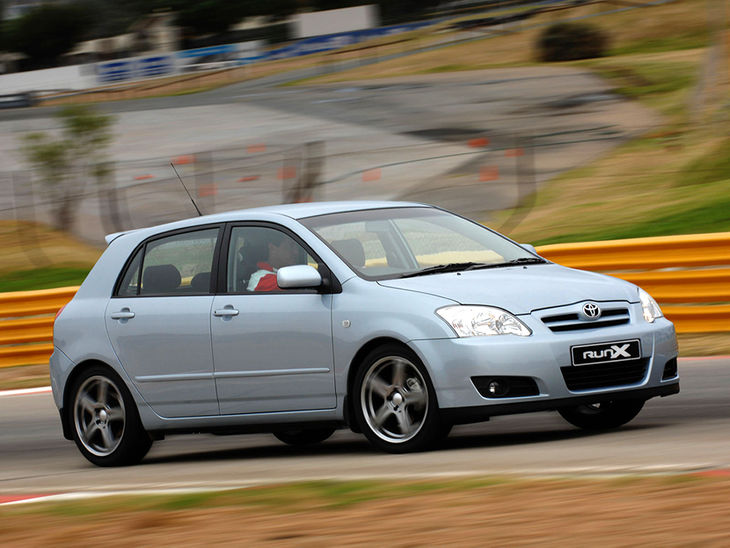
Those who wanted a little more zip opted for the 160 with its 4A-FE 16-valve engine. With safety becoming a large concern of many drivers and families the Tazz was eventually culled from the line-up in 2006. It was time for the RunX – the most highly anticipated Toyota hatchbacks (to hit South African soil in decades) to shine.
For Toyota, the RunX represented a bold step forward in terms of overall refinement, aesthetics safety and driving dynamics for its compact hatchback offering. Despite being a self-standing range, the RunX shared several design cues, most notably its powertrain and platform with the 9th-generation Corolla. The cabin was "textbook Corolla", save for sprinkles of silver trim on the dash and fascia and a short-throw 6-speed gearbox.
Six derivatives were available, but it was the RSi that got enthusiasts excited; a performance model was sorely lacking from Toyota’s portfolio at the time. Built exclusively for the SA market, it featured a naturally-aspirated 1.8-litre (2ZZ-GE) mill with variable valve timing. It produced 141 kW (7 800 rpm) and 180 Nm, which endowed it with enough poke to break the 0-100 kph barrier in just over 8 seconds (which compared quite favourably those of the 2.0-litre turbocharged Golf 5 GTI).
The RunX RSi, unfortunately, was bereft of traction control, which made hard acceleration from a standstill a tricky exercise – those that mastered it, however, claim to have scalped some impressive hot hatch machinery that Ford, Volkswagen and Audi produced at the time. A sportier, more exclusive TRD version was released in 2007 to keep local interest from waning. Limited to just 210 units the TRD model differentiated itself from the regular RSi by way of TRD components – 17-inch wheels, a collection of TRD badges, sportier suspension and a strut brace completed the package.
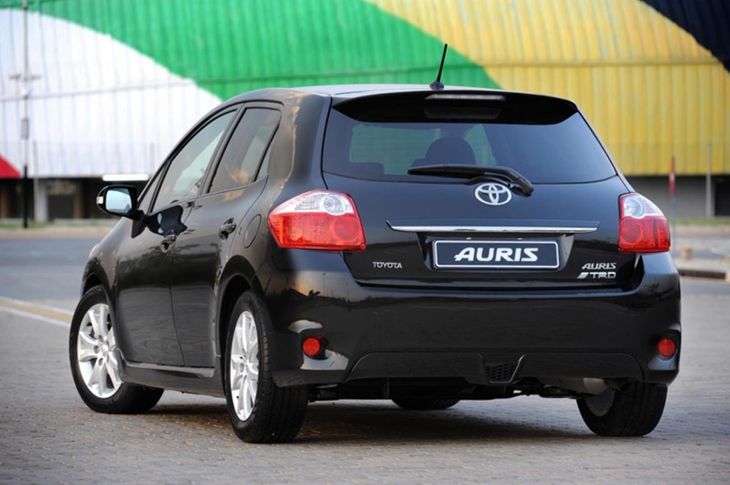
Another year, another Toyota hatchback – and another new name. The Auris replaced the fondly-remembered RunX in 2007 as the chosen combatant for the Volkswagen Golf, but would South Africa’s droves of Toyota faithful buy into the marque’s newly launched C-segment contender? And, what about that name? It was badged as the Corolla hatchback in certain markets and even called the Corolla Conquest in Australia. But, hey, let's move on… Its styling palette represented a departure from Toyota's cookie-cutter design; a combination of Eurocentric packaging helped differentiate it from its rivals, but at the same time, the Auris had a somewhat sterile, anonymous character. Despite a wide range of engines available – which included a hybrid – there was nothing very memorable about this model.
A 123 kW 1.6-litre supercharged Auris TRD was eventually introduced to add a little excitement, but it was no RSi. It was only when the next generation Auris was launched in 2013 that Toyota seemed to have a genuine C-segment hatchback contender again. Designed under the watchful eye of Akio Toyoda, the newcomer's angular, more purposeful styling gave it more street cred, lured new buyers to the marque and helped Toyota claw back vital market share in the segment.
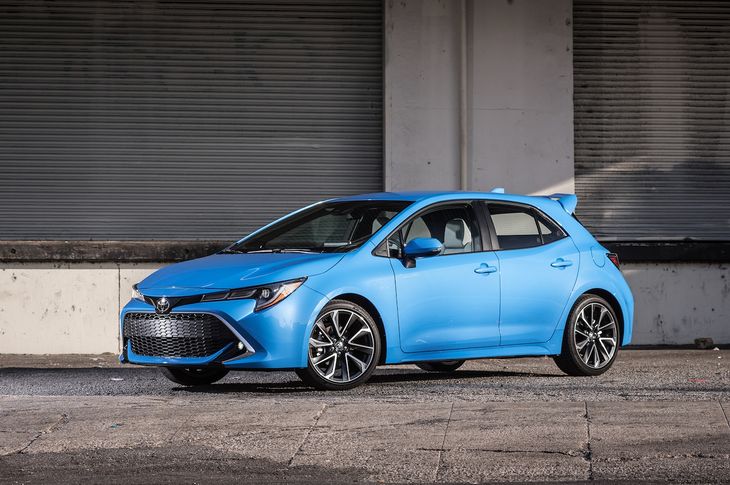
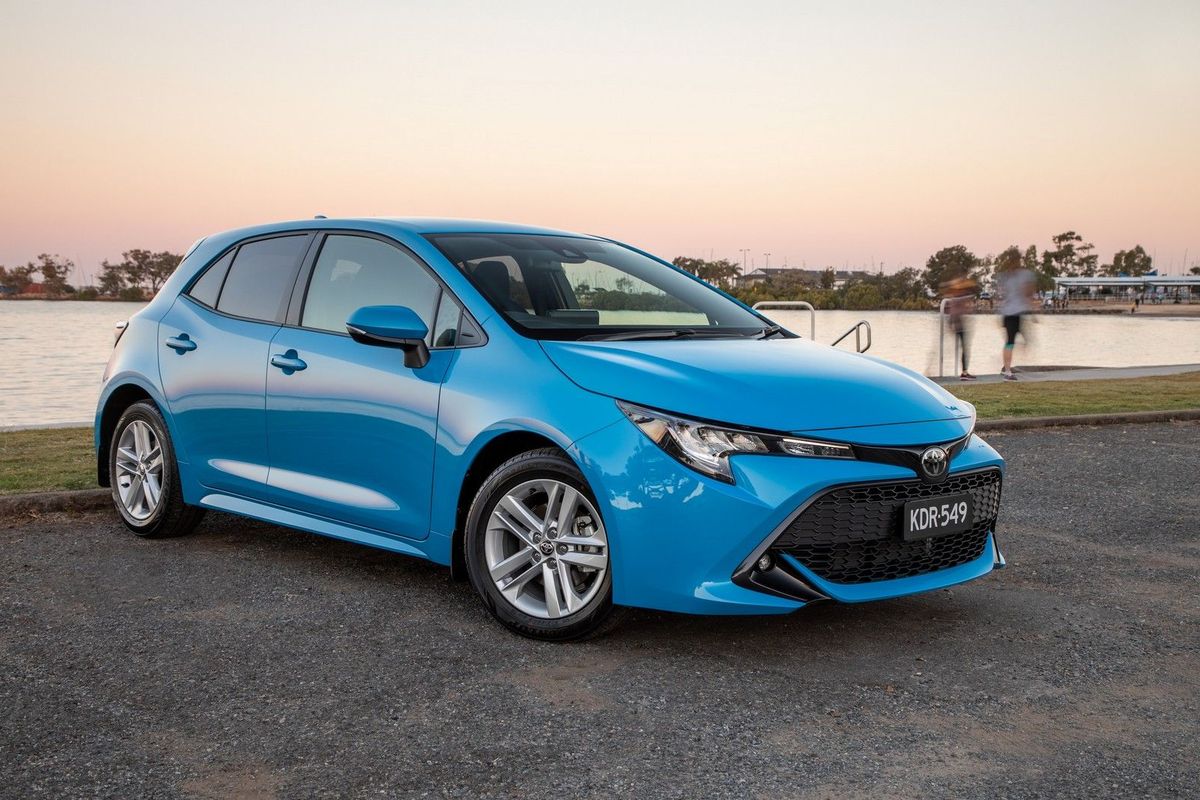
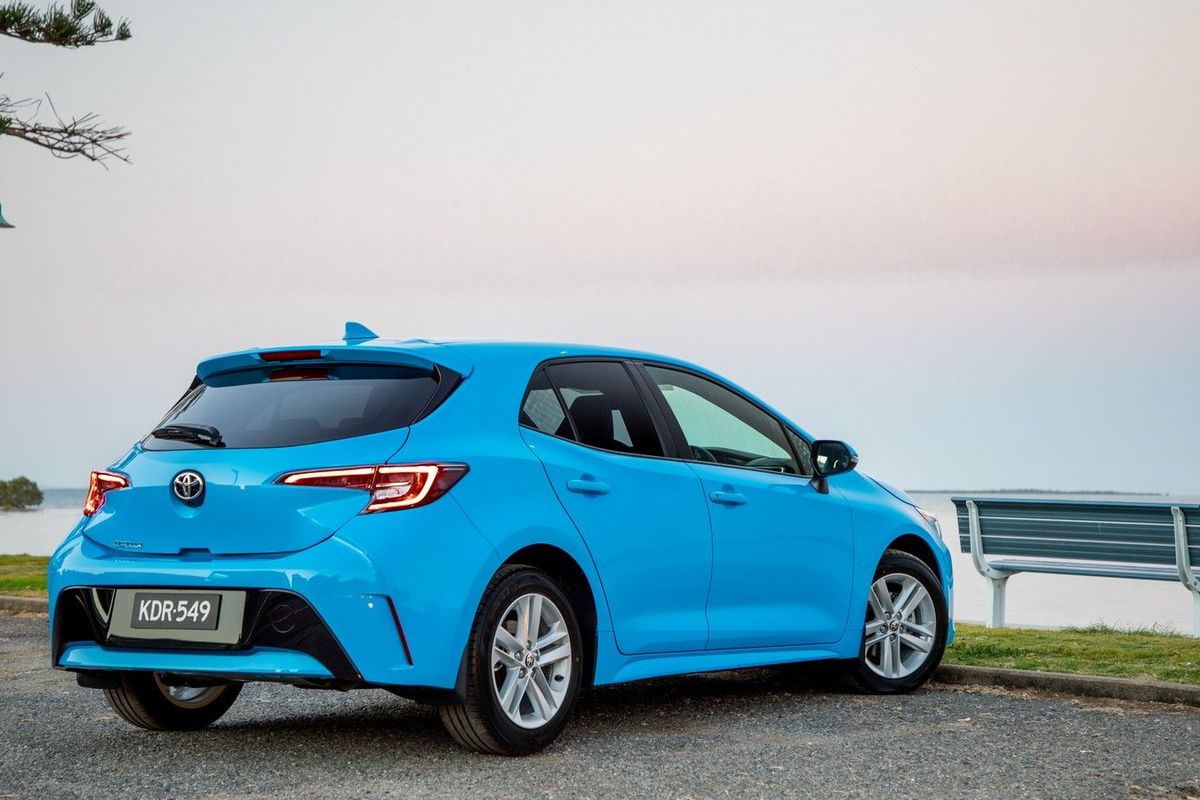
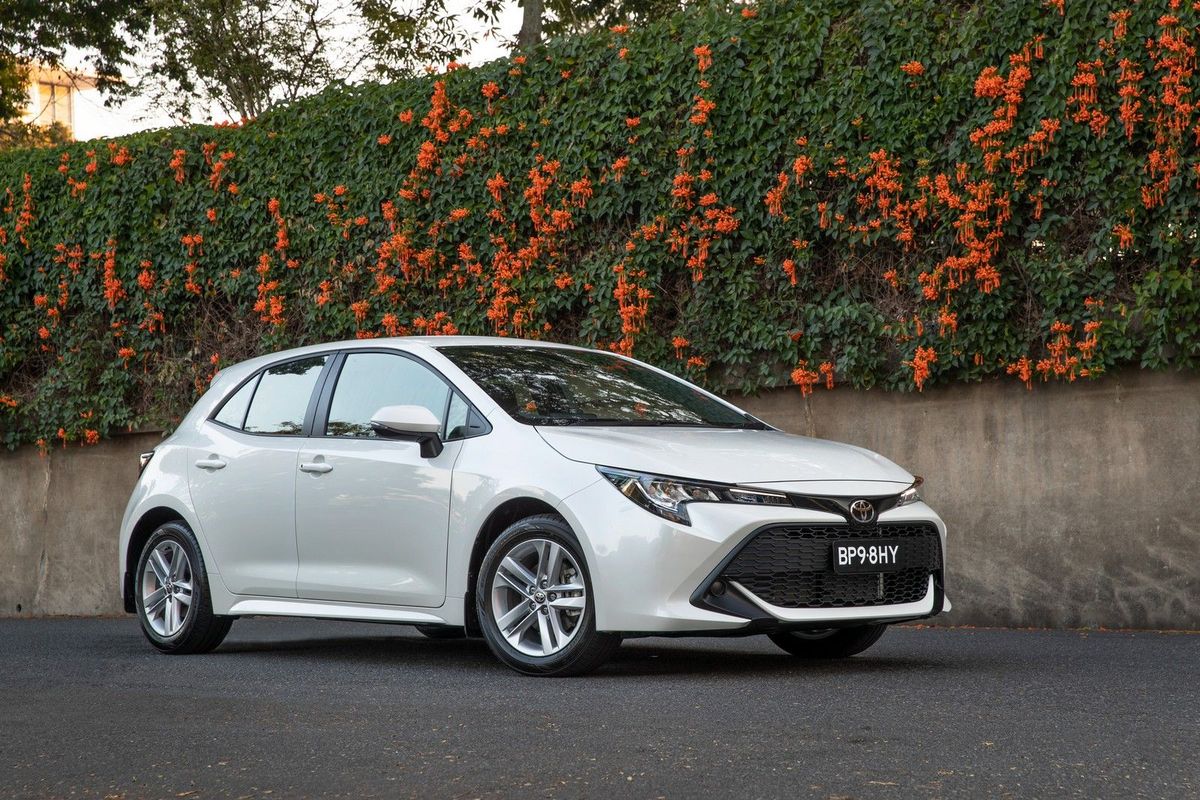
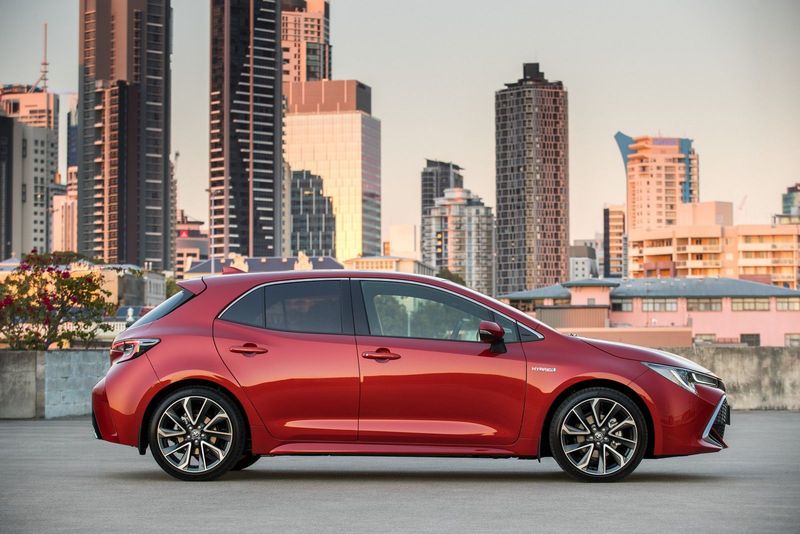
When images emerged of the all-new Corolla Hatchback, which was unveiled at the 2018 Geneva Show, fans anticipated the return of a provocative, truly desirable Toyota hatchback. First impressions reveal a completely different character to the sedan, which is a good thing. Sharp, expressive lines define its appearance, providing a far sportier and low-slung profile compared with long-time rivals, the VW Golf and Ford Focus. LED head- and tail-lamps complete the visuals and add a distinctly upmarket feel to the package. It utilises the firm’s new TNGA (Toyota New Global Architecture) platform, with a stiffer bodyshell and lower centre of gravity.
In terms of overall dimensions, the Corolla Hatchback is not only lower but longer and wider than its predecessor. That's all very impressive from a practicality point of view, but for the newcomer to gain an advantage over its rivals, it will have to take interior refinement to the next level, something we’ve already seen on the Corolla sedan. Its contemporary dashboard layout and cabin arrangement represent a new era for the brand – minimalist, upmarket and refined. In terms of engine layouts, expect a 1.2-litre turbocharged mill to kick off proceedings when it arrives in South Africa early next year, with a hybrid on the cards for a later introduction.
There’s no talk of a hot version just yet, but with a platform as well-balanced as the Corolla Hatchback's, there’s good reason to suspect a spicy performance offering is in the works, perhaps with a GRMN moniker. However, given that GTI derivatives make up the bulk of Golf's sales volumes in South Africa, it won't be too far of a reach to suggest the difference between a solid market take up and sales success of Toyota's new offering will lie in the expediency of a halo version's introduction.
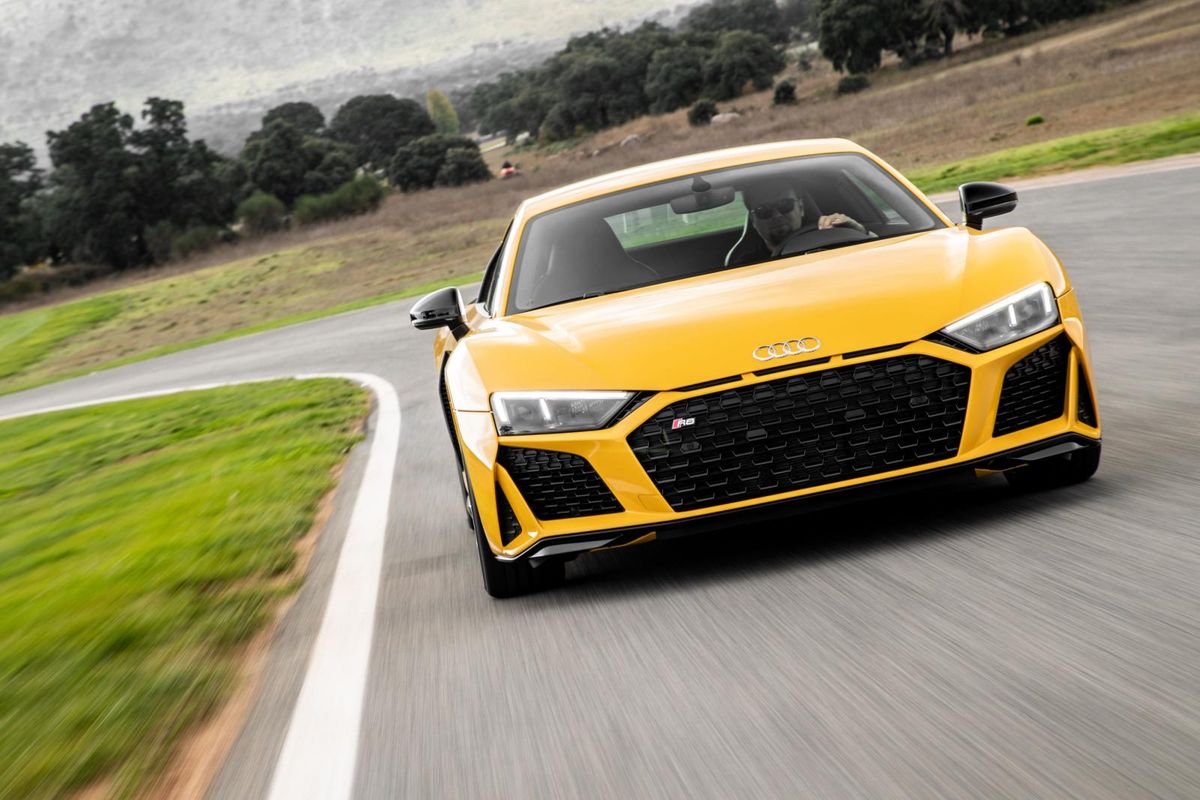
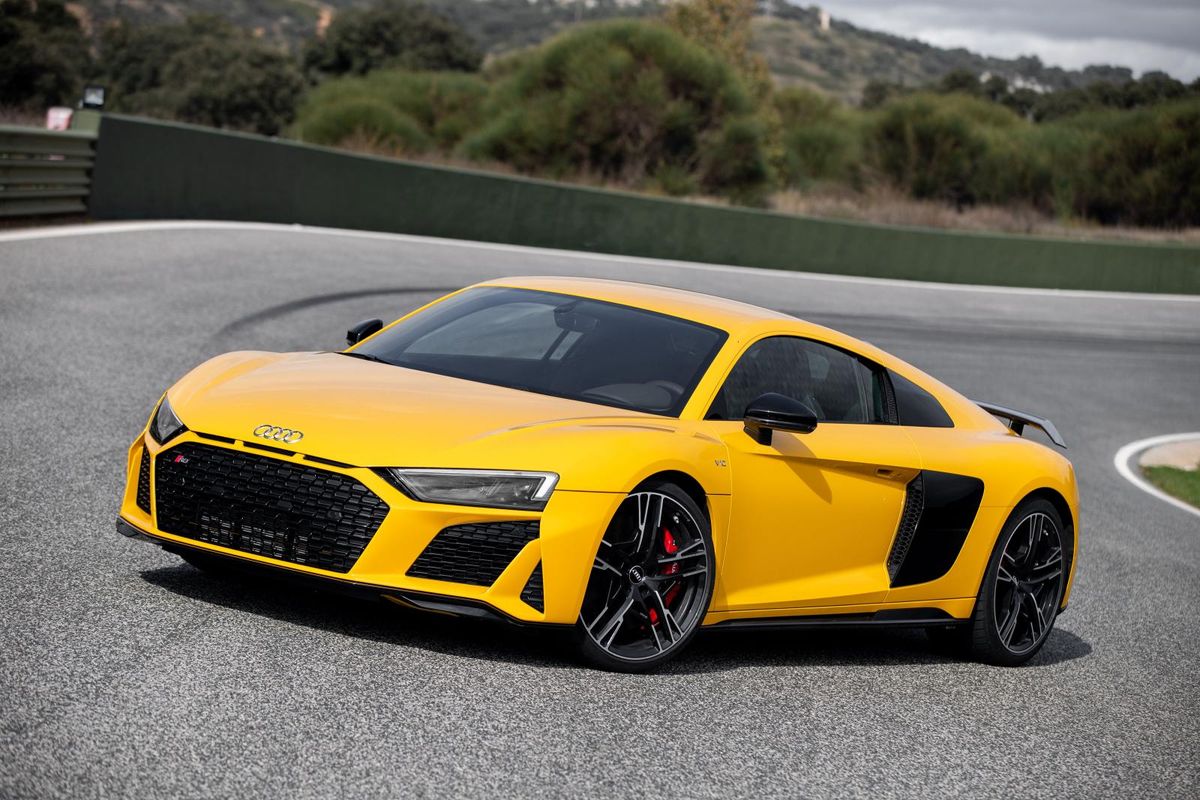
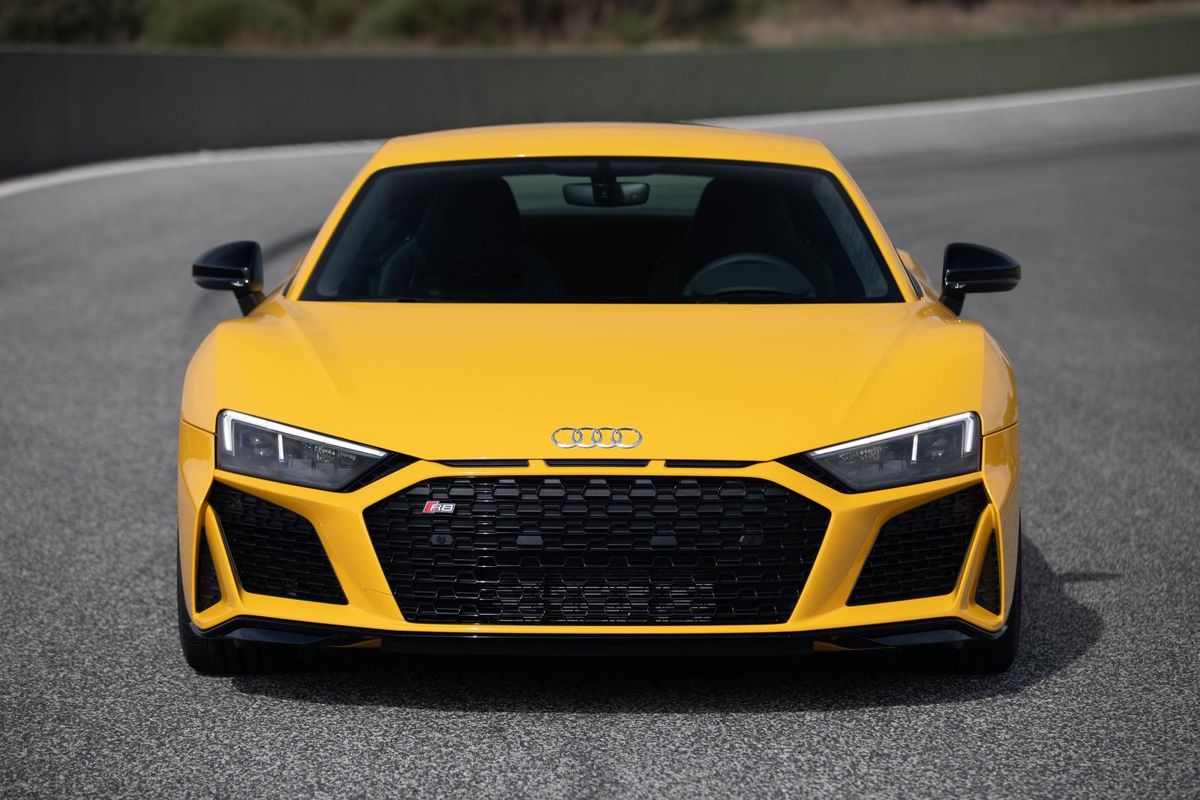
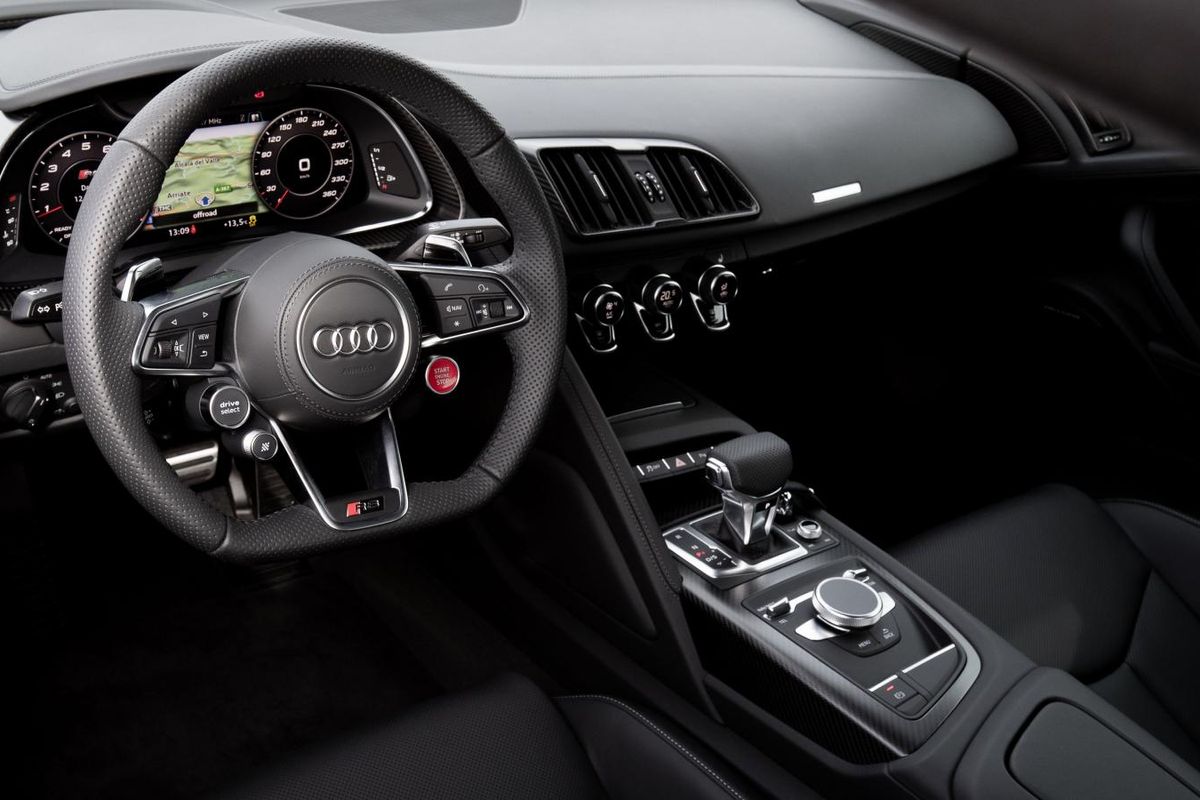
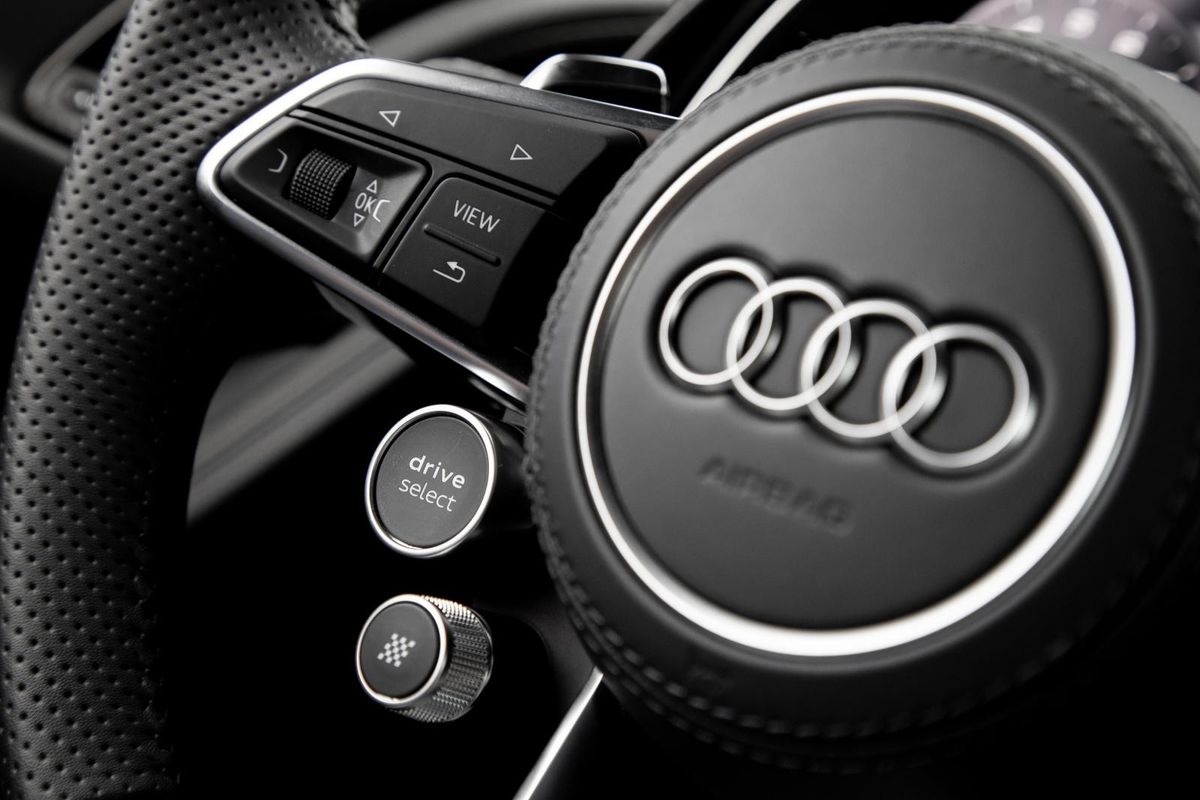
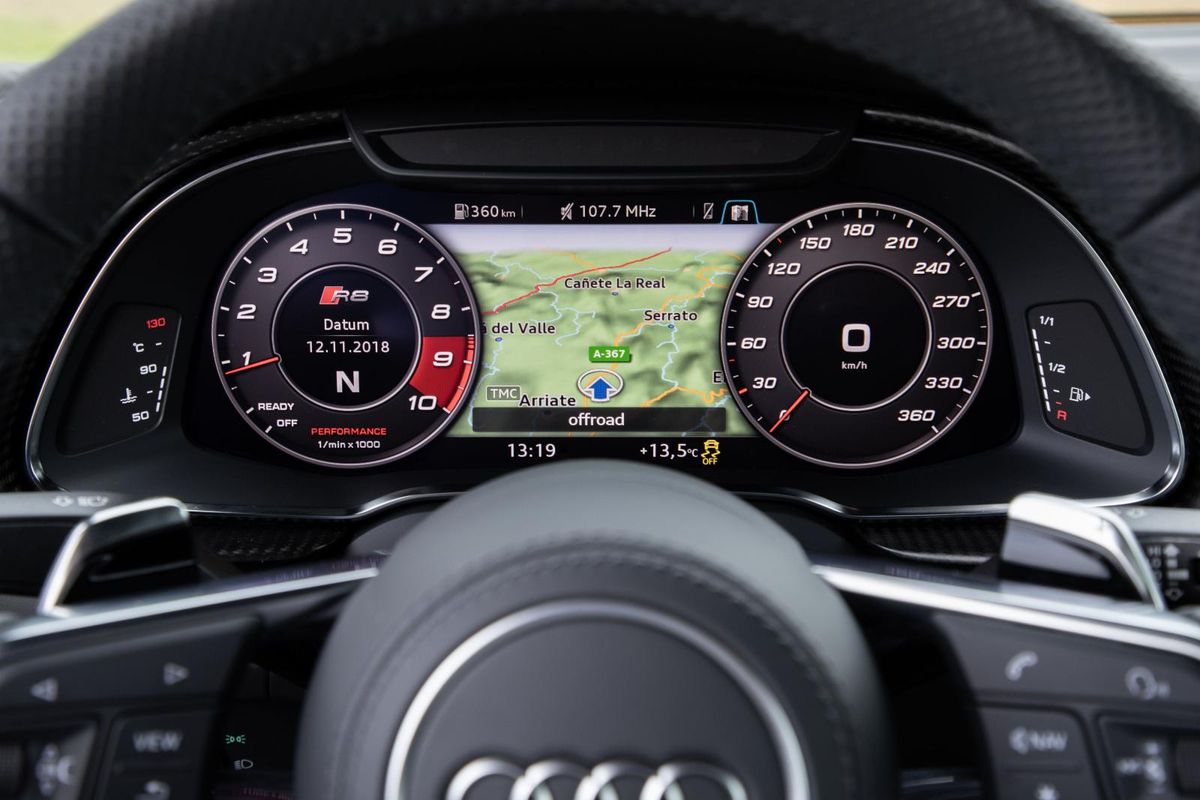
Audi has revealed some details and images of its facelifted R8 and R8 Spyder supercars, which will be coming to SA in 2019. Some details!
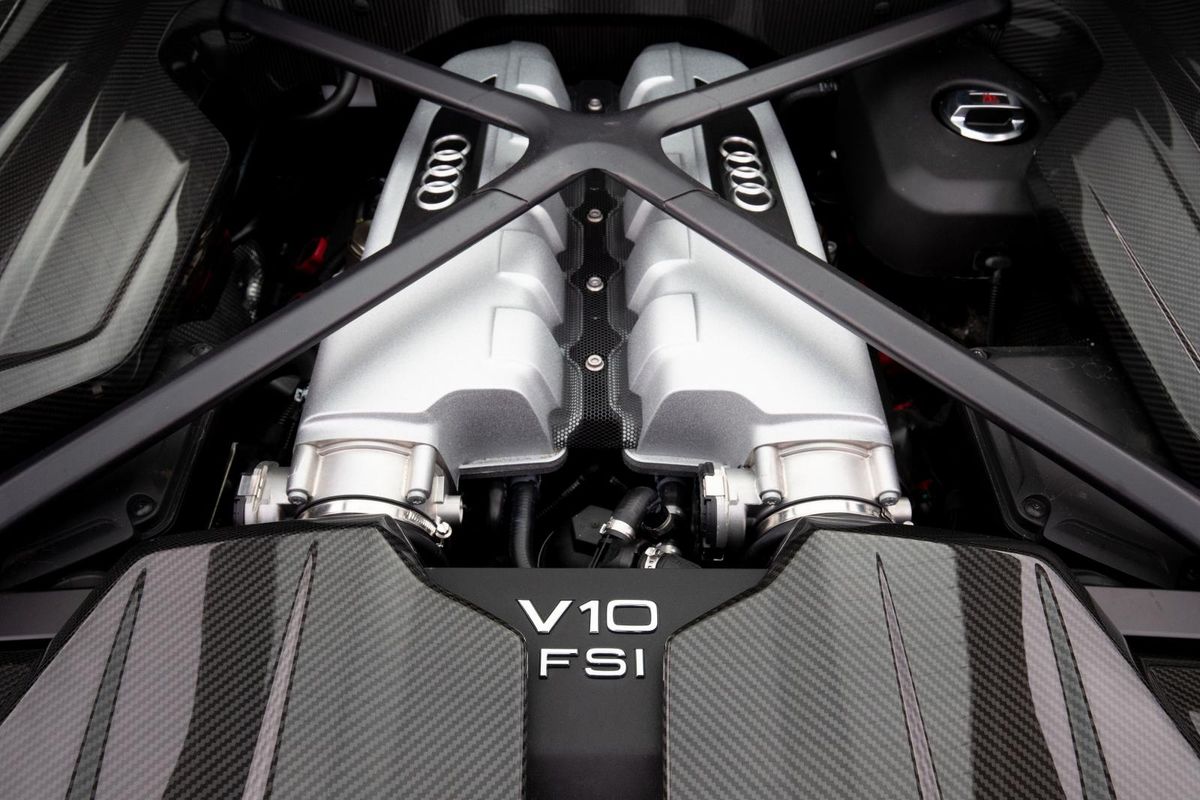
The big change, other than the sharper looks, is that this facelifted Audi R8 is even more powerful. The naturally-aspirated screamer of a 5.2-litre V10 motor now produces 419 kW and 550 Nm, which is 22 kW and 10 Nm more than the outgoing car. Acceleration times are brisk, with the 0-100 kph dash dispatched in just 3.4 seconds. In the R8 V10 Performance model, it now pushes out 456 kW and 580 Nm, a 7 kW and 20 Nm increase. It's even more ballistic in an acceleration run as it takes just 3.1 seconds to hit 100 kph and will run onto a top speed of 324 kph. To meet the new stricter WLTP emissions standard, the new Audi R8 is fitted with a gasoline particulate filter.
Under the skin, there are also tweaks to the suspension which should improve stability and precision. The optional dynamic steering and electromechanical power steering has been retuned for assistance and feedback, with the aim of increasing precision, response and feedback. Audi Sport has loaded three additional stability programs into the mix: dry, wet and snow.
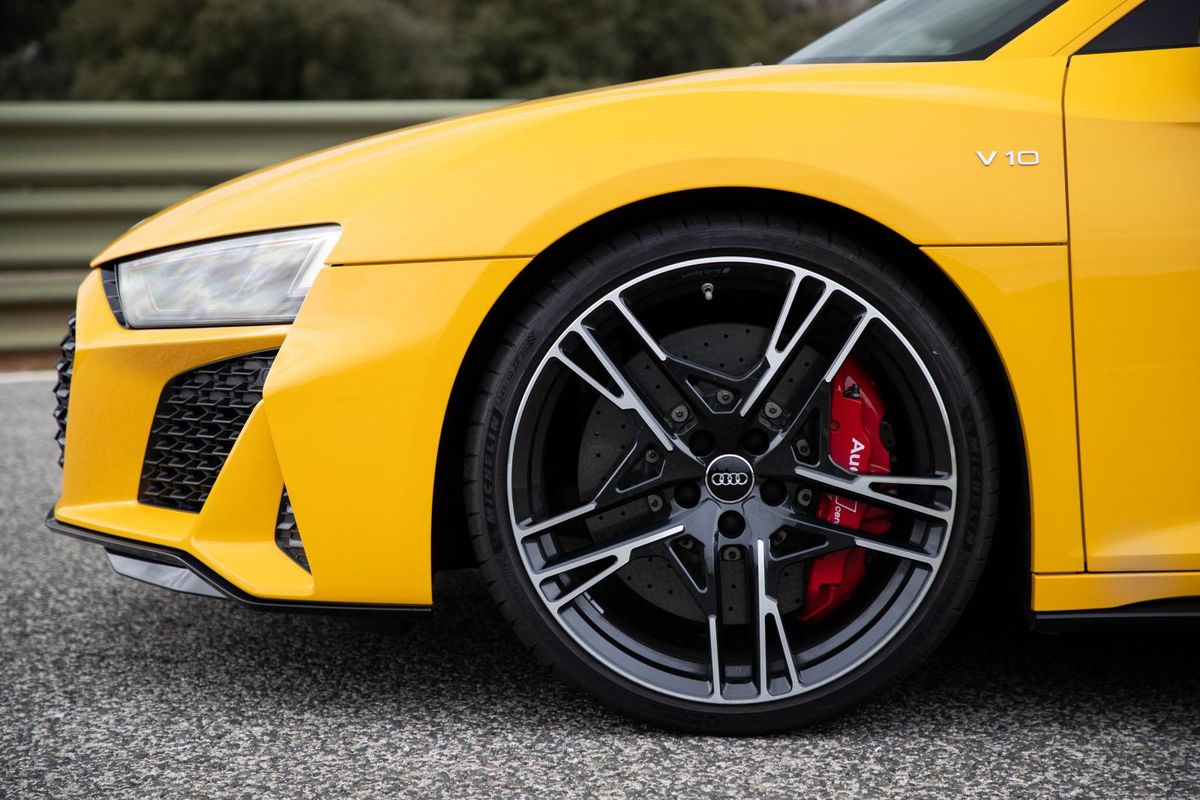
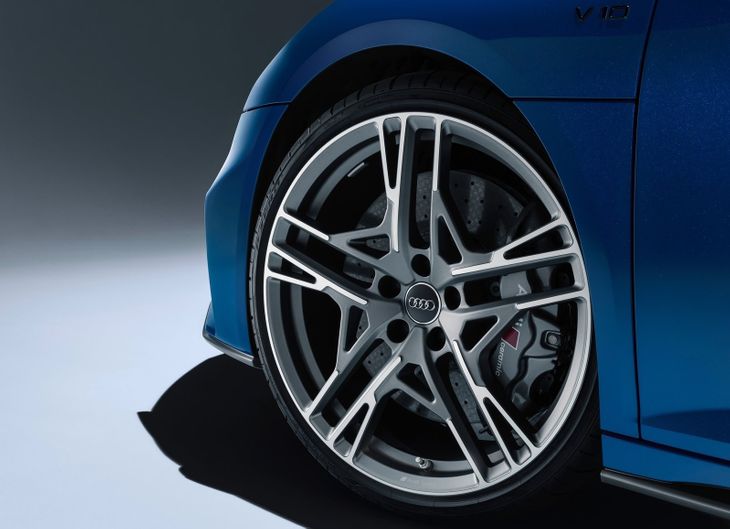
The Audi R8 comes with factory-fitted 19-inch alloy wheels, with ultralight 20-inch fully milled alloys being available as an option. There's the option of ceramic brake discs too. R8 customers can choose from up to three exterior packages, depending on the engine option and there are new metallic colors (Kemora Gray and Ascari Blue) too.
The new Audi R8 will reach German and other European dealerships in the first quarter of 2019 and while no official date has been set, it will be making its way to our shores in 2019 too. We'll be driving the new Audi R8 overseas in November, so stay tuned for more details.
The new alloy wheel design of the facelifted Audi R8
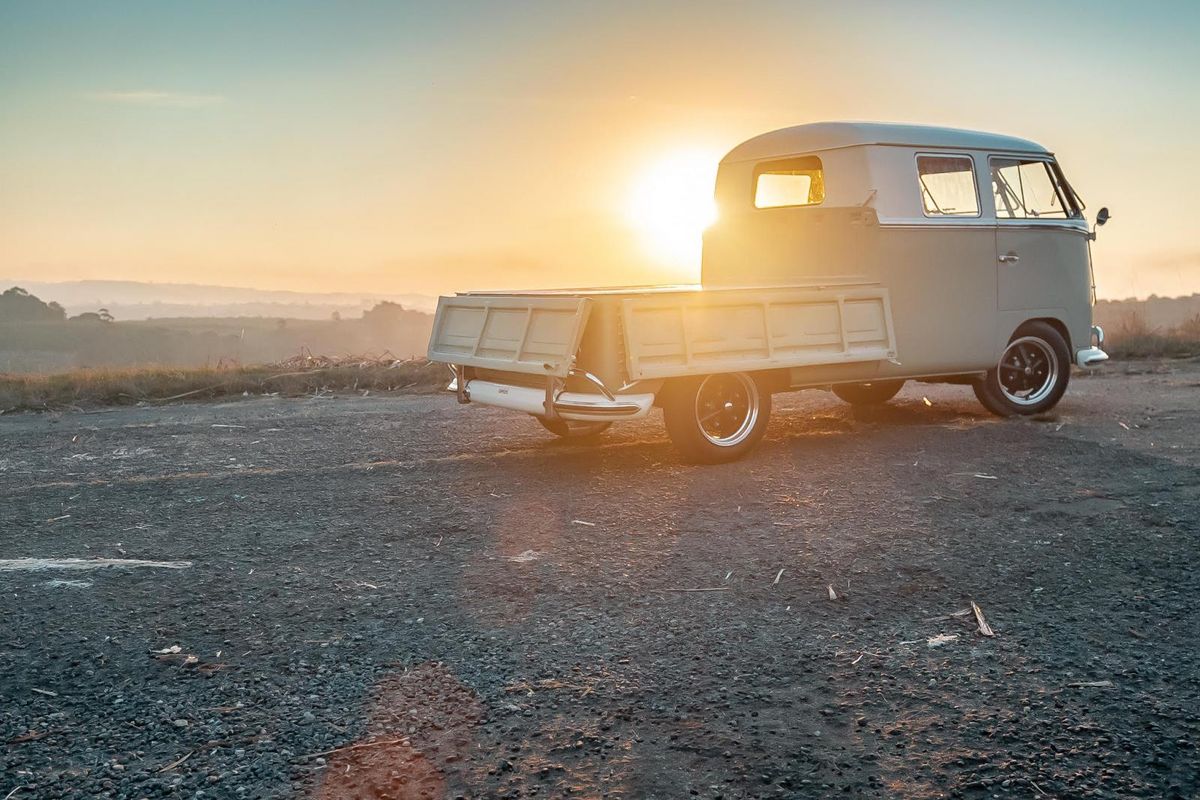
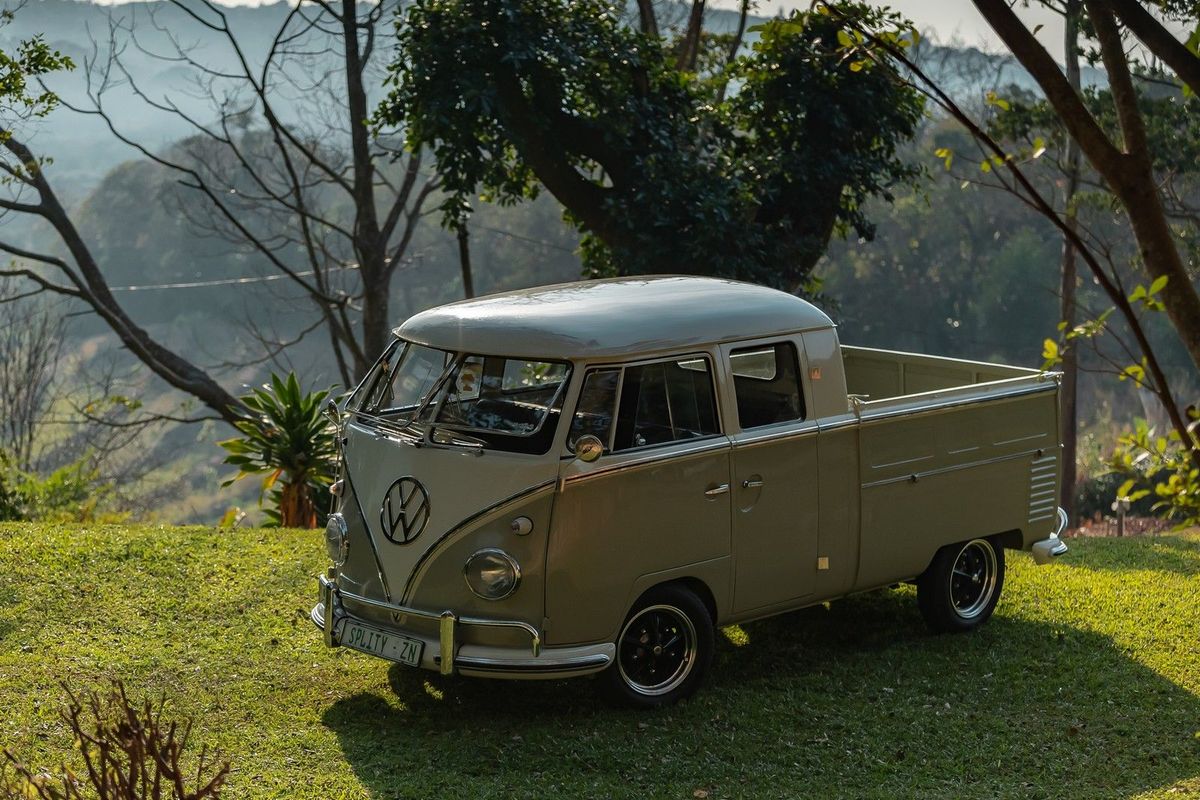
Classic Volkswagen buses, or Type 2s as they are more formally known, were supposed to be hardy, cheap commercial alternatives to the VW Beetle of the era, and they were. Powered by the same flat-four aircooled motors as their smaller siblings, VW buses in all forms performed hard labour across the globe. But they also came to symbolise the 1960s as American hippies toured the country spreading the message of “free love”.
Words by Sudhir Matai; Images by Justin Pinto
These hippie buses were not as popular as the Beetle in the classic car scene until a few years ago. Their iconic design and feel good factor earned them cult status in a really short space of time. Oliver Broome is a self-confessed petrolhead, who was enamoured by an early, ‘split window’ bus when he saw one touring near his hometown on the KwaZulu-Natal South Coast.
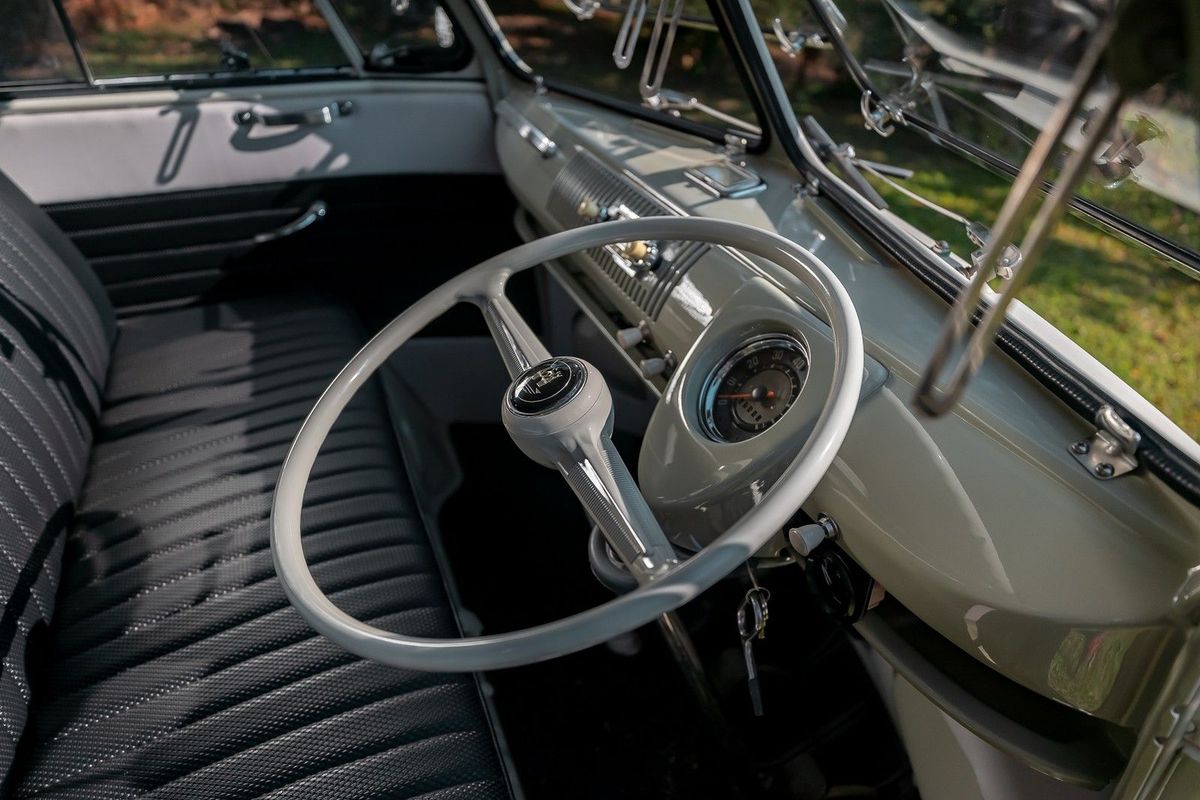
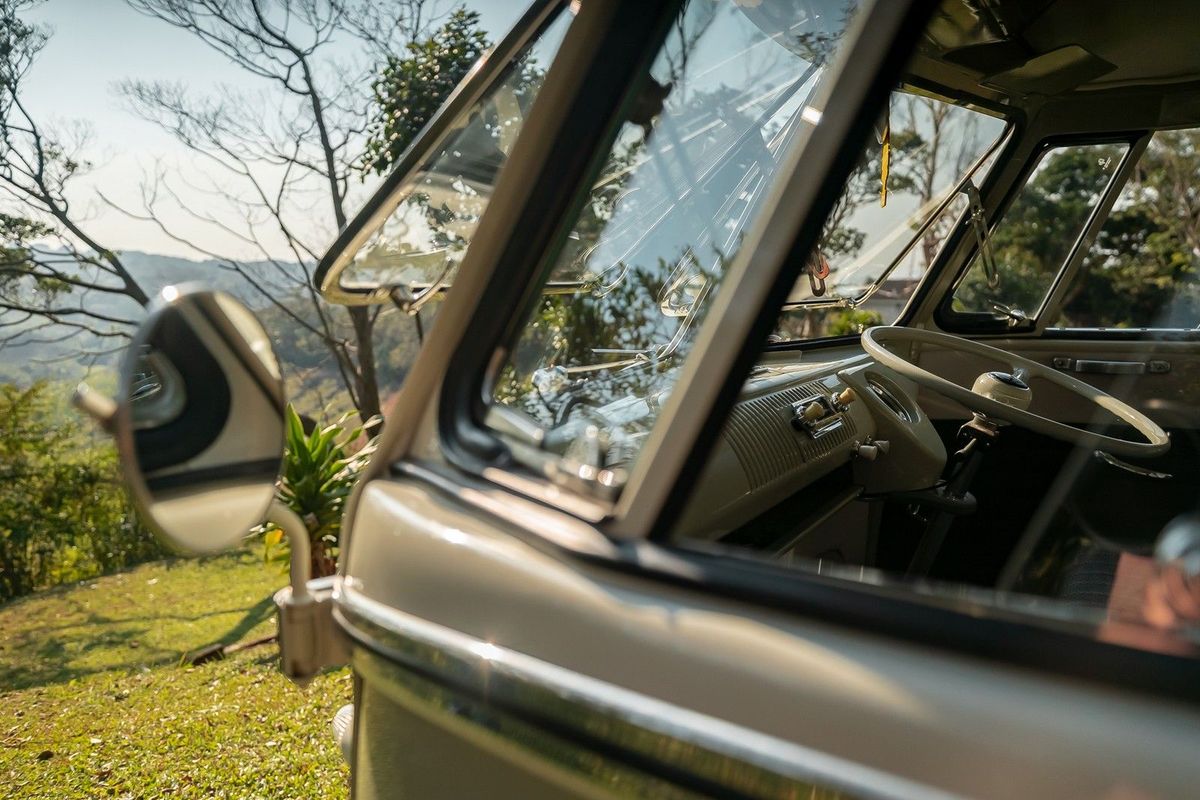
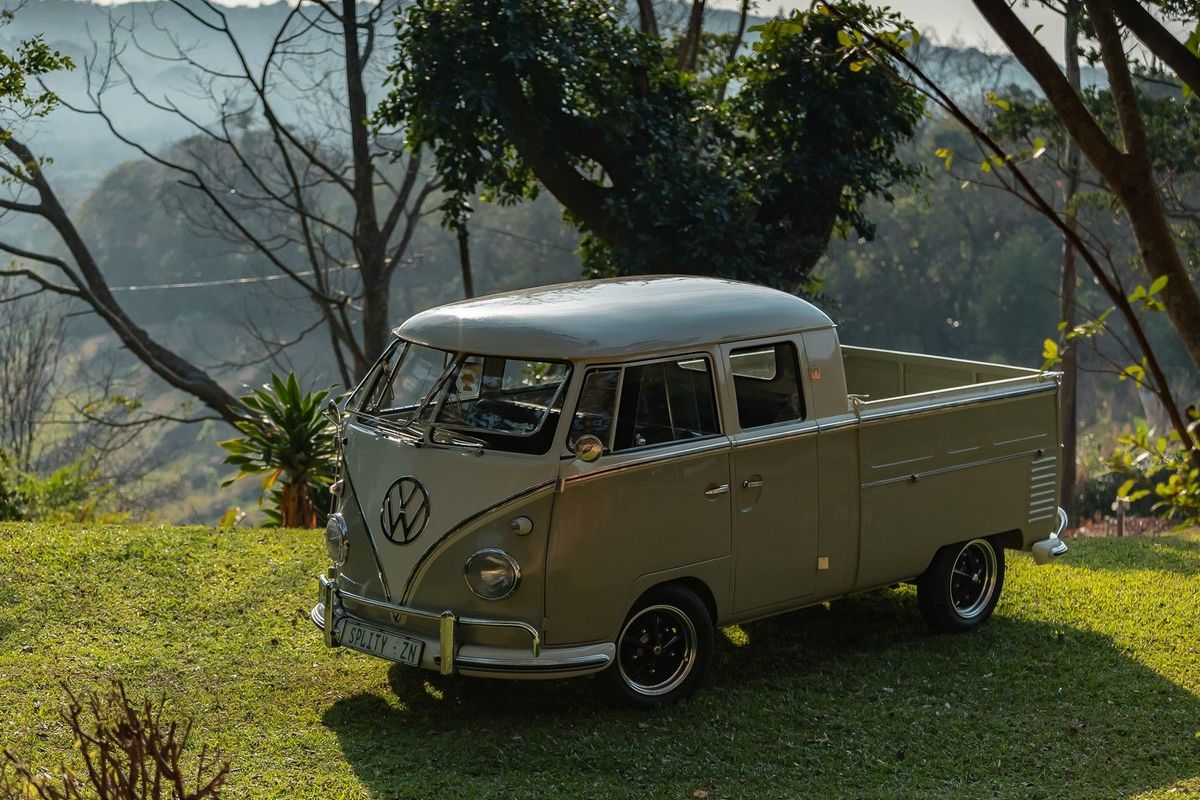
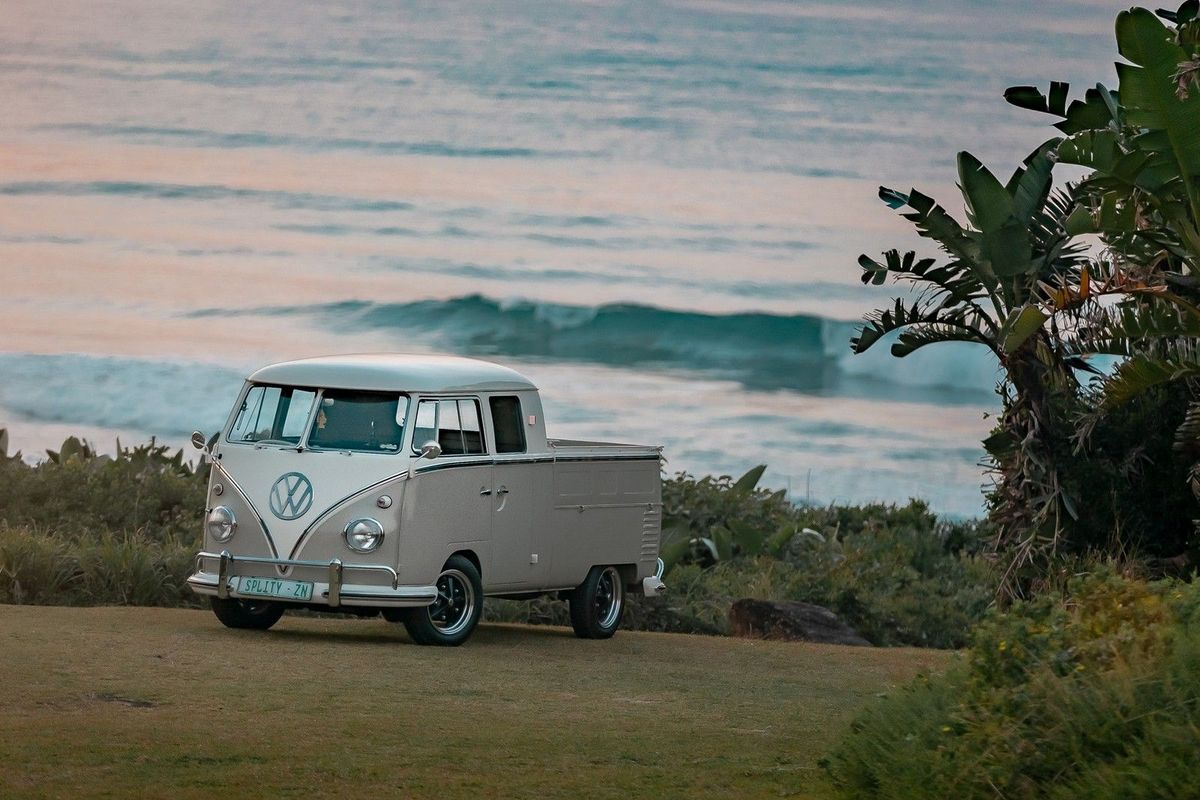
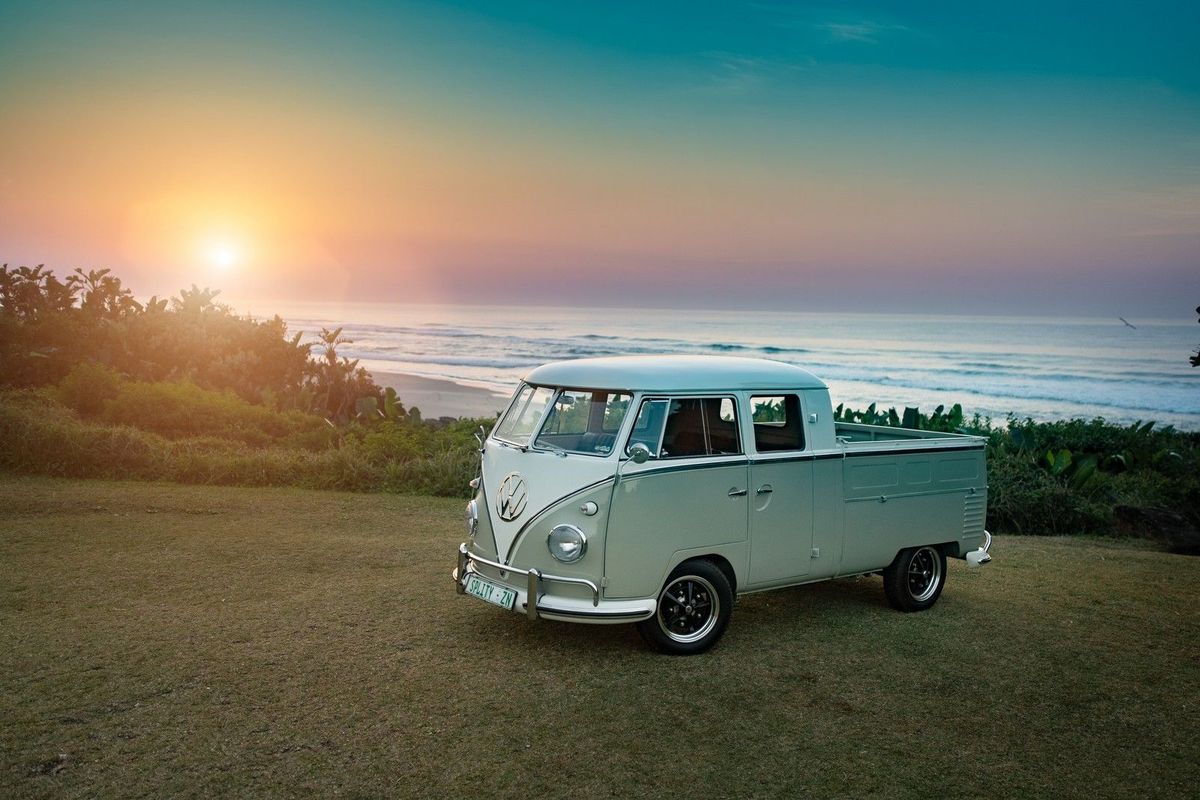
Broome eventually bought that very same bus, which set the ball rolling for what has become an ongoing love-affair with the boxy Volksie, and the creation of a world-renowned restoration business. After parting with the very first bus he bought, he decided that he wanted a rarer Crew Cab Type 2. This model has two bench seats with a drop-side load bin. Importantly, it also has the two-piece front windscreen, both of which are open. Other styling cues distinctive to the early model are the tiny, circular taillamps and ‘bullet’ front indicators.
“When you are driving along the coast with those two safari windows open and feel the cool breeze on your face, life is very good,” said Broome during takes while recording this video.
His Crew Cab is a 1959 model, making it one of the very first to be built by Volkswagen. The restoration process took the better part of 9 months to get it looking the way it does. As he enjoys speed and is a regular racer, Oliver had to have a little more poke. A flat-four aircooled motor has been retained but his car makes a bit more power than the 25 hp of the original. The gearbox also has a longer final drive because, according to Broome, “I really wanted to use the car and drive all over the country. It must be usable and it has to be able to keep up with traffic on the motorway.”
The eagerly-anticipated Mercedes-Benz X-Class V6 is almost here and we have pricing for the flagship bakkie. Here's how much it will cost.
Mercedes-Benz's much-hyped first foray into the double-cab bakkie segment has not been a massive sales success. While its brand appeal, refinement and interior ambience are undoubted showroom successes, pricing, cabin ergonomics and rear passenger space are rather large bugbears. The arrival of the V6 version may solve some of the issues and after experiencing the X350d in Slovenia we think the X350d could be the pick of the litter.
After launching the X220d and X250d, it's time for the X350d to make landfall in South Africa. Powered by a turbocharged 3.0-litre V6 engine, it's important to keep in mind that unlike the 4-cylinder unit used in the X250d, this V6 is not borrowed from Nissan, but is a Benz engine, and similar to the unit used in the GLE SUV. It pumps out 190 kW and 550 Nm of torque, the latter figure spread across a rev band of 1 400 to 3 200 rpm.
From launch, there will be two levels of V6 trim; Progressive and Power. Progressive focuses on customers seeking "extra styling and comfort functions, while also being a comfortable yet prestigious vehicle for private or dual use", while Power is the flagship model for customers "or whom styling, performance and comfort are paramount."
Toyota Corolla Hatchback (2019) International Launch Review
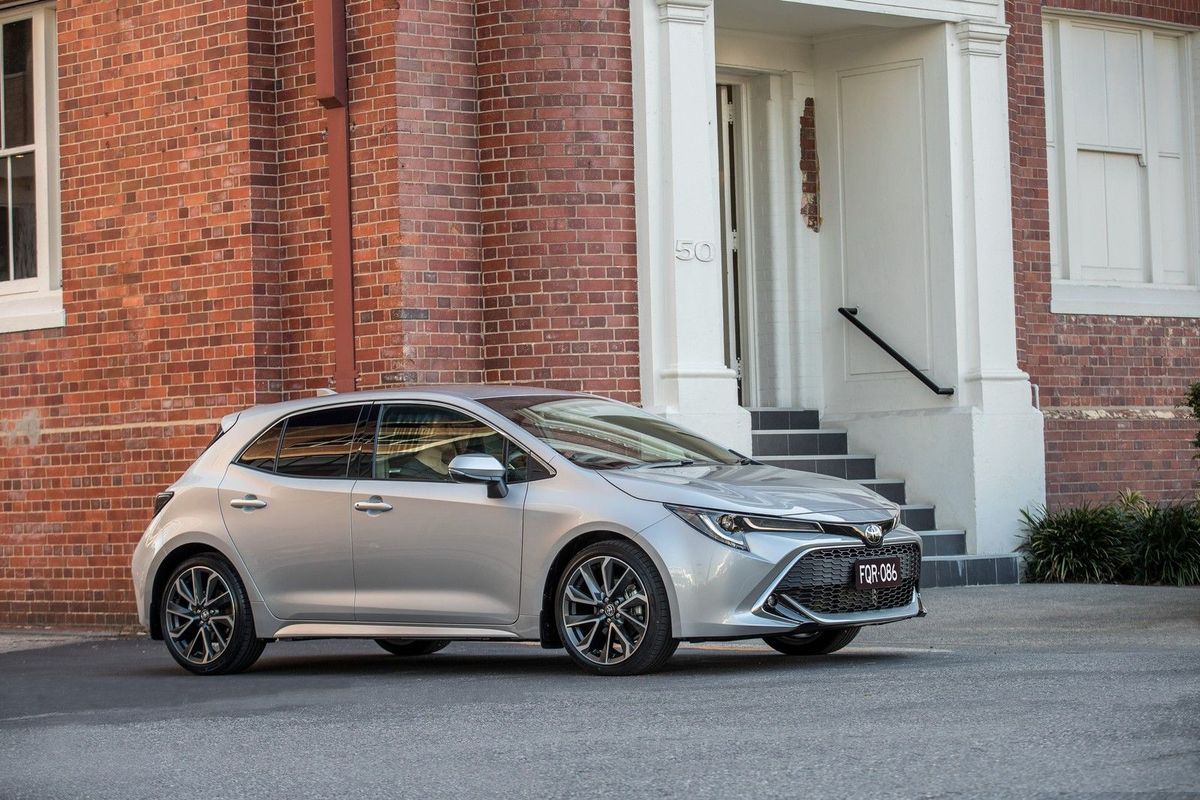
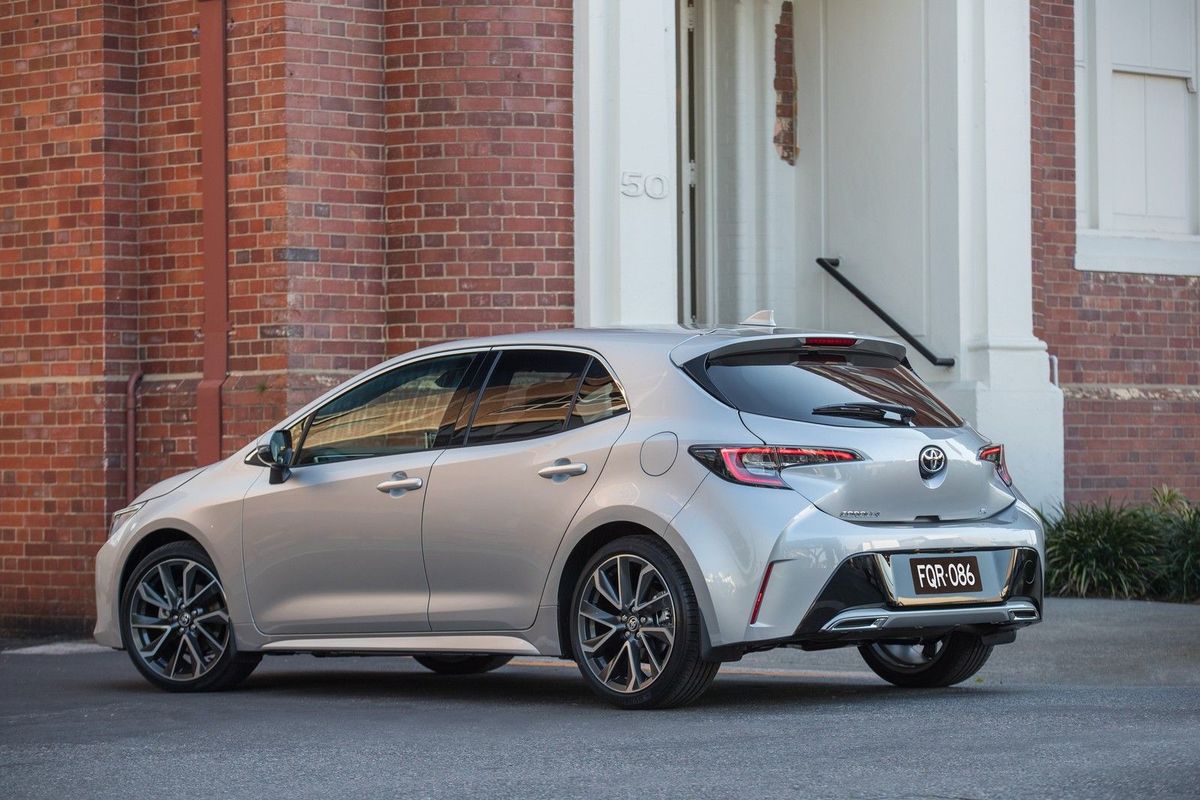
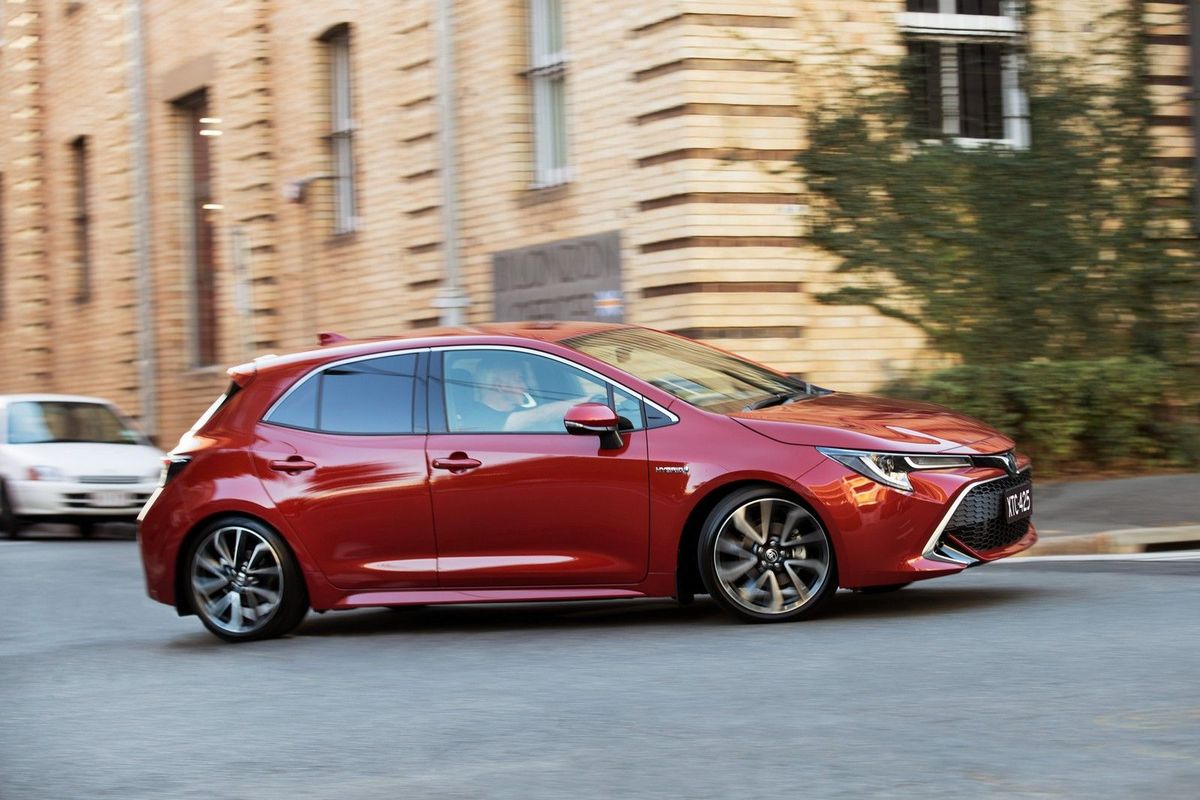
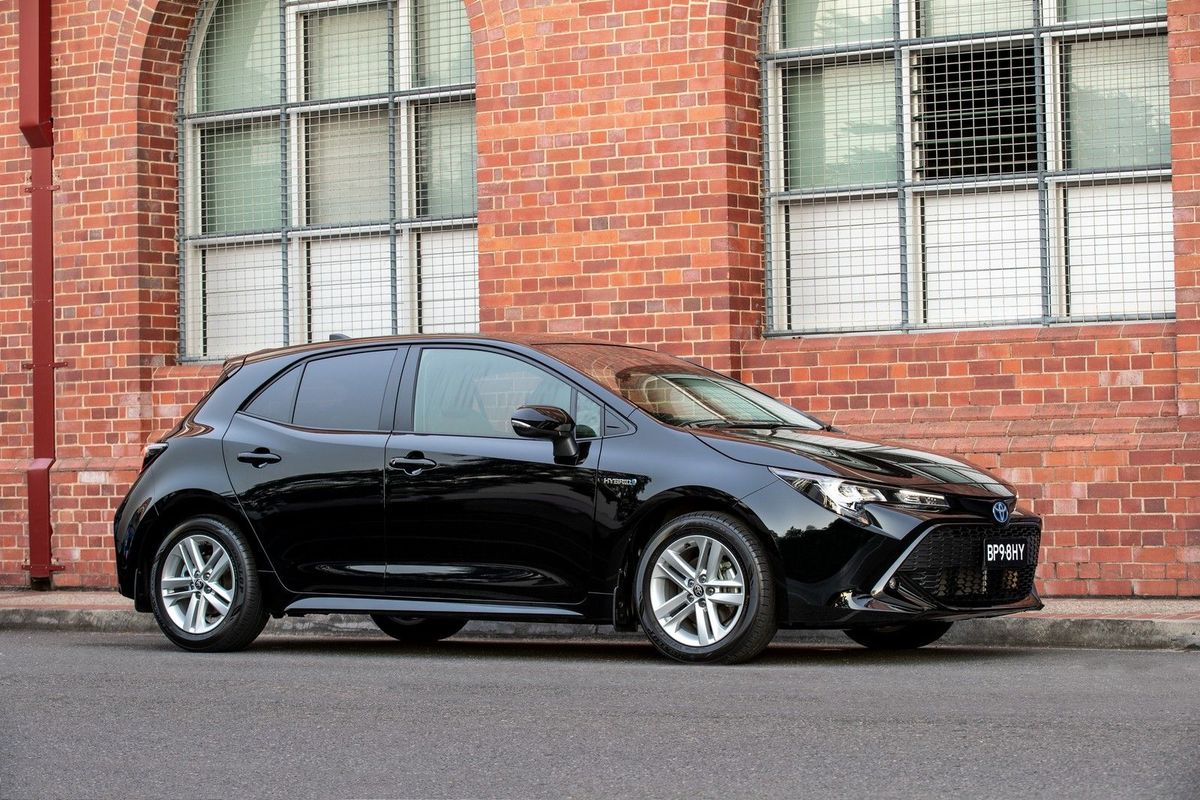
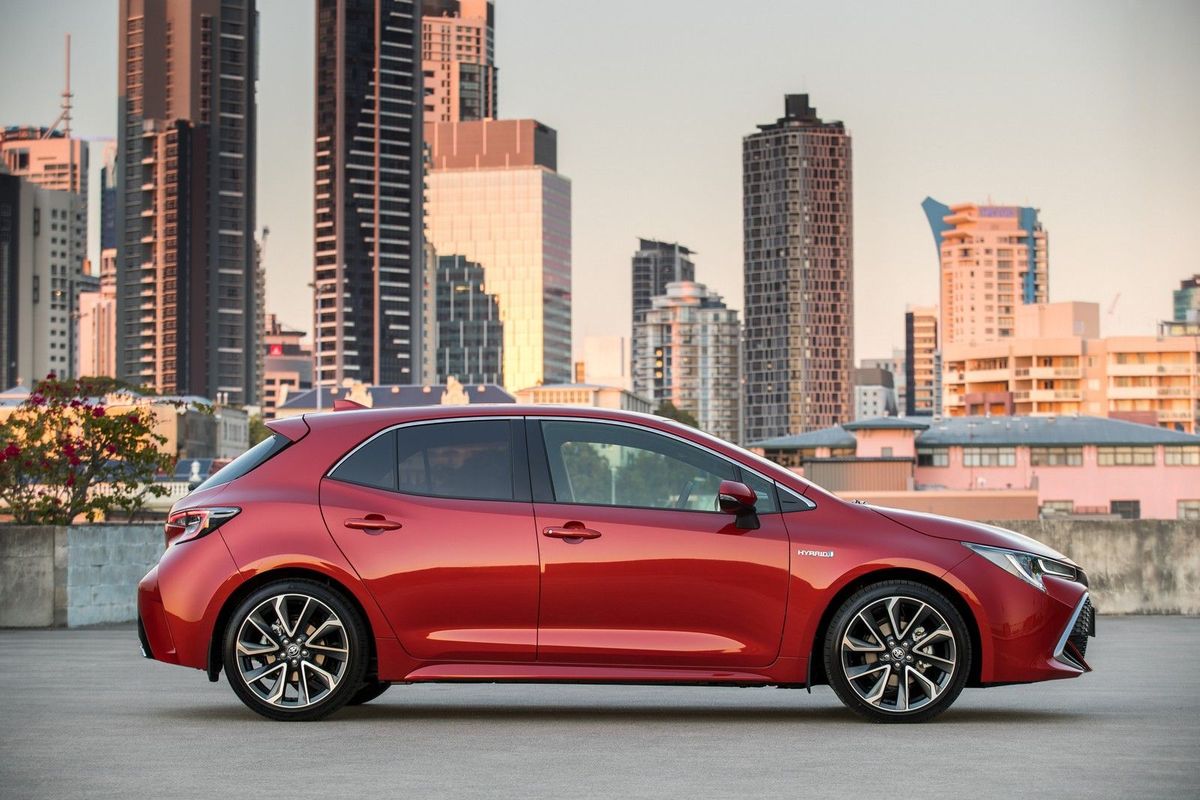
The Toyota Auris is gone – and this is its replacement: a Corolla Hatch. It has more style than virtually any Corolla that preceded it, but is there any substance beneath the pumped up kicks? Our Australian correspondent, Matt Campbell, investigates.
If ever there was a car that deserved to be described as a success story, the Toyota Corolla is it. More than 45 million examples of the Corolla have been sold over the 51 years and 11 generations the car has been on sale and, according to the Japanese brand, more than 30 million of those cars are still driving today.
Think about those figures for a moment: Toyota says that there has been one Corolla sold every 37 seconds over the time the model has been on sale – and in recent years, the rate has been even quicker, because the Corolla has only become more popular as time has gone on.
Now in its 12th generation, and due in South Africa in the first few months of 2019, the Toyota Corolla Hatchback offers quite a different take on tradition. It is undoubtedly more attention-grabbing, more style-focused, and arguably better to drive than ever before. But has it sacrificed anything in the process?
Exterior styling
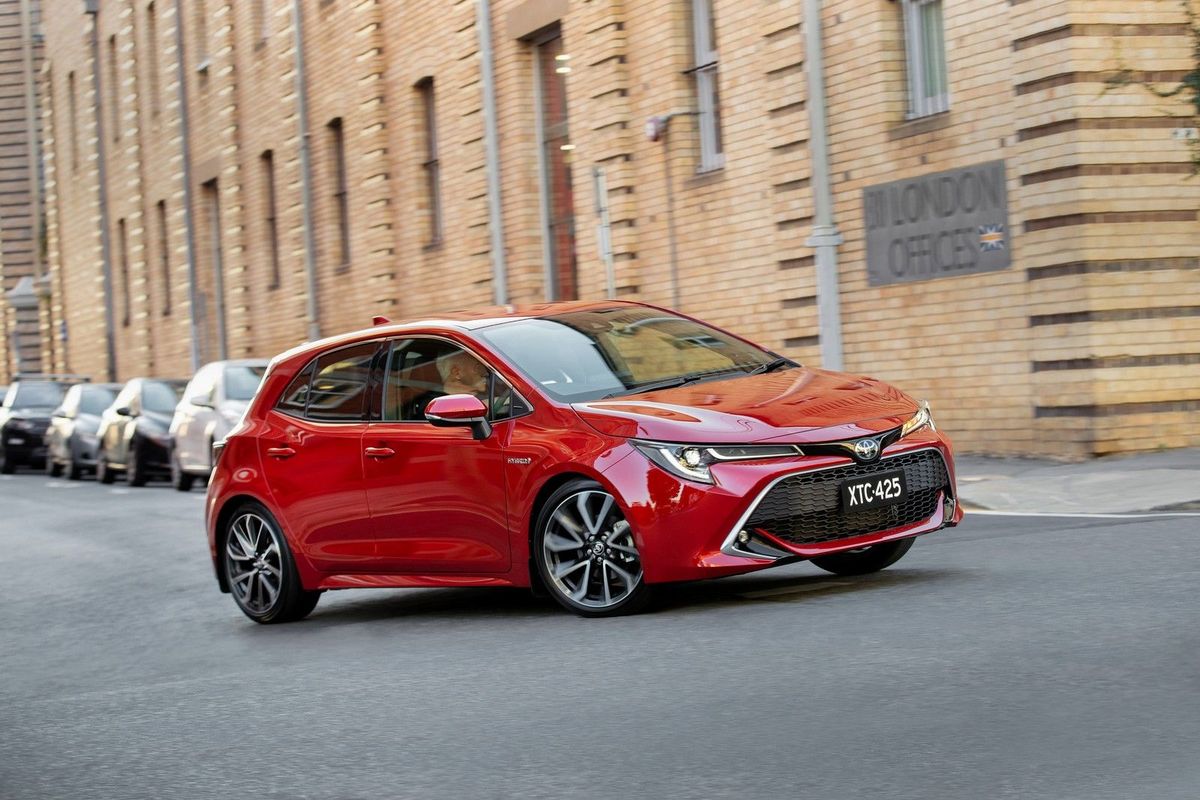
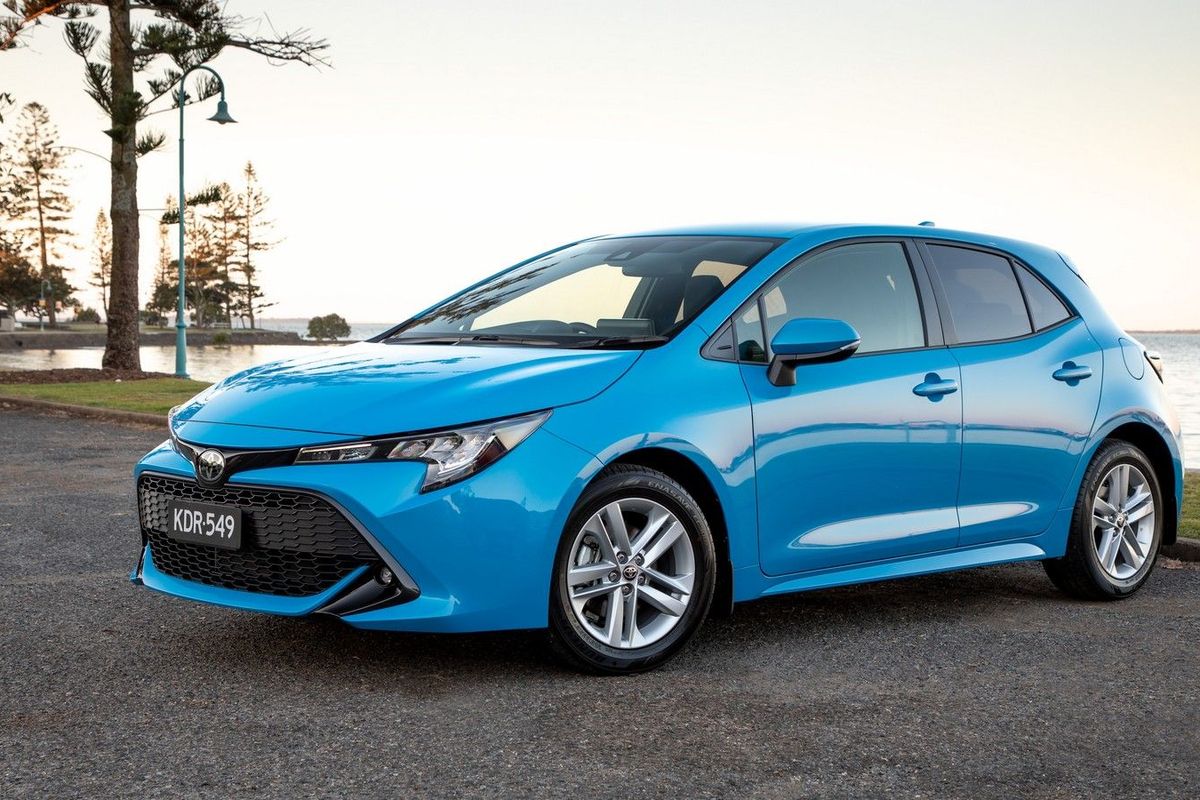
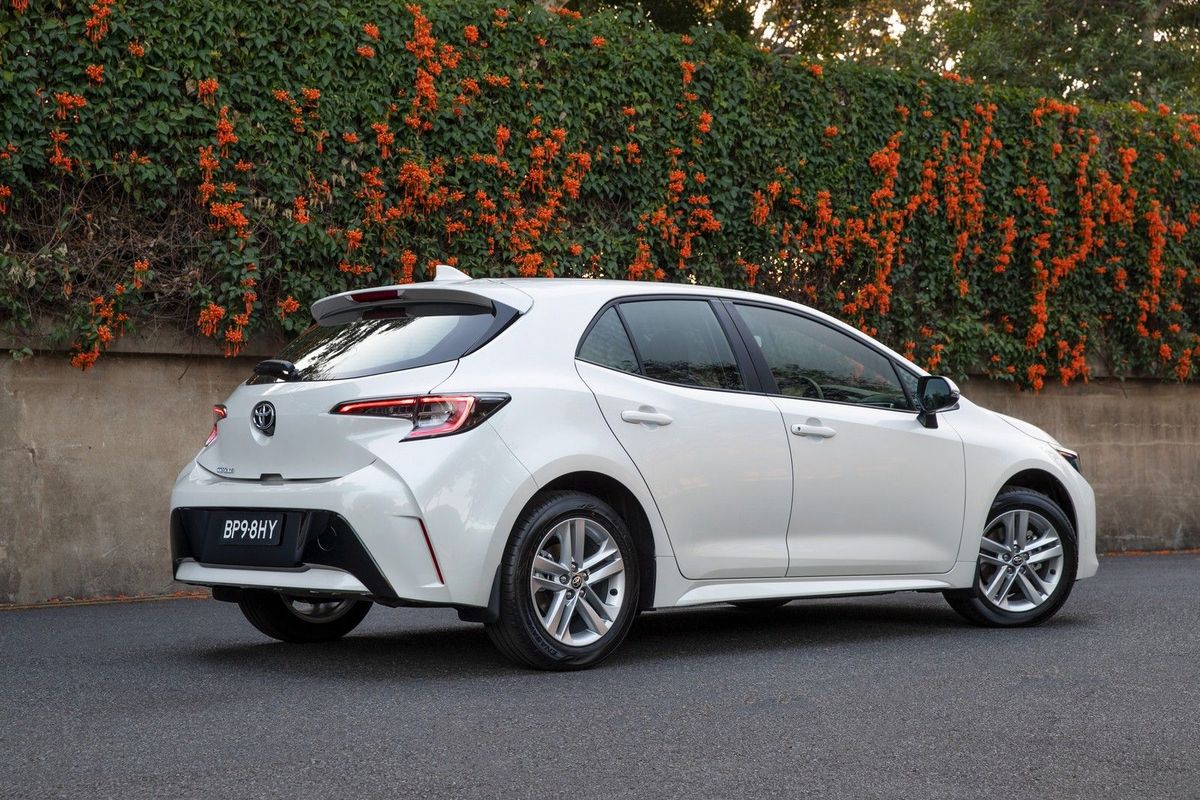
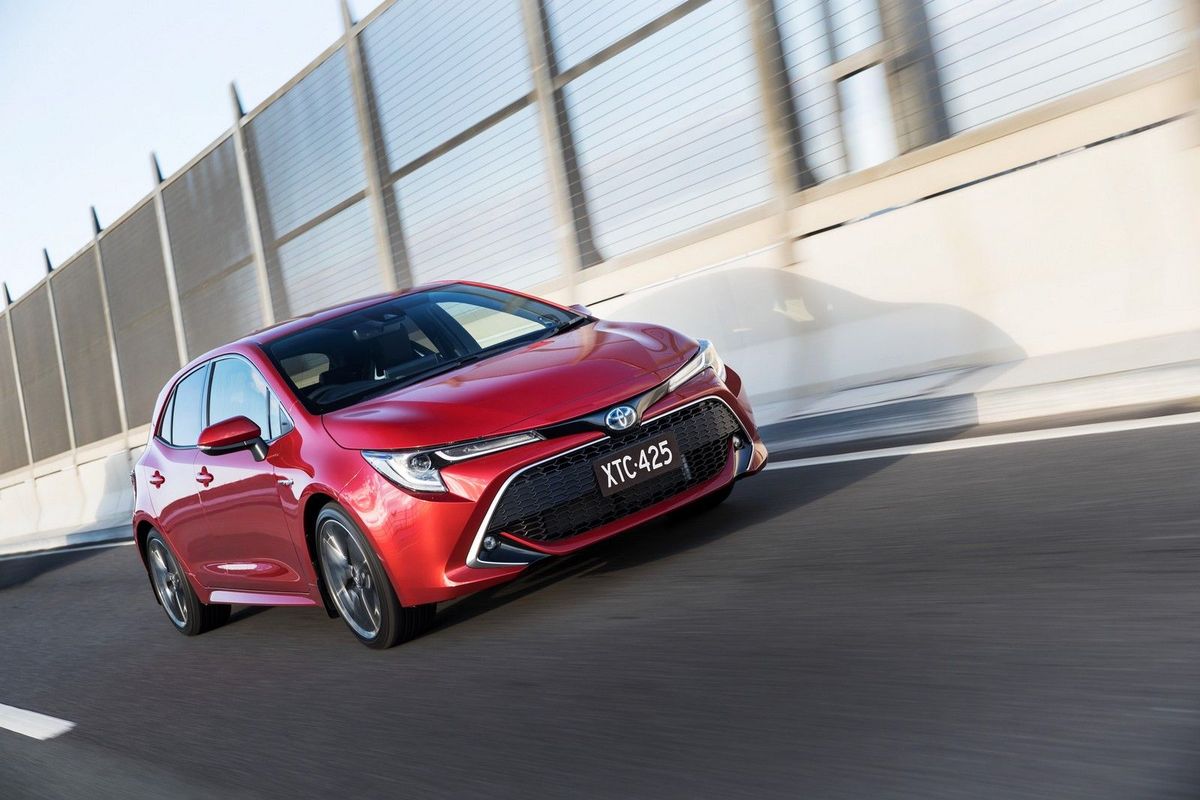
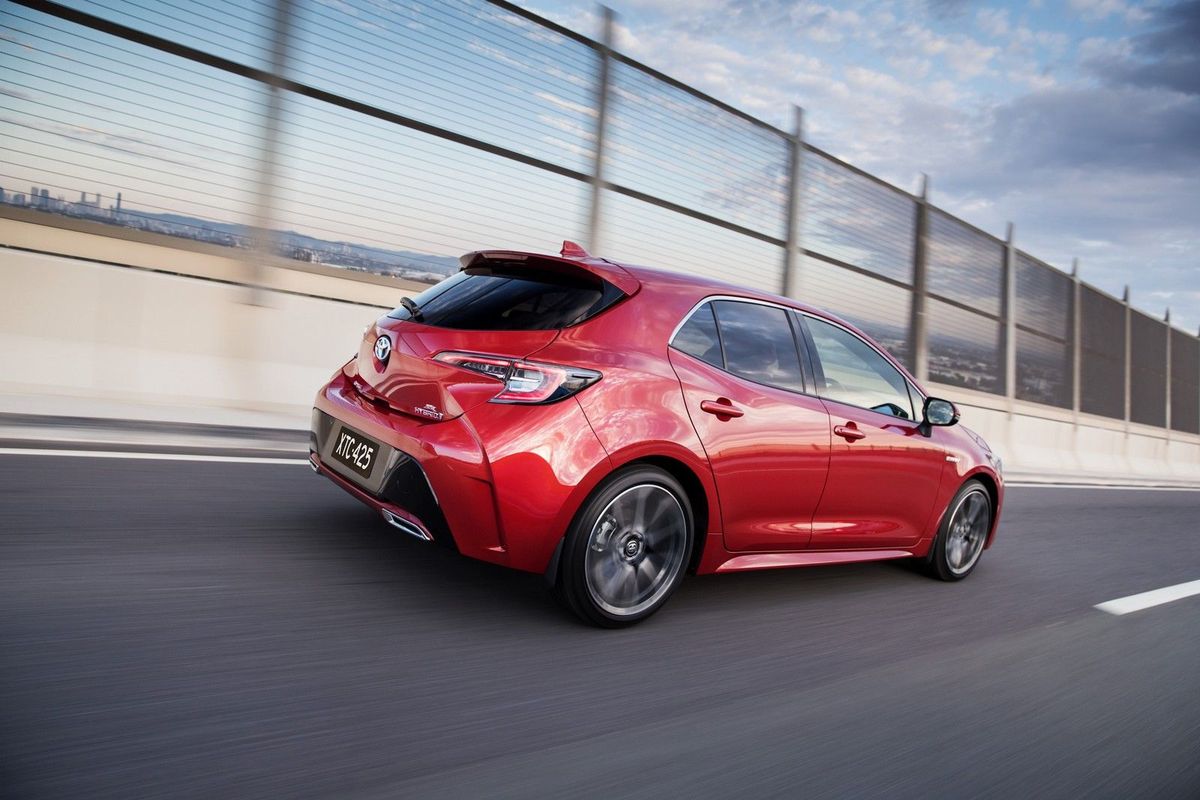
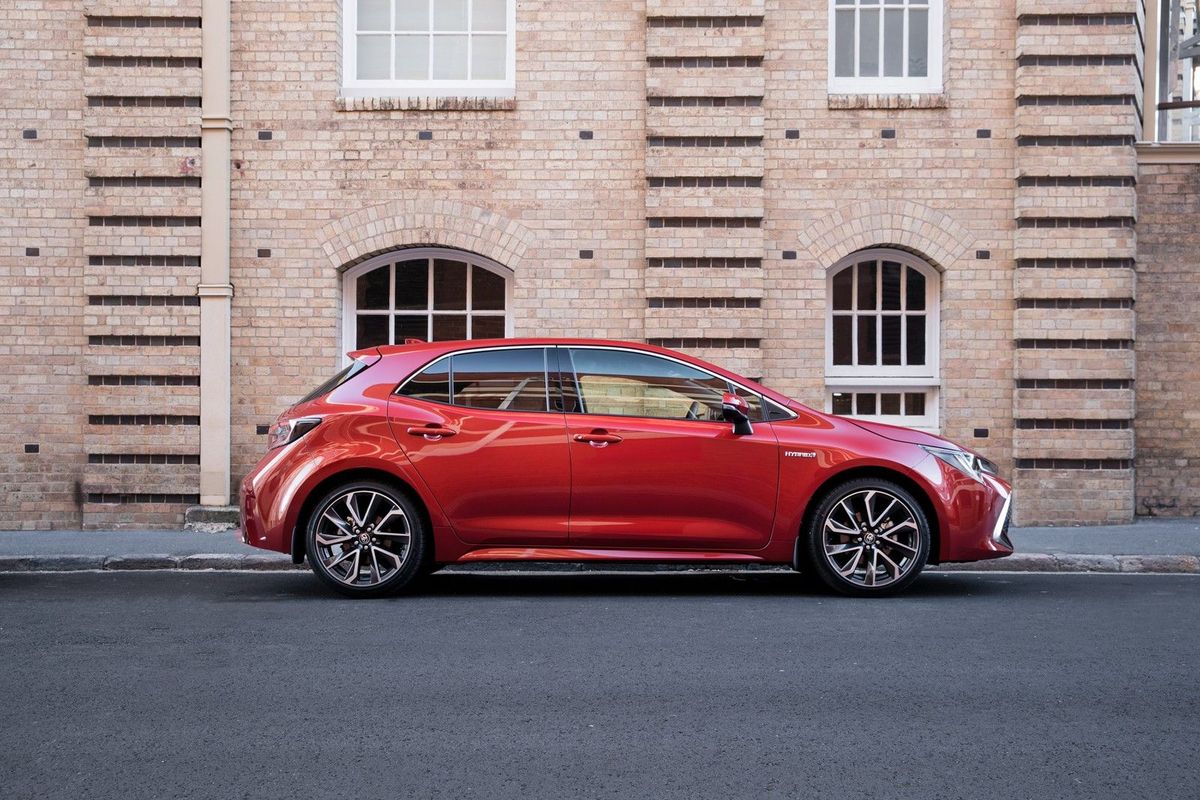
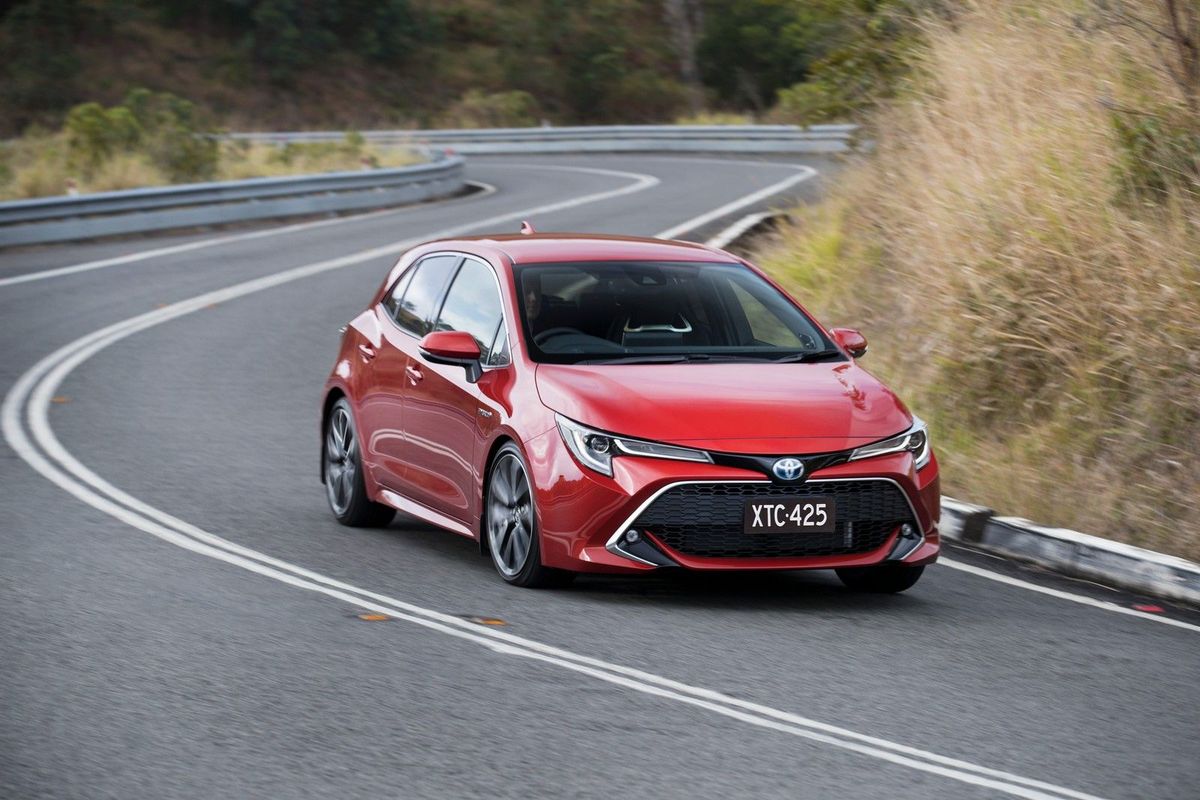
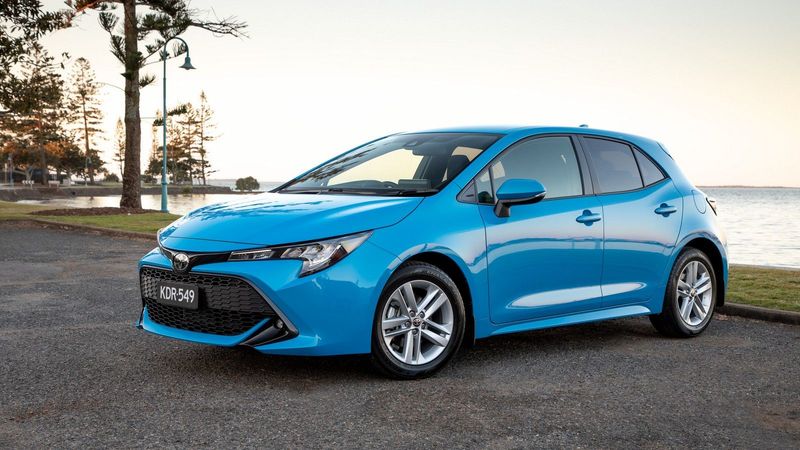
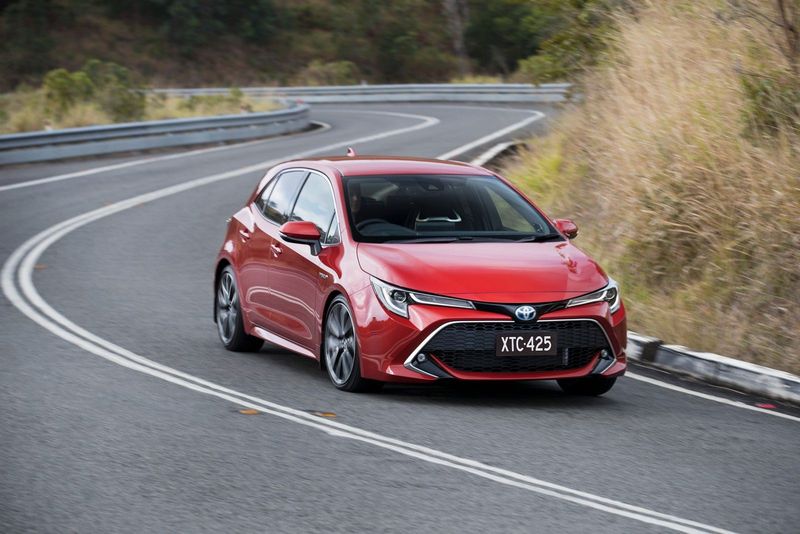
Toyota's styling seems to have hit the mark with the new Corolla hatch.
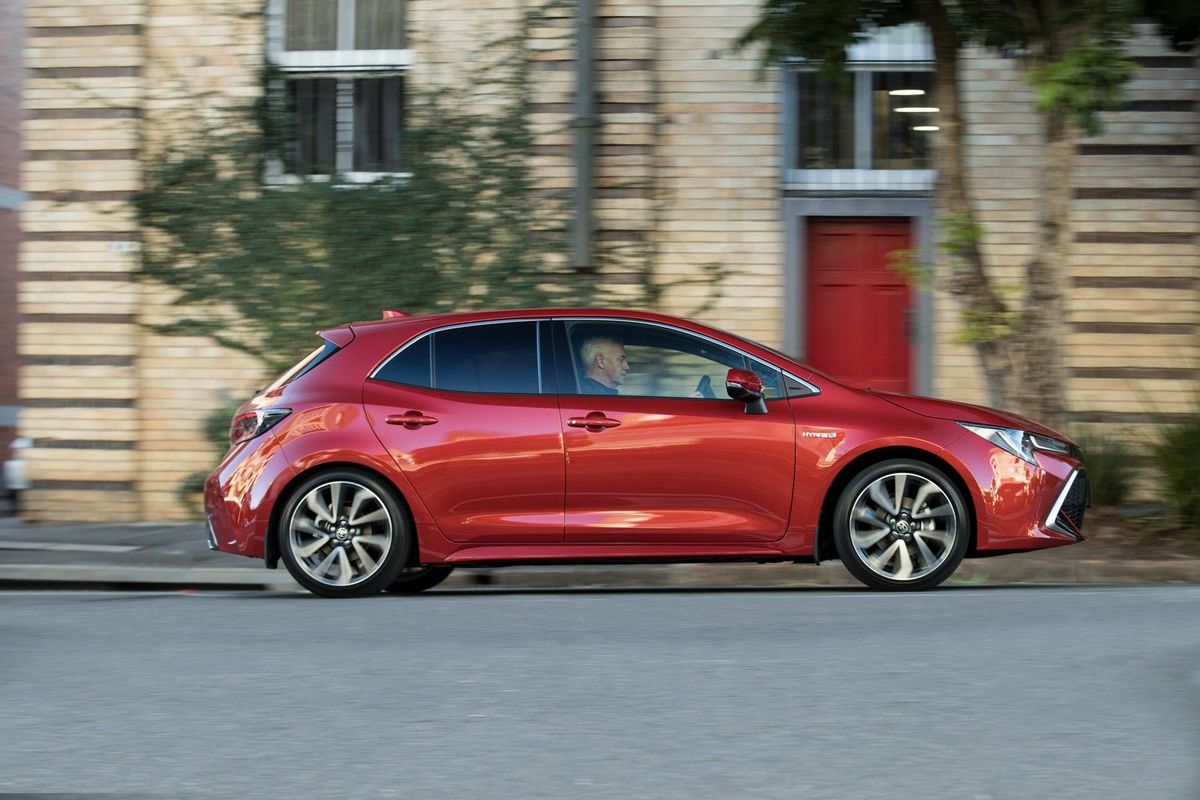
Where were we? Oh, yeah – the exterior design, particularly on high-grade derivatives is almost hot-hatch-like in its execution. Trust me – a high-grade version with the big wheels in the right colour looks like it’s ready to stick its fists up and puff its chest out in the presence of a Focus RS.
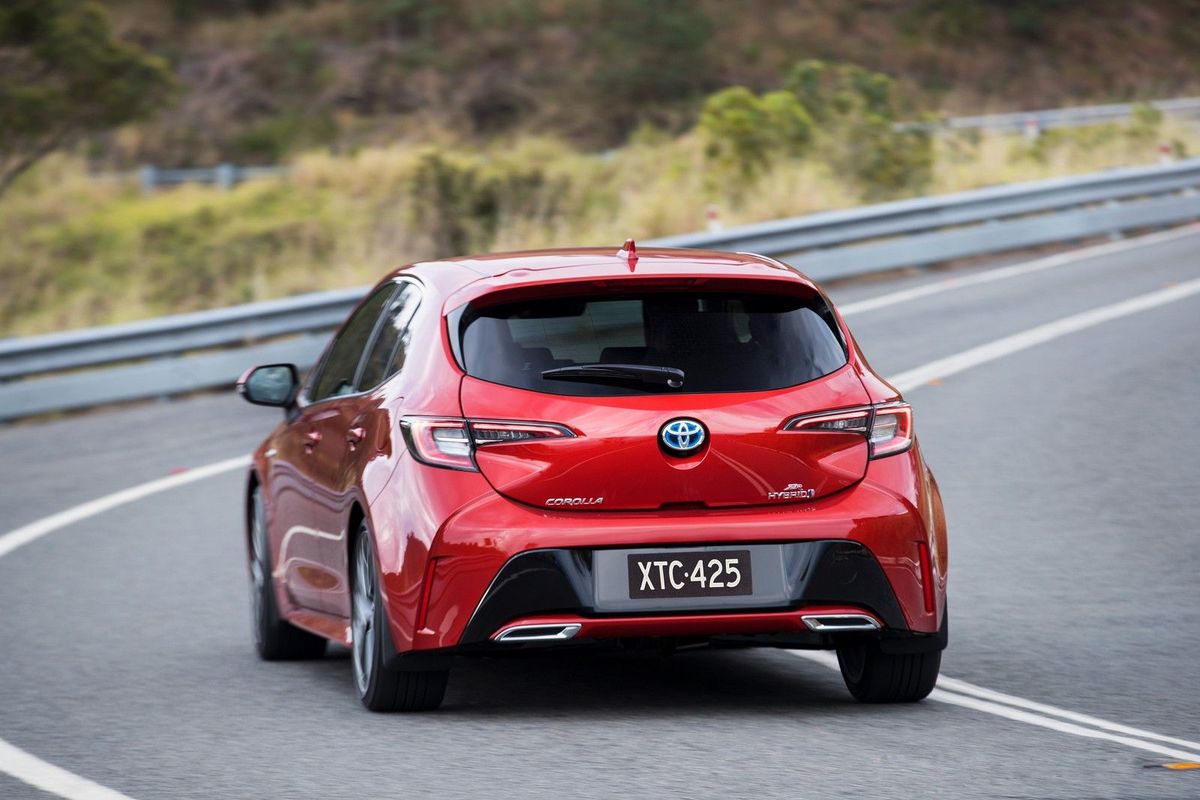
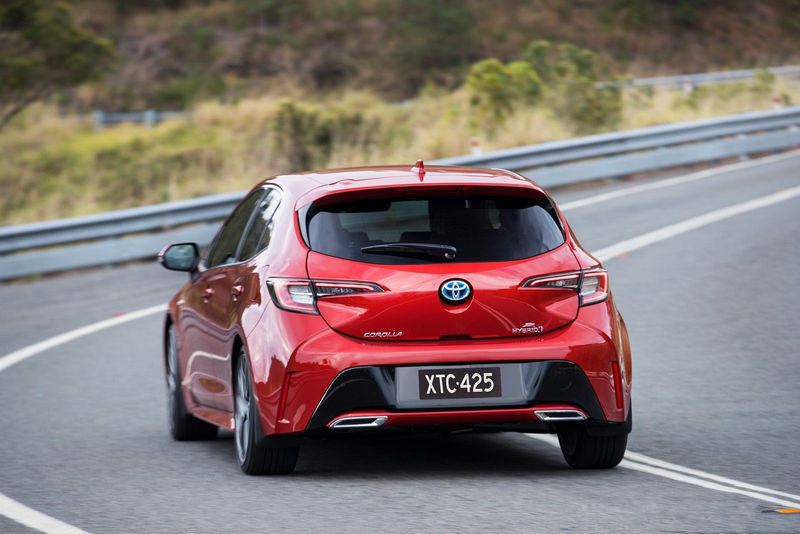
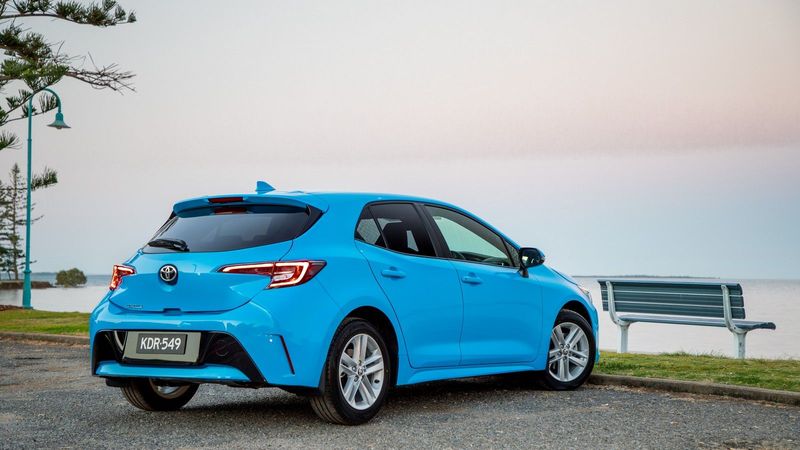
But even on the more affordable versions as you see here, the appearance is sporty and athletic – somehow managing to look very Japanese at the front and very European from the rear. Of course, the derivatives fitted with 18-inch alloy wheels look terrific, but even the 16-inch wheels are pretty smart.
If the market follows step with Australia, low-grade variants may well be offered with LED headlights and LED daytime running lights, both of which help the Corolla hatch mark its territory in low-light situations. The Bi-LED clusters in flagship variants sold here are superb in their illumination, too.
Looks can be deceiving, but the appearance of the new-generation Corolla doesn’t lie – it looks lower, wider and longer than before, because it is.
It measures 45 mm longer (at 4 375 mm) and rides on a 40-mm longer wheelbase (now 2 640 mm), and it’s 30 mm wider (1 790 mm) and sits 40 mm lower (1 435 mm) than its predecessor. That’s got a lot to do with helping the newcomer look more svelte, but it also has an impact inside the cabin.
The interior
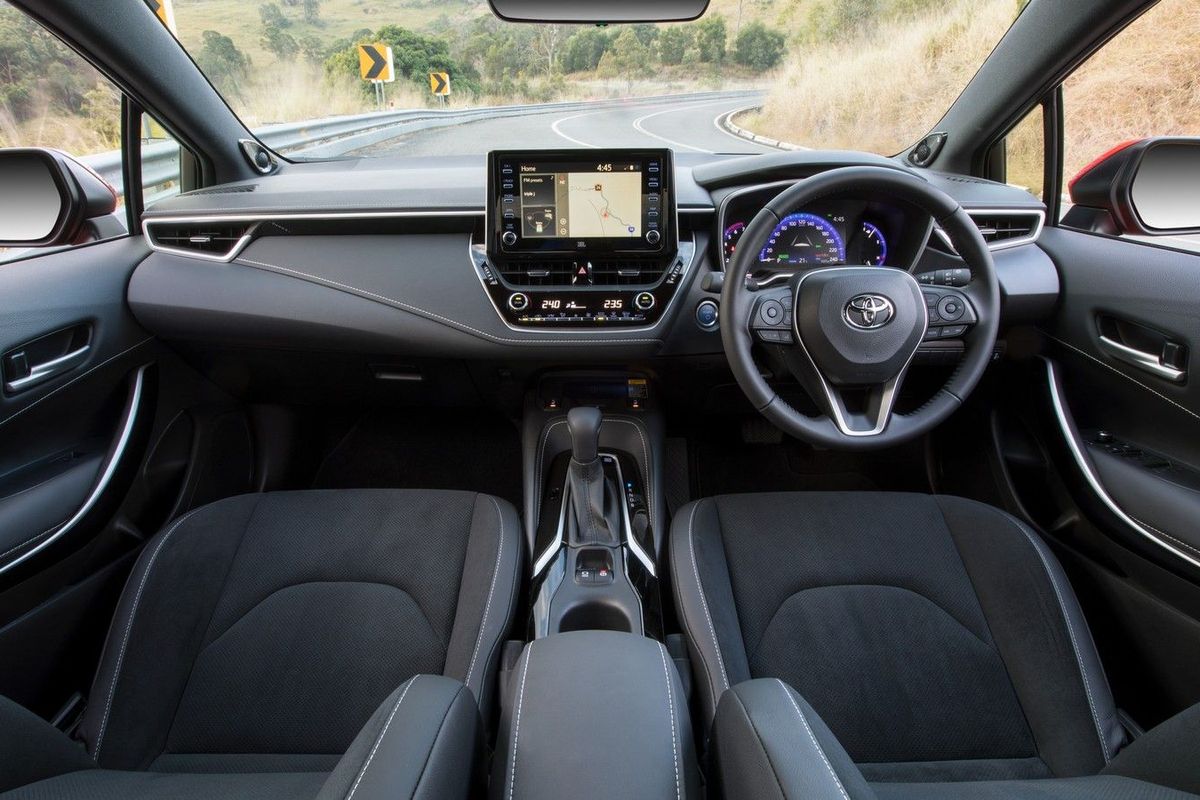
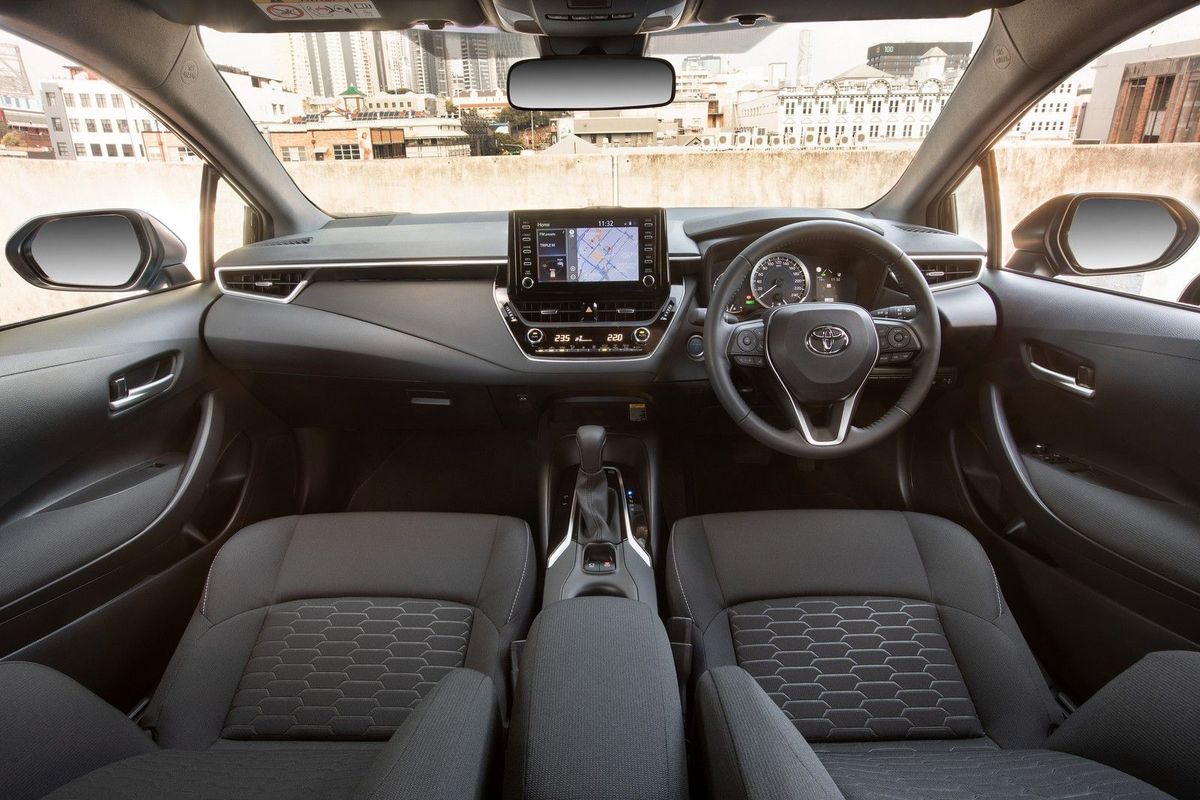
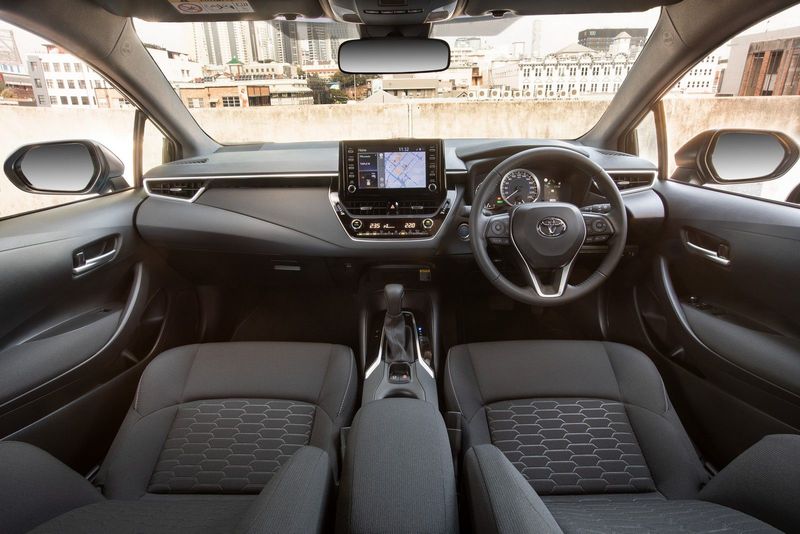
The interior has more space for occupants and things.
While the exterior takes Toyota to a new level, the interior pulls things back to planet Earth somewhat. There’s a lot to like about the way the company has pieced together the cockpit, with a mass of quality materials used, and better loose item storage than in the model that preceded it.
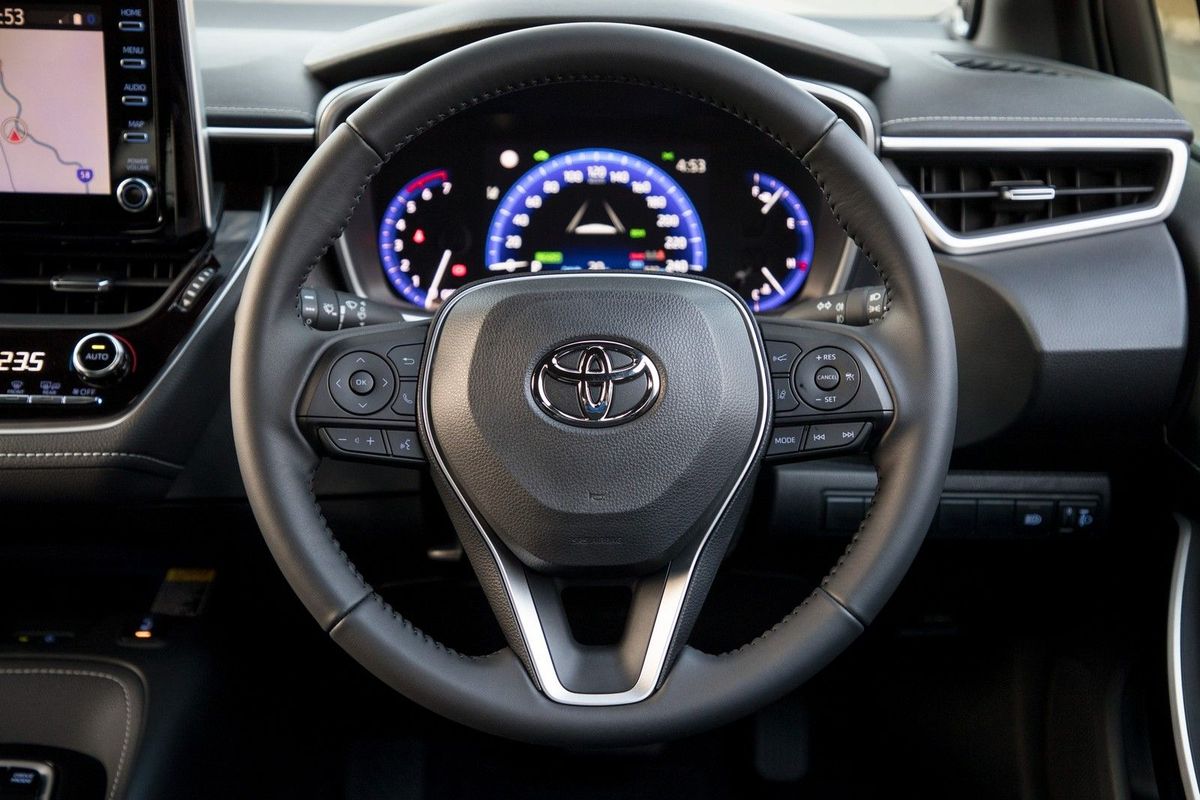
Lovely additions, such as dual-zone climate control, a 4.2-inch digital information display (which jumps to a 7.0-inch screen in high grades – both with a digital speedometer), and the availability of a head-up display all combine for a high-tech feeling, if not quite luxurious, cabin layout up front.
However, human space isn’t as good as it could have been. Some competitors offer superior rear seat knee room, and many offer better ingress and egress – the shape of the roof eats into the door apertures, meaning you’ll have to be careful if you’re tall. Plus, when you’re seated in the back, the headroom impinges on either side … well, it did for me, and I’m 1.82 metres tall.
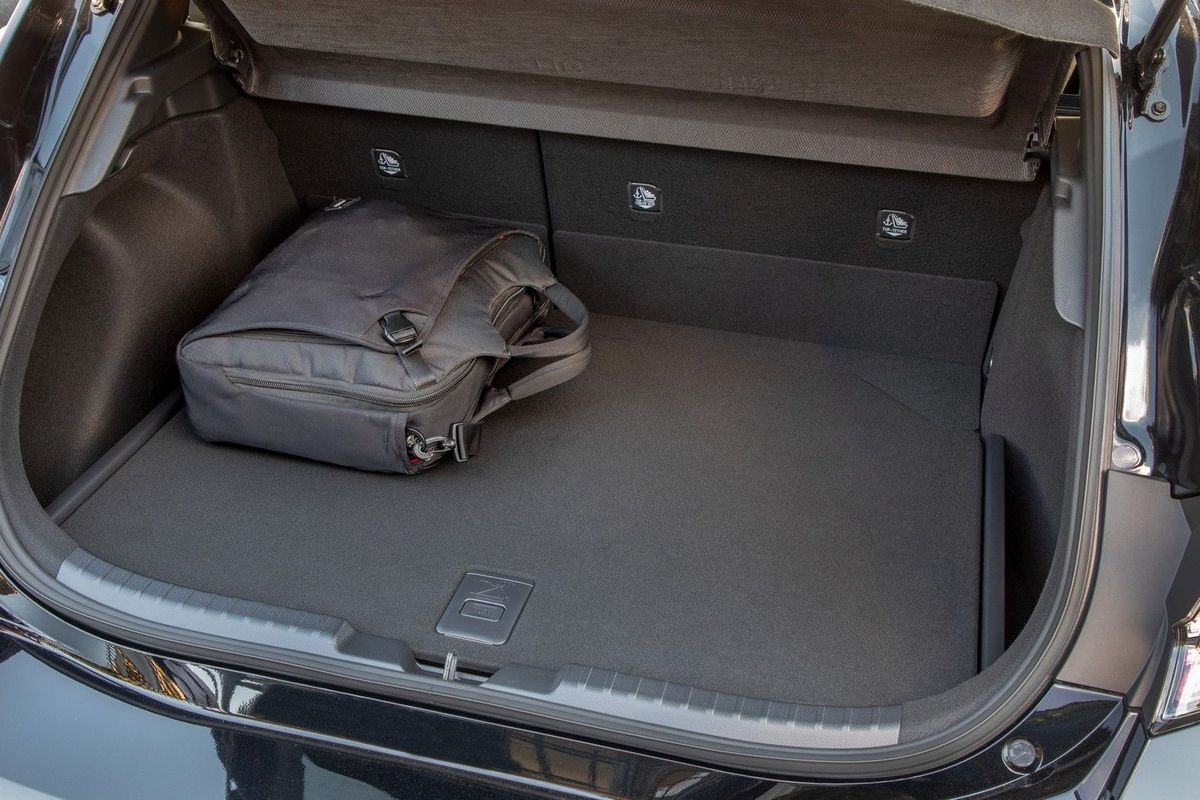
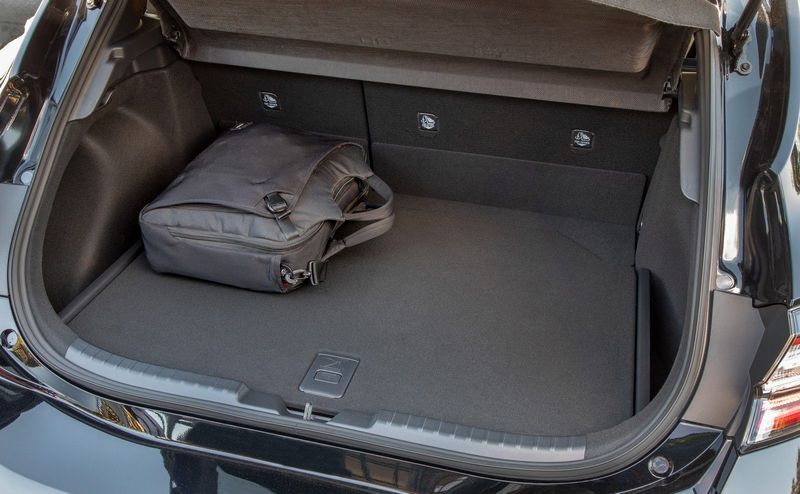
The luggage bay is on the small side compared with those of its direct rivals.
The biggest downer of all, though, is the luggage bay. At just 217 litres (with a spare wheel fitted) it falls well short of competitors like the VW Golf and Hyundai i30. Plus, in its biggest incarnation of 333 litres without a spare (the Aussie top-grade hybrid makes do with a repair kit), it’s still small by class standards.
So, if load space matters to you, it could rule out the hatchback – but there’s a Touring Sports station wagon on its way to select markets, which could address that concern. Or you could wait for next year's RAV4…
Satellite navigation, audio and infotainment
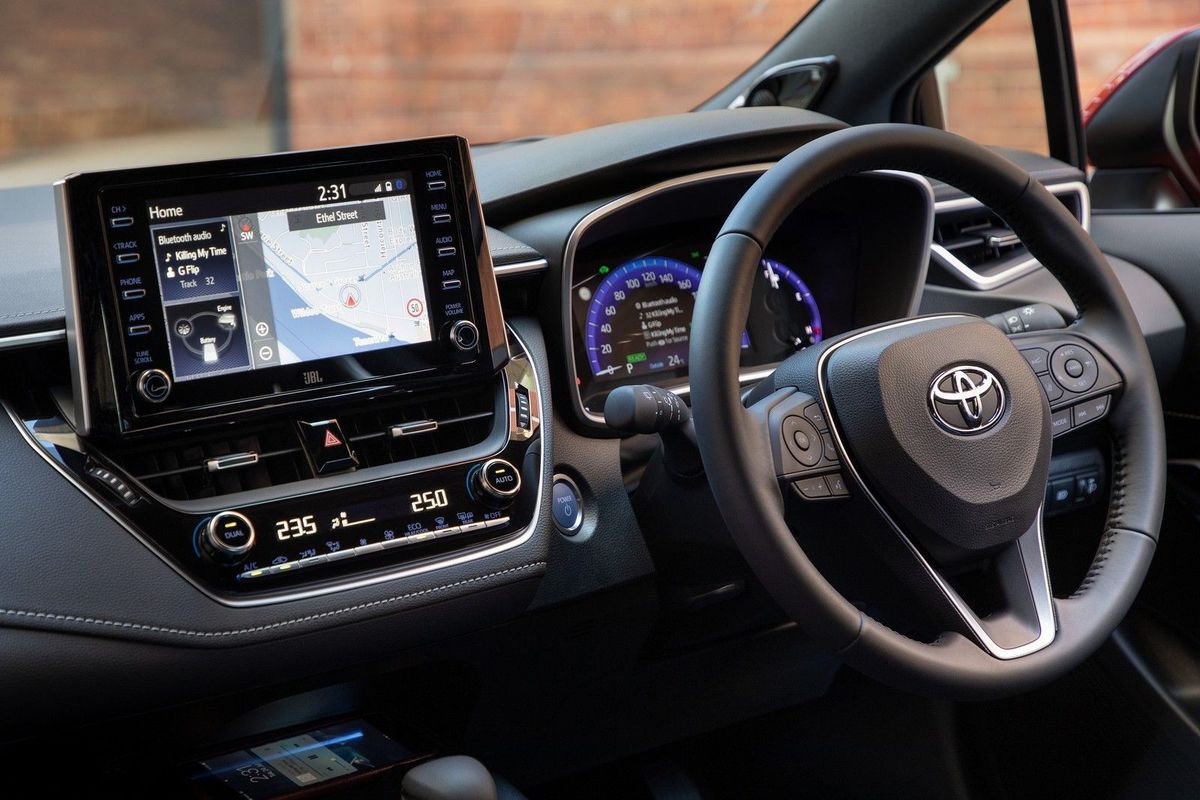
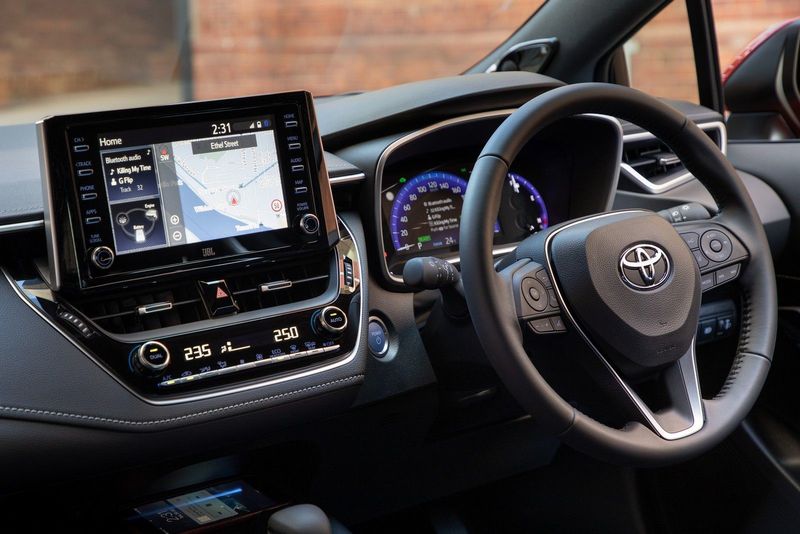
Larger infotainment touchscreen and fully digital speedometer in the high-spec version.
Expect a nice clear 8.0-inch tablet-style media screen on top of the dashboard, but sadly without smartphone mirroring technology – that means no Apple CarPlay or Android Auto compatibility. Well, that’s the case in Australia, and it’s expected to be the same in South Africa.
There are a couple of usability quirks with Toyota’s native media system, including the inability to input phone numbers when connected to Bluetooth (or pair a phone, which is frustrating if a passenger wants to pump a call or some tunes through the cabin, but you’ve already started your journey), plus you can’t add destinations to the navigation system while the car is moving, either. At least it still has volume and tuning knobs, rather than touchscreen controls for those. In fact, the hard buttons either side of the screen are logically organised and easy to get used to.
Lower grade versions will likely rock a 6-speaker audio system, while high-grade versions could see the addition of a crisp and bassy JBL stereo with 8 speakers.
The driving experience
Local derivatives will make use of the 1.2-litre turbocharged petrol from the C-HR.
In Australia, we get a couple of engines that won’t be offered on your side of the Indian Ocean. Which could be a shame, because the new 2.0-litre 4-cylinder petrol (with peak outputs of 125 kW and 200 Nm) is perky, willing and decently refined, whether paired to the 6-speed manual transmission with intelligent rev-matching or the newly-developed 10-speed CVT automatic.
The hybrid version sold in Australia is a 1.8-litre 4-cylinder petrol-electric, and it’s expected that will be the exact same version sold in South Africa, despite there being a more technologically-advanced 2.0-litre hybrid (with lithium-ion batteries rather than nickel-metal-hydride) in other markets around the world.
I can only imagine that the engine that will form the basis of the Corolla range in South Africa will be a charming and characterful 1.2-litre 4-cylinder turbocharged unit, the same seen in the C-HR. The predicted outputs are 85 kW and 185 Nm, which will potentially make it more focused on fuel efficiency than outright performance.
Having sampled that drivetrain – with the six-speed manual and the CVT auto in the C-HR – it never felt breathless, though did require some encouragement.
At the very least, the circa-20 kg weight advantage a Corolla Hatchback has over an equivalent-spec C-HR will help with getting things moving. And the so-called Launch Gear – a mechanical first gear that allows you to pull away from intersections before the drivetrain switches from torque-converter to CVT auto – is superb.
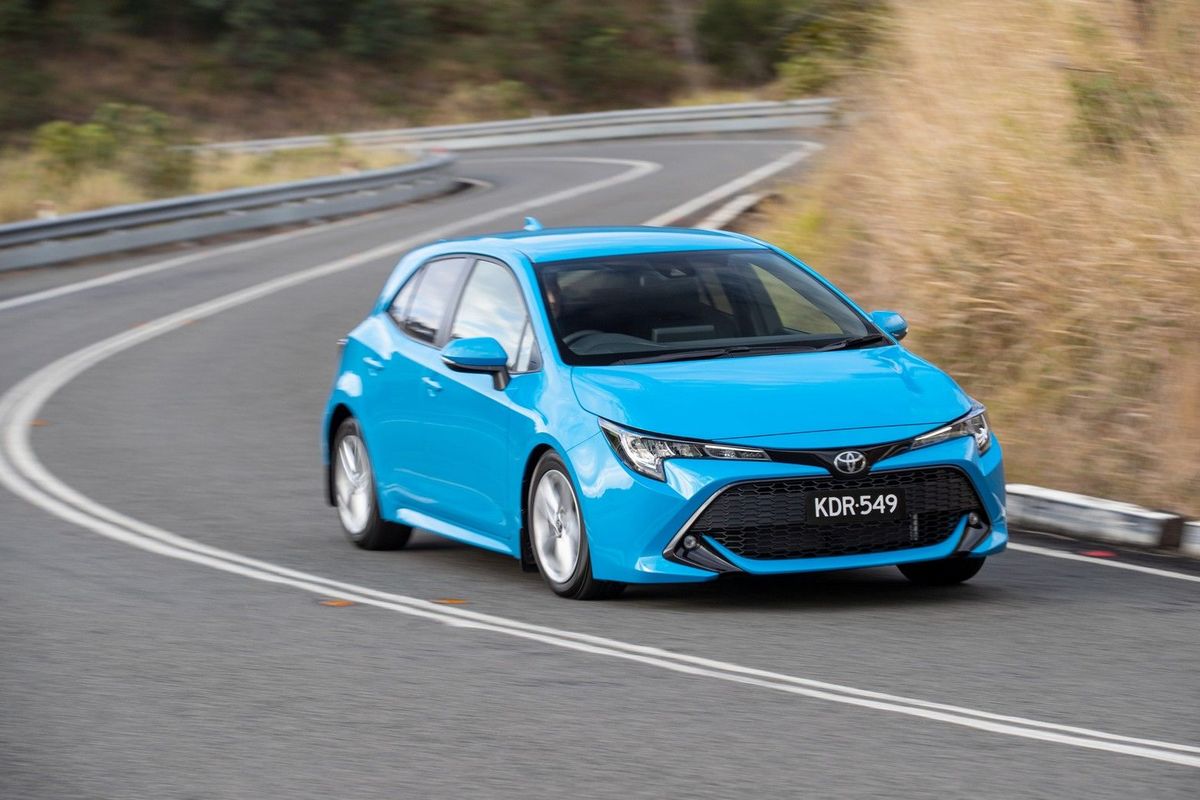
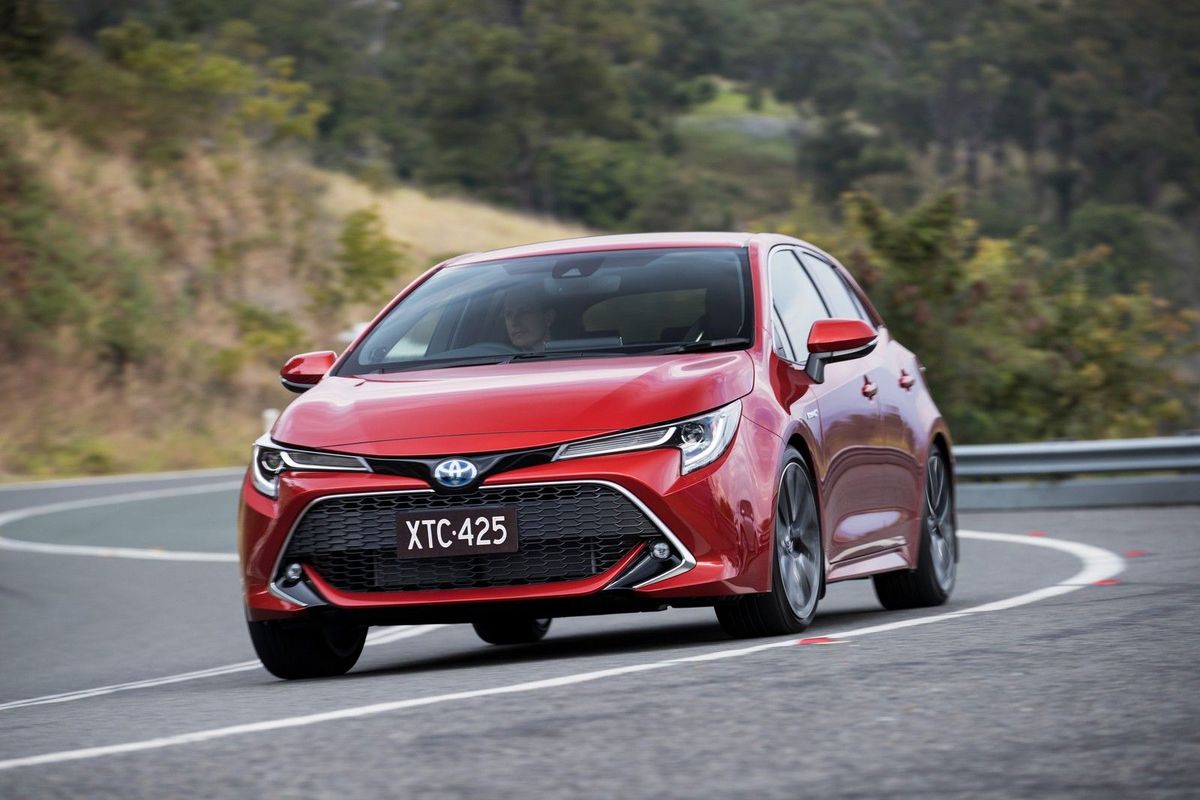
Ride and handling are excellent and it comes with a multi-link rear suspension.
Drivetrains aside, the experience behind the wheel is considerably more enticing and involving than the existing versions of the Corolla. Toyota's New Global Architecture has been a revelation for the brand in its quest to make "ever-better cars". The lower centre of gravity and considerably stiffer body (by no less than 60%!), combined with a multi-link rear suspension setup, makes for a compelling experience behind the wheel.
The steering is direct and reliable in its action, the balance is brilliant in corners, and the ride is mostly very good, with only very sharp-edged bumps upsetting the chassis. It’s worth stipulating, the drive experience isn’t just good on nice sections of road with good surfaces – as a general rule, the Corolla is very sorted and considerably more enjoyable and sporty than its precursor.
Safety and reliability
Local derivatives won't get all the active safety equipment, but will be equipped with stability control and maybe active cornering.
Unlike the Australian cars I’ve driven, which come comprehensively loaded with safety technology, Corolla models sold in South Africa are set to miss out on the latest gear. That means no pre-collision safety system with pedestrian and cyclist detection, no active cruise control, no lane trace, -departure warning and -centring with steering assist and no road-sign recognition technology.
What a shame – those are some of the biggest selling points for the new Corolla in many markets. But at the very least, the Corolla hatch will come with 7 airbags (dual front-, side-, driver’s knee- and curtain 'bags), as well as a reverse-view camera, ISOfix child restraint anchors, ABS with brake assist, vehicle stability control and, hopefully, active cornering control.
There are other reasons to buy a Toyota, though – the company has a stellar reputation for reliability, and the new-generation models built on the Toyota New Global Architecture will usher in a service plan with intervals every 12 months or 15 000 km, running out to six scheduled maintenance visits or 90 000 km.
Toyota South Africa backs its vehicles with a 3-year/100 000 km warranty, which can be extended if you so choose – you should be able to push that up to eight years/unlimited km on petrol Corollas, or 10 years/unlimited mileage on hybrid versions, including the hybrid battery.
Summary
Finally, Toyota has made a worthy challenger to the Golf.
The all-new 12th-generation Toyota Corolla Hatchback is boldly different – the sort of car that challenges expectations. In that way, it embodies the direction of Toyota as a brand, by being desirable and assertive, in some ways at the expense of the sensibilities that have appealed to many buyers for so long.
But there are no two ways about it – this is the best Corolla ever, and sincerely deserves to do well, be it on the sales charts, or in comparison tests against marquee players such as the Volkswagen Golf, which will enter its 8th generation in 2019… what a matchup that’s going to be!
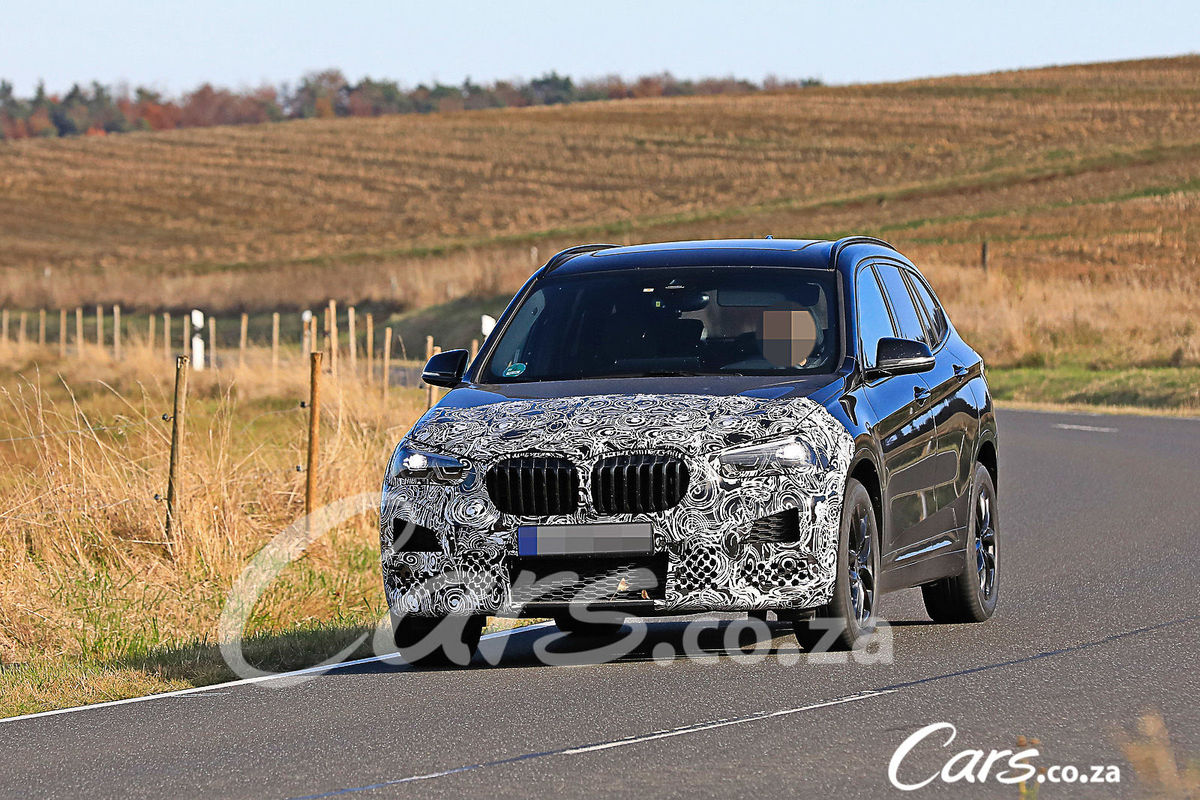
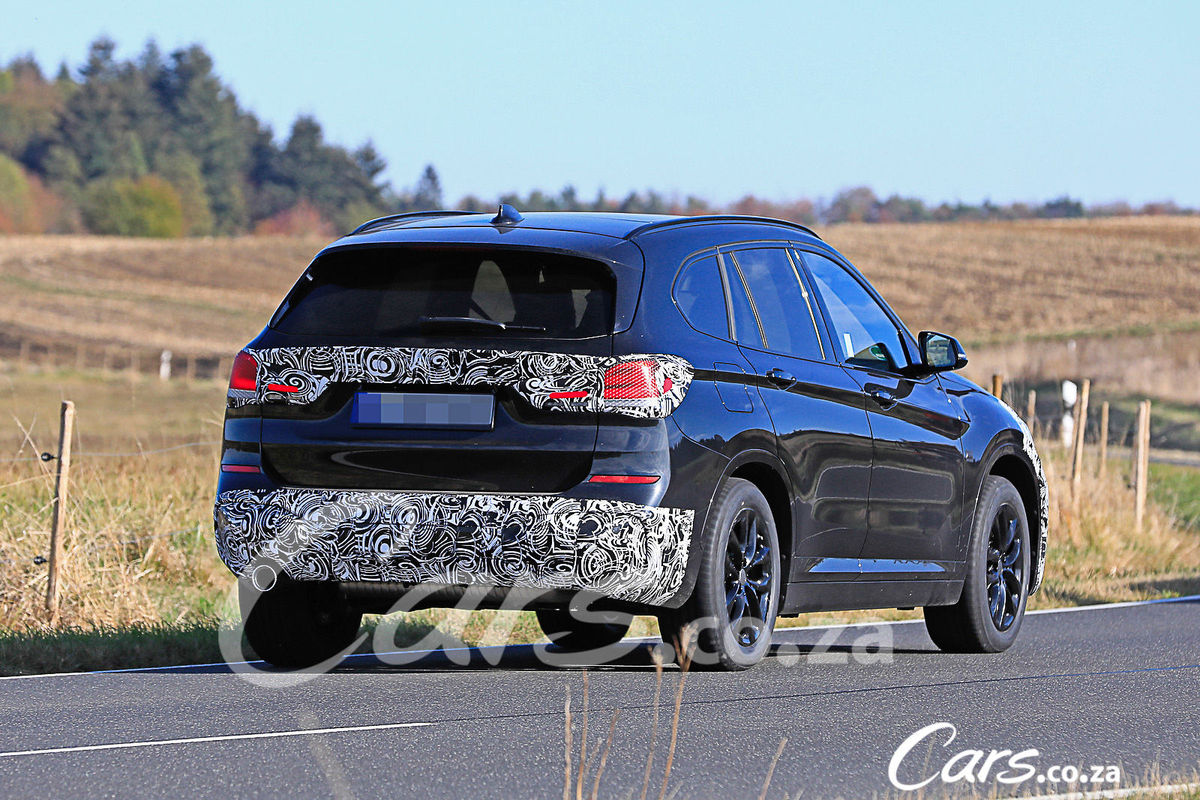
Spy Shots: Facelifted BMW X1 with M Performance model
Our spy photographers have been hard at work this week and they've spotted a facelifted BMW X1 testing as well as what looks to be an M Performance derivative.
The BMW X1 is the brand's smallest SUV and it sells reasonably well on the back of a global obsession with the SUV. It offers both petrol and diesel options, and BMW's xDrive offers reasonable all-wheel-drive capability. For 2019, the model is set to be refreshed and our photographers have spotted the facelifted BMW X1 out on the roads.
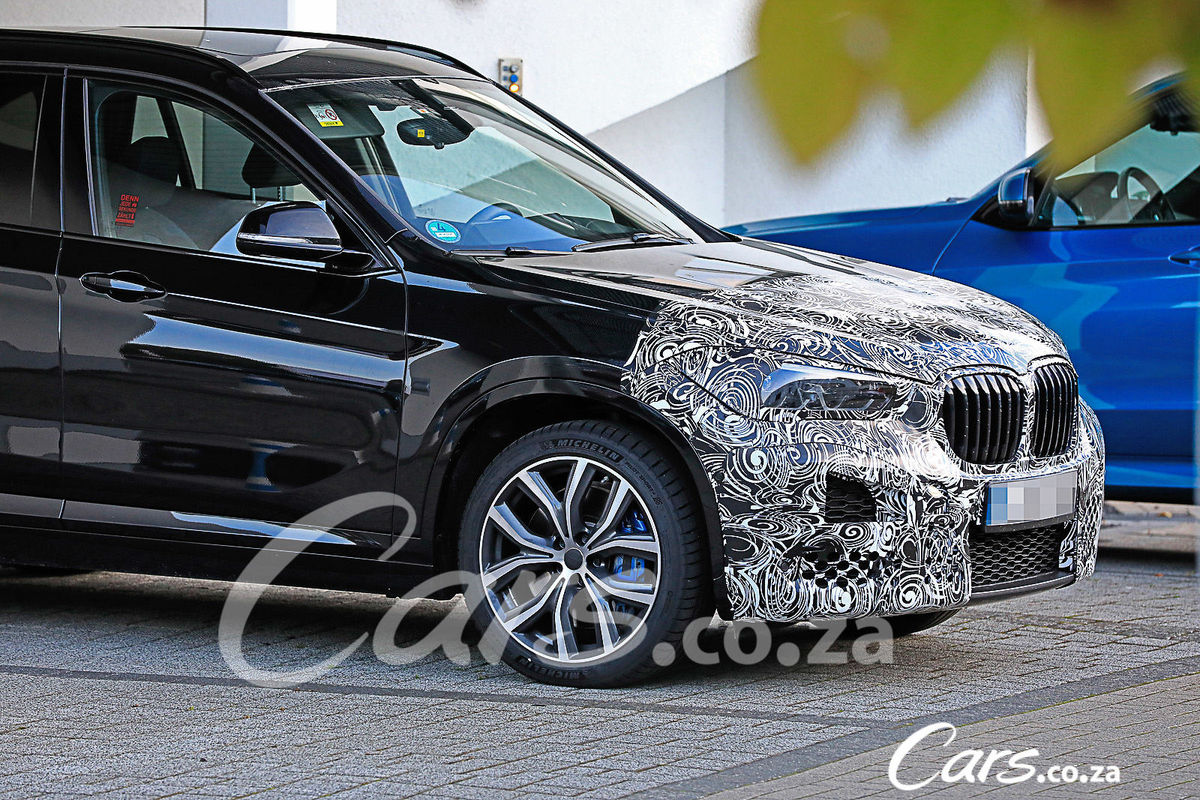
Also spotted was a BMW X1 featuring bigger alloy wheels and blue brake calipers. We suspect that BMW will be offering an X1 M35i model, replete with the same 2.0-litre turbocharged 4-cylinder motor as the one found in the BMW X2 M35i. That engine pushes out a potent 225 kW and 450 Nm, and power goes to all four wheels via an 8-speed automatic gearbox. The X2 M35i is good for a 0-100 kph run of 4.9 seconds.