Toyota Corolla Hatchback (2019) International Launch Review
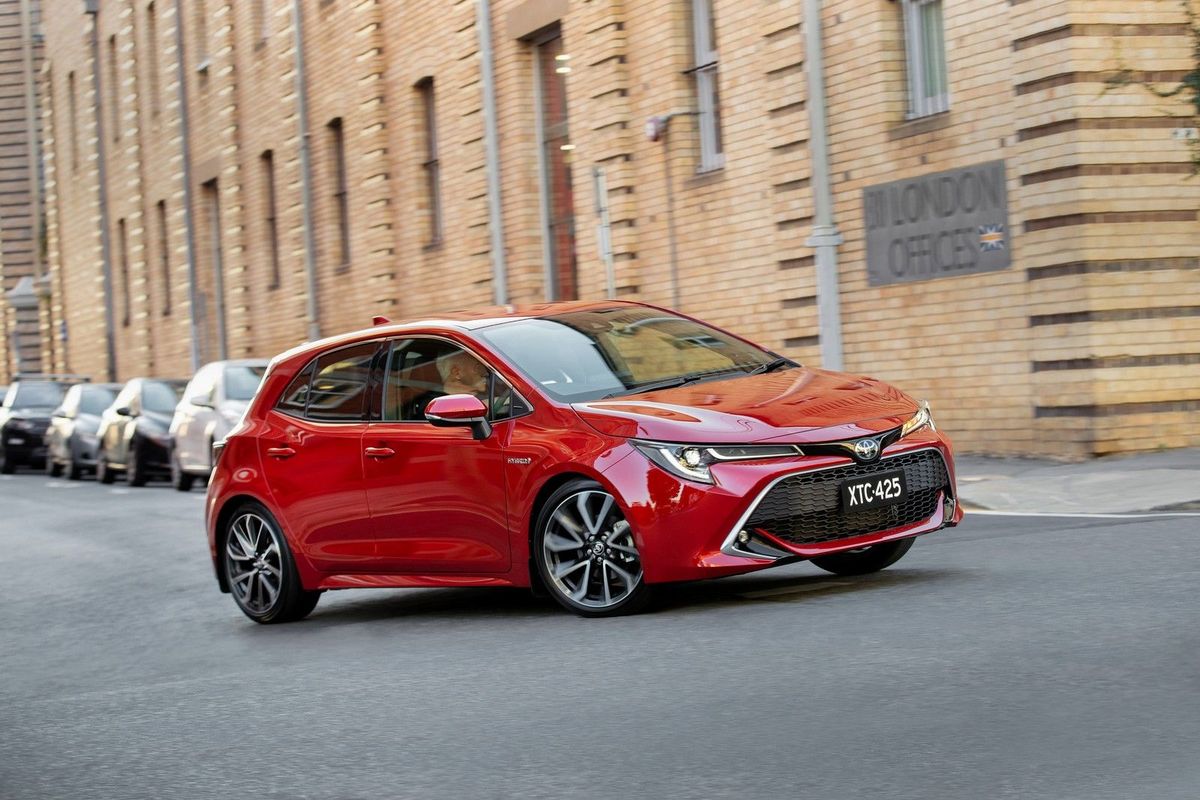
The Toyota Auris is gone – and this is its replacement: a Corolla Hatch. It has more style than virtually any Corolla that preceded it, but is there any substance beneath the pumped up kicks? Our Australian correspondent, Matt Campbell, investigates.

If ever there was a car that deserved to be described as a success story, the Toyota Corolla is it. More than 45 million examples of the Corolla have been sold over the 51 years and 11 generations the car has been on sale and, according to the Japanese brand, more than 30 million of those cars are still driving today.

Think about those figures for a moment: Toyota says that there has been one Corolla sold every 37 seconds over the time the model has been on sale – and in recent years, the rate has been even quicker, because the Corolla has only become more popular as time has gone on.

Now in its 12th generation, and due in South Africa in the first few months of 2019, the Toyota Corolla Hatchback offers quite a different take on tradition. It is undoubtedly more attention-grabbing, more style-focused, and arguably better to drive than ever before. But has it sacrificed anything in the process?

Exterior styling


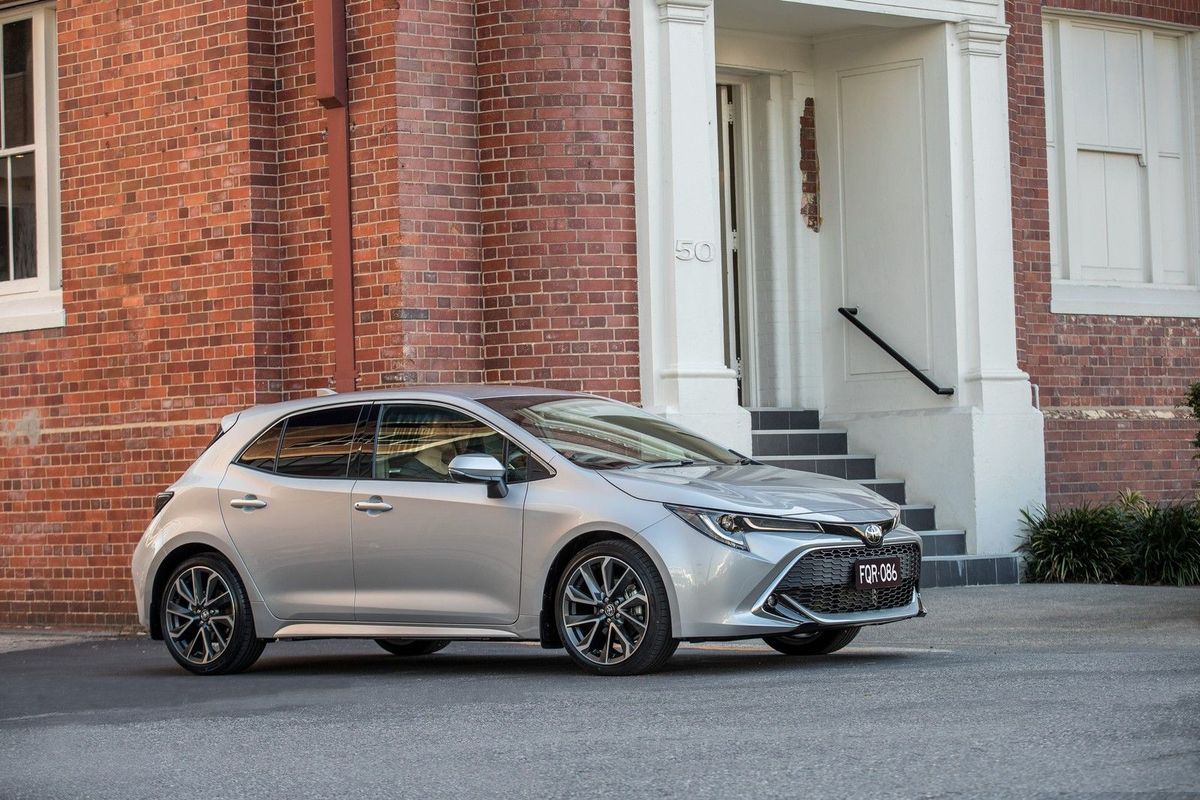
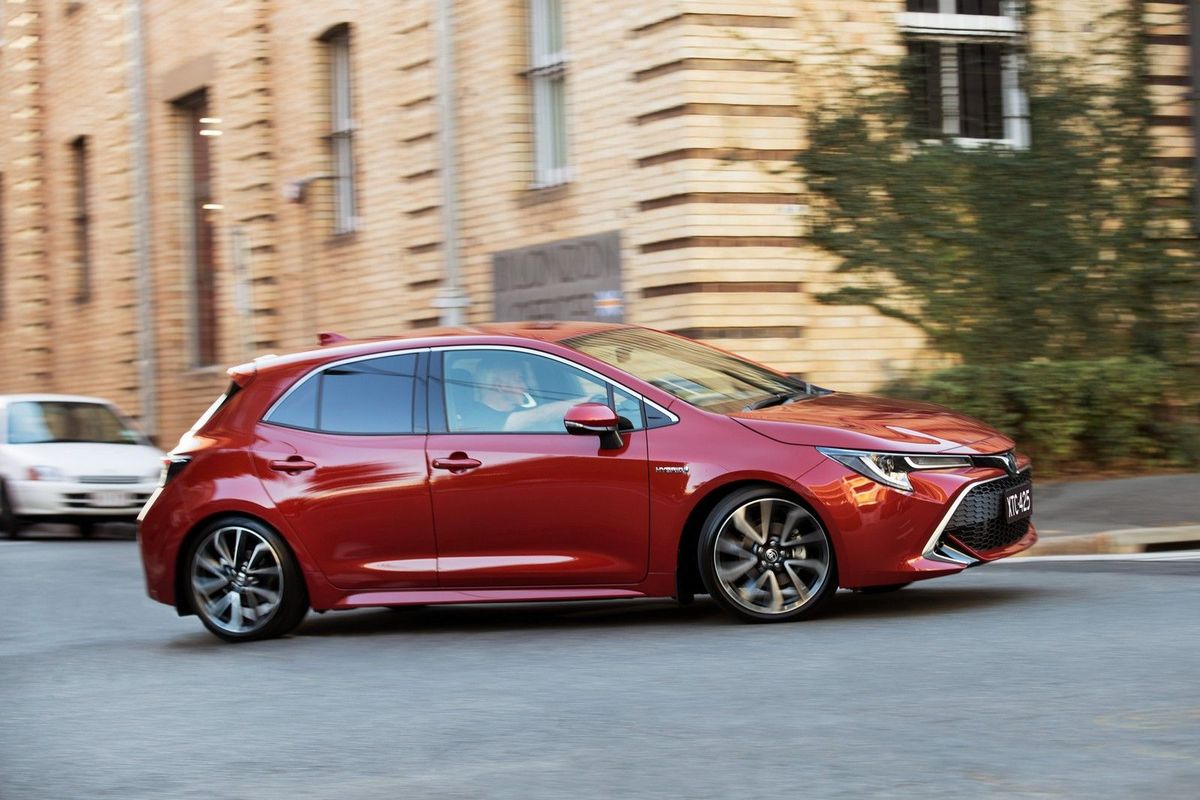
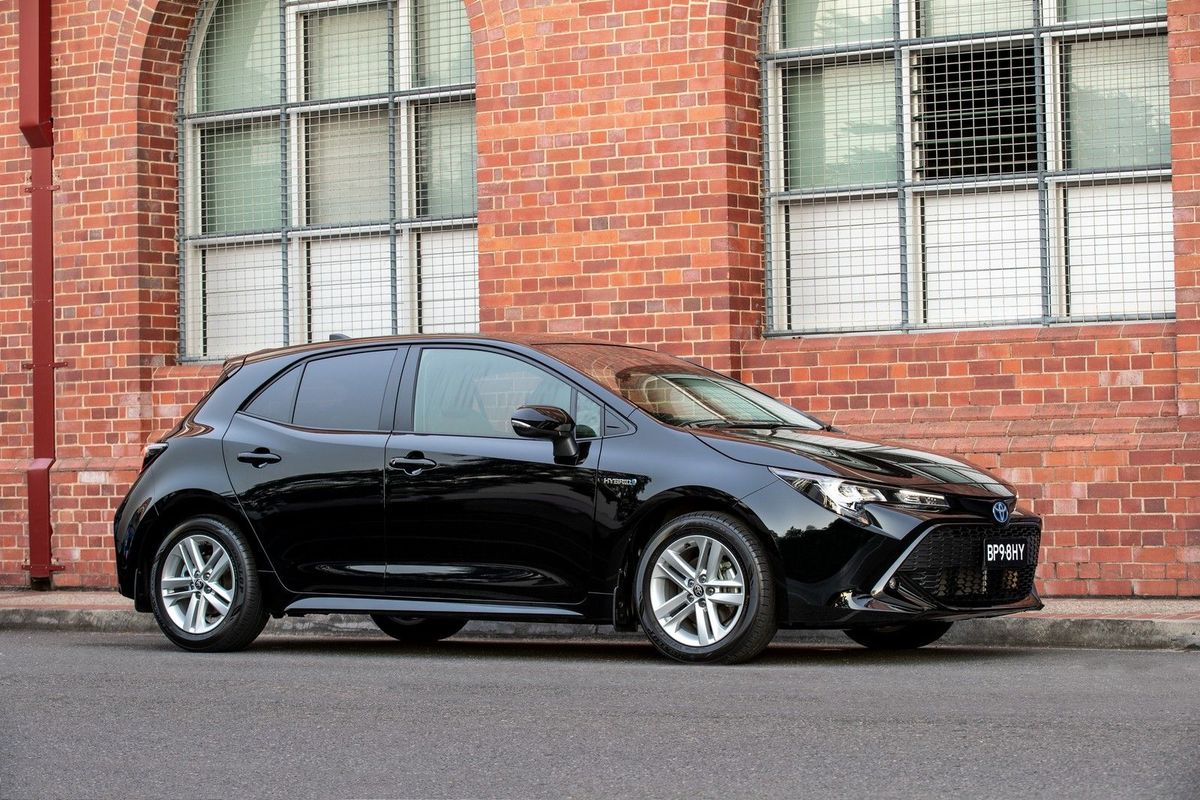
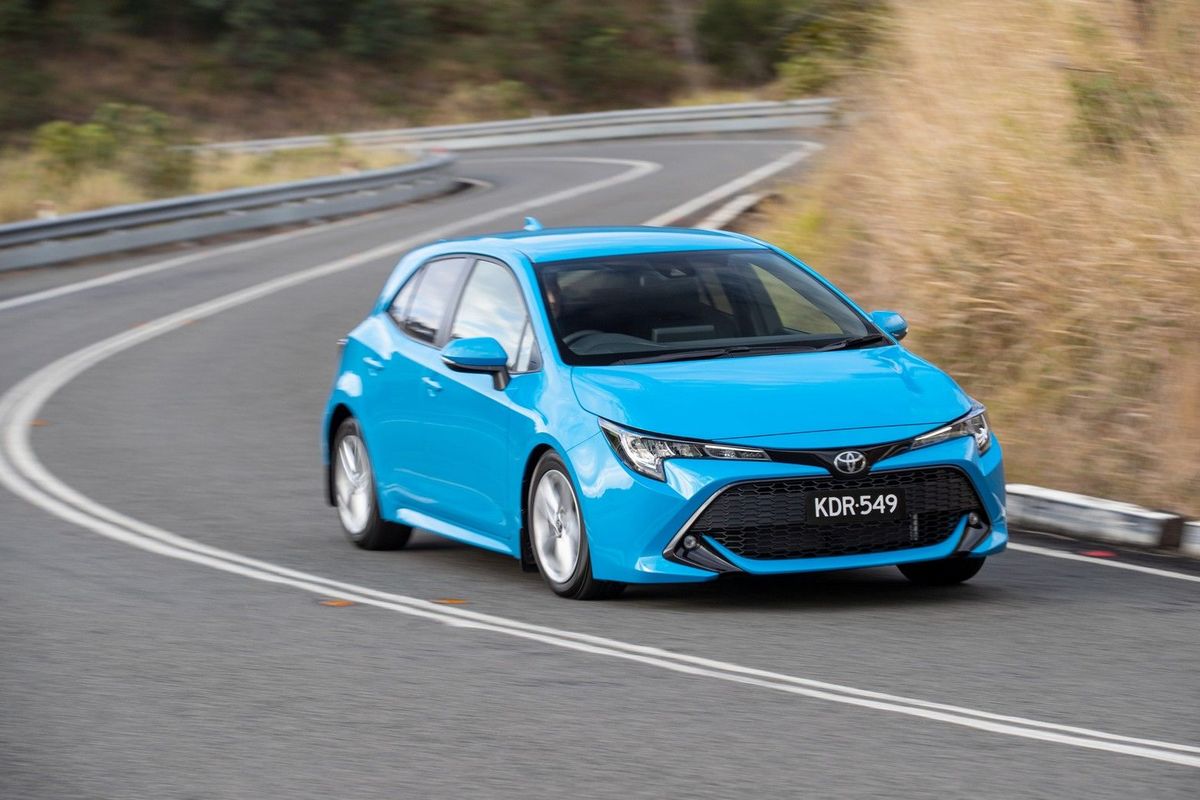
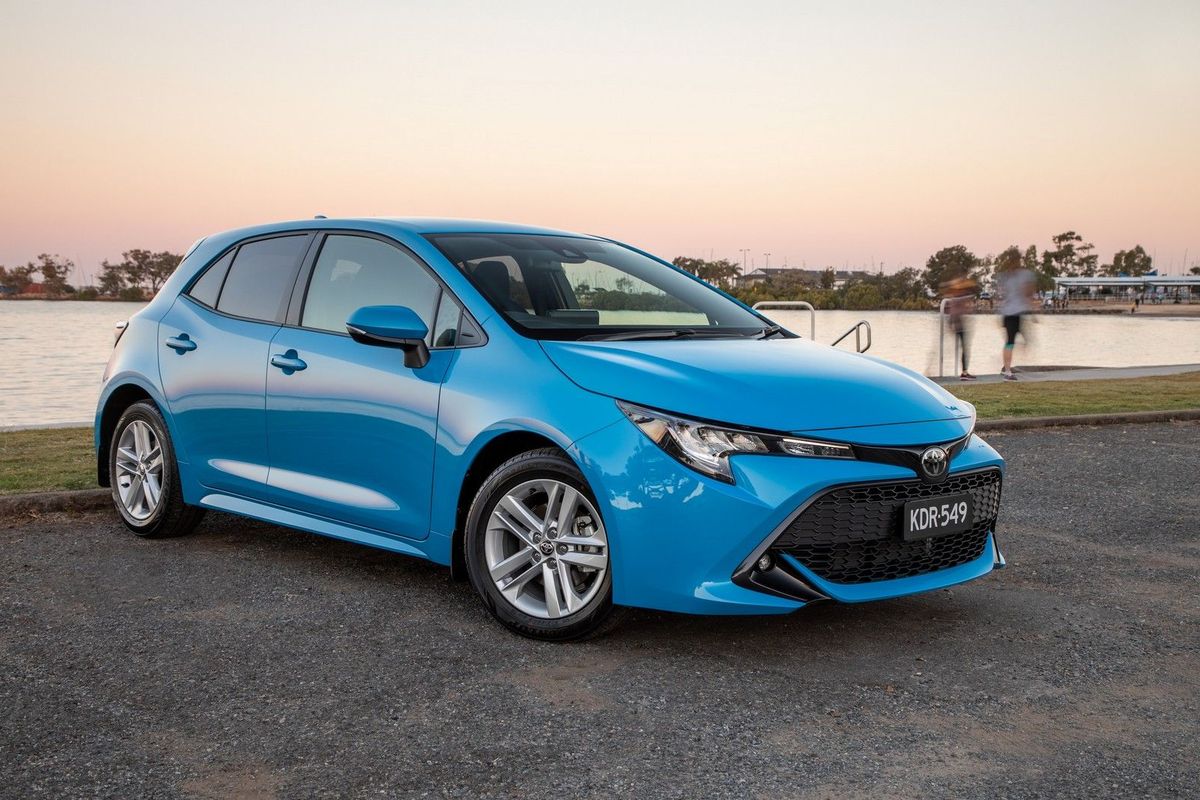
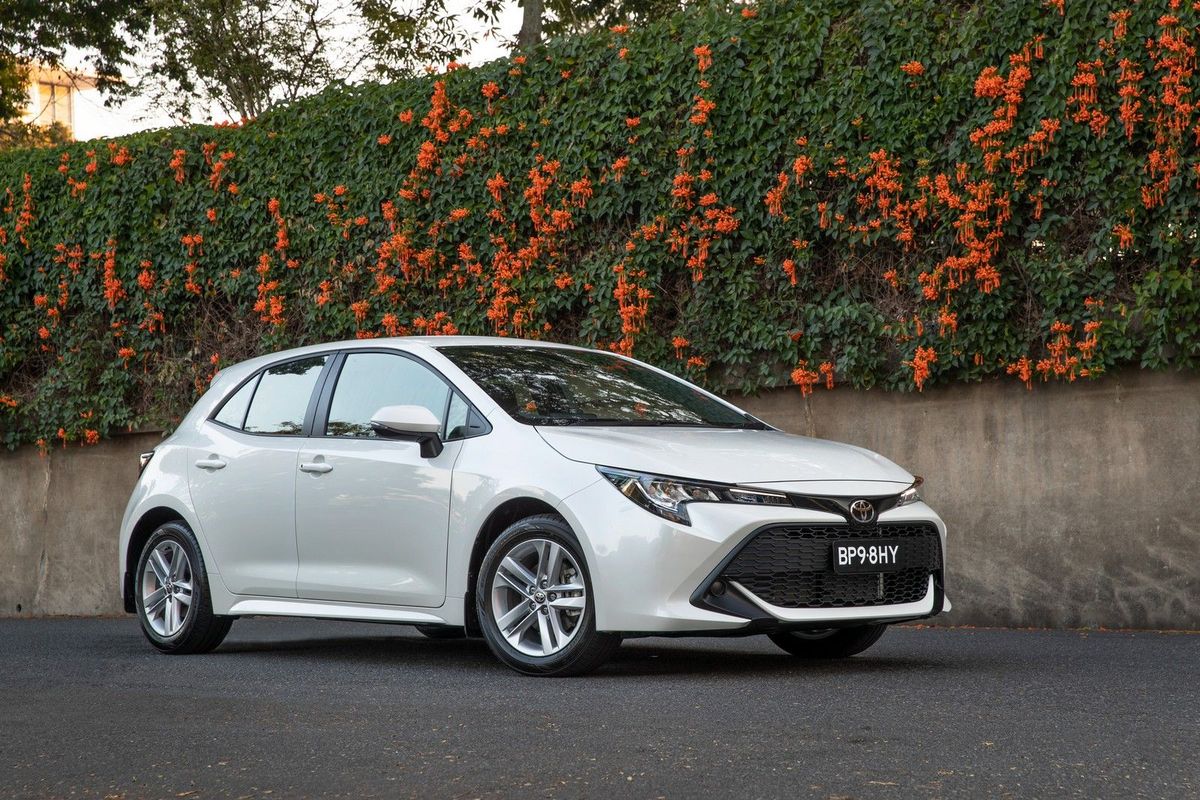
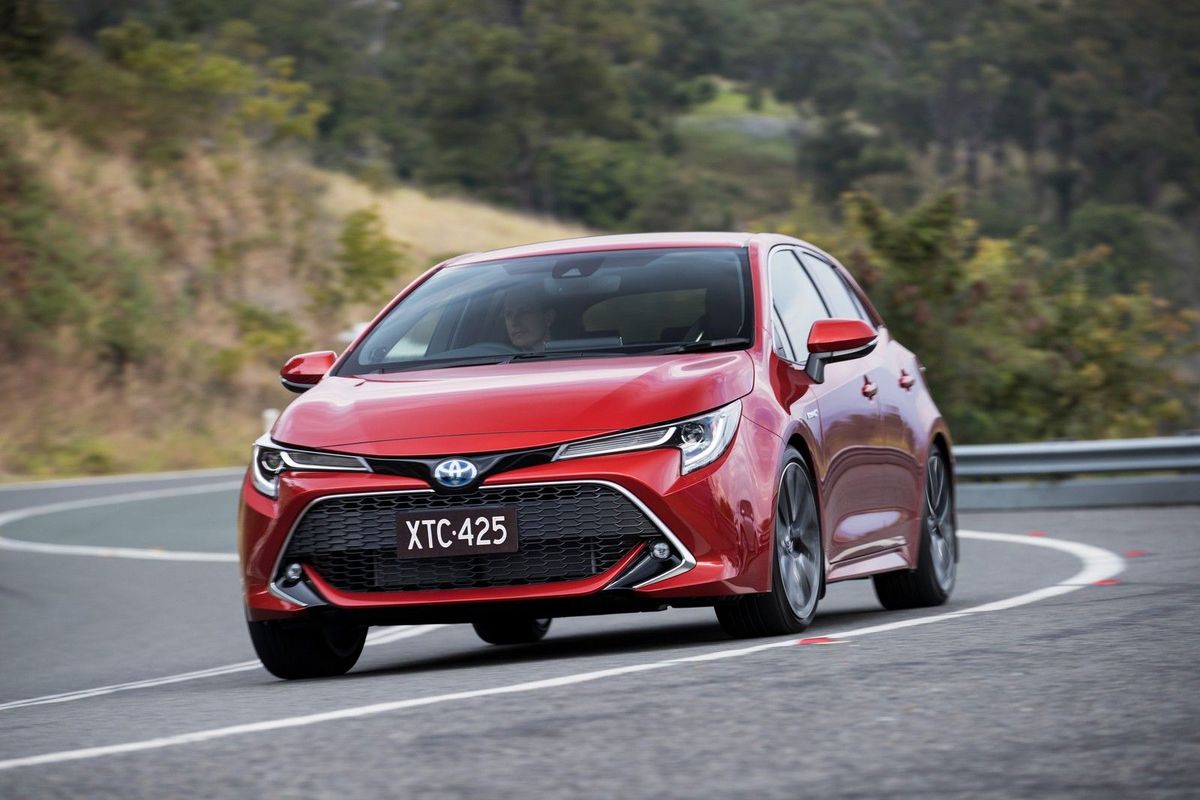
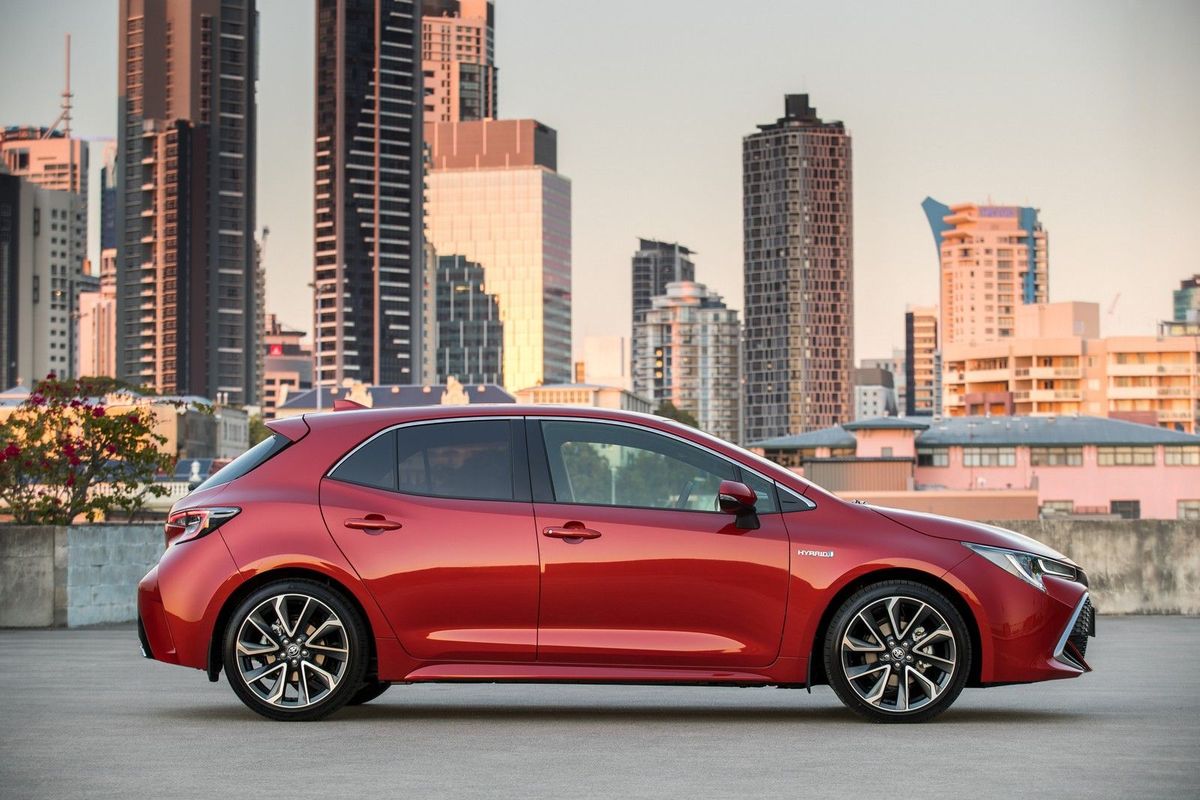
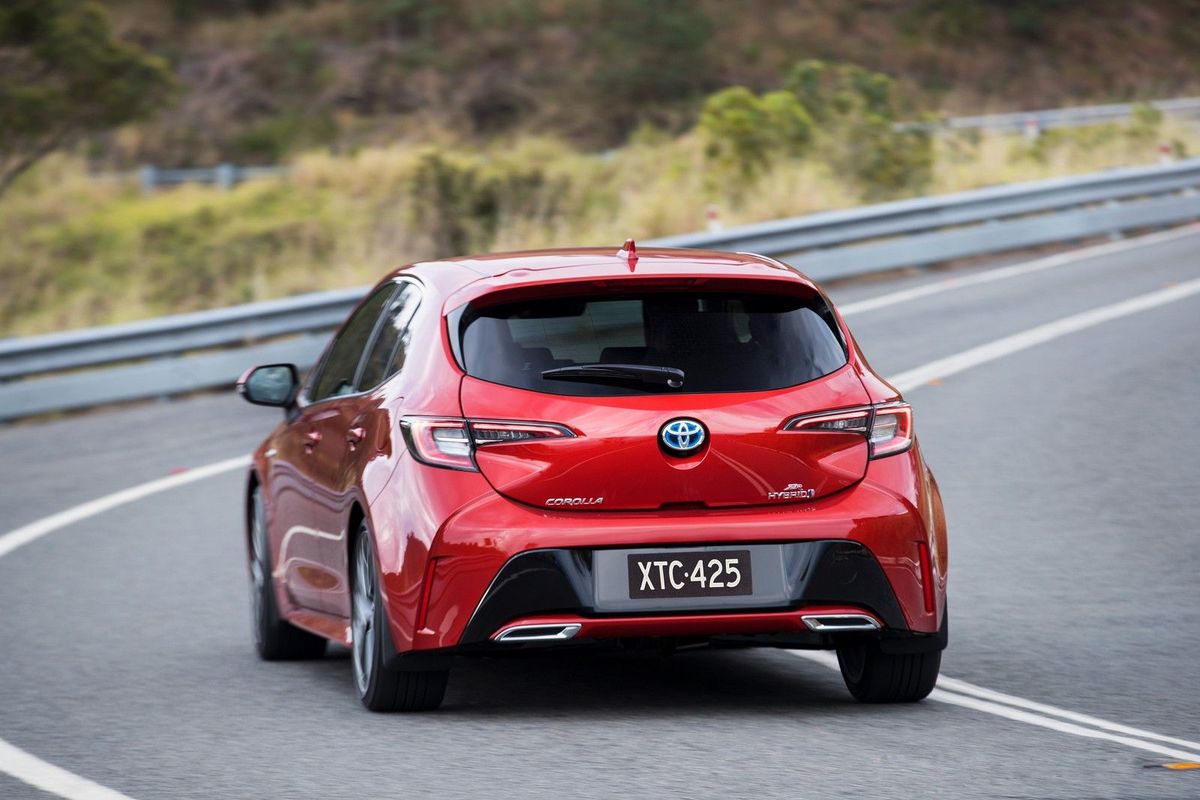
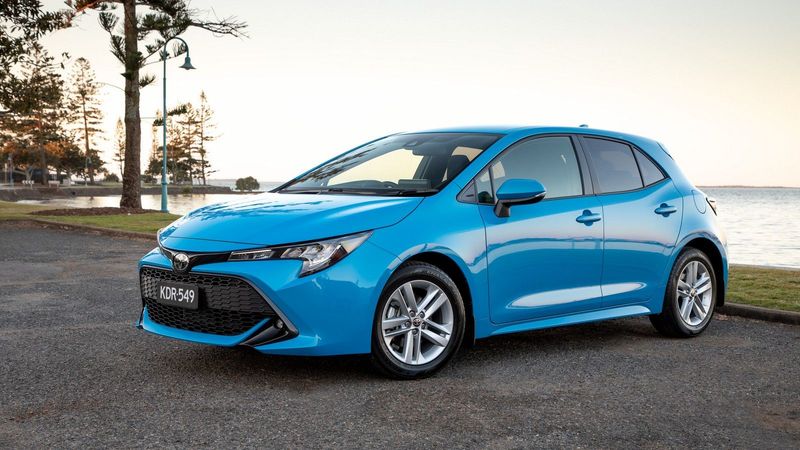
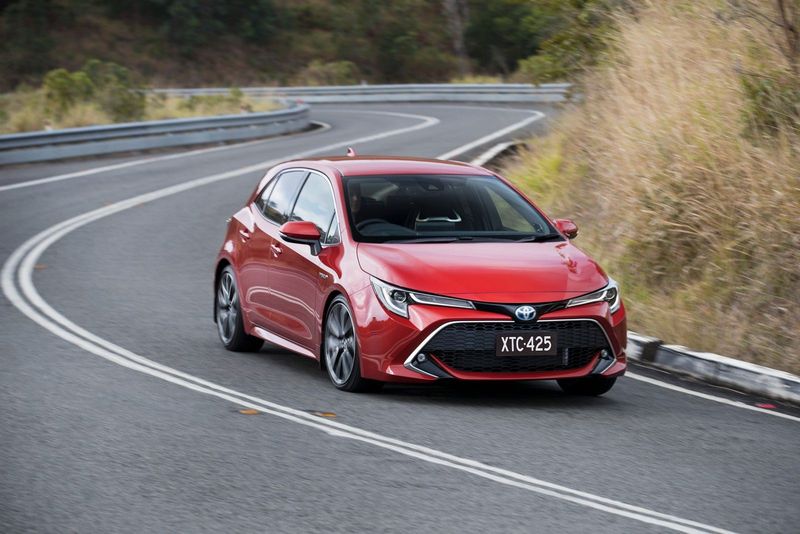
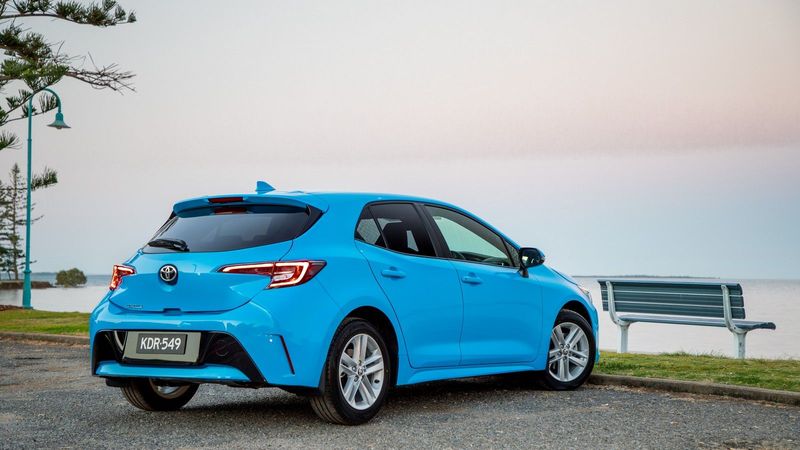
Toyota's styling seems to have hit the mark with the new Corolla hatch.

I challenge you to find a better-looking Corolla.

Go on, I’ll wait here.

(Crickets. Clock ticking. Paint drying. Grass growing.)

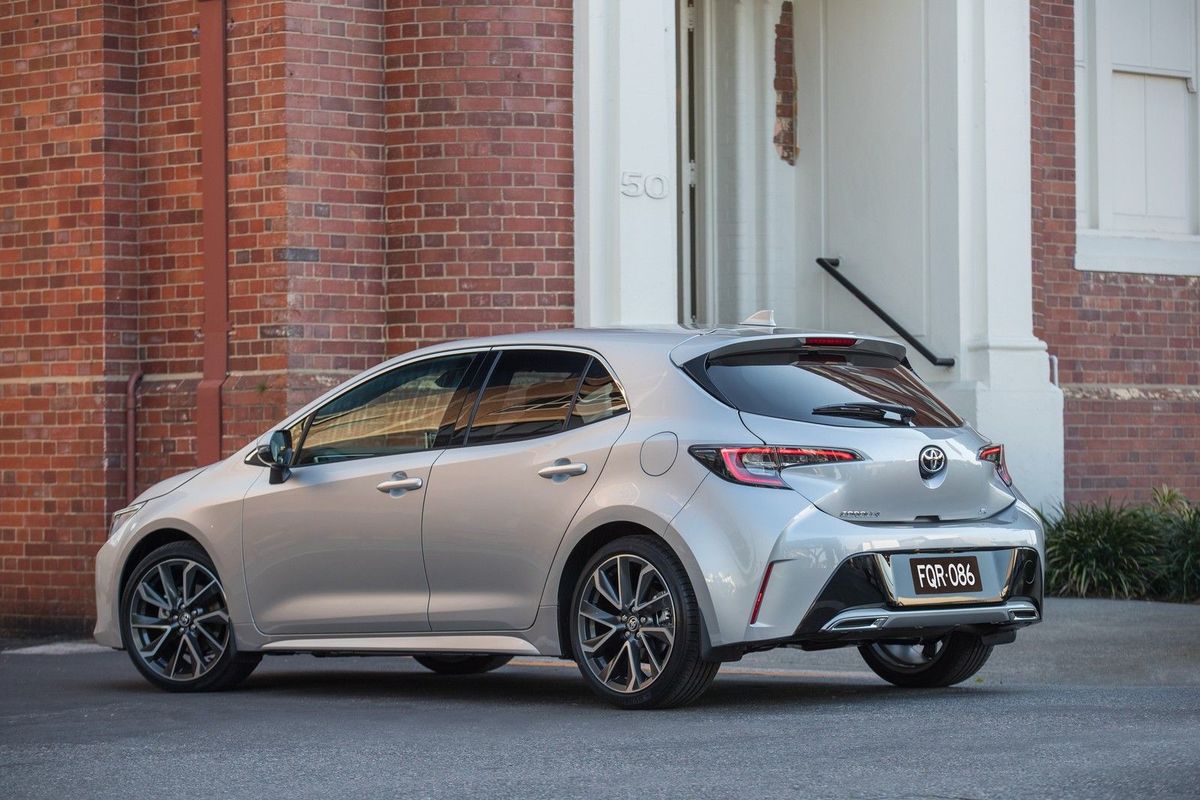
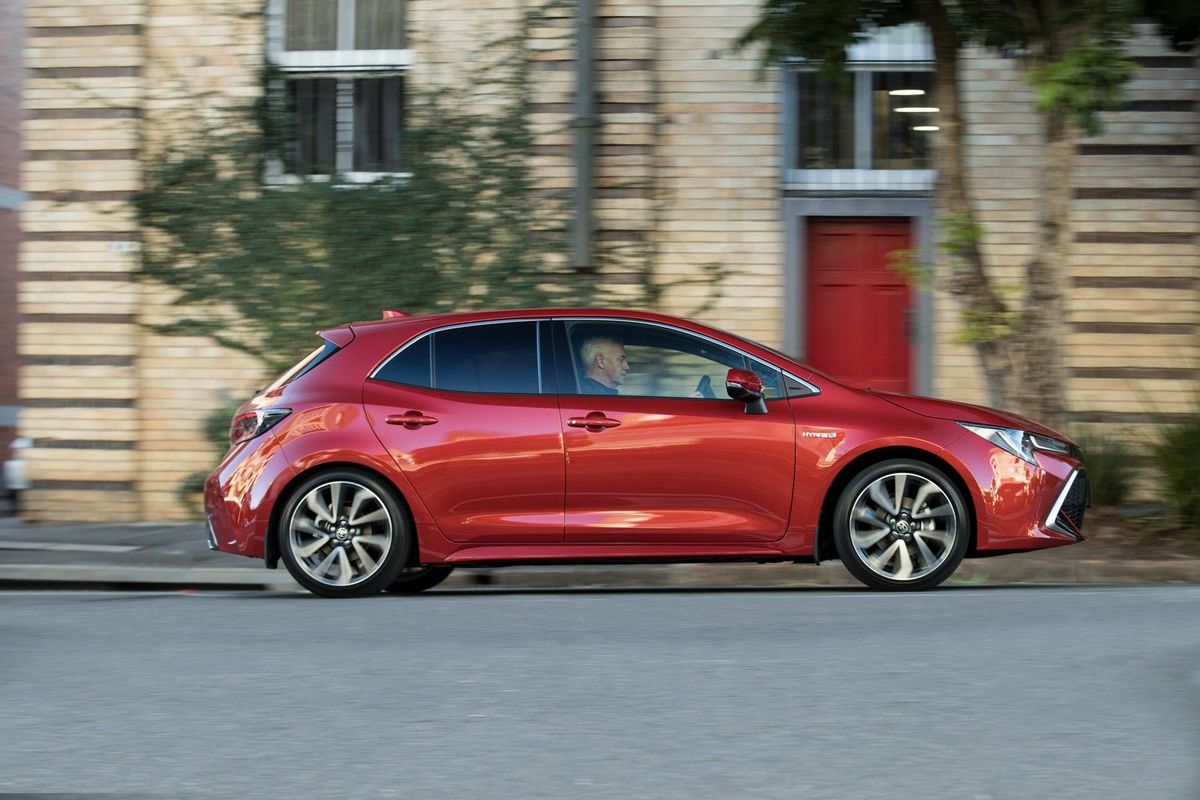
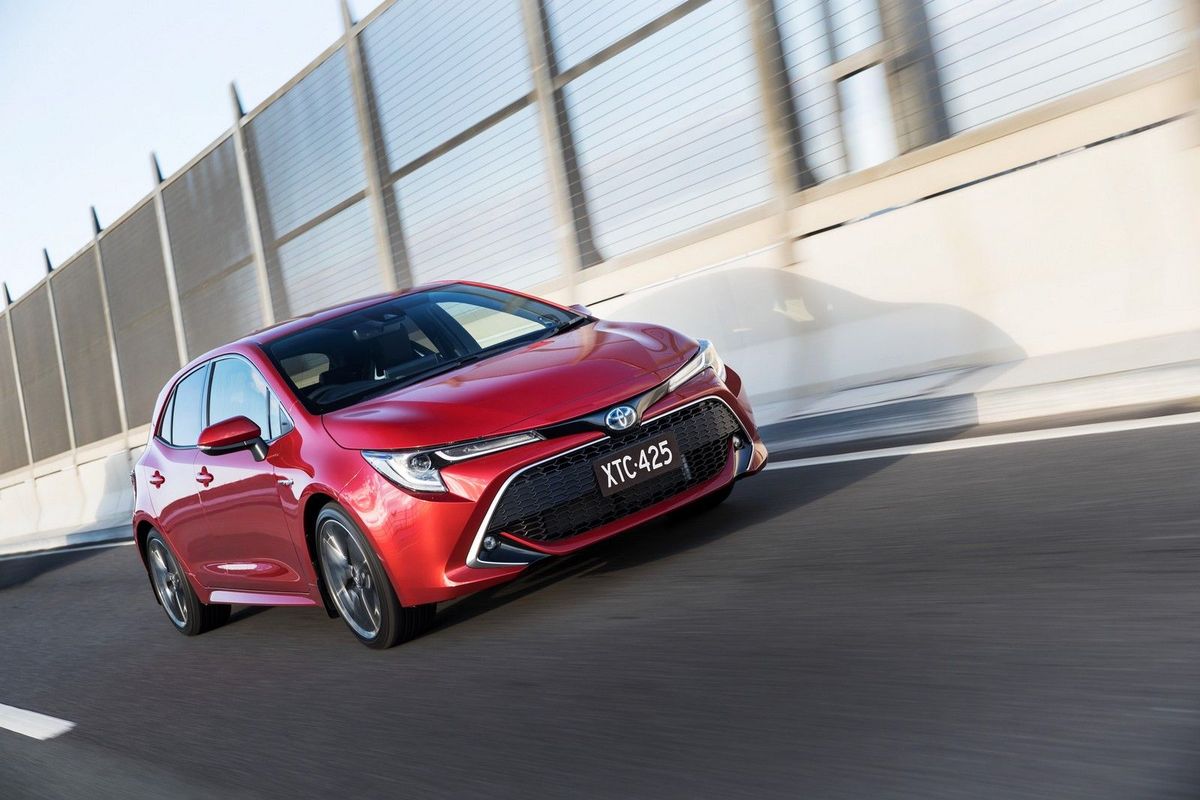
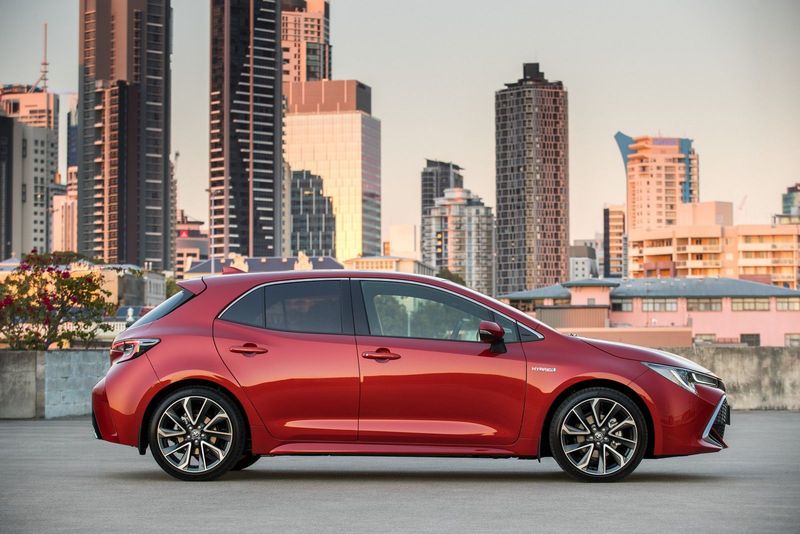
Where were we? Oh, yeah – the exterior design, particularly on high-grade derivatives is almost hot-hatch-like in its execution. Trust me – a high-grade version with the big wheels in the right colour looks like it’s ready to stick its fists up and puff its chest out in the presence of a Focus RS.

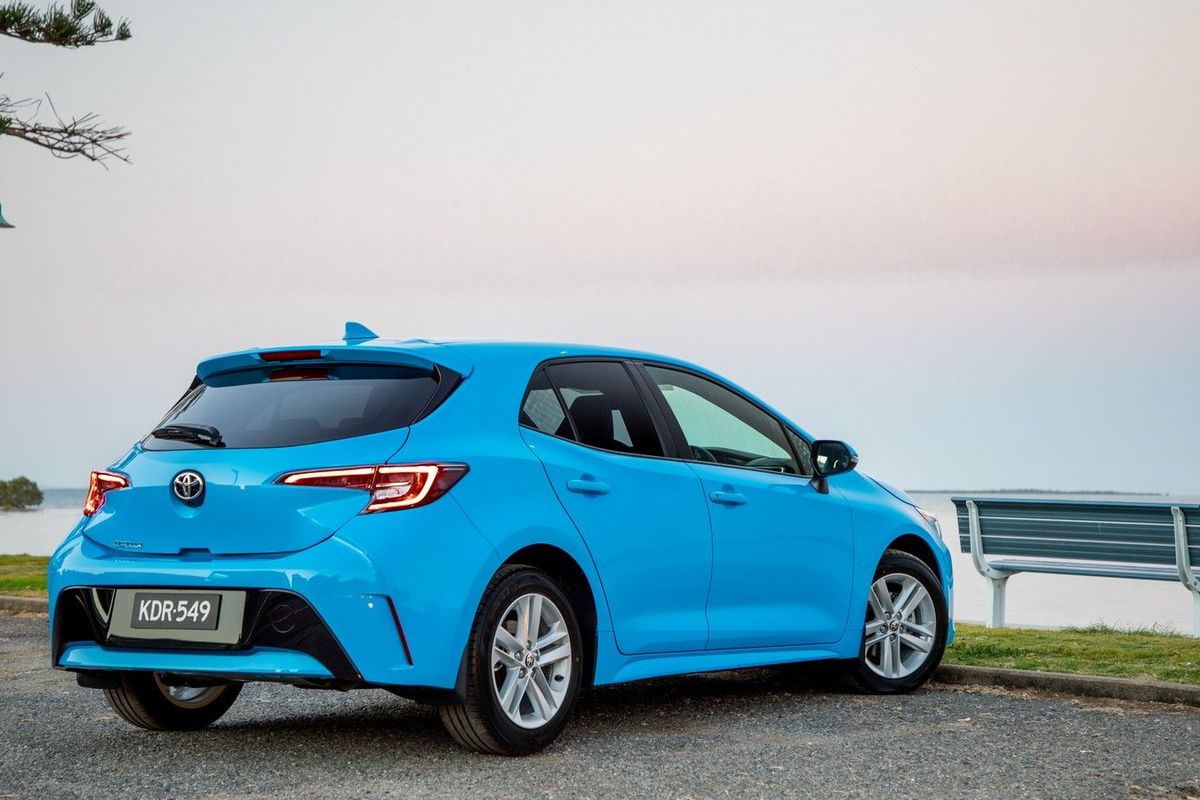
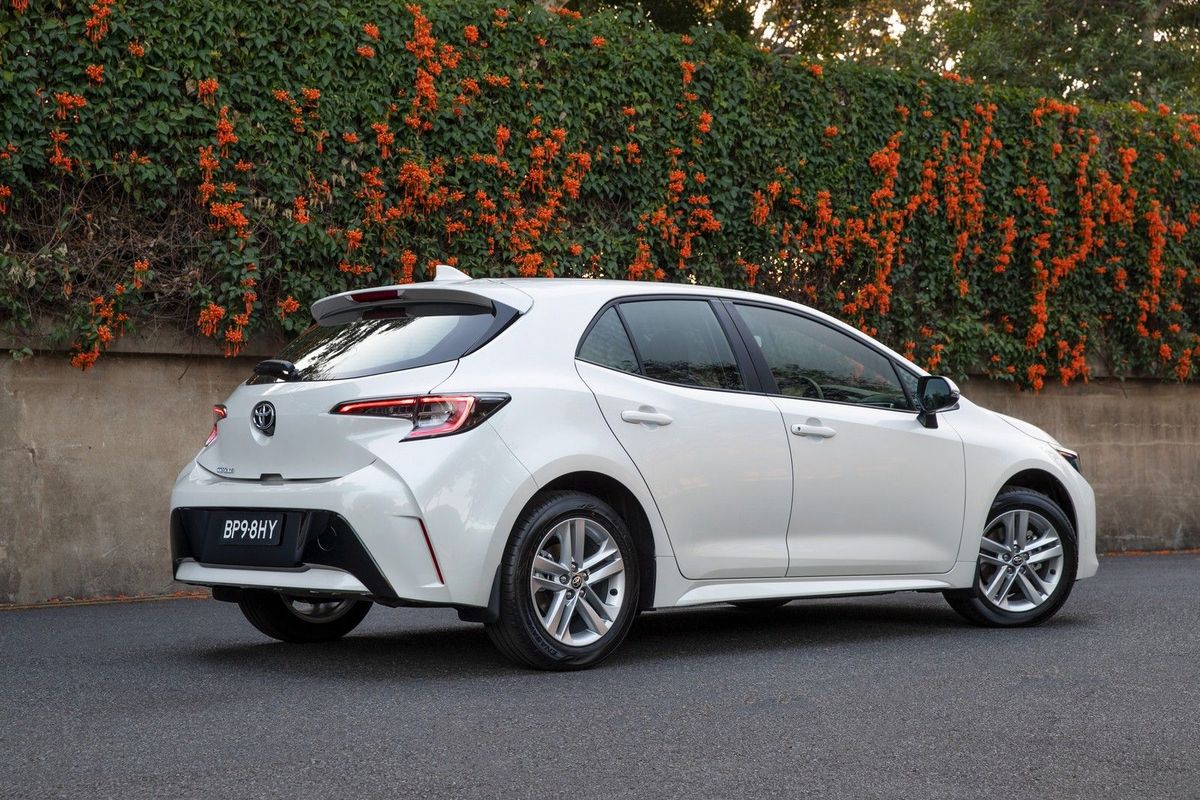
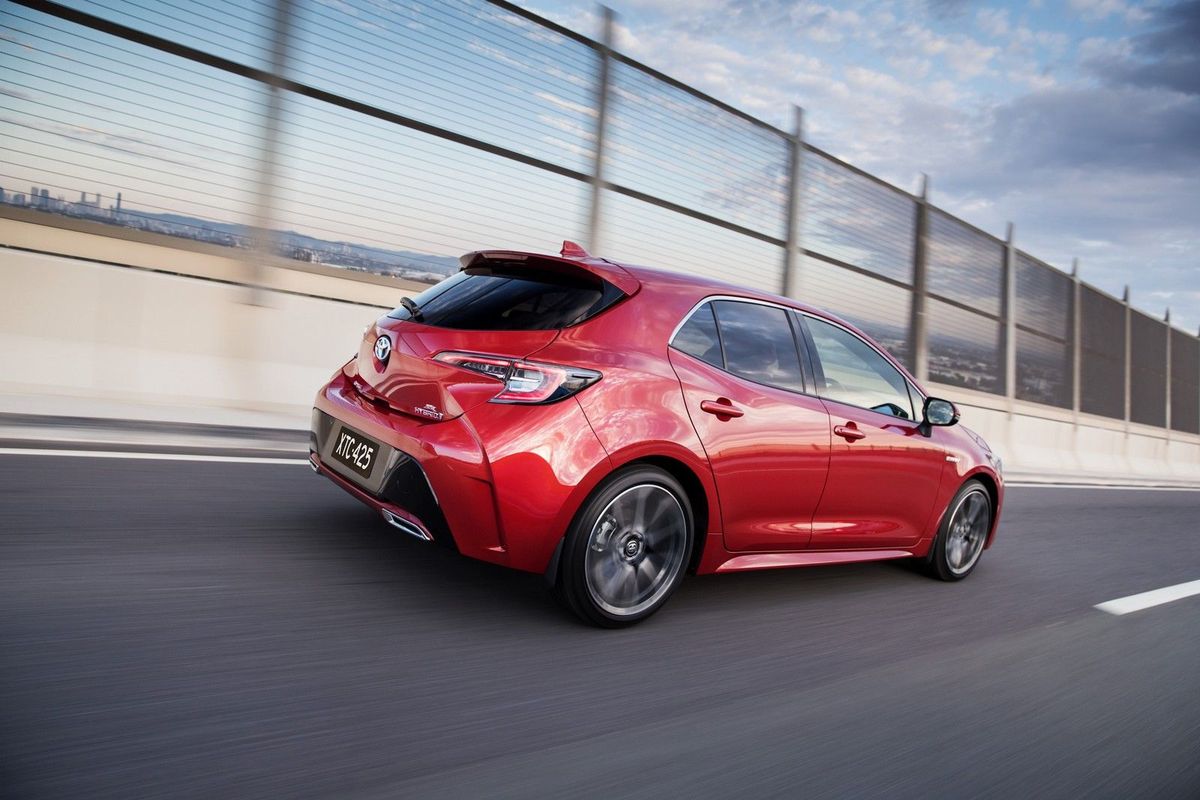
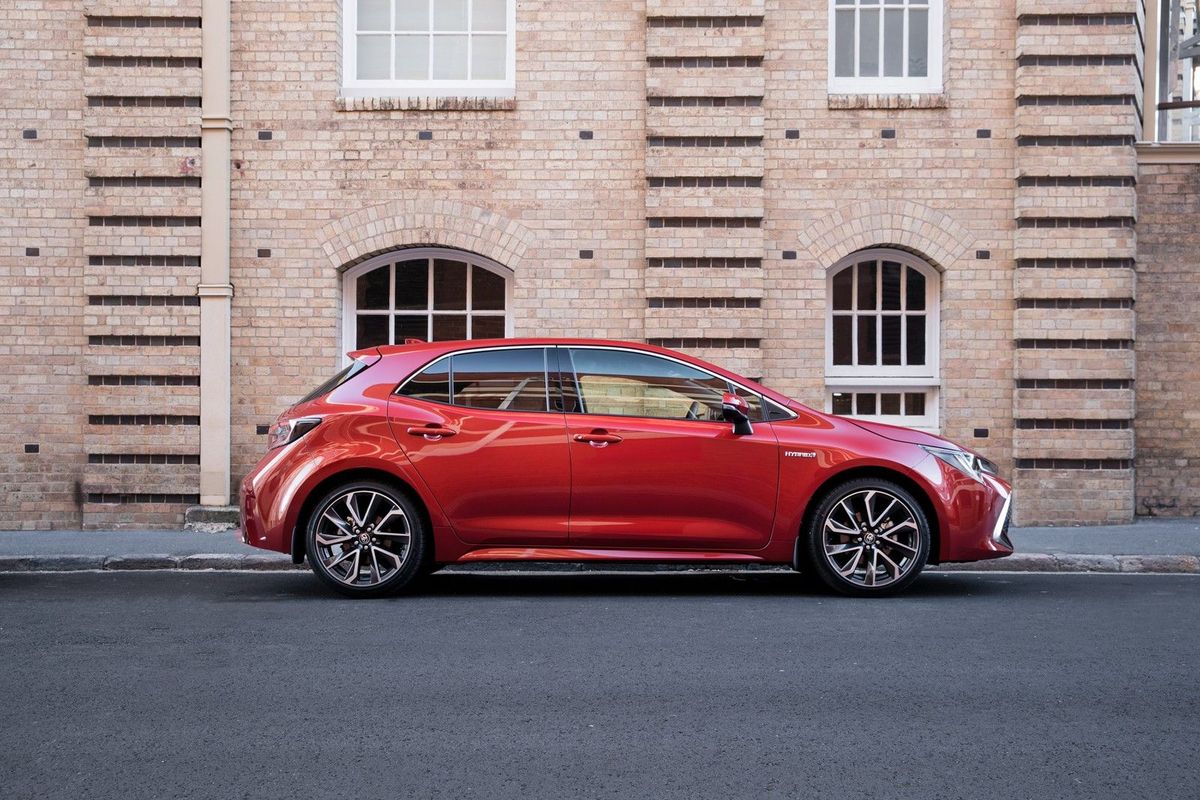
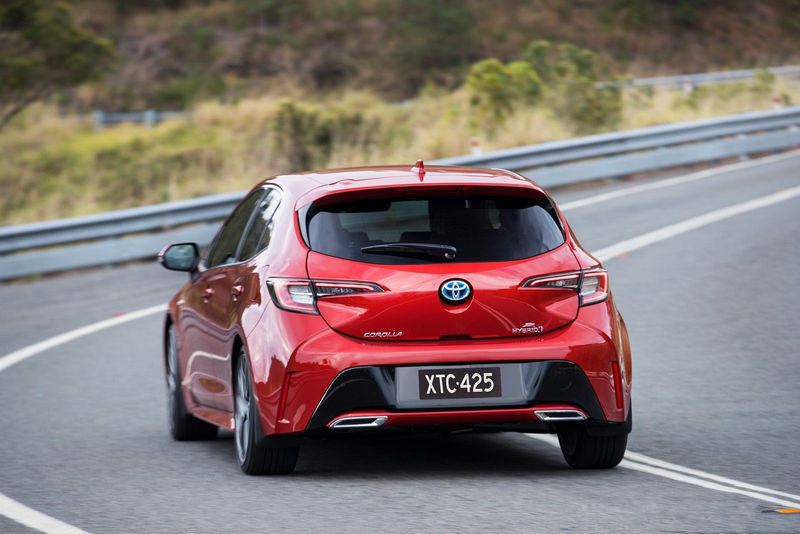
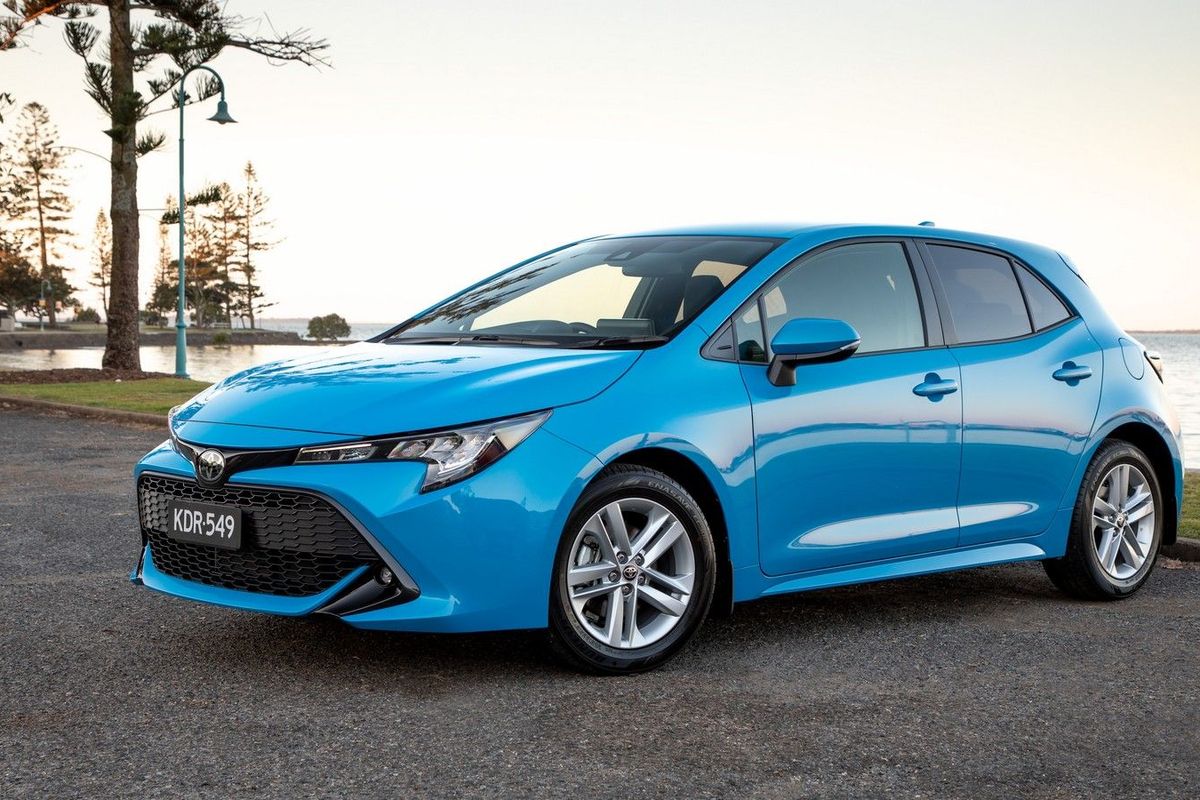
But even on the more affordable versions as you see here, the appearance is sporty and athletic – somehow managing to look very Japanese at the front and very European from the rear. Of course, the derivatives fitted with 18-inch alloy wheels look terrific, but even the 16-inch wheels are pretty smart.

If the market follows step with Australia, low-grade variants may well be offered with LED headlights and LED daytime running lights, both of which help the Corolla hatch mark its territory in low-light situations. The Bi-LED clusters in flagship variants sold here are superb in their illumination, too.

Looks can be deceiving, but the appearance of the new-generation Corolla doesn’t lie – it looks lower, wider and longer than before, because it is.

It measures 45 mm longer (at 4 375 mm) and rides on a 40-mm longer wheelbase (now 2 640 mm), and it’s 30 mm wider (1 790 mm) and sits 40 mm lower (1 435 mm) than its predecessor. That’s got a lot to do with helping the newcomer look more svelte, but it also has an impact inside the cabin.

The interior


The interior has more space for occupants and things.

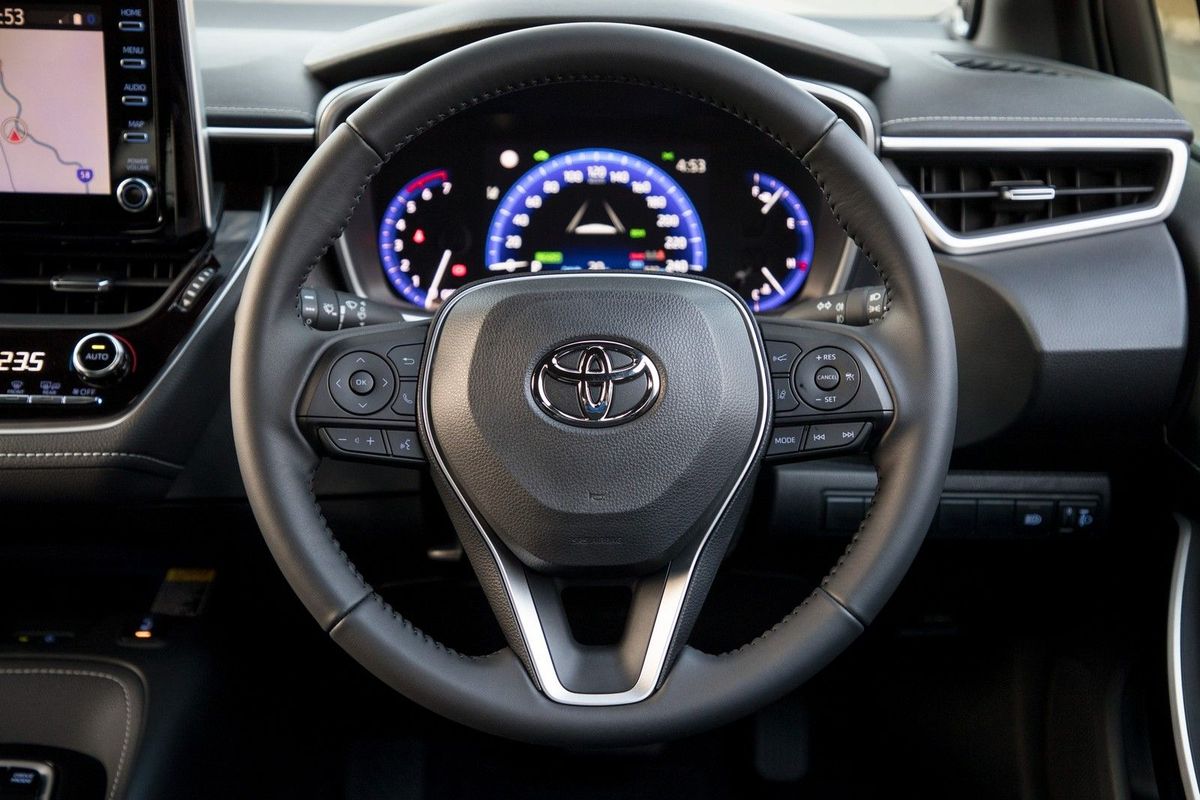
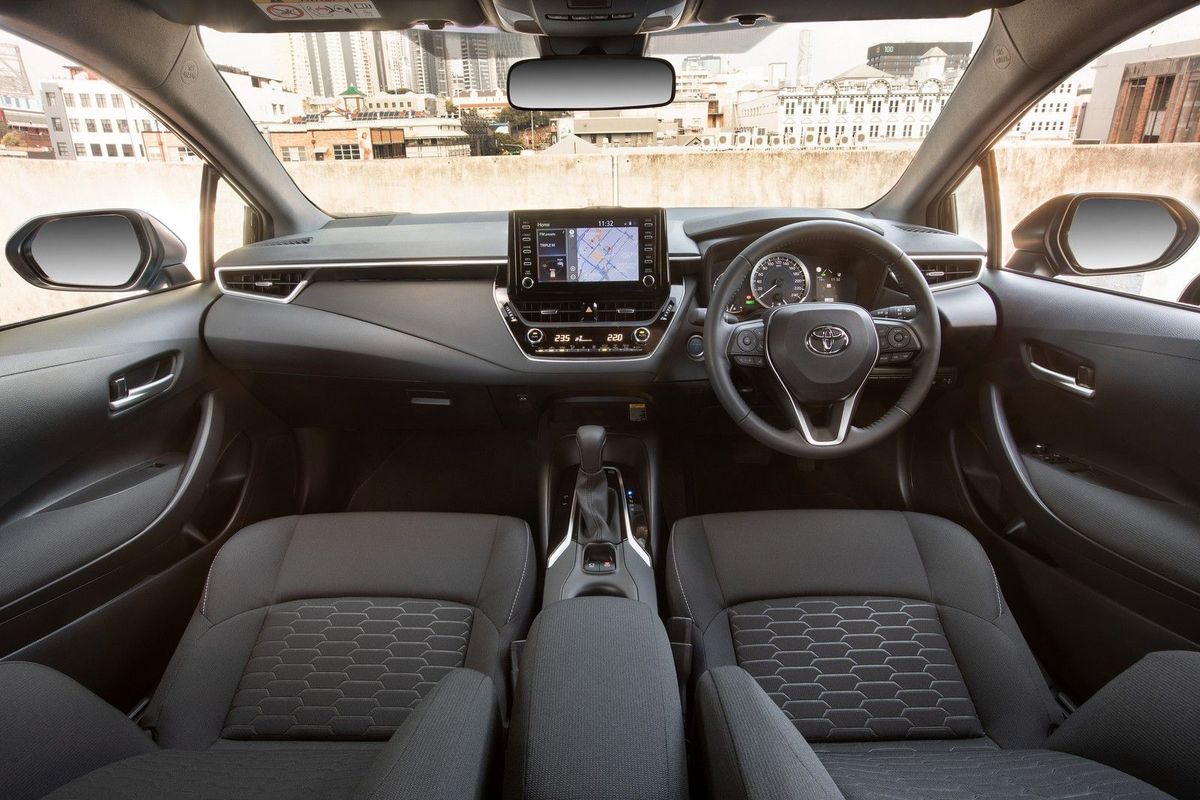
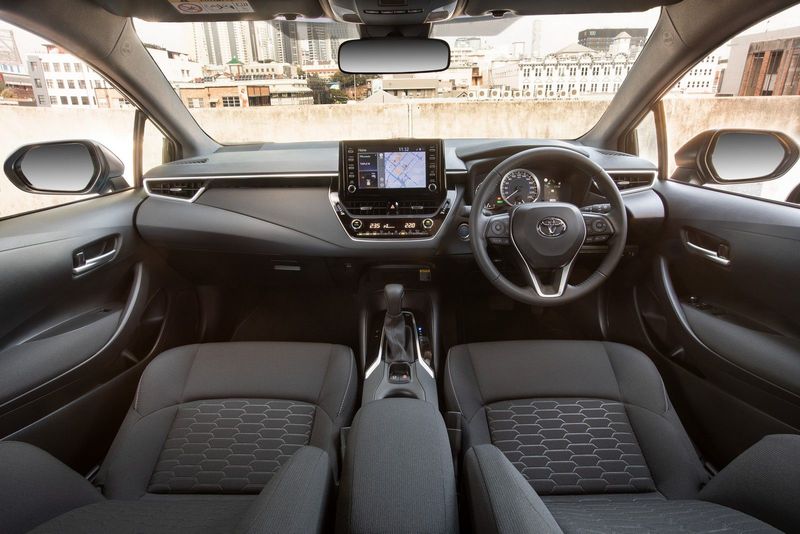
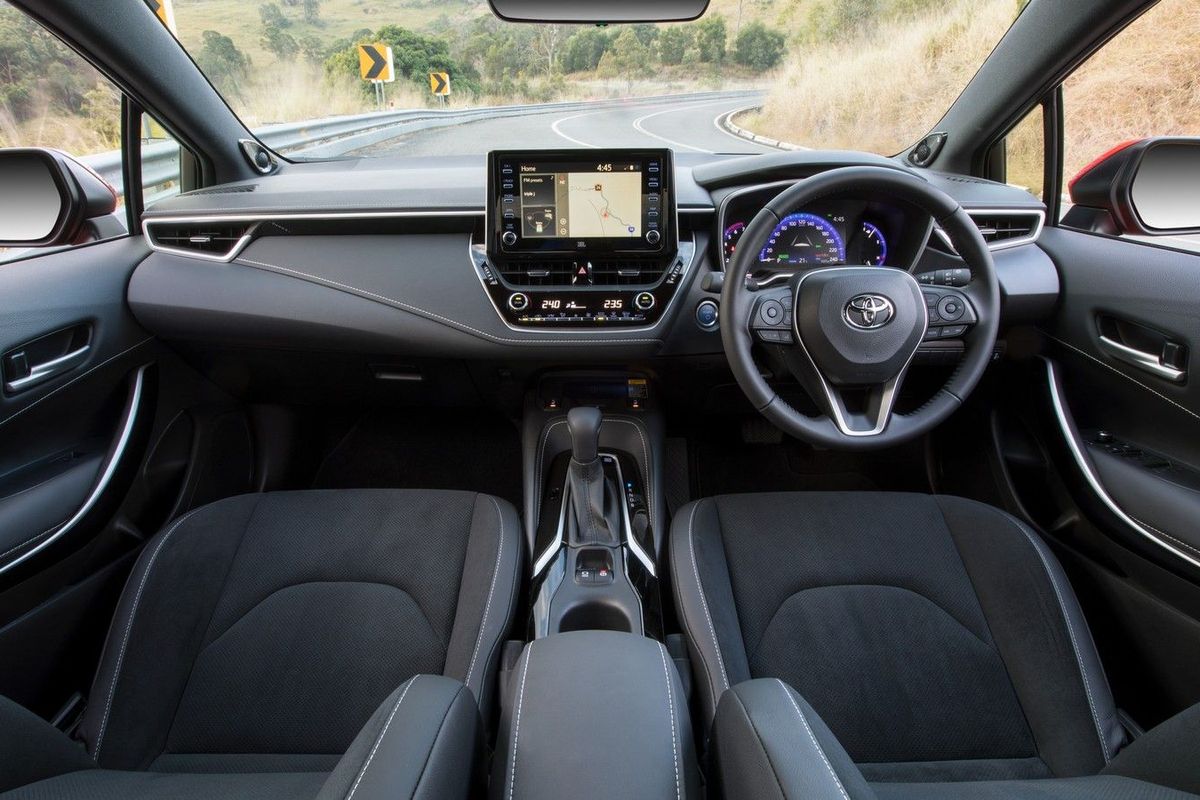
While the exterior takes Toyota to a new level, the interior pulls things back to planet Earth somewhat. There’s a lot to like about the way the company has pieced together the cockpit, with a mass of quality materials used, and better loose item storage than in the model that preceded it.

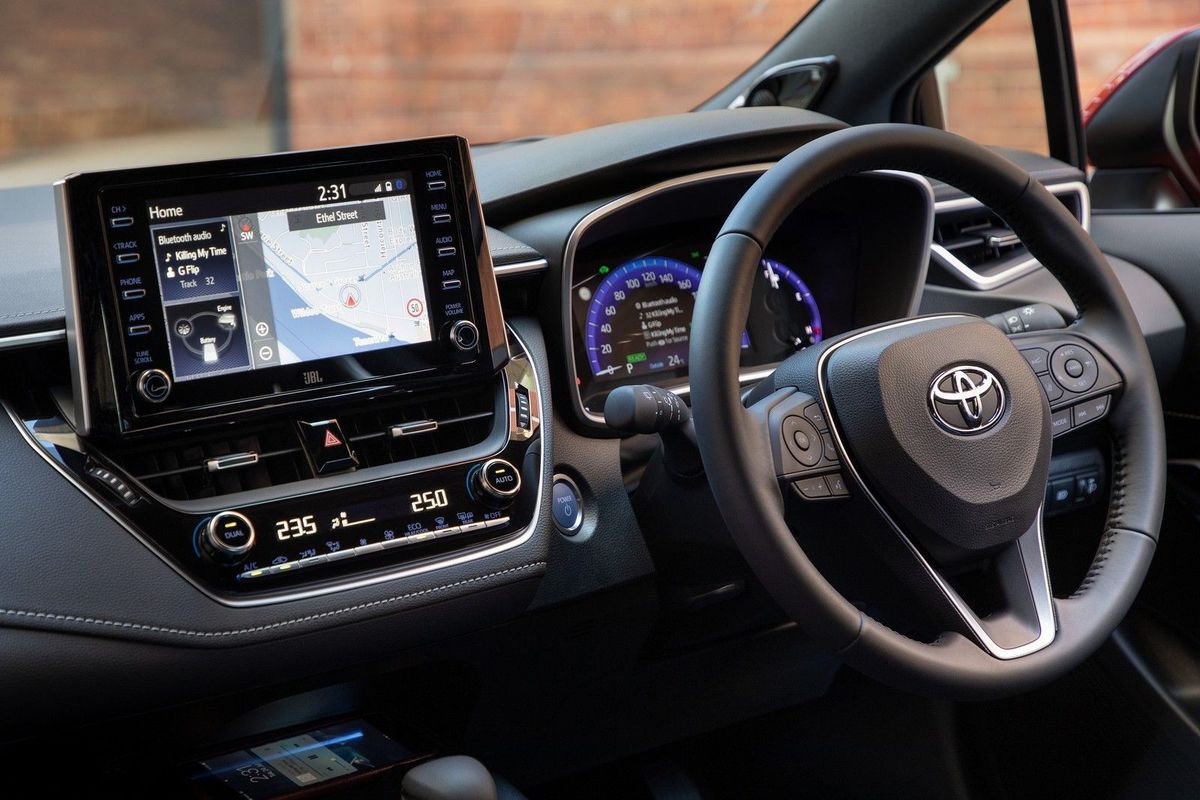
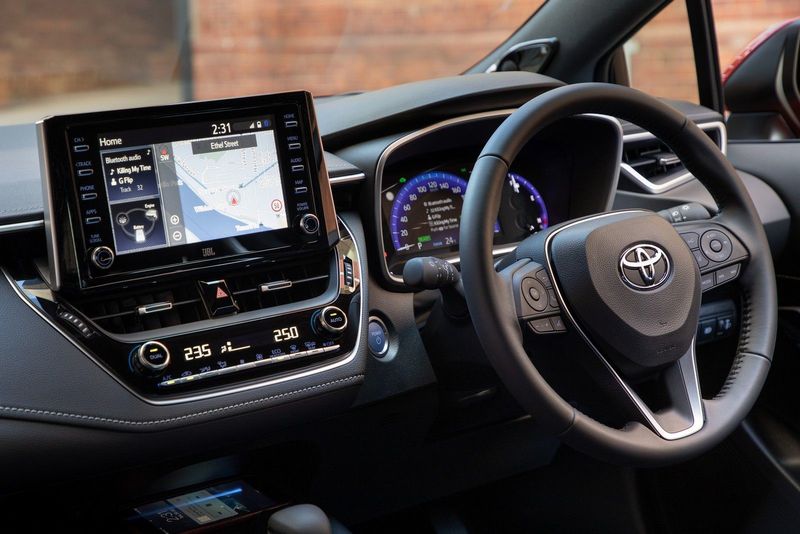
Lovely additions, such as dual-zone climate control, a 4.2-inch digital information display (which jumps to a 7.0-inch screen in high grades – both with a digital speedometer), and the availability of a head-up display all combine for a high-tech feeling, if not quite luxurious, cabin layout up front.

However, human space isn’t as good as it could have been. Some competitors offer superior rear seat knee room, and many offer better ingress and egress – the shape of the roof eats into the door apertures, meaning you’ll have to be careful if you’re tall. Plus, when you’re seated in the back, the headroom impinges on either side … well, it did for me, and I’m 1.82 metres tall.


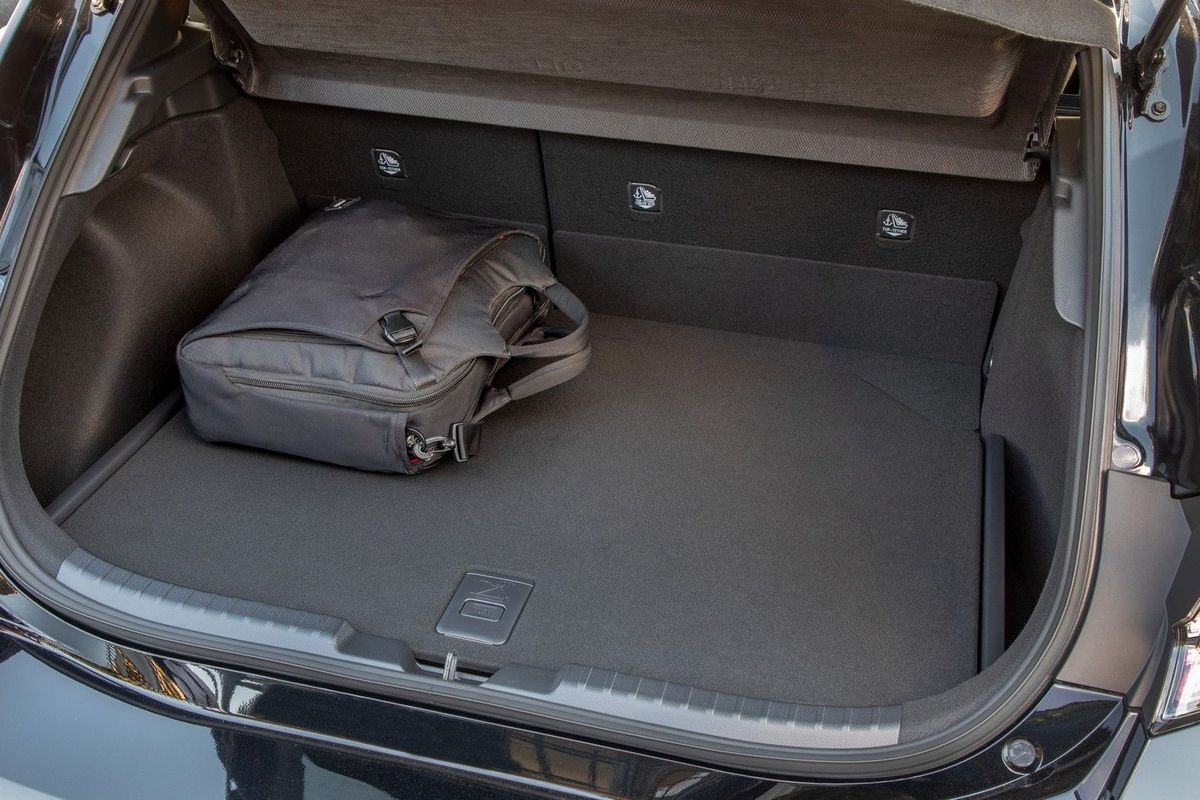
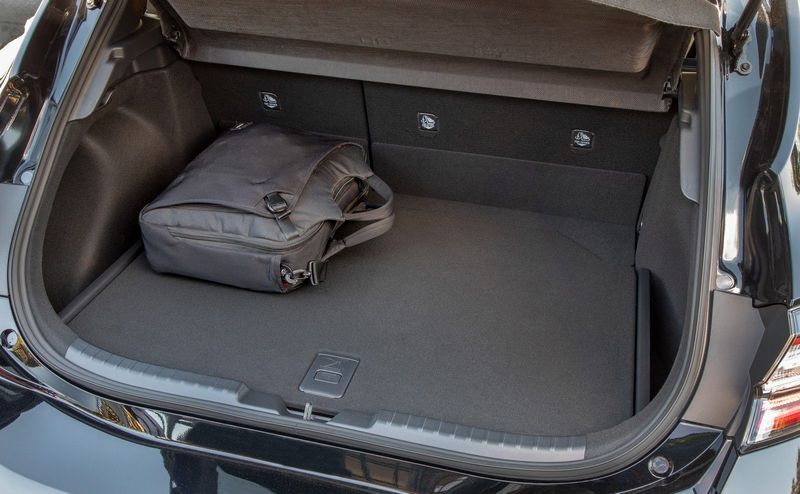
The luggage bay is on the small side compared with those of its direct rivals.

The biggest downer of all, though, is the luggage bay. At just 217 litres (with a spare wheel fitted) it falls well short of competitors like the VW Golf and Hyundai i30. Plus, in its biggest incarnation of 333 litres without a spare (the Aussie top-grade hybrid makes do with a repair kit), it’s still small by class standards.

So, if load space matters to you, it could rule out the hatchback – but there’s a Touring Sports station wagon on its way to select markets, which could address that concern. Or you could wait for next year's RAV4…

Satellite navigation, audio and infotainment


Larger infotainment touchscreen and fully digital speedometer in the high-spec version.

Expect a nice clear 8.0-inch tablet-style media screen on top of the dashboard, but sadly without smartphone mirroring technology – that means no Apple CarPlay or Android Auto compatibility. Well, that’s the case in Australia, and it’s expected to be the same in South Africa.

There are a couple of usability quirks with Toyota’s native media system, including the inability to input phone numbers when connected to Bluetooth (or pair a phone, which is frustrating if a passenger wants to pump a call or some tunes through the cabin, but you’ve already started your journey), plus you can’t add destinations to the navigation system while the car is moving, either. At least it still has volume and tuning knobs, rather than touchscreen controls for those. In fact, the hard buttons either side of the screen are logically organised and easy to get used to.

Lower grade versions will likely rock a 6-speaker audio system, while high-grade versions could see the addition of a crisp and bassy JBL stereo with 8 speakers.

The driving experience


Local derivatives will make use of the 1.2-litre turbocharged petrol from the C-HR.

In Australia, we get a couple of engines that won’t be offered on your side of the Indian Ocean. Which could be a shame, because the new 2.0-litre 4-cylinder petrol (with peak outputs of 125 kW and 200 Nm) is perky, willing and decently refined, whether paired to the 6-speed manual transmission with intelligent rev-matching or the newly-developed 10-speed CVT automatic.

The hybrid version sold in Australia is a 1.8-litre 4-cylinder petrol-electric, and it’s expected that will be the exact same version sold in South Africa, despite there being a more technologically-advanced 2.0-litre hybrid (with lithium-ion batteries rather than nickel-metal-hydride) in other markets around the world.

I can only imagine that the engine that will form the basis of the Corolla range in South Africa will be a charming and characterful 1.2-litre 4-cylinder turbocharged unit, the same seen in the C-HR. The predicted outputs are 85 kW and 185 Nm, which will potentially make it more focused on fuel efficiency than outright performance.

Having sampled that drivetrain – with the six-speed manual and the CVT auto in the C-HR – it never felt breathless, though did require some encouragement.

At the very least, the circa-20 kg weight advantage a Corolla Hatchback has over an equivalent-spec C-HR will help with getting things moving. And the so-called Launch Gear – a mechanical first gear that allows you to pull away from intersections before the drivetrain switches from torque-converter to CVT auto – is superb.


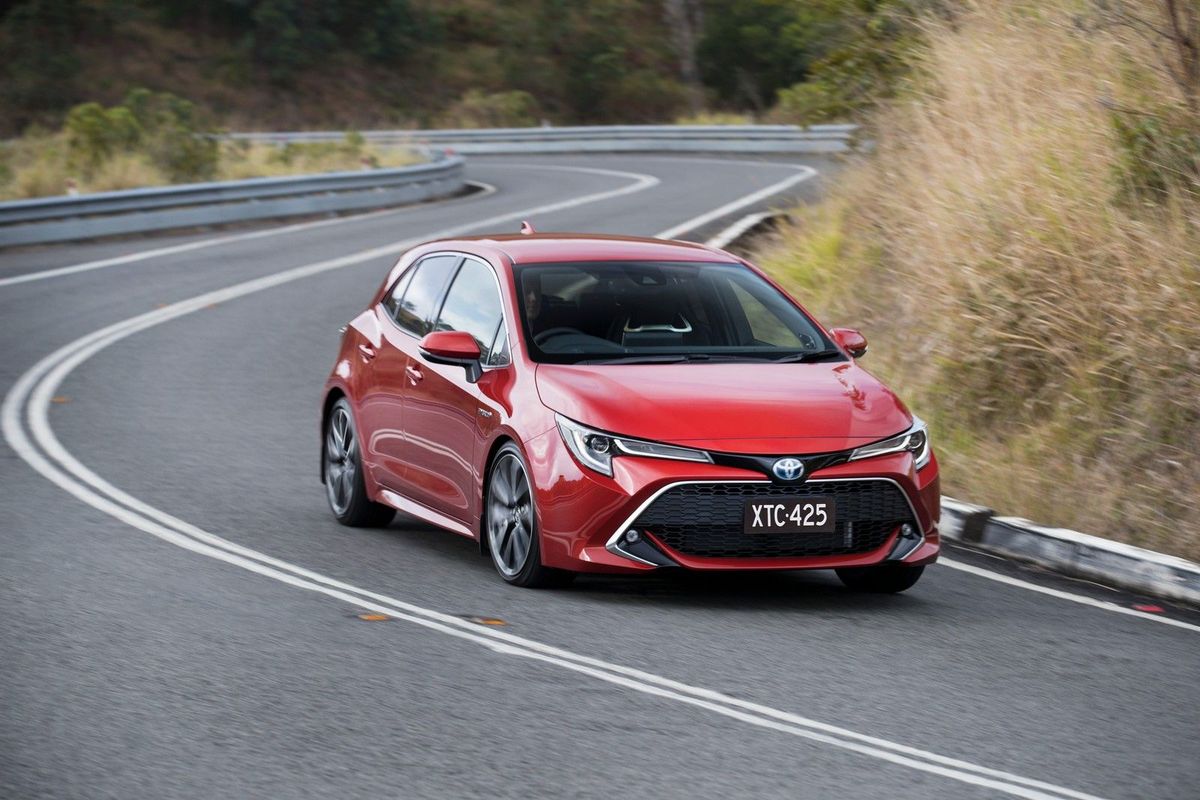
Ride and handling are excellent and it comes with a multi-link rear suspension.

Drivetrains aside, the experience behind the wheel is considerably more enticing and involving than the existing versions of the Corolla. Toyota's New Global Architecture has been a revelation for the brand in its quest to make "ever-better cars". The lower centre of gravity and considerably stiffer body (by no less than 60%!), combined with a multi-link rear suspension setup, makes for a compelling experience behind the wheel.

The steering is direct and reliable in its action, the balance is brilliant in corners, and the ride is mostly very good, with only very sharp-edged bumps upsetting the chassis. It’s worth stipulating, the drive experience isn’t just good on nice sections of road with good surfaces – as a general rule, the Corolla is very sorted and considerably more enjoyable and sporty than its precursor.

Safety and reliability


Local derivatives won't get all the active safety equipment, but will be equipped with stability control and maybe active cornering.

Unlike the Australian cars I’ve driven, which come comprehensively loaded with safety technology, Corolla models sold in South Africa are set to miss out on the latest gear. That means no pre-collision safety system with pedestrian and cyclist detection, no active cruise control, no lane trace, -departure warning and -centring with steering assist and no road-sign recognition technology.

What a shame – those are some of the biggest selling points for the new Corolla in many markets. But at the very least, the Corolla hatch will come with 7 airbags (dual front-, side-, driver’s knee- and curtain 'bags), as well as a reverse-view camera, ISOfix child restraint anchors, ABS with brake assist, vehicle stability control and, hopefully, active cornering control.

There are other reasons to buy a Toyota, though – the company has a stellar reputation for reliability, and the new-generation models built on the Toyota New Global Architecture will usher in a service plan with intervals every 12 months or 15 000 km, running out to six scheduled maintenance visits or 90 000 km.

Toyota South Africa backs its vehicles with a 3-year/100 000 km warranty, which can be extended if you so choose – you should be able to push that up to eight years/unlimited km on petrol Corollas, or 10 years/unlimited mileage on hybrid versions, including the hybrid battery.

Summary


Finally, Toyota has made a worthy challenger to the Golf.

The all-new 12th-generation Toyota Corolla Hatchback is boldly different – the sort of car that challenges expectations. In that way, it embodies the direction of Toyota as a brand, by being desirable and assertive, in some ways at the expense of the sensibilities that have appealed to many buyers for so long.

But there are no two ways about it – this is the best Corolla ever, and sincerely deserves to do well, be it on the sales charts, or in comparison tests against marquee players such as the Volkswagen Golf, which will enter its 8th generation in 2019… what a matchup that’s going to be!

Related content:

Clash of 2019? New Toyota Corolla Hatch vs Volkswagen Golf

Volkswagen announces 'Most Powerful GTI'

Ford Focus (2018) International Launch Review
Search for a used Toyota Auris here

Spy Shots: Facelifted BMW X1 with M Performance model

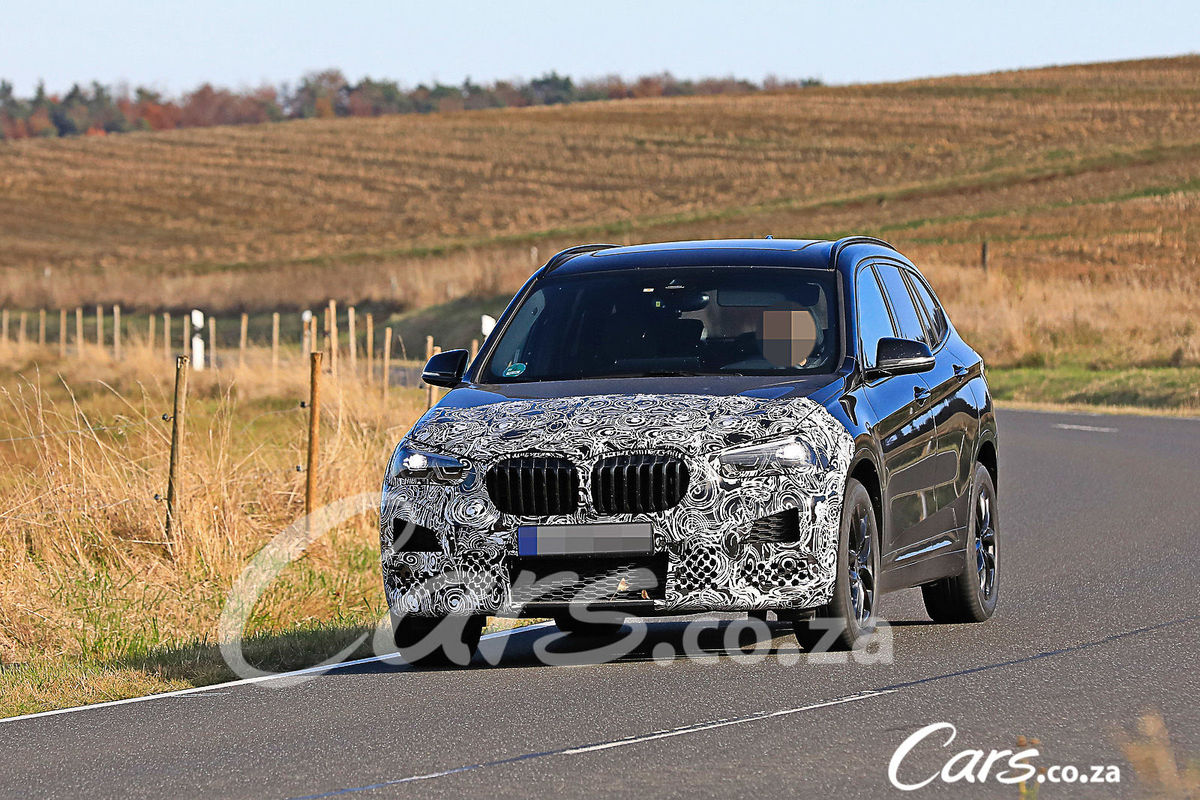
Our spy photographers have been hard at work this week and they've spotted a facelifted BMW X1 testing as well as what looks to be an M Performance derivative.

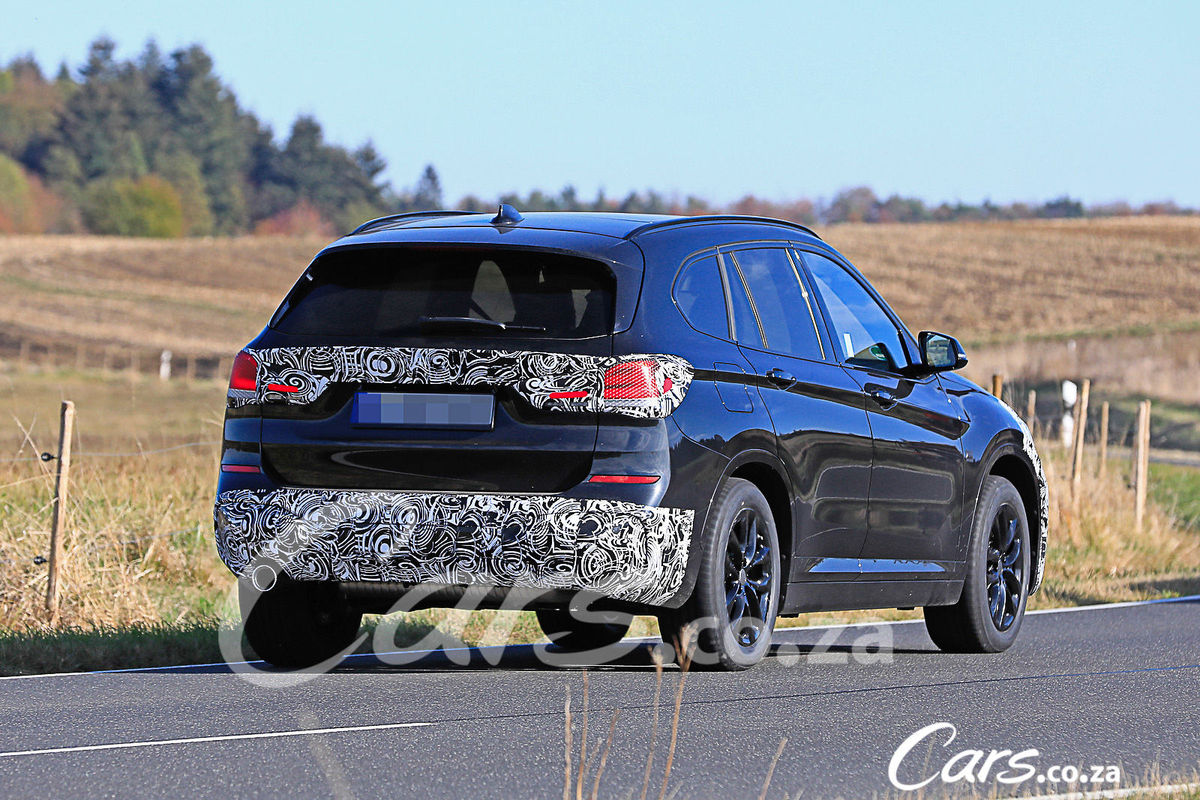
The BMW X1 is the brand's smallest SUV and it sells reasonably well on the back of a global obsession with the SUV. It offers both petrol and diesel options, and BMW's xDrive offers reasonable all-wheel-drive capability. For 2019, the model is set to be refreshed and our photographers have spotted the facelifted BMW X1 out on the roads. 

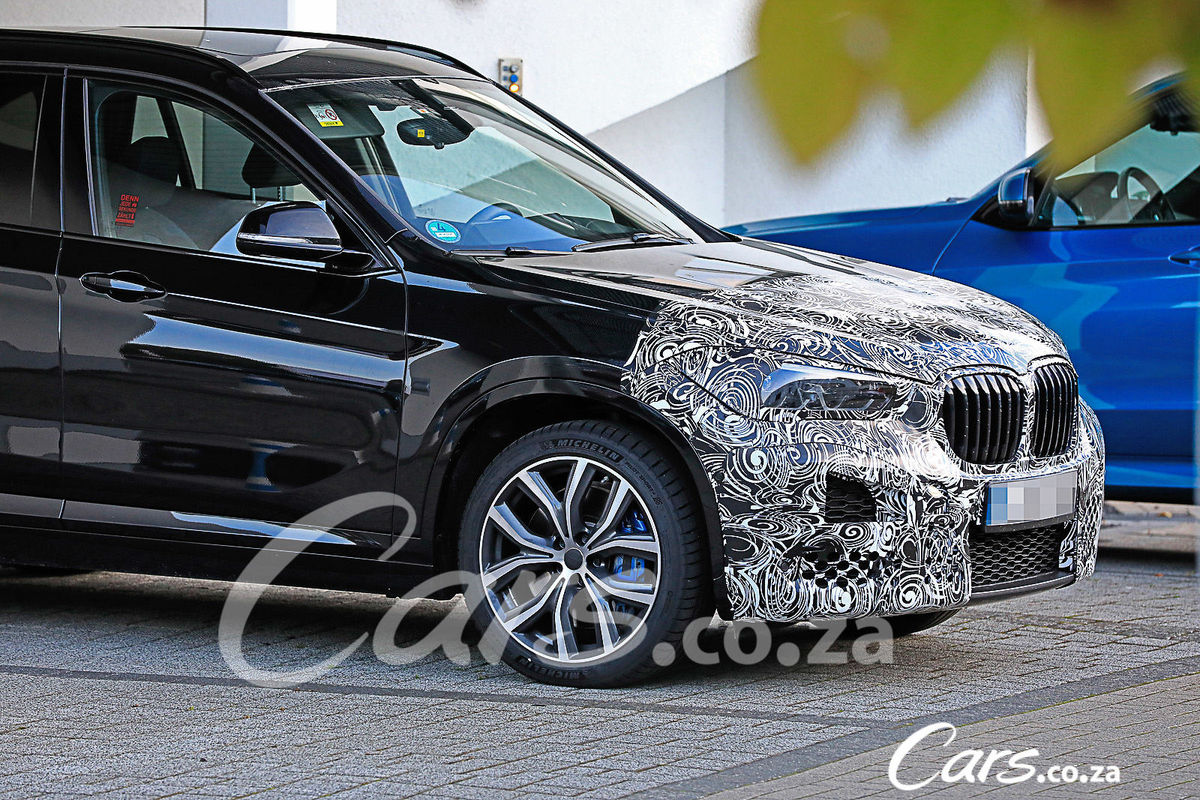
Also spotted was a BMW X1 featuring bigger alloy wheels and blue brake calipers. We suspect that BMW will be offering an X1 M35i model, replete with the same 2.0-litre turbocharged 4-cylinder motor as the one found in the BMW X2 M35i. That engine pushes out a potent 225 kW and 450 Nm, and power goes to all four wheels via an 8-speed automatic gearbox. The X2 M35i is good for a 0-100 kph run of 4.9 seconds.

Picture credit: S. Baldauf/SB-Medien

Want to buy a BMW X1? Now's your chance to bag a great deal on a new or used example.

Further Reading

New BMW X1 Revealed

BMW X1 xDrive20d (2016) Review

BMW X1 (2015) First Drive

BMW X1 xDrive25i xLine AT (2016) Review

BMW Reveals Potent X2

Hyundai Kona (2018) Launch Review
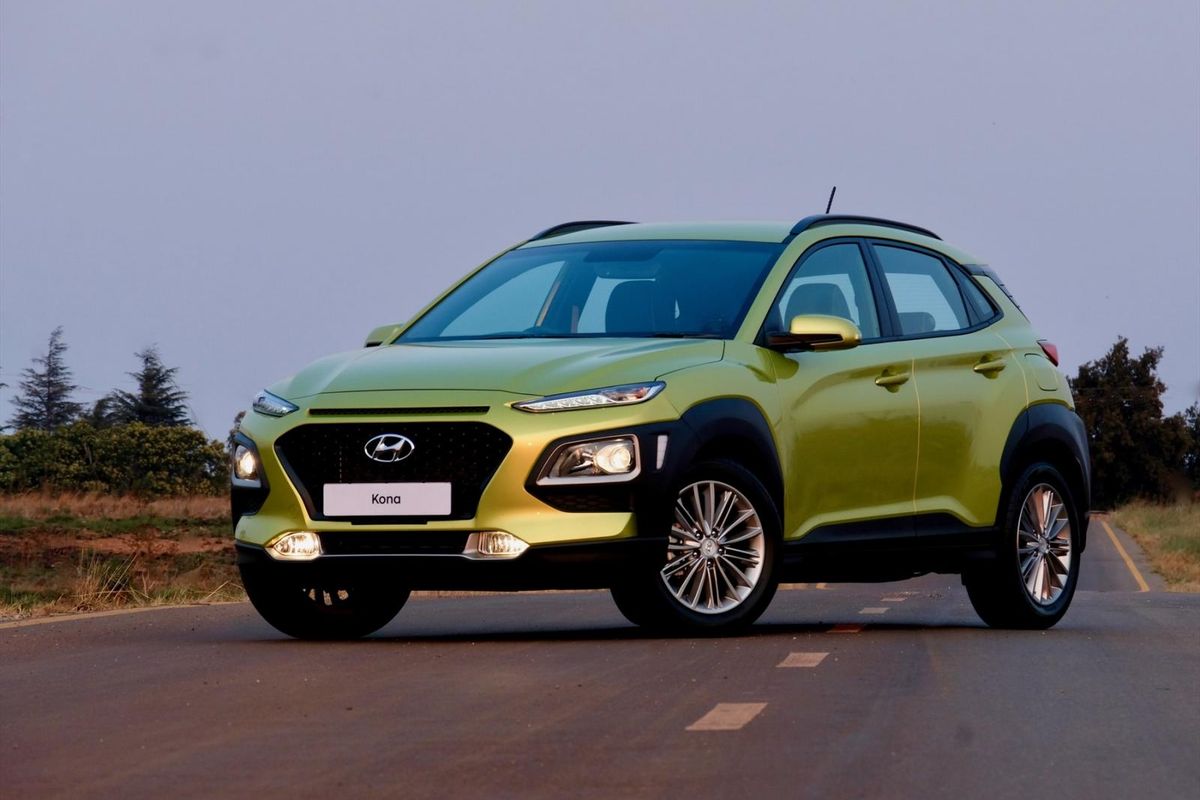
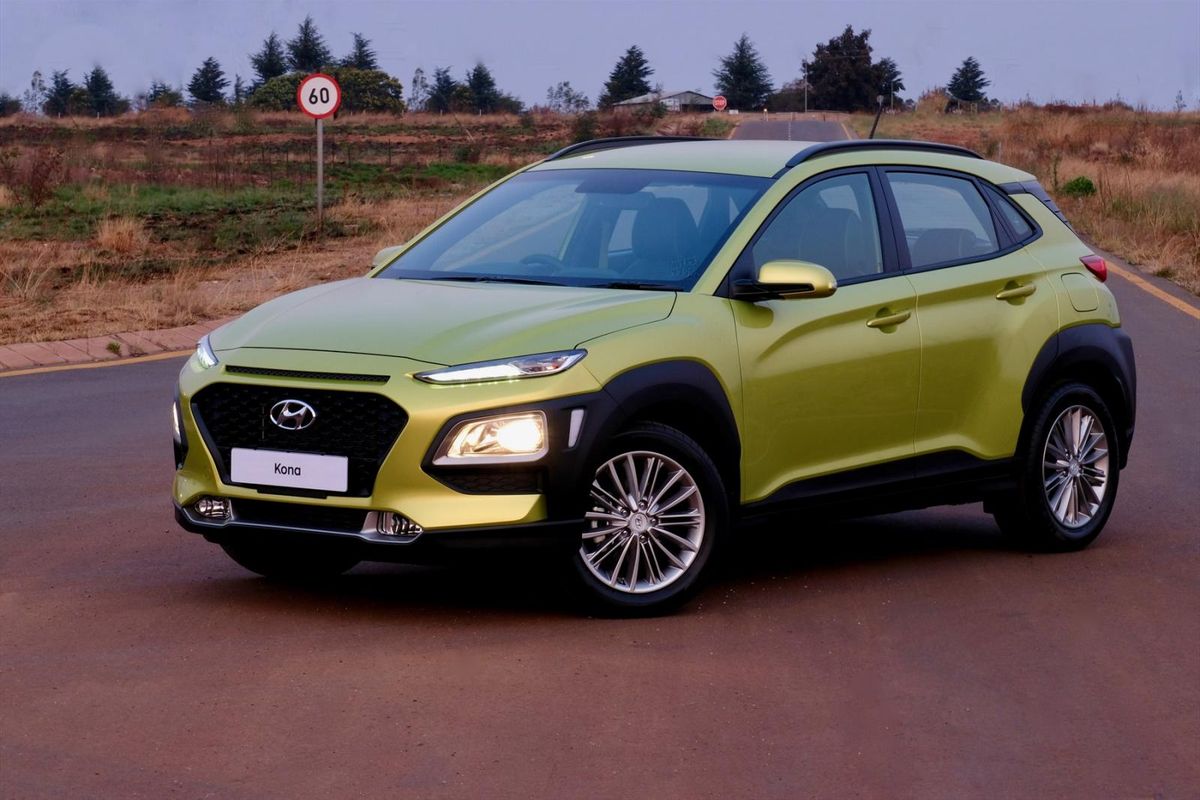
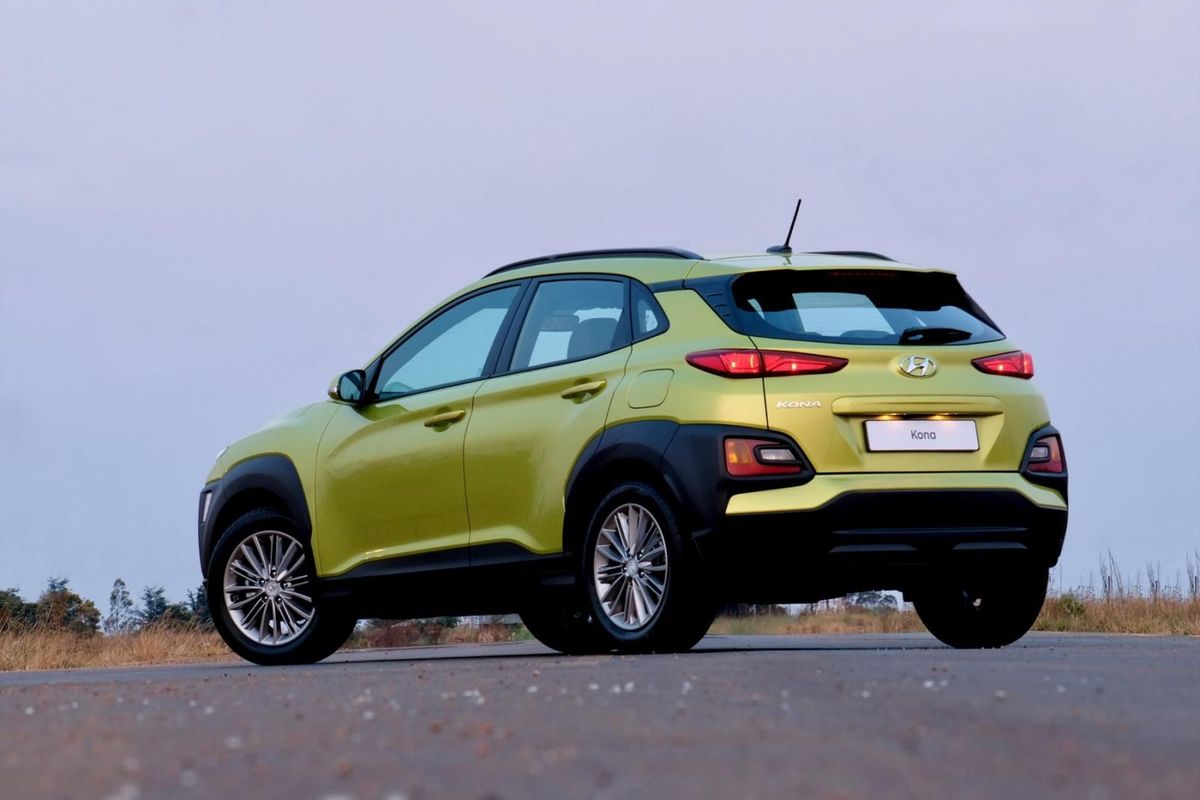
Hyundai has stepped out of its comfort zone with the local introduction of the Kona compact family car, which is less practical than its Creta stablemate, but significantly more stylish… We drove the newcomer in the Western Cape to find out what it’s like.

What is it?

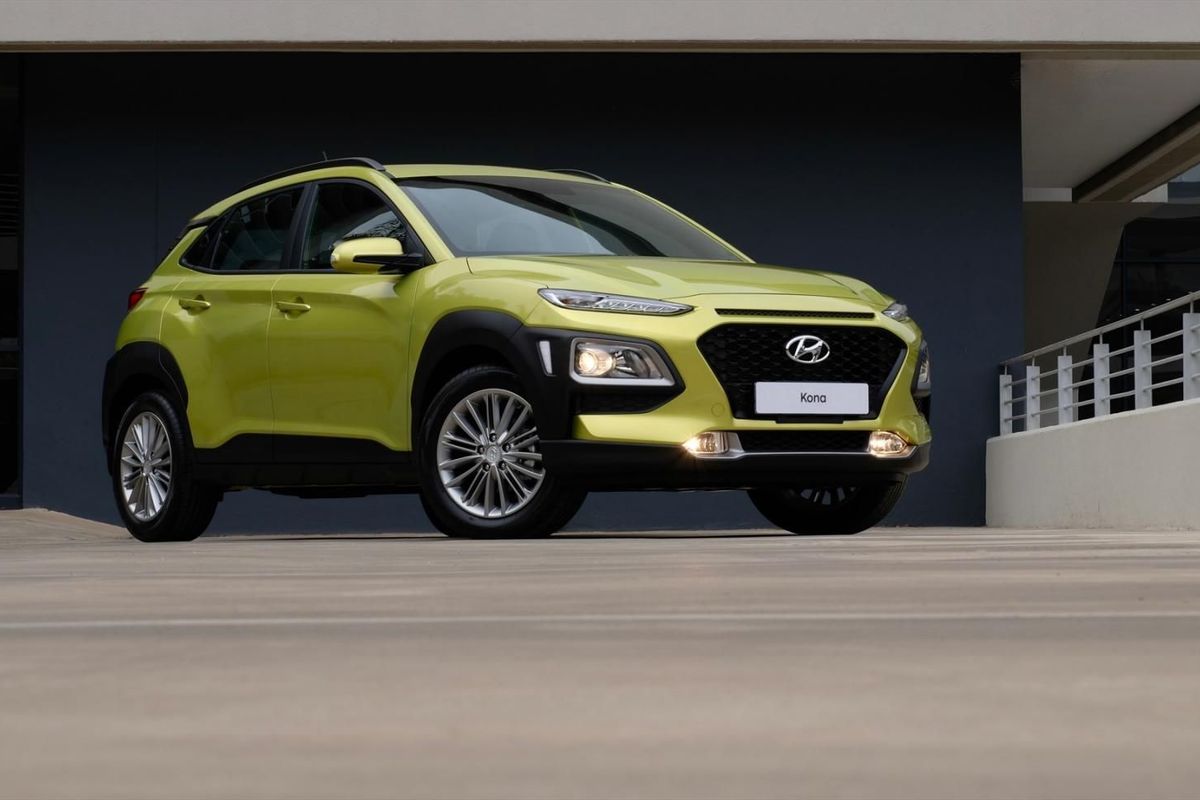
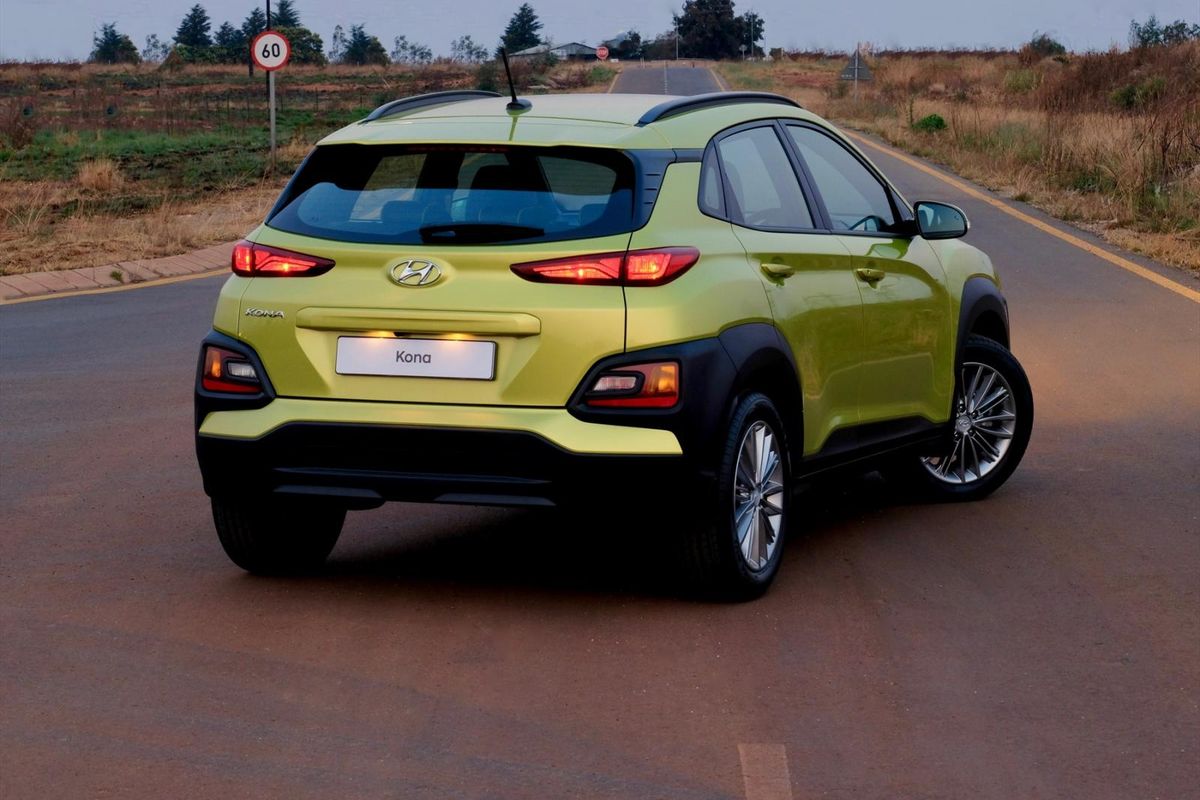
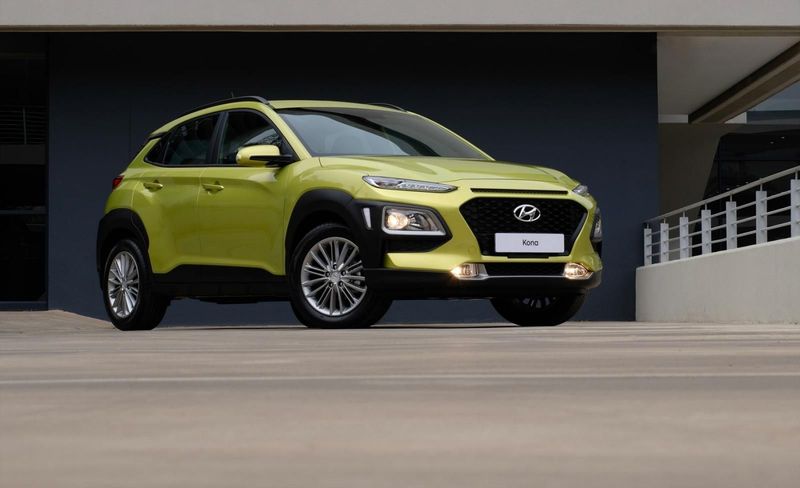
The Kona is a relatively new offering from the Korean brand (it's been available overseas for a while…), which fits into the compact family car segment. You might think the Indian-made Creta (a multiple #CarsAwards category finalist) already represents Hyundai in that market – and you'd be right. But, whereas the Creta is a practical and spacious small SUV, the Kona is funkier and less utilitarian; it's a crossover lifestyle vehicle aimed at fashion-conscious upwardly mobile singles or couples.


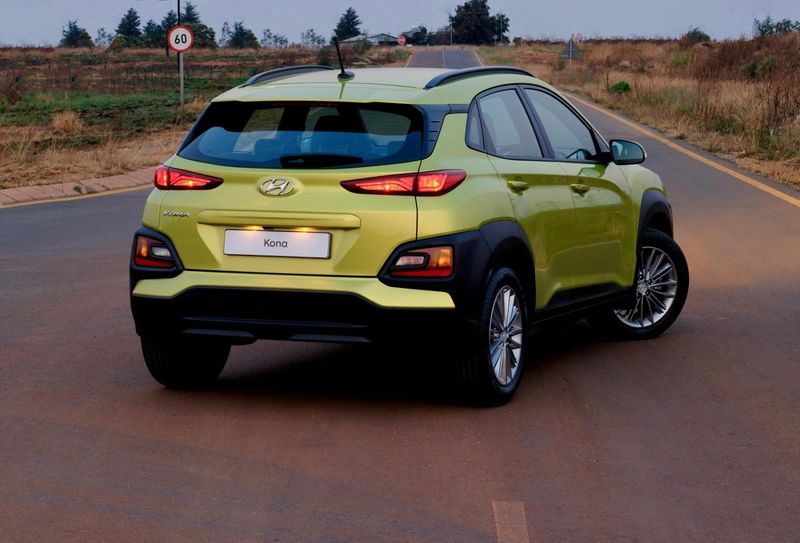
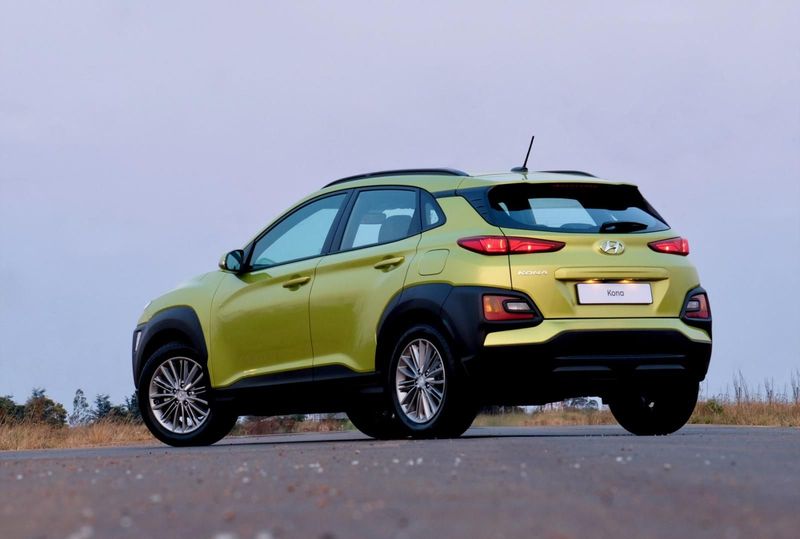
Funky and stylish, not your average family-oriented crossover.

It’s notably also the first Hyundai in South Africa to utilise the Korean manufacturer's turbocharged 1.0-litre 3-cylinder turbopetrol engine. To some, a downsized "triple" might be assumed too weedy to propel a crossover with zeal, but bear in mind that competitors such as the Ford EcoSport, Renault Captur and Opel Crossland all employ similar 3-cylinder forced-induction powerplants. If that’s not enough to satisfy you, there is also a 2.0-litre naturally aspirated derivative in the range's line-up.

How big is it?


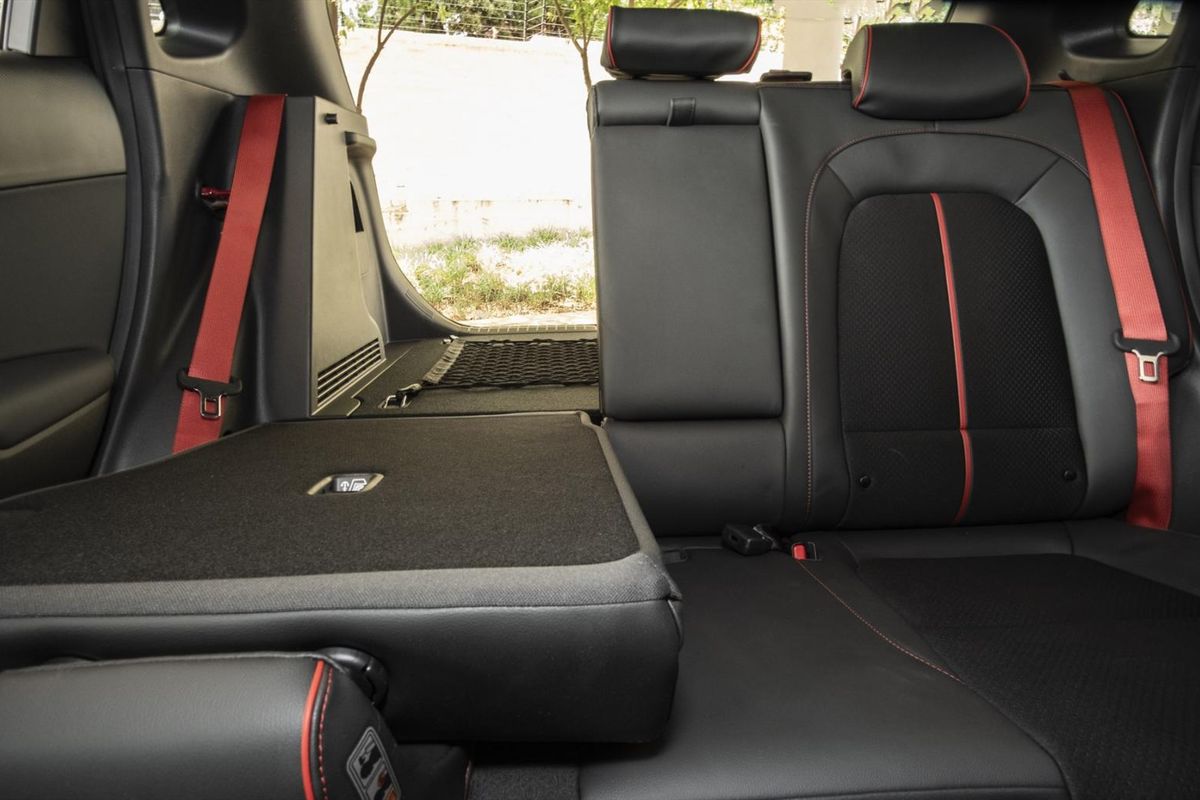
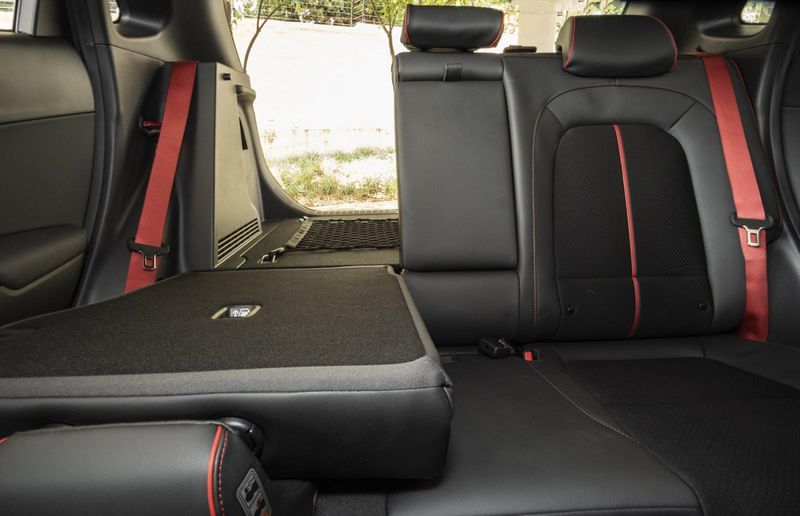
The luggage bay is smallish (361 litres), but the split rear seatback can fold flat to free up more load space.

In terms of dimensions, the Kona is a little smaller than its Creta sibling, but the most notable difference between the pair is claimed luggage capacity. The Kona's bay is said to offer 361 litres of load space, which is about the same as the competitors mentioned above, but 40 litres smaller than that of the Creta.

Occupant space up front is pretty good, with sufficient room between occupants to eliminate fears that you’re going to brush the front passenger’s knee each time you reach for the gear lever (when driving the manual derivative). Rear passenger space is a little tight for adults (especially in terms of legroom), but fine for children.

The newcomer's closest match in terms of proportions and design is the Mazda CX-3, but the Korean offers a much larger luggage bay than its Japanese rival.

Two engine choices

To reiterate, you can either have the Kona with a 1.0-litre 3-cylinder turbopetrol engine (mated with a 6-speed manual gearbox) or a 2.0-litre naturally aspirated petrol motor, combined with a 6-speed automatic transmission. That’s the choice, there's no turbodiesel or hybrid alternative and both come with the same interior features.


Manual and turbo or auto and naturally-aspirated, those are your only drivetrain options.

The turbopetrol produces 88 kW and 172 Nm of torque – peak outputs that are very competitive with those of the Kona's triple-turbo competitors. The bigger 2.0 litre is claimed to offer 110 kW and a smidge more torque (8 Nm, for a total of 180 Nm). For the record, neither motor produces thrilling performance, but work well enough so that you’d be happy to load them up with light luggage or a quartet of occupants (maybe not both) and head to the nearest trail running park or wine farm.

Overtaking in the automatic derivative requires a few kick-downs from the auto box, but it’s certainly capable on the freeway and outskirts of the city. If you plan to do longer journeys with the auto, it will likely be more fuel efficient than the turbo, which is better suited to inner city driving. Whereas the non-turbo automatic is said to consume 7.2 L/100 km and the turbo manual 6.8 L/100 km, we found the former to be the more efficient of the pair on our drive around the Cape Winelands area.

What's it like to drive?

The Kona's driving experience had to feel different from the other SUVs in Hyundai's stable to live up to its outlandish looks and quirky design. The engineers focused on the steering by speeding up the rack and adding a bit more weight to the 'wheel. It’s certainly quite responsive to steering inputs and the meatier tiller creates an impression of better stability at speed and instils confidence when cornering. No, it’s not a sportscar, but certainly the most nimble of Hyundai’s SUV/Crossover crop.

The Kona is underpinned by McPherson-type struts up front and a torsion-beam suspension at the rear, all of which does a fine job of absorbing most road imperfections. The newcomer is admittedly a little more stiffly-sprung than other Hyundais, but still rides pliantly over bumps while remaining planted and surefooted over a variety of tarmac surfaces. We didn’t attempt much in the way of dirt-road driving, but that’s something we will test when we get the Kona back for a full evaluation.

Is it as cool inside?


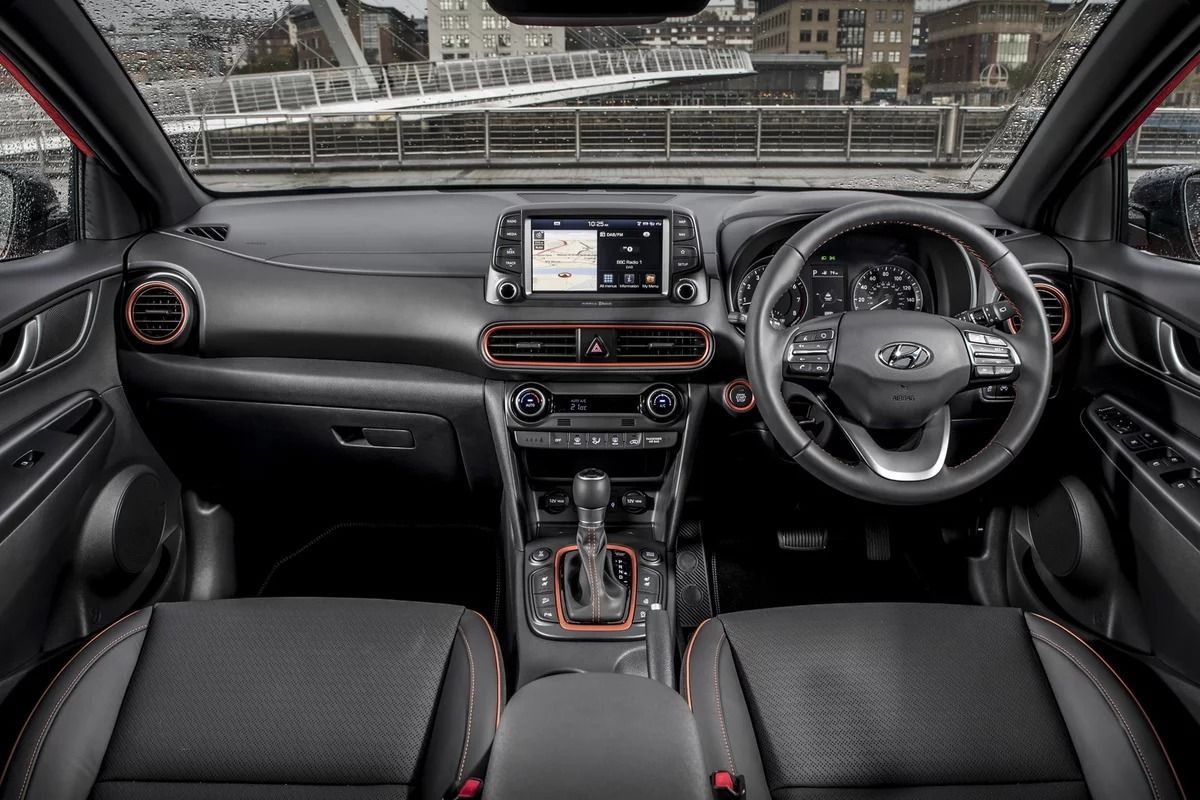
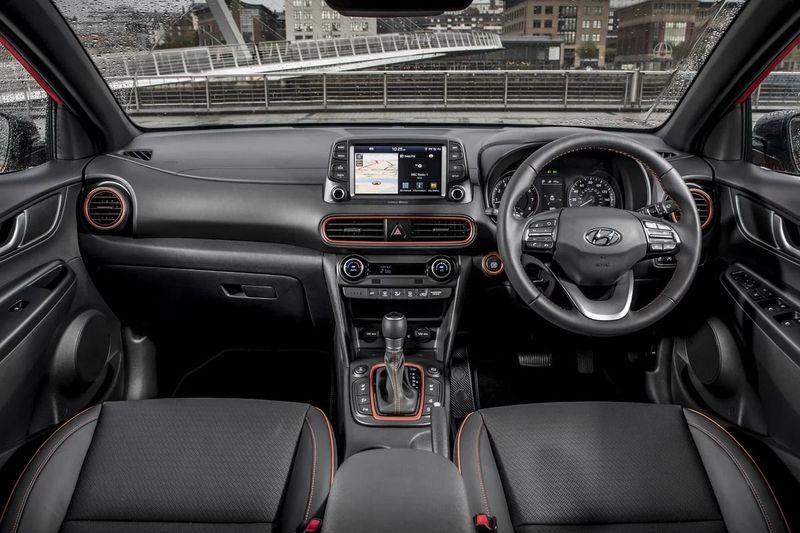
Well-appointed interior with a smartphone capable infotainment system.

No, Hyundai did not go quite as wild with the Kona's interior execution as many may have expected; it’s actually pretty standard Hyundai fare when you step inside the newcomer's cabin. You do, however, get a choice of red or yellow piping for the seats and the same choice for the air-vent surrounds and seatbelts.

To its credit, the Kona's quite well specced inside, with the seats coming in part leather and part cloth, the touchscreen infotainment system is Apple Carplay and Android Auto compatible and there’s park distance control with a reverse-view camera.

Safer than a Creta

The Kona is sold across Europe and therefore requires electronic stability control to be fitted as standard. Thankfully, our model retains this feature, as well as a full complement of 6 airbags, ABS, EBD and brake assist. It’s also the first local Hyundai to be fitted with a tyre pressure monitoring system.

Summary


The Kona's major rival is the Mazda CX-3, which is coming towards the end of its current life cycle.

The practically-minded and family-oriented among us may think it silly for Hyundai to launch (what may be construed as) "a smaller and more expensive Creta" into the market, but not everyone buys a car based on its overall utility. The Mazda CX-3 is proof of this: it is one of the top sellers in the segment, yet probably the smallest to load things into or sit inside. It is a very stylish offering though, and the Kona looks to appeal to the CX-3's clientele… The couple who wants to take their bikes or boards away for a weekend and maybe don’t need loads of space, but want something cool and stylish that doesn’t look or feel bland – that's the newcomer's target market.

And here's another point to ponder: the crossover/SUV segment is also just about the only one that is registering growth in the new vehicle market at this moment, so you can’t blame Hyundai for trying to give you as many desirable options as possible. Is this the perfect filling in a Creta-Tucson sandwich? Perhaps it is.

Pricing and after sales

The Hyundai Kona comes with a 5-year/100 000 km warranty with an extra 2-yr/50 000 km drivetrain warranty. The service plan is valid for 5 years or 90 000 km.

Kona 1.0 TGDI Executive Manual – R379 900

Kona 2.0 NU Executive Automatic – R399 900

Related content

Hyundai Kona (2018) Specs & Price

Ford Ecosport (2018) Video Review

Mazda Updates CX-3 Range for 2017

Renault Captur 66 kW dCi Dynamique (2017) Quick Review

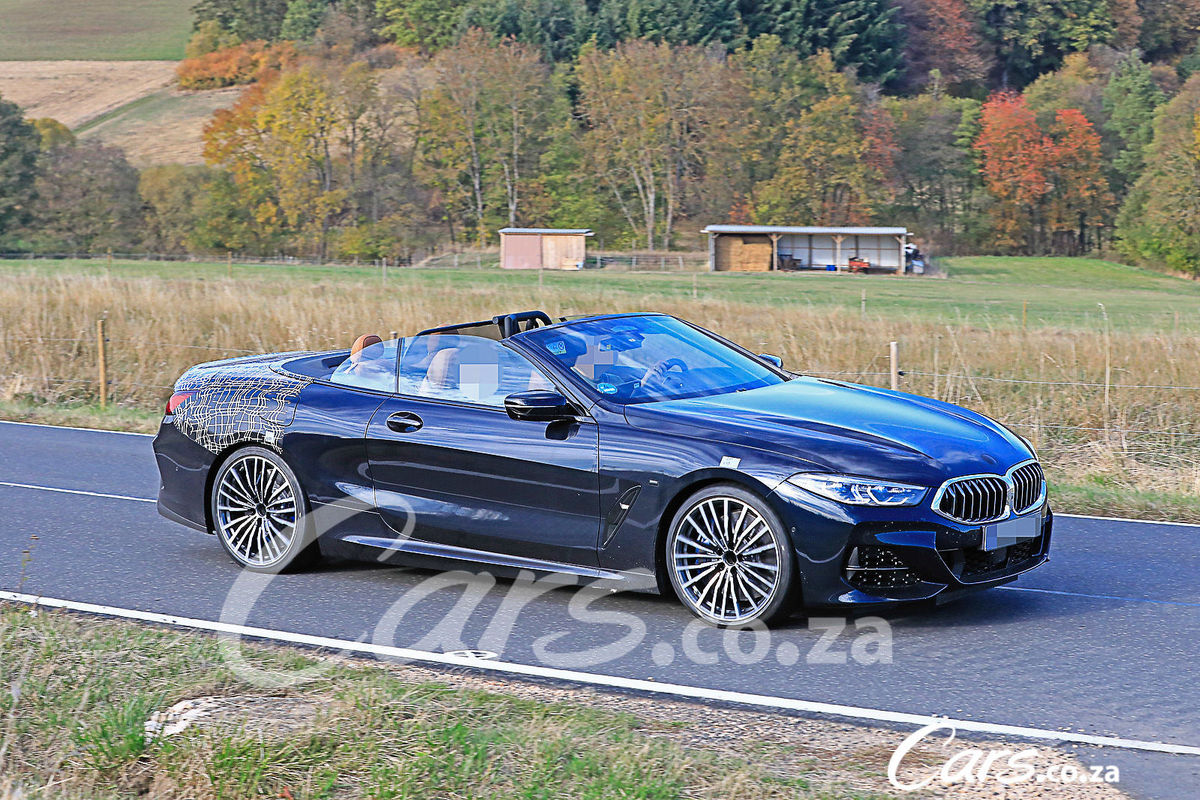
Spy Shots: BMW 8 Series Convertible spotted

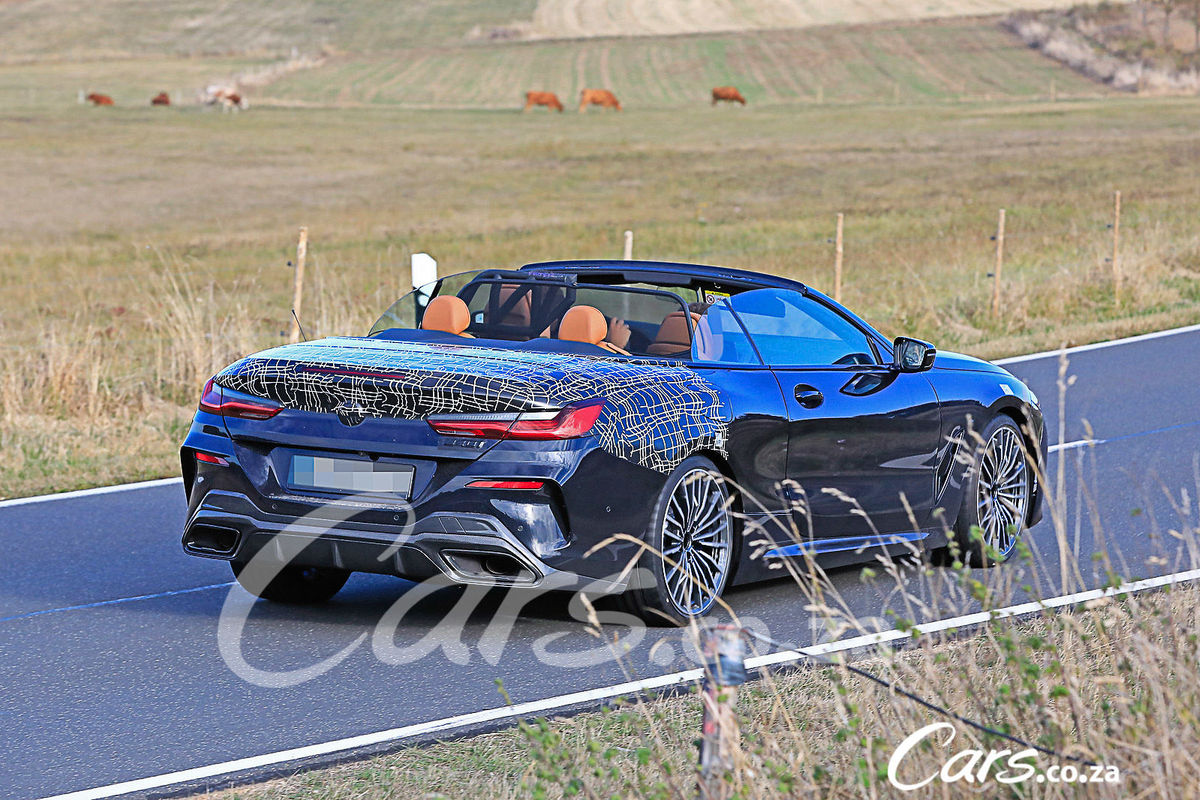
German carmaker BMW confirmed that it will be expanding on its 8-Series portfolio, with a convertible and Gran Coupe model expected. Here's what we know so far after the latest spy shots.

The BMW 8-Series is one of the finest looking products to come from the Munich-based manufacturer, but it's not stopping there. Chairman of the Board of Management of BMW Harald Kruger held a conference call to discuss the brand's financial performance for the first half of 2018 and was keen to talk about future product. 

“We have another ace up our sleeve: A systematic expansion of our luxury segment,” Kruger said. “Within the new 8 series model range, production of the new BMW 8 Series Coupé is already underway. The market launch is scheduled for November. This will be followed in 2019 by the Convertible and Gran Coupé, as well as the corresponding M models.” This conference took place in August 2018 and now the first 8 Series convertibles have been spotted undergoing final testing.

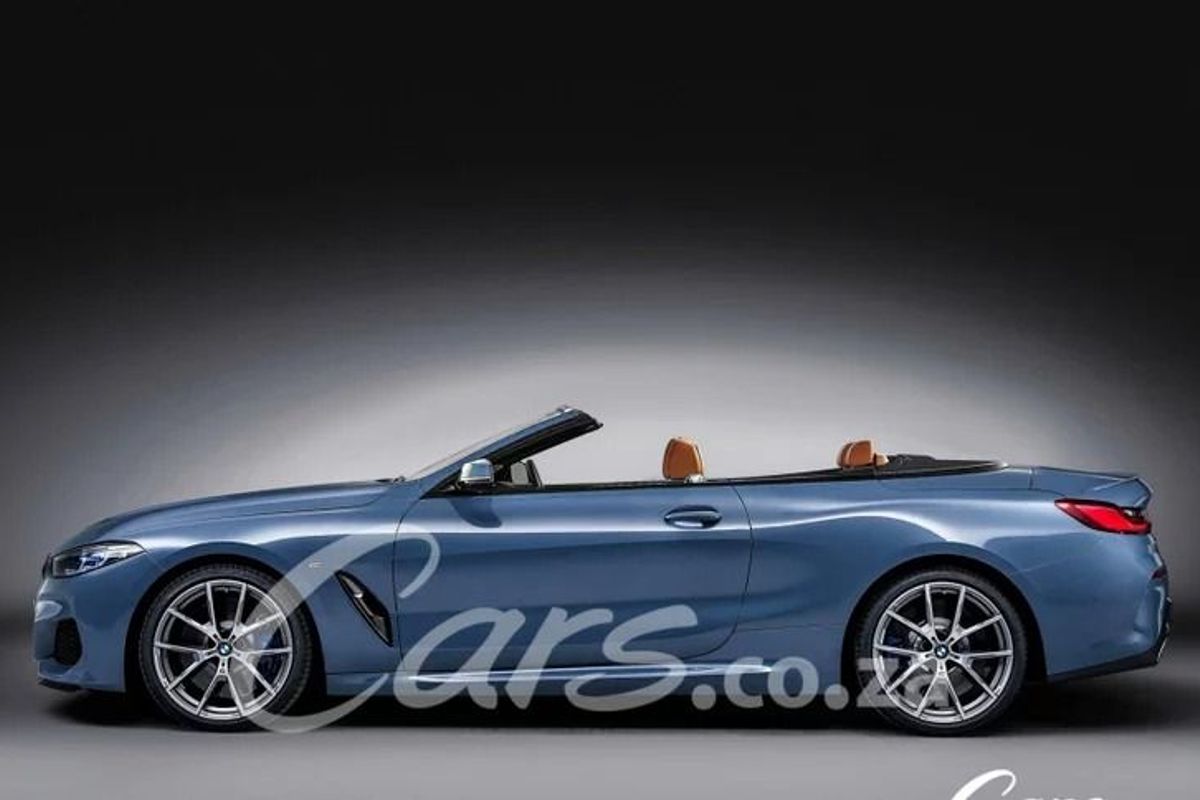
We expect the BMW 8-Series range to be expanded to a convertible and a four-door Gran Coupe model. There will also be the BMW M8, both in coupe and convertible body style too. In terms of engine, there's the petrol M850i and the oil-burning 840d, and we think the M5 motor will find its way into the M8. Let's not forget about the potential for an M8 Competition either. 

Picture credit: S. Baldauf/SB-Medien

Further Reading:

BMW 8 Series: All you need to know

BMW 8 Series is coming to SA

BMW 8 Series Concept Revealed [with Video]

BMW M8 Gran Coupe Concept Shown in Geneva [w/Video]

Rendering: BMW M8

Volkswagen Lights Up The Future

Volkswagen is developing new car lighting systems that will boost safety for all road users. Look into the light below…

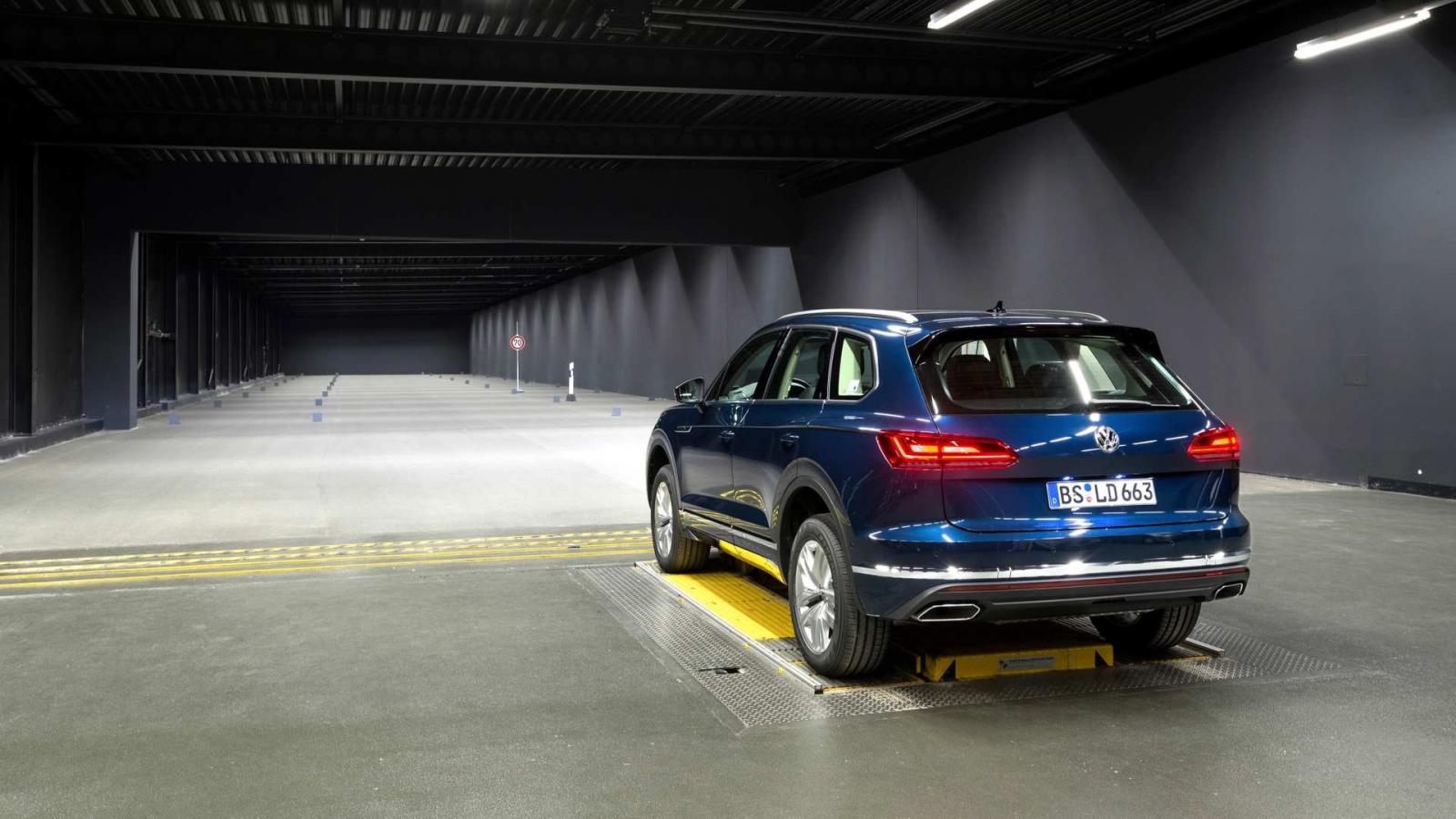
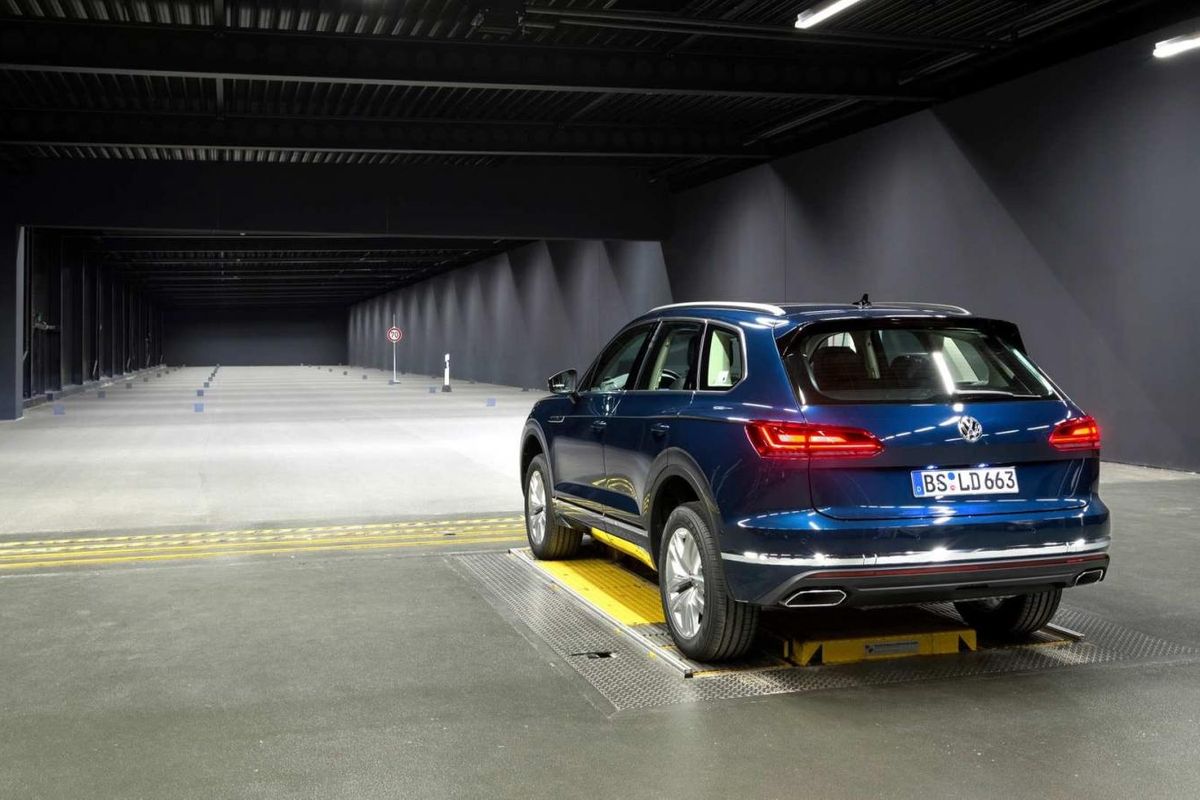
Volkswagen has opened a Centre of Lighting Excellence at its Wolfsburg plant. It’s a light tunnel that is 100 metres long, 15 metres wide and 5 metres high and it’s where Volkswagen is testing and developing new lighting systems that will eventually feature on upcoming production models.

In this controlled environment, tests are easily reproduced and repeated but it’s also useful in that it’s an ideal setting to study how drivers and pedestrians perceive light. Importantly, the light tunnel also reduces development time of lighting systems which means that they can be introduced to market quicker.


Volkswagen's lighting tunnel enables rapid lighting technology development in a controlled environment. 

Lighting the Way

As autonomous technology develops further, road users will be confronted with new situations, such as lack of eye contact with drivers and that’s where interactive lighting functions will help improve safety.

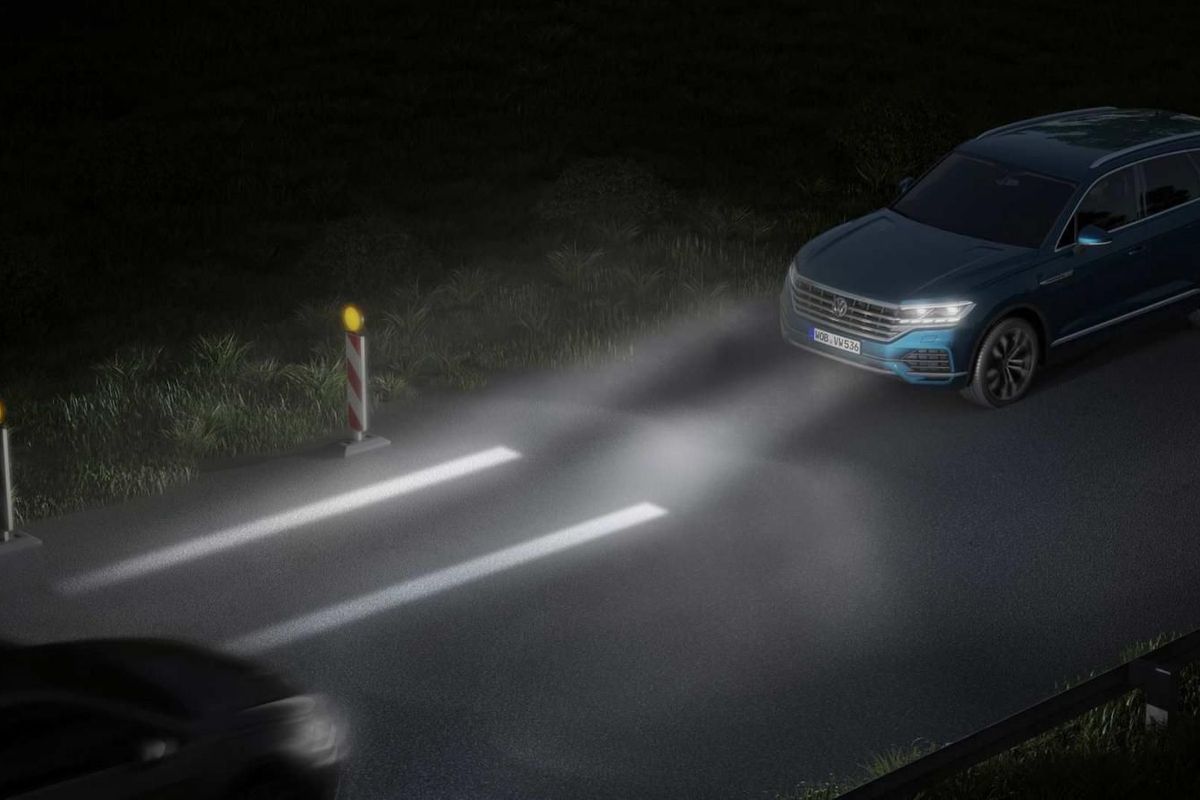
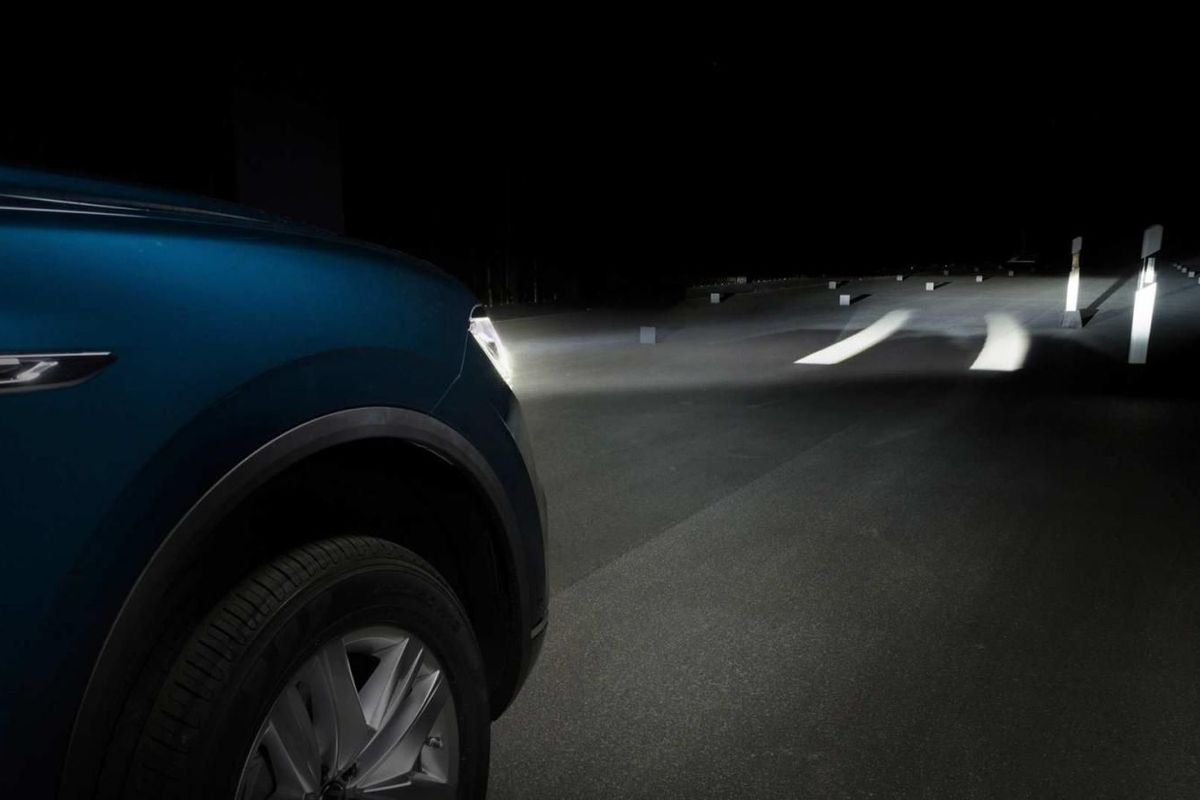
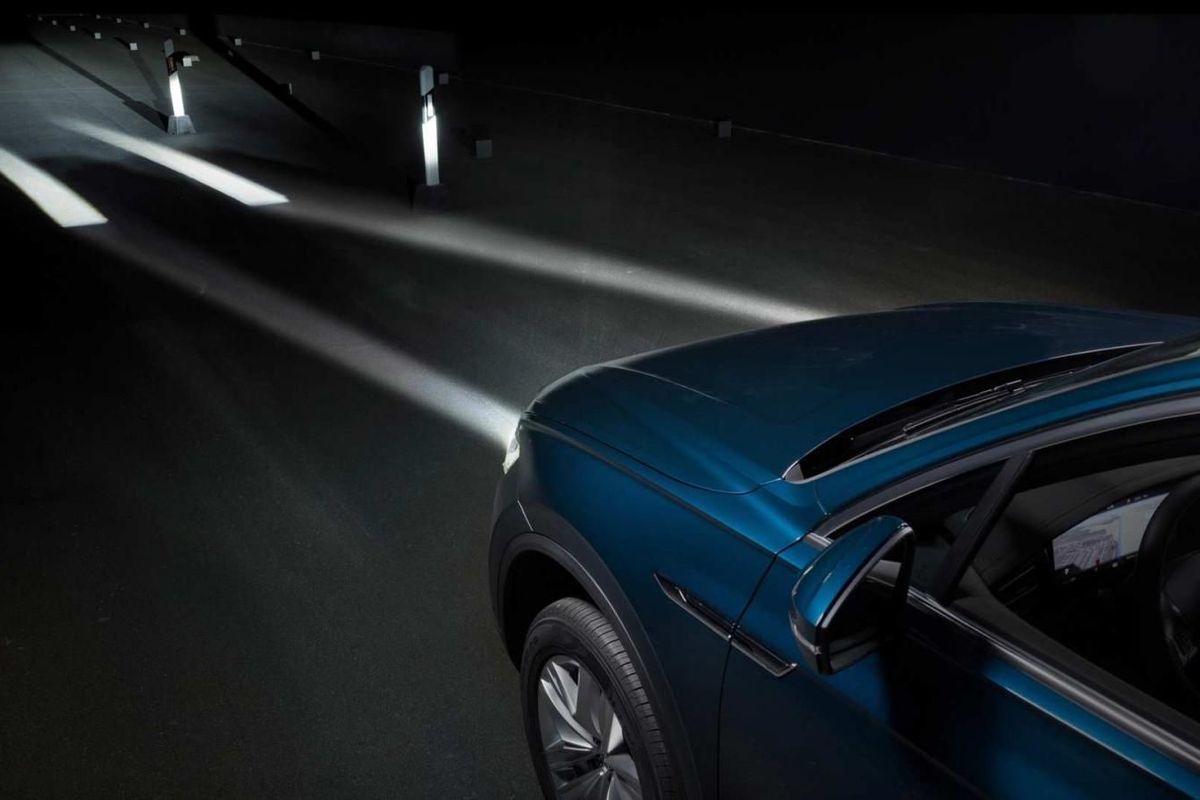
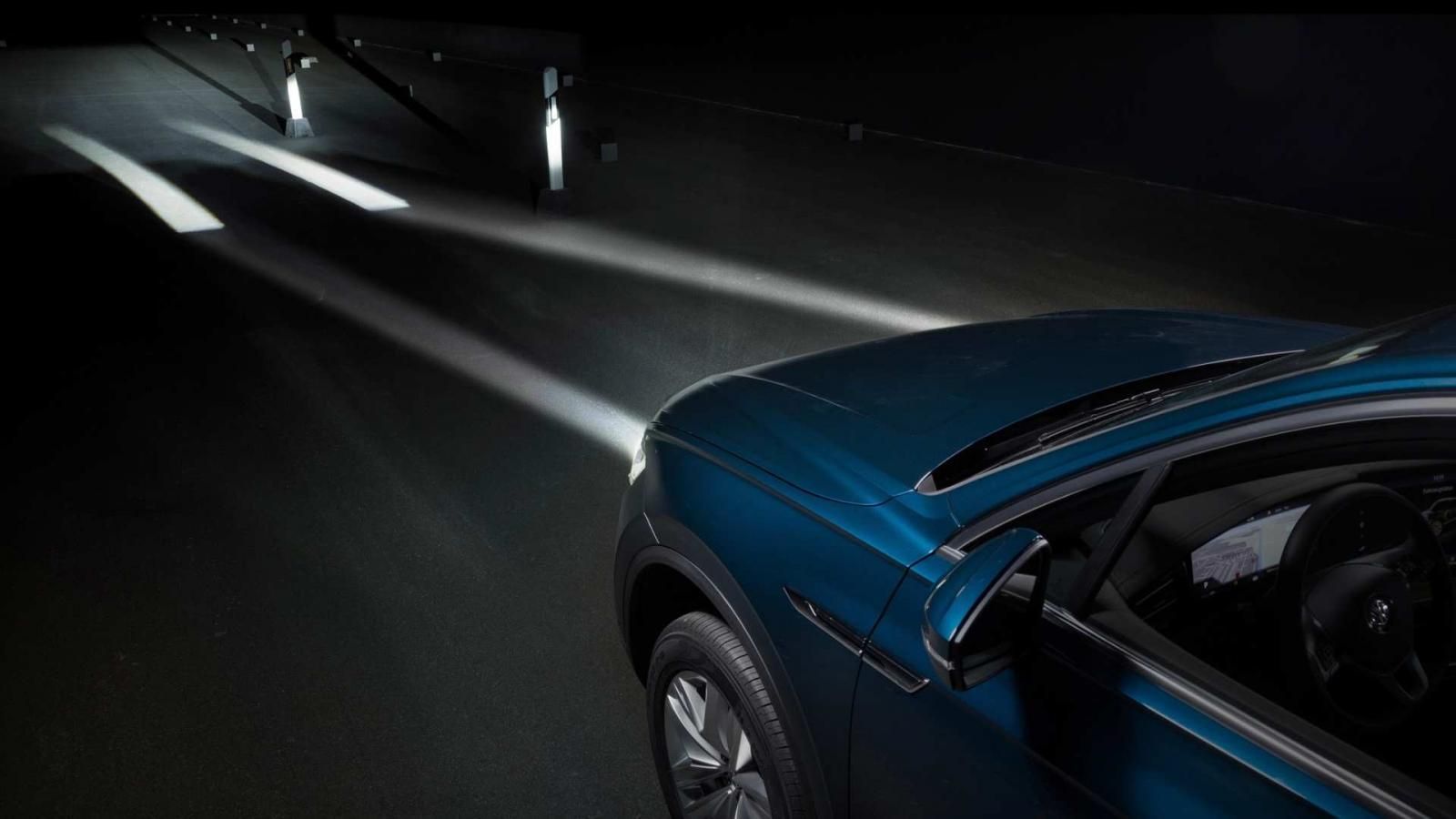
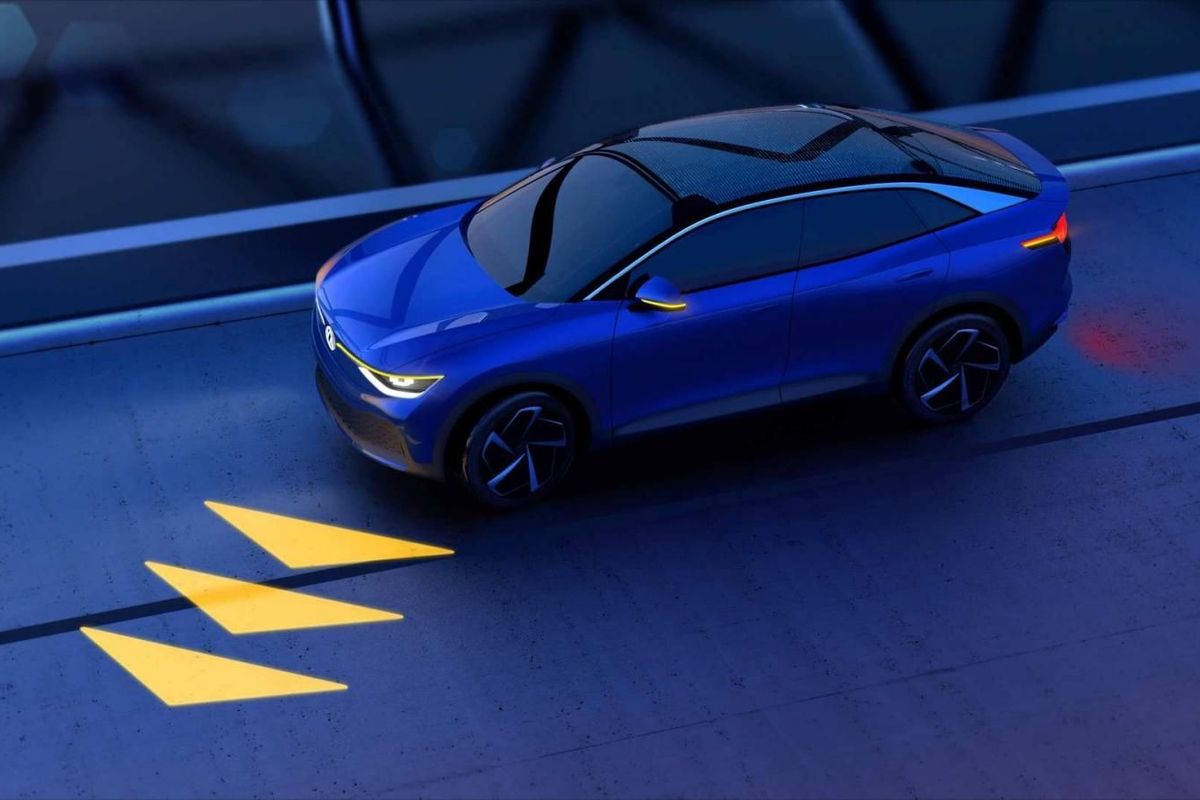
These new lighting systems will comprise micro-pixel HD headlights with up to 30 000 light points and high-performance LED lighting that will for the first time be able to project information onto the road surface. This technology will also enable new assist systems such as ‘Optical Lane Assist’ which will project lanes in front of the vehicle, showing the driver exactly how wide the vehicle is as well as the distance to road lane markings. The lanes will also follow the direction in a curve and so forth.


Micro-pixel HD headlights will be able to project lanes directly onto the road.

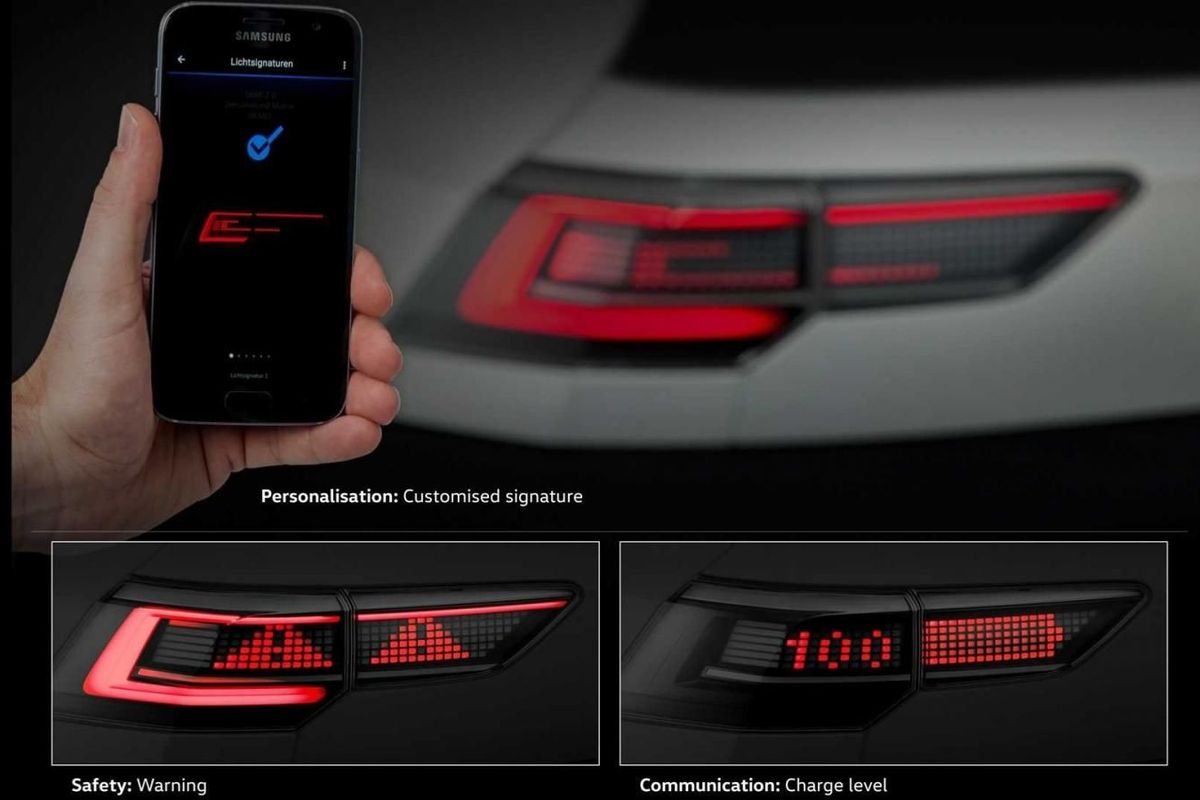
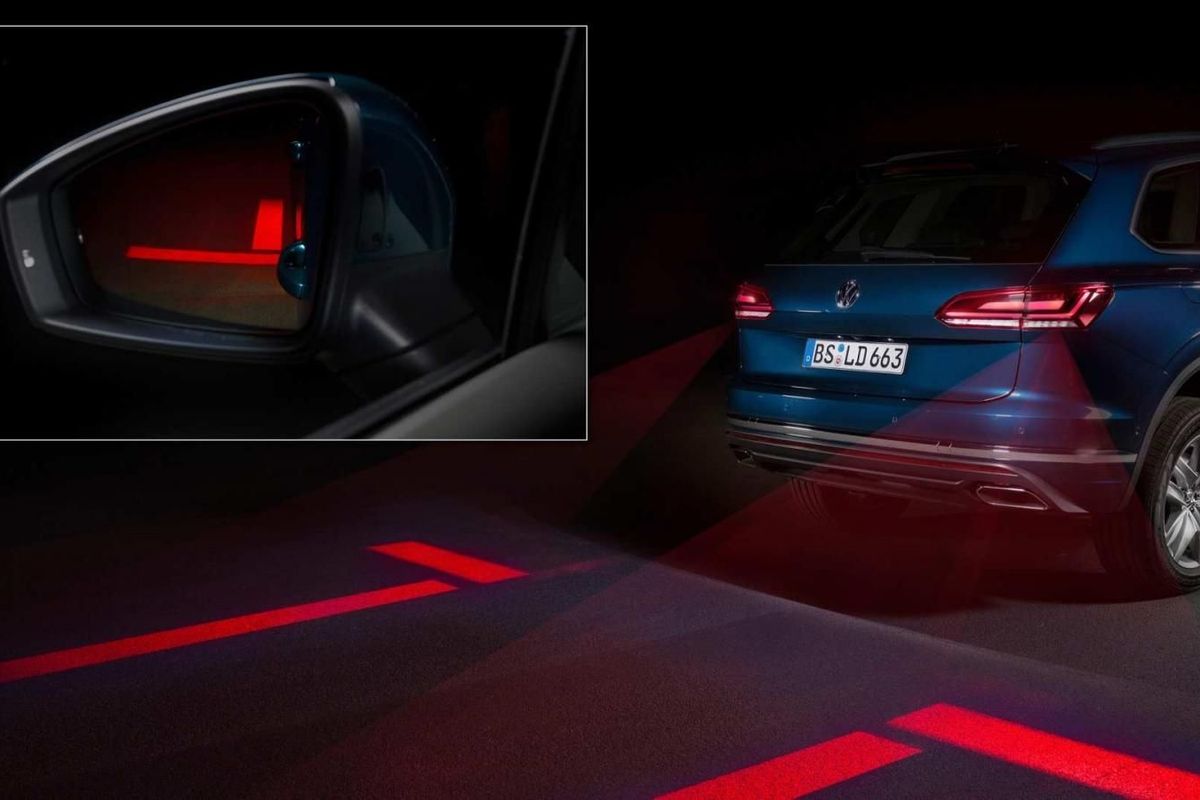
Revolutionary matrix tail light clusters are also in development and they will incorporate warnings to defuse potentially dangerous situations such as at the end of a traffic jam for example while also using car-to-car communication to warn other drivers.

Furthermore, a new ‘Optical Park Assist’ system will be able to alert passers-by of the parking process by projecting the vehicle's path onto the road.

These new lighting systems were showcased at an international workshop and they highlight new lighting innovations that you can expect to see on future models. Volkswagen, however, did not state when these innovations will come to market.

Buy a new or used Volkswagen on Cars.co.za

Related Content  

New Volkswagen Touareg Review – Premium SUV Bargain?

Volkswagen Arteon 2.0 TDI R-Line (2018) Quick Review

Clash of 2019? New Toyota Corolla Hatch vs Volkswagen Golf

2018/19 Cars.co.za Consumer Awards – powered by WesBank; Finalists


Toyota Aygo X-Play (2018) Quick Review

The updated Toyota Aygo was recently introduced with fresh styling, enhanced spec and a slightly more powerful engine. Is Toyota's refreshed city car worthy of our attention, or should you look elsewhere? We spent some time with the Aygo X-Play to find out.

We Like: Perky performance, good ride and handling, reasonable fuel economy

We Don’t Like: Noisy/unrefined engine at higher revs, poor interior material quality and leg room, small load bay

Fast Facts

Price: R170 800 (October 2018)

Engine: 1.0-litre, 3-cylinder petrol

Power/Torque: 53 kW/93 Nm

Gearbox: 5-speed manual

Fuel economy: 4.3 L/100km

Serious About Buying?

Check out full specification details and finance estimates here.
Some Toyota dealers regularly offer specials: Have a look here.

What is it?


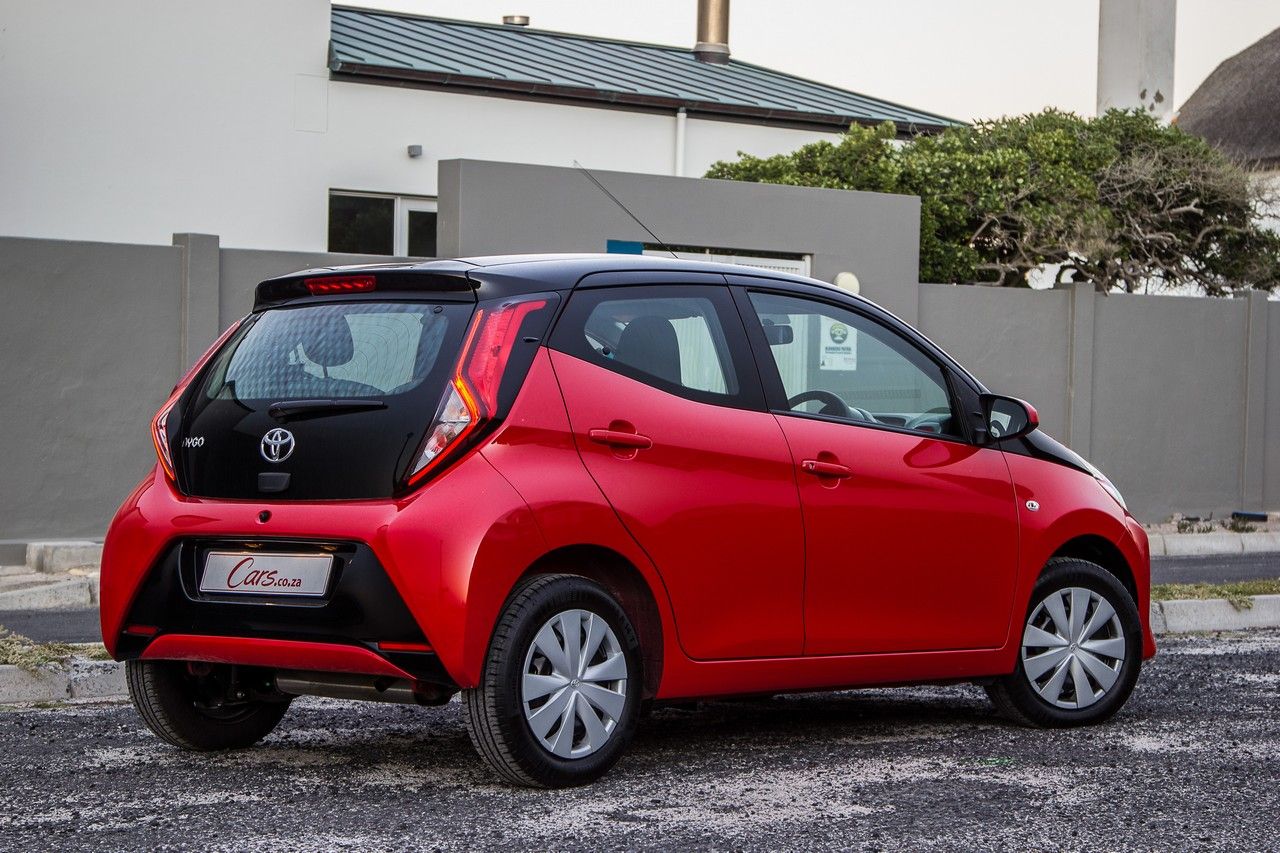
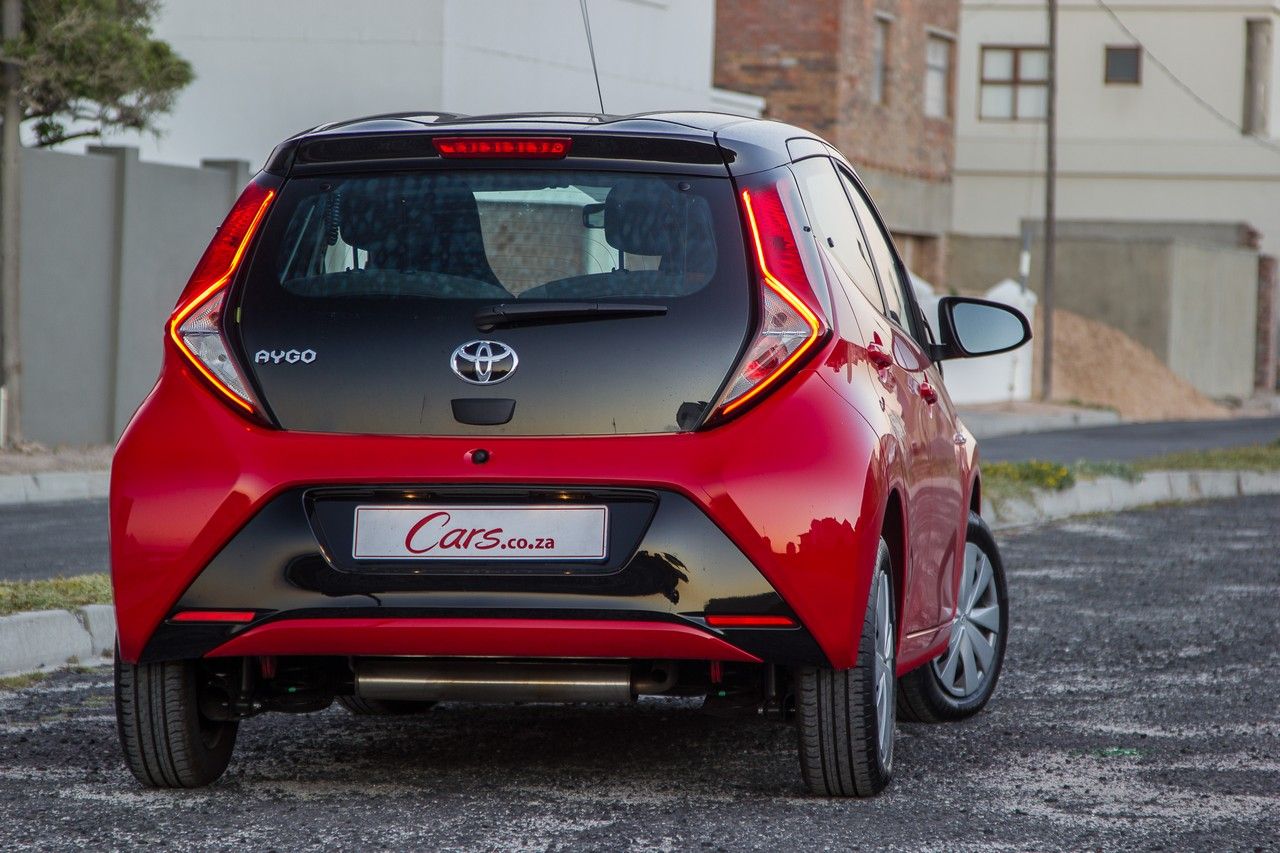
The Aygo's enhanced styling should find favour with young, first-time buyers. It's a funky little thing…

The Aygo has proven to be a popular choice in the budget car segment, offering funky exterior styling and a somewhat colourful interior (the pre-facelift 1.0 X-Play was a finalist in its category of the 2016 #CarsAwards), which appeals to younger clientele looking for an affordable and reliable urban runabout. 

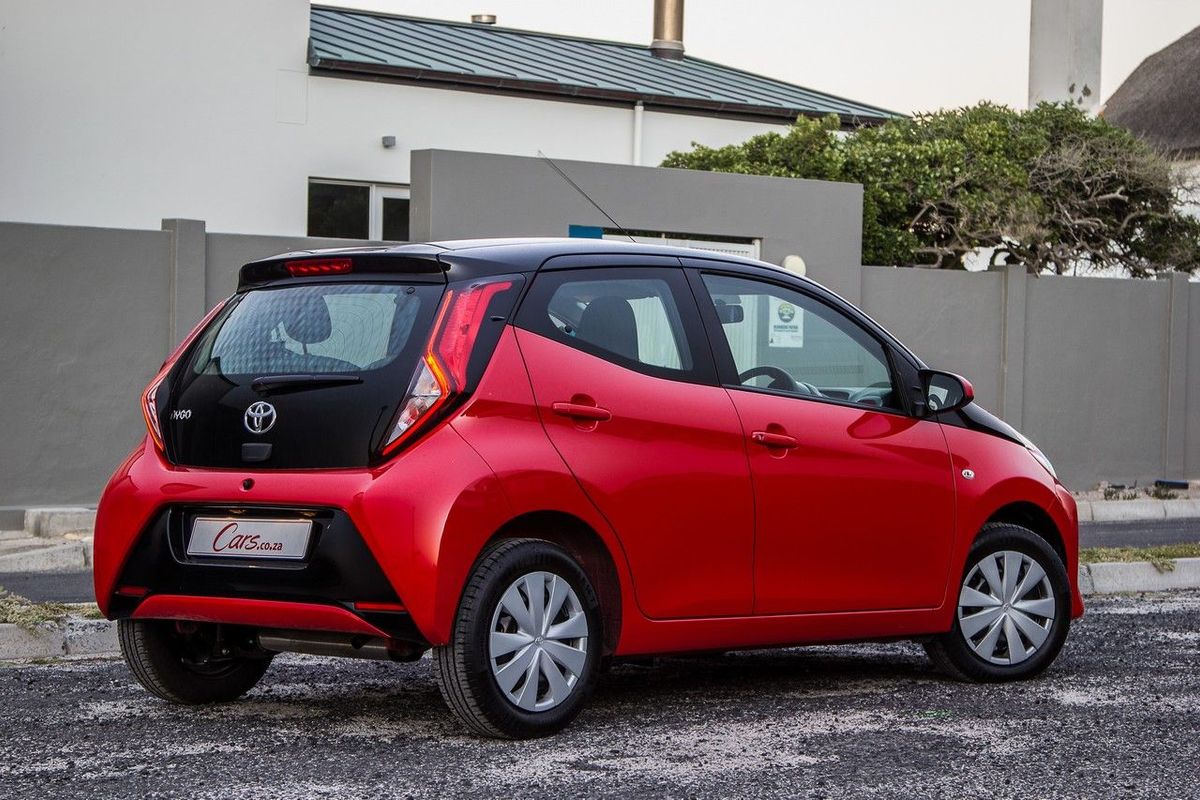
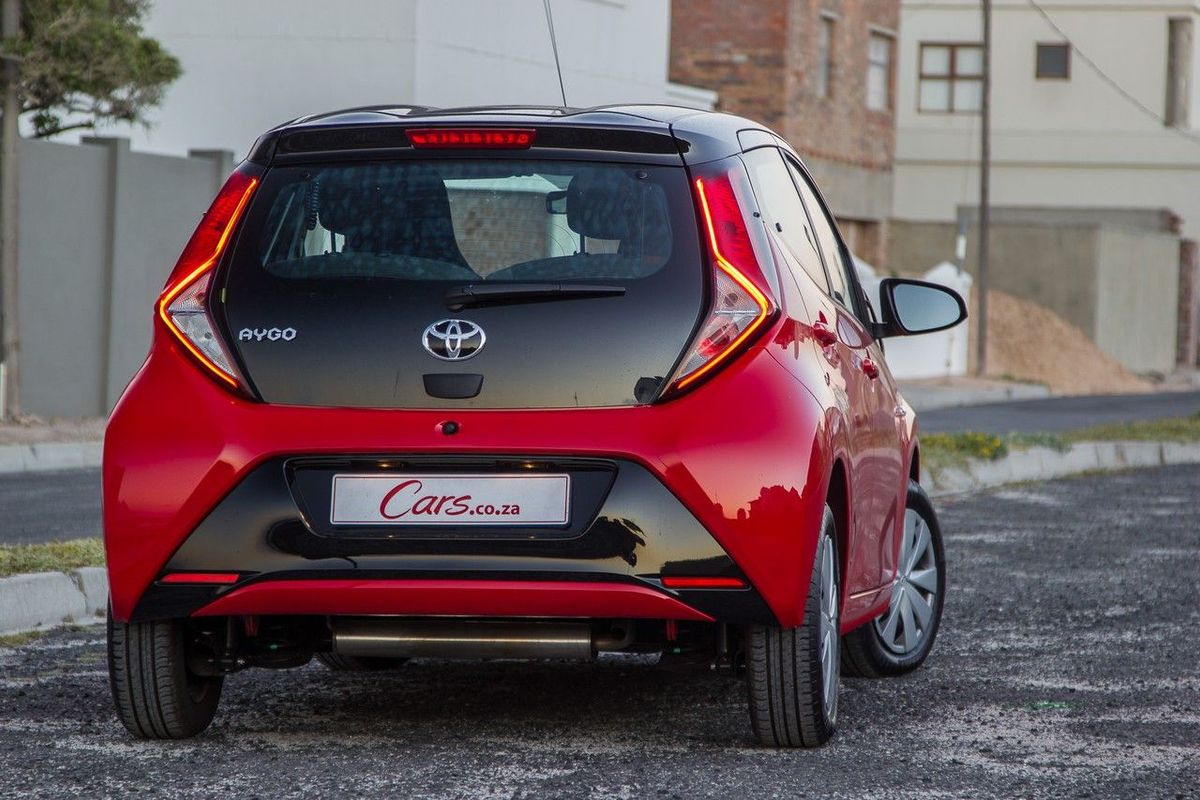
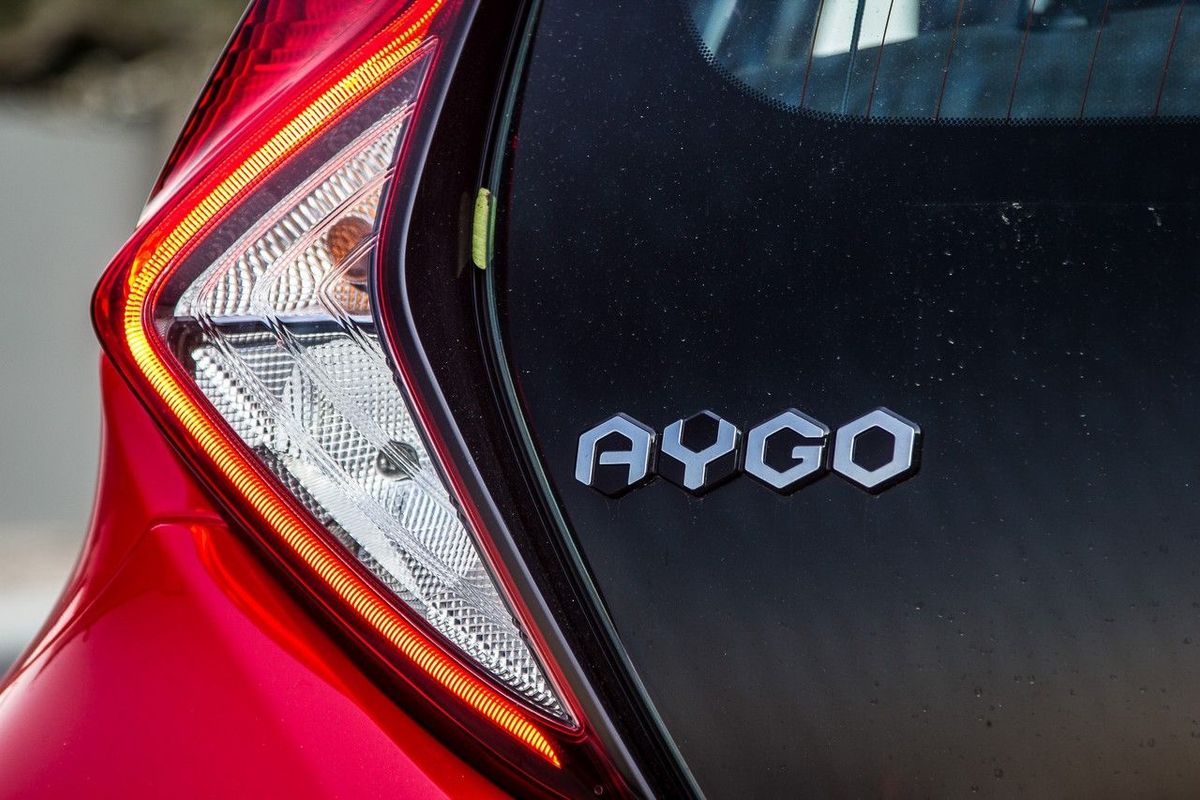
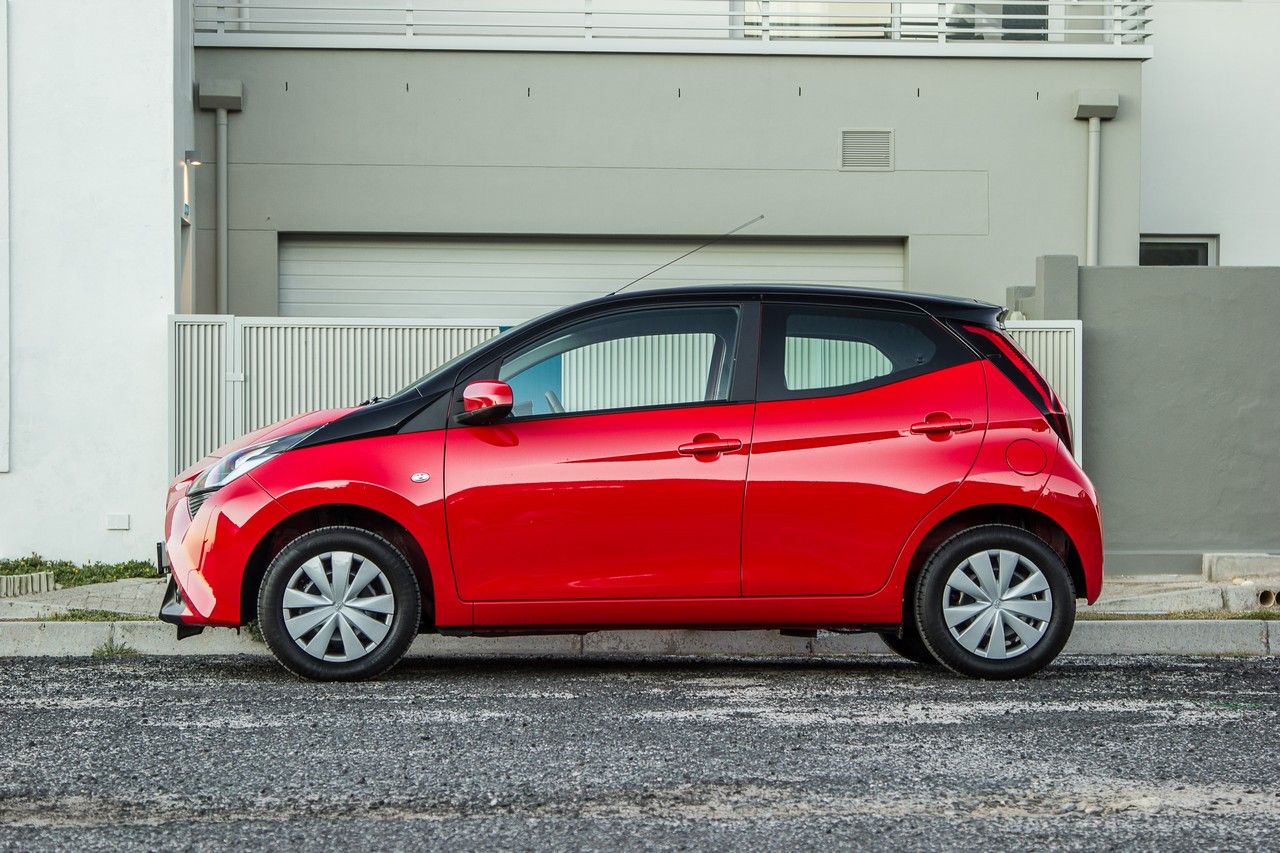
A revised Aygo came to market recently and it now has larger headlamps (with LED daytime running lights) while still wearing its distinctive X-face. The 2-tone X-Play derivative has a contrasting black roof, an upswept rear window line (to boost its visual appeal), while new boomerang-shaped taillights define the rear-end.

We like its compact and youthful styling, but how well does the Aygo perform overall? Let’s take a closer look. 

What’s good?

Strong line-up of standard features


Standard specification is good and coloured panels liven up an otherwise dark and grey interior.

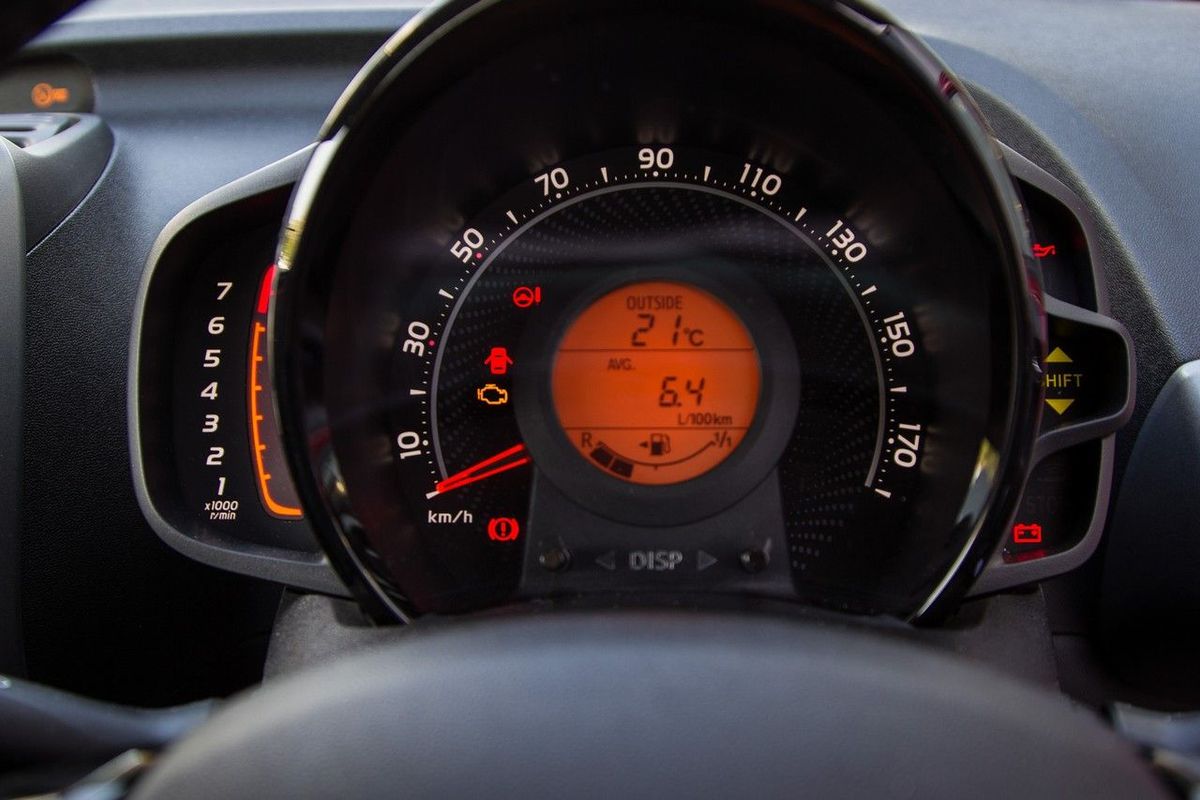
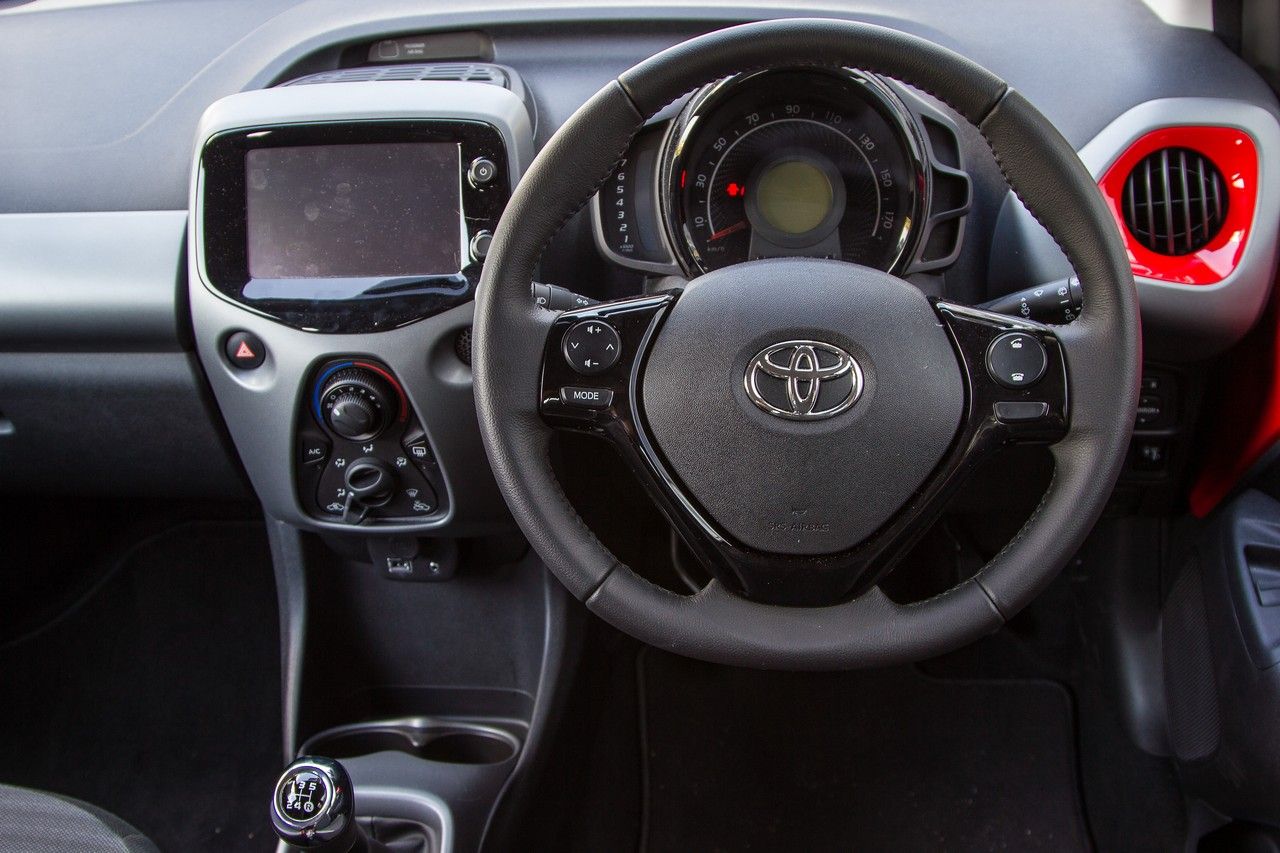
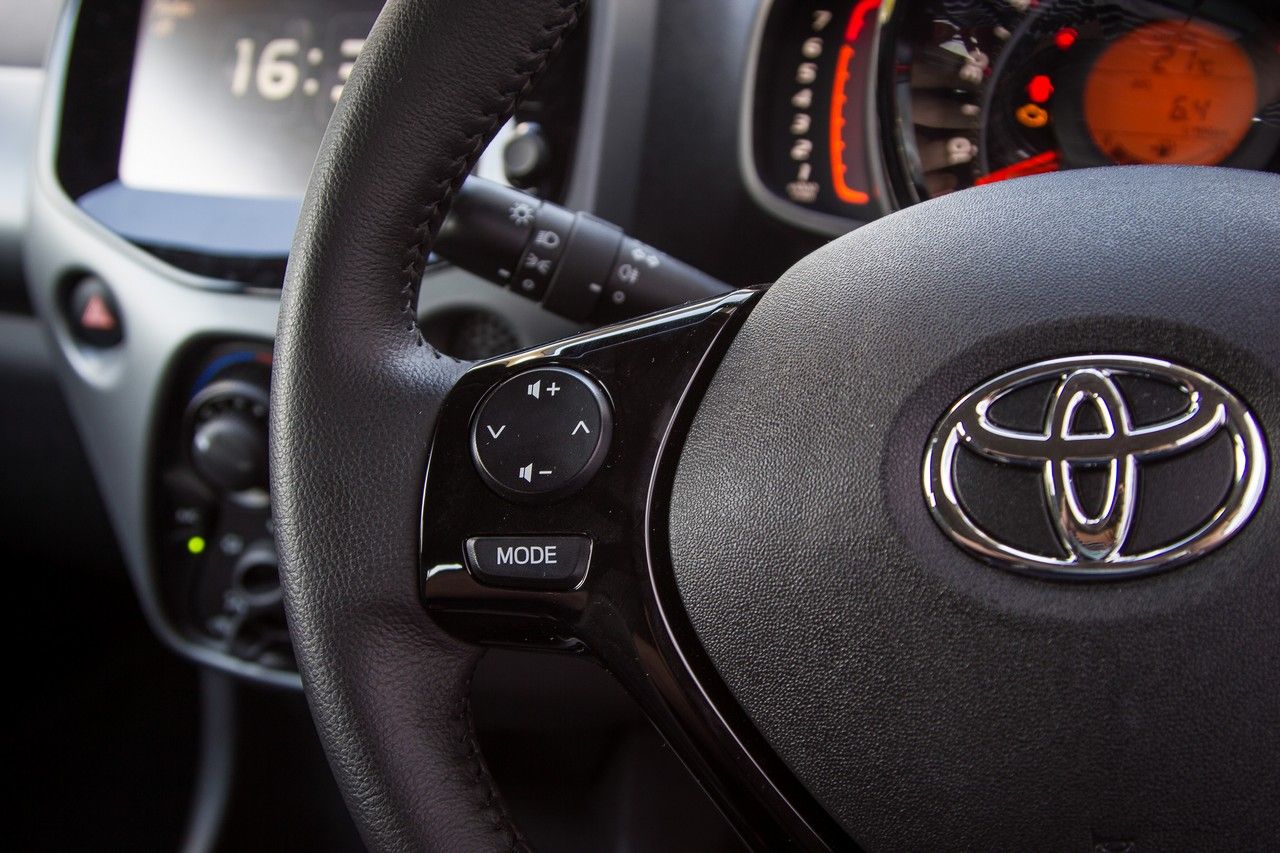
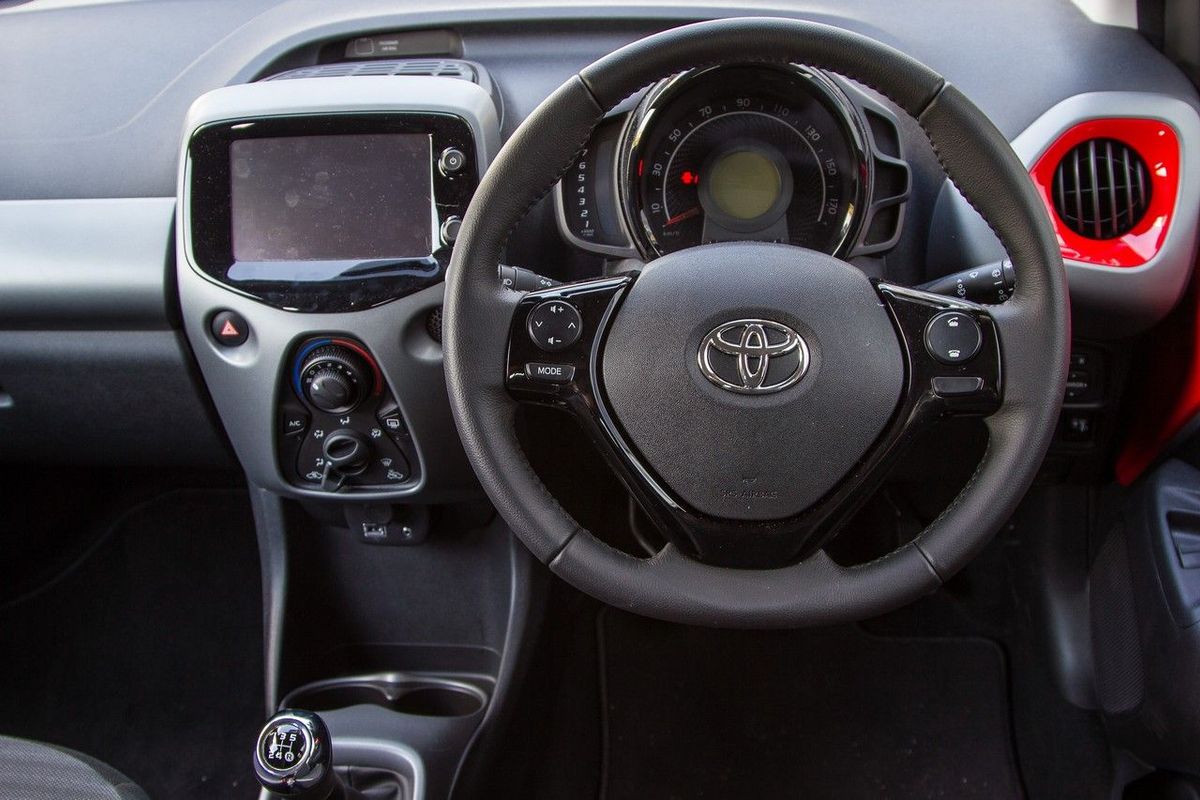
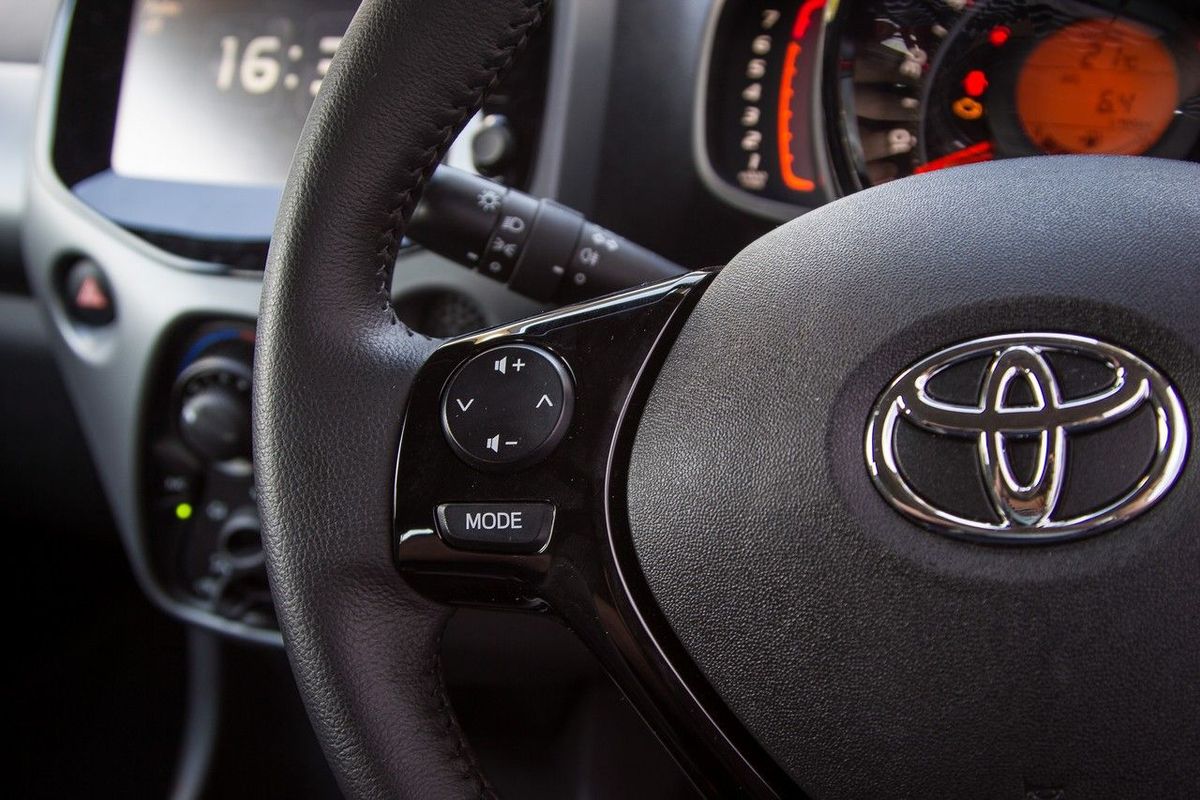
For a budget car, the 1.0 X-Play offers many standard features. While the 1-piece fabric bucket seats look cool, we found them to be quite firm with minimal bolstering, but the coloured interior panels liven up the interior. The multifunction steering wheel is adjustable for rake and reach and smartly bound in leather, as is the gear lever.

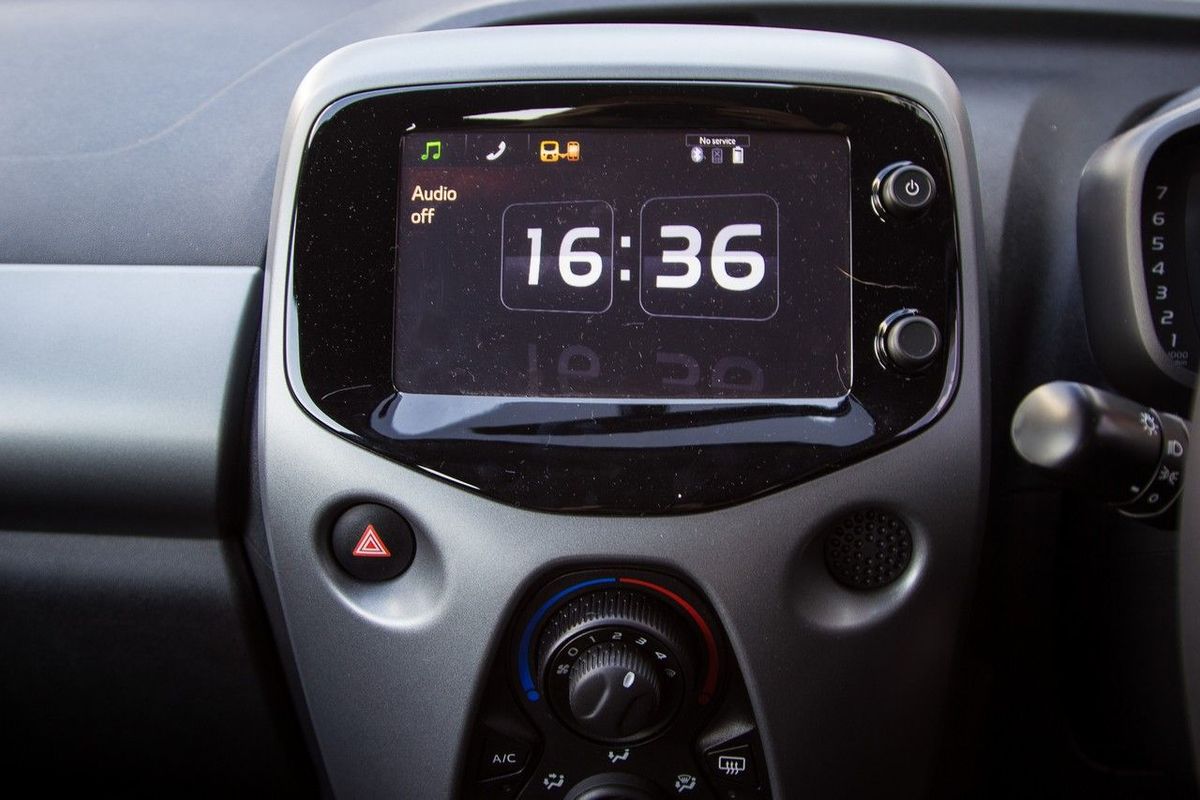
A nice-to-have feature is the touchscreen infotainment system, which offers Bluetooth connectivity as well as a USB and auxiliary audio port. While the system is basic, it’s very easy to use, with a simple-to-understand menu. On the safety front, this Aygo comes equipped with 4 airbags, ABS with EBD, brake assist and stability control.

Performance/economy balance


The Aygo's compact dimensions make it perfectly suited for the city and for people who want to live the small car lifestyle.

Don’t expect fireworks from this Aygo – its naturally-aspirated 1.0-litre petrol engine whips up 53 kW (2 kW more than before), 93 Nm of torque and comes equipped with a 5-speed manual transmission. Thankfully though, its small body doesn’t need much oomph to get it moving at an acceptable pace.

If you want to get the most from this engine, you will obviously have to drive it with vigour and change gears often to keep the motor "on the boil". At higher revs, the 3-pot becomes annoyingly noisy, but even if the Aygo's a bit of a slouch off the line, it perks up nicely as the revs climb and copes relatively well at highway speeds.  

It’s worth noting, however, that the Aygo’s performance will be diminished at altitude and it will struggle even more if you have a full complement of passengers and luggage on board. The upshot is that the Toyota rewards a measured driving style with admirable fuel efficiency. The claimed consumption figure is 4.3 L/100 km, which is ambitious, but the test unit returned an acceptable average of 6.3 L/100km and indicated figures of under 6.0 L/100 km could be achievable with perseverance.   

Ride and handling


With a nicely-weighted steering feel, the Aygo offers good handling. 

This is perhaps the Aygo’s best attribute. The steering offers good feedback and the little Toyota can be whipped through corners with confidence (road-holding is good, always a boon for young, inexperienced drivers) while remaining reasonably composed. Given its basic underpinnings, some body roll is present, but it’s not excessive.

What's more, the Aygo is well-sprung… Its ride quality is more pliant than those of many of its rivals, even on rougher surfaces, which many buyers will appreciate.   

What’s not so good?

Not very spacious


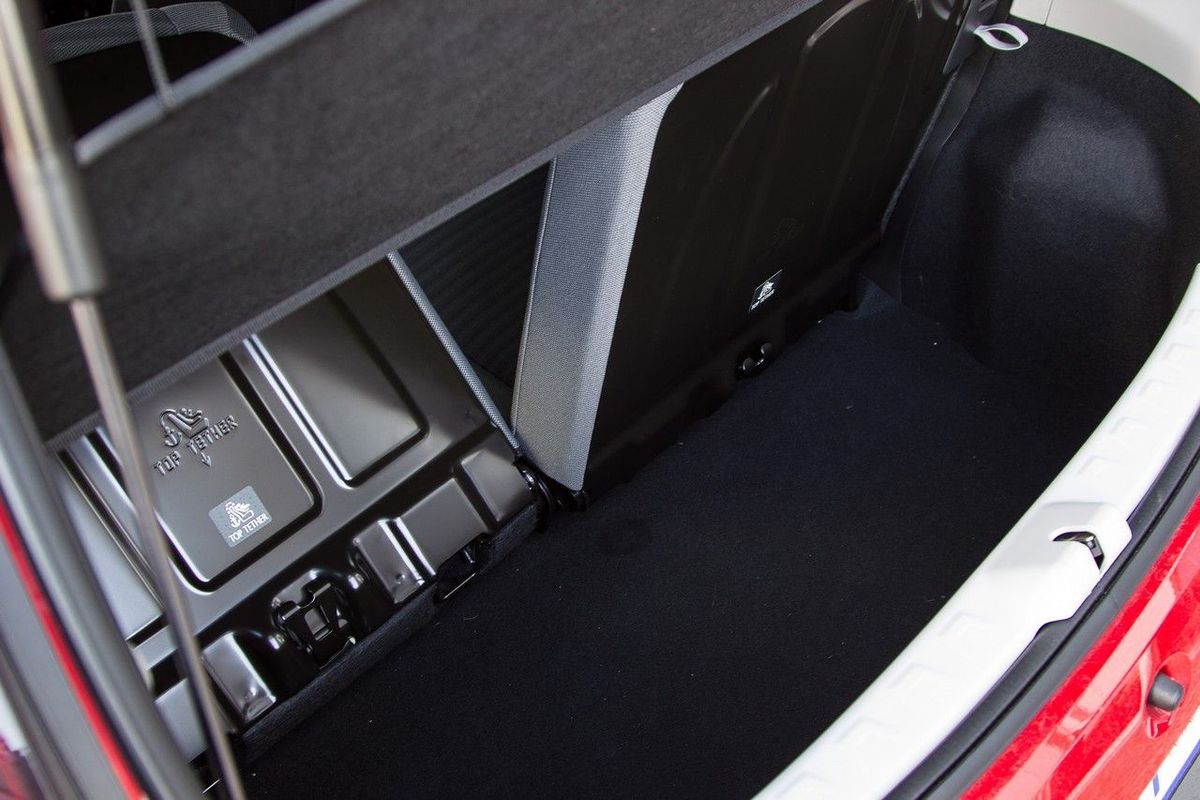
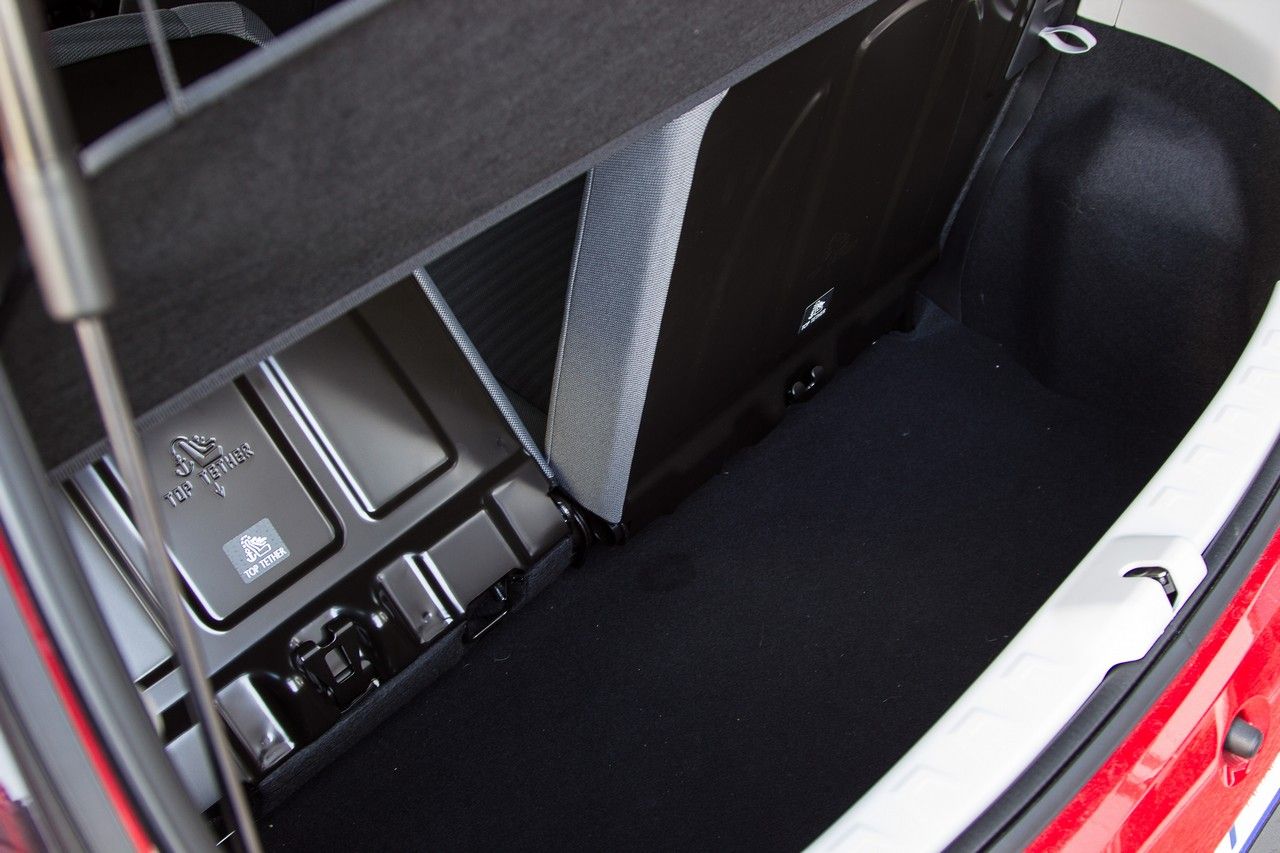
There's not much space for luggage, but the 50:50 split seats free up useful utility space, should you need it. 

The biggest downside to the Aygo is that its rear passenger space is tight – taller adults will struggle to get comfortable on the rear bench as legroom is limited and headroom is also a squeeze. It should, however, be perfectly suitable for small children.

The load bay is also very small (168 litres), which is significantly smaller than rivals such as the Suzuki Celerio (235 litres) and Volkswagen up! (251 litres). The 50:50 split rear seats can be folded down to access more space for larger luggage items, but doing so does create a pronounced lip (at the base of the seatbacks), which could be a potential hindrance. We also don’t like the exposed steel on the seatbacks as they will probably be prone to scratches and scuffs with prolonged hard use.

Cheap interior look and feel

As with all budget cars, the Aygo's interior is made with cost-saving in mind, but some of the plastic trim feels marginal, even at this price point, plus the doors, general trim and switchgear feel insubstantial. Sure, you could argue that this is to be expected in this segment, but there are other products (such as the Suzuki Swift and Volkswagen up!) that offer higher levels of perceived interior quality for not much more money. With that said, cheap doesn’t necessarily have to be nasty…

Also, we found rearward visibility to be hampered by the new upswept C-pillar, so be sure to double check those blind spots before changing lanes…

Pricing and Warranty

The Toyota Aygo X-Play is priced from R170 800 and comes with a 3-year/100 000 km warranty as standard while a service plan is offered as an option.

Buy a new or used Toyota Aygo on Cars.co.za

Verdict


The Aygo works if you are willing to accept its flaws, but it's not, in our opinion, the best offering in this segment. 

The Aygo certainly has its charms. Its styling is youthful and upbeat and it delivers a good combination of ride and handling. It doesn’t have the most refined engine on the market, but it has enough shove to scoot through city traffic with relative ease, provided that you don’t load to the hilt.

The Aygo is far from perfect, but if you can come to terms with its quirks, namely its space limitations and its noticeably cheap interior finishes, then it should serve you well on a daily basis. Also, the Aygo is backed by Toyota's expansive dealership network in South Africa and should be reliable and fairly affordable to maintain.

If space, practicality and perceived interior quality are more important to you, then we suggest that you consider other options in this segment (see below).   

Alternatives (click on the names for detailed spec info)

Suzuki Celerio

Suzuki offers excellent budget cars and the Celerio is far more spacious than the Aygo. It produces comparable performance from its 3-cylinder, 1.0-litre petrol engine with 50 kW and 90 Nm driving the front wheels via a 5-speed manual transmission. The Celerio 1.0 GL is the one to go for and is attractively priced from R156 900.

Suzuki Swift

If your budget can stretch to R177 900, then the new Suzuki Swift 1.2 GL is an excellent value proposition. It offers 61 kW and 113 Nm of torque from its 1.2-litre petrol engine and comes equipped with a 5-speed manual transmission. It’s worth mentioning that the Suzuki Swift 1.2 GL is a finalist in the Budget Car category of the 2018/19 Cars.co.za Consumer Awards – powered by WesBank.  

Volkswagen up!

For roughly the same price as the Aygo, you can step into the entry-level Volkswagen Take up! priced from R171 200. Its specification is very basic, but if you want more features then the Move up! derivative, priced from R186 000 is the better buy. It has similar outputs of 55 kW and 95 Nm developed from its 1.0-litre petrol engine, but it’s far more refined than the Aygo and its perceived interior quality is better than its Japanese rival.  

Related Content:

Toyota Aygo (2018) Specs and Price

Most Fuel Efficient Budget Cars in SA

Toyota Aygo 1.0 X-Play (2015) Review

New Cars Headed for SA in 2018

All-new GWM bakkie strategy announced

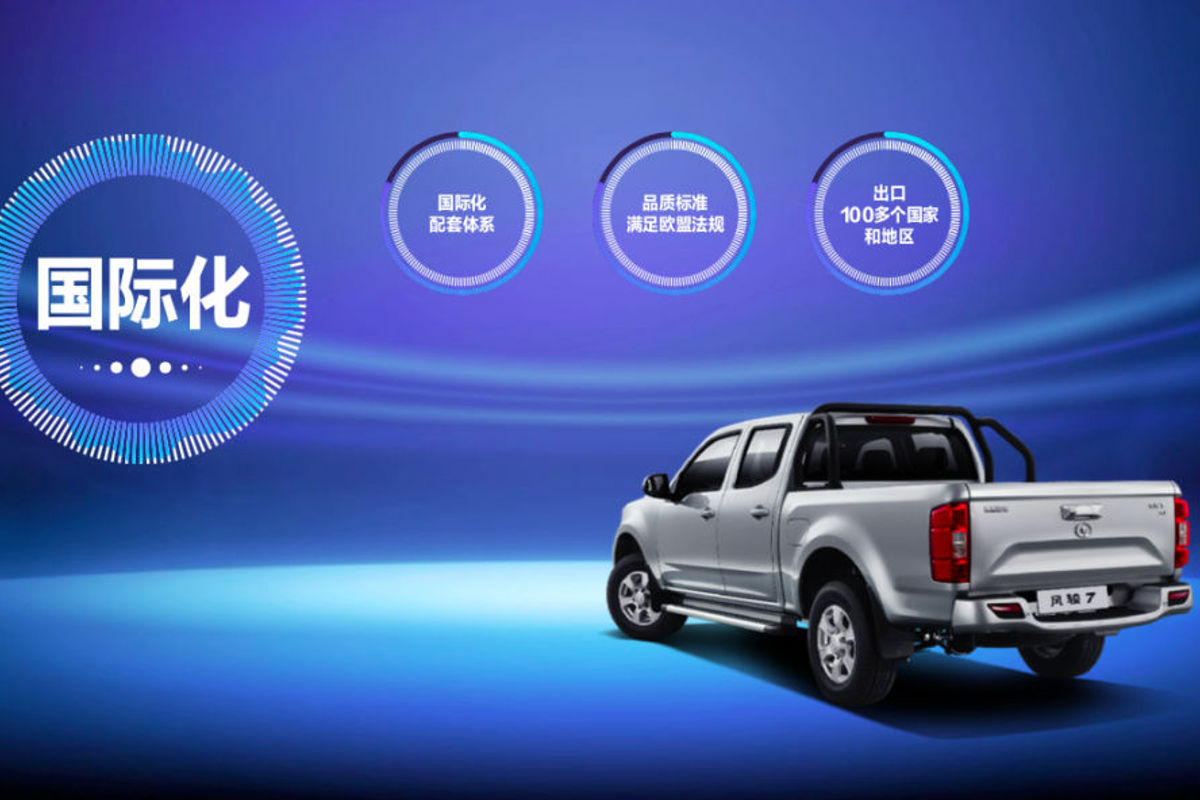
GWM is going on the bakkie offensive with a new strategy and a new product, called the Steed 7. Here are some details.

Great Wall Motors has formed a new division called GWM Pick Truck, which will sit alongside its Haval, Wey and electric brand Ora. The goal is a lofty one: GWM Pickup Truck will be one of the world's top 3 pickup brands. Coinciding with the strategy announcement was a reveal of a new GWM Steed 7 bakkie which will be targetting middle and high-end markets. There will also be a special edition bakkie which will be released before the end of the year.

Next GWM Bakkies 'built on Haval platforms'

GWM Steed 5 Safety Version Introduced in SA

GWM Steed 5/5E facelifts coming

GWM Steed 6 2.0 SX (2015) Review

Ford Mustang Bullitt Coming to SA

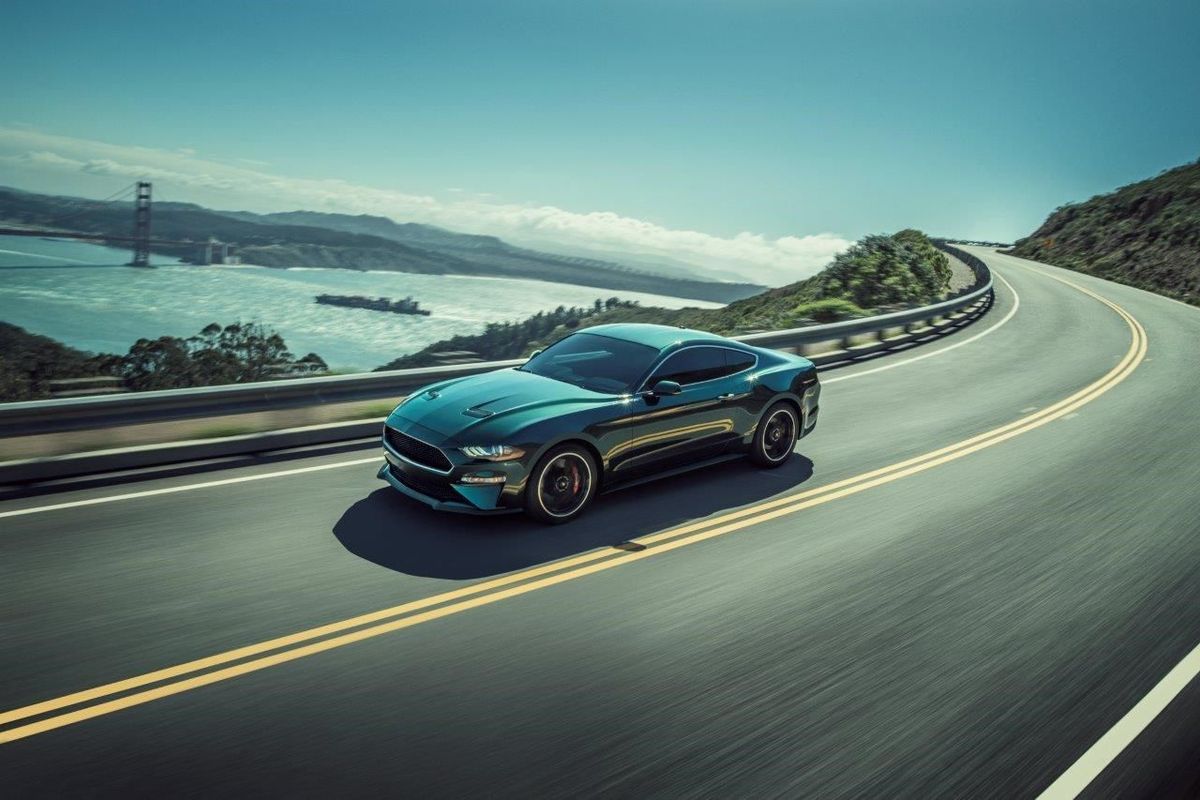
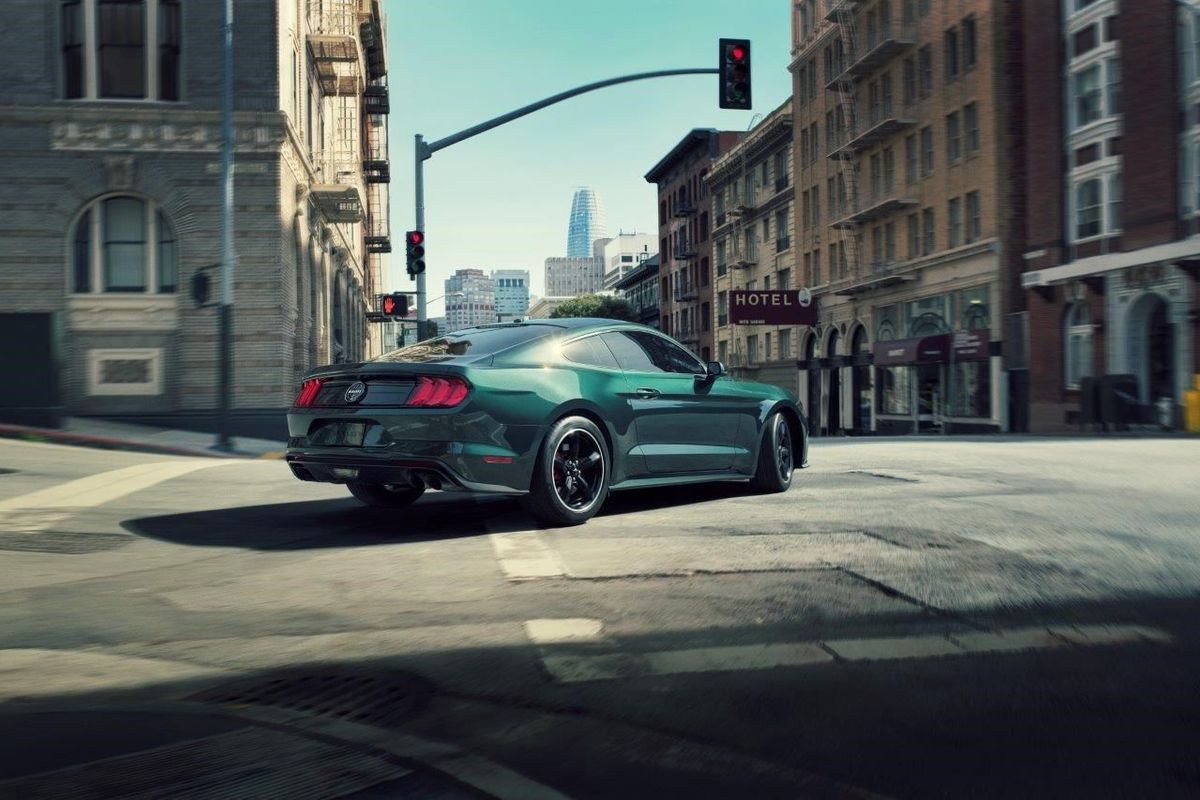
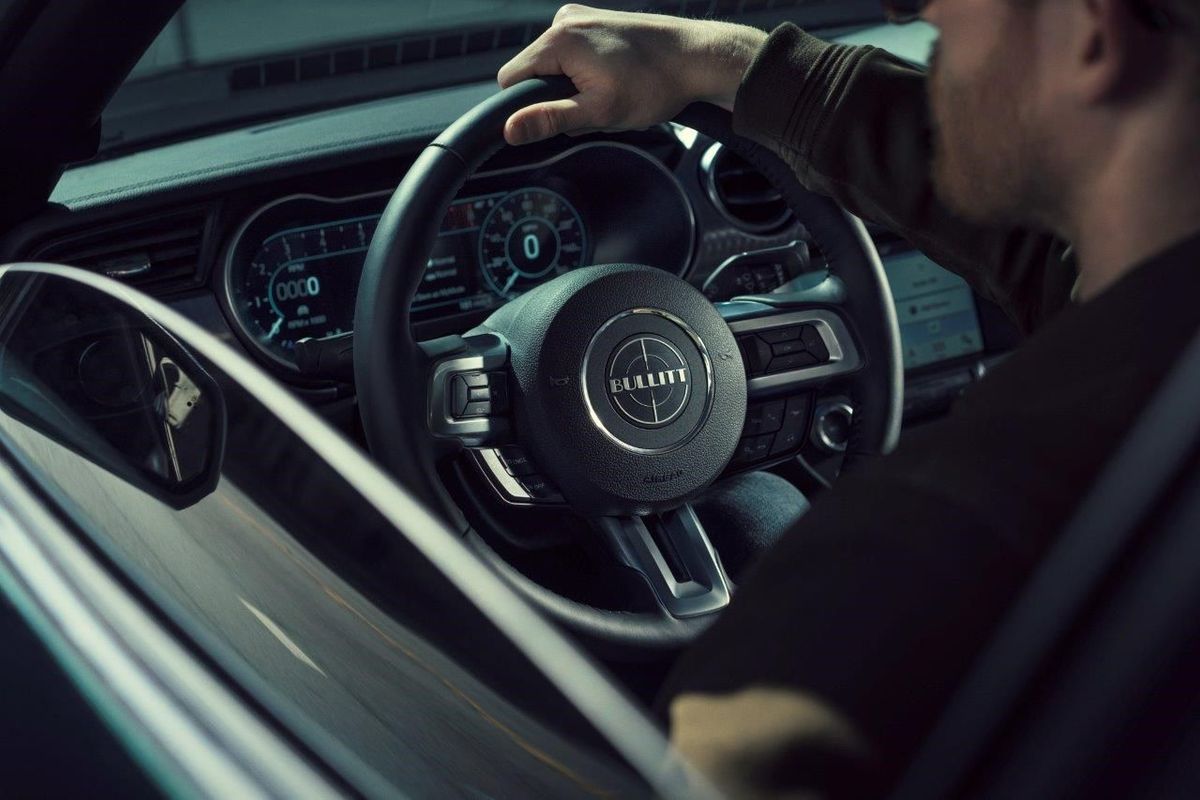
The special edition Ford Mustang Bullitt is coming to South Africa in 2019, in limited numbers! Our very own, Ciro De Siena, is currently in France to take this special Mustang for a drive. Here’s what you need to know about it…

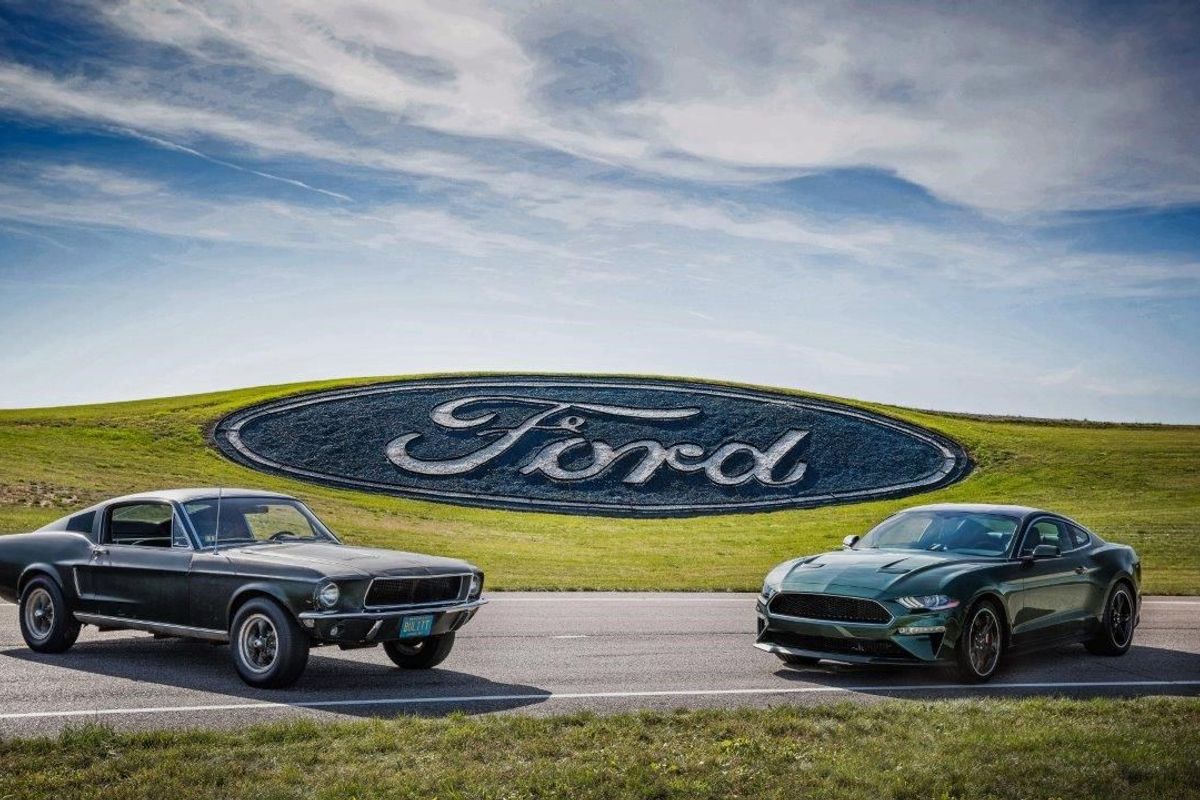
The famous movie Bullitt celebrates its 50th anniversary this week and Ford has developed a special edition Mustang Bullitt that pays homage to the 1968 Mustang GT Fastback which was driven by Steve McQueen in the iconic film.

The good news is that the Mustang Bullitt has been confirmed for the SA market in 2019, but pricing and exact arrival dates have yet to be confirmed.

What makes it unique?


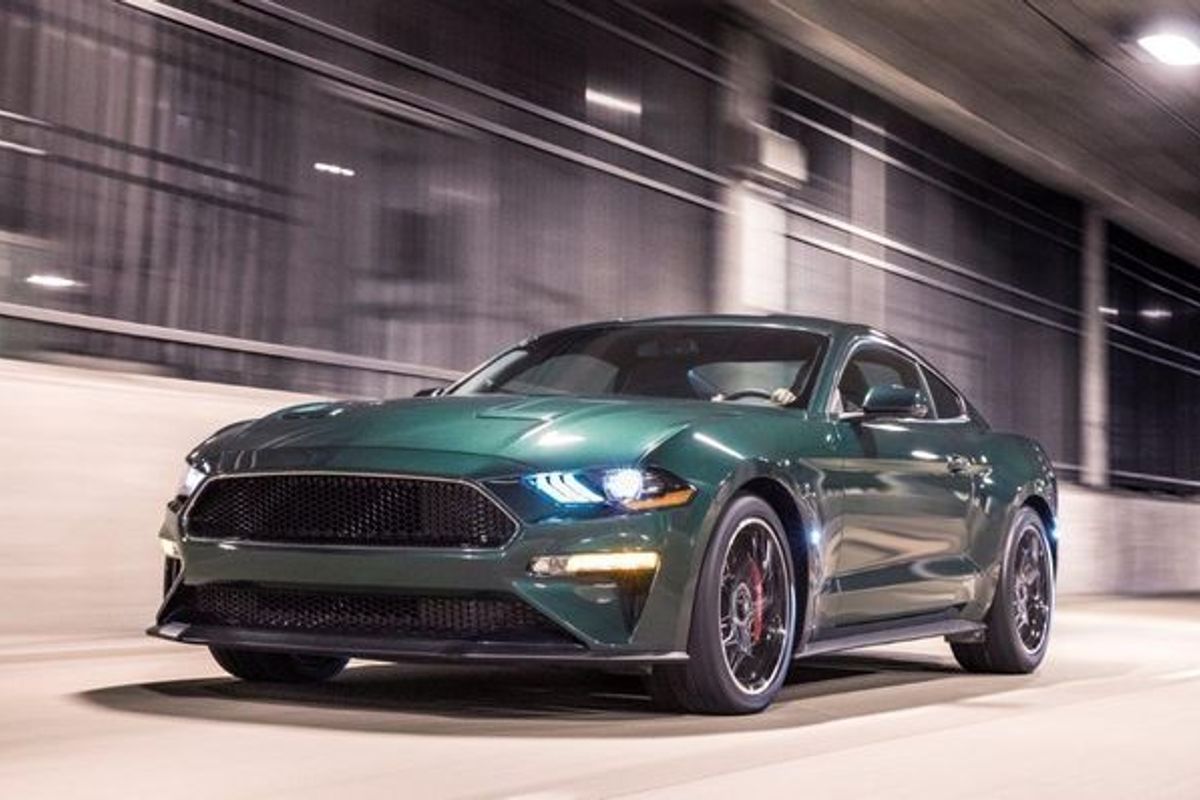
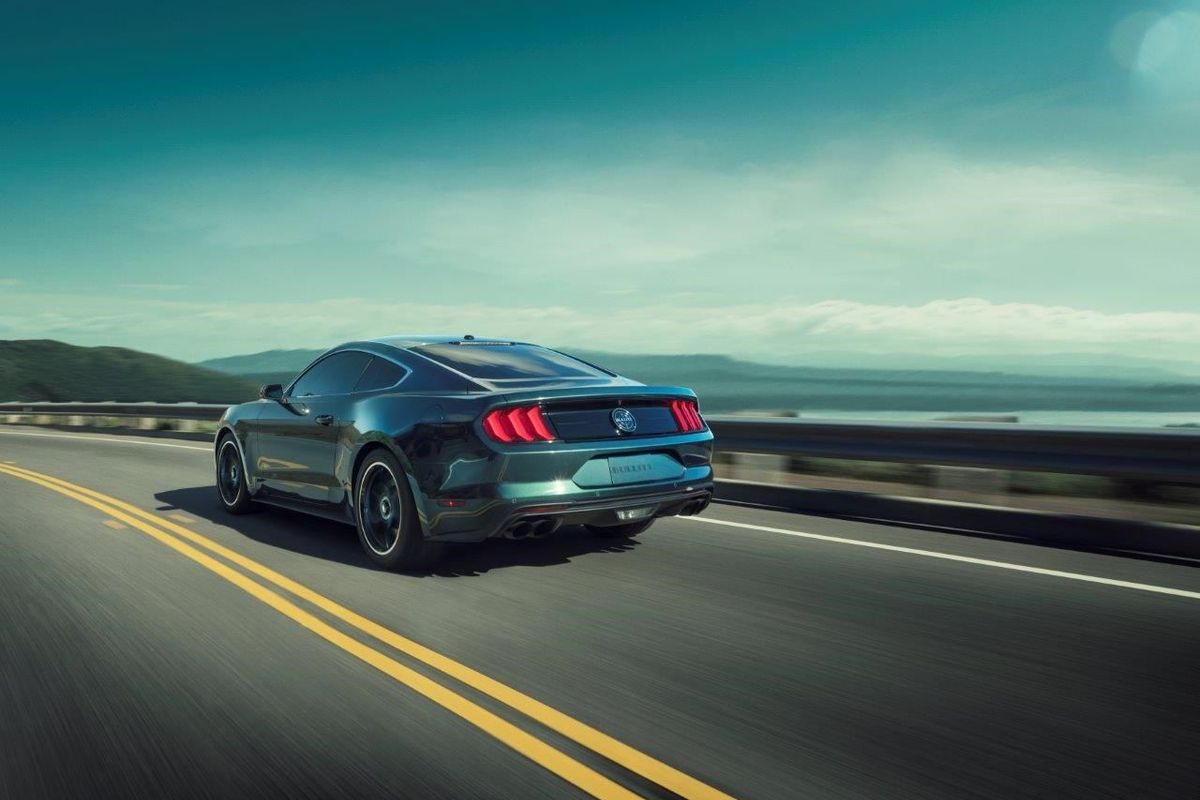
The Mustang Bullitt features a number of unique interior and exterior details that pay homage to the original 1968 Mustang Fastback.

The Mustang Bullitt will be powered by an enhanced 5.0-litre V8 engine offering 338 kW and 529 Nm of torque. That’s 32 kW more than the current Mustang 5.0 Fastback. The engine has been enhanced with an Open Air Induction System, an updated intake manifold, 87 mm throttle bodies and powertrain control module calibration. An active valve performance exhaust system

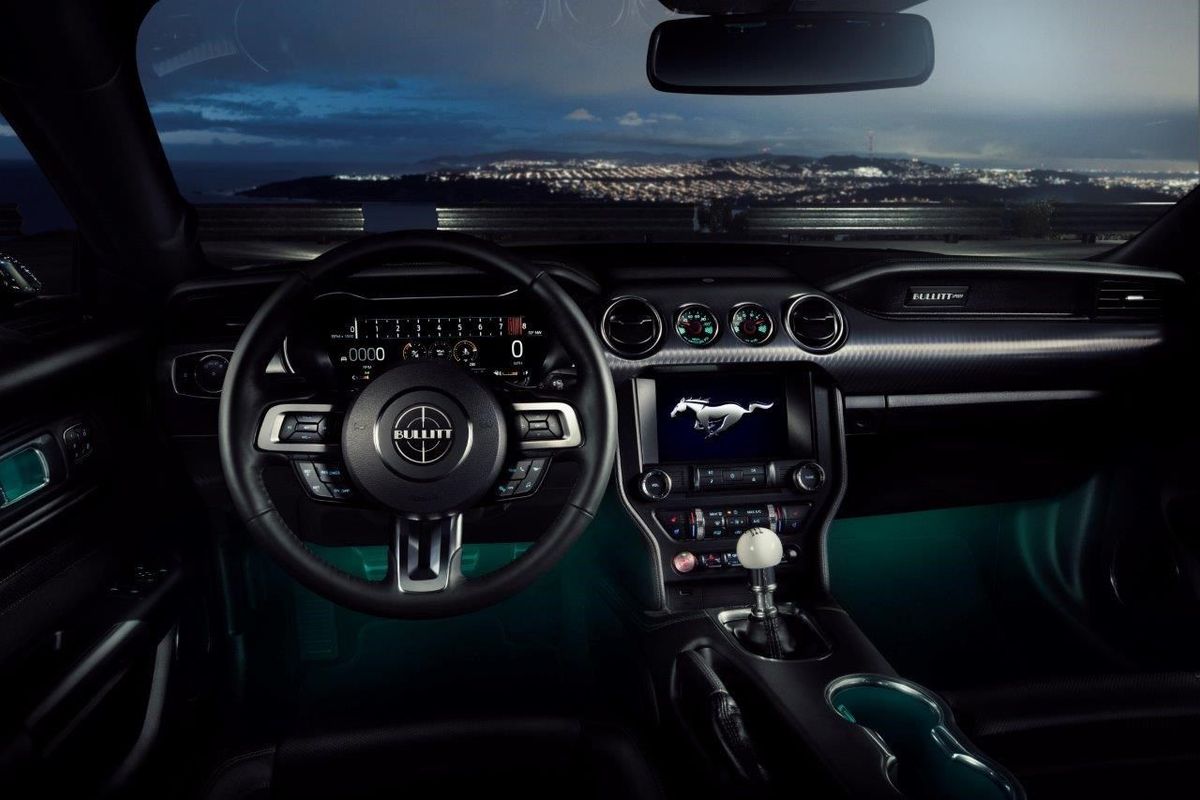
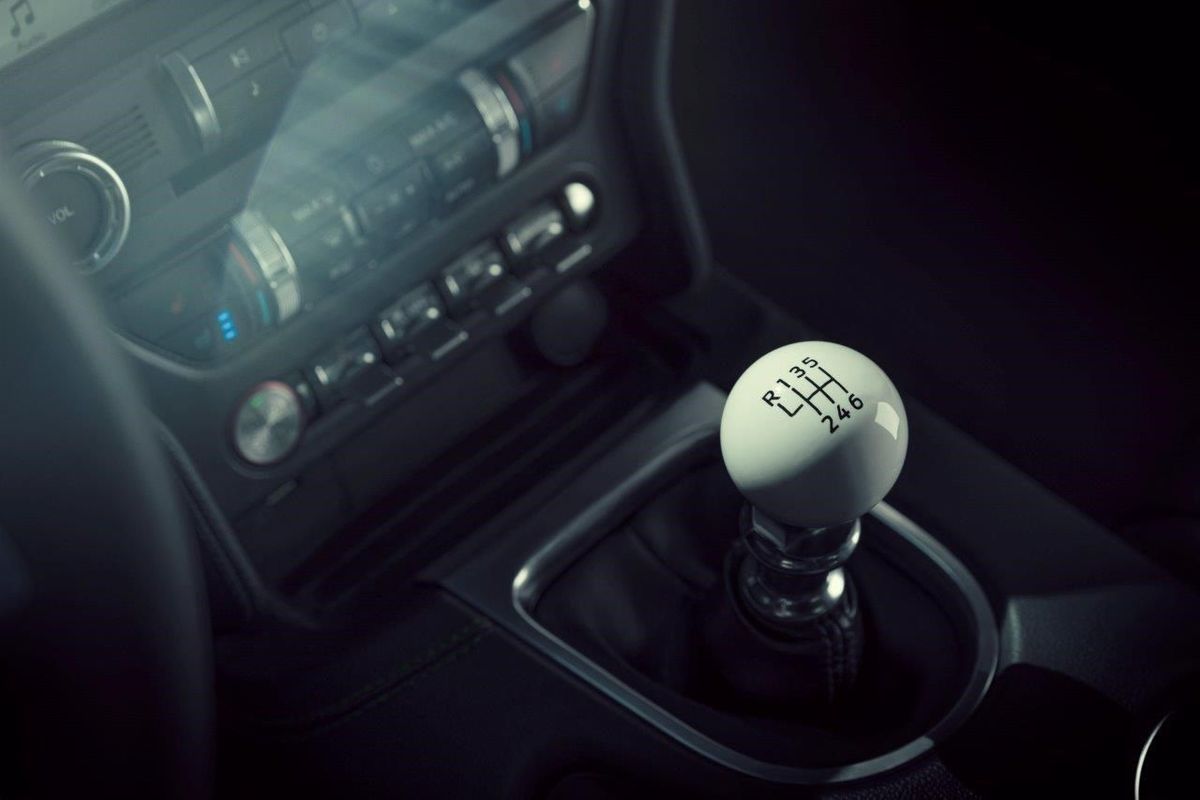
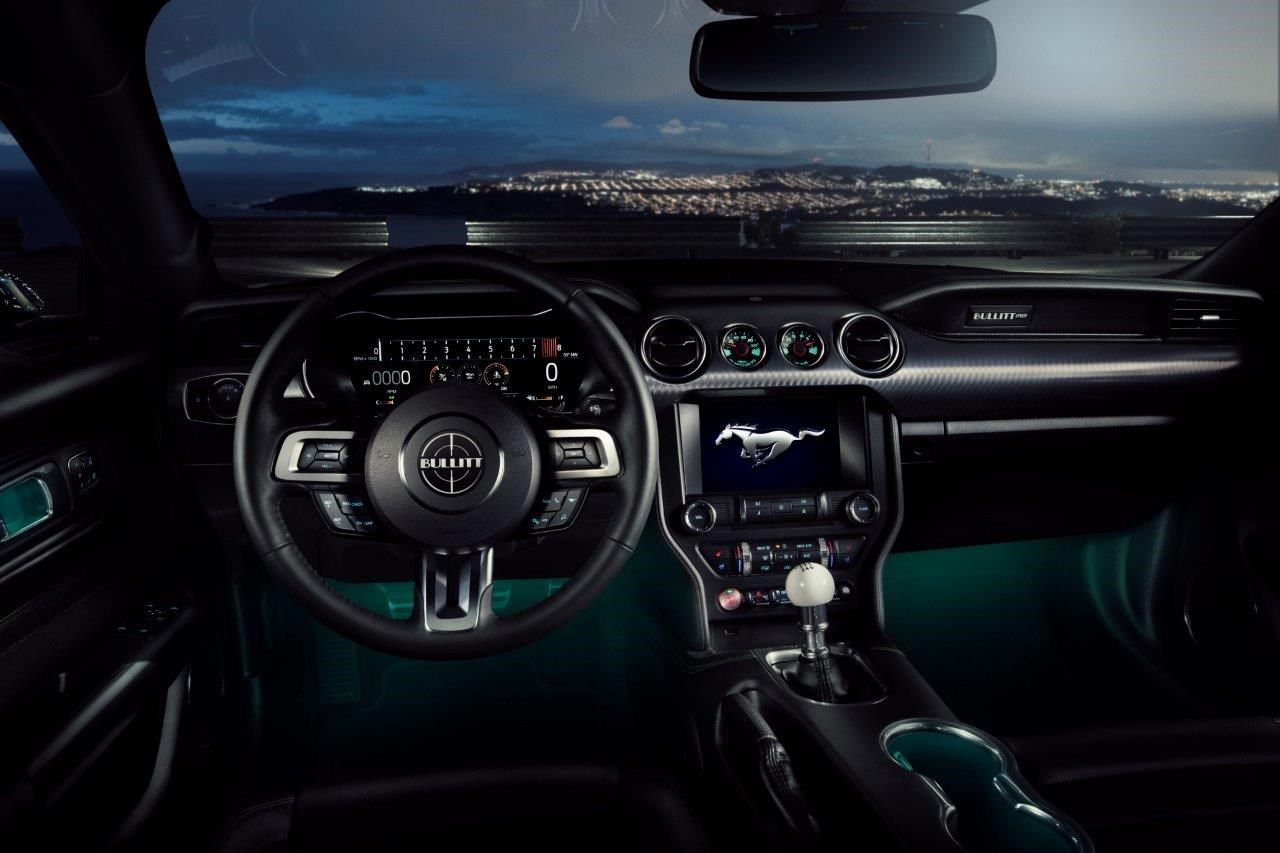
Furthermore, it comes equipped with a 6-speed manual transmission with rev-matching technology and the transmission lever itself features a white cue ball gear knob, just like the 1968 Mustang Fastback!


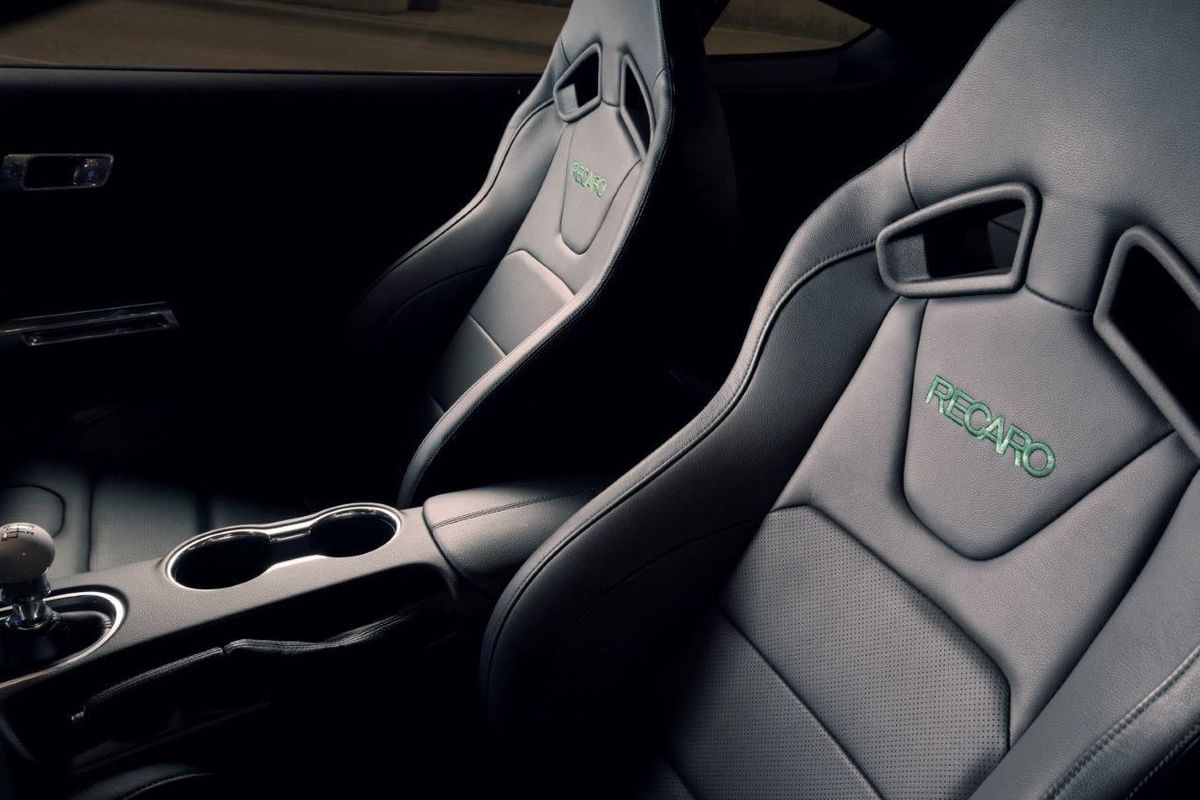
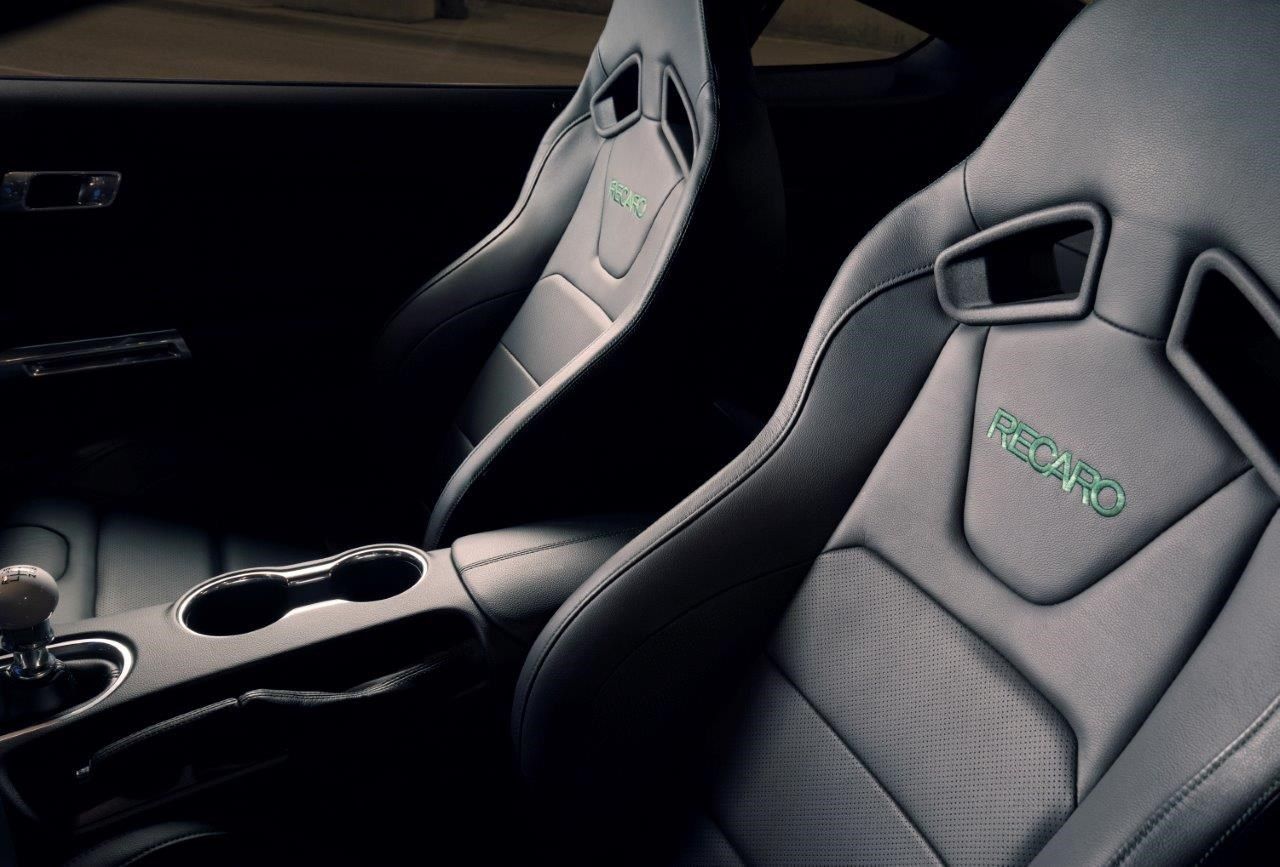
Sporty Recaro seats will also be optionally available…

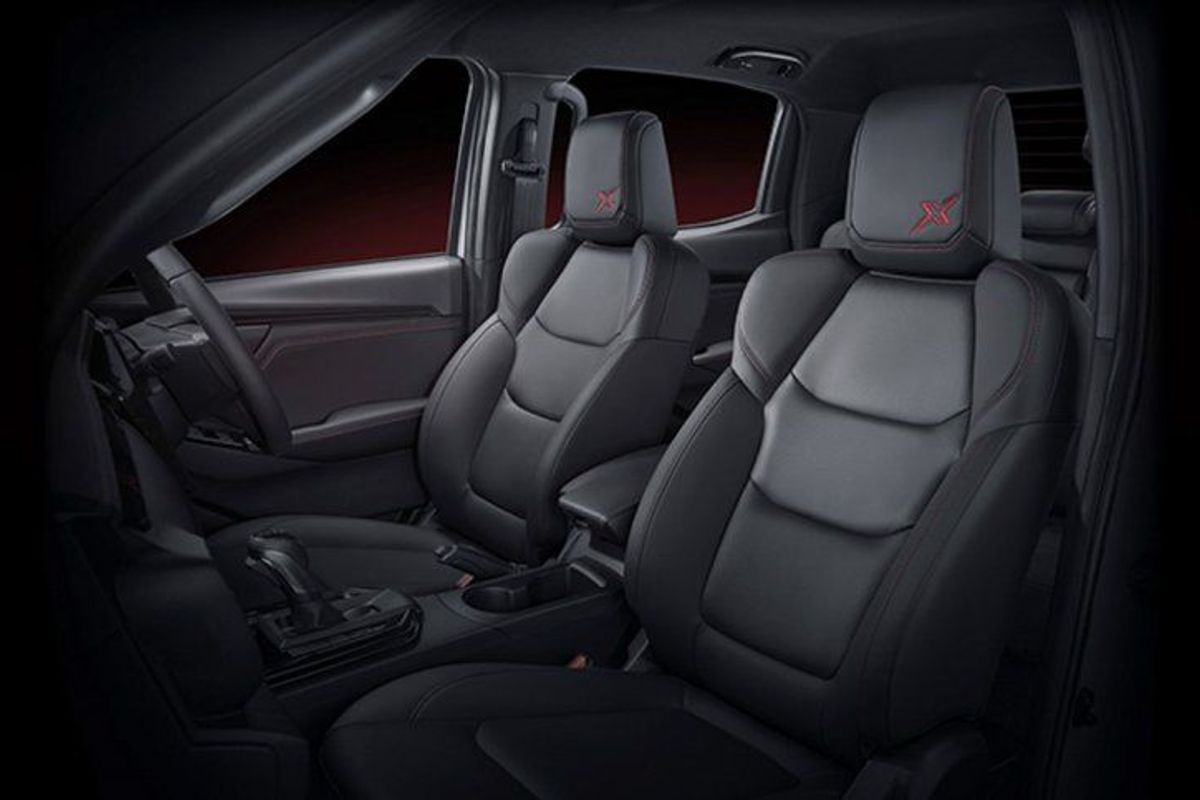
The interior is fitted with a 12-speaker, 1 000W B&O sound system and a 12-inch digital LCD instrument cluster. The seats feature contrasting stitching to match the body colour and Recaro seats trimmed in leather will be offered as an option. Each Mustang Bullitt will also feature an individually numbered plaque on the passenger side of the dashboard.

The Mustang Bullitt will be offered in Dark Highland Green or Shadow Black and will ride on 19-inch Torq Thrust wheels with red Brembo brake callipers. Other exterior details include chrome accents around the black grille and front windows and a unique Bullitt fuel cap.

A MagneRide adjustable suspension system will also be offered to optimise handling and driving comfort.

We will keep you updated as soon as more details are revealed.

Buy a new or used Ford Mustang on Cars.co.za

Related Content

New Ford Mustang Bullitt Appears in Geneva

Mustang Is Back: Review, Test Drive & Beauty Shots (Video)

Update: 2018 Ford Mustang Performance Figures Revealed [with Video]

Ford Mustang 5.0 GT Fastback Auto (2016) Review

Ford Mustang 2.3 EcoBoost Convertible Automatic (2016) Review

The Mustang Effect

Hyundai Creta 1.6D Executive (2018) Video Review

Are you interested in the latest Hyundai Creta? Join Juliet McGuire as she reviews the range-topping Creta 1.6D Executive. 

Since the Hyundai Creta was introduced to our market in early 2017, it has been a top-seller in its segment (despite its somewhat unusual name). In fact, more than 8 000 Cretas have found homes in South Africa. The demand for compact crossovers is booming at present and to keep the Creta in sync with buyers’ demands, Hyundai recently updated its crossover’s styling with a new grille design, bumpers, roof rails, skid plates and newly-designed tail lights, fog lights and LED daytime running lights.

It’s a good looking vehicle overall and the Creta 1.6D Executive automatic on test here has also been chosen as a semi-finalist in the compact family car category of the 2018/19 iteration of the Cars.co.za Consumer Awards – powered by WesBank

Power comes courtesy of a 1.6-litre turbodiesel engine with 94 kW and 260 Nm of torque and comes equipped with a 6-speed automatic transmission. Watch the video for more insight!

Buy a new or used Hyundai Creta on Cars.co.za

Related Content

Hyundai Creta 1.6D Executive (2018) Quick Review

Hyundai Creta (2018) Launch Review
Hyundai Creta (2018) Specs & Price


Jaguar’s Plan to Own SA’s Electric Car Market

The Jaguar I-Pace, which is scheduled for local introduction in 2019, won’t be the first electric vehicle to be offered in the South African new vehicle market… but it might be the most significant one.
In a country characterised by vast distances between its major urban centres, crippling (exchange rate-related) fuel price surges and an abundance of solar radiation – the absence of battery-powered vehicles is one of those profoundly South African ironies.

BMW and Nissan have tried to entice South Africans into battery cars (with the i3, i8 and Leaf products respectively), with extremely limited success. However, now Jaguar has done what no other manufacturer/importer has been willing to: invest R30 million into a charging infrastructure "powerway" that should, theoretically, get you from the inland cities (where money is made) to those coastal destinations (where the money is spent) on weekends and holidays.

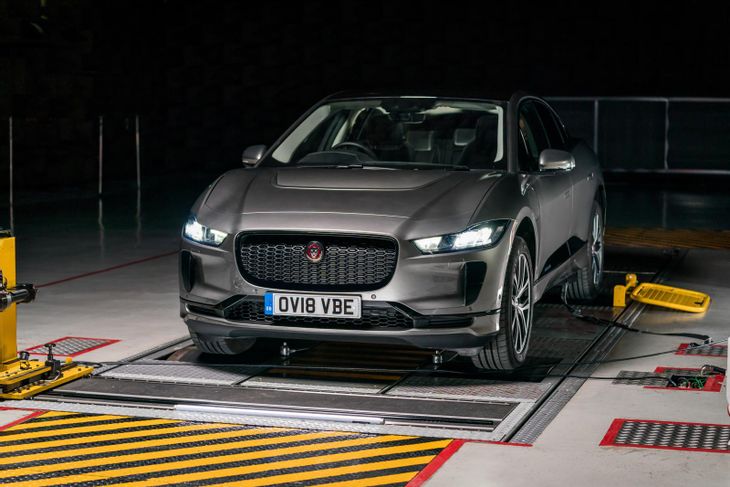
Jaguar's I-Pace will get a march on the competition upon its launch in Q1 of 2019.

Before we analyse why and how Jaguar’s South African electric vehicle project is going to work, it’s worth pondering exactly who and what we are dealing with. This is Jaguar, a brand born of motorsport, refined into athletic limousines and grand touring V12s. Three years ago Jaguar didn’t even bother with manufacturing an SUV. By early next year, the Coventry-based brand wants to sell you an electrically powered SUV with which you can shuttle between Jozi and Ballito on long weekends.

From the tweed-jacket brigade to purveyors of battery-powered SUVs: Jaguar's transformation has been remarkable. In the SA context, it’s also about Jaguar's survival.

Spending money to make money

That's because, in South Africa, it’s virtually impossible to compete with the established German luxury vehicle hierarchy. Toyota does the most credible job of selling R500k-plus vehicles (mostly SUVs) that aren’t produced by Teutonic marques, but all other European rivals hardly make an impact on the local sales charts.

For Jaguar, this represents a peculiar issue regarding its South African business. As local buyers' demand for vehicles has shifted from traditional luxury sedans and sportscars, the German brands have launched a slew of gravel-travel-capable premium vehicles. The result is that Jaguar’s traditional core business has suffered in South Africa, a market where its German rivals have strong price hedging, due to their local manufacturing operations and the vehicle export credits that they earn.


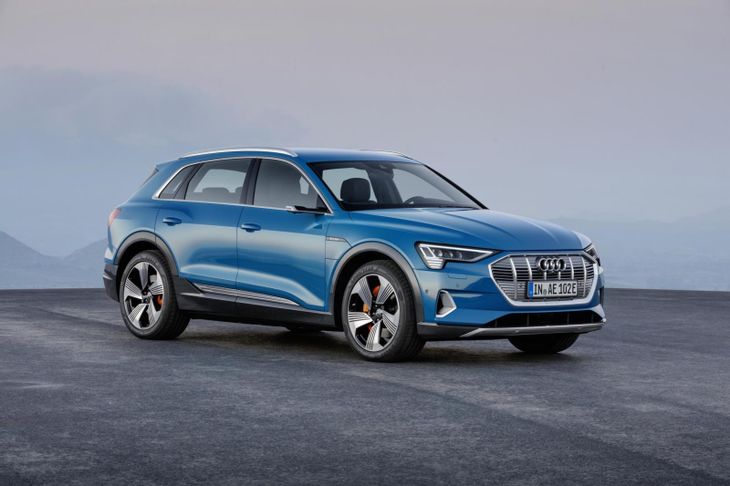
The Audi E-Tron will land in SA during Q3 of 2019. It can piggy-back on Jaguar's countrywide charging network.

Offensive, as it might have been for people who know their XJ6s from their XJ220s, the F- and E-Pace SUVs represented no less than 82% of Jaguar’s local business last month (September 2018). These SUVs are what effectively keeps the Coventrian Cat tradeable in South Africa. Most of Jaguar’s local customers are now individuals buying into the contemporary specific design, which has nothing to do with Jaguar’s storied history. These are new customers and they have little issue with owning a Jaguar which, in configuration, is completely at odds with its legacy. That also makes them ideal candidates to embrace the transition from fuel to electric propulsion.

2019 isn’t just about Siya and Rassie

For most South Africans, 2019 is all about the Springboks avenging their defeat to Japan in 2015 by potentially making the Rugby World Cup final in Yokohama. If you are more into cars than rugby, you might be aware that 2019 is finally the year when electric vehicles are supposed to become a viable alternative in South Africa.

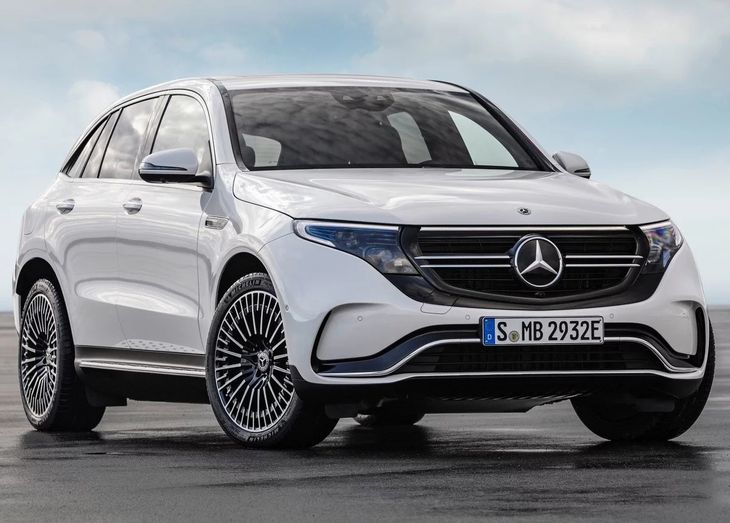
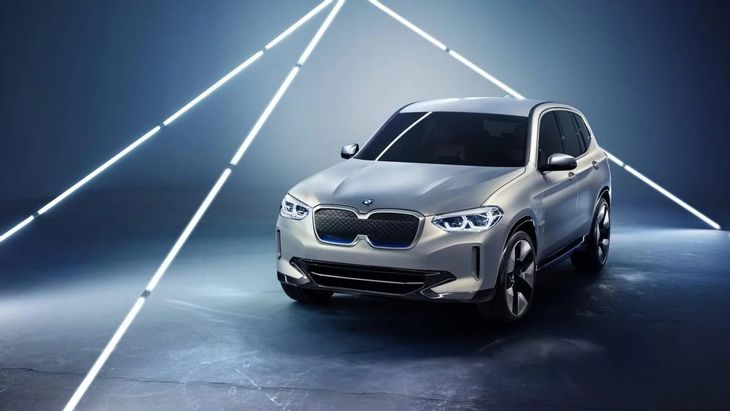
The Germans lead local luxury motoring trends and Audi, BMW and Mercedes-Benz all have electrically powered SUVs which should arrive next year or early in 2020. These vehicles (E-Tron, iX3, EQC) will all have similar range abilities to the I-Pace, the converging numbers being 400 km. Jaguar, though, has a few advantages.


No official statement from Mercedes-Benz SA on whether the EQC will land locally, but global trends suggest it will come here.

Most obvious of these is that possession is 9-tenths of the law and the I-Pace will own the luxury electric vehicle market, for a good few months, before any of its rivals become available. In a market where fuel price anxiety is bothering even high-income individuals, the I-Pace will be the first full-electric SUV on sale in 2019.

Being first will allow I-Pace to leverage the same early-adopter fever Tesla has enjoyed in America. Don’t underestimate the "jealousy incentive" either. Although the I-Pace won’t sell in volumes large enough to bother local marketing specialists at any of the German automotive brands, it will generate massive interest among early adopters and the technology-obsessed – ironically, the same customers who would never have bought into Jaguar’s traditional "tweed and driver’s glove" values.

Jaguar’s transition risk has passed

At the start of this piece, we mentioned how radically Jaguar has transitioned in the last few years. It has successfully evolved from a brand steeped in a history of producing luxury sedans and sportscars to one that now has an equal weighting (with SUVs) in its portfolio.

The idea of selling an electrically-powered SUV poses no risk to any of Jaguar’s other products because the market has already determined that SUVs will be the future. And therein lies the genius, and reduced risk, for Jaguar. The I-Pace allows the British company a clean break with its history and traditional offerings, which has simply become irreconcilable with progressive product demands in South Africa.


The BMW i-X3 concept is furthest from production but BMW already has the i3 as a fully electric offering in SA.

For the German brands, it is quite the opposite. Their product portfolios are almost entirely liquid fuelled. A transition to electrification would be very disruptive, despite the R&D investments that have already been made. The local business case is still completely with petrol or diesel versions of their many models.

For a German brand in South Africa, electrification delivers with it a lot of implied risk, and much of that is due to scaling. If customers rapidly convert or demand electric vehicles from the German brands, there is a supply problem. Production will be limited and the German manufacturers have a huge and loyal local customer base. Jaguar has a much smaller number of potential I-Pace customers to service, while still making I-Pace a larger proportion of its business.

Even worse, for the Germans, is if their customers expect a service and convenience of recharging ability similar to what Jaguar has achieved with its 82 powerway stations. Those numbers become very challenging to service and maintain as a company, without any government assistance.

How many charging points are enough?

The true test case will be Easter 2019, when the first South African I-Pace customers should have ownership of their battery SUVs and will attempt to replicate the Joburg to KZN coastal journey Jaguar recently did as a test run. If you have ever driven that route on a weekend, you know that Harrismith as a refuelling point can rival any African border crossing for traffic build-up.

Jaguar has one charging point installed in Harrismith, and it is rated at 60 kW, which should recharge an I-Pace to 80% of capacity in little over an hour. That’s a very long time to wait, many multiples more than refuelling an SUV with unleaded or diesel fuel. Despite its 400 km ideal scenario range, any I-Pace will require a substantial recharge after the 270 km from Joburg. Especially if it’s loaded with passengers and luggage, burdened by climate control and driven enthusiastically.  

Imagine if you arrive in Harrismith within minutes of another I-Pace, that could compound to a waiting time of two hours. In Harrismith? Exactly. The charging stations also command prime parking slots in front of the shops meaning you're quite likely to find your charging bay filled by a pesky German sedan/SUV. That being said, Jaguar has planned a further 2 charging stations along that N3 route so that shorter stops will be possible. But, therein lies the great "electric car ownership risk", and it's one that manufacturers are going to have to carry individually, without any government assistance.


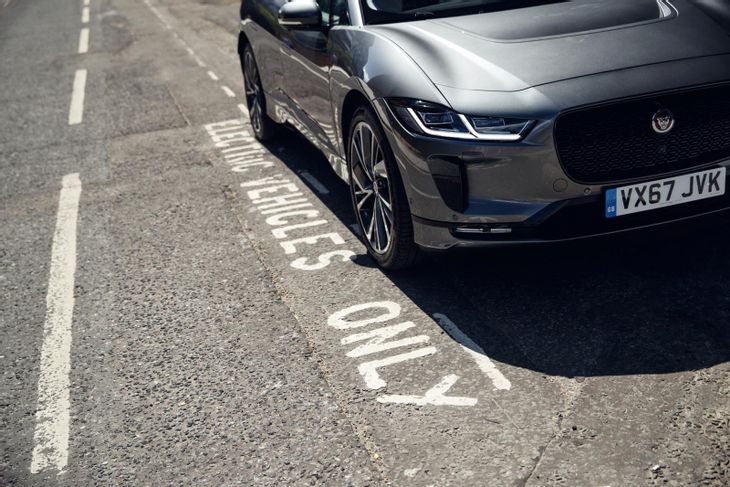
Electric charging stations get prime parking spots outside shopping centres and fuel stations.

In Australia they have a recharging supernetwork that works so well, a retired farmer recently drove her Tesla Model S around the country without issue. But the Australian government has partnered with Tesla to assist with infrastructure setup and many of the Australian chargers are double the power capacity of those Jaguar has built locally.  

When Bertha Benz started the automotive industry, by taking her husband’s prototype for a drive in 1886, the biggest issue was finding fuel for her journey. In the 130 years that followed, automotive brands have focused exclusively and exhaustively on building vehicles and allowed oil companies and governments to worry about the fuelling network. In the battery car future, which is happening now, the energy which makes their products function is part of the product planning problem. And without government assistance or alternative electricity supplier incentives in South Africa, the bigger you are, the greater that problem scales. That's especially so when you have the electric cars that are ready and a potentially massive customer profile to convert, as is the case with Audi, BMW and Mercedes.


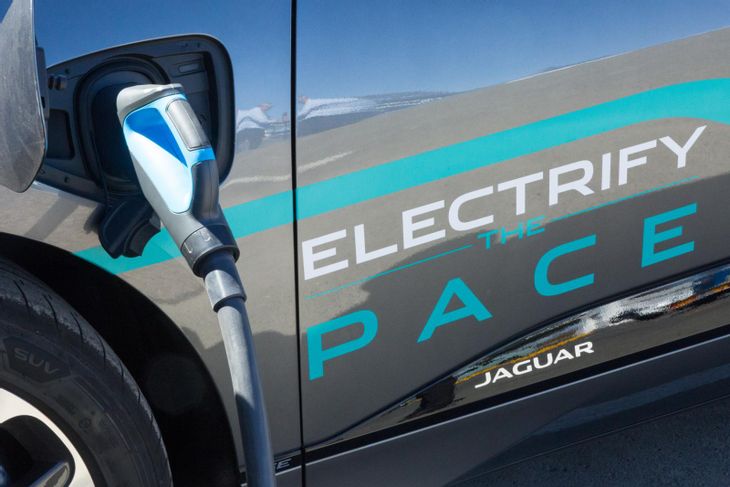
60 kW charging stations provide 100 km of range in 20-30 minutes of charging. 

Jaguar doesn’t sell many more than 100 vehicles a month. Even if I-Pace becomes 25% of local volumes, the actual numbers will still be low enough not to overwhelm the recharging network Jaguar has put in place. BMW and Mercedes-Benz have a different scenario. They sell between 1 500 and 2 000 vehicles a month and if demand for their EVs escalates to a quarter of the local business, those numbers are sufficiently large to create infrastructure issues.  

The battery car revolution won’t happen from the bottom-up, but top-down. And premium customers are very demanding, which means the proliferation of 120 kW charging stations needs to happen – quickly, swiftly and seamlessly. Expensively too, it must be said – without any government help. Troublingly for South Africa, electric cars pose a huge revenue risk for the government, which routinely appears to balance fiscal shortfalls by harvesting additional taxation from liquid fuels. Therefore, don’t expect the revolution to happen easily…

Related content

Jaguar I-Pace For SA in 2019

Mercedes-Benz reveals EQC

I-Pace coming to SA: How Jaguar hopes to make it work

5 New Electric Cars Destined for SA