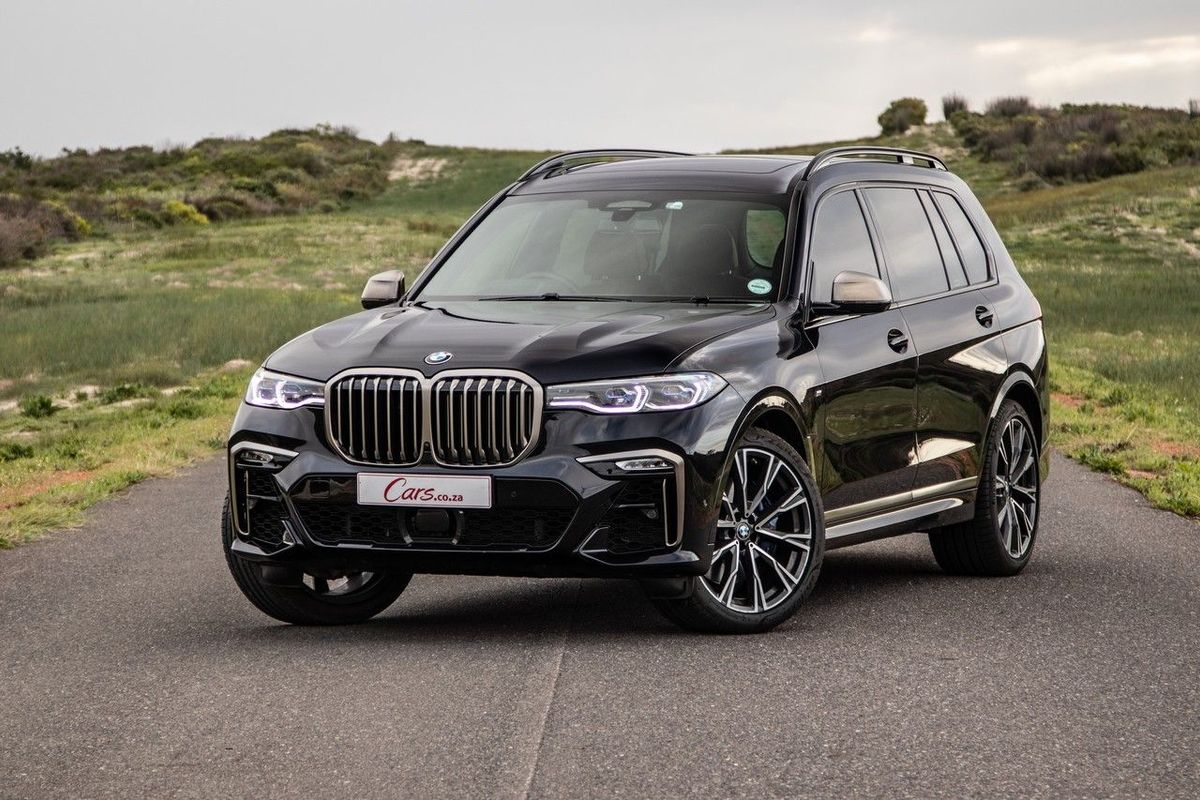
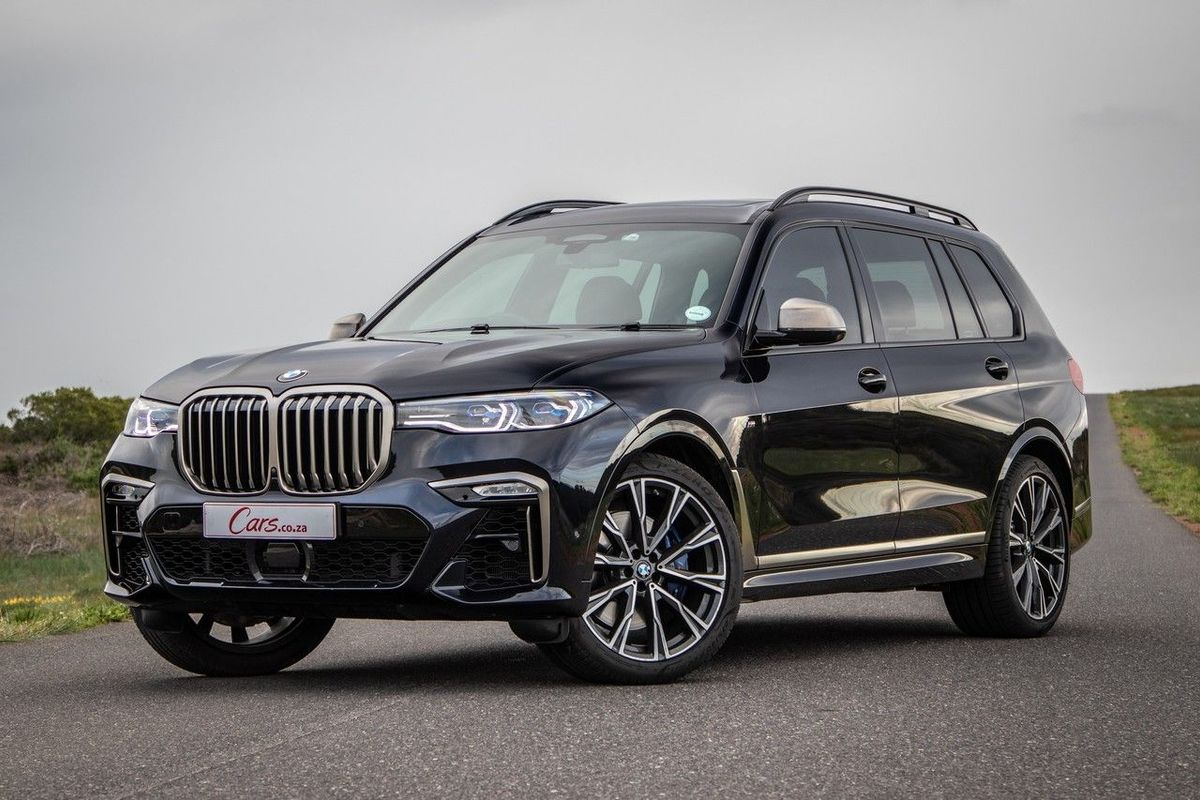
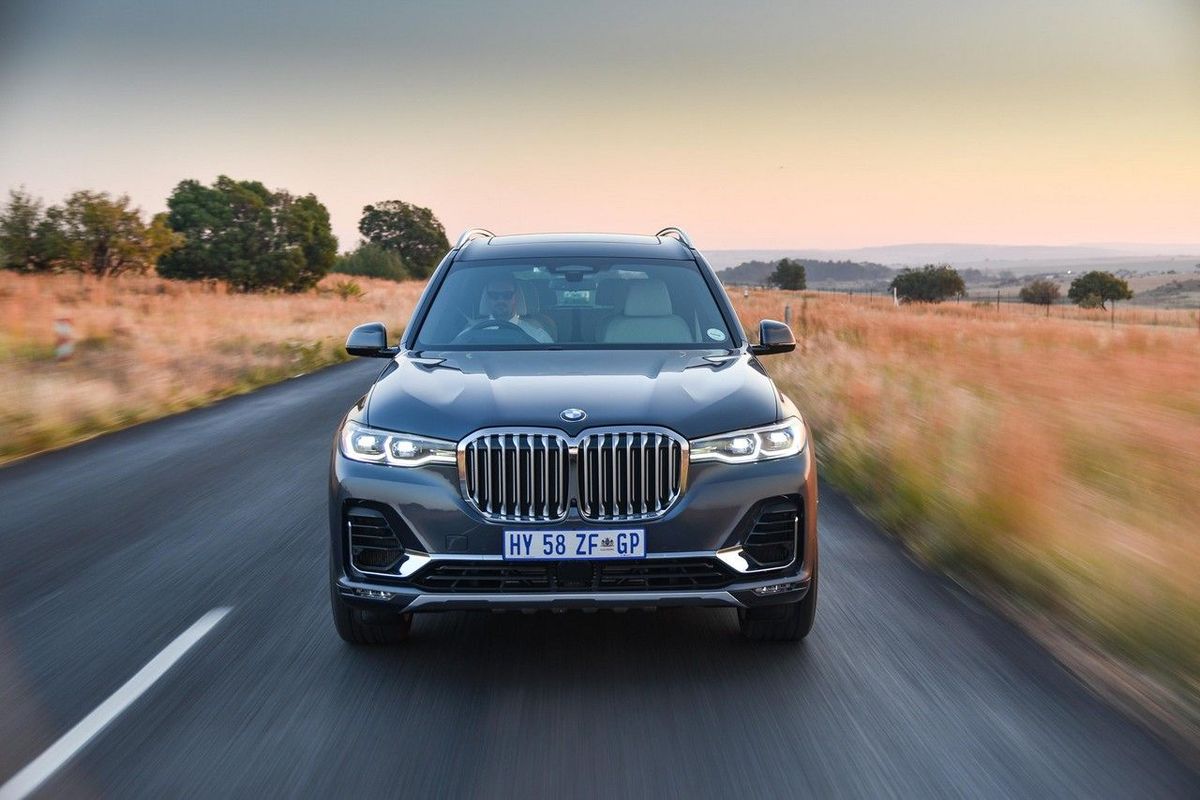
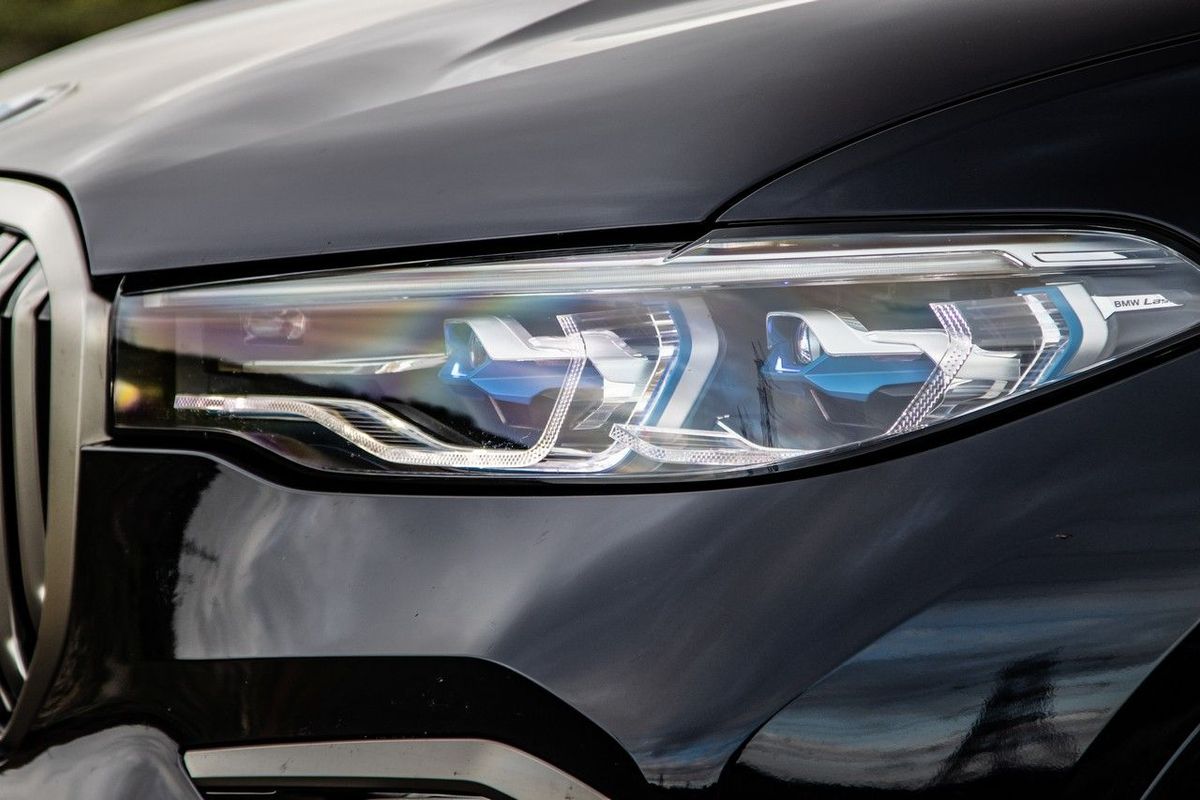
BMW has teased Facebook with an image of the BMW X7, which is due to be revealed this week. Here's what we know so far.
The BMW X7 is in the final stages of development and is to be revealed in October 2018. The BMW factory in Spartanburg USA is the hub for the brand's SUV models. “This is a very special vehicle and our employees are looking forward to yet a further member of the X family,” said Knudt Flor, head of the BMW Group Spartanburg plant. “Together with the BMW X7, a total of five BMW X models will be exported from Spartanburg to all four corners of the globe.”
These pre-production units you see here will be used for testing and homologation. Despite the pre-production cars still retaining camouflage to hide the finer details, the video below gave us a quick look at the final products as they are being assembled. The BMW X7 will be the brand's answer to the Range Rover portfolio and Mercedes-Benz GLS.
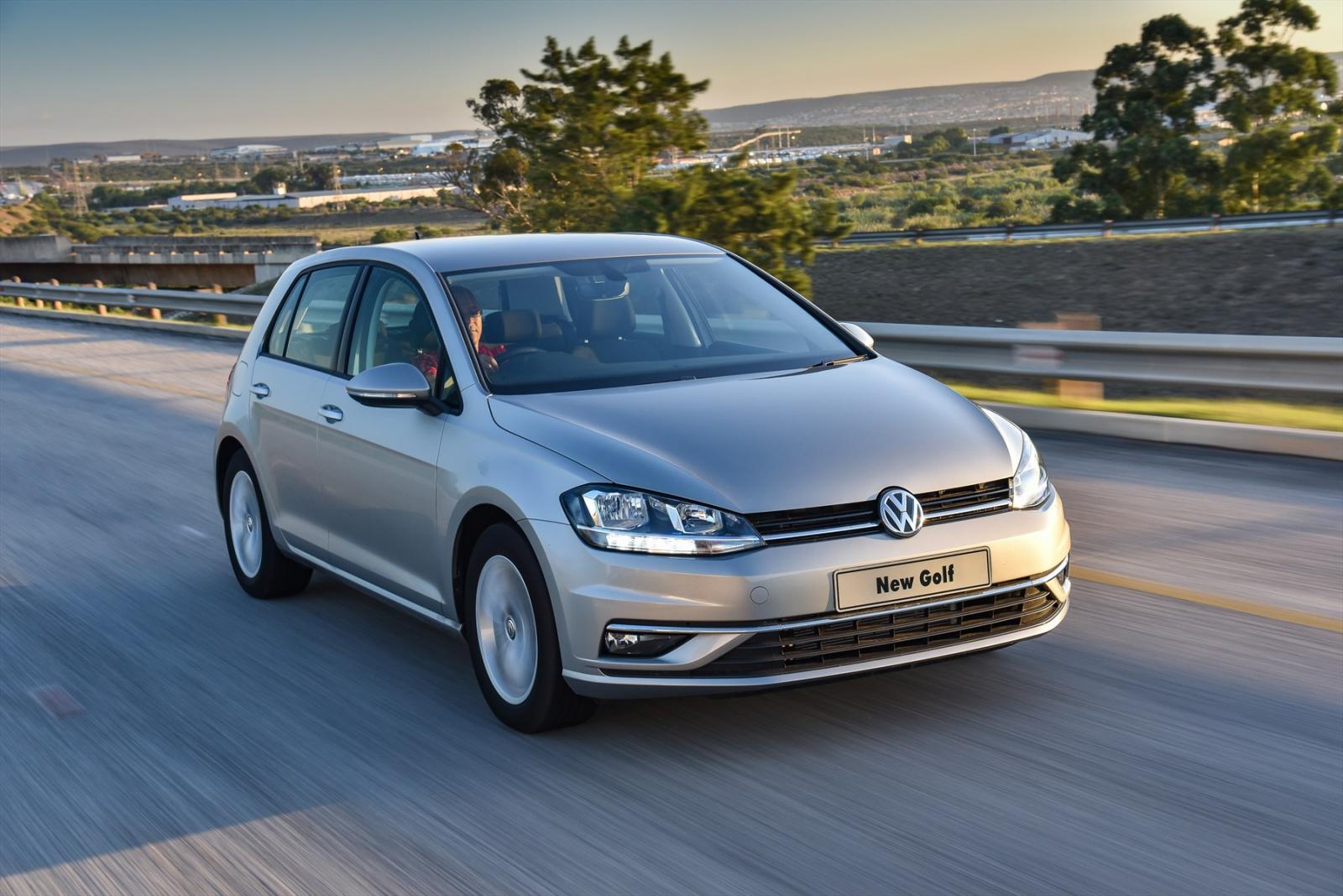
Clash of 2019? New Toyota Corolla Hatch vs Volkswagen Golf
There's considerable hype around the introduction of the new Toyota Corolla hatchback in South Africa, but will it be fit to compete against the segment-leading Volkswagen Golf? We gaze into our crystal, erm, gear knob for potential answers…
Toyota Corolla vs Volkswagen Golf – it feels strange writing that, but it’s a clash that's coming, and soon too. Toyota will be launching its new Corolla hatchback in South Africa early in 2019. The Auris nameplate is dying a slow death and the Corolla hatchback will be its replacement to take on rivals such as the forthcoming Ford Focus and the Volkswagen Golf. Just how well will the new 5-door Corolla fare against the venerable Golf?
It’s hard to answer that question with confidence at this point as we have yet to drive the new Corolla hatchback and specification and pricing for our market remains unknown for now. We can, however, look ahead to the future and imagine what might be, or what will not be for that matter too. So, in that vein, here is a quick rundown of how we see this fight going down.
Which looks better?
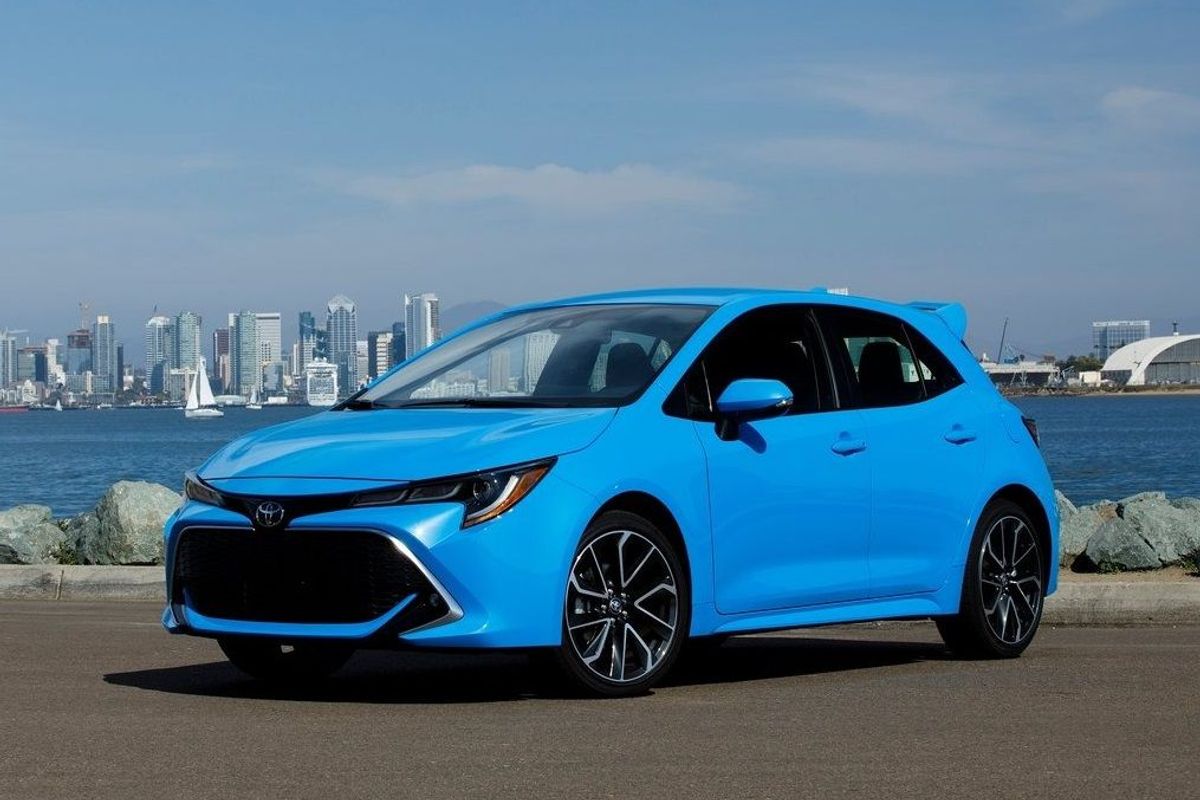
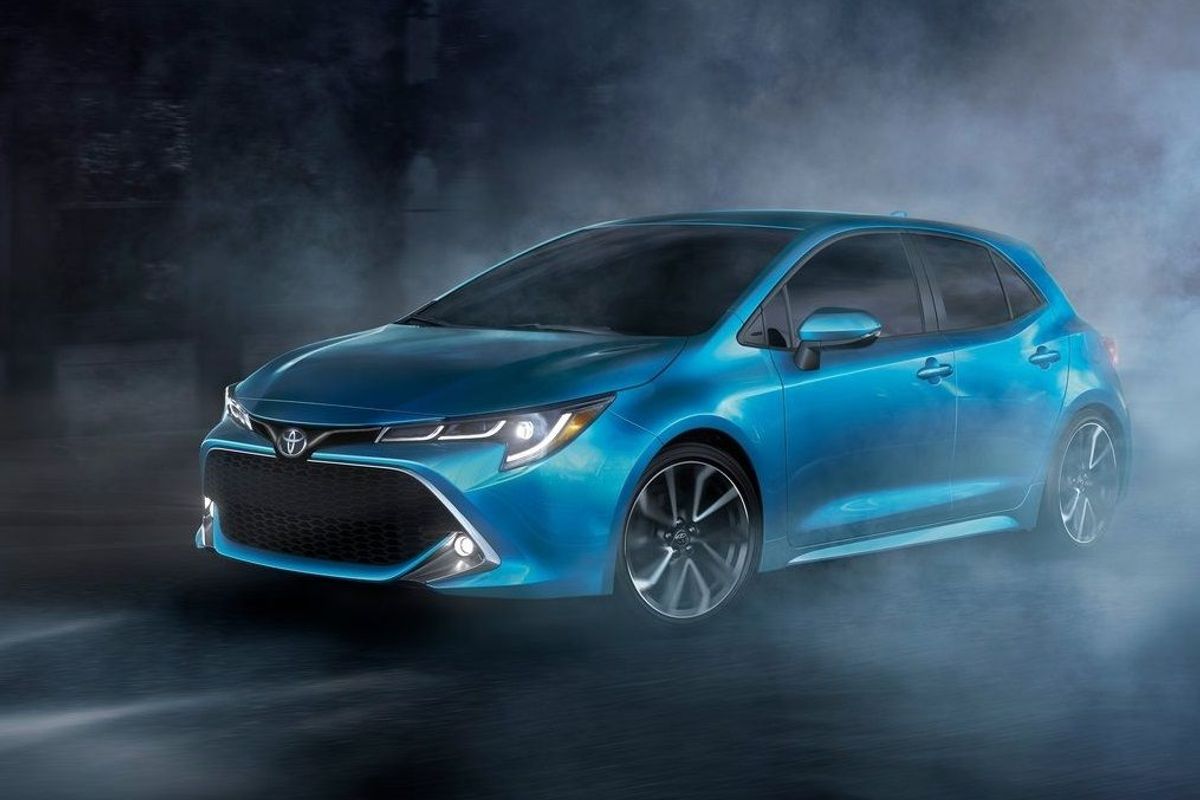
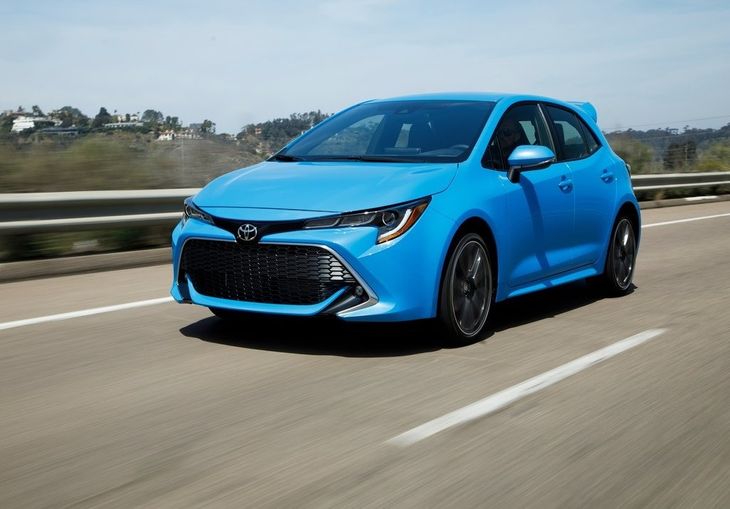
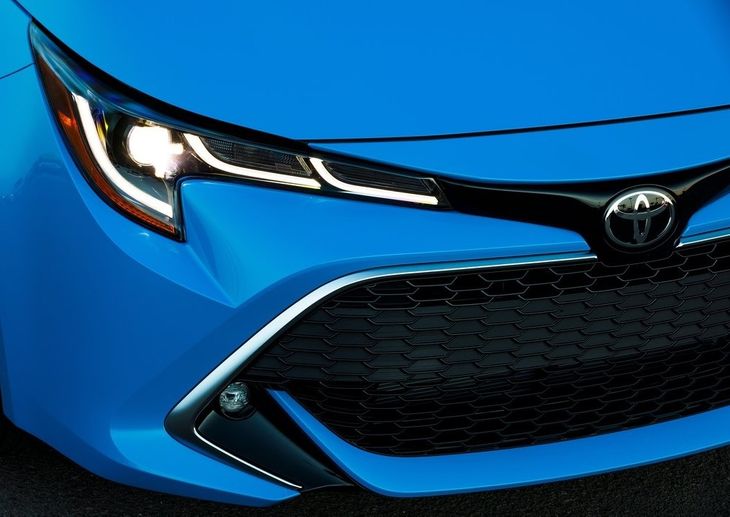
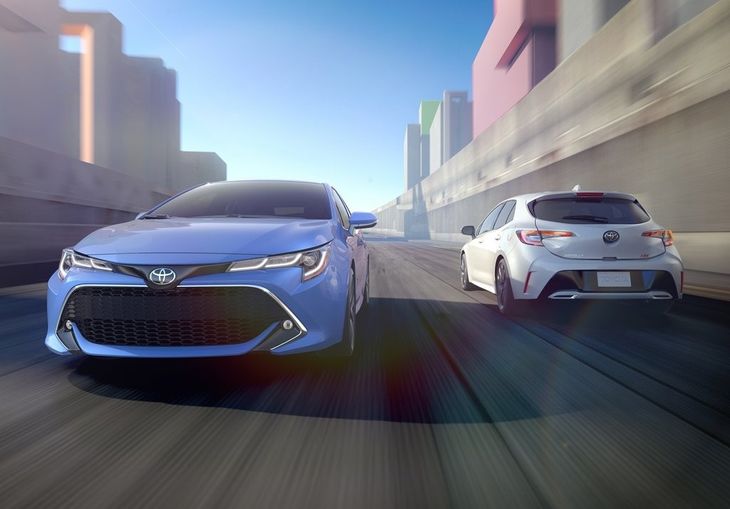
The Corolla has a decisively sporty look and will appeal to the more youthful buyer.
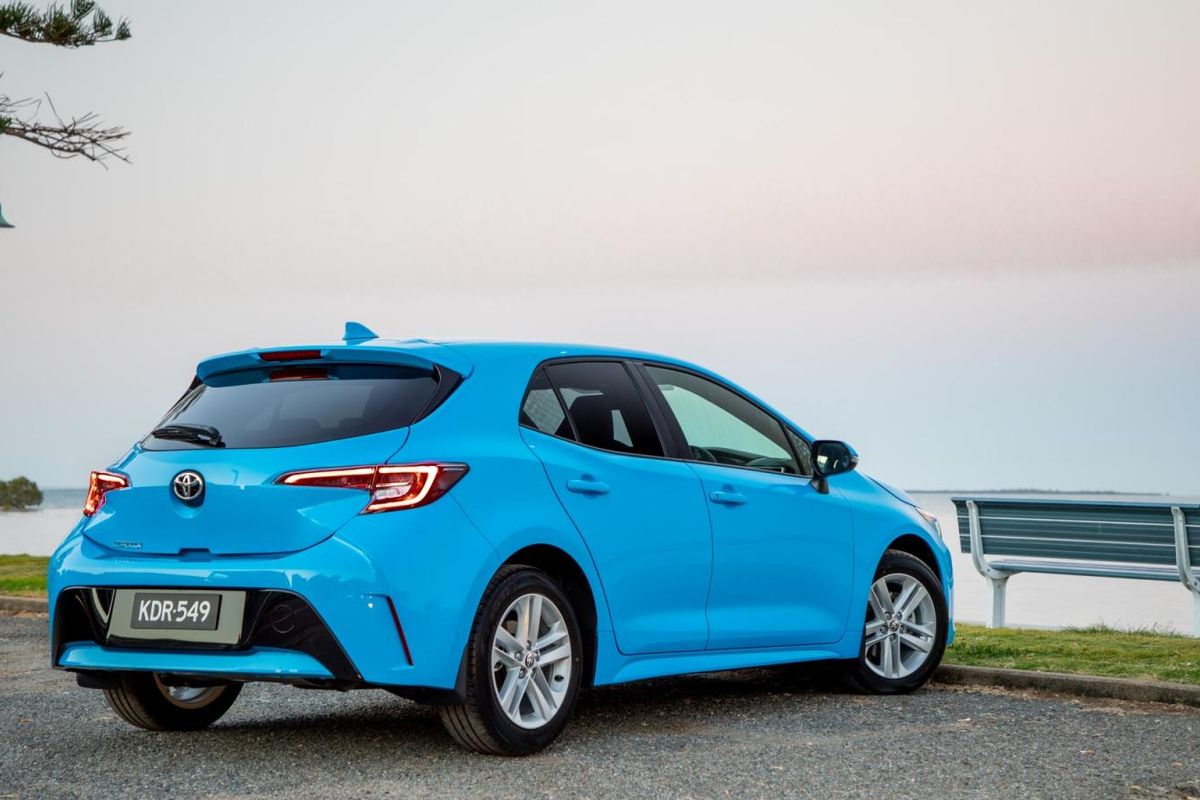
Built on the same TNGA platform that underpins the C-HR and Prius, the Corolla hatchback has a sporty, low-slung stance with a large, gaping grille which adds to its presence. The sleek LED headlights have integrated daytime running lights while the curvaceous rear-end is complemented with slim LED tail lights. Wheel sizes are expected to range between 16-inches up to 18-inches on the higher spec versions. Overall, we think the Corolla hatchback looks very good and depending on your taste, it might even trump the (more conservative) Golf in terms of exterior styling. That said, with its sportier R-Line package applied, the Golf is a handsome machine, too.
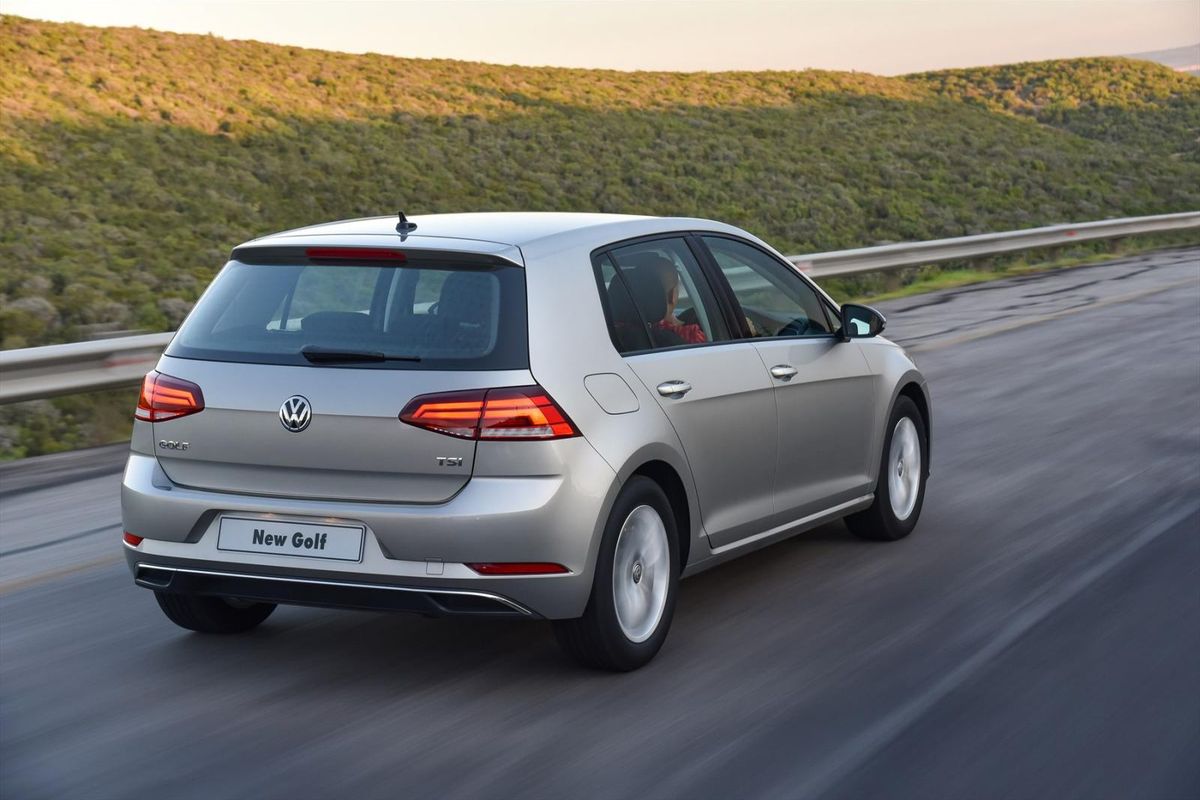
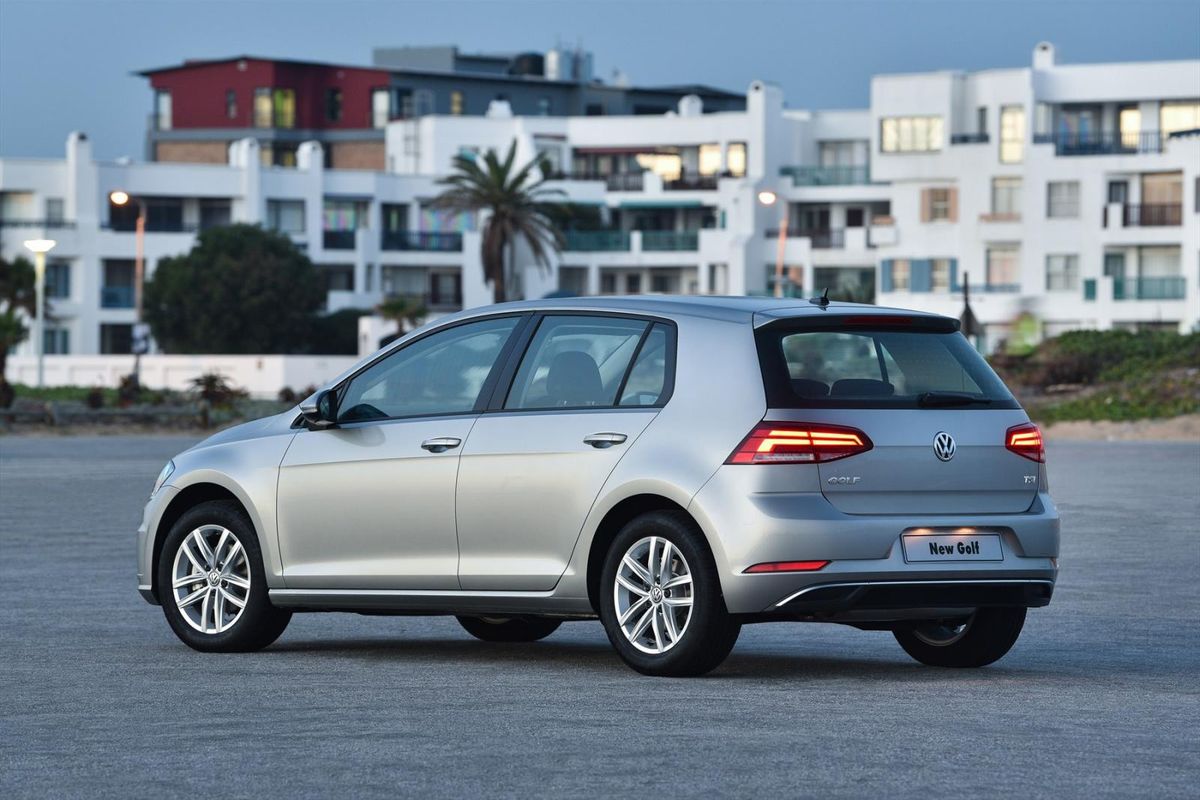
The sophisticated Golf is more conservative in design but it's been a recipe for success for Volkswagen.
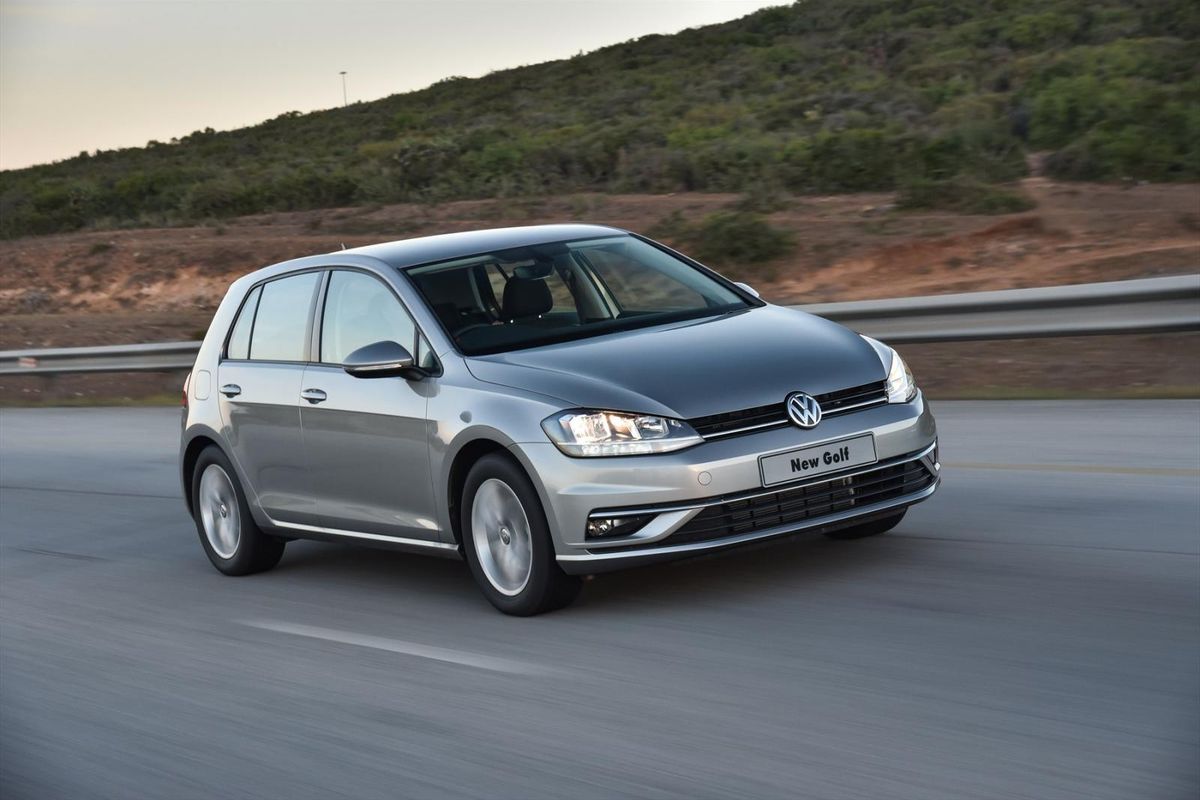
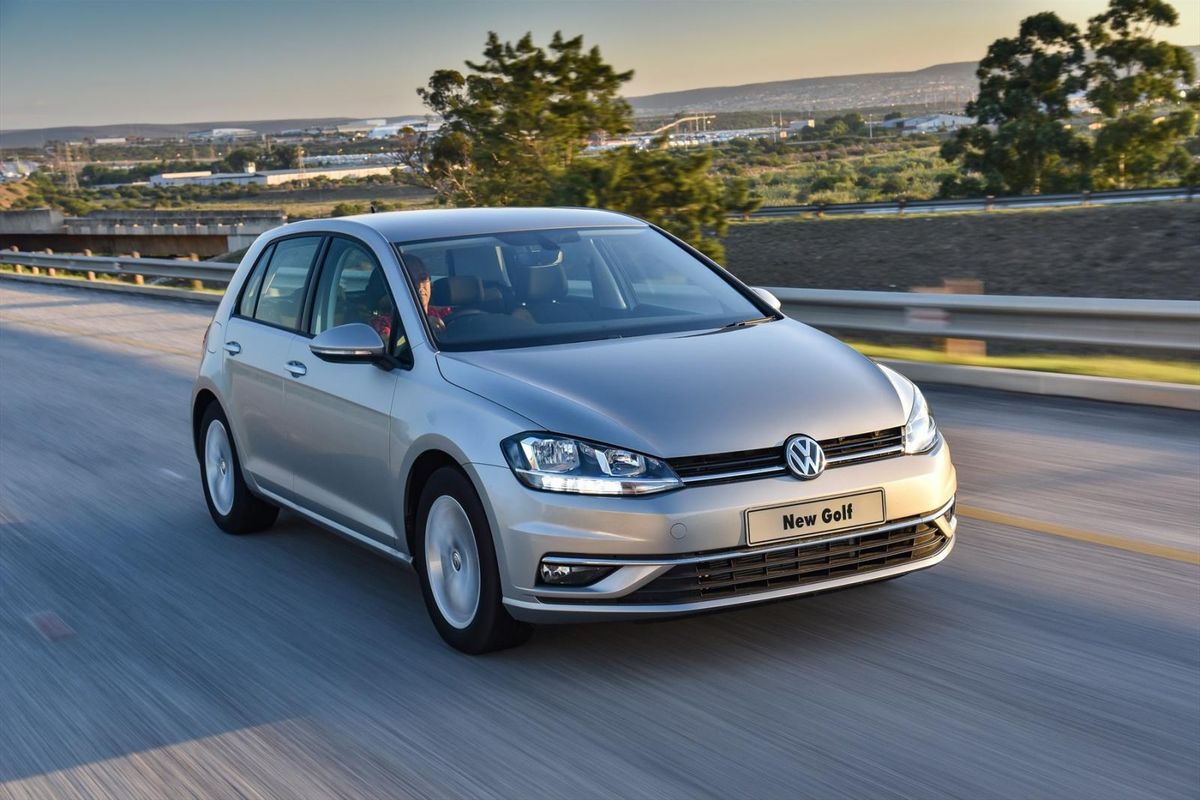
In comparison, the Golf is built on Volkswagen’s MQB platform and adopts a more grown up, mature look based on a successful styling recipe which has made the Golf exceptionally popular worldwide. LED headlights are standard on higher spec derivatives (GTD, GTI and R) while being optional on lesser Golf derivatives. Wheel sizes range from 15-inches to 19-inches, depending on the derivative you choose.
You can decide for yourself which car looks better, but we think the Corolla has a more alluring exterior design, but be reminded that the new Golf 8 is looming in 2019, so expect the Golf’s styling to fall in line with Volkswagen’s latest design language.
Interior antics
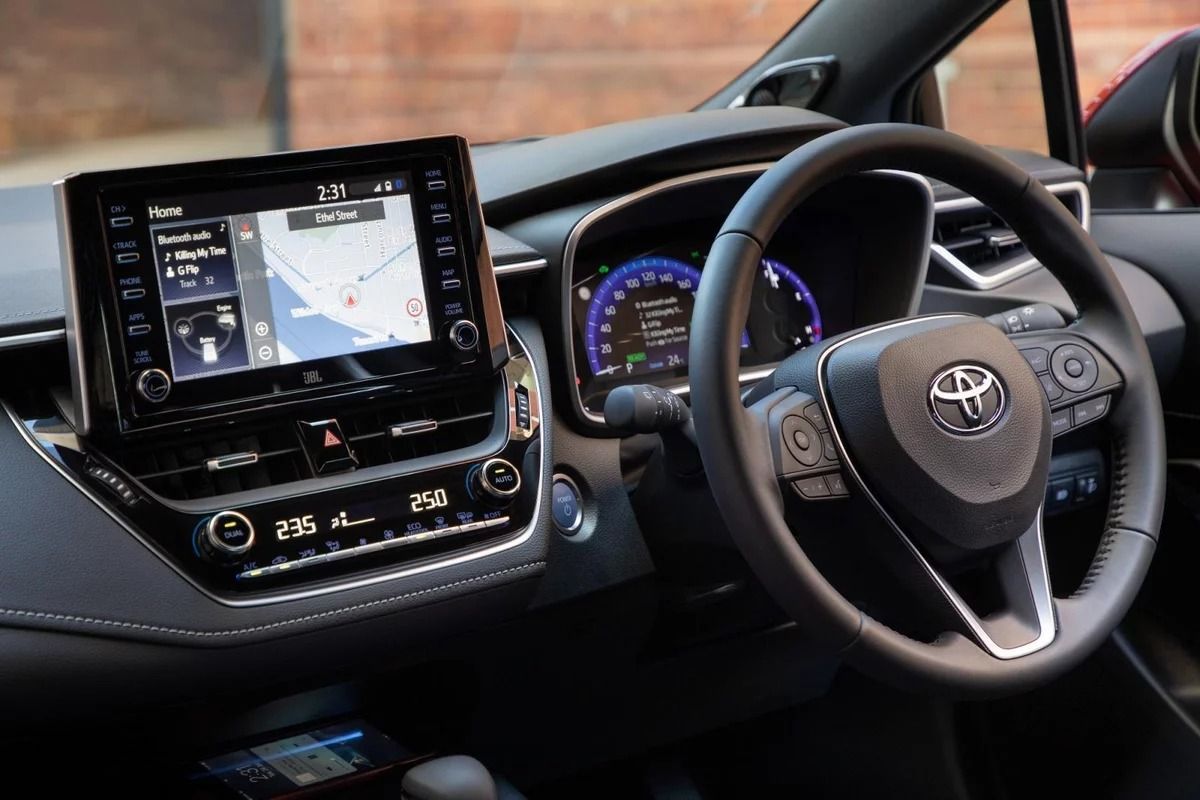
The Corolla is likely to offer more features as standard which will improve its value proposition against the Golf.
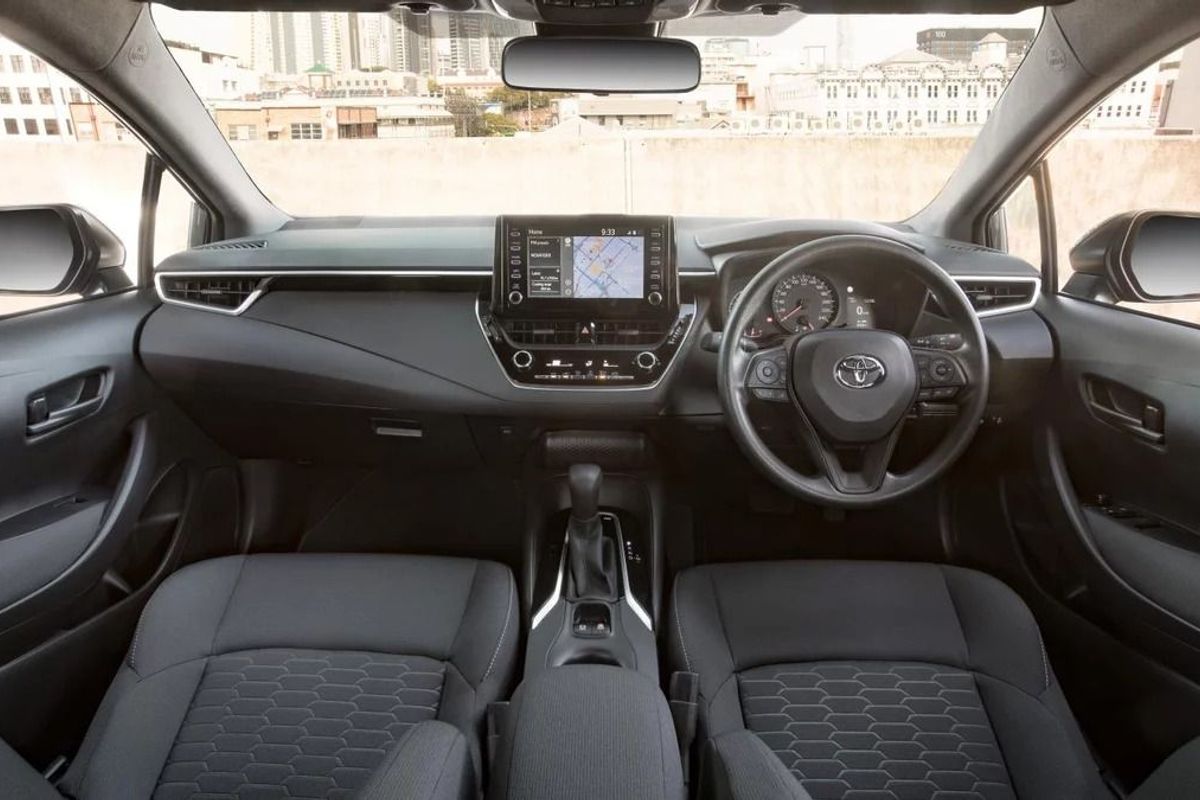
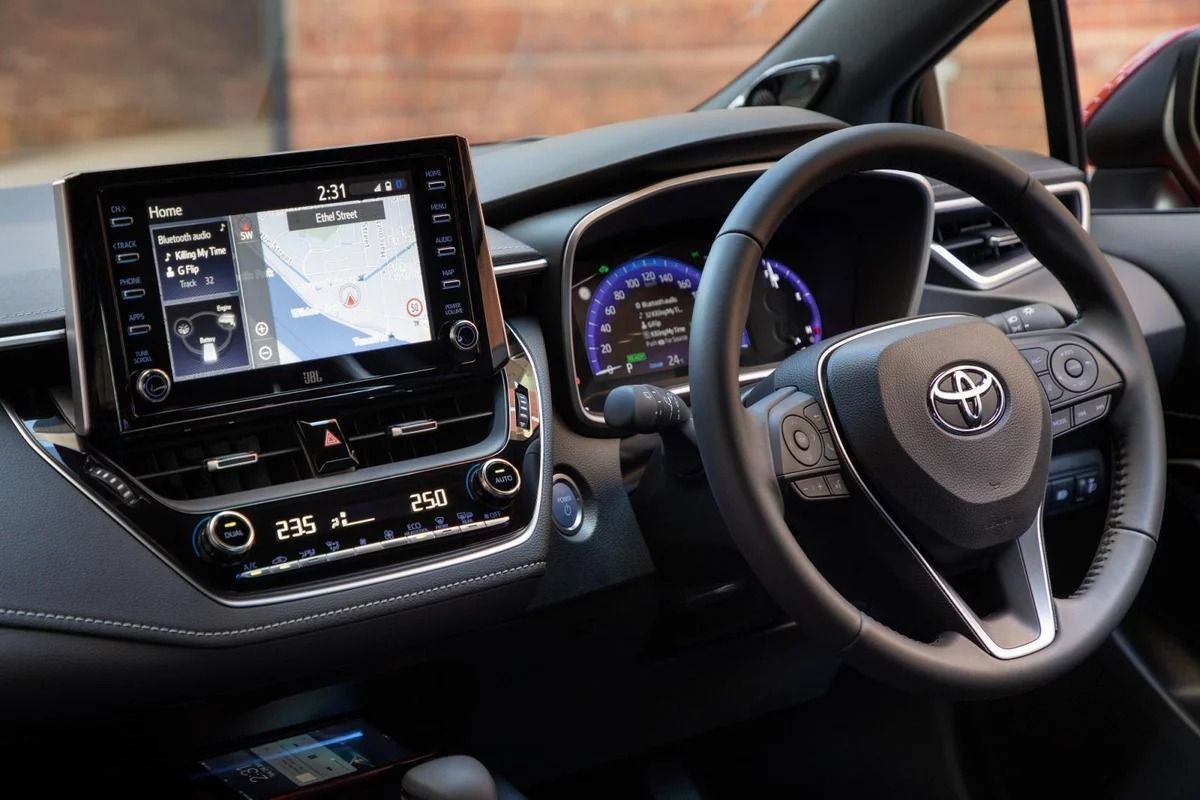
The Corolla hatchback features a seemingly neat interior design and upholstery options will likely include cloth, leather or both depending on the specification. The South African market will likely receive an 8-inch touchscreen infotainment system and a full-colour 4.2-inch multi-information display. Other key features for the Corolla hatchback include an electronic parking brake, USB and auxiliary audio inputs, a 12V accessory socket and 60/40-split rear seats. Higher-spec models could feature dual-zone aircon and smart entry and start. South African specification (and pricing), however, has yet to be confirmed.
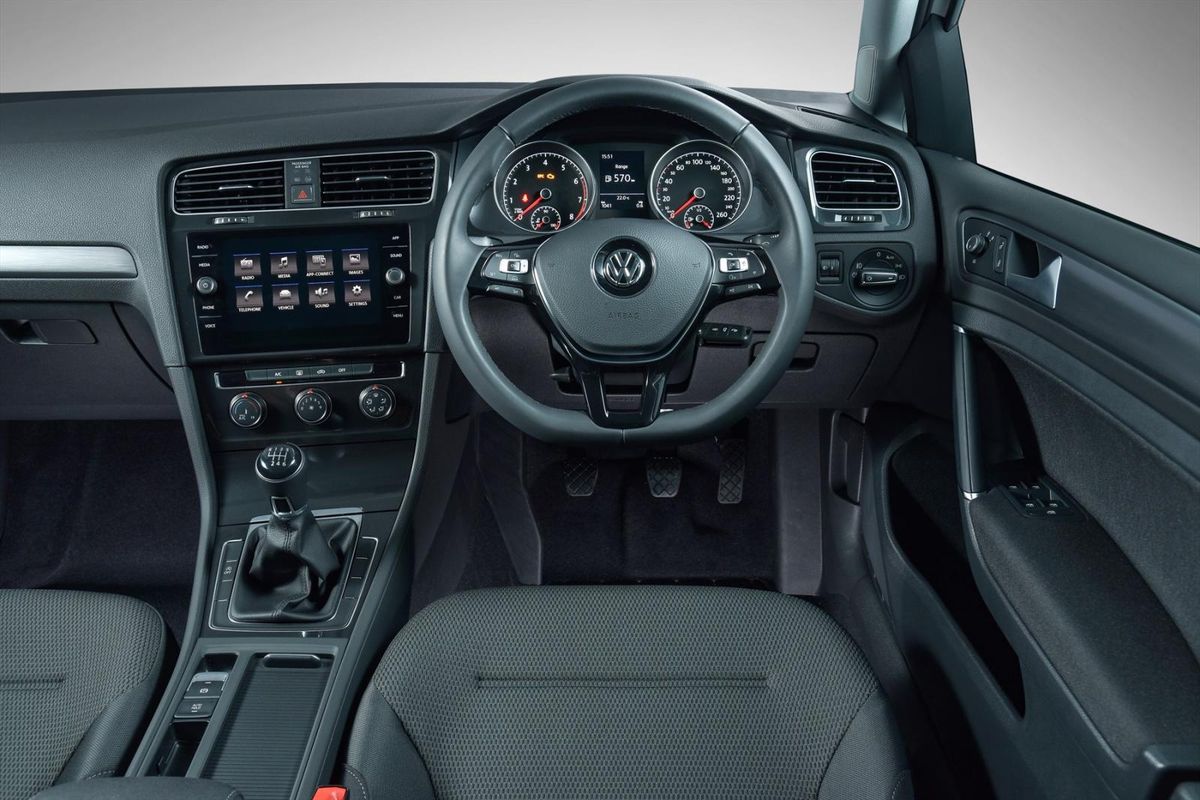
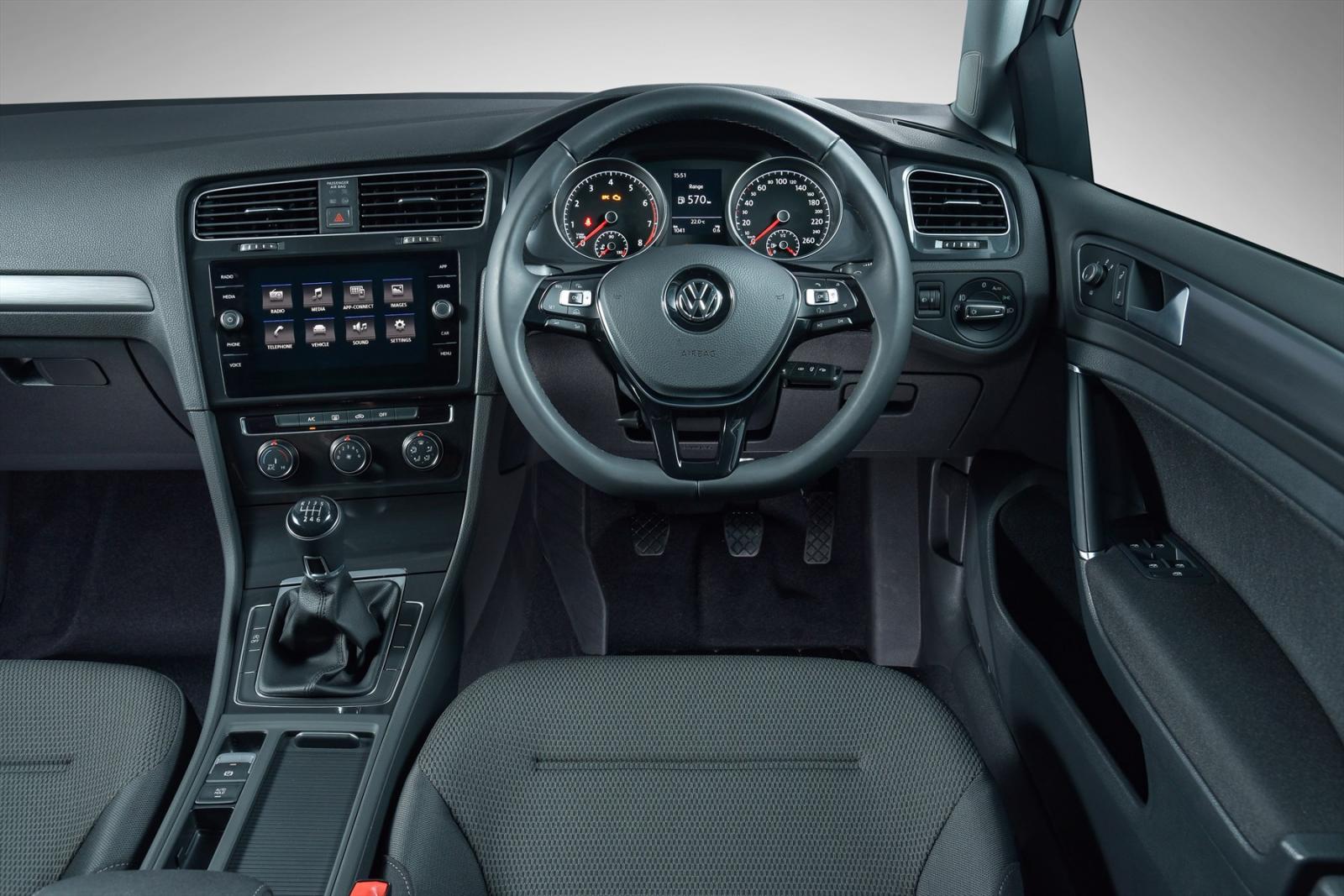
An upmarket and modern design in the Golf gives it visual clout but many features are extra cost options.
The Golf’s interior appears to be more premium-looking in its design with a wide range of infotainment options on offer, including a top-end, 9.2-inch Discover Pro infotainment system which is optional. Like the Corolla, the Golf is offered with cloth and leather upholstery, depending on the derivative you choose. Many of the nice-to-have features for the Golf are offered as options though.
And that is where the Corolla might pip the Golf – in the consumer’s pocket. By potentially offering more features as standard, cash-strapped buyers are likely to appreciate the potential added value on offer in the Corolla.
Engine matters
The Corolla's 1.2-litre turbopetrol engine from the C-HR should offer reasonable performance.
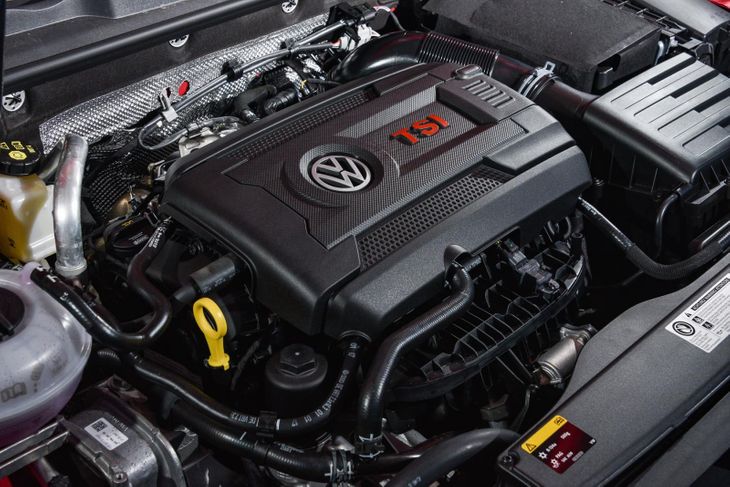
While Toyota South Africa has yet to confirm local specification for the Corolla hatchback, it is likely that our market will initially receive a 1.2-litre turbopetrol engine (familiar from the CH-R) with 85 kW and 185 Nm of torque. A 6-speed manual transmission with rev-matching technology sounds like the one to have while a new Direct Shift CVT with a 10-speed sequential shift mode is expected to be offered locally too. We wonder how it might compare to the Golf's excellent DSG transmission? A 1.8-litre Atkinson Cycle petrol-electric hybrid version is also on the cards.
The plucky 1.0-litre turbopetrol engine offered in the Golf is expected to give the Corolla a run for its money.
The Golf range has far more engine choice with turbopetrol and turbodiesel engines on offer. The Golf’s 1.0-litre turbopetrol engine with 81 kW and 200 Nm is closely matched to the Corolla’s powerplant while the more powerful 92 kW 1.4-litre turbopetrol will most likely outshine the Corolla in terms of performance. Manual and dual-clutch transmissions are offered on the Golf. Also, the Corolla does not offer anything to take on the likes of the Golf GTI or Golf R…
Our gut feel is that the Golf will have the upper hand in terms of performance against the Corolla. However, we reserve final judgment regarding performance and ride and handling dynamics until we have had the opportunity to test the Corolla hatchback on local soil.
Final Thoughts
With good looks, a modern cabin and more features as standard, the Corolla Hatch should be a more attractive offering than the outgoing Auris.
It will be interesting to see what standard specification will be offered for the new Corolla hatchback when it arrives in early 2019. We expect it to feature a reasonable amount of safety features including a full complement of airbags (front, knee, side and curtain), a reverse-view camera, Isofix child restraint anchors, ABS with brake assist, vehicle stability control and, hopefully, active cornering control.
The Volkswagen Golf is offered with a wide range of optional features and we suspect that Toyota will be far more generous in terms of standard specification in an effort to secure more sales. While pricing for the Corolla hatchback has yet to be confirmed the South African market, we think it will be very competitive and undercut the Golf (pricing for the Golf starts at R310 000), which will improve its value proposition substantially.
Throw in Toyota’s solid reputation for reliability and after-sales service and you have a car that should offer a more tempting proposition than the outgoing Auris, but it's a tough segment these days with many consumers opting for crossovers instead. Also missing is a performance-orientated Corolla to compete with the GTI and Golf R, and these iconic cars contribute to overall Golf sales significantly. We recently drove the supercharged Yaris GRMN and it was fantastic! Can you imagine if the wizards over at Gazoo Racing brought a Corolla GRMN to market? Yes please, just do it Toyota…
We will keep you updated as soon as more details regarding local specification and pricing for the Toyota Corolla hatchback is revealed, so stay tuned!
Do you have your own opinion about how you see the Corolla vs Golf rivalry playing out? Share your thoughts with us in the comments below…
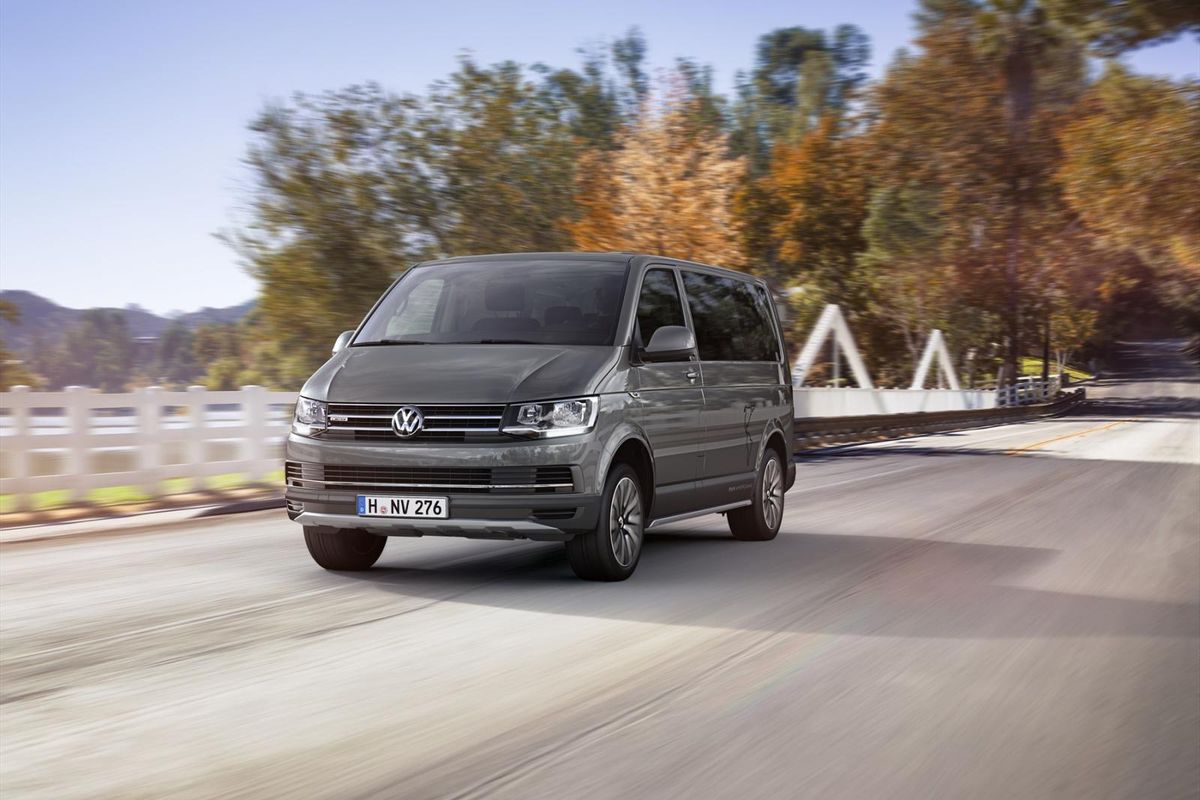
Volkswagen has expanded on its Caravelle range by offering a special edition PanAmericana in South Africa. Herewith specification and pricing details…
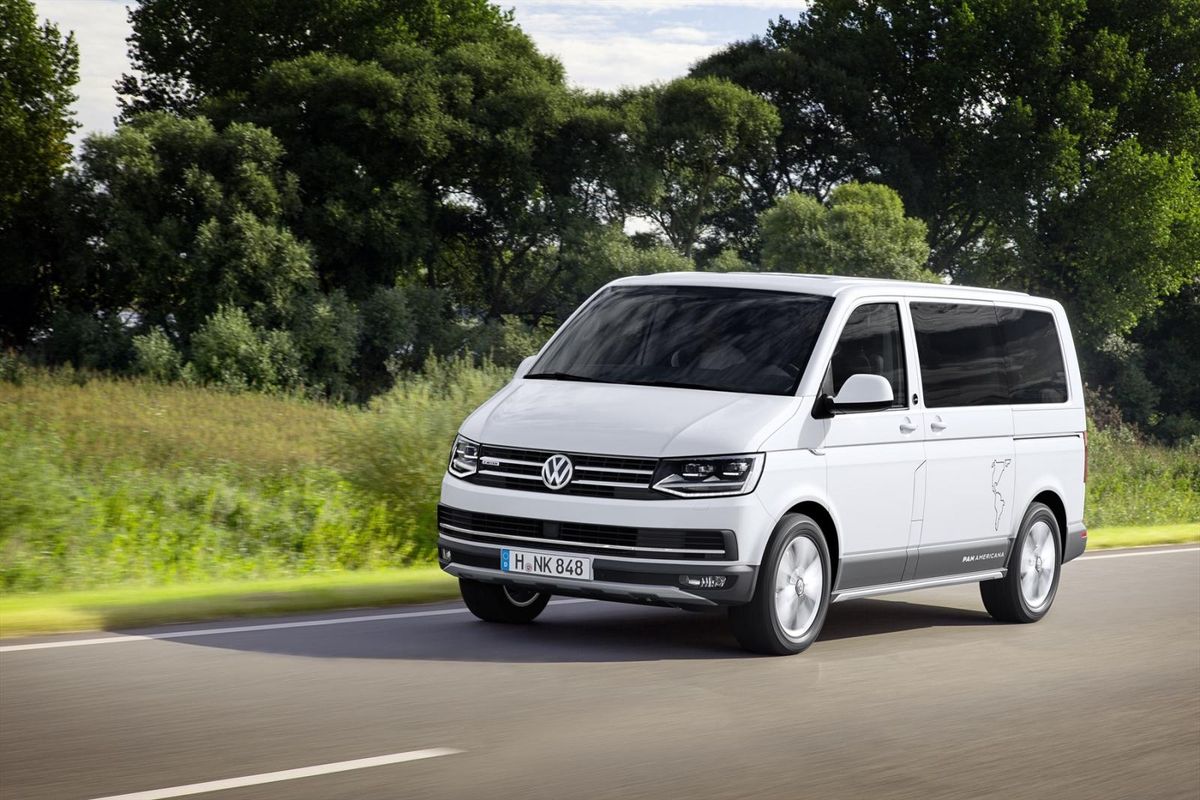
There’s a suave new special edition Caravelle PanAmericana now available in South Africa. It’s powered by 2.0-litre bi-turbodiesel engine with 132 kW and 400 Nm of torque and offers 4Motion all-wheel drive using a 7-speed DGG gearbox.
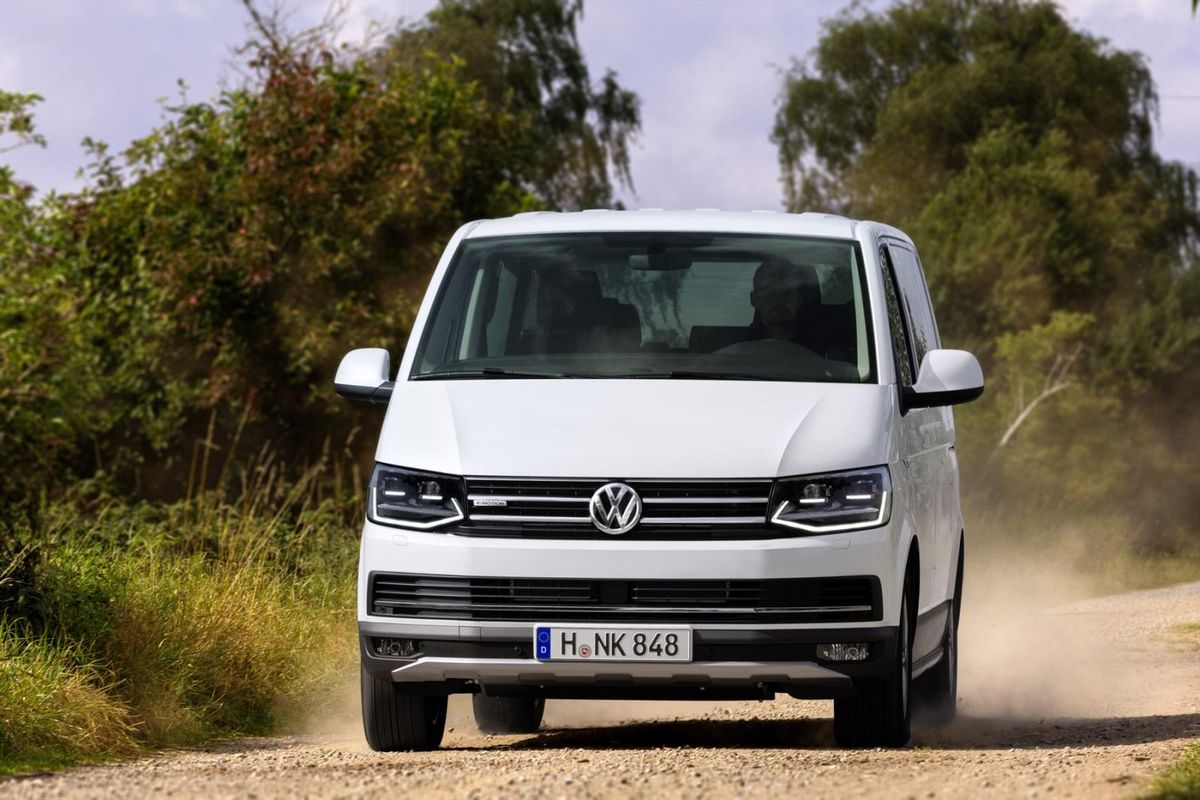
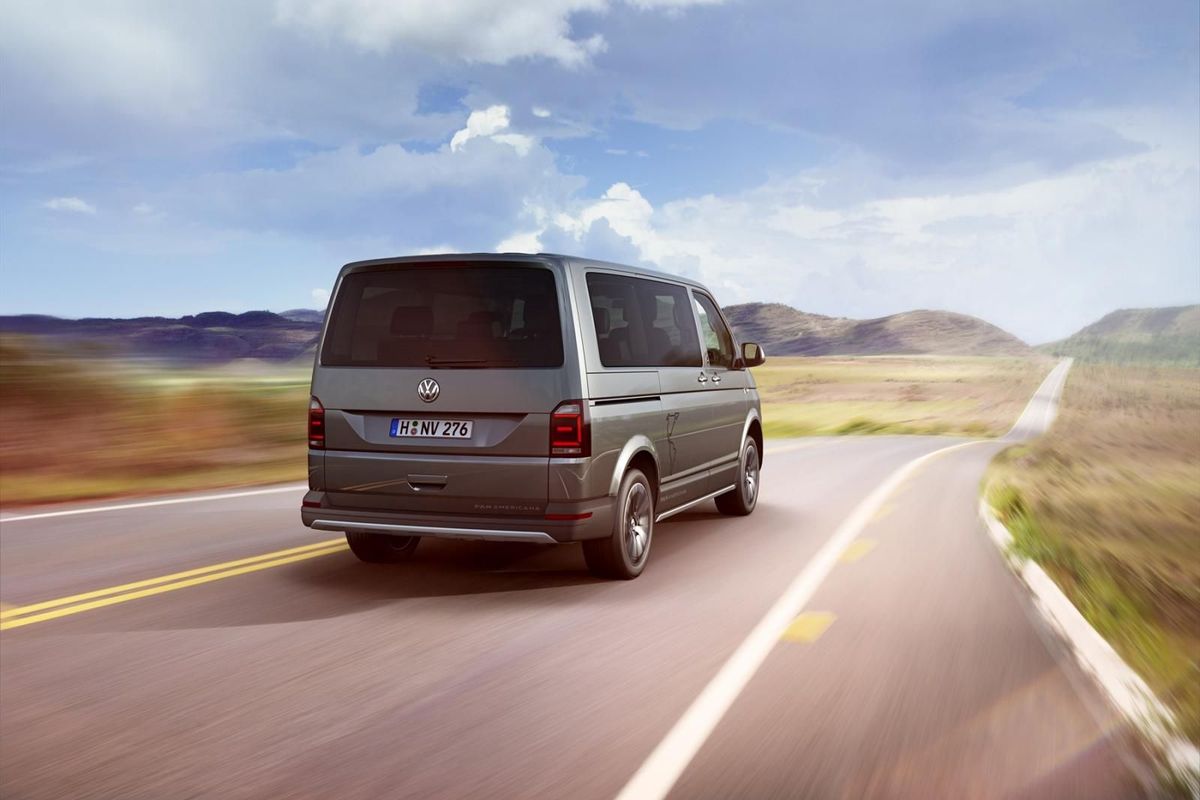
The bespoke model features a number of styling appointments that sets it apart from the standard Caravelle and these include textured paintwork for the front and rear bumpers, side sill attachments, lower stone guards and front and rear underbody protection. The PanAmericana rides on 17-inch Davenport alloy wheels.
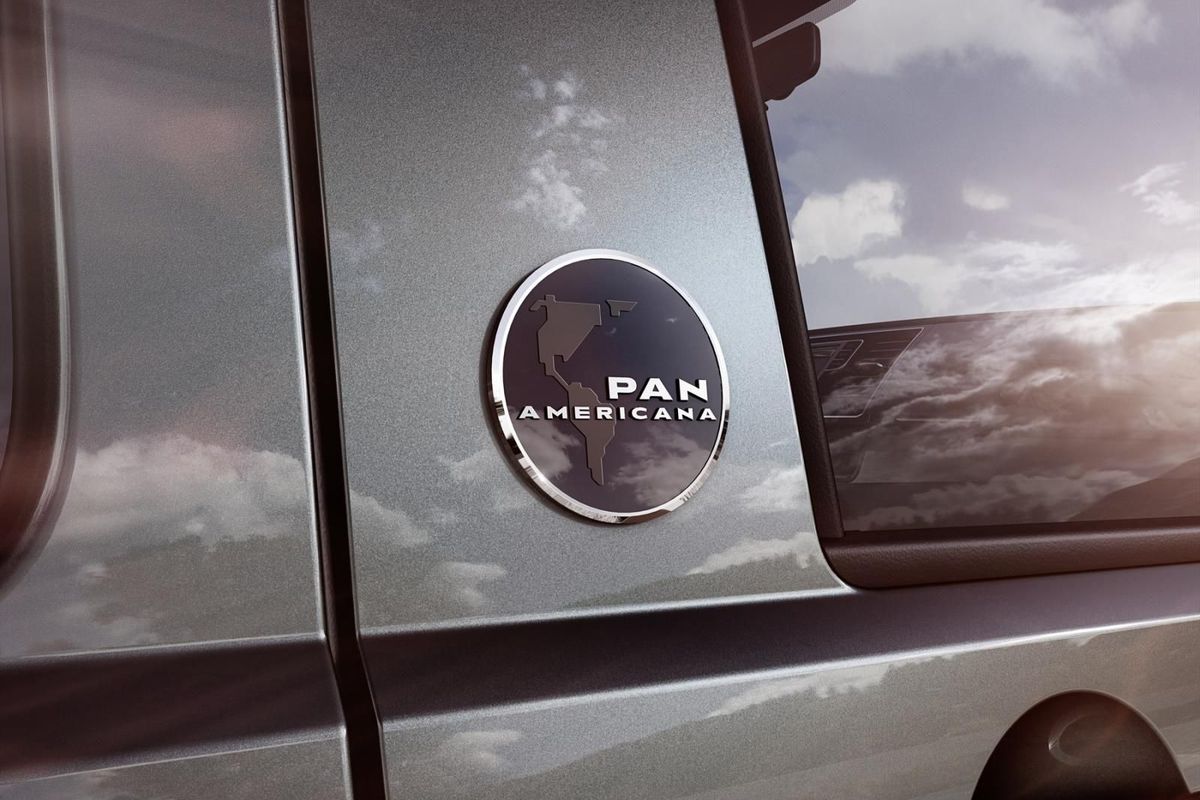
Furthermore, a chrome grille, tinted rear windows and smoked LED tail lights add to the unique look while PanAmericana logos are seen on B-pillars.
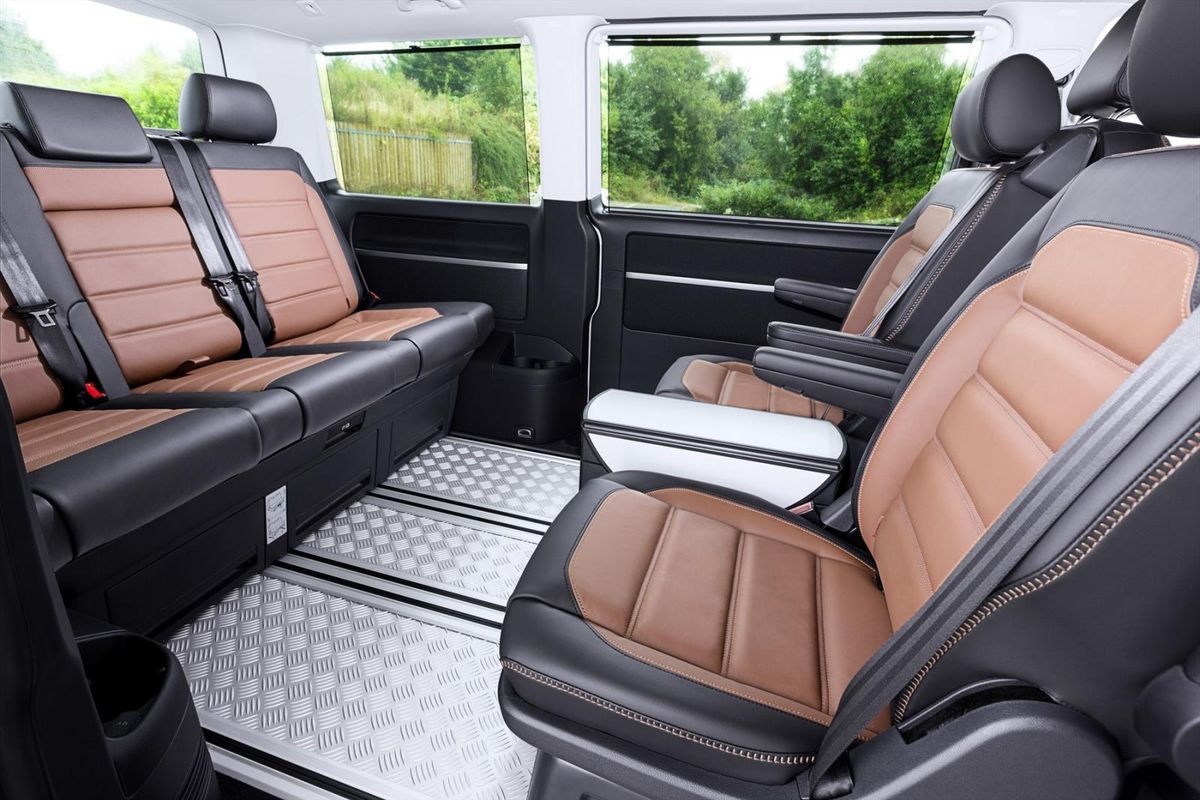
On the inside, the PanAmericana features a leather multifunction steering wheel, leather gear lever, climate control air conditioning, stainless steel-look pedals and entry lights. The seats feature a special ‘Mithy’ black with white insert, Alcantara pads and contrasting U-seams. Bi-colour leather trim is offered as an option. Rubber mats are fitted to cope with the rigours of the outdoors.
The new PanAmericana comes standard with a 5-year/60 000km Automotion Maintenance Plan, 3-year/120 000km warranty and 12-year anti-corrosion warranty. Service intervals are set at every 15 000 km.
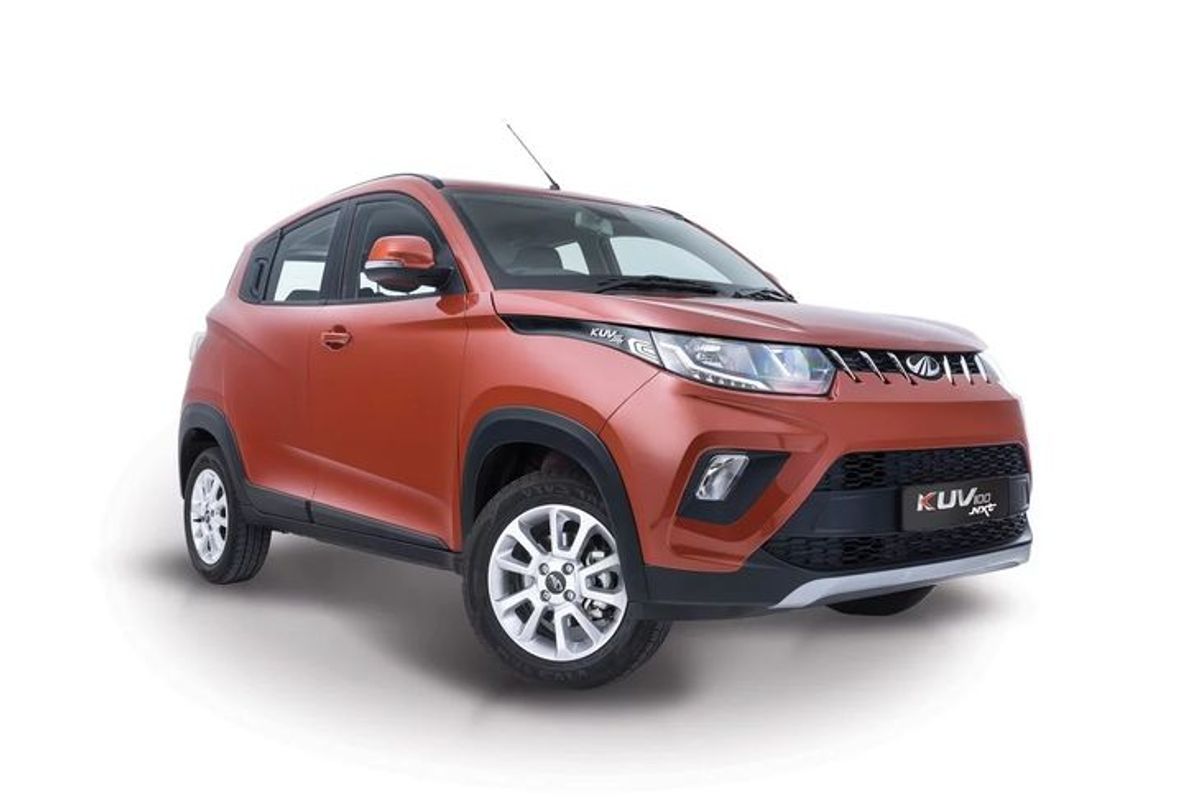
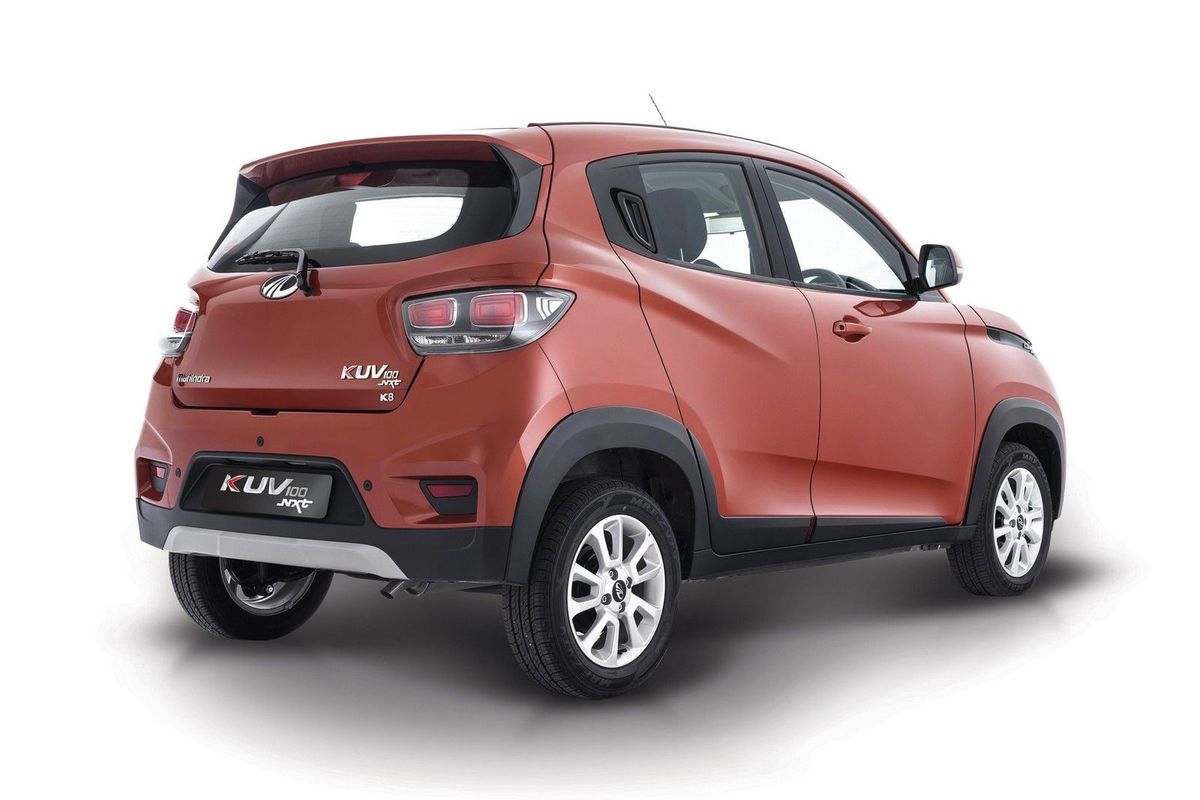
Mahindra has updated its KUV100 budget car offering by adding a “NXT” suffix to its name, introducing a value-for-money entry-level derivative and upgrading the higher end versions (the top-of-the-range T8 in particular).
Revisions to the KUV100 NXT’s exterior execution comprise a redesigned grille, LED daytime running lights, reshaped bumpers (with trapezoidal blacked-out sections and silver skid plates), fresh fog lamp surrounds, integrated turn signals, new-shape tailgate and spoiler, plus rear combination lights. It remains a quirky looking car, but the few tweaks do make it look a bit more "refined" and upmarket.
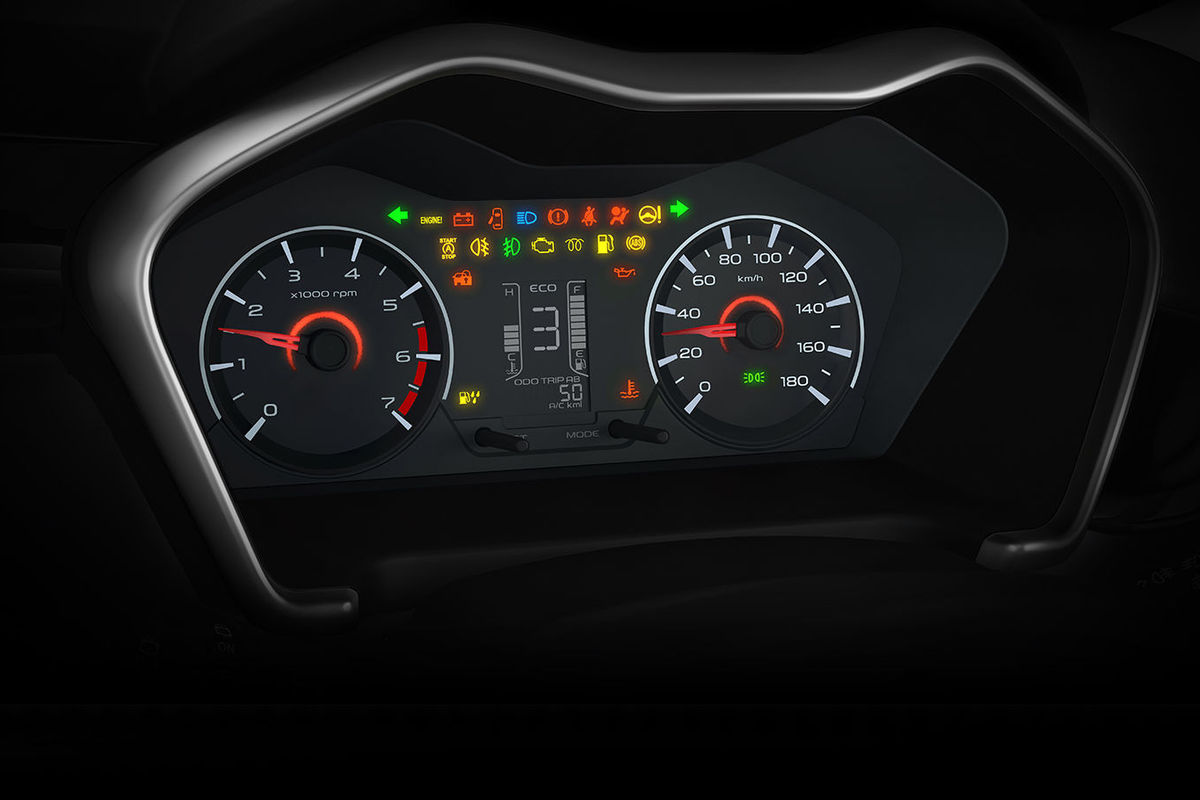
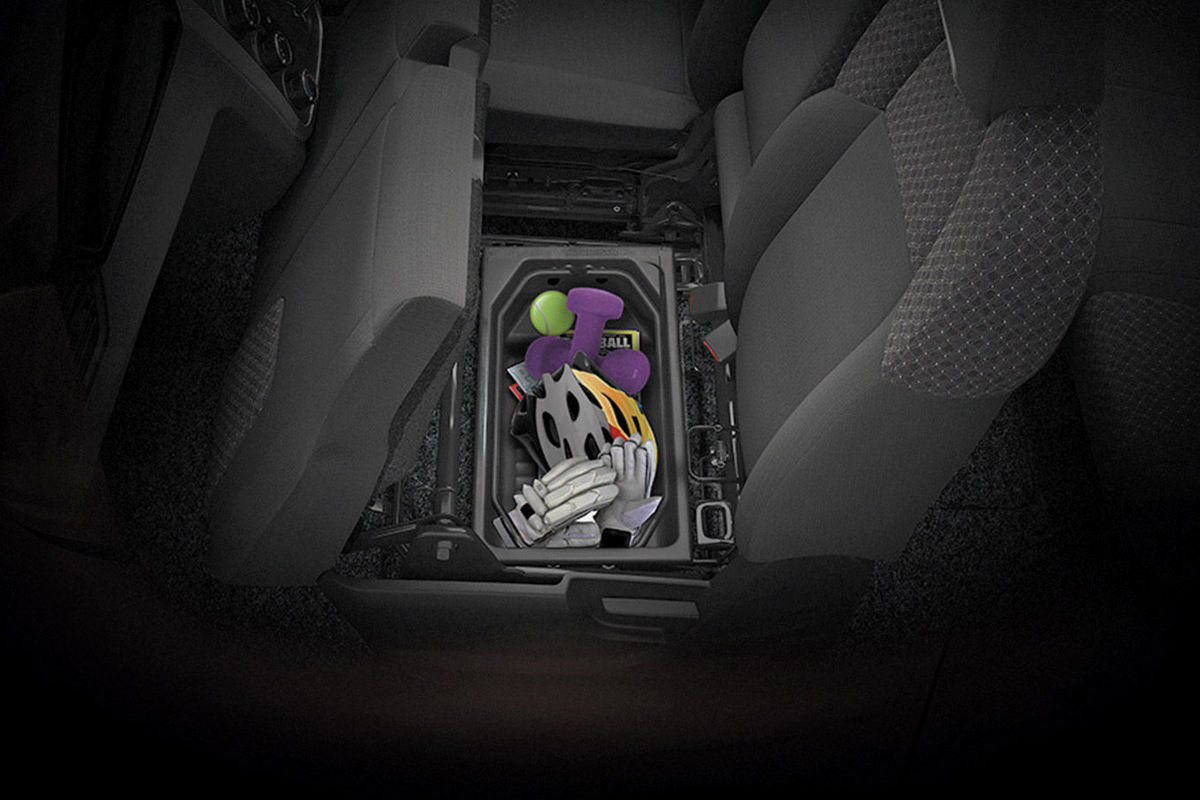
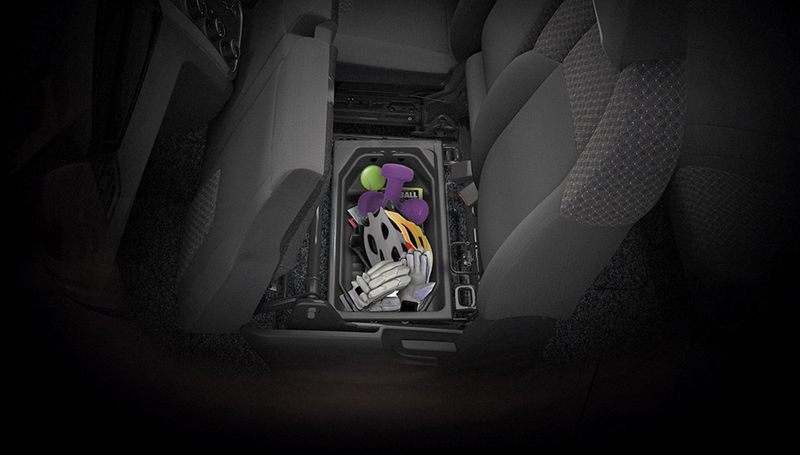
The range now begins with a petrol-engined K2+ derivative, which retails R134 999 and includes driver and passenger airbags, ABS, air-con, dual-pod information display in its instrument cluster, rear child locks, a gearshift indicator, front carpets and multiple storage spaces, including cup holders and rear-seat underfloor storage.
What’s more, Mahindra Finance offers a R2 199-per-month finance deal, with no deposit, 1 year’s vehicle insurance and special finance offers for graduates. With the new entry-level version Mahindra is clearly targeting high-volume cars such as the Renault Kwid and Datsun Go, but unlike the French and Japanese brands, the KUV100 NXT K2+ is offered with a decent safety specification, for which the Indian firm deserve a round of applause.
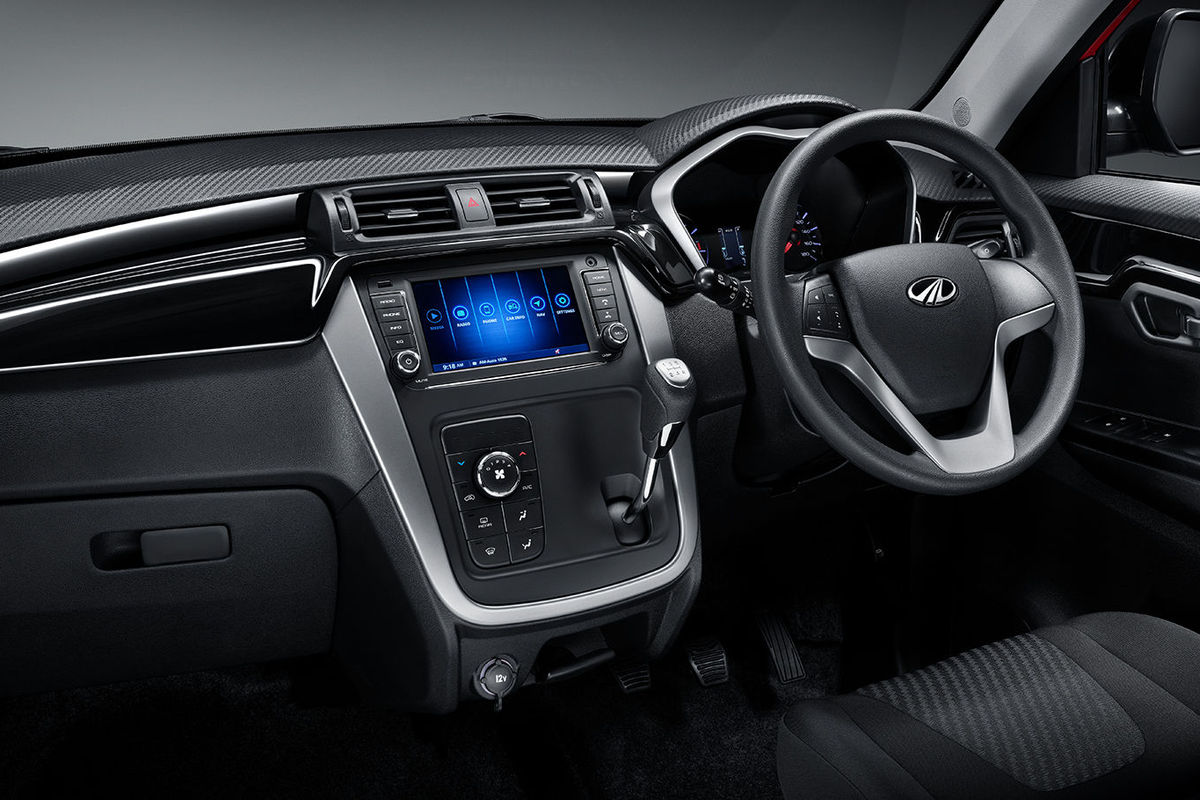
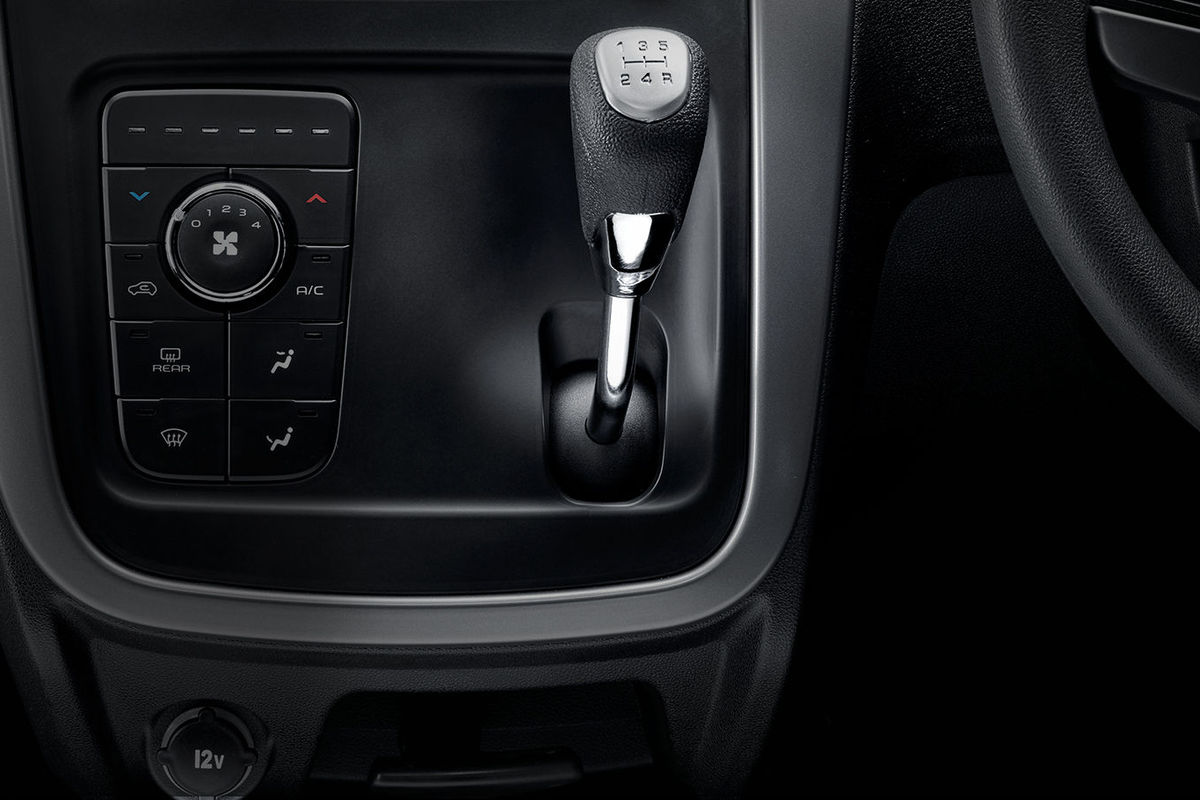
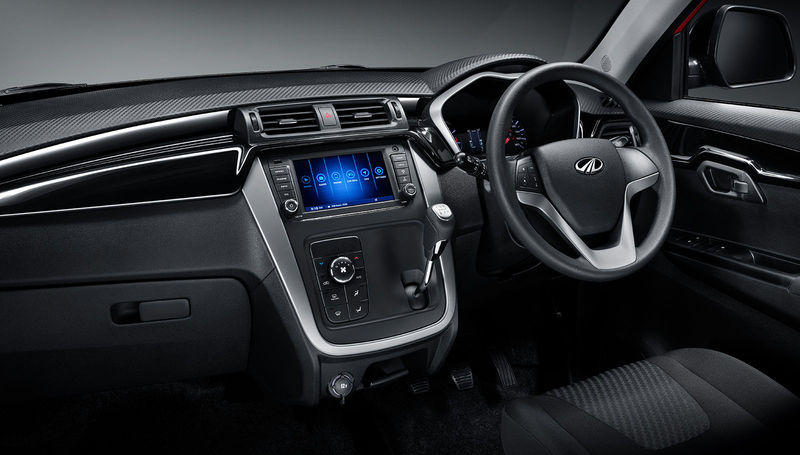
Notable changes to the top-of-the-range H8 derivative include an enlarged touchscreen infotainment system and revised climate control console.
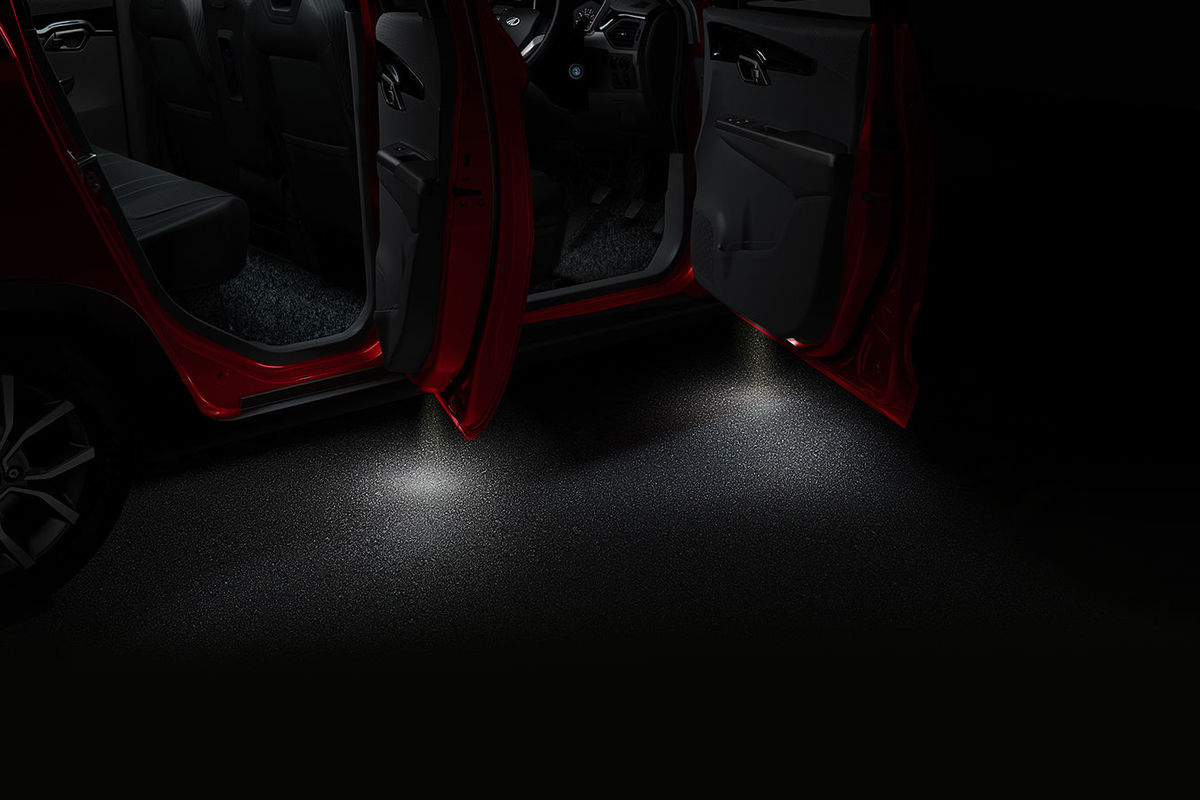
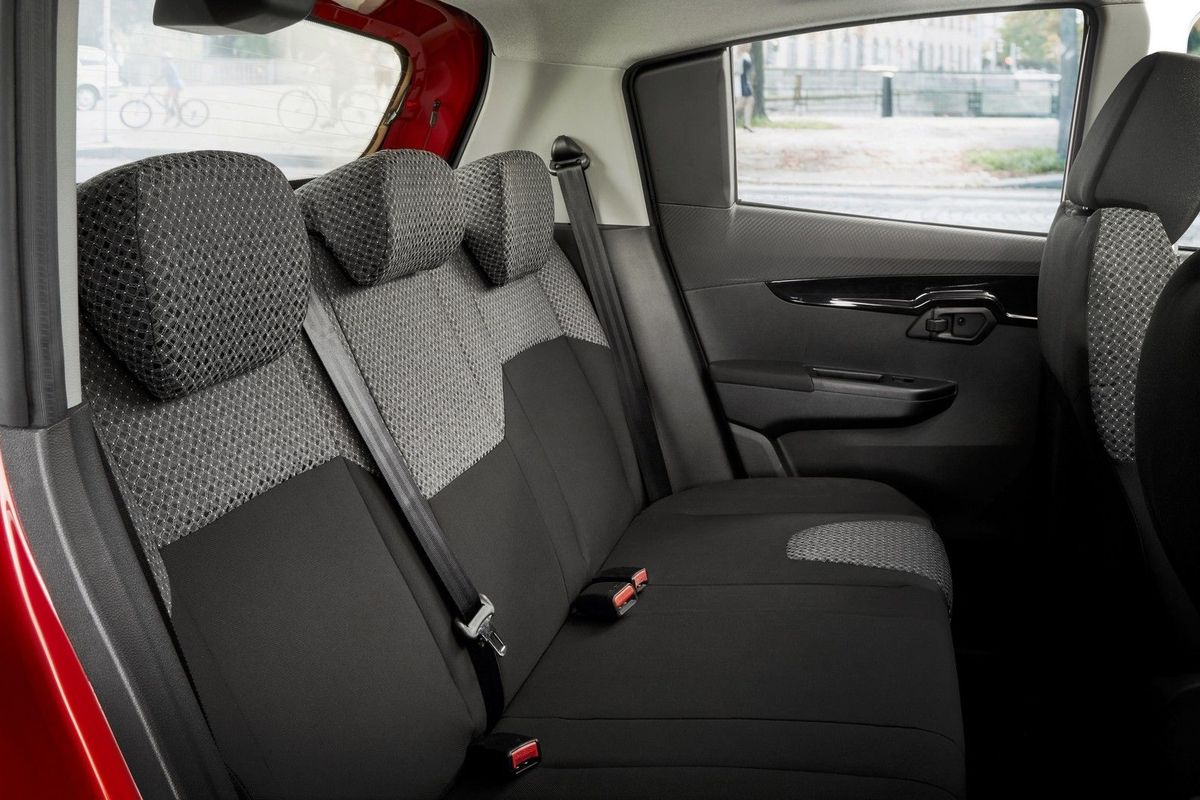
Meanwhile, Mahindra has added better finishes to the interiors of higher-specification KUV100 NXT derivatives, such as new fabric upholstery, piano black detailing and a revised climate control panel (depending on specification level). K6+ and K8 derivatives have been beefed up with a rear armrest, cooled glove box, follow-me-home lighting function, remote keyless entry, speed-sensing door locks and 12V power outlets, for example.
During our test drive on some particularly bumpy stretches of road the KUV100 displayed impressive build quality – there wasn't a rattle or a squeak to be heard of from the interior fittings.
The most notable changes appear on updated flagship K8 derivatives, which feature new 15-inch dual-tone alloy wheels, flared wheel arches (with redesigned cladding) and re-profiled roof rails. On the inside, an enlarged 7-inch touchscreen (with Bluetooth, a USB port and audio, image and video playback) has been fitted, along with a new remote tailgate-opening switch, rear parking sensors and electrically-folding side mirrors.
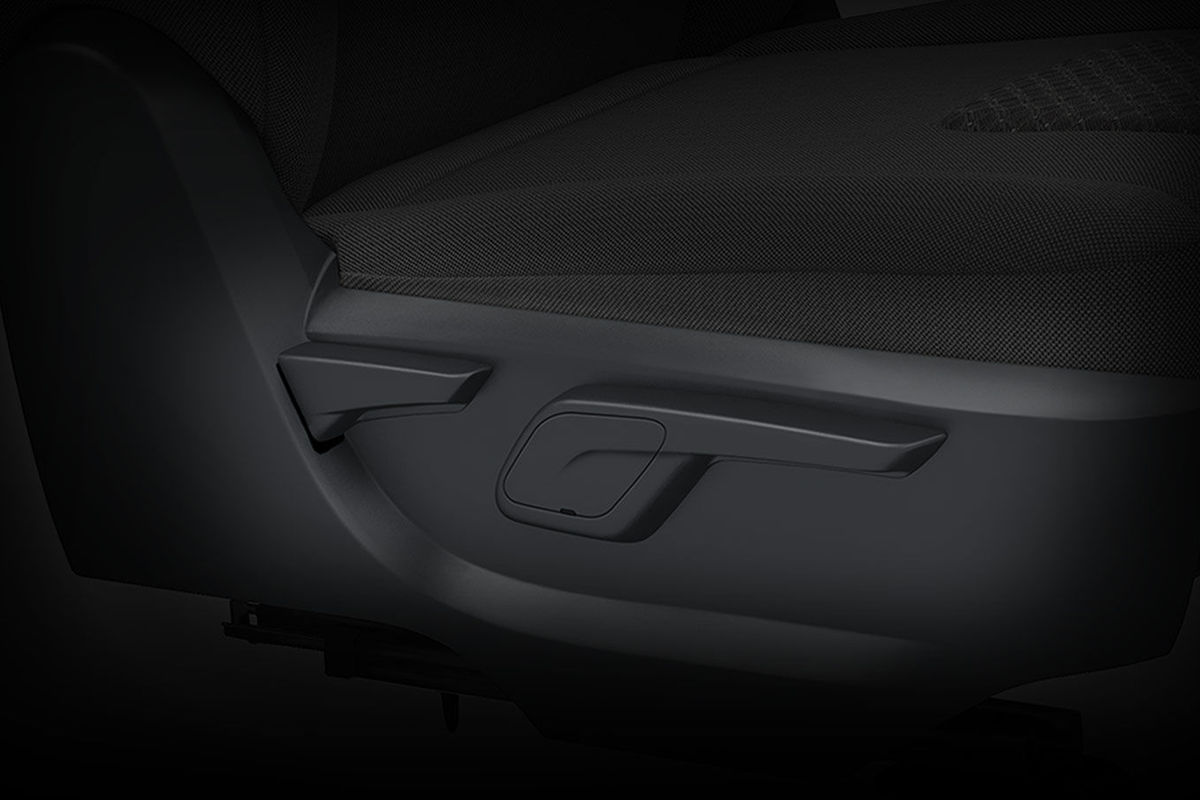
Additional storage space is afforded under the front passenger seat, which is conveniently hidden from prying eyes.
As before, the KUV100 NXT is available with a choice of 1.2-litre 3-cylinder petrol and turbodiesel engines. The mFalcon G80 naturally-aspirated petrol unit produces 61 kW and 115 Nm, while its mFalcon D75 turbodiesel sibling generates 57 kW and 190 Nm. Both are matched with a 5-speed manual transmission. The K8 turbodiesel additionally comes equipped with a micro-hybrid system that switches off the engine when the vehicle is not moving and re-restarts it when the accelerator is pressed.
We drove the petrol-engined variant on the launch and it felt perfectly capable of keeping up in most day-to-day traffic situations, but as the outputs suggest, high-speed driving is not its forte. For overtaking at, or near the national speed limit, you'll need plenty of space and will have to gear down. Mahindra claims a fuel consumption figure of 5.9 L/100km for this engine, but during previous tests we achieved closer to 7 L/100 km (still a good real-world figure). Nevertheless, the tank is small (35 L).
Impressive practicality
With an above average ground clearance of 170 mm (which is more akin to that of small crossovers), plus claimed approach and departure angles of just under 22 degrees, the KUV100 NXT is well suited to traversing poor road surfaces. That said, the ride quality of our test vehicle did not impress – it was overly firm on poor surfaces and generally didn't feel settled. This could, however, be due to a specific problem on the test unit, as our previous experiences with the KUV100 highlighted a surprisingly supple suspension set-up for such a short wheelbase vehicle.
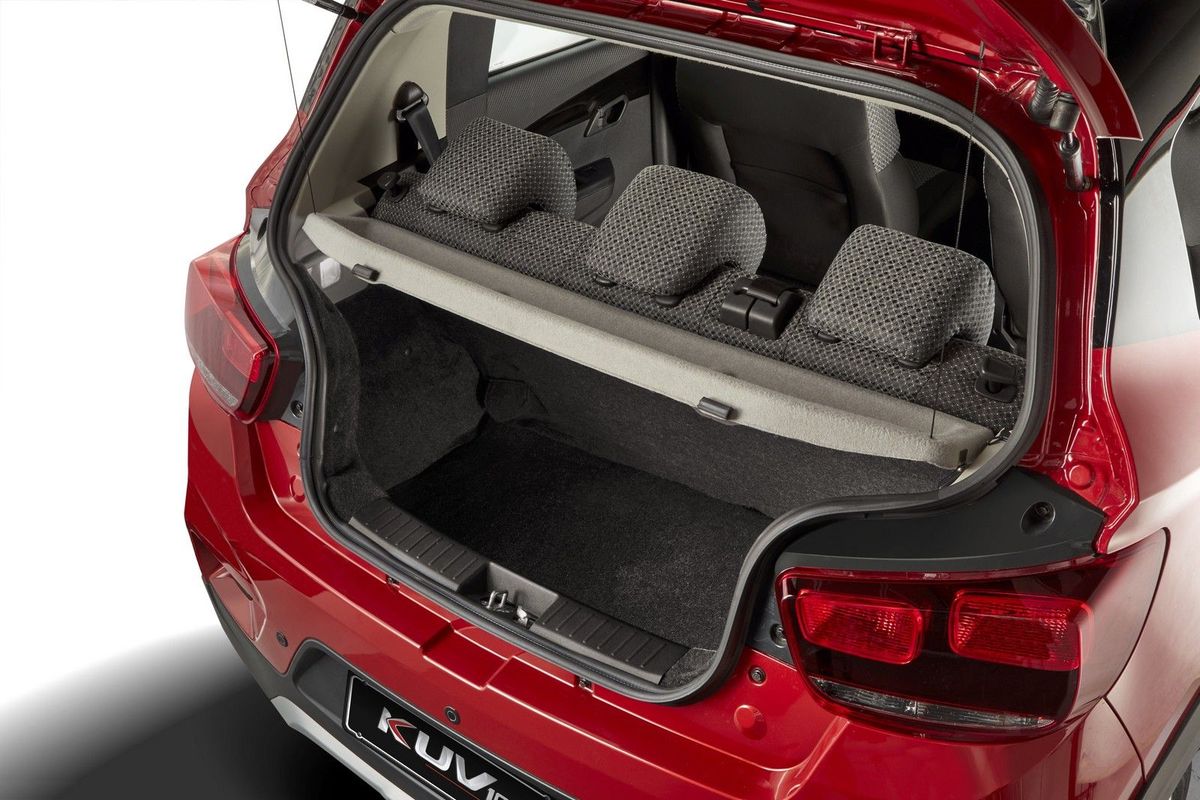
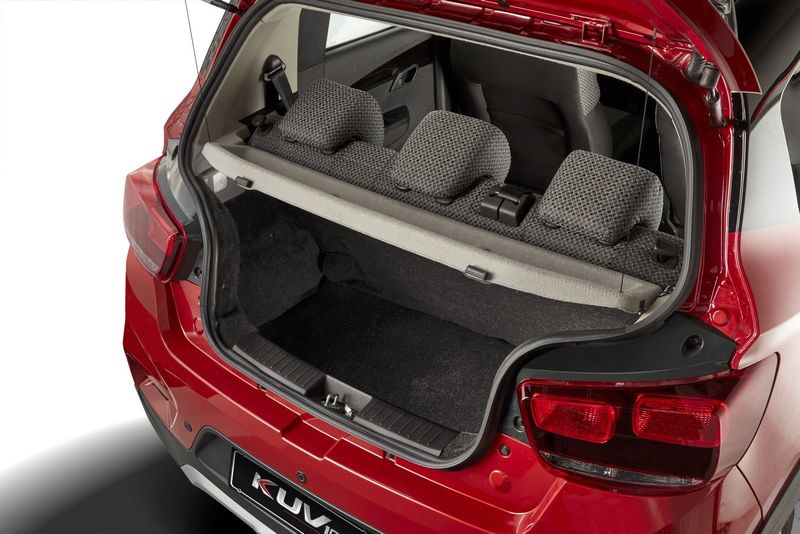
The KUV100 can seat 4 adults (or two adults and 3 children), and over and above the multitude of in-cabin storage spaces, the Mahindra’s load bay is said to be capable of accommodating 243 litres, which increases to 473 litres when the rear seats are folded flat.
One of the disadvantages of better-than-expected rear legroom is a smallish luggage bay, but there is reasonable utility space with the rear seatback folded forward.
In terms of safety, all derivatives are equipped with dual front airbags, plus ABS with EBD (although EBD is available only on K6+ and K8 variants, which additionally features corner braking control (CBC), speed-sensing automatic door locks, automatic hazard warnings and a security alarm).
KUV100 NXT (2018) price in South Africa
The range comes standard with a 3-year/100 000 km standard warranty, 2-year/50 000 km powertrain warranty and 3-year roadside assistance plan. K6+ and K8 derivatives additionally have 3-year/50 000 km service plans as standard. Service intervals are 10 000 km for all KUV100 NXTs.
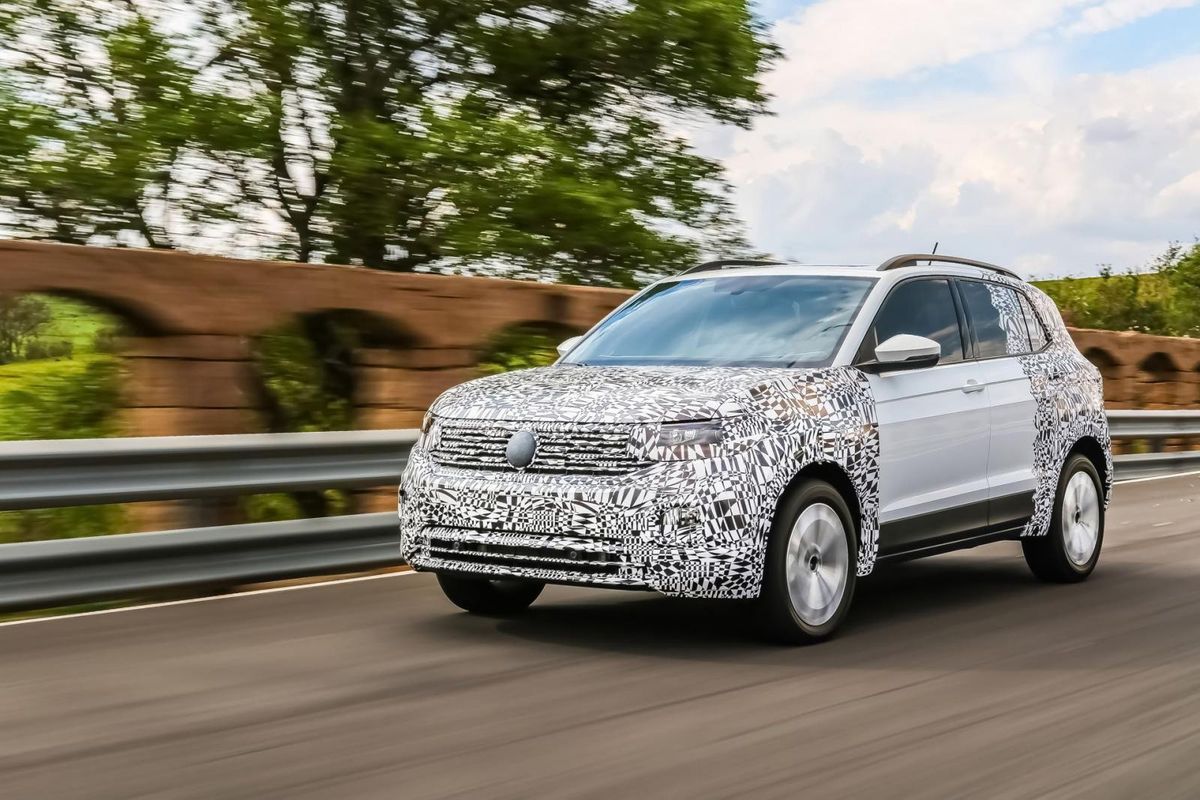
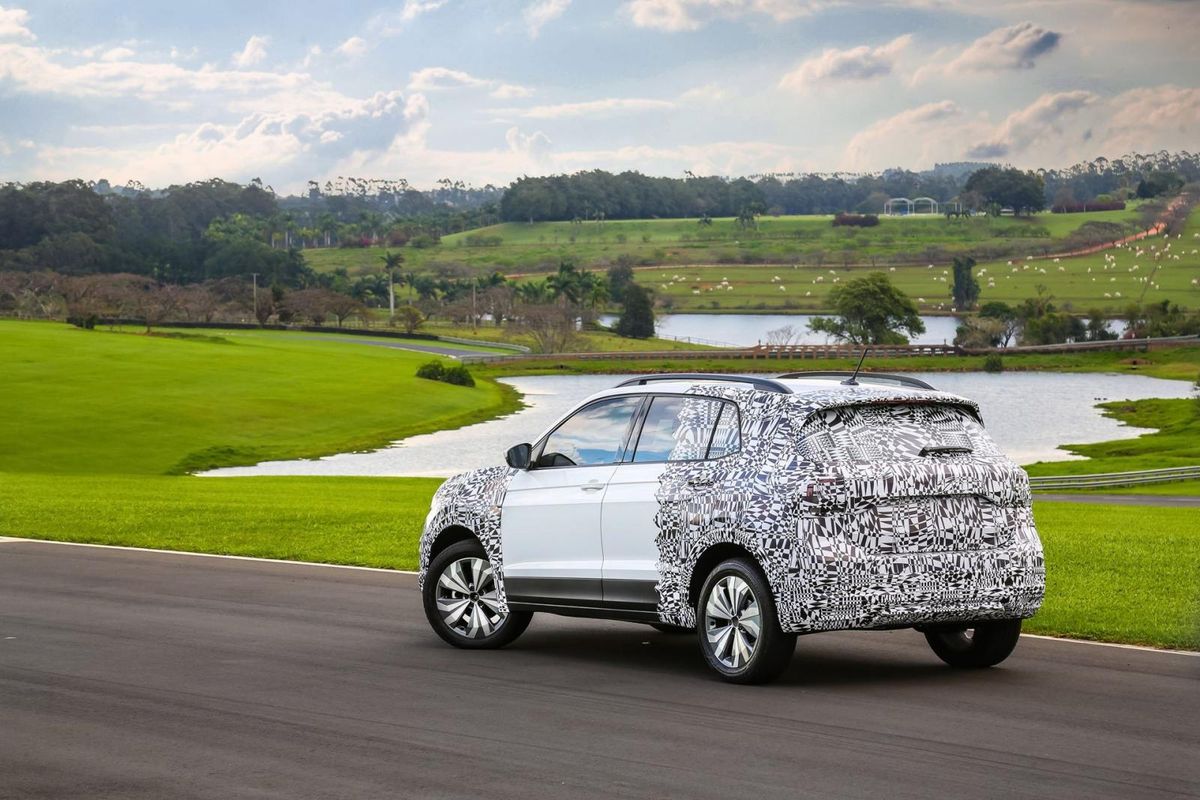
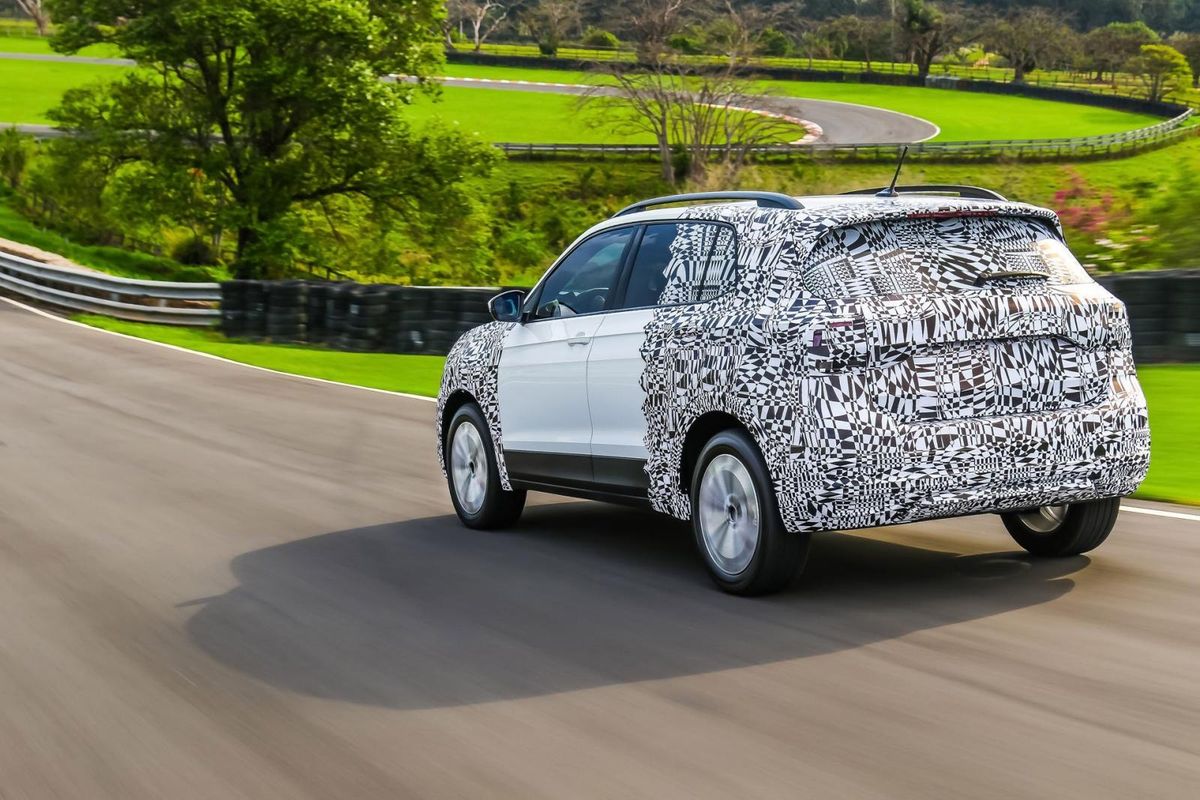
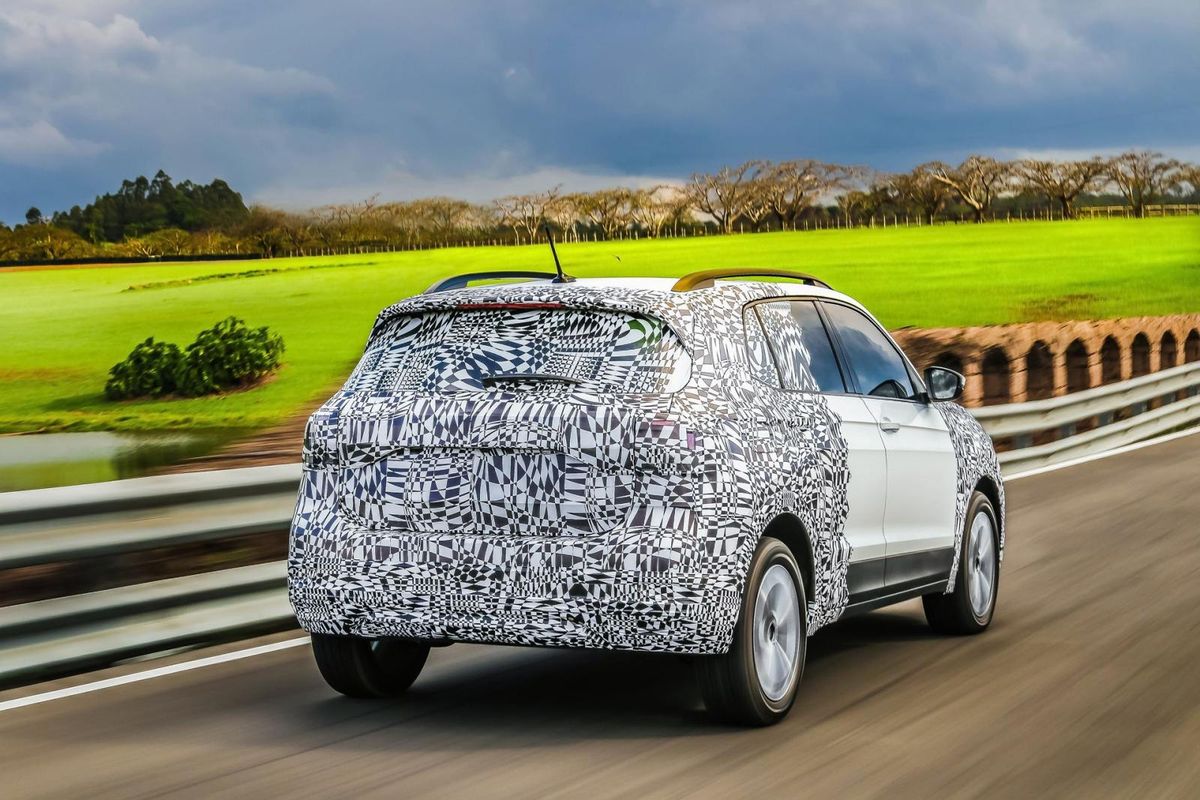
More information on the forthcoming Volkswagen T-Cross compact SUV has been released by the German brand and here we get to see some of the interior features.
The T-Cross was first shown in 2016 as a convertible in the form of the T-Cross Breeze concept but the production version will adopt a conventional 5-door SUV body and will be built on Volkswagen’s MQB platform. From the dimensions, it appears that the forthcoming Volkswagen T-Cross will be 4.2 metres long, have a wheelbase of 2.6 metres and will be 1.56 metres. It also appears that the boot capacity is rated 373 L or 420 L, but we reckon that's dependant on whether a spare wheel is fitted.
In terms of engines, expect the entire arsenal of VW Group compact powertrains to be thrown in this direction. We predict they'll all be turbocharged petrol and diesel engines, and don't rule out the new Polo GTI's 2.0-litre motor making an appearance at some stage. Given its testing in the snow, we wouldn't be surprised to see an all-wheel-drive version too.
The Volkswagen T-Cross will be revealed on the 25 October 2018 so look out for updates.
Volkswagen launched an official video detailing some of the cabin features
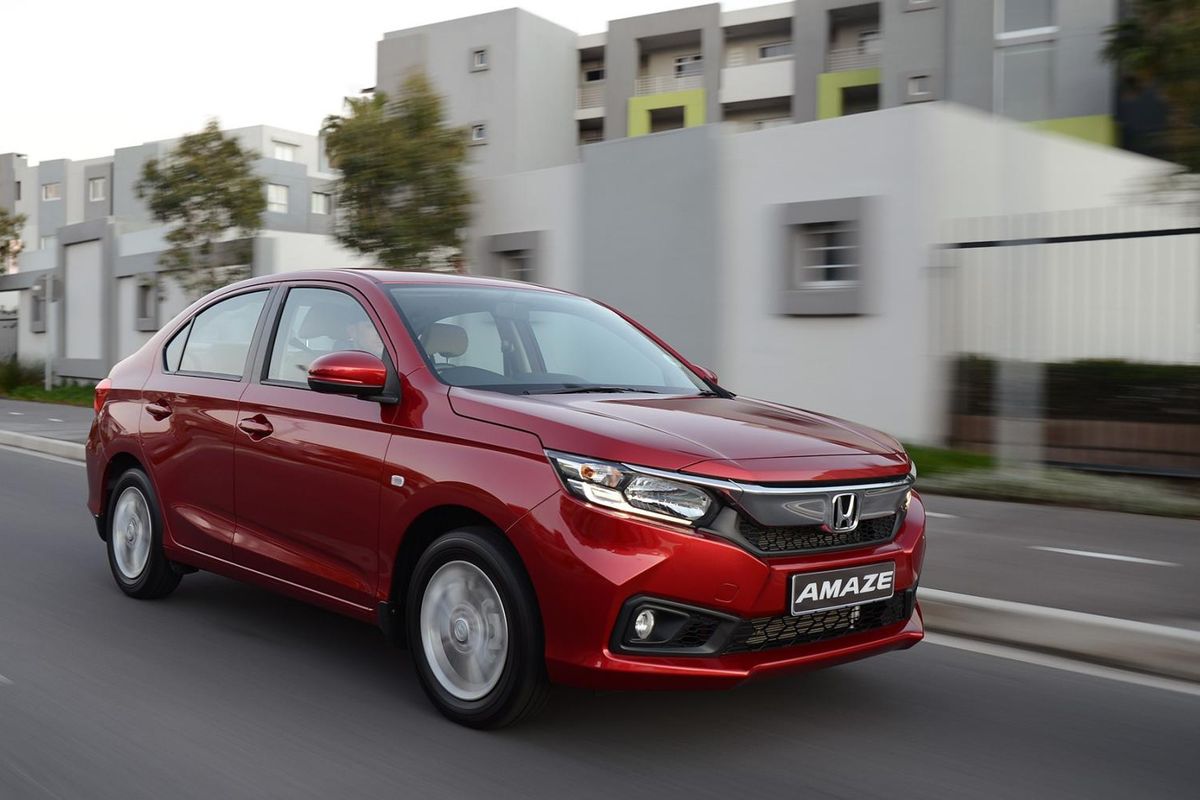
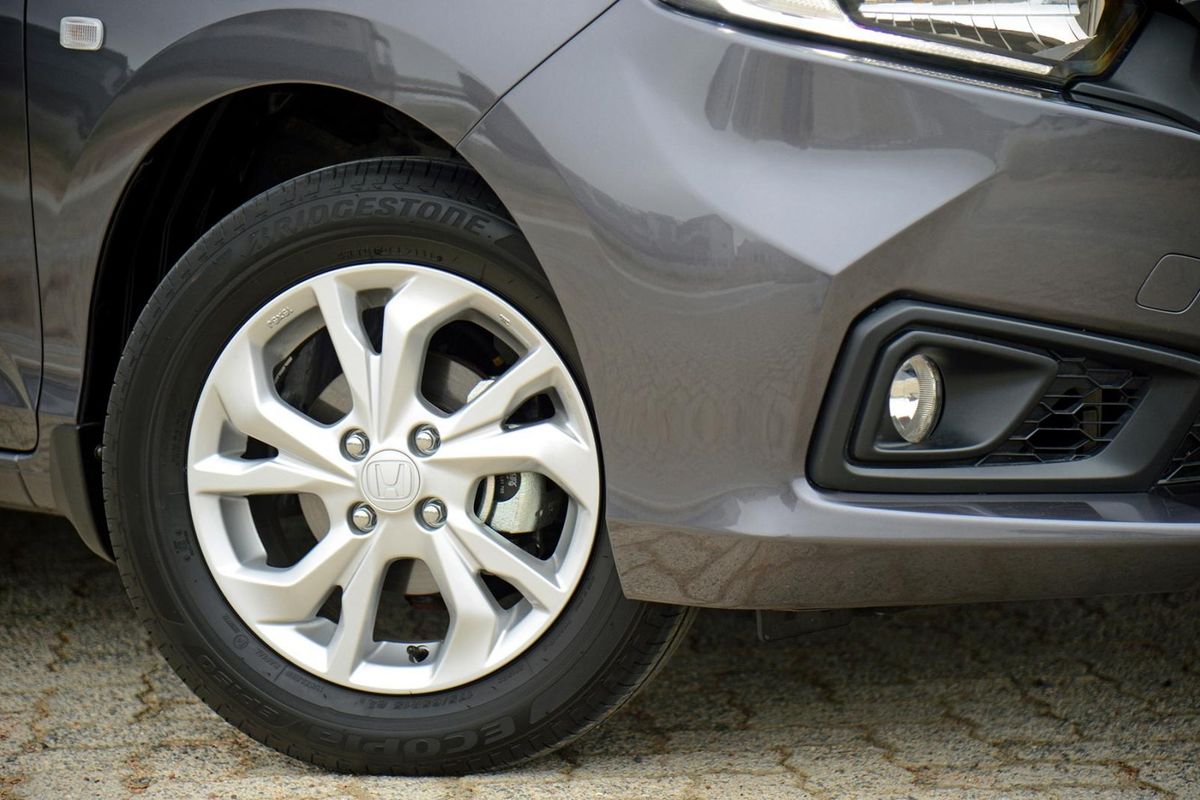
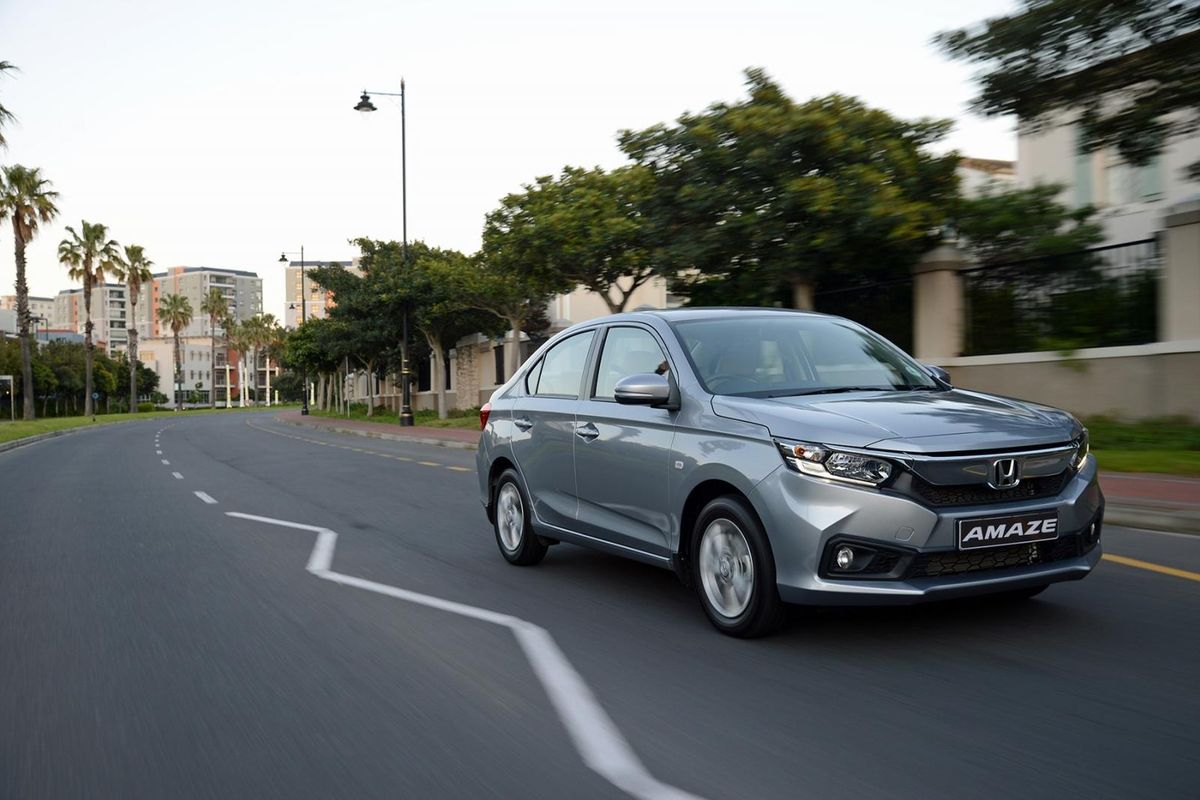
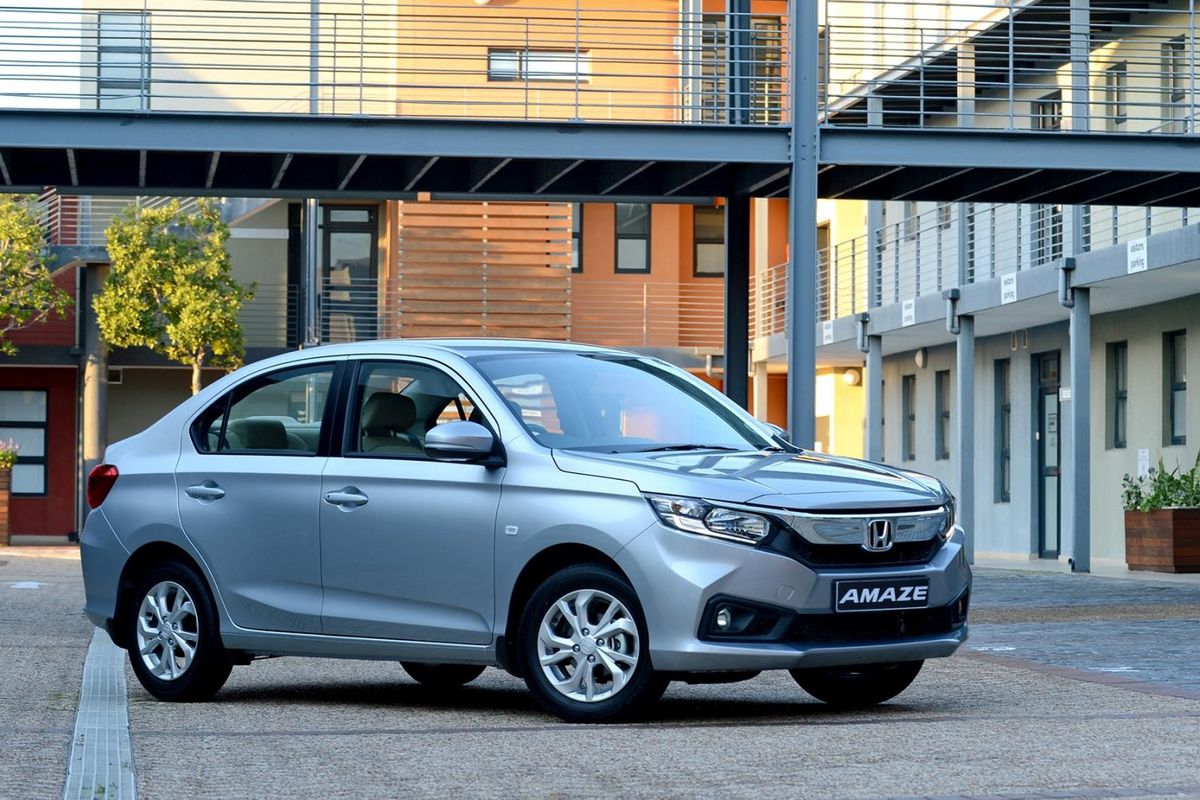
The Brio Amaze is no more; the next generation of Honda's budget-oriented compact sedan is known simply as "Amaze", to differentiate it further from its hatchback sibling. We drove the newcomer at its launch in the Western Cape.
Unlike manufacturers that earn rebates on import duties because they produce vehicles in South Africa, local importer Honda South Africa is completely at the mercy of the exchange rate. Its products have always demanded a premium, but models such as the Civic and CR-V have become markedly more expensive than their traditional rivals, which reflects in Honda's low sales volumes. In an effort to counter this, Honda SA has been on a product offensive in the more budget-sensitive segments of the market. The Japanese brand has seen considerable successes with its Mobilio and BR-V models, and now its attention has turned to the sub-B segment sedan market.
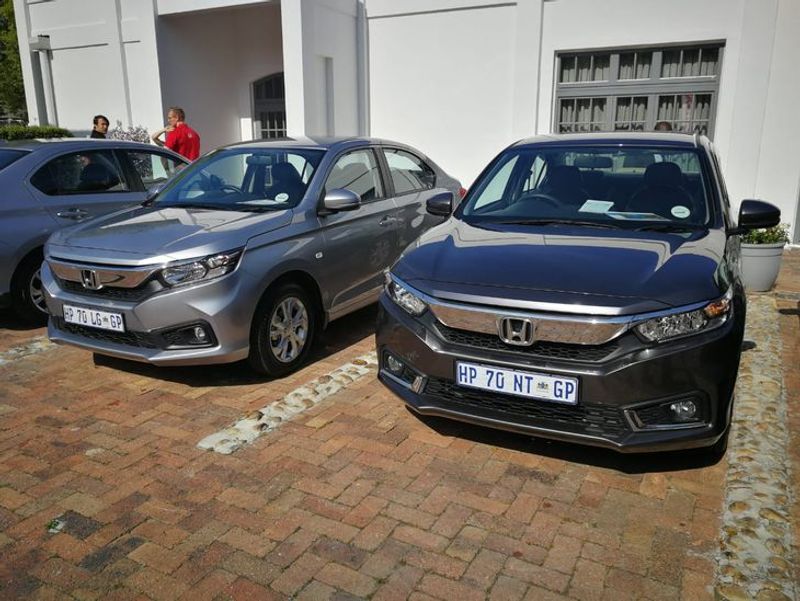
With the Volkswagen Polo Vivo sedan no longer in production, Honda reckons it can take some of that share with its new Amaze sedan. From launch, there are 3 derivatives with 2 levels of trim and 2 transmission options. The line-up begins with the 1.2 Trend Manual, followed by the 1.2 Comfort Manual. Finally, at the top of the pile, is the 1.2 Comfort CVT – the only automatic option.
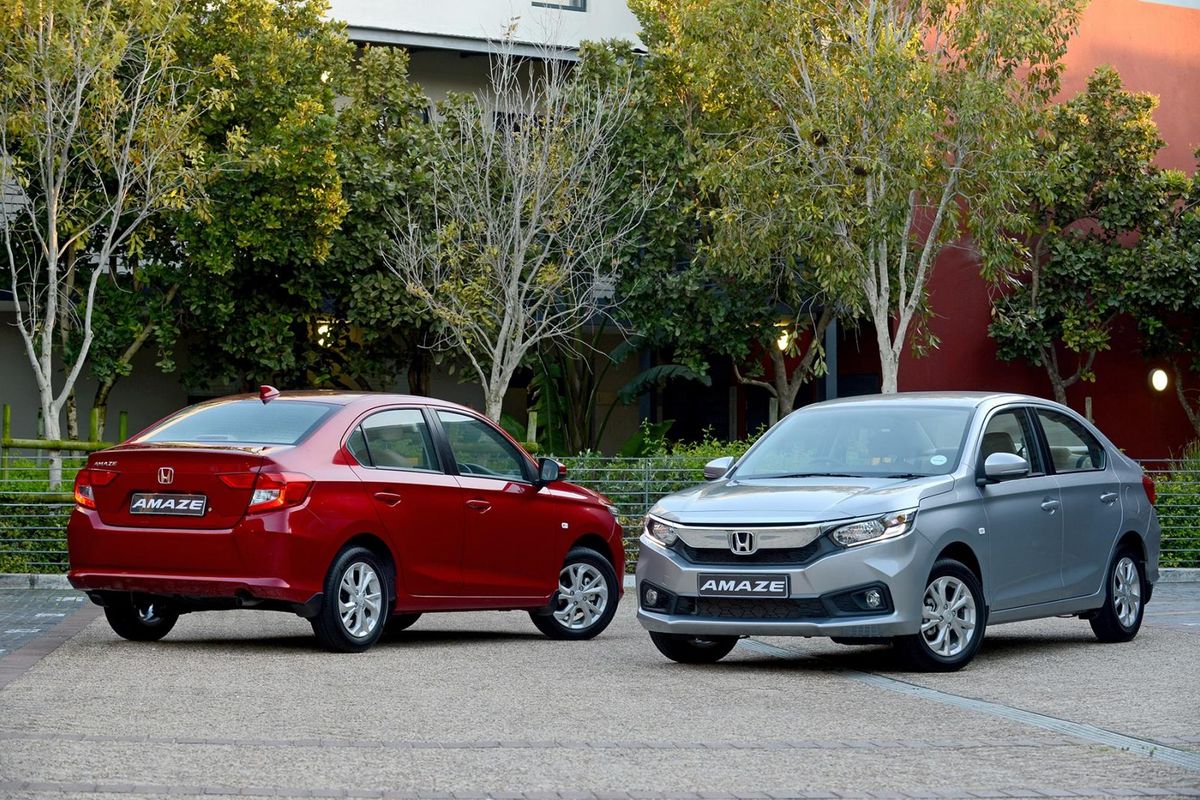
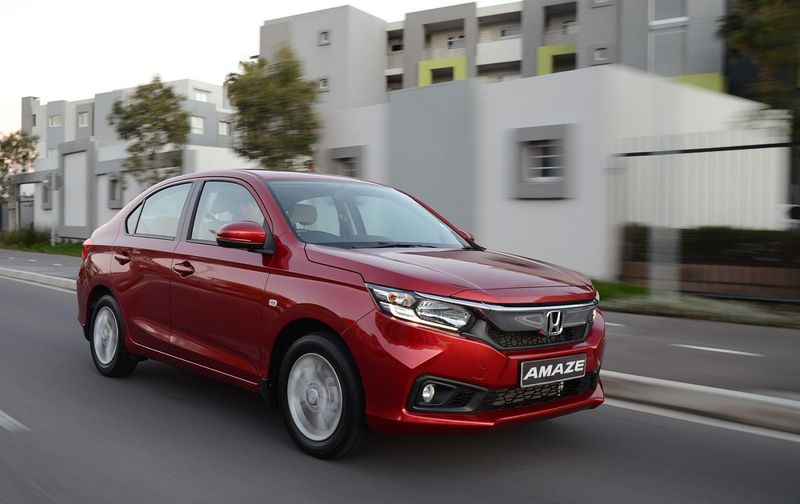
The Amaze adopts the latest Honda design face – which is modern and quite stylish.
Features and space
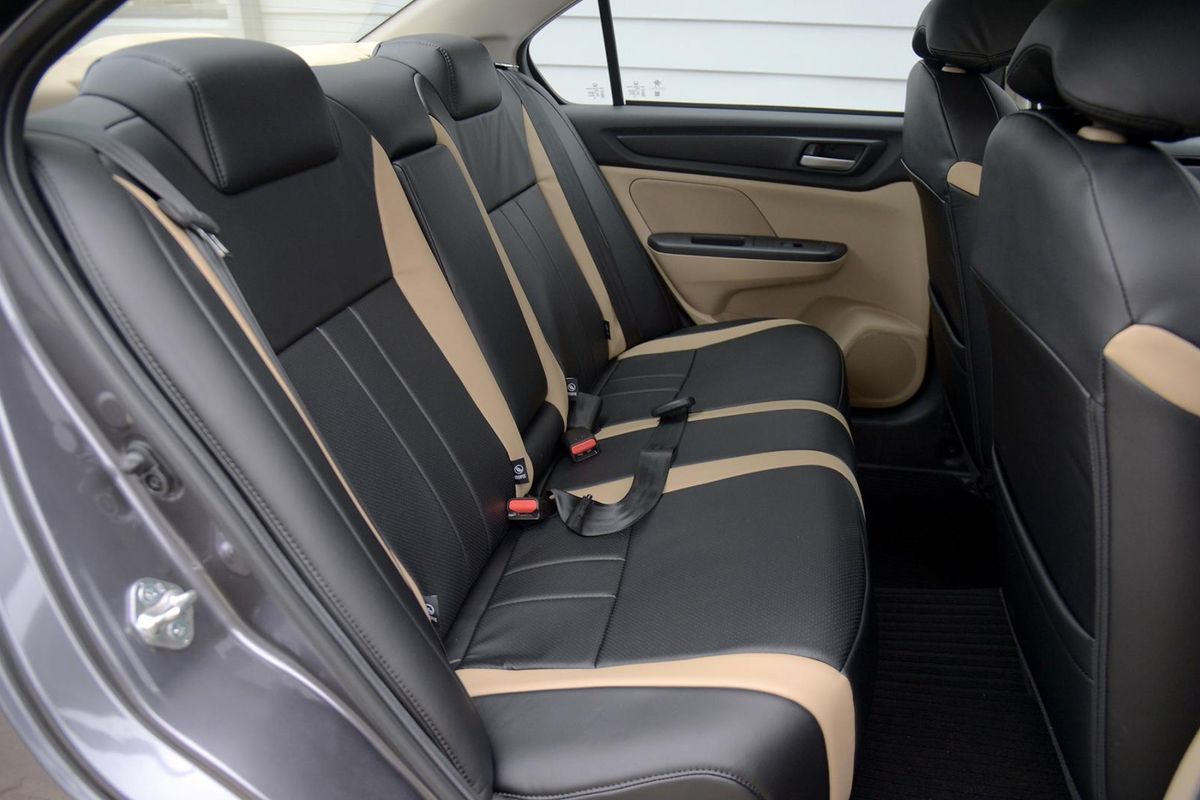
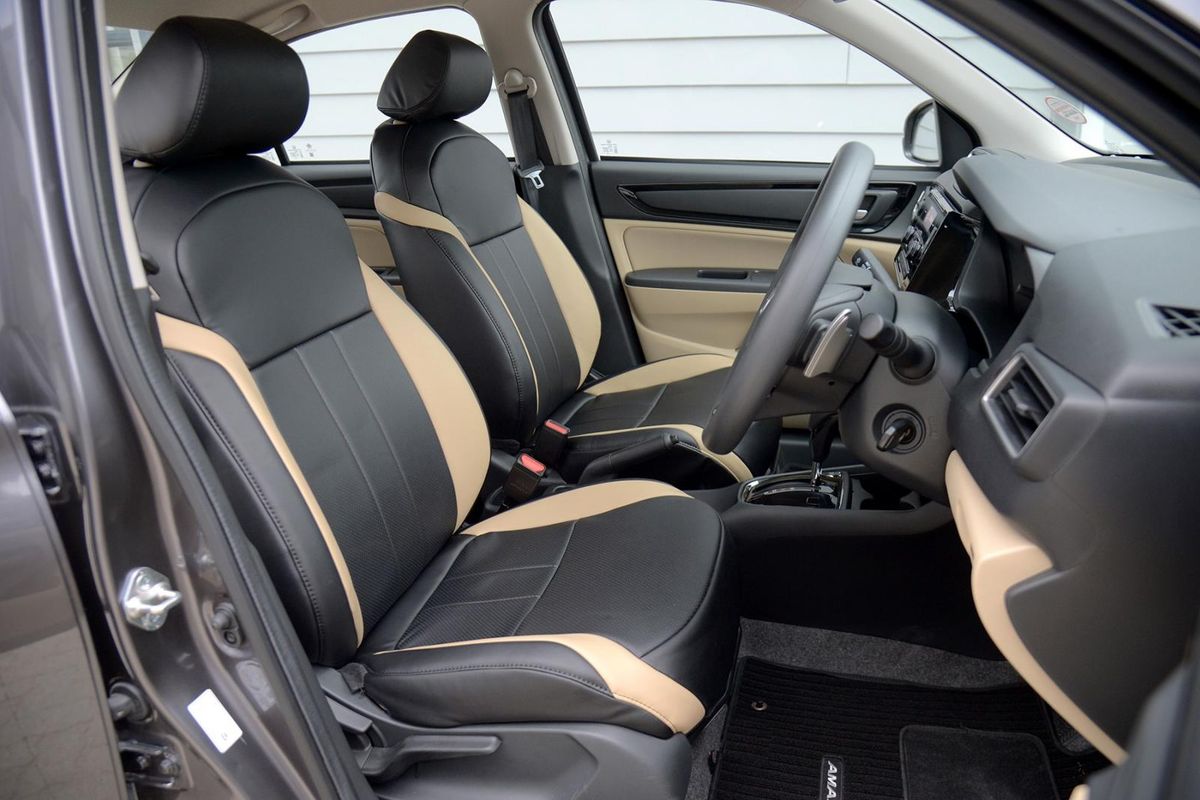
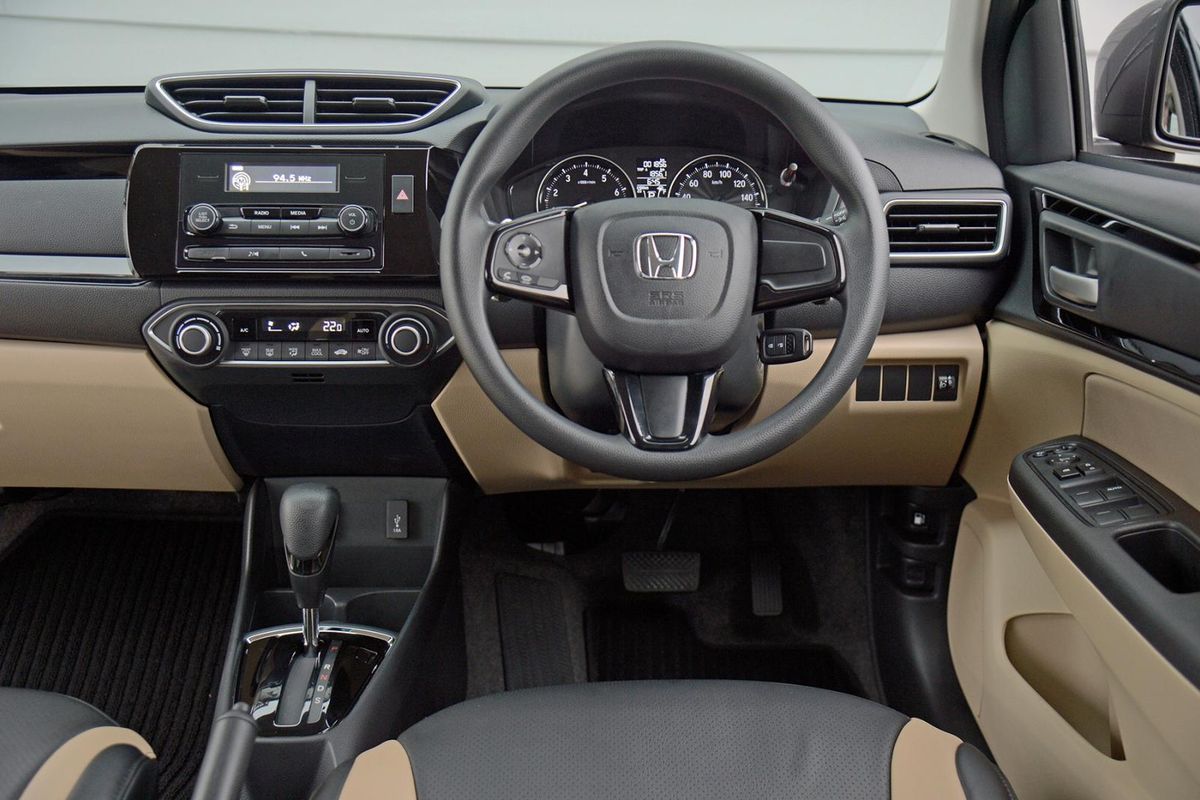
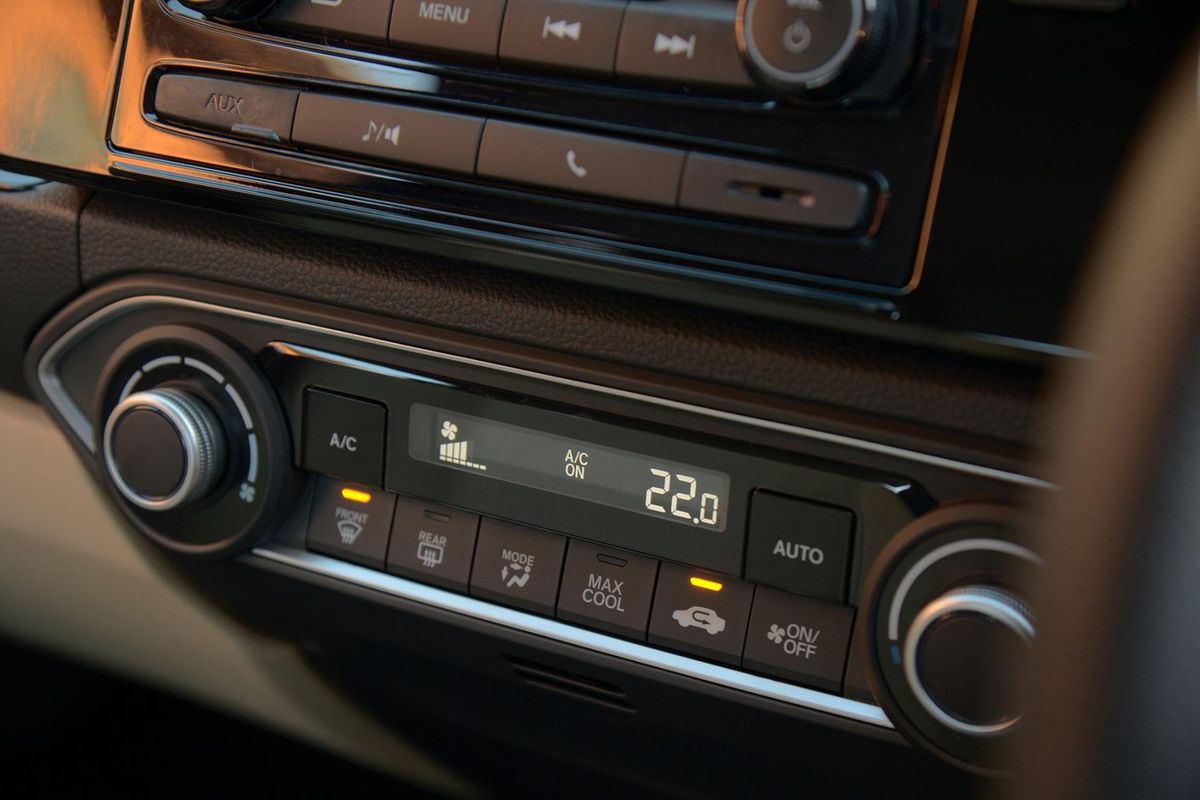
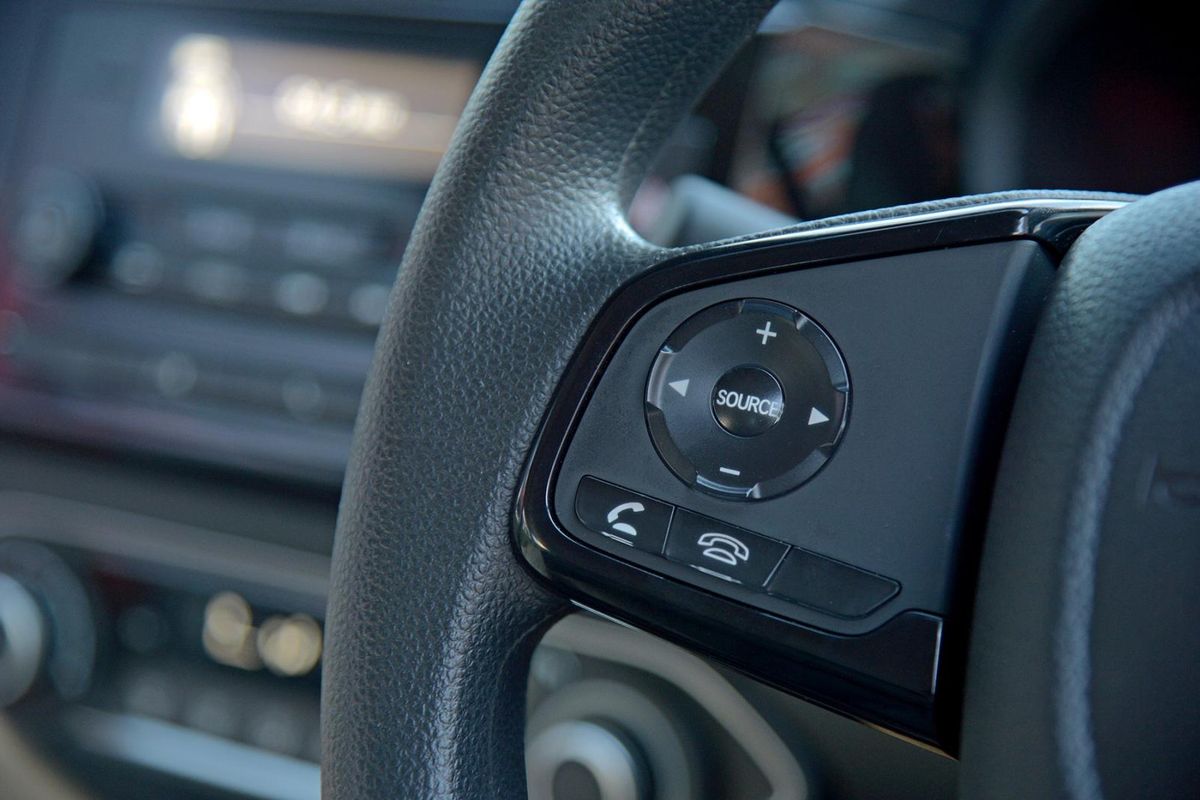
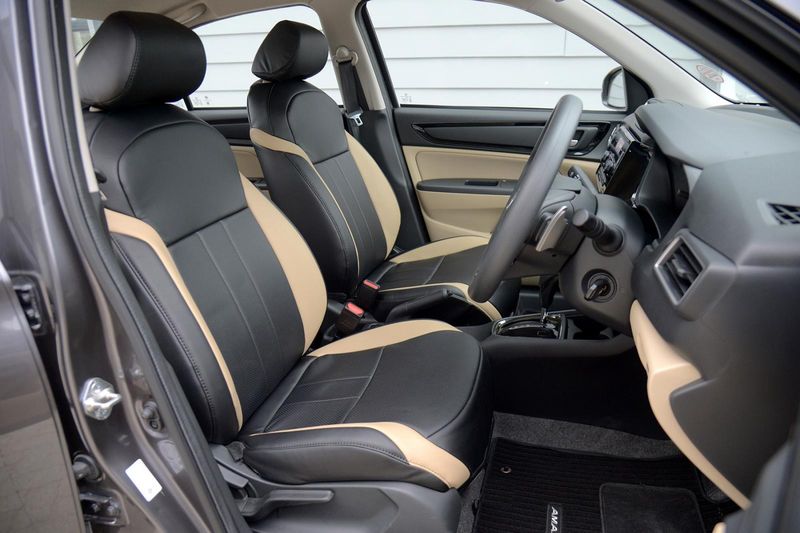
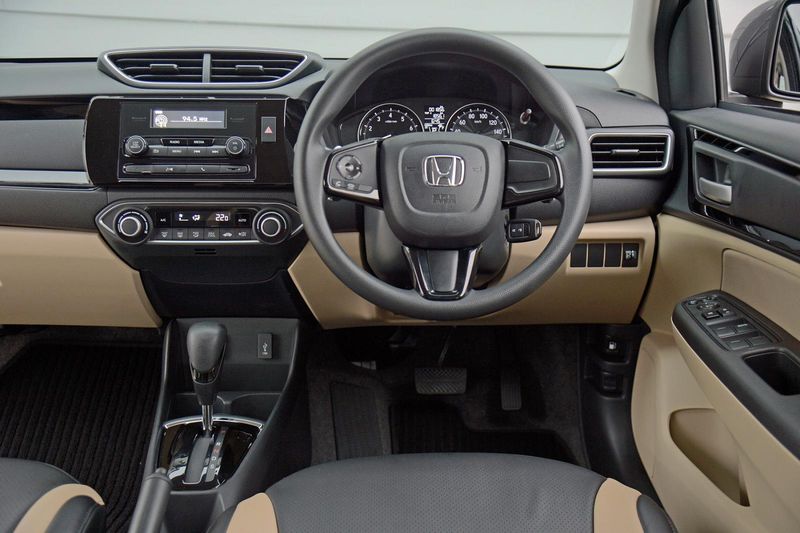
The seats are upholstered in cloth, but synthetic leather seat covers can be ordered as a no-cost option. A basic 4-speaker sound system is fitted with FM/AM radio functionality, as well as MP3 playback and Bluetooth functionality. USB and auxiliary audio sockets are standard, plus the audio system's functions can be controlled via the multifunction steering wheel. There are storage spaces in all 4 door mouldings and cup holders are located in the centre console, as well as the rear armrest.
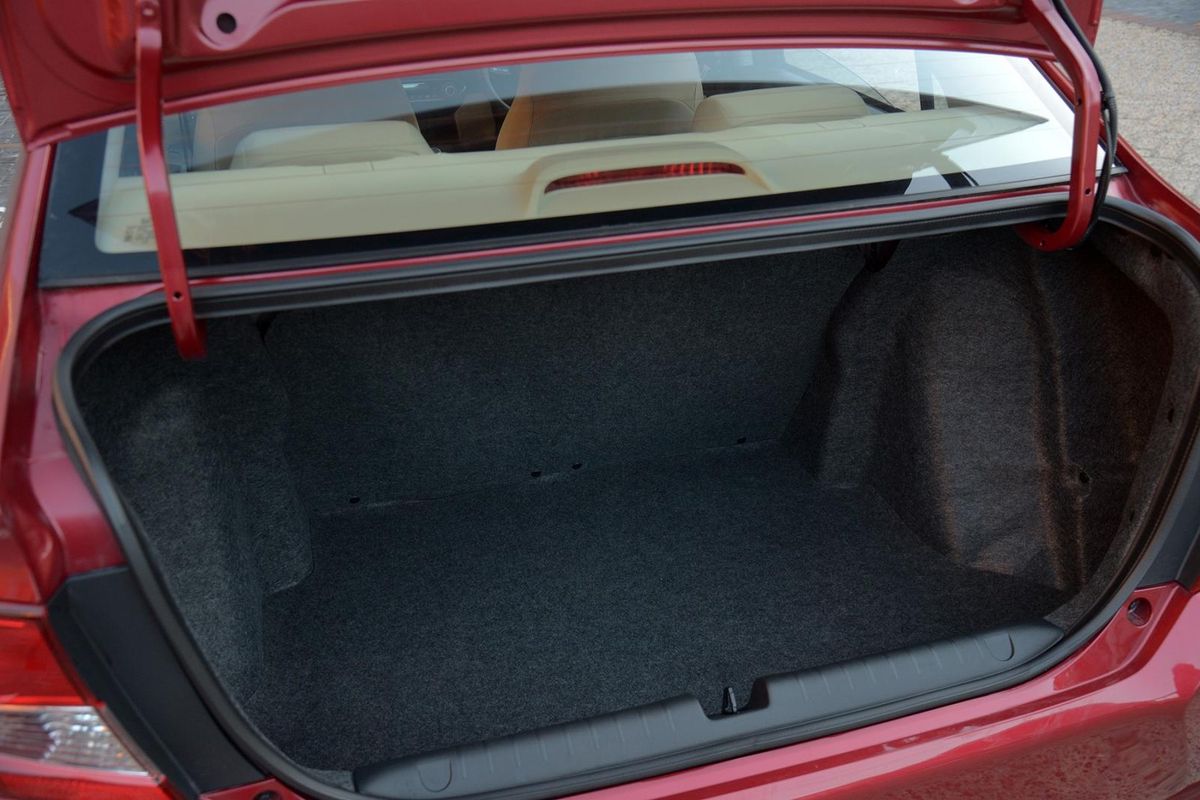
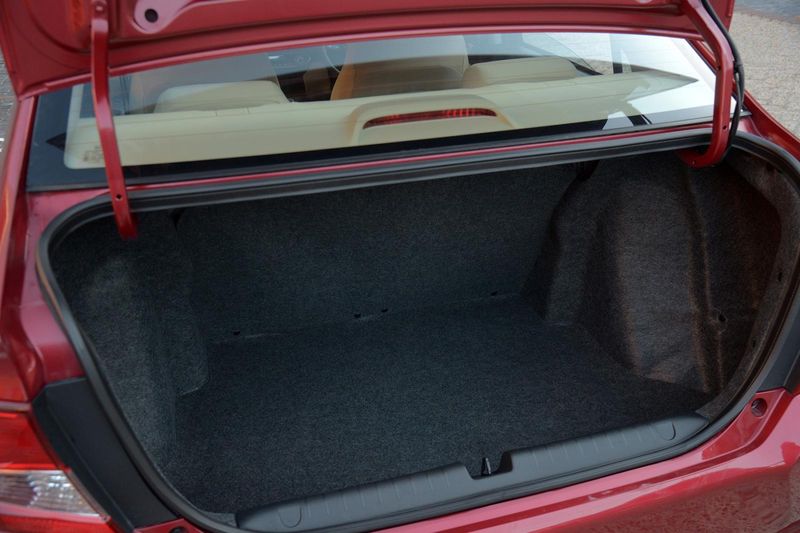
As before, rear legroom is merely fair (aft occupants will feel more hemmed in than in the Suzuki Swift Dzire, for example), but the claimed boot capacity is a satisfactory 420 litres, which is 20 litres larger than that of the previous Brio Amaze model. Despite it being physically larger, thanks to the new platform, it's considerably lighter than the Brio Amaze sedan that it replaces. In terms of safety, there are 2 airbags at the front, plus ABS with EBD.
The Amaze's boot offers reasonable luggage-carrying capacity.
Engine and transmission
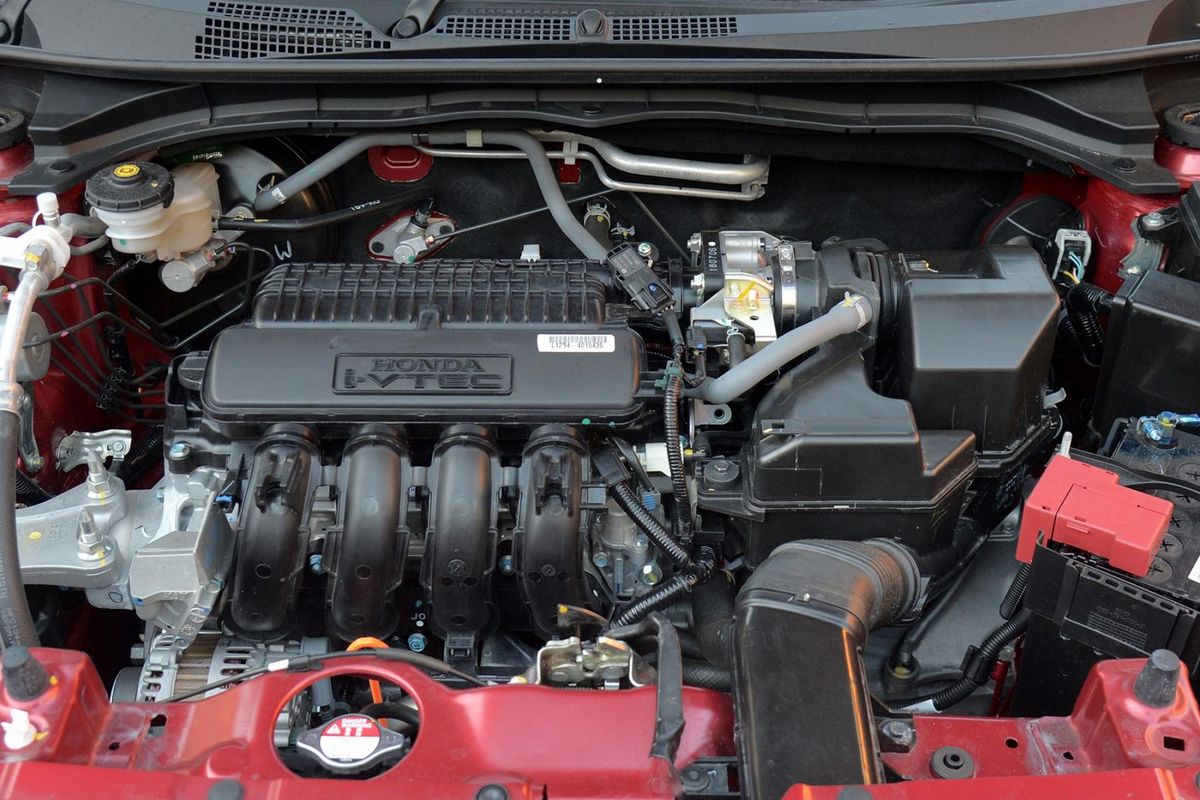
The Amaze is powered by the tried-and-tested 1.2-litre 4-cylinder petrol motor, which drives the front wheels. In Amaze application, the motor has been refined for efficiency and boasts outputs of 66 kW and 110 Nm. Thanks to the Amaze's low kerb weight (just over 900 kg), performance is adequate. You have a choice of a 5-speed manual gearbox or a new continuously variable transmission, which is augmented by shift paddles on the Honda's steering wheel. The manually-equipped Amaze is said to accelerate from 0 to 100 kph in 12 seconds and said to consume just 5.6 L/100 km, while its CVT sibling is fractionally thirstier at (a stated) 5.7 L/100 km.
The no-cost option seat covers bring some plushness into the cabin. Definitely tick that box!
What's it like to drive?
The Honda Amaze does "what it says on the tin" (to use the hackneyed, but totally applicable, phrase). The newcomer's low kerb weight makes the car feel light and effortless to pilot. The engine is reasonably responsive around town, but you need to rev it hard to get the most out of it. We suspect that at altitude, with 4 people (and their luggage) on board, the performance won't be brisk, but the fuel consumption should be on par with those of its rivals if you adopt a measured driving technique.
Manual-equipped Amaze derivatives are likely to make up the bulk of sales and customers will be pleased to hear that the gearbox is still typically Honda: a light and fuss-free shift action, with minimal clutch action. The ride quality is fair at this price point, but tyre and wind noises are quite noticeable. The Amaze's steering is a bone of contention for us, as there's too much play before the car changes direction. We'd prefer to have a bit more of a direct action, but the weighting and feel impress.
We also had a chance to drive the CVT-equipped derivative, which should take the pain of traversing congested traffic on your daily commute. The aforementioned shift paddles work perfectly well and add a touch of sportiness to the package, but the CVT does a good job of hustling the Amaze along quietly and smoothly. It's only when you plant the throttle pedal that the dreaded "CVT drone" becomes apparent. The Amaze is hardly ever going to be driven like this, so it's not a cause for concern.
The cabin of the Honda Amaze is cleanly designed, but there are some very cheap plastics here.
Summary
With the departure of the Volkswagen Polo Vivo sedan, the lower-end B segment sedan market is ripe for the taking in 2018. Suzuki was first out the blocks with its Dzire sedan, Ford has introduced an upgraded Figo sedan and now Honda has joined the sub-B segment with its Amaze. All of these have to contend with the Toyota Etios sedan, which may be getting on in years, but still offers commendable value for money.
The Honda Amaze is imperfect, but that's to be expected at its price point… There are some sub-par finishes in the cabin – the glovebox door, for example, doesn't close tightly and when you're driving, there's considerable wind noise. However, these are insignificant when you look at the standard specification and the range's price list. In a price-sensitive market and with a rapidly-climbing fuel price, having a compact family sedan coming to market at under the R200 000-mark is commendable and with a decent warranty/service plan from Honda, the Amaze does quite a lot right. We look forward to pitching it against its rivals.
Coming in under R200 000 is critical for cash-strapped consumers and we think the Amaze will find some sales success
Honda Amaze – Price in SA
The Honda Amaze is sold with a 5-year/200 000 km warranty, 2-year/30 000 km service plan and 3-year AA Roadside Assistance package.
Mercedes-AMG GT 4-Door Coupe (2018) International Launch Review
It might share the GT nameplate with what we think is Merc's finest sportscar ever, but the new AMG GT 4-Door Coupe is a substantially different animal. We recently took it for a whirl at the Circuit of The Americas in Texas, USA.
While the Mercedes-AMG GT 4-door shares the same 4.0-litre, biturbo engine as the GT R, the mad scientists at AMG decided that their new "4-door coupe" (*cough* sedan *cough*) needed even more power. And so this super saloon boasts 470 kW and 900 Nm of torque, a full 40kW and 200Nm more than the sportscar.
Granted, the saloon is heavier, but how would all of this translate in the real world, and out on the incredible Circuit of the Americas race circuit?
We sent Cars.co.za's Ross McIlroy to Texas to find out.
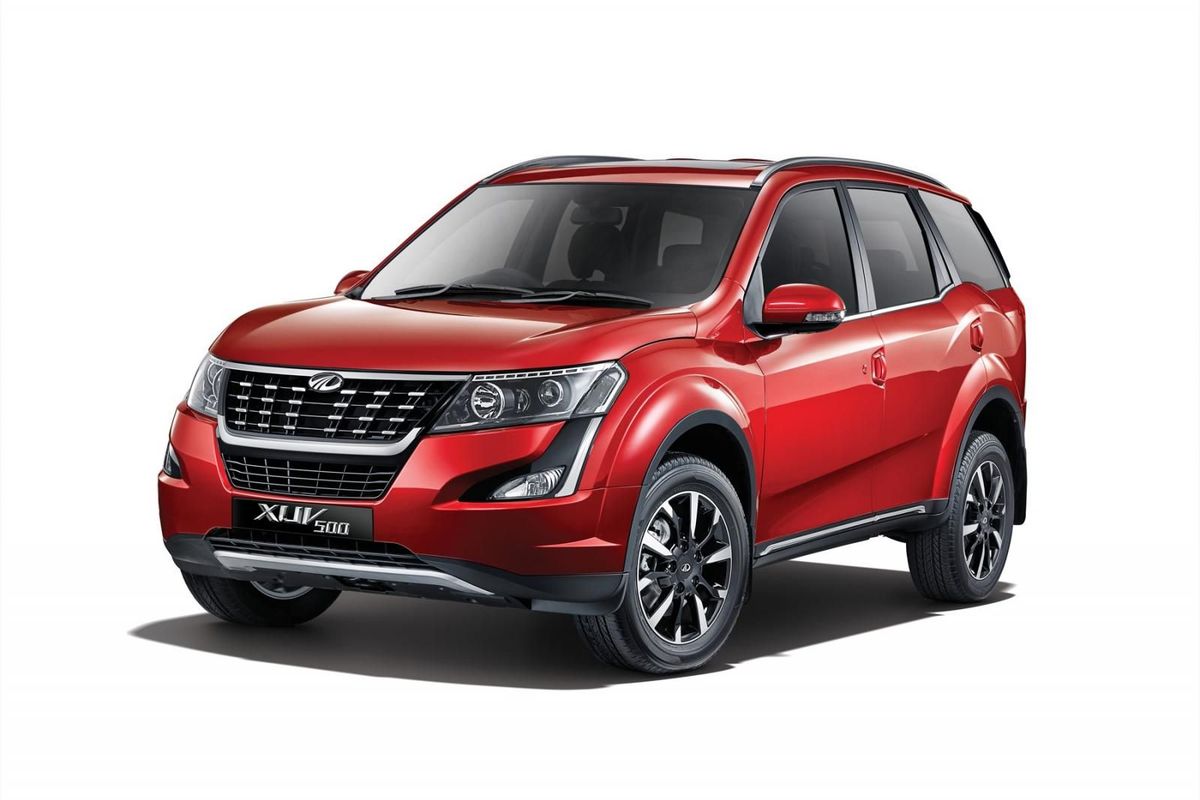
As part of Indian brand Mahindra's aggressive new marketing efforts in South Africa, a subtly updated version of its XUV500 7-seater crossover has been launched. It remains a high-value offering… that now looks considerably more stylish.
The Mahindra brand has been steadily growing its presence in South Africa during the past 3 years – not only in terms of its product portfolio, but also in setting up a CKD assembly plant in Durban and, perhaps most importantly, growing sales in a flat or declining market. It has, however, struggled a little more to get traction in the passenger car space, and that's where its 2 latest entrants, the facelifted KUV100 NXT and XUV500, compete.
Subtle, but effective enhancements
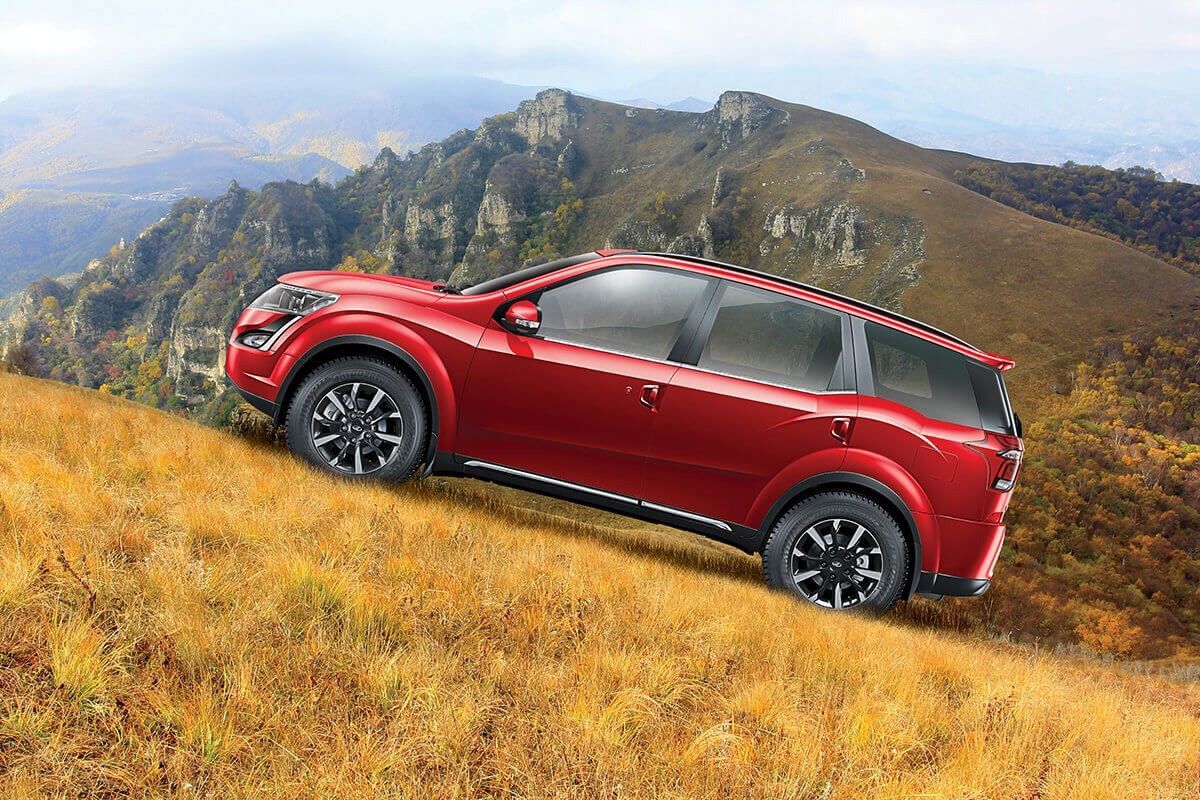
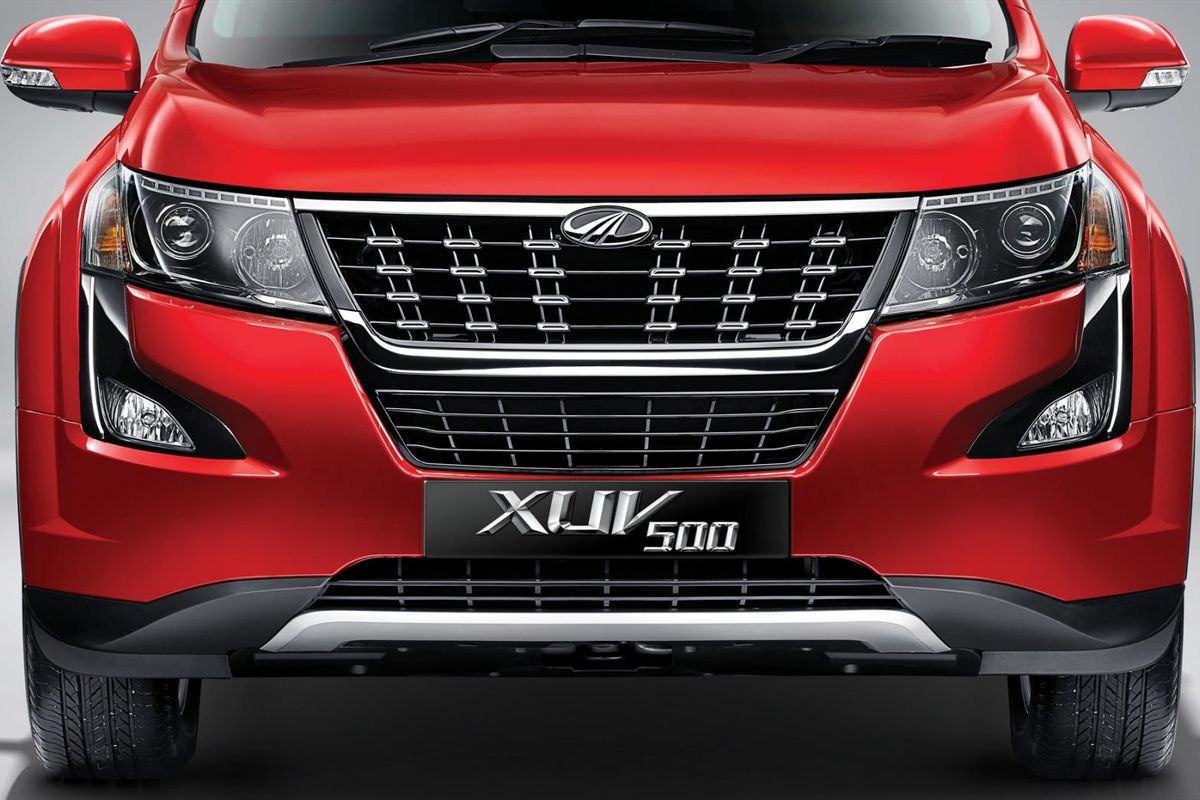
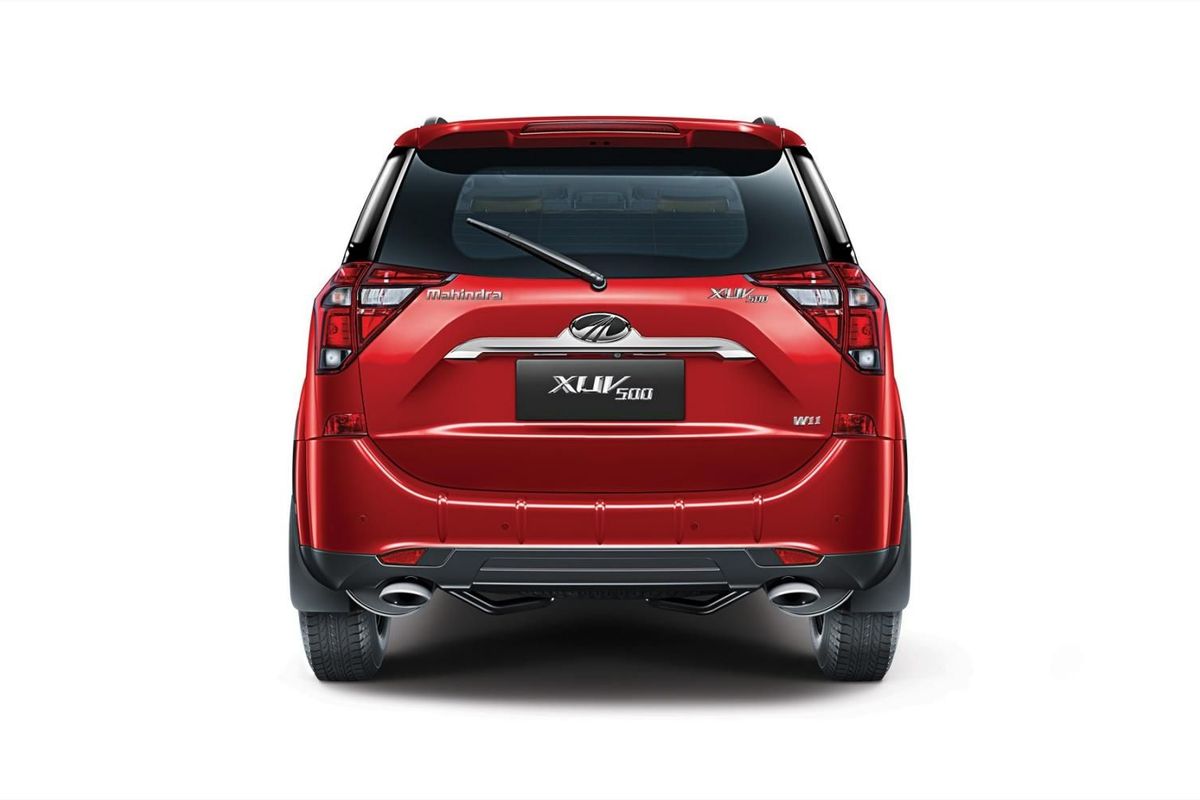
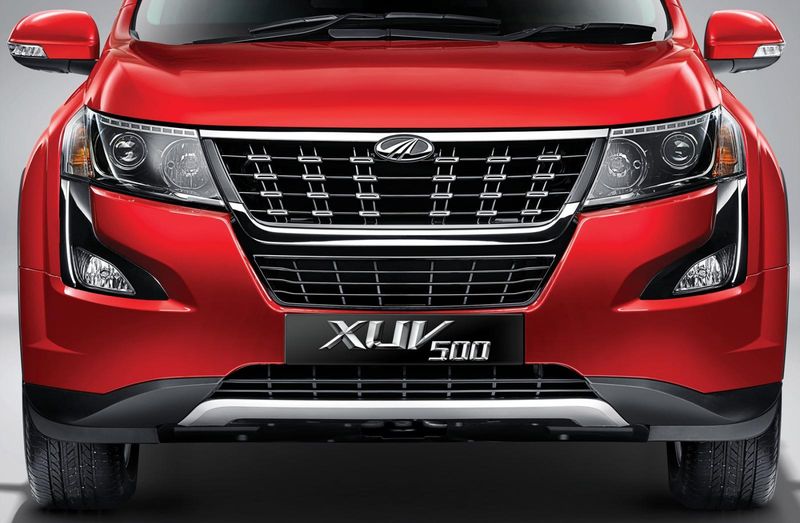
The XUV500 is, of course, no spring chicken, seeing as it has been around since 2011 and received a mild facelift in 2016, which stripped away some of the flagship Mahindra's quirkier design features. This new model is arguably an even bigger step forward in terms of visual appeal, with a particularly neat new front grille/bumper treatment and modernised rear end. Compared with its predecessors, the subtle use of chrome accents stand in stark contrast to more garish efforts from before.
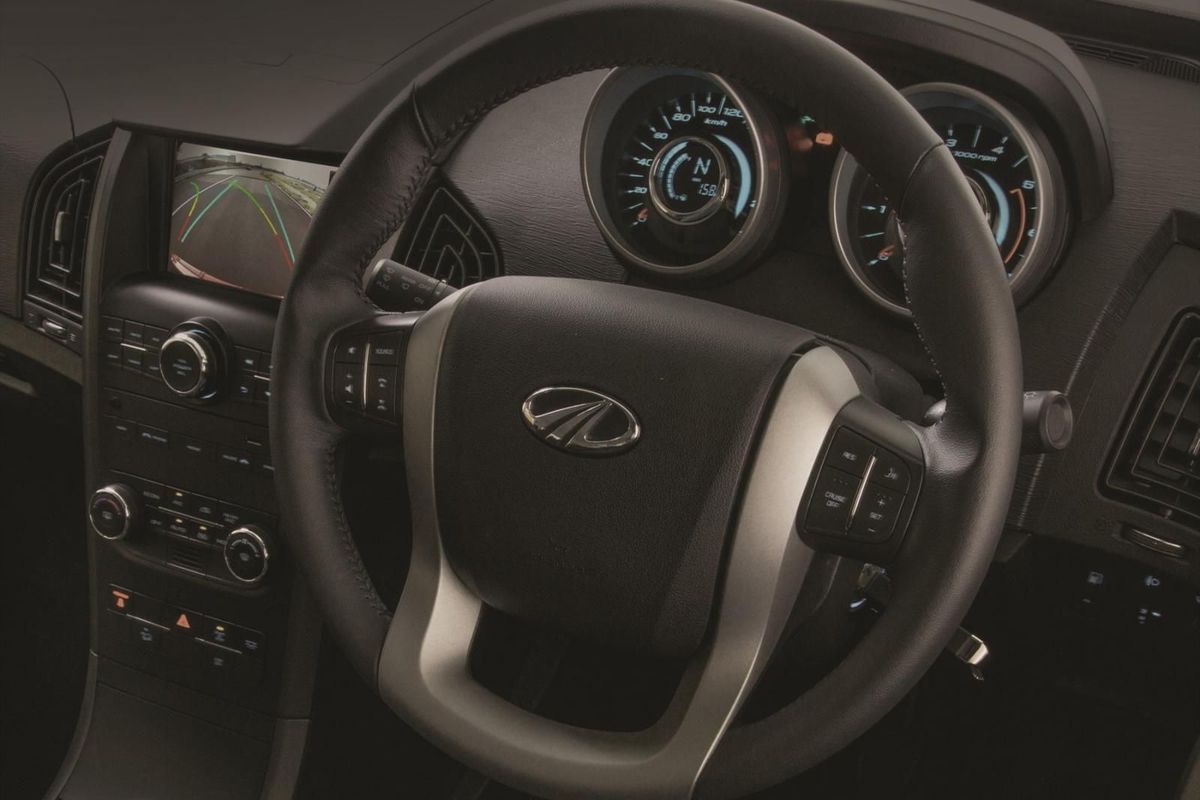
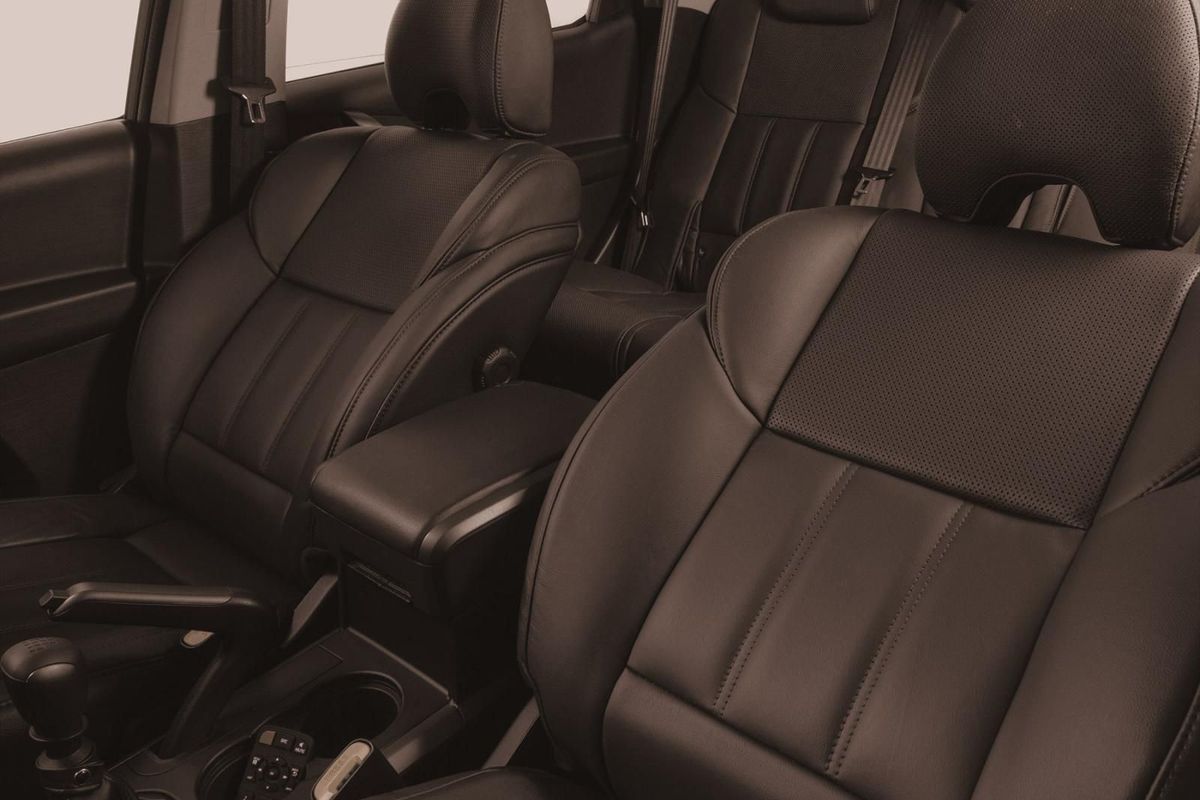
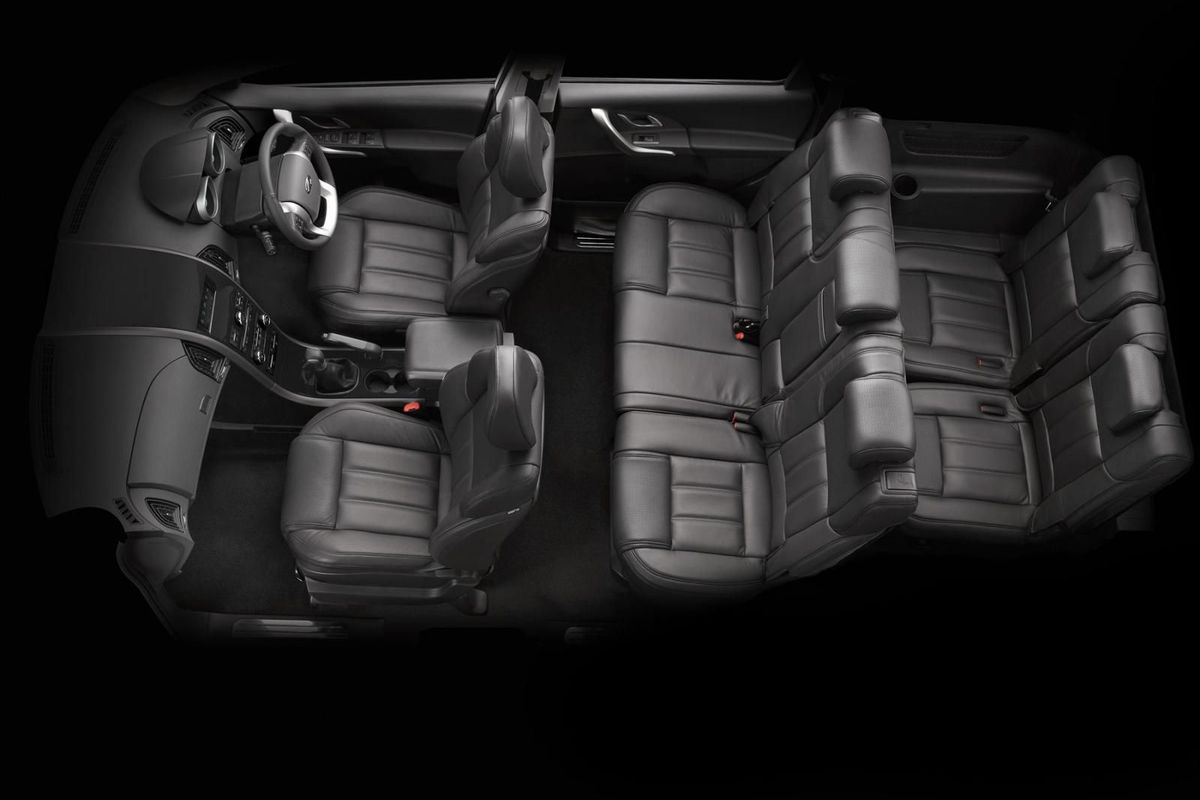
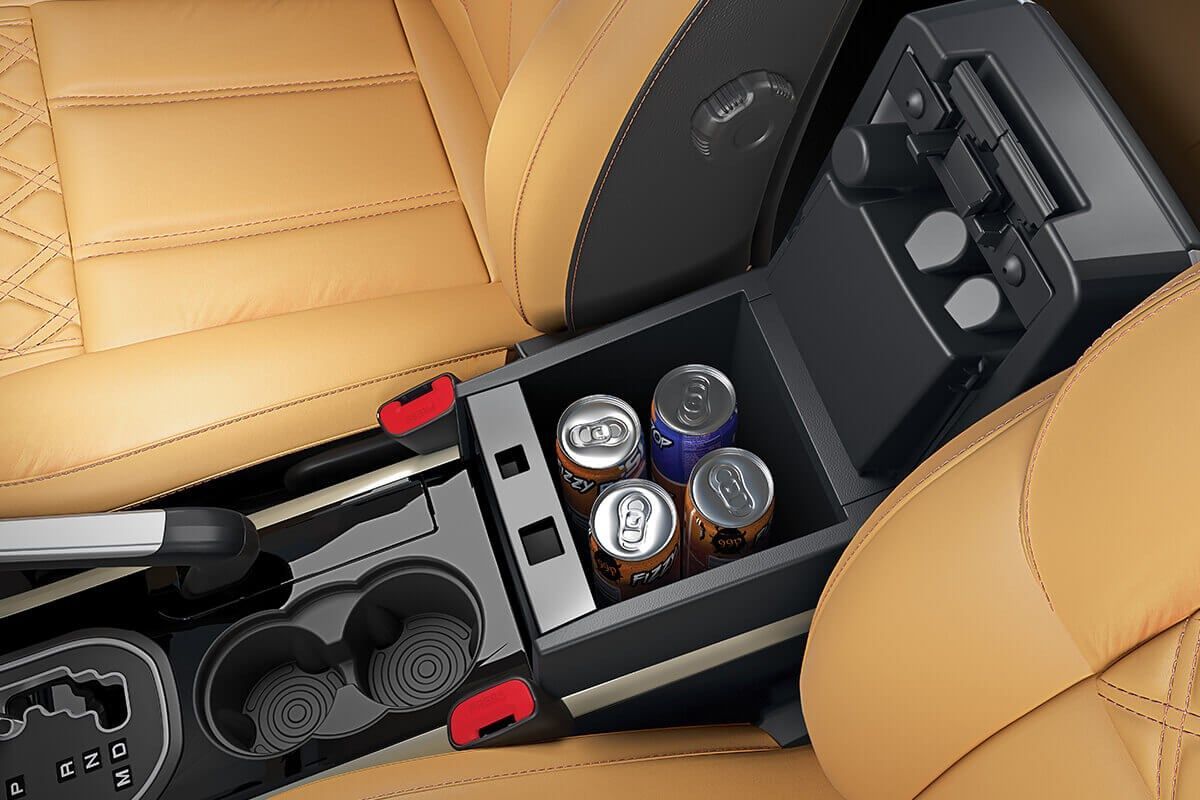
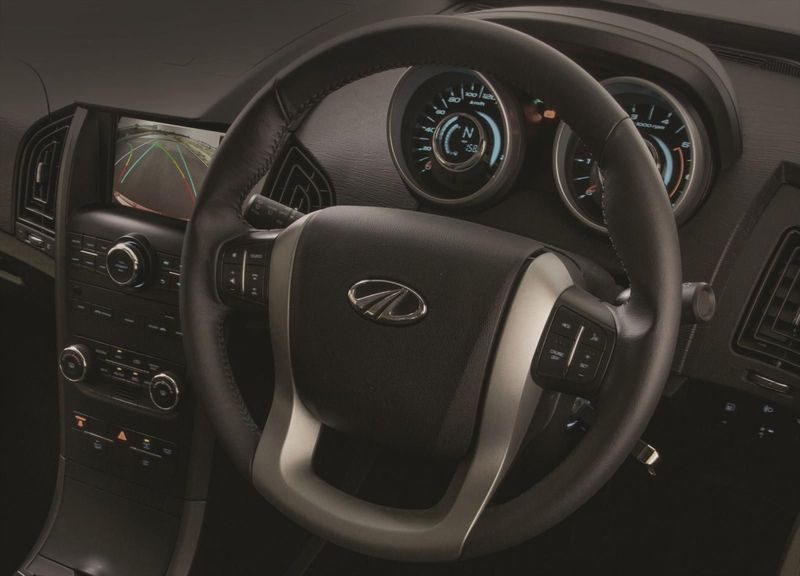
Inside, too, there have been a few tweaks as well – there is greater coherency of design and better use of chrome accenting. The flagship W10 derivative further features push-button start and a sunroof, in addition to a long list of other standard-spec items. Overall, the XUV500 remains a comfortable, practical car for a family. There is a multitude of storage spaces dotted around the cabin and some of them feature practical rubber matting.
The XUV500's revised grille and bumper treatment bring the big crossover's look up to date.
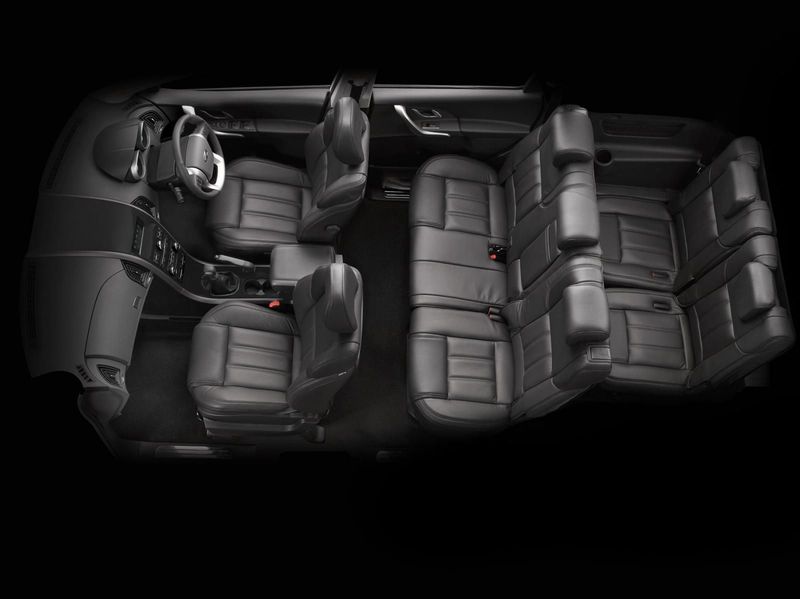
It's worth pointing out that the XUV500 is around 30 cm shorter than pricier 7-seat vehicles such as the Ford Everest and Toyota Fortuner, which is potentially great news if those SUVs are a tight fit in your garage or parking spot, but it does mean that the Mahindra can't really be seen as a similarly spacious offering, at a much cheaper price. Nevertheless, legroom in the middle row is good, but the 3rd row, as per usual, is really only suited for shorter distances (or for kids). With all 3 rows occupied, luggage space is negligible, but with the 3rd row folded flat, the luggage area is large enough for most families' needs.
No change under the bonnet
The XUV500 is still powered by the same 2.2-litre "mHawk" turbodiesel engine that delivers 103 kW and 330 Nm of torque. Coupled with a 6-speed automatic transmission, it is claimed to consume 7.4 L/100 km, which is impressive for a vehicle of this size. Most owners are unlikely to find the engine underpowered, but the Mahindra's not a vehicle that likes to be hustled along, as this tends to confuse the transmission's electronics to some extent, causing the Aisin-sourced 'box to hang onto gears for slightly too long, which induces a strained engine note.
As was the case when we drove the 2017 W8 version, it quickly became clear during our test drive that Mahindra has significantly improved NVH (noise, vibration, harshness) levels, since the original launch nearly 8 years ago. The cabin is quieter, with no rattles and much better suspension damping too. It makes the XUV500 a comfortable long-distance cruiser, seeing as the seats are also particularly comfy, the features list is extensive and the fuel economy good, all things considered.
Rich in features
Neat design and a long list of features make it possible to overlook some of the design quirks that remain.
So, while the styling tweaks are minor (but effective) and there is no change under the bonnet, the XUV500 continues to score strongly as a value proposition. Pricing starts as low as R299 999 for the entry-level W4 6-speed manual derivative, which is very impressive for such a big, 7-seat SUV, which is not shy on standard creature comforts – although it does ride on steel wheels (with plastic covers). All derivatives benefit from a 5-year/150 000km warranty and 5-year/110 000km service plan.
Move up to W6, W8 or W10 spec and you also get alloy wheels, cruise control, rain-sensing wipers, automatically activated headlights and climate control. W8 and W10 versions are further equipped with a neat 7-inch infotainment system with voice command functionality and a reverse-view camera. The flagship additionally features the previously mentioned sunroof, as well as an electrically adjustable driver's seat.
In terms of safety specification, the XUV500 ticks most boxes, depending on which variant you're considering. The W4 and W6 only have 2 airbags, but W8 and W10 variants get 6. From W6 spec and up, all derivatives feature an electronic stability programme, hill hold and hill descent control.
However, the change that should have the biggest impact on the XUV500's sales volumes (around 40 units a month), is the addition of more automatic variants. For this type of vehicle, an automatic (6-speed, in this case), simply makes more sense. We suspect the W6 and W8 autos will quickly become the bestsellers in this line-up.
Verdict
Spacious and practical, the XUV500 offers a lot of car for (relatively) little money.
With a strong reputation (and sales success) in the bakkie segment, Mahindra has a very solid platform from which to grow further, especially seeing as consumers are more cash-strapped than ever before. At the new pricing, the XUV500 offers value for money that's very hard to beat, a design that's far easier on the eye and the peace-of-mind of an excellent manufacturer warranty.
XUV500 line-up and pricing (VAT incl.)
Mahindra XUV500 W4 6-spd manual: R299 999
Mahindra XUV500 W6 6-spd automatic: R359 999
Mahindra XUV500 W8 6-spd manual: R374 999
Mahindra XUV500 W8 6-spd automatic: R403 999
Mahindra XUV500 W10 6-spd automatic: R419 999
Interested in buying a new / used Mahindra XUV500?
There was a time when bigger was better and yes, all the cars on this list have got monstrously oversized, naturally-aspirated power plants – just the way we like it!
Ask any petrolhead. Any real petrolhead. They’ll tell you their favourite engine is of the V8 and V10 variety, naturally aspirated of course. And that’s because there is something so rousing about the noises, emotions and sensations brought about by the unsullied demeanour of a big-bore mill.
Unfortunately, many rookie petrolheads will never experience what some of us did back when bigger was better and power outputs trumped efficiency. Thanks to increasingly stricter emissions laws, the days of free-breathing V8s and V10s are pretty much over (the Ford Mustang, Lexus LC 500, Audi R8 and Lamborghini Huracan are but a handful of survivors) and their glorious soundtracks are mostly a distant memory, save for the occasional car show and exhibition race.
Nowadays, manufacturers are relying on cleverly composed soundtracks piped through speakers to imitate beefier piston-produced prose, but it just doesn’t feel the same – even with huge improvements in performance…
These "manufactured" sound effects, however, are improving in quality, but the experience feels tamer and a little too nannied compared to the feral characters some of us cut our teeth learning to drive and tame. Here are 5 such examples…
BMW M5 (E60-generation)
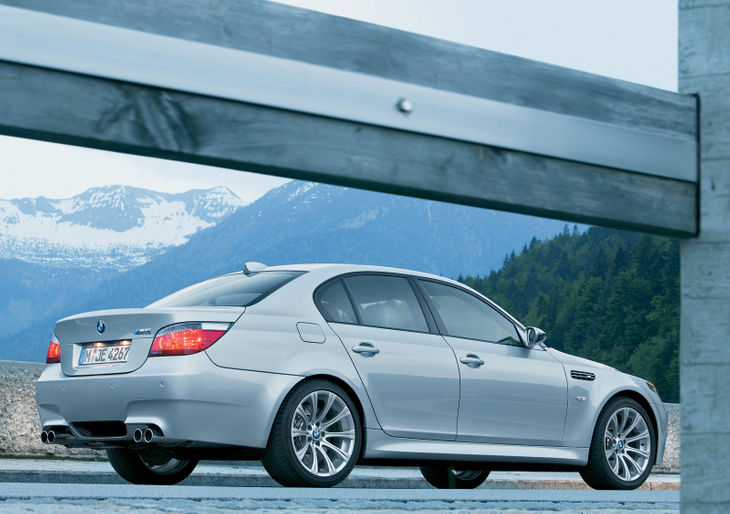
Believe it or not, but there was a time when certain manufacturers shoehorned engines of leviathan proportions into the bays of their production vehicles. Who can forget the E60-generation BMW M5? It was the first production sedan in the world to employ a V10, the relative performance of which was off the charts. It also boasted a Formula 1-inspired Getrag SMG III single-clutch seven-speed sequential transmission – a nod to the BMW-Sauber grand-prix alliance of the time.
But back to the engine… The uneven-firing naturally-aspirated 5.0-litre V10 was good for 373 kW and 570Nm of torque – enough thrust to pin passengers helplessly back into their seats as it hurtled from standstill to 100kph in 4.2 seconds before topping out at (an ungoverned, if so specified) 328 kph. The entire experience, however, was granular and analogue – a full sensory overload thanks in part to that overly zealous and incredibly vocal soundtrack. The noise emitted by those twin two-barrel exit pipes was apocalyptic; a burbling, off-beat thrum that built in rhythm and decibels before belting out a territorial shrill at a red-lining 7 750 rpm.
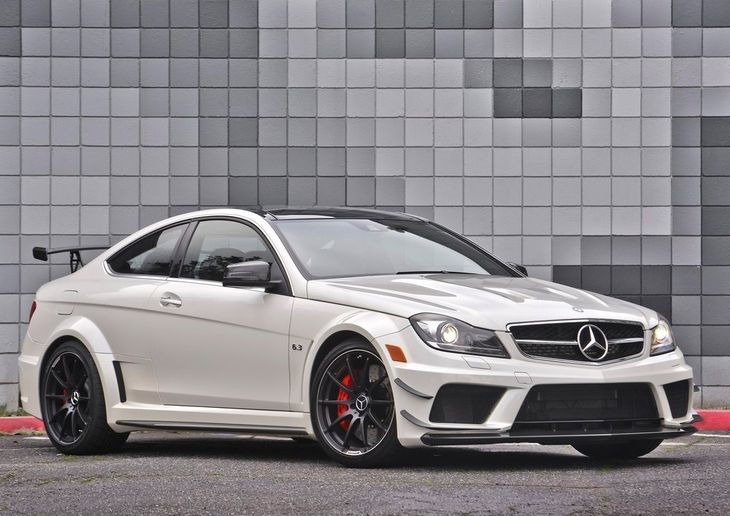
Who can forget this feral beast? No other car has caused as much rubbernecking as the C63 AMG – especially in South Africa, where you’d often see one trailing a BMW M3, taunting and playing with it before moving in for the kill. Its free-revving 6.2-litre V8 earned a cult following all over the world and rightfully so: anything AMG-fettled is known to possess frighteningly fast performance and limpet-like handling. Its tenure spanned 8 years where several special editions and performance package models kept the Big-V alive until Mercedes-Benz's AMG division was forced to cull the motor's production owing to stricter emissions laws in 2015.
One particular C63 AMG however, stands out head and shoulders above the rest: the Black Series, a veritable German muscle car. Like all the Black Series models, the wizards at AMG turned the C63's ferociousness up to 10 using a combination of black magic and science. As a result, an extra 22 kW and 20 Nm was liberated from its V8 taking total output to 380kW and 620Nm. By dropping its kerb weight (by 20kg) and improving such attributes as noise, performance and braking ability made for an appreciably supple and fluidic machine – tame when you needed it to be but unruly at the flick of a switch.
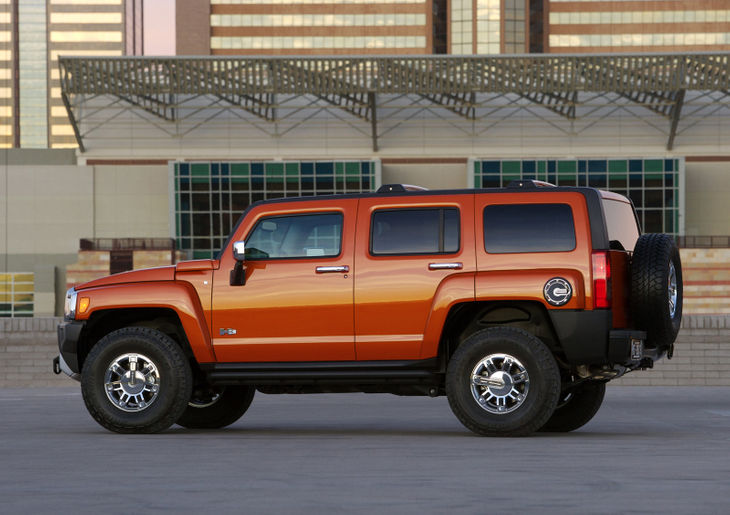
The Hummer H3 never really appealed to the masses here in South Africa, but all that changed when General Motors dropped a cast-aluminium Vortex 5.3-litre V8 under its clamshell bonnet and slapped a V8 badge on its boot lid. Suddenly the "underpowered" Hummer gained a personality – a snarling growl and powerful bite to match its burly, military-style physique. Packing 224 kW and 530 Nm, some may have considered it a tad underpowered, especially considering its 2.2-tonne kerb weight, but the Hummer accelerated with alacrity, mincing the 0-100kph dash in 8 seconds flat.
Its top speed of 196 kph, however, was less inspiring, but pretty impressive for a giant block of aluminium. As far as noise-making was concerned, the H3 5.3 and its pent-up aggression forced its driver to belt out and compose original musical scores capable of parting crowds in a theatrical performance akin to what Moses did to the Red Sea. And that’s exactly how it felt from behind the wheel – large, and in charge, and ready to barge everything out of its way!
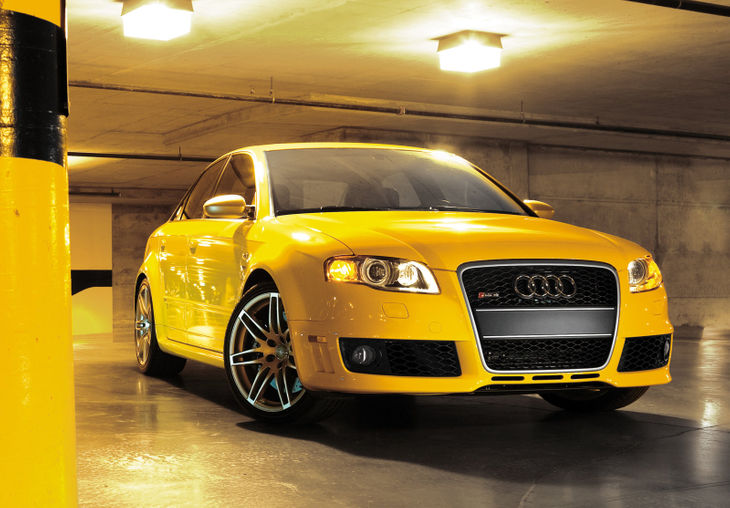
Sure, it wasn’t as aggressive-looking as some of its Teutonic rivals, but that’s what made the RS4 such an alluring piece of machinery – it’s understated Q-car aesthetic. While it shared its basic engine architecture with the S4, the RS4 benefitted from a slew of go-faster bits sourced from its contemporary 4.2-litre V8-engined R8 supercar sibling: such as revised pistons and con-rods, as well as a new crankshaft and cylinder heads.
The result delivered power and torque outputs of 309 kW and 430 Nm respectively, enough grunt to guarantee a 4.9-second sprint from 0 to 100 kph before reaching a 250-kph limited top speed. The RS4’s trump card, however, was the manner in which it delivered its torque – as much as 90% of the 430 Nm was available from as low as 2 250 rpm. But it was more that peaky 8 250 rpm redline and a Poseidon-like soundtrack that endeared it to enthusiasts. It all came down to a special flap in the exhaust system when Sport mode was selected. No piped-in artificial sound here… Just pure aural theatre.
And, if that wasn’t good enough, the entire performance was accessed through a 6-speed manual transmission complete with all-wheel drive and minimal understeer. Sounds like a winner in our books.
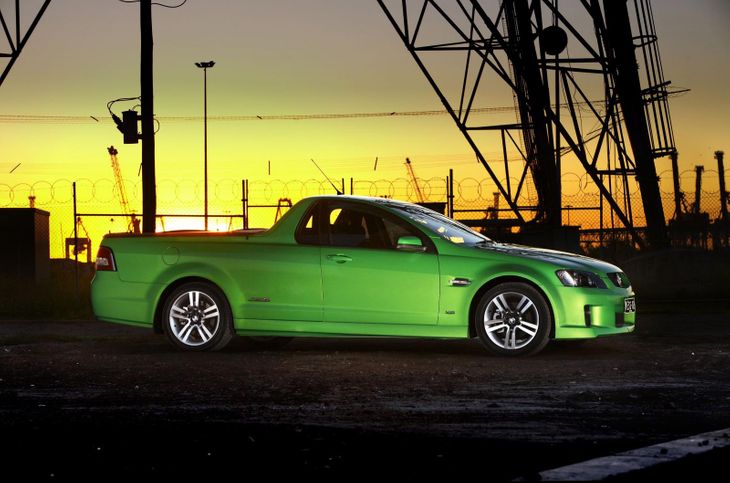
Essentially a re-badged Aussie-sourced Holden SS Ute, the Lumina SS Ute (or bakkie) gained an immediate following here in South Africa thanks largely to its gargantuan muscle-car styling and equally impressive V8 engine: attributes which earned it the nickname the "Kalahari Ferrari". Under its expansive bonnet resided a Corvette-sourced pushrod-powered 6.0-litre V8 that churned forth peak outputs of 270 kW and 530Nm, which is admittedly not much by today’s standards, but the soundtrack emanating from that quartet of shiny tailpipes made it feel far quicker than its 5.4-second 0 to 100 kph sprint time suggests.
So it was a super-bakkie then? Yes and no – while the basic styling followed that of a traditional pickup, SS owners never dared use their beloved Ute as a workhorse or rubble rumbler. Instead, you’ll often see them on breakfast runs and car shows, flexing their muscle and projecting their angst to appreciative crowds. The Ute was and still is a rebel – using one as your daily driver in this day and age won’t make you any friends, but it will cock a snook at the autocratic system that put paid to its kind…
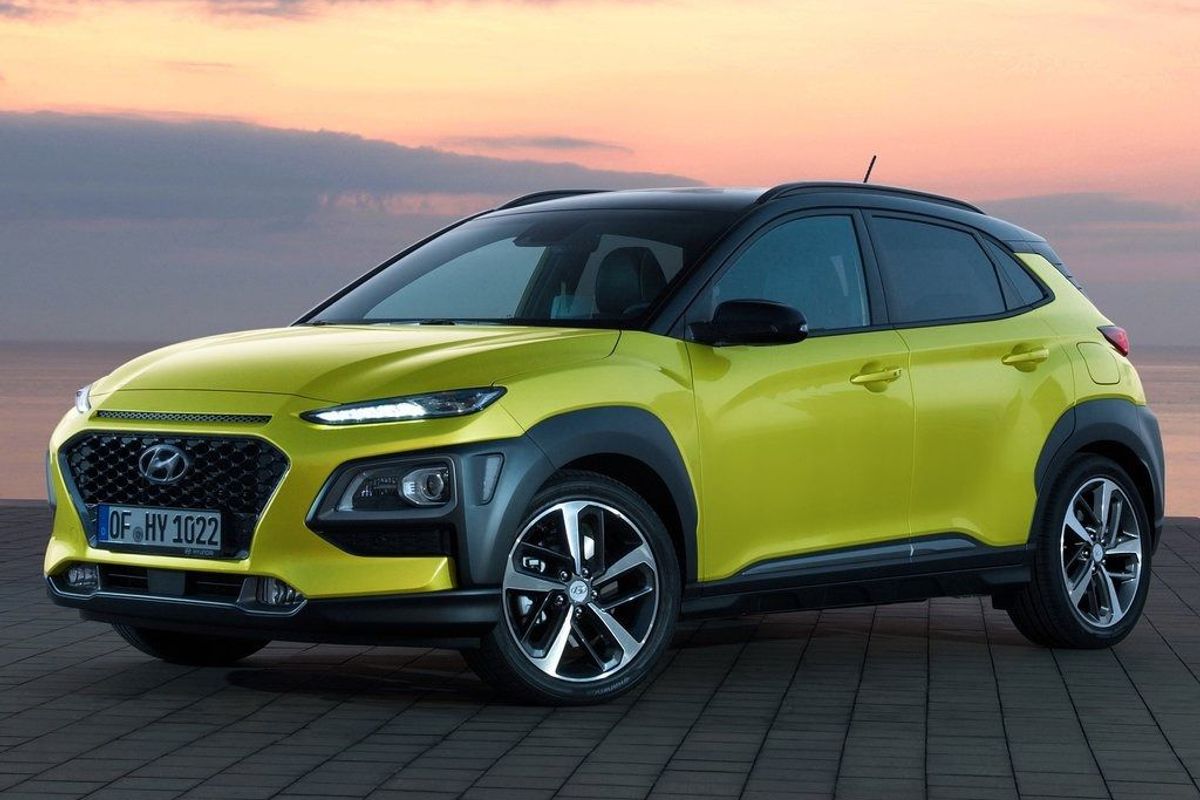
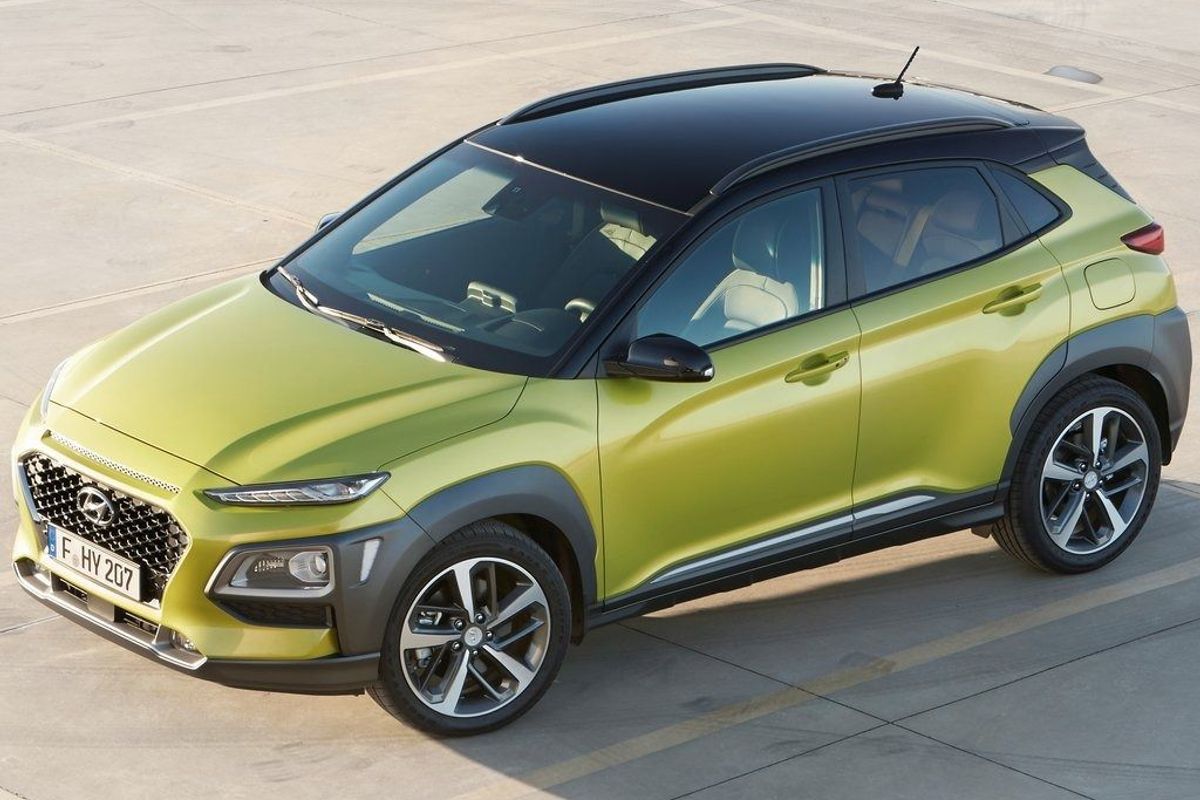
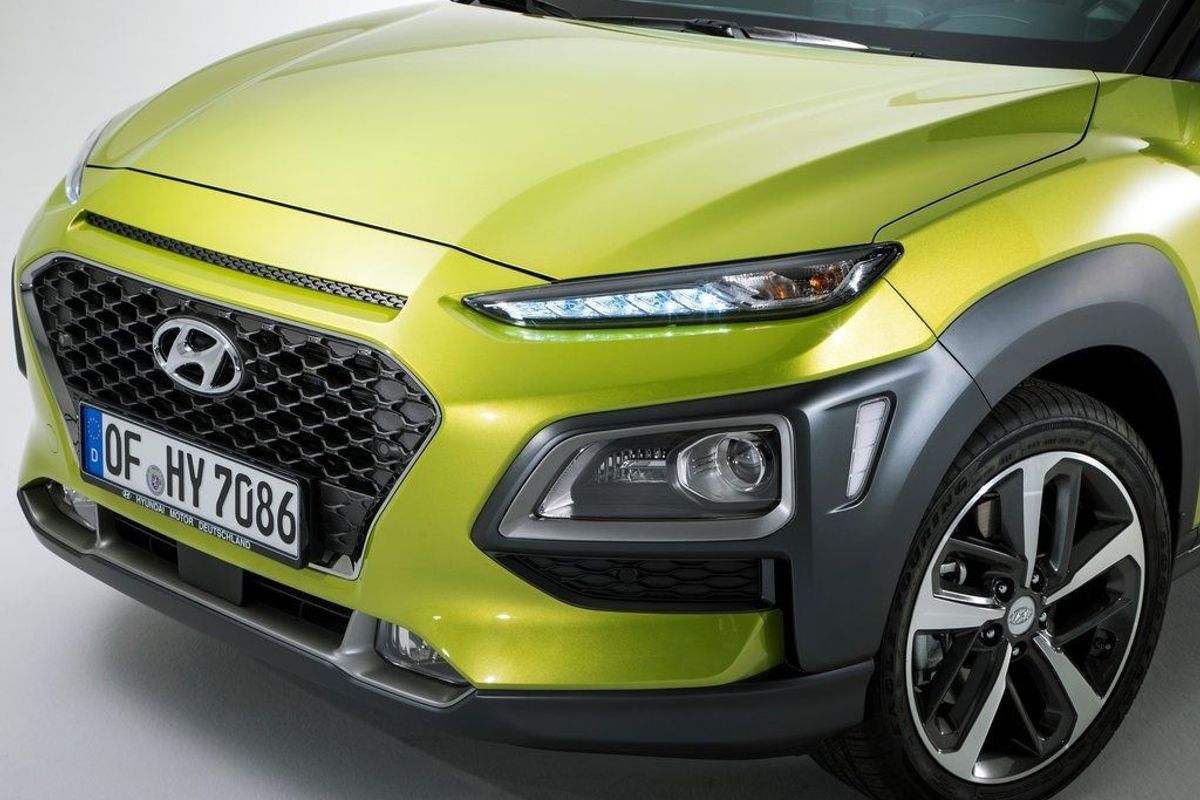
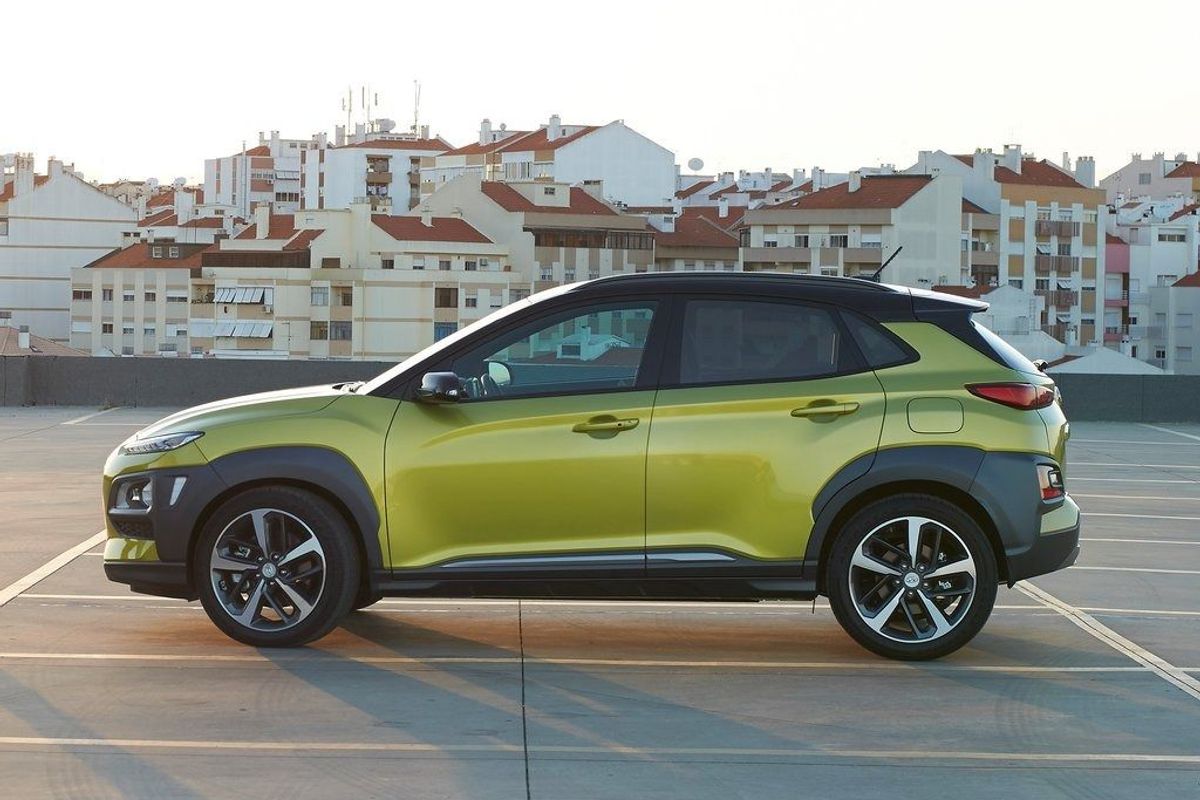
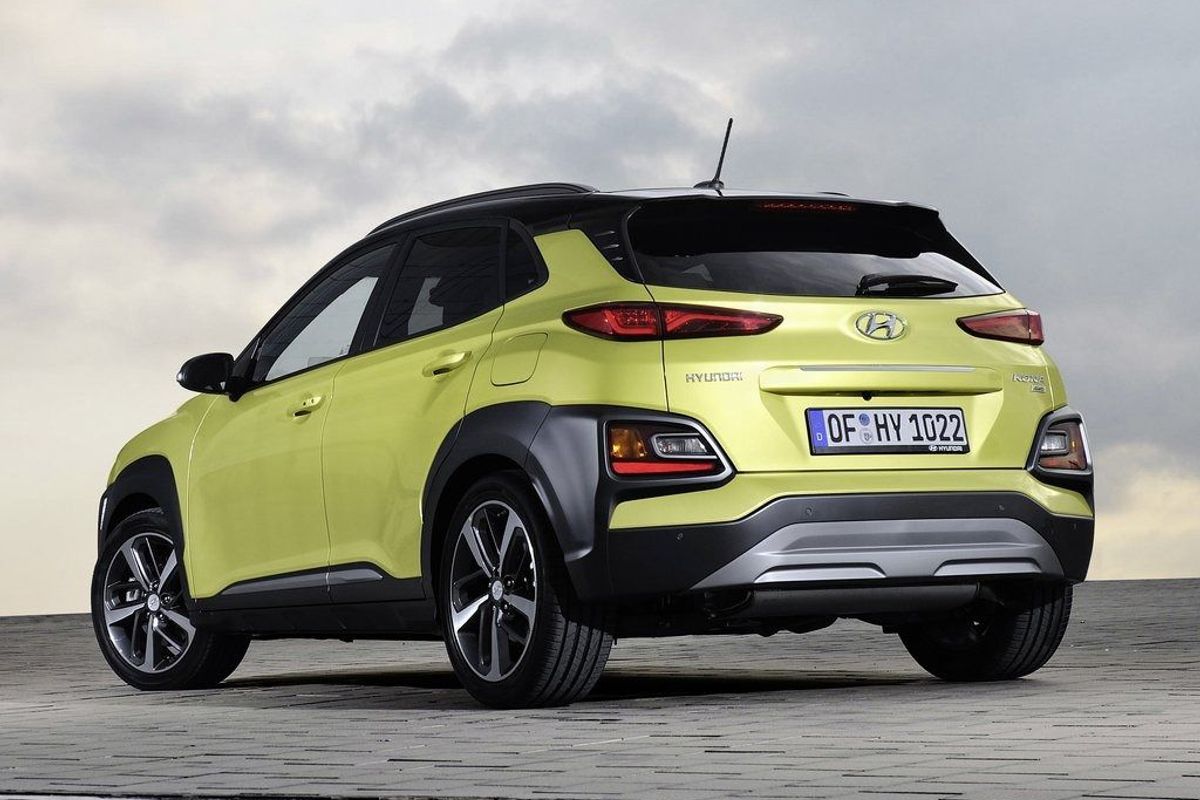
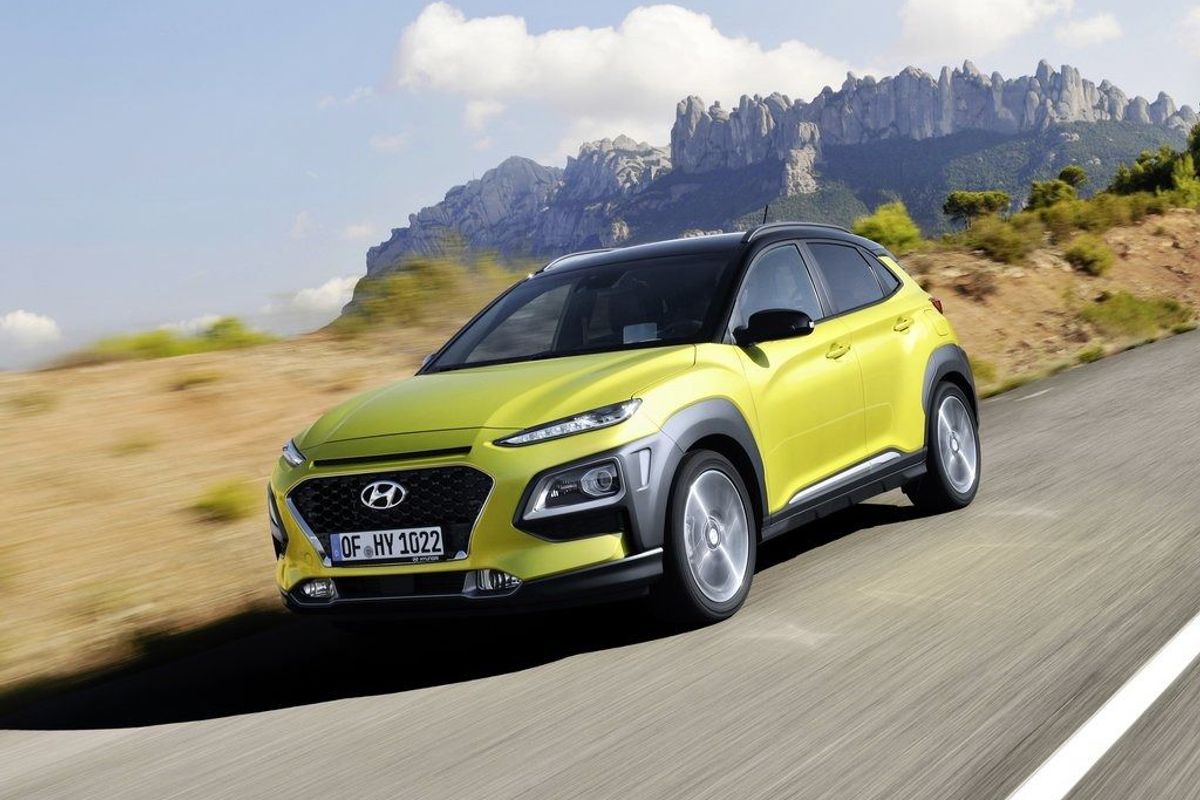
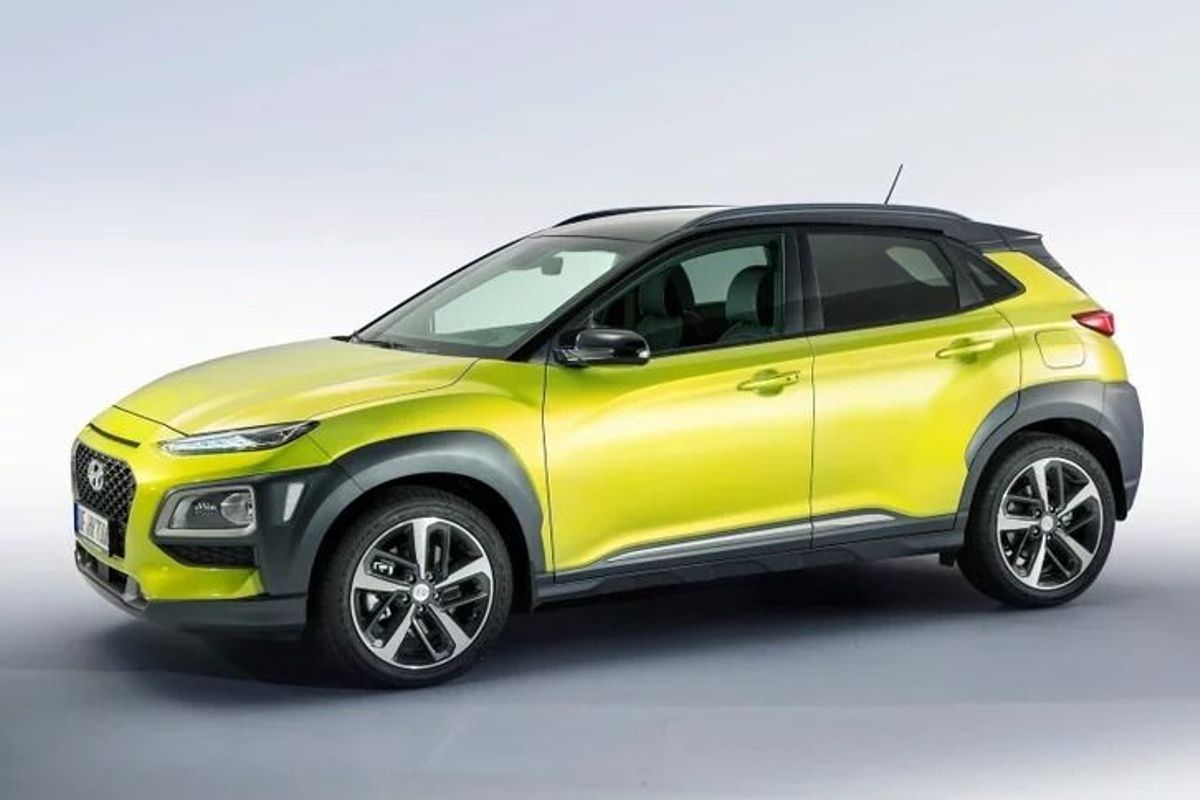
Hyundai will be introducing its new Kona crossover to the South African market this month. Herewith specification and pricing details for the newcomer.
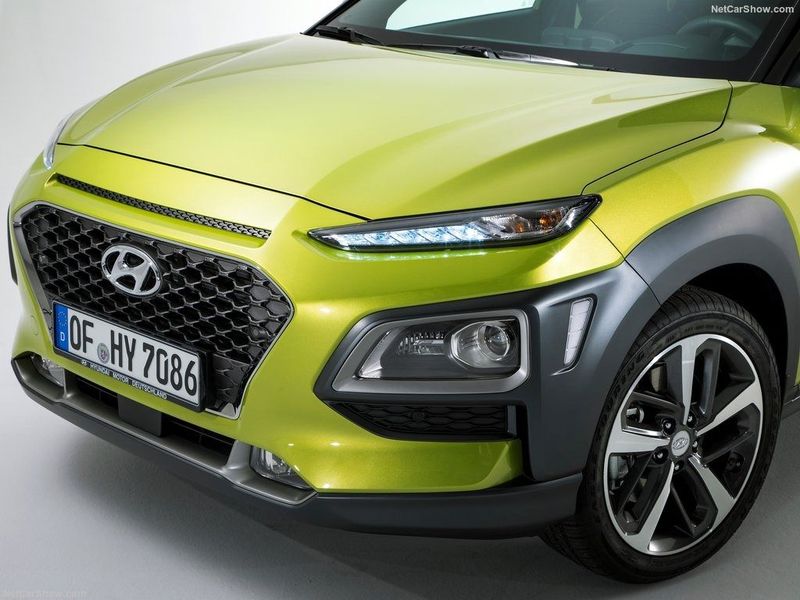
The Hyundai Kona is based on the i30 hatchback but brings crossover appeal to the road and will rival cars such as the Nissan Juke, Renault Captur and Opel Mokka X, among others. The Kona is launching in South Africa this month and Hyundai has confirmed 2 derivatives for our market, according to a dealer bulletin which was sent to us. Let’s take a quick look at what will be on offer in terms specification and pricing.
Engine Choice
Hyundai's first 1.0-litre, 3-cylinder turbopetrol engine will feature in the local Kona range.
A total of 2 engines will be offered. Hyundai’s first 3-cylinder, 1.0-litre turbopetrol engine will be offered under the bonnet of the Kona with outputs of 89 kW and 172 Nm of torque. This engine will be mated to a 6-speed manual transmission driving the front wheels.
The second engine is a naturally-aspirated 2.0-litre petrol engine with 110 kW and 179 Nm of torque and comes mates with a 6-speed automatic transmission as standard, which will power the front wheels.
Key Features
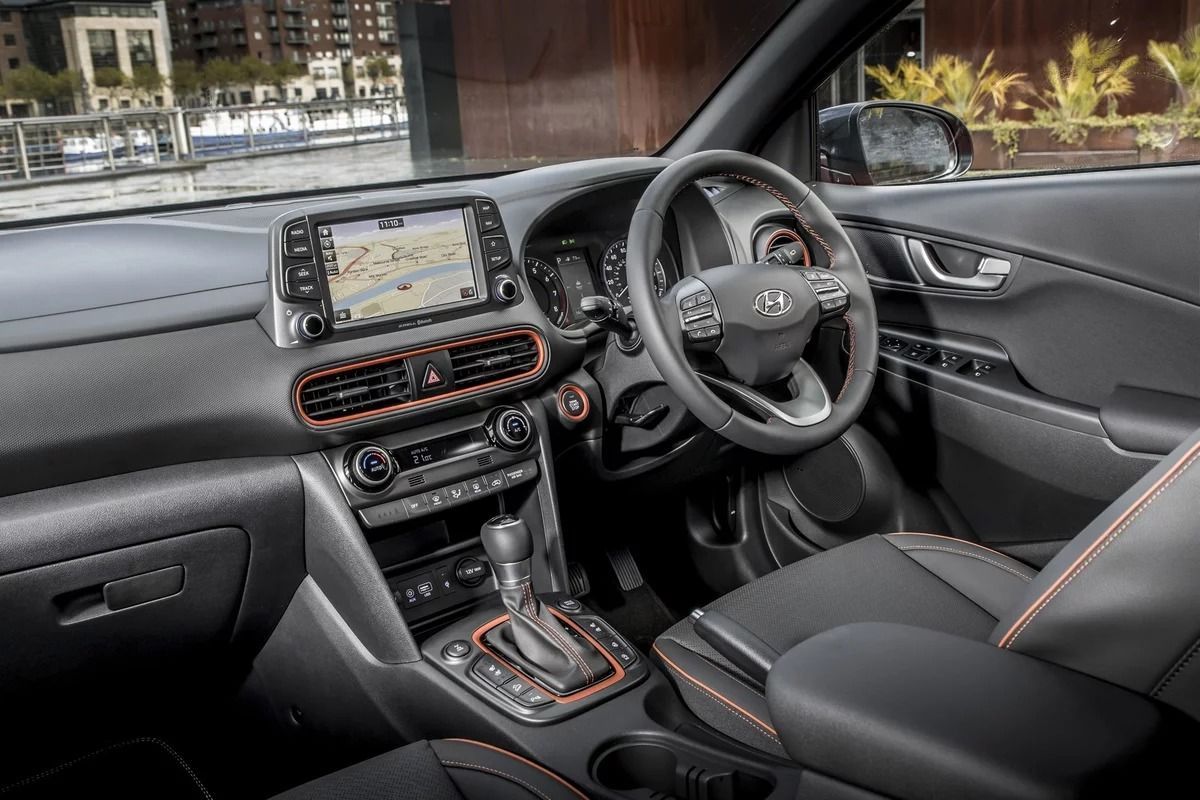
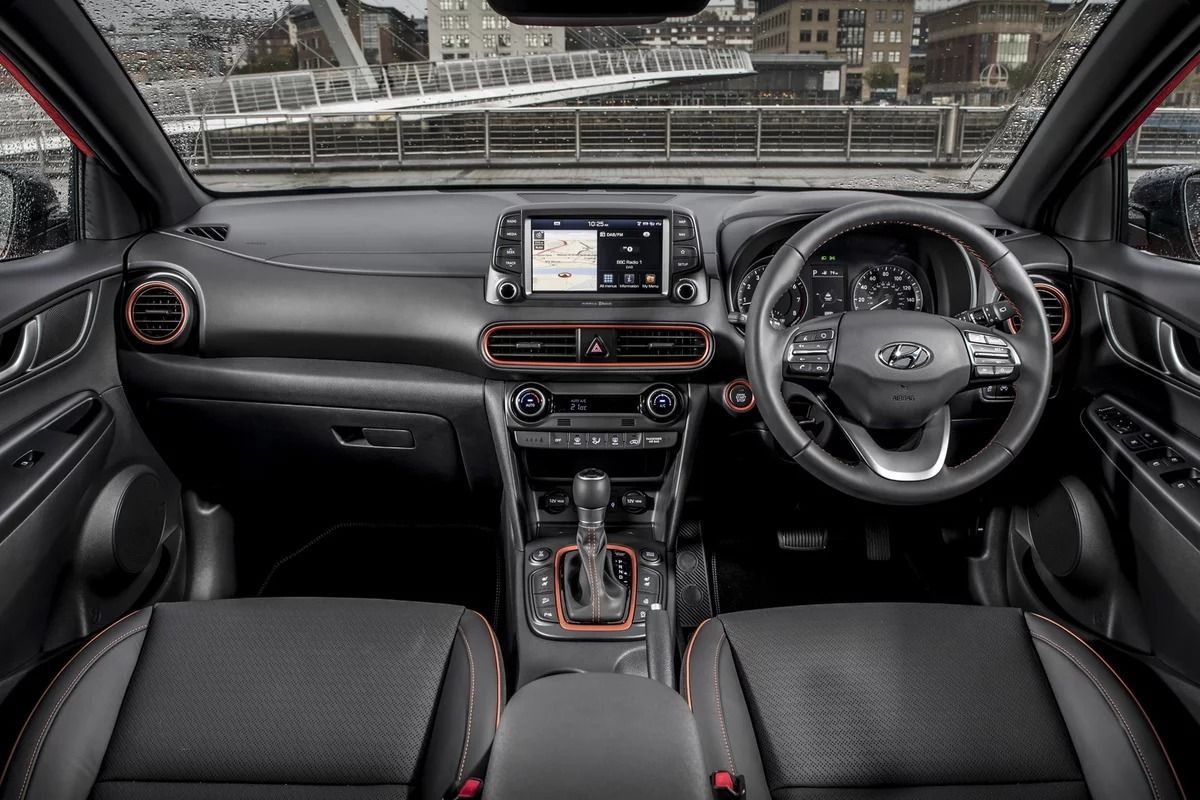
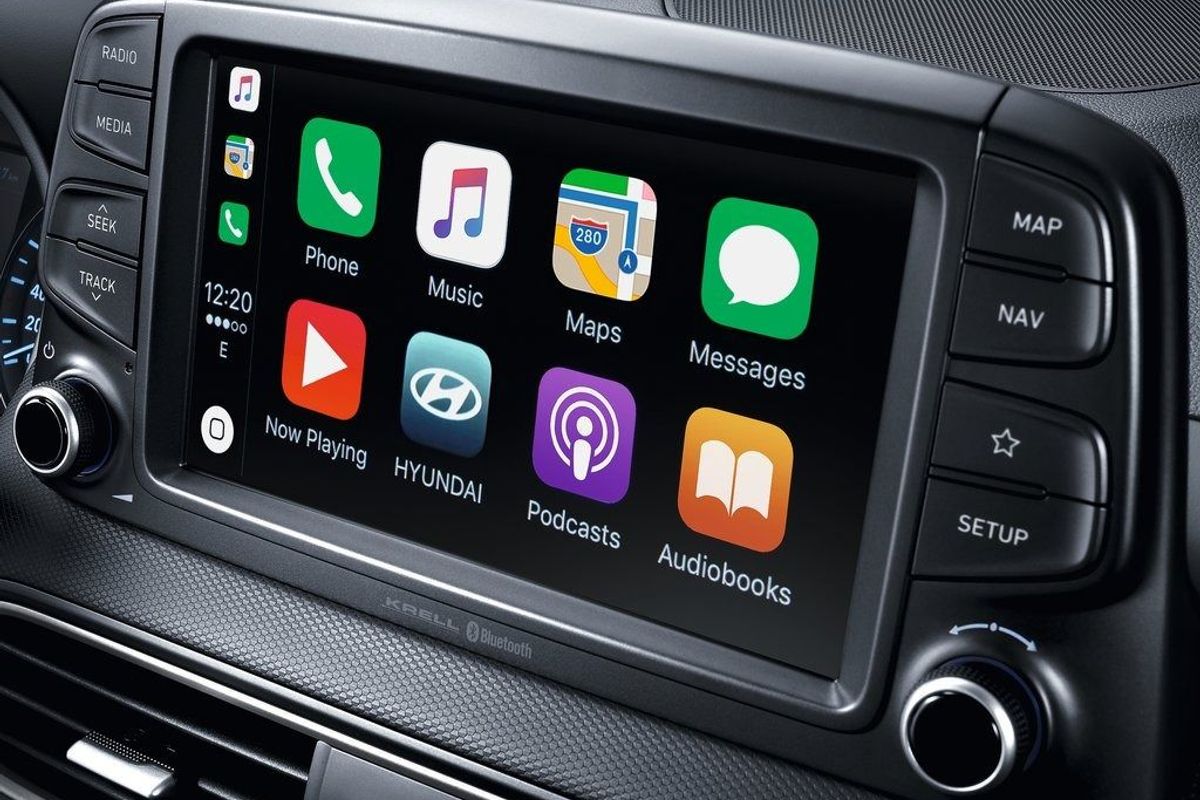
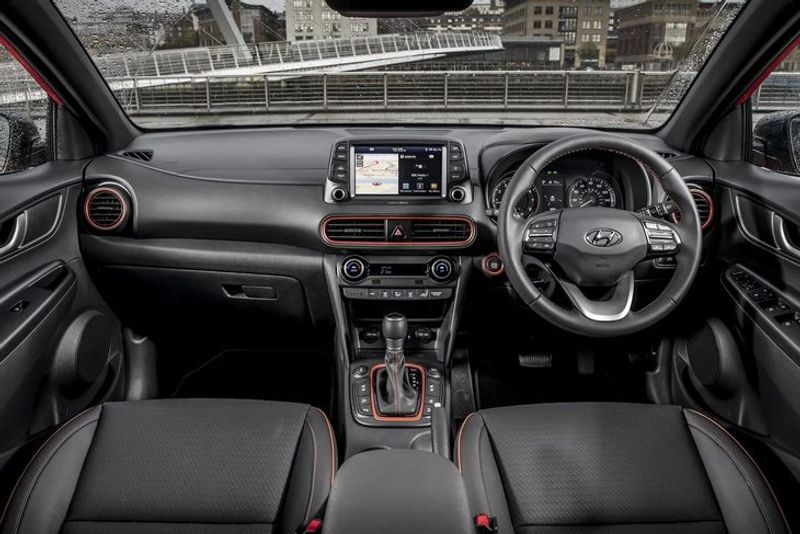
The Kona will be offered with good standard specification including a 7-inch touchscreen infotainment system.
Both Kona derivatives will be offered with Executive specification. A 7-inch touchscreen infotainment system with voice-activated Bluetooth and Apple Carplay/Android Auto capability will be offered.
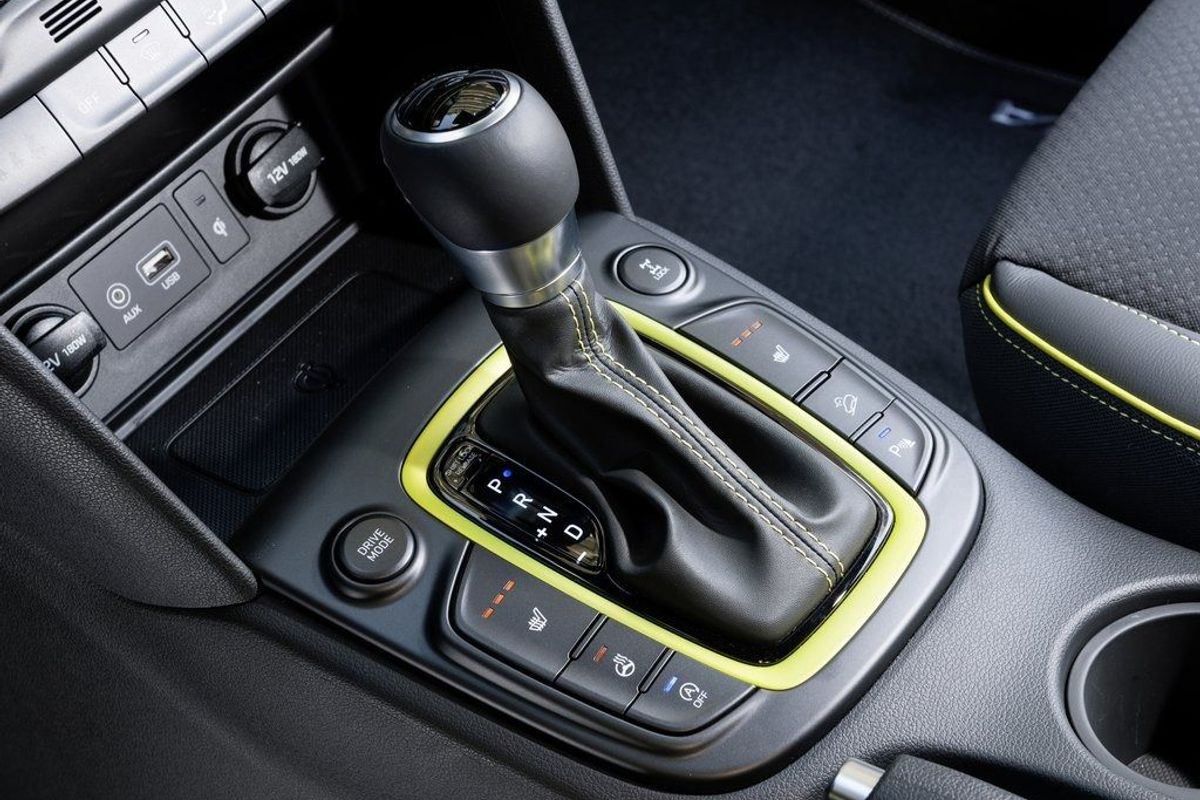
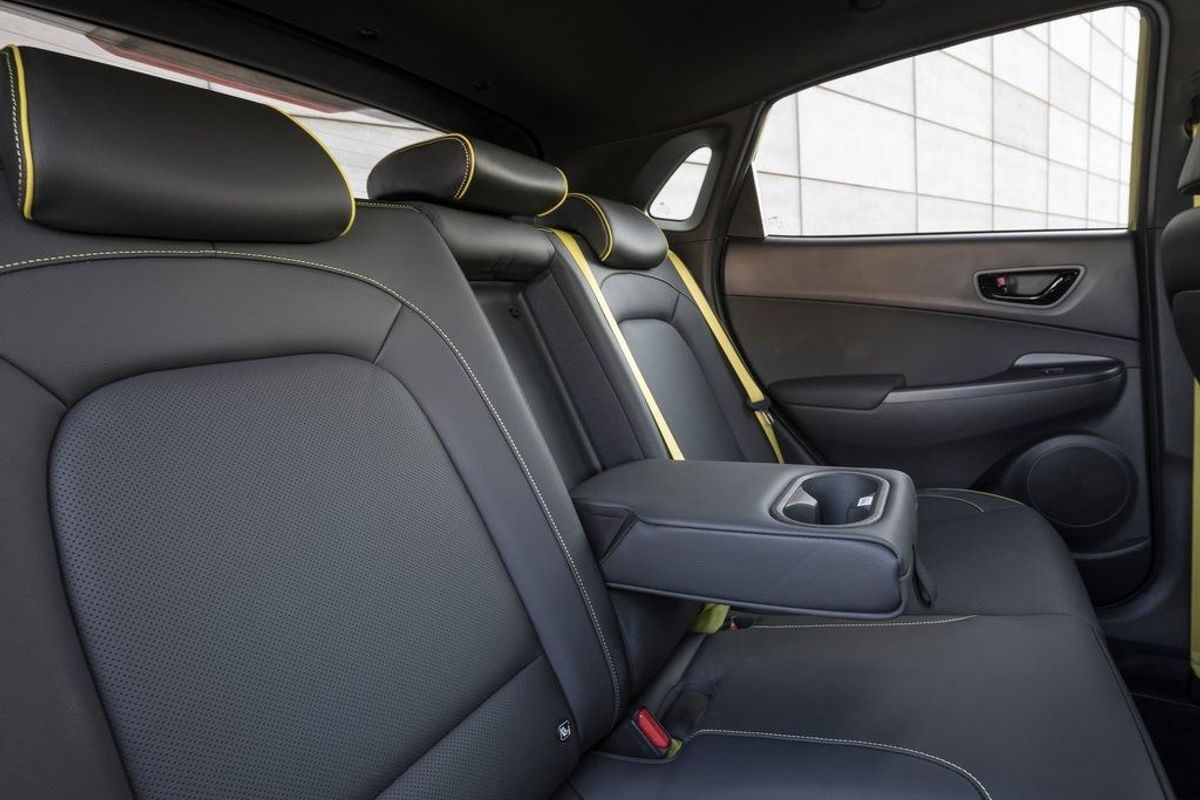
Niceties such as cruise control, electric windows and folding mirrors, cloth seats with contrasting stitching and manual air conditioning are part of the standard package.
In terms of safety, the Kona is well-equipped with 6 airbags as standard and useful features such as park assist with rear camera, blind spot detection, rear cross traffic alert, tyre pressure monitoring and Isofix child seat mounts are also standard. The Kona is fitted with 17-inch alloy wheels.
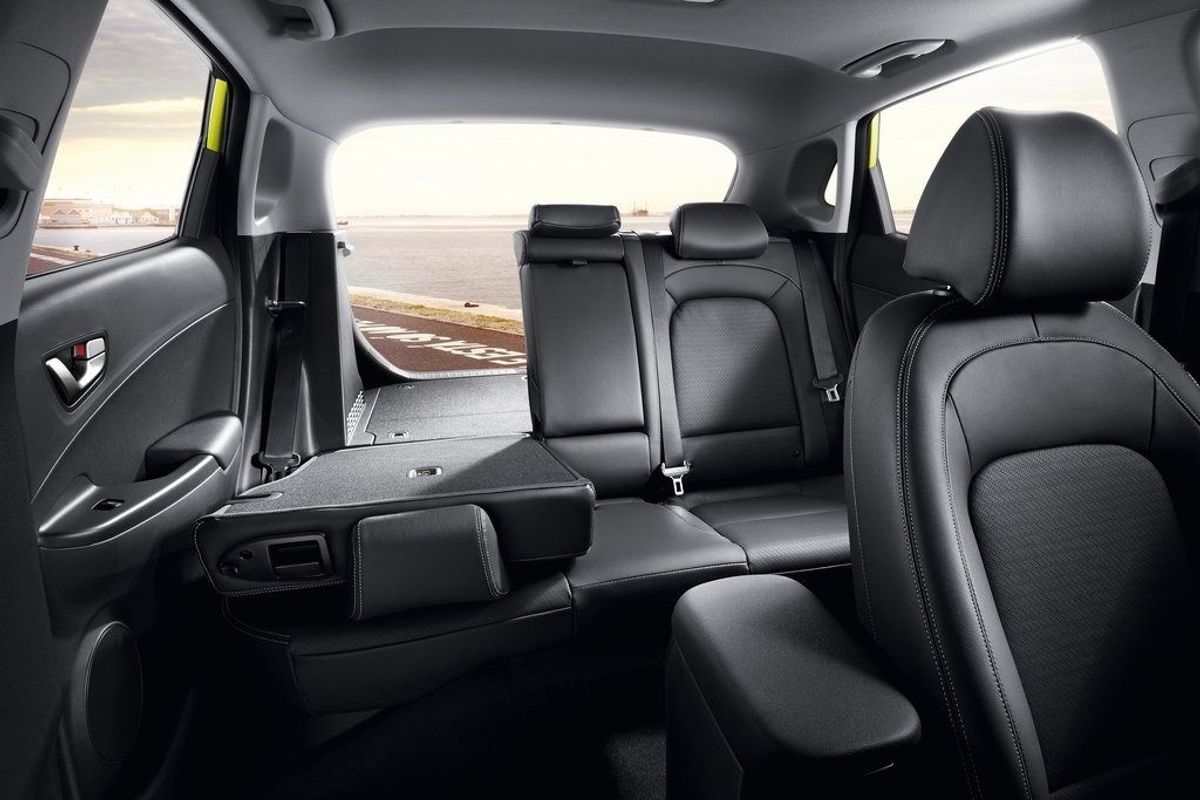
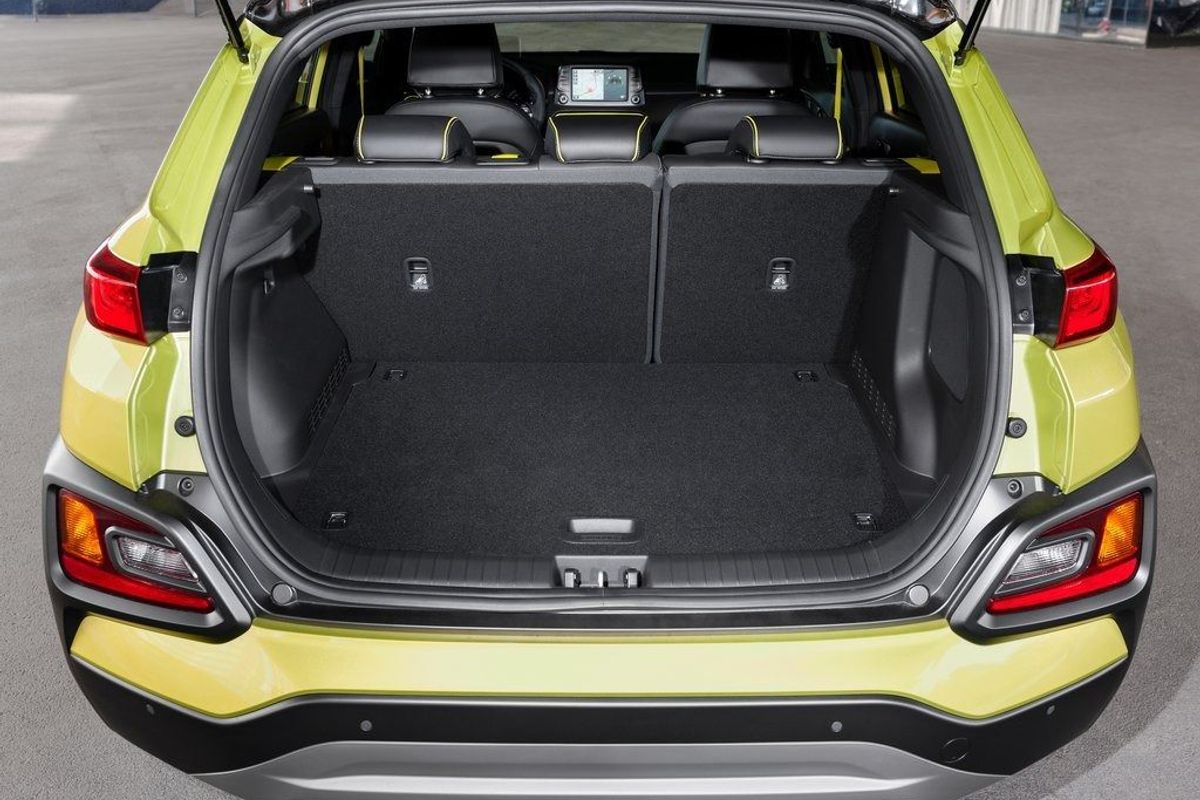
In terms of space, the load bay offers 361 litres, expanding to 1 143-litres with the rear seats folded down.
A total of 5 exterior colours will be available to customers including Chalk White, Lake Silver, Pulse Red, Dark Knight and Acid Yellow.