New Volkswagen Touareg Review – Premium SUV Bargain?
The Volkswagen Touareg is back with a strong premium SUV contender. What it lacks in premium brand cache it makes up in value and capability. Juliet McGuire tests out the new model.
The new 2018 Volkswagen Touareg is the third generation of the flagship SUV and it is undoubtedly the best yet. A radically altered design brings it in line with Volkswagen's new design language. With a brand new drivetrain and chassis and a thoroughly updated interior, in terms of tech, comfort and luxury, makes this one of the best long-distance cruisers we've ever tested.
And, even though the price tag hovers around the R1million mark, with rivals such as the new BMW X5 attracting prices between R1.1 and 1.5million, the Touareg starts to look like very good value indeed.
In this video, Juliet McGuire will take you through all the updates.
South Africans love SUVs and there is scarcely a better summer car than an open-top SUV! Here are the Top 5 you want.
Although September has proved a month of snow in parts of the country, we are inevitably transitioning towards summer and that means the opportunity for open-top motoring. It’s a symptom of being spoilt by an abundance of sunshine that South Africans take convertible vehicles for granted. In Europe, if the sky is blue, they’ll retract their vehicles' roofs (if they can) no matter the temperature, but we very rarely embrace our magnificent open-top motoring environment with quite the same commitment.
Understandably, the likelihood inner-city smash-and-grabs increases if you are exposed without a roof in place, but that’s still not quite enough of an excuse.
South Africa should be Convertible Country and the best vehicles to absorb our magnificent landscapes, and nature, are SUVs. If you intend to cruise through Ballito-ville or Camps Bay this summer, an open-top SUV makes parking that much easier; you can always roll up a kerb. Conversely, if you are journeying from Gauteng to Cape Town through the Karoo – it’s an amazing experience for passengers, at night, having the opportunity to look up at a night sky awash in stars, with the top down.
So, we’ve done the homework for you and listed 5 great ragtop SUV ideas to make your Mzansi summer an unforgettable one.
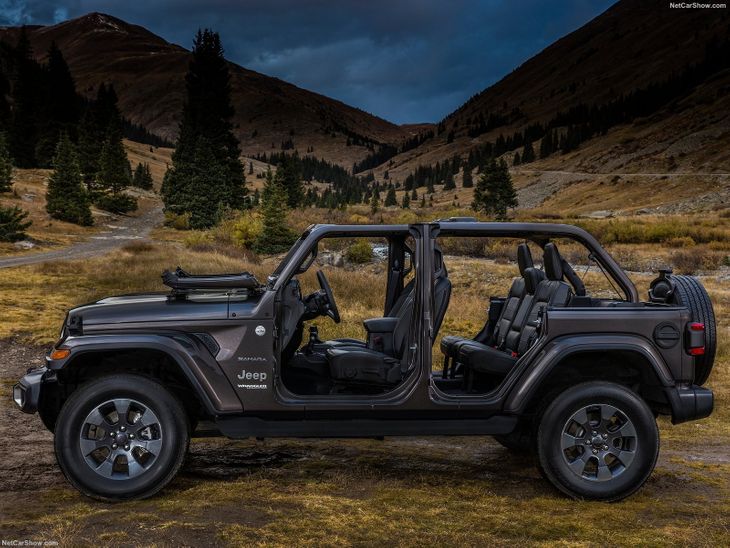
You’d imagine that all removable-roof SUVs would be soft-roaders… vehicles designed for kerbside posing at best… but not this. Jeep’s reputation for off-roading excellence isn’t accidental or the result of targeted saturation marketing. The Jeep Wrangler ranks among the most capable hardcore off-road vehicles you can buy for civilian use and the neat aspect of an Unlimited is that it has 4 doors and comfortable seating for 5 occupants.
Engine options are either a 2.8-litre inline-4 turbodiesel (147 kW/460 Nm) or Jeep’s more responsive 3.6-litre Pentastar V6 petrol, which revs with greater linearity to produce 209 kW and 347 Nm. Both engines drive through a 5-speed automatic transmission and in the 4-door Unlimited configuration, you’ll have all the associated off-road goodies too, such as low-range, a rear differential lock and Dana heavy-duty axles. There is simply no kerb you cannot mount, with your entourage, in one of these.
Although removing the roof isn’t really the work of a moment (don’t try it by yourself, do budget for 25 minutes without practice). The Wrangler Unlimited comes into its own as a convertible. Hidden in the roll-over safety architecture are superb Alpine speakers, with a total of 9 speakers combining to offer 552 Watts of sound.
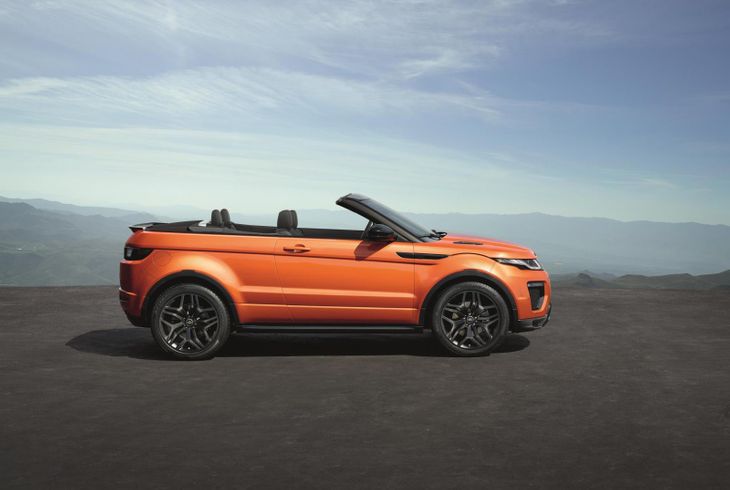
If you don’t quite need the Wrangler’s low-range rock-crawl gearing and prefer boutique style and absolute drivetrain refinement, Land Rover does quite a convincing version of its baby Rangey – replete with a soft-top. An electro-mechanically operated roof saves you any do-it-yourself disassembly administration and there is never any risk of getting drenched if a sudden Highveld thunderstorm interferes with your journey. A simple cabin pushbutton function can retract the fabric roof in only 18 seconds, and have it up and secured into place again, 21 seconds later.
True to its billing as the urbanite’s Range Rover, the Evoque’s styling appears to have been drawn with an eventual convertible configuration in mind. The 2-door profile looks great and the 177 kW/340 Nm 2.0-litre turbocharged Ingenium engine (177 kW/340 Nm), mated with a 9-speed auto box, moves the vehicle along gracefully.
Debits? Not light on fuel, though, at a kerb weight of 2013 kg and without the rigidity of a fixed metal roof, you’ll notice it doesn’t flow as crisply through corners, and roll as gracefully over bumps, compared with other Evoques. That said, there is no better Camps Bay Beach Road poser than one of these. Especially a burnt orange one.
Land Rover SVX 90 soft-top R500k plus
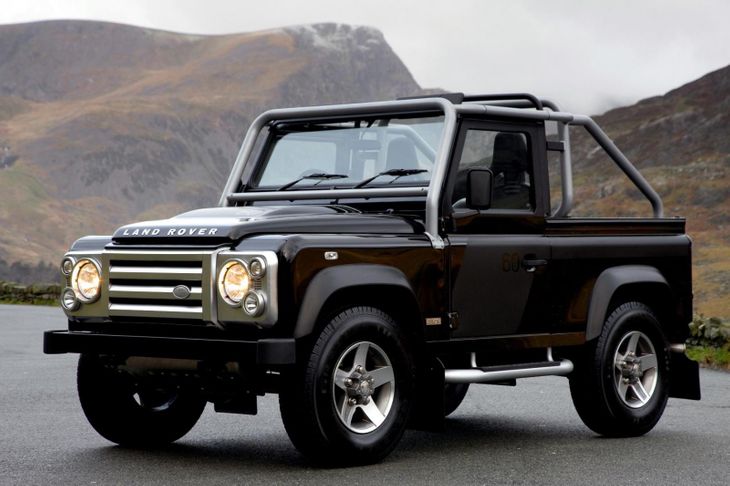
With the iconic Defender no longer in production, values of Land Rover’s original vehicle line's derivatives are increasing. True to their military adaptability, there have always been soft-top Land Rovers: through Series 1, 2, 3 and the final Defender.
You could try one of the pre-Defender soft-tops, but they aren’t great as daily drivers. For those who prefer the convenience of power-steering and shifting gears with the assistance of synchromesh, that Defender of destiny is Land Rover’s 60th-anniversary SVX special edition. These short-wheelbase convertibles are prized by collectors and command a premium, with only 1800 SVXs ever built and of that number, only about half were 90s… and very few found their way to South Africa.
With bright grilles and special-edition wheels, SVX 90s are both disarmingly cute and wonderfully capable off-road. They sport mechanical upgrades too, with custom dampers, which make the most of Land Rover’s 4-corner coil suspension, and deliver a level of ride quality that's a touch superior to those of other Defenders.
Perhaps the Defender SVX’s greatest appeal is Recaro semi-bucket seats. Vastly more comfortable than anything fitted (as standard) to Land Rover’s workhorse 4×4 through the decades, they are ergonomically padded and fixed to slightly revised mounting points – which does much to alleviate the Defender awkward driving position.
Toyota RAV4 3-door convertible (R80 000)
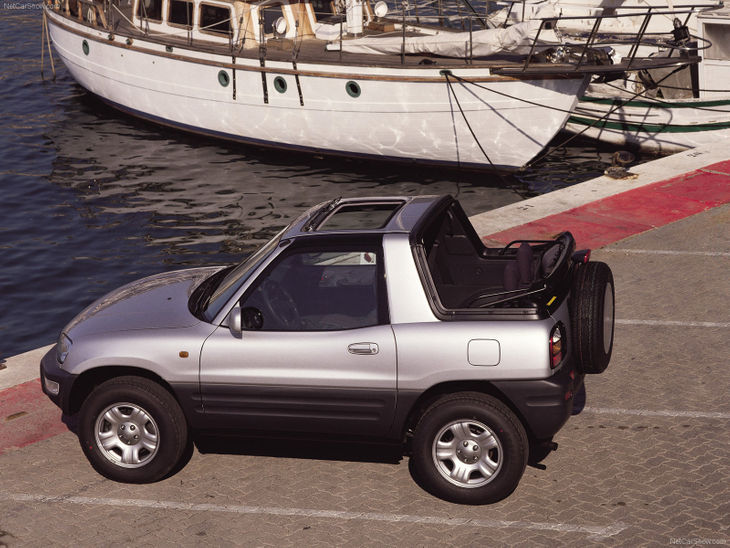
Toyota never received enough credit for its original RAV4, a vehicle that established the compact SUV/crossover category in South Africa, long before any marketing people had invented those catchphrases. The original RAV4 featured uncharacteristically daring Toyota design, with characteristically bombproof Toyota mechanical components. If you are looking for a true 1990s gravel-travel icon to arrive at the Neighbourgoods market in Braamfontein or a Woodstock’s design bureau, this is it.
Rarest of all 1st-generation RAV4s, were the 3-door convertibles. Two decades after they first appeared on local roads, the original RAV4 still looks strangely contemporary… and by virtue of being endowed with Toyota Camry mechanical bits, they prove ridiculously reliable too. Indulge all the 1990s irony with one of these.
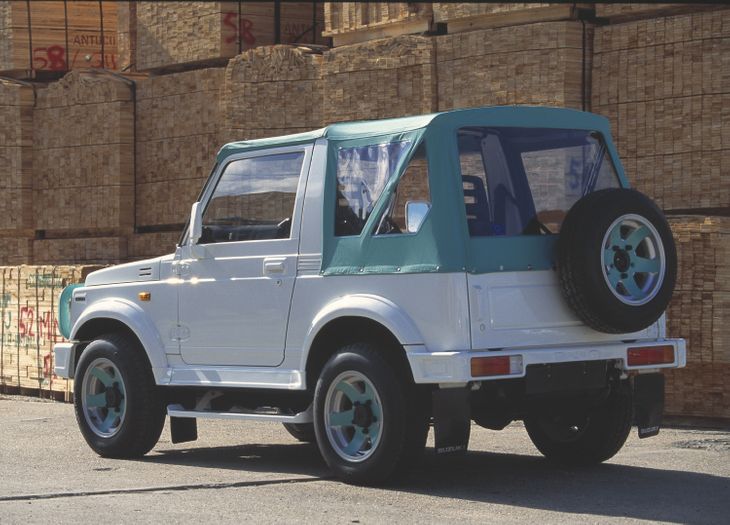
Suzuki Samurai SJ413 (R75 000)
The new Jimny’s local launch is less than a month away, and if you are dedicated in your search, there are still some rust-free versions of its SJ-series forebears to be found. And yes, of course, some of them were canvas-roofed.
What you are seeking, ideally, is not the earlier, 2nd-generation SJ with vertical grille slats, but the later SJ413, introduced locally in the early 1990s, with a mesh grille and Suzuki badge floating on one horizon grille bar.
The earlier 1980s SJs are courageous little 4x4s, but unfortunately, they were tragically rust-prone too – and many have met an untimely end as beach house vehicles.
Suzuki’s better mini-SUV sun-seeker is a later Samurai, which is a better vehicle in almost every possible way. These SJ413s were vastly more rust-resistant than the earlier SJ-series cars and they also happen to be powered by larger engines, which offer more poke. Having said that, we are still talking of a 47 kW 1.3-litre engine!
Monumentally capable off-road, if a touch uncomfortable due to the leaf sprung front/rear suspension configuration and micro-car wheelbase, there is no summer venue with a parking problem the Samurai can’t solve…
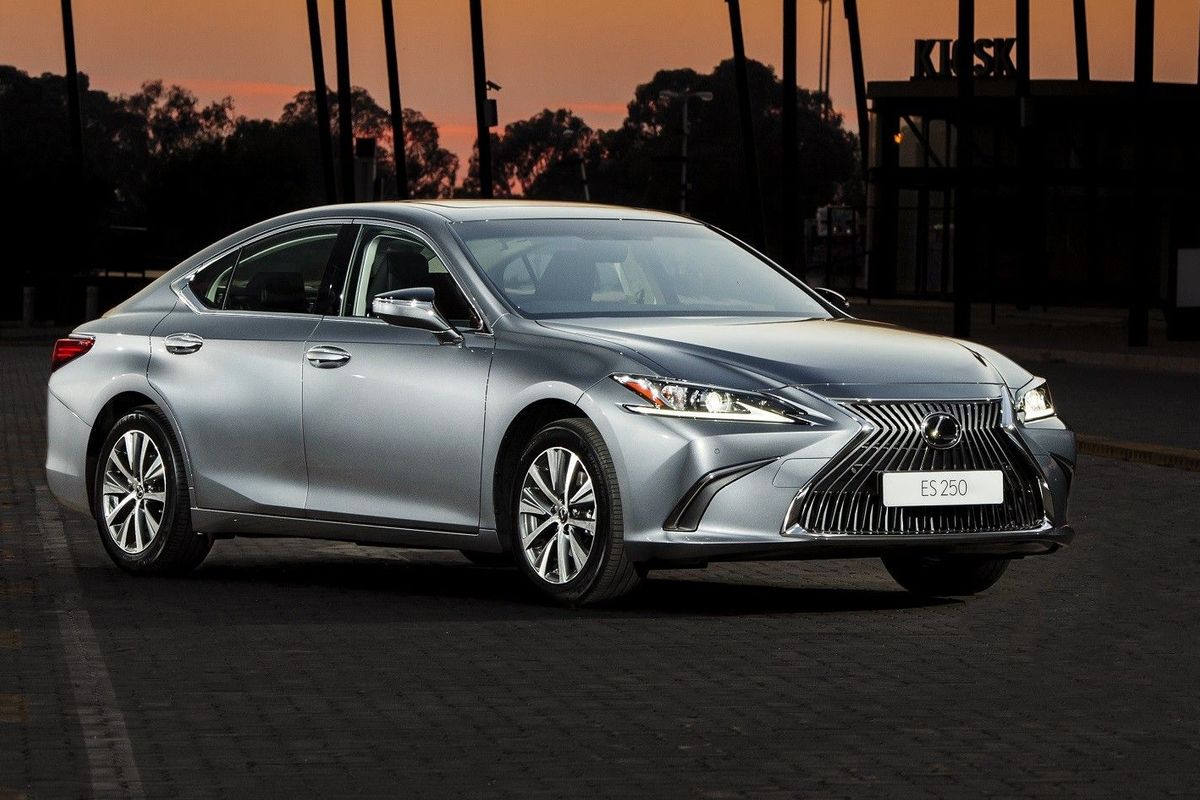
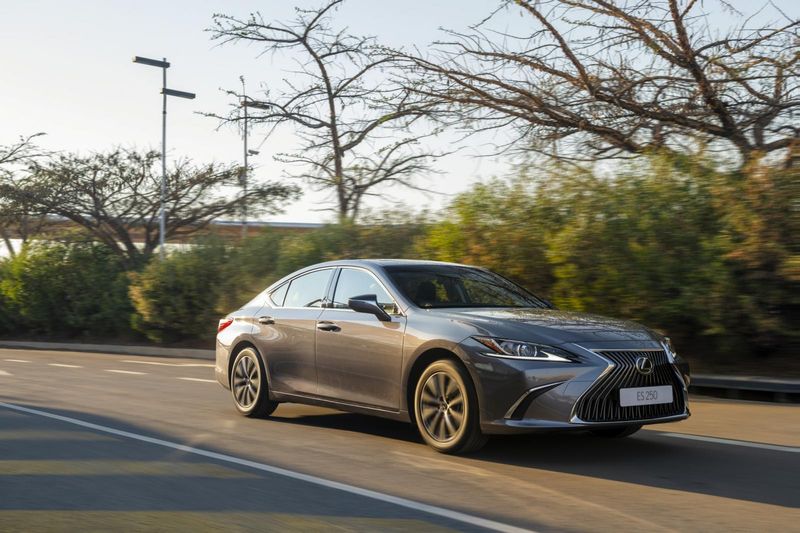
The latest incarnation of Lexus ES has arrived in South Africa and we got a chance to sample both derivatives at its local launch in the Western Cape.
Japanese brand Lexus has launched its 7th generation ES to market. South Africa only ever received the 6th generation and now this 7th. It's interesting to note that the ES is available as a Toyota, in the form of the Camry in the US.
What's new, you ask? Well, the new Lexus ES features an all-new platform and as a result, is longer and wider than before. With a 50 mm extension to the platform, cabin space (which has never been a fault before) has grown considerably, making it one of the most spacious cars in the segment. In comparison to its rivals, the Lexus ES goes up against the likes of the Audi A4, Mercedes-Benz C-Class and BMW 3 Series, and yet it has legroom equalling the A6, E-Class and 5 Series.
The ES 250 has a brand-new 2.5-litre four-cylinder petrol engine as well as a new eight-speed Direct Shift automatic transmission and with outputs of 152 kW and 243 Nm, you can expect it to hit 100 kph in 9.1 seconds and go onto a top speed of 210 kph. The ES 300h features Toyota's 4th generation hybrid system. It too features a 2.5-litre four-cylinder motor. It boasts a total output of 160 kW with the electric assist (the petrol engine delivers 131 kW and 221 Nm) and is brisker than its sibling, at 8.9 seconds to 100 kph. Its real strength is economy and it's said to consume just 4.6 L/100 km.
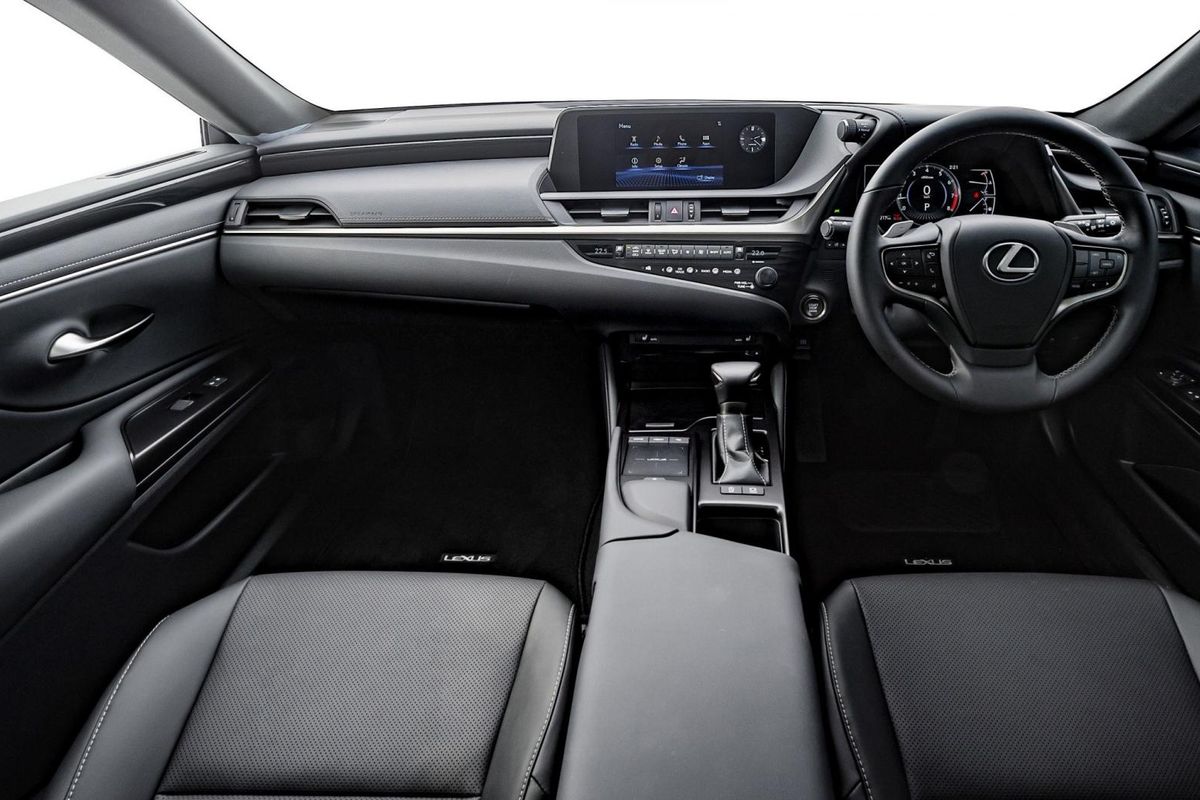
One of the factors which makes Lexus products excel is the standard specification. There are no optional extras and you get a fully specced car. Despite the ES 250 sitting at the bottom of the range, it's still comprehensively specced with luxury features such as heated seats, leather trim, reverse camera, and keyless start to name but a few. The hybrid ES 300h adds on niceties like autonomous safety capability, uprated audio system, heated steering wheel, heated seats for all 4 passengers, navigation, and a wireless charging pad. Safety spec is excellent, with 10 airbags fitted to both models.
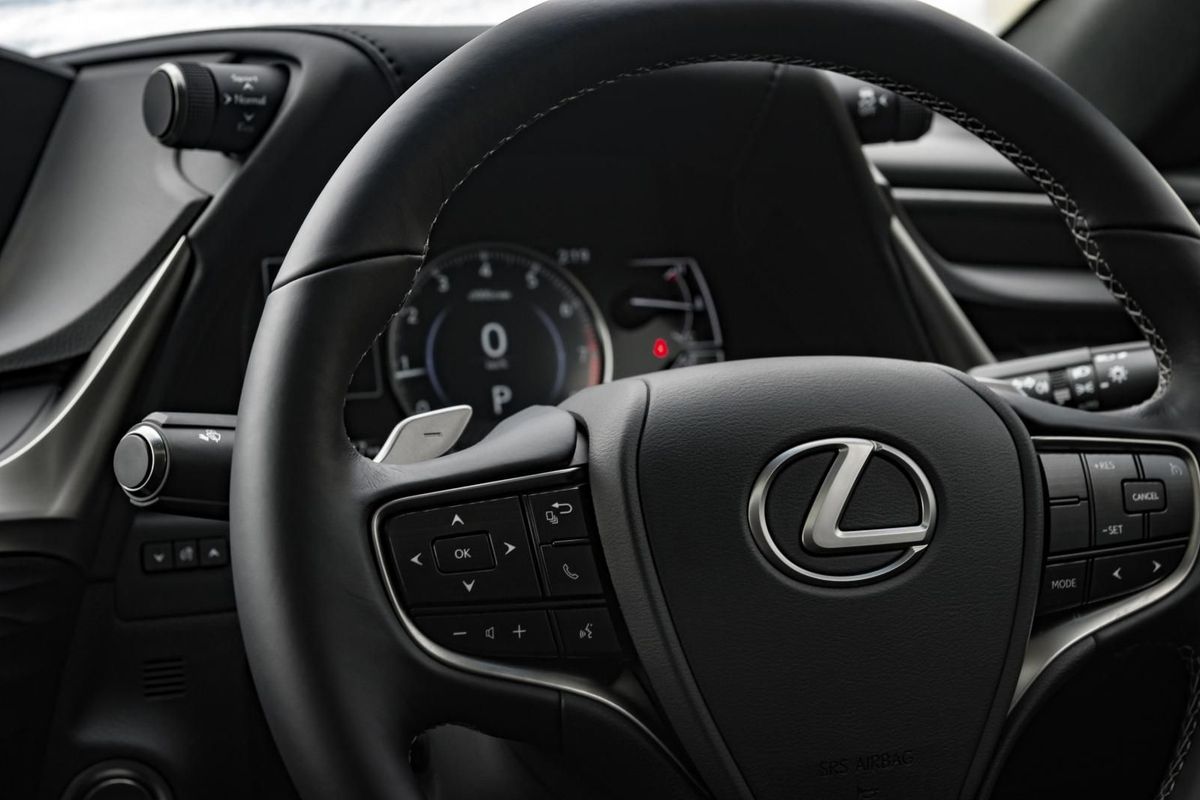
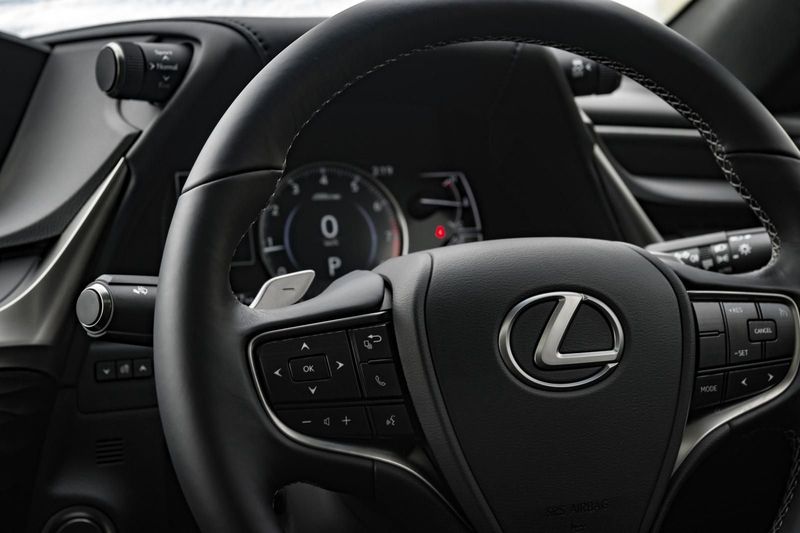
Note the digital dashboard behind this steering wheel, which comes straight from the flagship Lexus LS limousine
What's it like to drive?
The Lexus ES has always impressed us for outright comfort and refinement. Not only is the cabin exceptionally well assembled, but the ride quality is superb and insulation from the outside world is amongst the best. In terms of performance, the ES 250 is not going to blow your hair back, but it's adequate. Perhaps we have been spoilt by the German turbocharged engines and their quick-reacting dual-clutch transmissions they offer, but the Lexus feels comparatively tepid.
Obviously, Lexus isn't to bothered by the lack of performance, as it creates a relaxed and comfortable driving style. The engine is of the smooth-revving variety, which is good, because if you're in a hurry, you'll be calling upon every last rev. The real star of the powertrain is the gearbox. It's a new 8-speed unit and it flicks through the gears exceptionally smoothly. There are paddles located on the steering wheel, but given the executive commuter nature of the ES, we left the car to its own devices.
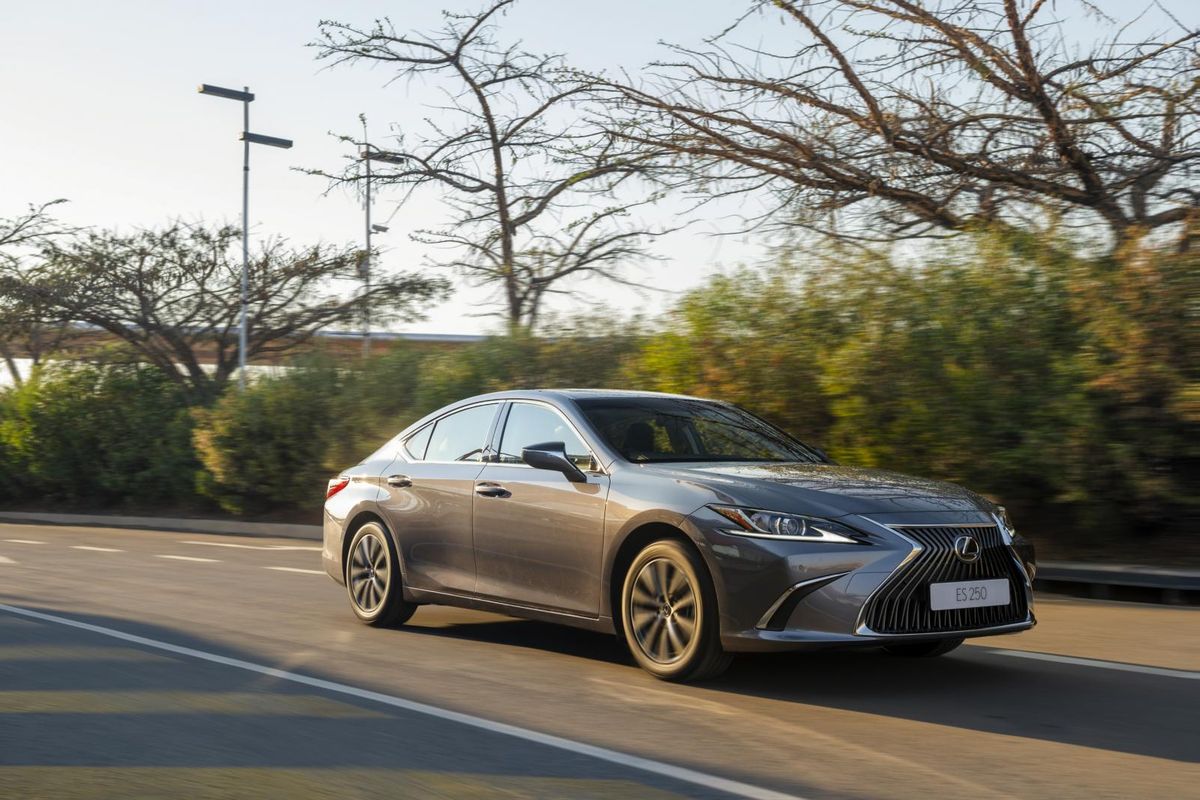
The Lexus ES doing what it does best: comfortable and refined cruising. Rear legroom is commendable.
Our launch route took us through some sweeping driving roads and the latest incarnation of the ES showed a hint of dynamic prowess. While it was never intended to offer the direct feel and rear-wheel drive antics of say an Alfa Romeo Giulia, we're pleased to say that the ES can show a bit of athleticism when hustled through some curves. The previous generation ES wasn't like this at all, preferring to turn into a giant squishy marshmallow at the sight of a corner. The key here is the steering, which has been reworked to deliver a bit more feel and response. Body roll has been tightened up too and the result is not bad at all for a large front-wheel drive luxury barge. As mentioned before, the ride quality is really good and much of that comes down to the base-spec 17-inch sporty alloys, while the hybrid ES 300h features 18-inch units.
We then had a go in the ES 300h. Essentially, the powertrain is similar to that of the ES 250 with a 2.5-litre, but here it is tuned to run on the Atkinson cycle and swops the automatic gearbox for a continuously-variable transmission (CVT) to make the most of the engine's sweet spot. The batteries are located underneath the rear bench and there's some smart tech to recover charge through braking and off-throttle recuperation. You can drive the car in a fully electric mode, which is great in start/stop traffic and frequently, you'll find yourself pulling away from standstill in complete silence, before hearing the petrol engine engage at around 40 kph. Impressively the Lexus ES 300h was reading 7.5 L /100 km despite some brisk open-road driving. We predict that you'll easily get into the mid-6s if you drive in lots of traffic.
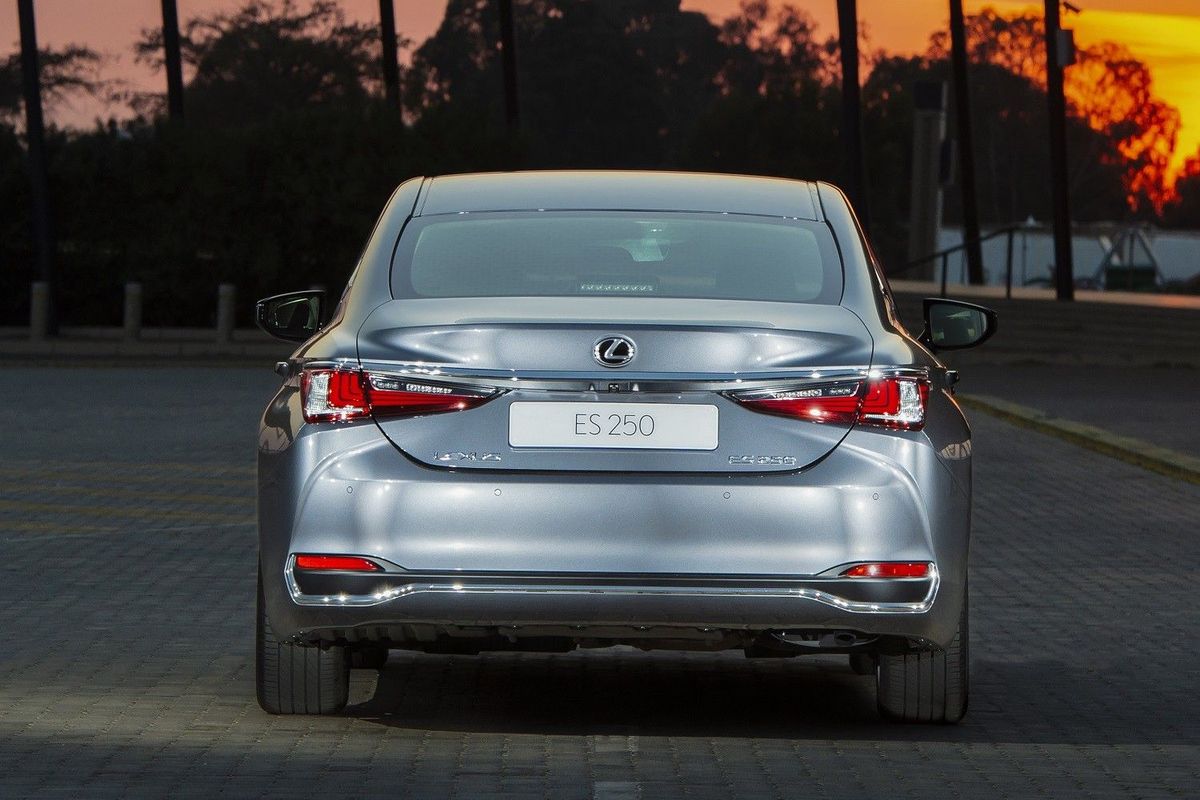
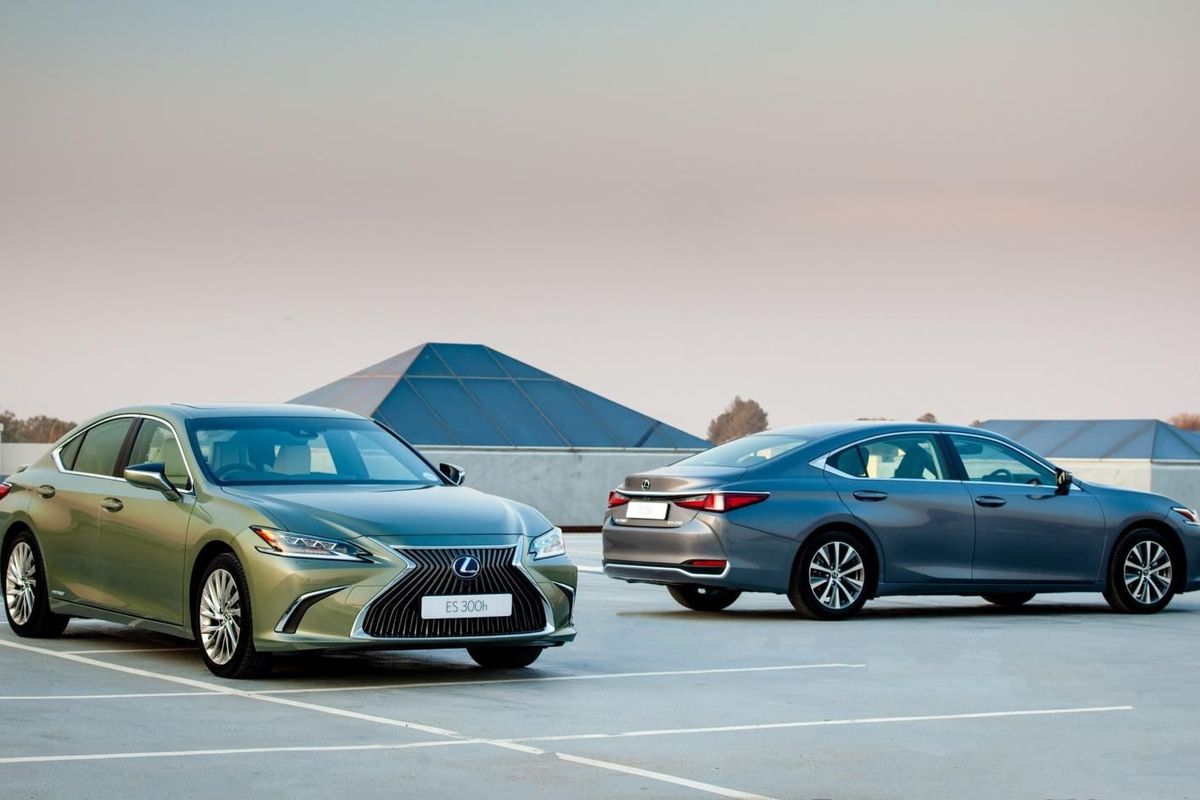
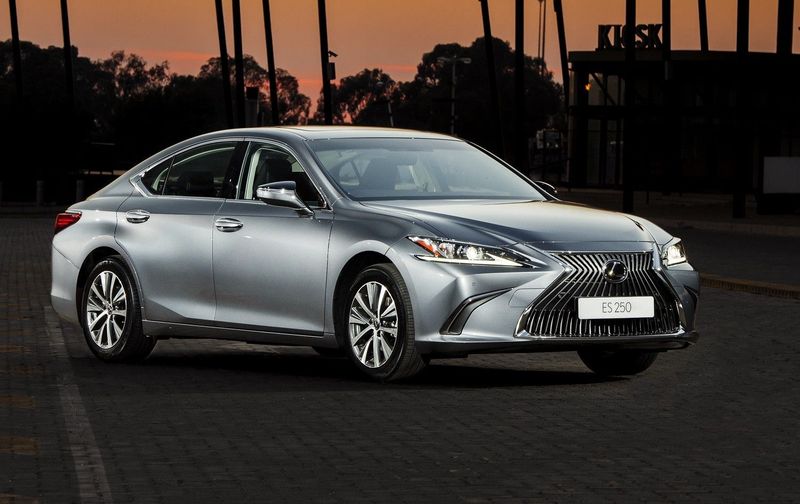
The styling is a big leap forward for the ES brand and when paired with the right colour, looks upmarket
Verdict
While Lexus products don't get nearly enough support and love, despite their quality, refinement and specification. The badge may not offer as much prestige as the German counterparts locally, but there's no denying you're getting a bigger, more spacious and better-equipped sedan for a similar price. We're a bit puzzled by the massive price difference between the ES 250 and its hybrid ES 300h, which is why we'd happily opt for the former.
Despite the massive surge in SUV sales at the expense of sedans, we still believe that there will be more than a few customers who will be wanting a big and well-appointed sedan. We also think that the Lexus ES will find favour amongst UberBlack drivers, whose customers will appreciate the cavernous boot and expansive legroom in the rear.
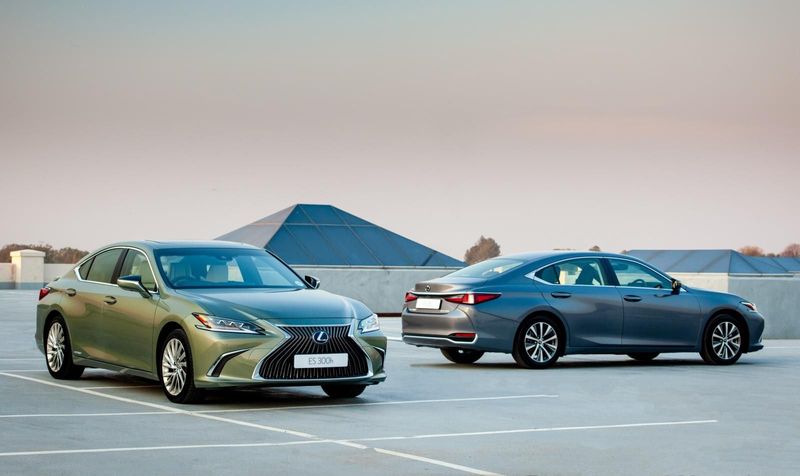
The ES is available in petrol and petrol-hybrid flavours
Lexus ES Price in South Africa (October 2018)
Lexus ES 250 EX R593 300
Lexus ES 300h SE R843 800
Lexus is offering a best-in-class 7-year/105 000km warranty and full maintenance plan. Vehicle service intervals are at every 15 000km, alternatively once a year.
The 7th generation of Lexus ES has made its way to the South African market. Here's how much this spacious and fully-equipped sedan costs.
While South Africa has only received 1 generation of the Lexus ES prior to this launch, globally it has spanned 6 generations. Now in its 7th generation, the Lexus ES has arrived in SA and hopes to take some of the market share in the executive sedan segment. There just two models for now, a petrol and a petrol hybrid derivative.
Under the skin, there is an all-new platform called Global Architecture (GA-K) and this has meant the dimensions have changed completely, for the good we might add. The new car is longer, lower and wider than the outgoing model, but the key detail here is the longer wheelbase (+50mm) which has meant the wheels can be pushed to the edges and the increased space can be devoted to the cabin. Yasuo Kajino, ES Chief Designer, describes the car’s new look as ‘provocative elegance’. “The ES has always been an elegant luxury sedan. For this generation, we have added daring design elements that challenge buyers’ traditional expectations,” he said. There are two sets of wheels. The ES 250 has 17-inch multi-spoke cast alloy wheels, while the ES 300h boasts 18-inch Hyper Chrome Cast Allow noise-reducing wheels, featuring a turbine design.
You have the choice of either a 2.5-litre naturally-aspirated petrol engine or a petrol-hybrid powertrain
In terms of standard features, the Lexus ES comes fully equipped, with the hybrid model going above and beyond what's normally deemed 'standard fare'. For example, the hybrid has heated seats for the rear passengers and a heated steering wheel, as well as a heads-up display. The steering wheel is straight from the Lexus LS, there's a 12.3-inch multimedia display and second-generation touchpad control; its voice recognition capabilities extend to a mobile assistant, allowing contactless driver’s smartphone control. The display features a reverse camera as standard kit, but the hybrid tops this up with a panoramic view display. The top-spec hybrid also gains a Mark Levinson audio system with 17 speakers.
The ES 250 has a 2.5-litre four-cylinder petrol engine and a new eight-speed Direct Shift automatic transmission and with outputs of 152 kW and 243 Nm, you can expect it to hit 100 kph in 9.1 seconds and go onto a top speed of 210 kph. The ES 300h features Toyota's 4th generation hybrid system. It too features a 2.5-litre four-cylinder motor, but it runs on the Atkinson cycle. It boasts a total output of 160 kW with the electric assist (131 kW and 221 Nm) and is brisker than its sibling, at 8.9 seconds to 100 kph. It's real strength is economy and it's said to consume just 4.6 L/100 km.
In terms of safety features, the Lexus ES features 10 airbags, while the hybrid model features Lexus Safety System+ which offers some degree of autonomous safety as well as adaptive cruise control and lane departure alert.
The steering wheel is straight from the Lexus LS. Note the digital dashboard
Lexus ES Price in South Africa (October 2018)
Lexus ES 250 EX R593 300
Lexus ES 300h SE R843 800
Lexus is offering a best-in-class 7-year/105 000km warranty and full maintenance plan. Vehicle service intervals are at every 15 000km, alternatively once a year.
Calvin Fisher spent two full days trawling the floor of the Paris Motor Show and he came away with these 6 observations.
1. You can't ignore the past
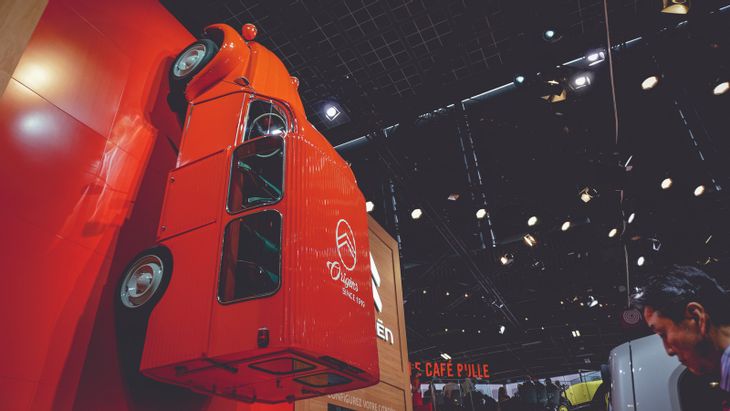
Many manufacturers tapped into their reserves and brought along models from their past to add some legacy to their stands. It worked. Not only could you appreciate the parity with their contemporary designs, but the likes of the Jaguar XJ6 and Renault 5 added splashes to colour in a world overrun with ten shades of business-grey.
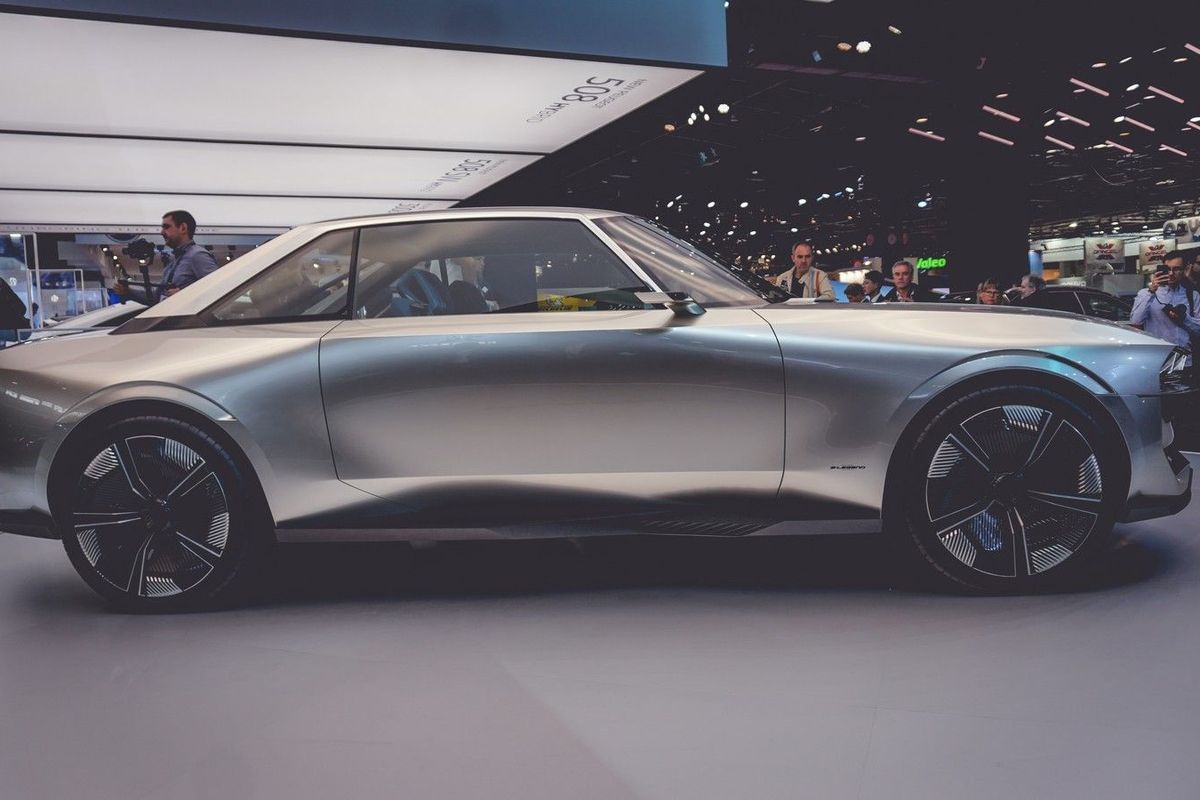
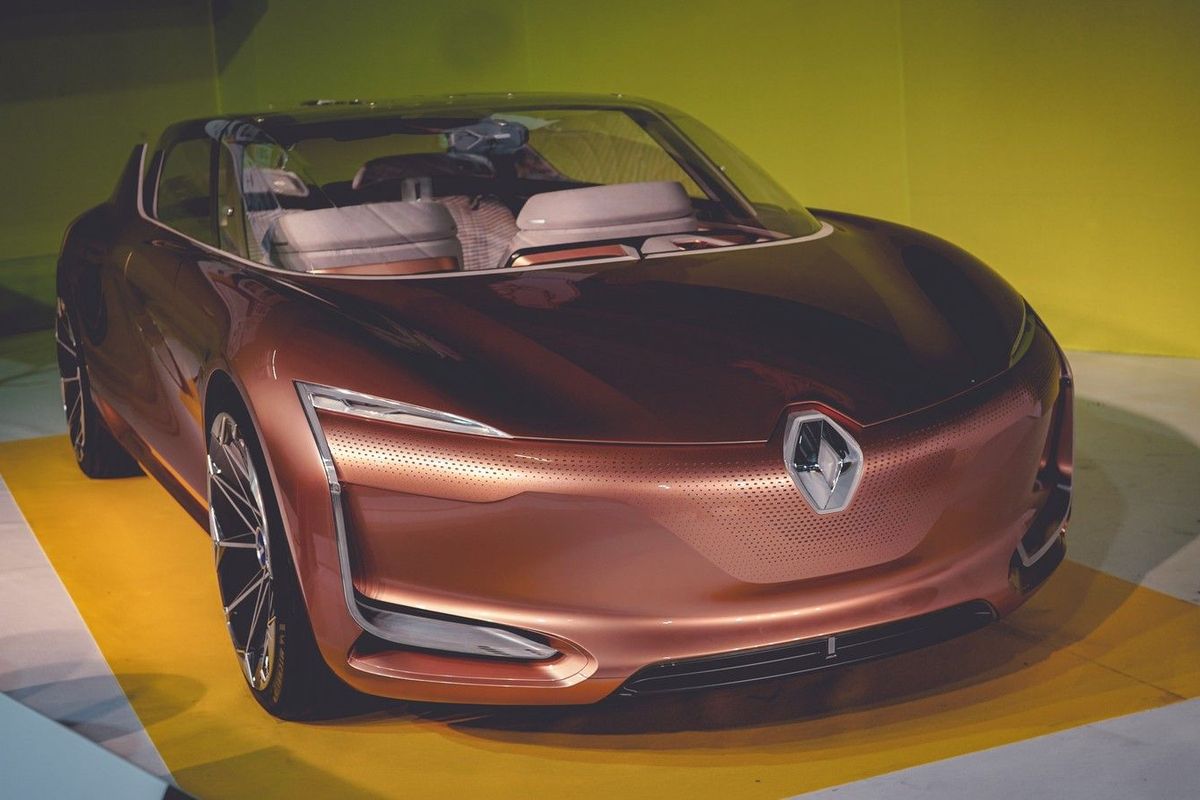
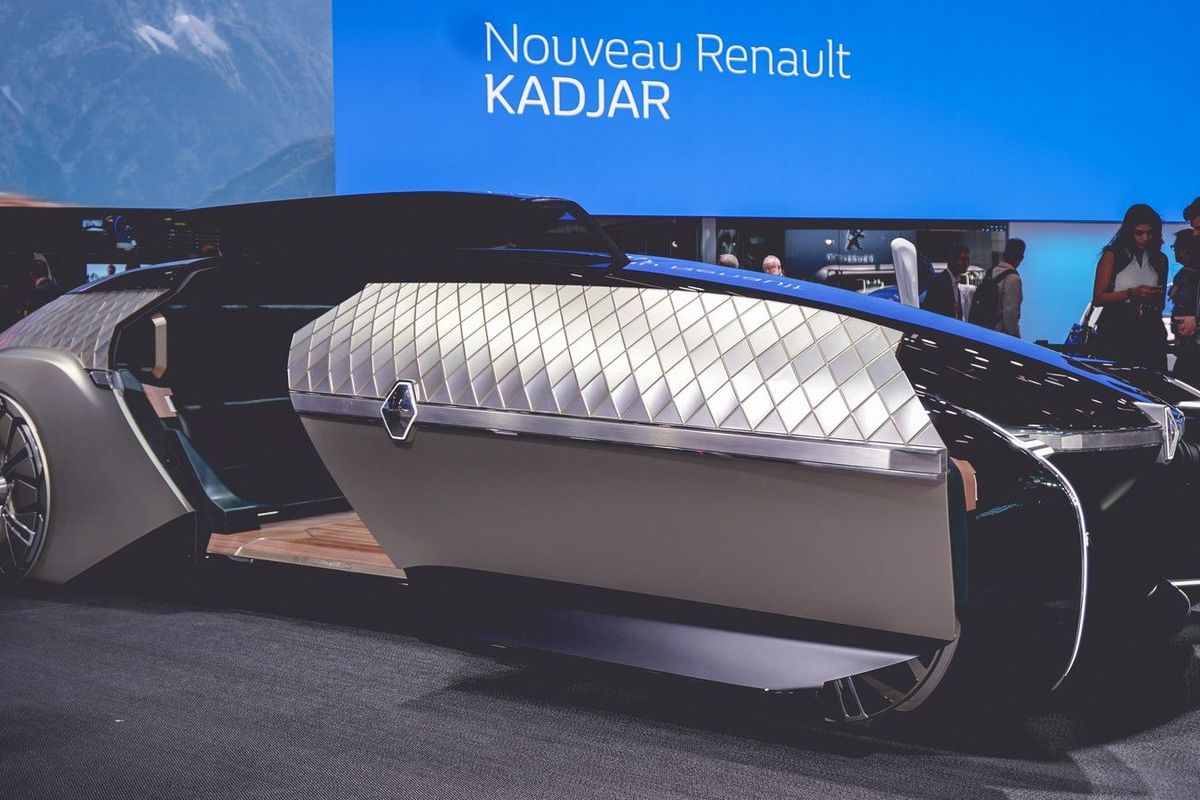
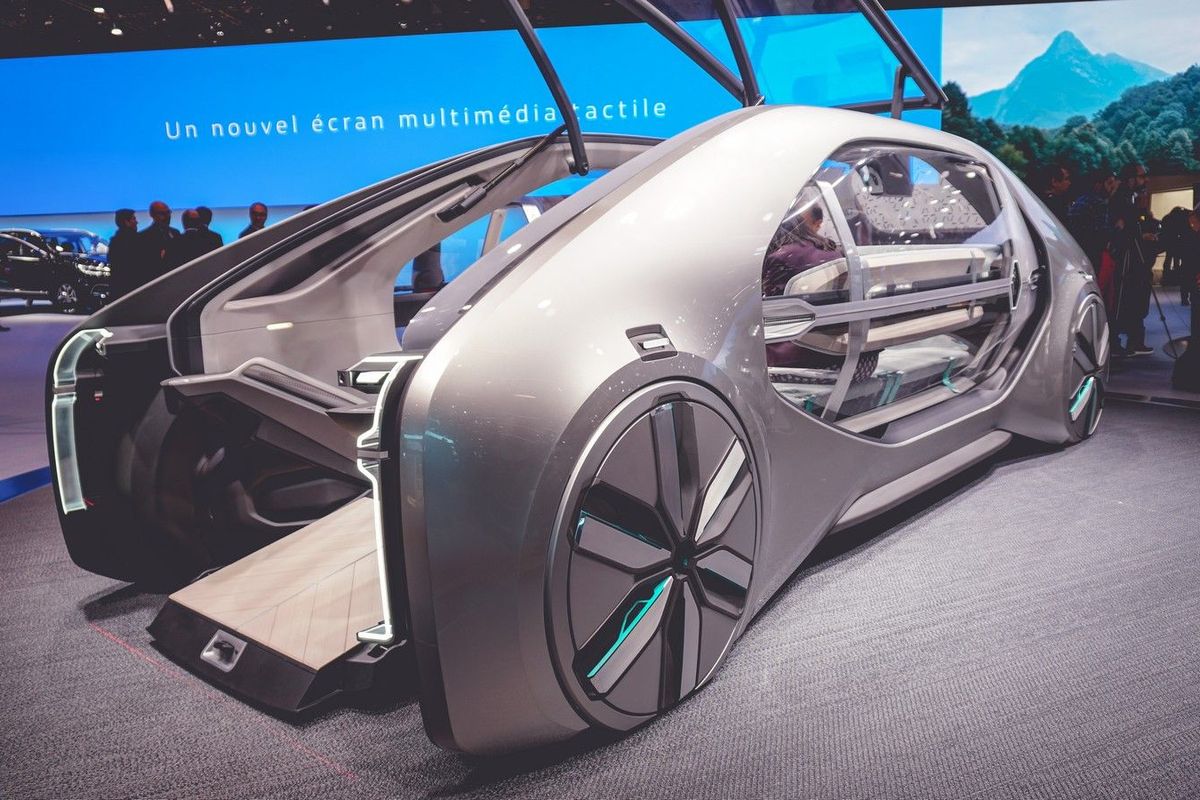
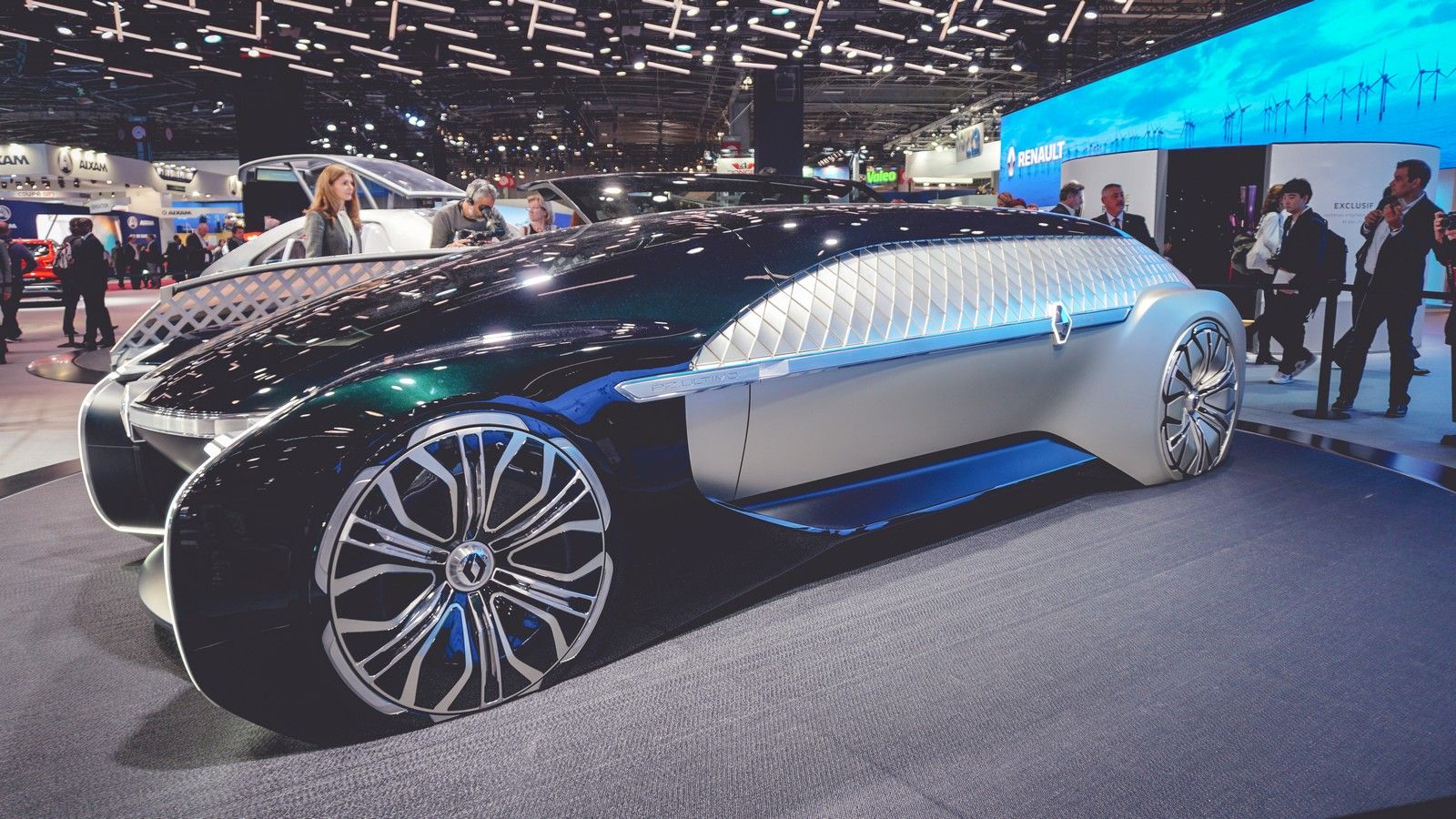
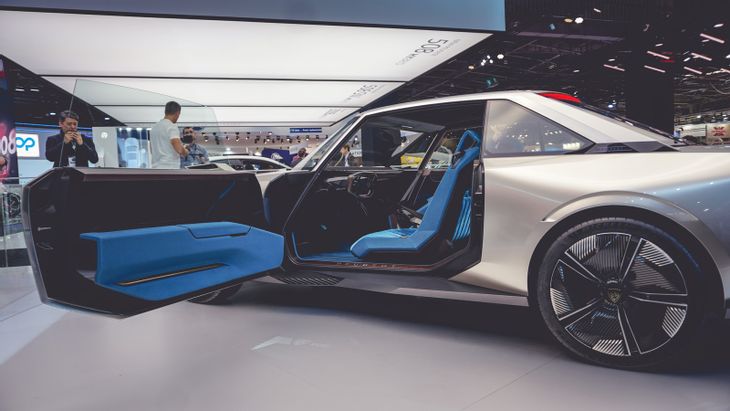
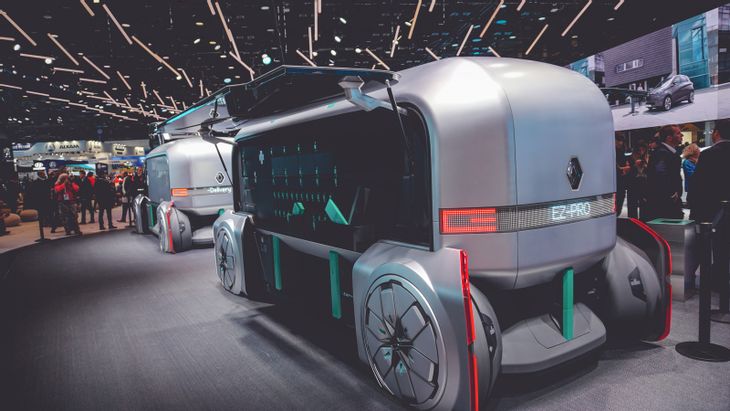
Concept cars still draw the masses, just ask anyone at the Renault exhibit. Despite a pair of retros, three mighty concept mobility solutions stood at centre stage and likewise dominated the entire exhibit hall. Our favourite was dubbed the 'EZ-Ultimo' – a car that answers a question nobody cared to ask. "What if Batman required a car far more French, and even more fabulous than his outgoing BatMobile?" Then there's the EZ-GO and EZ-PRO Concepts, a pair of bonkers Robo Cars. We are ready for this brave new world, especially if it resembles my personal favourite concept of the show, the Peugeot 504 reimagining, the E-Legend. The past is retro, and so is the future.
3. Cars are going digital in a big way
"Hello Mona Lisa, I'm cold." Wait. What? Sure, I'll explain. This is the command I directed at the dashboard of the new BMW 3 Series. It responded by dropping the AC temperature, just on my passenger side of the car. Clever, but in effect identical to the likes of Google Home and Amazon's Alexa. The best part is you don't have to call your BMW Smart Assistant Mona Lisa, you can name it anything, Monica? Or full name, so perhaps Monica Bellucci? And she has to listen to you. Finally!
4. Race cars equal sales
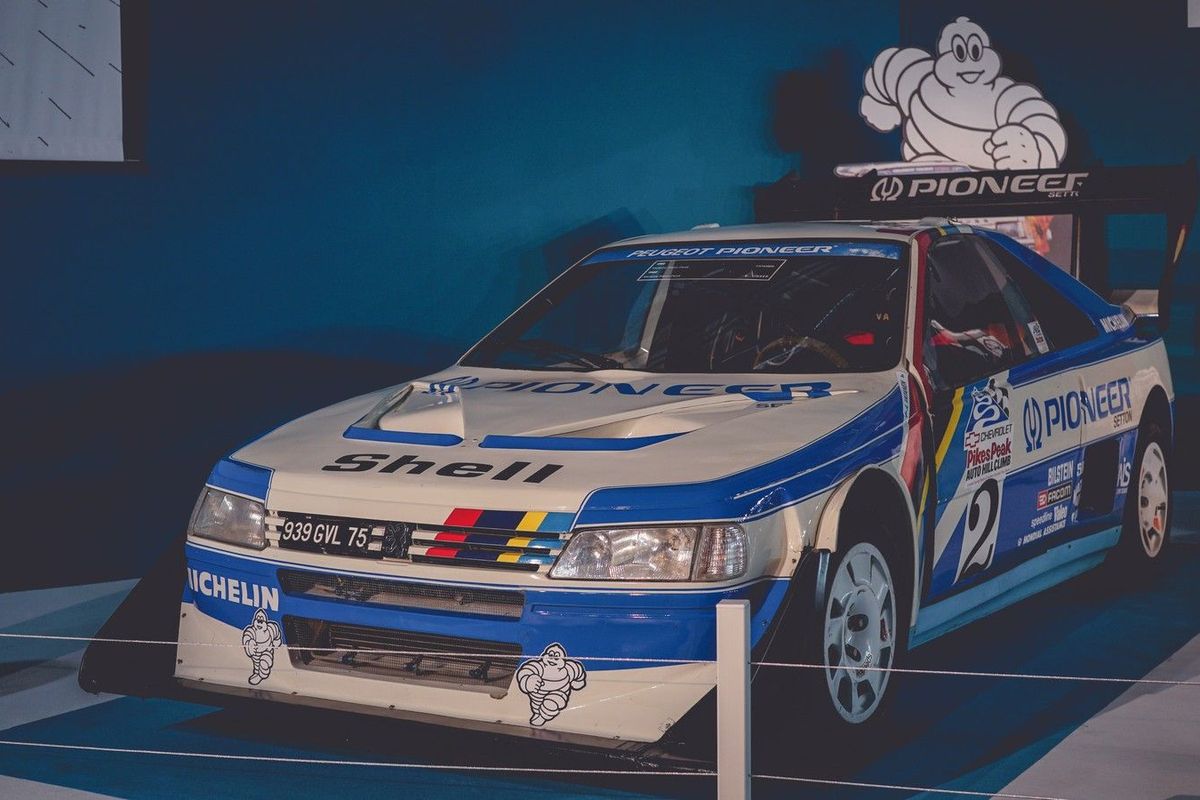
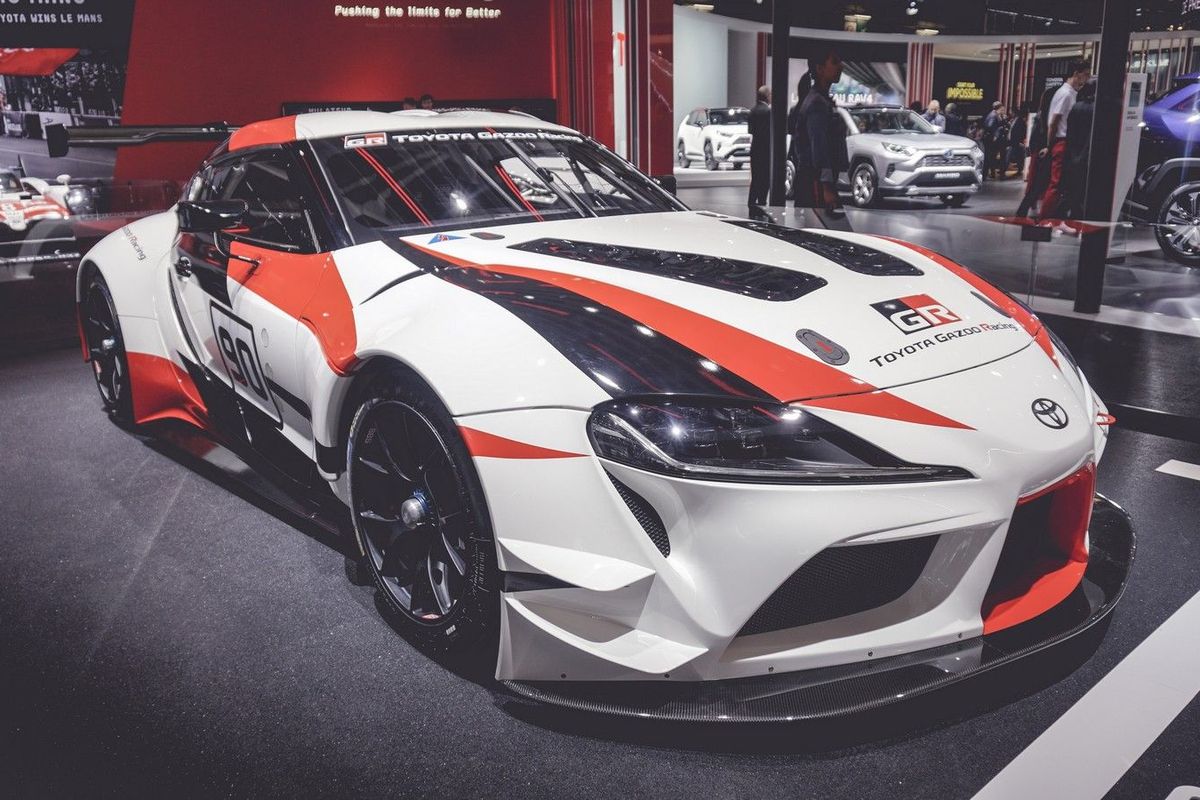
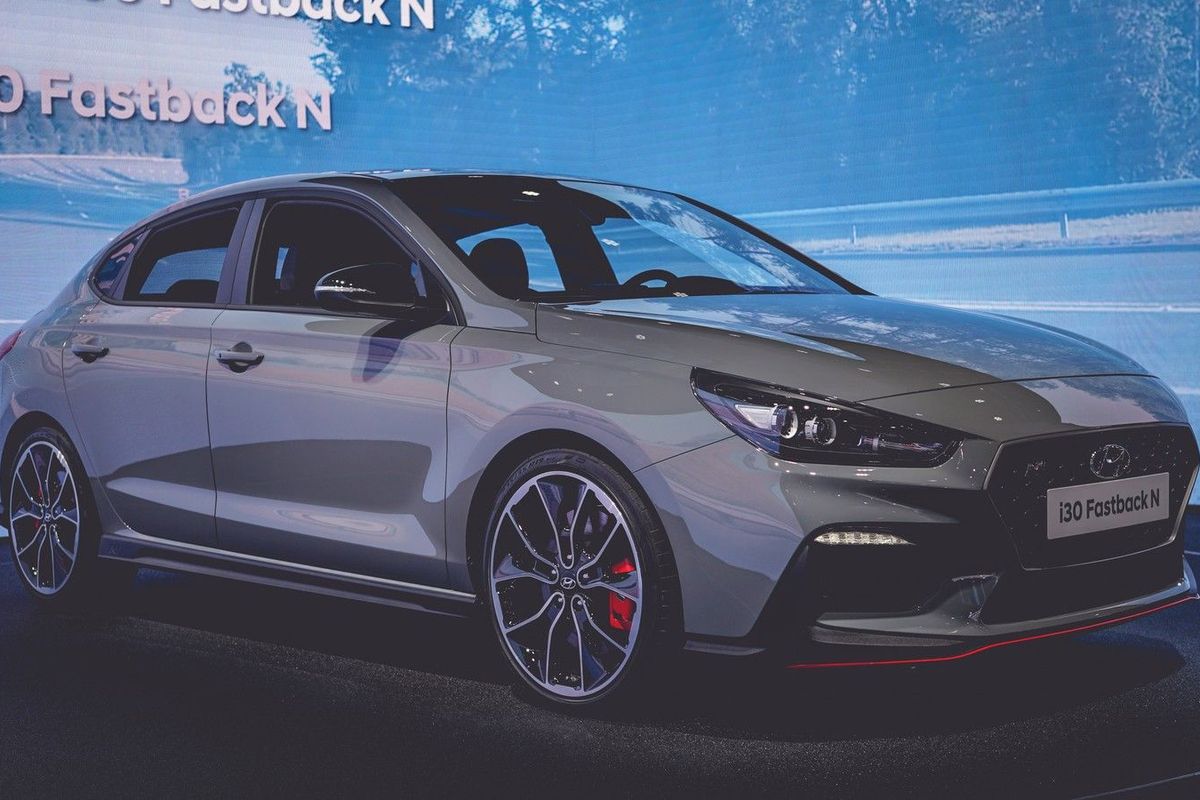
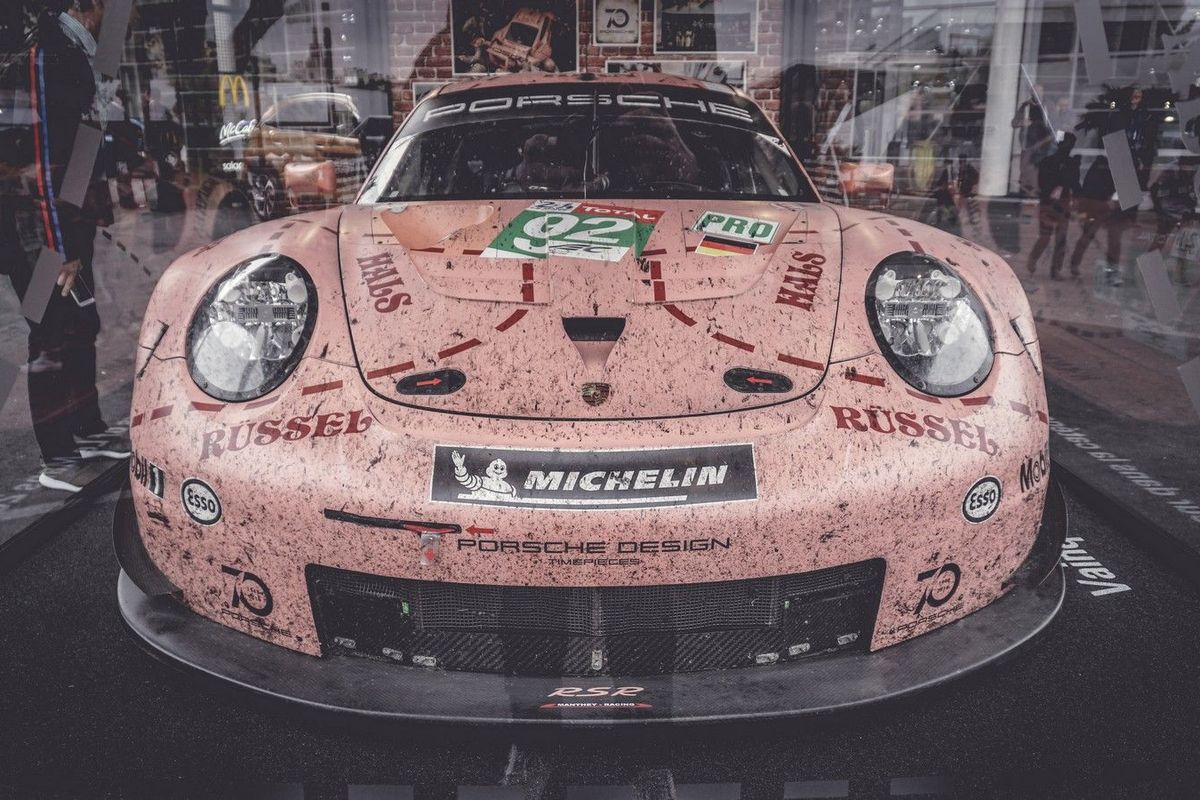
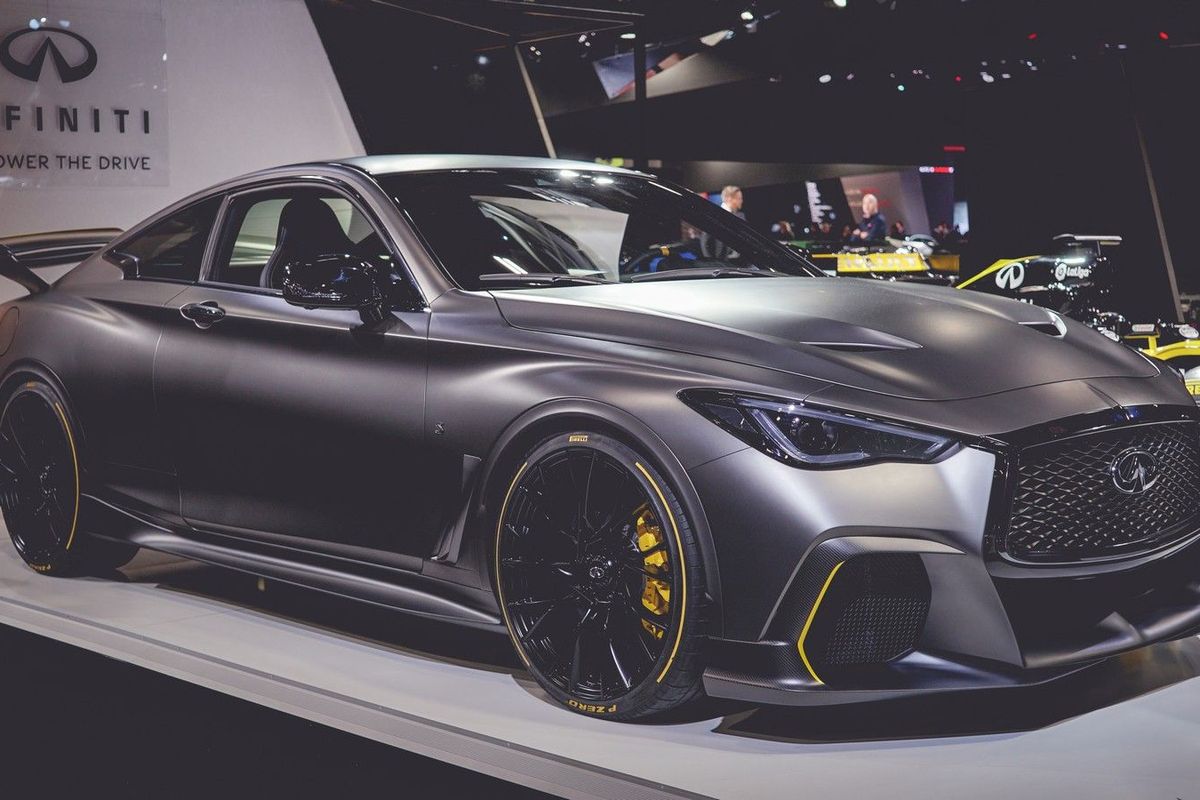
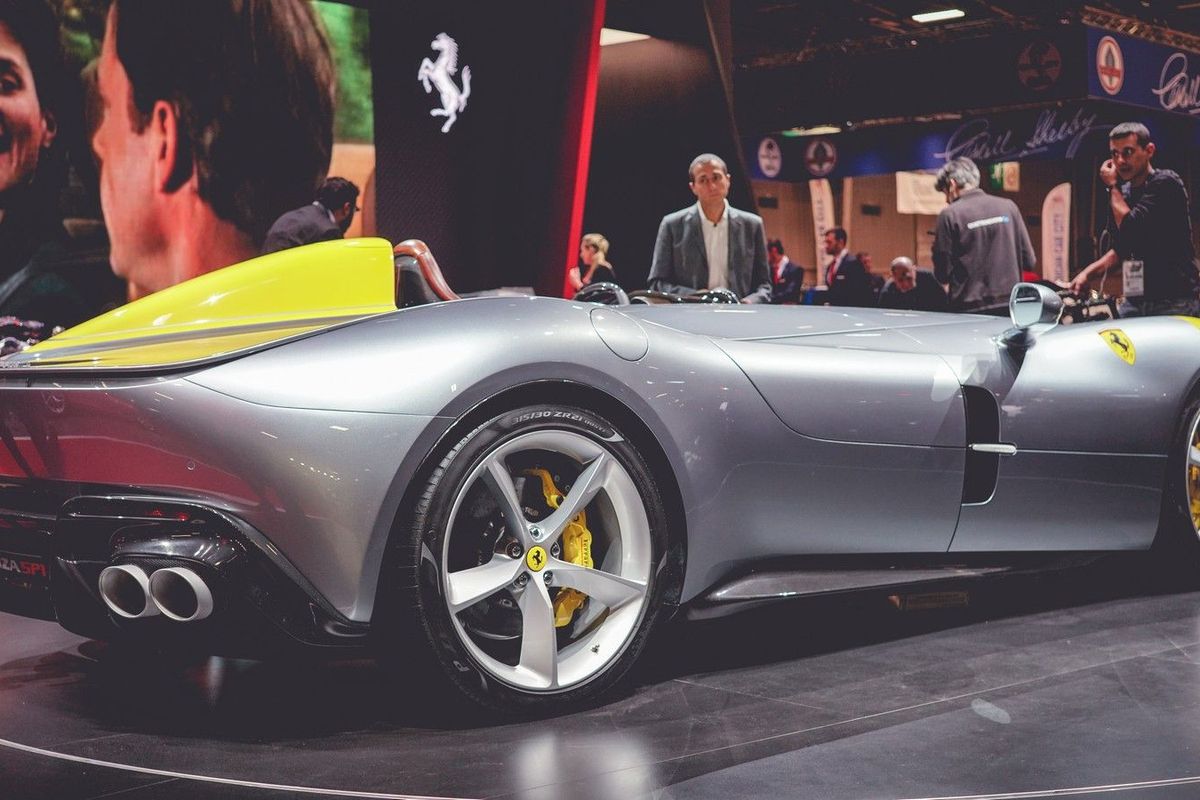
They were everywhere. Classic Ferraris and Porsches, circuit cars and dirt cars. Legends of Le Mans, Formula One and some now obscure rally raiders of the past. Many rolled out Formula E race cars, real and fictitious to enthral onlookers and to of course link their on-track electrification efforts to their road cars. Then there were the likes of the Hyundai i30 N race cars directly paralleling their upcoming production car's performance, arguably one of the most interesting new cars at the show. And then there was the Gazoo Racing A90 Supra will make its official appearance in Detroit early next year.
5. People are taking the Chinese seriously
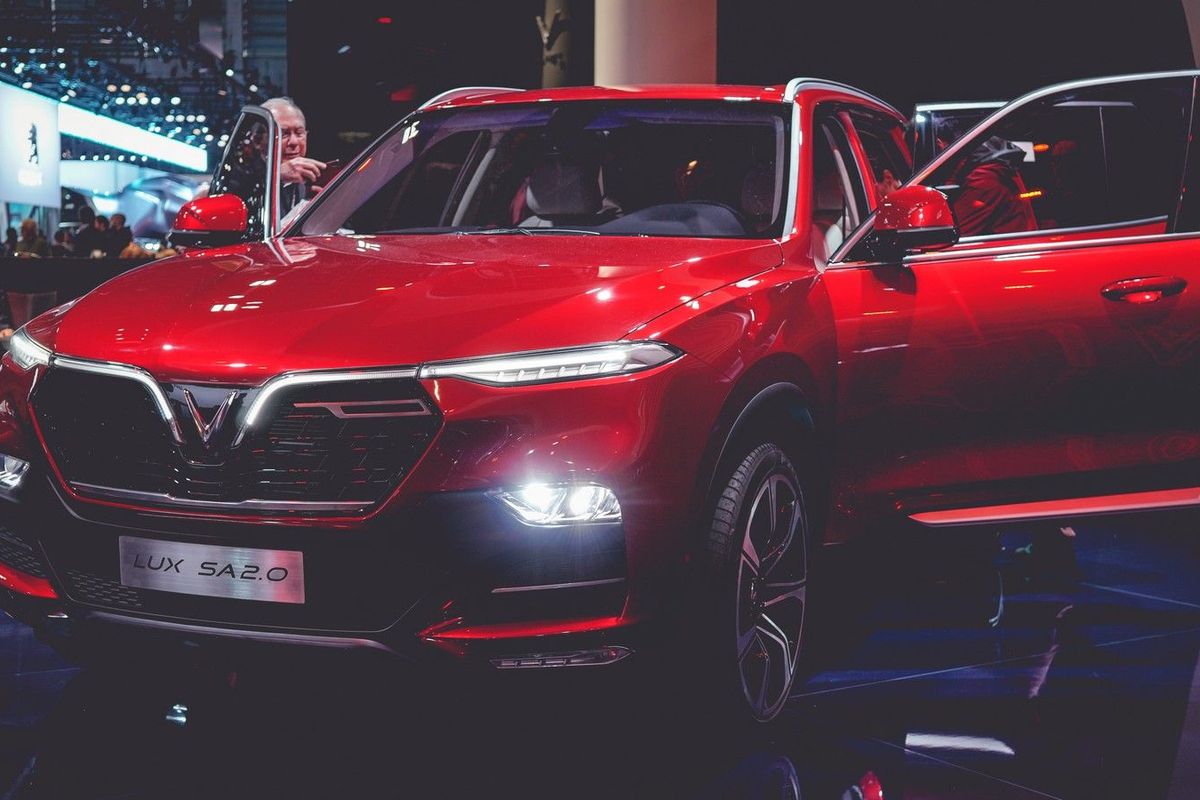
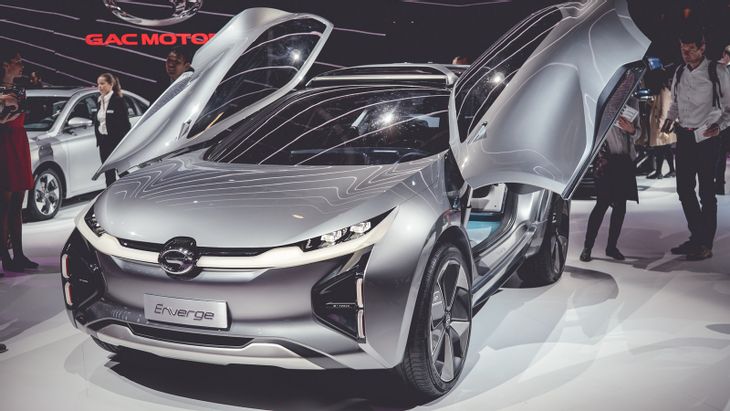
If stand size, breadth of product range and crowd interaction are anything to go by, Chinese marques have just about come of age. The products are holding up well alongside rivals from established markets and no longer look 'borrowed'. Rather, emerging design elements found in Japanese and European vehicles have been 'lifted', or perhaps I should say inspiration has been drawn? Regardless, overall car styling feels familiar rather than stolen and there's a sense of cohesion previously lacking. Besides, with the arrival of two Vietnamese cars to the show (and therefore the industry) China will no longer be the new kids on the block.
6. The future is silent
EVs, Hybrids and more. Not only are they running rife, but they're doing it almost completely soundlessly too. And that's terrifying since the organizers thought it would be wise to use them as the event's official taxis. I could have died! Seriously, they're the ninjas of the automotive world and it's exciting to live int a time when the Prius is no longer synonymous with electrification. Citroen, Peugeot, Renault – every French car company now has skin in the game, I should know – I narrowly avoided many of them while traversing the halls.
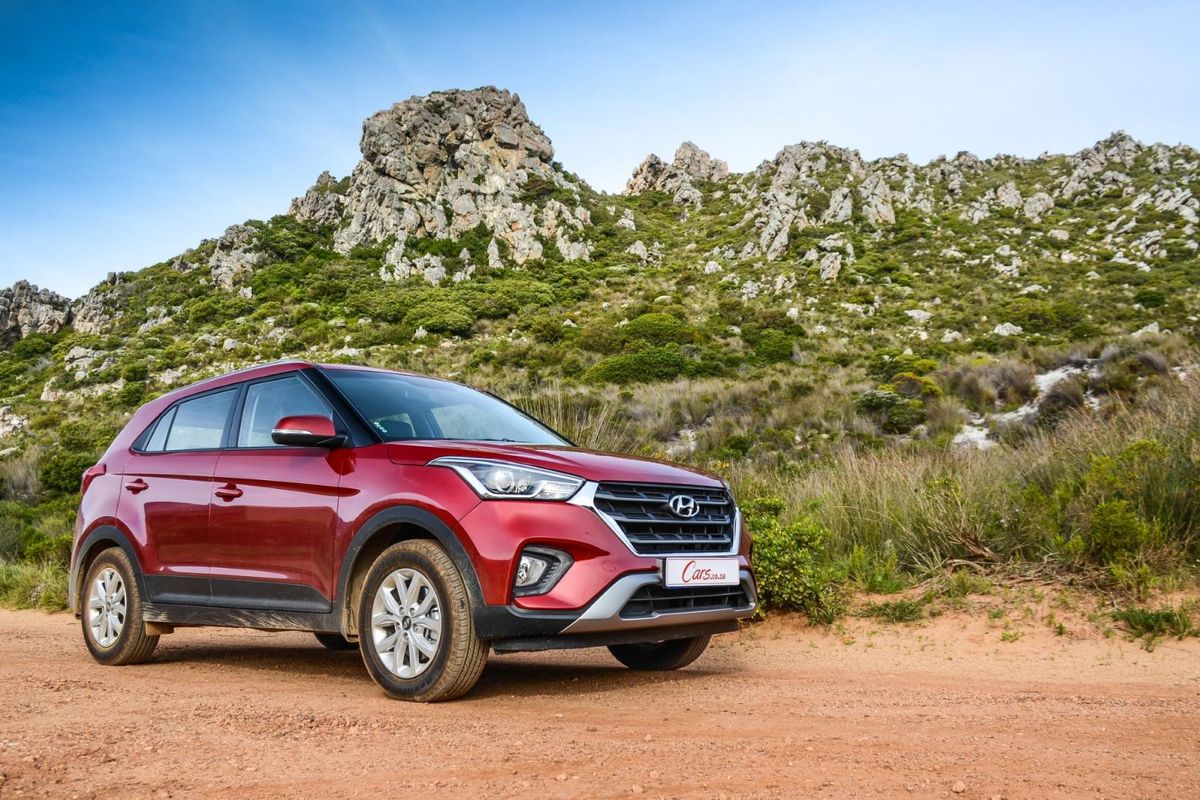
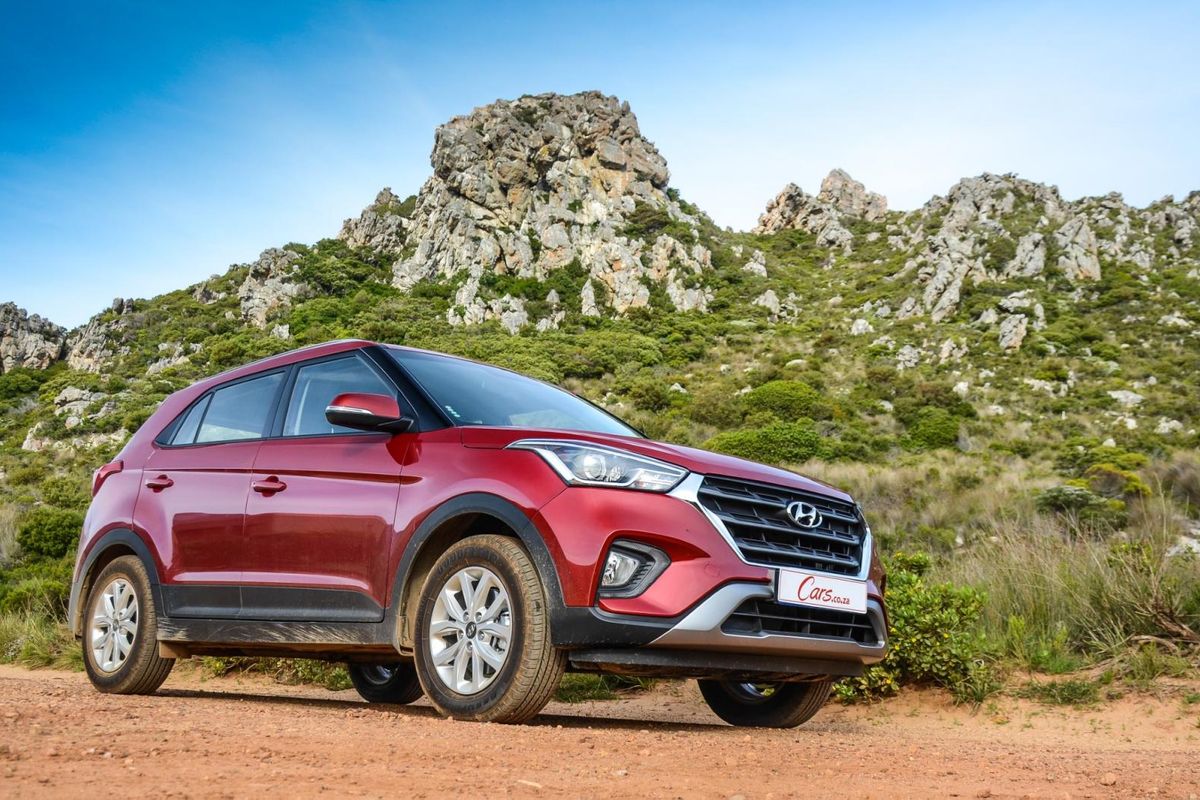
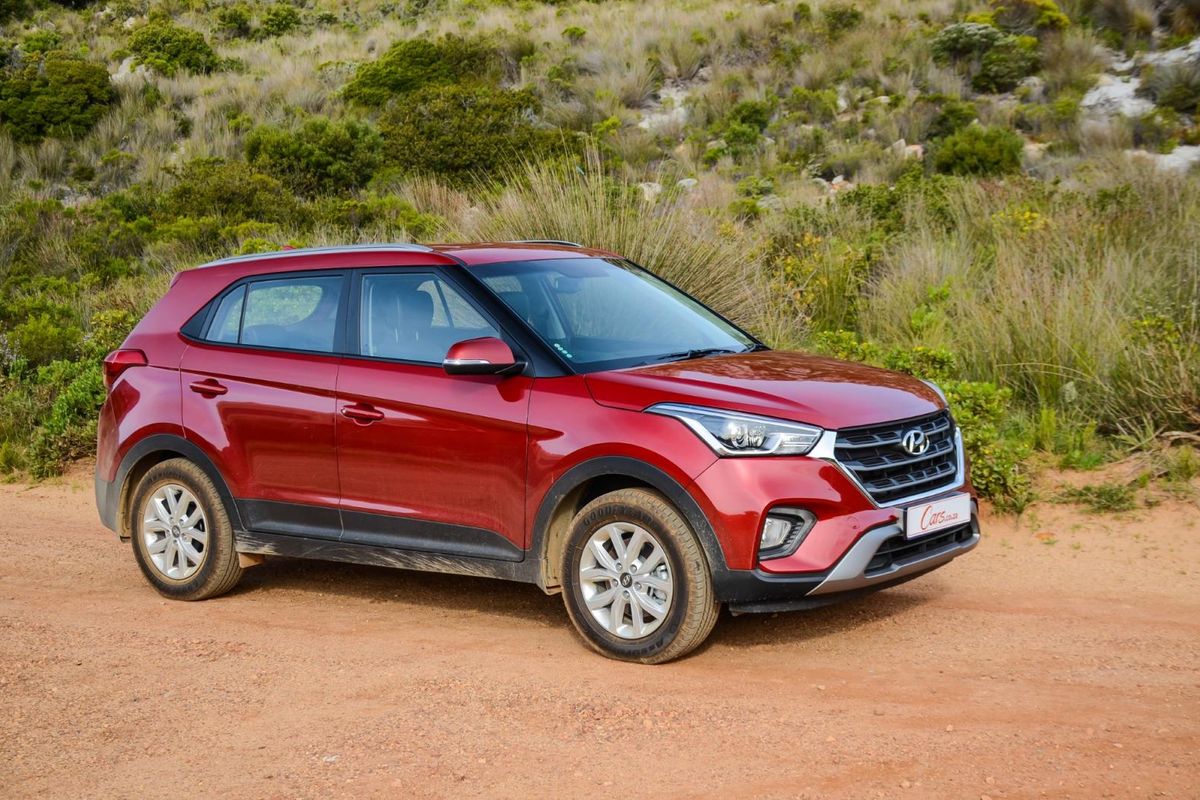
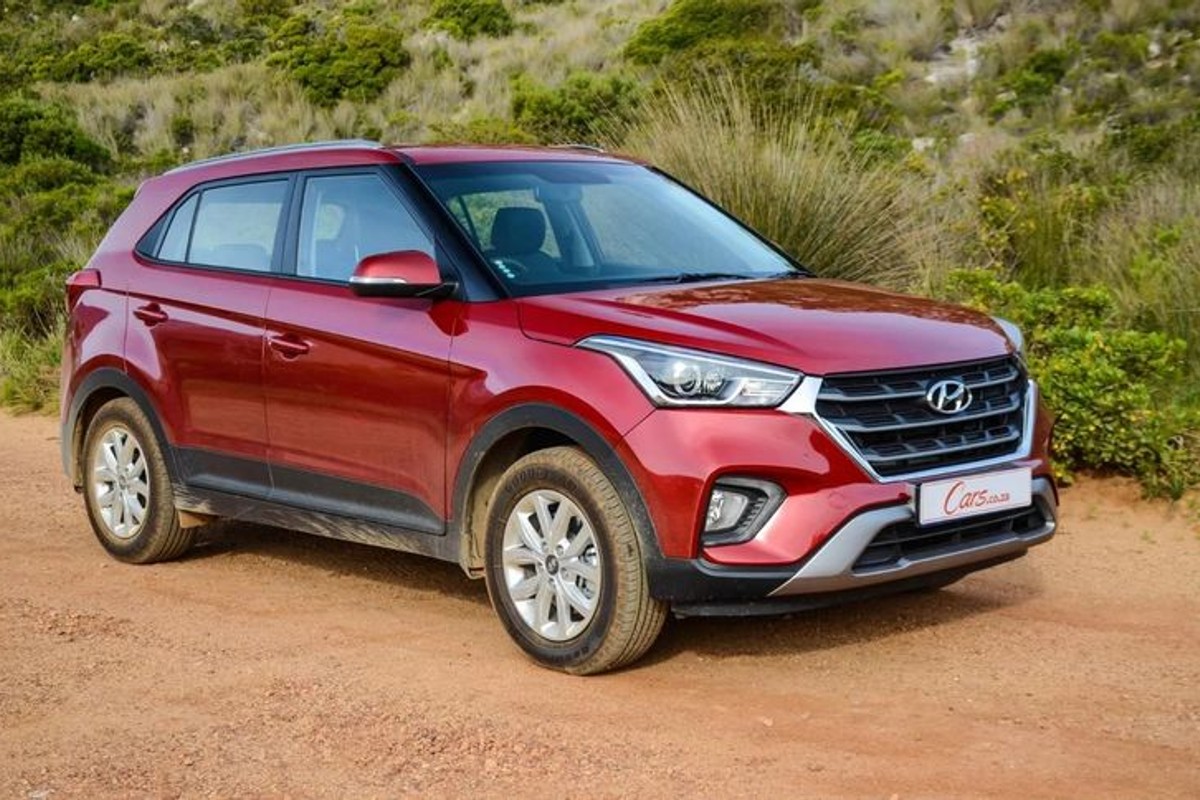
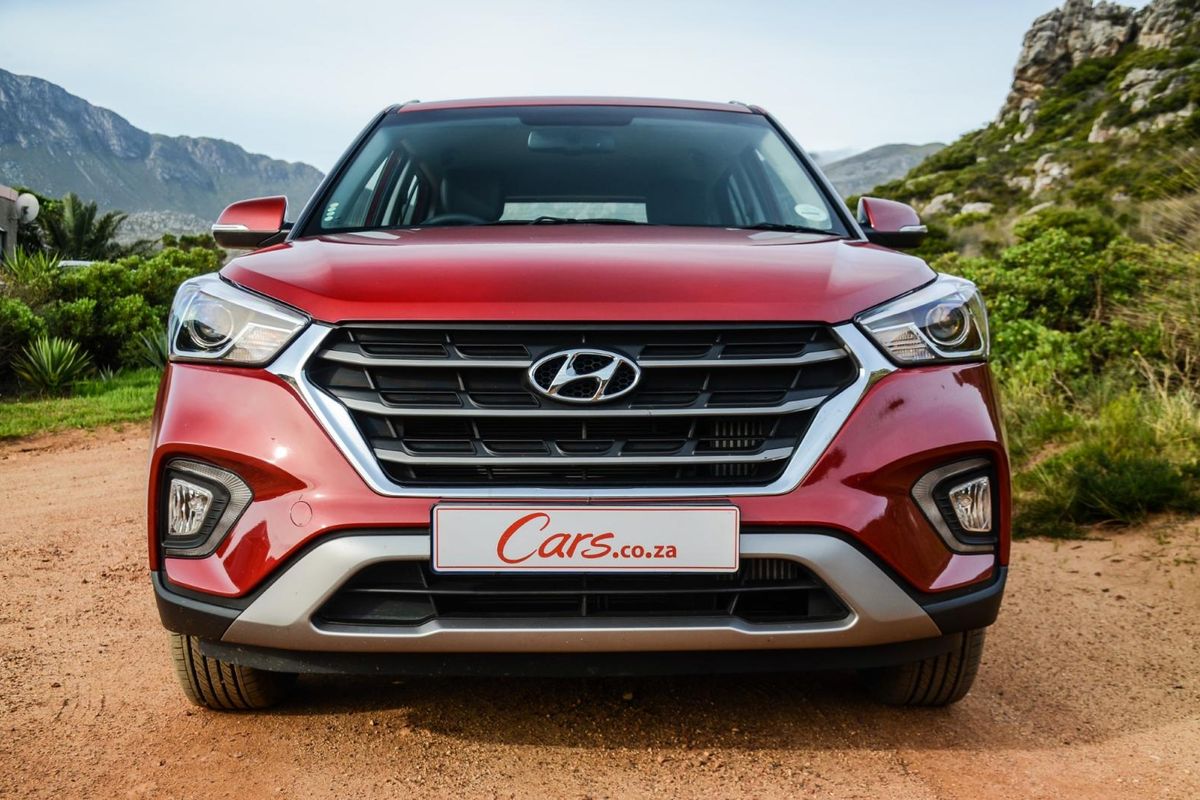
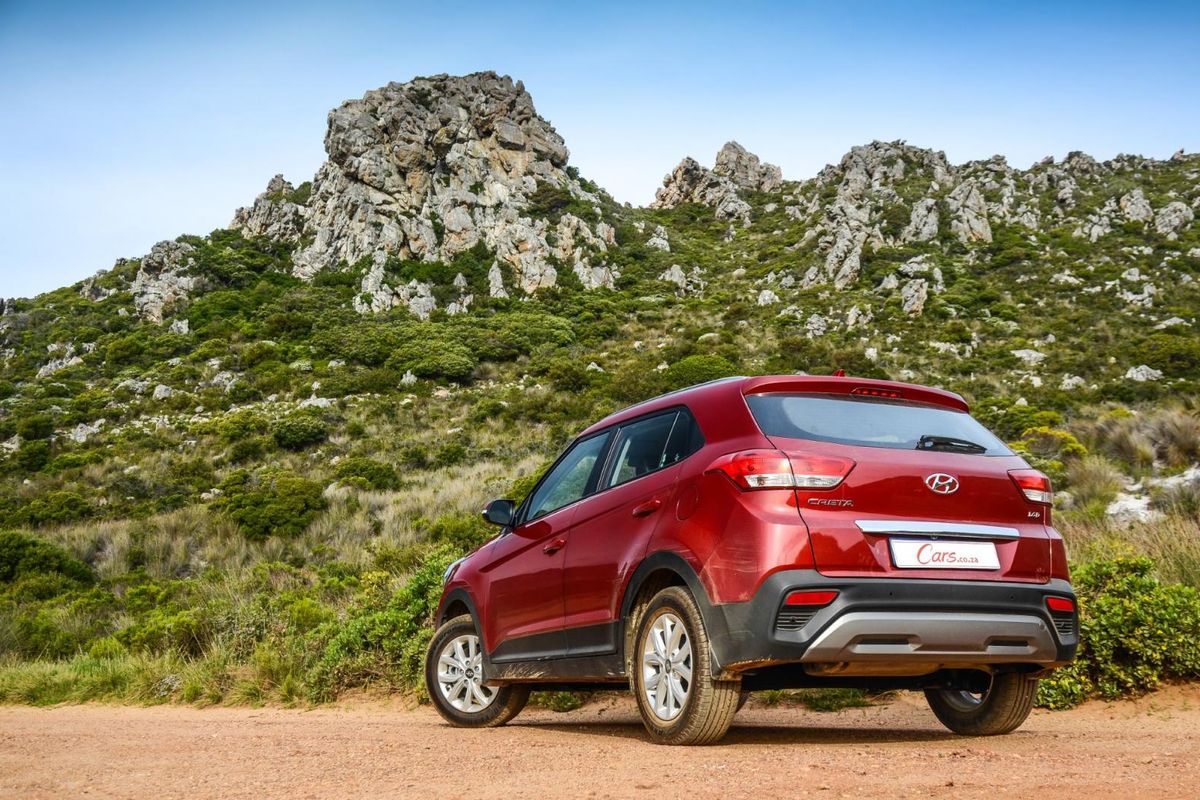
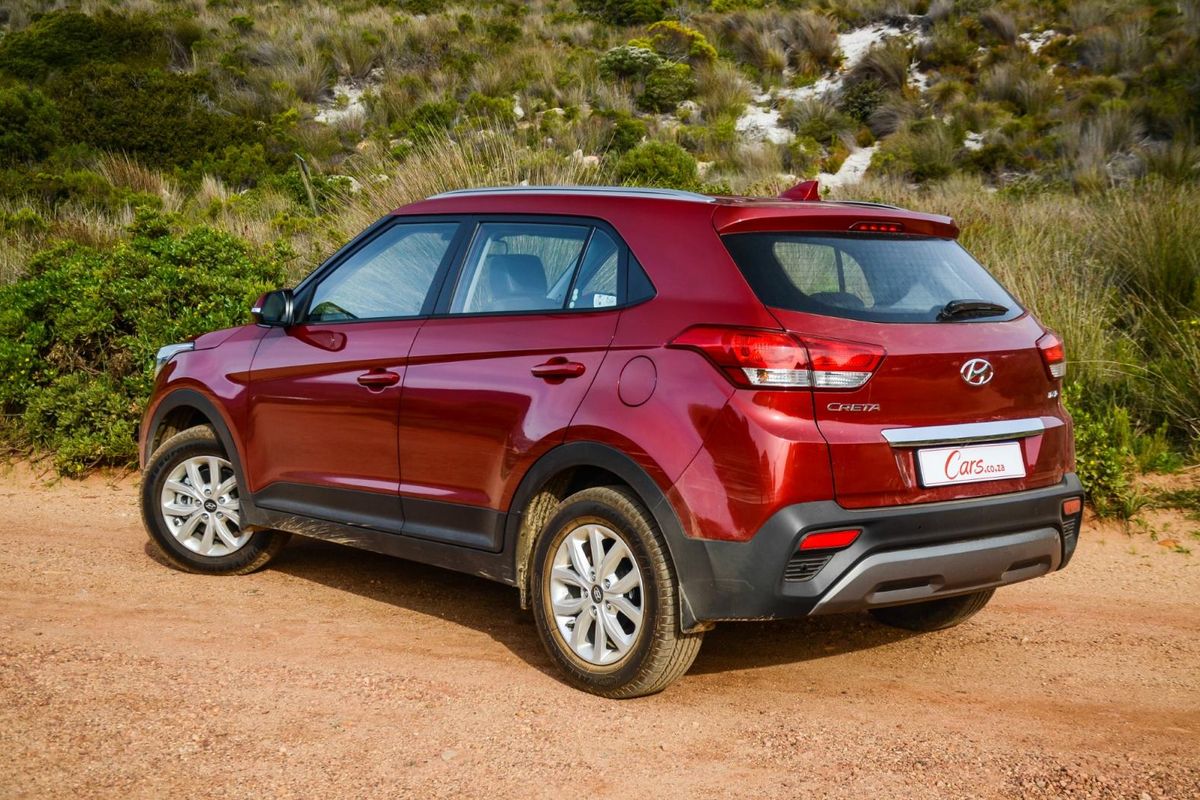
The Hyundai Creta was recently updated and remains a popular choice in the compact family car segment. Just how good is the range-topping Creta 1.6D Executive? We recently tested it to find out if it's worthy of appearing on your shortlist, read on…
We Like: Revised styling, fuel economy, practicality
We Don’t Like: Lazy acceleration, engine refinement, pricey
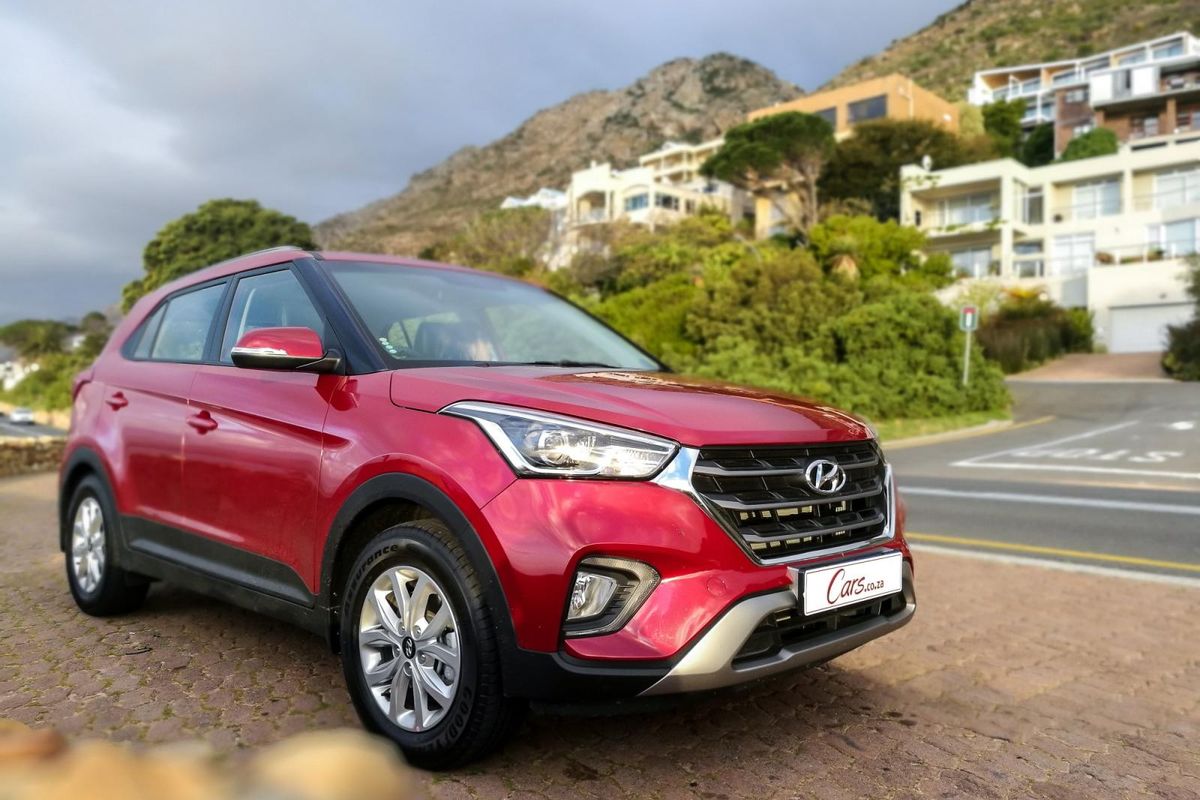
The updated Creta offers attractive styling and practicality while returning good daily fuel economy.
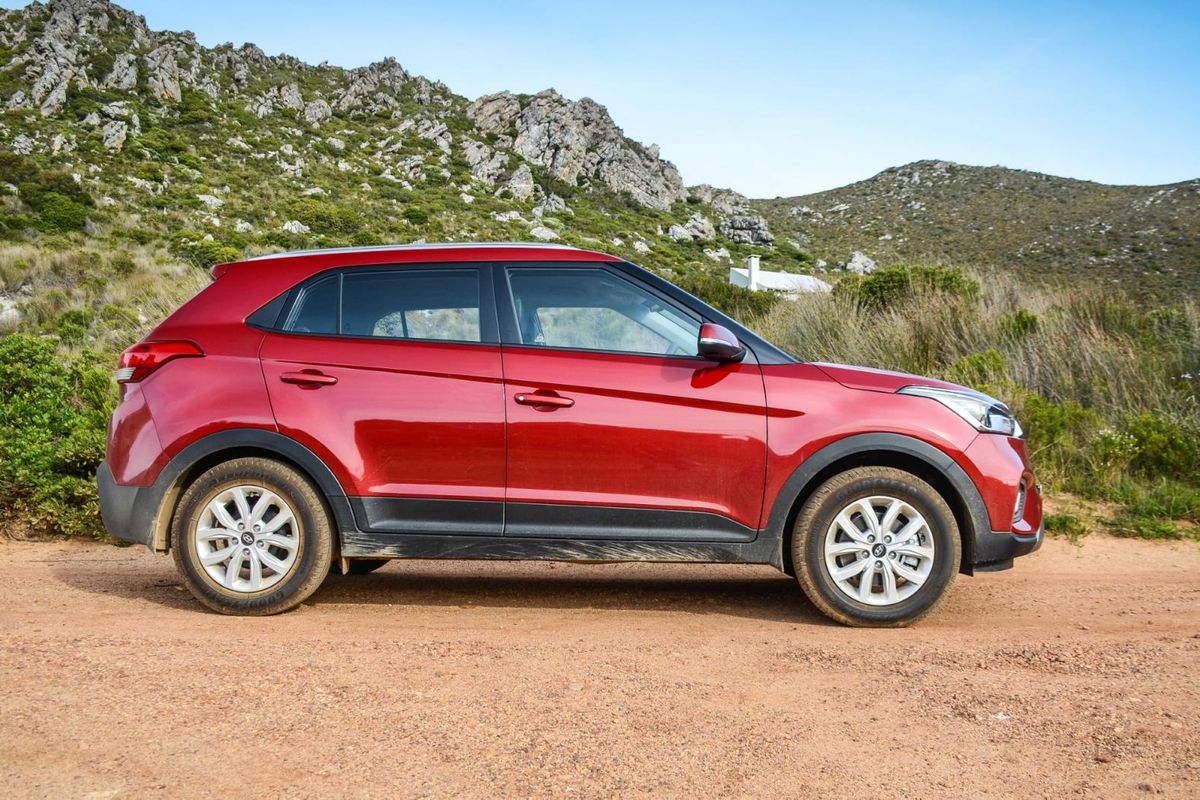
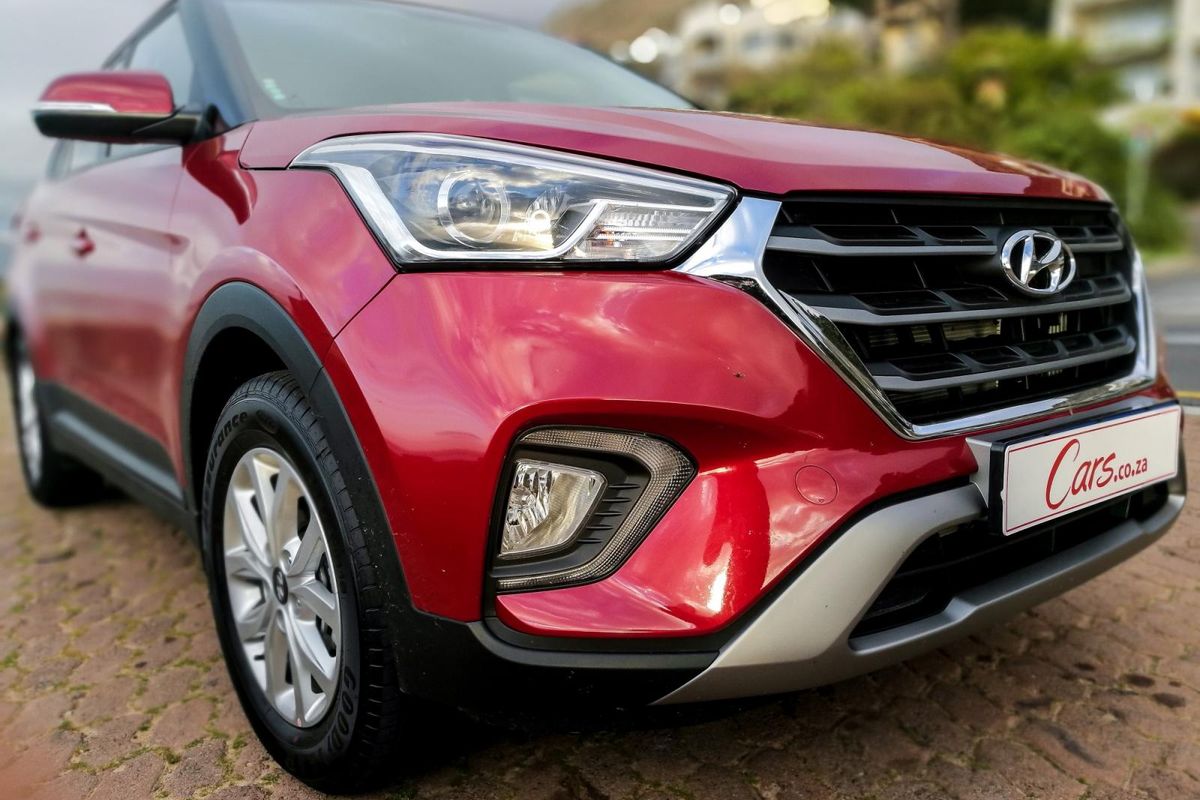
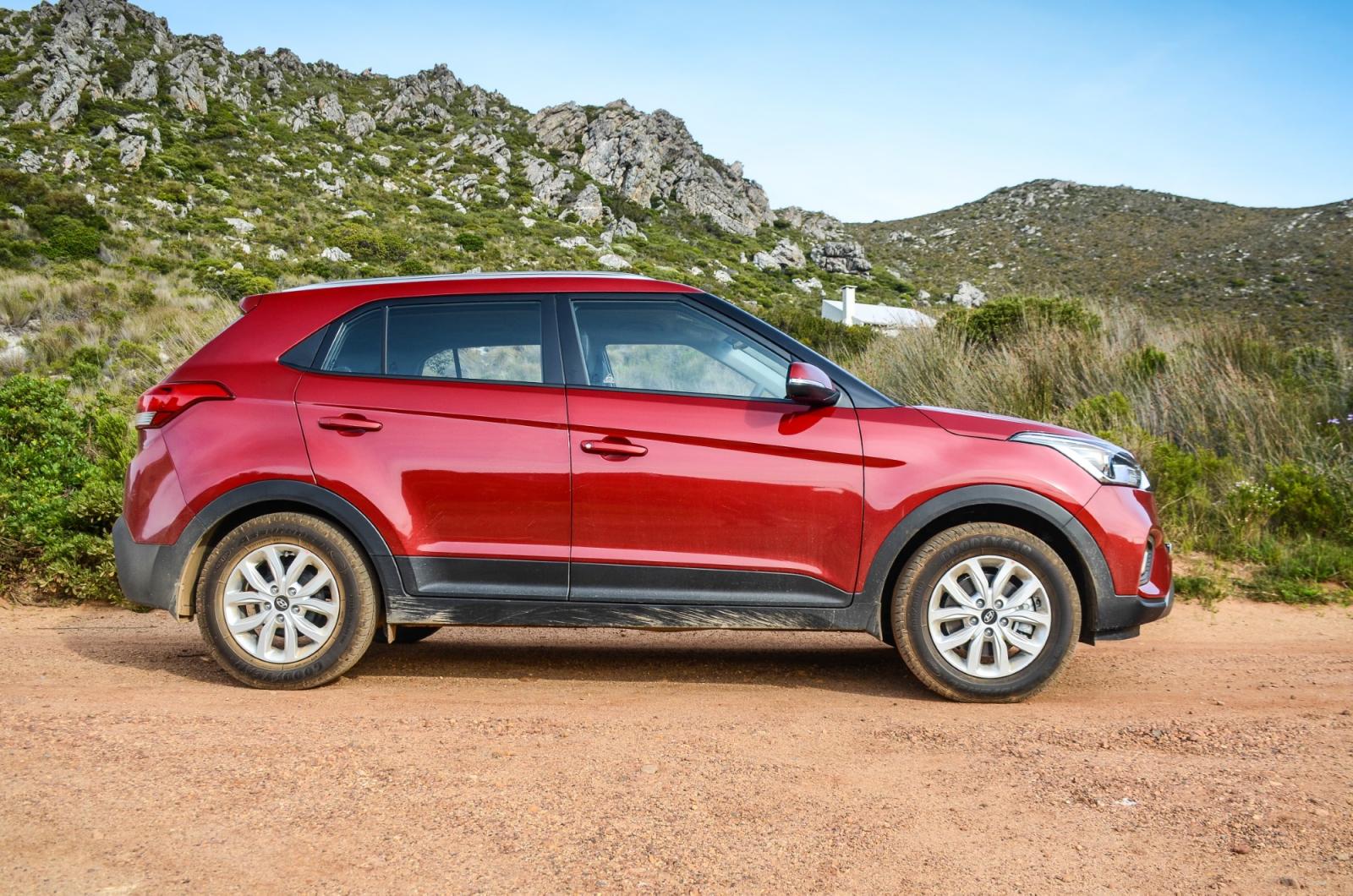
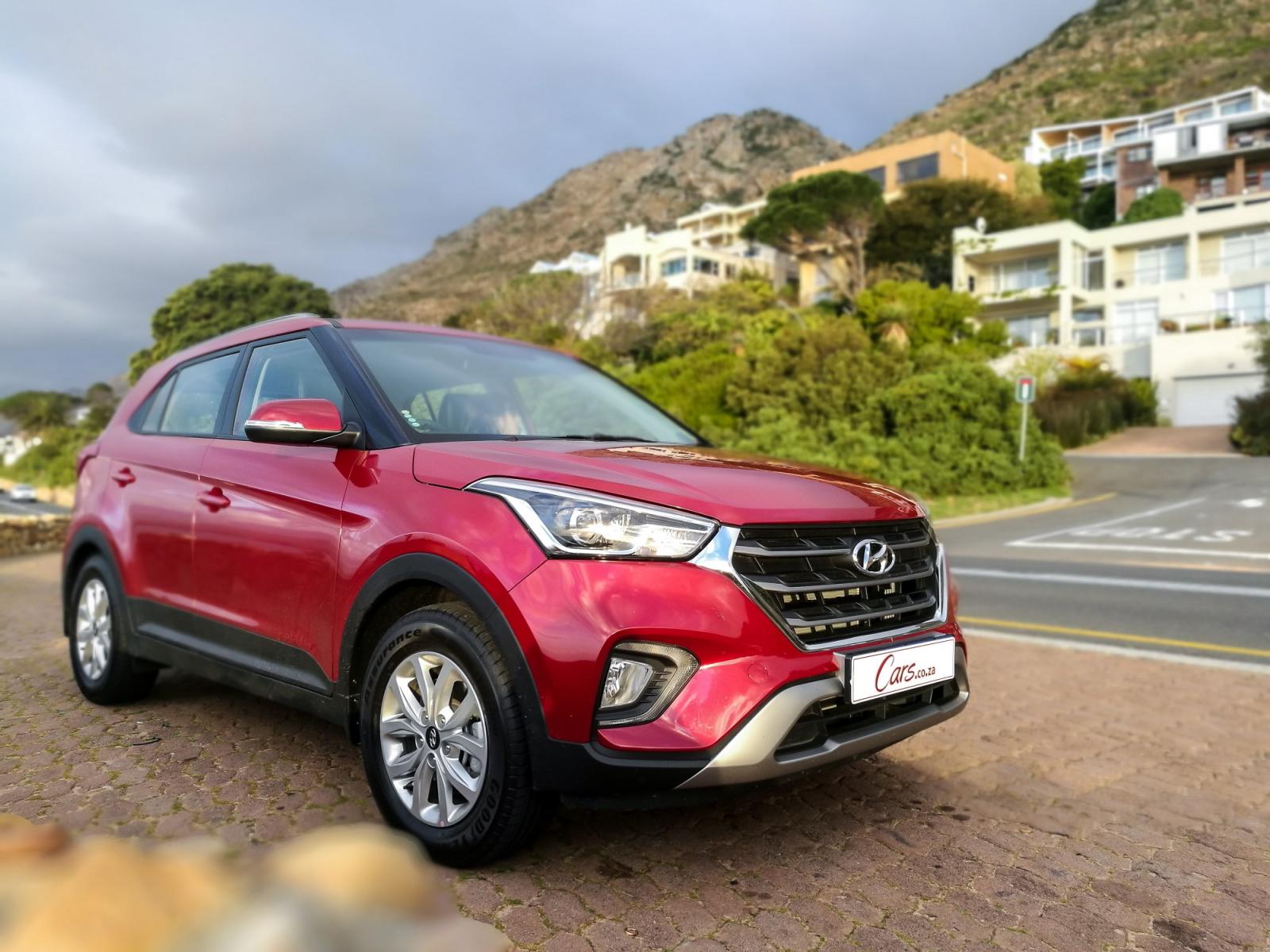
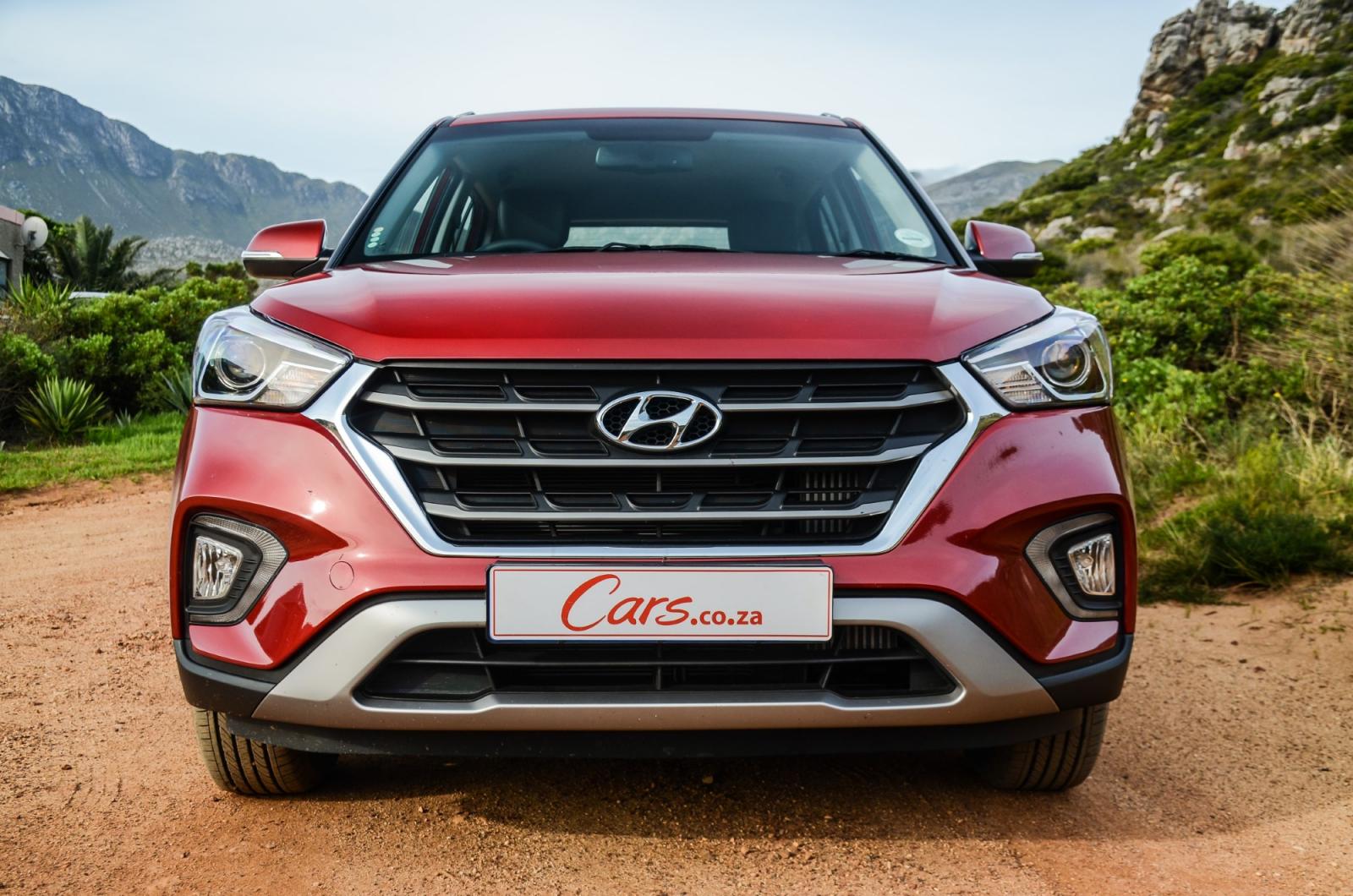
Since the Hyundai Creta was introduced to our market in early 2017, it has been a top-seller in its segment (despite its somewhat unusual name). In fact, more than 8 000 Cretas have found homes in South Africa. The demand for compact crossovers is booming at present and to keep the Creta in sync with buyers’ demands, Hyundai recently updated its crossover’s styling with a new grille design, bumpers, roof rails, skid plates and newly-designed tail lights, fog lights and LED daytime running lights.
It’s a good looking vehicle overall and the Creta 1.6D Executive automatic on test here has also been chosen as a semi-finalist in the compact family car category of the 2018/19 iteration of the Cars.co.za Consumer Awards – powered by WesBank.
How good is it? Let’s take a closer look…
What’s Good?
General performance and fuel economy
You can expect fair performance from this Creta on various road surfaces.
This flagship Creta derivative employs a 1.6-litre turbodiesel engine that offers outputs of 94 kW and 260 Nm of torque. The front wheels are driven through a 6-speed automatic transmission, which we found shifted gears relatively smoothly, but it's perhaps not quite perfectly mapped to get the most from the engine's torque delivery.
We took the Creta on a weekend road trip and found its general performance to be average to good, both in city and highway driving conditions. Despite being a torquey engine, it’s not as punchy (or responsive) as you might hope it to be, but it’s more than adequate for the typical city run or out-of-town excursion. To expand on our statement about the transmission's mapping, the 'box felt a bit sluggish to select the appropriate gear when we tried to execute quick overtaking manoeuvres.
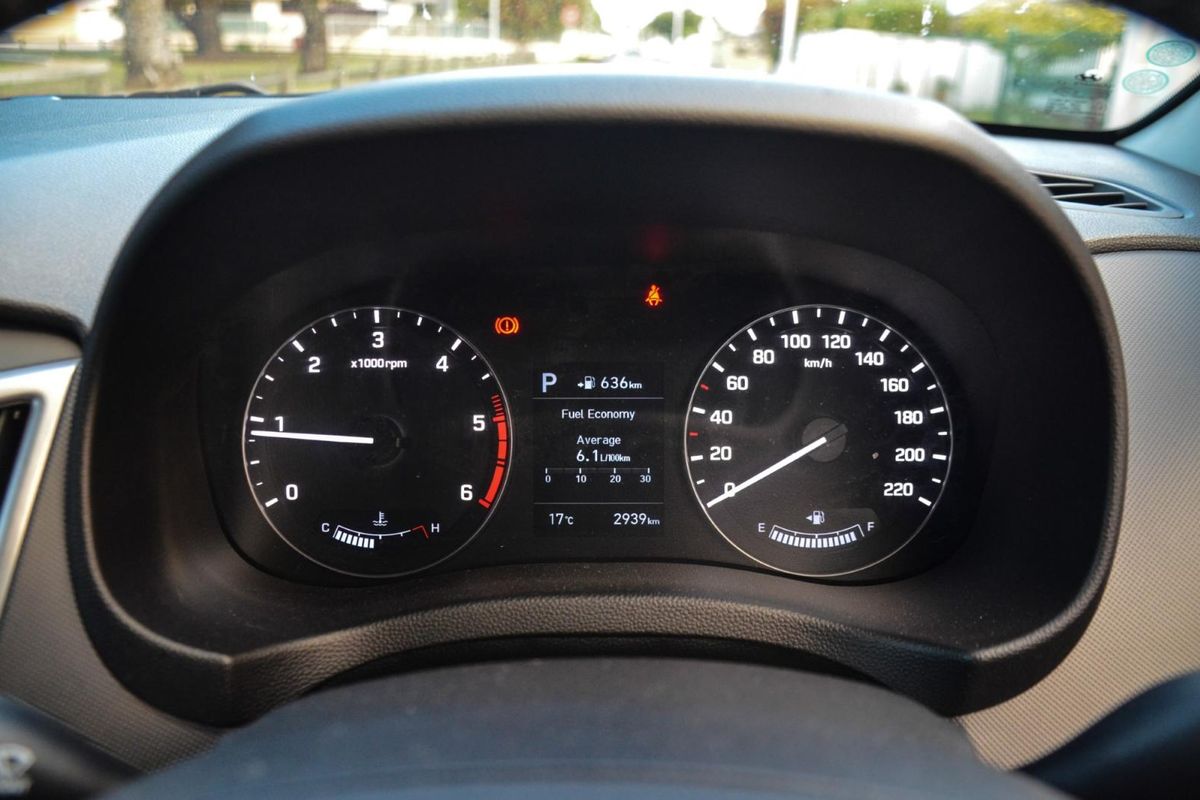
However, this Creta’s strength lies in its fuel economy, and while Hyundai claims an overage consumption of 7.4 L/100 km, we were surprised to see real-world figures of around 6.0 L/100 km during the 1.6D Executive's tenure in the test fleet, which impressed us… It’s not often a car consumes less than its manufacturer claims it will…
Comfortable ride
Another strength of the Creta is that it offers a very comfortable ride quality. It is well behaved on tar thanks to its MacPherson strut (with gas dampers) front- and torsion-beam rear suspension setup. It soaks up bumps and ruts with aplomb, and the pliancy speaks to Hyundai retuning the Creta's damper settings for the facelift.
Meanwhile, the Creta comfortably scrabbled over gravel too – it dealt with the surface very well indeed. Good job, Hyundai.
Comfort and Practicality
This Creta's interior offers average levels of comfort and comes fitted with most of the essentials.
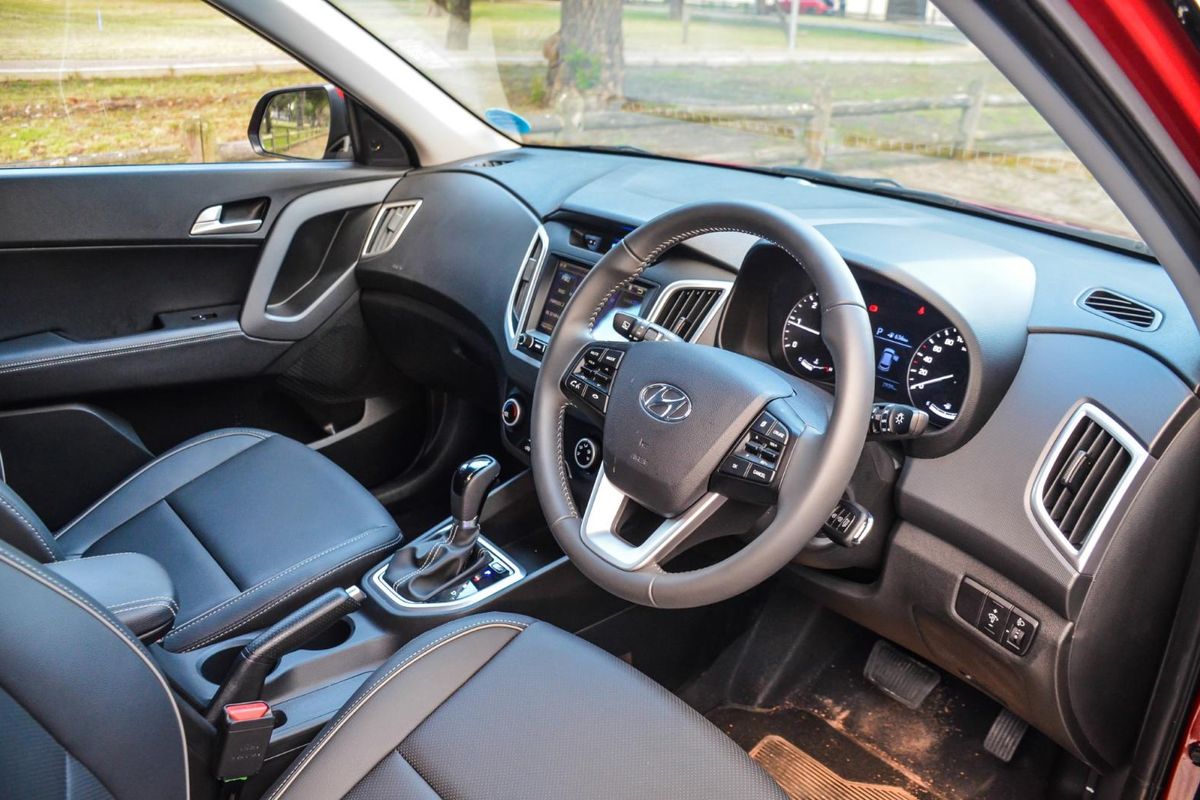
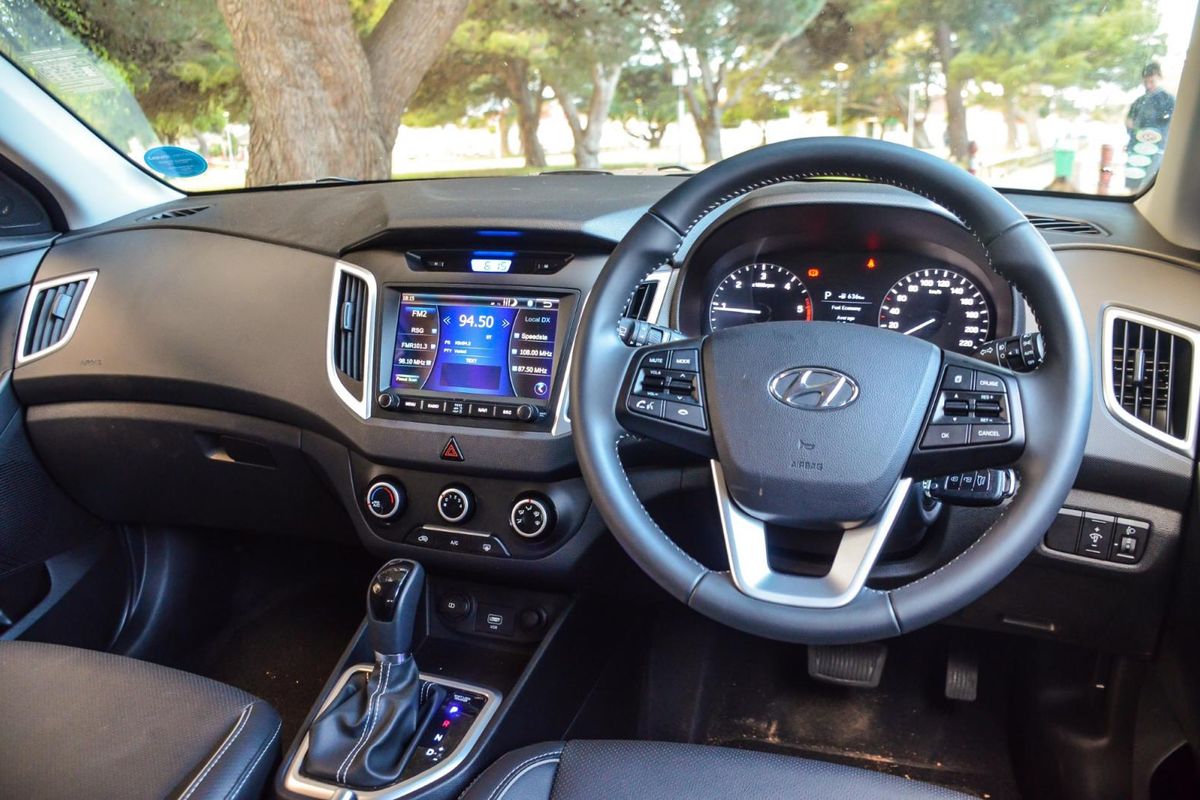
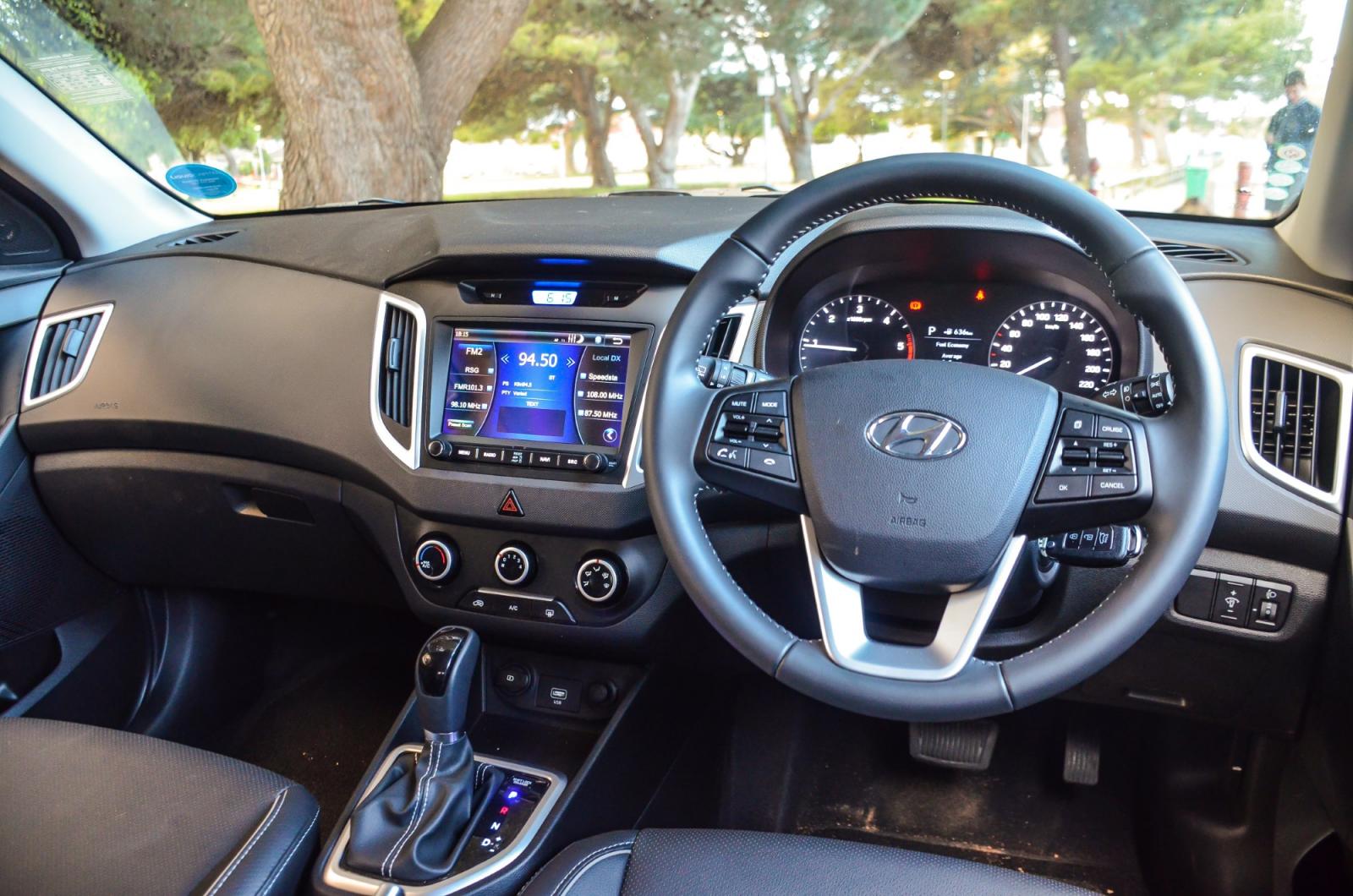
Although its interior is characterised by harder plastic surfaces, the Creta's cabin is well made; it looks and feels durable. Comfort features include artificial leather seats, a height-adjustable driver’s seat, rake- and reach-adjustable steering wheel with mounted controls (including for cruise control, which is a new addition), manual air conditioning, an electrochromic rear-view mirror, rear PDC and a reverse-view camera, as well as electric windows all round.
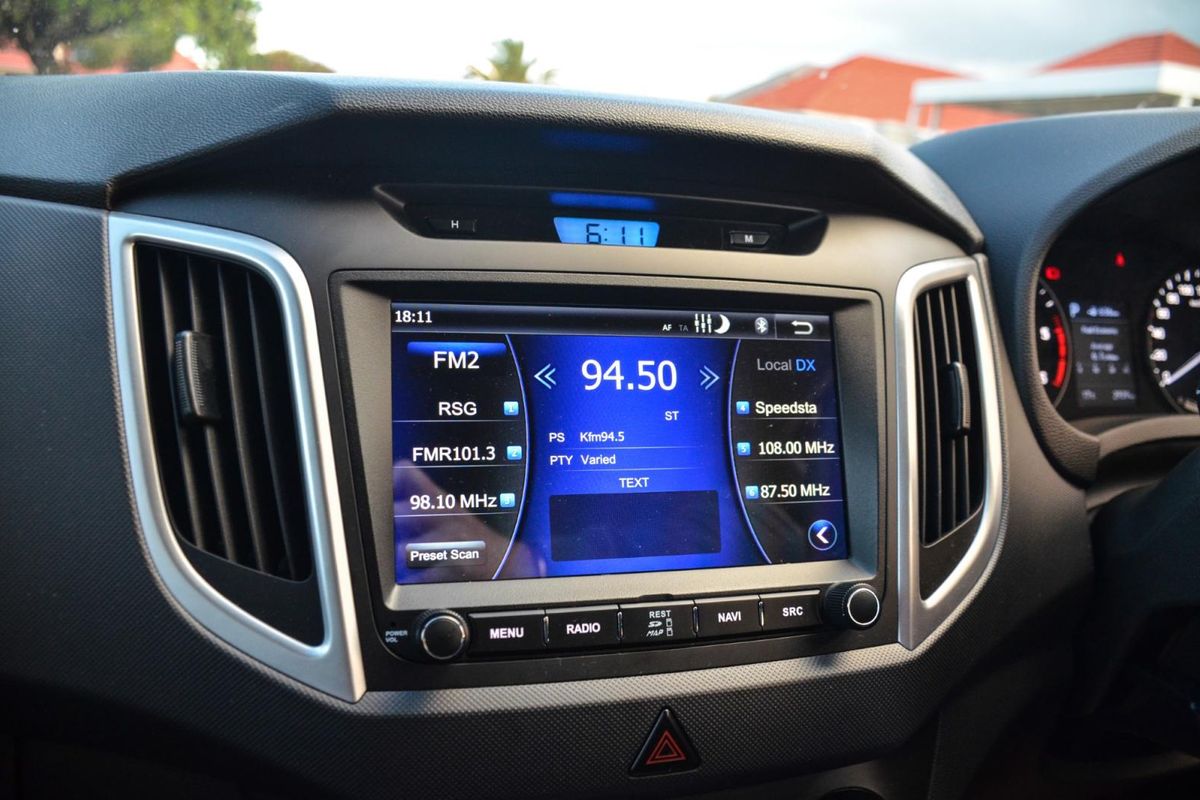
The 8-inch touchscreen infotainment system is basic and easy to use and it offers Bluetooth connectivity, MP3 playback and a USB plus auxiliary inputs, should you need them. Navigation is an optional extra.
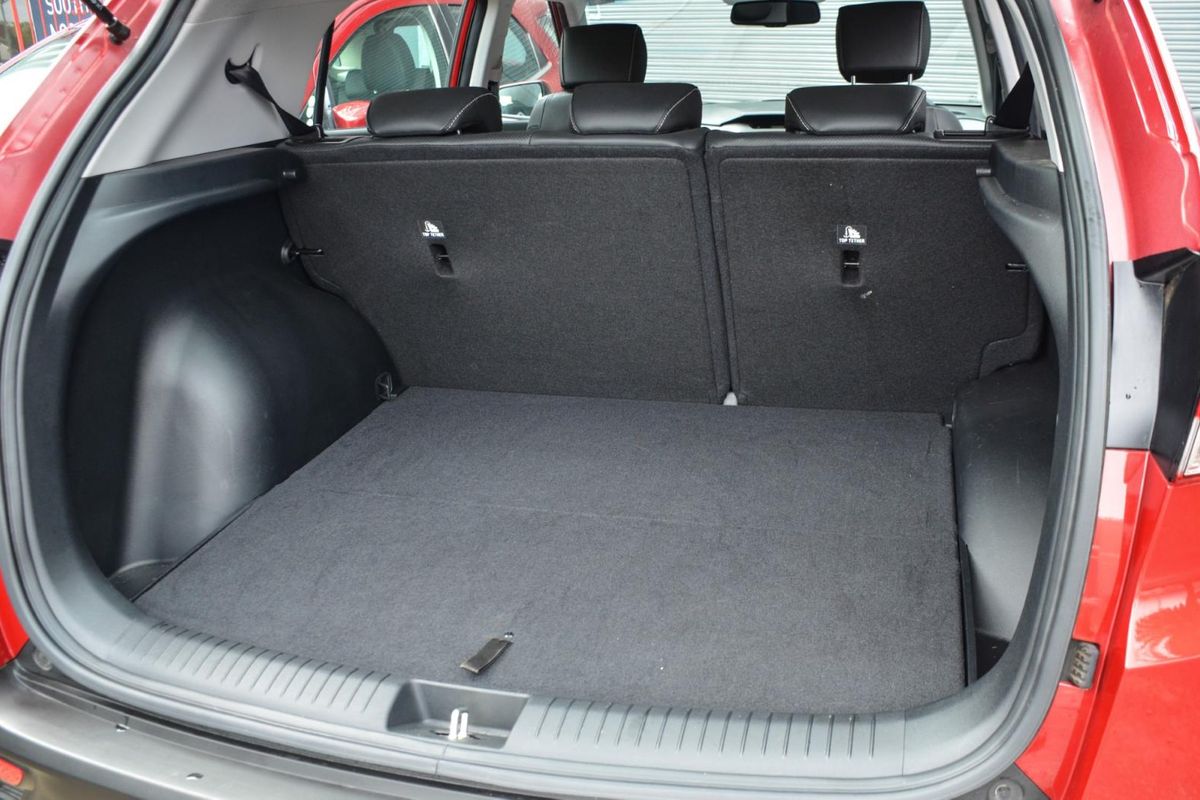
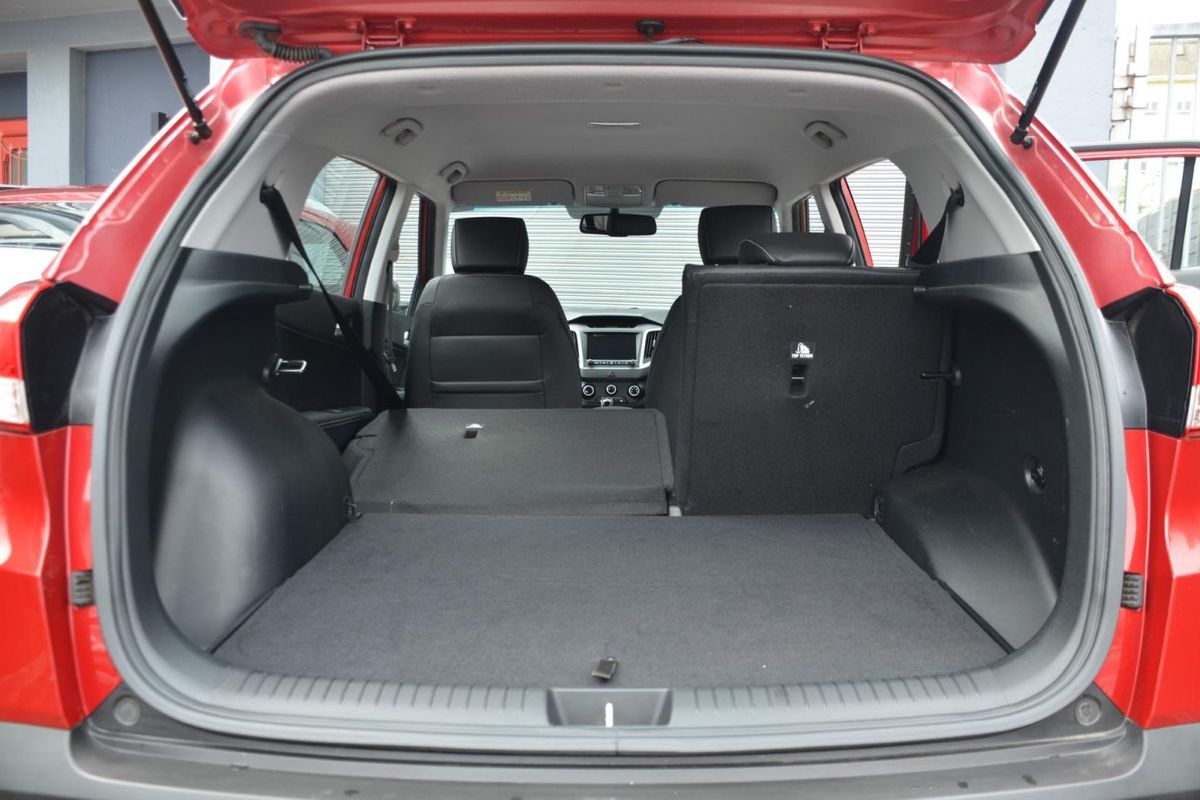
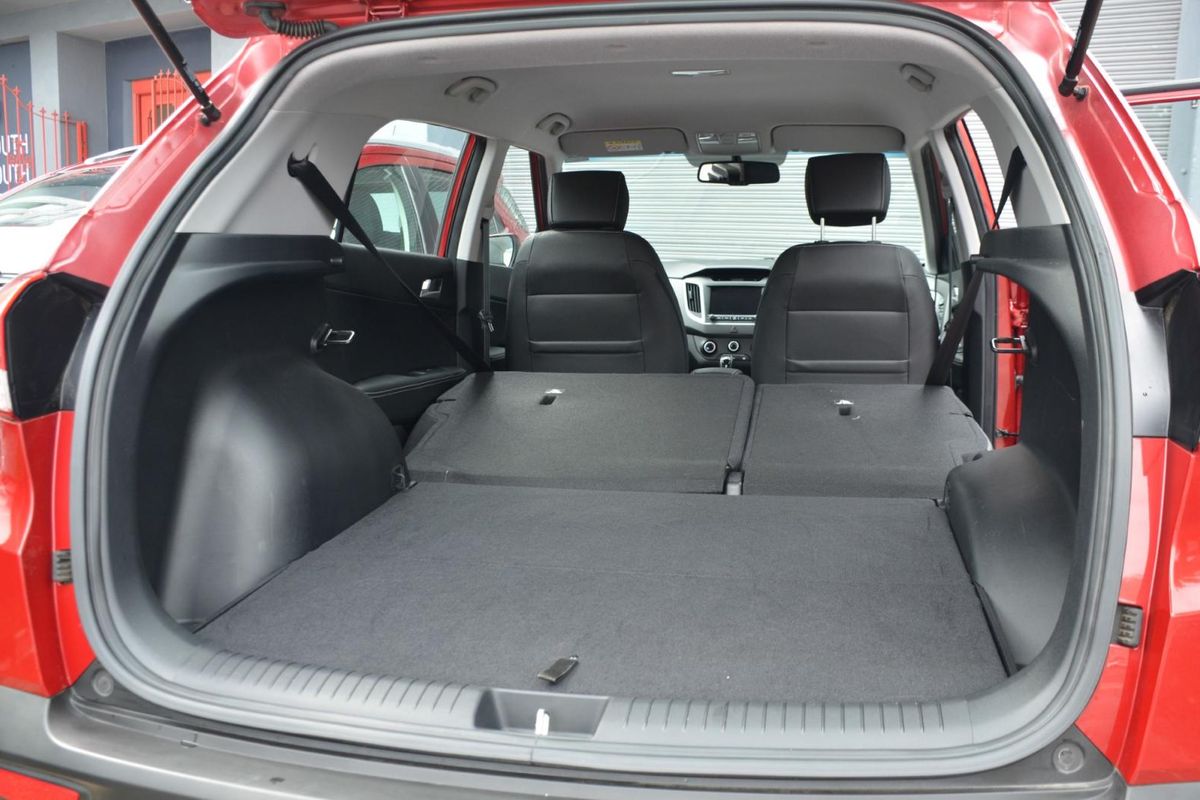
A spacious and flat loading area makes transporting bulkier items easy.
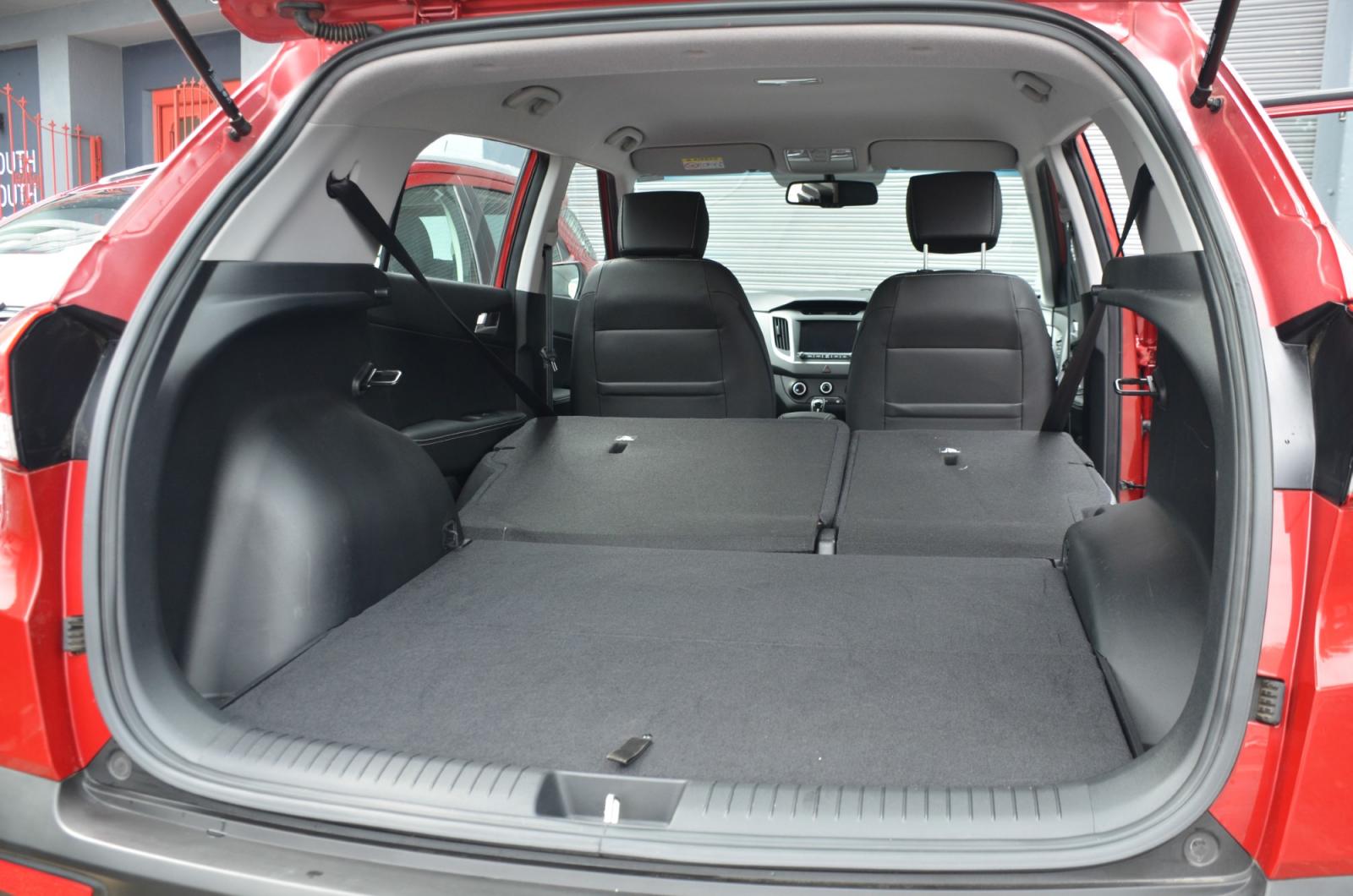
From a practical perspective, the Creta is well sorted with a capacious load bay (its claimed capacity is 402 litres), which can be expanded further with the 60/40 split rear seats folded down. We easily slotted two 6-foot surfboards in and still had plenty of room left over for luggage and other bits and bobs.
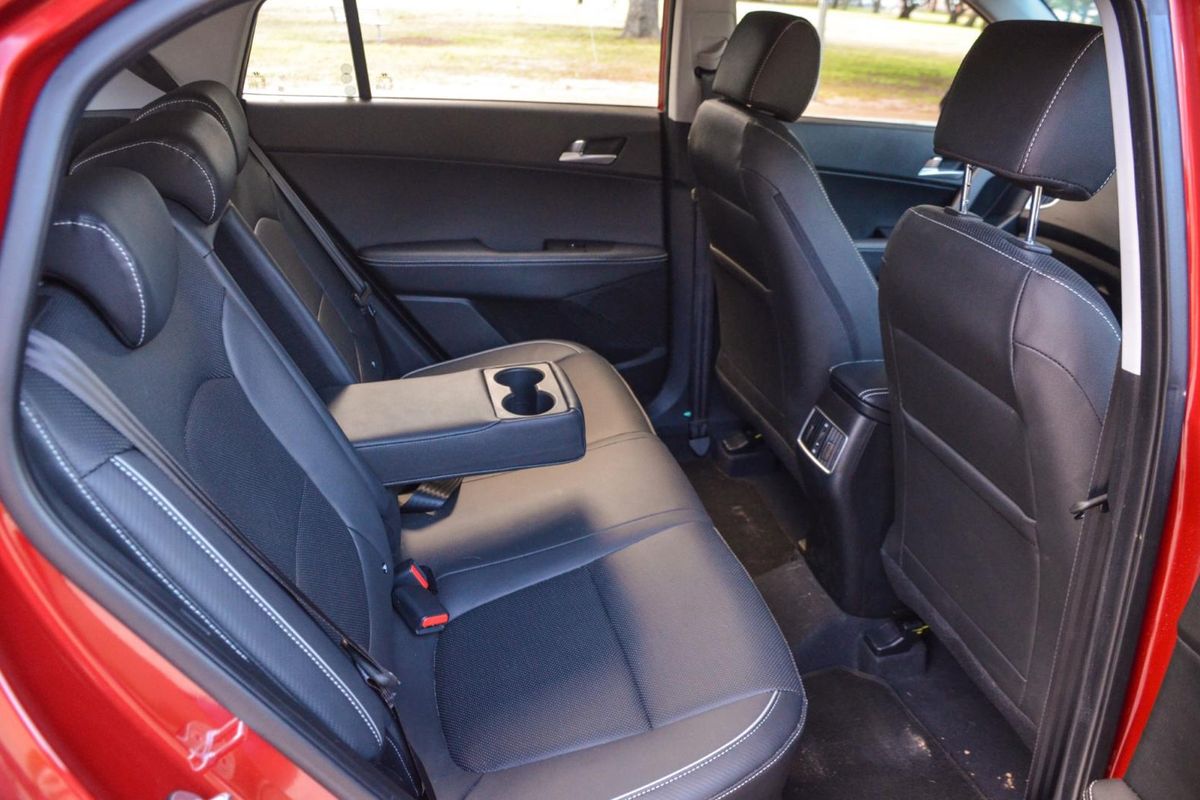
Rear passengers are afforded generous legroom and 2 cupholders are availed in the central armrest. The driver and front passenger also have access to 2 cupholders. Storage space for bottles can be found in the door mouldings and additional space is offered ahead of the transmission lever.
What’s not-so-good?
Engine refinement
If you close your eyes while starting the Creta's engine (especially from cold), you might drift away into a dream where you are sitting on a chattering tractor in the crisp early morning air somewhere, only to be rudely awakened by the smell of diesel emitted from the Creta’s tailpipe. Let’s just say it’s not the most refined turbodiesel out there… Although the mechanical noise is less apparent at cruising speeds, anything but slow, steady throttle inputs generates almost as much noise as acceleration.
Pricing and Warranty
The Hyundai Creta 1.6D Executive is priced from R406 900 and offers attractive after-sales support in the form of a 5-year/150 000 km warranty, 7-year/200 000 km drivetrain warranty and a 5-year/90 000 km service plan.
Verdict
The Creta 1.6D Executive is a well-rounded offering in this segment and is worth consideration.
The Hyundai Creta 1.6D ticks most, if not all the boxes for a compact family car. It’s spacious (arguably the most spacious in the compact family car segment, if you consider the Haval H2 a larger, family car) and it's reasonably well specced, while offering sufficient performance (and, importantly, economy) to conduct your daily chores. While it is equipped with 6 airbags as standard, it must be stated that it does lack safety features such as brake assist, stability control and traction control.
Overall, this Creta is a well-rounded product, but it is significantly pricier than many of its rivals in this segment (the premium is particularly noticeable because only Renault and Nissan offer other turbodiesel options). Customers, however, will be buoyed by the fact that the Creta’s robust build will serve owners well for many years and the product is backed with comprehensive after-sales support. The Creta offers a lot of car for the price and is worth considering if your budget can stretch that far, but keep in mind that there are a myriad of other options available for more budget-conscious buyers. It’s up to you to decide how much you need that extra torque.
Alternatives (click on the names of the cars for detailed info)
The new Duster was recently introduced in South Africa and it offers an even larger load bay than the Creta (at a claimed 478 litres). The Duster 1.5-litre turbodiesel dual-clutch automatic offers 80 kW and 250 Nm of torque with the top-spec Duster Prestige priced from R334 900.
The Nissan Qashqai is a popular choice in this segment and it’s bigger than the Creta. Load capacity is 430 litres and its 1.5-litre turbodiesel engine offers similar outputs of 81 kW and 260 Nm of torque, but this engine is only available with a 6-speed manual transmission. Pricing starts at R418 900 for the Qashqai 1.5dCi Acenta.
For a similarly spacious vehicle, you can consider the petrol-powered Honda HR-V 1.8 Elegance priced from R419 900. It offers 105 kW and 172 Nm from its naturally-aspirated 1.8-litre petrol engine. It comes well-equipped with features and its load bay offers 393-litres of space.
Track Race – Polo GTI vs Yaris GRMN vs Renault Clio F1 vs Mini Cooper S
The final instalment of the ultimate warm hatch shootout is here. The 4 hatches take each other on in a one-lap smash lap of Killarney Raceway.
Every now and then, the stars align and the all the cars we want to race head-to-head become available. This is one such occasion.
Sadly, the Ford Fiesta ST will not be sold in South Africa and is very conspicuous by its absence here. With the feisty Ford missing from the line-up, it was up to the new Volkswagen Polo GTI, the super-rare, supercharged Toyota Yaris GRMN, the special edition Renault Clio RS 18 F1 and the latest Mini Cooper S to battle it out.
In this video, we head to the full Killarney circuit where each car would have one hot lap to claim victory. Our in-house race-ace Ashley Oldfield was at the wheel and after a few laps in each car to get his eye in, he set about setting the best time for each car.
The weather gods were not kind to us however, so be sure to stick around till the end of the video for an explanation of the conditions each car faced.
You absolutely can't miss our drag races featuring these cars:
From the floor of the Paris Motor Show, regular Cars.co.za contributor, Calvin Fisher, has picked up on a theme at this year's show. No, it's not new tech and electrification, in fact, it's the exact opposite.
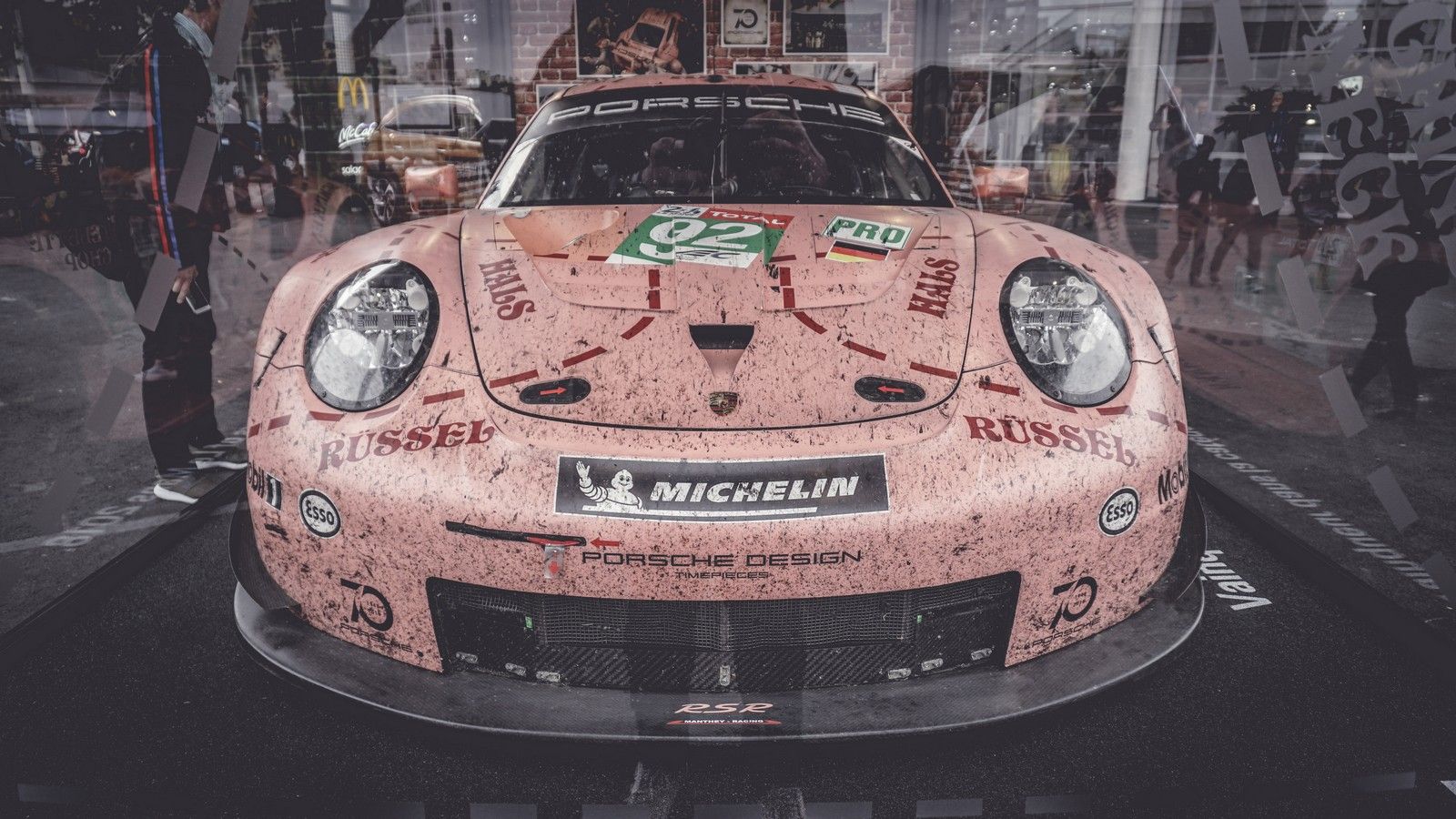
In spite of artificial intelligence, autonomy, hybridisation and off-the-wall concepts, 2 fall-back themes emerged at Mondial de l'Auto: "racecar" and "retro". I speak of exhibition stand presence, for which, most manufacturers have resorted to either employing something still covered in the dirt of "insert famed motorsport circuit here", or the latter – heritage cars with Veritas, featuring everything from Series 1 Land Rovers to an original Alpine coupe. Classic cars!
This fascinated me, so naturally, I have a theory. It's nothing less than retaliation. In the face of increasingly stiff competition from Korean and Chinese manufacturers (and now the Vietnamese) who have no legacy products to rely on, long-established marques are relying on their heritage to gain the upper hand. Let's take a closer look at just 7 examples (plus 4 bonus items from Stuttgart) of classic whips that got to share the limelight with considerably more contemporary machinery. Please note, this list doesn't even include many retro cars that were also race cars, that were also on display.
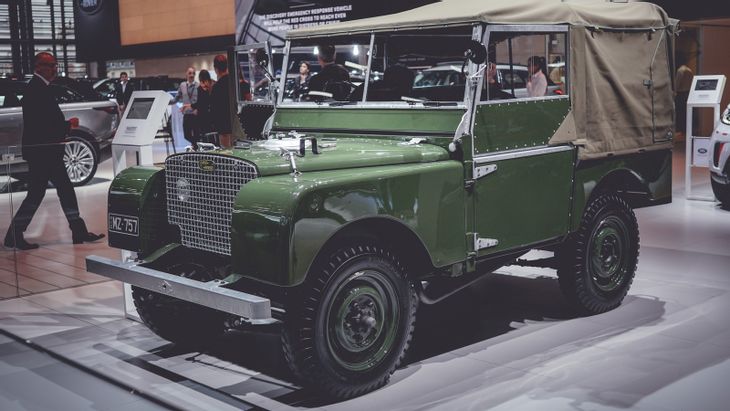
You could call it a Defender. But you'd be wrong. You could call it a British Jeep and you'd offend millions, but you'd be closer to the truth. It has the distinction of being the first 4×4 with doors, and no, that is not British racing green it is covered in, rather the green of the British army. And fine, it is indeed the genesis of the beloved Defender – but predates the nomenclature.
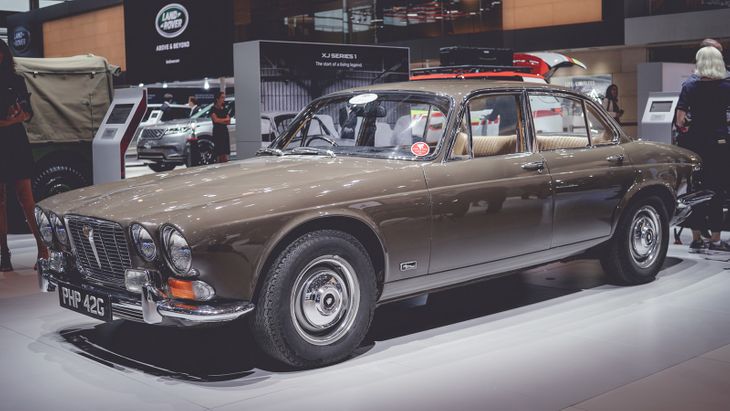
Yeah, baby – yeah! This is the Jag all our parents grew up with, isn't it? It's as much a symbol of the wild 70s as the Beetle but from my memories smelled like cigarettes. This one's a Series 1, and as such came with a 2.8 or 4.2-litre straight-six, while the XJ12 (obviously) came with a 5.3 V12. Don't be fooled, these cars did not belong to racers. They belonged to rogues!
And our nominee for Most French Car has to be this. With its two-stroke engine, it is famous for barely being able to pull the skin off a rice pudding. It is also famous for being produced for 42 years because here in its natural habitat, it just works.
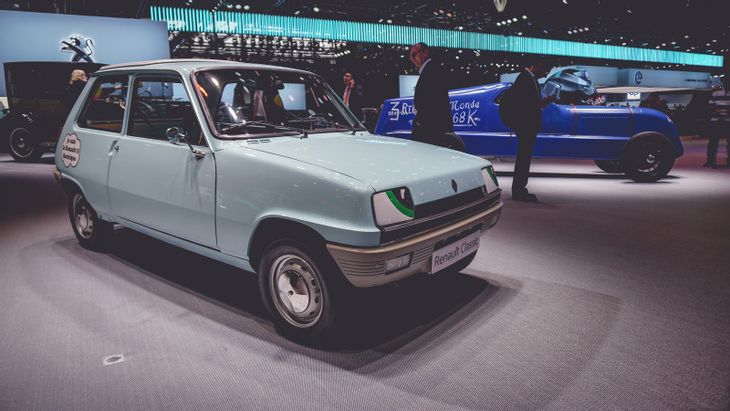
Renault 5
Think of it as a French VW Golf, front wheel drive and compact, but attainable enough to mobilize the masses. It is the grandpapa of the Clio and for this reason alone, a very important car for Renault. Its reputation as France's best selling car for 14 years confirms it.
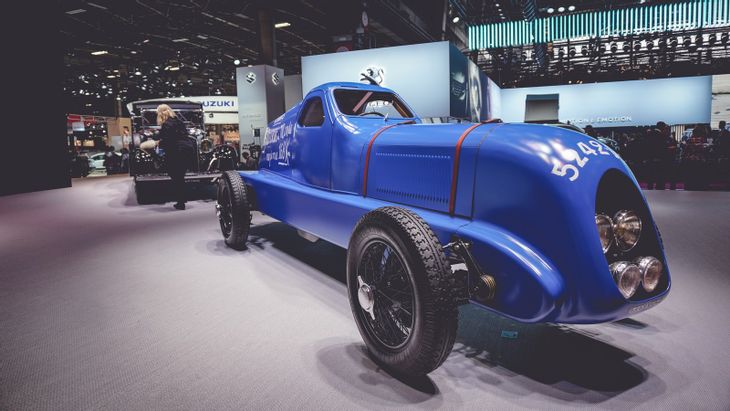
Renault Nervasport Coupé
Ok, this one is sort of a racer as well, but mostly a piece of automotive history, like an odd looking cathedral on wheels. Or a blue clog. Built for the sole purpose of breaking records, most notably the 48hrs at Montlhery at 107 MPH (172 kph) in 1934.
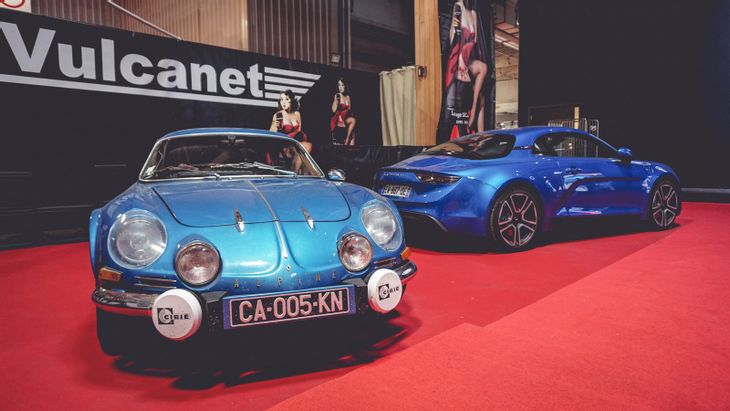
Renault Alpine A110
Alpine used to be its own manufacturer and this, the A110 was its finest moment. The rear-wheel-drive coupe or 'Berlinette' was produced from 1961 to 1977 and came with a variety of small 4-cylinder engines (1.1L – 1.6L) all mated to a 5-speed manual gearbox. They shared much of their componentry with Renault and came equipped with the same Gordini adornments should you require them. A legend, this.
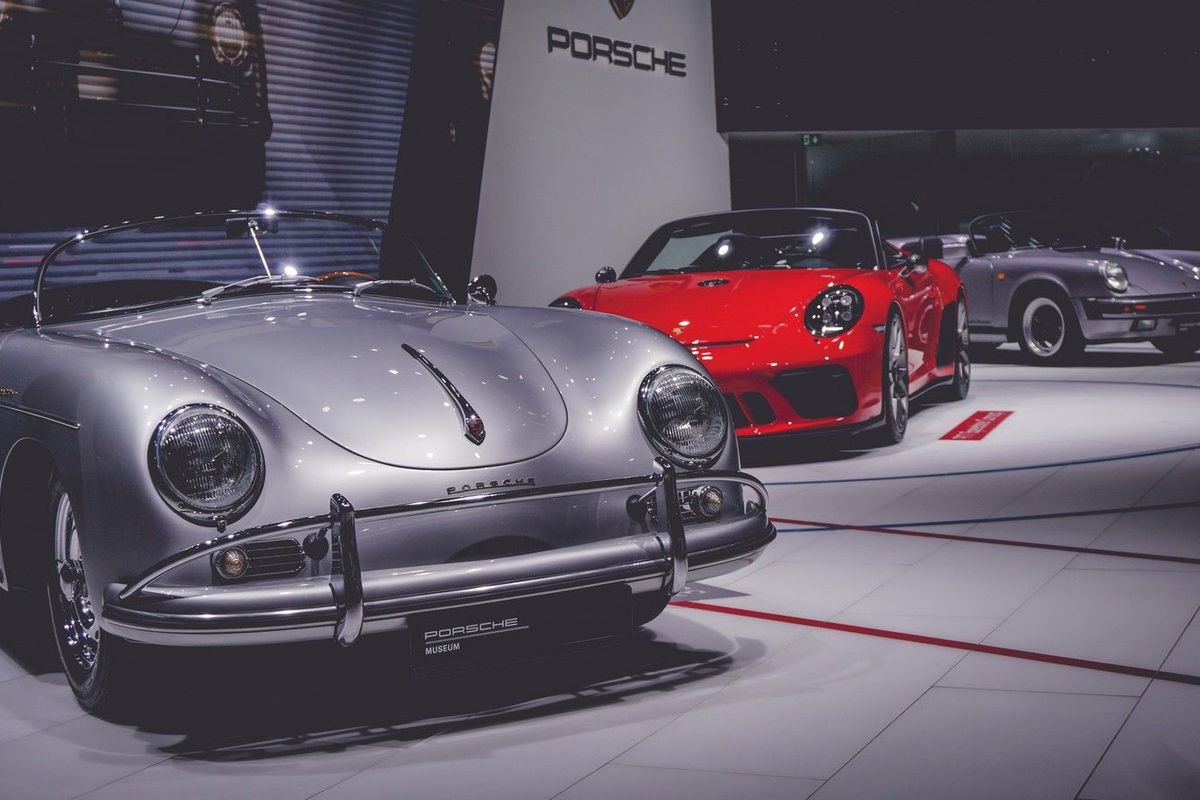
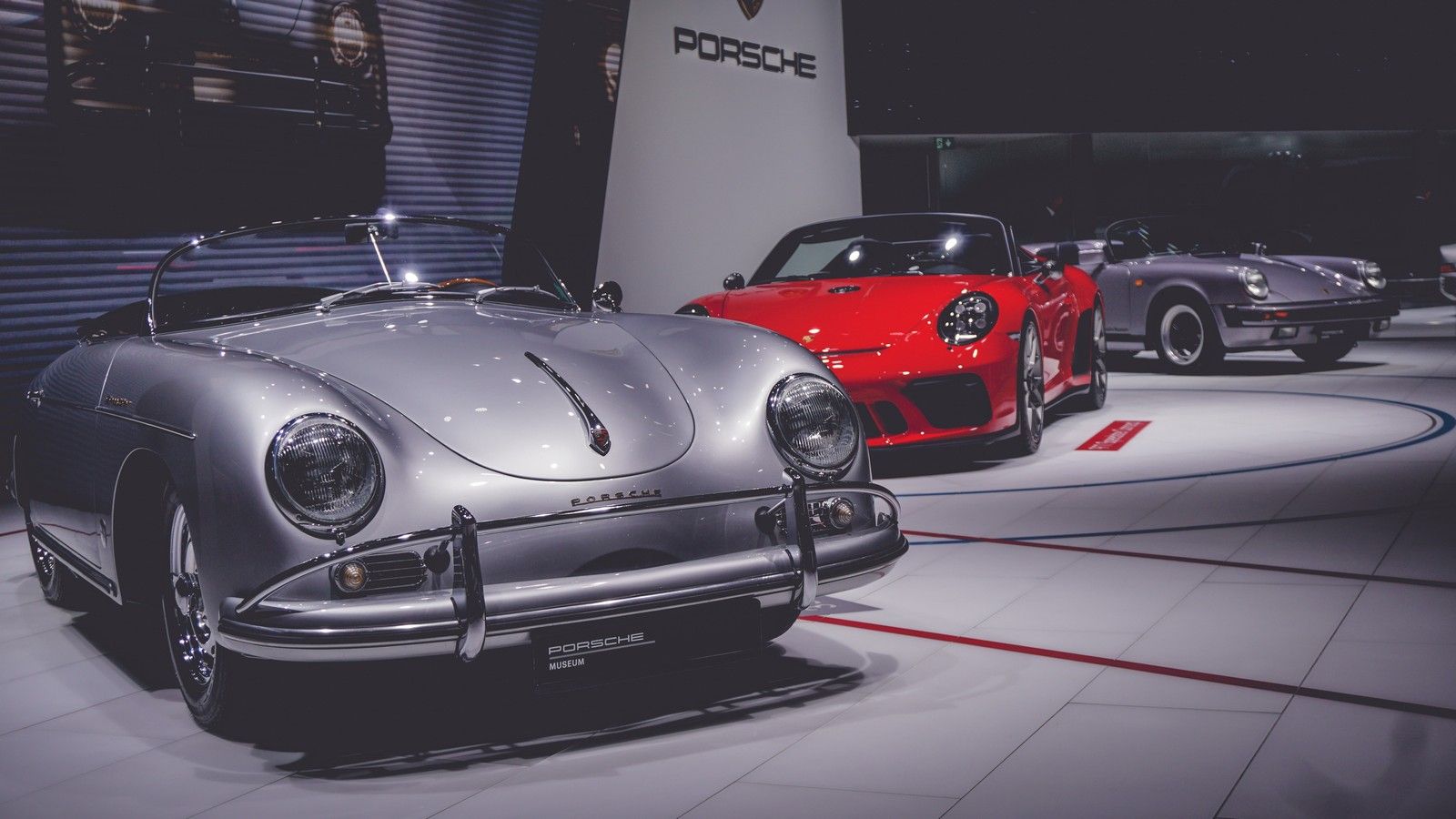
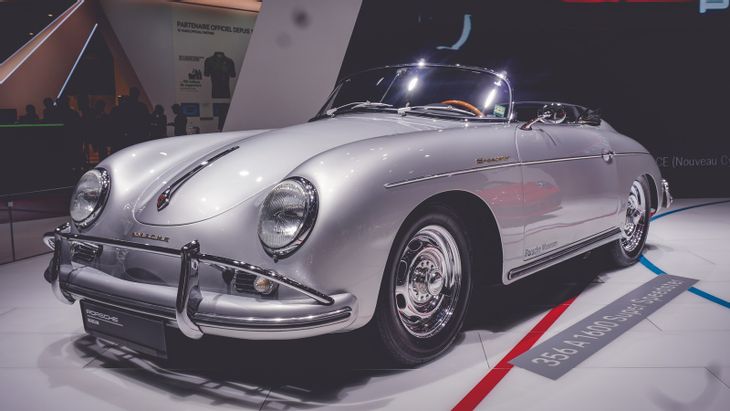
Porsche 356 Speedster
This is it. Born in 1948 with its engine in its bum, driving the wheels beneath it and shaped like a decapitated teardrop. And much the way the Series 1 preceded the Defender, you're looking at the 911 before the badge existed. But don't be fooled, the legend began here.
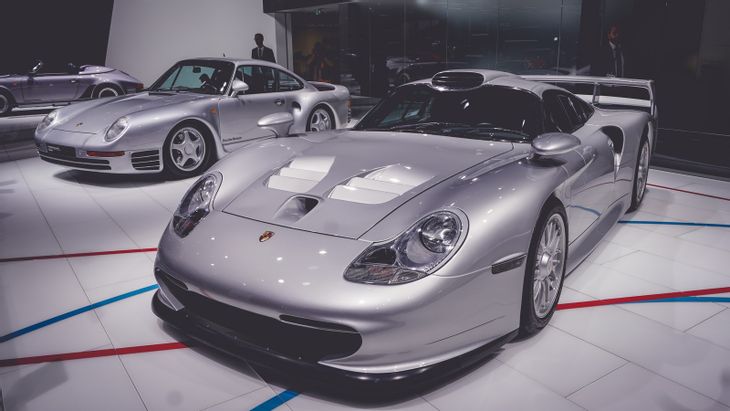
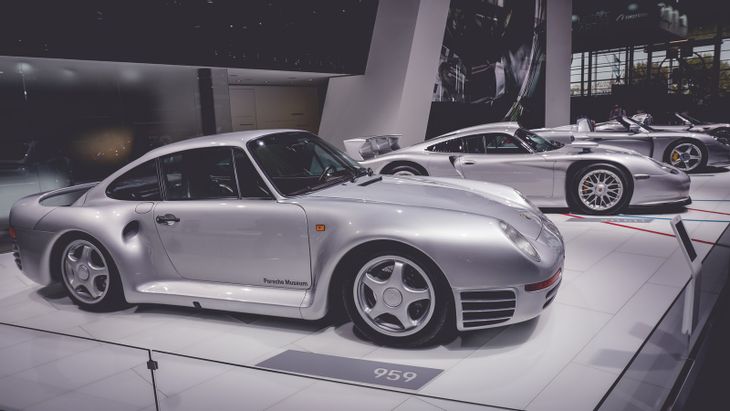
Honourable mentions: this range of rarefied Porsche sports cars including the 911 Speedster, 959 911, Carrera GT and 911 GT1 were also in attendance.
Related Content
SentiMETAL Ep 2: 80s Icon – Porsche 930 Turbo [Video]
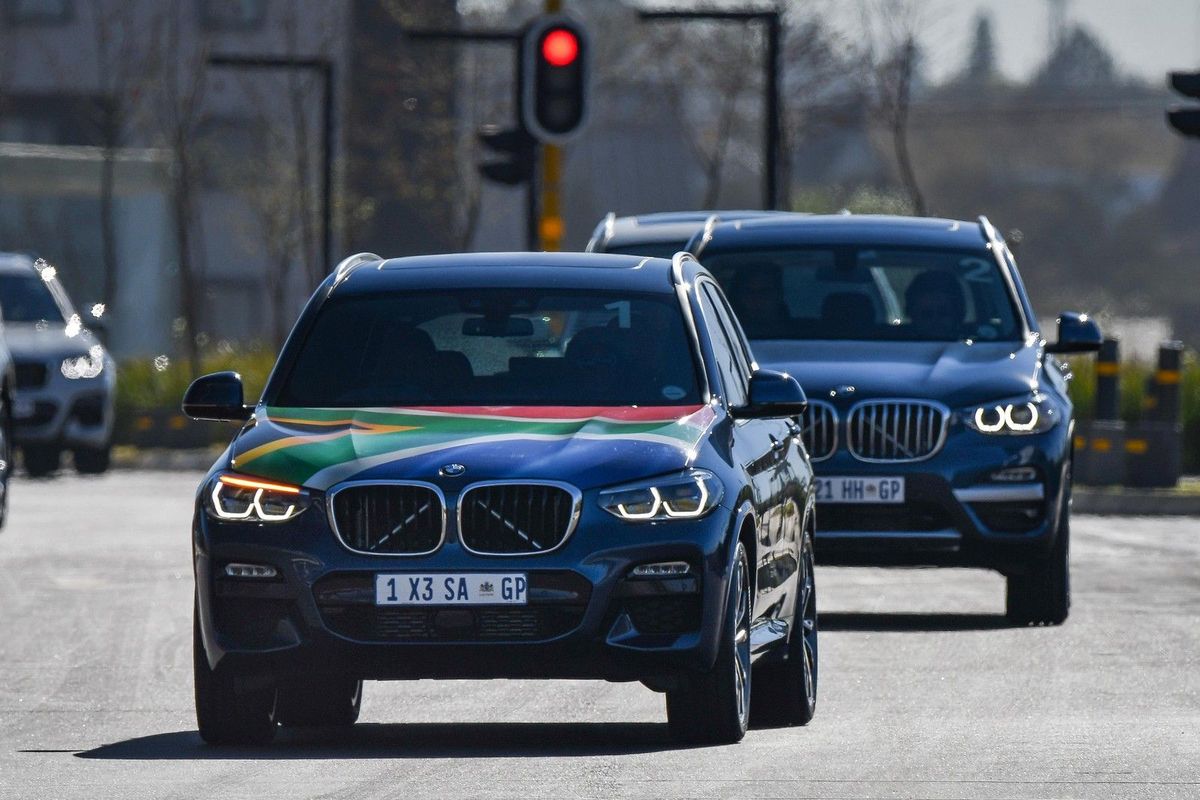
Epic road trip in SA-made X3
#CarsAwards judge and regular Cars.co.za contributor Ernest Page recently undertook a picturesque 1 500-km road trip across 3 provinces in a “Proudly South African” BMW X3, during which he put the Munich-based firm’s executive SUV through its paces on tar, as well as off the beaten track.
Cars.co.za recently published an article on the author’s informative Rosslyn factory tour to mark BMW South Africa’s transition from producing the 3 Series business class sedan to building the all-new X3 (for local and export markets). What followed, was a cross-country jaunt unlike any other.
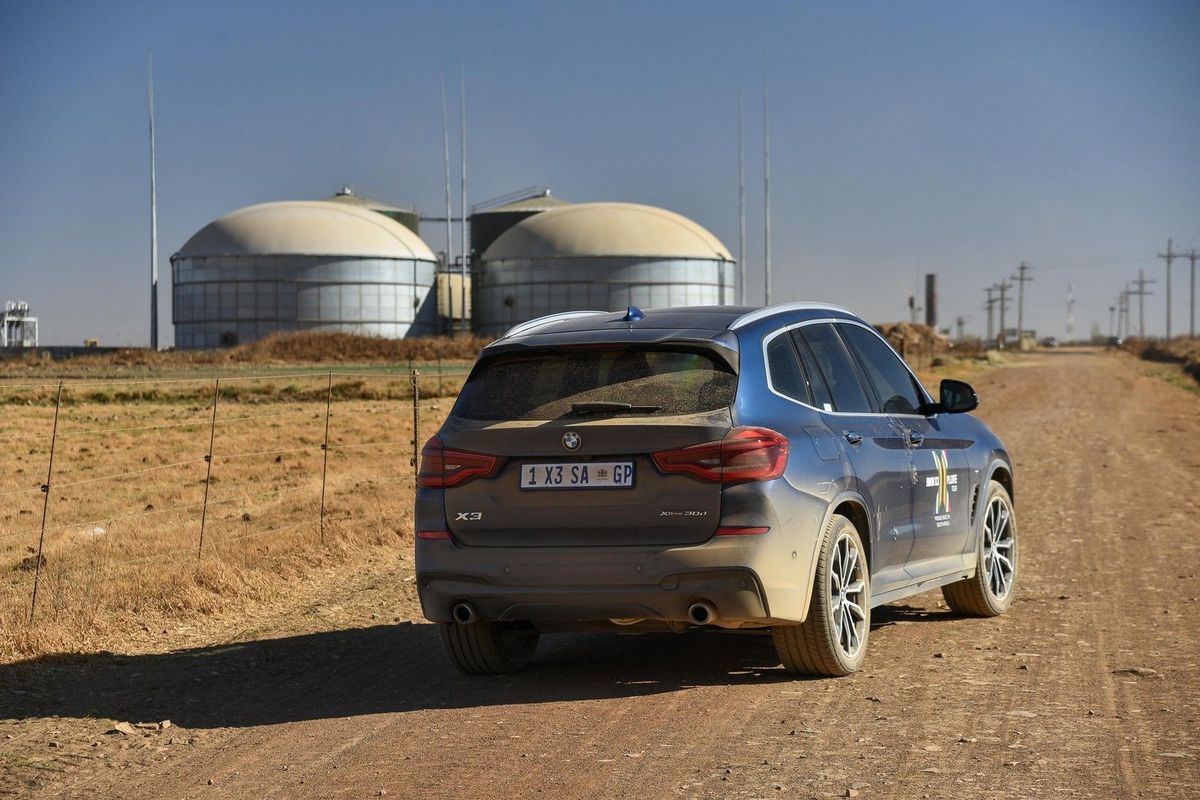
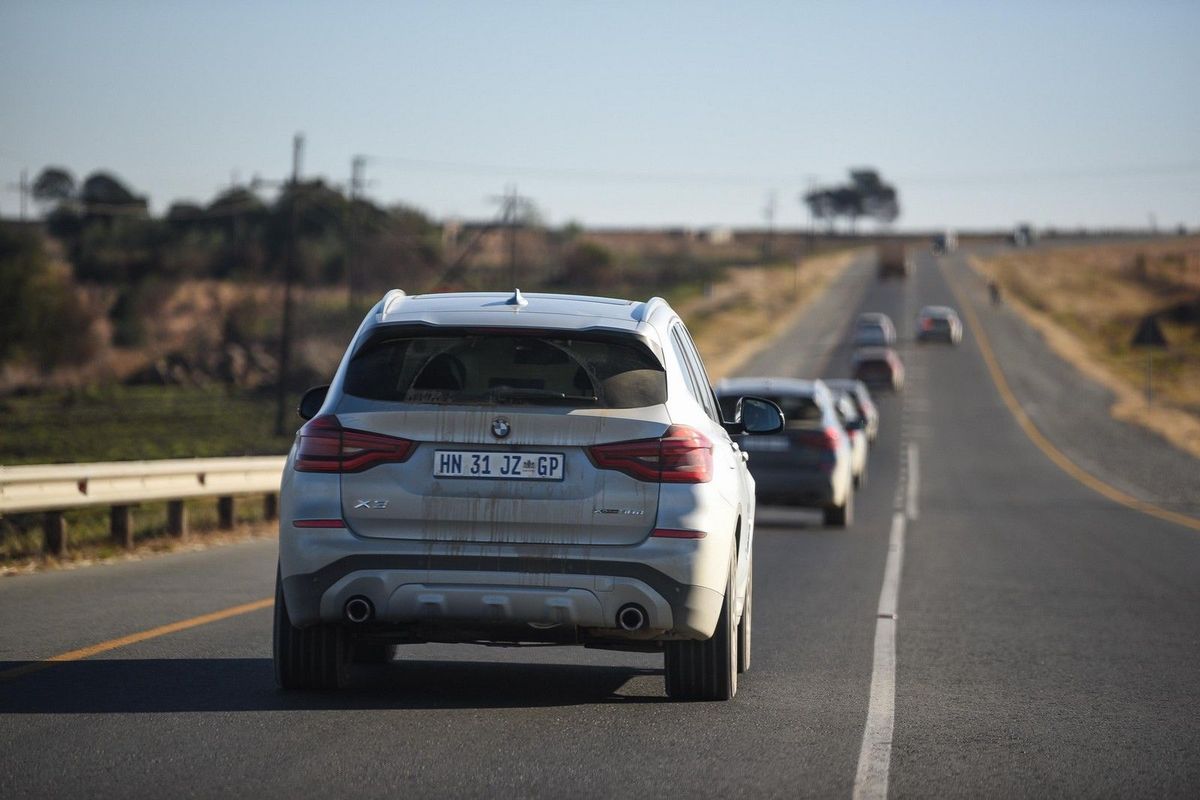
To undertake a road journey to different parts of South Africa, during which I traversed a demanding off-road course and savoured roads I had never driven before in a trio of X3 derivatives (all of which were manufactured right here in South Africa), was an enlightening and educational experience.
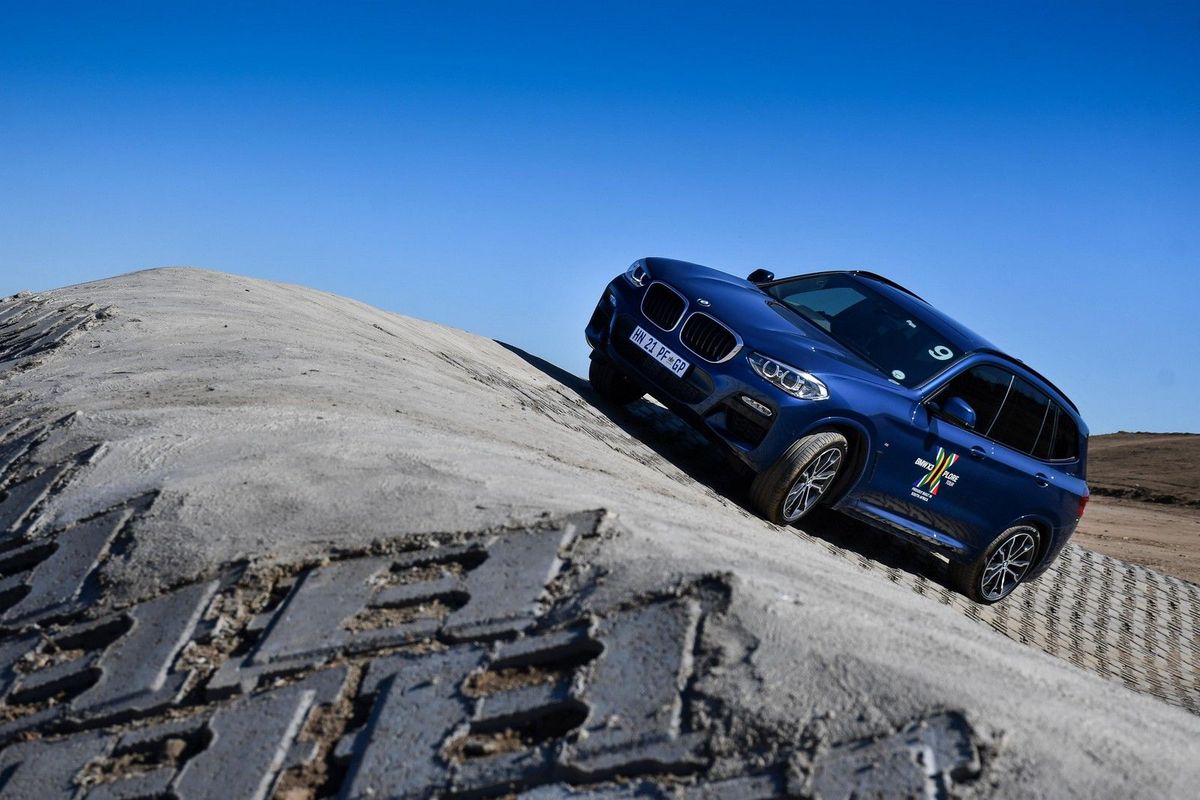
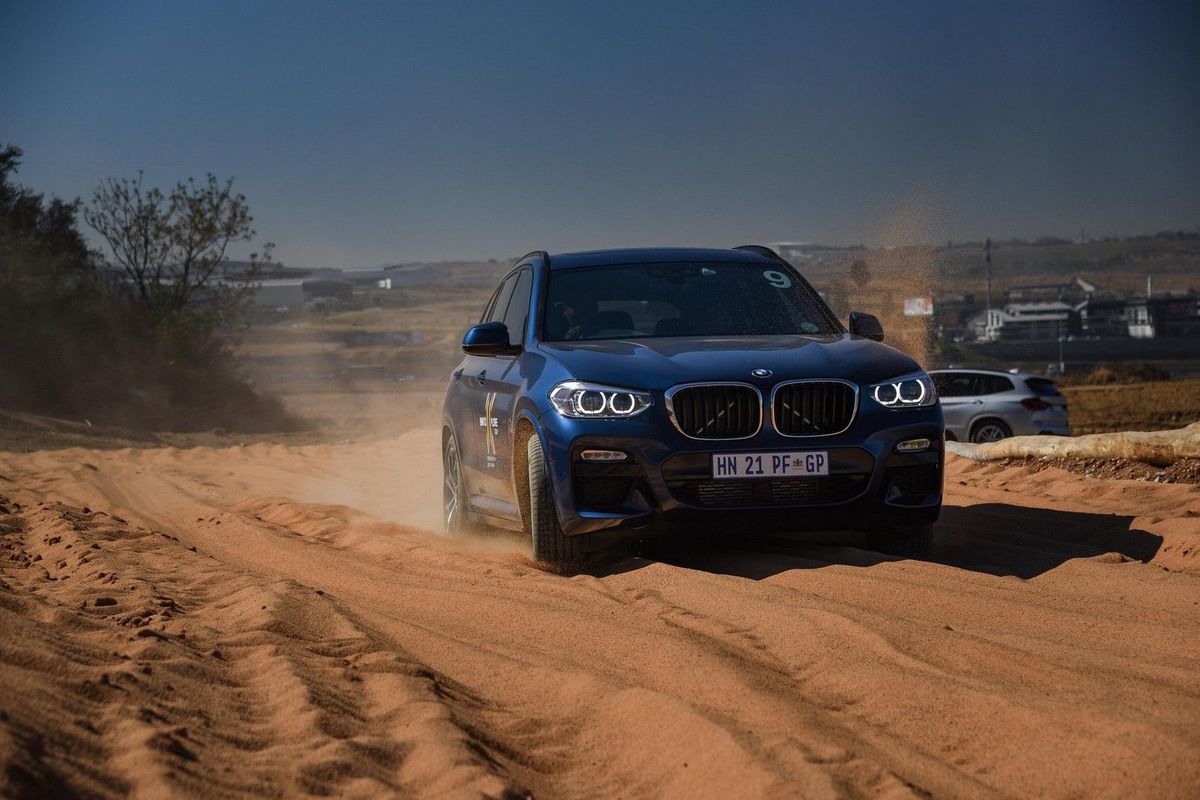
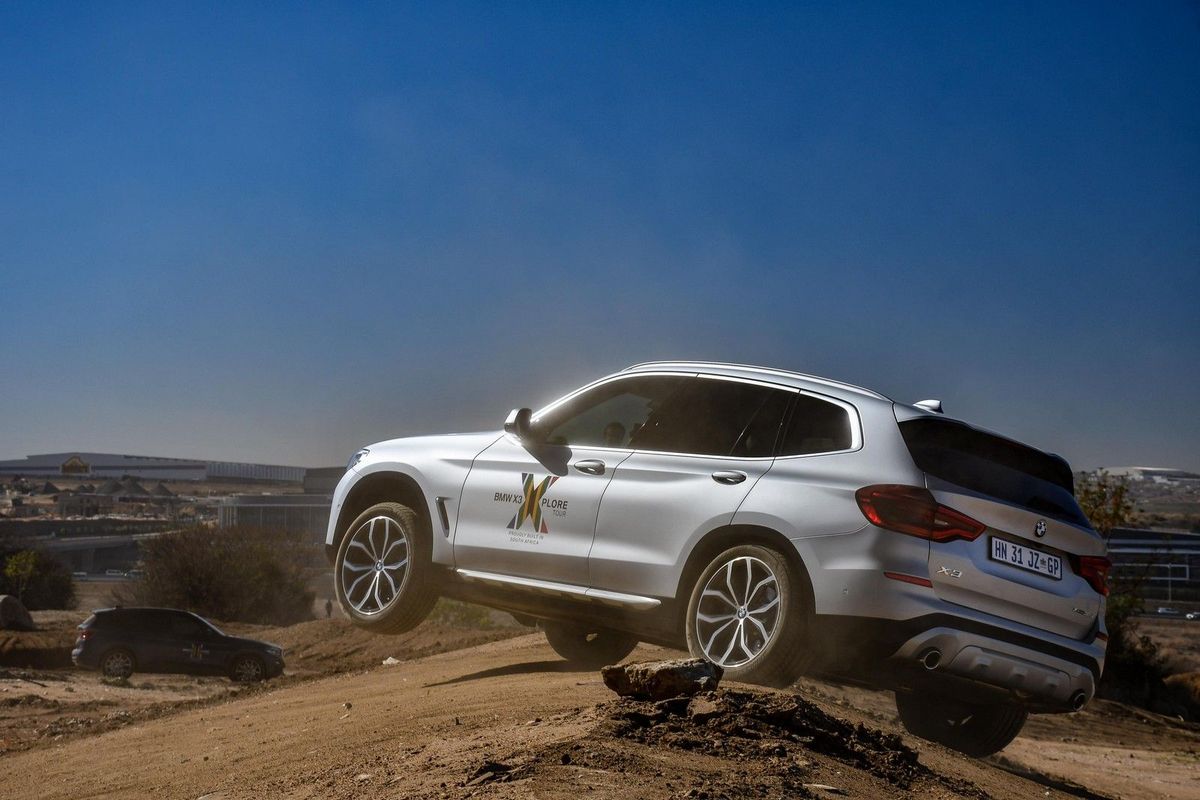
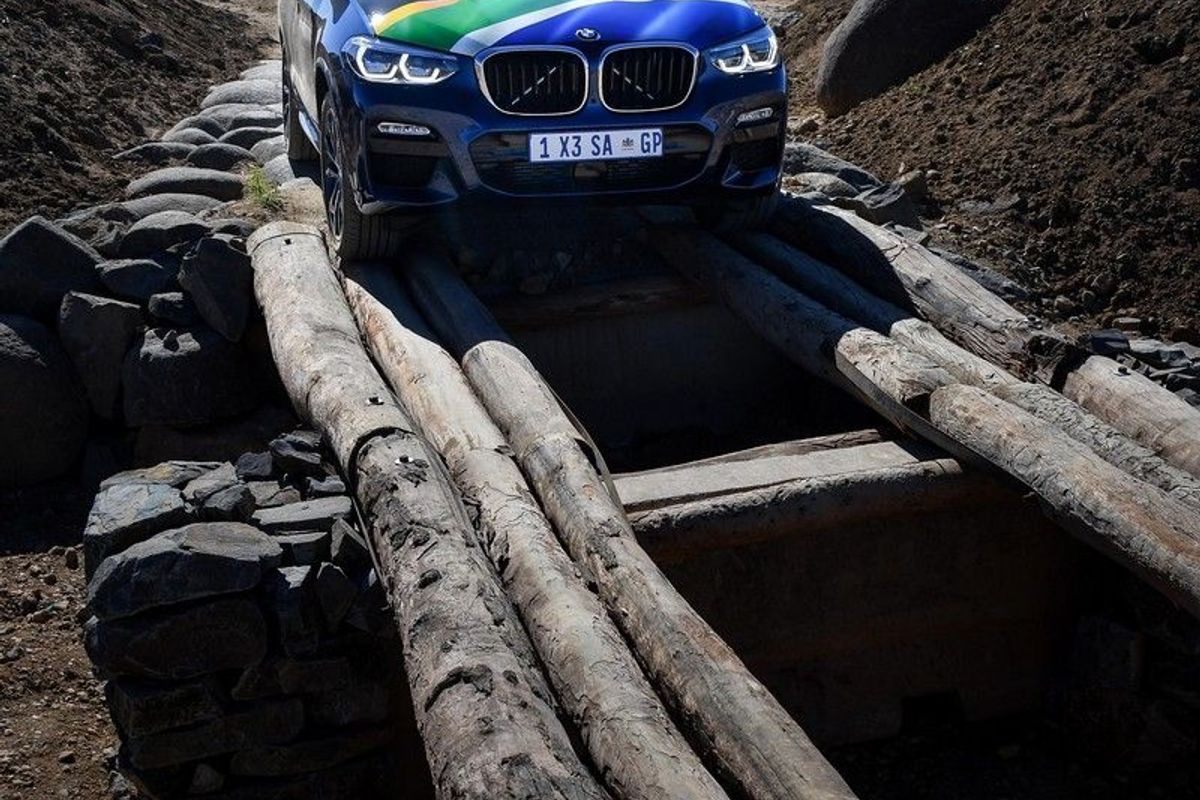
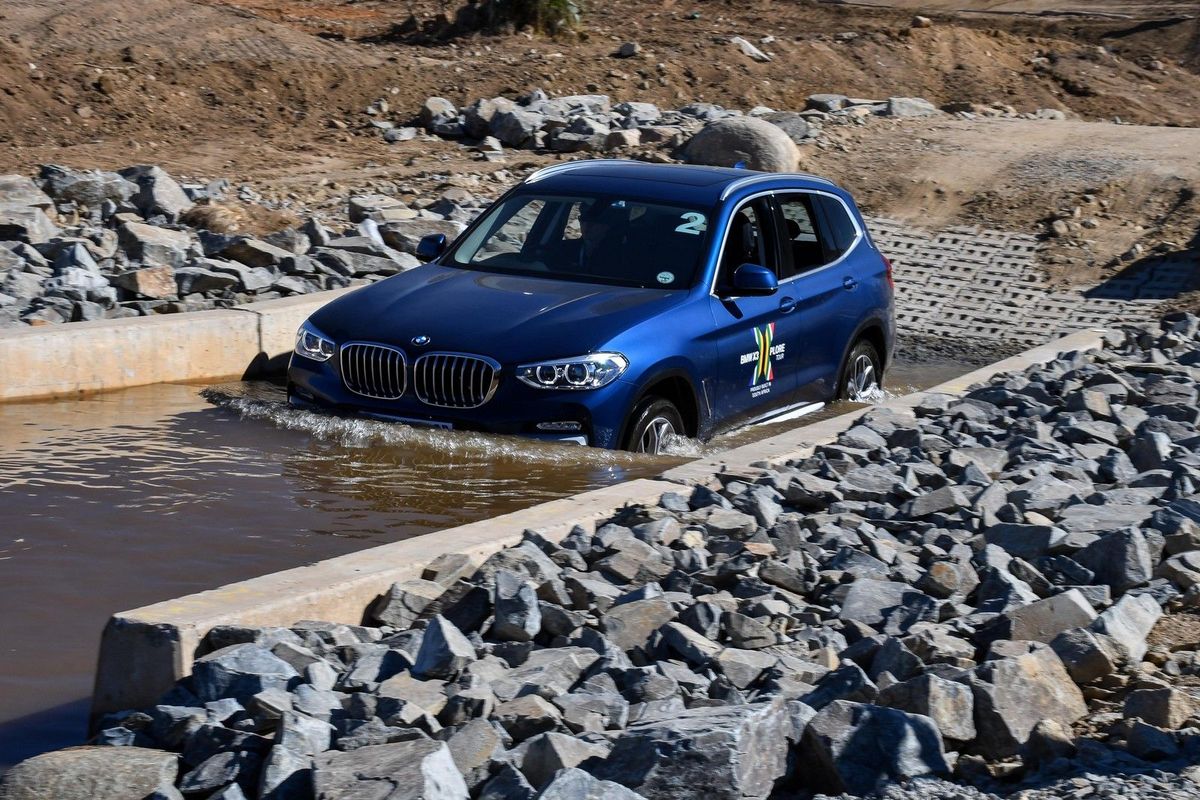
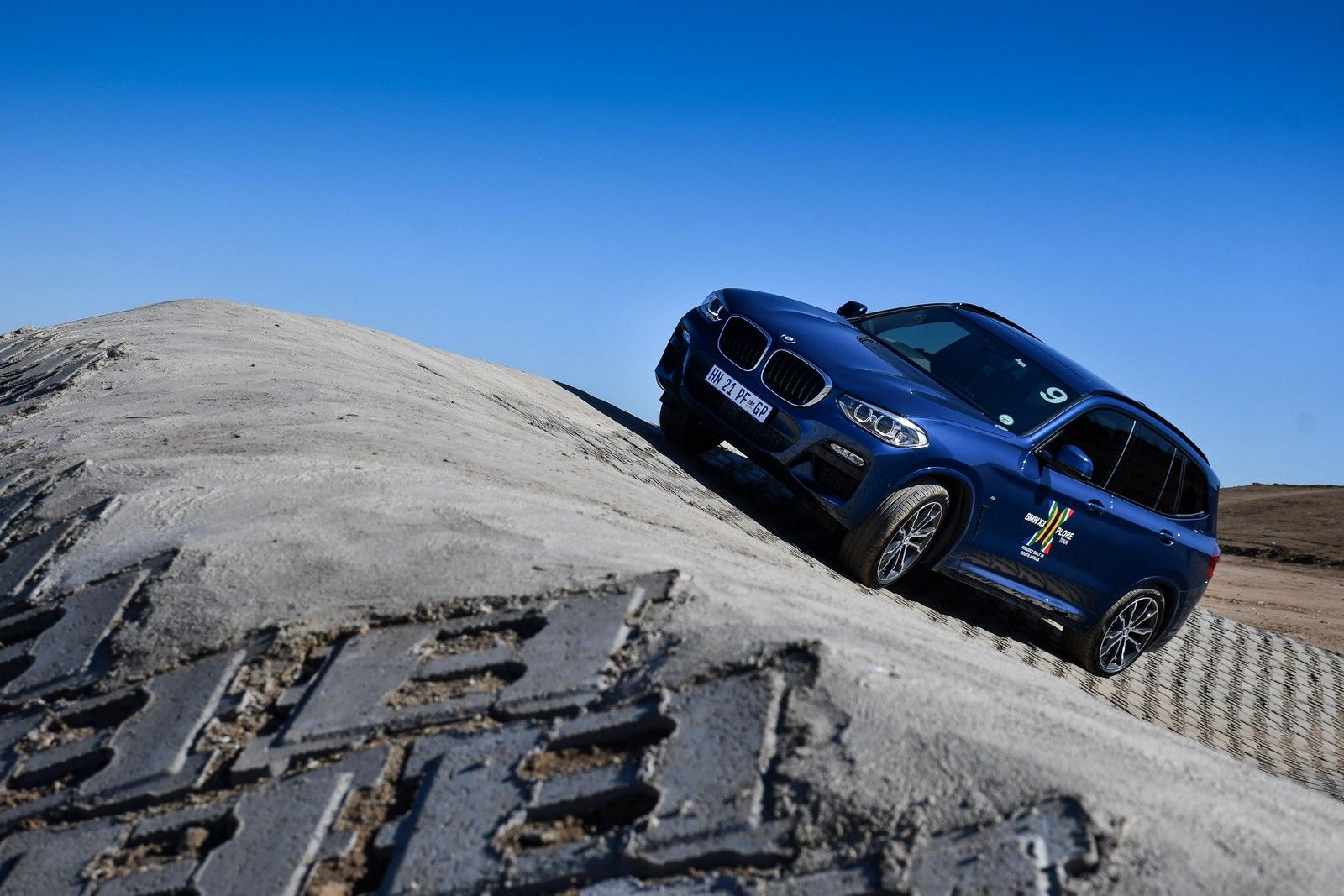
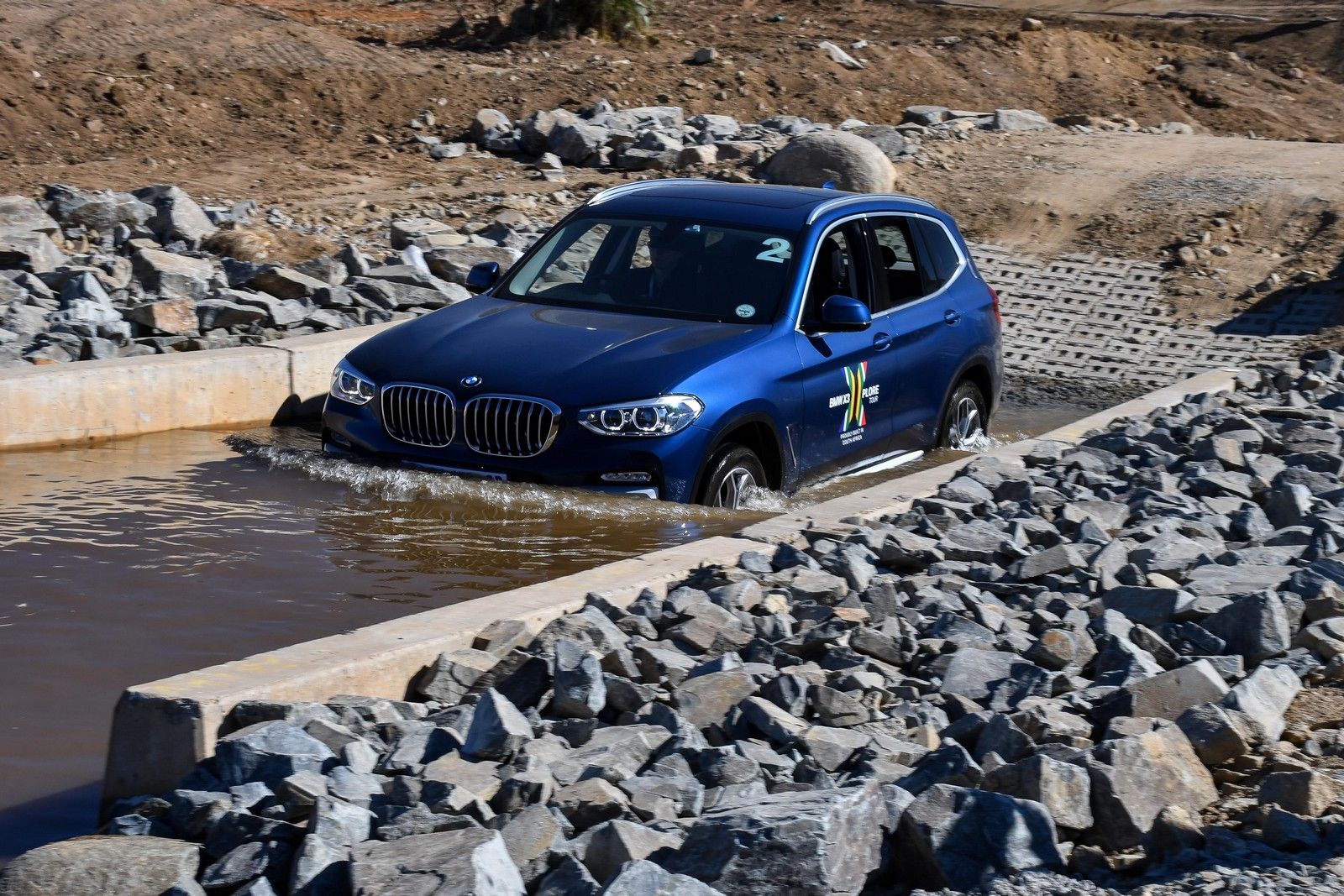
BMW has opened a new X Lifestyle park where you can test your vehicle's abilities.
Before we hit the road, we got to play on BMW South Africa’s new testing ground: the BMW X Lifestyle park, which will open its doors in November 2018. Here X3 owners can test their cars’ abilities in a controlled environment and, what’s more, instructors are on hand to offer assistance.
Most drivers, who, like me, don’t have much in the way in off-road driving experience off-road (apart from the odd dirt-road excursion, perhaps), will appreciate what the modern mid-sized luxury off-roader is capable of if driven with the application of simple best-practice driving techniques.
We found that steep inclines, loose sand and water crossings could all be handled easily by a car that is supposedly most at home on the school run. This experience put our minds at ease; safe in the knowledge that if we did end up in a tight spot on our cross-country trek, we’d be just fine.
The new X3 proved to be capable off-road, especially for what many believe to be a pure soft-roader.
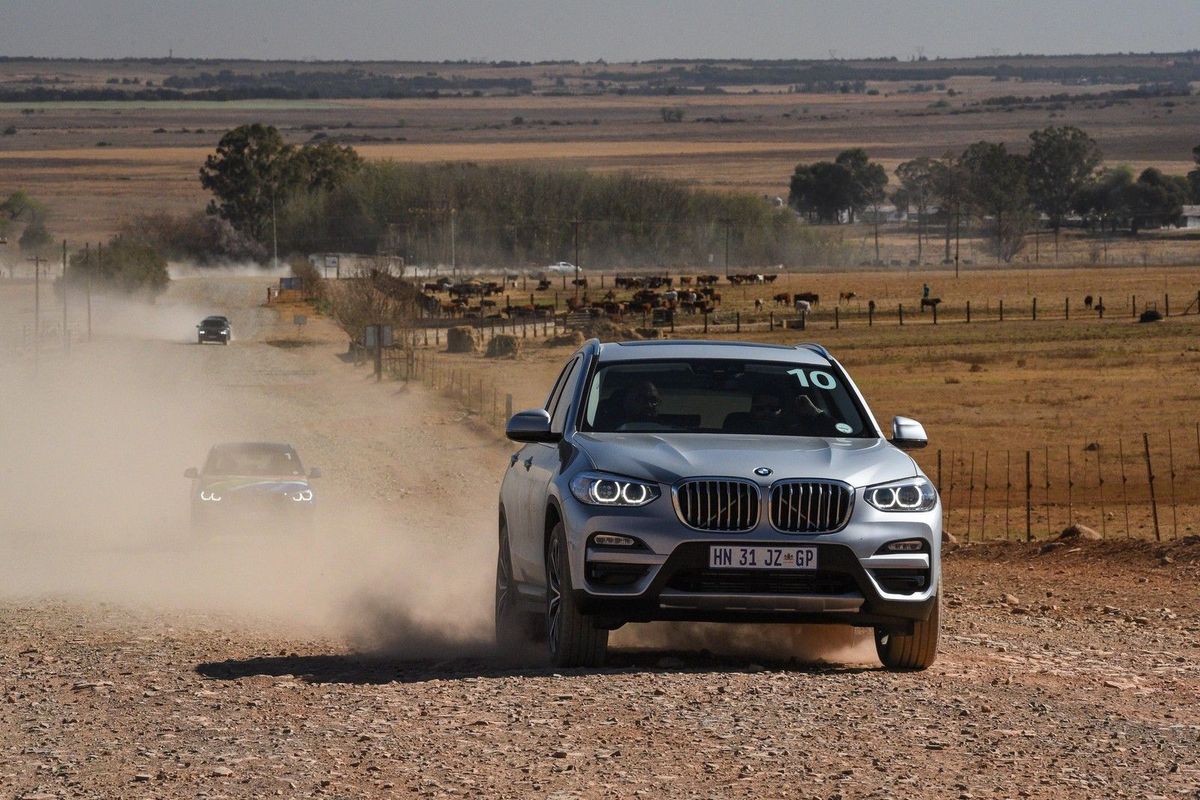
Once we were done playing at the X Lifestyle Park, we took our xDrive30d on the long road for a 500-km hop across provinces. My driving partner, a DJ for Bay FM, provided the music and some in-car entertainment, and before we knew it, we’d completed the first leg of the trip and arrived at our first destination to have dinner and good conversation about our journey so far.
The next morning we’d be driving the xDrive30i on the challenging, but fun Long Tom pass and I was keen to see how the 2.0-litre turbopetrol would do on the twisty mountain route. BMW says there is more interest in the 20d (which I’d be driving later) and top-of-the-range M40i derivatives, but nevertheless, the 30i is a good car, regardless of sales. It’s not as relaxing to drive as the diesel, but a more-than-capable fast, agile cross-country machine (albeit a tad heavy on fuel when pressing on).
After a quick lunch, we headed to the Three Rondavels, a spectacular-looking natural mountain structure and slowed our pace so we could best enjoy the scenery. We leisurely made our way to our final sleepover destination, the remote Makalali Game Lodge, located near the Kruger National Park. This was the 3rd province we had visited in as many days and my first time in this part of Africa.
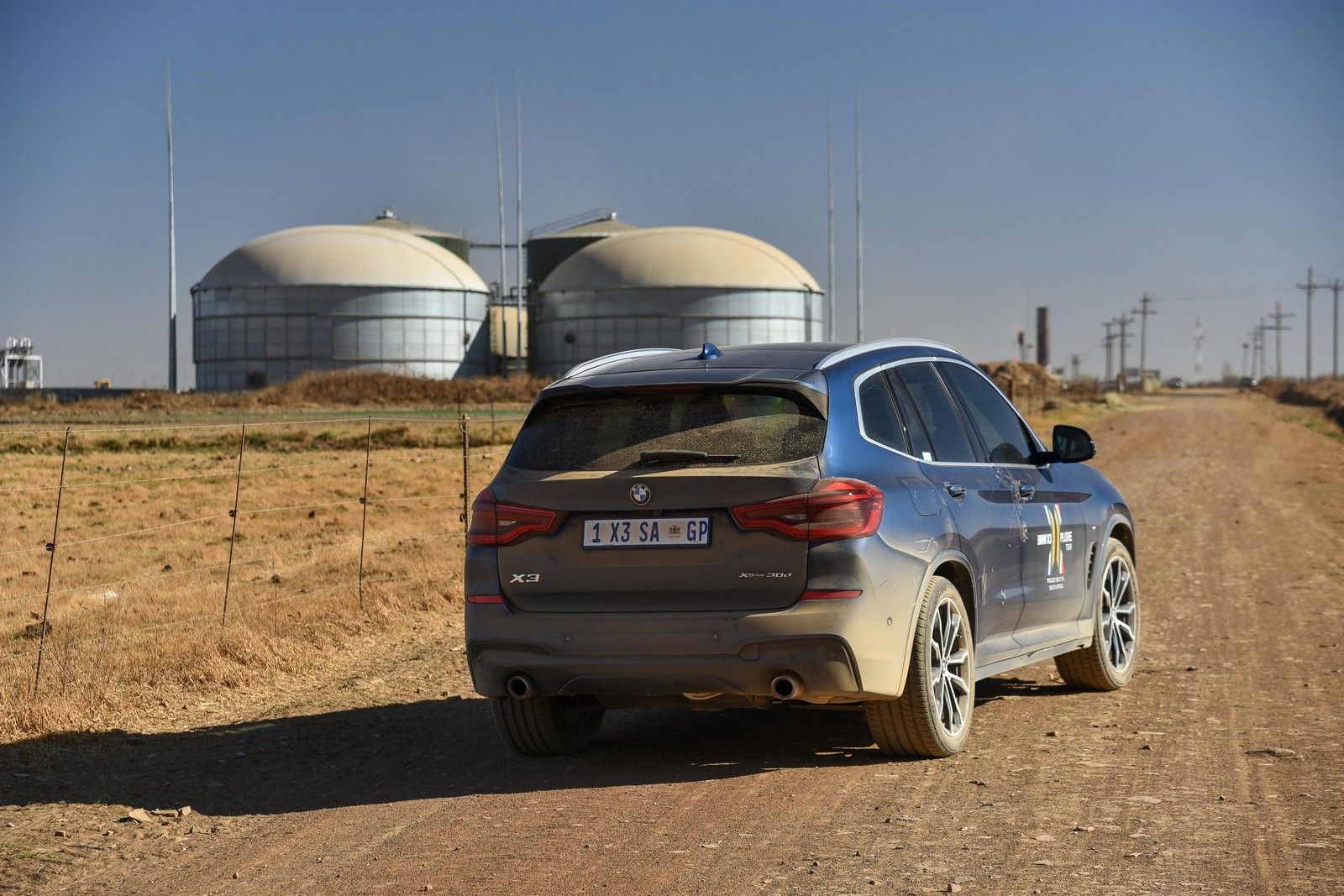
We certainly spent a fair amount of time on dirt roads in the X3 on the way to the Kruger Park.
The game lodge is home to the Big 5, of which we saw 3 (the elephants and lions unfortunately evaded our eyes). When we settled down that night we talked about how every minute behind the wheel of a proudly South African car, while enjoying uniquely South African scenery, was worthwhile.
Later that night, as I walked to my room, I was mindful of any wildlife that could easily be lurking in the dark veld and readied myself for the last 500 km of our journey, which would take us home.
The next morning started with an eventful drive through the game reserve, during which we spotted giraffe and buffalo. We drove through Tzaneen, and then made the best of a gaggle of high-speed sweeps en route to the Legends Golf Resort, which would be our final stop before the airport.
The car I was driving was the xDrive20d derivative, which, truth be told, I’d been avoiding all week. It turned out that 20d was the surprise of the lot and my pick of the bunch. It has much of the ability of its bigger brother, but at a more attainable asking price. The 2.0-litre turbodiesel is capable, torquey and felt much more comfortable over the rougher patches of gravel terrain we encountered by virtue of its smaller rims and larger-profile tyres. I could easily live with a 20d back in the real world.
Before I knew it, I was on the plane heading back home to write this article. The experience left me mesmerised by South Africa’s vastness, and largely unexplored, at least by most tourists, outer reaches. I’ll go back to Tzaneen and to Mpumalanga one day. And even after driving all of the X3 derivatives, including the incredibly potent M40i a few months ago, it’s nice to know that a little 20d, which costs so much less, can feel as special as any of the X3s in the proudly South African range.
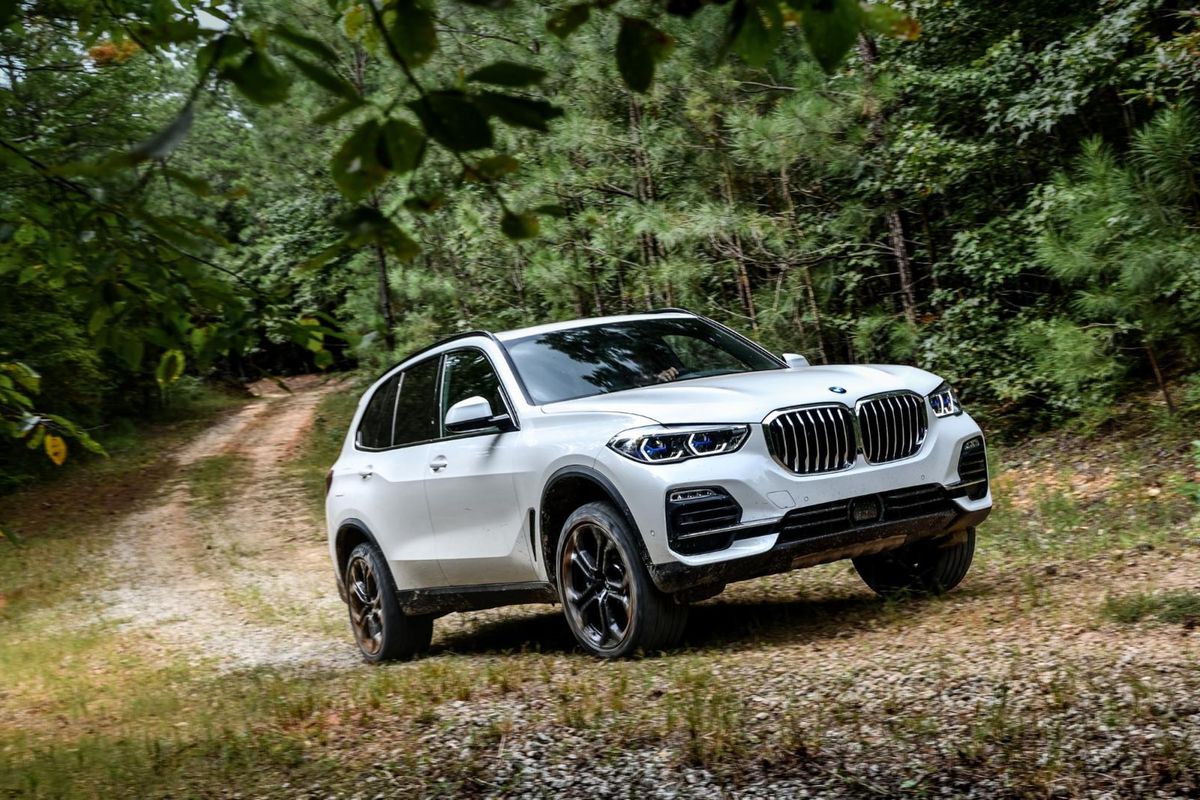
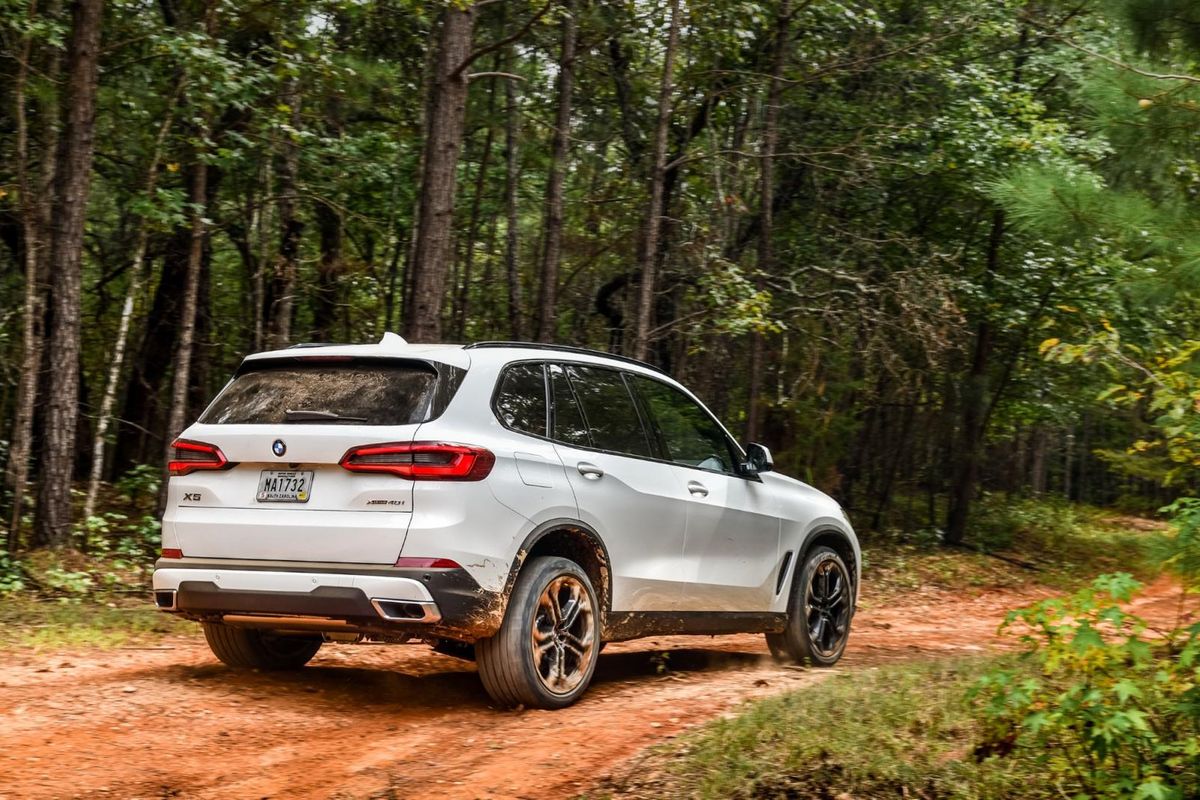
BMW is preparing to roll out the most technologically advanced X5 it's ever produced in the premium SUV market. The new X5 will make its public debut at the 2018 Paris Motor Show and arrive on South African soil at the end of November 2018. Gero Lilleike attended the International Media Launch in Atlanta, Georgia, USA to put the beefy newcomer through its paces.
In 1999, the 1st-generation X5 was introduced to the world in Atlanta and BMW recently returned to Georgia to present its new 4th-generation X5 to motoring media representatives from around the globe. Through its 3 previous generations, the X5 racked up more than 2.1 million sales worldwide and with this latest model, BMW seeks to further entrench and solidify its influence in the ultra-competitive, let alone pivotal, premium SUV segment.
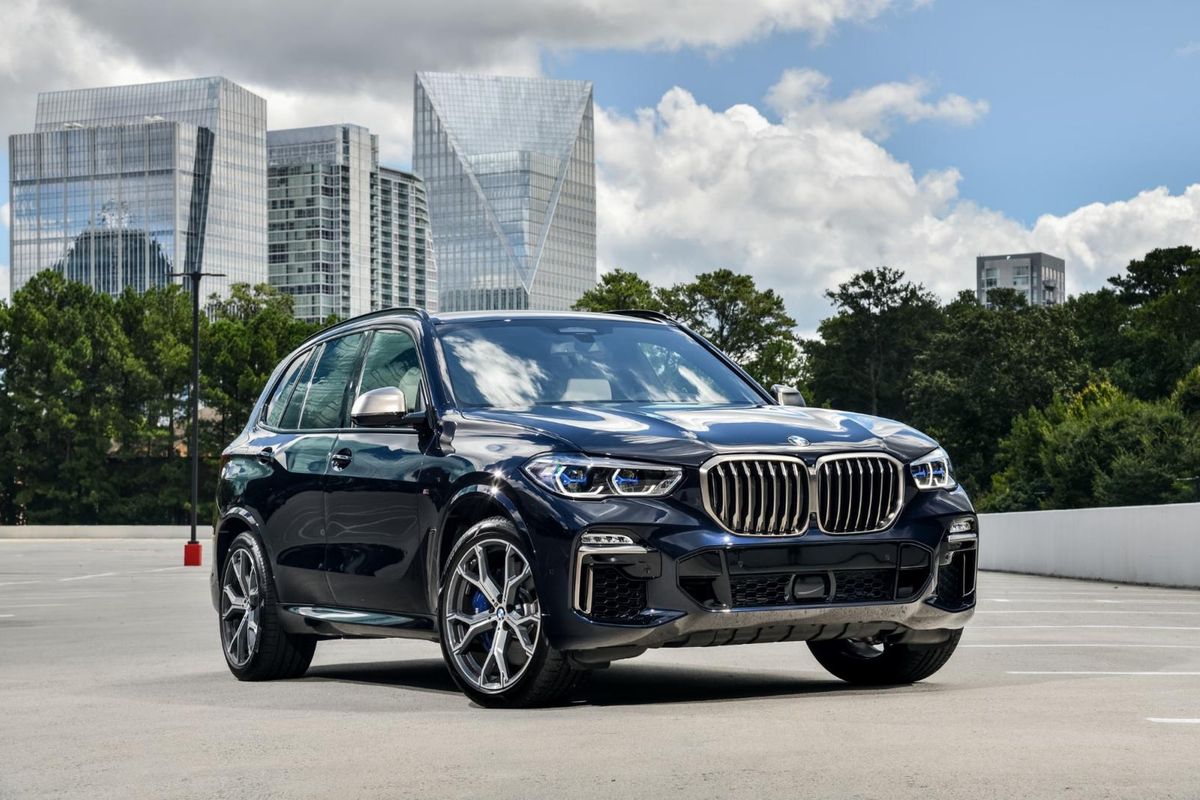
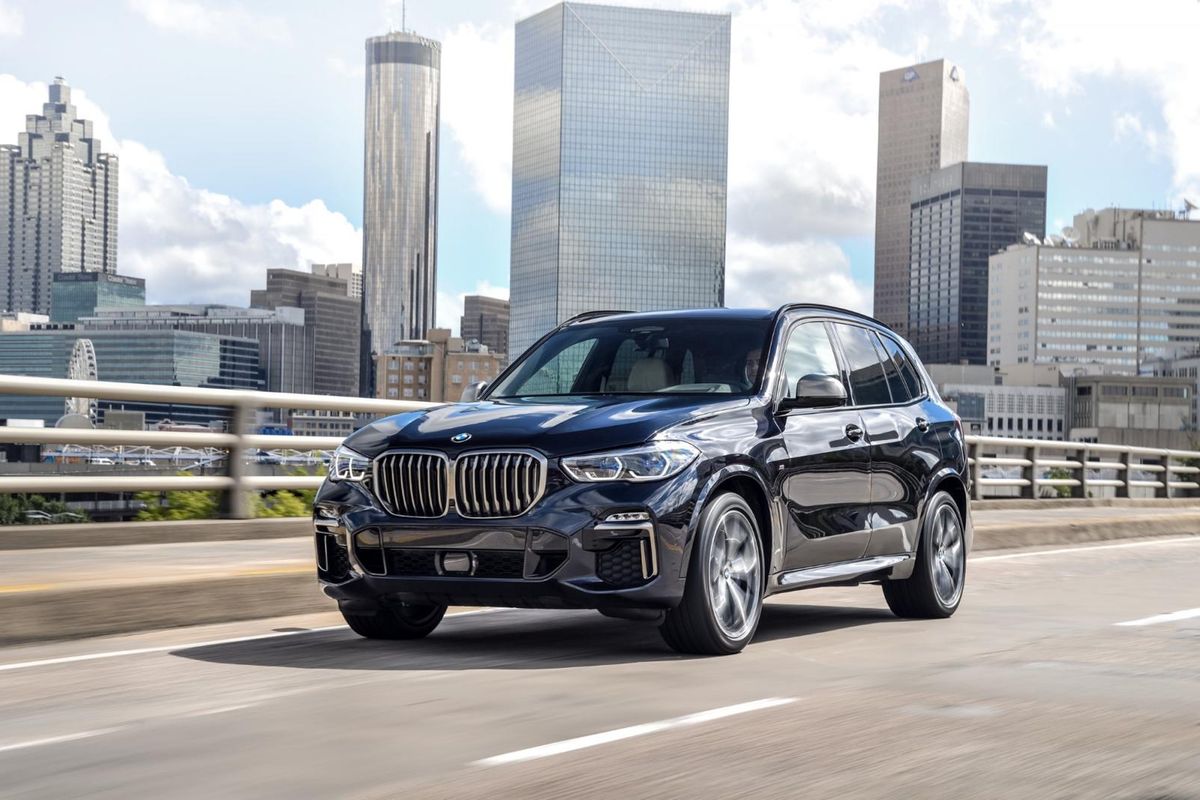
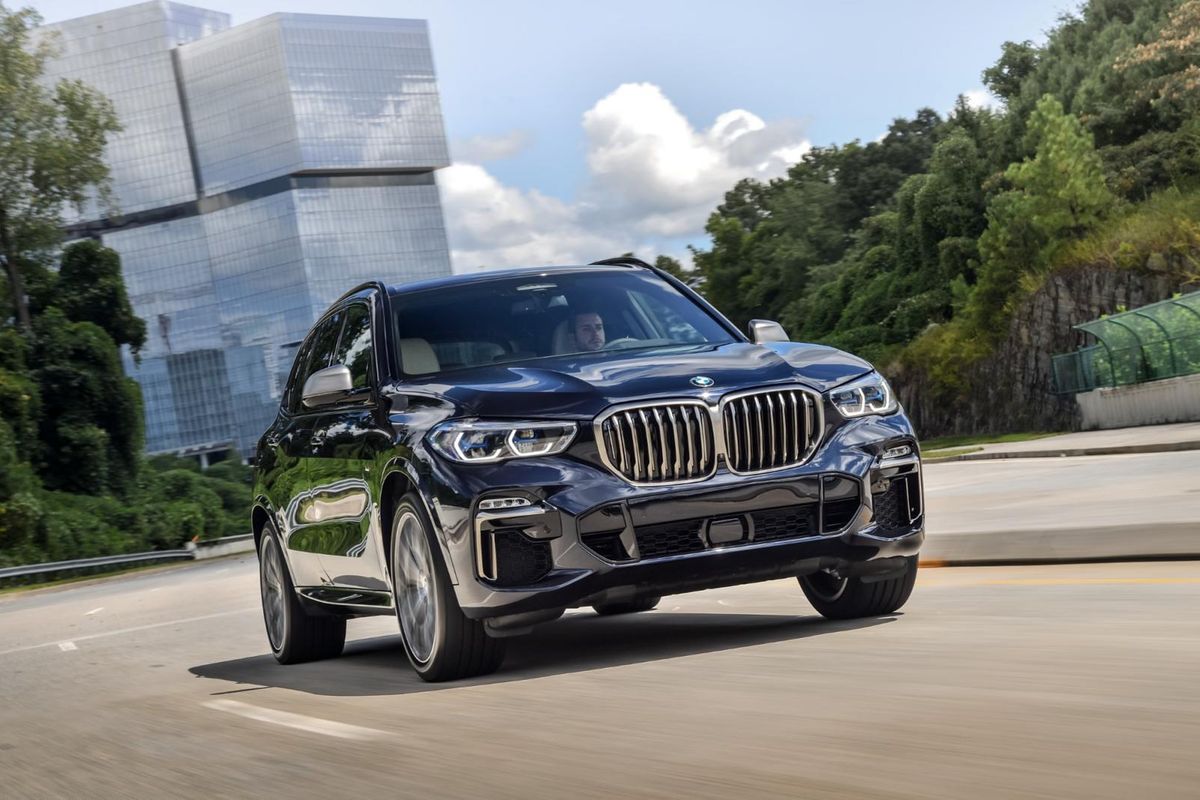
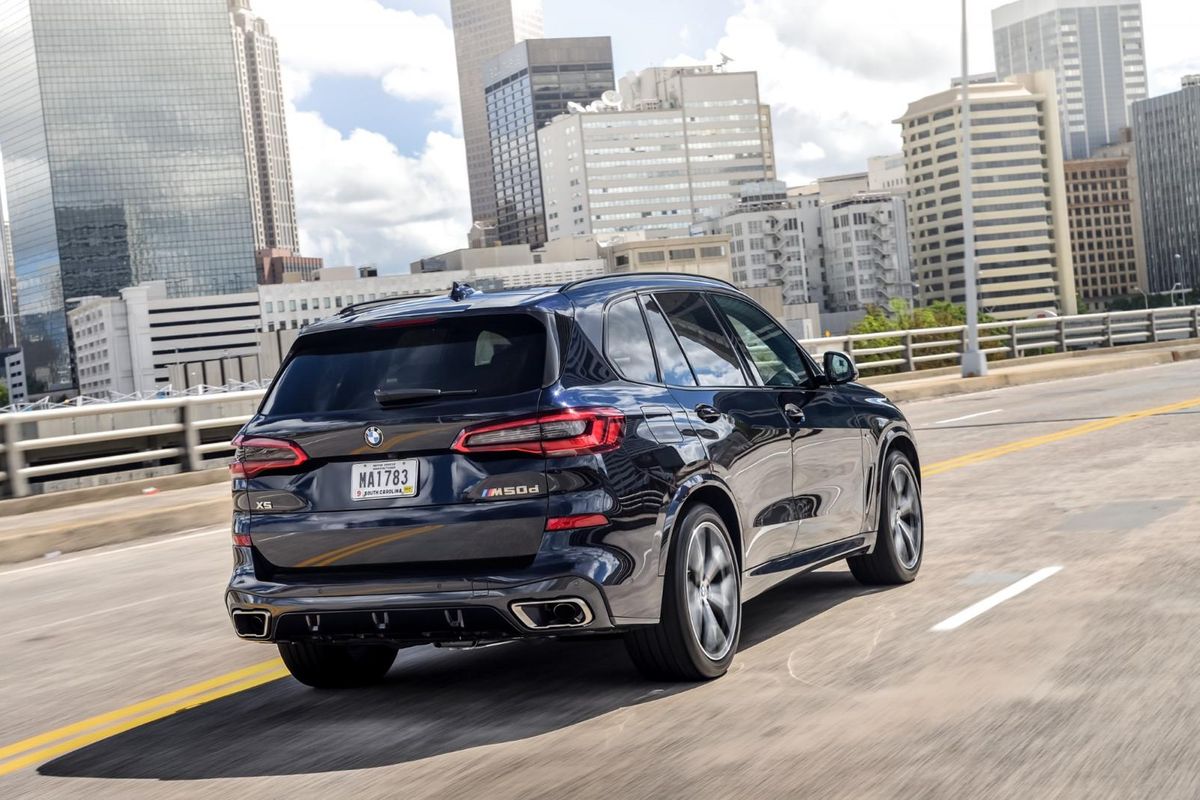
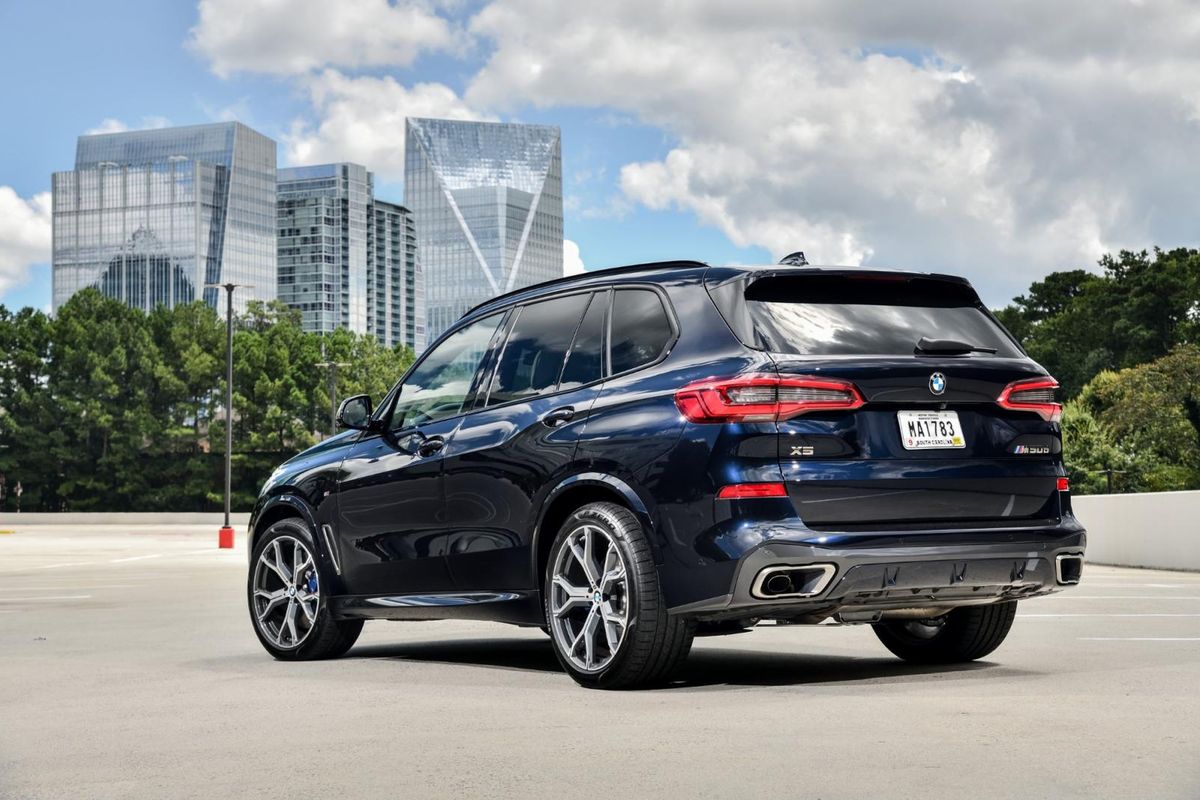
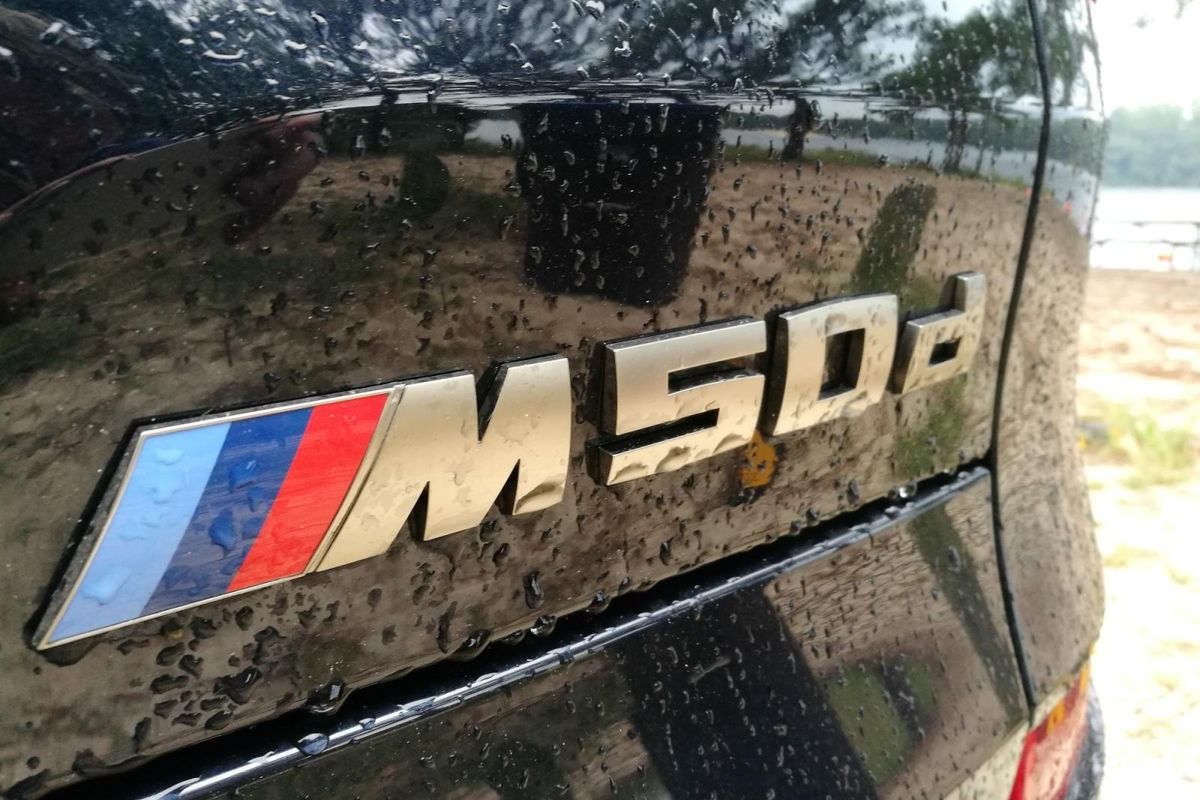
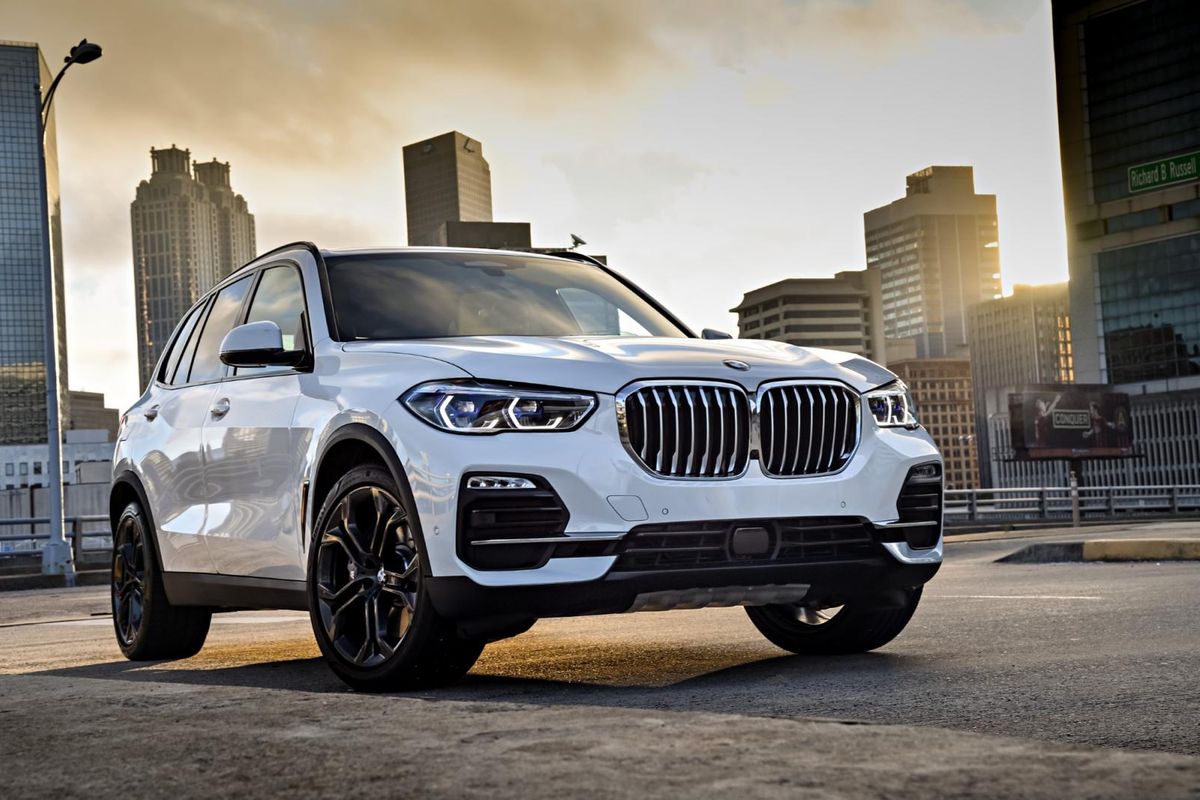
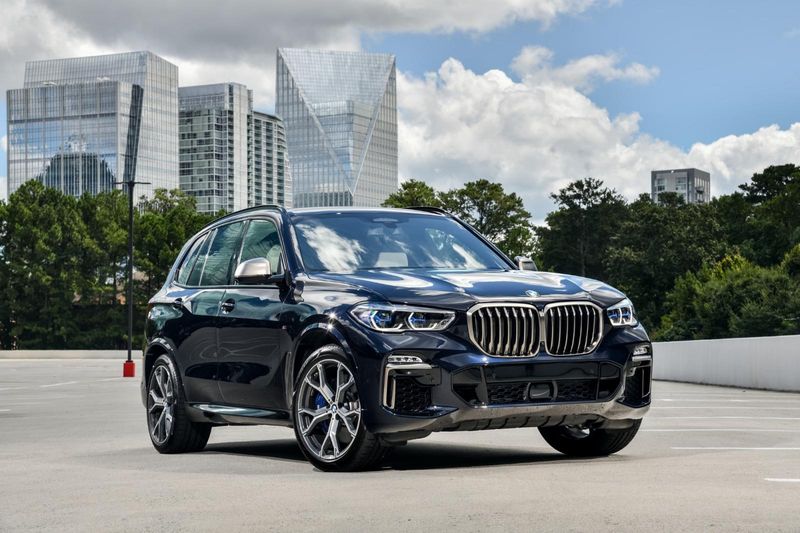
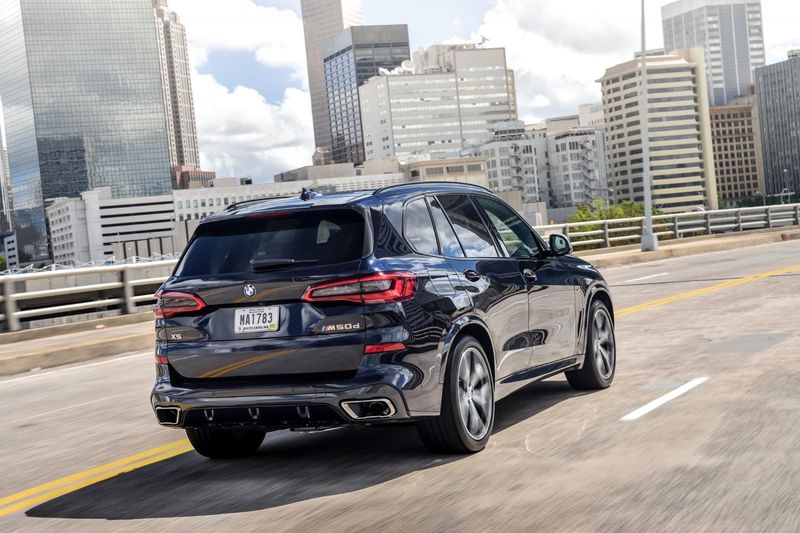
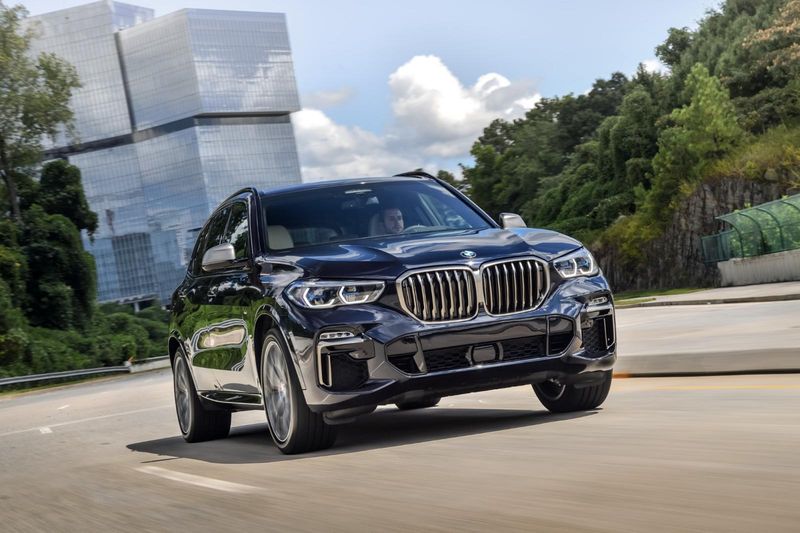
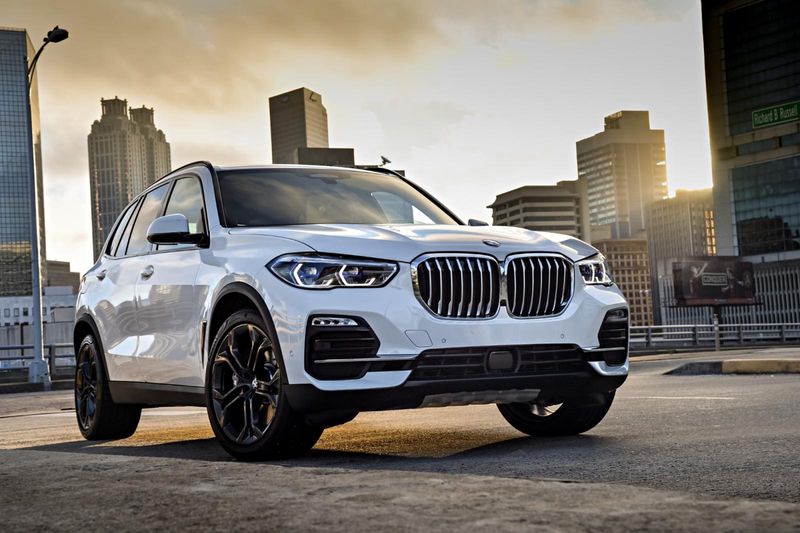
The courtyard outside the Mandarin Oriental hotel in Atlanta was abuzz with activity as journalists ogled the striking X5 M50d derivative that was put on display in front of the swanky establishment. The most prominent aesthetic feature of the new X5 is its oversized kidney grille, which draws various opinions… Some like it, some don’t, but either way, BMW has made the X5 look bolder and more accomplished than the outgoing model, and it needs to be, because it will compete with impressive competitors such as the upcoming new Mercedes-Benz GLE, recently-launched Porsche Cayenne and Volkswagen Touareg, and, don't forget about the Volvo XC90 and Audi Q7.
BMW appears to have ploughed just about every tech gadget at its disposal into the new X5, and when fully specced, it’s an impressive product.
Bigger, better and more advanced
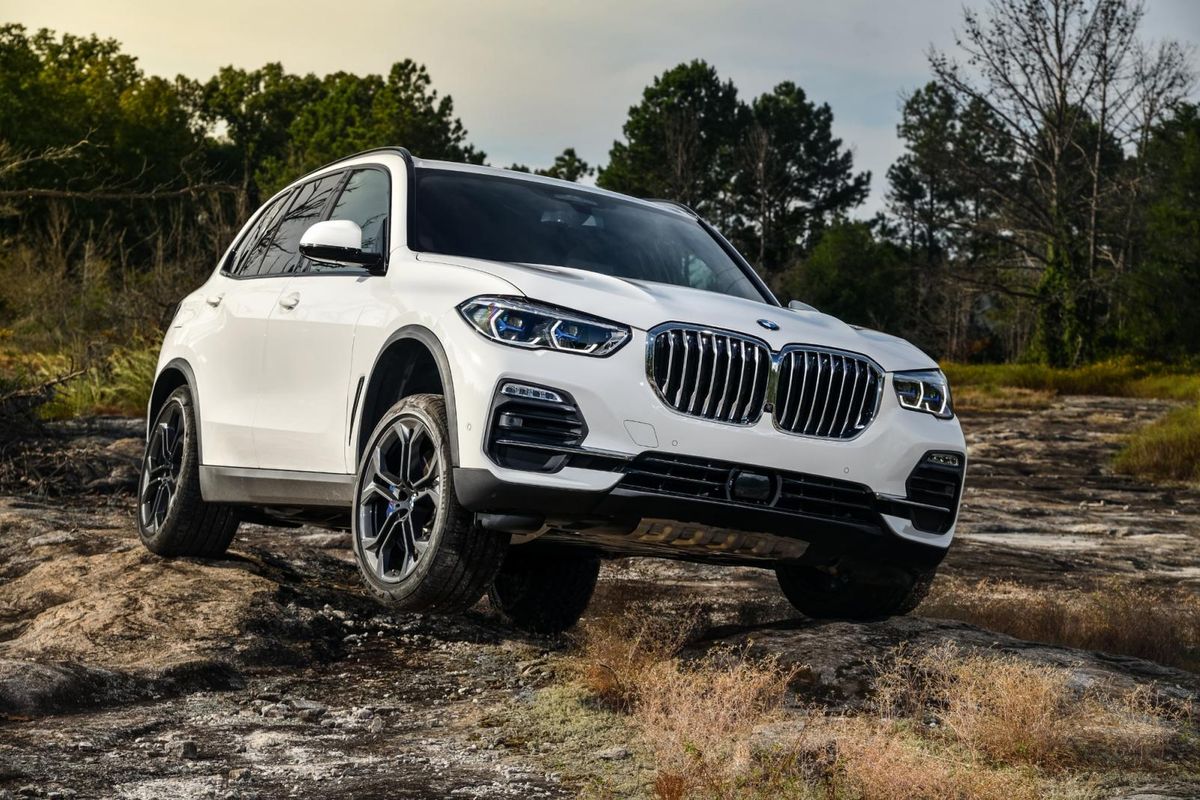
The X5's large kidney grille and BMW's Laserlight adaptive headlights give it a powerful frontal aspect.
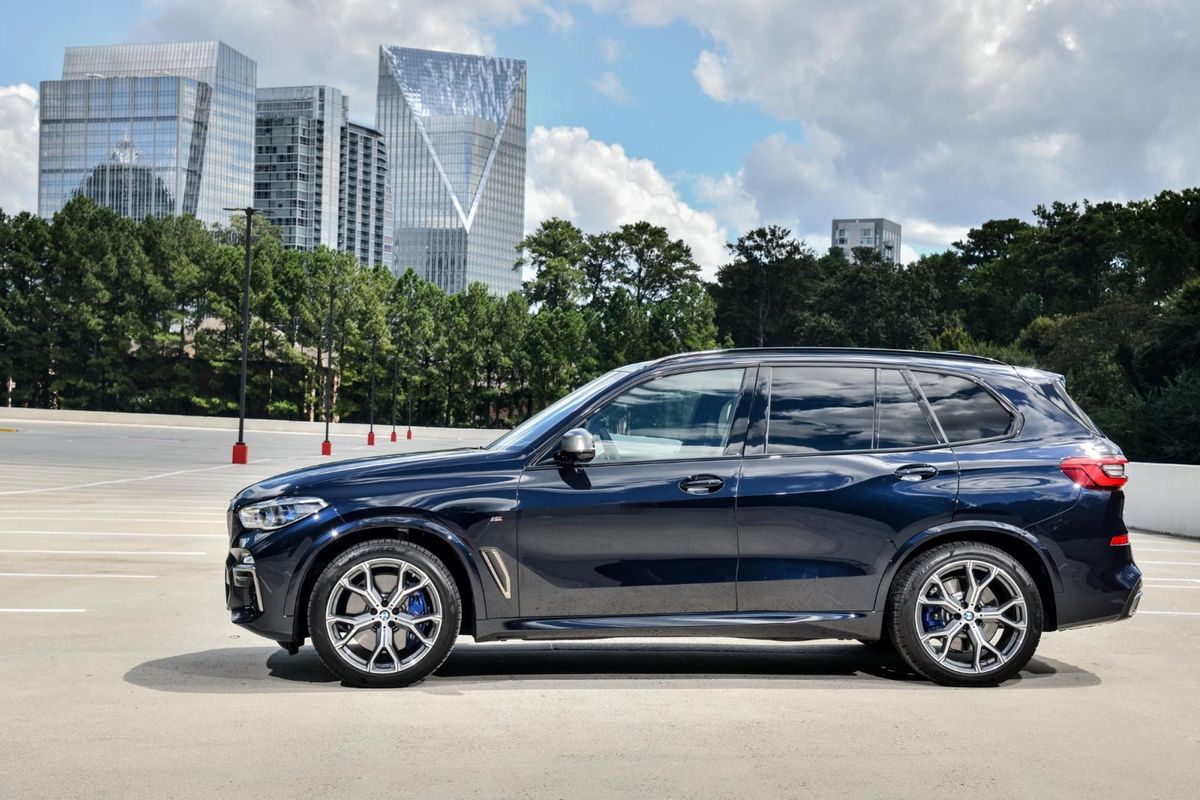
The exterior appearance of the new X5 can be enhanced by choosing between the xLine and M Sport trim lines, while a wide range of additional optional equipment can be further specified to equip BMW's latest premium SUV to your preference.
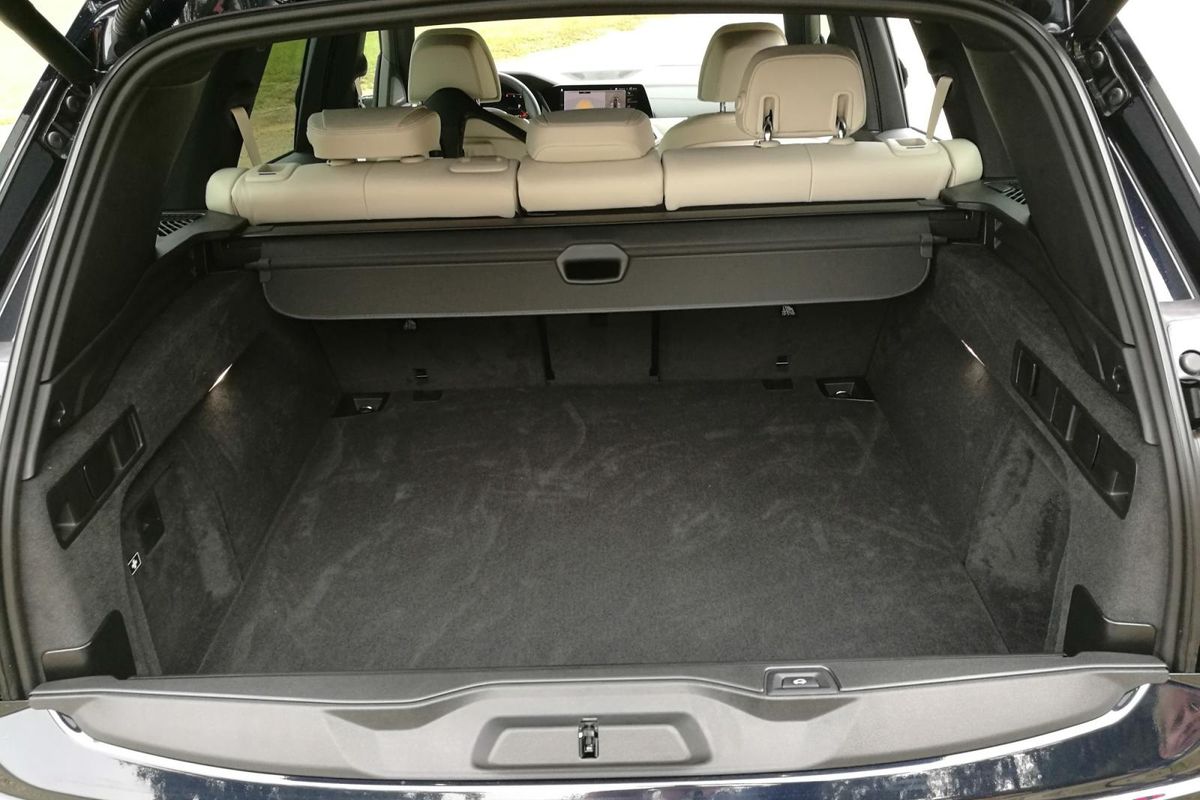
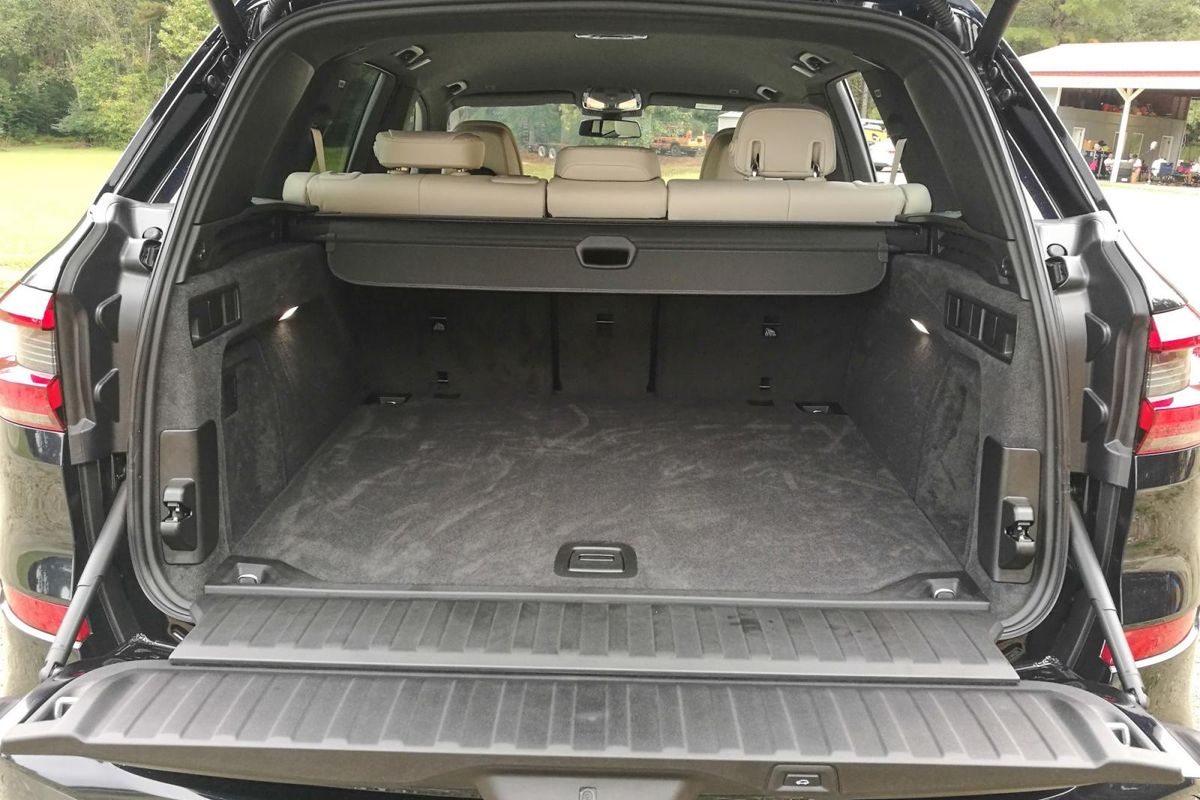
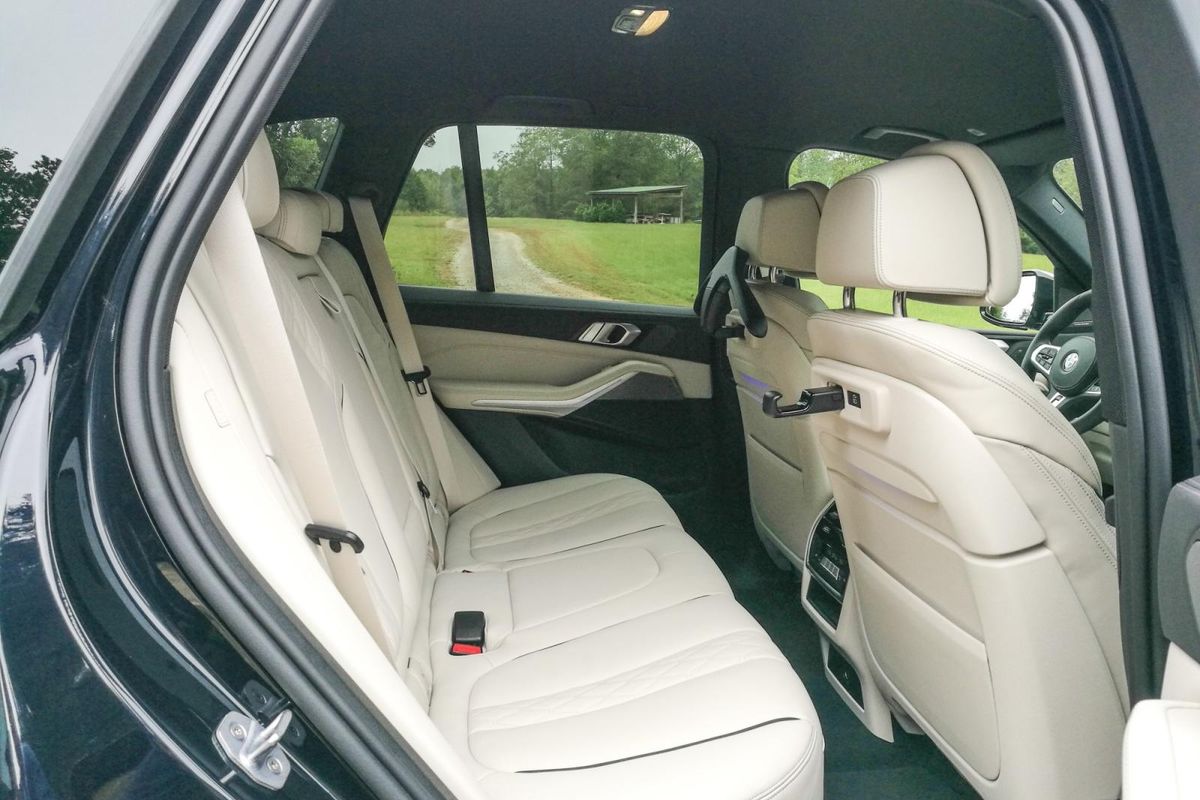
The new X5 is noticeably bigger than before. In fact, it has grown in all directions, which feeds into its brutish appearance, but the BMW's larger dimensions have also resulted in a roomier cabin for passengers and their luggage (the luggage bay offers 650 litres, expanding to 1 860 litres with the 40:20:40 split rear seats folded down).
If we go by the numbers, the X5’s wheelbase has grown by 42 mm, while its body is 36-mm longer, 66-mm wider and stands 19-mm taller than its predecessor.
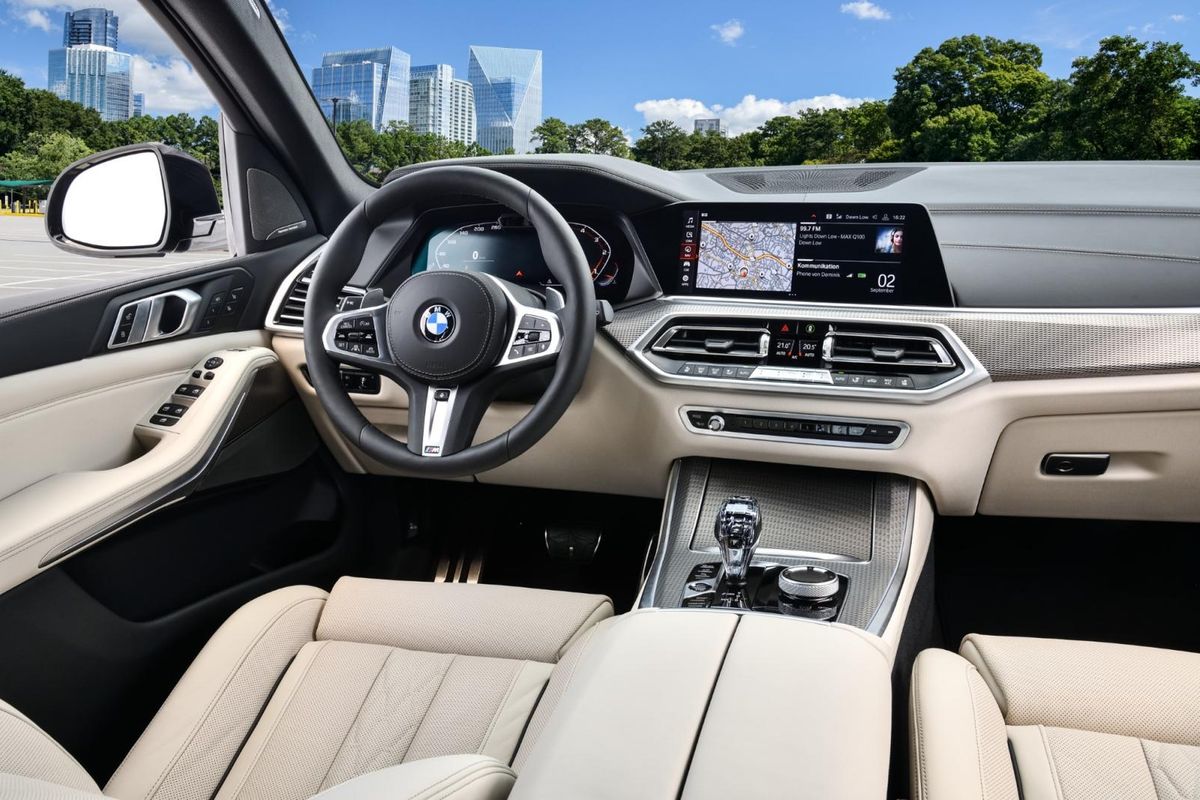
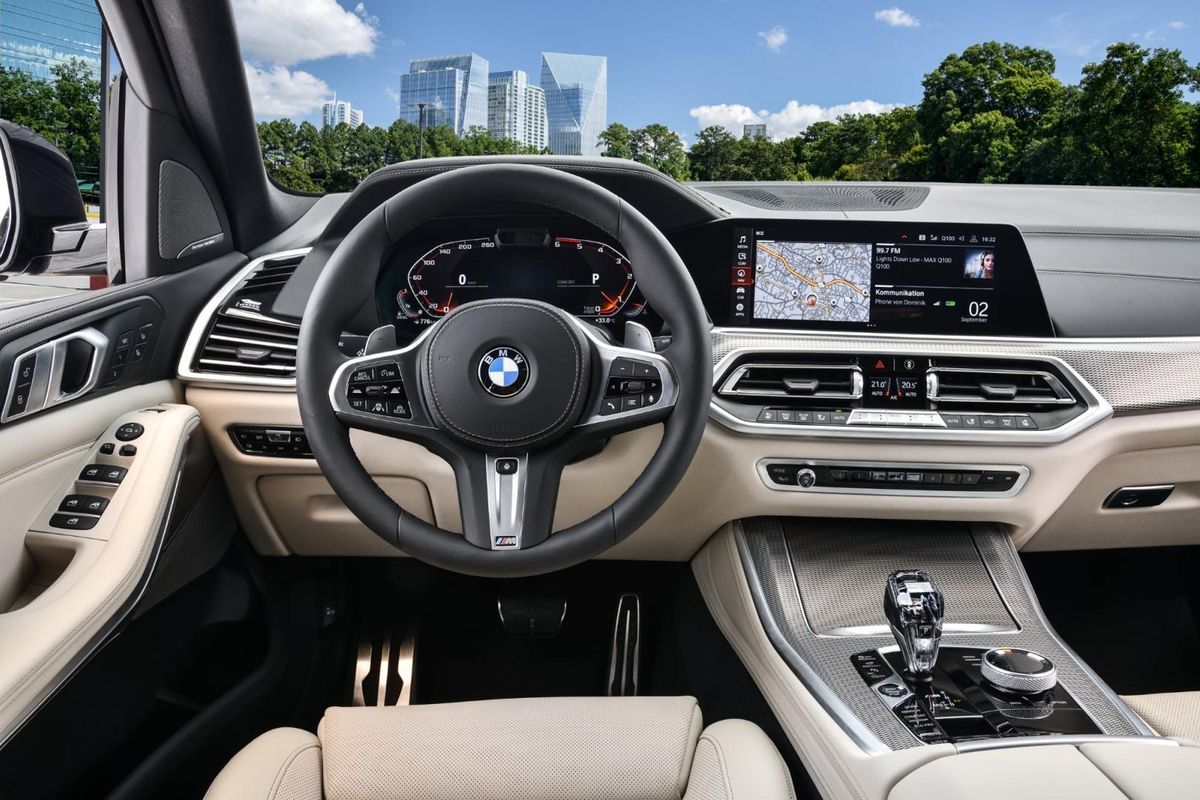
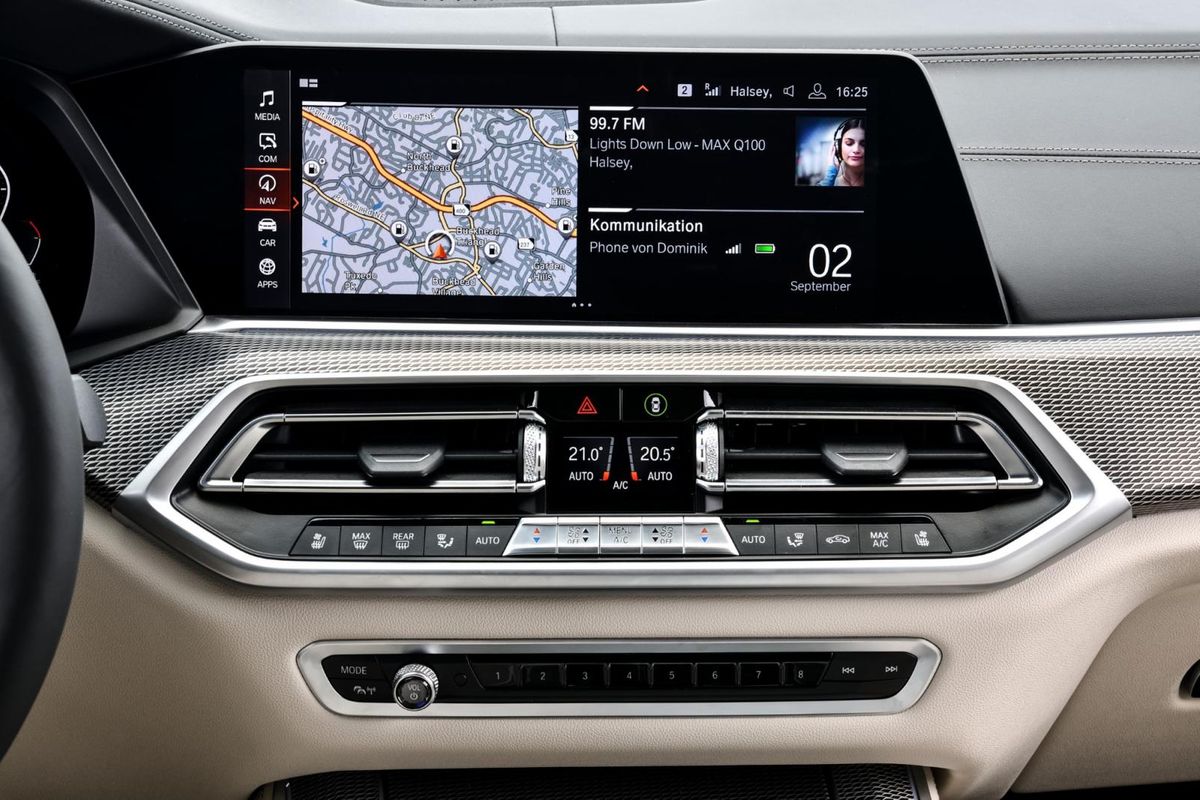
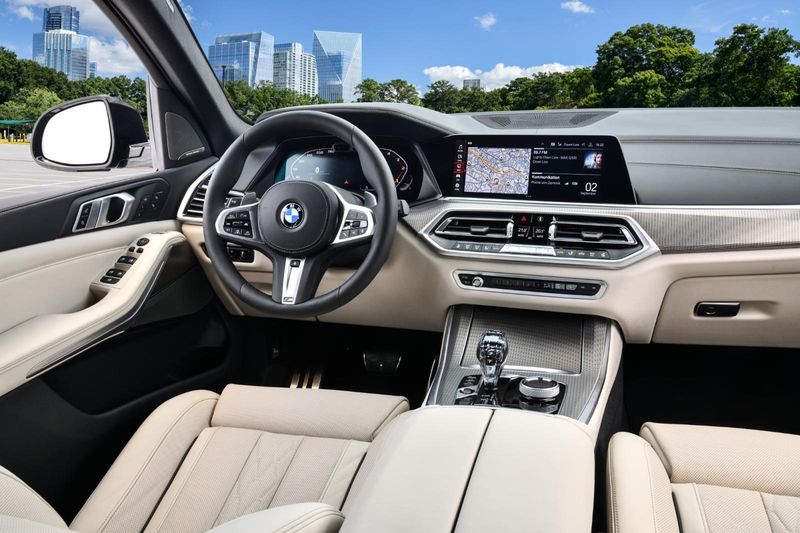
A new sporty instrument cluster and the latest iDrive 7.0 touchscreen infotainment system are major improvements.
The new X5’s design is far edgier and progressive than before (in other words, it offers loads more kerb appeal than the outgoing model), but the newcomer's pretty impressive on the inside too. BMW has often been criticised for its conservative and derivative (some say dated) interior design and while the new X5’s interior is somewhat familiar, BMW has upped the ante with 2 attractive 12.3-inch screens that serve as an instrument cluster and infotainment system.
The touchscreen infotainment system runs the latest iDrive 7.0 operating system, which features a slick layout that can be customised to your personal preference, while functions can be accessed via voice control or by using the familiar iDrive controller in the centre console. Gesture control is also part of the package.
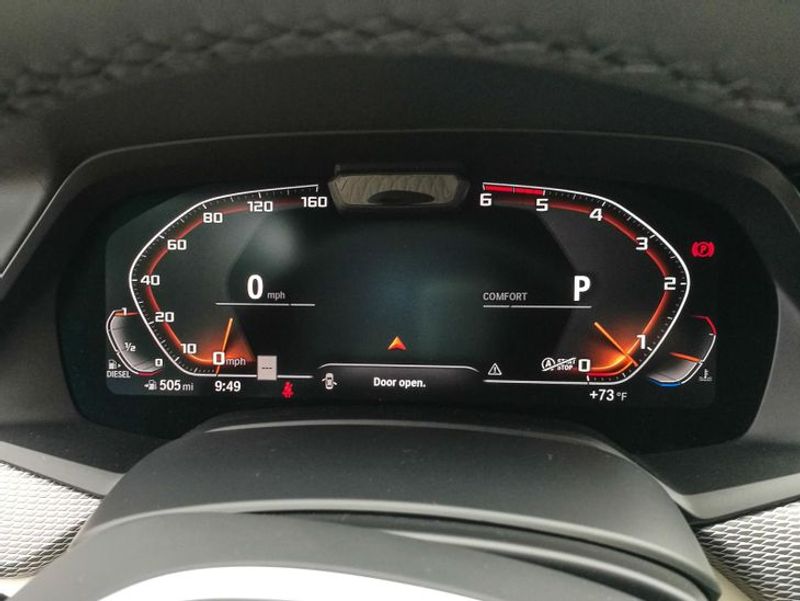
The instrument cluster can be customised depending on what you information you want to be displayed.
The instrument cluster is customisable according to the driver’s information preferences and we think it lifts the visual appeal of the interior considerably. Combined with robust interior build quality, premium trim elements and a lavishly equipped cabin, the X5's interior is smartly-appointed and comfortable – it looks and feels the part.
If crystal-clear music is your thing (and, let's face it, it is to a lot of people), then you may want to consider the optional 1 500W Bowers & Wilkins Diamond Surround Sound System with 20 speakers – it produces phenomenal sound quality. Other notable optional features include two 10.2-inch rear entertainment touchscreens, a panoramic glass roof (with 15 000 illuminated graphic patterns) and a wireless induction charging pad for charging smartphones. Heated and electrically adjustable sports seats are standard, but customers can increase comfort by opting for the optional multifunction seats, which offer massage and ventilation functions.
A wide range of driver assistance features is available on the new X5, making BMW's premium SUV easier and safer to drive.
Meanwhile, the level of driver assistance technology available in the new X5 is nothing less than staggering. Using a wide range of cameras and sensors, occupant safety and driver assistance have been significantly enhanced. Some of the highlights include a new Reverse Assistant feature, which stores the vehicle’s latest forward steering position (up to 50 metres) and uses the same steering line to automatically reverse the vehicle out of position.
A Parking Assistant can also automatically find and manoeuvre the X5 into a parking space, while a new Emergency Stop Assistant will bring the vehicle safely to a stop in case a driver becomes incapacitated (is no longer able to control the vehicle). This feature is activated by pulling the electronic handbrake switch. Emergency services are also automatically alerted once this feature is activated.
Other notable features on offer include the optional Driver Assistance Professional Package, which comprises features such as steering and lane control assistant, traffic jam assist, lane keeping assist, crossing traffic warning, priority warning, rear collision warning, wrong-way warning and lane change warning. The list goes on and on…
What’s the new BMW X5 like to drive?
The X5 M50d will top the X5 range when it arrives in South Africa in November 2018.
A BMW spokesperson has confirmed that South Africa will only receive 2 turbodiesel derivatives at launch (scheduled for late November 2018): the X5 xDrive30d and the range-topping X5 M50d. We had the opportunity to sample both versions in Atlanta.
Our drive started behind the wheel of the mighty X5 M50d. Its firepower comes courtesy of a 3.0-litre turbocharged 6-cylinder diesel engine that whips up peak outputs of 294 kW and 760 Nm of torque, which are channelled via an enhanced 8-speed Steptronic automatic transmission. What makes this headlining engine special is that it features multi-stage turbocharging which comprises 4 turbochargers including 2 high-pressure and 2 low-pressure turbochargers that produce a surge of torque from very low in the rev range. Up to 450 Nm of torque is delivered from 1 000 rpm, while the full 760 Nm is realised between 2 000 and 3 000 rpm.
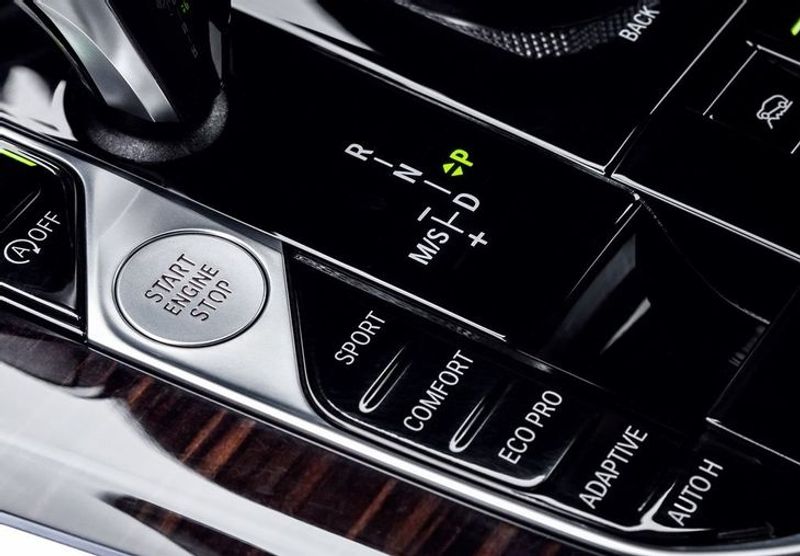
Under hard acceleration, the X5 M50d pulls strongly and while the engine is refined, it delivers a deep and throaty exhaust note that adds some aural pleasure when you press on in Sport mode (other driving modes include Comfort and Eco Pro). The X5 M50d gets up to speed rapidly and effortlessly, plus we found the transmission to be quick and unobtrusive in shifting gears. Europe may be falling out of love with turbodiesels, but that doesn't concern us: the flagship X5 is a wonderfully powerful car.
BMW claims a 0 to 100 kph time of 5.2 seconds, which is impressive when you consider the X5 weighs well over 2-tonnes. Fuel consumption is about 7.2-6.8 L/100 km.
Choose your mode to suit your mood. The X5 M50d offers powerful performance.
As before, BMW’s xDrive all-wheel-drive system can direct torque between the front and rear wheels on demand to improve traction and dynamic ability. Despite its heft, the X5 M50d felt agile and direct when cornering and, coupled with reasonably well-weighted steering, the X5 can be coaxed through corners with reassuring precision.
A Dynamic Damper Control system is fitted as standard on all X5 derivatives and the X5 M50d features specific suspension settings, including individual spring and damper tuning to improve dynamic performance. Large 21-inch M light alloy wheels fill the wheel arches and an M Sport rear differential is also standard.
On the road, the X5 M50d delivered high levels of ride comfort on our test route (considering its immense wheels and low-profile tyres); we were pleased by how well the X5 absorbed road imperfections, especially on poorer sections of tarmac, which suggests it should fare reasonably well on South African roads too.
Ride comfort can be maximised further with the optional 2-axle air suspension with automatic self-levelling, while Adaptive M suspension Professional (with active roll stabilisation and Integral Active Steering) is also available at extra cost.
Can it off-road?
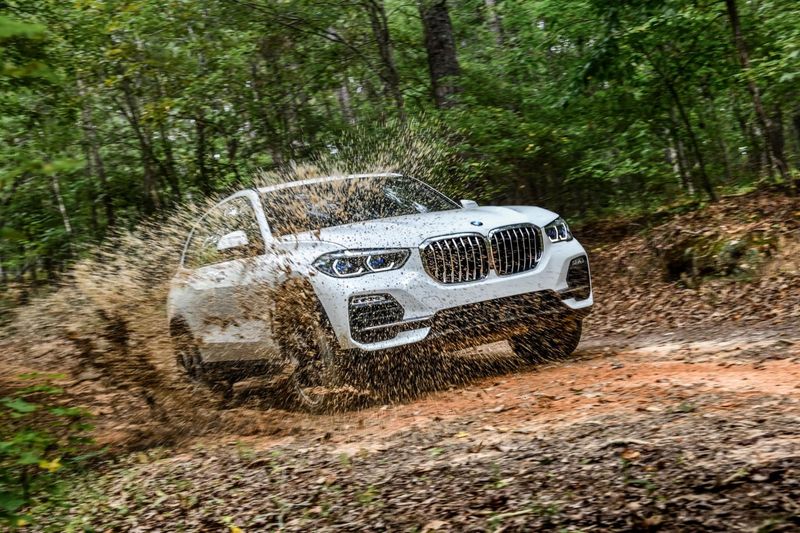
A new off-road package will be offered on the new X5 for the first time.
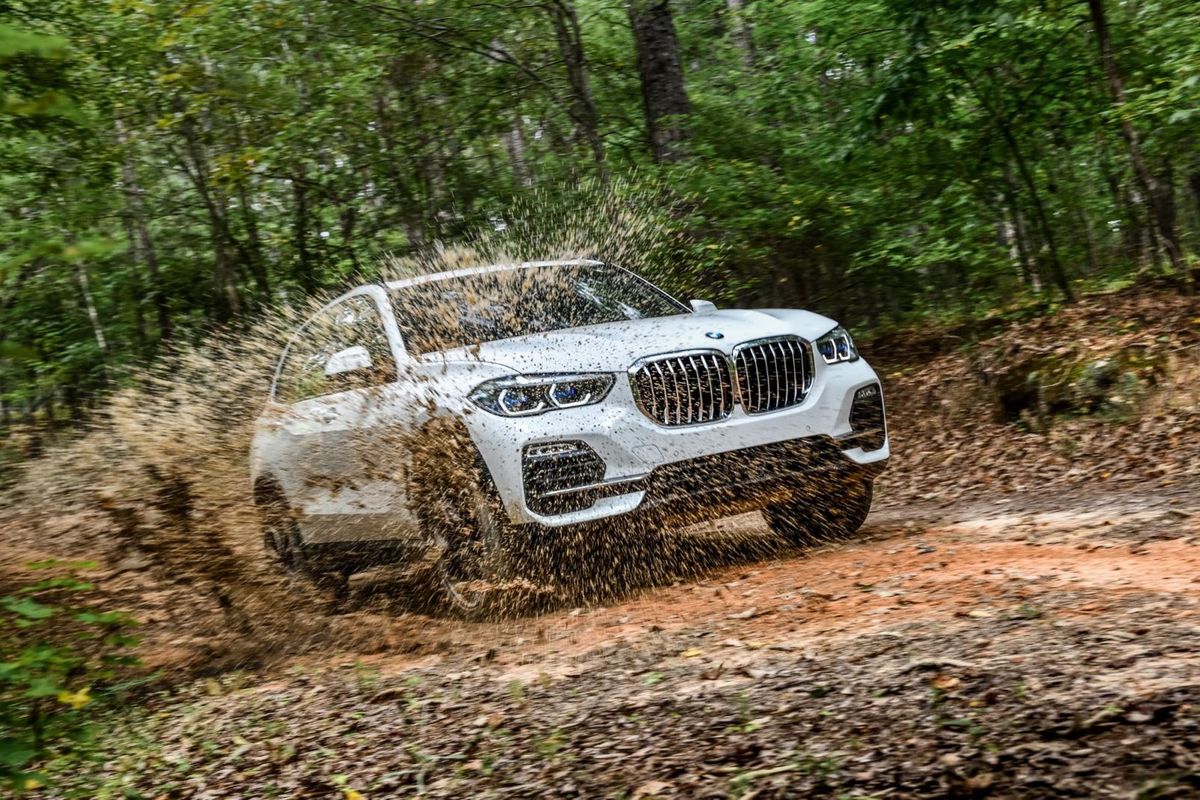
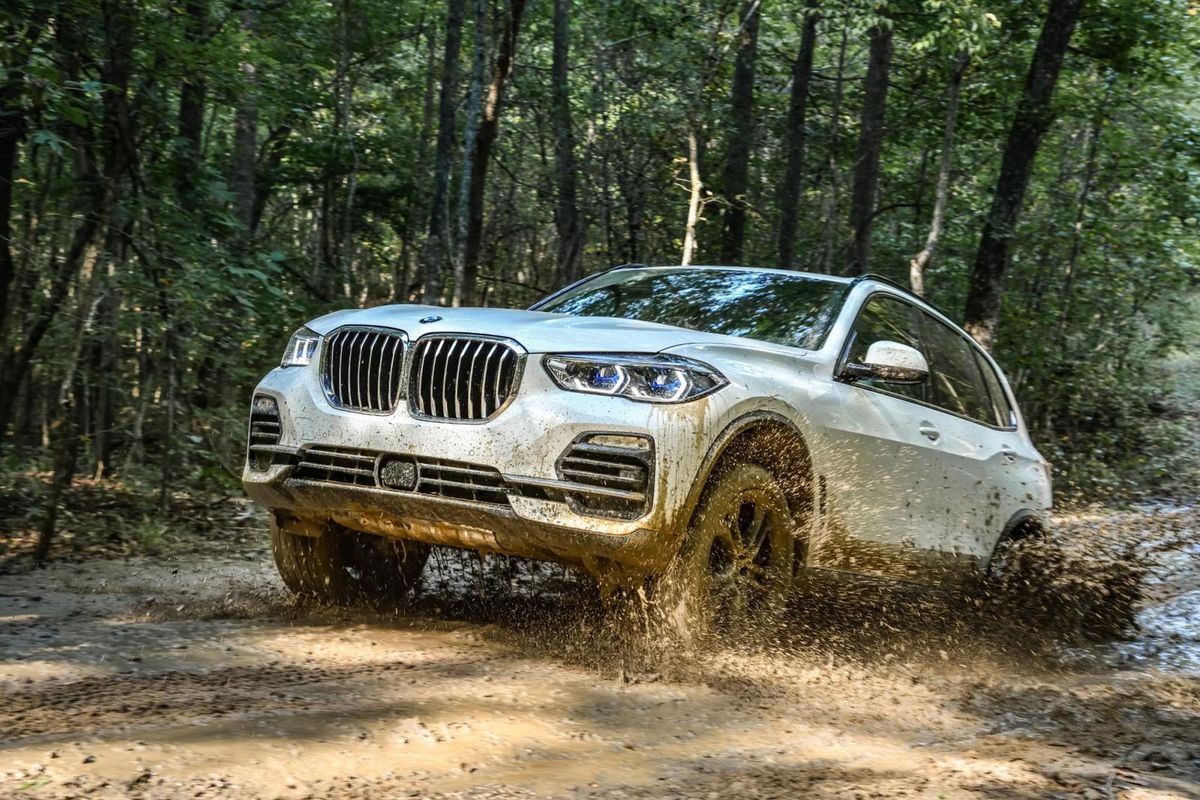
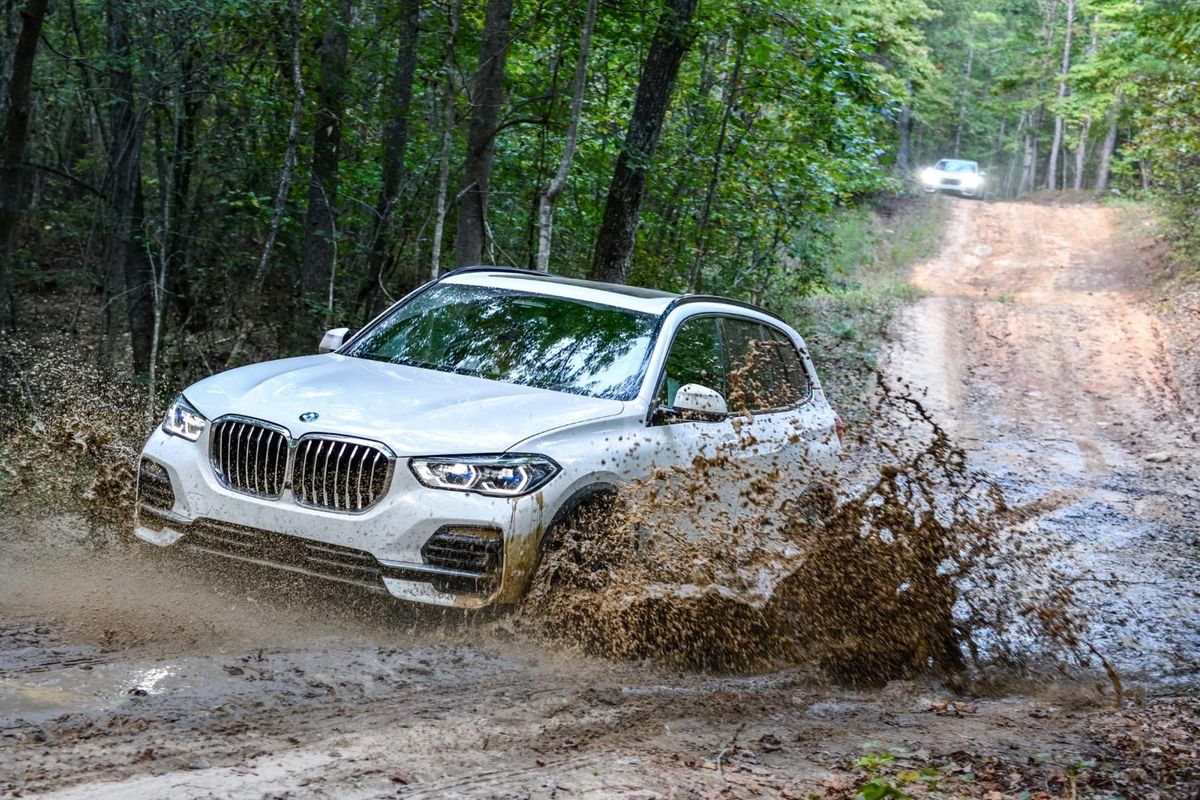
For the first time, BMW will offer an off-road package for the X5, which comprises front and rear underbody guards, 2-axle air suspension and an electronically controlled rear differential lock. As a result, we were keen to put the X5 through its paces in the dirt and the xDrive30d derivative was ready for the task. This derivative has a 3.0-litre turbodiesel engine (with 195 kW and 620 Nm of torque), which should be more than adequate for most buyers’ needs, whether it be on the road or in the bundus.
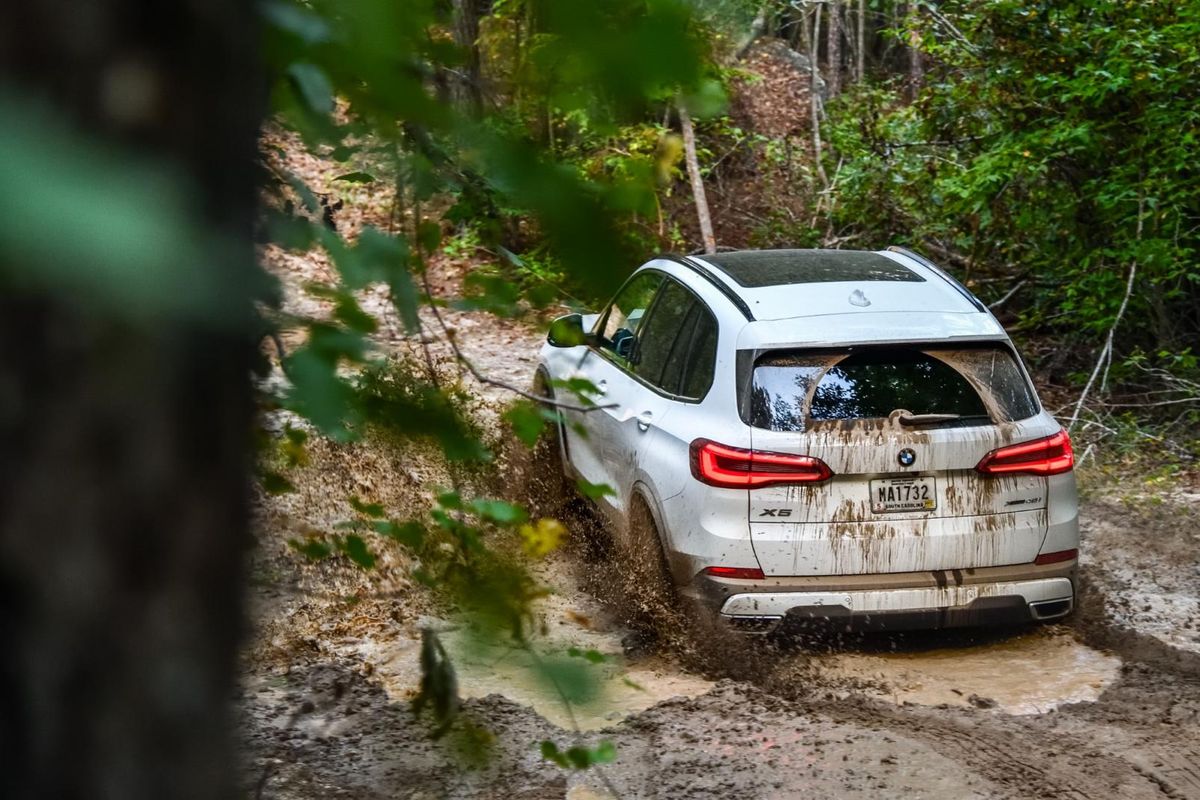
Equipped with air suspension, the X5’s ride height can be raised or lowered by as much as 40 mm to suit the situation and a full suite of cameras, including a 360-degree view camera, plus a hill descent control system proved to be particularly useful on the wet and slippery 4×4 track. The off-road package offers 4 driving modes including modes for sand, gravel, rock and snow. Even though the X5 was fitted with road tyres, it still performed surprisingly well and it coped with all the obstacles in its path.
So, the answer to the question is a resounding yes, the X5 can cope with the demands of off-roading, but perhaps the question you should be asking yourself is – do you want to take your new X5 off-road, or is it good enough just to know that it can? Note that the off-road package is not available on the X5 M50d…
Final thoughts
With a near-perfect blend of performance, luxury and safety, the new X5 makes a strong case for itself.
While we didn’t have the opportunity to drive the X5 xDrive30d on the road, we suspect that this derivative will offer the best balance between comfort, performance and economy and it will likely net the lion's share of sales for the range when it arrives on local soil. However, the sheer power of the X5 M50d makes it utterly desirable.
Overall, the new X5 left a positive impression on us and, by all accounts, the new X5 is primed to take the fight to its rivals – it should be well-received by buyers. Along with its commendable performance, bold styling, attractive interior and comprehensive technology offering, the new X5 is a compelling product.
However, while starting prices for the X5 appear to be in line with rivalling products, the vast array of impressive optional features will come at a price. When comprehensively-equipped, the cost of the X5 will be hefty. But, then again, that’s the price you pay for quality, right?
We can’t wait to test the new X5 on local soil and to pit it against its latest rivals. Look out for a detailed local launch report around early December 2018…
New BMW X5 – Prices in South Africa
BMW X5 xDrive30d R1 194 296
BMW X5 M50d R1 502 581
Prices include a 5-year/100 000 km maintenance plan.