The AA of SA reports that April 2019 will be a bad month for motorists as not only will there be a monster fuel price increase, but the fuel levies kick in too. Here's what you need to know.
As it stands, motorists will be facing increases of 98 cents for petrol, 70 cents for diesel and 63 cents for paraffin. However, the pain doesn't stop there as the increases to the fuel levies will push the prices up even higher. The AA says that petrol will be actually increasing by R1.18 a litre, while diesel is subjected to a 90c per litre increase.
Fresh off substantial fuel price hikes in March, South Africans should brace themselves for further increases in April. This is according to the Automobile Association (AA), which was commenting on unaudited mid-month fuel price data released by the Central Energy Fund.
"We hope that data will provide more clarity as the month unfolds, but there is a further fly in the ointment, which is that increased fuel taxes become applicable in April," the AA notes. "This will add 20 cents a litre to the April increase – 15 cents for the fuel levy and 5 cents for the RAF levy. "When fuel taxes were proposed as a roads funding mechanism, the government resisted, claiming they were anti-poor. But the fuel levy has nonetheless risen by nearly 22% over the past three years. Given what is emerging at the Zondo Commission of Enquiry, motorists are justified in asking what this money is being spent on," the AA concludes.
Some purists suggest that the finest BMW performance engines are reserved for the Munich-based firm's M models. That's not to say, of course, that BMW hasn't produced some stellar non-M mills over the years. In fact, some of those "mainstream" engines have even gone on to feature (in modified forms) in M models!
Depending on who you ask, it can be argued that BMW owes its reputation for producing spirited engines as much to its M-model powerplants as to the motors in volume-selling models that pushed the powertrain performance and efficiency benchmarks in their respective segments of the market. The following motors (with 1 exception) have appeared in standard or (at the most) M-fettled derivatives, but they're not quite what you’d consider ordinary – oh no. They’re significantly more special than their stablemates thanks to a handsome sprinkling of incandescent BMW fairy dust…
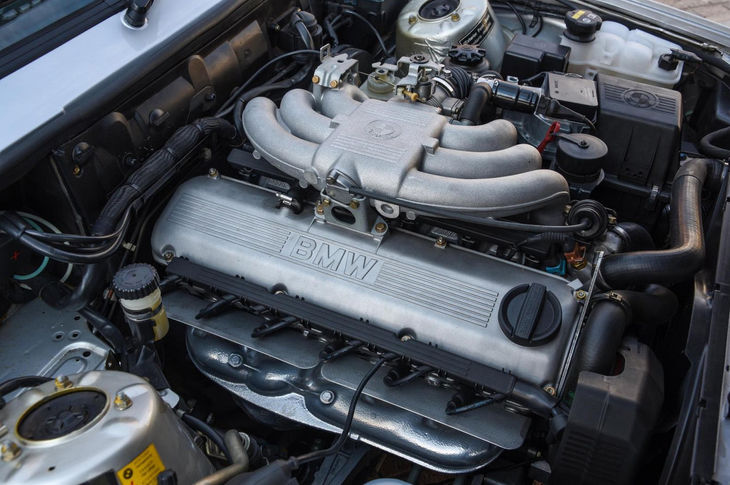
BMW M20B25
If you know anything about BMW's fandom in South Africa, you'll comprehend why the 12-valve straight-6 motor is so deeply revered.
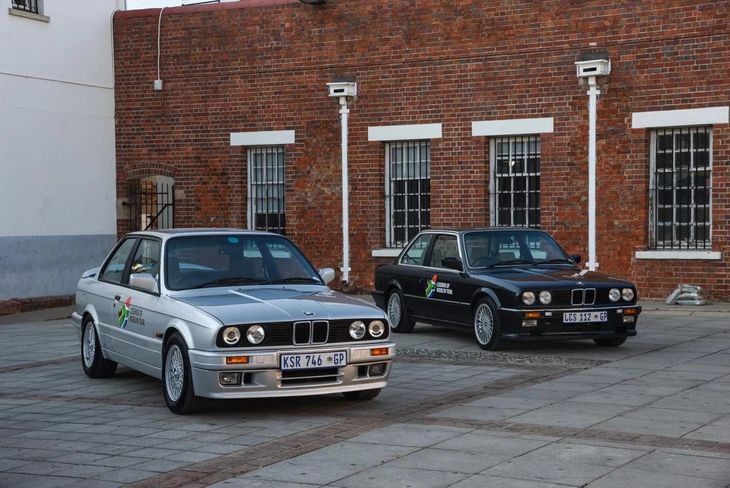
Whereas much of the left-hand-drive world once basked in the glow of the 2.3-litre (to 2.5-litre) 4-cylinder unit that powered the original (E30) M3, the unit at the heart of its contemporary BMW 325iS Evolution 2 (with the complicated M20B25 designation) is something dear to all South African BMW enthusiasts. The concept behind its introduction was to comply with homologation purposes of the Group N Racing Series in the late Eighties, as well as to fill the void of the E30 M3, which was never launched in South Africa. While it shares its basic fundamentals with the firm’s M20 straight-6 mill, the Evo 1 and 2 underwent myriad performance amendments to make it faster and more powerful than the regular 130kW 325iS.
The appeal of the BMW 325iS (of which an example is pictured on the left) is timeless. Prime examples demand LOFTY asking prices.
As a result, a bored-out 2.7-litre Alpina-tweaked unit produced 145 kW (in Evo 1 guise), while the Evo 2 took things up a level with a total system output of 155 kW. As far as sound effects go – well, a short-throw 5-speed manual transmission turned the driver of a 325iS into an orchestra conductor, allowing them to eke out and compose straight-6 musical scores good enough to pass for the soundtrack of a Star Wars flick.
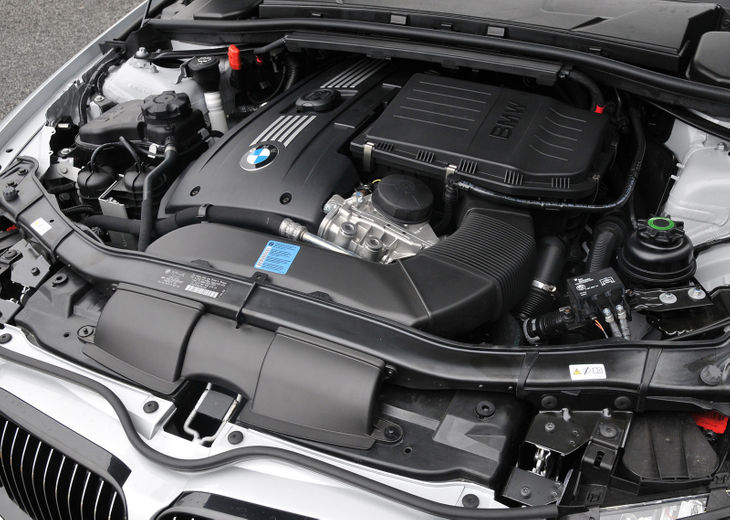
Although BMW briefly dabbled with a turbopetrol engine in the '80s, the N54 was BMW's 1st notable forced-induction petrol motor since 1973.
For more than 3 decades, BMW resisted the urge to fit turbochargers to its production models (apart from a European version of the first 7 Series, called the 745i). Then, in the mid-'00s, the twin-turbocharged N54 engine (first packaged in the BMW 335i) arrived – and it revolutionised the automotive world with its meld of performance and economy. Plus, the 335i was known to strike fear into the hearts of M3 owners of the time –thanks to a wave of low-down force-fed torque. While both the 335i and M3 produced an equal 400 Nm of torque the 335i’s newtons came almost 1 000 rpm earlier in the rev range and gave it the ability to run neck-and-neck and sometimes even out-accelerate its muscle-car 4.0-litre V8 brother at altitude.
This was obviously a different story when it came to sea-level performance, but the 335i's reputation as "the poor man’s M3" was cemented in local folklore. The N54 was broadly employed across the BMW model line-up and available in many states of tune, the most significant of which was the 250 kW and 450 Nm 1M Coupe (produced as a glorious sendoff for the first – and only – 1 Series Coupe, which later became the 2 Series). The N54 was later replaced by the N55 3.0-litre mill, which ditched the twin-turbo setup in favour of a single twin-scroll unit for the sake of better reliability.
BMW N57
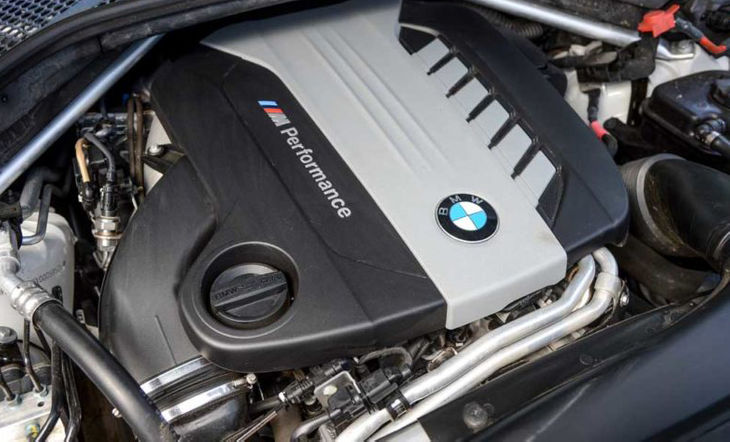
Initially produced to propel the all-wheel-drive M550d derivative of the previous-generation F10 5 Series (regrettably it was never released in South Africa), the audacious 3.0-litre straight-6 tri-turbodiesel made its local appearance beneath the pumped-up bonnets of the previous-generation X5 (and current X6). The most simple way to describe it is: a masterclass in diesel engine architecture. Only the Germans could come up with something as absurd as an M50d, but it all makes sense for some peculiar reason – especially after taking it for a spirited spin. Fire it up and the big oil-burner springs to life with a low-pitched guttural thrum replete with hissing turbochargers; enough decibels to stave off any would-be boy racers.
As far as turbodiesels go it’s a pretty revvy machine, capable of catapulting its 2-tonne-plus kerb weight from standstill to 100kph in a shade over 5 seconds, that’s some serious Newtons right there. Speaking of which, its peak power and torque outputs are rated at 280kW and 740Nm respectively, the latter of which is accessible from as low down as 2 000 rpm. Gut churning and smile-inducing in its mannerisms, the M50d might not profess to be worthy of the pseudo-M badge stuck to its fleshy derrière, but it sure does a good job of living up to the hype.
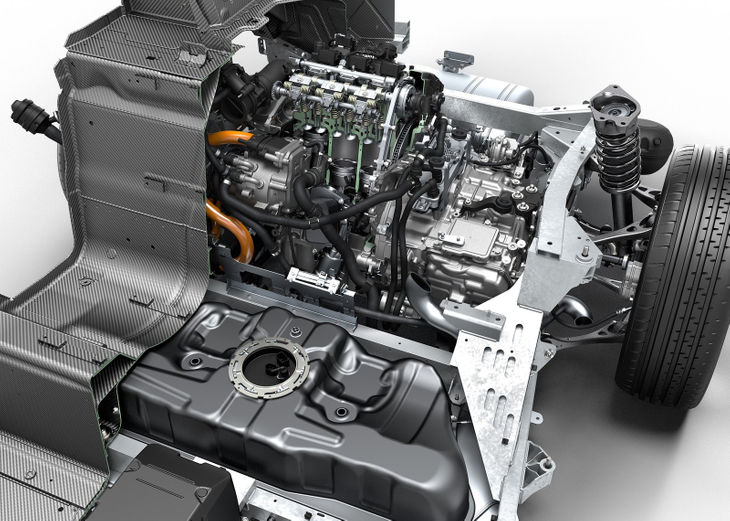
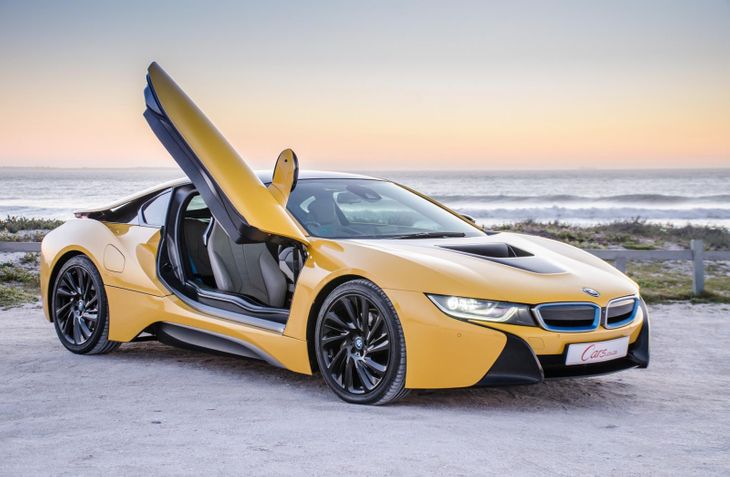
Yes, it’s true – the same little turbocharged 1.5-litre 3-pot that does duty in some of BMW’s lesser models (and a clutch of Mini products, don't forget) is in actual fact the same motor that powers the rear wheels of the futuristic i8 supercar, but there are differences… Not only has it been radically modified and massaged to produce maximum outputs to the tune of 170 kW and 320 Nm, there’s also a 96kW/250Nm electric motor that drives the front wheels, the result of which supplies a combined total system output of 275 kW and 570 Nm.
To fit one of BMW's high-capacity fire-breathing M motors in the low-slung i8 would defeat the entire purpose of the sportscar.
The beauty of the i8’s hybridised power system is its ability to not only push you back into your seat and blur your peripherals, but also creep around silently in electric mode without as much as emitting a single gram of carbon dioxide. The kicker? BMW claims a combined fuel consumption figure of just 2.1 L/km at just 49g/km of C02. Considering the carbon-fibre-rich i8's top speed of 250 kph and 0-100 kph sprint time of 4.4 seconds, the eco-minded sportscar's powertrain is undoubtedly one of the firm’s most impressive non-M engines.
And then, to conclude, the finest "non-M" BMW engine might also be the "most-M" motor the Bavarian brand has ever produced…
BMW S70/2
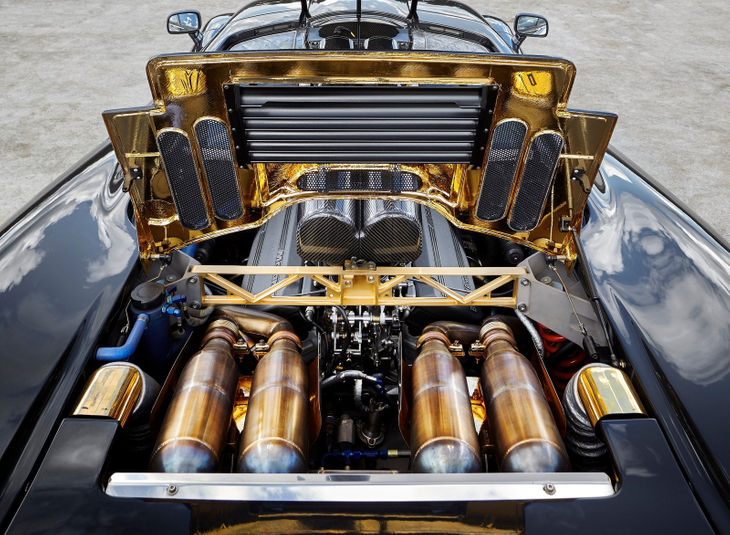
BMW never intended to produce a road car based on the M Division's 6.1-litre V12 (from the early '90s), so McLaren took over the baton.
The McLaren F1 may not be a genuine BMW, but it featured one of the Munich-based firm’s foremost powerplants: the S70/2. The F1 was the brainchild of South African-born Gordon Murray (who designed Brabham and McLaren F1 cars in the Eighties) and he insisted his creation should be powered by a naturally aspirated engine. He initially approached Honda (owing to the Woking-based firm's alliance with Honda in F1 at the time), but the Japanese manufacturer turned him down, which forced the engineering team to adopt something more reliable and with a proven track record.
It seems incredible that the legendary McLaren F1 could have been powered by an Isuzu engine. But it wasn't.
After mulling over the idea of going with Isuzu, Murray eventually opted for a bespoke 6.1-litre V12 built by BMW M Division’s engine guru Paul Rosche… Had BMW not shelved its plans to build an M version of the original 8 Series, the "M8" would probably have been powered by a version of that motor. Regardless, producing a mind-blowing (remember, for the time!) 467.5 kW and 651 Nm of torque, the muscular V12 propelled the McLaren F1 to a 0-96 kph sprint time of 3.2 seconds and 391-kph top speed, which surpassed Murray’s expectations. Furthermore, the level of exquisite detailing made the F1 a truly astonishing machine – twenty metres of heat-reflective gold foil lines both the engine and exhaust bay.
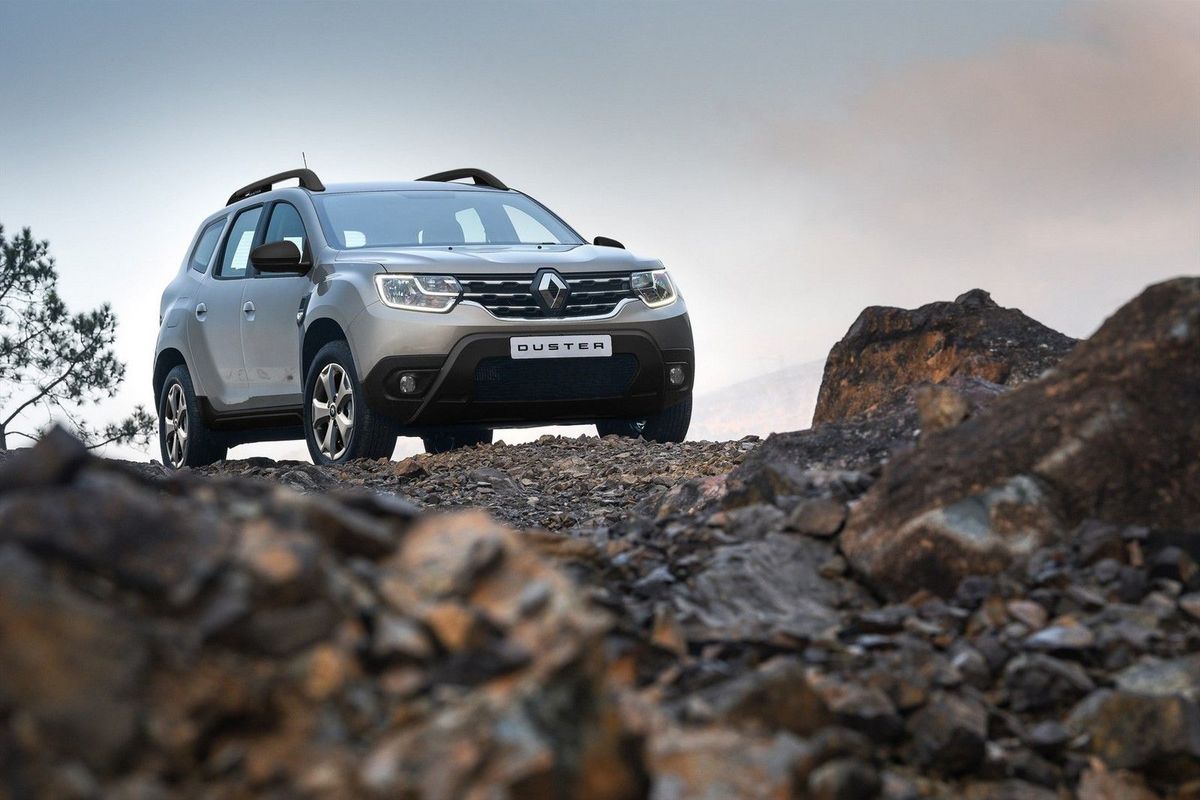
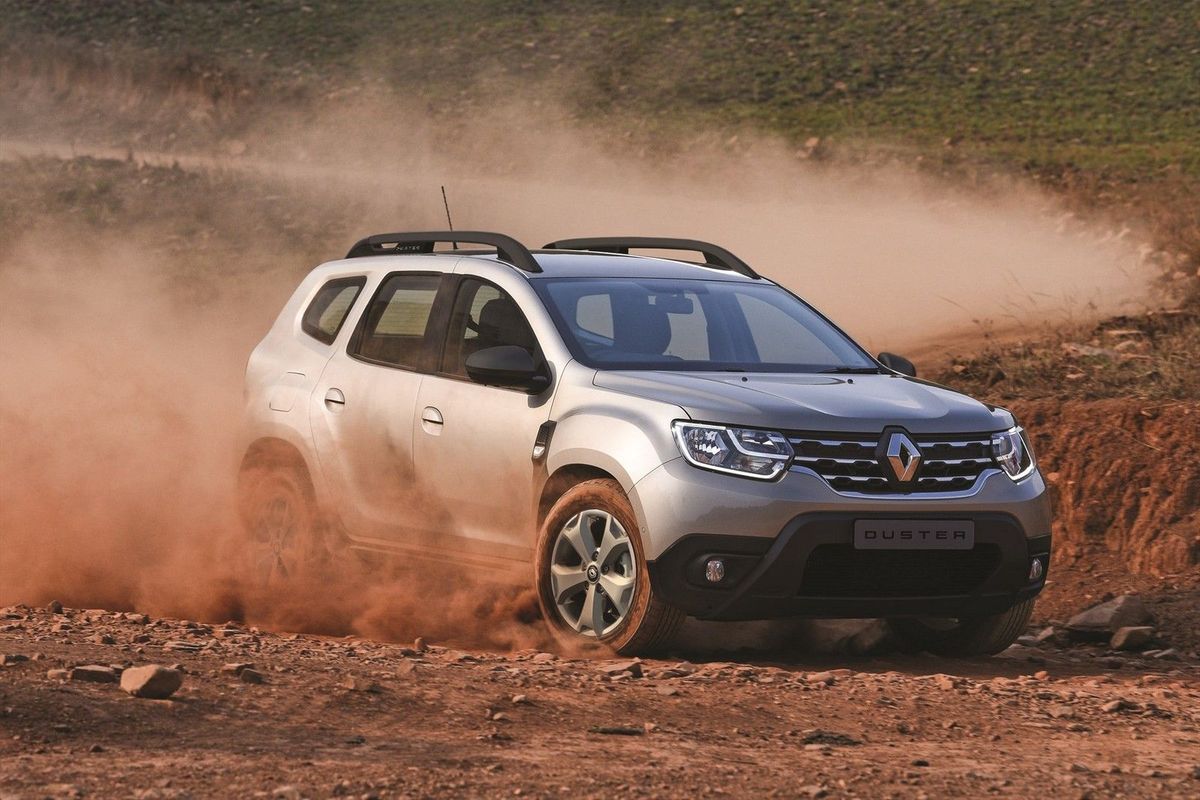
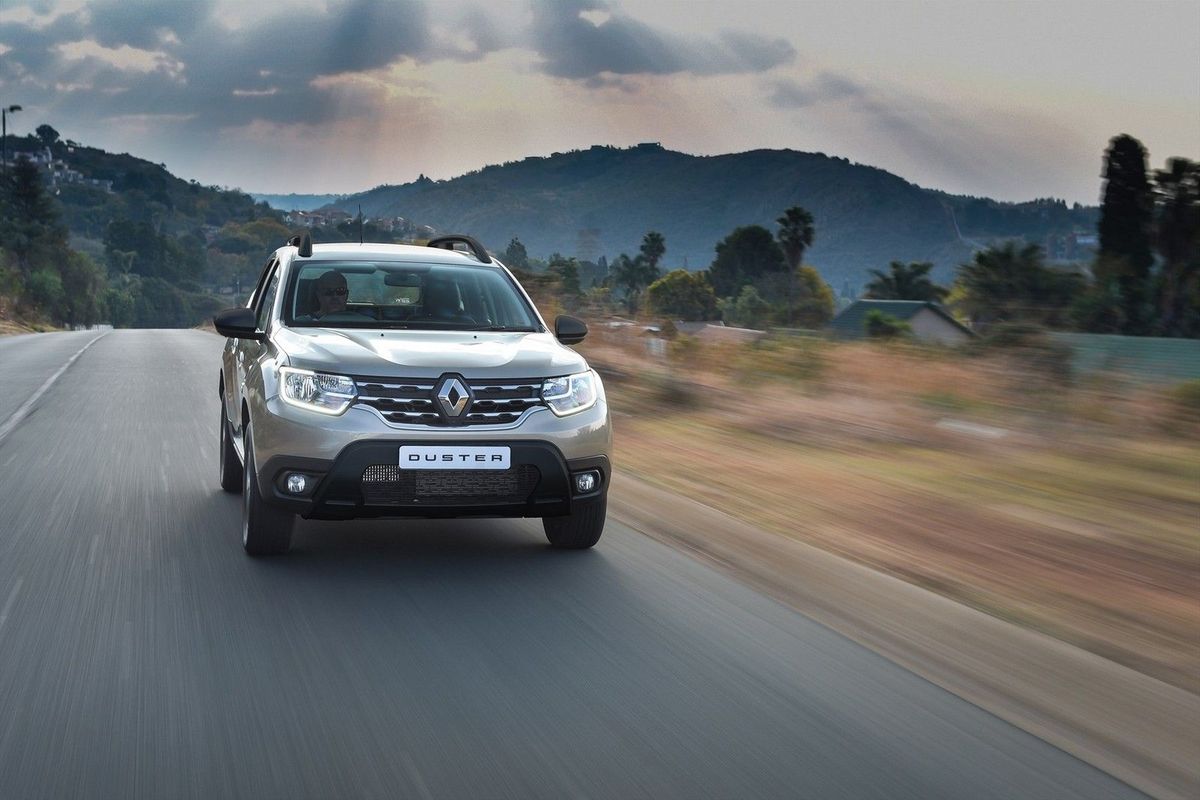
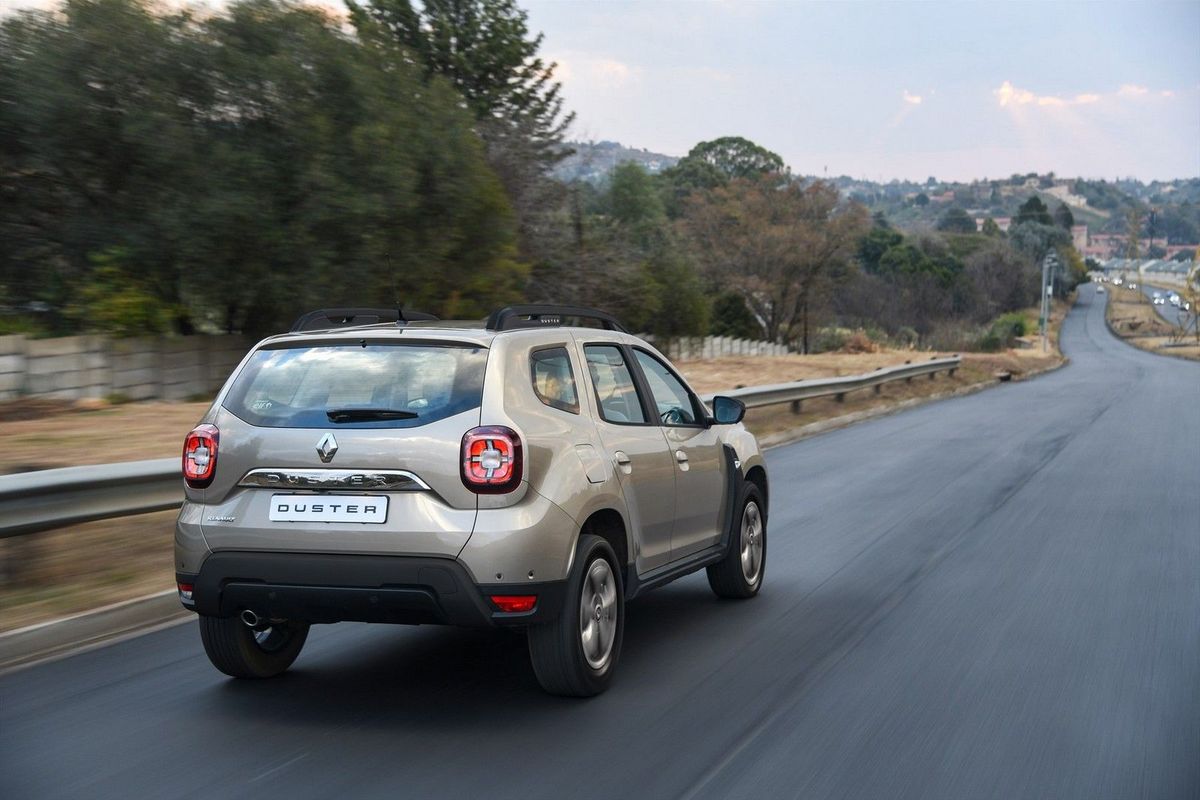
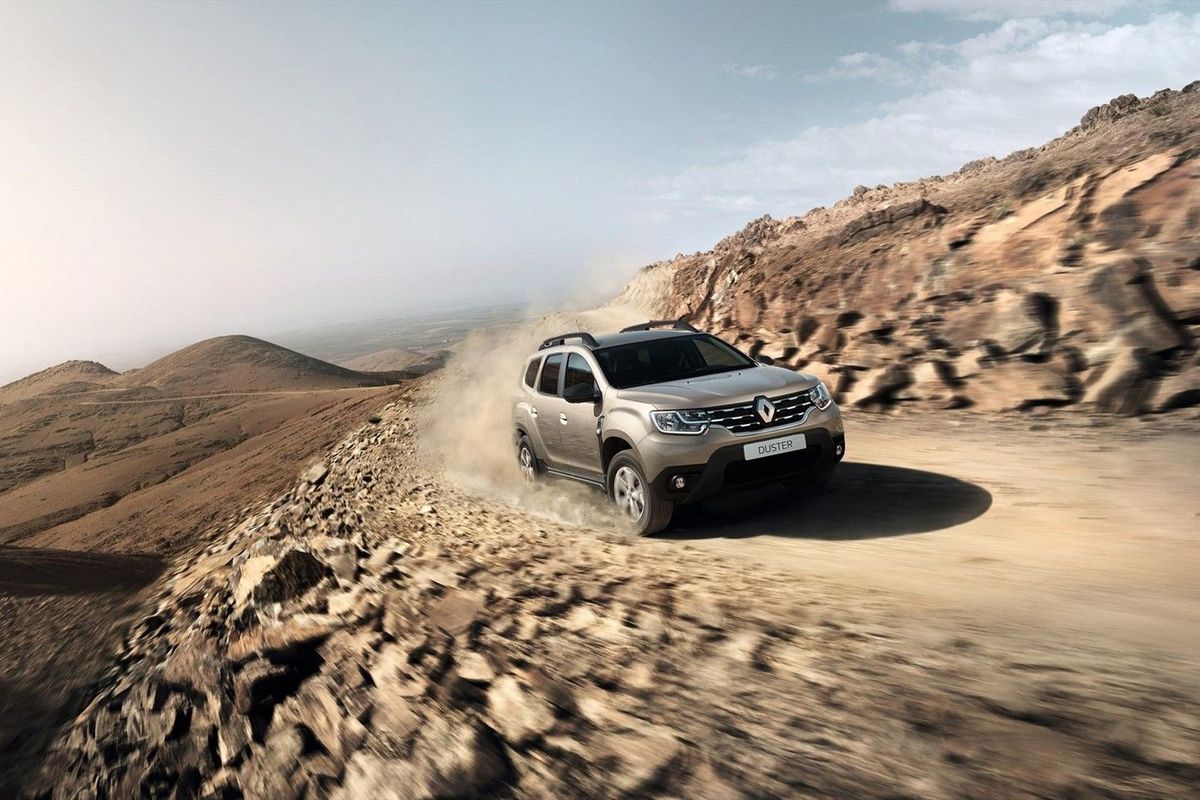
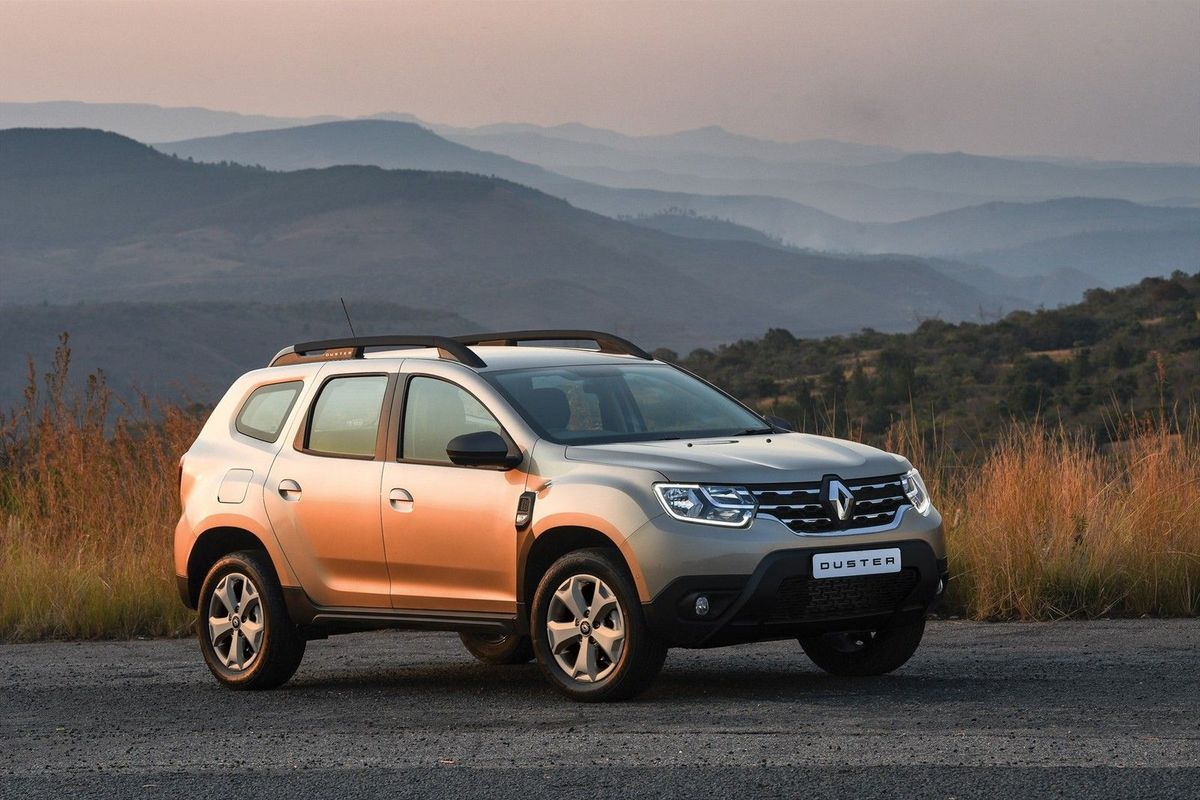
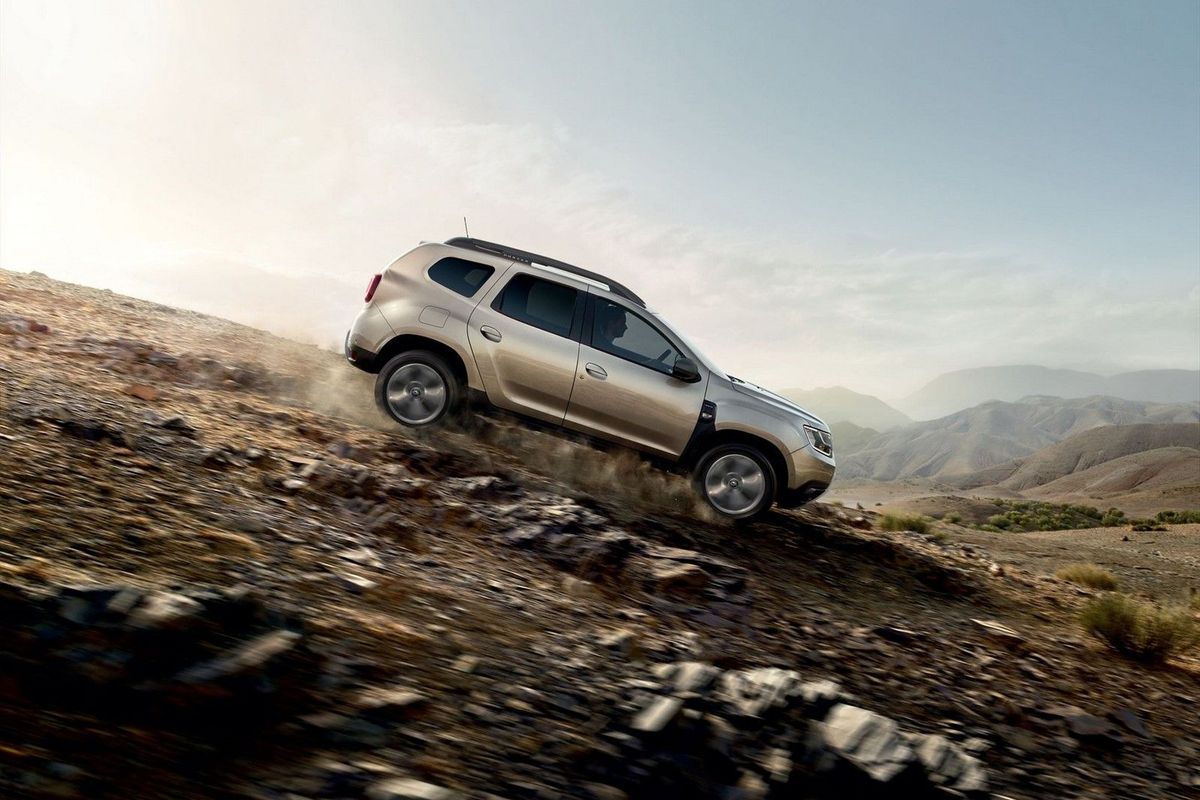
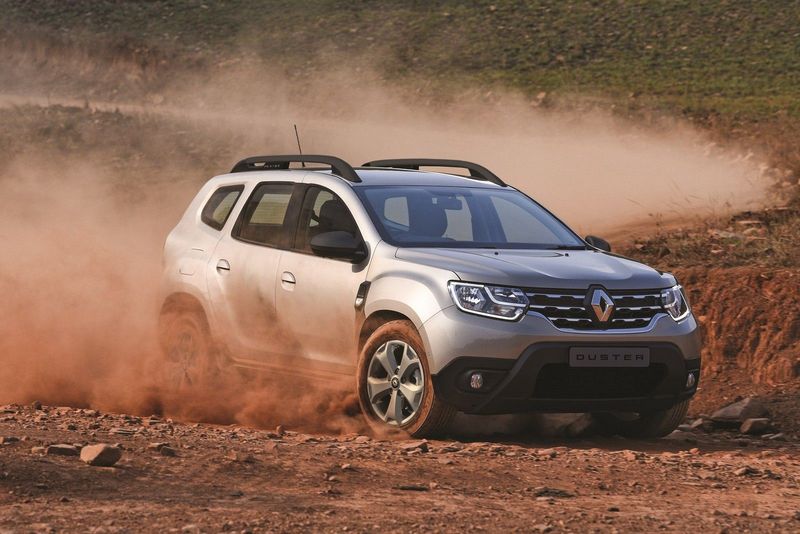
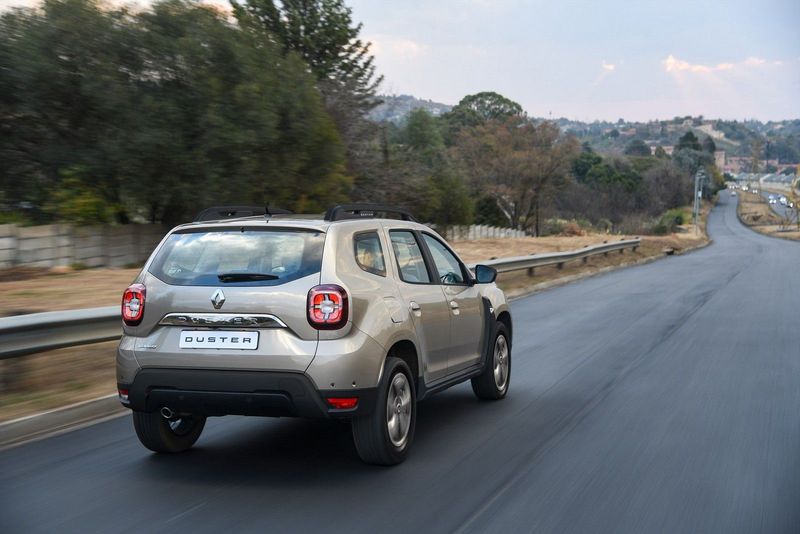
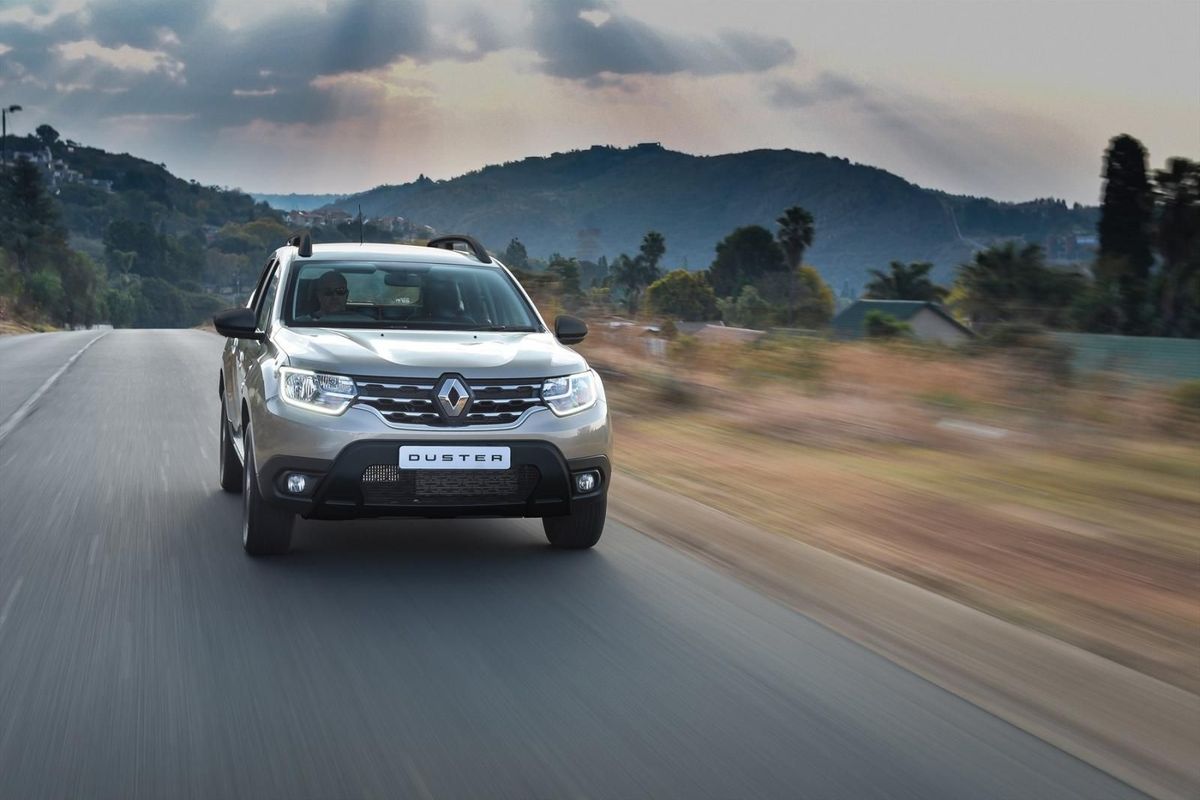
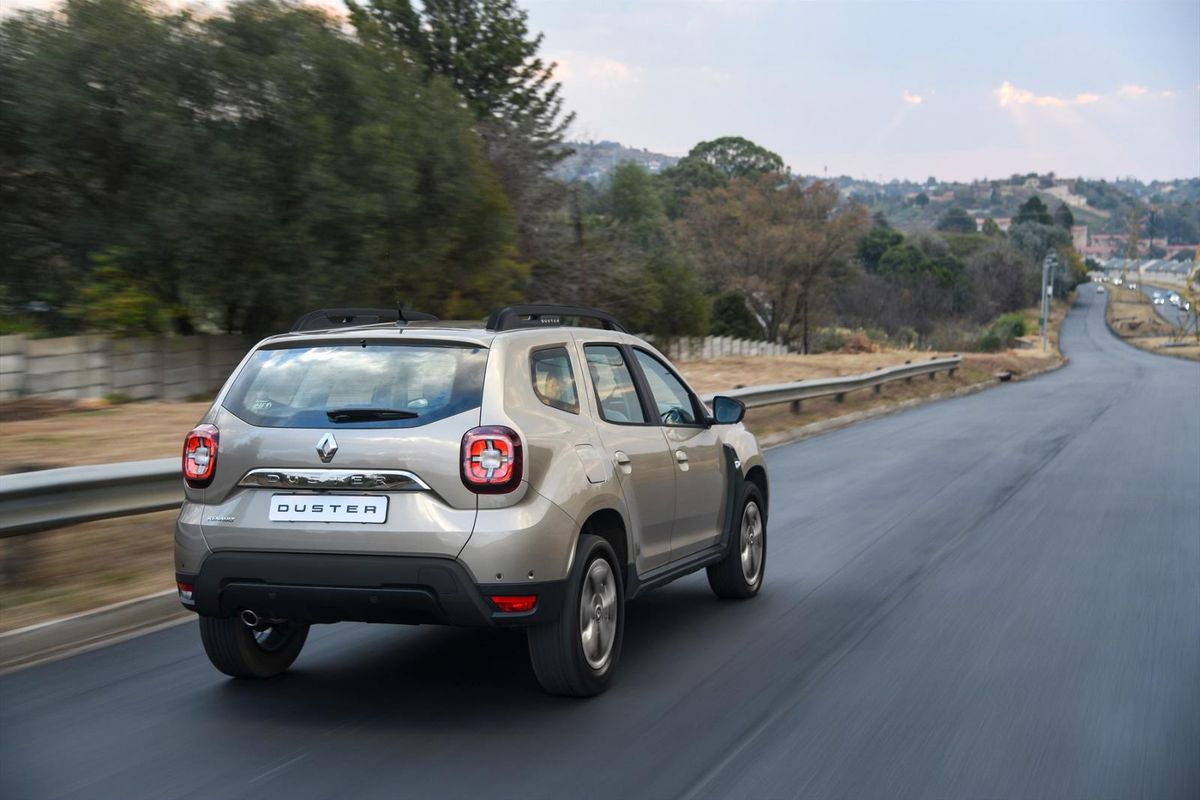
The Duster regains one of its USPs with the introduction of the 4×4 derivative of the thoroughly-revised range.
Renault launched the "new" Duster in October 2018 as a 4×2 model only. It promised a 4×4 version would be added early in 2019 and here it is: the newcomer adds some proper off-road cred to the compact family car segment.
Where does it fit in?
The Duster cuts a unique hole for itself as a capable 4×4 in a segment full of road-biased SUVs.
The Duster offers a rough and tumble, value for money set of wheels in quite a chic and design-conscious segment. Most of its competitors focus on design and modern infotainment systems or a practical car to ferry the kids around in with just enough ground clearance to skim a curb at the local flea market parking lot.
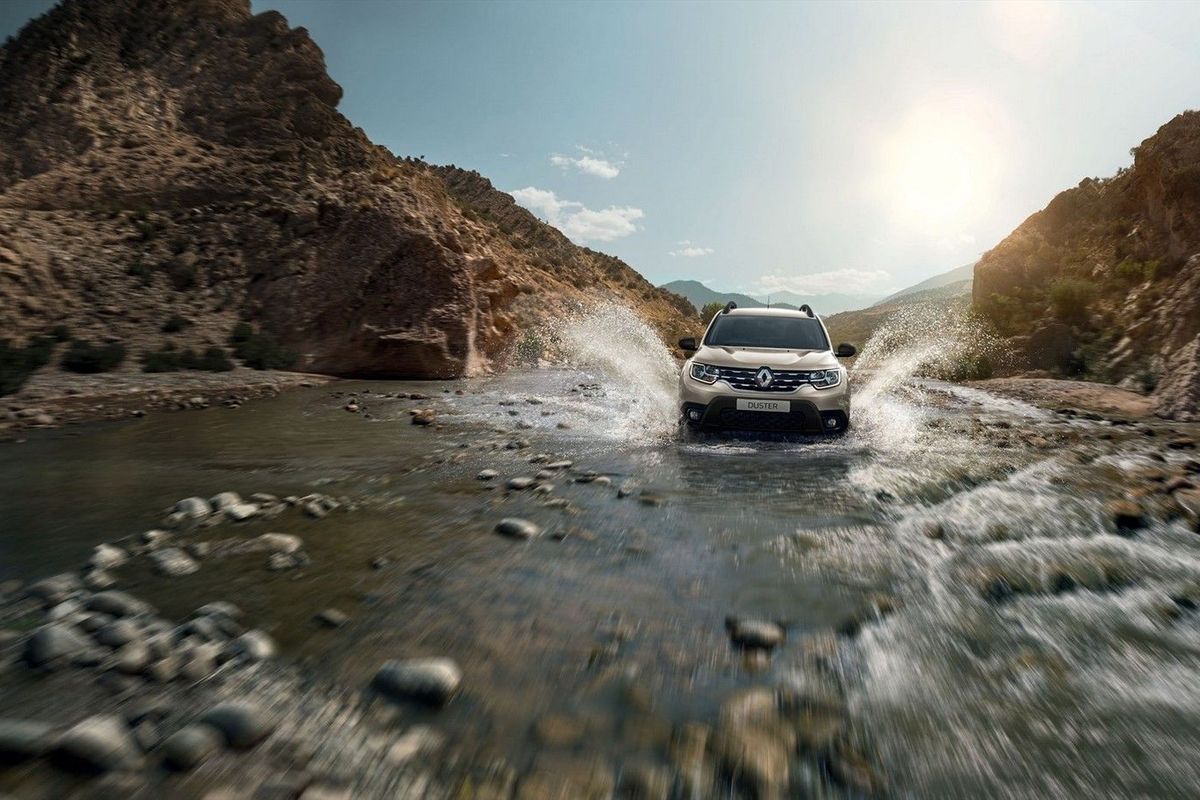
Renault’s Duster is more off-road biased with an adventurous spirit for the type of owner that wants to explore a bit further than a dirt parking lot.
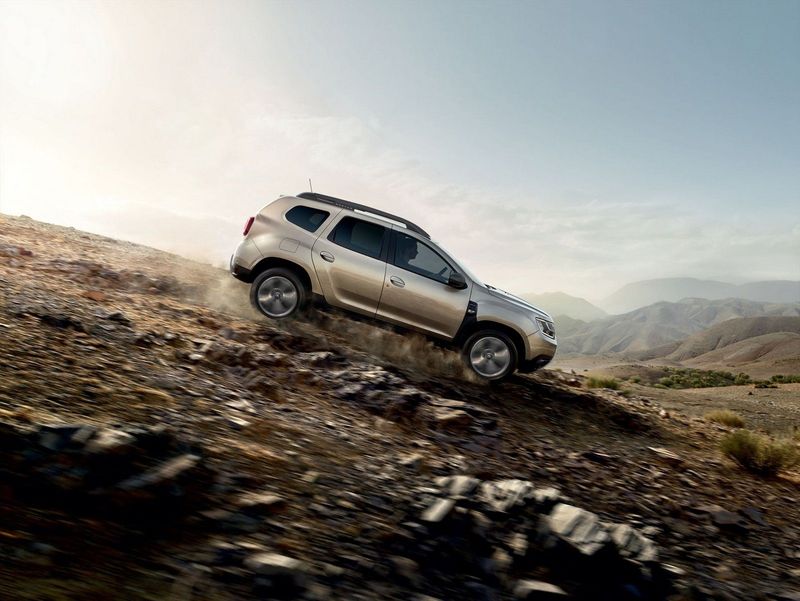
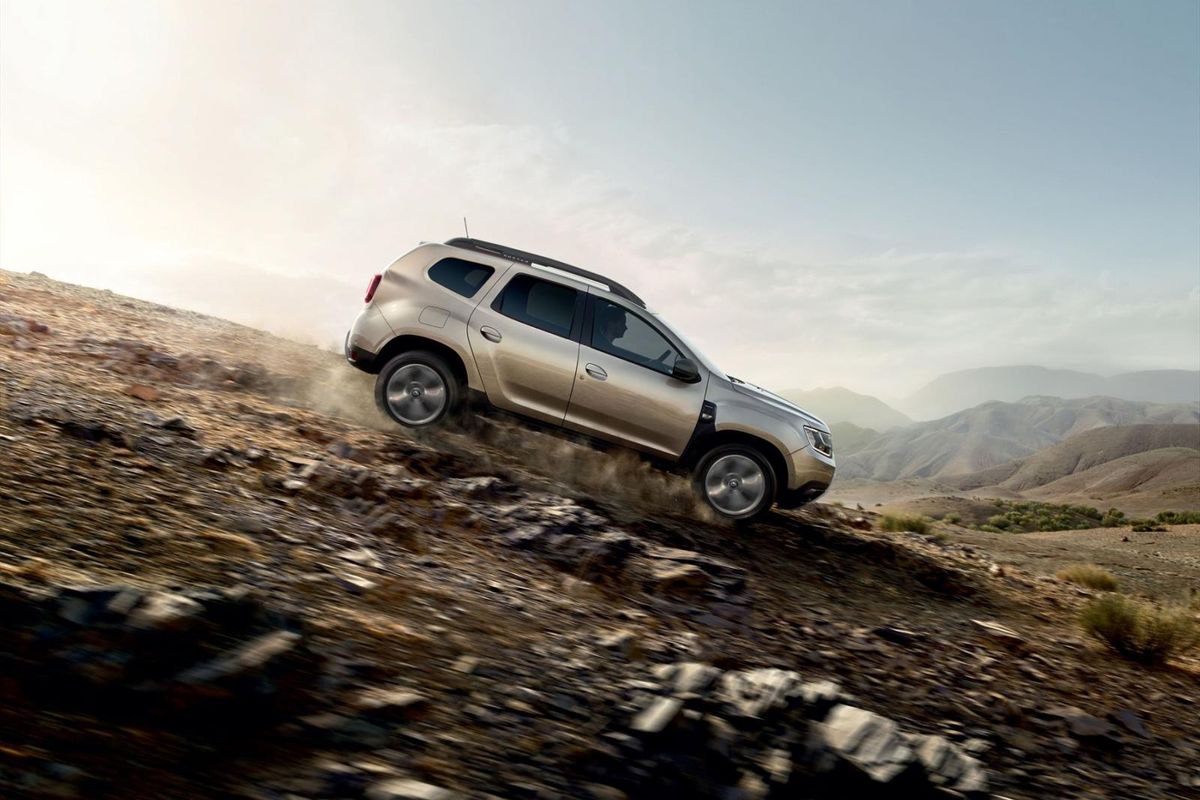
It’s a capable off-roader with a few modern gizmos to keep traction on slippery terrain and decent approach (30 degrees) and departure (34 degrees) angles to tackle tougher terrain. The drive mode selector behind the gear lever allows you to select between 4×2, which operates the front wheels, Auto, that apportions torque to the rear wheels when required and then Locked, which keeps it in a 50/50 4-wheel-drive setup.
Fitted with hill-descent control and 210 mm of ground clearance, it can handle a bit of hard work.
A small, impromptu off-road course was laid out for us to test this system along with the Hill Descent Control. Small it may have been but it highlighted the traction control’s ability to apportion drive adequately and keep the Duster moving forward when things get steep or one or more wheels end up in the air.
The Duster 4×4 is only available as a manual, so your 4×4 game has to be quite sharp as you work the left hand and left leg to keep the small diesel on the boil.
The Duster has a softer ride than its competitors and as a result, rides much better on the rough stuff. There’s a fair amount of roll in the corners but after a solid 50 km of dirt tracking around Hartebeestpoort, the extra cushioning was most welcome. It feels stable through the steering too when hitting 60-100 kph on gravel, and would take some wild steering swinging to unsettle it.
Manual only?
The 4×4 is currently only available in manual and Dynamique trim.
Yes, the choice is an interesting one considering that Renault has sold more new Dusters with an auto (EDC) ‘box than a manual so far. The choice was made as it gave Renault a keener price to enter the market at and it is able to use the higher powered diesel engine. The 1.5-litre turbodiesel is good for 80 kW and 260 Nm of torque, 14 kW and 50 Nm more than the 2WD manual model.
I would say there’s just enough power and torque there to suffice. It’s not going to get you through deep Kalahari sand with its 80 kW but it's light and the short wheelbase bobs and rocks its way over tricky obstacles.
Any other changes?
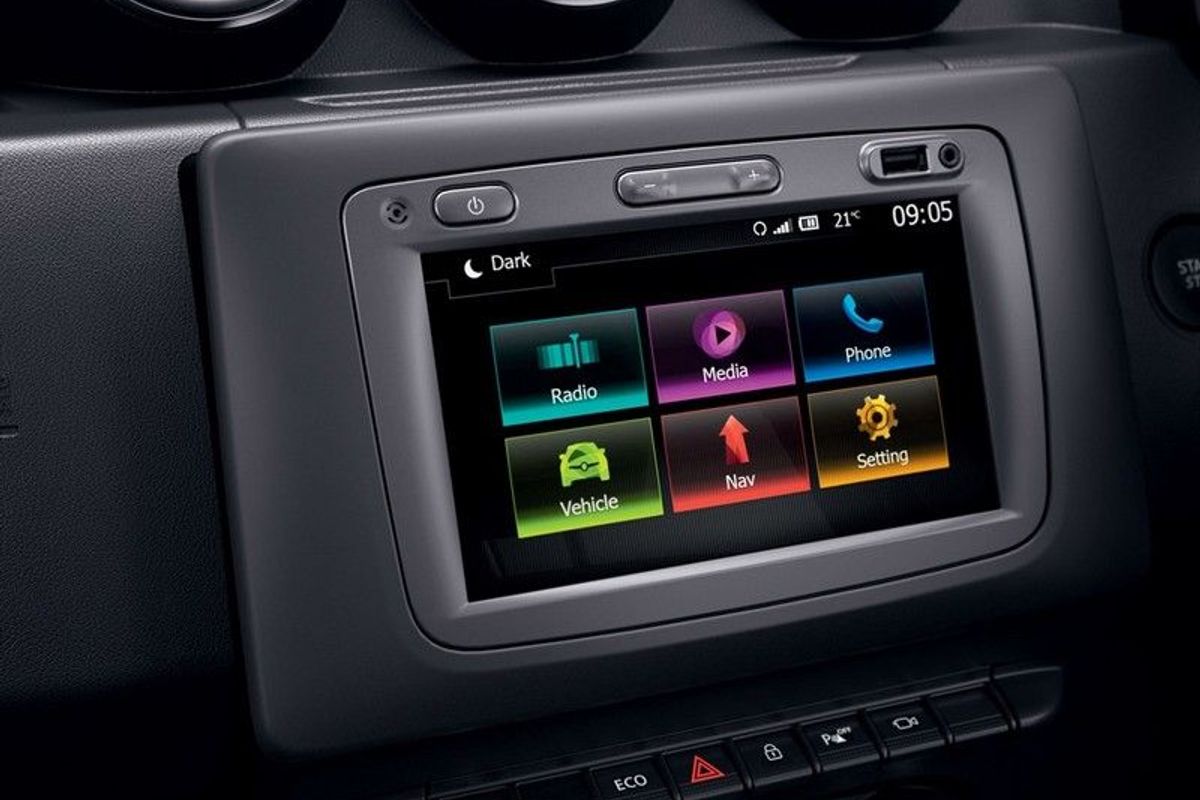
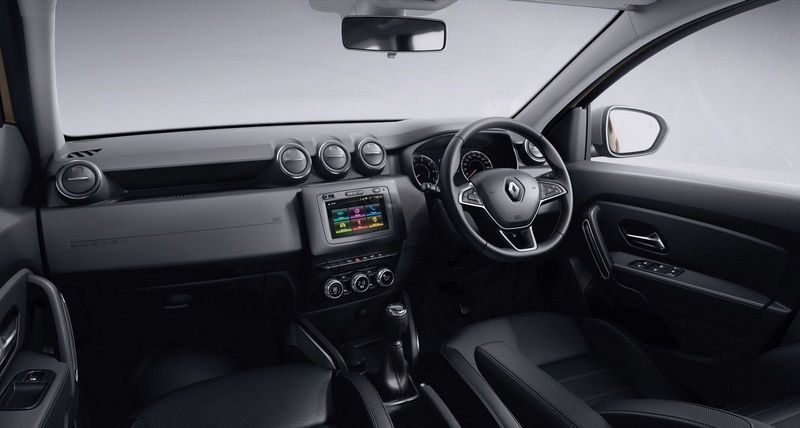
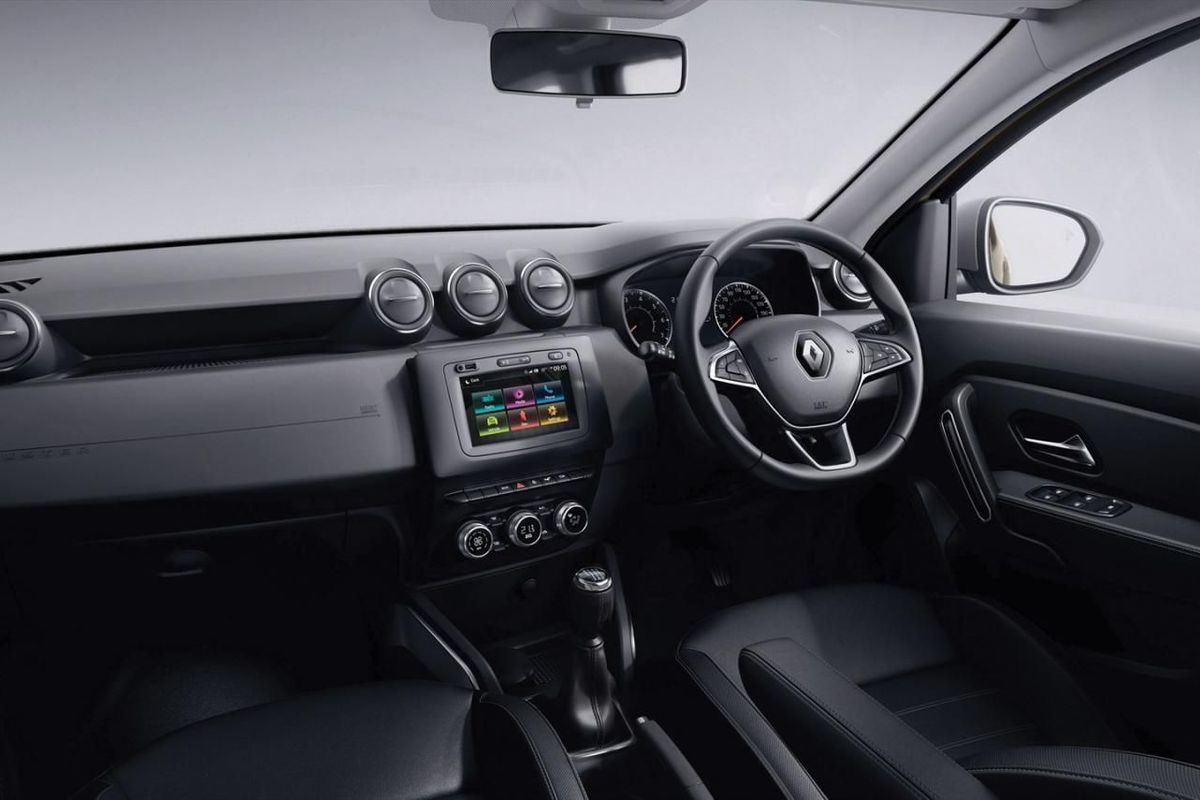
Renault SA has sneakily introduced Apple Carplay and Android Auto to its infotainment system. Apparently, it was introduced in the Duster during December 2018 and is standard fitment across the range now. Unfortunately, cars sold before December aren’t afforded the kit and can’t even have it retro-fitted at a dealership.
What are its rivals?
The Duster feels ready for an adventure.
There aren’t many pukka off-roaders at this price point; the Suzuki Jimny offers more in terms of off-roading kit (it has a low-range transfer case), but then again it could probably fit in the Duster's load bay. The rest of the competition is limited to 4×2 models with raised ride heights. At R330k, you could look at the Ford Ecosport or push up to something like a Mazda CX-3, Hyundai Creta/Kona or a Nissan Qashqai.
Summary
The 4×4 model adds that much-needed versatility to the Duster range. The car makes more sense as an off-roader than a 2-wheel-drive city slicker. Its suspension is more in tune with a gravel road too. While the manual only option baffles a little, it probably won’t deter the intrepid explorer looking for adequate off-roading credentials in a package that’s not too nice that you fear to get it scratched or muddy at every opportunity.
Pricing
As mentioned earlier, Renault has tried to make the 4×4 option an enticing offer so it hits the market at R327 900. It sold with a 3yr/45 000 km service plan and a 5-yr/150 000 km warranty.
Subaru-powered Speedhunters Beetle – Launch Control Ep3
In Episode 3 of our Launch Control series, Adonis Verkuil, a big Volkswagen Beetle fan, shows us his Subaru-powered Super Beetle.
VW enthusiast Adonis has spent a decade building his dream drag-racing Super Beetle. Having already owned a 1965 Beetle previously, he decided he wanted to build a faster version, after being inspired by an image of a Speed Hunters-themed Volksie. Following the advice from various builders, he decided to buy a Super Beetle to modify as it had a better chassis to handle the extra power. Adonis then opted to transplant a turbocharged Subaru EJ20 engine into his beetle – not an easy operation at all, but we're sure you'll like the end result!
Video and Edit by Duwyne Aspeling
Here’s a mod list supplied by Adonis:
Subaru EJ20 2L turbocharged engine
VW Kombi gearbox
T3/T4 turbo
External wastegate
Custom fuel rails
1000cc injectors
Ported intake and exhaust
BMW disc brakes up front
VW disc brakes at the rear
Drift handbrake
Racing seats
Full roll cage
15 inch BBS mag wheels 9j in front and 10J at the rear
Renault SA Confirms Duster Oroch and Alaskan for 2021
Renault South Africa has finally won the right to enter the bakkie market in SA, but only in 2021.
It’s been on the cards but unconfirmed for a few years that Renault South Africa is trying to get its hands on the 1-tonne Duster Oroch double cab and Alaskan leisure bakkie. The issue has always been that Renault global could not make a case for so few right-hand drive models. Renault does not have much of a presence in Australia and the UK (the only other RHD markets) is not all that big on bakkies, so it was deemed not viable by the heads at the French manufacturer.
Renault South Africa main marketing man Jesus Boveda has been chomping at the bit to enter the LCV market which counts for a fair chunk of sales in the local market. It seems after dragging certain Renault global bigwigs out to SA, he was able to convince them to begin selling both the Duster Oroch and Renault Alaskan in 2021 locally.
Both models will arrive as facelifted versions of what’s currently on sale globally. A quick recap of the models:
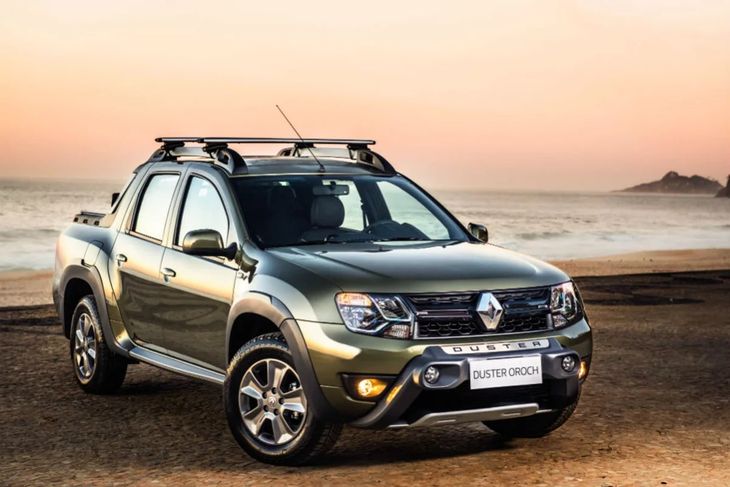
The Duster Oroch would be the only double cab bakkie in its segment
Duster Oroch is a 1-tonne double cab powered by two naturally-aspirated engines and a 1.5-litre turbodiesel. Currently, there is no double cab available in this segment of the market where the only real challenger is the Nissan NP200 and that’s a single cab workhorse. It will certainly be interesting to see how South Africans take to the idea of a baby double cab.
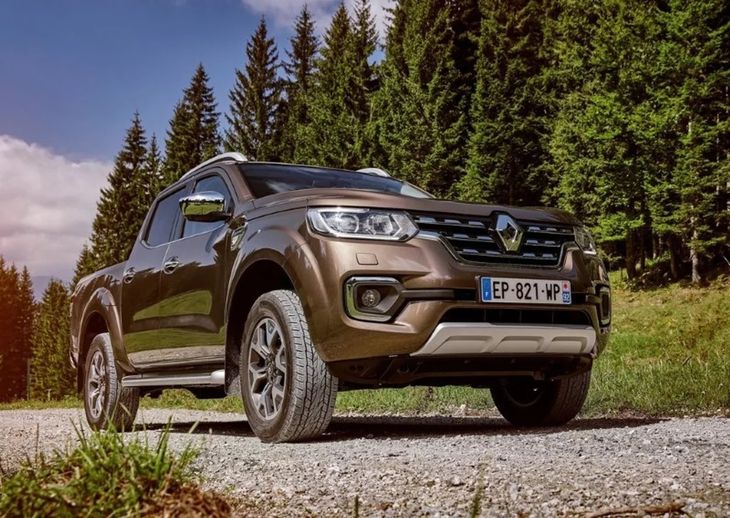
The Alaskan is based on Nissan's Navara chassis.
The Alaskan, on the other hand, is a leisure double cab on the same platform as the Nissan Navara and Mercedes-Benz X-Class. It certainly has presence with its design and makes use of a 4-cylinder 2.3-litre twin-turbodiesel engine, which offers peak outputs of 140 kW and 450 Nm of torque. A 120 kW version with a single turbocharger is also available overseas. Renault would probably want to offer the Alaskan locally as a value for money product, so it could undercut the pricing of even the locally-built Navara.
We’ll update this story as more details become available.
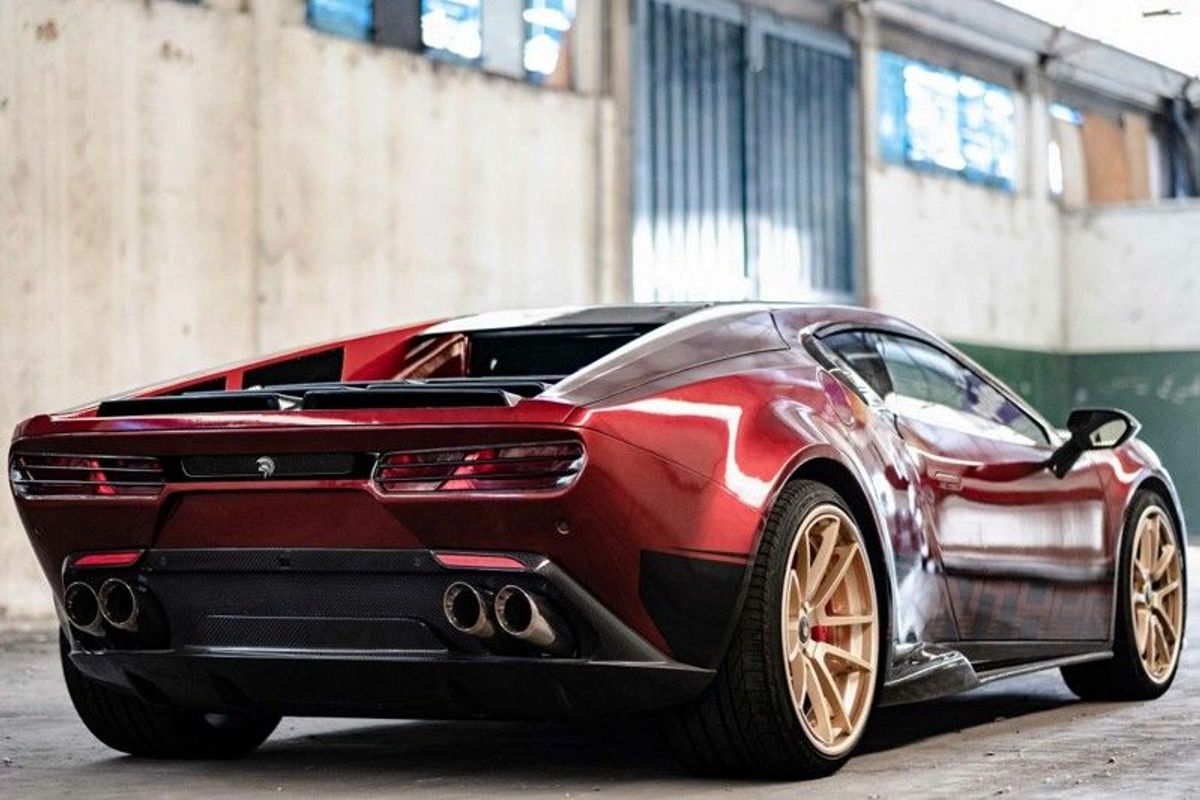
An Italian supercar icon is helping to revive another.
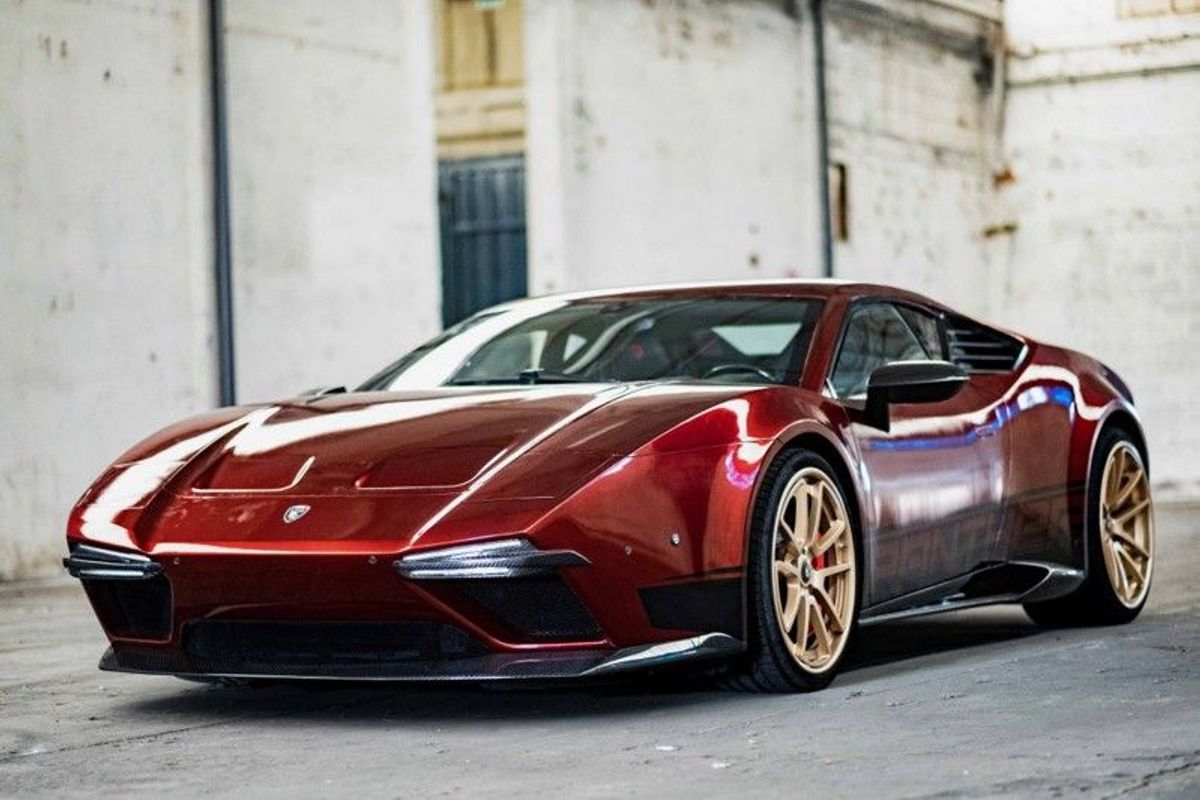
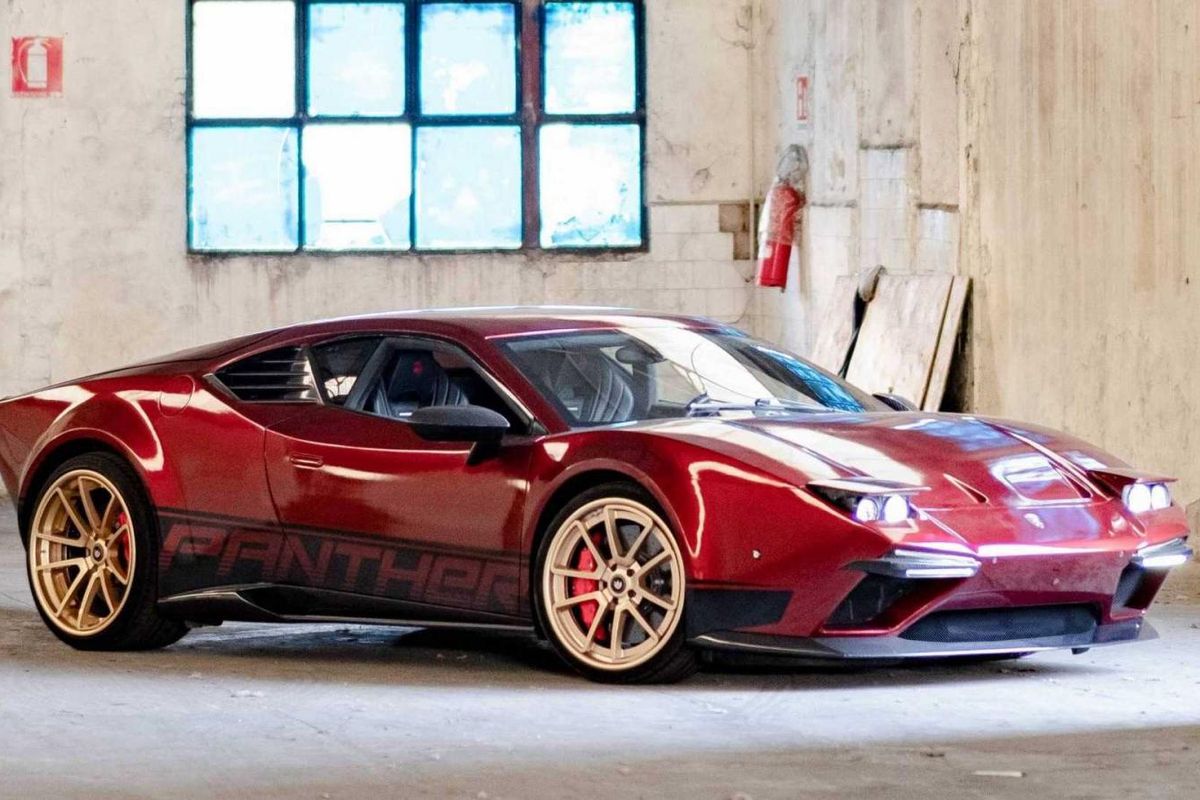
One of the truly great names of Italian automotive performance is being revived. The Detomaso Pantera is being reborn as a Panther by Italian design consultancy, Ares.
Detomaso once rivalled Lamborghini, in the period of its existence between 1971-1992, building dramatically styled supercars which were rather controversially powered by larger American sourced V8 engines.
Now Lamborghini is helping to revive the spirit of those wild Detomaso supercars of old. The new car is built on a Huracan chassis and powered by the Italian-German 5.2-litre V10, primarily developed by Audi.
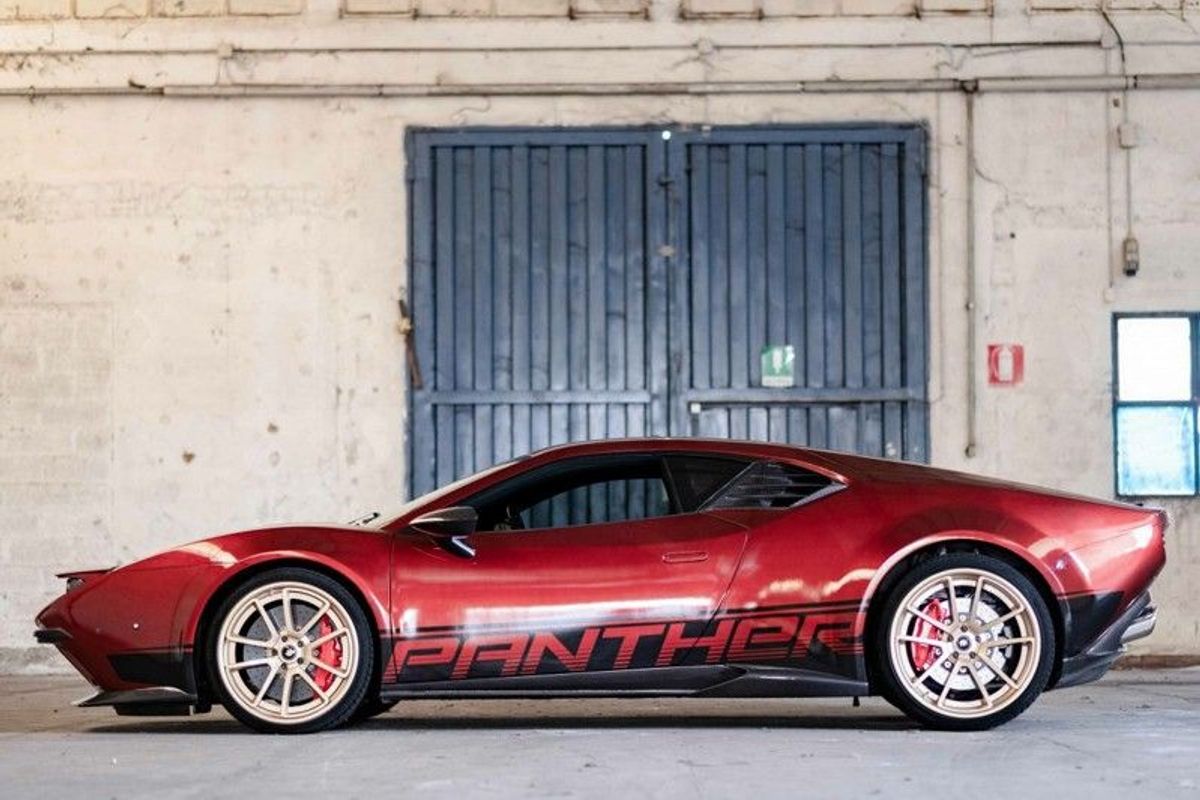
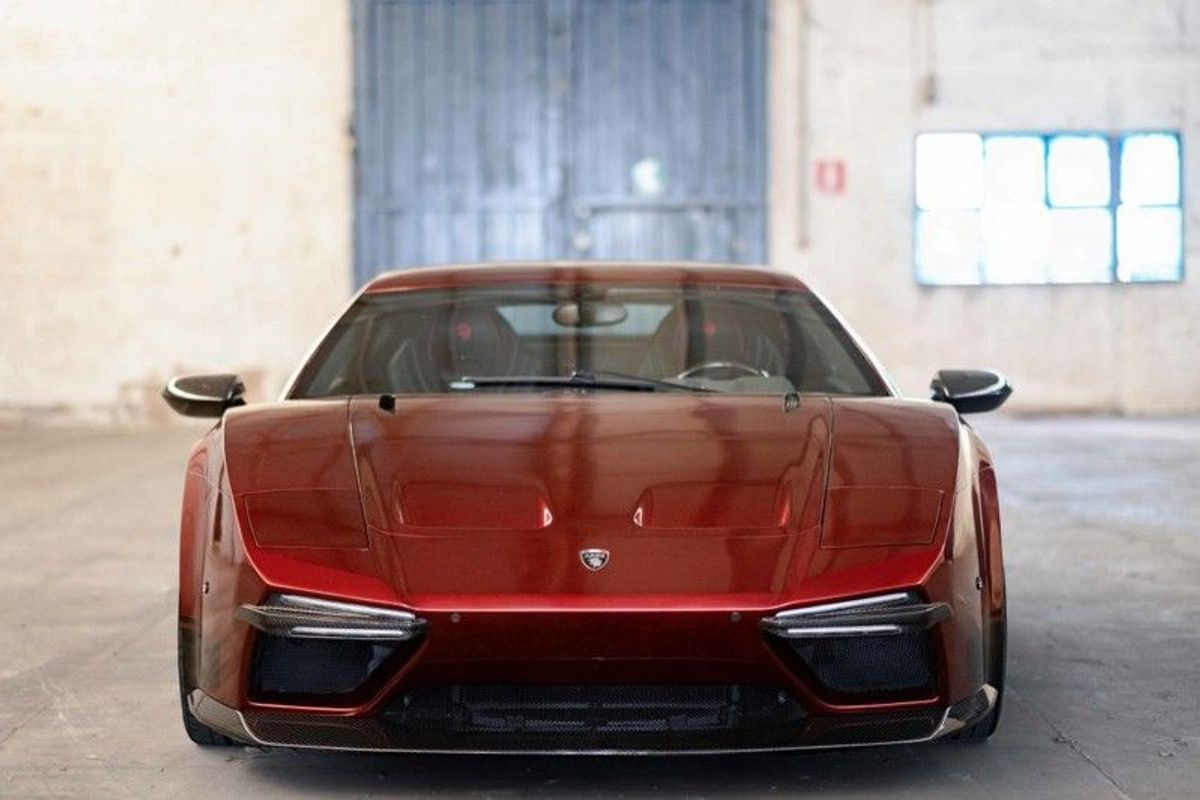
Ares design has done a remarkable job of recreating the feel of Detomaso’s Pantera with its new Panther, a car shaped in the classic 1970s wedge aesthetic. Most of the Panther’s exterior surfacing is carbon-fibre and most amazing, are its lights. There are LED strips at each corner of the nose, but also pop-up further back on the bonnet, something which has been outlawed in the name of safety for more than two decades.
As a low-volume manufacturer, Ares is allowed certain latitudes in terms of regulation, and as such, the Panther is a modern mid-engined supercar with pop-up headlights augmenting its LEDs. Only an Italian design firm would be so bold.
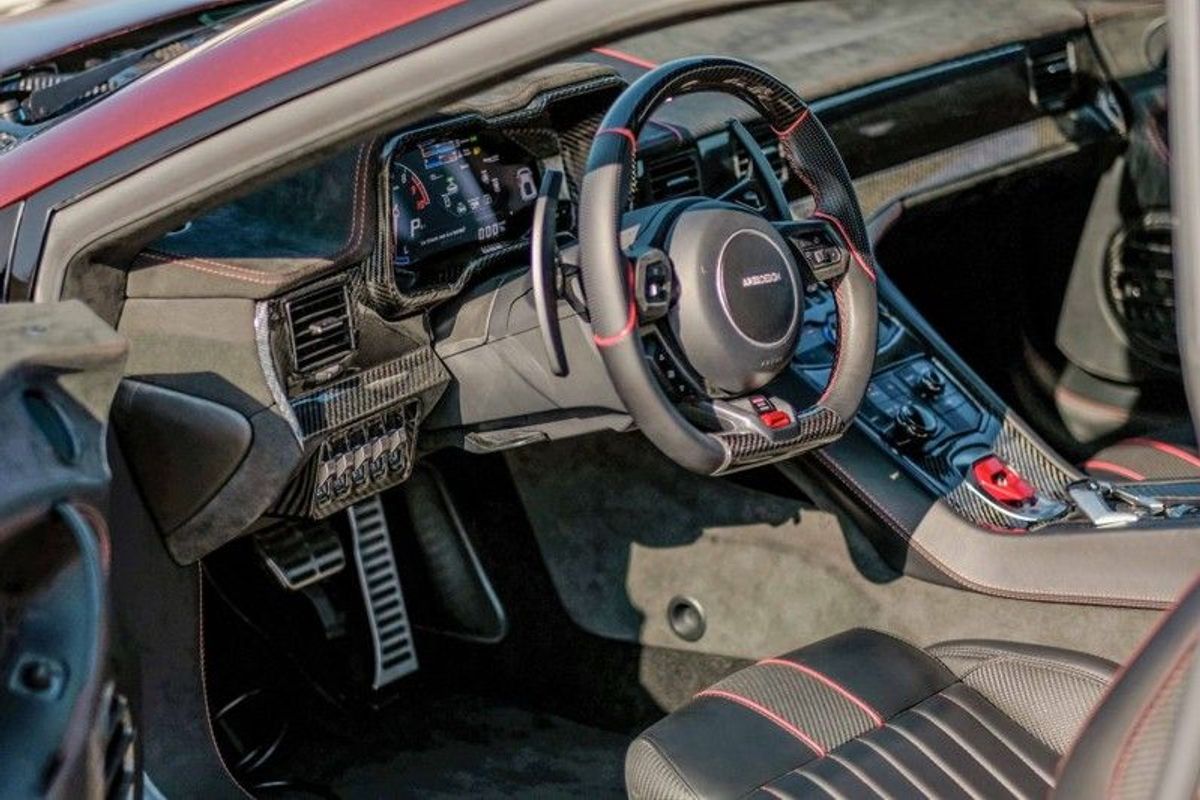
You get a fantastically retro cabin too, with all the modern comfort and convenience features, whilst the exterior is charmingly late 1970s, even featuring door-mounted side graphics.
With a kerb weight of only 1 420 kg and the Huracan V10 tuned to produce 485 kW, the Ares designed Detomaso Panther won’t lack for performance. Official claims are for 0-100 kph in 3.1 seconds and a top speed of 325 kph.
Ares will deliver a Panther within 12 weeks of receiving the R10m (estimated) purchase price.
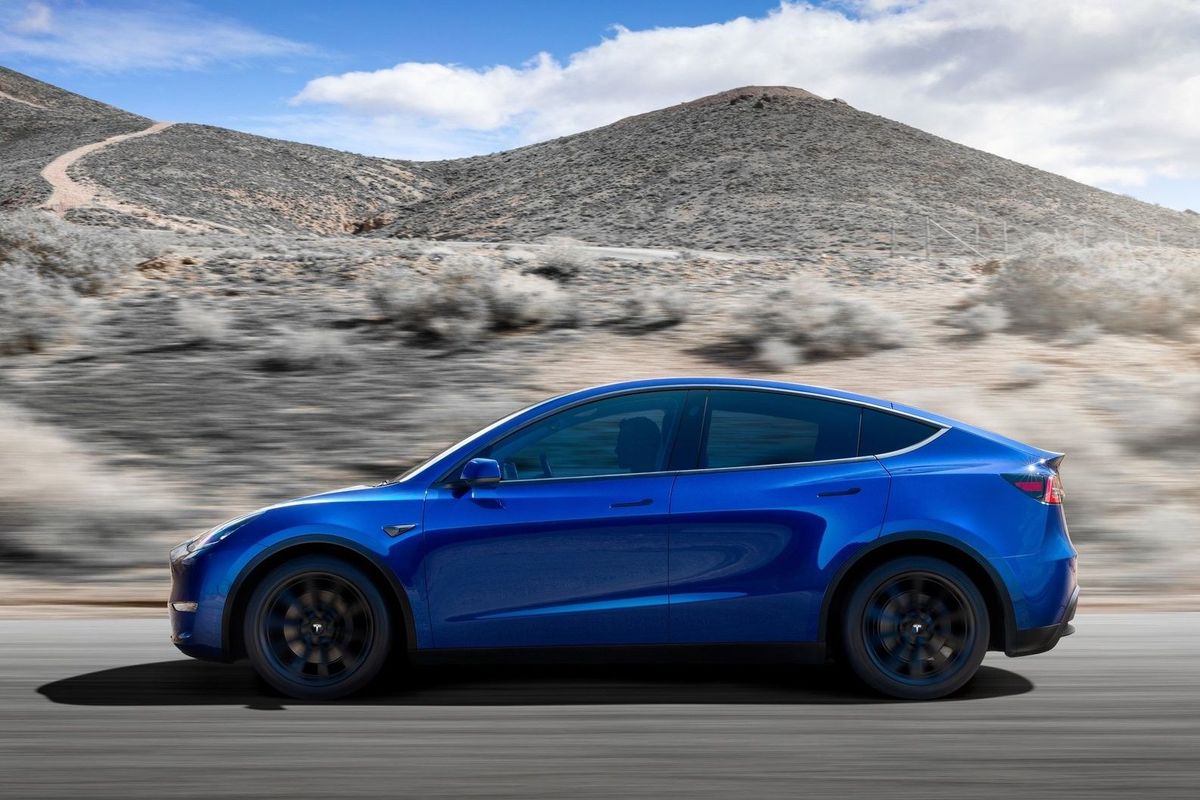
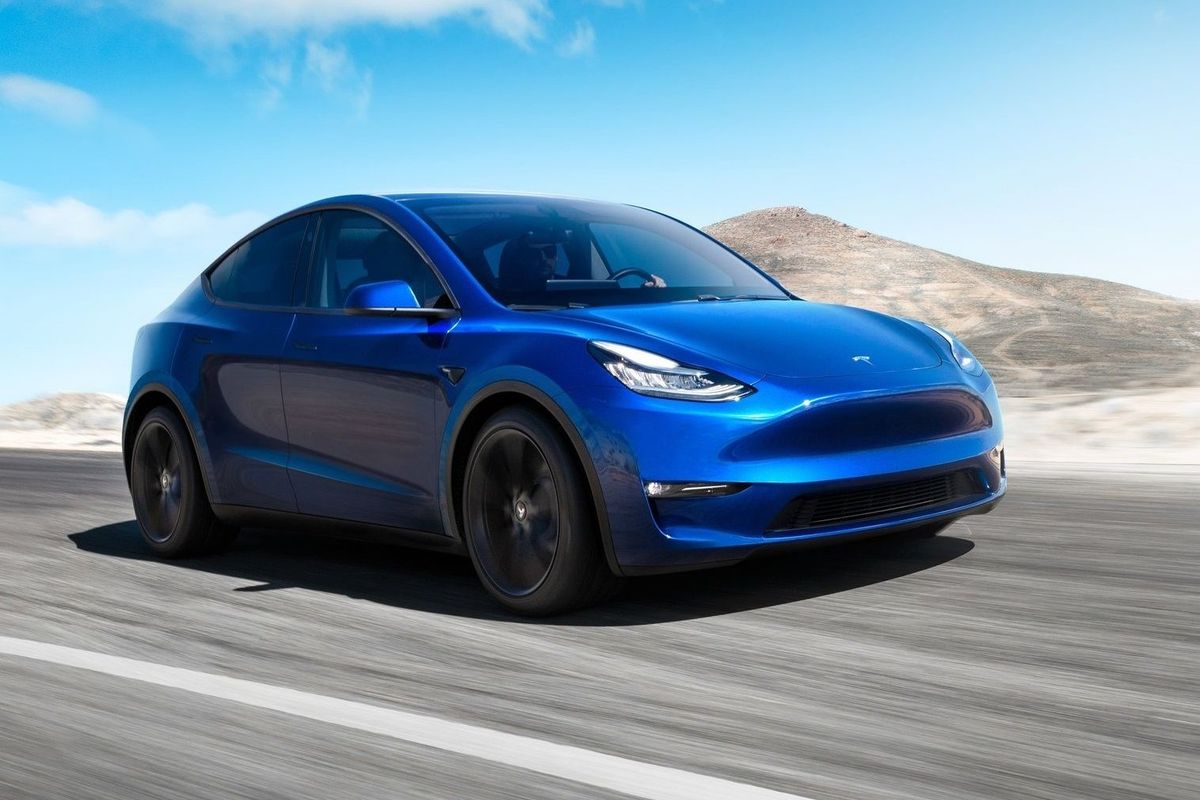
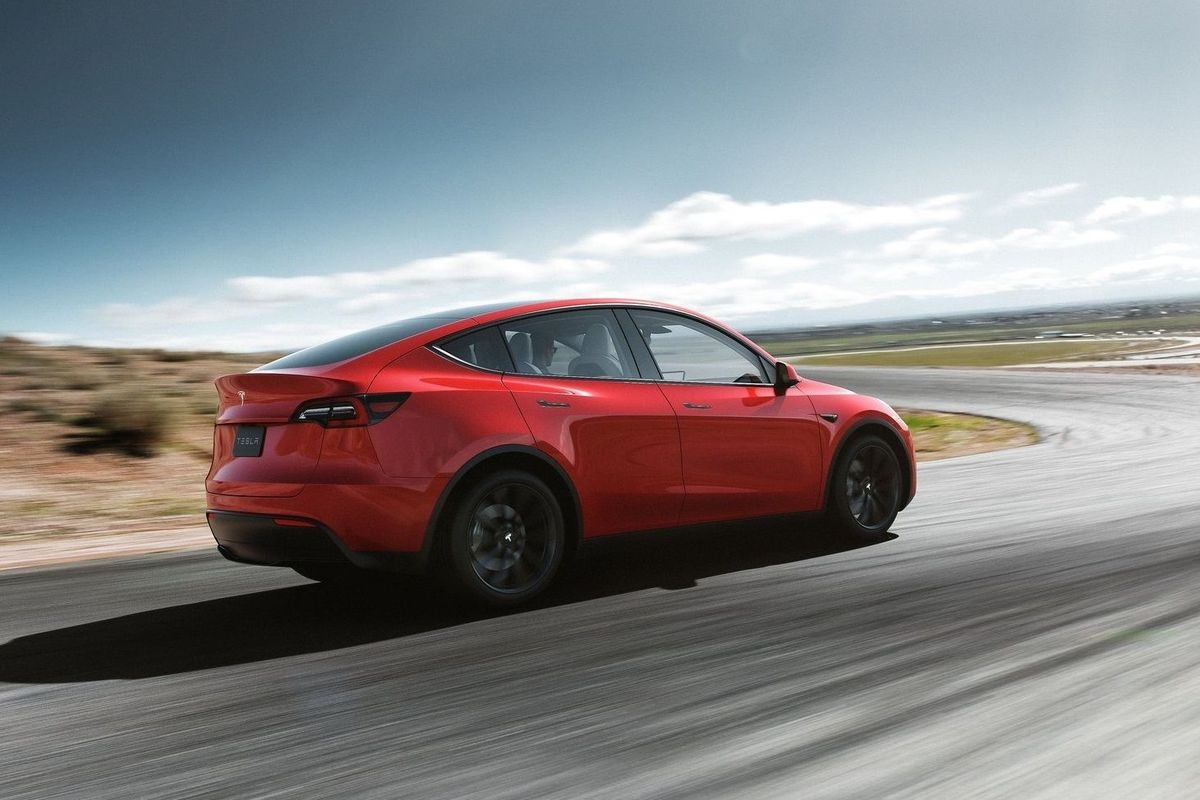
Electric carmaker Tesla has released a 4th model. Dubbed Model Y, the newcomer is an all-electric, mid-sized SUV with a focus on practicality and safety.
Available in 4 variants, the Tesla Model Y is claimed to have carrying capacity for 7 adults plus cargo. The different versions make for interesting reading. There'll be a Standard Range version, with a Long Range, Dual Motor All-Wheel Drive and for those craving speed, a Performance derivative.
Tesla claims performance figures of 0-100 kph in 3.5 seconds, with a top speed of 240 kph. Battery range sits at 368 km for the Standard Range, with the Long Range model offering 480 km.
Inside, the Tesla Model Y features a panoramic glass roof as well as cleverly designed seats to give an illusion of space. The vehicle features no key, instead using your smartphone to gain access.
Tesla Model Y deliveries are expected to start towards the end of 2020.
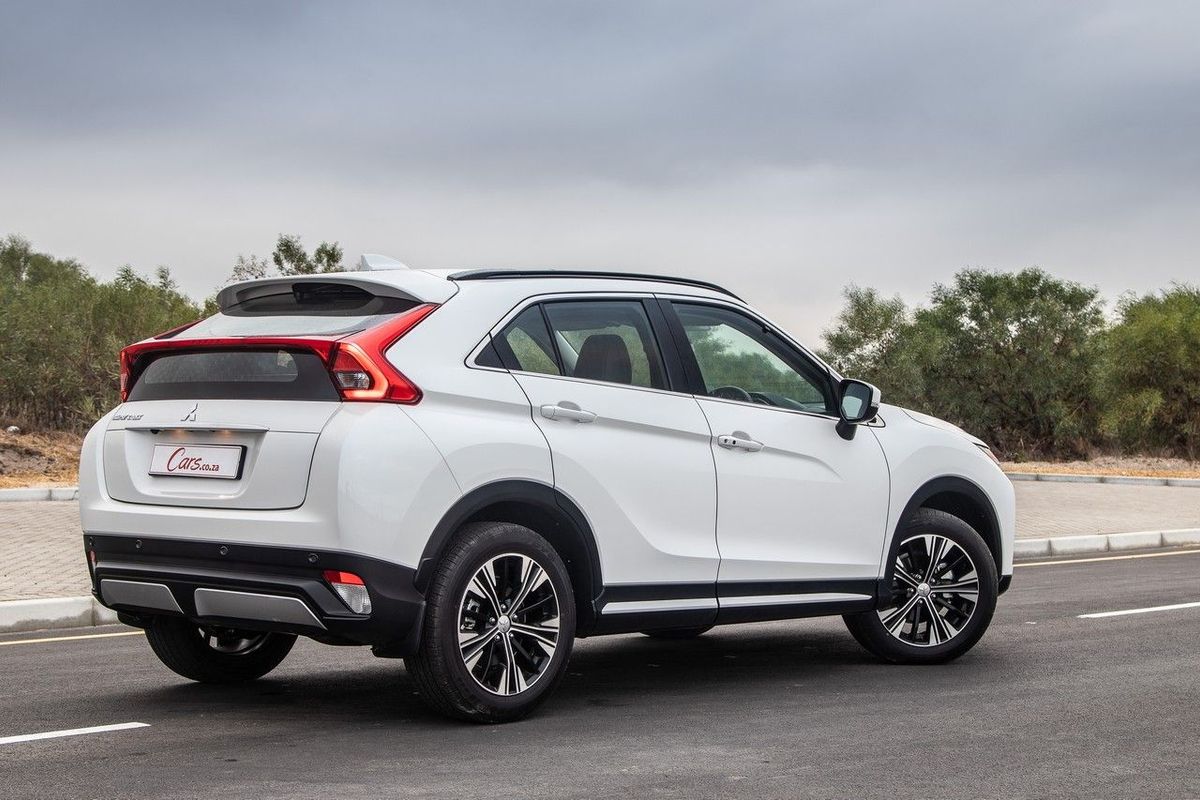
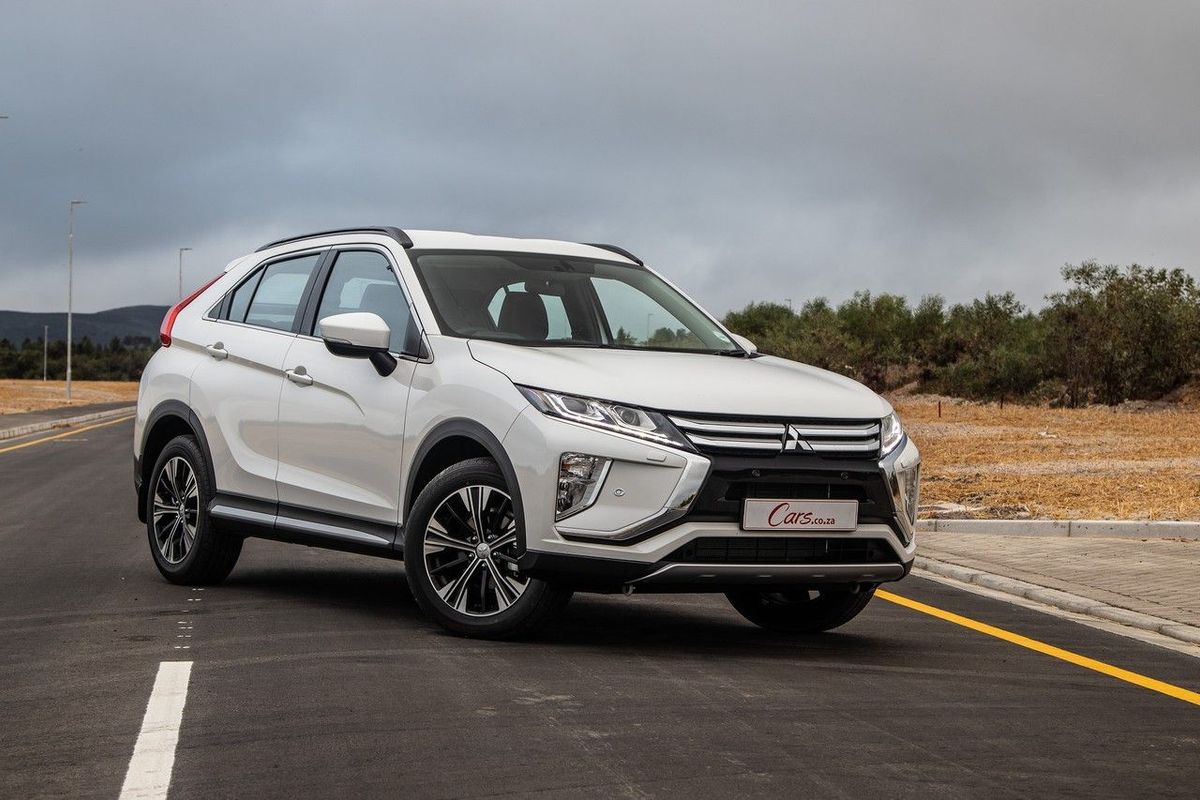
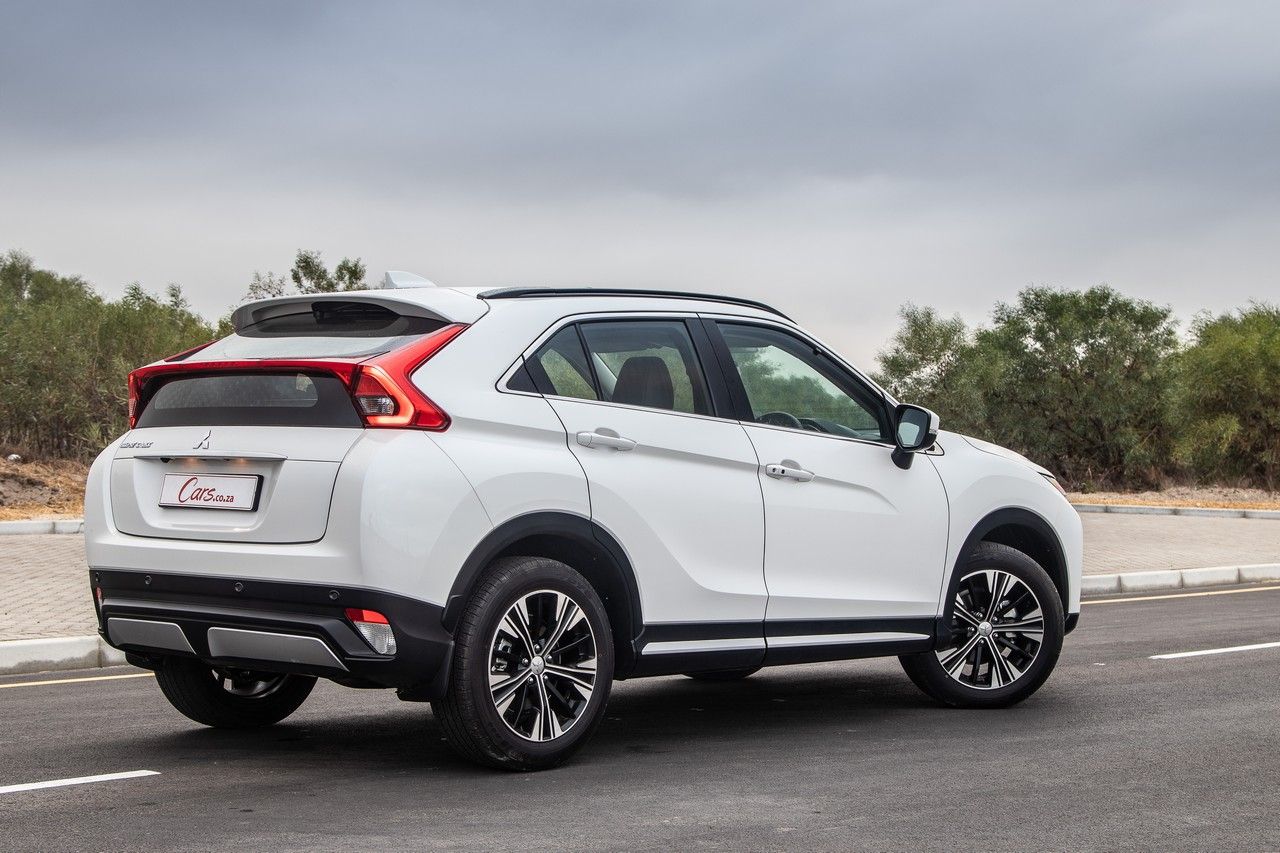
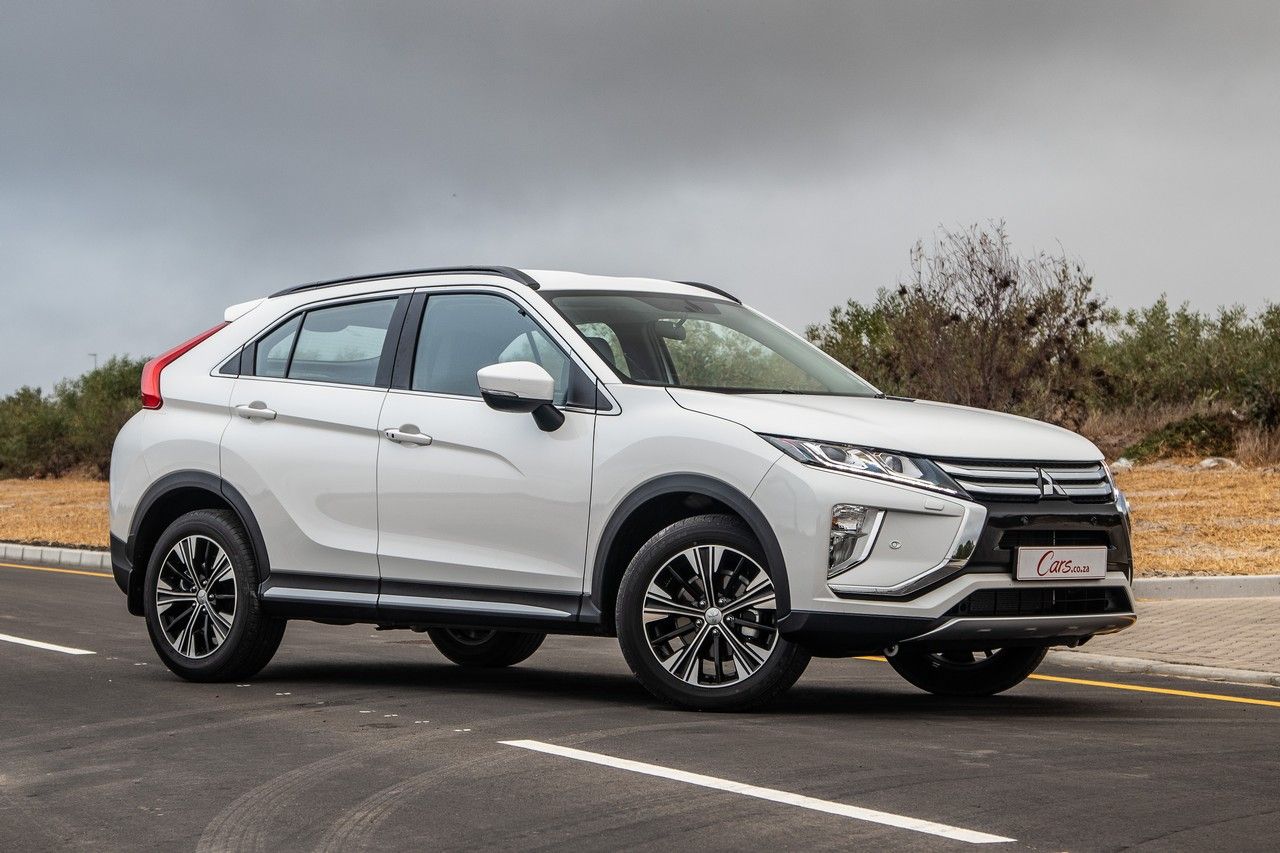
The Mitsubishi Eclipse Cross has finally arrived in South Africa. With the market well and truly saturated by compact crossovers, it's going to take something special for this Japanese newcomer to garner your attention. Truth be told, after a week's evaluation, the new Mitsubishi proved a pleasant surprise. Here's why you should give it a 2nd look.
We like: Relative affordability, build quality, ride refinement, standard features
We don't like: Shallow load bay, only 1 powertrain choice (for now)
Fast Facts
Price: R399 995 (March 2019)
Engine: 2.0-litre 4-cylinder naturally-aspirated petrol
Some Mitsubishi dealers regularly offer specials: Have look here.
Where does it fit in?
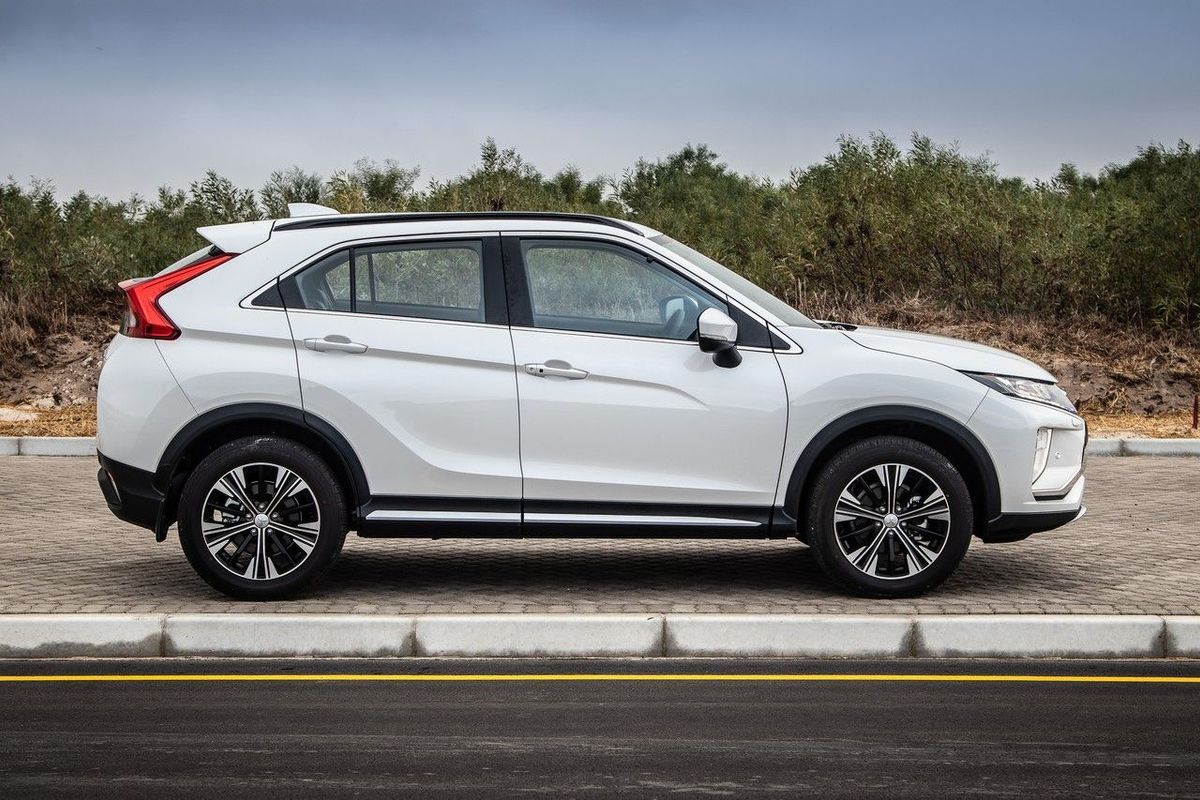
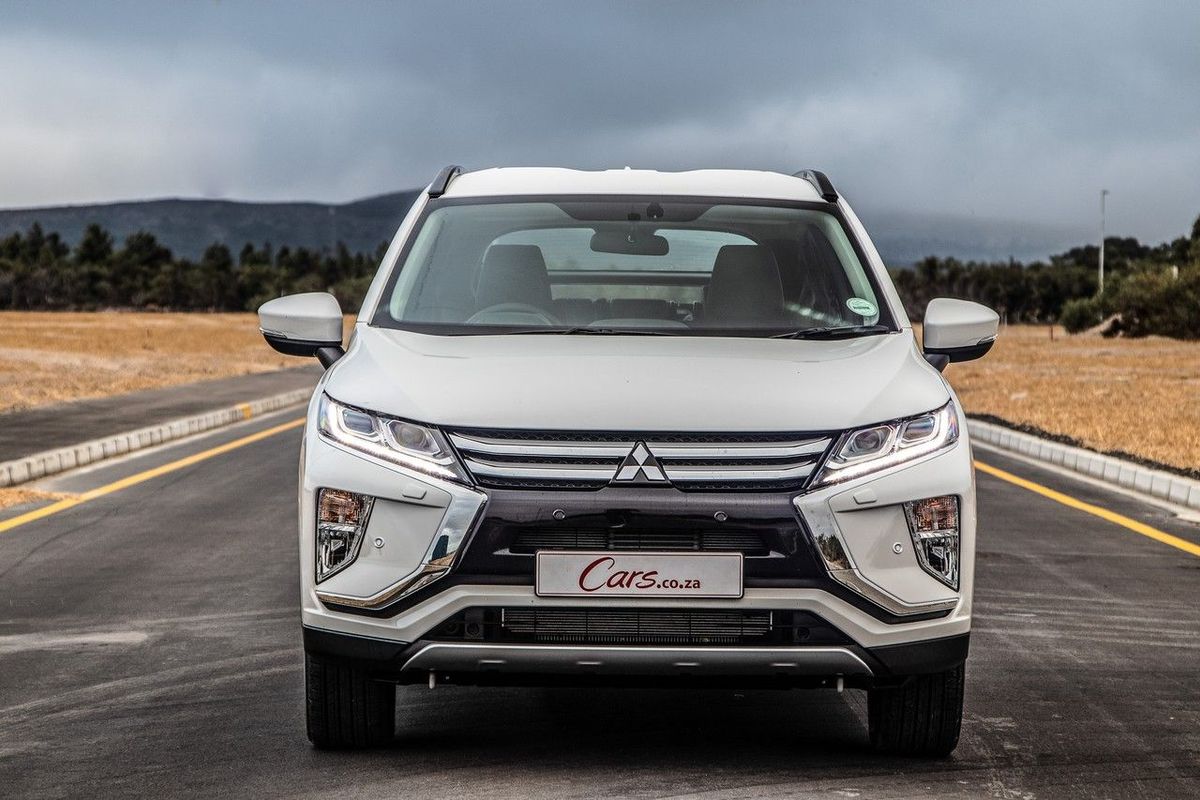
The Mitsubishi Eclipse Cross adopts the latest face from the Japanese manufacturer
Remember the iconic green coupe in the first instalment of the Fast and the Furious movie franchise? It was a Mitsubishi Eclipse, but the corresponding name and brand are the only 2 elements shared between that car and the vehicle you see here. Mitsubishi is yet another brand to change its product strategy in line with global demands and, with SUVs/crossovers being high in demand, its just sound business practice –irrespective of heritage or product lineage. So, instead of a fancy new sports car, what you're getting is a sensible, spacious and practical SUV.
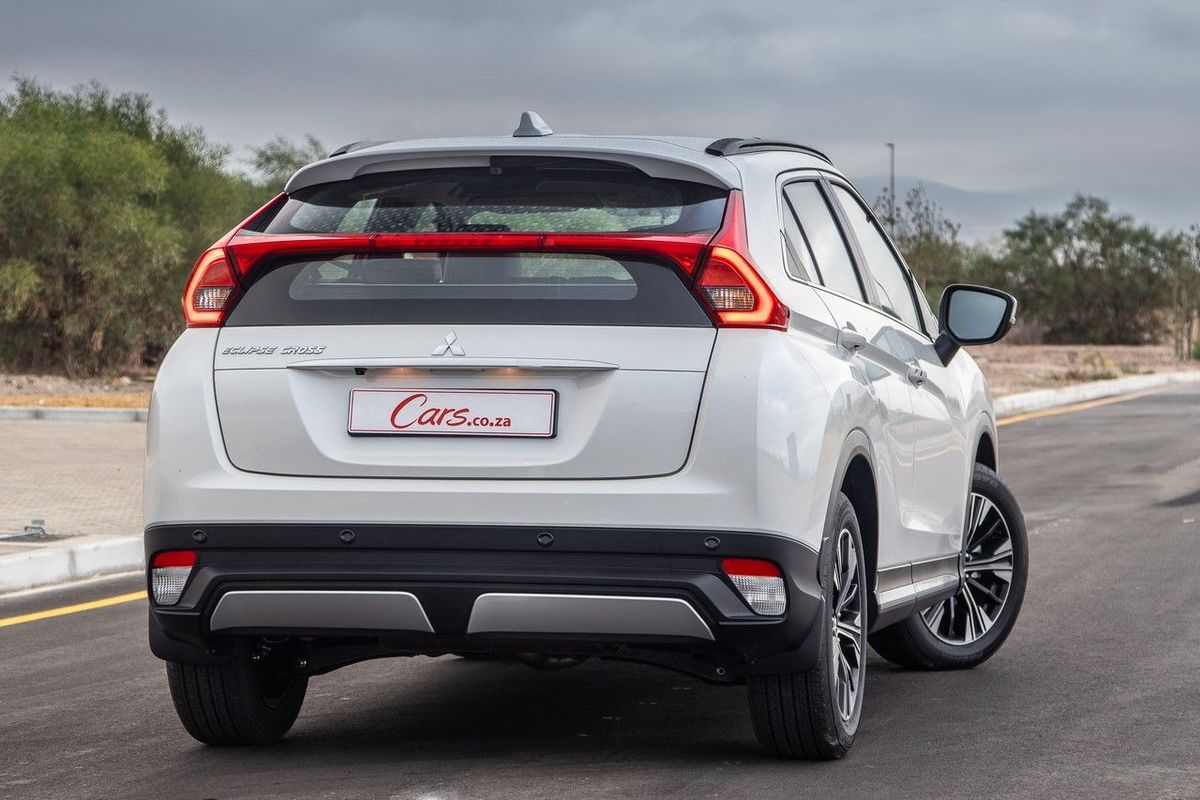
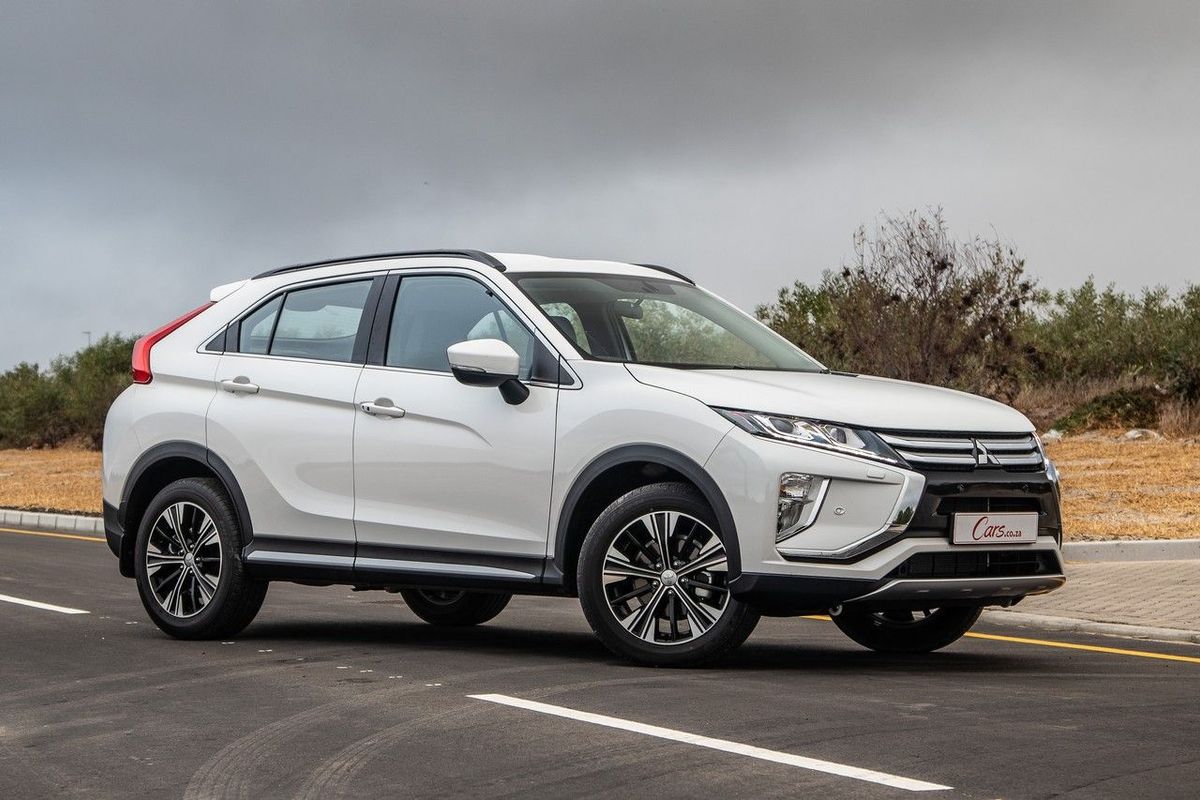
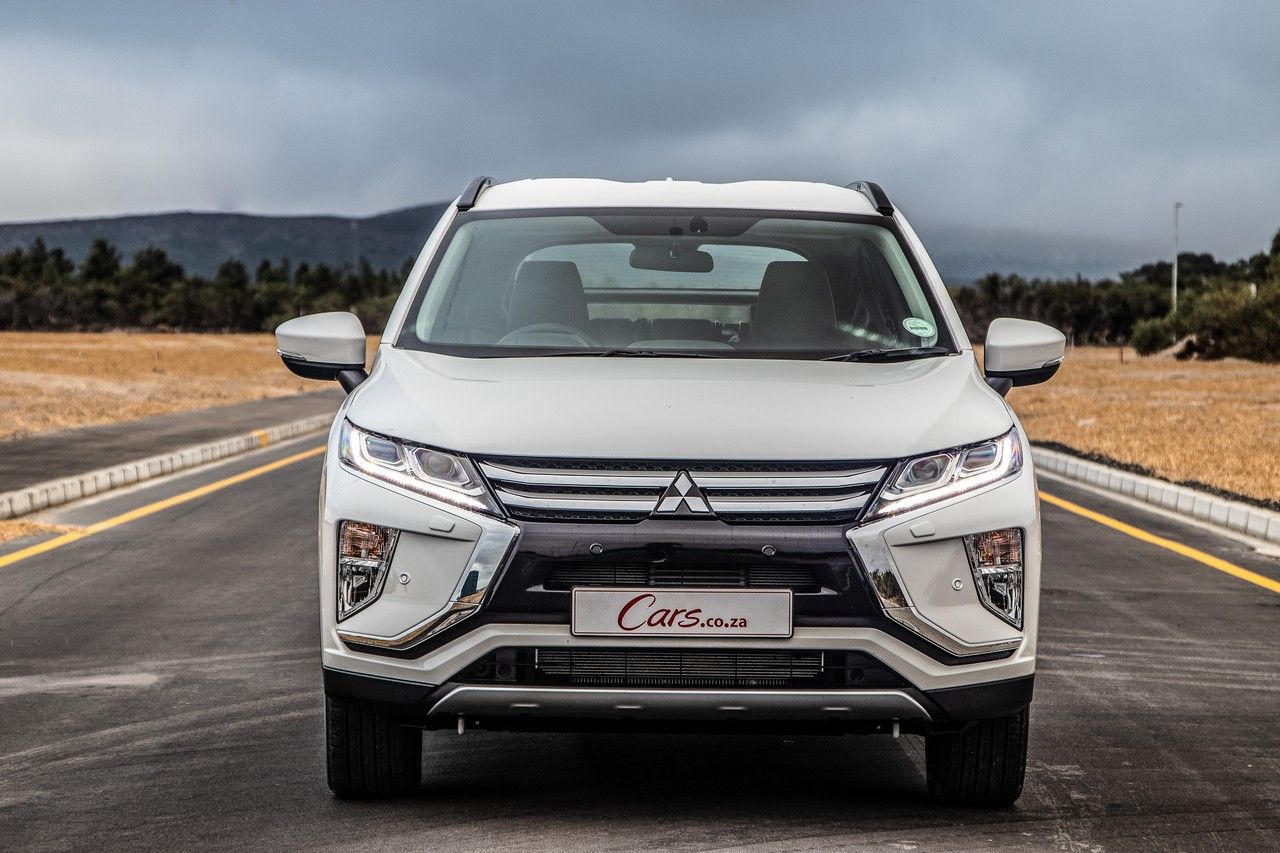
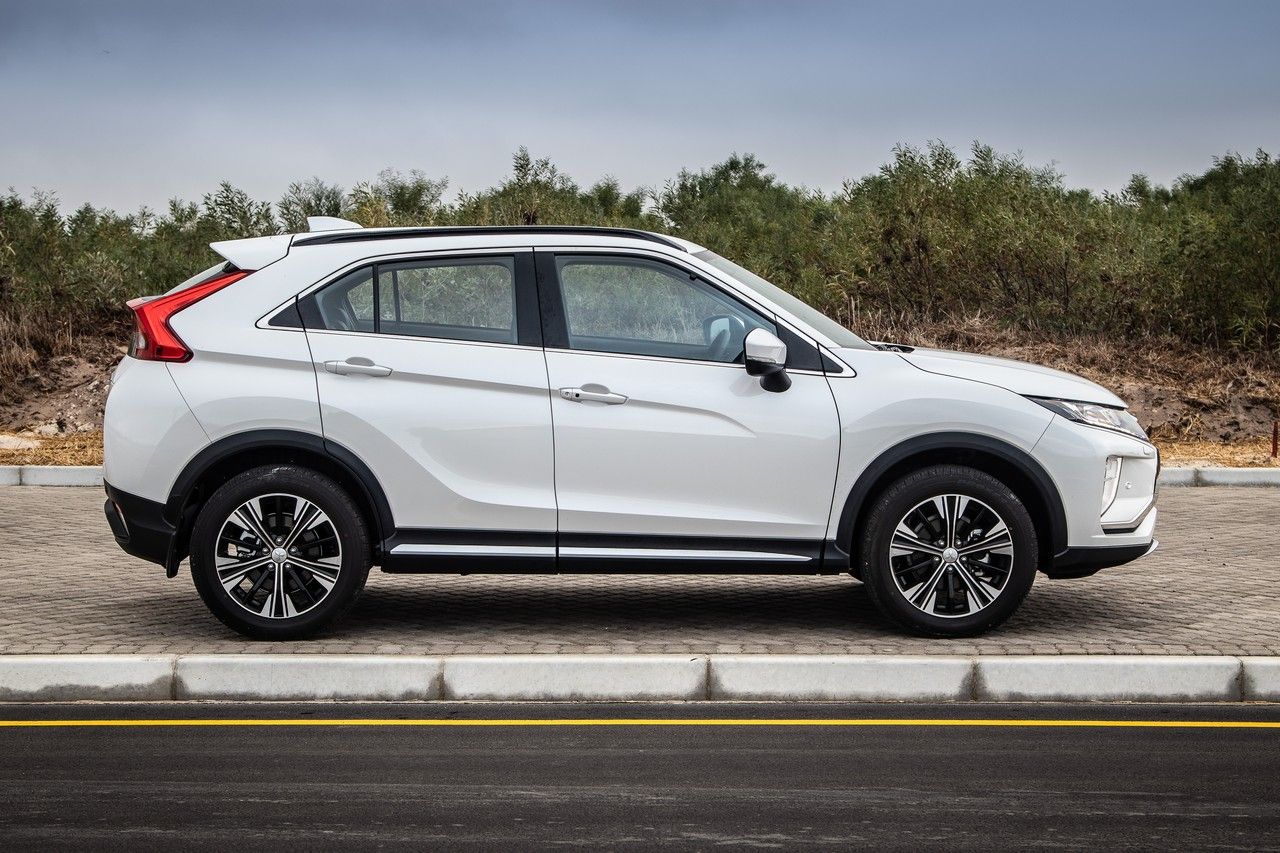
We like the look of it. Mitsubishi has done the basics right and at least made its new offering interesting to look at. It's unmistakably Mitsubishi at the front (with the latest interpretation of brand's design language), while the rear sports some sharp angles. In terms of size, it's a touch larger than the still-going-strong ASX and a smidgeon smaller than the Outlander. Interestingly, Mitsubishi claims its rivals (size-wise) are the Hyundai Tucson and Mazda CX-5. The dimensions don't lie and we find the Eclipse Cross fractionally smaller, but you'd be hard-pressed to spot the difference.
There's just 1 engine/gearbox combination for now, with a choice between front-wheel-drive and all-wheel-drive configurations. On test here is the front-wheel-drive Mitsubishi Eclipse Cross.
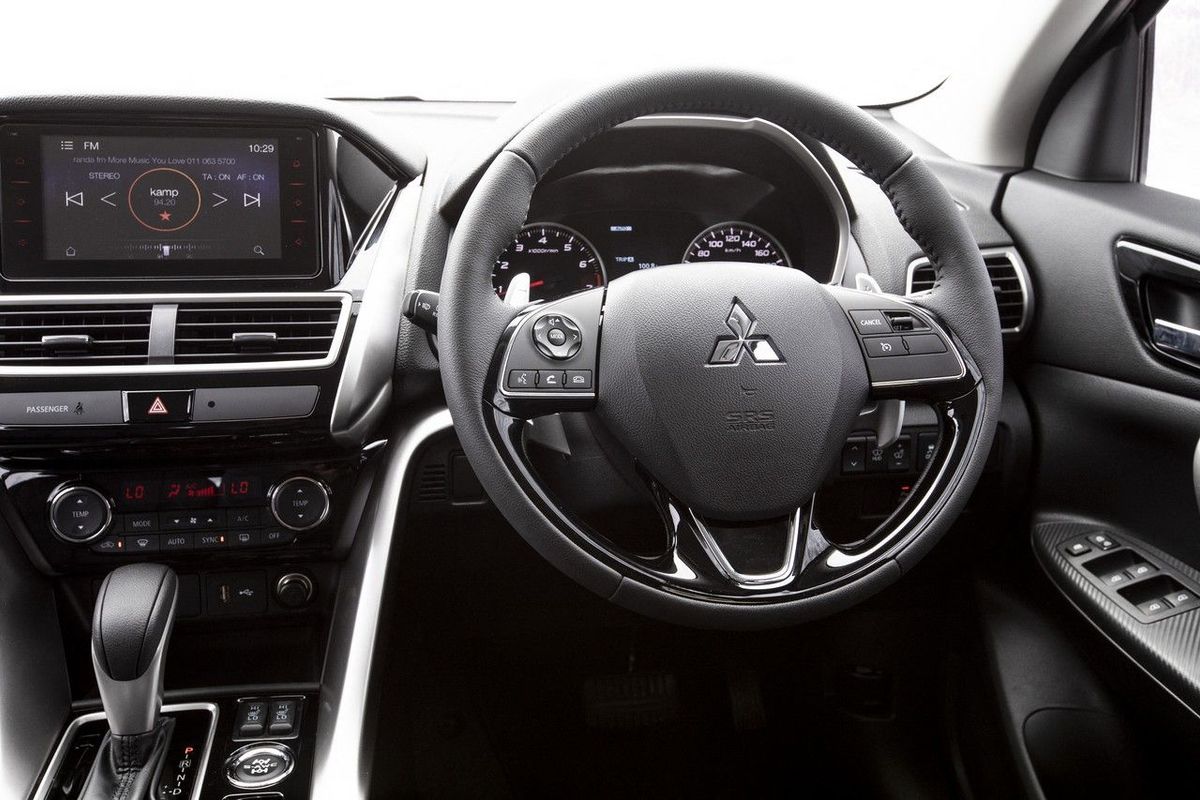
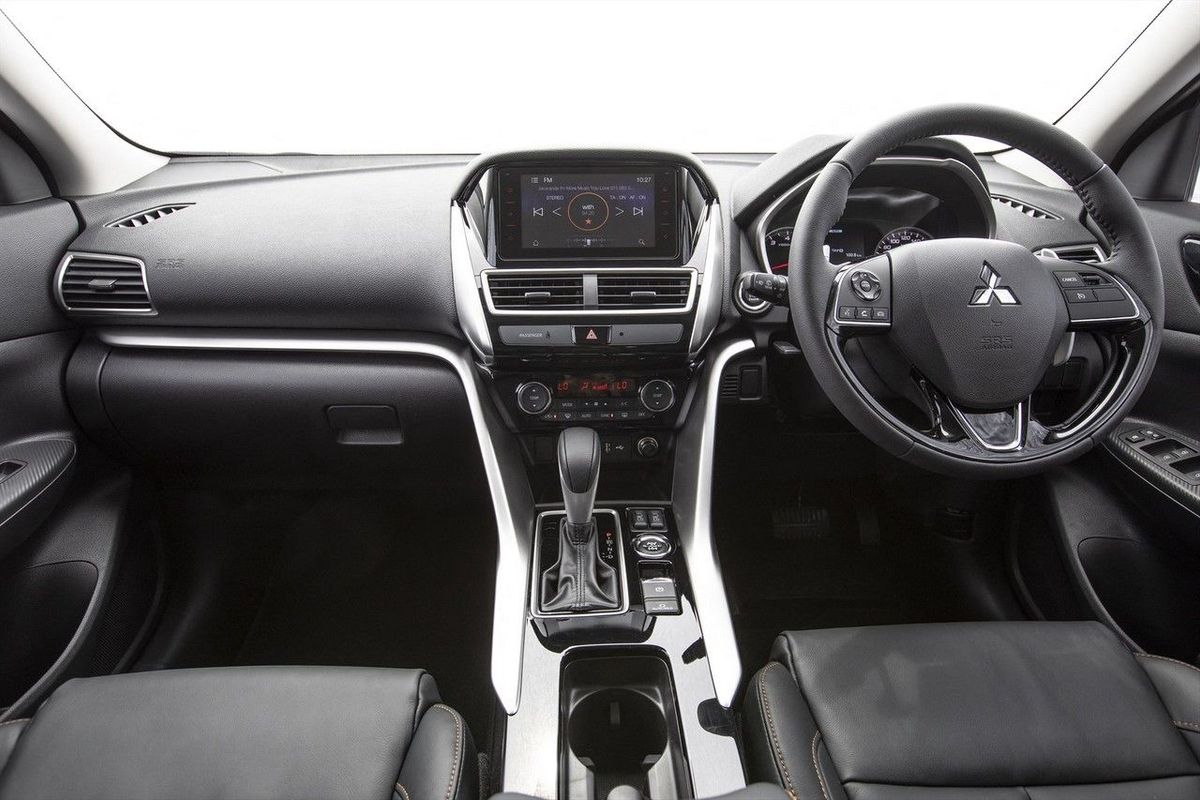
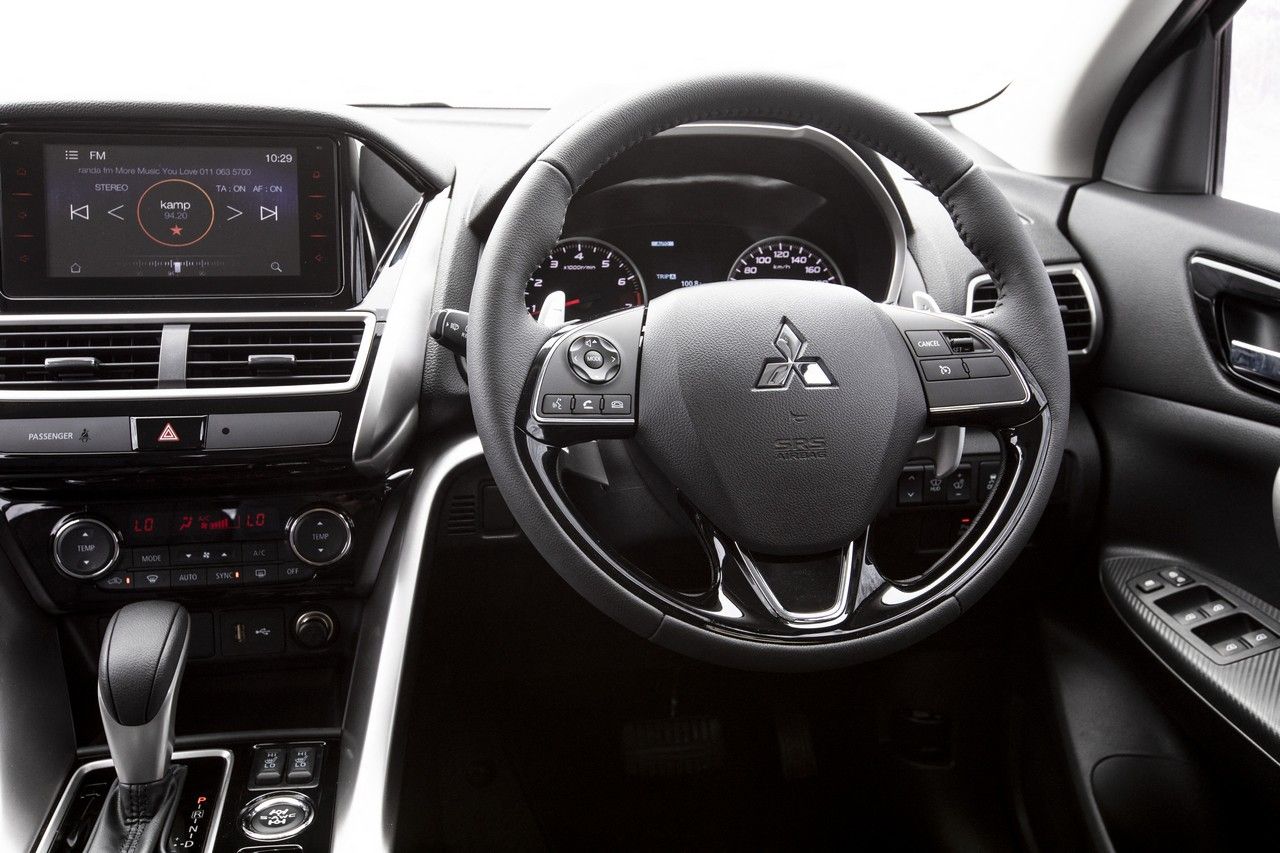
The cabin of the Eclipse Cross is modern and well finished.
The standard spec of the Eclipse Cross is very impressive at this price point. For a few rands under R400 000, standard spec includes nice-to-haves such as heated seats, climate control, head-up display, leather trim, automatic headlights and -wipers, a reverse-view camera, as well as front/rear park distance control. Plus, as a family car, a comprehensive suite of safety features is a must-have… To that end, the Mitsubishi comes with 7 airbags, ISOfix child seat anchors, ABS with EBD and brake assist, active stability-, traction and yaw control, plus a hill-start assist system.
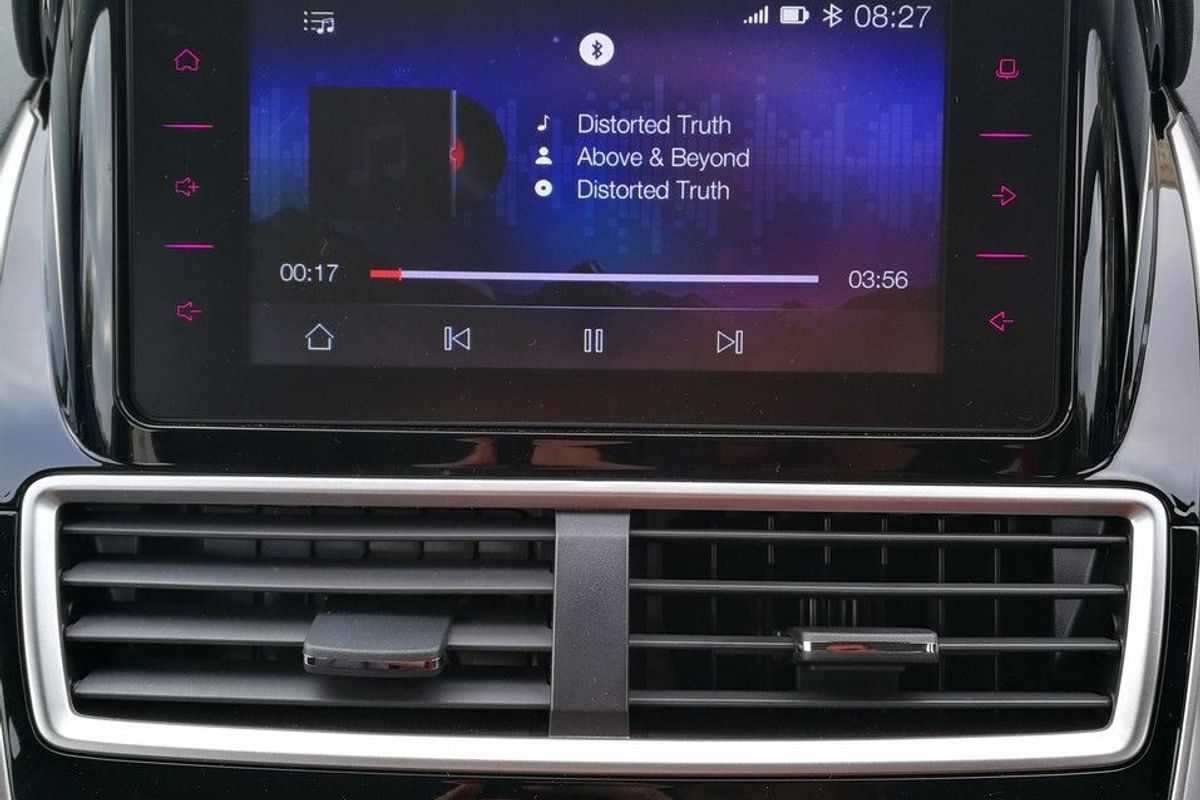
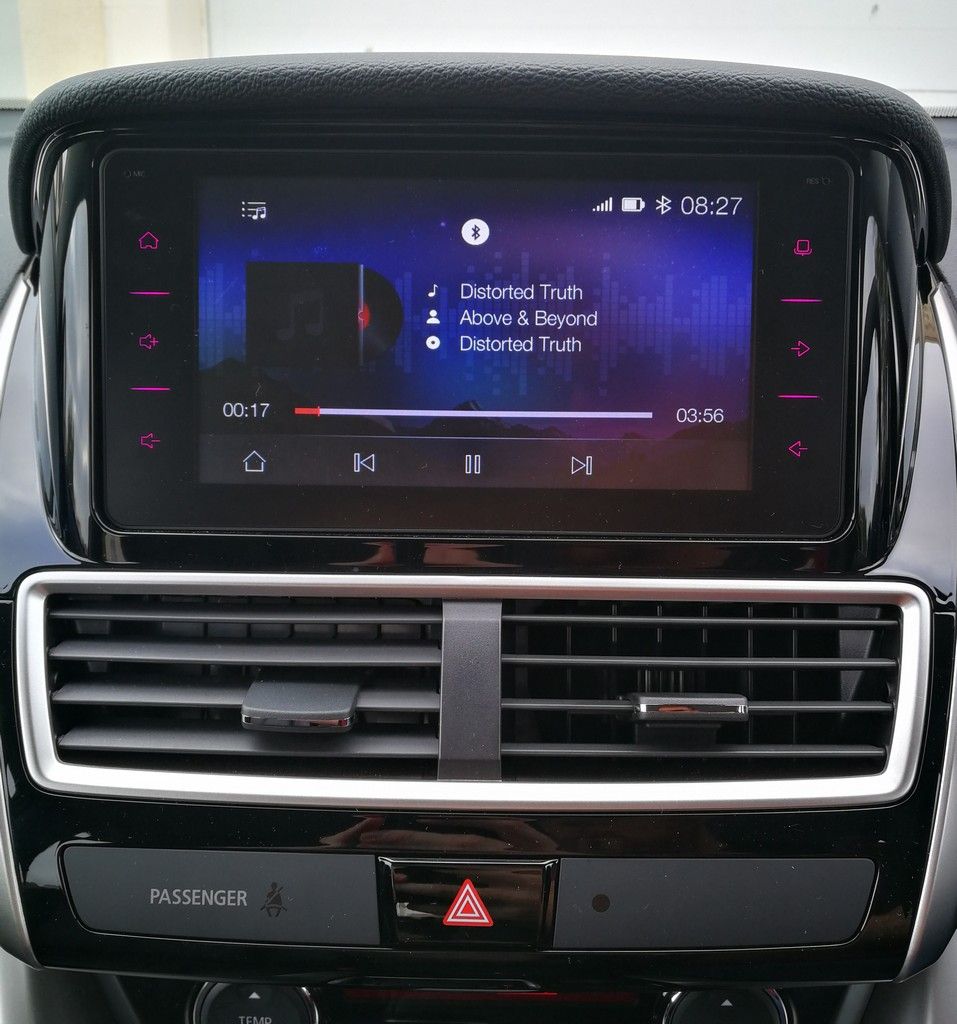
We had a distinct feeling of deja vu when we tested the slick interface of the Eclipse Cross' infotainment system. Now that Mitsubishi is fully part of (what used to be known as) the Renault Nissan Alliance, it makes sense that its new products would sport systems sourced from the group, in this case, the infotainment setup of the Datsun Go. But that's not to say that the tech carryover is a bad thing: the system offers a clean user experience and is refreshingly simple to use. Satellite navigation is included, but we found it was better to make use of the built-in Apple CarPlay/Android Auto compatibility, which allows Google Maps/Waze, as well as music-streaming services such as Spotify.
The infotainment setup may be from a Datsun Go, but it works beautifully. Here are Android Auto and Spotify in action
Ride and drive
Usually, the term CVT (an abbreviation for the gearless continuously variable automatic transmission) elicits moans and groans from the petrolhead community. While we understand the tech and the need for such a transmission, the issue arises that a CVT is not very engaging or responsive when pressing on. However, given the fact that the Mitsubishi Eclipse Cross has morphed from a silky coupe to a sensible SUV, this hardly matters. Yes, it will make some noise when you're standing on the accelerator, but for the overwhelming majority of the time, you'll be trundling along with light inputs to the accelerator only. This is where the CVT shines and it'll deliver commendable fuel economy as well. Mitsubishi's claim of 7.9 L/100 km was a little ambitious, but we're happy to report that the trip computer's readout sat at 9.1 L/100 km, which is about par for the segment.
With the market being flooded by SUVs and crossovers, it's nice to see a brand coming in with a radical design. Kudos Mitsubishi.
The engine is a 2.0-litre naturally aspirated 4-cylinder petrol motor. With peak outputs of 110 kW and 198 Nm, the 2.0 litre offers just about enough shove to get the (almost 1 500-kg) Eclipse Cross moving briskly. In-gear acceleration is not its strong point, however, and with 4 adults in the car, you might pine for a powerplant that offers a touch more torque, such as a turbopetrol or -diesel engine. It's not the fastest off the line when it comes to outright acceleration, but once you're at cruising speed, the Mitsubishi has no problem with keeping up with traffic or maintaining momentum.
Our reservations about the powertrain aside, the overall ride quality and on-road refinement of the Eclipse Cross are commendable. It feels well assembled: wind noise is all but dialled out at freeway speeds and the pliant suspension makes for a relaxed driving experience. The steering is direct, lively and light, which is a boon in a cramped urban environment. In terms of a compact family car driving experience, it does not disappoint.
The not-so-good
Only one powertrain option
While we don't mind the 2.0-litre MIVEC naturally-aspirated 4-cylinder engine mated with a CVT, some customers might want a punchier powertrain. Hyundai, for example, offers a 1.6-litre turbopetrol motor, which, in our experience, has a more flexible power delivery by comparison. Mitsubishi does have a turbocharged motor (a 1.5 litre) that delivers 124 kW and 250 Nm, but it's unlikely to reach the South African market before the end of 2019. There's also talk of the Eclipse Cross being offered with Mitsubishi's latest 2.2-litre turbodiesel motor, but that version might be too expensive.
The lack of a turbocharged engine is obvious and while you won't be disappointed with the current powertrain, the vehicle needs a bit more shove
Shallow load bay
One of the big downsides of offering a full-sized spare wheel is that your model's luggage space usually takes a knock. The Mitsubishi Eclipse Cross suffers in this regard and while the load bay is not prohibitively small, it doesn't offer as much carrying capacity as its rivals. According to our site's compare tool, the Eclipse Cross boasts 378 litres of carrying capacity, while its rivals offer 442 litres (Mazda CX-5) and 488 litres (Hyundai Tucson).
Pricing & Warranty
The range starts at R399 995 for the front-wheel-drive derivative tested here, while the all-wheel-drive version commands a R50 000 premium. The vehicle comes standard with a 3-year/100 000 km warranty and a 5-year/90 000 km service plan.
Mitsubishi Eclipse Cross 2.0 R399 995
Mitsubishi Eclipse Cross 2.5 AWD R449 995
Verdict
With 180 mm of ground clearance, the Mitsubishi Eclipse Cross can easily mount the kerb or tackle some light gravel roads
The Mitsubishi Eclipse Cross took a while to reach our market, but it has proved a pleasant surprise. It gets the basics right and represents a compelling value proposition. Coming in under the R400 000 barrier has meant that newcomer from Mitsubishi substantially undercuts its competition by some margin, with the equivalent Mazda CX-5 retailing for R410 500 and the Hyundai Tucson for R433 900.
It's a refreshingly honest vehicle that has great on-road manners and, with 180 mm of ground clearance, is suitable for traversing gravel routes. Want the reassurance of all-wheel drive? Well, the next derivative in the Eclipse Cross portfolio will have you covered. The Eclipse Cross is also the first vehicle from the Japanese brand to boast a digitally-connected interface that offers Android Auto and Apple CarPlay connectivity.
If we had any gripes other than the lack of engine diversity in the model range and the shallow load bay, it would be the rear headroom, which isn't the best for taller adults (by virtue of that fashionable sloping roofline). Other than that, the newcomer from Mitsubishi is a good middle-of-the-road compact crossover that's unlikely to disappoint, thanks mostly to its good levels of comfort and refinement.
Interested in buying a new/used Mitsubishi Eclipse Cross?
Volkswagen's Tiguan is a stylish and well-finished family car. It's also the only model here featuring a turbocharged engine, although Trendline specification lags behind that of the Eclipse Cross. It's also significantly more expensive.
Hyundai's Tucson is a popular model. Not only does it offer a relaxed and refined driving experience, but by virtue of its extensive 7-year warranty, the Tucson is a good prospect for long-term ownership.
The Mazda CX-5 is a massive success story for the Japanese brand. It delivers excellent on-road manners, has a capacious load bay and, in early 2019, received a handful of connectivity updates.
5 Cheapest People Movers in SA
Do you need a new 7-seater vehicle to transport passengers for as little money as possible? We take a closer look at 5 of South Africa’s cheapest people movers!
If you are in the business shuttling people across town on a regular basis and have a limited budget to get the job done, then you should consider these 5 budget-busting people movers. All the vehicles on this list are capable of carrying at least 7 passengers and most of them are attractively priced below the R300k mark.
Let’s get moving…
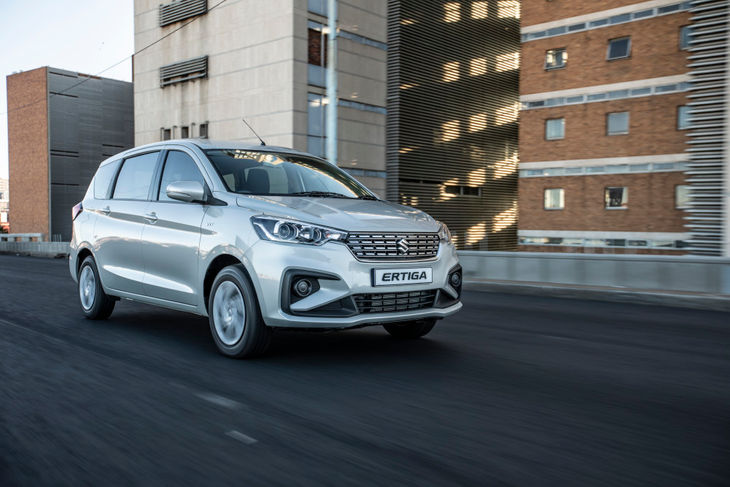
Suzuki Ertiga
A new-generation Ertiga arrived in South Africa recently and it represents a big improvement over the outgoing model. The third row of seats offers generous space and the interior is now available in black, featuring a new touch panel radio system.
The Ertiga is powered by a new 1.5-litre naturally aspirated engine that offers 77 kW and 138 Nm of torque. The Ertiga can be had with a 5-speed manual or 4-speed automatic transmission. Passengers in the Ertiga will appreciate its good ride quality too.
The Ertiga is equipped with 2 front airbags and ABS with EBD.
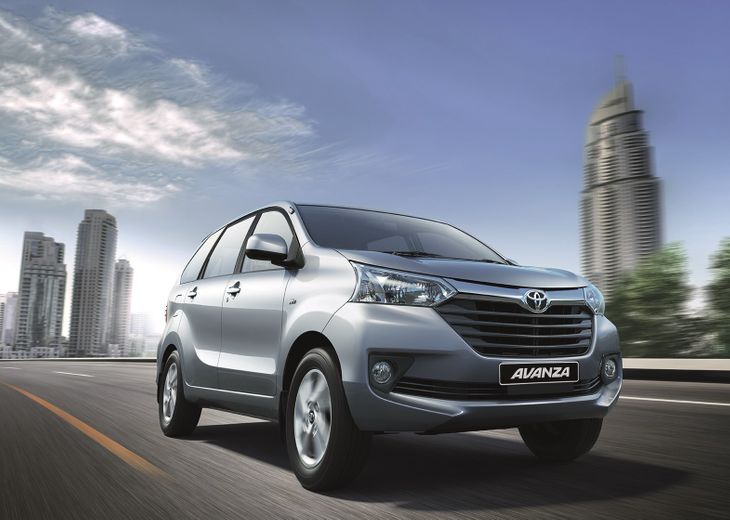
The Toyota Avanza remains a popular people moving choice and it lives up to its name as ‘A Van for ZA’. The base-model Avanza derivative is powered by a naturally aspirated 1.3-litre engine with 70 kW and 121 Nm of torque, driving the front wheels through a 5-speed manual gearbox. There’s also a more powerful 1.5-litre engine on offer with 77 kW and 137 Nm of torque. This engine can be mated to a 5-speed manual or a 4-speed automatic transmission.
Vehicle Stability Control is offered across the entire Avanza range. Safety features for the Avanza include dual front airbags, ABS with EBD, Vehicle Stability Control, Brake Assist and Traction Control.
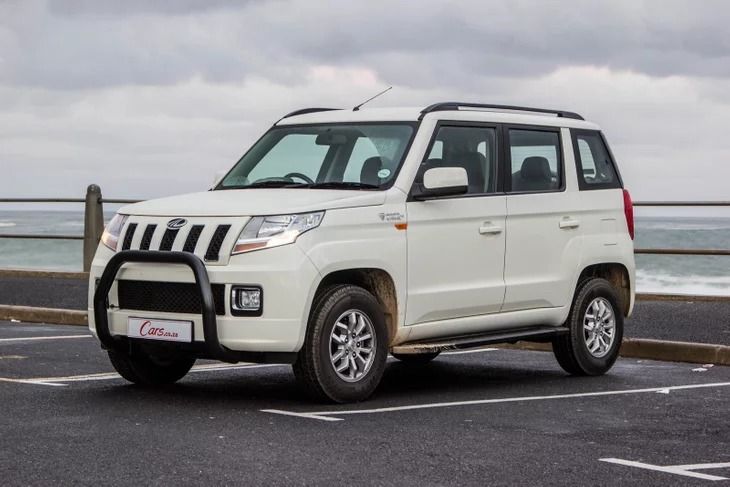
The Mahindra TUV300 is a rear-wheel drive 7-seater but the fold-down, military-style (face each other) rear seats are not fitted with seatbelts. For obvious safety reasons, we advise that you don't use them to transport passengers. The TUV300 is powered by a 1.5-litre turbodiesel engine offering 74 kW and 240 Nm of torque. Power is sent to the rear wheels via a 5-speed manual transmission.
Safety features for the TUV300 include 2 front airbags and ABS with EBD.
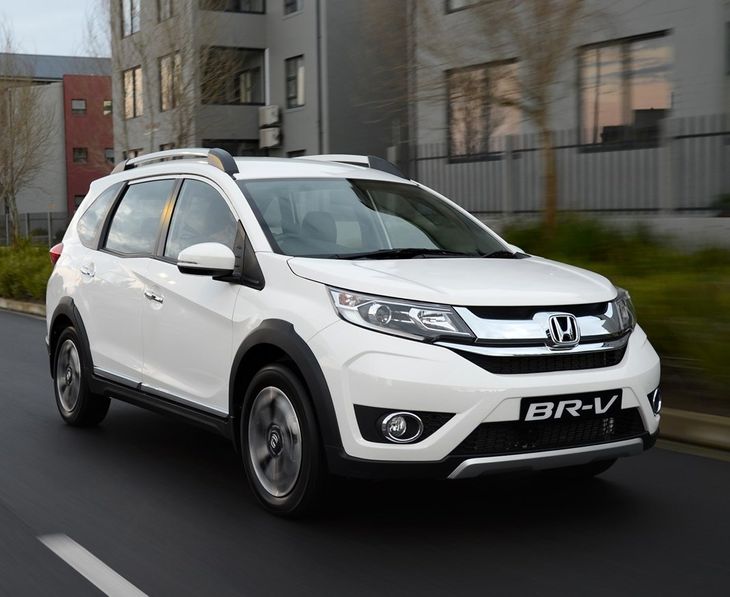
Honda launched its 7-seater BR-V family car in October 2016. The seats in the BR-V tumble with ease and the third row of seats are surprisingly spacious, even for adults.
The BR-V range is powered by a naturally aspirated 1.5-litre engine with 88 kW and 145 Nm of torque on offer. Buyers can also choose between a 6-speed manual or CVT transmission.
The BR-V is fitted with 2 airbags, ABS with EBD and Brake Assist.
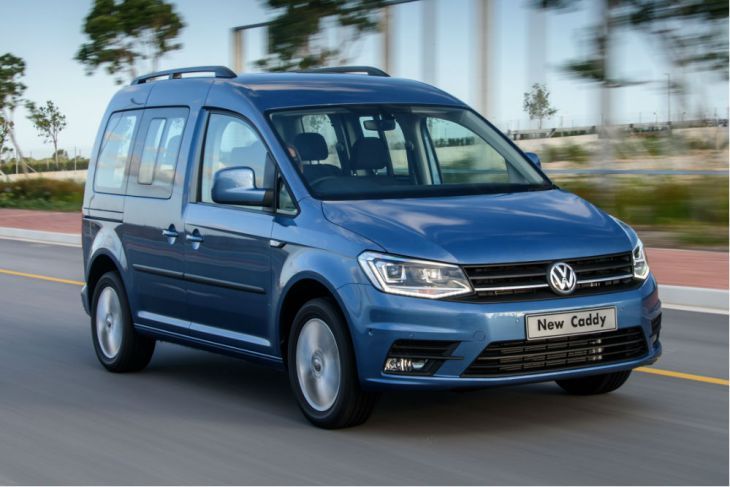
The Volkswagen Caddy 1.6 Crew Bus can be had in 5 or 7-seat configuration. A 1.6-litre engine produces 81 kW and 155 Nm of torque and a 5-speed manual gearbox is offered as standard.
Safety features include 2 airbags as standard as well as ABS and traction control.
Pricing for the Volkswagen Caddy 1.6 Crew Bus 7-seater is as follows:
Renault has introduced a 4×4 version of its all-new Duster compact SUV which came to market last year. See specification and pricing details for the newcomer below…
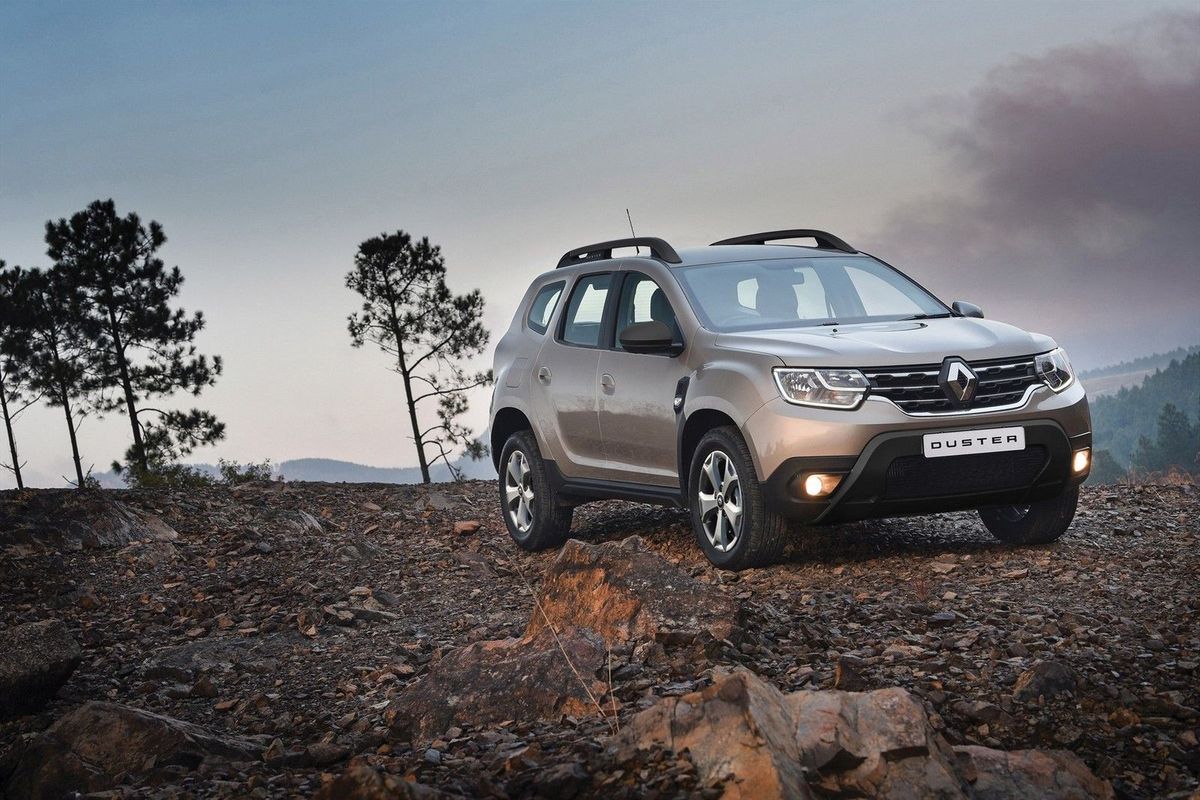
The Renault Duster is a popular choice in the compact family SUV segment and offers a degree of ruggedness that its rivals lack. Now, Renault South Africa welcomes the Duster 4×4 to market which features a new 16-inch alloy wheels, aluminium roof bars, front and rear skid plates, a chrome-trim grille and a C-shaped lighting signature.
The look is matched with a 210mm ground clearance, 30-degree approach angle and 34-degree departure angle to tackle more challenging terrains.
Engine Power
The Duster 4×4 is powered by a 1.5-litre turbodiesel engine with 80 kW and 260 Nm of torque and is mated to a 6-speed dual-clutch manual automatic transmission. Fuel consumption is claimed at 5.2 L/100km.
WIth a Transmission Mode Selector, the driver is able to switch between 3 driving modes including 2WD Mode (front-wheel drive/normal driving conditions), Automatic Mode (torque distributed over 4 wheels) and Lock Mode (torque distributed to all 4 wheels), depending on the requirement.
Key Features
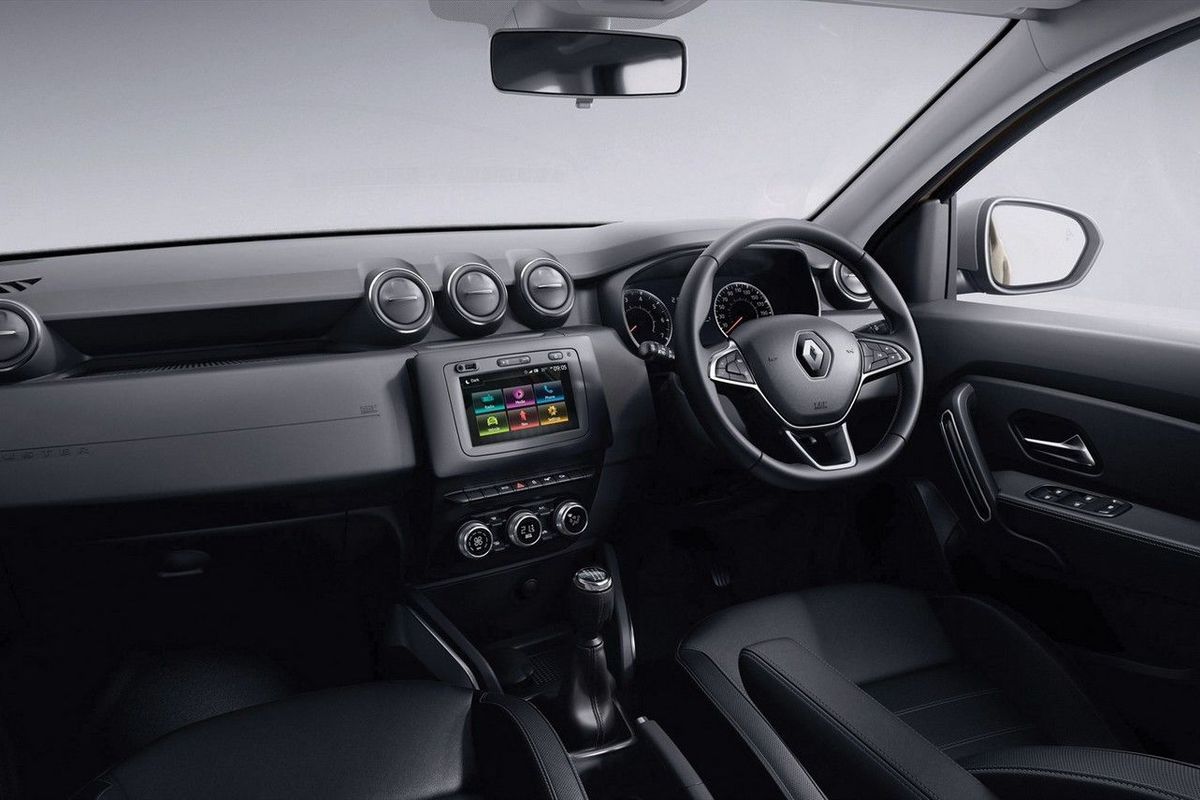
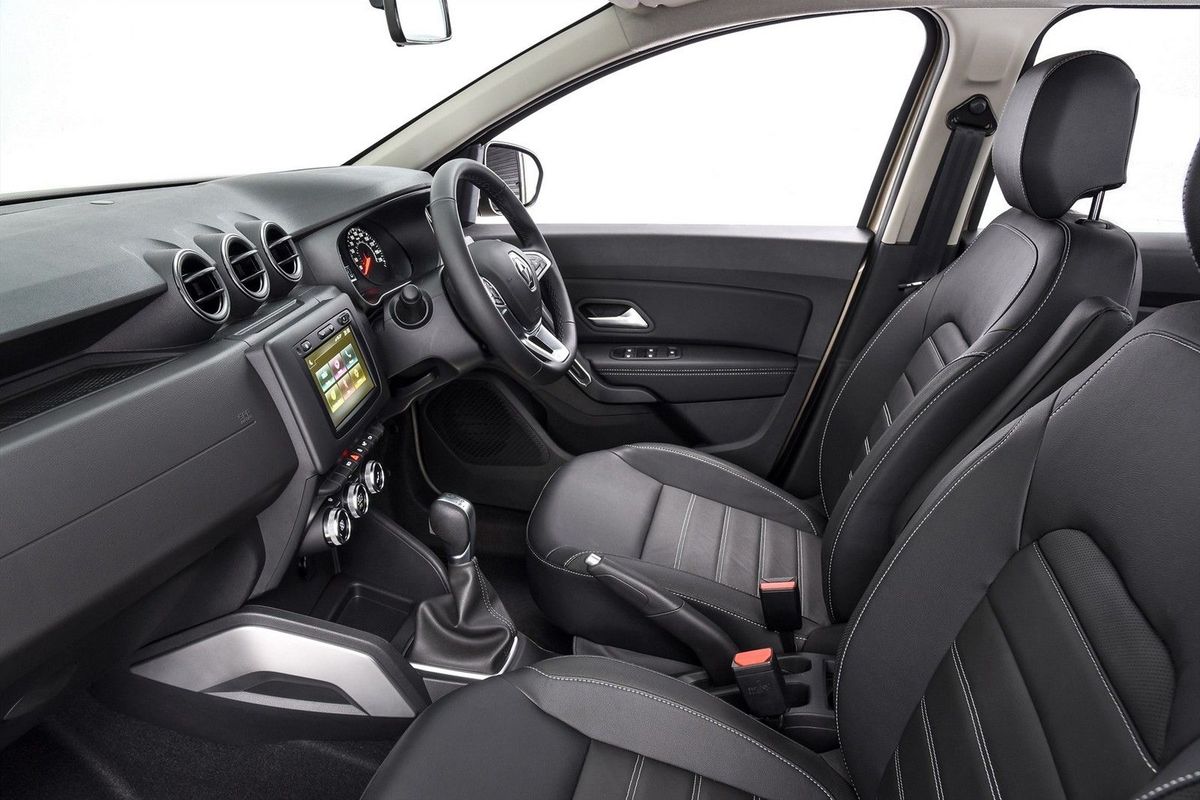
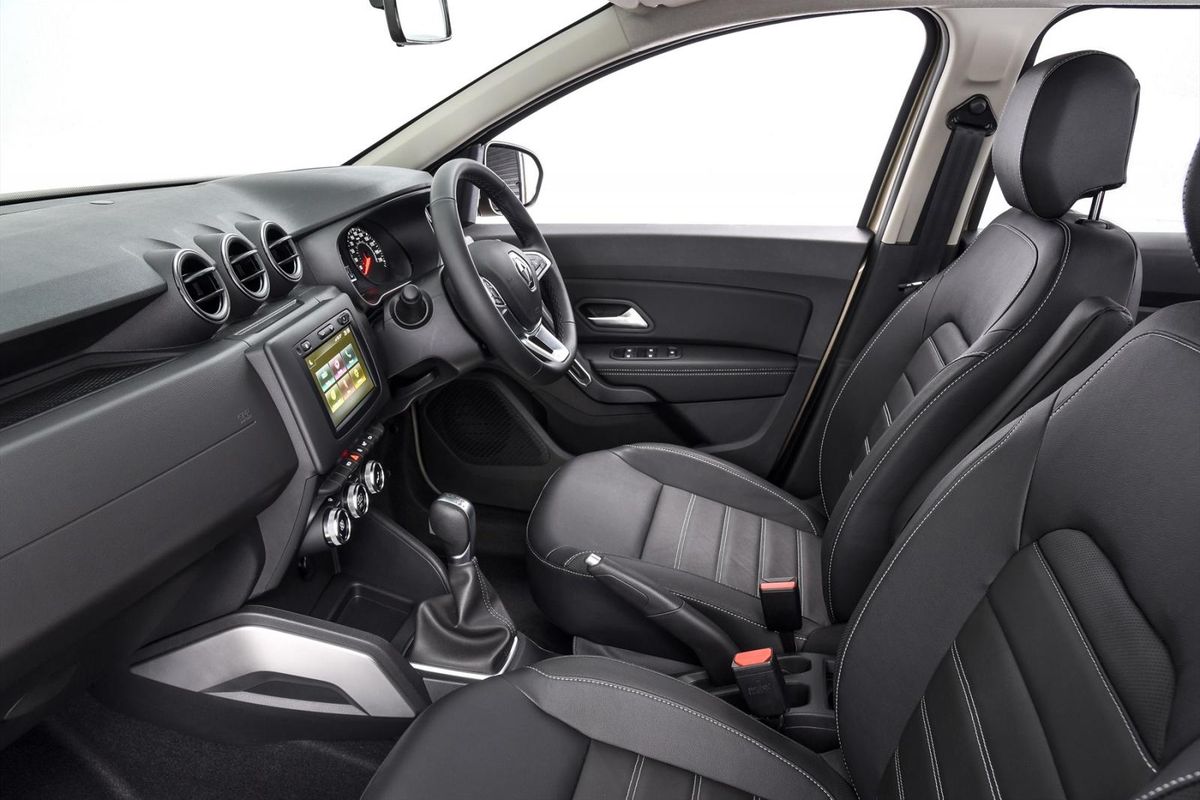
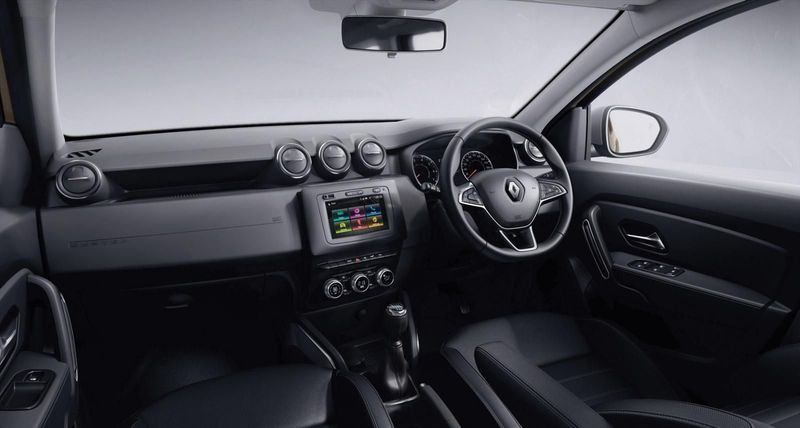
The Duster 4×4 features a new and improved interior with a host of useful features.
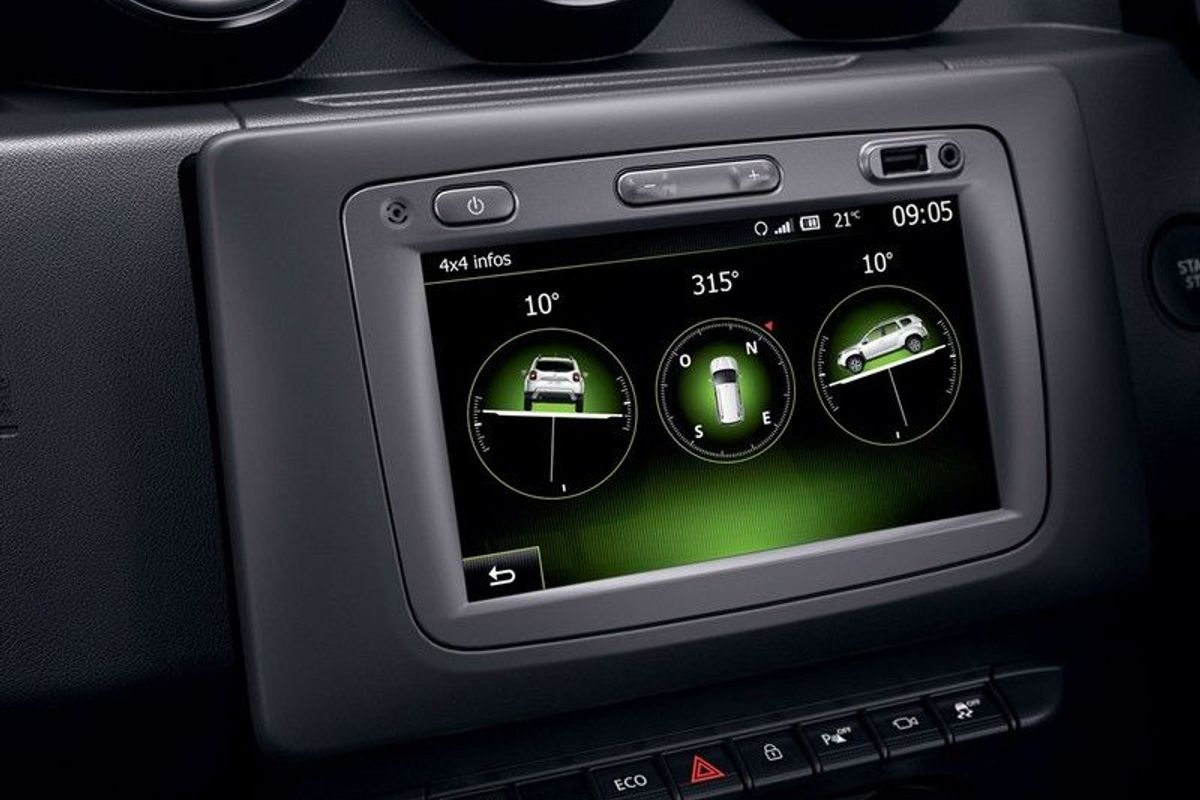
The Renault Duster 4×4 is offered in Dynamique trim only and comes equipped with features such as onboard navigation, Apple CarPlay/Android Auto, Multiview Camera for improved visibility while offroading, 4×4 monitor, blind spot warning, hill descent control, rear park distance control and cruise control. Climate control air conditioning is also standard.
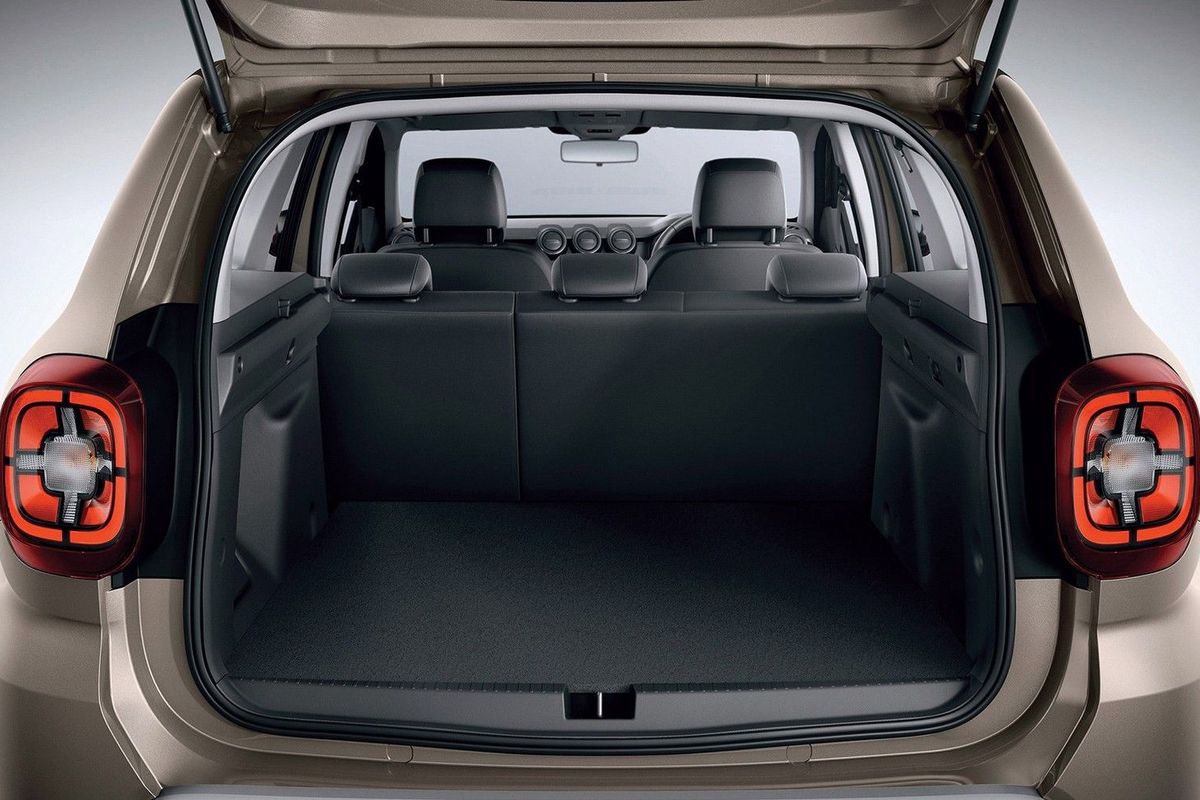
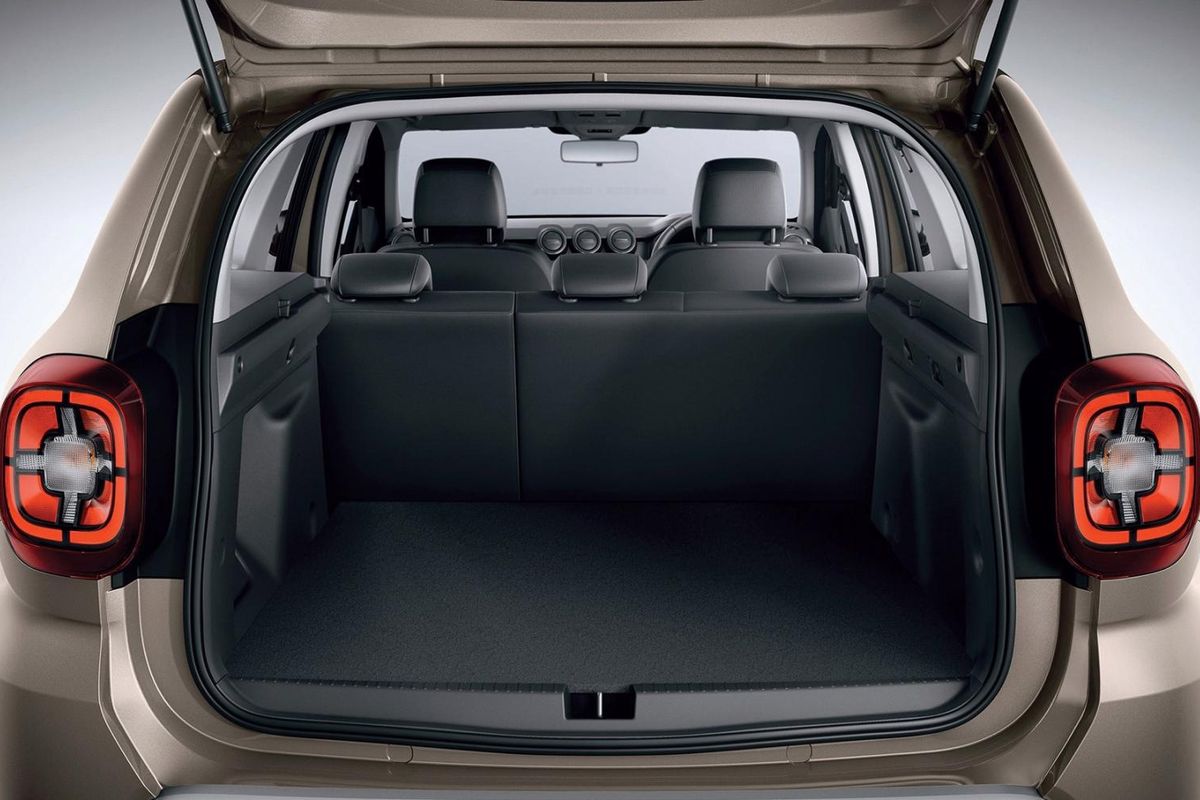
In terms of practicality, the Duster offers 478-litre load bay with 40:20:40 split rear seats.
The Duster 4×4 is equipped with 2 airbags, ABS with EBD, brake assist and traction control.
Renault Duster – Price in South Africa
Duster 1.6 Expression 4X2 – R255 900
Duster 1.5 dCi Dynamique 4×2 – R288 900
Duster 1.5 dCi Dynamique EDC 4×2 – R322 900
Duster 1.5 dCi Dynamique 4×4 – R327 900
Duster 1.5dCi Prestige EDC 4×2 – R340 900
Options include:
Metallic paint – R2 522
Leather seats – R10 088
The Renault Duster is sold with a 5-year/150 000 kkm warranty, 3-year/45 000 km service plan and a 6-year anti-corrosion warranty. Service intervals are at 15 000 km.