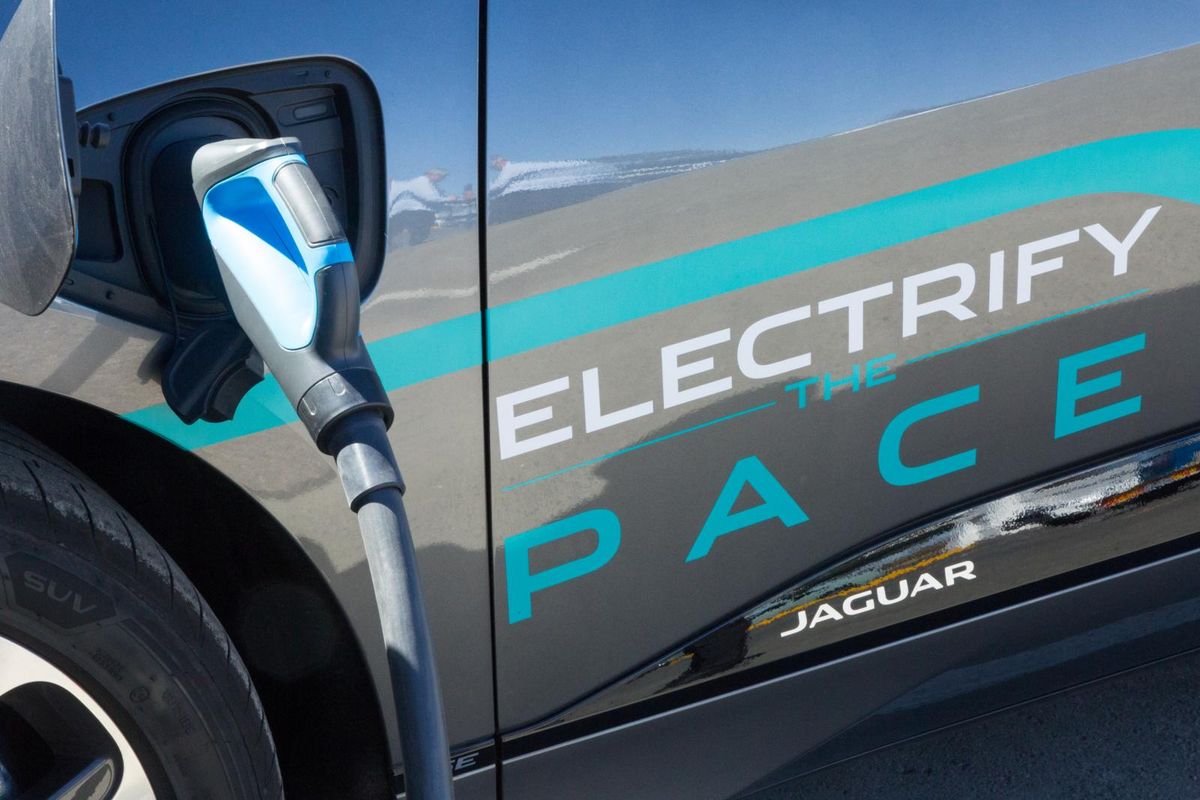
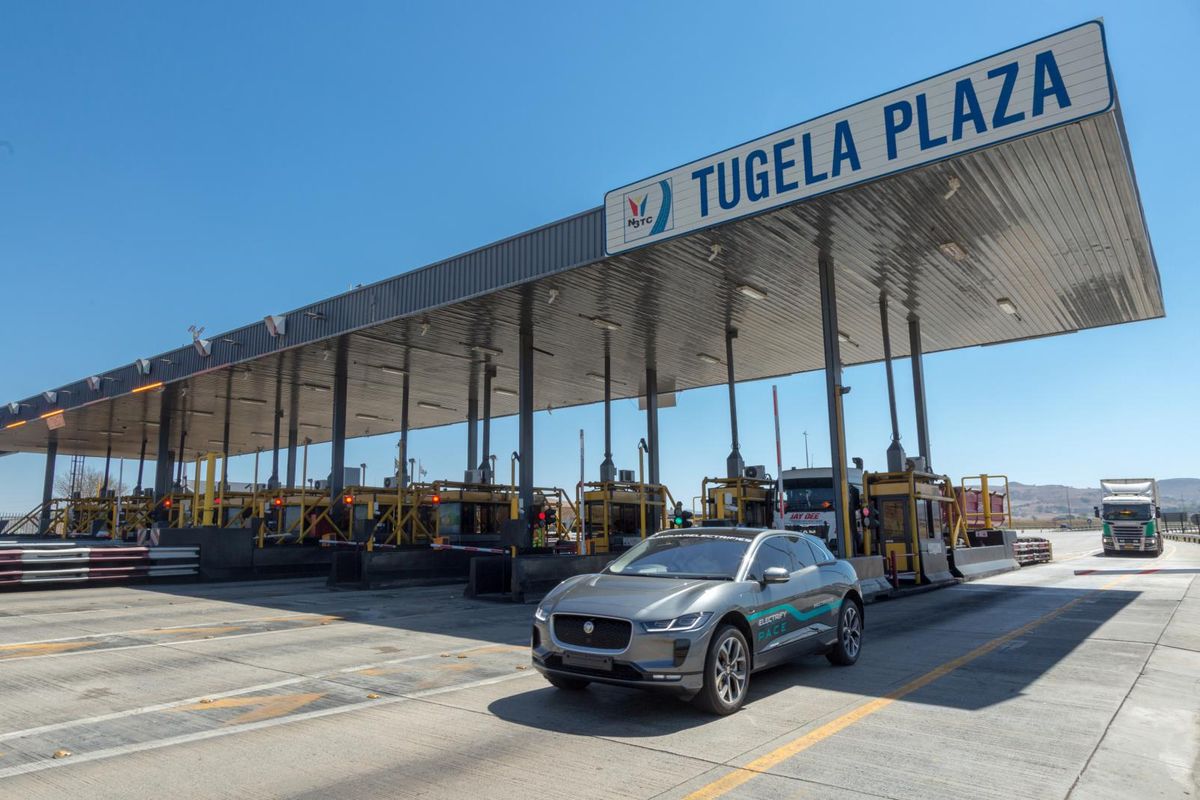
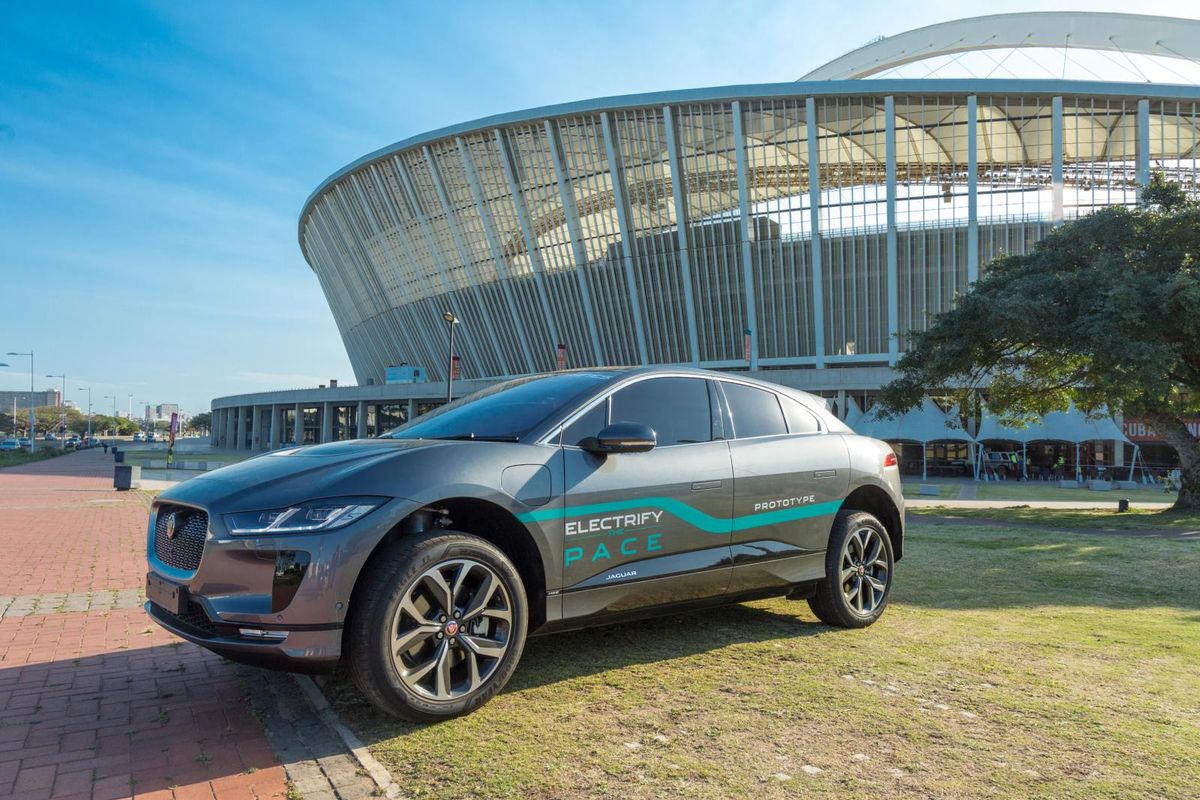
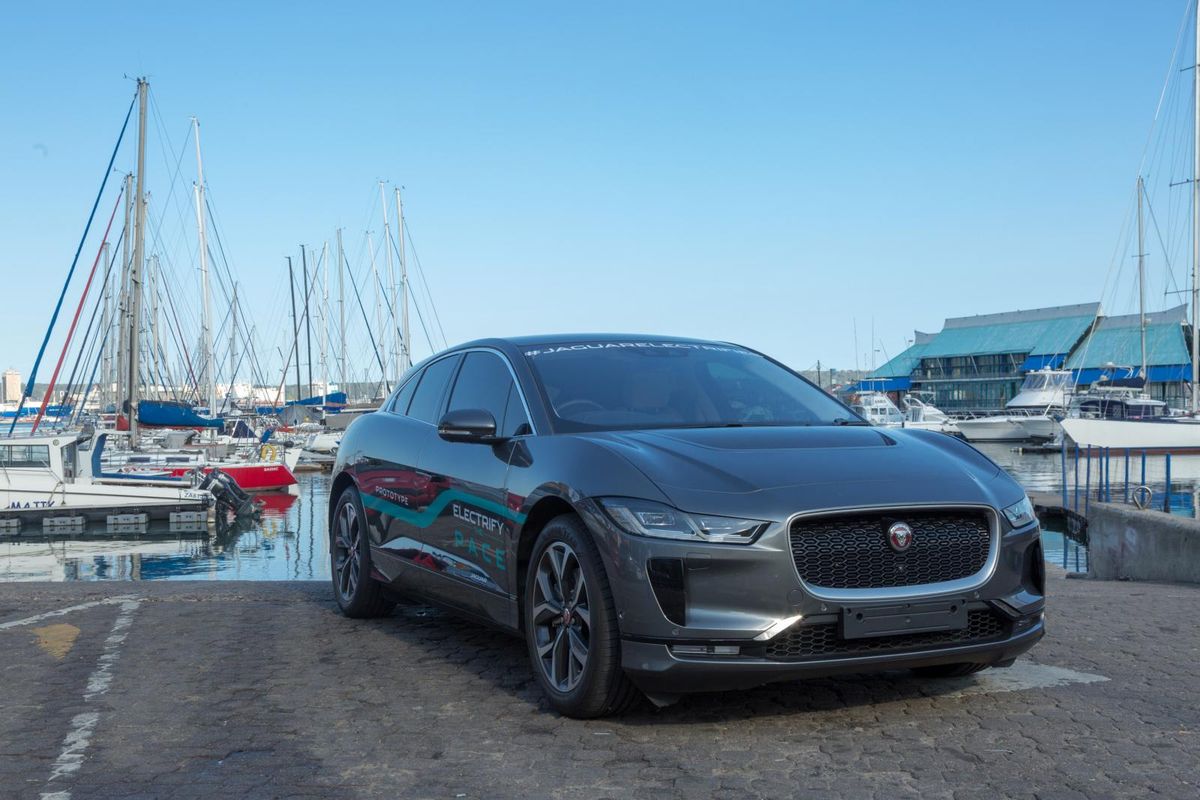
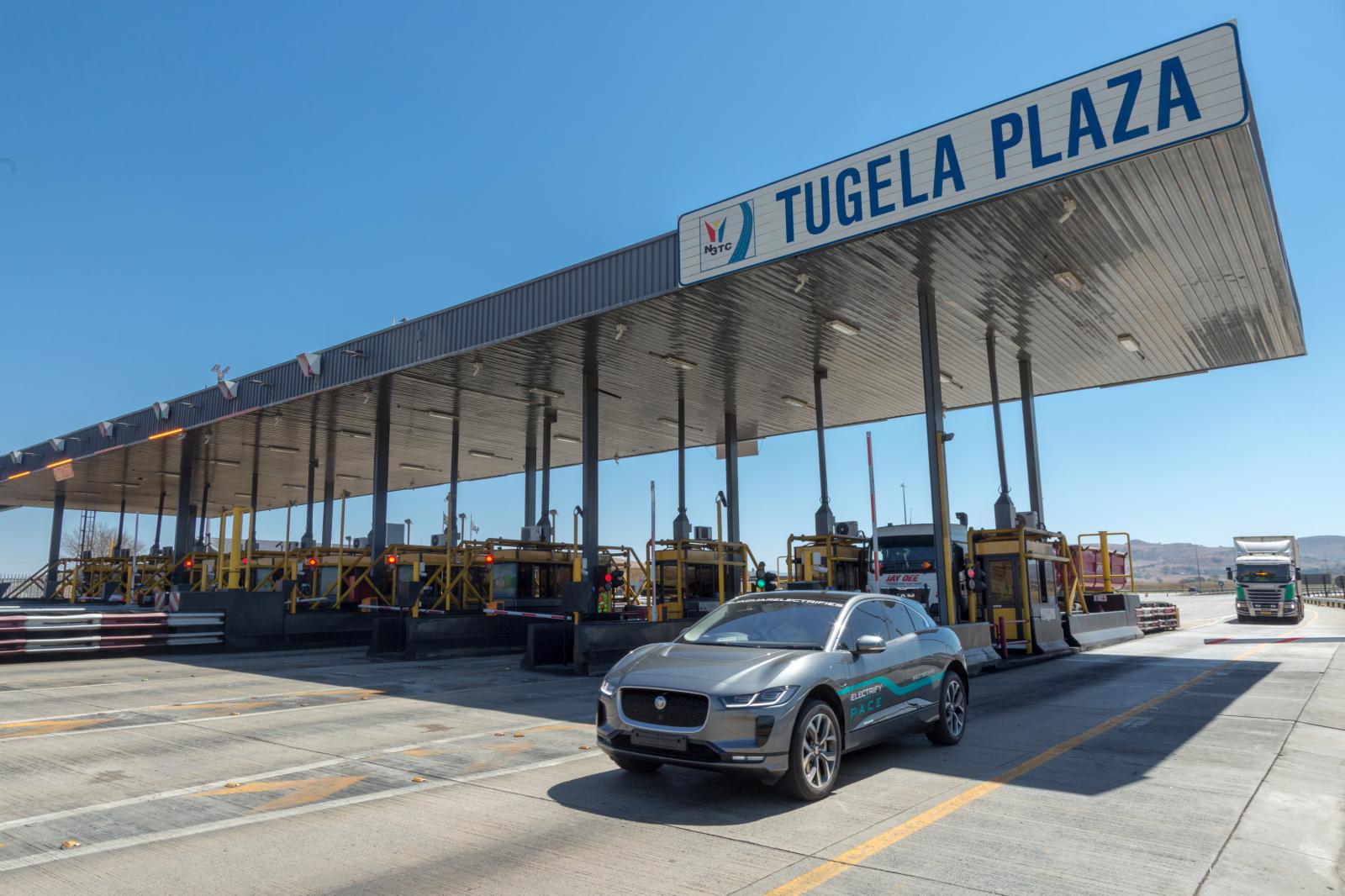
In an effort to showcase its new I-Pace electric car and charging infrastructure, Jaguar recently completed a trip from Johannesburg to Durban. Range anxiety? What range anxiety?
When it comes to electric cars, the number one worry is always to do with range anxiety. "There aren't enough chargers in SA" , "I can only drive around my city" and "I can't go away for the weekend" are just some of the complaints we've seen. Granted, in comparison to the rest of the world, South Africa has lagged behind in this field of transportation but recently, Jaguar allayed many fears by completing a journey from Johannesburg to Durban in a pre-production I-Pace electric car. We say pre-production I-Pace because this car is here for testing and homologation. Jaguar wants to make 100% sure that it will work in our market, before it is properly launched in our market in early 2019.
The challenge was simple. Drive the Jaguar I-Pace from Jaguar Centurion in Gauteng to Durban. After filling its 90 kWh battery, the car set off. After 310 km, it recharged at the 60 kW fast charger which has been installed at the Bergview rest stop in Harrismith, Free State. Once it was charged back up to 100%, it set off for the coast, completing another 306 km and reaching the Durban Harbour.
The Jaguar I-Pace on the N3 highway between Johannesburg and Durban
It is important to note that in the time it took to recharge in Harrismith, the driver was able to enjoy a meal at a restaurant, meaning that it took about an hour to charge. Jaguar also claims that this recharge in Harrismith cost around a quarter of what it would take to fill up an average big SUV, so we're going to estimate and say that's around R250.
The Harrismith charger forms part of the Jaguar Powerway network which boasts 82 new chargers for all electric cars and plug-in hybrids in the major cities and along popular highways. Johannesburg, Pretoria, Durban, Cape Town, Port Elizabeth, East London and Bloemfontein will soon be linked up for electric cars to travel on. The N3 from Jhb to Durban, for example, will receive another 3 chargers by the time the Jaguar I-Pace officially launches in the first quarter of 2019. Jaguar's R30 million investment will mean 30 fast chargers placed at every Jaguar Land Rover dealership, 30 at various shopping centres nationwide and 22 along the N1, N2 and N3 motorways.
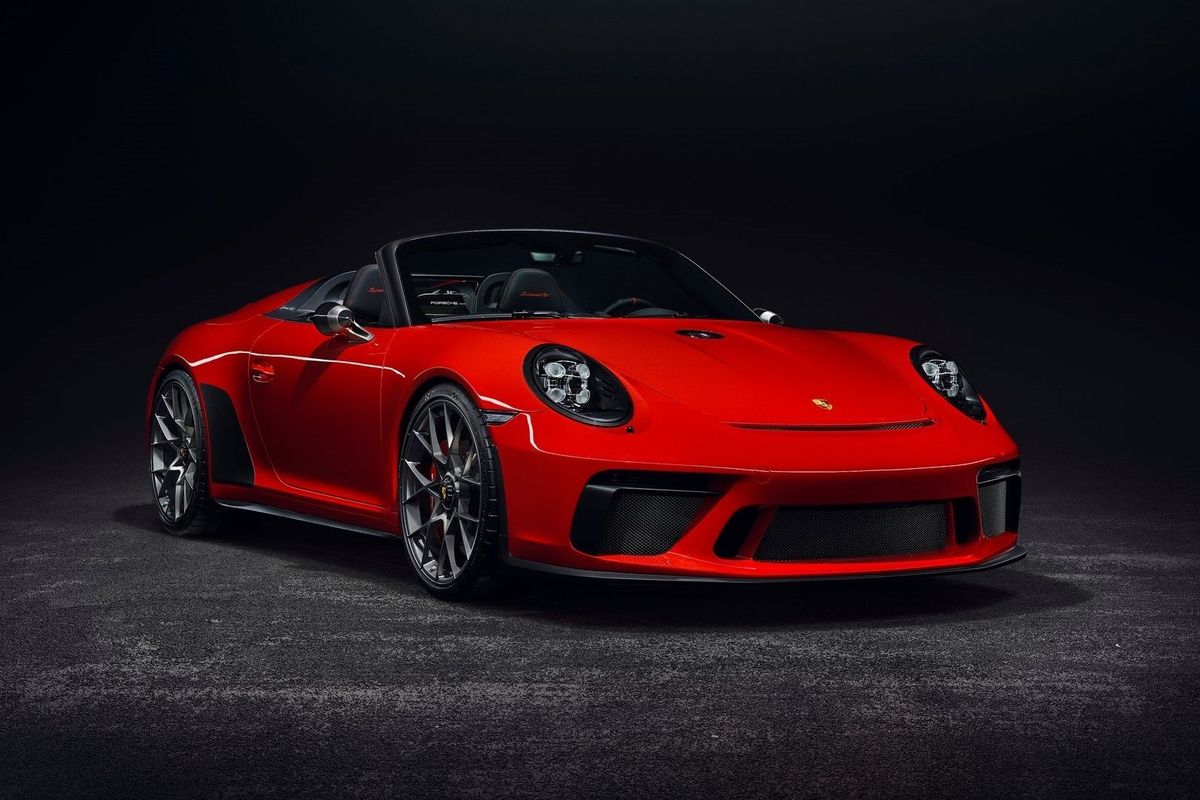
Porsche 911 Speedster Concept Confirms Production Model
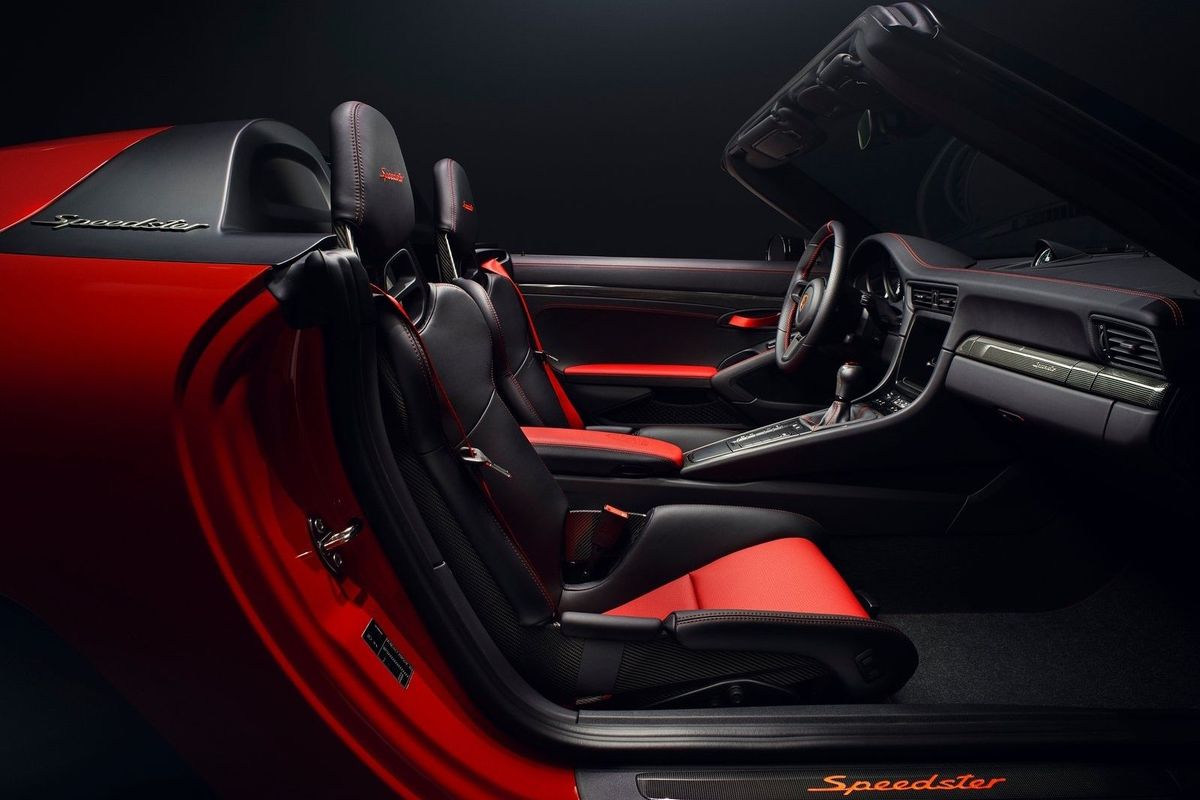
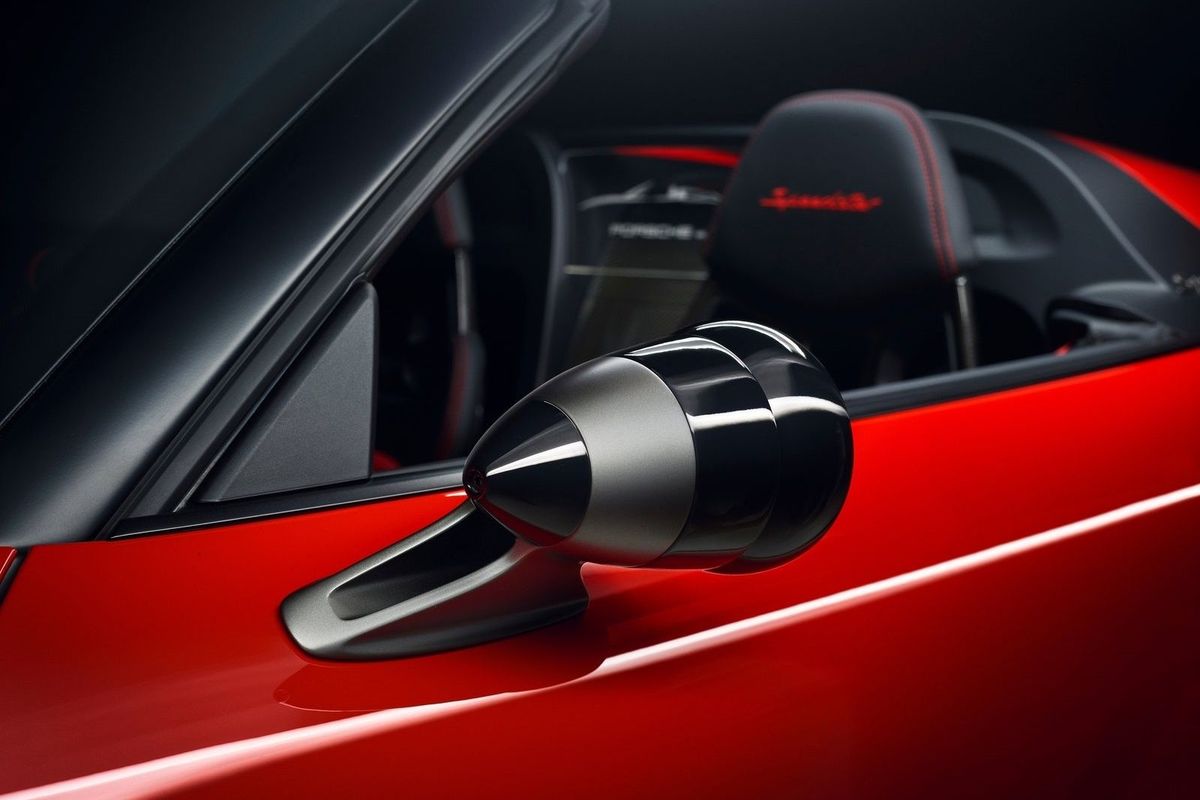
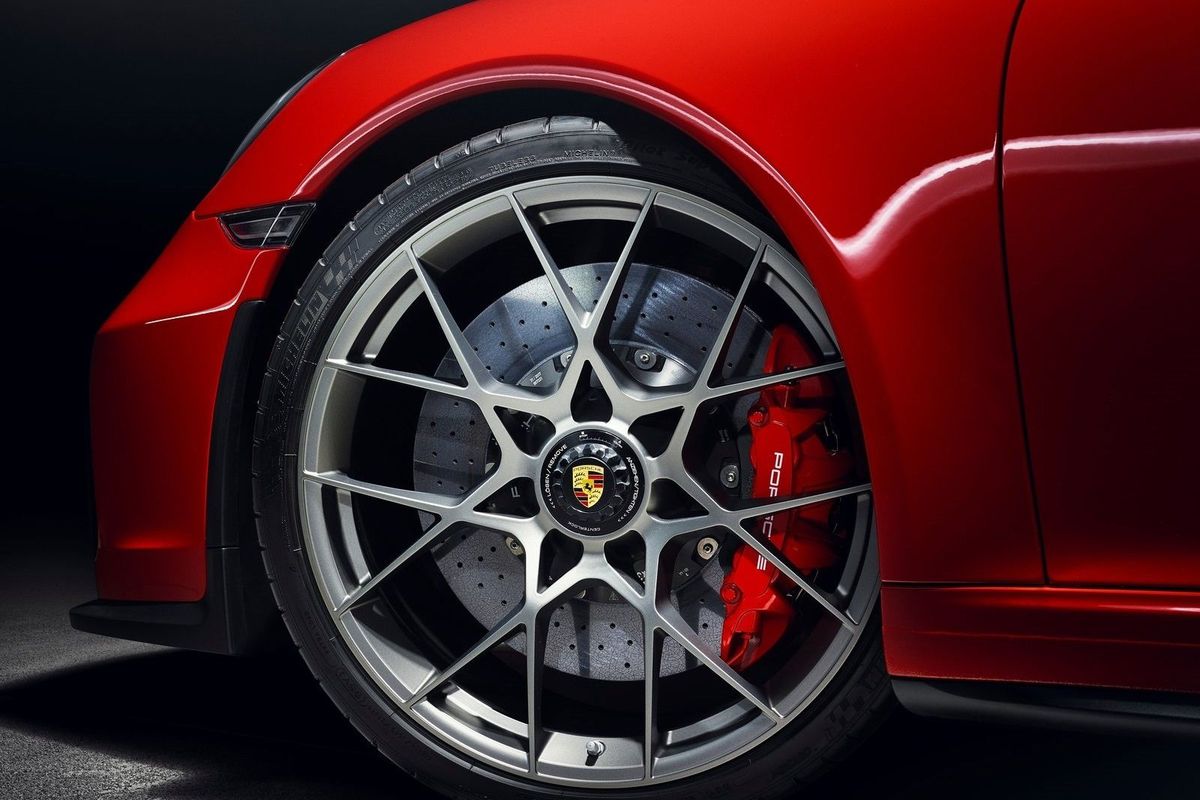
Porsche has used the 2018 Paris Motor Show to confirm that its 911 Speedster concept will reach production and will launch in the first half of 2019.
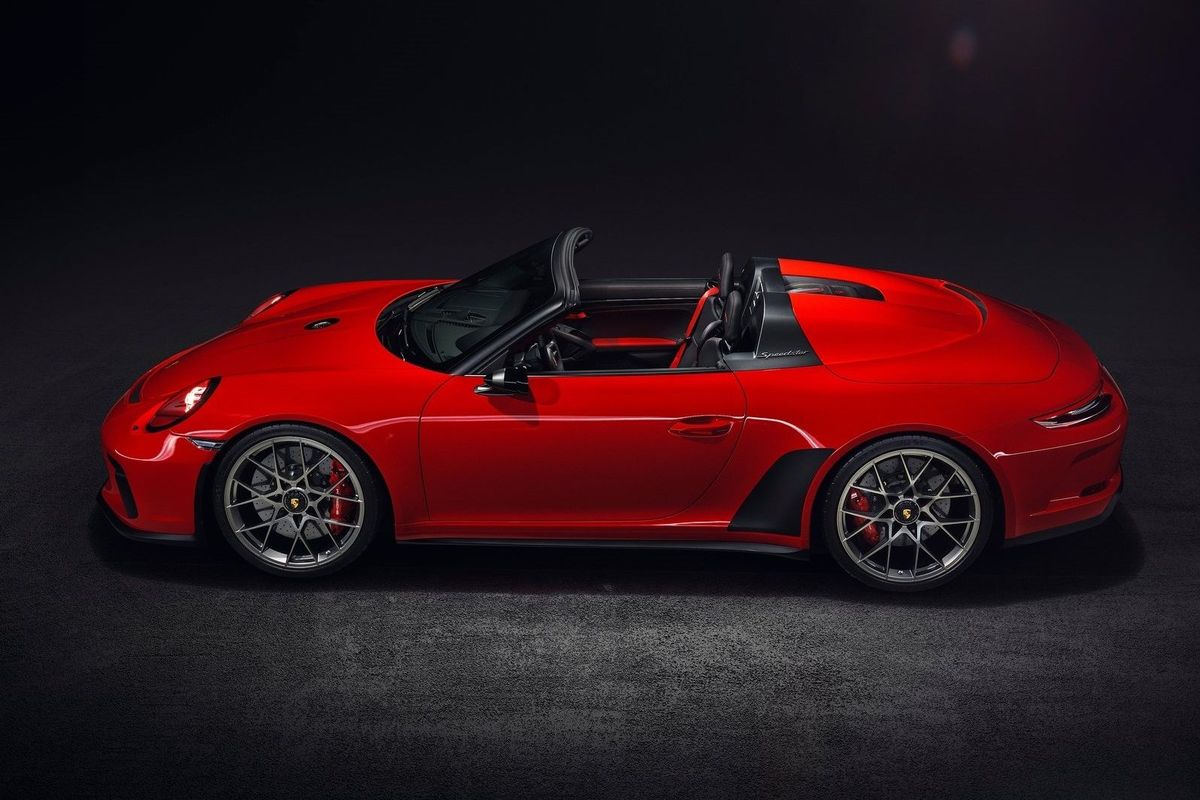
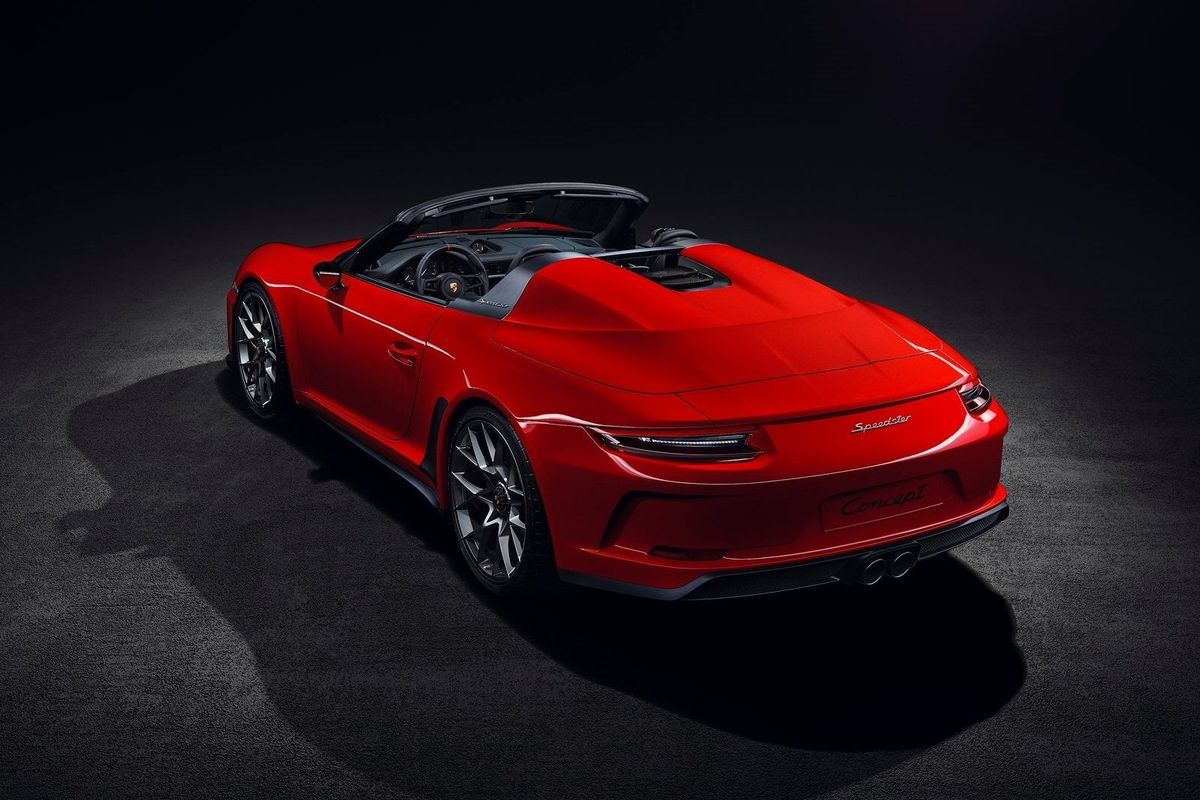
The Porsche Speedster Concept was revealed during the brand's 70th birthday and at the 2018 Paris Motor Show, the Stuttgart-based manufacturer confirmed that it will be going into production with a second Speedster Concept study which you see here. Customers will be getting their cars in 2019 and there'll be exactly 1 948 units sold. 1948 was the rear that Porsche 356 Number 1 was given its operating license.
This concept is all about the art of driving. The body is based on a 911 Carrera 4 Cabriolet, the Speedster makes extensive use of carbon fibre and is underpinned by the chassis from the 911 GT3. The exhaust is a titanium setup, while the powertrain features a six-speed manual gearbox and a naturally-aspirated flat-six motor producing around 370 kW.
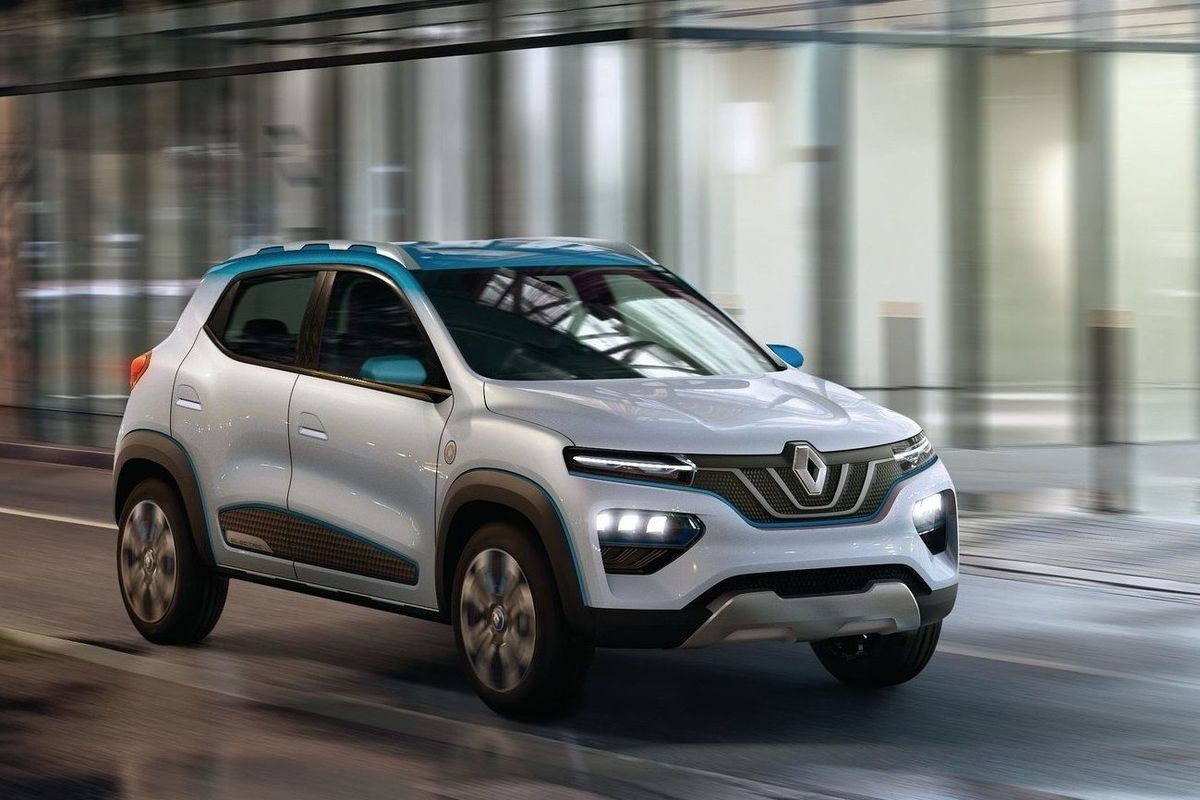
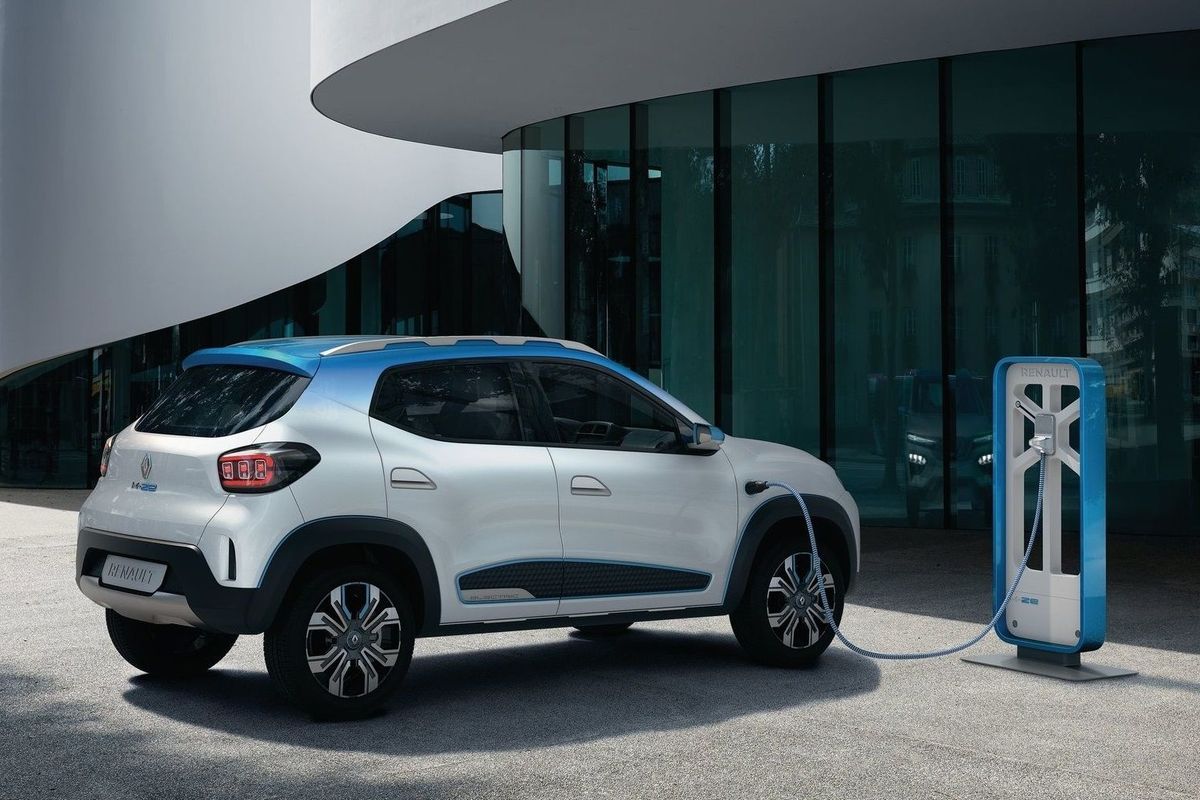
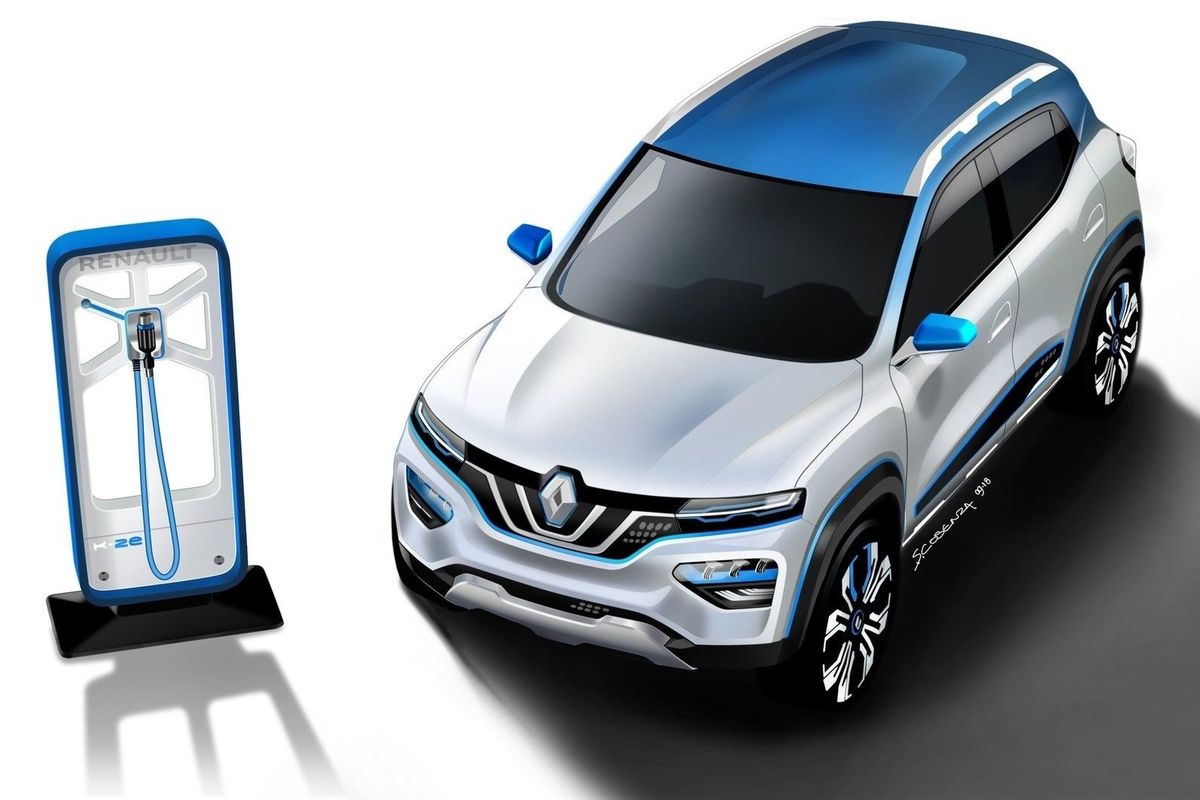
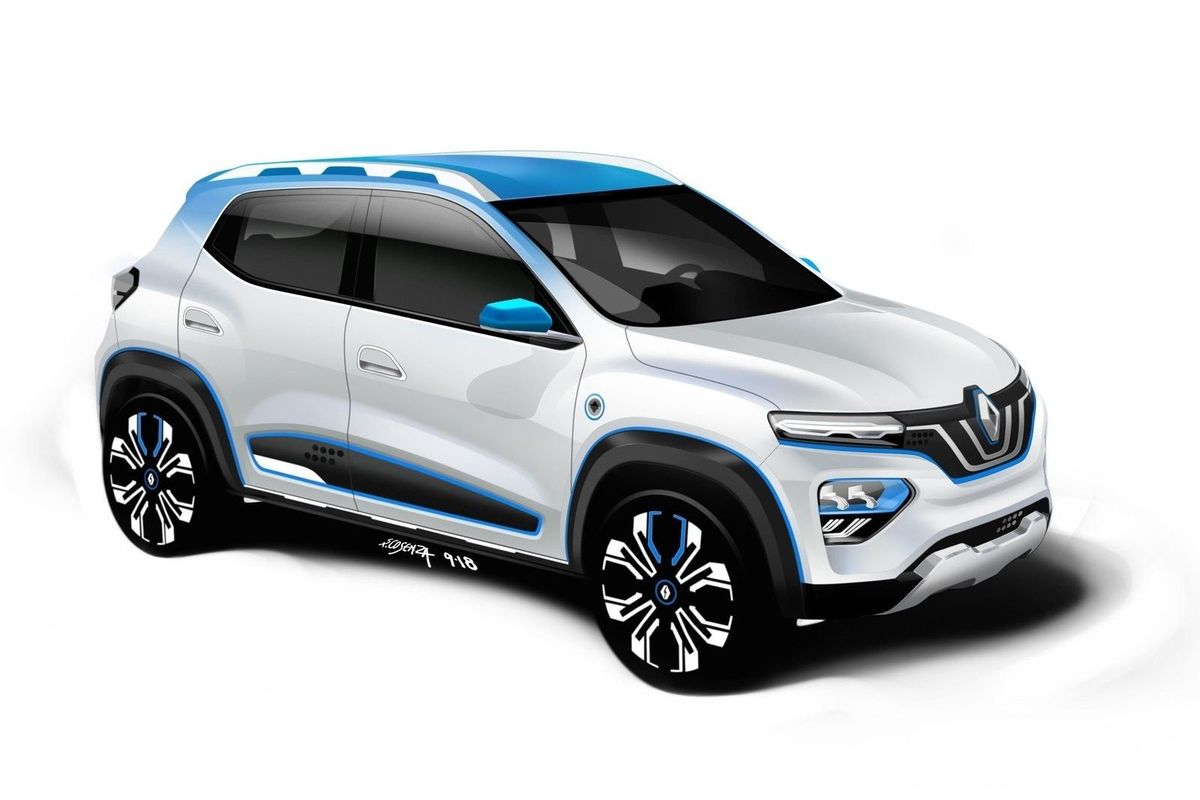
French carmaker Renault has used the 2018 Paris Motor Show to reveal the K-ZE, an A-segment electric vehicle. Let's check out some details.
At first glance, you'll see this concept car looks a lot like the current Kwid. However, this Renault K-ZE concept is far more advanced than its budget sibling. It's electrically powered and is capable of 250 km range. It's also able to be charged either at home or at a public charging station. Renault says this vehicle will first be sold in China by e-GT New Energy Automotive Co, the Joint Venture with Dongfeng Motor Group and Nissan before going on sale in other markets around the world.
"Groupe Renault was a pioneer and is the European leader in electric vehicles. We are introducing K-ZE, an affordable, urban, SUV-inspired electric model combining the best of Groupe Renault: our leadership in EV, our expertise in affordable vehicles and in forging strong partnerships", said Carlos Ghosn, Chairman and CEO of Groupe Renault.
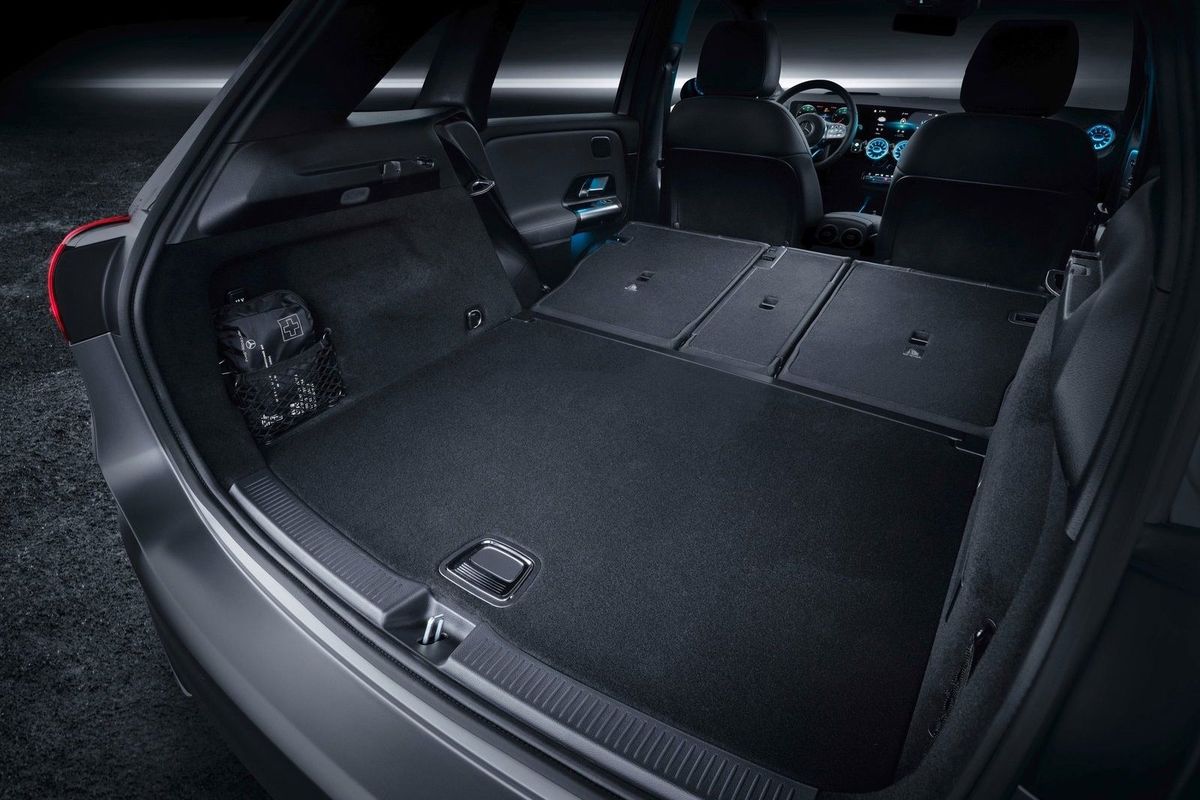
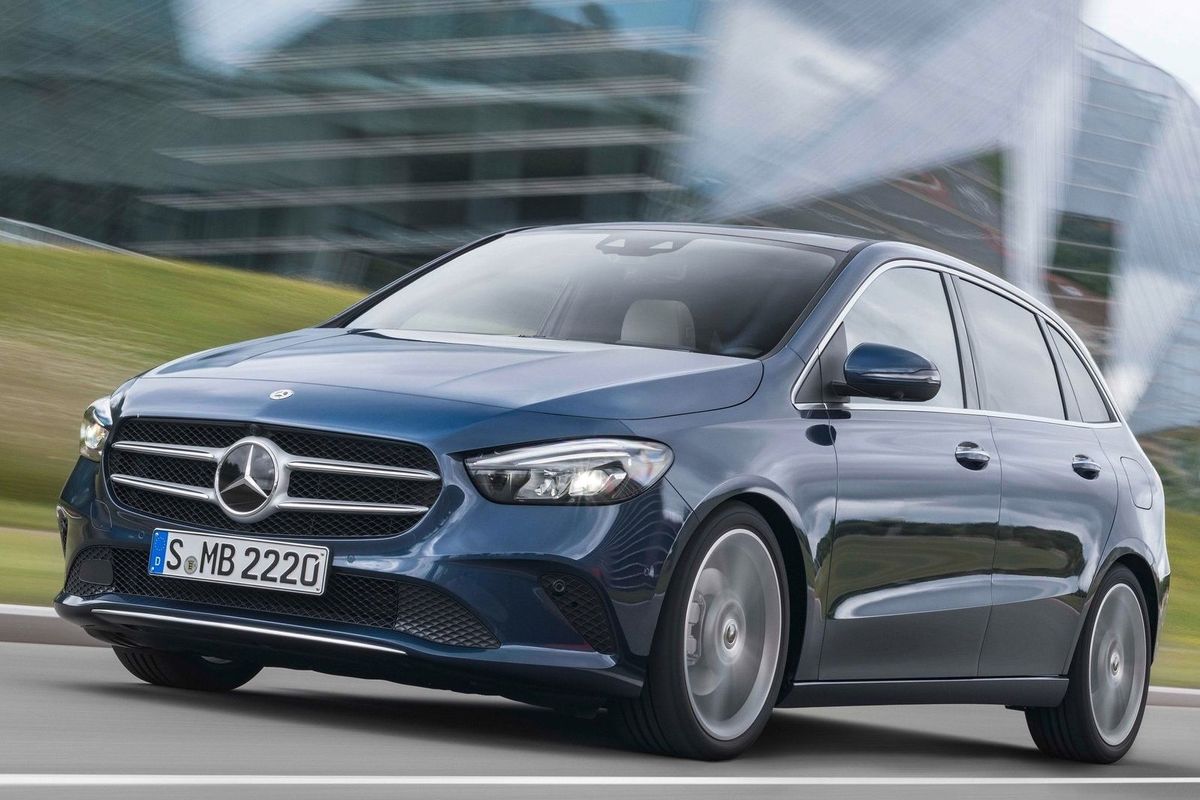
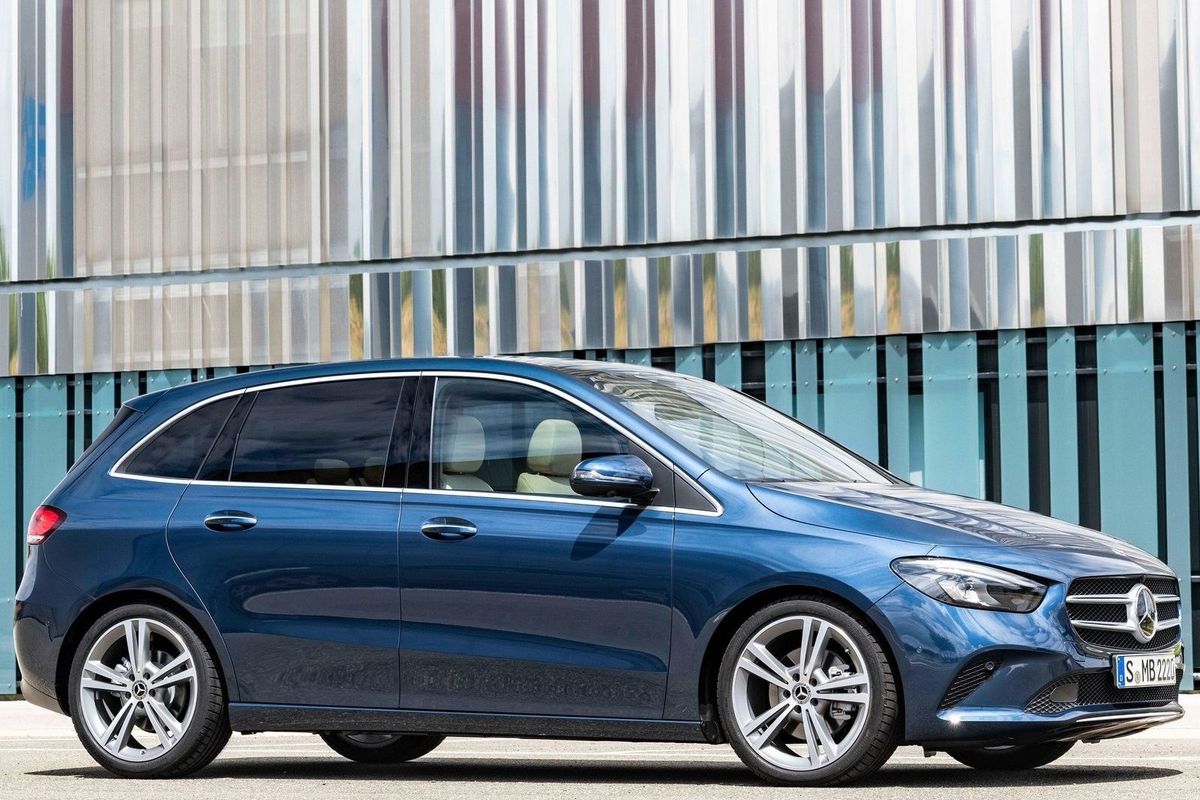
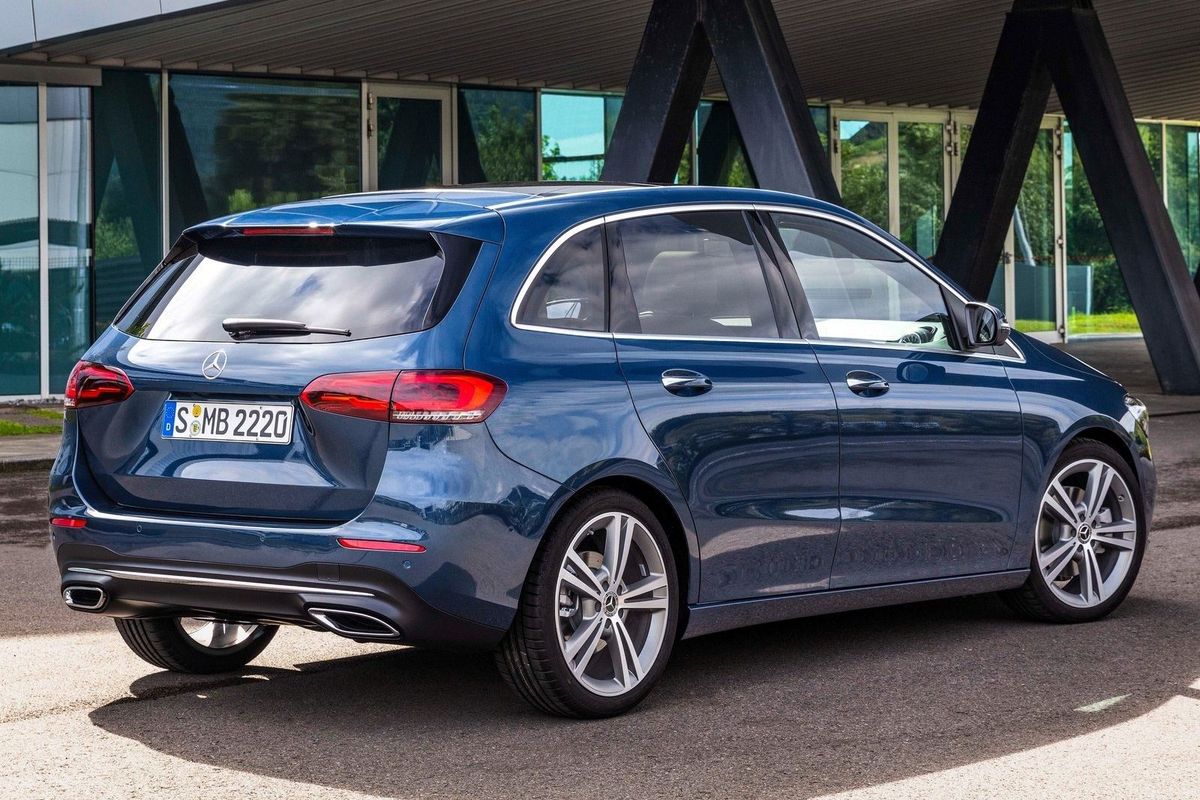
The all-new Mercedes-Benz B-Class has been revealed at the 2018 Paris Motor Show. Let's see what it has to offer.
When the Mercedes-Benz A-Class moved from frumpy MPV to upmarket hatchback, there was a void in practical MPV segment. Enter the B-Class, a practical and sensible family vehicle boasting all the luxury features you'd expect from a Mercedes-Benz but with a family bent.
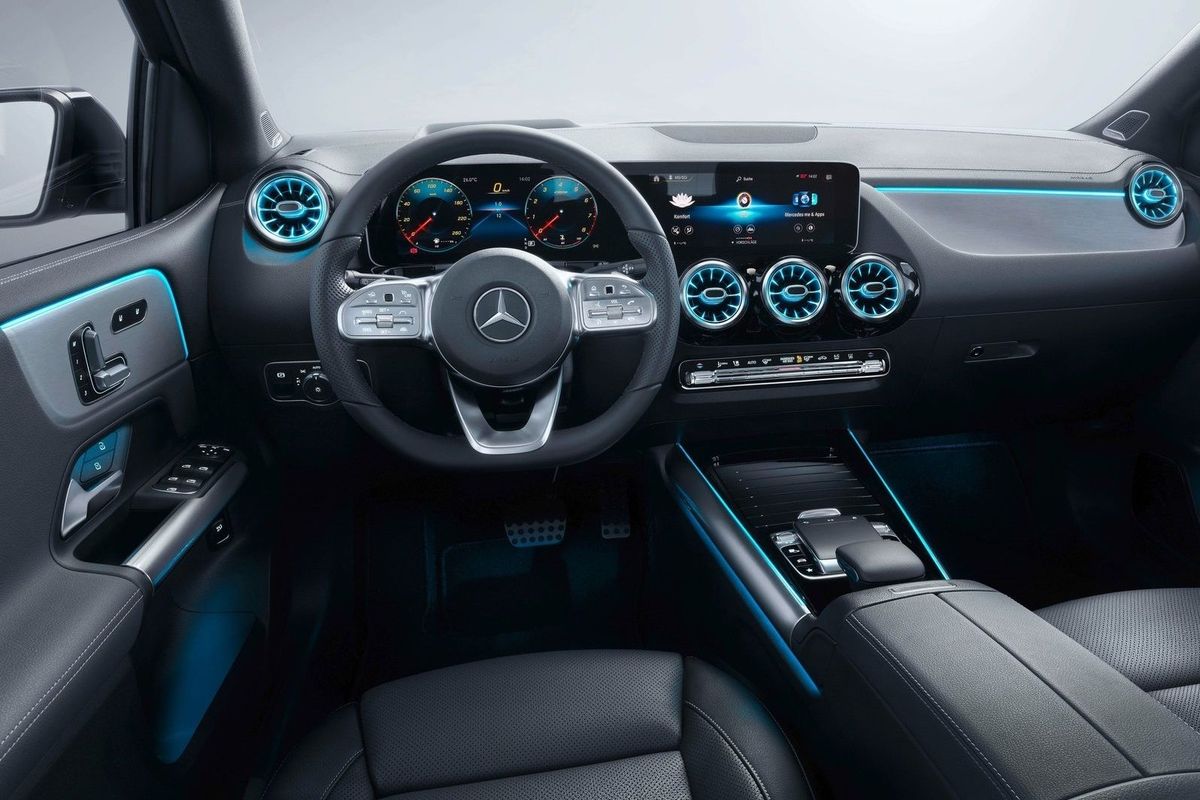
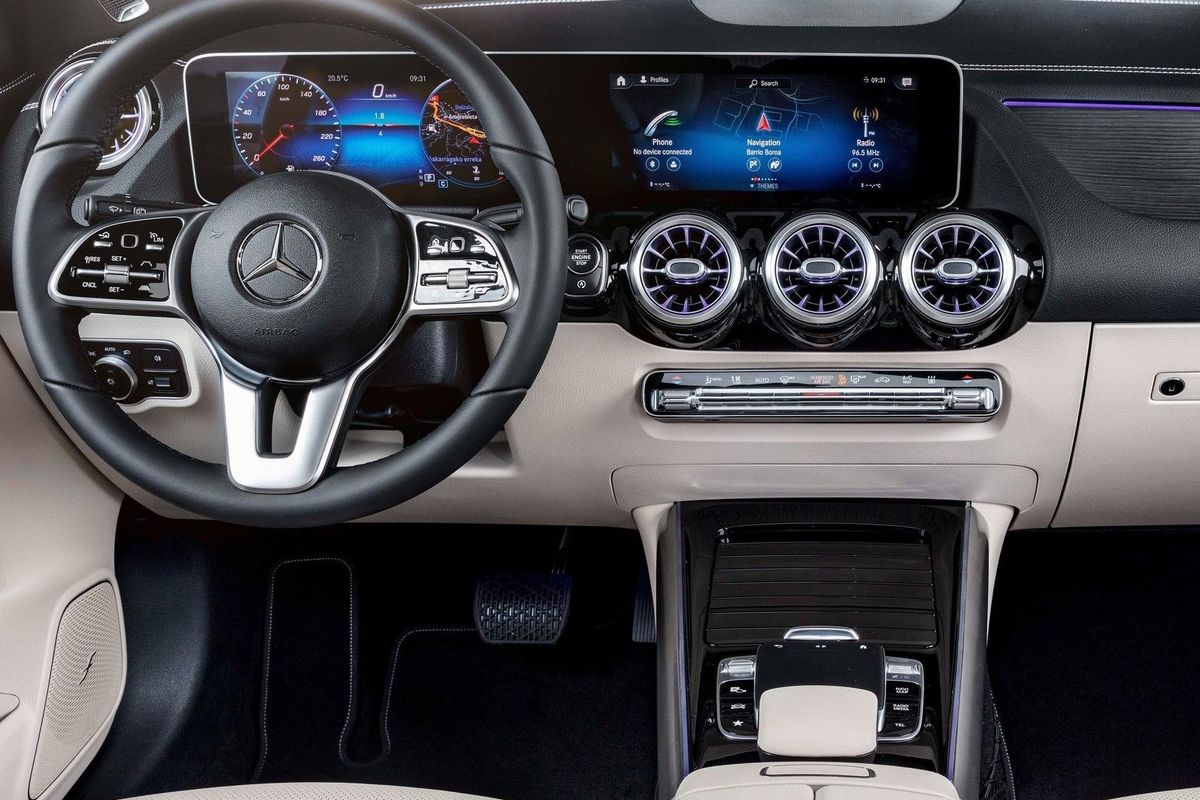
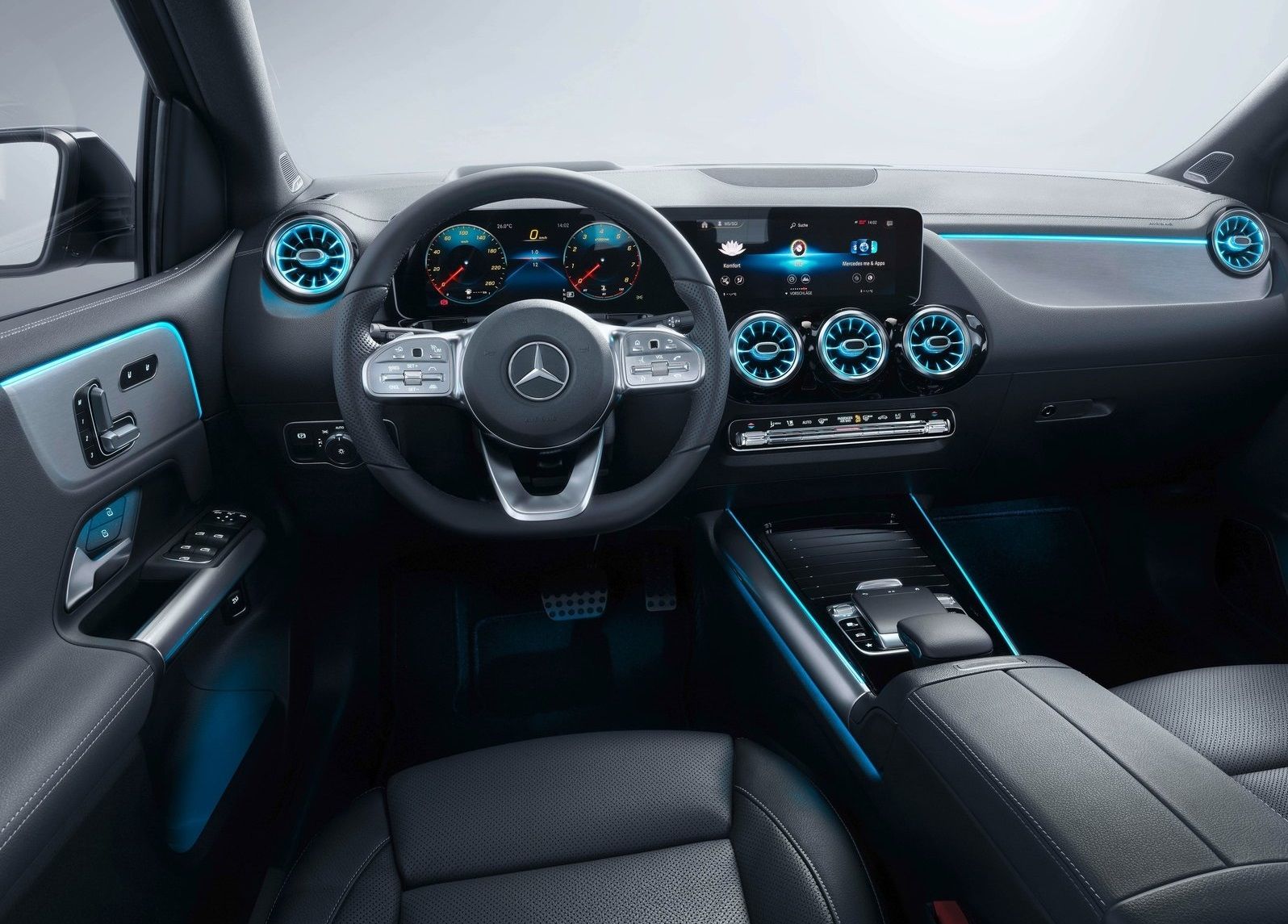
For 2018, an all-new model has debuted at the 2018 Paris Motor Show. It shares the same underpinnings as the new Mercedes-Benz A-Class, but it boasts loads more practicality. Given how MPVs have never been the prettiest of cars, Mercedes-Benz has tried to make its new B-Class interesting. In an effort to make its cabin more spacious, the B-Class has an extended wheelbase of 2 729 mm which is about 30 mm longer than the A-Class. Mercedes-Benz says it will be adding in a model that will feature a sliding second row of seats, which will do wonders for practicality. Inside, the smart and futuristic MBUX infotainment system makes its debut. We've had experience with it in the new A-Class and can only say good things about it. It's truly a huge leap forward for in-car connectivity.
In terms of engines, there will be a choice of five. Two petrols and three diesel engines are available, with the entry point being the B180 which boasts 100 kW and 200 Nm from a turbocharged 1.3-litre petrol engine. This engine comes in two versions and the second has outputs of 120 kW and 250 Nm. Despite the negativity of diesel, Mercedes-Benz will continue to offer oil-burning derivatives. There's a 1.5-litre B180d which has 85 kW and 260 Nm, and a new 2.0-litre diesel engine which is available in two states of tune: 110 kW / 320 Nm and 140 kW / 400 Nm.
Every new Mercedes-Benz B-Class comes in automatic, with the majority using 7-speed dual-clutch 'boxes, while the high-spec diesel uses an 8-speed dual-clutch automatic. Mercedes-Benz says all-wheel-drive (4Matic) will be introduced at some point in 2019, but its unlikely to make its way to South Africa. Under the skin, the B-Class has a torsion beam rear suspension, but the top-spec models feature multi-link setups. In terms of trim, you can expect AMG Line and Sport editions. The Mercedes-Benz B-Class should land in South Africa before the middle of 2019.
The new Mercedes-Benz B-Class has the same MBUX infotainment as the A-Class
September 2018 saw another decline in vehicle sales, but exports showed very slight growth. Here are the details behind September's new car sales.
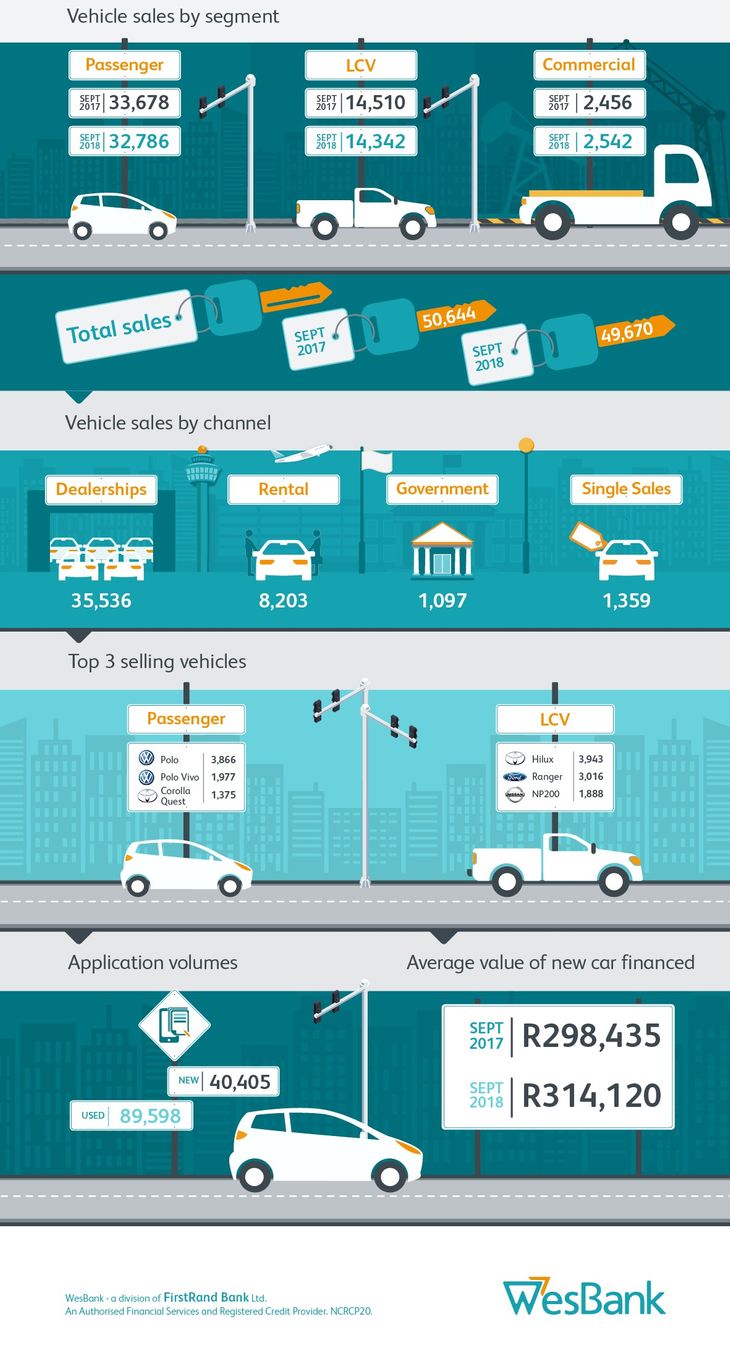
New vehicle sales for September were down 1.9% year-on-year with a total of 49 670 units sold according to the latest aggregate sales data from the NAAMSA. From a year-to-date point of view, total industry sales were on par with the first nine months of 2017, coming in marginally lower at -0.8%. Exports for September 2018 totalled 36 781, showing around 1% growth over the same period last year.
New Cars Sales Summary – September 2018
Aggregate vehicle sales of 49 670 units down by 1.9% (-1 005 units) compared to September 2017
Passenger car sales of 32 786 units down by 2.6% (-883 units) compared to September 2017
Light Commercial Vehicle (LCV) sales of 14 342 down by 1.2% (-181 units) compared to September 2017
Export sales of 36 781 units up by 1.1% (422 units) compared to September 2017
Economic headwinds are likely to persist and cause continued strain on the automotive industry. However, we are encouraged by new vehicle sales through the dealer network that increased 0.9% month-on-month and 1.9% year-to-date,” says Ghana Msibi, WesBank Executive Head of Sales and Marketing. “As we enter the final quarter of 2018, we remain hopeful that our prediction of 0.75% total industry growth can still be achieved, but not without some challenges.
Has the fuel price got you scratching your head in frustration? It’s not the end of the world if you use a little bit of imagination and initiative…
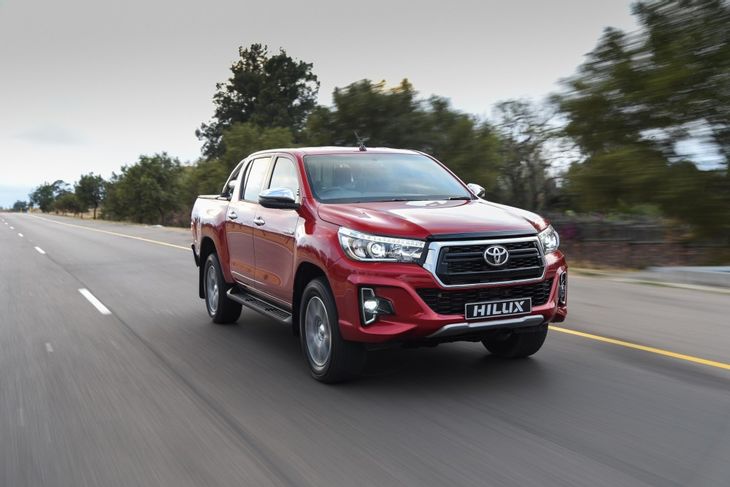
It seems as though there’s nothing particularly positive making headlines in South Africa at the moment is there? I hear you. Even the fuel price seems to be heading on an unwavering upward trajectory, what with the civil unrest in Syria and the Middle East wreaking havoc with landed fuel prices. While this might come across as just another bout of bad news, especially for you, the consumer, there are several ways to curb your car’s insatiable thirst for petrol and save you some bucks, too. In fact, there are many options – some of which involve downsizing, rightsizing and even exercising. Here are 5 of the best ways to beat rising fuel costs.
1. Find the right size
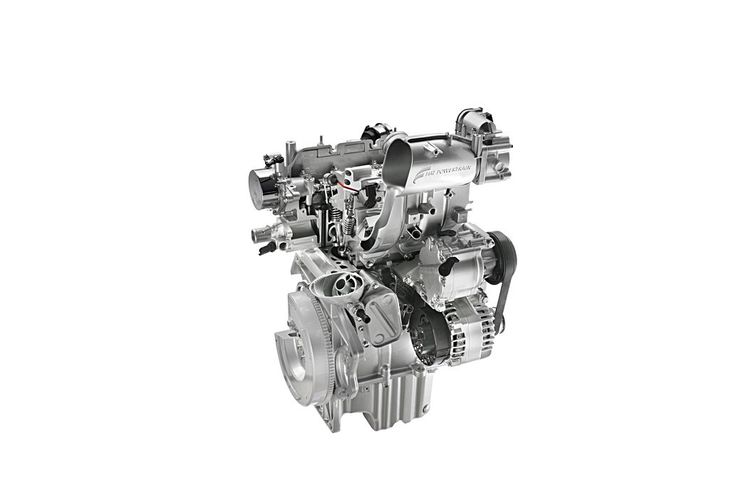
Ditching 1 or 2 cylinders and opting for a downsized engine will not only reduce how much fuel you expend during the daily commute, but also reduce your carbon footprint without negatively impacting performance, at least as far as general use is concerned. This comes down to the clever use of turbocharging, direct injection and ECU trickery, which refines the entire combustion process. This enables manufacturers to keep power outputs relatively unchanged, while still adhering to strict emission laws. This technology, however, isn’t limited to small-capacity engines, but rather spread across the entire spectrum – even sportscars and SUVs have begun to adopt this approach. Consider Porsche: the Stuttgart-based manufacturer has shunned tradition and subsequently turbocharged its entire 911 lineup in a move it describes as "rightsizing", rather than downsizing. Other clever technologies include cylinder deactivation or cylinder on demand (CoD), which essentially shuts down a number of the engine’s cylinders when they're not needed to improve fuel economy. Pioneered by the Volkswagen Group, these engines are typically those of the V6 and V8 variety.
2. Consider electrification
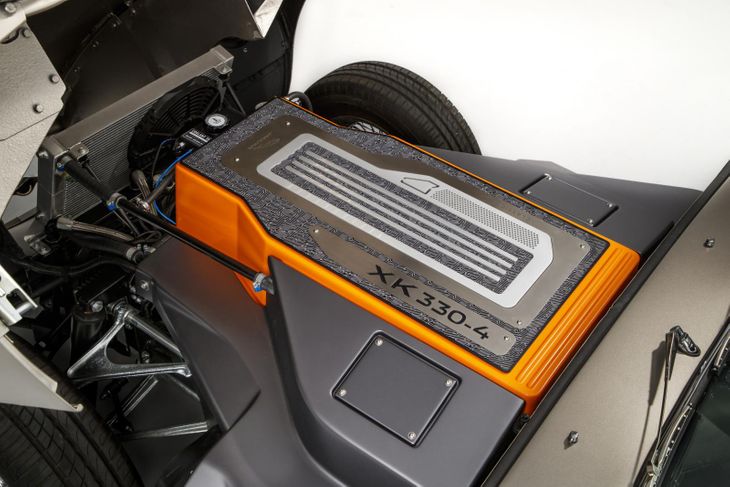
Electric vehicles are becoming increasingly de rigueur here in South Africa. While we might be on the back foot in terms of rolling out the required infrastructure to support droves of electric vehicles (and to a lesser extent, plug-in hybrids), the introduction of several all-electric models clearly demonstrates our motor industry’s long-term stance on its viability. We’ve already seen a slew of remote-charging points pop up all across Gauteng and the Western Cape in a bid to galvanise accessibility. In terms of vehicles, the BMW i3 and Nissan Leaf are leading the charge; fast, silent and impressively powerful, they’ll change your perceptions of motoring forever. Next year will see the introduction of Jaguar’s first all-electric SUV vehicle, the i-Pace, which will add a further 32 charging stations to the current network. While fuel bills may never be an issue ever again, increasing electricity tariffs will pose a similar threat to your wallet. It's a catch-22 if ever there was one…
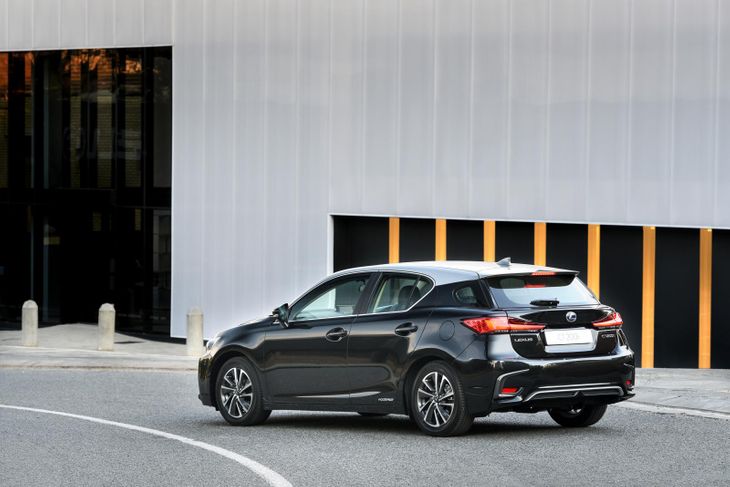
Okay, so you’re a petrolhead at heart and can’t stomach the notion of ditching the internal combustion engine altogether? Fear not. There is a nifty alternative that’s been around for years already to sate your penchant for petrol. It’s called the hybrid. Hybrid technology seamlessly melds the regular petrol- or diesel engine with a battery-powered electric motor – each of which can propel it. The Japanese are at the forefront when it comes to hybrids with vehicles such as the Toyota Prius and Lexus CT200h leading the charge. German incumbents BMW have also joined the hybrid fray with models ranging from the 3 Series all the way to the flagship 7 Series. Vehicles such as the Mercedes-Benz C350e and the #CarsAwards winning Volvo XC90 T8 Twin Engine brings another option to the fray – the aforementioned plug-in hybrid, which allows motorists to find the right balance between petrol and electricity costs and adopt better driving styles (hopefully, rid drivers of lead feet for good).
4. Car-pooling
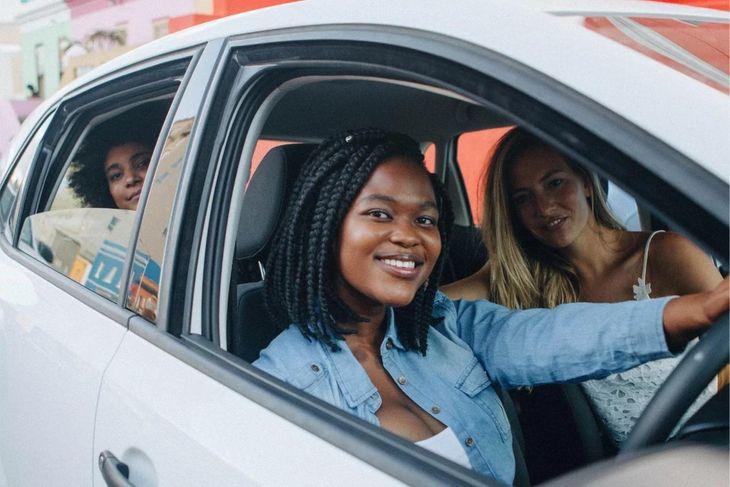
If you love your turbocharged V6 and aren’t keen on parting ways with it anytime soon you can always set up a car-pooling group at work. Not only does car-pooling reduce fuel costs, tolls and the stress of driving; it’s also a more environmentally friendly and sustainable way to travel as it reduces air pollution, carbon emissions, traffic congestion and the need for parking spaces. It’s also become quite fashionable these days – particularly in Cape Town, a city that has embraced the concept with open arms. Several apps such as CarTrip and uGoMyWay (a Cape Town-only app) have revolutionised the concept in the Mother City, by enabling users to sign-up and search for people who live and work near them. The service even allows for companies to register on the network, making it easier for staff to organise official lift clubs.
5. Ride a bicycle
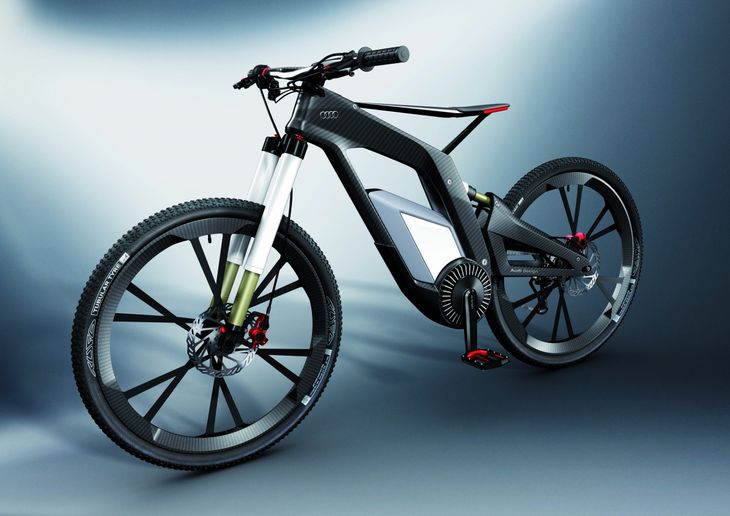
Not just any bicycle, but a manufacturer-branded one. Yip, most car companies produce their very own range of pedal-powered bikes – ideal for the true enthusiast. Of all the brands, however, Audi seems to be at the forefront when it comes to embracing the notion of electric bicycles. Just look the Audi eBike Wörthersee Concept. With a carbon-fibre frame that weighs only 1.6 kg and wheels made from CFRP that tips the scales at only 600g, it is described to be one of the lightest e-bikes at just 21 kg.
The kicker? A synchronous 2.3 kW motor that delivers 250 Nm of torque and a top speed of around 80 kph. The range is pegged between 50-70 km (Pedelec is the most effective of the 5 modes by utilising the electric motor to give you a boost when you pedal). Of course, there are several other manufacturers that produce eBikes, including Smart and its Brabus eBike, and Porsche, which recently unveiled a new-generation eBike following the success of the Hybrid RS mountain bike of 2010.
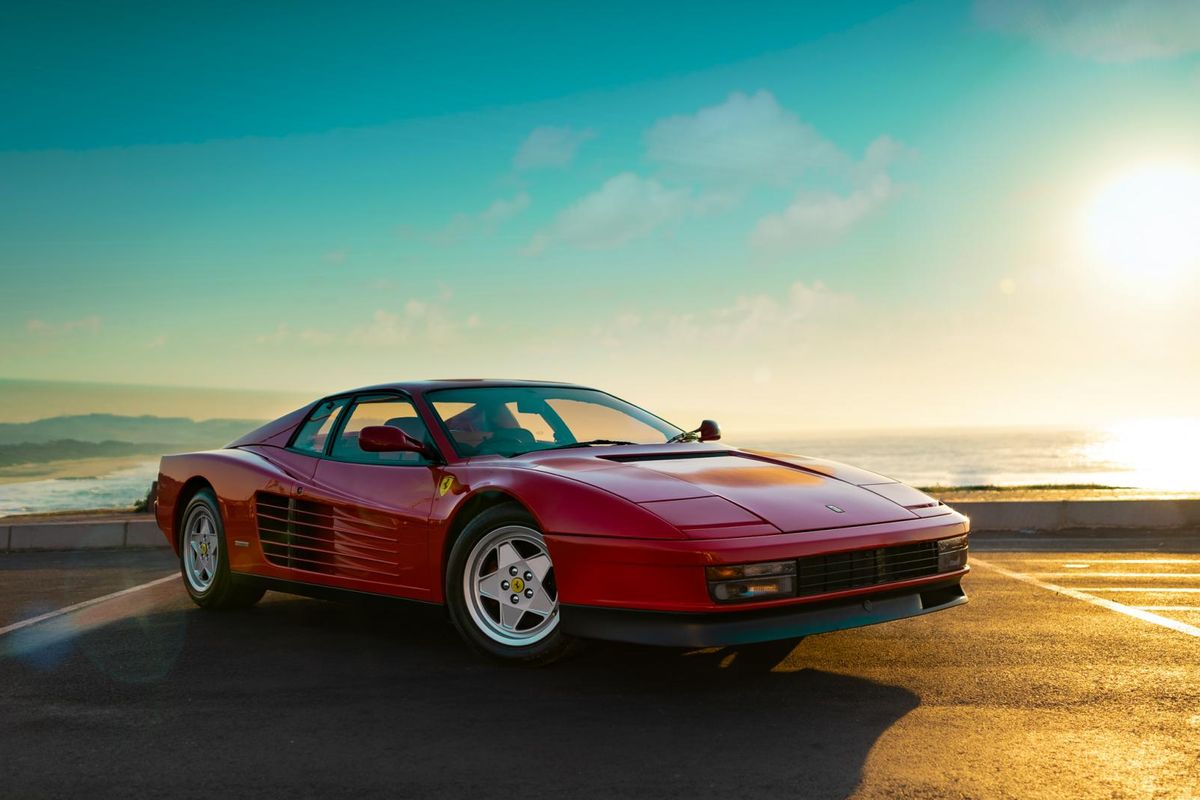
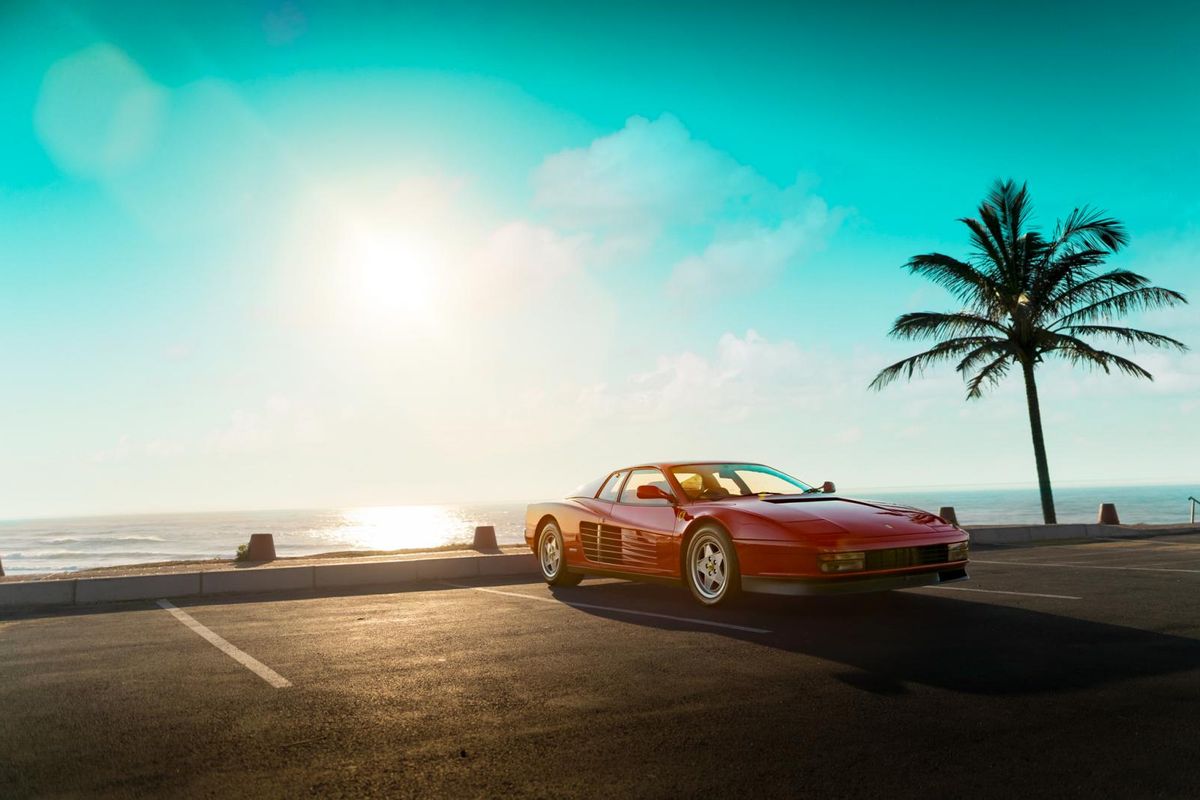
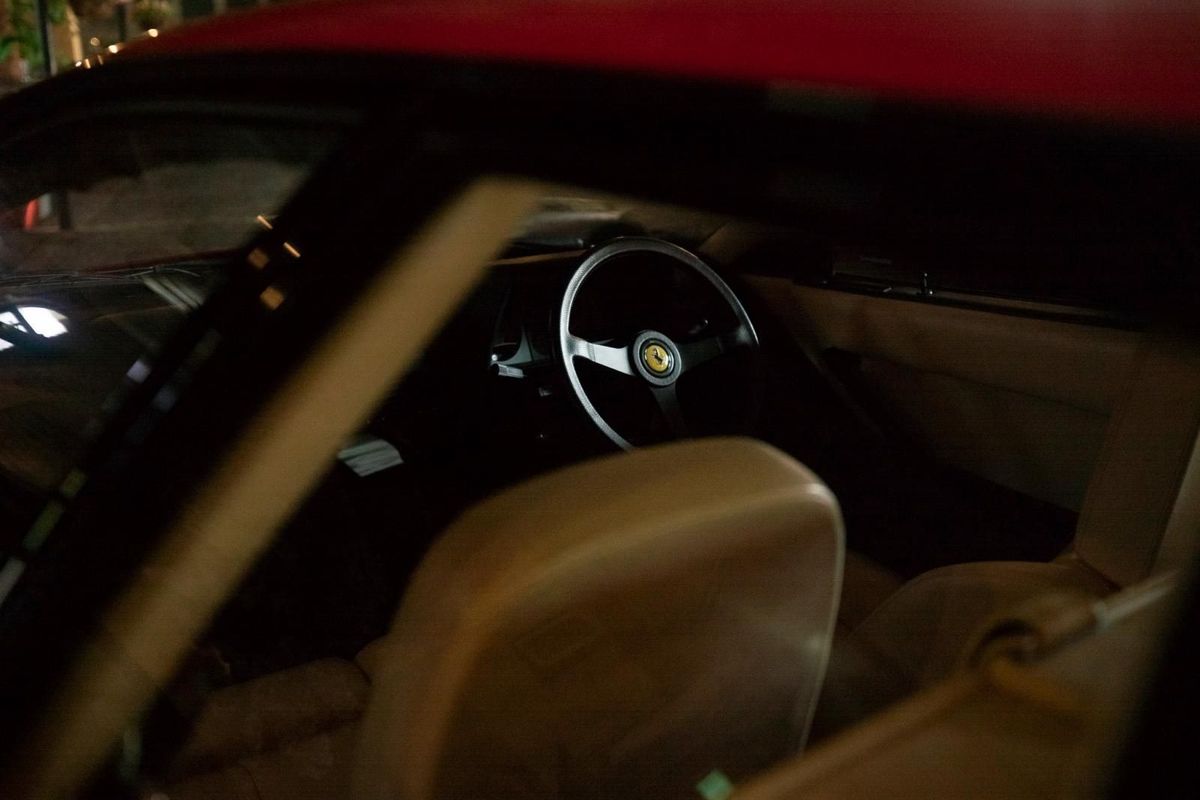
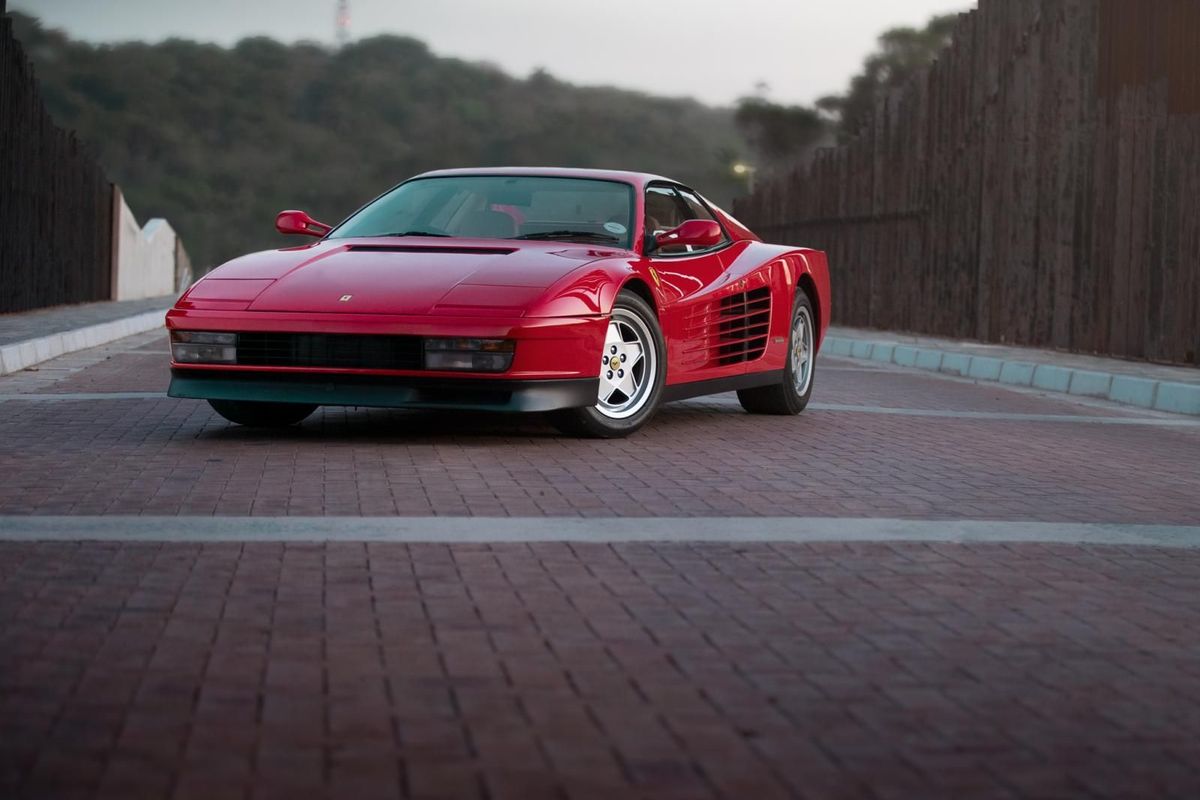
Few cars epitomise the 1980s in the same manner as the Ferrari Testarossa. And few cars adorned as many bedroom walls as this iconic Prancing Horse. One such bedroom wall was in a little-known town of Umzinto on the KwaZulu-Natal South Coast. Said poster belonged to a young man with big dreams named Vijay Maharaj. Like many youngsters of the era, Vijay lusted after the star car from Miami Vice.
Words by Sudhir Matai; Images by Justin Pinto
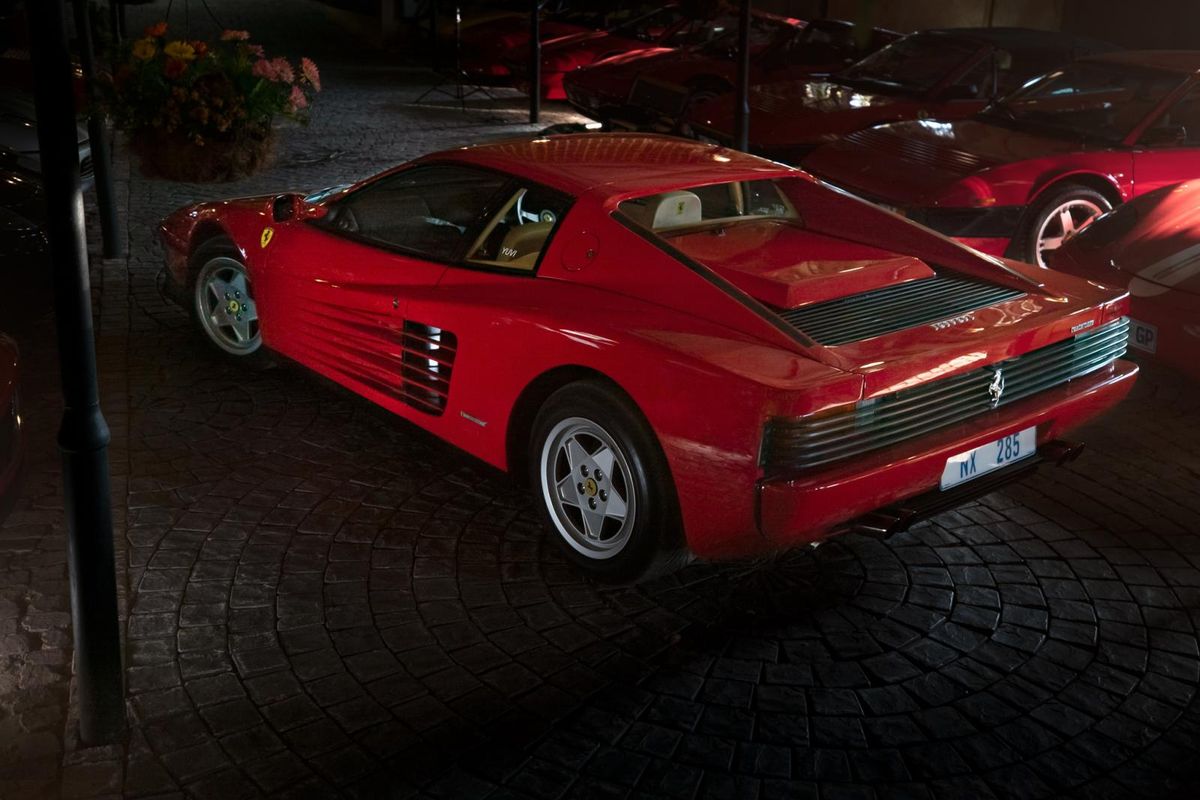
Decades later, business success brought with it the opportunity to own a Testarossa, but initial impressions let him down and Vijay settled for the less recognisable Ferrari 348, a baby Testarossa, if you will. Nevertheless, the yearning remained and Maharaj decided that one day he would own the car that he glanced at daily as a teenager.The search continued and Vijay eventually found this pristine 1985 Testarossa seven years ago, which he duly bought.
“The car required very little work, and is the same condition now as when I bought it,” explains the owner. “We’ve replaced the clutch and touched up the spoiler but that’s it.”
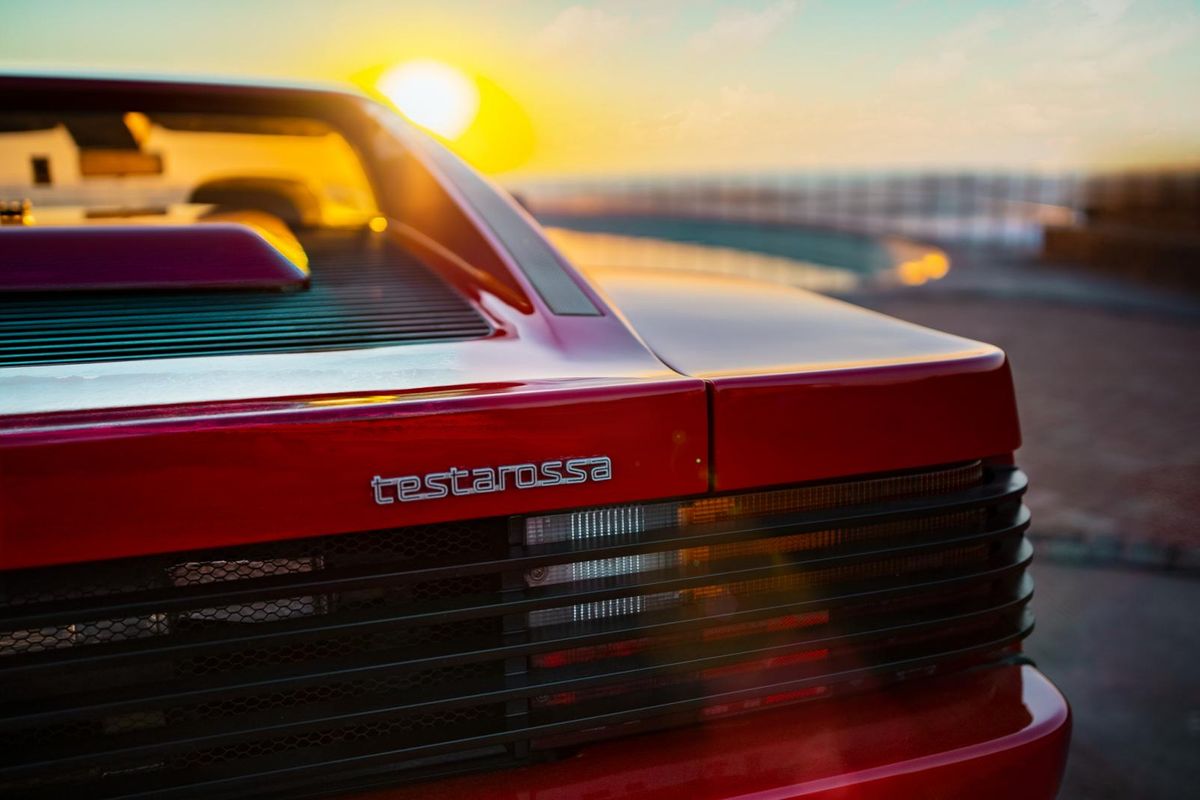
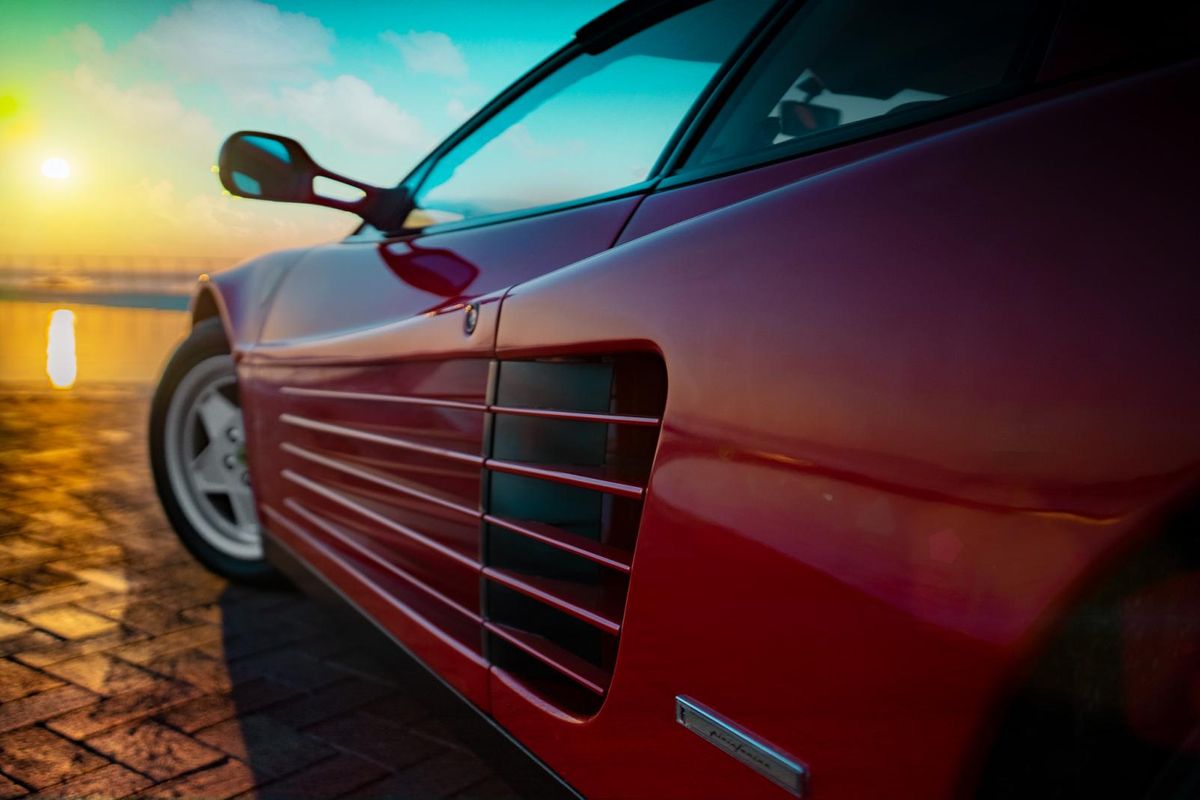
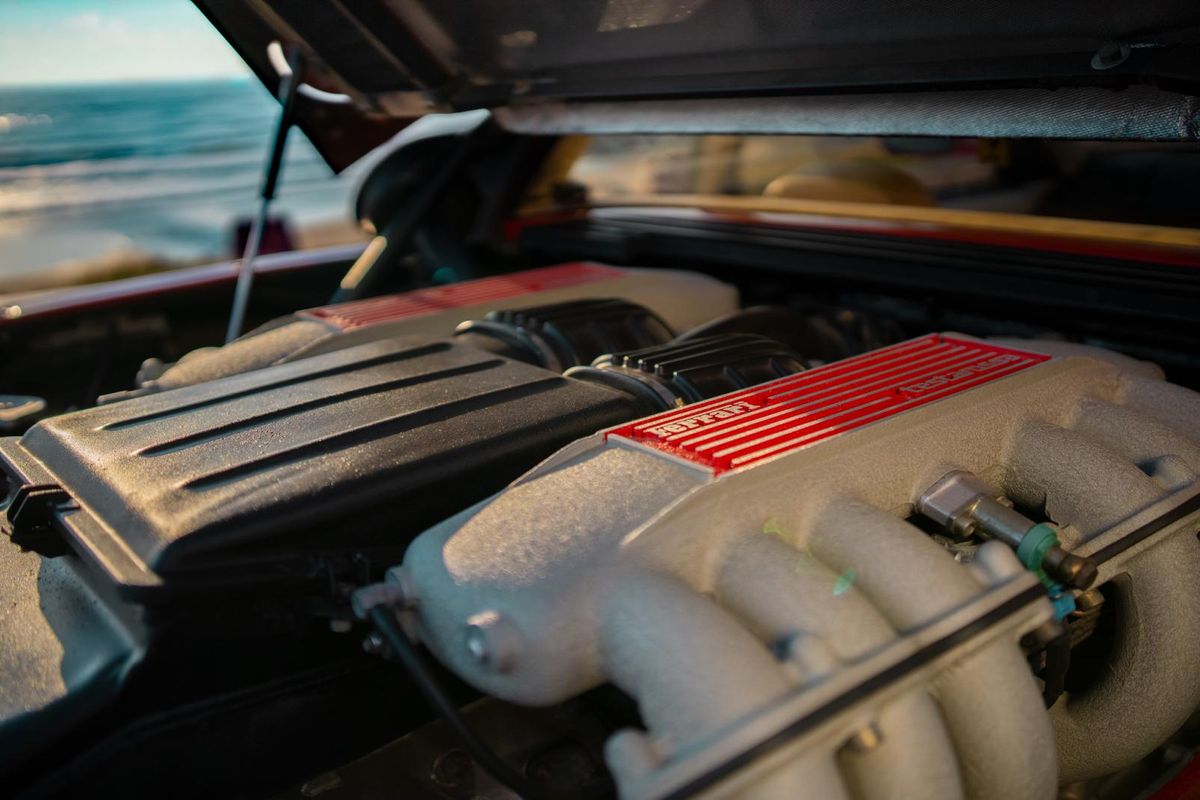
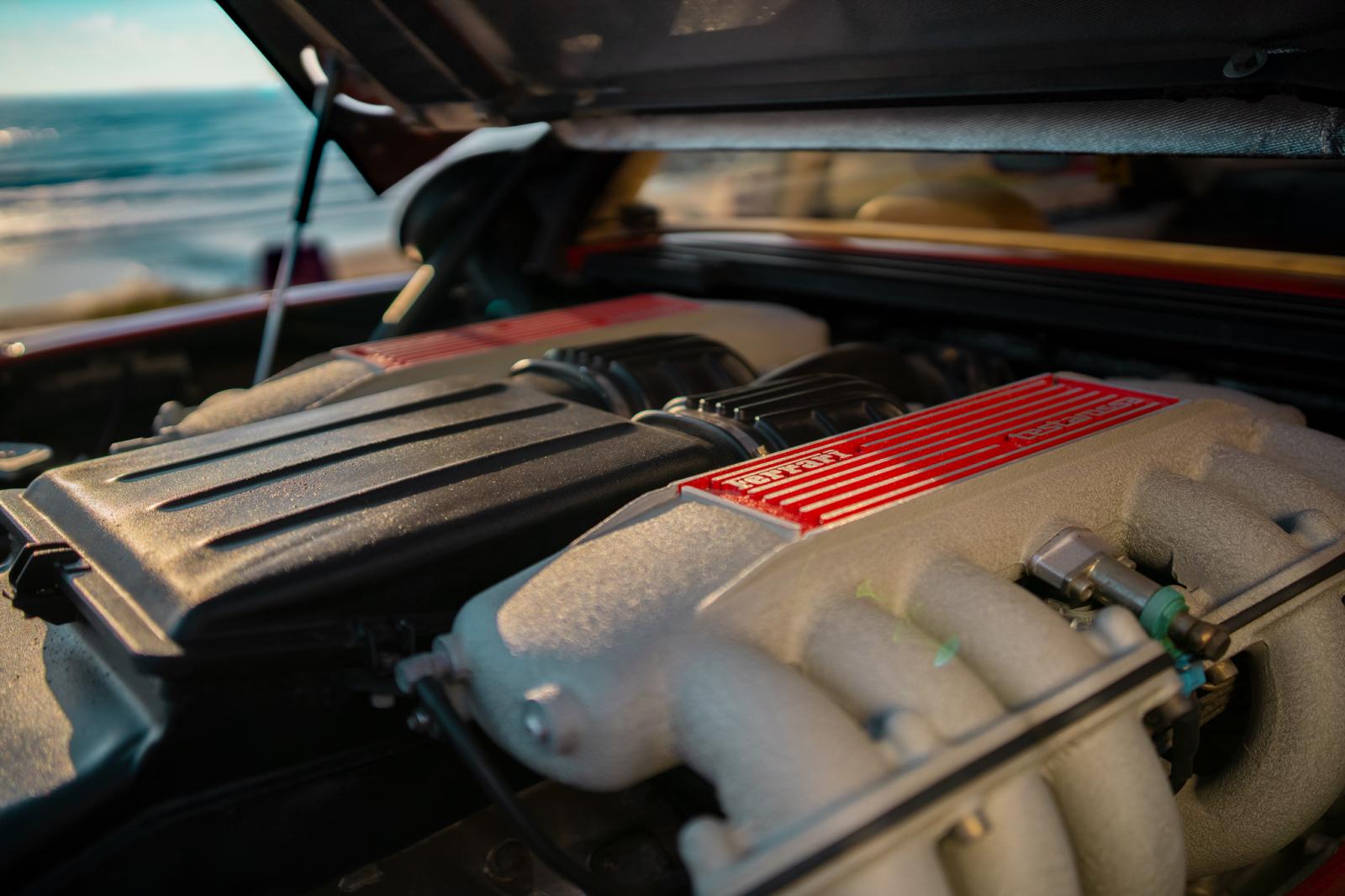
Launched in 1984, Testarossa was the successor to the 512BB and became Ferrari’s halo model. Those instantly recognisable straked air intakes along the flanks cooled a 4.9-litre flat–12 engine that produced just over 280 kW of power. That power level iscomparable to a modern hyper hatch, but it was plenty of grunt for the time. Incidentally, the name was derived from the red cam covers that adorned a Ferrari racecar of the same name, in Italian testa = head and rossa = red. That power output in a slippery, Pininfarina-designed shape gave a claimed top speed of 290 kph.
The name Testarossa is Italian for "red head"… as in the red cam covers on top of the flat-12 engine.
Since buying the car of his childhood dreams Maharaj has bought several other Ferraris, some of which can be seen in the video, but the Testarossa still maintains a special place in his heart. It’s a car that he uses and isn’t afraid to drive.
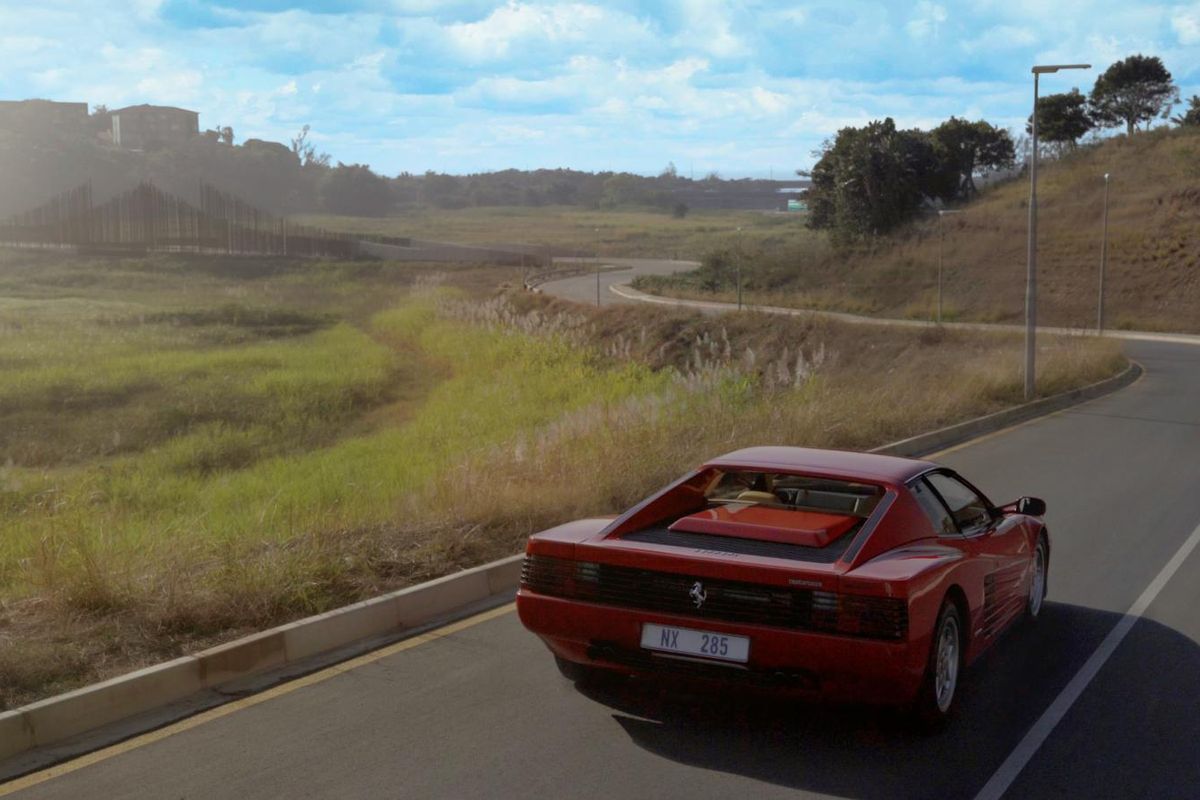
“We had the most memorable drive down to Cape Town a few years ago. We took five cars including the Testarossa and we covered 2 000 km on the way to Cape Town. It really is a great car to cruise in. It doesn’t like traffic or being driven slowly, it’s for the open road. On the trip I watched and heard the car while it was being driven by my son and it was lovely to see it on the move, you only really appreciate the noise it makes when you are outside.”
BMW South Africa has confirmed that rapid advances in battery technology will result in more powerful and more capable versions of the i3 electric car making their way to South Africa in early 2019.
Globally, cell battery technology has advanced at a tremendous rate and electric cars can now travel further and faster. BMW has invested heavily into its eDrive and iPerformance electric car products and now its i3 is set to gain a significant range increase. Officially BMW claims that its cell capacity has been increased to 120 Ah, resulting in a range increase of almost 30%. These new batteries are fitted to both the i3 and the performance-focused i3s.
Interestingly, BMW claims that since the launch of the first-generation i3, the battery tech has advanced so far that the high-voltage battery's storage capacity has doubled, without physically increasing the battery's size. When it was launched, the i3 boasted 60 Ah and 22.6 kWh. Along came the second generation with 94 Ah and 33 kWh. Now, for the latest version, capacity sits at 120 Ah and 42.2 kWh. The BMW i3 is no slouch either and can hit 100 kph in 7.3 seconds, making it deceptively quick in and around the city. As for range, the new battery benefit helps immensely. Previously range was rated around the 290-300 km mark, but it's now capable of 359 km.
While the BMW i3 was facelifted in South Africa around the middle of 2018, it looks like this more powerful and longer-travelling i3 will be coming to SA in early 2019.
Opel South Africa cemented its intention to remain in our market by confirming that its range of Combo commercial vehicles will be arriving early next year.
The Opel Combo is an award-winning vehicle, having bagged the International Van of the Year title in 2018 and the good news is that it's coming to SA. Opel South Africa's future has always been under scrutiny, but slowly and surely through new product releases, the masses are starting to believe that Opel is not going anywhere.
The Opel Combo is a product developed alongside the PSA (Peugeot) Group. The Combo comes in a variety of flavours. There are both cargo and passenger versions, and you can have it in either 2,3 or 5 seats. It is also available in two body styles, a short wheelbase of 4.4 metres and a longer 4.75 metre option. Built on Peugeot's EMP2 platform, the Opel Combo range boasts a load capacity of 1 000 kg.
According to the chairman of the International Van of The Year competition, Jarlath Sweeney, "The Opel Combo is well future-proofed, packed with technological advancements to aid the driver and offers substantial financial benefits to the owner or fleet manager. The creation of its new ‘overload alert system’ is a great initiative, as it will ensure compliance and enhance safety. The availability of two wheelbase versions is another step forward, as is the introduction of an all-wheel-drive variant, considering that an increasing number of utility companies are looking for 4×4 traction in a smaller van. All in all, an excellent package, well put together.”
We will keep you updated as soon as local specification and pricing details become available.
Poster Child – 1985 Ferrari Testarossa | SentiMETAL Ep.7
Few cars epitomise the 1980s in the same manner as the Ferrari Testarossa. And few cars adorned as many bedroom walls as this iconic Prancing Horse. One such bedroom wall was in a little-known town of Umzinto on the KwaZulu-Natal South Coast. Said poster belonged to a young man with big dreams named Vijay Maharaj. Like many youngsters of the era, Vijay lusted after the star car from Miami Vice.
Words by Sudhir Matai; Images by Justin Pinto
Decades later, business success brought with it the opportunity to own a Testarossa, but initial impressions let him down and Vijay settled for the less recognisable Ferrari 348, a baby Testarossa, if you will. Nevertheless, the yearning remained and Maharaj decided that one day he would own the car that he glanced at daily as a teenager. The search continued and Vijay eventually found this pristine 1985 Testarossa seven years ago, which he duly bought.
“The car required very little work, and is the same condition now as when I bought it,” explains the owner. “We’ve replaced the clutch and touched up the spoiler but that’s it.”
Launched in 1984, Testarossa was the successor to the 512BB and became Ferrari’s halo model. Those instantly recognisable straked air intakes along the flanks cooled a 4.9-litre flat-12 engine that produced just over 280 kW of power. That power level is comparable to a modern hyper hatch, but it was plenty of grunt for the time. Incidentally, the name was derived from the red cam covers that adorned a Ferrari racecar of the same name, in Italian testa = head and rossa = red. That power output in a slippery, Pininfarina-designed shape gave a claimed top speed of 290 kph.
Since buying the car of his childhood dreams Maharaj has bought several other Ferraris, some of which can be seen in the video, but the Testarossa still maintains a special place in his heart. It’s a car that he uses and isn’t afraid to drive.
“We had the most memorable drive down to Cape Town a few years ago. We took five cars including the Testarossa and we covered 2 000 km on the way to Cape Town. It really is a great car to cruise in. It doesn’t like traffic or being driven slowly, it’s for the open road. On the trip, I watched and heard the car while it was being driven by my son and it was lovely to see it on the move, you only really appreciate the noise it makes when you are outside.”