Vehicle Depreciation: What Is It & Why Does It Matter?
Understanding vehicle depreciation will help you make more strategic car-buying and financial decisions. Find out the whys and hows here.
Have you ever wondered why your R400 000 car is suddenly worth R320 000 after just 1 year? You haven’t crashed it, barely driven it, and kept it spotless. Welcome to the brutal reality of vehicle depreciation – the silent wealth killer that’s probably costing you more than your monthly fuel bill.
Here’s the thing: most South African car owners lose between R40 000 and R80 000 in their 1st year of vehicle ownership alone. But there’s the good news – you don’t have to be one of them.
Understanding how depreciation works and learning how to slow vehicle depreciation can save you the price of a holiday each year.
Key Takeaways
- New cars lose 15-20% of their value in year 1 – that R300 000 hatchback becomes a R240 000 hatchback overnight.
- Smart maintenance can add R20 000+ to resale value – full service records and prompt repairs pay huge dividends.
- Brand choice matters more than you think – Toyota, for example, consistently outperform luxury brands in value retention.
- Timing your sale strategically can save thousands – avoid major model refresh periods and sell during high-demand seasons.
See also: A Driver’s Guide to Cutting Fuel Costs
What Is Vehicle Depreciation?
Vehicle depreciation is simply the loss of value your car experiences over time. It’s the difference between what you paid for your car and what it’s worth today.
This financial reality affects every car owner. From the moment you sign those purchase papers, your vehicle begins its inevitable slide down the value curve. It’s 1 of the largest costs of car ownership, often exceeding what you spend on fuel or maintenance.
See also: Everything You Need to Know About Car Trackers in South Africa
How Depreciation Is Calculated
Understanding how vehicle depreciation is calculated is one of those sums we all need to learn, whether you’re buying, selling, or simply tracking your car’s value over time. While the maths isn’t overly complex, there are a few methods and variables that can affect the final figure.
The Main Methods of Calculating Vehicle Depreciation
1. Straight-Line Depreciation
This is the simplest and most commonly used method, especially for personal vehicles. With straight-line depreciation, your car loses the same amount of value each year over its useful life.
Formula:
(Cost Price – Estimated Residual Value) ÷ Useful Life (years) = Annual Depreciation
Example:
If you buy a car for R300 000 and expect it to be worth R60 000 after 5 years, the annual depreciation is:
(R300 000 – R60 000) ÷ 5 = R48 000 per year
2. Declining Balance Depreciation
This method is often used for business or commercial vehicles. Here, the car loses a higher percentage of its value in the early years, which better reflects real-world market trends.
Formula:
Book Value at Start of Year × Depreciation Rate = Depreciation Expense
Example:
If your car is worth R300 000 and the rate is 20%, the 1st year’s depreciation is R60 000. The next year, you apply 20% to the new, lower value, and so on.
See also: Tyre Insurance: How to Protect Your Wheels and Your Wallet
Factors That Influence Depreciation Calculations
A vehicle depreciation calculator can simplify this process by automatically considering several key factors:
- Make and Model: Some brands and models hold their value better than others. For example, bakkies and popular SUVs in South Africa often depreciate more slowly than luxury sedans.
- Age: The newer the car, the faster it tends to depreciate, especially within the first 3 years.
- Mileage: Higher mileage typically indicates increased wear and tear, which accelerates depreciation.
- Condition: Well-maintained vehicles with a full service history will depreciate more slowly than those with visible damage or missing records.
- Market Demand: Cars in high demand (like fuel-efficient hatchbacks in urban areas) tend to lose value more slowly.
- Location: The resale value of a vehicle can vary significantly between cities – what’s popular in Johannesburg may not be as sought after in Cape Town.
See also: Car Mileage Myths: Why Numbers Don’t Tell the Whole Story
Using a Vehicle Depreciation Calculator
If you don’t want to crunch the numbers yourself, a vehicle depreciation calculator is your best friend. These online tools are widely available and specifically tailored for South African vehicles. You’ll typically need to input:
- Purchase price
- Year of manufacture
- Current mileage
- Expected lifespan or years of ownership
- Make and model
The calculator will then estimate your car’s current and future value, giving you a clear picture of how much you’re likely to lose to depreciation each year.
See also: Your Complete Guide to Safe Towing in South Africa
South African Depreciation Rates
New cars typically lose 15-20% of their value in the 1st year of ownership alone. By year 3, many vehicles have shed 50 to 60% of their original purchase price.
Here’s what a typical R300 000 car might look like over 5 years:
| Year | Vehicle Value | Annual Depreciation |
| 0 (New) | R300 000 | – |
| 1 | R240 000 | 20% |
| 2 | R210 000 | 12.5% |
| 3 | R180 000 | 14.3% |
| 4 | R160 000 | 11.1% |
| 5 | R145 000 | 9.4% |
Some brands buck this trend. Toyota, Honda, and certain BMW models tend to retain value better than others in the South African market.
See also: What Are Crumple Zones and How Do They Work?
Why Vehicles Lose Value
Several factors contribute to your car’s decreasing worth.
Normal wear and tear tops the list – every kilometre driven, every scratch or dent acquired, and every component that ages reduces value.
New model releases also hurt older versions. That 2020 model suddenly looks dated when the 2024 version hits showrooms with updated features and styling.
Market preferences shift, too, such as the recent move toward SUVs and away from sedans.
Business owners must consider additional depreciation factors for tax purposes. The rates and methods used for personal vehicle calculations differ, so consult your accountant for specific guidance.
See also: Are Chinese Cars Reliable? The Truth About Today’s Chinese Vehicles
Financial Impact on Owners
The real sting of depreciation hits your bank account in multiple ways throughout your ownership journey. Beyond the obvious drop in resale value, depreciation creates a domino effect that impacts every financial aspect of car ownership.
Your Monthly Budget Takes a Hit
Depreciation drives up your monthly costs in ways most owners never consider. Lease payments are essentially paying for the depreciation during your contract period. A R400 000 BMW that depreciates to R240 000 over 3 years means you’re paying R160 000 in lease costs – that’s R4 444 monthly just for depreciation.
Finance agreements work similarly. Banks factor in depreciation risk when setting interest rates and terms. Vehicles with poor resale records often carry higher financing costs or require larger deposits upfront.
Insurance Shortfalls Hit Hard
Insurance companies pay the current market value for total loss claims, not your outstanding finance balance. Buy that R350 000 SUV with R50 000 down, and 18 months later it’s worth R280 000.
If you suffer a complete loss (such as when your car is written off as a result of a major accident, for example), you will still owe R270 000 on finance, but only receive R280 000 from insurance.
That R10 000 might seem manageable, but add in excess payments, admin fees, and replacement costs, and you’re looking at serious out-of-pocket expenses. Gap insurance exists to cover this shortfall, but it adds R200-500 to your monthly premiums.
Trade-In Values Limit Your Options
Depreciation directly shrinks your buying power for your next vehicle. That R300 000 sedan purchased 3 years ago now trades for R180 000. The R120 000 depreciation loss reduces your deposit for the next purchase by exactly that amount.
Dealerships use book values and market conditions to determine what they’ll offer you for your car, not your maintenance receipts or emotional attachment. Bear in mind that they’re buying stock to resell for maximum profit, so every rand of depreciation becomes your immediate cash flow problem.
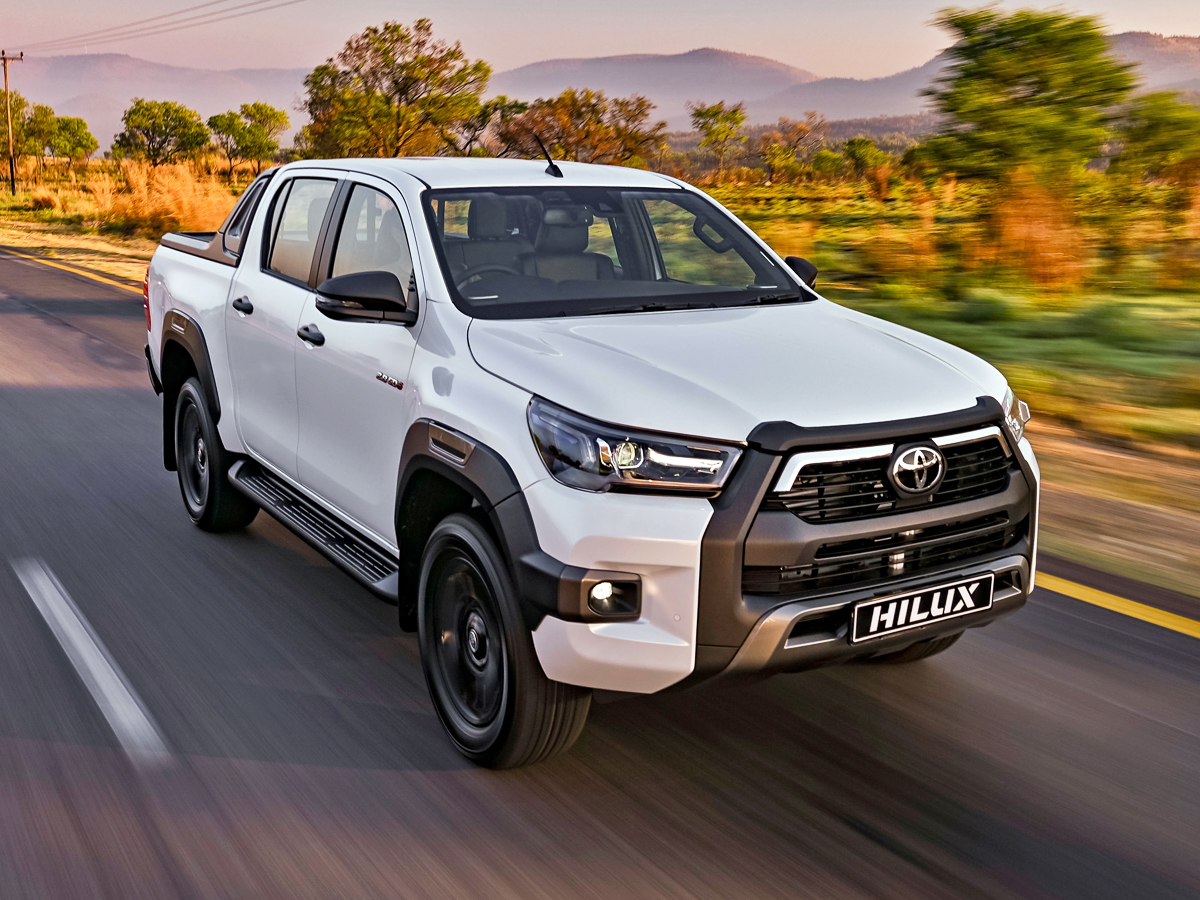
Motor vehicle depreciation rates vary dramatically – luxury German cars might lose 65% in 3 years, while some Toyota Hilux derivatives retain 55% of their value.
See also: How Defensive Driving Protects You on South African Roads
How to Slow Vehicle Depreciation
If all of these numbers are giving you anxiety, relax, there is a (small) light at the end of the tunnel. You can protect your investment, but it requires strategic thinking from day one.
You can’t stop depreciation entirely, but smart choices significantly reduce the financial pain.
| Strategy | Impact | Effort Required |
| Choose a popular colour (white, silver, black) | High | Low |
| Maintain a full service history | Very High | Medium |
| Keep mileage reasonable | High | High |
| Fix minor damage immediately | Medium | Low |
| Park in covered areas | Medium | Low |
| Avoid modifications | High | Low |
| Time your sale strategically | Medium | Medium |
| Choose brands with strong resale value | Very High | Low |
Smart Buying Decisions
Start with vehicles known for holding value. Research models that perform well in South African conditions and maintain strong resale value. Popular colours like white, silver, and black appeal to more buyers later.
Avoid exotic colours or unusual specifications. That lime green paint might look fantastic now, but it limits your buyer pool significantly. Stick to mainstream options with broad appeal.
See also: The Surprising Science of Car Colours: Safety, Theft, and Superstitions
Maintenance Matters
Keep every service receipt and maintenance record. A complete service history can add thousands to your resale value. Nobody wants to buy a lemon, so buyers are prepared to pay premium prices for well-documented vehicles.
Address minor issues quickly. Small dents, scratches, or worn components become major negotiation points later. Regular cleaning and detailing also preserve both the interior and exterior condition.
Usage Patterns
High mileage kills resale value faster than almost anything else. Each additional kilometre reduces worth, so consider your driving patterns carefully. It’s also worth remembering that city driving with lots of stop-start traffic can be harder on vehicles than driving on highways.
Park in garages or shaded areas whenever possible. The South African sun is harsh on paint, rubber, and interior materials. UV damage is expensive to repair and obvious to buyers.
See also: How Do Car Auctions Work? Your Complete Guide to Buying Smart
Common Questions Answered
What’s the best depreciation method for tax purposes? The South African Revenue Service allows specific rates for business vehicles. Consult a tax professional for current regulations.
How do I calculate my car’s current depreciation? Subtract the current market value from the original purchase price, then divide by the years owned for the annual depreciation rate.
Does depreciation affect insurance claims? Yes, insurers pay the current market value for total losses, not replacement cost or original purchase price.
Can I claim vehicle depreciation on tax returns? Business owners can claim depreciation allowances. Personal vehicle depreciation isn’t tax-deductible for most people.
See also: Car Safety Ratings: What They Mean and Why They Matter
Protecting Your Investment
Understanding vehicle depreciation helps you make smarter financial decisions. From choosing the right car initially to maintaining it properly throughout ownership, every choice affects your bottom line.
Use depreciation calculators to research before making a purchase. Follow maintenance schedules religiously and keep detailed records. Consider market timing for both purchases and sales.
Your car will depreciate – that’s unavoidable. But it’s not all doom and gloom; you can slow that process and keep more money in your pocket.
Find a new/used vehicle listed for sale on Cars.co.za
Browse Cars.co.za Car Specials in South Africa
New Car Prices & Specifications in South Africa
Car information guides for buyers and sellers