BMW X4 (2018) Launch Review
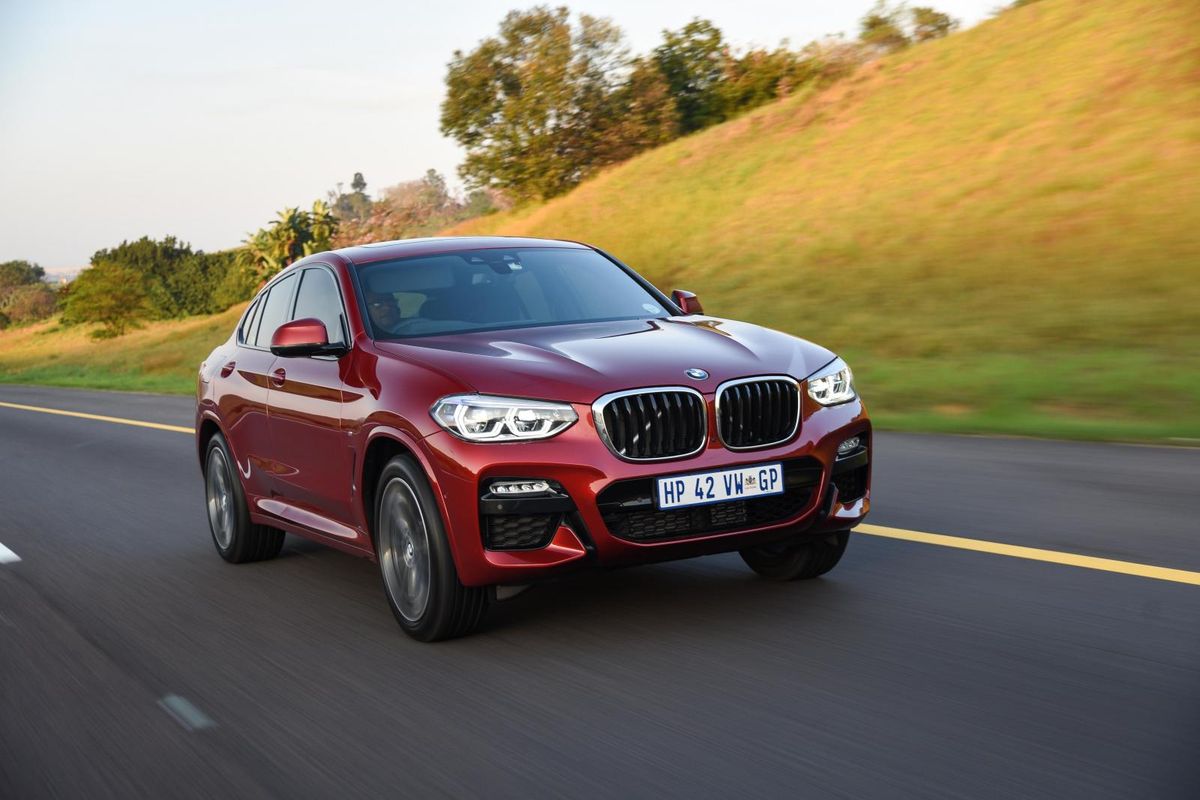
BMW launched its 2nd-generation X4 executive SUV coupe in KwaZulu-Natal this week and we took it for a whirl to see what it has to offer. Let’s take a closer look…

BMW’s X range of SUVs has proven popular globally and accounts for 32% of BMW sales worldwide. The X4, in particular, has found at least 200 000 homes across the world since it was introduced in 2014. BMW is looking to build on this success and the new X4 has now arrived to take the fight to the Mercedes-Benz GLC Coupe, Porsche Macan, Range Rover Evoque and Volvo’s XC60.

Lean and mean
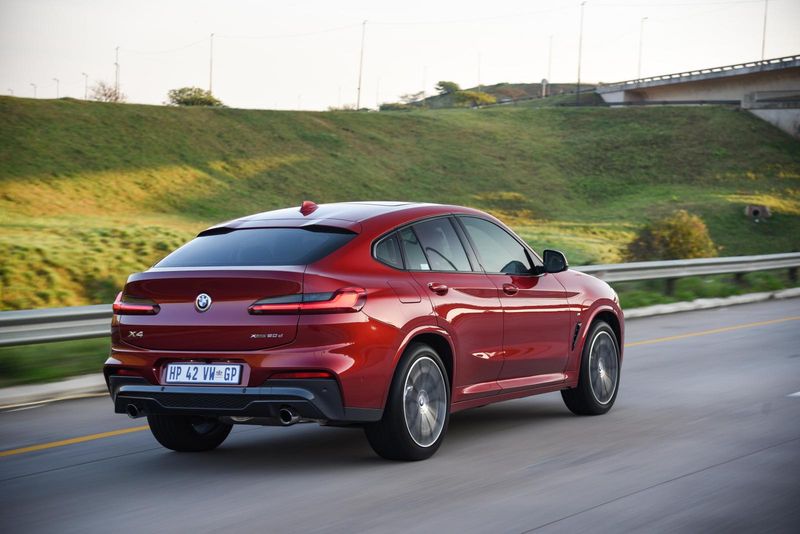

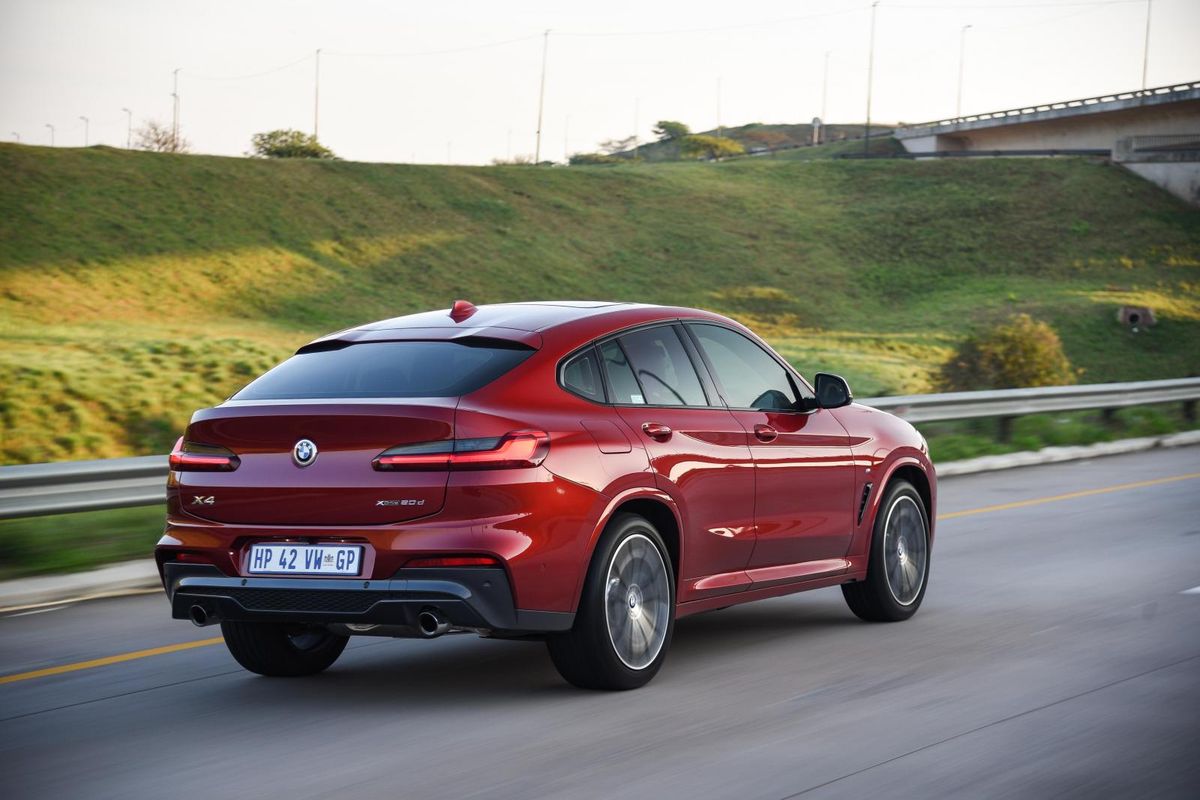
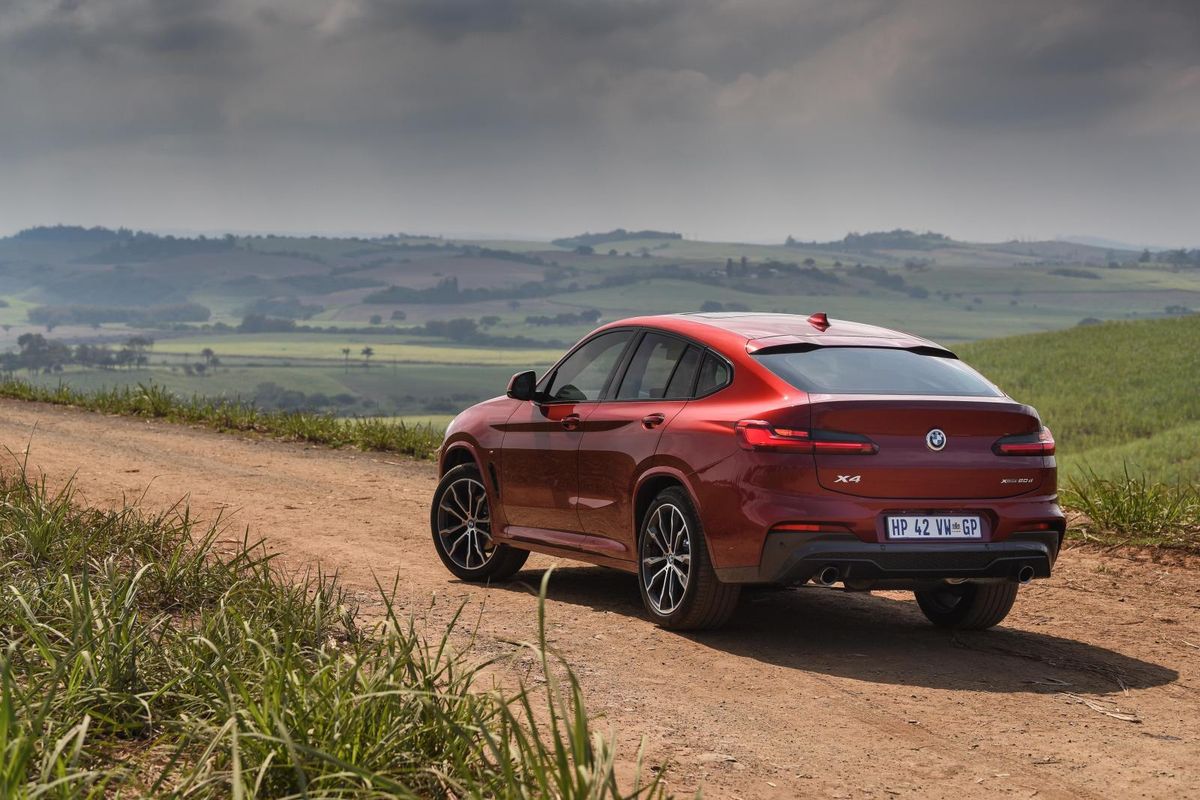
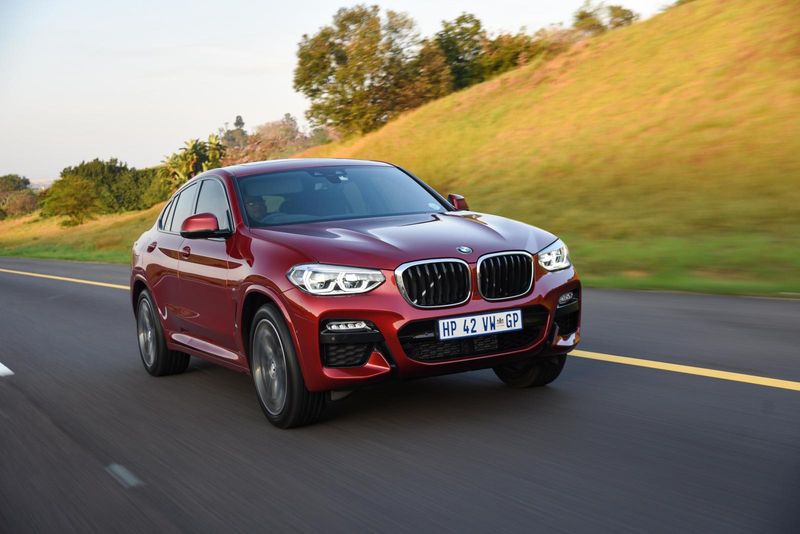
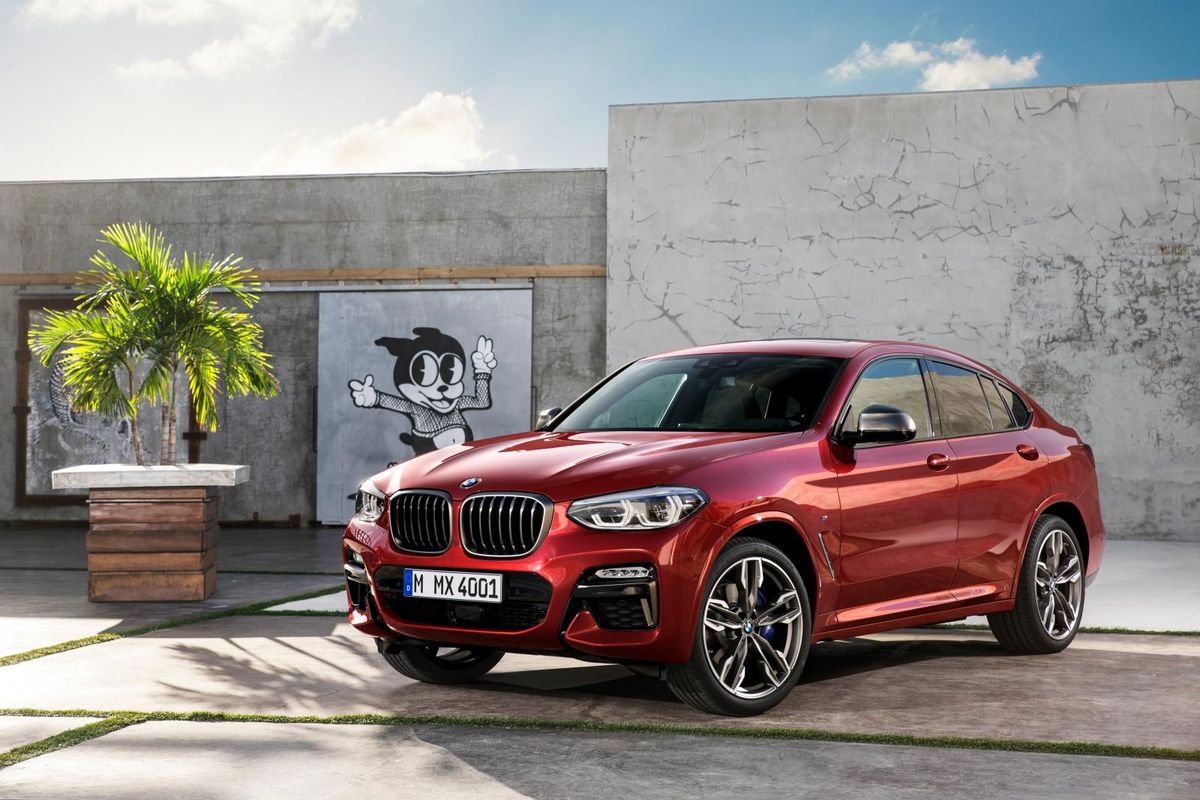
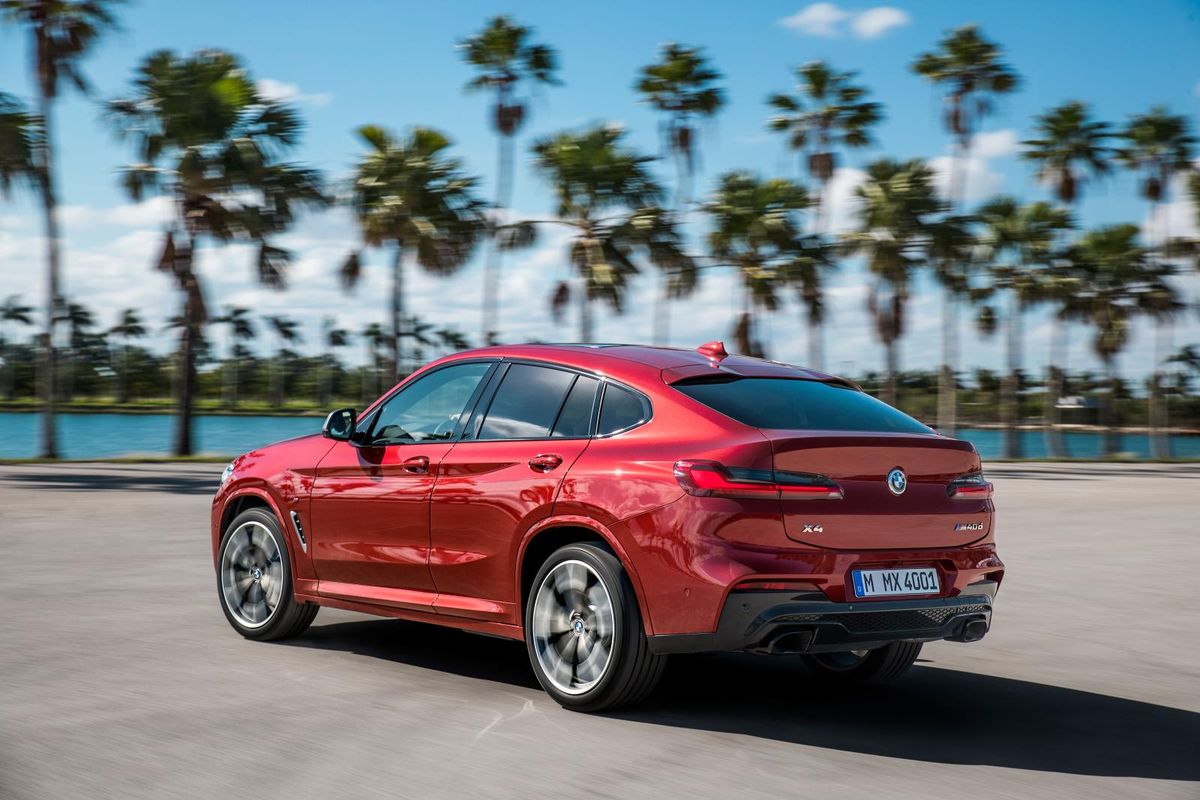
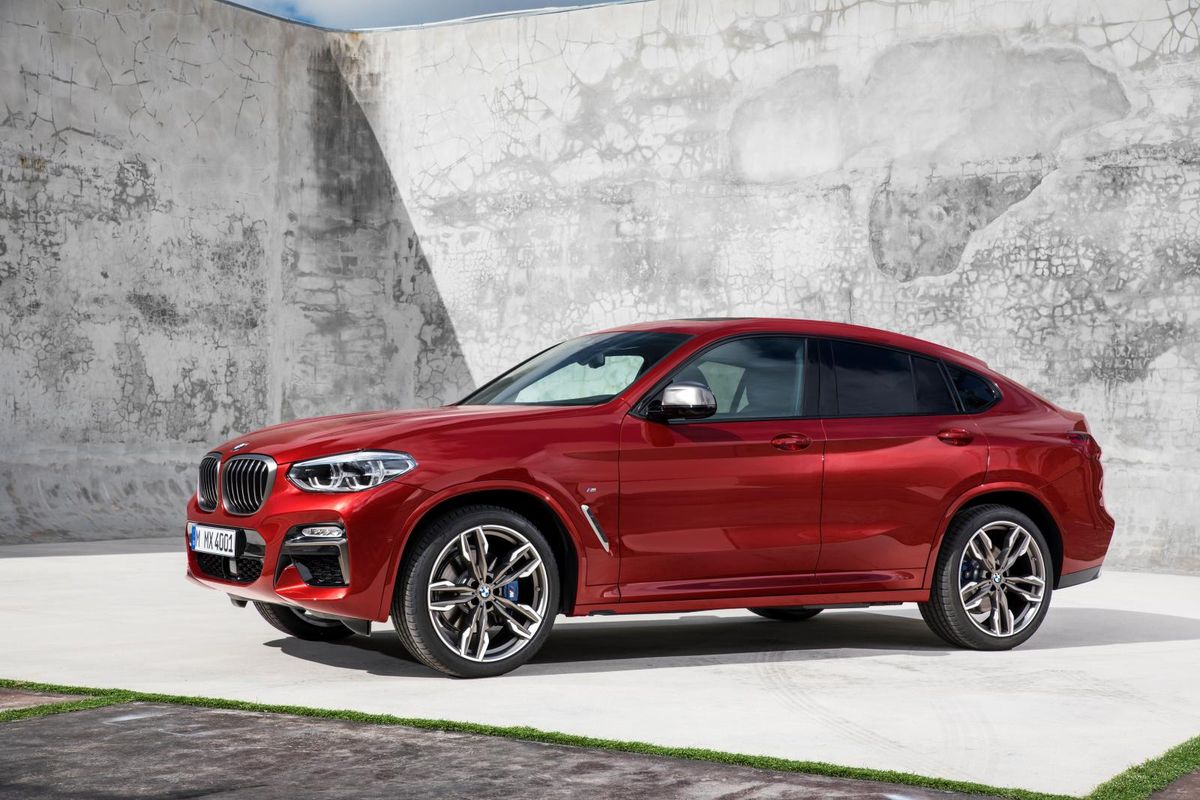
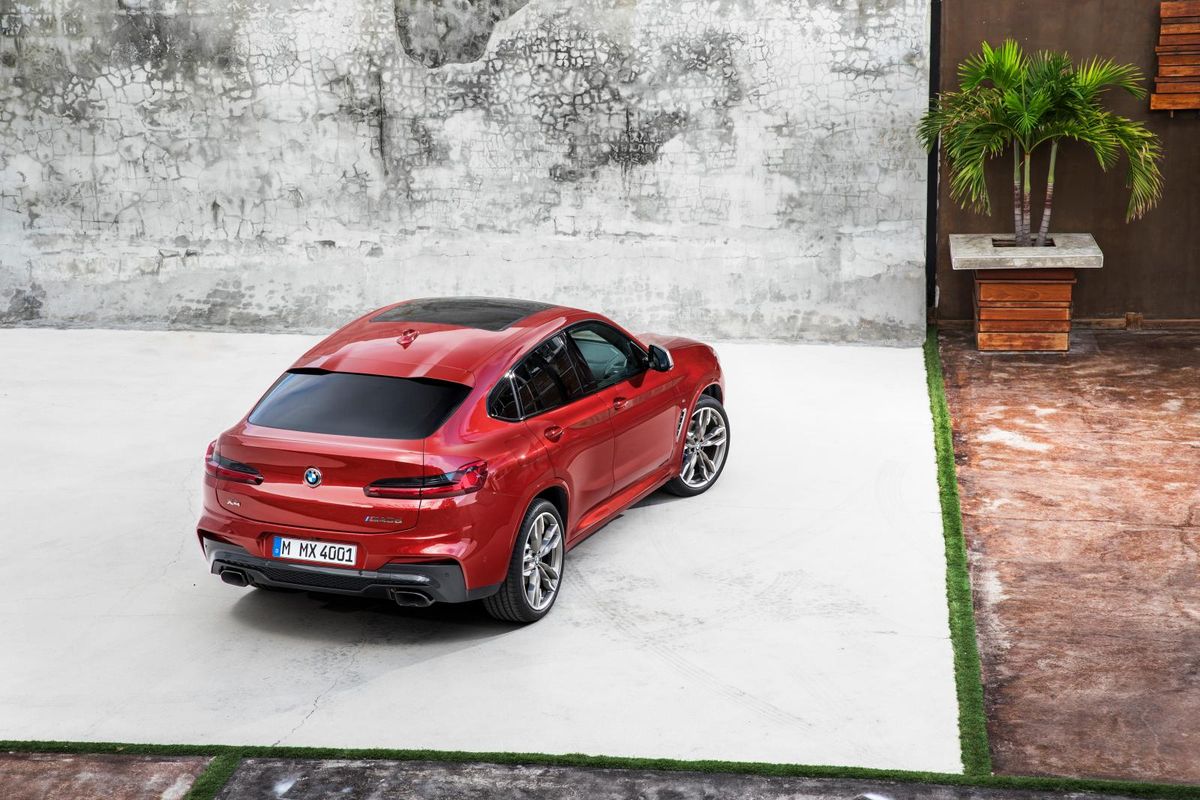
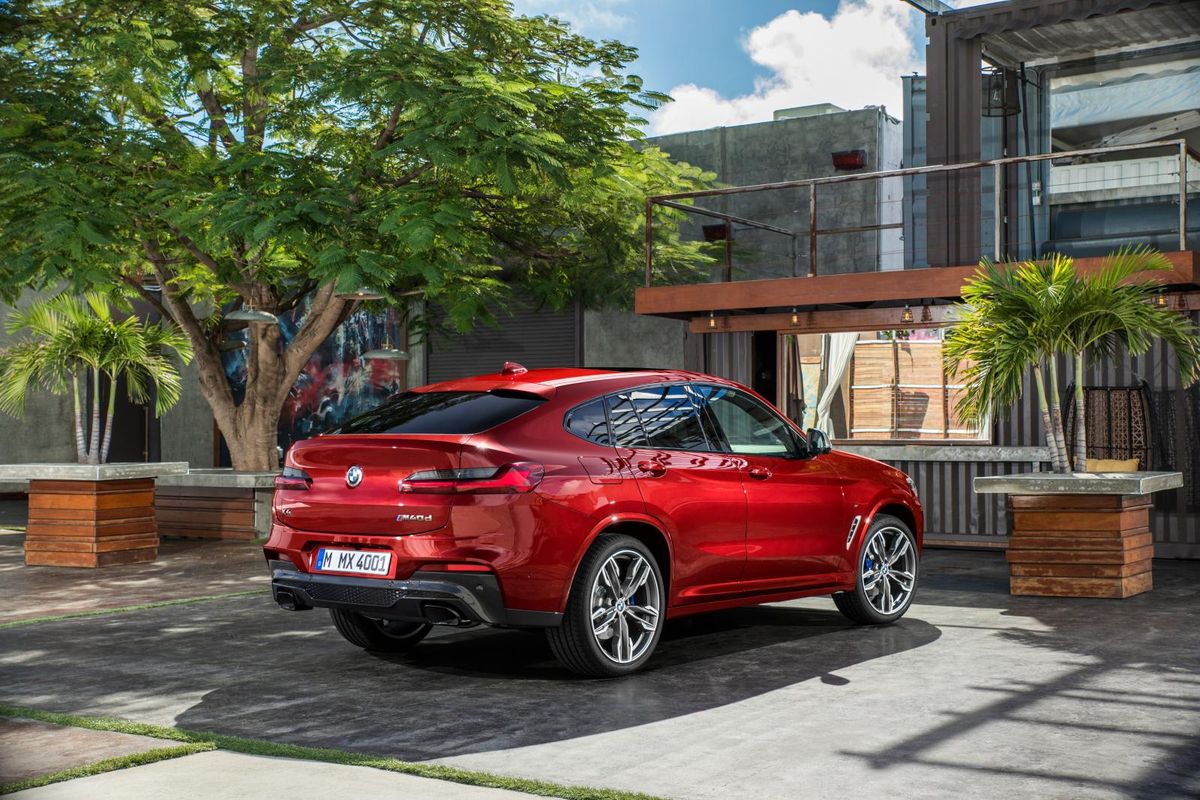
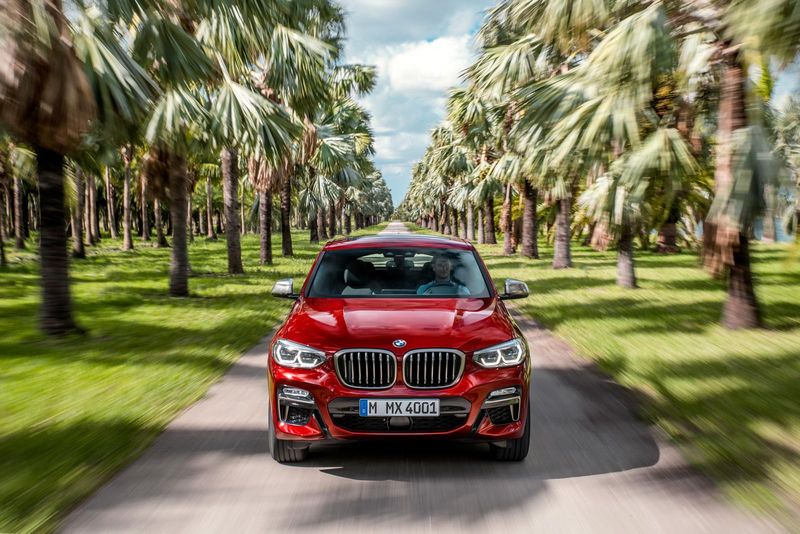
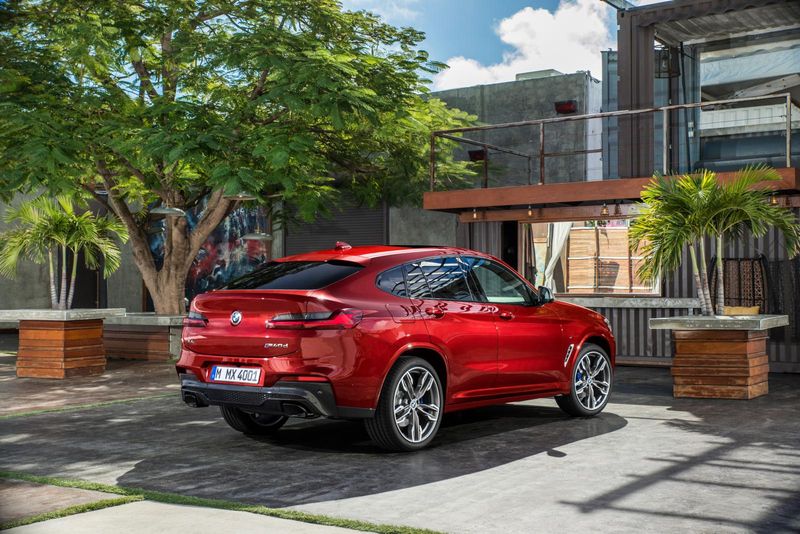
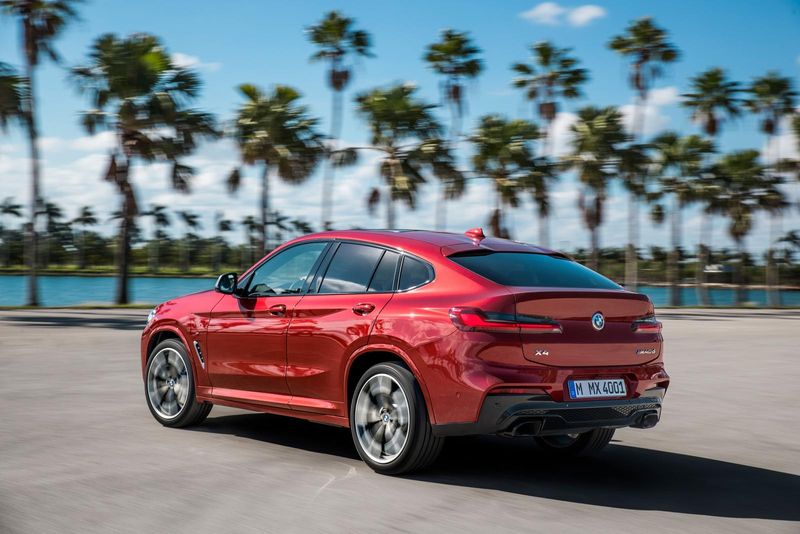
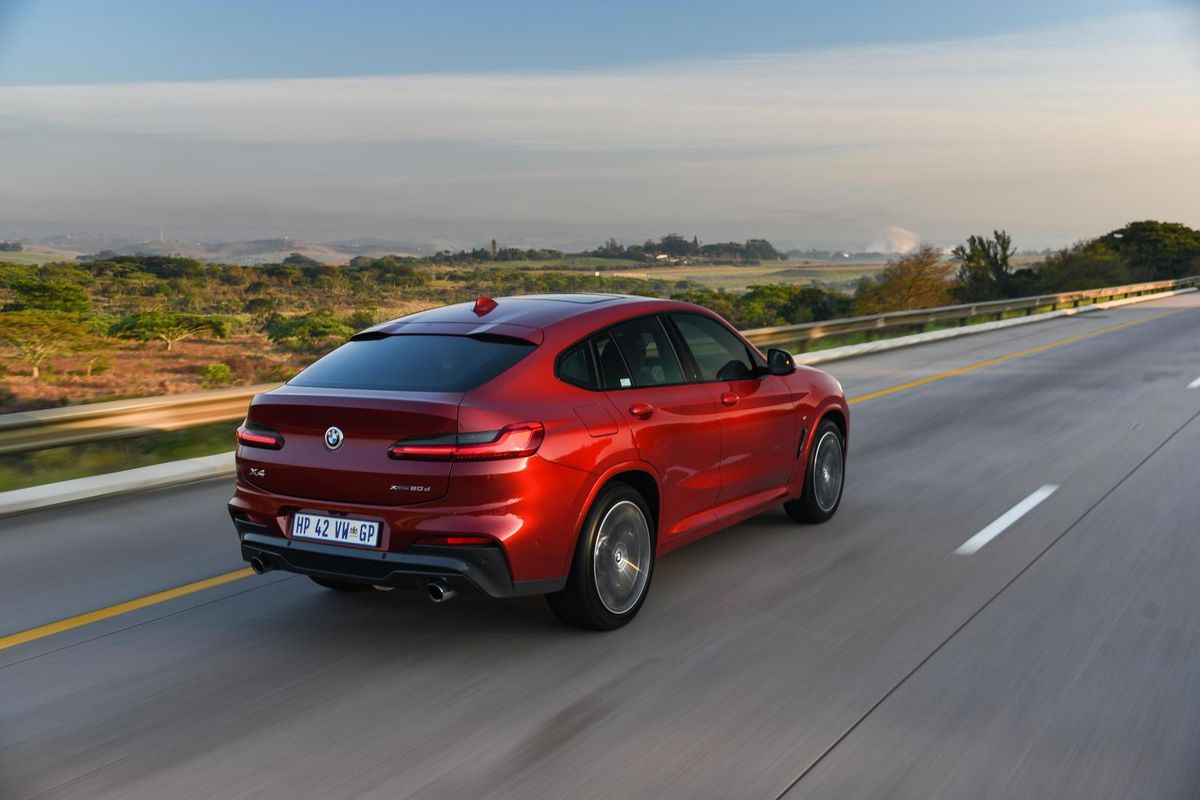
A wider rear-end and flared rear haunches give the new X4 a powerful stance. 

Built on the same platform as the BMW X3, the X4 takes a more sporty approach in the way that it looks and drives. It’s both longer (+81 mm) and wider (+37 mm) than the outgoing X4, but sits some 3 mm lower. Combined with a weight-shed of around 50 kg, the new X4 is lighter and more agile than before too.

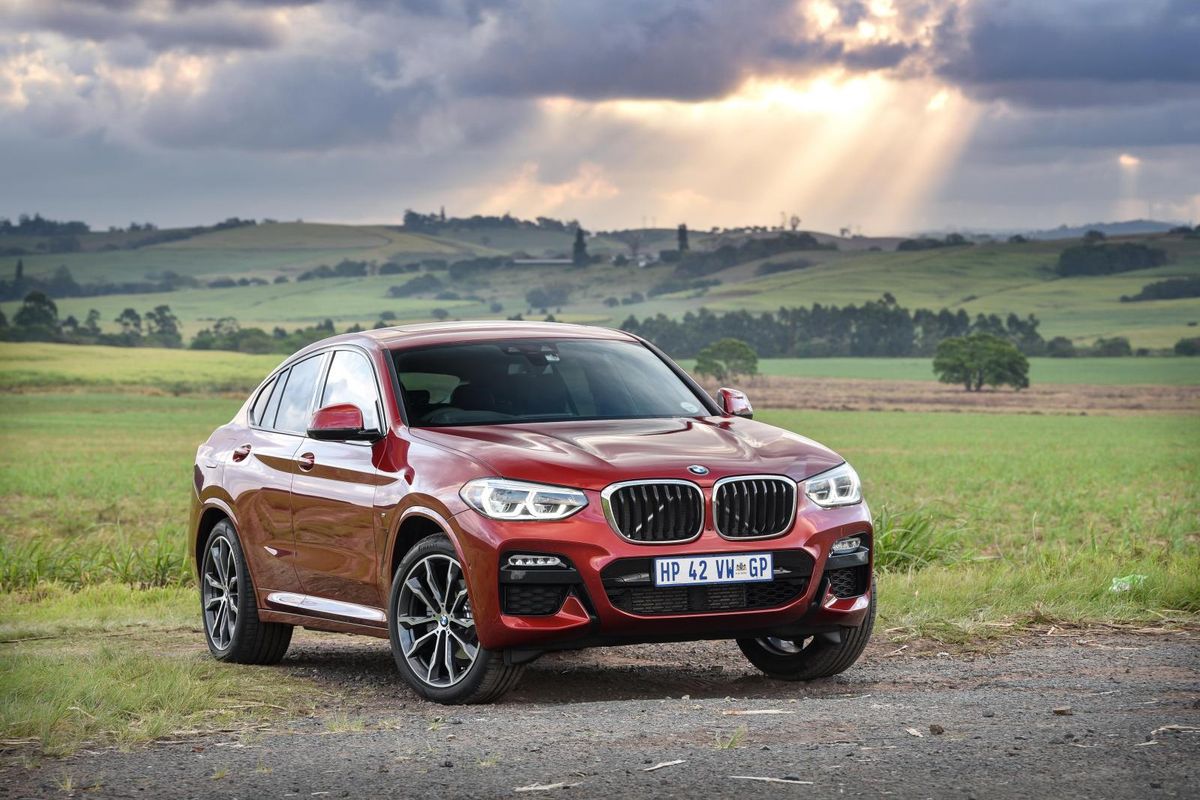
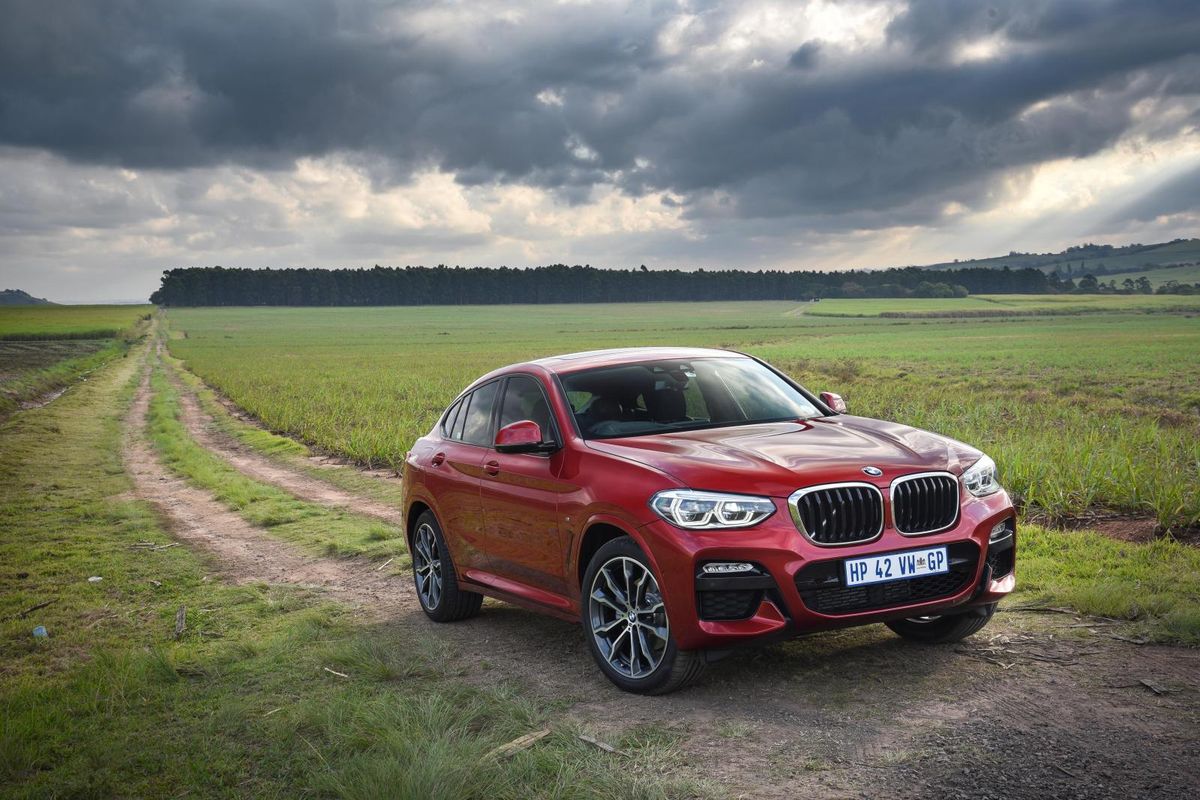
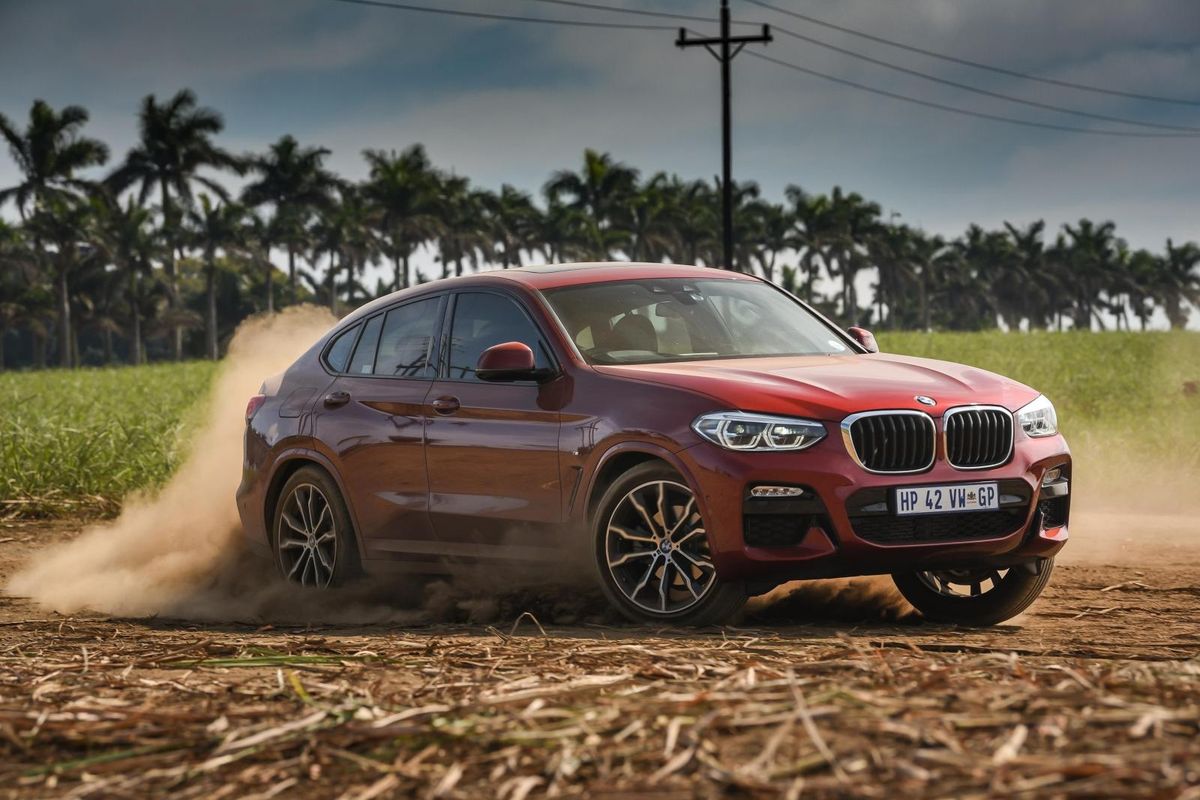
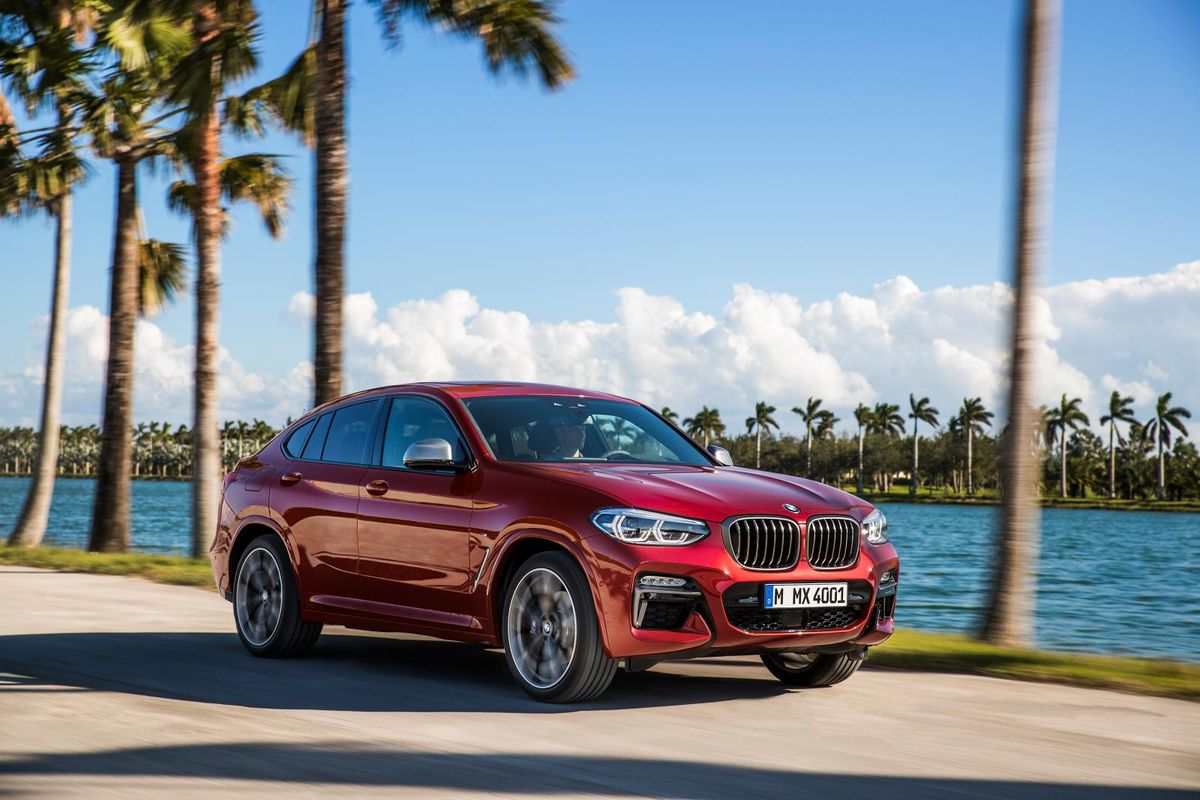
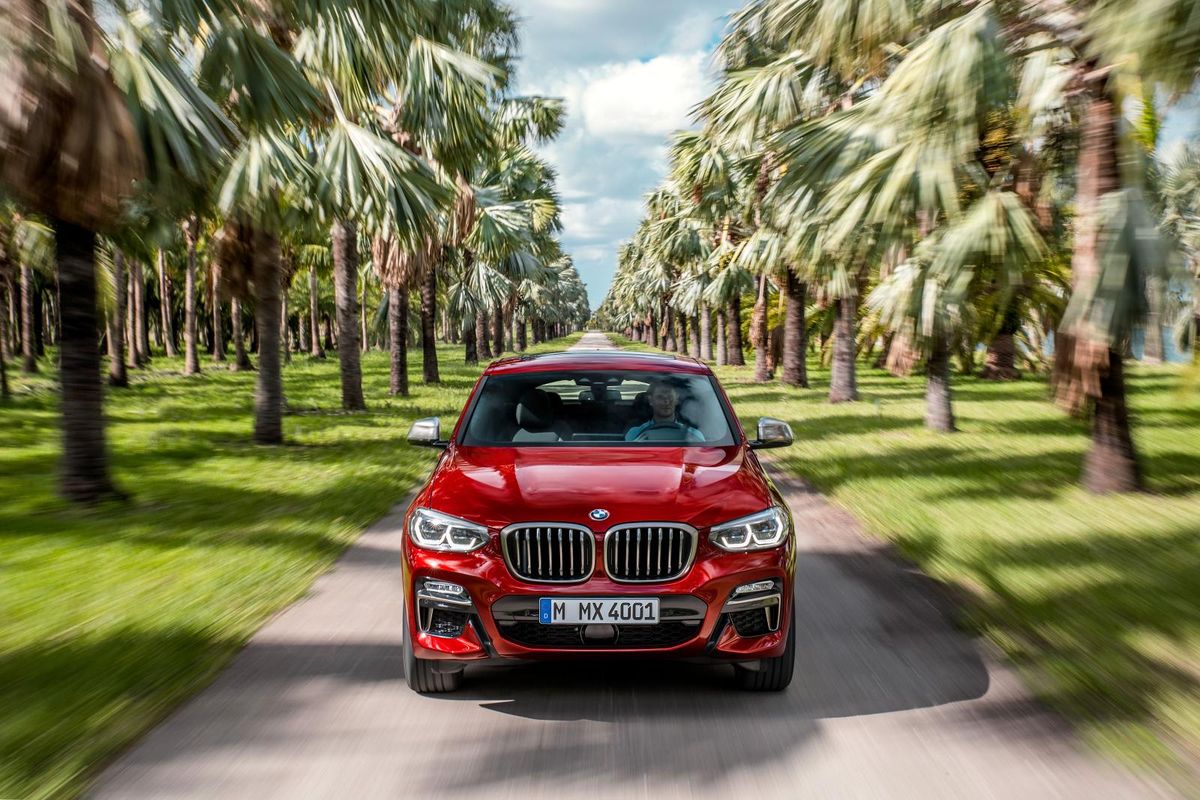
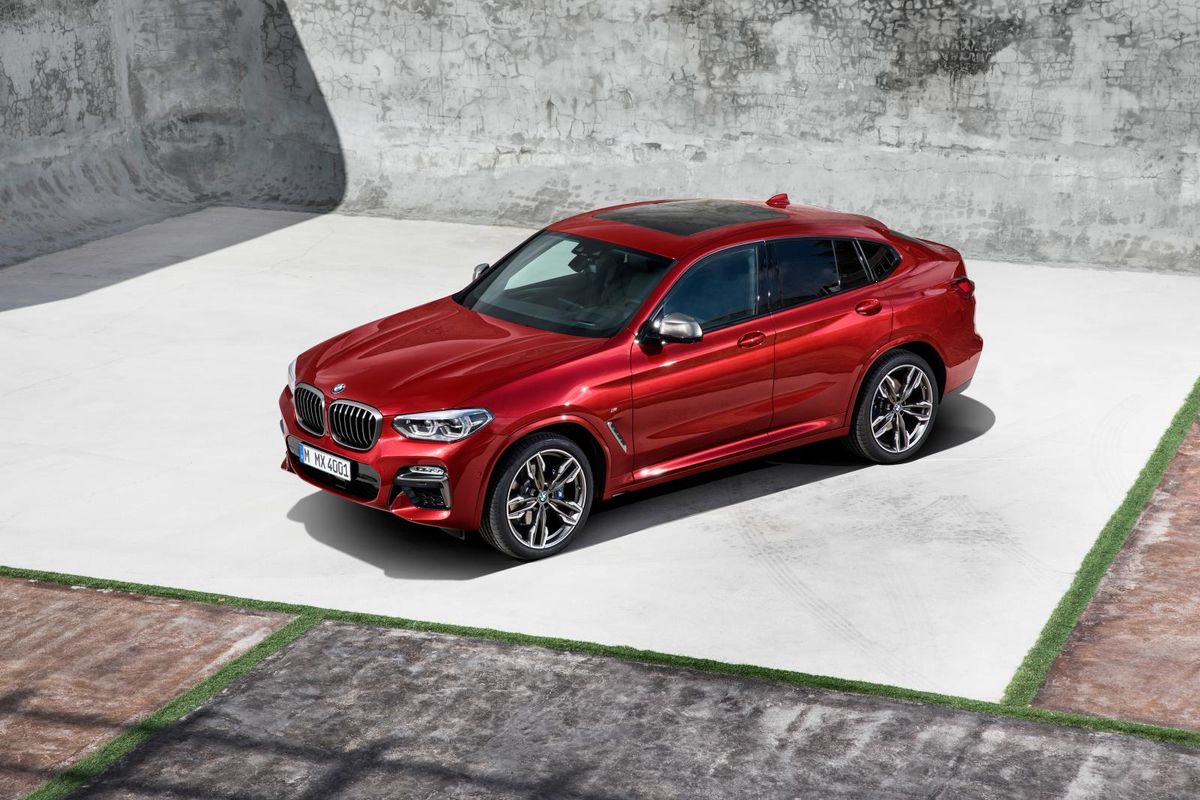
The new X4 looks good in the metal and its wider rear haunches, twin exhaust tailpipes and sloping coupe-like roofline gives the X4 a powerful and sporty look. LED headlights are fitted as standard while adaptive LEDs are offered as an option. The double kidney grille is large and in charge and the contoured bonnet adds yet more visual muscle to the overall design. Buyers can choose between 3 trims including standard, M Sport X and M Sport while your specific tastes can be met by dabbling in BMW’s Individual range of options. A range of wheel sizes from 19- to 21-inches are also on offer.  

Step inside
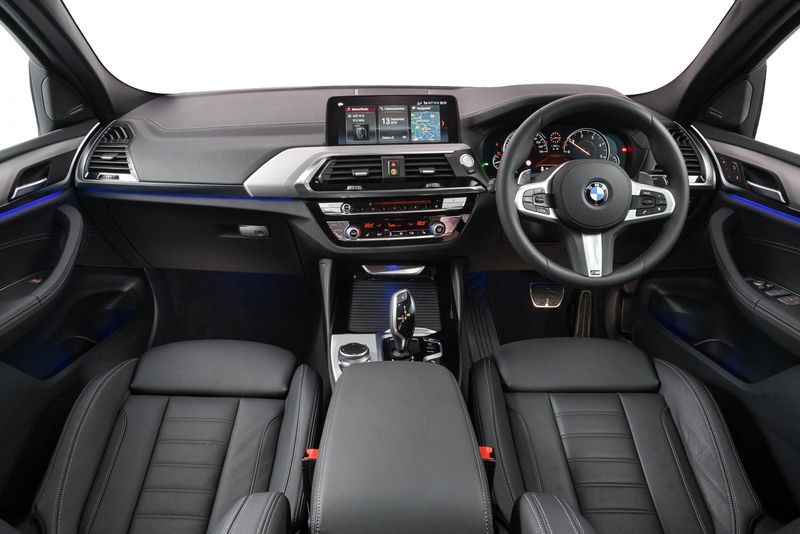

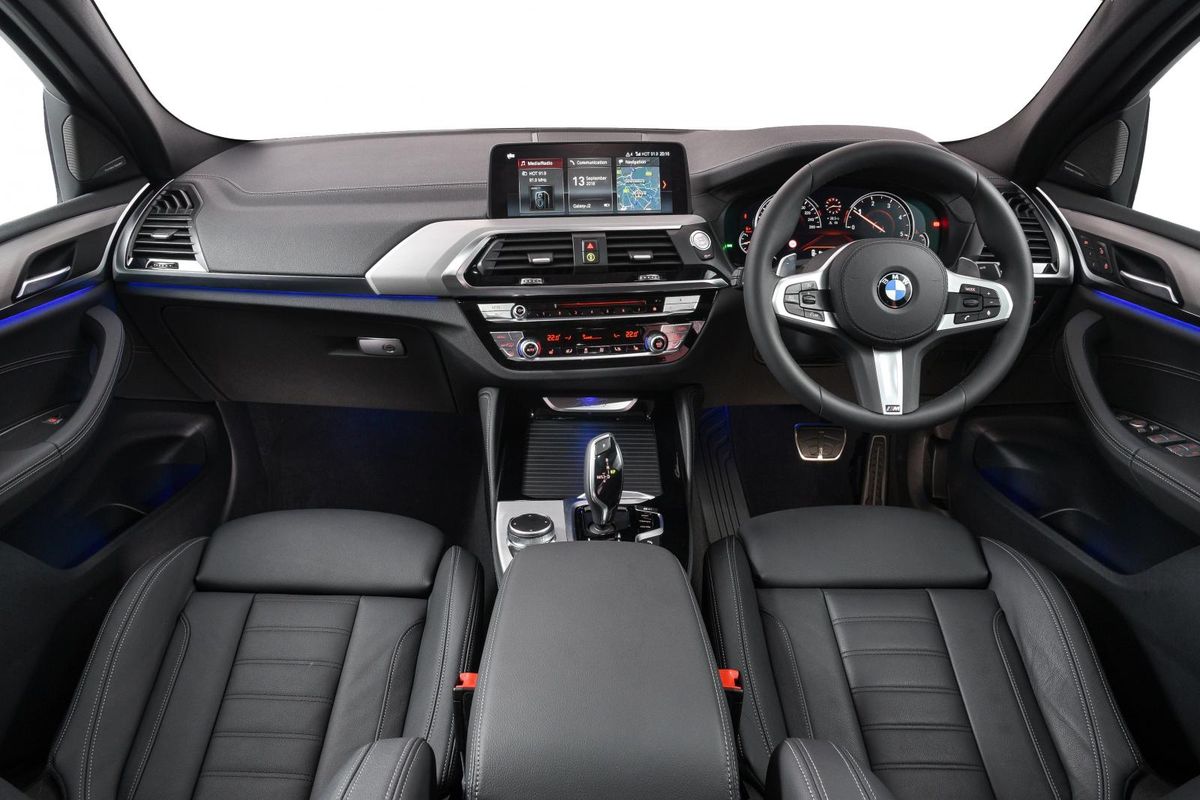
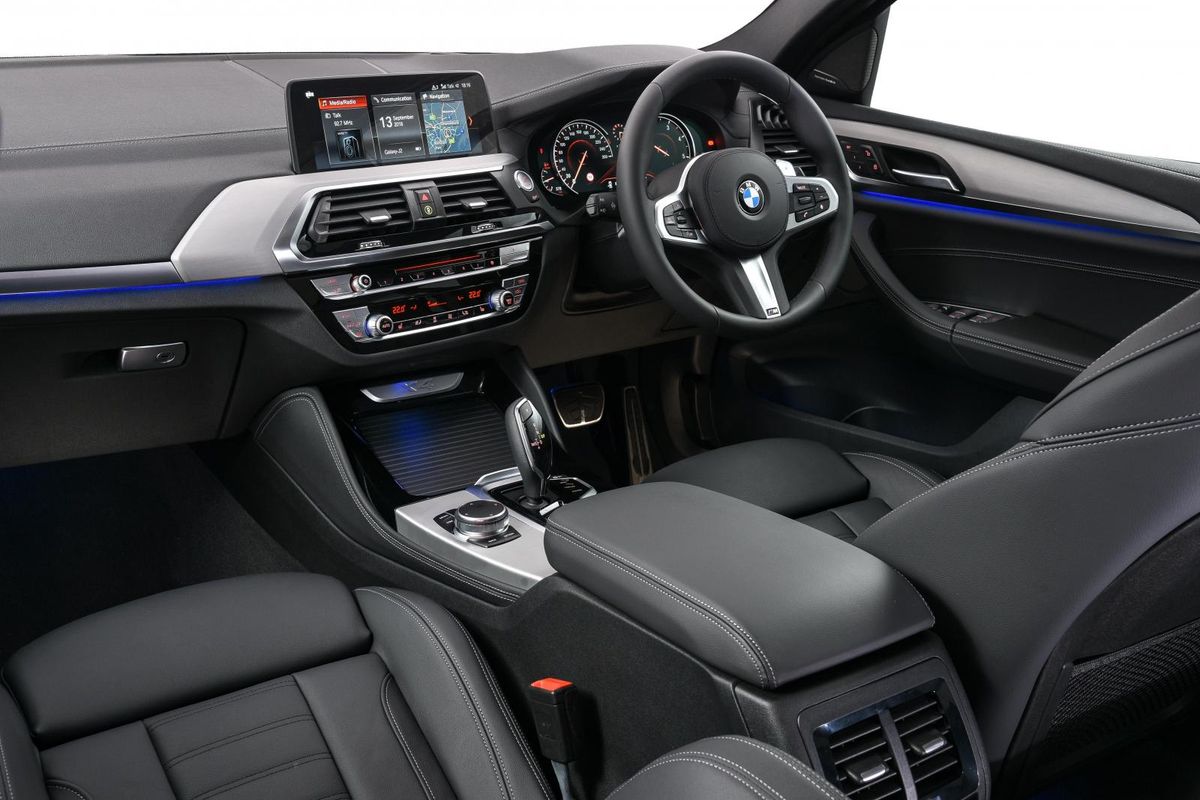
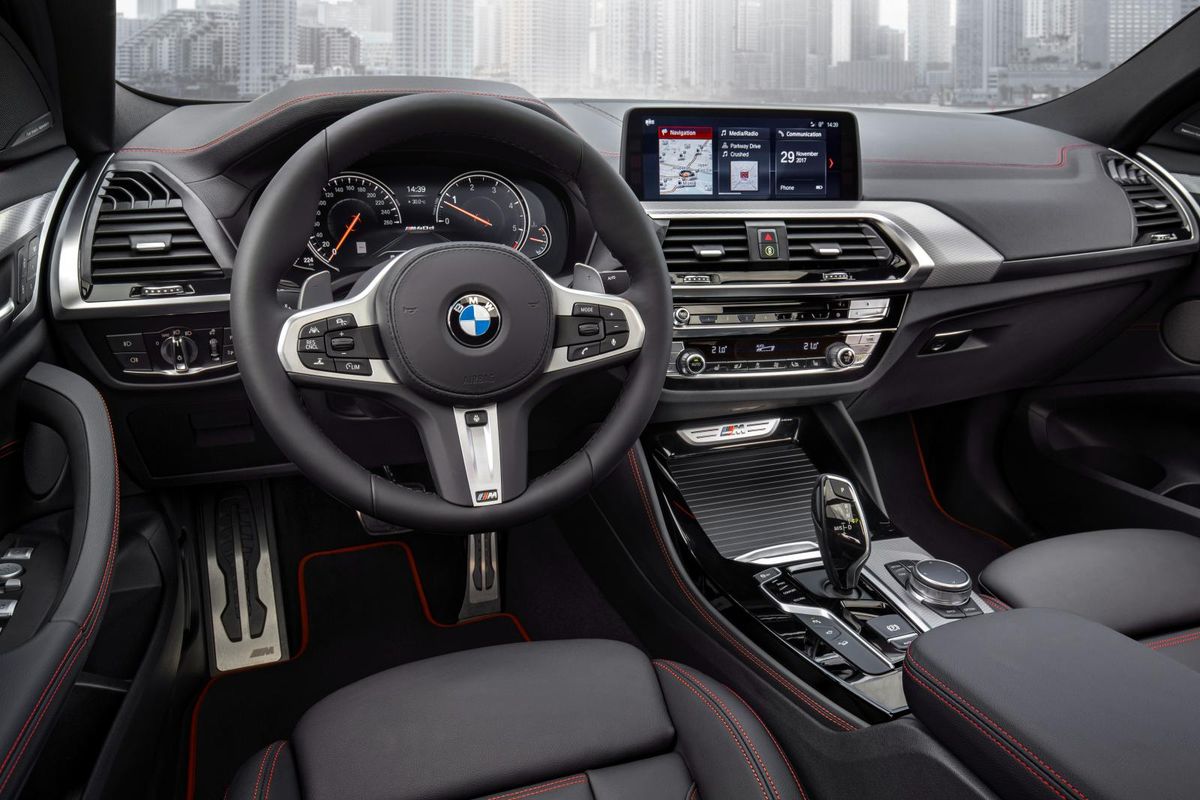
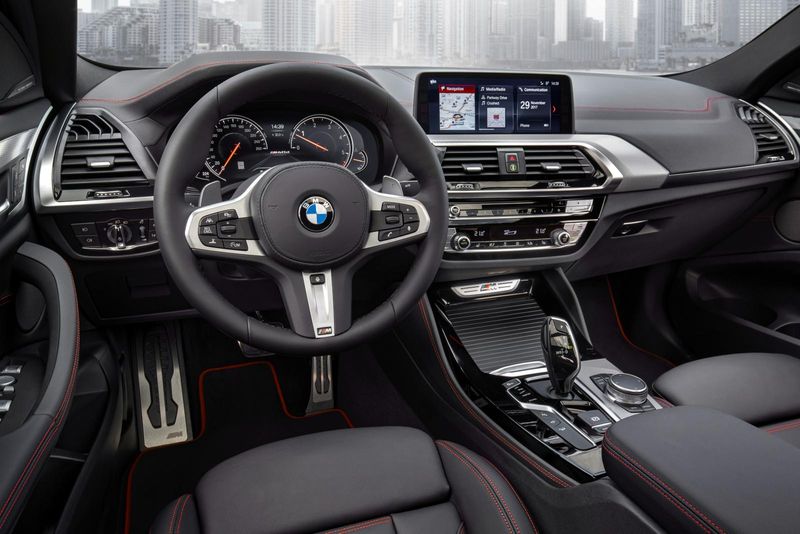
The interior of the X4 will be familiar to X3 owners. Build quality is good with a premium look and feel. 

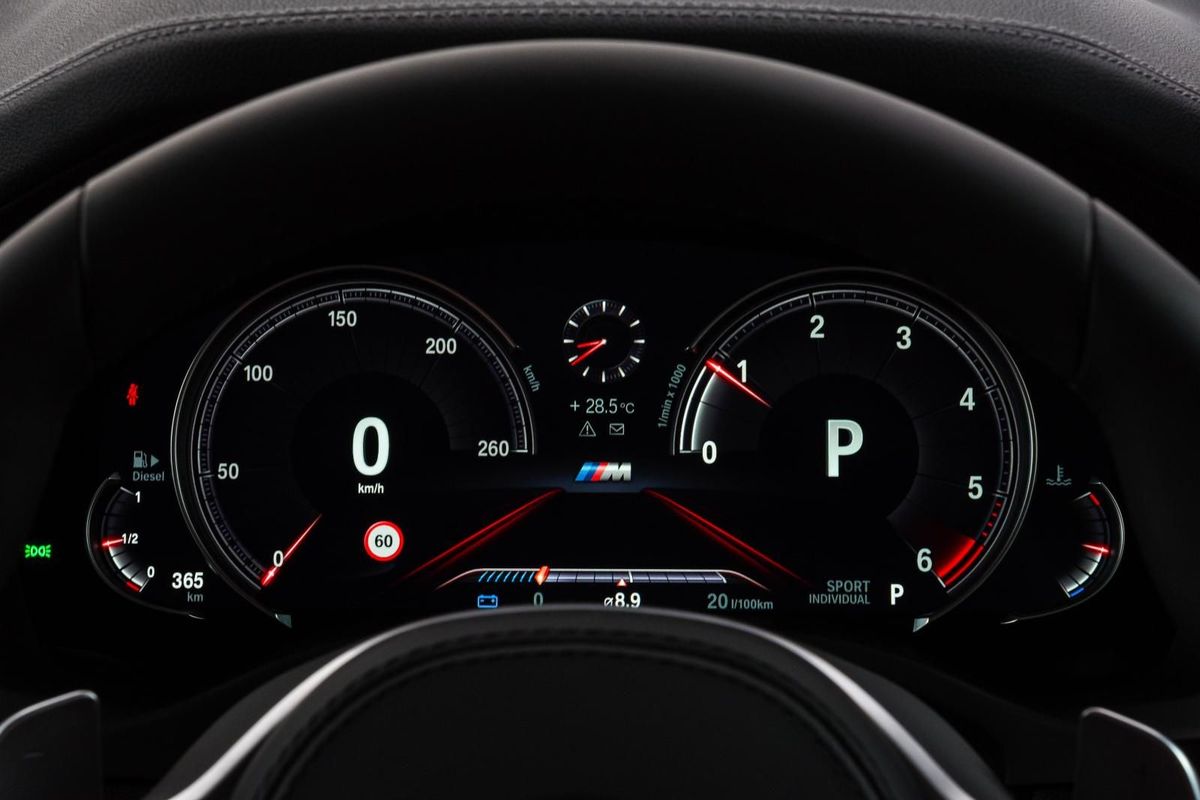
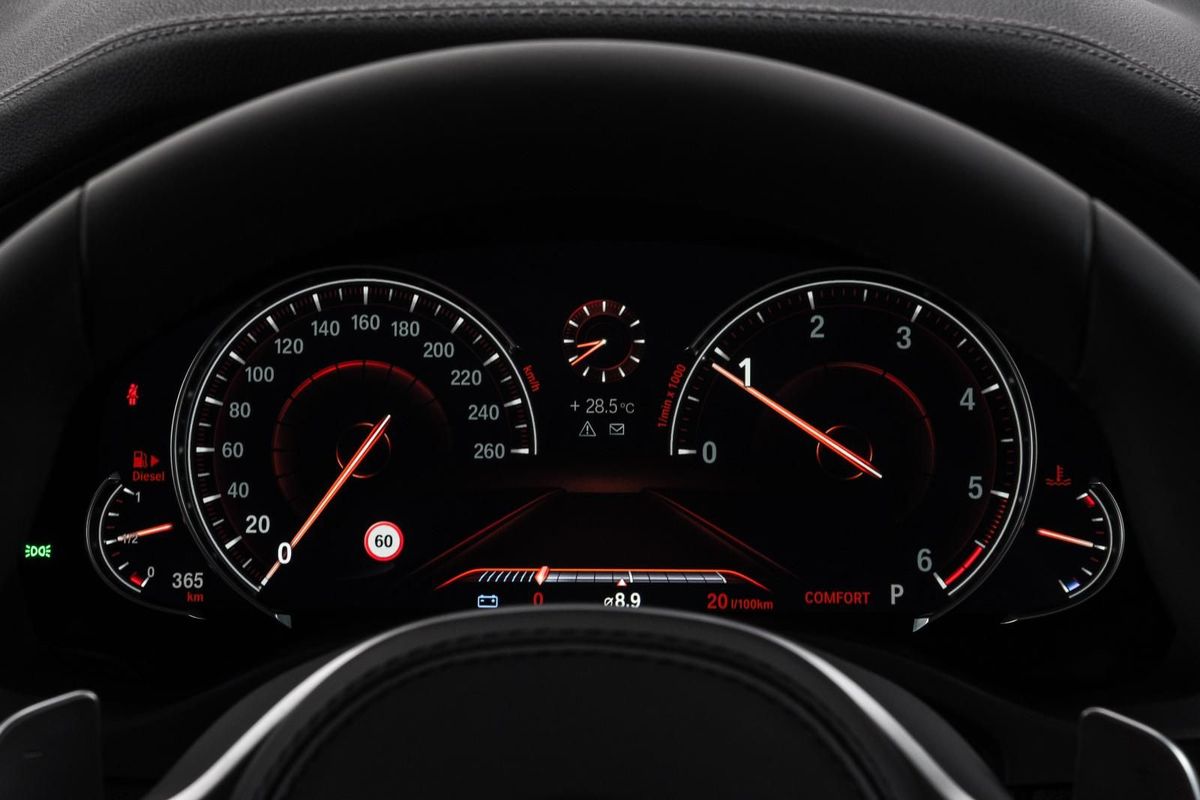
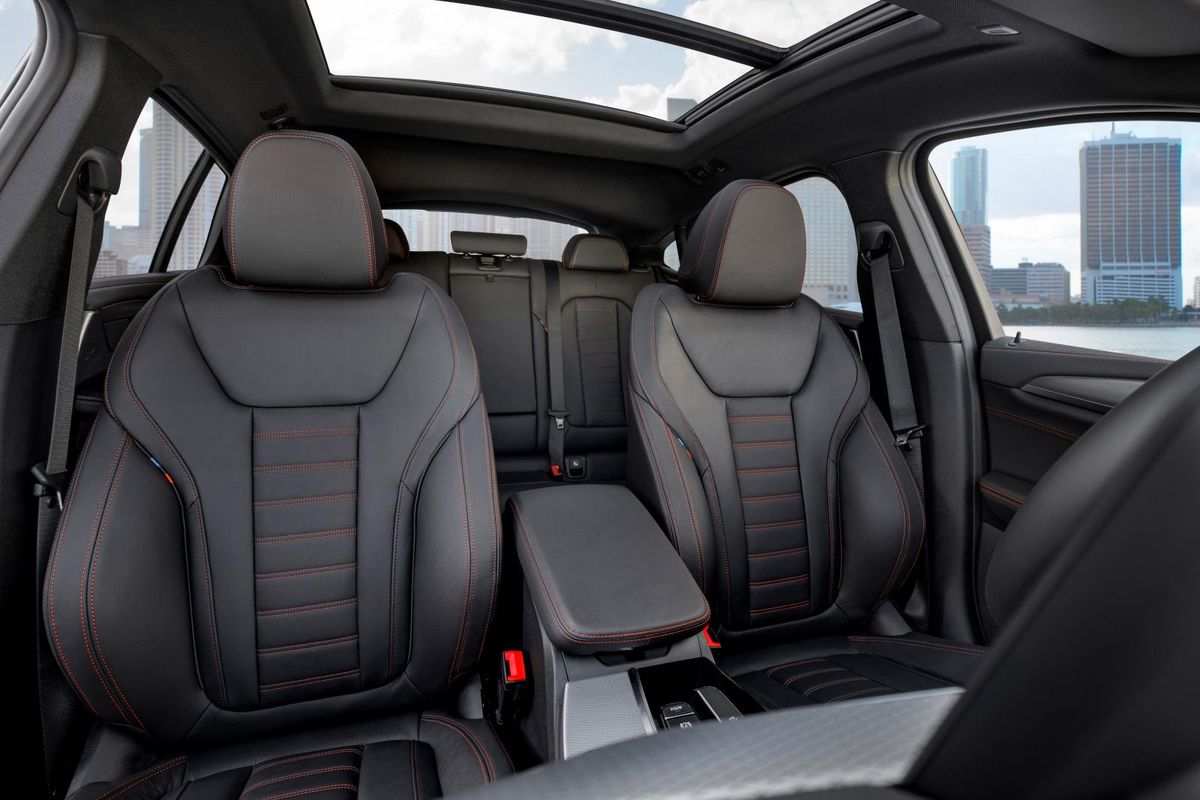
On the inside, new sports seats with added bolstering provide high levels of comfort and support. The cabin of the X4 is solidly built with high-quality materials and finishes. The optional 12.3-inch digital multifunction instrument cluster adds a premium look to the cabin and it features 3 different themes based on the selected driving modes which include Eco Pro, Comfort and Sport.

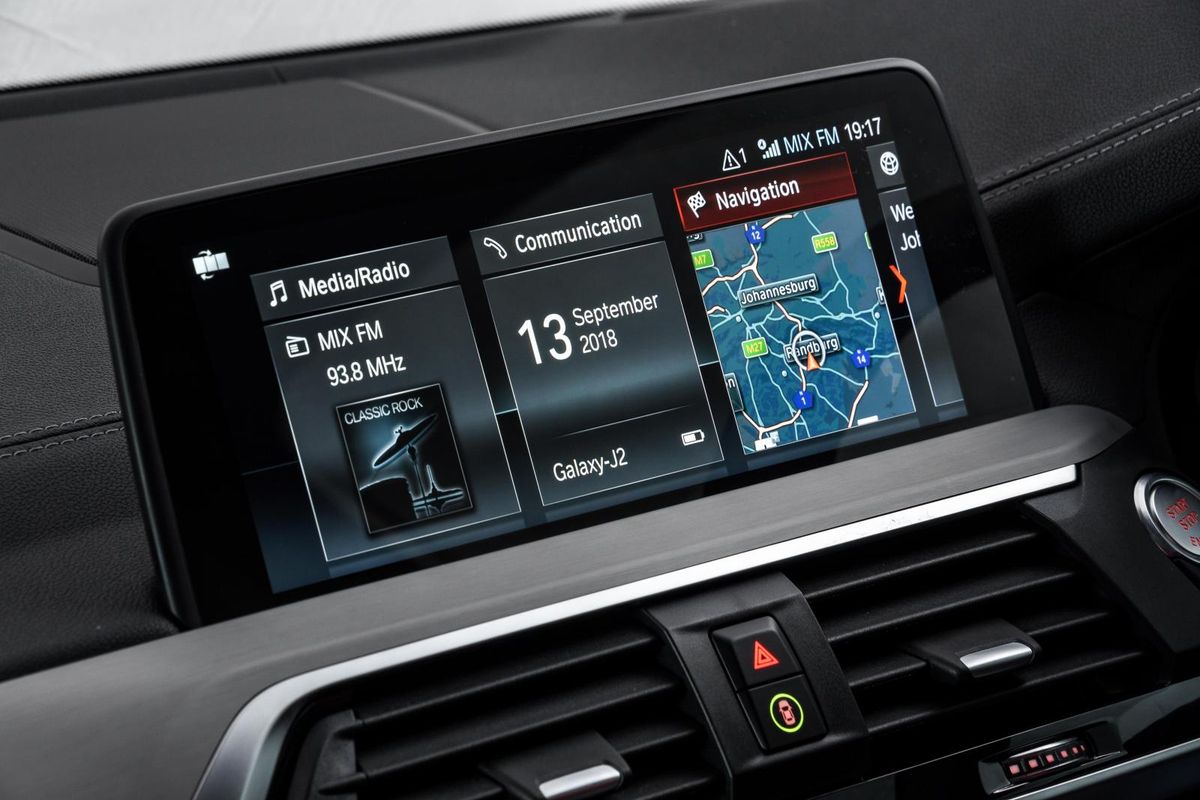
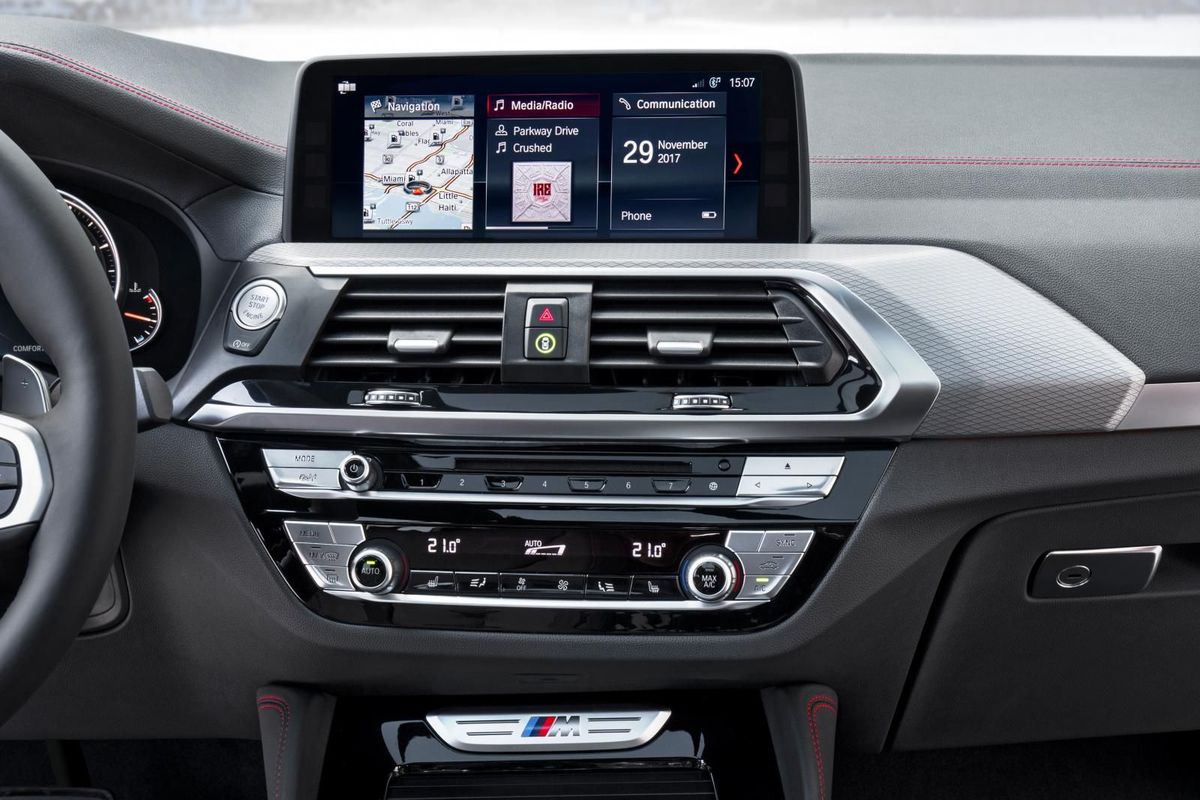
The X4 is fitted with the latest iDrive infotainment system displayed on a 6.5-inch touchscreen display, while a larger 10.25-inch display is optionally available. A new tile layout makes it easier to use and the system can now be controlled using the touch, voice control, gesture control or the familiar iDrive controller. A head-up display is also part of the extensive options list. It all looks very slick, sporty and upmarket inside this new X4.
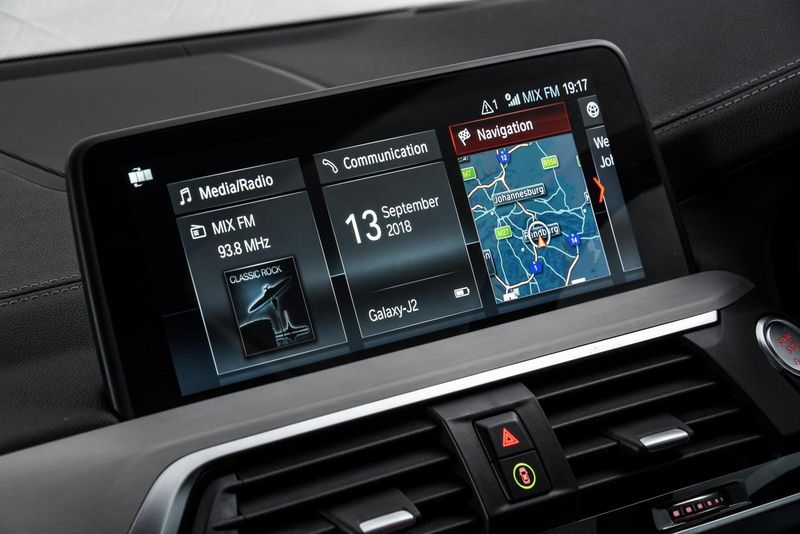

A tile layout with swipe functionality makes the latest iDrive system easier to use. 

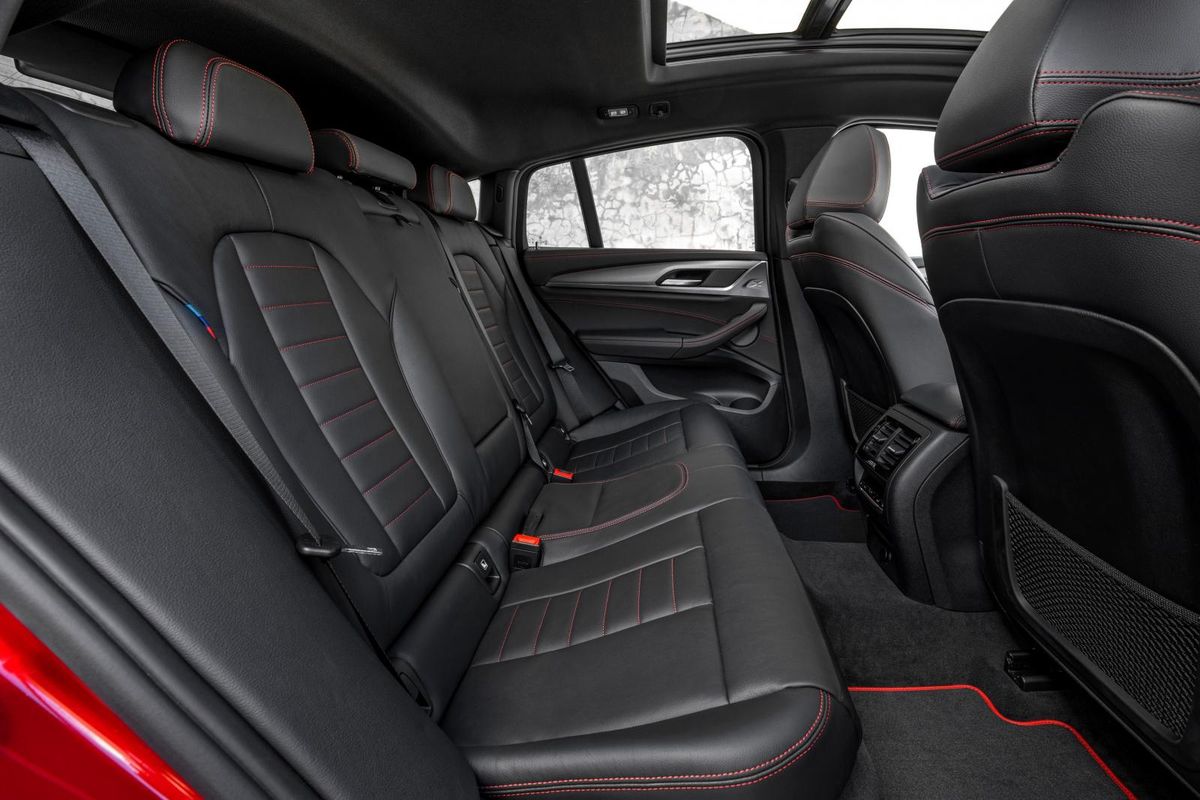
In terms of practicality, the new X4 is not as compromised as you might think. Rear legroom has increased by 27 mm and the load bay, for instance, has grown to offer 525-litres expanding to 1 430-litres with the 40:20:40 split rear seats folded down. For extra convenience, the seats can now be folded down using a lever in the loadbay and there’s also an underfloor storage compartment to keep valuables out of sight. More so, an automatic tailgate is also fitted as standard across the X4 range.

See more details regarding specification and pricing of the new BMW X4 here!

So, the new X4 looks good inside and out, but how does it drive?

Drive Time


The X4 xDrive20d is our pick of the range and it should prove popular with local buyers. 

The launch route for the new X4 took us from the Oyster Box Hotel in Umhlanga to the Karkloof Safari Spa in the hills surrounding Pietermaritzburg some 200 km’s away.

Our drive started in the BMW X4 xDrive20d which houses a 4-cylinder, 2.0-litre turbodiesel with 140 kW and 400 Nm of torque. This engine is mated to an 8-speed Steptonic transmission with steering-mounted paddle shifters that let you flick through the gears to exploit the engine’s capability. Furthermore, BMW’s xDrive all-wheel drive is standard, providing enhanced grip and drivability in all conditions.

With a healthy dose of torque on offer, this derivative impressed us with its performance. It had no trouble overtaking on the highway and engine noise is well-suppressed inside the cabin. This engine offers sufficient acceleration urgency when it’s needed and manages to strike an attractive balance between performance and economy too. BMW claims an average fuel consumption figure of 5.6 L/100km and during our spirited drive, we were averaging 7.6 L/100km, which is rather impressive.

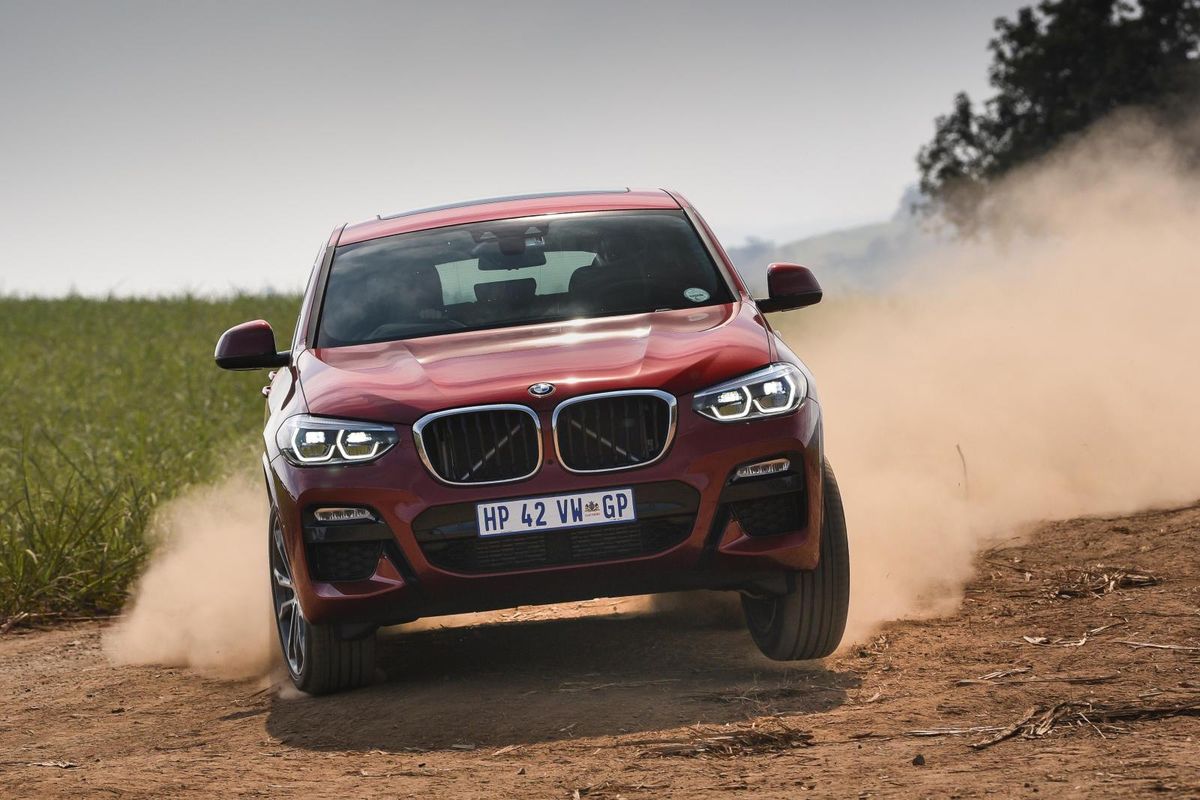
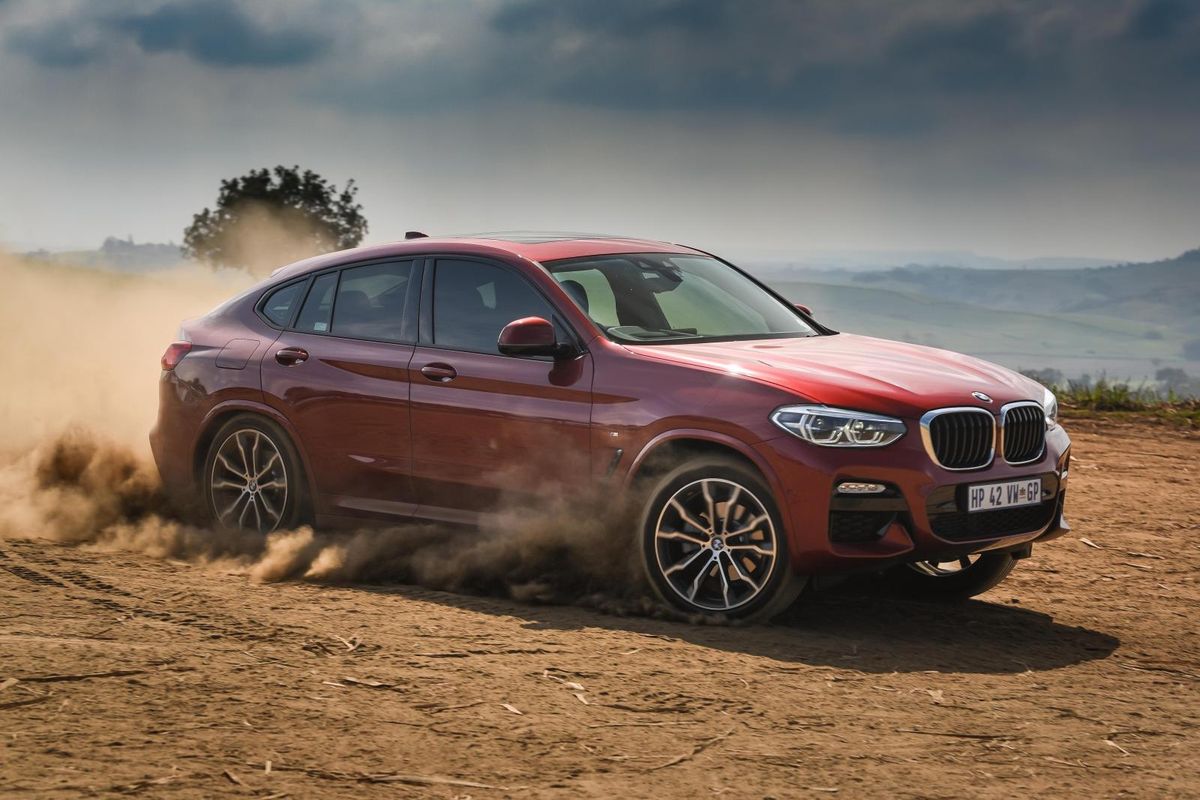
In line with its sporty pretensions, the new X4 features M Sport suspension as standard. The ride is therefore on the firmer side. Although the suspension offers a fair degree of comfort, the poor road surface quality made our drive a bit more tiring and we found the ride to be perhaps a bit too firm for our liking, even when driving in Comfort mode. Adaptive suspension is available as an option and it may be worth the extra outlay if you want more variability in terms of comfort. We also drove the X4 on gravel and we were pleasantly surprised by the smooth ride it delivered on the rutted surface.
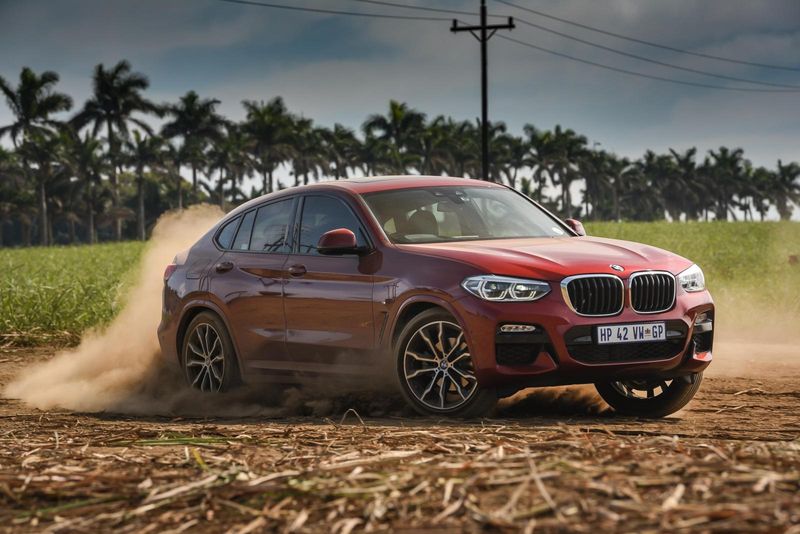

The new X4 delivered a surprisingly smooth ride on gravel even with its firmer M Sport suspension.

The thick leather-wrapped steering feels good in hand and it has a positive, communicative feel. Variable sport steering is standard and adapts to the driving situation i.e. lighter at slower speeds, heavier and more direct at higher speeds.

We also had a chance to sample the petrol-powered X4 xDrive20i which offers 135 kW and 290 Nm of torque from its 4-cylinder, 2.0-litre turbocharged petrol engine. After driving the diesel X4, the X4 xDrive20i felt more underwhelming in terms of its performance due to its considerably lower torque figure. However, it was by no means underpowered and it too coped well with overtaking and it performed well overall but we just prefer the added shove and urgency that the torquey diesel offers. The X4 xDrive20i was marginally thirstier, however, returning figures of 9.7 L/100 km during our drive, which might be something to consider before making your choice.

The range-topping X4 M40i, however, eluded us at the launch, but we expect to have it on test in the near future to give it a proper evaluation. The M40i is powered by a  6-cylinder, 3.0-litre turbopetrol engine with a mighty 265 kW and 500 Nm of torque and is capable of sprinting from zero to 100 kph in 4.8 seconds which fast for a vehicle of this size. 

BMW will also be introducing the 240 kW/680 Nm X4 M40d in South Africa in the first quarter of 2019 while the X4 M can be expected at a later stage. 

Final say


The powerful X4 M40d and X4 M are expected to join the local range in 2019.

While our first impressions of the new X4 are mostly positive, we look forward to testing it more thoroughly in the near future. In terms of pricing, the new X4 starts from R843 000 for both the xDrive20d and xDrive20i derivatives, which is marginally more than the starting prices of its main rival, the Mercedes-Benz GLC Coupe (R809 524). Nonetheless, with a variety of optional features on offer, final pricing will increase faster than you can blink so buyers are advised to choose options wisely.

Based on our experience with the new X4, our pick of the range is the X4 xDrive20d which offers sufficient overall performance and reasonable fuel consumption figures.

Look out for our thorough evaluation of the new X4 soon.

New BMW X4 – Price in SA

BMW X4 xDrive20i (Standard) – R843 000

BMW X4 xDrive20i M Sport – R887 900

BMW X4 xDrive20i M Sport X – R887 900

BMW X4 xDrive20d (Standard) – R843 000

BMW X4 xDrive20d M Sport – R887 900

BMW X4 xDrive20d M Sport X – R887 900

BMW X4 M40i – R1 132 800

The BMW X4 is sold with a 2-year/unlimitied km warranty and a 5-year/100 000 km maintenance plan. 

Watch Ciro De Siena drive the new BMW X4 in the USA below!


Related Content

BMW X3 M and X4 M Shown

BMW X4 (2018) Specs & Price

BMW X4 M Spotted testing at Nurburgring (Video)

New BMW X4 (2018) International Launch Review

Mercedes-AMG GLC 63 S (2018) Launch Review

Quick Drive: Mercedes-AMG GLC 43 Coupe 4Matic
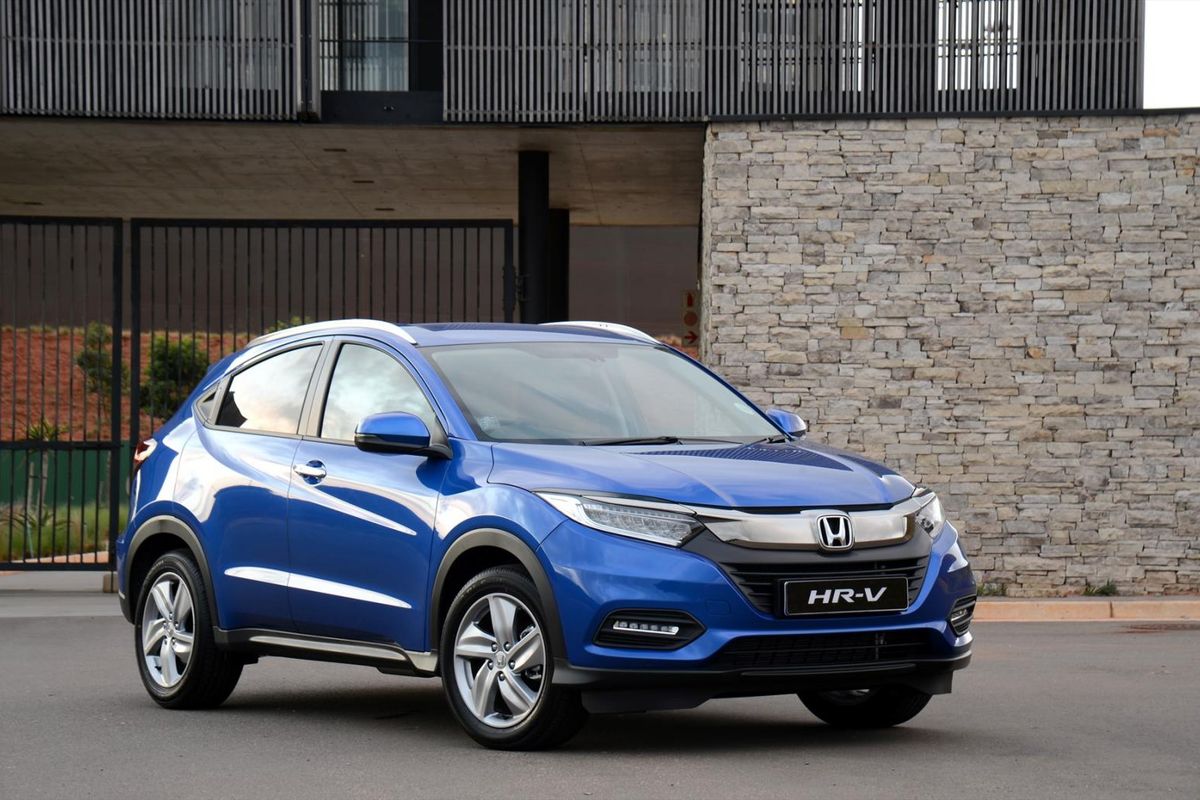
 

Facelift Honda HR-V (2018) Spec and Price

Honda's popular compact family car has undergone its mid-life update. Local models receive a few minor updates to the exterior and a few further spec changes to the interior.

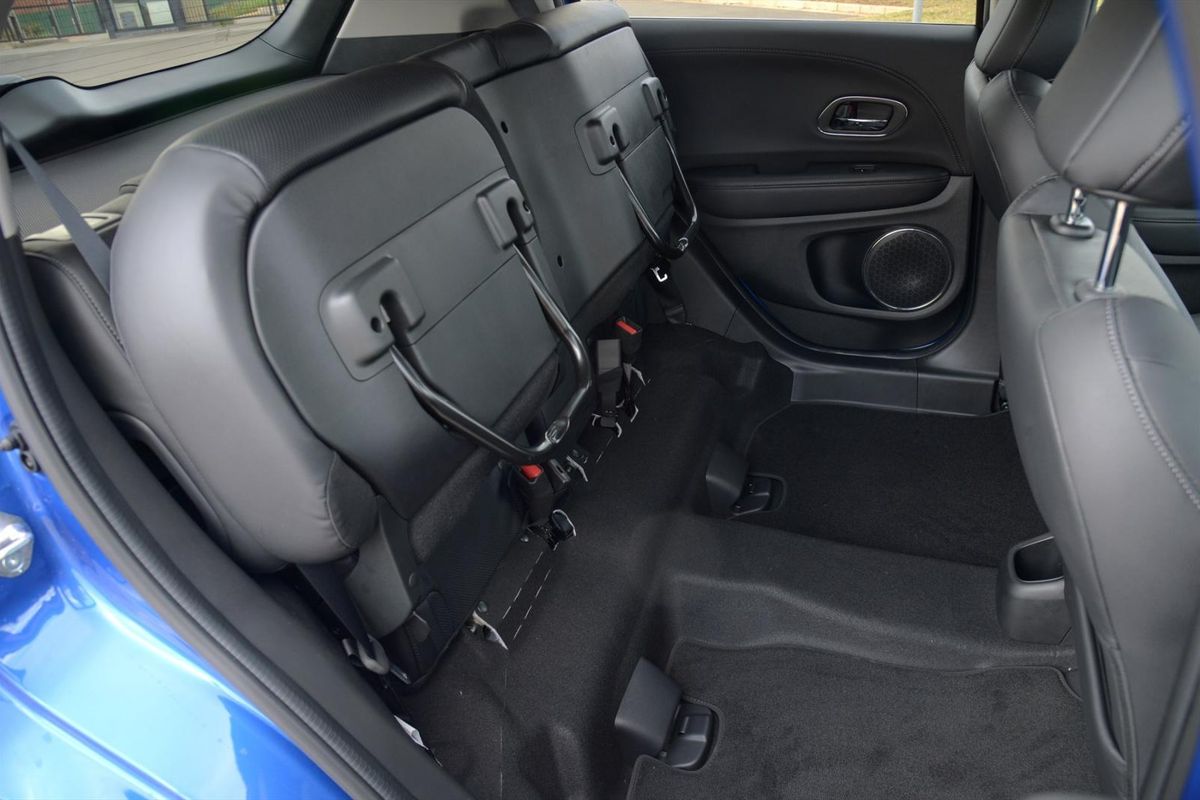
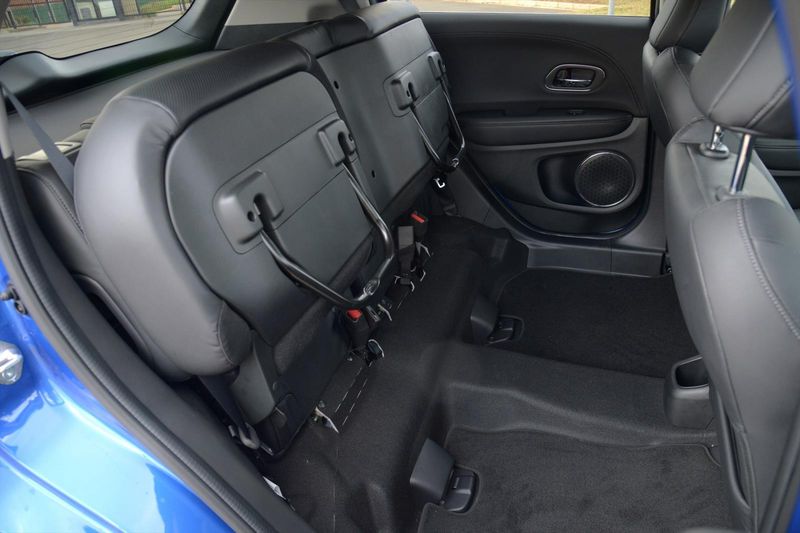
The Honda HR-V facelift has just been released to the local market. It was officially released back in July to European customers and features a modest update to the compact family car. The HR-V has always been big on practicality, featuring Honda's trademark Magic Seat System which folds the rear seats further into the floor allowing for a larger loading area than most of its competitors. 

The model lineup in SA will remain the same, powered by the 1.5-litre and 1.8-litre petrol engines connected to a 7-step CVT gearbox. Power for the smaller unit is rated at 88 kW and 145 Nm while the bigger engine claims 105 kW and 172 Nm.


The trademarked Magic seats installed on the HR-V provide more loading room than many of its rivals.

Redesign

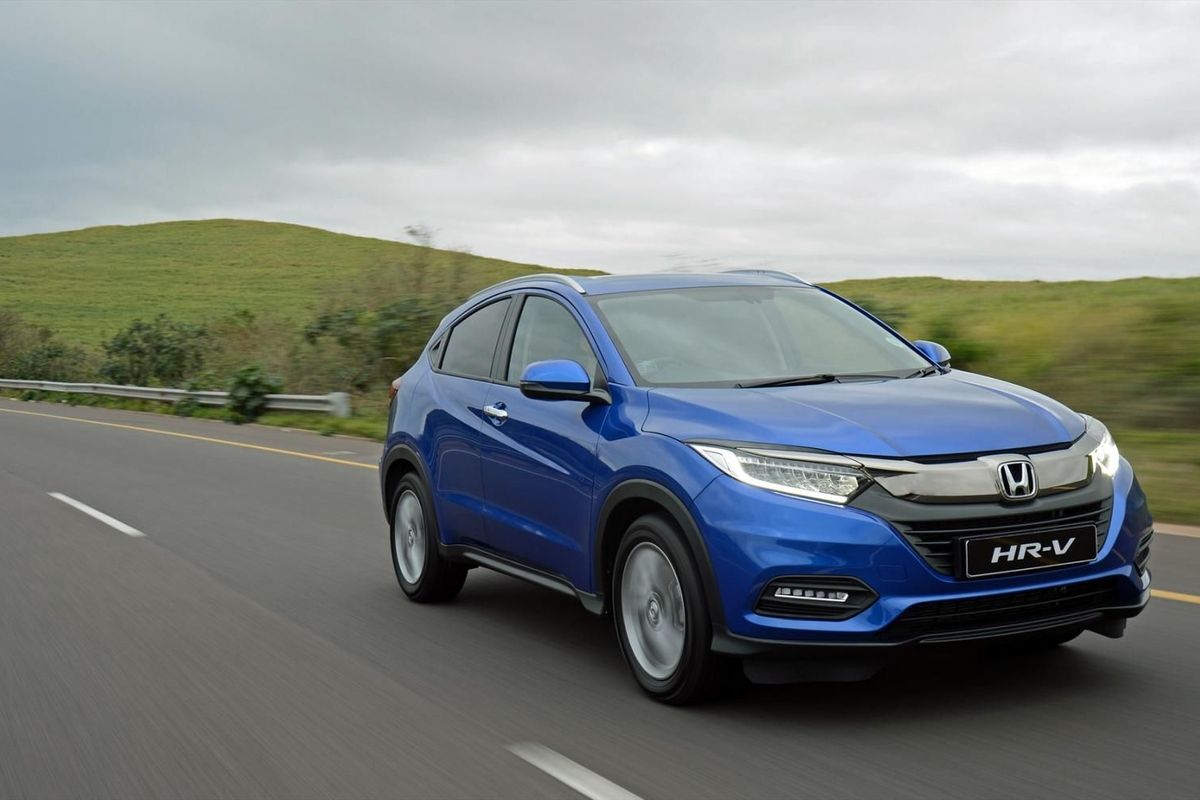
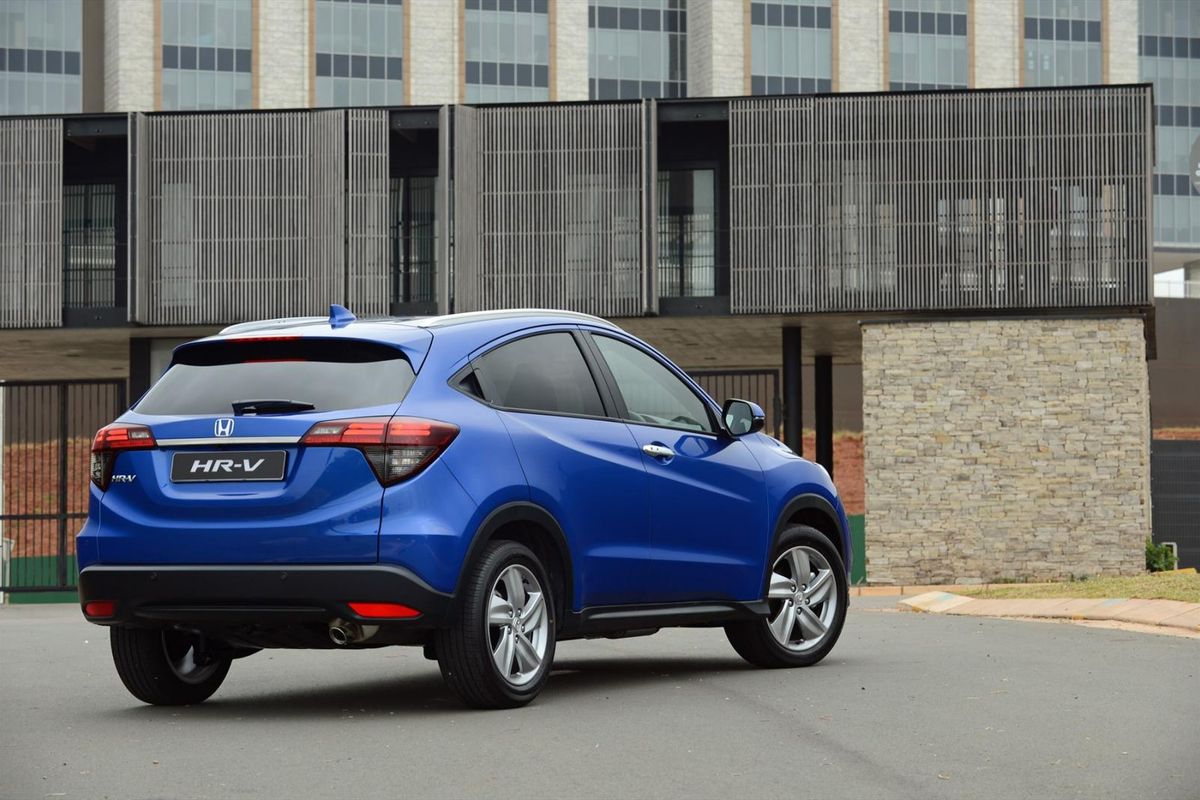
Honda has transplanted its new global design onto the HR-V which incorporates an all-new front bumper, a reprofiled bonnet, and redesigned headlights. There are also recessed apertures for LED fog lamps now standard on the 1.8 Elegance model. The new headlights feature LED daytime running lights on the Elegance version, while the Comfort derivative headlights employ halogen units.

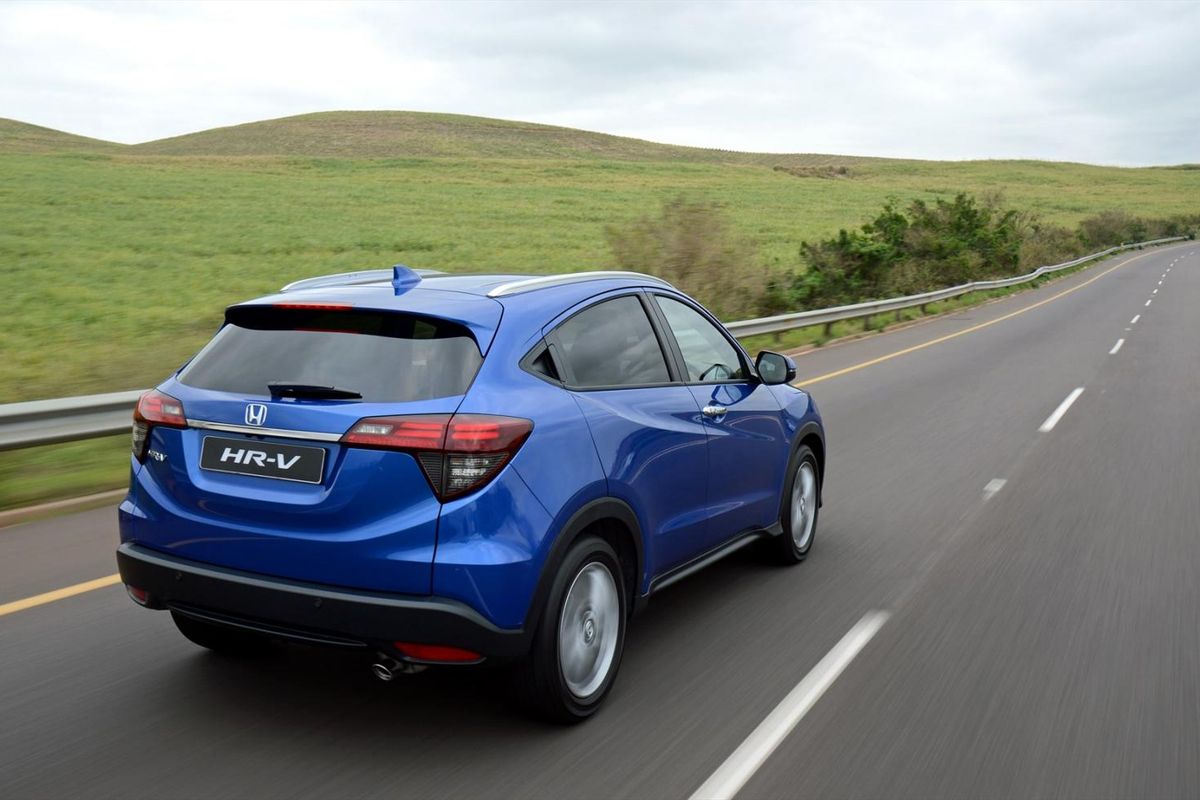
At the rear, the taillight clusters gain a smoked appearance, while the licence plate garnish has also been redesigned. Two new exterior colours are now available in the form of Passion Red and Brilliant Sporty Blue.

Interior update

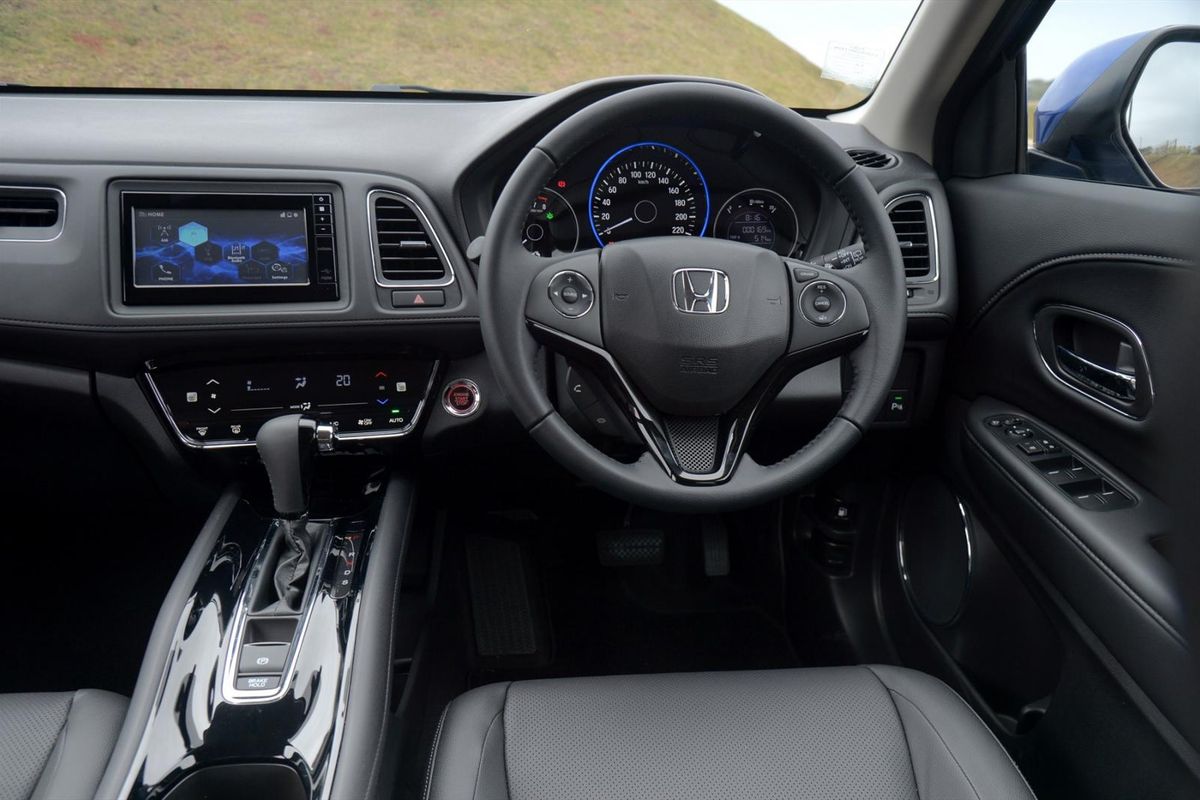
The materials and surfaces within the HR-V have gone through a change and update. The Comfort model gains new fabric designs, while the Elegance gets perforated leather upholstery with double-contrast stitching. Noise vibration and harshness (NVH) improvements have been made in order to quieten down the cabin and refine the drive.

Standard across the board are electrically operated windows and mirrors, remote central locking, air-conditioning, cruise control, a multi-function steering wheel and a multi-information trip computer. As part of the upgrade package, Honda has standardised the touchscreen-based infotainment system, which means that both Comfort and Elegance models now feature a 6.8-inch touchscreen display. The system has USB and HDMI ports and supports screen mirroring for a connected device. Navigation and certain apps can be used through this. No Apple Carplay or Android Auto is mentioned, which is a bit odd for a newly updated model.

Safety

The HR-V offers ABS with EBD, Emergency Brake Assist (EBA) and Emergency Stop Signal (ESS) activation. Stability control is standard, as is Hill Start Assist and a high-mounted, third brake light. Isofix child seat anchors are also included.

Pricing

HR-V 1.5 Comfort CVT                  R354 900

HR-V 1.8 Elegance CVT                R419 900

The prices include a five-year/200 000 km warranty, a four-year/60 000 km service plan. Services remain at 15 000 km intervals.

Related content

Honda HR-V Facelifted for 2018

Honda HR-V Video Review and Comparison

Announcement: 2018/19 Cars.co.za Consumer Awards – Powered by WesBank

Search for a used Honda HR-V here

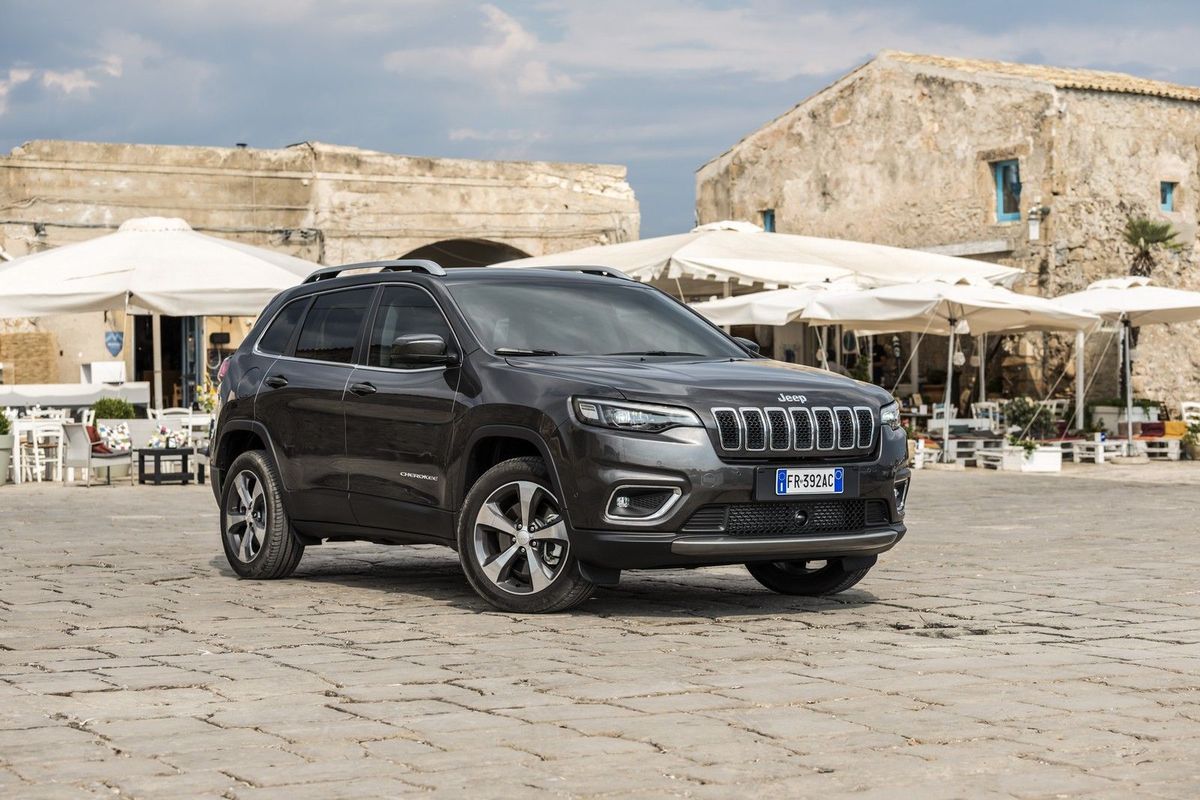
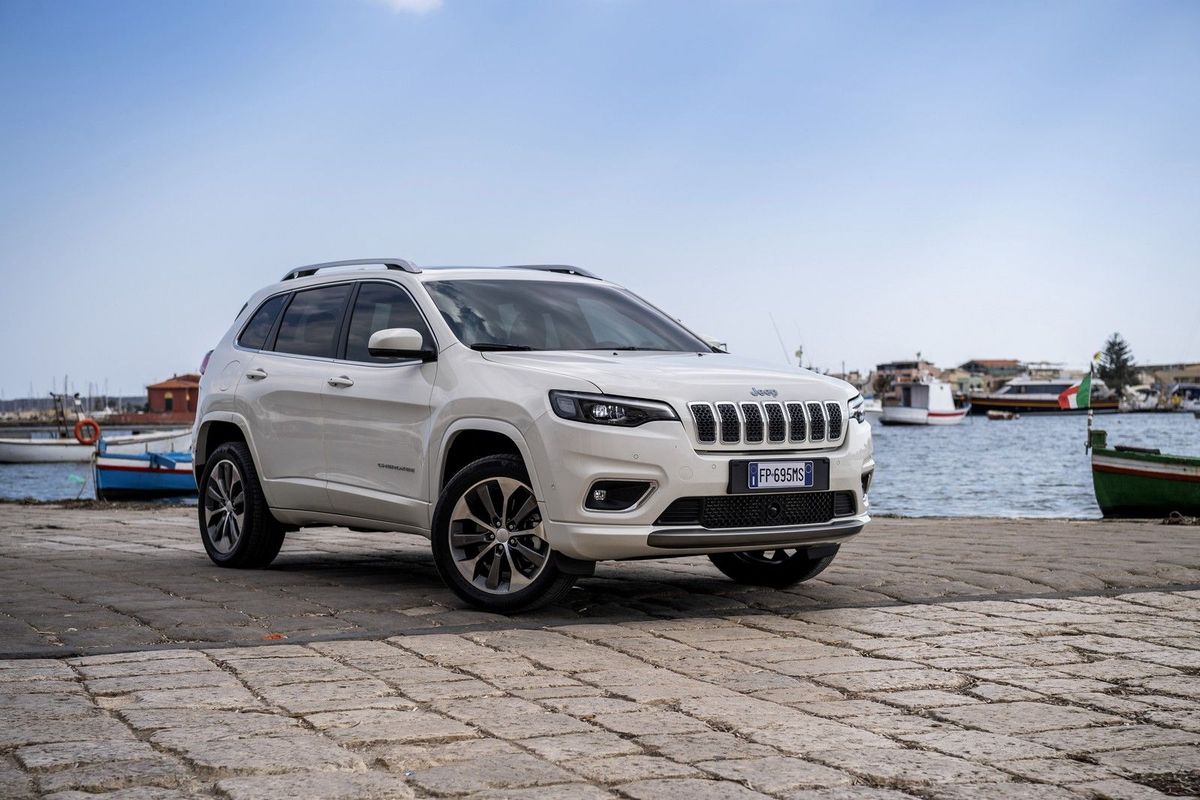
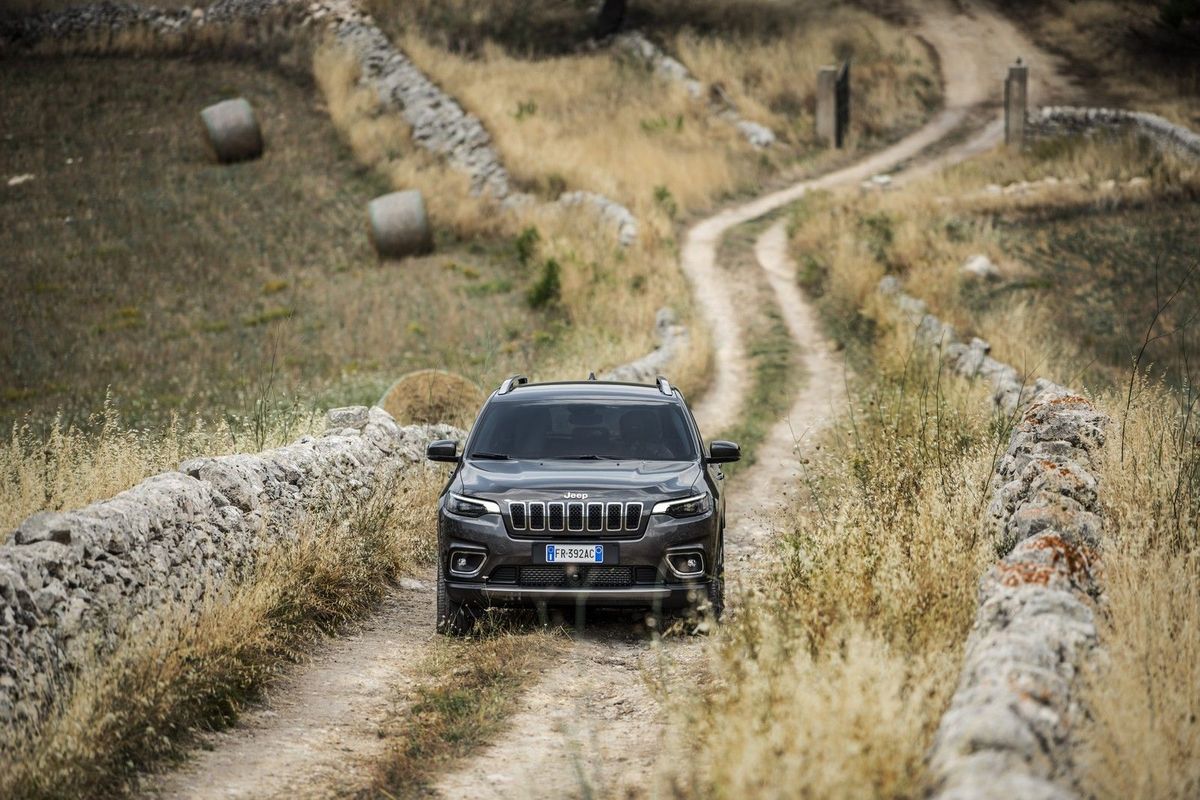
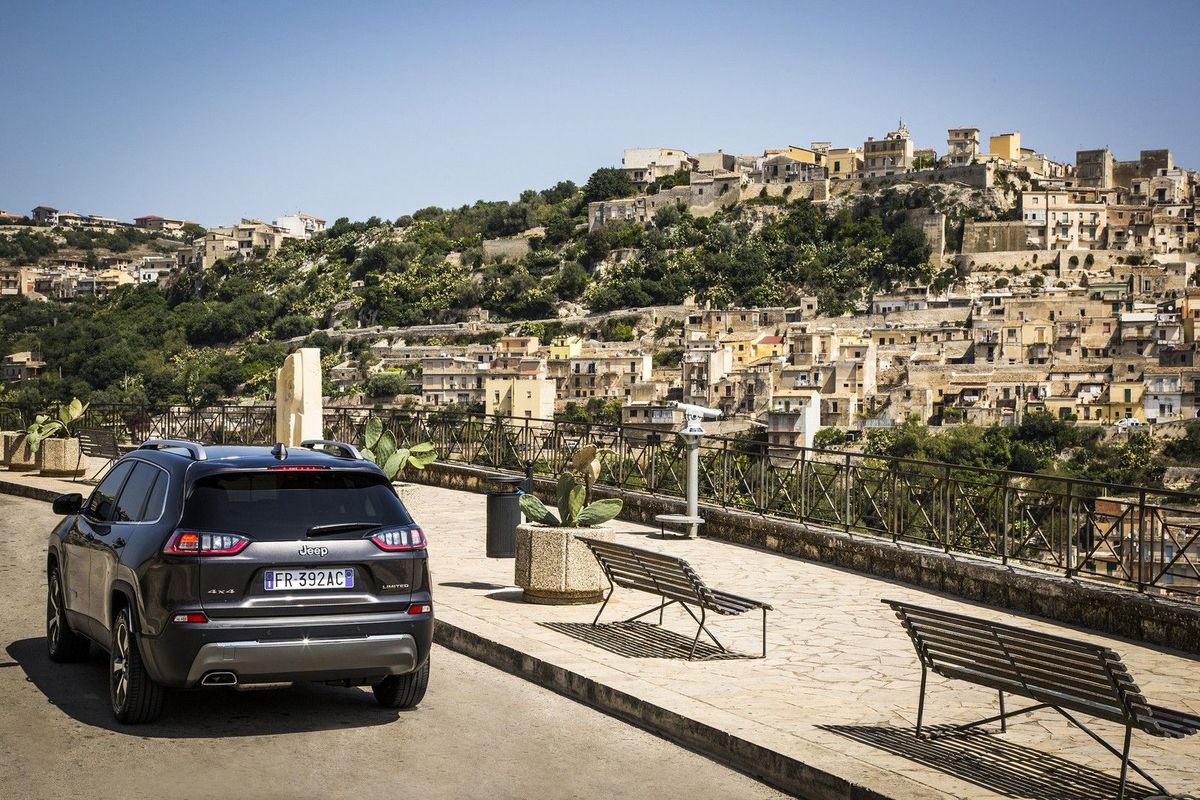
Jeep Cherokee (2019) International Launch Review

Jeep revealed its facelifted Cherokee at the Detroit Show earlier this year. The updated Cherokee is expected to arrive in South Africa early in 2019, but our UK correspondents grabbed an early drive in Sicily and filed this report…

Jeep first made an SUV designed for family life more than 30 years ago – in the form of the original Cherokee. Little surprise then, that the name is still going strong today. However, this latest version faces considerably more opposition than ever before, including the likes of the Land Rover Discovery Sport, Audi Q5 and BMW X3.

The refreshed 2019 Jeep Cherokee stands out from the competitive compact SUV segment thanks to its proven off-road ability. After all, that’s what Jeeps are known for. However, many buyers in this segment are just looking for a comfortable vehicle to drive every day and the Cherokee is effective on this front as well… to a point.

Exterior styling updates


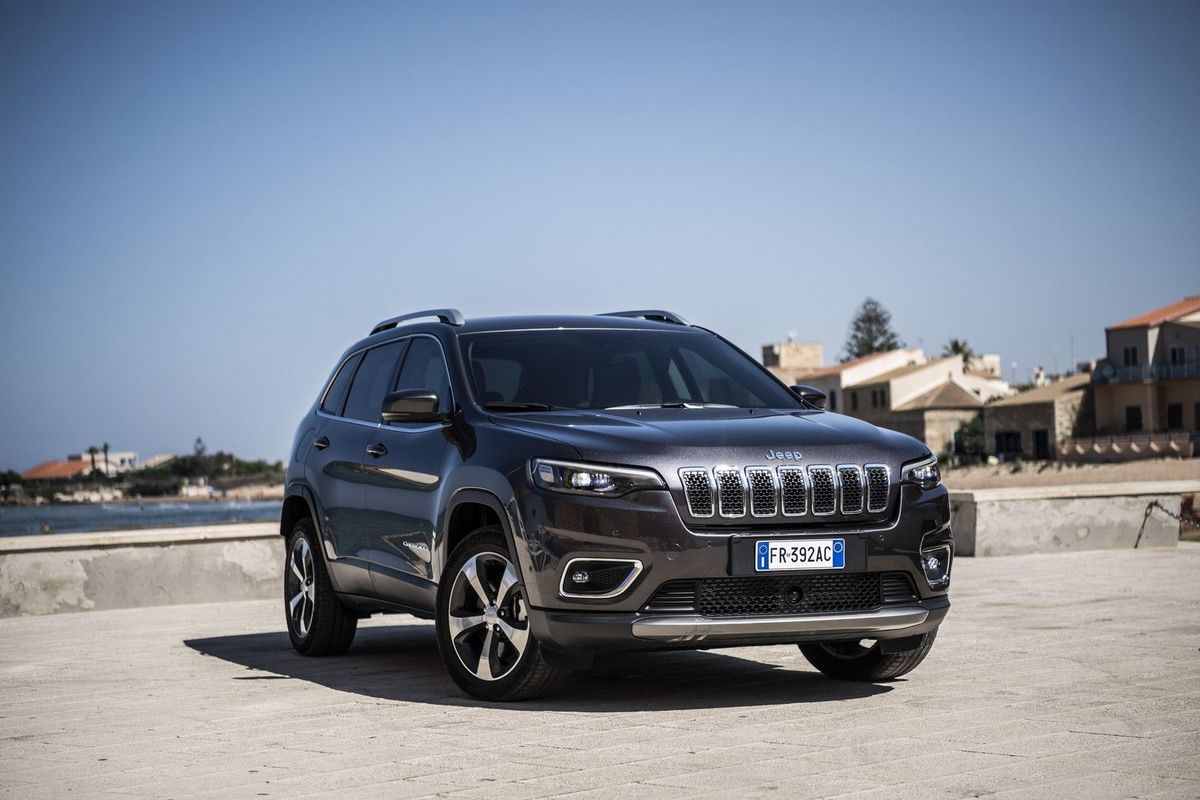
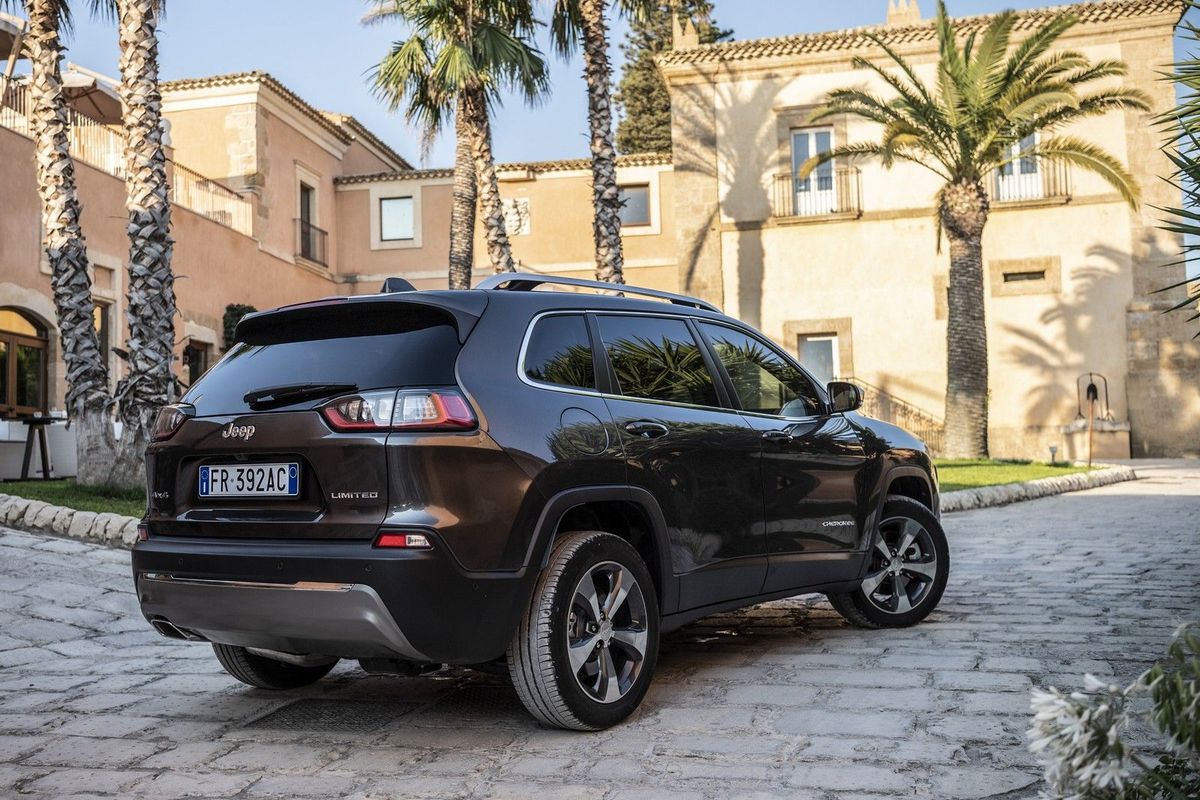
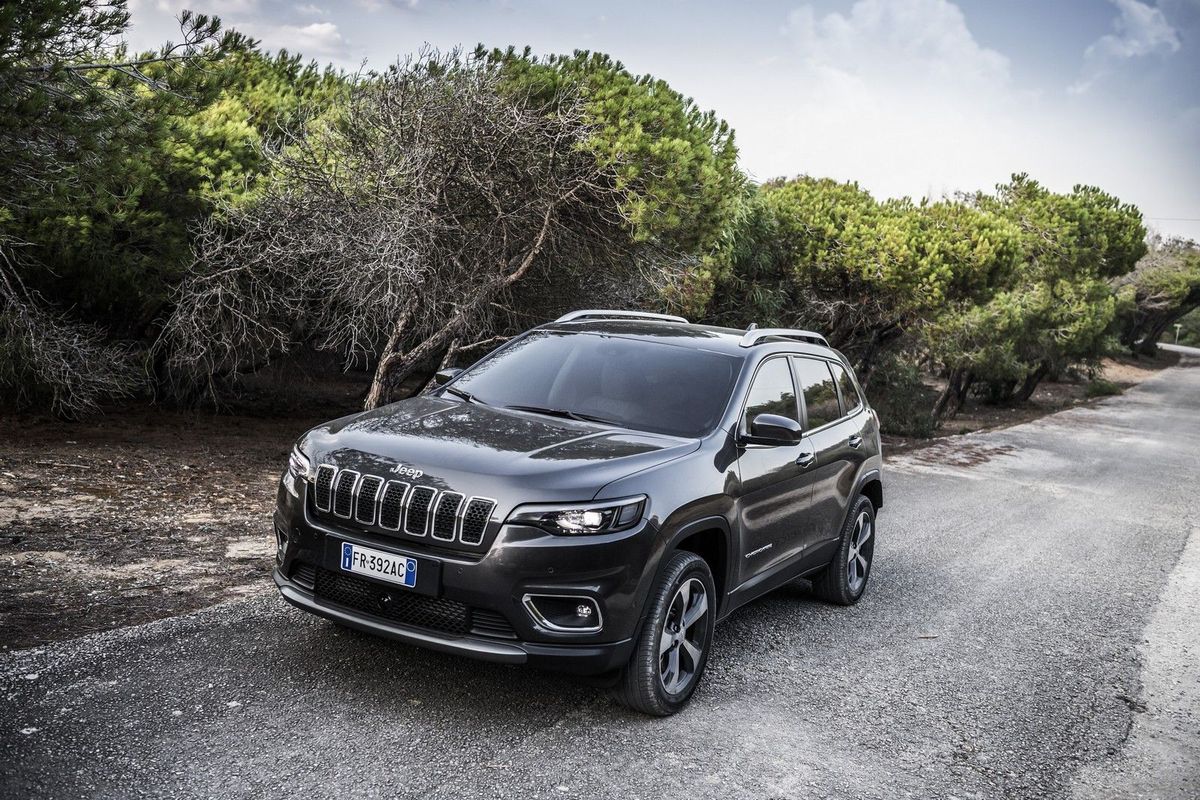
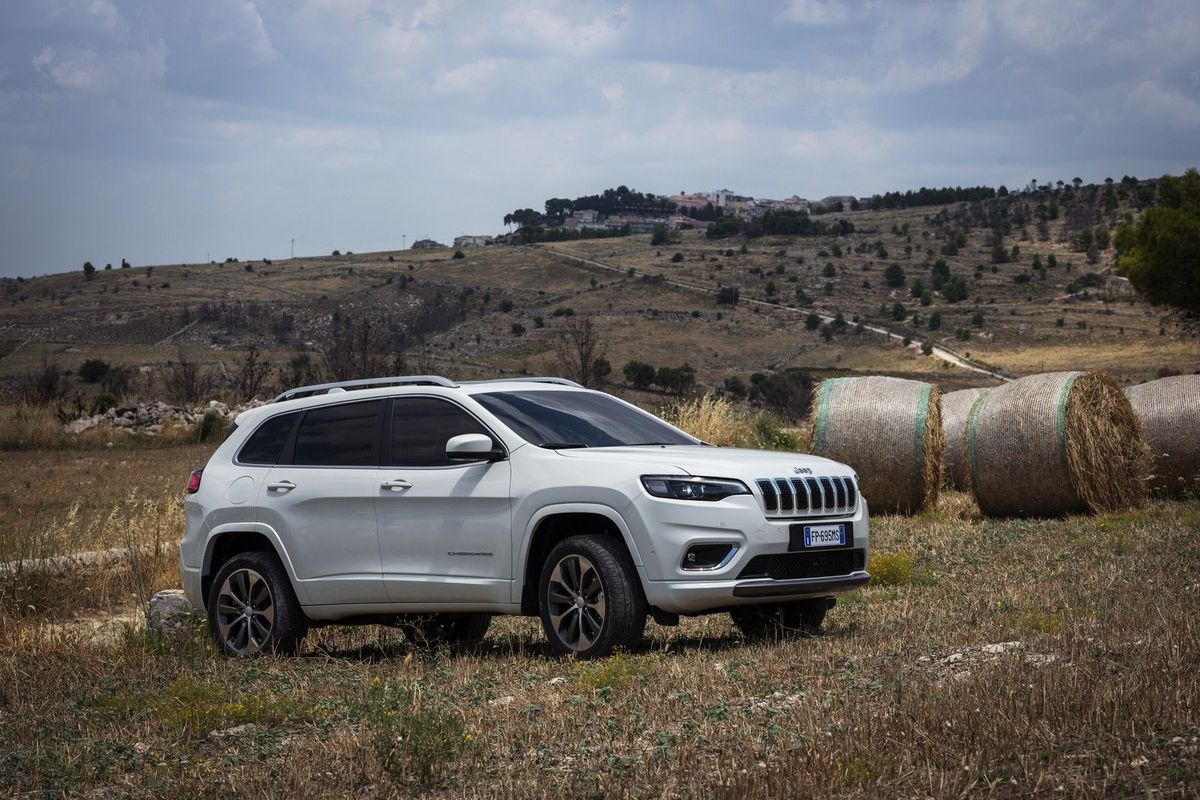
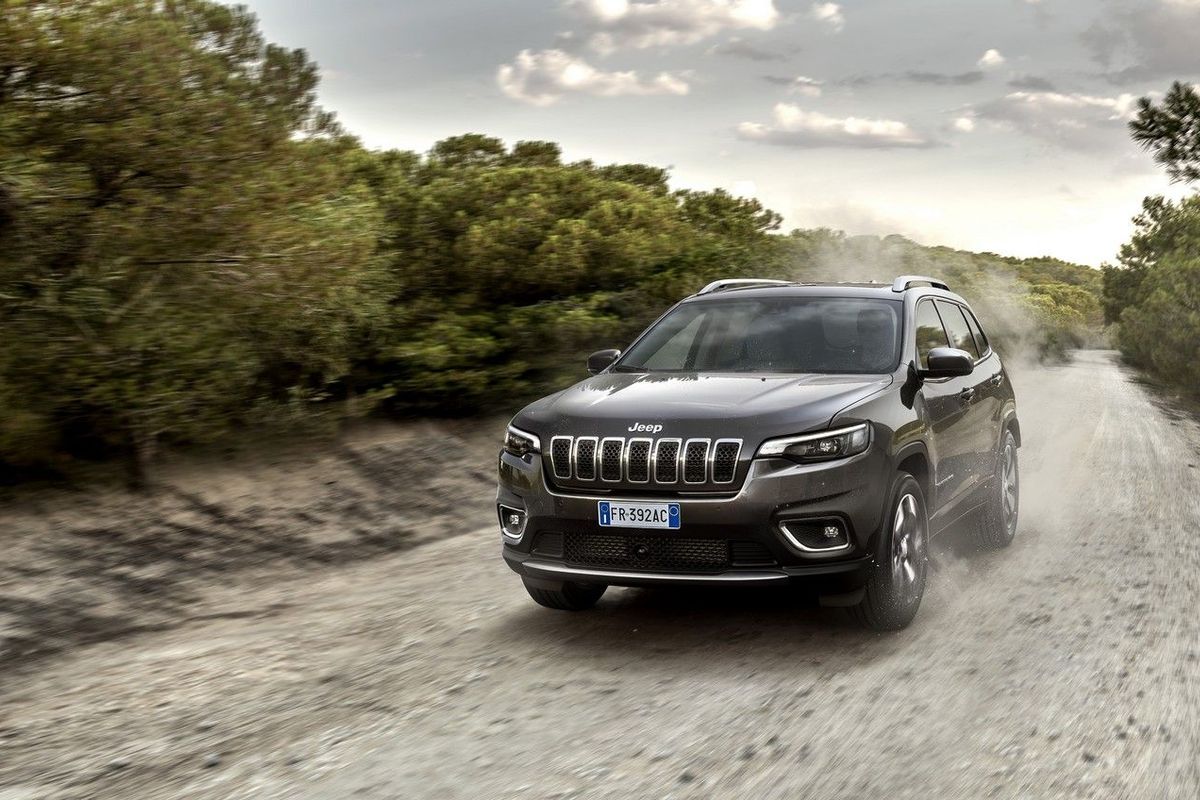
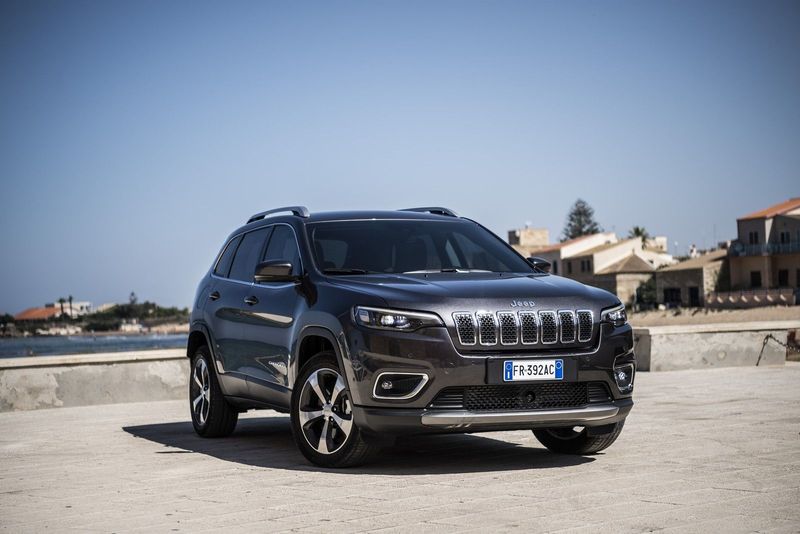
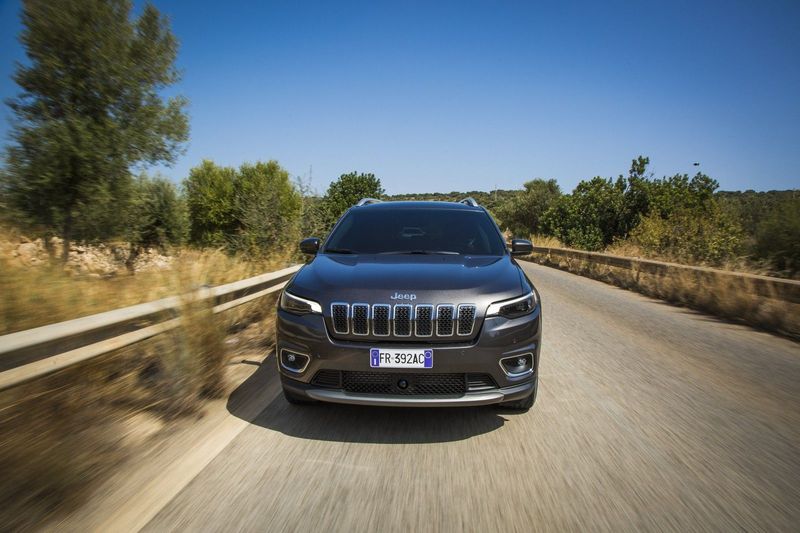
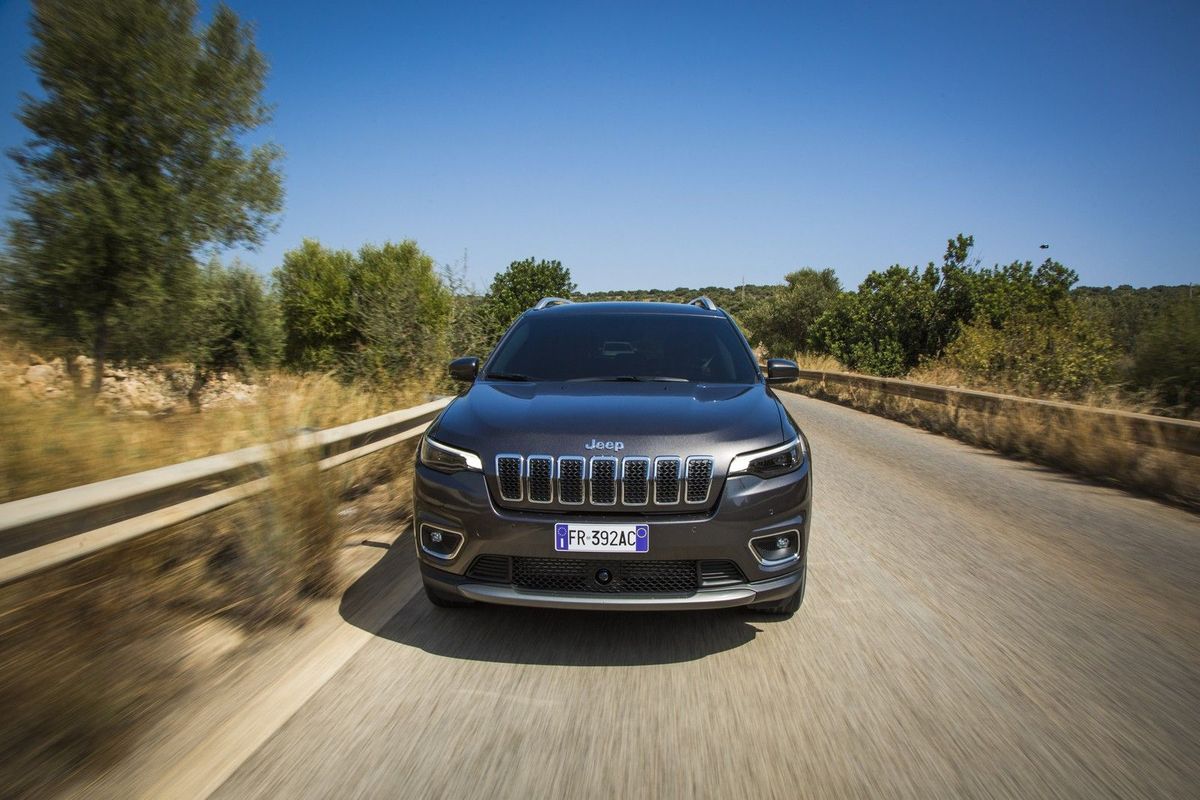
The front-end design of the Cherokee is only a little less polarising than that of the model it replaces.

Being a mid-cycle refresh to this 5th-generation Cherokee, its exterior styling has taken the brunt of the changes to keep it firmly on the radar of customers. All of the sheetmetal ahead of the windscreen is new, with a higher bonnet-line and more conventional lighting assemblies that give the Cherokee a close resemblance to the Grand Cherokee and the new Compass. Reshaping the front end also gave Jeep the opportunity to rework the underlying structure for better crash protection.

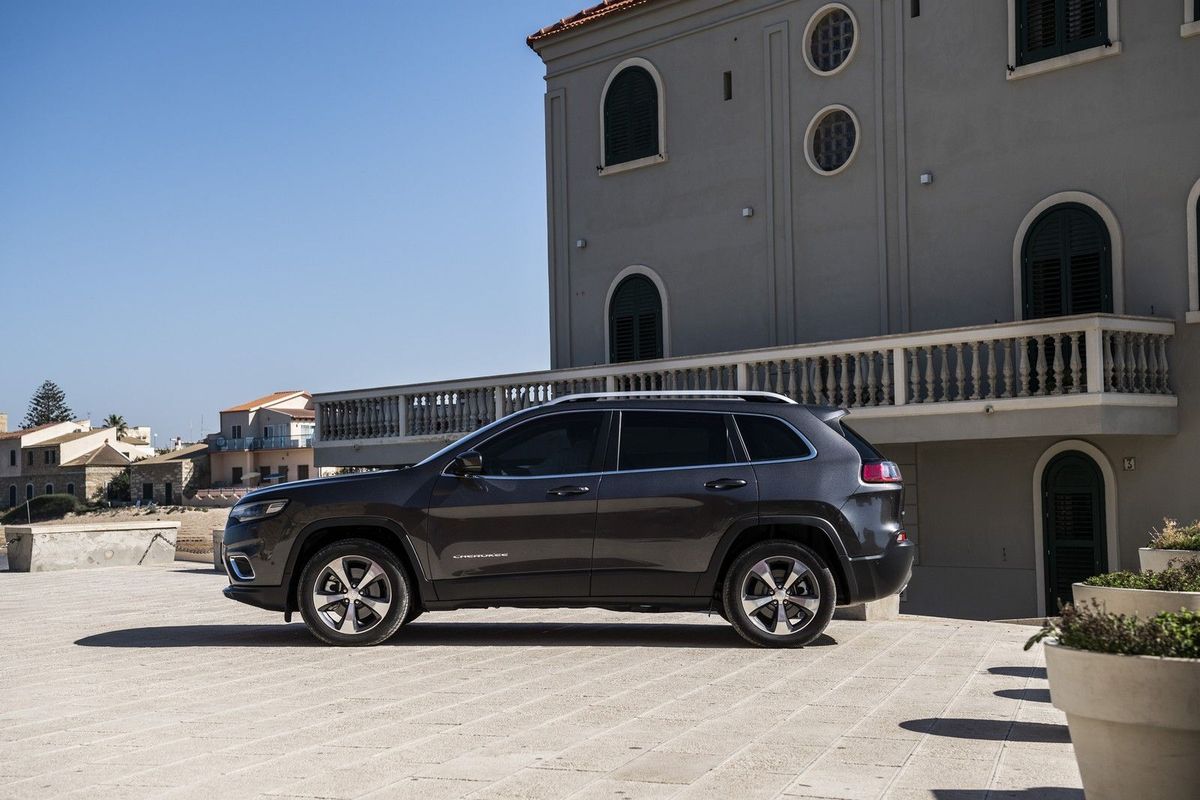
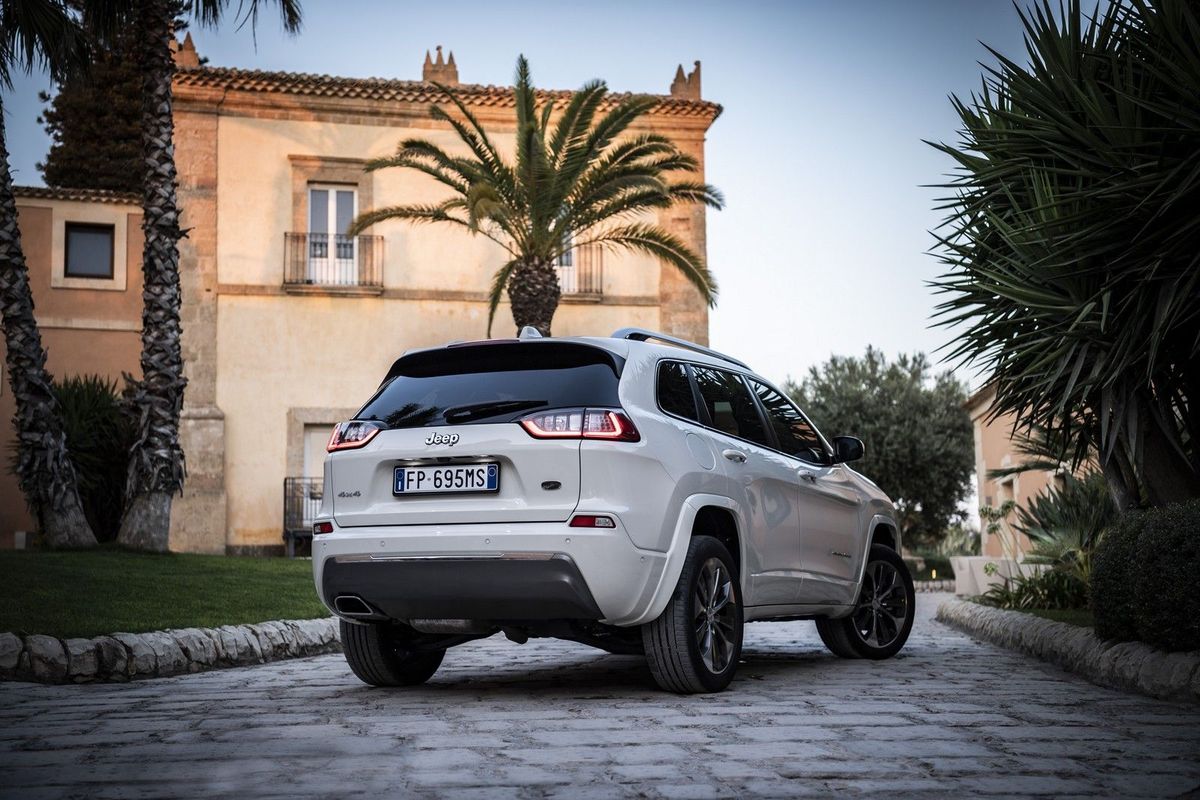
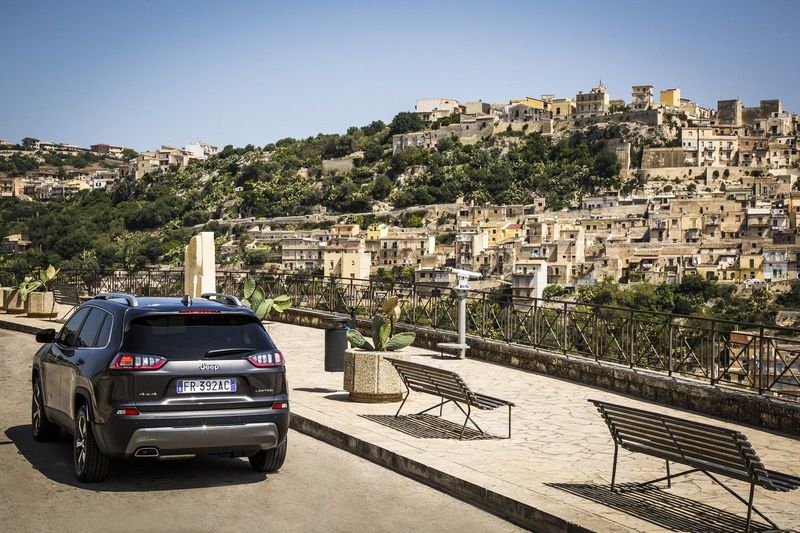
At the rear, the entire tailgate is new and is made from composite materials to save weight. Moving the number plate from the bumper to the tailgate eliminated that vast expanse of blank sheet metal below the tail lights and allowed the latch mechanism to be moved further back into the bumper. In doing so, just over 70 litres of additional luggage space was acquired. Even still, the new Cherokee still trails its rivals for luggage volume.

Interior changes


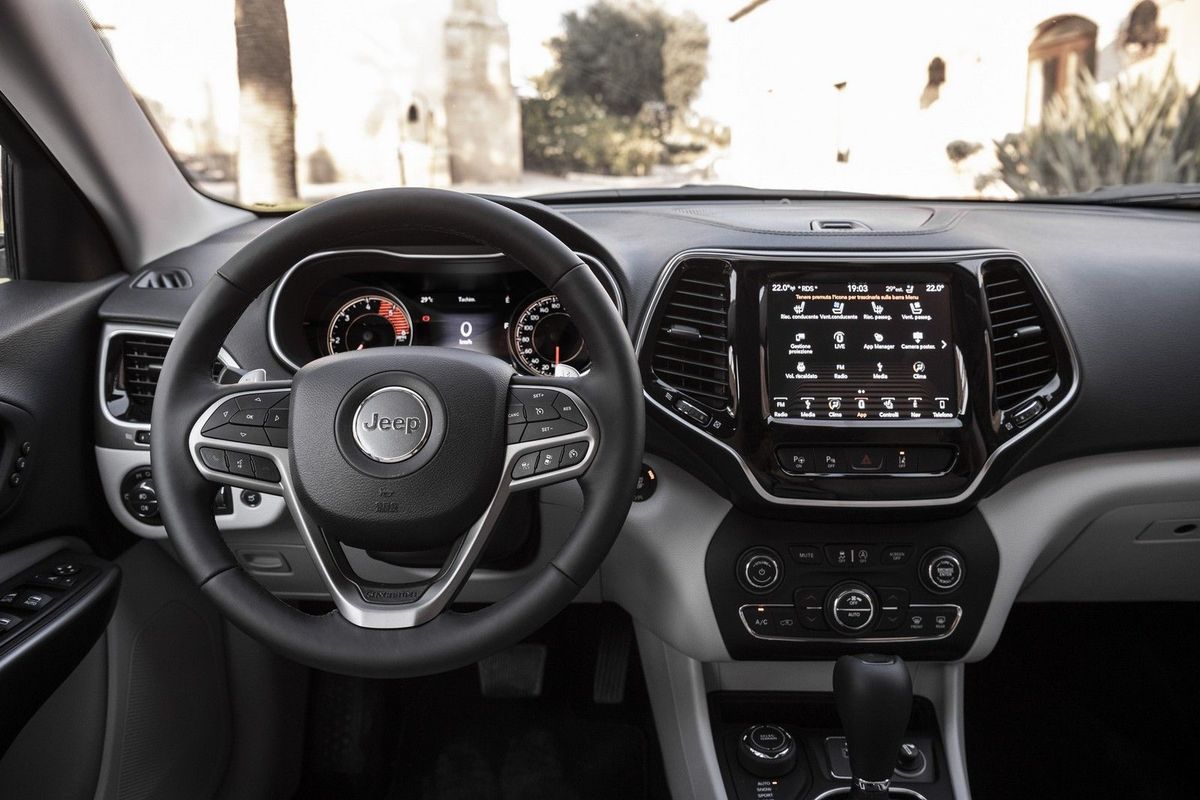
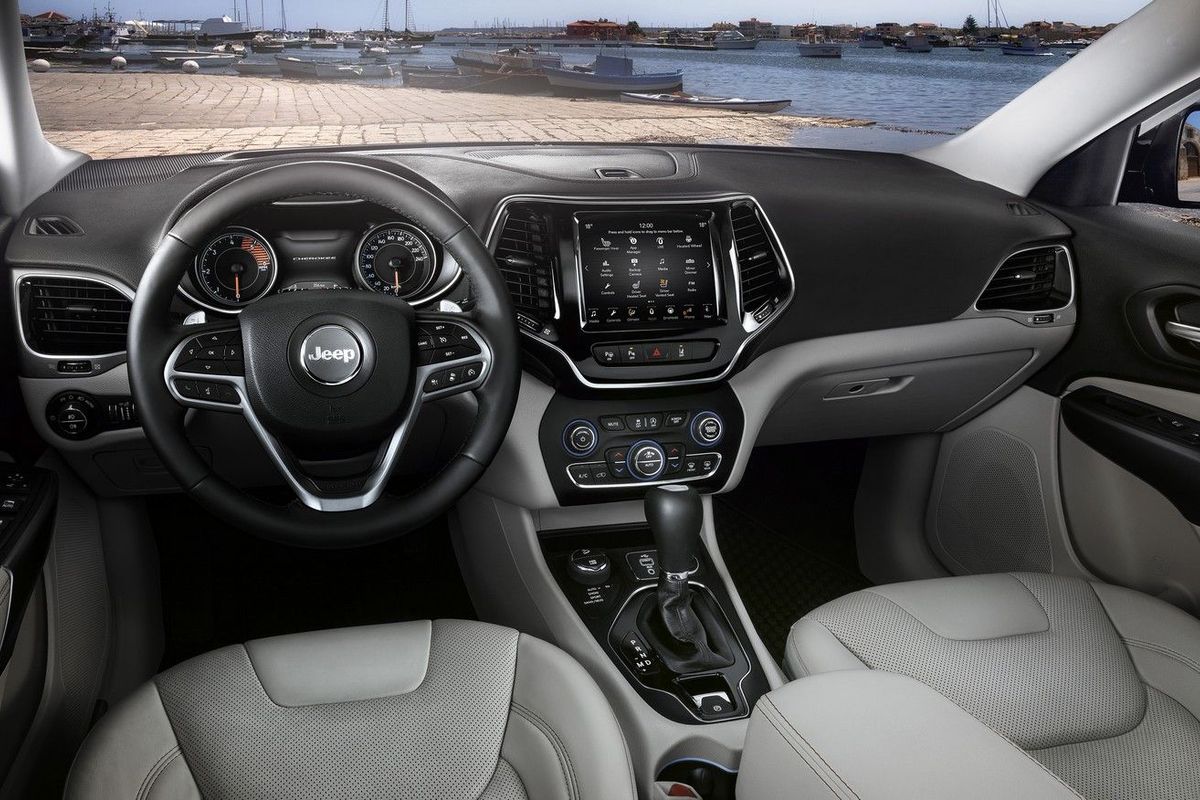
New infotainment screen has more functionality and user-friendly apps.

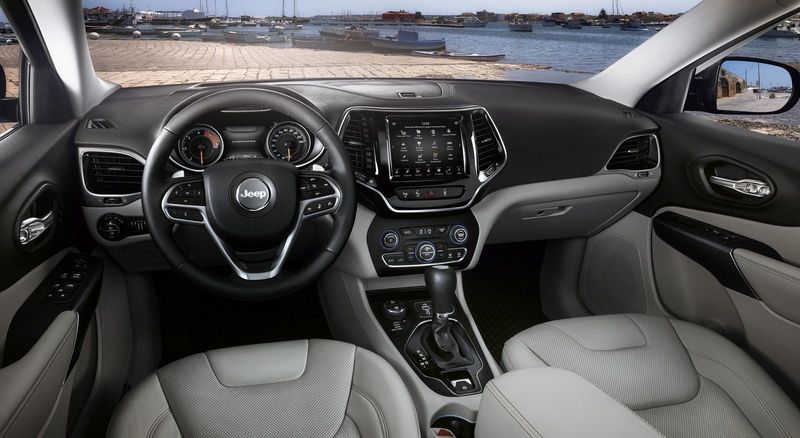
For those 2 long days under the hot Sicilian sun, the new Cherokee was a surprisingly pleasant place to be. Both front seats are comfortable and supportive, not to mention being heated and cooled, the latter being particularly effective.

The general ambience of the cabin was pleasant with plenty of space to shuffle around and storage space wasn’t too bad either. We had hoped that the dash layout and design had a little more style to it, but it remains functional.

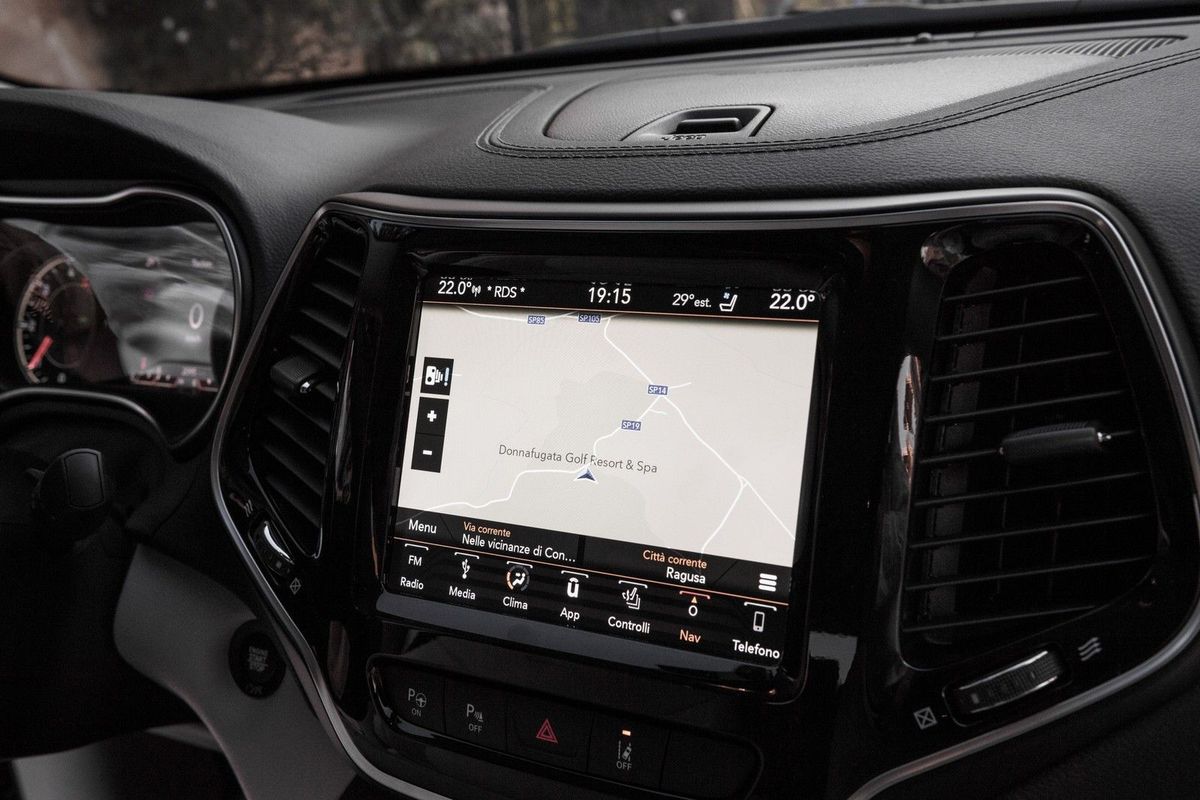
Both the 4×4 Overland and 4×4 Limited editions at launch had the 8.4-inch high-definition touchscreen, which is Apple CarPlay and Android Auto compatible. Both functions worked rather well, as did the satellite navigation. Mind you, driver errors took us down some rather dicey side streets at one point.

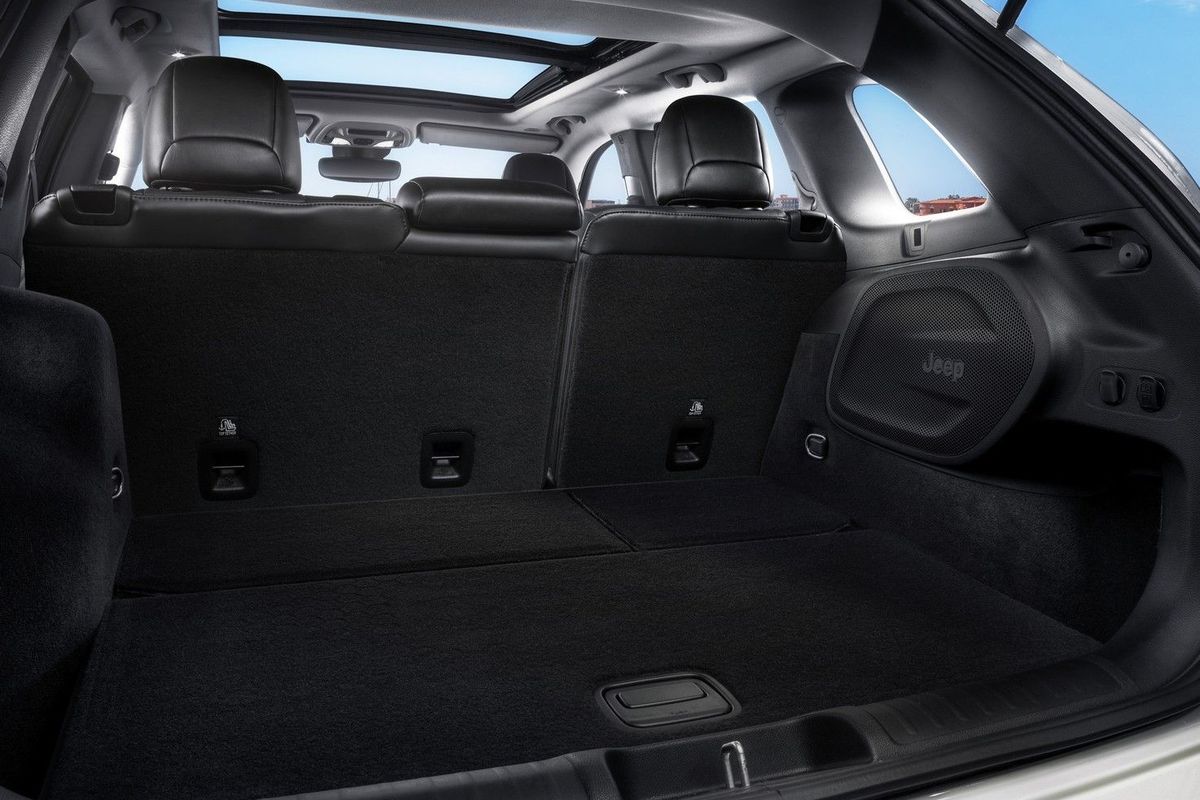
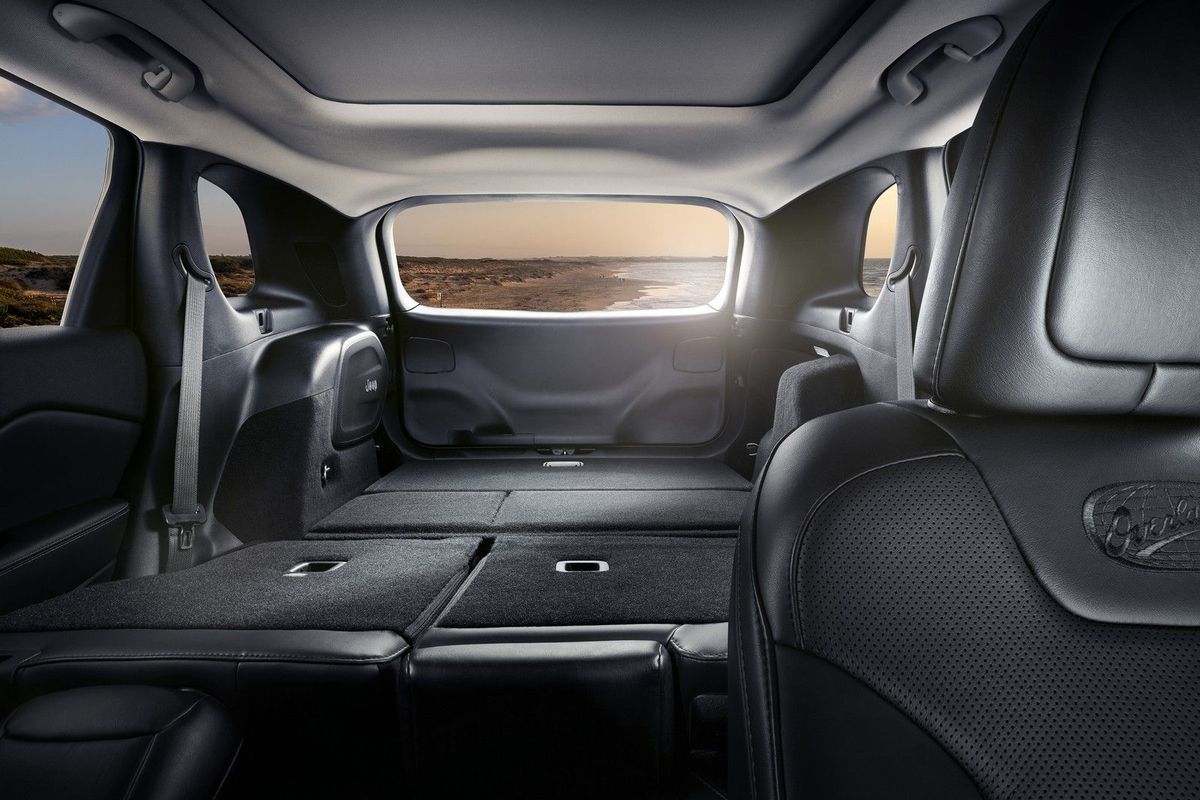
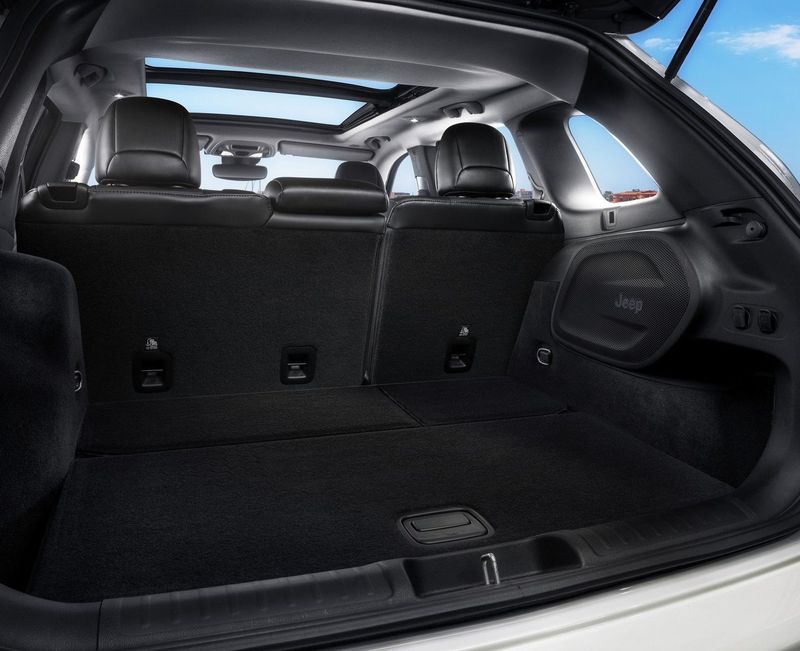
Rear seat passengers have good leg- and headroom, even when the front seats are set for 6-footers and, no matter where you’re positioned in the cabin, visibility is always good. At 570 litres with row two in place, the new Cherokee offers a larger luggage bay than the outgoing model.

Trim grades and equipment


A 500-litre boot is just about right for this segment, there are also multiple power points in the rear. 

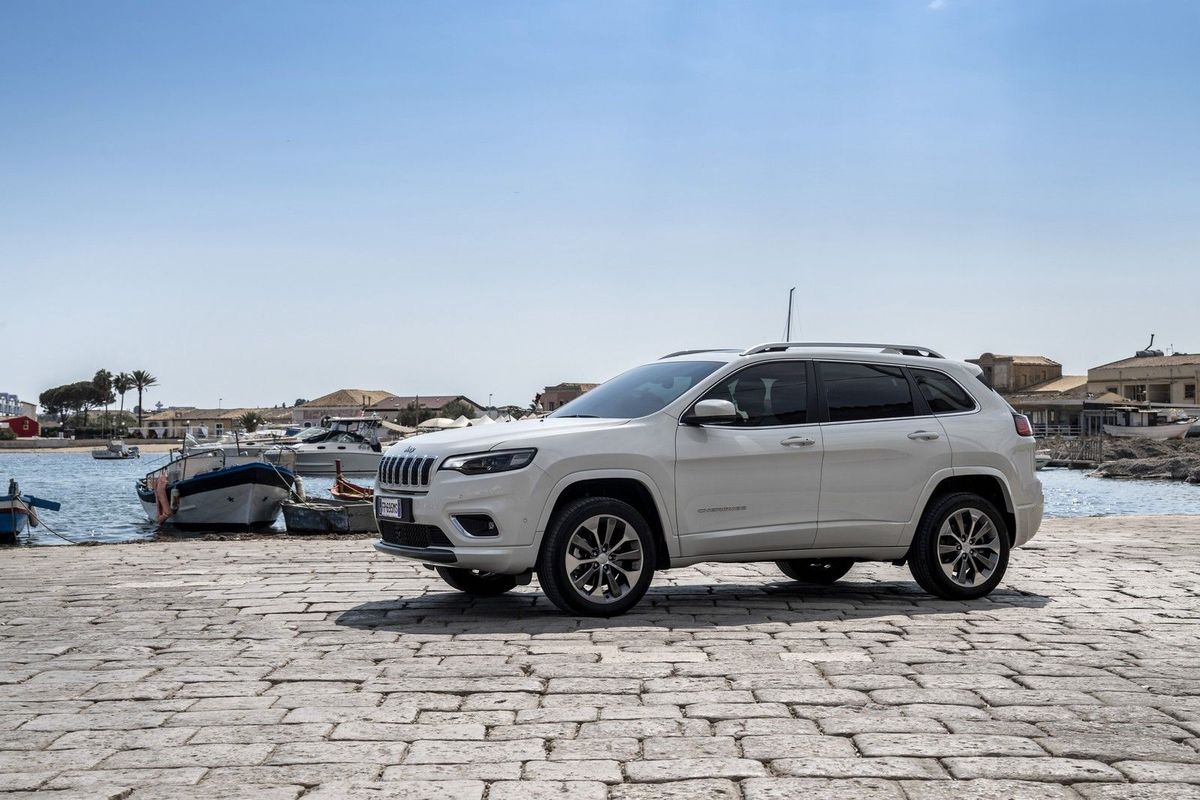
Here in the UK and the EU, the new Jeep Cherokee will continue to be offered in the Longitude, Limited and Overland trim levels, with the range-topping Trailhawk derivative following later in 2019. However, Jeep SA has confirmed that the current range-entry Longitude model will be discontinued, leaving the familiar and more popular Limited and (arriving later in 2019) Trailhawk trims in the South African Cherokee line-up.

The Limited is shod with 18-in alloys, trimmed in leather upholstery, comes equipped with an electrically-adjustable driver’s seat (the passenger seat remains manual), a 7-inch driver information display, dual-zone automatic climate control, heated steering wheel, USB connectivity and remote entry and start. For 2019, it also receives a powered tailgate, blind-spot monitoring with rear cross-path detection, and rear parking sensors.

The Trailhawk loses the Limited’s standard power driver’s seat (it’s an extra-cost option) and a few other convenience items, but gains a more sophisticated all-wheel-drive system, its own design of 17-inch alloy wheels, skid plates, an off-road suspension with a 25 mm lift (raising ground clearance to a useful 220 mm), front and rear tow hooks, flared fenders and sporty cloth/vinyl/leather upholstery (leather trim is optional). It also gets blind-spot monitoring with rear cross-path detection for 2019, plus dual-zone automatic climate control and rear parking sensors.

Engines and Drivetrains


South Africa’s Cherokee will continue to be powered by the 3.2-litre V6 Pentastar petrol engine.

Jeep South Africa confirmed that the sole engine available in launch versions of the refreshed Cherokee will continue to be the potent 3.2-litre V6 Pentastar delivering 200 kW and 300 Nm. It will be coupled to a 9-speed automatic transmission and Jeep SA said that other engines will be evaluated for possible introduction during 2019.

When left to its own devices, the automatic transmission is usually smooth-shifting. However, manual shifts feel hesitant and it can be slow to drop down a gear.

On-road ride and handling

Without doubt, the new Jeep Cherokee is set up to provide a comfortable, cosseted ride and decent off-road performance as opposed to delivering thrills aplenty through twisty back roads. Its soft suspension, tall body and high ground clearance all make for better off-road performance, but the trade-off is that body lean is pretty pronounced in corners and the steering is somewhat vague.


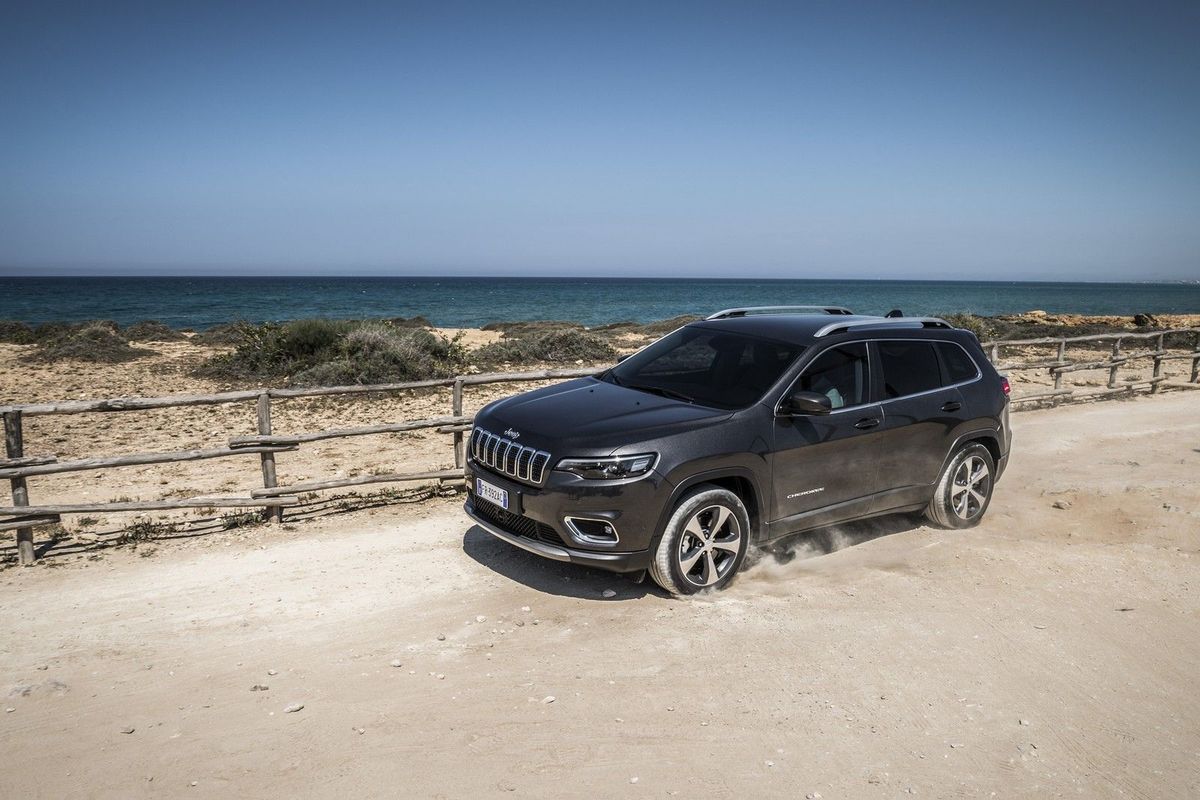
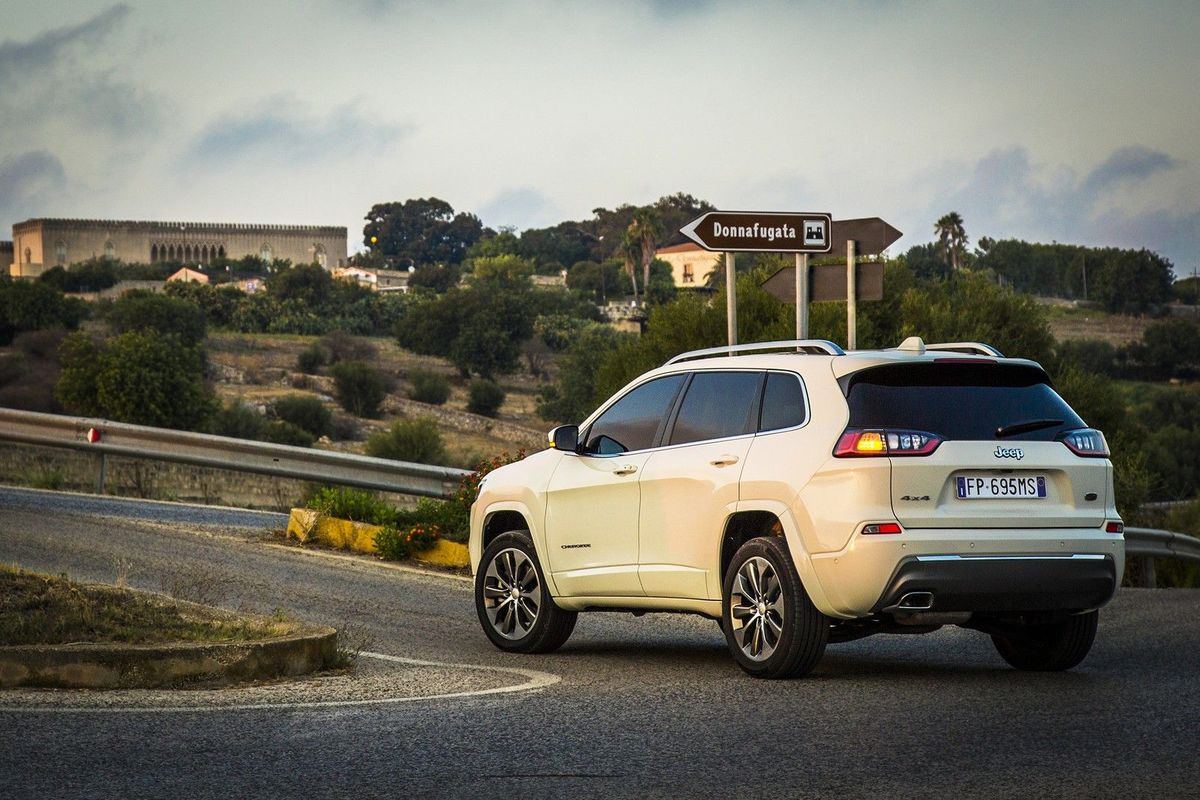
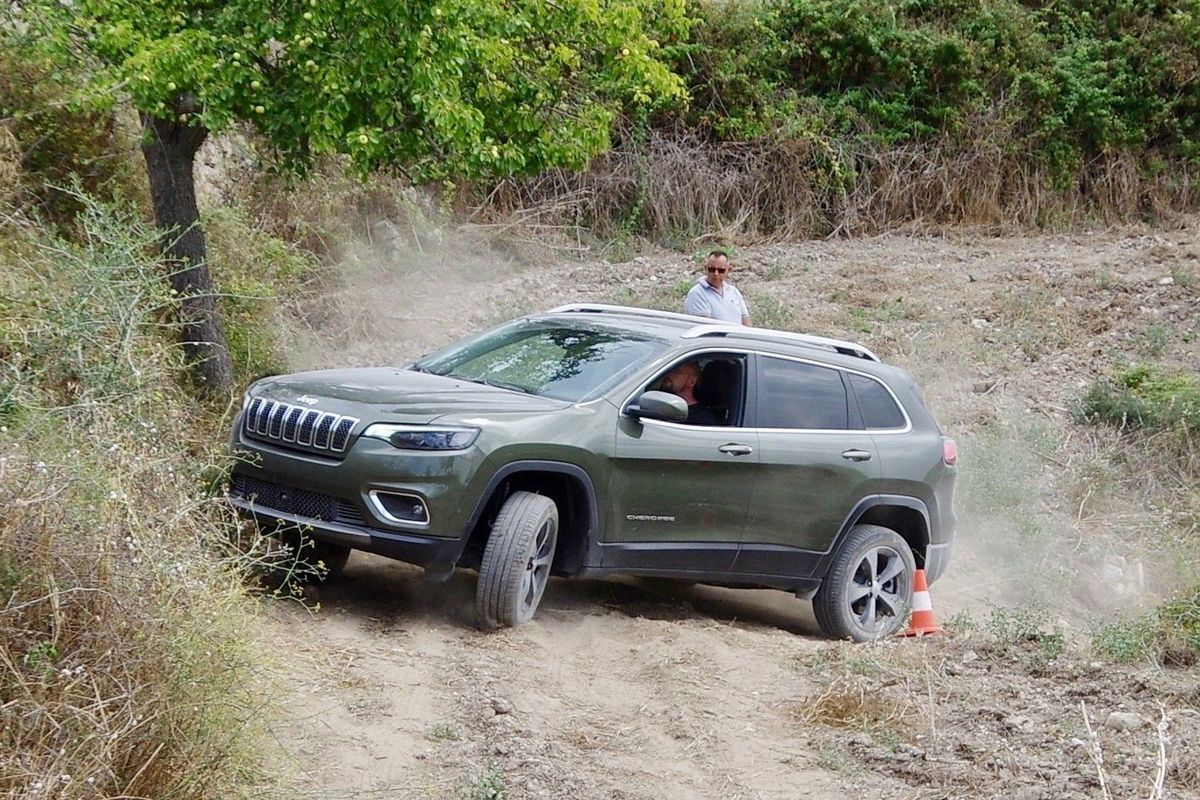
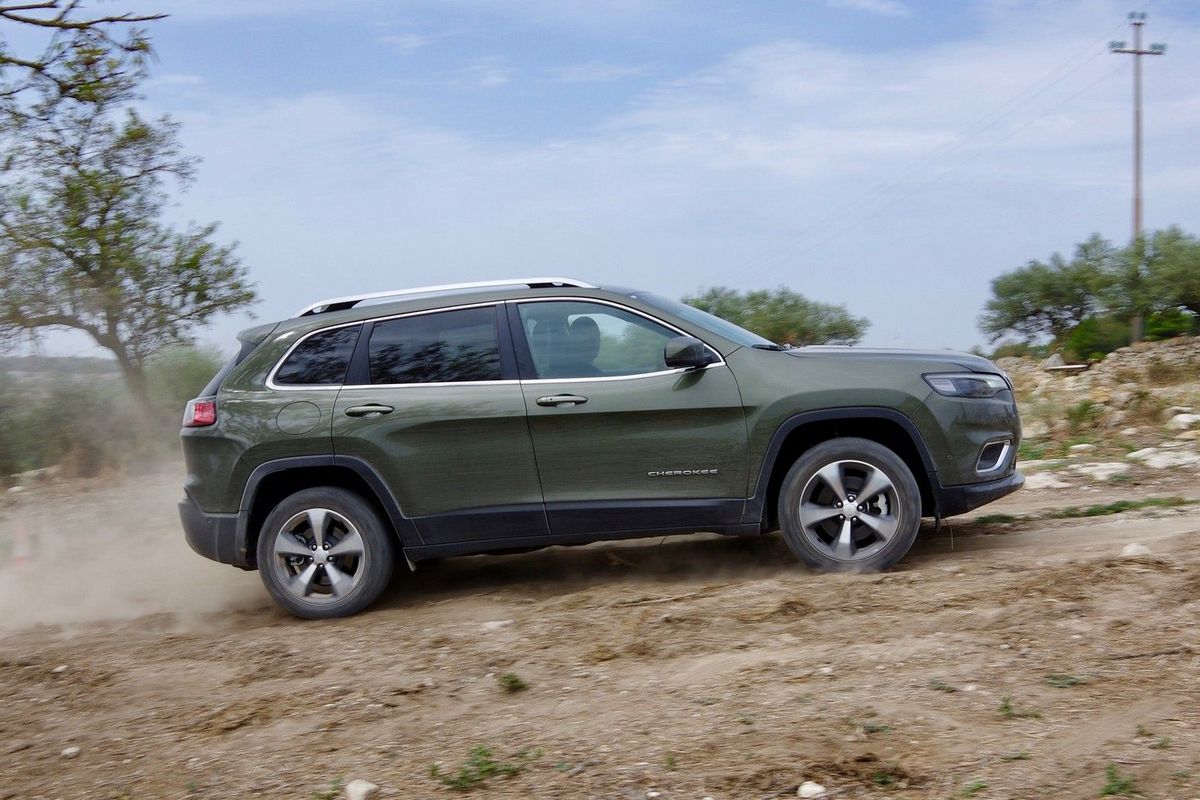
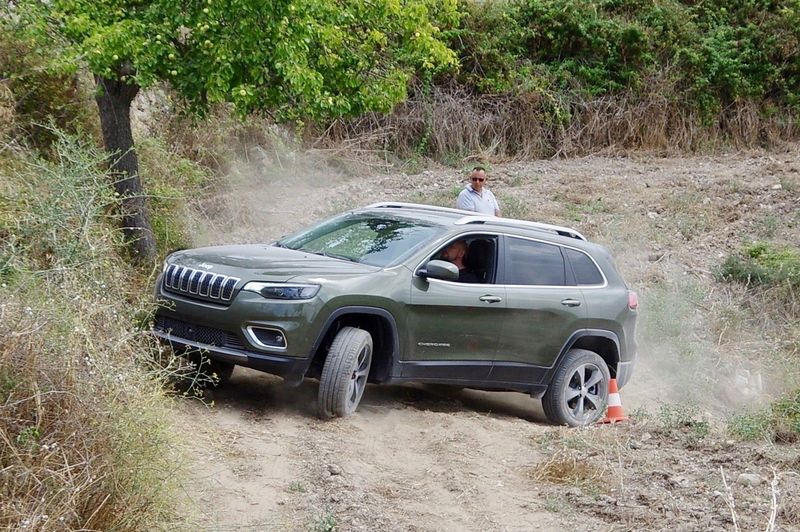
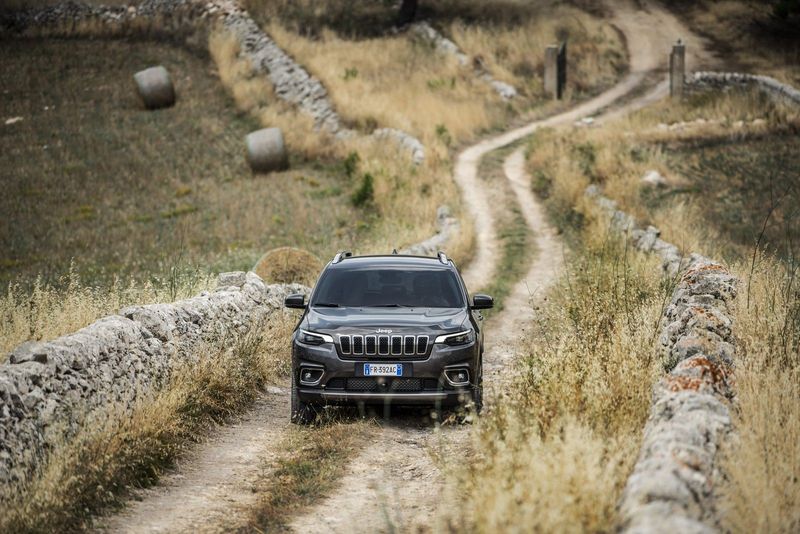
True to Jeep’s nature, the Cherokee is a dual-purpose vehicle, with good on and off-road capabilities.

Paired with the 2.2-litre MultiJet2 turbodiesel as driven, the tweaked 9-speed automatic transmission offers seamless performance and compensates for a slight loss in peak output over the current model, which is down from 149 kW to 145 kW; but few, if any, will notice it.

The majority of Sicilian roads we encountered were atrocious, to say the least. It could have been a clever decision by the EU Jeep PR team, or that all the roads in Sicily are of particularly poor calibre, but it proved that when compared to the outgoing version, Jeep made tangible improvements to the new Cherokee’s handling and ride.

We couldn’t say it wafted along like a Range Rover, but the Cherokee coped adequately with the many potholes and undulations that presented themselves around almost every corner.

Official fuel consumption is rated at 7.4 L/100 km for the 2.2-litre turbodiesel. However, we achieved between 9 and 15 L/100 km – but it was given a hard time, to be fair.

Off-road cred

The Cherokee’s Selec-Terrain 4-wheel drive system worked well both along harsh dirt tracks and an impromptu off-road course in a field. Where it really surprised was when we encountered a particularly soft patch of sand next to a beach.


The off-road suspension adds 25 mm of extra ground clearance to the Cherokee, lifting it to 225 mm.

Earlier that day, reports came in that a couple of FWD Cherokees had become hopelessly stuck. So, aware of this, we selected Sand/Mud on the drive mode dial and along with a sizeable dollop of trepidation, into the breach we went. Straight away we could feel the Cherokee sink into the sand as the revs died. Applying a little more acceleration, the AWD system took over and, finding grip where it really shouldn’t have, we emerged on the other side with little drama.

Safety

This is an area where the Cherokee shines. It received the full 5 stars from Euro NCAP, including an impressive 92% adult occupant protection score. As you’d expect, there’s a full quota of safety kit, including a multitude of airbags, electronic stability control, anti-lock brakes and tyre-pressure monitoring. ISOfix child-seat mounting points have been availed in the back, as well as a special trailer stability system for when you’re towing.


The updated Cherokee scores very well in safety tests.

Pricing

This far in advance, there are no price indications for the 2019 Jeep Cherokee line-up, but Jeep SA did confirm they were hoping to “target pricing along lines of the current range”.

Summary

There is little doubt the refreshed Jeep Cherokee is more accomplished, more refined and better equipped to tackle the competitive medium/executive SUV segment than the model it replaces. It also seems, on face value, to have the styling it needs to appeal to more buyers.

If you want a reasonably priced SUV that transports you comfortably to work during the week – and hit the trail on the weekend should your mood or lifestyle take you – then the refreshed Jeep Cherokee will not disappoint. Sadly though, it still can’t beat top rivals as an all-rounder.

by: Wayne Gorrett and Damian Turner

Related content:

Jeep going big in 2018

Jeep Grand Cherokee Trackhawk – The Fastest Jeep Yet

The Journey Mozambique – The Search for Sunken Land Rovers

Search for a used Cherokee here

Drag Race: Toyota Yaris GRMN vs Renault Clio RS 18

In part 2 of our warm hatch drag race series the limited edition Renault Clio RS 18 takes on the even more limited edition Toyota Yaris GRMN.

Over the next three weeks, we'll be rolling out a 4 part video series, featuring some of the hottest (warmest?) hatches available right now in South Africa. It's called the Ultimate Warm Hatch Shootout, and it's exclusive to Cars.co.za.

Stay tuned and subscribe to be the first to see two more drag races and a track race featuring the 2018 Polo GTI, the Renault Clio RS F1, the Mini Cooper S and the very special Toyota Yaris GRMN.

In this video, the Yaris and the Clio go head to head on the quarter-mile drag strip. The race took place at sea level on a cold day, so Ashley Oldfield and Ciro De Siena braved the elements to bring you this cracking race.

Here's the first race, if you missed that.

Search for a used Clio RS here

Search for a used Polo GTI here

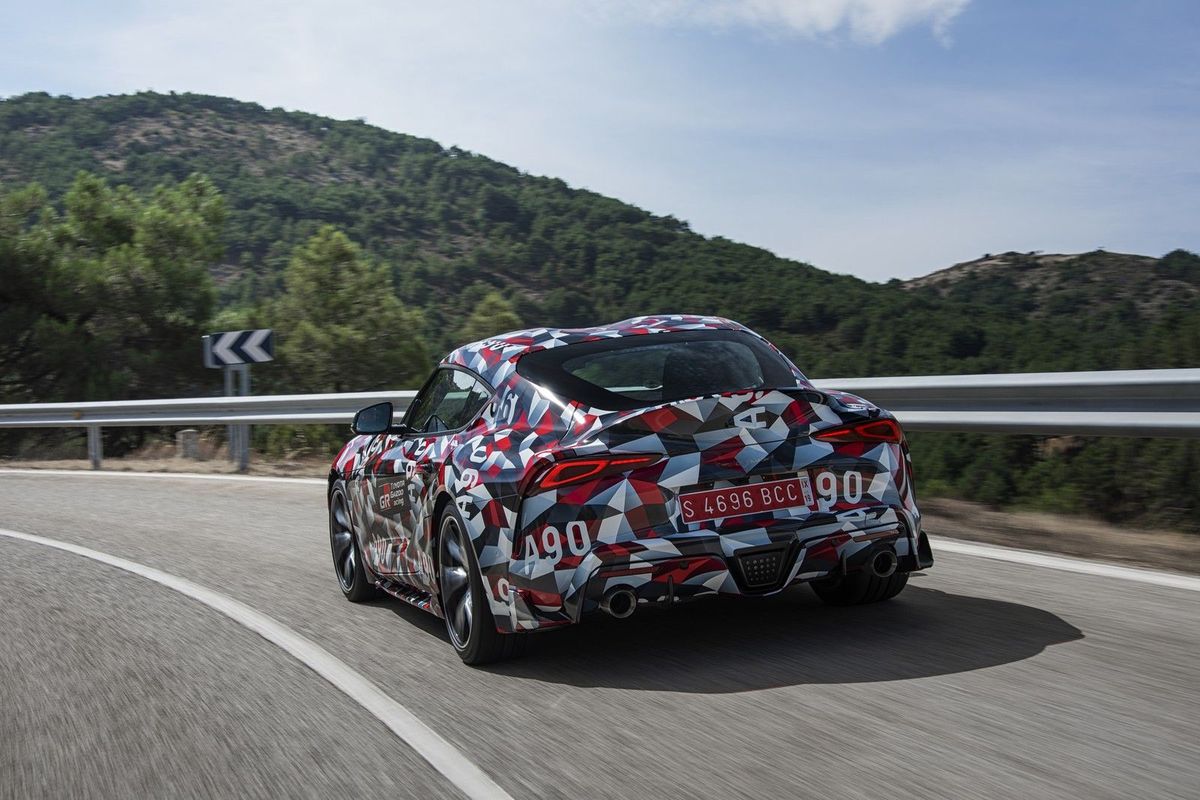
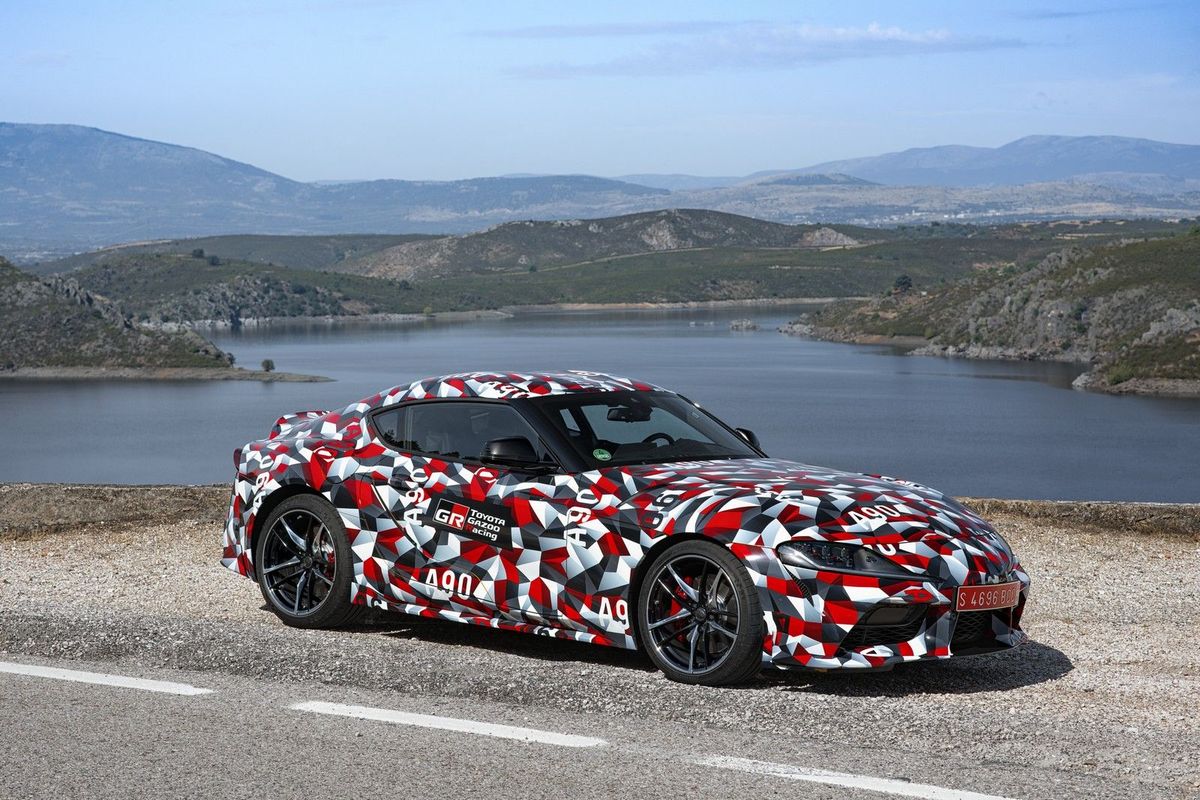
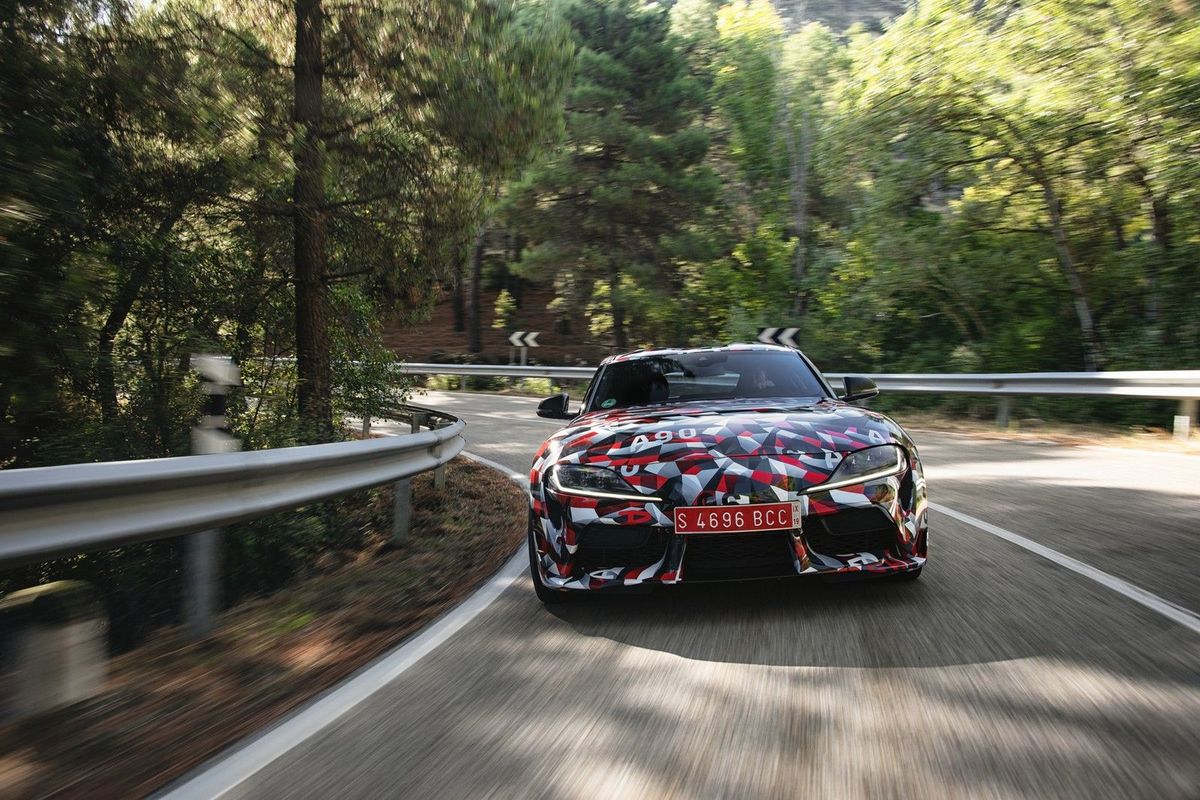
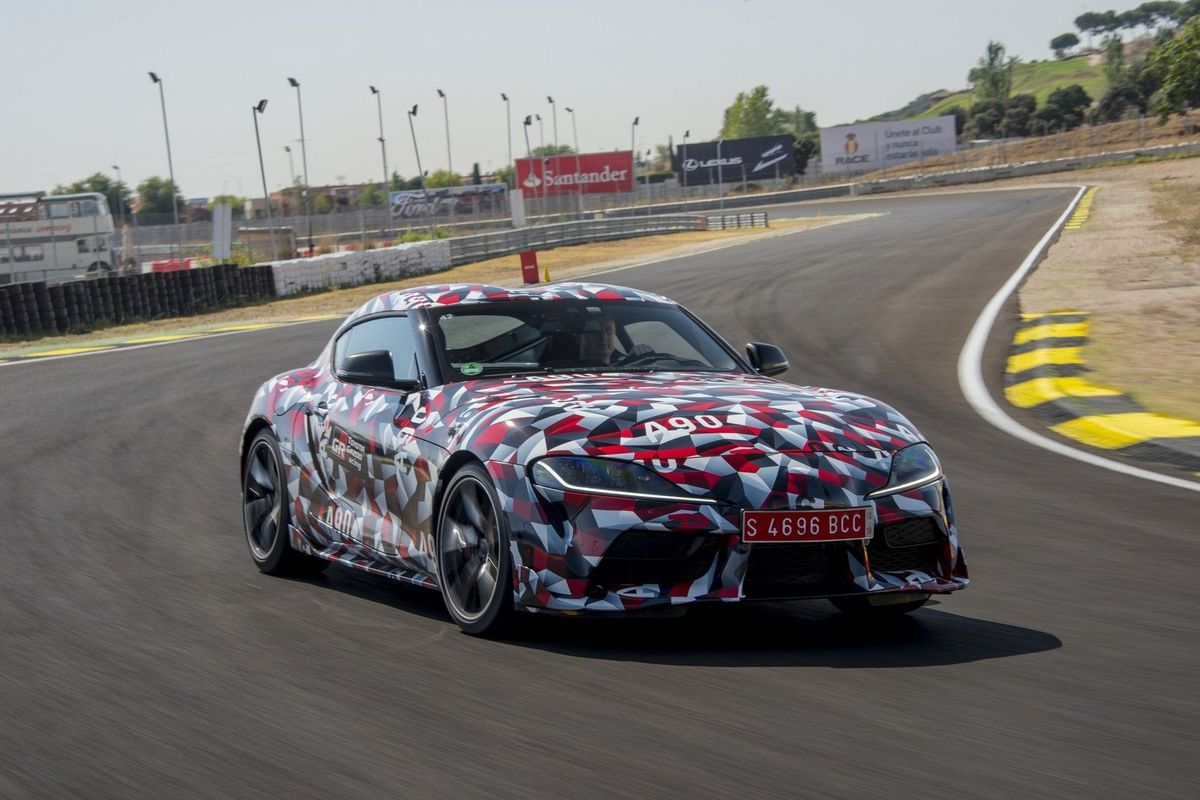
Toyota Supra (2019) International Prototype Drive

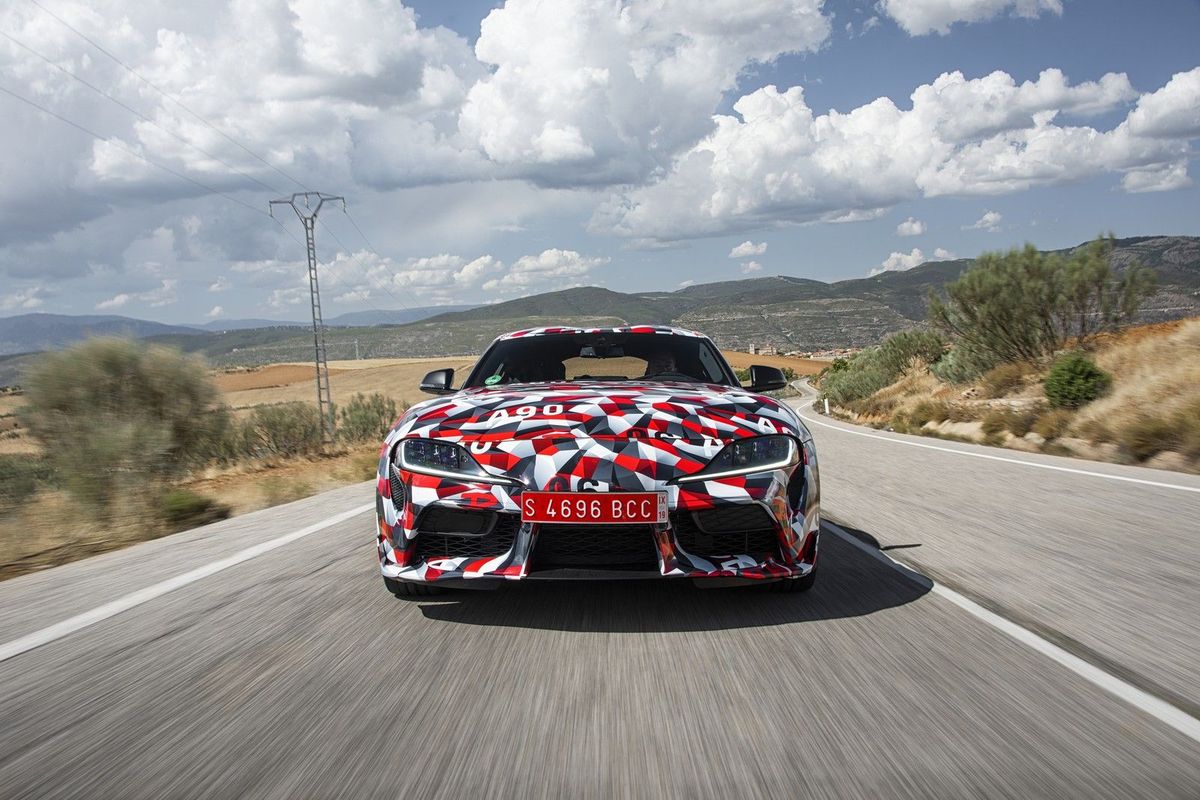
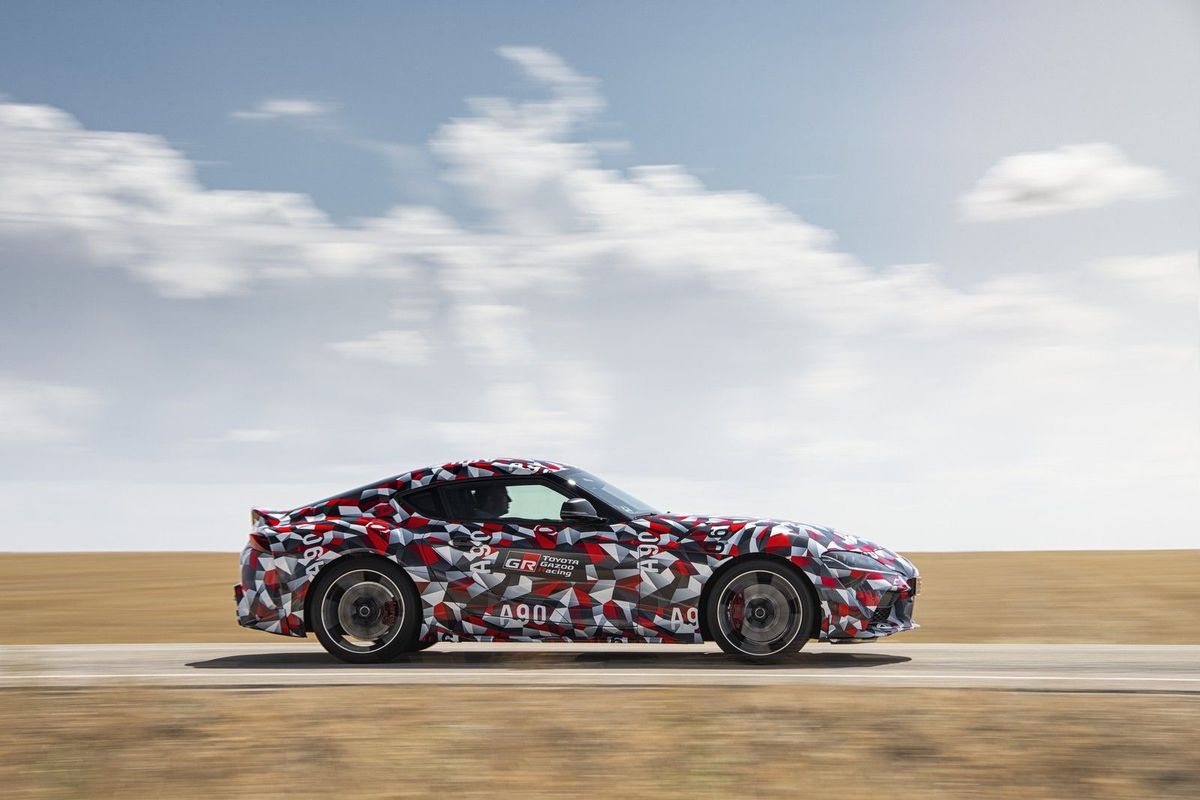
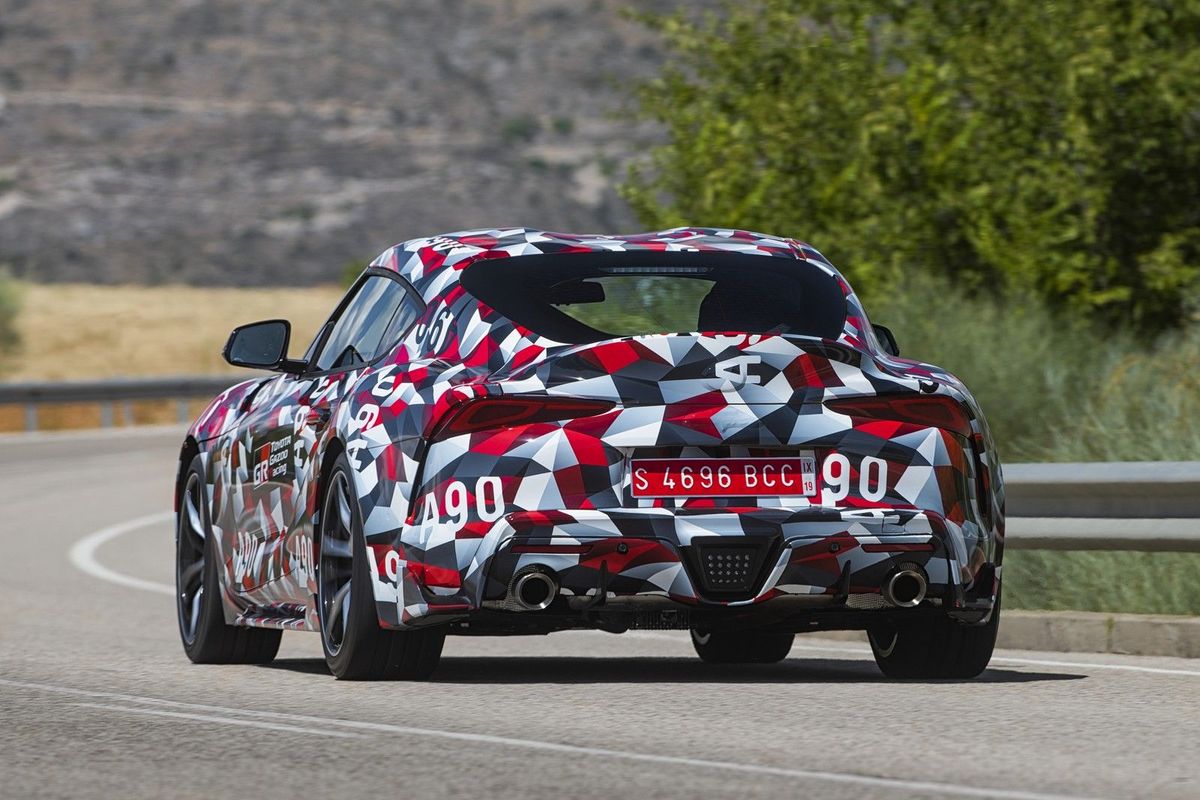
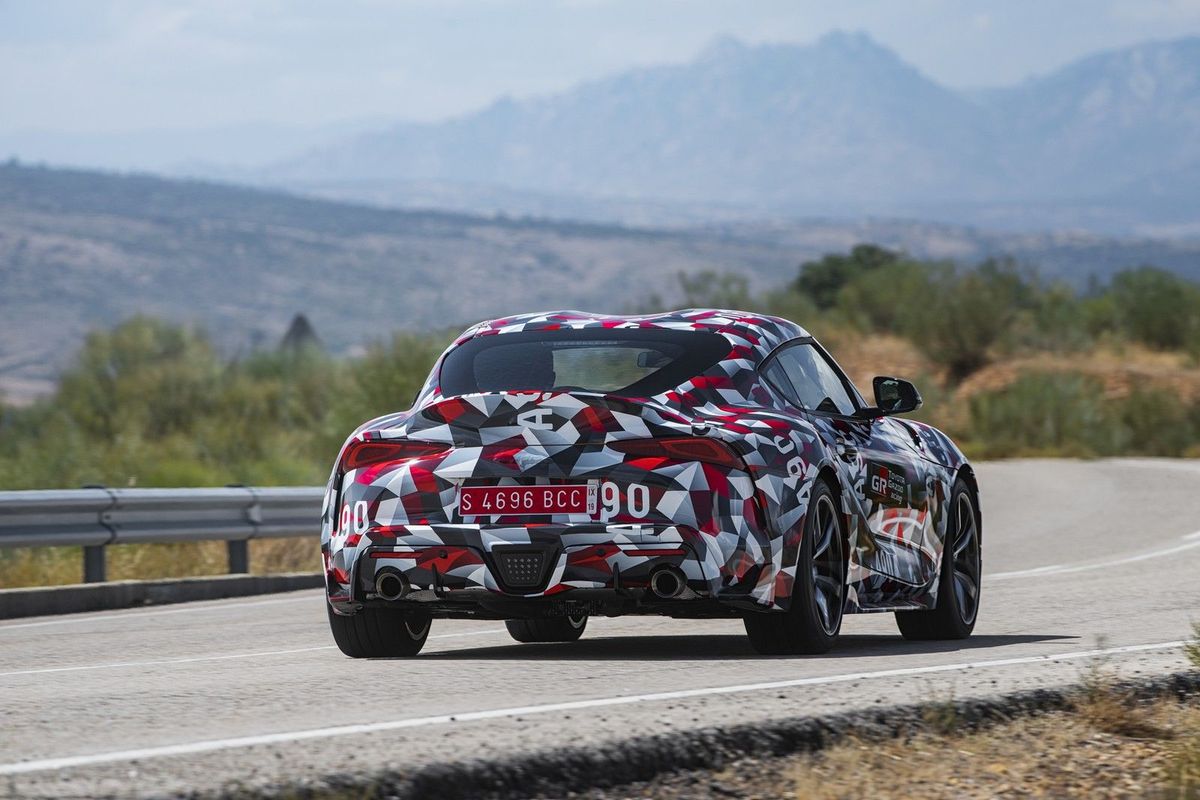
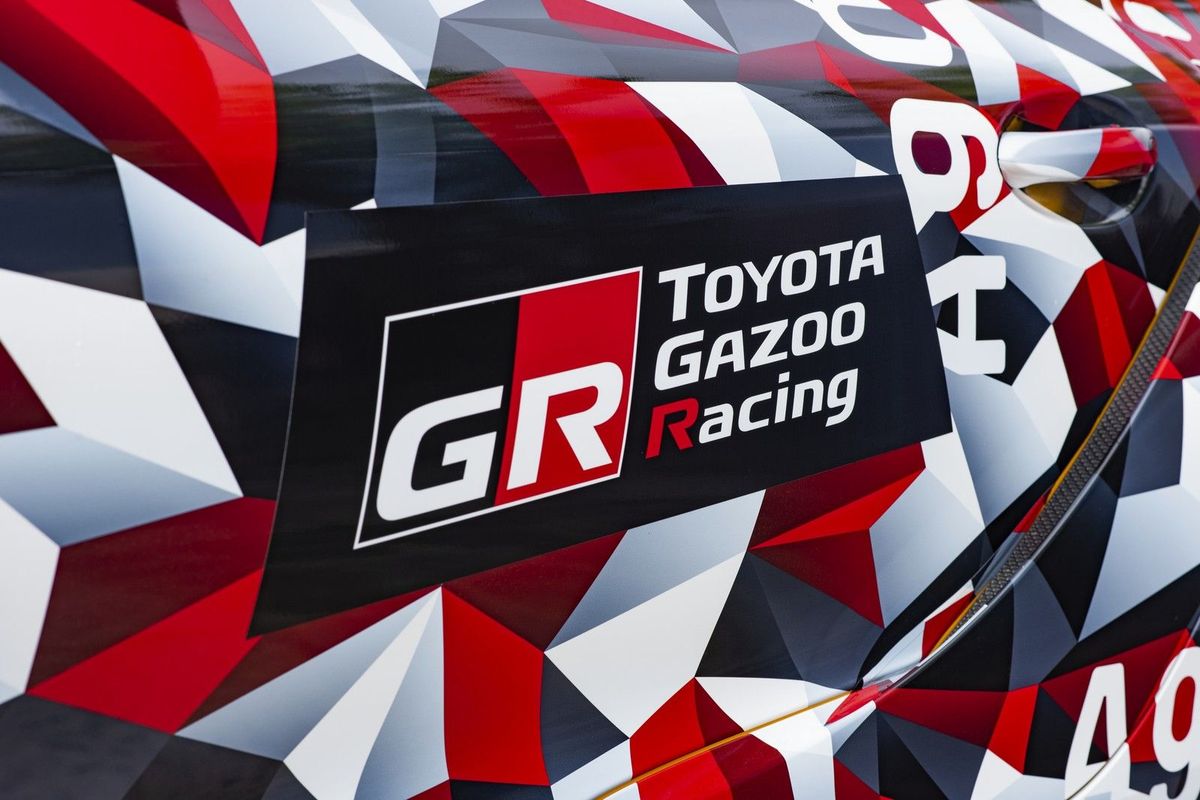
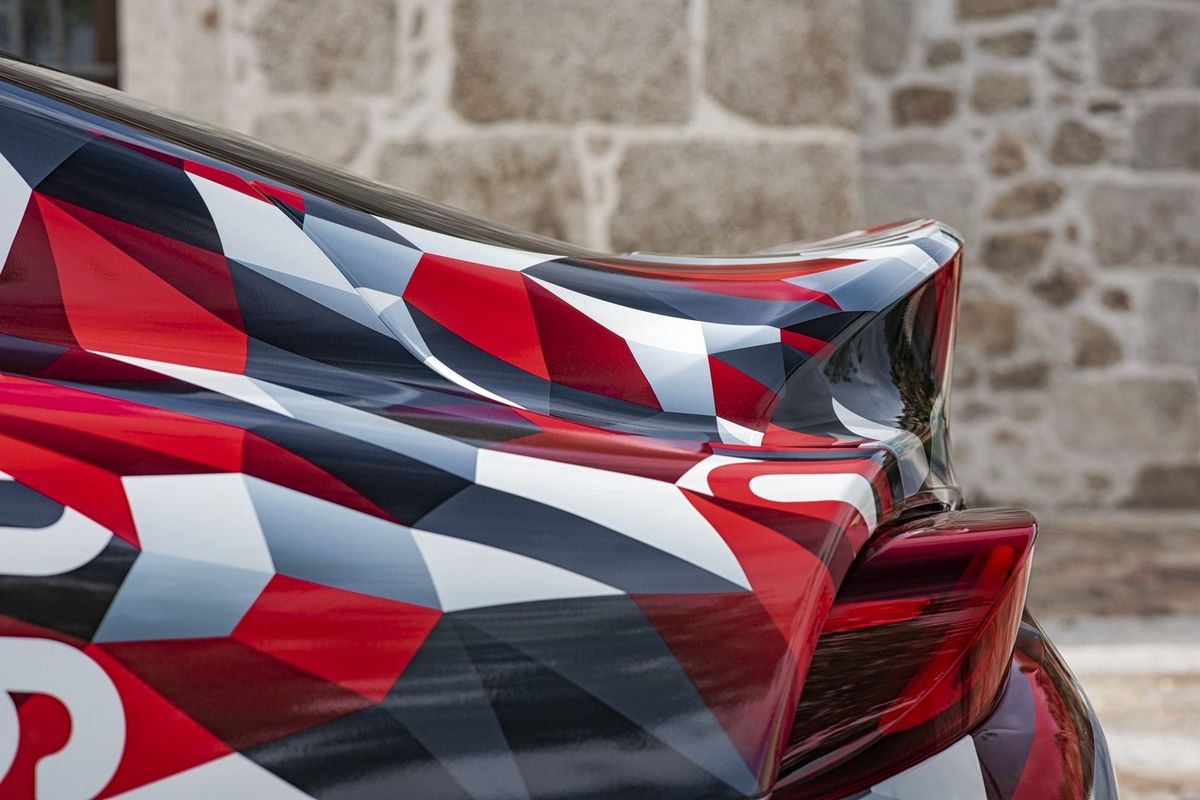
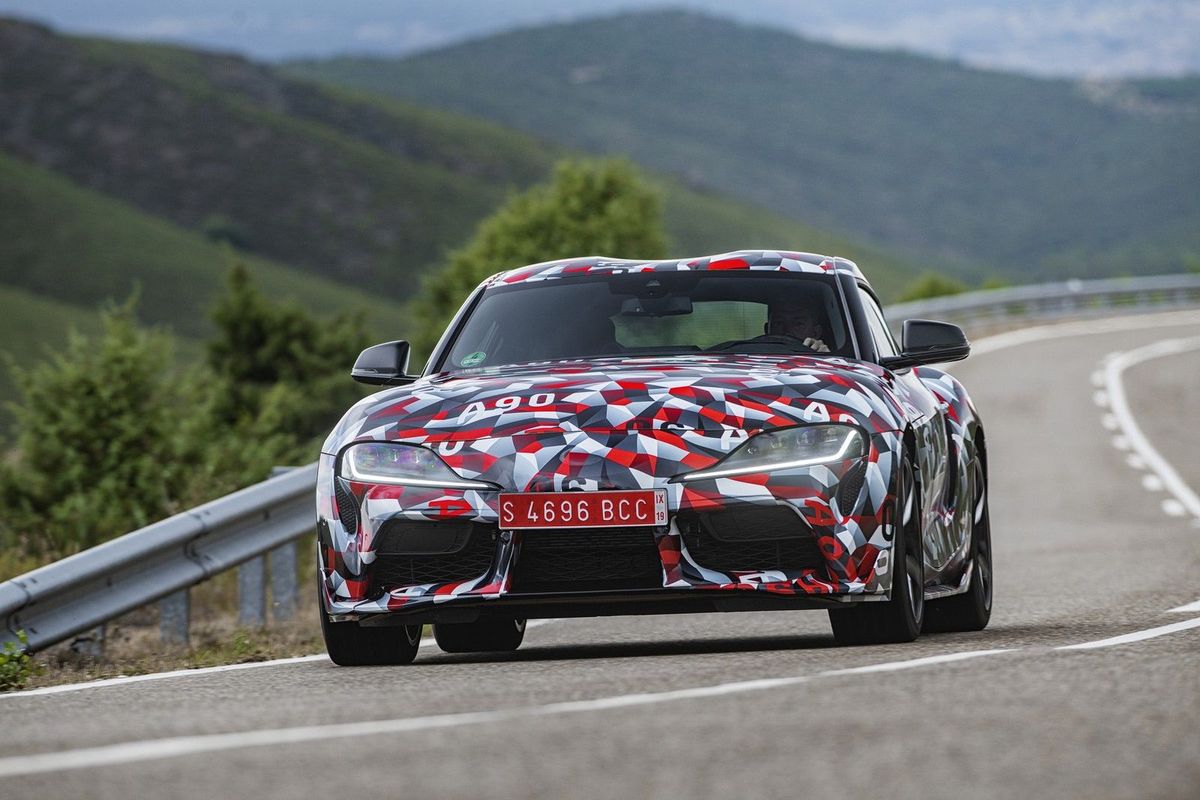
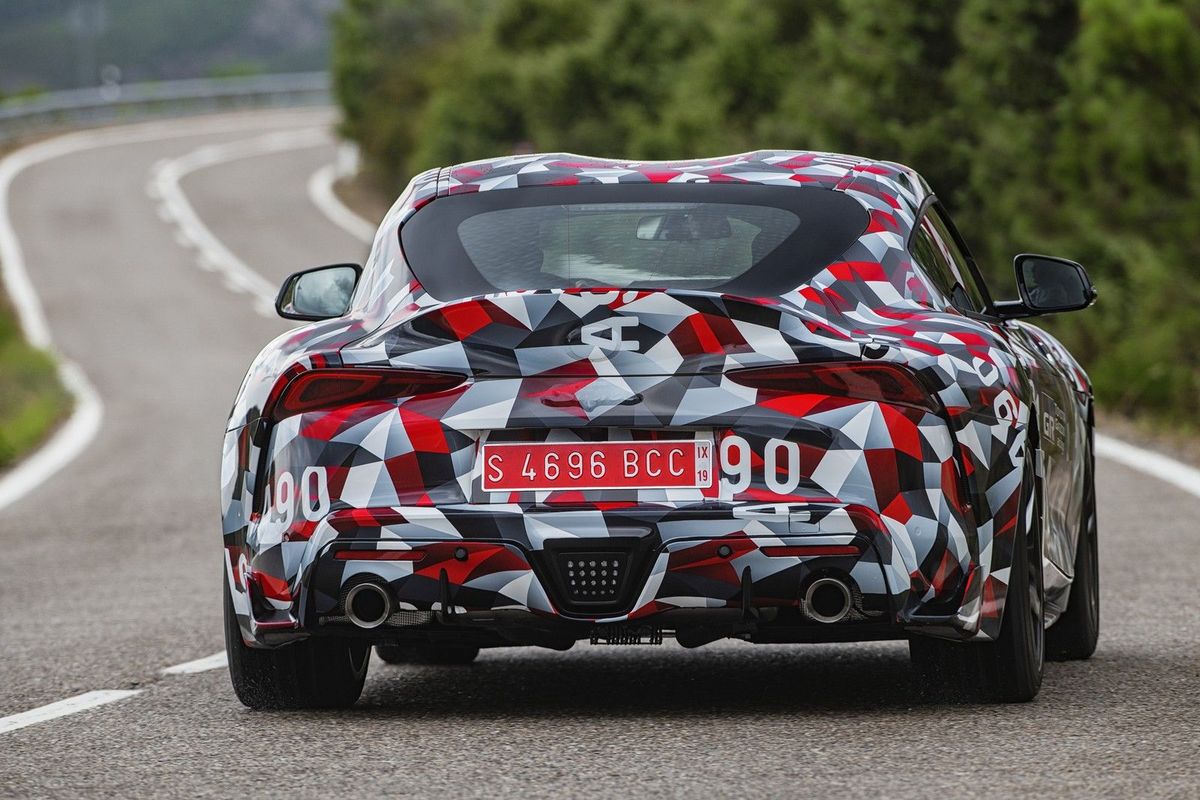
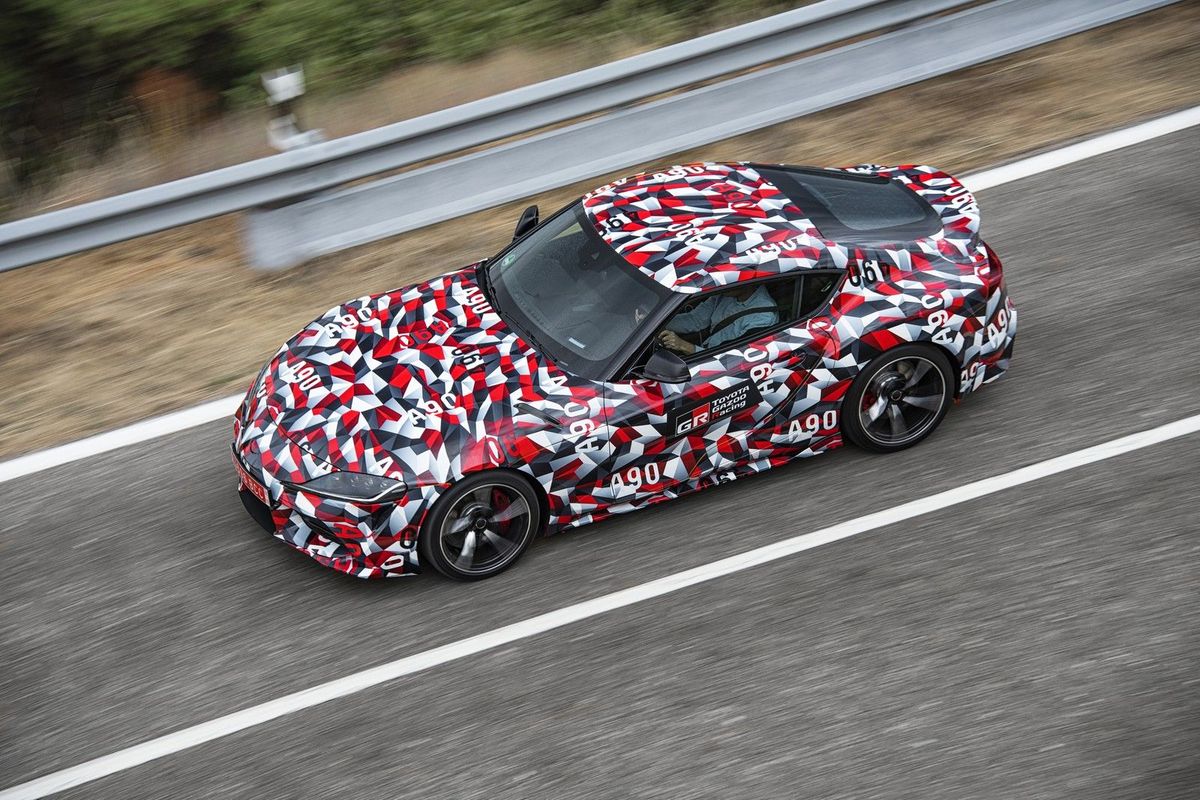
Toyota certainly likes to draw out a new product launch, especially when it's something a bit sporty, like the Toyota Supra. Our UK Correspondent, Neill Briscoe got a chance to drive a pre-production version of the Supra. Here's what he thinks of it. 

Imagine, if you will, a Toyota that drives like a Porsche. No, there isn’t a rear-engined Corolla (not since the early '80s, at least we don’t think so…), but that’s what this new Supra is: a Toyota that’s gunning for the cars from Zuffenhausen. Toyota isn’t even trying to be coy about it. The car’s chief engineer, the garrulous Tetsuya Tada (who also gave us the brilliant 86 Coupe) told us that “the Porsche Cayman was always the benchmark for this car. We wanted to create a Porsche Killer.”

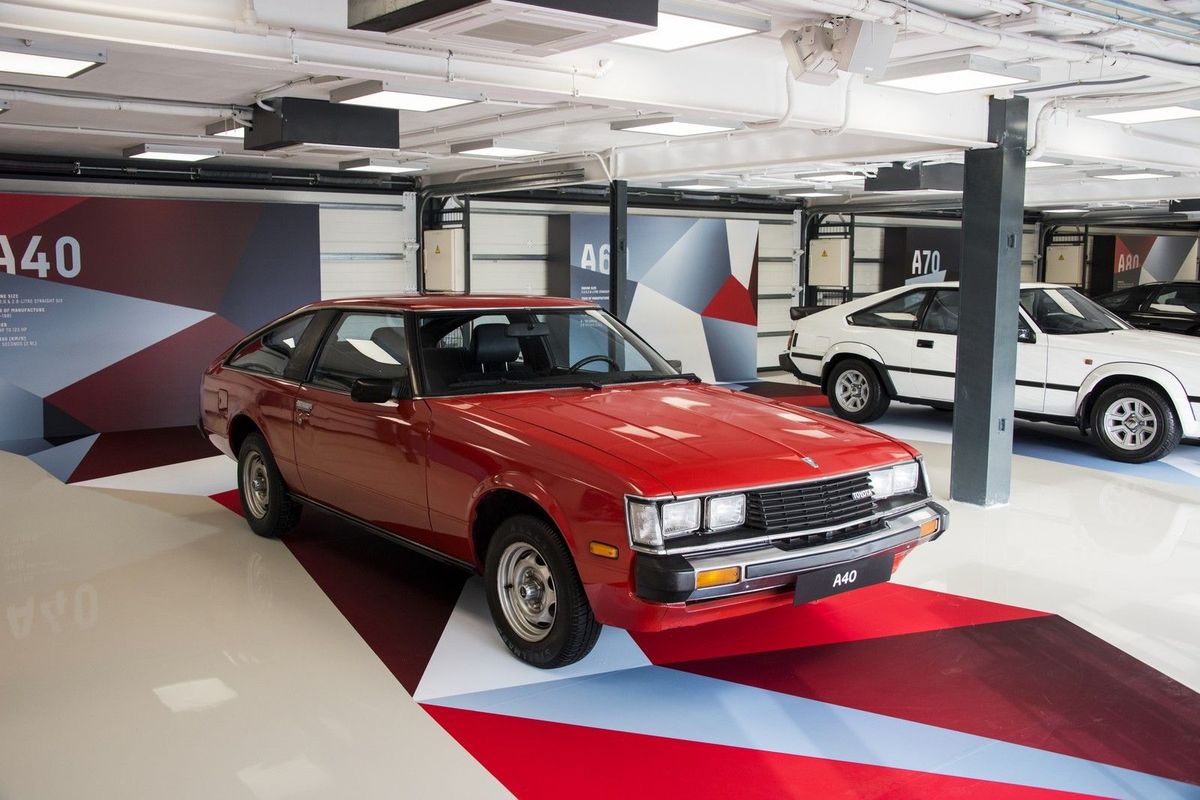
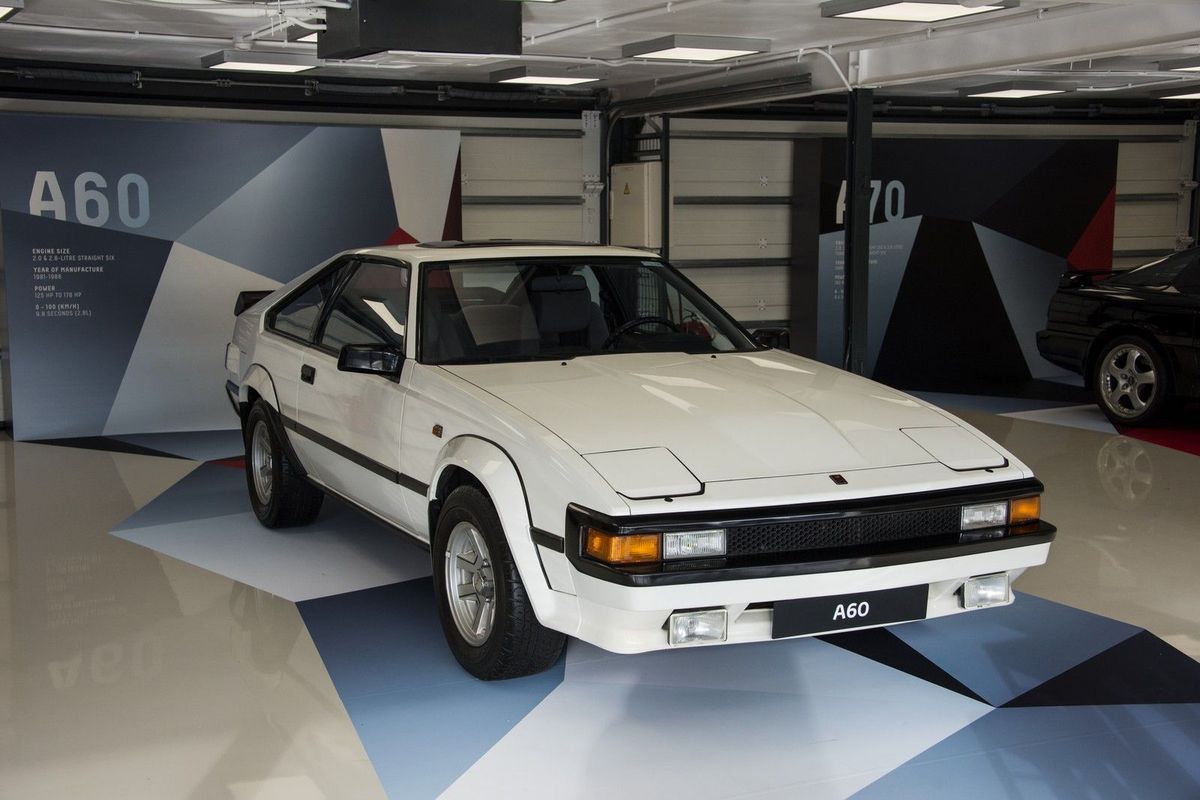
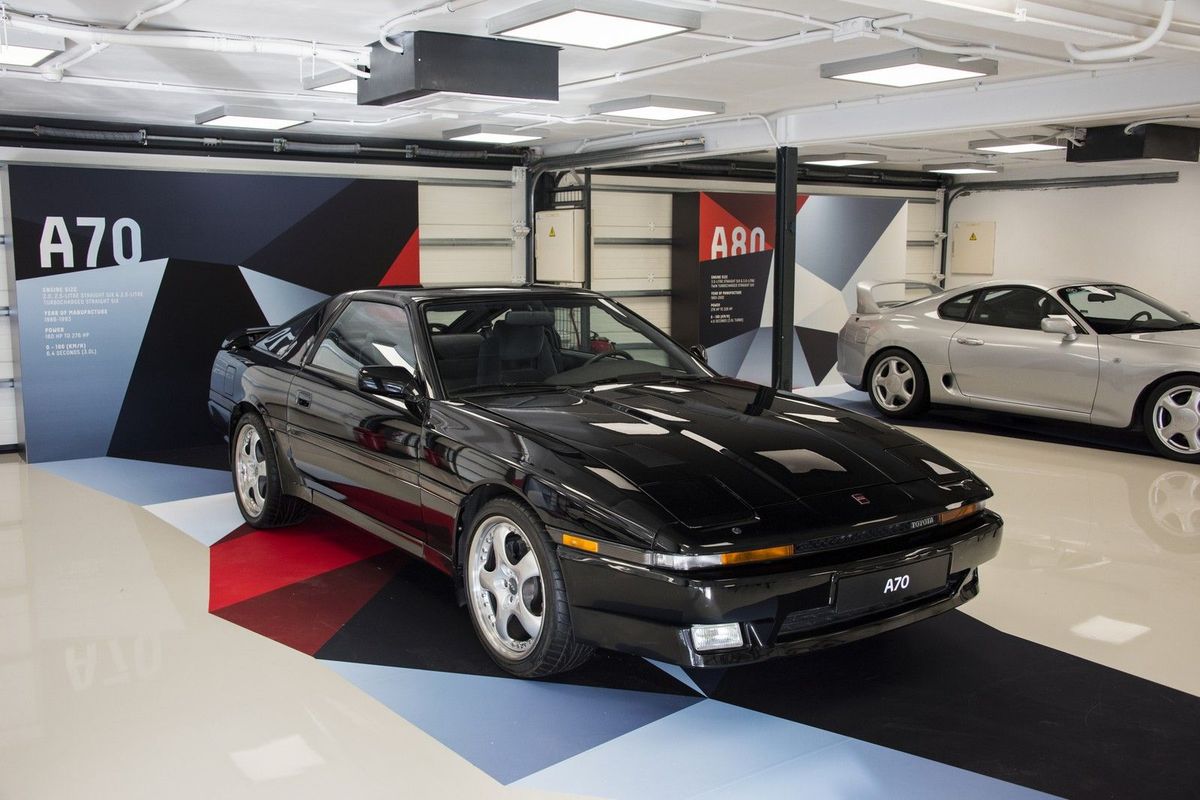
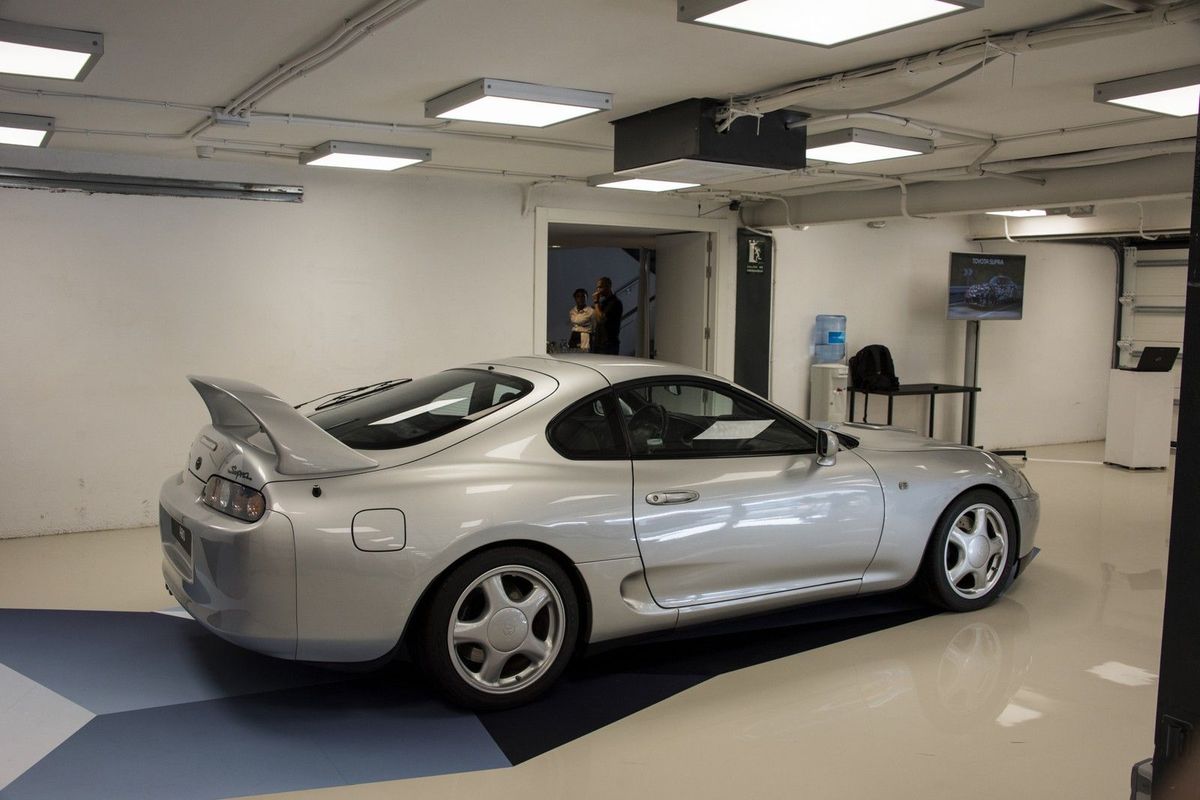
There may be some of you who might snigger into your sleeves at the thought of a car that shares showroom space with a Yaris outgunning a Cayman or a 911. But anyone old enough to remember the A80 Supra of the early '90s won’t be laughing. That car, a big, straight-6 coupe with twin turbos and a honking great rear wing, was fast and furious (forgive us) enough to give a 911 the willies. Can Toyota’s history repeat itself?

Toyota's Cayman beater?


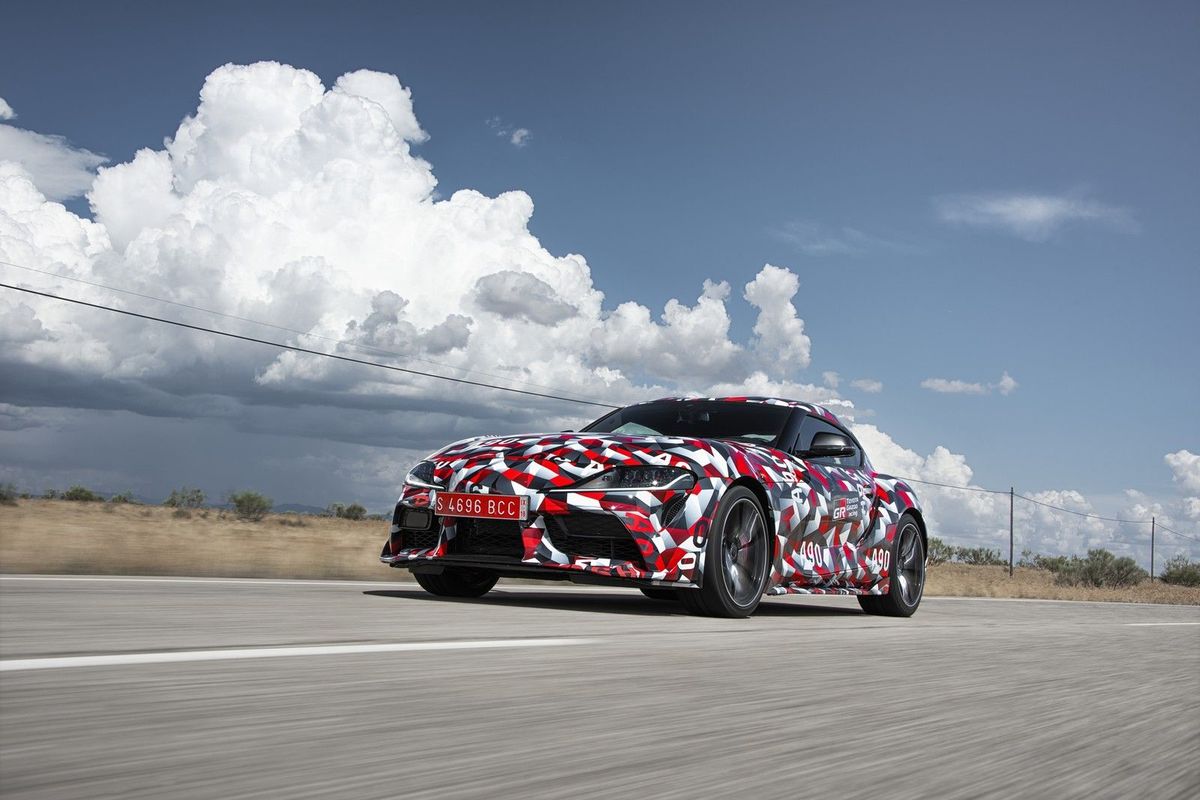
Toyota has its sights clearly set on uprooting the Porsche Cayman.

Well, Tada and Toyota had some help. Specifically, from BMW, because, thanks to a tech-sharing agreement between the two manufacturers, the Supra and the new BMW Z4 are closely related. In fact, they are so closely related that the Supra’s 3.0-litre straight-six turbo engine is basically lifted straight from the Z4, with hardly any modifications beyond some Toyota-specific software. Even the 8-speed automatic transmission has been sourced from the Munich-based firm. The Supra’s engineering team makes no bones about this, and their attitude is basically: ‘if you need a great straight-6 engine, why wouldn’t you go to BMW?’

They may have a point, as this is something of a corking good engine. It flatters to deceive at first. Our test car was a late engineering prototype, not the fully finished article (production doesn’t kick off until early next year), but close enough. It has the Normal/Sports electronic settings button, which also works on the optional adaptive dampers. Start the engine in Normal mode and it coughs discreetly to life, with none of the theatrical rev-blare of some sports models. 

Not surprisingly for a Munich straight-6 (by way of Tokyo), it’s as smooth as freshly whipped cream at first. In fact, the whole car is, which is the surprising bit. Tada has spoken much about how he wanted to make the Supra an uncompromising sports car, but in our early kilometres, on Spanish tarmac of variable quality, the Supra is quiet, has a very comfortable ride quality and seems ideally suited to long-haul GT-style driving.

Sportscar or GT?


Official performance figures aren't available yet, but the BMW-sourced straight-6 is an excellent choice.

Even the steering is quite light. Doubtless there’s some last-minute tweaking of the software to do, but for our money, it feels almost a touch too light right now, and there’s not as much feedback as we’d like. That said, when we find the twisty roads, there’s not much wrong with it…

Tada has engineered the car to be stiffer than the old carbon-fibre Lexus LFA, despite it being made only of steel and aluminium. The centre of gravity, even with that tall straight-6 motor, is lower than that of the 86 coupe, and at the back, there’s an electronically controlled differential, which is there to help find extra traction, of course, but which can also help get the Supra turned in tight.

All of which comes together rather beautifully. Remember when the Porsche Cayman still had a sonorous flat-6 engine, so it had the soundtrack of a 911, but with more agility and sharper reflexes? That’s how the Supra feels. The engine sings a beautiful song once you get it past the 4 000 rpm mark and it piles on the speed with no little aggression (what do you expect with around 250 kW?).


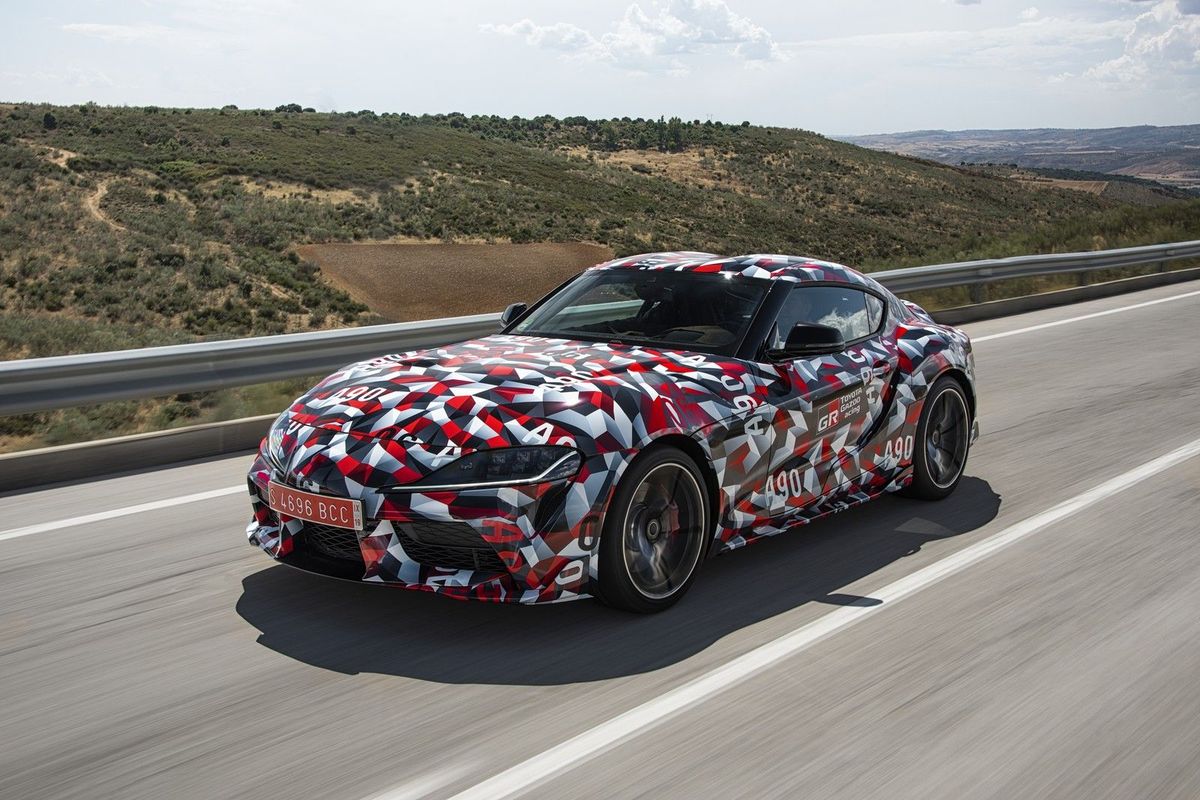
The engineers have not quite put the finishing touches on the new Supra yet, and it's already very good.

Arrive at a corner, leave your braking as late as you like, and the Supra will look after you. Tada told us that it’s been set up to be more rewarding to the most skilful drivers, but it felt pretty brilliant to this ham-fisted correspondent. Even running deep into a tight corner, that light steering is accurate and fast, and the Supra’s needle nose almost always seems to find the apex.

In the dry conditions of our test, traction was simply never an issue, and with that brilliant 8-speed 'box being almost spookily good at picking out what gear you need next, you’re soon rocketing away from corner exit, hungry for more curves. When the rear wheels do break free, any slide is progressive, and you get plenty of warning, so there’s no nervousness here.

It’s not quite perfect yet. In Sport mode, the front dampers seem to fidget and bounce a little too much on poor surfaces, and we’d still like a fraction more steering feel, but be in no doubt that Tada and his team have reached their goal of making a Toyota drive like a Porsche. Potentially even better…

Tuners delight

There’s a lot more to come, too. Tada knows that tuners love their Supras, so much has been left ready for the accessories brigade, including a rear-end structure that’s reinforced to take the extra downforce from a big rear wing. There will also be more engines, including a 4-cylinder model, and likely a hybrid, although Toyota is keeping officially schtum on those for now. A manual version, however? Don’t hold your breath.

We’ve all been holding our breath for 2 decades for a new Supra. Time to exhale…

Related content

Toyota Supra Makes Goodwood Debut

New BMW Z4 Revealed

Porsche 718 Cayman & Boxster GTS (2018) Launch Review

Mercedes-Benz X250d 4Matic Power (2018) Review

Mercedes-Benz's X-Class has been one of the most talked-about new vehicle introductions of recent memory. Thus far, the bakkie has not garnered as many local sales as Benz may have expected. Our test of a manual-'box X250d provides some reasons for why that's the case…

We like: Refinement, ride, status

We don't like: Price, manual 'box, rear space, lack of front storage spaces, patchy attention to detail

Fast Facts

  • Price: R796 145 (August 2018)
  • Engine: 2.3-litre 4-cylinder twin-turbodiesel
  • Gearbox: 6-speed manual
  • Fuel economy: 7.7 L/100 km (claimed)
  • Power/Torque: 140 kW/450 Nm

SERIOUS ABOUT BUYING?

Where does it fit in?


The new Benz bakkie – does it scream premium enough from the outset?

Mercedes-Benz believes that the market for this size of bakkie will grow significantly in the next 8 years or so. In fact, the Sindelfingen-based firm boldly states that from a benchmark of 2.2 million vehicles (in 2016), global sales could reach 3.2 million by 2026. It also predicts that private individuals will drive increased demand for leisure-oriented, upmarket vehicles in this segment. To that end, Benz teamed up with Nissan to produce its first challenger in this segment, the Navara-based X-Class. The German firm hopes that, much like the original M-Class did in the '90s, the X-Class will be a pioneering vehicle that establishes the premium brand in a lucrative niche. 

Launched with much fanfare earlier this year, the X-Class has received mixed reviews and its sales have been sluggish. So, as a follow-up to our initial review (published shortly after the local launch took place – see it elsewhere on this page), we've decided to delve even deeper into the pros and cons of our X250d 4Matic Power test unit. Priced at just shy of R800 000, this derivative is around R200 000 more expensive than similarly powerful vehicles from rival brands. Can it justify the extra outlay?

What's good about it?


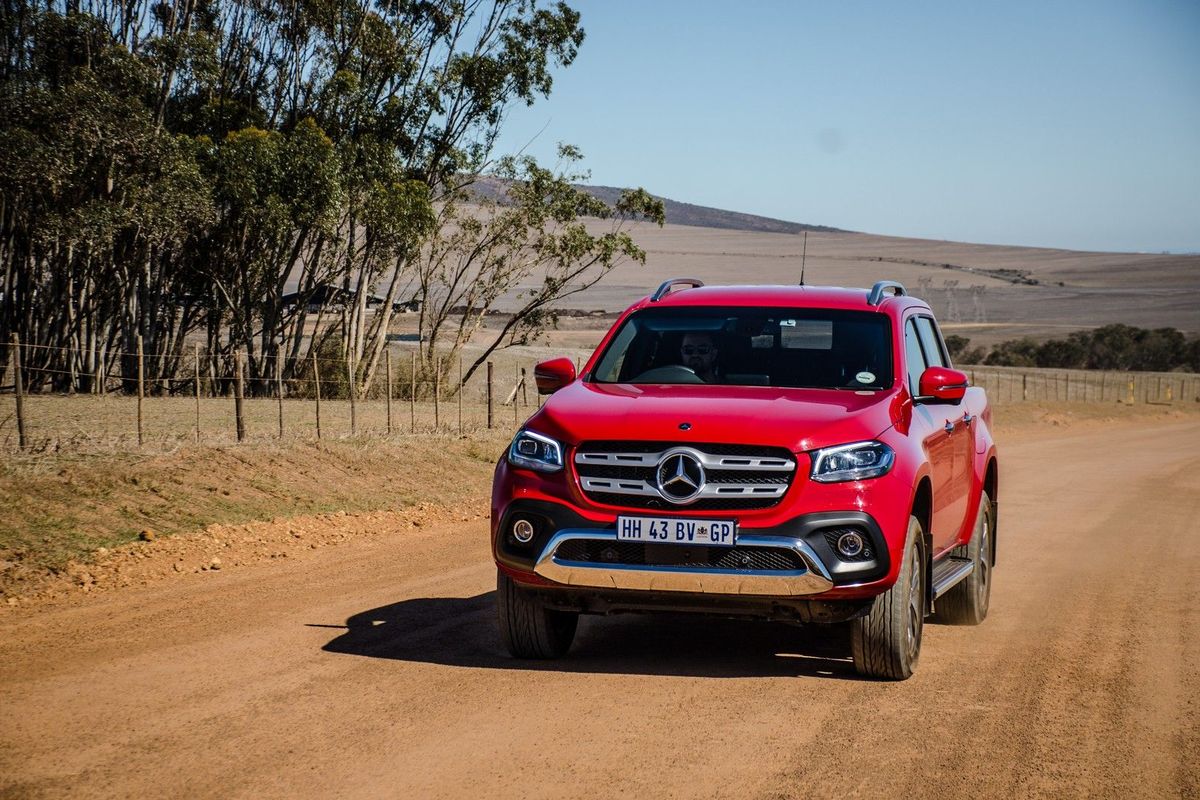
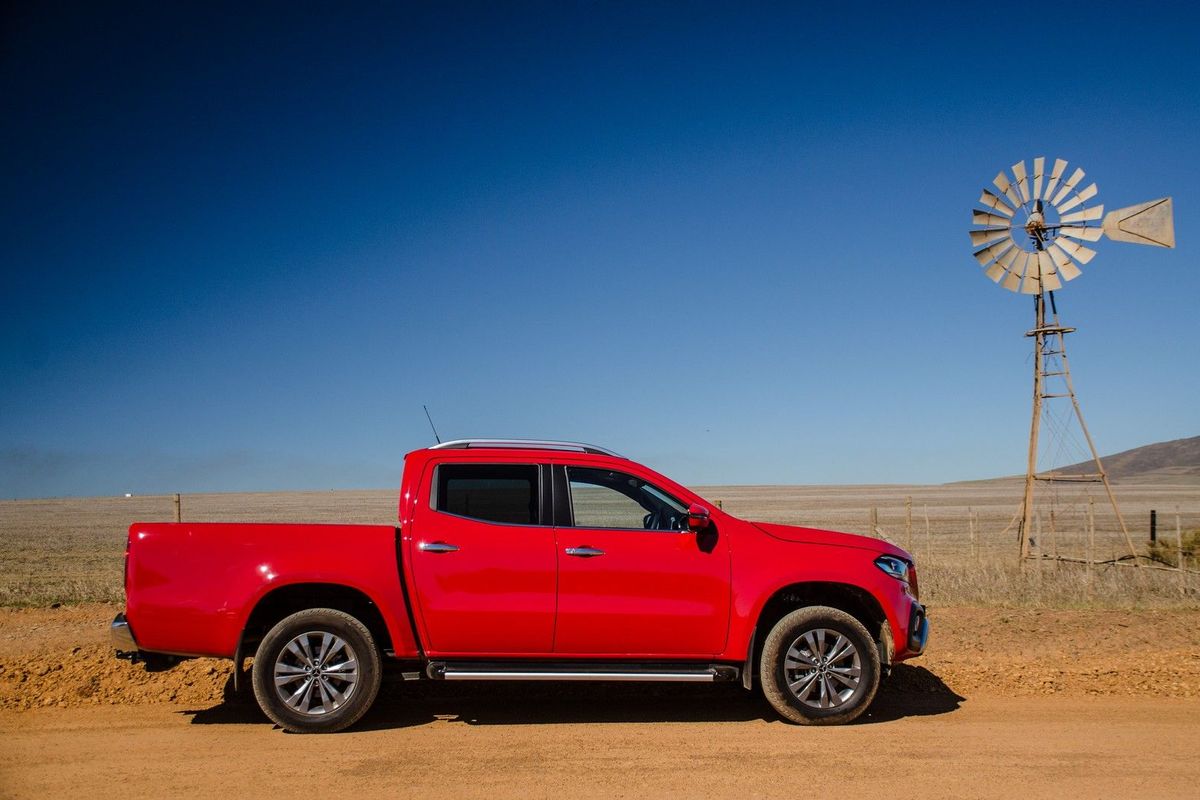
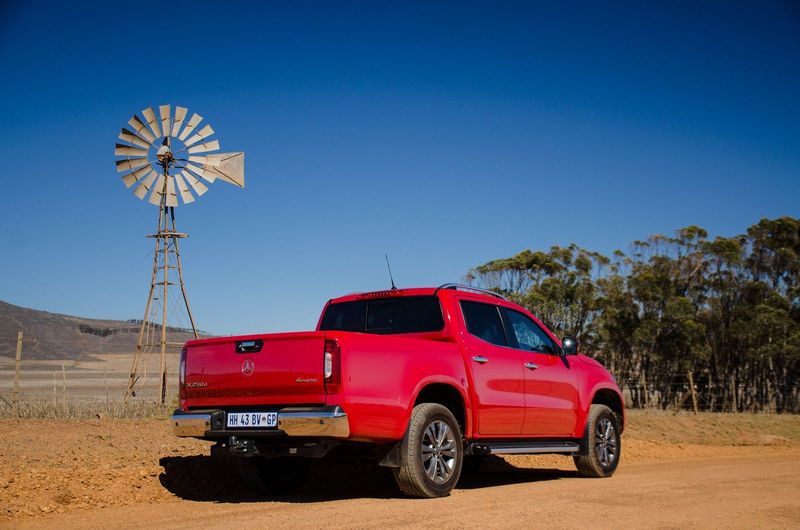
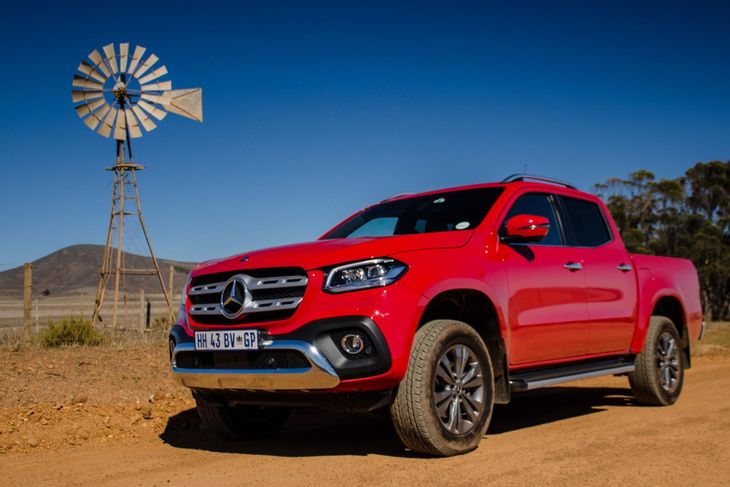
The X-Class' Nissan underpinnings are clearly noticeable at first sight.

Badge and design appeal

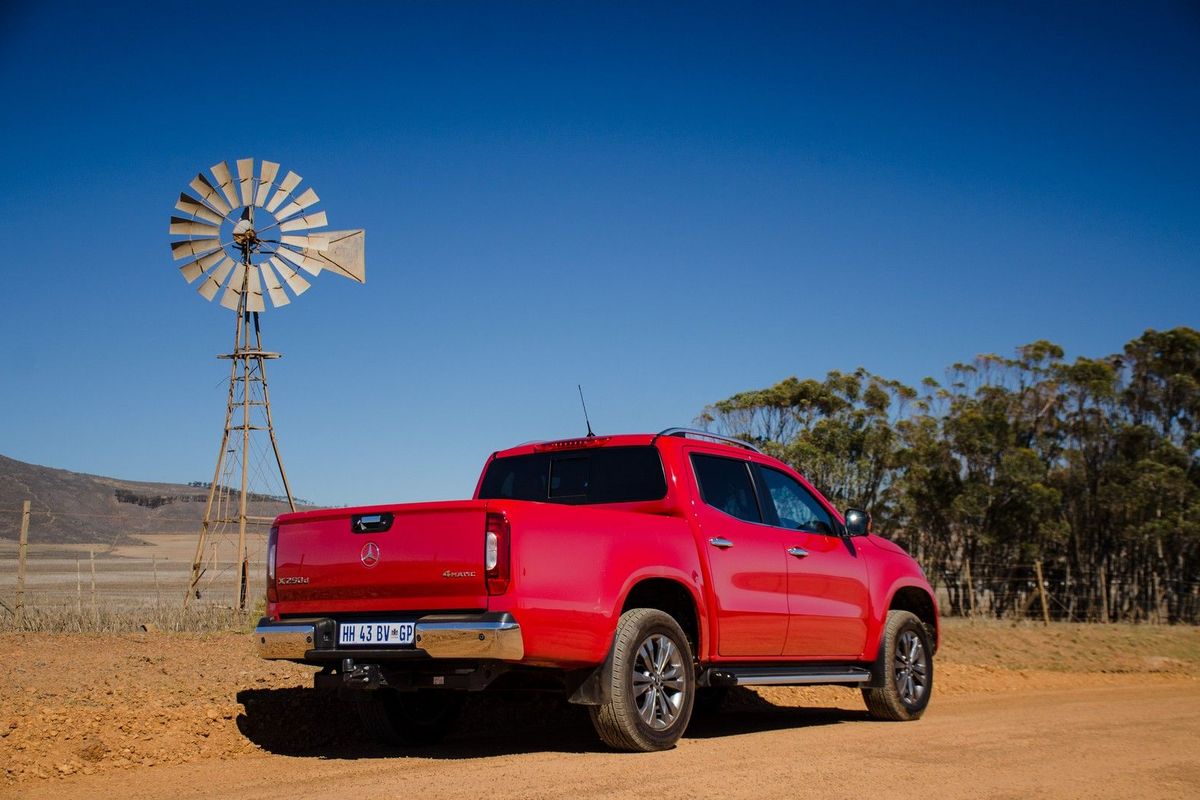
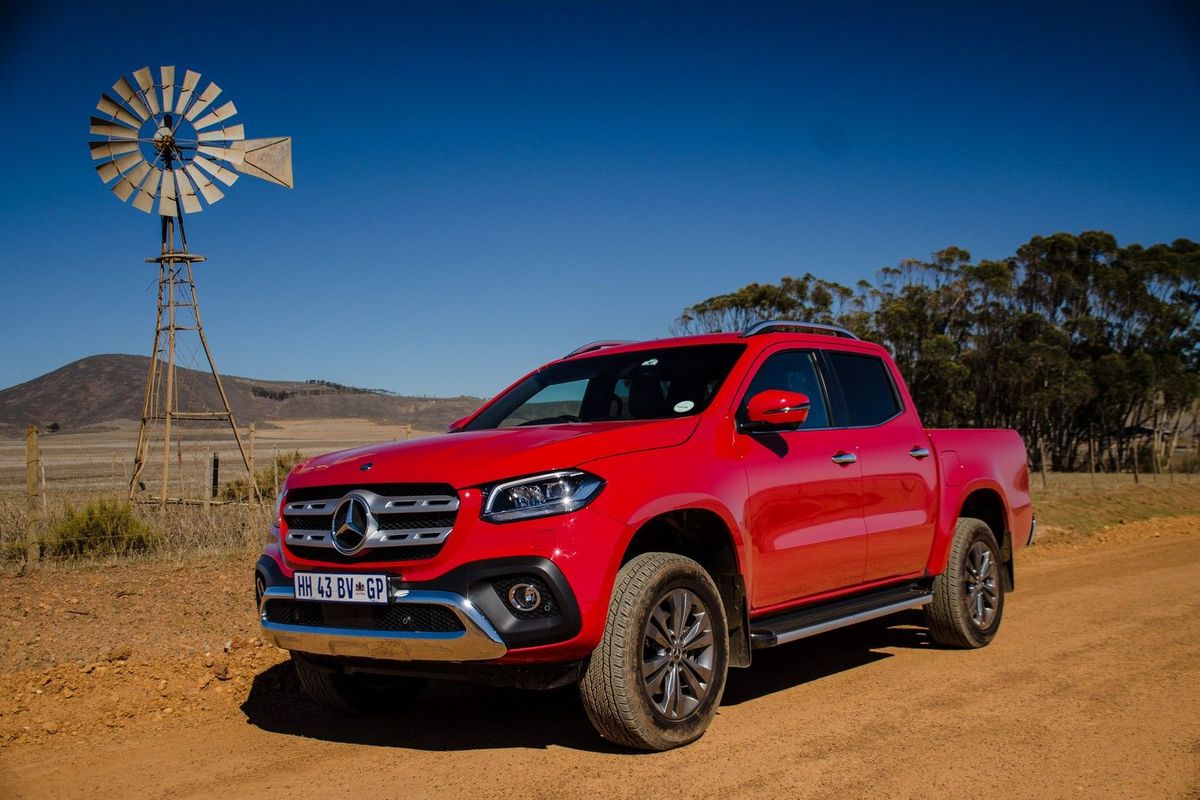
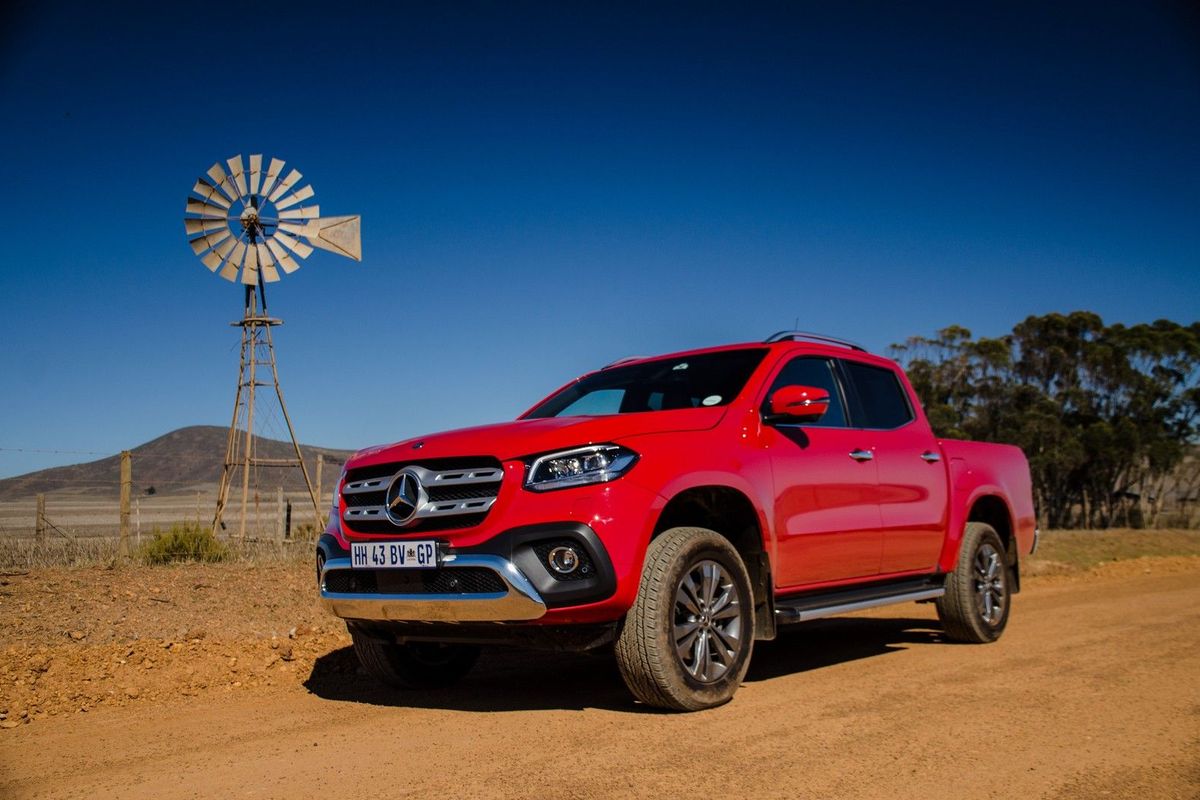
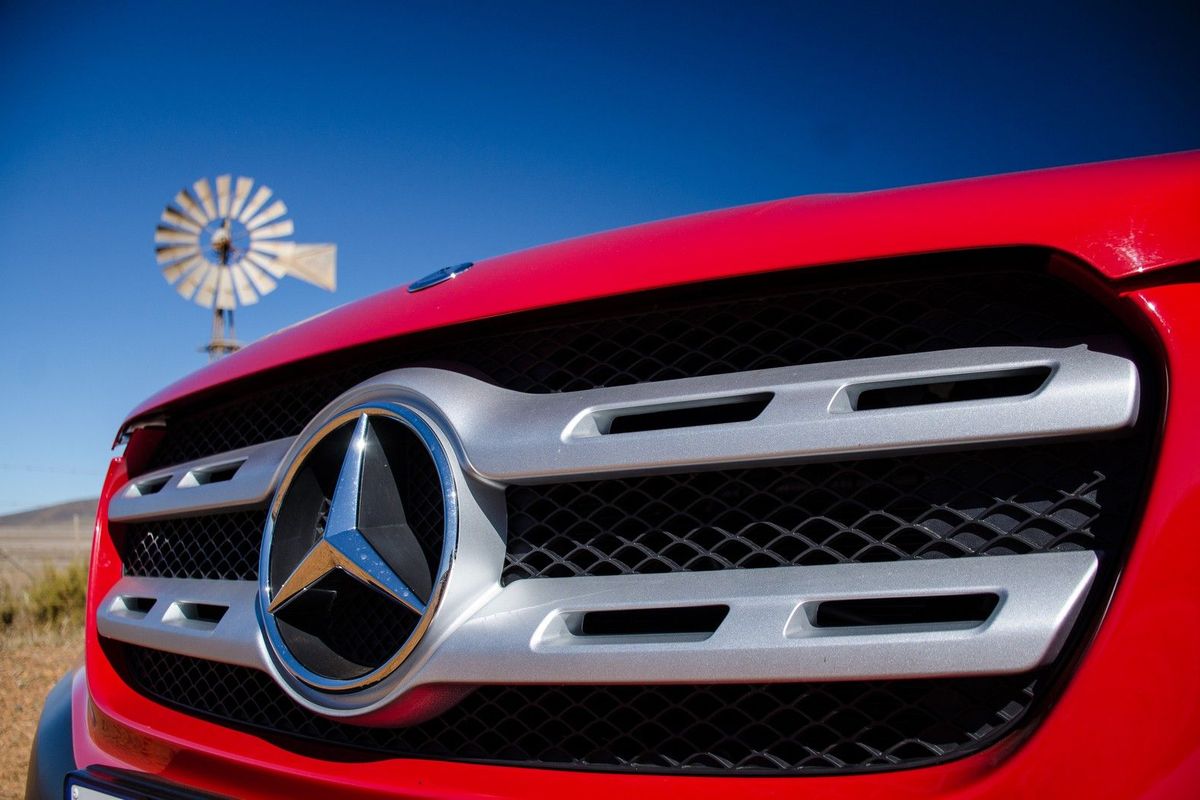
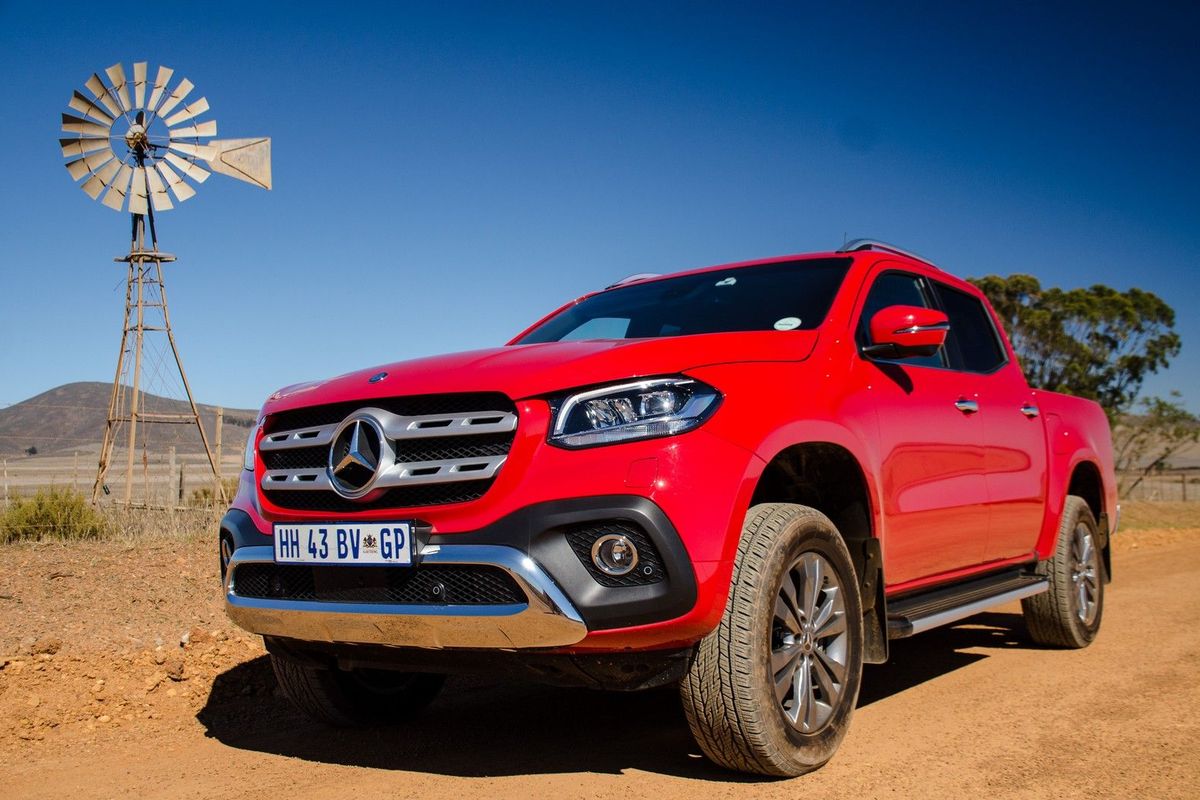
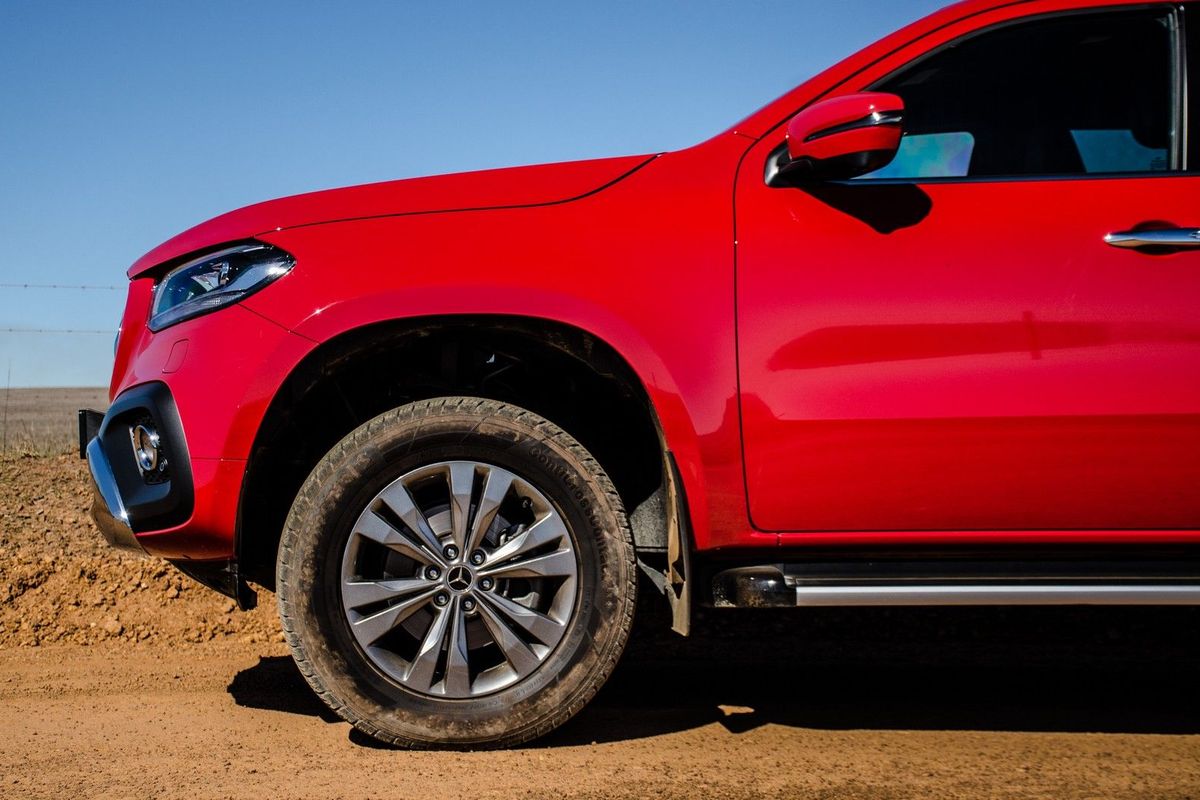
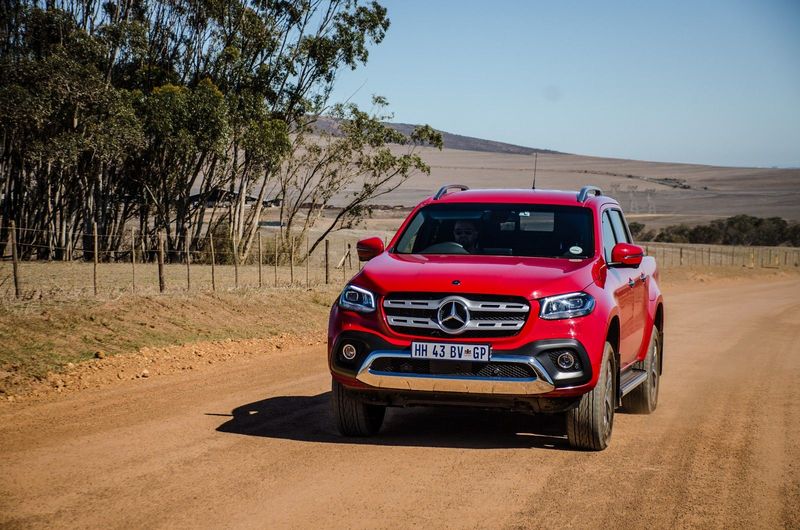
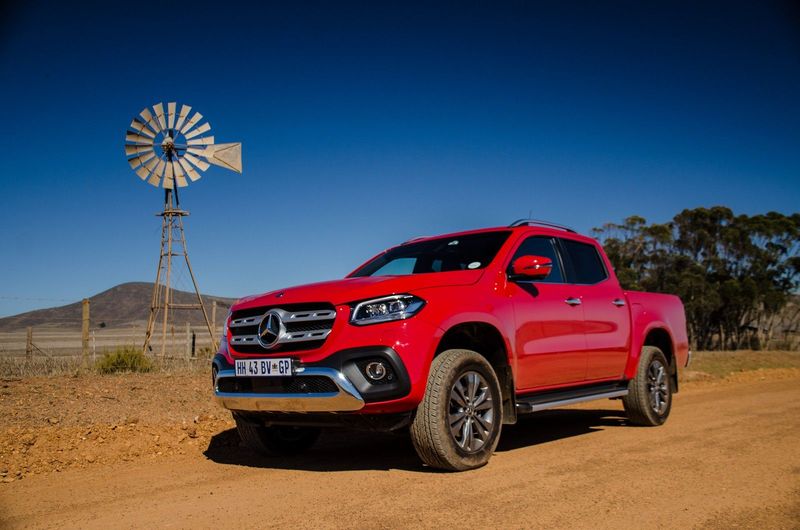
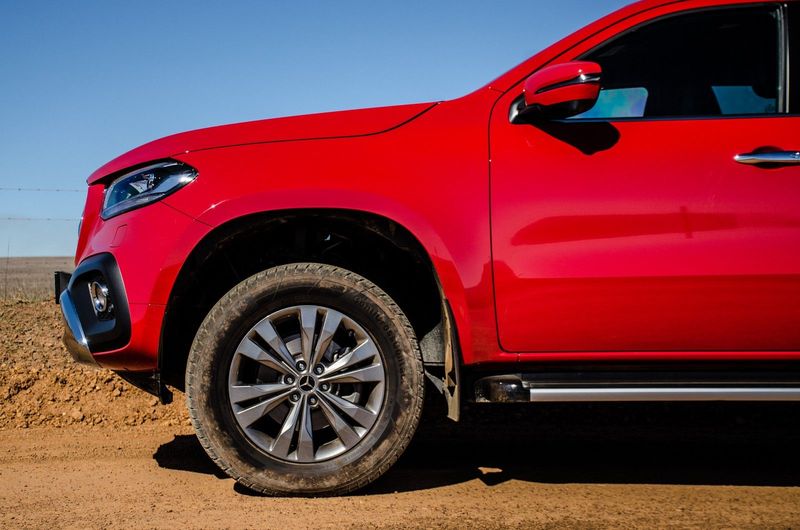
While the production version of the X-Class doesn't quite boast the muscular swagger of the initial concept, there's no question of its head-turning ability. During our test term, it caused the type of rubbernecking (Elvis, we love you) usually reserved for exotic Italian supercars. Of course, the firetruck-red paint job helped greatly in that regard. The Mercedes badge on the nose is prominent and, on a high-riding vehicle, impossible to miss. During the launch phase, Mercedes-Benz often emphasised that the X-Class would bring the type of individualisation to this segment that's usually reserved for the premium car/SUV classes. As such, you can spec 19-inch wheels (R14 950) or a Style Package (R11 500) that adds running boards, privacy glass, high-performance headlights and partial-LED tail lamps, among other items. 

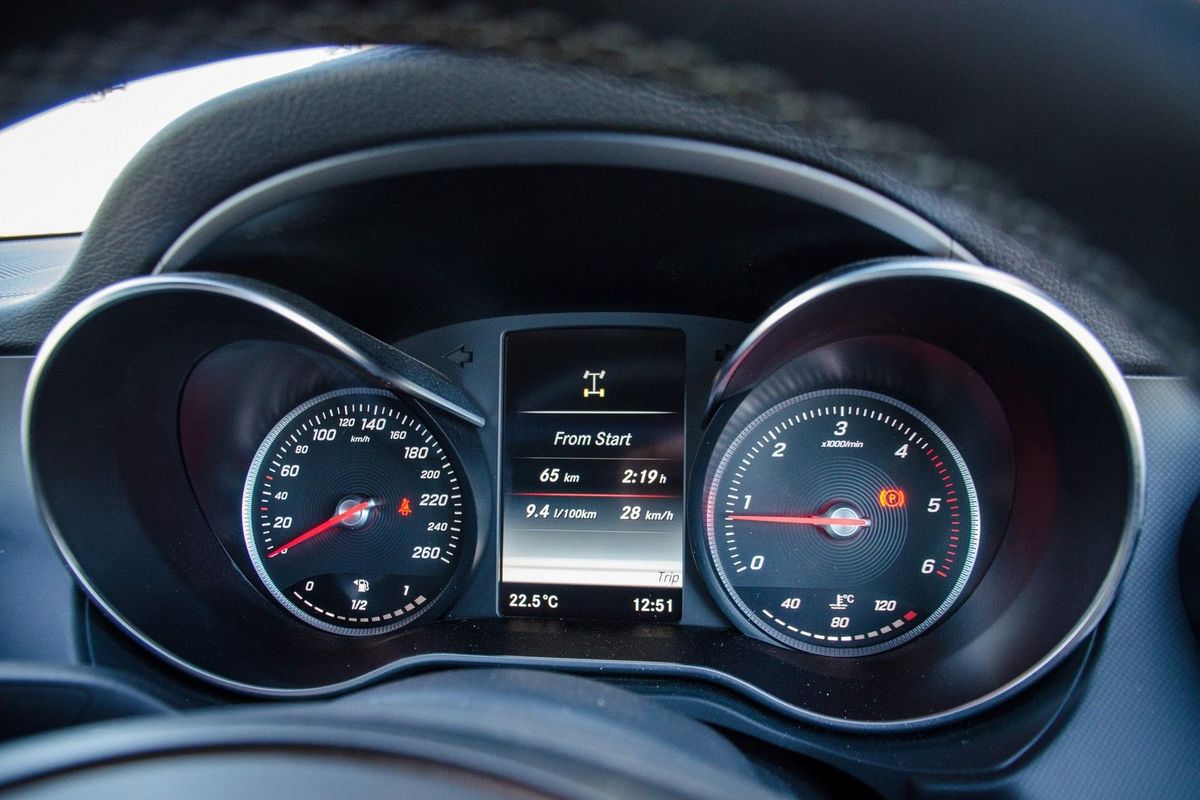
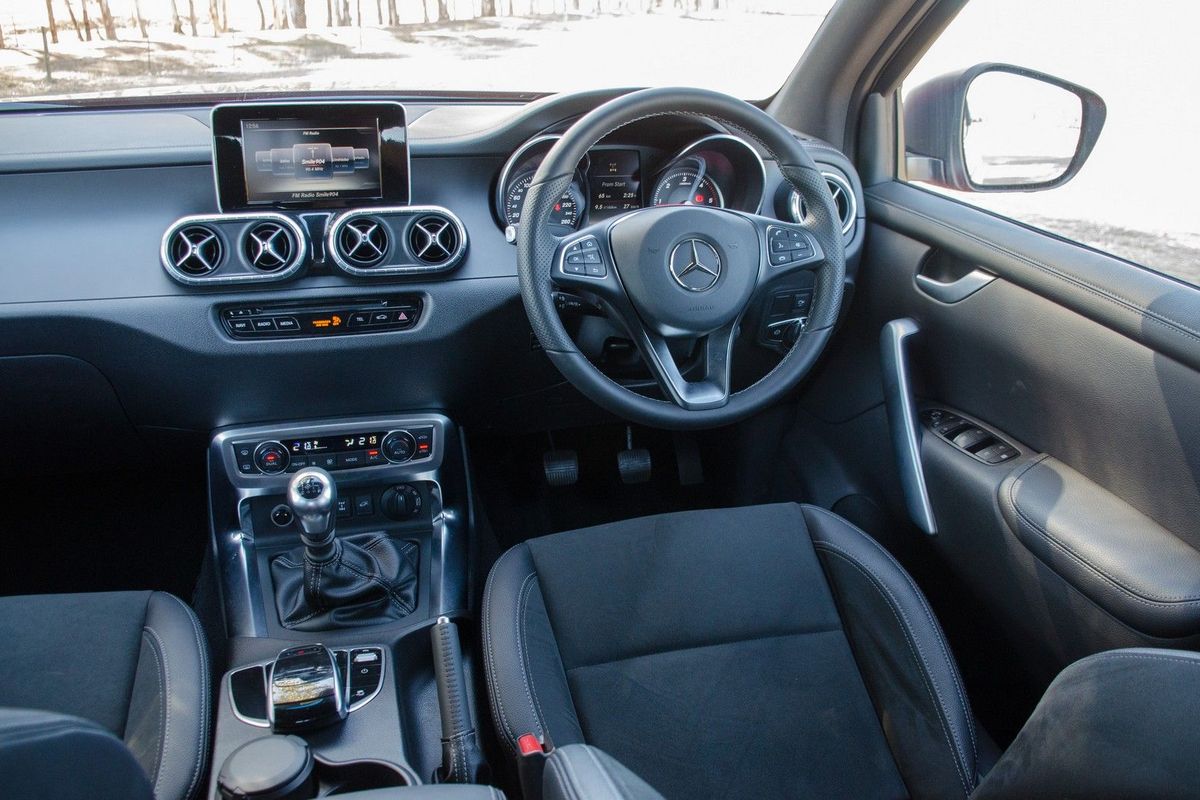
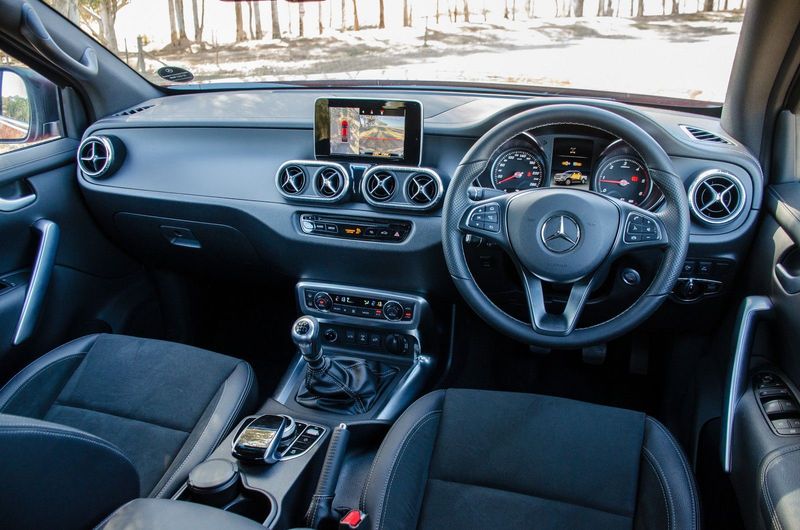
Inside, too, it makes a good first impression. The instrumentation, steering wheel and some of the minor controls will be instantly familiar to Mercedes-Benz owners. On this Power-spec derivative, the fascia has a stitched-leather (upper) finish, and in general, Mercedes-Benz has tastefully applied quality materials, as one would expect. 

So, in terms of showroom appeal, the X-Class ticks many boxes. The niggles only reveal themselves when you spend more time in the vehicle (see later comments). 

Refinement


Cabin quietness and ride quality are strengths of the new X-Class.

NVH control and general refinement were major focus areas during the development of the X-Class. Mercedes-Benz wanted to retain the Navara's impressive off-road capability, but make its bakkie's on-road manners more comparable to those of road-biased SUVs. Consequently, the German marque appears to have struck a more successful balance between the 2 requirements than Nissan, because the X-Class' cabin isn't only quieter and better insulated, the ride is less choppy.

Of course, such improvements do not come without a cost, and in the case of the X-Class' improved NVH, that cost is weight – it's a substantially heavier vehicle than the Navara, which does impact performance, seeing as they utilise the same engine (in this particular case).

Robust underpinnings

Nissan remains one of the biggest manufacturers of robust pick-ups in the world, and has a long and successful history in this segment. The new Navara is, therefore, a very solid base to start with. Of course, one of the main talking points of the Navara is its coil-sprung rear suspension, which promises a generally better ride quality than traditional leaf-sprung competitors. In reality, we haven't yet been won over by the supposed ride quality improvements when it comes to the Nissan (though 4×2 versions introduced later were better), but we suspect this might also be due to Nissan still targeting a dual role for its pick-ups (work and play). With the X-Class, we believe the requirement to work hard in the South Africa landscape is probably of lesser importance, so Mercedes-Benz has been able to extract better ride quality from its product. 


The X-Class has a more refined ride than its Navara sibling.

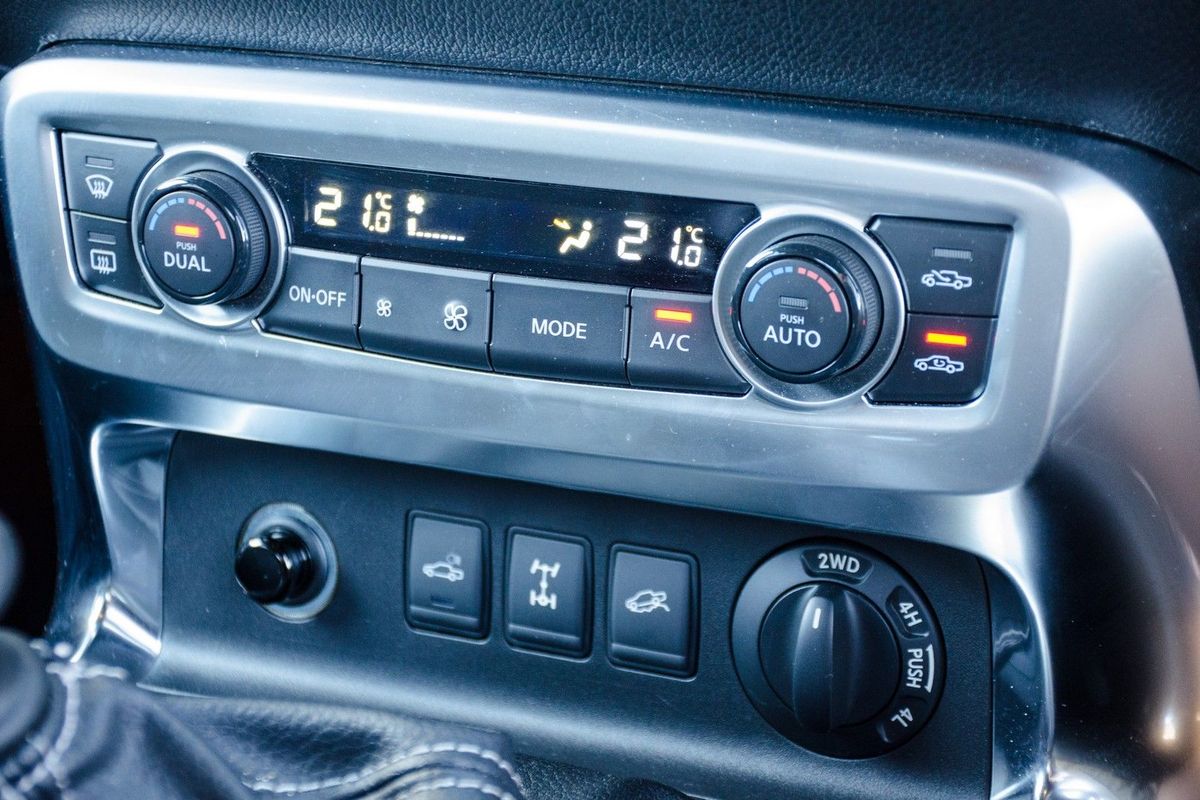
Besides ride quality, the X-Class remains an impressive vehicle off the beaten track. Its ground clearance, approach/departure angles are commendable and it comes standard with a switchable rear diff-lock. You can switch between 2H, 4H and 4L modes by using a simple rotary dial located on the fascia. 

Like the Navara (and most of its rivals), the X250d has a 3.5-tonne tow rating (braked) and trailer stability control is included in the standard specification. 

Where does it fall short?

Poor ergonomics

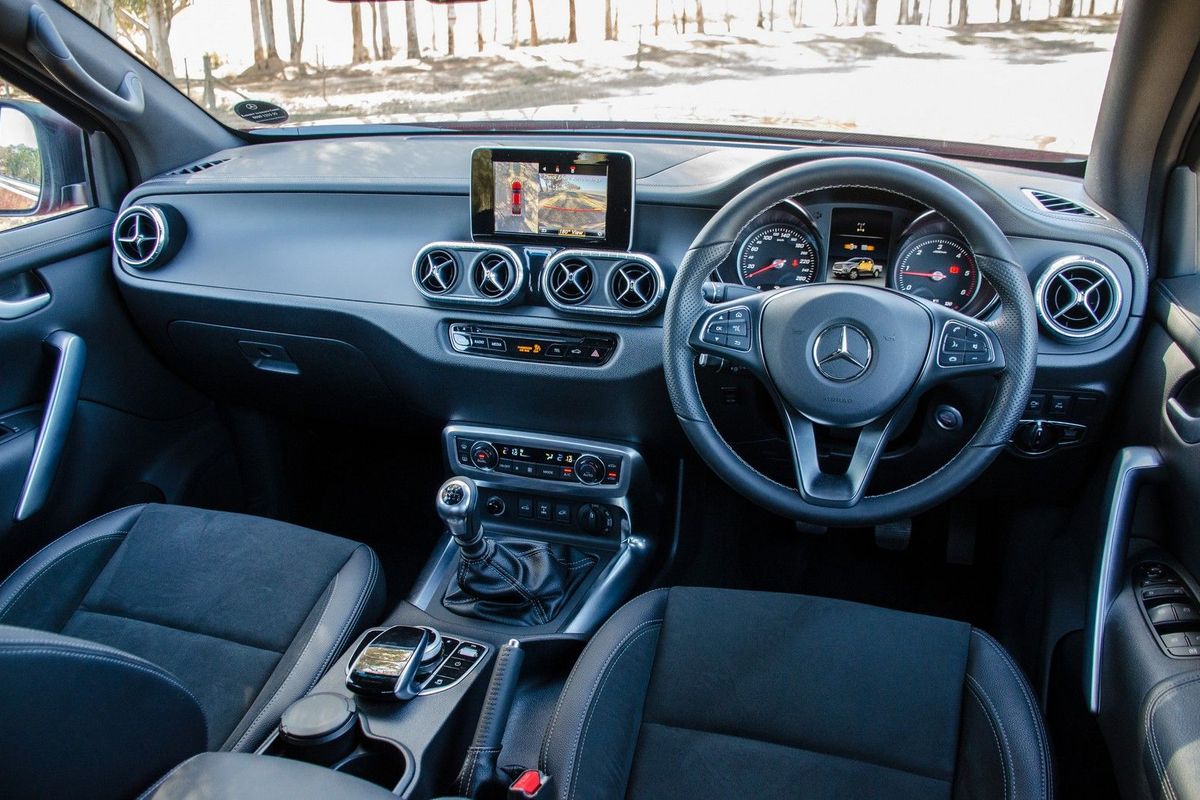
As good as the X-Class' interior looks at first glance, there are a number of issues. Firstly, the driving position is compromised because the steering wheel is only adjustable for rake (not reach). We also feel that the ergonomics have not been optimised enough for our right-hand drive market – should you ever have the opportunity to sit in an X-Class, note the positioning of the infotainment screen; the angle of the Comand controller on the transmission tunnel; even the fitment of a CD player.  


The central controller for the infotainment system takes up much of the storage space in the centre console.

There is also a surprising lack of usable oddments storage spaces in the front of the cabin. The drinks holders are minuscule and the storage box between the seats is smaller than those offered by most rivals, too. It's strange to us, because there certainly is a lot of wasted space on display. There's a vast expanse of blank plastic in front of the passenger, for example, where a secondary compartment could have gone. And by raising the HVAC (air-conditioning) controls and the row of off-road systems buttons, Mercedes-Benz would not have only improved the ergonomics, but also created space for another storage slot ahead of the gear lever. 

As it stands, it's a cabin that's great to look at, but not particularly practical to use.

Price / standard specification imbalance

This is arguably the biggest problem with the X-Class. As our rivals selection below shows, you can purchase a similarly powerful, generally better-equipped offering from established brands such as Volkswagen, Ford, Nissan and Toyota for around R200 000 less. Add some extras to the X-Class, and that gap grows further. Yes, the Mercedes-Benz badge does carry a premium and the market will appreciate that (to some extent), but in our opinion, the gap is simply too big, particularly in the case of this manual-transmission X250d. 

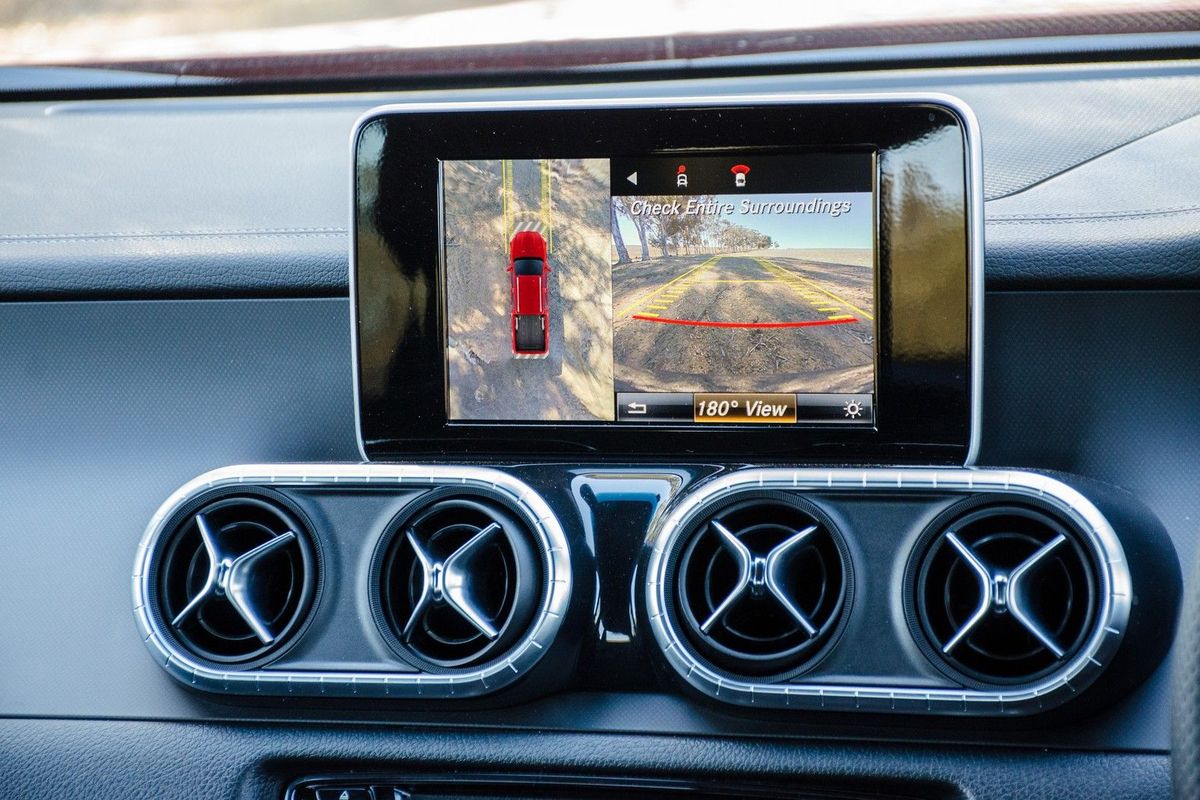
Standard spec on this derivative includes cruise control, rear diff-lock, electrically adjustable driver/front passenger seats, rain-sensing wipers, 8-speaker sound system and a very good safety package that features trailer stability assist. Still, there's nothing here that you can't get on the cheaper rivals. And if you want the real benefit of having a Mercedes-Benz, such as specifying the optional Traffic Assist package (lane keep assist, 360-degree camera, active braking assist), that'll cost R12 541 extra. 


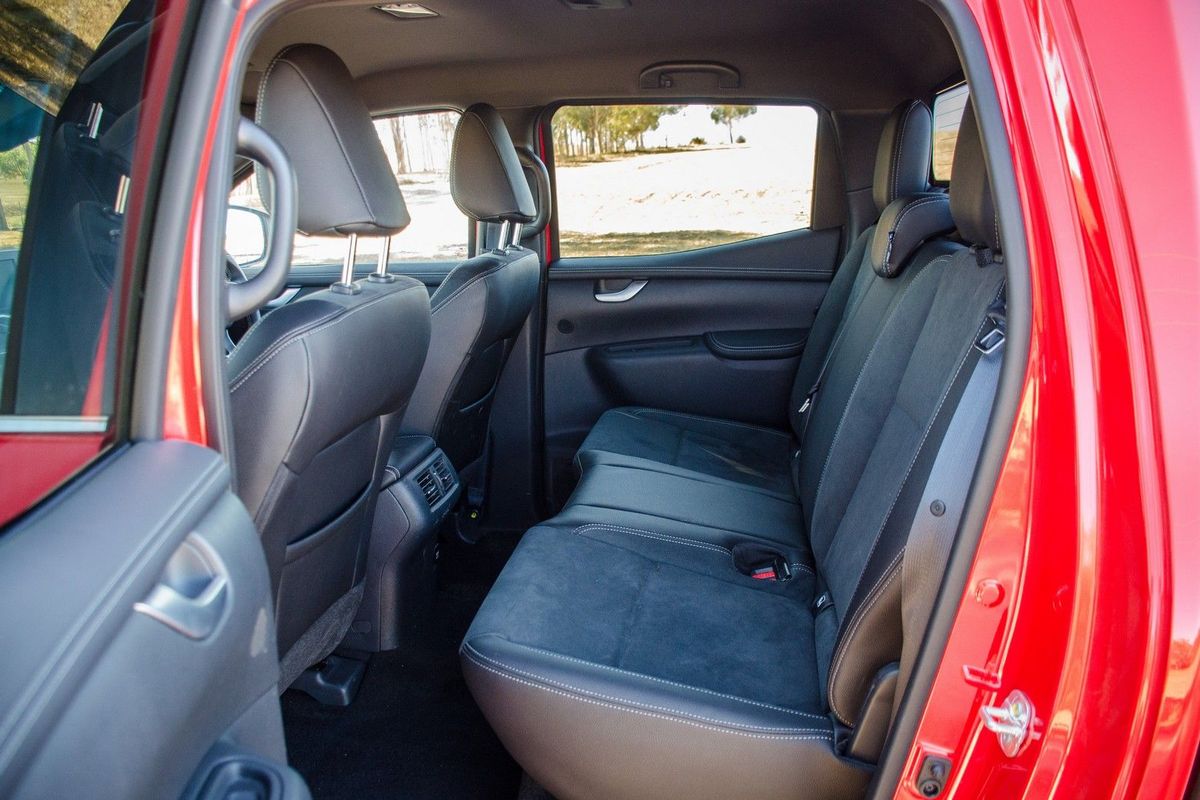
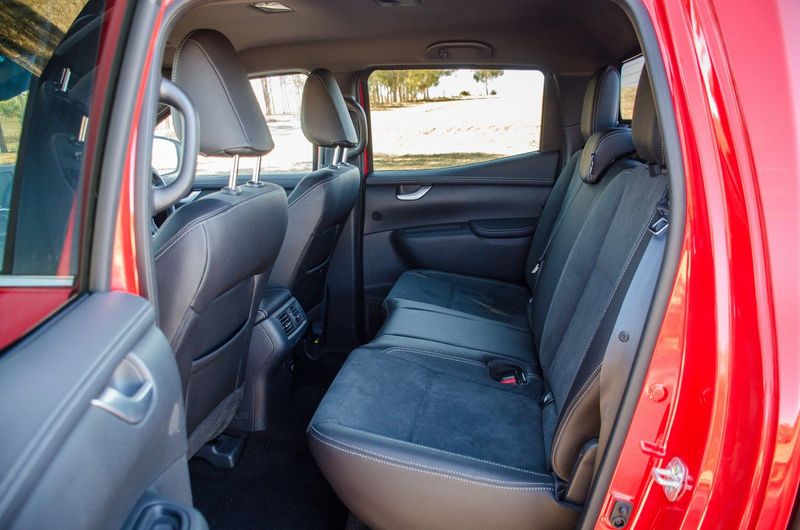
Rear air vents are a nice addition for rear passengers and rear legroom is adequate.

In summary, beyond the badge, there isn't enough here to elevate the X-Class above its rivals. The lack of standard satellite navigation and the relatively small infotainment screen are particularly irksome. Mercedes-Benz's new Sprinter panel van range, for example, features more advanced connectivity/infotainment features than the X-Class and boasts the company's smart new MBUX system. If that was available on the X-Class, it would have signficantly improved the user experience.

Manual transmission

While we have no doubt that the manual transmission fitted to the X-Class will prove reliable, it is an oddity in a near-R800 000 "leisure" vehicle with a premium badge. As sales figures show, owners at this end of the market want the ultimate refinement and comfort of a smooth automatic, and this manual gearbox's long-throw shift action, coupled with the need to keep the engine "on the boil", means that the X250d manual 'box driving experience is compromised. Opt for the auto version instead. 

Pricing & Back-Up

The Mercedes-Benz X250d 4Matic Power sells for R796 145 (September 2018) and comes backed with a 2-year/unlimited km warranty and 6-year/100 000 km maintenance plan. Note that Mercedes-Benz dealers are very willing to negotiate on the X-Class at present.

Verdict

The Mercedes-Benz X-Class story is still developing. We recently returned from Europe where we drove the upcoming V6 flagship derivative – read that article here – and that's a vehicle that is far more convincing as a Mercedes-Benz product, even at the even steeper (projected) price point. In addition to its superior drivetrain refinement and extra power, it also helps that the flagship V6 X-Class essentially has no rivals at near R1 million. 

There are 2 factors we'd also like to highlight that might be playing a role in the X-Class saga – firstly, the South Africa bakkie market is probably quite unique in the world. Throughout the years, Toyota's Hilux has established itself as not only a trusted workhorse locally, but owning a Hilux Double Cab is quite the status symbol. That status has been earned in the hearts of our consumers, and the application of a premium badge in this segment is no guarantee of a quick win… just ask Volkswagen. It has taken the Amarok years to become widely accepted, and it is doing so quite convincingly at the top-end of its line-up these days. 

Finally, it's also worth noting that the current Navara was first shown to the world in 2014 – the contenders in the market at that time was the previous-generation Hilux, the pre-facelift Ford Ranger and old Mitsubishi Triton etc. The Navara eventually reached South Africa in 2017 and unfortunately for Nissan (and, by association, Benz) the pick-up world has moved on considerably since then. So at its core, the X-Class is based on a vehicle that's already a good few years into its lifecycle. 

But back to this particular X250d 4Matic Power (manual) derivative… At its substantial price premium, it simply doesn't offer enough to justify the extra outlay over the likes of a similarly powerful Volkswagen Amarok or its sibling vehicle, the Nissan Navara. Yes, it does boast a more refined ride quality, and the allure of the Mercedes-Benz badge will be worth a lot to some consumers, but is that enough to stomach paying R200k extra? We think not.

Alternatives (click on the car names for detailed spec info)

Volkswagen Amarok 2.0BiTDI Highline 4Motion

It's tricky to decide which Amarok derivative to include as a rival. The 3.0 V6 TDI Highline Plus is our current Leisure Double Cab champion and R20 000 cheaper than this Mercedes-Benz, yet offers vastly more power/torque. In terms of fit and finishes, its cabin doesn't have to stand back to the Mercedes-Benz either. But if you compare the similarly powerful 2.0BiTDI Highline variant, you still get a very capable leisure vehicle that is also around R180k cheaper. Choices, choices…

Nissan Navara 2.3 4×4 LE

This is essentially the derivative of the Nissan Navara that underpins this exact X250d, and it's a startling R200 000 cheaper. With standard features such as navigation, surround view camera, leather upholstery, rear park distance control and even heated front seats, the Nissan is even better equipped than the far-pricier Mercedes-Benz.

Toyota Hilux 2.8 GD-6 Raider 4×4

Recently updated to feature the more attractive front design of the Dakar Edition, the Hilux remains a top-seller locally. It's also something of a status symbol in this country, which Mercedes-Benz may have underestimated. It is also around R200 000 cheaper than the Mercedes-Benz and generally beats it on spec too. 

Interested in buying a new / used Mercedes-Benz X-Class

Find one today on Cars.co.za by clicking here

BMW X4 (2018) Specs & Price

BMW will be introducing its new second-generation X4 in South Africa this week. Take a look at what you can expect in terms of specification and pricing…

The new X4 shares many similarities with the more mainstream X3, on which it is based, with both of them being manufactured on the same production line at BMW's Spartanburg factory in the USA, where over 1 400 X3, X4, X5, X6 and X7 models are produced daily. 

The new X4 will come up against some stiff competition in the premium medium-sized SUV segment, including the likes of the Range Rover Evoque, the Porsche Macan, the Volvo XC60 and, most directly, the Mercedes GLC Coupé.


In M Sport guise, the X4's front bumper treatment is particularly distinctive, but is the kidney-grille treatment not too chunky?

Exterior Styling 

The new X4, like its X3 sister, is based on BMW's CLAR (cluster architecture) platform, which makes extensive use of aluminium and high-strength steel to result in better rigidity. It also makes the new X4 50kg lighter, despite being 81 mm longer (4 752 mm) and 37 mm wider (1 91 8mm). Ride height has been reduced by 3 mm to 1 621 mm and the wheelbase is 54 mm longer (2 864 mm), with a claimed perfect 50/50 weight distribution. The lower centre of gravity will contribute to sportier handling.

The X4 wears a large double kidney grille with LED headlights and wrap-around taillights seen at the rear along with dual exhaust pipes finished in chrome. The X4 will be offered with 3 trim choices including Standard, M Sport and M Sport X, each of which offers distinctive design elements. Some of the optional equipment on offer includes a panorama sunroof, electrically-operated tow bar and adaptive LED headlights.

Four new exotic-sounding colours are available: Phytonic Blue, Sparkling Storm, Flamenco Red and Sunstone metallic.

Interior bits


The X4's interior is clearly derived from that of the X3, but features the latest version of the iDrive infotainment system.

The interior of the X4 shares many similarities with that of its sibling the X3, and has been upscaled to have a more premium feel along with redesigned seats. BMW's latest iDrive system is part of the package and incorporates a 6.5-inch display and iDrive controller. The system offers navigation and as well as Bluetooth, MP3 and USB functionality. Other notable standard features include a leather multifunction steering wheel, 3-zone climate control air conditioning, automatic tailgate, cruise control with brake function, ambient lighting, electronic parking brake and manually adjustable seats. 

The new X4 will for the first time be available with exclusive options from the BMW Individual portfolio, allowing a vehicle configuration closely tailored to buyers’ personal style preferences. Luggage space has been bumped up to 525 litres, or 1 430 litres with the 40:20:40 split seats folded down. 

Engine Choice


The rear 3-quarter view of the new X4 has not drawn universal praise; it is, however, more resolved than on the first version of the car.

A total of 3 engine options will be offered in South Africa, including 2 petrol engines and 1 diesel engine. M performance models can be expected at a later stage. 

The petrol range kicks off with a 2.0-litre, 4-cylinder turbopetrol engine in the X4 xDrive20i with 135 kW and 290 Nm of torque which is mated to an 8-speed automatic transmission. Fuel consumption is claimed at 7.8 L/100km and this derivative is capable of sprinting from zero to 100 kph in 8.3 seconds before reaching a top speed of 215 kph. 

The local X4 range will be headlined by the M40i derivative powered by a 3.0-litre, 6-cylinder turbopetrol engine with 265 kW and 500 Nm of torque on tap. The M40i makes use of an 8-speed sports automatic transmission with a claimed fuel consumption figure of 9.2 L/100km. Acceleration from zero to 100 kph takes 4.8 seconds and top speed is pegged at 250 kph. 

Finally, the only diesel option is the X4 xDrive20d which makes use of a 2.0-litre, 4-cylinder turbodiesel engine with outputs of 140 kW and 400 Nm of torque and is mated with an 8-speed automatic transmission. BMW claims a fuel consumption figure of 5.6 L/100km. Zero to 100 kph is achieved in 8.0 seconds with a top speed of 213 kph. 

The latest version of BMW's xDrive four-wheel-drive system (with a rear-wheel bias) is employed, which uses torque-vectoring to vary the amount of power sent to each wheel.

Road manners


M Sport suspension will be fitted as standard while adaptive suspension will be offered as an option.  

The newcomer’s more athletic looks are backed up with sportier performance and better handling characteristics. Up front, there is double-wishbone suspension (as on the X3), and all models have M Sport suspension and speed-sensitive electro-mechanical Servotronic steering directing the 19- to 21-inch wheels. Adaptive suspension will be offered as an option. 

The X4 will be most comfortable on good surfaces, but it's not going to turn up its nose at a spot of modest off-road meandering. Ground clearance is fair at 204 mm, while fording depth is 500 mm and ramp, approach and departure angles are 19.4, 25.7 and 22.6 degrees respectively. To compare apples with apples, the Pure version of the Evoque has 213 mm ground clearance, fording depth of 500 mm and ramp, approach and departure angles of 22, 23.2 and 33 degrees respectively.

We will be driving the new BMW X4 on local soil this month, so be sure to look out for our impressions in the near future. 

New BMW X4 – Price in SA

BMW X4 xDrive20i (Standard) – R843 000

BMW X4 xDrive20i M Sport – R887 900

BMW X4 xDrive20i M Sport X – R887 900

BMW X4 xDrive20d (Standard) – R843 000

BMW X4 xDrive20d M Sport – R887 900

BMW X4 xDrive20d M Sport X – R887 900

BMW X4 M40i – R1 132 800

Related content:

New BMW X4 (2018) International Launch Review

BMW X3 M and X4 M Shown

BMW X4 M Spotted testing at Nurburgring (Video)

Interested in buying a BMW X3?

Search for a new/used example on Cars.co.za

2018/19 Cars.co.za Consumer Awards – Powered by WesBank; Semi-Finalists

The semi-finalists of the Cars.co.za Consumer Awards – powered by WesBank, now in its 4th year, have been announced. The 13 eventual category winners will be selected from this pool of 65 vehicles, which collectively represent some of the best purchasing propositions in the new car market.

In the 1st round of the #CarsAwards, the Cars.co.za extended editorial team selected the 5 best cars in each of the 13 categories devised for this year’s programme. Careful attention was paid to the respective categories' "Filters of Eligibility" and the "Pillars of Success" in order to come to a consensus on the identities of the semi-finalists. All vehicles available on the South African market on September 1, 2018, were eligible, not only new products that were launched in the past 12 months.

To get a greater understanding of how the #CarsAwards work, go here.

"The debate and agreement by consensus is a core pillar of our programme," says Cars.co.za Consumer Experience Manager, Hannes Oosthuizen. "We debate each eligible vehicle within the context of its category, and will not move on until the entire team is in agreement. This means that the selection process encompasses far deeper interrogation (and more exhaustive investigation) than is typical in a 'secret vote' setup."

In the next round, due to take place early in October 2018, the same jury will score each vehicle individually, taking into account the various criteria set out for each of the respective categories. The top 3 finalists per category will then be announced next month, and be put through back-to-back testing at Gerotek in Gauteng early in November 2018, by the entire Cars.co.za Consumer Awards – Powered by WesBank jury. To read more about that process, go here.

Remember, your consumer experience helps pick the eventual winners (as well as the Brand of the Year) of the #CarsAwards via the Cars.co.za Ownership Satisfaction Survey, developed in conjunction with Lightstone Consumer. Relevant data collected from the surveys account for 50% of the final category scores, and 100% for Brand of the Year. To have your say, complete the survey here.

Here are the 2018/19 semi-finalists in their respective categories:

Budget Car (under R200 000)


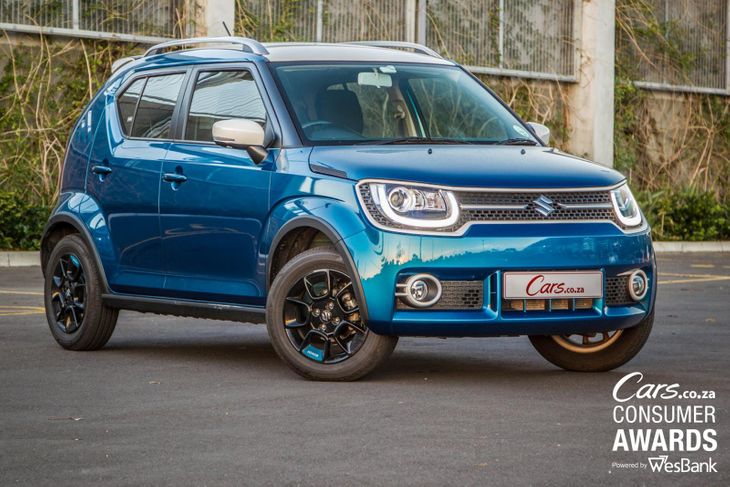
Last year the entry-level Suzuki Ignis drove away with the Budget Car trophy. Can the flagship 1.2 GLX repeat the victory?

Buying an affordable car should not necessitate compromises in terms of safety, technology and quality. The winner of this category represents as much good car as possible for the asking price. Value is very important, as are low running costs and all such "common sense" considerations. The price cap for this category is R200 000 (on 1 September 2018) and, as always, we've placed an emphasis on safety equipment: dual front airbags and ABS are required features in this category.

For content related to each semi-finalist, click on the car's name.

Kia Picanto 1.2 Style

Peugeot 208 1.2 Active

Suzuki Ignis 1.2 GLX

Suzuki Swift 1.2 GL

Volkswagen Polo Vivo 1.4 Comfortline


Compact Hatch (R200 000 – R300 000)


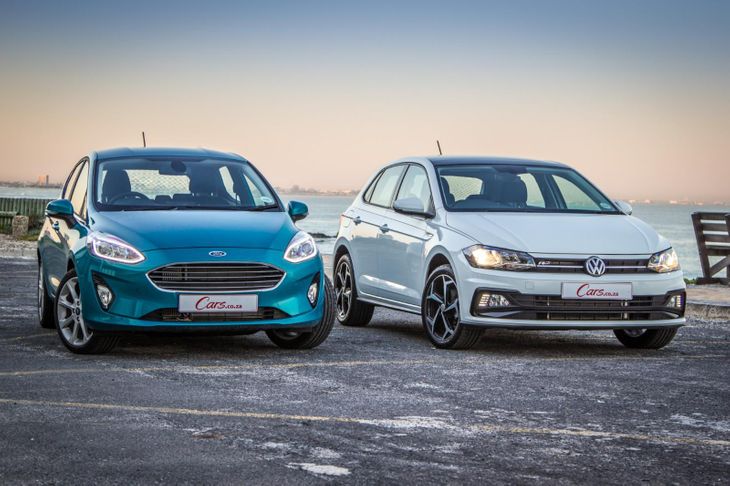
The current champion (Mazda2) faces a tough challenge from these 2 newcomers: the Ford Fiesta and VW Polo.

In this extremely competitive category, we’re looking for a balanced offering that is excellent across the board. Cars in this segment must appeal to a very wide audience – from the young professional or -family buying up from an entry-level car, to pensioners buying down from something larger and expensive. The winner of this award must truly reflect what is best about modern automotive design and engineering, but present it in a concentrated, reasonably affordable form.

The semi-finalists are:

Ford Fiesta 1.0T Titanium

Mazda2 1.5 Individual Plus Auto

Nissan Micra 66kW Turbo Acenta

Renault Clio 88kW Turbo GT-Line

Volkswagen Polo 1.0 TSI Comfortline Auto


Adventure SUV (R550 000 – R700 000)


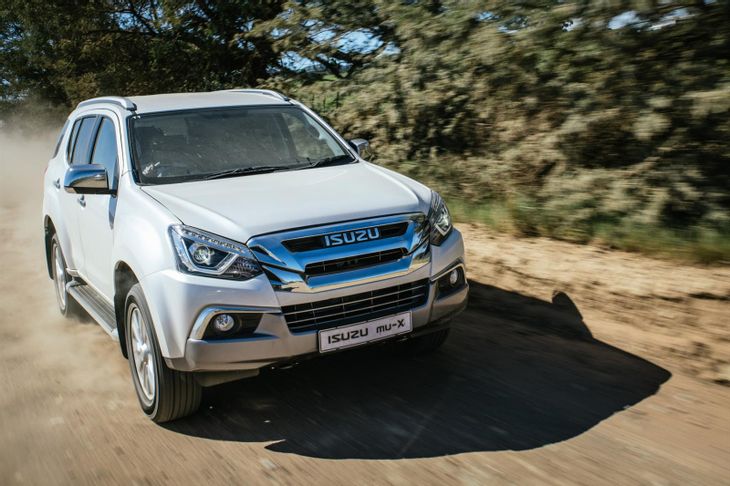
To achieve a repeat victory in this segment, the Toyota Fortuner will also have to trounce Isuzu's new mu-X.

We’re looking for the ultimate recreational vehicle to transport a family and all their holiday and lifestyle gear in comfort to almost any destination, on- or off-road. Off-road ability is emphasised, in combination, with practicality, comfort and long-distance cruising. The semi-finalists are:

Ford Everest 3.2 4WD XLT

Haval H9 2.0T 4WD Luxury

Isuzu mu-X 3.0 4WD

Mitsubishi Pajero Sport 2.4 D4 4×4

Toyota Fortuner 2.8 GD-6 4×4 Auto


Compact Family (R300 000 – R400 000)


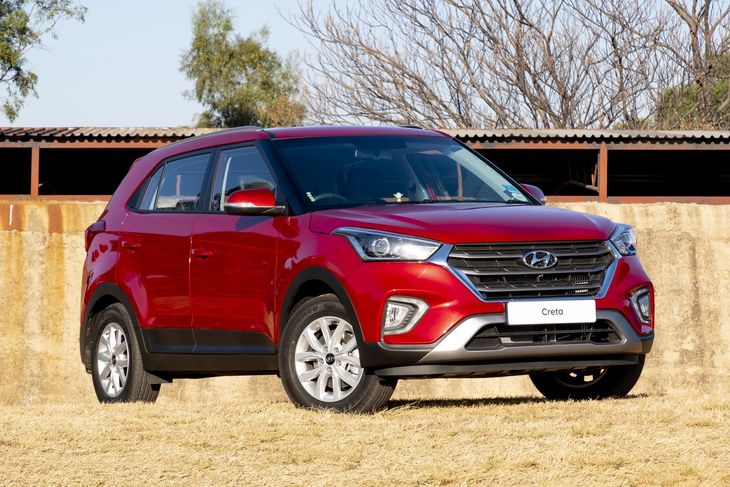
The popular (and recently updated) Hyundai Creta could stand a strong chance for victory this year.

With household budgets stretched to breaking point, the reasonably affordable contemporary family car has to wear many hats – from compact traffic-dodger, to school-run taxi and even weekend getaway machine. Practicality and spaciousness are important considerations, but so are safety, technology, fuel efficiency and a modicum of lifestyle flexibility.

Note that the current champion in this category, Suzuki's Vitara 1.6 GLX, isn't eligible this year because it is being updated early in 2019. It is therefore not possible for our test team to evaluate the updated car during the November 2018 test days at Gerotek.

The semi-finalists in this category are:

Ford EcoSport 1.0T Titanium Auto

Hyundai Creta 1.6 Executive Turbodiesel Auto

Nissan Qashqai 1.2T Acenta Auto

Opel Crossland X 1.2 Turbo Cosmo Auto

Renault Captur 88kW Dynamique Auto


Family Car (R400 000 – R500 000)


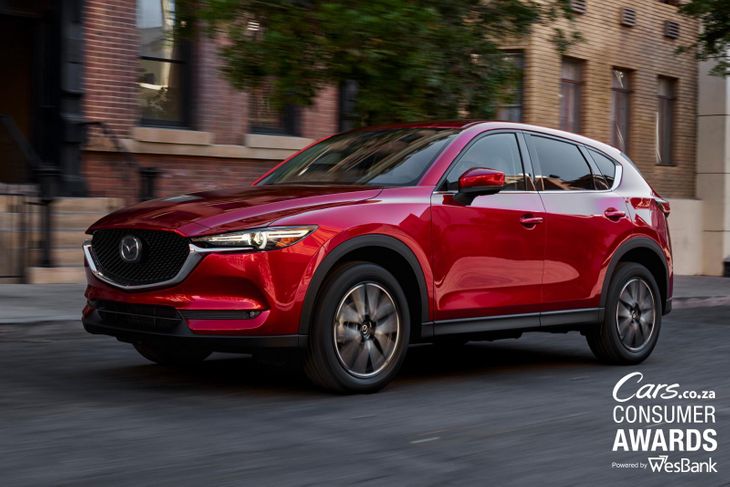
With the 2.5 Individual derivative of the CX-5 now too expensive to qualify, can the 2.0 Individual defend Mazda's Family Car title?

The typical family car fulfils a wide variety of duties and needs to be a practical, safe all-rounder. The winner of this category should be ideal not only for the morning school run, but also school-holiday trips to distant locations. In judging this category, we’ve placed particular emphasis on interior flexibility, comfort and safety.

The semi-finalists are:

Ford Kuga 2.0TDCI AWD Trend

Mazda CX-5 2.0 Individual

Nissan X-Trail 2.5 4×4 Tekna

Peugeot 3008 2.0 HDI Allure

Volkswagen Tiguan Allspace 1.4 TSI Trendline


Leisure Double Cab (R500 000 – R800 000)


Sales of the Mercedes-Benz X-Class have had a slow start in SA, but could the X250d spring a surprise in the #CarsAwards?

In this immensely popular and fiercely contested category of the market, the search is on for the ultimate all-rounder. A leisure double-cab is required to be as many as 5 different vehicles (depending on which task it is required to perform): a luxurious tourer, hardcore off-roader, capable carry-all, family do-all and lifestyle activity machine. This type of bakkie can no longer afford to be too utilitarian and rough around the edges; it's expected to be a highly sophisticated offering.

The semi-finalists are:

Ford Ranger 3.2 4×4 Wildtrak Auto

Mercedes-Benz X250 d 4Matic Progressive Auto

Nissan Navara 2.3D 4×4 LE Auto

Toyota Hilux 2.8 GD-6 4×4 Raider Auto

Volkswagen Amarok 3.0 V6 TDI Highline Plus 4Motion Auto


Business Class (R600 000 – R800 000)


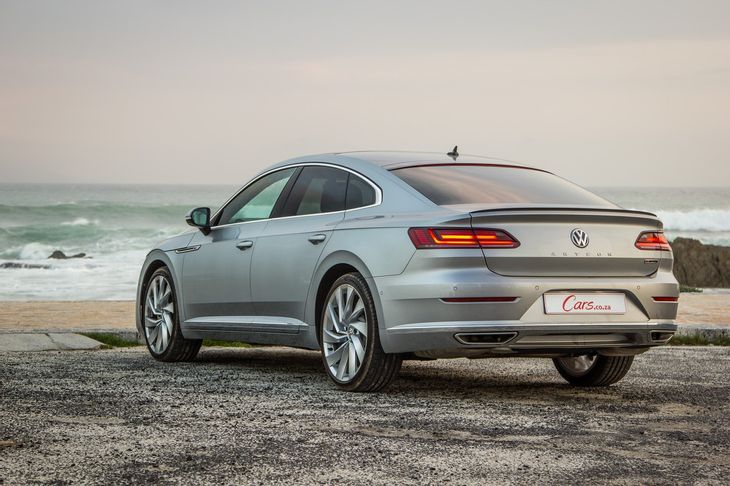
Will VW's latest stab at the Business Class segment, the dramatic Arteon, be more successful than its Passat sibling?

In this category, you will find the type of cars that (realistic) dreams are made off. We’re looking for an aspirational vehicle that will appeal to the image-conscious driver who places a priority on performance, dynamics, technology and design. The target customers have achieved success and want a car that isn’t only a personal reward, but the automotive embodiment of their achievements. The semi-finalists are:

Alfa Romeo Giulia 2.0T Super

Audi A5 Sportback 2.0TFSI quattro Sport S Line sports

BMW 430i Gran Coupe M Sport sports-auto

Mercedes-Benz C300 AMG Line

Volkswagen Arteon 2.0TSI 4Motion R-Design


Executive SUV (R700 000 – R900 000)


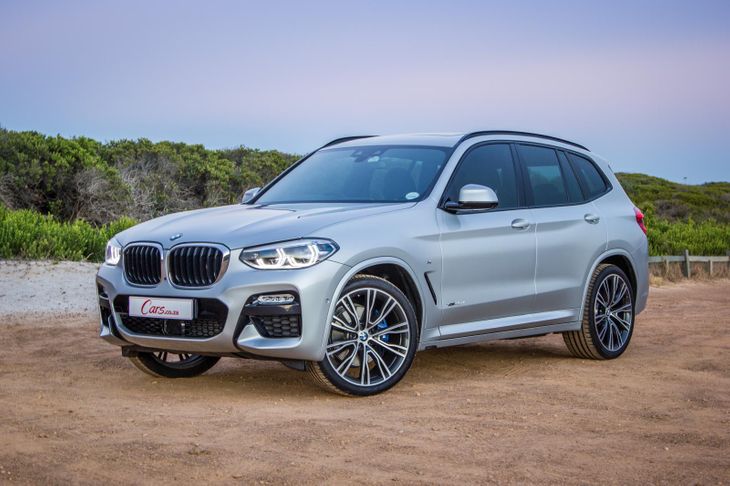
BMW's new X3 is a strong new challenger for the Executive SUV title.

An Executive SUV is increasingly regarded as the status symbol to have, therefore most premium brands now offer road-biased SUVs that combine prestige and practicality in a package that is characterised by superior refinement. Drivetrain performance and refined road manners are priorities, as is a cabin that features upmarket materials and the most up-to-date technology. The semi-finalists are:

Audi Q5 2.0 TDI quattro Sport S-Line sports

BMW X3 xDrive20d M Sport auto

Jaguar E-Pace D240 R-Dynamic HSE

Mercedes-Benz GLC 250d 4Matic AMG Line

Volvo XC60 D5 R-Design


Premium Compact (R450 000 – R600 000)


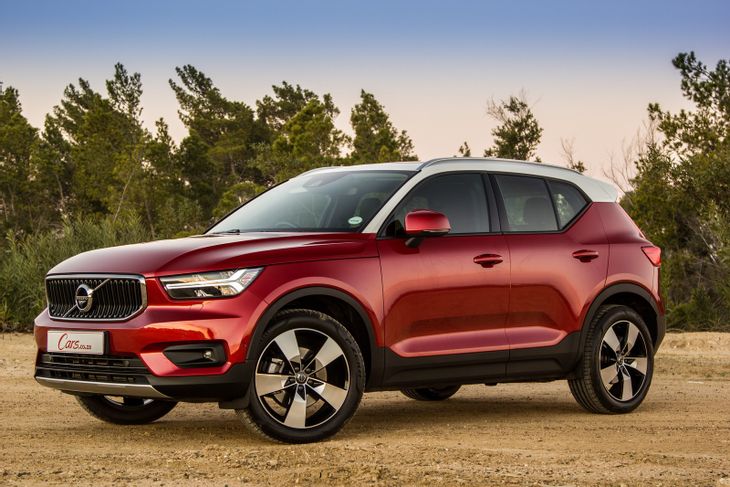
Can a premium crossover such as Volvo's XC40 beat "traditional" contenders such as the Mercedes-Benz A-Class and VW Golf?

This category replaces the previous "Premium Hatchback" segment. Buyers of traditional upmarket hatchbacks are increasingly also considering fashionable crossovers, so it only makes sense to group them together into 1 category. Stylish and sophisticated, yet practical enough for most motoring needs, these are the cars for upwardly mobile go-getters. The winner in this category must not only offer outstanding quality, refinement, performance and the latest technologies, but also broadcast a message of success and ambition. The semi-finalists are:

Audi A3 Sportback 2.0TFSI S-Line Auto

Mercedes-Benz A200 AMG-Line

Mini Countryman Cooper S sports-auto

Volkswagen Golf GTI

Volvo XC40 T3 R-Design


Hot Hatch (under R700 000)


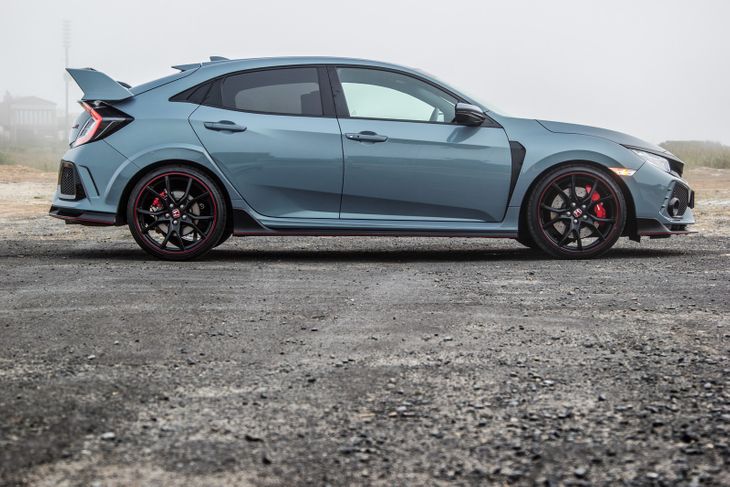
In this new category, could Honda's fiery Civic Type R score a victory for the Japanese marque?

With very few compact fun cars currently available in South Africa, our focus falls on the traditional hot hatch, which offers sportscar-humbling performance, while retaining an admirable measure of practicality. In this new category, we’re looking for a total package that is not outlandishly priced. This is one for the petrolheads – a car that must leave die-hard enthusiast smiling after every drive, in the way it looks, handles, sounds and, yes, performs. The semi-finalists are:

Audi S3 Sportback quattro

BMW M140i sports-auto

Honda Civic Type R

Renault Megane R.S. 280 Lux

Volkswagen Golf R


Performance Car (under R1 million)


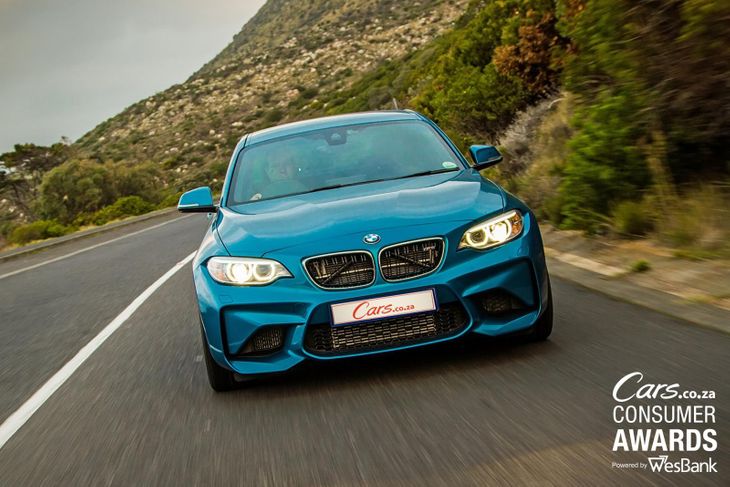
The reigning Performance Car champion, BMW's M2, will compete in updated "Competition" spec this year.

While supercars and other “exotics” are mere fantasies for most, there are cars priced below the magical R1-million mark that offer near-supercar thrills and performance. In this category, we are not only looking for sizzling performance, but also driver engagement, whether driven on track or road. The semi-finalists are:

Audi TT RS

BMW M2 Competition

Jaguar F-Type Coupe 221kW

Mercedes-AMG C43 Coupe 4Matic
Porsche 718 Cayman S


Premium SUV (R1 million – R1.3 million)


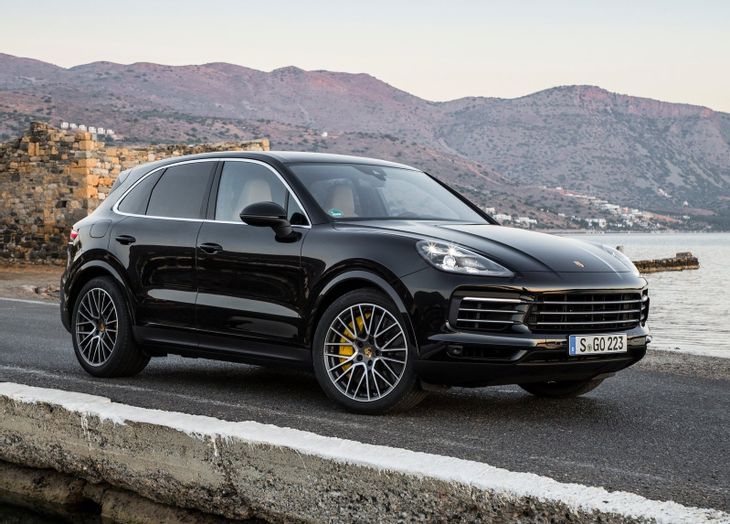
Porsche makes its first appearance in the #CarsAwards this year, with the new Cayenne competing in the Premium SUV segment.

Luxurious SUVs may appeal for irrational and emotional reasons such as kerb appeal and status, but at their core, they are some of the most sophisticated and capable vehicles on the market. Blending spaciousness with high-tech off-road equipment, powerful engines, as well as luxuriously trimmed cabins, the prestige-badged premium SUV we are looking for in this category should be tailor-made for image- and practicality-obsessed buyers. The semi-finalists are:

Land Rover Discovery HSE Td6

Porsche Cayenne S

Range Rover Velar D300 R-Dynamic SE

Volkswagen Touareg V6 TDI Luxury R-Line

Volvo XC90 T8 Twin Engine AWD R-Design


Executive Sedan (R800 000 – R1 million)


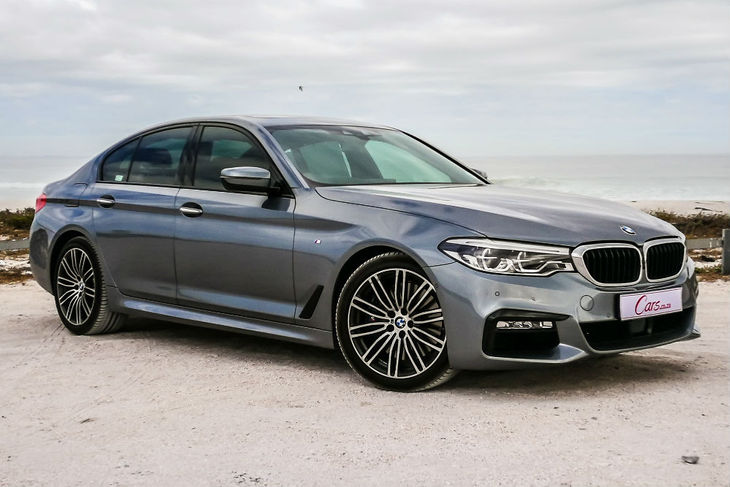
With Mercedes-Benz's E350d no longer on price lists, BMW's 5 Series stands a stronger chance of Executive Sedan glory.

These technological masterpieces represent an enviable blend of first-class luxury and comfort, and business-class technology and dynamic appeal. Prestige is usually a given in this segment, but we’re also looking for significant technological advancement, yet without compromising the level of comfort and quiet style that these sedans are renowned for. The semi-finalists in this category are:

BMW 520d M Sport

BMW 530i M Sport

Jaguar XF 30t R-Sport

Mercedes-Benz E220 d Avantgarde

Volvo S90 D5 AWD R-Design


You may also be interested in:

Cars.co.za Consumer Awards 2018/19 – Categories & Judges announced

Winners of the 2017/18 Cars.co.za Consumer Awards – Powered by WesBank

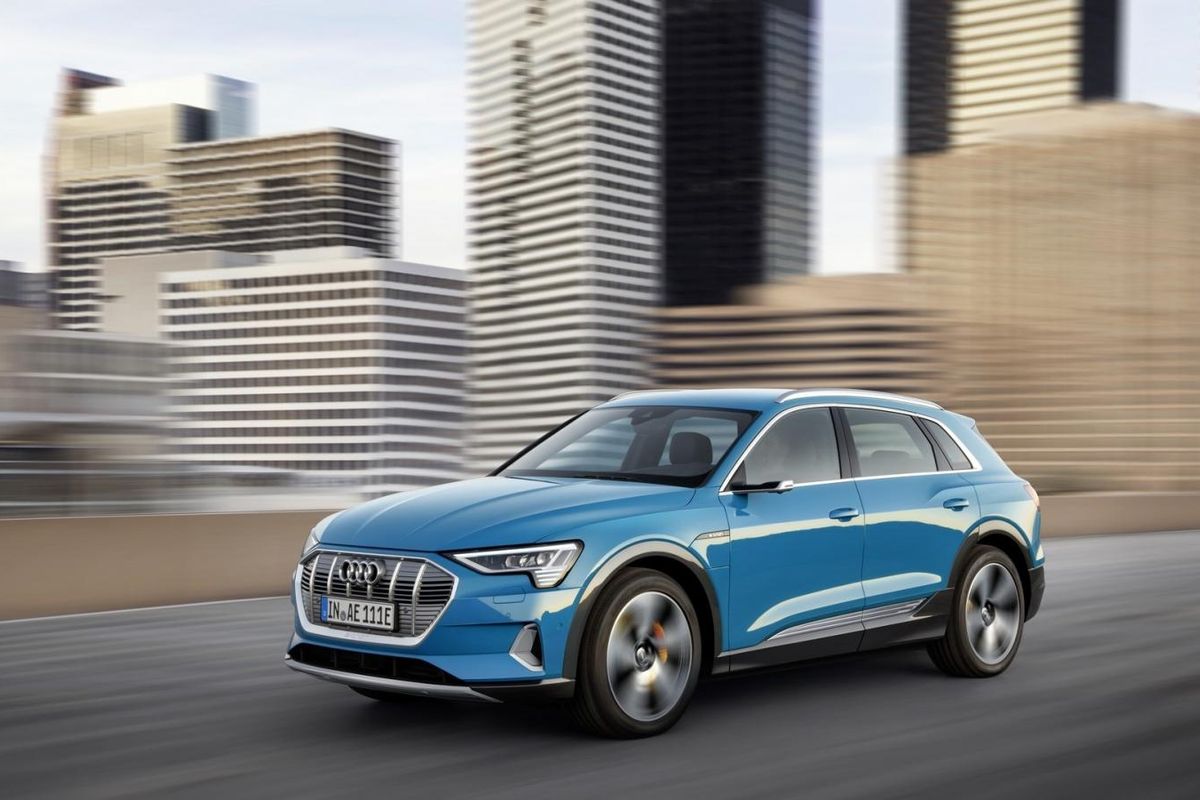
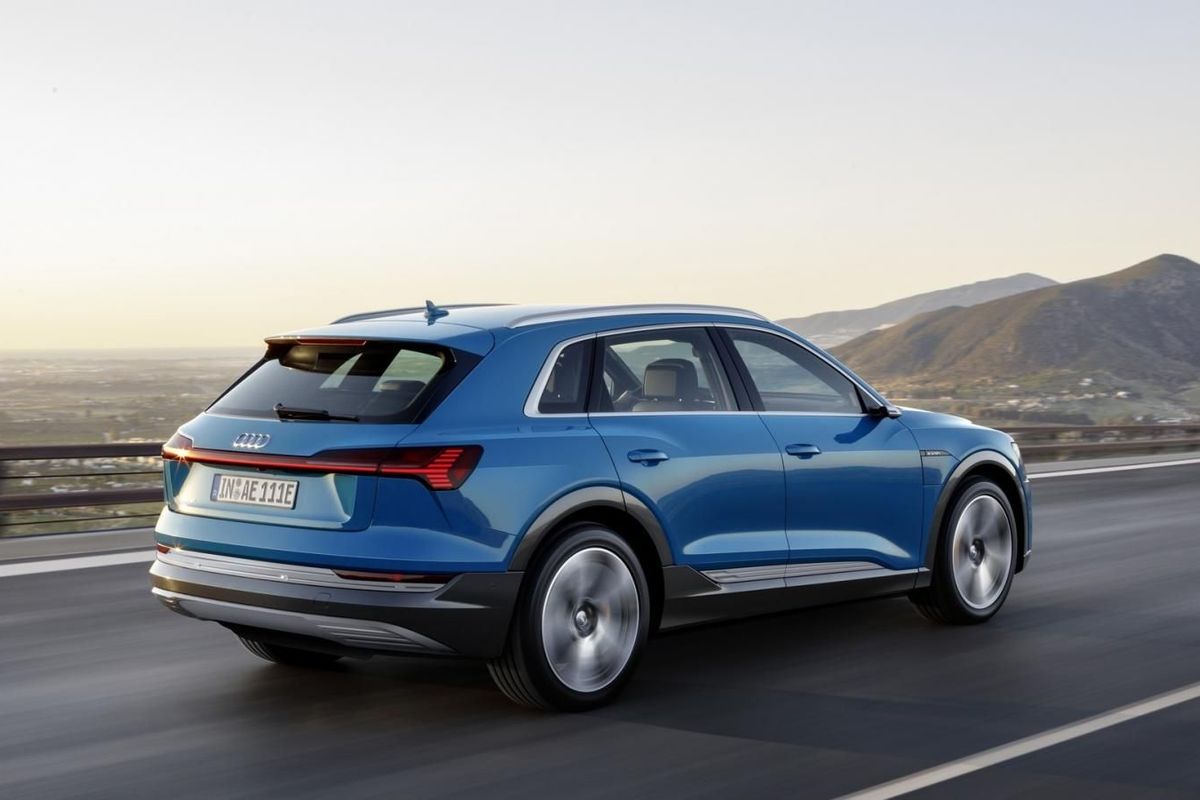
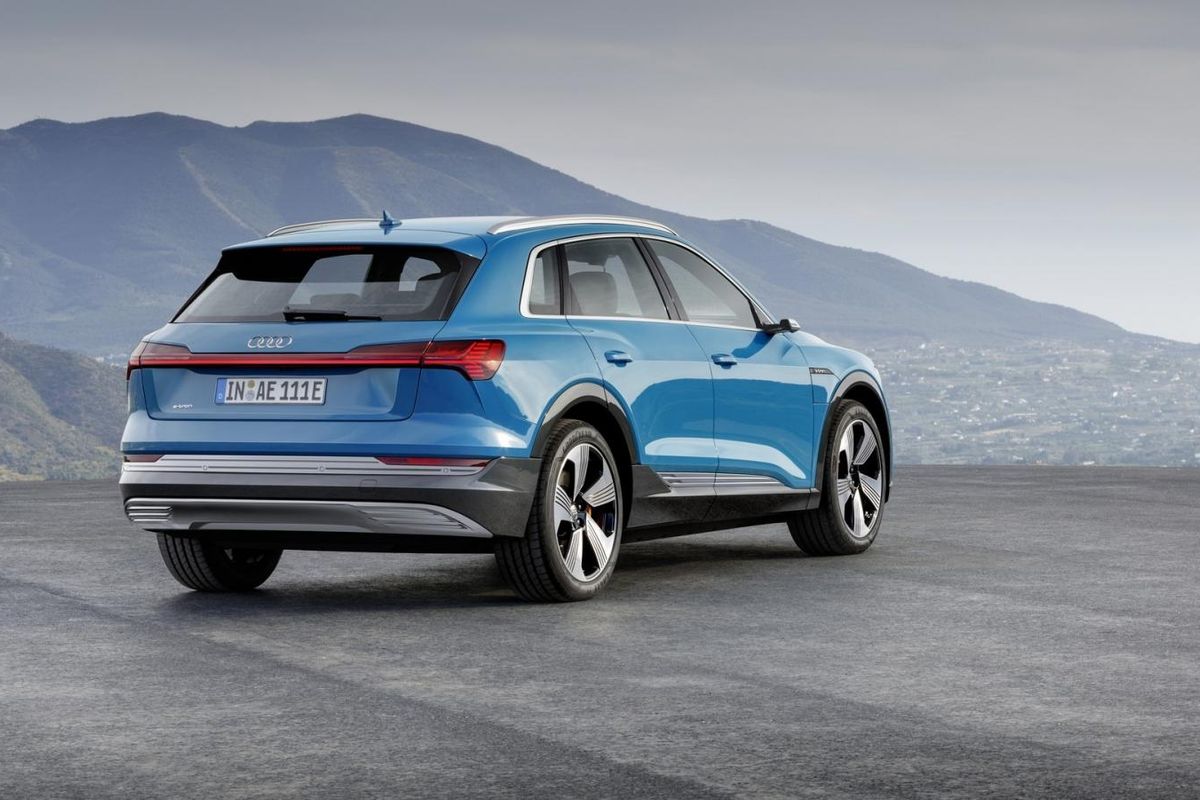
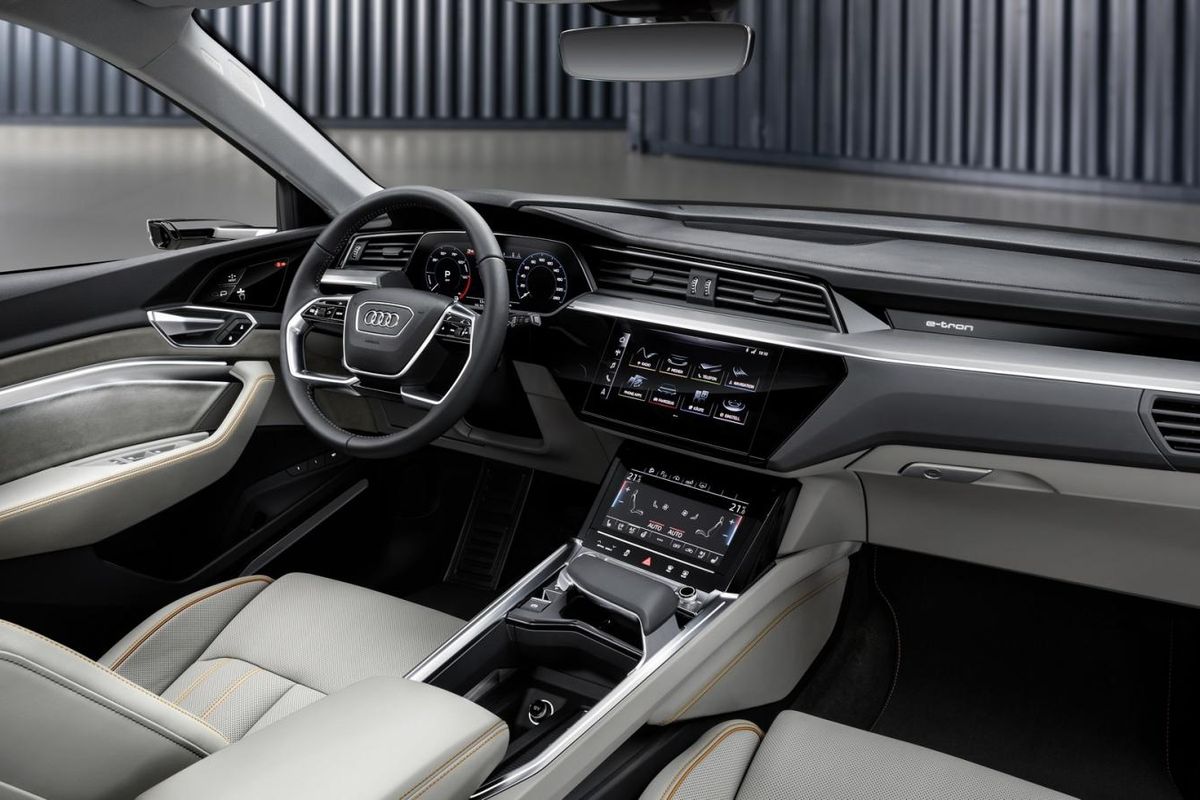
Electric Audi e-tron Revealed

German carmaker, Audi, has revealed its first all-electric series production model in San Francisco. The new e-tron will be introduced to the South African market in the middle of 2019. 

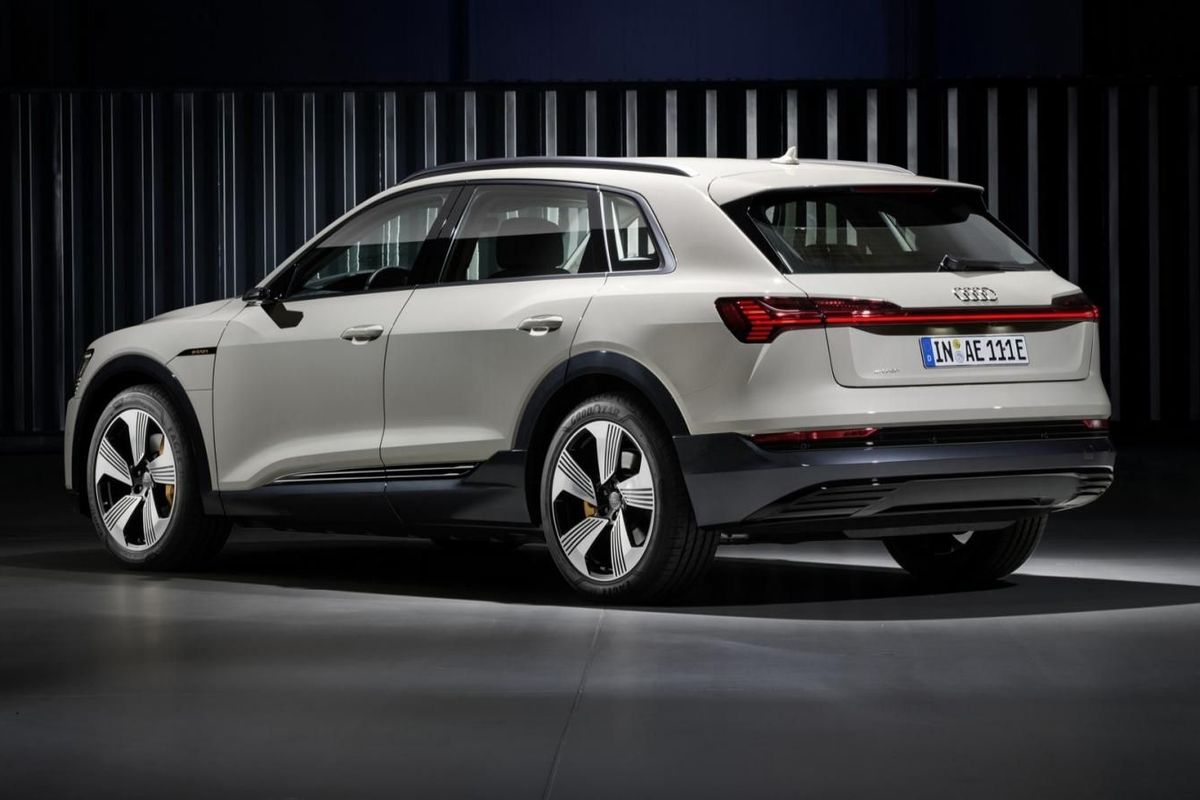
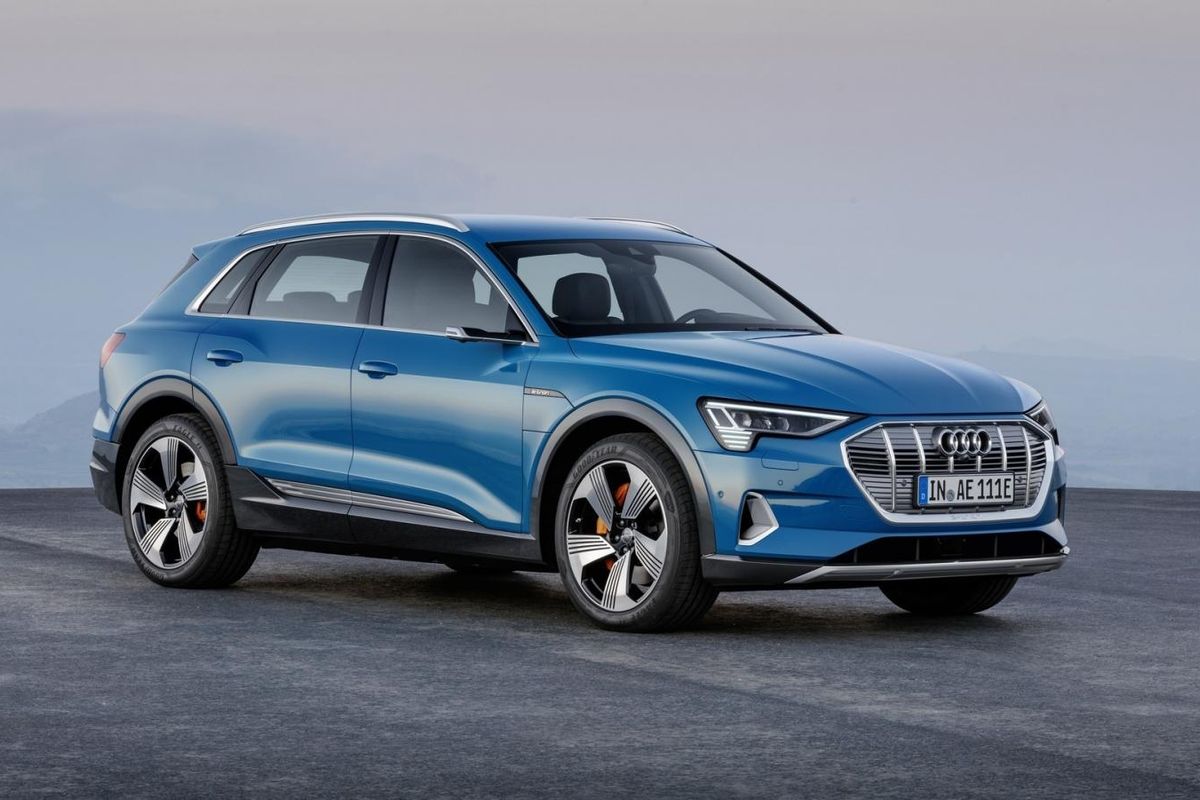
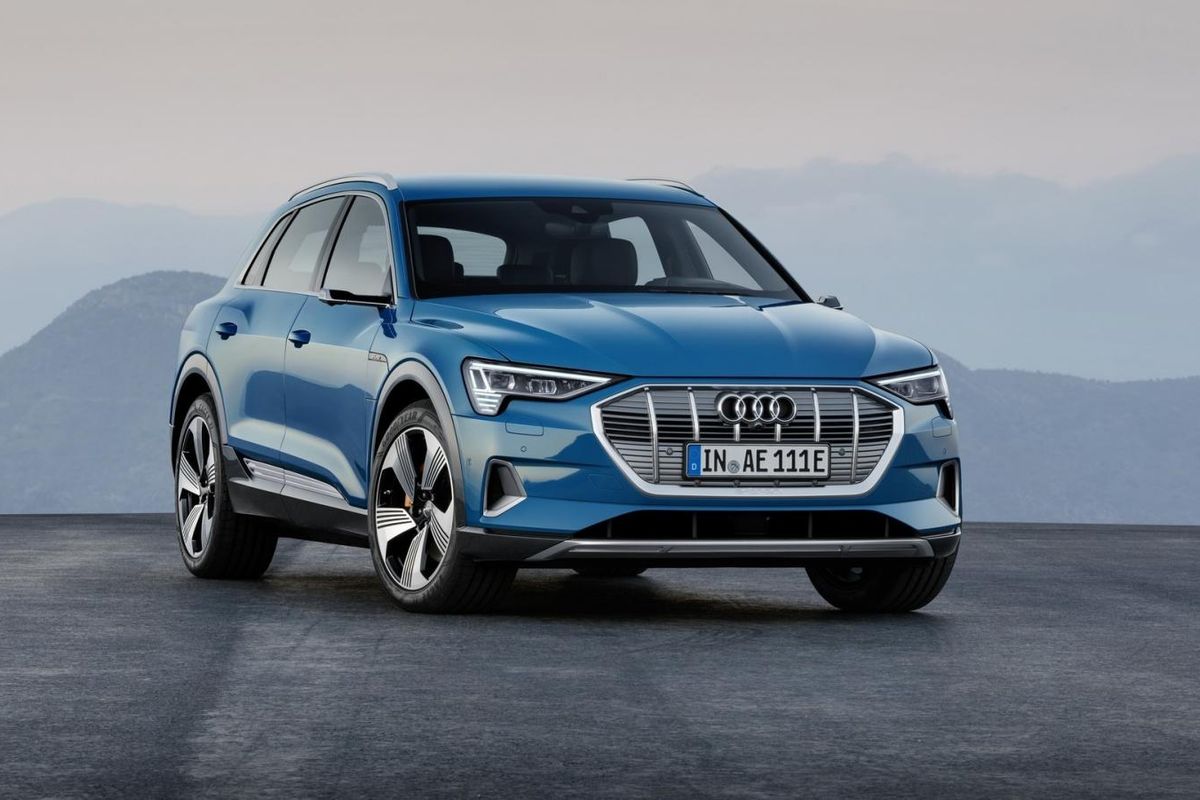
The new Audi e-tron is a five-seat electric SUV to rival the likes of the Mercedes-Benz EQC, BMW iX3 and Tesla's offerings. The e-tron is powered by 2 electric motors (one over each axle) that are CO2 neutral and virtually silent in operation. They generate 300 kW and 560 Nm of torque. Audi's quattro all-wheel-drive system ensures maximum traction and dynamic ability by regulating and distributing torque between the axles instantaneously. Zero to 100 kph is achieved in about 5.5 seconds and e-tron will reach a top speed of 200 kph. 

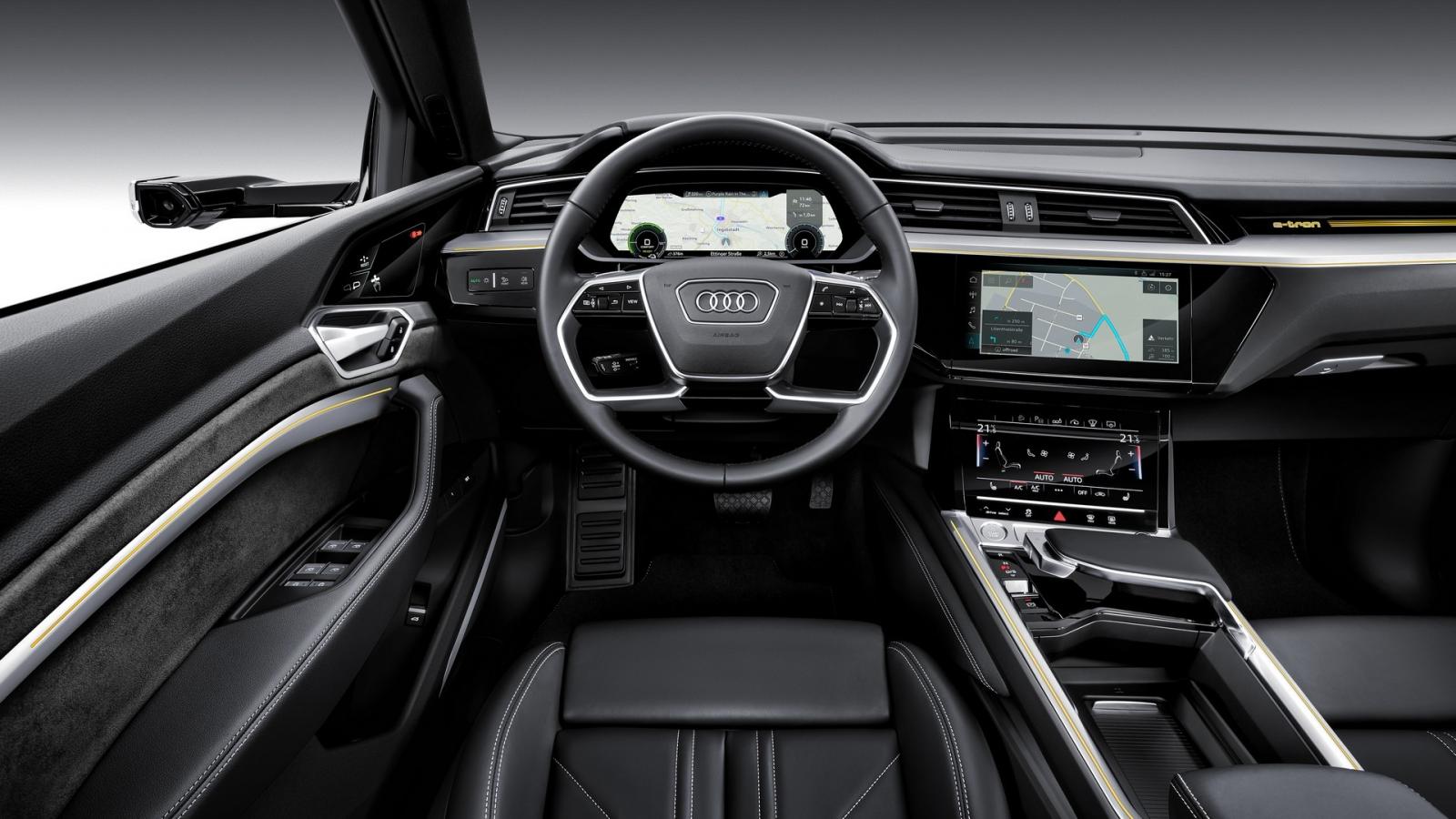
The  95kWh battery system is positioned low and central in the vehicle, contributing to a more sporty character while over 90 percent of deceleration energy is recovered by the electric motors via the integrated electrohydraulic brake control system, resulting in improved range, which is expected to be over 400 km. More so, this is the first time that a carmaker to use such a system in an electrically powered series production vehicle. Aerodynamics play a major role in reducing energy consumption and as such the e-tron is fitted with optional virtual exterior mirrors (also a first) which reduce drag but also take digitalisation to a new level. 


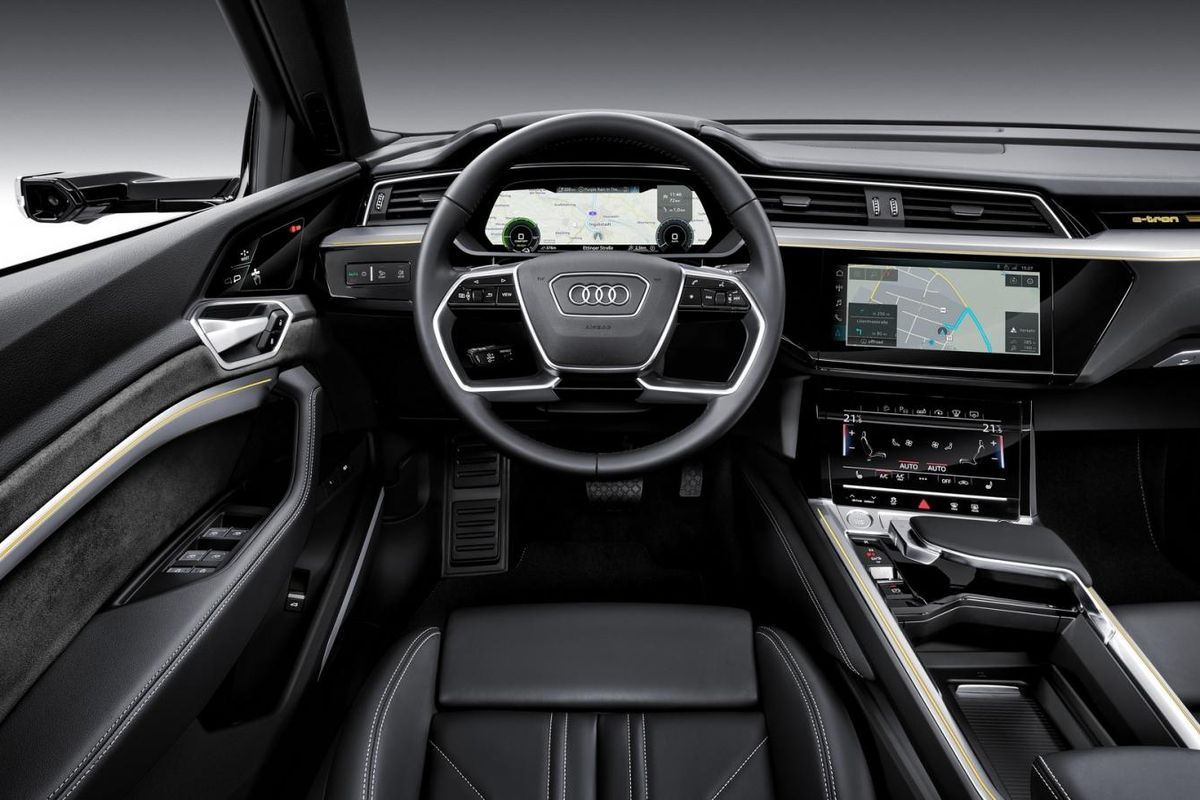
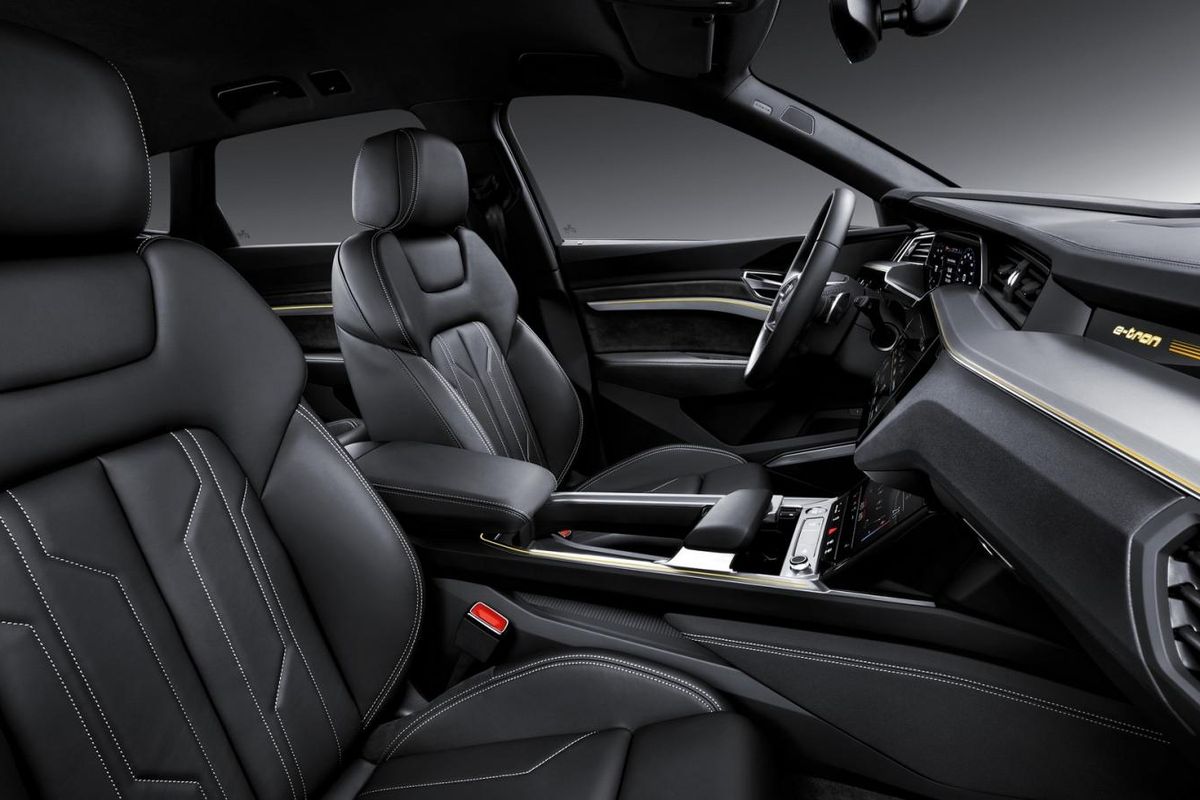
The etron will be equipped with all the latest technology in Audi's arsenal. 

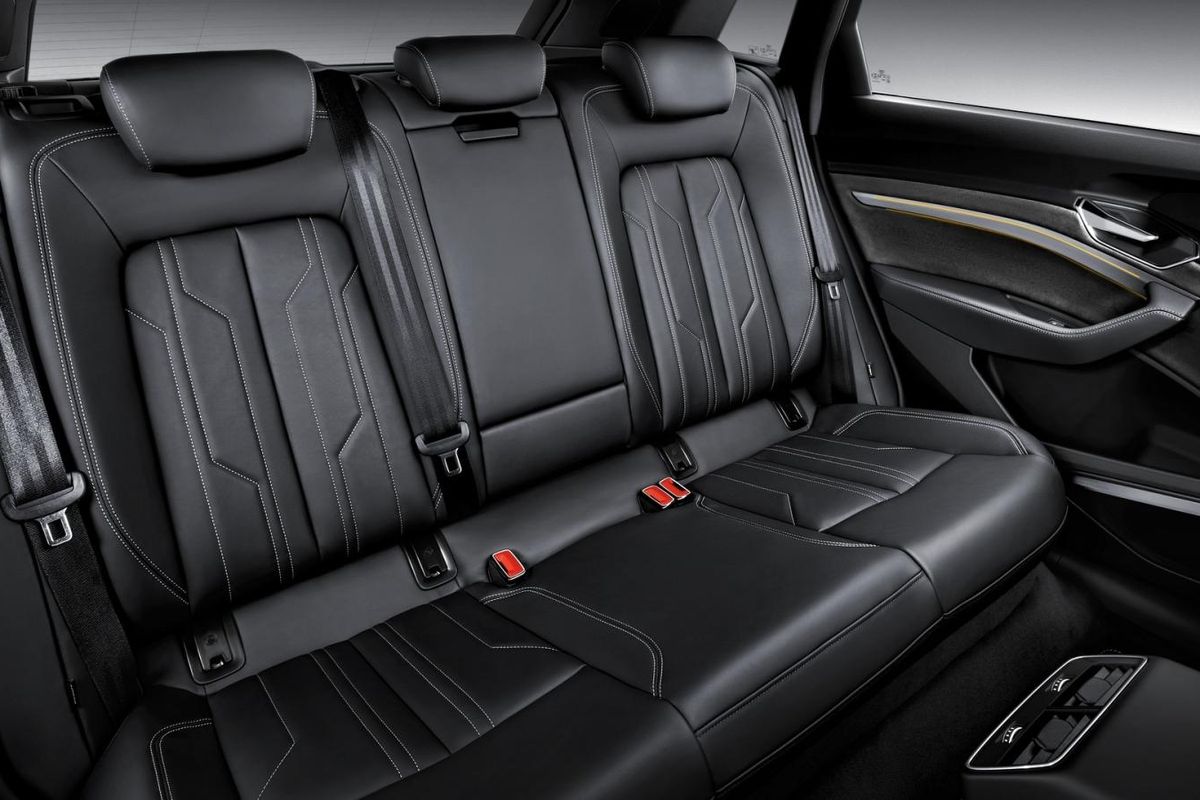
Audi says that the e-tron will offer the space and comfort you would expect from an Audi SUV with high-quality materials and workmanship. A wide range of charging options are available to ensure that the e-tron is charged whether it be at home or on the go. The e-tron is engineered for AC and DC charging and has fast-charging capability of up to 150 kW at high-speed charging stations. 80 percent charge can, therefore, be achieved in about 30 minutes. Charging at home is achieved using a standard 9.6 kW AC capsule charger. This charger will also include plugs for a standard 120-volt outlet as well as a fast-speed 240-volt NEMA 14-50 outlet. 

The e-tron is equipped with a 10.1-inch upper screen and an 8.6-inch lower screen that takes care of all vehicle functions. A route planner shows the most efficient route and charging points along the way as well as offering automated billing at charging stations and can even be controlled remotely via a smartphone. MMI Navigation and a Wi-Fi hotspot is standard. Other nifty features include efficiency assist, adaptive cruise control, 360-degree camera, intersection assist, rear cross traffic assist and park steering assist.  to maximise efficiency. 

The Audi e-tron will be produced at a CO2 neutral plant in Brussels, Belgium and is expected to arrive in South Africa in the middle of 2019. Pricing for Europe has been pegged at €79 900 which translates to roughly R1 395 129. 

Audi E-Tron Teaser Video

Further Reading

Jaguar I-Pace Concept (2018) International First Drive

New Car Technologies Showcase: More integration, personalisation

Update: First Mercedes-Benz Generation EQ-based SUV Coupe Coming in 2019 [with Video]

Best Range for Honda Clarity Fuel-Cell

Interested in buying an Audi?

Search for a new/used example on Cars.co.za


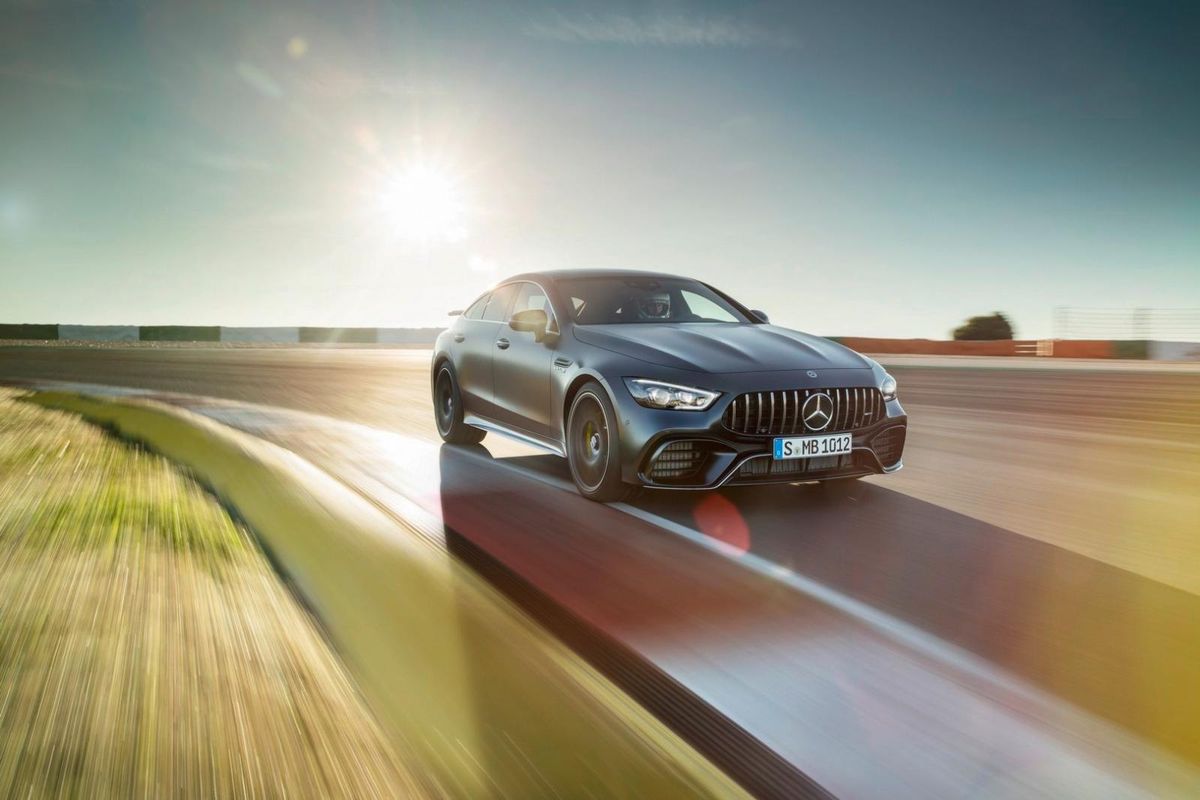
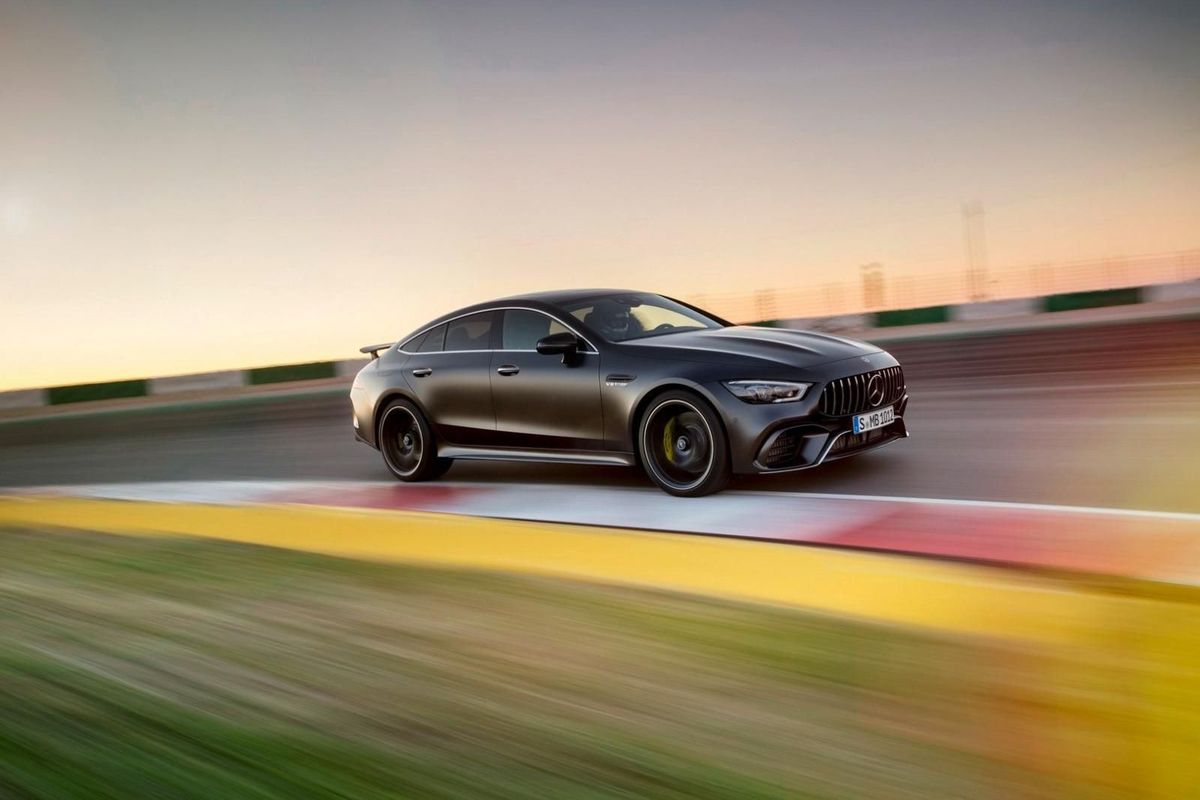
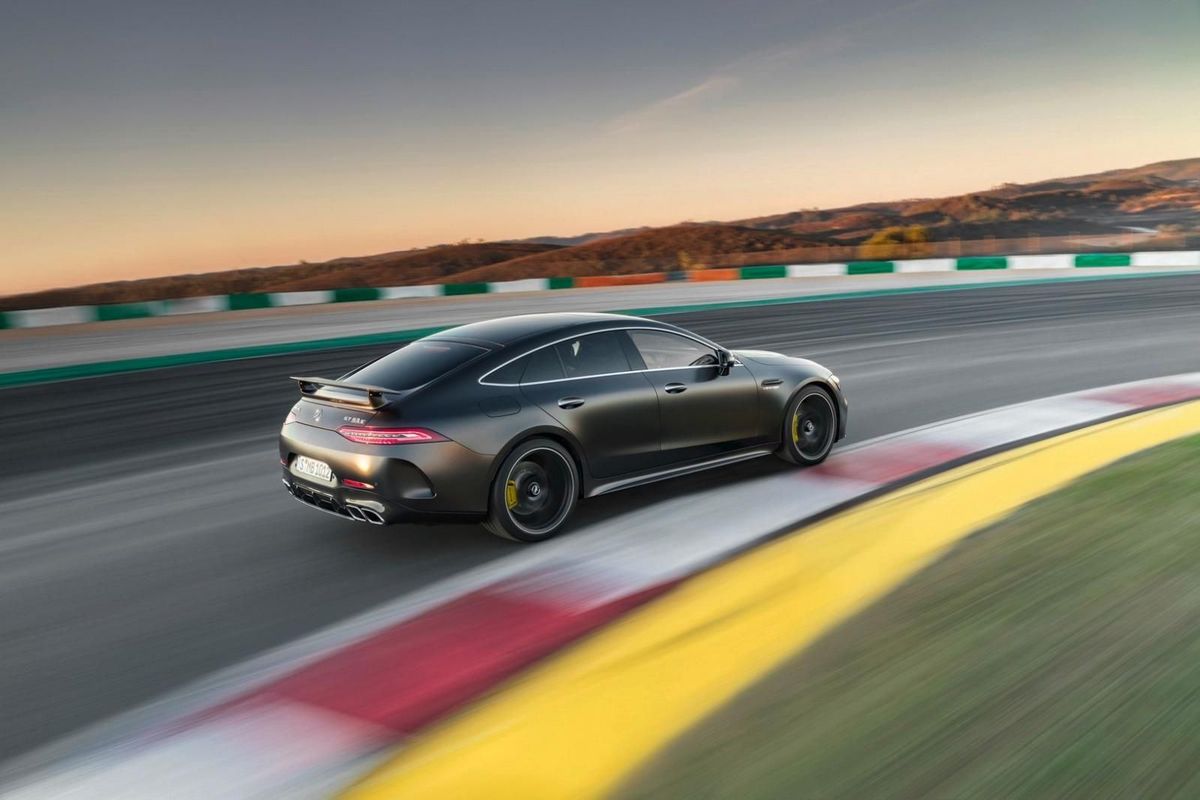
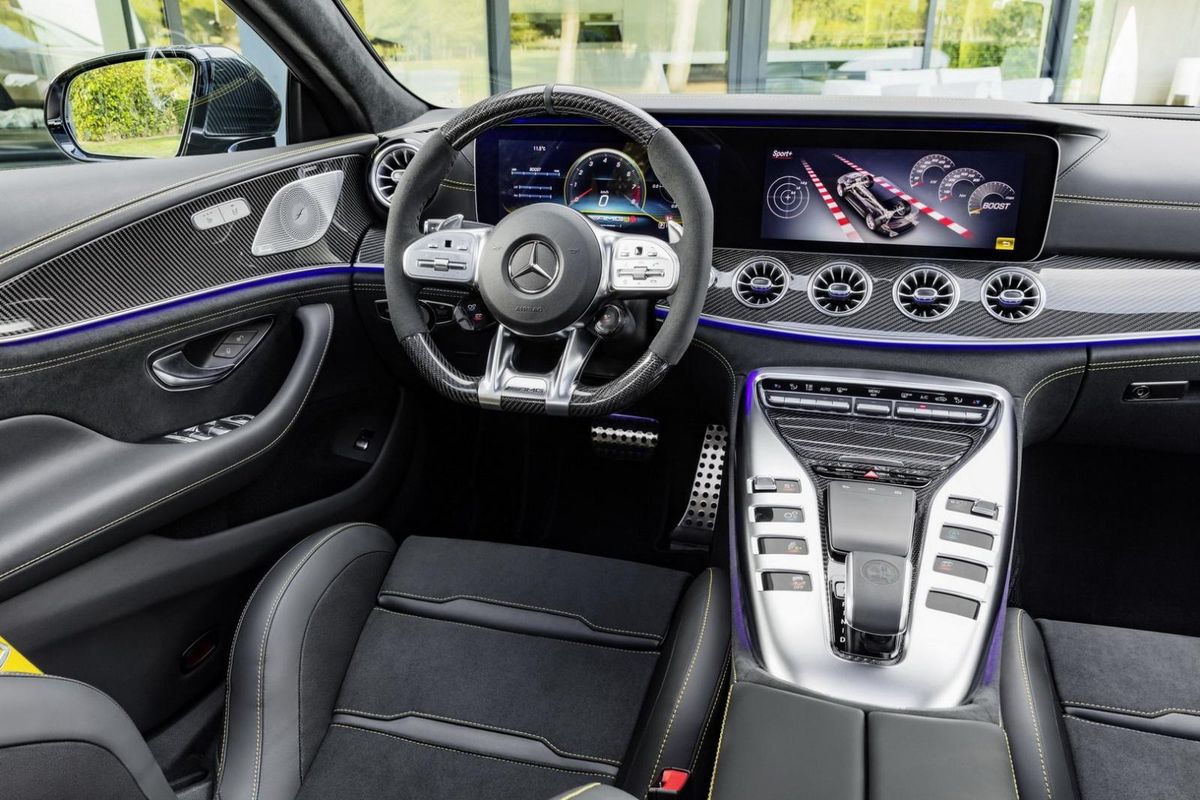
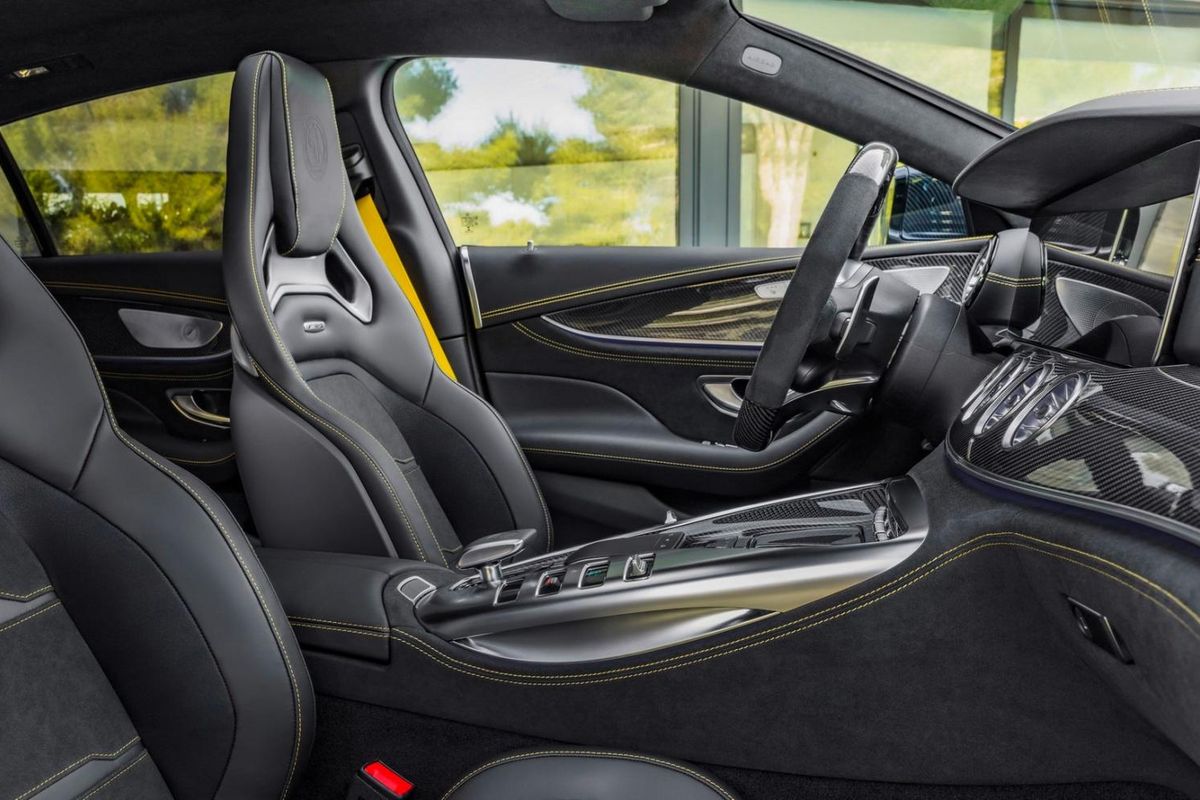
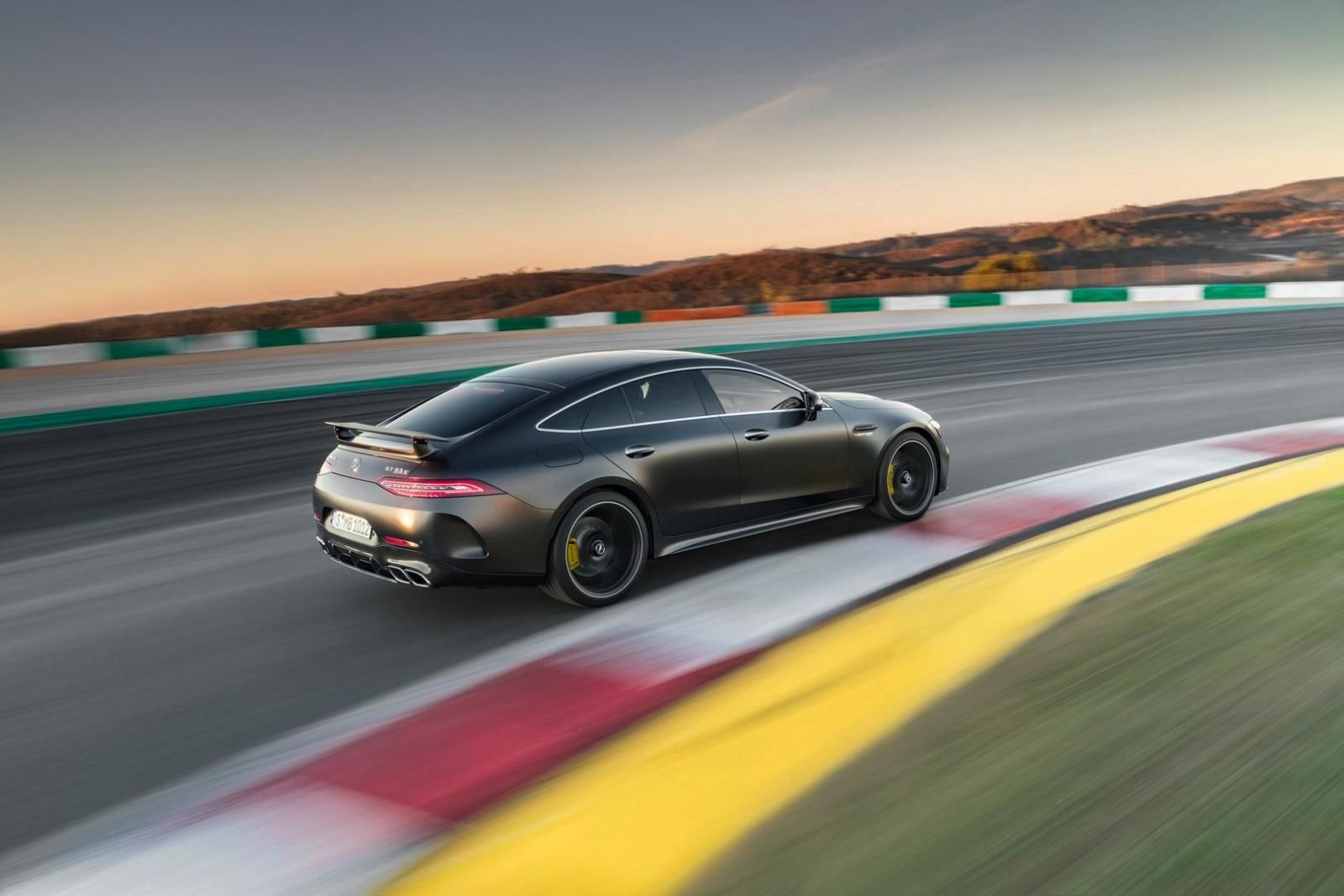
Mercedes-AMG GT 4-Door Production Begins

Production of the new Mercedes-AMG GT 4-Door Coupe has started at the Mercedes-Benz plant in Sindelfingen.

Building 36 at Merc’s Sindelfingen plant is where new Mercedes-AMG GT 4-Door Coupes will roll off the production line and by 2020, Daimler will invest over 1.5-billion Euros into the plant to safeguard its future. The plant will be modernised with the intention of making its operation more sustainable. A further 600-billion Euros will be invested in Research and Development.

Sindelfingen is also the site where the E-Class and S-Class are produced and electric vehicles under the EQ brand will also be produced here. More than 25 000 people work at Sindelfingen with about 250 cars produced there everyday.

 
The GT 4-Door Coupe range is headlined by the GT 63 S 4Matic+ with 470 kW and 900 Nm of torque. 

"With the Mercedes-AMG GT 4-Door Coupé, Sindelfingen is totally living up to its role as the competence centre for upper-segment and luxury-class vehicles. It is an impressive vehicle produced by highly qualified and highly motivated colleagues. With our company agreement "Future Vision 2020+" we once again contributed to the safeguarding of employment at our site. And this totally new model is going to play its part in this regard", says Ergun Lümali.

The Mercedes-AMG GT 4-Door Coupe is the third in-house model following the SLS AMG and AMG GT and will rival the likes of the Porsche Panamera and BMW 8-Series Gran Coupe. The full range of AMG GT 4-door variants comprises the entry-level GT 43 4Matic+, GT 53 4Matic+, GT 63 4Matic+ and GT 63 S 4Matic+.

Power ranges from 270 kW in the GT 43 4Matic, 320 kW in the V6 53 4Matic right up to 470 kW in the 63 S 4Matic. The other headline figures for the S model is that it delivers 900 Nm of torque and shoots from 0-100 kph in a claimed 3.2 seconds. The V8s are equipped with multi-clutch 9-speed transmissions that allow for launch control starts while the V6 has a 9-speed torque converter automatic with race start mode.
The Mercedes-AMG GT 4-Door Coupe can be expected in SA in early 2019.

Buy a new or used Mercedes-AMG GT on Cars.co.za

Related Content

Mercedes-AMG's 4-door GT 4 door Revealed

BMW M4 DTM vs Mercedes-AMG GTR – Drag Race

BMW M4 DTM vs Mercedes-AMG GTR – Track Race

Mercedes-AMG GT S goes topless

Maps Maponyane drives Mercedes-AMG GT R

Mercedes-AMG GT S (2015) Review