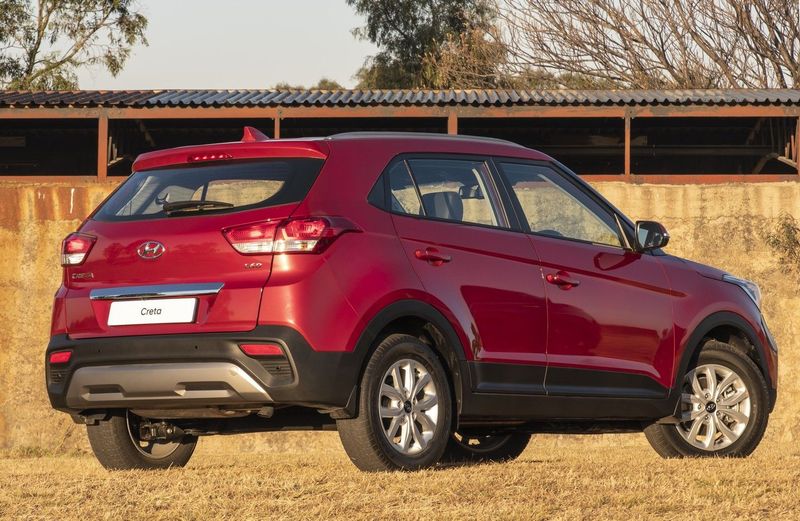
Announcement: 2018/19 Cars.co.za Consumer Awards Powered by WesBank

It’s that time of the year when we start gearing up for the Cars.co.za Consumer Awards (#CarsAwards), now entering its 4th year. We are well advanced in our preparations to present an even bigger, more influential, further-reaching and more prestigious awards programme than before, once again backed by the country's leading supplier of vehicle finance, WesBank. 

The #CarsAwards programme is about much more than just handing over a trophy at a glitzy event in January 2019. It's a 6-month long project that is designed to inform potential car buyers about the vehicles that should appear on their shortlists. Importantly, it also gives consumers a say in the results.

“The Cars.co.za Consumer Awards is South Africa’s only accolade that incorporates the views and experiences of car owners themselves. As the market leader in vehicle finance for the automotive industry, WesBank is a proud sponsor of the awards that acknowledge OEM brands for making a positive impact on the lives of motorists through the cars they bring to our market. We wish all OEM brands the best of luck for this year’s awards and encourage all motorists to participate in the 2018 awards survey,” says Ghana Msibi, WesBank’s Executive Head of Sales and Marketing.

The semi-finalists in each of the 13 categories will be announced on Monday 10 September.

An awards programme that helps the consumer
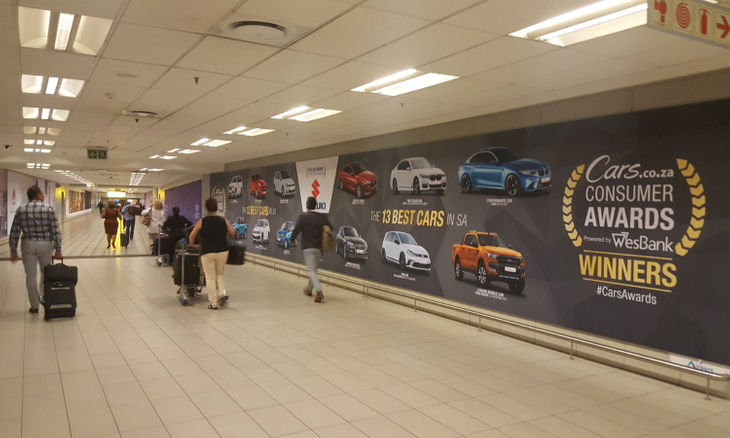

Every year Cars.co.za sponsors billboards for all the winners, helping consumers make educated new-car choices.

"It is important to note that #CarsAwards differs from other awards programmes in several key aspects," notes Cars.co.za Consumer Experience Manager, Hannes Oosthuizen.

"Firstly, the consumer can get directly involved, by telling us about their experiences with their own cars, including the after-sales service they have received," he adds.

In the final round of judging, the inputs of actual car owners account for 50% of a finalist vehicle's score. "This is a crucial aspect, because while we can rely on motoring and other specialist journalists to evaluate the products by testing them, they can't judge what it's like to live with a car, and that's at least as important," he explains. 

The in-depth Cars.co.za Ownership Satisfaction Survey was co-developed with data specialists Lightstone Consumer and can be completed by clicking here. By completing this survey you will be influencing the results of the #CarsAwards.

Categories aligned with market hot-spots

Another key difference is that #CarsAwards doesn't reward just a single new car launched in the past year.

"As the name indicates, these awards are really for the consumer," Oosthuizen says. "For that reason, all cars on the market are in the running, provided they have been launched locally by 1 September 2018 and comply with the various categories' criteria. We have tweaked the 13 categories to be even better aligned with where consumers are shopping," he says. 

An example is the previous Premium Hatch segment, which has changed to become the Premium Compact category. "In this category, shoppers are increasingly torn between high-spec, traditional contenders such as the VW Golf and Mercedes-Benz A-Class, and new-generation compact crossovers from the premium brands, such as the Volvo XC40 and BMW X2," Oosthuizen says. "Consequently we've decided to put these vehicles into the same category, as they compete for the same consumers."
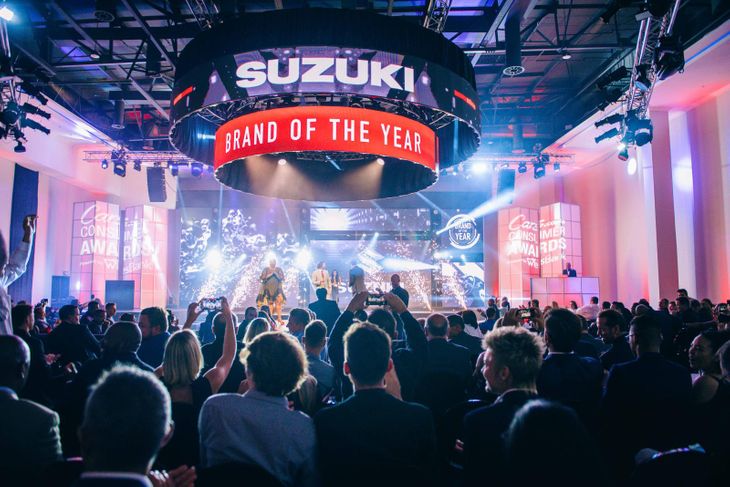

Current (two-time) Brand of the Year, Suzuki, has achieved significant sales growth following its #CarsAwards successes.

As before, the 14th and most prestigious category is Brand of the Year. "This is a really special award and 100% based on consumer feedback gained from our Ownership Satisfaction Survey, conducted in conjunction with Lightstone Consumer, and also incorporating market share growth and resale data from Lightstone Auto," says Oosthuizen. "The sales success of the current Brand of the Year, Suzuki, is gratifying as it backs our data and illustrates the importance of excellent customer service."

The 13 product categories are:

  • Budget Car (up to R200 000) The minimum safety requirements for eligibility are dual front airbags and ABS. If these items are not standard, it must be possible to optionally specify all these items without exceeding R200 000.
  • Compact Hatch (from R200k to R300k) The minimum safety requirements for eligibility are ABS and 4 airbags. Individually or collectively, the fitment of the required safety features, along with the following: air-conditioning, USB/Bluetooth support, and service plan, may not push the price over R300 000.
  • Premium Compact (from R450k to R600k) The fitment of ESP and dual front-, side- and curtain airbags is required (within the price limit).
  • Compact Family Car (from R300k to R400k) If not standard, all of the following features must be fitted without the price exceeding the limit: ABS, automatic transmission, 4 airbags, split/fold rear seat, service plan and air-conditioning.
  • Family Car (from R400k to R500k) If not standard, all of the following features must be fitted without the price exceeding the limit: ABS, ESP, 6 airbags, split/fold rear seat, service plan, air-conditioning and an automatic transmission (incl. CVT and dual-clutch).
  • Business Class (from R600k to R800k) Six Airbags and ESP have to be fitted, within the price cap.
  • Executive Sedan (from R800k to R1m) Vehicle must fit into D/E sedan segments, including so-called 4-door “coupe” versions.
  • Leisure Double-Cab Bakkie (from R500k to R800k) Vehicle must be a double-cab pick-up with a turbodiesel engine, automatic transmission and 4-wheel drive.
  • Adventure SUV (from R550k to R700k): Vehicle must offer 4-wheel drive, minimum ground clearance of 200 mm and low-range or a switchable drive modes programme.
  • Executive SUV (from R700k to R900k) Vehicle must offer a minimum of 6 airbags and ESP without exceeding the price cap.
  • Premium SUV (from R1m to R1.3m) Must offer all-wheel drive as standard and be an SUV of BMW X5/Mercedes GLE size, including so-called “Coupe” derivatives such as X6/GLE Coupe.
  • Hot Hatch (below R700 000)
  • Performance Car (below R1 million)

Timelines

As before, there are 3 phases to the #CarsAwards process.

  • 3 September 2018. The Cars.co.za extended editorial team meets in Cape Town and debates all vehicles in the South African new vehicle market, within the defined categories and against the category criteria. All vehicles launched by 1 September 2018 will be considered. The top 5 in each category is determined by consensus and not a secret vote to ensure rigorous analysis and debate. The 5 finalists will be announced on Monday, 10 September 2018.

  • 1 October 2018. The same Cars.co.za extended editorial team meets in Cape Town and votes on the vehicles in the individual categories to determine the finalists (3 per category).

  • 1-2 November 2018. The 39 finalist vehicles (3 per category, 13 categories) are tested back-to-back at Gerotek in Gauteng. See our behind-the-scenes test day video above.

  • January 2019. Gala event in Johannesburg and announcement of all winners.

Respected, influential judges

In building the expanding judging panel, the goal was to achieve a balance of motoring expertise (particularly in the first two phases of the programme, which determine the finalists) and respected non-motoring, highly analytical media professionals. "It is absolutely crucial that motoring journalists' opinions are supplemented by those of non-motoring media professionals, who, in many ways, represent the consumer at the test days," explains Oosthuizen. This year Brenwin Naidu (Editor, Sowetan Motoring), Thami Masemola (In4Ride, eNCA), Aluta Maqoko (Kolloquium) and Khulekani Dumisa (Khulekani on Wheels) join the panel.

What's next?

Be sure to follow #CarsAwards on Twitter. And remember… complete a survey on your own car to make your voice heard. The link to the survey is here.

You may also be interested in:

2017/18 Cars.co.za Consumer Awards – powered by WesBank; Winners
#CarsAwards testing: Gerotek turns up the heat

5 Moments that Defined the Suzuki Jimny

It might be the smallest off-roader in the world, but that doesn’t mean it isn’t any good when the asphalt becomes gravel. Here’s how the Suzuki Jimny became a worldwide phenomenon.

Often ignored in favour of more established offerings, the Suzuki Jimny remains one of the most affordable off-road-ready vehicles money can buy – especially here in South Africa. Much like its contemporaries, the Jimny stems from a lineage that spans nearly 4 decades, but unlike the pricier and bigger rivals from Land Rover and Toyota, it came to fruition under a very different set of circumstances. See, after the Second World War, Japan was in a financial crisis and many of its citizens and business owners were struggling through a post-war economic depression. In an attempt to stimulate the local car industry and offer small business owners a more effective solution for basic transportation, an all-new car category was created: the Keijidosha or Kei car. This vehicle concept comprised exterior dimensions and engine displacements so diminutive they weren’t much bigger than a motorcycle, but its mass appeal kick-started a revolution.
The rise of the Keijidosha car

In the late 1940s and early 1950s, the Japanese government propagated the development of the Keijidosha (Kei) car to cater for the people's need for a basic (and affordable) transportation solution. Manufacturers were forced to comply with strict legislation limiting dimensions and engine sizes, the latter of which was originally pegged at a mere 150 cm3. The limitations, however, were gradually lifted over time to comply with modern safety and emission standards, but vehicle dimensions remained diminutive. Their popularity and affordability stimulated the renaissance of the Nippon car industry and the local economy, and soon Kei cars were everywhere. Suzuki led the charge in this new category and, several years later, the Jimny concept was spawned.
A new hope

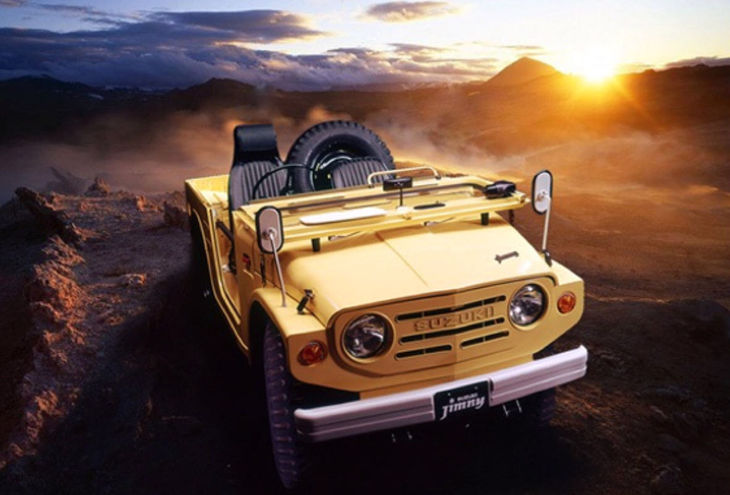
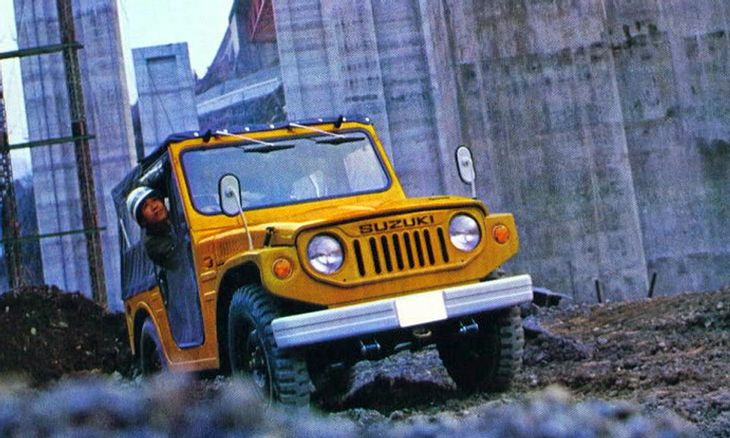
It all started with the Hope Motor Company that developed the HopeStar ON360 in the late Sixties. It was a cheap and nasty, low-rent mishmash of parts sourced from Mitsubishi (the Colt 1000 and Jeep) with 4-wheel-drive capability and a pint-sized Mitsubishi-sourced two-stroke 359 cm3 engine good that produced a mere 15 kW. It didn’t do very well, but Suzuki saw its potential and purchased the blueprints with the notion of producing an entirely repackaged vehicle that later became the LJ10 – the Jimny’s spiritual predecessor. The Mitsubishi parts were binned and replaced by Suzuki-designed stock, including the engine: an 18 kW air-cooled 359 cm3 2 cylinder. Measuring just shy of 3.0 metres in length, it became the first 4-wheel-drive Kei car to enter production, with a lifecycle that spanned 11 years (1970-1981).

Jimny Concept goes viral

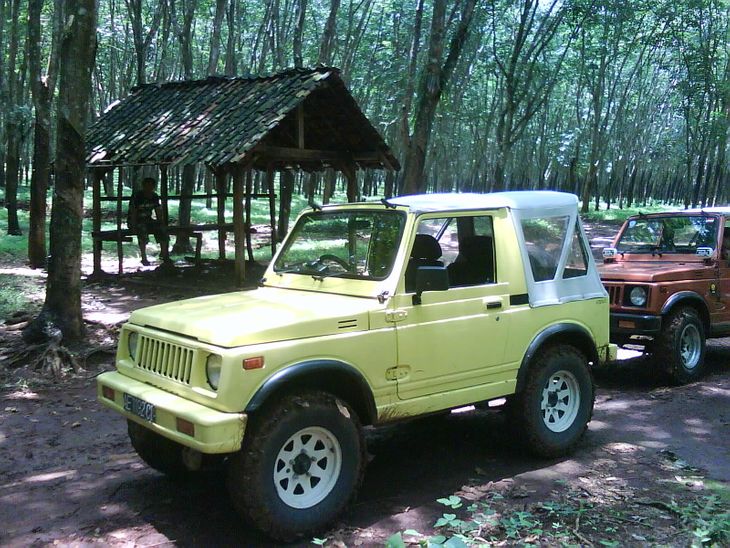
In 1981, the Jimny moniker was born and with it, the 2nd-generation or SJ-Series Jimny. Among a slew of cosmetic improvements – most of which were inspired by the Willys Jeep – it received a larger 3-cylinder engine available in two states of tune: 550 cm3 and 660 cm3. Owing to the popularity of its forebear, the SJ Jimny sold impressively well, both in Japan and around the world where it was badged under various names such as the Samurai, Sierra, Potohar and Holden Drover. With a shelf life that stretched some 17 years, the SJ naturally went through a series of facelifts and improvements. Some of these tweaks included versions such as a convertible, a long-wheelbase derivative and coupe-style hardtop. Boasting a 34 kW 1.0-litre 4-pot engine, a 4-speed transmission and burlier aesthetics, the SJ410 was quite a popular model here in South Africa.

A born identity

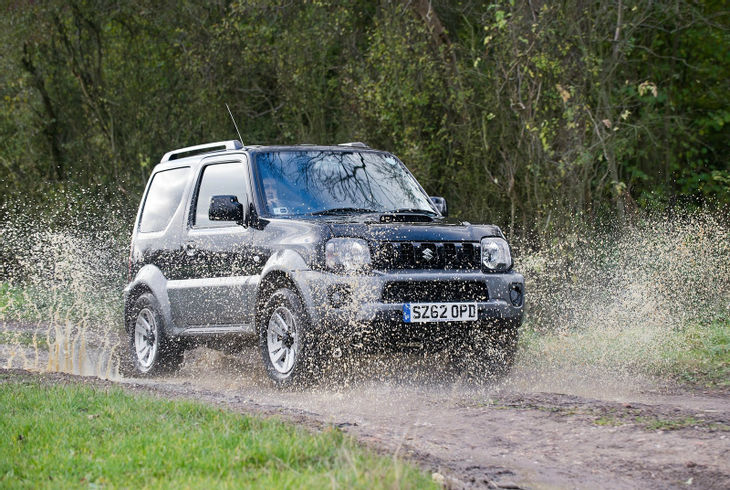
The 3rd-generation Jimny stepped things up in terms of visual drama – it was far more engaging and contemporary-looking than its predecessors and despite retaining a Jeep-like grille it began to adopt its own identity. To comply with Japan’s Kei-car dimensions JDM-specific Jimnys omitted the flared fenders and beefier bumpers of its export siblings. During its 20-year tenure, the 3rd-generation Jimny also underwent myriad facelifts (tweaks that involved a more detailed front bumper arrangement and hood scoop). There were several special editions too, such as the JLX, a luxury version that incorporated such niceties as power-adjustable exterior mirrors, power steering, roof rails and electric windows, to name but a few features. The ladder frame chassis and dual-ratio transfer case ensured it lost none of its off-road credit and the addition of bigger and more powerful engine options (1.3-litre 16-valve with VVT and a Renault-built 1.4-litre powerplant) further helped bolster its popularity on a global scale.

Return of an Icon

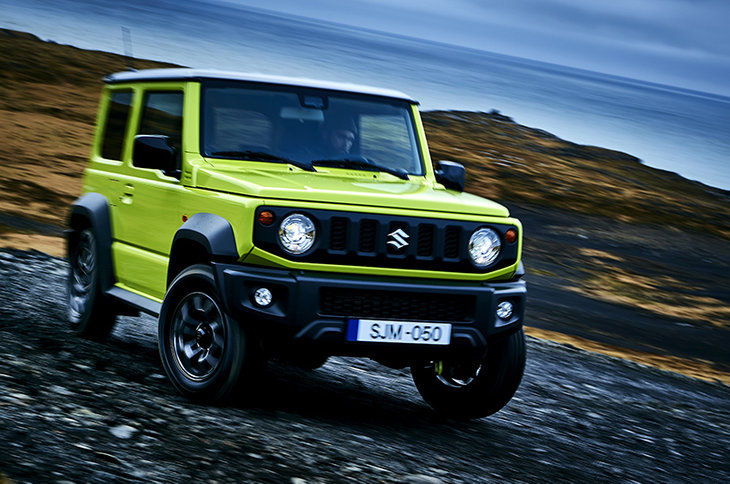
It may have taken 20 years, but the all-new, 4th-generation Suzuki Jimny was recently shown in South Africa to much acclaim from local motoring journalists. Notably, its most endearing attribute is its styling. which harks back to the original LJ10 of 1970 – a scaled down Land Rover Defender (if you will) with chunky, chiselled addenda and flared wheel arches accentuating its box-like appearance. Its cabin is arguably its most defining attribute – a modern cocoon laced with all the contemporary styling riffs of its stablemates, not forgetting the essential 4×4 switchgear arrangement and transfer case.

Furthermore, it features the most powerful engine in the Jimny’s decorated history: an impressively frugal 75 kW/130 Nm 1.5-litre engine. The Jimny, which will go on sale in South Africa in November 2018, has truly come a long way as far as safety goes and a string of onboard programs such as ABS, electronic stability control, brake assist and dual front airbags ensures all the important boxes are ticked.

Related content:

New Suzuki Jimny — What to Expect

5 Budget-Friendly Low Range Off-Roaders

How to: Choose a Suitable Off-roader

5 Small Crossovers for Under R200k

Interested in buying a Suzuki Jimny?

Search for a used example on Cars.co.za

Ford Ecosport (2018) Video Review

An all-new Ford Ecosport has arrived in South Africa recently. We gave one to Ciro de Siena to make a video, this is what he did.

This is the new Ford Ecosport. For some reason Ford wants us to call it the Echo-sport. Either way, its the latest generation of a car which has proved very popular in South Africa. So is this new one any good, and should you buy one? The Ecosport is based on a Fiesta. It has a Fiesta chassis, engine and gearbox, but its, you know, taller and the Ecosport is on average 10% more expensive than the equivalent Fiesta. This has allowed it to tap into South Africans’ love of SUVs. This is a review of the 1.0T Trend variant, which represents the middle of the range.

For a full breakdown of details and South African pricing, visit: Ford EcoSport (2018) Specs & Price

For a first drive review from the KZN Midlands click here: Ford EcoSport (2018) Launch Review

Related content

New Renault Duster Coming Soon

Hyundai Creta (2018) Launch Review

Haval H6C 2.0T Luxury Auto (2017) Review

Spy Shots: Volkswagen T-Roc R Laps Nurburgring

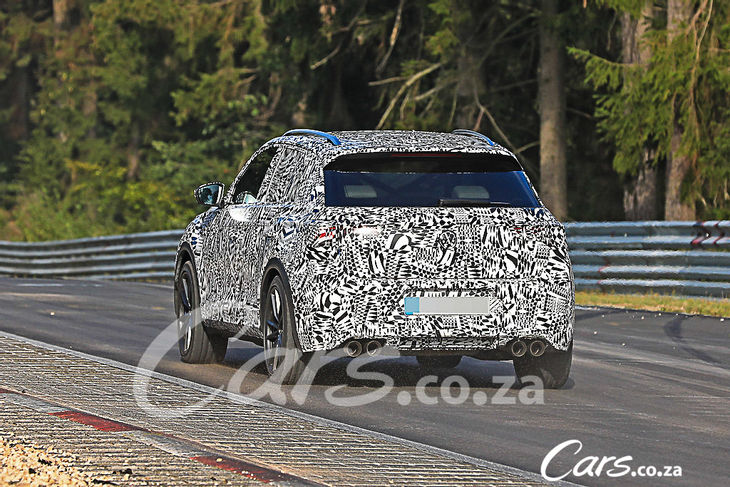
A high-performance version of the Golf-based Volkswagen T-Roc compact family car is in the making and our German spy photographers have snapped some images of a prototype blitzing around the Nurburgring. Here’s what we know about the T Roc R…

Picture credit: S. Baldauf/SB-Medien

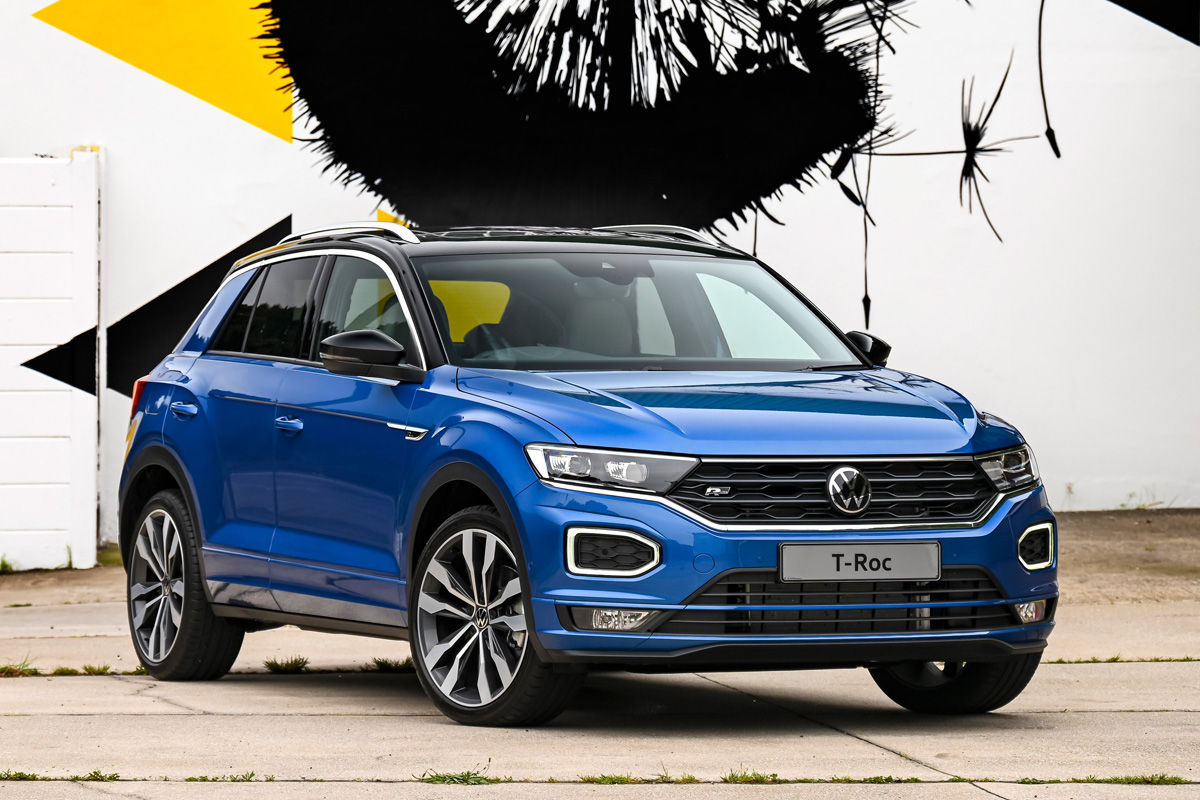
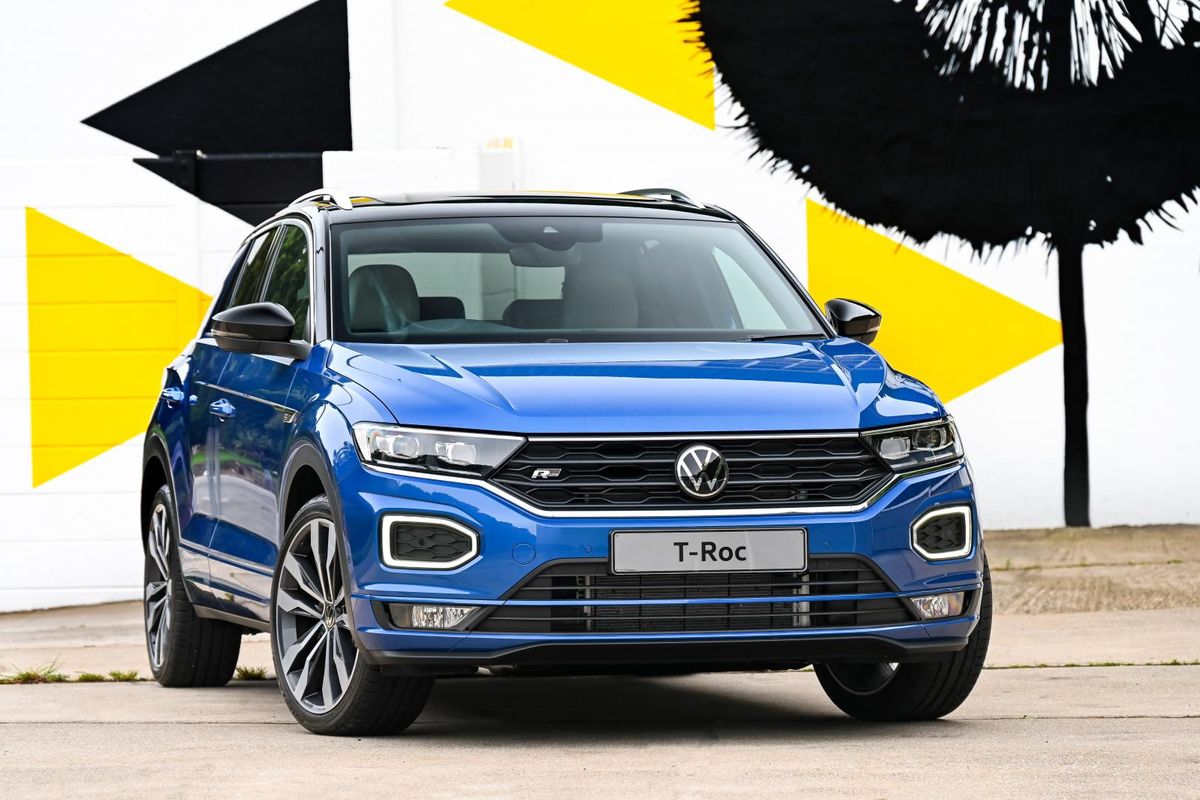
The new Volkswagen T-Roc was revealed back in 2017 and we examined the T-Roc in the metal at the Frankfurt Motor Show in the same year. Now, a high-performance version is in development and these latest spy photographs show the T-Roc R testing at the Nurburgring. Previous spy images of the T-Roc R showed a prototype in a standard T-Roc body, but these latest images give us an indication of what the actual production T-Roc R will look like. 

Although the T-Roc R is hiding under camouflage, its larger wheels, brake discs, quad exhaust tips and roof spoiler point to its performance intent. Other differentiating details include more aggressive front and rear bumpers, larger air intakes and a rear diffuser. The T-Roc R also has lowered suspension which has been stiffened to complement its sportiness. This test mule is also wearing LED headlights and taillights which will likely feature on the production version too.  


An uprated version of the Golf R's 2.0-litre turbocharged engine is expected to make its way into the T-Roc R.

As for engine power, Volkswagen will fettle with the 2.0-litre turbocharged engine from the Golf R and lower it into the T-Roc R's engine bay and it will likely offer in the region of 228 kW. For reference, in the Golf R, this engine develops 213 kW and 380 Nm of torque in the SA market. The engine is expected to be mated with a 7-speed automatic dual-clutch transmission and 4Motion all-wheel drive is likely. 

Sadly, the Volkswagen T-Roc is not destined for South Africa and therefore the T-Roc R won't grace our roads either. It will, however, go up against products such as the Audi RSQ3, Mercedes-AMG GLA45, Mini JCW and potentially the Audi SQ2 (which is in development), when it goes on sale in other markets in 2019.    

Naturally, we will keep you updated as further details are revealed.

Buy a new or used Volkswagen Golf on Cars.co.za

Related Content

Volkswagen Officially Unveils T-Roc Compact SUV

Volkswagen T ROC Concept Official Gallery

Volkswagen to build T-Track Up!-based SUV

Is Volkswagen building a Tiguan R? [with Video]

6 Small Crossovers for Under R200k

Renault Captur (2017) Launch Review

Suzuki Ignis 1.2 GLX (2017) Video Review

Juliet McGuire tests a trio of budget cars

Audi Q2 1.4T FSI Sport S tronic (2017) Review

The BMW X3 is proudly South African, but driven by the world

BMW South Africa recently shifted its operations from producing the 3 Series business class sedan to building the all-new X3 executive SUV at its Rosslyn plant. We sent #CarsAwards judge Ernest Page to join a factory tour with a bit of a difference…

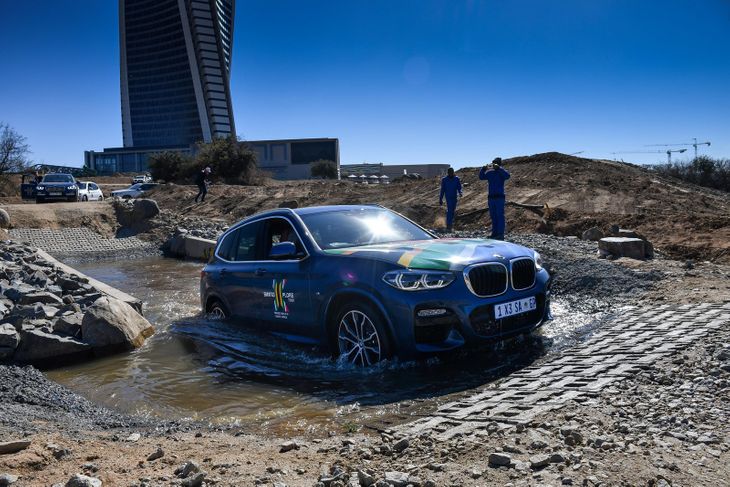
The term "Proudly South African" has become ubiquitous. The phrase, which has been used to describe everything from braaivleis to Table Mountain, has now been aptly applied to the built-in-SA BMW X3. Since 2018, the X3 has been assembled in (historically) the first non-German BMW factory, Rosslyn, and shipped to markets throughout the world. We took a tour through the build process of the BMW X3 and discovered the essence of BMW SA and the Proudly South African X3.

It all starts with a cow…

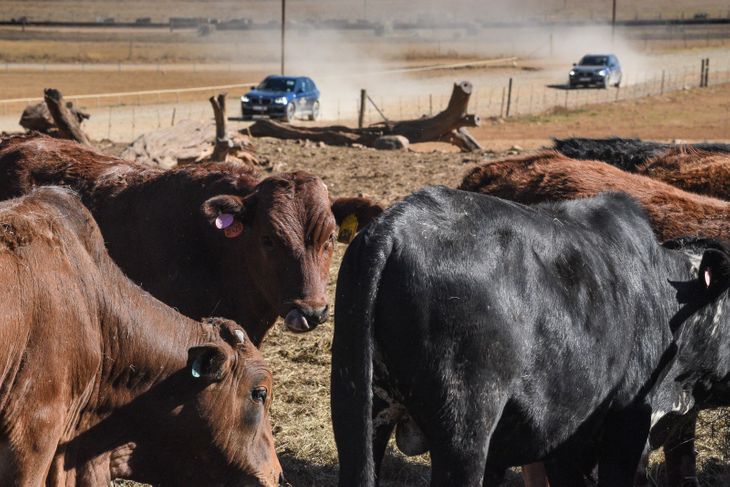
BMW SA hopes that one day, all of Rosslyn’s power will be supplied by a renewable energy plant. At the Bio2Watt Biogas plant in Bronkhorstspruit, organic waste is converted into gas, which is then converted into electricity. Said electricity is then ploughed into Eskom’s grid and the power is sent via the grid to Plant Rosslyn. So far, 30% of the electricity used at Rosslyn is sourced from the carbon neutral plant, with BMW aiming to increase that number to as high as 100% by 2020. With South Africa being known to fall behind when it comes to renewable energy sources, it’s refreshing to see a local manufacturer spearheading such a cutting-edge project.   

288 robots, thousands of jobs

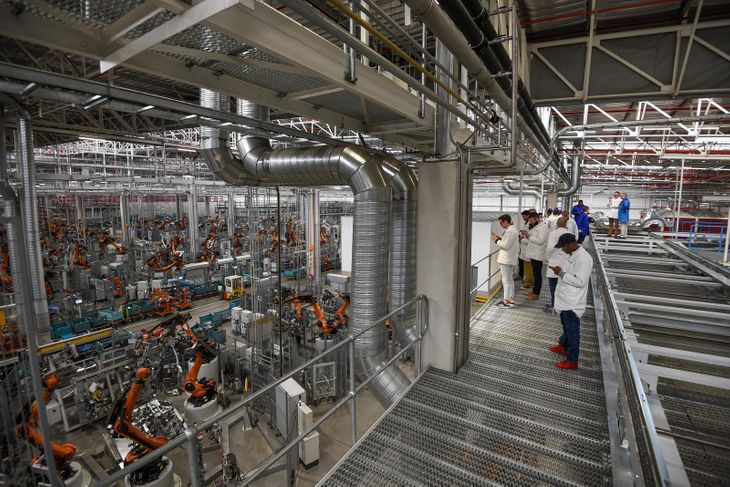
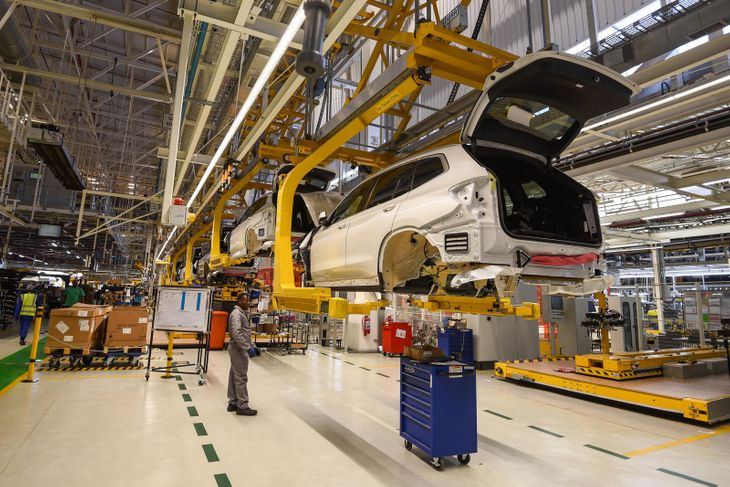
Robots need power, and the Rosslyn plant is equipped with almost 300 of these robots.  These state-of-the-art machines take up an entire warehouse and although they're still operated by humans, do a lot of the heavy lifting when it comes to putting the basic shells of the X3 together. The plant now produces around 300 cars a day and runs 5 days a week. Rosslyn is all about efficiency and is one of the first plants in the world to have a 24-hour, 3-shift system. This means that the plant never shuts down during the work week with shifts seamlessly changing as workers pass the baton to their colleagues.

If need be, the plant can operate 6 days a week, depending on demand. Although most of the processes are automated, certain procedures still require the deft touch that only a human can provide. The X3 production supports around 5 000 jobs on the assembly line, 5 000 jobs at the dealer level, and around 40 000 jobs in the supply chain. Since 1996, R11 billion has been invested in the plant and of that, R6 billion towards making sure that X3 is indeed “export quality”.

More than just an assembly line

Plant Rosslyn is much more than just an assembly line, however. The plant has a training facility, which is dedicated to improving the lives of the students and staff that pass through it. BMW believes that the key to finding good talent is to help develop talent in-house. So far, R73 million has been invested in the training academy, which covers everything from basic electronics, to advanced auto mechanics.  

The students are recruited based on aptitude, academic credentials and a passion for the industry. They are then trained at Rosslyn in an environment reminiscent of the Xavier Institute, without the superpowers, of course. Students are then placed into jobs as they become available at the plant, and if jobs are not available they are placed on a waiting list while their training continues. Students are equipped with other skills, such as being able to work on electrical systems within the home. A full home simulation room was created to give students the opportunity to learn how to wire up an entire house. BMW has stated that so far, at least 6 past pupils have started their own electrical companies and have secured small contracts to sustain them in an otherwise trying job market.

Rosslyn is an impressive facility but more so, it’s an impressive environment that seems to encourage learning and excellence. A sentiment that shines through in the Munich-based manufacturer's products. Even the staircase has a sign that reads: “Take one step at a time.”

Obviously, BMW has put their best foot forward, especially since 20 or so members of the media were scurrying around, pens and cameras in hand.  Most of the people I encountered were proud to be part of the BMW process and proud to be part of the brand. It’s no wonder that BMW owners and BMW fans are as fanatical as they are. Who would have thought? It all starts with a cow…

Related content:

BMW X3 Production starts in SA

BMW X3 xDrive30d M Sport sports-auto (2018) Review

Toyota Invests R6.1 billion in Local Hilux and Fortuner Production

Ford expands its Struandale engine plant

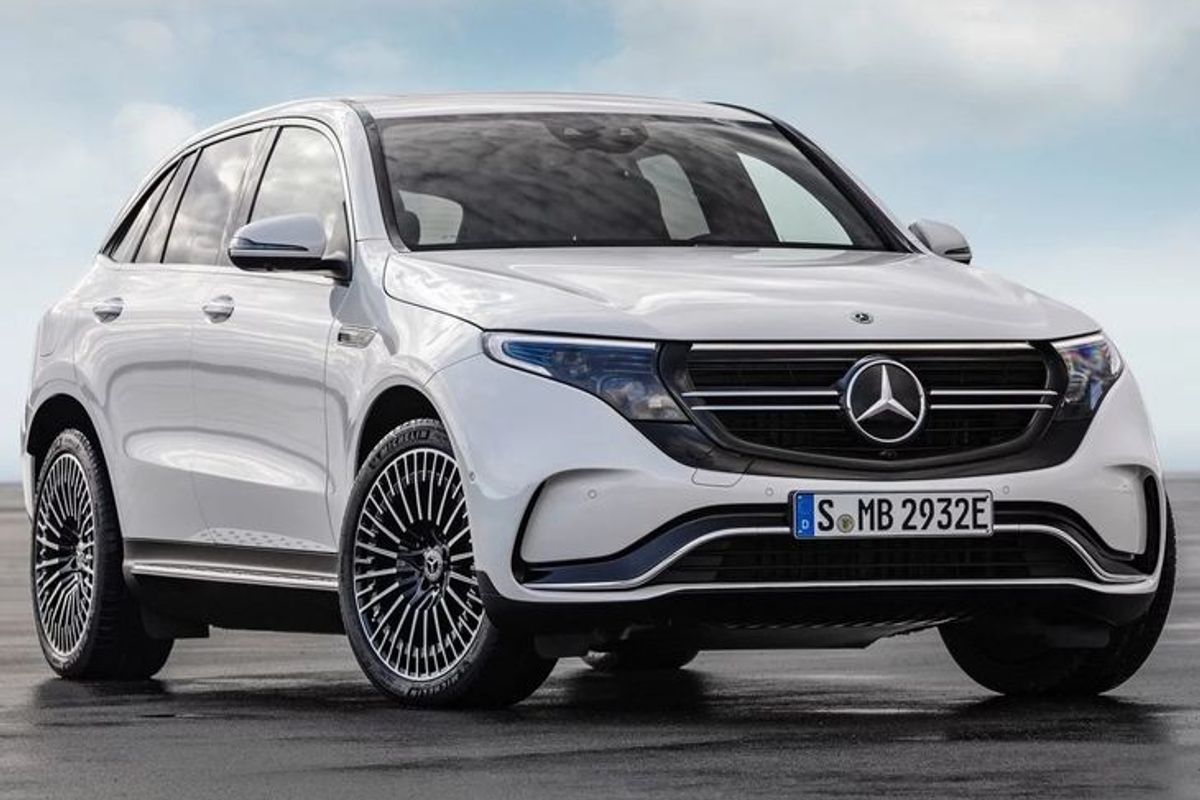
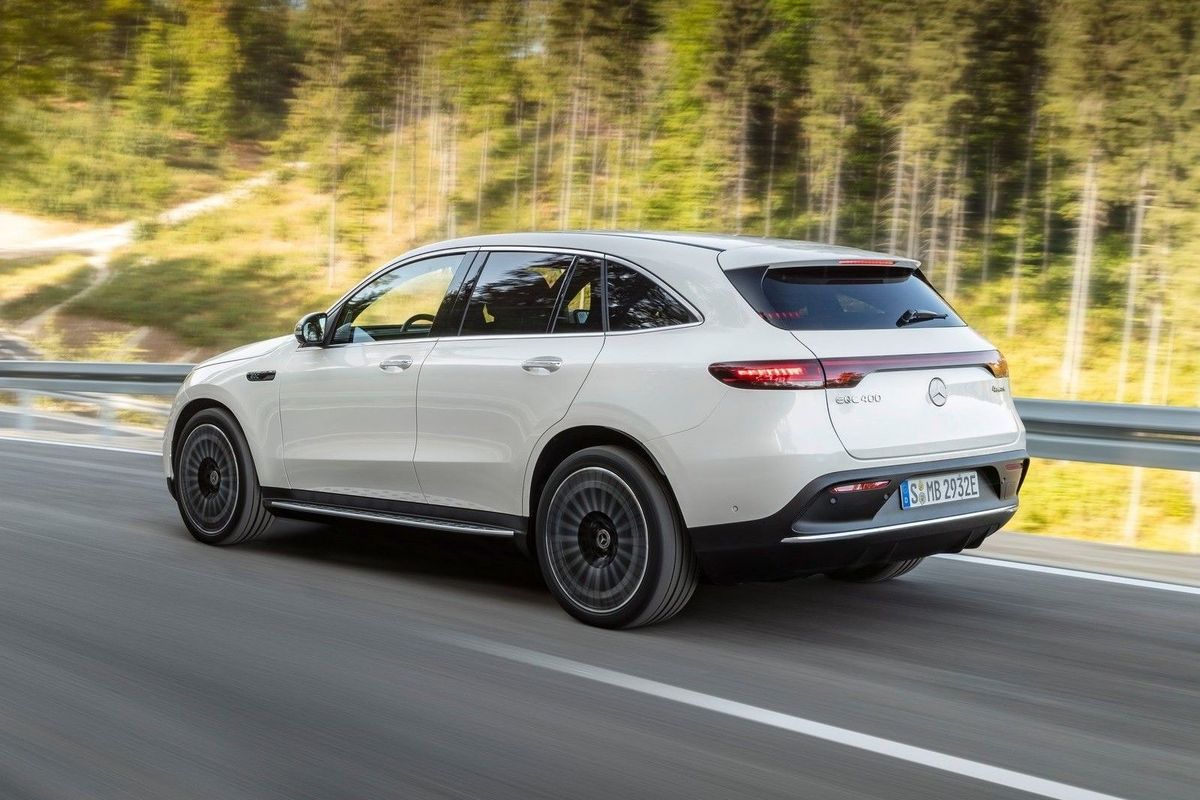
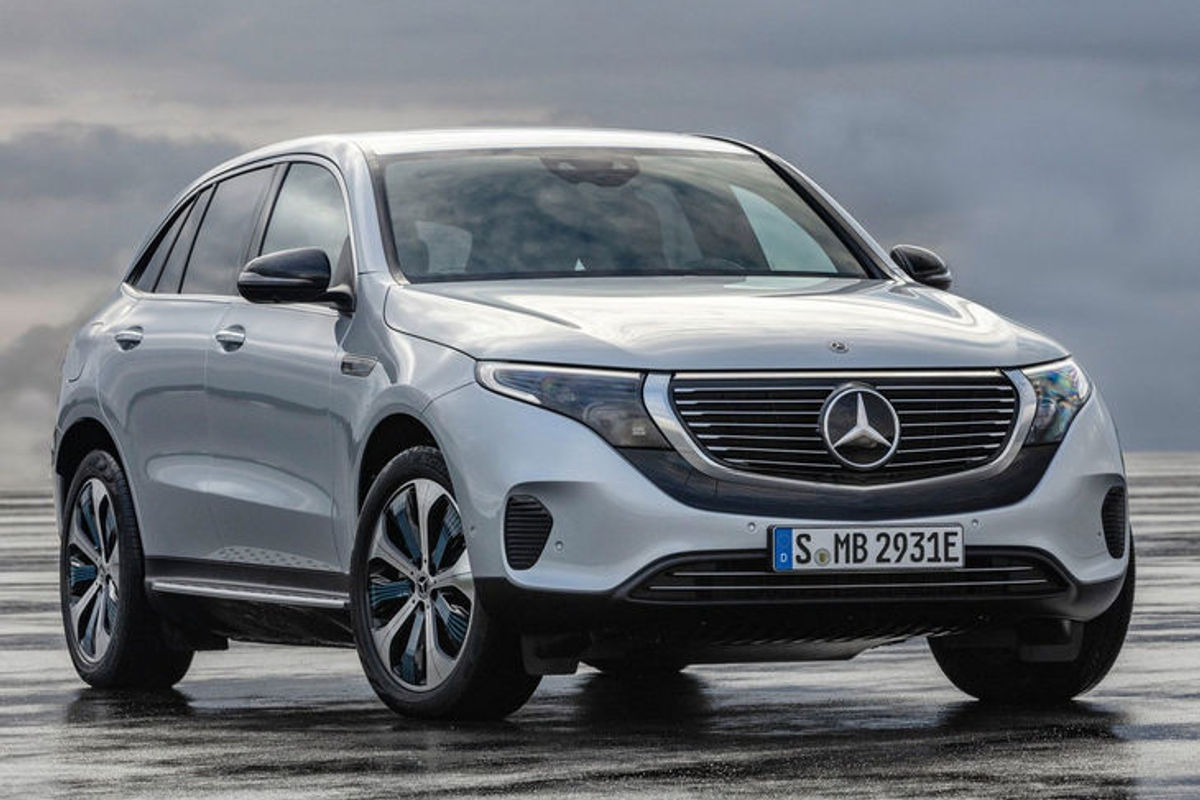
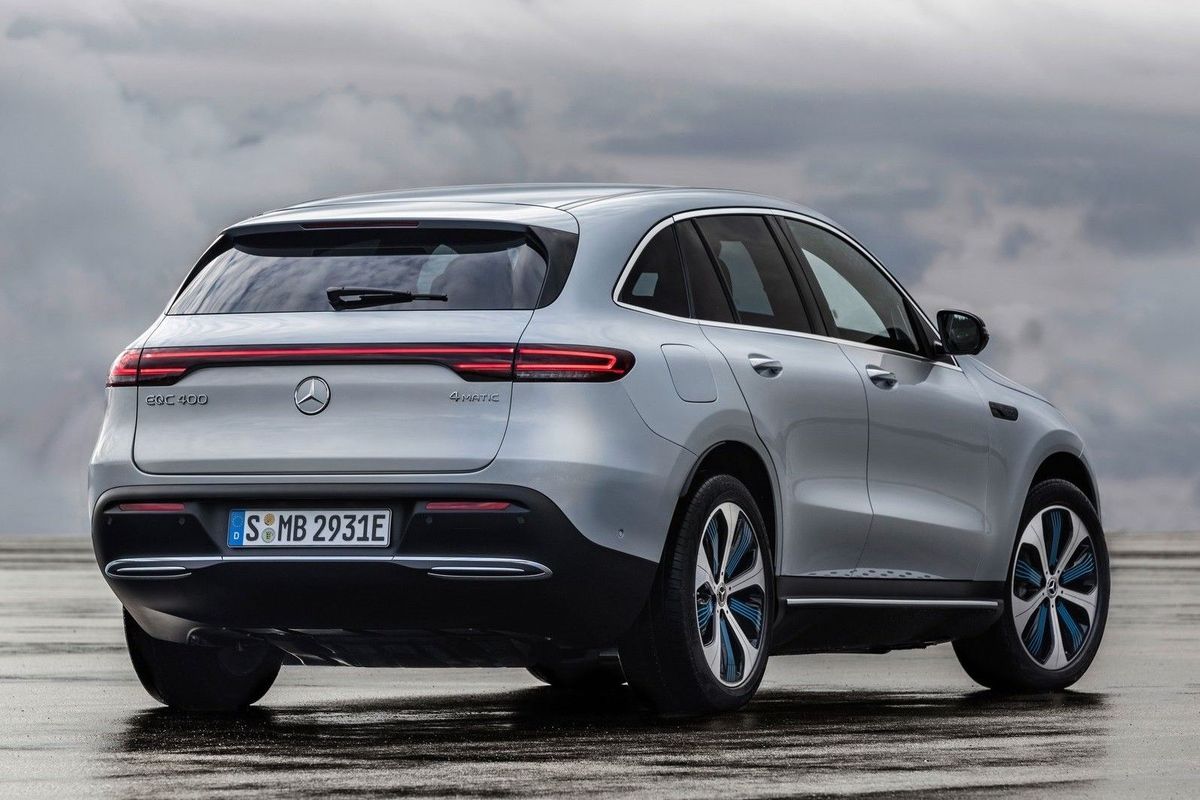
Mercedes-Benz reveals EQC

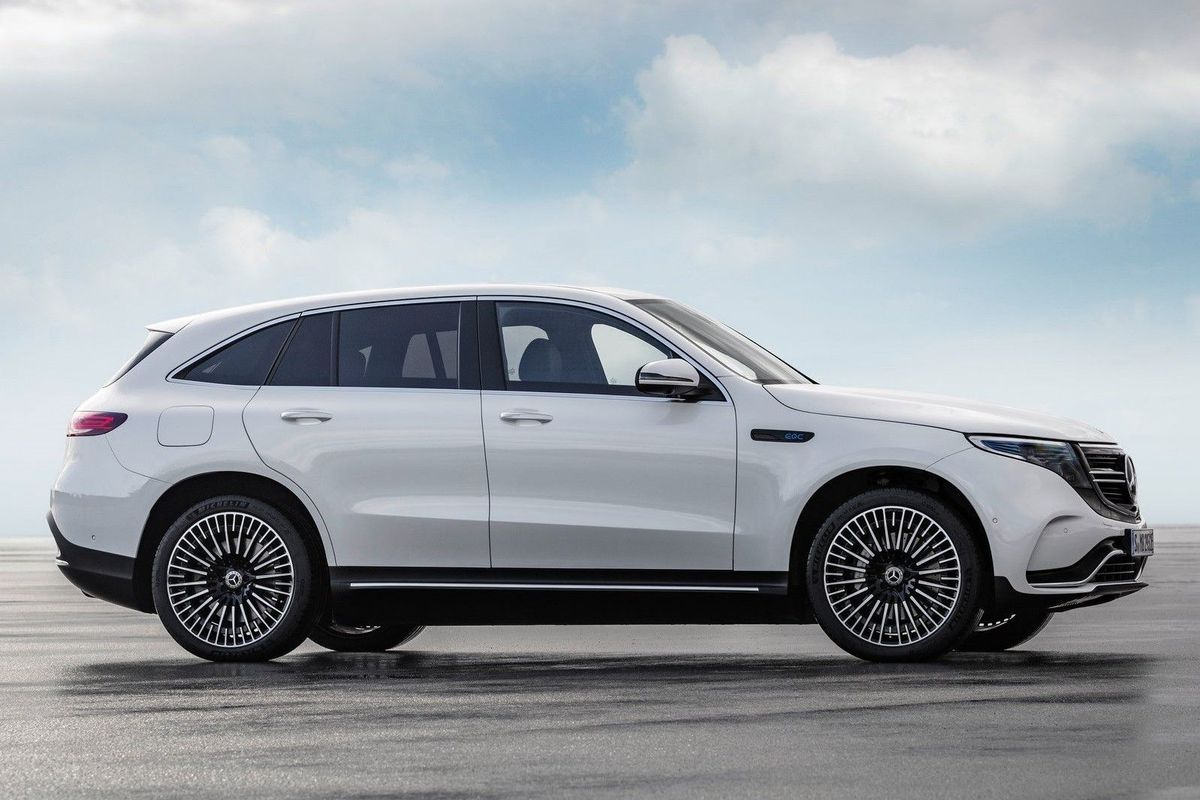
The Mercedes-Benz EQC is the first product to fall under the Stuttgart-based manufacturer's EQ brand. With an expected launch date of mid-2019, we get a first look at the new electric crossover SUV.

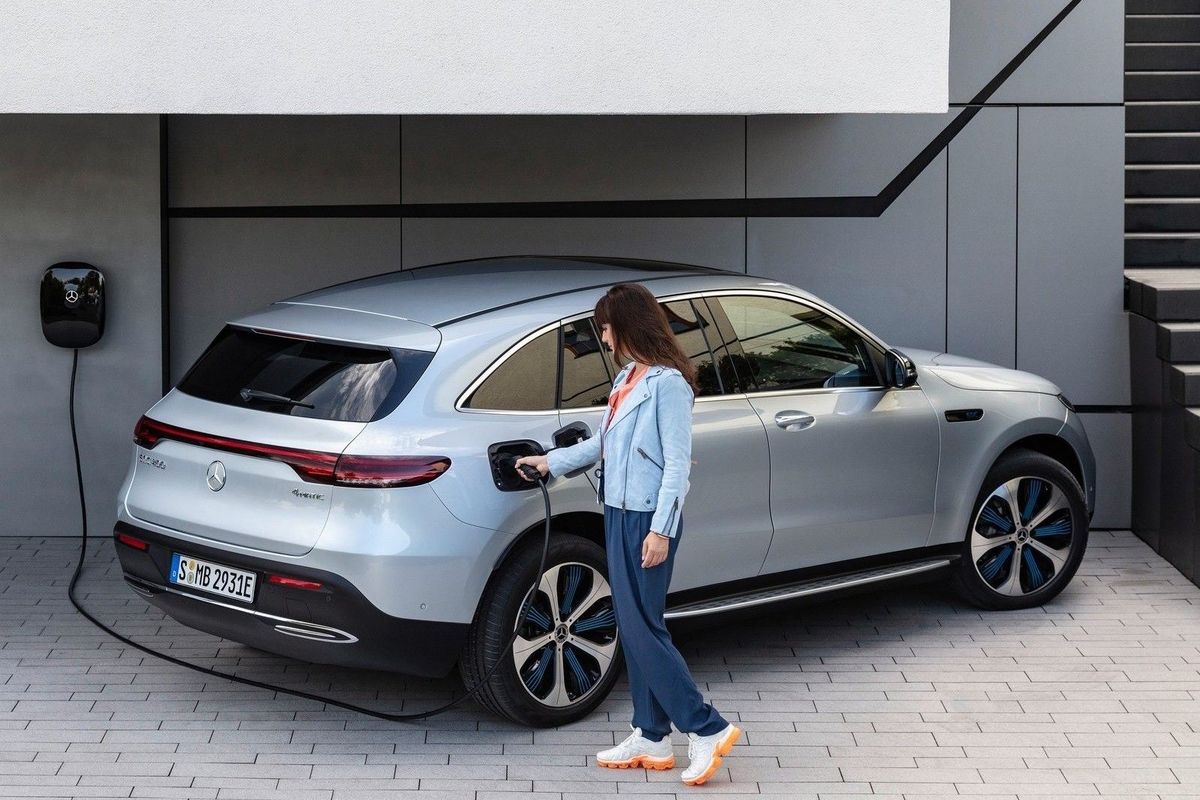
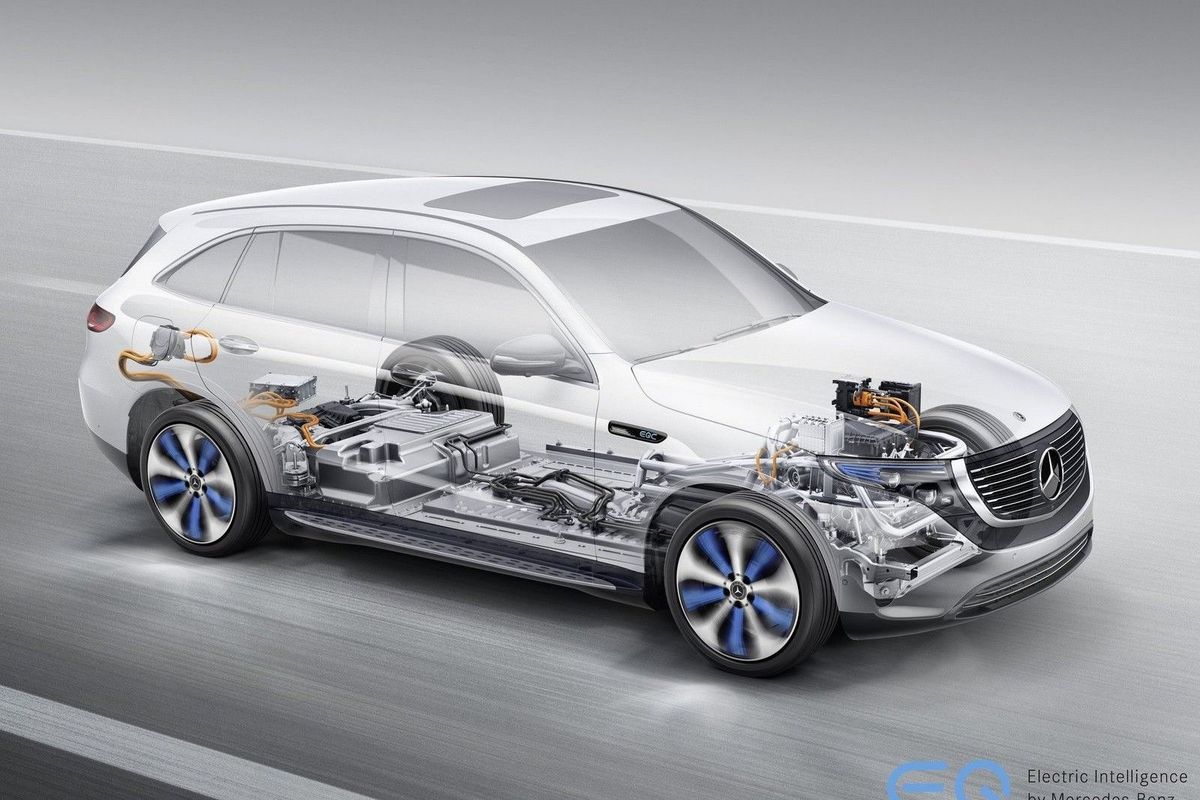
What you see here is an interesting-looking vehicle. It's called the Mercedes-Benz EQC and is the brand's first production all-electric car. It'll be assembled in Bremen, Germany and will go on sale globally around the middle of 2019. It's powered by an all-electric setup. There are two motors, combining to push out 300 kW and 765 Nm. There's one motor on the front axle and a second at the rear, making it an all-wheel-drive vehicle. The front motor is optimised for efficiency in the low to medium load range, with the rear taking care of dynamic duties.

The battery has an energy content of 80 kWh and there are five driving modes, which result in different performance and ranges. The Mercedes-Benz EQC features a water-cooled onboard charger (OBC) with a capacity of 7.4 kW, making it suitable for AC charging at home or at public charging stations. If you opt for the later, you can go from 10%-80% in just 40 minutes. The battery comprises 384 cells and is located in the vehicle floor between the two axles.

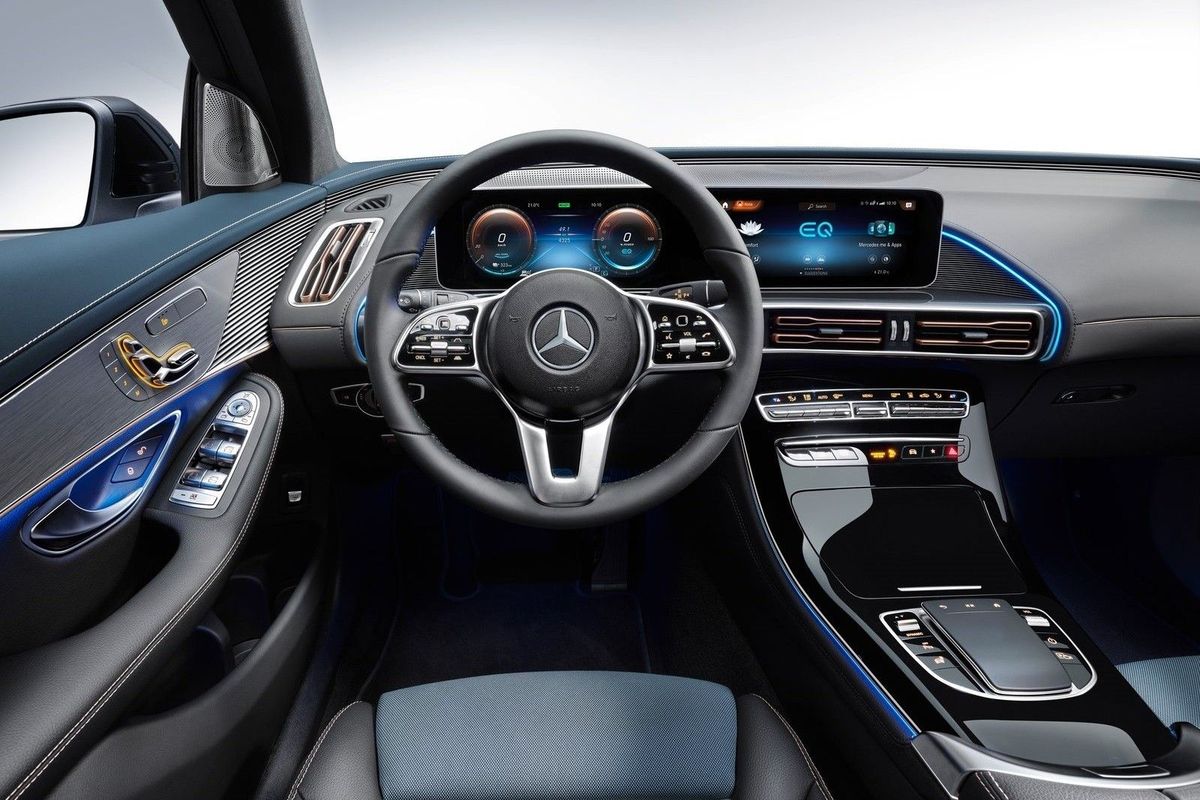
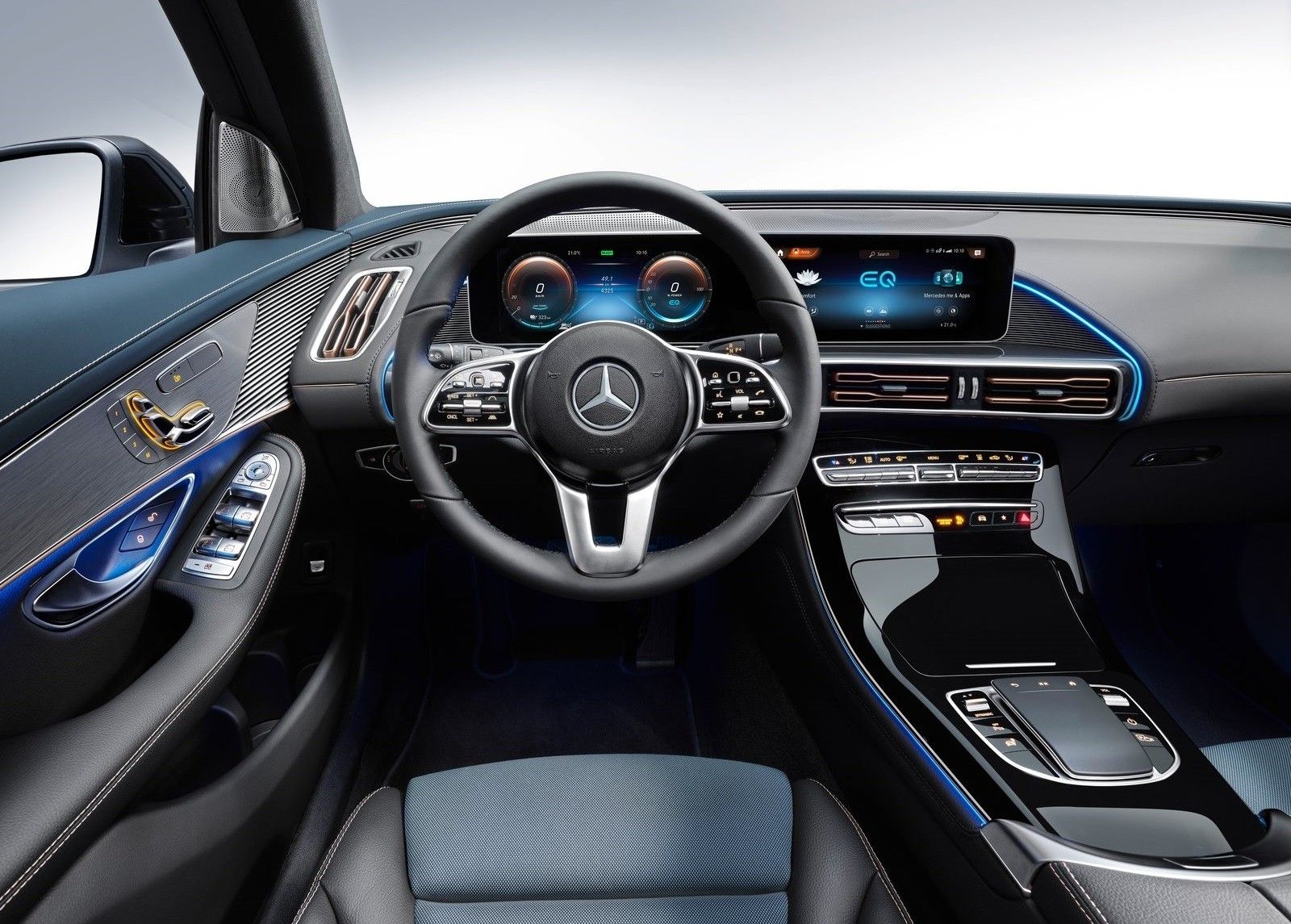
Inside, the Mercedes-Benz EQC features the new MBUX infotainment/dashboard system with EQC-specific features. The cabin boasts a futuristic look and there will be two levels of trim; Electric Art and AMG Line. 

Further Reading

Mercedes-AMG GLC 63 S (2018) Launch Review

6 High-Performance SUVs Coming to SA in 2018

Mercedes-Benz GLC 250d Coupe 4Matic (2017) Review

Mercedes-Benz GLC 300 (2015) Review

3 Reasons Why Mercedes-Benz GLC is #CarsAwards Finalist

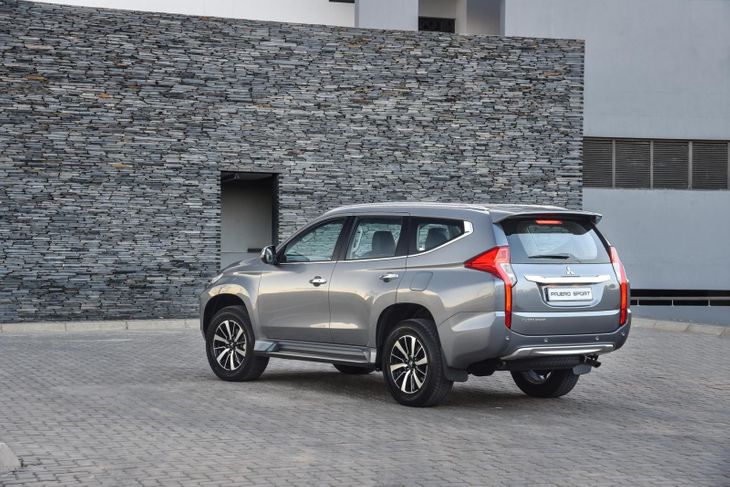
Safer Mitsubishi Pajero Sport for SA

Mitsubishi has updated safety specification on its Pajero Sport 7-seater SUV while also increasing the towing mass for both 4×4 and 4×4 derivatives. But that’s not all, a convenient 120W Power Plug is now also included to charge laptops and other electronic devices while you are on the move.

The Mitsubishi Pajero Sport has a reputation for bulletproof reliability and sure-footed 4×4 capability when tar turns to sand. The new Pajero Sport arrived on local soil last year and Mitsubishi has now improved the specification, towing mass and included a handy 120W Power Plug to charge devices on the go.

On the safety front, the Pajero Sport now gains an additional driver’s knee airbag, bringing the total airbag count to 7 while also now including Isofix child seat anchors as part of the standard specification.


The Pajero Sport is a formidable 7-seat offroader that competes with the Toyota Fortuner, Ford Everest, Isuzu mu-X and the Haval H9.

In addition to the improved safety specification, the Pajero Sport 4×2 now has a maximum towing mass of 2 700 kg while the 4×4 derivative is now able to tow a total mass of 2 790 kg.

The Pajero Sport is powered by a 2.5-litre turbodiesel engine with 133 kW and 430 Nm of torque and is mated with a 8-speed automatic transmission. Offroad 4×4 driving is made possible with Mitsubishi’s Super Select II 4WD system and hill descent control.

Buyers will be happy to know that the latest specification update has not resulted in a price increase and pricing for the Pajero Sport has remained unchanged.

Mitsubishi Pajero Sport – Price in SA

Pajero Sport 4×2 A/T – R569 995

Pajero Sport 4×4 A/T – R619 995

The Pajero Sport is covered by a 3-year / 100 000 km manufacturer's warranty and a 5-year / 90 000 km service plan with 10 000 km service intervals.

Buy a new or used Mitsubishi Pajero Sport on Cars.co.za

Watch our video review of the Mitsubishi Pajero Sport below!

Related Content

Mitsubishi Pajero Sport 2.4 D4 4×2 Auto (2018) Quick Review

Mitsubishi Pajero Sport 2.4 D4 4×4 Auto (2017) Review

Mitsubishi Pajero 5-Door 3.2 DI-D GLS Legend II (2016) Review

Mitsubishi Pajero LWB (2014) Review

Mitsubishi Pajero Sport 2.5 Shogun Auto (2015) Review

5 Budget-Friendly Low Range Off-Roaders


Hyundai Creta (2018) Launch Review

We recently got the chance to put the updated Hyundai Creta through its paces in the Western Cape. Is it fair to expect that the Korean firm's compact family car will carry on the sales success of the pre-facelift model, or should you look elsewhere?

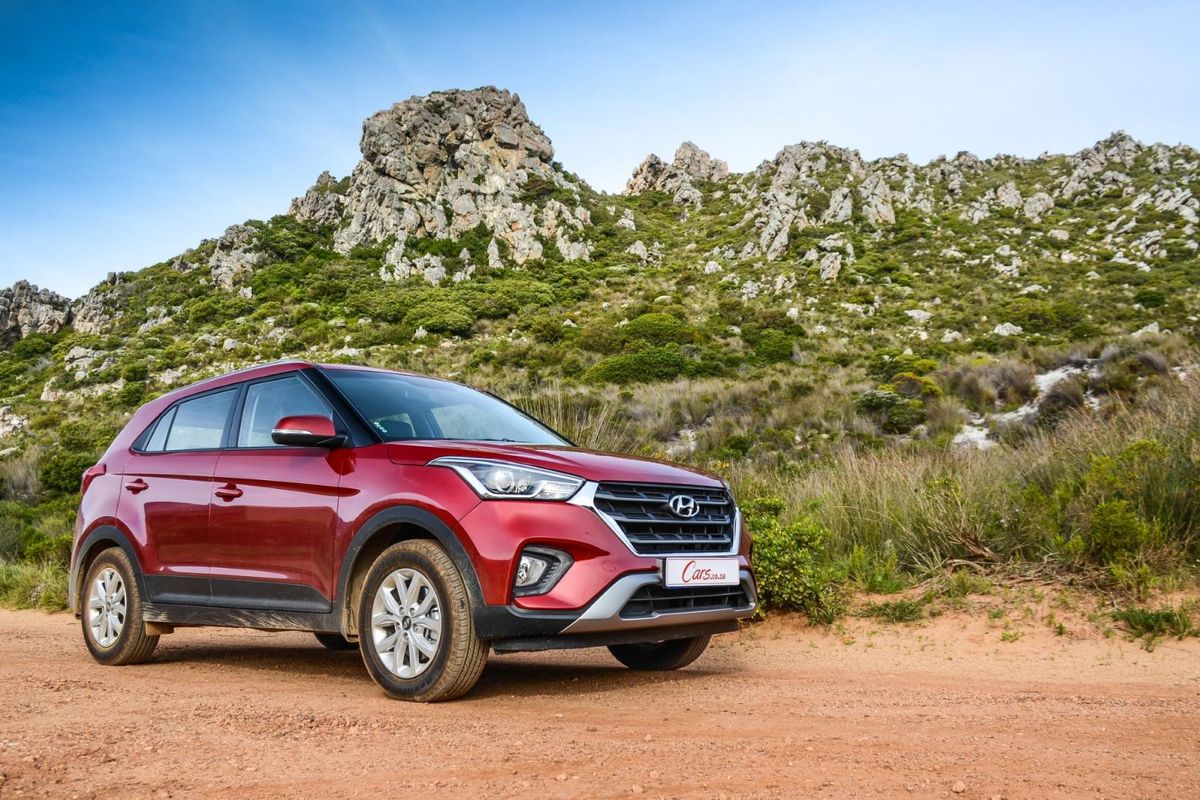
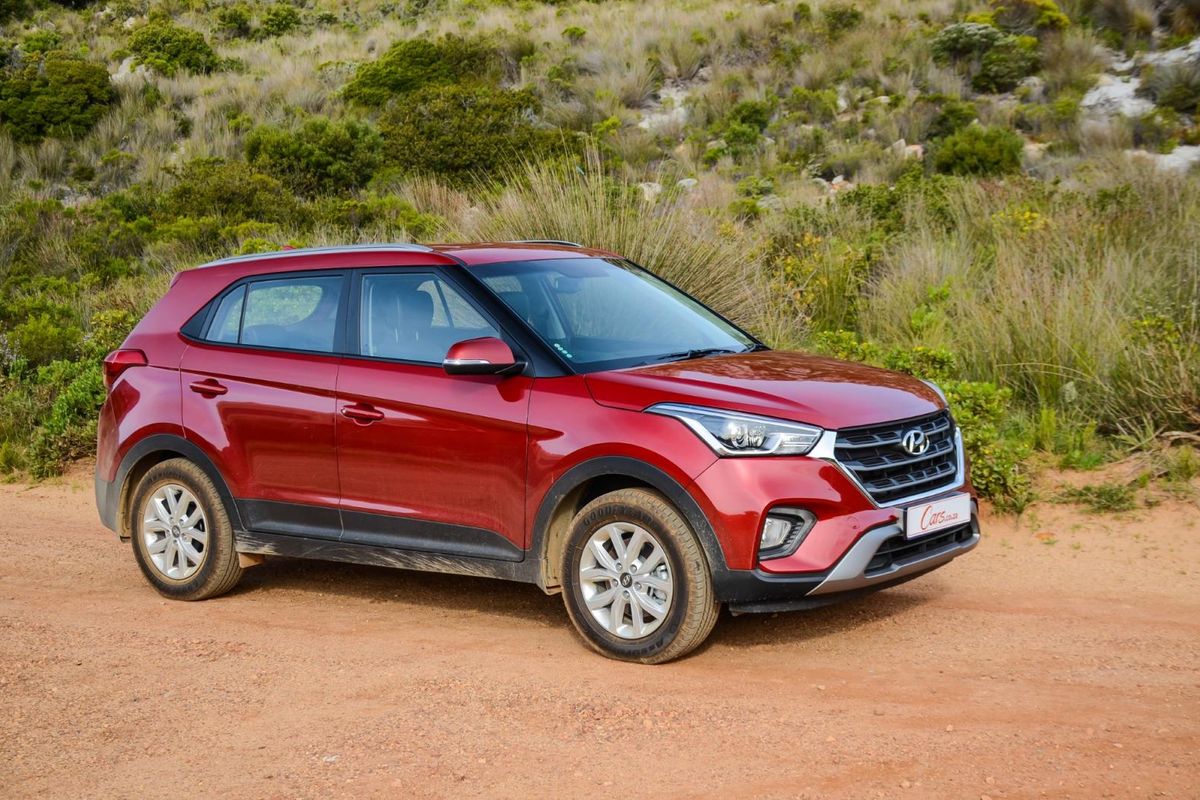
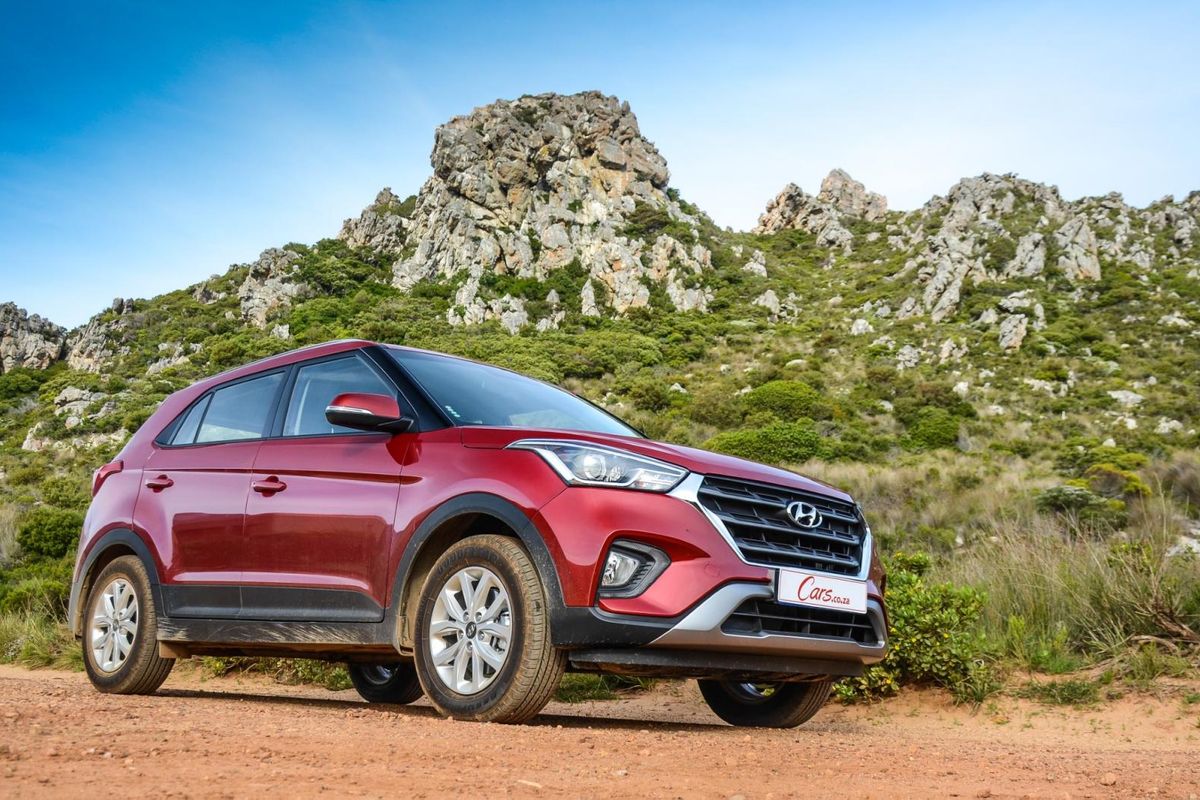
Last year, the Hyundai Creta comfortably outsold everything in its segment and it's on course for a repeat performance in 2018. Now for 2018, Hyundai South Africa has updated its 3-derivative compact family car range and we took the updated model for a drive along tarmac and gravel roads during its local launch.

What's Changed?

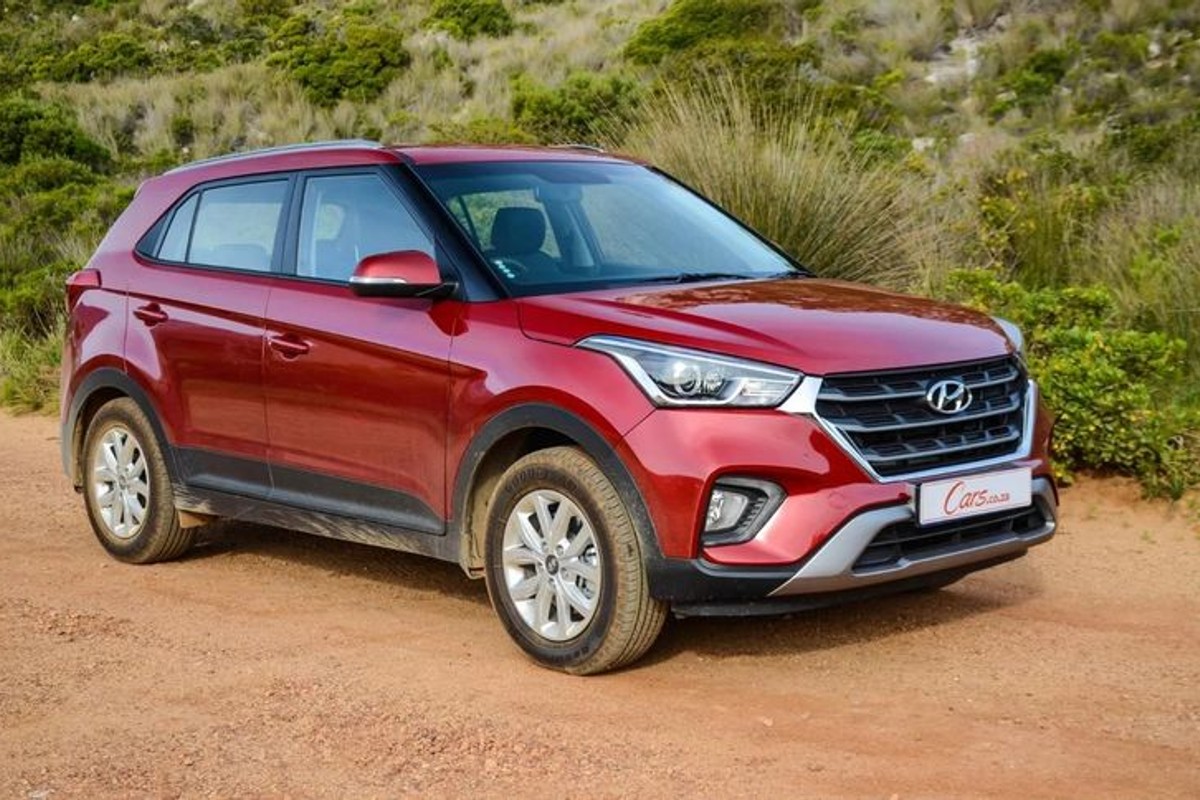
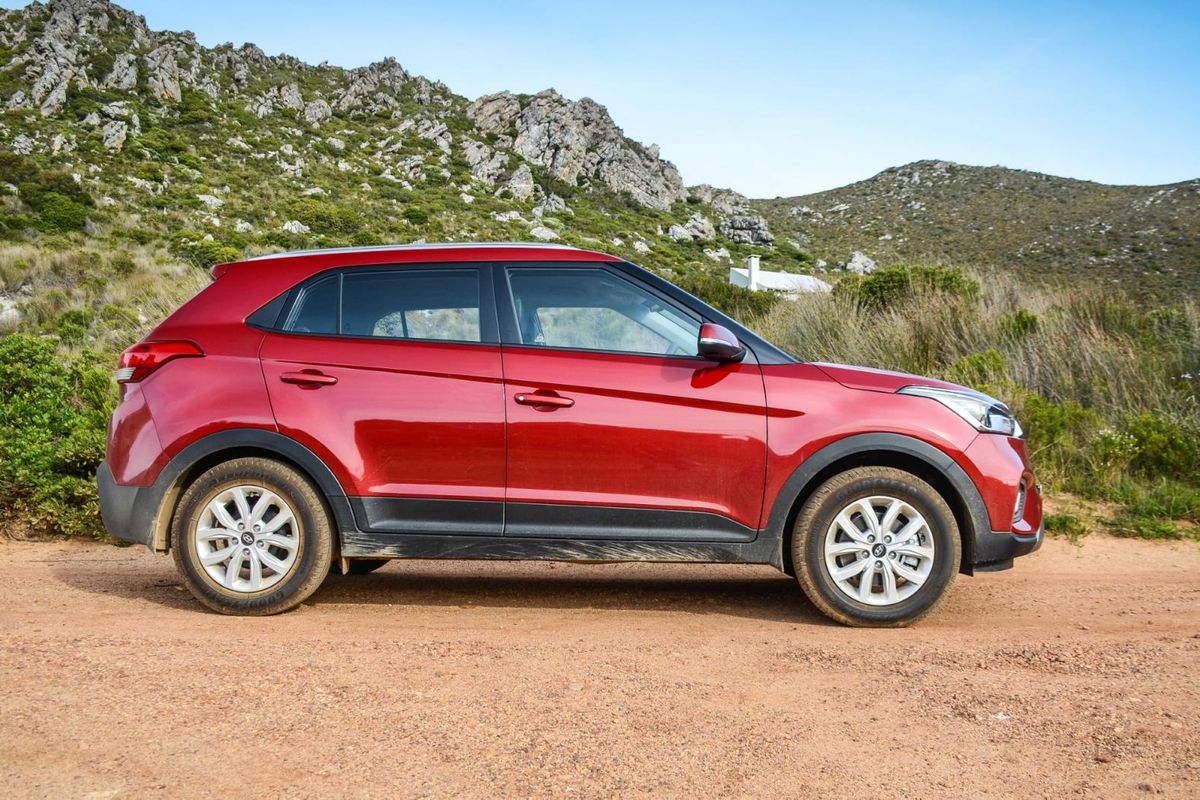
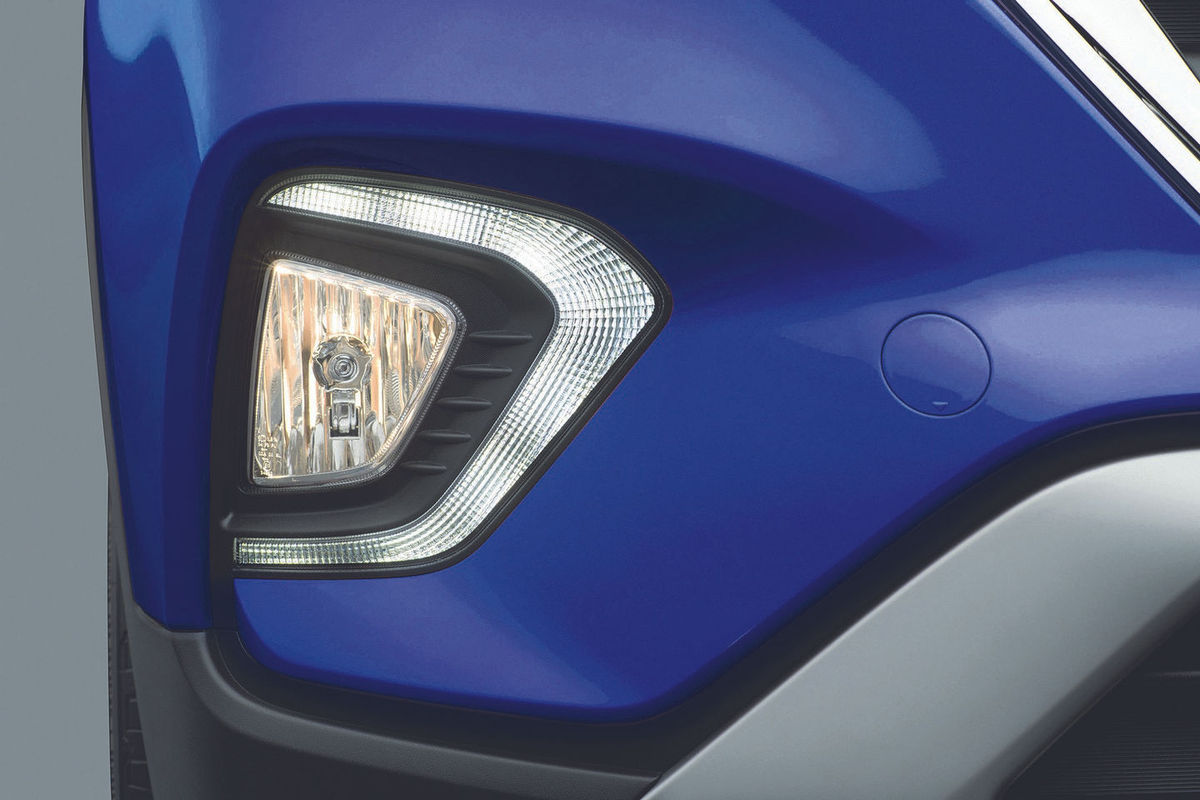
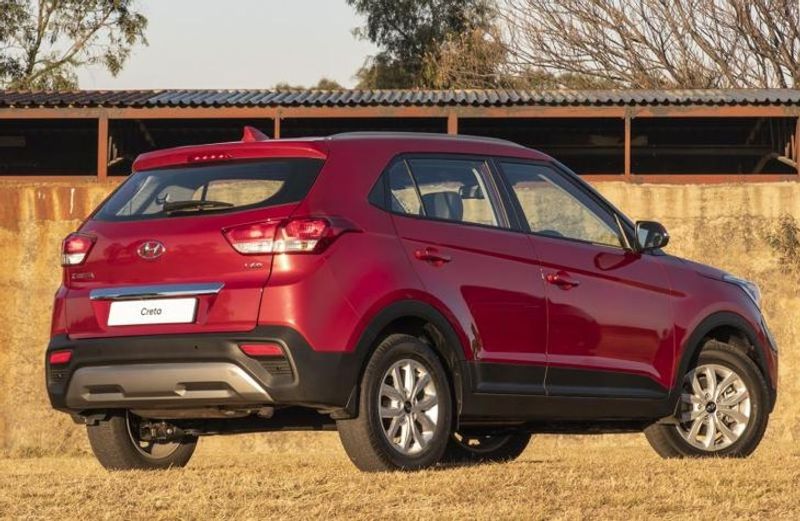
The key changes are cosmetic in nature: the Creta's front end is characterised by a new cascading grille (as featured on the Tucson) and reshaped fog lamps cupped by LED daytime running lights, while the rear features a modified rear bumper and LED detailing. Lower-profile roof rails and restyled alloy wheels complete the look.

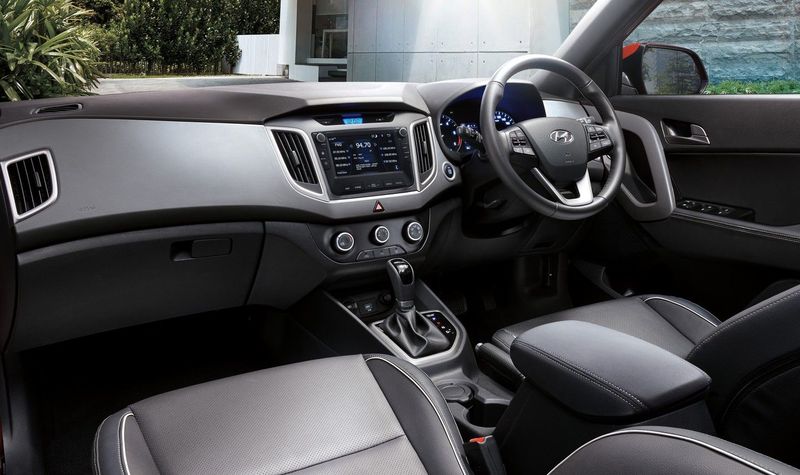
Inside, the specification remains generous with leather upholstery, a leather-wrapped multifunction steering wheel (with audio, driver info, and cruise control toggles), a touchscreen infotainment system with MP3/Bluetooth/USB/Aux inputs, plus you can spec an additional satellite navigation function for R 2 522 (September 2018). Safety equipment has always been a key talking point with the Creta and the updated range boasts rear park assist with a reverse-view camera, dual front-, side- and curtain airbags and ABS with EBD. Frustratingly, there's still no form of stability control, but the problem is not a South African one – it's not available in the Creta anywhere.

There is still just one level of trim: Executive, with the option of a naturally-aspirated 1.6-litre petrol engine (with 90 kW and 150 Nm) paired with either a 6-speed manual gearbox or 6-speed automatic transmission. The flagship derivative is powered by a 1.6-litre turbodiesel engine (with 94 kW and 260 Nm) with an automatic gearbox.  


New fog lamps with integrated daytime-running lights are just some of the visual changes in the facelifted Hyundai Creta

What's It Like To Drive?

We drove the 1.6-litre turbodiesel automatic on the launch route, which comprised some sweeping mountain passes, as well as a section of muddy road riddled with potholes. We've always liked the Creta; it's an unpretentious, and especially spacious, vehicle, with reasonable practicality and spec. It's satisfying to drive to boot.  

Compared with its petrol-powered siblings, the turbodiesel has a massive advantage by virtue of its 110 Nm of extra torque. Apart from the better fuel consumption (Hyundai claims 7.4 L/100 km, compared with the petrol auto's 8.4 L/100 km), if you go on a long family journey with the luggage bay loaded (it's said to have a 402-litre capacity, which is one of the biggest in the segment), you're likely to appreciate the additional shove – and you wouldn't have to work the engine especially hard. 


With a ground clearance of 190 mm, the Creta is well prepared to take a lot of punishment on gravel and light off-road routes.

Meanwhile, the Creta's driving experience is generally satisfying, even if road noise tends to intrude at higher speeds. The engine only "clears its throat" once you're really pressing on (and using all of the available revs), but the noise is mostly muffled, plus the automatic 'box shifts commendably smoothly. When we left the tarmac and traversed some muddy, rutted farm roads, we were impressed with the how well the Creta's suspension soaked up the majority of the bumps. It was only when negotiating truly horrible sections (where we were forced to slow right down to drive through unavoidable potholes) that impacts sent jarring noises reverberating through the cabin. Having said that, with a ground clearance of 190 mm, we believe that the Creta can take a lot of punishment on gravel and light off-road routes.

Verdict


Thanks to fair specification and a simple layout, the cabin of the Hyundai Creta remains a pleasant place.

While the visual changes bring a fresh look to the Creta, its driving experience remains largely unchanged. It's still nimble on its feet, with a pleasantly light steering, and thanks to that generous ground clearance, pretty useful if you want to traverse gravel roads. It can also tow up to 750 kg, making it quite a versatile compact family car.

The facelifted Hyundai Creta should continue to be a popular choice for small-family transport; we'd heartily recommend the turbodiesel-powered derivative (if you can afford it, of course) as it offers commendable in-gear punch, as well as the benefit of good fuel economy. With almost double peak torque compared with its petrol-powered siblings, we think the turbodiesel option makes the most sense if you routinely have 4 people aboard and a luggage bay heavily packed with cargo.

Prices for the Hyundai Creta in SA (September 2018)

These include a 5-year/90 000 km service plan, a 7-year/200 000 km warranty (comprised of Hyundai’s 5-year/150 000 km warranty – with an extended 2-year/50 000 km drivetrain warranty) and roadside assistance for 5 years or 150 000 km (whichever lapses first). It's interesting to note that the facelifted version pricing hasn't changed dramatically either: the outgoing Creta cost R329 900, R349 900 and R384 900 for the 1.6 manual, 1.6 automatic and 1.6 turbodiesel automatic respectively. 

Creta 1.6 Executive (manual) ­

R339 900

Creta 1.6 Executive (automatic) 

R359 900

Creta 1.6 Executive Turbodiesel (automatic) 

R399 900

Further reading:

3 Reasons Why Hyundai Creta is #CarsAwards Finalist

Hyundai Creta vs Suzuki Vitara vs Renault Captur (2017) Comparative Video Review

Hyundai Creta (2017) Video Review

Compact Crossovers: Practical Hyundai Creta vs Stylish Toyota C-HR

Want to buy a Hyundai Creta?

Browse through new and used stock here

Hyundai Tucson (2018) Launch Review

The popular Hyundai Tucson has been facelifted for 2018. The Korean brand has trimmed its family car range and the updated model incorporates a handful of changes in terms of appearance, trim and specification. We drove the facelifted model at its local launch in the Western Cape.

The Tucson is one of Hyundai’s more popular models (alongside the compact Creta) and a strong contender in the hotly contested compact SUV segment. It’s an interesting segment, in which Toyota, Volkswagen and Mazda all vie for the top spot with the RAV4, Tiguan and CX-5 respectively. The Tucson is hard on their heels and with this latest update, could further dent its rivals’ sales. Since its launch back in 2016, the Tucson has garnered over 13 500 sales, which is impressive.

What’s New?


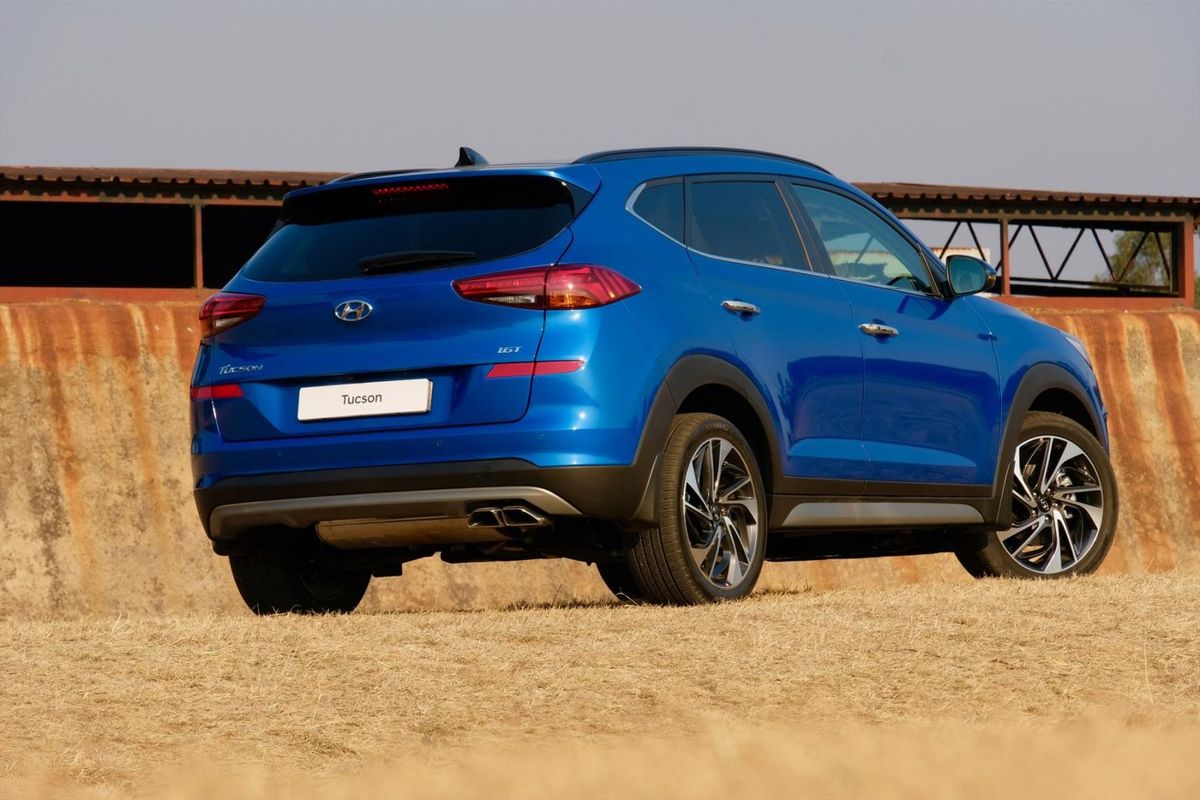
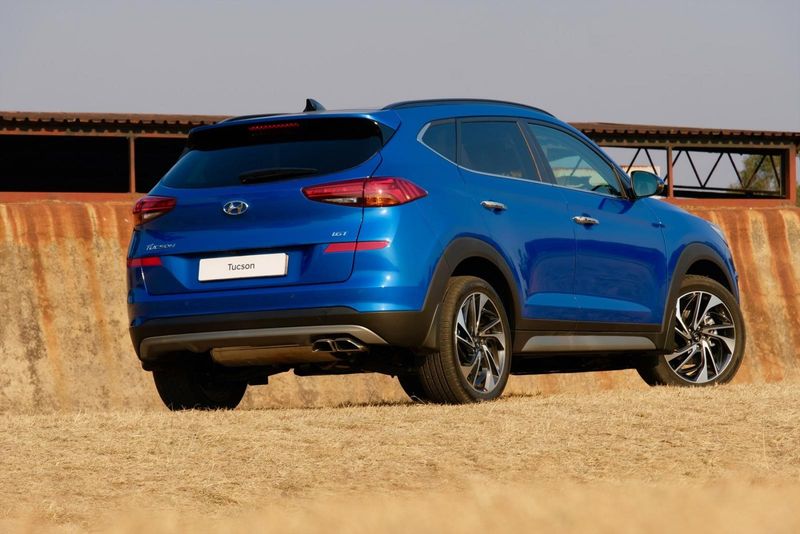
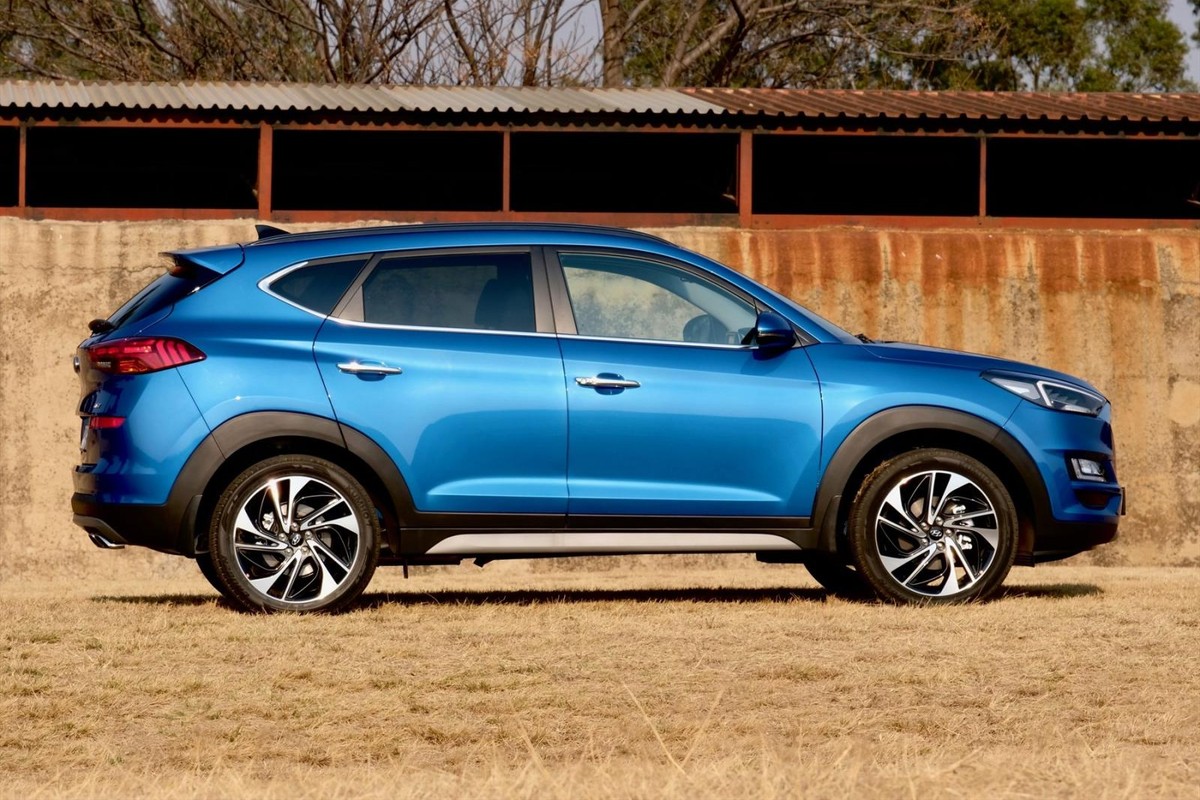
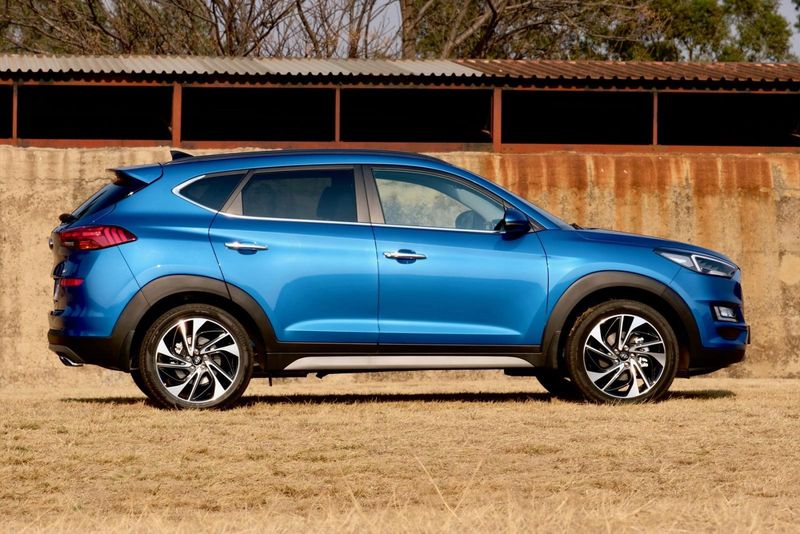
The facelifted Hyundai Tucson has received a new look, complete with these attractive alloys.

Before we dive into the physical changes, let’s discuss the changes to the Tucson line-up. The manual 1.7-litre turbodiesel Executive derivative has been dropped, as has the manual 1.6 TGDI Executive. In their place comes the 2.0 Executive automatic derivative, as well as a new 2.0 Executive 8-speed automatic, which sits at the top of the pile.

Meanwhile, the Executive and Elite spec levels incorporate some changes. Executive derivatives now feature leather trim, an electrically adjustable driver’s seat, climate control, rear parking assistance with a reverse-view camera, ESP, Hill Assist, Blind Spot Detection, Rear Traffic Alert, and 18-inch alloys. Elite derivatives further feature a panoramic sunroof, LED headlamps, an electrically-adjustable front passenger seat, keyless entry and start, as well as new 19-inch wheels. 

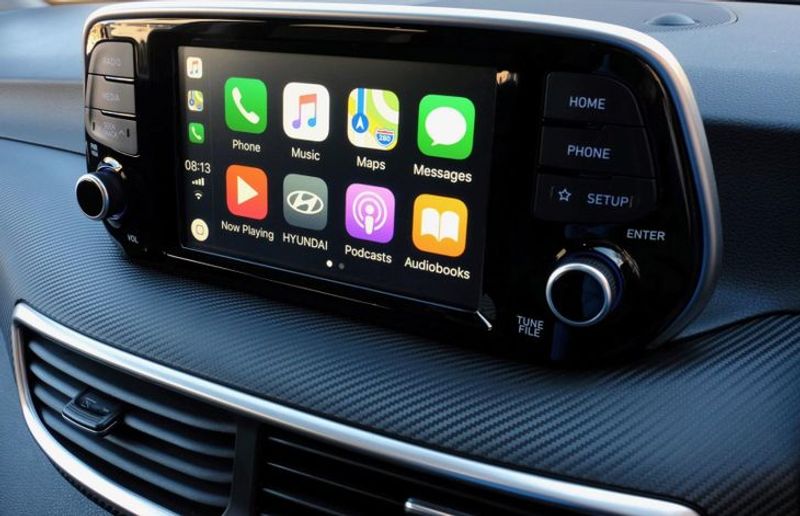
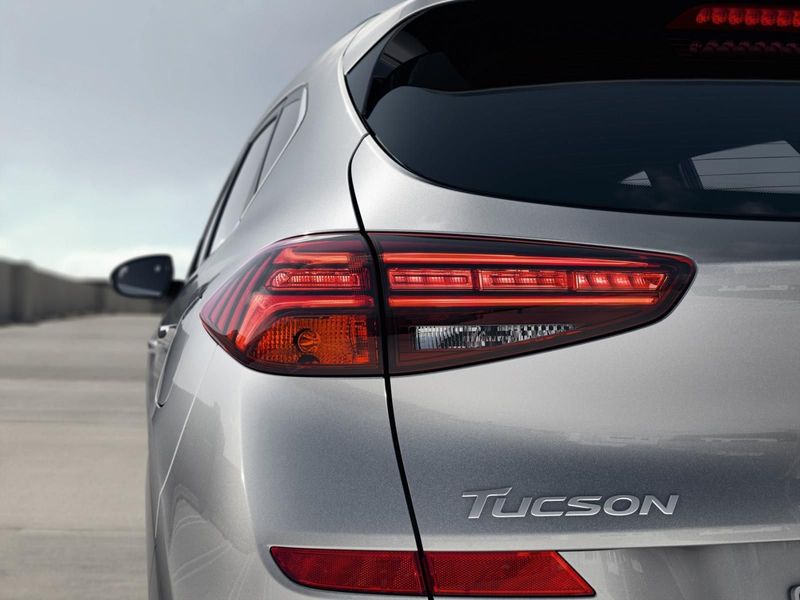
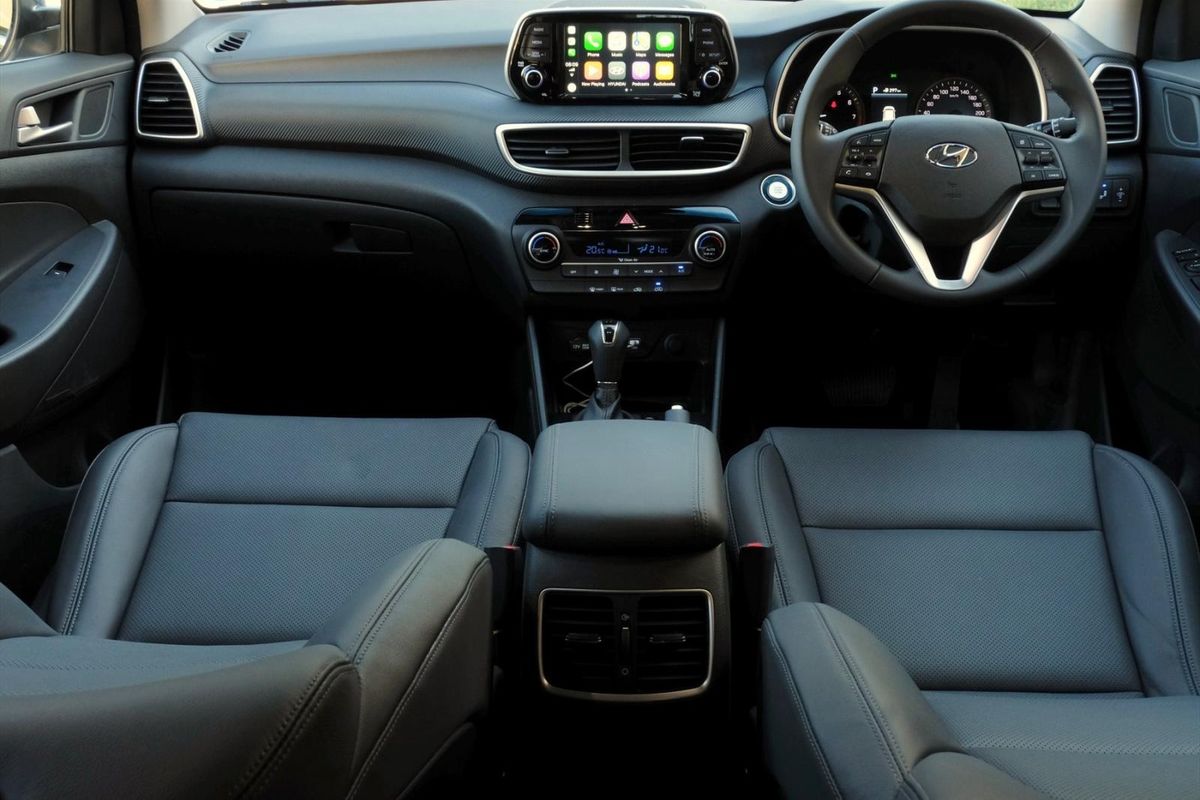
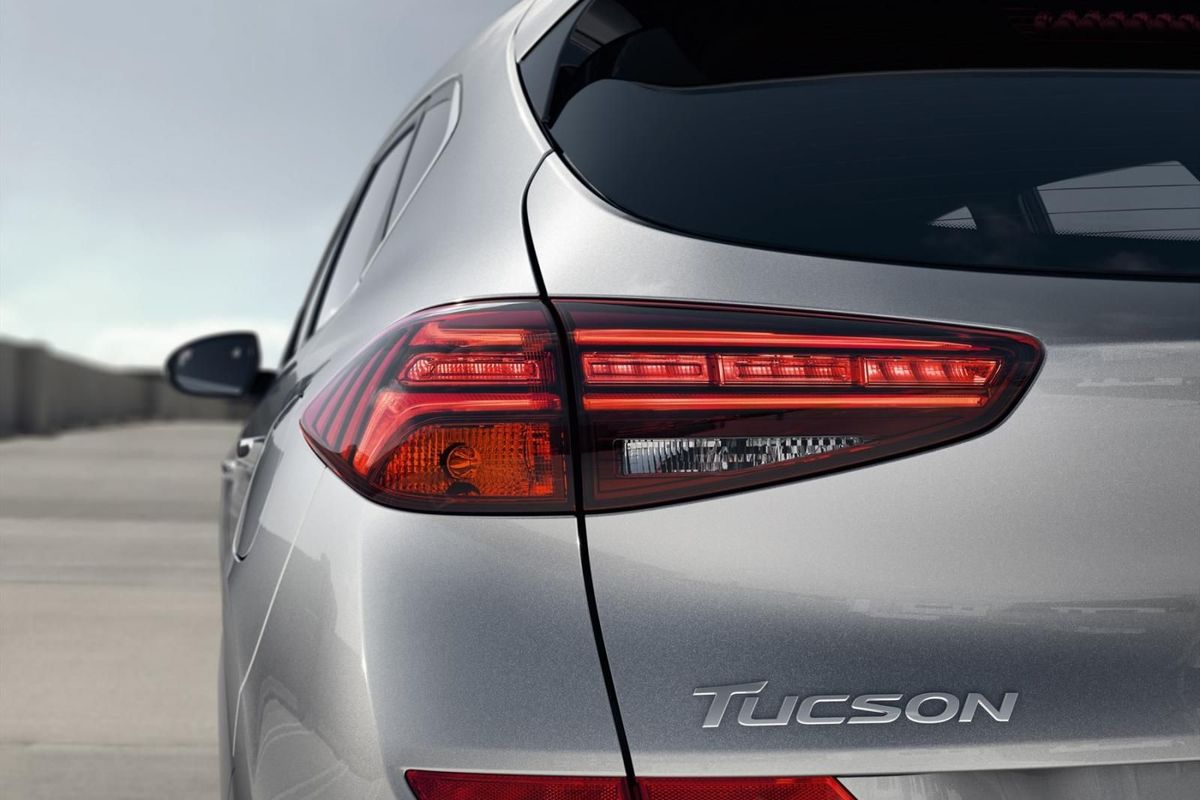
In terms of looks, the Tucson has been revised substantially. The front end sports Hyundai’s signature cascading grille, new-look headlights, fog lamps and skid plates. The rear gains revised tail-light clusters, as well as a neater twin exhaust, plus the new alloy wheel designs are particularly attractive. Inside, there’s a completely redesigned dashboard, which now features a floating 7-inch infotainment screen, which supports Apple’s CarPlay and Android Auto as standard.

The Tucson has never been skint on safety features and the facelifted version is no different. There are 6 airbags, ISOfix child seat anchor points at the back and, depending on trim, Cross Traffic Alert, Blind Spot Detection, Vehicle Stability Management and Hill Start Assist. 

Hyundai Tucson – The Ultimate Buyer’s Guide


The floating touchscreen is Apple CarPlay/Android Auto compatible. 

What’s It Like To Drive?

On the launch, we had the opportunity to drive the second-from-top 1.6-litre turbo with 7-speed dual-clutch transmission. With peak outputs of 130 kW and 265 Nm, the Tucson feels quite spritely, thanks mostly to its transmission, which does a fine job of seamlessly swapping cogs.

Overtaking is a simple affair too: the ‘box eagerly shifts down a ratio or 2, so that the turbopetrol engine can transmit all 265 Nm to the tarmac. The peak torque may not sound all that generous, but then the Tucson doesn’t have as much heft to shift as you may expect. Having said that, if you were to add a quartet of passengers and a trailer (the Tucson does boast a 750-kg unbraked tow rating), we think some of that in-gear urge would be lost. Good thing there’s a torquey turbodiesel alternative!


The facelifted Tucson receives new headlights and revised tail lights.

The Tucson is underpinned by a fully independent suspension and it exhibits a pliant ride quality; one senses this car will offer comfortable accommodation on a long road trip. Noise insulation is pretty good too (even when approaching the national speed limit) and when driven enthusiastically, delivers sure-footed handling. Granted, the average Tucson owner isn’t going to be THAT performance-minded, but its reassuring to know that if you are in a hurry, the Tucson is sufficiently wieldy for a family car. 

Speaking of performance, during the launch Hyundai SA mentioned how successful the locally developed pre-facelift Tucson Sport was (600 units were sold); the firm is considering the introduction of new-spec Sport early next year. We also drove the Tucson on a gravel road during the event and found it performed admirably, even if we don’t recommend that you subject the beautiful new wheels to potholes.

Inside, the new-look interior feels modern and well up to date, and we effortlessly hooked up our smartphone to the infotainment system via the easy-to-access USB port. Thanks to the system’s Android Auto and Apple CarPlay compatibility, you can tap into Google Maps and Apple Maps, which of course does away with the need for onboard navigation.

Want to get Android Auto? We show you how.

Verdict


The range has been trimmed and the 1.7-litre turbodiesel is gone

With the battle for supremacy in the family car segment showing no signs of abating (quite the opposite, in fact), Hyundai needed to update its Tucson. The Korean firm has done so successfully, by imbuing its SUV with some stylish updates and bringing in Android Auto/Apple CarPlay, which will please the always-connected generation. The powertrains are still commendable, the build quality remains good and the overall comfort is nothing less than impressive. We’re looking forward to evaluating the updated Tucson in-depth, but right now, at face value, we’re satisfied with the latest round of updates.

Hyundai Tucson Price in South Africa (September 2018)

Tucson 2.0 Premium MT                  R399 900 

Tucson 2.0 Premium AT                  R419 900 

Tucson 2.0 Executive AT                 R459 900 

Tucson 2.0 Elite AT                          R499 900

Tucson R2.0 Executive 8AT2 Dsl     R529 900 

Tucson 1.6 TGDI Elite 7DCT2         R559 900 

Tucson R2.0 Elite 8AT2 Dsl              R569 900

Related content:

Hyundai Tucson (2017) Specs & Price

Hyundai Tucson Sport Gains AWD Auto

Hyundai Tucson Sport (2017) Quick Review

Hyundai Tucson 1.7 CRDi Executive (2017) Review

Comparative Review: Mazda CX-5 2.2DE AWD Akera vs Hyundai Tucson 2.0CRDi Elite [with Video]

Want to buy a Hyundai Tucson?

Browse through new and used stock here

Hyundai Creta (2018) Specs & Price


The Hyundai's popular compact family car, the Creta, has received a mild facelift, although the range's line-up remains unchanged.

Since its introduction in early 2017, the Creta has found favour in the market (more than 8 000 units have been sold to date) thanks to its solid value proposition: it's a spacious, well equipped and -made vehicle, which was notably a finalist in its category of the 2017/18 Cars.co.za Consumer Awards – powered by WesBank

What's New?

The aesthetic updates are relatively minor: they include a bolder, cascading grille with a chrome bezel; a new front bumper with a dual-tone finish and bigger skid plates; redesigned fog lamps with C-shaped LED daytime running light surrounds; plus lower-profile roof rails. The rear aspect of the Creta has also been revised: the tail lamps are similarly shaped as before, but now include LED detailing, the reflectors have been repositioned on the reprofiled bumper and the skid plate has been enlarged.


The new-spec Creta can be distinguished by its reprofiled bumpers/skid plates and lower-profile roof rails.

The interior has not changed dramatically; although it includes a few specification upgrades. Leather upholstery is matched with a similarly-trimmed multifunction steering wheel that includes audio-, driver info menu and cruise control (a new addition) toggles. The side mirrors fold electrically, the rear-view mirror dips automatically and the locally sourced touchscreen setup (radio, MP3, auxiliary-, iPod and USB inputs, RDS, Bluetooth) can be updated with satnav functionality for R2 522.

Other features include rear park assist with a reverse-view camera, dual front-, side- and curtain airbags and ABS with EBD, while aft occupants benefit from ISOfix child seat anchorage points, separate ventilation outlets, a pair of cupholders in the armrest and a 60:40-split seatback.


The new-look multifunction steering wheel now includes a toggle for the cruise control function.

All the derivatives in the range have the same spec (Executive) and although the engine and transmission combinations remain the same (a 90 kW/150 Nm 1.6-litre petrol with either a 6-speed manual or 6-speed automatic and a 94 kW/260 Nm 1.6-litre turbodiesel – automatic only), although the front suspension has an increased caster angle, while the rear damper geometries have been adjusted, for "smoother high-speed travel" and "increased lever ratio" respectively, Hyundai claims.

Prices for the Hyundai Creta in SA (September 2018)

These include a 5-year/90 000 km service plan, a 7-year/200 000 km warranty (comprised of Hyundai’s 5-year/150 000 km warranty – with an extended 2-year/50 000 km drivetrain warranty) and roadside assistance for 5 years or 150 000 km (whichever lapses first).

Creta 1.6 Executive (manual) ­

R339 900

Creta 1.6 Executive (automatic) 

R359 900

Creta 1.6 Executive Turbodiesel (automatic) 

R399 900

Further reading:

3 Reasons Why Hyundai Creta is #CarsAwards Finalist

Hyundai Creta vs Suzuki Vitara vs Renault Captur (2017) Comparative Video Review

Hyundai Creta (2017) Video Review

Compact Crossovers: Practical Hyundai Creta vs Stylish Toyota C-HR

Want to buy a Hyundai Creta?

Browse through new and used stock here