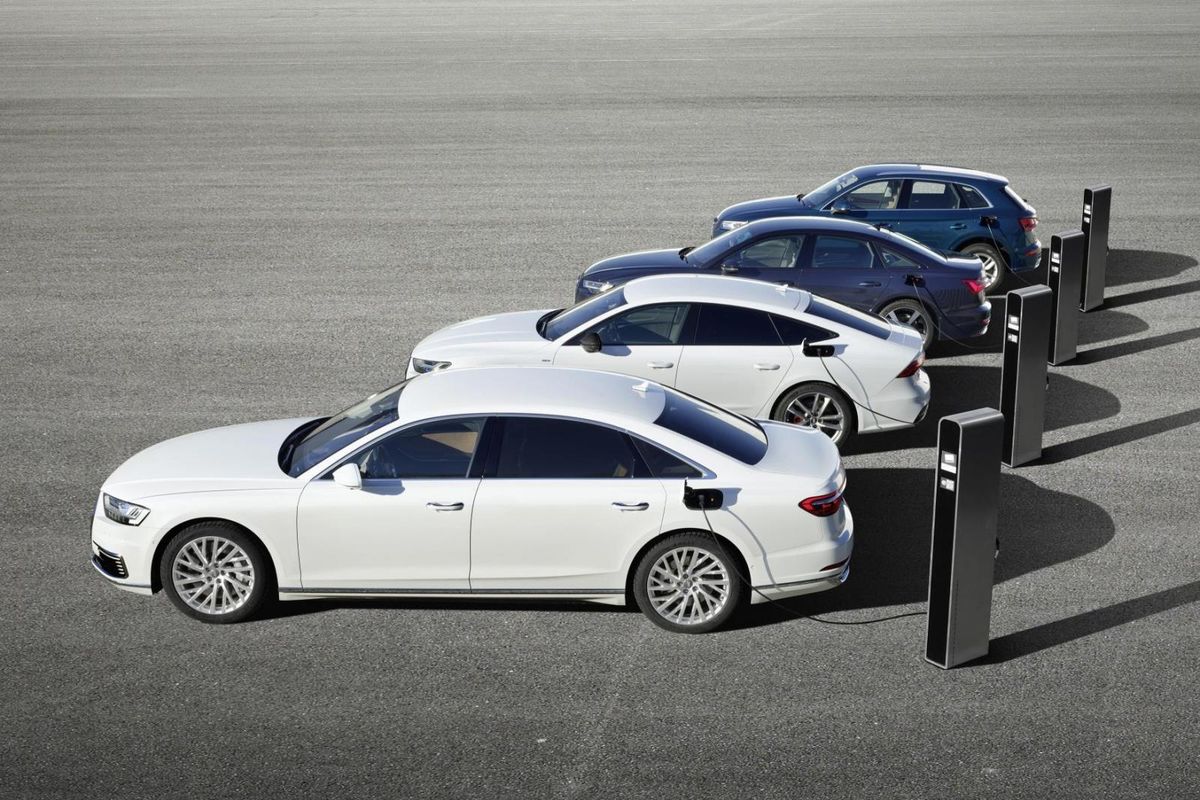
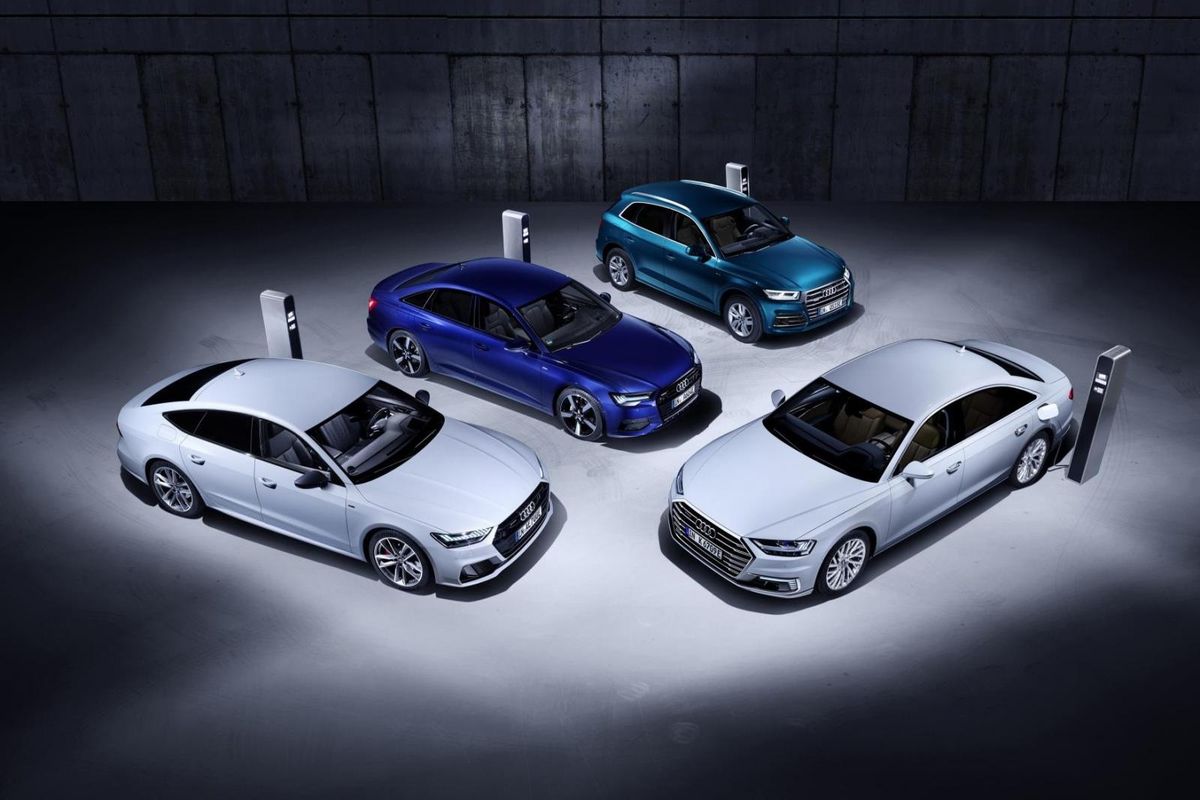
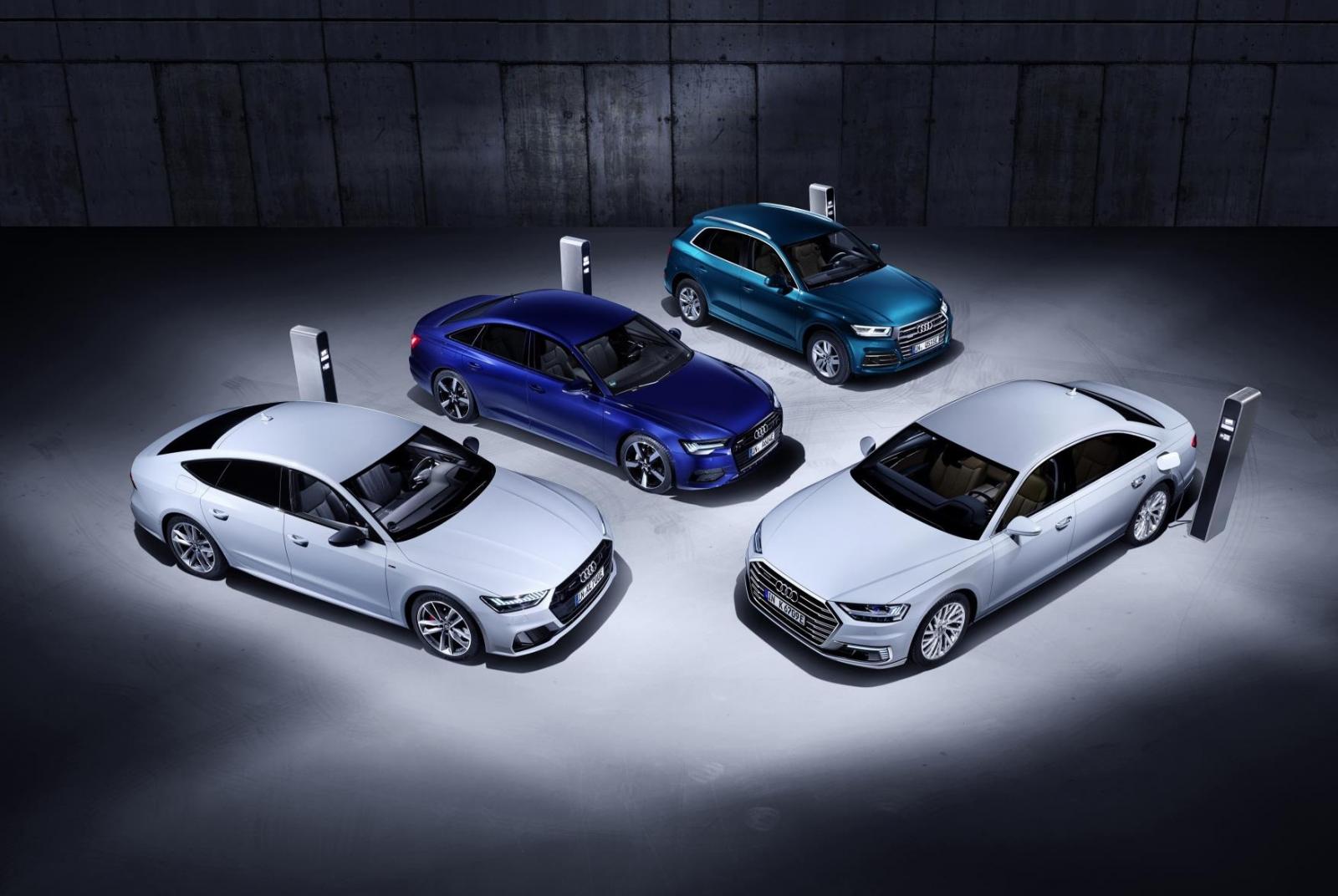
Next week's 2019 Geneva Motor Show will see German carmaker Audi unleash an array of plug-in hybrids. Check them out.
The new plug-in hybrids complement the existing Audi portfolio and while e-tron is the badge used for exclusive electric products, these will gain an "TFSI e" badging to denote electric assistance. We'll get to see new hybrid variants of the A6, A7 Sportback, A8 and Q5.
The tech looks good. There's the zero-emissions urban driving in electric-only mode and the freedom to travel long distances with the refined internal combustion engines. Based on WLTP data, Audi claims an electric-only range of more than 40 km is possible for each model. Audi reckons customers can travel around a third of their usual route under electric power. In terms of battery tech, the lithium-ion battery for the A6, A7 and A8 is made up of 104 pouch cells, which are combined in eight modules. It stores 14.1 kWh of energy at a voltage of 385 V. The lithium-ion battery in the Q5 comprises prismatic cells and has the same capacity.
The A8 L 60 TFSI e quattro uses a 3.0-litre, 6-cylinder TFSI combustion engine with a permanently excited synchronous electric motor mated to a quattro all-wheel drive setup via an 8-speed tiptronic transmission. Combined power is rated at 330 kW and 700 Nm.
The Audi A6 and A7 Sportback models with plug-in hybrid drive use the same powertrain, with a battery capacity that is identical to that of the Audi A8 PHEV, but the 3.0 is swapped out for a four-cylinder 2.0 TFSI petrol engine linked to a seven-speed S Tronic transmission. Both models are available in two output levels with different boost performance. For the 50 TFSI e, the system output is 220 kW, for the 55 TFSI e, 270 kW is on offer. Peak system torque is 450 and 500 Nm respectively.
Finally, the Q5 PHEV uses the same 2.0-litre turbocharged 4-cylinder setup and is also available in 2 states of tunes. The 50 TFSI e quattro with 220 kW / 450 Nm system output, and the 55 TFSI e quattro with 270 kW / 500 Nm.
In terms of charging, you have the option of charging at home and at public charging stations. Audi claims a charging point with an output of 7.2 kW will charge one of the above products in about 2 hours.
Toyota Corolla Hatch GRMN: Will It Look Like This?
Toyota South Africa will be launching its new Corolla Hatch in the next few weeks, but this got us thinking… What if Toyota was to apply the full-fat GRMN treatment onto the newcomer?
Render credit: Duwyne Aspeling
Up until recently, Toyota could easily be accused of being a boring and predictable manufacturer. Then, seemingly out of the blue came the Toyota Yaris GRMN, which took what we knew and understood of the compact hot hatchback segment and promptly turned it onto its head. Firstly, the name, GRMN, what's that all about? GRMN stands for Gazoo Racing Masters of Nurburgring. Toyota is slowly returning to the performance sector of the market and has introduced its GR division. It's broken down into 4 pillars. GR Parts (cosmetic package), GR Sport (suspension package), GR (power package) and GRMN (high power package). Of course, let's not forget the Supra returning too.
GRMN is the new badge reserved for the most potent of Toyota products and while we are some time away from a fully-fledged and weaponised Corolla GRMN, we can start the speculation. With the South African Corolla Hatchback market introduction just weeks away, we're likely to see the lesser GR Parts / GR Sport badged Corollas being revealed before the hardcore version rolls in to take the fight to the Volkswagen Golf GTI. We should see a cosmetically sportier Corolla Hatch at the Geneva Motor Show in the coming days.
How do we even know that Toyota will make a Corolla GRMN? Well, Toyota's deputy chief designer, Toshio Kanei was being interviewed by Dutch publication AutoRAI.nl recently and had this to say. "We are currently investigating what would be most effective for the European market, but a Corolla GRMN is certainly realistic. We are already working on that. The development takes place under the supervision of Toyota GAZOO Racing. This department has included the Corolla GRMN in the future plan, but for now, the project is still in the planning stage. " In terms of powertrain, he added "The Toyota Corolla GRMN does not get a hybrid powertrain. We want more power, an even sportier engine and lower CO2 emissions," says Kanei. "A 4-cylinder turbo engine with an engine capacity of about 1.6 litres can be interesting." So, we have confirmation from Toyota that it's in the pipeline!
While the Toyota Yaris GRMN was powered by a supercharged 1.8-litre engine with 156 kW, we think that Toyota will be aiming for around 185 kW with its turbocharged setup, putting it squarely amongst the more established players. Thing is, Toyota currently doesn't have that engine in its arsenal and we're wondering whether it would develop its own powertrain or source one from elsewhere.
GRMN isn't just about straight-line prowess either and you can bet that the suspension and braking will be top notch too, meaning it should be quite potent when it comes to cornering.
Watch this space because if the Yaris GRMN was anything to go by, the Corolla GRMN will also be one incredibly special performance machine.
Drag Race Video: Toyota Yaris GRMN vs Volkswagen Polo GTI
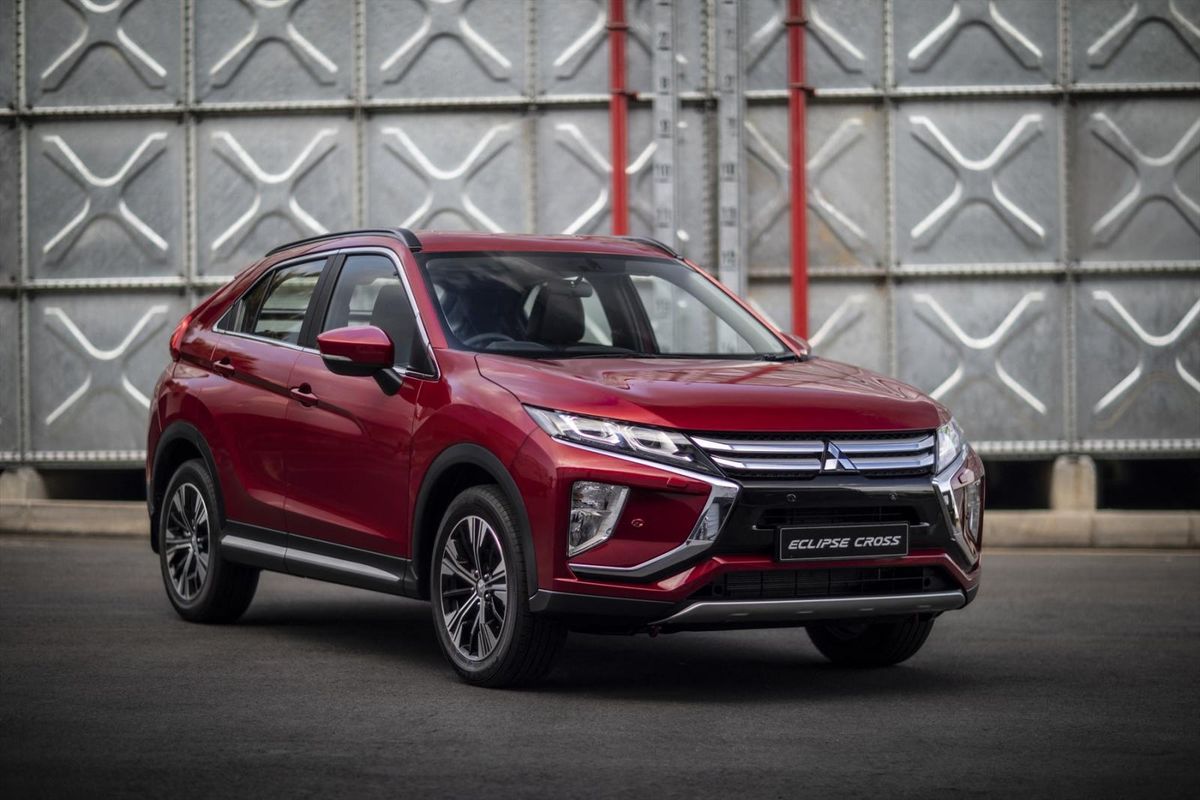
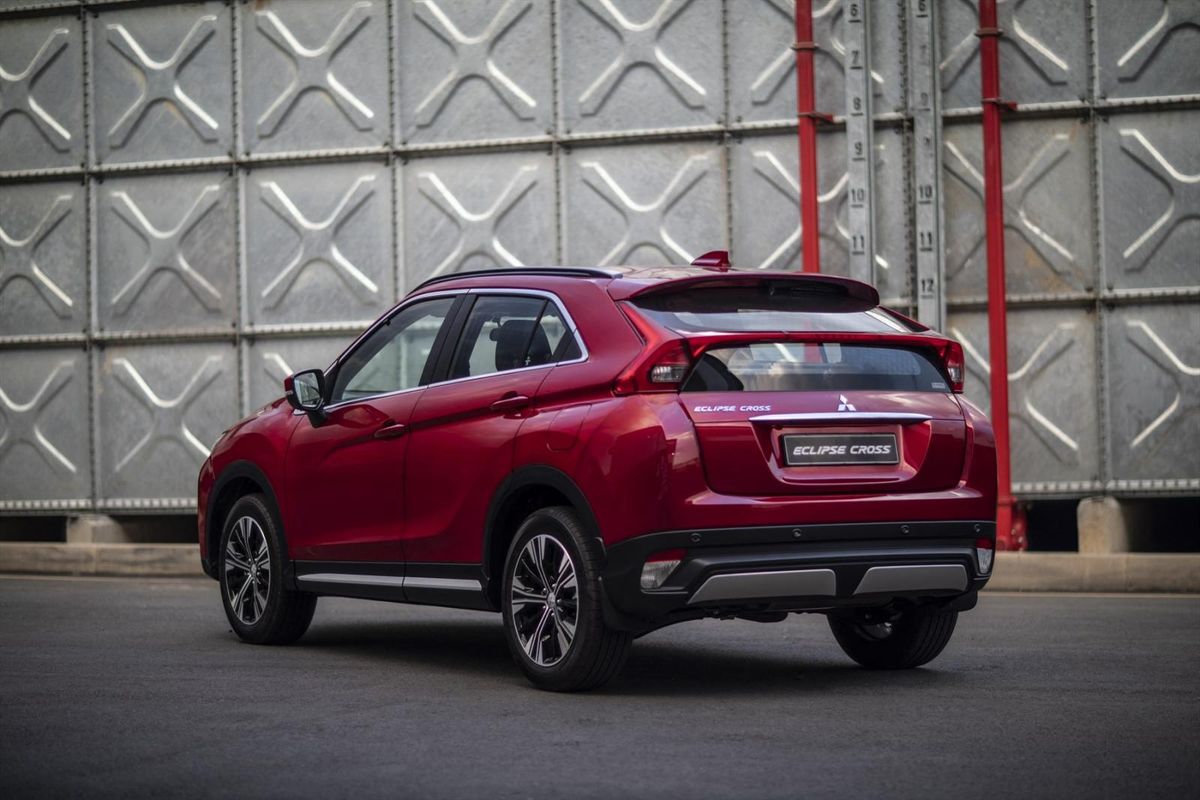
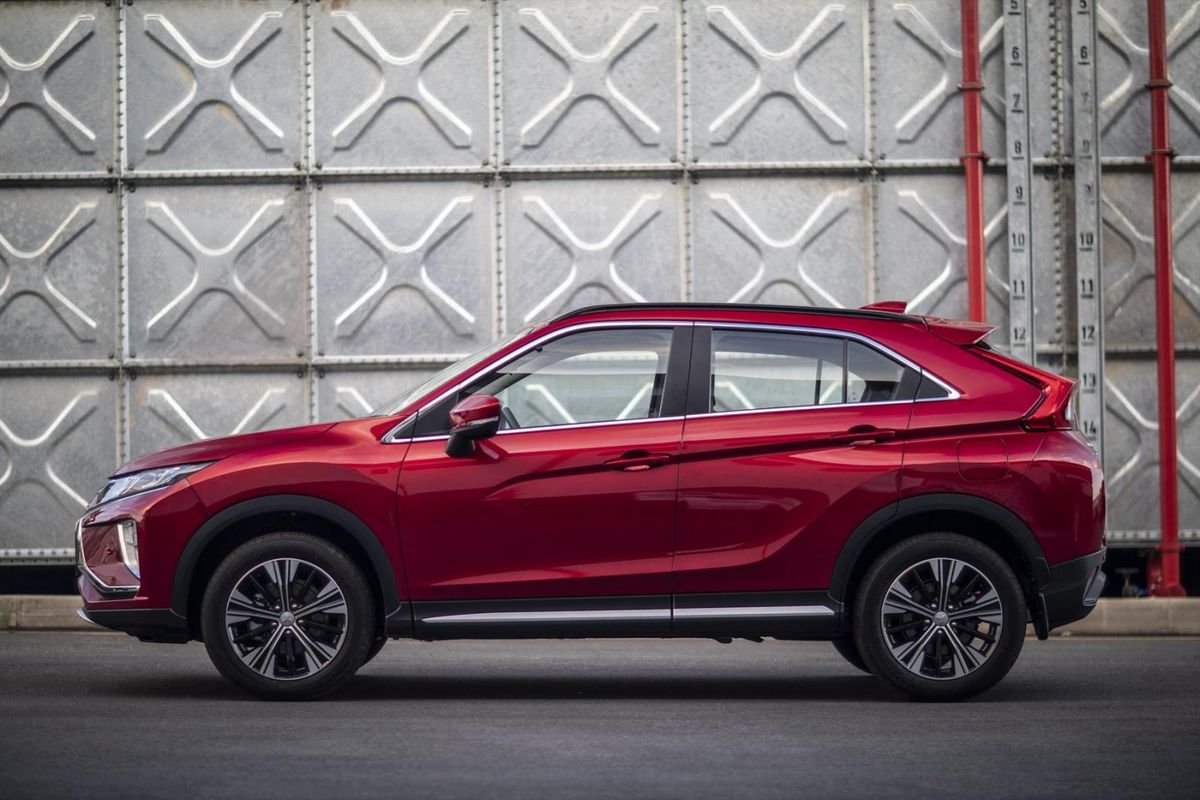
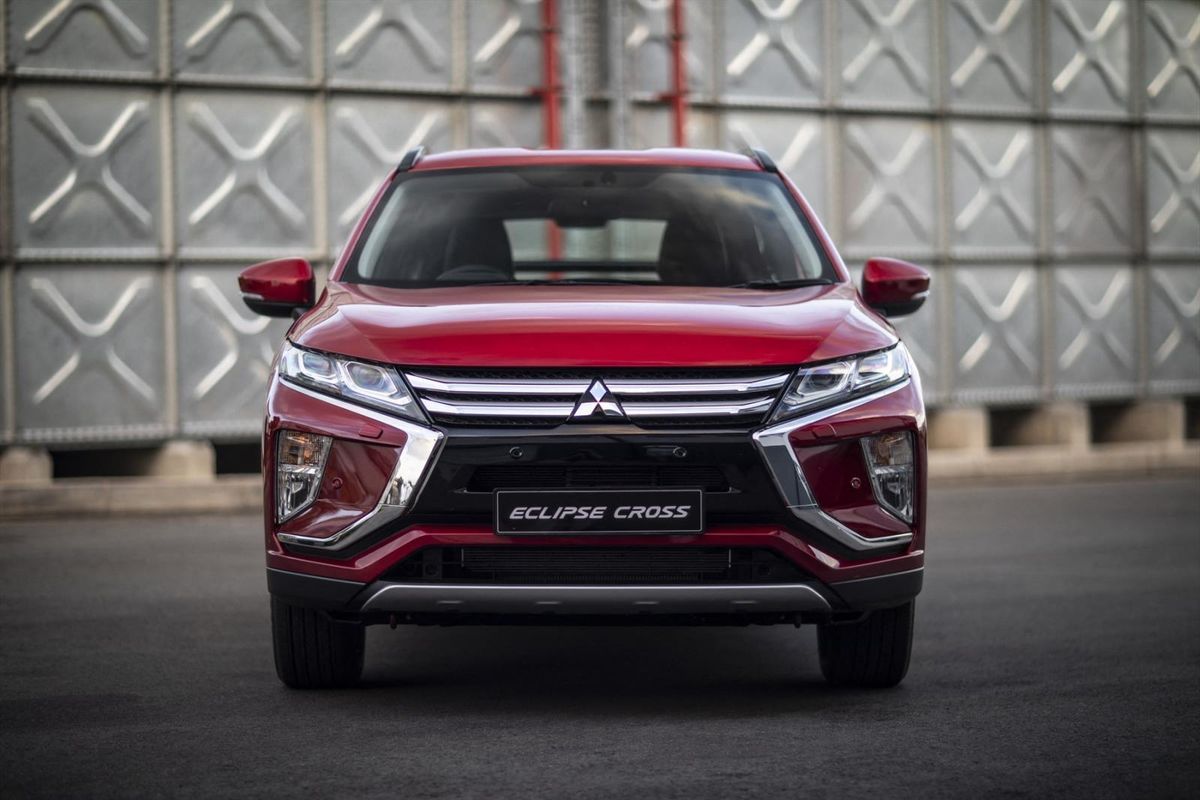
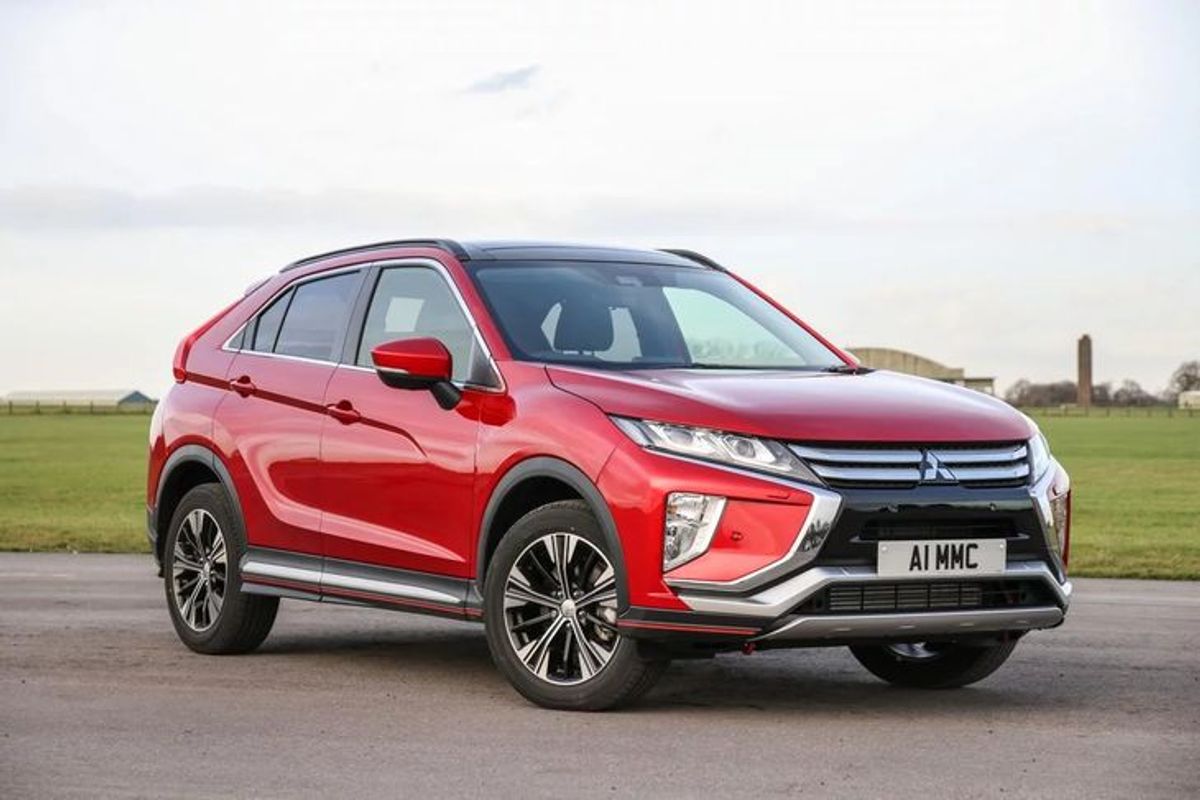
Mitsubishi South Africa has introduced the Eclipse Cross to the local market. Here's how much the newcomer retails for.
"Eclipse Cross, which surpassed the global sales milestone of 80 000 units since its international launch 12 months ago, boasts a coupé-like exterior and is perceived more modern, distinctive, dynamic, advanced and sportier than most of its competitors," says Nic Campbell, General Manager of Mitsubishi Motors South Africa.
The range comprises just 2 models for now and the new Eclipse Cross CVT will be available in 4×2 and all-wheel drive application. Both models feature a 6-speed CVT gearbox with Sports Mode coupled to Mitsubishi's 2.0-litre MIVEC petrol engine. The engine is the proven 2.0-litre naturally-aspirated motor with 110 kW and 198 Nm. Fuel consumption is rated at 7.9 L/100 km and 8.1 L/100 km.
Cabin Features
Head-up display
Tilt and Telescopic Steering Wheel
Multi-function Leather Steering Wheel with Audio and Cruise Control
Bluetooth with Hands-free Voice Control
Paddle Shifts
Electric Windows (front and rear)
Driver Window Auto up/down function
Automatic Air-conditioning with Rear Passenger Vent Duct
Leather Seats
Slide and tilt-adjustable rear seats with 60/40 split
Electric Adjustable Driver Seat and Heated Front Seats
Accessory Sockets and USB Ports
Exterior Features
Electric Adjustable Fold-away Mirrors with Indicator Light
Projector Halogen Headlights with Manual Levelling Device
DRL (Daytime Running Lights)
Dusk Sensing Headlamps
Front Fog Lamps
Headlamp Washer
Rain Sensing Windscreen Wipers
Front and Rear Park Distance Control
Rear Spoiler with High-mounted Stop Lamp
Front Bumper Skid Plate (Silver)
Tailgate Garnish (Chrome)
18" Alloy Wheels
Full-size spare wheel
Roof Rails
Safety Features
The all-new Mitsubishi Eclipse Cross has 7 airbags, including driver and front passenger, side and curtain airbags and a driver knee airbag. There is also ISOFIX Child Seat Anchors, ABS (Anti-lock Braking System), AYC (Active Yaw Control), EBD (Electronic Brake-force Distribution), BAS (Brake Assist System), HAS (Hill Start Assist System), ASTC (Active Stability and Traction Control), EPB (Electric Parking Brake), EPS (Electronic Power Steering), Central Door Locking with Motion Lock, Anti-theft Protection Device, Keyless Operating System and a Rear-View Camera.
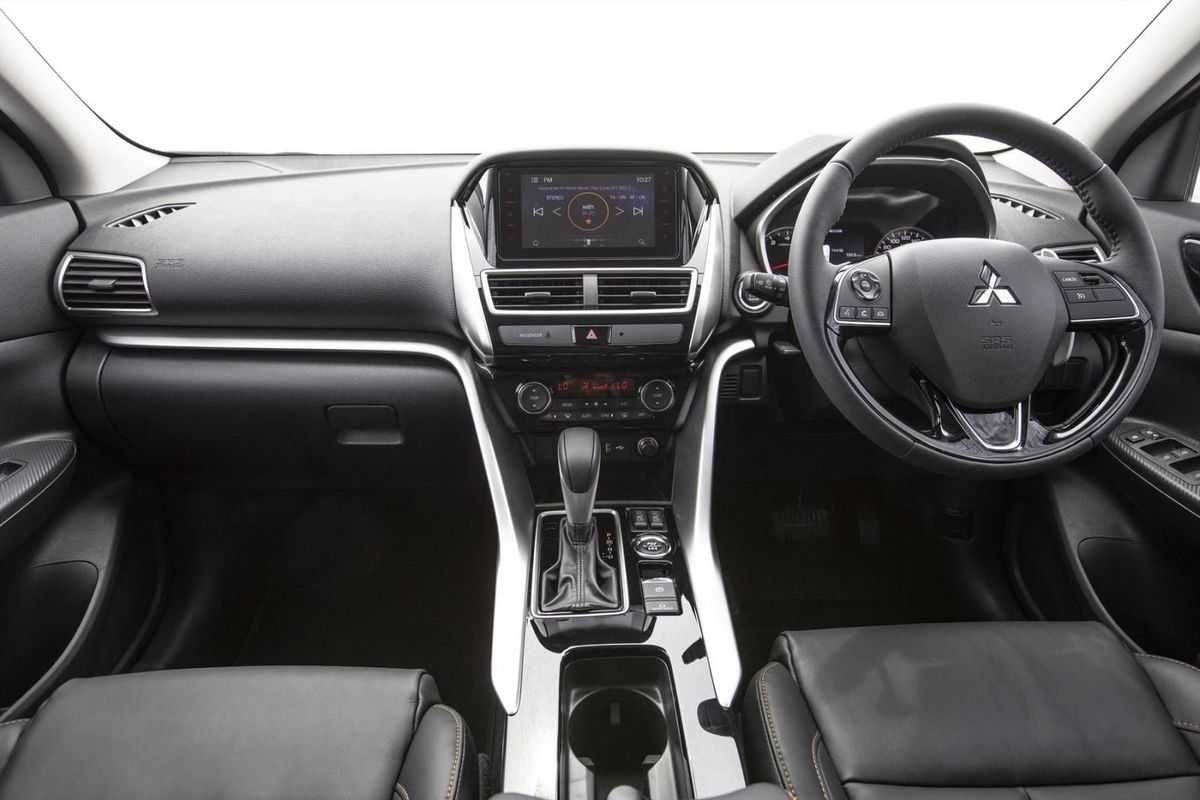
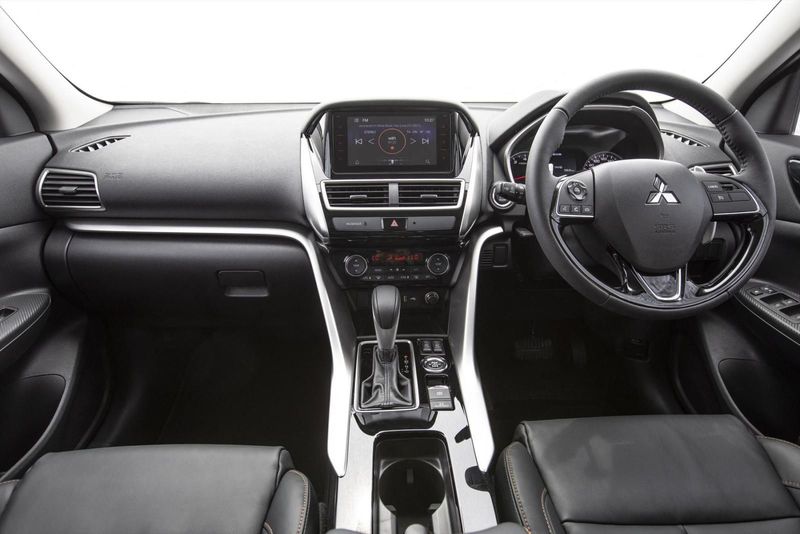
The Mitsubishi Eclipse Cross cabin looks spacious and well appointed
Mitsubishi Eclipse (2019) Price in South Africa
Eclipse Cross 2.0L CVT 4×2 R399 995
Eclipse Cross 2.0L CVT AWD R449 995
Both models are covered by Mitsubishi's Manufacturer's Warranty of 3 years or 100 000km, a 5-year / 90 000 km Service Plan and a 5-year / unlimited mileage Roadside Assistance. Service intervals are every 15 000 km.
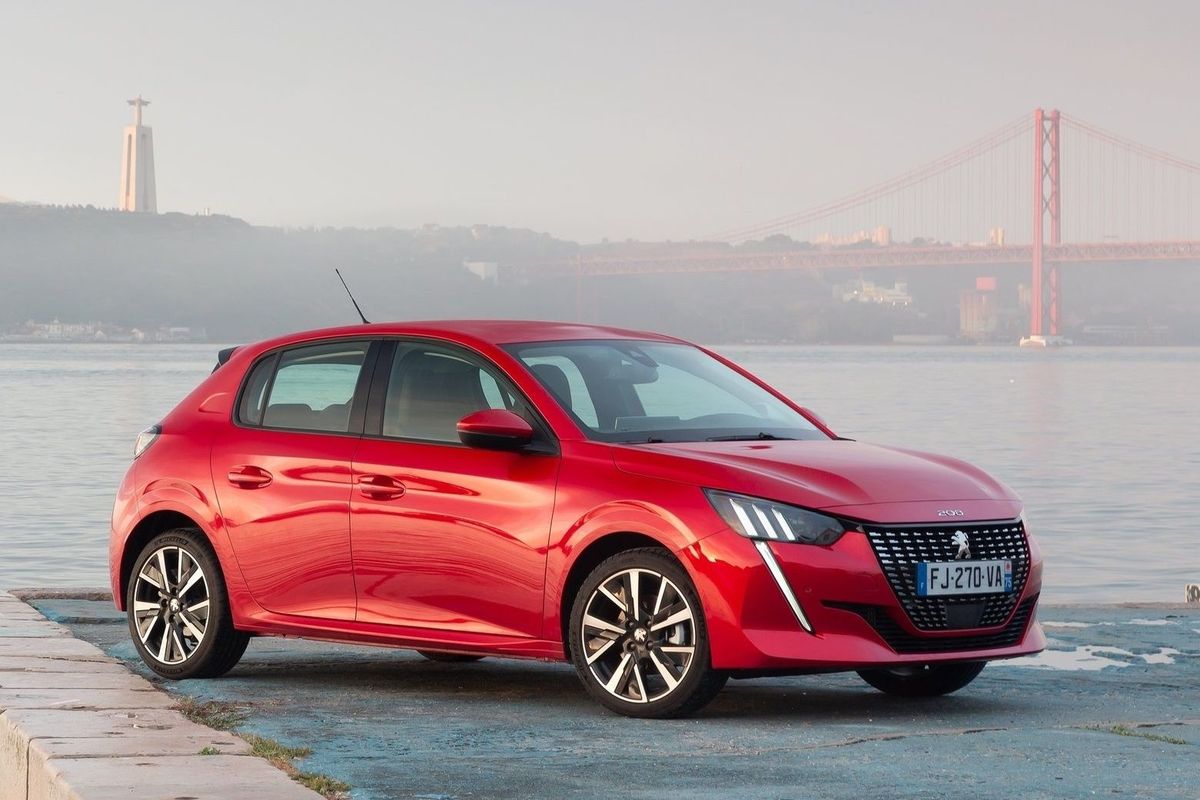
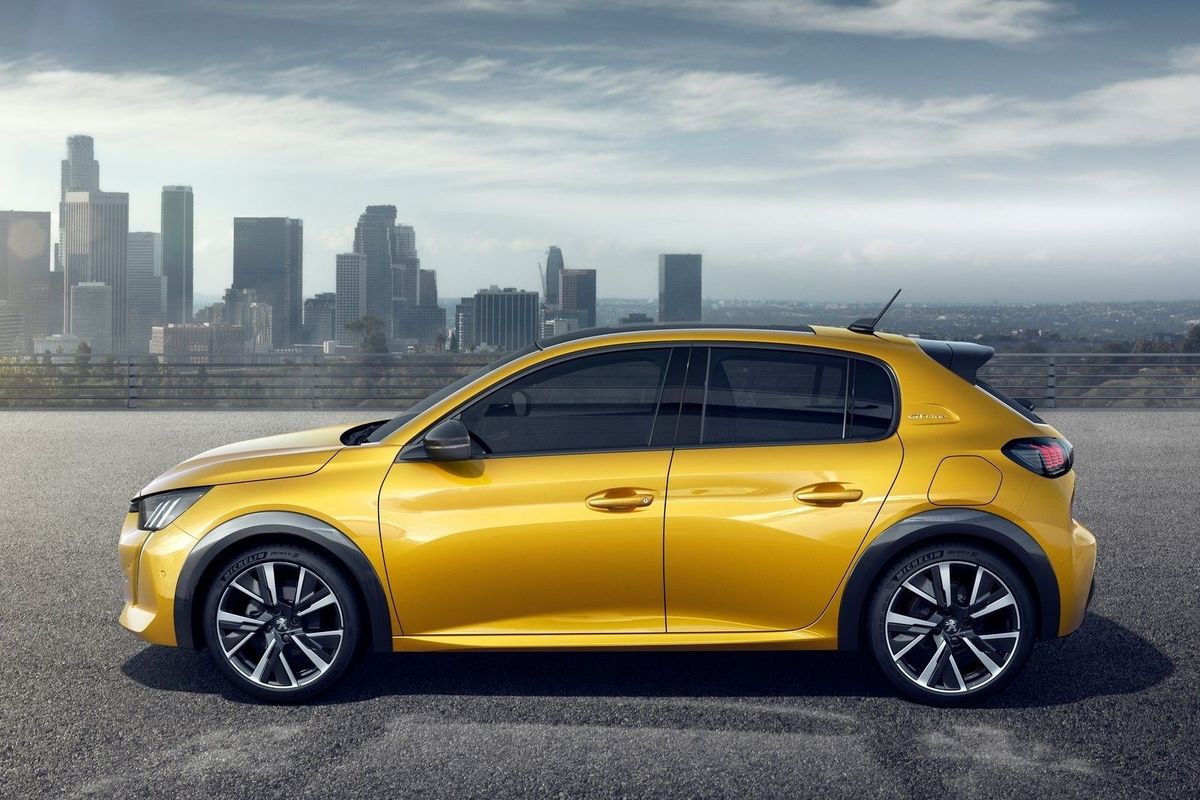
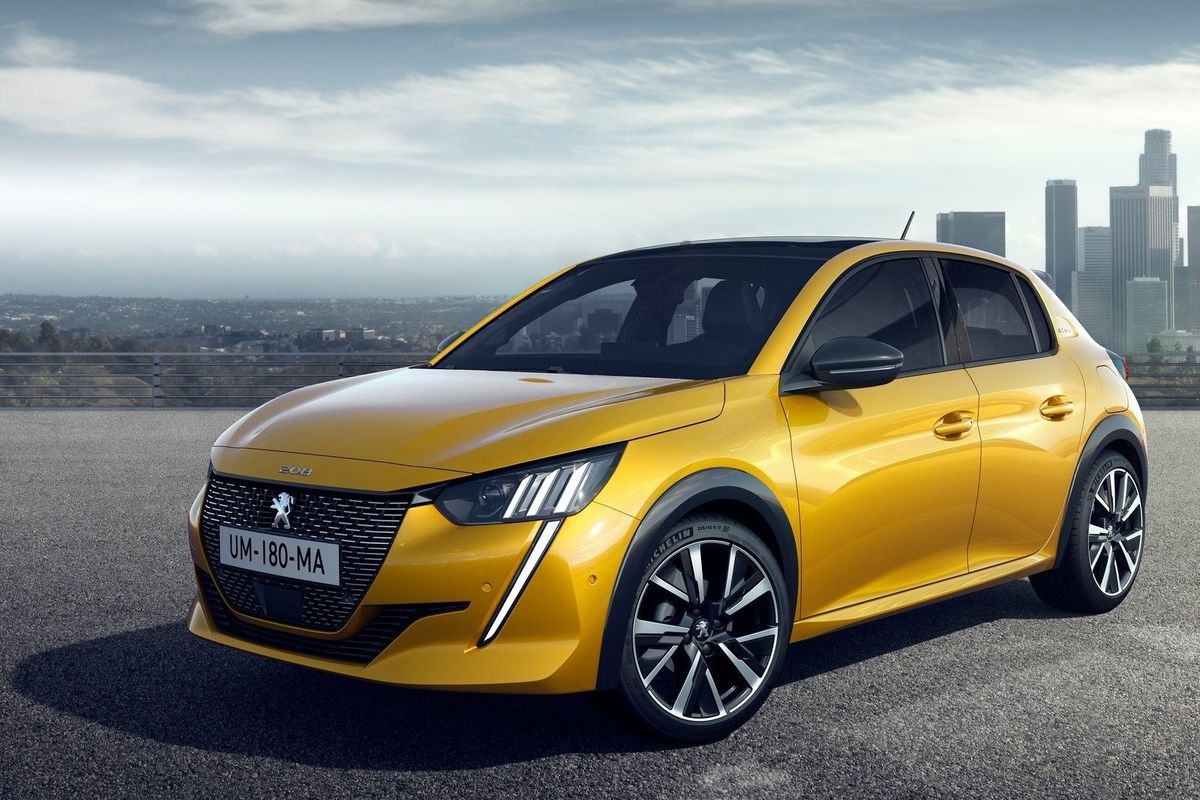
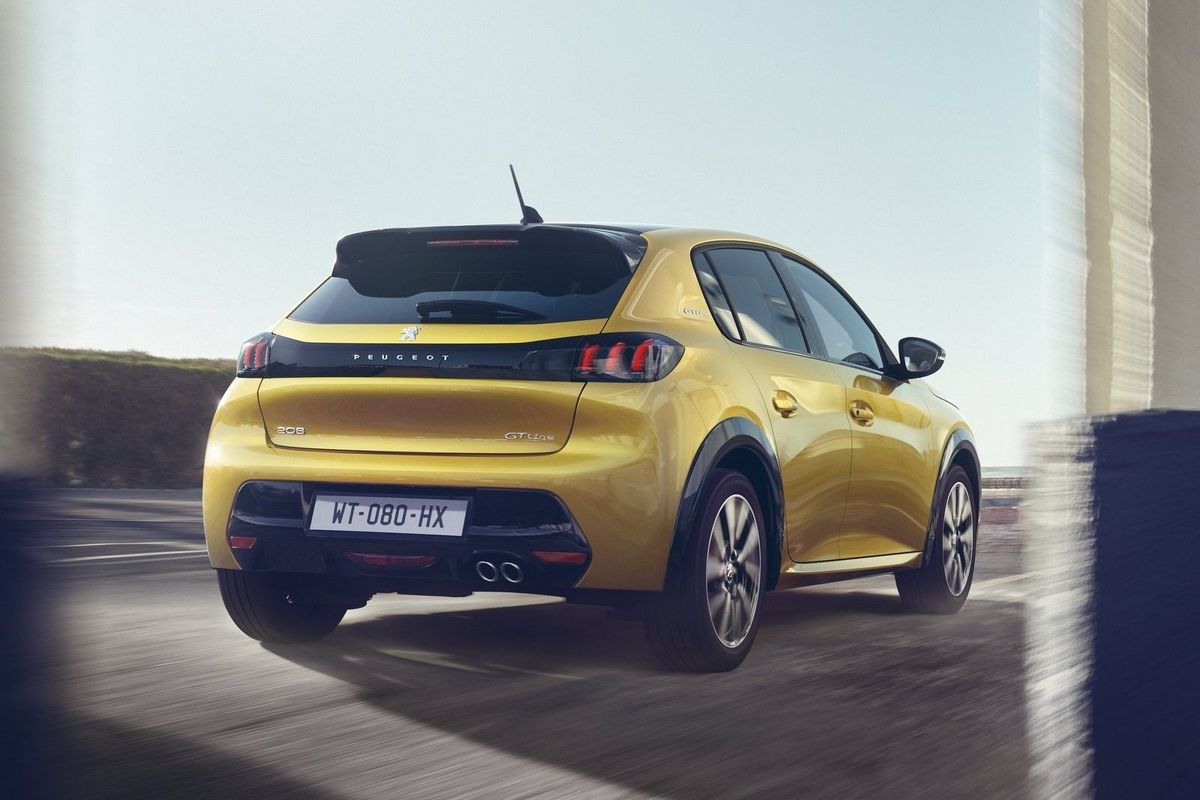
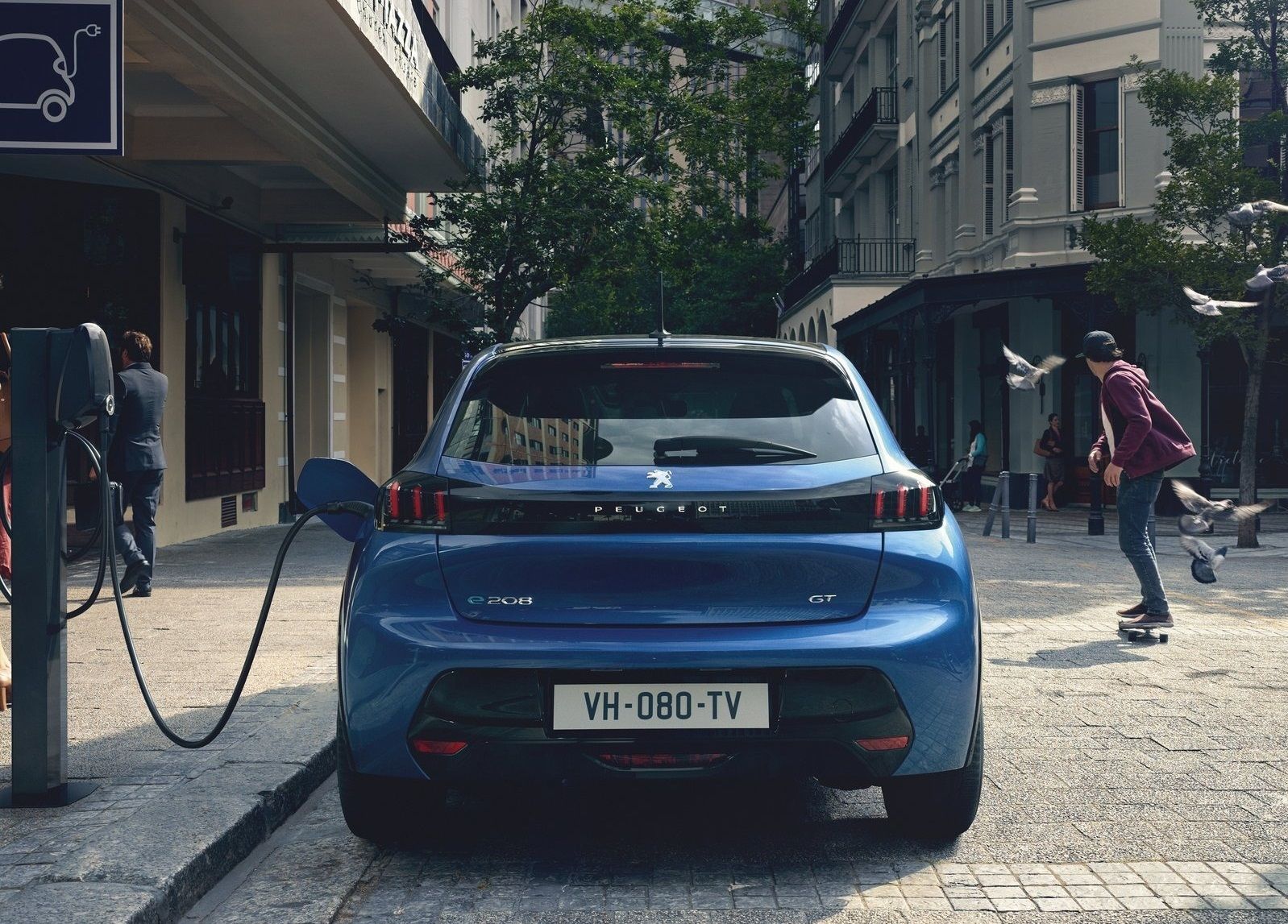
2020 Peugeot 208 Revealed: Now With Electric Power
Peugeot has revealed a second-generation Polo rival head of its Geneva auto show debut.
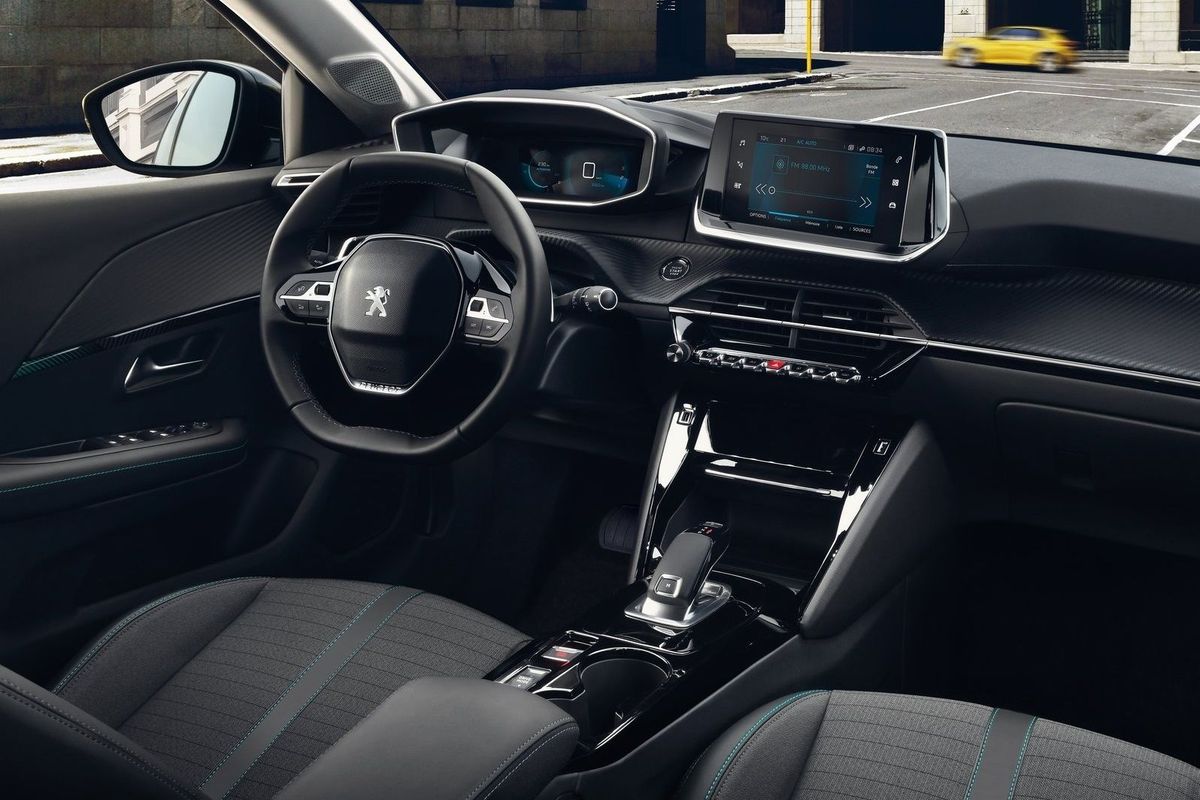
Riding on a new platform, which lighter than the previous car’s structure and also provides better rigidity and superior acoustics, the new 208 supermini features a striking design. Stylists have been particularly daring with 208’s redesign and the nose shows-off an intricate grille design and LED ‘dagger’ which runs from the headlights deep into the front bumper. Inside the 208 there is Peugeot’s stacked dashboard configuration, with a standard 7-inch touchscreen – upgradeable to 10-inches.
Beyond the 208’s bold appearance, Peugeot have committed to engineering a compact hatchback which should prove rewarding to drive. The new platform is 30kg lighter and powered by a range of four engine options. Three output grades of Peugeot’s 1.2-litre three-cylinder petrol engine will be on offer (56-, 75- and 97kW), with the most powerful turbocharged engine driving the front wheels through an eight-speed automatic transmission.
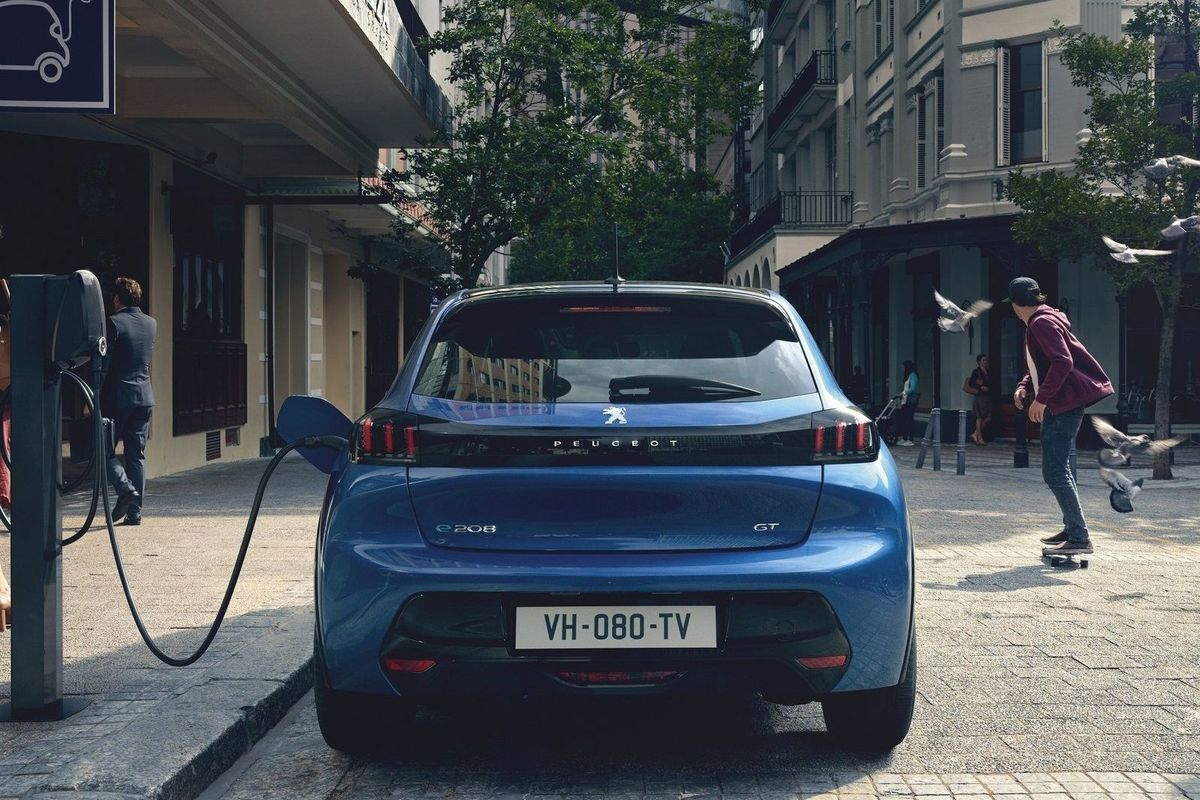
The entry-level 56kW engine is unboosted and shifts gear via a five-speed manual, whilst the mid-grade 75kW option offers both six-speed manual or eight-speed automatic shifting. A sole alternative fuel engine will be available too, a 75kW 1.5-litre turbodiesel. Peugeot is marketing electrification strongly in its new supermini product strategy, with the range debuting an e-208. Powered by a 100kW electric motor, sourcing its energy flow from a 50kWh battery pack, Peugeot claims the e-208 will be good for 340km of range. With 260Nm of torque, it should be effortlessly quick at lower speeds, too.
Wired for 100kWh recharging capacity, it should regenerate 80% battery capacity within only 30 minutes from a rapid recharger. Peugeot is also guaranteeing that its e-208’s battery pack will retain a recharging capacity of 70% energy density after eight years of 160 000km of use, assuaging doubts about battery life for potential electric car owners.
Peugeot has unveiled an electric-only derivative of its all-new 208 hatchback
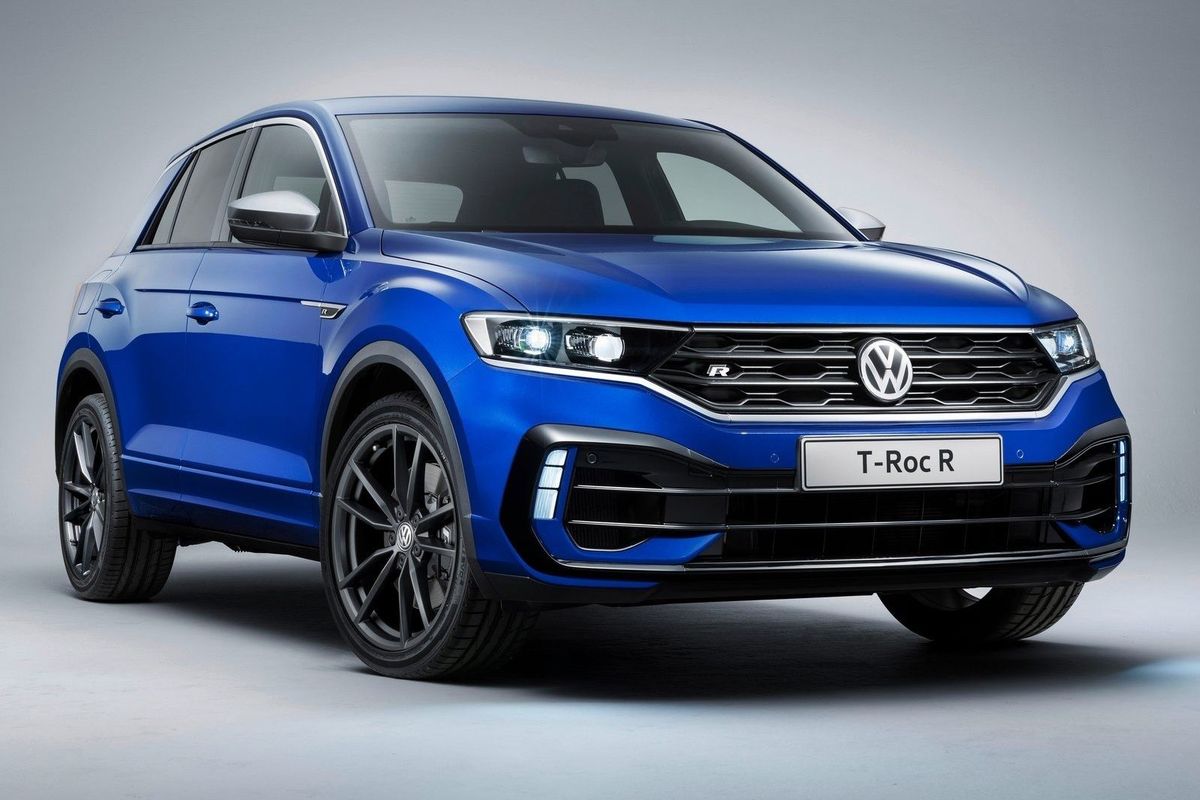
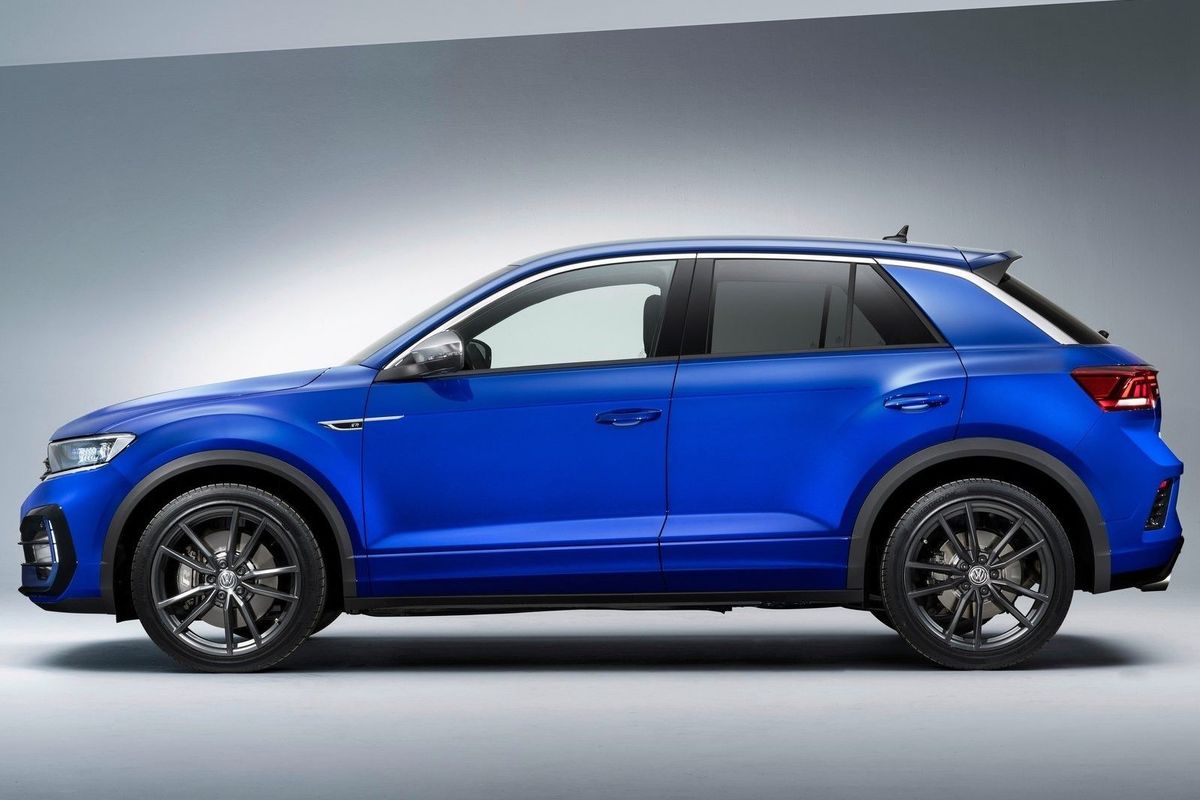
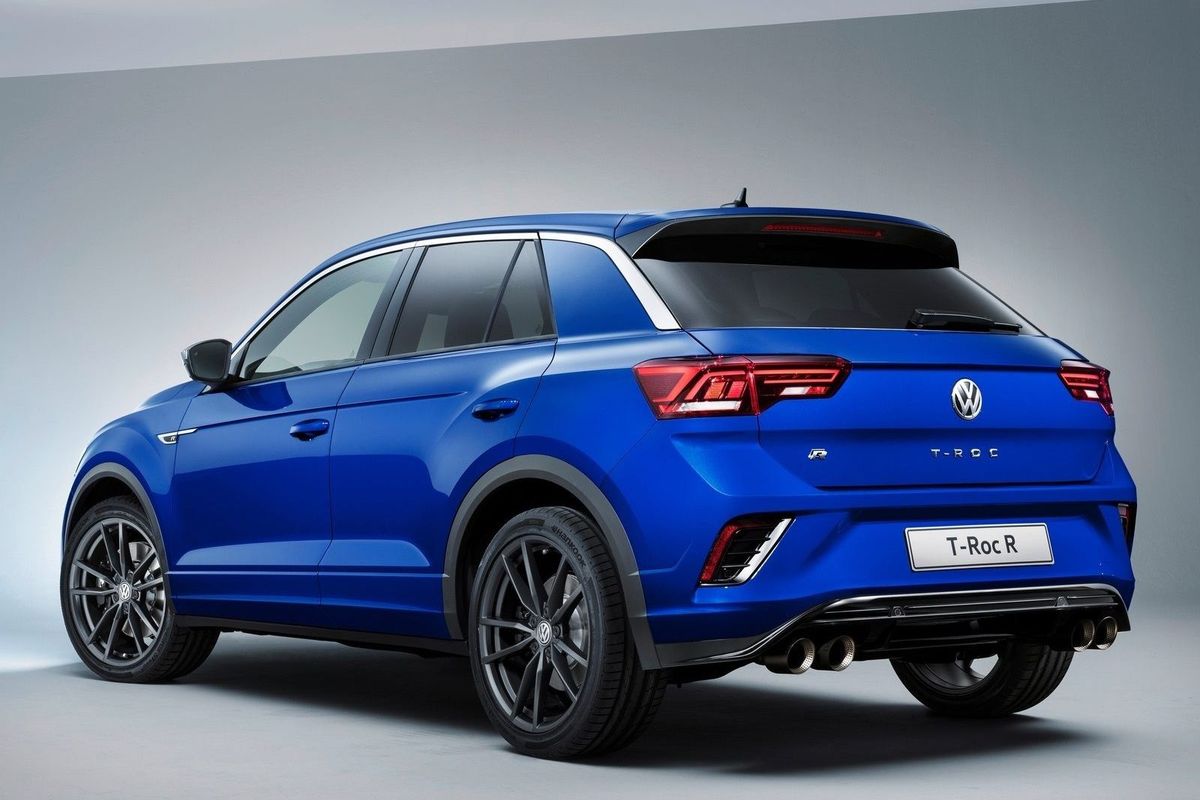
Volkswagen T-Roc R: Wolfsburg’s First Performance SUV
Ahead of its launch at the 2019 Geneva Auto Show, Volkswagen has released official info and photos of its all-new T-Roc R, the brand's first performance SUV. Herewith the details.
From the official teaser video we saw that the Volkswagen T-Roc R was set to be powered by a Golf R engine. Now we have the official specifications and performance details. It's a 2.0-litre turbocharged 4-cylinder petrol engine which produces 221 kW and 400 Nm. Power goes to all 4 wheels via a 4Motion setup and a 7-speed DSG dual-clutch gearbox.
Performance is brisk. With a 0-100 kph claimed time of 4.9 seconds and an electronically limited top speed of 250 kph, the new Volkswagen T-Roc R is going to be one fast SUV. Based on an existing Volkswagen T-Roc, the R features sports running gear with lowered suspension for improved handling. The steering has been revised for an agile driving behaviour, while the brakes have been transplanted straight from a Golf R. There some driving modes too, including a special rade mode and just for good measure, Volkswagen has fitted its T-Roc R with launch control.
The new Volkswagen T-Roc R was finetuned at the Nurburgring by Volkswagen's R division and some of the development assistance came from racing driver expertise of WRX World Champion Petter Solberg
At this stage, the Volkswagen T-Roc is not yet available in SA, but as soon as we have more information, we'll let you know. For now, all we can do is just dream of driving the new Volkswagen T-Roc R.
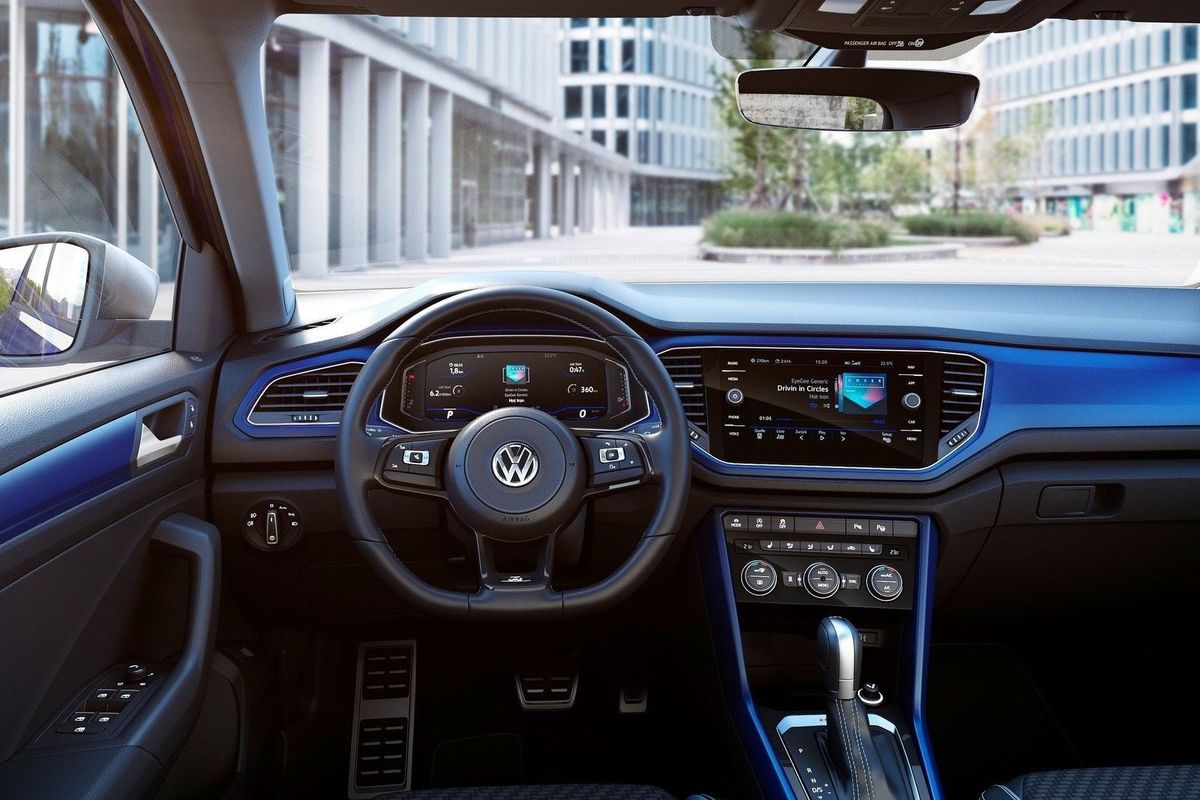
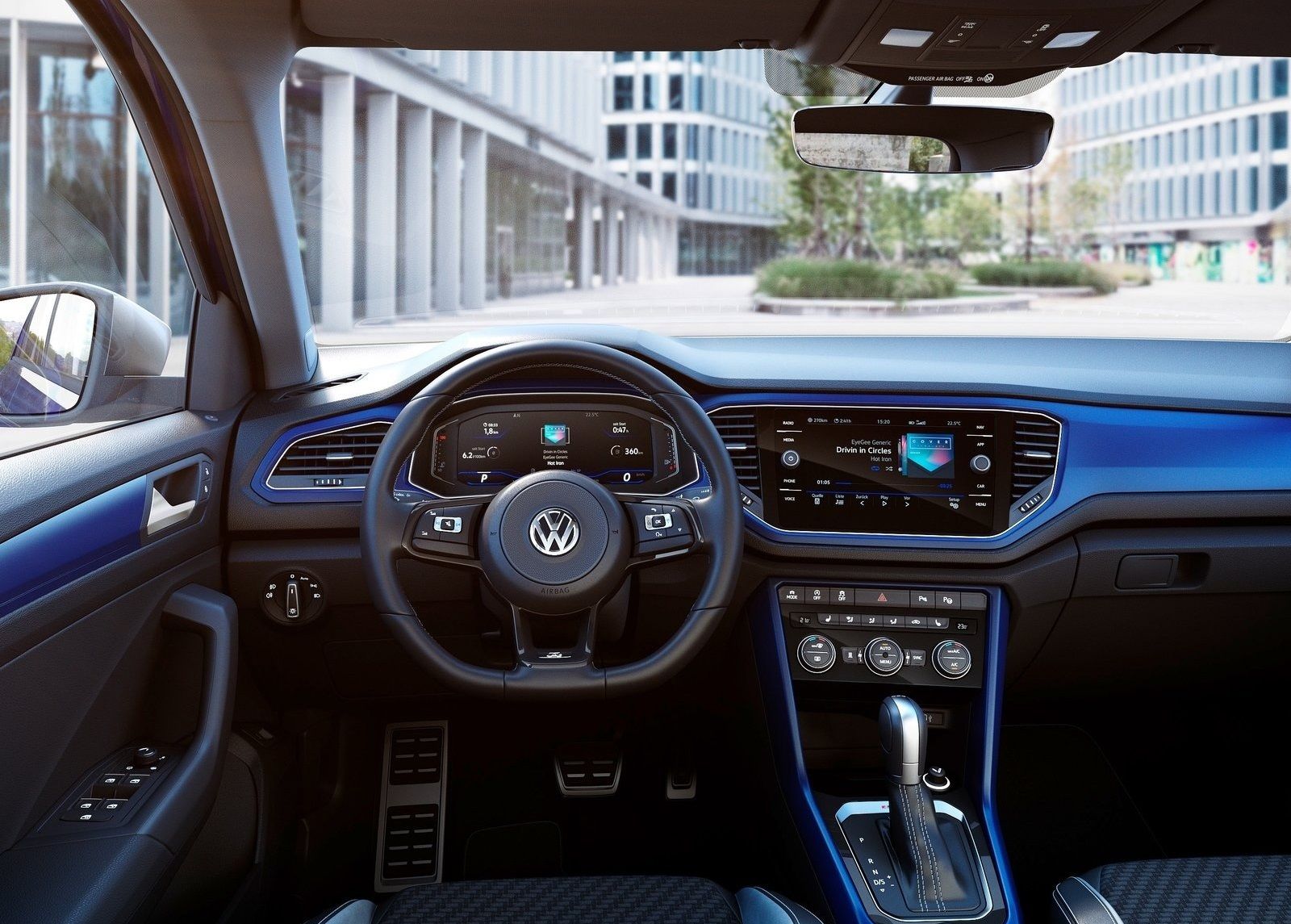
The cabin of the Volkswagen T-Roc R has a sporty theme and is well appointed.
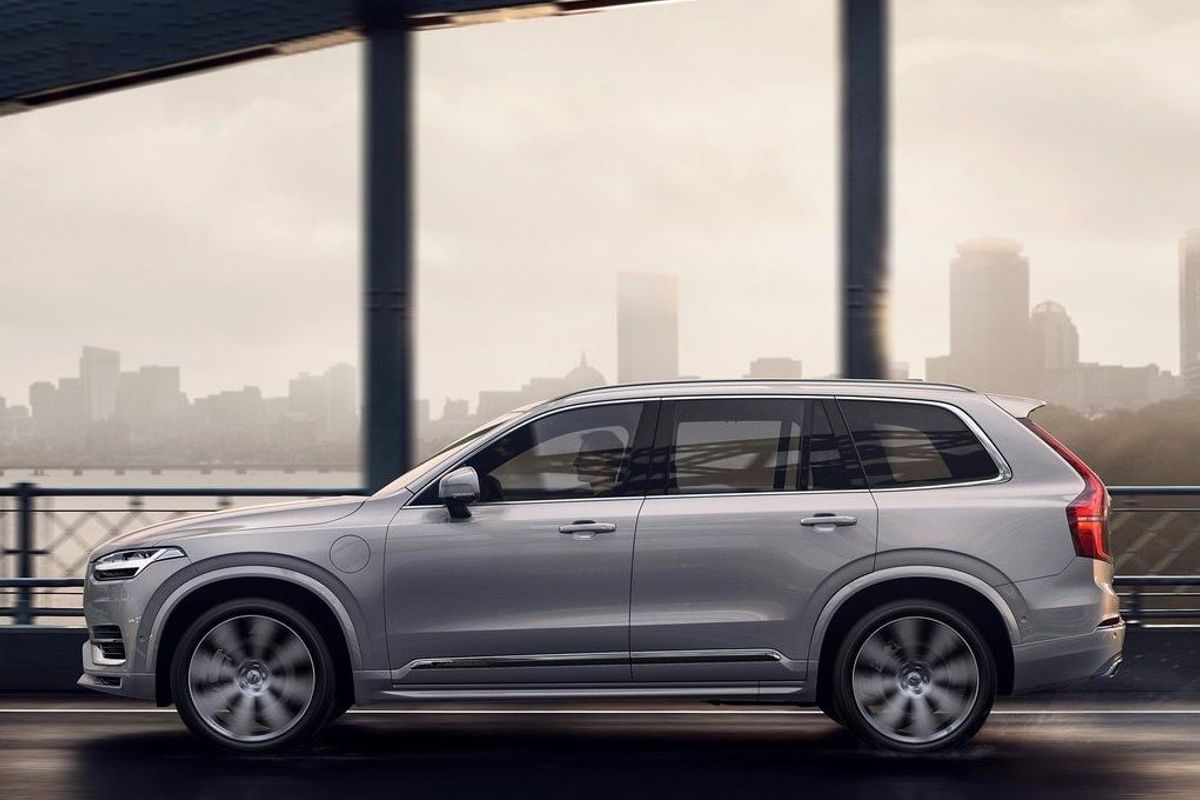
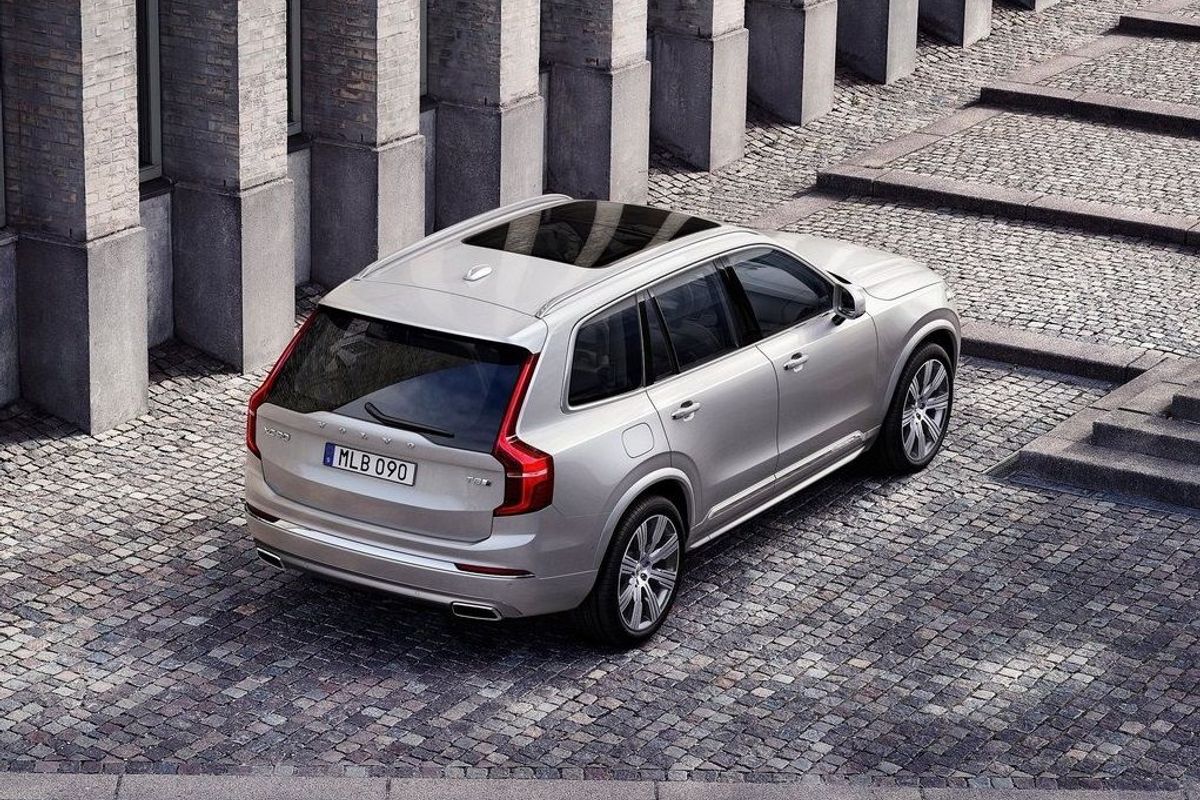
Volvo’s flagship SUV, the XC90, has been facelifted. Herewith the details.
The Volvo XC90 has proven to be popular and it has scooped multiple award wins in the Premium SUV category of the Cars.co.za Consumer Awards – powered by WesBank. Now, the XC90 has received a facelift which has been confirmed to arrive in South Africa in the second half of 2019.
The XC90 will, for the first time, be equipped with Volvo’s kinetic energy recovery braking system which will be coupled to the existing engines and will carry the ‘B’ badge. Volvo says that the new electrified powertrain will contribute to fuel savings of up to 15% while also reducing emissions. The introduction of ‘B’-badged forms part of Volvo’s electrification strategy and will complement the existing T8 Twin Engine plug-in hybrid offering.
In terms of design, the XC90 now wears a revised grille along with new wheel designs and will be offered with new exterior colours. As far as the interior goes, buyers will now be able to order the XC90 with a variety of seating configurations including 4-seats, 7 seats and a new 6-seat configuration.
In terms of safety, the XC90 excels by offering steering assistance for both the City Safety and Blind Spot Information systems. City Safety with Autobrake is able to recognise pedestrians, cyclists and large animals. The latest XC90 is now also fitted Oncoming Lane Mitigation, which was first introduced in the XC60 and the Cross Traffic Alert is now coupled with an auto-braking function.
The updated Sensus infotainment system now offers both Apple CarPlay and Android Auto as well as Spotify music streaming.
Production of the facelifted Volvo XC90 will begin in May 2019 at the Torslanda Plant in Sweden. Volvo South Africa confirmed the facelifted XC90 will be arriving in the second half of 2019.
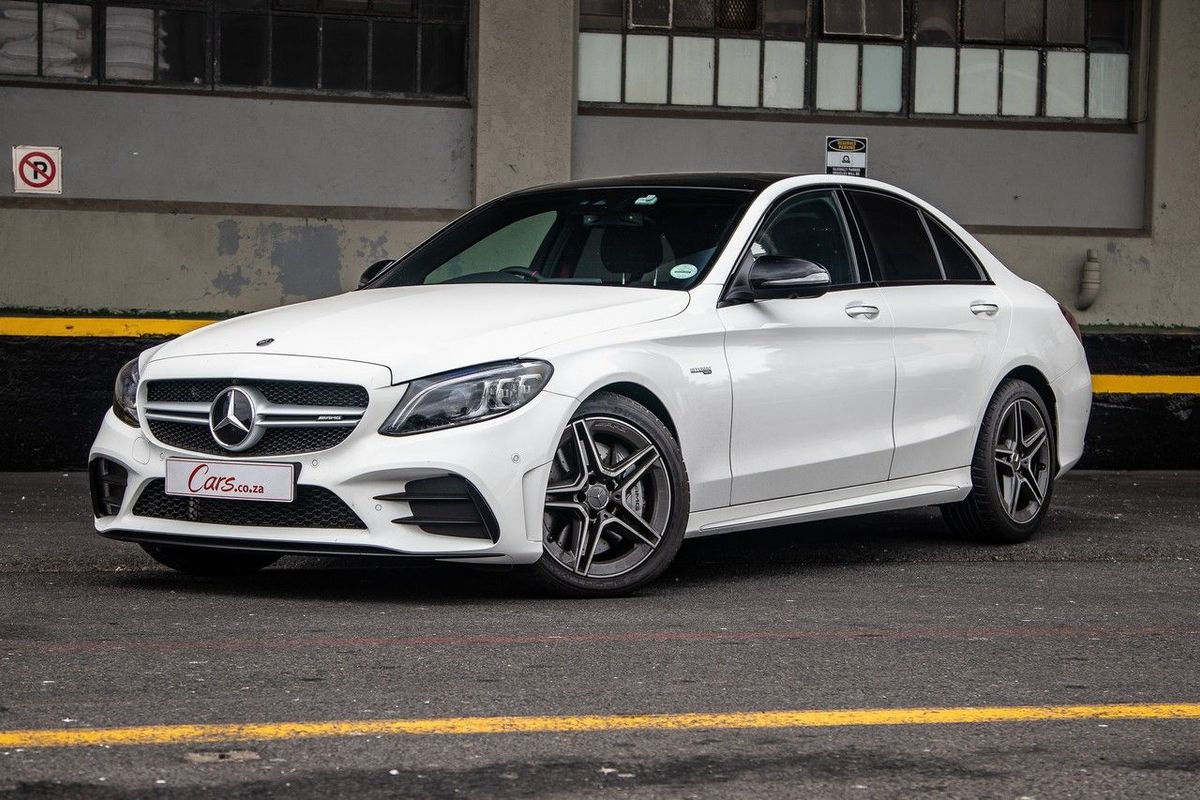
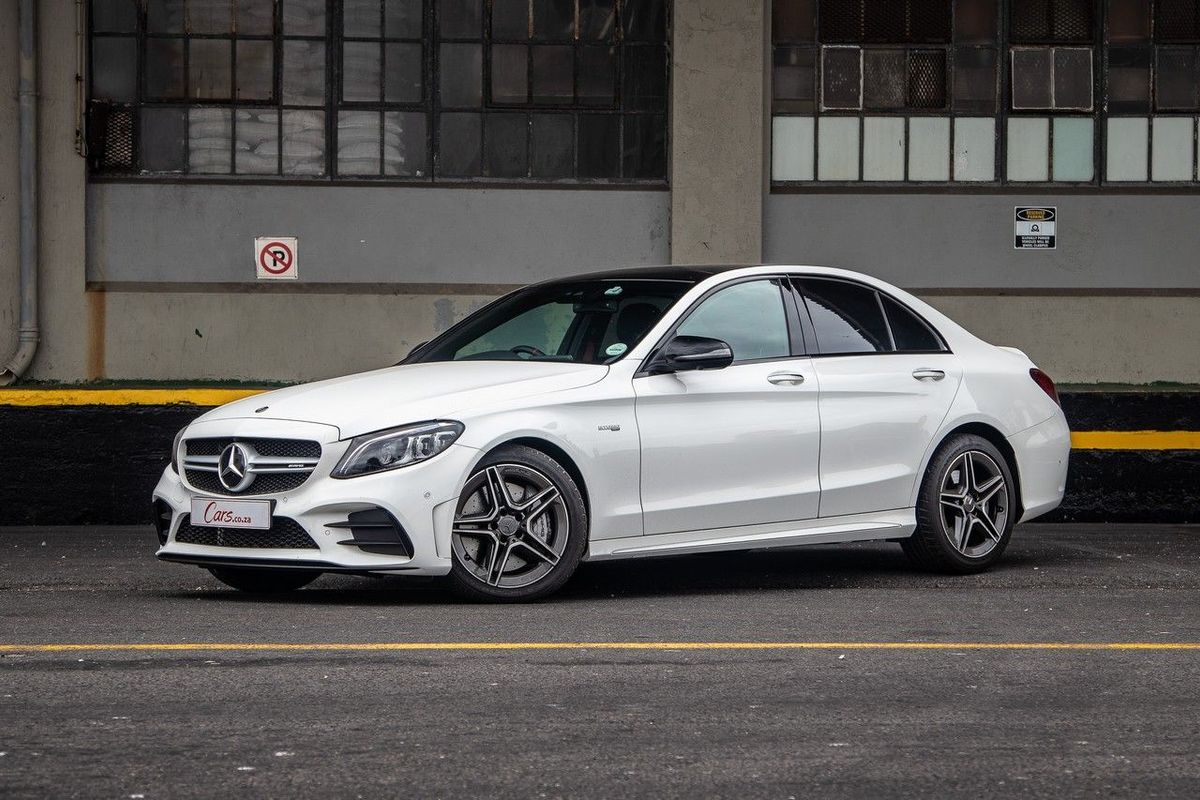
The rear-wheel-drive C63 S, with its raucous 4.0-litre V8, is the most desirable C-Class AMG. However, given its lofty price tag and lairiness, it's out of reach for many and can be intimidating to drive. The (recently facelifted) Mercedes-AMG C43 4Matic, however, offers much of its big brother's performance at a lower price… Should you consider it?
We like: Fearsome soundtrack, upmarket interior, intense acceleration, adaptability and tech
We don't like: Thirsty when pushed, no launch control, some iffy build quality issues
Fast Facts
Price: R1 007 365 (February 2019, without options)
Some Mercedes-Benz dealers regularly offer specials: Have look here.
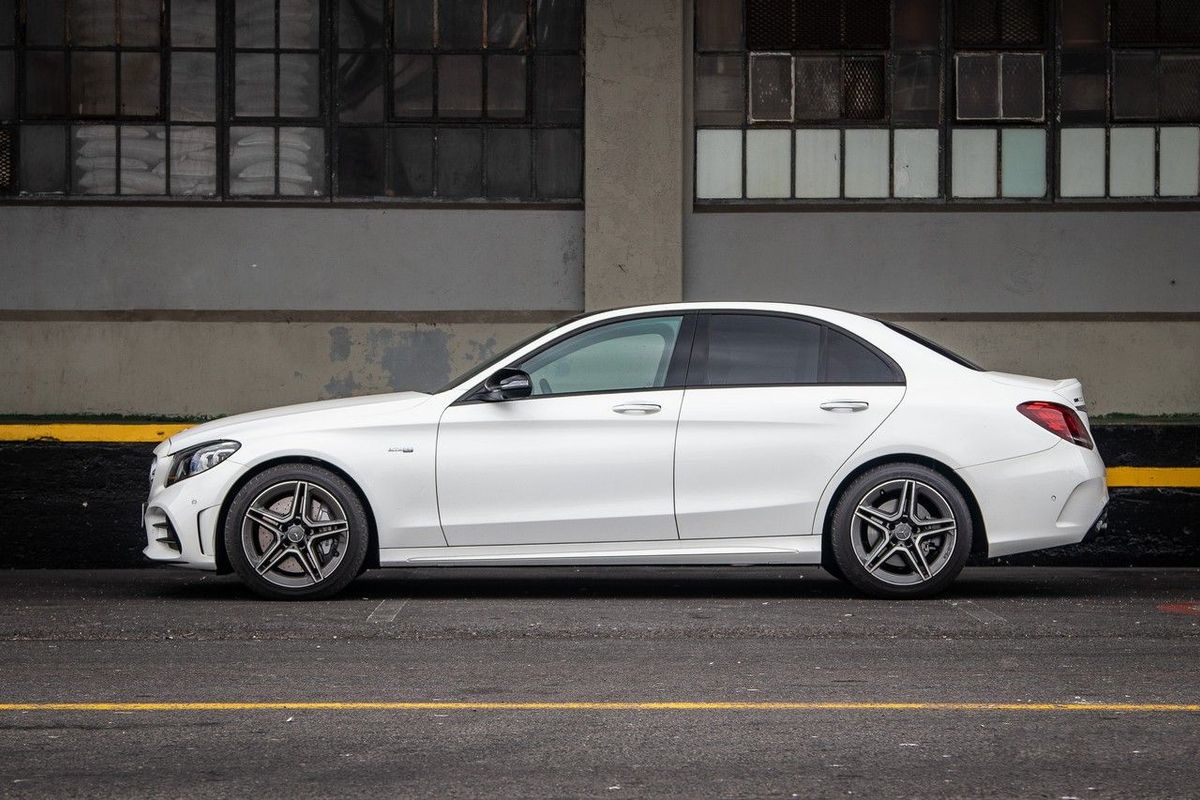
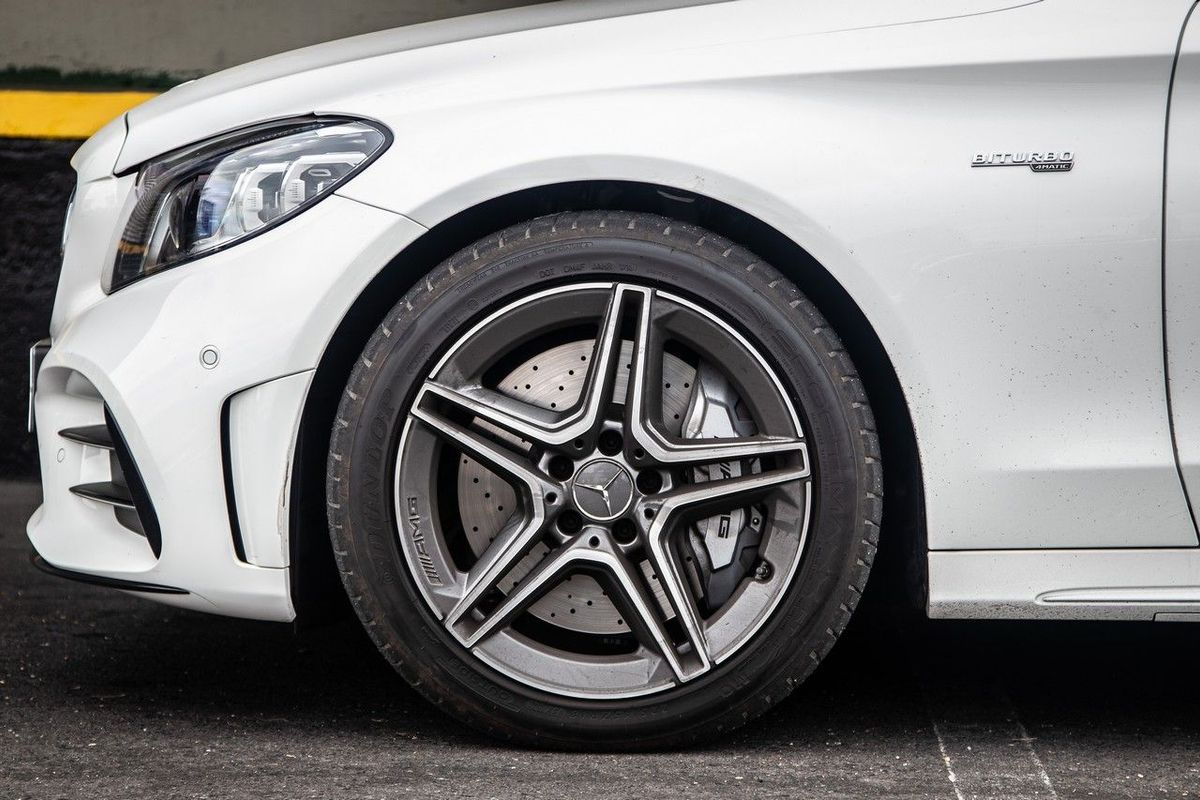
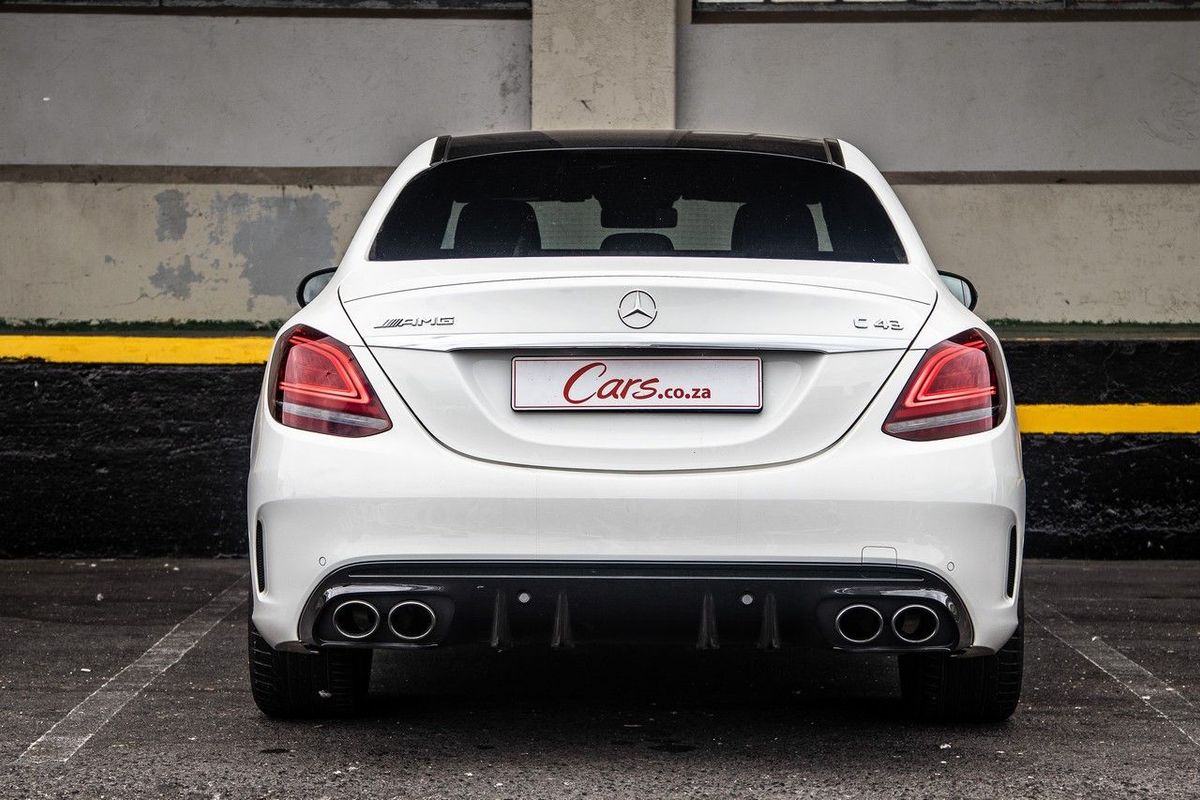
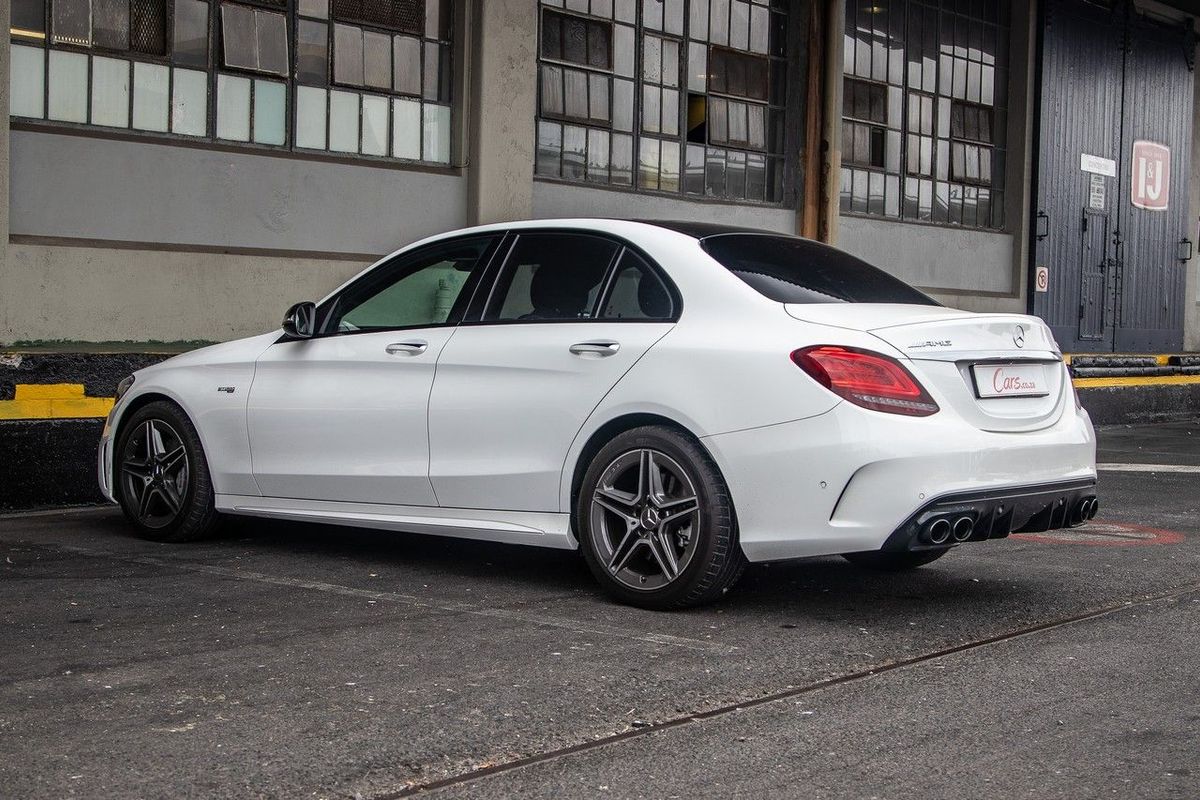
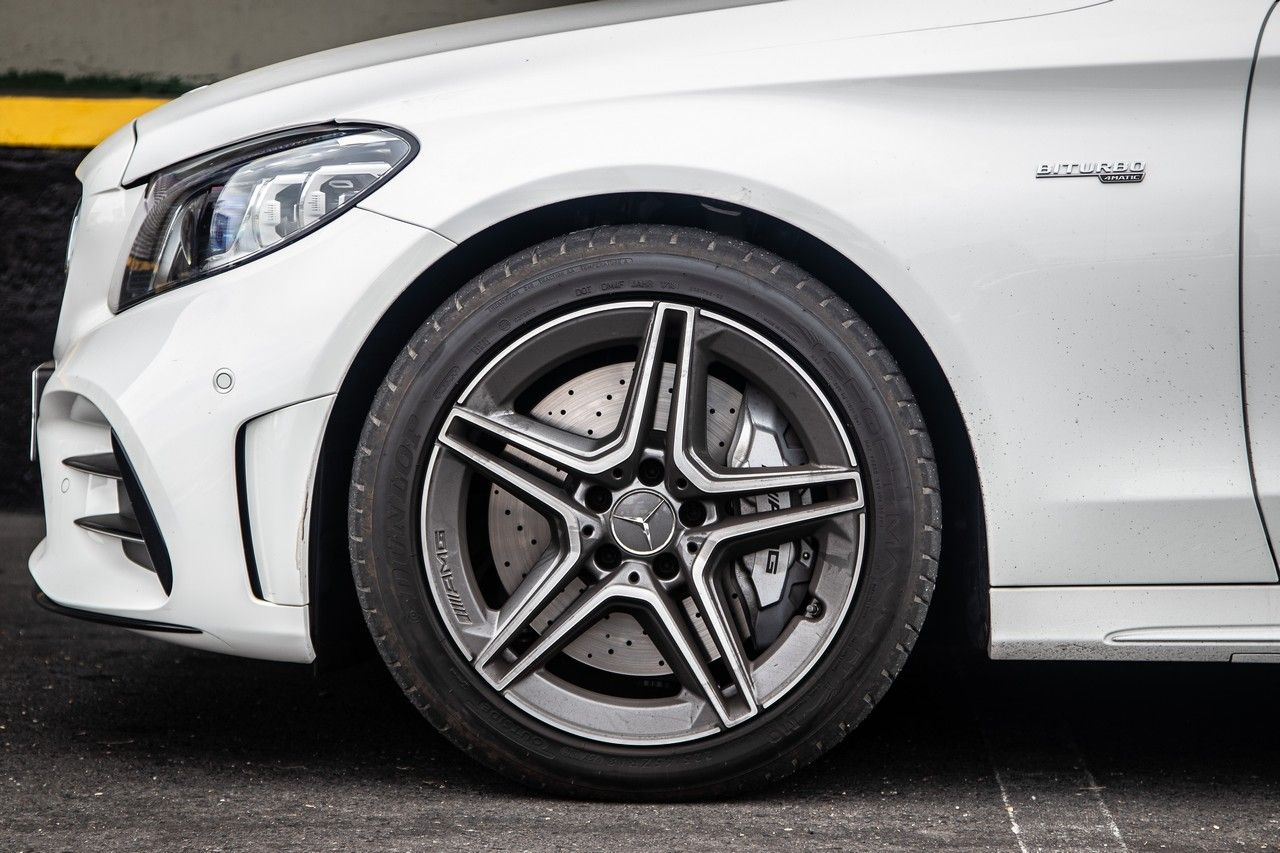
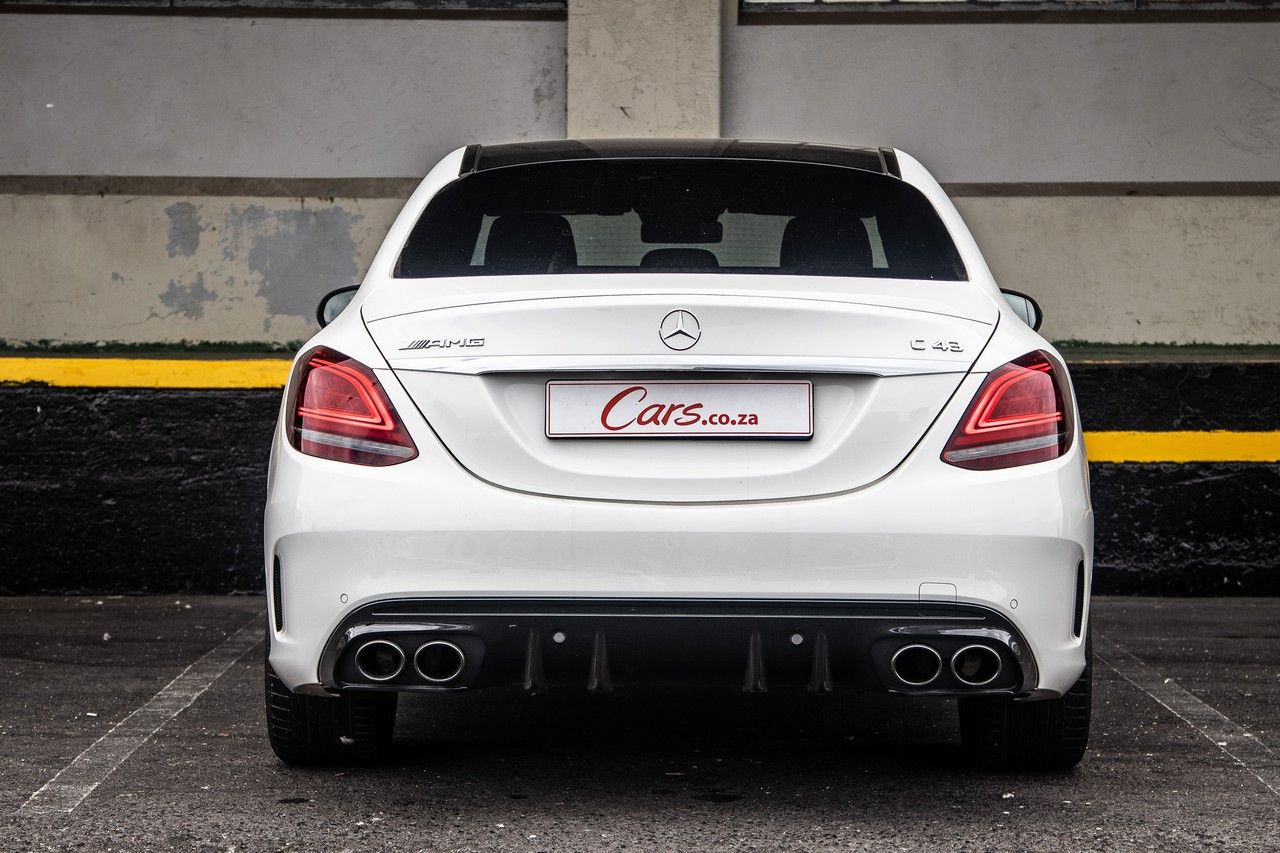
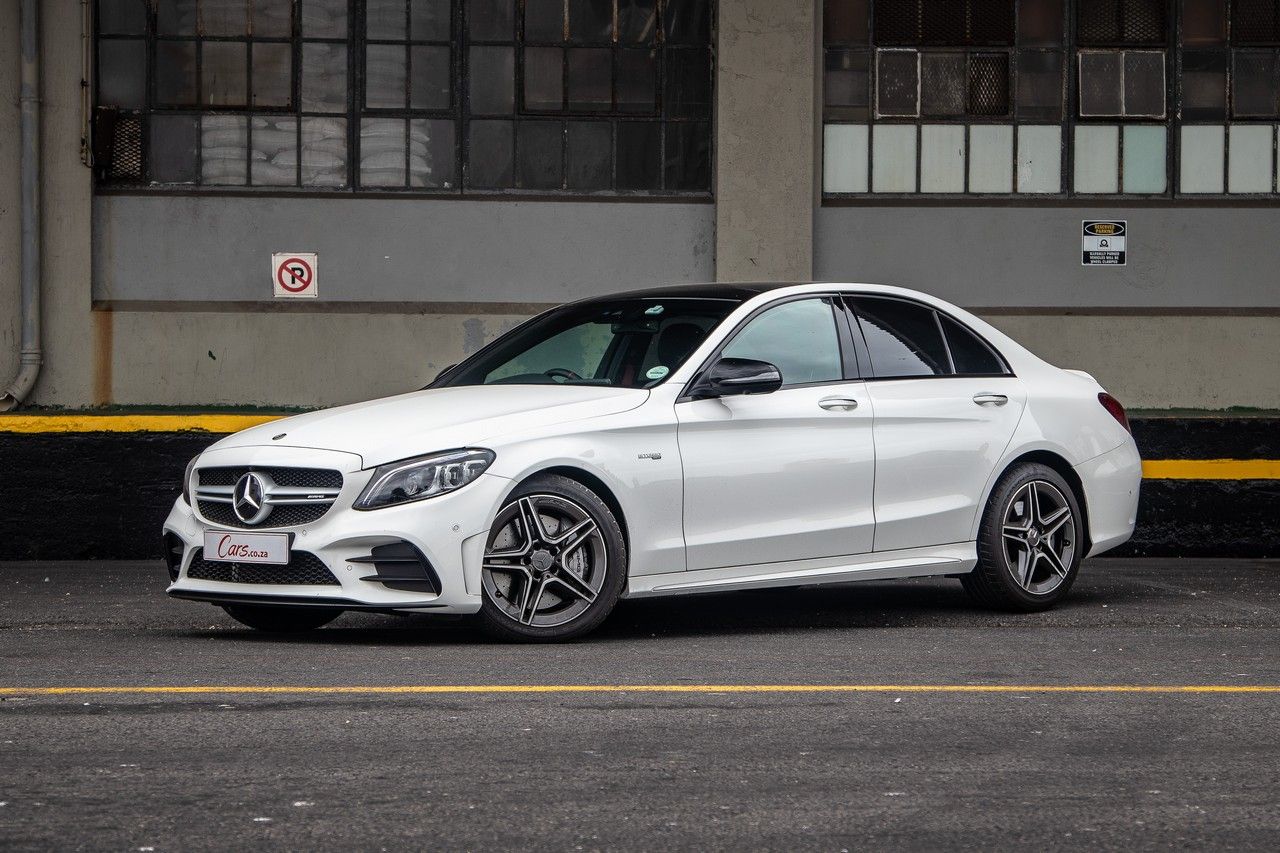
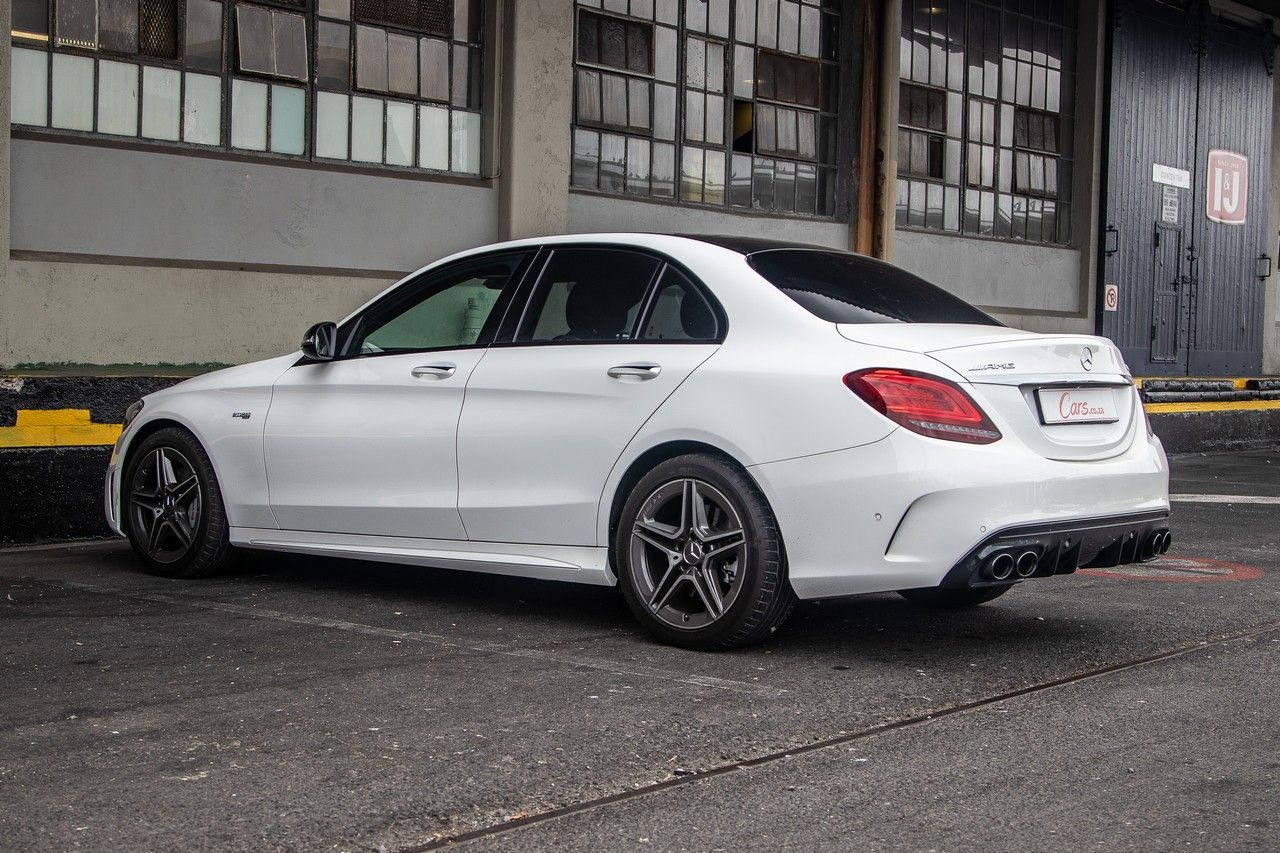
There's something wonderfully discreet about the C43 4Matic. The only giveaways are the subtle badges, quad exhausts and drilled brakes.
Where does it fit in?
The C43 story is an interesting one. For many years, Audi, BMW and Mercedes-Benz (plus one or two others) each had 1 halo derivative per model range (most of them), each of which flew the flag for their respective brands' performance divisions (RS, M and AMG). As time has progressed, the chasm between the flagship performance derivative and the top-spec conventional-range offering grew immensely. Consider Mercedes-Benz as a case in point. The gap between C300 and C63 S is huge, both in terms of performance and price. A business case for bridging the gap can easily be made and thus the C43 was born. The 43 nomenclature is not new, however: it was first seen back in the 90s with the V8-powered W202 C43.
Redesigned C43 exhausts deliver a magnificent V6 soundtrack
What's good about it?
New-look interior
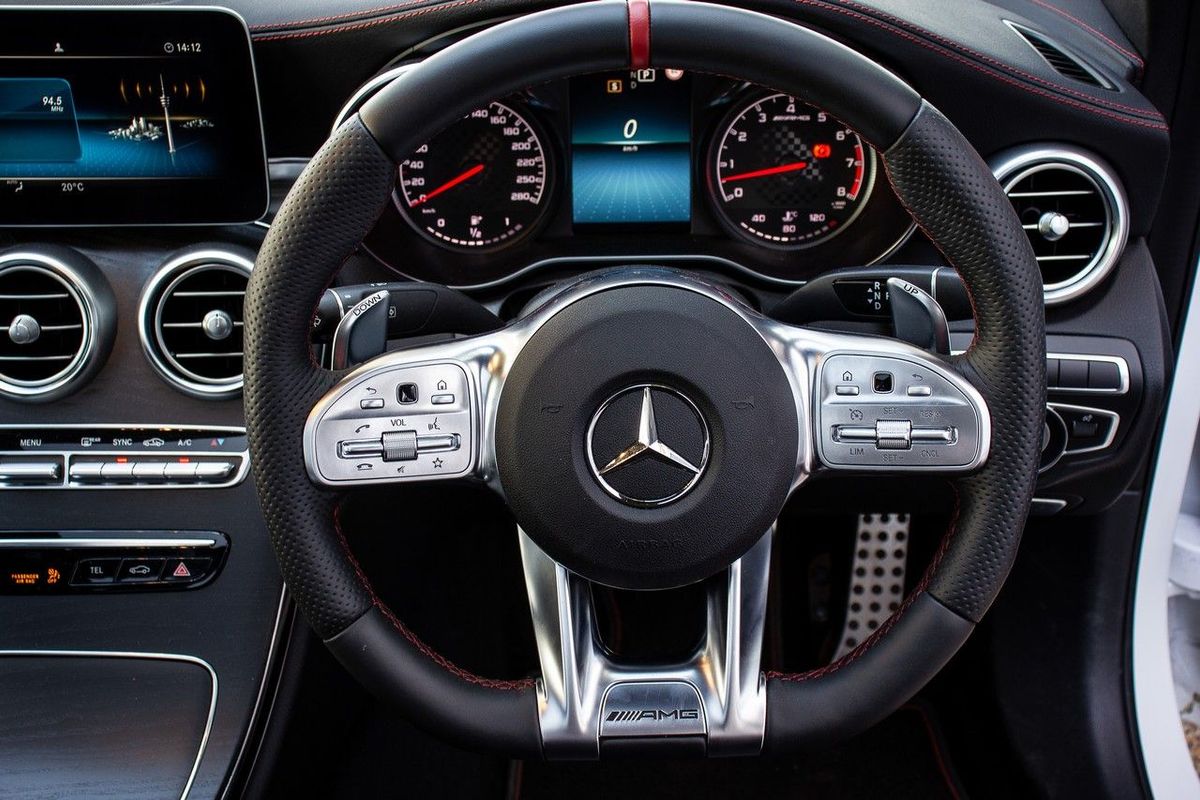
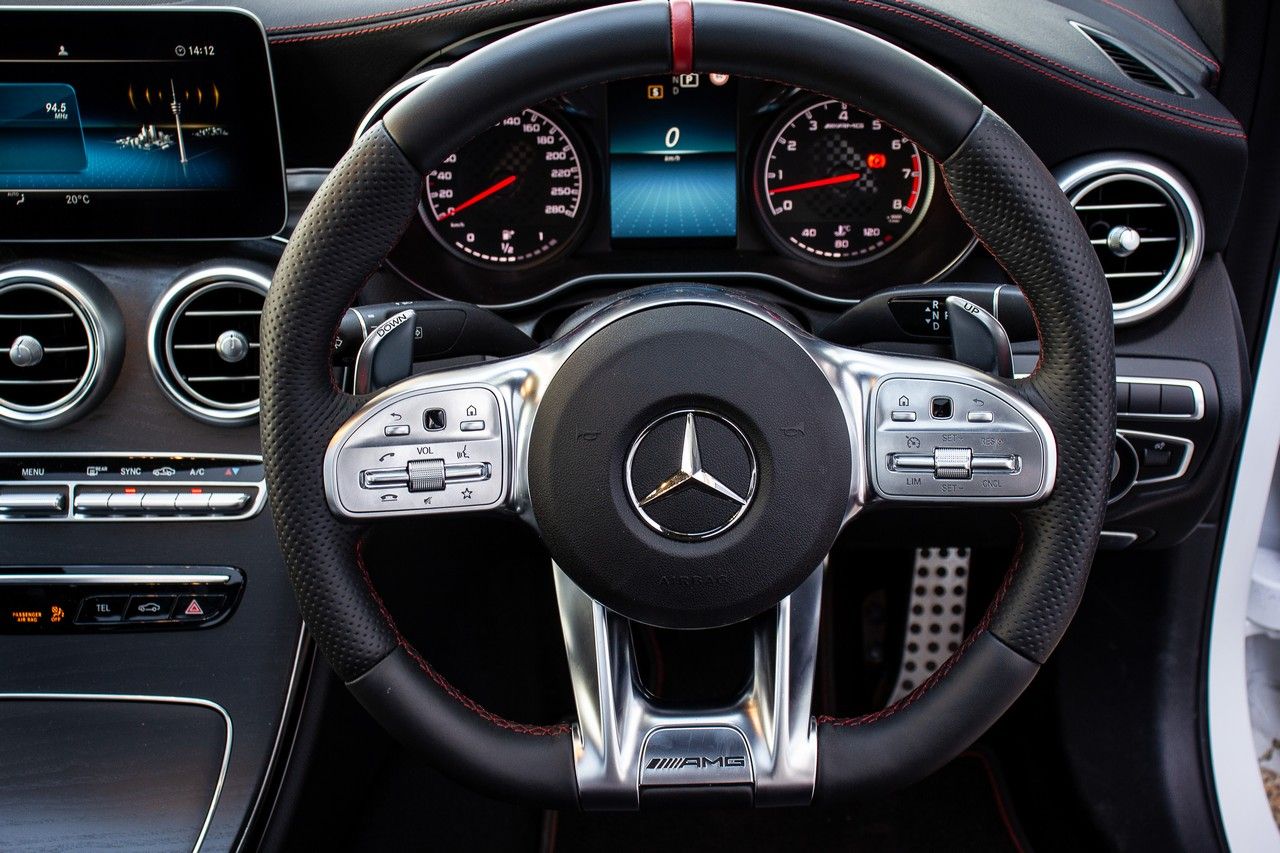
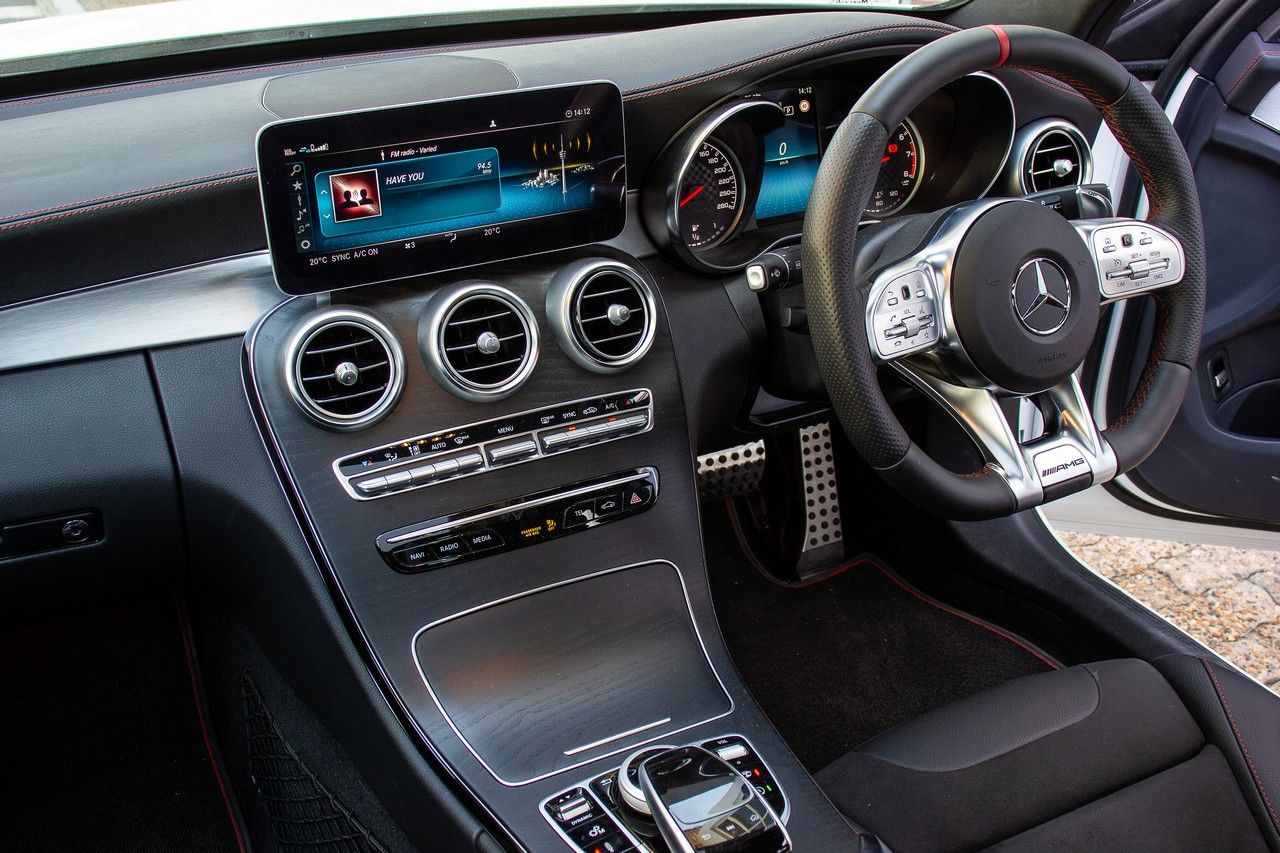
The stylish and upmarket steering wheel is a joy to wield and really heightens the cabin's sportiness.
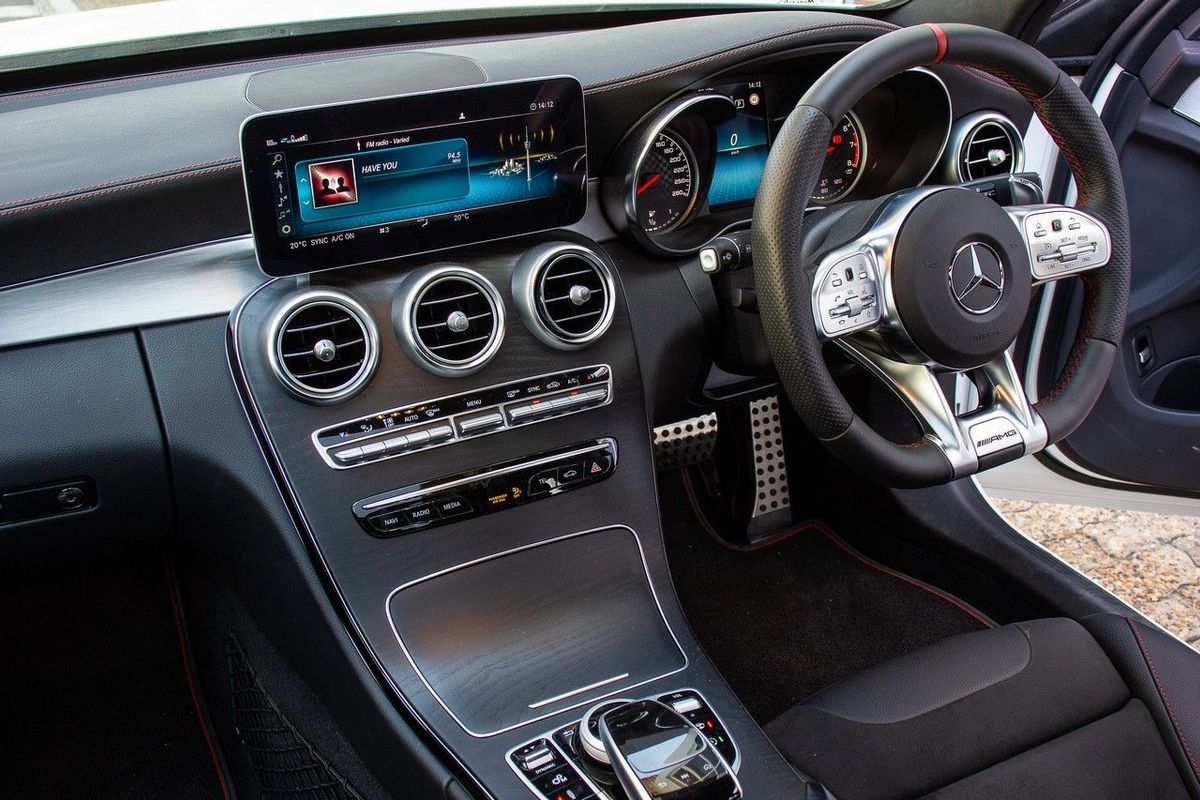
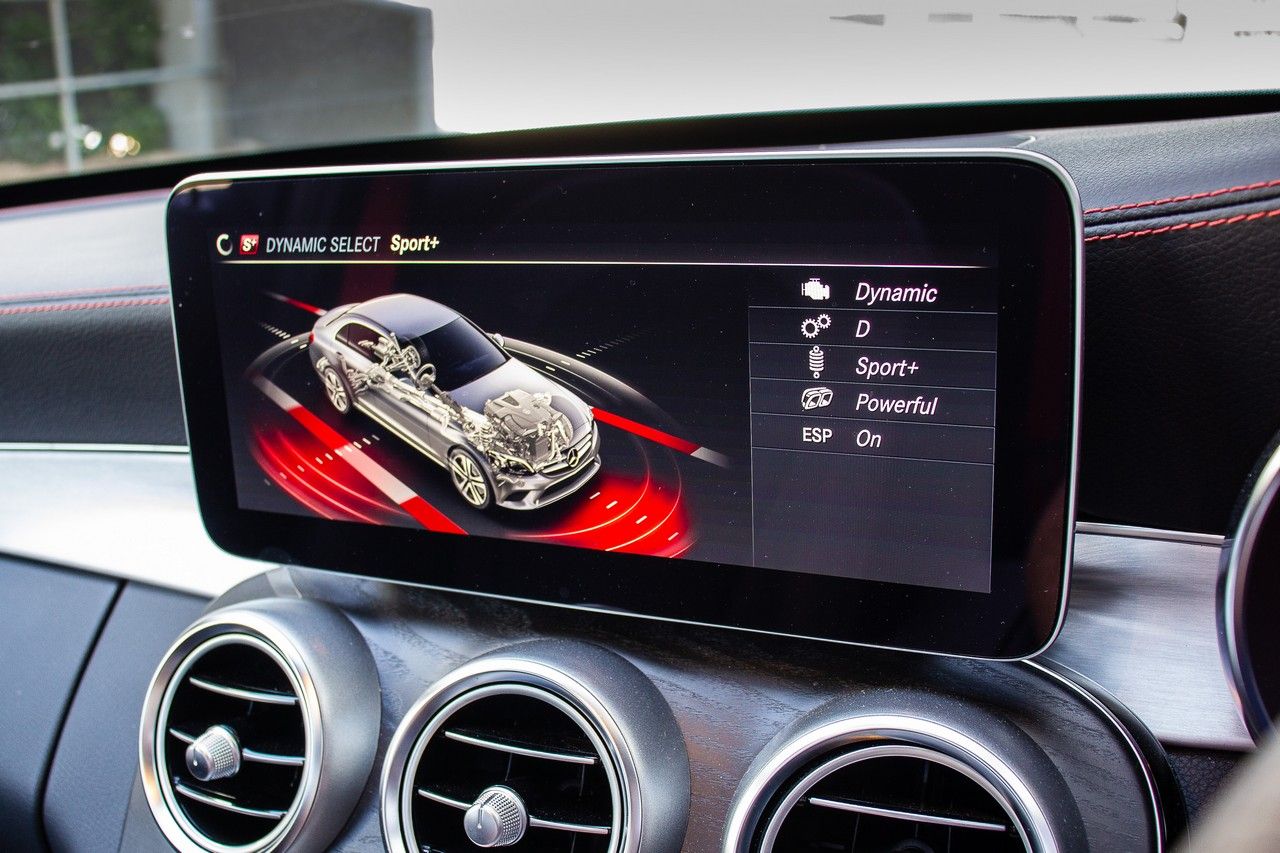
The facelifted C-Class has received a major interior makeover and is all the better for it. The updates to the fascia and infotainment screen are comprehensive. Our test car featured a matte black wooden finish, which seems a big step up in look and tactile feel compared with the standard gloss black plastic. The infotainment user experience has been cleaned up and simplified too; it now feels like a tablet, with upmarket graphics.
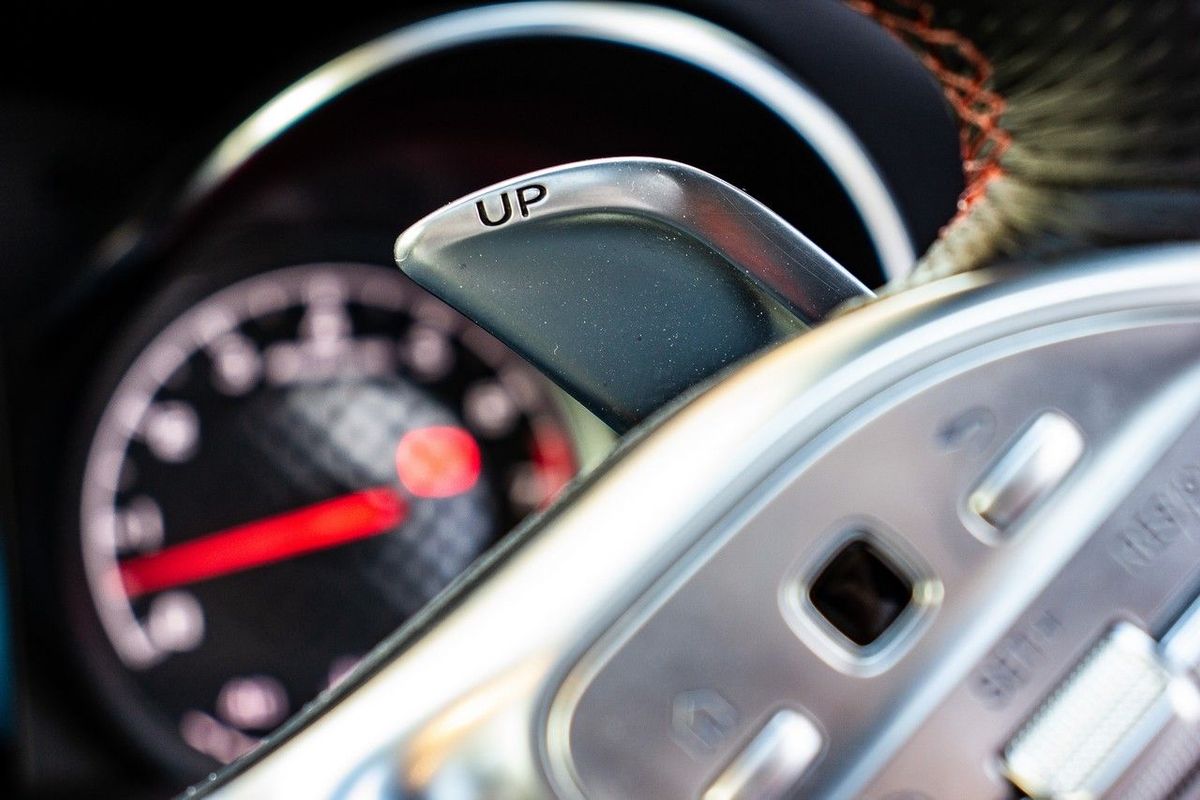
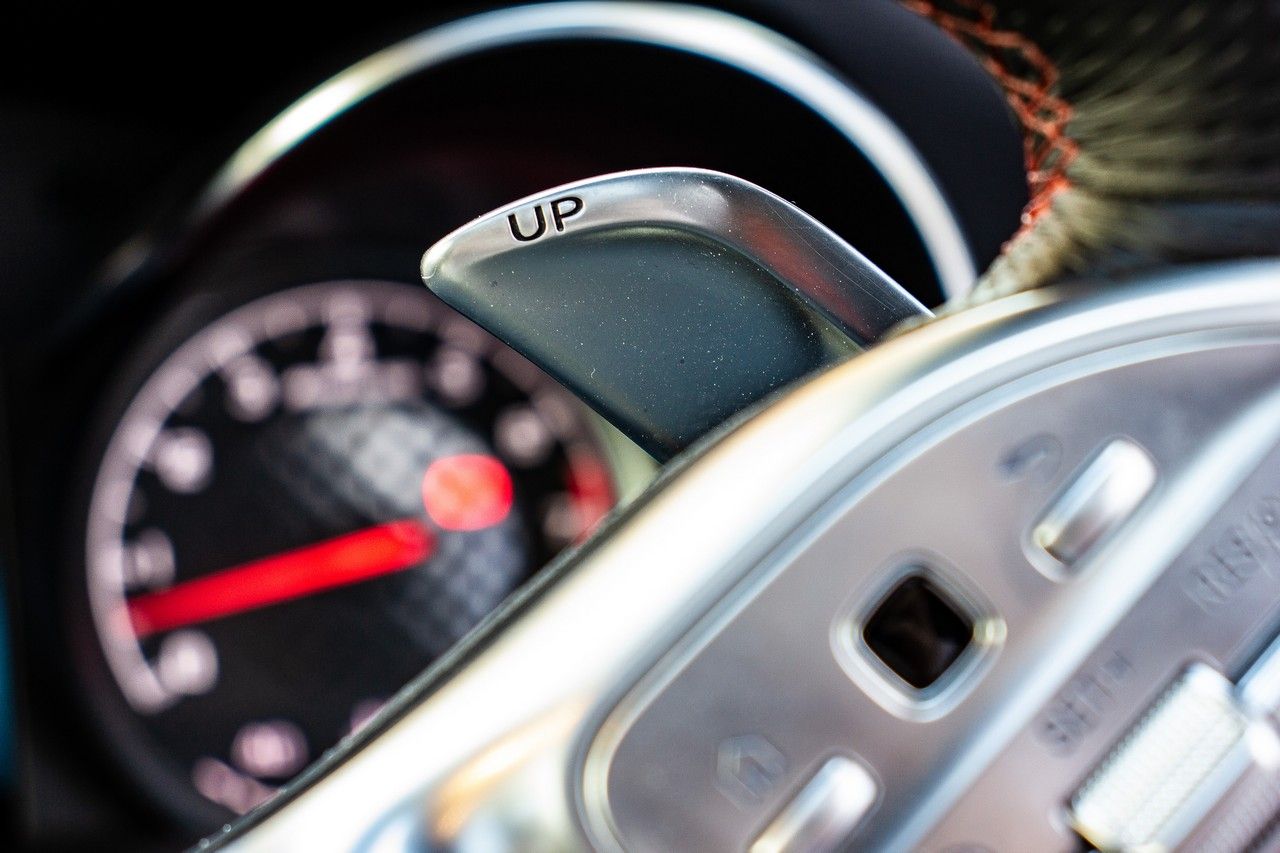
Meanwhile, the steering wheel in the Mercedes-AMG C43 is a masterpiece and our favourite part of the cabin. It's of a flat-bottomed design and has elements lifted directly from an S-Class. We're glad to see the cheap-feeling cruise control column stalk of the previous car has been removed; the system is now operated by toggles on the 'wheel. The shift paddles have a lovely mechanical feel to them and are mounted to the back of the tiller, as opposed to the column, which is great, because you're likely to find yourself using them often to get the best out of the car's performance.
New screen with new graphics brings a level of sophistication to the C43
Eager, responsive performance
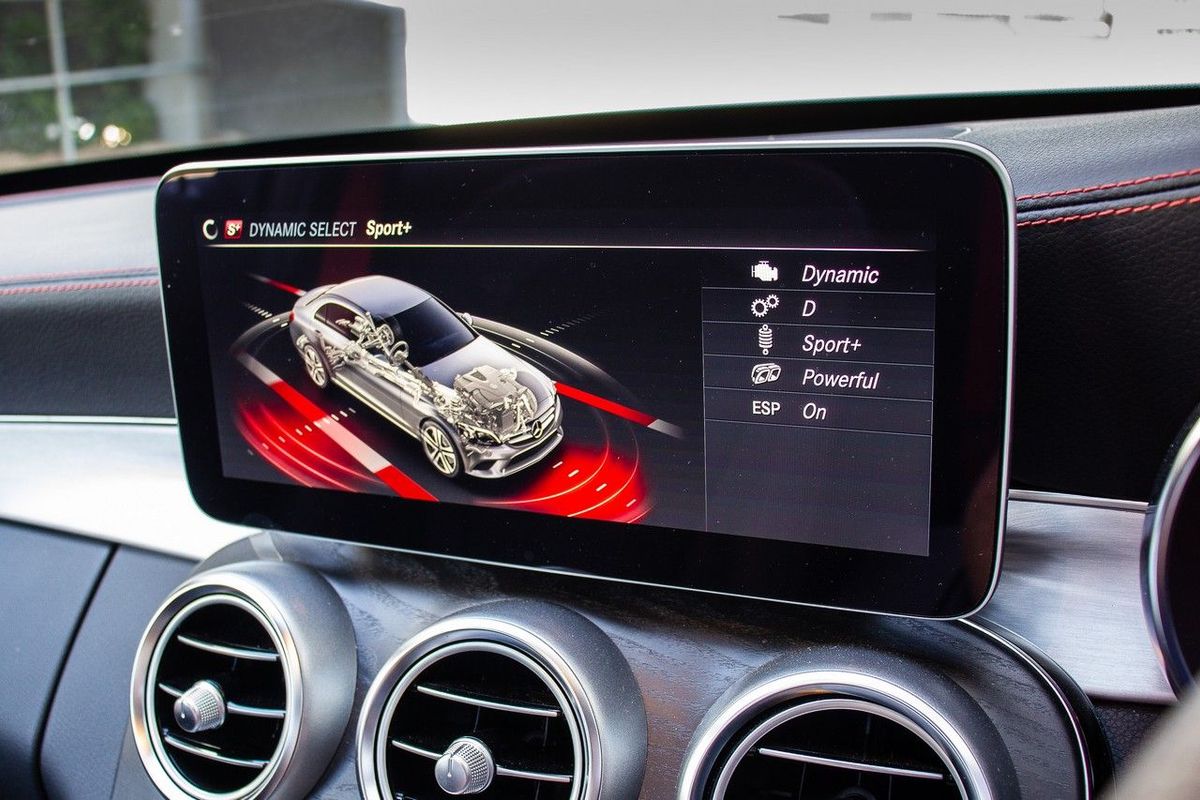
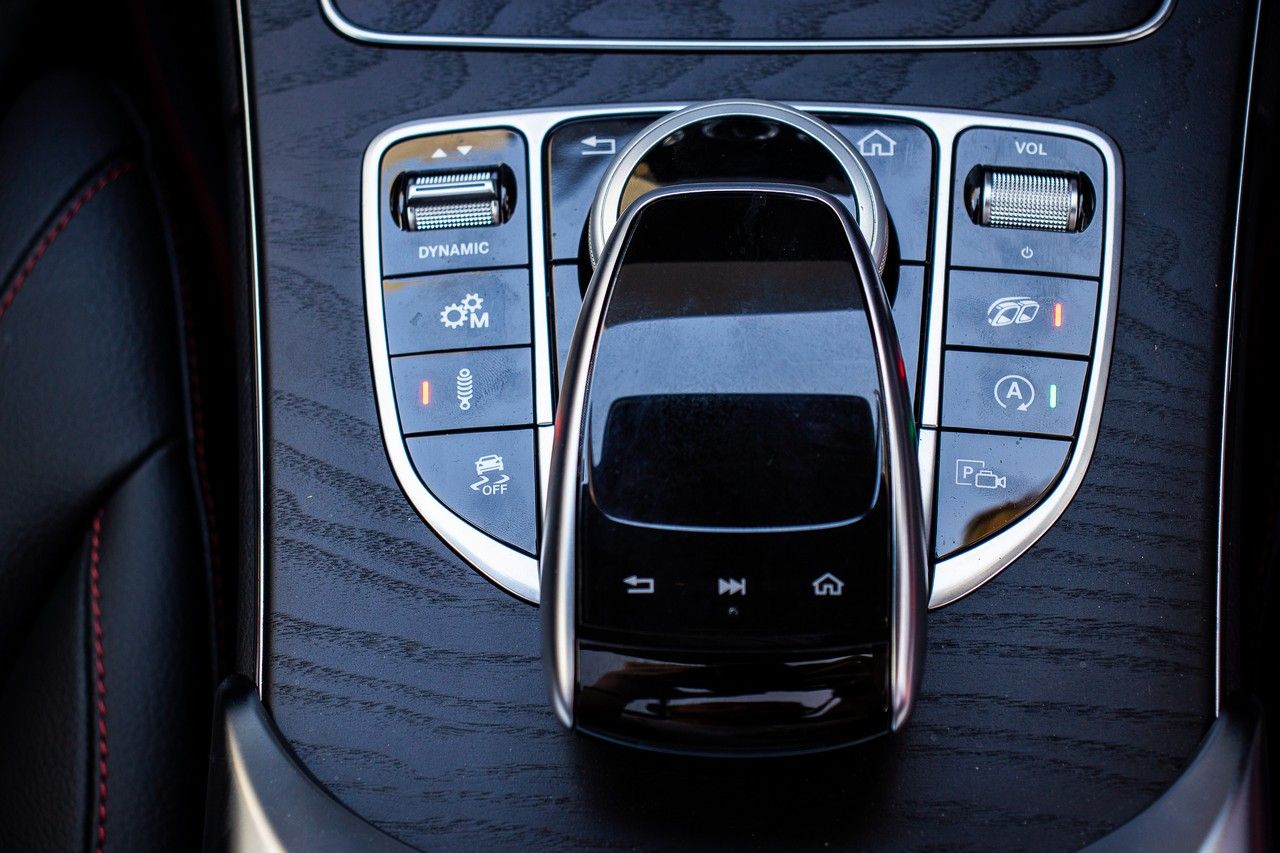
Power comes from a revised version of the 3.0-litre V6 biturbo unit. The pre-facelift W205 C43 boasted peak engine outputs of 270 kW and 520 Nm, and for this updated version, maximum power has been bumped up to 287 kW, while torque has remained the same. While the C43's predecessor certainly had poke, it didn't feel particularly enthusiastic, whereas this latest iteration feels and sounds purposeful. Mechanically, the turbochargers are bigger than those utilised in the pre-facelift car. Plus, there's a sports exhaust fitted as standard, and it's controllable at the touch of a button.
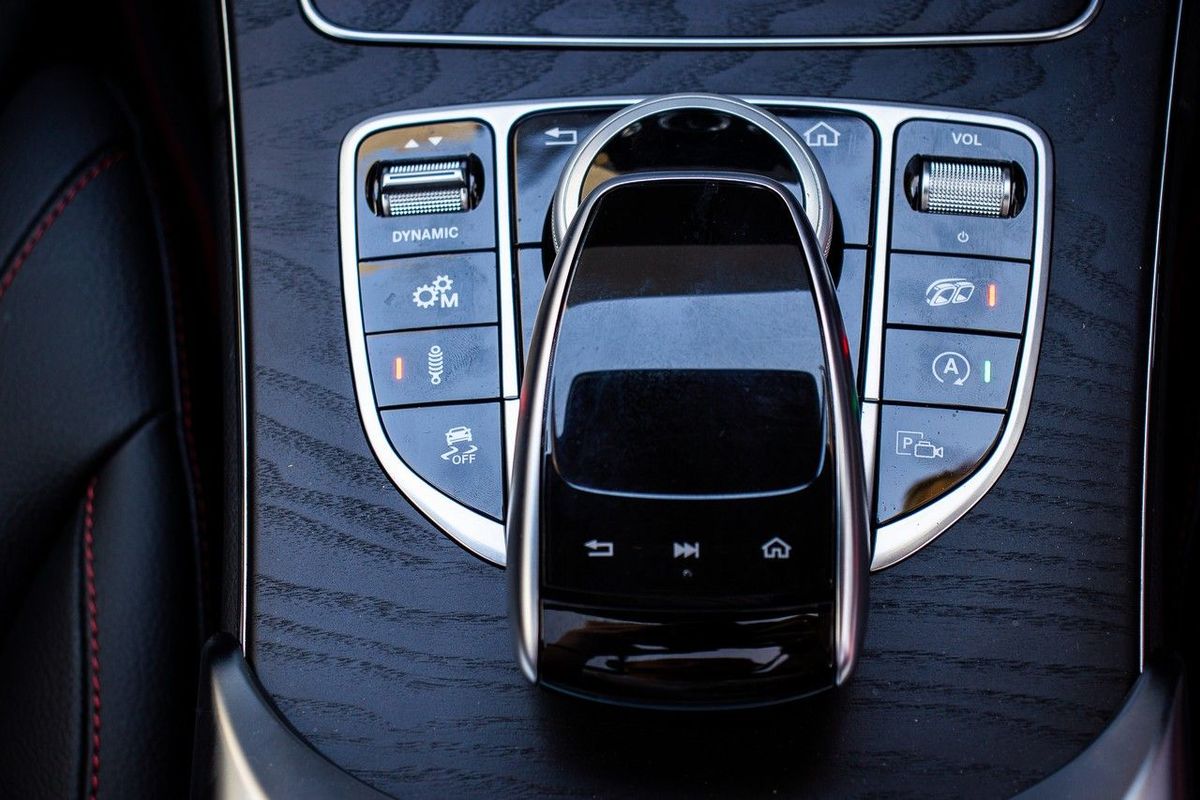
The exhaust button, suspension settings and dynamic modes clearly visible. Drive with the exhaust on like we did for maximum pleasure
Some may suggest the extra 17 kW would be difficult to notice, but in terms of standing-start and in-gear eagerness, the C43 sets off at a heady rate, easily dispatches slower traffic in its path and emits a glorious V6 howl. Frustratingly, the car doesn't have some form of launch control, so we resorted to the old-school method of "left foot on the brake, let engine revs rise, then release the left pedal". There's momentary lag, but then the all-wheel-drive car catapults off the line. We don't have official testing equipment, but the C43 feels as fast as its claimed 0-to-100 kph time (4.7 sec).
The driving experience
Subtle and stylish, yet potent in its most aggressive settings. This is the C43 mantra
The C43 rides on 18-inch wheels, but you can opt for bigger, sportier-looking 19-inch units. Thanks to the suspension's 3-stage damping settings, the ride is firm and sporty, but forgiving. Even in the sportiest suspension setting, the AMG's ride only becomes jittery/crashy when the car traverses the roughest of surfaces. The ride quality is fair given the C43's purpose, but unlike that of its more hardcore C63 S sibling, it's quite manageable.
The 4Matic setup imbues the Benz with appreciable surefootedness, allowing you to attack twisty roads with confidence – which is something you might be reluctant to do in the rear-wheel-drive C63 S, unless you're exceptionally talented… or particularly brave. The steering feels positive and the handling is best described as neutral/well-balanced. Even when you're piling on the pace, the Affalterbach-tuned sedan exhibits a lack of dulling understeer, and few hints (if any) of oversteer, despite AMG's claim that the C43 can direct up to 70% of the engine's torque to the back axle. Perhaps if we ventured closer to the Benz's limits, that could change, but as a day-to-day business-class performance machine, the AMG delivers.
What's not so good about it?
Fortunately, the gearbox paddles are lovely to use, because you'll be using them a lot
No launch control/gearbox mode
To reiterate, the C43 doesn't have a computer-assisted launch control system, which we find bizarre, because, in our experience, an AMG 4Matic car can be devastatingly quick off the line. But why not? Well, we suspect Mercedes-AMG has deliberately not included launch control on this model purely based on its potential to embarrass its C63 S bigger brother. While the V8 biturbo comfortably outguns its 6-cylinder sibling in pure of sheer outputs, we think it just can't put its power down as reliably/effectively due to a loss of grip, something which doesn't affect the all-wheel-drive C43.
While the C43's selectable driving modes brilliantly allow a driver to toggle the car's power delivery, exhaust note and suspension settings to their taste, the transmission's 'shift mapping, unfortunately, seems unable to adapt dynamically to changes in driving style. To provide you with but one example: in Sport+ mode with the 'box set to automatic, the car frequently changed down to keep the engine in the sweet spot – and jerkily so.
We found the solution was for the driver to take the reins (via the manual mode) and utilise the oh-so-satisfying steering-wheel gearshift paddles. The thing to note here is that unlike some of its Teutonic rivals, which utilise dual-clutch setups, the Benz has a less-urgent-shifting torque-converter transmission – you have to live with it. What's more, there is a soft limiter short of the motor's redline, so you'll need to be quick with those shifts…
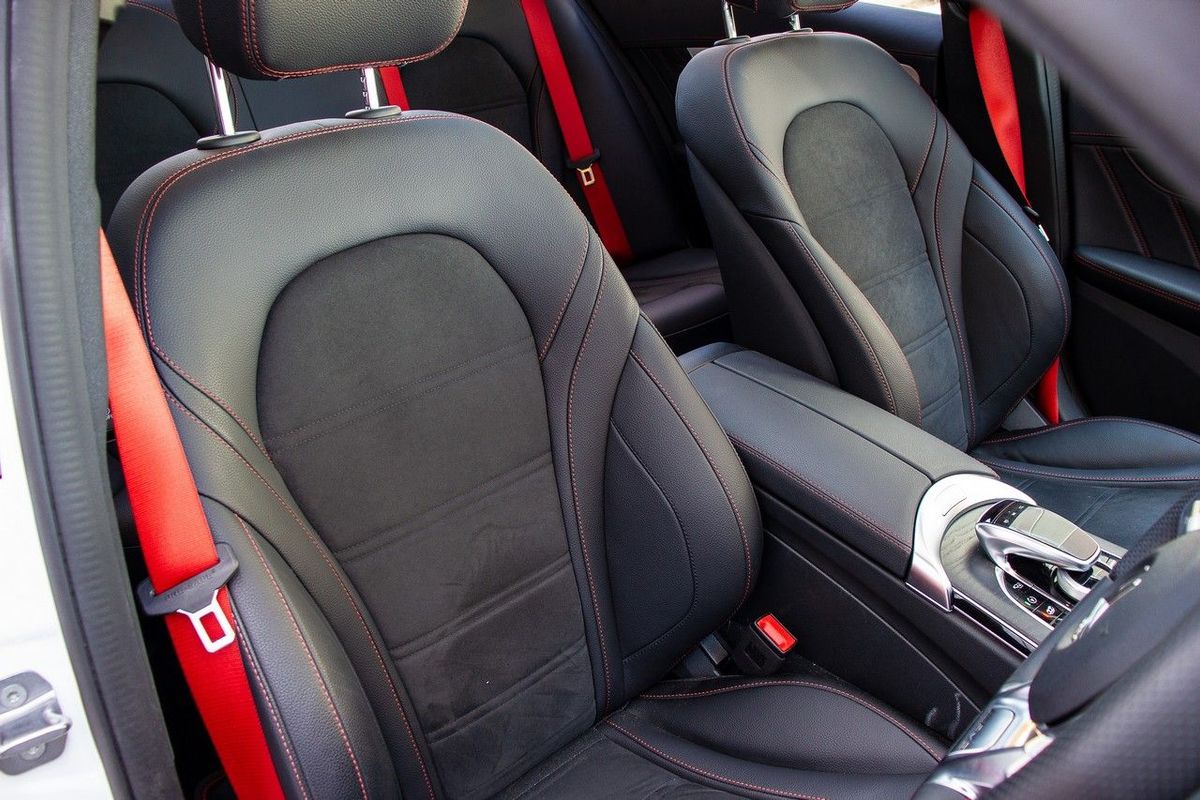
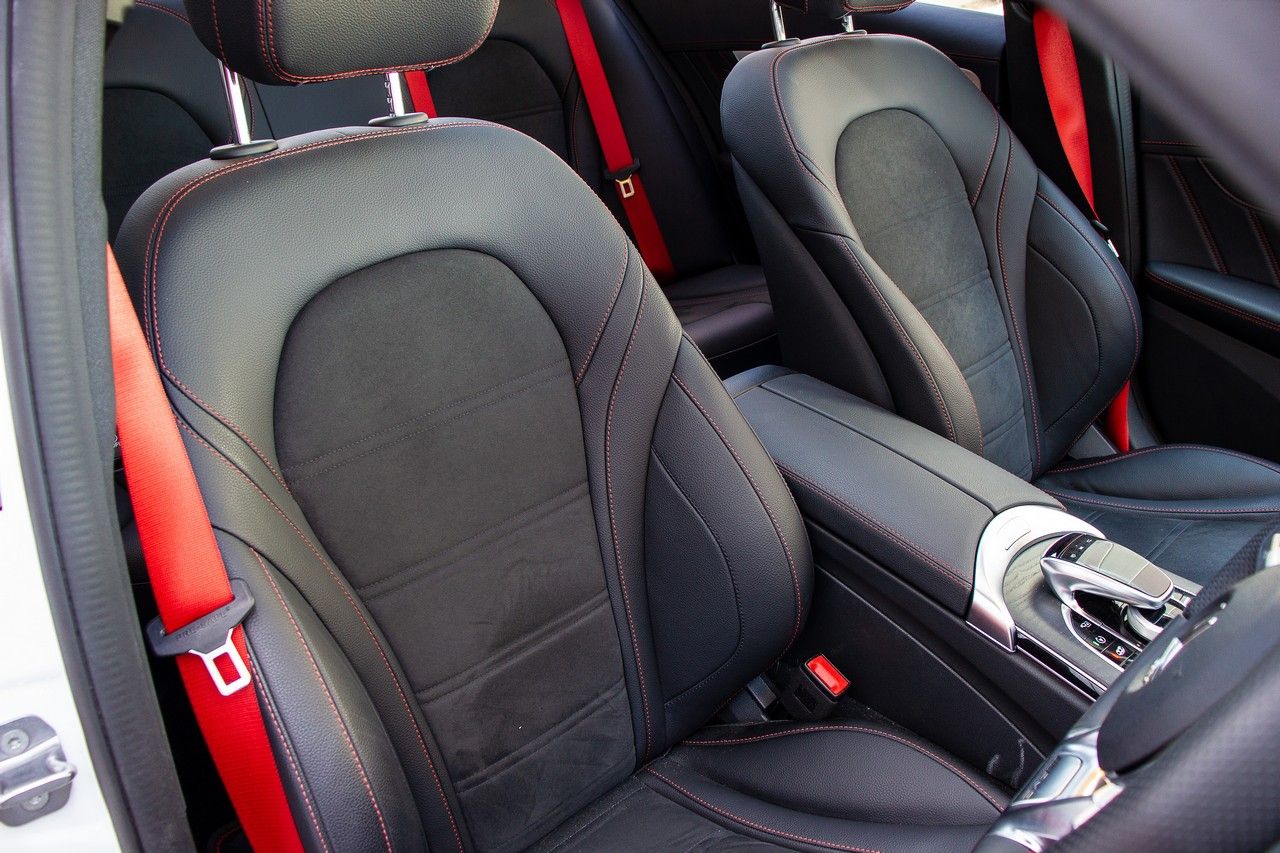
The AMG sport seats are comfortable and the red seatbelts/stitching are a reminder that you're in the baby AMG
The thirst is real
Should you wish to enjoy the C43 as (we believe) AMG intended – or choose to leave the Benz in its Sport+ driving mode more often than not – be aware that the car's appetite for unleaded will increase dramatically. While Mercedes-AMG claims a fair 9.3 L/100 km on the combined cycle, our long assessment of the vehicle proved that you can keep it around the 12 L/100 km mark in traffic, if you make strict use of the conservative modes.
Sport+ is AMG code for flat-out mode and with those quad exhausts singing harmoniously behind you, expect fuel consumption figures north of 16L/100 km. That being said, if you have the means to buy the R1-million beast, you should be able to afford to feed it.
Some iffy build quality
The cabin of the current-generation C-Class is not the best-made in its segment and while we are prepared to acknowledge that the majority of test cars suffer hard lives (resulting in pesky rattles and squeaks), it does become a bit much when a R1-million performance sedan doesn't feel solid and well put together. The C43's fascia, for example, creaks when you press on it. It's shame because the rest of the package is surprisingly sweet.
The Mercedes-AMG C43 cabin. Upmarket, stylish, but let down by some marginal build quality (given its asking price).
Pricing and Warranty
The Mercedes-AMG C43 4Matic retails for R1 007 365, which includes a 2-year/unlimited kilometre warranty and a 6-year/100 000 km maintenance plan. Consider the optional Driving Assistance Package (R36 100) and Parking Package (R12 850); they nicely modernise the C-Class experience.
Verdict
At just over R1 million, the Mercedes-AMG C43 is a smart and potent offering. Would we have it over the snarling V8-powered C63? Yes!
The C43 treads closely to the C63 S (of which the sedan version is not on our price list yet) and possibly too closely; it offers sufficient performance (for most people's needs) without the compromises of a harsh ride or always-on-or-near-the-edge driving experience, at a substantially lower price.
That's not to say that the brutal C63 S is unworthy of its (rarefied) position in the marketplace. But as a package, the C43 is beautifully balanced and that's its appeal. Not only can it vault off the line and utilise its surfeit in-gear shove to humiliate those pesky boy racers, but in the right mode, it can be docile enough to easily deal with the school run and congested traffic. Sport+ delivers hammer blows; Comfort is perfect for the daily commute.
That fettled 3.0-litre V6 turbopetrol engine is really something special. While most of us secretly pine for a fiery full-fat V8 AMG experience, the reality is that the C63 S is a bit of a handful. The C43 offers generous performance, an exhilarating soundtrack and, by virtue of 4Matic, plenty of sure-footedness, which minimises the risk of nasty surprises (should you wish to tackle corners at pace) – impressive for a product considered to be an "AMG-Lite". And, with the latest additions to the C-Class in terms of infotainment and spec, we regard the C43 4Matic better than its direct rivals.
There are some drawbacks, however. Launch control is surprisingly omitted and specific modes to alter the transmission's responsiveness would have been widely welcomed. Overall, however, the C43 AMG proved an enjoyable and competent business-class performance sedan. It's more entertaining than the equivalent Audi S4, yes, but the real acid test will come when BMW releases its M340i Performance in September 2019…
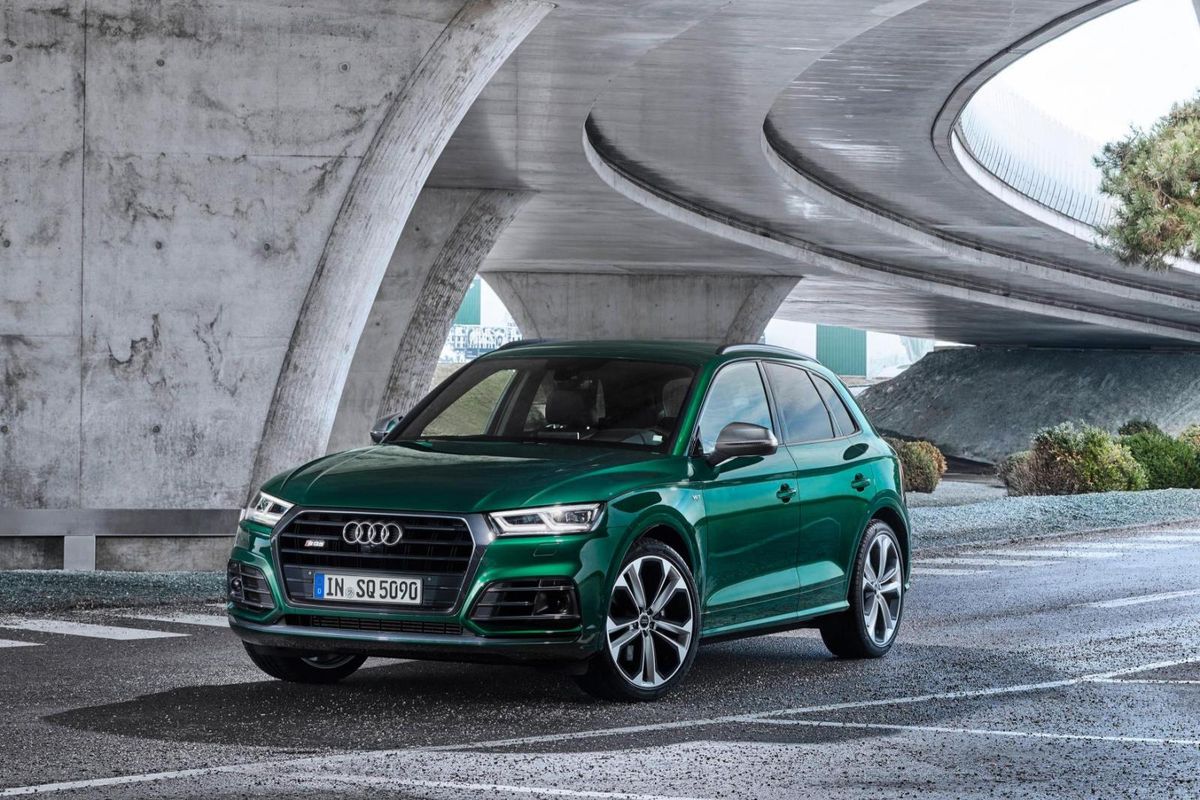
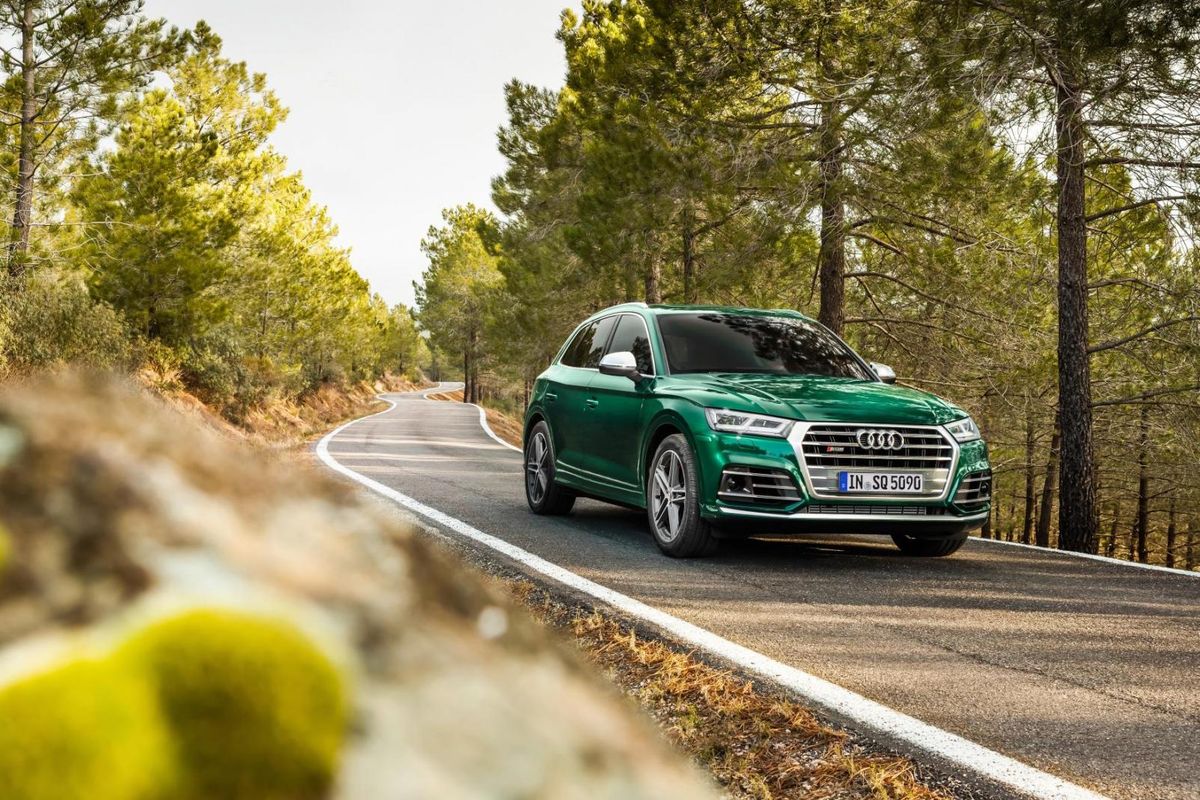
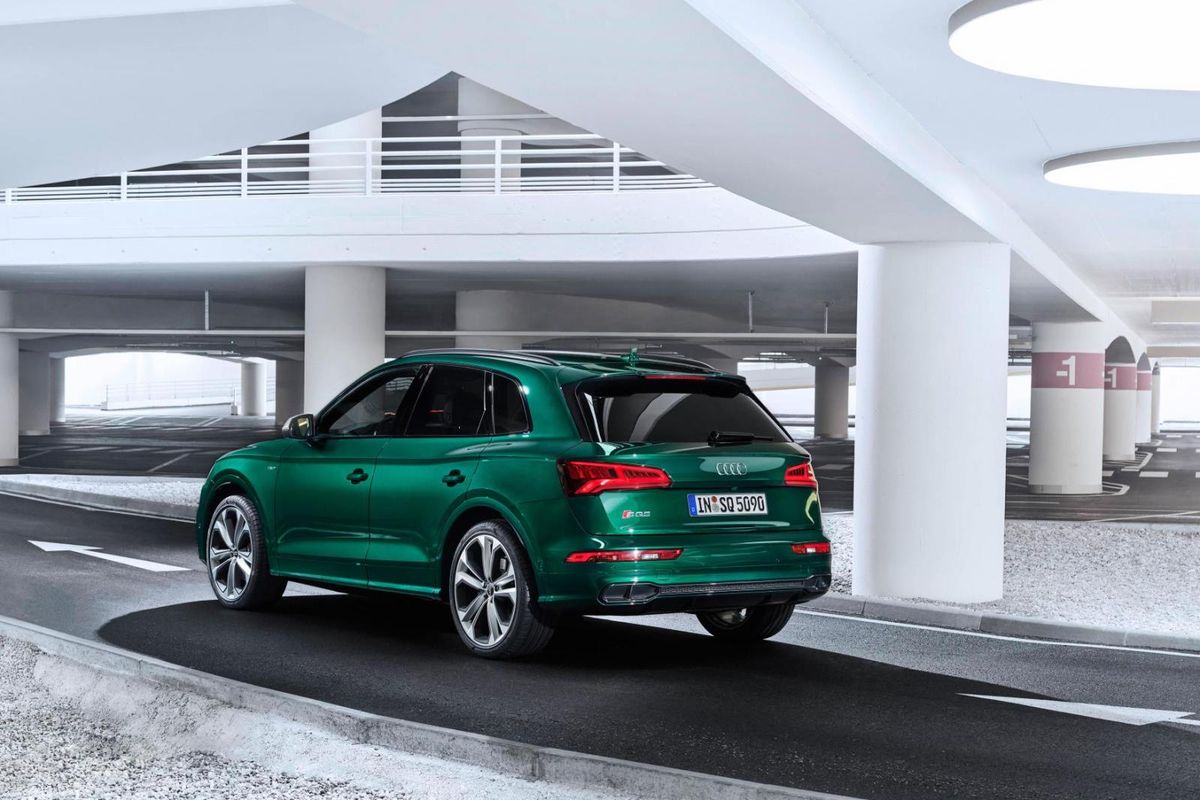
It boosts up to 2.4 bar, with virtually no turbo lag. Meet the new SQ5 TDI performance SUV.
Despite pressure on premium diesel vehicle sales in Europe and North America, Audi has revealed a new SQ5 performance SUV which runs on 50 ppm.
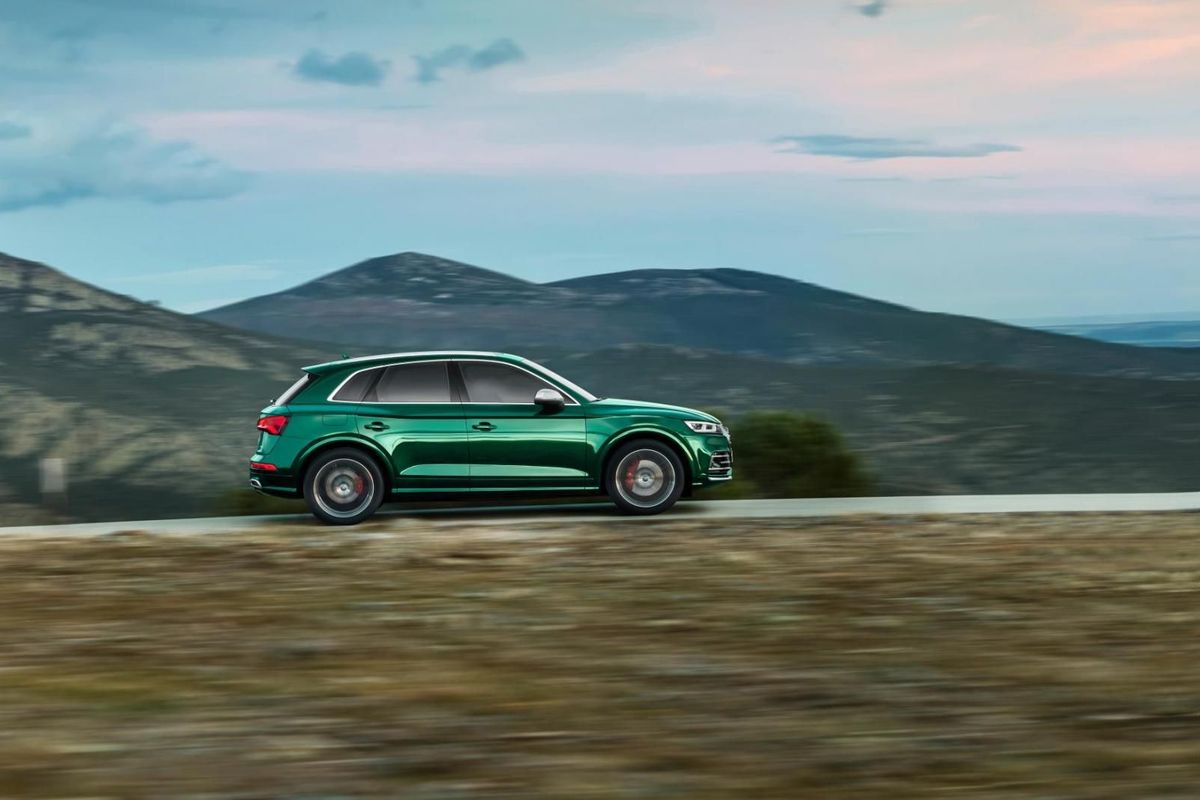
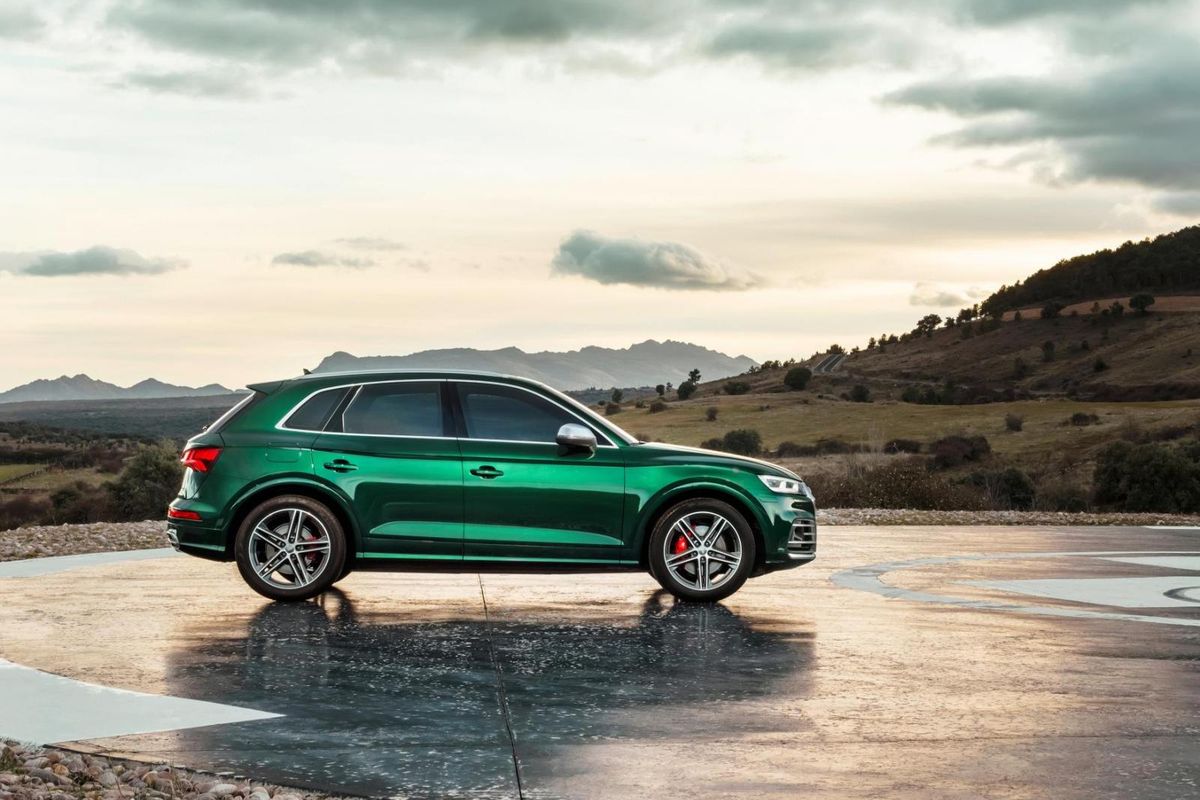
Billed as an outstanding high-speed tarmac and mild gravel terrain tourer, this latest addition to the SQ5 legacy might be geared for enthusiastic driving – but it does use some very clever electrification technologies to achieve that.
Powering the SQ5 TDI is a 3-litre V6 turbodiesel boosting 255 kW and 700 Nm. That’s a lot of rotational force and Audi claims that with the benefit of Quattro all-wheel drive, it will run a benchmark 0-100 kph sprint in only 5.1 seconds.
Top speed is limited to 250 kph and if you aren’t a boost junkie, SQ5 TDI should reach a constant throttle cruising consumption figure of 6.6L/100 km in ideal atmospheric conditions.
Aiding SQ5’s agility is a configuration of Audi’s Quattro system which can apportion 85% of total powertrain output to the rear axle, and an optional sports differential which can vector torque across the rear axle too.
Even cleverer than SQ5 TDI’s trick drivetrain, are the electric bits which make its engine run so powerfully and efficiency. There’s a lag mitigating 7 kW electrically driven compressor, which pre-pressures the turbocharging system whilst the main turbocharger is spooling-up. This arrangement ensures a seamless surge of power each time you kick down a gear or two on that eight-speed automatic transmission – or require immediate throttle response.
Supporting SQ5 TDI’s efficiency drive is slight hybridisation, which recharges once there is throttle lift between 55- and 160 kph and features aggressive brake regeneration too. Audi claims SQ5 TDI can harvest up to 12 kW of energy during braking, which is stored in a battery pack – and used to power the SUV’s electric systems.
At this stage, Audi SA has said that it doesn't have any plans at this point to introduce the SQ5 TD as it is only available as an EU6 engine, which our fuel quality can't match.
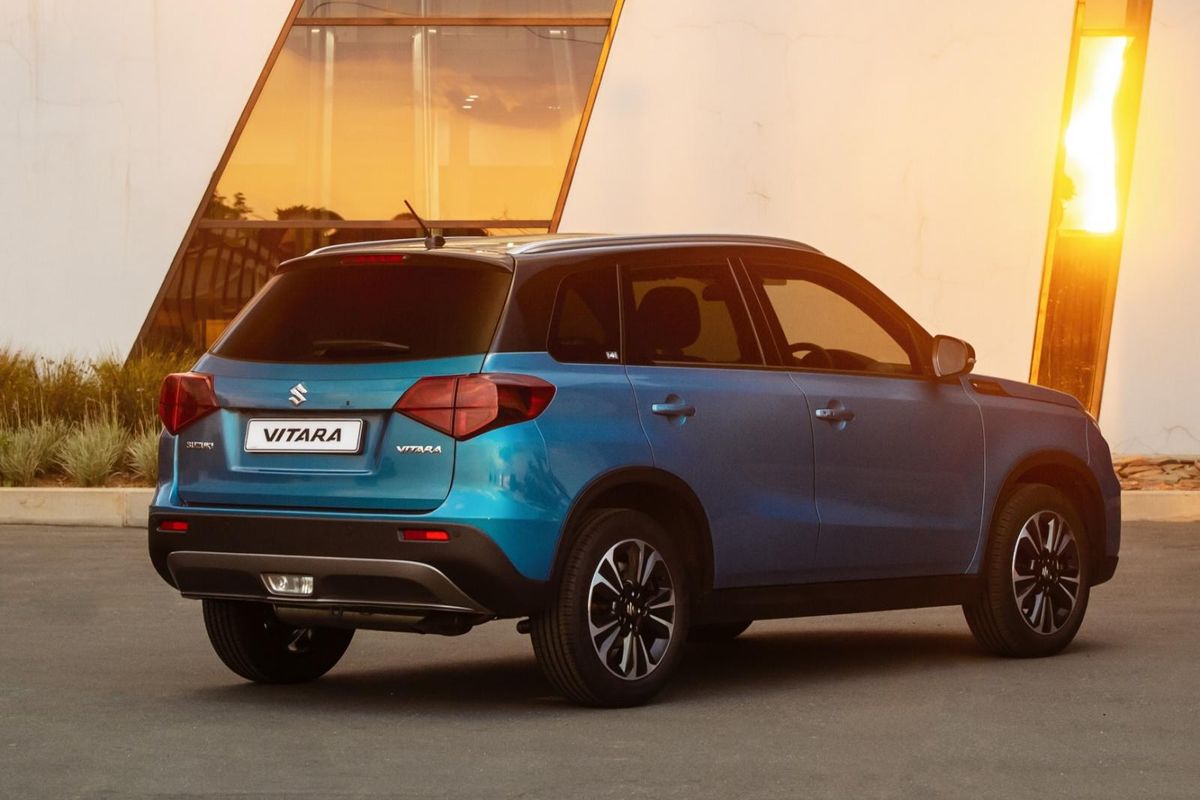
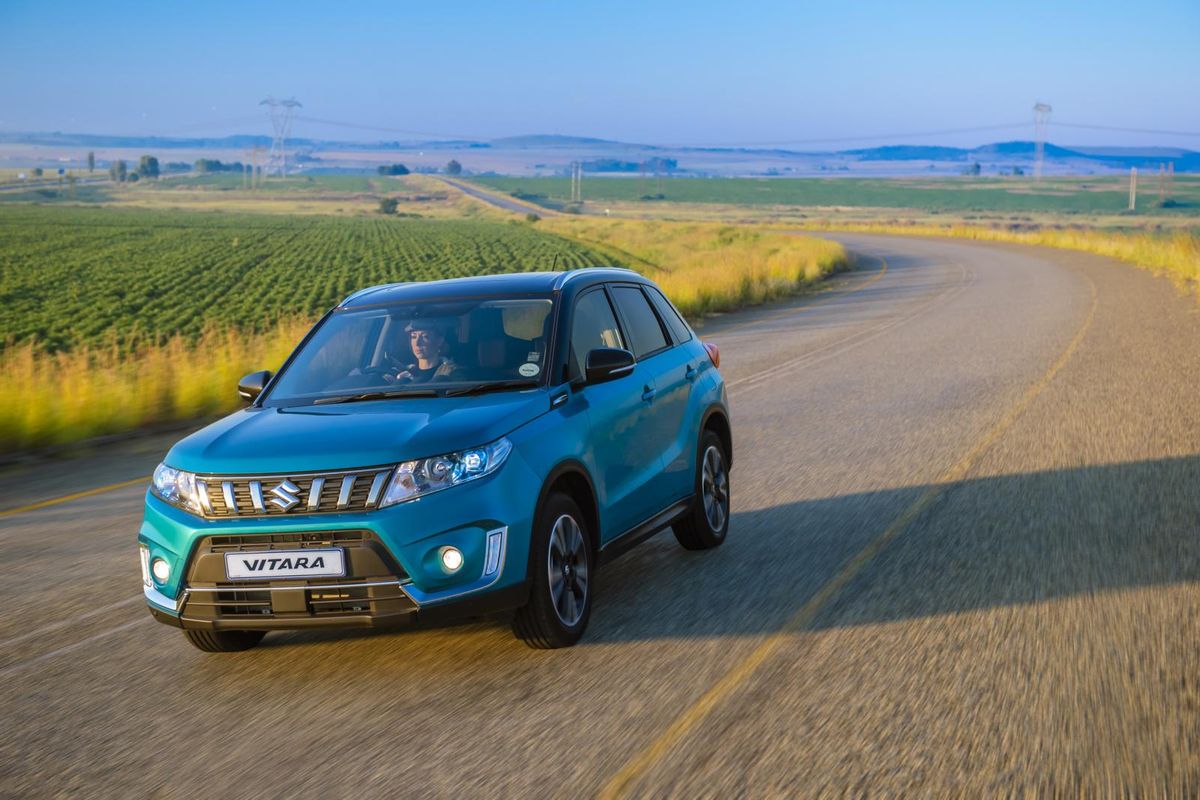
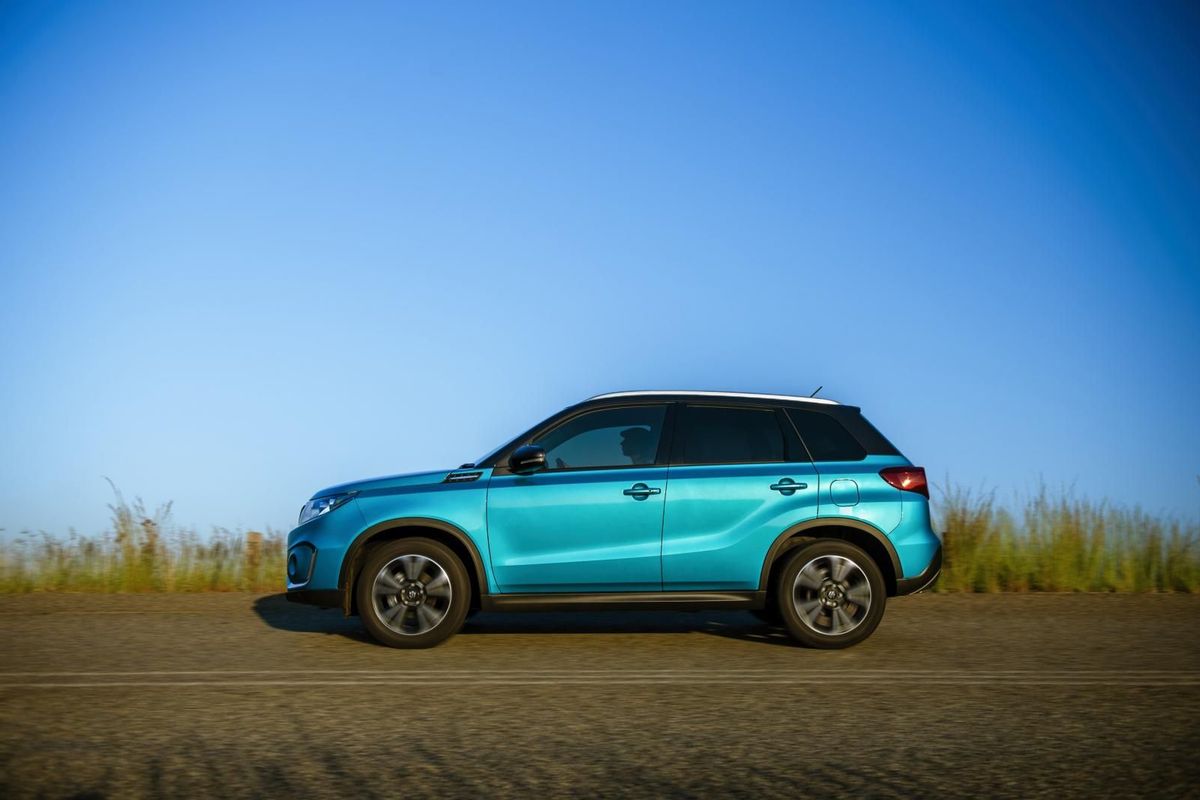
Suzuki South Africa has introduced a mildly facelifted version of its popular Vitara compact SUV. Here's how much it costs.
With over 1 700 units finding homes in SA, the Suzuki Vitara has proven popular. It is also a former winner of the Compact Family Car category in the Cars.co.za Consumer Awards – powered by WesBank. The key change for this 2019 Suzuki Vitara will be the introduction of the 103 kW turbocharged 1.4-litre Boosterjet engine, which will arrive later in 2019.
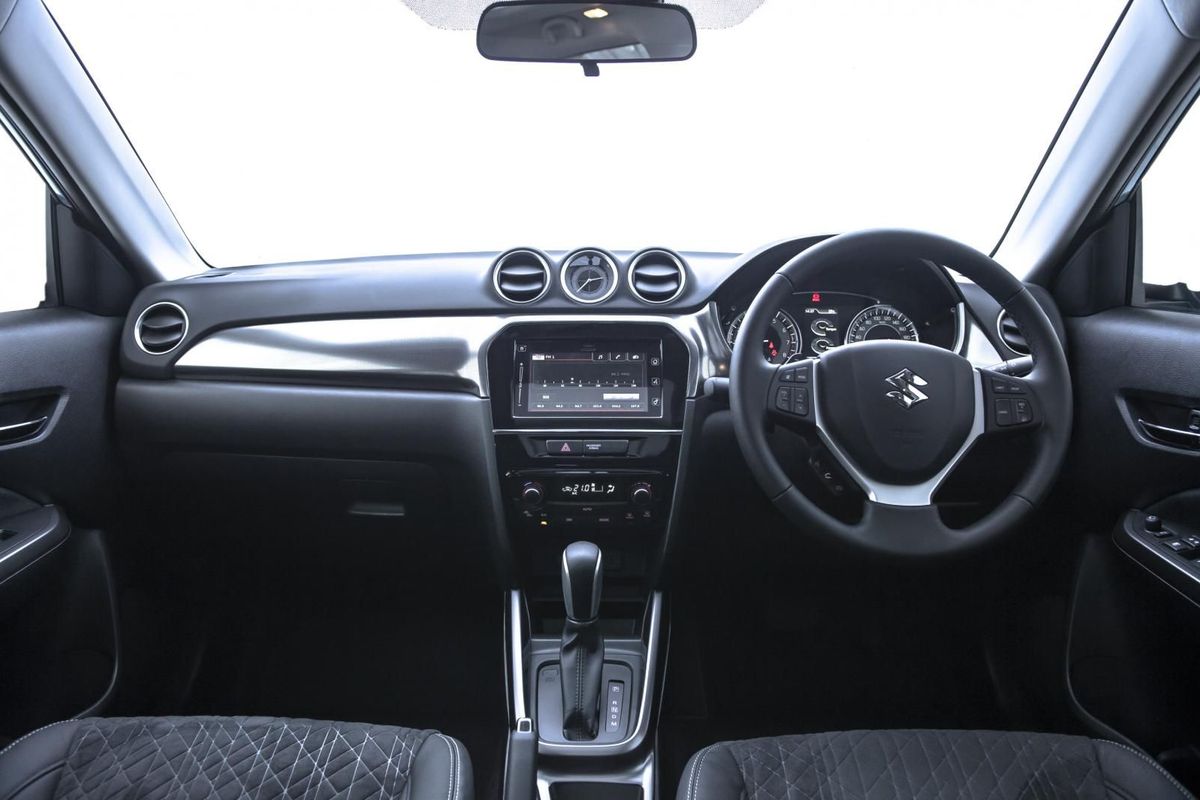
Other changes range from a new face, new alloy wheels and new LED lights at the rear. Inside, there are upgrades ranging from new premium materials used in the upper instrument panel, new upholstery to a new 4.2-inch full-colour LCD information display. The top-spec model gains the Smart Linkage Display Audio system which features smartphone integration, built-in Android Auto and Apple CarPlay and Bluetooth connectivity. Plus it acts as the reverse camera view.
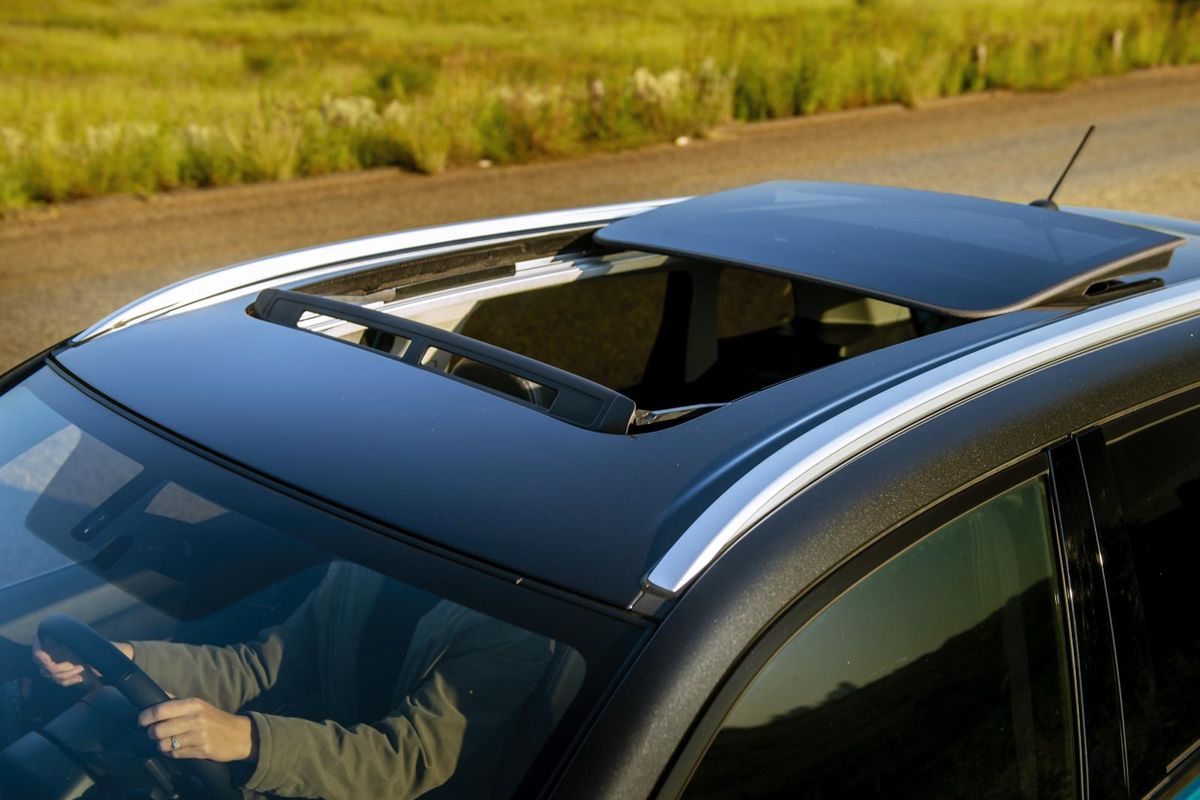
In terms of features, the Vitara has always been decently equipped. These include electric windows (front only on the GL model), central locking, air conditioner with pollen filter, power steering and foldable rear seats. For the GL+ and GLX spec levels, Suzuki added climate control, cruise control, a multifunction steering, all-round electric windows and chrome detailing. And on the GLX model, designers have distinguished this top spec model with a unique instrument panel trim, keyless access with push-button Start/Stop and an electric tilt and sliding panoramic sunroof flanked by chromed roof rails. There is also a full-size spare wheel. When it comes to safety, the Suzuki Vitara is fair. There are 7 airbags, electronic stability control (ESP) and ABS brakes with emergency brake assistance. With this safety specifications, the Vitara received a full five-star rating in the European New Car Assessment Programme (NCAP).
Under the bonnet, the 1.6-litre petrol engine is carried over and offers 86 kW and 156 Nm, mated to either a 5-speed manual or 6-speed automatic gearbox. Suzuki has also made available the AllGrip all-wheel-drive system.
Suzuki Vitara Price in South Africa (February 2019)
The refreshed Vitara will be sold with Suzuki’s promotional 200 000 km / 5-year vehicle warranty. It also has a 4-year / 60 000 km service plan and roadside assistance for the duration of the vehicle warranty. Suzuki has not increased the prices, despite the new look and additional features.
The Audi RS4 Avant is on its way to South Africa and we have secured pricing for the potent performer. Here's how much you can expect to pay.
Powered by the same 2.9-litre turbocharged V6 as the found in the RS5 coupe (and coming-to-SA RS5 Sportback), the Audi RS4 Avant is due for an imminent release in South Africa. The sweet-sounding V6 boasts outputs of 331 kW and 600 Nm, and power goes to all four wheels through an 8-speed Tiptronic transmission.
Audi claims that the new RS4 Avant is capable of sprinting from zero to 100 kph in just 4.1 seconds and it'll go onto a limited top speed of 250 kph. If you tick the optional RS dynamic package, the top speed goes up to 280 kph. The big benefits of this V6 twin-turbocharged engine are that it'll be a bit more responsive and that it is more fuel efficient, with Audi Sport claiming a fuel economy figure of 8.8 L/100 km.
Audi RS4 Avant Price in South Africa (February 2019)