Hyundai Automotive South Africa will launch a facelifted version of its popular Tucson family car in August or September 2018, with a revised line-up likely to comprise only front-wheel-drive derivatives, 2 petrol engines and a solitary turbodiesel.
When Hyundai announced a relatively minor update to its Tucson earlier this year, it highlighted the introduction of a 48-volt turbodiesel mild-hybrid powertrain. Coupled with a 137 kW 2.0-litre diesel engine, the technology comprises a 48-volt lithium-ion battery, mild hybrid starter generator and inverter. An electric boost of up to 12 kW is provided by the system and the battery is recharged via braking and in-gear deceleration.
However, although the mild-hybrid technology is certainly headline-grabbing for a product in the compact SUV/crossover/family car segment, it's not of consequence to the South African market, where the 1.6-litre turbopetrol, 2.0-litre naturally aspirated petrol and 2.0-litre turbodiesel 4-cylinder engines will continue. You may have noticed, however, that the 1.7-litre turbodiesel will fall away when the updated Tucson makes its debut.
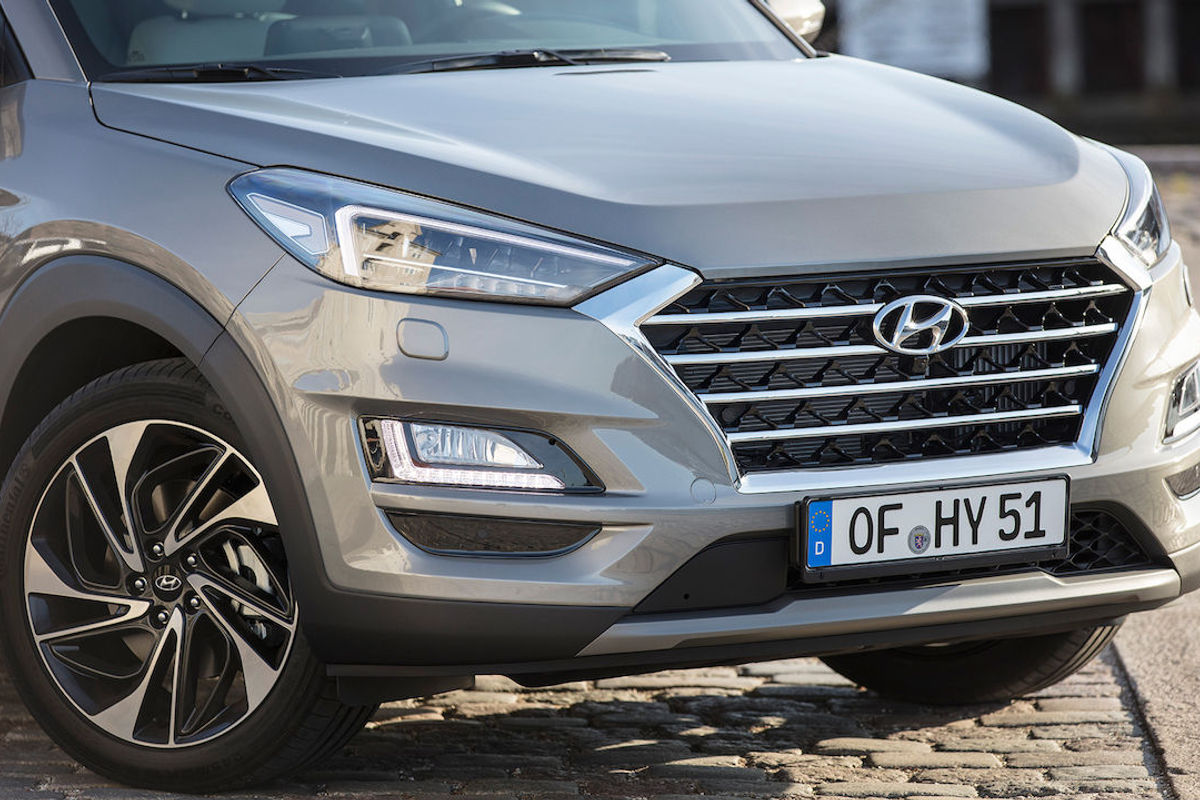
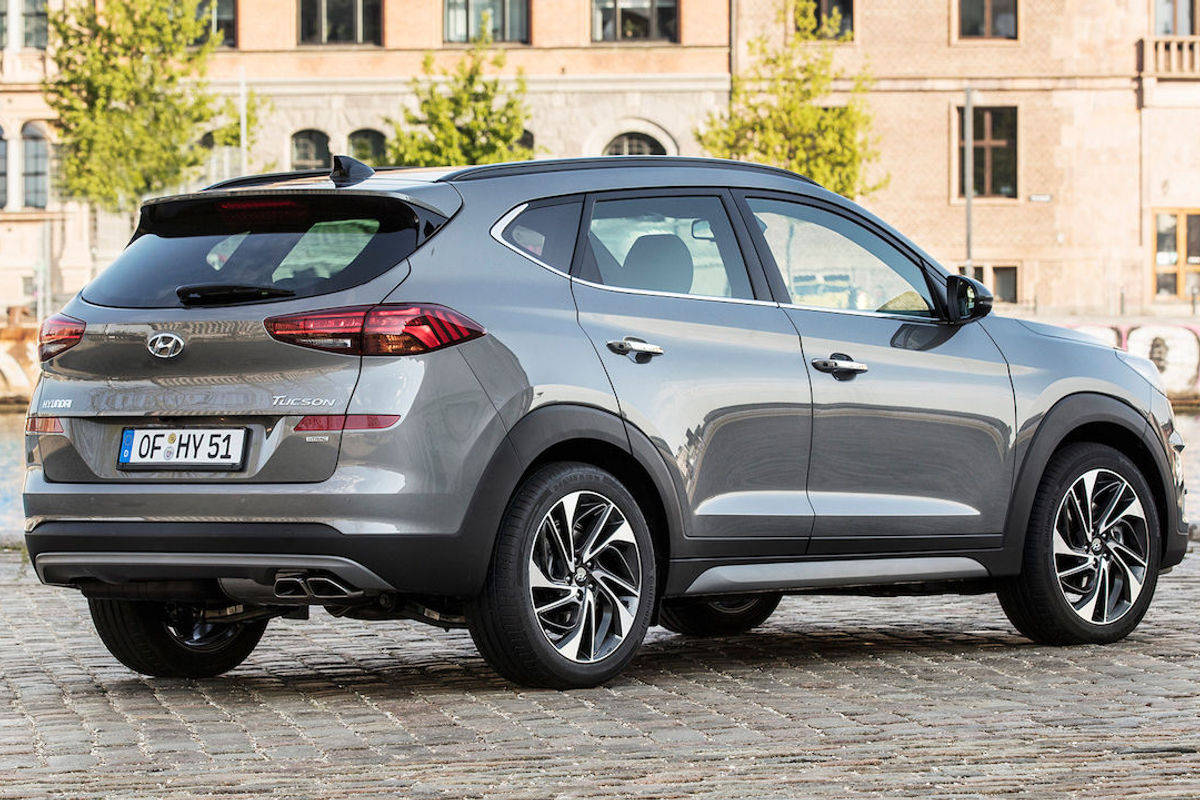
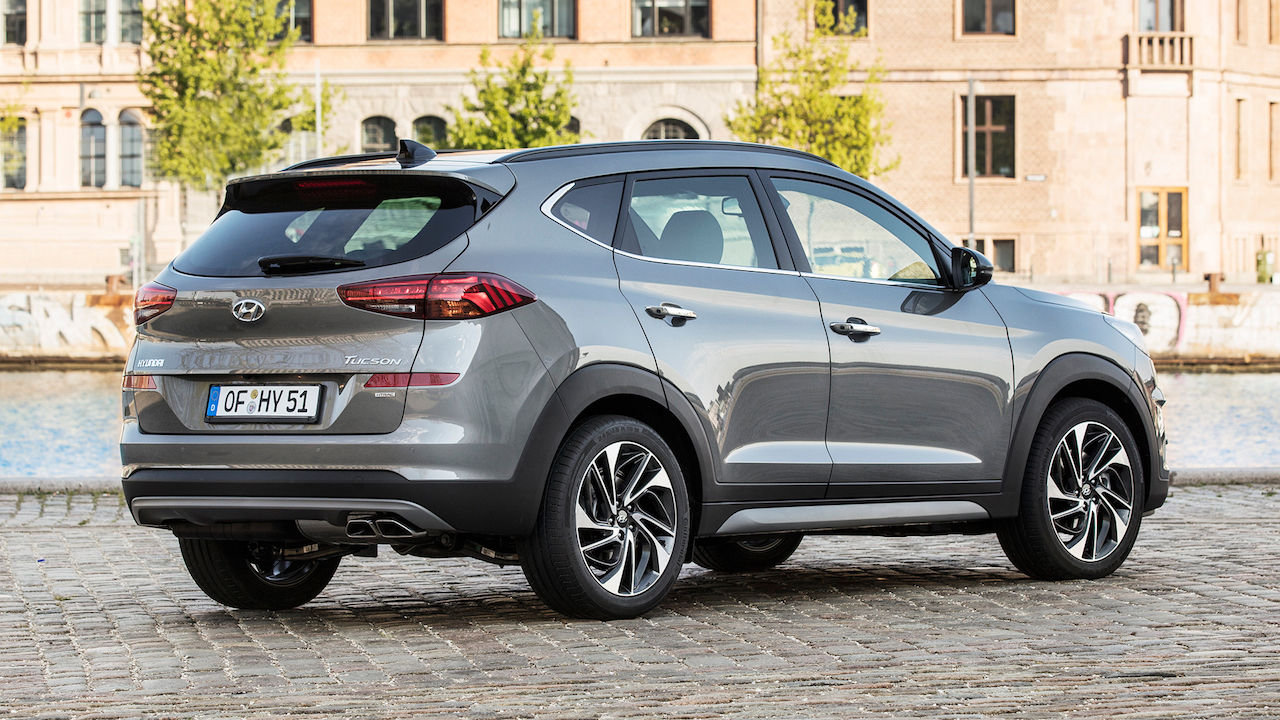
The cosmetic updates lend the Tucson a decidedly sportier look, especially by virtue of the reprofiled rear bumper.
For the new range, which will debut around the same time as the updated Creta, Hyundai Automotive SA will source stock from Korea, not Europe (as is currently the case) and slow-selling derivatives, such as the 1.7-litre diesel, all-wheel-drives and all manual versions, apart from the entry-level 2.0 litre, will be discontinued. That means that the line-up will consist mainly of 1.6-litre (dual-clutch) and 2.0-litre (torque-converter) automatics.
Aesthetically, the new updated Tucson features a new-look front and rear bumpers. What's more, there are full LED lights (to be confirmed for our market), a new-look grille and intakes and restyled LED daytime running lights. A fresh selection of 17-,18- and 19-inch wheels is also available.
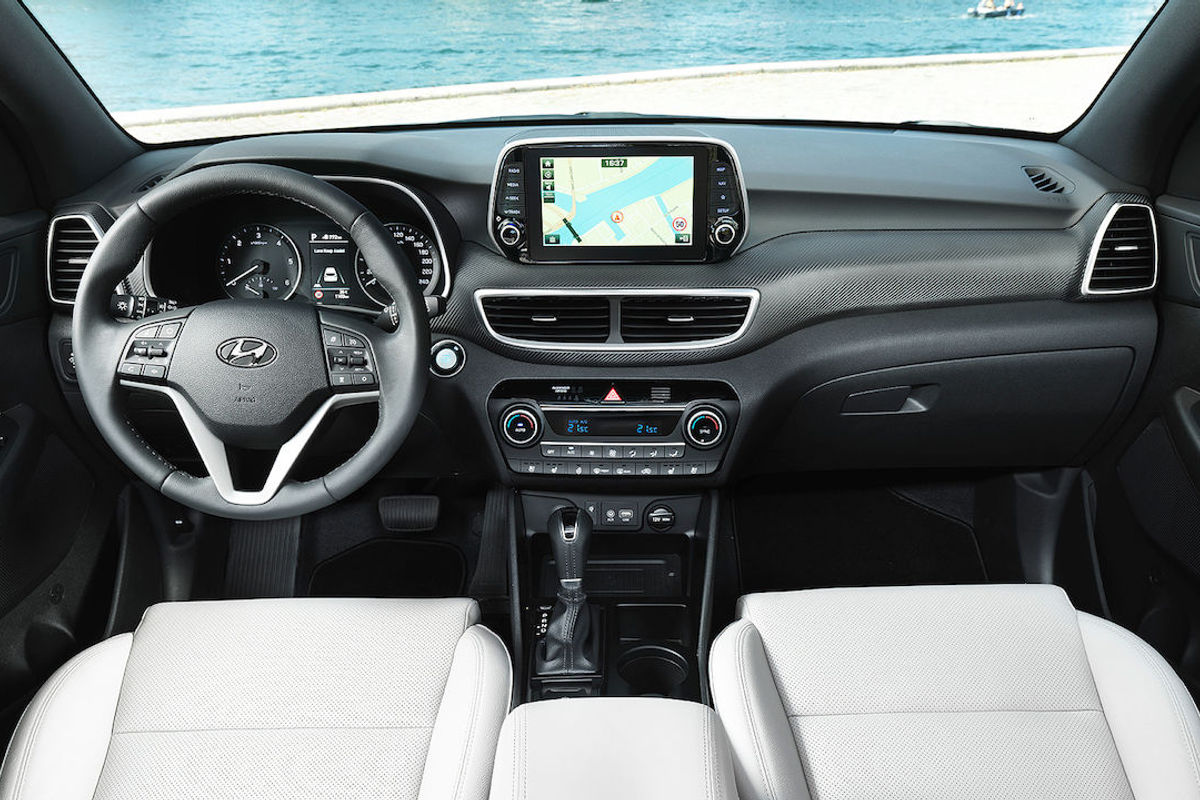
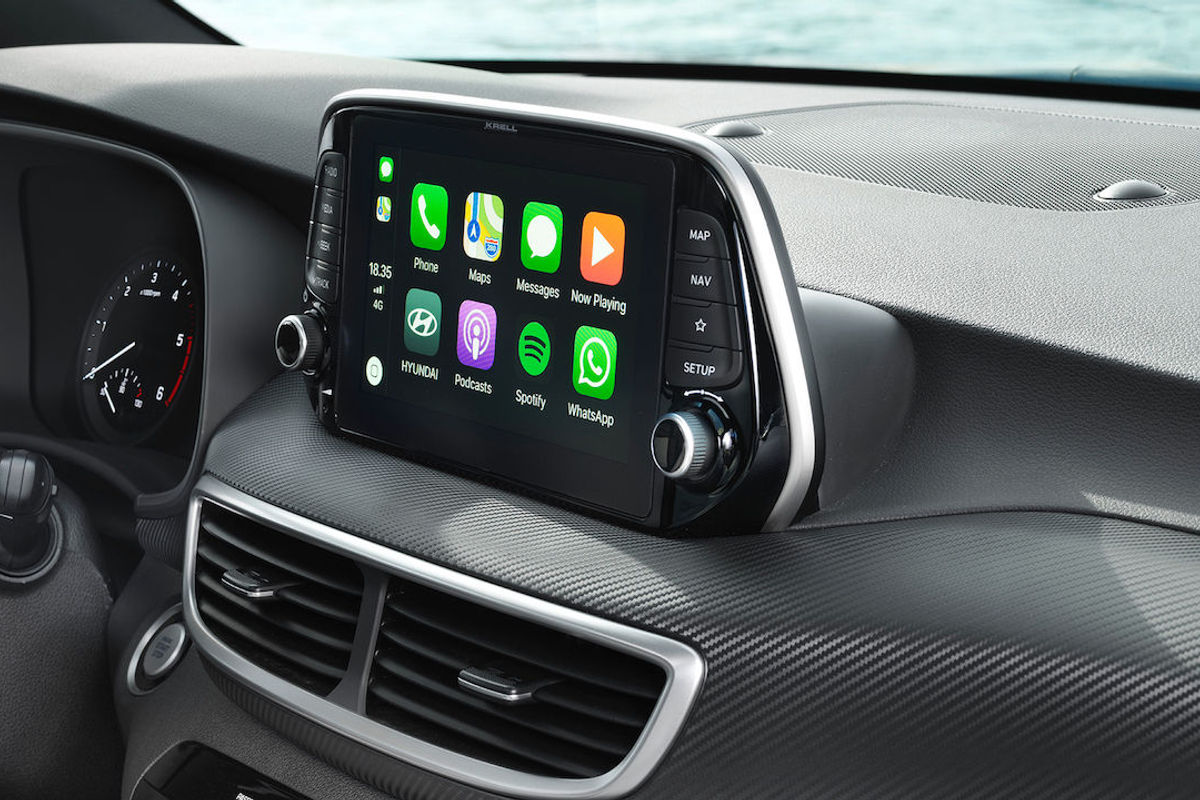
Inside, the newcomer features a new dashboard design, redesigned instrument cluster and rear-view mirror. The infotainment system has been overhauled and replaced by a 7-inch floating display. As local derivatives currently feature an integrated colour touchscreen (with optional navigation) sourced from a local supplier, it remains to be seen what infotainment solution the importer will find for its updated family car.
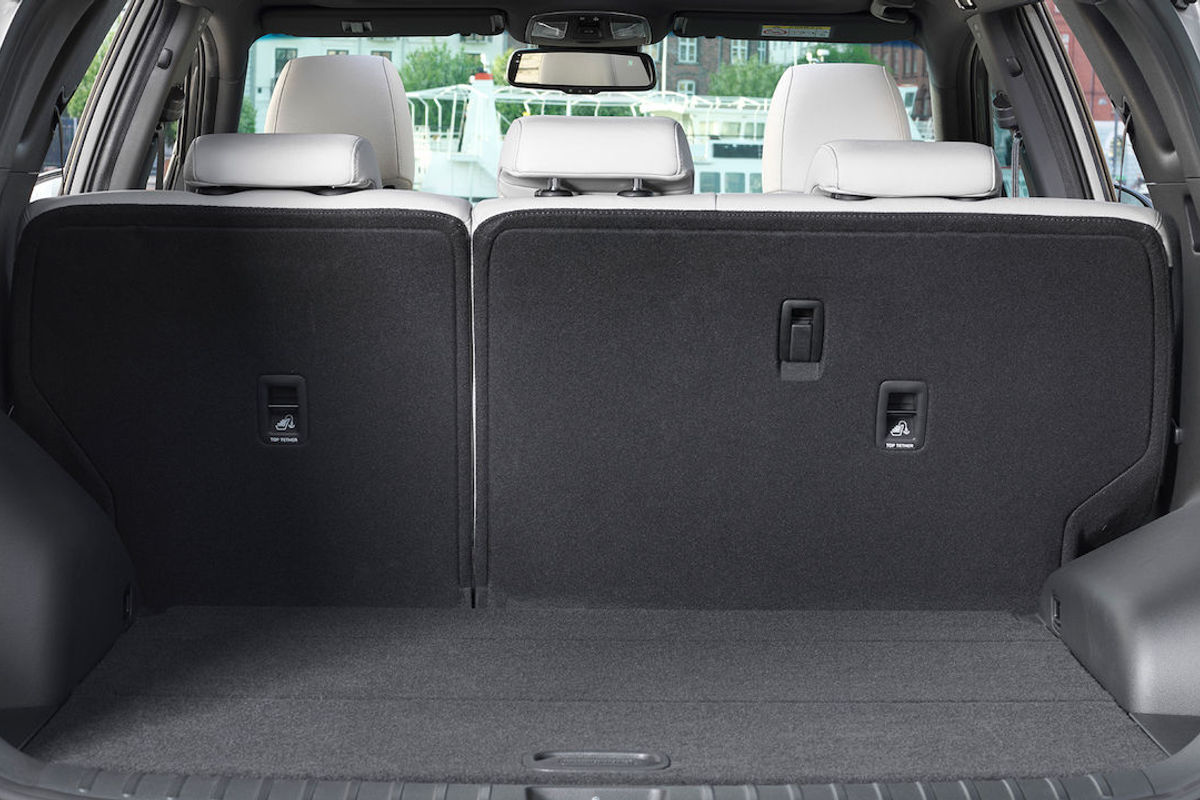
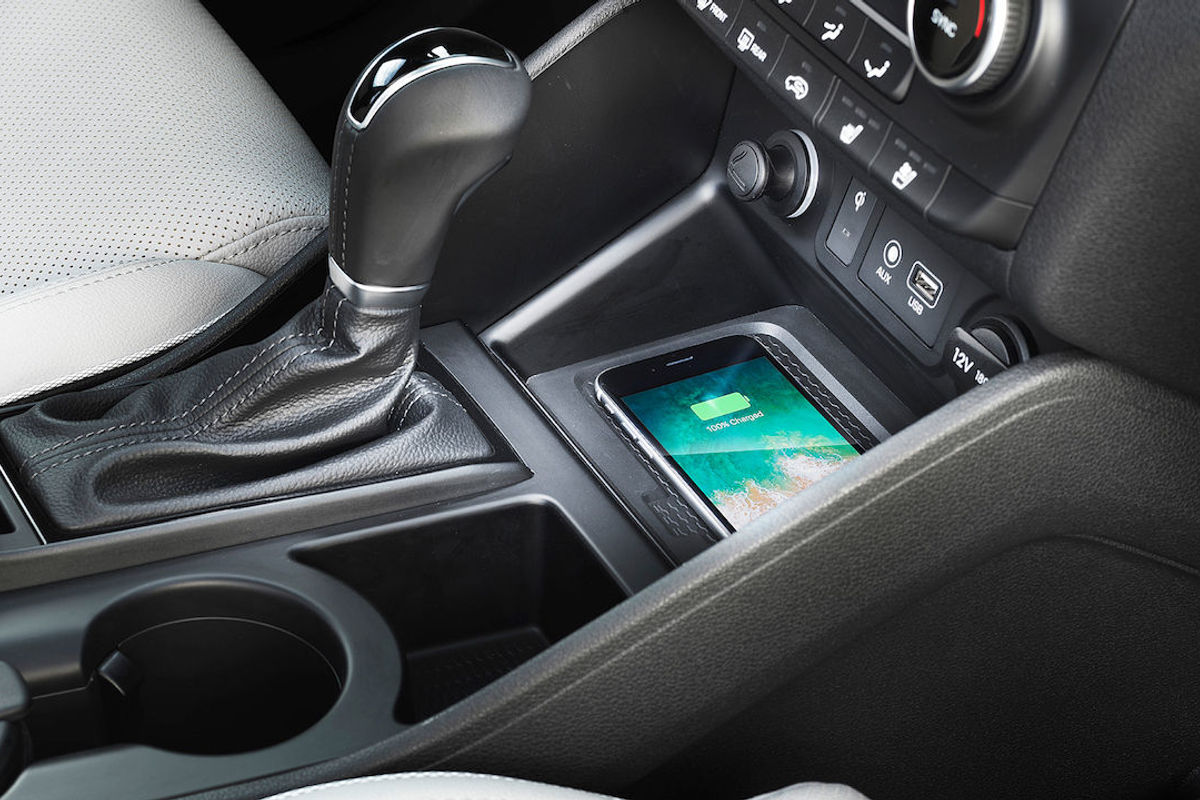
Meanwhile, we expect that specification levels will be comparable to those of the current range, although there will be minor updates, such as a USB port for the second row of seats and, perhaps, a wireless charging pad up front, which already features in the Hyundai's Kia Sportage cousin.
The popular Sport versions of the Executive- and Elite-spec 1.6-litre turbopetrol Tucson, which feature purposeful cosmetic (plus minor powertrain) updates that Hyundai Automotive SA commissions from suppliers right here in South Africa, will be offered again, probably only in automatic guise.
A wireless charging pad makes its debut in the facelifted Hyundai Tucson
With the new Rush, Toyota continues its proud history of offering affordable people-movers in the South African market. Based on the popular Avanza MPV, this Indonesian-made newcomer combines typical SUV features such as off-roader styling cues, a raised driving position and a higher ride height, with a generously equipped 5-seater cabin and a spacious luggage compartment.
With attractive, purposeful looks, nice-to-have features such as a multifunction steering wheel, electric windows, climate control, an Android Auto and Apple CarPlay-compatible touchscreen audio system, as well as a reverse-view camera, let alone its comprehensive safety spec, the Toyota seems a near-complete package for entry-level family car buyers. However, is this Rush a bargain “baby Fortuner” or does it struggle to overcome its (albeit proven) workhorse underpinnings? Let's find out.
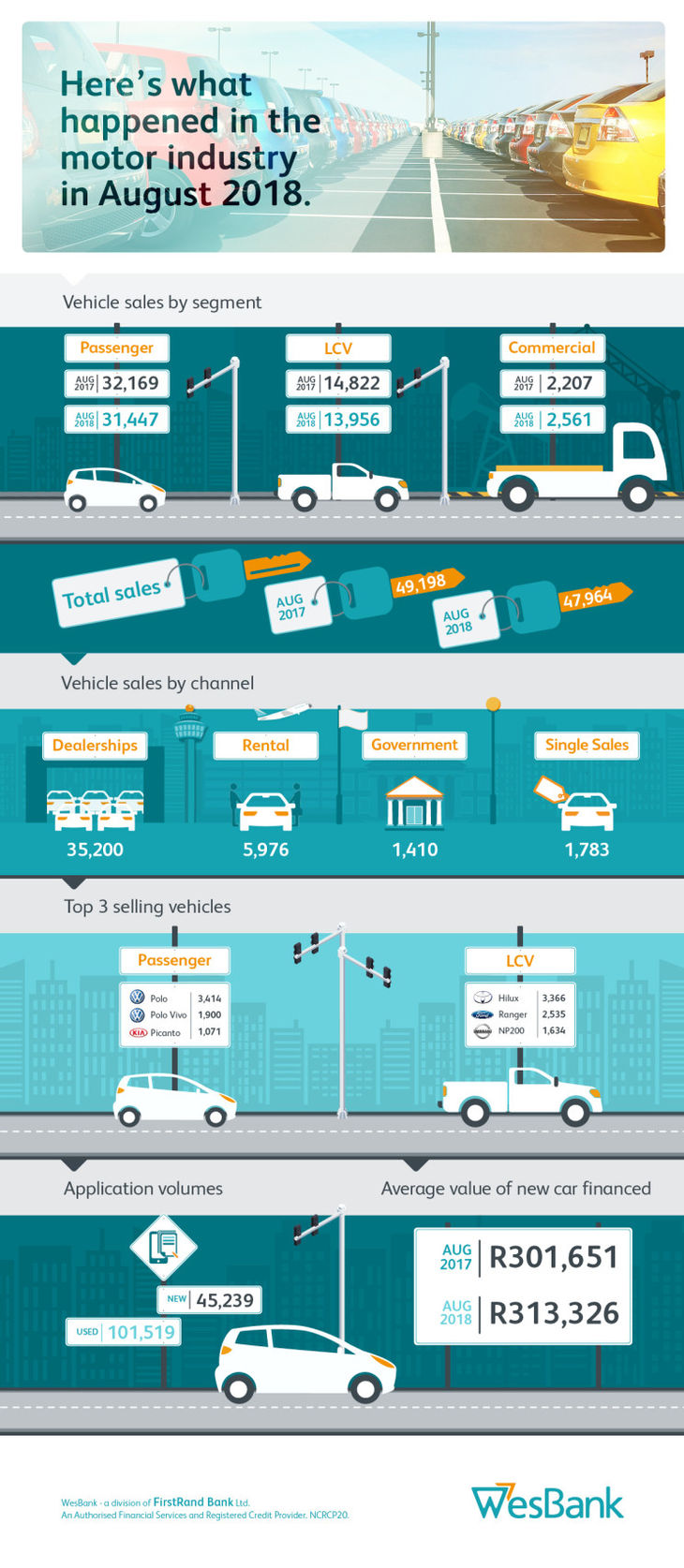
August 2018 was yet another disappointing month for new car and light commercial vehicle sales in South Africa while export sales recovered moderately during the period according to the National Association of Automobile Manufacturers of South Africa (NAAMSA).
Despite the declines experienced in August 2018, WesBank states that the industry has remained relatively flat year-to-date currently reflecting -0.6% for the first 8 months of the year.
“Despite perpetual pressure on the economy this year with total industry sales remaining subdued, the dealer channel has been resilient showing 2.4% year-to-date growth. “With four months remaining in 2018, WesBank’s forecast of 3% growth is still possible. However, if the deterioration of the rand to foreign currencies continues as we’ve seen in August, consumers could feel more of a pinch when buying new cars going forward” said Ghana Msibi, WesBank’s Executive Head for Sales and Marketing.
New Cars Sales Summary – August 2018
Aggregate vehicle sales of 47 964 units down by 2.5% (-1 234 units) compared to August 2017
Passenger car sales of 31 447 units down by 2.2% (-722 units) compared to August 2017
Light Commercial Vehicle (LCV) sales of 13 956 down by 5.8% (-866 units) compared to August 2017
Export sales of 32 247 units up by 7.7% (2 317 units) compared to August 2017
The current socio-political environment has negatively impacted on business confidence and investor sentiment. The weakening Rand will exert pressure on inflation and new vehicle prices while challenges in the business and trading environment are expected to continue into the foreseeable future. The domestic market will, therefore, remain under pressure for the short to medium term.
Export performance remains a function of the direction of the global economy and rising protectionism and trade disputes are contributing to uncertainty with lower global growth and higher inflation expected. NAAMSA predicts an export decline of 340 000 units or 7.0% for 2018. However, vehicle exports are expected to improve for the remainder of the year with positive momentum expected in 2019 and 2020. Export projections for 2019 are currently estimated at 384 000 units.
Controversial 20 years ago. Crucial to the brand in 2018. We look at the evolution of Mercedes-Benz’s A-Class premium hatchback.
A month after introducing its latest C-Class, Mercedes-Benz’s 4th-generation A-Class debuted in South Africa this week. When it was first shown back in 1997, ‘Benz traditionalists were aghast. How could the world’s oldest and most esteemed automotive company build a hatchback?
In the 20 years that followed, A-Class has evolved from a dinky baby Mercedes to the brand’s foremost agent of capturing younger and more sustainable demographic. It’s worth remembering that Mercedes-Benz of 1997 was a very different company to the current one. An enormous and ultimately disastrous corporate merger with Chrysler had just been concluded, AMG was a margin note in the yearly results and successful young professionals bought German compact cars from Audi and BMW, because there simply wasn’t anything smaller than C-Class available from Mercedes.
Nearing the millennium, the Stuttgart volume luxury car brand realised that it had a problem: its customer profile was ageing rapidly. Mercedes-Benz’s strategy was to conquer a more youthful market and make the Three-pointed Star desirable and attainable to a more diverse audience. A-Class was the tactic and it would evolve in ways nobody could have predicted.
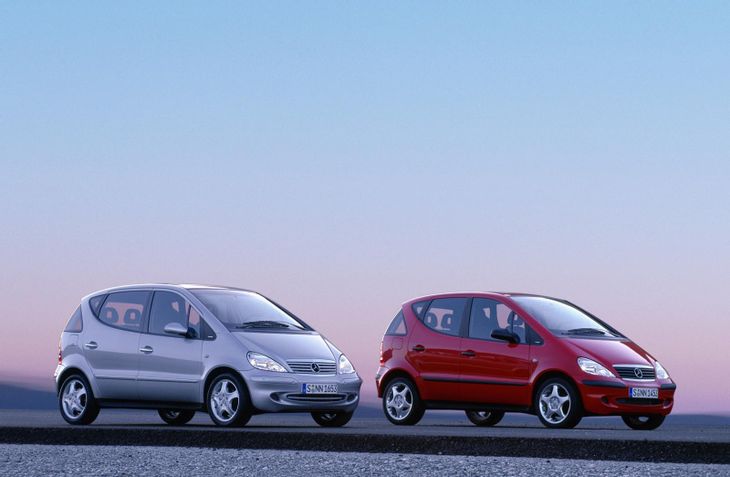
The original
It all started with W168, which was not universally loved. The notion of a Mercedes hatchback appeared odd and contrary to the brand’s values. Scepticism increased when the first of these A-Class models appeared to exhibit an alarming propensity to roll over during abrupt high-speed lane changes (the infamous "moose test").
Mercedes-Benz allayed the issue with a rather expensive post-production engineering upgrade to the electronic stability algorithm. Despite a problematic introduction, the A-Class delivered on its mandate and eventually outlasted its city-car premium hatch rival from Audi, the A2.
Although a front-wheel-drive Mercedes was supposed to lure hip urbanites and young designers, something quite peculiar happened. A fair volume of South African A-Class buyers were retirees who cherished the Mercedes-Benz brand values and wanted something of more manageable dimensions to drive around town. What do they say about the law of unintended consequences?
The long one
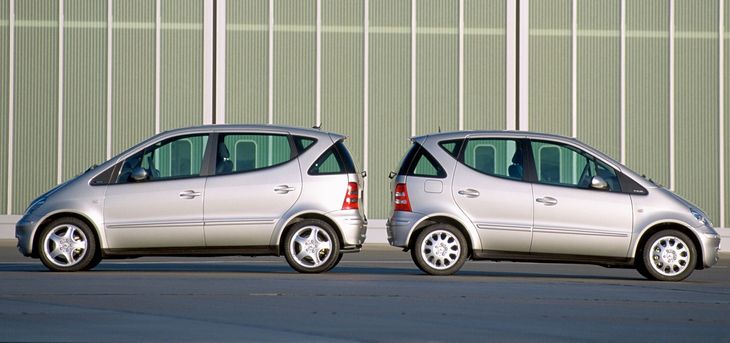
Revolutionary packaging was a defining characteristic of the original A-Class, with engineers managing to place the engine and gearbox within a steel floor structure, thereby consolidating interior space. For their size, 1st-generation A-Class hatchbacks were generously large inside.
The 2001 A-Class refresh ushered in a new derivative too, the A-Klass Lang. With a wheelbase stretched by 170 mm this was a German hatchback that could flow with confidence around crowded urban infrastructure and had unbelievable cabin roominess too. Legroom was improved by 13% and knee room was an additional 22%, compared with the standard-length A-Class.
Beyond the plentiful improvement in rear-passenger comfort the stretched A-Class configuration brought with it a beneficial characteristic of long-wheelbase vehicles: stability. Of all the 1st iteration A-Class models, the long-wheelbase versions were perhaps the best execution of Mercedes-Benz’s revolutionary packaging idea. Their overall dimensions remained sufficiently compact to make parking and urban driving an unintimidating task for nervous drivers, yet inside they were huge.
The AMG Twin Study
Before turbocharging became the default engine configuration, most hatchbacks were powered by naturally-aspirated engines. The A-Class was no exception.
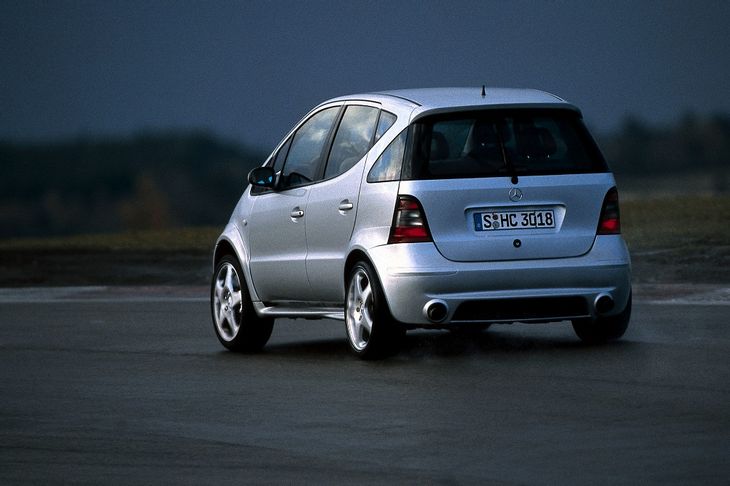
So, how do you make a 1st-generation A-Class go that much faster without forced-induction? You double the capacity by adding a 2nd engine in the rear of the car.
This was AMG’s first contact with A-Class and the A190 Twin Study was built to show that even in the late 1990s, Mercedes-Benz was cultivating a wild streak amidst its engineering staff. To accommodate the 2nd engine the spare wheel was deleted, and some clever exhaust routing fabricated.
The combined power output was 186 kW and with each engine driving an individual axle, it was, therefore, all-wheel drive too. The foreshadowing of AMG’s eventual A45 configuration is almost uncanny. To the credit of all those involved, the A190 Twin Study worked and ran 0-100 kph in a just under 6 secs, before running out of gears by 225 kph. AMG’s engineers had the good sense to fit it with brakes from the E55 sedan and the project cars (only built 4), became known as "A38s".
Ahead of the battery trend
With a power- and drivetrain engineered to be sandwiched in the floor structure, unconventional for a front-wheel drive hatch, A-Class was a battery car waiting to happen.
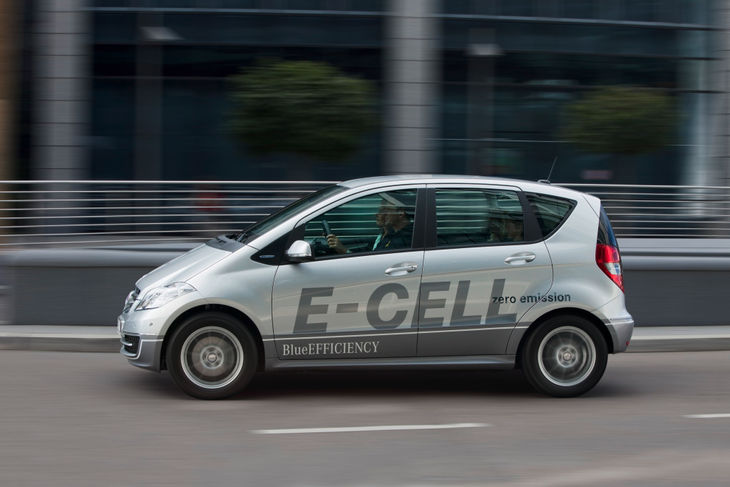
The 2nd-generation A-Class proved that Mercedes-Benz’s compact car architecture was nearly perfect for repurposing as a battery car. In 2010, the A-Class E-cell was revealed and a limited production run of 500 cars was released for ownership testing across Europe. Maximum range was an impressive 200 km and performance was superior to any combustion engined A-Class, with E-cell running the 0-60 kph benchmark in only 5.5 seconds. Remember, this was the time before the BMW i3 and i8, when most people associated any alternative powertrain with utterly pedestrian performance.
Where did Mercedes source the battery technology for its A-Class E-cell project? None other than Tesla Motors, who engineered the 36 kWh battery packs which produced 70 kW and 290 Nm. Imagine what could have been if Mercedes established a joint-venture with Tesla and built the A-Class E-Cell in significant volumes?
A45
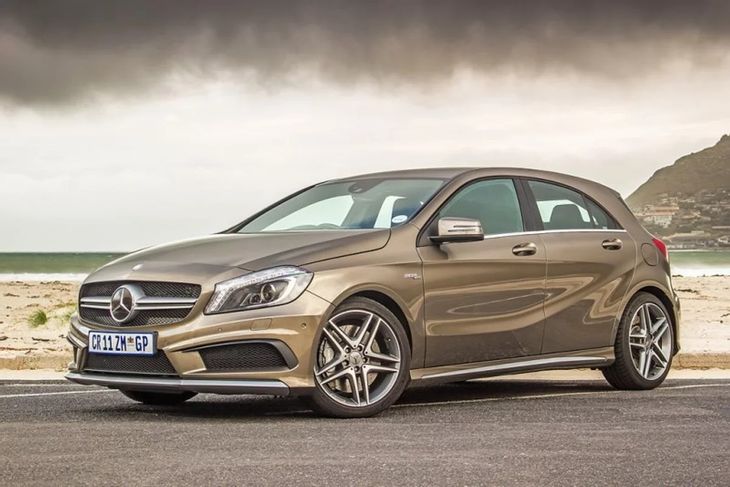
This was the first true production A-Class from AMG after that crazy Twin Study A38. Like the original twin-engined AMG hot hatch, A45 was all-wheel drive and considering the abundance of power on offer, it could certainly be no other way. A front-wheel-drive A45 would simply have been a complete failure.
A45 would debut AMG’s smallest engine and upon its release, all expectations of what represented hot hatch performance were reset. Boosting 265 kW from a 2-litre turbocharged four-cylinder block, made it vastly more powerful than any rival back in 2013. Here was a hatchback which could confidently run with V8 engined AMGs, never mind its three- and five-door C-segment competitors.
Not only did A45 prove that AMG’s engineering genius wasn’t limited to large-capacity V8 engines, it also demonstrated that Mercedes-Benz could assert its dominance with a vast product portfolio across nearly all segments: from limousines to hot hatchbacks.
Although A-Class had started out as a larger Smart car of sorts, A45 signalled an apex of maturity for the range. With the 4th-generation A-Class, featuring its predator nose styling, advanced turbocharged engines and cabin digitation, it’s telling how far the front-wheel-drive Mercedes concept has evolved in two decades.
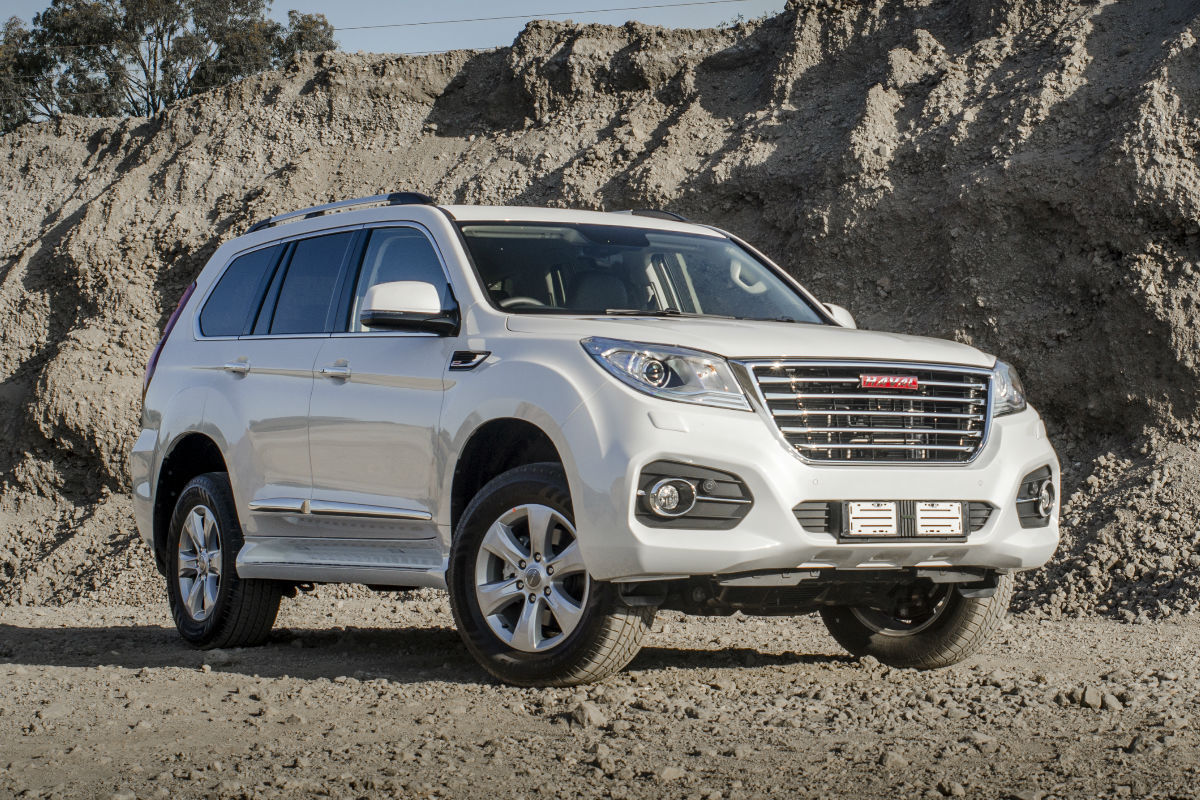
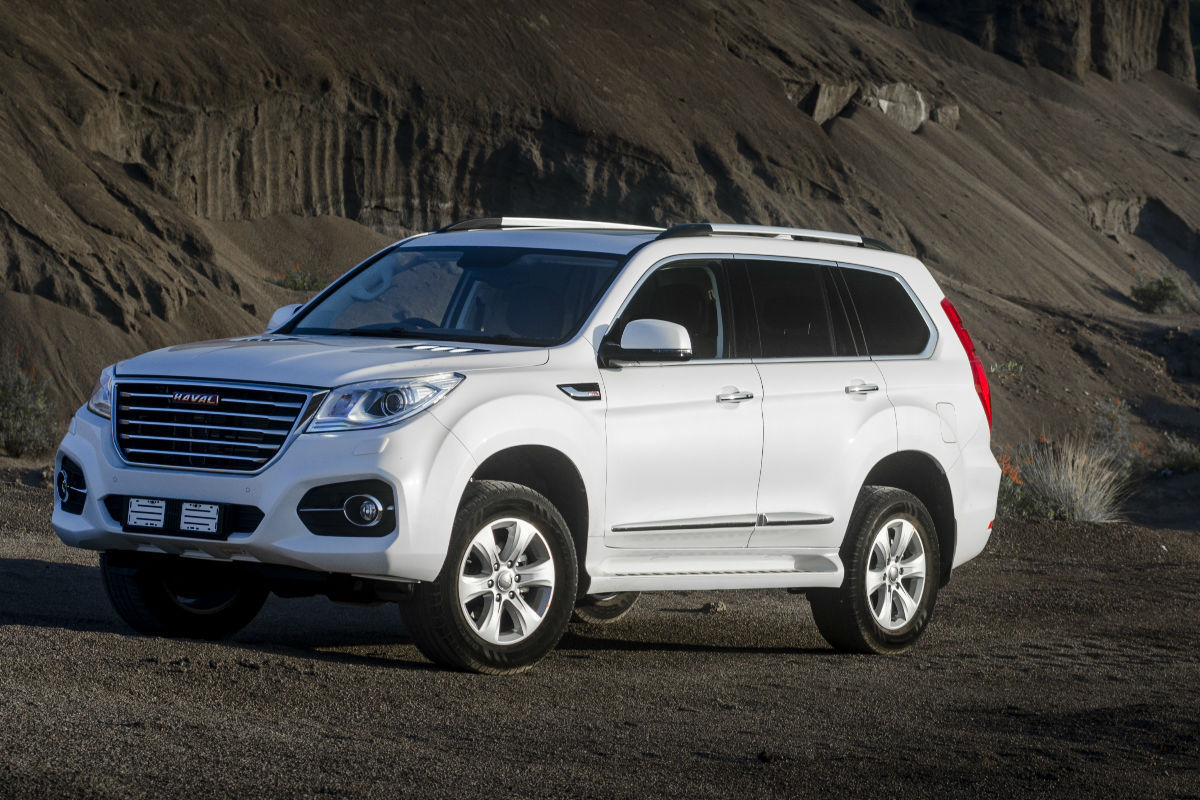
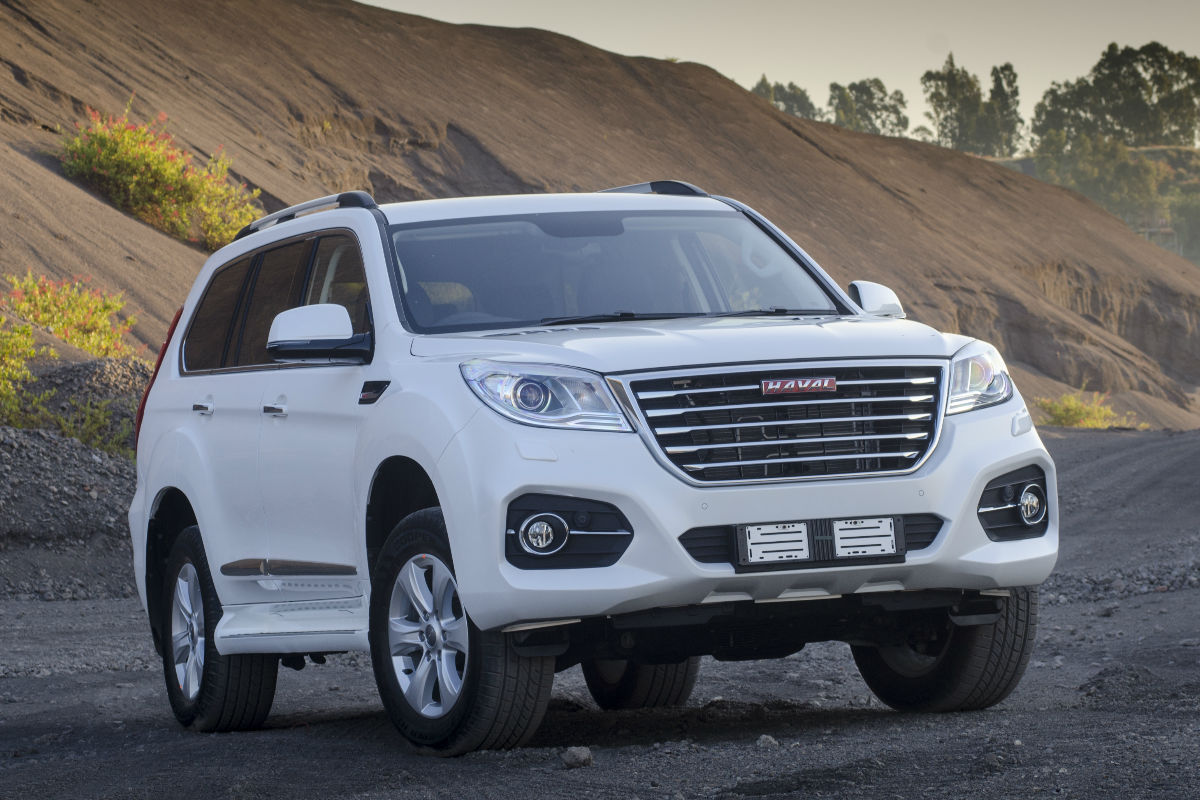
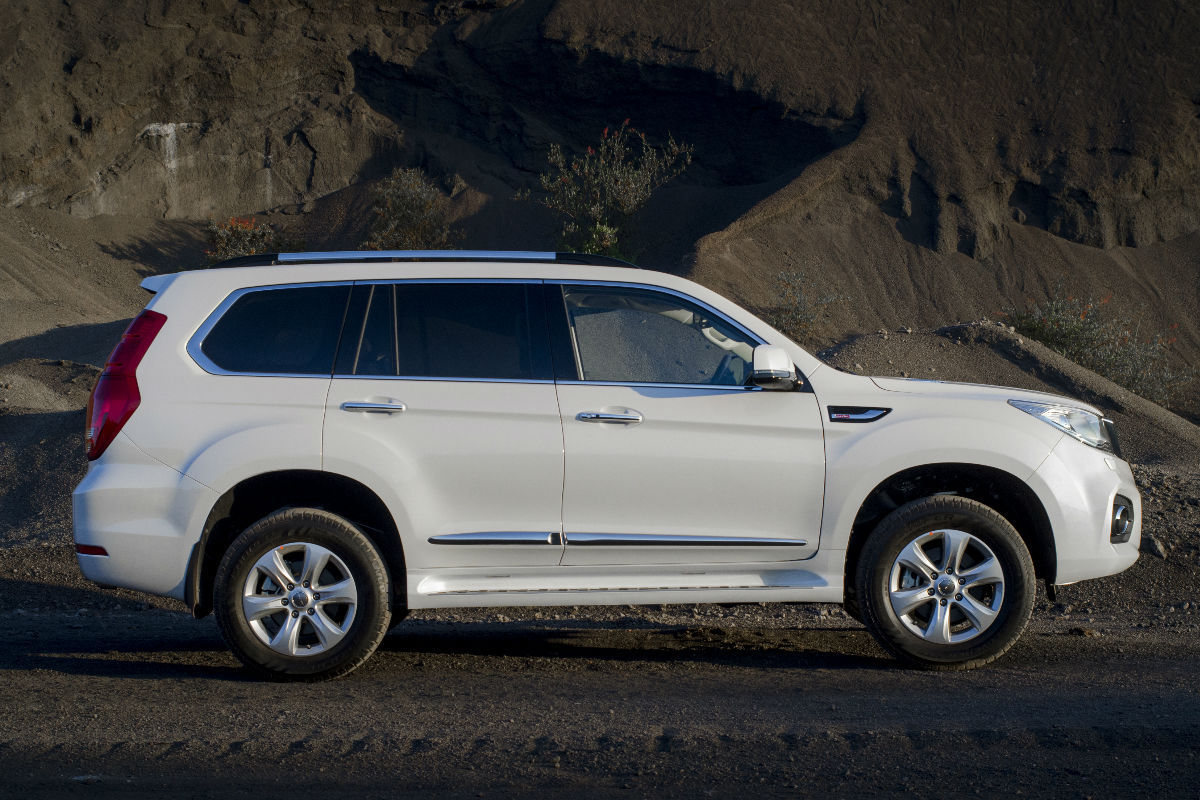
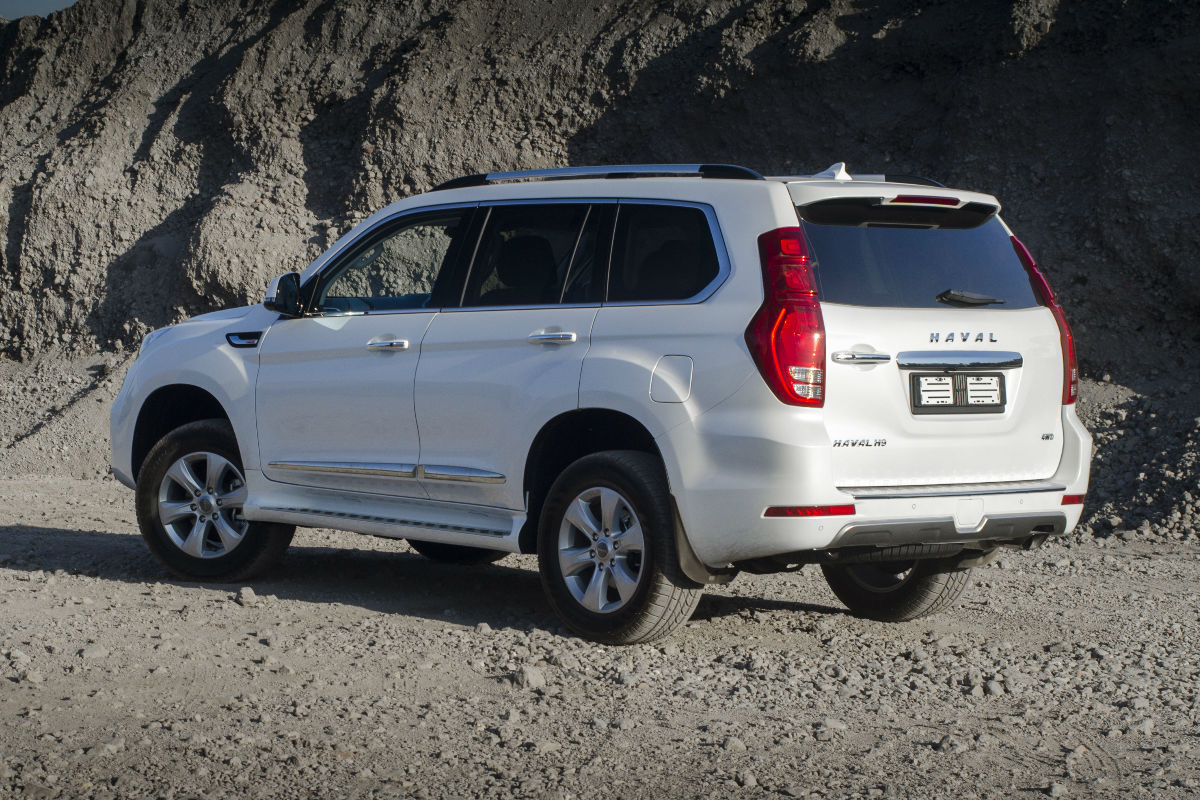
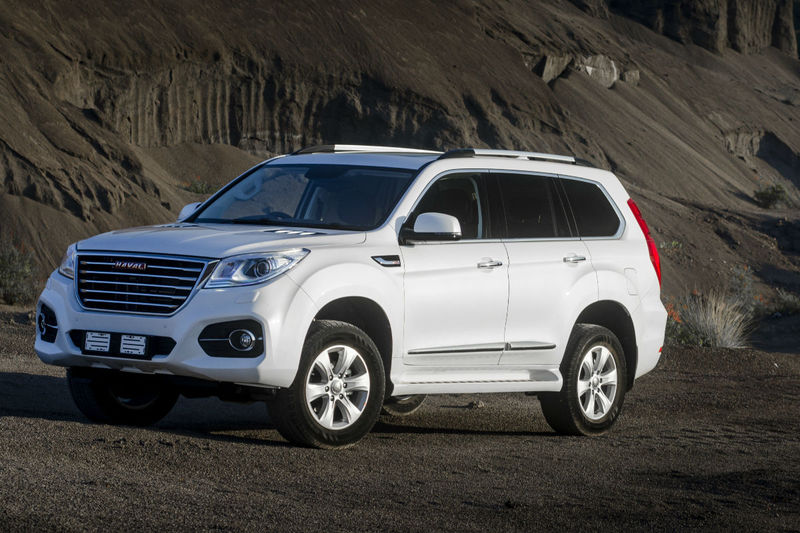
Chinese SUV brand Haval has introduced its first 4-wheel-drive model in South Africa. Although it has the body-on-frame configuration of an adventure SUV, such as the Toyota Fortuner (for example), and is priced accordingly, Haval’s flagship comes packed with the kind of features most would associate with large luxury off-roaders.
The 7-seater H9 joins the H1, (#CarsAwards-nominated) H2, H6 and H6C in Haval’s local line-up. The brand, which was launched in South Africa in mid-2017, has 29 outlets countrywide, fully backed by parent company GWM in China, and its dealer footprint should reach 35 by the end of 2018.
There is only one H9 derivative: a 2.0 Petrol 4WD Luxury, priced at R599 900 (which is, incidentally, exactly the same price as the flagship Mitsubishi Pajero Sport – at the time of being published, August 2018). Powered by a 180 kW 2.0-litre turbopetrol engine that produces peak torque of 350 Nm (1 800 to 4 500 rpm), the H9 has an 8-speed (ZF-sourced) automatic transmission replete with shift paddles and a low-range transfer case.
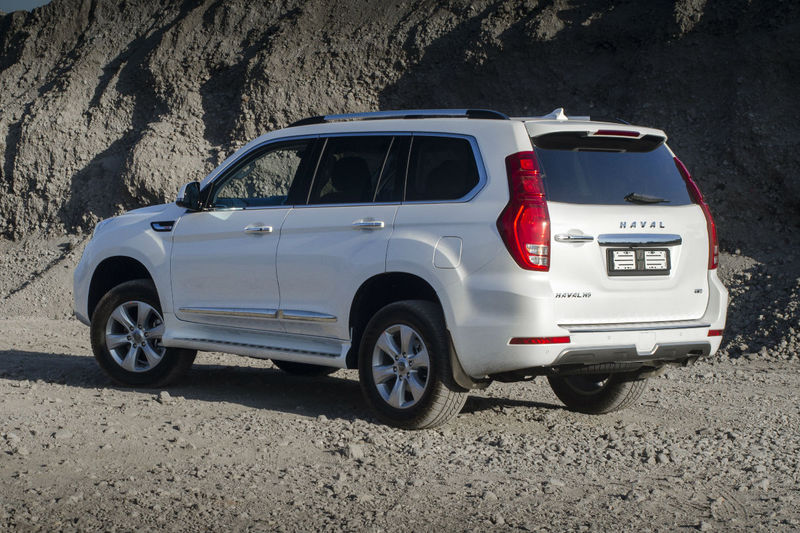
The H9 features sophisticated headlights, illuminated side steps and 18-inch alloys, to name a few features.
Purposeful exterior
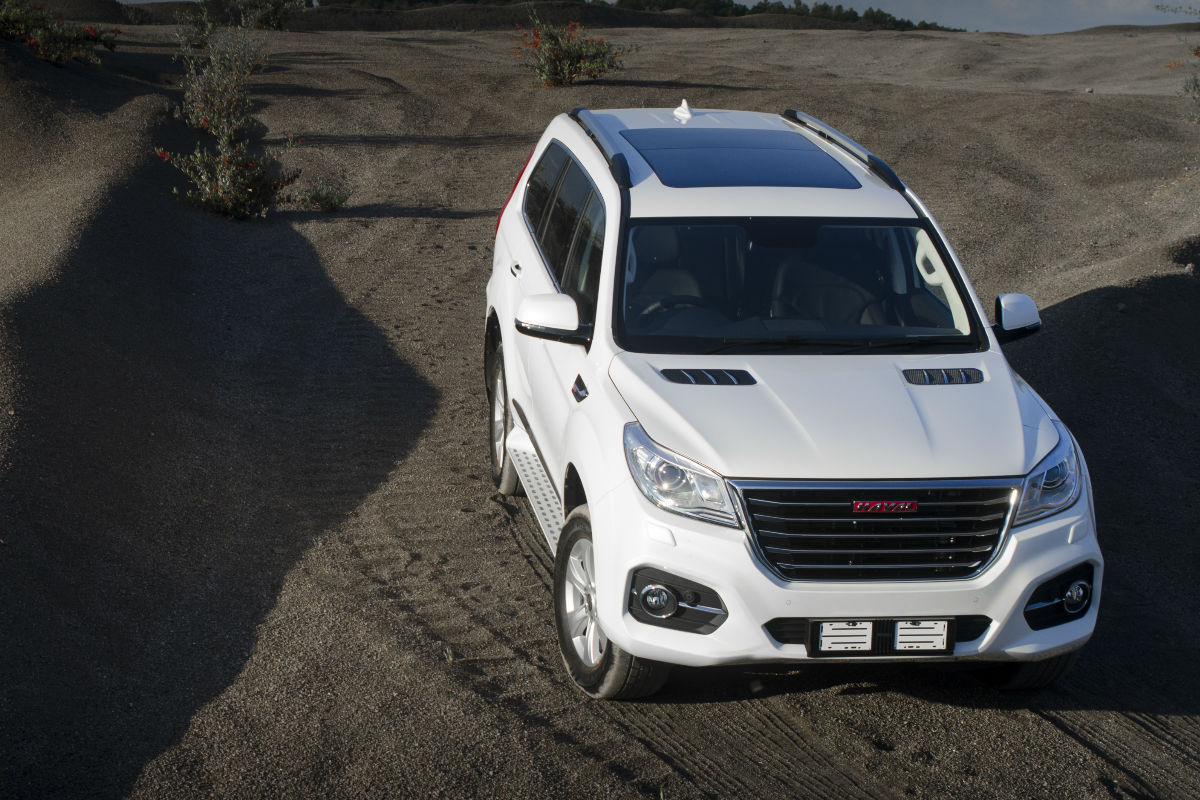
The H9 is underpinned by an independent double-wishbone front- and multi-link rear suspension and the SUV’s purposeful exterior is adorned with automatically-activated headlights (with adaptive front-lighting, a built-in cleaning system, as well as daytime running lights), fog lamps all round, illuminated side steps, a panoramic sunroof, roof rails, and 18-inch aluminium alloy wheels.
Luxurious interior
The H9’s leather-trimmed seats span 3 rows. The front seats are ventilated and include a massage function; while the driver’s seat is 8-way electrically adjustable driver seat (with extra lumbar support and memory function), the front passenger’s seat is 4-way electrically adjustable.
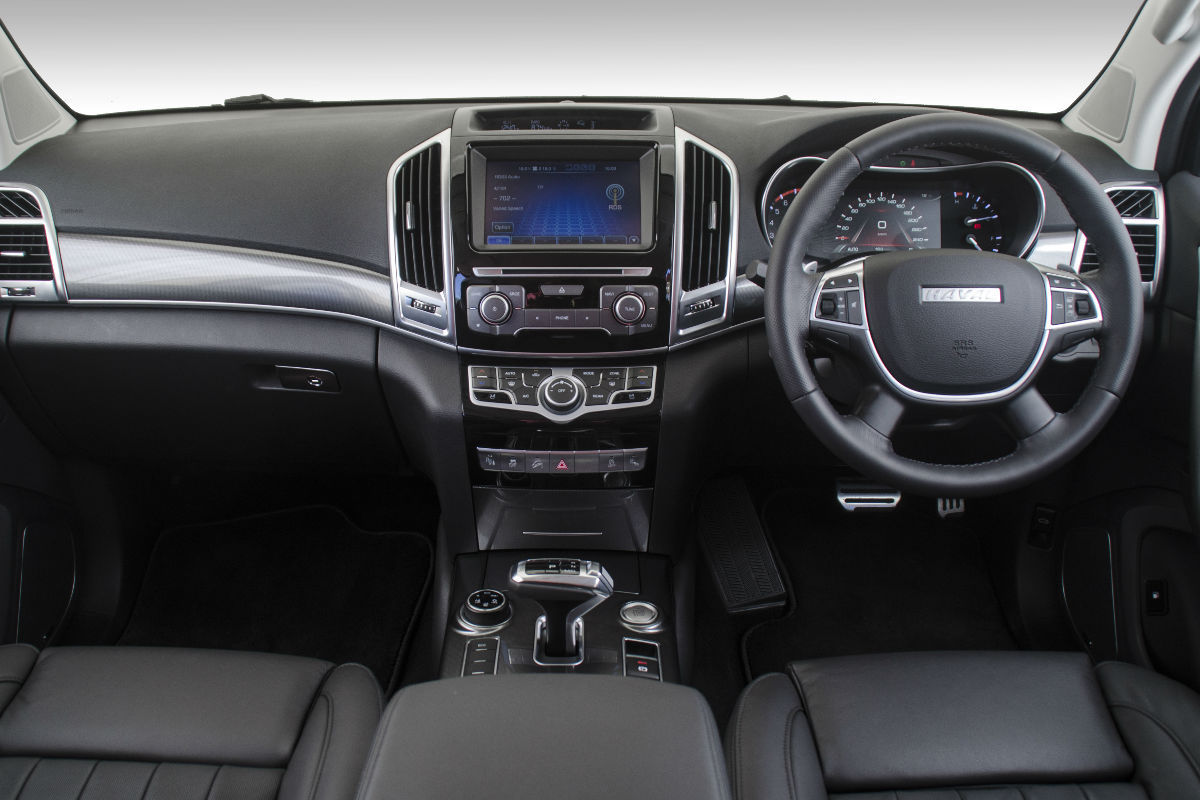
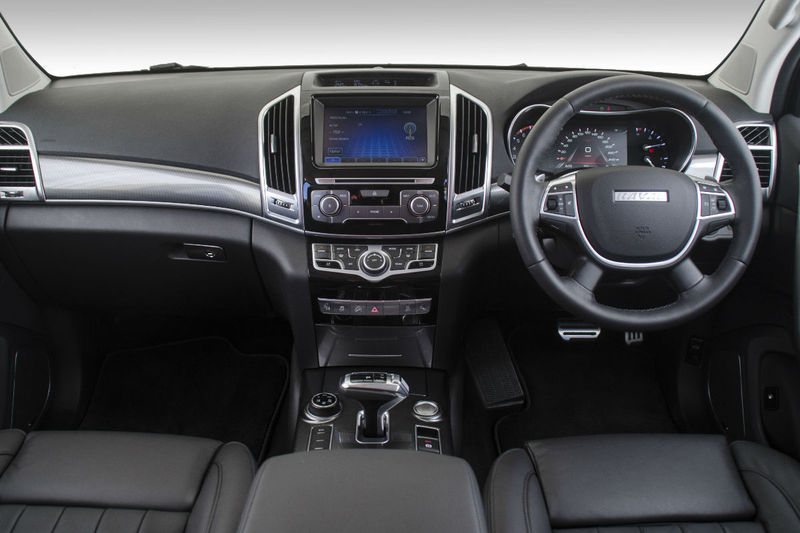
The leather-trimmed interior is equipped with a plethora of mod cons, including ventilated massage front seats.
The 2nd row splits 60/40 and is manually adjustable, while the 3rd row splits 50/50 and can be electrically folded into the floor to increase luggage space. With the rearmost seats folded down, the H9’s luggage bay has a claimed volume of 747 litres, under the removable luggage cover.
Some of the interior features include 3-zone climate control, an 8-inch touchscreen infotainment system with integrated satellite navigation, a 7-inch multi-info display in the instrument cluster, LED mood lighting, plus blind spot detection, cross-traffic alert and lane-change alert functions.
Various off-road modes
Meanwhile, the driver can select the most appropriate driving mode in the H9 via the multi-functional display knob on the secondary instrument panel. They are:
Auto mode: Dynamically apportions torque to all 4 wheels depending on the road surface.
Sport mode: The Electronic Stability Programme (ESP) settings are tailored for enthusiastic driving.
4L mode: In extreme off-road conditions, amplifies torque delivery to the wheel(s) with best grip.
Mud mode: Allows adjustment of the ESP to allow a certain amount of slip on muddy surfaces.
Sand mode: The transmission’s electronic stability control is adapted to optimise torque delivery to the driving wheels with the most grip to help prevent the vehicle from getting bogged down.
Snow (wet) mode: ESP improves road holding by mitigating over- and understeer and aid stability.
With an asking price of R599 995, the H9 2.0 Petrol 4WD Luxury easily undercuts flagship adventure SUVs.
Safety spec
Apart from a full complement of airbags, the H9 comes equipped with, inter alia, ISOfix child seat anchors, tyre pressure monitoring and driver-status detection systems, as well as a rear-axle electronic limited-slip differential lock. Electronic driver aids include ABS, BA (brake assist) and ESP, HAC (Hill-start Assist Control), RMI (Roll Movement Intervention) and HAC (Hill-start Assist Control).
Warranty and after-sales service
The H9 has a 5-year/100 000 km warranty, a 5-year/60 000 km service plan, and 5-year/unlimited km roadside assistance.
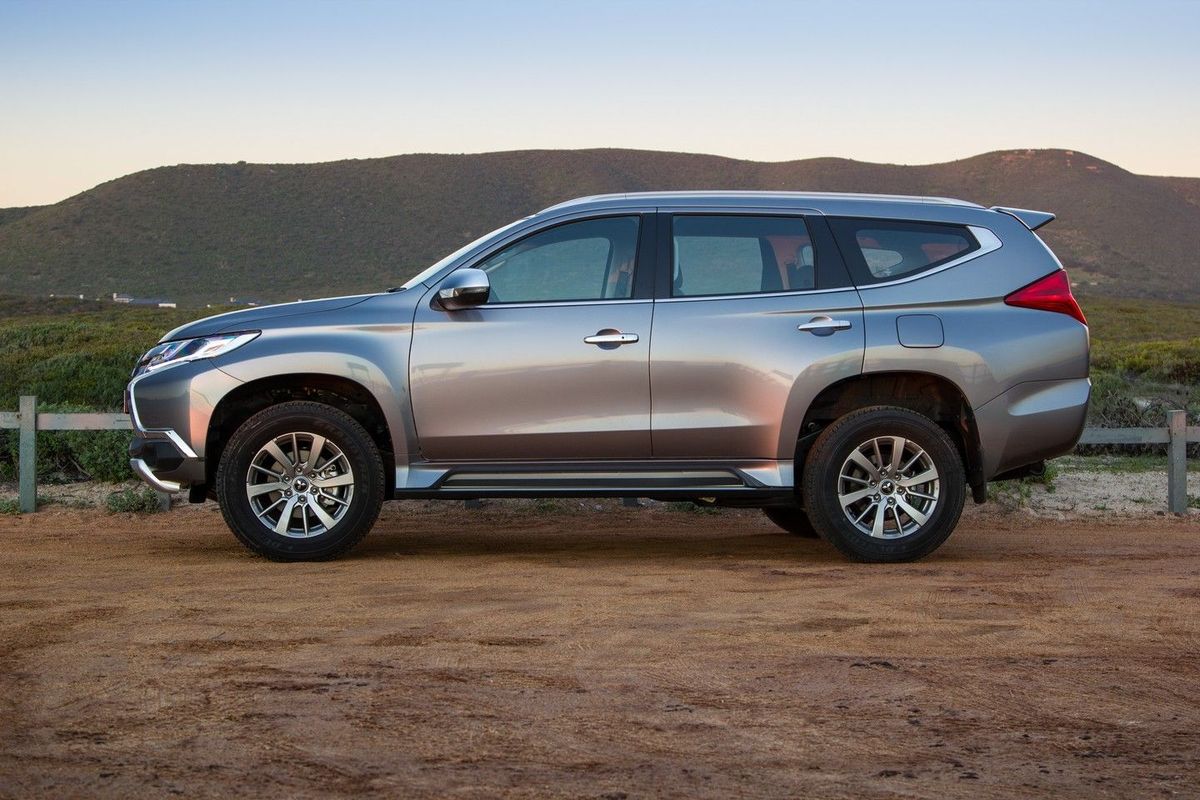
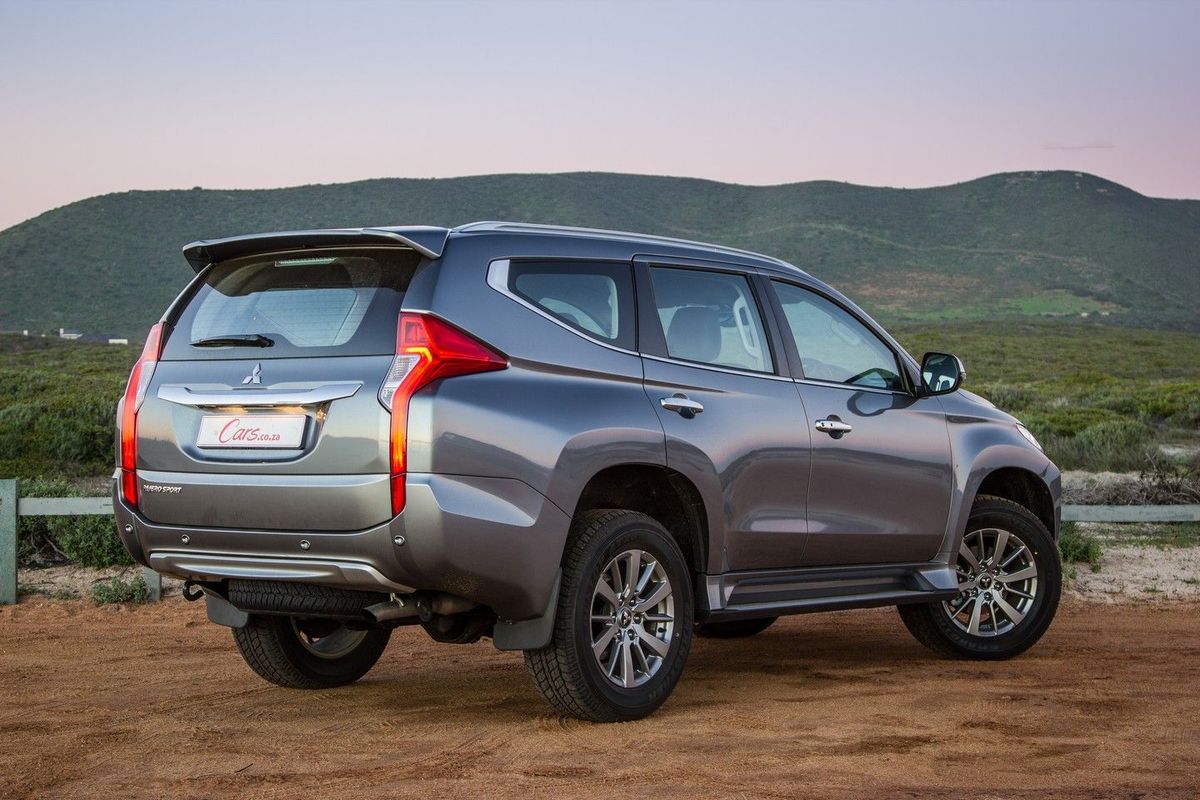
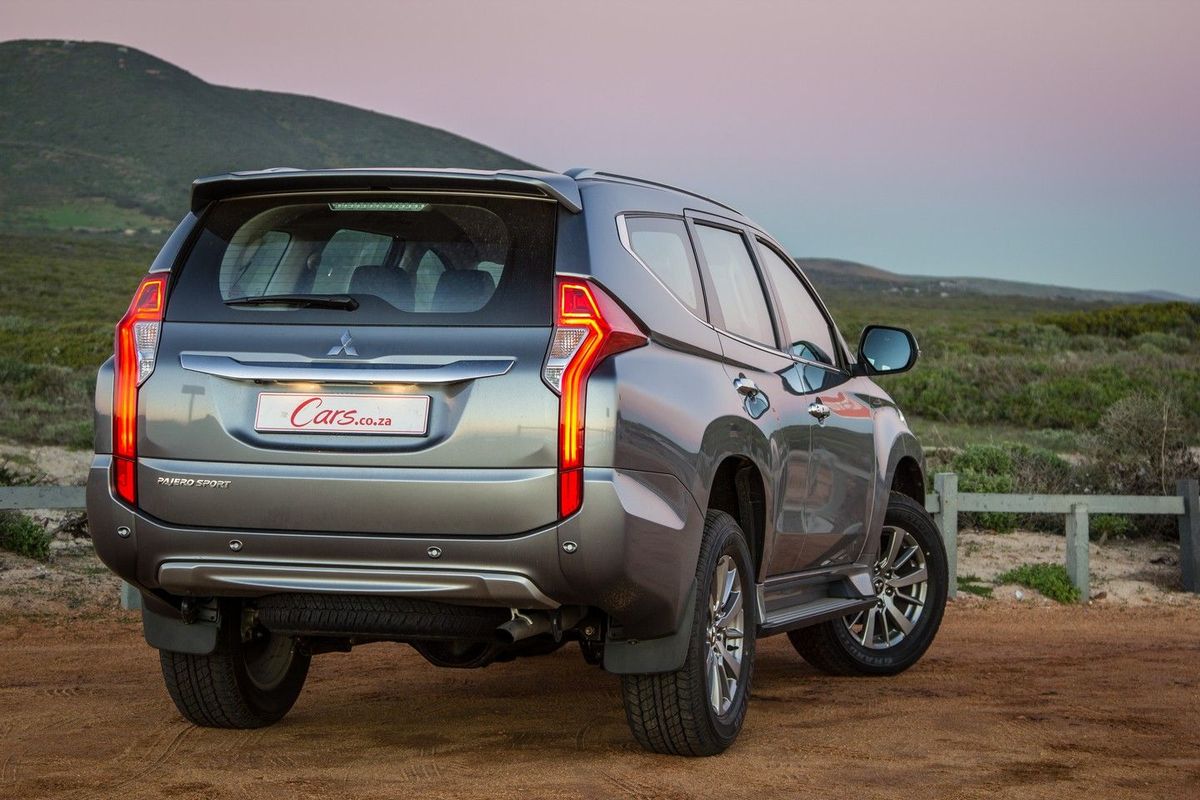
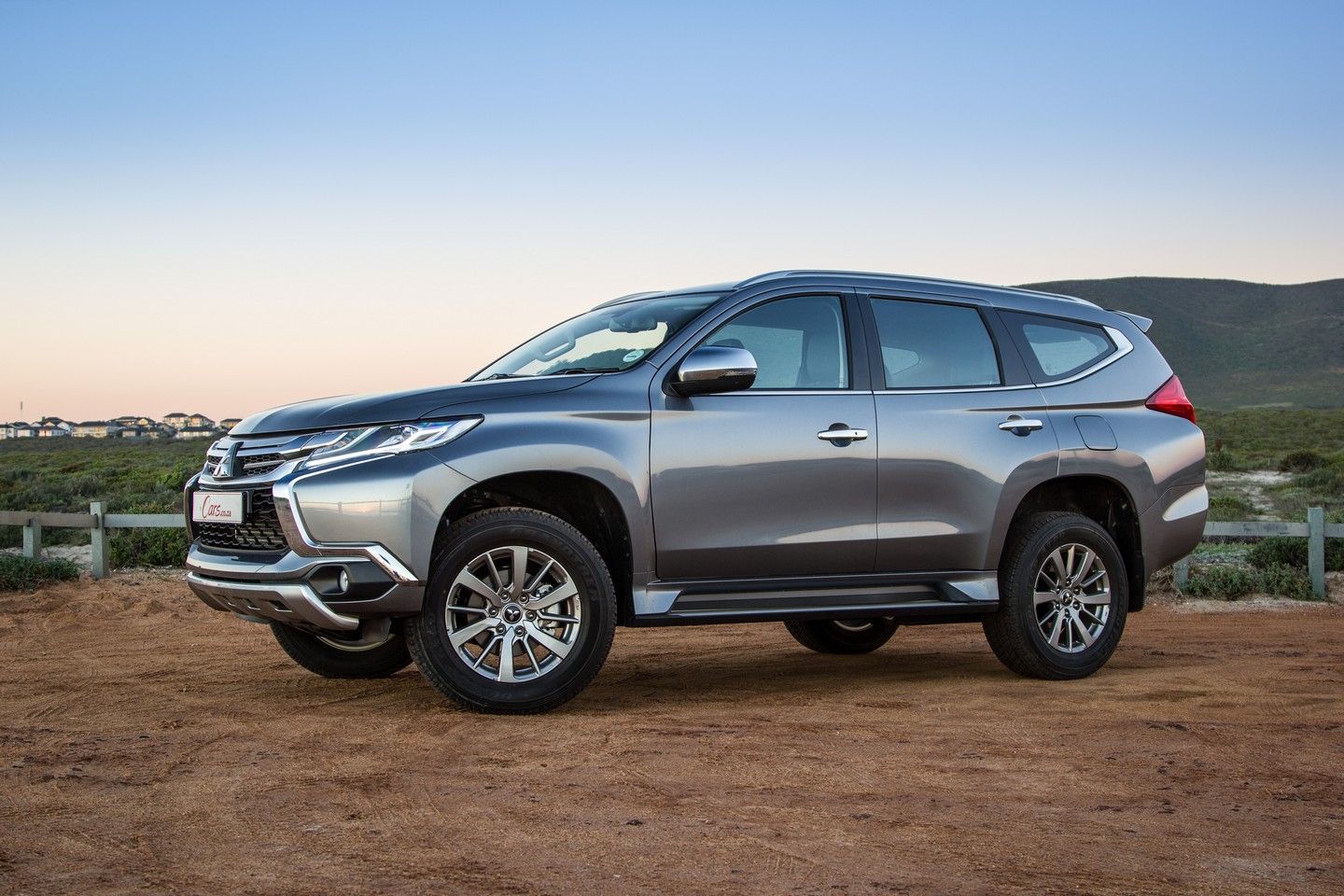
Mitsubishi Pajero Sport 2.4 D4 4×2 Auto (2018) Quick Review
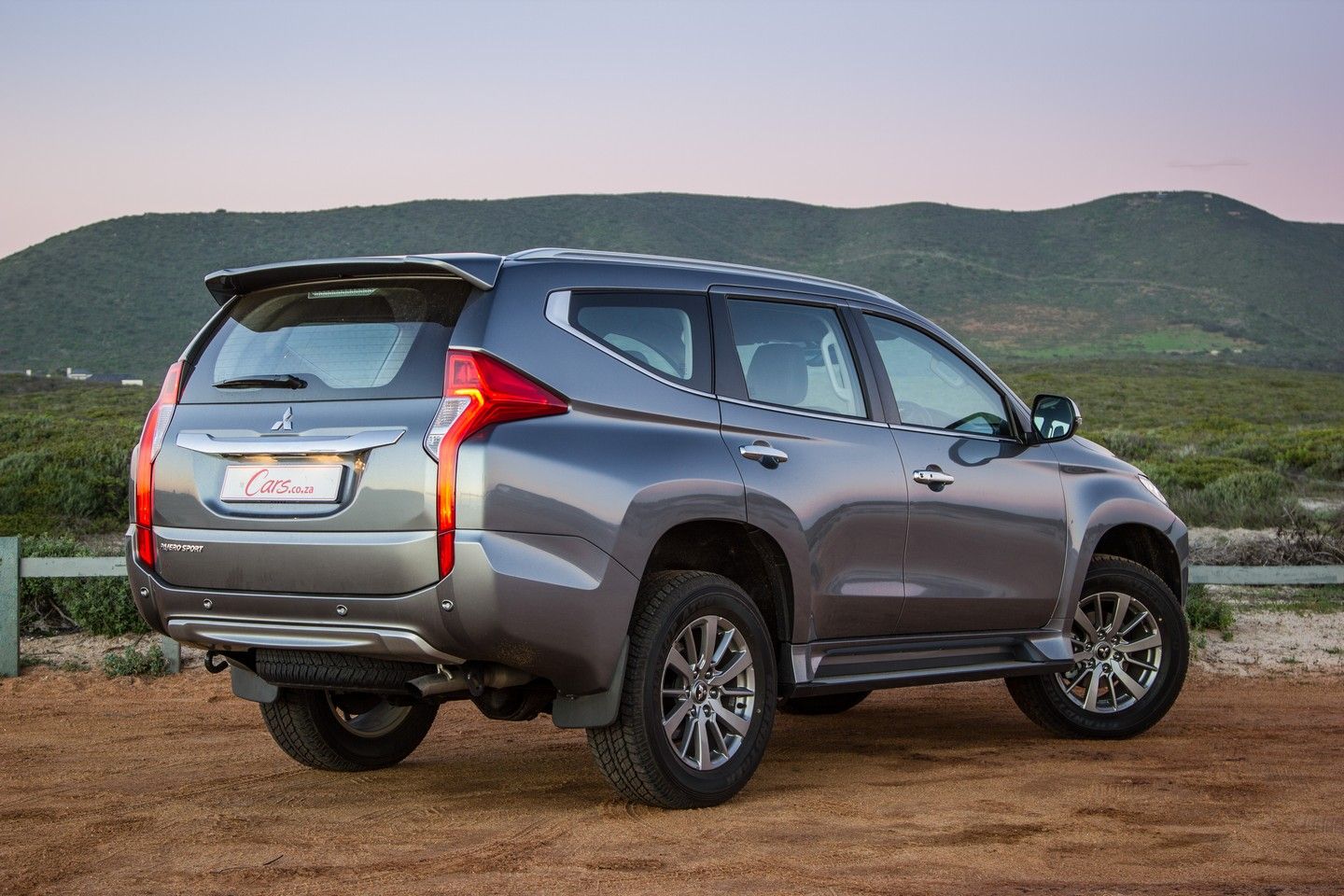
Although the provision of a 2-wheel-drive Pajero Sport derivative broadens the appeal of Mitsubishi’s impressive adventure SUV, its high specification (which is reflected in the asking price) sees it compete with all-wheel-driven derivatives of popular rivals.
We like: Generous spec, general refinement, build- and ride quality
We don’t like: Lack of forward oddment space, awkward price point
Are there any specials currently on this model? Find out here.
Thanks to the uprated braked towing capacity (to 2 700 kg), the Pajero Sport is likely to appeal to those who like hauling trailers to their holiday destinations.
Where does it fit in?
Until the recent introduction of the Isuzu MU-X, the Mitsubishi Pajero Sport was the only rival to the top-selling Toyota Fortuner and the Ford Everest, both of which are locally produced and offer a diverse line-up of derivatives. By contrast, Isuzu (MU-X) and Mitsubishi (Pajero Sport) offer a pair of 2- and 4-wheel-drive derivatives only, and the most affordable version of the latter is the subject of this review.
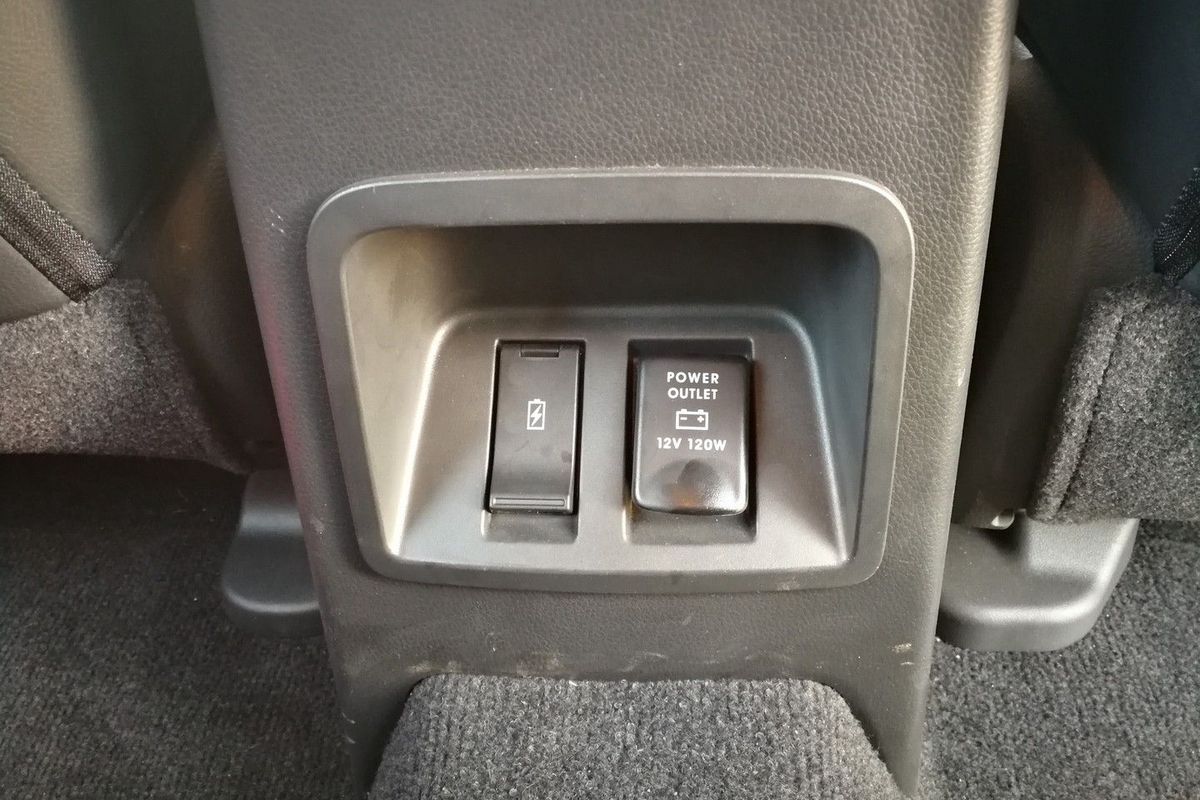
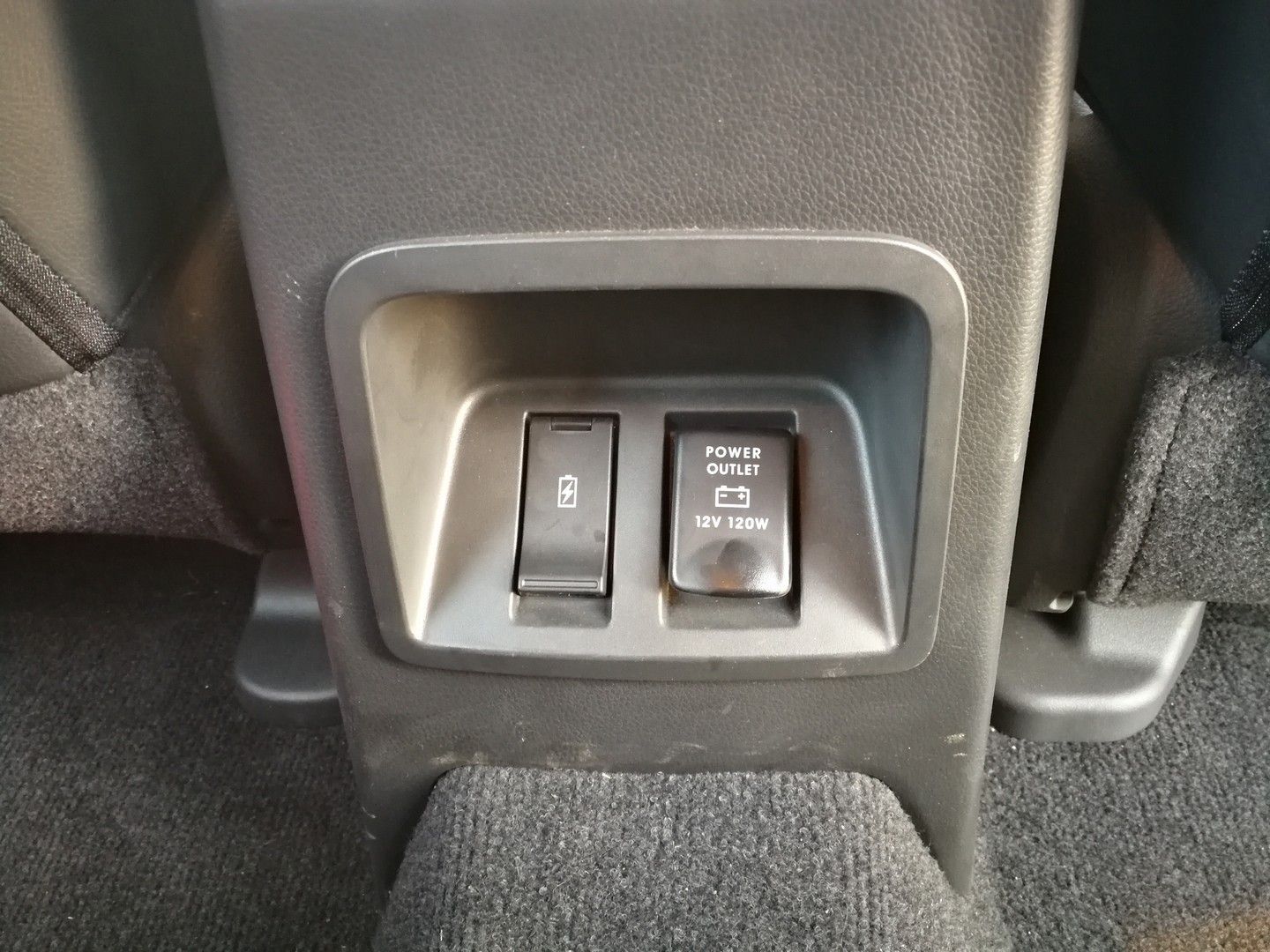
For the 2018 model year, the Pajero Sport has received a handful of upgrades that improve its safety spec and practicality, but encouragingly, its asking price (since the local market launch in August 2017) remains unchanged. A total of 7 airbags are now fitted (driver, front passenger, driver’s knee, front side and curtain airbags), a 12V/120W power socket is provided and, importantly (for users who like to use their vehicles for towing), the braked tow rating has been increased to 2 700 kg.
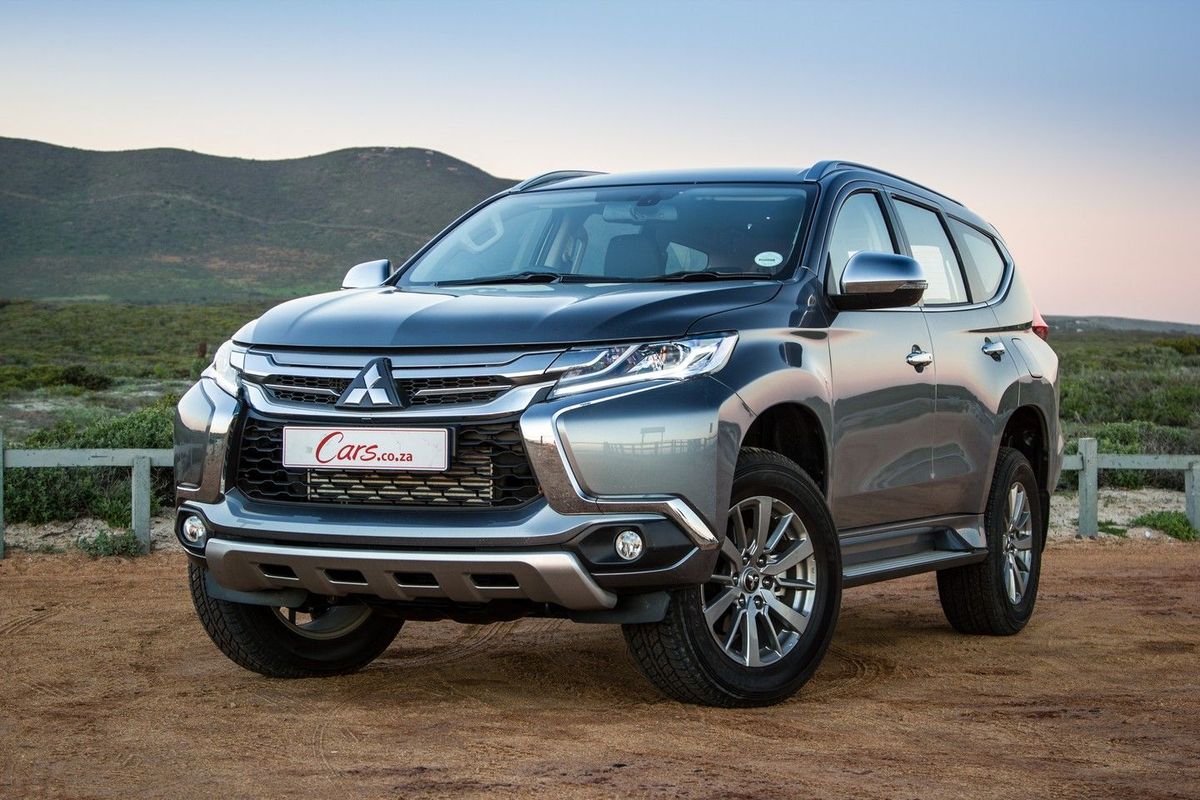
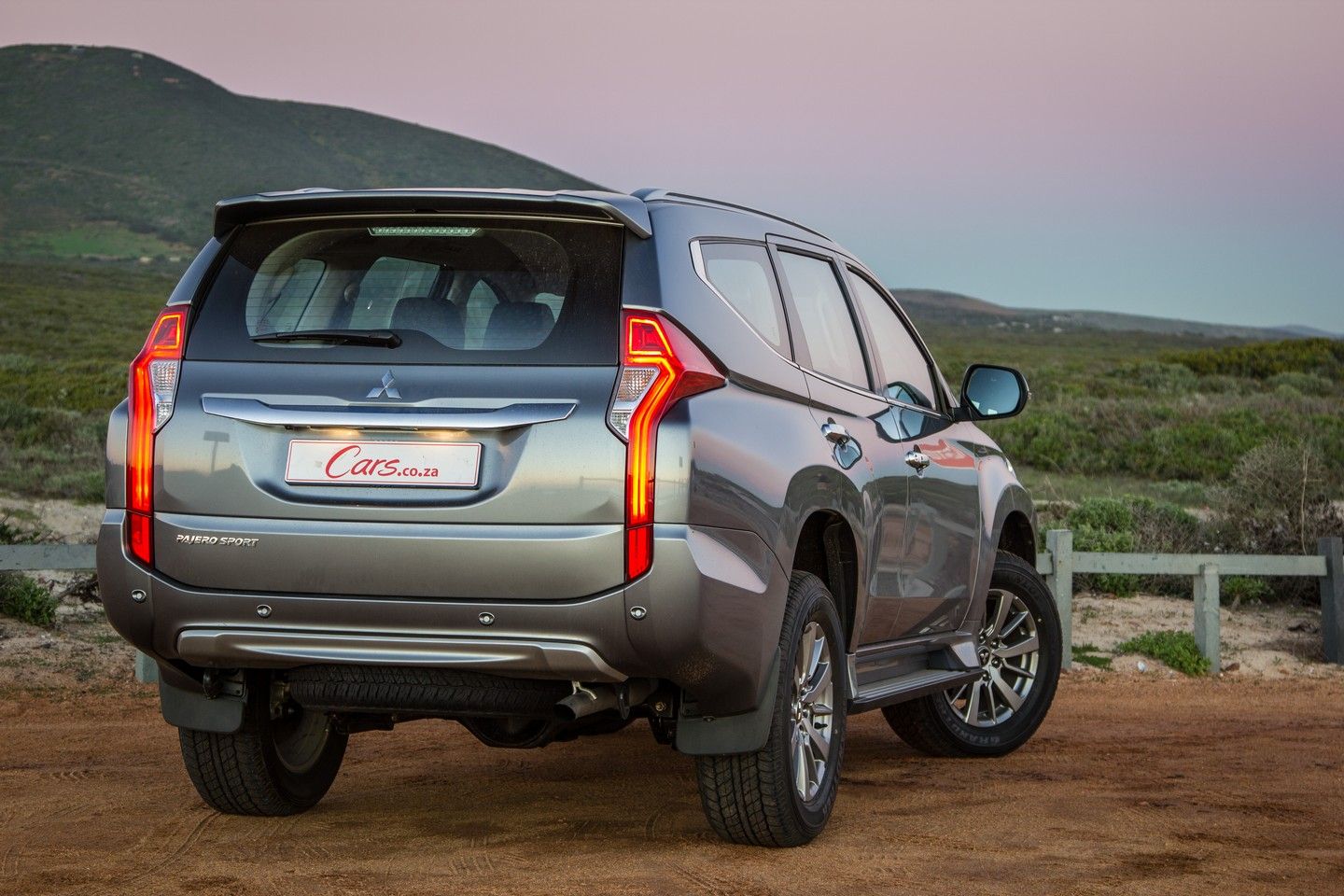
The 2-wheel-drive version of the Pajero Sport looks very similar to its 4WD flagship sibling, certainly not R30k cheaper…
What’s good about it?
Generous specification
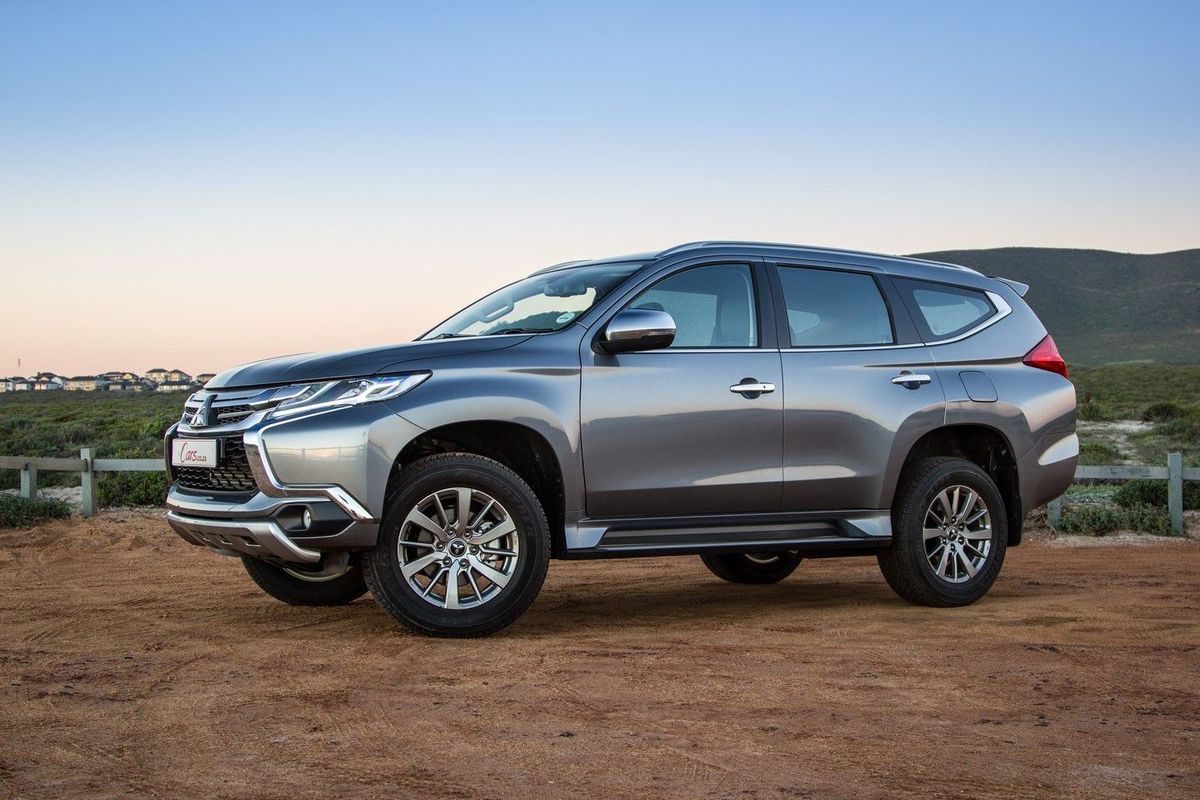
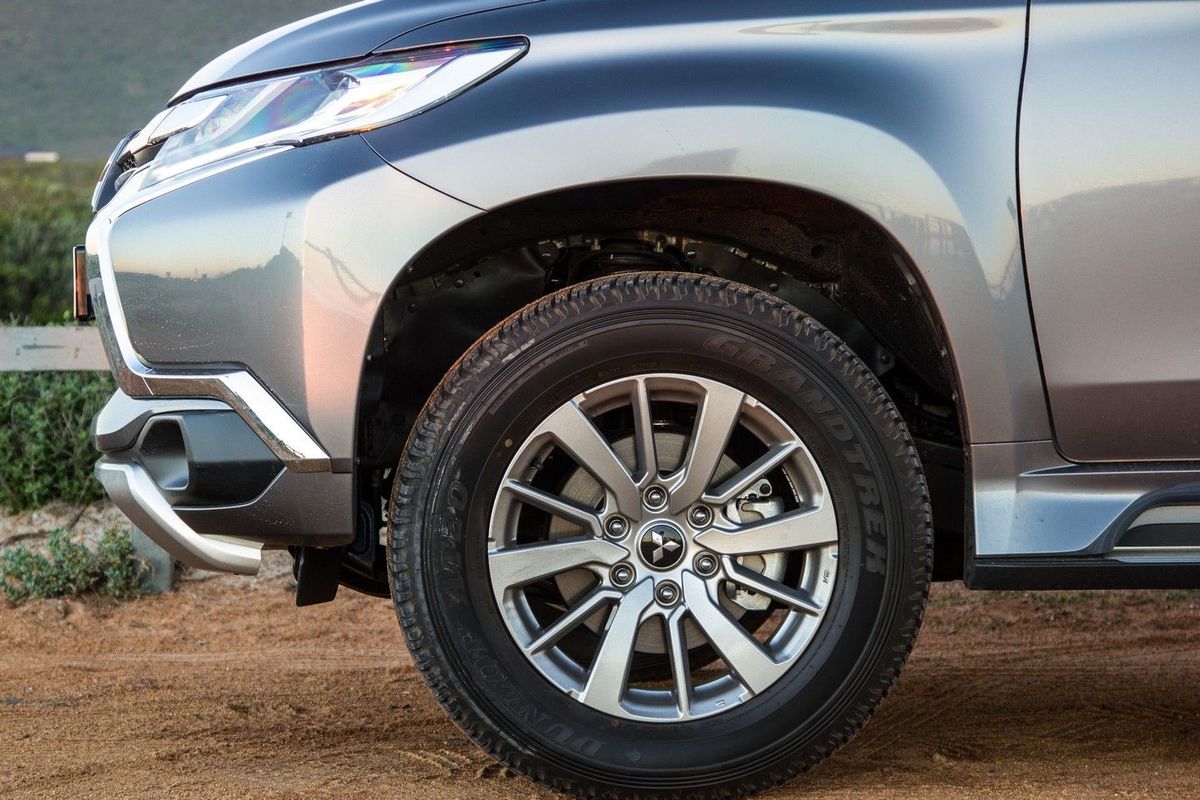
Even before the aforementioned features were added for the 2018 model year, the Pajero Sport 2.4 D4 Auto was lavishly equipped. The exterior highlights include LED daytime running lights, auto-folding electrically-adjustable side mirrors with integrated indicators, roof rails and titanium-look 18-inch alloys.
Inside, you get leather trim (with electrically adjustable driver’s seat), a multifunction steering wheel with audio and cruise control toggles, Bluetooth with hands-free voice control, automatic dual-zone climate control (with rear outlets, even for the 3rd-row occupants), a touchscreen infotainment system, electric windows all round, keyless entry and start, automatically activated lights and wipers, rear park distance control and a reverse-view camera.
Safety wise, the 7 airbags are complemented by ISOfix child seat anchors, ABS with EBD and Brake Assist, a Hill Start Assist System, as well as Active Stability and Traction Control.
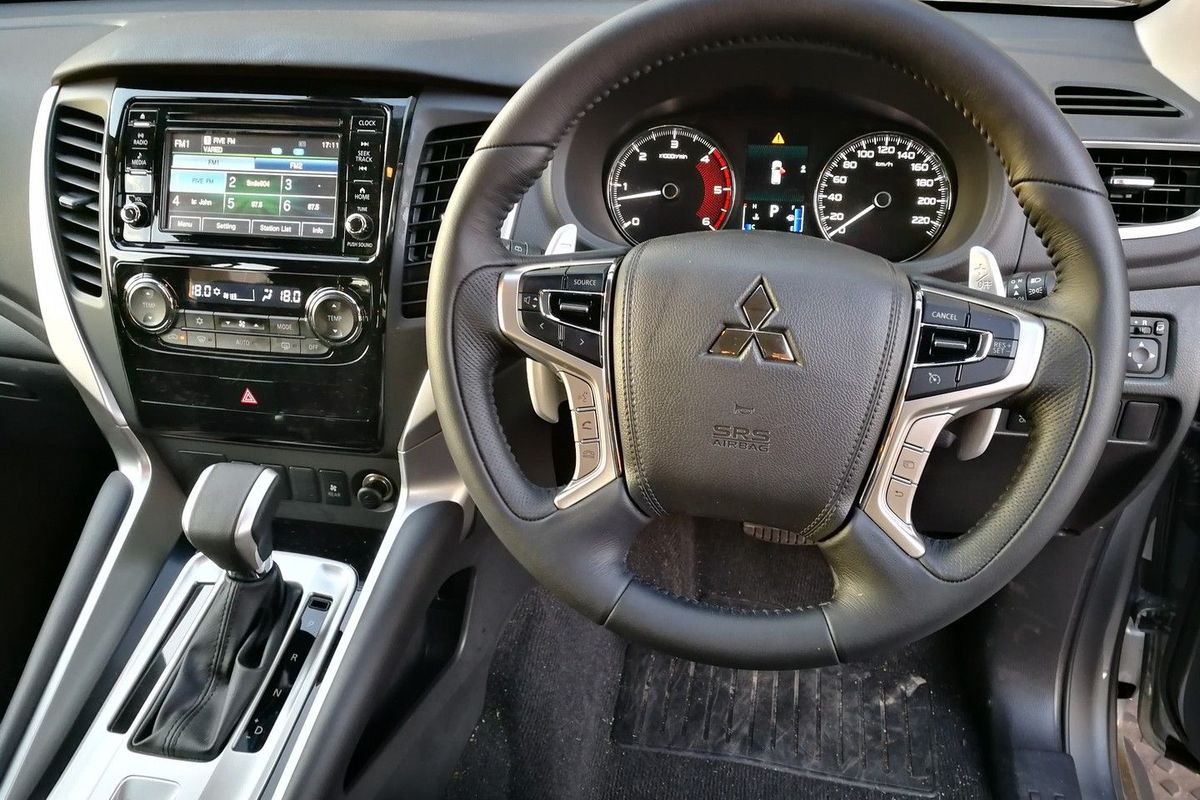
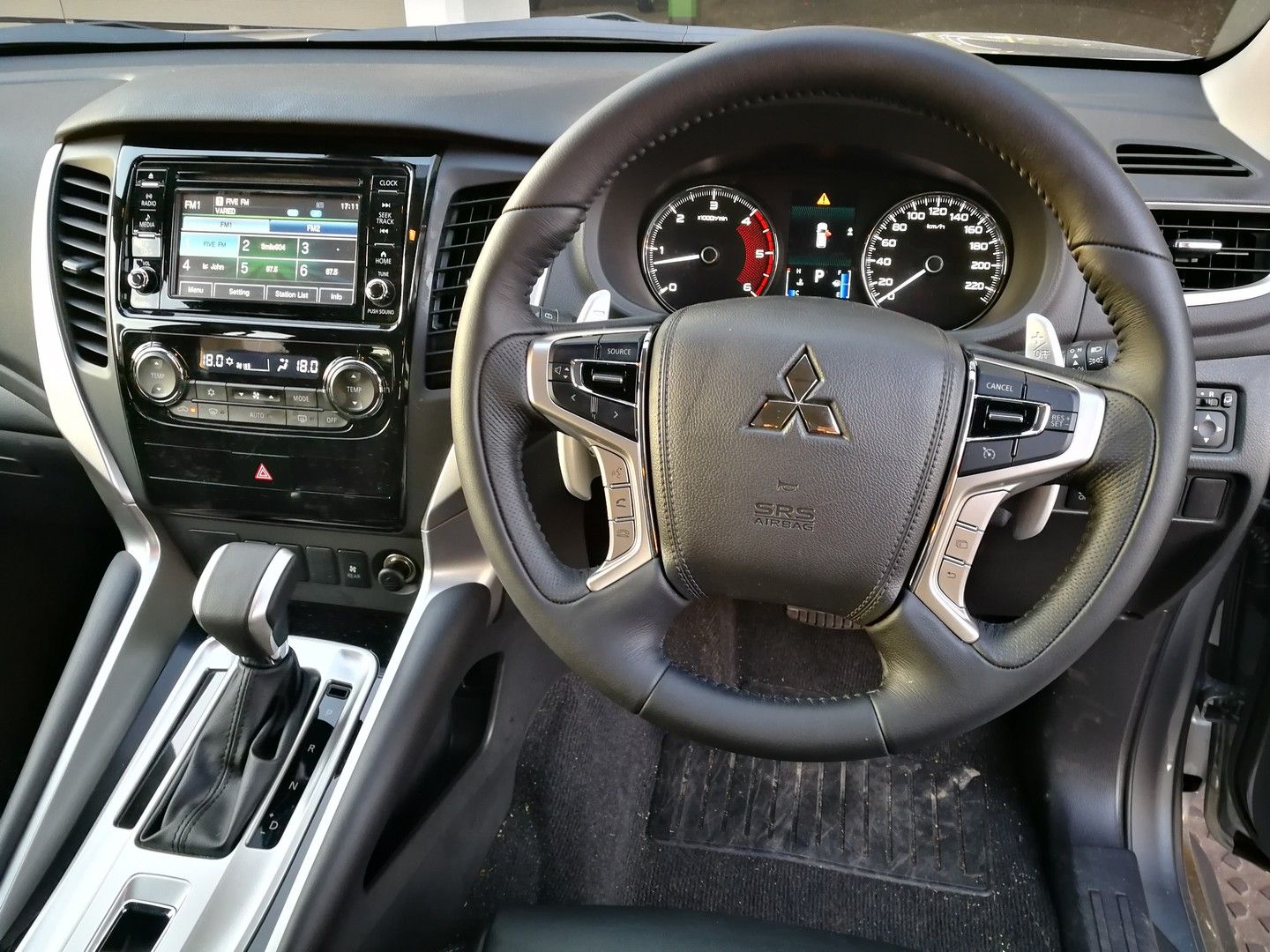
The perceived quality of the Pajero Sport's interior is high, thanks to flush-fitting panels, tactile leather surfaces and a particularly smart steering wheel.
Good on-road refinement
There are 2 factors that elevate the Mitsubishi above its predecessor and arguably, a few of its rivals, in terms of a chassis-based vehicle’s ability to emulate the higher refinement of a unibody (read: more expensive) large SUV.
The first is the 2.4-litre turbodiesel engine, which delivers 133 kW at 3 500 rpm, 430 Nm of torque at 2 500 rpm and is impressively matched with a smooth-shifting 8-speed automatic transmission (equipped with shift paddles). Not only does the innate flexibility of the engine reduce the need for the auto ‘box to regularly hunt for the appropriate ratio, but the generally quieter nature of the powertrain contributes measurably to the vehicle's overall feel of refinement, especially at cruising speeds.
The 2.4-litre turbodiesel at the heart of the Pajero Sport 2.4 D4 is relatively refined, with a flexible torque delivery.
Secondly, the low intrusion of noise vibration and harshness into the Mitsubishi’s cabin is matched by a generally unflappable ride quality. Whereas some bakkie-based adventure SUVs still soldier on with rear leaf-spring suspensions (or variations thereof), the Pajero Sport’s multi-link-with-stabiliser setup takes most bumps and ruts in tarred roads in its stride. Moreover, the 2.4 D4’s more settled ride (and predictable body roll) instils driver confidence in the outright handling ability of the vehicle.
Where does it lag the best in this segment?
Could be more practical
Whereas the towing capacity (braked) of the Pajero Sport used to be a problem (as highlighted in our review of the 2.4 D4’s 4WD flagship sibling in November 2017), Mitsubishi has improved the maximum figure of 1 800 kg to 2 700 kg for the 2018 model year, which now compares favourably with the Fortuner (2 500 kg), Everest and MU-X (3 000 kg apiece).
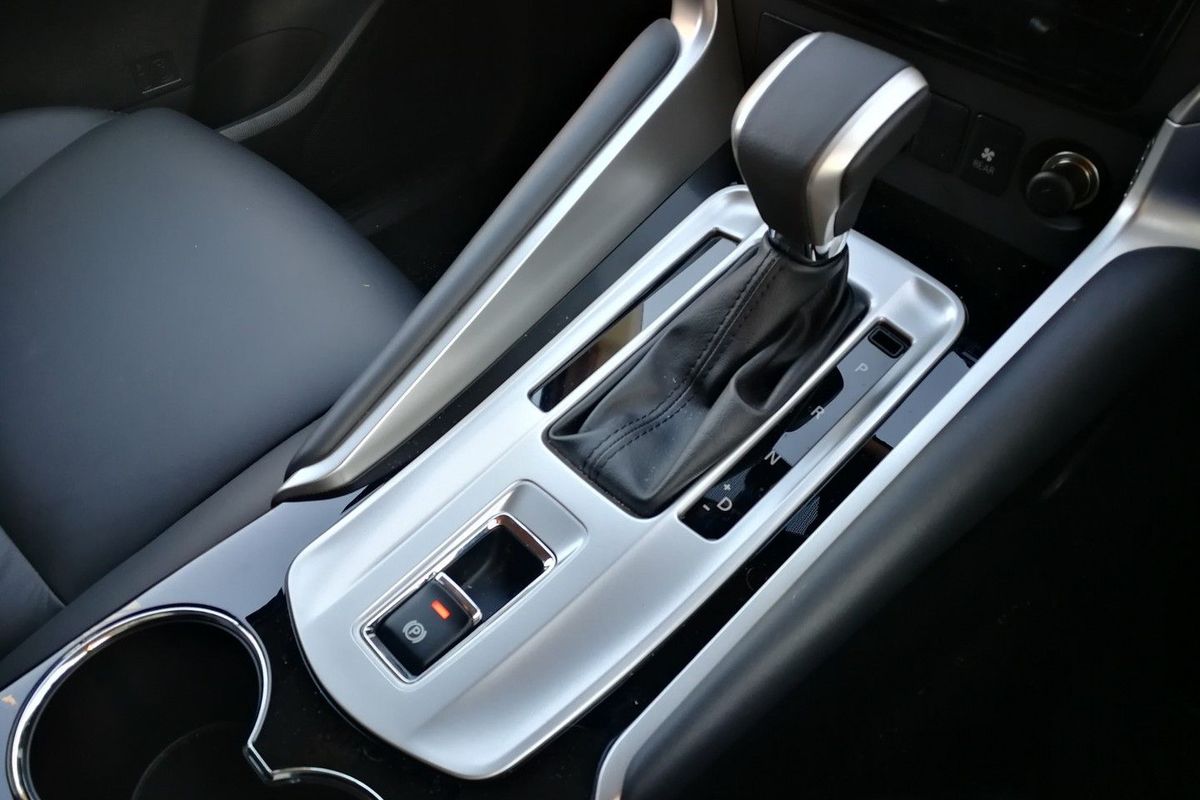
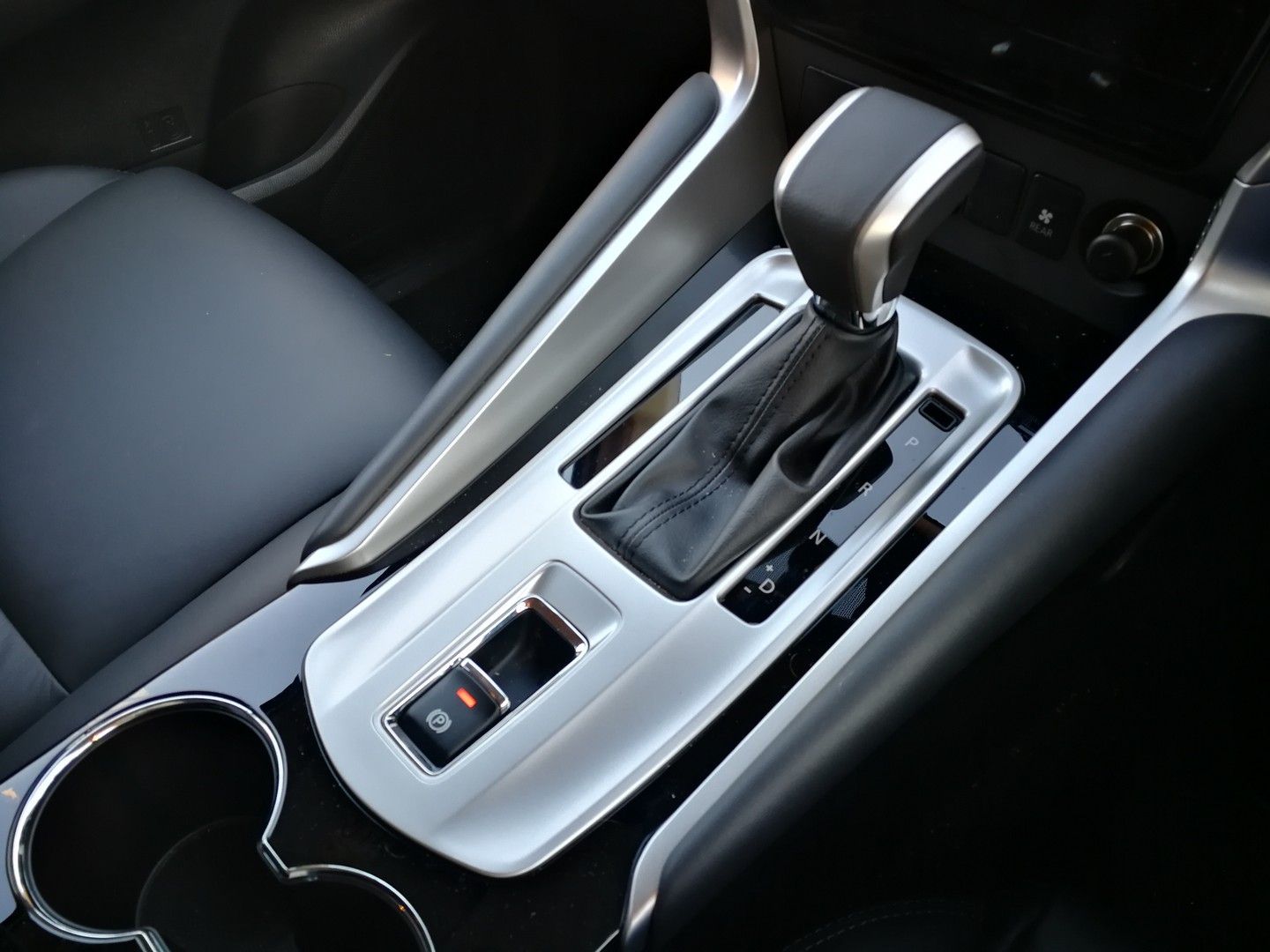
Although the centre console is smartly finished, the lack of oddment space (apart from the pair of drinks holders provided) is an oversight.
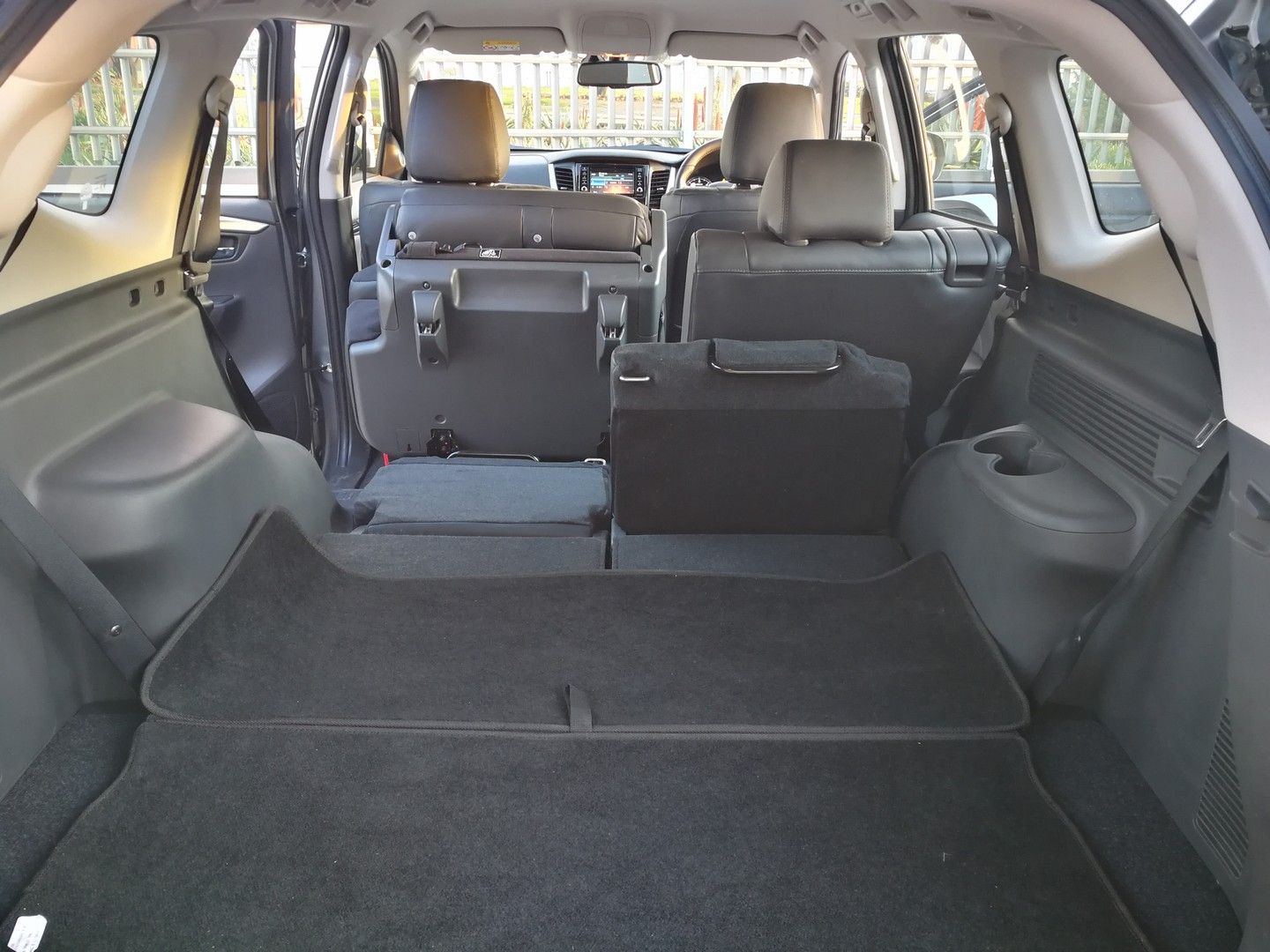
Bear in mind too that even though the Mitsubishi offers good 2nd-row legroom (the row does not slide fore and aft, although the backrest can recline), the Pajero Sport is lower, shorter and narrower than the Fortune and Everest, and therefore offers less outright luggage and utility space, but there is enough space for most families.
What we found most irksome about the vehicle’s packaging is the lack of oddments space in the front of the cabin. Apart from a couple of drinks holders and a lidded storage box in the centre console/transmission tunnel area, it would have been better if there was a scratch-resistant place to rest fragile items, such as smartphones.
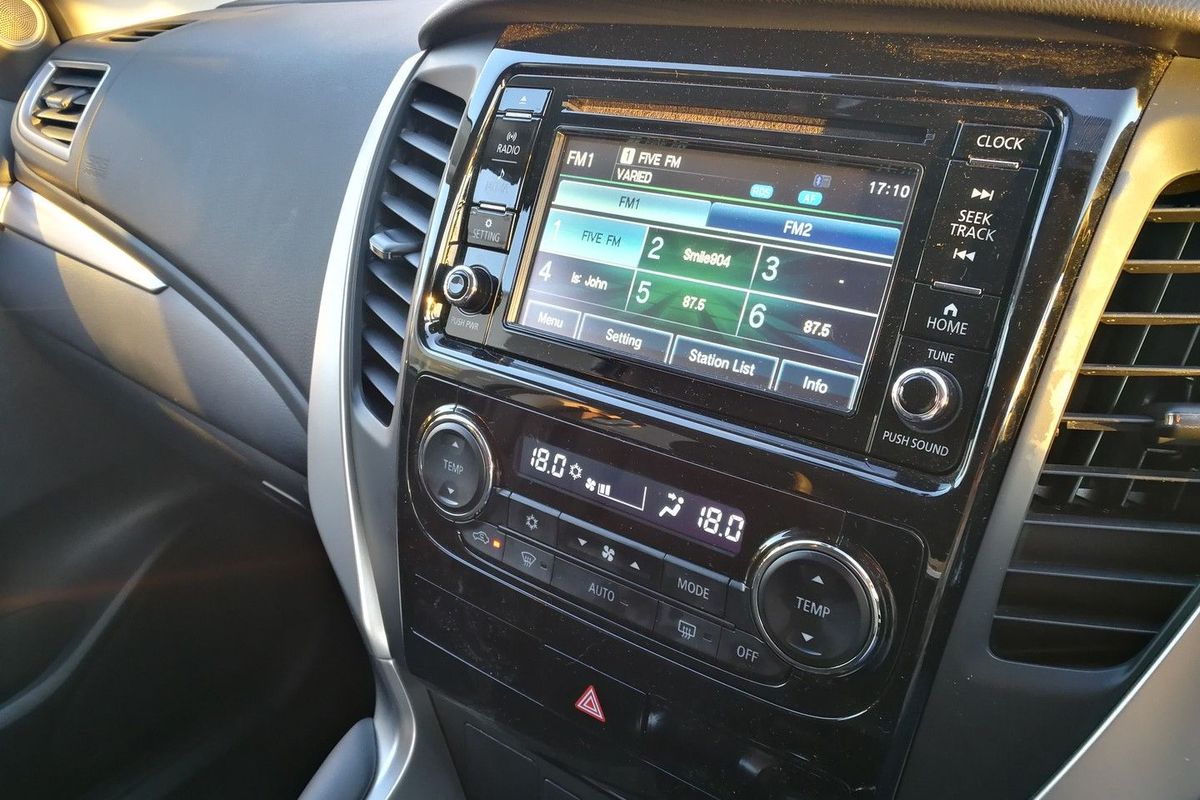
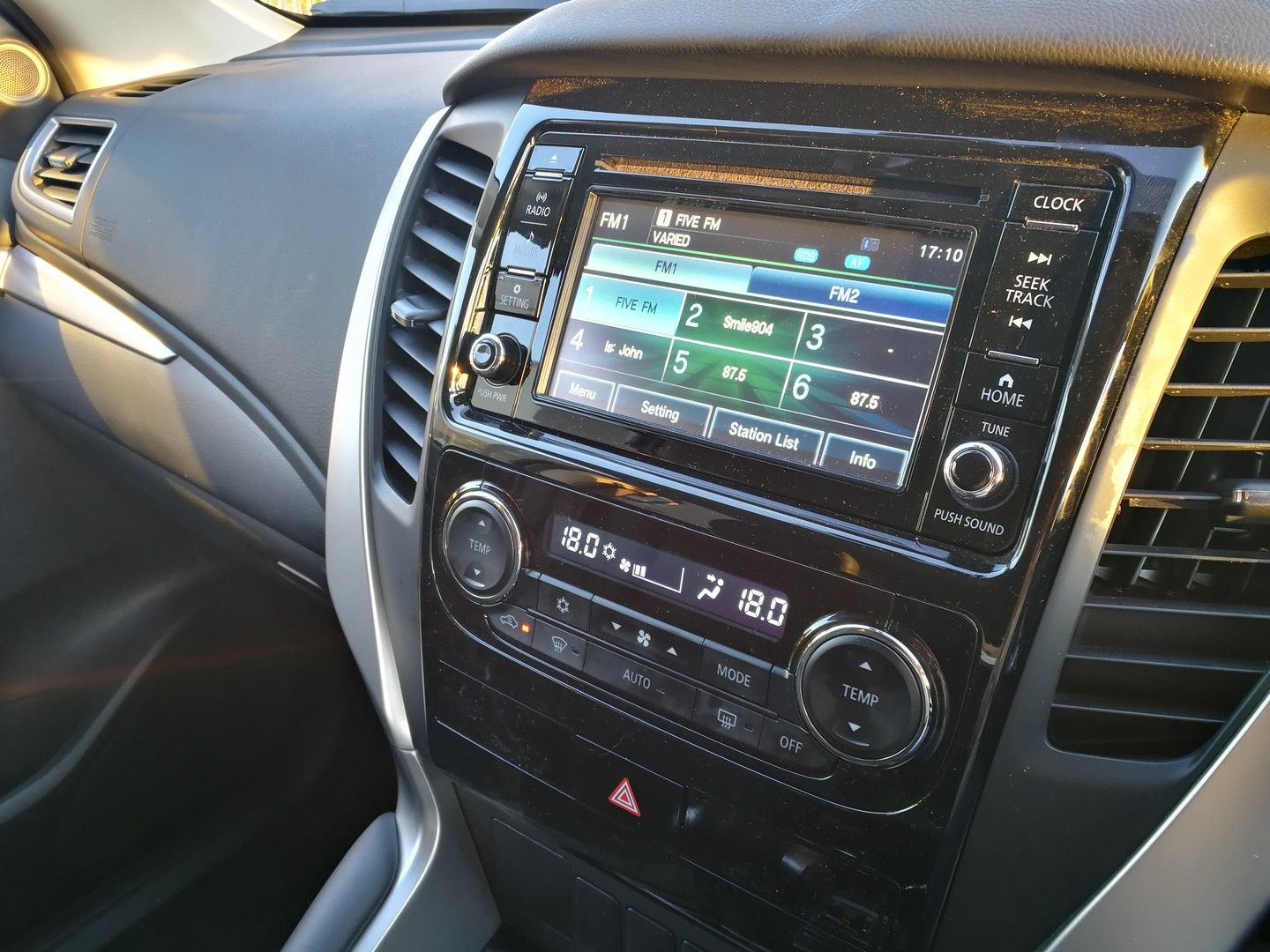
The rudimentary looking (if effective) infotainment system detracts from the cabin's luxury ambience to an extent.
Clunky infotainment system
Although it seems a trifle vulgar to complain about the provision of a touchscreen entertainment system in a product that is based on a light commercial vehicle (a bakkie!), adventure SUVs are family vehicles first and foremost and in something that costs in the region of R600k, it’s an important feature to get right.
Although we had no difficulty in pairing our smartphones to (and streaming music from) the Pajero Sport’s system, its interface is rather dull-looking and dated compared with the slick and snappy 8-inch Sync3 touchscreen system in the Everest, which, like the MU-X’s unit, notably includes navigation as standard as well.
The popularity of personal electronic devices shows no signs of abating, therefore Mitsubishi avails rear passengers with a pair of charging ports.
Pricing & Warranty
The Mitsubishi Pajero Sport 2.4 D4 Auto sells for R569 995 (August 2018) and the price includes a 3-years/100 000 km warranty and 5-years/100 000 km service plan. Servicing intervals are scheduled for every 10 000 km (which is short) or 12 months, whichever comes first.
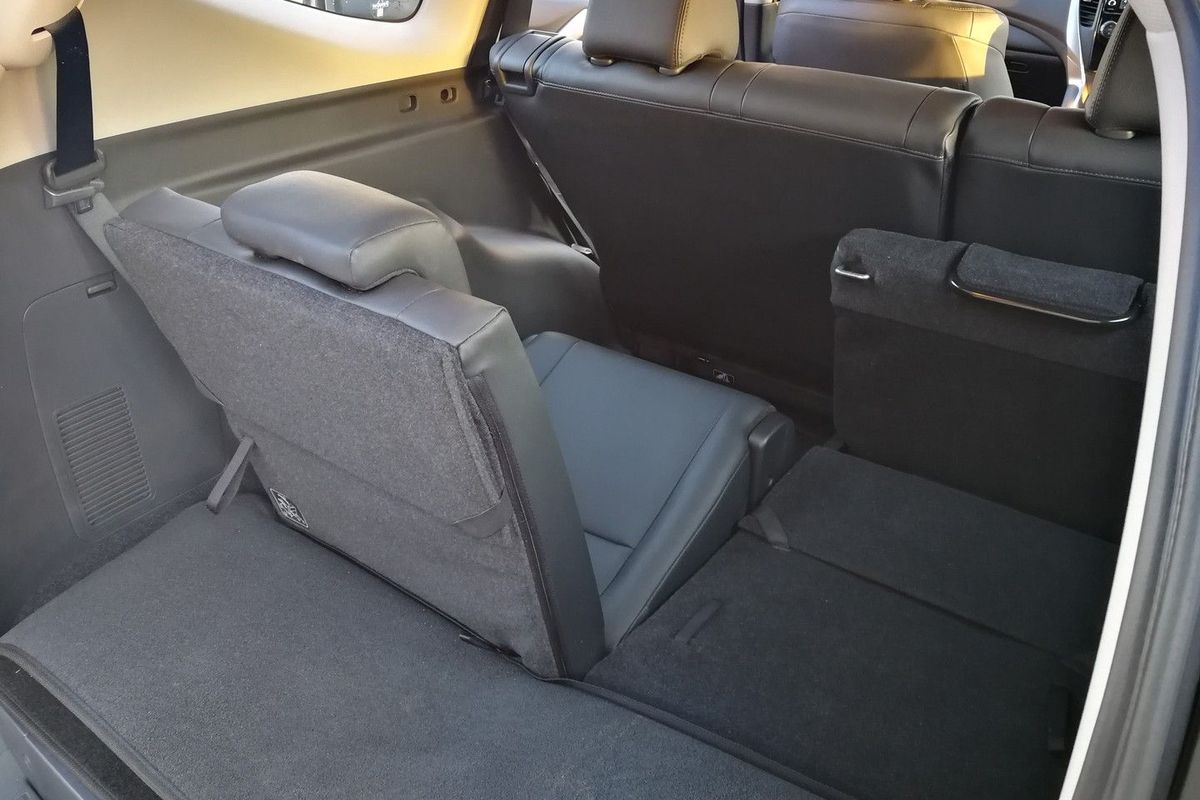
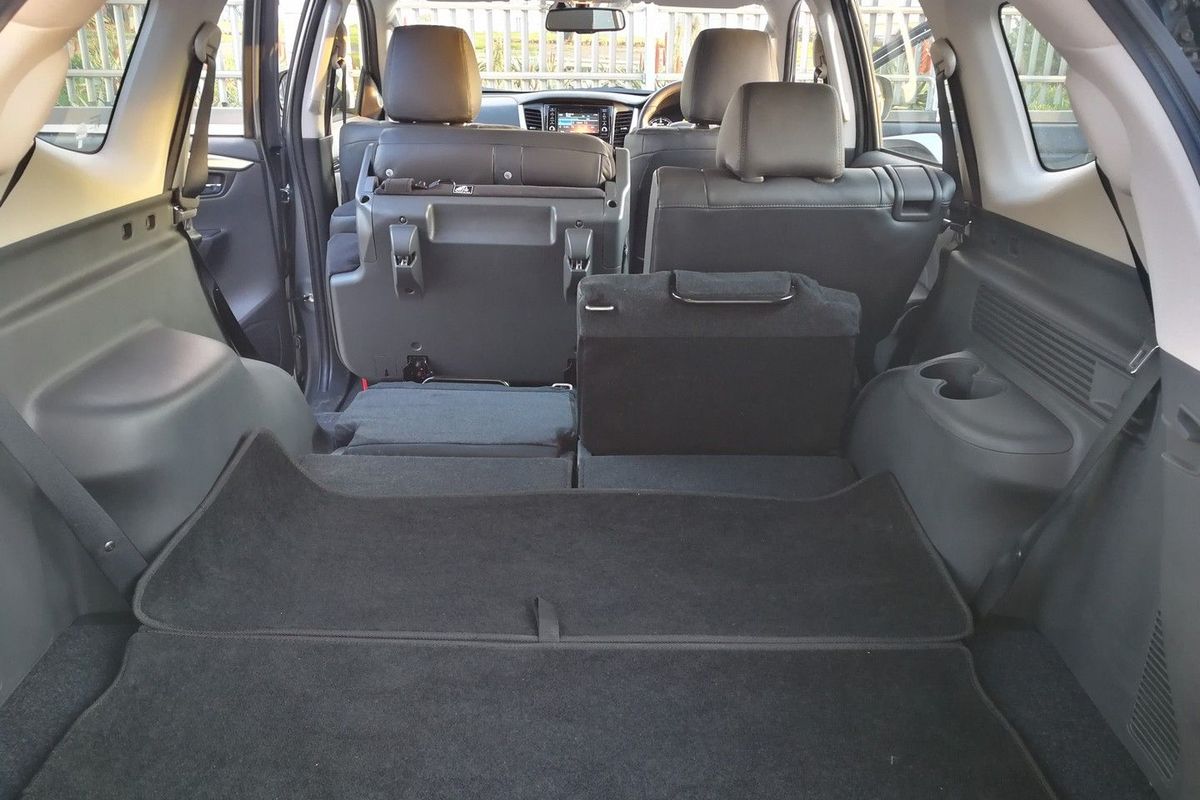
From a 7-seater people carrier to a 2-seater panel van, the Pajero Sport offers a multitude of loading options.
Rivals to Consider
Click on the names of the rivals for detailed specification (August 2018)
More spacious and affordable:
Although the Ford Everest 2.2 XLT auto’s turbopetrol motor is not as powerful, nor is it entirely as refined as the Pajero Sport, the capacious Everest comes well-specced and undercuts the Mitsubishi by almost R50k. If you don’t mind a manual, the lower-spec (but 4WD) 2.2 XLS is cheaper as well (R552 800). Alternatively, if your budget can stretch R15k further that the 2.4 D4's asking price, the 3.2 XLT is attainable.
The segment's sales leader:
The Pajero Sport 2.4 D4 feels more smartened-up and SUV-like than the Toyota Fortuner, and it’s R20k cheaper than the latter’s 2.8GD-6 auto derivative. Bear in mind, however, that although 4×4 capability is not a pre-requisite for entry-level adventure SUV buyers, the mid-range 2.4GD-6 4×4 auto offers low-range capability, if less luxury spec than the Mitsubishi, for almost R50k less (R522 100).
Closest rival on price:
The recently introduced Isuzu MU-X 3.0 costs a mere R2k less than the Pajero Sport 2.4 D4 and, like the Mitsubishi, is the only offering apart from its 4WD flagship sibling (the latter costs a whopping R629 100, however). The Isuzu’s 3.0-litre motor is agricultural and 50 Nm down on the 2.4 D4's torque output, but it’s a well-proven motor and the MU-X offers otherwise comfortable, if unspectacular, family transport. The package is showing its age though: it lacks some of the Pajero Sport’s polish.
The handsome Mitsubishi Pajero Sport remains one of the best-kept secrets in the Adventure SUV category. It's a pity its range isn't more diverse…
Verdict
Like any other adventure SUV that doesn’t have a Toyota badge on its chromed nose, the Pajero Sport faces an uphill battle to steal sales from the Fortuner, which has been a fixture of the local market for more than a decade. Compared with its more expensive 2.8- and 3.2-litre 2-wheel-drive automatic rivals from Toyota and Ford, the Pajero Sport is a well-specced, spirited, refined and comfortable family car and its 2.4-litre turbodiesel is not terribly outmatched; it also feels more exotic and upmarket than the equivalent Isuzu. However, for that to make sense, you’d need to be shopping with a budget of just under R600k, in which case, you’d bag a bit of a bargain.
However, the 2.4 D4 does not do quite enough to enlarge the Pajero Sport’s appeal significantly beyond that of its all-wheel-drive sibling, which costs R30k more, but has the advantages of a diff-lock, low-range and off-road assistance systems (plus small details, such as a self-dipping rear-view mirror and headlamp washers). For buyers who are looking to buy up into the adventure SUV league, the high-spec 2.4- and 2.2-litre Fortuner and Everest admittedly can’t quite match the Pajero Sport spec-for-spec, but they’re notably more affordable. As explained in the rivals section above, the Toyota and Ford can be had in 4WD configuration for less than the Mitsubishi.
Therefore, the Pajero Sport 2.4 D4 auto makes sense for those looking to buy high-spec 2-wheel-drive adventure SUVs, even if we’re unsure how big that pocket of the market is… After all, if you’re looking to spend close to R600k, surely you’d want 4-wheel-drive ability included as part of the package? That should, however, not detract from the fact that the Mitsubishi is an underrated product that outshines its bakkie-based underpinnings better than most of its rivals. It certainly deserves a closer look.
Watch our video review of the Sport 2.4 D4 4×4 Auto below:
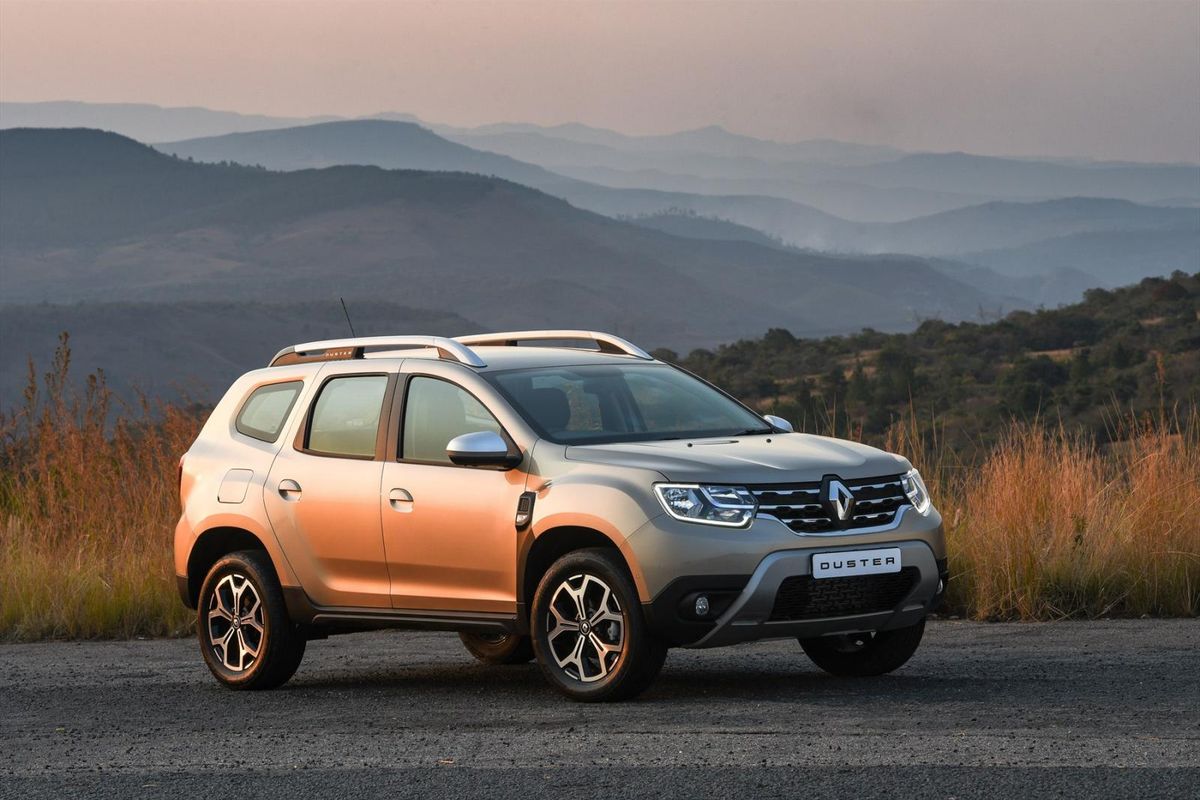
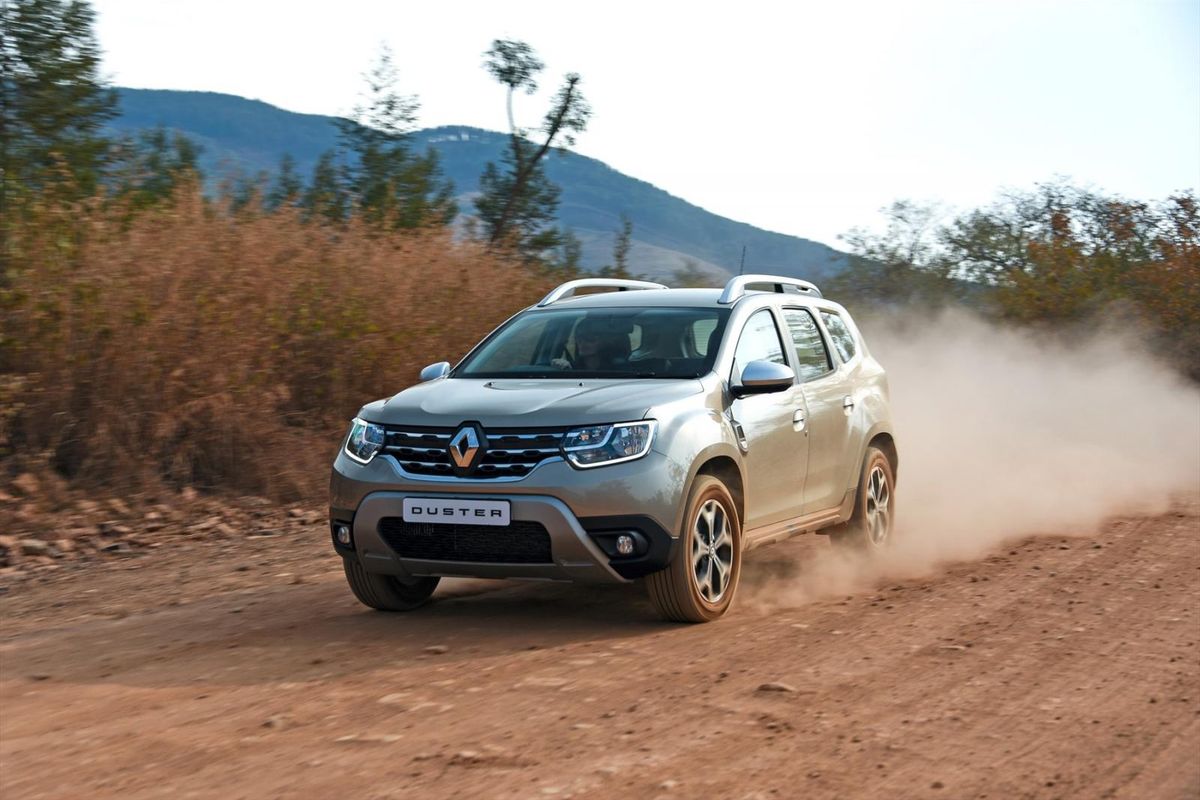
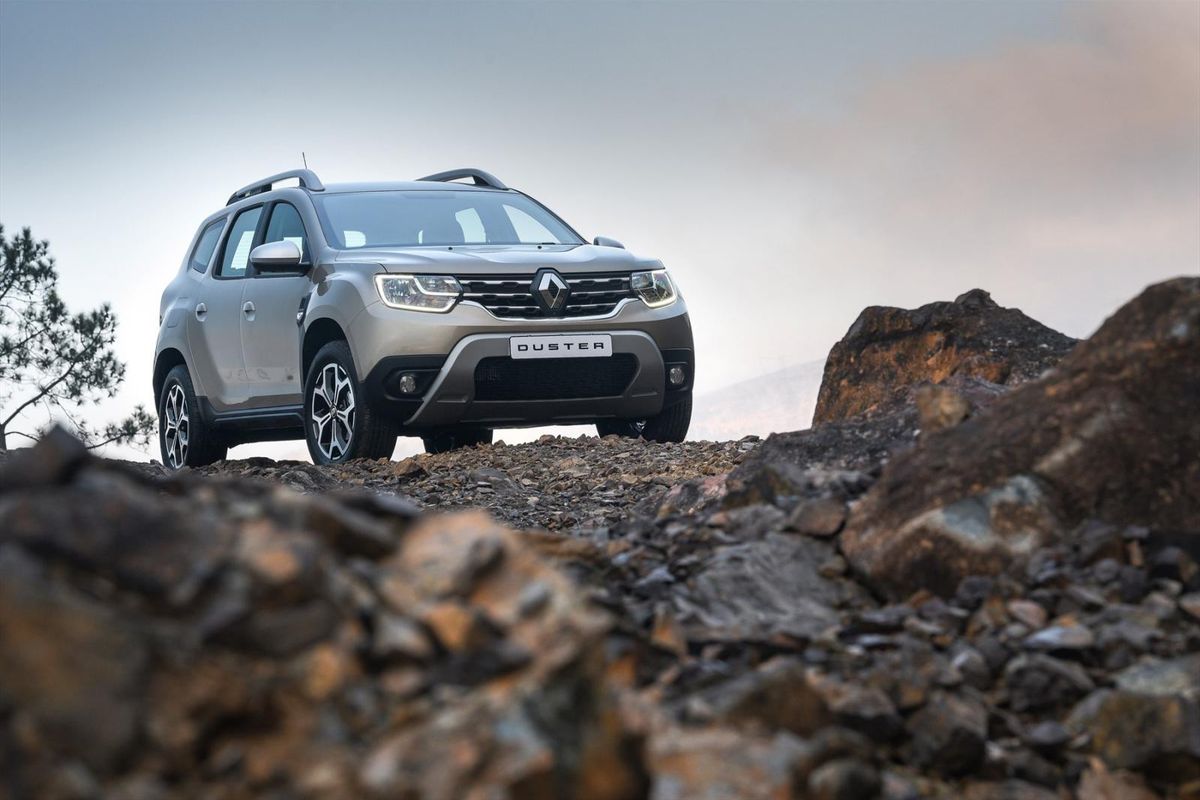
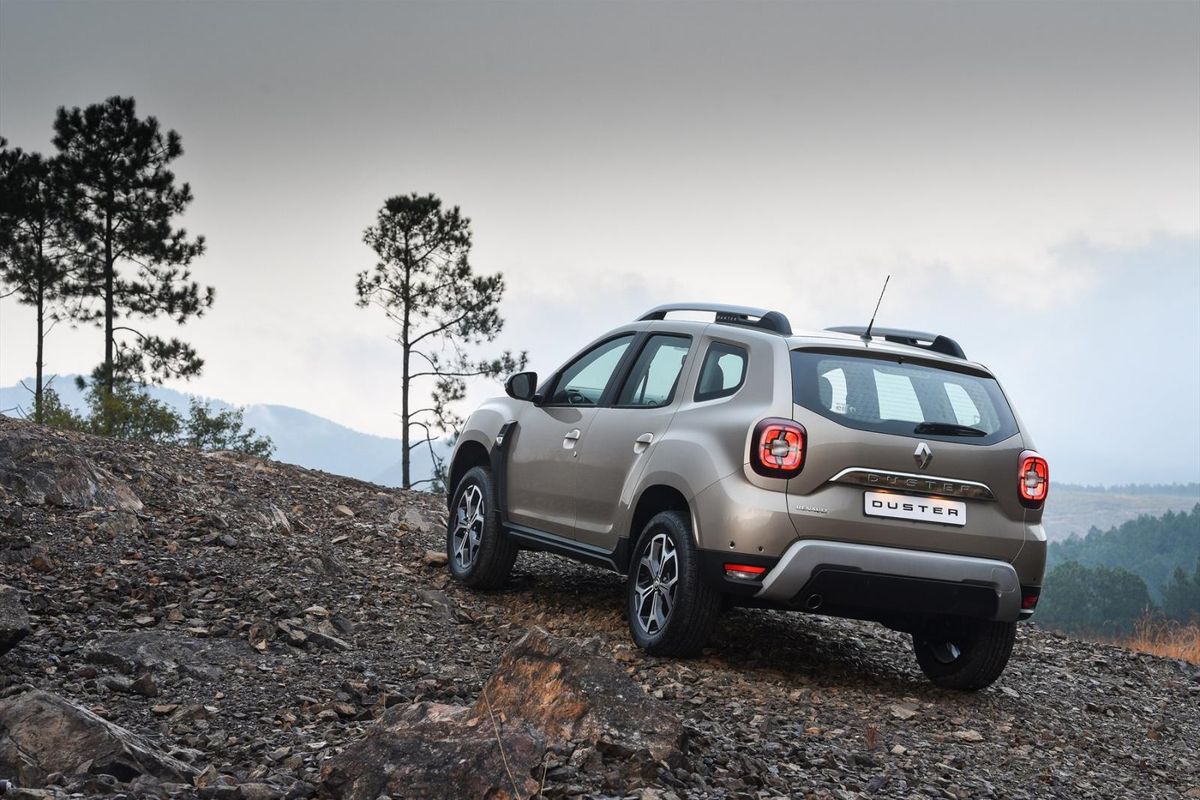
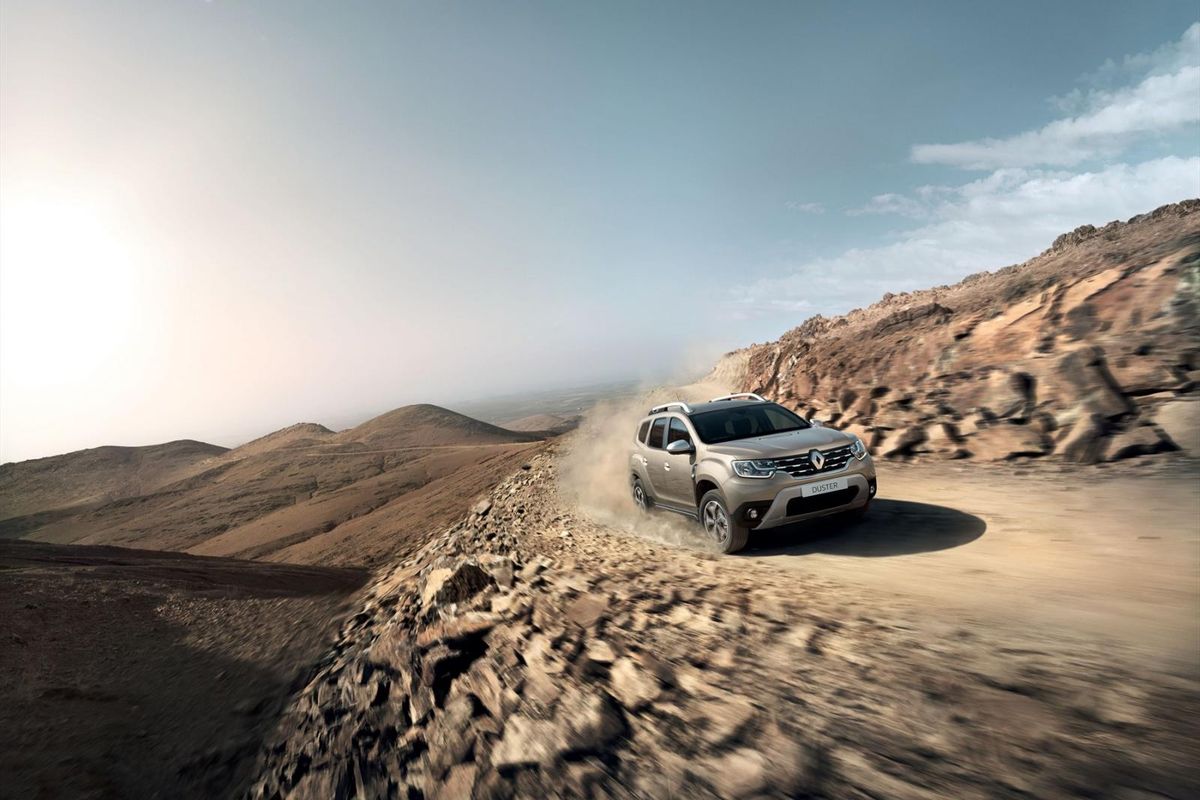
The popular Renault Duster will be replaced with an all-new version which will be available in local showrooms from the 1 October 2018, according to Renault South Africa.
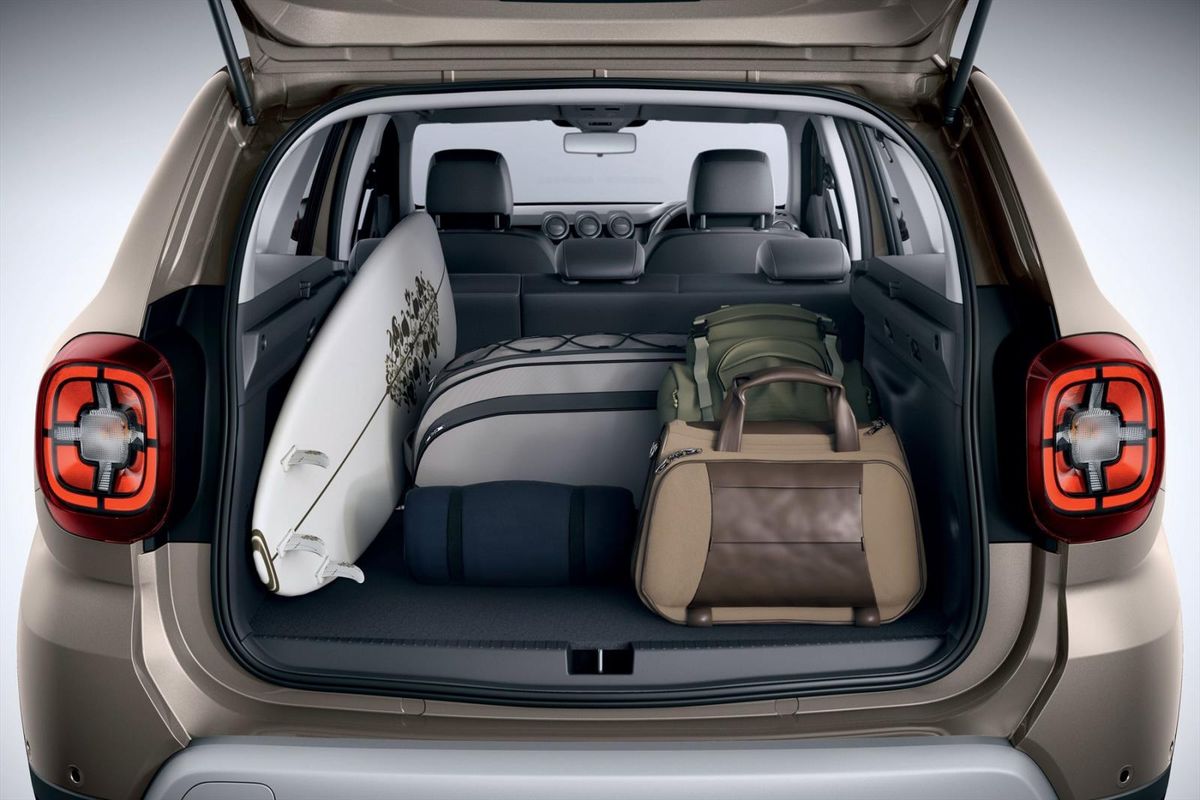
With over a 2-million units sold globally since its launch, the Renault Duster has proven popular thanks to a combination of value-for-money, capability and practicality. Now, the latest version of the Duster is headed for South Africa and will be offered with both petrol and diesel engines. The diesel-powered Duster will be offered with either a manual or EDC transmission as well as in 4×4 guise.
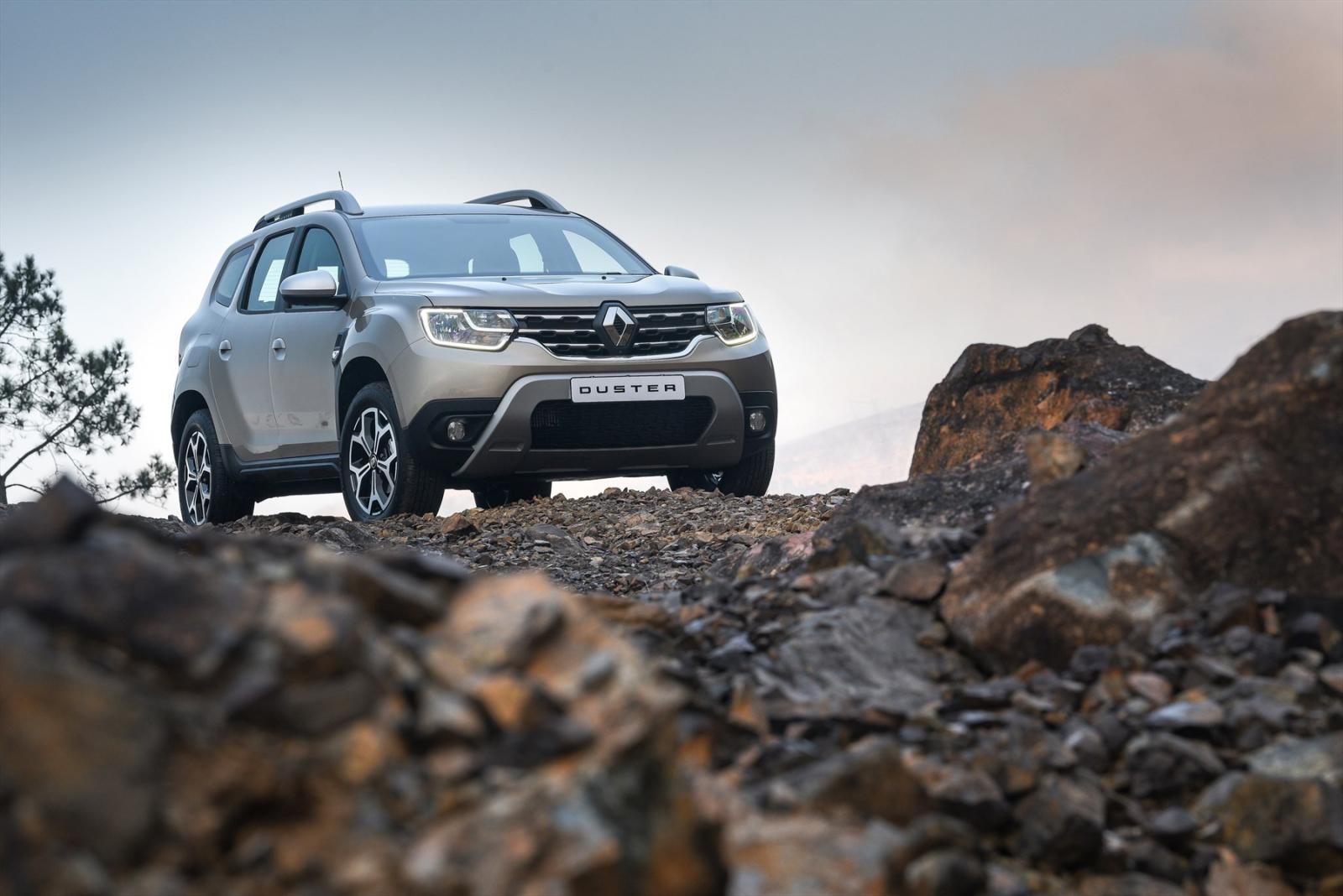
A revised design and bolder grille will give the Duster some added visual appeal.
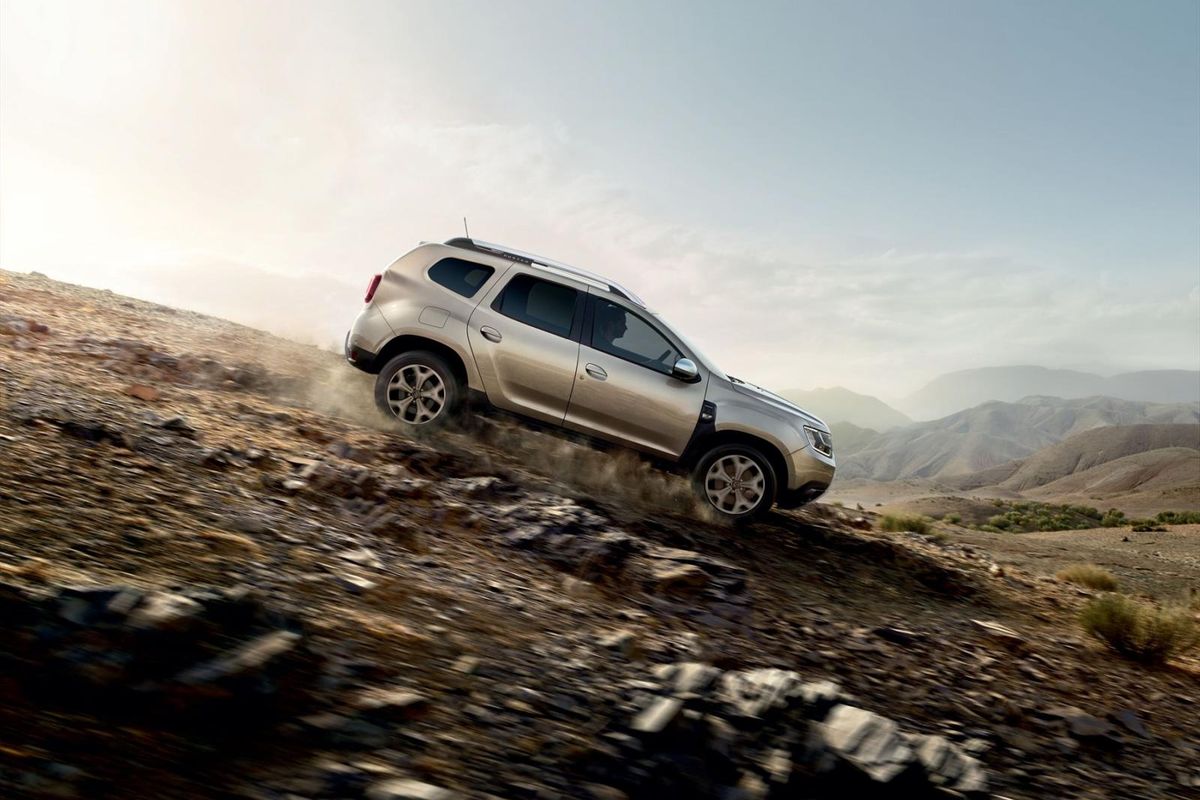
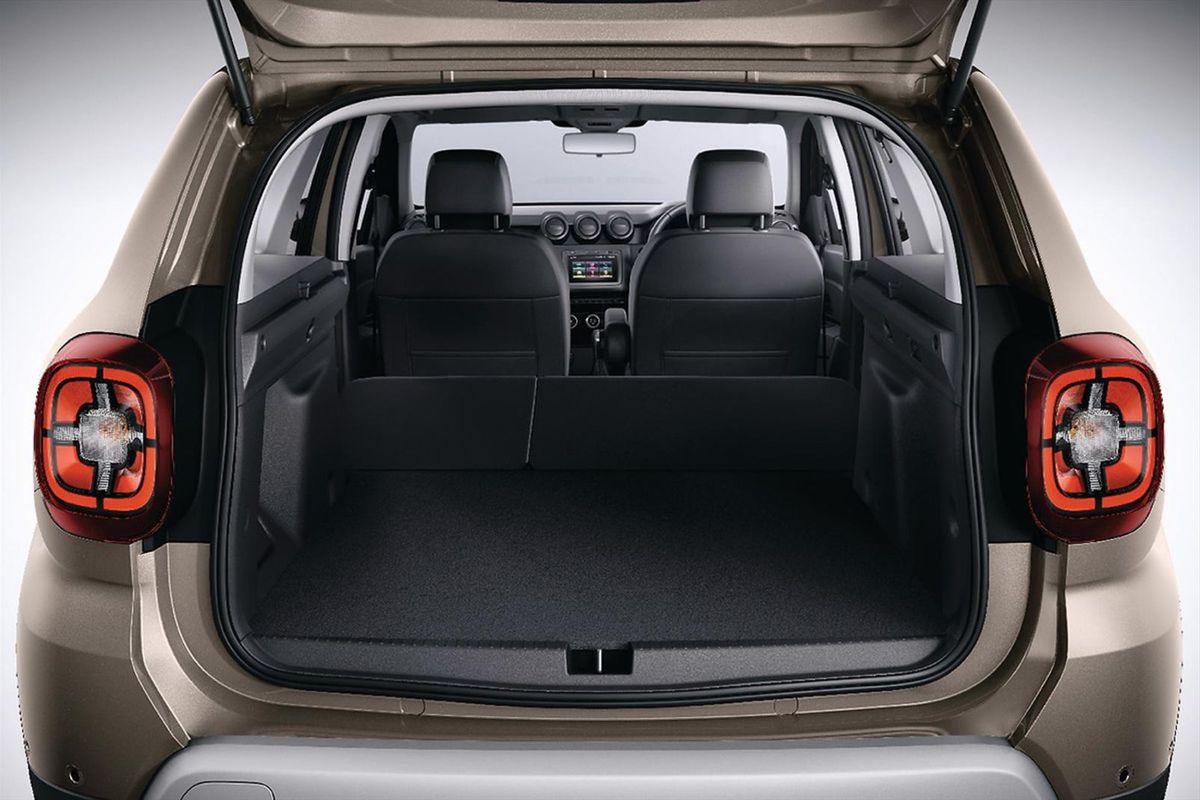
The all-new Duster will wear a new grille with LED daytime running lights and revised scratch resistant skid plates. Other key exterior features include new 17-inch alloy wheels, new-look rear lights and a wider rear skid plate which adds to the Duster's rugged appeal. The windscreen has been repositioned and sits 100 mm forward to increase cabin space. The look is rounded off with new aluminium roof bars. The new Duster has a ground clearance of 210mm with higher approach and departure angles while the introduction of Hill Descent Control on the 4×4 Duster will further enhance its capability in the rough stuff.
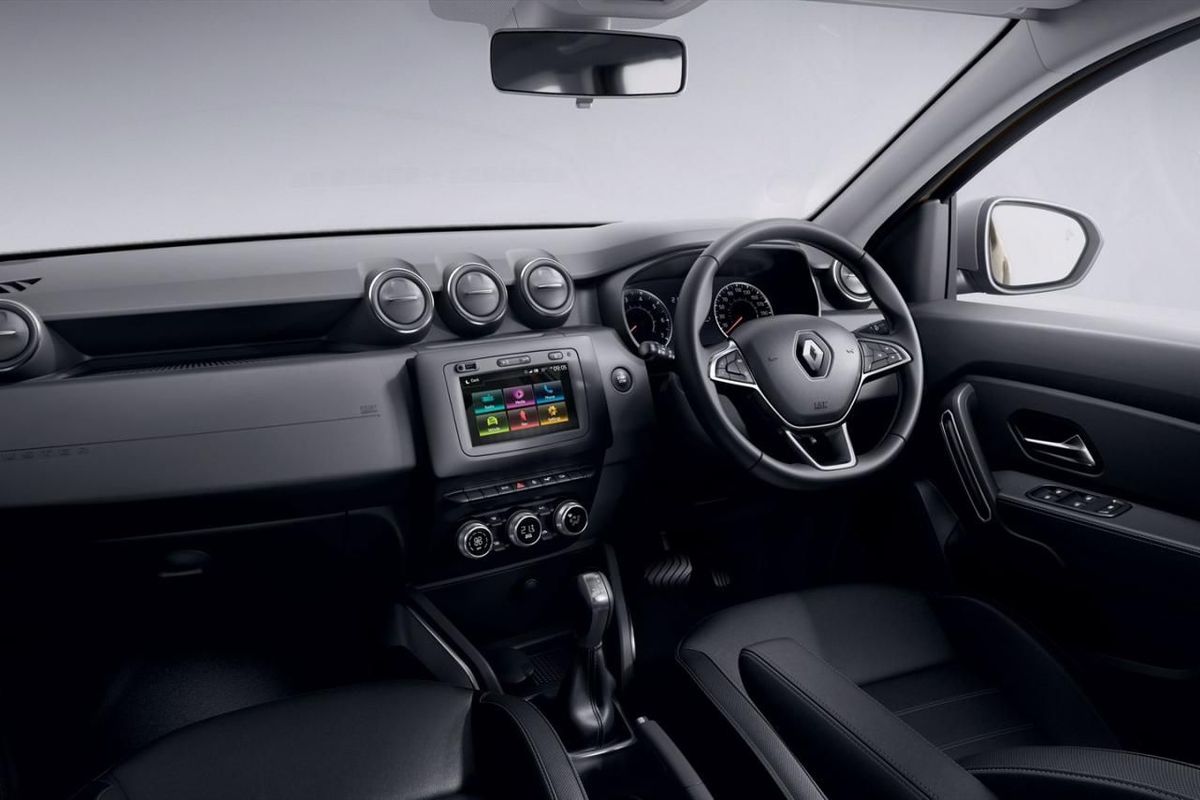
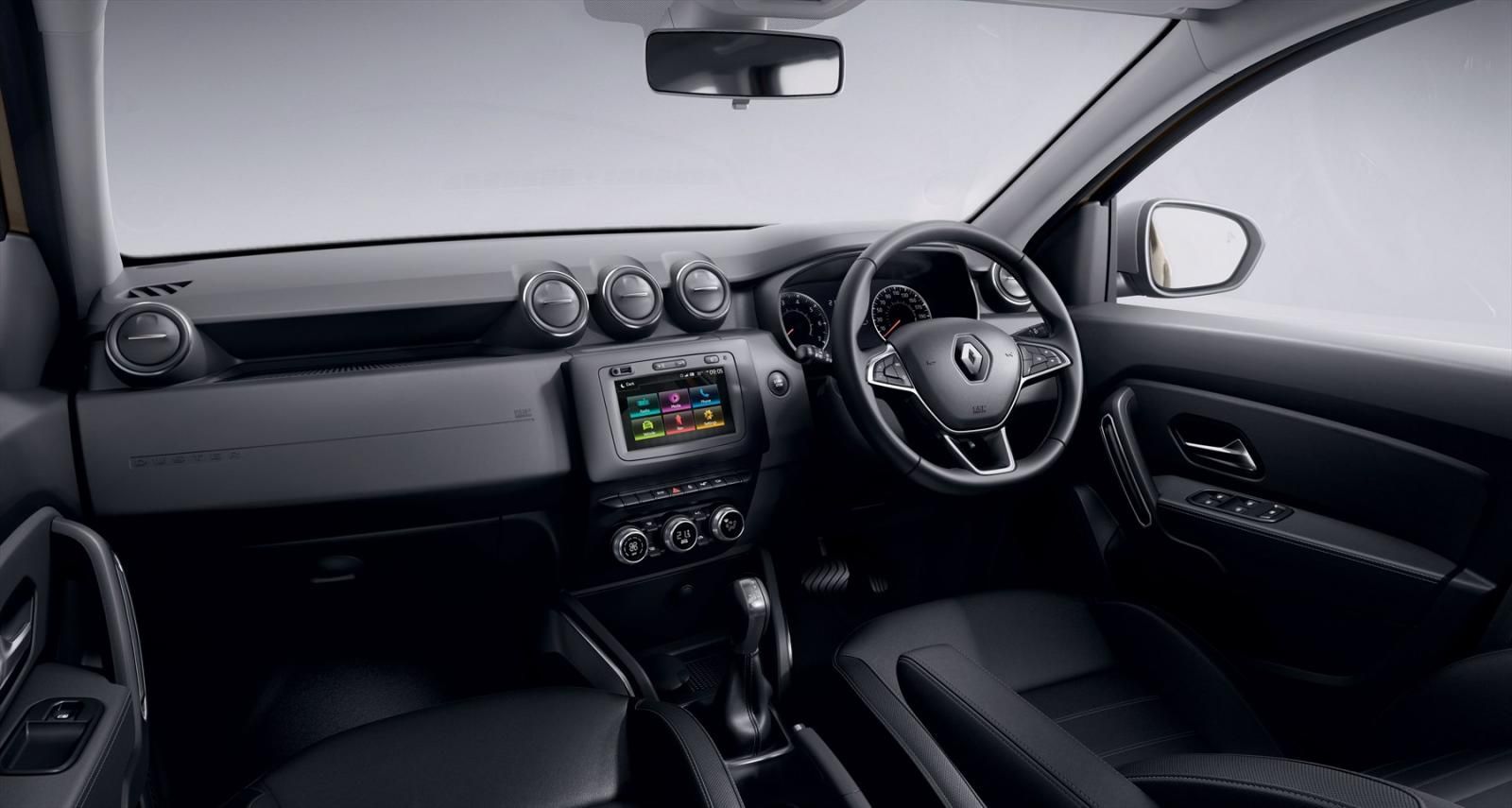
Renault has also improved interior material quality and the new Duster will feature a revised dashboard design with additional air vents and updated switchgear. Other features you can expect in the new Duster include a multi-view camera, blind spot warning, automatic climate control and keyless entry. Renault South Africa, however, has yet to release official information regarding engines and specification for the South African market.
Interior material quality has been improved and a new dashboard and switchgear design is also expected.
Much of the Duster's success in South Africa can be partly attributed to the fact that the Duster is one of the only compact family cars, apart from the Suzuki Vitara, to be offered in 4-wheel drive guise, making it an ideal vehicle for active families. The Duster also features generous specification and along with competitive pricing, it has managed to do good business on local soil. Renault South Africa will likely adopt the same value-for-money strategy for the new Duster and if the exchange rate complies, the Duster's success is bound to continue when the new model arrives in October 2018.
We'll keep you posted if any further updates are released.
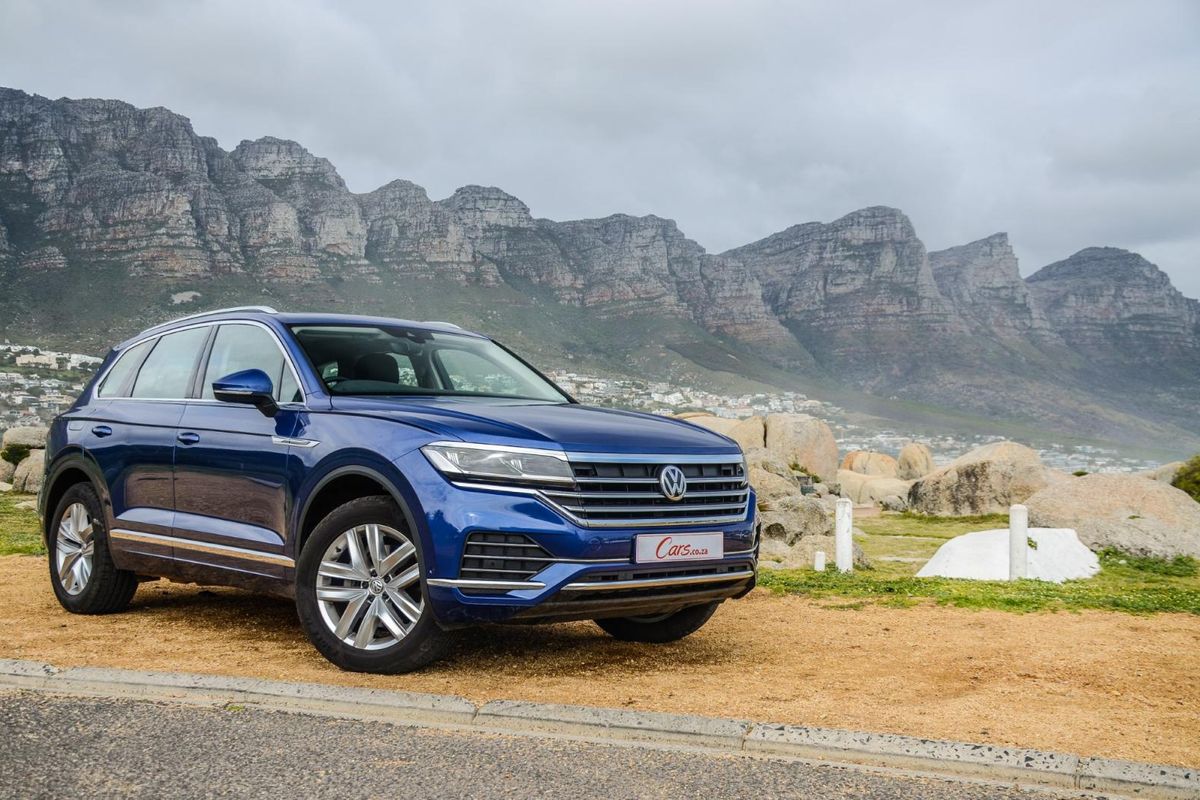
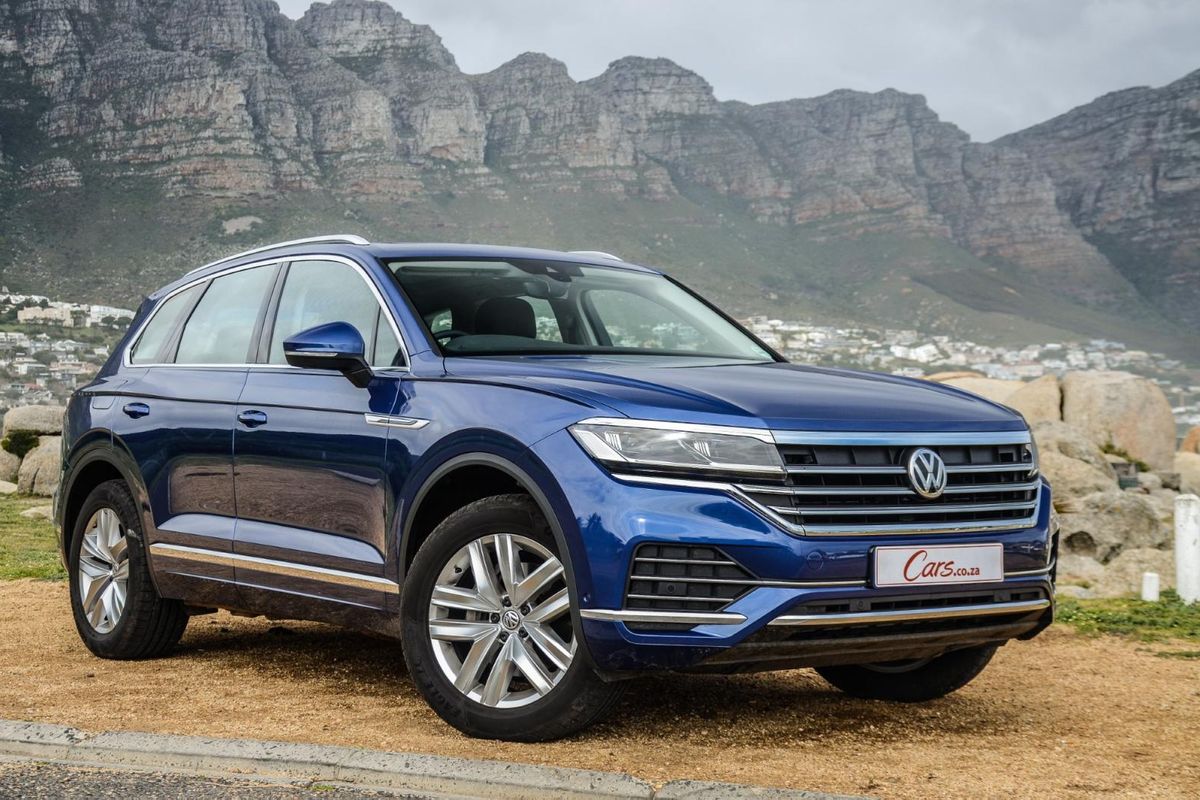
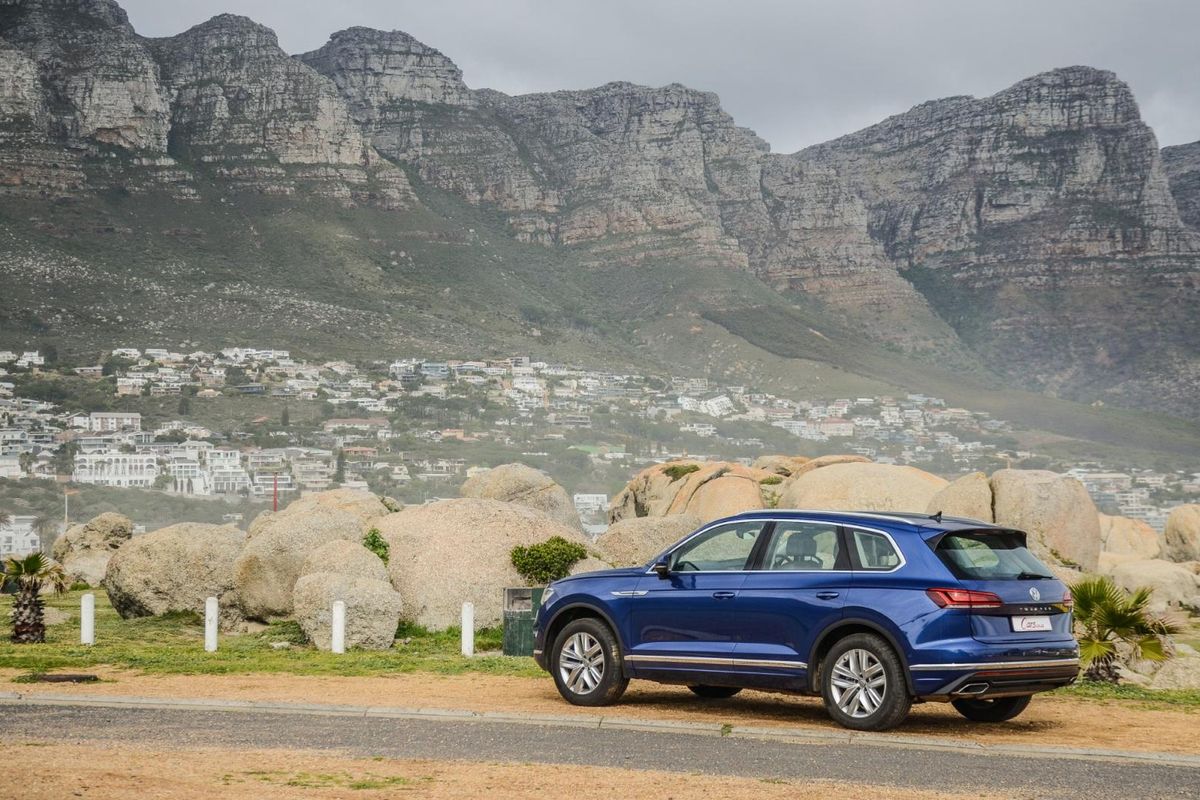
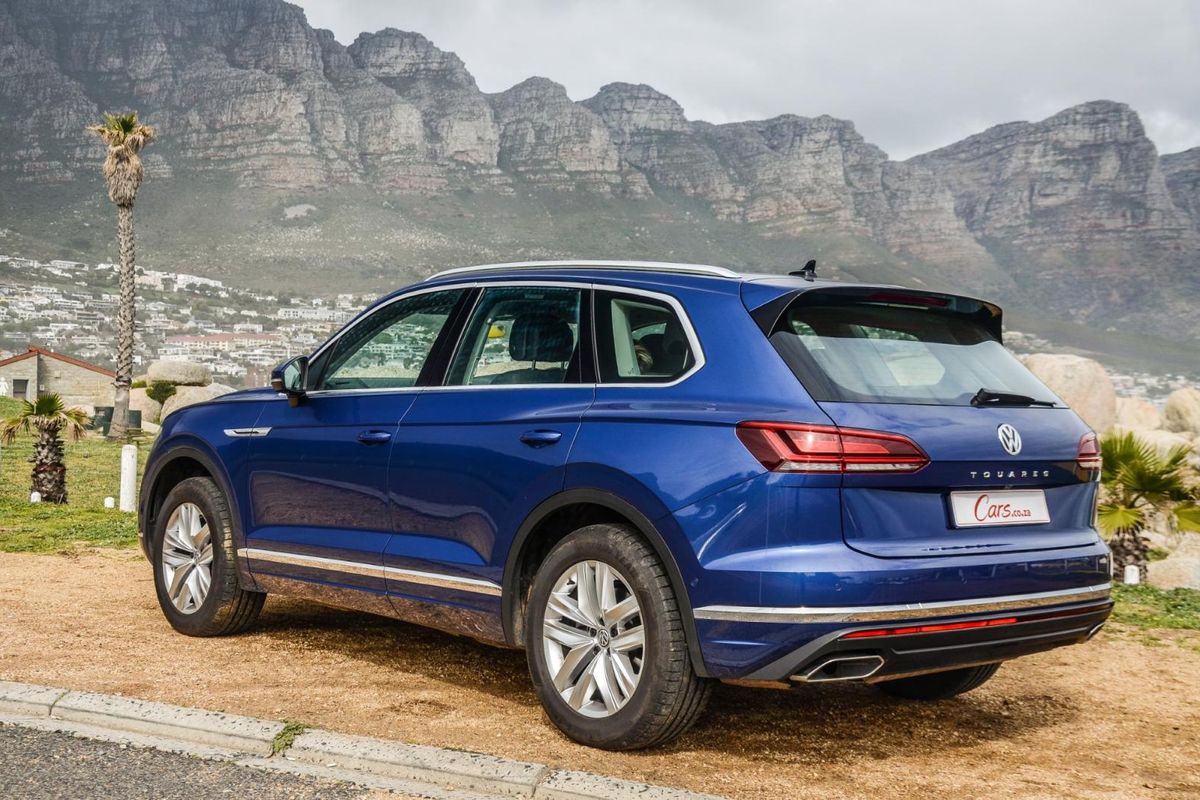
The 3rd generation of Volkswagen's flagship SUV, the Touareg, has arrived in South Africa, replete with crisp, modern styling, a sumptuous interior and excellent refinement. Can it finally gain a notable foothold in the fiercely-contested premium SUV segment?
We like: Cabin design, comfort, build quality, power/efficiency
Some Volkswagen dealers regularly offer specials: Have look here.
Where does it fit in?
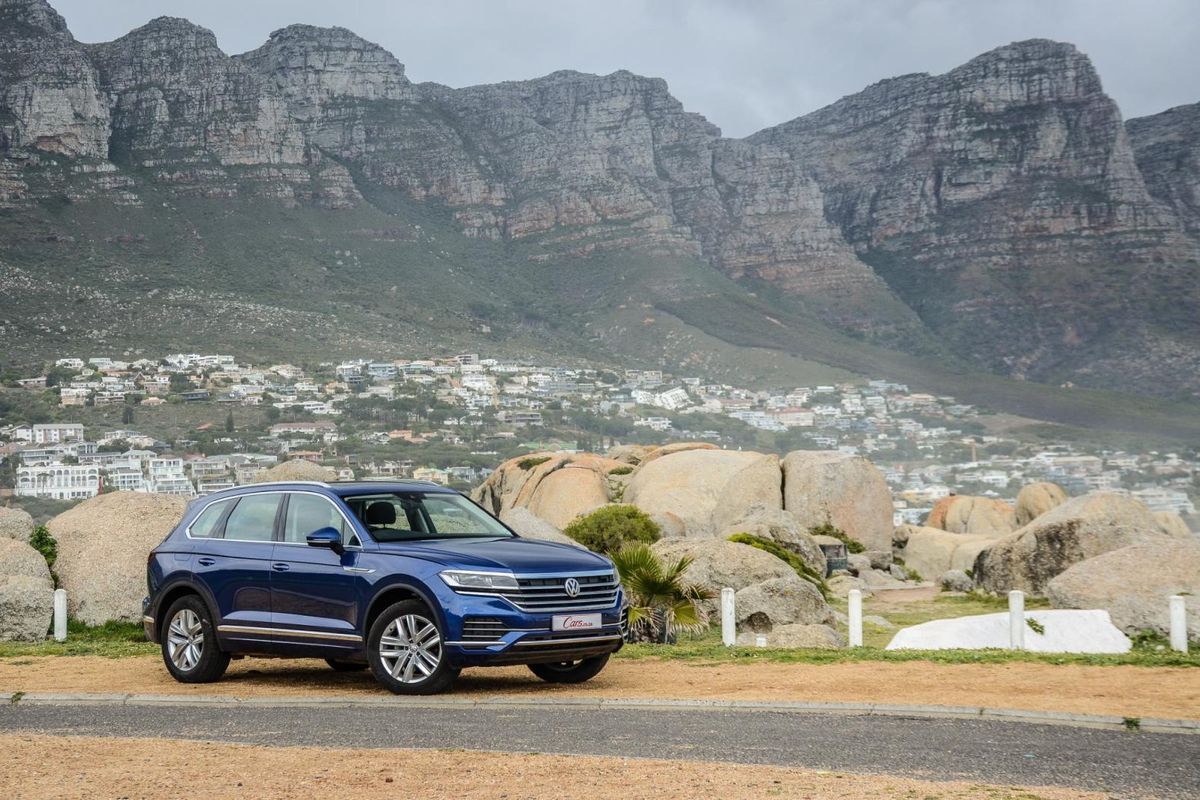
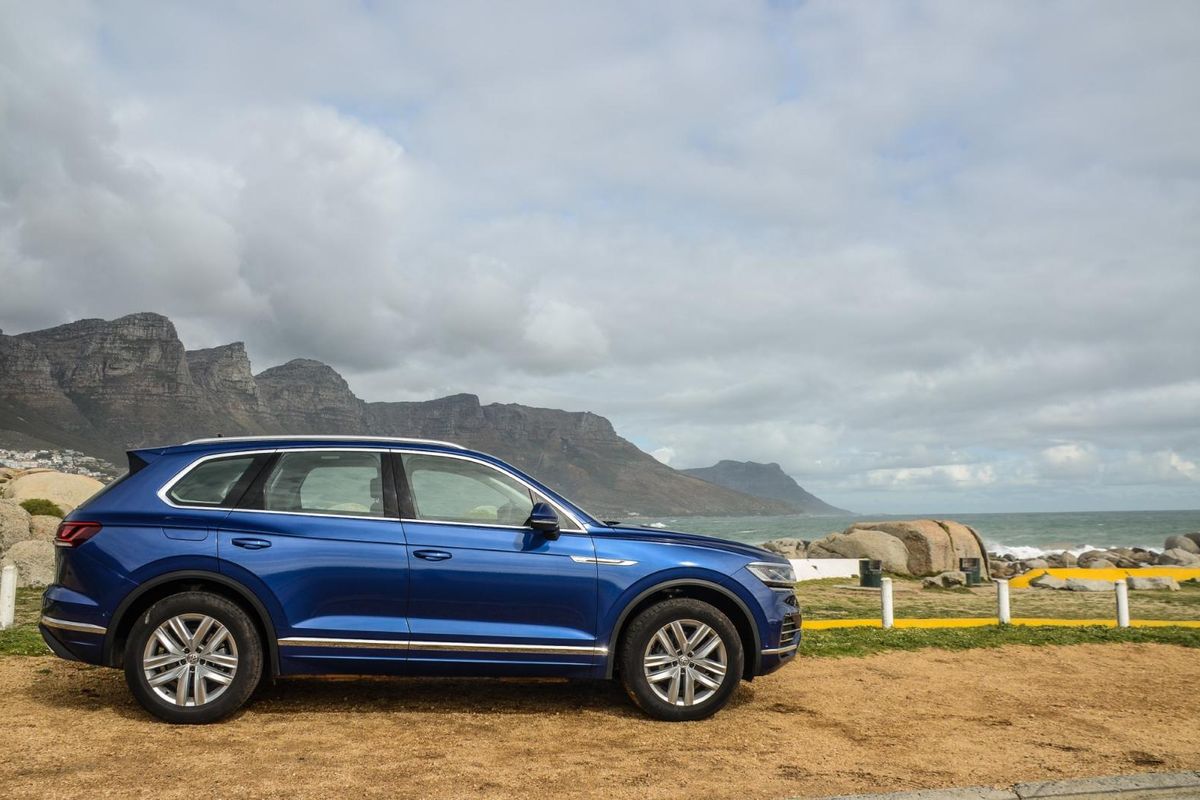
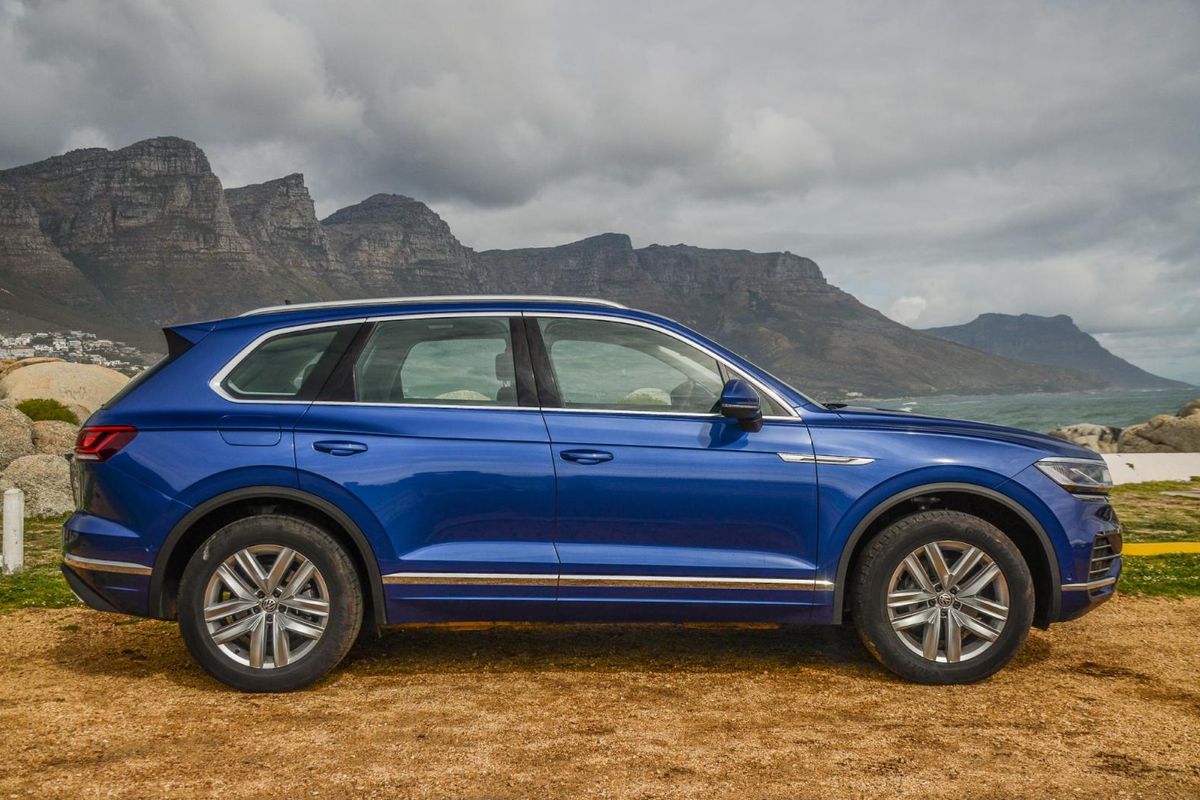
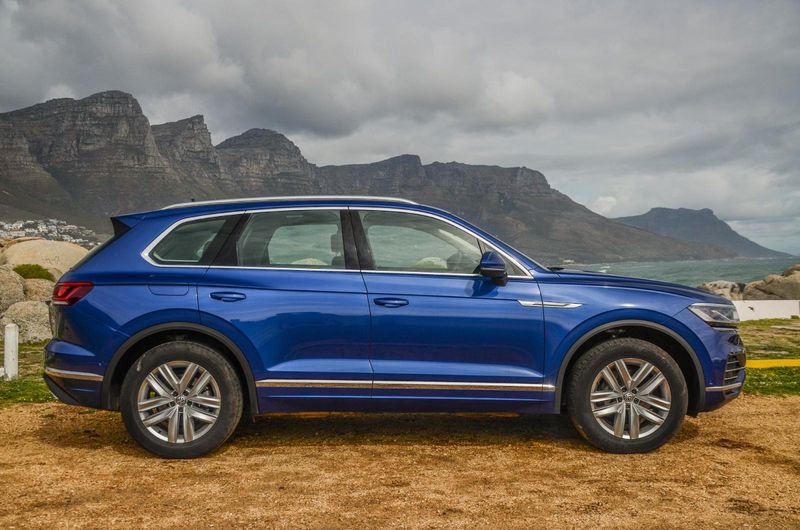
New Touareg is longer and wider than its predecessor, but also lower and significantly lighter.
Based on the same platform as other ultra-desirable vehicles in the Volkswagen Group, such as the Porsche Cayenne, Bentley Bentayga and Lamborghini Urus, the new Touareg certainly boasts impeccable pedigree. Previous Touareg offerings couldn't quite break into widespread Premium SUV segment consideration, but a few things may play into the new car's favour.
The most important factor is that the traditional German luxury brands' offerings are getting too pricey, beyond the reach of many would-be large SUV buyers. A new BMW X5 will arrive soon (it will undoubtedly be more expensive), and the next Mercedes-Benz GLE should follow in 2019. That means buyers shopping around the R1-million mark will struggle to match to the new Touareg's combination of spaciousness, luxury and power when they head to an Audi/BMW/Mercedes-Benz dealer.
Of course, the Touareg has always been claimed to offer "more premium SUV" for less, but perhaps for the first time ever, its launch coincides with a time when the A-listers' challengers are not particularly up-to-date, and Volkswagen's new entrant, as you'll shortly see, certainly is.
What's good about it?
Crisp design and superb packaging
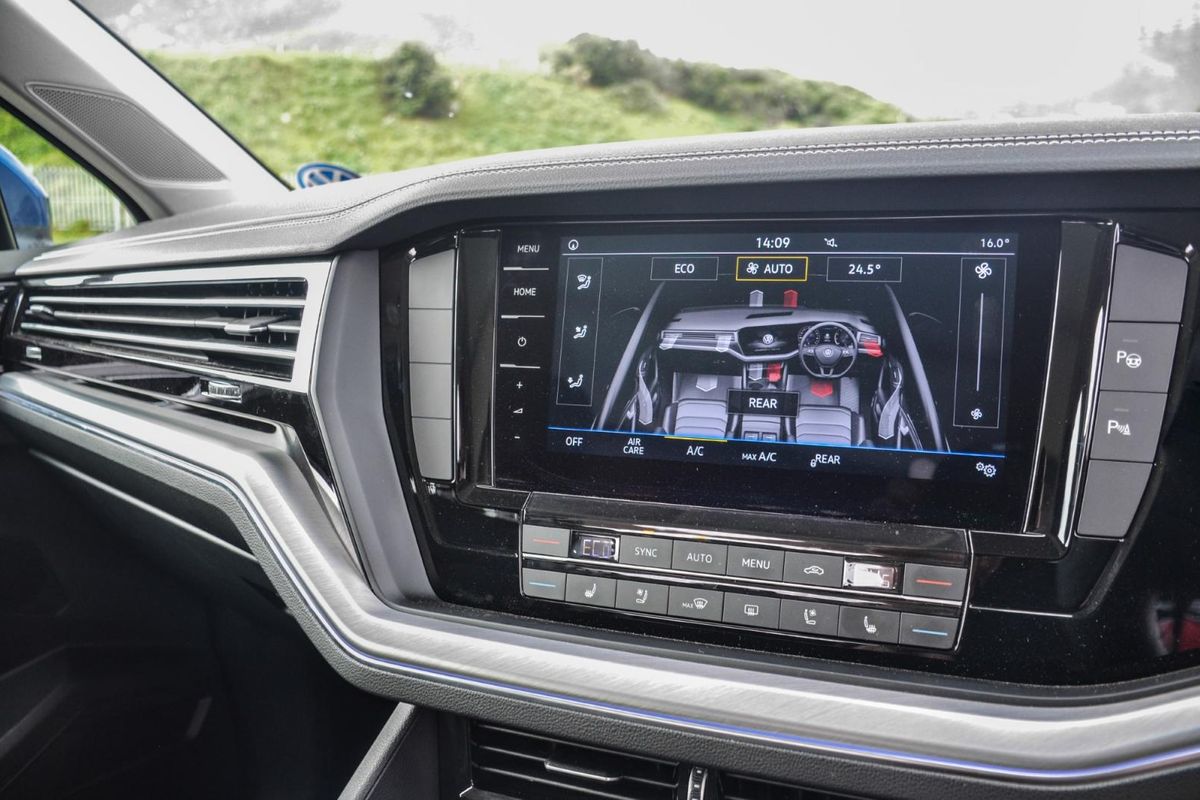
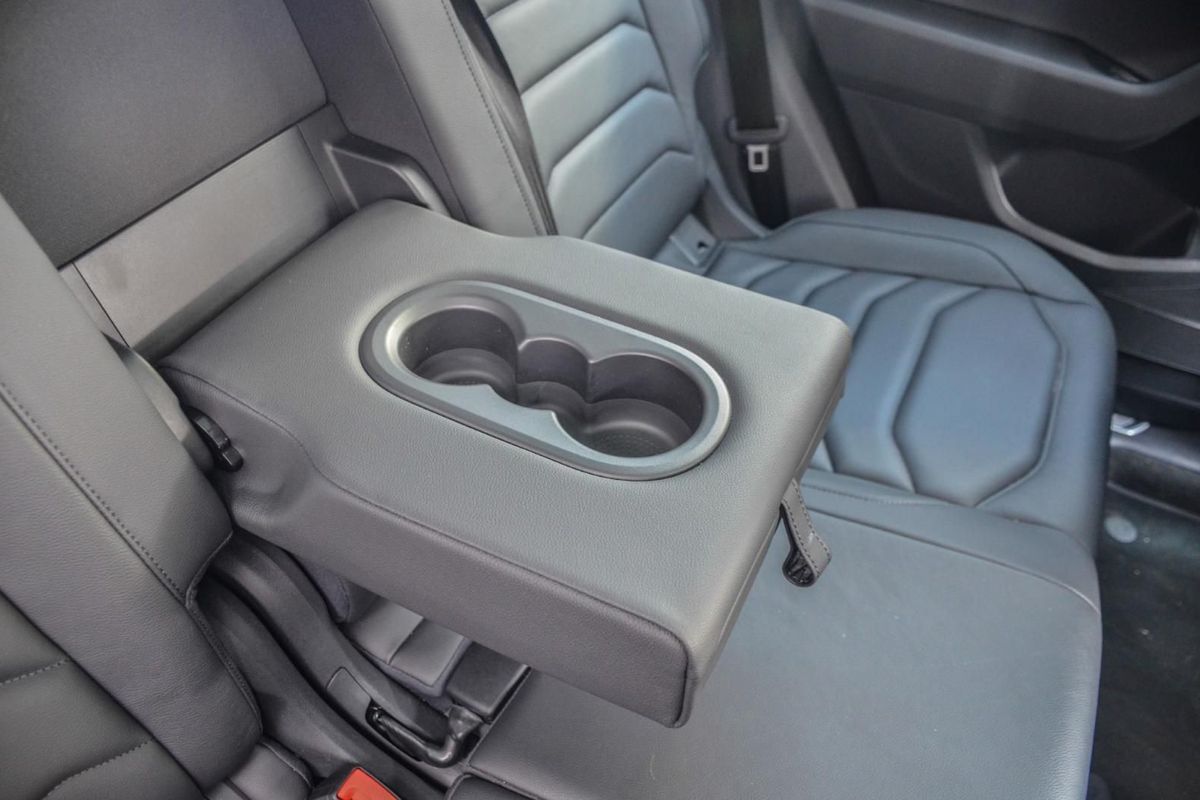
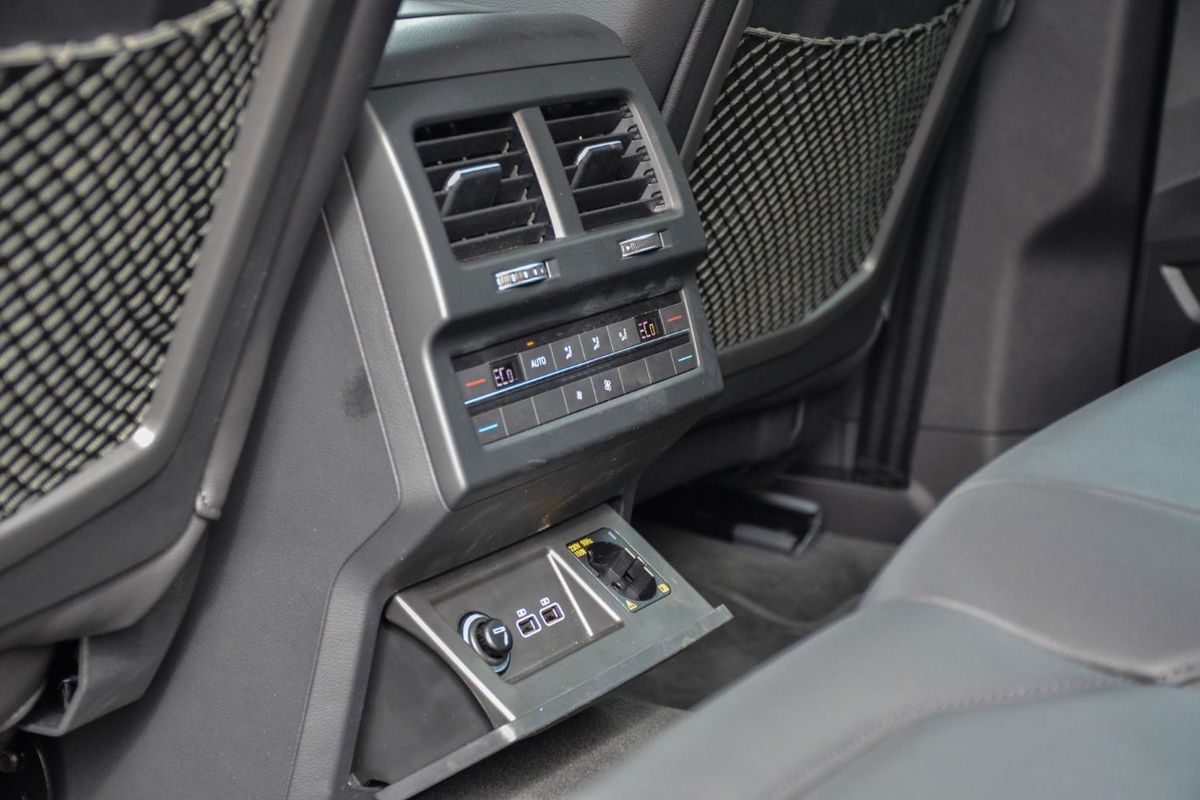
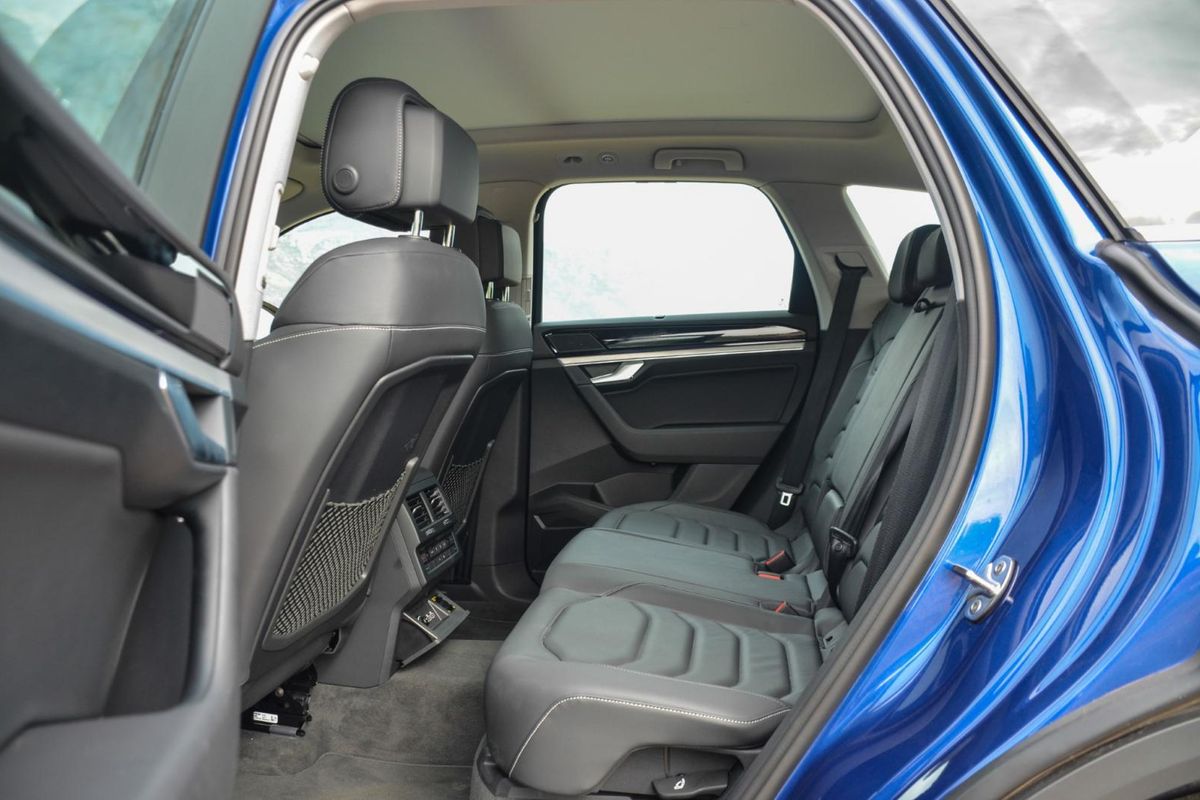
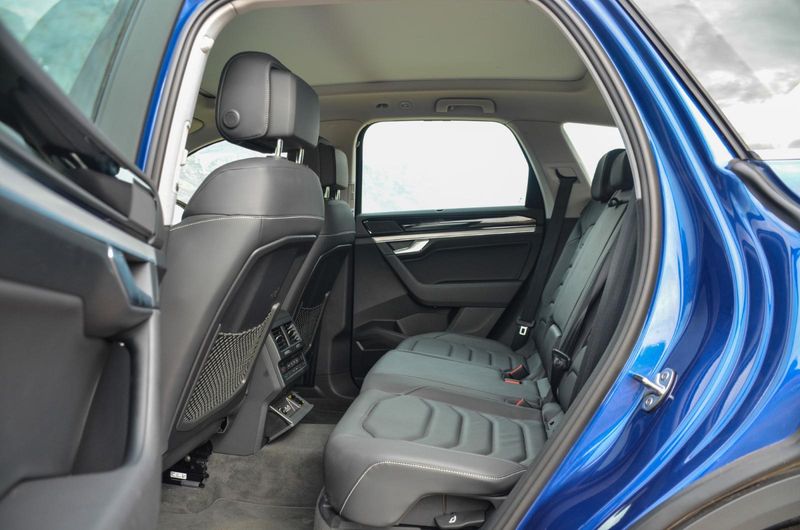
Rear legroom is excellent. Note the rear climate controls on this test unit.
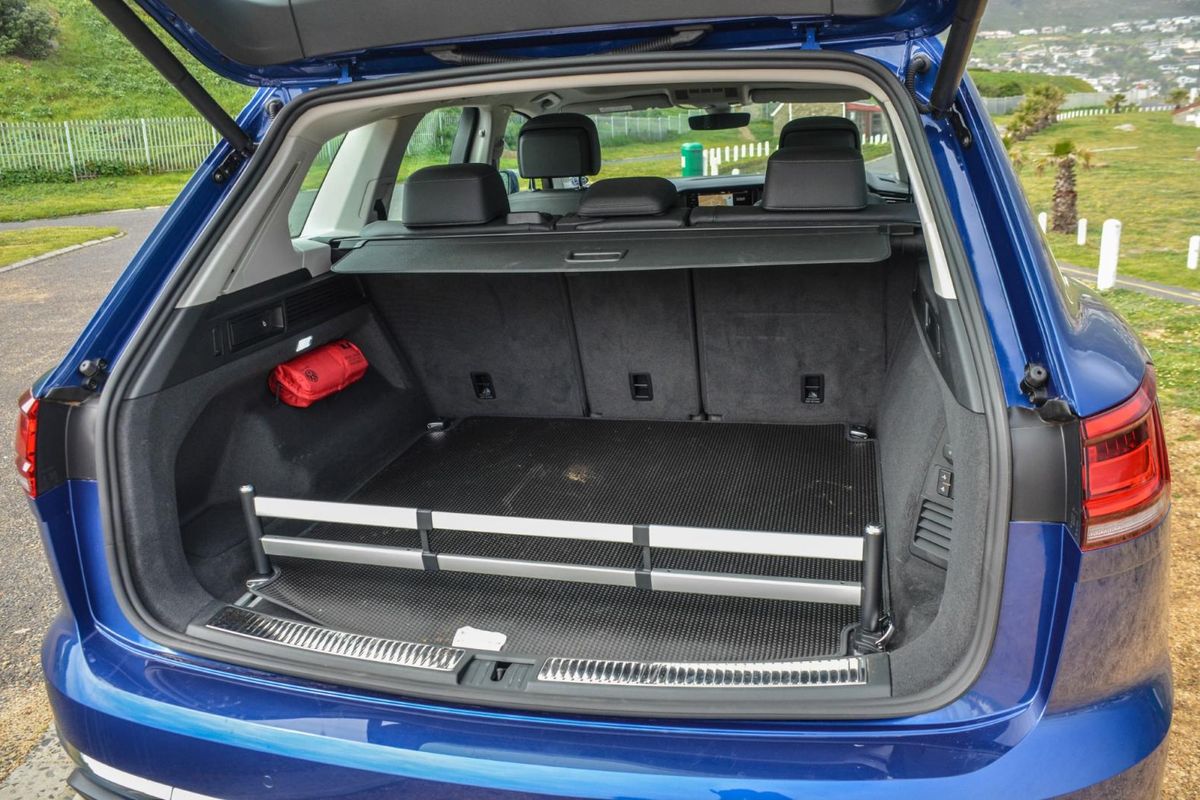
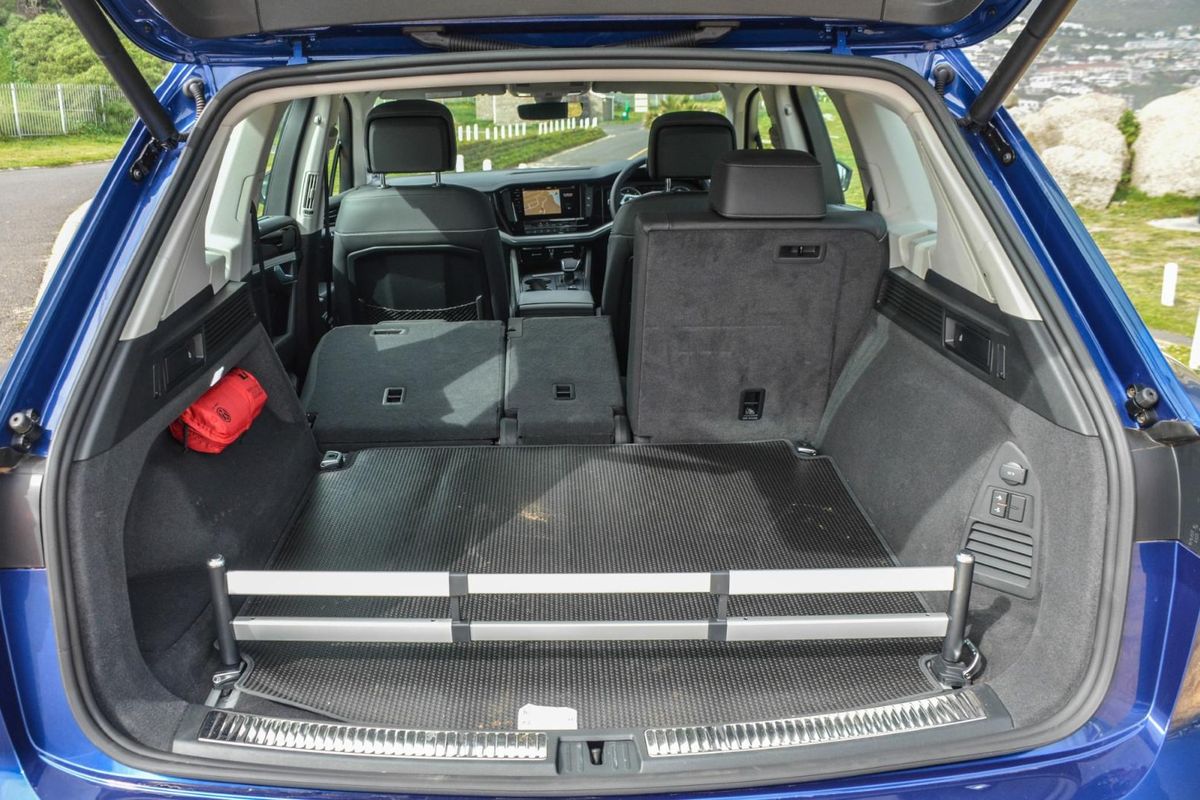
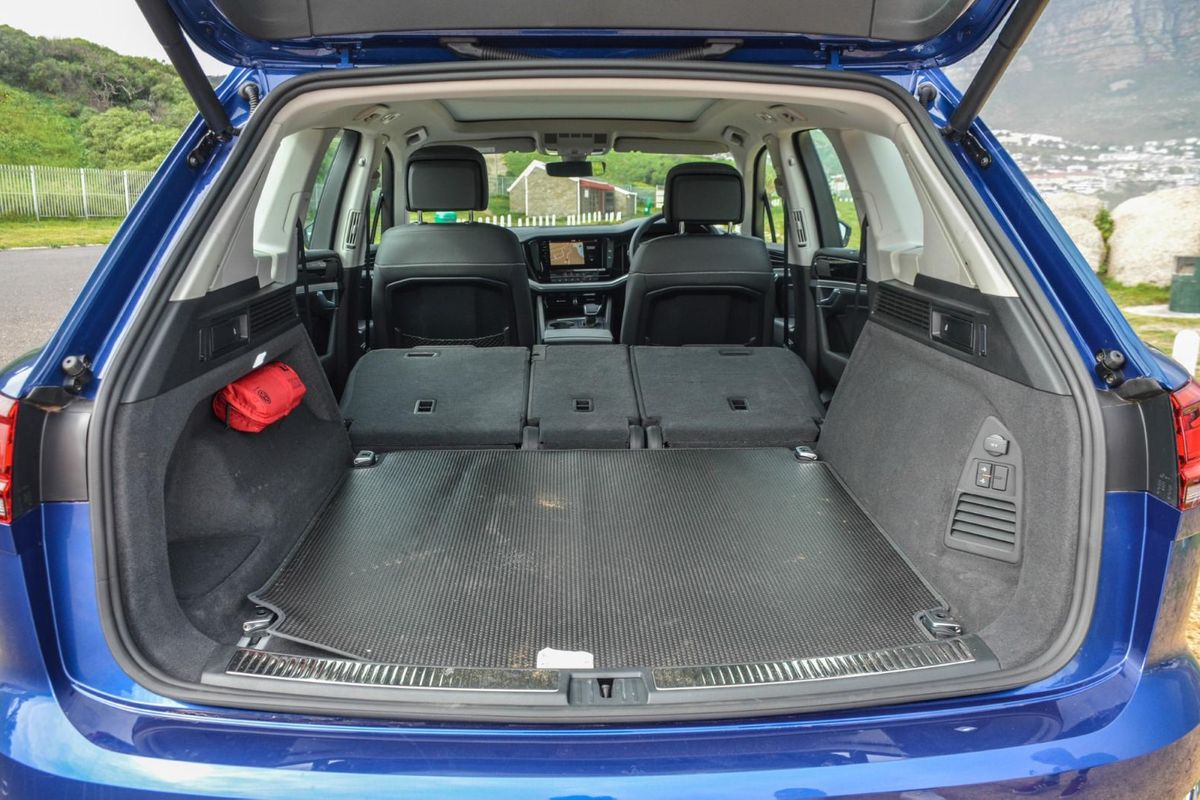
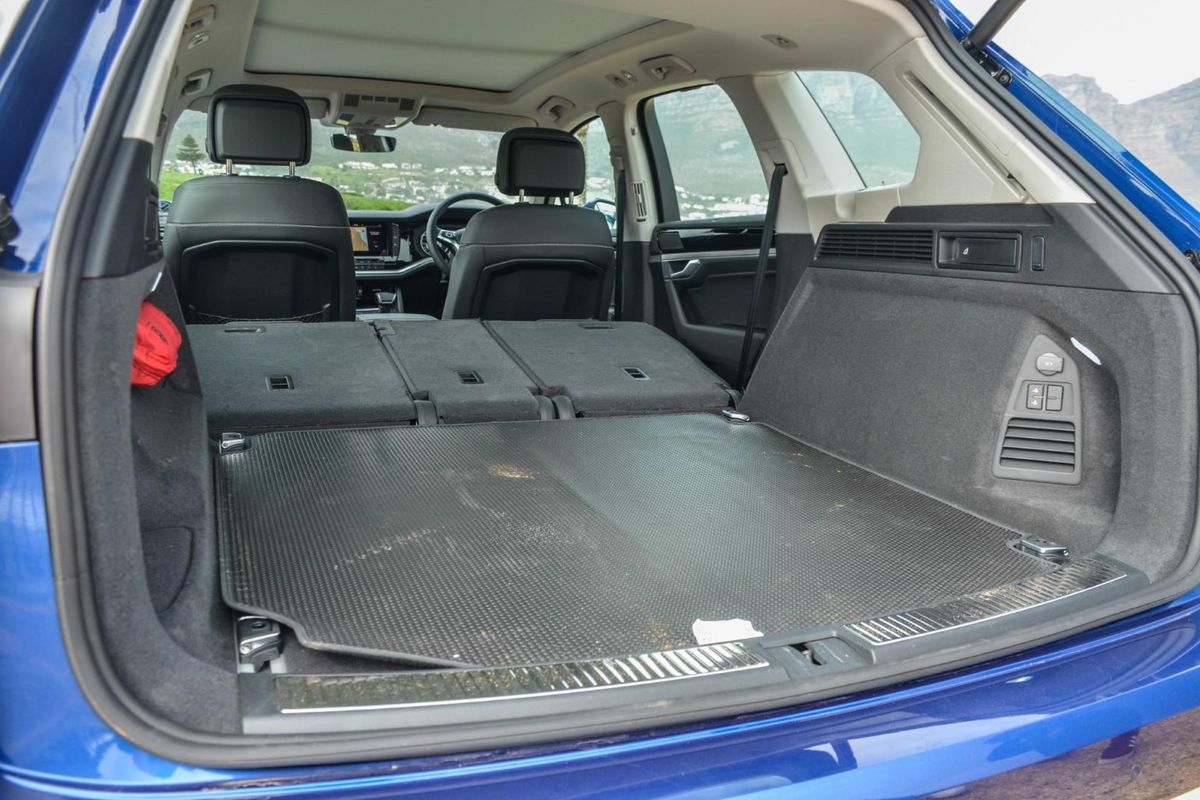
With its gains in length (+77 mm) and width (+44 mm), the new Touareg offers significantly more luggage space than its predecessor. At present, there are few premium SUVs (at least at this price level), that offer similar levels of occupant space and such a capacious luggage bay. Using levers placed along the sides of the bay, one can easily fold the seats down. Given the likely usage pattern of this vehicle, the standard electrically folding tow hitch will be widely appreciated.
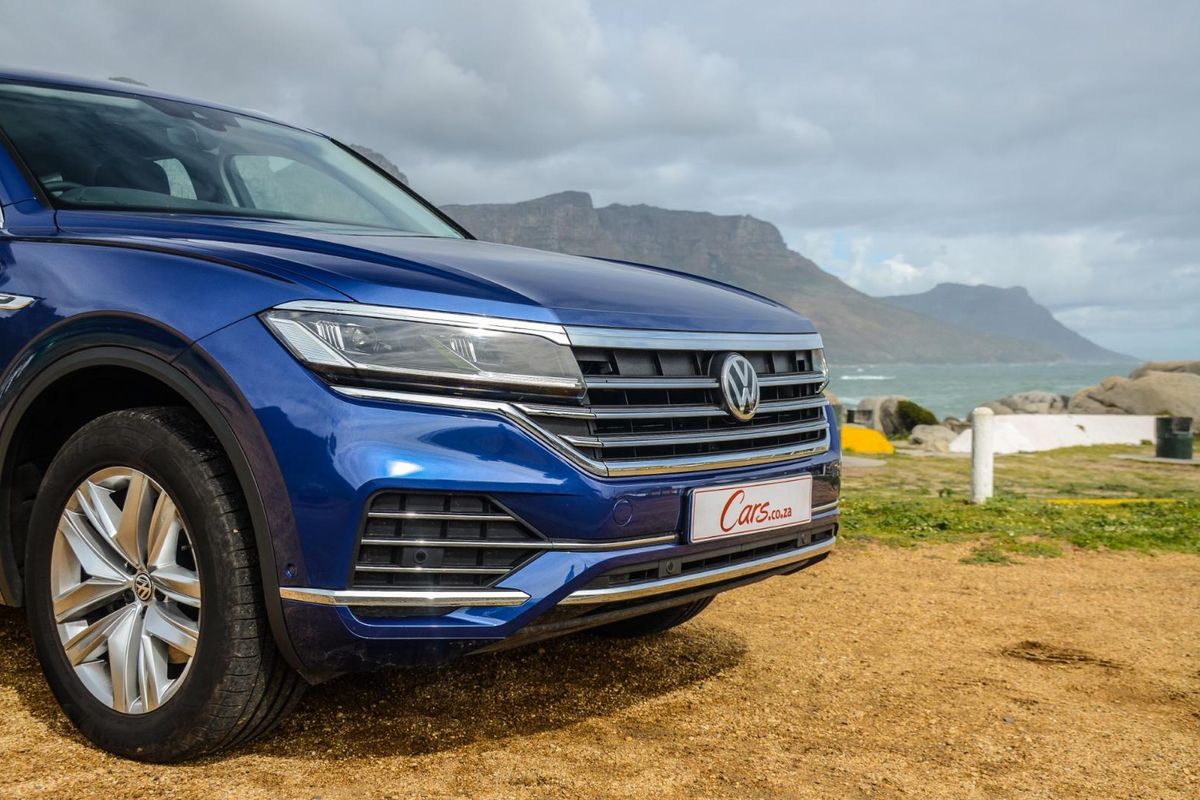
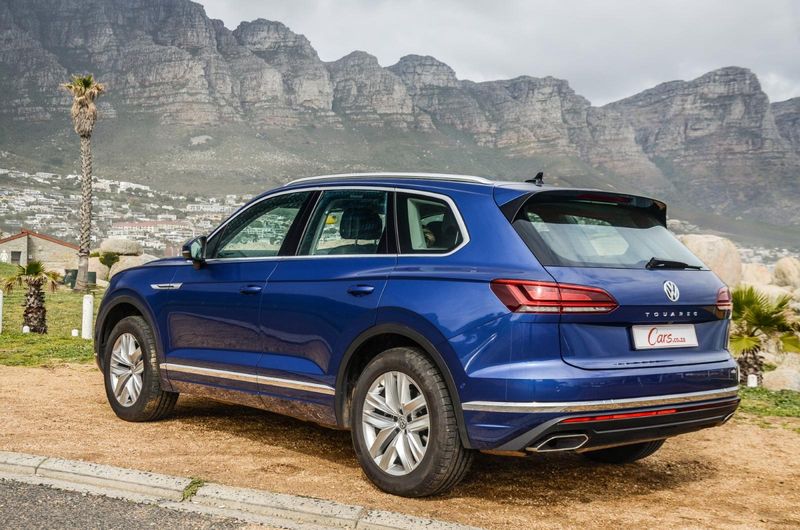
In terms of overall design, the new Touareg also holds significant appeal, though we suspect many owners will opt for the more expressive looks of the R-Line package (more on that later). Still, we like the square-jawed front of the newcomer, and the detailing of the LED headlights and tail lamps is particularly attractive. On this Luxury-badged "entry-level" Touareg, there's just the right amount of chrome, and you get 19-inch wheels as standard, which can (at no cost) be replaced with 18-inch wheels and a higher-profile tyre, should you wish to prioritise ride comfort. A vast panoramic sunroof is fitted.
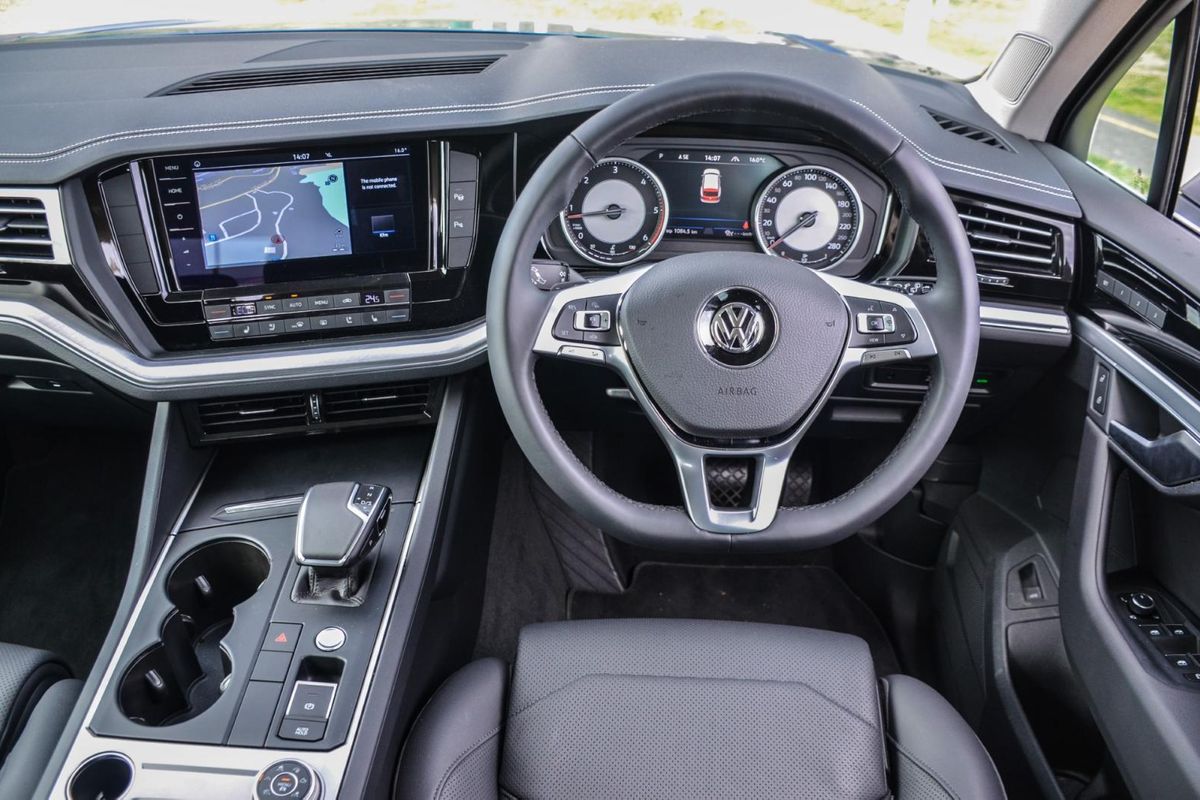
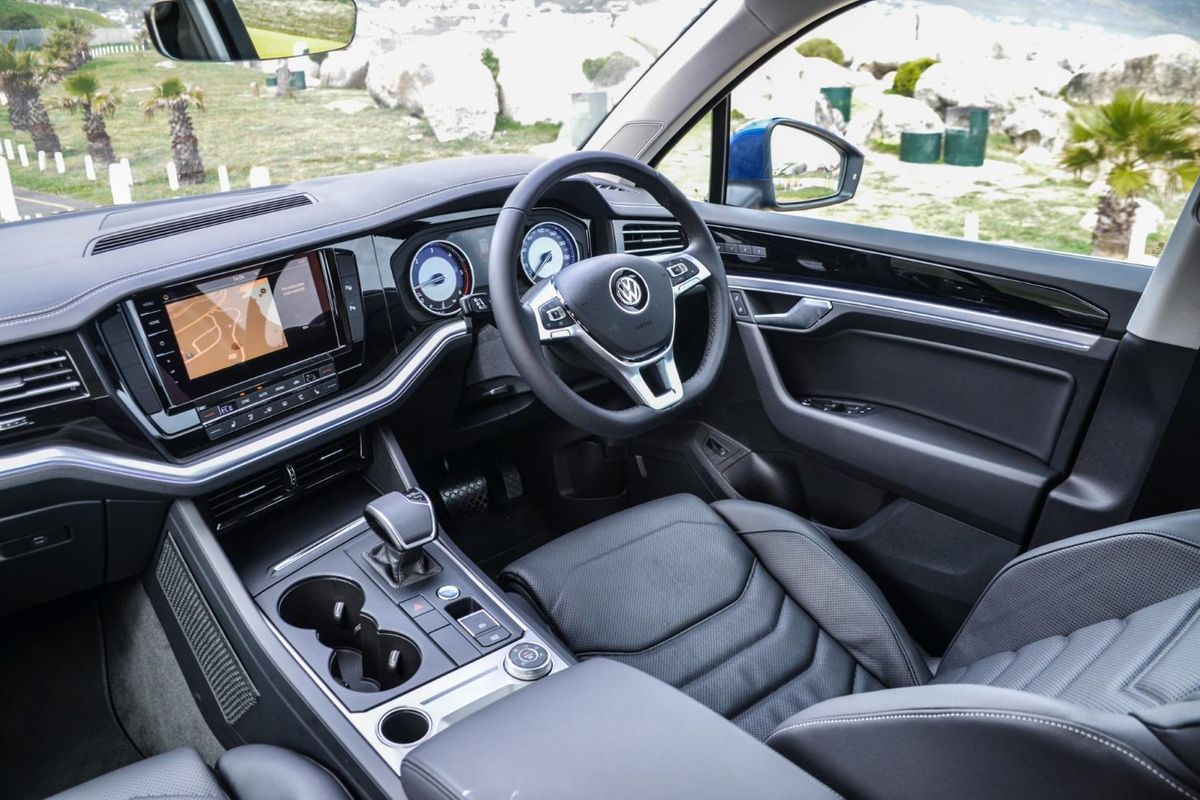
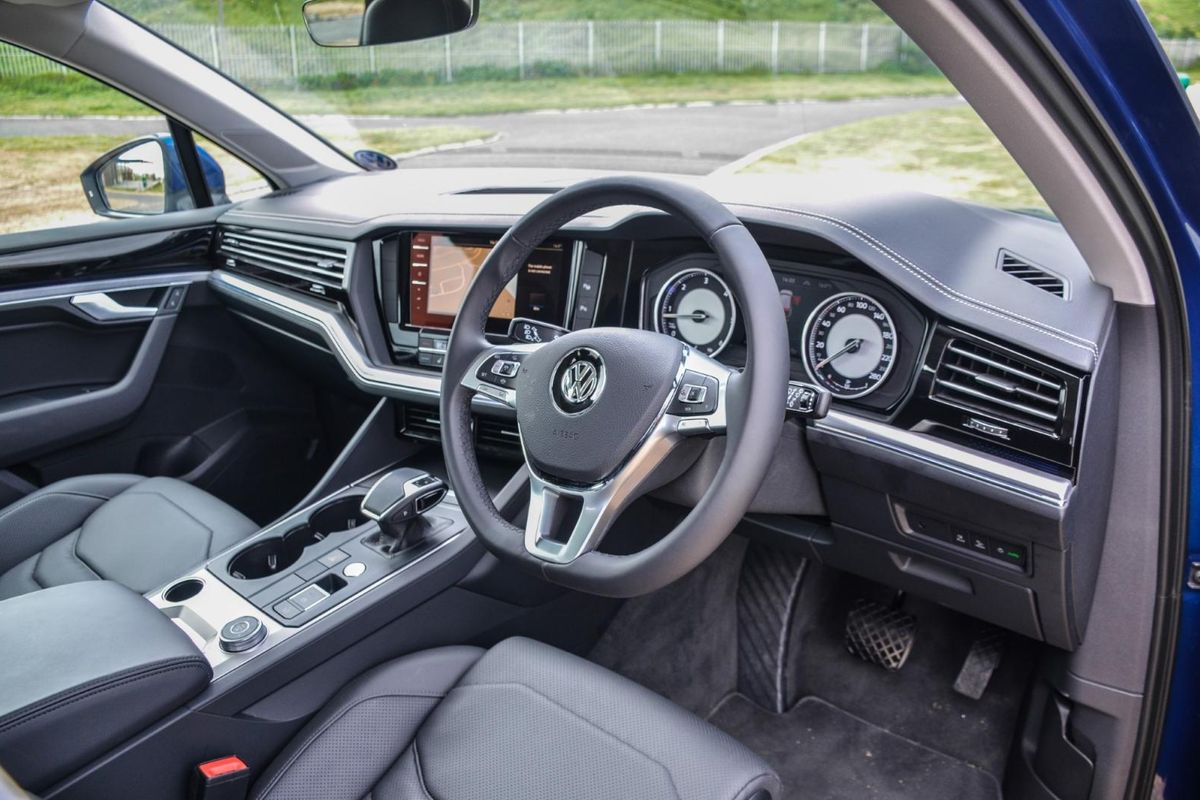
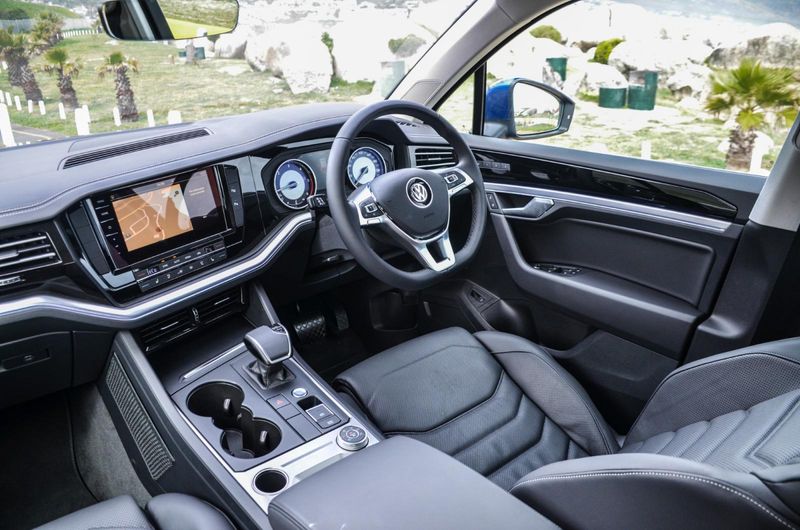
Inside, we appreciate the attention to detail – a hallmark of Volkswagen interiors. The perceived quality is excellent in most areas and the accentuated curve that frames the lower part of the facia is a very strong design feature that works even better when coupled with the InnoVision digital cockpit (not fitted to this test unit). As ever, the driving position is superb with a generous range of adjustment for both the seat and the steering column. Speaking of the 'wheel, it's a weighty, leather-wrapped item that makes a particularly strong quality impression.
Performance/Efficiency balance
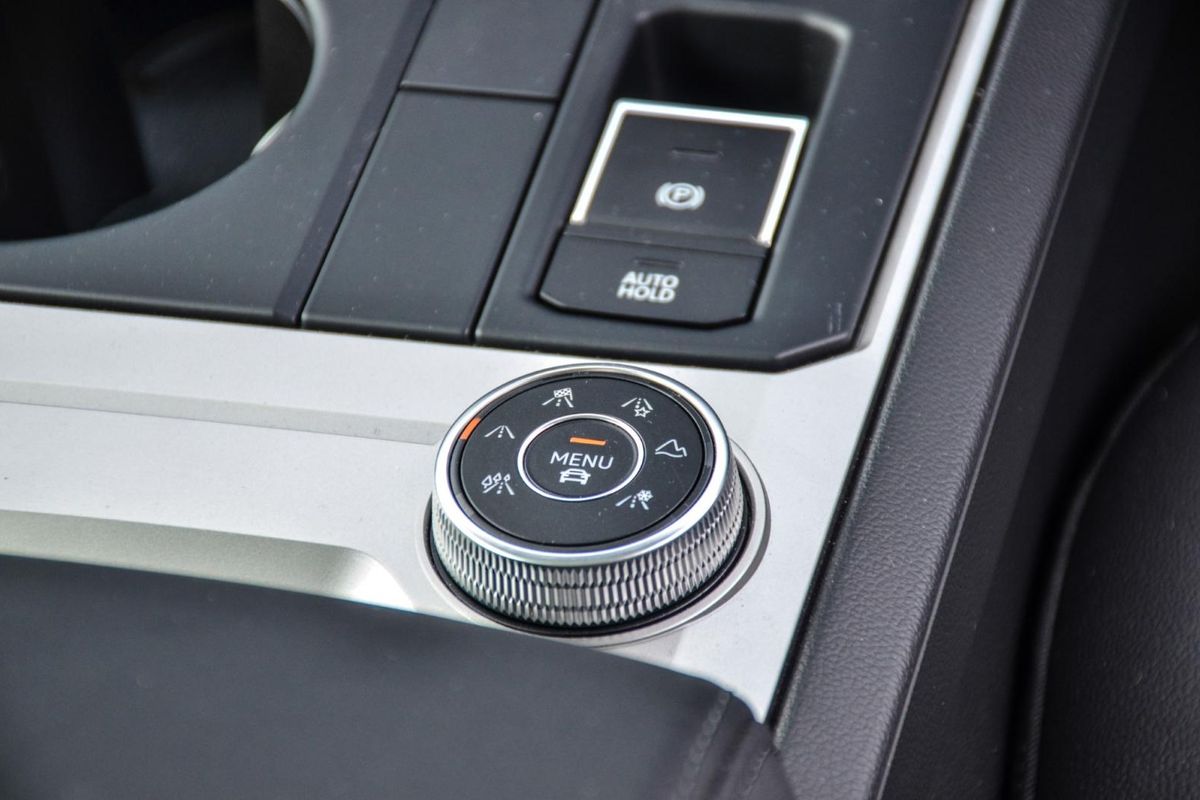
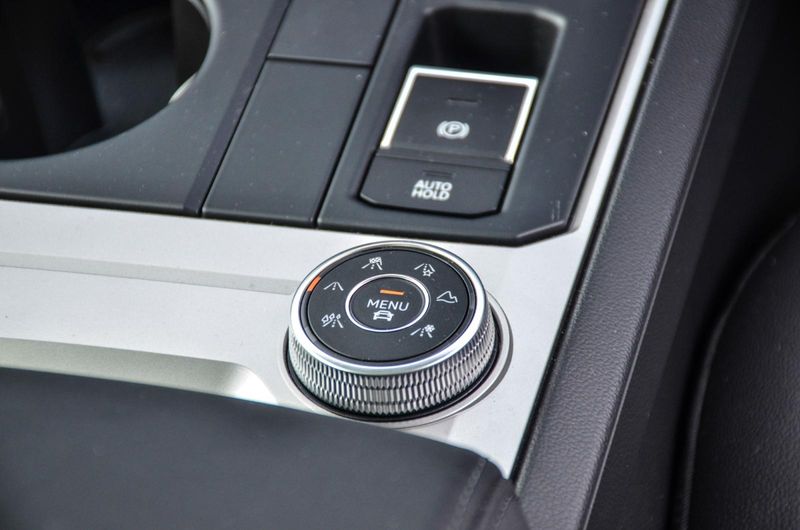
It's highly unlikely to frequently be used off-road, but nevertheless the new Touareg comes with several modes to handle those rare adventures off the beaten path.
This Touareg is powered by the Volkswagen Group's much-admired 3.0-litre V6 TDI (turbodiesel) engine, and it's the powerplant that you'll also shortly see in the upcoming flagship Amarok. It punches out 190 kW at 4 500 rpm and 600 Nm of torque from 2 250 to 3 250 rpm. These are almost unbeatable peak outputs for a similarly-sized luxury SUV priced at around R1 million – yes, the 3.0-litre turbodiesel in the Jaguar F-Pace offers more power, but it's a slightly smaller vehicle.
The motor is very smooth and refined, but when a sportier mode is selected it certainly is capable of delivering impressive thrust. Volkswagen doesn't quote a 0-100 kph time, but we expect the number to be around 8 seconds. More importantly, overtaking power is excellent and there is also a quoted 3 500kg tow rating (braked).
The engine is mated with an 8-speed automatic transmission (with paddle shifts), which works fine in most instances, but can at times be a little too hesitant to change ratios as circumstances require. Volkswagen claims a combined-cycle consumption figure of 7.1 L/100 km, which of course will be hard to match on a daily basis, especially if most of your driving is around town. We achieved figures of between 8.5 and 9.1 L/100 km, which we believe to be more than acceptable, given the usage patterns during the review period. The impressive efficiency is undoubtedly aided by the drop in vehicle mass of around 100 kg compared with its forebear.
Good standard specification
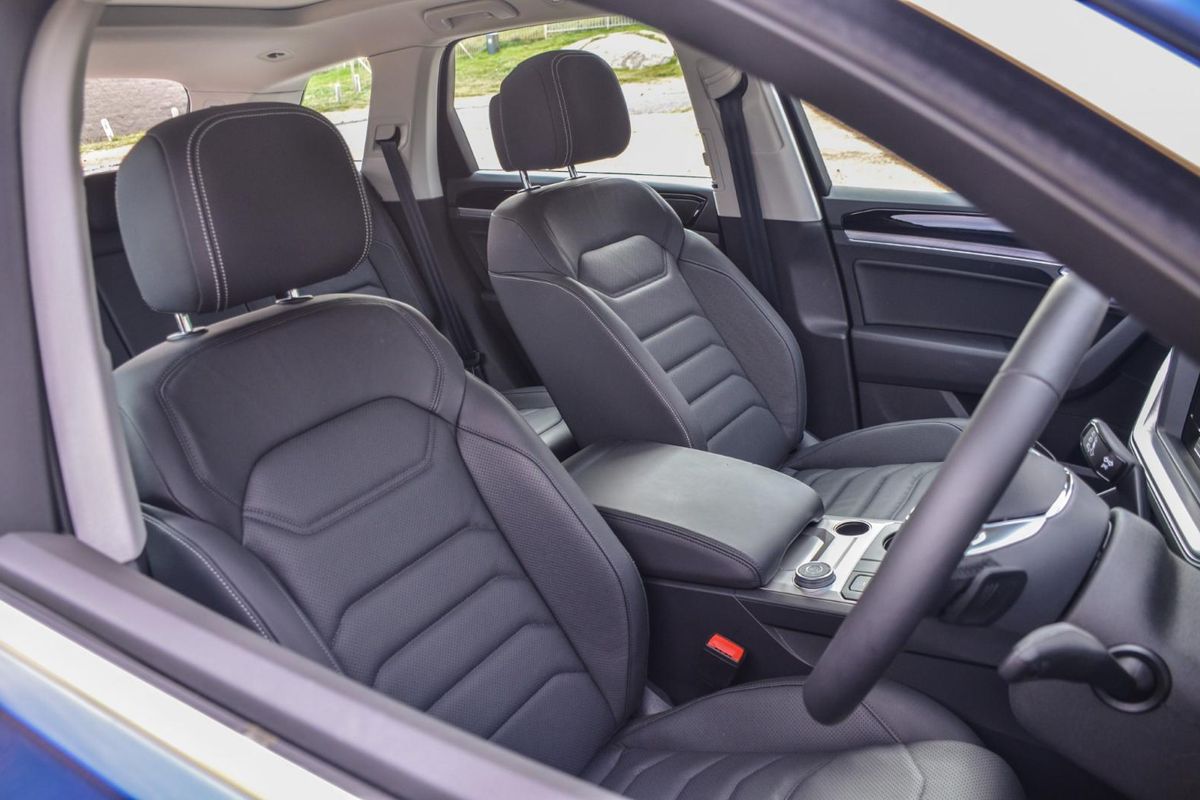
Superb front seats, good connectivity features and a focus on comfort and luxury, as opposed to flashy design, make the Touareg Luxury's cabin a very nice place to be.
This is a R1-million vehicle and so, regardless of its technical prowess, spaciousness or refinement, prospective owners will want as many toys as possible. The Touareg Luxury delivers a more comprehensive suite of features than similarly (or even more expensively) priced premium-badged competitors. For example, you get a panoramic sunroof, an electrically folding tow bar, electrically-powered tailgate, adaptive cruise control and the Discover Pro navigation system as standard.
The seats are superb, with the leather-trimmed "Vienna" front seats offering climate control in addition to electric adjustment (and memory settings).
The safety specification is also excellent, with no fewer than 8 airbags in addition to the expected package of driver assistance systems. Park Assist (automated parking) and Park Distance Control are also included as standard.
Ride comfort & Agility
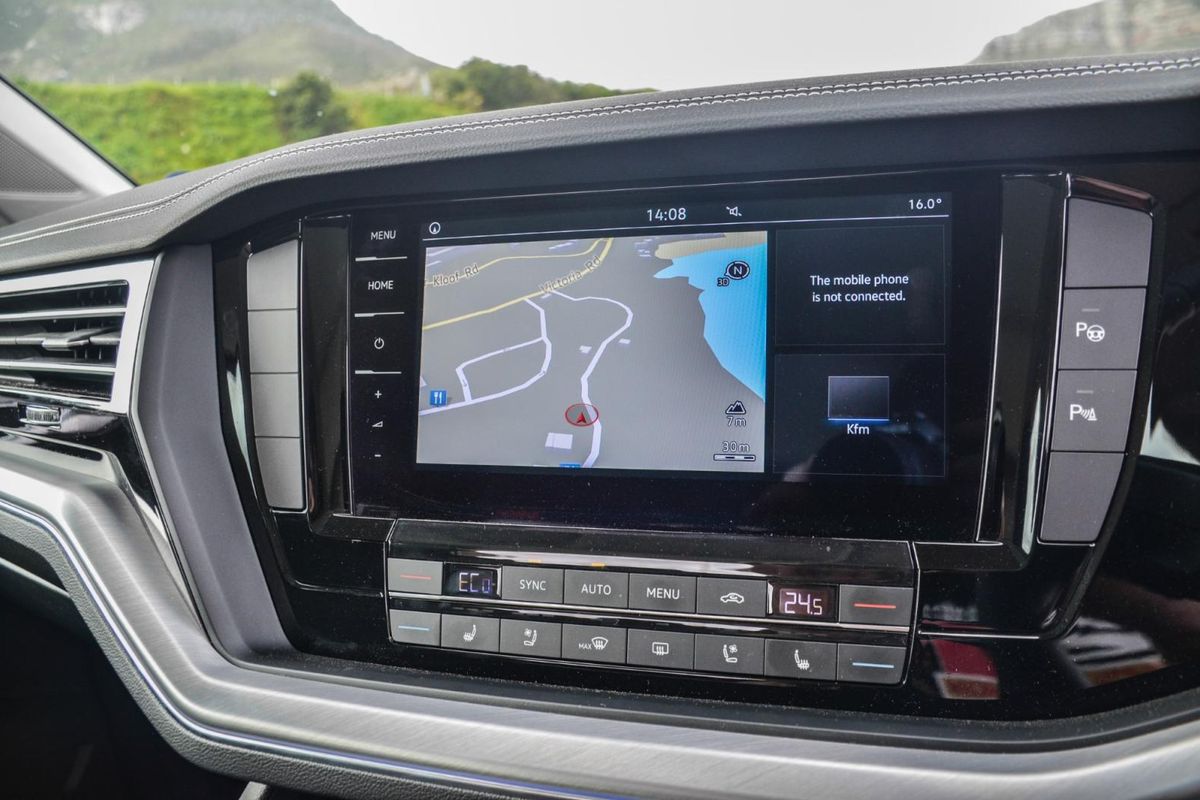
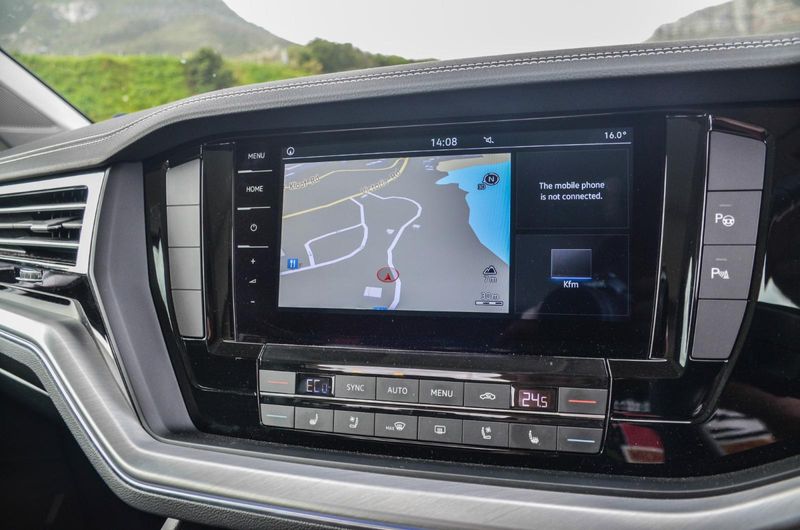
Discover Pro navigation system is standard. Also note controls for seat heating/ventilation.
Like most new-generation Volkswagen platforms, this new Touareg delivers a level of ride refinement that is deeply impressive. On most surfaces, including gravel, owners are likely to be pleased with the combination of refined damping and good body control. Only in very rare circumstances will sharp jolts upset the calm ambience in the hushed, insulated cabin.
There are some optional extras that one should consider in pursuit of the ultimate combination of ride and handling. There is a 4-wheel air-suspension system, for example, that costs R51 950 and which incorporates rear-wheel steering to further improve agility. And, as mentioned before, you can also, at no cost, opt for a smaller wheel.
Many SUVs at this end of the market attempt to achieve "sportscar"-like dynamic ability, and the MLB platform is certainly capable of delivering such dynamism in sibling vehicles (the Cayenne and Urus spring to mind), but in the Touareg, the focus falls on comfort and luxury. In our view, there's nothing wrong with that.
Where does it fall short?
The really nice stuff costs A LOT extra
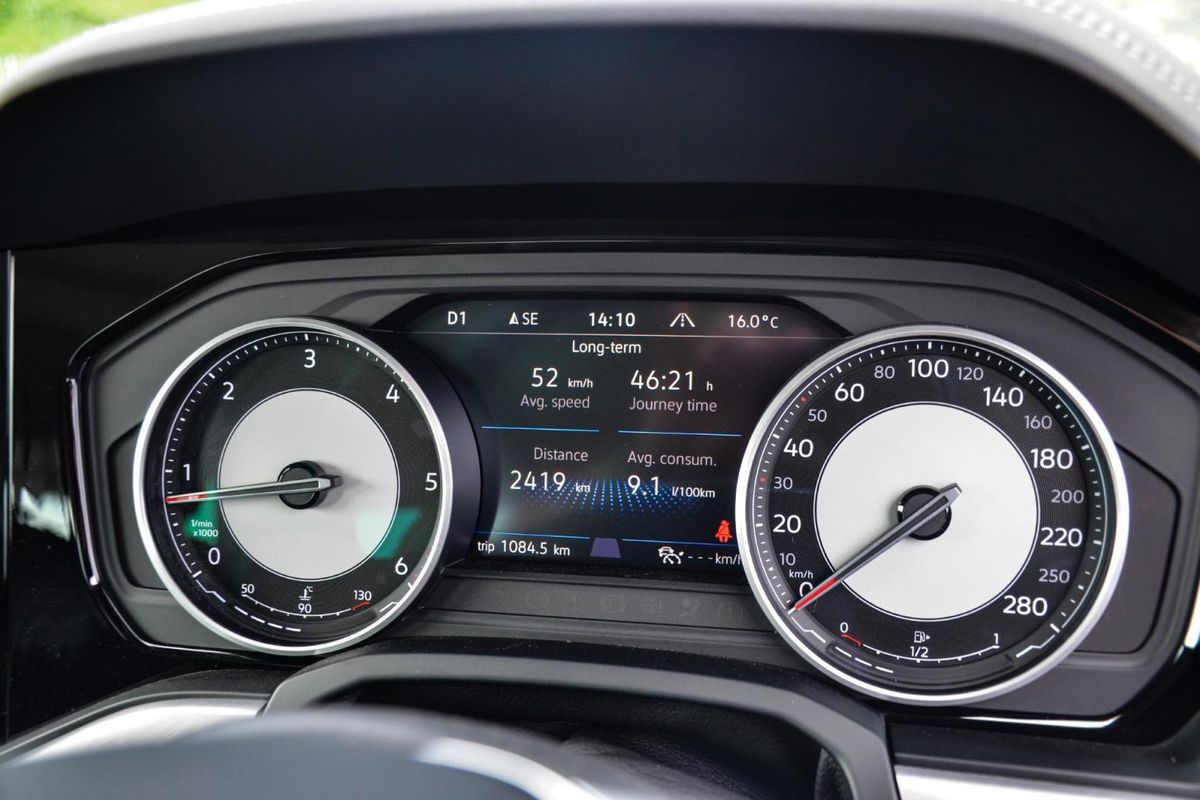
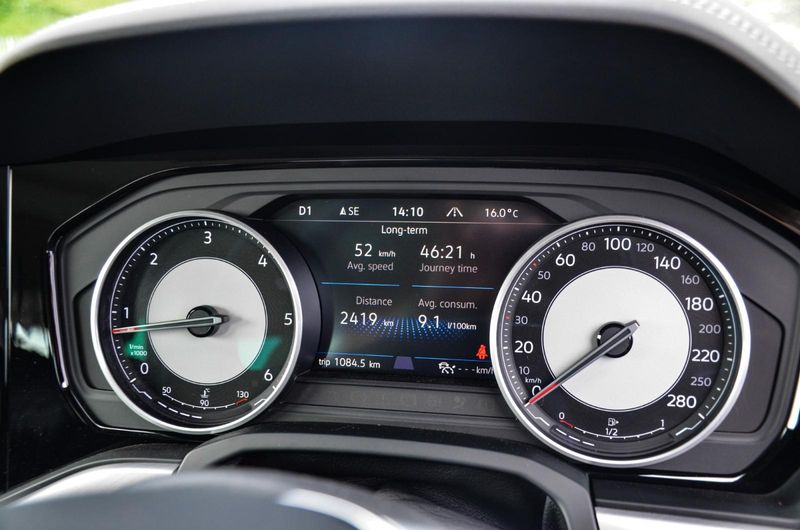
The Touareg Luxury's standard instrument cluster is certainly functional and attractive, but many shoppers will likely be tempted by the striking (optional) InnoVision premium digital cockpit that costs a whopping R74 900 more.
While we do think the new Touareg offers a commendable package of features as standard, and certainly a better suite of equipment than most rivals, the really nice stuff costs A LOT extra. At this end of the market, appealing design and cutting-edge tech are important factors – these are prestige vehicles, after all – and so we think the sporty R-Line styling kit, in particular, will be tempting for many customers. It makes the reasonably conservative Touareg's design come alive, and will turn far more heads. But… that cosmetic upgrade costs a whopping R60 500.
Then there's a major talking point of the new Touareg: it's startling InnoVision digital cockpit, which blends a vast and strikingly crisp 12-inch instrumentation display with a 15-inch Discover Premium infotainment system to really turn the Touareg's already impressive cabin into a real showstopper. It costs an eye-watering R74 900.
There are more optional extras of course (including a very high-tech Advanced Safety Package with night vision etc.), but for us, the above 2 items turn the new Touareg into a visual feast, albeit one that suddenly hurts the wallet significantly more.
Pricing & Back-Up
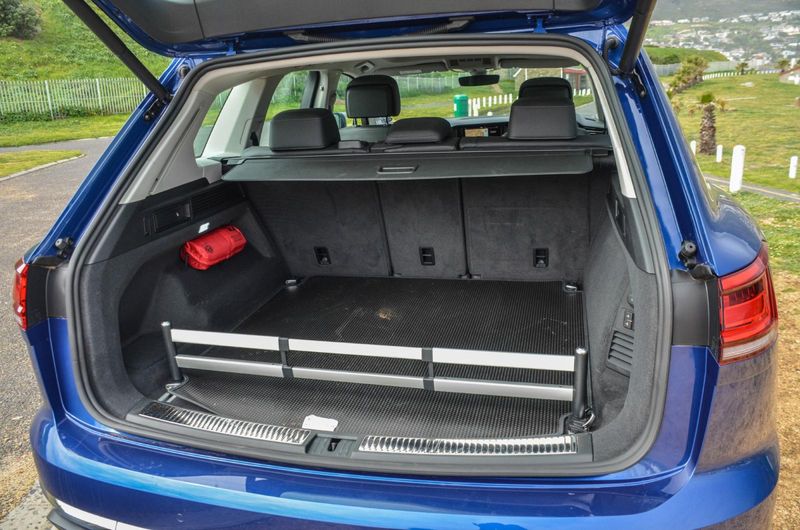
The boot is large and practically shaped. Test unit features optional Cargo Package (R6 850). A folding tow hitch is standard fitment.
In standard trim, this entry-level Touareg sells for R999 800 (August 2018), but there are a number of optional extras available. Our test unit also came with the Ambient Light Package (R7 900) and a Cargo Package (R6 850). In fact, you only have to specify metallic paint (R4 950), to take it over R1 million. Four-zone climate control adds a further R8 850. The product comes backed with a 3-year/120 000 km warranty and a 5-year/100 000 km maintenance plan. Services are scheduled for every 15 000km.
Verdict
New Touareg is a superb offering that offers a blend of refinement, luxury and spaciousness that's hard to beat at the price.
More than ever before, Volkswagen's Touareg is now a very serious challenger to the perennial favourites in the Premium SUV segment. It no longer gains a competitive edge simply because of its keen asking price, either. This is a quality product that offers excellent refinement, comfort and, if adorned with some of the optional extras such as the R-Line package and the InnoVision cockpit, also a rather large helping of the all-important (in this segment) wow factor.
Alternatives (click on the names for detailed spec info)
Volvo has made great strides in recent years and the resurgence has been led by this vehicle, the 3-time Cars.co.za Consumer Awards – Powered by WesBank, Premium SUV of the Year. In D4 guise it can't match the VW's power and also lacks a few features, but it does counter with more space and an extra row of seating.
A new Mercedes-Benz GLE arrives next year and the current model is certainly no spring chicken. Nevertheless, if you simply MUST have one of the 3 traditional German luxury brands' badges on the nose, the 250d is the most affordable way of getting into a 'Benz. It can't match the VW for power or specification. More importantly, the Benz lacks the modernism of the Touareg's cabin and the refinement of its drivetrain/underpinnings.
The Touareg's sister car is now a few years older, but still a refined, spacious alternative in the Premium SUV segment. Of course, it can't match the Volkswagen for specification, but you can at least get 3rd-row seating if you'd like (at extra cost).
Looking for a new / used Volkswagen Touareg to buy?
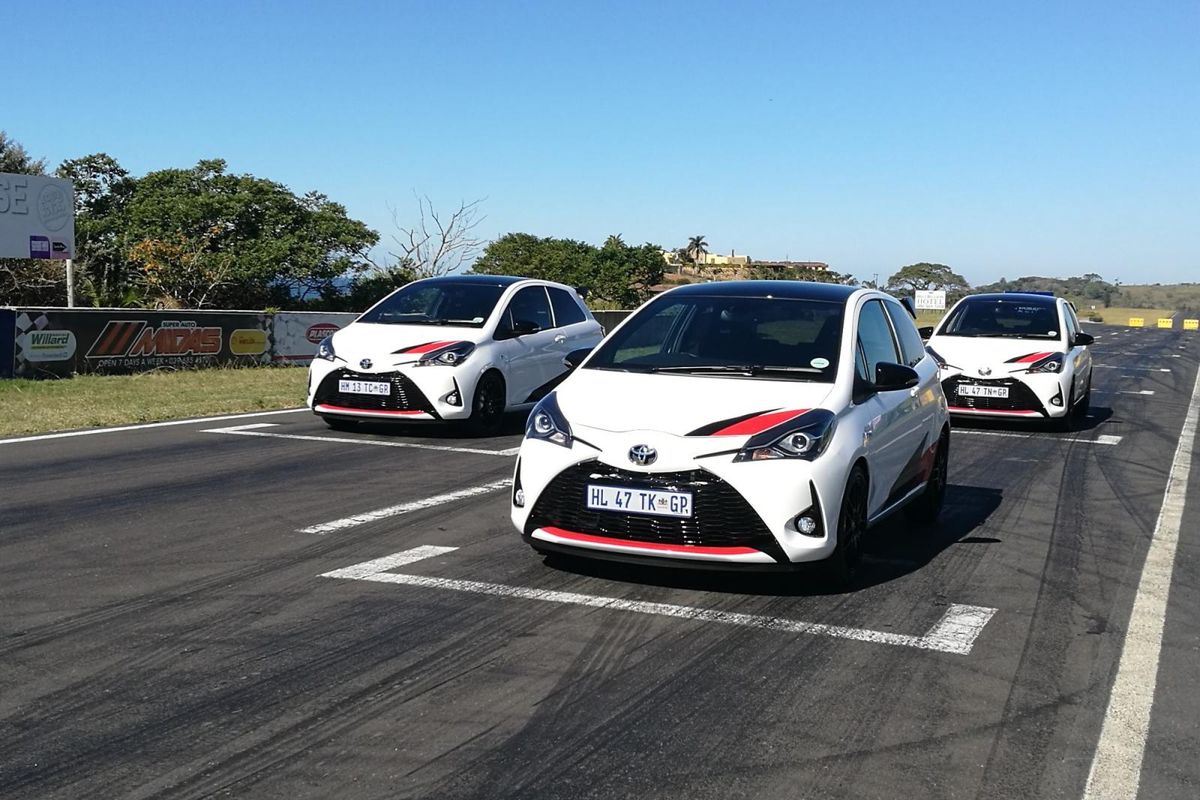
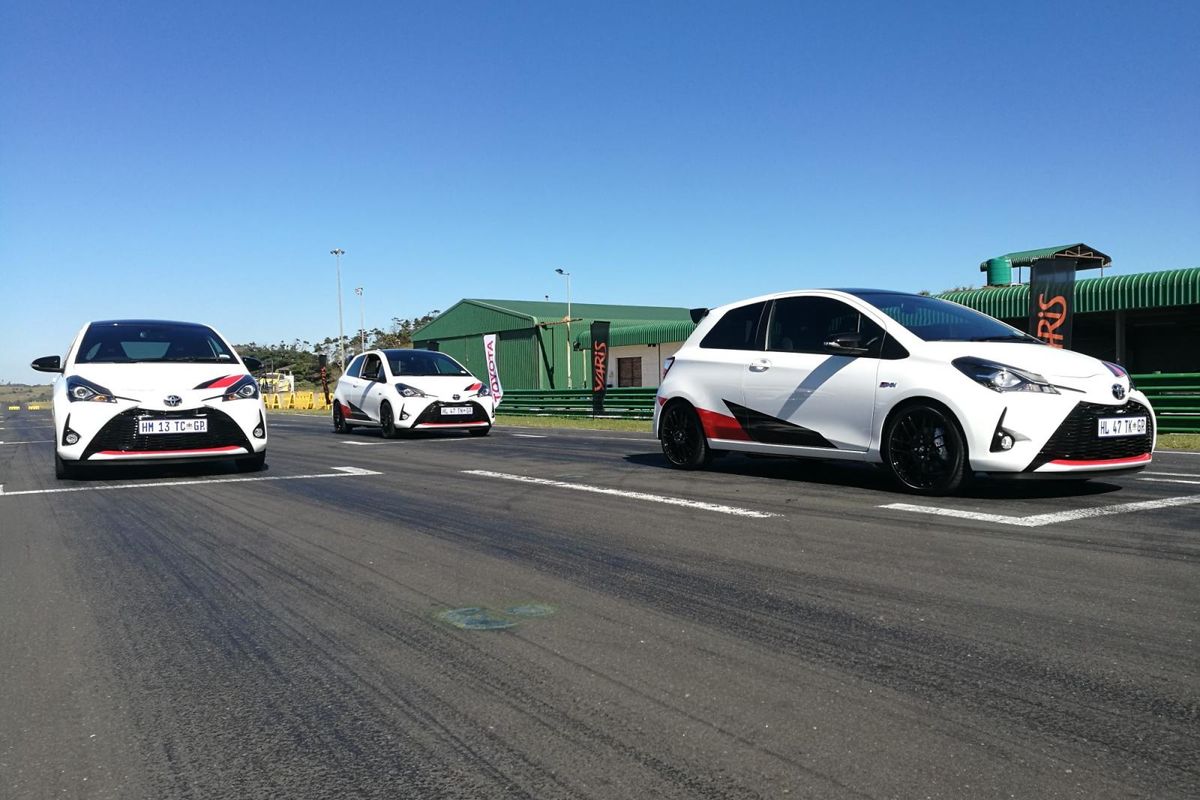
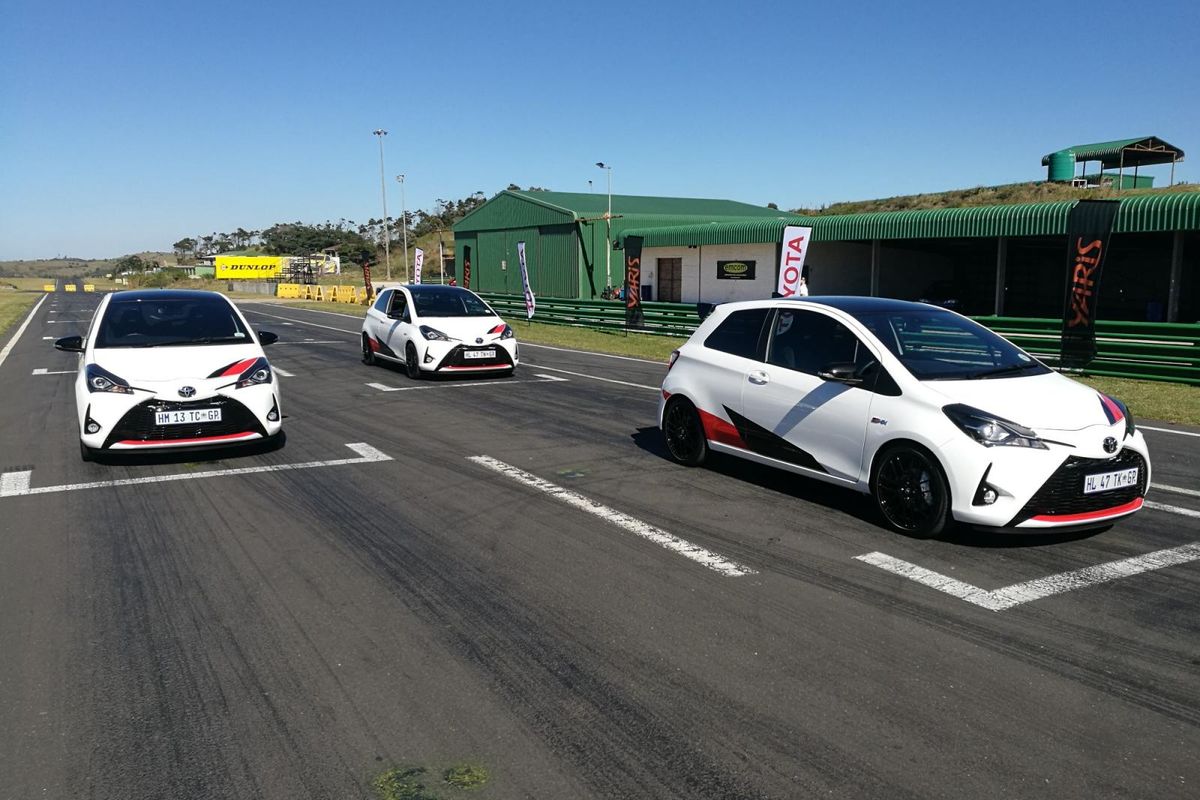
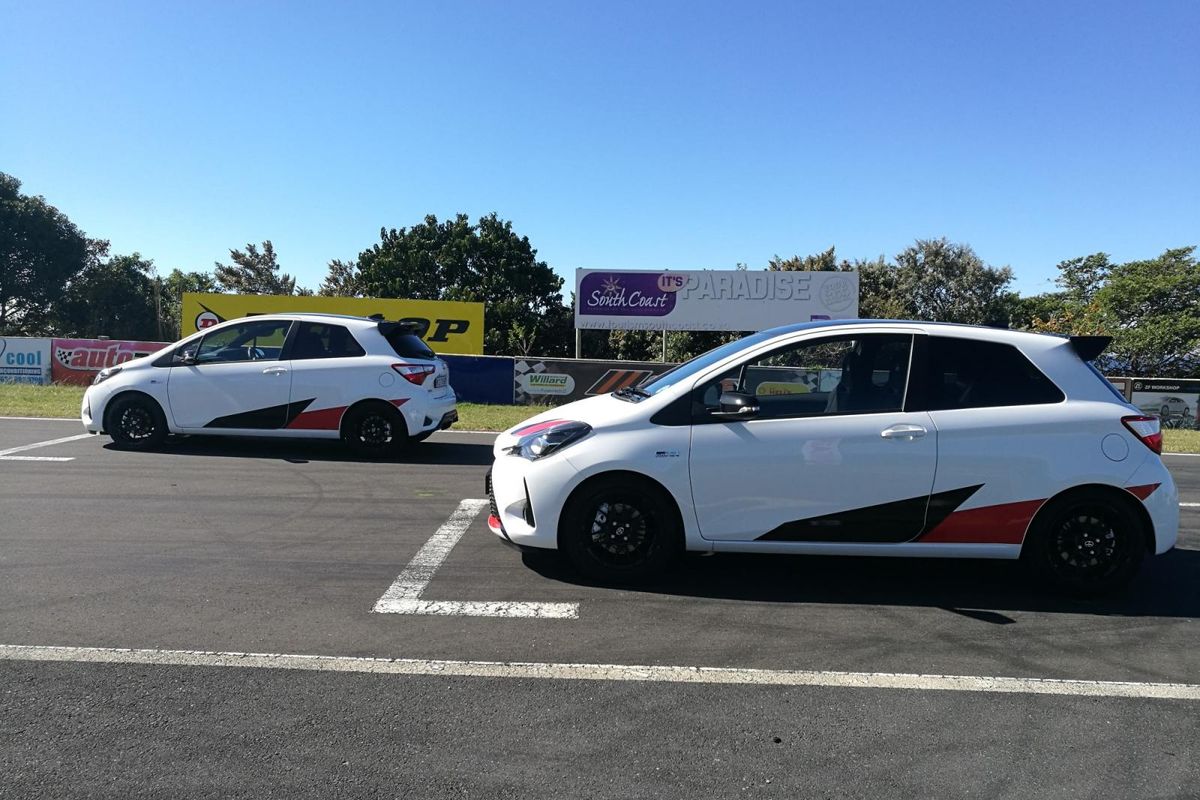
Toyota is establishing Gazoo Racing, or 'GR', as its performance arm that will draw on the brand’s motorsport experience to produce exciting production cars in the future. The Yaris GRMN is the first model outside of Japan to spearhead this development and we had the opportunity to drive the fiery 3-door hatchback on local soil at Dezzi Raceway in KwaZulu-Natal this week.
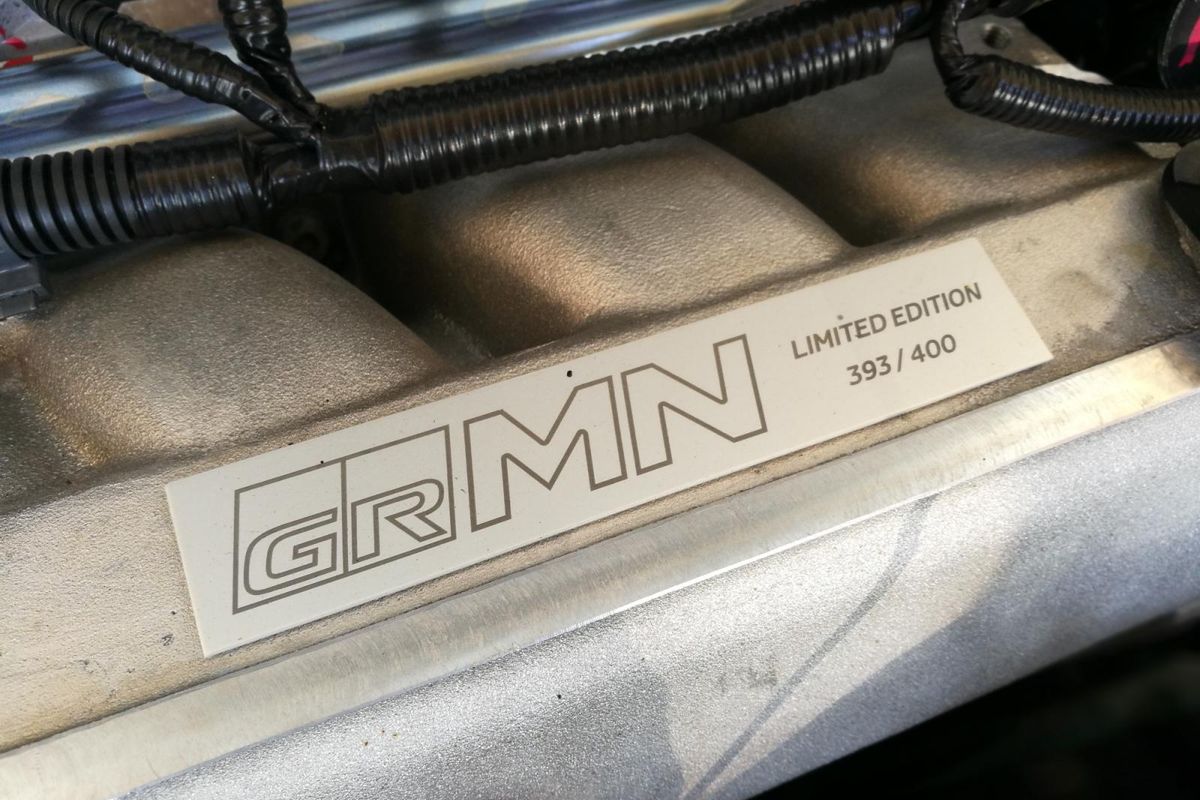
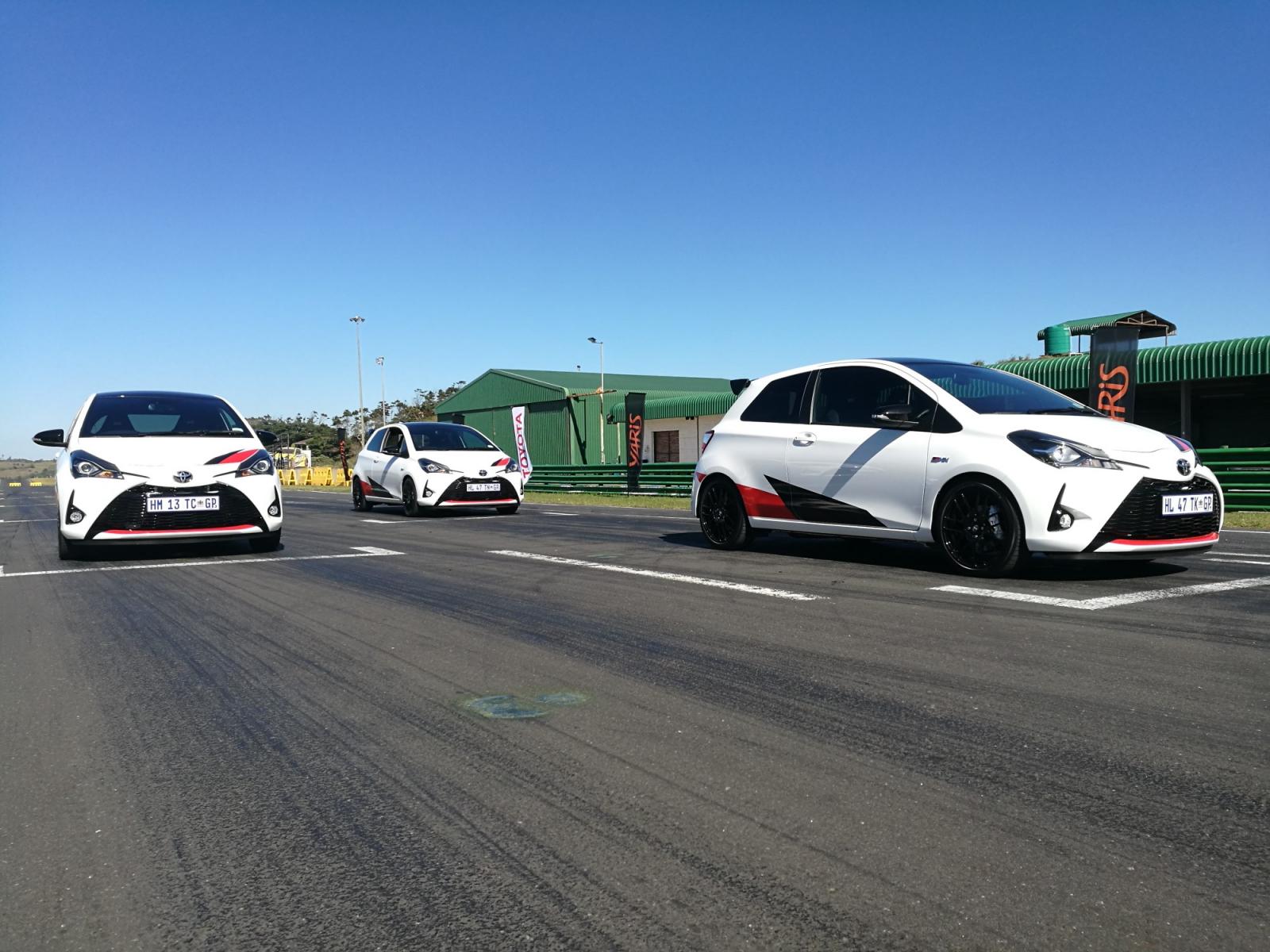
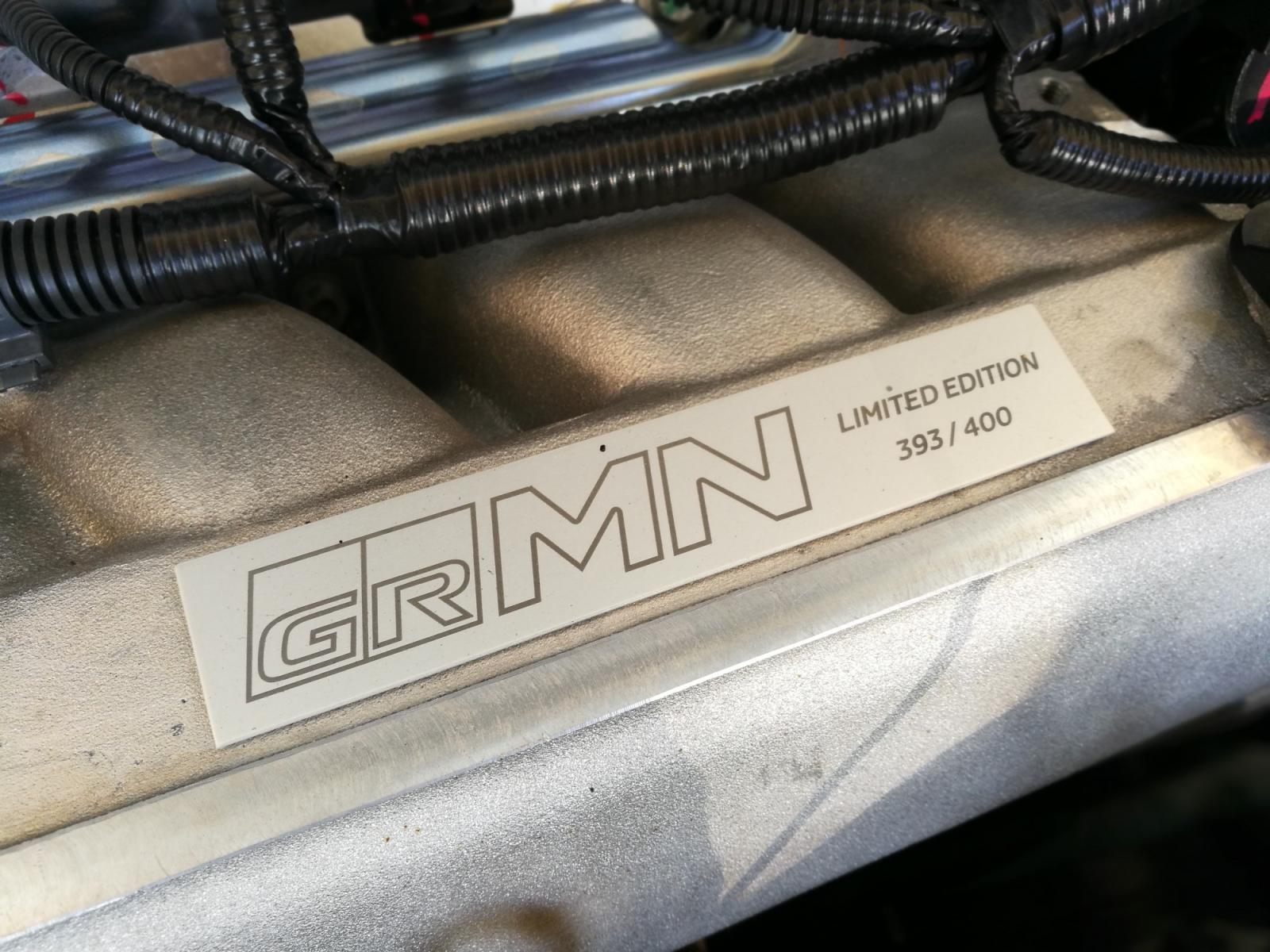
Let’s get the bad news out of the way, shall we? You can’t buy the Yaris GRMN in South Africa. It’s a sad fact, we know. The reality is that only 400 examples of the Yaris GRMN were built, predominantly for the European market and that Toyota South Africa managed to acquire only 3, which will now be used as marketing vehicles to showcase the evolution of Toyota’s performance-minded products. Nonetheless, TMSA was keen to unleash the Yaris GRMN on track and, truth be told, so were we…
What is it?
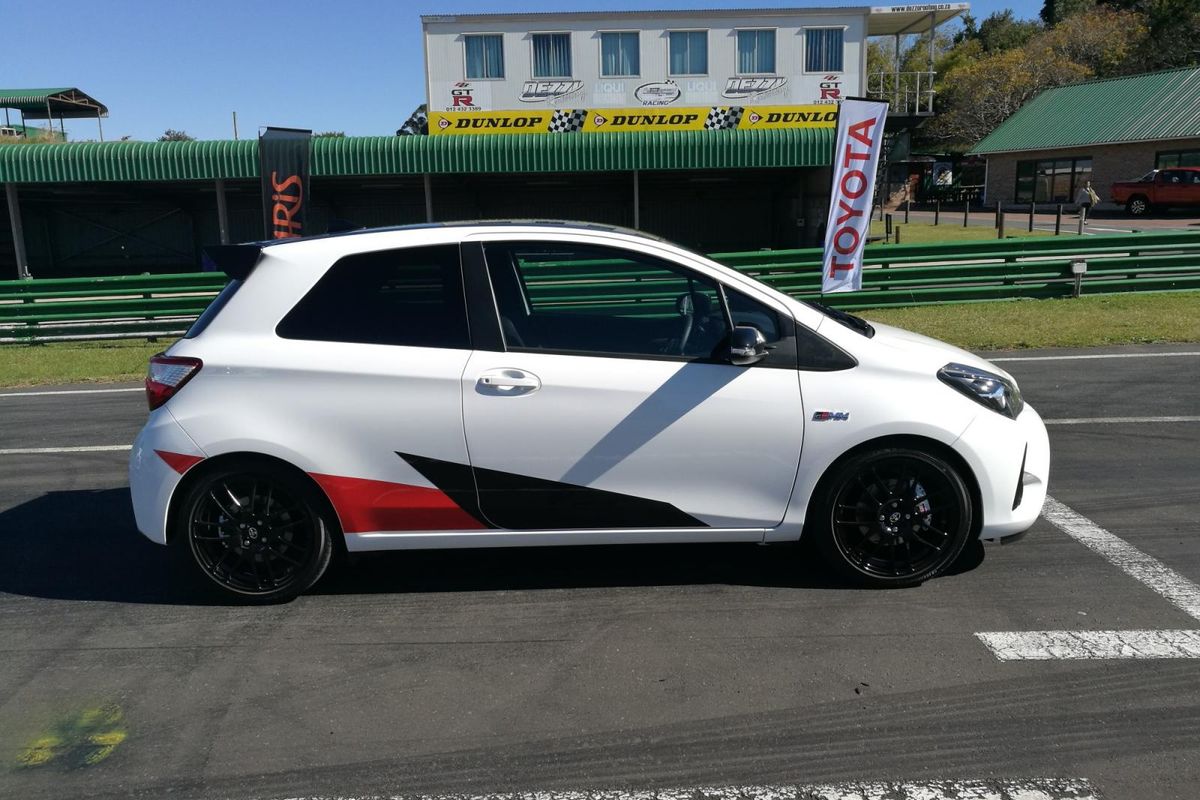
The potent Yaris GRMN draws inspiration from the Yaris WRC and brings Toyota's racing expertise to the road.
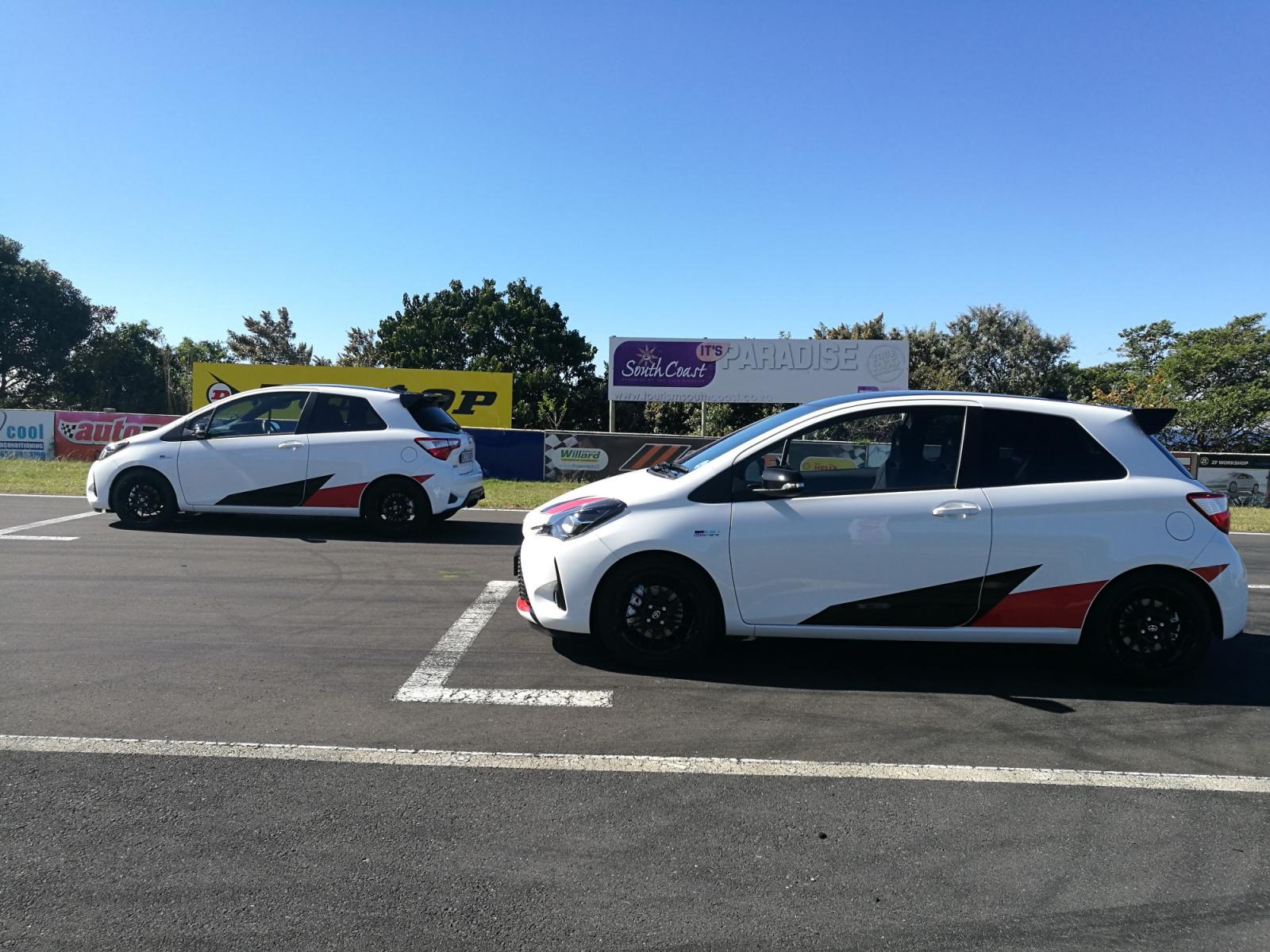
The Yaris GRMN is based on the 3-door Yaris (not sold in SA) and is infused with Rally DNA inspired by the Toyota’s Yaris WRC rally car, but engineered for the road.
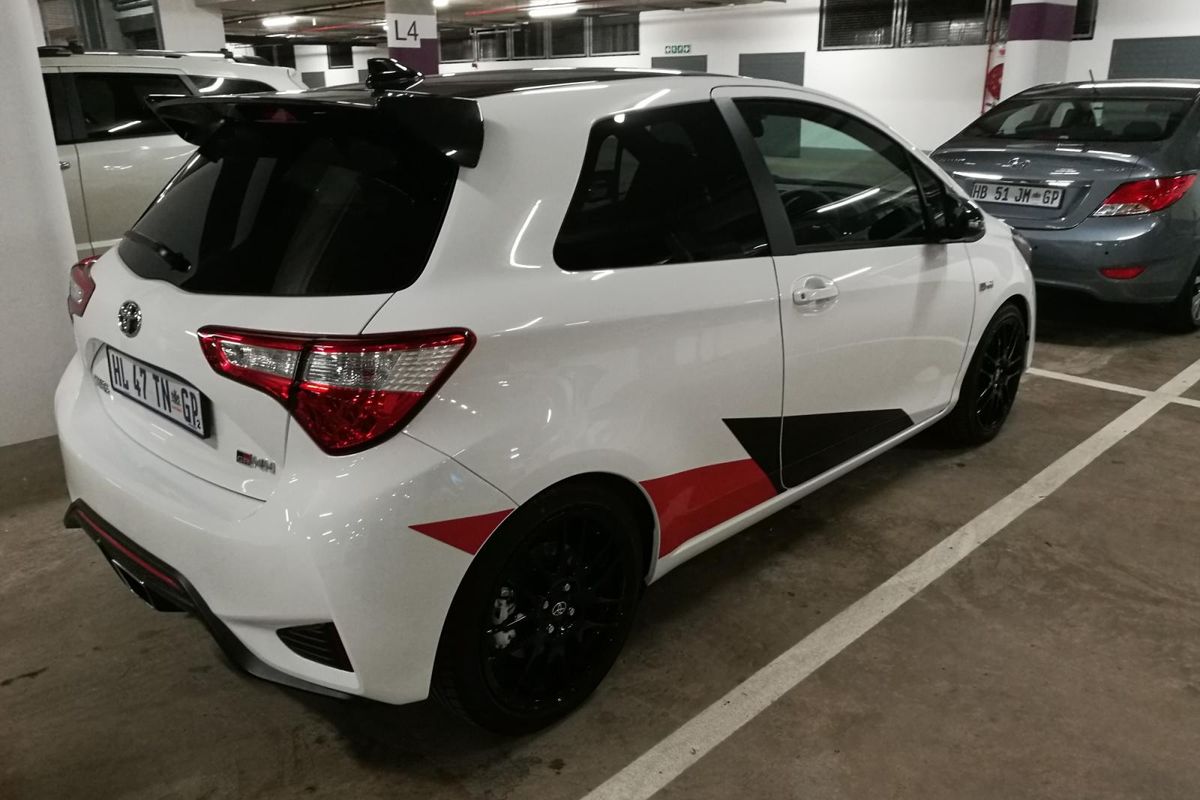
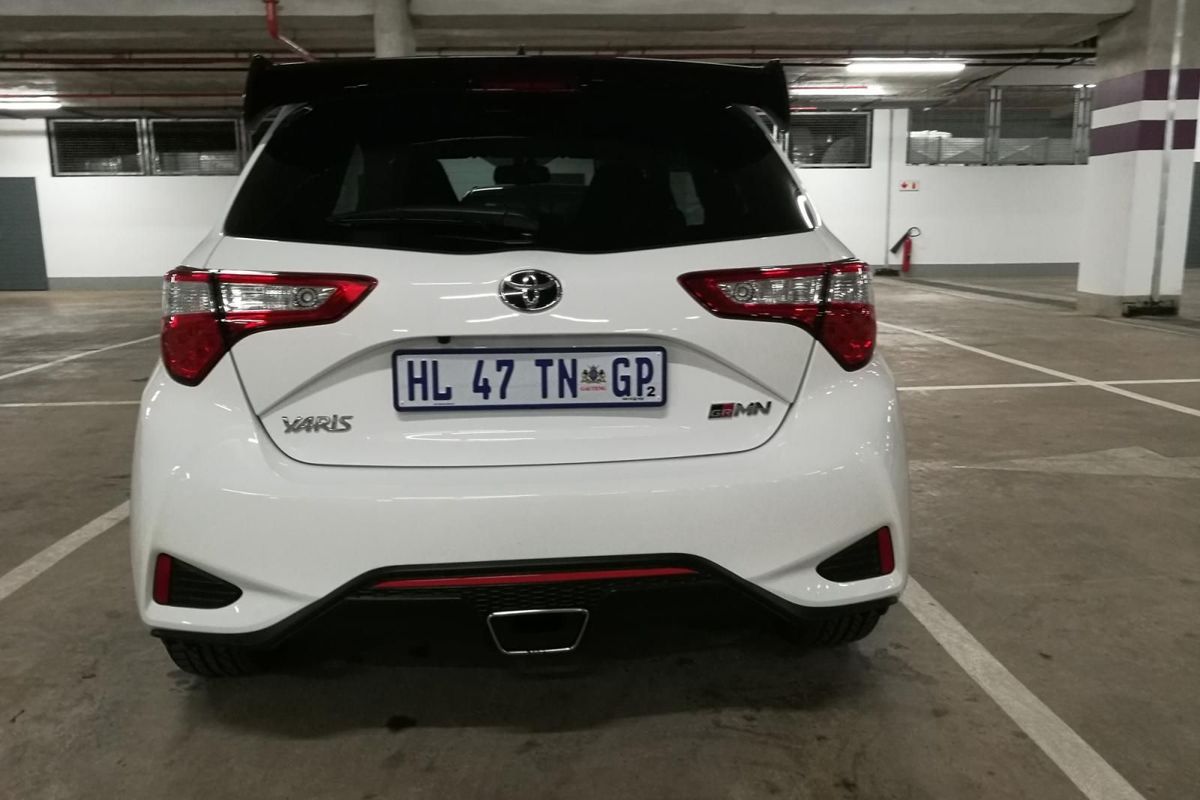
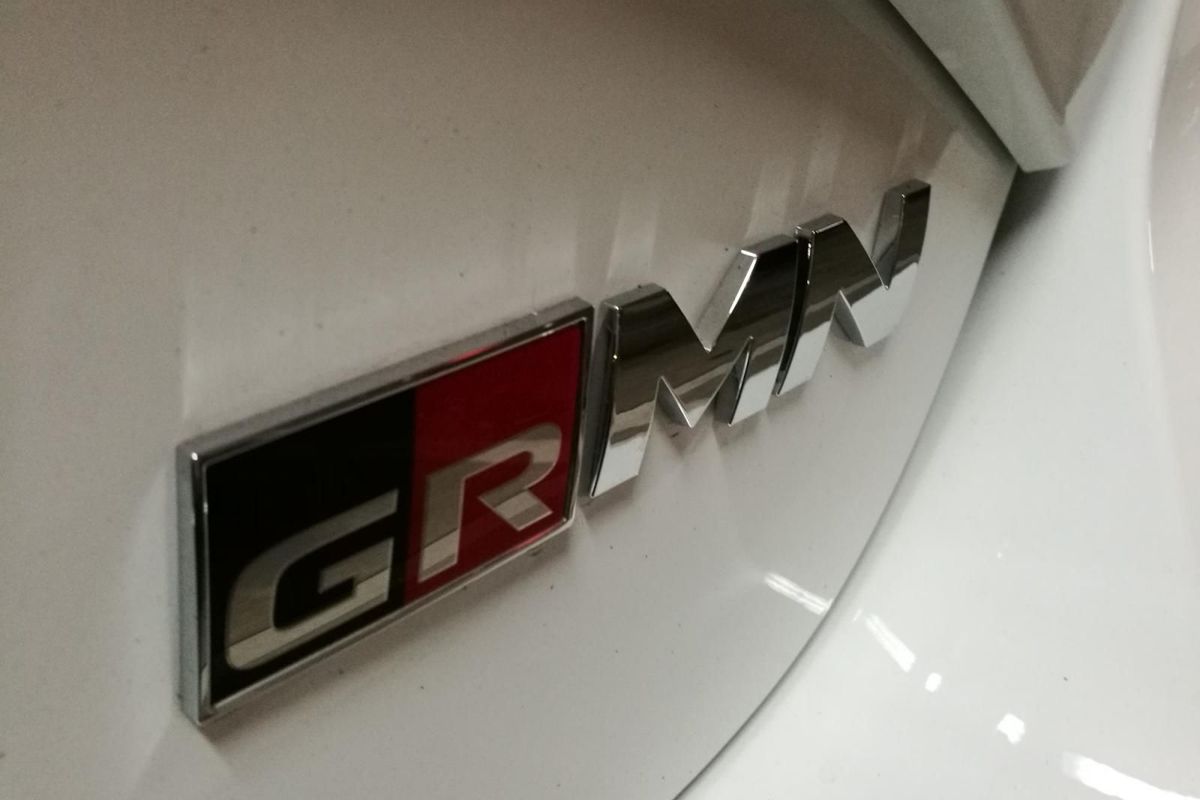
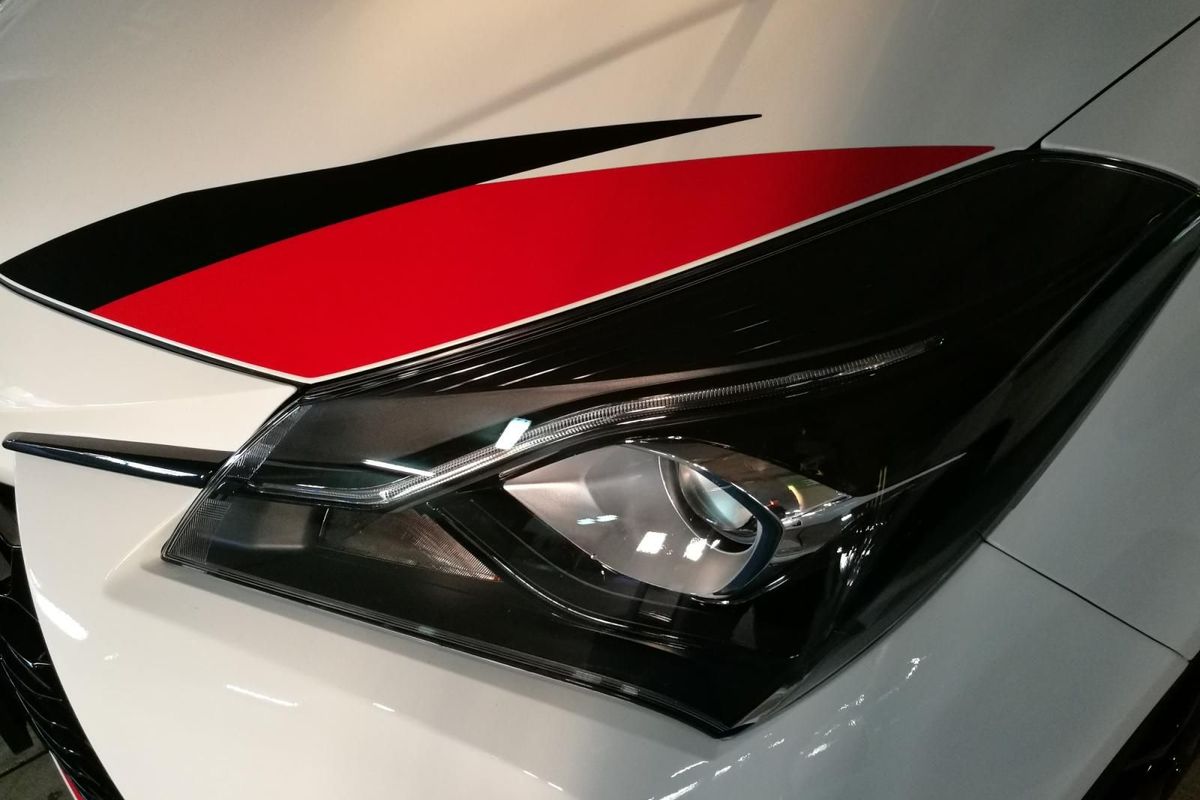
The Yaris GRMN was honed on the famous Nürburgring, hence its name which means "Gazoo Racing (tuned by the) Meister (of the) Nürburgring". As such, it’s fitted with bespoke performance bits such as lightweight 17-inch BBS alloy wheels shod with Bridgestone Potenza rubber, larger brakes, a black rear spoiler and a central oval tailpipe. The look of the Yaris GRMN is finished off with the Gazoo Racing colours in white, black and red and badging on the tailgate and behind the front wheel arch.
Furthermore, the chassis has been stiffened and the model is equipped with a Torsen limited-slip differential to maximise handling capability. The Yaris GRMN rides approximately 24 mm lower than a standard Yaris thanks to its shorter springs, while the front McPherson strut and rear torsion beam suspension setup is complemented by Sachs performance shock absorbers. Stopping power is provided by 275-mm, 4-piston calliper front disc brake, with 278-mm discs fitted at the rear.
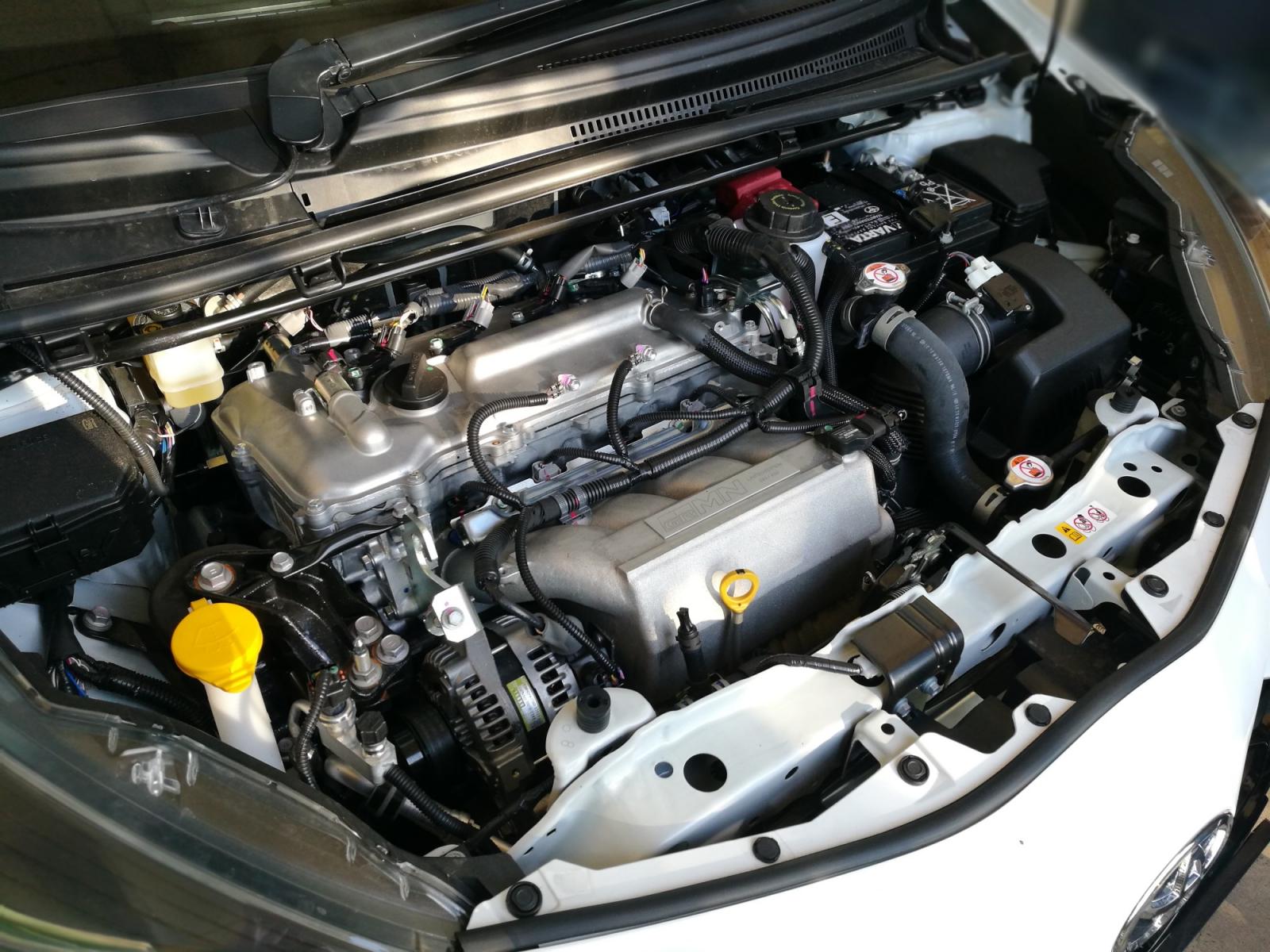
The Yaris GRMN's supercharged 1.8-litre engine produces 156 kW and 250 Nm which is a lot for a car that weighs only 1 135 kg.
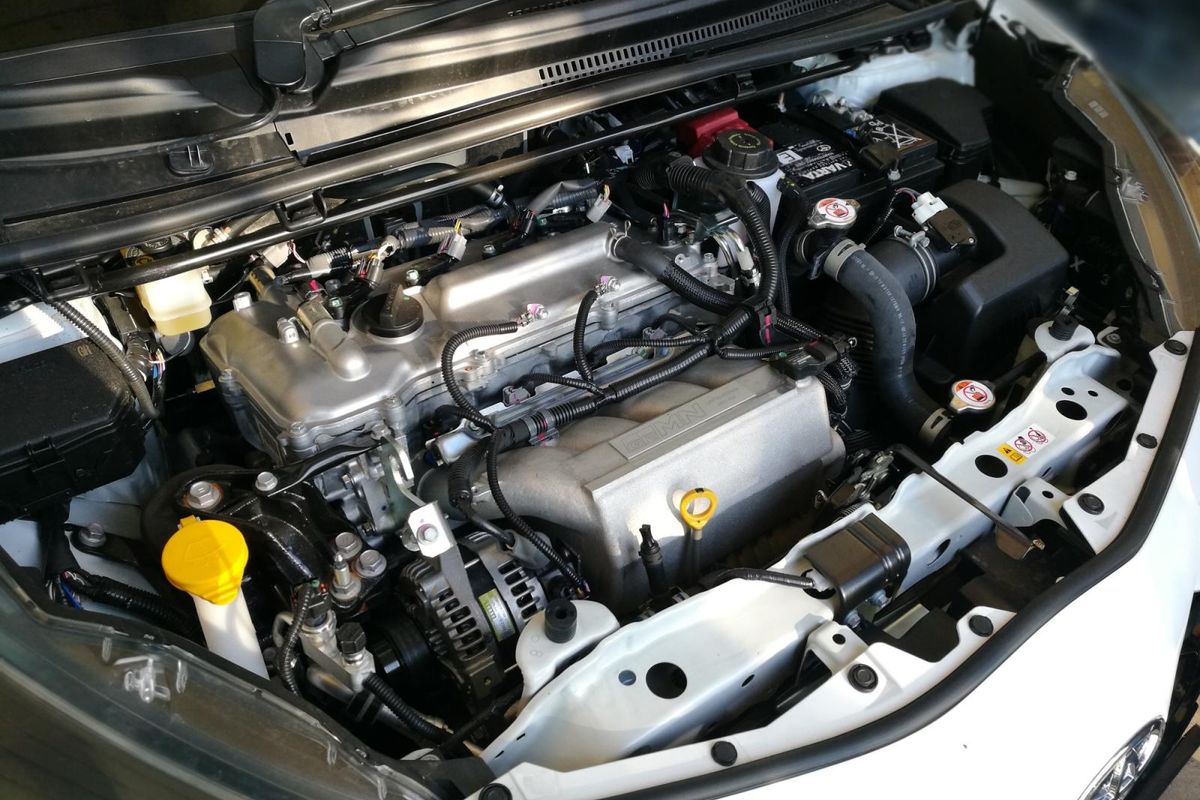
The source of joy lurking under the bonnet is a UK-built, 1.8-litre 16-valve engine with a Magnusson Eaton supercharger that produces outputs of 156 kW and 250 Nm of torque. The front wheels are driven through a 6-speed manual gearbox and Toyota claims a zero to 100 kph sprint time of 6.3 seconds, with top speed limited to 230 kph.
It’s worth noting that the Yaris GRMN weighs only 1 135 kg and, consequently, claims to exhibit the best power to weight ratio in its class at 7.28 kg per kW.
With the above information in mind, it’s abundantly clear that this is no ordinary Yaris and we couldn’t wait to see how it performed out on the track.
What's it like to drive?
It's quick off the mark and throttle response is instant with a progressive acceleration that seems to have no end.
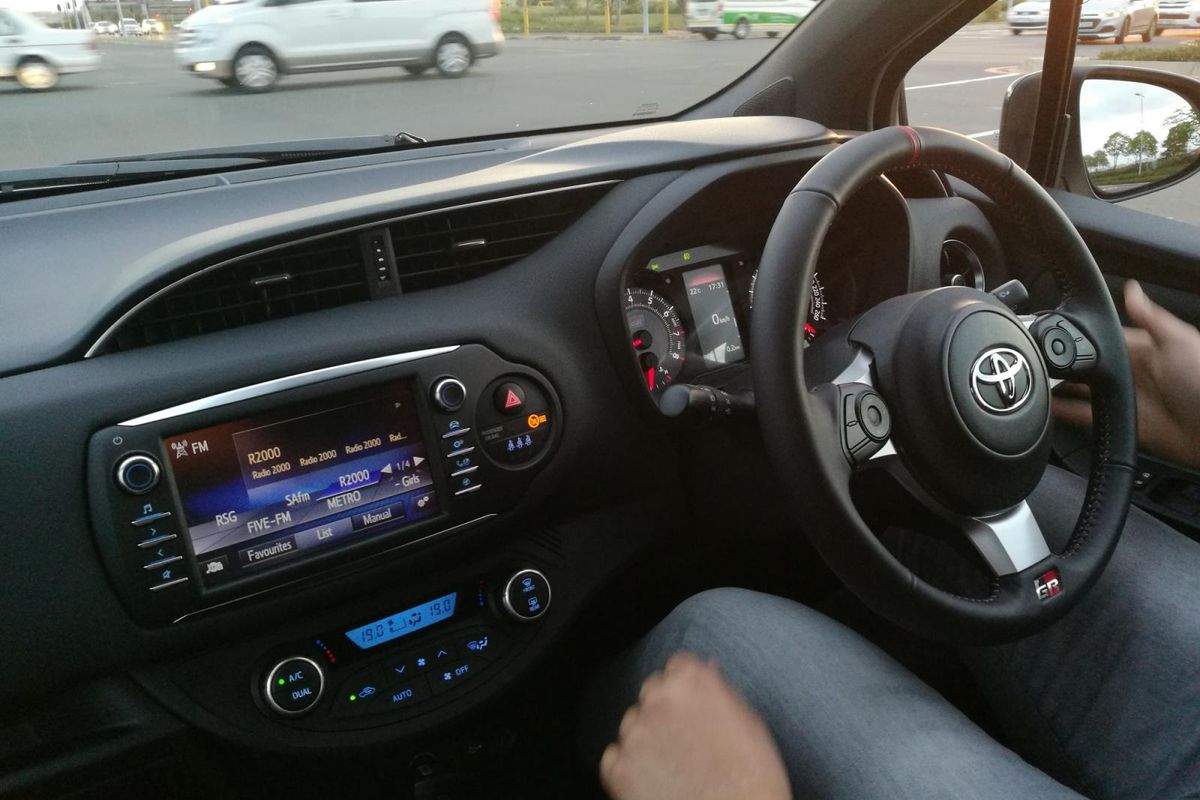
Our first local taste of the Yaris GRMN took place on the roads of KwaZulu-Natal en route to Dezzi Raceway situated on the South Coast. The Yaris GRMN is fitted with figure-hugging sports seats and sports attractive touches such as a GR-badged leather steering wheel, GR start/stop button and a sporty GR instrument cluster.
Its taut chassis and firmer suspension make its performance intentions clear from the outset and its raspy exhaust note is a guilty (aural) pleasure. Acceleration is both instantaneous and progressive when you mash the pedal to the floor and the short-throw manual shifter is a pleasure to wield. The Yaris GRMN is quick off the mark and the surge of power continues through the rev band and in-gear acceleration, even in 6th, was impressive.
At the track, we were able to open the taps and let the Yaris GRMN run free for 6 laps. In this controlled setting, the Yaris’ handling capability shone through as it whipped through the tight, elevated corners with consummate ease. It’s so well composed and planted through the corners and with its instant throttle response, the driver can really go buck-wild to get the most from the engine. It certainly was entertaining to drive…
Giniel de Villiers pushed the Yaris GRMN to its limits at Dezzi Raceway.
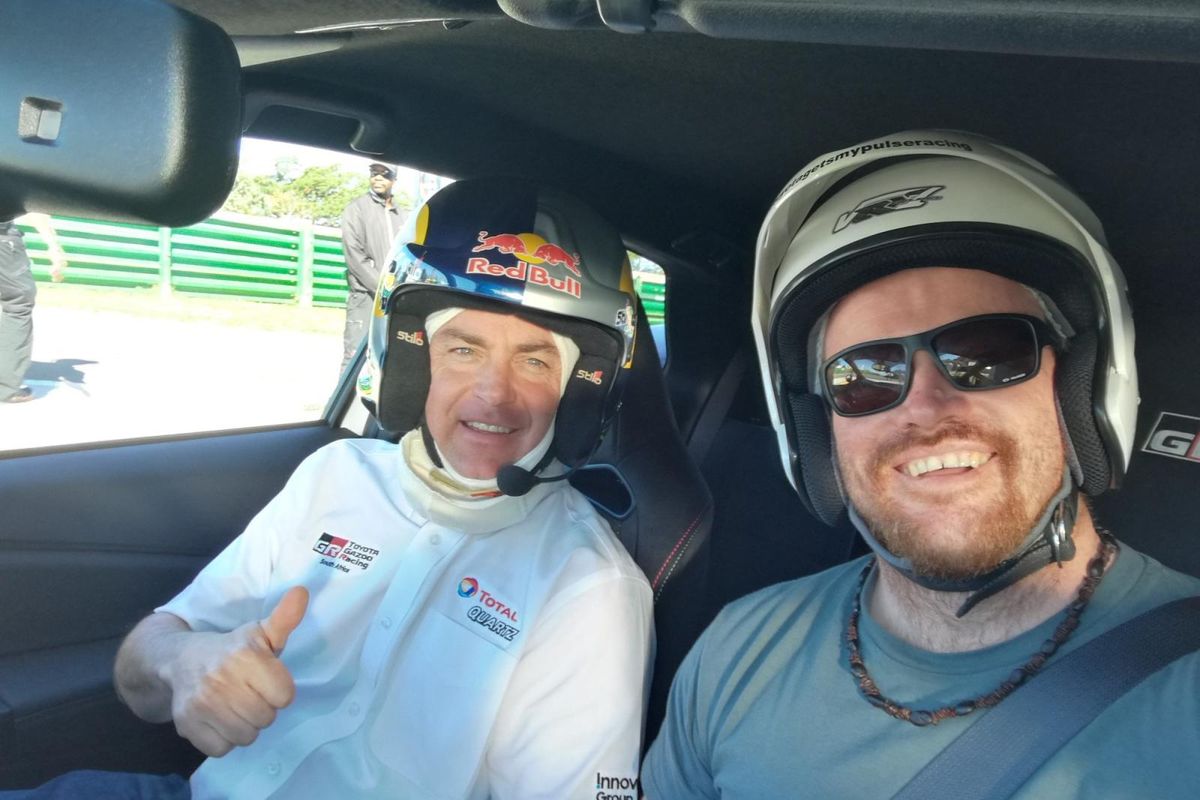
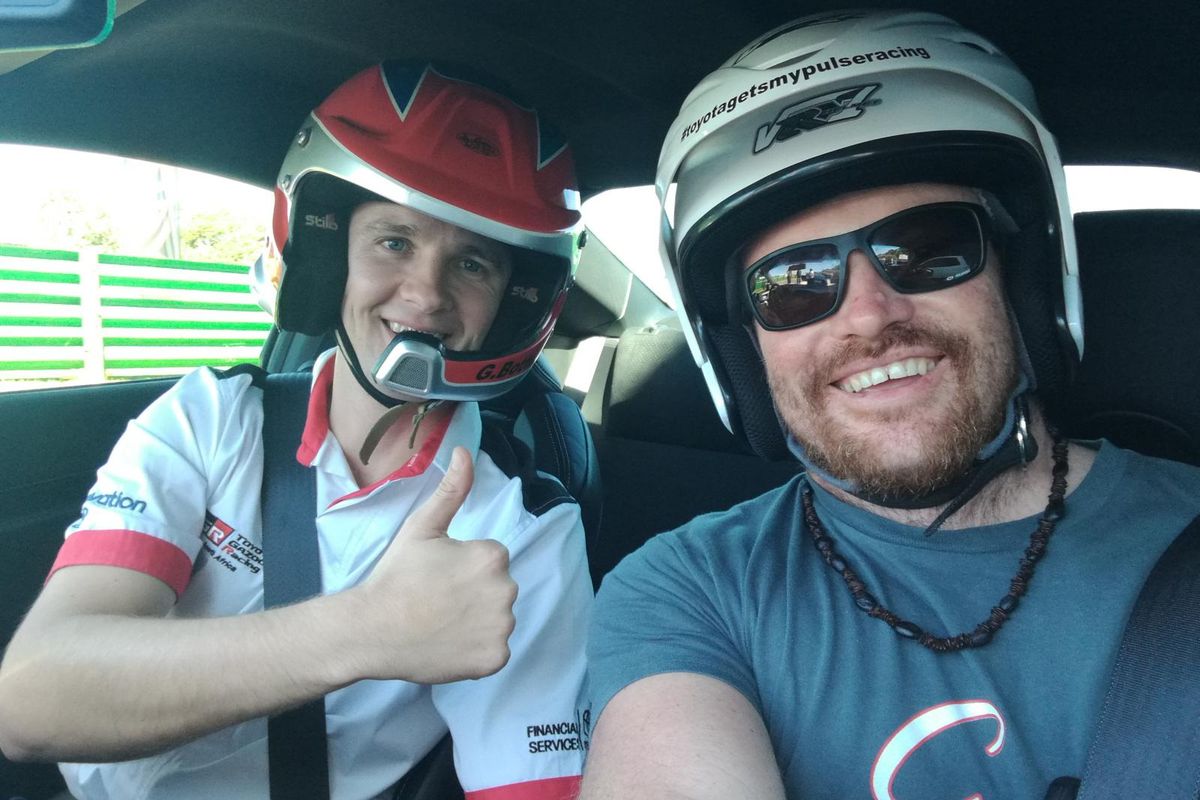
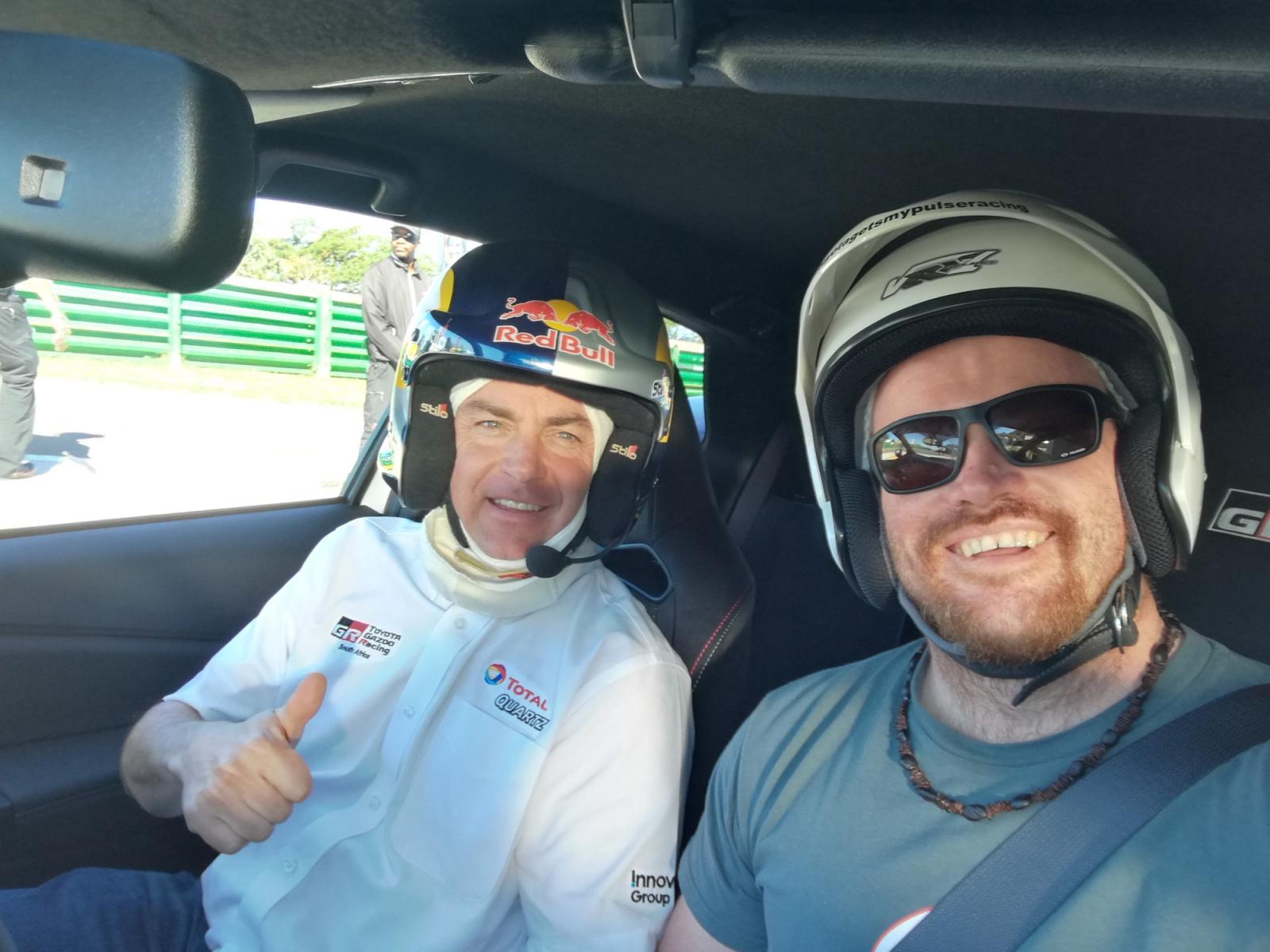
Then, Giniel De Villiers, South Africa’s Dakar Rally hero made an appearance along with Gazoo Racing rally ace, Guy Botteril. Giniel took to the wheel and unleashed the Yaris GRMN on Dezzi Raceway in a way that only he can. The Yaris GRMN was driven hard and fast through the tight bends. Giniel pushed the Yaris to the limits and even then, it cornered with staggering speed. It was astounding to see the Yaris GRMN cope with such composure with a talented helmsman behind the wheel.
Toyota South Africa also had the recently upgraded 86 on hand and Botteril demonstrated the fun-to-drive nature of the rear-wheel-drive sports coupe at Dezzi.
Perhaps the most nostalgic part of the day was the opportunity to drive the much-loved Corolla RSi, which forms part of Toyota’s local heritage. This was a throw-back to the icon of the late 90’s and with little over 30 000 km on the clock, the high-revving 1.6-litre engine proved to be a highlight on the day.
In conclusion
Only 400 Yaris GRMN's were produced for the European market and it will therefore not be offered in South Africa.
Toyota may not always be top-of-mind when it comes to thrilling performance production cars, but with Gazoo Racing set to entrench itself as Toyota’s performance arm, enthusiasts can expect to see more exciting performance models filtering into Toyota showrooms in the future. The Yaris GRMN is the start of that process and even though it won’t be sold in South Africa, the forthcoming Supra will surely ignite the performance flame that enthusiasts are clamouring for.
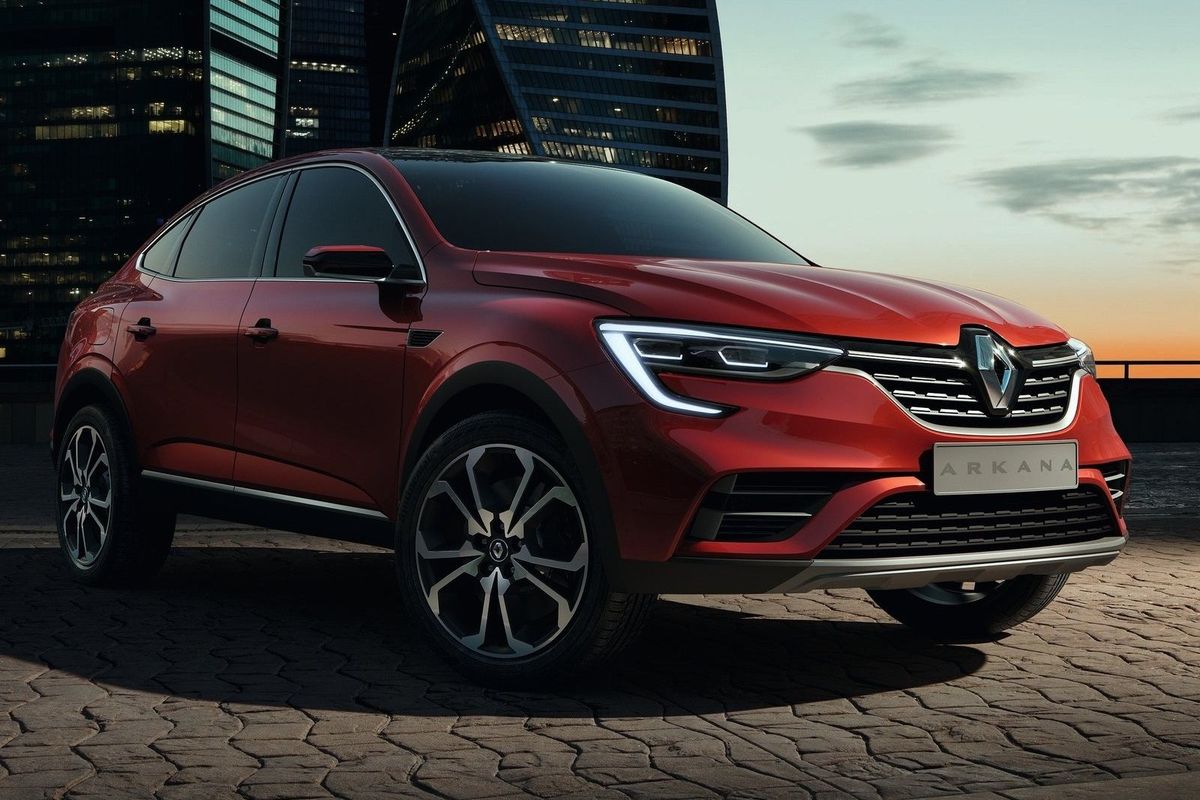
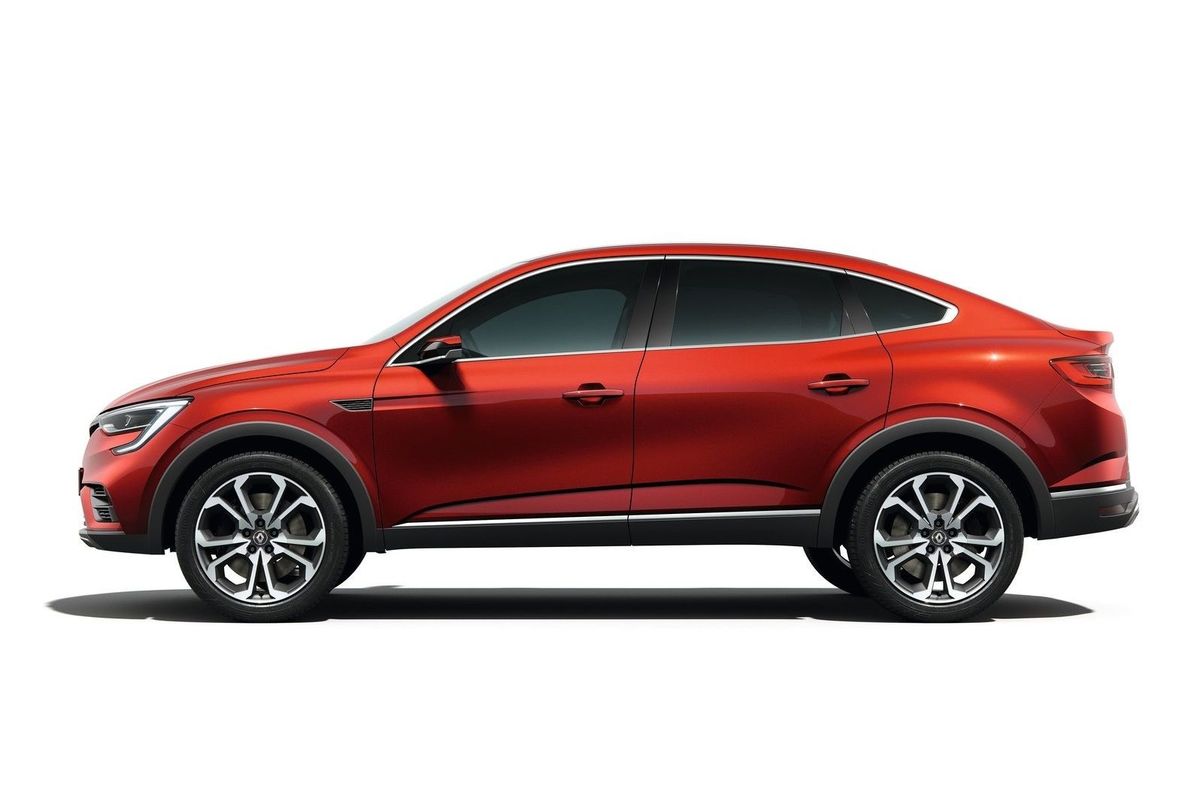
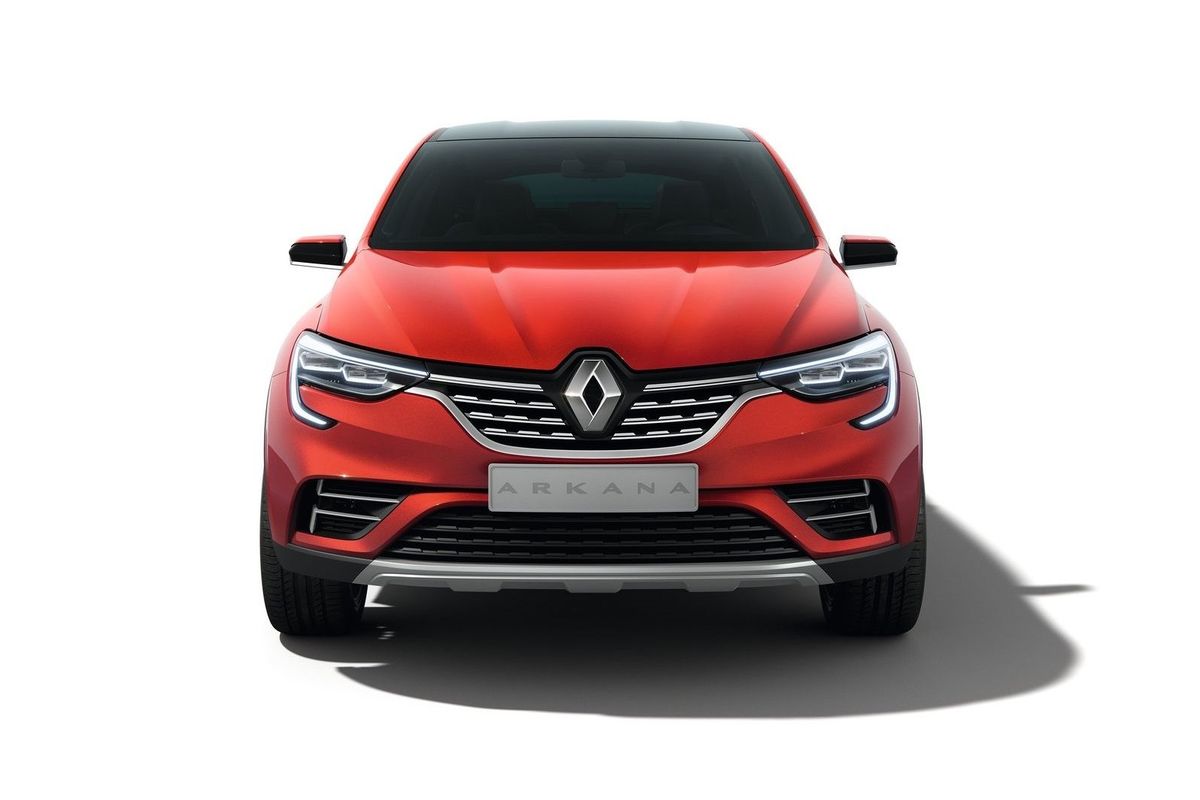
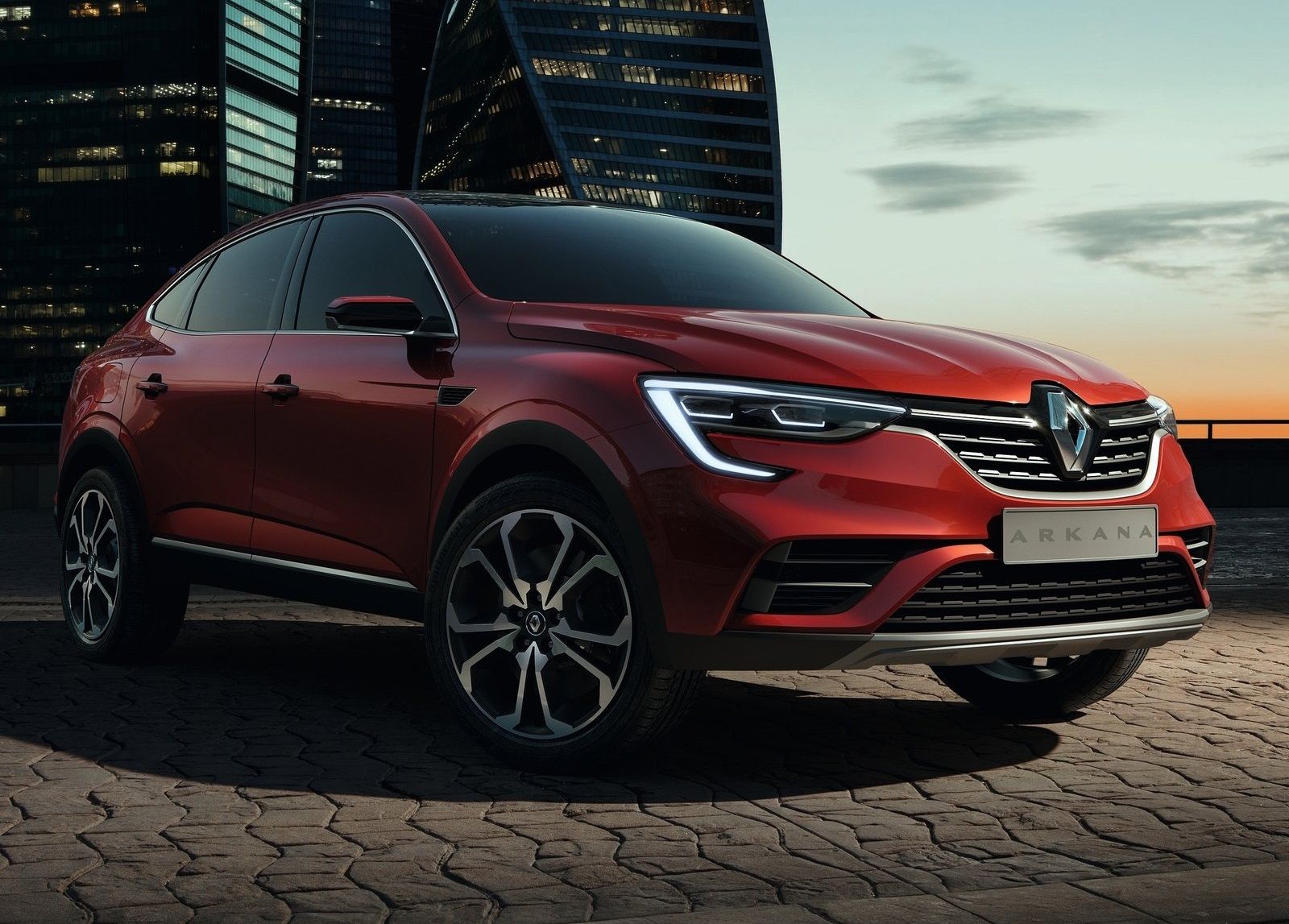
The Renault Arkana concept has been revealed at the 2018 Moscow Motor Show. Whilst details are scarce, let's check out what this coupe-crossover has to offer.
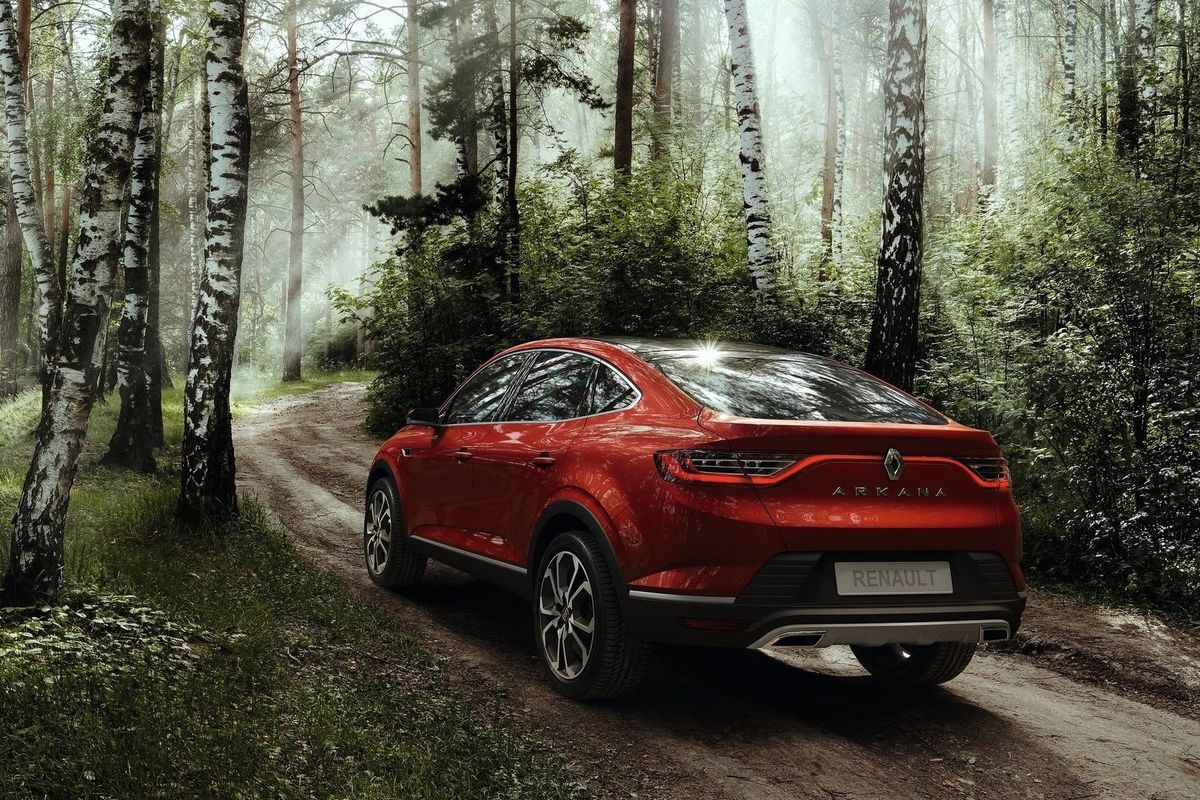
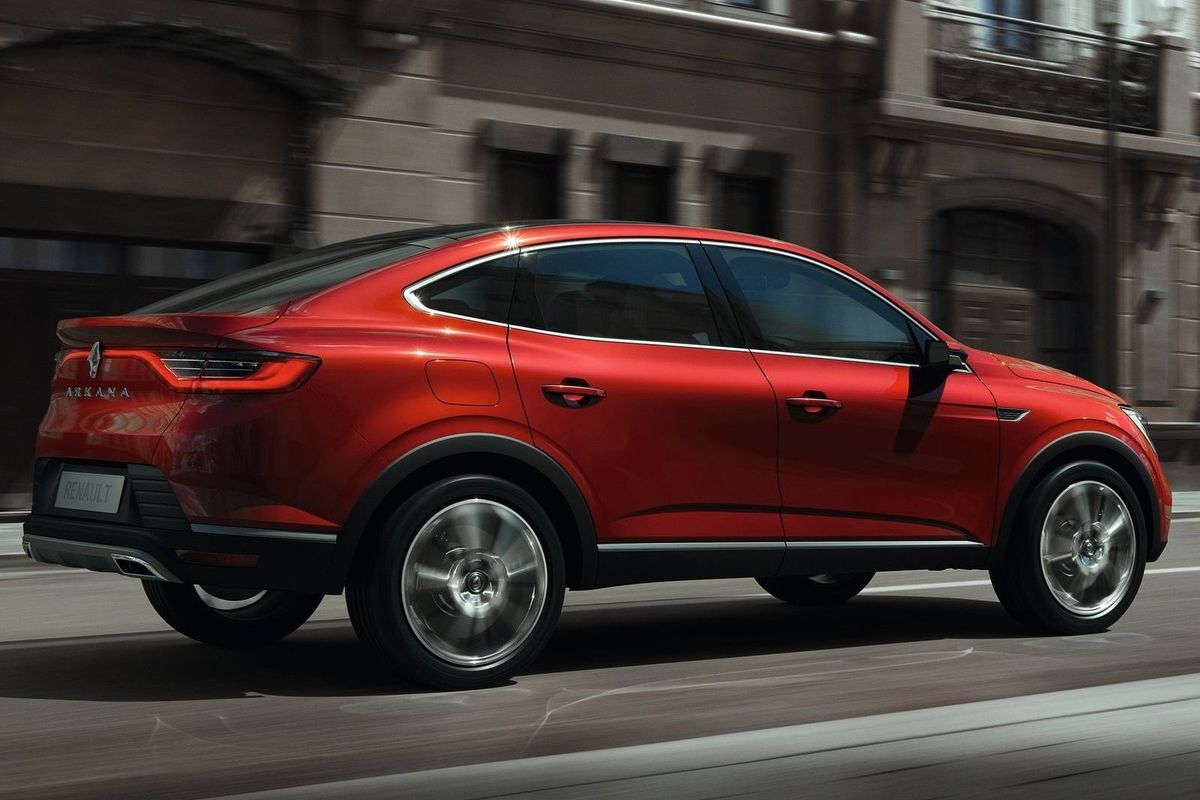
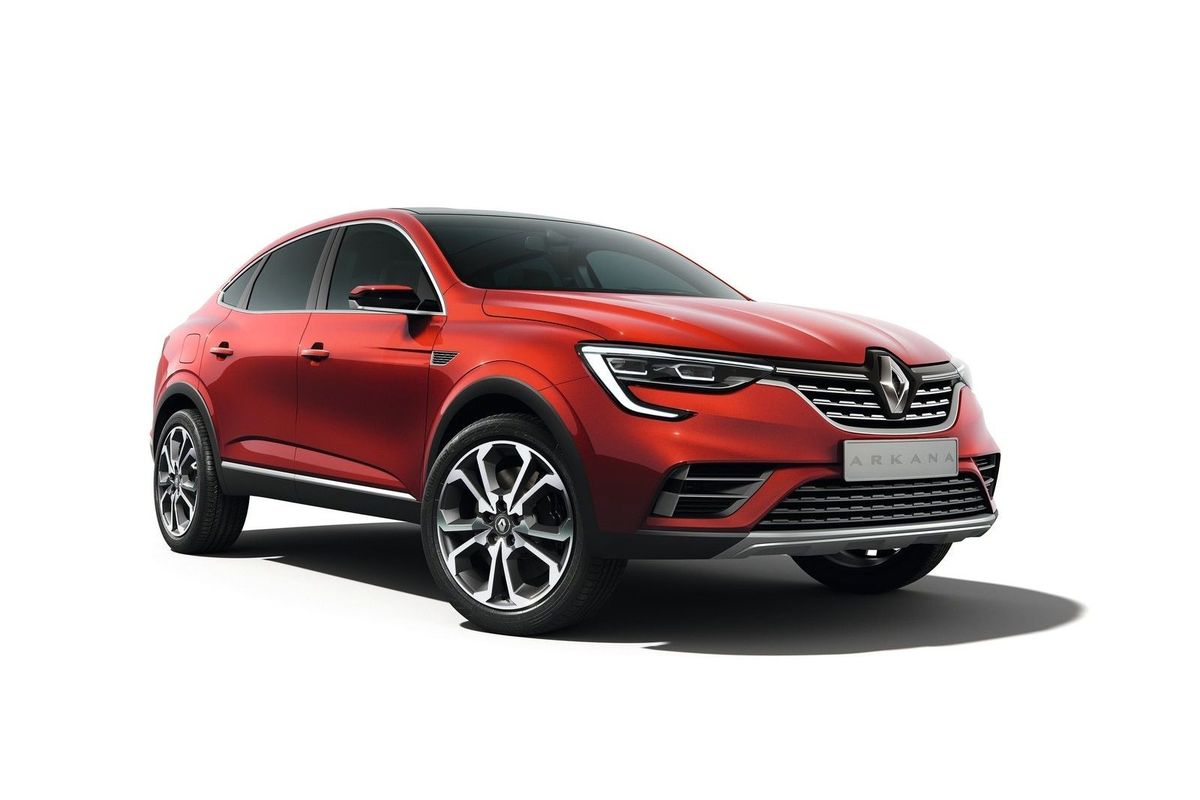
Renault claims this new Arkana is a "distinctive coupe-crossover" and that it's a global vehicle for the C-segment. It's a striking looking vehicle and combines both the elegance of a coupe and the practicality of an SUV. Details may be scarce for now, but we can see that it has credible ground clearance, wide wheel arches and large wheels, which we think should be enough for some mild offroading.
We have no info about the engines, but we expect the latest in turbocharged petrol and turbodiesel powerplants will be available, with all-wheel drive systems from the Renault/Nissan/Mitsubishi Alliance. "The Arkana show car is a distinctive coupé-crossover, striking balance between the elegance of a saloon and the powerful stance of an SUV. We have dialled in specific Renault cues, with a strong design, strength and sensuality with a French touch," says Laurens Van den Acker – Senior-Vice-President, Corporate Design of Groupe Renault
Renault says this new Arkana will be produced and sold in different countries around the world, with the first market being Russia. We could see the first Arkana hit the road as early as 2019. South African arrival is yet to be confirmed, but we'll update this story as we get more information.