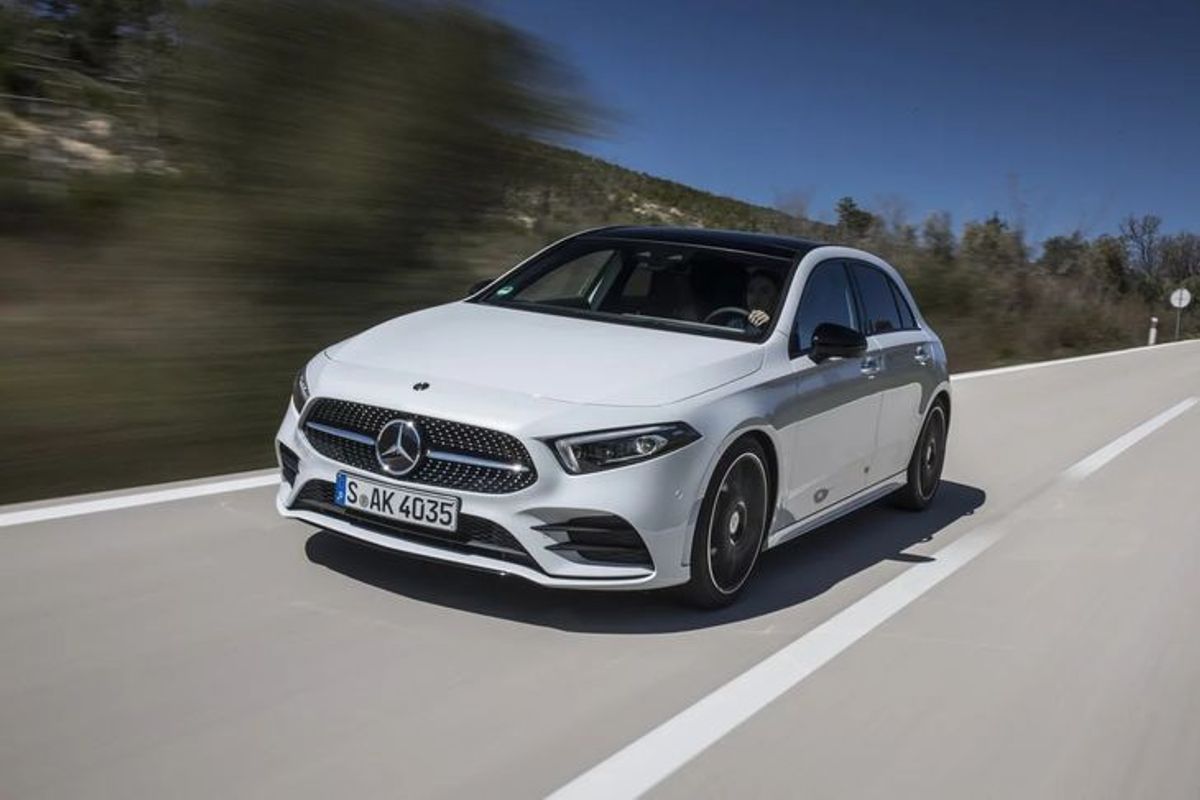
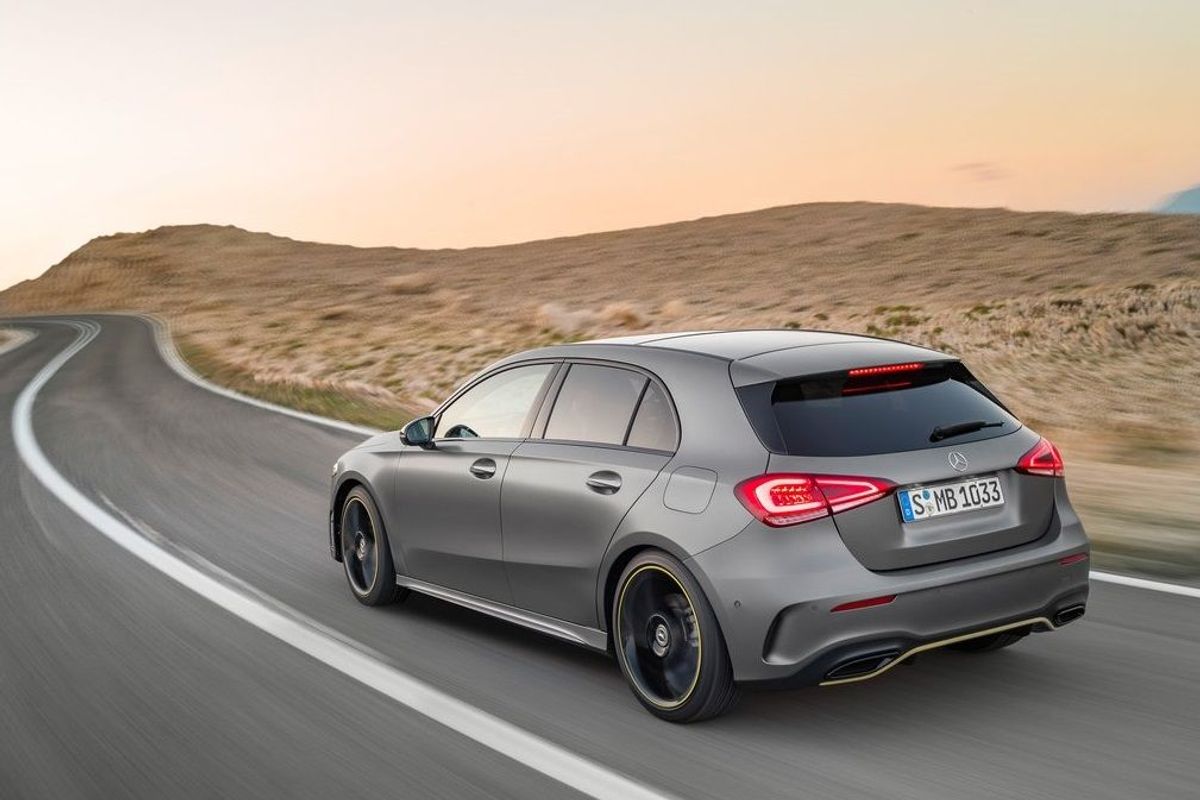
Mercedes-Benz A-Class (2018) Launch Review
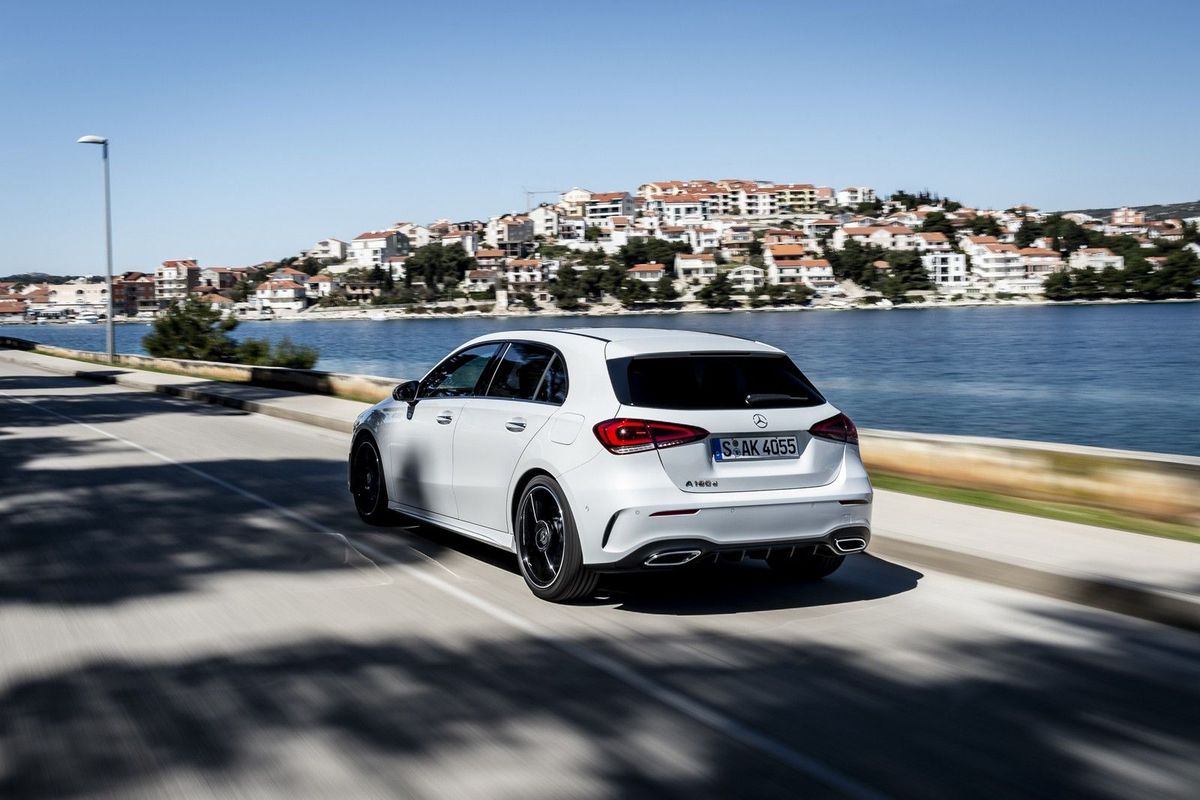
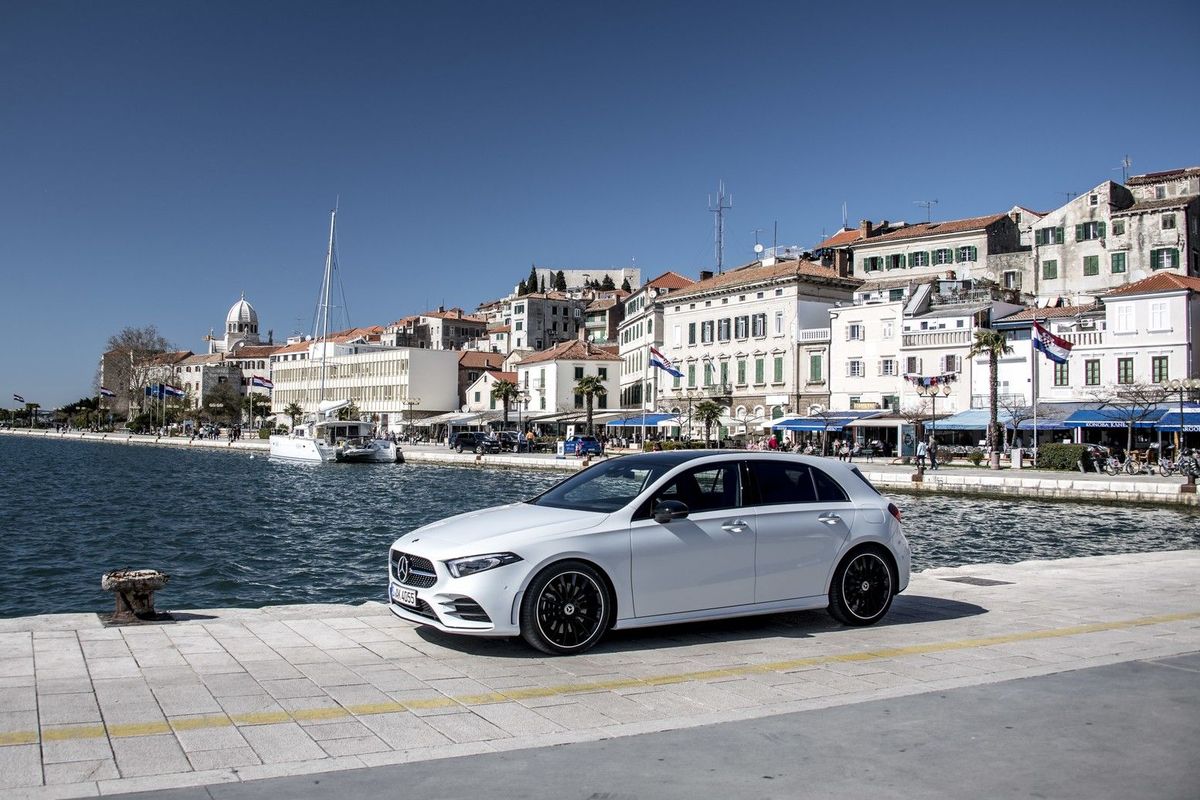
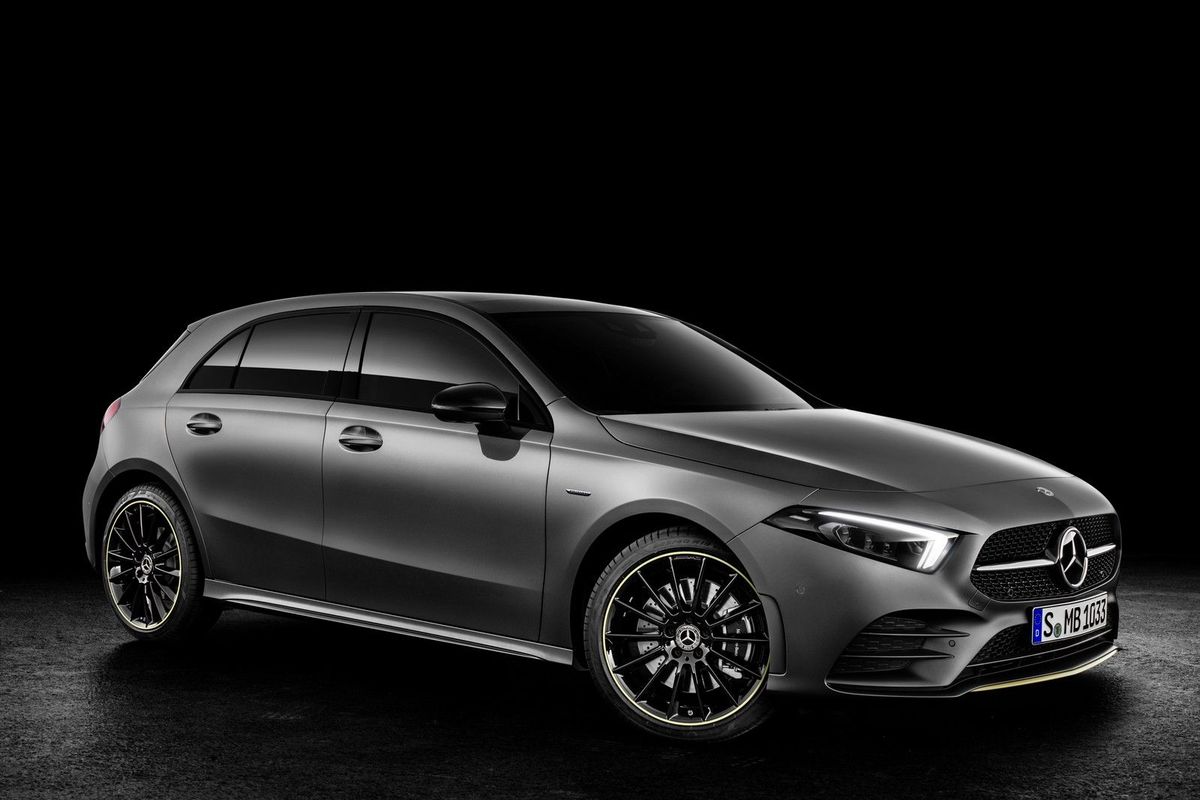
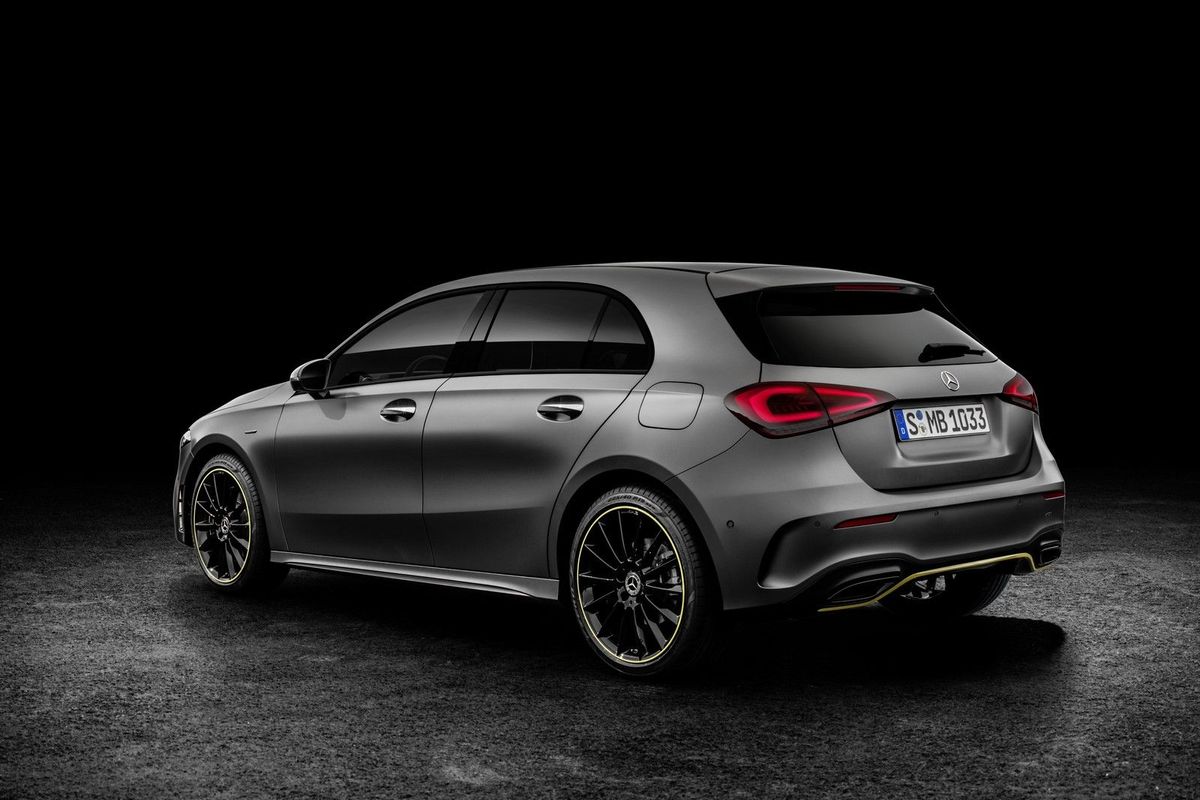
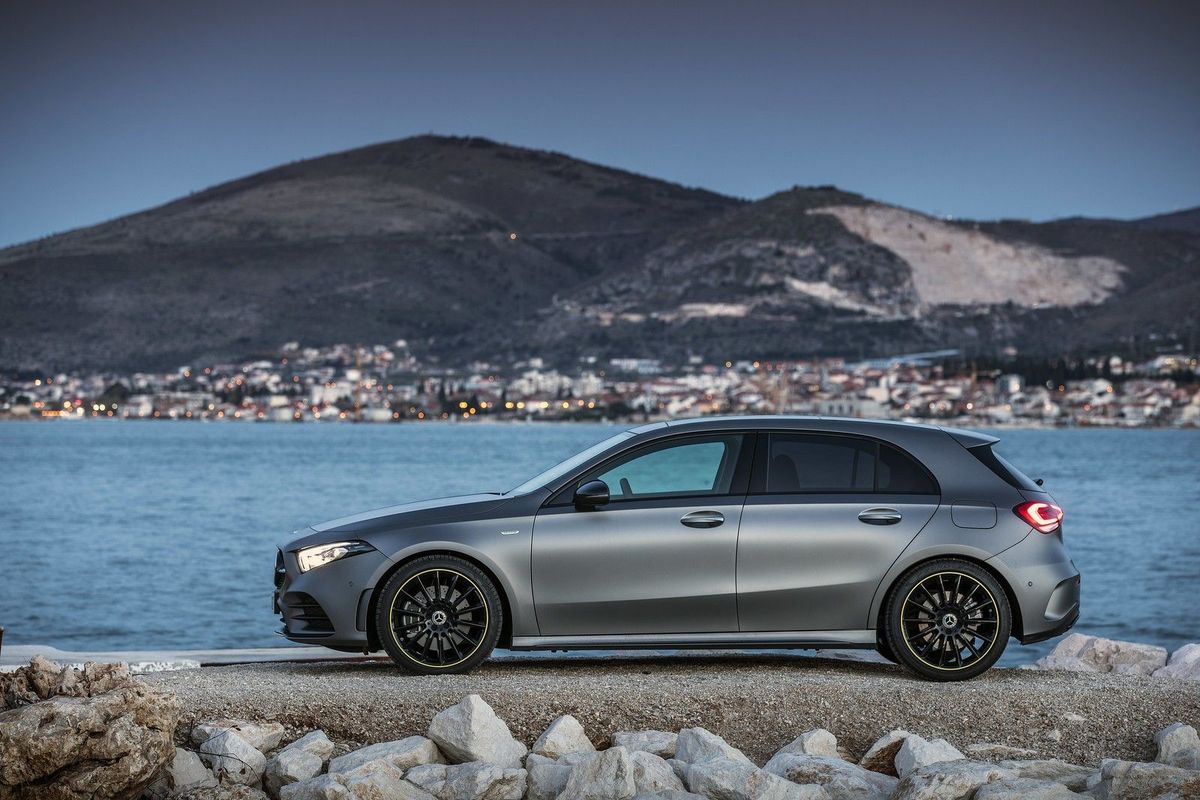
The new Mercedes-Benz A-Class premium hatchback has landed in South Africa. With only 2 derivatives on offer and a cabin tailor-made for tech junkies, is there enough substance beyond the glitzy packaging? We drove the newcomer in Cape Town to find out.

What’s new?

The old A-Class, which marked the transition of Benz's compact offering from an MPV-ish shopping cart to a desirable premium hatchback, was not without fault. The ride was overly firm and some of its cabin's materials and finishes were not what you would call "Mercedes quality". Initially, with the introduction of the new model, you might wonder if the bumpy ride has been addressed: the A200 runs a torsion beam rear suspension, while the A250 has a more sophisticated multi-link rear end.
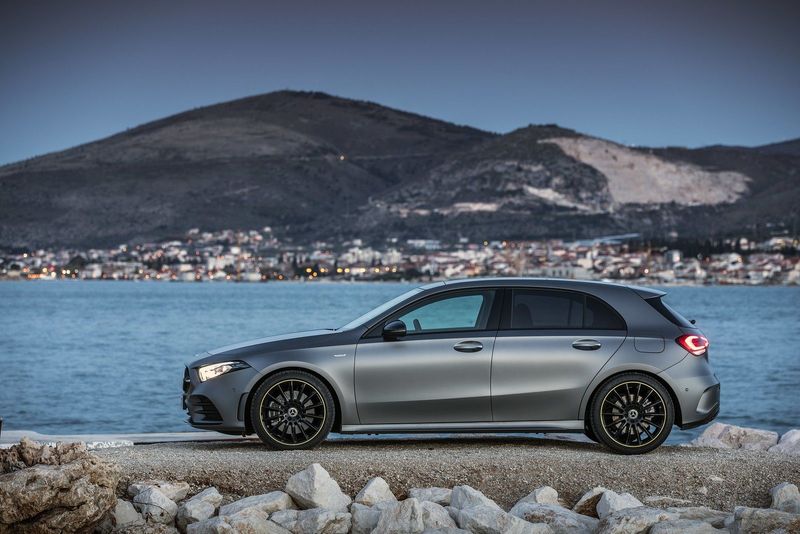

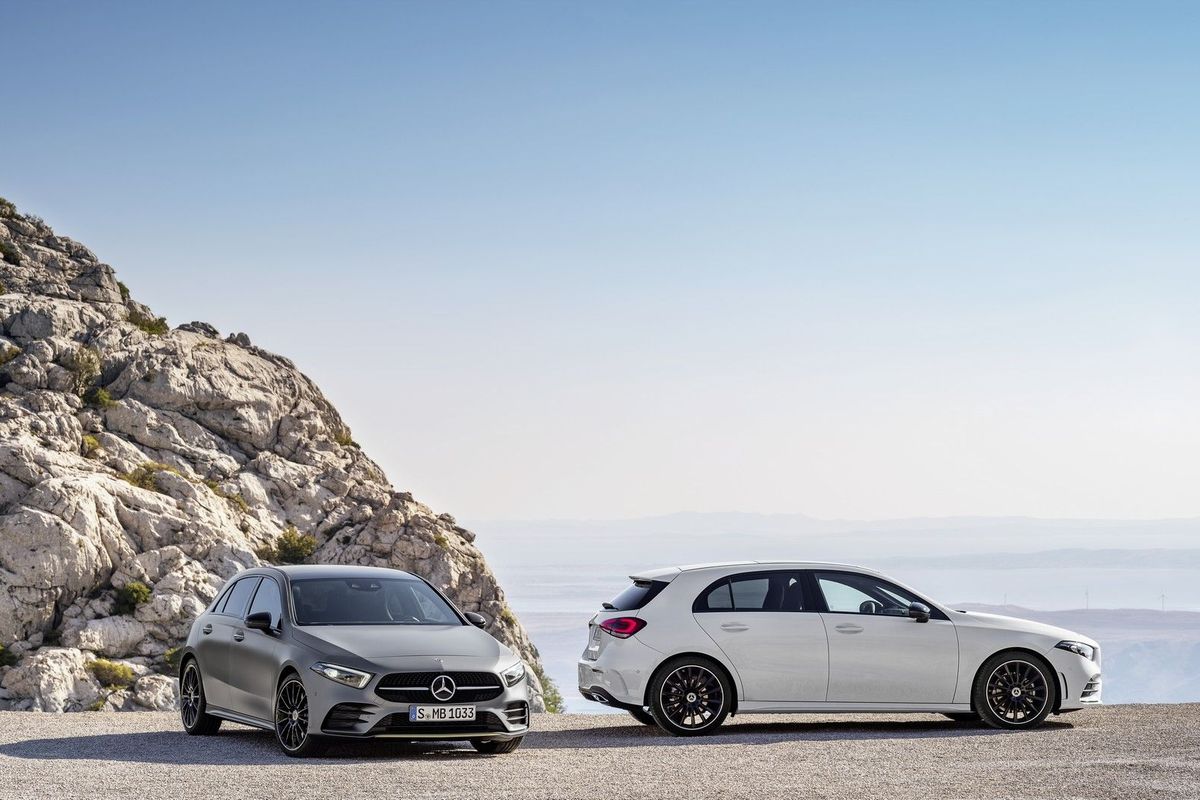
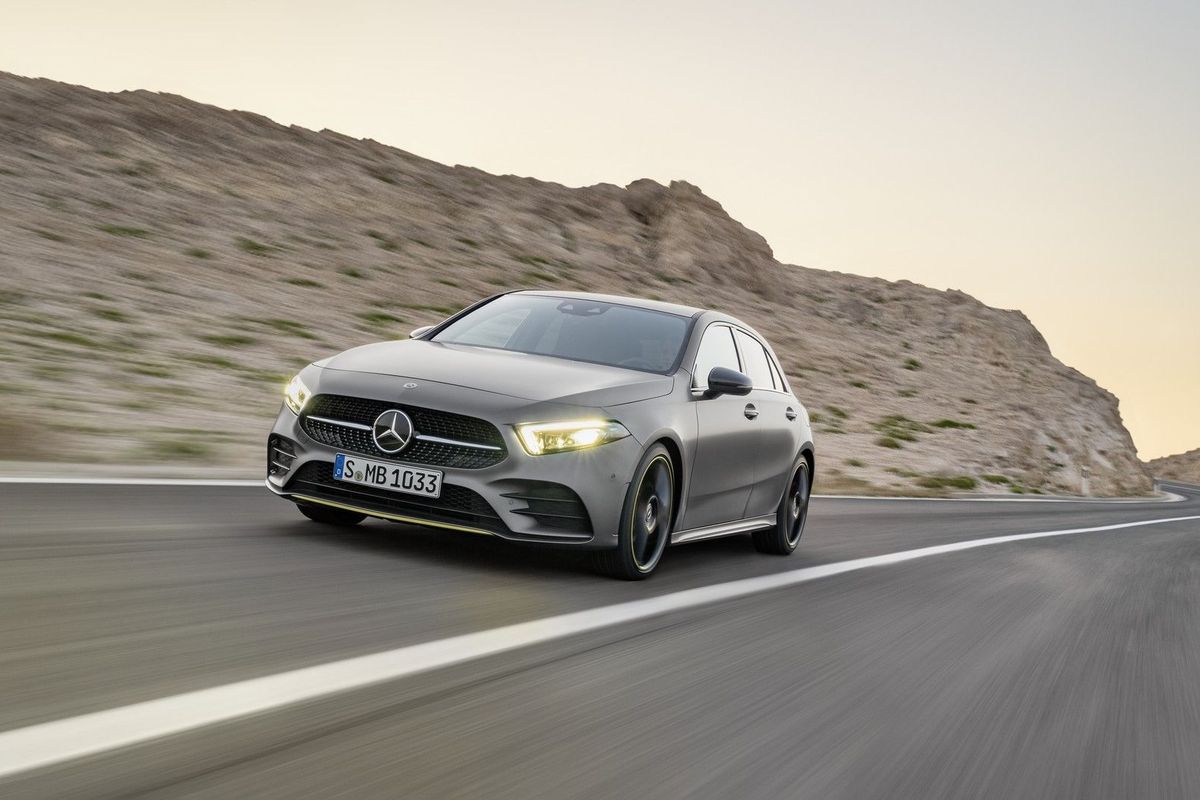
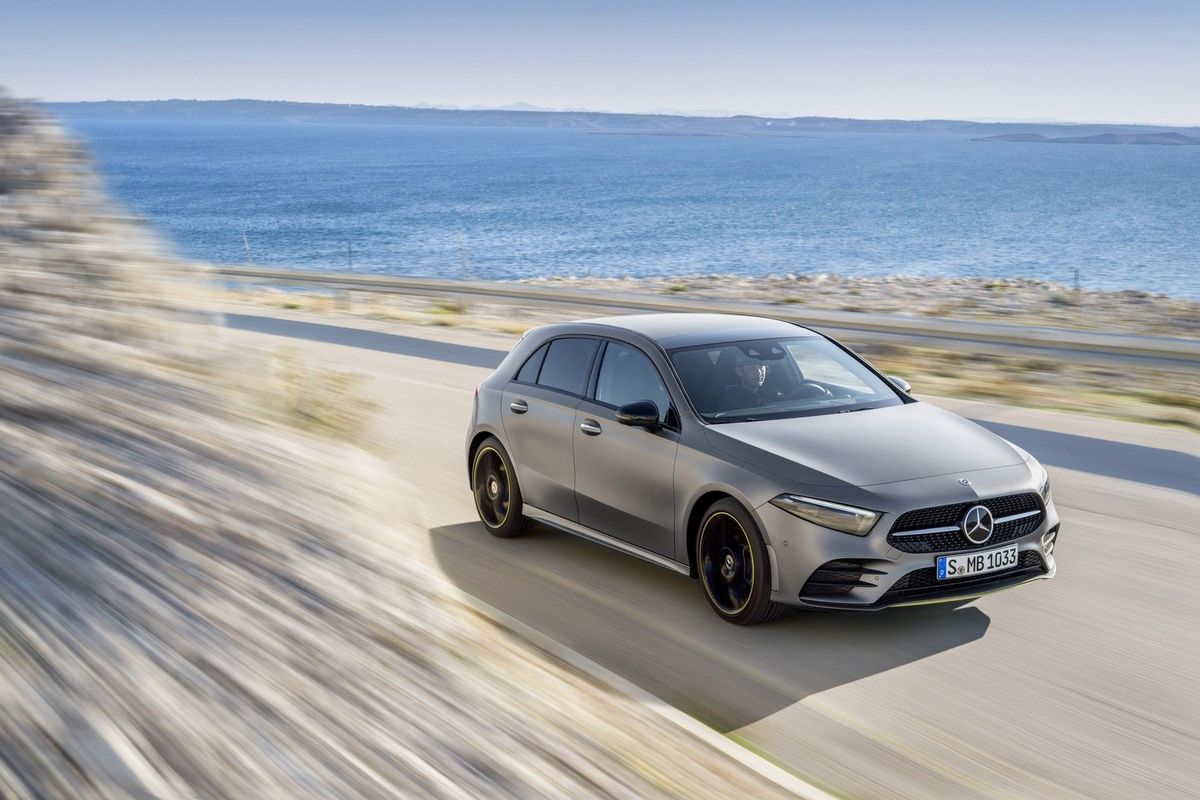
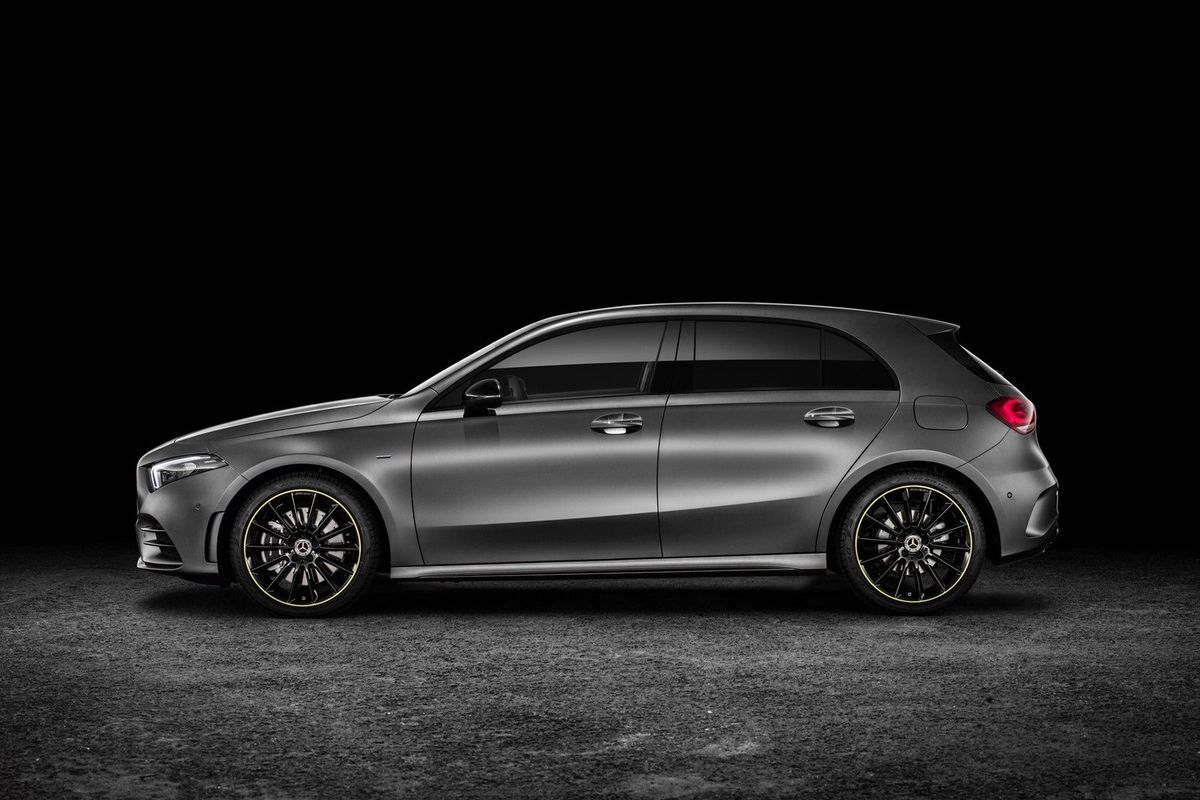
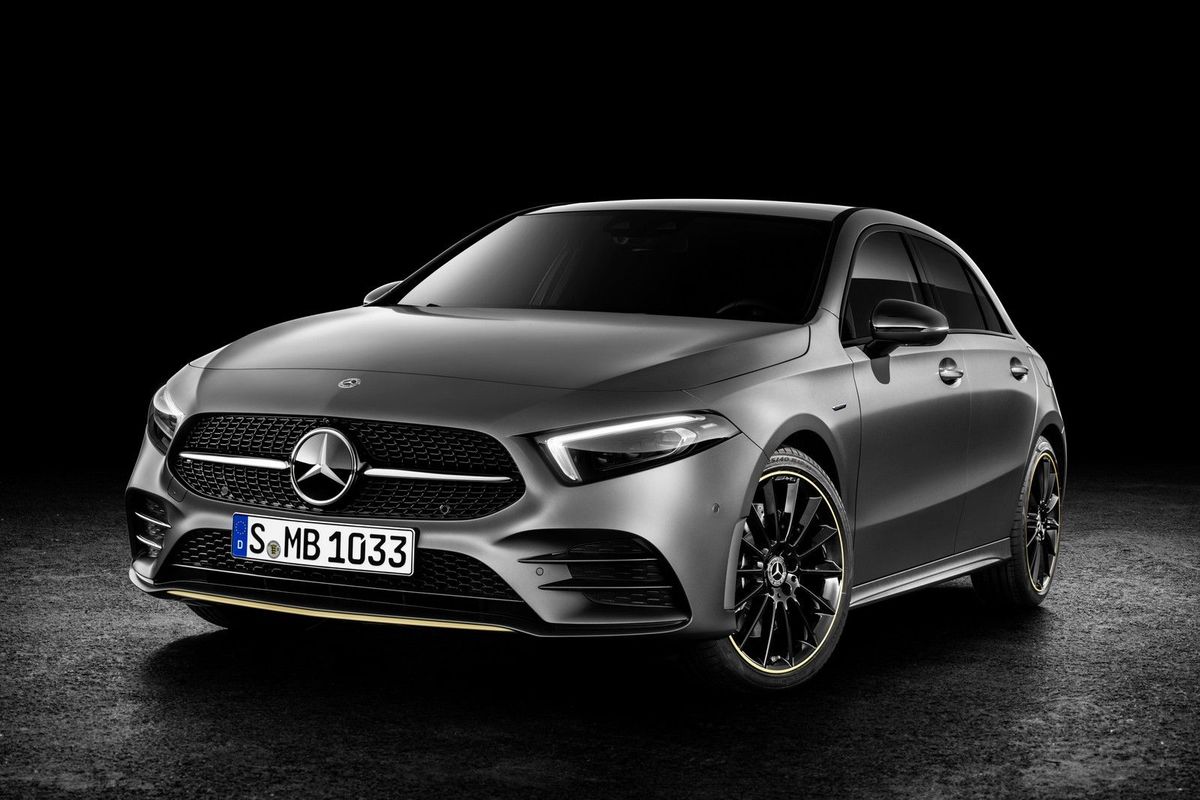
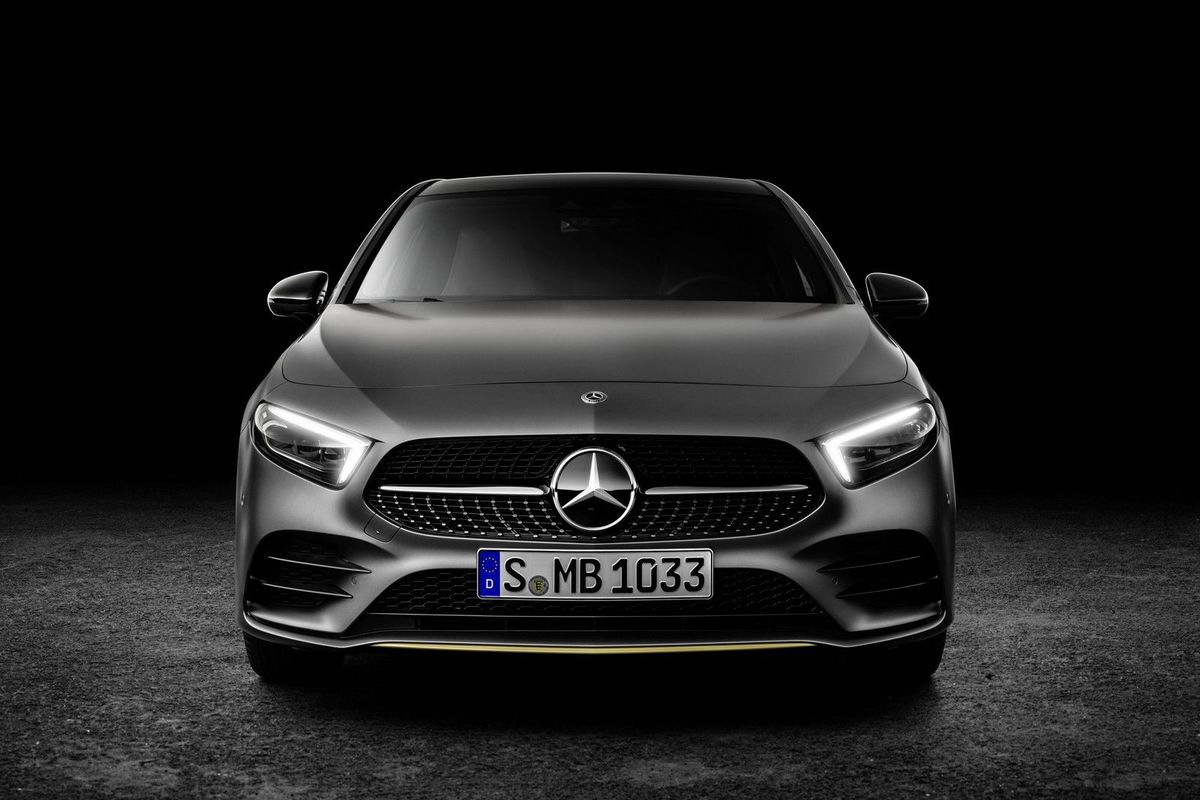
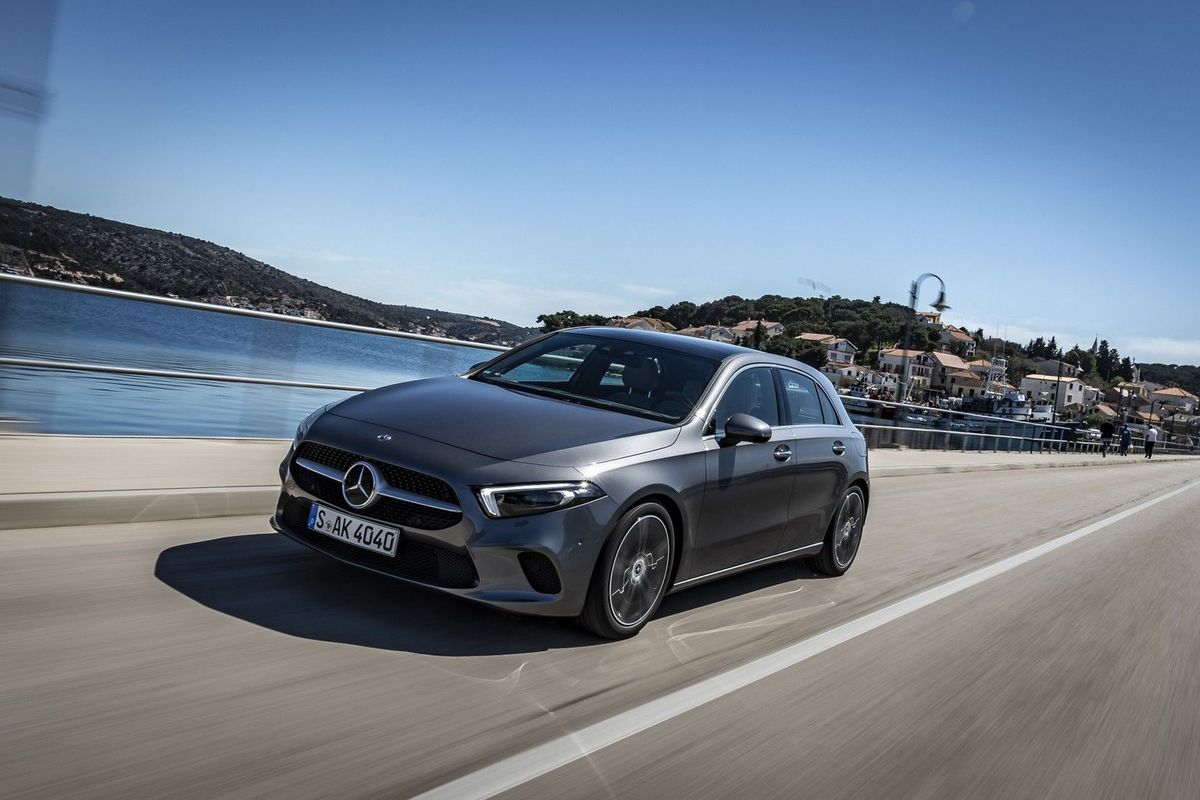
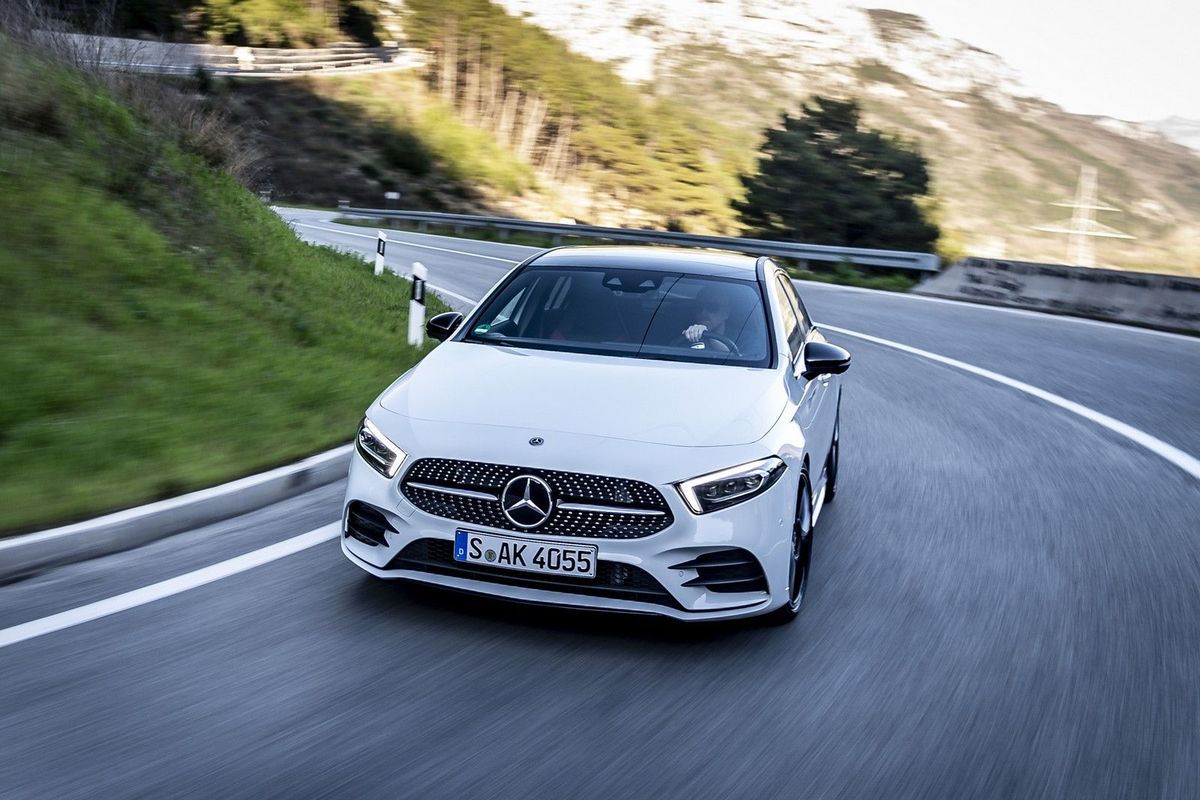
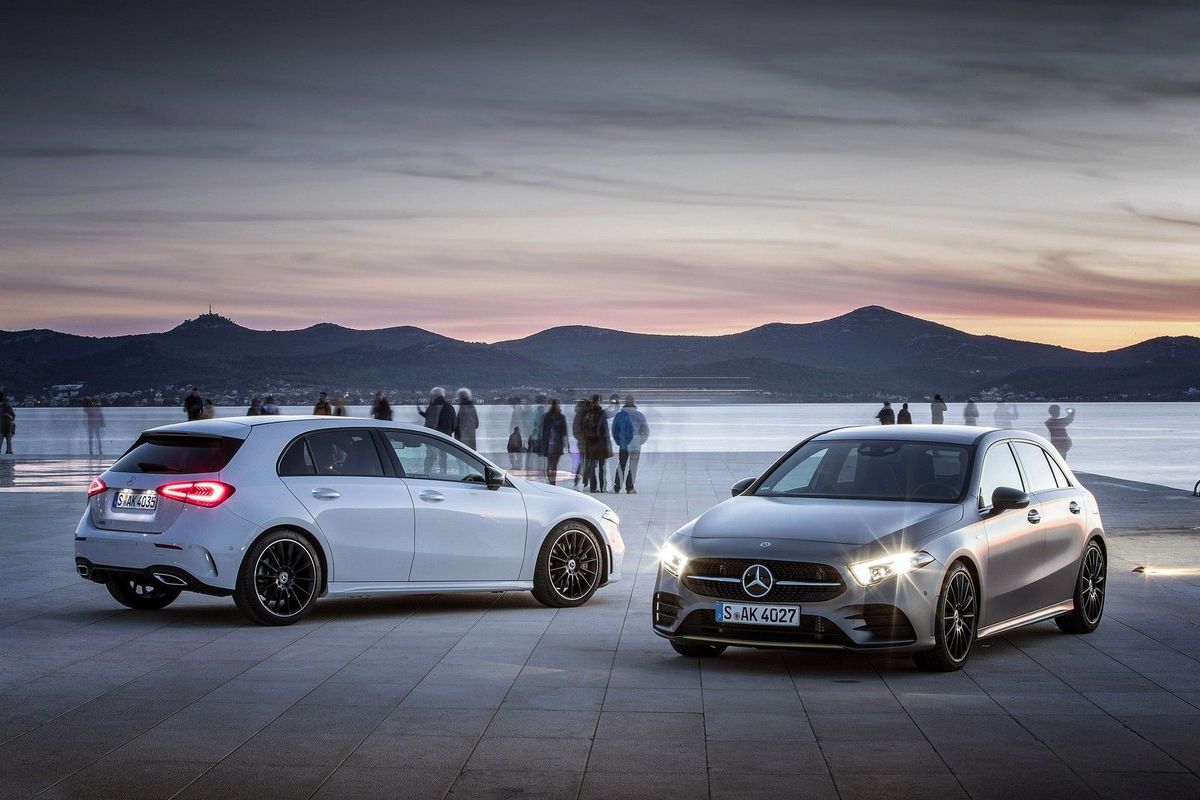
Looks may be somewhat derivative, but in the metal, it works.

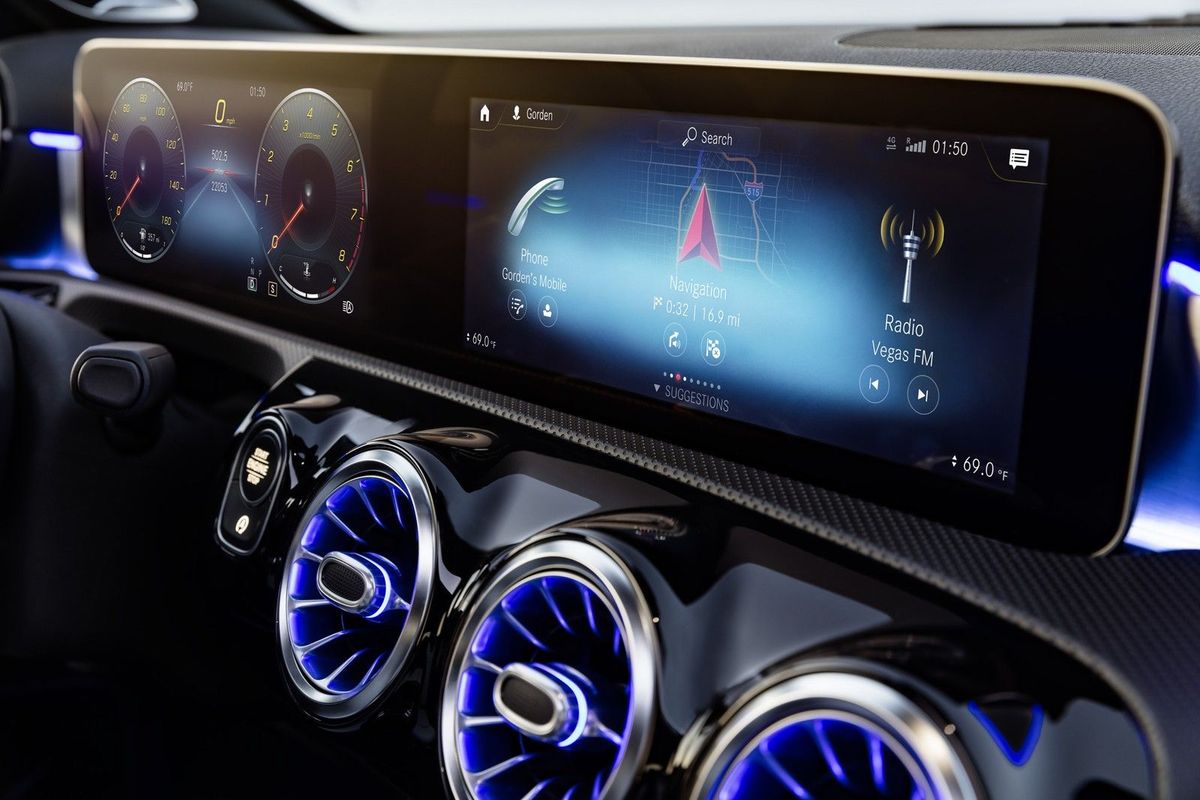
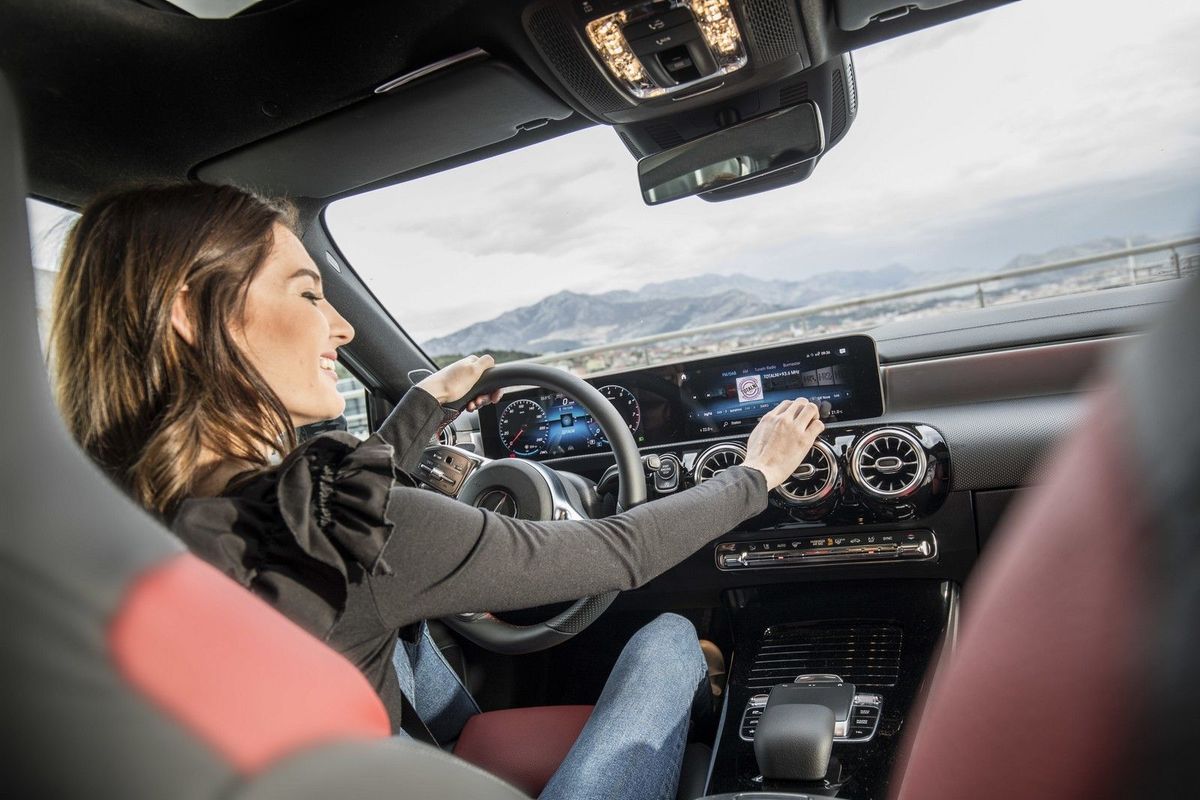
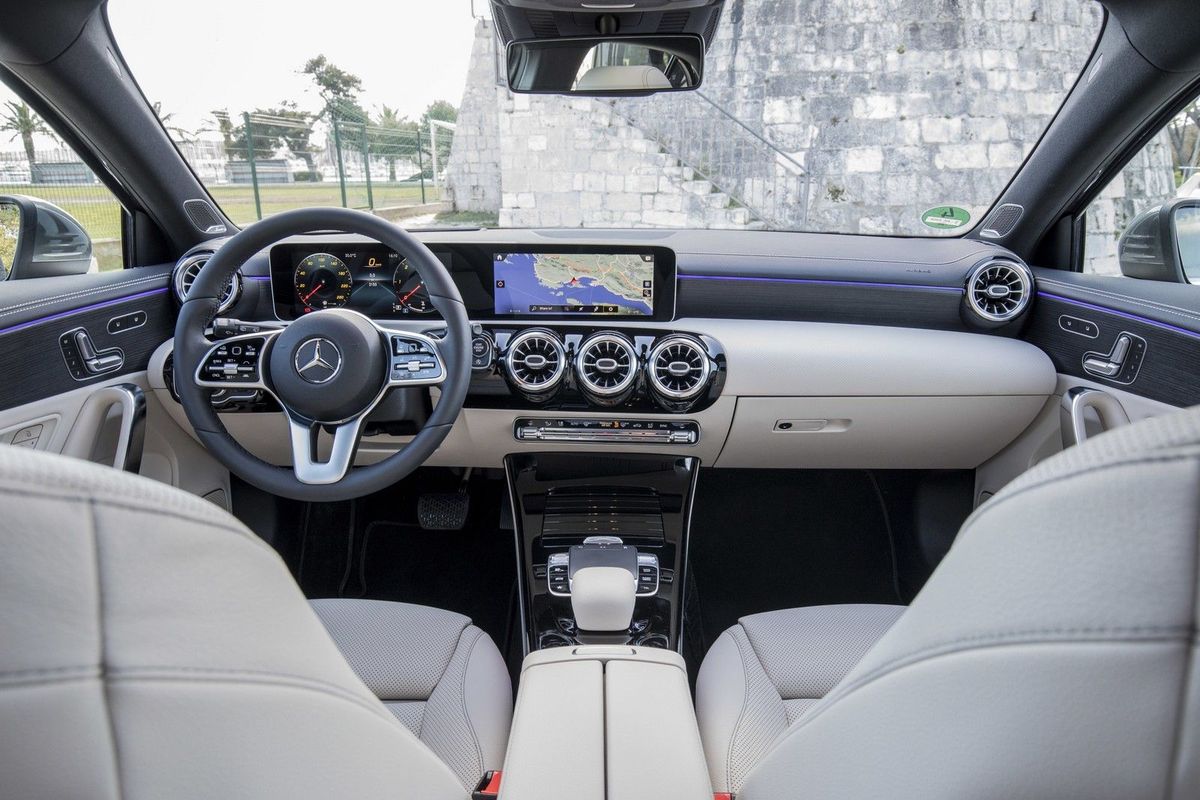
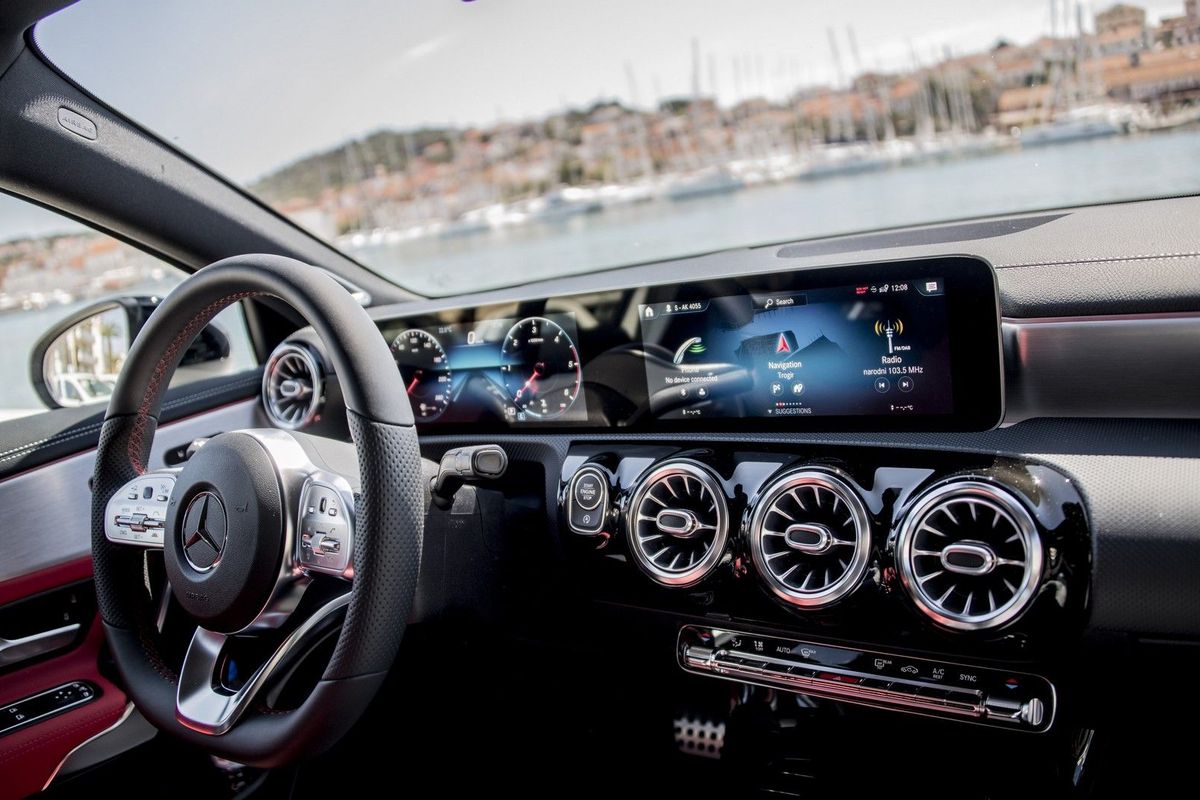
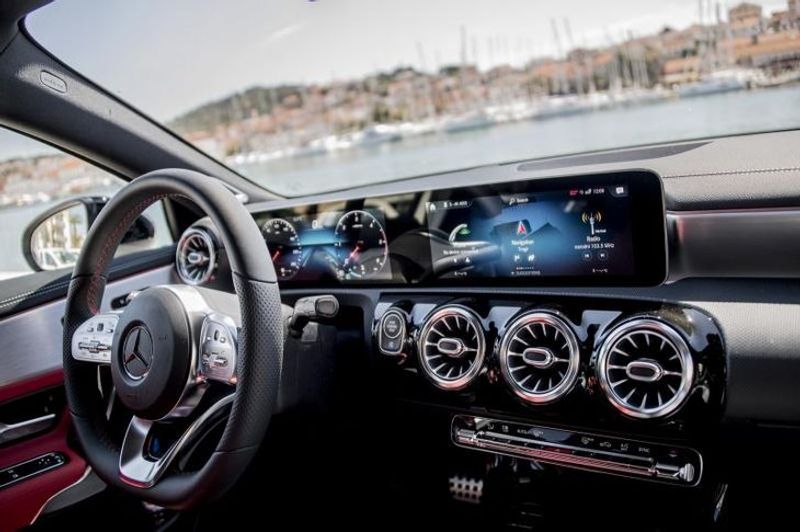
The A-Class' cabin has gone through a substantial upgrade in materials and if so specced, comes with the "skateboard" instrumentation-and-infotainment screen that spans half the width of the cabin. It also includes the new MBUX system, which is the software that underpins the infotainment system and is capable of machine learning. It can also be operated entirely by voice control (if you want it that way).

A new 1.3-litre turbopetrol engine does duty in the A200, while the A250 continues to make do with a 2.0-litre turbopetrol, albeit with a bit more power than before. A turbodiesel version and the AMG A35 and AMG A45 performance derivatives will be added to the range in 2019.

Is a 1.3-litre turbo enough for a Benz?

Despite lingering doubts over the outright fuel efficiency of small turbo motors, the engine downsizing trend continues, even with the premium manufacturers. Mercedes-Benz projects that 4 in every 5 A-Classes it sells in South Africa will be an A200, which means the 1.3 will be the most popular engine choice for owners. We had a chance to drive it within the city limits and over the mountains that surround Franschhoek. With 120 kW and 250 Nm of torque, it’s well up to the demands of the daily commute. It handles quick bursts from low speed well (with little lag) and is responsive thanks to a quick-shifting 7-speed dual-clutch ‘box. Zero to 100 kph is rated at 8.2 seconds for the A200 and the fuel economy claim ranges between 5.2 and 5.6 L/100 km. We averaged in the mid 8s during our trip of just under 300 km.
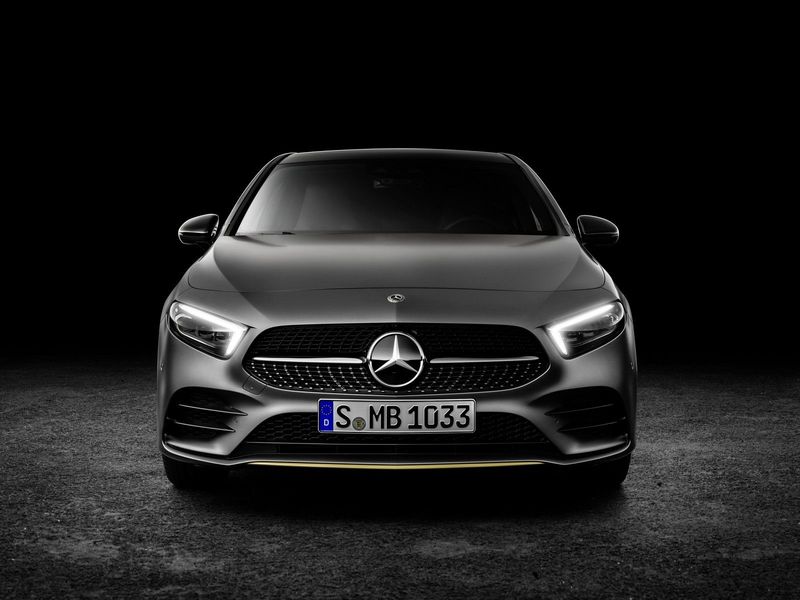

You have a choice of a 1.3- or 2.0-litre turbopetrol, until more engines arrive in 2019.

On the freeway, it maintains 120 kph with ease, although acceleration beyond 100 kph feels strained. Once into the mountains, it lacks sporty acceleration; it's not fun to rev hard… I’m sure in most applications it gets the job done just fine, but if you’re looking for a sporty thrill from the engine, the A250 is what you should consider.

The A250 has had its outputs upped to 165 kW and 350 Nm of torque. Unfortunately, we didn’t get to drive this version, but will undoubtedly get it for a full test soon.

Is it refined to drive?

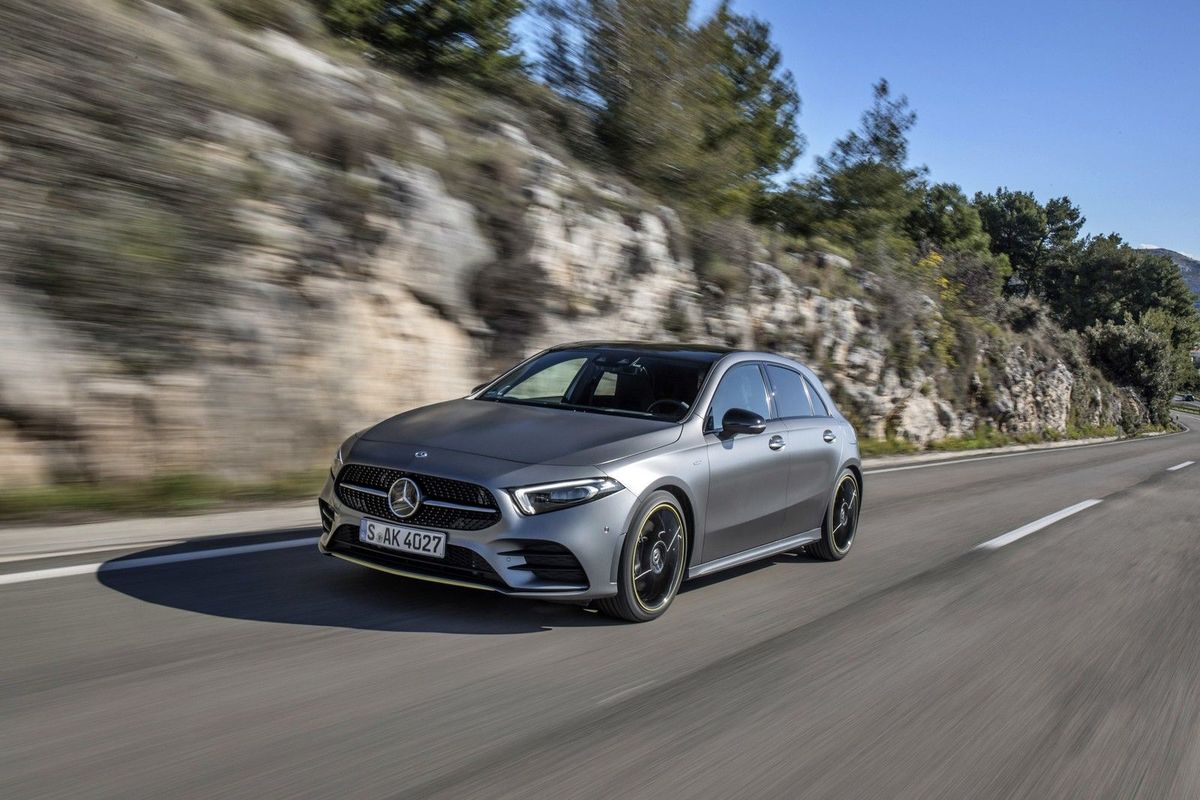
The A200 is probably the best derivative to drive to get a feel for the improvements in the A-Class' general ride quality. It only comes with the less sophisticated torsion-beam suspension (compared with the A250's multi-link setup), but certainly rides better than the previous generation. The harsh reaction to bumps and crashy feel on less than perfect surfaces have been rectified and the newcomer's generally more composed and sturdy over mixed surfaces.
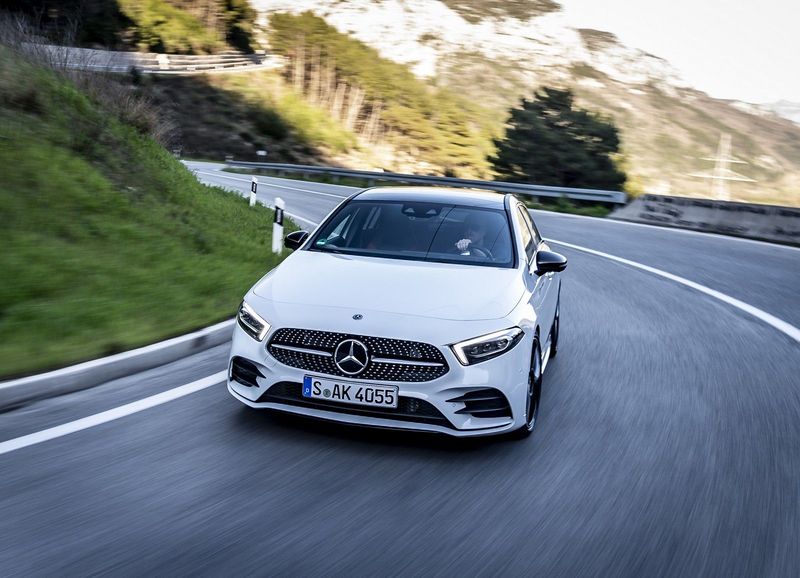

The ride on the new model is much improved over that of the previous generation.

Slide the Dynamic Select toggle to Sport mode and the harshness is dialled up. It’s much firmer and with that, more responsive to inputs; much of the body movement in corners is reduced as well. A lot of the time it can be difficult to tell what a Sport button does to the ride, but there’s a discernable difference in the new A-Class.

Is the inside nice to touch?

Much of the substance of the new A-Class is focused around its technological (and graphical) features. You can tell the newcomer is aimed at the younger generation with its crisp graphics, fancy LED lighting and voice command activation that responds to “Hey Mercedes”.

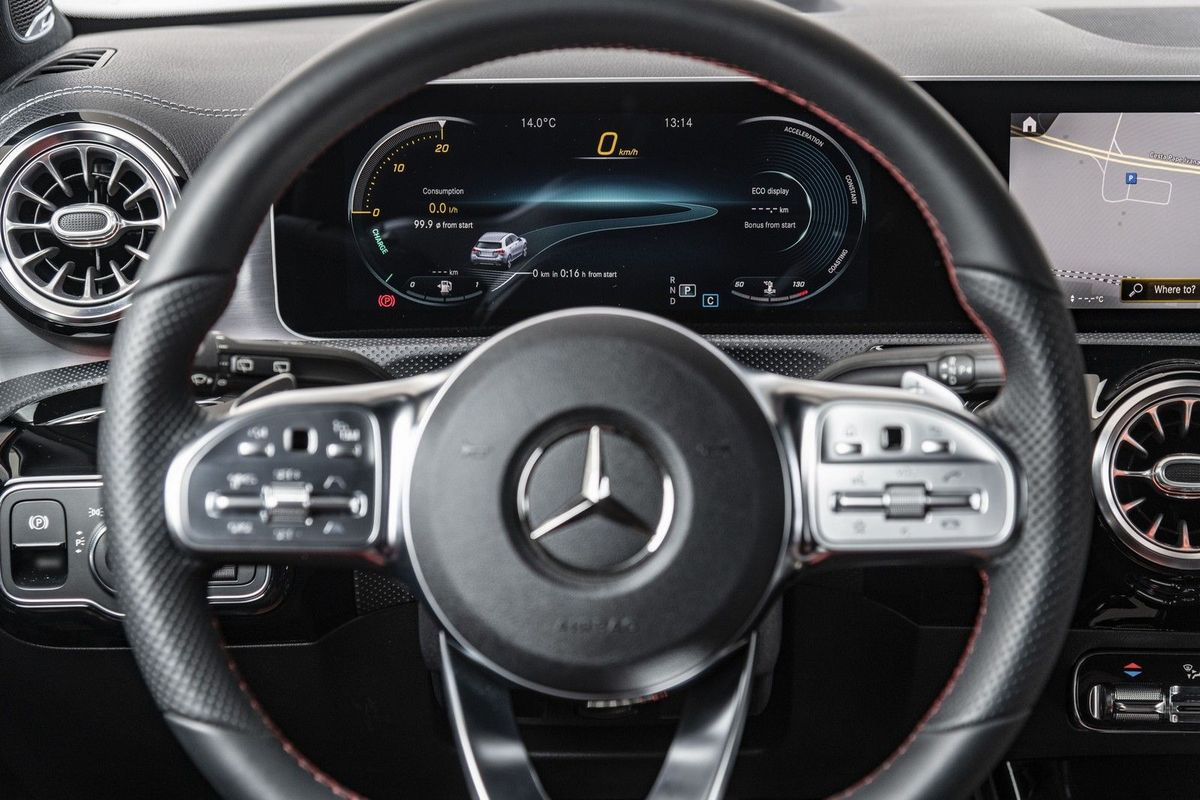
With the huge screen (optionally) fitted, it lifts the cabin to an unmatched level in the premium hatchback segment. The screen was first introduced in the E-Class and has filtered down to the A-Class, but now feels easier to use and more user-friendly than ever. The steering wheel controls control the instrument cluster, which can be programmed to display whatever you want and the centre screen can be activated by touch, by using the touchpad in front of the cupholders, or by voice activation.
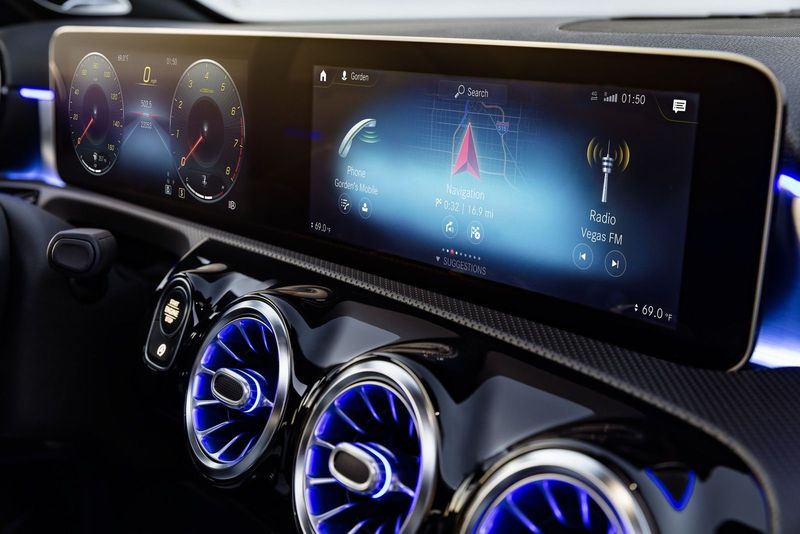

The new MBUX system is more user-friendly and works with touch, touchpad and voice activation.

MBUX has so many features that I can’t mention them all, but it integrates sweetly with your phone and certain apps, such as Trip Advisor, to list points of interest.

The quality of the cabin appears to be a nice improvement over the previous generation too. The piano-black plastic around the air vents seem more solid to the touch and the transmission tunnel surrounds are held on with better fasteners than before.

One thing that was notable, was that the Alcantara seat upgrade was more comfortable than the standard leather seats, I'd certainly prefer them for longer trips.

Other notable things?

The inside of the car has been made wider and better-suited to accommodating passengers in luxurious comfort. Increased shoulder and headroom feature both in front, and at the back, and with a 30 mm longer wheelbase, there’s a bit more legroom as well. The capacity of the luggage bay has mercifully been increased too (by 29 litres for a total of 370 litres) and with increased width, the bay is a little easier to pack.

Summary
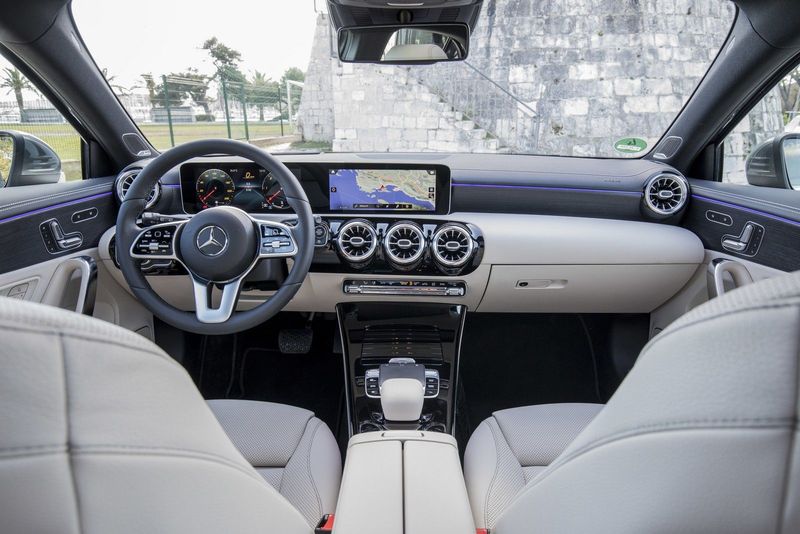

The interior exhibits a lot of wow factor.

Mercedes-Benz has really studied its A-Class buyers and tapped into what makes them tick. The Sindelfingen-based brand's re-engineered premium hatchback has the same appeal as an out-of-the-box top-end smartphone. It immediately makes the old one feel obsolete while inspiring an immense desire to have one.

The technology inside is impressive – bang up to date with what modern, young consumers want from their car, especially given the myriad ways in which you can interact with the MBUX system.

Mercedes-Benz has also paid more attention to the substance beyond the fancy tech, the introduction of which is fully expected in a new car in this day and age… The ride quality is much better (even on the entry-level suspension) and the materials and build quality seem to have been improved too.

For the moment, it doesn’t look like BMW or Audi have anything that can quite match the sheer desirability of the new A-Class.

Pricing

Mercedes-Benz A200   R499 000

Mercedes-Benz A250   R593 300

Related content:

Mercedes-Benz A-Class (2018) Specs & Price

Facelifted BMW 1 Series Revealed

Audi A3 2.0T Sportback Auto (2017) Review
Searching for a used A-Class?

Start your search here

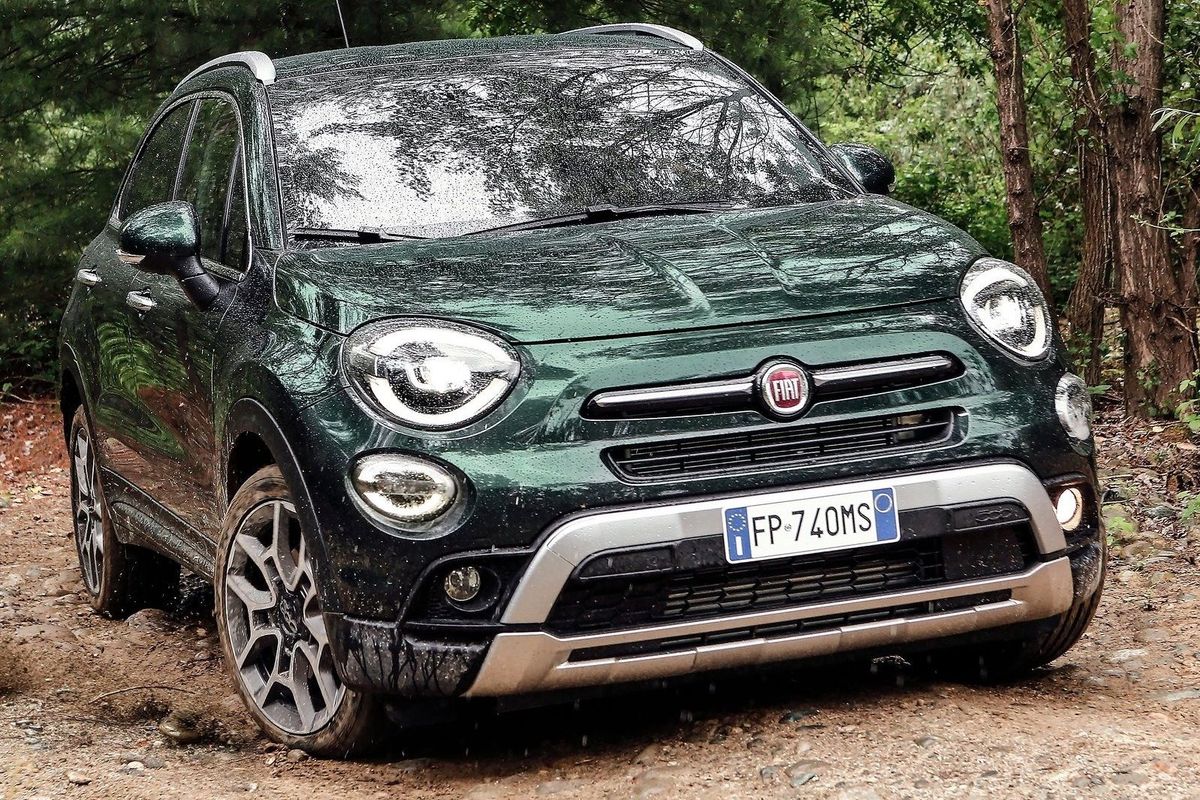
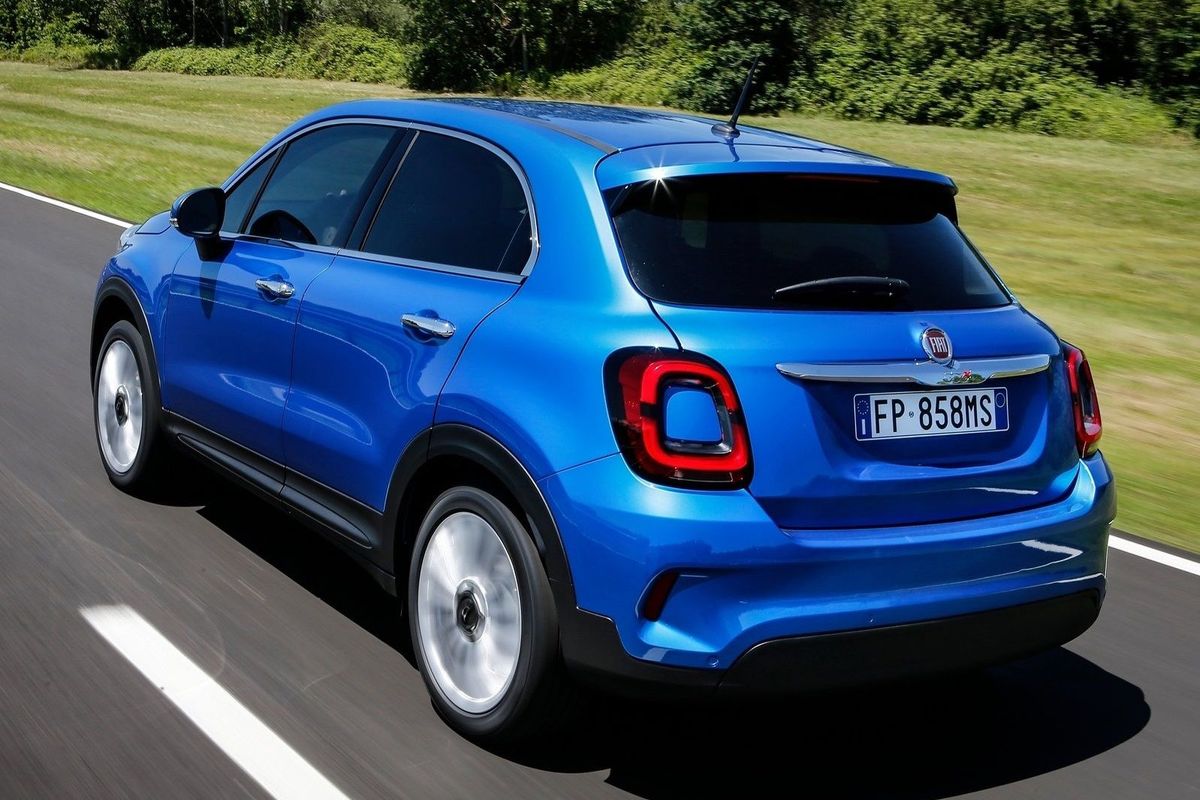
Fiat 500X Refreshed for 2019

Italian carmaker Fiat has released a facelifted version of its 500X compact SUV. The new car brings new engines and new technology in a thoroughly redesigned new package. 

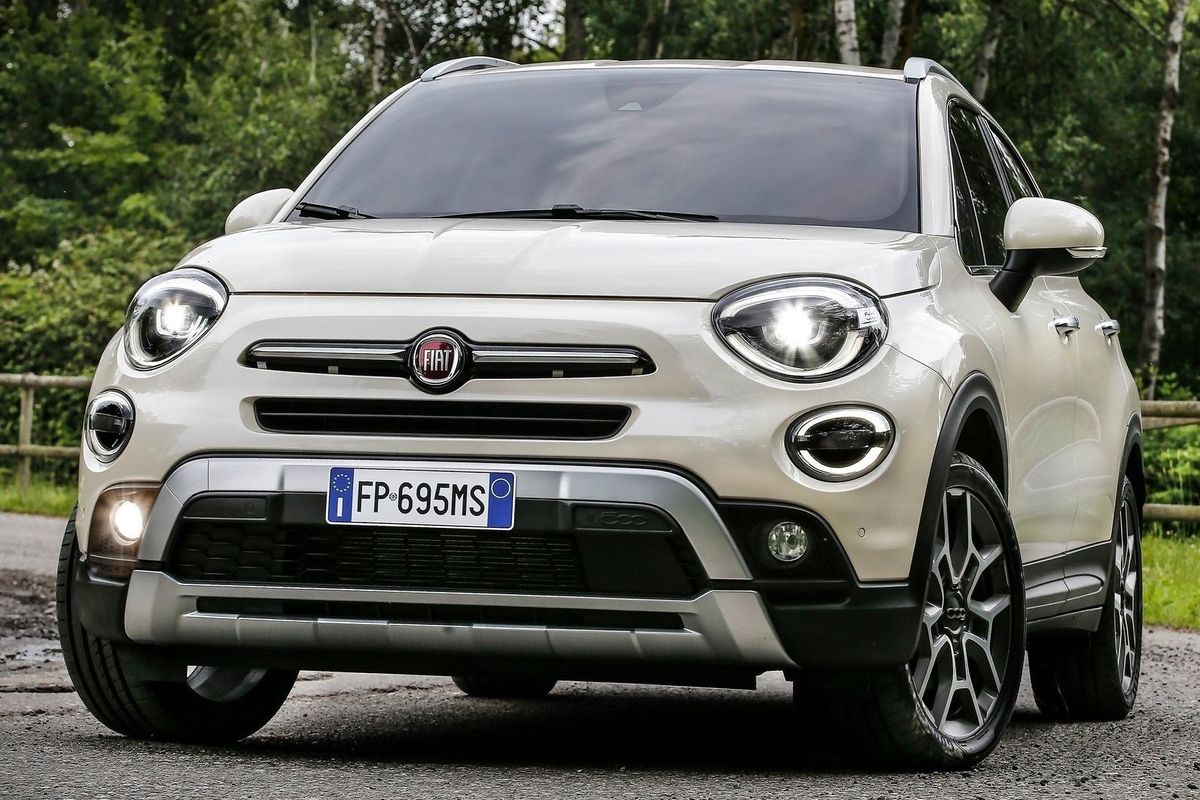
Despite slow South African sales, the Fiat 500X was one of the top five best-selling models in its segment since 2016 in continental Europe. Now it has been facelifted and the changes are substantial. There's a new look complete with all-new LED light clusters and full-LED headlights, which are claimed to be vastly superior to the outgoing units. Depending on trim, you get all-new front and rear bumpers, while the off-road-focused models receive new-look protective skid plates. Speaking of trim, there are two, Urban for city traffic and the Cross, which features all-wheel drive and is more suited to out-of-town adventures.

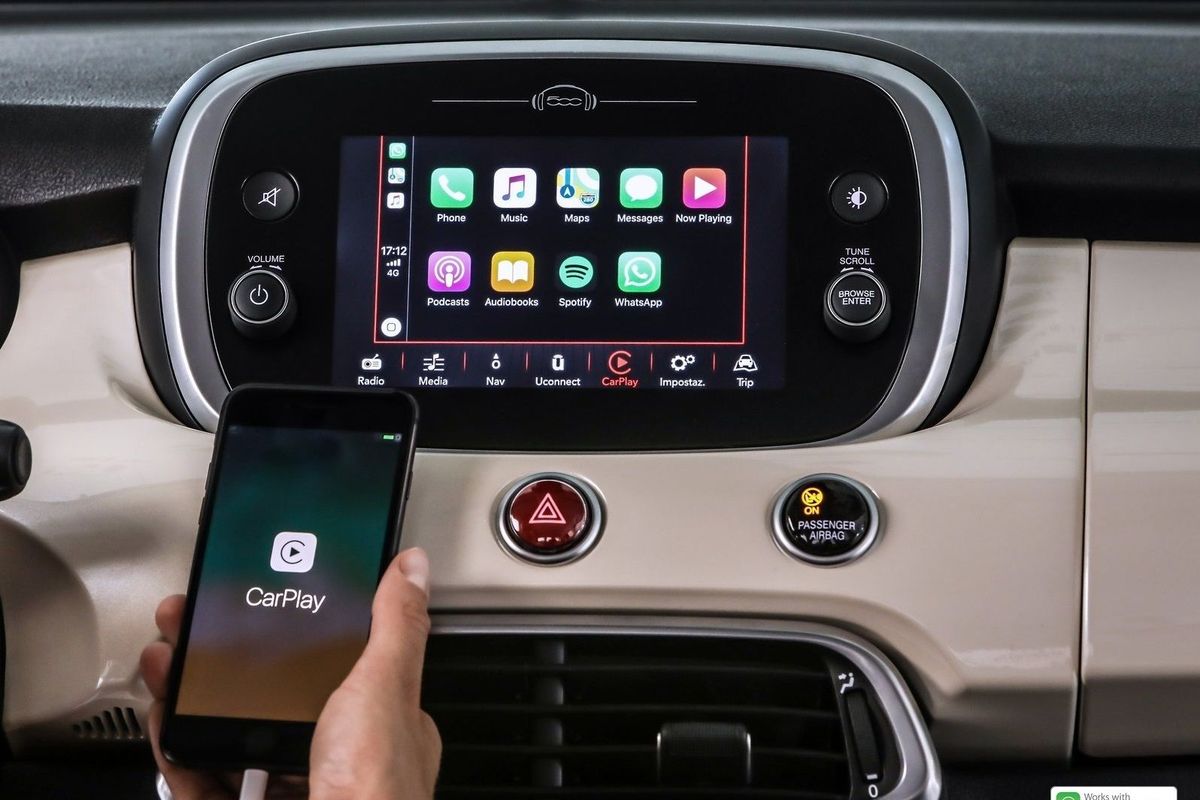
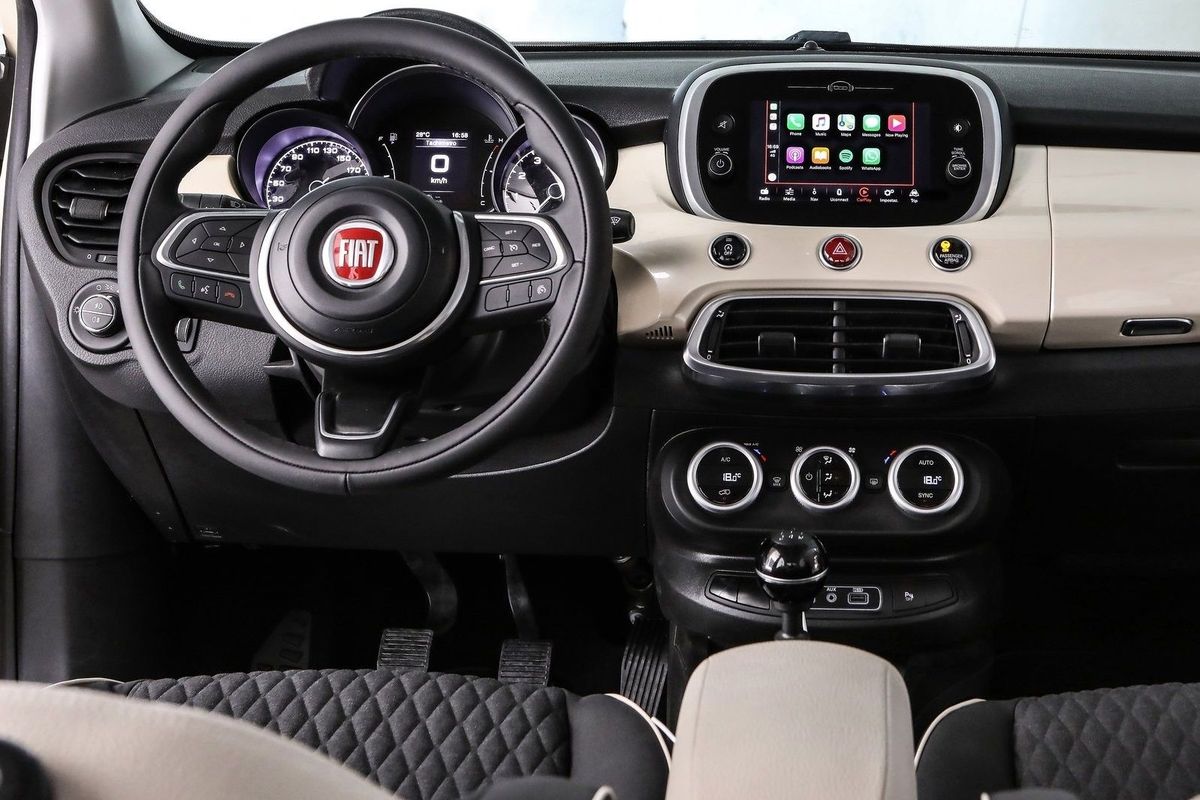
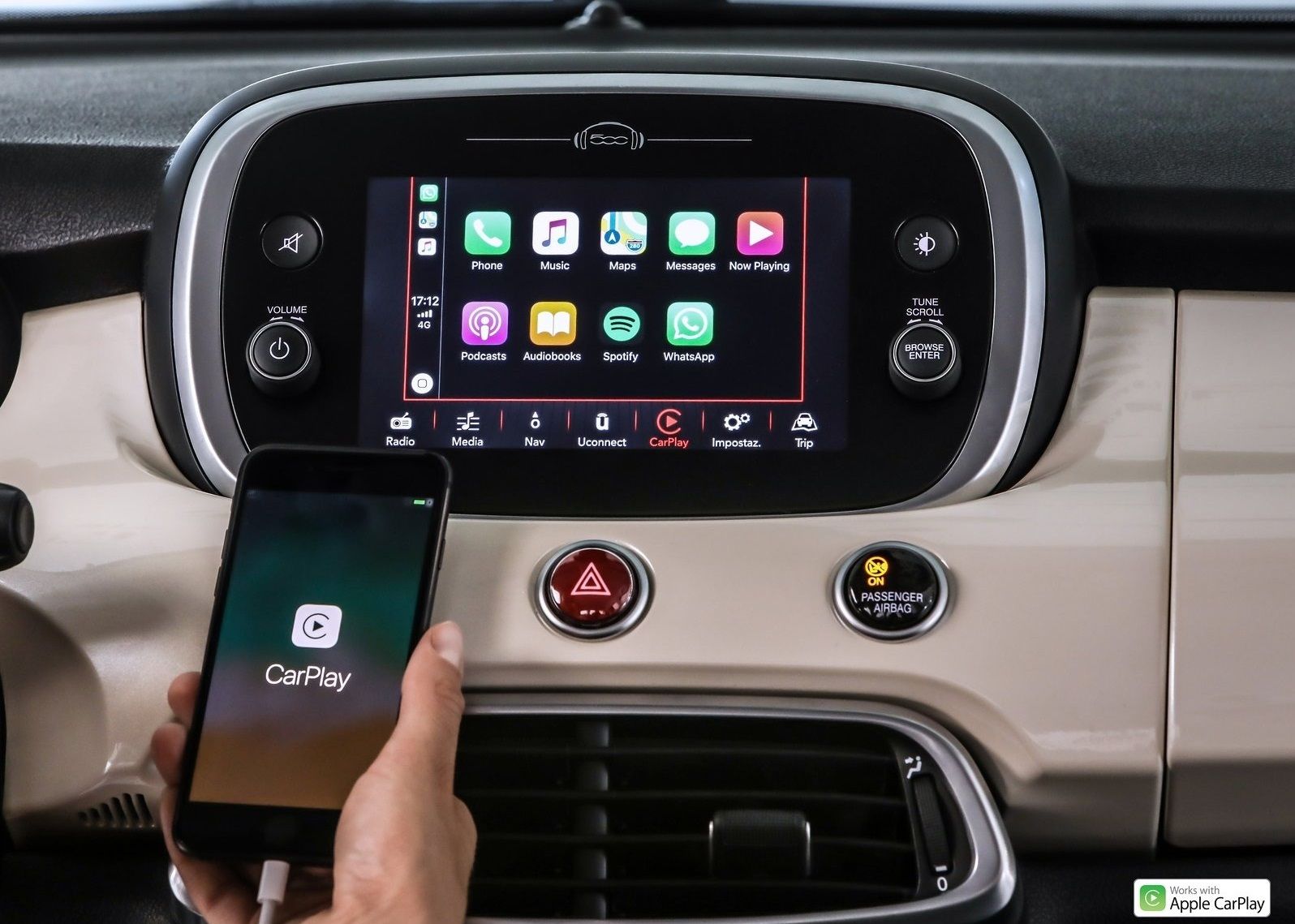
The cabin has also received a makeover and there's now a focus on premium materials and practicality. There are a choice of 7 different finishes, combining fabric, leather and colours. The restyled cockpit features a new-look instrument cluster with easier-to-read graphics and there's a new steering wheel. There's a focus on safety technology in the new Fiat 500X. Traffic Sign Recognition is now standard as is the Speed Adviser. Optional equipment ranges from Blind Spot alert, Active Cruise Control and Autonomous Emergency Braking. The cellphone-obsessed generation will be pleased to hear that Apple Carplay and Android Auto connectivity is available too.

There are new engines too, and the Fiat 500X will be receiving the all-new three-cylinder engine which we first saw on the brand's sister offering, the Jeep Renegade. The new petrol engines are claimed to be up to 20% more fuel efficient, while the diesel models will be quieter. First up is a 90 kW/190 Nm 3-cylinder turbocharged petrol motor, mated to a 6-speed manual gearbox and front-wheel drive. The next is a 1.3-litre turbocharged 4-cylinder motor with 110 kW and 270 Nm, which is available with a 6-speed dual-clutch transmission and front-wheel drive. There are three turbodiesel engines for the Fiat 500X. Available in 1.3, 1.6 and 2.0 flavours, all offer new levels of refinement and efficiency. The 1.3 offers up 70 kW/200 Nm, 1.6 has 90 kW and 320 Nm, while the range-topper has 110 kW and 350 Nm.

We'll have more details for the South African market as we expect the Fiat 500X to arrive in SA either at the end of 2018 or start of 2019.


Apple Carplay and Android Auto are available in the 2019 Fiat 500X

Further Reading

Fiat 500X (2015) First Drive

Fiat 500X 1.4T Cross Plus (2015) Review
Fiat 500X: In-Depth Video Review – Styling & Pricing
Want to buy a Fiat 500X? 

Browse new and used stock here

Lexus LS 500 (2018) Review
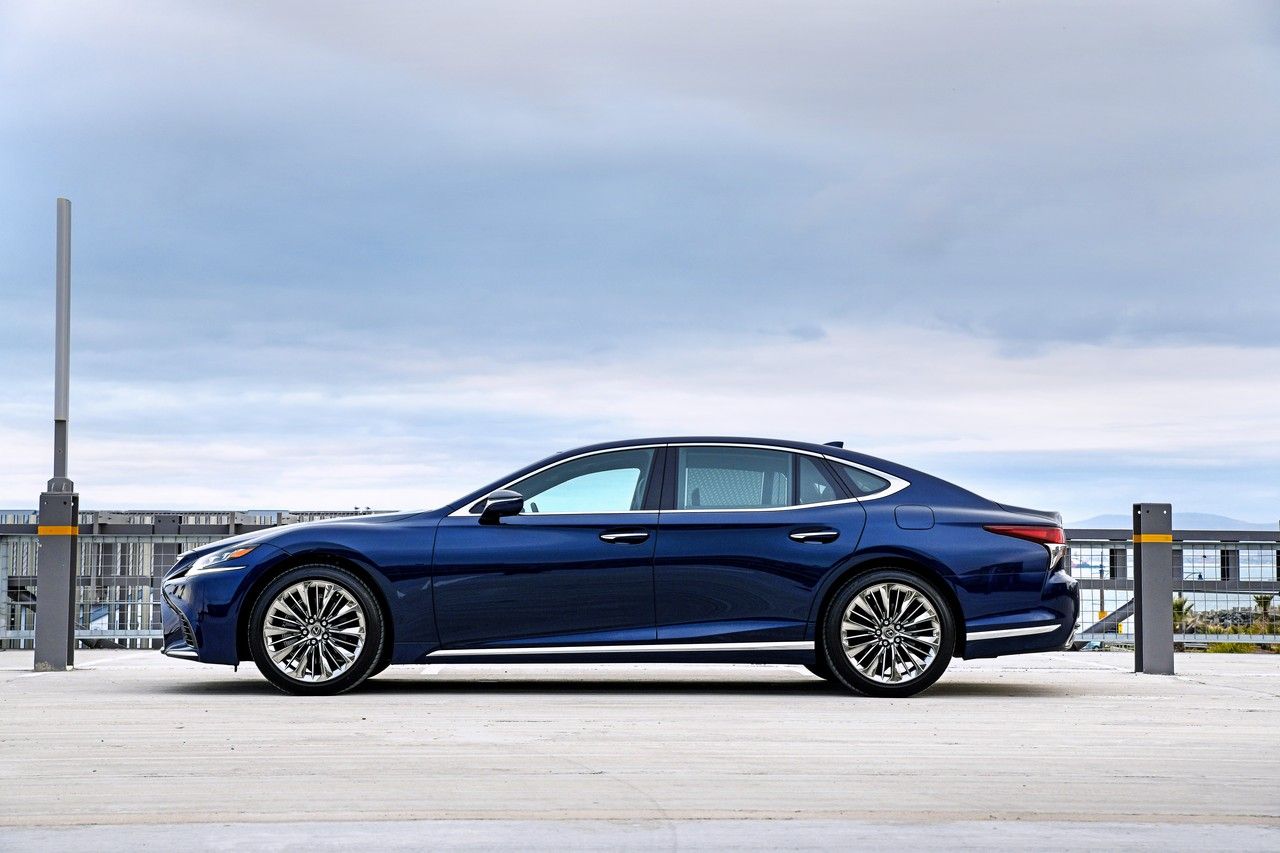
The LS is the standard-bearer for Lexus. In a market dominated by the Mercedes-Benz S-Class and BMW 7 Series, the Lexus LS offers something refreshingly different, but can the latest iteration of the Japanese first-class sedan, replete with an all-new engine, match its much-vaunted German rivals? We review the LS 500. 
We like: Excellent turbopetrol engine, ride refinement, comfort, attention to detail, near-faultless build quality.

We don’t like: Some controls are ergonomically challenging, cumbersome touchpad infotainment controller.

Alternatives

  • The segment leader: The S-Class received an upgrade at the beginning of 2018. It's available with a variety of powertrains: petrol, diesel and hybrid, plus there are ballistic AMG versions. This Lexus' closest Benz equivalent is the S560 L AMG Line. However, the Benz has a lengthy list of options and they all add up, whereas the Lexus LS comes comprehensively specced as standard.
  • The award winner: Not only is the BMW 7 Series one of the most engaging driver's cars in its segment, it boasts jaw-dropping onboard technologies and affords lofty levels of comfort to its (cosseted) rear passengers. It's so good, it won its category in the 2016/17 #CarsAwards. Consider the 750Li Design Pure Excellence.
  • The 'bahn stormer: If you want your first-class sedan to be as sporty as they come, then look no further than the Porsche Panamera. Price wise, the mid-range (V6-engined and all-wheel-driven) 4S costs notably less than the Lexus, but to get it specced up to the level of the Japanese car will cost you… We suspect most buyers will opt for the much pricier Turbo derivative. 
  • If you're willing to wait: The new Audi A8 is due to be launched in 2019 and, if the overseas reports are to be believed, it's really good. It's also claimed to be the most advanced car in terms of autonomous driving technology.

Compare the Lexus LS 500 with its S-Class and 7 Series rivals here.

SERIOUS ABOUT BUYING?

Check out full specification details and finance estimates here 

Where does it fit in? 

Lexus is one of those interesting brands that tend to "fly under the radar" of consumers. We've never experienced a poor-quality Lexus – its products have always been refined, well-made and more than capable of matching their more popular (usually German) rivals. The LS, the brand's flagship, which is now in its 5th generation, recently went on sale in South Africa. One of the great things about Lexus is that its products have "all-in specifications" – there are very few option boxes that need to be ticked. This means the Lexus LS is so well equipped that it has everything, and we mean… everything. However, when it comes to success in the first-class segment, spec only carries so much weight. When you compete with the mighty Germans, there are other factors at play, such as comfort and performance.


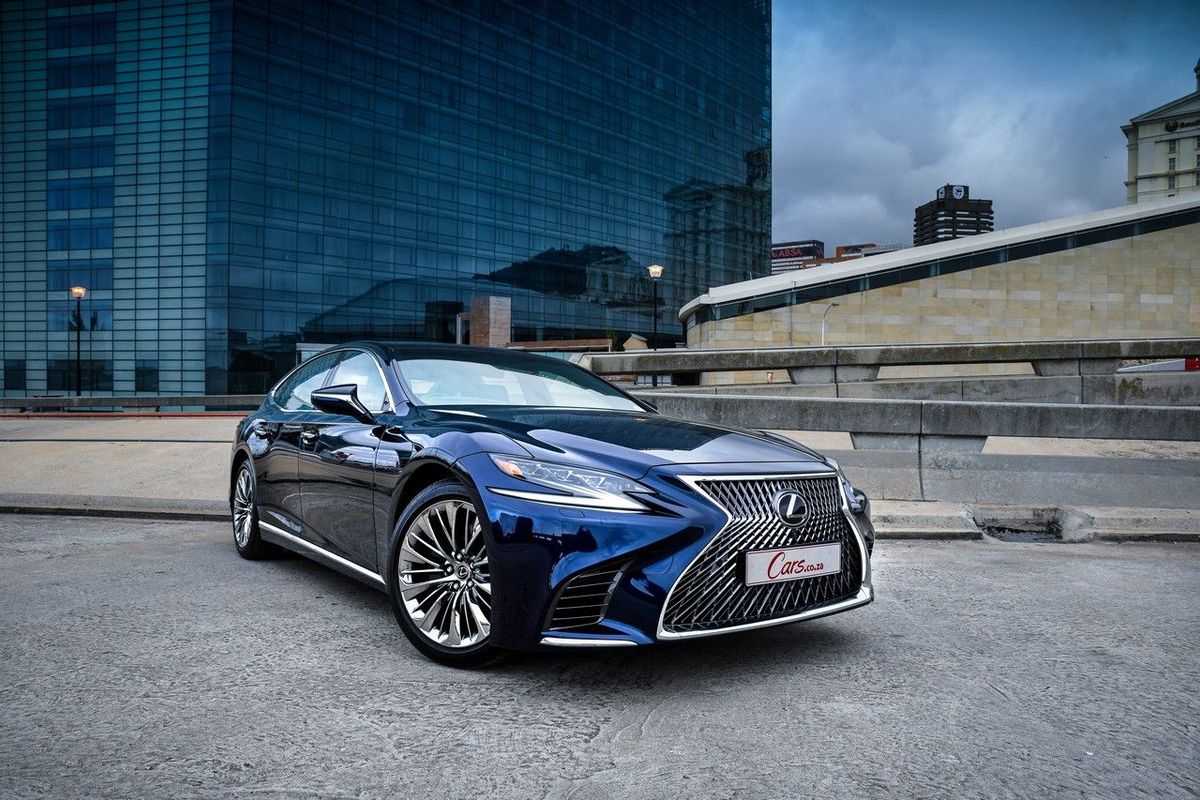
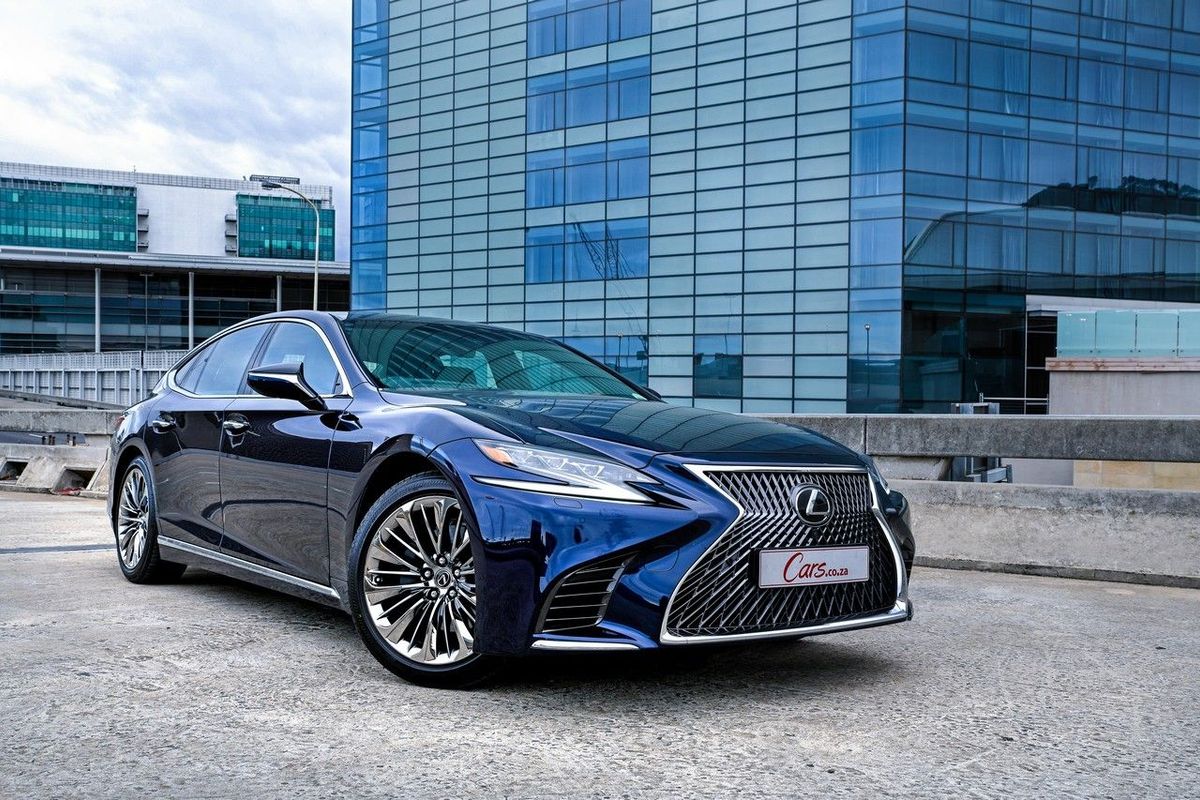
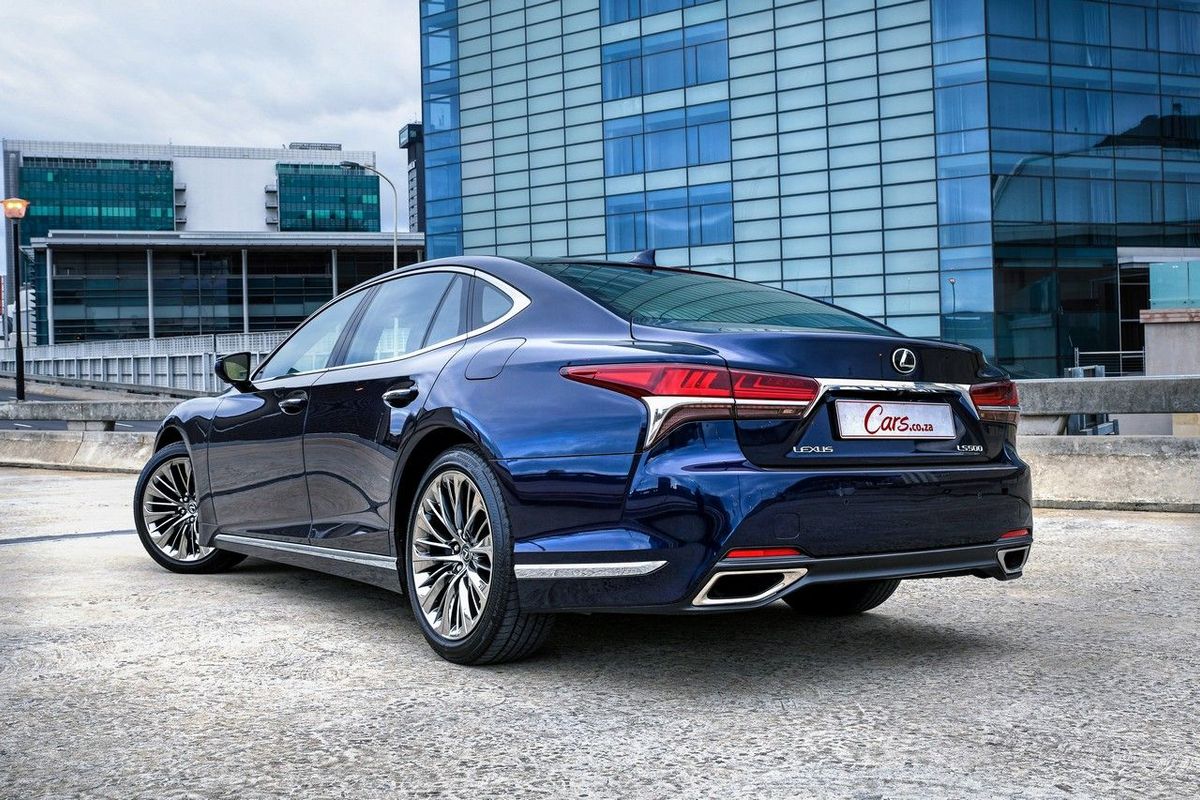
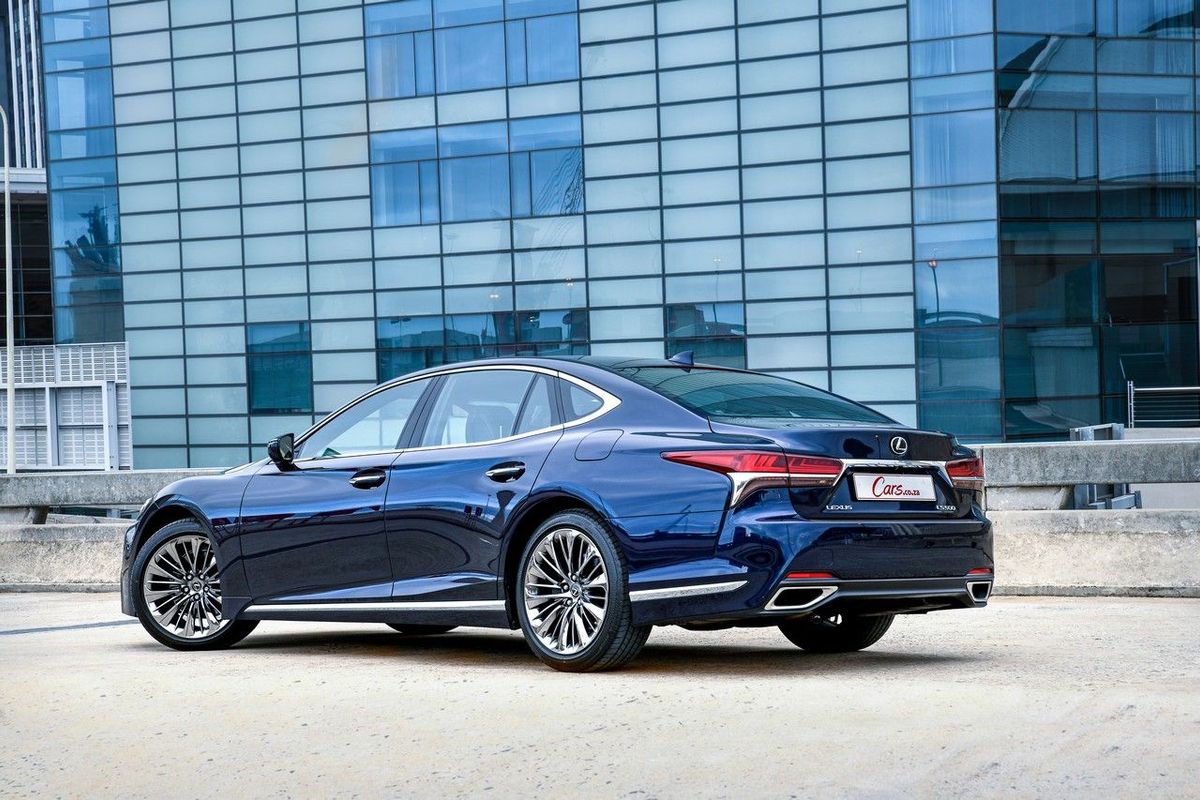
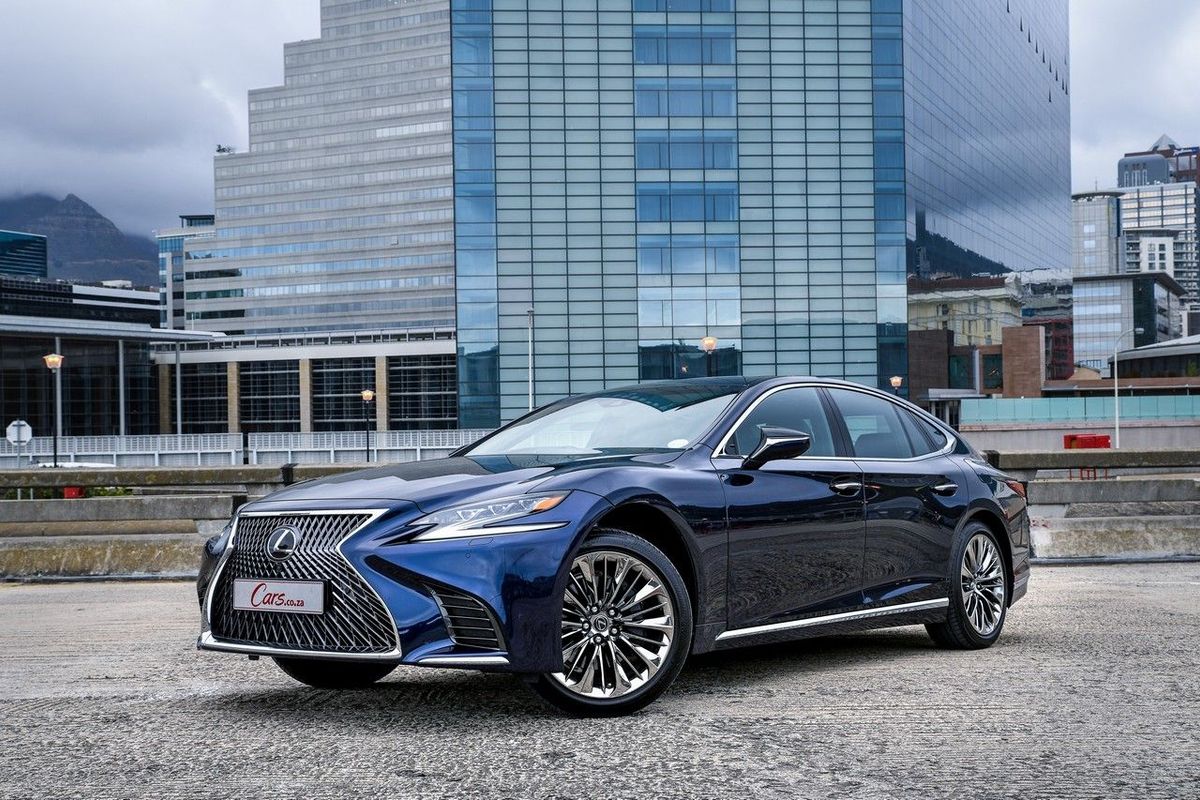
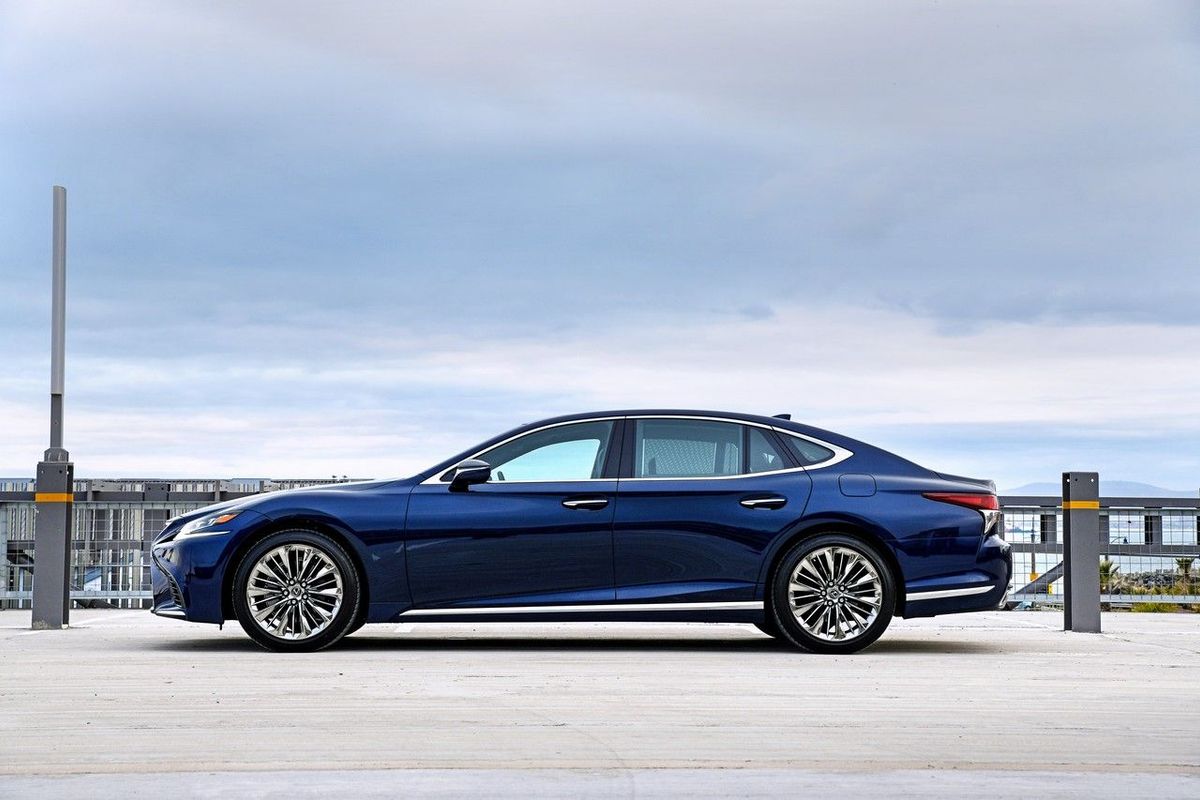
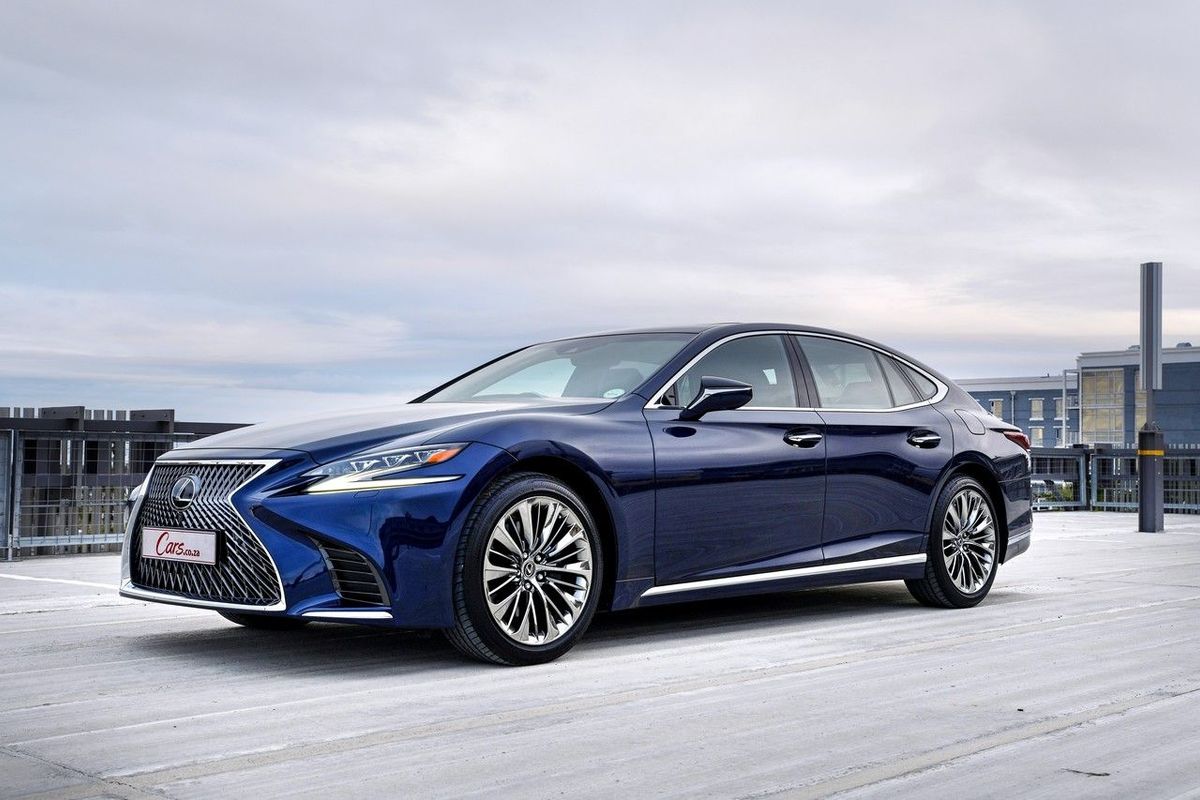
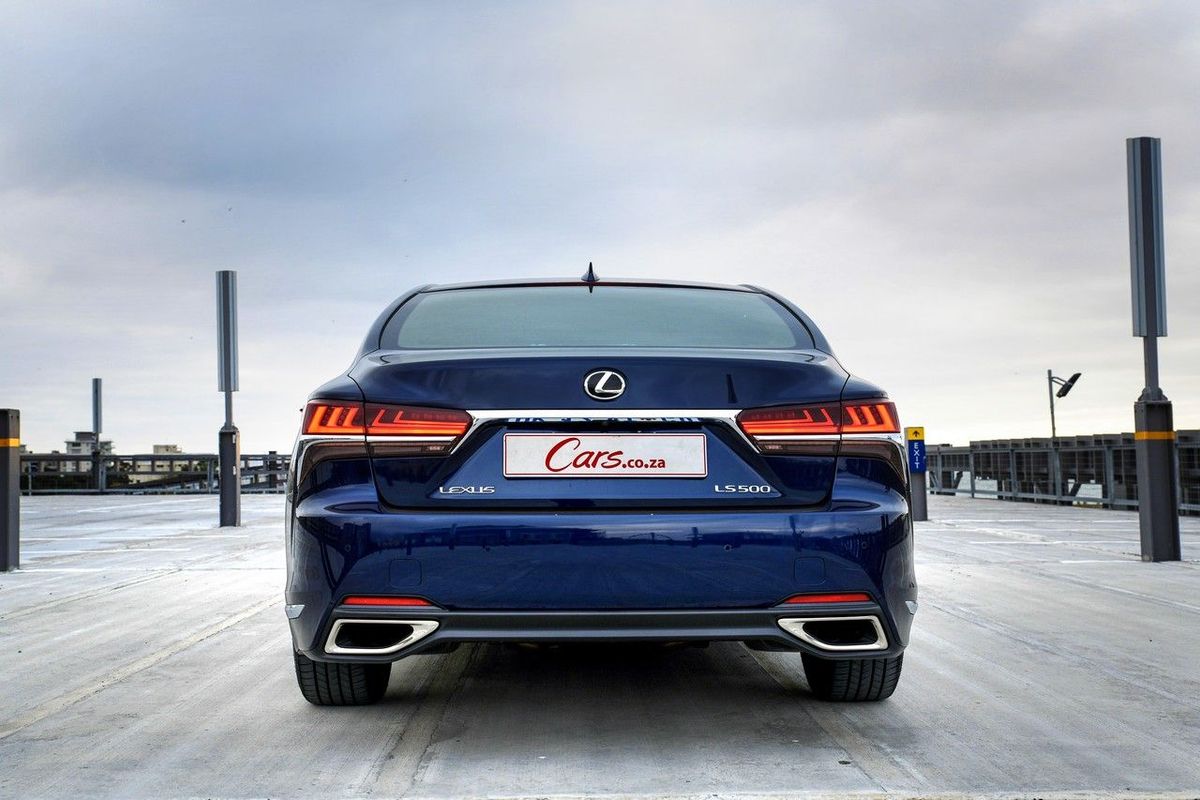
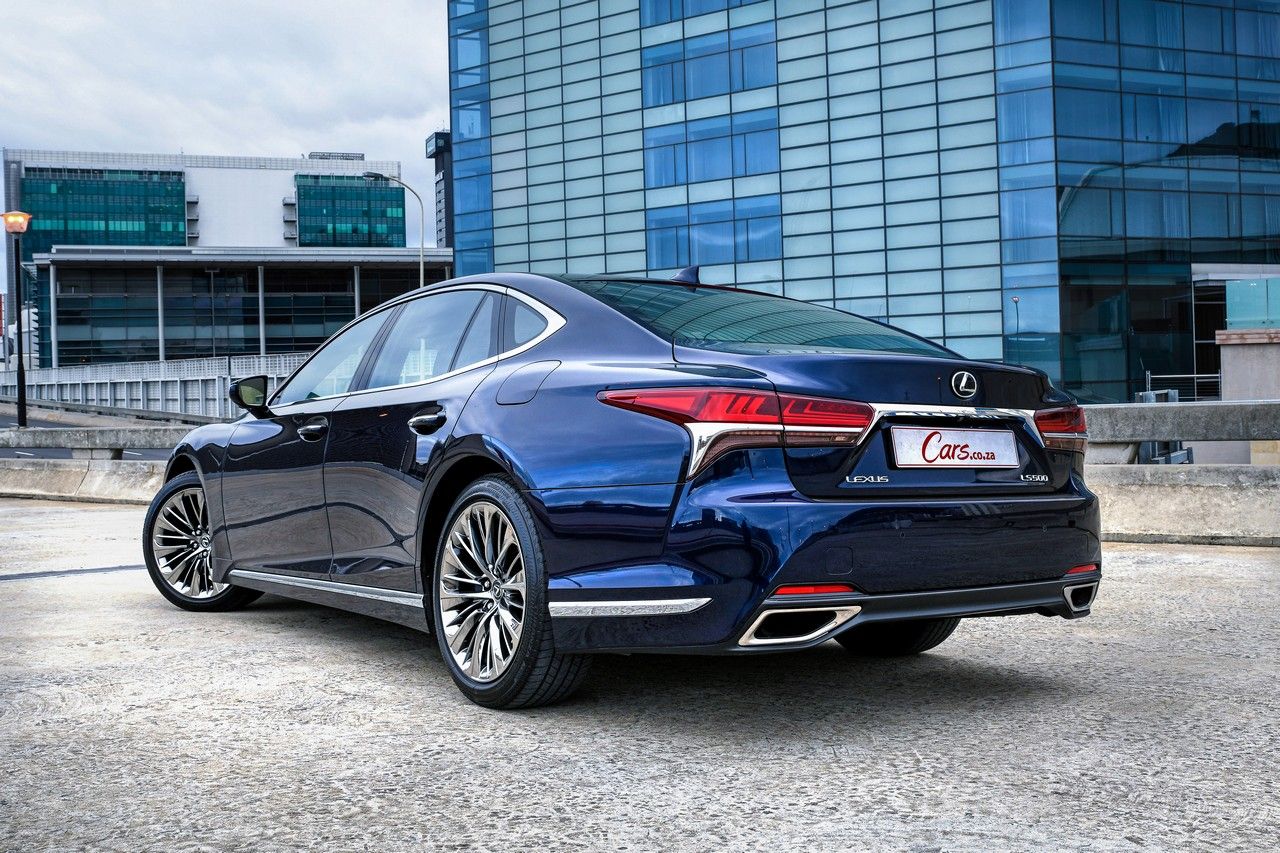
In terms of kerb presence, it's hard to ignore the LS' gargantuan proportions and liberal splashings of chrome.

How does it fare in terms of…

Features & Packaging?


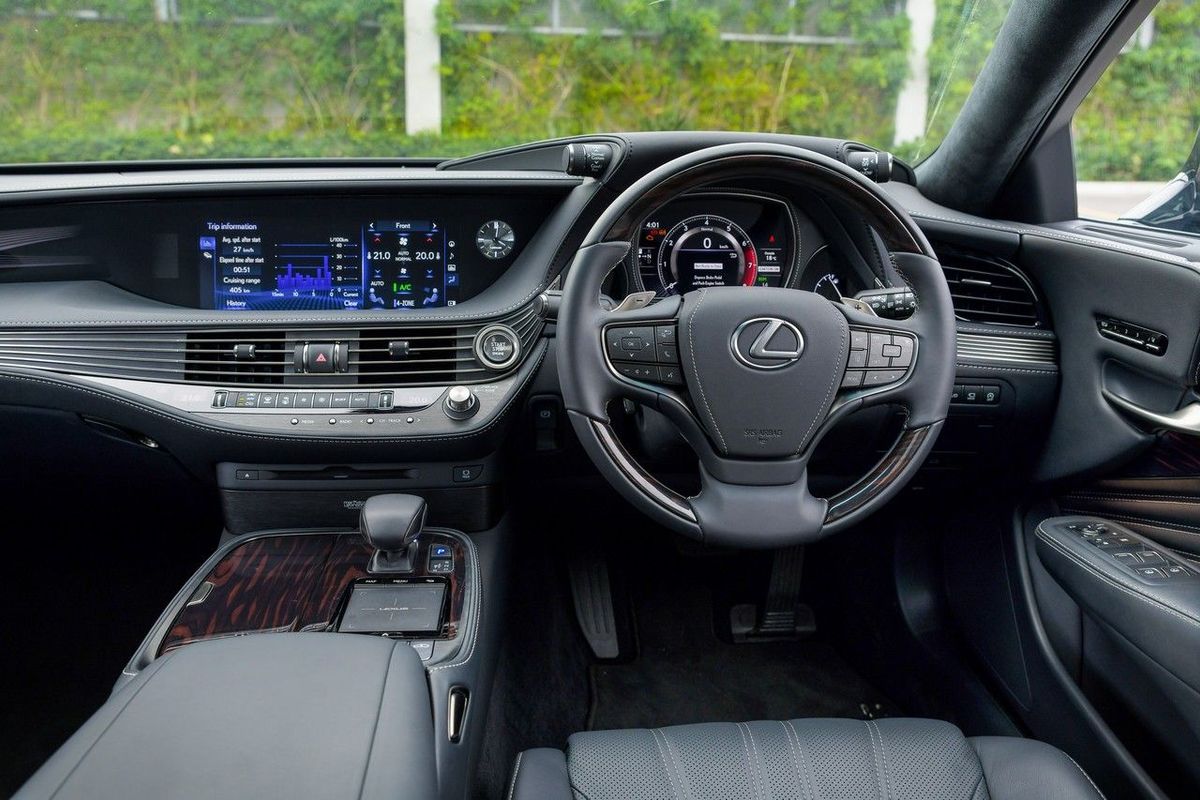
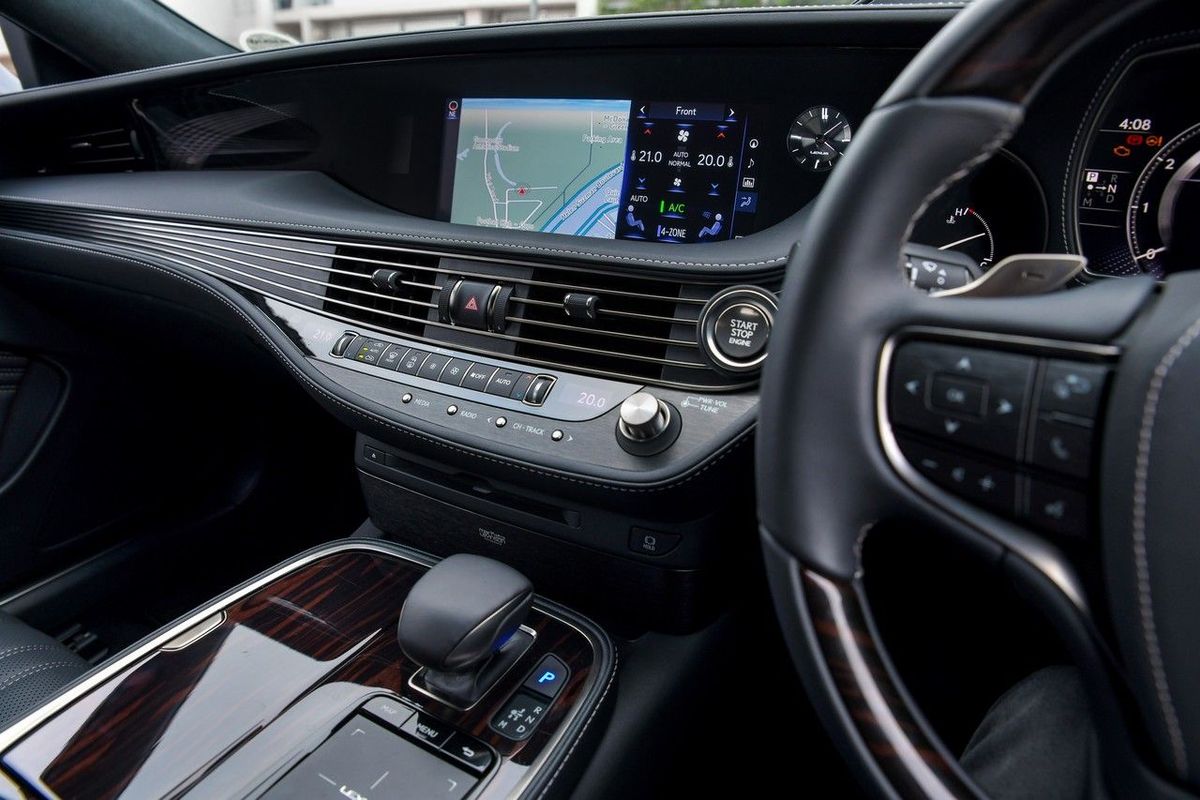
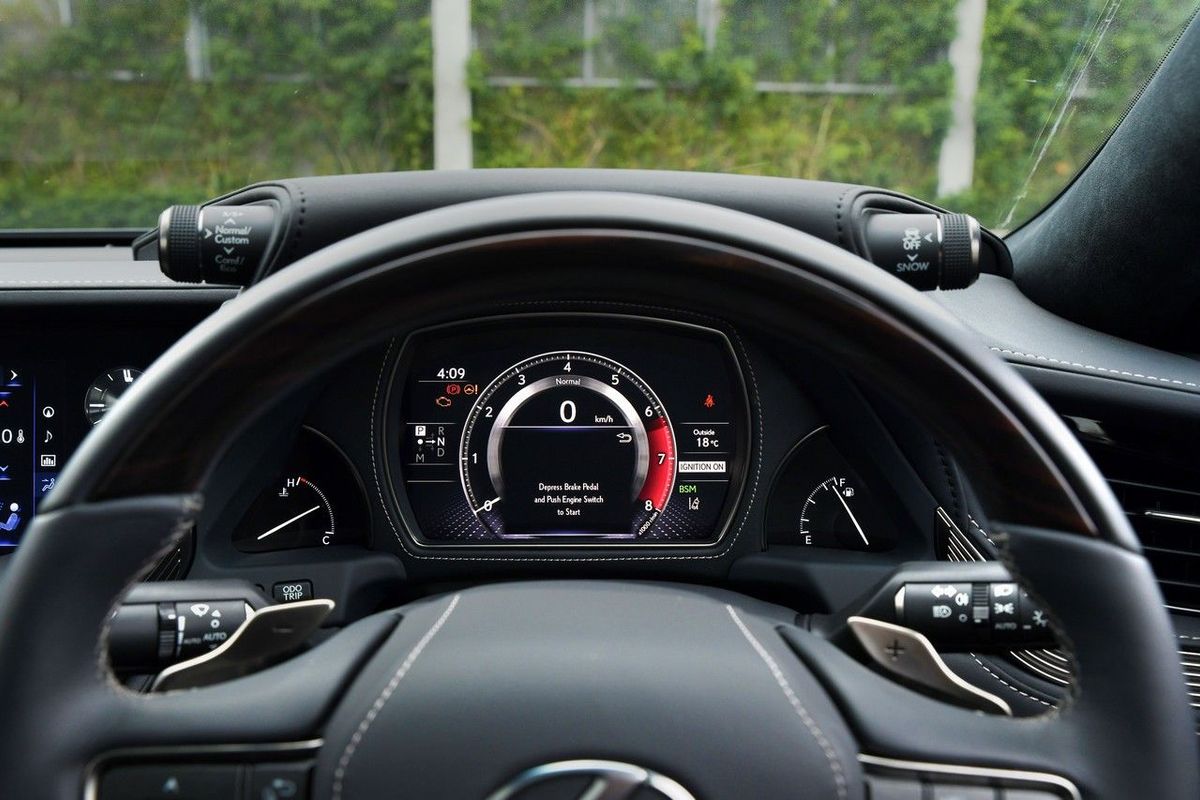
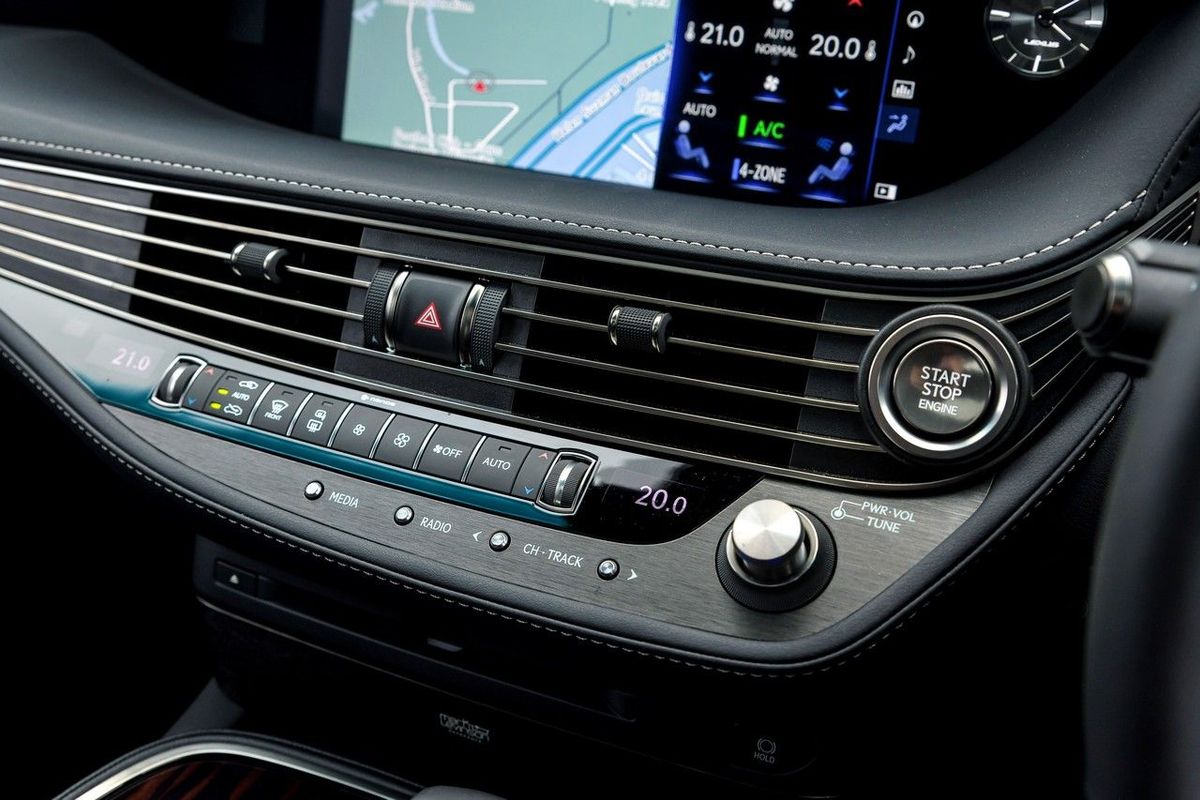
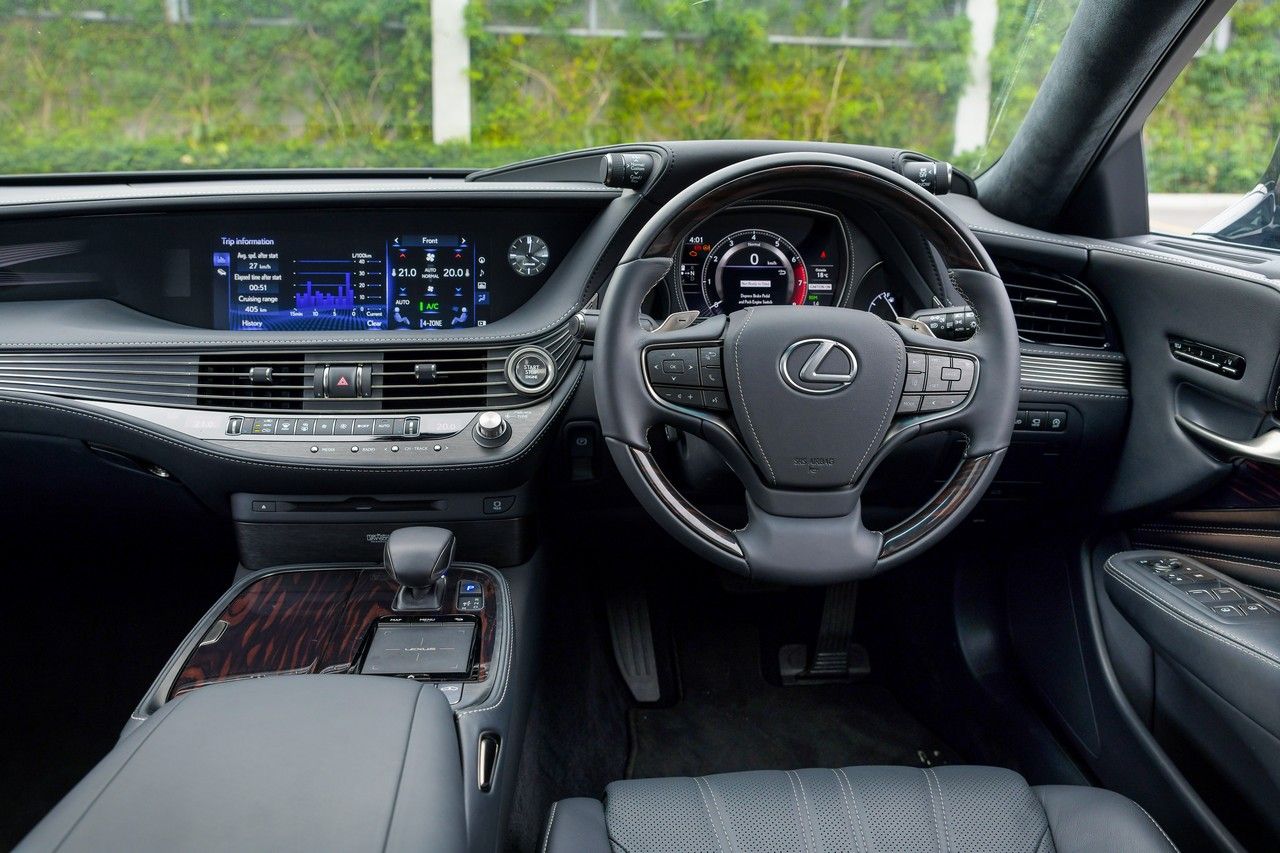
The LS boasts a modern cabin. It creates the impression of having been built in a science lab, that's how precise and refined it is.

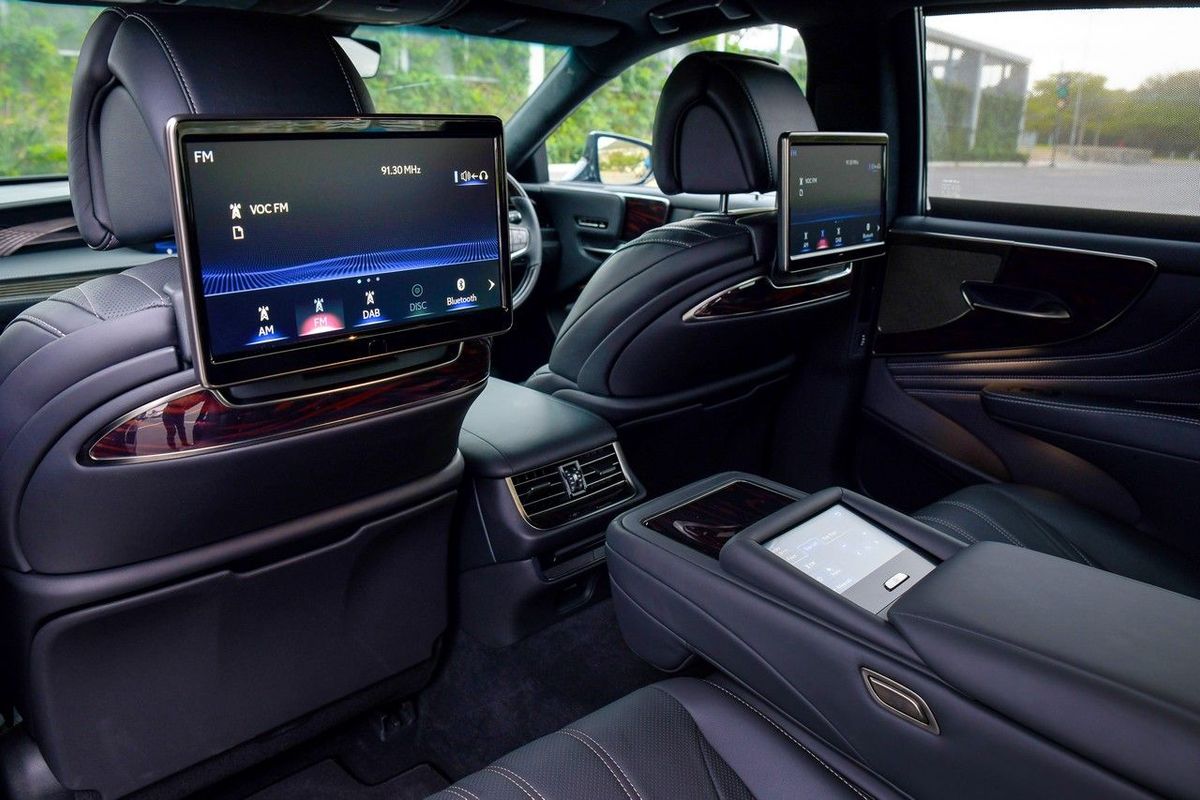
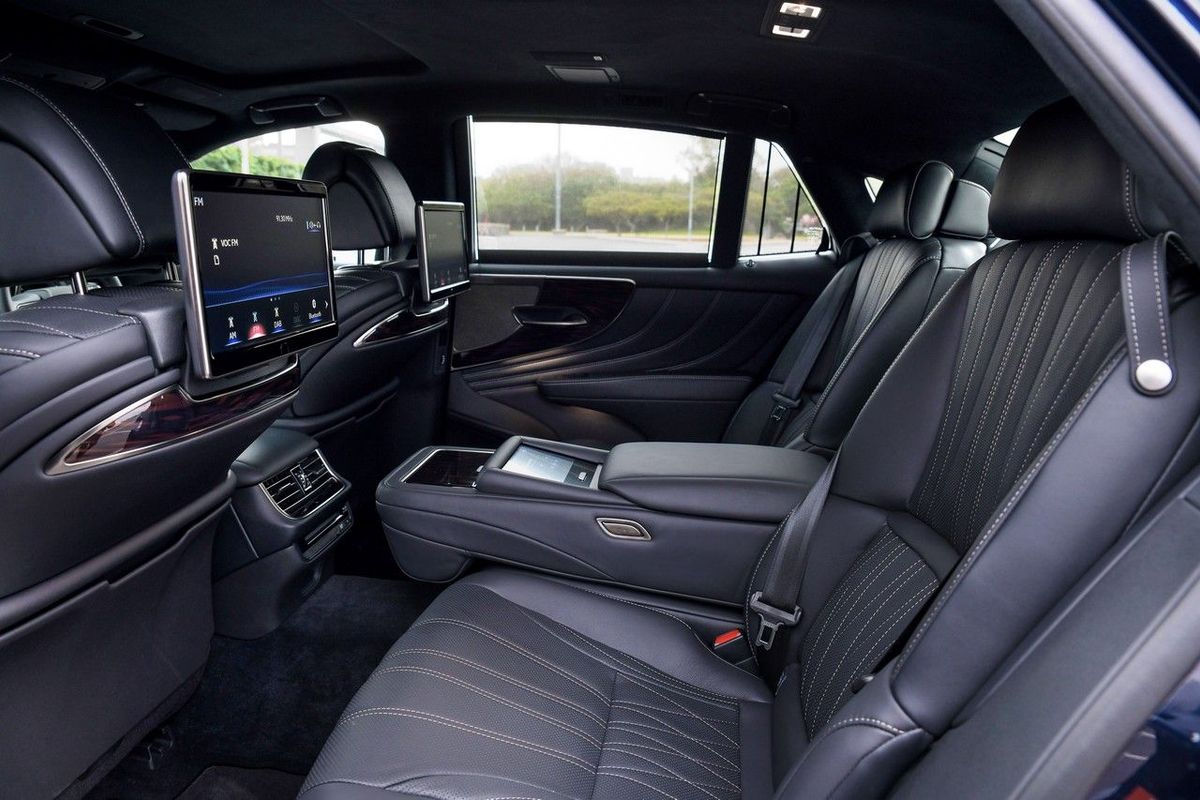
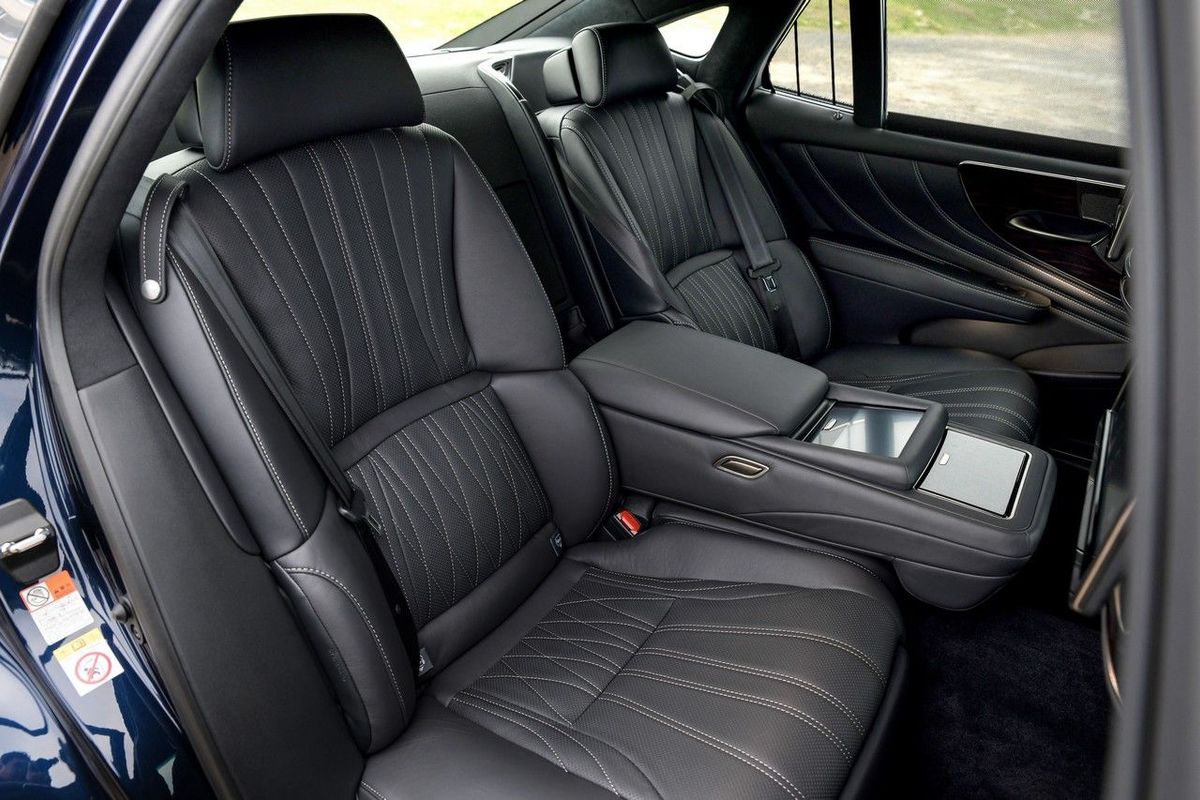
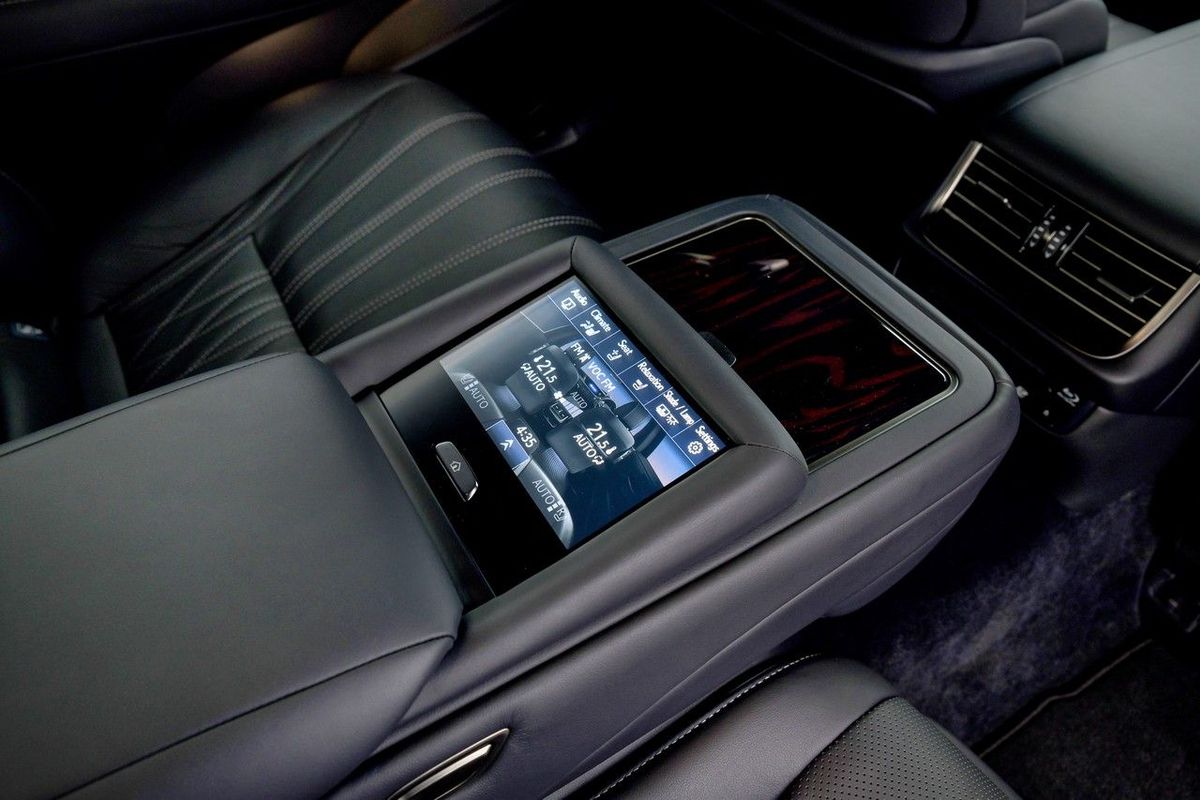
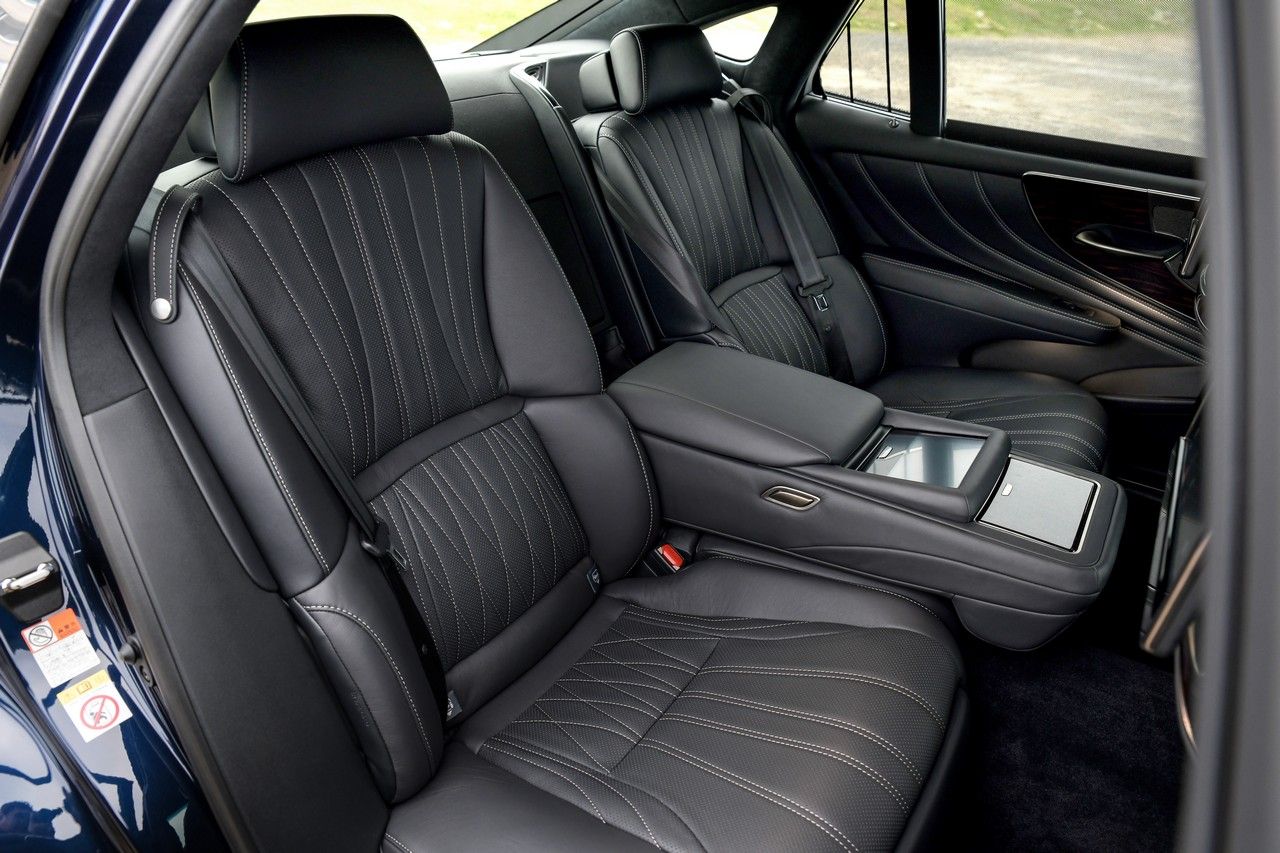
In terms of standard spec, a Lexus will invariably score highly and the LS 500 is no exception. It comes equipped with niceties such as rear entertainment screens, the biggest heads-up display we've ever experienced, a superb Mark Levinson audio system and rear-seat comfort that should satisfy any board- or parliament member. There's an integral massage system (both front and rear), but unlike the LS' rivals, which use air bladders to stimulate one's lumbar region, the LS has what we can only describe as "metal rollers" that perform a fantastic job on your back and shoulders. In fact, on a few occasions a team member would linger in the sumptuous cabin after arriving at our office in the Lexus (don't forget that there's a tablet in the centre armrest for passengers to adjust climate, seat position and rear entertainment functions).


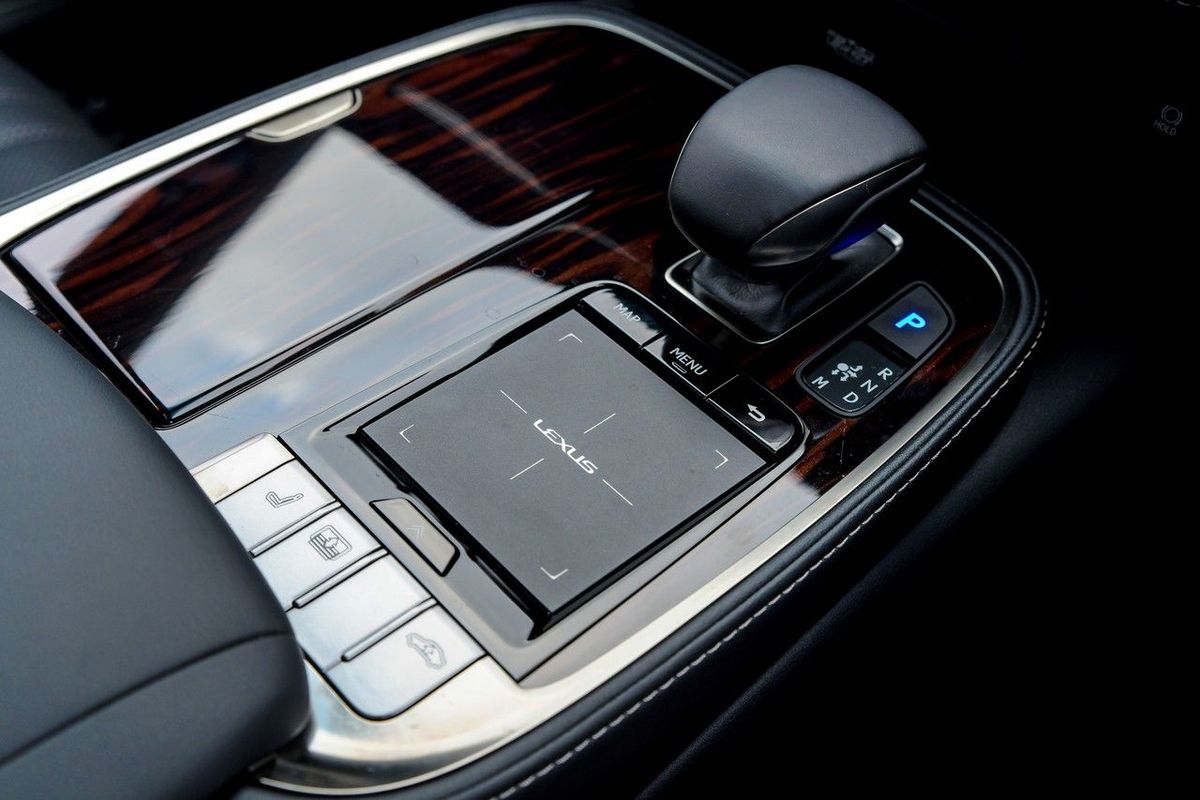
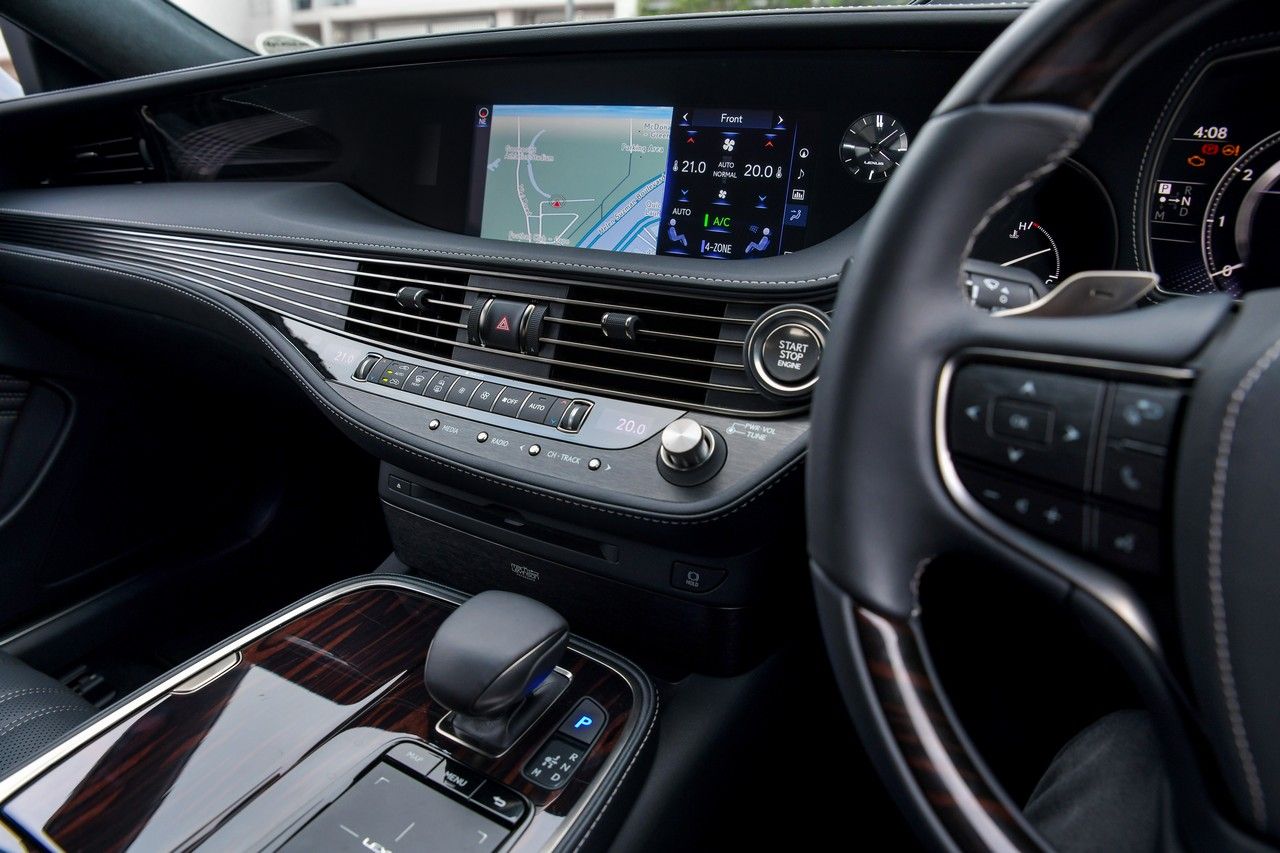
The infotainment will continue to be a bone of contention thanks to a fiddly navigation pad and sub-par graphics.

There is no shortage of highlights: adaptive LED headlamps, an expansive moonroof, 4-zone climate- and radar-guided cruise control, plus surround view cameras, to name but a handful of features. In terms of safety, a Blind Spot Monitor (BSM) with Rear Cross Traffic Alert, Lane Keeping System – Lane Departure Alert, Hill Assist Control, Traction Control, Pre-Crash System and Brake Assist (BA) are fitted.
The infotainment remains our number one gripe, however. The graphics of the 12.3-inch multimedia infotainment system aren't particularly memorable, but at least its menus do what they're supposed to. However, access to the features by way of the cumbersome touchpad is fiddly at best – and infuriating at worst. We're sure it will improve with familiarity, but fortunately, you can reduce the need to fiddle and prod by utilising the steering wheel controls to do the vast majority of adjustments.


The rear seats are among the best in the business. They're impeccably crafted, incorporate massage functions and offer plenty of legroom. You can also move the front passenger seat forward to allow the left rear seat to recline into a bed.

Performance?

Historically, large-capacity petrol engines have been called upon to propel luxurious behemoths such as the LS. Usually, a beefy V8 petrol or 6-cylinder turbodiesel would be utilised in a first-class sedan, but with stringent emissions laws coming into play, most manufacturers are downsizing and economising. Take the BMW 7 Series for example, which can be had in iPerformance spec (with a diminutive 2.0-litre 4-cylinder turbopetrol assisted by an electric motor). The early generations of Lexus LS were powered by atmospheric naturally-aspirated V8s, but this 5th-generation model has done away with all that. For the first time, the Lexus LS is powered by a V6.

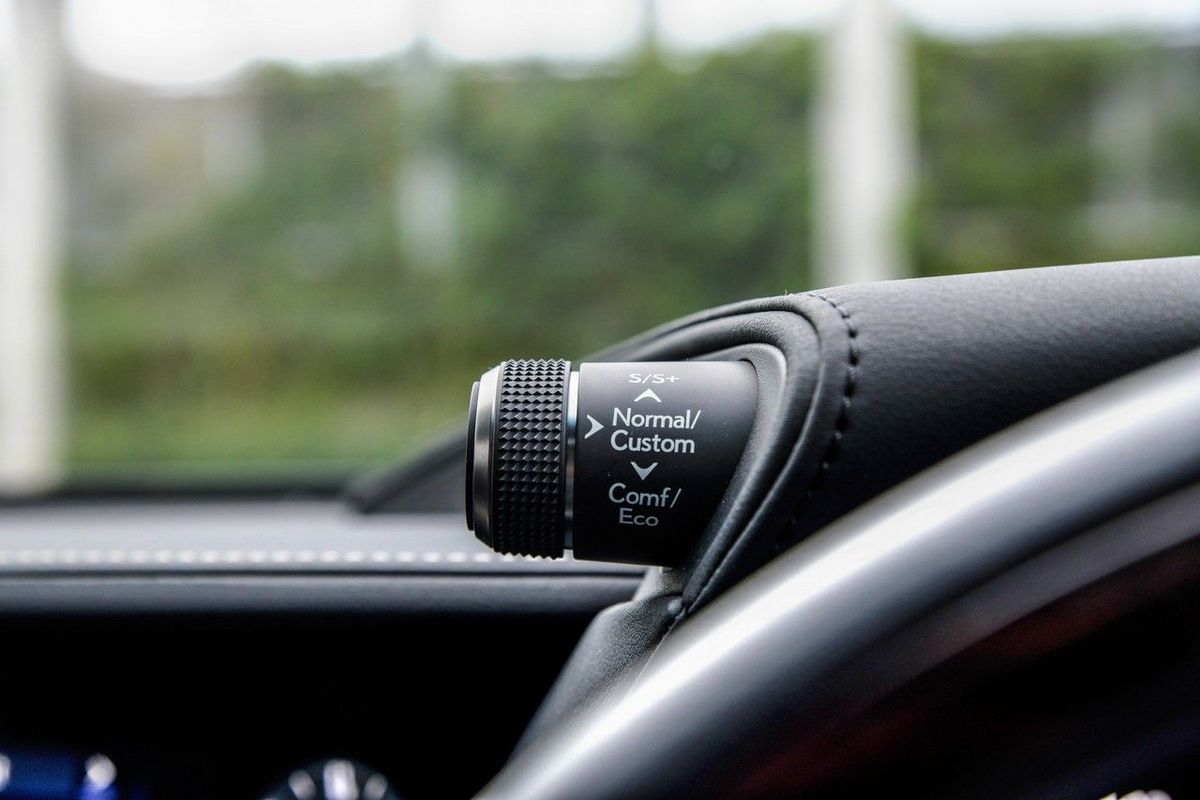
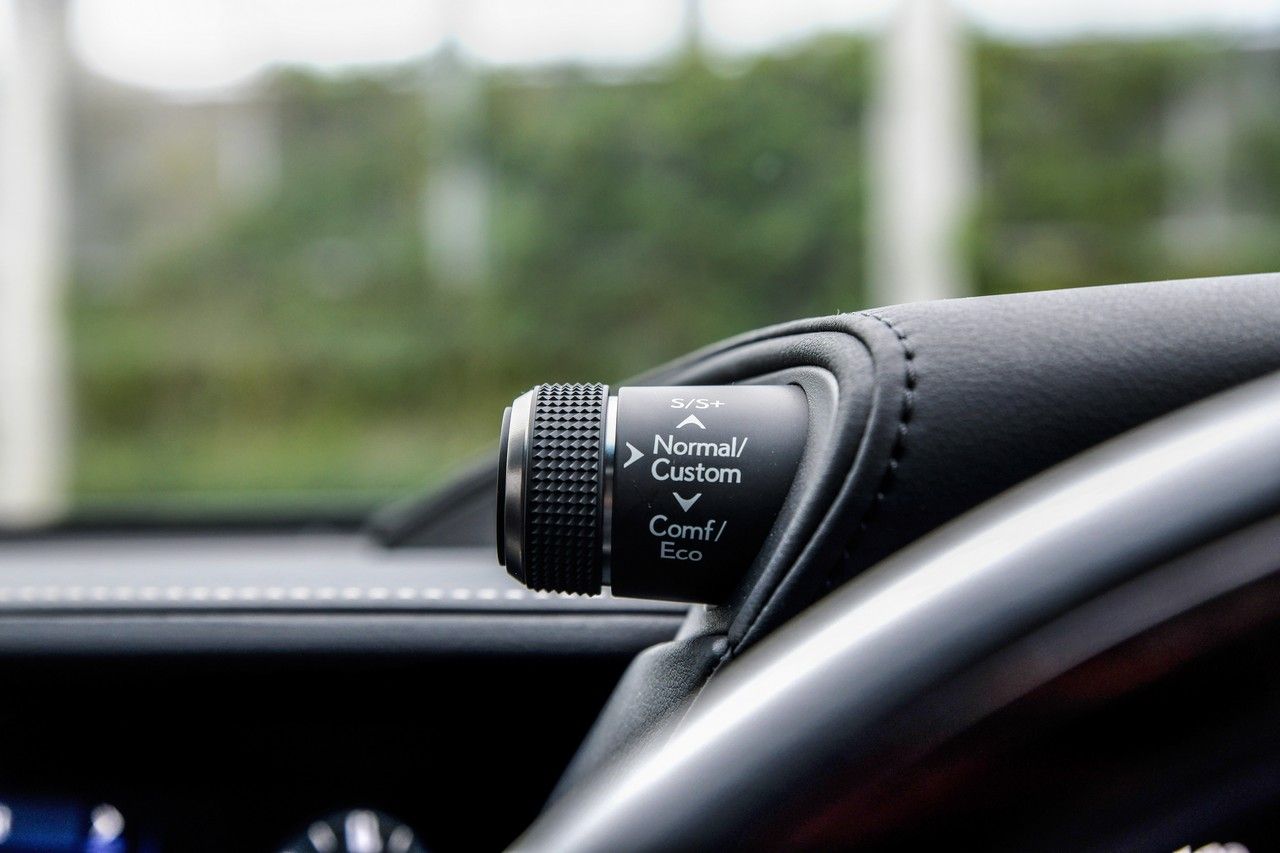
It's not just any V6 either, thanks to the addition of a pair of turbochargers. The 3.5-litre motor produces healthy peak outputs of 310 kW and 600 Nm, which, despite the size and heft of the Lexus, is enough to see it sprint to 100 kph in a claimed 5 seconds flat. Switch to Sport mode (the stalk is located awkwardly to the side of the driver's console, see below), and the car will respond to throttle pedal inputs more responsively. You get to hear a bit more of that meaty V6 motor, which is predictably muted.


We appreciated the different driving modes for the Lexus LS, but the positioning of this stalk is awkward – it feels out of place.

Does the flagship Lexus feel quick though, given the fact that it's a 2-tonne luxury barge? Yes, it most certainly does and the reason for that is clever engine- and transmission mapping. The 'box has 10 forward ratios, which is a 1st for the segment! It's calibrated to keep the engine right in the sweet spot and thanks to the close ratios, the LS moves along at a deceptively quick pace. Not only is it brisk off the line, but also surprisingly potent in terms of in-gear acceleration. With 600 Nm just a stab of the right foot away, overtaking is brutally effective; the Lexus effortlessly dispatches slower traffic. While it's not the most powerful car in its class, it's arguably one of the more frugal petrol limousines with a claimed fuel economy of 9.5 L/100 km. During its stay, we found the dial reading out just over 11 L/100 km, which is fair. 

Ride & Handling?


The Lexus spindle grille is a work of art and has to be seen up close. The intricacy and attention to detail are staggering.

Excellent ride quality is a highlight of Lexus ownership; nonetheless, the LS 500 took what we knew about on-road refinement and set a new standard. Despite riding on these gorgeous 20-inch alloys shod with low-profile tyres, the Lexus left us with little to complain about in terms of the saloon's on-road demeanour. The secret to this cushion of comfort is the air suspension, which is arguably as good as that of a Mercedes-Benz S-Class. We drove the LS on multiple grades of tarmac at varying speeds (we even had a brief stint of a grave route). The LS 500 was exceedingly comfortable; not once did a rut or crack in the tarmac upset the balance of the car. 

You'd think that ultimate handling prowess wouldn't be a serious consideration for buyers of this class of vehicle, yet some owners (or their chauffeurs) do like to press on occasionally. Does the Lexus deliver? Well yes, its steering might be generously assisted and a trifle vague, but the Lexus delivers a good turn of pace with aplomb.

Pricing & Warranty

The Lexus comes with a 7-year/105 000 km warranty and maintenance plan. The vehicle service intervals are at every 15 000km, alternatively once a year.

Lexus LS500       R2 128 500

Verdict


The first-class sedan segment needed something new and fresh to shake it up. The Lexus LS 500 is an astounding piece of kit.

In this segment, brand cachet counts for a lot! With the iconic Mercedes-Benz S-Class leading the pack for goodness knows how long, Lexus was always going to be an underdog. Does this mean the LS 500 is not an excellent product and unworthy of a second look? Absolutely not. What Lexus has achieved in terms of design, build quality, refinement and comfort with its newcomer is nothing short of remarkable. We'd forgive Lexus for the quirky ergonomics, fussy infotainment system (and its ho-hum graphics), because the rest of the package is superb. The build quality is grand, the refinement is next-level and the new-generation blown V6 motor befits the flagship of the Japanese luxury marque. While the refinement and calm driving demeanour of the Lexus are to be commended, the best place to be is in the back. 

With features such as rear entertainment and massage functions – for all occupants – as standard, the LS 500 is not only a pleasant saloon to drive, but to be driven in. That's a first-class car's raison d'etre. It's nothing short of an exceptional vehicle and while the bulk of sales in this rarefied segment are most likely to still go the way of more entrenched players, we expect there will be a handful of discerning businessmen who'd prefer to have something different. With this car, you've certainly arrived.

Further Reading:

Lexus LC 500 Goes Night Drifting

New Lexus ES Teased

Lexus RX 350L EX (2018) Quick Review
Striking Lexus LC 500 Limited Edition for SA

Mercedes-Benz S-Class Cabriolet (2016) First Drive

Best First Class Luxury Cars in South Africa

BMW 750i Design Pure Excellence (2016) Review
BMW 7 Series: A Tech Showcase [with Video]

Interested in buying a Lexus LS?

Find a used Lexus LS for sale here

The Journey Mozambique – The Search for Sunken Land Rovers

In this latest episode of The Journey, we ventured into the heart of Mozambique in search of sunken treasure in Pomene in celebration of one of the world’s most iconic automobiles, the Land Rover Defender.

The year 2018 marks Land Rover’s 70th anniversary and the Defender has played a key role in the brand’s rich heritage. In many ways, the Defender is the ideal offroad adventure vehicle – it’s unashamedly rugged, confidently capable and intrinsically imbued with the spirit of adventure.

To celebrate this motoring icon and to pay tribute to 70 years of adventure, Cars.co.za recently embarked on an epic journey in search of the sunken Land Rovers of Pomene, some 600 km north of the capital of Maputo. We covered well over 2 500 km's and we experienced the beautiful people, food and landscapes which make Mozambique so unique. 

The Land Rovers lying at the bottom of Pomene Estuary are believed to be Series II and Series III which later spawned the venerable Defender. Today, these sunken Land Rovers serve as an artificial reef for a variety of fish but also serve as an attraction for visiting tourists. We set off for Pomene in a Land Rover Defender 110 Ultimate Puma to celebrate the motoring icon and we were joined by well-known photographer and YouTuber, Nicole Eddy and talented filmmaker, Calvin Munhuweyi. This is our Journey, we hope you enjoy it…

Special thanks to: 

Villa Marimba in Tofo for the stunning accommodation 

Pomene Beach Camp for the warm hospitality and cold beer

Credits

Producer
Gero Lilleike

Director and Edit
Troy Davies 

Camera & Drone 
Troy Davies 
Luke Patterson

Related Content

The Journey Ep 1: Namibia

The Journey: 4×4 & Surfing in Transkei

Is this the ultimate Volkswagen Amarok?

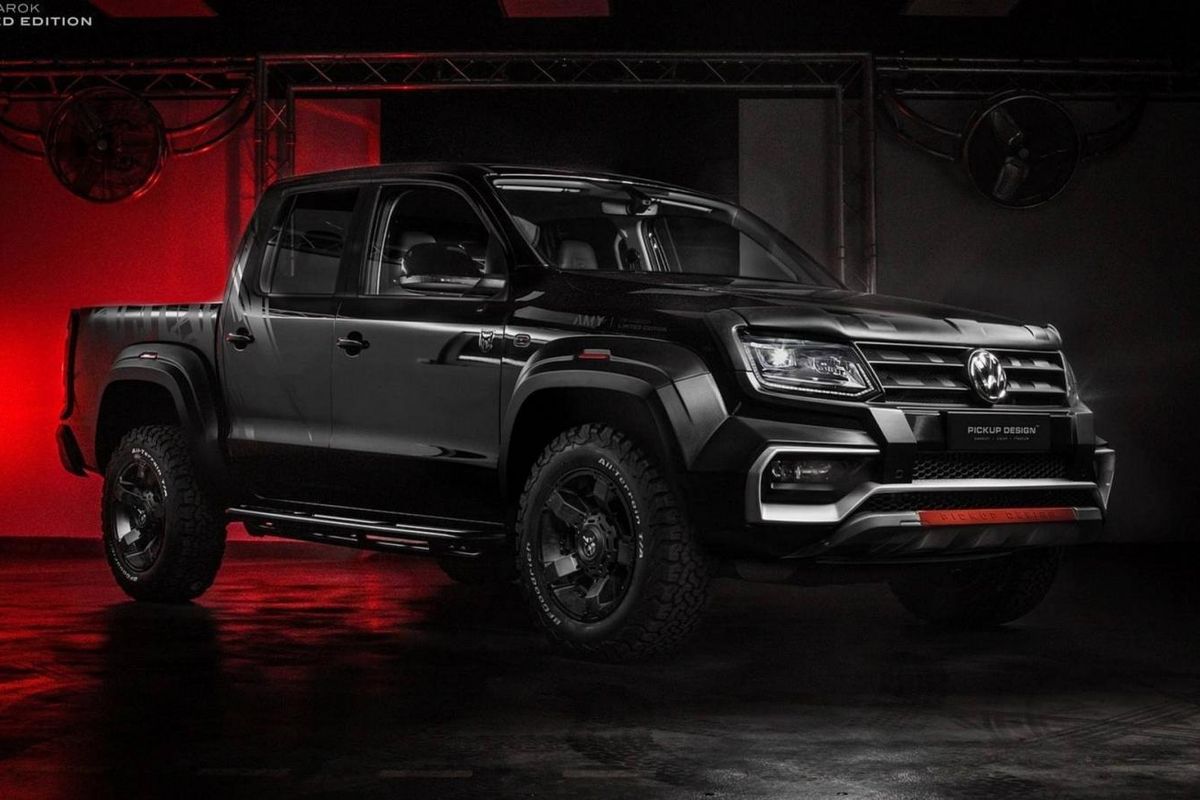
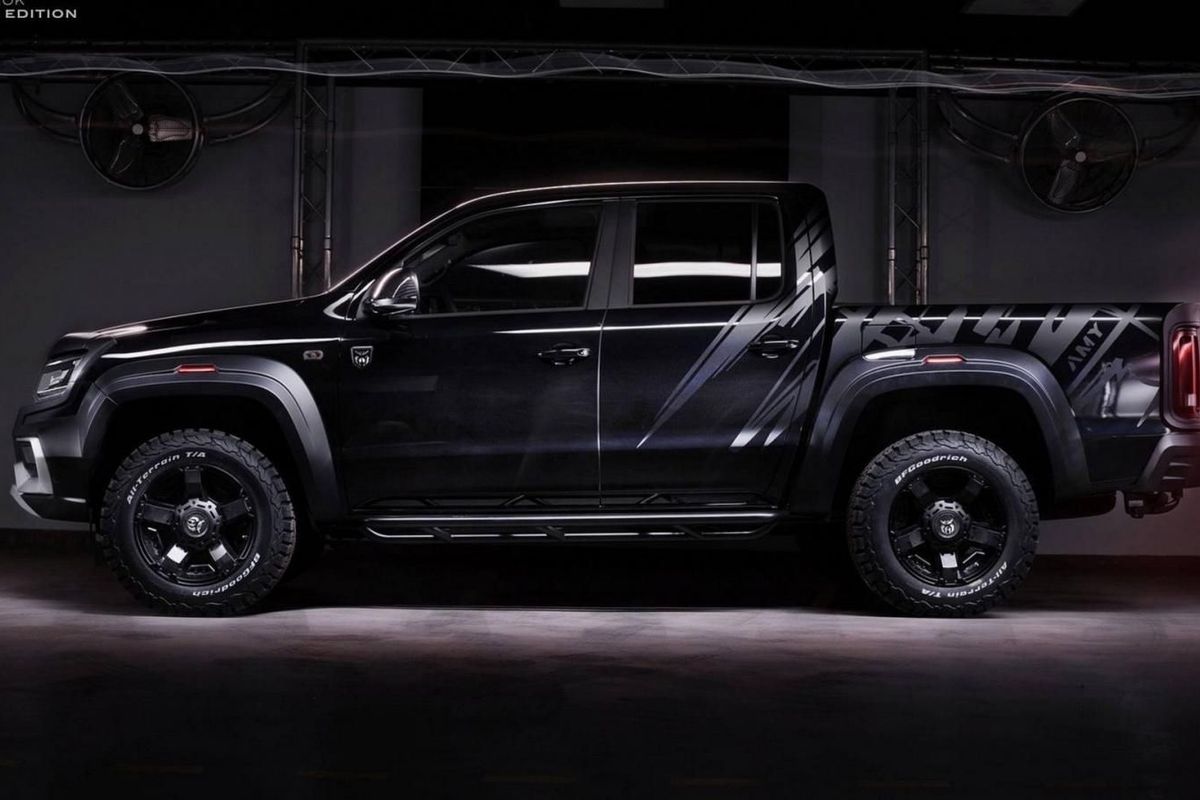
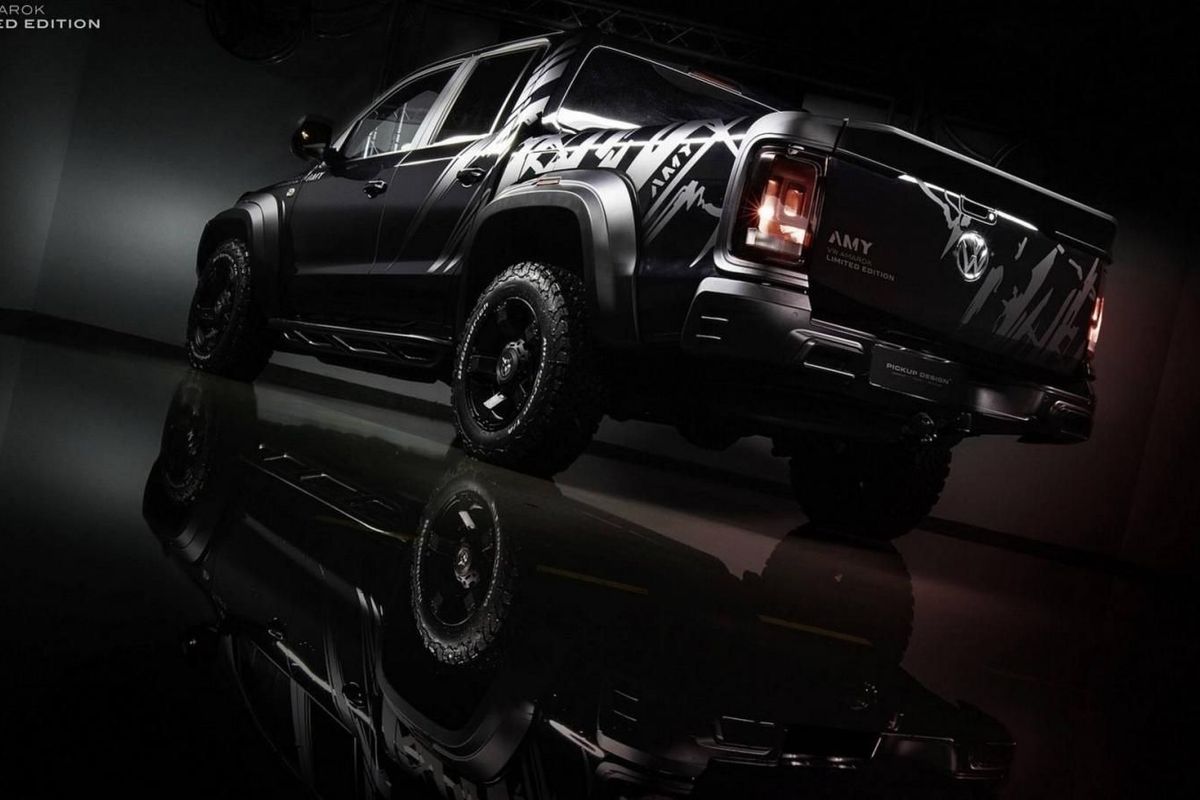
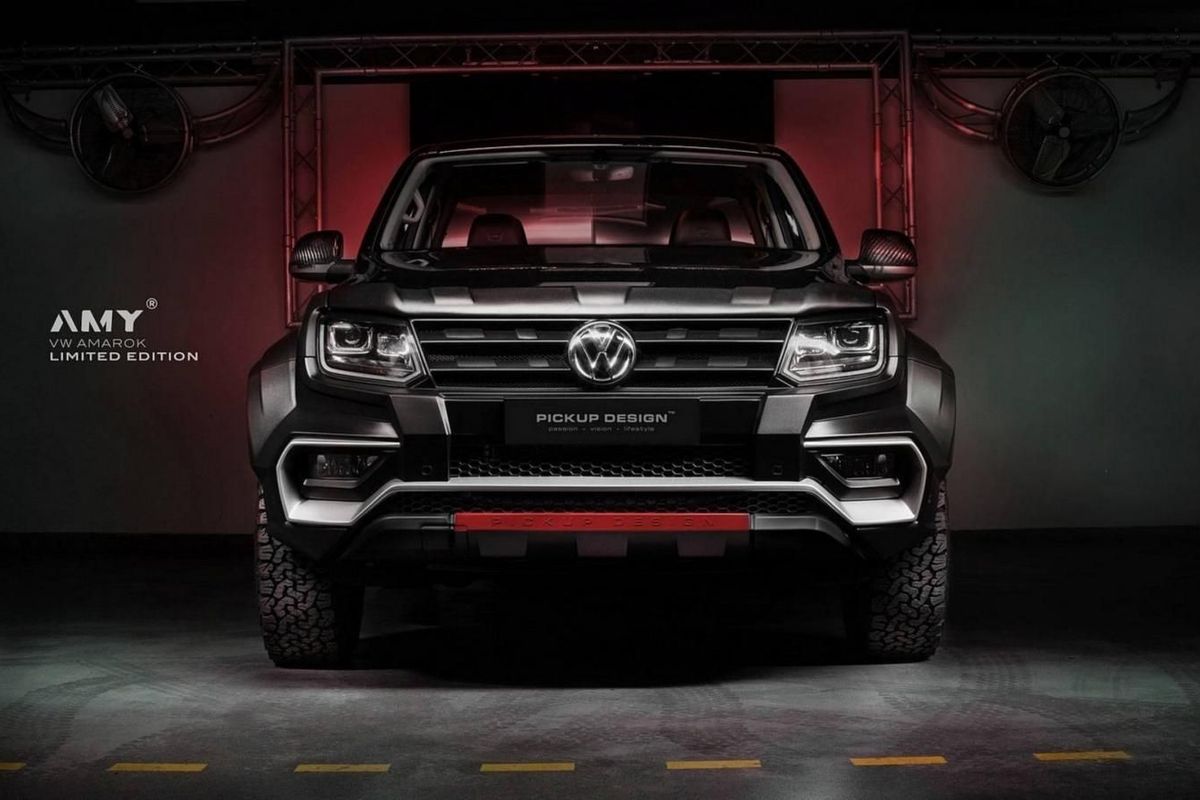
Bakkie modifying is only going to get more extreme as time goes on, thanks to the Ranger Raptor and Toyota Hilux Dakar special editions. Customers who can't afford the high-end models are forking out for replica cosmetic kits and aftermarket companies are cashing in. Carlex Design is one such company and it has released an awesome package for the Volkswagen Amarok.

Sadly this kit is only available in Germany for now, but we wouldn't be surprised to see a South African customiser create something similar. Carlex Design has created a limited kit (just 500 examples) for the Amarok, but it transforms the Wolfsburg bakkie into something quite special.

There are layers of protective paint on the outside to prevent bush rash, a new body kit, monstrous 265/60 BF Goodrich all-terrain tyres, 18-inch alloy wheels, new suspension, new side sills as well as a roof-mounted LED light bar. There's also a custom-made exhaust system which can be controlled by a smartphone app. 
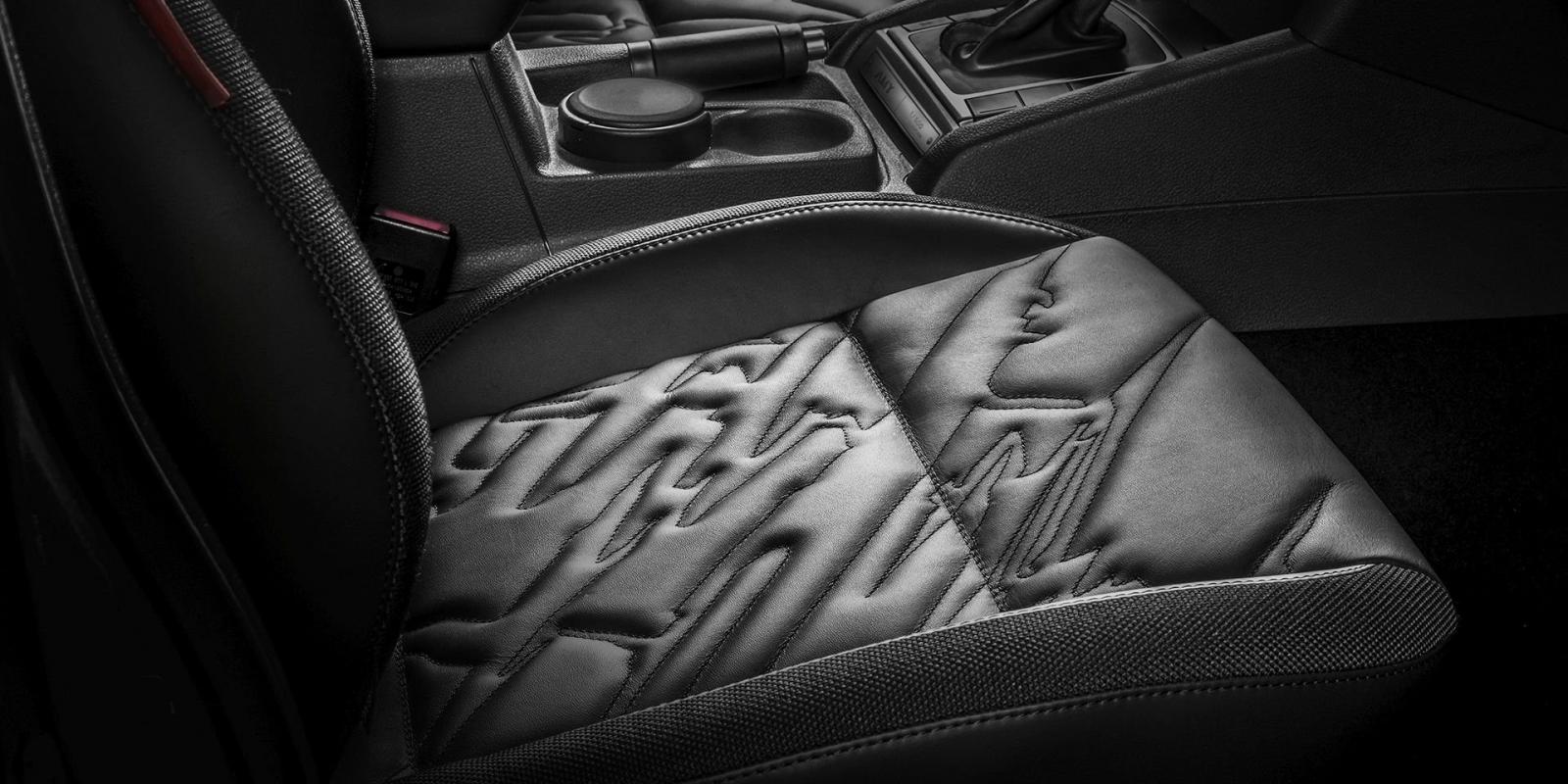
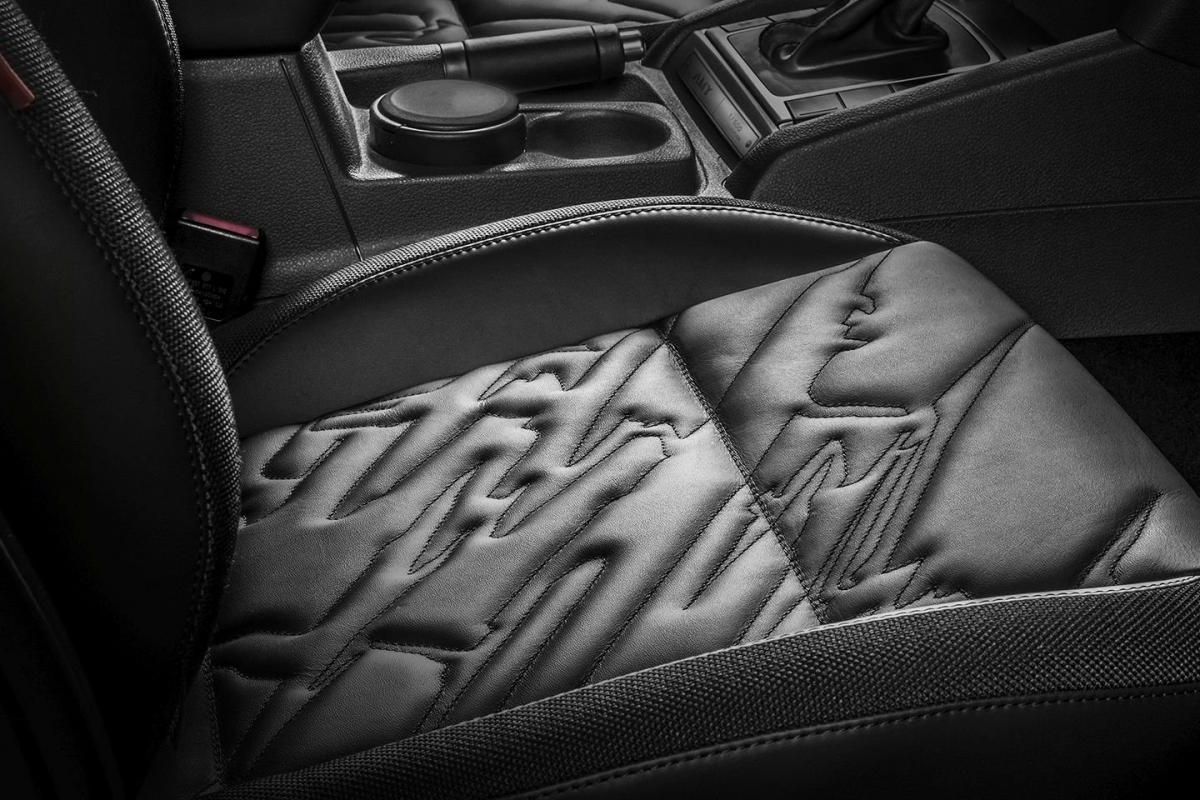
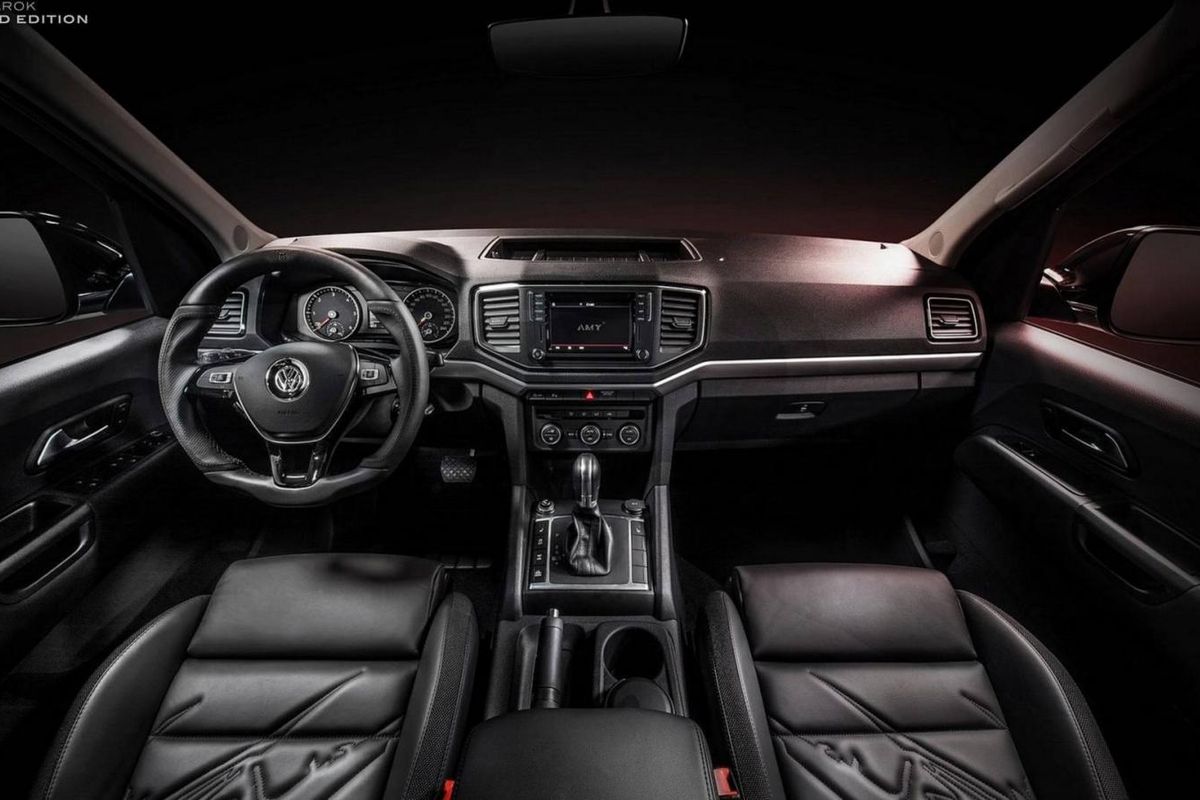
The cabin has received a tweak too, with new leather trim on the seats, centre armrest, doors, gear selector and steering wheel. The leather is in a beautiful quilting pattern, there's extensive use of Alcantara and new-look floor mats.


How beautiful are these leather seats?

Further Reading

Volkswagen Amarok 3.0 V6 TDI (190 kW) Launch Review

5 Cheapest Automatic Double-Cab Bakkies in SA

Volkswagen Amarok (2017) Specs & Pricing

3 Reasons Why Volkswagen Amarok is #CarsAwards Finalist

5 Most Expensive Double Cab Bakkies in SA

Ford Ranger Raptor (2019) International Launch Review

Ford Ranger Raptor: 7 Things You Need to Know

Toyota Hilux Dakar (2018) Video Review

Toyota Hilux Dakar Edition (2018) Launch Drive [w/Video]

Interested in buying an Amarok?

Search for a new/used example on Cars.co.za


Mercedes-Benz A-Class (2018) Specs & Price

Mercedes-Benz is launching its all-new A-Class in South Africa this week! We first drove the newcomer in April, now see how much the Stuttgart-based manufacturer's latest premium hatchback will cost upon its local release… 

What to expect: Mercedes-Benz A-Class (2018) International Launch Review

The current generation of Mercedes-Benz's premium hatchback has won many fans thanks to its striking design – it's one of the most attractive vehicles in its segment. The Stuttgart-based manufacturer hopes the all-new A-Class will be even more successful. Launching on local soil this week, the A-Class will be available with two engines, with performance-focused AMG versions following in 2019.

Codenamed the W177, this new Mercedes-Benz A-Class brings a considerable number of technologies to the segment, such as the Mercedes-Benz User Experience (MBUX) infotainment system. What's more, several safety systems from the S-Class first class sedan make their debut in the hatchback. For example, the car's cameras and radar can scan the road 500 metres ahead and it'll be able to recognise pedestrians and cyclists. There will be a fair degree of autonomy too:  the car can automatically follow the traffic in front of it and prevent bumper bashes by applying automatic braking. 


The cabin of the new Mercedes-Benz A-Class looks very upmarket and tech-focused.

The 2 engines are both turbocharged 4-cylinder petrol powerplants mated with 7G-Tronic dual-clutch transmissions.

  • A200: 1.3-litre turbo with 120 kW and 250 Nm. It can do 0-100 kph in a claimed 8.0 seconds.
  • A250: 2.0-litre turbo with 165 kW and 350 Nm. It can do 0-100 kph in a claimed 6.5 seconds.

In terms of consumption, the A200 is claimed to consume 5.2 – 5.6 L/100 km, while the A250 is claimed to use between 6.2 and 6.5 L/100 km.

We'll have more details about the features, performance, and availability of the new A-Class from launch. 

2019 Mercedes-Benz A-Class Price in South Africa

Mercedes-Benz A200   R499 000

Mercedes-Benz A250   R593 300

Related content:

Mercedes-Benz A-Class (2018) International Launch Review

Mercedes-Benz A-Class L Sedan debuts in Beijing

5 Cool Tech Features of New Mercedes-Benz A-Class

Track Race: Audi RS3 vs Mercedes-AMG A45

Design Sequels: 4 That Missed the Mark & 4 That Broke the Mould

Searching for a used A-Class?

Start your search here

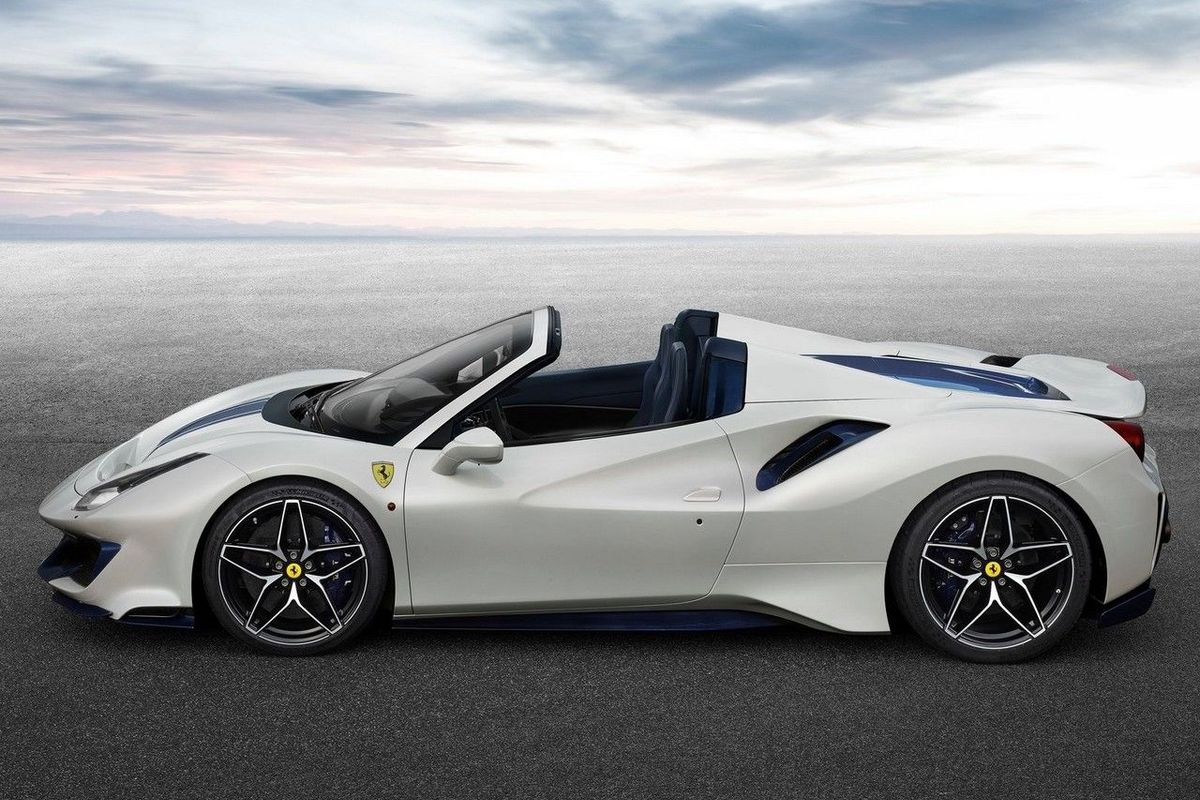
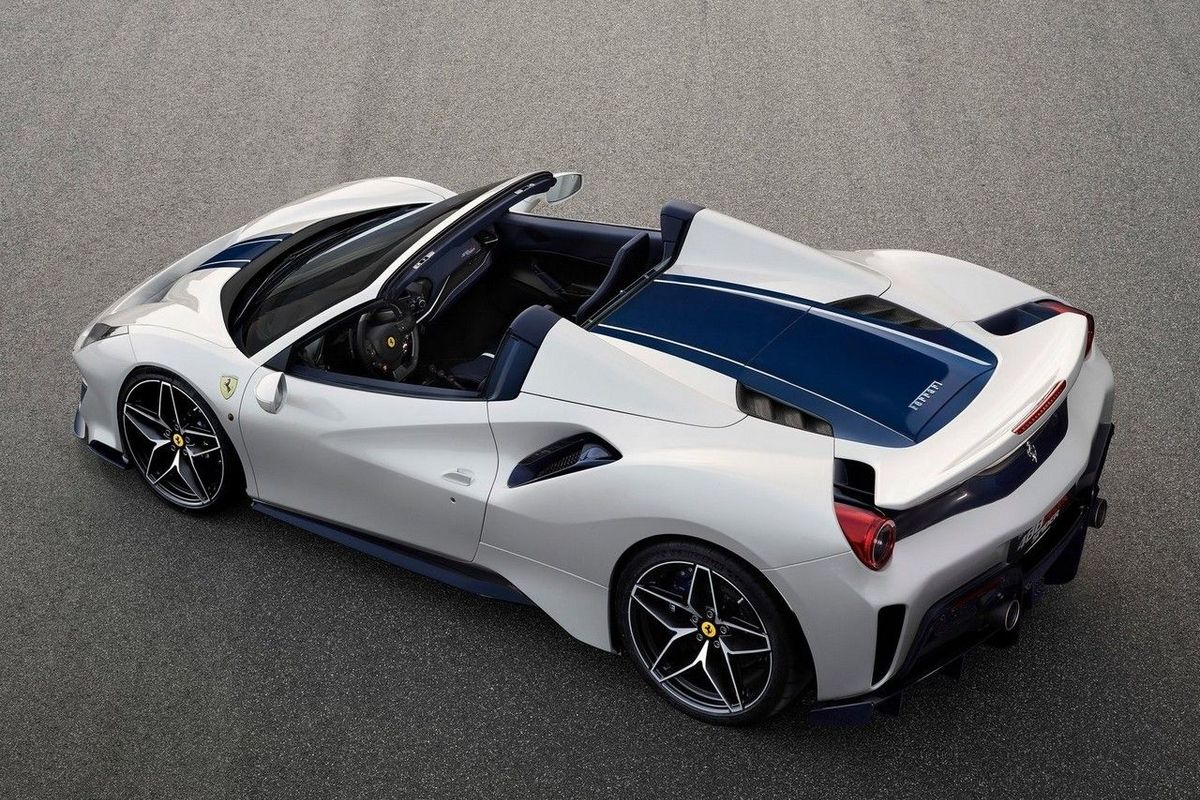
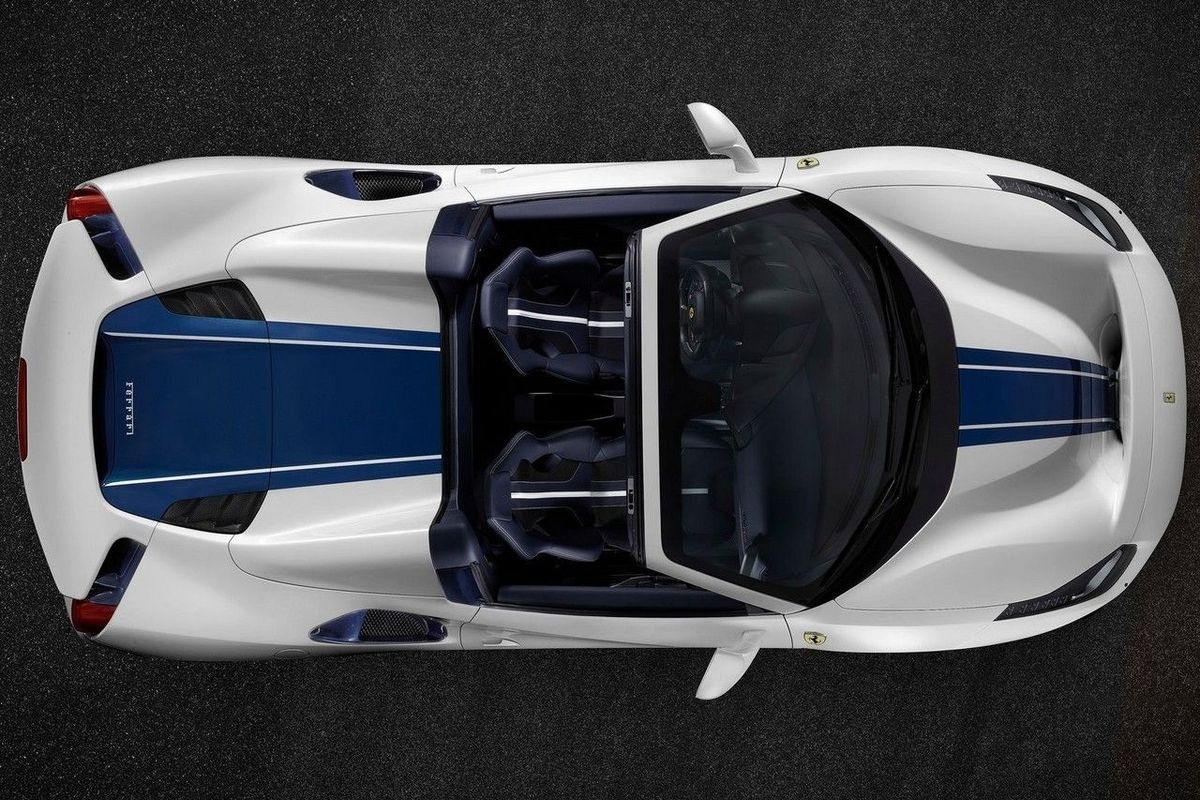
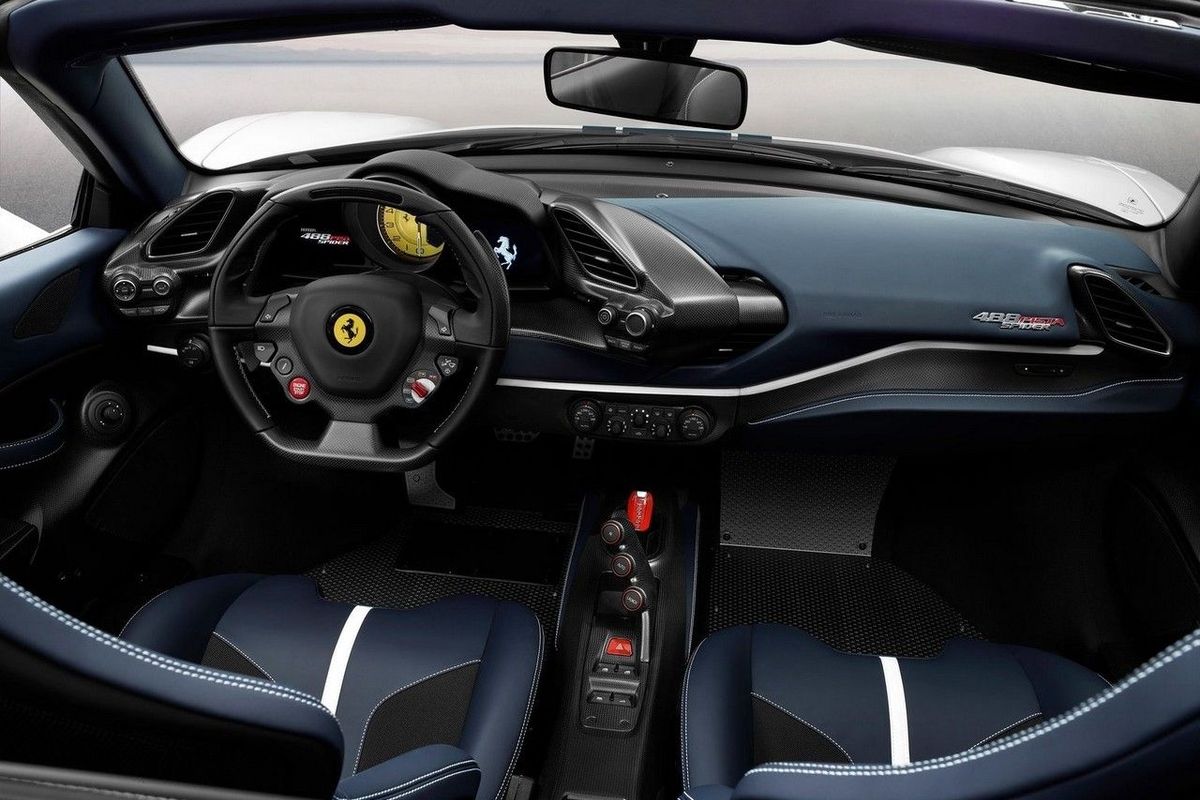
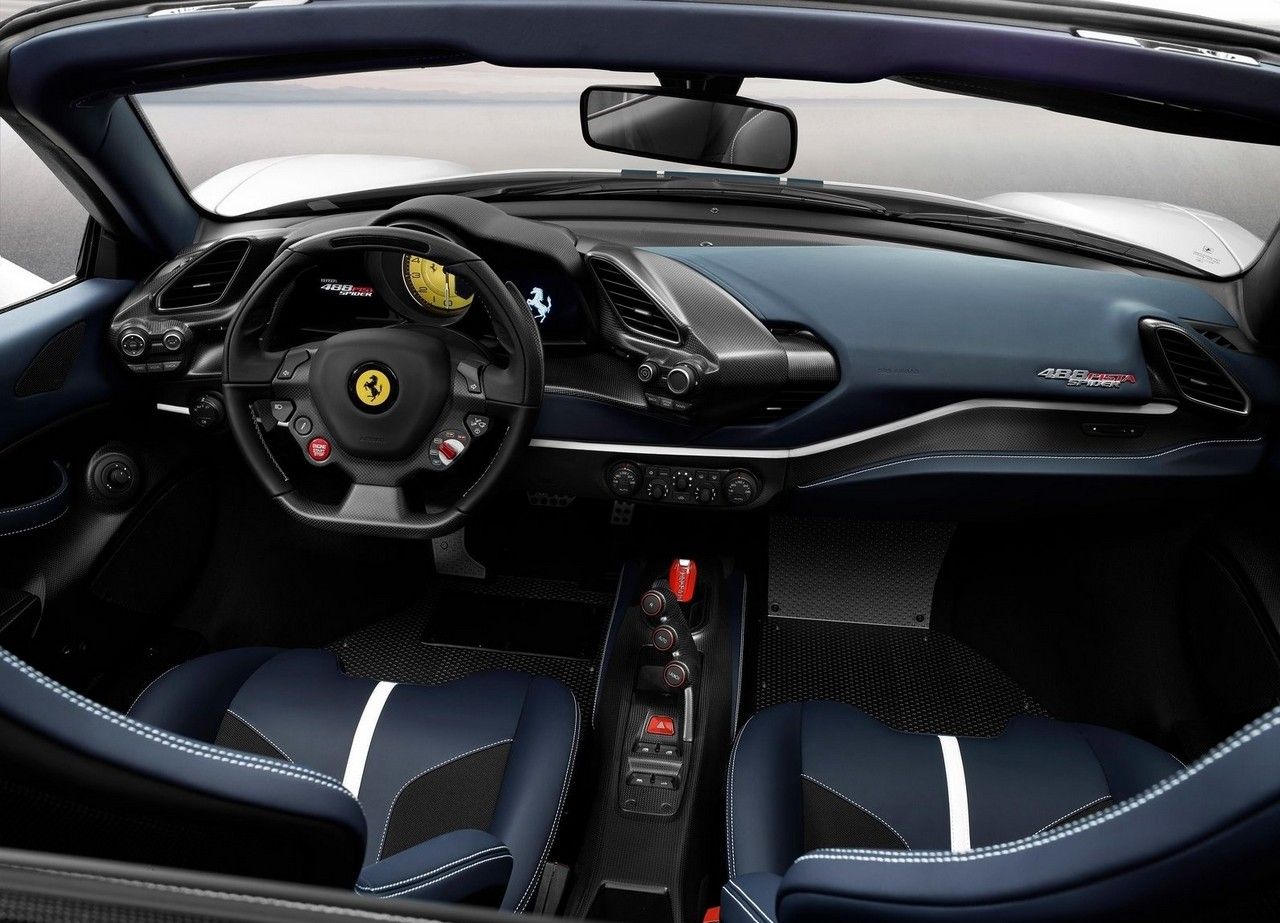
Ferrari Announces 488 Pista Spider

Italian supercar maker Ferrari has used the Concours d'Elegance at Pebble Beach in California, to show off its all-new 488 Pista Spider. Here's what you need to know about the newcomer.

The 488 Pista Spider is the 50th convertible from Ferrari and seeing as the United States has always been a big customer of drop-top Ferraris, Pebble Beach was the perfect location for the debut. Much like the coupe Pista upon which it is based, the Spider the most powerful Ferrari V8 engine. Bolstered by twin-turbochargers, the 3.9-litre V8 pushes out a stonking 530 kW and 770 Nm, which is enough to see it hurtle to 100 kph in a claimed 2.85 seconds. What's even more terrifying is that after 8 seconds, the Pista Spider will have breached the 200 kph mark and will max out at a claimed 340 kph.

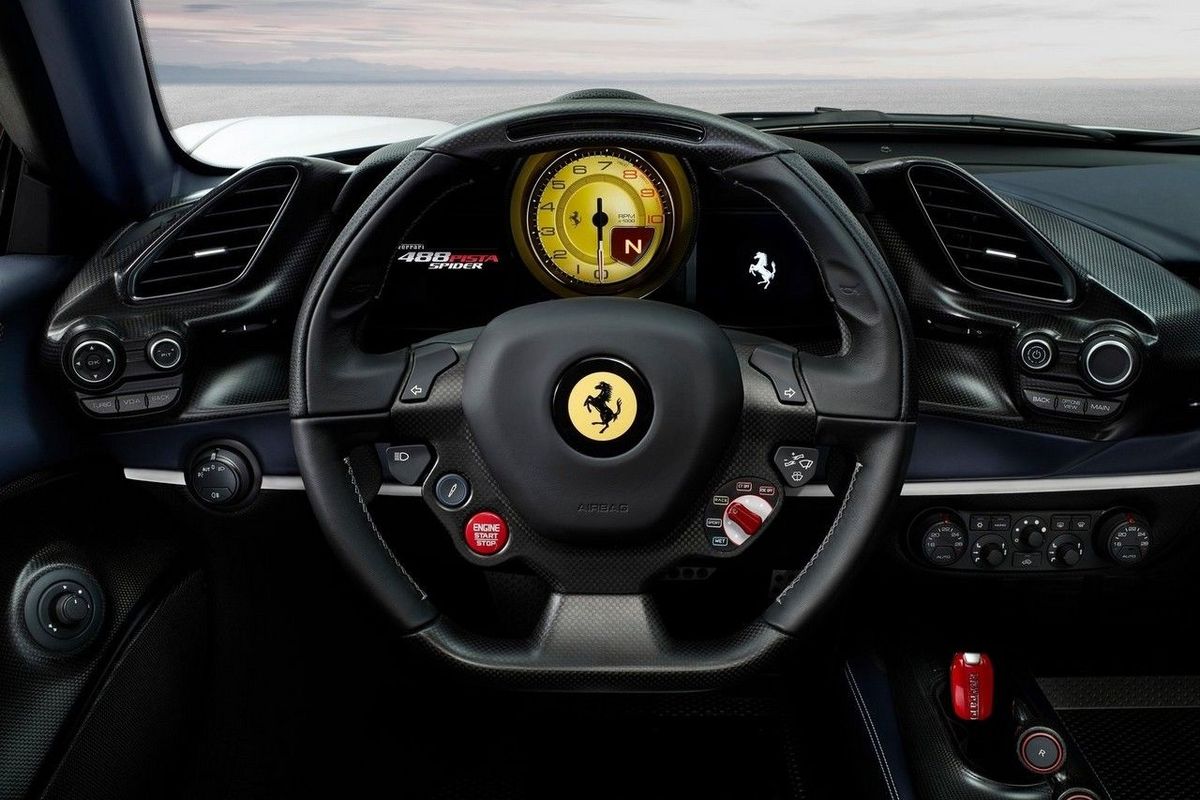
The Ferrari Pista Spider is essentially a convertible version of the Pista coupe – itself a racetrack-honed road-legal weapon. Combining incredible aerodynamics, lightweight materials used both inside and out and tech straight from the Challenge/GTE racecars, the Pista is claimed to offer "highest level yet of technological transfer from the track to a road-legal drop-top car."


Seeing as this is a race car for the road, there are no carpets or door handles in an effort to save weight

Further Reading

Concours South Africa: Mega Gallery

Ferrari Cleans Up At International Engine of the Year

Ferrari 812 Superfast Revealed

530 kW Ferrari 488 Pista Revealed

Ferrari unleashes Portofino topless GT

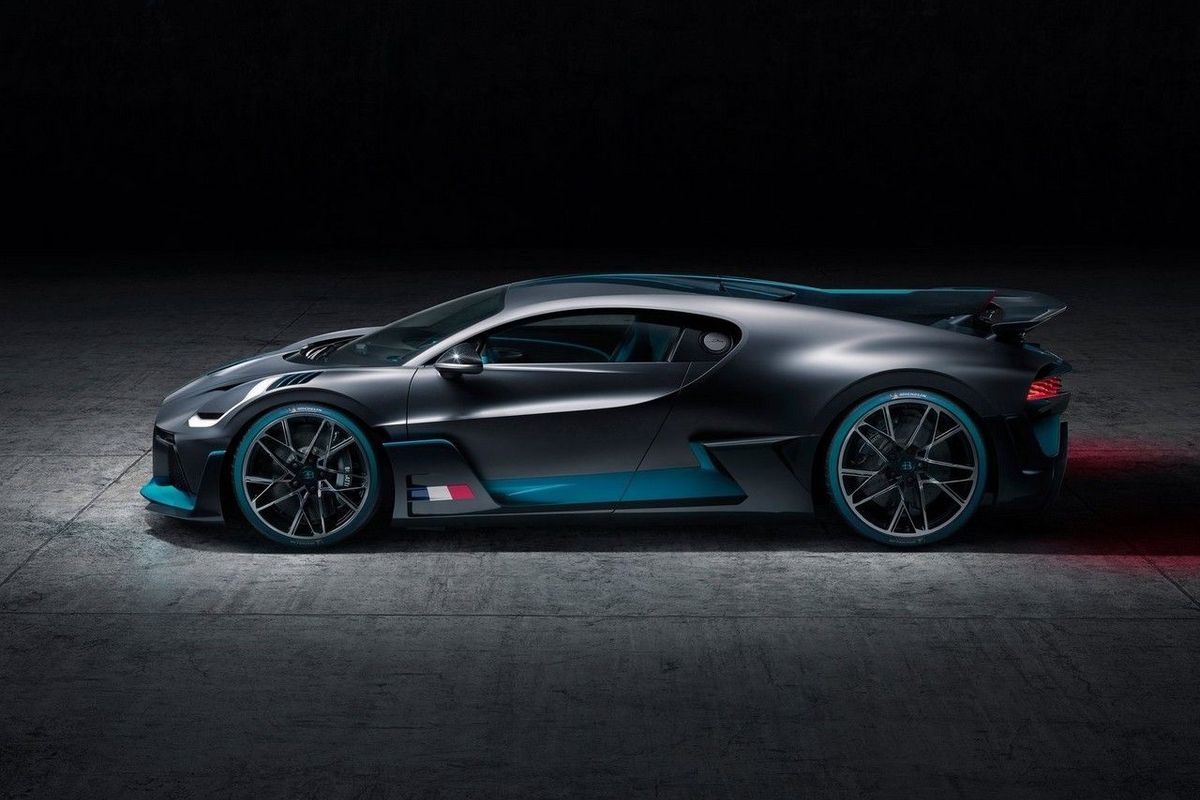
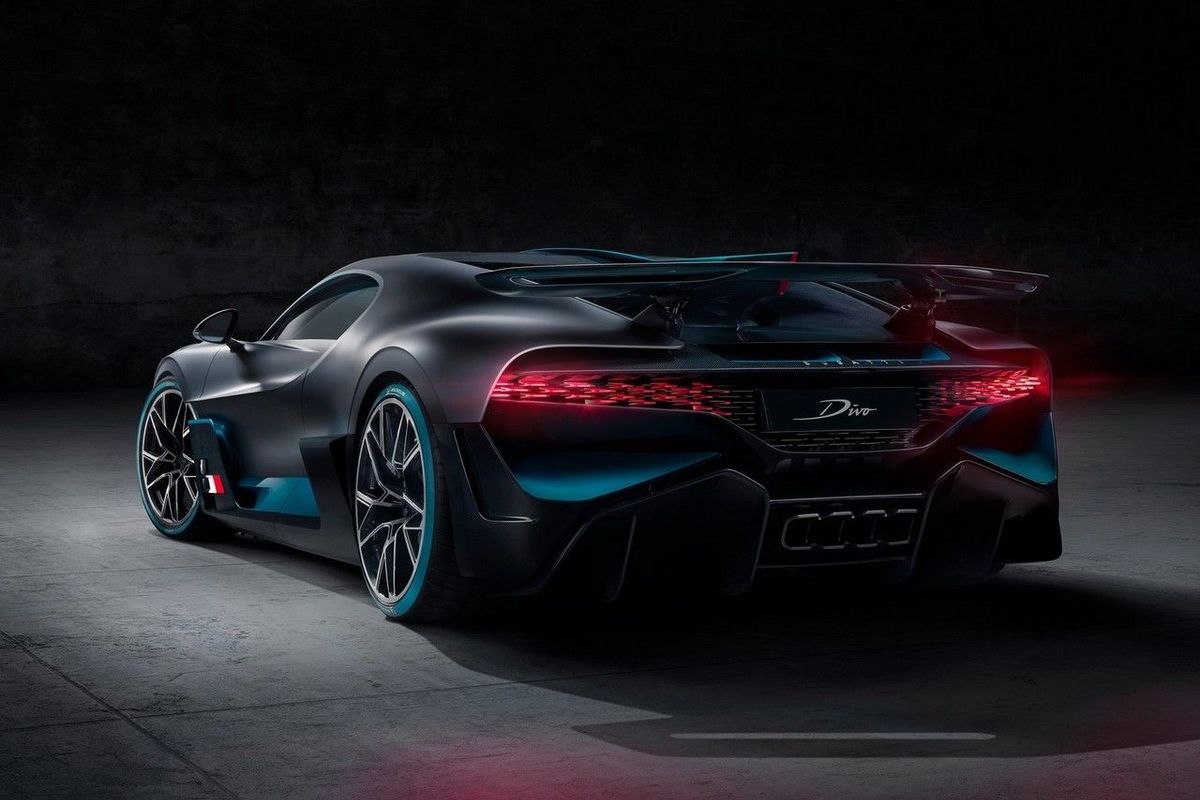
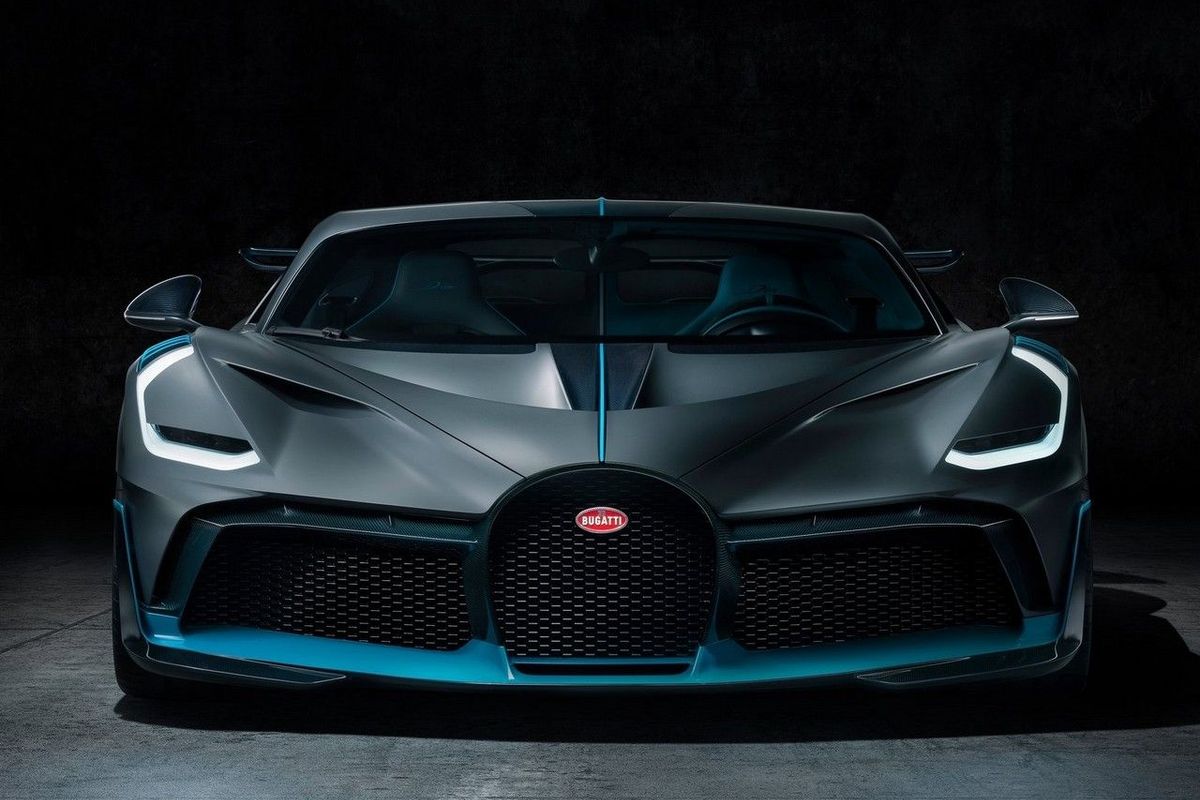
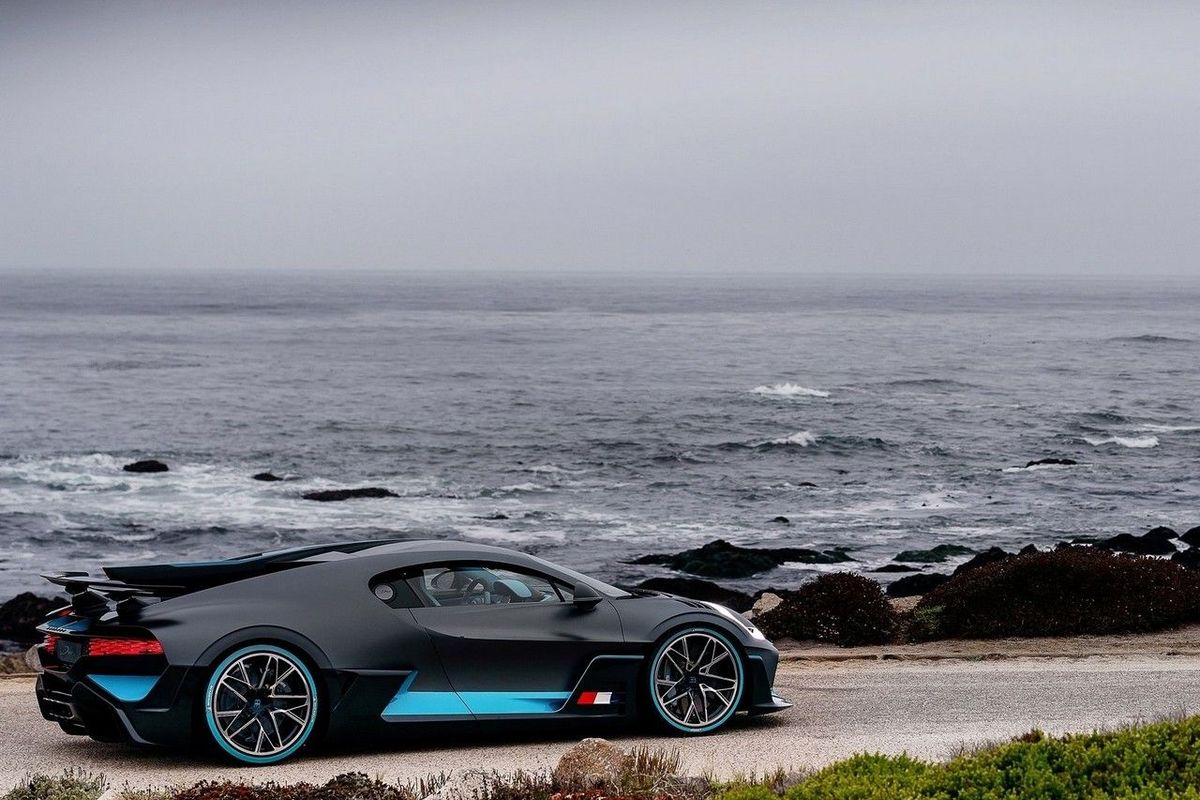
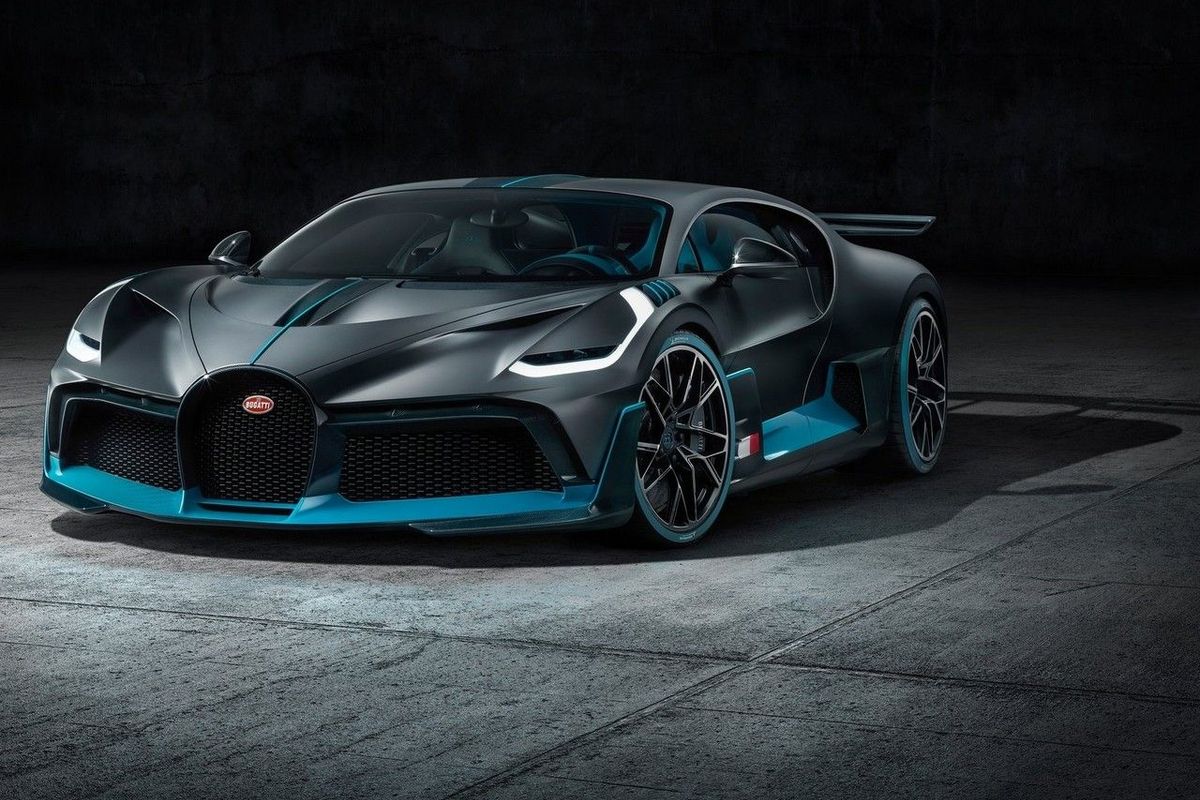
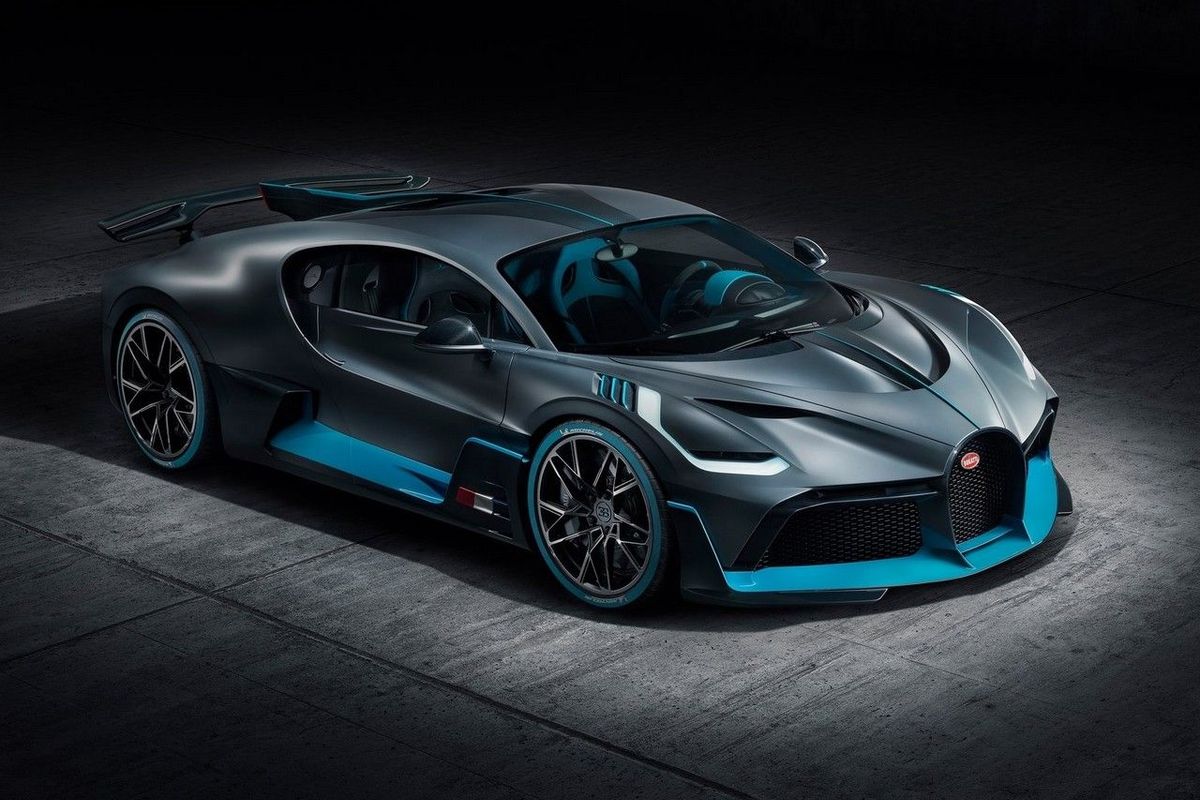
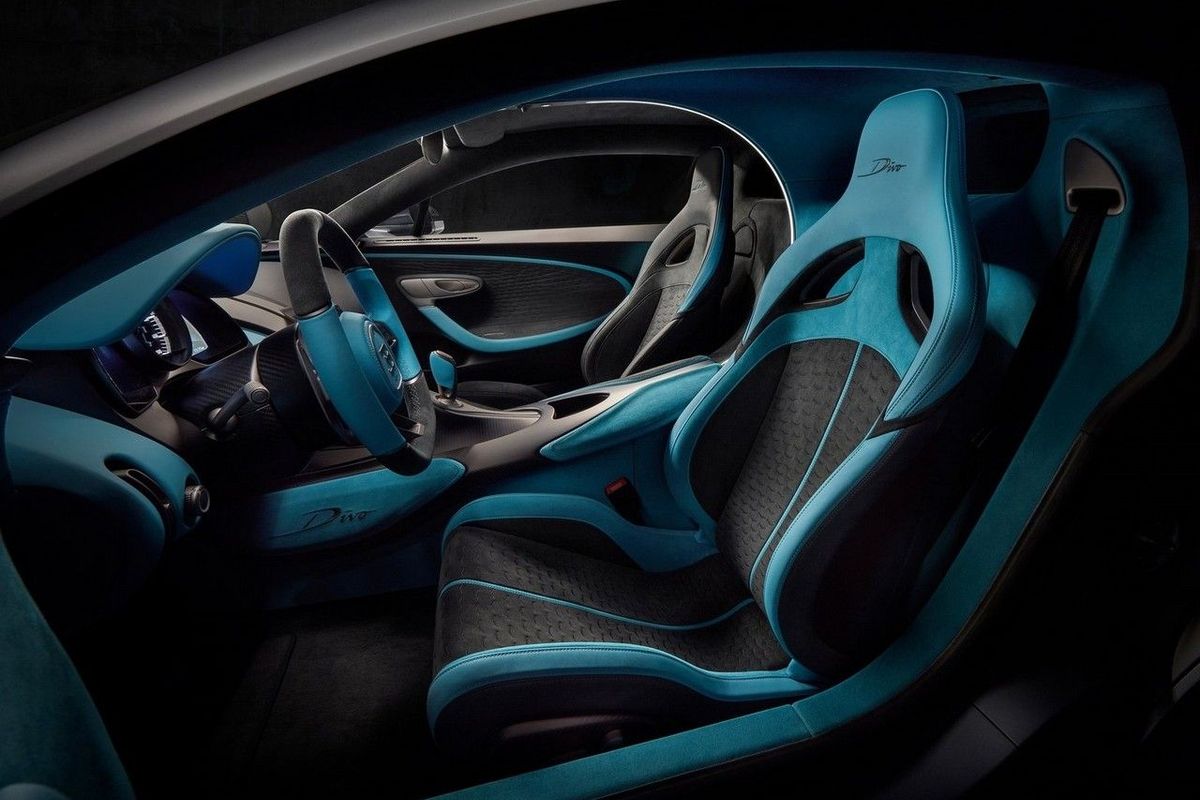
Bugatti Showcases Divo Hypercar [Gallery]

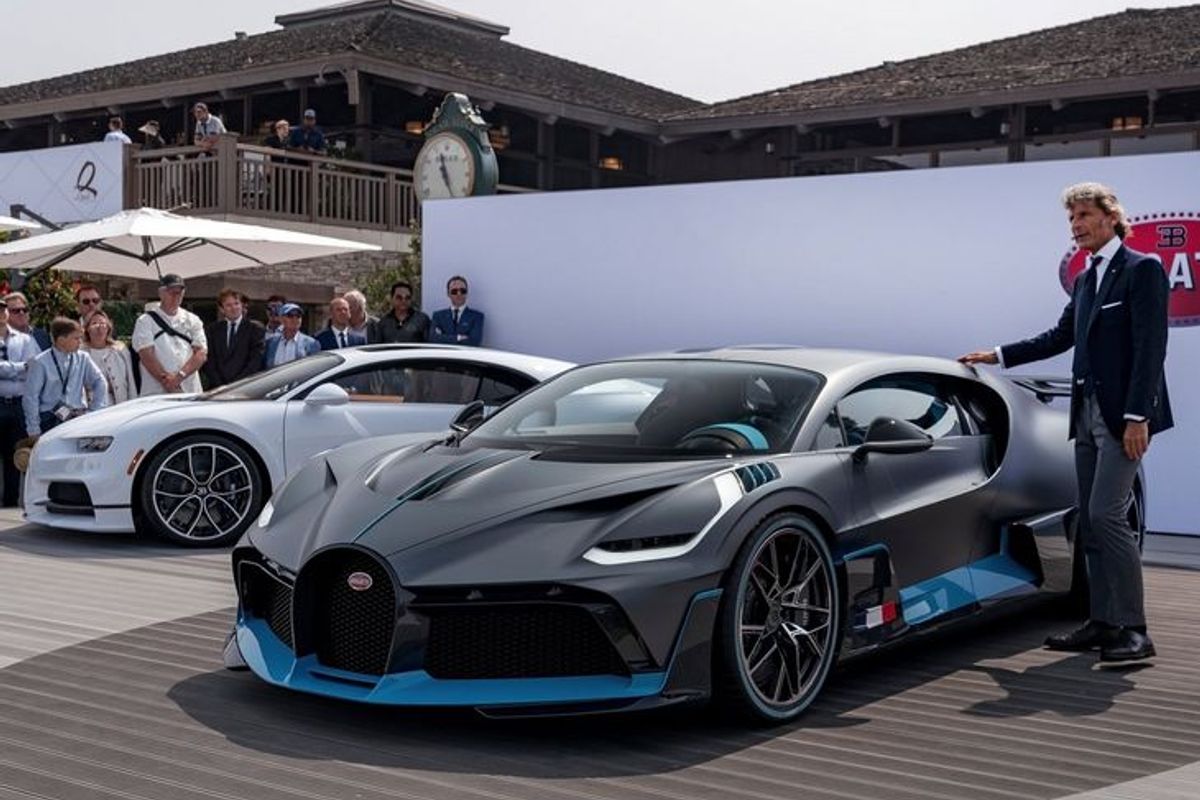
Bugatti has used the Pebble Beach Concours d'Elegance event to unveil its new hypercar. Let's meet the Bugatti Divo.

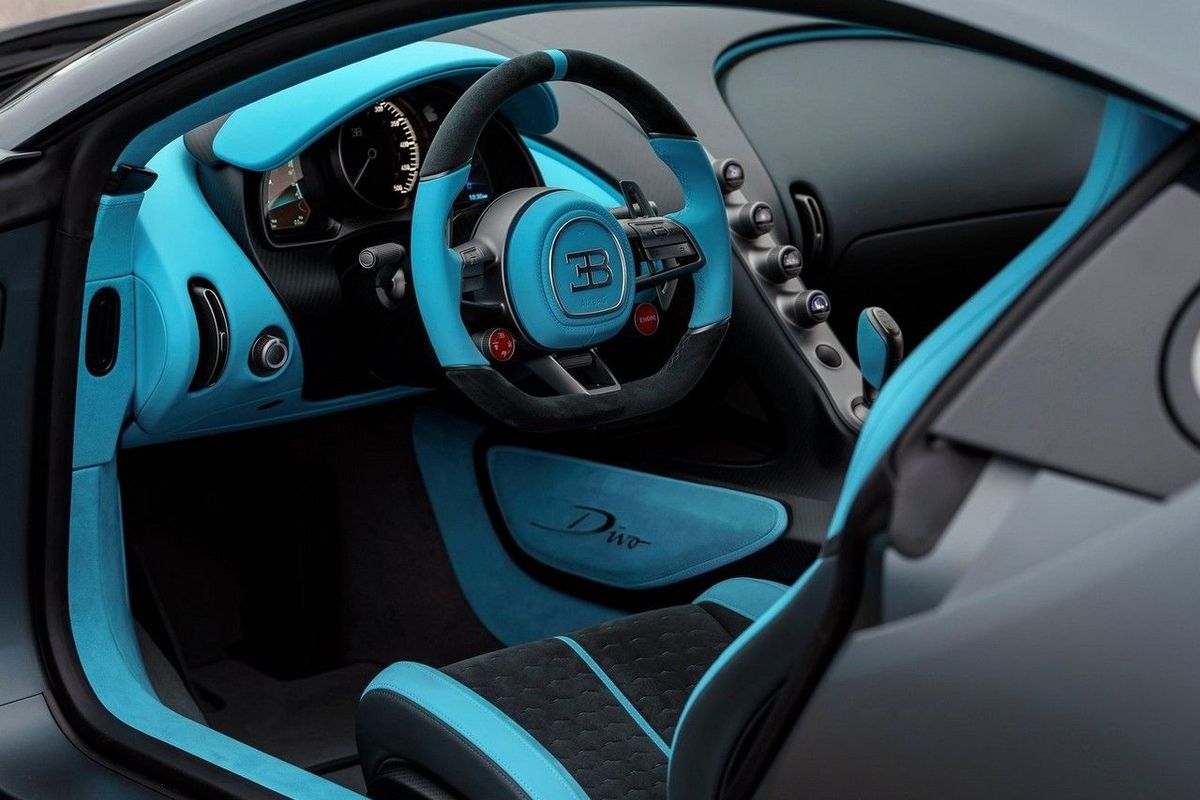
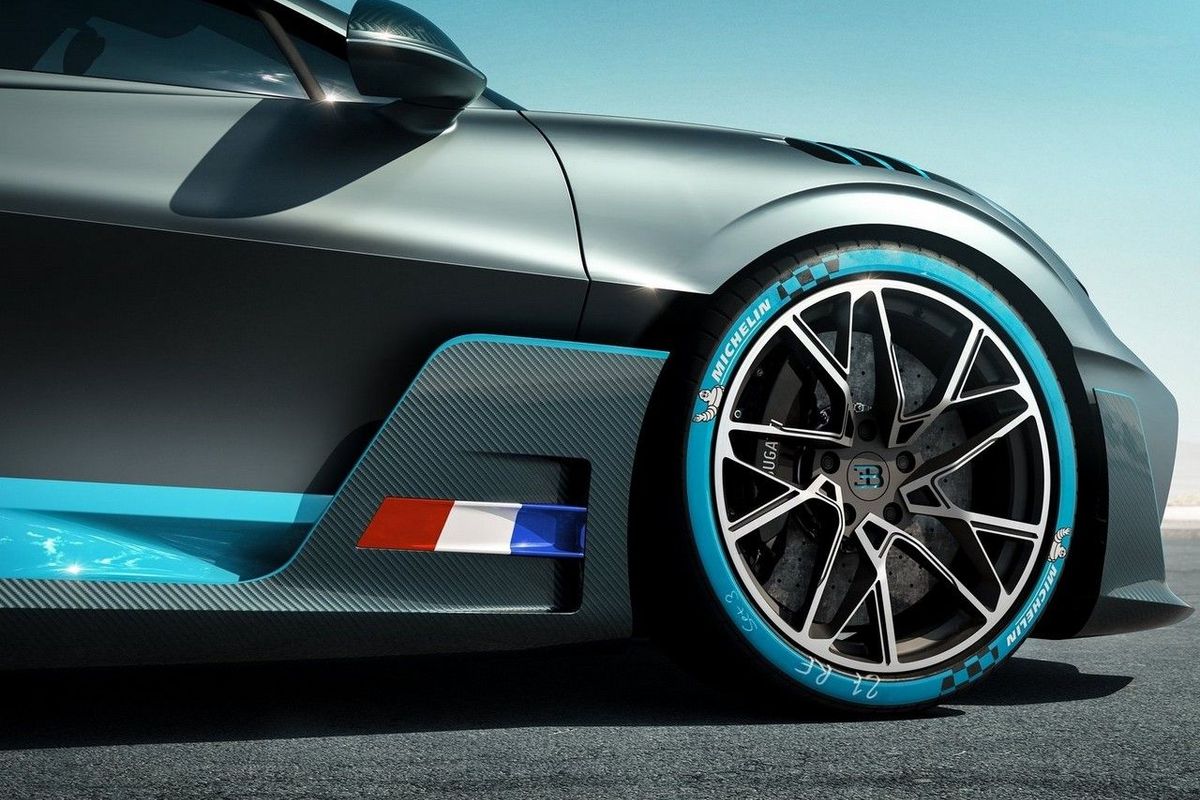
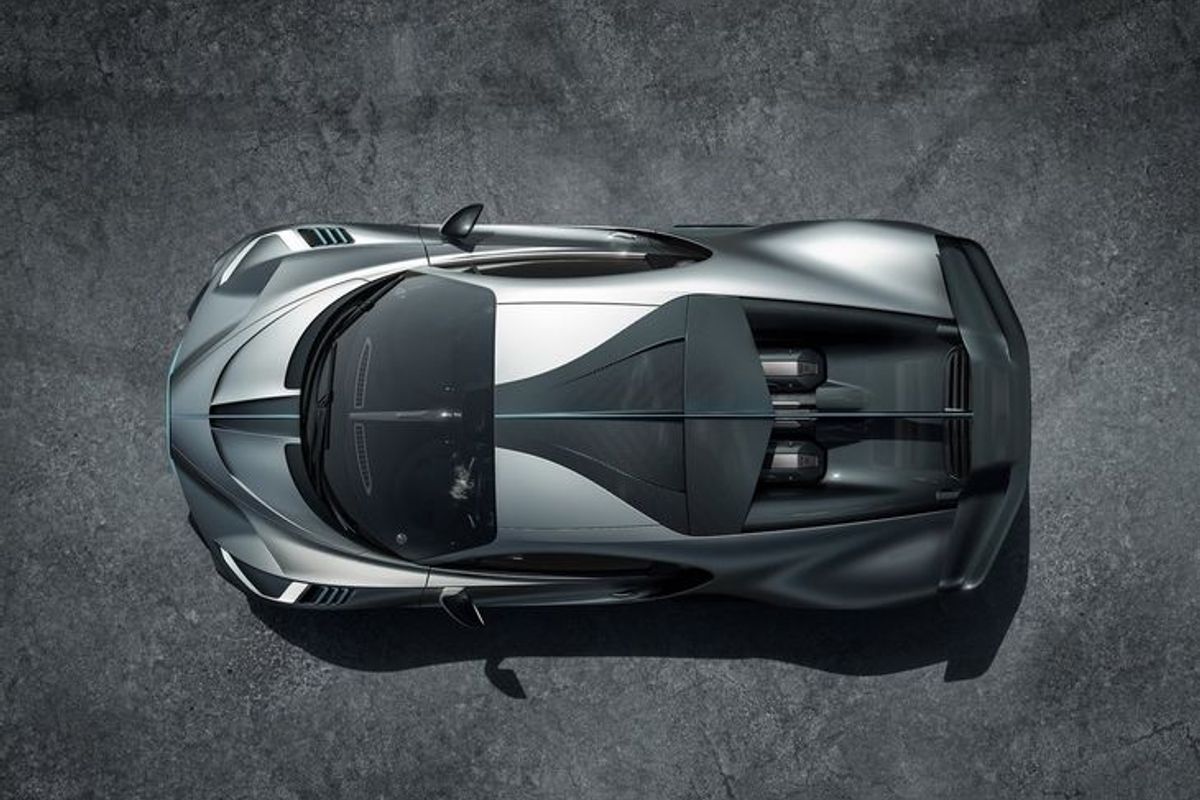
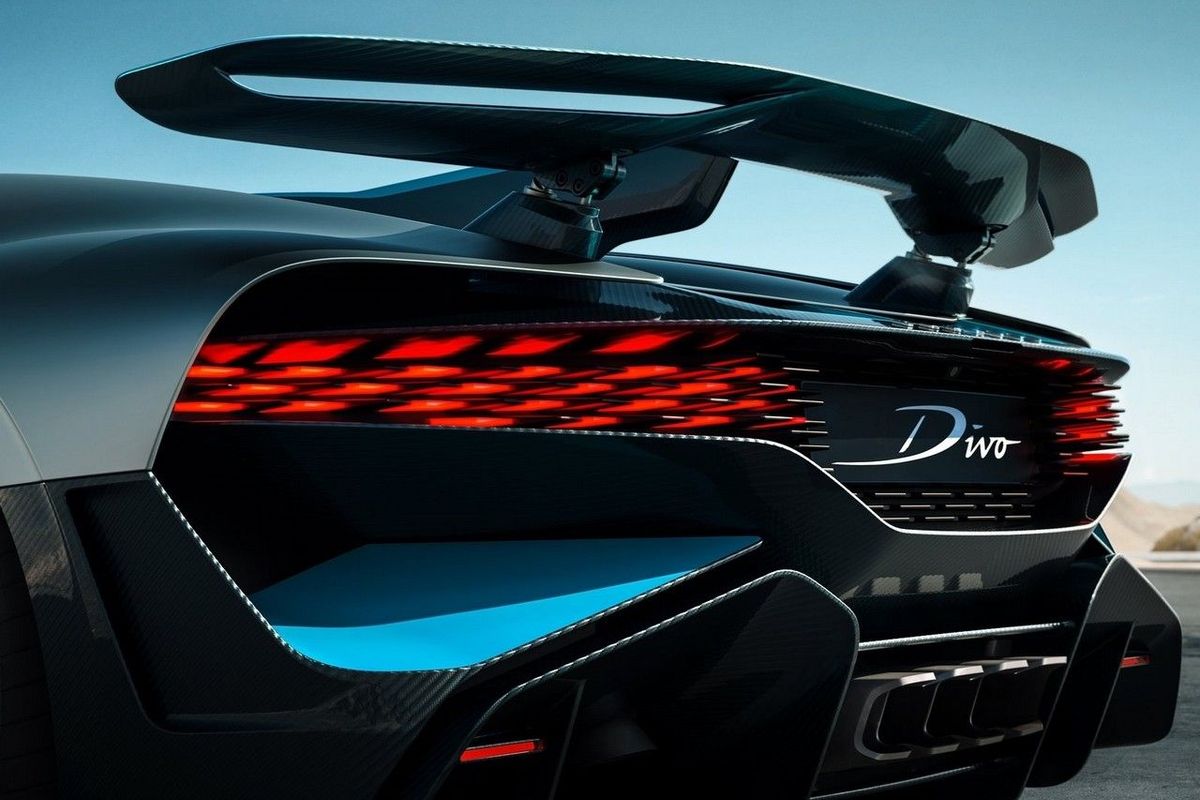
French luxury carmaker Bugatti has revealed the Divo, a new hypercar based on the Chiron. From looks alone, its sensational, but things become even more unreal when you look at the numbers. The Divo is powered by the iconic 8.0-litre W12 motor with 1 120 kW. Bugatti claims the Divo 35 lighter and boasts 90 kg more downforce in comparison to the standard Chiron. It boasts a top speed of 380 kph and can lap the Nardo handling circuit 8 seconds faster than the Chiron. Essentially, this is a faster, lighter and more agile Chiron.

"When I took up my position at Bugatti at the beginning of the year, I soon learnt that our customers and fans were waiting for a special vehicle which would tell a further story for the brand in addition to the Chiron," said Stephan Winkelmann, President of Bugatti Automobiles S.A.S. Named after Albert Divo, a French racing driver in the 1920s, the Bugatti Divo has received substantial aerodynamic revisions, such as a new height-adjustable rear spoiler which can work as an air brake. This rear spoiler can provide 456 kg of downforce. There are also new chassis and suspension settings, and the car was put on a diet to shave unwanted kilograms.

Bugatti will be building just 40 Divos and all have been sold out, at a price of €5 million (over R80 million).

Further Reading

Bugatti unleashes 420 kph Chiron

Bugatti Vision Gran Turismo Concept

Bugatti Veyron La Finale – The Last One

Bugatti Chiron (2017) International First Drive

Bugatti Galibier and SuperVeyron cancelled

Lamborghini Aventador SVJ is one wild Lambo

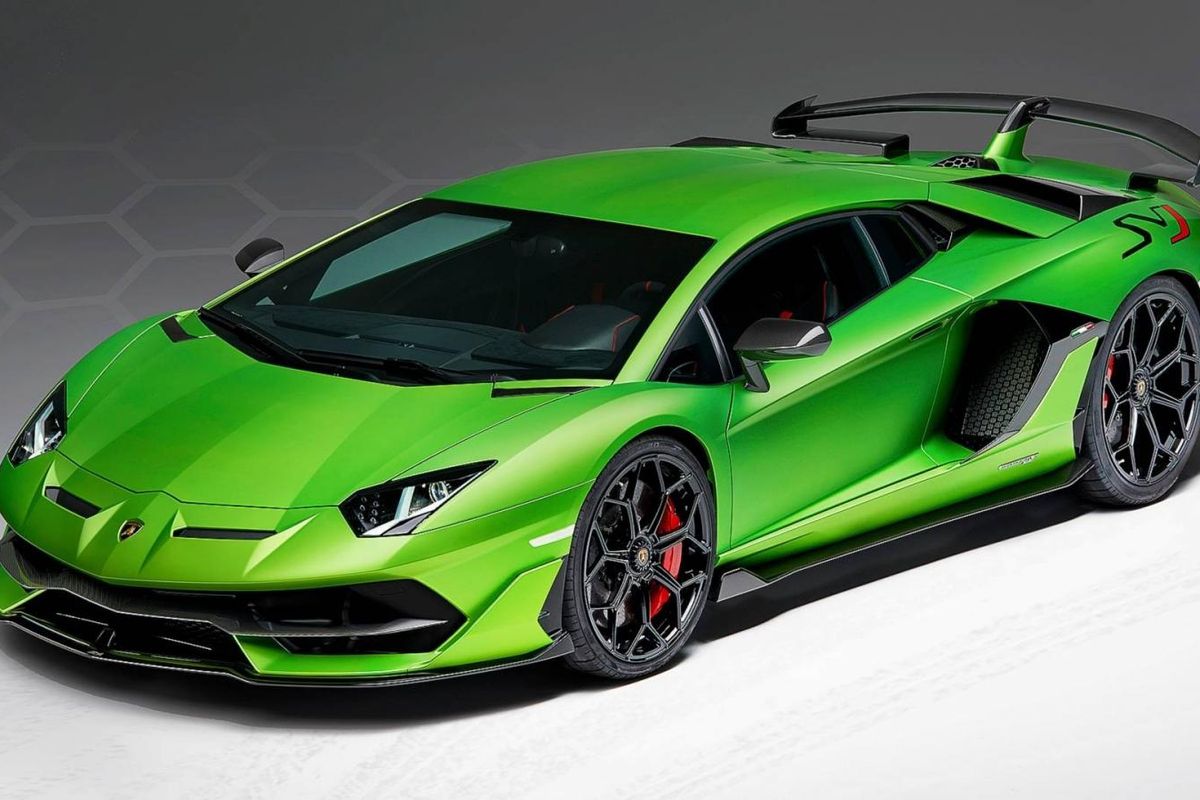
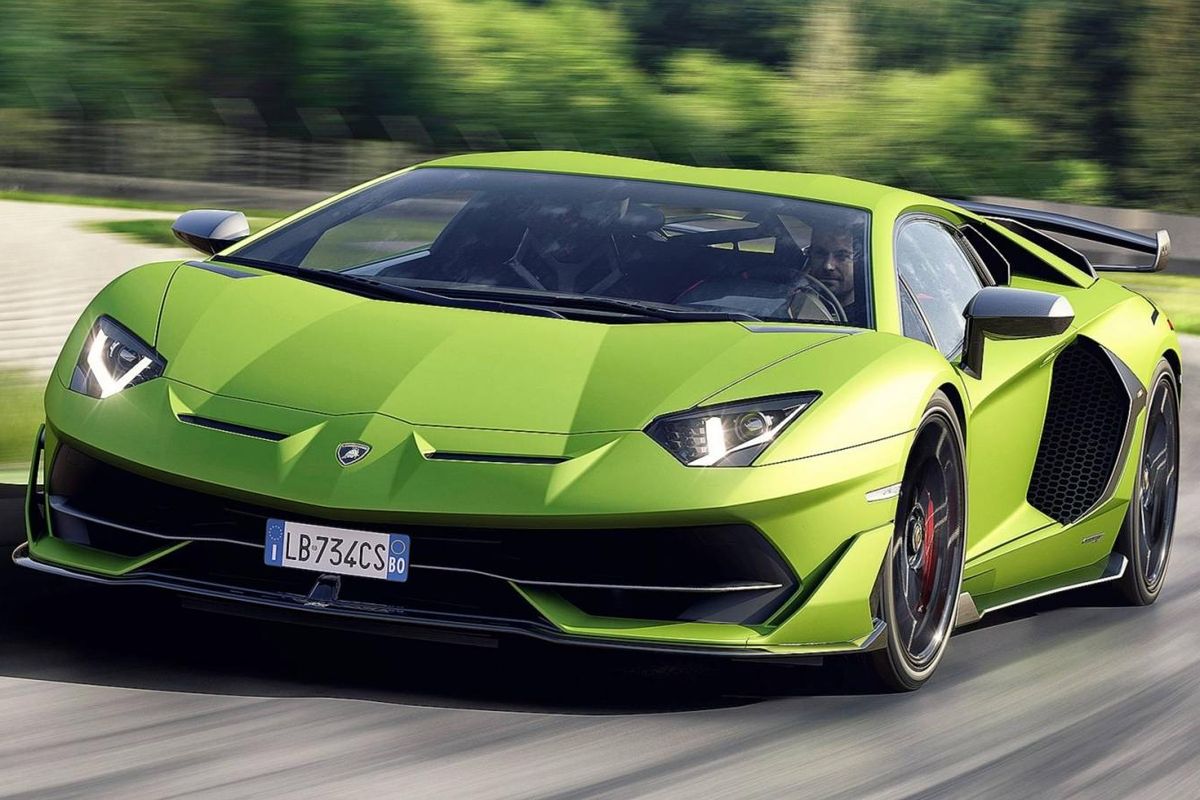
Lamborghini has released details of the most potent Aventador the St'Agata-based firm has ever produced: the 566 kW SVJ.

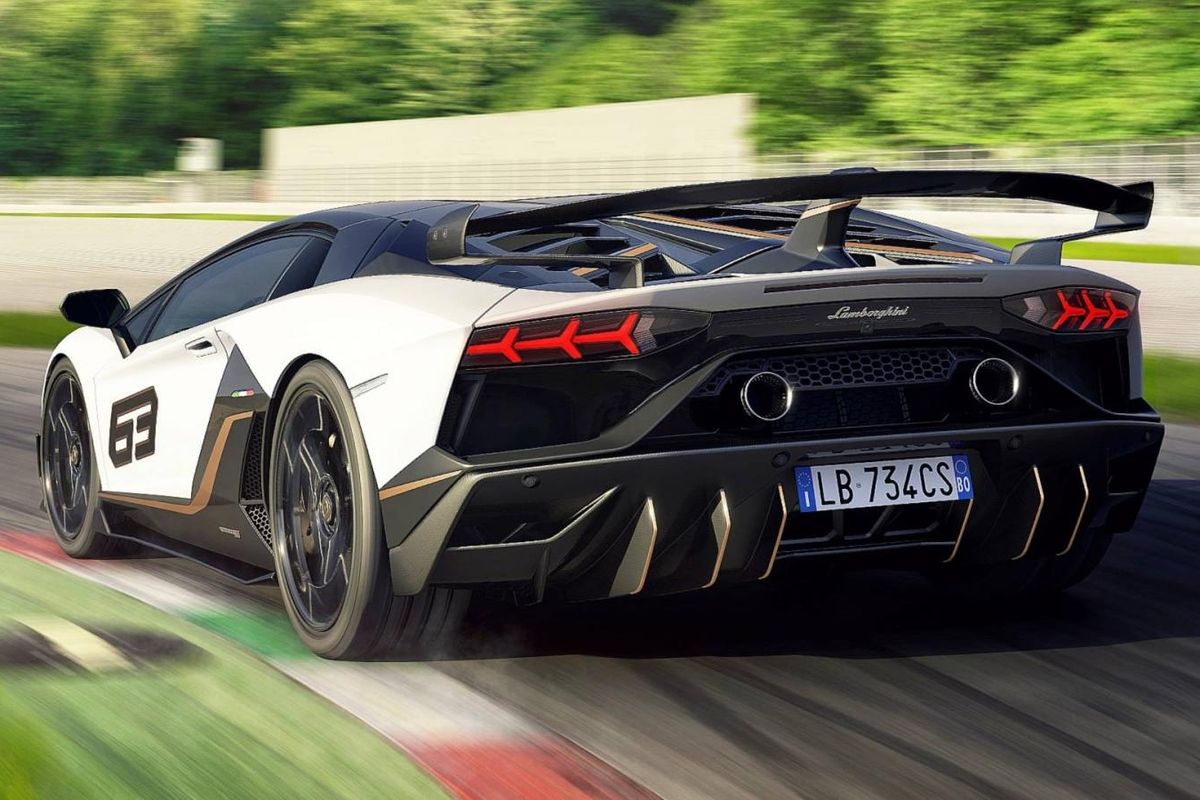
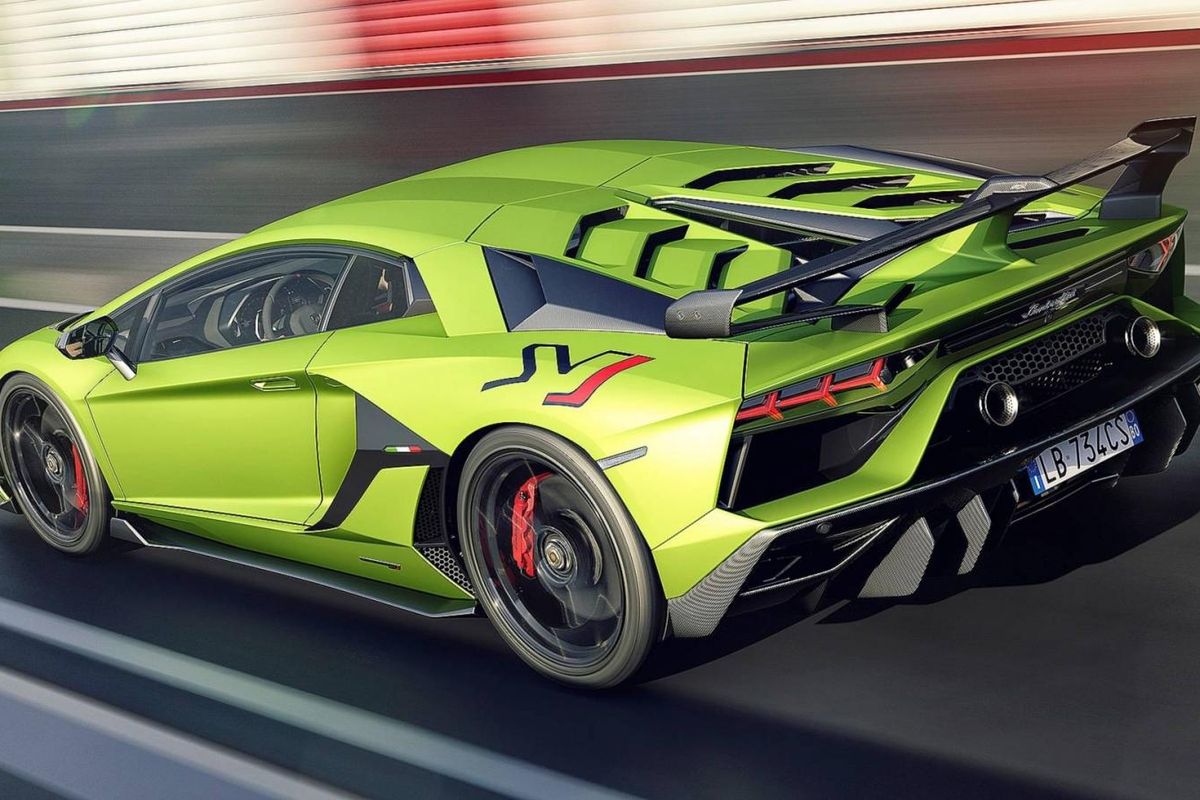
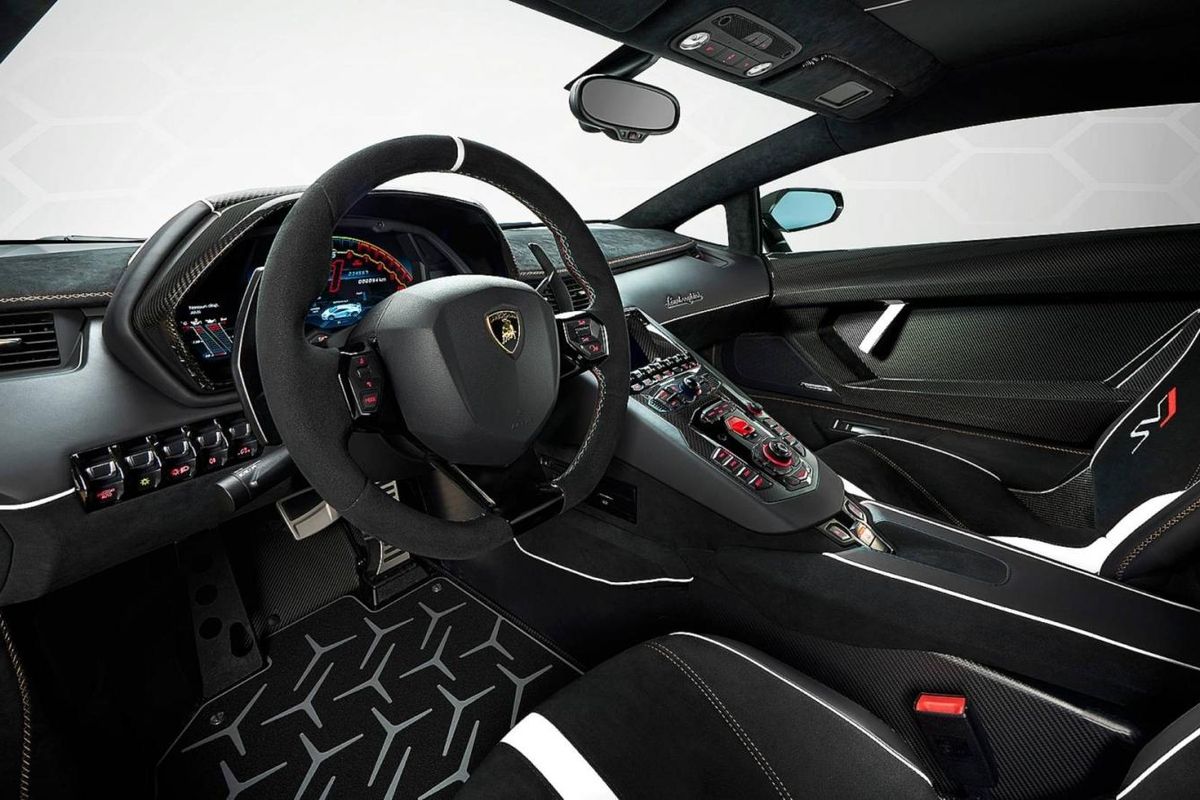
Making its debut at the 2018 Pebble Beach motor show in California, the Aventador SVJ is Lamborghini's most powerful V12-engined model to date. Its upgraded mid-mounted V12 motor produces peak outputs of 566 kW, 720 Nm of torque and, unsurprisingly, the SVJ's vital statistics are dramatic: the claimed 0-100 kph time is just 2.8 seconds, with 0-200 kph coming up in 8.6 seconds and it will run on to a top speed of 350 kph.

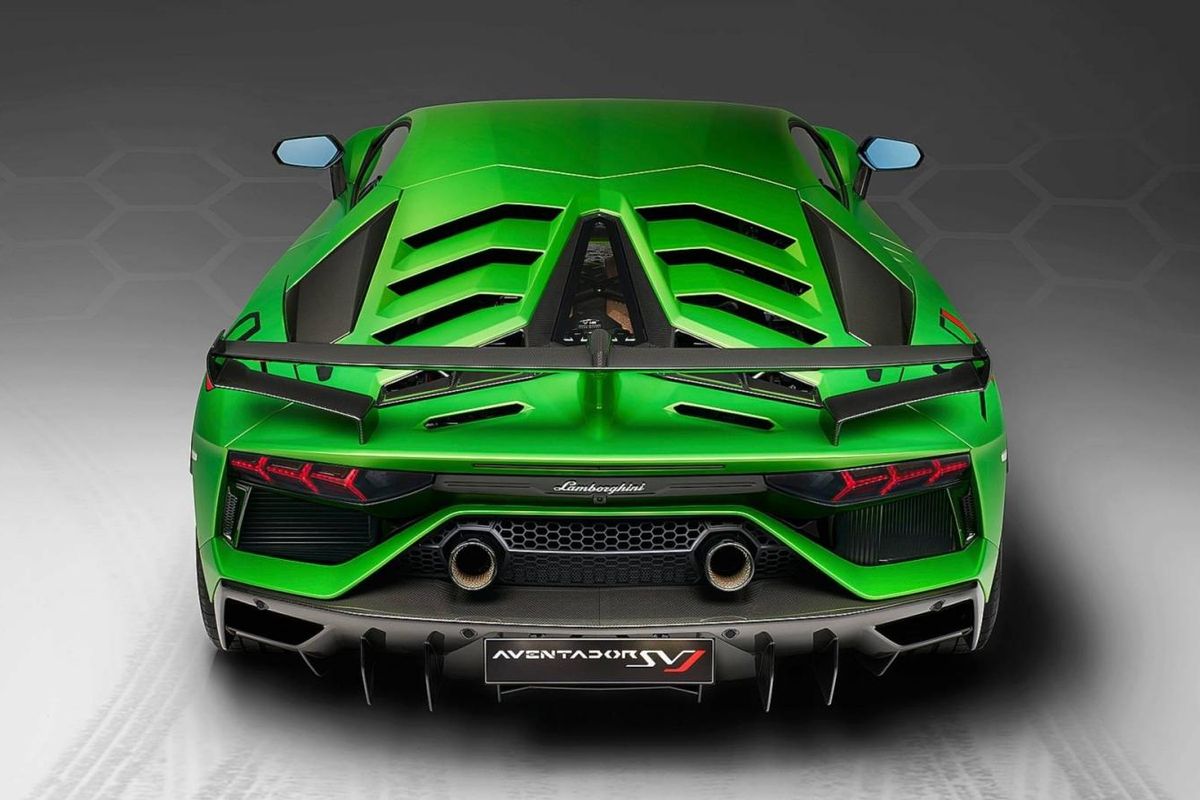
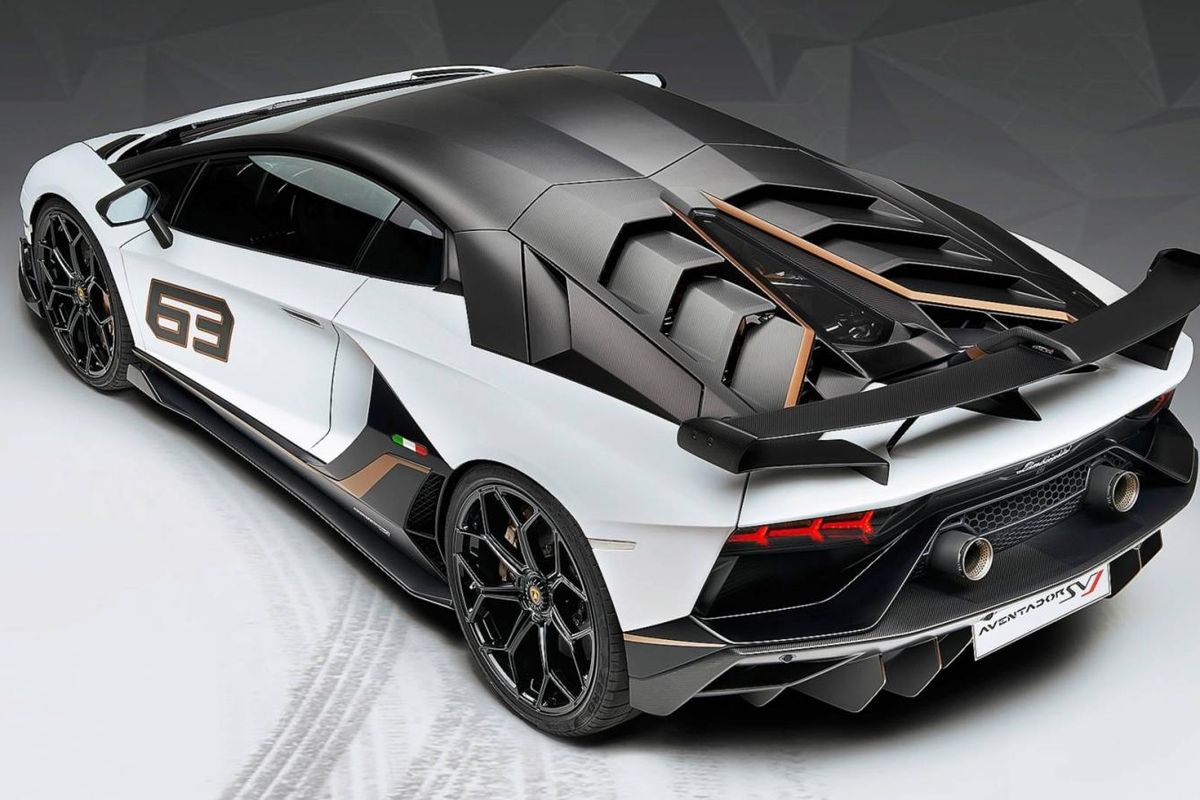
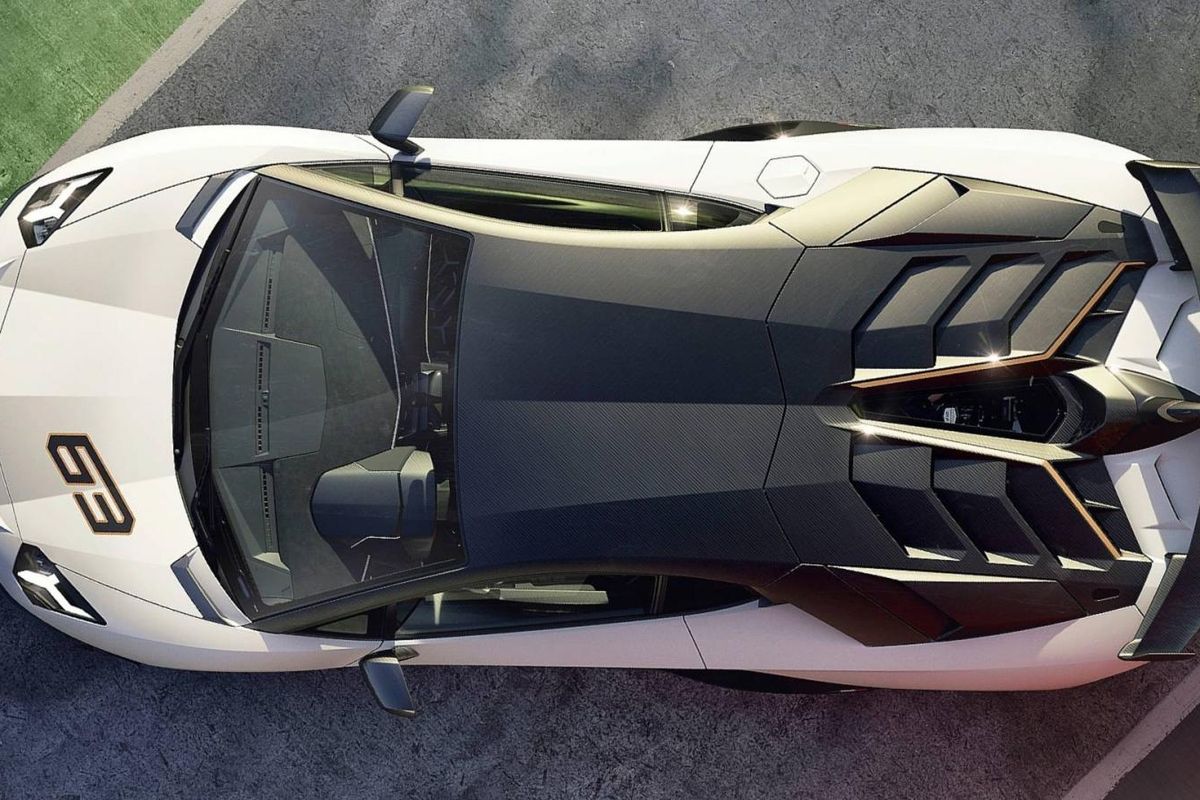
From the outside, it's easy to see that Lamborghini has adorned the flagship Aventador with a few extra wings and dive planes to improve downforce. In fact, the SVJ has 40% more downforce on both axles and is actually slipperier through the air than the standard derivative.

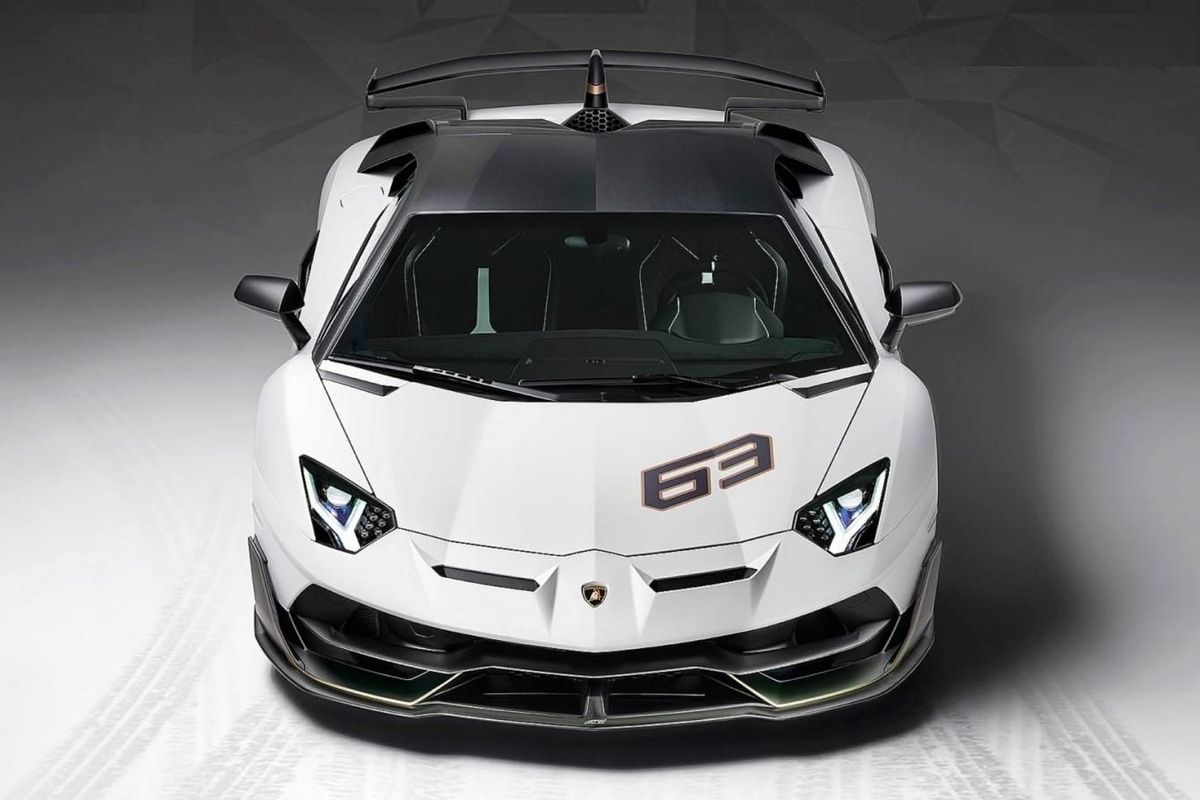
The car appears visually wider than its siblings. A new front bumper features integrated side fins, a revised air intake and Lamborghini’s active aerodynamics addenda.  The front splitter, for example, continues the impression of a floating component, while providing a channel for airflow. A tri-dimensional air outlet on the bonnet directs airflow, improving both drag and downforce. The upper body aerodynamic optimisation has contributed 70% to the total downforce improvement in the SVJ over the SV.

The SVJ’s suspension has been reworked too, to provide higher mechanical and aerodynamic grip. Anti-roll bar stiffness has been improved by 50% compared with the Aventador SV, compensating against roll and improving aerodynamic efficiency. Furthermore, the newcomer's damping force range has increased by 15% over the SV.

The 4-wheel steering has also been revised to further improve low-speed agility and maintain high-speed cornering stability. The SVJ is shod with specially-made Pirelli P Zero Corsa tyres, which are designed to handle the extra load that the added downforce transfers into the sidewall of the rubber.

A special edition SVJ 63 is being shown at Pebble Beach that pays homage to the brand’s founding year of 1963. The SVJ is limited to 900 units that retail for $517 770, that the equivalent of approximately R7 404 835.

Related content:

McLaren 720S Video Review | The Big Mac Attacks

530 kW Ferrari 488 Pista Revealed

Aston Martin DBS Superleggera – First Drive

New Renault Megane (2018) Specs & Price

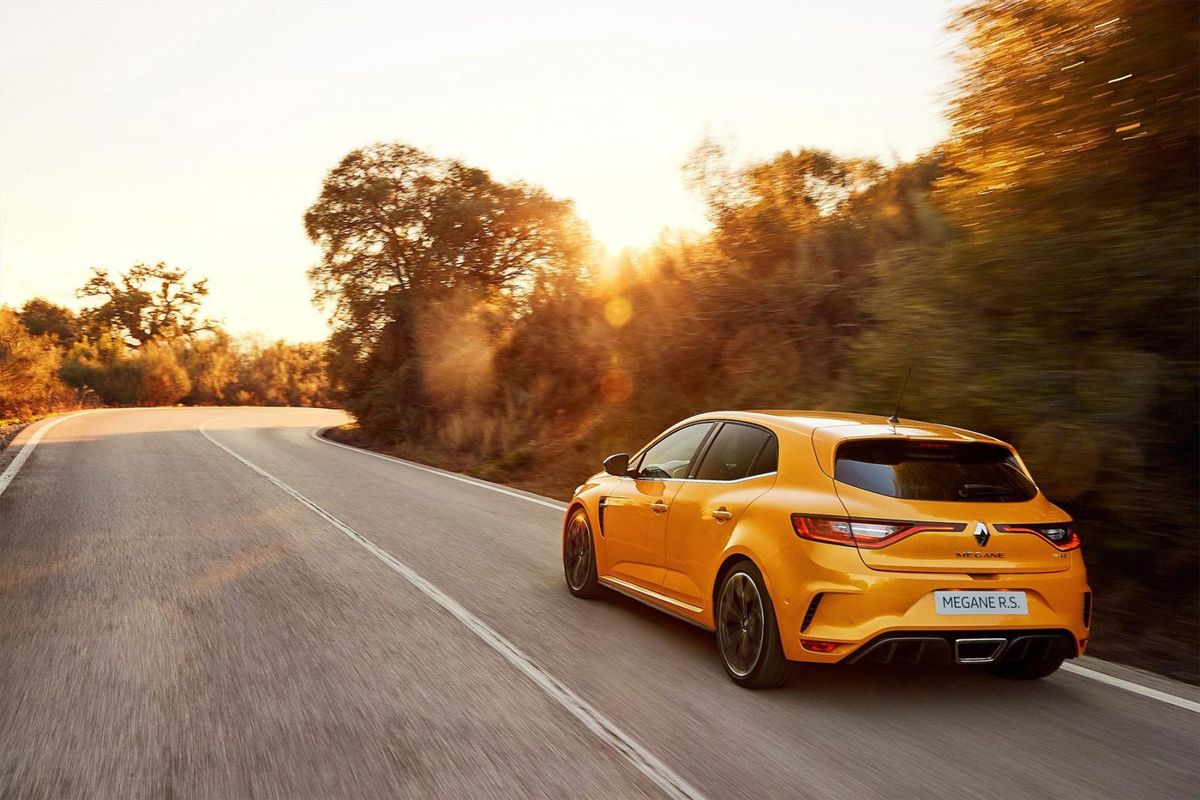
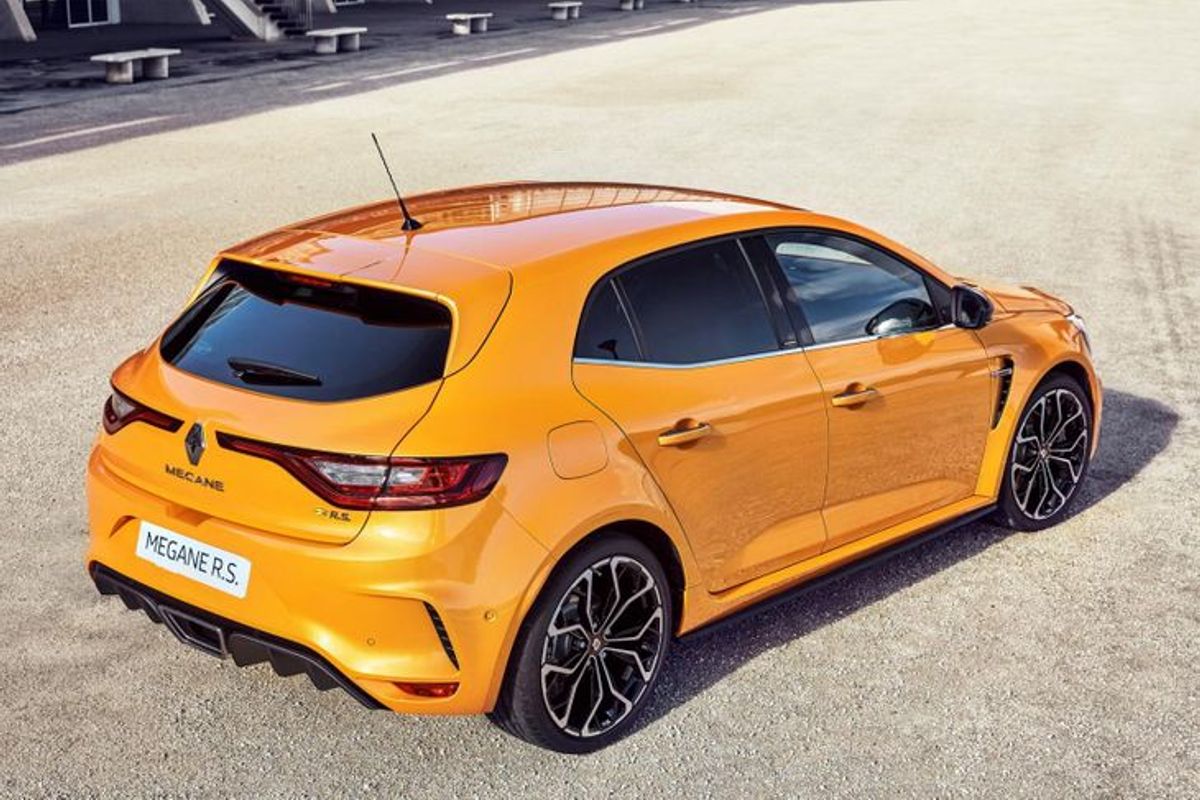
Renault is gearing up to launch its new Megane in SA which will also include the highly-anticipated Megane R.S hot hatchback. Herewith specification and pricing details for the newcomer…

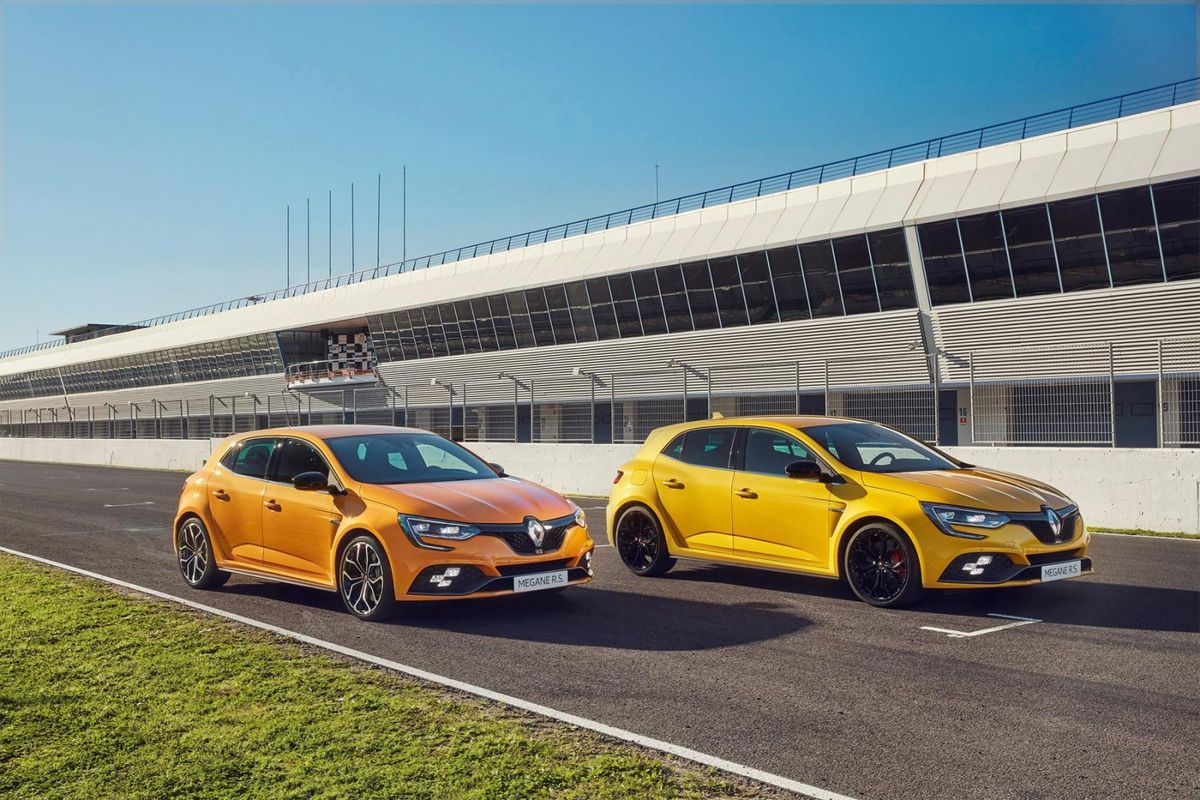
We have been waiting for the arrival of the new Renault Megane R.S. hot hatch for some time now and it appears the wait is over as it will be launching in South Africa this week along with a new Megane range. Local sales of the new Megane and R.S. 280 CUP versions will commence in mid-September while the Megane R.S. LUX will arrive in November 2018.  

Engine power


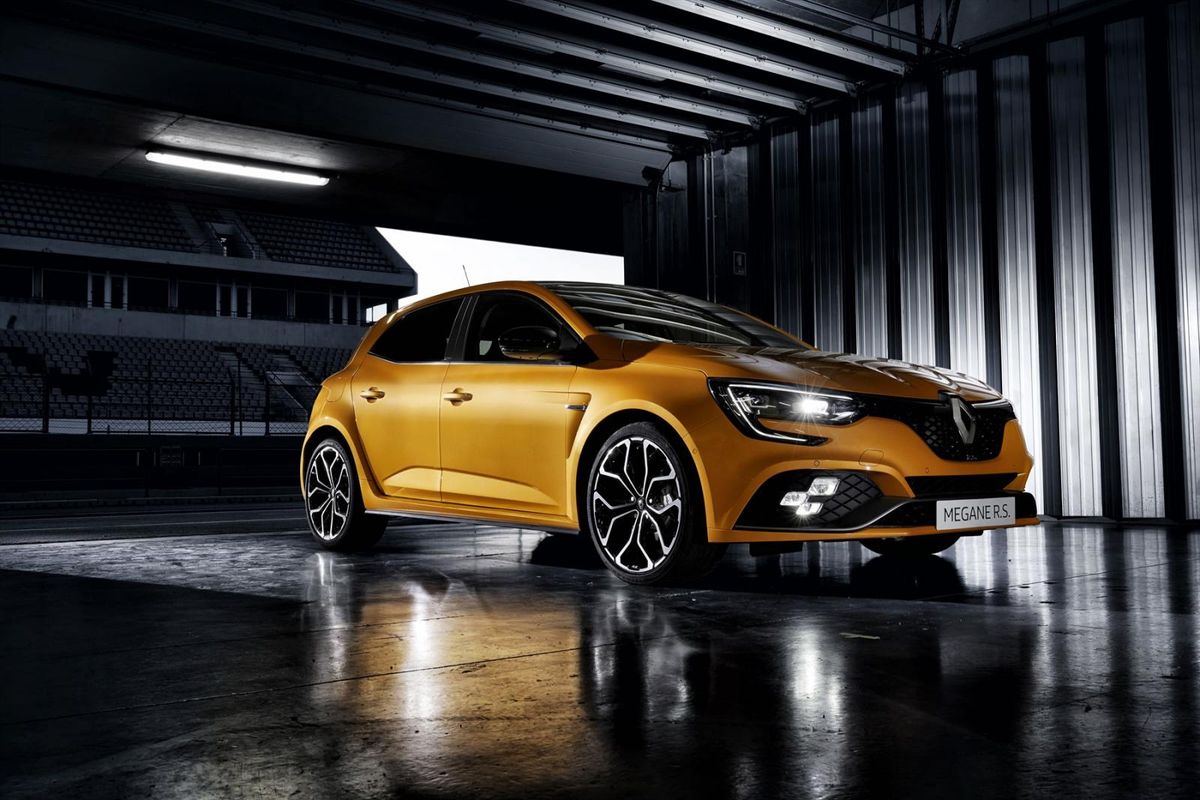
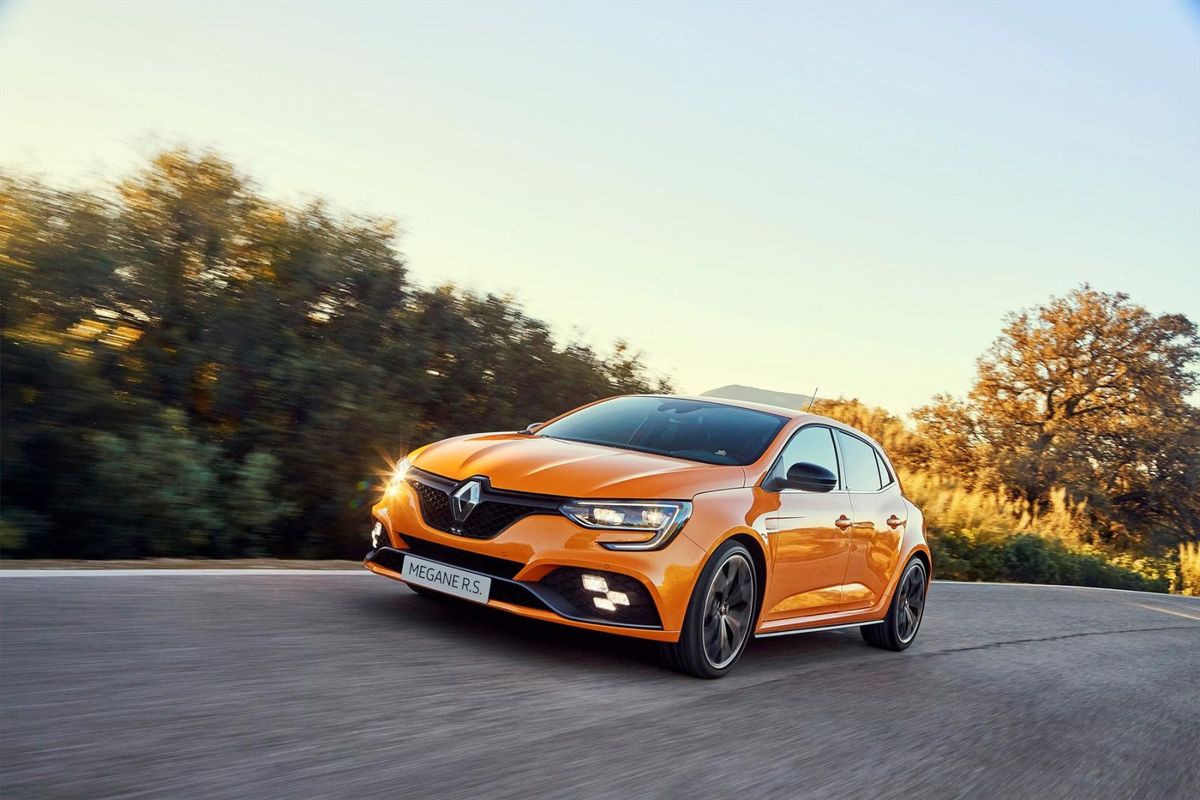
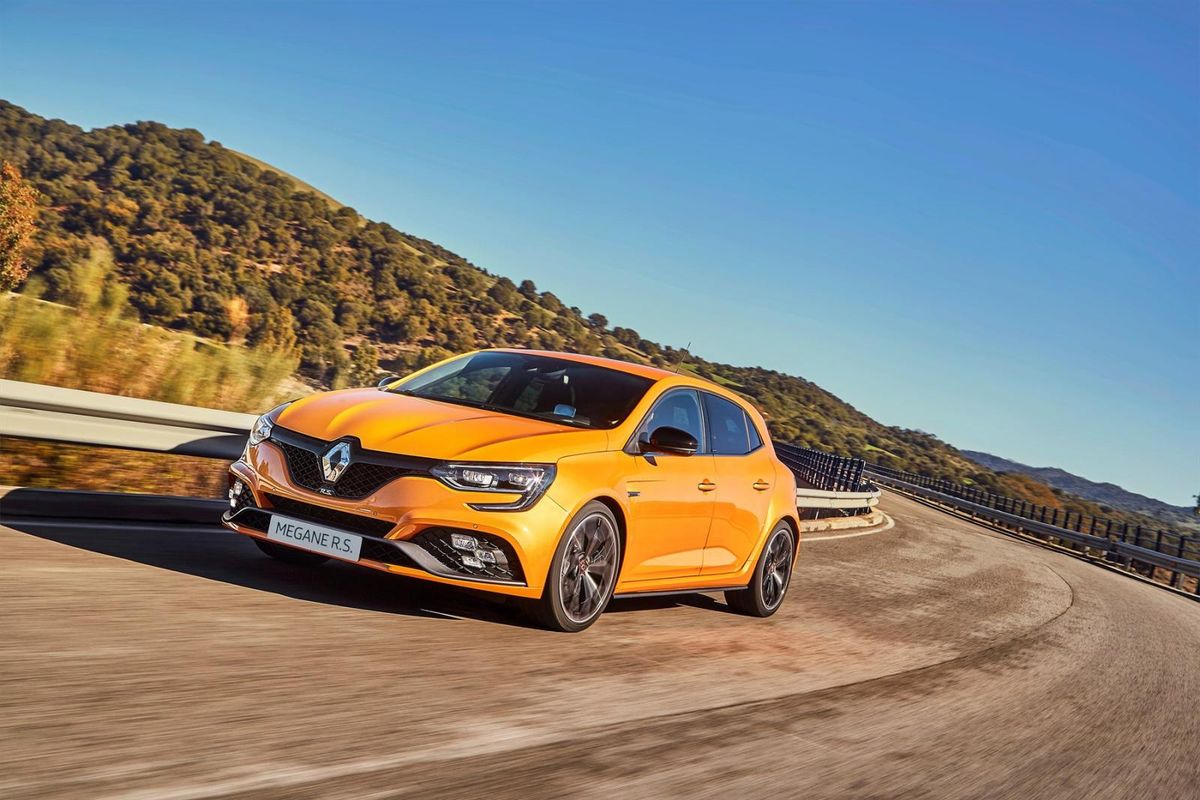
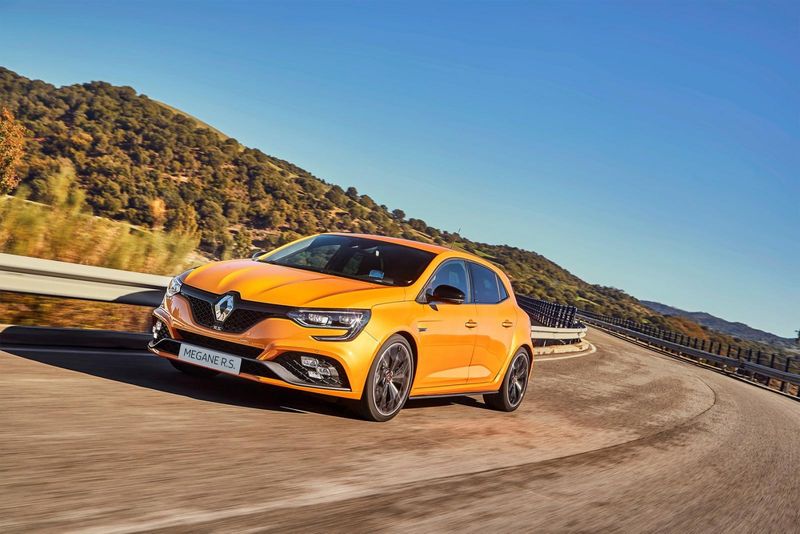
The new Megane R.S. will look to shake up the hot-hatch segment locally. 

The new third-generation R.S. model brings with it enhanced design and performance and hot hatch enthusiasts have much to look forward to with this latest model now featuring 4-wheel steering and a new 1.8-litre turbocharged engine with 205 kW and 390 Nm. Two model versions will be offered including the Megane R.S. Cup 6-speed Manual and the Megane R.S. LUX 6-speed EDC.

The EDC version will be equipped with steering wheel-mounted paddles and gear timing will be determined by the preferred driving mode selected which includes Comfort, Normal, Sport, Race and Perso (customisable mode). Sport and Race will further offer a Multi-Change Down function and Launch Control to maximise performance.

The Megane range, however, starts with the Megane Expression derivative which is powered by an 84 kW/156 Nm, 1.6-litre petrol engine and mated to a 5-speed manual transmission. Fuel consumption for this derivative is claimed at 6.4 L/100km.

The higher-spec Megane Dynamique will be powered by a 97 kW/205 Nm 1.2-litre turbopetrol engine and will be offered with either a 6-speed manual (5.3 L/100km) or 7-speed dual clutch transmission (5.4 L/100km).

Key features


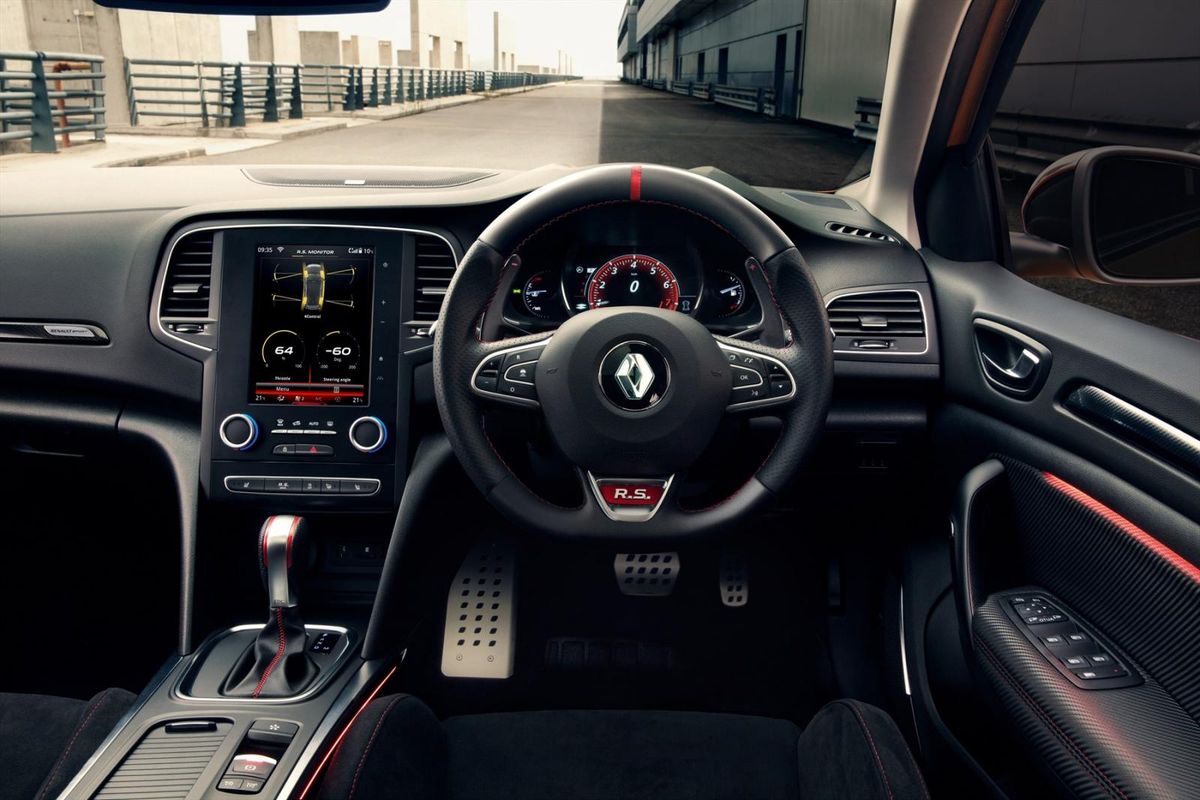
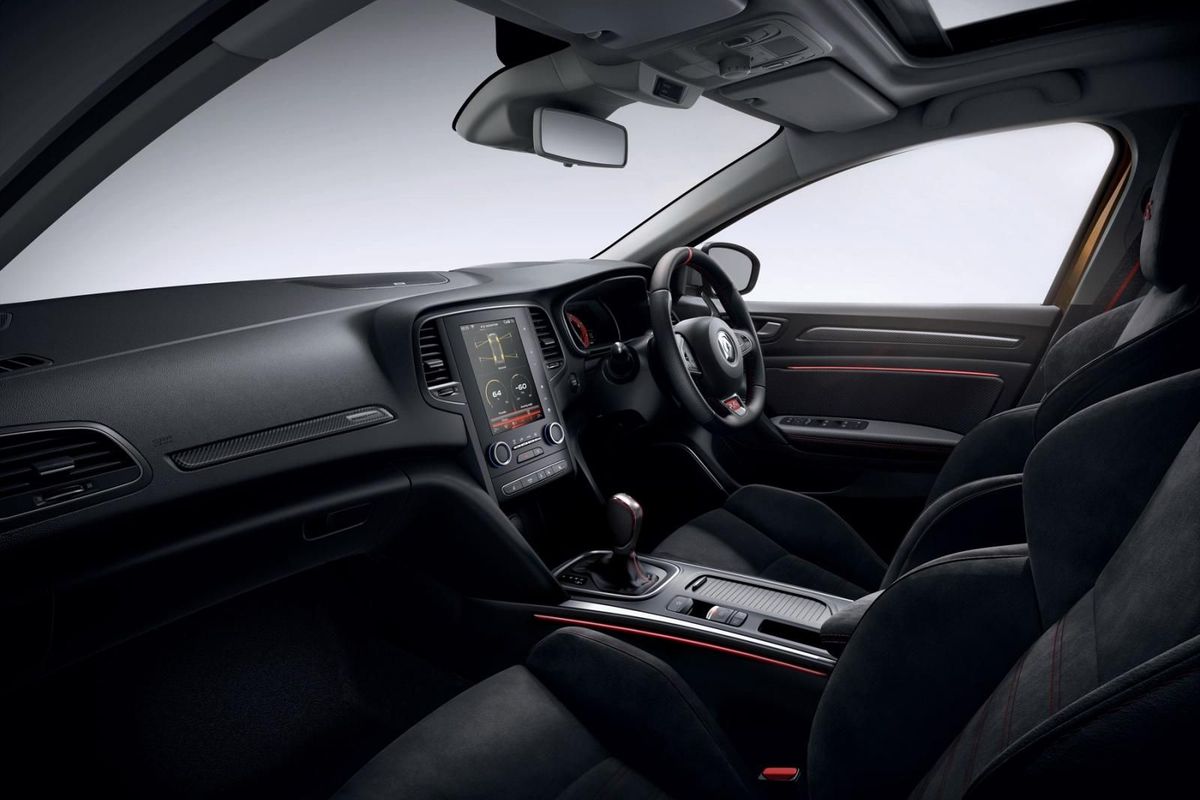
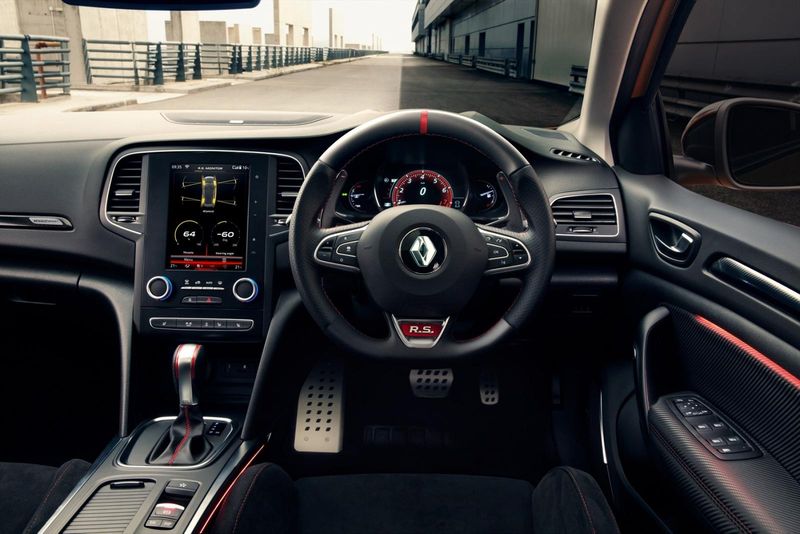
A sporty interior with a comprehensive infotainment system will feature inside the new Megane R.S.

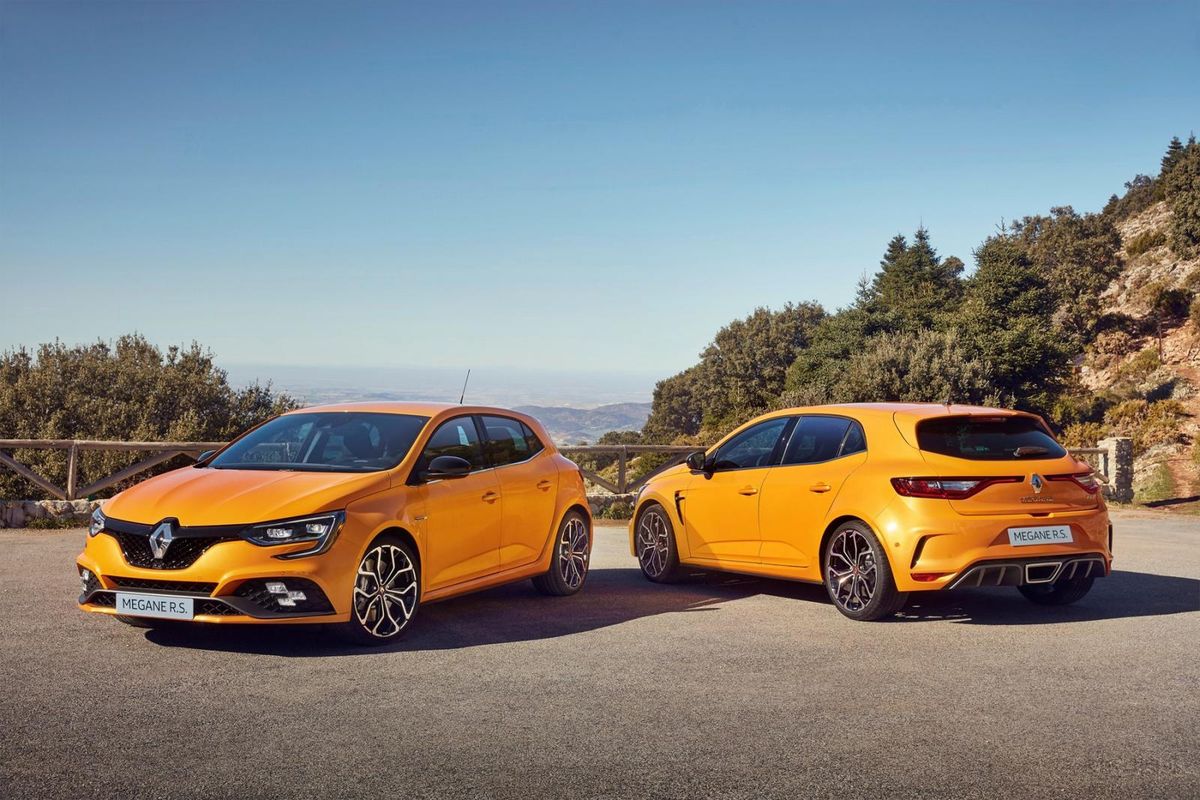
Sitting wider and lower to the road, the new Megane R.S. rides on 18- or 19-inch wheels and will be offered in the striking Tonic Orange as well as Sirius Yellow.

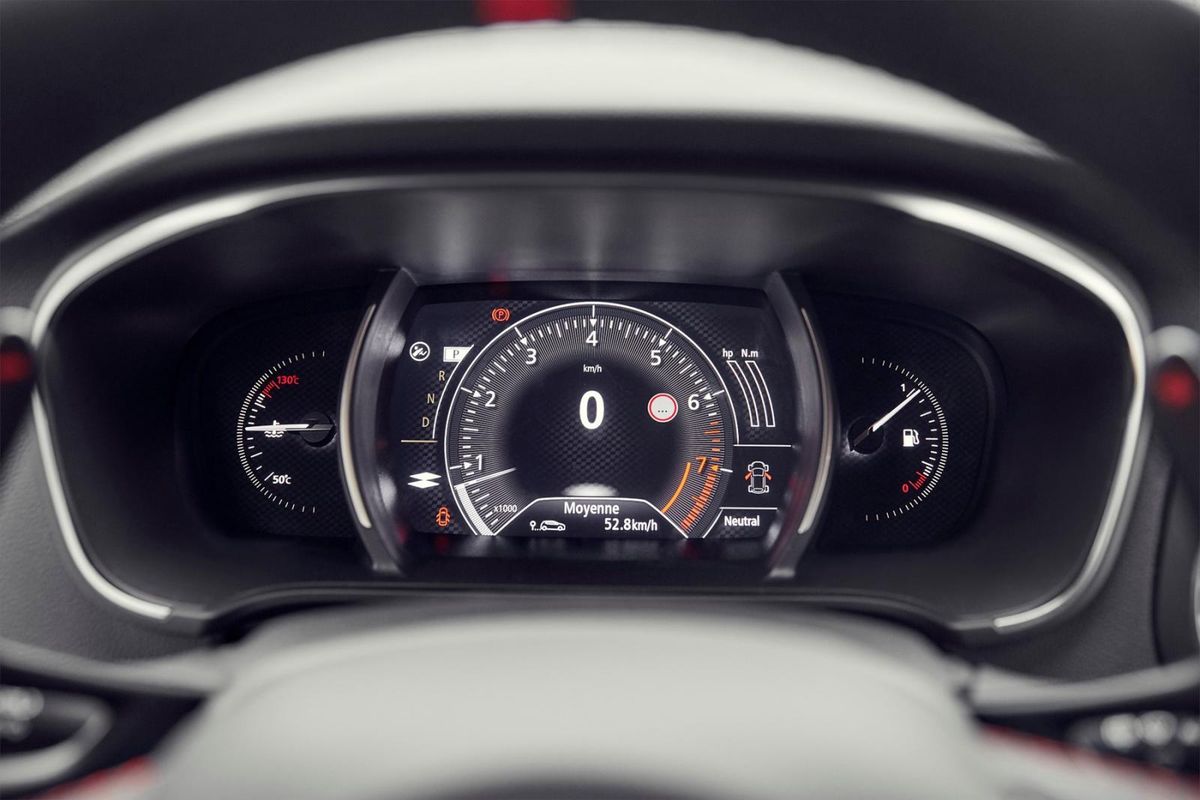
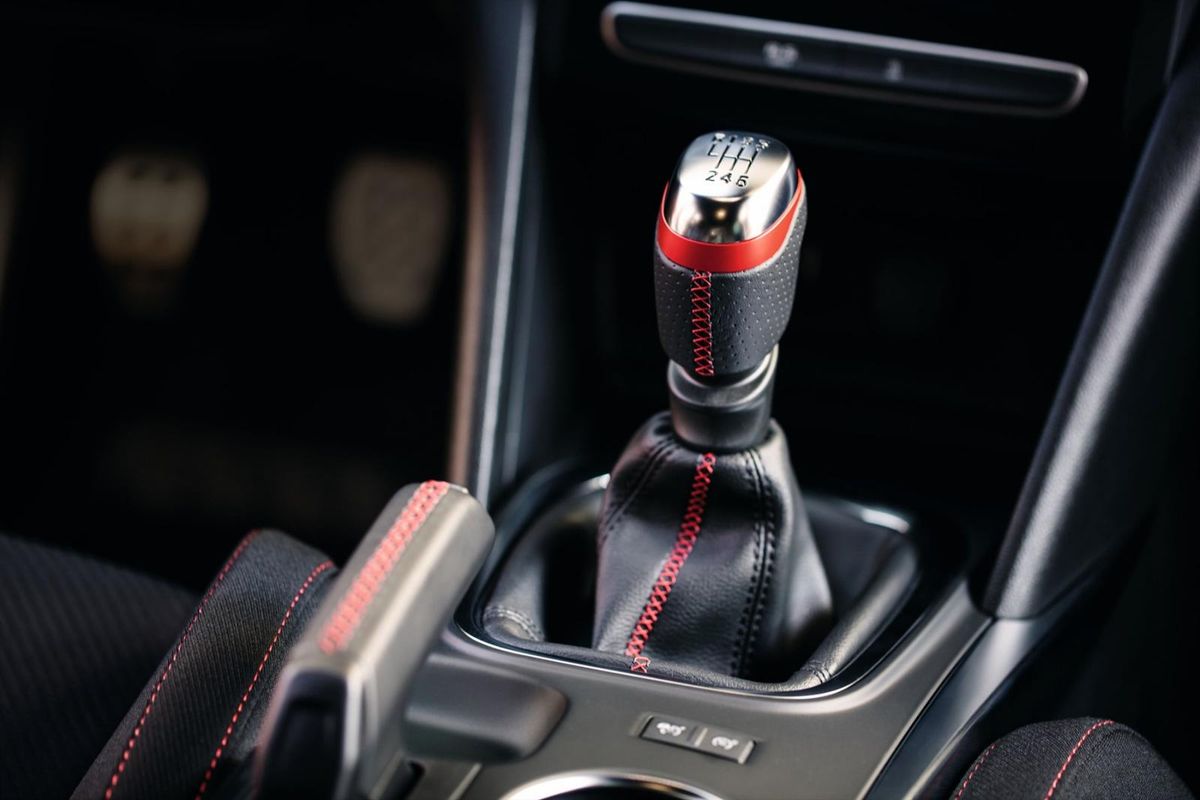
The interior benefits from Alcantara sports seats with built-in headrests, red top-stitching on charcoal grey trim, aluminium sports pedals and a specially-designed gear lever. The Megane R.S. is equipped with an 8.7-inch R-Link 2 touchscreen tablet display which provides a host of information to the driver including acceleration, braking, steering wheel angle, operation of the 4Control system, temperatures, pressures and so forth. Navigation, telephone and radio functions are also taken care of through the touchscreen. A Bose sound system with 9 speakers and a subwoofer is also fitted.

Megane Dynamique derivatives will feature R-Link 2 with a smaller 7-inch multimedia touchscreen. A 7-inch TFT instrument cluster is fitted.

Renault Megane – Price in South Africa

Megane Expression 84kW – R274 900

Megane Dynamique Manual 97kW – R314 900

Megane Dynamique EDC 97kW – R344 900

Megane R.S. 280 CUP 205kW Manual – R549 900

Megane R.S. 280 LUX 205kW EDC – R549 900

Optional Extras

Metallic paint – R2 522

Leather seats – R10 088

Special Metallic Paint (R.S. Models) – R10 088

19'' Alloy wheels (R.S. 280 EDC LUX) – R8 070

The Renault Megane will be sold as standard with a 5-year/150 000 km mechanical warranty, a 5-year/150 000 km service plan (with service intervals at 15 000 km intervals on the core range and 10 000 km on R.S. models) and a 6-year anti-corrosion warranty.

Buy a Renault Megane on Cars.co.za

Related Content

Renault Megane RS Trophy Ups the Ante

Renault Megane RS 280 (2018) International Launch Review

New Cars Headed for SA in 2018

Pick Your Hot Hatch Poison