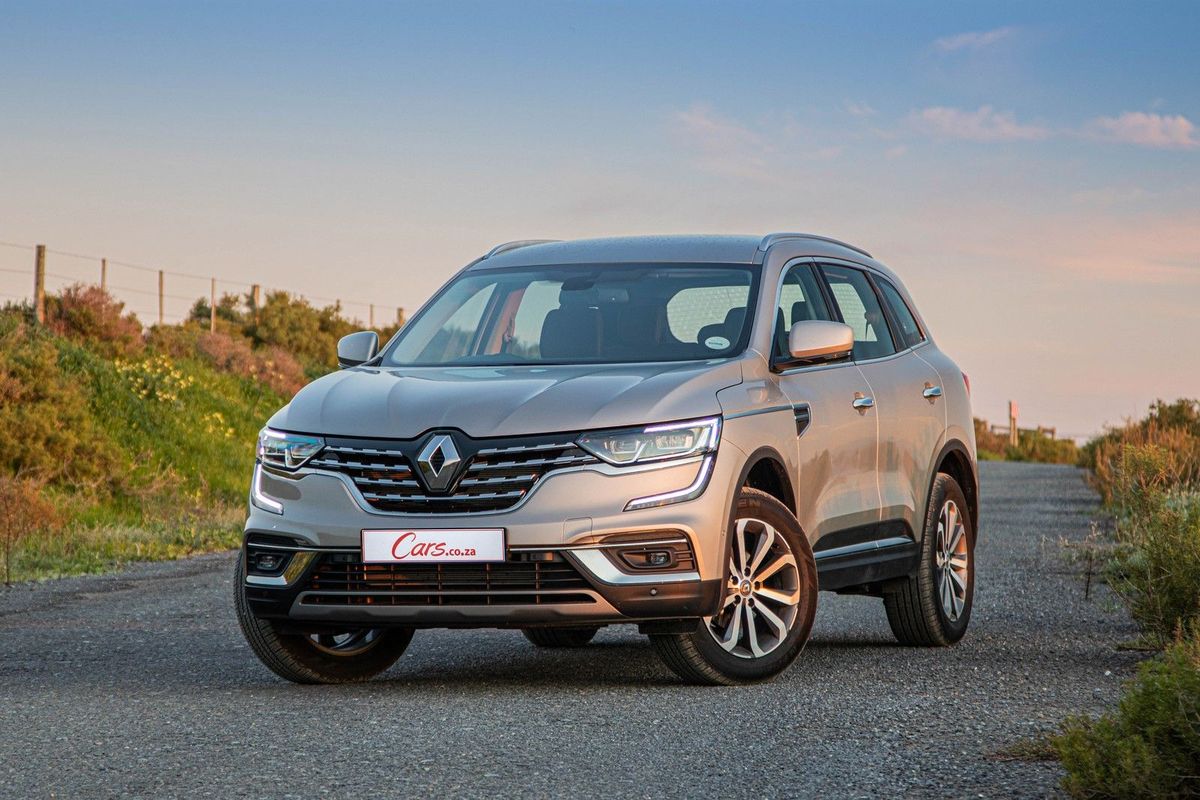
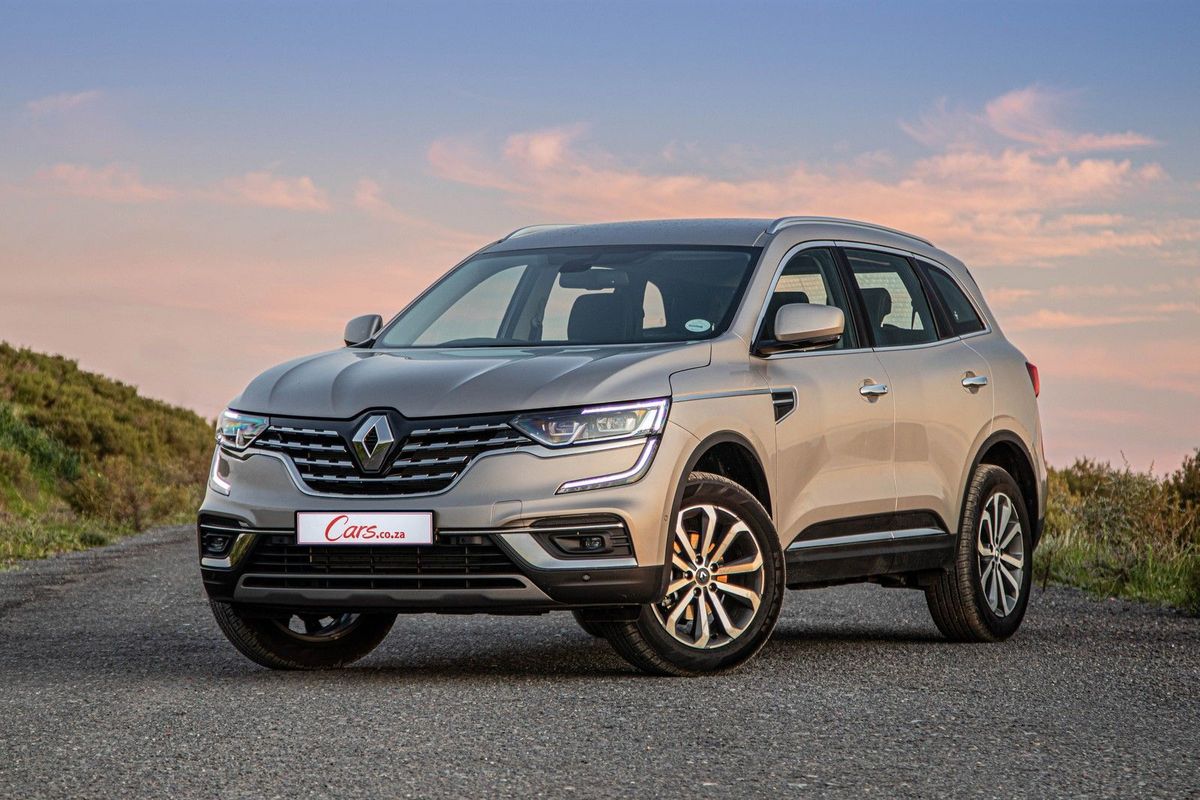
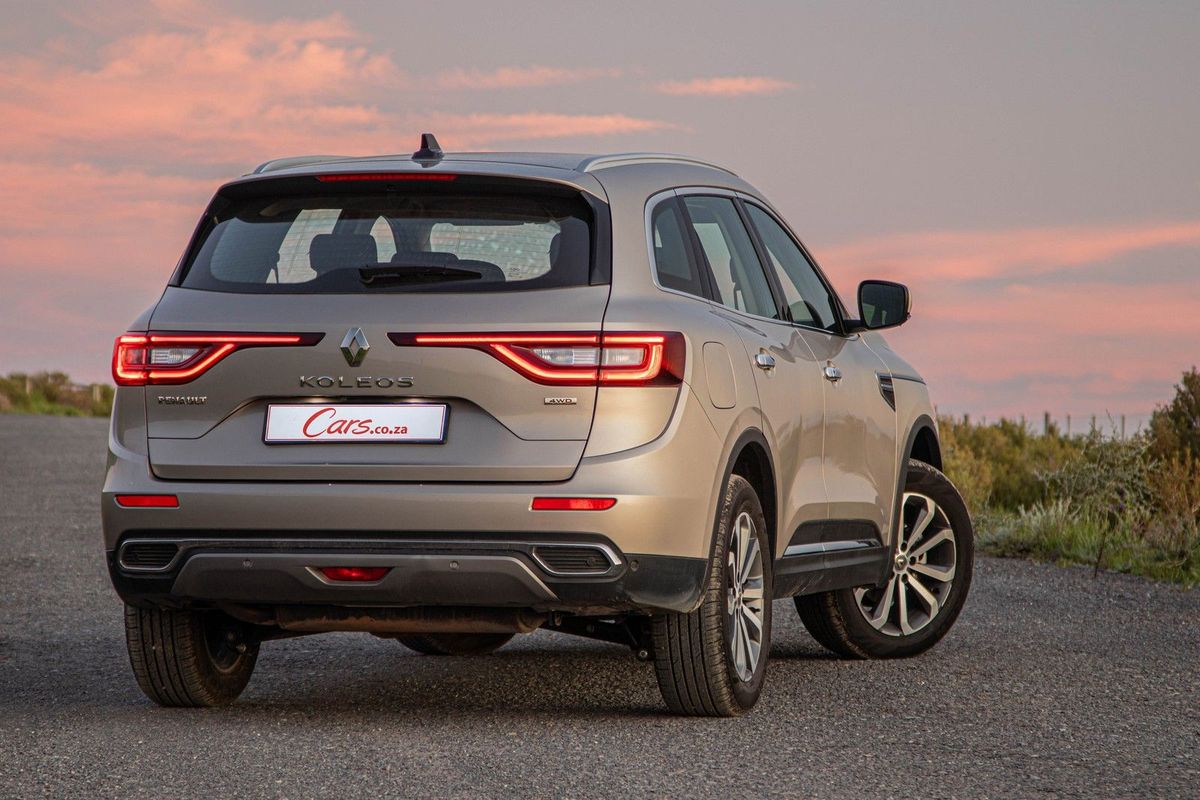
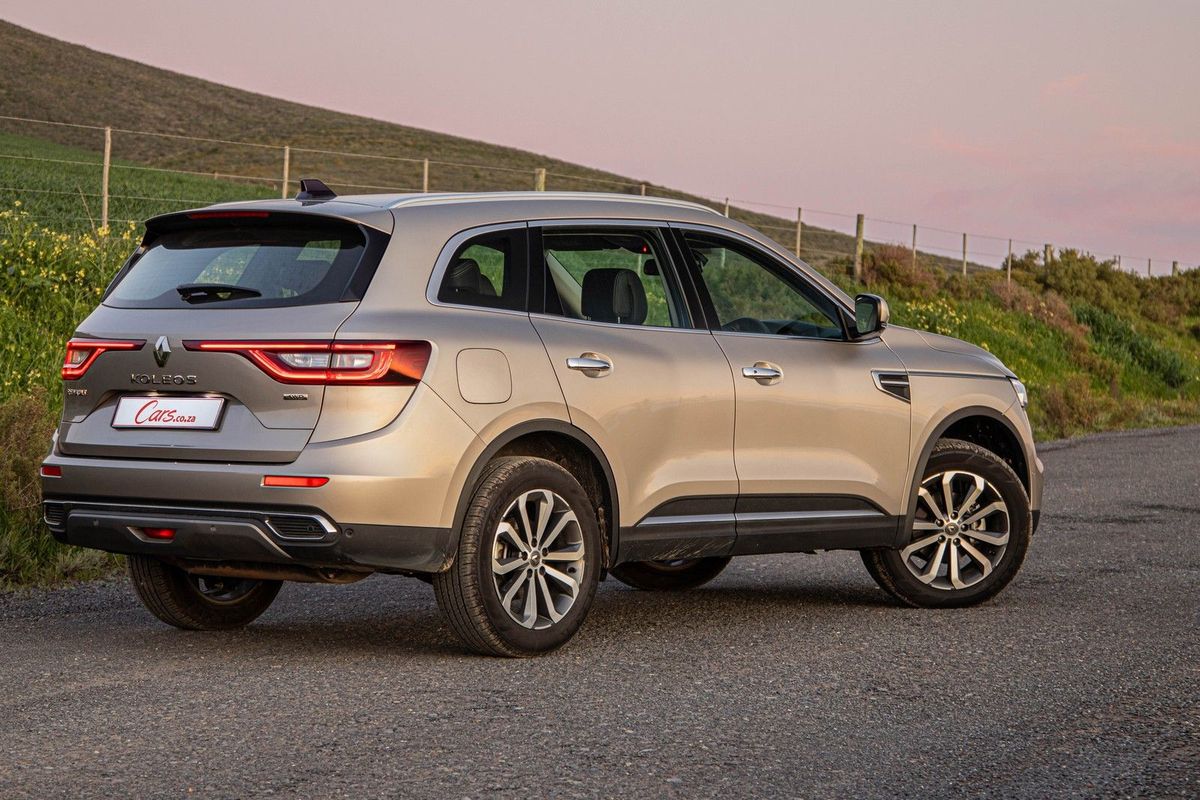
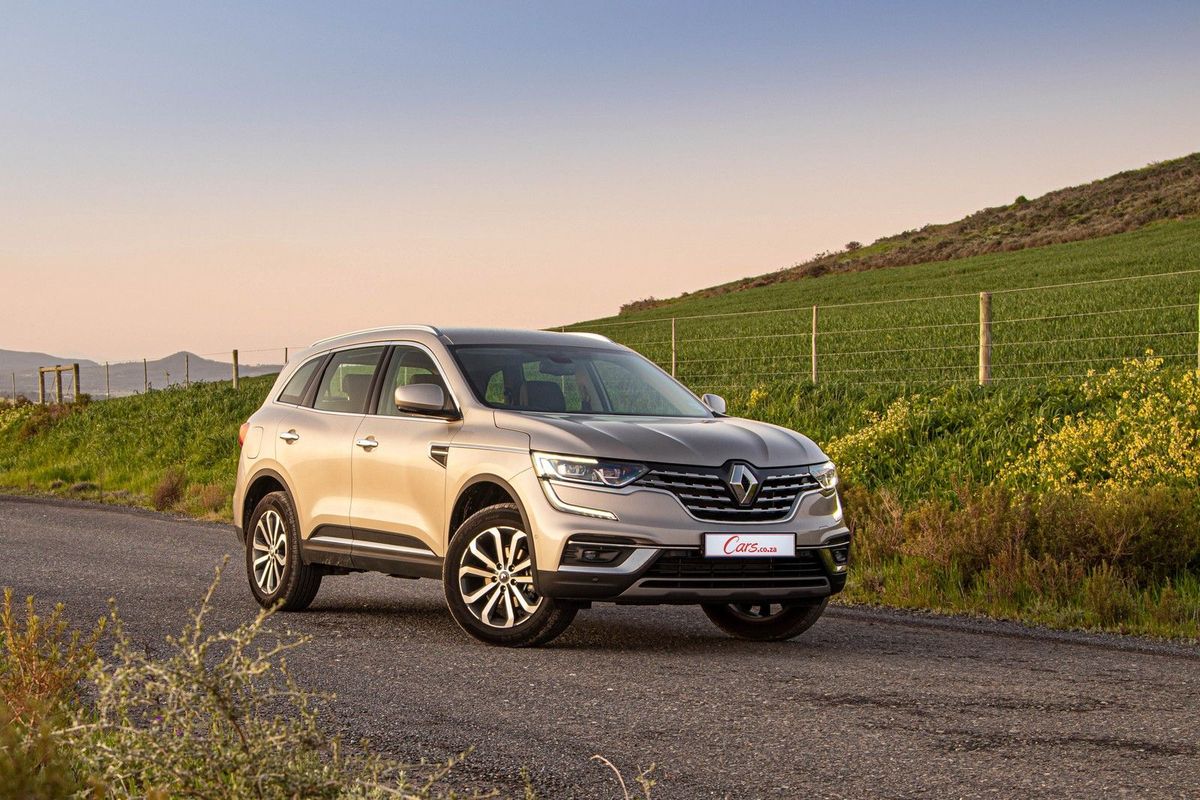
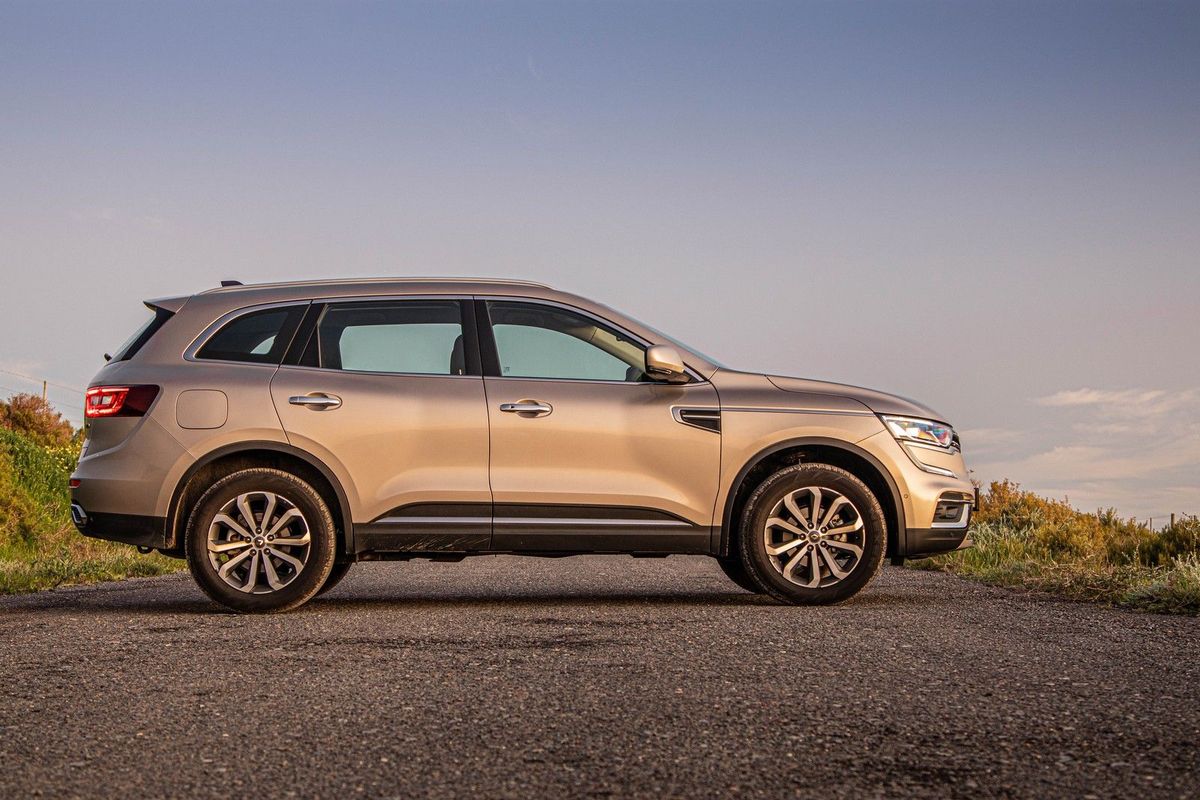
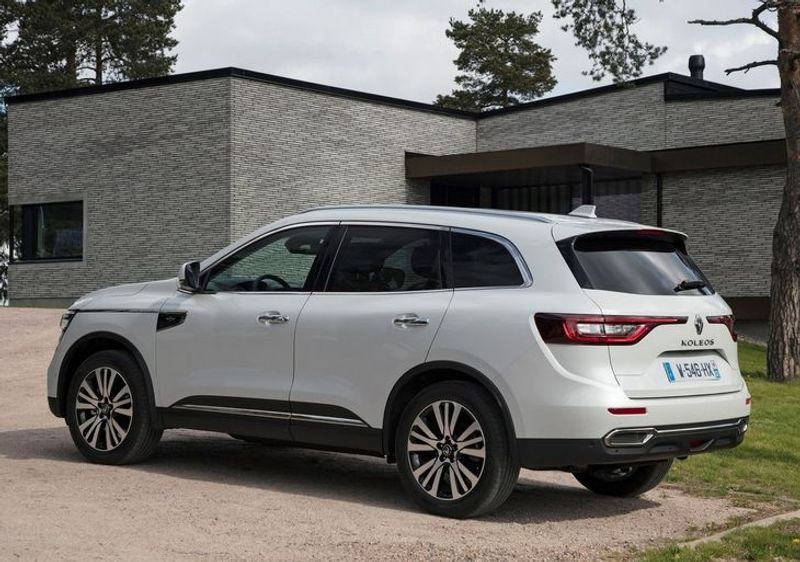
Renault is launching a fresh new version of its flagship SUV. Here's how much the all-new Renault Koleos costs!
The Renault Koleos is a big SUV built on the same platform as Nissan's X-Trail. While there are some mechanical overlaps under the skin, the 2 vehicles are quite different in terms of looks and interior layout. While the X-Trail is available with a 7-seat option, the Koleos sticks to a 5-seater formula. The boot size is rated at 464 litres, about average for this segment.
Engine and Economy
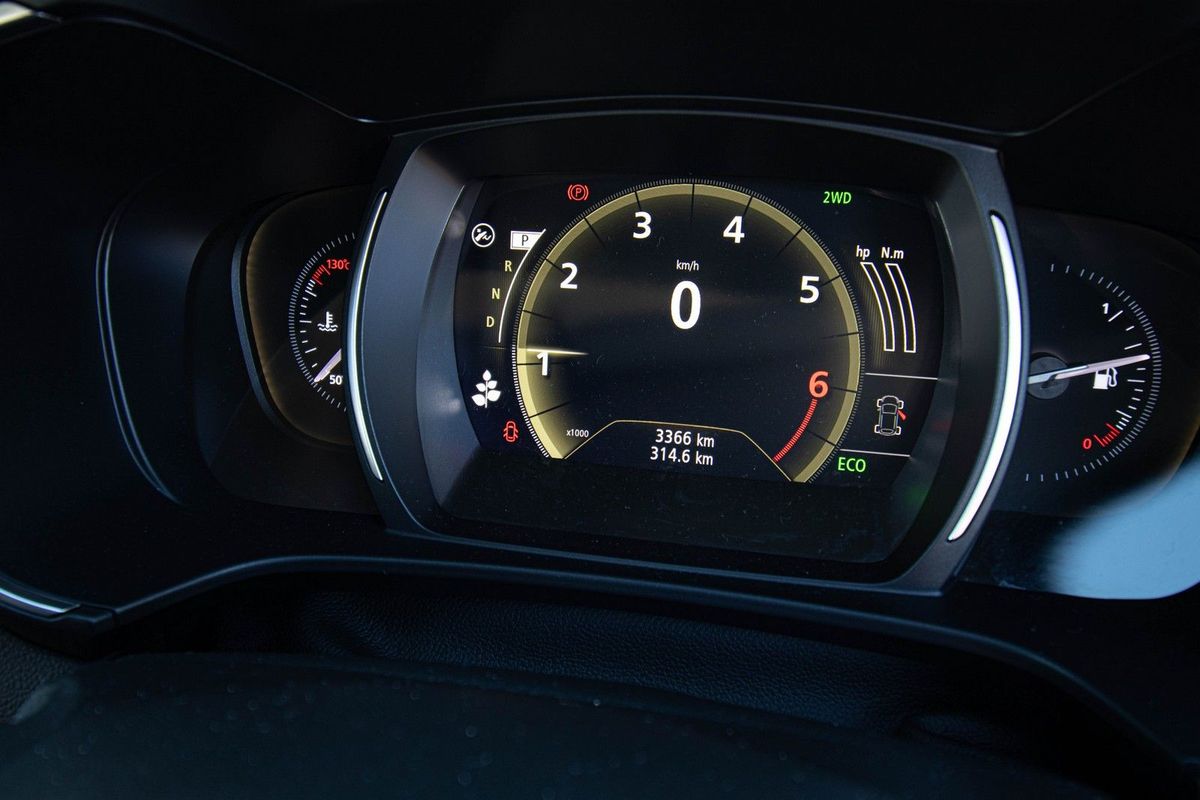
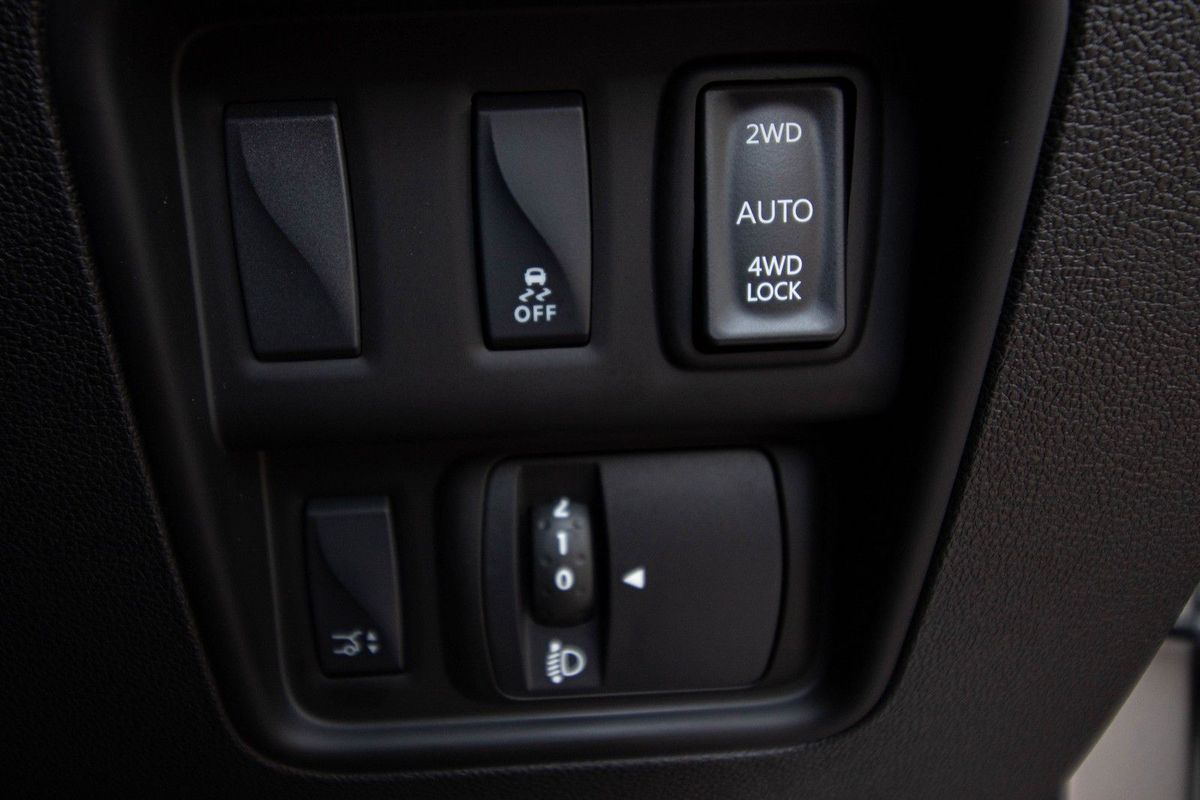
The Renault Koleos is powered by a normally-aspirated 2.5-litre 4-cylinder petrol engine. With 126 kW and 233 Nm on tap, you can expect the Koleos to hit 100 kph in just under 10 seconds. Renault claims fuel consumption figures of 8.1 L/100 km, while the 4×4 model is a tad thirstier at 8.3 L/100 km. The Koleos comes with a 60-litre fuel tank. Power goes to the front axle in the case of the 4×2 via an X-tronic CVT with 7 speeds.
SA-Spec Koleos
South Africa will be getting a simple Koleos SUV range. There's 1 engine and 1 gearbox, shared across the range, with the option of 4×2 and 4×4. There will be 2 levels of trim: Expression and Dynamique.
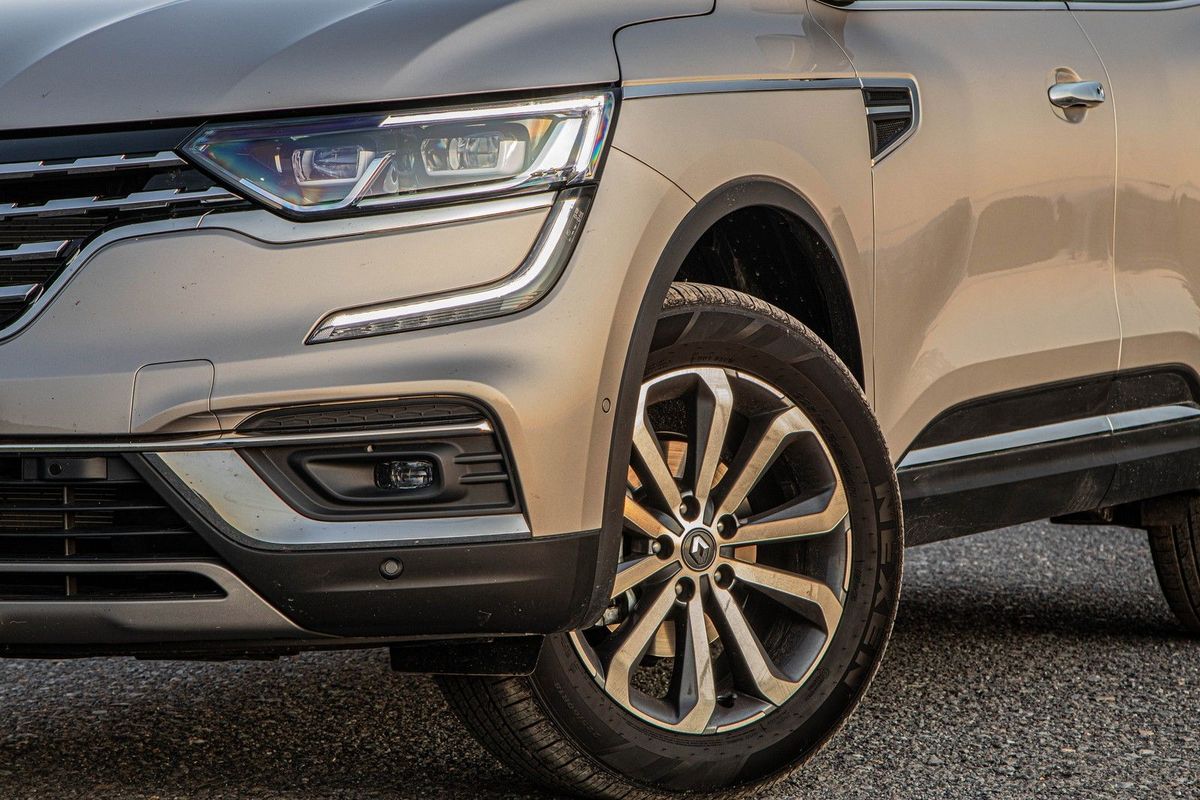
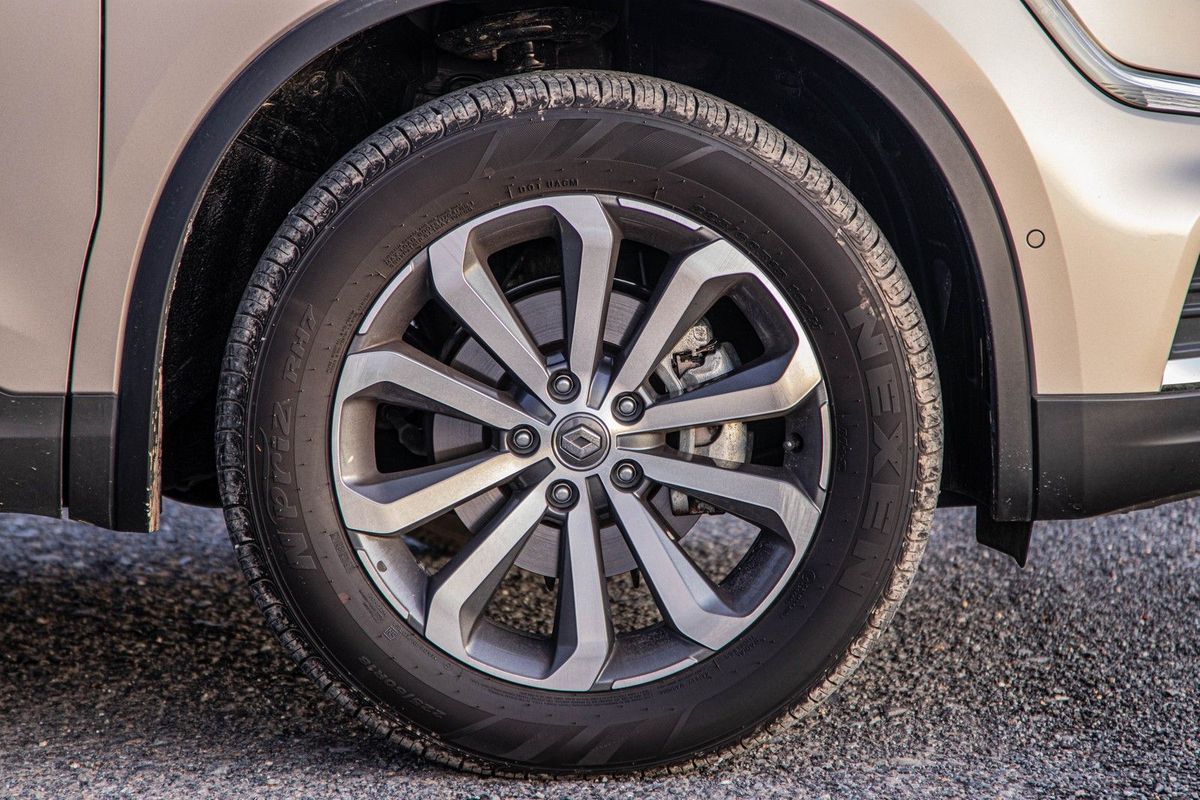
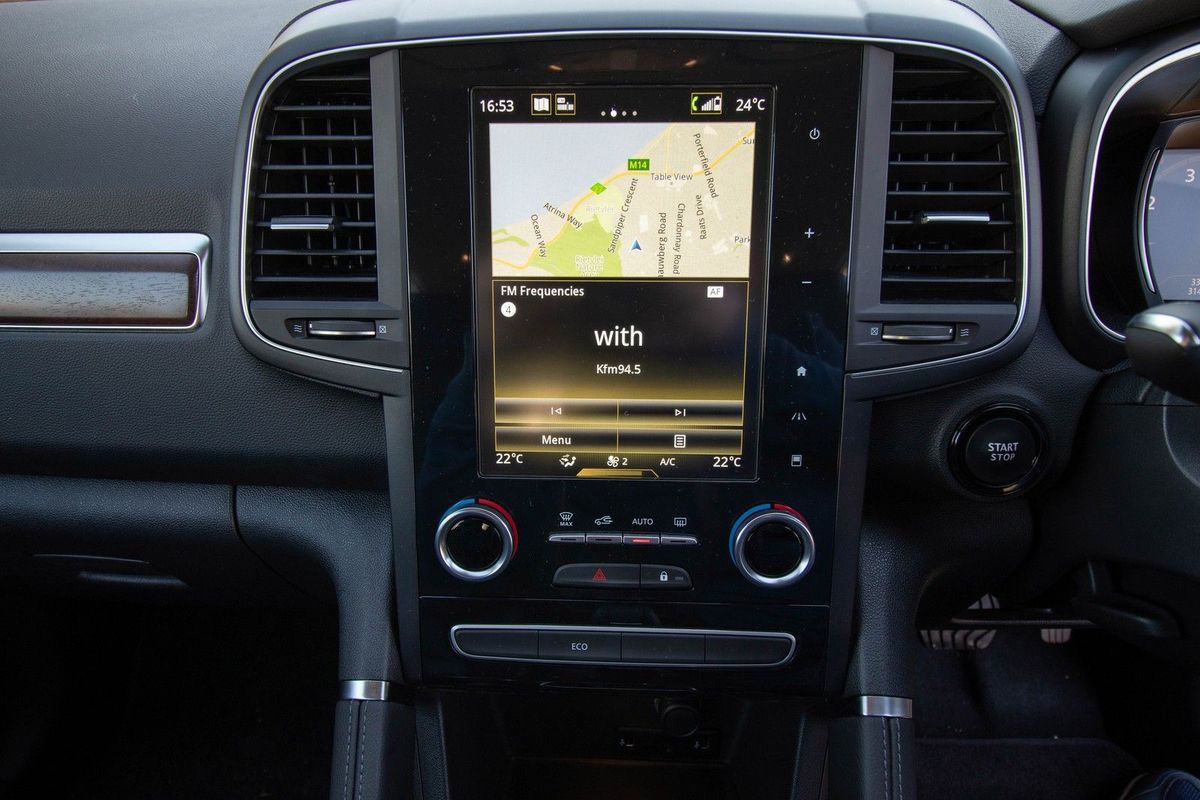
Standard specification is good. On the base model, there's cruise control with speed limiter, rear parking sensors, auto headlights, auto wipers, cornering fog lamps, dual zone climate control, cooled and warmed cup holders and a 7-inch infotainment system with Bluetooth and USB connectivity. Dynamique spec adds in luxuries like electric folding mirrors, bigger 18-inch alloy wheels, electrically adjustable leather seats, tyre pressure sensors, LED headlamps, handsfree card key, electrochromic rearview mirror, uprated Arkamys audio system, bigger touchscreen, atmosphere lighting, blind spot detector, front and rear park sensors and a reverse camera.
Safety Features
Renault is always generous with its safety spec and the Koleos is no different. Both the Expression and Dynamique come with ABS anti-lock brakes and Electronic Stability Control with Hill Start Assist. There are driver, front passenger and curtain airbags too. The Dynamique goes one step further and adds Blind Sport Warning and a Tyre Pressure monitor.
Given the lacklustre sales of the Renault Kadjar, will the Koleos prove a better proposition?
Renault Koleos Price in South Africa (February 2019)
The Renault Koleos is sold with a 5-year / 150 000 km mechanical warranty, 6-year anti-corrosion warranty, 5-year / 90 000 km service plan and the service intervals are every 15 000 km.
Koleos Expression 2.5 CVT 4×2 – R399 900
Koleos Dynamique 2.5 CVT 4×2 – R439 900
Koleos Dynamique 2.5 CVT 4×4 – R479 900
OPTIONS:
Metallic Paint – R2 522
Electric Adjustable Leather Seats (Expression Model) – R 12 000
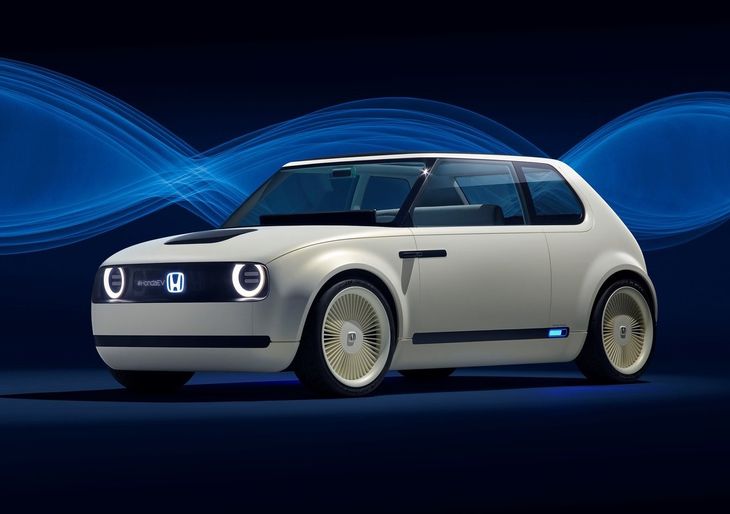
The trends towards battery-driven vehicles packaged within urban-friendly dimensions has given Honda the opportunity to channel its compact car legacy.
At this year’s Geneva auto show the Japanese brand will show its Urban EV configuration which will be very close to final production and to tease us, they’ve released a POV view of the cabin.
Blending digitisation with traditional materials and design simplicity, it’s a happy departure from the aged gaming graphic infotainment interfaces Honda’s delivered in its production vehicles until recently. The Urban EV’s cabin is dominated by a full-width digital dash, comprising five individual screens.
Three of these screens relay driving information, infotainment functions and the Urban EV’s battery status amongst them. Flanking these three anchor digital displays, are two screens at the extremities of the Urban EV’s cabin architecture, which provide a live stream side-mirror function, replacing conventional externally mounted side mirrors.
This swathe of digitisation has compelled Honda’s designers to be clever in planning the tangible touchpoints for Urban EV. The steering wheel is a thin twin-spoke helm, to ensure as much of the digital screen dash remains visible, no matter what the steering angle is.
Automotive designers have learned that traditional analogue controls can be superior to a pure digital touchscreen interface for certain functions, such as climate control and infotainment volume adjustment. As such, Honda’s added some dials to the centre stack, to ensure a near perfect blend of infotainment streaming via a digital screen, and intuitive adjustability by reach-and-touch. Digital media pairing options will be USB, Bluetooth and even HDMI.
And that Japanese teak inlay which underscores the full-width dash? It’s perfect 1970s audiophile design, reinterpreted for an automotive application.
Jaguar Land Rover's ongoing development of hybrid and electric models has not precluded the British manufacturer from rolling out a new super- and turbocharged inline-6 engine…
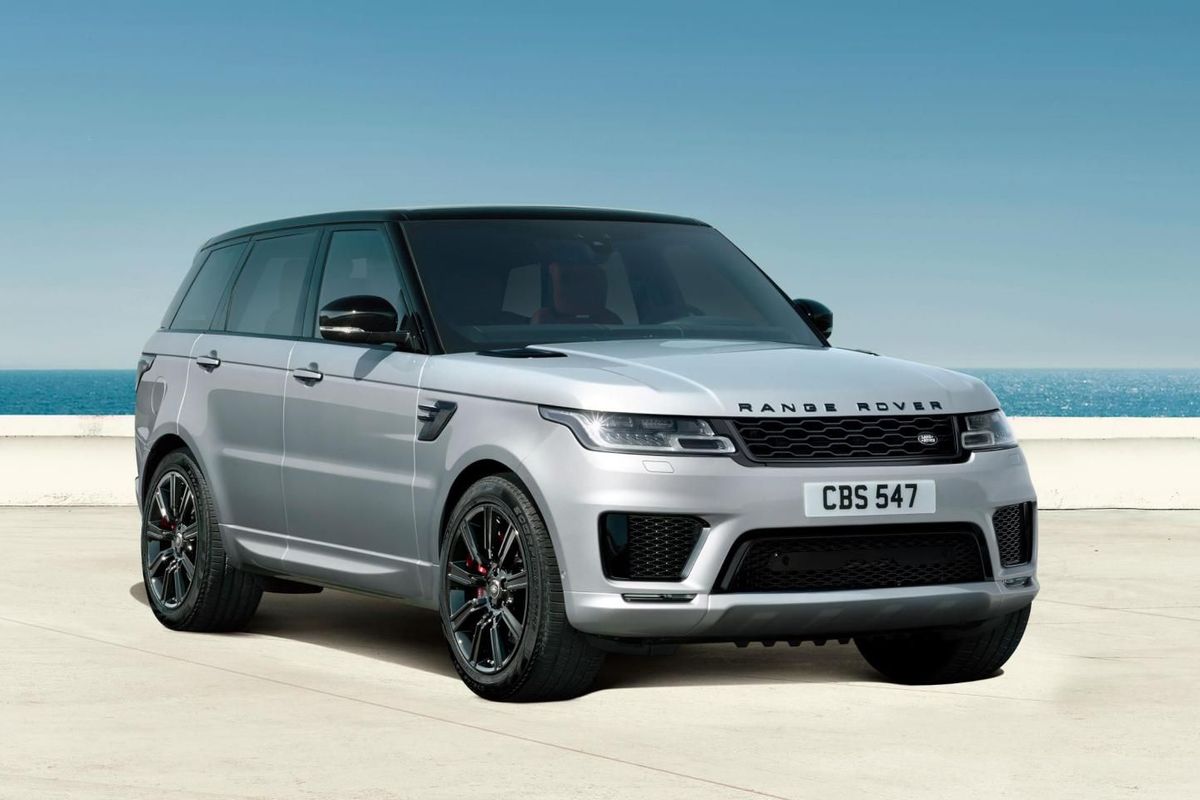
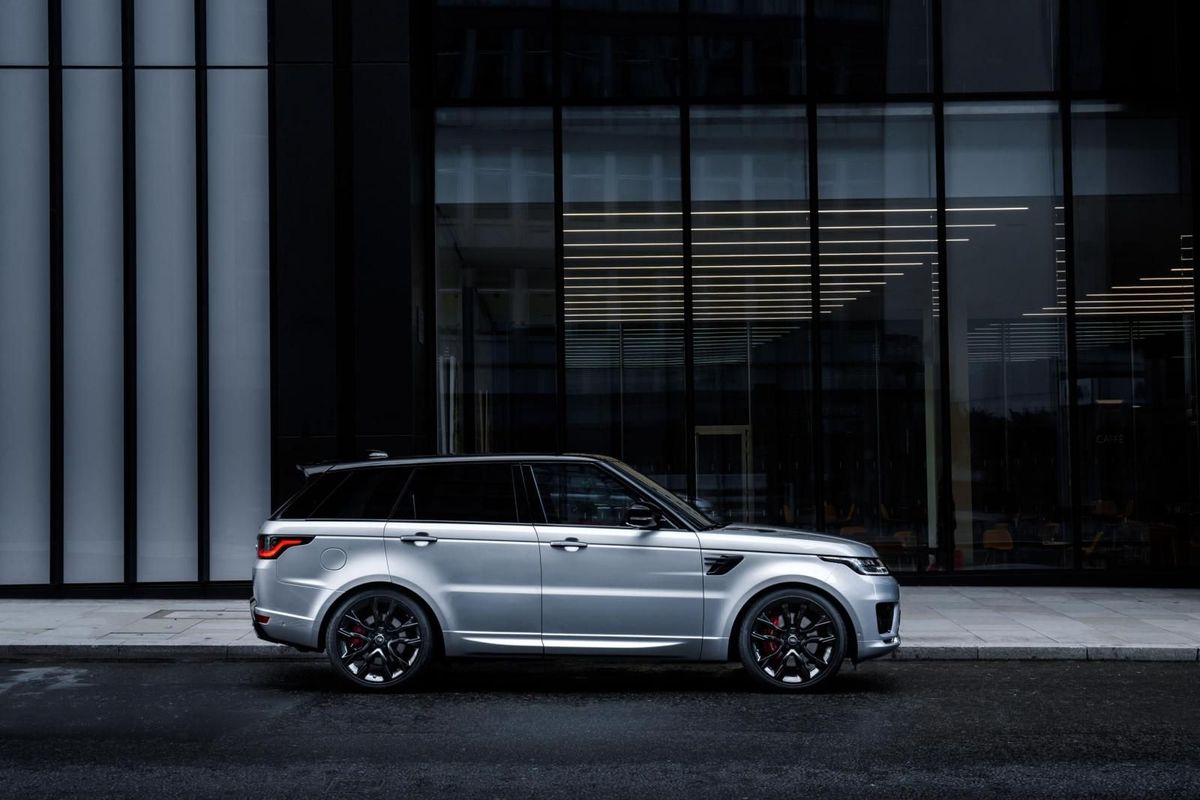
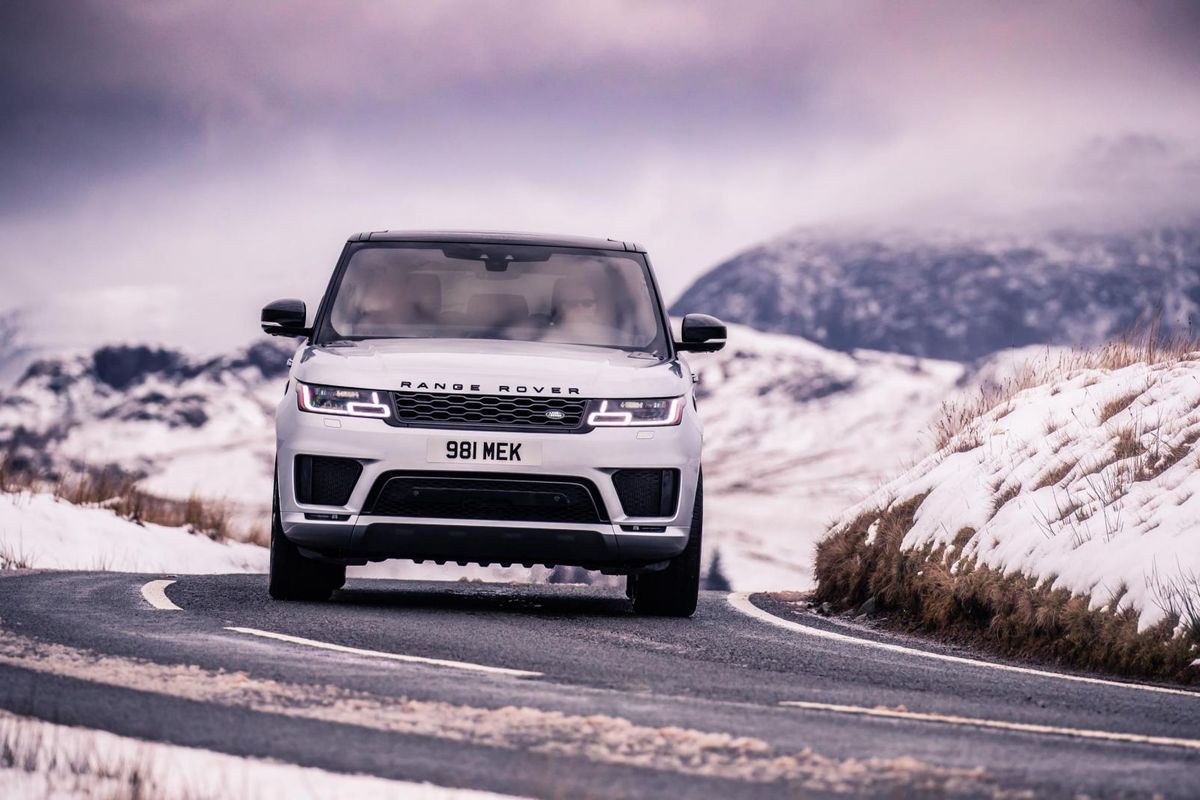
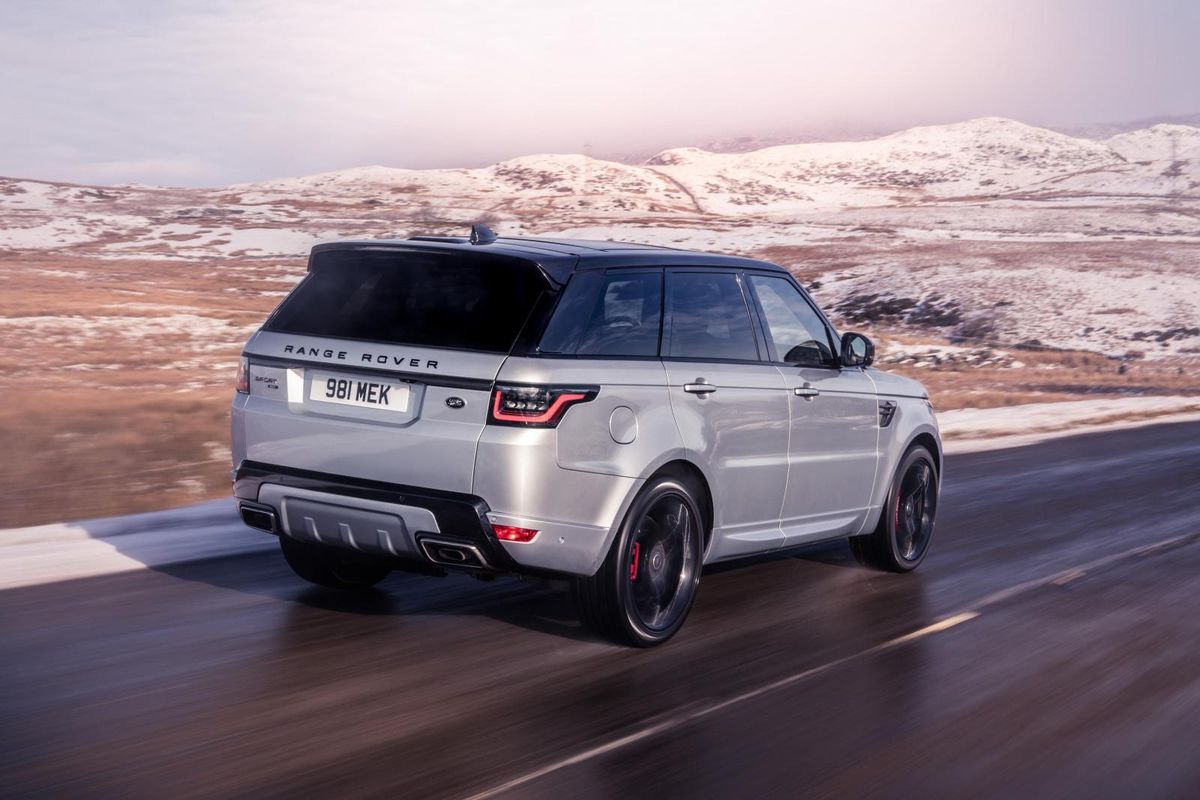
The Range Rover Sport HST is a special-edition model that comes with some glitzy exterior pieces and some lavish interior choices. The HST allows for a choice of 2 alloy wheel designs and 5 exterior colours: Santorini Black, Fuji White, Indus Silver, Firenze Red and Carpathian Grey. What's more, the HST is distinguishable by its red brake calipers, with a grey anodised option also available.
Inside, the HST's 16-way adjustable front seats feature an updated colour pattern with suede cloth detailing on the steering wheel and transmission lever, Satin Chrome gear shift paddles and an HST badged fascia.
The major specification detail for this model, however, is the engine… an all-new in-line 6-cylinder super- and turbocharged engine, which replaces the previous V6 unit. The new unit develops peak outputs of 294 kW and 550 Nm and accelerates the HST from 0 to 100 kph in 6.1 seconds.
The electric supercharger is able to spool up fully in just 0.5 seconds. By reducing low-end lag, the electric supercharger then hands off to the twin-scroll turbocharger. The engine is also equipped with a mild hybrid system that aids acceleration when the Range Rover pulls away from a standstill.
Nick Rogers, Jaguar Land Rover's executive director of product engineering, explains the change: "Inline 6-cylinder engines are inherently better balanced than V6 designs and our all-new Ingenium unit builds on that promise to optimise efficiency in all operating conditions.
Advanced features, including an electric supercharger, ensure distinctive Range Rover Sport performance and responses, while the intelligent MHEV (hybrid) system harvests energy to improve fuel economy and reduce emissions."
Unfortunately the engine, in hybrid application, will not make it to South Africa, although it will likely be brought over in another JLR product in the not too distant future.
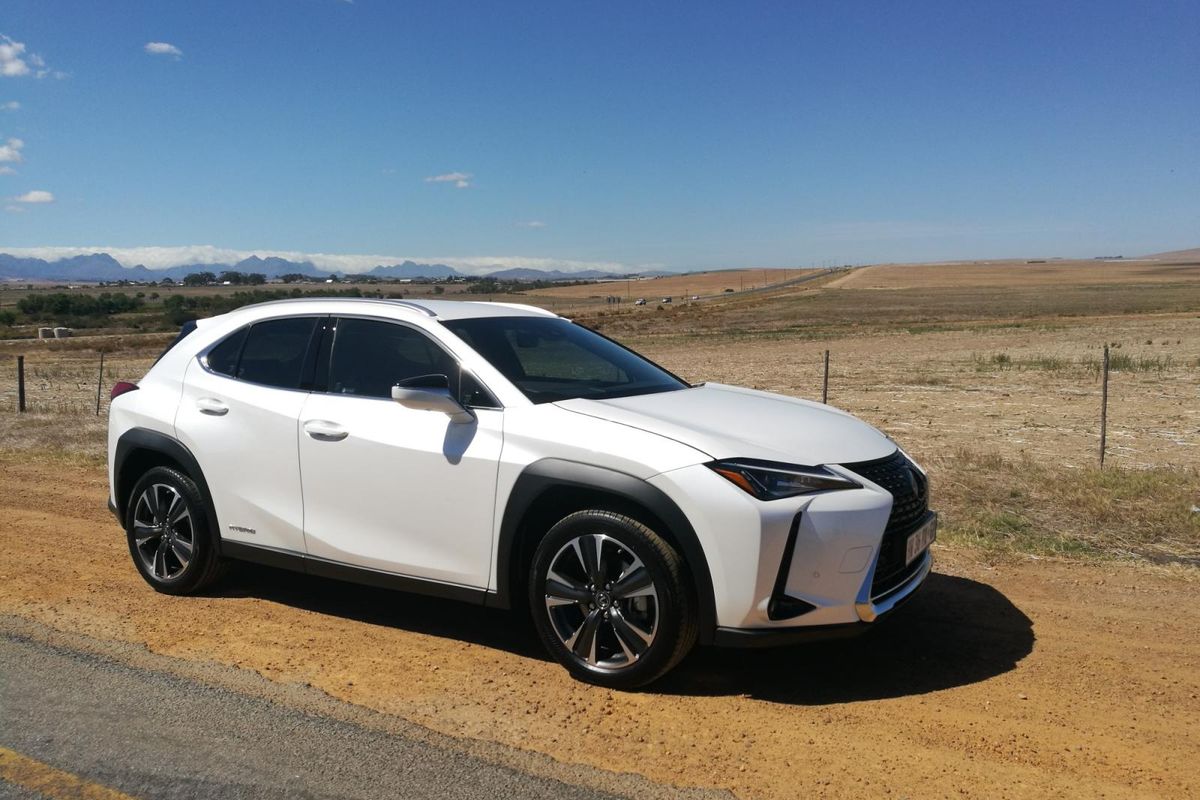
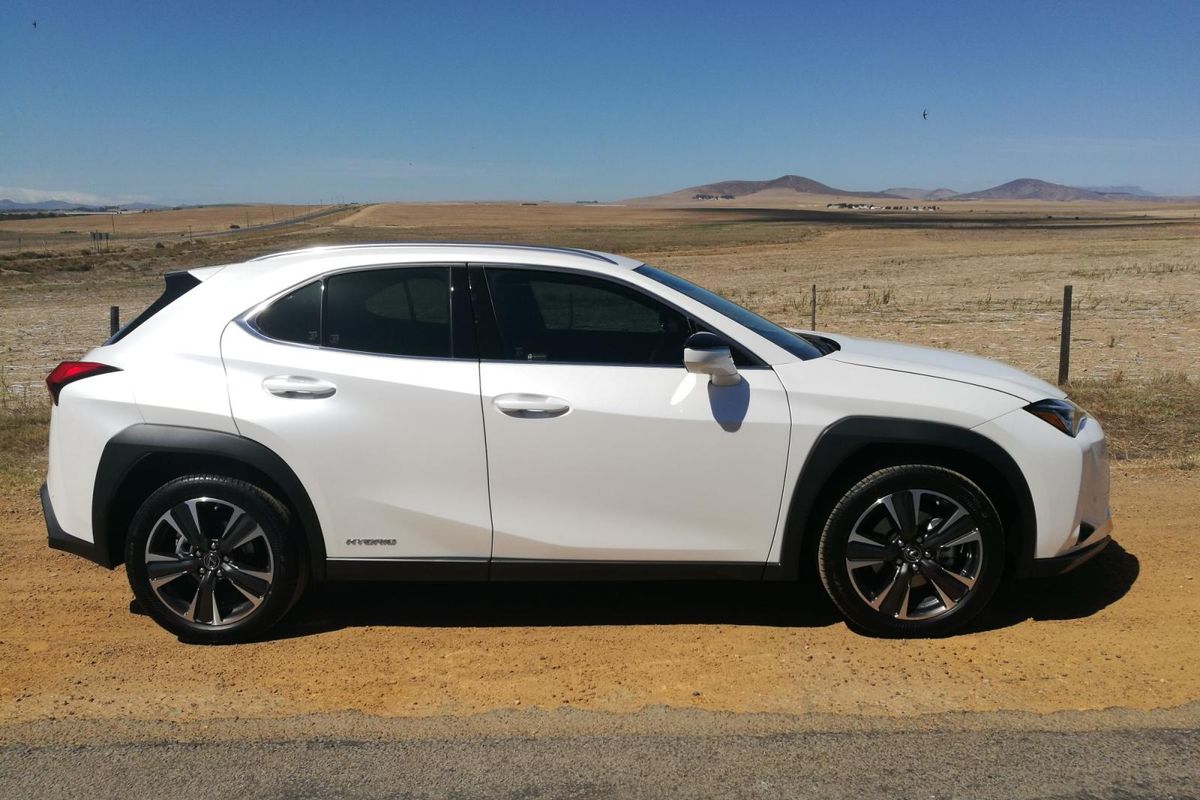
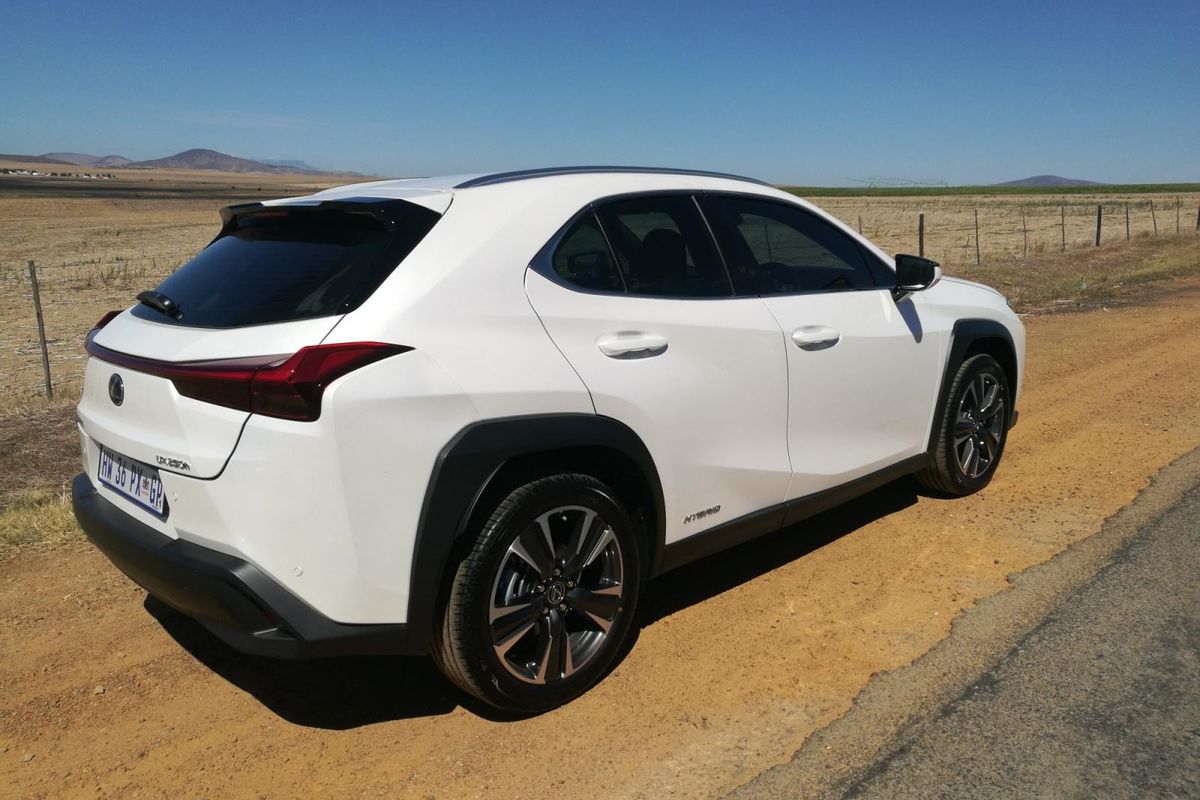
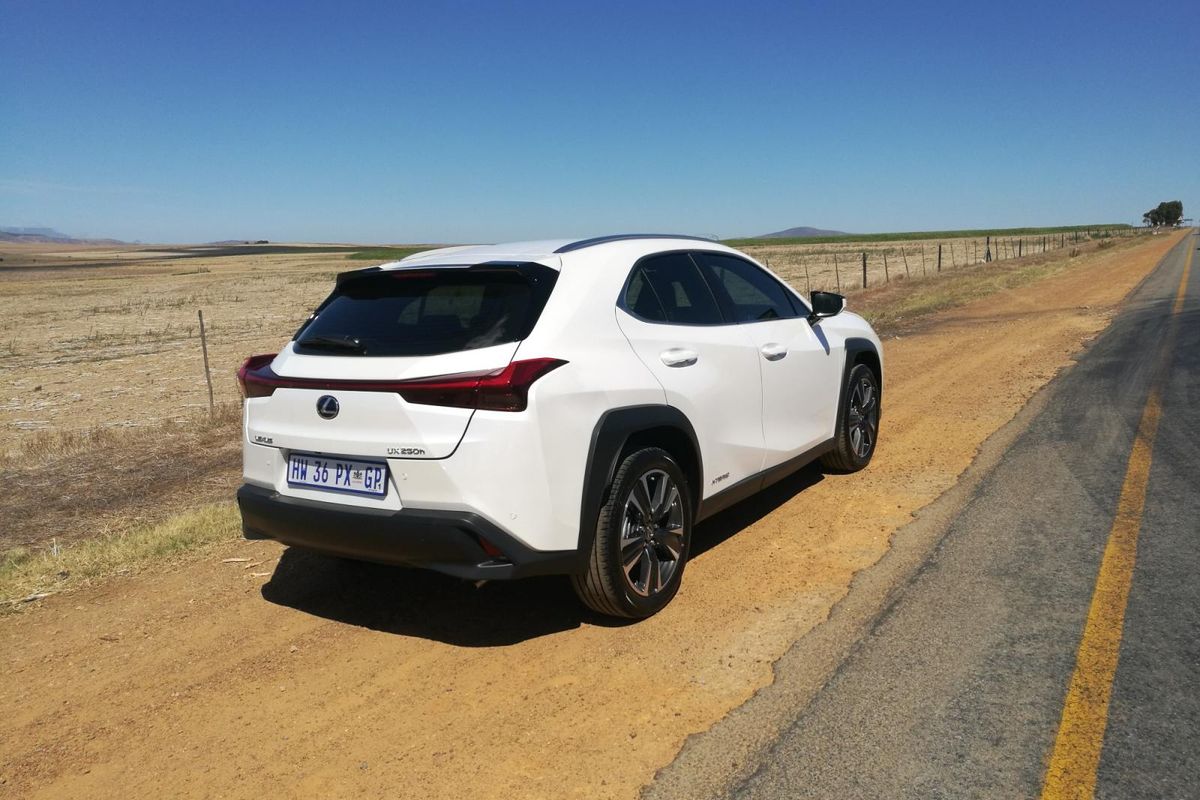
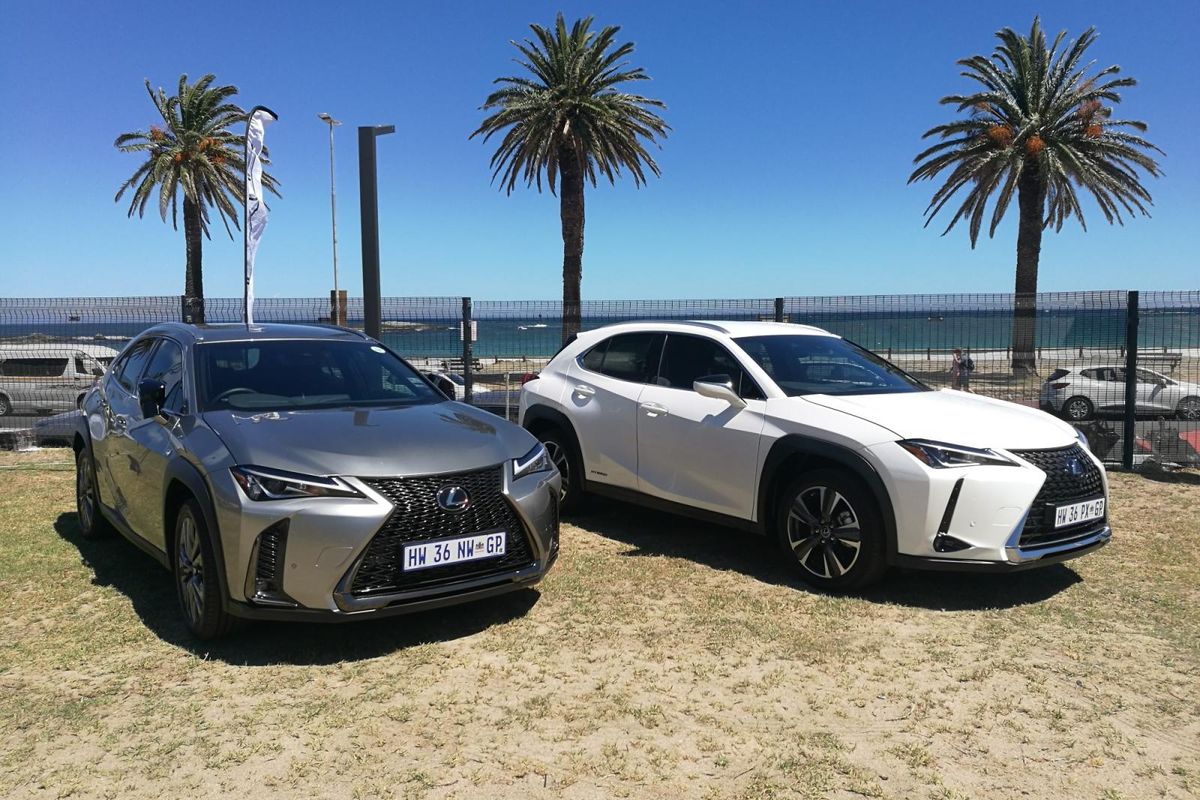
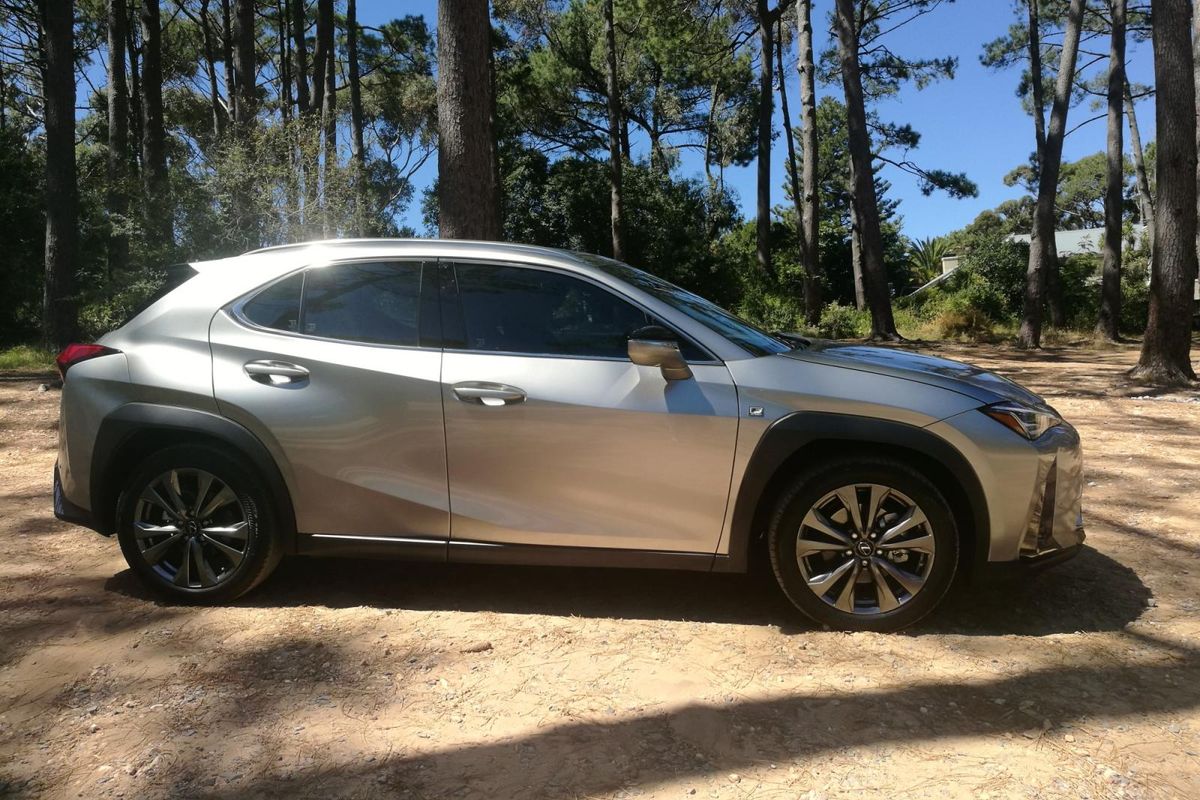
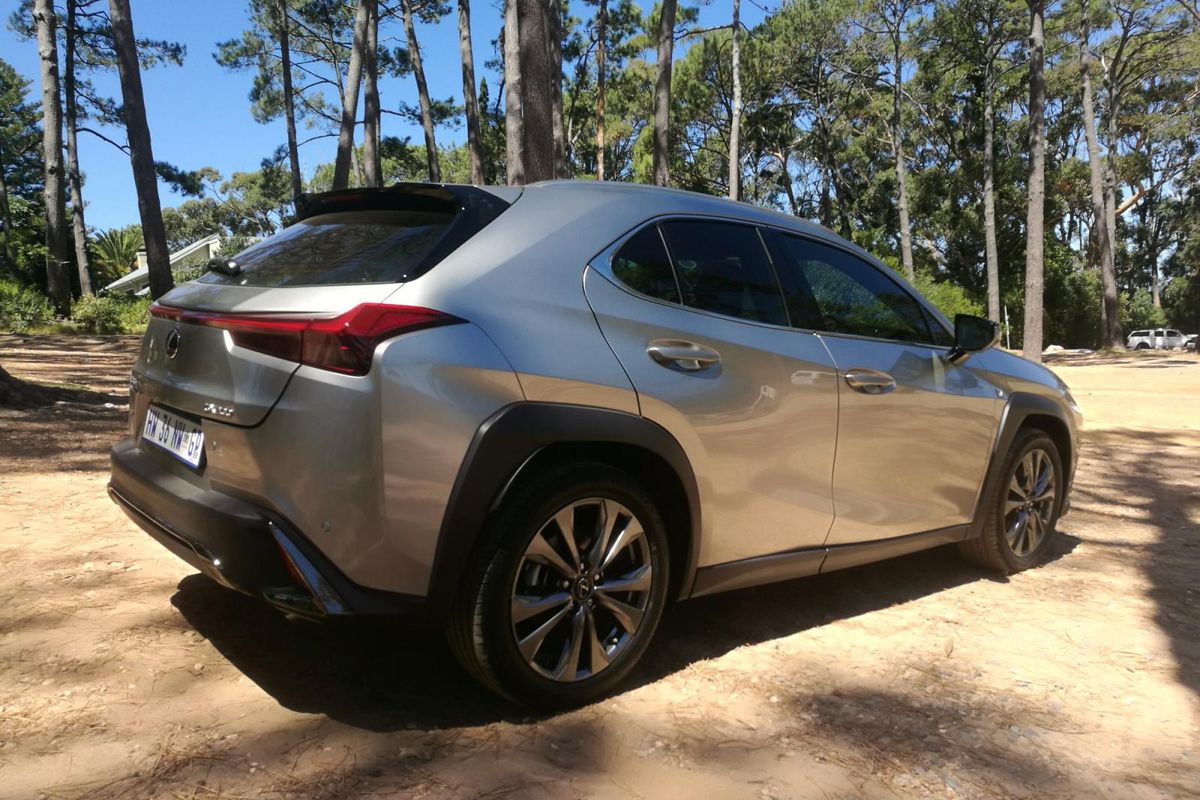
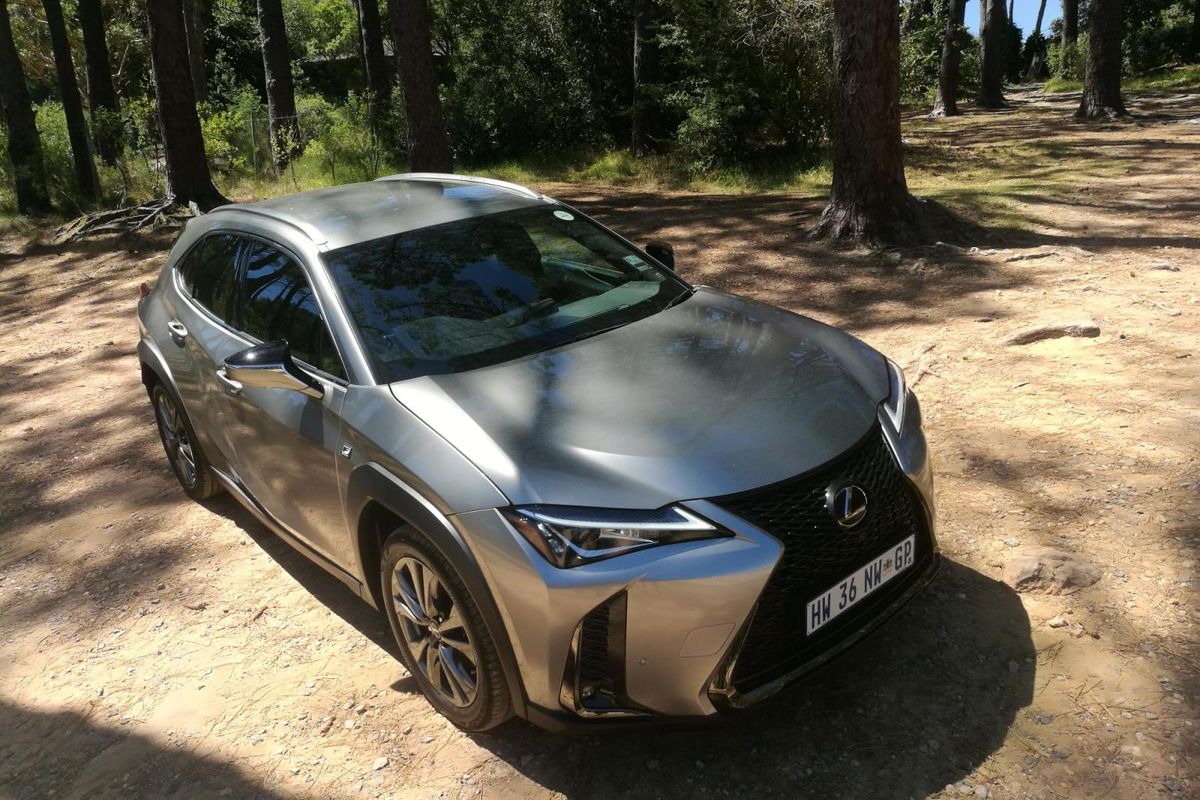
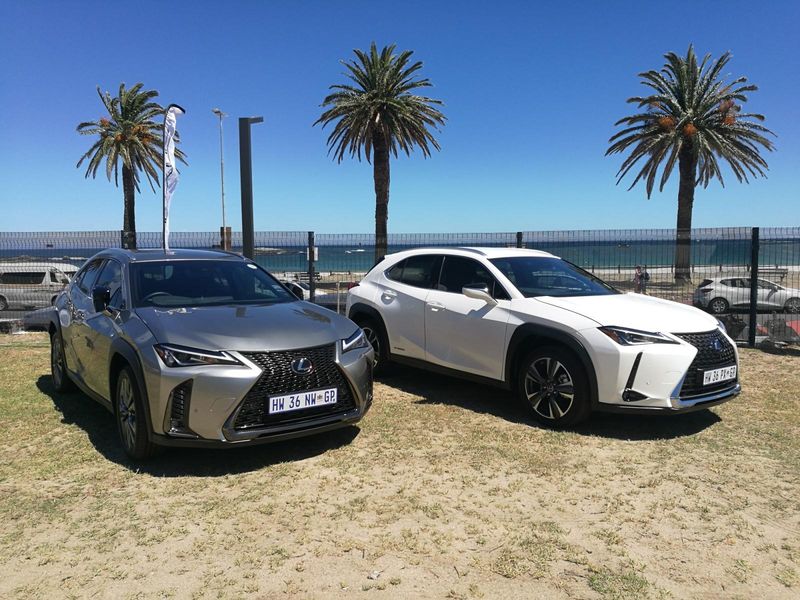
Japanese premium brand Lexus has introduced its new UX compact crossover to South Africa! It may be the smallest crossover/SUV in Lexus’ stable, but the newcomer has a big personality and comes packed with loads of standard features. Gero Lilleike sampled the newcomer at its launch in Cape Town this week; herewith his feedback…
Lexus has been dabbling in the SUV game for some time now with the NX luxury family car, RX premium SUV and the LX 7-seater off-roader. However, with the introduction of the smaller UX compact crossover, Lexus is looking to attract younger, upwardly mobile millennials to the brand with bold styling and a plethora of features that this target market demands. It’s not easy business though, because the UX must meet the challenges of segment heavyweights such as the BMW X1, Mercedes-Benz GLA, Audi Q3 and newer rivals like the Jaguar E-Pace and Volvo XC40.
The UX, an abbreviation for "Urban Crossover", is the first Lexus to be built on the new Global Architecture – Compact platform, which is the same one that underpins the Toyota Prius and C-HR. Combining characteristics of a hatchback and crossover, the UX aims to be a volume seller for Lexus on local soil and will serve as the entry point to the brand. It is, therefore, an important product introduction for Toyota's luxury arm.
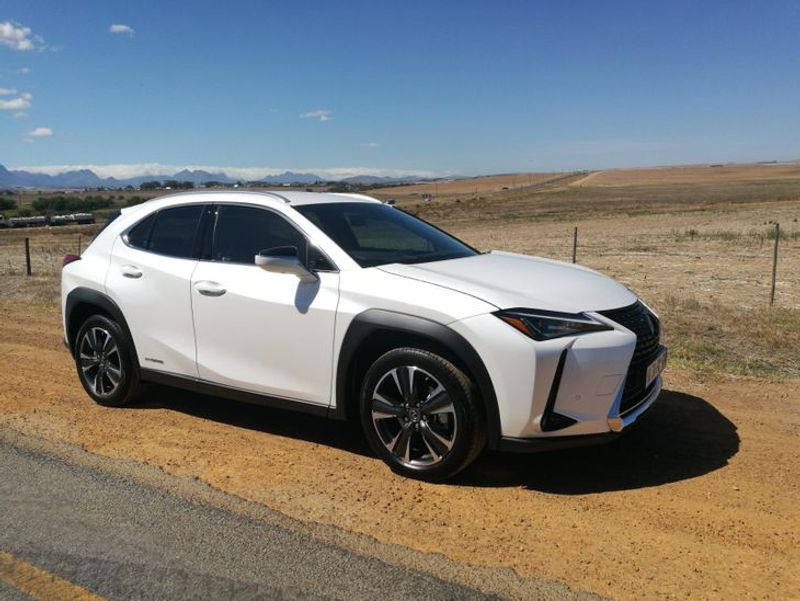
The new Lexus UX is loaded with standard spec while also offering sharp, striking styling.
Where the UX makes a compelling case for itself is with its high level of standard specification, even in its base form. Where most of its rivals are offered with an endless list of optional features, the UX is equipped with a staggering number of modern conveniences as standard.
Without boring you to death with a long list, some of the key features include LED headlights, 18-inch alloy wheels, electric/heated seats, dual-zone climate control (auto aircon), a wireless smartphone charger, cruise control (adaptive cruise control on ES and F-Sport), a 7-inch infotainment system (10.25-inch in the F Sport) with integrated navigation and Bluetooth functionality, an 8-speaker sound system (13-speaker Mark Levinson in the UX F Sport), plus front and rear park distance control with a reverse-view camera, to name but a few. The list goes on and on; you get the point.
The UX also impresses in terms of its suite of safety features; it's equipped with no fewer than 8 airbags as standard, while the 250h ES and 200 F-Sport derivates are equipped with the Lexus Safety System, which includes features such as a pre-crash sensing module, blind-spot monitor, lane keep assist with lane departure alert and an LED Adaptive High Beam system.
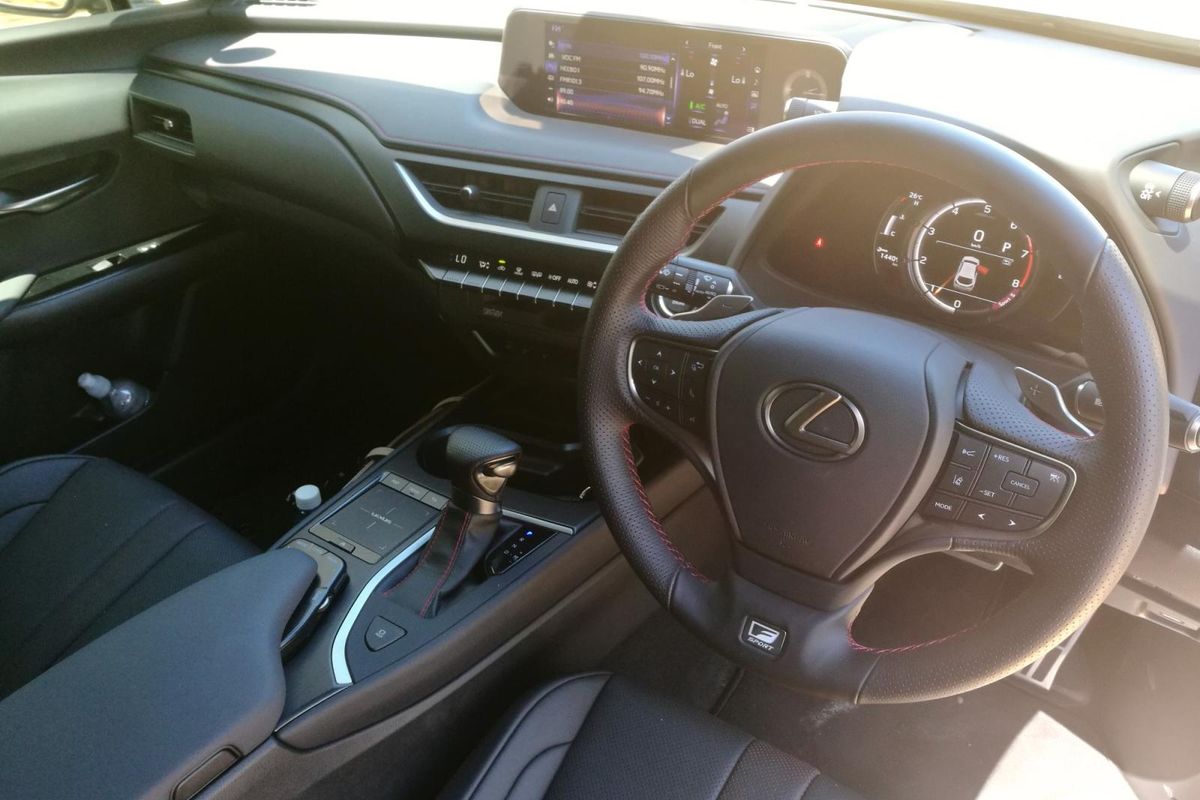
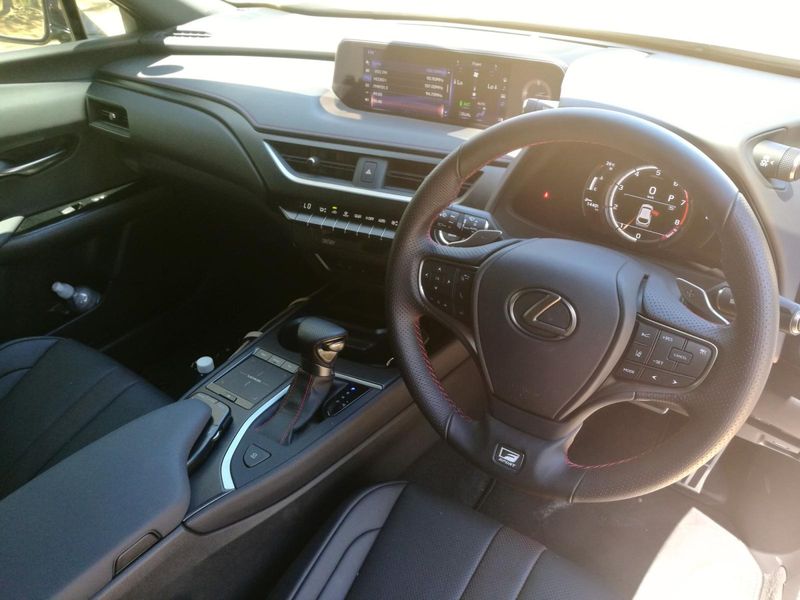
Interior build quality is good. This UX 200 F-Sport features the instrument cluster from the LFA and LC Coupe.
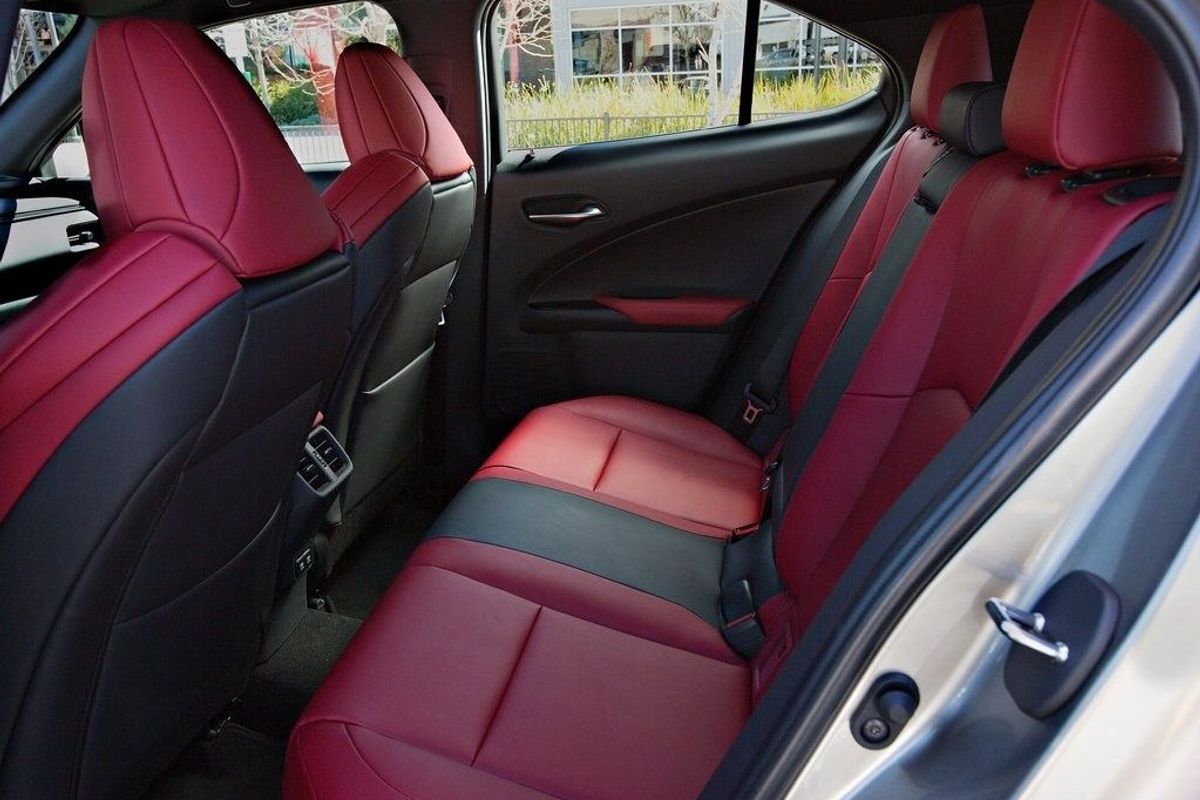
The robust interior build quality and fine leather work were particularly impressive and we found the electrically-adjustable seats supportive, but comfortable. The interior has upmarket appeal (in terms of look and feel) and the controls are ergonomically sound (well within the driver's reach).
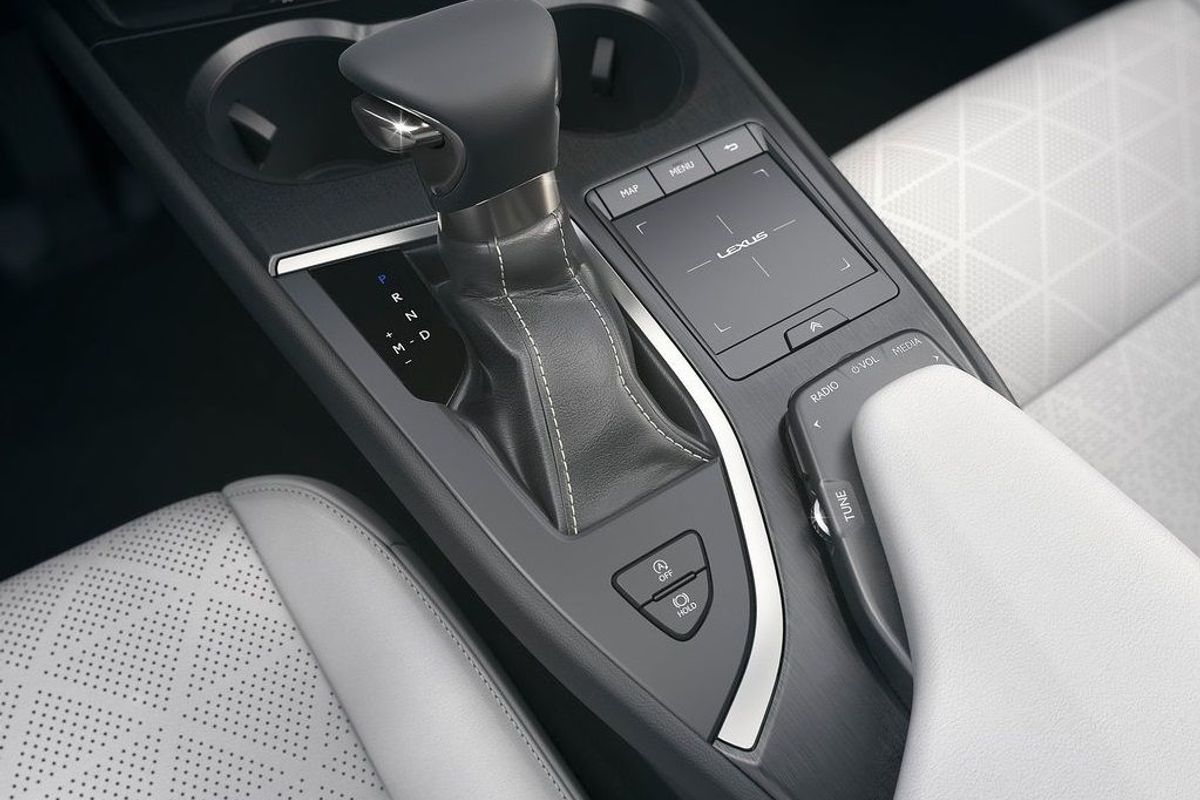
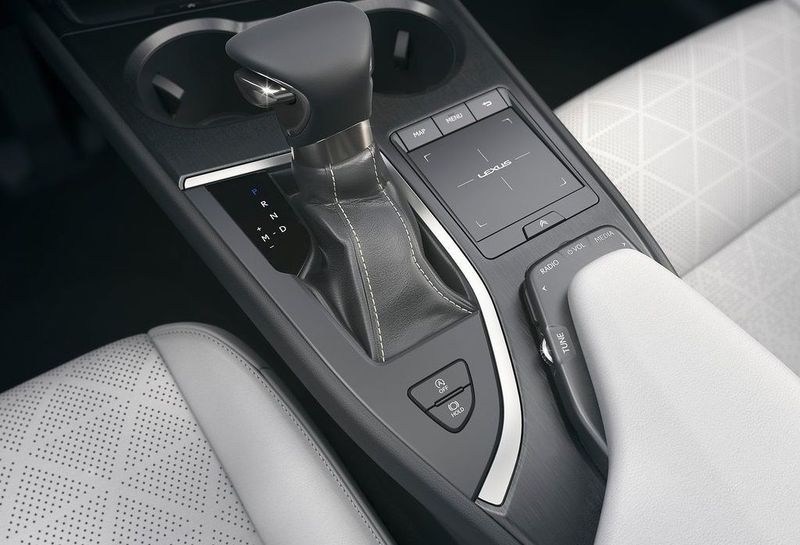
The UX's 7-inch infotainment system (with integral navigation) is controlled using Lexus’ Remote Touch Interface. We fiddled with the touchpad and found it to be hypersensitive and somewhat distracting to use while driving. It can be frustrating to use at first, but with a fair dose of patience and a reasonable period of familiarisation, usability should improve. In our opinion, we don’t feel it’s the most intuitive system on the market, however.
The Remote Touch Interface takes some getting used to, as does the new radio controls built into the armrest.
A nifty feature we spotted in the F-Sport derivative is the movable main gauge bezel as fitted to the LFA supercar and LC Coupe. By pressing a button on the steering wheel, the ring moves to the right, which then enlarges the multi-information display. Very fancy indeed!
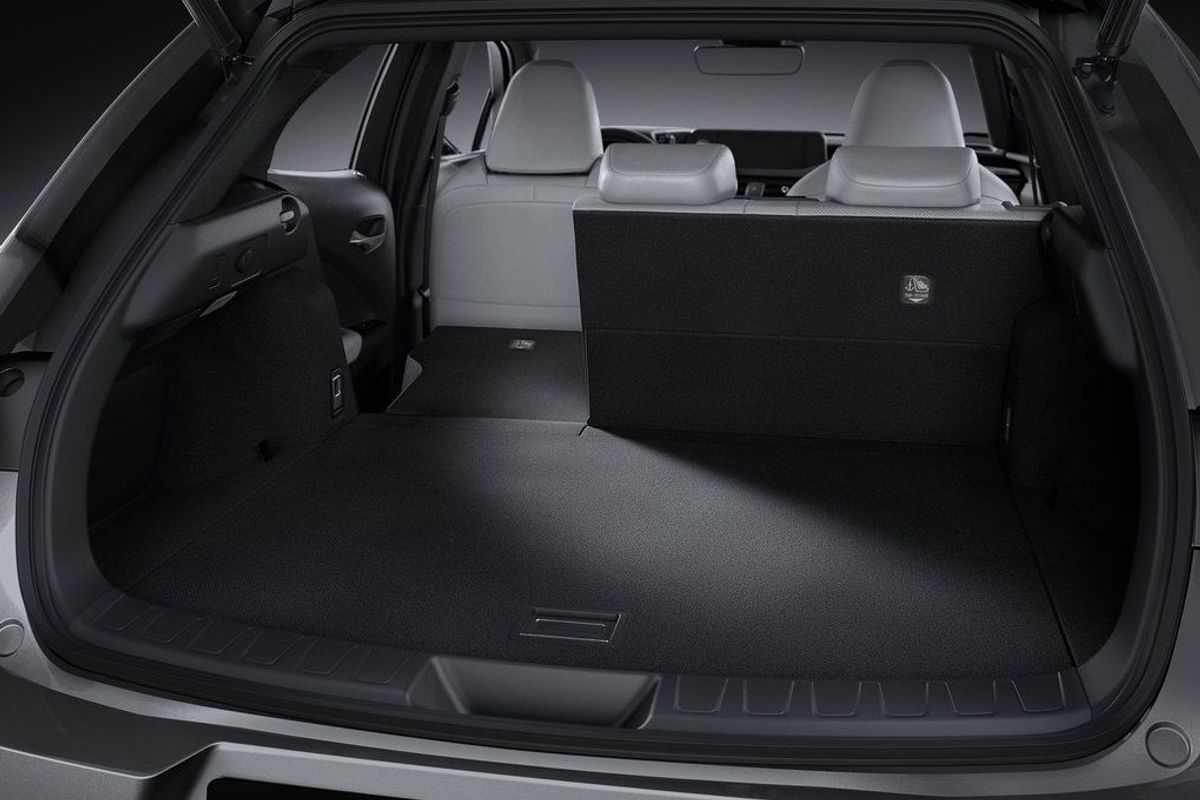
The rear bench is reasonably comfortable but taller passengers might find legroom a little on the tight side. The load bay is not the most spacious (it offers 272 litres) either, but there is some additional storage space under the boot floor if you need to keep valuables hidden from prying eyes. Additional loading space, should you need it, can be accessed by folding the rear seatback flat
What’s it like to drive?
The UX's ride quality is a highlight and this UX 250h ES displayed noteworthy manners on the road.
There are 3 UX derivatives on offer, including 2 naturally-aspirated derivatives in the form of the entry-level UX 200 EX, the range-topping UX 200 F Sport and, lastly, the hybrid UX 250h ES. All derivatives employ a continuously variable transmission (CVT).
Our drive started in the UX hybrid, which is powered by a 2.0-litre petrol engine that works in conjunction with 2 electric motor-generators to produce total outputs of 135 kW and 180 Nm of torque. The UX's smooth ride quality impressed us from the outset… Lexus' compact crossover just glided along, ostensibly unphased by the generally uneven and pockmarked surface of the N2 highway. The ride is on the firm side of pliant, but sufficiently supple and the handling felt sure-footed and confident in the few corners that we encountered on our way towards Philadelphia on the West Coast.
Very few road and wind noises make their way into the cabin, which is a testament to the UX’s solid build quality, but also enhances the "luxurious driving experience" appreciably. The steering is appreciably responsive to inputs, but also communicative with a pleasantly direct and sporty feel.
Using the drive mode dial placed next to the instrument cluster, the driver can select between Eco, Normal and Sport modes (depending on their preference). We whipped the UX hybrid into Sport mode on an empty stretch of road and found it willing to surge forward with surprising intent, plus we're happy to report that the CVT was well behaved, without that excessive (let alone infuriating) drone that most gearless transmissions emit.
The UX hybrid’s performance was far from underwhelming. In fact, it was refreshing to discover how responsive and keen it was to push on. Lexus claims an average fuel consumption of 4.5 L/100 km, but we'll need to spend more time with it to see how it fares in typical cut-and-thrust city traffic.
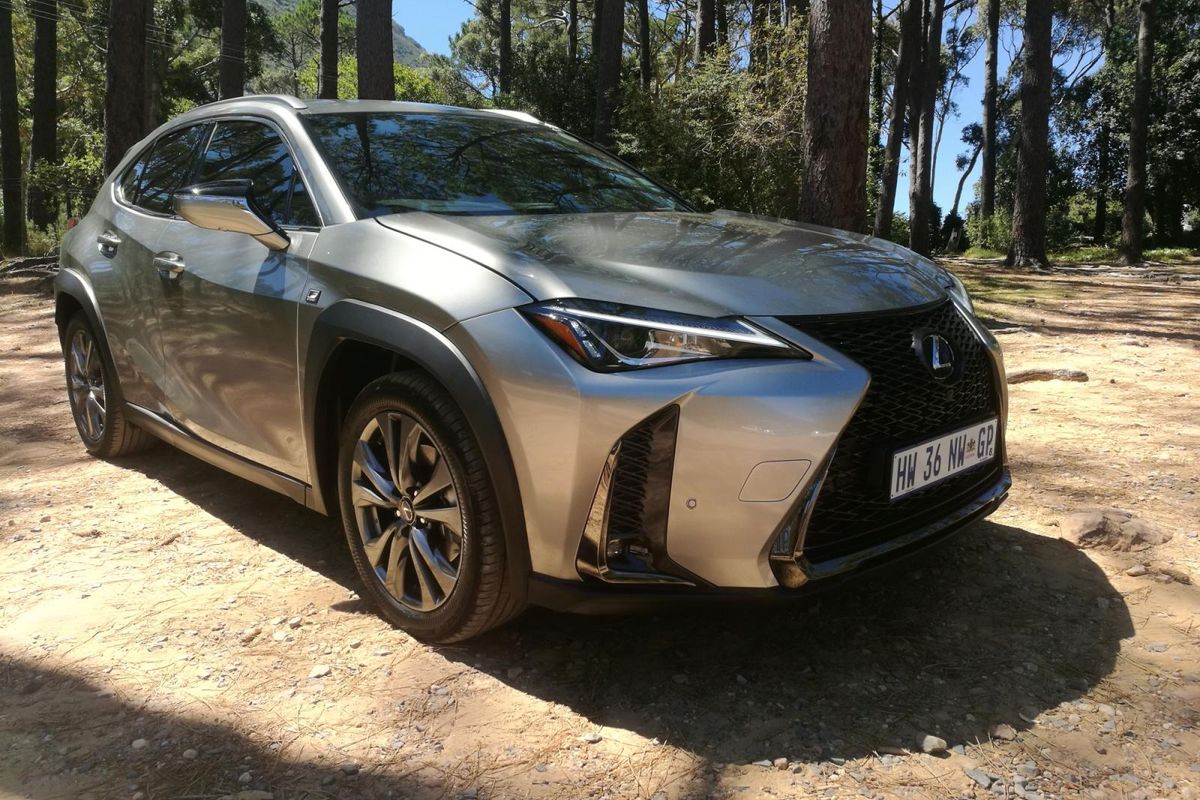
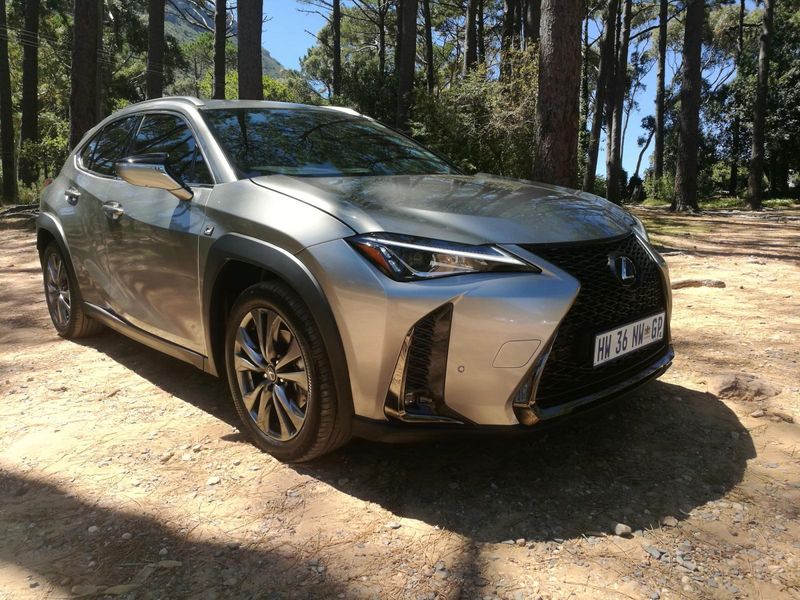
The UX 200 F Sport has numerous F Sport-specific features to differentiate it from the rest of the UX range.
We also had a quick drive in the sportier 200 F-Sport derivative, which employs a naturally-aspirated 2.0-litre petrol engine that produces 126 kW and 205 Nm of torque. This range topper is distinguished with sporty appointments such as F-Sport 18-inch alloy wheels, -scuff plates, -3-spoke steering wheel, -leather seats and a derivative-specific instrument cluster.
The 200 F-Sport further features adaptive variable suspension (AVS), which enhances ride refinement by increasing damping force to minimise body roll (side-to-side yawing motion) in the corners (or when changing lanes) and reduces damping when driving in a straight line to maximise ride comfort. The AVS is activated in conjunction with Sport S+ mode, which is only offered in this derivative.
Like the 250h SE, the 200 F-Sport can hustle along at a fair pace, but the latter carries a slightly higher claimed fuel consumption figure of 6.1 L/100 km. The driver can also manipulate the CVT using the mounted steering wheel paddles to squeeze the most out of the engine’s performance characteristics when needed. Overall, we found the Lexus UX’s performance to be more than adequate for its intended target market.
Summary
While our initial impressions of the UX are mostly positive, like any car, it’s not perfect. The shallow and somewhat diminutive load bay may be an issue for some family-car buyers and the infotainment system proved to be too finicky for our liking.
Nonetheless, the UX appears to be a worthwhile option to consider if you are in the market for a stylish and alternative compact luxury crossover. The entry-level 200 EX, which is expected to be the top-selling derivative, is particularly enticing at R599 900 if you consider the sheer amount of standard kit on offer when compared with its less-generously-specified German competitors. The 250h ES and UX 200 F Sport are, of course, pricier and for many buyers, those derivatives may very well be a push too far at R699 000 and R726 200 respectively.
However, Lexus’ new 7-year/105 000 km warranty and maintenance plan are genuine deal sweeteners. While brand snobs are likely to stick to the run-of-the-mill German fare, those who venture into the Lexus stable will nevertheless have much to smile about from behind the wheel of the UX.
We will have the new Lexus UX on test soon, so look out for a thorough evaluation coming your way in the near future.
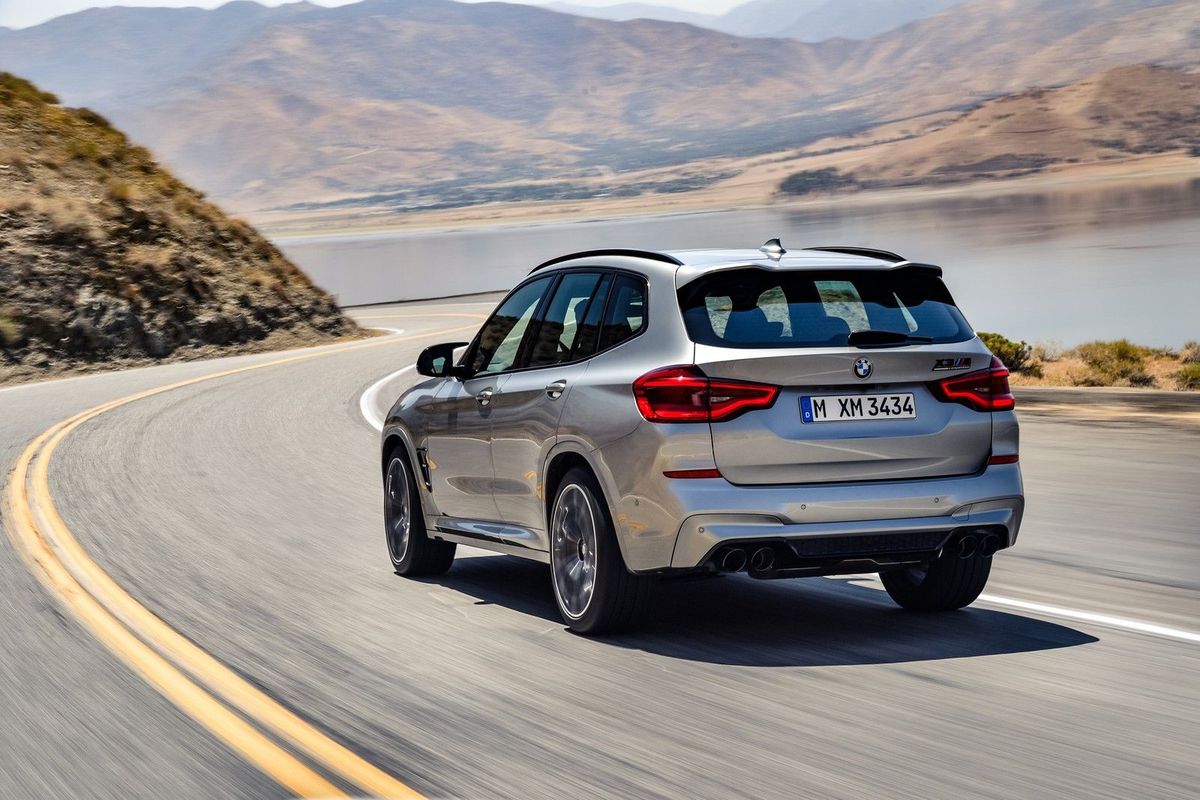
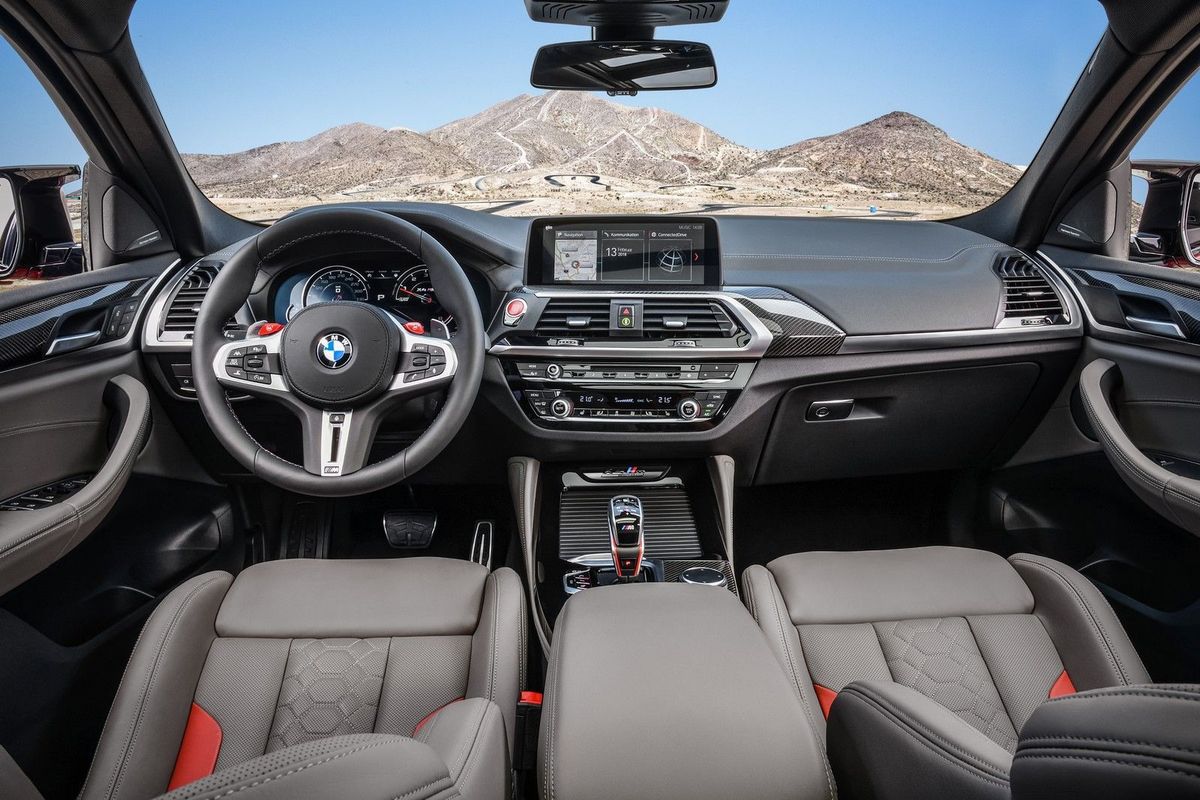
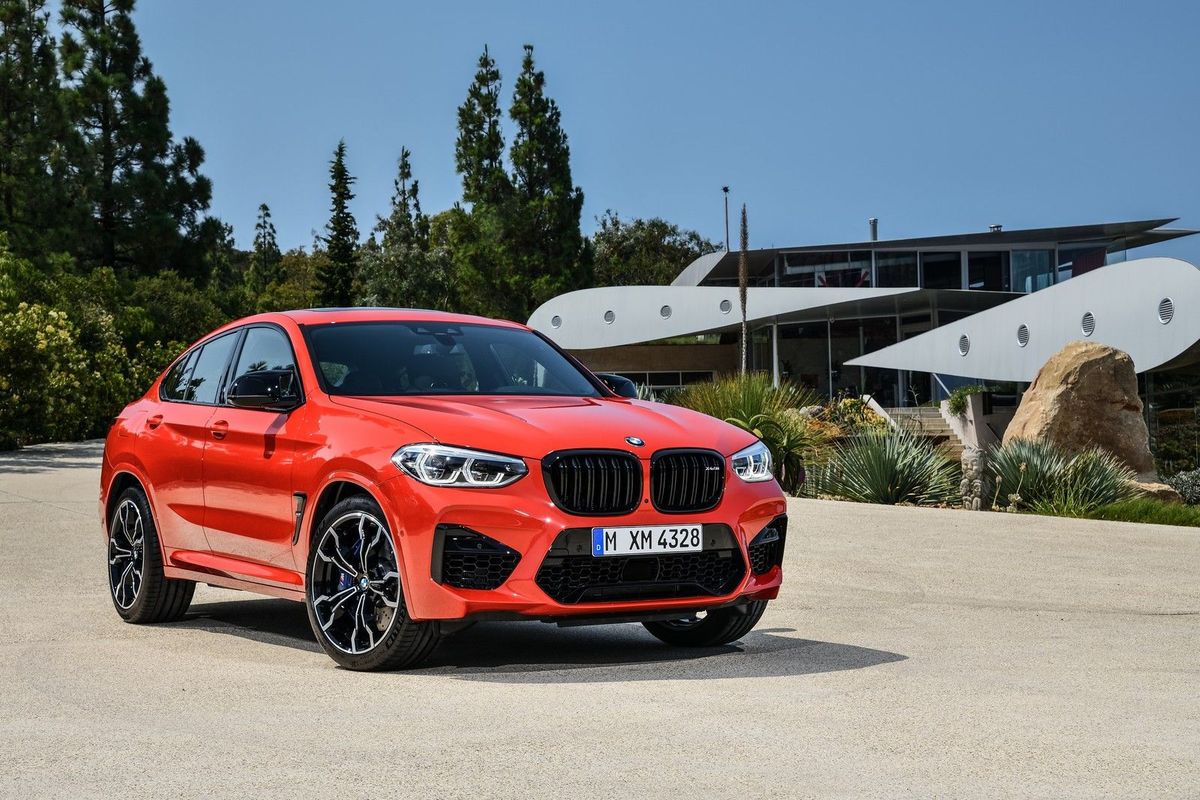
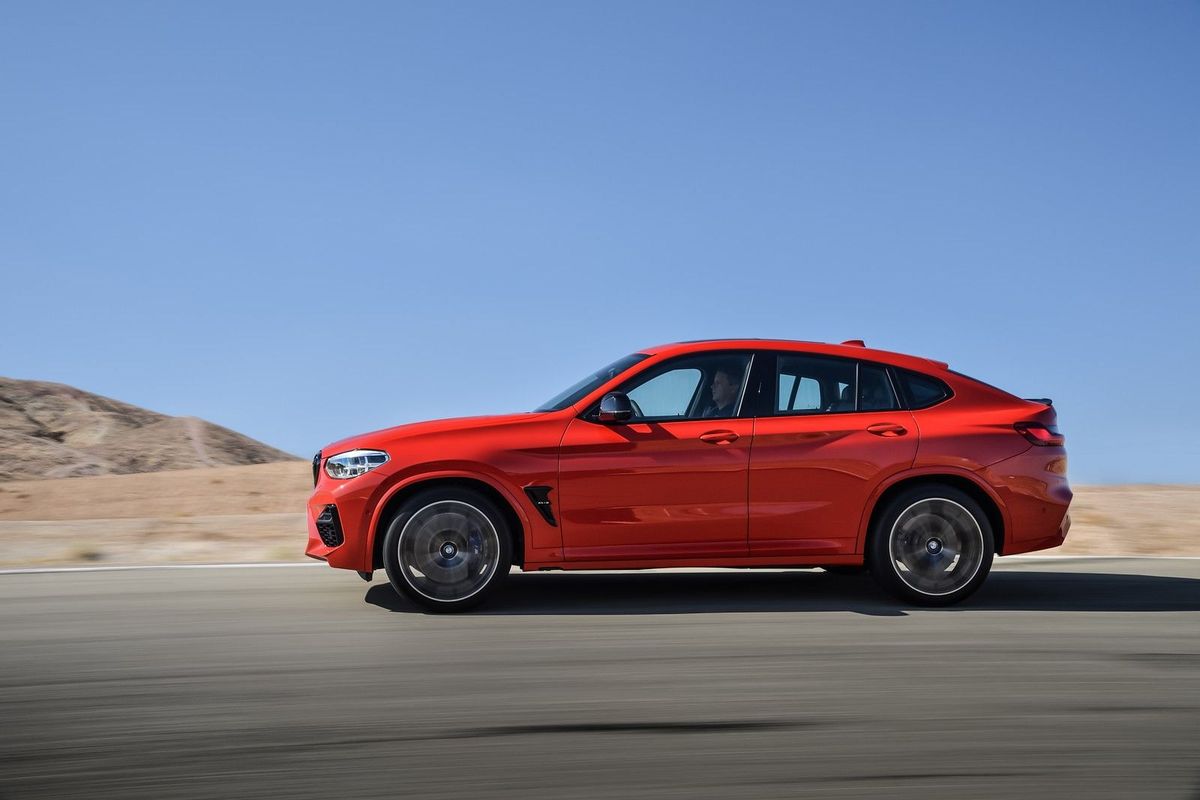
A decade after BMW revealed its first M-Division SUVs, the company has now expanded its portfolio of very quick gravel travellers.
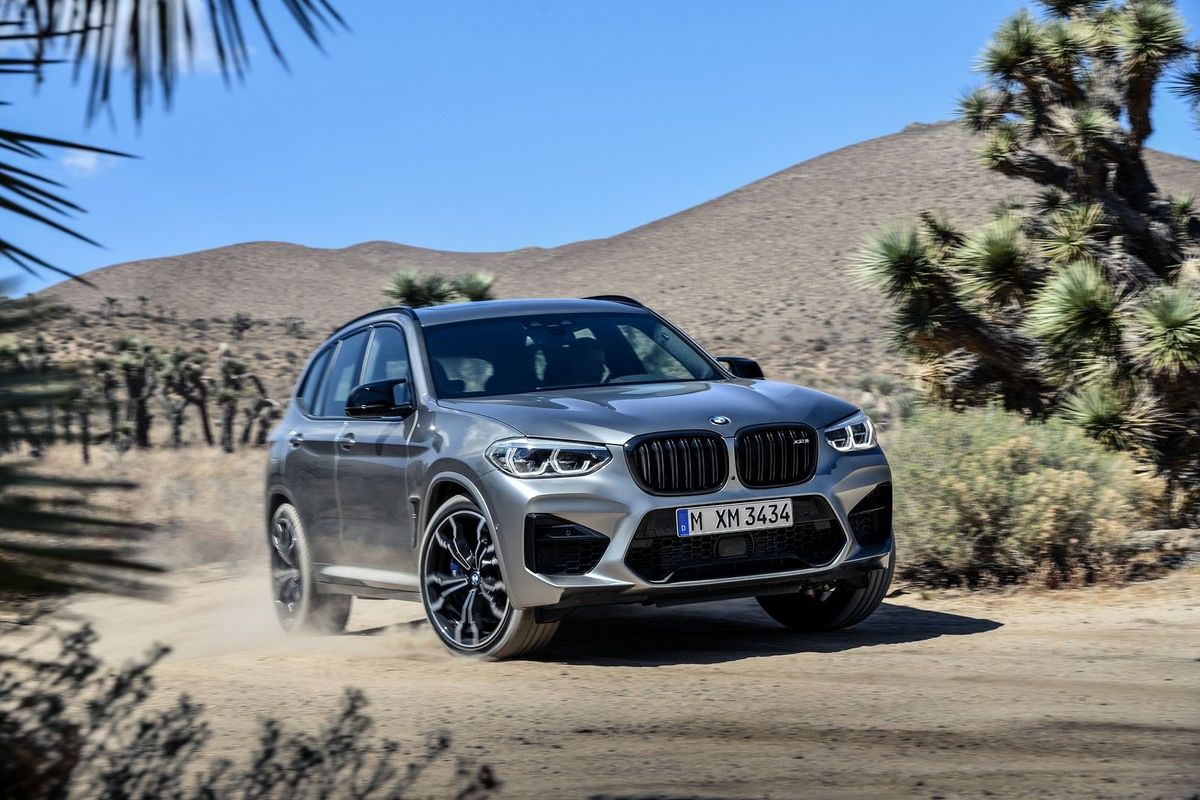
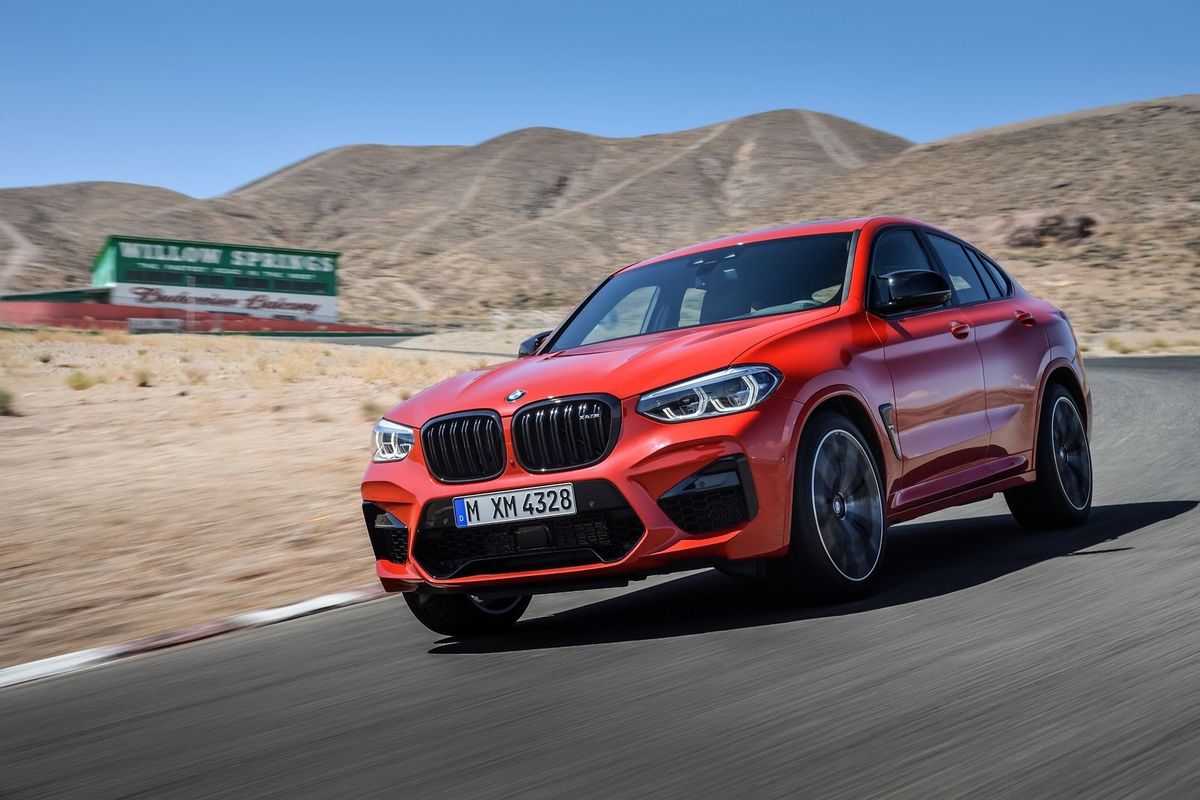
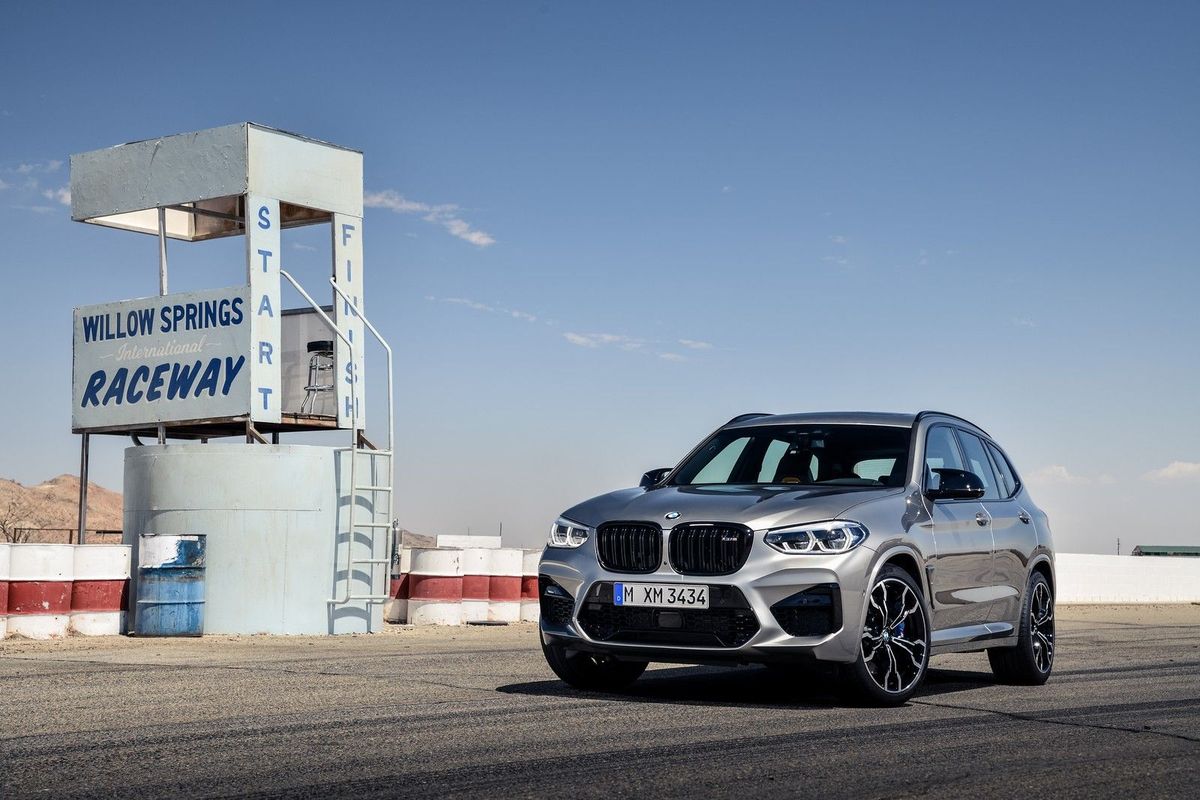
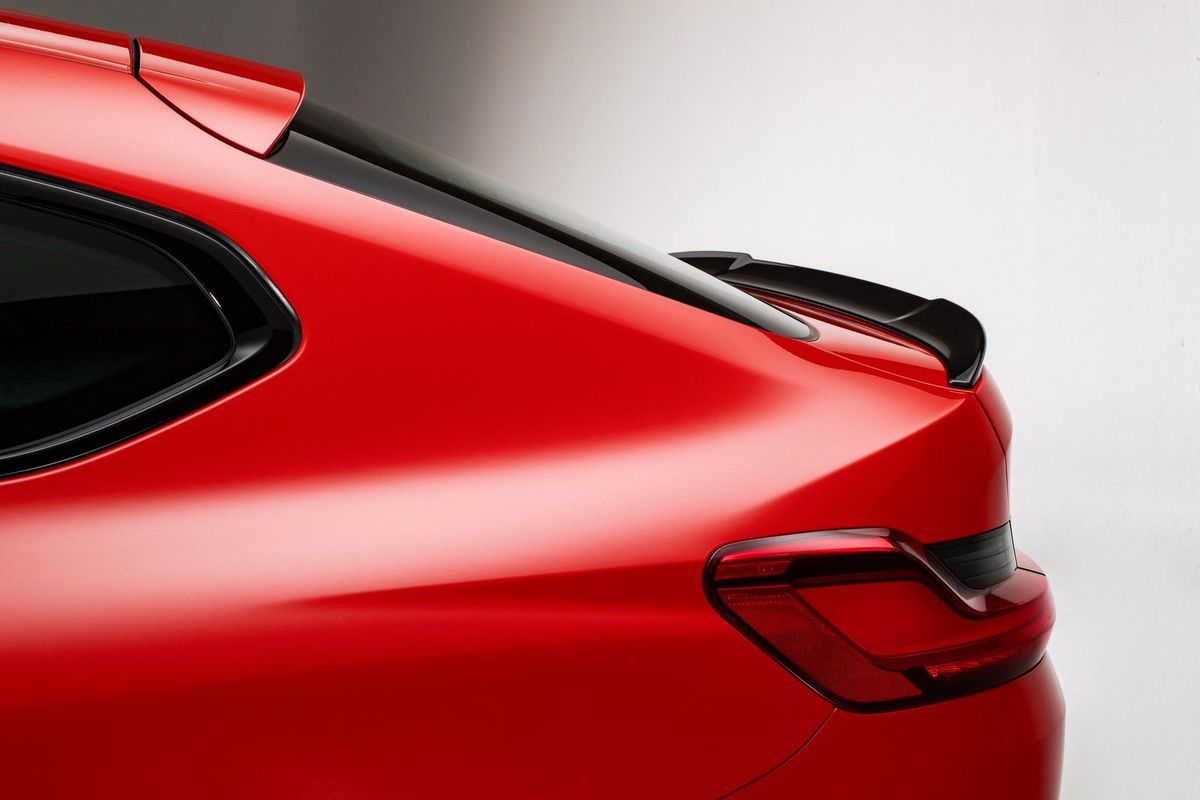
Details of the X3 and X4 M SUVs have finally been made public, ahead of their scheduled debut at the Geneva auto show, in March. Although the SUV configuration might still be bothersome to true BMW M-Division traditionalists, the technical expertise that Munich’s finest mechanical engineers have applied to these cars are deeply impressive.
Both the X3 and X4 M-cars will be powered by the familiar BMW 3-litre in-line six, boosted by a twin-turbocharged set-up. Interestingly, two grades of the 3-litre turbo will be available, either a ‘standard’ 353 kW/600 Nm configuration, or an even more potent Competition option, surging peak power to 375 kW.
Power is predictably sent to all four wheels, via an eight-speed automatic transmission – with no dual-clutch drivetrain option. Those power numbers and all-wheel traction combine to deliver very keen acceleration numbers: 0-100kph in 4.2 seconds (4.1 sec for the Competition derivatives) and a top speed of 280 kph for X3/4 Ms with the optional Drivers’ Package.
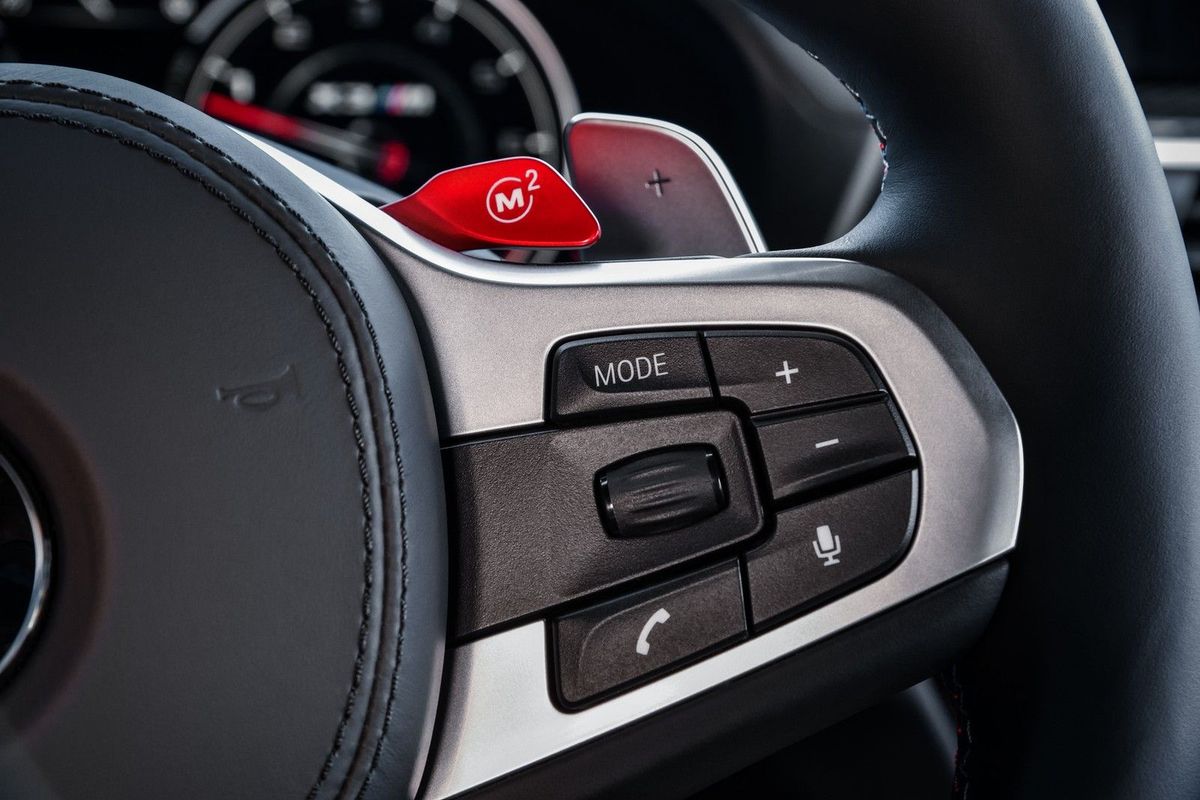
If you require an additional 5 kph of top end, paring a Driver’s Package delimiter to the any of the Competition X3/4 M models will raise maximum speed potential to 285 kph. A dual-branch exhaust system with active flaps and 100 mm piping diameter should guarantee that these six-cylinder M-Division SUVs sound the part too. Selectable transmission shift patterns, suspension settings and styling trinkets are all familiar M-Division fare.
Technology abounds, with BMW’s engineers calculating that the cornering performance and higher SUV centre of gravity would possibly render lubrication issues, and therefore the sump is separated in two chambers, enabling a suction channel in between for optimal oil circulation. The X3/4 M cylinder heads also feature intricate 3D printed shapes, which allow for incredible geometric precision, optimising pre-combustion swirl and efficiency.
Following the trend in high-performance automotive marketing, BMW will first debut the more powerful Competition models, which should arrive in South African during the third quarter of this year. The ‘less powerful’ 353 kW options will follow later.
BMW M has made some of the best performance engines for attainable sportscars and sports sedans, but which ones stand out and gain legendary status?
BMW has built a reputation over the years for designing and building some of the most inspirational and visceral engines on the planet. A brief perusal of its product portfolio will reveal a decorated history – both in terms of its motorsport and production stock. And of all these offerings only a handful stand out for various reasons, the most notable of which are those that have been breathed on by BMW’s M division.
These very badges have become quasi-religious symbols in their own right – harbingers of the pulsing performance lurking beneath their tempered bonnets. And while their blueprints may have changed over the years to accommodate the slew of contemporary environmental laws 1 thing still remains: the emotional connection they share with those brave enough to tame them.
BMW S85
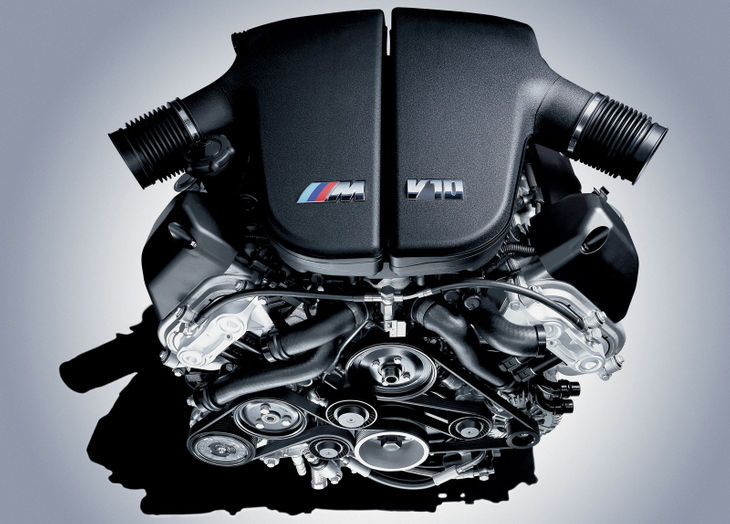
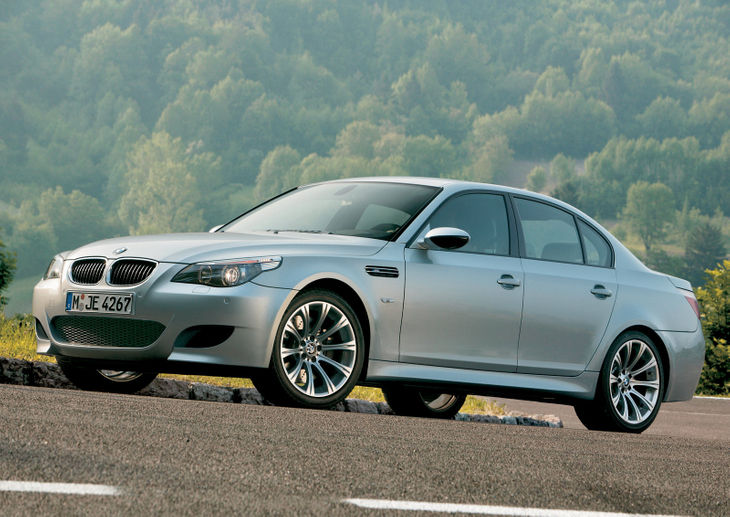
Manufactured between 2005-2010 the naturally aspirated 5.0-litre V10 that powered the E60/61 M5 and E63/64 M6 is the first and only 10-cylinder series-produced BMW engine. It was inspired by the Munich-based manufacturer's involvement as an engine supplier (and later a works team) in F1. Naturally, it wore an appreciably unique engine code – 80 – to differentiate it from the 60 and 70 designations of the respective V8 and V12 variety. It was a frighteningly feral thing both in terms of its performance, a fact underscored by its colossal (and peaky!) power and torque outputs of 373 kW and 520 Nm. Armed with a lofty 7 750 rpm redline (8 250 rpm on the clocks) the 10-cylinder symphony belted out by its quad-pipe exhaust arrangement was intense and haunting – thanks largely to 10 individual throttle bodies and a performance exhaust system.
The V10 gave the M5 supercar performance and drama; it imbued the 5 Series flagship with a Jekyll-and-Hyde personality. Even when pootling around town at low speeds, its anxious and edgy demeanour would constantly goad the driver to free the M5 from the shackles of economy. Strangely all manual versions were sold in the US (the land of the automatic). The rest of the world had to make do with a clunky SMG transmission.
BMW S65
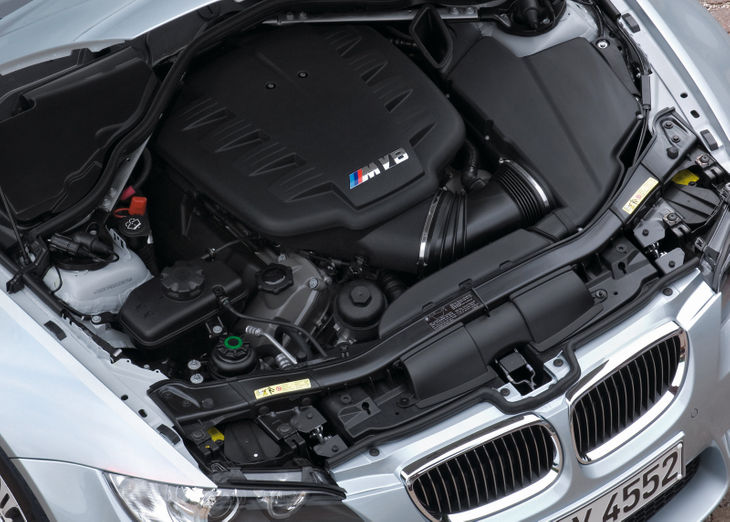
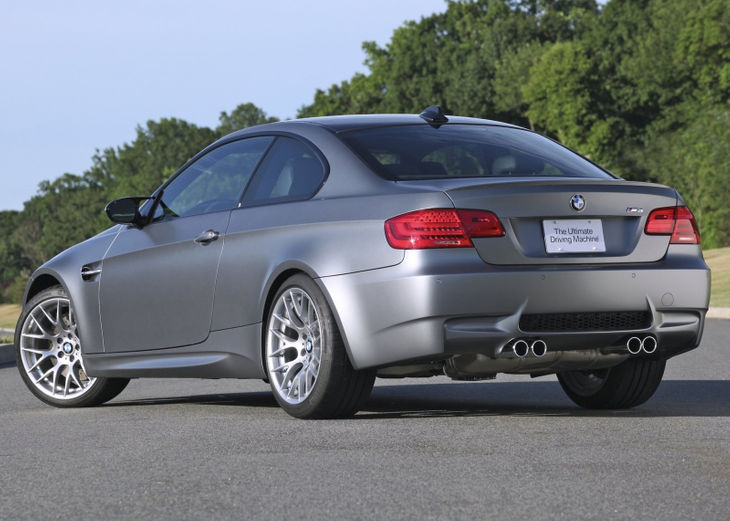
Ah yes, the S65 powerplant. What a truly superb work of craftsmanship. The boisterous 4.0-litre V8 configuration gave rise to one of the most splendid- and aggressive-sounding BMW M cars ever: the E92 M3. It’s often regarded as one of BMW’s finest engines and shares such attributes as bore and stroke, variable valve timing system and a 12.0:1 compression ratio with the aforementioned (S85) V10 engine employed by the M5/M6. That's why it's commonly believed that the E92 M3's wailing V8 was essentially a truncated version of its V10 brother…
With 309 kW and 400 Nm of twist going to the rear wheels, this particular M3 was full of emotion and often gave its owner heart palpitations owing to its propensity to lose traction and pirouette like an Olympic dancer at the limits of its performance envelope. Most owners however, knew very well to keep things civilised and never tinker (too much) with the DSC settings. What makes the S65 engine all the more special is the fact that it was the last of the naturally aspirated V8 M cars and has become a collector’s piece as a consequence. It was never officially replaced; rather the onset of stricter emissions laws and environmental taxes brought about its demise, after which BMW looked to turbocharging for a replacement.
BMW M88
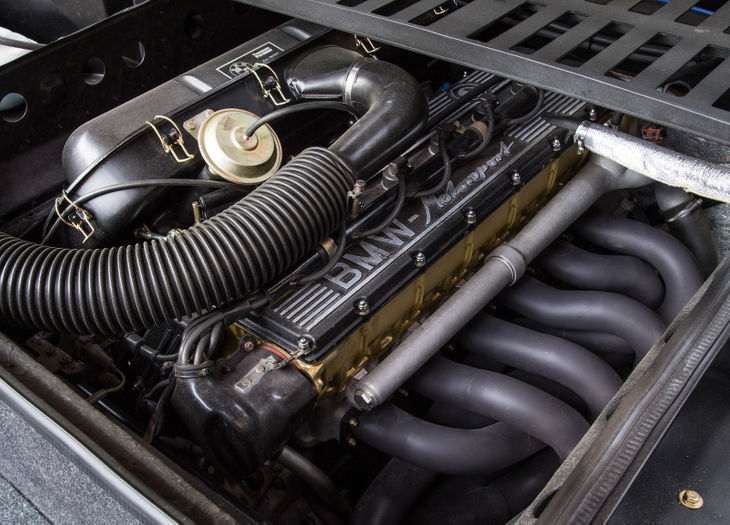
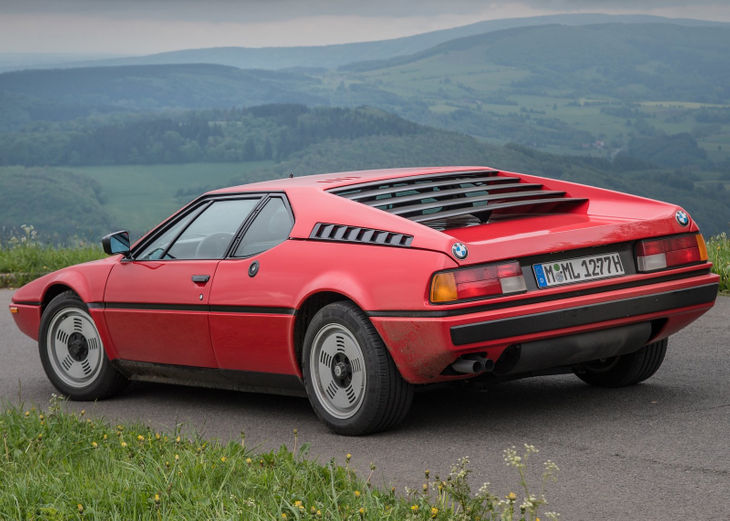
Ranked number 44 in the Cars.co.za Top 100 Coolest Cars of all Time, the BMW M1 supercar was the fastest German road car of its era and the progenitor of the brand's M car far. Endowed with both an achingly beautiful wedge-like appearance and well-endowed spec sheet, its dry-sump, mid-mounted 3.5-litre 24-valve straight 6 mill was a masterstroke and emitted one of the most sonorous soundtracks imaginable. Produced between 1978-1989 it was largely based on the DOHC version of the BMW M49 engine, which did duty in the BMW 3.0CSi racing rigs of the time.
In M88 trim it produced 204 kW and 330 Nm of torque and was good for a top speed of 265 kph – not very quick by today’s standards, but was mighty impressive in the 1980s. The M88 blueprint formed the cornerstone for future BMW legends and was modified for use in applications such as the E28 M5 (the world’s first super sedan), unique-to-Mzansi BMW 745i and the E34 M5 (in which its capacity ultimately grew to 3.8 litres)
BMW S14
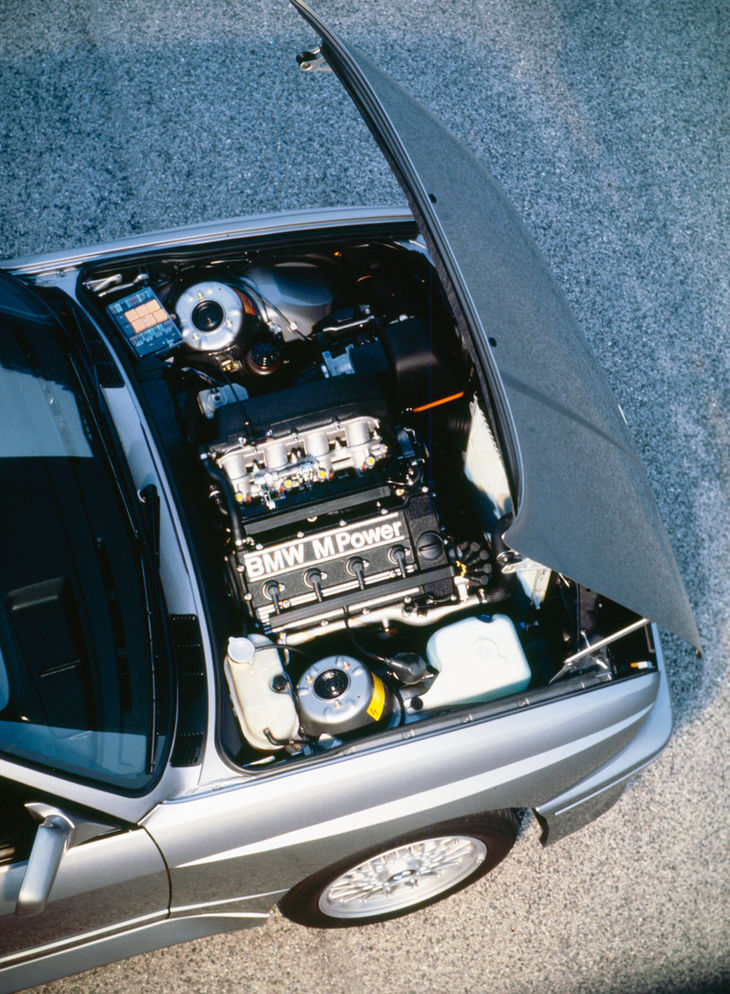
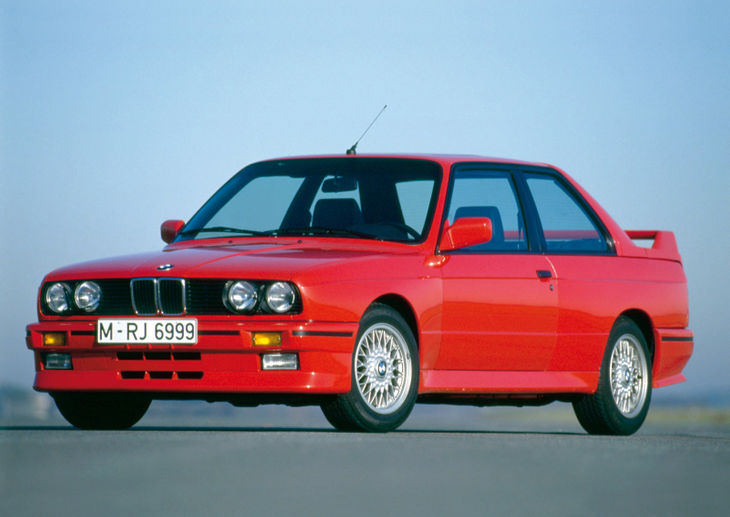
Yes, South Africa might have never received the E30 M3, but we were lucky enough to benefit from our very own special editions such as the 333i and 325iS Evo 1 and 2. However, as special as these 2 models were they ultimately lacked the "mark of the beast", you know, that fabled M3 badge… The revvy E30 M3 2.3-litre (later 2.5-litre) 4-cylinder engine was a sort of Frankensteinian creation; a combination of M10's (from the 2002 Turbo) bottom end and the M88’s head (but with 2 fewer cylinders, it was a 4-pot). It would go on to dominate touring car racing for many years.
Production spanned nearly eight years (1985-1992), in which time four distinct iterations were available with power outputs ranging from 143 kW, 158 kW and 162 kW while the 2.5-litre Sport Evolution model (often referred to as the Evo 3) produced a rather impressive 175 kW and 240 Nm. There was no real successor to the S14 engine as BMW opted to utilise a straight-6 unit (the S50) for the next-generation M3, the E36.
BMW S54
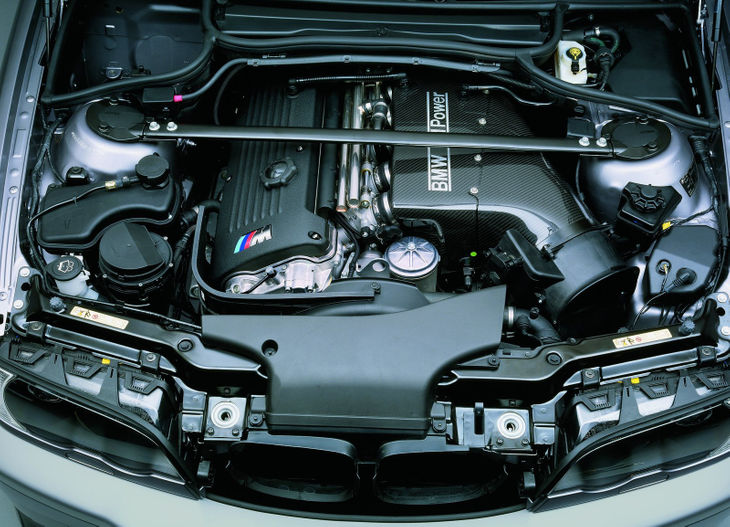
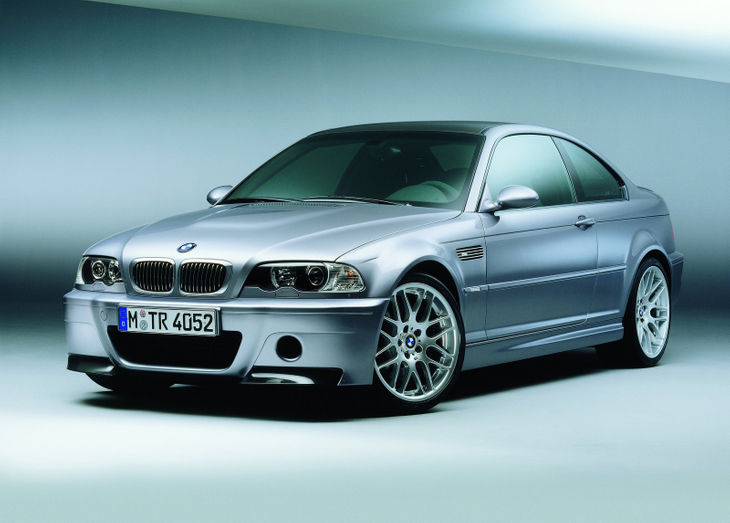
In 2000, when BMW has preparing to unleash the E46 M3, the M Division replaced the S50 motor (which powered the E36 M3, including the sedan version that was sold in South Africa) with the masterful S54, which is considered one of the firm’s most sophisticated powerplants ever produced. With its relatively low-weight construction and super-revvy inline 6-cylinder engine, it embodied all the attributes that made the iconic E46 M3 such a success. The 3.2-litre was hard, ear-piercing (many likened it to the sound of a coke tin rolling down the street) in character and full of pitch, which backed its aggressive-looking packaging. It conjured up 252 kW at a dizzying 8 000 rpm while torque was pegged at 365 Nm. The 24-valve motor was also utilised to power late versions of the Z3 M Roadster and M Coupe, as well as the Z4 M Roadster and M Coupe…
In CSL (Coupe Sport Lightweight) guise, this particular engine left a legacy of which many enthusiasts still speak of today – at 110 kg lighter than the standard M3 and with power turned up to 265 kW thanks to a host of trick bits it was able to dispatch the 0-100 kph benchmark in 4.9 seconds.
They've only gone and updated the Mitsubishi ASX – again.
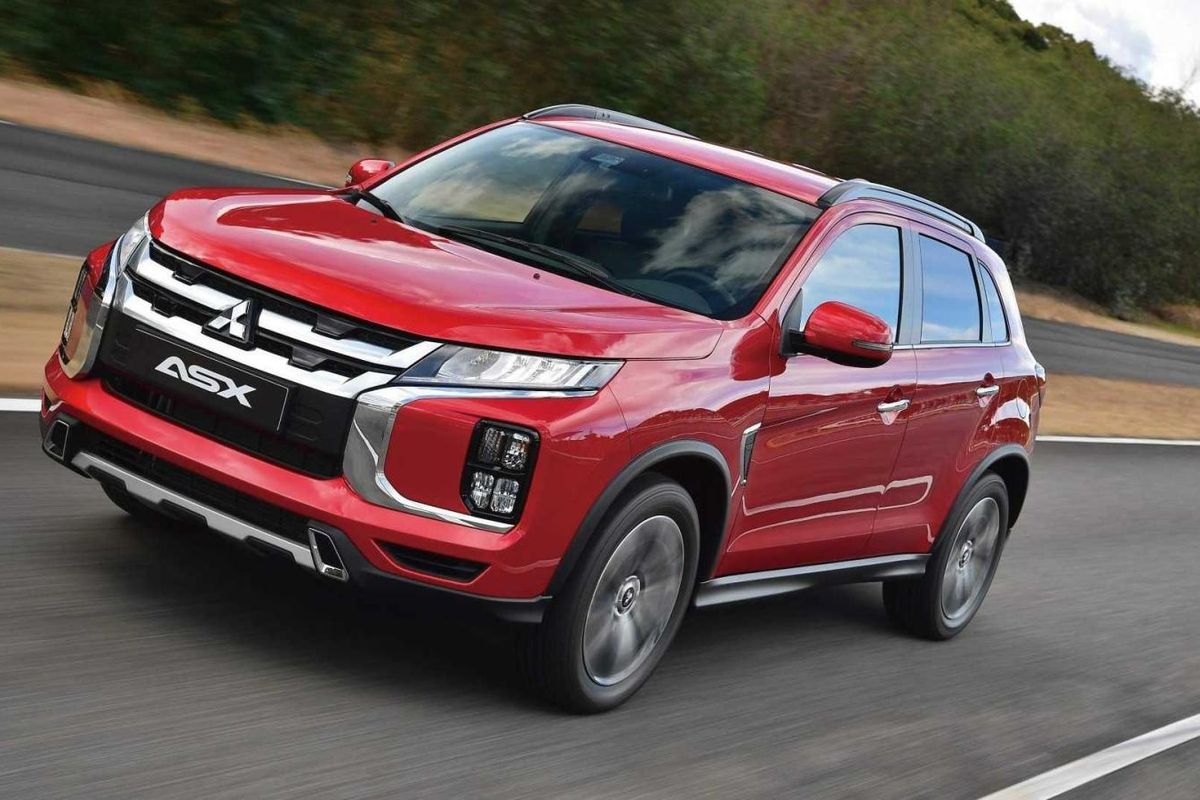
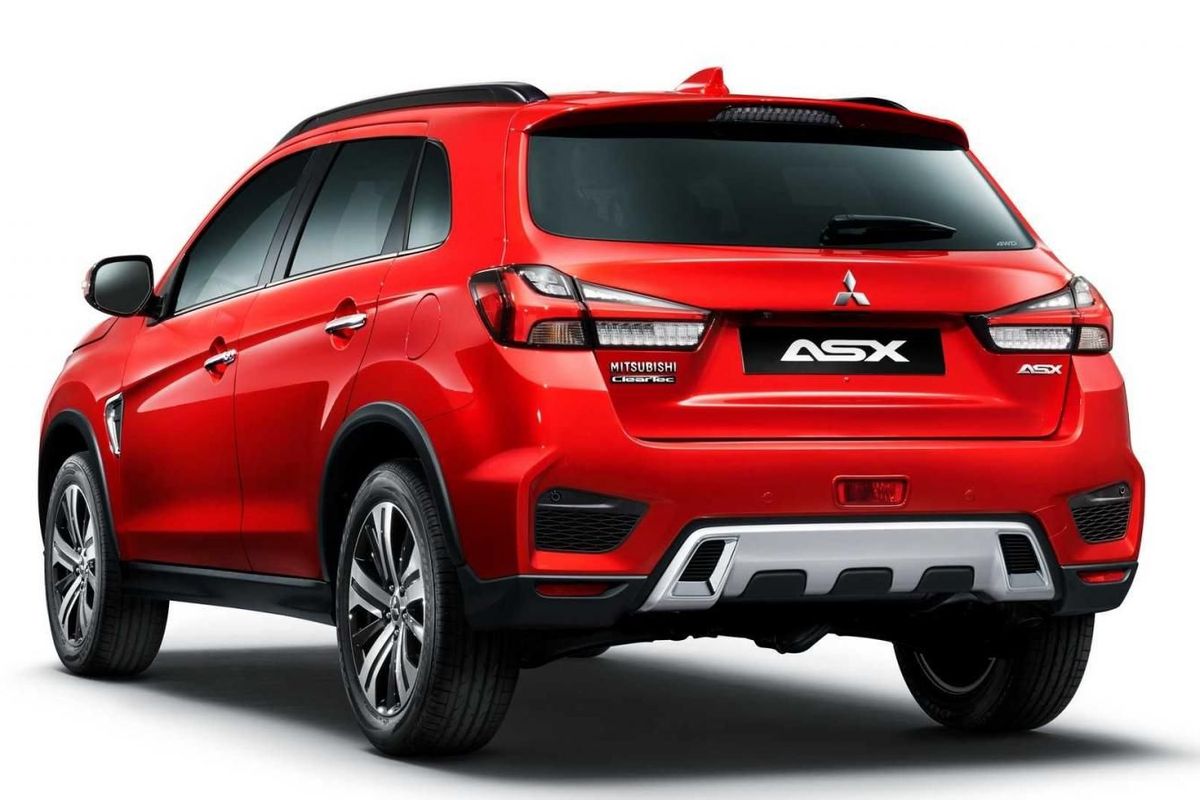
Mitsubishi has done the unthinkable and revealed a facelifted of its ASX crossover, only two months after releasing a Limited Edition version locally late last year.
The ASX occupies a curious position in Mitsubishi’s product portfolio. Despite the shared platform – which also originally underpinned Peugeot’s 4008 and Citroen’s C4 Aircross – being nearly a decade old, the ASX remains credibly popular in certain global markets.
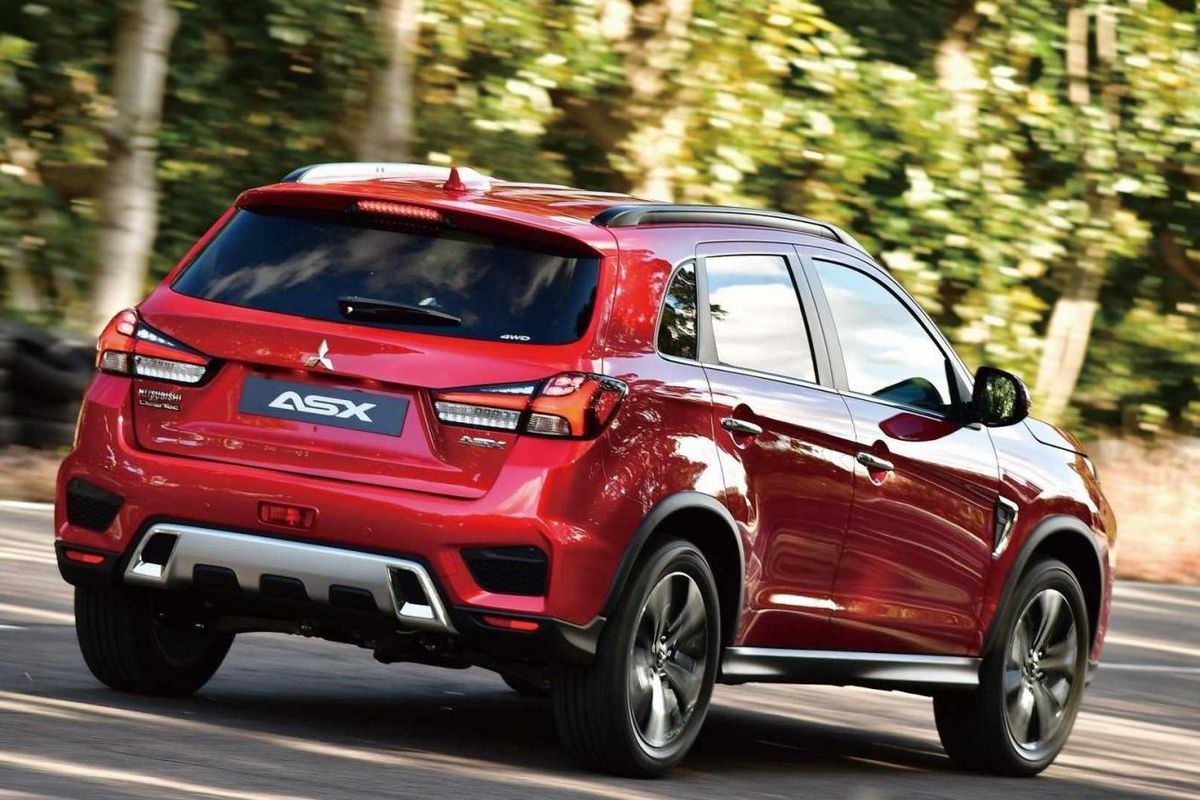
When Mitsubishi’s sales were totaled for last year, ASX tallied as its third most popular product. So, what’s new about this latest ASX, due for its official debut at the Geneva auto who in early March? The styling is now closer to the latest Triton bakkie and Pajero Sport, with shiny grille details and inserts around the headlamps dominating the ASX’s front aspect. A pseudo skidplate underscores the redesigned front bumper.
ASX’s illumination is now powered by improved LEDs both front and rear, whilst there is greater overall colour coding harmonising the seven available hues.
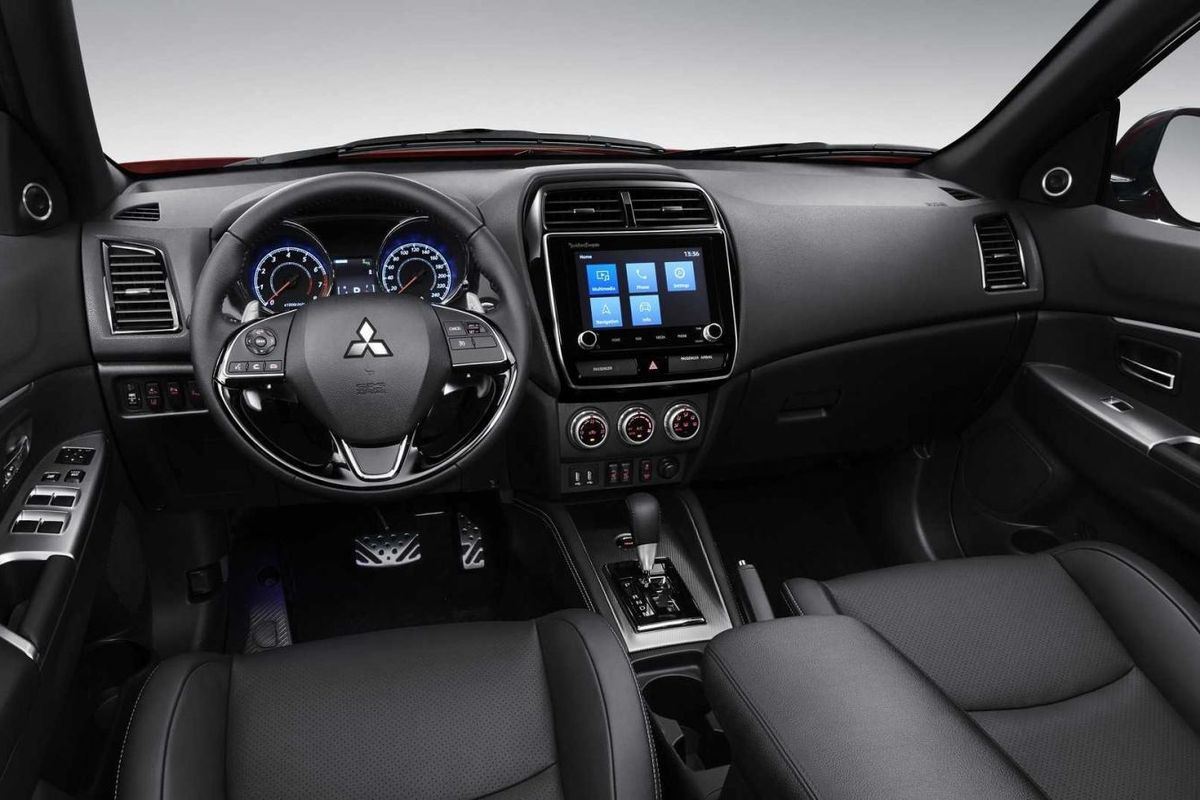
The only notable change inside this refreshed ASX concerns its infotainment interface, which grows from 7- to 8-inches while retaining convergence with the popular Android Auto and Apple CarPlay Smartphone mirroring functions whilst on the move. Sophisticated TomTom navigation with real-time traffic awareness will be factory fitted to the higher grades of these new ASXs.
We'll have more details when the vehicle is officially unveiled at the 2019 Geneva Motor Show.
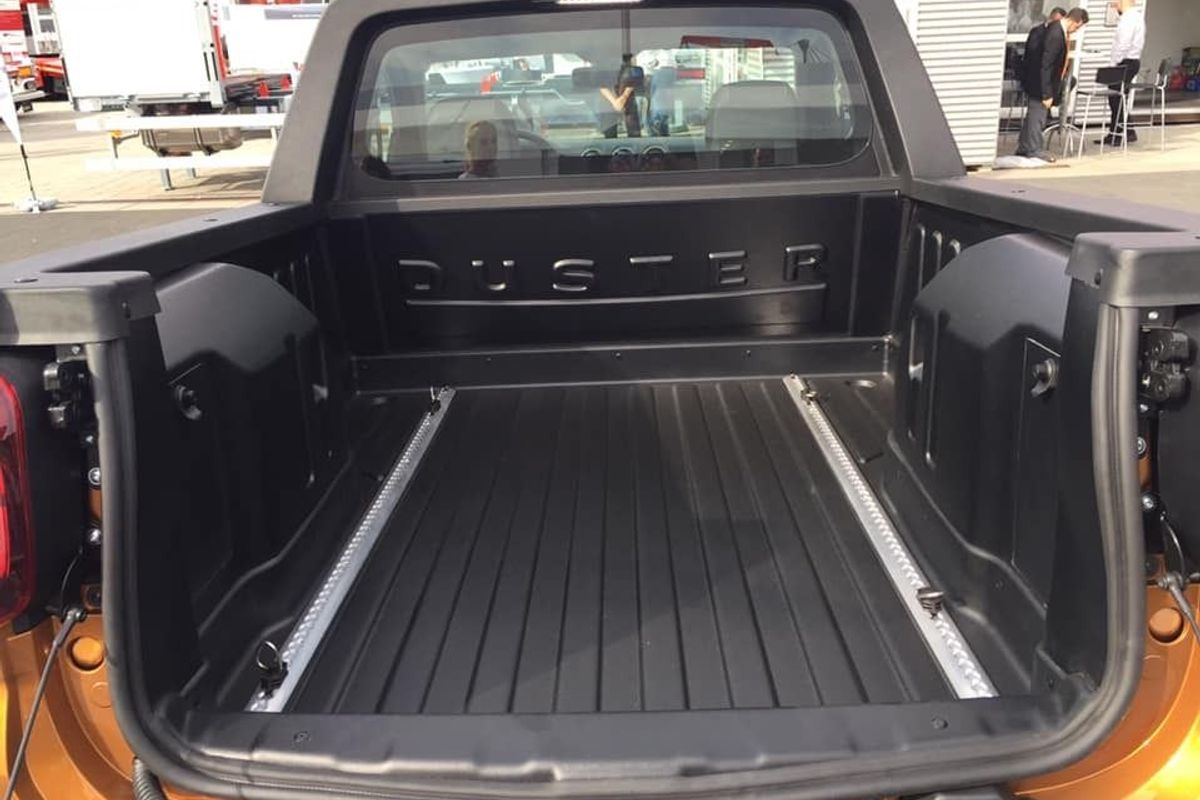
Fancy a Renault Duster Single-Cab Bakkie? [w/Video]
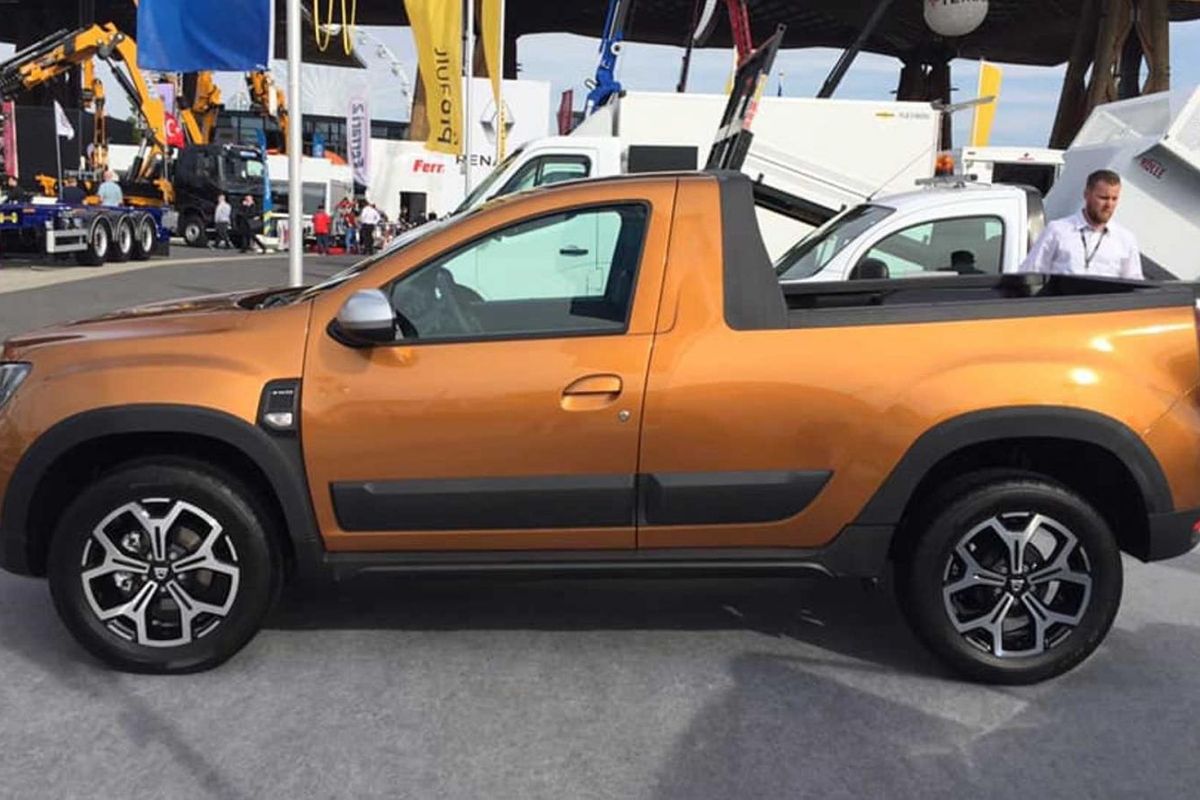
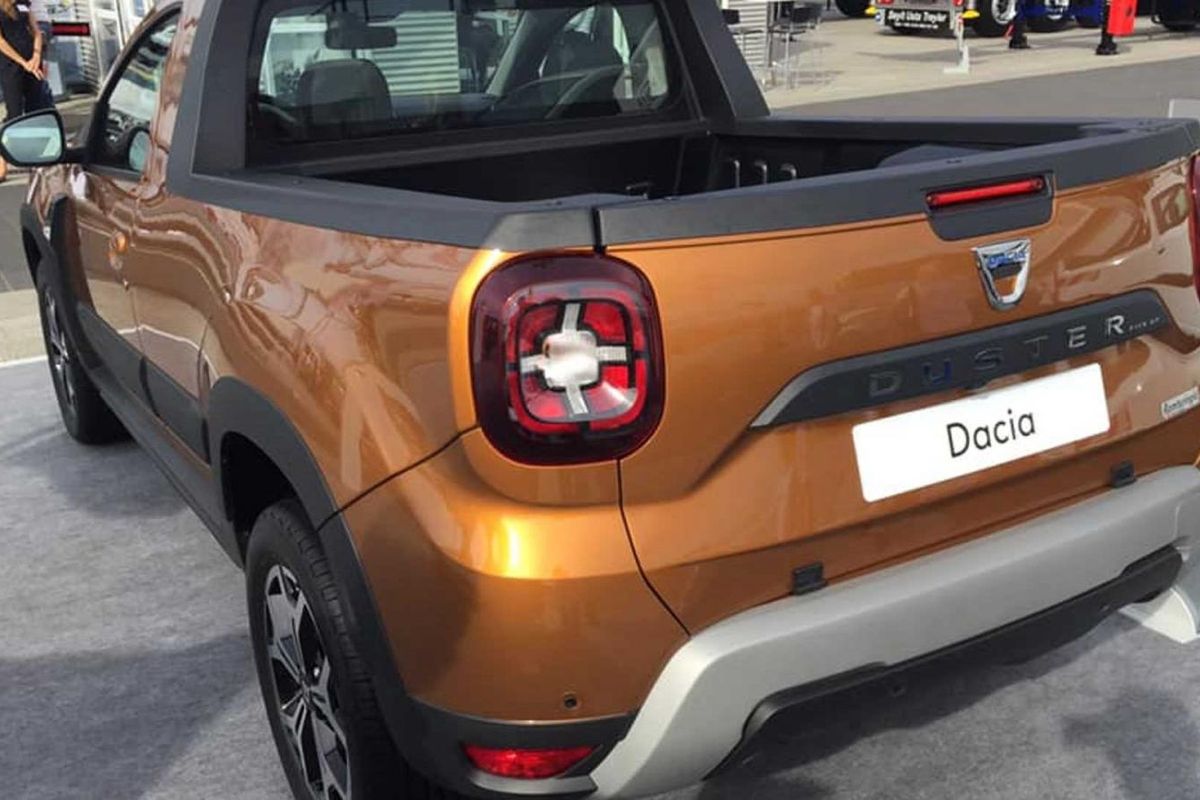
The prototype you see here is a Dacia Duster single-cab bakkie built by Romanian coachbuilder, Romturingia. Recent comments by Renault Commercial Vehicle Romania chief, Hakim Boutehra suggest that it's nearly production ready
Some two years down the line from the double-cab Duster Oroch international launch, we are still waiting for the go-ahead to be given to a South African model. We have however, come across this Duster-based single cab bakkie prototype, which looks rather good. It was built by a Romanian company called Romturingia, who also built 500 single-cab bakkies based on the first generation Duster (2014).
This latest build is based on the second generation Duster and was shown at the IAA Hannover Commercial Vehicle Show. The model retains the new Duster’s styling but adds a load bay. This Duster bakkie is powered by an 81 kW 1.5-litre turbodiesel engine and comes equipped with an on-demand all-wheel-drive system.
We think that a Renault Duster single-cab bakkie would sell well in South Africa and provide some competition to the ageing Nissan NP200 that currently dominates the 1-tonne bakkie market.
Do you think Renault should produce this single-cab Duster bakkie? If Renault can secure right-hand drive production for this single-cab bakkie and the Oroch, we think it'll be sold in South Africa.
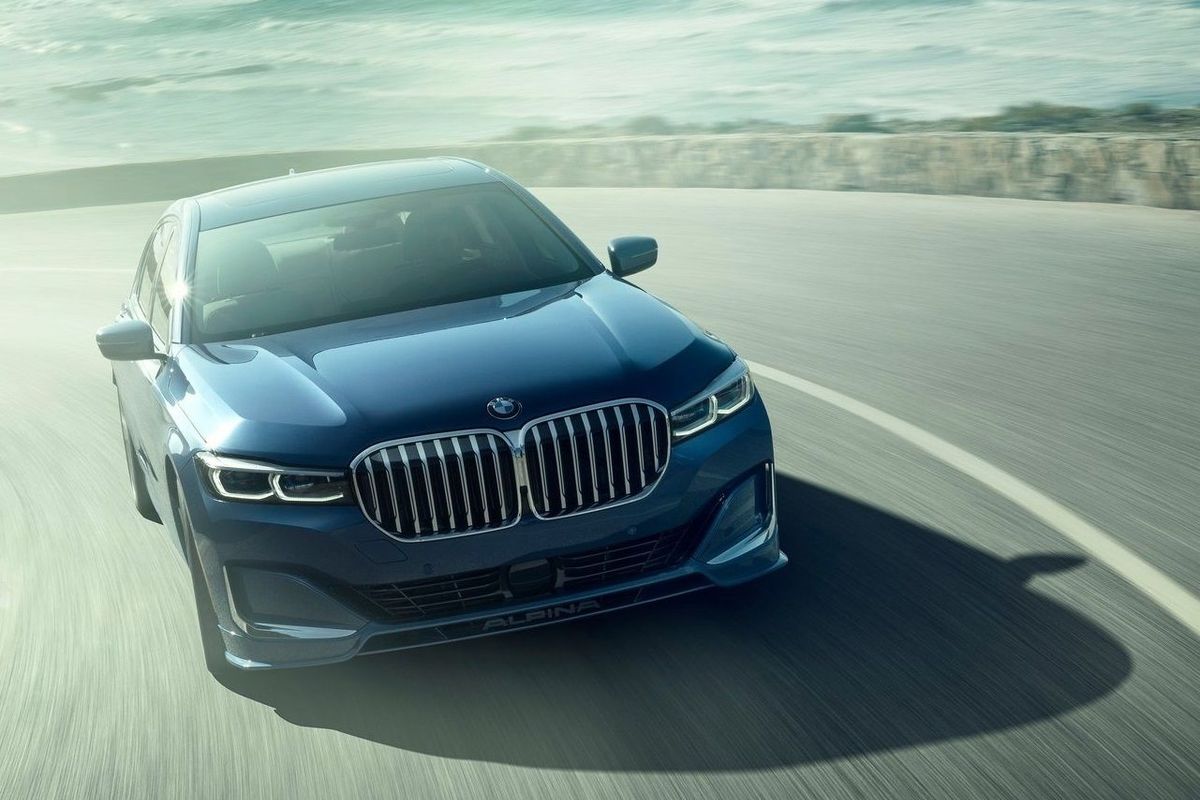
The alternative BMW 'M7' has just gotten a bit better and faster for 2019.
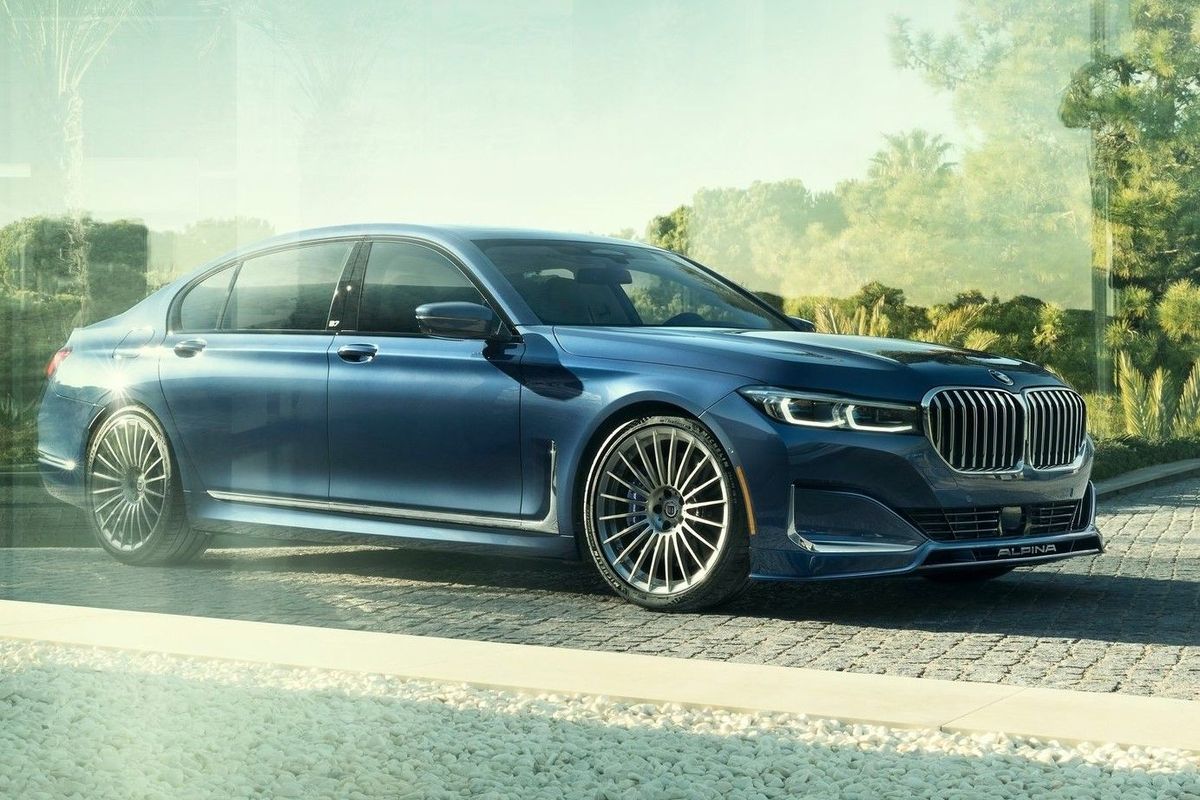
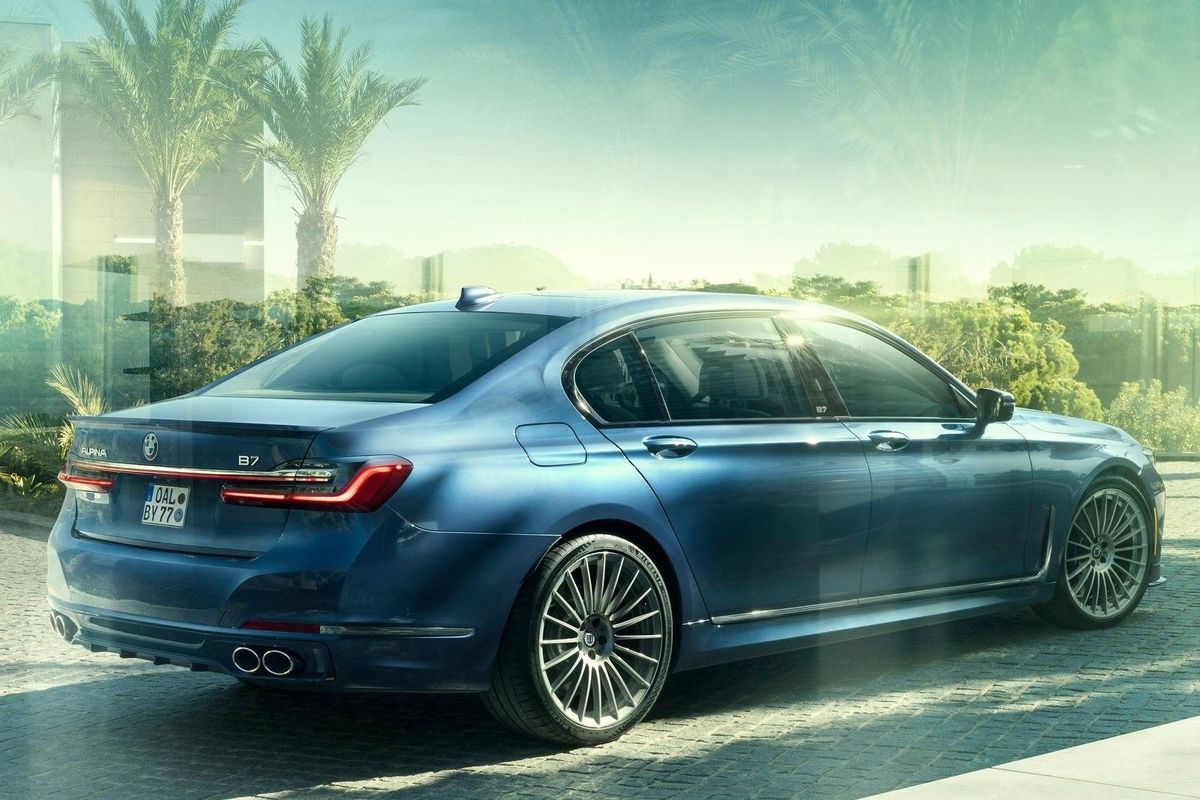
Alpina, recognized as an independent manufacturer by German authorities, has released the latest version of its B7, a fastest 7-Series you can buy.
With BMW having shown what its next-generation limousine will look like last month, this latest Alpina’s B7 is based on the new 7-Series, with its massive grille. For those who desire what BMW refuses to deliver – an M7 – the B7 is a very compelling alternative.
Although it is powered by a 4.4-litre turbocharged BMW V8, which produces series production output numbers of 447kW and 800Nm, Alpina’s technicians have fabricated some custom bits for the B7 engine. The turbocharger impellers are 4mm larger than BMW’s factory specification units and Alpina adds an intercooler circuit of its own design, in addition to custom engine management software.
Beyond the engine, Alpina’s also updated the eight-speed ZF automatic transmission's mapping to ensure the most urgent throttle response available. Although 0-100kph acceleration improves by a marginal tenth of a second (down to only 3.6 sec), the B7’s top speed has ballooned to a ridiculous 330kph.
Any limousine with a true top speed of 330kph would need some trick aerodynamics to keep it stable and the B7 benefits from a sophisticated collection of air-suspension components carried over from its base 7-Series architecture, and some clever bits from Alpina’s parts-bin.
The slimline headlights and new bumper might look like a fashionable bodykit but there are aerodynamic merits to it all, including a rear diffuser and spoiler combination which claim to induce zero-lift characteristics to the rear axle at speed.
Best of all? Well, those classic multispoke Alpina alloy wheels and the subtle touches, such as 5mm thicker window and windscreen glass, which ensure that even at 330kph, this B7 cruises with the serenity you’d expect from a 7-Series.
Pricing for the facelifted Mercedes-AMG C63 has been announced. Expect to see the newcomer arrive in South Africa shortly!
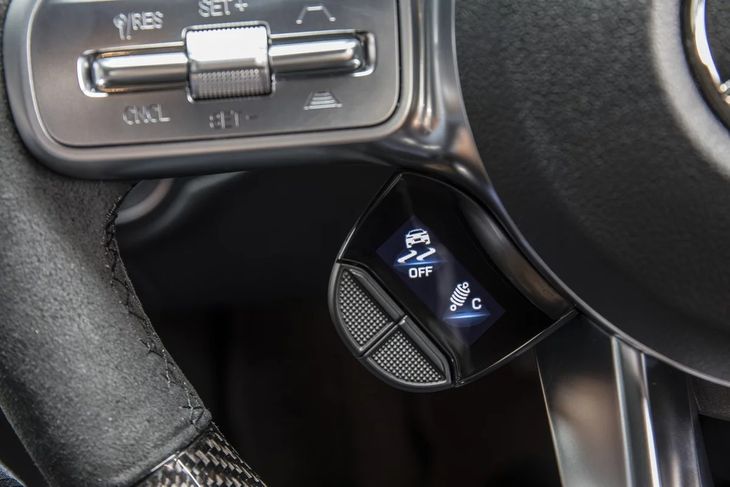
The most prominent visual change is the now standard Panamericana grille which beefs up the appearance significantly. The outer air inlets and front bumper have been designed while the rear twin tailpipes with high-gloss chrome trim and rear diffuser have also been reworked. As for the interior, a host of new trim and equipment will be offered on the AMG C63 range. The model benefits from a new flat-bottomed AMG steering wheel wrapped in Nappa leather and fitted with new Touch control buttons. A fully digital 12.3-inch instrument cluster will be available as an option as well as heated and climatised AMG performance seats.
The biturbo 4.0-litre V8 engine continues to do service under the bonnet and outputs remain the same as before. In the AMG C63, it will offer 350 kW and 650 Nm while the more powerful C63 S will pack 375 kW and 700 Nm. The big news, however, is that the previous 7-speed automatic is now replaced with a new 9-speed, wet clutch automatic. Acceleration performance remains the same with the C63 sprinting from zero to 100 kph in 4.1 seconds and the C63 S being slightly quicker at 4.0 seconds.
Track fanatics should be very excited by the new Mercedes-AMG C63 S. The driver has been prioritised in the slight redesign of the cabin, and the first adornments you're likely to notice on the new steering wheel are a pair of rotary controllers located under its spokes. These are programmable and instead of having to glance over to the centre stack to change your drive modes, gearbox and suspension settings, you can keep your hands on the wheel and do everything there instead.
The new steering wheel controls bring added control and driver-focused performance to the C63 S
2019 Mercedes-AMG C63 Price in South Africa
We'll have a final confirmation on specifications and features when the vehicle officially launches.
C63 S Sedan R1 546 600
C63 S Coupe R1 609 100
C63 S Cabriolet R1 728 700