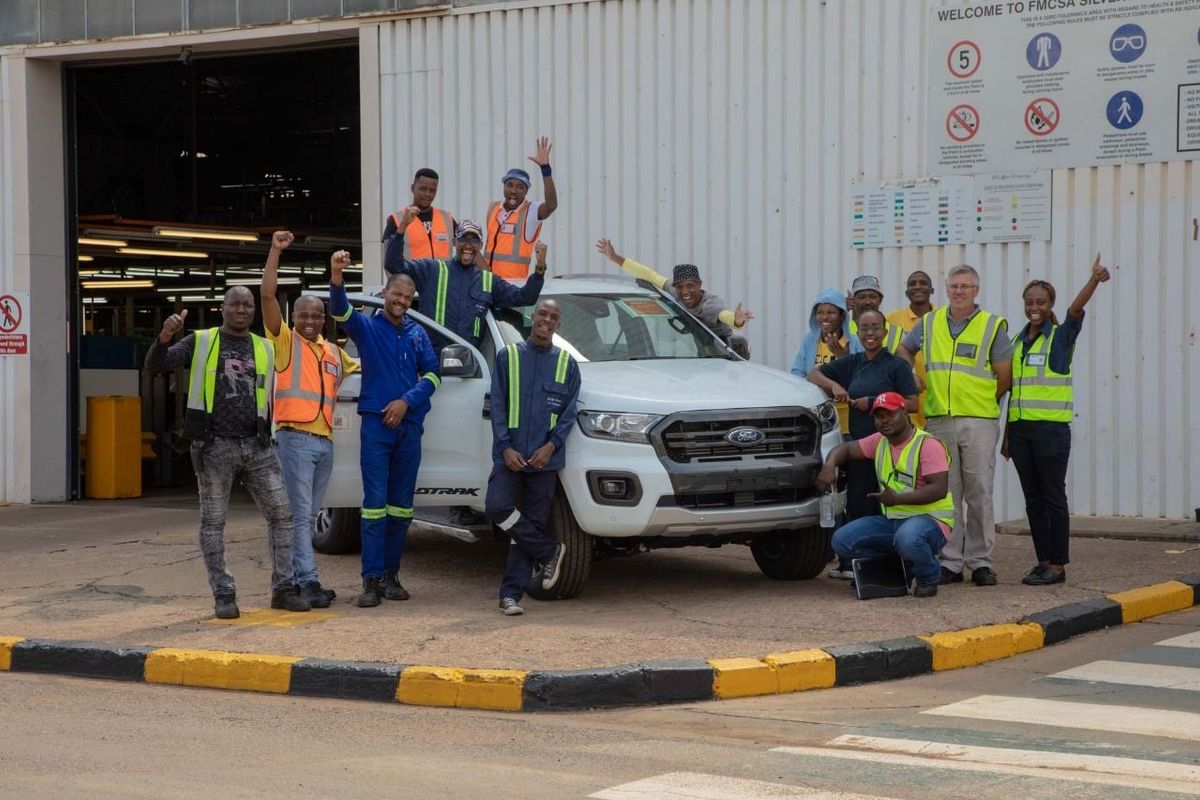
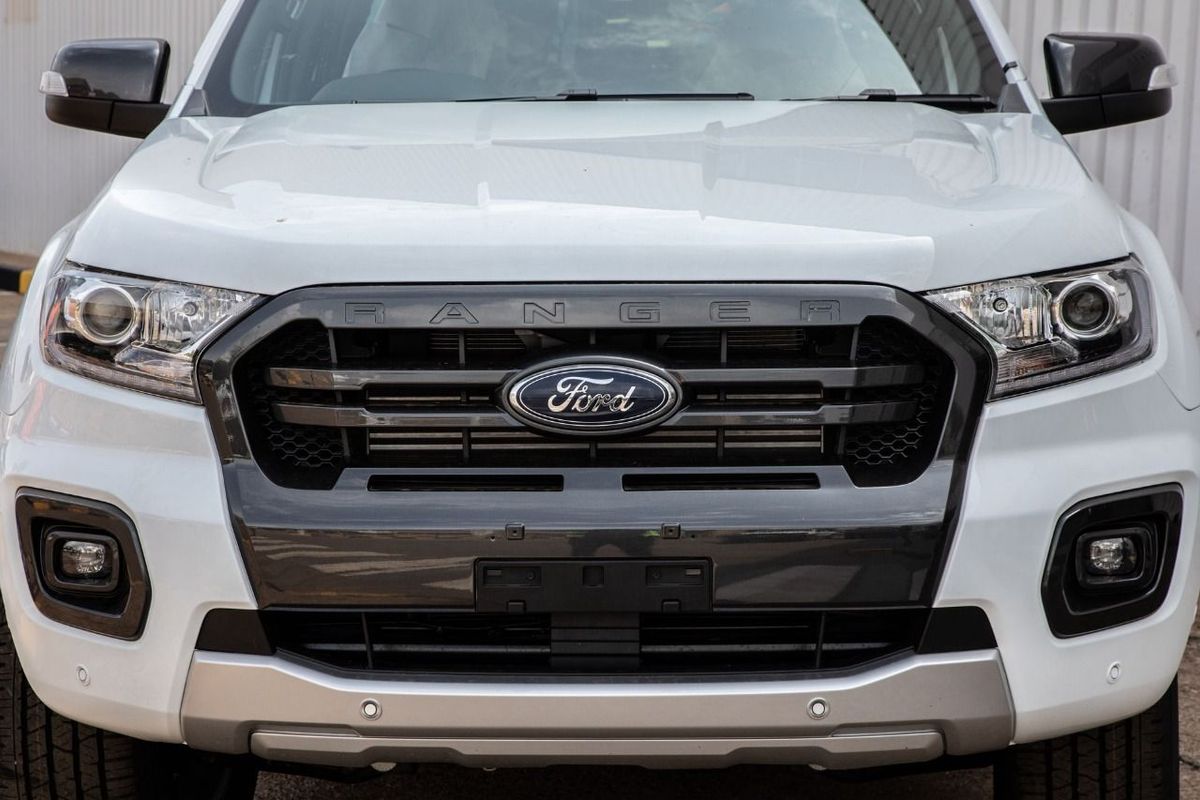
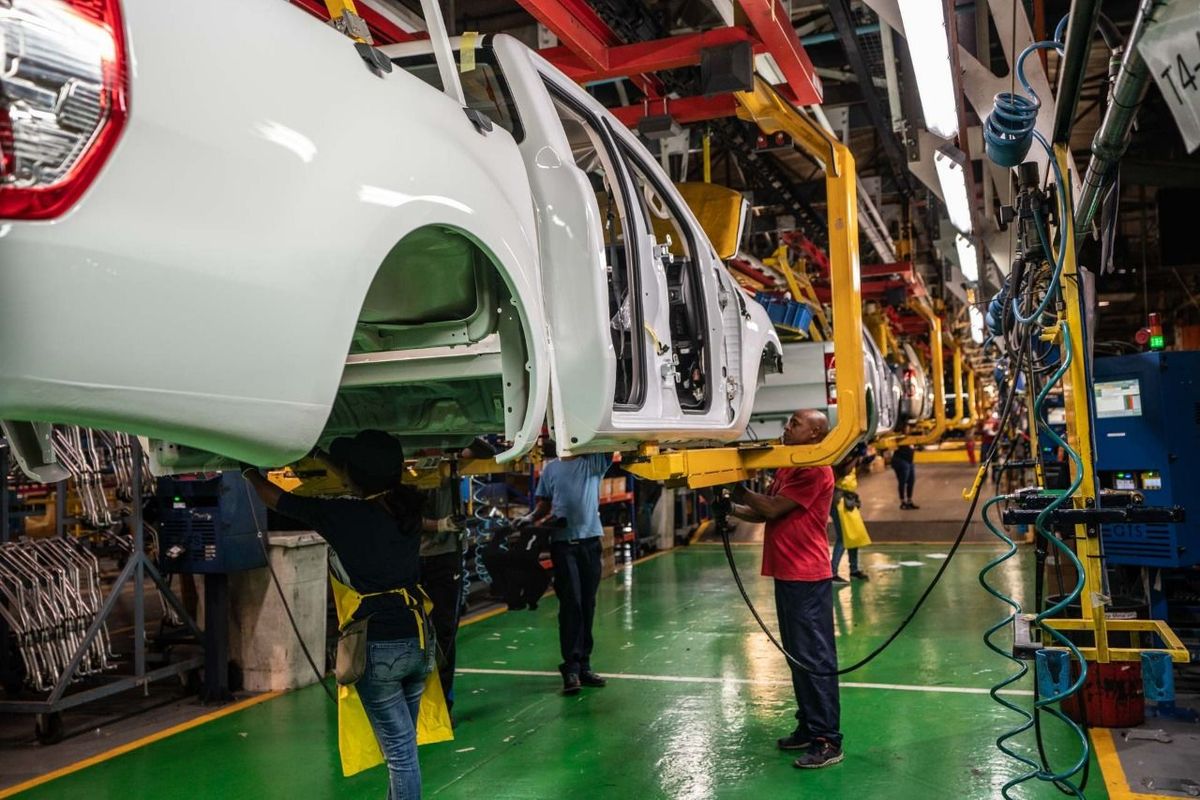
Ford South Africa has officially begun building the facelifted Ranger bakkie, with the first unit rolling off the line recently. The newcomer brings numerous updates and refinements as it tries to set the bar for leisure bakkies.
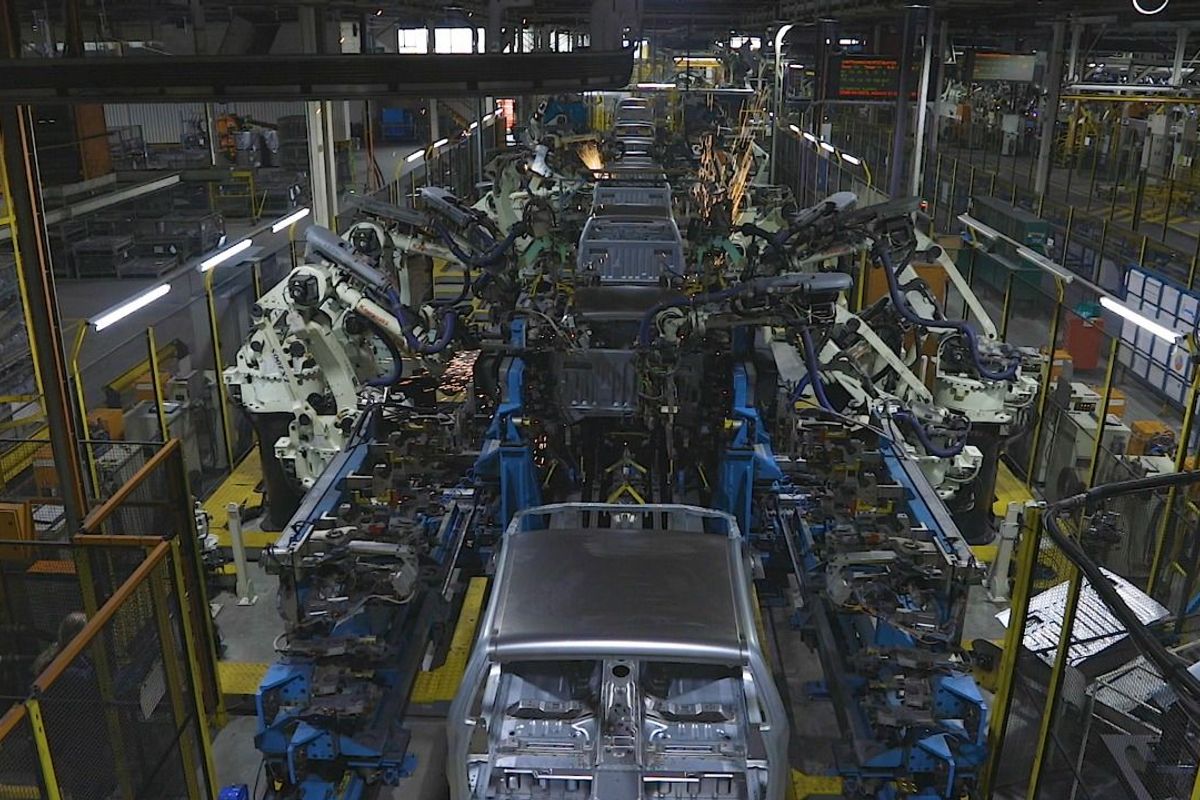
The plant, located in Silverton, Pretoria has been churning out Rangers and Everests, and this is set to continue with both the facelifted Ranger, Ranger Raptor and forthcoming facelifted Everest. The first of the facelifted Rangers recently rolled off the line and will be going on sale in the coming months.
"Following the investment of over R3-billion in our local operations and extensive upgrades to our plants over the past 18 months, we are delighted to see the first of the new Ford Ranger models coming off our production line," says Neale Hill, Managing Director, Ford Motor Company Sub-Saharan Africa Region. "This is an extremely important and exciting year for the Ford Ranger, which will also see the launch of the first-ever Ranger Raptor that is undoubtedly one of this year's most highly anticipated new models," Hill adds.
The 2019 Ford Ranger features new engines, yet is more fuel efficient and boasts improved refinement and impressive technology. One of the new engines is a 2.0 Bi-Turbo diesel which is assembled at Ford's engine plant in Port Elizabeth. It produces 157 kW and 500 Nm, which interestingly is up 10 kW and 30 Nm when compared to the current 3.2-litre 5-cylinder. Ford is claiming a 9% improvement in fuel economy when this engine is mated to an all-new 10-speed automatic gearbox.
There will be a single turbo version of this engine and that produces 132 kW and 420 Nm, and is also available with a 10-speed automatic transmission. For those who were fans of the 2.2-litre and 3.2-litre, you can relax as those powertrains aren't going anywhere and will be carried over. The facelifted Ford Ranger lineup will comprise Single Cab, Super Cab and Double Cab body styles. The new Ranger is set to be launched locally in the first half of 2019, to find out more on the new Ranger here's what you can expect.
BMW will honour the end of its unique rear-wheel drive hatchback offering with a special edition M140i.
Since its debut in 2015, the M140i has offered something different from all other hot hatchback rivals, which are either front- or all-wheel drive. By remaining true to BMW’s traditional engineering principles of a longitudinally mounted in-line six engine up front, and drive sent to the rear, M140i offers a purist driving experience – combined with the practicality of a hatchback.
The next generation 1-Series will forego its segment USP by using a shared Mini front/all-wheel-drive platform, therefore drawing the curtain on BMW’s legacy of rear-wheel drive hatchbacks. BMW is honouring the poignancy of this inevitable product evolution, with special edition M140i called, rather unoriginally, the Finale Edition.
Although mechanically no different from any M140i which has gone before, the Finale Edition adds a selection of BMW options into a single package. Wheels are grey 18-inchers featuring a dual-spoke design, with the option of black or bi-colour alloys.
Special edition badging confirms that you have in fact purchased a Finale Edition while other external styling add-ons are high-gloss finishing on the kidney grille, darkened light clusters front and rear, with a black chrome tailpipe finish.
Inside, Finale Edition customers benefit from factory fitted wireless Smartphone charging and an electric sunroof.
Any future rear-wheel-drive hatchback from BMW will be powered by batteries, instead of an in-line six combusting 95 unleaded. So, if you desire the novelty of a 250 kW six-cylinder powered hot hatch, with rear-wheel drive dynamics and agility, these Finale Edition M140is are literally your last opportunity to own something of that configuration. Unfortunately, the Finale is an Australian-only model and costs an extra R30 000 over the regular 140i. As its life comes to an end, there may be South African version with similar tweaks in order to help leftover stock out of the dealership floor.
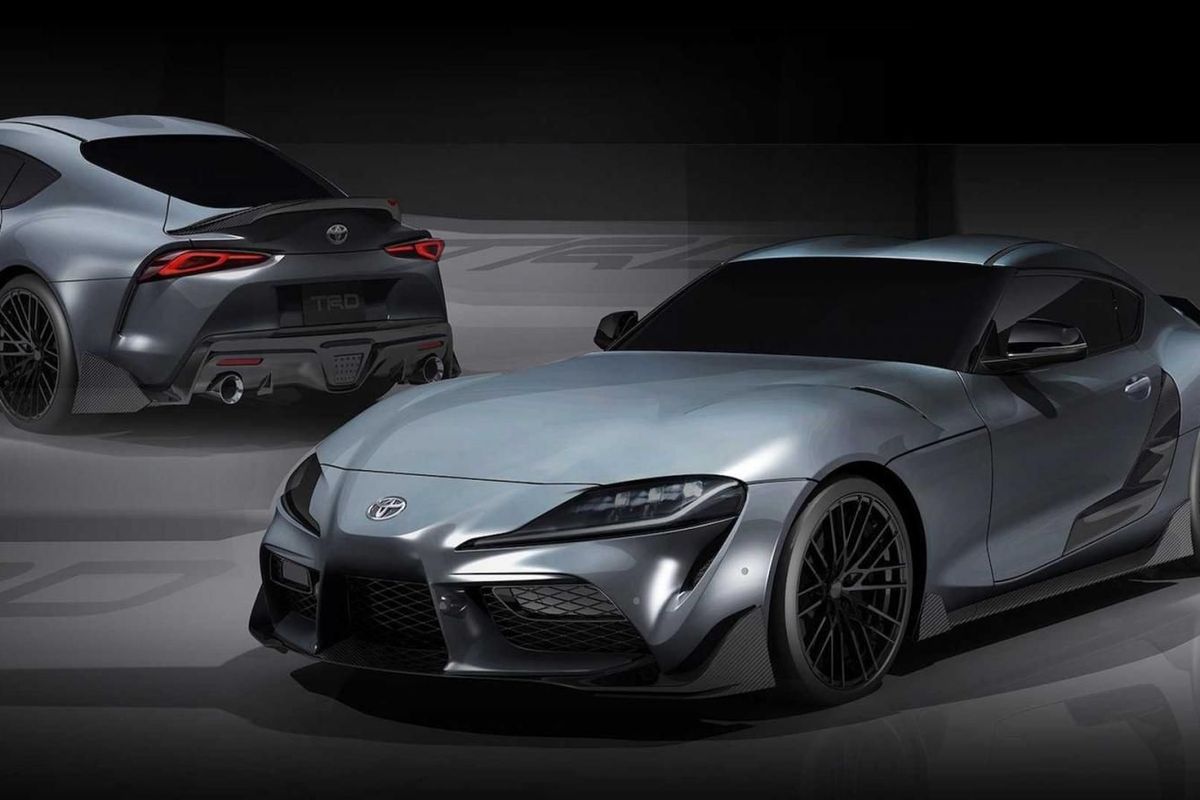
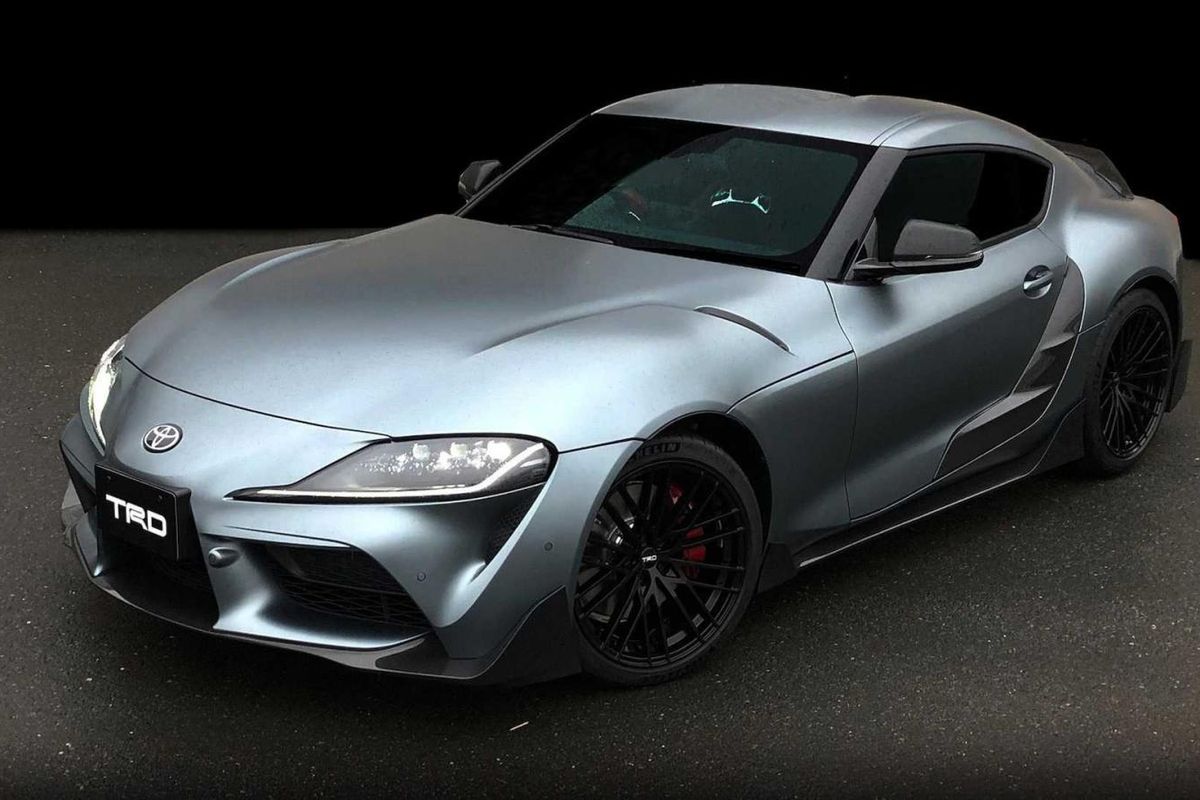
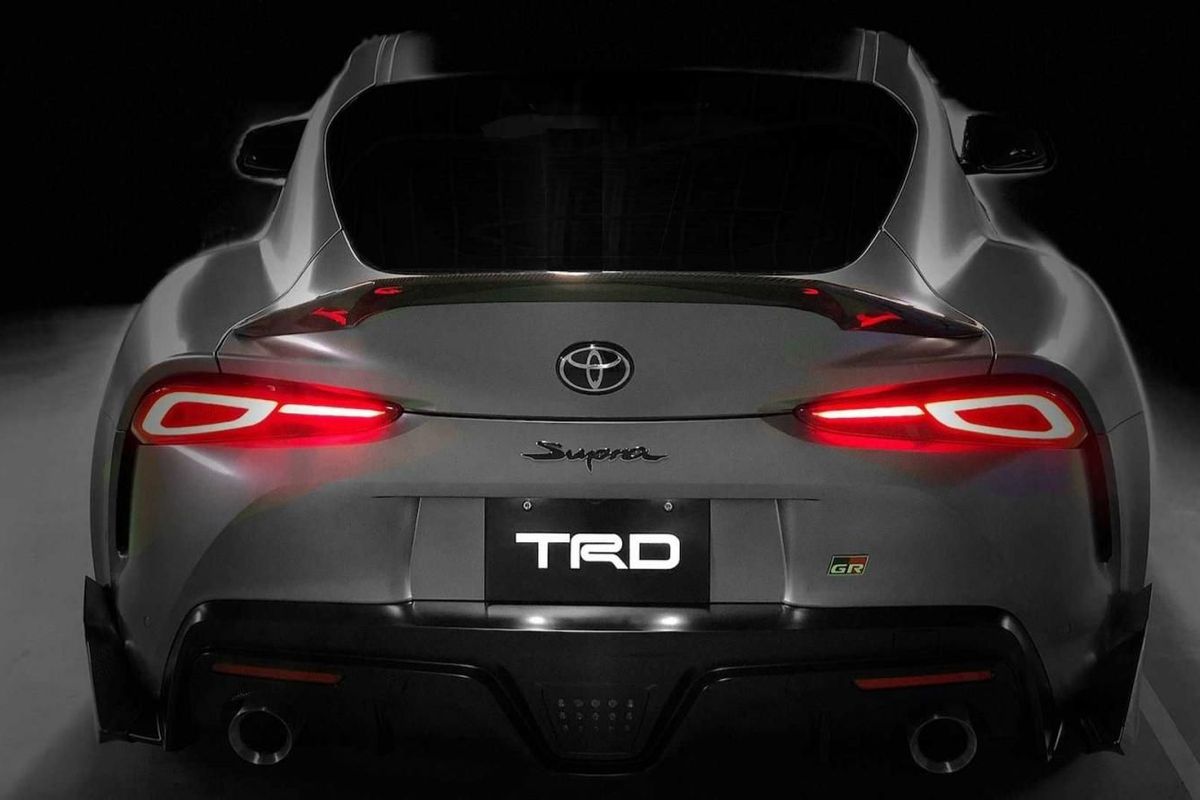
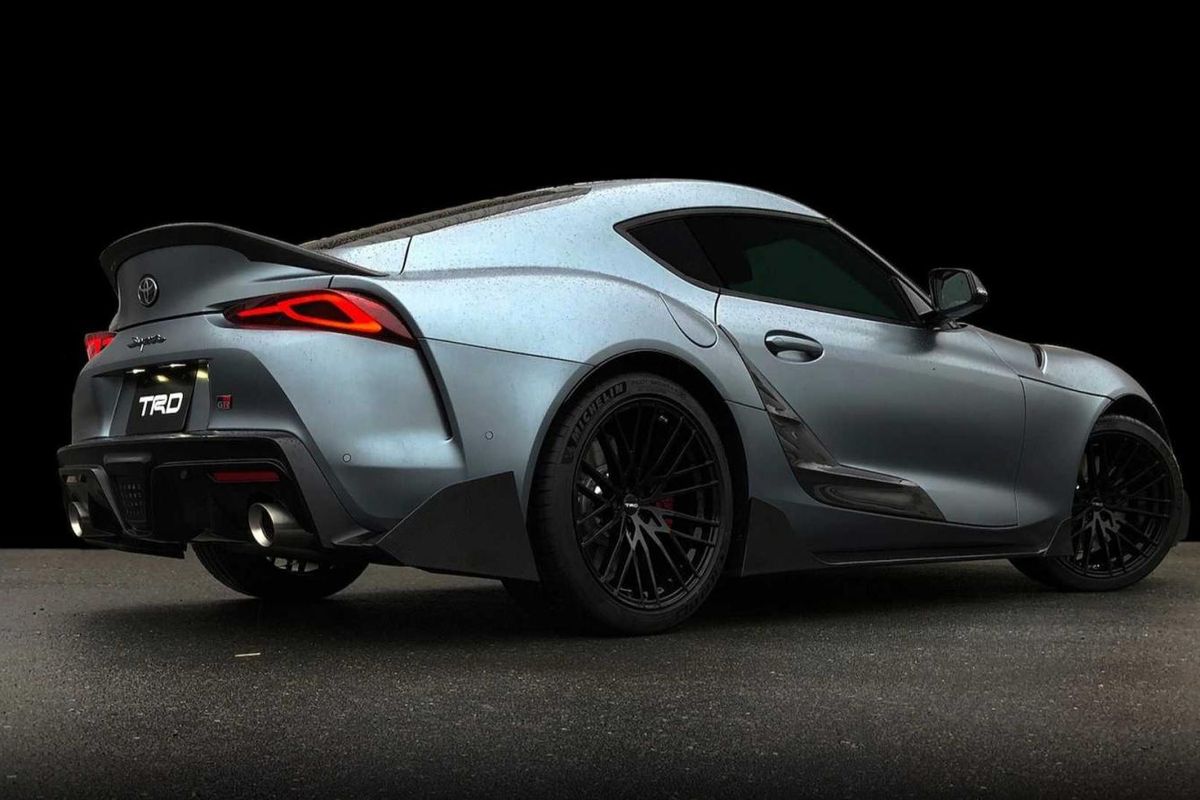
Is the new Toyota Supra too demure for your liking? Well, maybe the Supra TRD will get your attention…
The Supra nameplate has been resurrected and Toyota’s latest rear-wheel-drive creation is expected to hit South African shores in June or July 2019. However, Toyota Racing Development (TRD) has gone to work to create this Supra TRD Concept in an effort to showcase its modification potential.
The Supra TRD Concept is fitted with a carbon fibre front splitter to increase downforce while also reducing lift at high speed. The concept is also equipped with carbon side skirts as well as rear carbon spats and a carbon spoiler mounted on the boot lid. The doors also gain additional aerodynamic garnish to enhance airflow towards the rear. The concept rides on lightweight 19-inch forged aluminium wheels with a mesh spoke design.
While the visual treatment gives the Supra a wider and more aggressive stance, its engine remains unchanged. The Supra TRD Concept is powered by a 3.0-litre twin-scroll turbocharged 6-cylinder engine with 250 kW and 495 Nm of torque which is directed to the rear wheels using an 8-speed automatic transmission.
Do you like the look of the Toyota Supra TRD Concept? Share your thoughts in the comment section below.
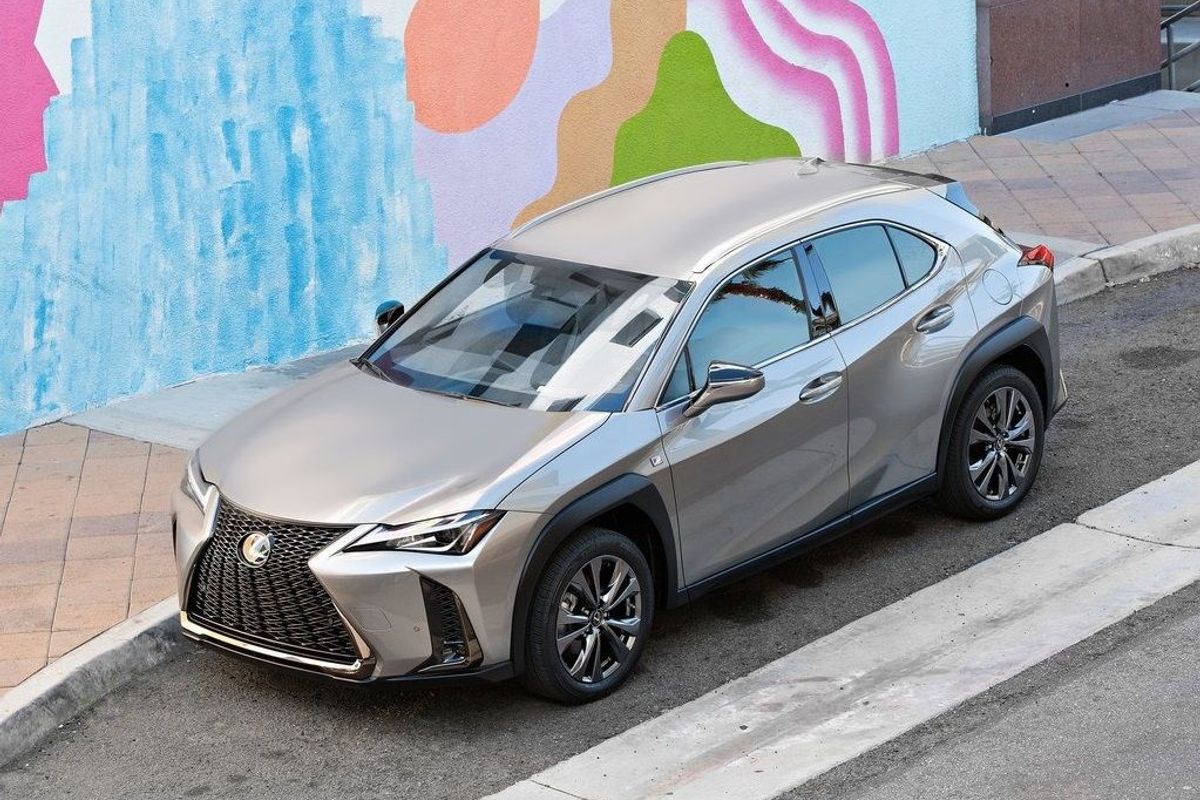
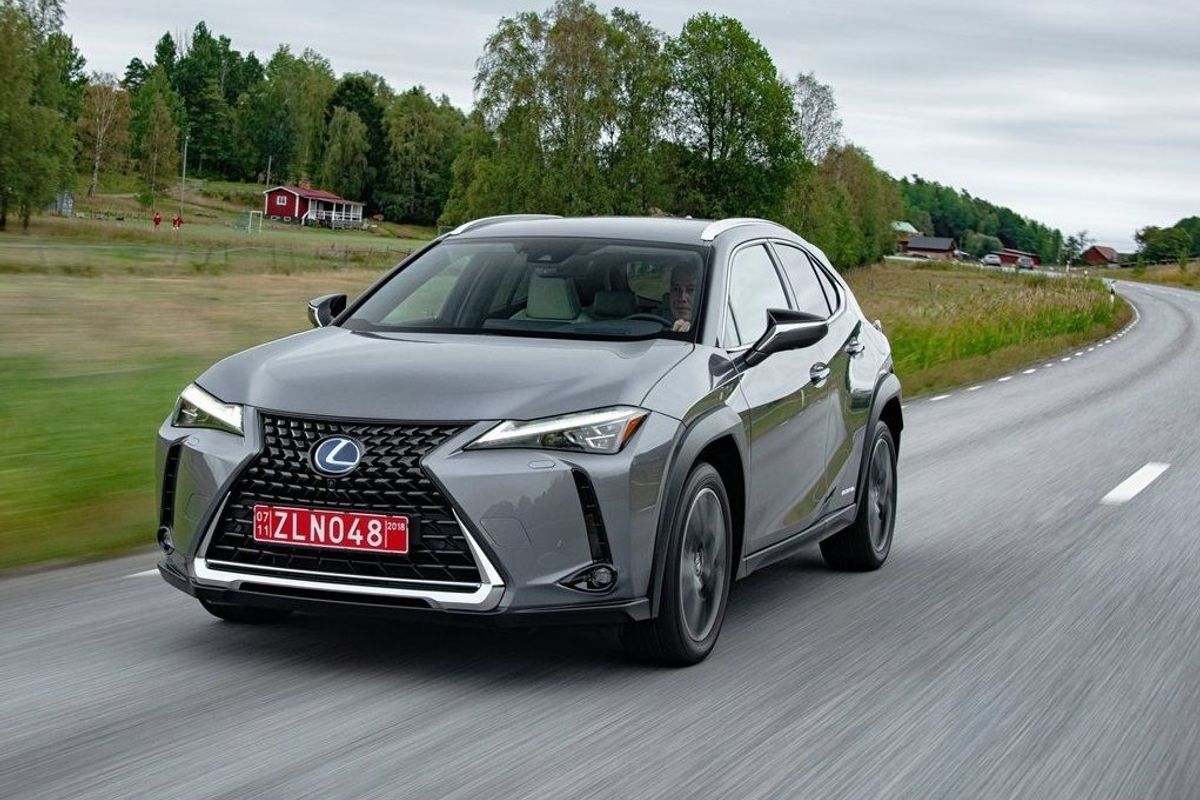
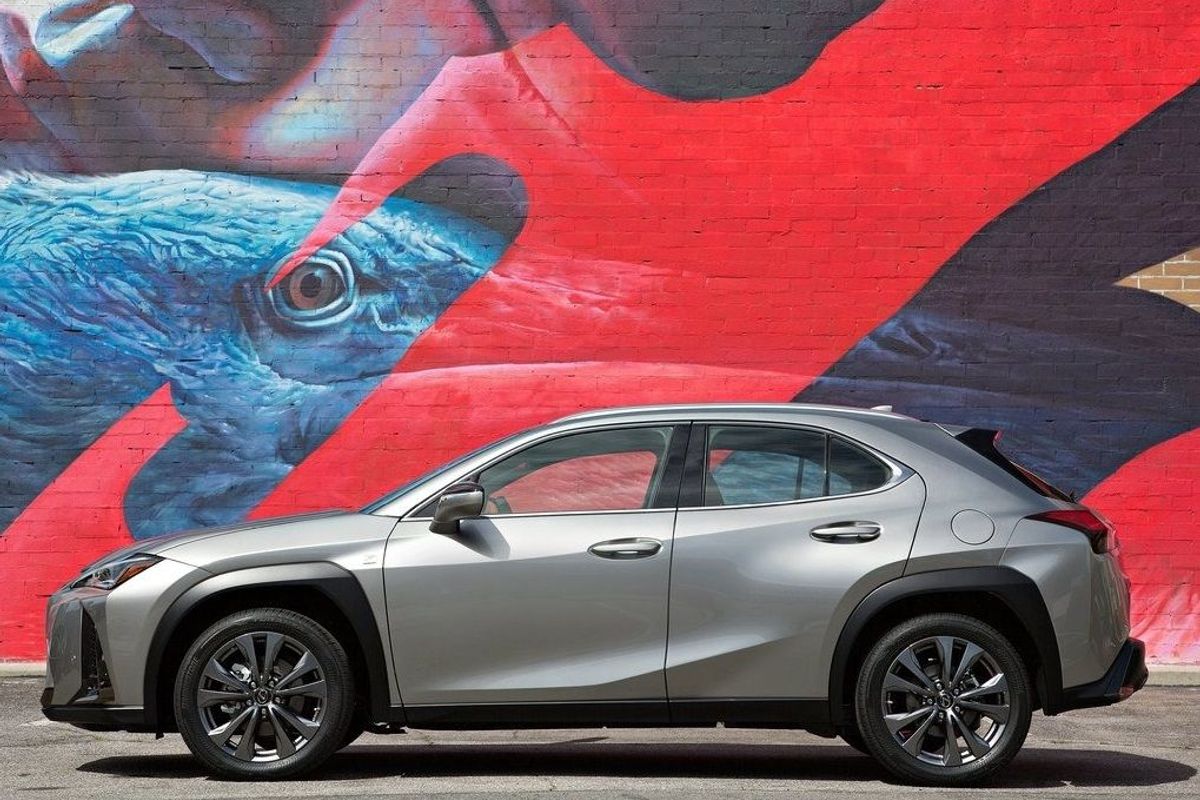
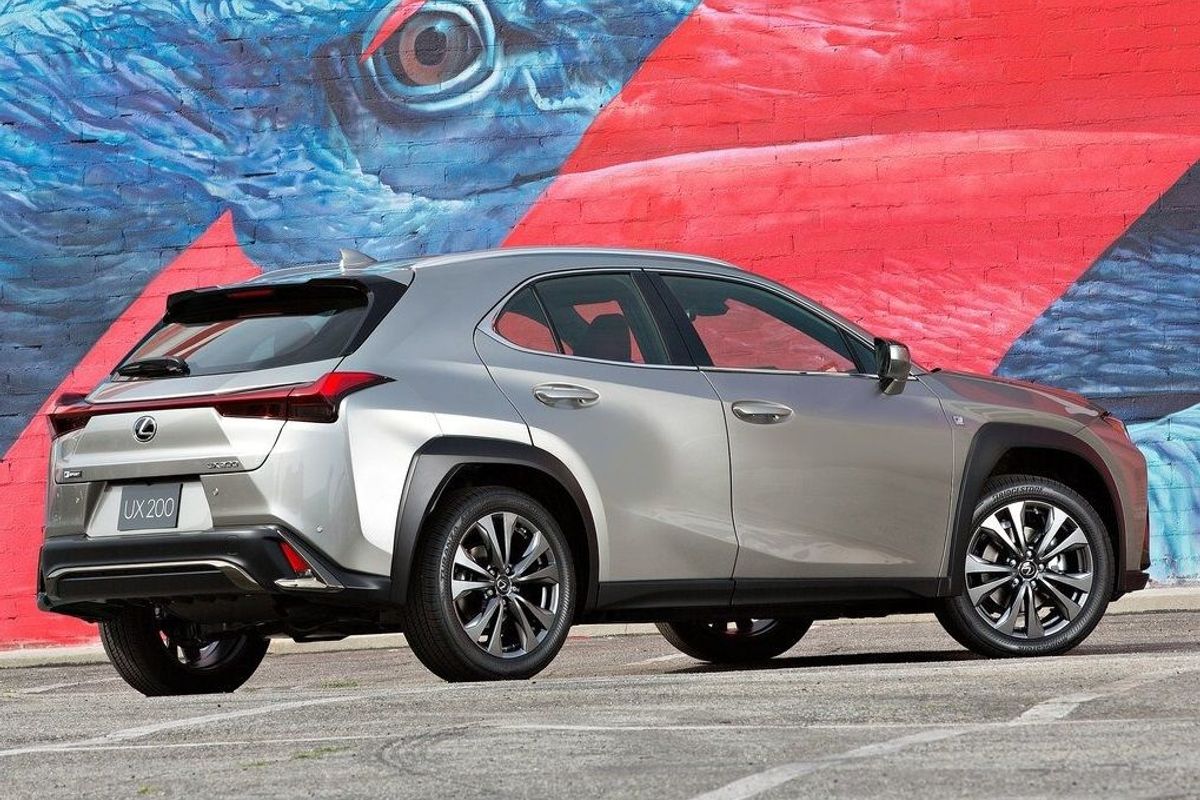
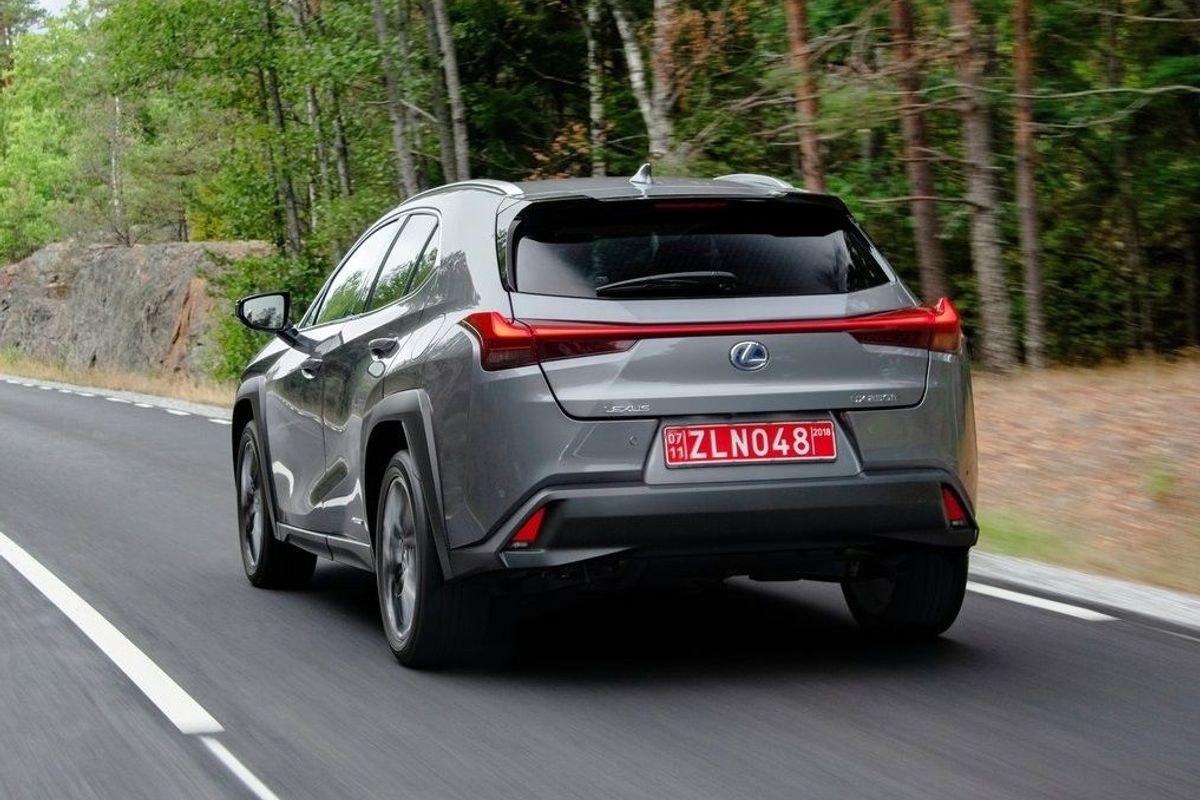
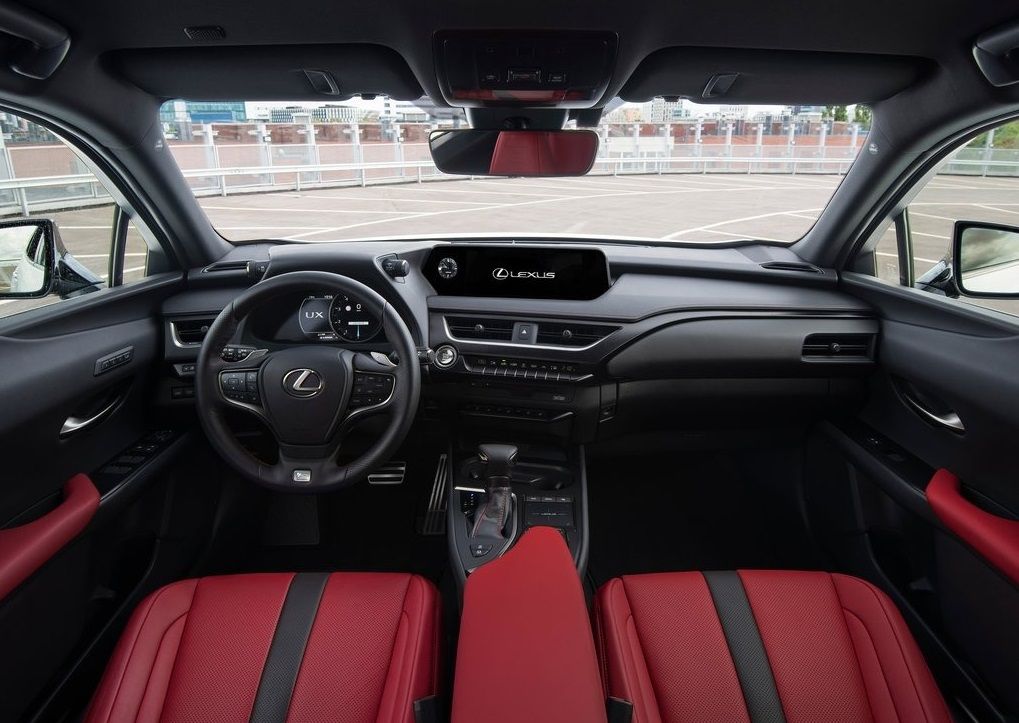
Lexus is launching its new luxury compact UX crossover in South Africa this week. Herewith specification and pricing details…
The Lexus UX is the new kid on the block in the compact crossover segment and it will rival the likes of the BMW X1, Mercedes-Benz GLA, Audi Q3 and the Volvo XC40.
The new Lexus UX is powered by a naturally-aspirated 2.0-litre petrol engine with 126 kW and 205 Nm of torque and mated with a CVT driving the front wheels. This engine will be offered in the entry-level EX grade as well as in range-topping F Sport guise. Fuel consumption for both these derivatives is claimed at 6.1 L/100km.
The UX 250h SE hybrid derivative sits in the middle of the range and it also makes use of a 2.0-litre petrol engine in conjunction with an electric motor to develop total outputs of 107 kW and 180 Nm of torque and is equipped with a specially-designed CVT. Fuel consumption for the UX 250h SE is rated at 4.5 L/100km.
Standard Features
The Lexus UX will be offered with generous specification as standard. Look out for our impressions this week!
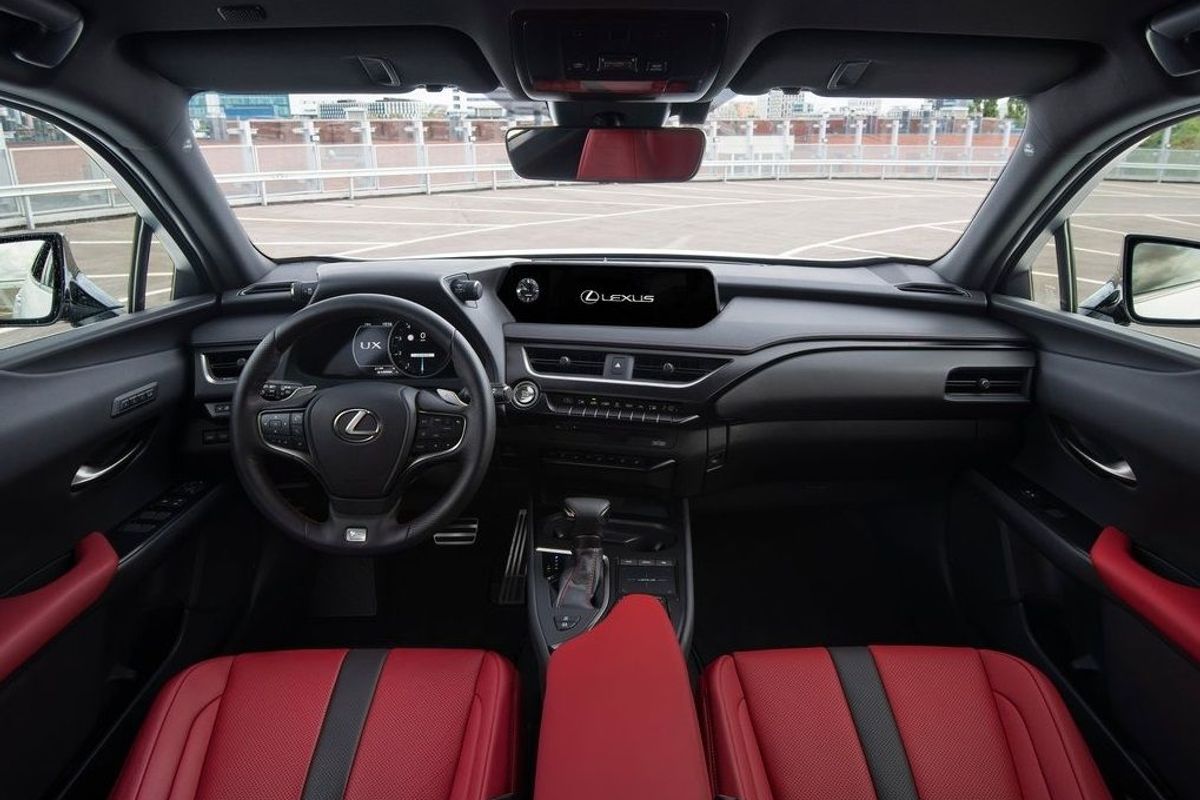
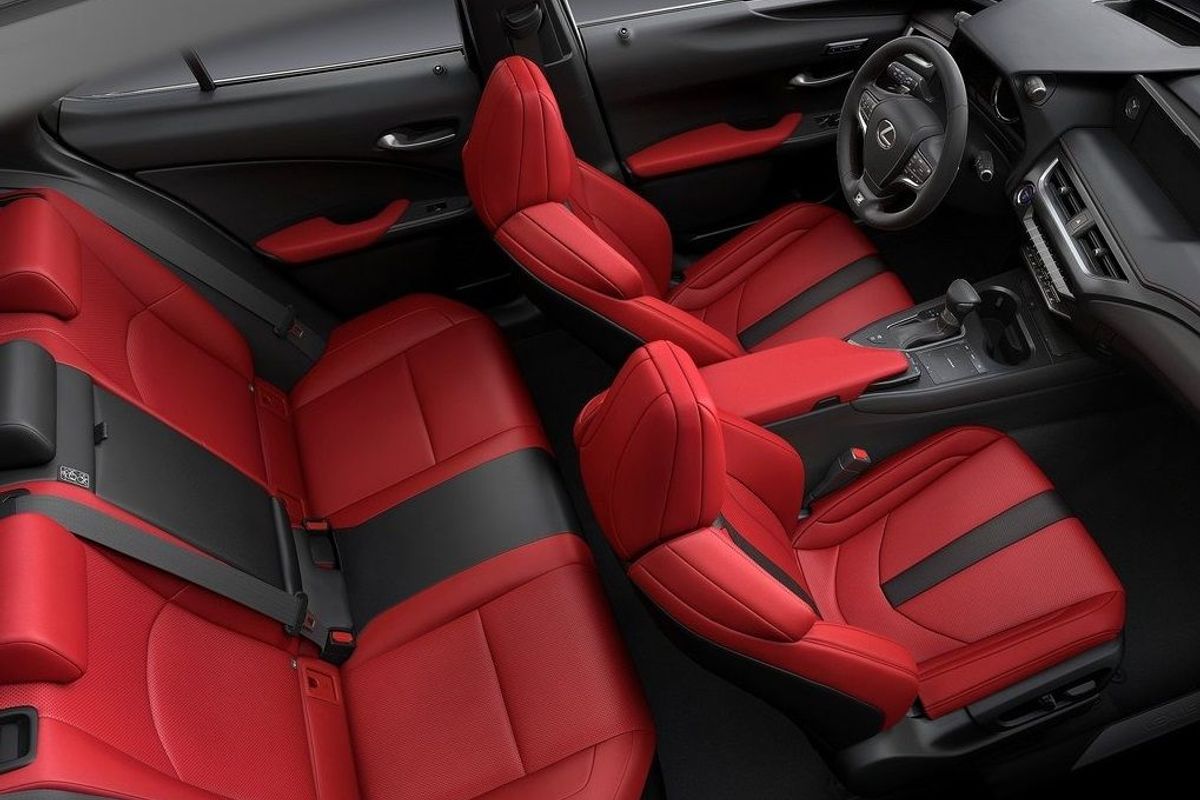
Standard specification appears to be generous, even for the base-spec UX 200 EX. Key features include LED headlights, 18-inch alloy wheels, synthetic leather upholstery, electric/heated side mirrors, 2-way adjustable driver’s seat, heated front seats, dual zone climate control air conditioning, wireless smartphone charger, cruise control, 10.3-inch infotainment system with integrated navigation and Bluetooth functionality, an 8-speaker sound system and front and rear park distance control with a reverse camera, to name but a few.
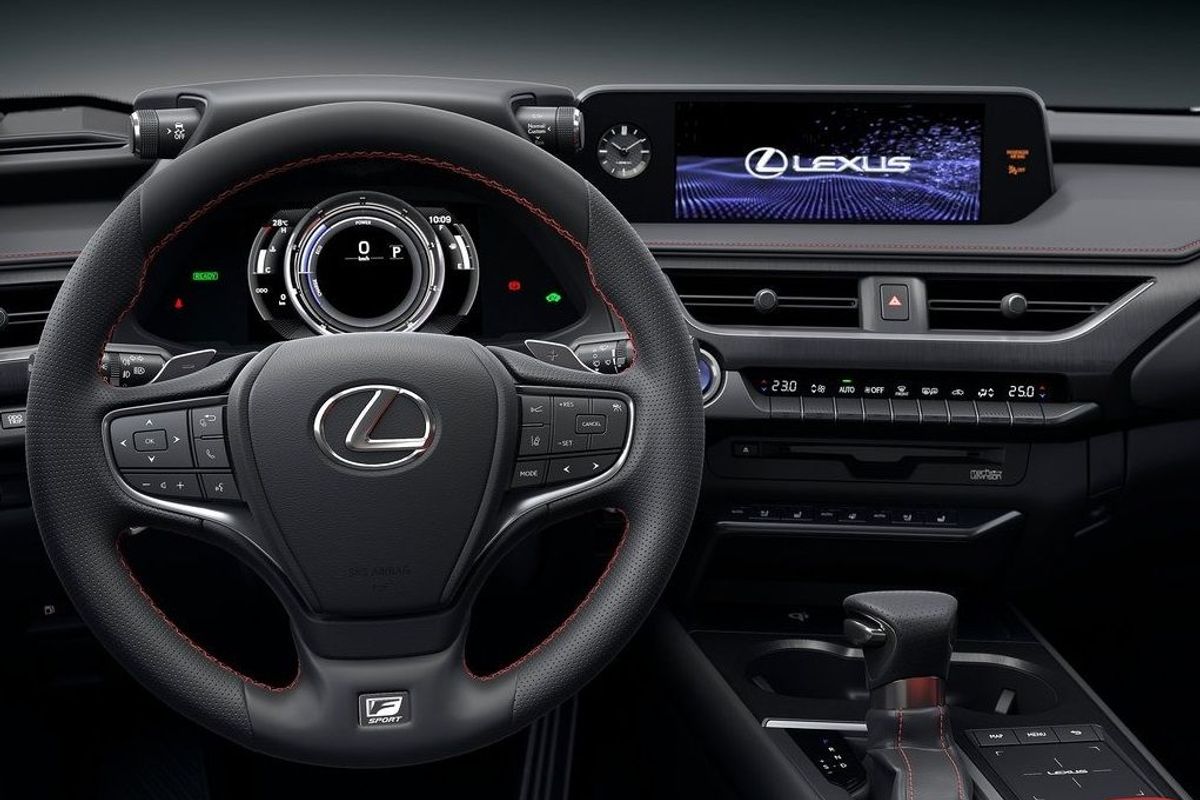
The UX 200 F Sport gains LED Adaptive High Beam headlights, 18-inch F Sport alloy wheels, F Sport scuff plates, a 3-spoke F Sport steering wheel, F Sport leather seats with 8-way adjustment, 13-speaker Mark Levinson surround sound system, remote touch interface, F-Sport instrument cluster, adaptive cruise control and a surround view camera. This derivative also adds Blind Spot Monitor and Lane Keeping Assist. The UX 250h SE follows the specification of the UX F Sport but minus the F Sport-specific details.
The UX is equipped with 8 airbags, ABS with EBD, brake assist, stability control with traction control and tyre pressure monitoring. Load capacity is claimed at 272 litres.
We will be driving the new Lexus UX at its launch in Cape Town this week, so look out for our impressions coming your way soon. See pricing details below.
Lexus UX – Price in South Africa
UX 200 EX – R599 000
UX 250h SE – R699 000
UX200 F Sport – R726 200
The Lexus UX is sold with a 7-year/105 000 km warranty and a 7-year/105 000 km maintenance plan.
The world’s third most popular vehicle becomes a TRD.
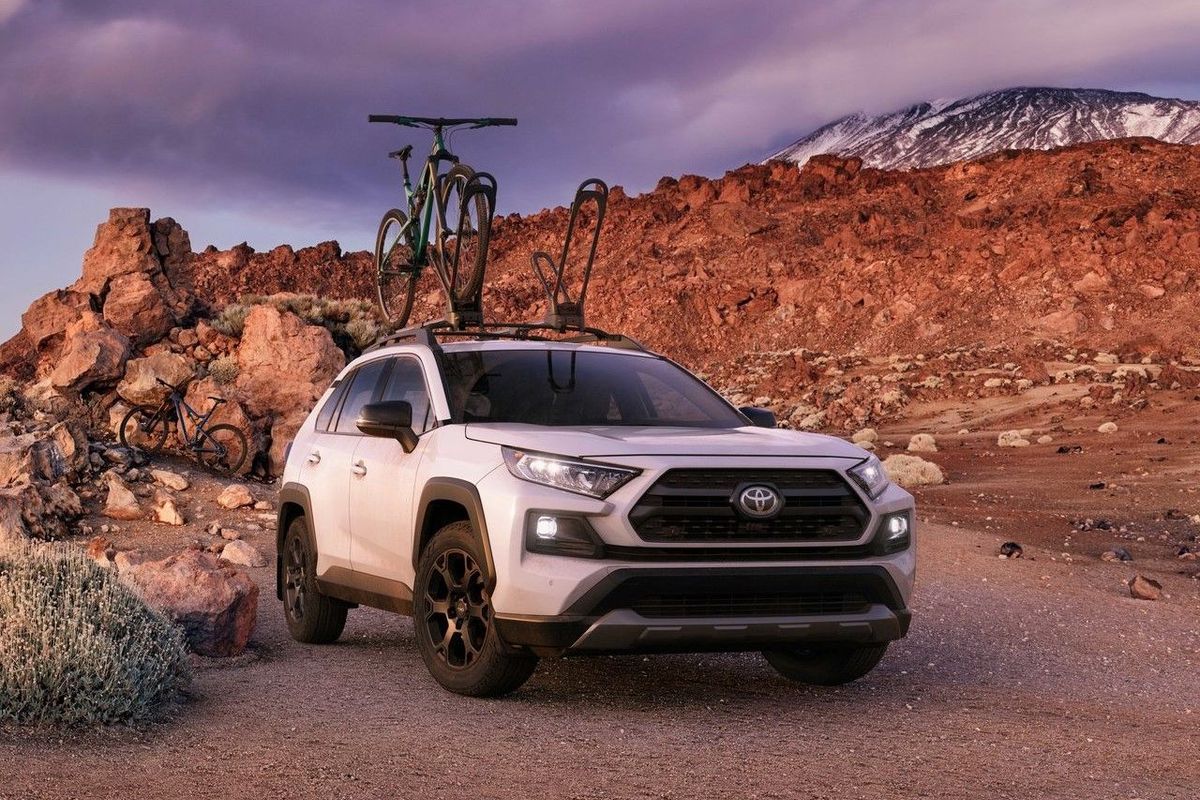
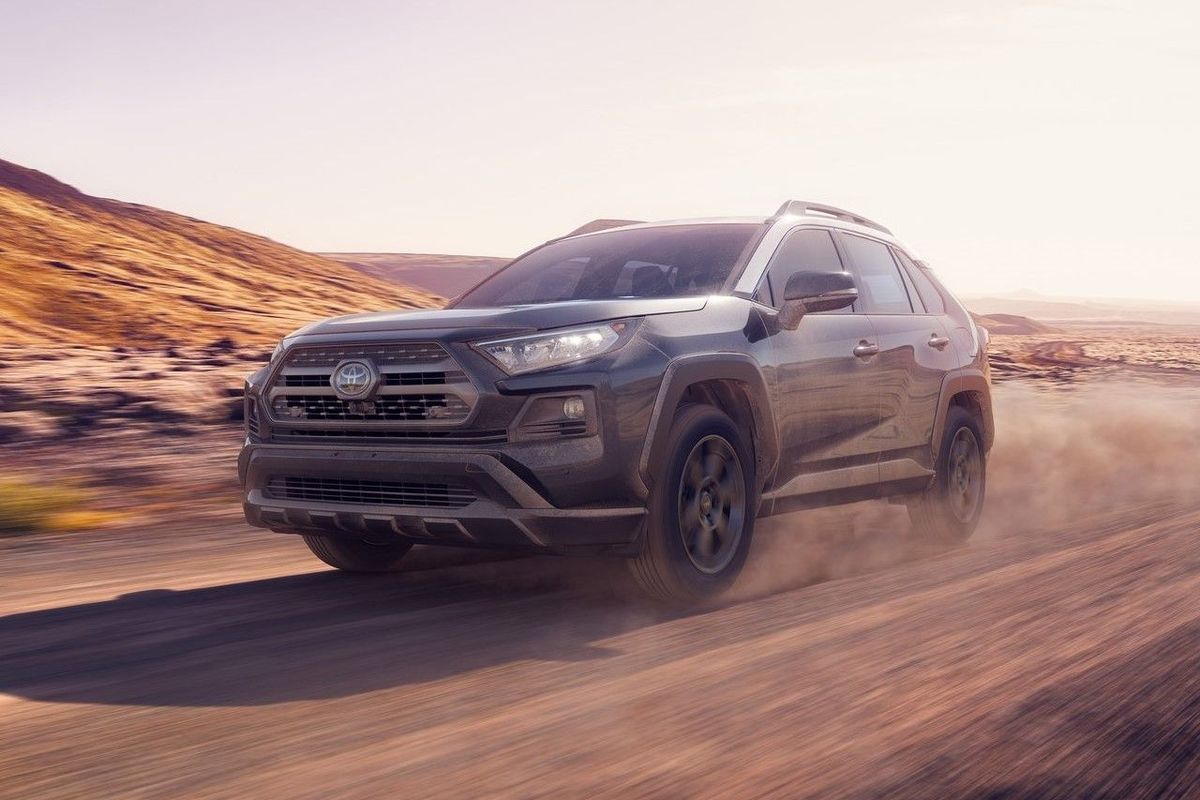
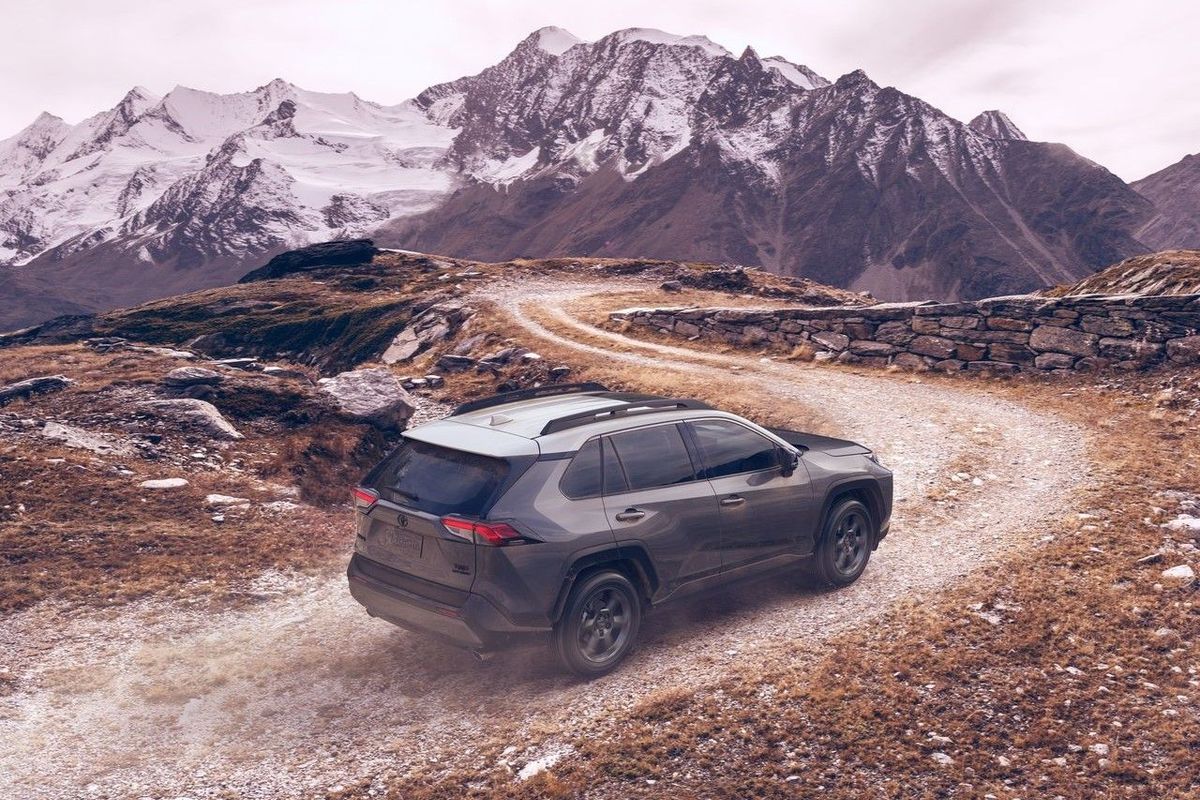
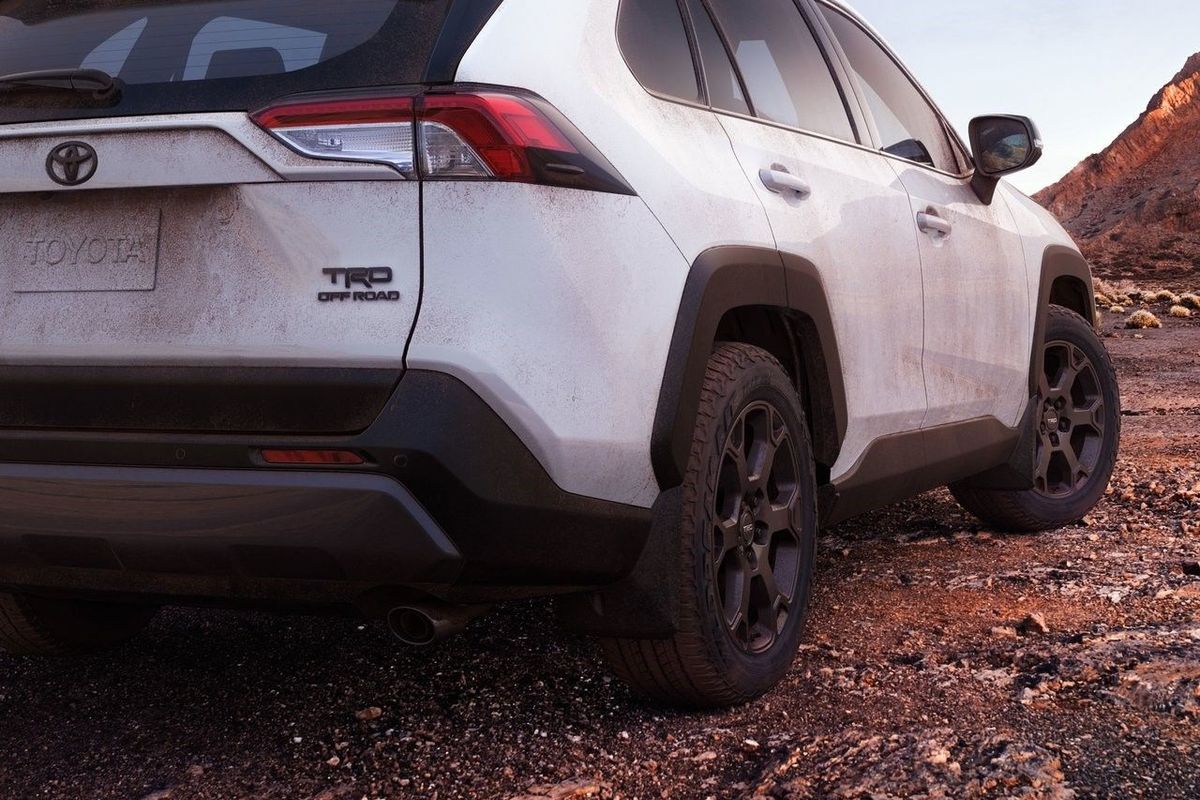
Toyota has revealed a more adventure focussed version of its new RAV4, rather unimaginatively called the RAV4 TRD Off-Road.
This TRD RAV4 is not meant to become a Fortuner rival of sorts, but rather a slightly more confident high-speed gravel traveller. Styling is remarkably similar to the standard RAV4 in Adventure trim, but there are some slight mechanical revisions which justify the TRD Off-Road billing.
Although ground clearance remains unchanged from a factory all-wheel-drive RAV4 at 218 mm, this TRD derivative has better suspension components, designed to absorb harsh gravel road pothole strikes and corrugations at speed.
The RAV4 TRD Off-Road’s shock absorbers have been re-valved to provide superior ride quality on unmaintained roads and new suspension bump stops improve wheel travel, which means you should hear less of an audible ‘thump’ when rolling over – or through – an unexpected road feature at speed.
Toyota’s aim was most certainly not to create a rock-crawling RAV4, but rather one which is superbly comfortable at high-speed dirt road touring.
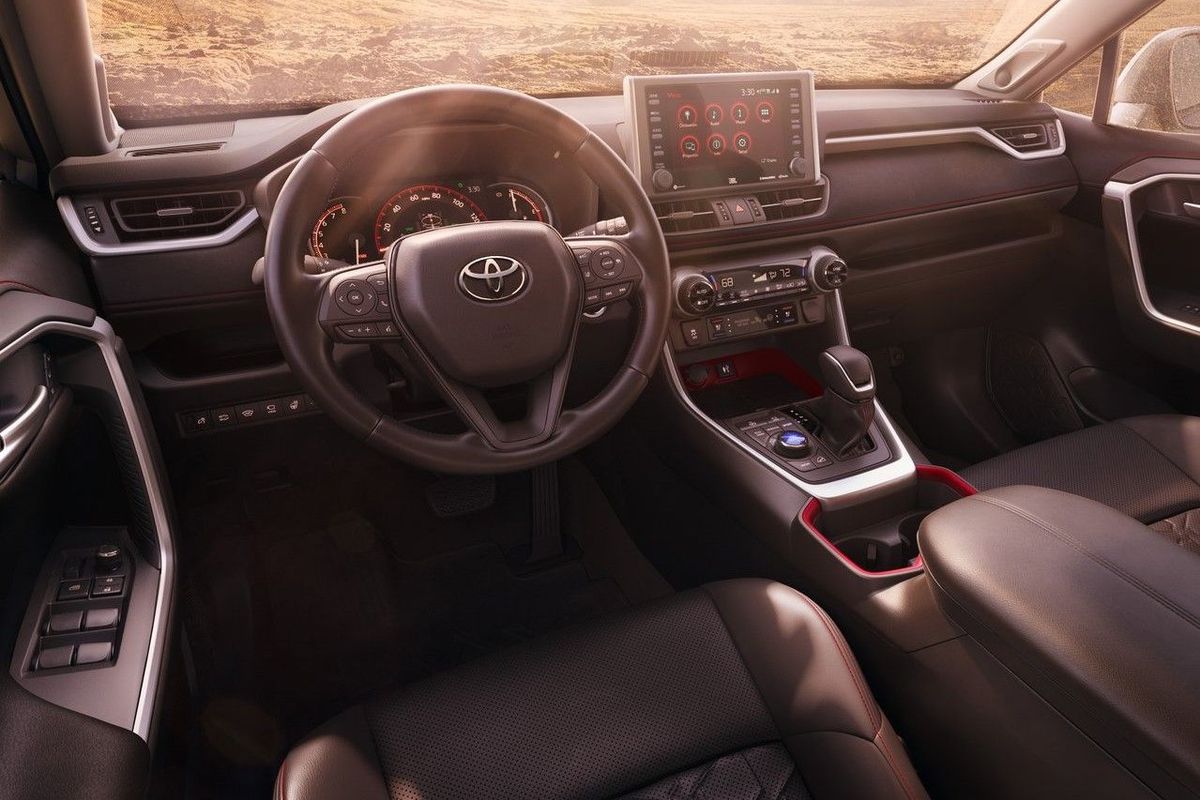
Distinguished by a slightly restyled grille insert and red TRD logos present in the cabin, this is a derivative which could make a lot of sense to those Toyota RAV4 owners who are dedicated backroad explorers.
A surprise reveal at this week’s Chicago auto show is from Subaru.
As Arctic conditions envelop the northern United States, it made for a poignant environment to reveal new product from the brand which established its reputation by providing honest all-weather motoring solutions.
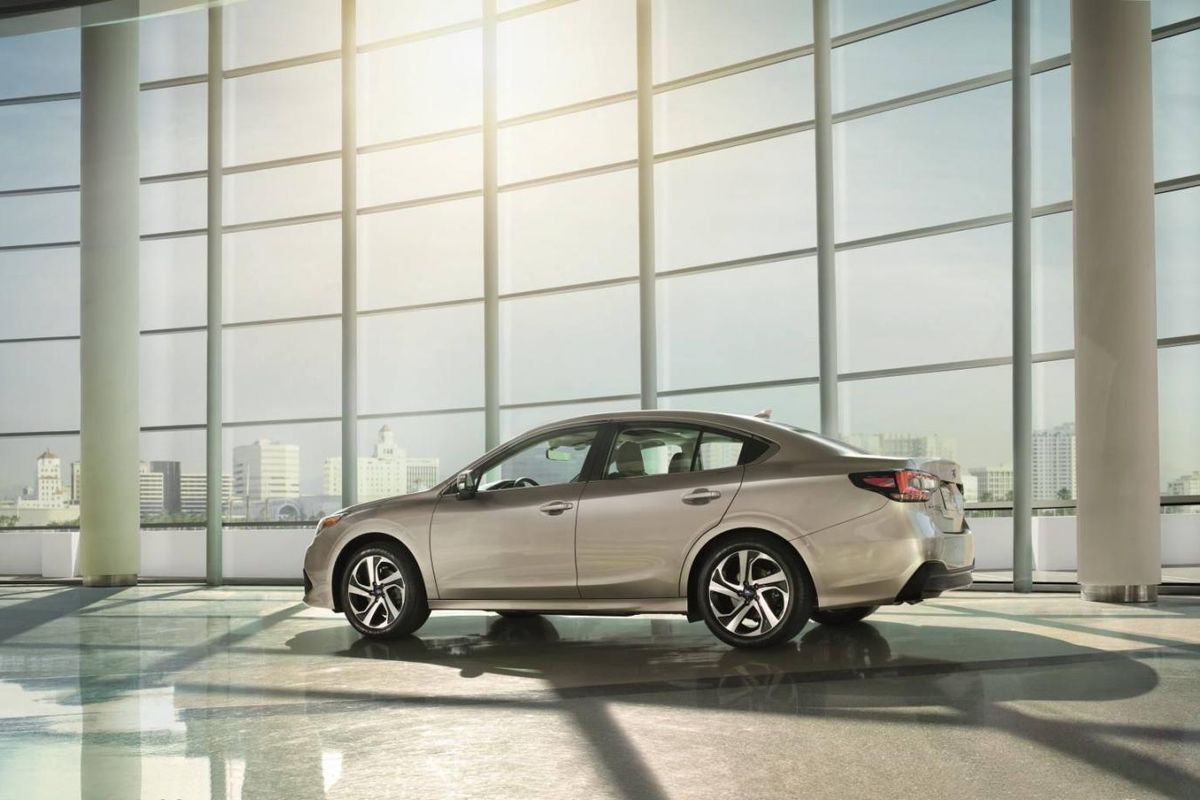
The car in question is the seventh generation of Subaru’s large sedan, the Legacy, which rides on an all-new platform. Subtle styling hides a structure which is claimed to be 70% stiffer torsionally and 100% more twist resistant around the front axle – hence the promise of superior steering response, compared to the previous Legacy.
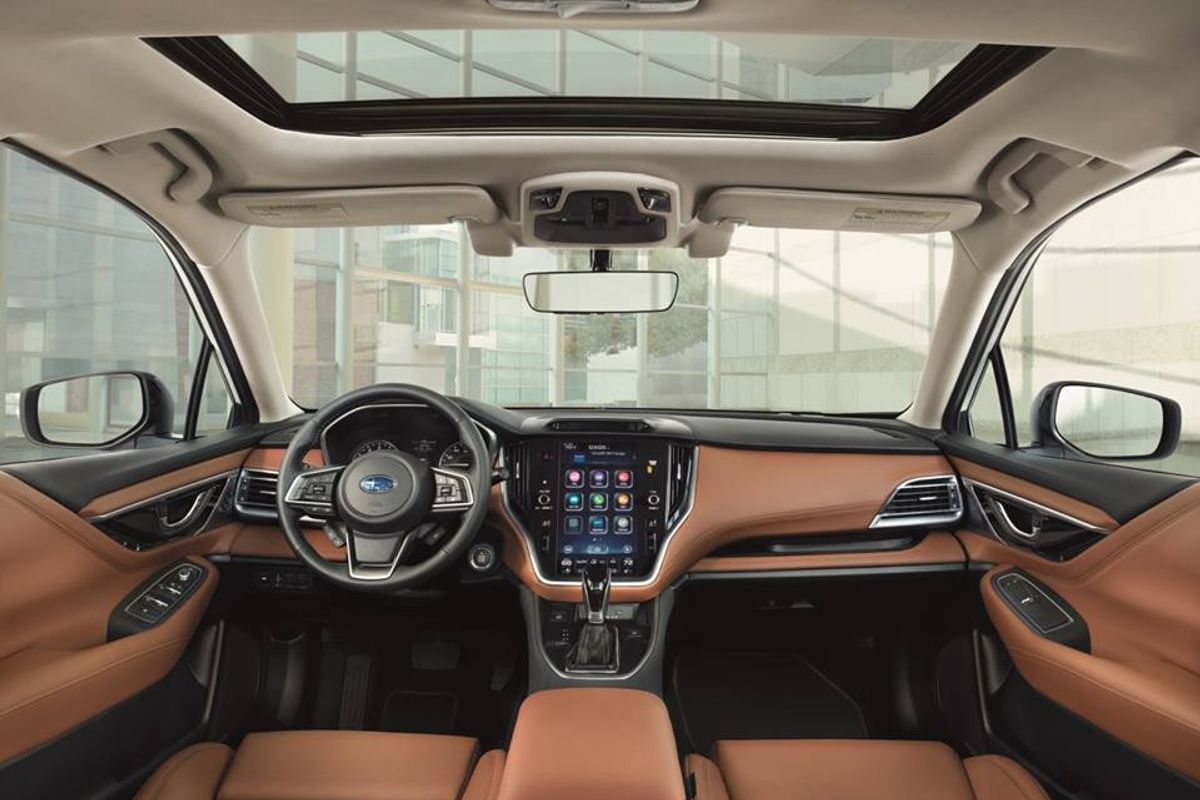
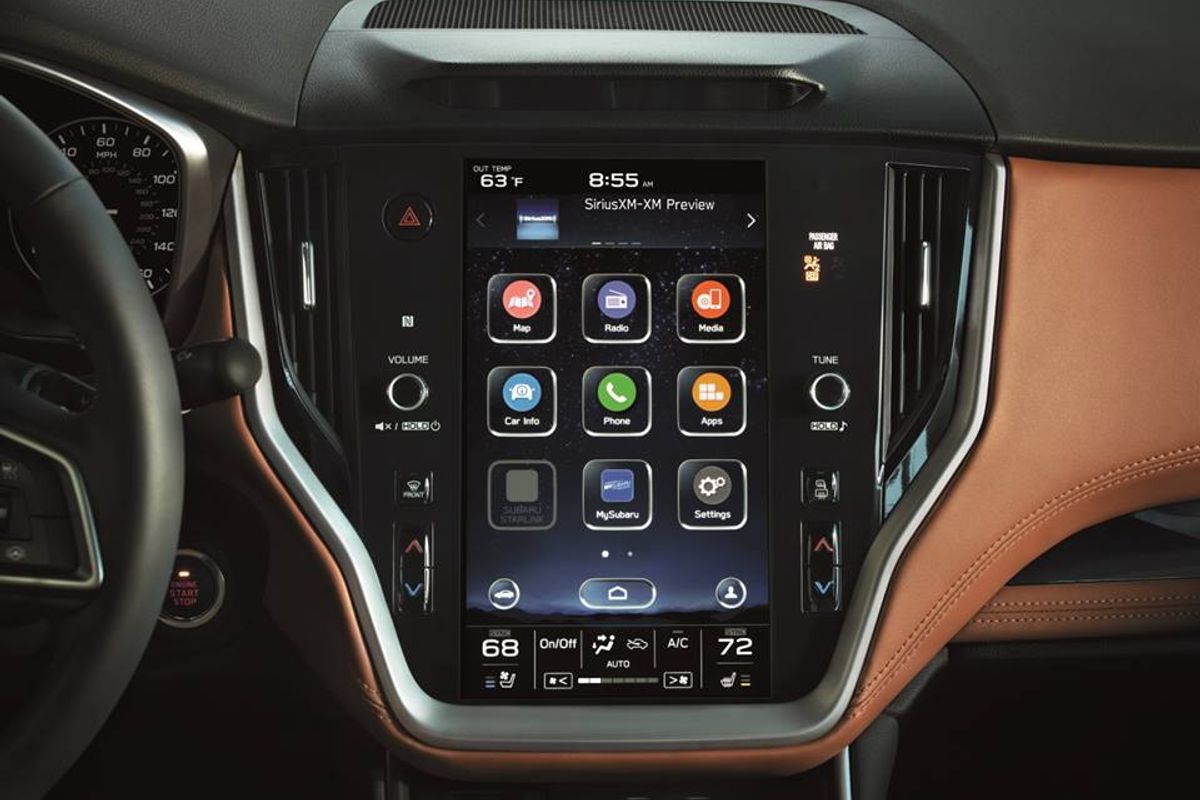
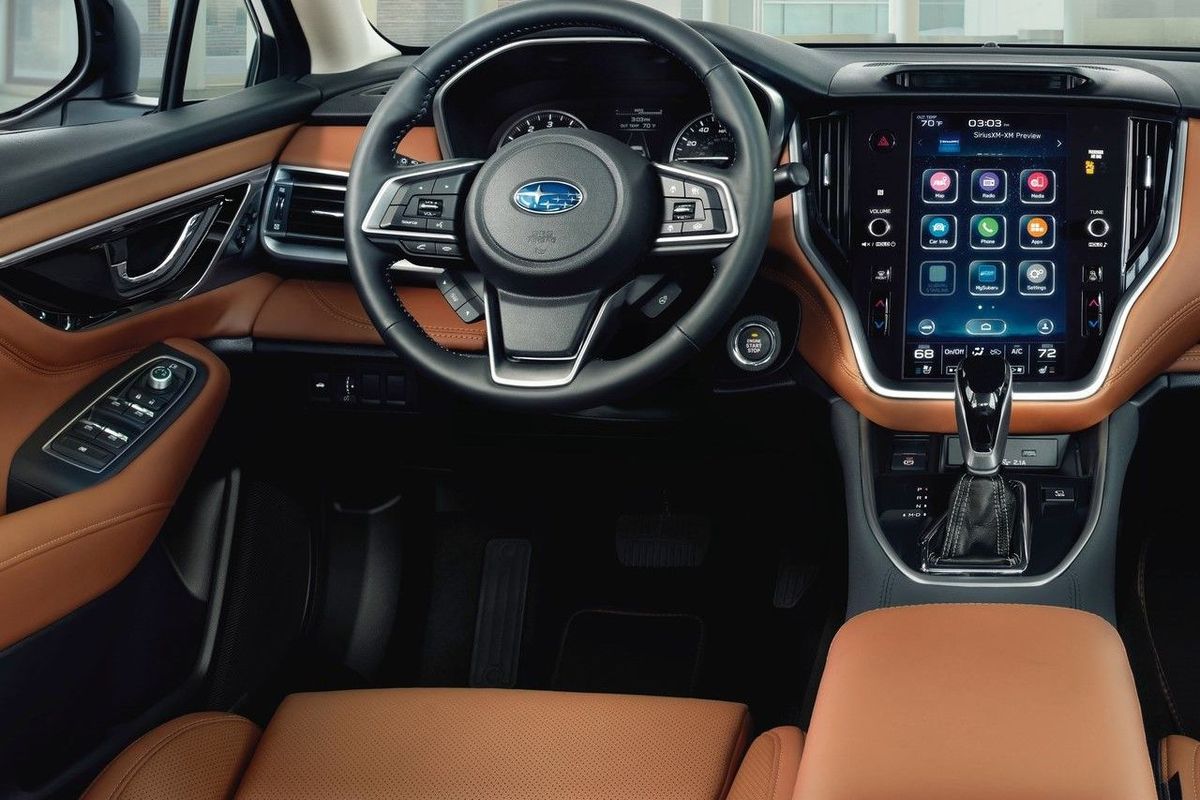
Inside, the new sedan’s cabin architecture is dominated by Subaru’s 11.6-inch infotainment touchscreen, which is vertically orientated – in a manner similar to Volvo’s Sensus system.
Subaru’s all-wheel-drive sedan cars might be niche purchases in a segment dominated by traditional German offerings, but this Legacy is noteworthy for debuting a new engine development – one the brand is desperately in need of.
Powering the new Legacy is a 2.4-litre turbocharged flat-four engine, which boosts 194 kW and 375 Nm. Those are tidy numbers and should offer a vastly improved driving experience, although the only transmission option is a CVT auto. This new 2.4-litre engine is the first turbocharged powerplant offered in Subaru’s Legacy since 2012 and will headline the range, with a 2.5-litre naturally-aspirated flat-four powering more affordable models.
As a sedan, you’d expect decent boot-space too and thanks to some slight design revisions, the new Legacy can accommodate 427-litres worth of luggage.
Subaru South Africa has yet to decide whether to offer the new Legacy in South Africa.
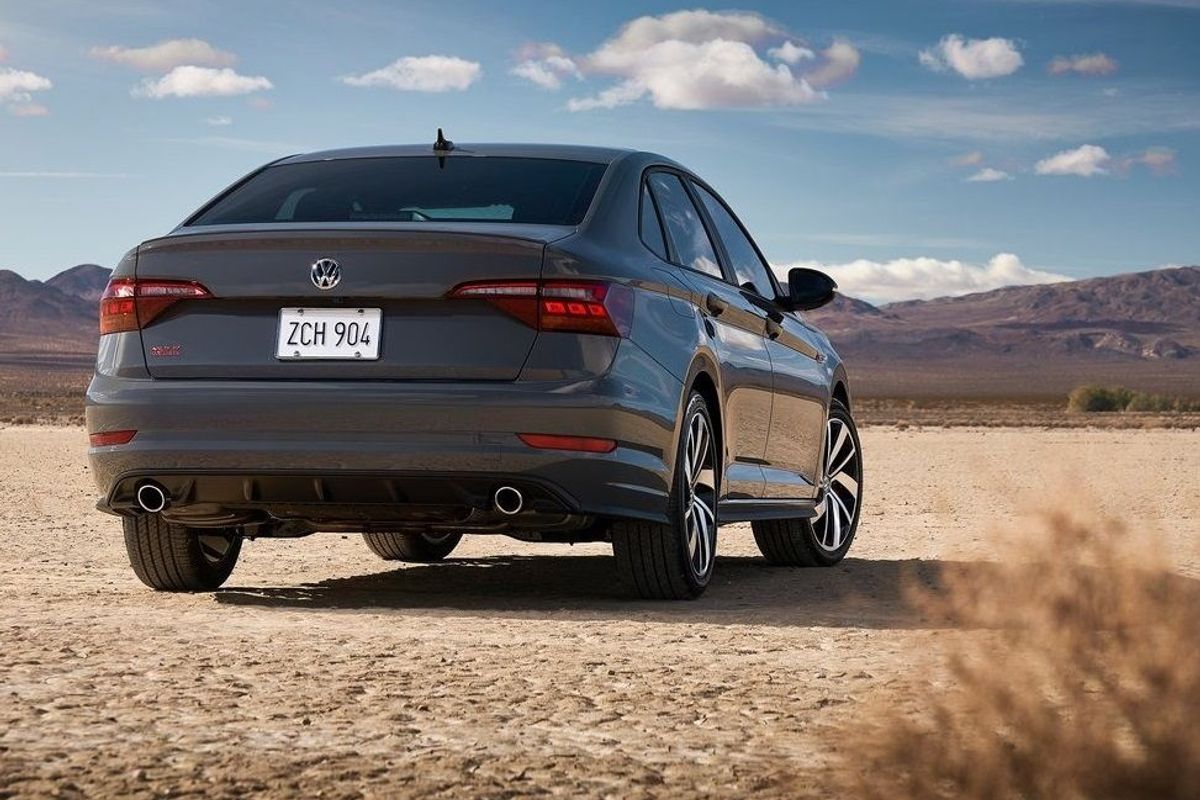
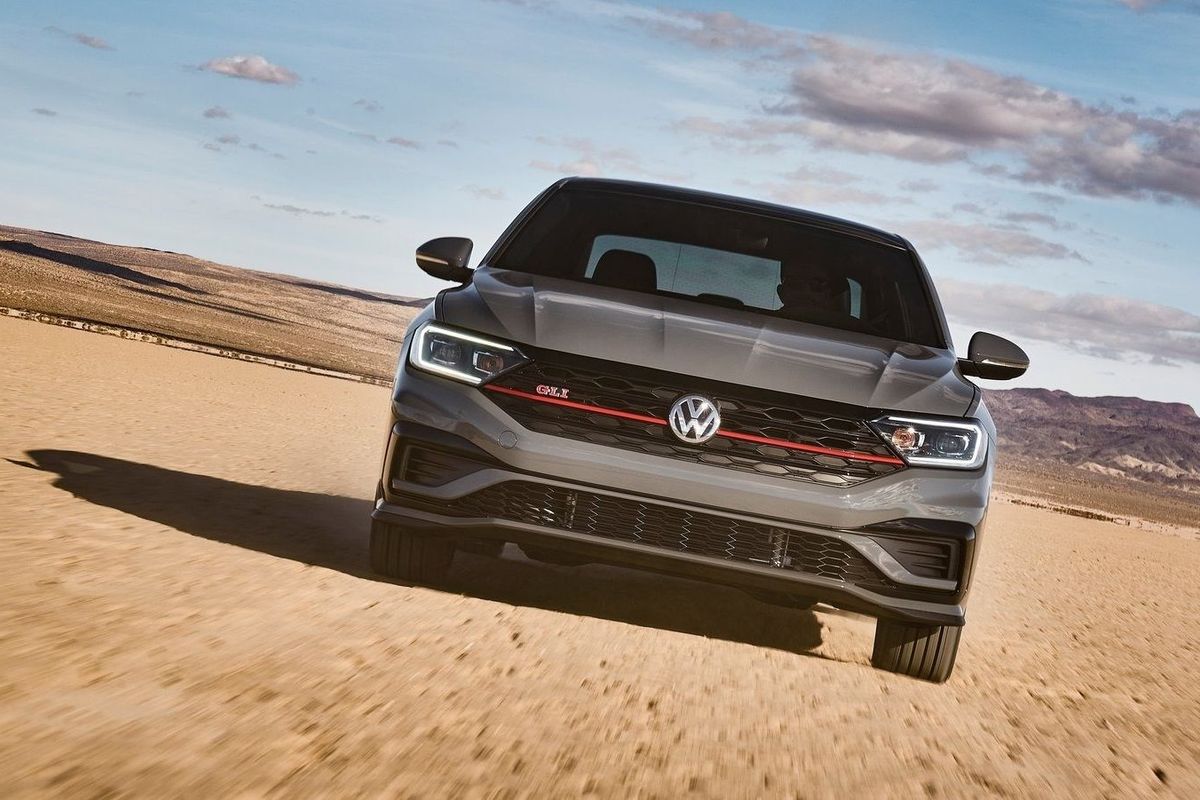
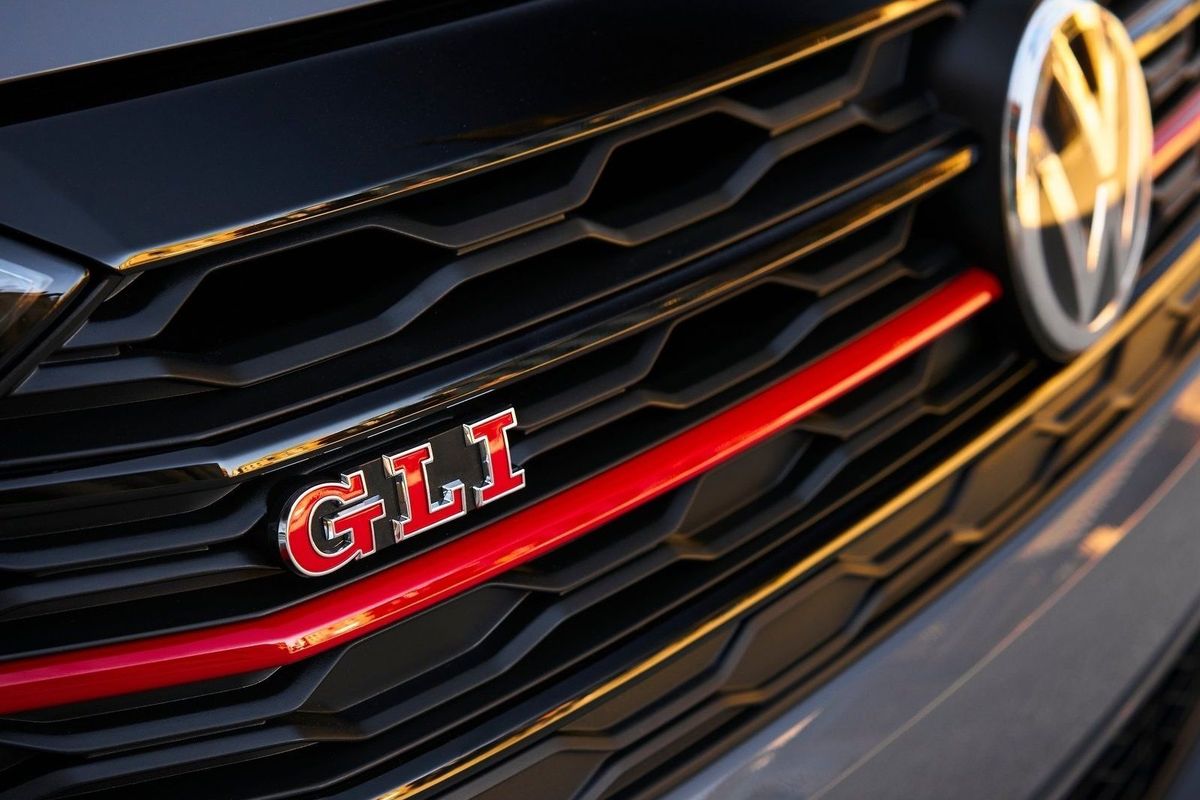
Volkswagen USA has used the 2019 Chicago Auto Show to show off its 2019 Jetta GLI. Featuring the same engine as the Golf GTI and brakes from the Golf R, the new Jetta sadly isn't coming to SA, but it's certainly nice to look at.
"Volkswagen has long been synonymous with small, sporty cars," said Scott Keogh, CEO, Volkswagen Group of America. "The redesigned 2019 Jetta proved once more that its combination of design, technology and value continues to resonate with buyers. The 2019 GLI takes the Jetta foundation and adds performance features from the Golf GTI to give buyers a true sport sedan."
Built on the same MQB platform which underpins many Volkswagen Group product, this new Jetta GLI sits a little lower than a standard Jetta, giving it a sporty stance. There are LED projector headlights with daytime running lights at the front which combine well with the black honeycomb grille and red detailing. Upon closer inspection, you'll see brakes from the Golf R with red callipers wrapped in 18-inch rubber.
In terms of power, the Volkswagen Jetta GLI has the same 2.0-litre turbo motor as the Golf GTI. For those wish to know, it's the direct-injection EA888 TSI. It produces a tidy 170 kW and 350 Nm, and power goes to front wheels via a standard 6-speed manual transmission. The option of a 7-speed DSG auto is available. There's also an all-around independent sport suspension.
Sadly, as cool as the new GTI-powered Jetta is, there is no right-hand drive production available so it will not be coming to South Africa.
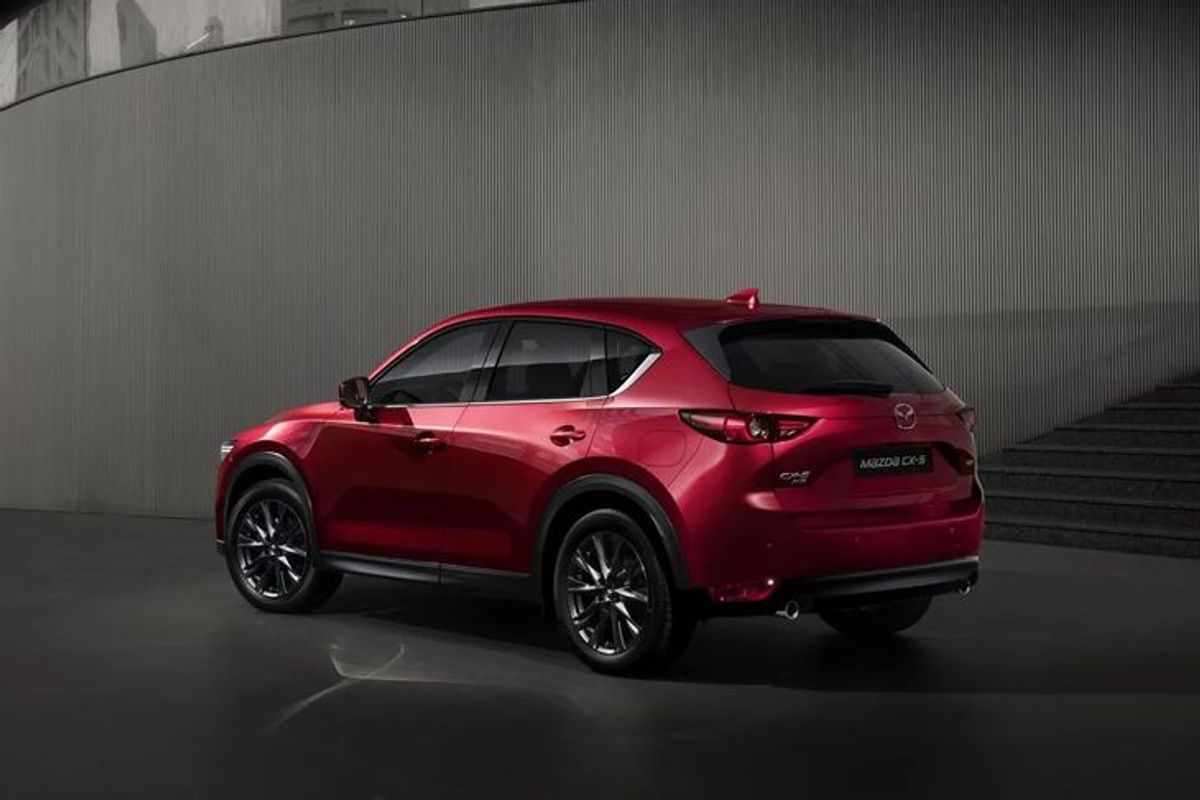
Mazda has updated its CX-5 family car with specific specification updates across the range. See what’s changed below…
The Mazda CX-5 has received a mild round of updates across its 8-derivative lineup. In terms of specification, all CX-5’s are now equipped with Android Auto and Apple CarPlay as standard.
Other new interior details include a new air-conditioner panel pattern while the door and window dials now feature chrome accents. The commander dial and volume controls have also been redesigned.
On the outside, CX-5 Active derivatives now ride on 17-inch wheels with a new colour while the CX-5 Dynamic derivatives are fitted with newly designed 19-inch alloy wheels. The specification for the range-topping Individual derivatives remains unchanged.
A total of 3 engine choices are on offer including a naturally-aspirated 2.0-litre petrol engine with 121 kW and 210 Nm while a larger 2.5-litre petrol engine with 143 kW and 257 Nm is offered in all-wheel-drive guise. A 2.2-litre turbodiesel engine with 140 kW and 450 Nm is also available in either front or all-wheel drive guise.
Buyers also have the choice between a 6-speed automatic or 6-speed manual transmissions.
Mazda CX-5 – Price in SA
CX-5 2.0 Active – R398 300
CX-5 2.0 Active auto – R410 500
CX-5 2.0 Dynamic – R423 900
CX-5 2.0 Dynamic auto – R436 100
CX-5 2.2DE Active – R482 600
CX-5 2.0 Individual – R493 700
CX-5 2.5 AWD Individual – R557 900
CX-5 2.2DE AWD Akera – R586 100
The Mazda CX-5 is sold with a 3-year/unlimited km warranty and a 3-year/unlimited km service plan.
A slick self-shifting diesel Qashqai is finally in the offering.
Nissan has announced a mechanical specification upgrade for its indomitable crossover. The company’s popular Qashqai has thus far only been marketed globally with either a six-speed manual or continuously variable transmission (CVT) option.
In the local product portfolio, Qashqai only offers the above-mentioned two transmissions options, between its blend of 1.2-litre turbopetrol and 1.5-litre turbodiesel engines. The diesel Qashqai is only available with a manual – which can be a touch inconvenient to drive in stop-start traffic.
The latest news from Nissan headquarters is that those interested in a diesel Qashqai with dual-pedal driving convenience in traffic, but who wish to do without the lack of responsiveness which often afflicts small capacity engines and CVTs, finally have a seven-speed option.
Late last year Nissan introduced a 1.3 DiG-T version of its Qashqai to select markets. This 118 kW engined crossover was the first Qashqai to benefit from a seven-speed dual-clutch transmission upgrade. Now, Nissan is expanding this option globally to its 1.5 dCi Qashqai – an engine derivative which is already available in South Africa.
Probability of this sharper-shifting diesel Qashqai becoming available to local buyers? Considering the 1.5 dCi engine has been on sale in South Africa for some time, unlike the 1.3 DiG-T (which is currently unavailable here), there is every likelihood that Nissan’s popular diesel crossover could soon be a lot more comfortable to drive in Sandton traffic.
In a crossover market where buyers are increasingly choosing self-shifting transmissions, instead of being burdened with swapping gears themselves, Nissan finally has a trump card of its own to play.
Isuzu gave its local bakkie line-up a rejig late last year and also adopted the international D-Max moniker. With improved specification levels, slight design tweaks and, most importantly, a new 6-speed automatic transmission to go with its highly competitive pricing, can the D-Max fend off the competition for a few more years while an all-new version is under development?
We like: Reputation for reliability, standard spec, high-value pricing, good cruiser, off-road ability
We don't like: Lazy, gruff engine; lacks a few modern touches
Some Isuzu dealers regularly offer specials: Have look here.
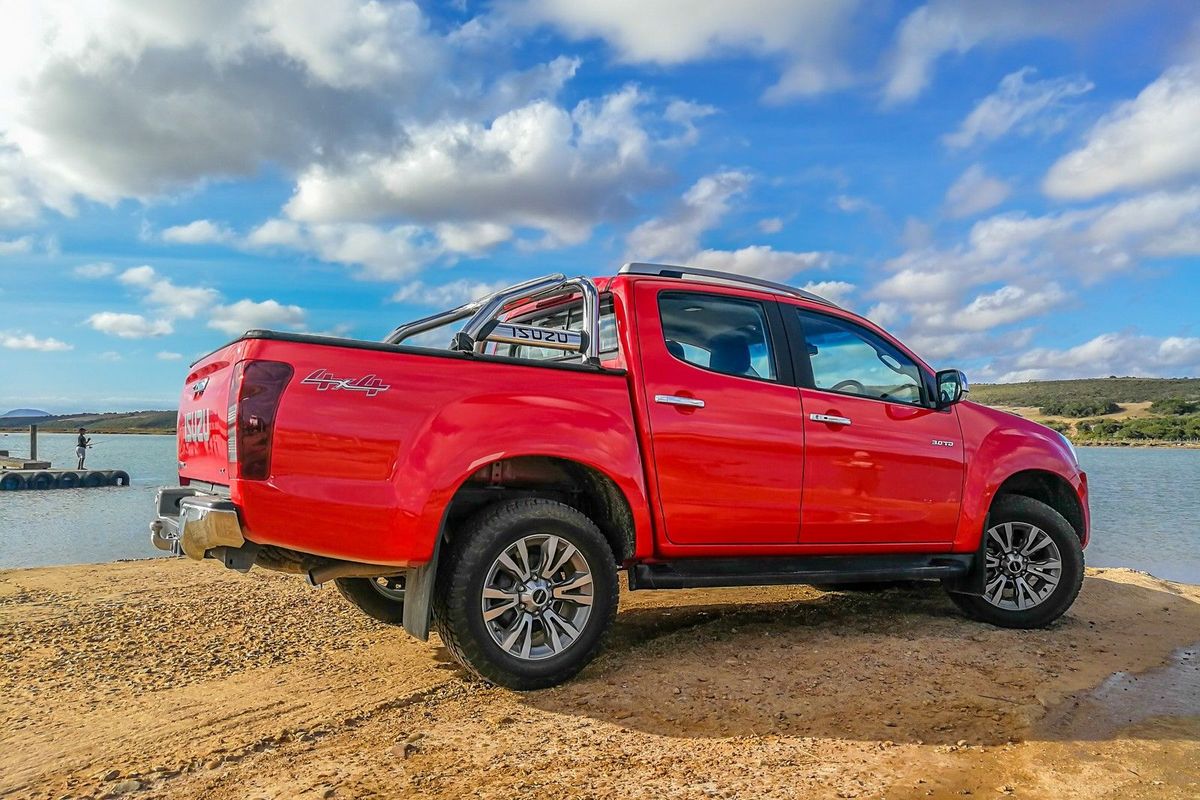
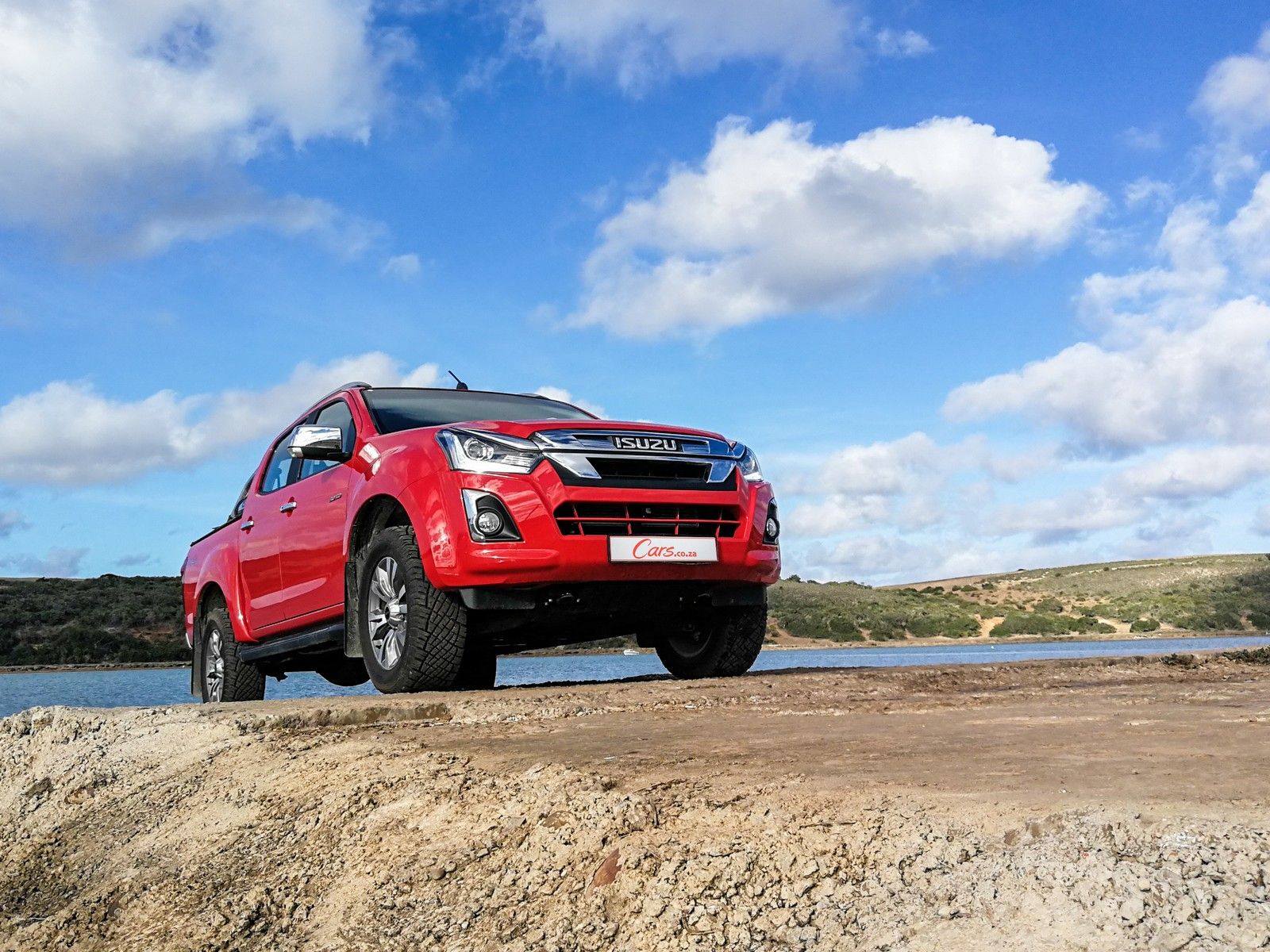
The King of Chrome: the easiest way to distinguish the D-Max from its KB brethren is by its elaborate chrome-look grille.
Where does it fit in?
The Isuzu KB has an enviable reputation in South Africa as a reliable, rugged bakkie and now that the brand is free from the bureaucracy of General Motors and steers its own ship, the Japanese marque appears to be reinvigorated with frequent updates and even an all-new model (the Mu-X adventure SUV). Late last year it made another round of changes to the trusty KB and decided to adopt its international nomenclature: D-Max.
Underneath the updated styling and extra features the D-Max remains the KB we know and (mostly) love, but it's no spring chicken… Nevertheless –and even though it competes in a fierce market against the likes of the Toyota Hilux and Ford Ranger – it has managed to carve itself a sizeable niche between these top-sellers and the lower volume (newer) competitors such as the Mitsubishi Triton and Nissan Navara. It has done so by appealing to those who crave a no-nonsense, trusty machine that can fulfil work and leisure roles equally effectively. But can the latest round of updates ensure it ongoing strong sales while we wait for the all-new D-Max (co-developed with Mazda), which will likely launch in 2020?
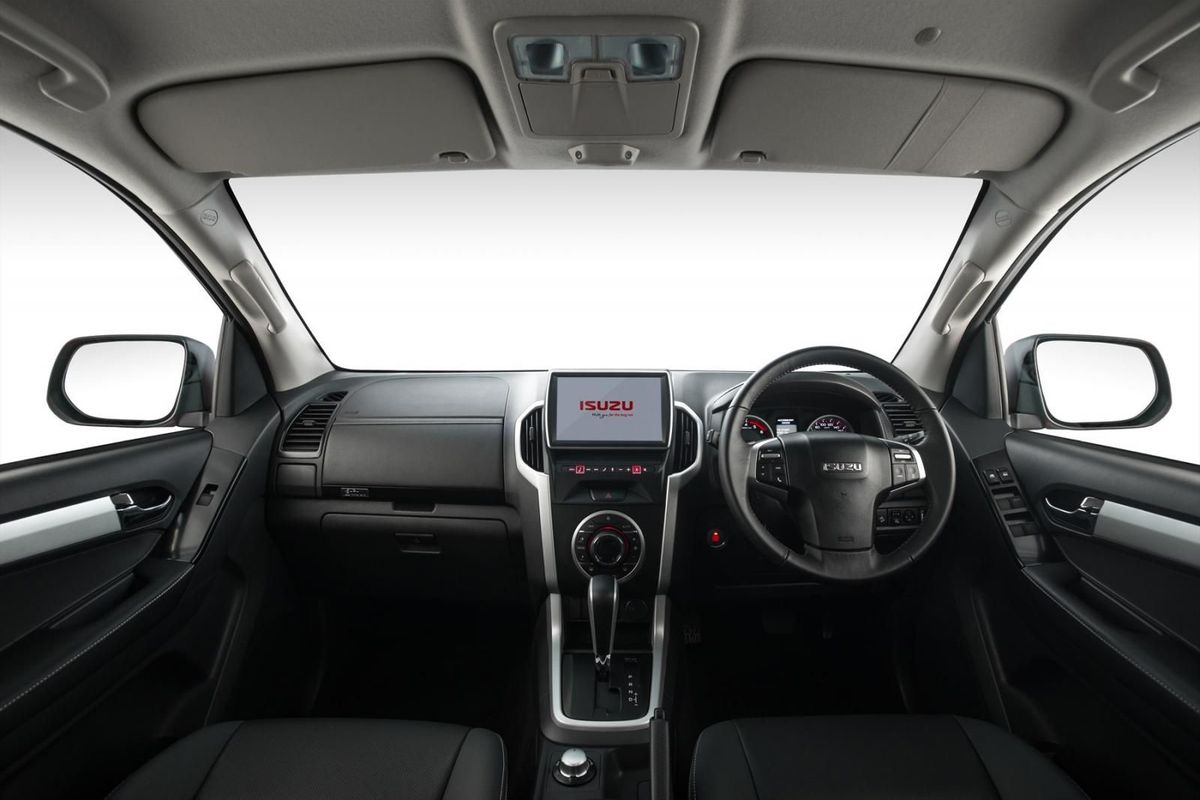
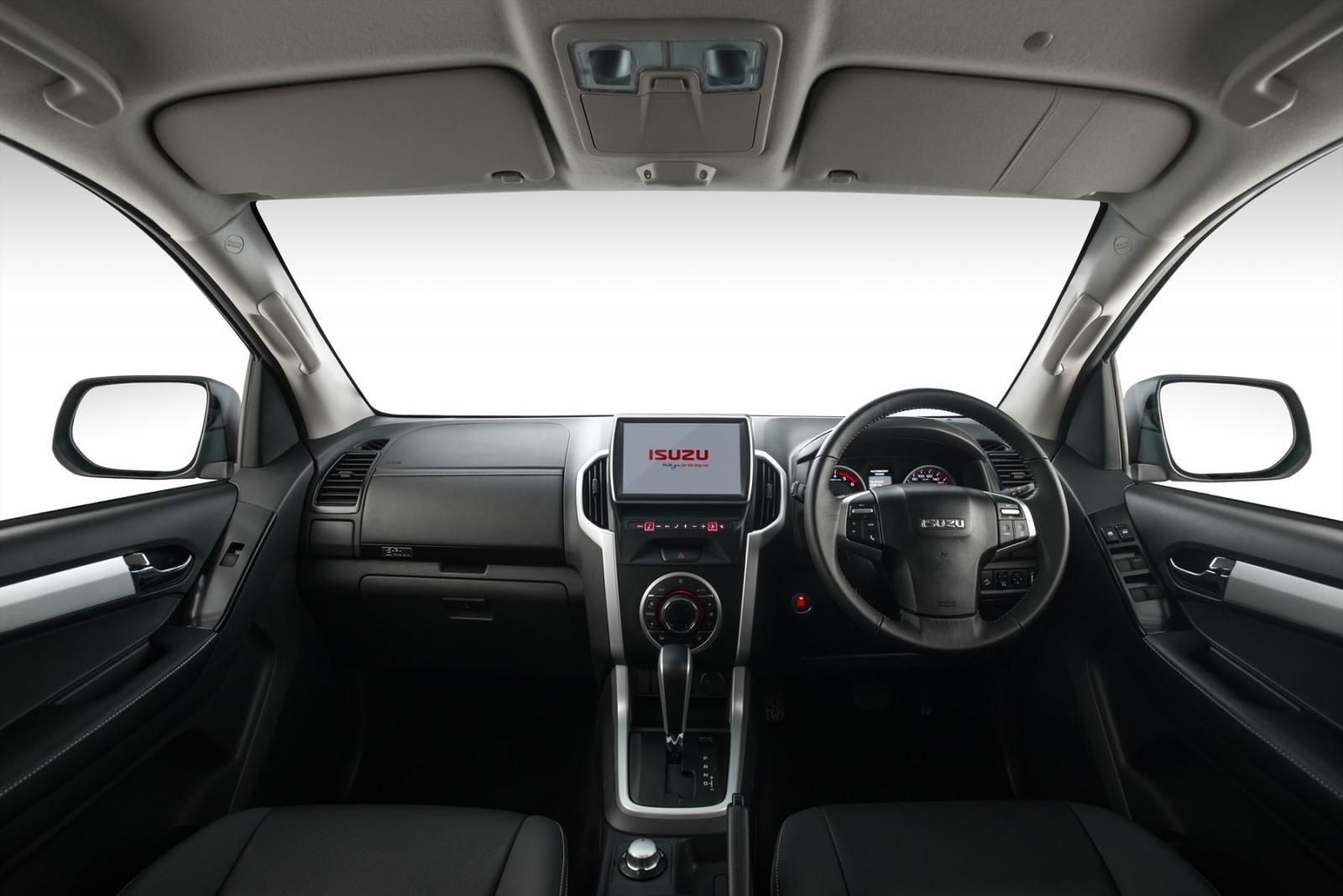
The cabin has aged well and the addition of a 9-inch touch infotainment screen (optional), as well as upgraded trim, is welcome.
It's one of the oldest tricks in the book… Once a vehicle has fallen behind the best in other areas, its manufacturer just increases the standard specification to improve the old warhorse's showroom appeal. With the latest D-Max, the approach is similar. While the list price makes the D-Max one of the most affordable "flagship" Leisure Double Cabs, it still manages to compete with the more modern offerings on features fitted.
The standard infotainment system is an 8-inch unit that also doubles as the rear-view camera display. Should you wish to upgrade to the 9-inch Alpine system, as featured on our test unit (including navigation), that'll cost R14 000 extra. We appreciated the 2 USB outlets in front, particularly as one of them is of the fast-charging variety. Another USB port is provided for rear passengers.
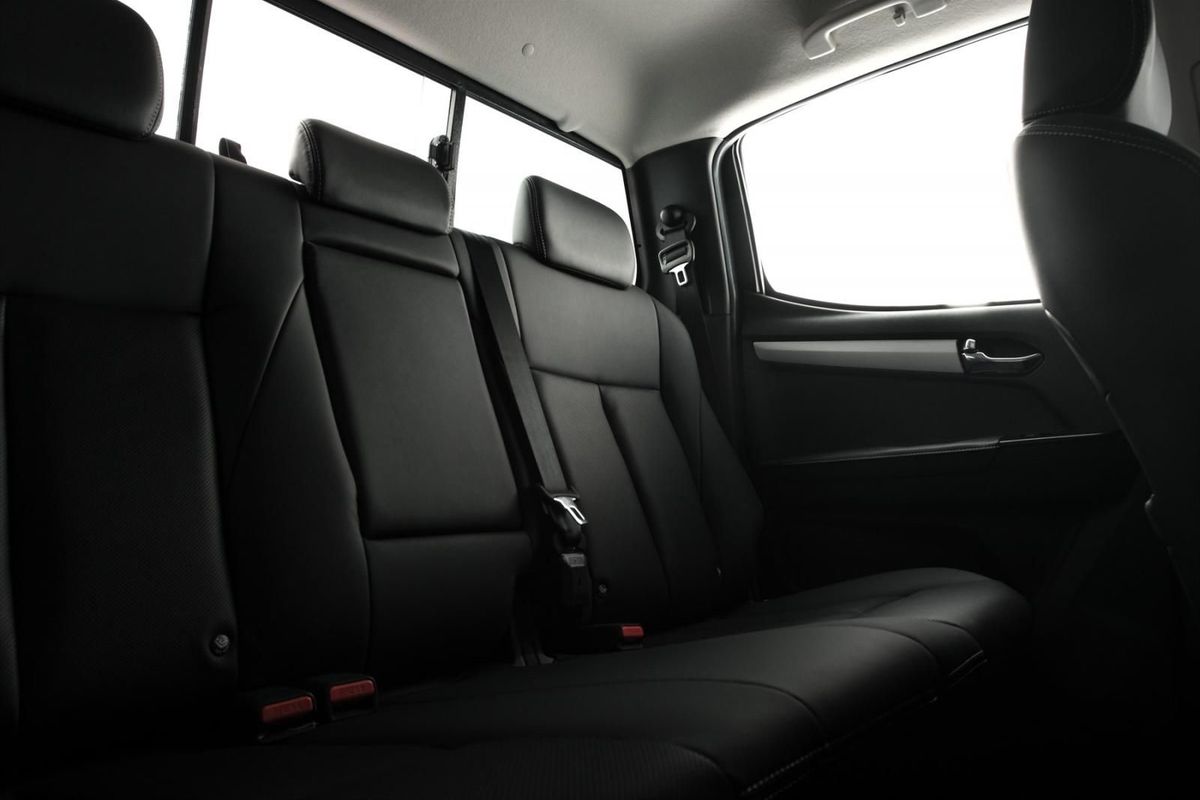
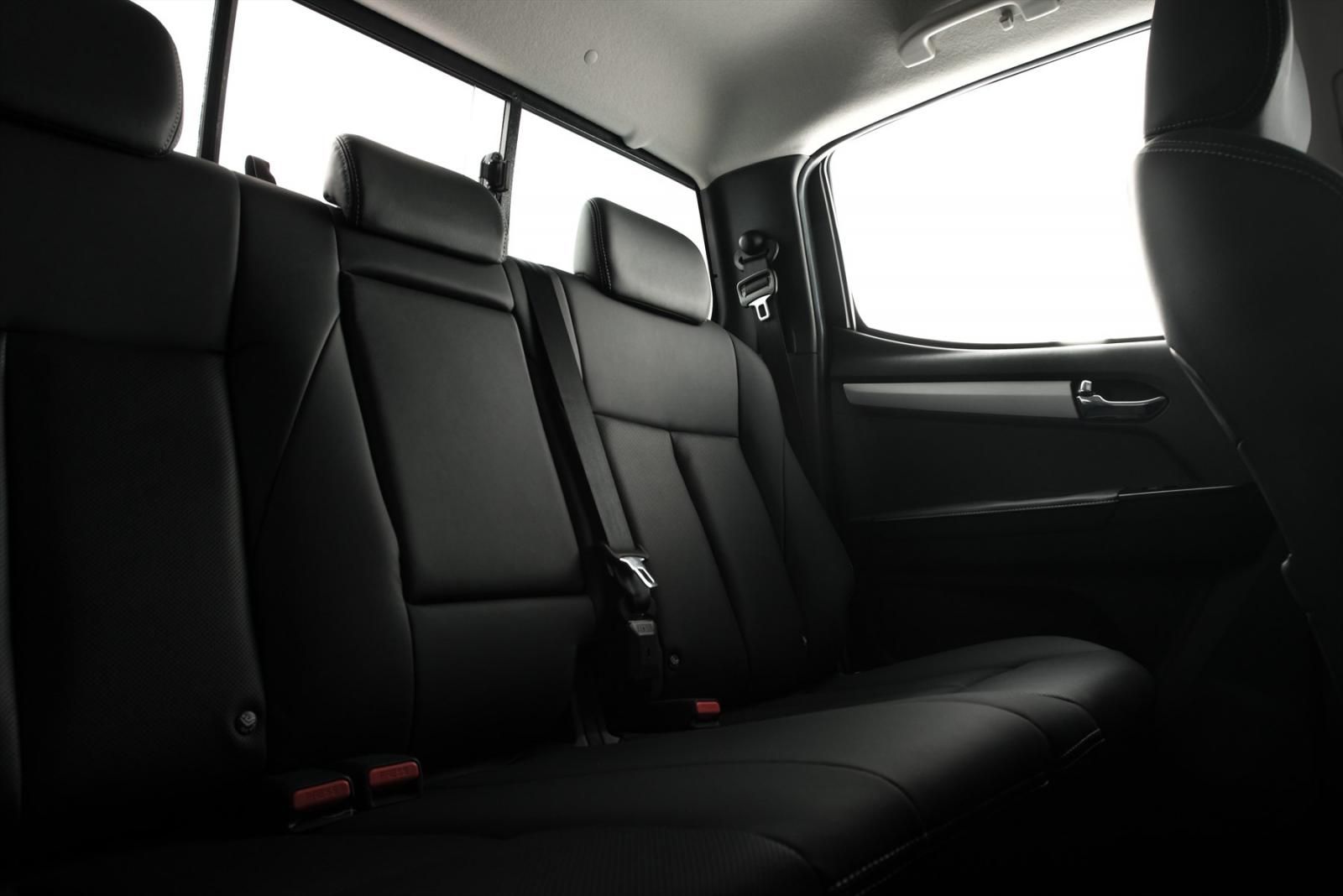
Rear legroom is competitive and the D-Max offers a manually sliding rear window as well.
Single-zone climate control is part of the deal, as are cruise control and a 6-way electrically adjustable driver's seat. Of course, the usual items such as power steering, remote audio control and electric windows all round (the driver's window was very slow on our test car, however) are fitted, but there are also a couple of nice surprises – leather upholstery is standard and the rear window can slide open. You also get hill-start assist and hill-descent control. Considering the likely usage pattern, the standard fitment of a heavy-duty tow hitch is also a boon.
Two items we did miss, however, were automatic headlamps and rain-sensing wipers.
On the safety side, the LX Auto features 6 airbags, ABS with EBD and stability control (with trailer-sway control). In addition, ISOfix rear child-seat anchors are fitted, as are rear parking sensors and a reverse-view camera.
Still handsome
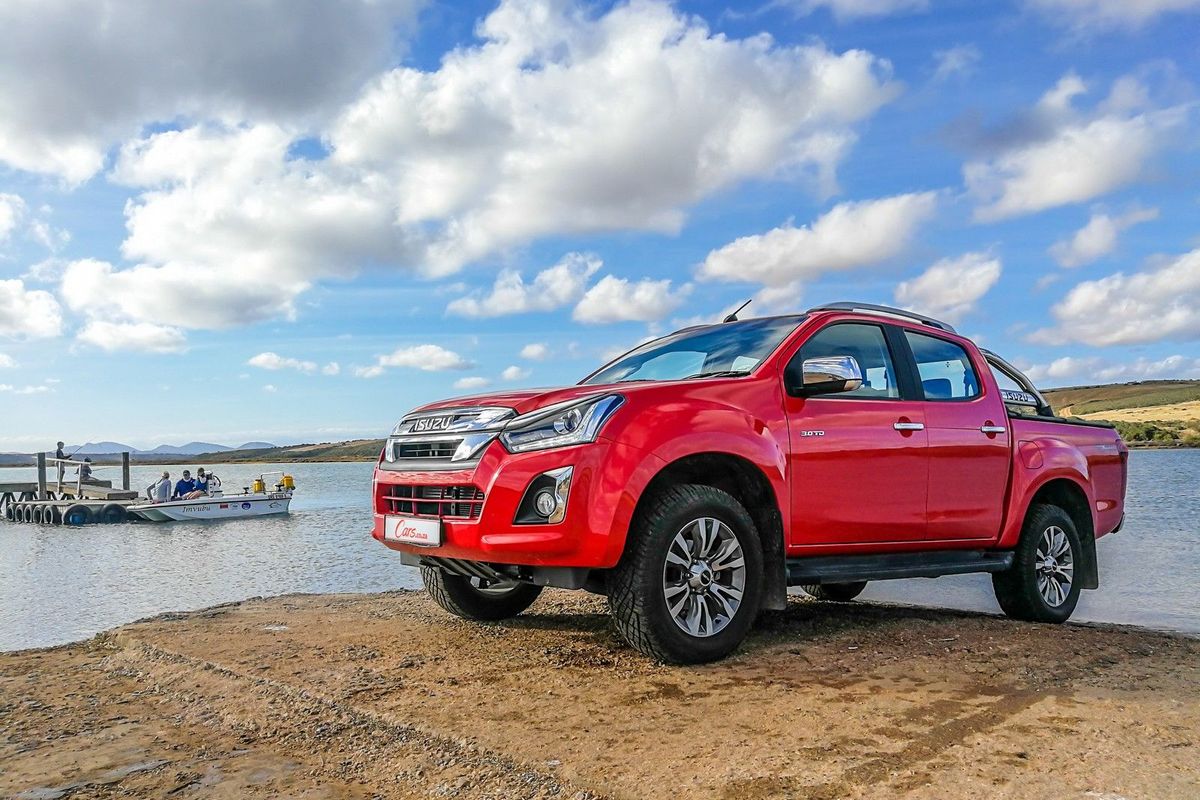
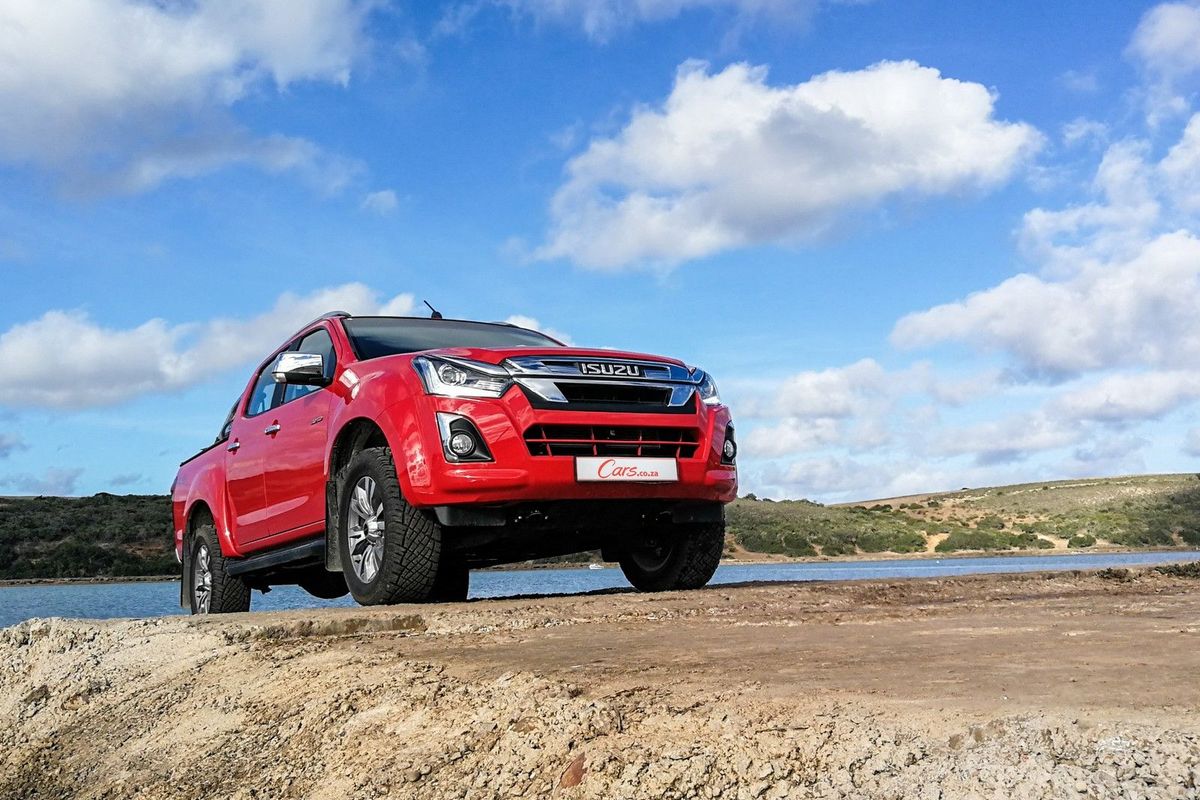
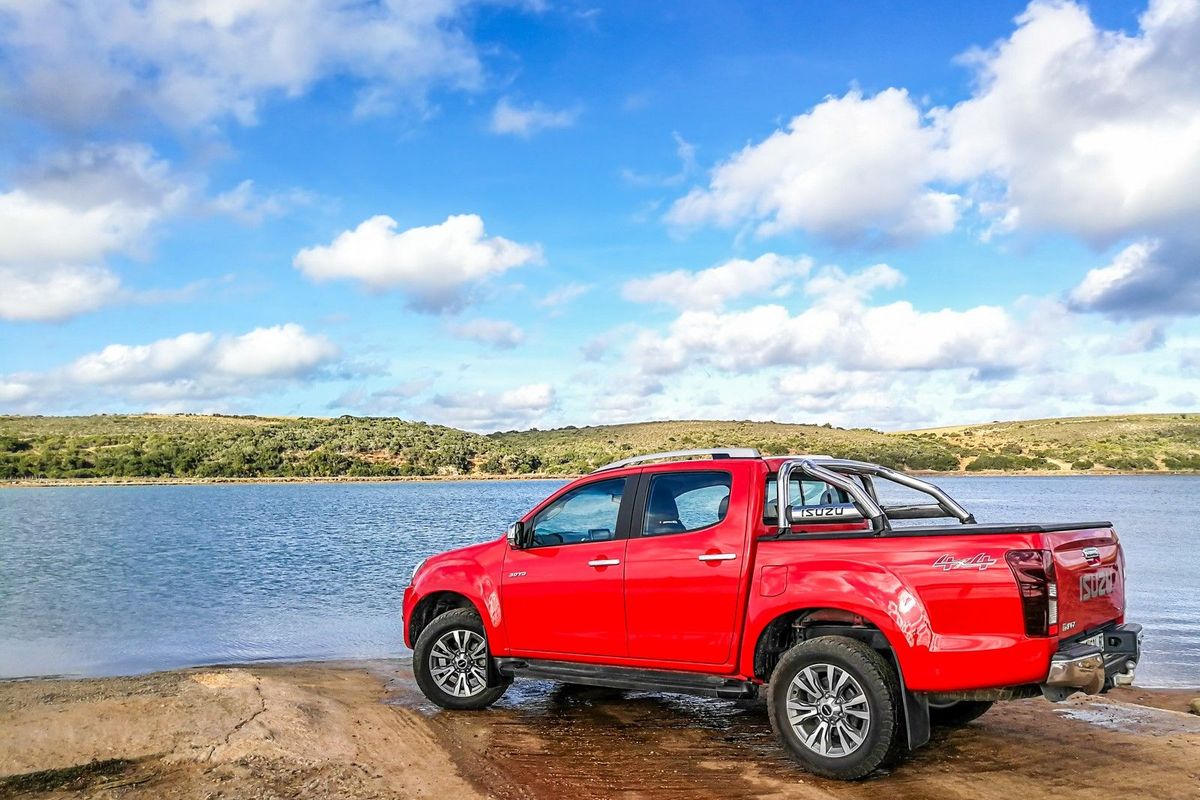
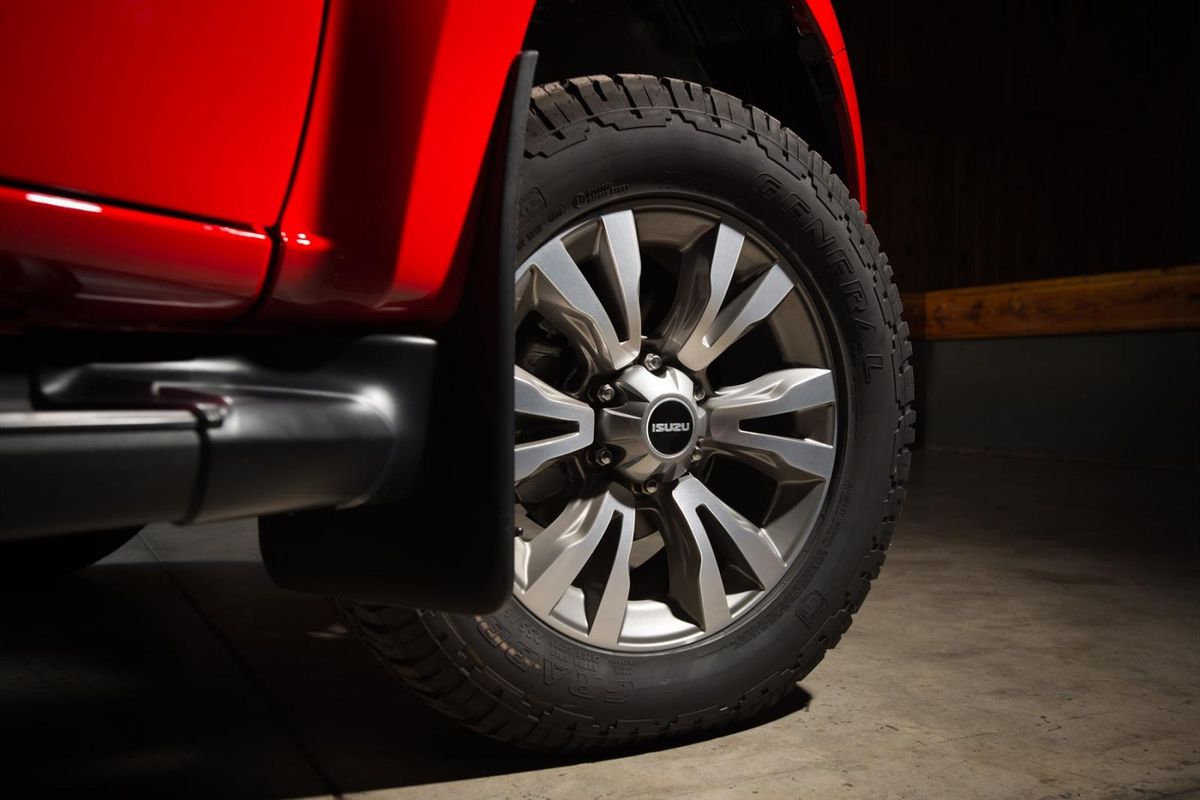
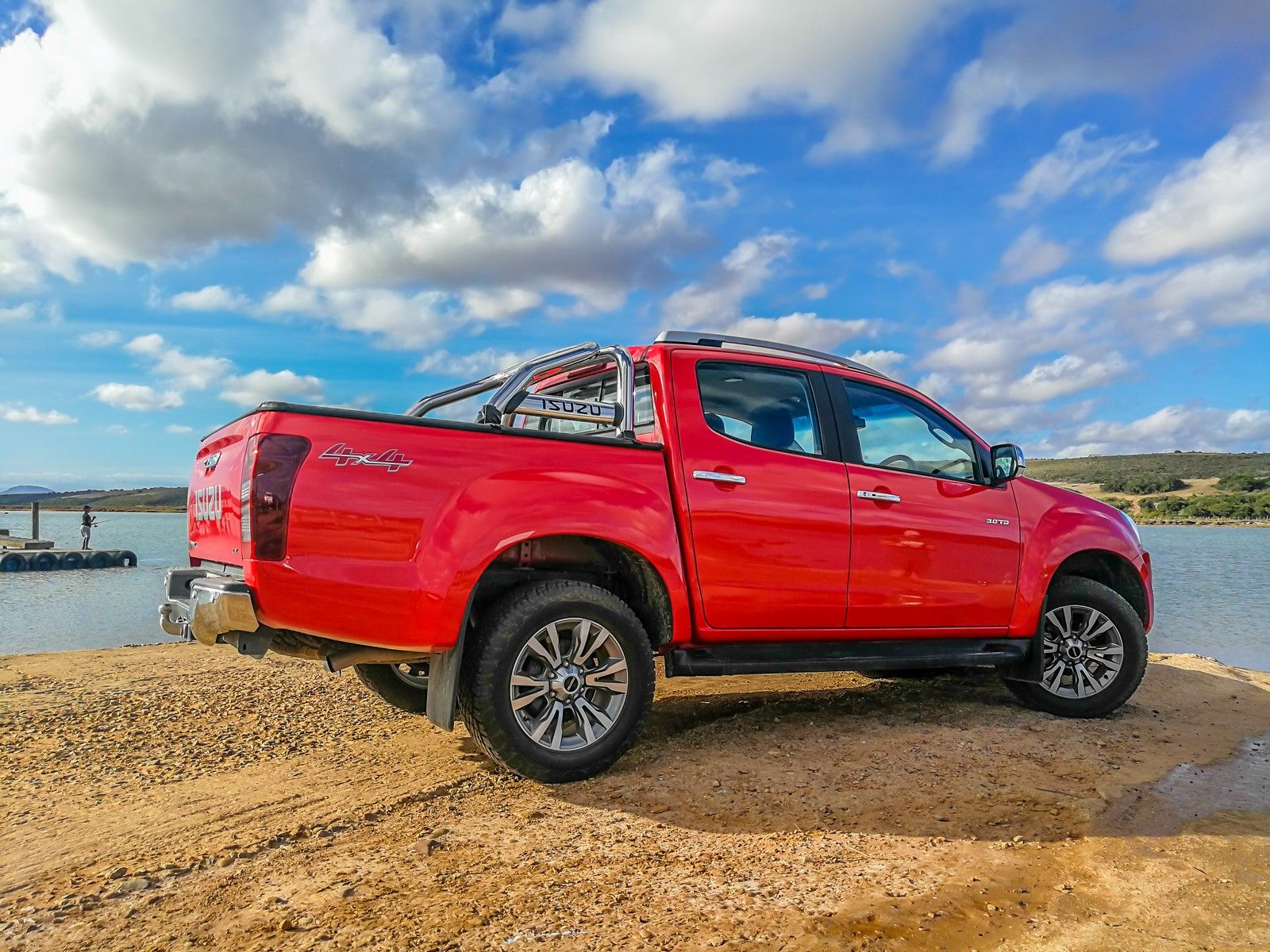
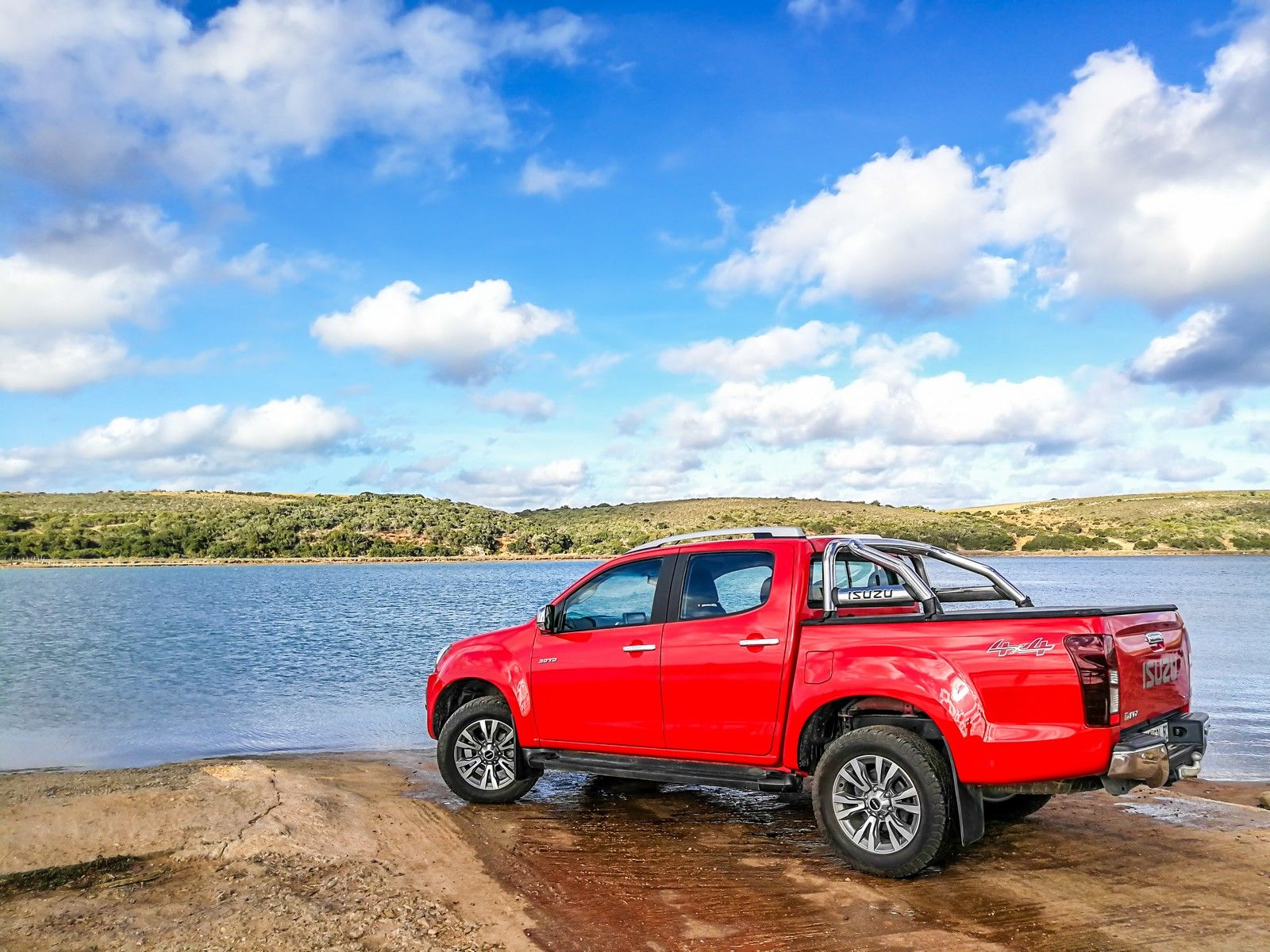
At its core, the D-Max (previously known as the KB) is one of the older bakkies on sale in South Africa, but regular updates have kept it looking fresh. Finished in "Pull Me Over Red" our D-Max drew plenty of admiring glances. The revised grille, with its chrome fins that now extend into the headlamps, gives it a menacing look. The headlamps are Bi-LED units (with daylight running lamps) and front foglamps are fitted. In LX specification, the D-Max comes standard with striking 18-inch alloy wheels, as well as black side steps, roof rails and a stainless steel sportbar.
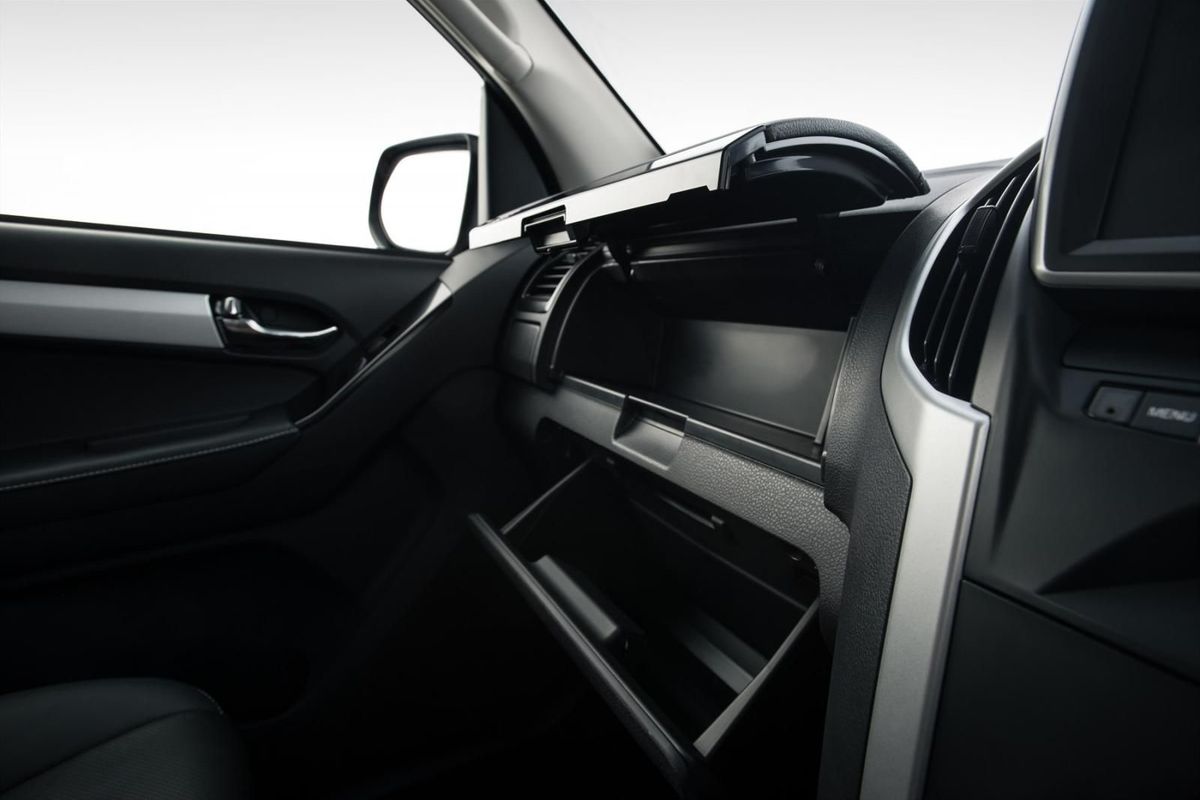
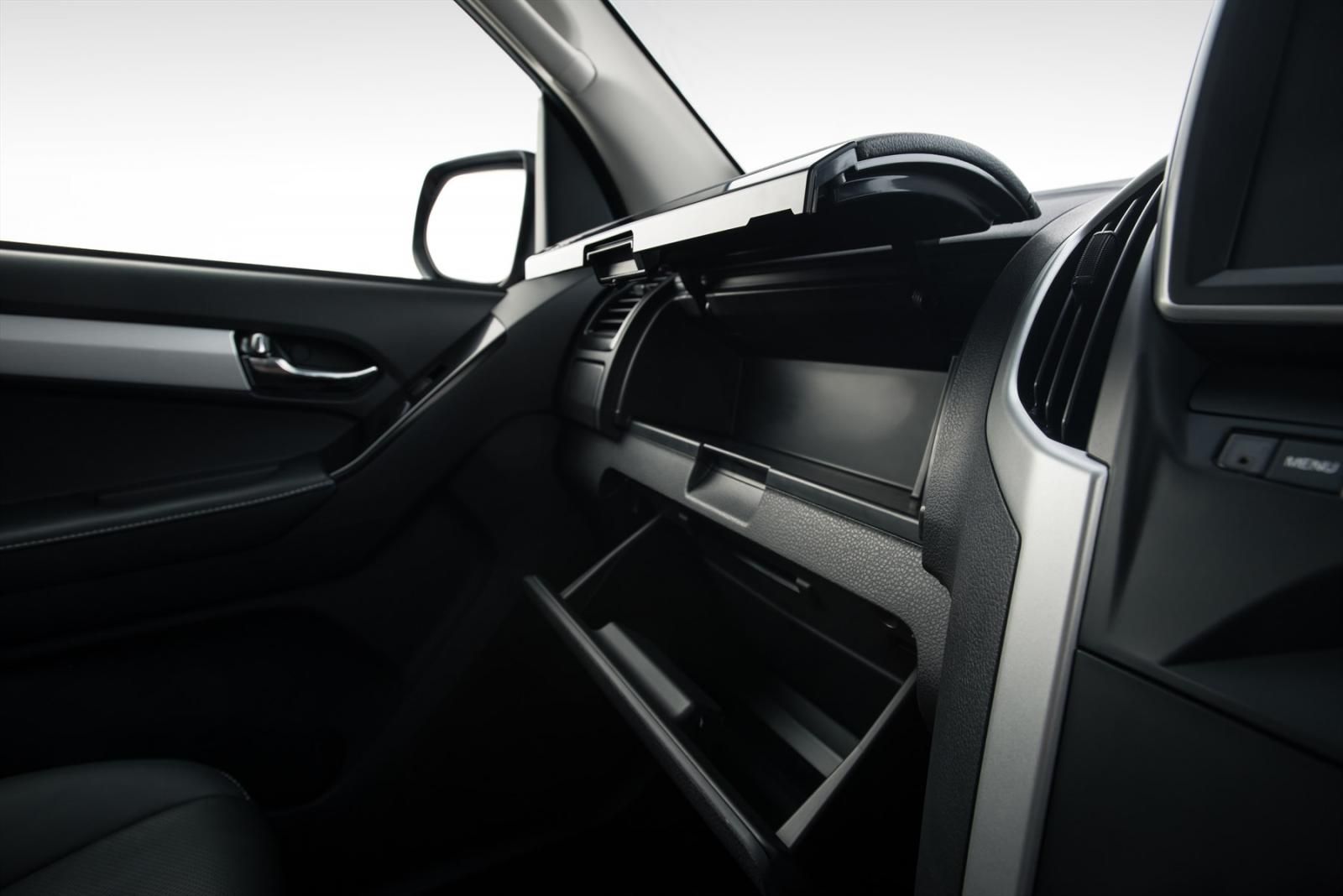
The D-Max offers two glove compartments with the upper one being cooled.
Inside, Isuzu has been similarly clever when upgrading the ageing architecture's look. The use of piano black surfaces and leather on the fascia cubby, for example, do much to create an impression of luxury. It's also still very much in the game when it comes to comfort and convenience.
The seats proved comfortable on longer journeys (and off-road), and rear legroom is generous. A number of storage solutions are offered in addition to the door pockets – the storage box between the seats is generously sized, there is a secondary glove compartment (cooled) and another lidded box on top of the fascia (with a sticky opening mechanism on our test unit).
Off-road ability
Solid off-road performance has always been one of the Isuzu's strengths and this D-Max is no different. Isuzu claims a ground clearance of 220 mm, which appears to be conservative compared with what some rivals are claiming. We didn't experience trouble with scraping or bottoming-out when using the D-Max off-road during the December holiday period in the Southern Cape. Of course, one has to mind those side steps when driving over obstacles. A minor criticism is that we'd have liked the hill-descent control to keep the speed even lower for greater drive peace-of-mind.
Isuzu has never claimed to be as accomplished in off-road conditions as its rivals, but the D-Max is more than capable on the rough stuff.
Shift-on-the-fly 4-wheel drive is accessed through a rotary dial on the centre console. The standard fitment of a rear diff-lock will be appreciated by many, as are the engine sump- and transfer case guards. A wading depth of 600 mm is claimed, which should be sufficient for most folks. The Isuzu may not quite match the Ford Ranger or Volkswagen Amarok for general ride quality, but it's not far behind, especially in terms of on-road comfort.
What's not so good about it?
Gruff engine
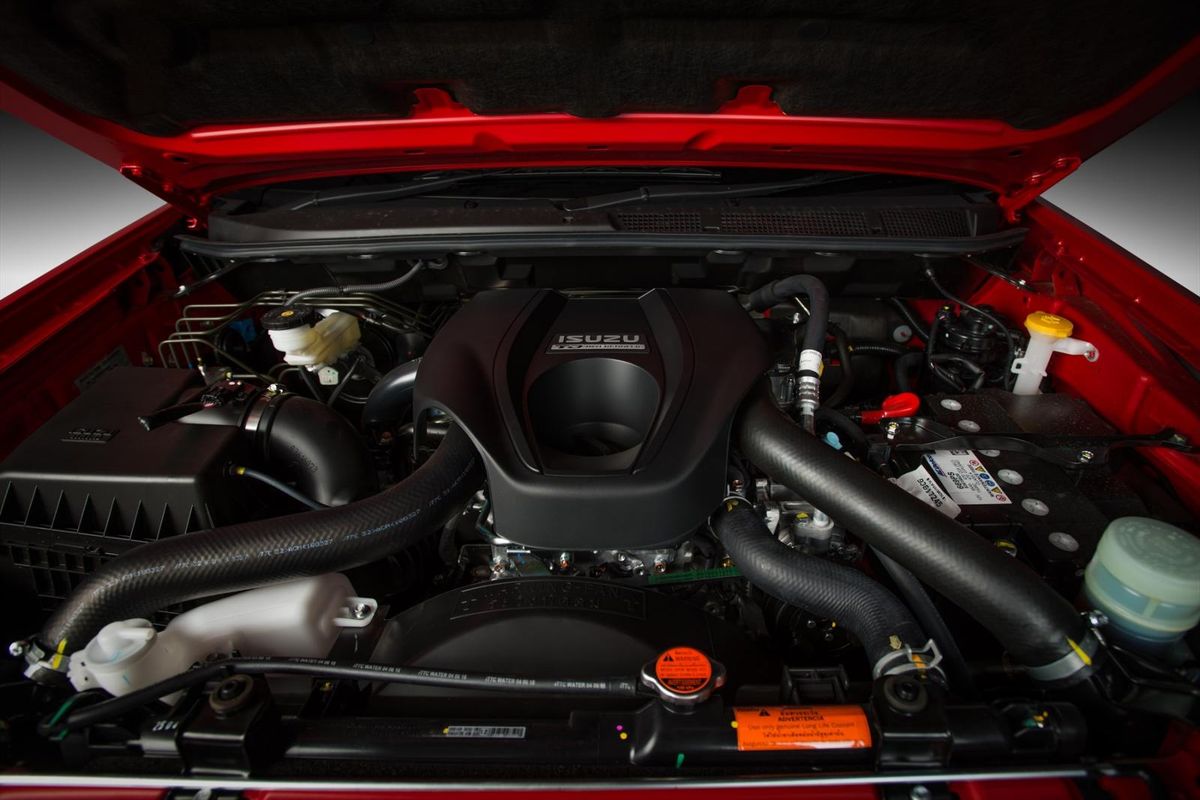
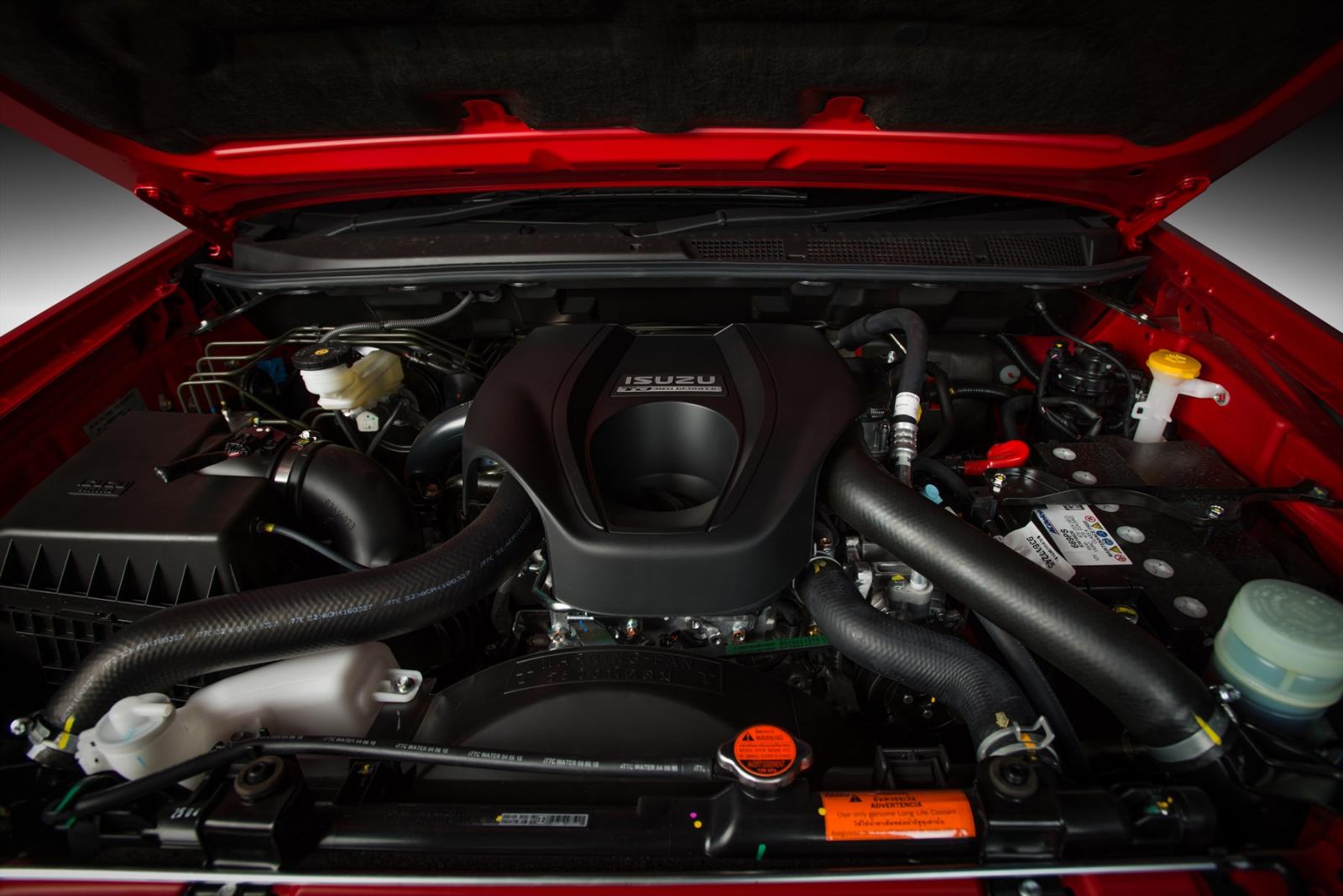
The long-serving 3.0L turbodiesel engine may offer unburstable reliability, but compared with rivals it is lacking in grunt and refinement.
The D-Max's 3.0-litre turbodiesel engine has been in service for quite a while. On paper, the big 4-pot powerplant still competes well, with a power output of 130 kW and torque rated at 380 Nm from 1 800 to 2 800 rpm. A big change is that the engine is now mated with a new 6-speed automatic transmission, instead of the 5-speeder that did duty before. The change is welcome – the D-Max is now a quieter cruiser in its higher gears and the first gear is quite useful at slow speeds in the rough – but it can't completely hide the inherent gruffness of the engine, nor its comparative lack of refinement. The D-Max is a rough-sounding vehicle most of the time, and the power doesn't come as freely as in some rival vehicles.
Still, the D-Max does offer a segment-competitive 3 500 kg towing capacity (braked), provided maximum vehicle mass does not exceed 2 500 kg. It has a 945 kg payload rating. In terms of fuel efficiency, the D-Max is also competitive. Isuzu claims a combined cycle figure of 7.8 L/100km and we achieved a figure of closer to 9.6 L/100km, which compares well with those of its competitors.
Have a trailer? Will tow. The D-Max's 3 500 kg braked towing capacity is still competitive compared with those of newer bakkies.
Pricing and Warranty
The D-Max 3.0 TD LX 4×4 Automatic is priced at R606 400 (February 2019) without options. This makes it significantly more affordable than some of its newer rivals and, at the same time, the Isuzu matches or betters those competitors on specification. It is also worth noting that Isuzu dealers offer specials rather often, so shop around and compare… The D-Max also comes with very solid backing, including a 5-year/120 000 km warranty and 5-year/90 000 km service plan. Servicing intervals are at 15 000 km/12 month intervals.
Verdict
There remains a lot to like about the Isuzu D-Max. It offers a pretty-much full-house package at a significant saving over its direct rivals, and does so while offering considerable peace-of-mind ownership – not only because of its excellent warranty and service plan, but by virtue of its inherent, proven robustness. That said, the Leisure Double Cab game has moved on considerably, and while the addition of a 6-speed automatic is welcome, this facelift has not addressed the main area of criticism: its gruff engine. Undeniably reliable it may be, but rival vehicles offer smoother, more relaxed cruising and greater responsiveness. Then again, our Ownership Survey shows Isuzu owners like the way their bakkies drive, so loyal Isuzu customers won't be deterred. Finding new customers, particularly those used to the smoothness of rival offerings, may, however, be more difficult.
Otherwise, the D-Max is much like the KB that preceded it – a tough vehicle that seems well-suited to regular use off the beaten track, but one which offers enough comfort to also potentially be a daily driver. Right now, however, its most powerful selling point is its very competitive pricing. If you can live with a vehicle that feels slightly old-school in the way it "gets down the road", then the D-Max remains a solid buy.