Concours South Africa kicks off at Steyn City
With an exciting new venue, 99 classic cars to go on auction and SA's F1 Design guru Rory Byrne being inducted into the South African Hall of Fame as additional attractions, the annual Concours SA promises to be a spectacular event for lovers of fine automobiles.

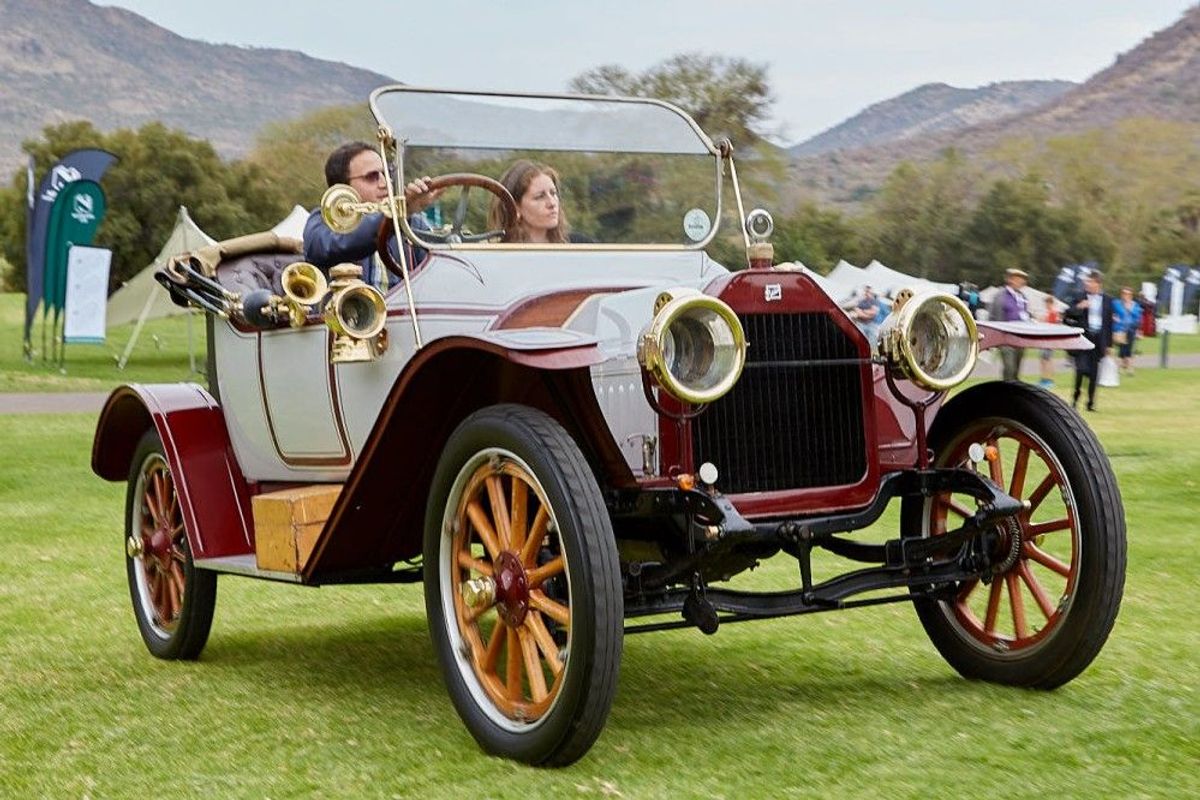
Billed as the only multi-marque concours d’elegance event for classic cars in South Africa, Concours South Africa gets underway at Steyn City this weekend, from today (Friday 10 August) to Sunday the 12th. Eighty of the best cars in South Africa have been entered, ranging from vintage machines from the early 20th century, to late-model Ferraris.

Greater diversity on offer

“We have once again received an entry that has surpassed our expectations,” says Concours South Africa organiser Paul Kennard. “What is extremely gratifying is the diversity of the entry this year. Cars range from the likes of a humble Ford Escort Mk I from the late 1960’s to a Ferrari 599 GTO from 2011, an extremely valuable supercar. Ages range from the early 1900’s from the pioneering days of motoring in South Africa to modern supercars. And we believe we have attracted all the iconic marques: Rolls-Royce, Porsche, Ferrari, McLaren, Lamborghini, Mercedes-Benz, BMW, Jaguar, Aston Martin – they will all be represented.

“We also have some really interesting cars you wouldn’t normally associate with a concours event, such as an Opel Kadett Superboss from the early 1990’s, a Mercedes-Benz Gelandewagen from 1983, as well as charismatic super sedans like M5 BMWs and an Aston Martin Lagonda, a car that is so unusual looking that it is difficult to categorise!

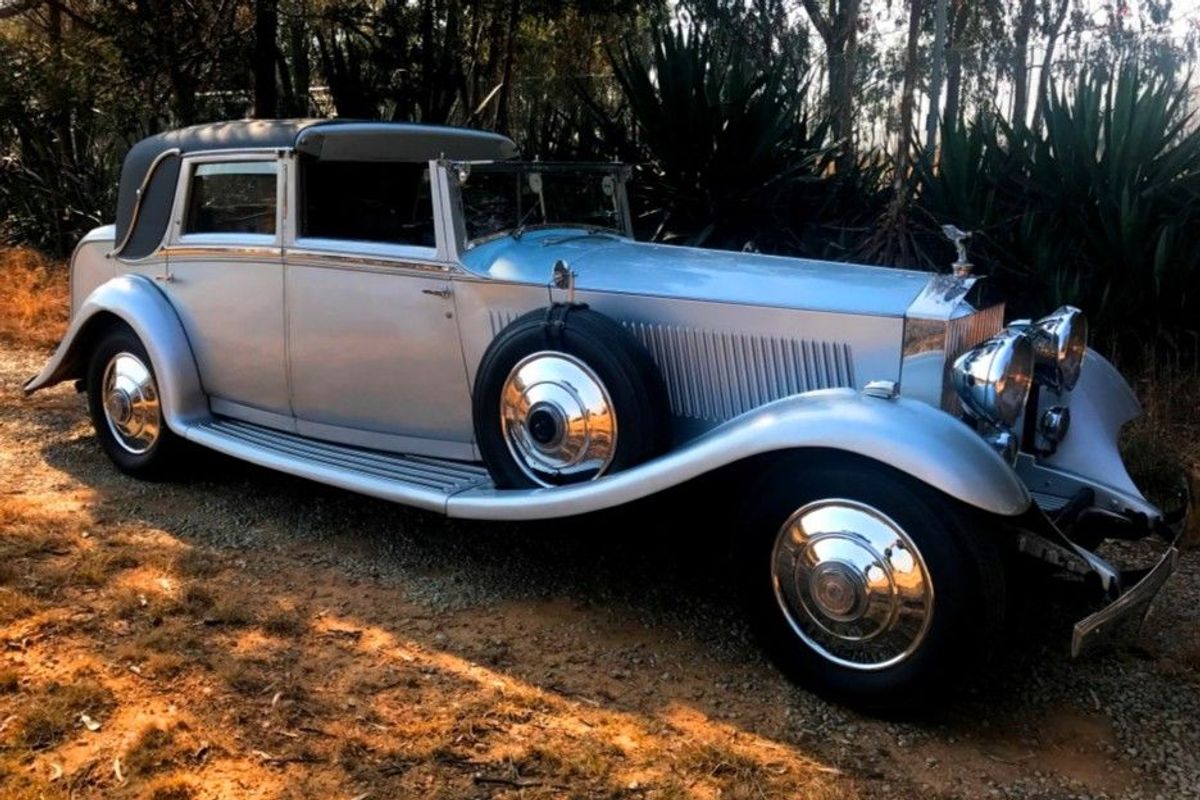
“And lending huge stature to the event will be a magnificent 1934 Rolls-Royce Phantom II, one of five Rolls-Royces entered this year.”
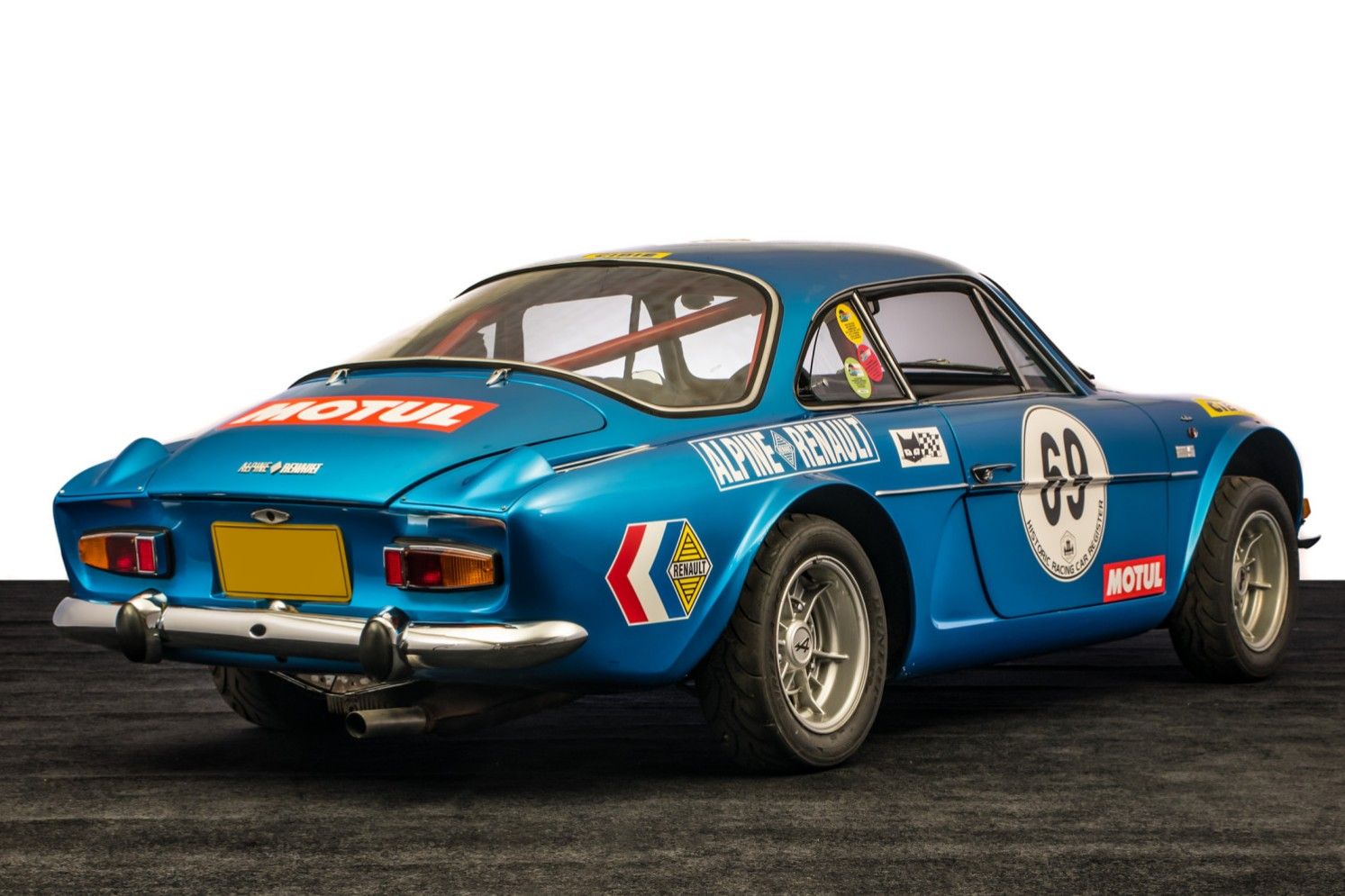

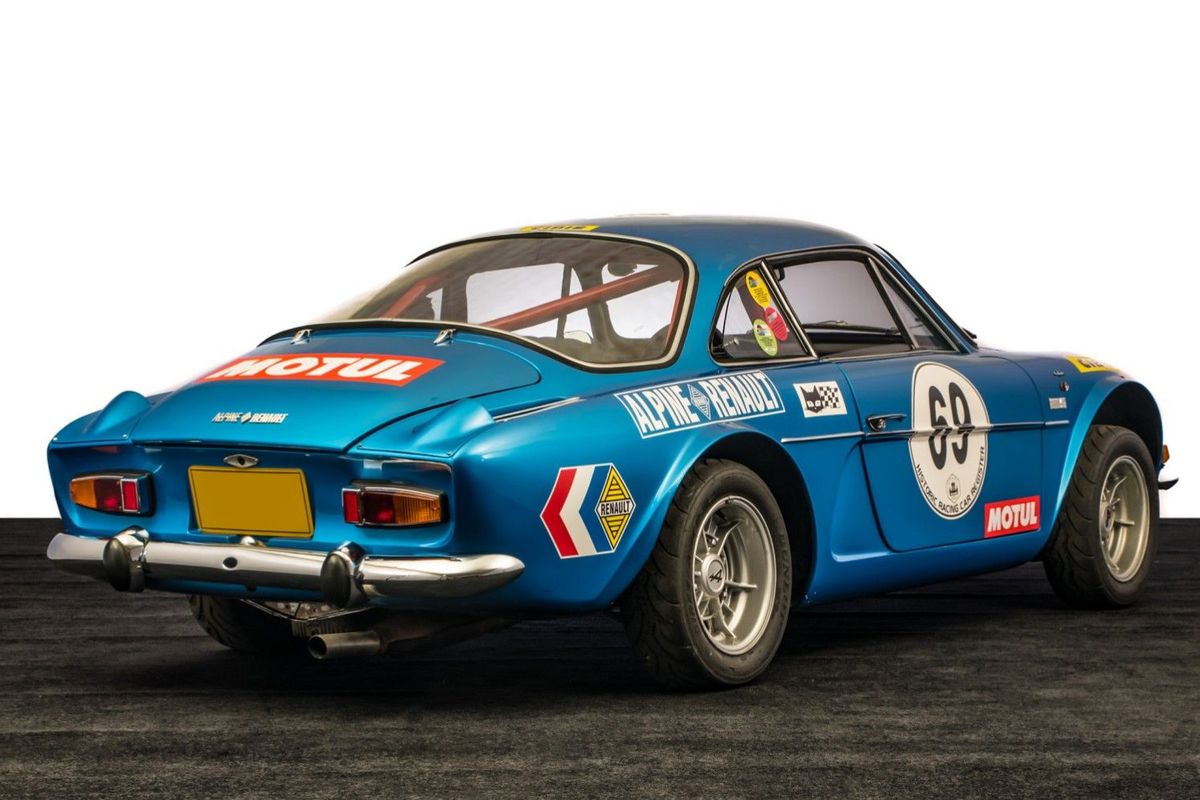
With the rebirth of the Alpine brand, this A110 could be a good buy in the auction.

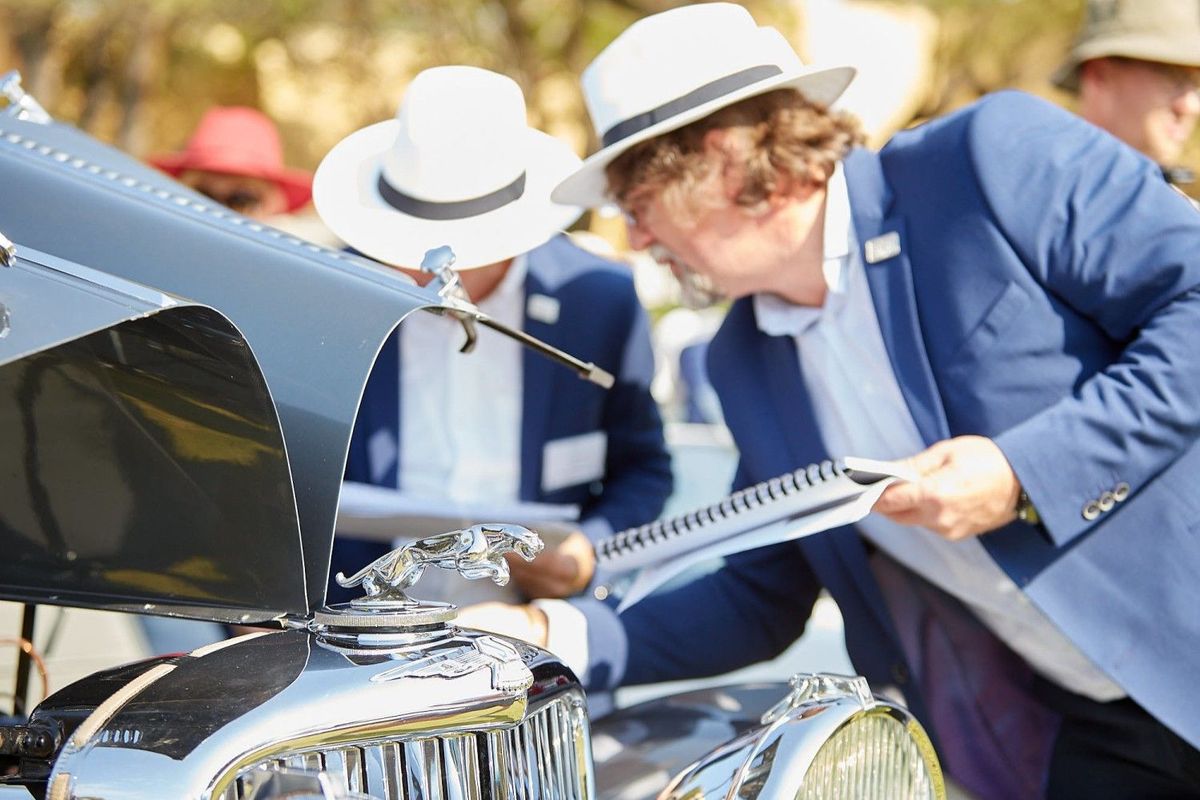
The judging of Concours South Africa 2018 will once again be under the direction of Wayne Harley, the curator of the Franschhoek Motor Museum. An extremely well-versed classic car expert with experience of international concours events all over the world, Wayne is a stickler for originality, and has held workshops on concours car preparation.

“I want to encourage owners to go the extra mile to secure the correct original hose clamp or period-piece valve cap for their cars, to add that final touch of authenticity.”

Wayne is famous for stating that in an event such as Concours South Africa, a perfectly preserved or restored Morris Minor can go head-to-head with a Porsche, Aston Martin or Ferrari and still come out a winner!

The judging will be finalised by lunch time on Sunday 12 August, and the winners of categories and the overall winner, will be announced at a ceremony beginning at 2.30 pm. Previous overall winners of Concours South Africa include a 1985 De Tomaso Pantera GT5 and a 1989 Ferrari F40.

Ferrari Daytona extravanganza
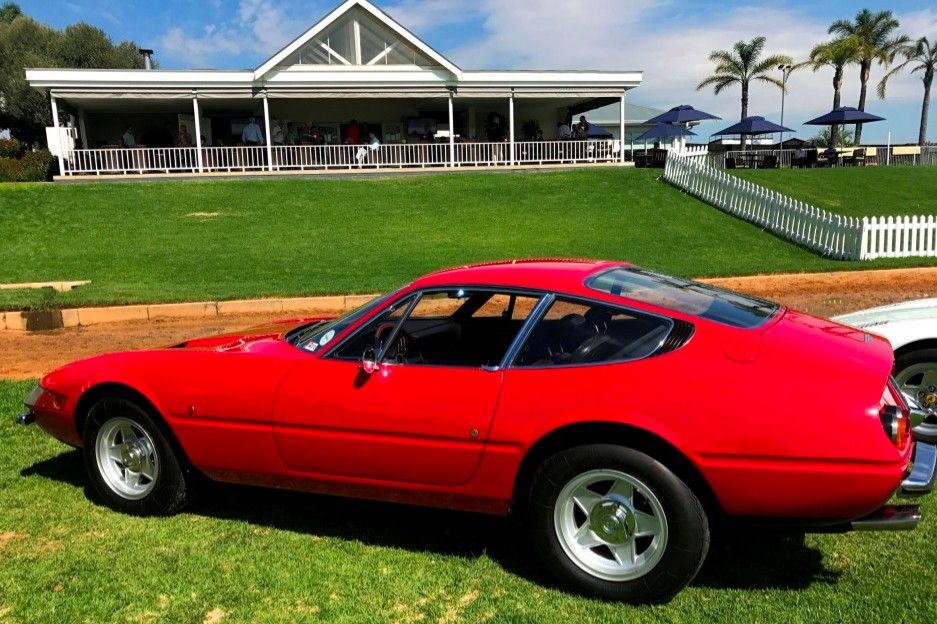

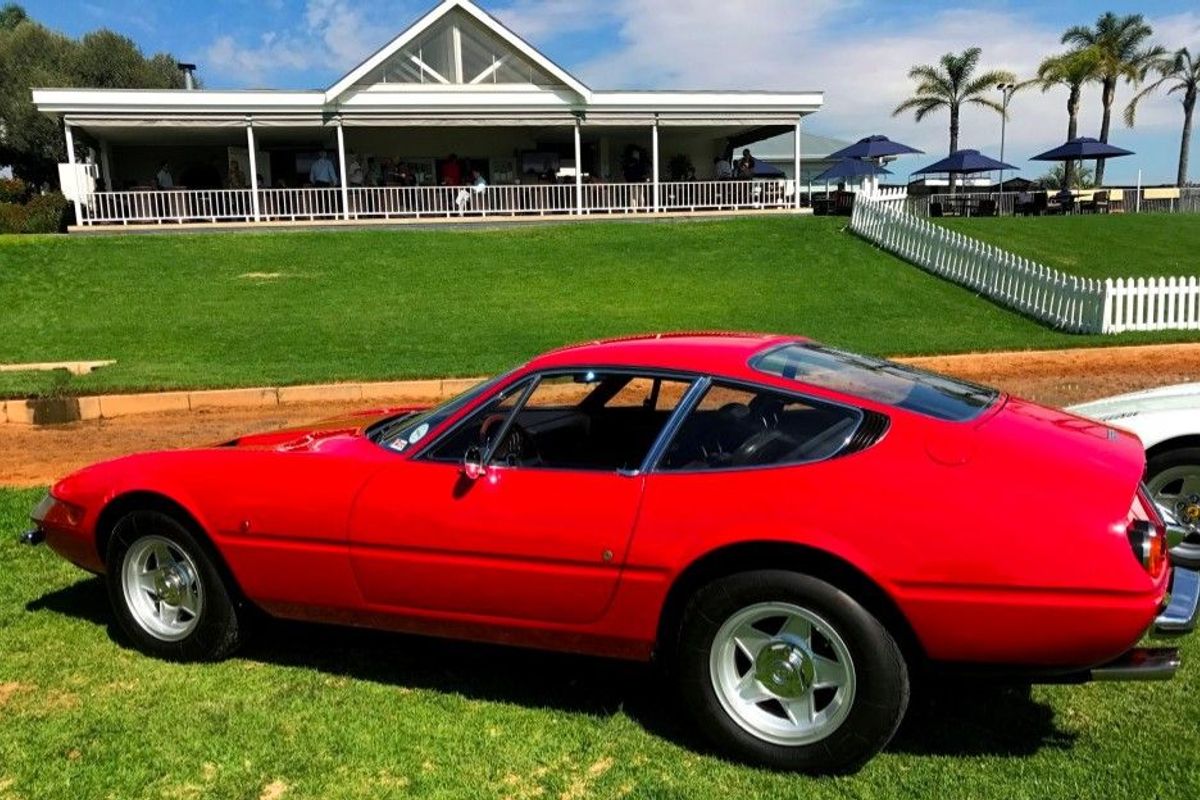
A big turnout of Ferrari Daytonas is expected at the Concours South Africa.

Another huge coup for Concours South Africa is that it will showcase an amazing array of some six Ferrari Daytona 365 GTB/4s, believed to represent just about the entire stock of this classic Ferrari supercar from the 1960’s that resides in South Africa.

“We are extremely proud to assemble what will be the most dramatic display of Ferrari Daytonas ever seen in this country,” says Concours co-organiser and long-time Ferrari aficionado, Greg Marucchi. 

Venue and Schedule

The cars entered for this year’s event will gather at Steyn City from early Friday afternoon on 10 August at the entrance to Steyn City off Cedar Road, just beyond Dainfern. The cars will then drive to their demarcated positions in Nelson Mandela Park, inside the Steyn City Complex on lawns bordering The Creek.

Judging for the cars will begin early on Saturday morning on 11 August and continue through until lunchtime on Sunday, 12 August. The winners will be announced at a ceremony starting from 2.30 pm.

Tickets and Costs

Pre-booking is essential as there are no tickets at the gate. Those wishing to visit Concours South Africa should go on-line to www.concourssouthafrica.com or contact organiser Paul Kennard on [email protected] or by telephone on 082 851 3300. Day admission tickets –  including a picnic hamper and bottle of Protea wine – are available at R575 inclusive. Accompanied children under 13 can join the fun for free.

Rory Byrne recognized

On Friday evening, legendary South African Formula One designer Rory Byrne will be inducted into the South African Hall of Fame. The famous designer was responsible for all of the cars that carried Michael Schumacher to seven Formula One championship victories during the years 1994 to 2004. Rory, who was born in Pretoria, now lives in Phuket, having moved there after retiring from Formula One to pursue the other great passion of his life, scuba diving.

Rory’s induction will follow a Concours South Africa tradition established last year, when racing greats Sarel van der Merwe and Ian Scheckter were inducted into the Hall of Fame.

The Plit Portfolio Auction
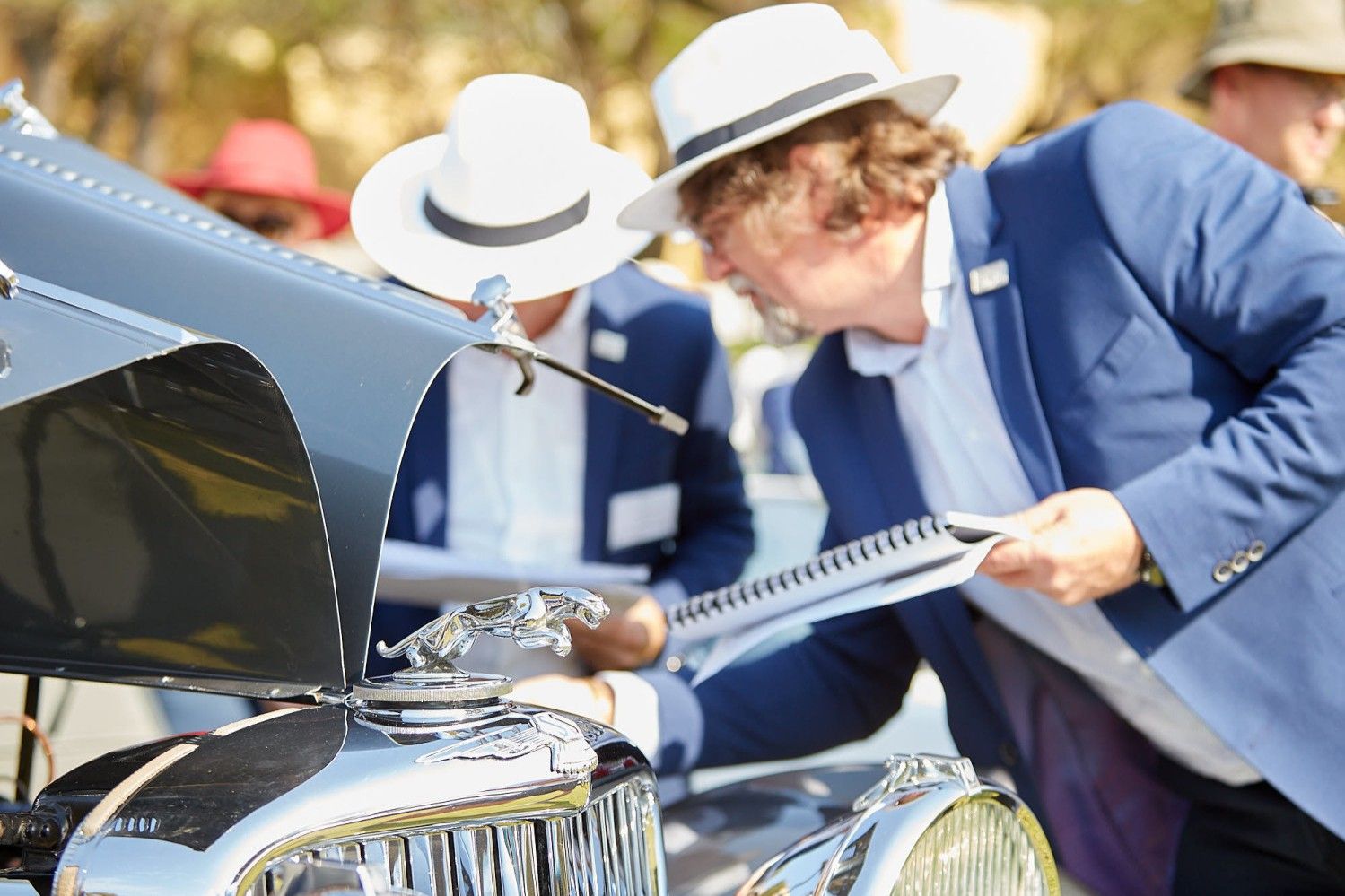

Wayne Harley from the Franschhoek Motor Museum will again be leading the judging panel.

On Saturday evening, the biggest auction of classic cars ever seen in South Africa will take place when the Concours South Africa Auction is conducted by Coys of Kensington at the Steyn City venue. Concours South Africa’s association with Coys was established last year when its managing director, Chris Routledge, served as a judge at Concours South Africa 2017.

“This will be the first time that a classic car auction in South Africa will also be presented globally” says Paul Kennard. “Coys of Kensington have distributed the catalogue for this auction to some 25 000 of their international clients, and telephone bidding for some of these very special cars is expected to come in from all over the world.”

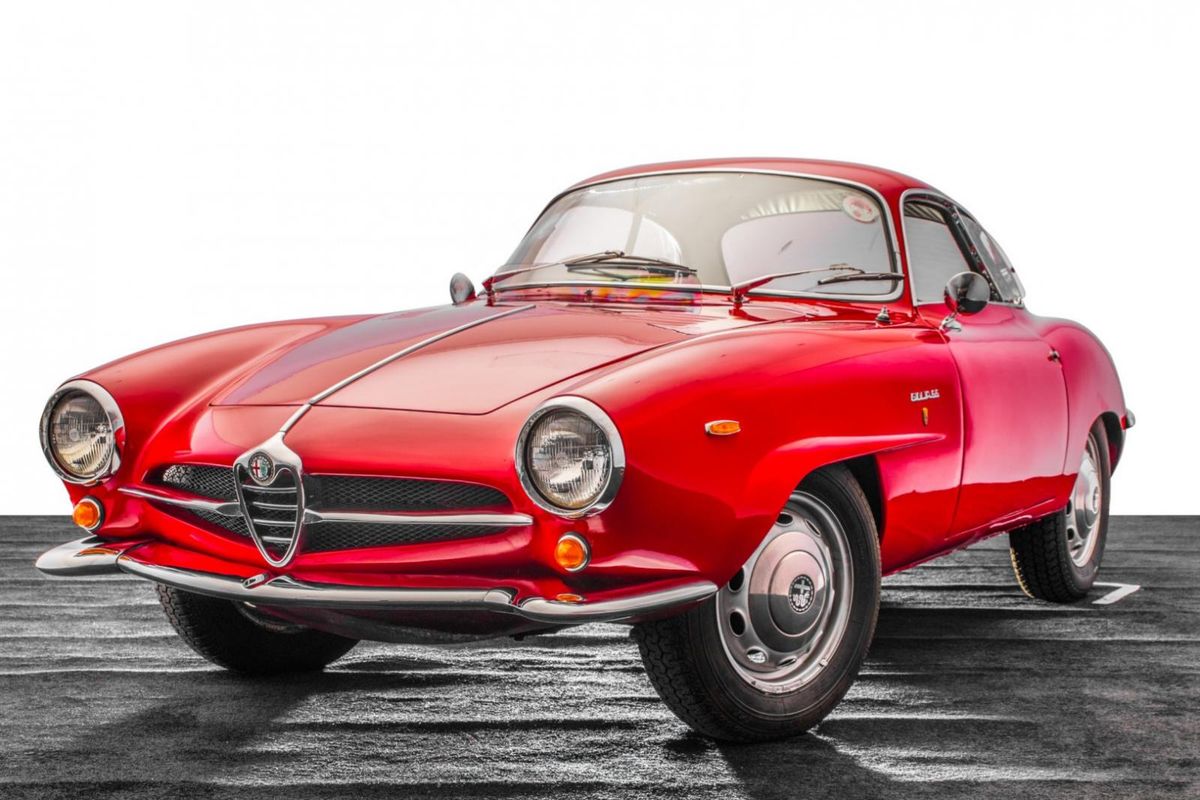
At the very core of this auction will be The Plit Portfolio, consisting of some 95 cars and motorcycles that will go under the hammer. The auction is expected to start at 5 pm and run through until about 9 pm on Saturday evening. Cars that have attracted huge interest include a rare 1935 Singer Le Mans with Fox & Nicholl coachwork, the oldest Jaguar XK120 in Africa, a competition-spec factory-built Porsche 964, a Renault Alpine A110 1600S, an Alfa Romeo Giulia Sprint Speciale, a Maserati Khamsin prototype and some very rare motorcycles, including a mint-condition Honda CB750 K0.

One of the crown jewels of the auction may well turn out to be a 1968 Shelby Mustang GT 500 in completely original and unrestored condition!

To register to attend the CSA Auction, e-mail [email protected] to book your seat.

Tickets will not be available on the day!

You may also be interested in;

108 Years of Alfa Romeo: 10 of its greatest (gallery)
Italian cars dominate glamorous Villa D'Este

Ferrari F40 wins at Concours SA (2017)

Is this the world’s ultimate Mercedes-Benz G-Class?

We at Cars.co.za think the Mercedes-Benz G-Class is already one of the most hardcore vehicles on the road, but this? This is just on another level. Meet the ultimate Mercedes-Benz G-Class.

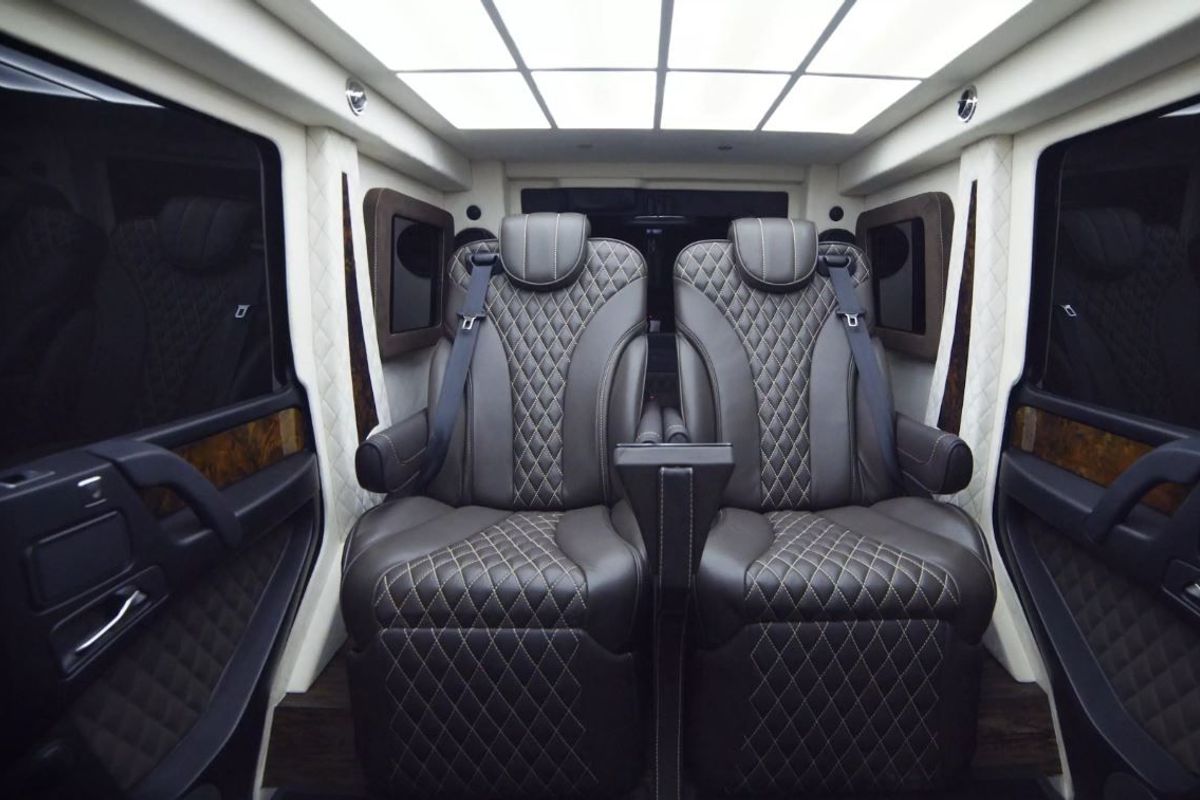
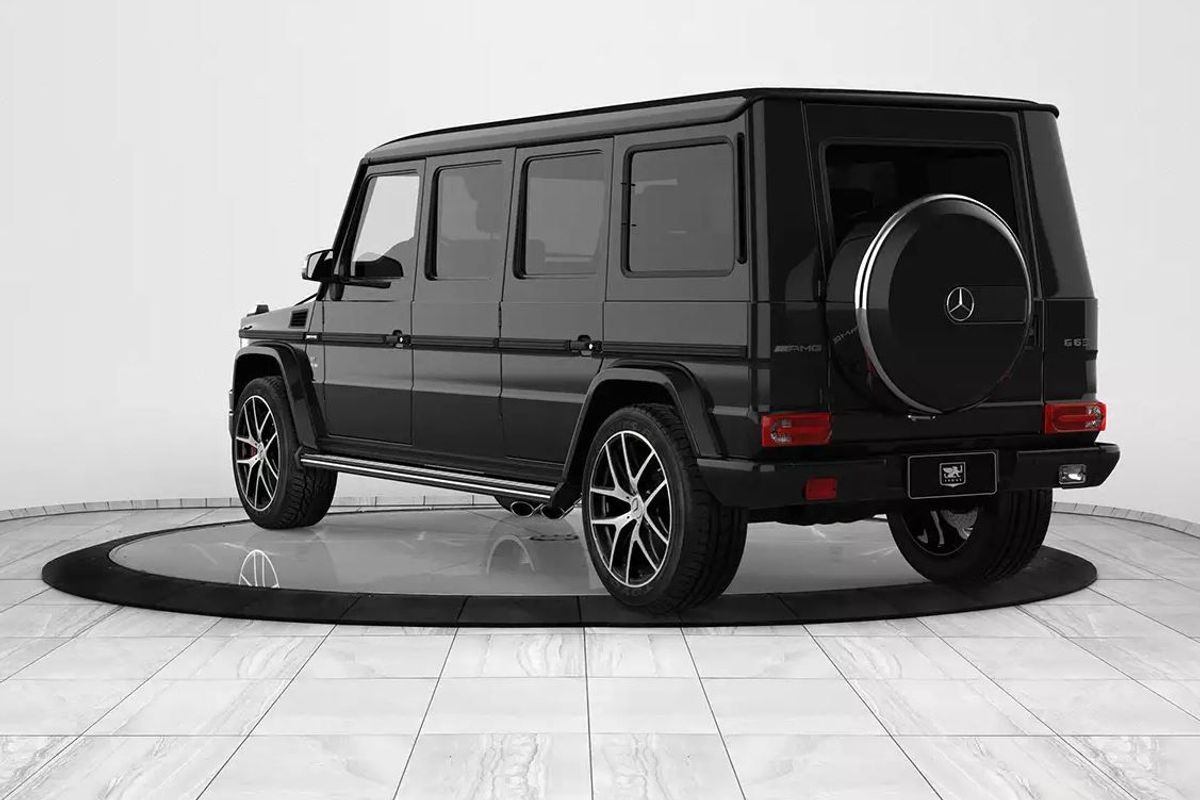
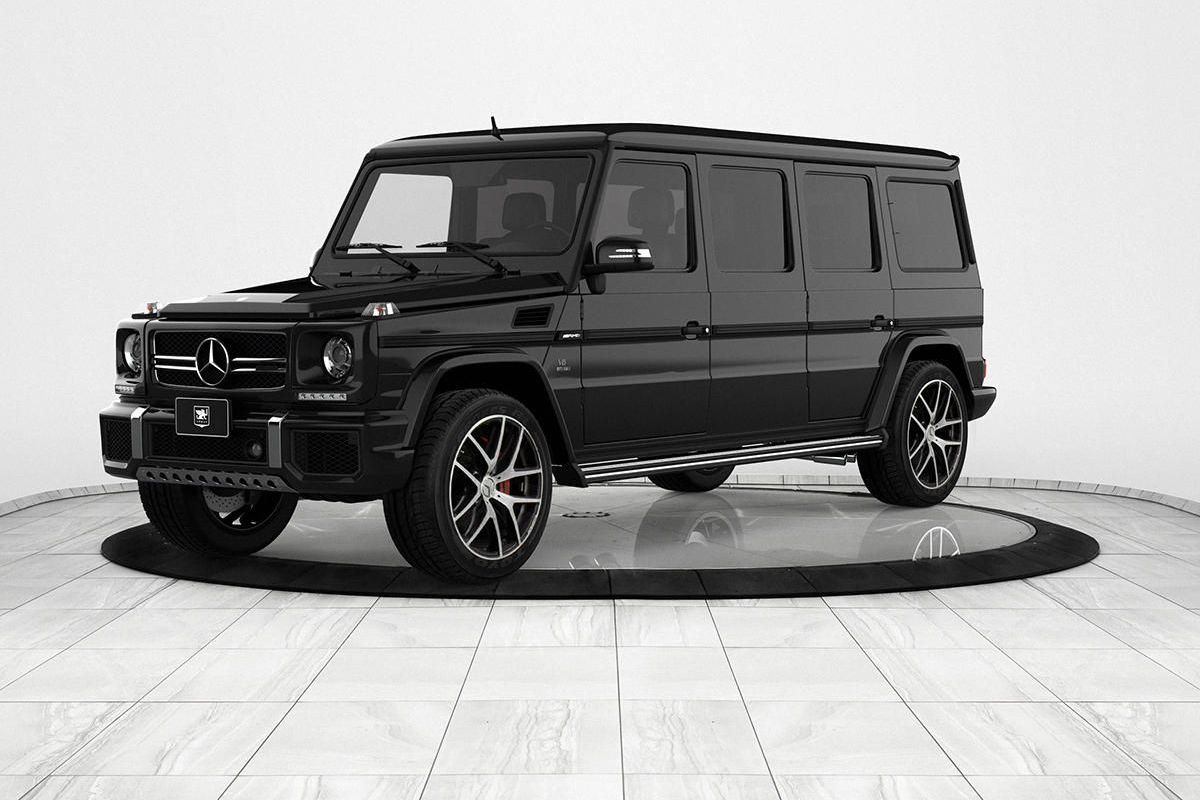
The all-new Mercedes-Benz G-Class is due to land in South Africa before the end of 2018 and we're itching to get behind the wheel. However, if you have big bucks and need protection on top of incredible offroad prowess, then look no further than Canadian company Inkas who has revealed an armoured G63 limousine. 

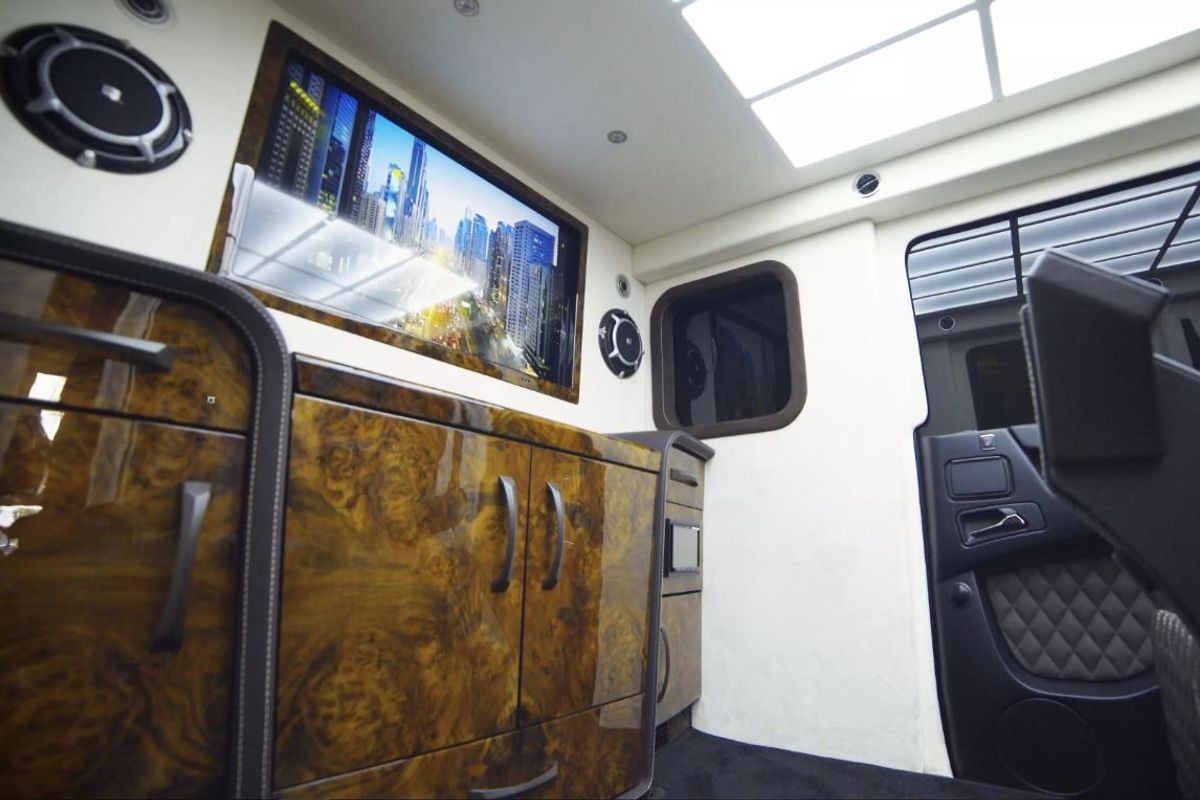
Featuring the same 5.5-litre turbocharged V8 with 420 kW and 760 Nm, this G63 platform has been stretched out by over 1.5 metres and had the entire rear cabin area overhauled. There are just two seats in the back and these are next-level Alcantara units which can recline into loungers and offer massage functionality. There's also a giant in-car theatre setup with a 4K television, Apple TV and a motorised bar with a built-in fridge.  However, as tough as the Mercedes-Benz G-Class is, it's not bulletproof, so Inkas has armoured this G-Class to CEN 1063 BR7 standard, meaning it can withstand hits from assault rifles or a grenade explosion.

How much does it cost? Well, Inkas will charge you around $1.2 million for this and have agents around the world if you're interested.

Further Reading

Mercedes-Benz G-Class (2018) International First Drive

Mercedes-Benz G-Class (2016) First Drive

Mercedes-AMG G63 Announced, Now With 4.0 V8 Biturbo

Ultimate G-Class Detailed:


Ford Fiesta 1.5 TDCi Trend (2018) Quick Review

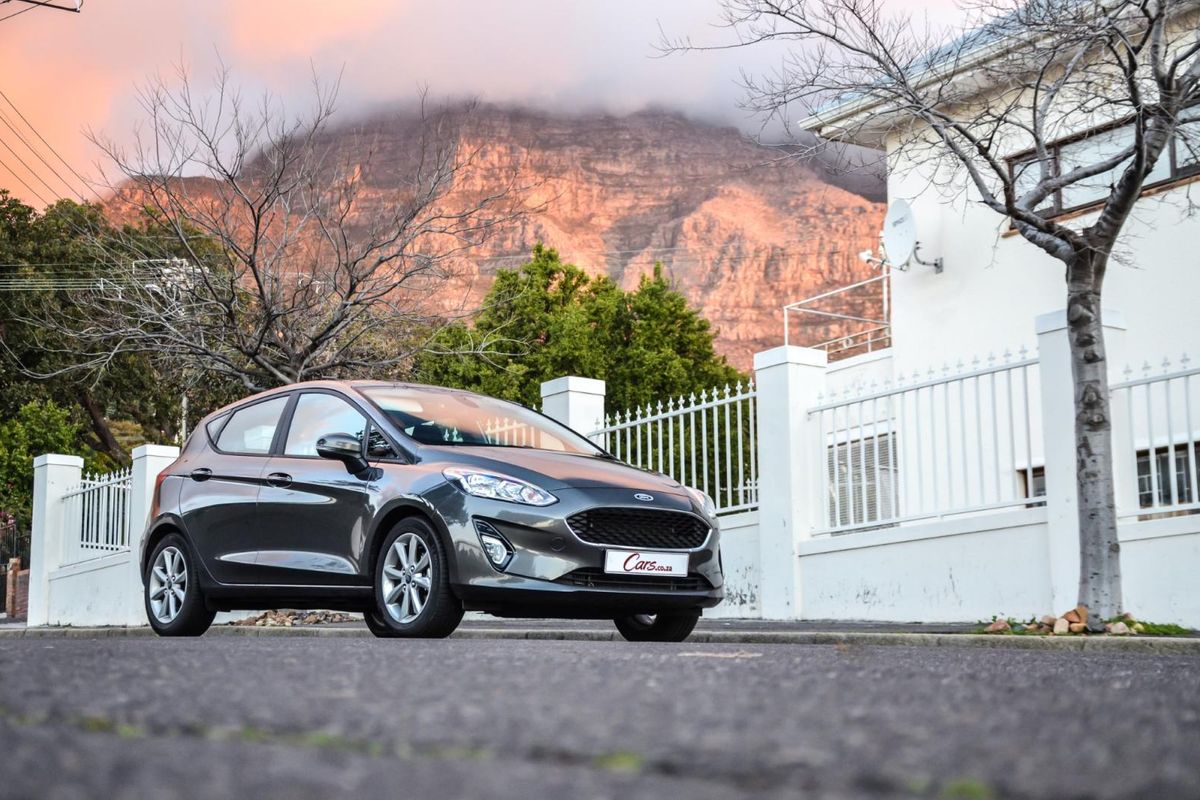
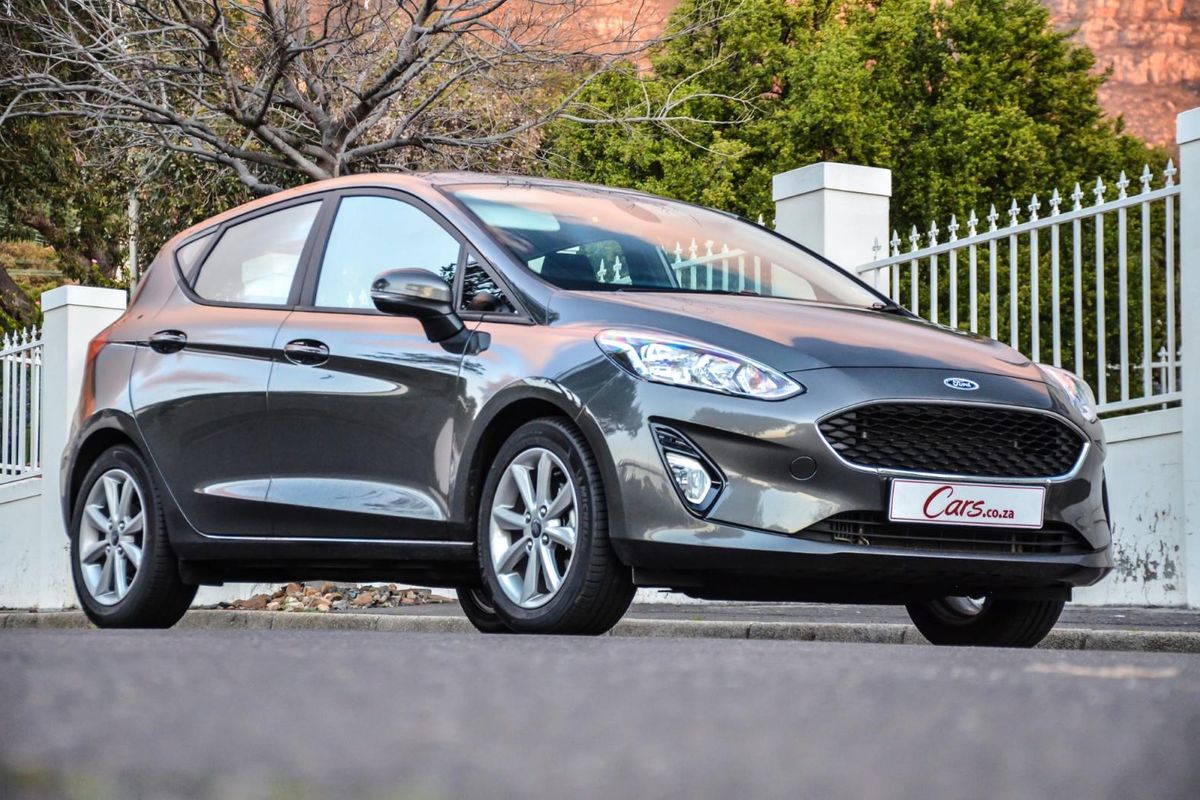
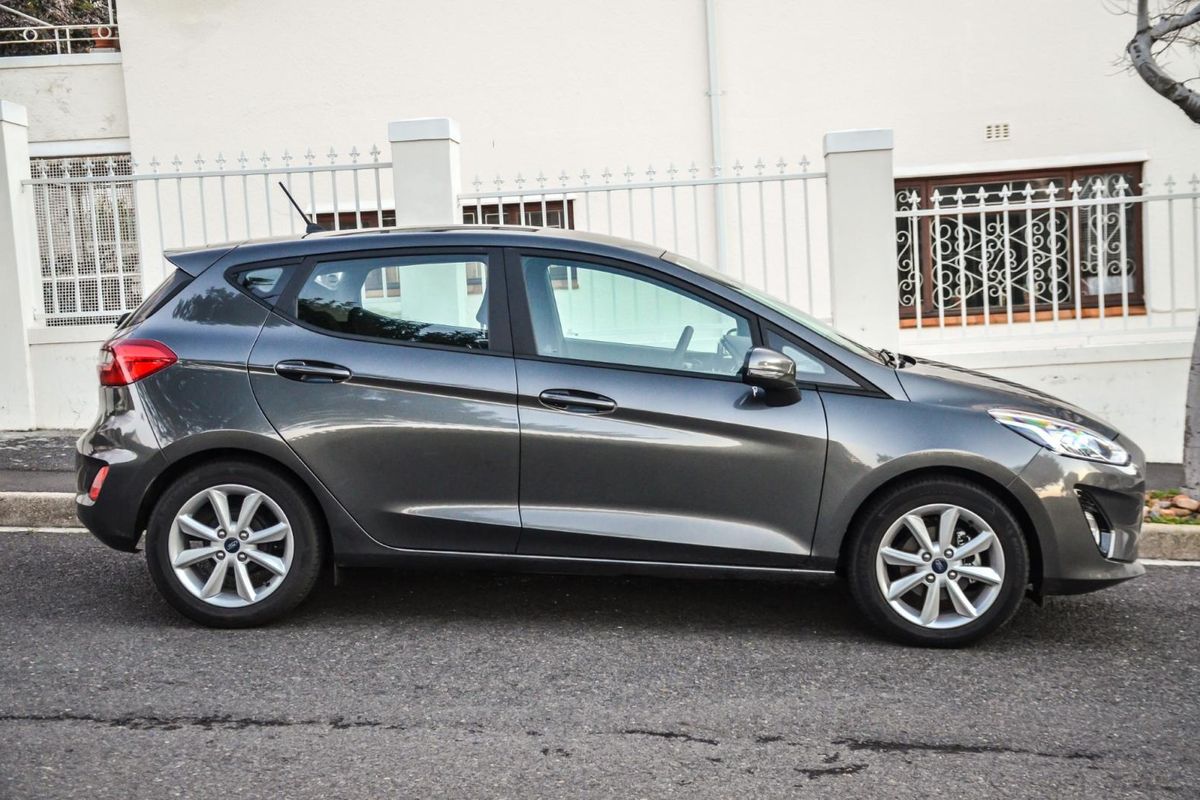
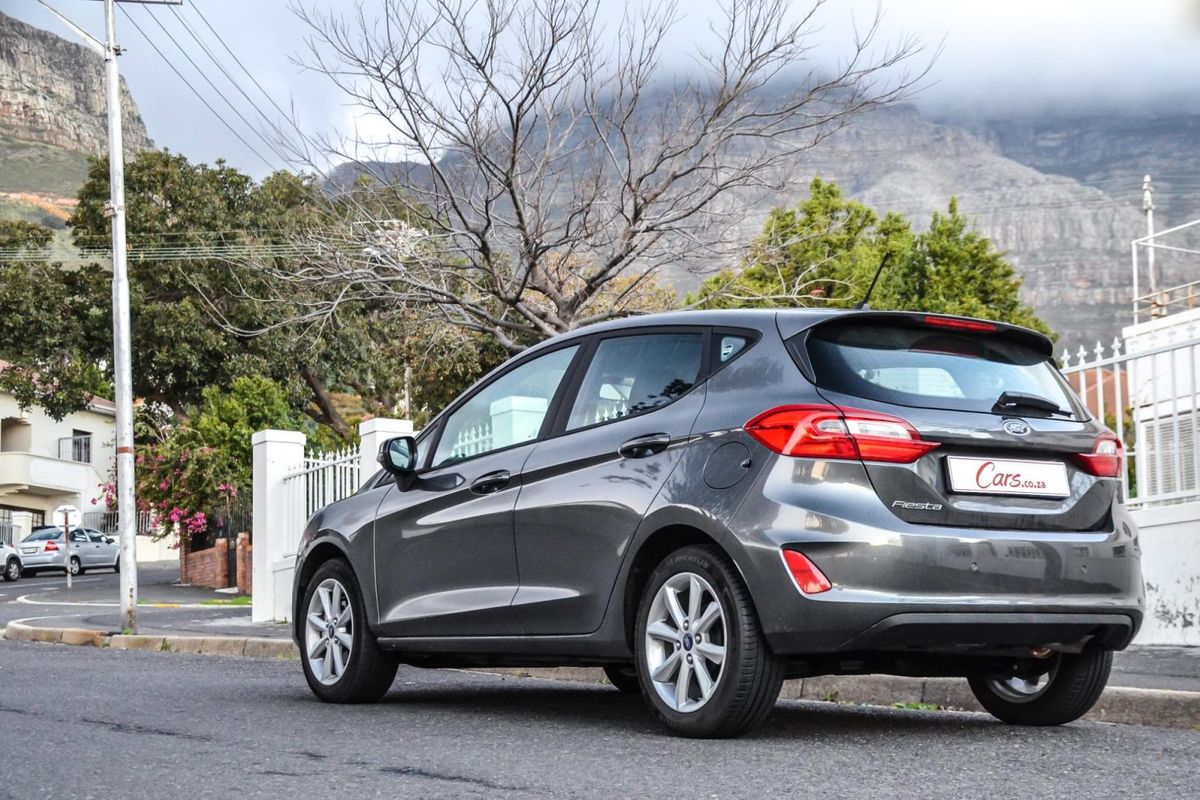
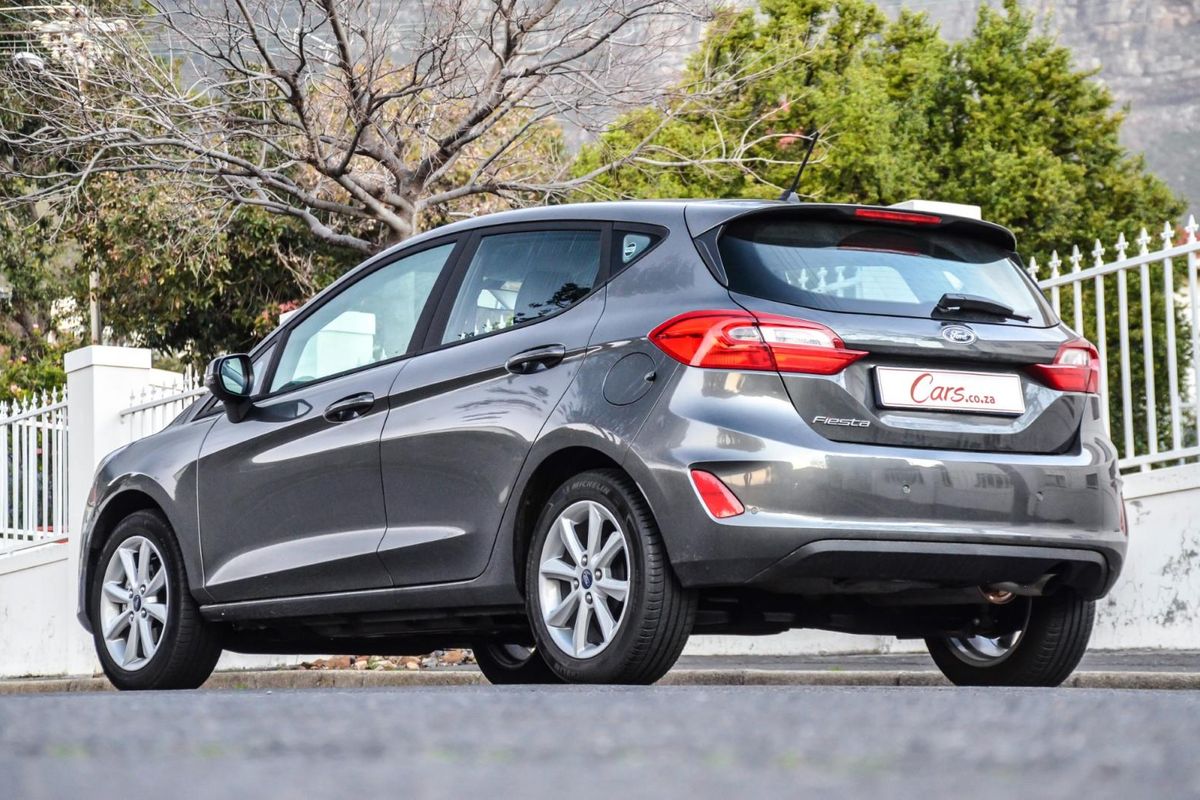
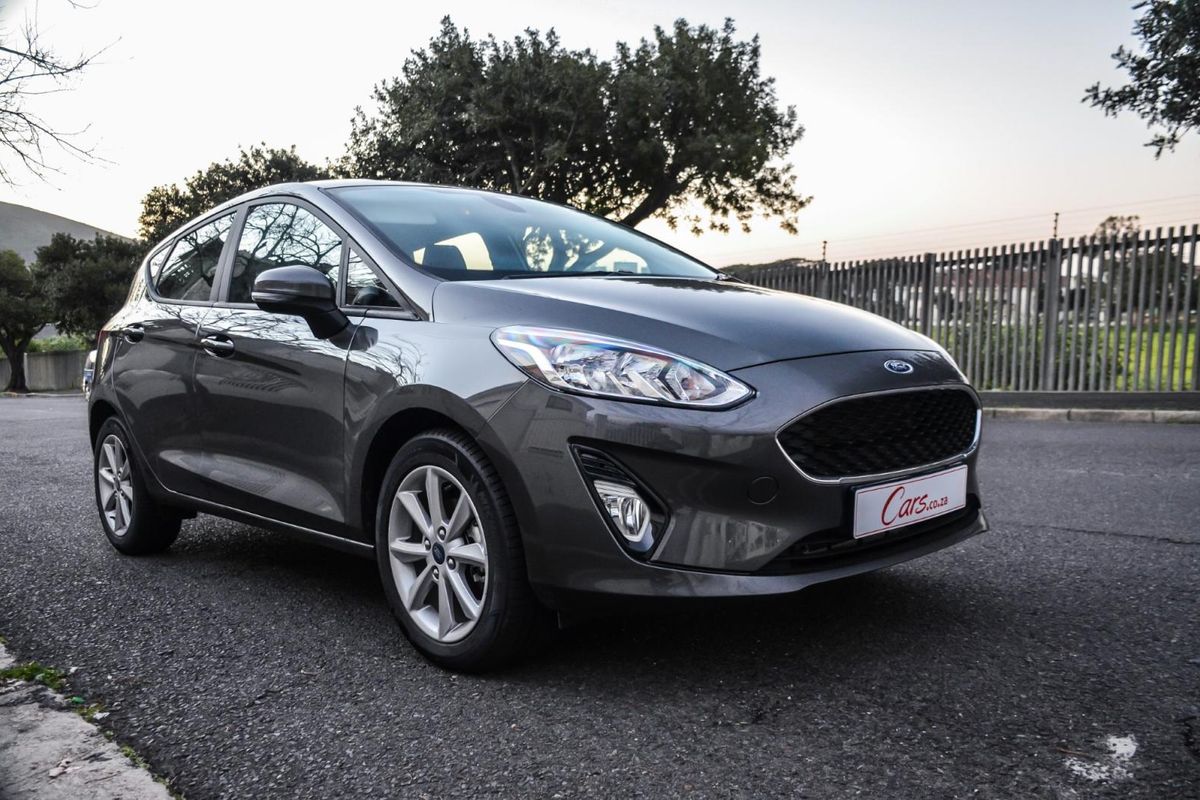
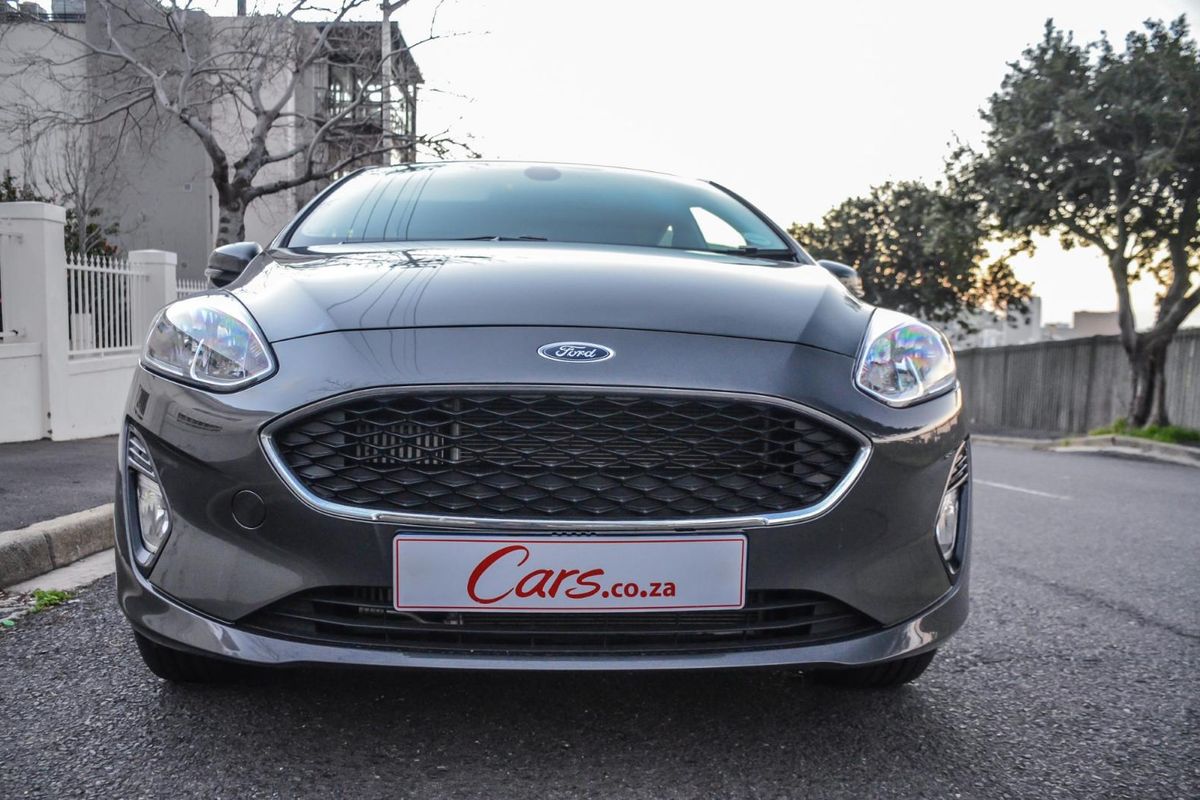
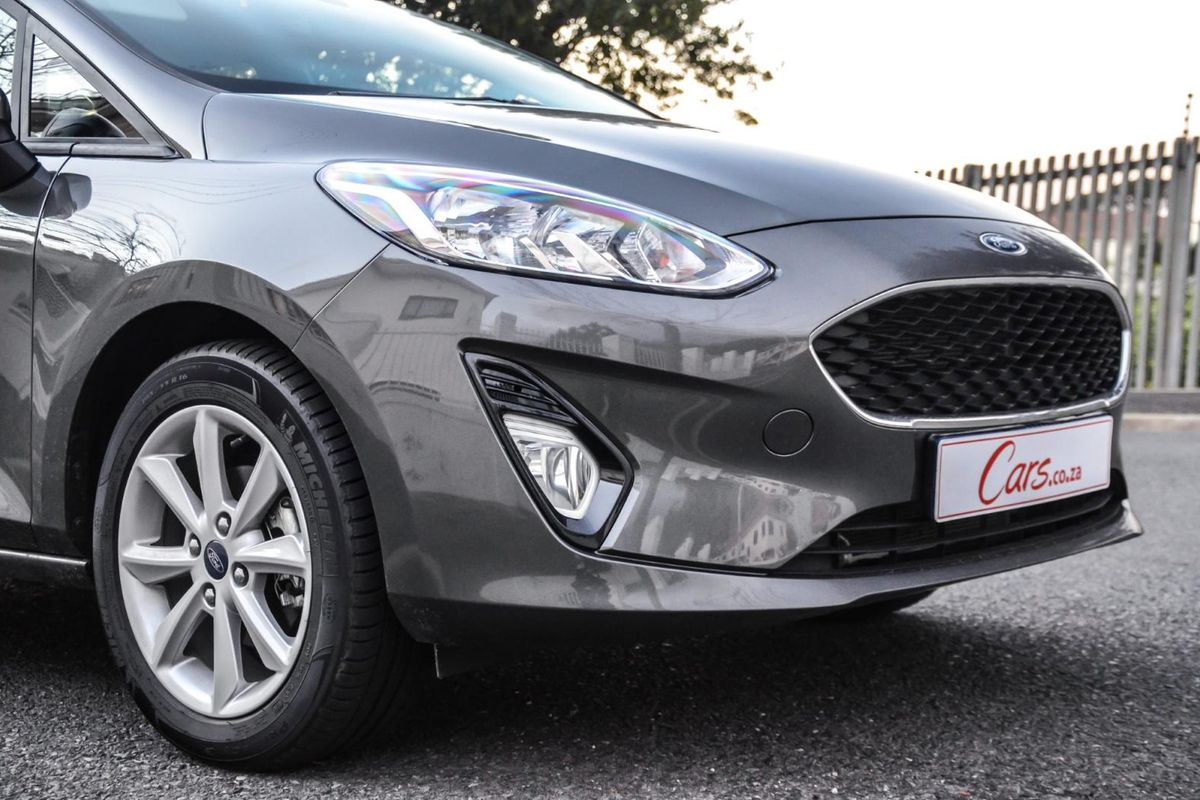
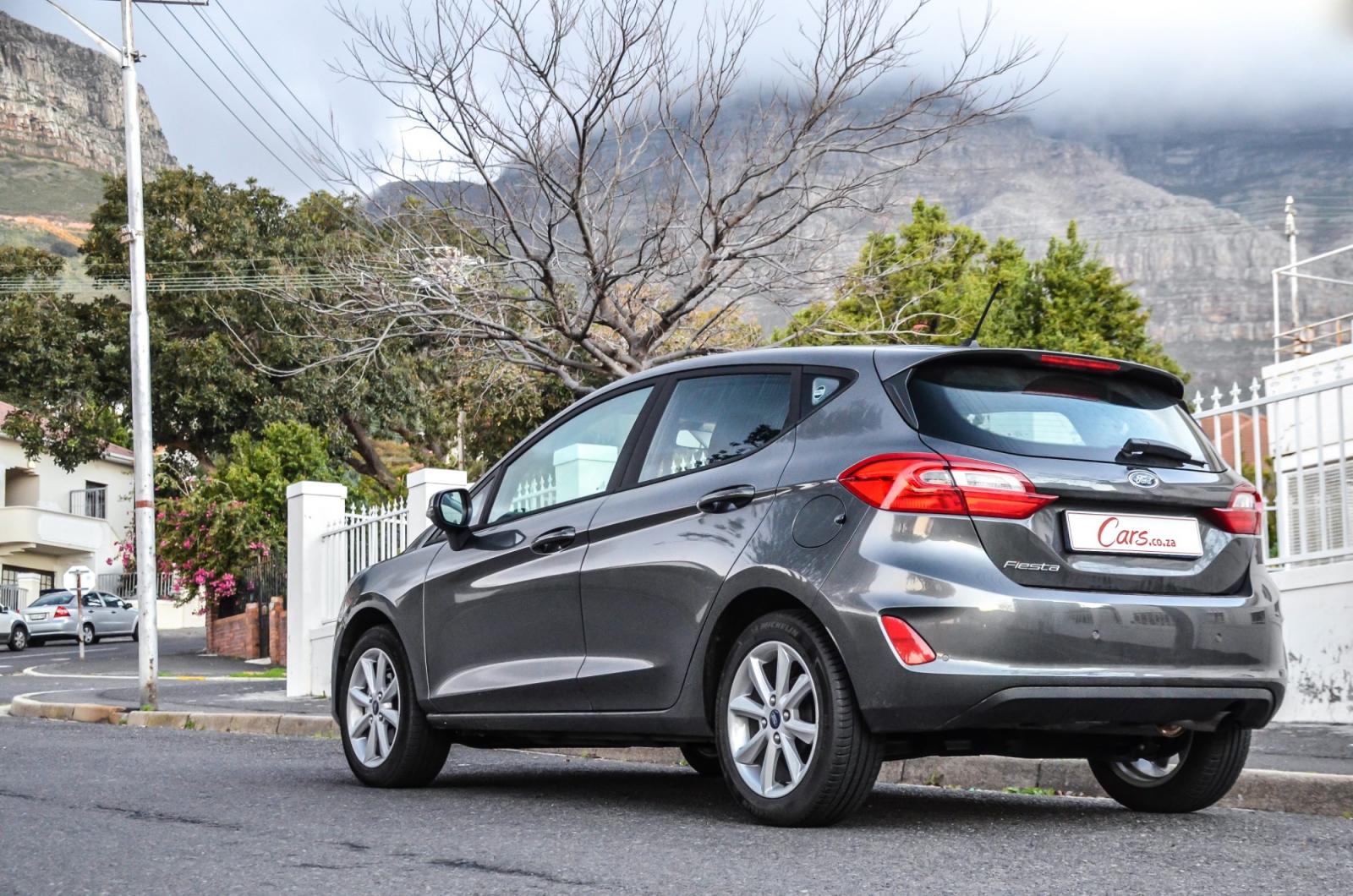
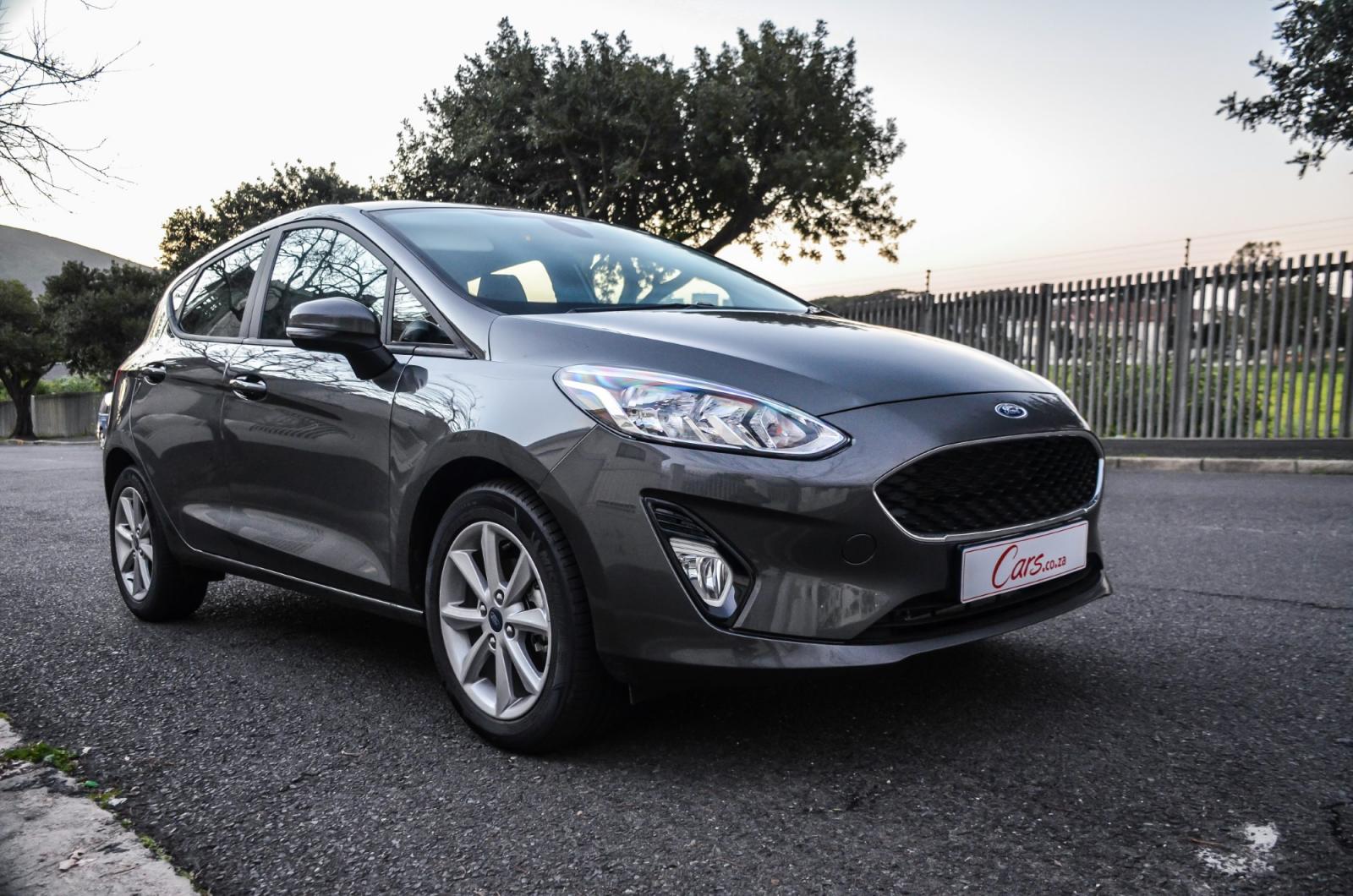
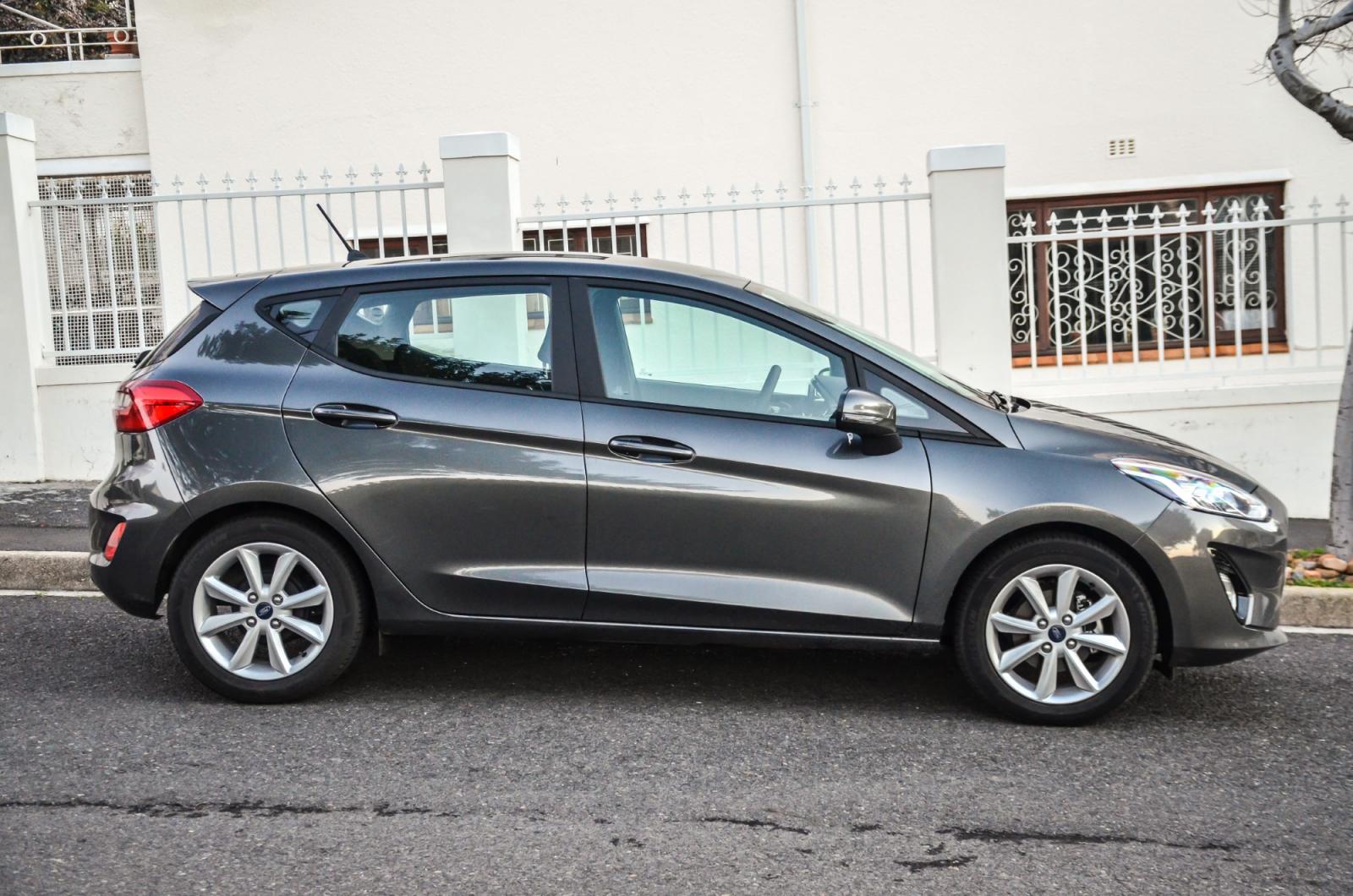
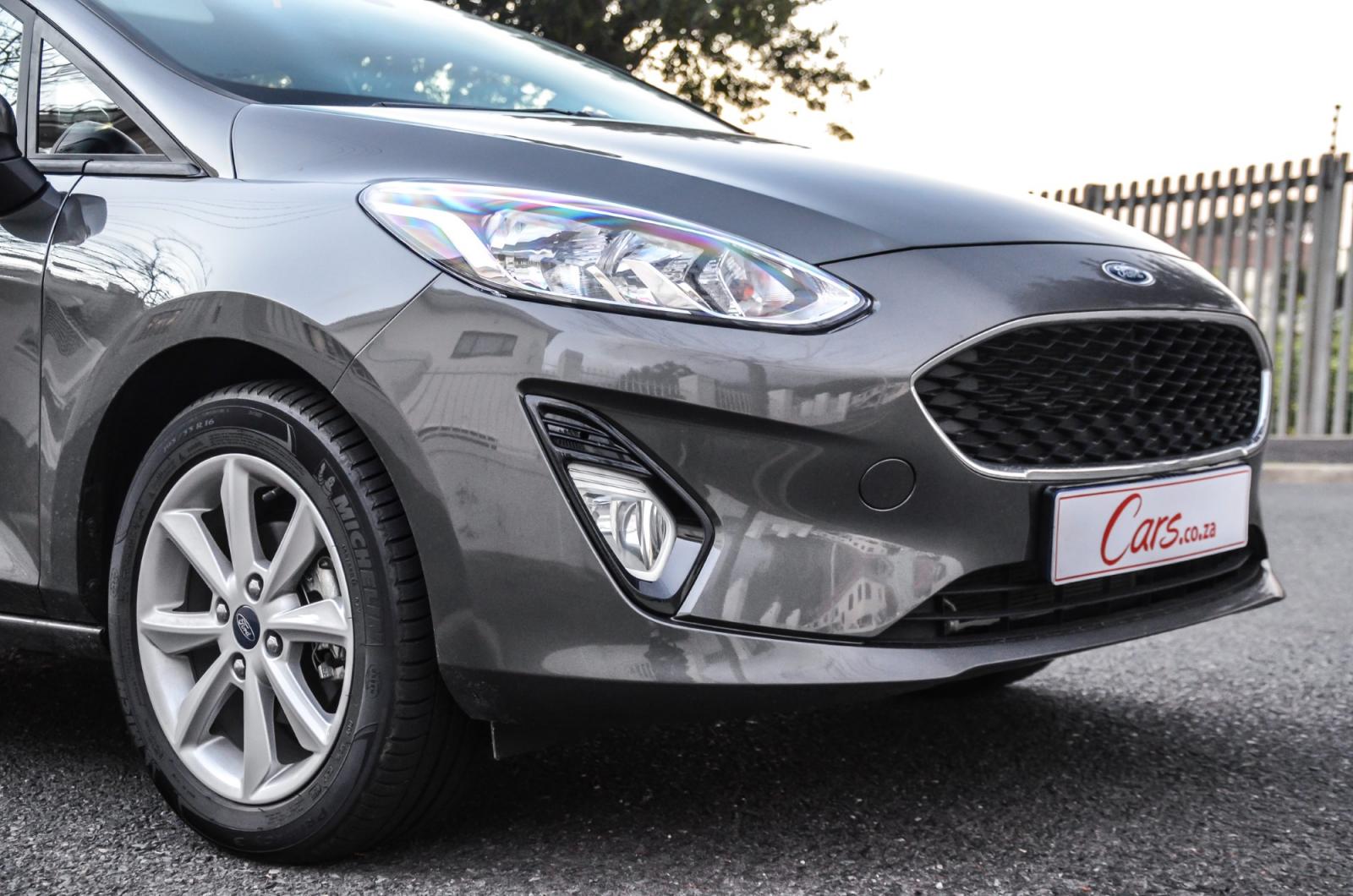
The new Ford Fiesta represents a substantial improvement over its predecessor. Not only is the compact hatchback's styling more striking, but its perceived interior quality is better. We recently spent time behind the 'wheel of the turbodiesel-powered Fiesta. If you crave simple, fuss-free motoring then this Fiesta derivative has a lot to offer. 

We Like: Good performance, fuel economy, ride and handling

We Don't Like: Some interior elements could be better, pricey

Alternatives

The Fiesta 1.5 TDCi is currently the only turbodiesel offering in the compact hatchback segment, but there are many new petrol-engined products that are worthy of consideration.

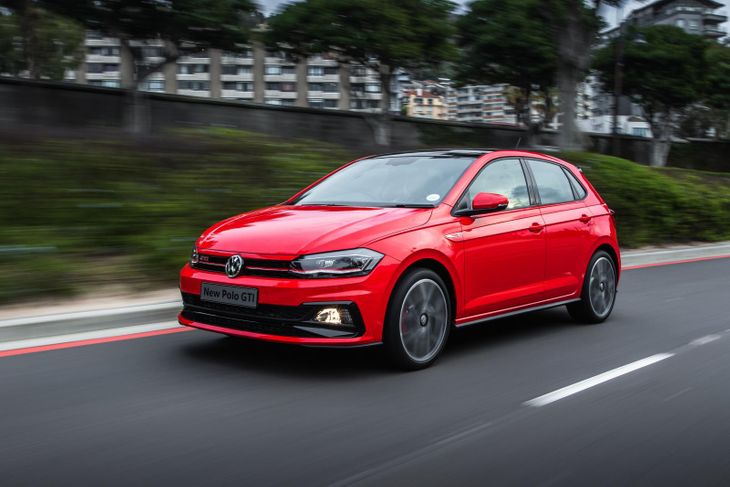
  • The popular choice: Consider the Volkswagen Polo 1.0TSi Highline priced at R286 200. Not only is the Polo cheaper than the Fiesta, it’s also better equipped with nifty features such as navigation and cruise control. This Polo is also more spacious and powerful with 85 kW and 200 Nm developed by its 3-cylinder, 1.0-litre turbopetrol. The VW, however, is not as fuel efficient as the Fiesta 'diesel.
  • Nissan’s newcomer: Consider the new Nissan Micra 66kW turbo Acenta Plus priced at R272 400. The new Micra is offered with a comprehensive warranty (6-year/150 000 km) and it has moved decisively upmarket to compete with the Fiesta and Polo. It comes well specified and its 3-cylinder, 0.9-litre turbopetrol engine offers sufficient performance with 66 kW and 140 Nm of torque on offer.
  • French value: Consider the Renault Clio 88 kW Turbo GT-Line priced at R269 900, which offers 88 kW and 205 Nm of torque from its 1.2-litre turbopetrol engine. It comes generously specced with standard features and represents good value at this price point.

Facts & Figures

Price: R292 500
Engine: 1.5-litre turbodiesel
Transmission: 6-speed manual
Power: 63 kW
Torque: 175 Nm
Fuel Consumption: 3.3 L/100 km
0 -100 kph: 12.5 sec
Top speed: 175 kph

SERIOUS ABOUT BUYING?

What is it?


The new Fiesta not only looks better than the outgoing model, but it's better to drive too. 

The Fiesta has experienced much sales success in the local market (throughout its various iterations) and Ford intends to further expand its clientele in the compact hatchback segment with this latest version, which arrived early in 2018. The newcomer rides on the same, albeit enhanced chassis from the previous generation, which is stiffer and delivers greater levels of refinement and handling capability. This new Fiesta not only looks better than its predecessor, perceived build quality has improved, while better in-car technology and enhanced safety features have been added. 

Is the Fiesta 1.5 TDCi Trend the pick of the range? We spent some time with it to determine if it is worth considering, let’s take a closer look…

The Good

Performance and fuel economy


The diesel-powered Fiesta is both fun and economical to drive on a daily basis. 

While this turbodiesel-powered Fiesta may not offer as much power as its small capacity turbopetrol siblings, it still provides ample shove for your daily commute. This 1.5-litre turbodiesel engine, which produces 63 kW and 175 Nm of torque, is only offered with a 6-speed manual transmission.

As it is a turbodiesel powerplant, the engine obviously sounds a bit rougher at start-up than its petrol-fed peers, but it settles nicely once up to the optimal operating temperature and the characteristic clatter is barely noticeable on the open road. In fact, the engine delivers pleasingly flexible performance in cut-and-thrust traffic situations and the generous torque delivery facilitated fuss-free overtaking manoeuvres on the highway.

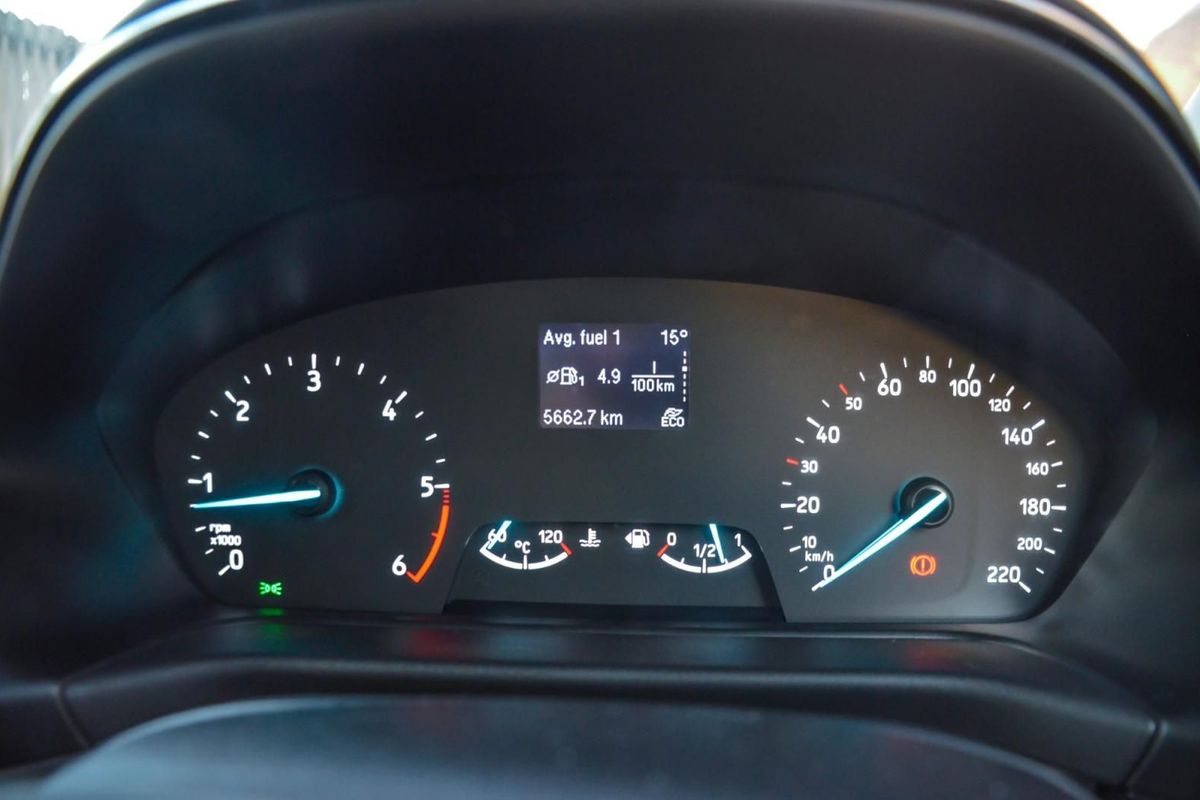
The manual transmission proved slick and positive in action too, but moreover, this particular Fiesta’s strength is undoubtedly its fuel economy. During our test, we never saw figures above 5.0 L/100 km. In fact, the lowest indicated figure was a meagre 3.9 L/100 km. In an ultra-competitive segment, one in which efficiency and driver engagement are often at odds, the Fiesta's blend of performance and low consumption stands out.      

Ride and handling


The new Fiesta is an agile handler and delivers a comfortable ride on various surfaces. 

Coupled with its lively performance, the Fiesta is pleasingly wieldy; it responds crisply to enthusiastic steering inputs, plus the 'wheel is nicely weighted and provides good feedback. Moreover, despite its reassuringly planted road holding, the Fiesta is comfortably sprung. In other words, its suspension does a great job of absorbing bumps and ruts in the road – buyers should have little to complain about the Ford's ride/handling balance. Overall refinement is admirable too: noise, vibration and harshness (NVH) are well-suppressed, which results in a quieter cabin at highway speeds.

The not so good

Standard spec could be better


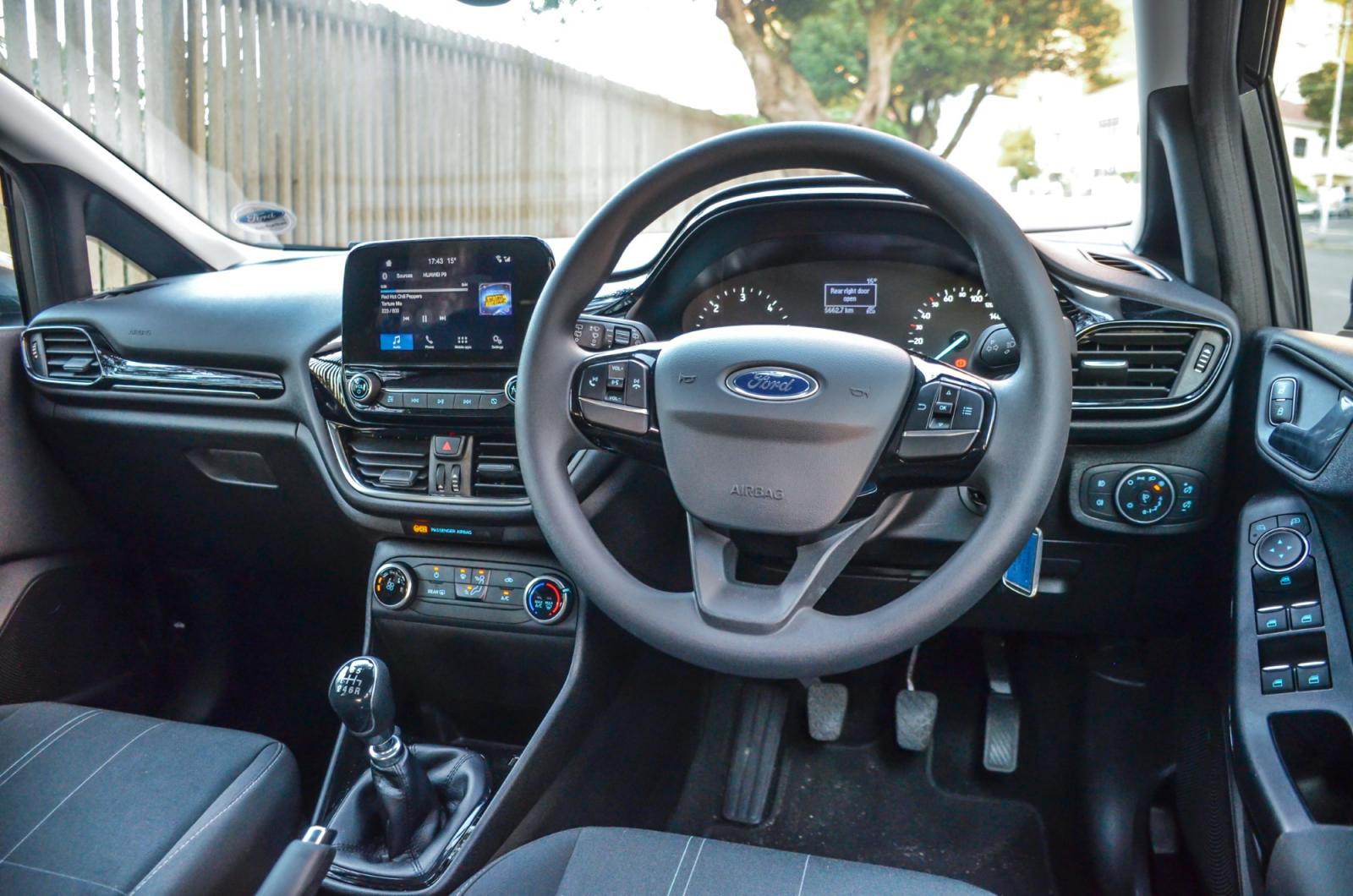
The Fiesta's interior represents a major improvement over that of its predecessor, but it's still not class-leading. 

For the price, the Fiesta 1.5TDCi Trend offers average standard specification and is, therefore, a bit pricey for what you get (cruise control and navigation are not included as standard, for example). The most probable reason why this derivative seems a trifle under-specced is due to the fact that turbodiesel engines are (generally speaking) costlier to produce than comparable petrol motors, so in order for Ford to bring this derivative to market at a competitive price point, the Blue Oval had to sacrifice some specification.  

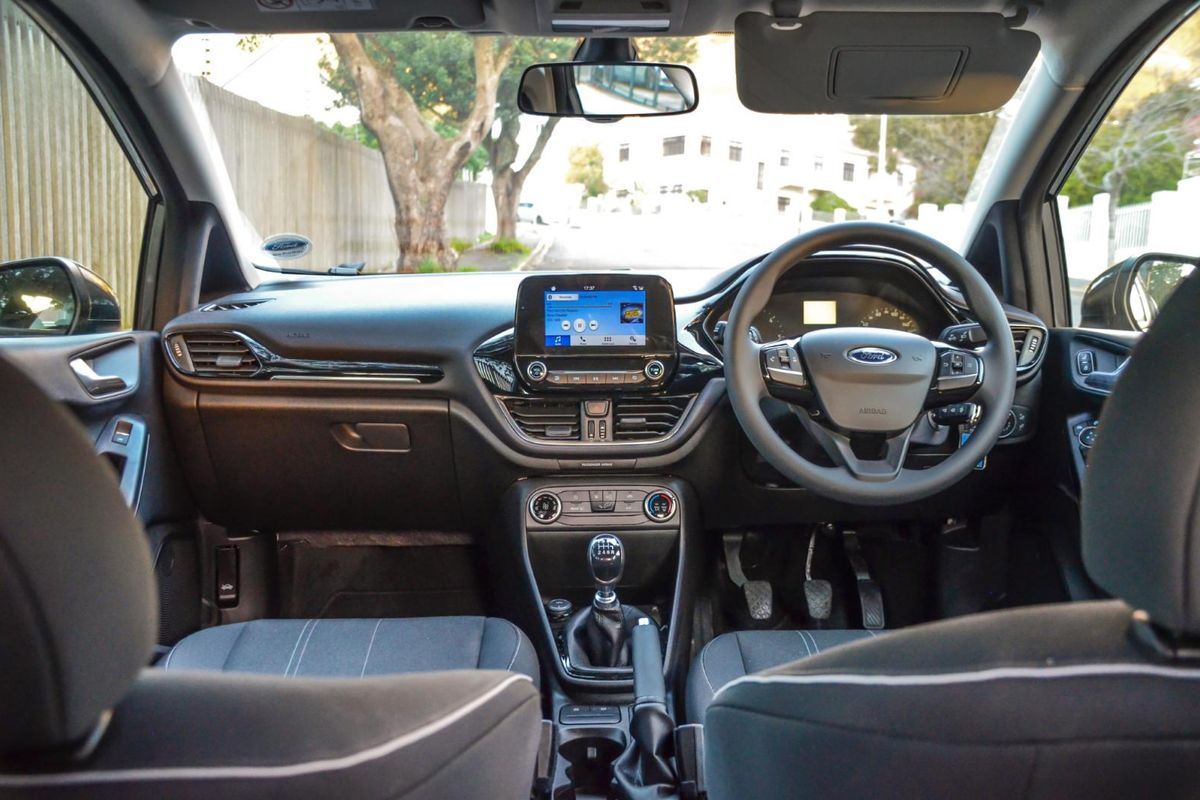
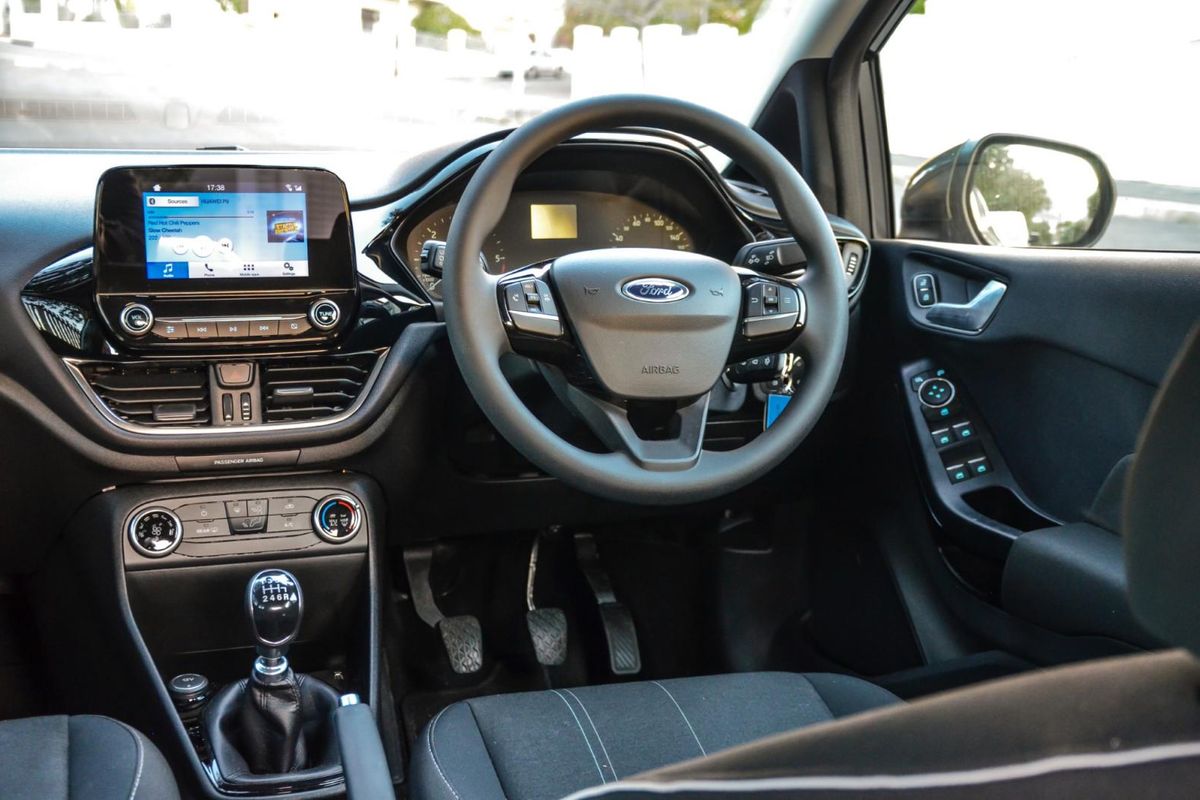
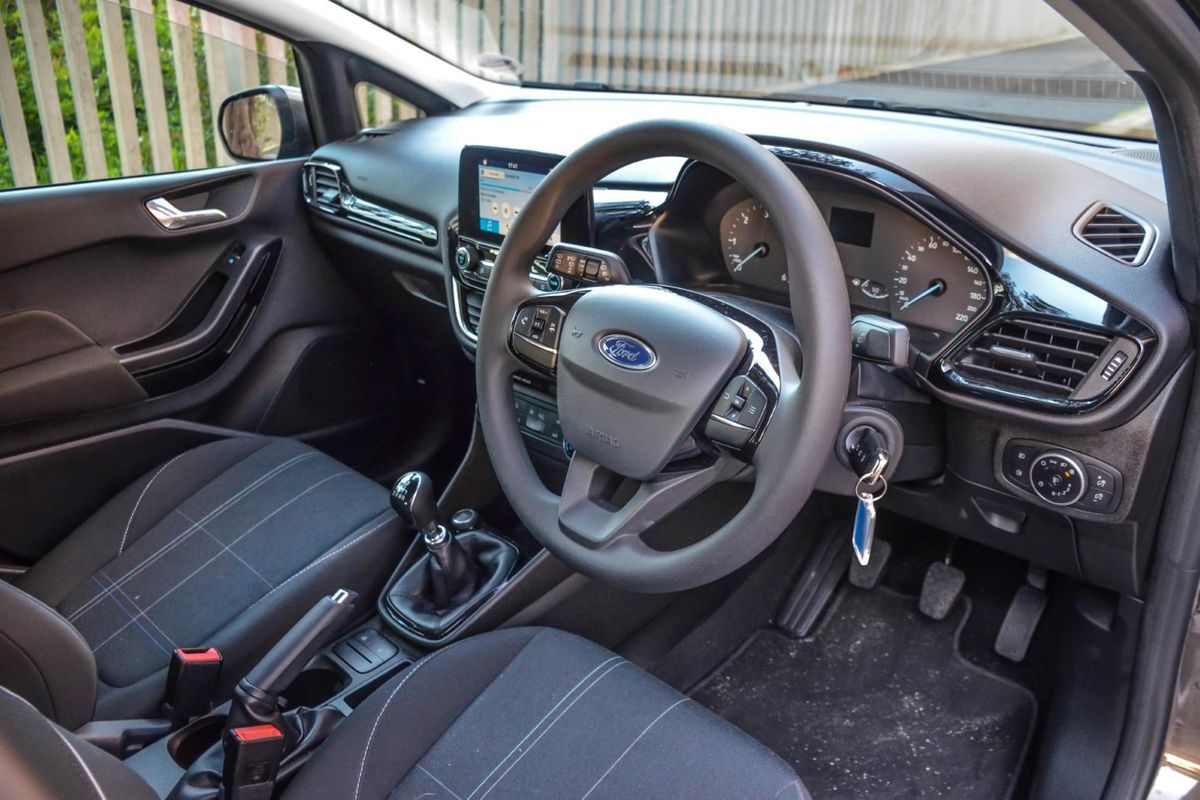
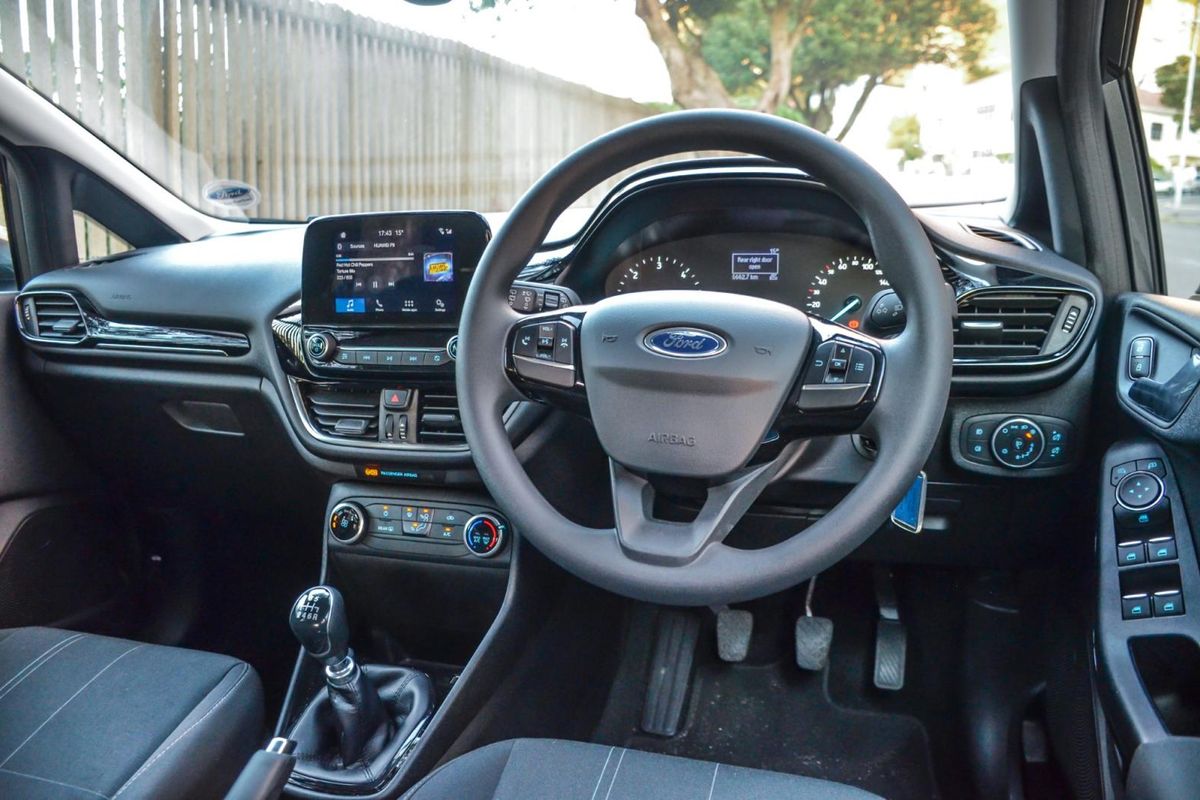
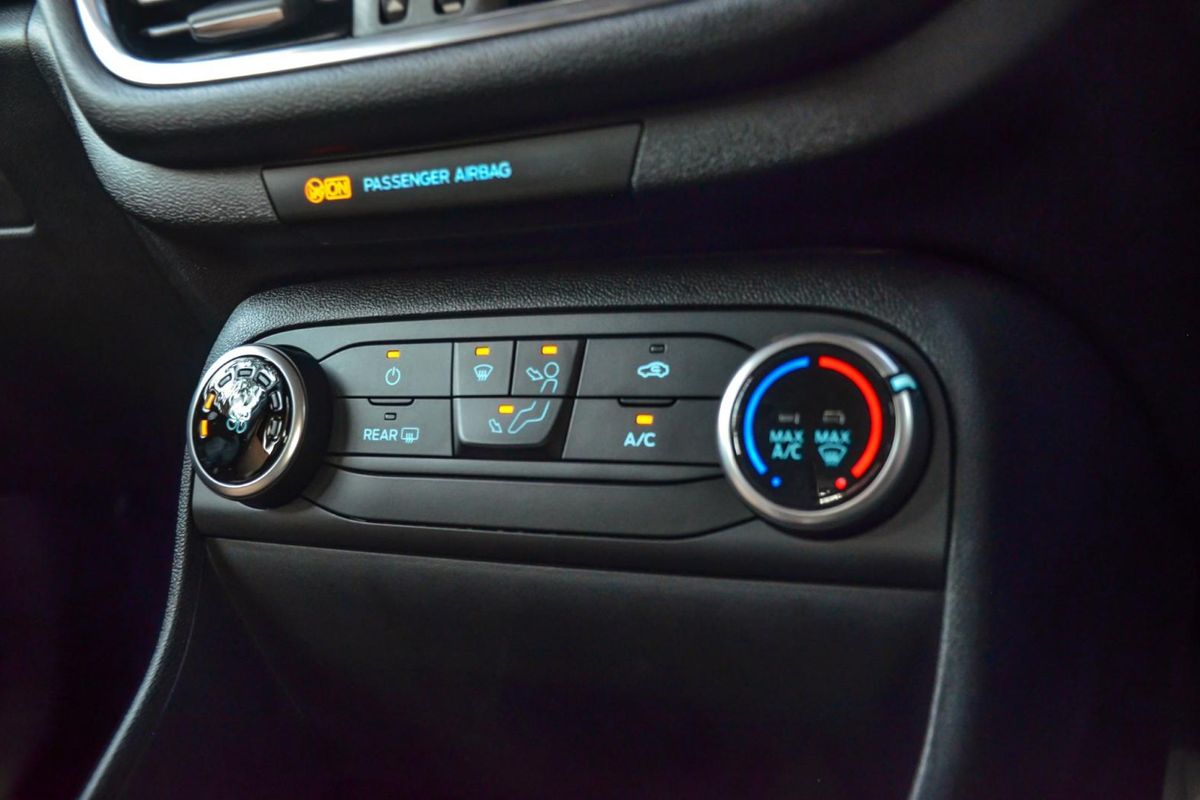
Having said that, the Trend specification does include (an albeit smaller) 6.5-inch touchscreen with a Sync 3 interface, which is still Android Auto and Apple CarPlay compatible. The system further offers Bluetooth connectivity and voice control and we found it to be easy to use with the help of the mounted steering wheel controls. A pair of USB ports is fitted as standard, as is manual air conditioning.

Cabin build quality is average to good but harder surfaces dominate and we think the instrument cluster looks rather bland for a car in this price range. Safety specification, however, is generous with 6 airbags, ABS with EBD, electronic stability control and traction control as standard.  

Average practicality


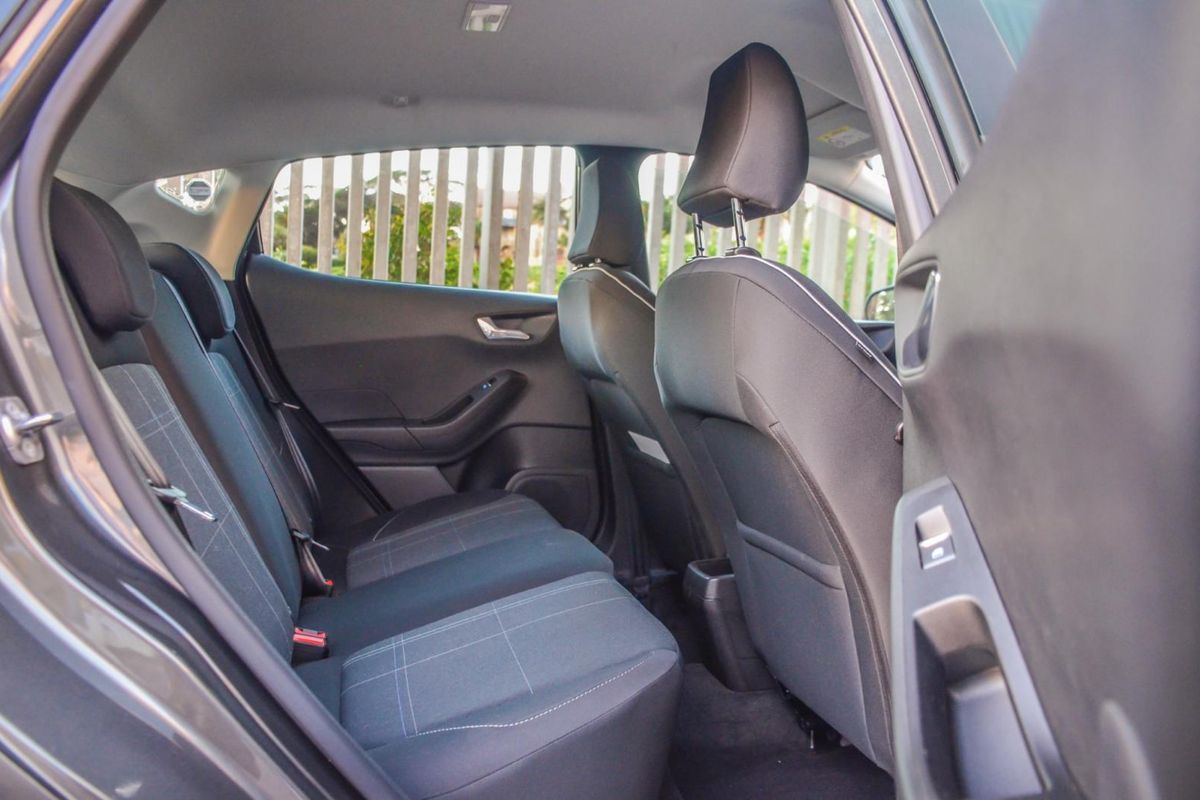
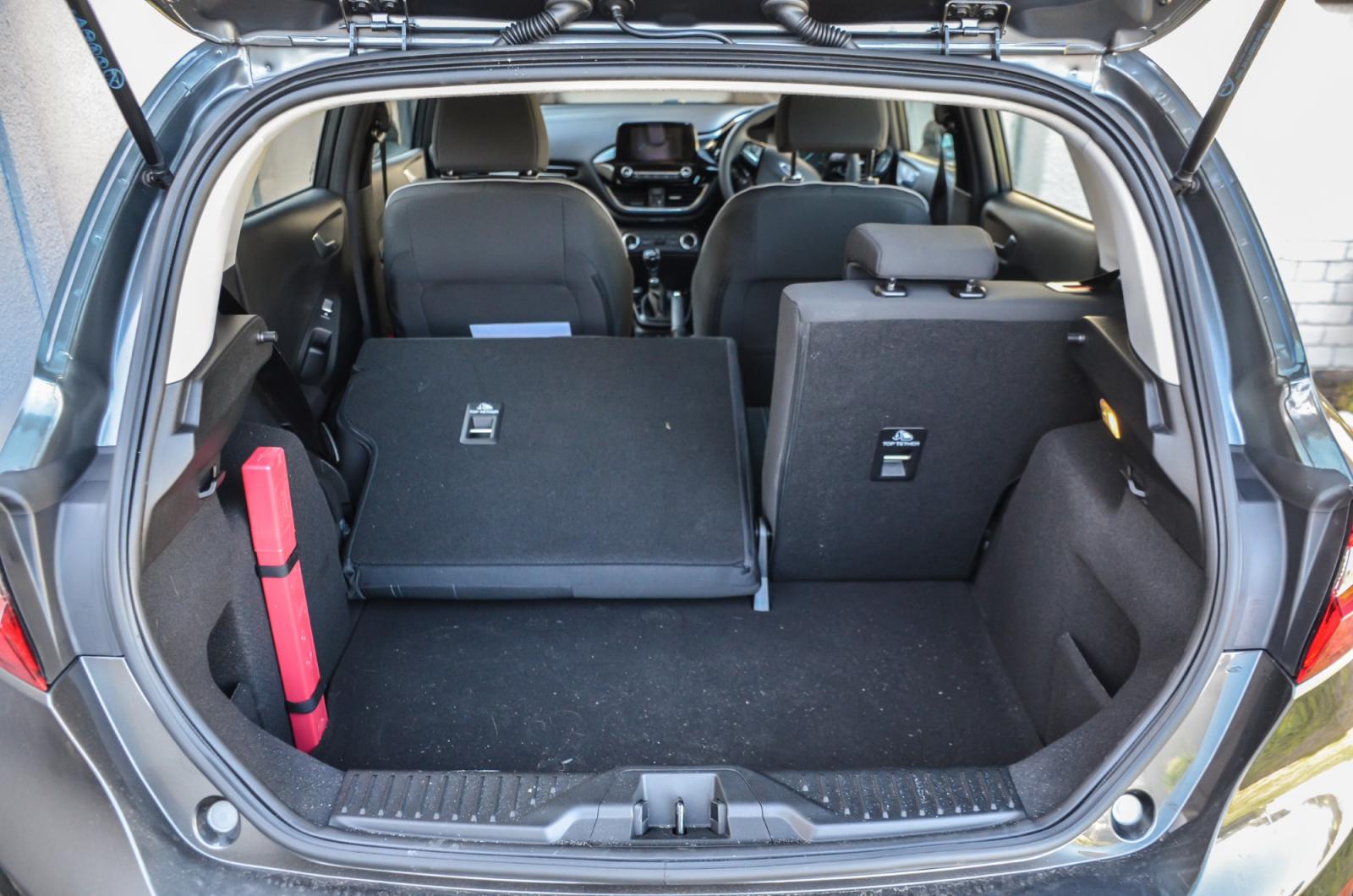
Loading space is sufficient but taller rear passengers will find legroom to be tight. 

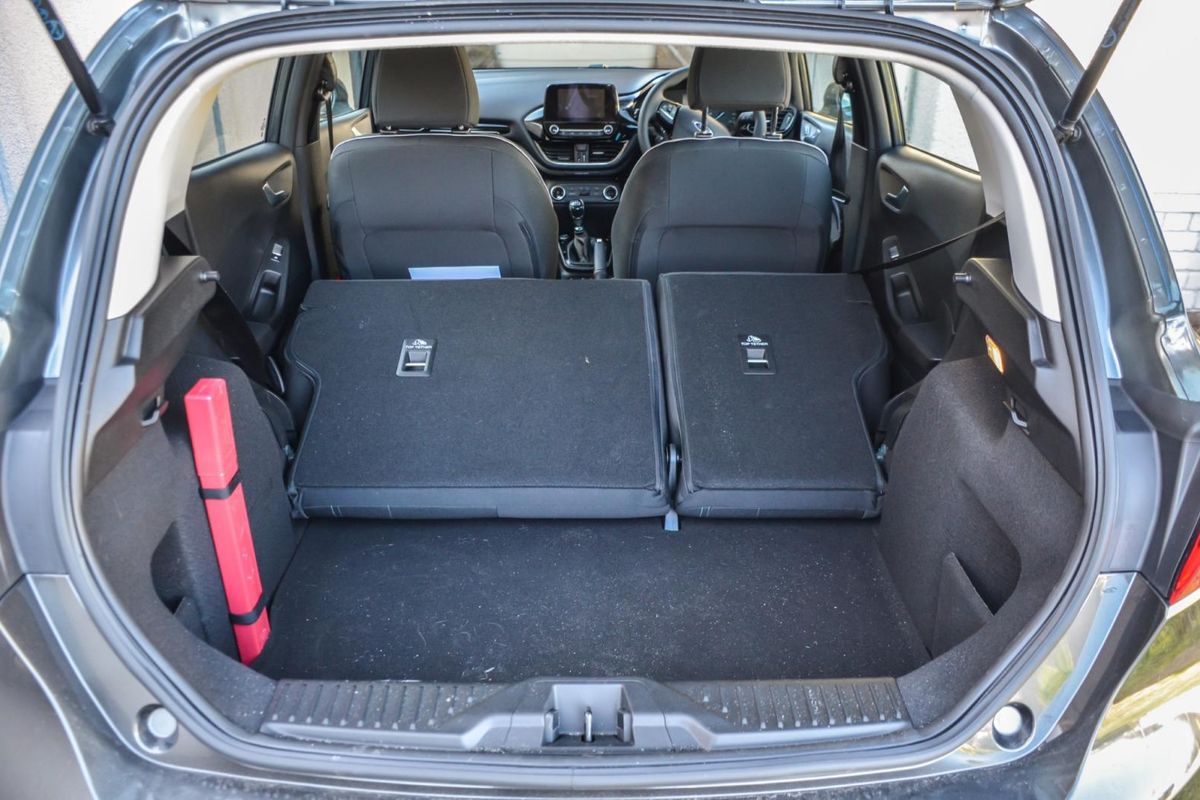
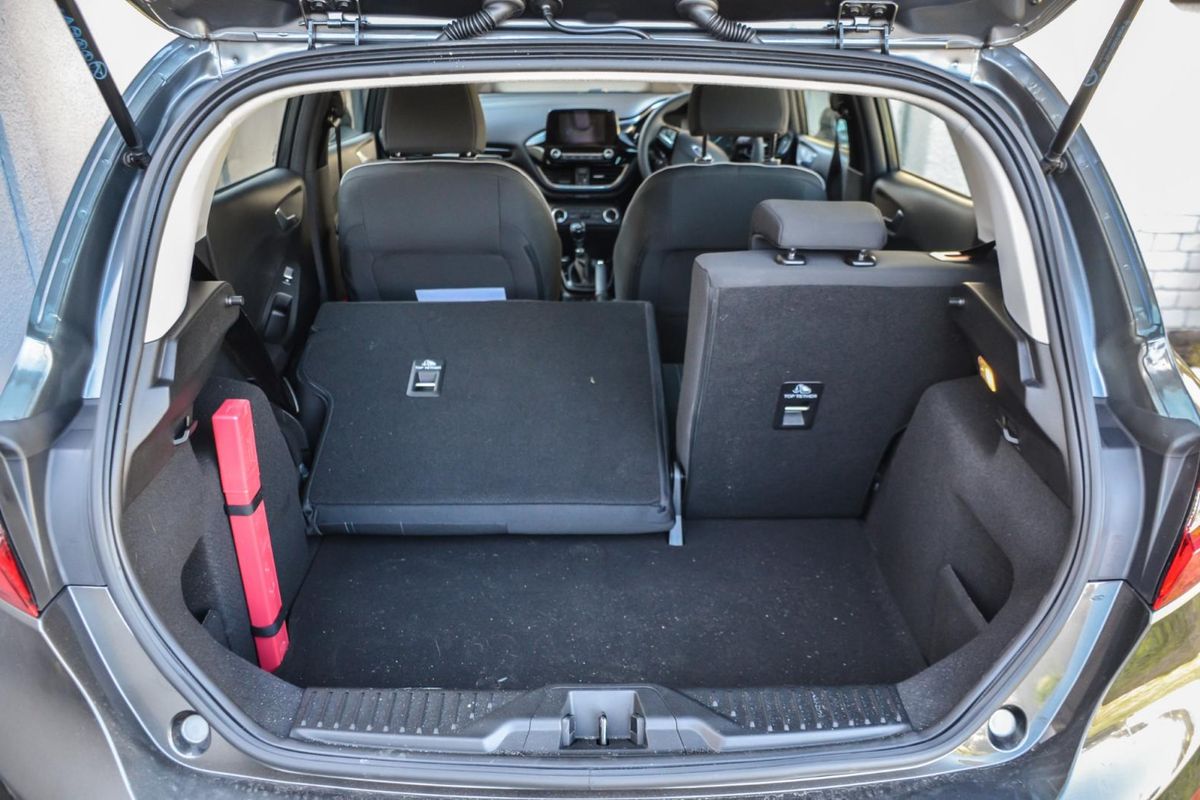
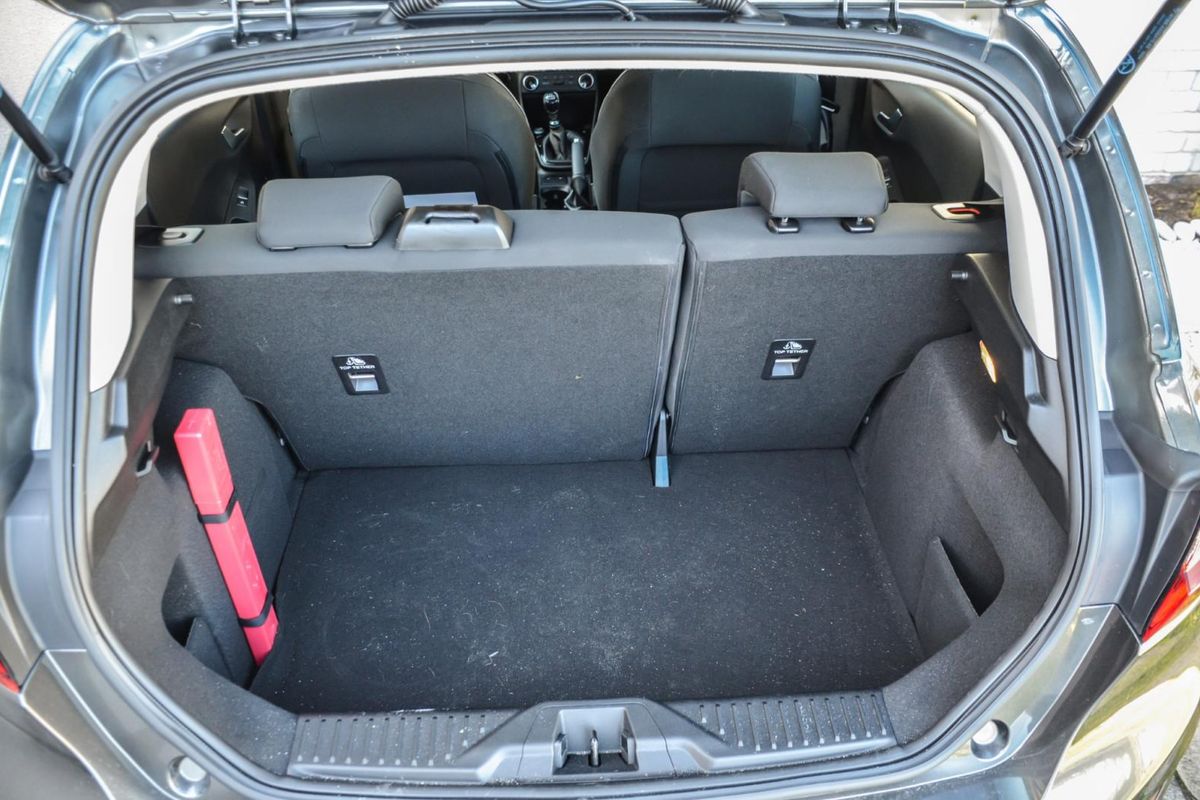
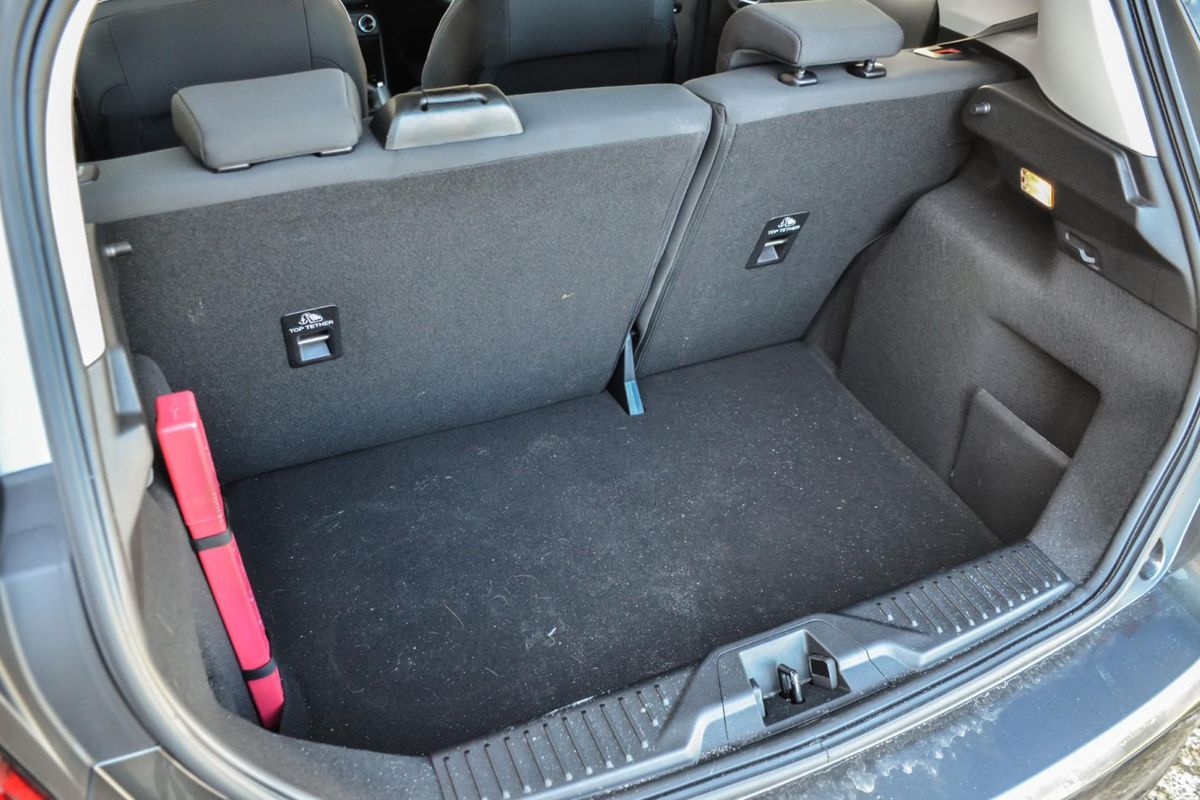
The new Fiesta is an average performer in terms practicality and it offers a reasonably sized load bay claimed at 303 litres, but it’s not quite as spacious as the Polo’s claimed 350 litres, for example. Loading space can be further expanded by folding the 60:40 split rear seatback forward.

Taller rear passengers might find legroom to be a bit cramped, but children and average-sized adults should be relatively comfortable. There are several storage spaces dotted around the cabin, including bottle holders in the door mouldings, 2 front cupholders, an enlarged glovebox and additional storage ahead of the gear lever.

Pricing and warranty

The Ford Fiesta 1.5TDCi Trend is priced at R292 500 and is sold with a 4-year/120 000 km warranty and 4-year/60 000 km service plan.

Verdict


We think the Fiesta diesel is worth a test drive if you are looking for a modern and economical urban runabout. 

The Ford Fiesta 1.5TDCi Trend is a pleasure to drive on a daily basis. It’s wieldy, offers reasonably comfortable accommodation and a pliant ride quality, plus it returns admirable real-world fuel consumption, which makes it a sensible purchase if you want to maximise every drop of fuel.

These positive traits come at a price, however, and even though it might be pricier and less practical than its higher-specced rivals, we still think the Fiesta diesel is worth your attention. It’s far from being a bare-bones offering (its safety specification remains comprehensive, for example) and its Sync 3 infotainment system is arguably one of the best systems on the market.

As a footnote, one wonders whether Ford's courageous move to offer a turbodiesel Fiesta in a segment where such-engined derivatives are (now) scarce could not be a disadvantage when the time comes to sell on the 1.5TDCi Trend (or trade it in). Turbodiesel cars are traditionally more expensive to service/maintain than their petrol-powered peers; that could negatively impact the Ford's value once its service plan has expired.     

Related content:

Ford Fiesta 1.0T Titanium Automatic (2018) Review

Comparative Review: Ford Fiesta vs Volkswagen Polo (2018) [w/video]

Ford Fiesta ST (2018) International Launch Drive [w/Video]

Most Fuel Efficient Budget Cars in SA

Most Fuel Efficient Diesel Cars in SA (2018)

6 New Hatchbacks to Consider in 2018

Looking for a used Ford Fiesta?

Find one for sale on Cars.co.za

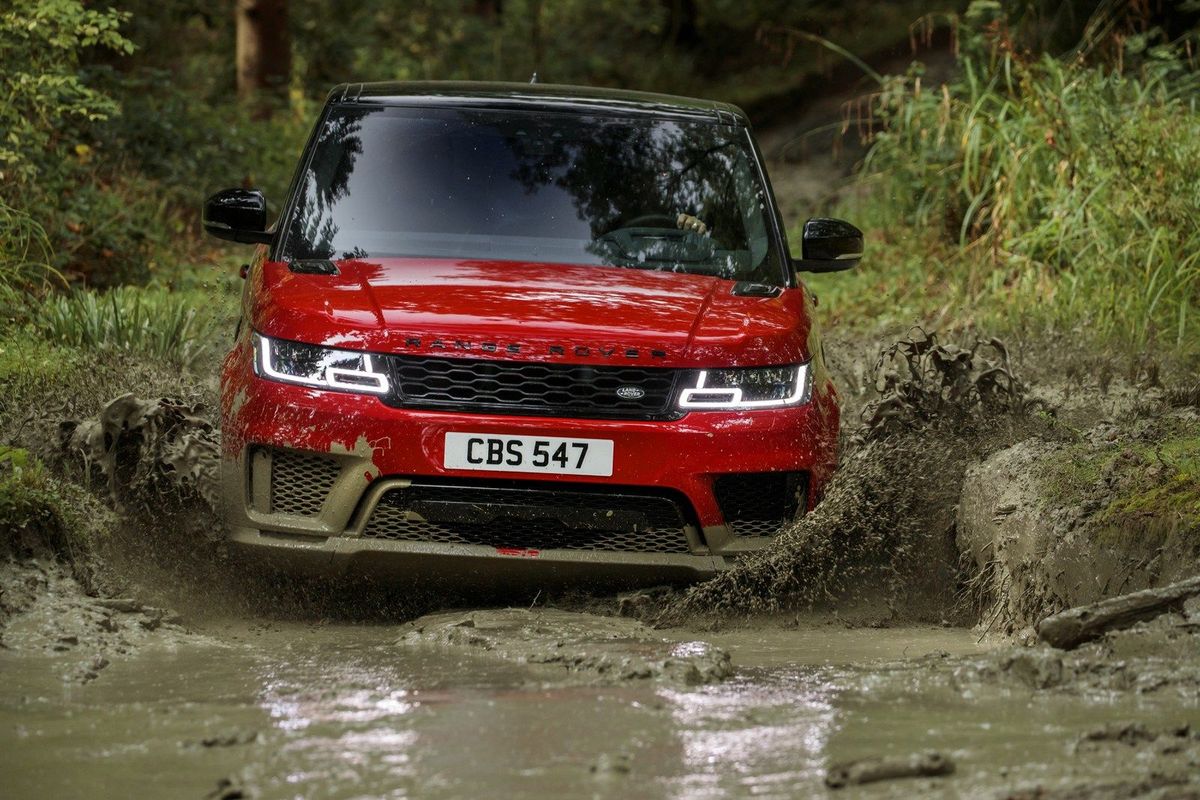
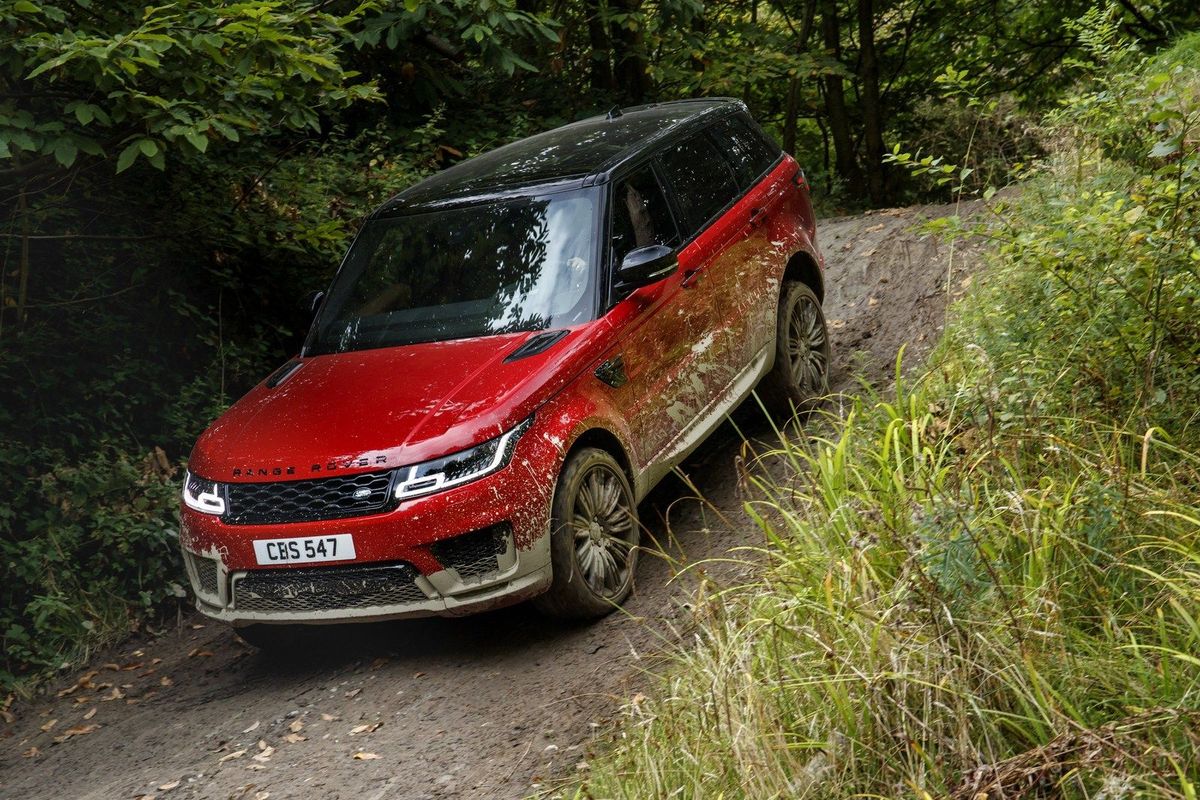
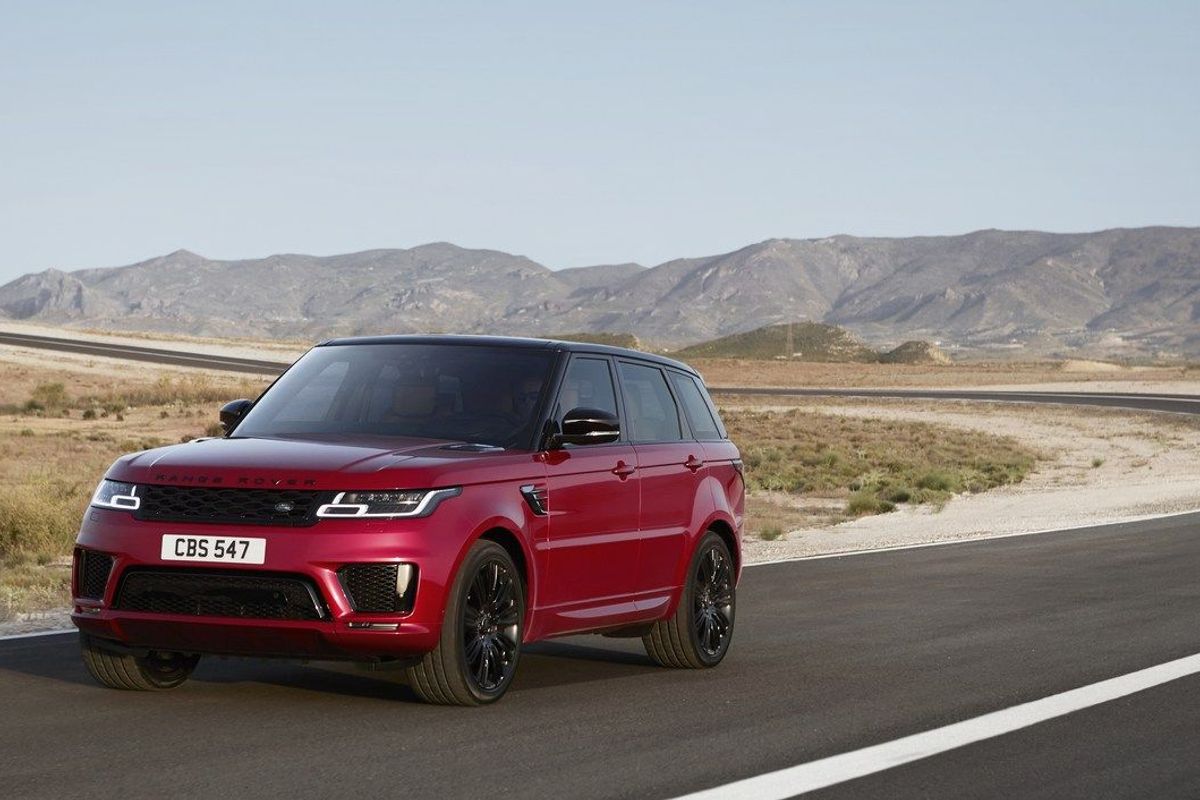
Facelifted Range Rover Sport (2018) Specs & Price [w/video]

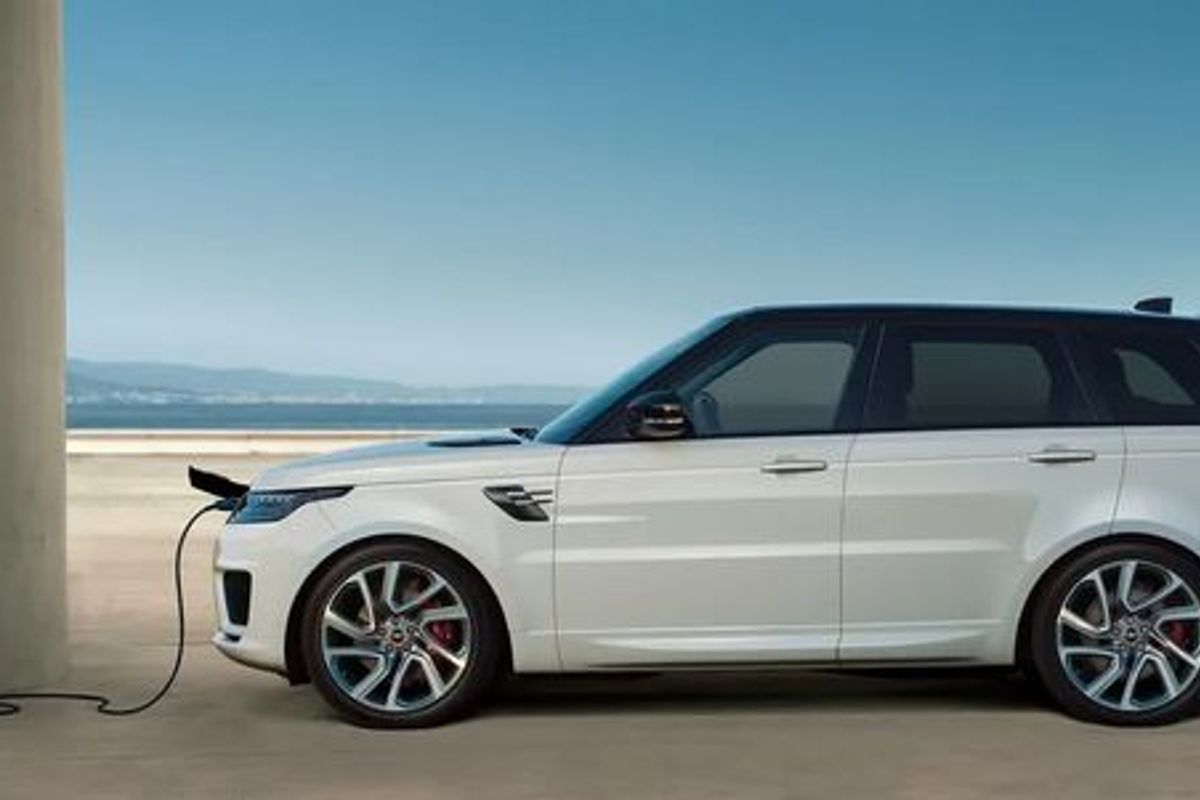
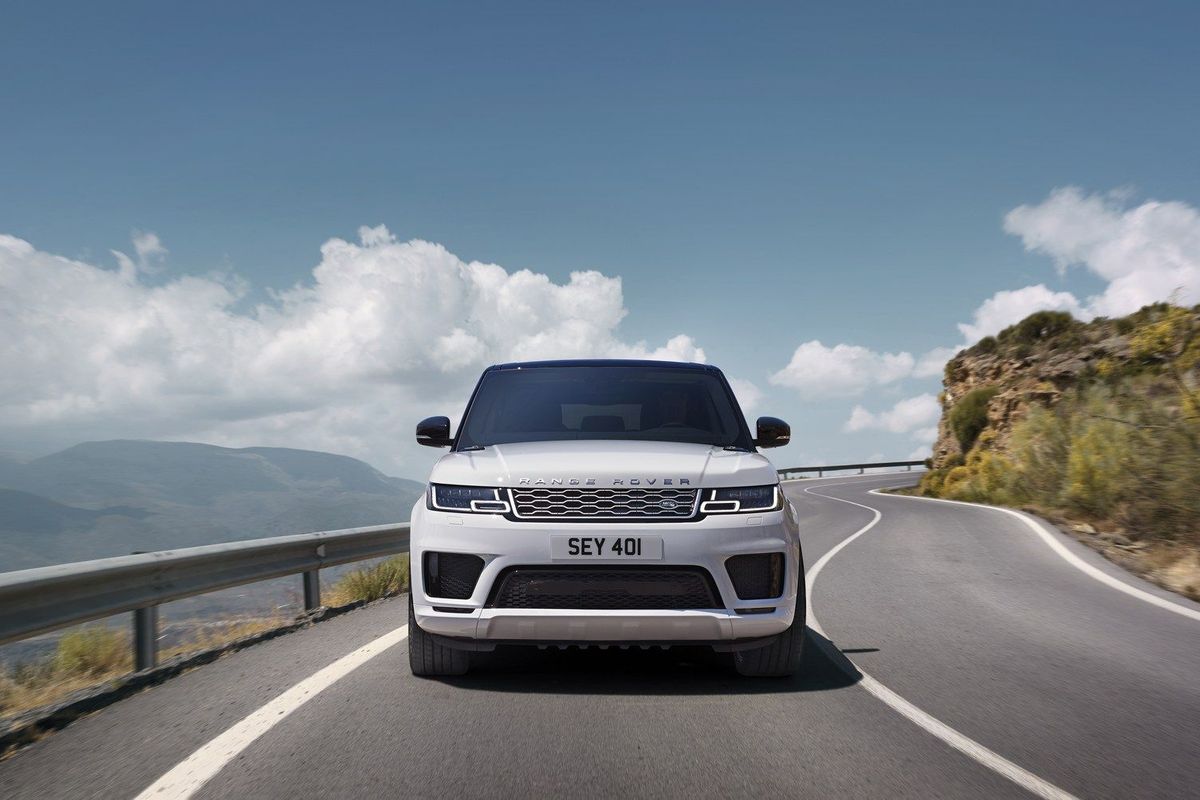
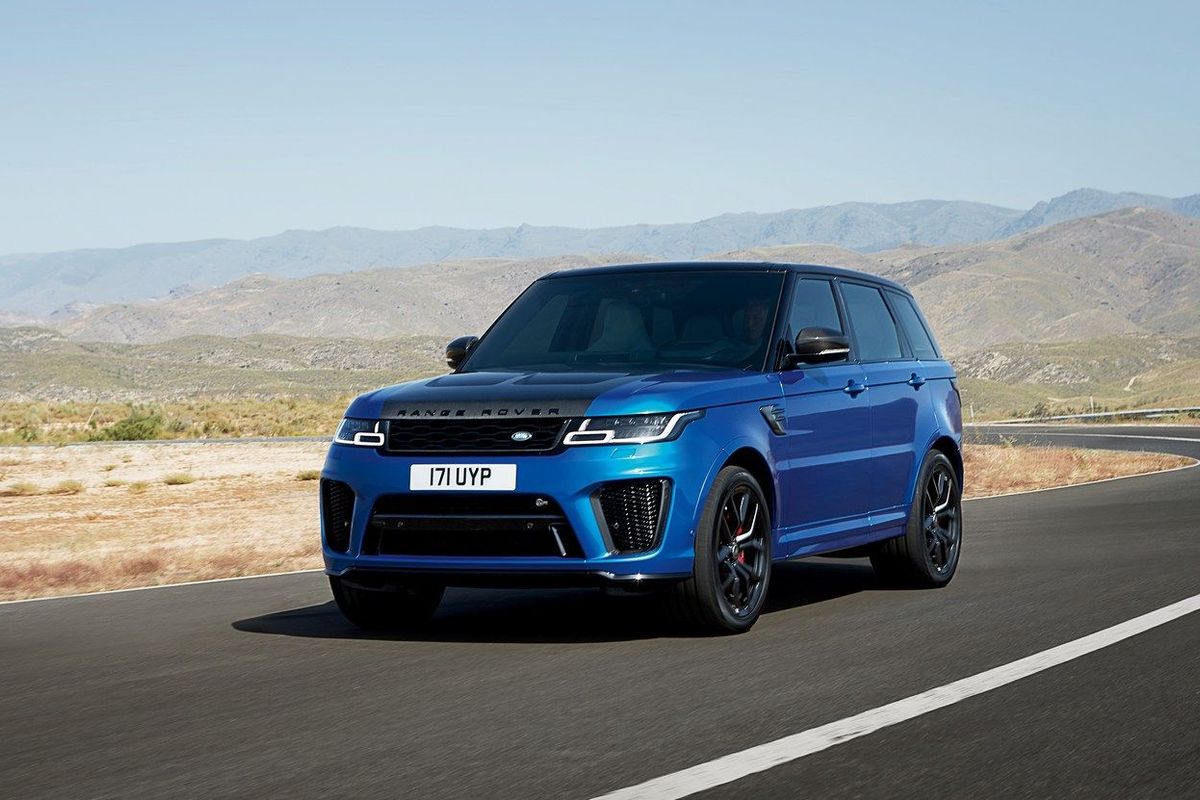
Land Rover has updated its Range Rover Sport offering which sees the introduction of a hybrid version while the high-performance SVR now comes with even more power and enhanced performance. Herewith specification and pricing details…

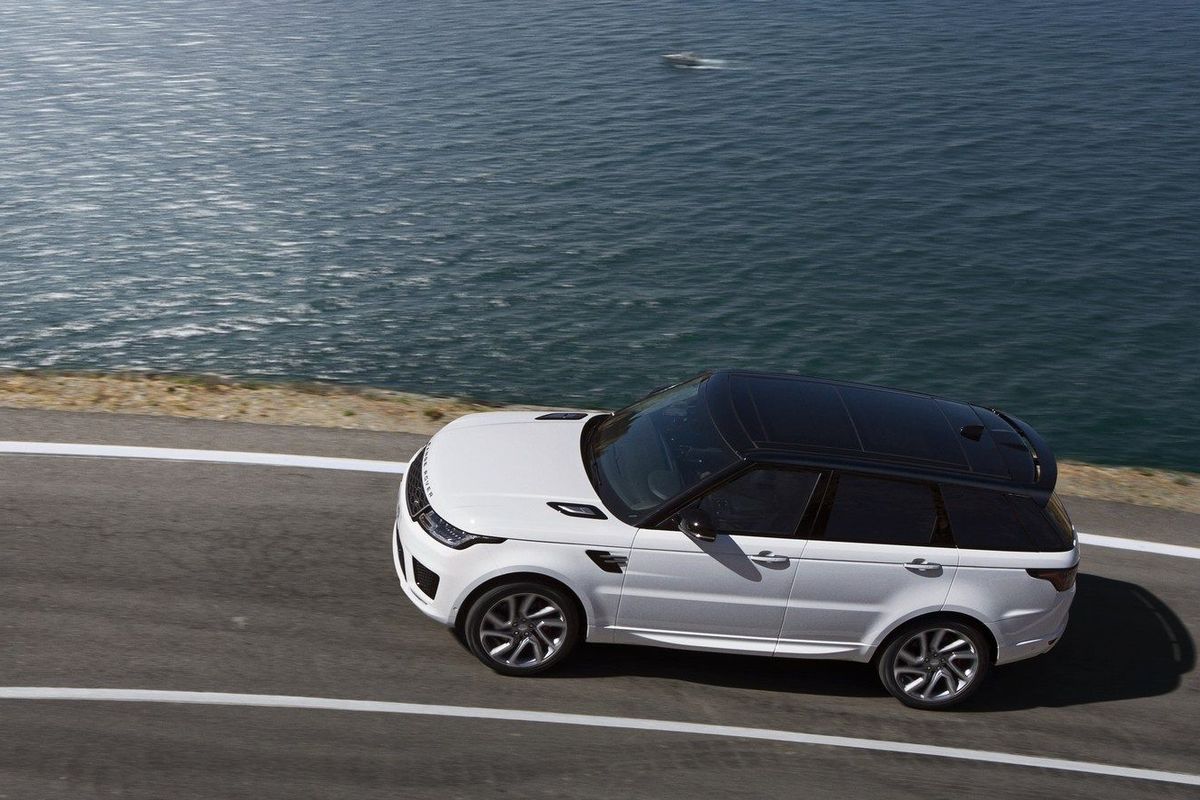
The Range Rover Sport offers luxury, performance and exceptional ‘go-anywhere’ capability. Land Rover has now officially revealed the facelifted Range Rover Sport with a number of exterior and interior updates as well as the introduction of a hybrid model and a more powerful range-topping SVR derivative. Take a look at what has changed.

Powertrain updates

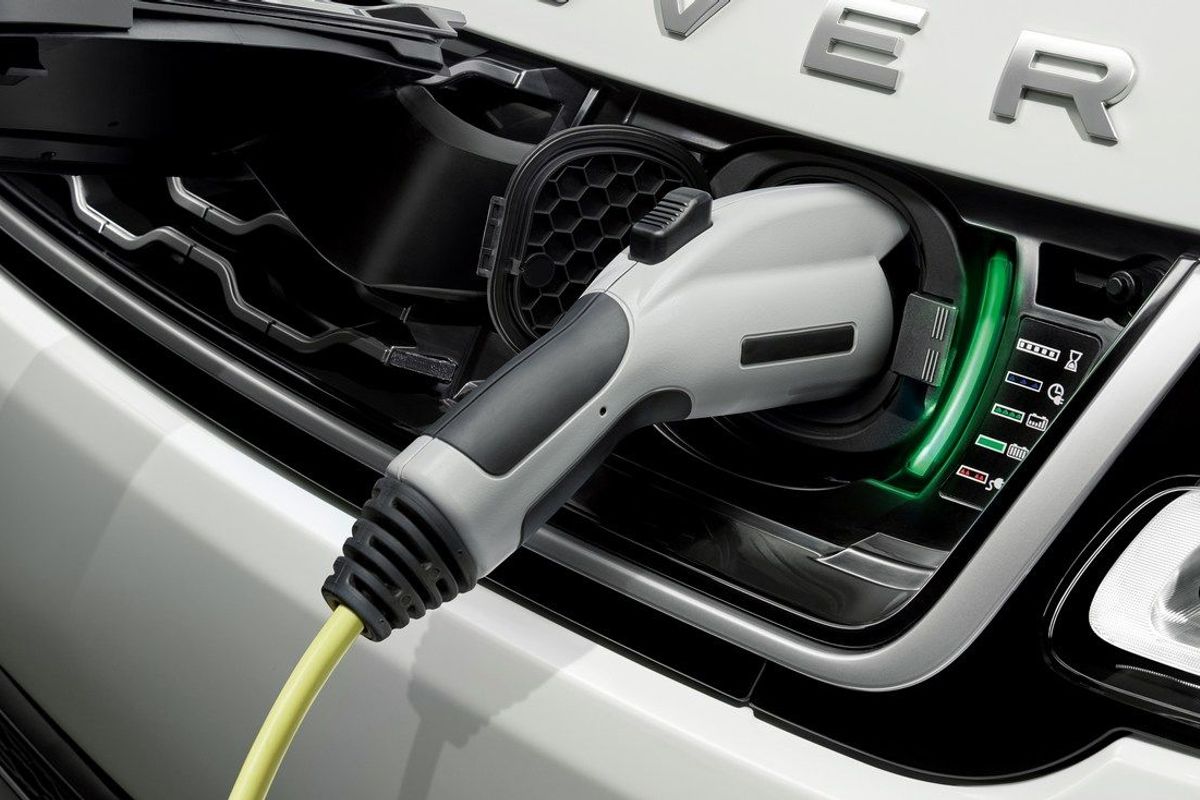
The big news is the introduction of a new Range Rover Sport Plug-in Hybrid model dubbed the P400e which replaces the previous SDV6 hybrid diesel model. It’s powered by a 221kW 2.0-litre, 4-cylinder petrol engine and an 85 kW electric motor and 13.1kWh lithium-ion battery. Total system output is 297 kW and 640 Nm of torque.  

In terms of performance, the all-wheel drive P400e can accelerate from zero to 100 kph in 6.7 seconds with a top speed of 220 kph. The P400e offers an electric range of 51 km and can be charged up in about 2 hours and 45 minutes. Land Rover claims a fuel consumption figure of 2.8 L/100 km.

Much like the current range, a choice of petrol and diesel engines will be offered. On the diesel front there’s the entry-level 2.0-litre SD4 and two 3.0-litre options seen in the TDV6 and SDV6 while the 4.4-litre SDV8 tops the diesel offering with 249 kW and 700 Nm of torque.

The petrol engine range starts with a 221kW 2.0-litre engine, the same use in the new P400e. A supercharged 3.0-litre V6 engine with 250 kW and 450 Nm or torque will be offered alongside a more powerful 5.0-litre V8 supercharged engine with 386 kW and 625 Nm of torque.

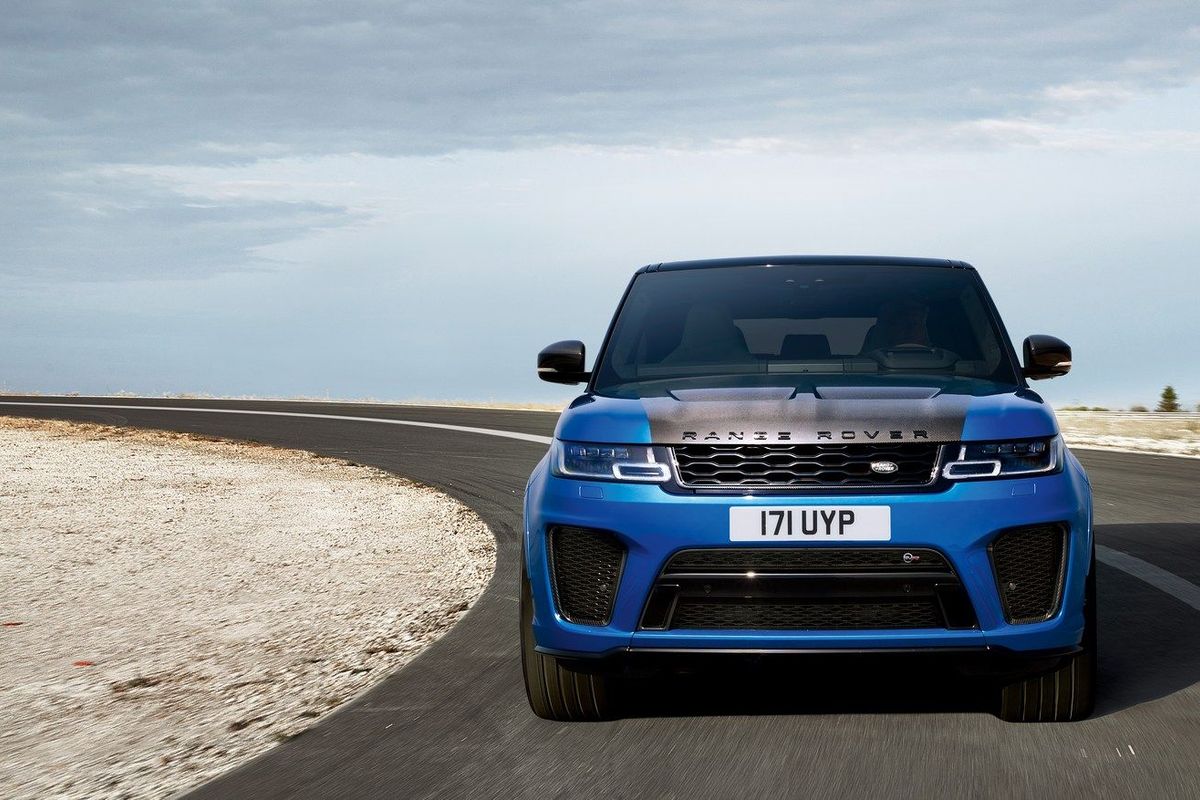
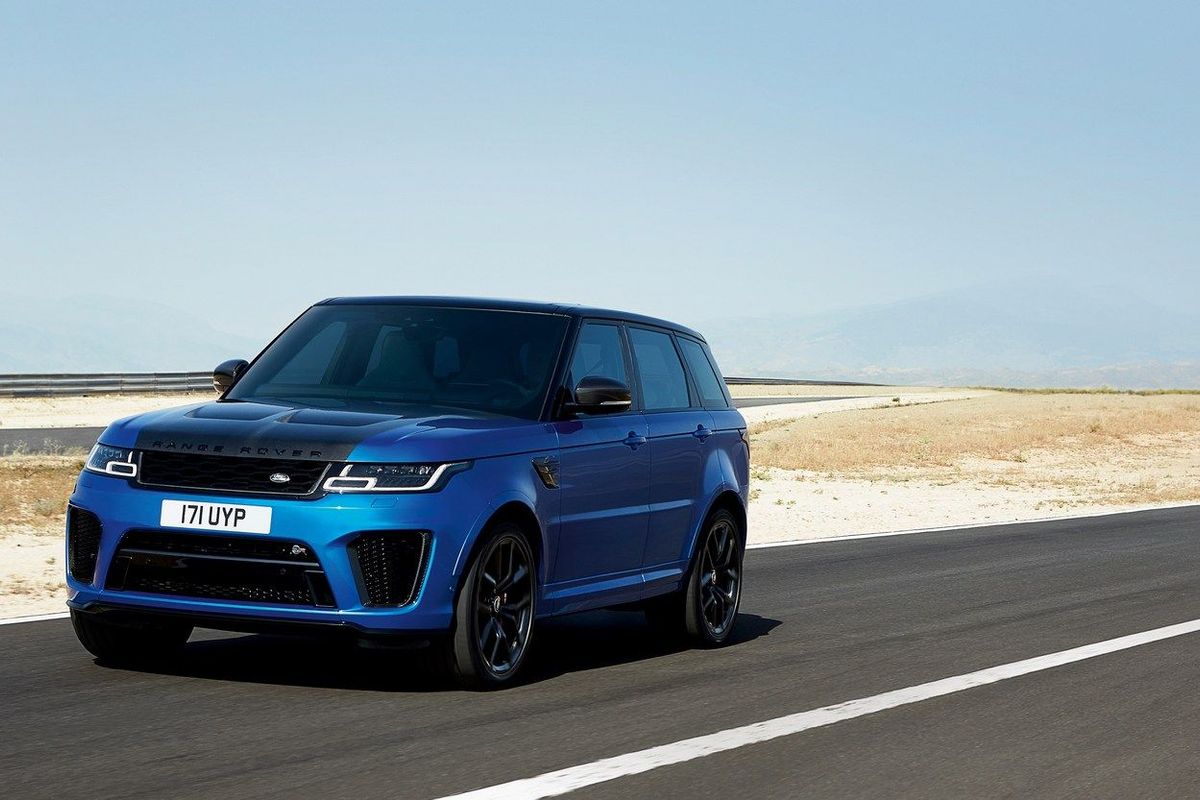
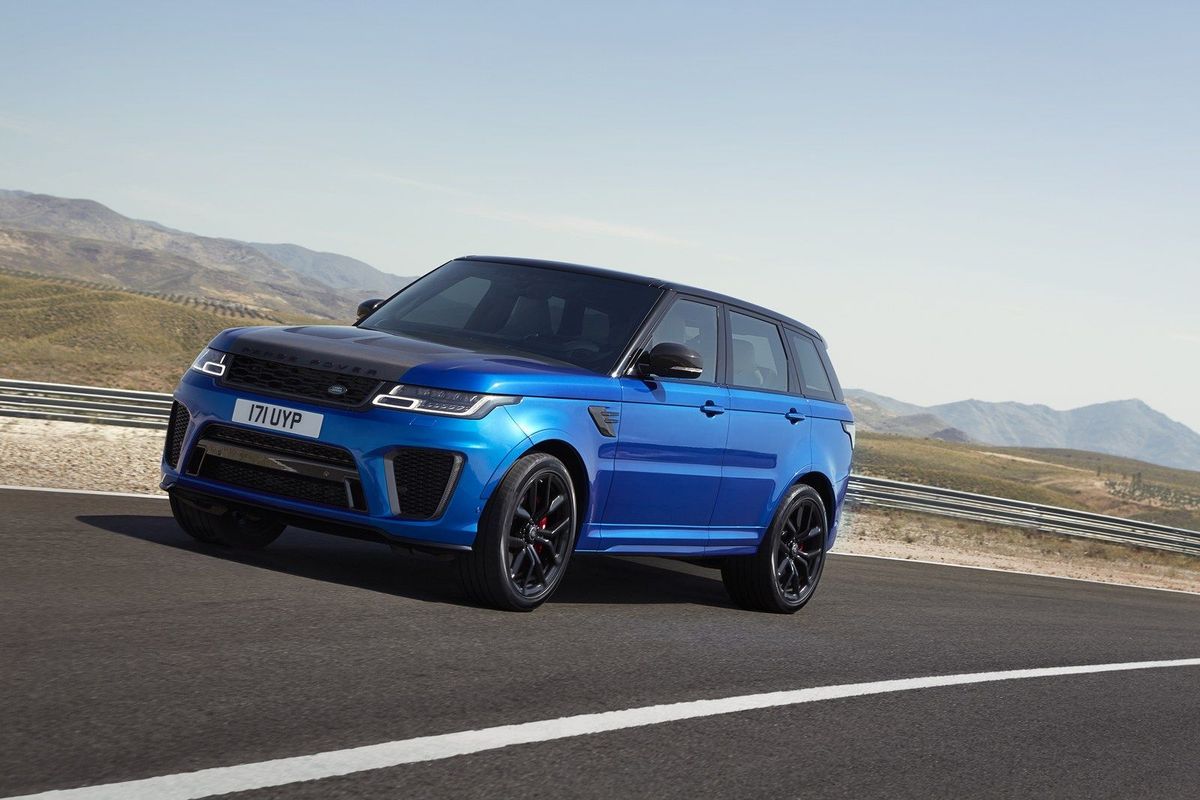
The range-topping SVR derivative gets a performance boost with power from its 5.0-litre supercharged V8 bumped up by 18 kW from 405 kW to 423 kW.  The SVR can accelerate from zero to 100 kph in 4.5 seconds.  

Styling changes


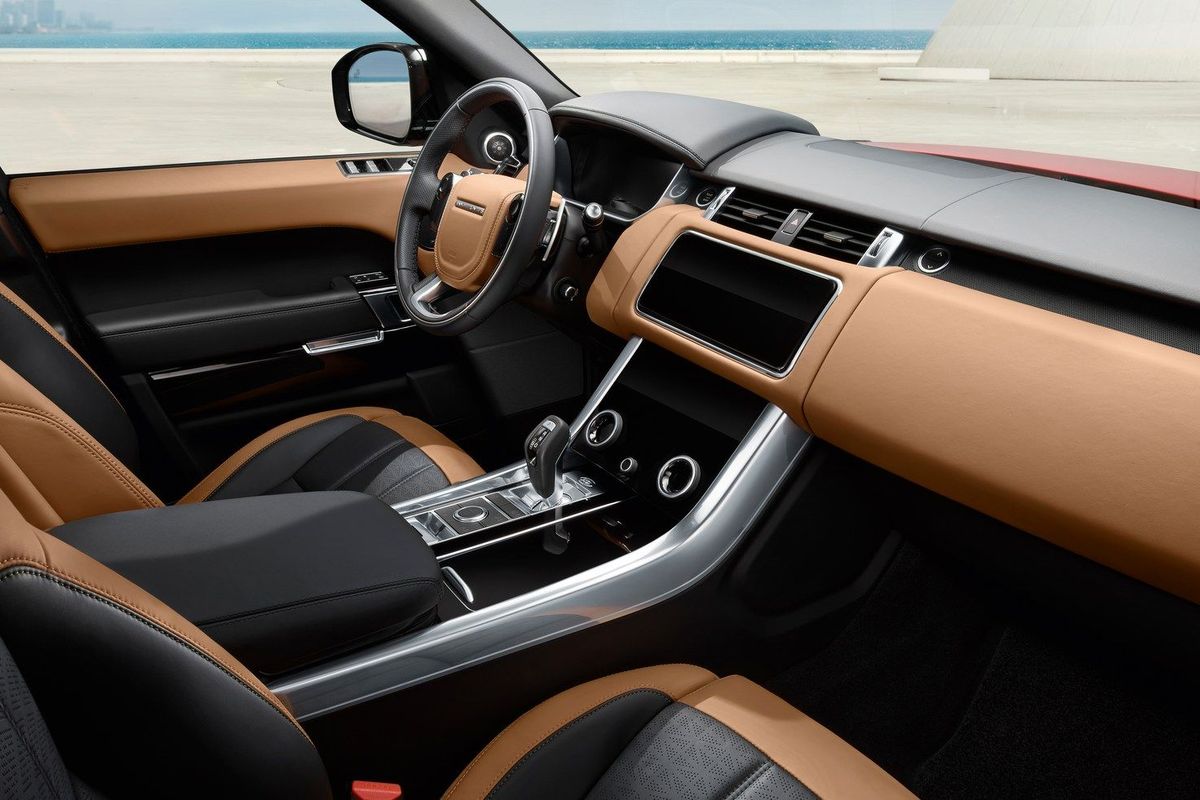
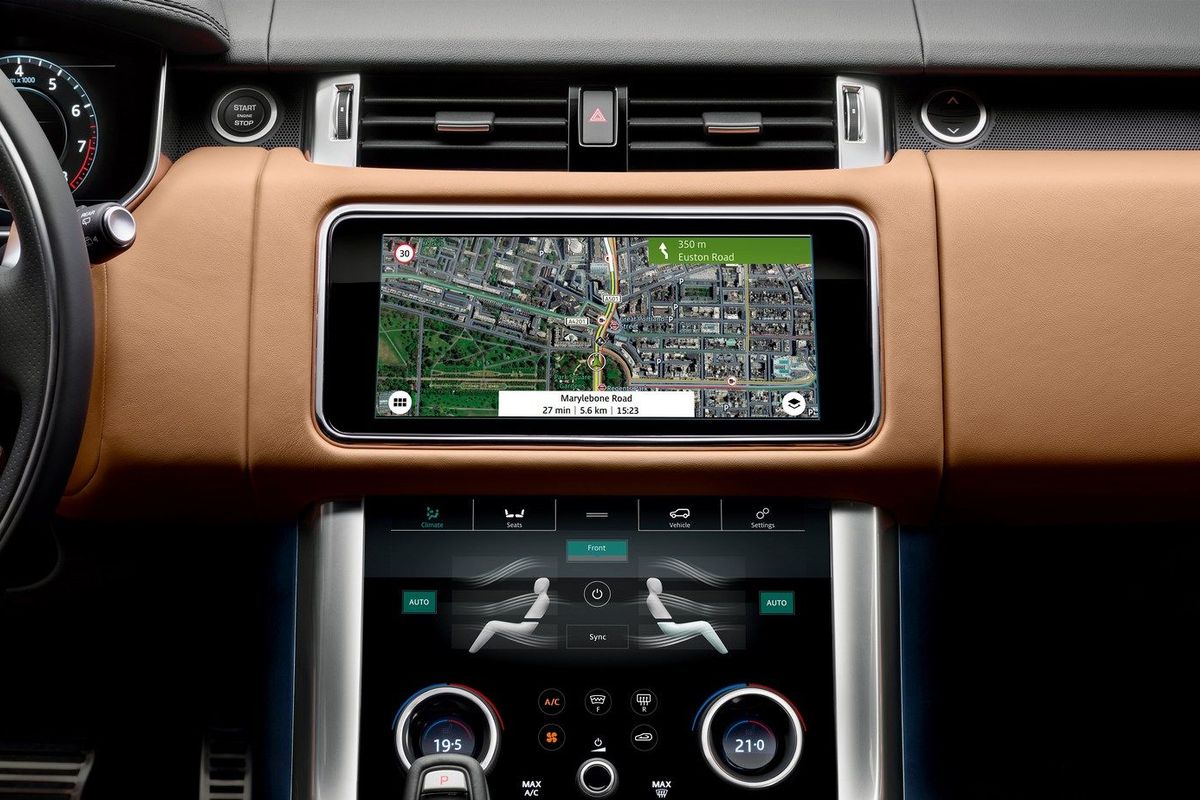
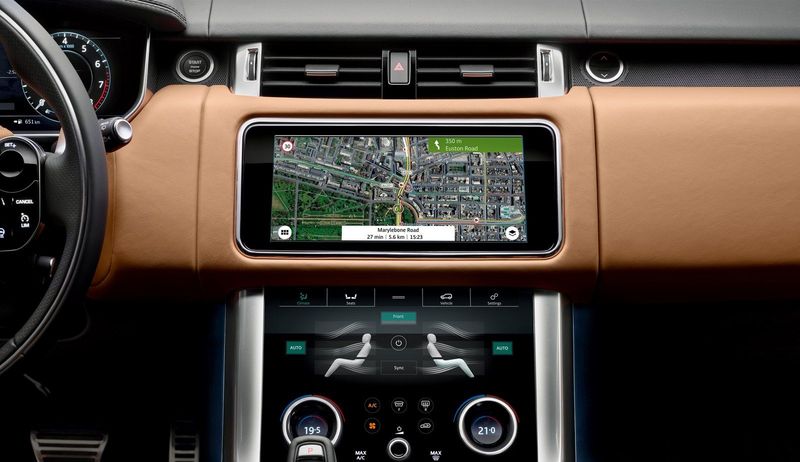
Two 10-inch touchscreens are fitted which not only reduce the amount of buttons in the cabin, but also house the majority of functions.

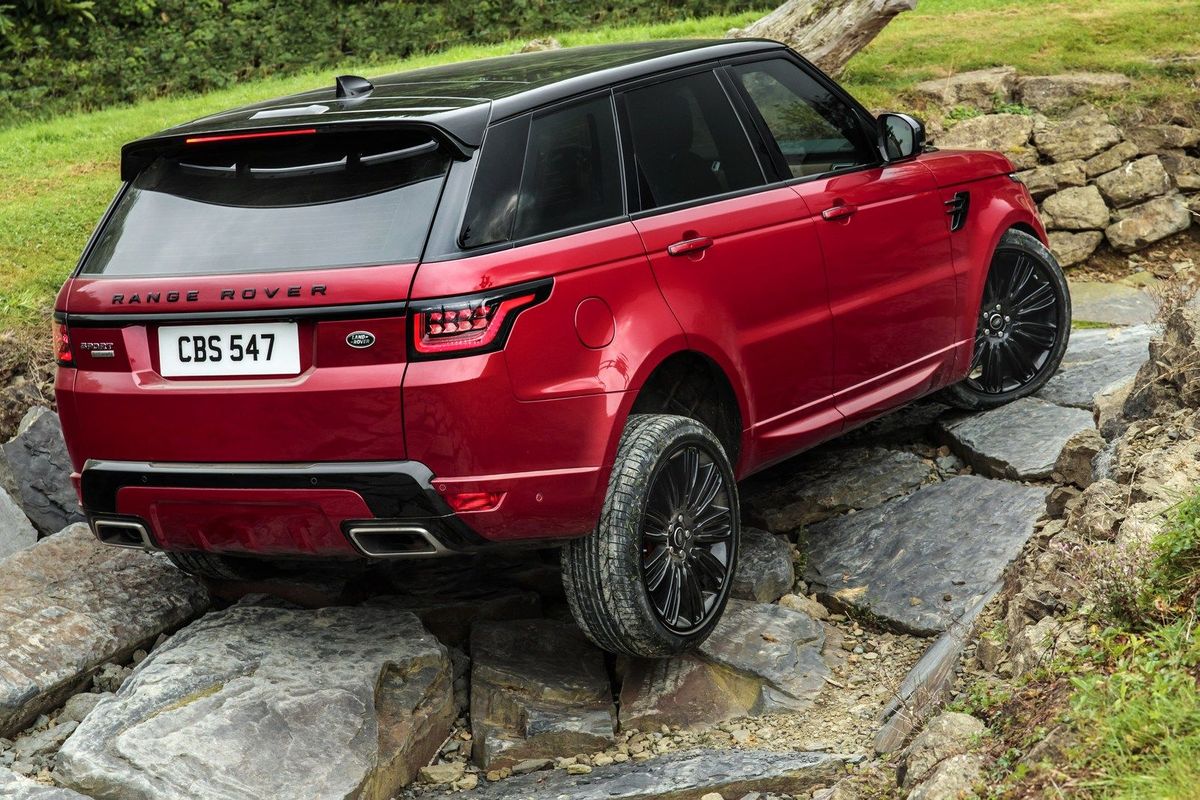
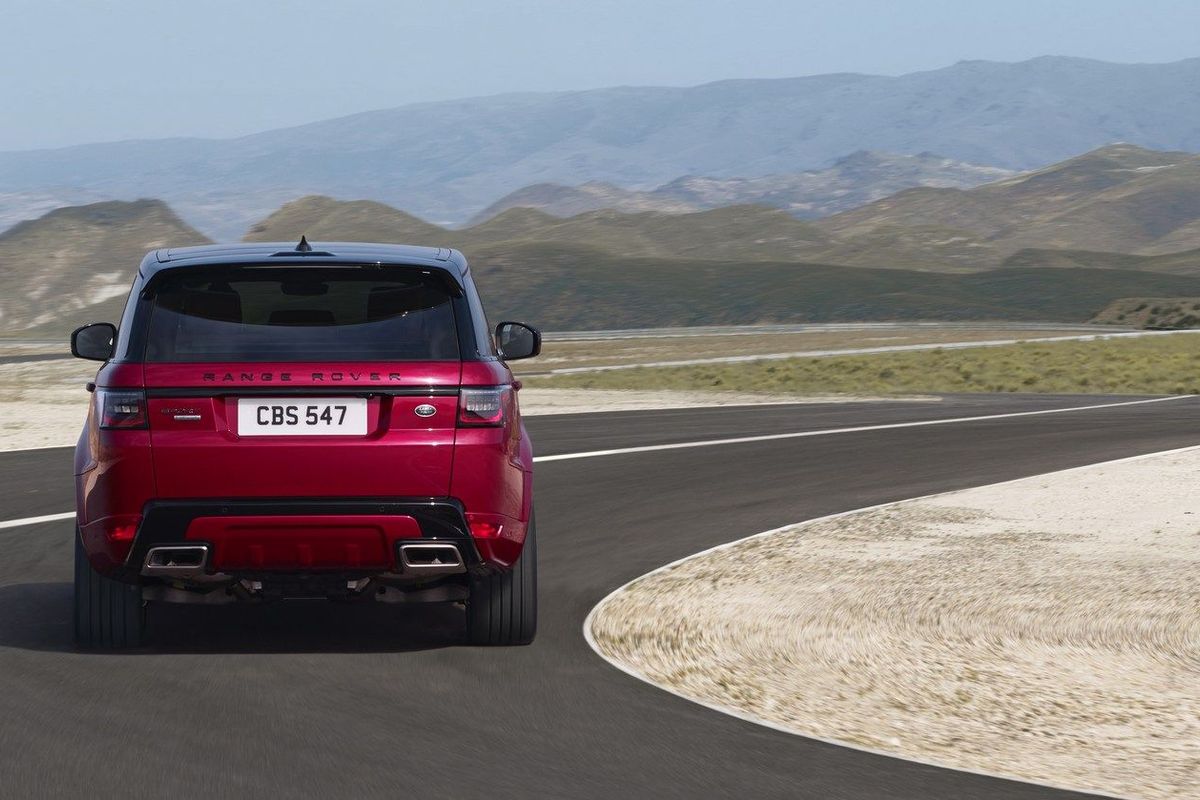
The facelifted Range Rover Sport wears a revised bumper with reshaped air vents and new LED fog lights. The grille has also been updated and is flanked by new, slim Matrix Pixel LED headlights. New rear taillight clusters are also fitted.

Three new 21- and 22-inch alloy wheel designs are offered in either a black finish or silver diamond turned finish.

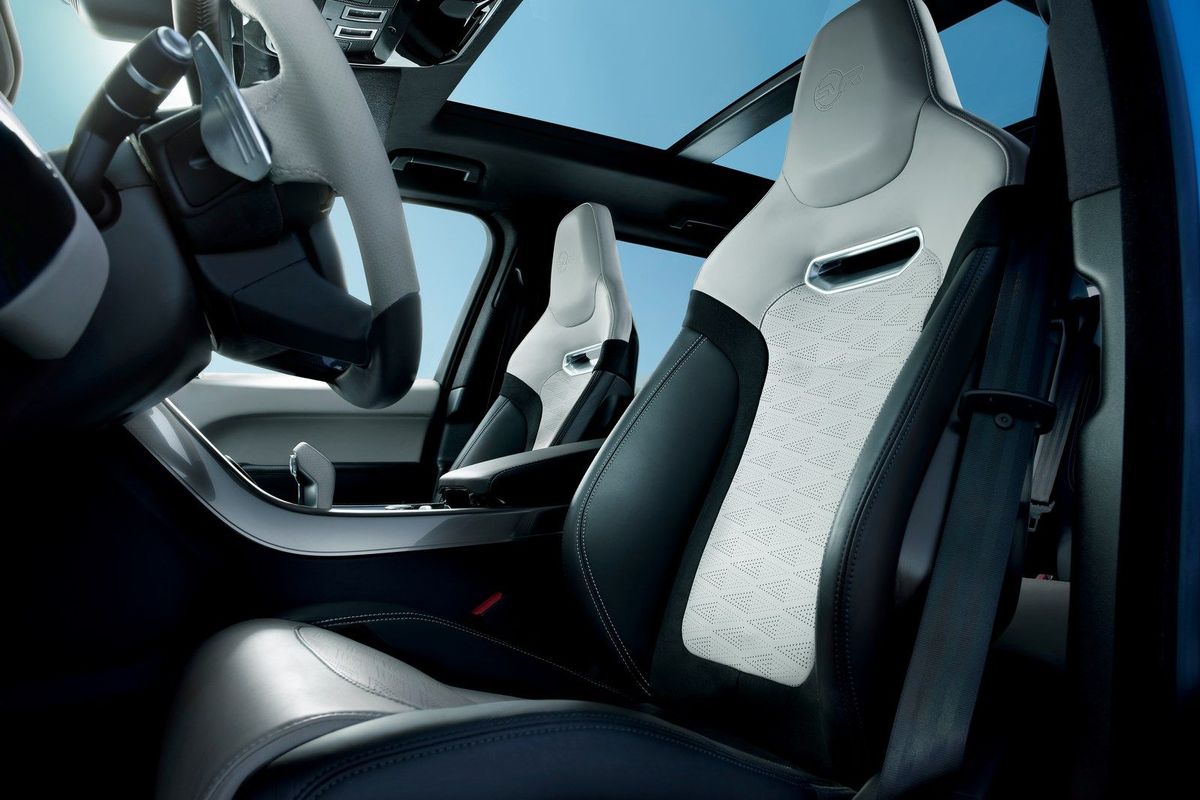
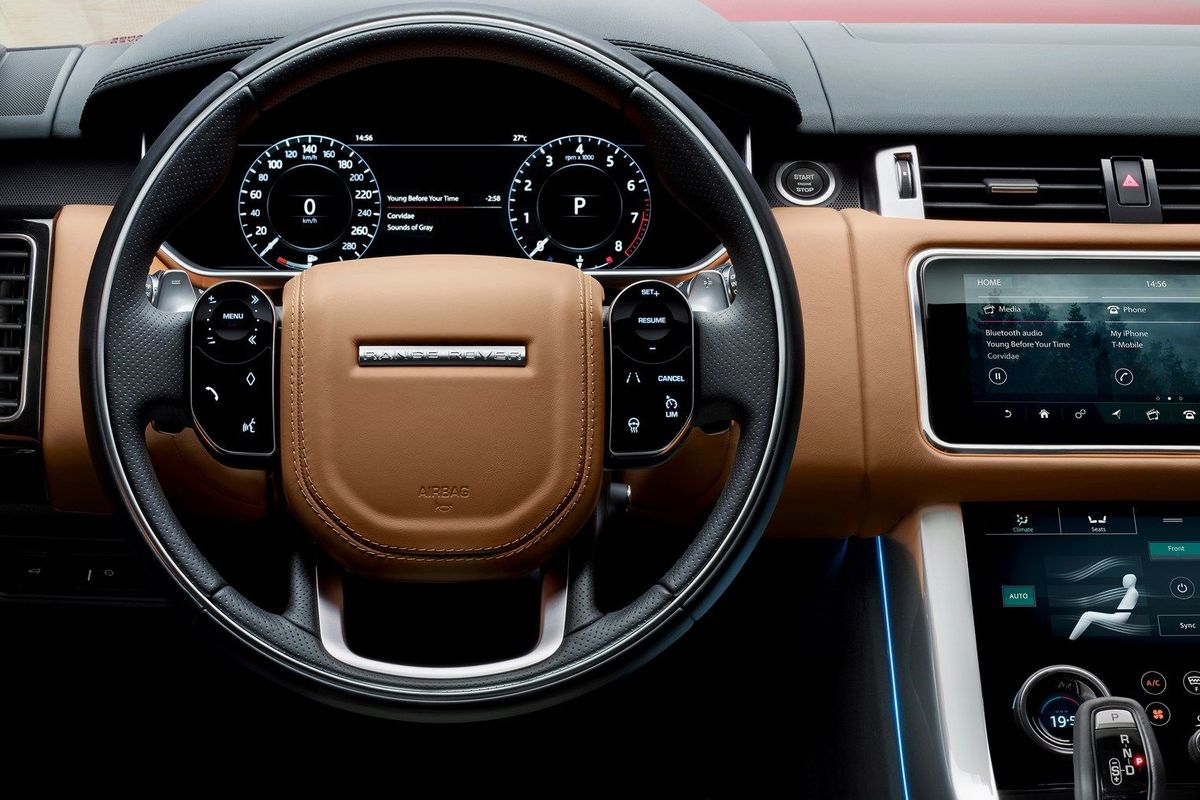
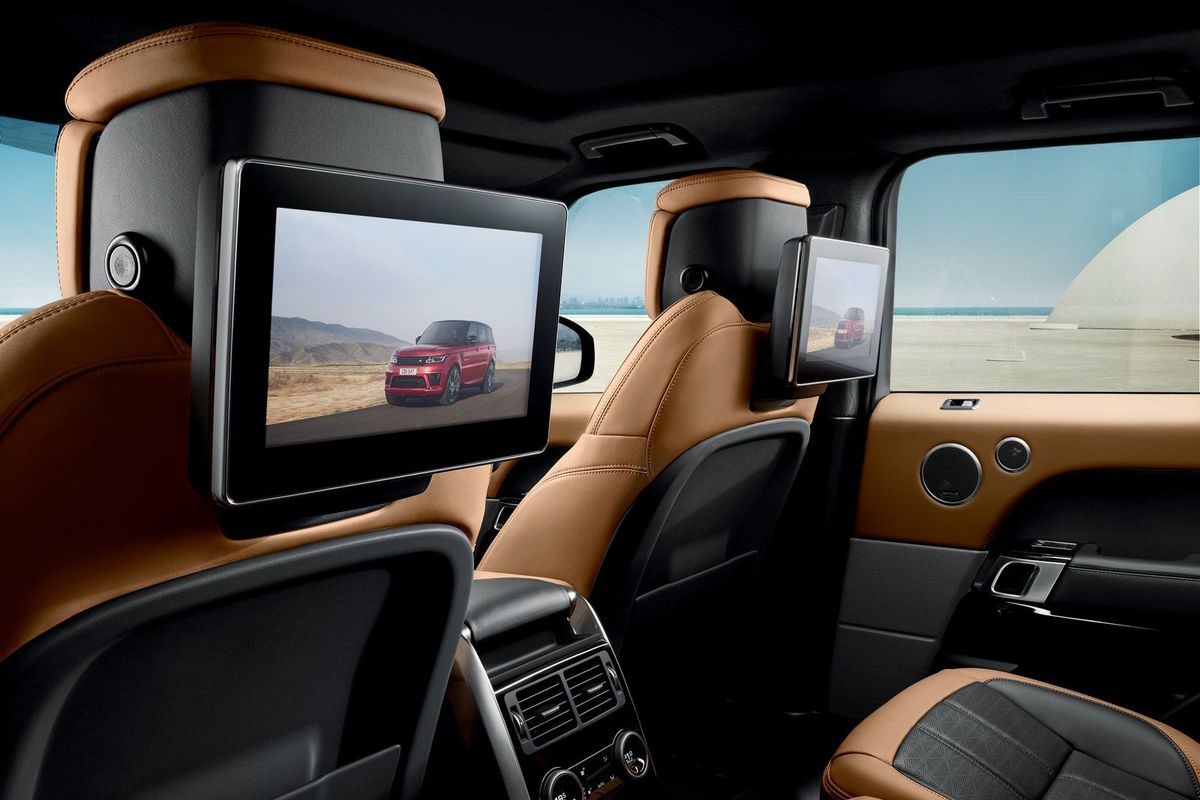
On the inside, the Range Rover Sport will benefit from the fitment of a Touch Pro Duo infotainment system comprising of 2 high-definition 10-inch touchscreens. The instrument cluster features a 12-inch interactive display and rear passengers have access to a larger 10-inch touchscreen entertainment display for the first time. The cabin is also littered with charging points and the Range Rover Sport will also be offered with Land Rover’s Activity Key, first introduced on the F-Pace, which negates the need to carry the key fob when you venture into the wild. New and slimmer front seats are fitted for improved comfort and can be upholstered in a variety of trim.

The facelifted Ranger Rover Sport can be expected in South Africa in 2018 .

Range Rover Sport – Price in South Africa

Range Rover Sport S Si4 – R1 115 200

Range Rover Sport S SCV6 – R1 160 500

Range Rover Sport SE Si4 – R1 171 500

Range Rover Sport S TDV6 – R1 194 400

Range Rover Sport SE TDV6 – R1 205 200

Range Rover Sport SE SCV6 – R1 216 800

Range Rover Sport SE SDV6 – R1 318 200

Range Rover Sport HSE TDV6 – R1 343 600

Range Rover Sport HSE Si4 – R1 384 100

Range Rover Sport HSE SDV6 – R1 564 500

Range Rover Sport Autobiography Dynamic SCV6 – R1 578 300

Range Rover Sport HSE P400e – R1 636 800

Range Rover Sport HSE Dynamic P400e – R1 681 300

Range Rover Sport HSE Dynamic Supercharged – R1 712 500

Range Rover Sport HSE Dynamic SDV8 – R1 734 700

Range Rover Sport Autobiography Dynamic P400e – R1 813 700

Range Rover Sport Autobiography Dynamic Supercharged – R1 965 400

Range Rover Sport Autobiography Dynamic SDV8 – R1 924 900

Range Rover Sport SVR – R2 257 300

Buy a Range Rover Sport on Cars.co.za

Related Content

Land Rover Road Rover Coming in 2020?

Range Rover Velar (2017) Launch Review [with Video]

Range Rover Velar (2017) International Launch Review

7 Rivals the Range Rover Velar Needs to Beat

Range Rover Sport SDV8 (2014) Review

Range Rover Sport SCV6 S (2014) Review

Range Rover Sport SDV6 SE (2015) Review

Drag Race: BMW X6M50d vs Range Rover Sport SDV8

Is VW’s Touareg a Bargain Bentley?

In the space of a month, 3 significant luxury SUVs have been launched in South Africa: Bentley Bentayga, Lamborghini Urus and Volkswagen Touareg. They have something vital in common, but which one is a better deal than the others?

They say beauty is more than skin-deep and with automobiles and their inherent value, it’s perhaps even more so. Blind your bias to appearance, dissolve the hollow confidence of orchestrated marketing and you might discover some incredibly underrated engineering equals in the market… We're talking about vehicles that share a similar core technical competency, despite vast differences in detailing and price.

As the world’s biggest car company, you’d expect the VW Group to have a few overlapping instances of platform engineering. Within its vast portfolio of brands, there are certain models which share a lot – and if you scrutinise the commonalities cleverly, there is also tremendous value to be had. Value anchored in sound engineering and technical principles, but ignored due to a market obsession with brand perception.

The issue of Volkswagen AG’s shared platform strategy isn’t a new topic, but the staggered local arrival of some hugely impressive premium and first-class SUVs from Bentley, Lamborghini and Volkswagen, all of which share a common technical ancestry, warrants a fresh discussion.

Why MLB is a big deal


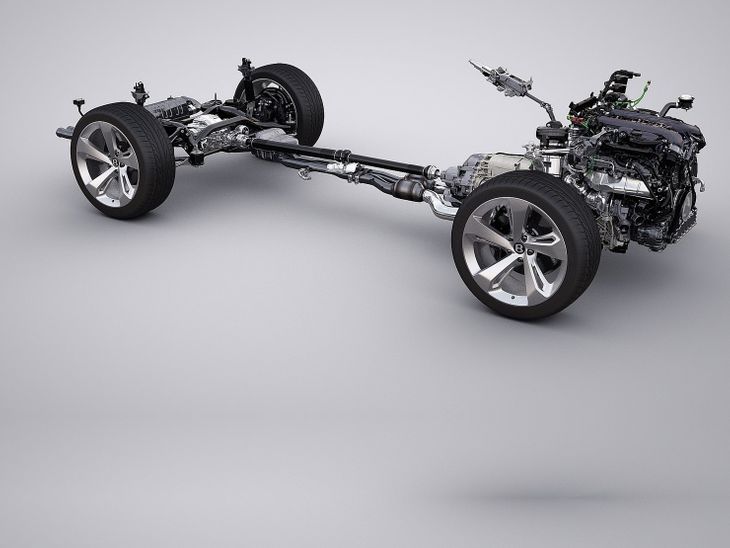
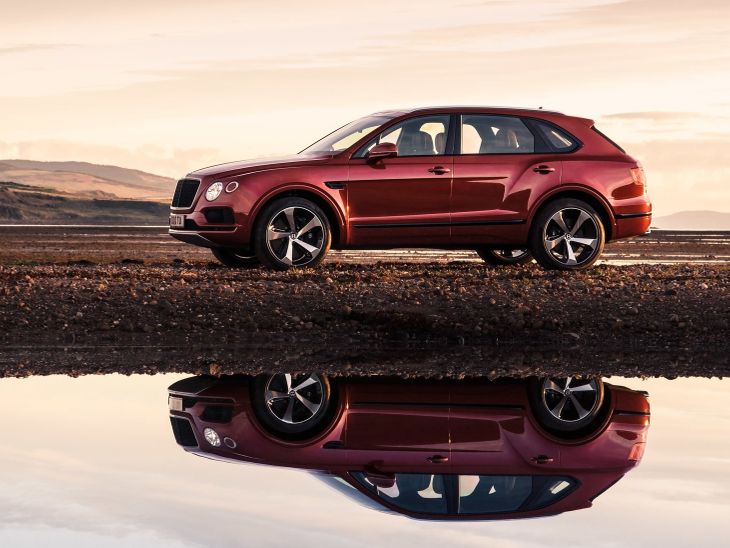
The MLB platform setup for the Bentley Bentayga.

Luxury SUVs are increasingly becoming the profit pony for automotive companies. We are all familiar with them, thanks to a proliferation of previously unimaginable brand associations now proudly marketing SUVs: Bentley and Lamborghini being both the latest and most notable.

These elevated 5-door behemoths can cruise at 250 kph on the German autobahn and navigate South Africa’s immense network of secondary gravel roads with equal aplomb. Broadening market demand and a more diverse customer geography has generated sufficient demand for Bentleys and Lamborghinis that can go where no Mulsanne or Aventador owners would ever dare.

The secret to enabling Bentayga and Urus is a simple acronym: MLB. It’s one of Volkswagen’s immensely overengineered vehicle platforms, the kind of project that occupies thousands of engineers and absorbs massive investment. Its aim? To enable all the brands within VW’s corporate organogram to react faster to changes in market demand, whether there is a need for an entry-level hatchback or limited-production supercar.

Aston Martin is still dithering about delivering an SUV to market and Ferrari promises Maranello will have something capable of gravel travel soon, but it has stopped short of committing to a date. In comparison, it’s remarkable that both Bentley and Lamborghini, equally storied brands which are decidedly low-volume, have delivered comprehensively accomplished SUVs to market before any of their rivals. The reason is simple: MLB.


Lamborghini Bentayga disguised as a Volkswagen Touareg platform?

Despite the intimidating German name: Modularer Längsbaukasten, VW’s MLB strategy is about simplifying its business without sacrificing engineering competence and ultimately: customer experience. A Bentayga must ride with the necessary decorum and appropriate Bentley-calibre silence on its MLB platform, just as much as Urus is required to corner and accelerate in a manner expected from Lamborghinis, using the same structure. As such, there can be no compromise in the MLB platform’s fundamental engineering, one that also underpins the new Touareg…

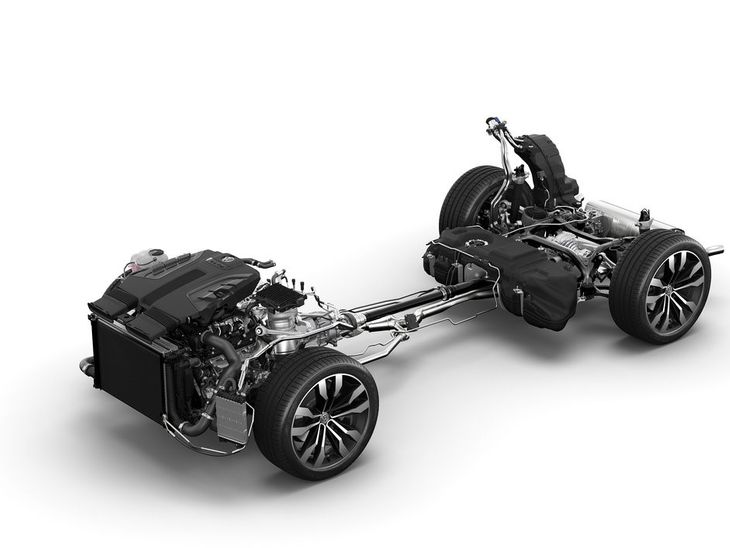
Only a few elements of MLB are fixed: the windscreen angle, pedal box/firewall location, the orientation of the engine and position of the front wheels. The structure is entirely adaptable in length, which means you can build a variety of different luxury vehicle applications on it, provided you use the same engine orientation. It’s a world of industrial engineering simplicity, which enables tremendous scaling of resources.

Is a Bentayga (or indeed an Urus?) merely an overpriced Touareg?


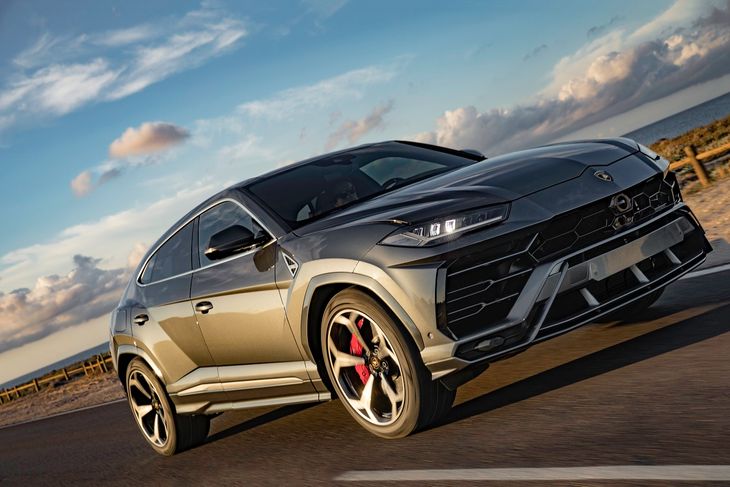
The Urus has used its underpinnings for sporty handling and dynamic acceleration – petrol powered.

It’s a burning question. If their structures are similar, why pay 3 times the money for a Bentayga or Urus, when you could have a Touareg instead?

The first fallacy in this comparative argument is that Touareg does not offer nearly the engine options Bentley or Lamborghini do. The Urus is a 478 kW output vehicle powered by a 4.0-litre twin-turbocharged V8 that spins to 6 750 rpm. Bentley will offer you immensely torque-rich options, such as the 900 Nm 4.0-litre tri-turbodiesel V8, which arrived on local shores at the beginning of July 2018. Touareg’s engine portfolio is rather limited and less glamorous in comparison: a range of V6s, of which the South African market only has the option of a 3.0-litre V6 turbodiesel, for now.

These incredible engines certainly account for some of the pricing difference between a Touareg, Urus or Bentayga. So does the cabin trim, which is outlandishly luxurious and handmade on the Bentley. To its credit the Urus features an exceptionally sophisticated code of engine, transmission and steering ratio algorithms, which are many times more aggressive than either Bentayga or Touareg’s electronically harmonised dynamics.


The Bentley Bentayga prioritises torque, a hefty 900 Nm if it in its highest form.

Bentley’s claim for their MLB SUV is unparalleled refinement: a quietest-in-class cabin, accounting for its immense mass, which is 500 kg more than a Touareg. Another example of differentiation between the boutique brand MLB SUVs and Touareg is how Bentayga’s substantial kerb weight has necessitated a customised engineering solution, with active roll-bars at both axles, gifting Bentayga a matchless combination of air-cushioned ride quality and unrivalled active roll-mitigation. The anti-roll bars are split, with an electric motor in the middle, and the moment it senses lateral weight shift, those motors drive greater rebound pressure onto the outside wheel, flatting the Bentayga’s stance when every bit of logic is telling you the big Bentley should be leaving the road and ending up on its roof.

Engines. Sound-deadening materials. Exotic cabin materials. And trick suspension technology. These are inarguable technical elements of differentiation between Bentley and Lamborghini’s MLB SUVs and Touareg.

The benefit of buying into superior breeding

Volkswagen’s been clever to ensure a sufficient degree of separation in purpose, thereby allowing Touareg, Bentayga and Urus to silo into different niches, and out of any rivalry with each other.

One of the most challenging aspects of engineering a superior vehicle structure is deciding how the engine is going to be orientated, the driver accommodated, and front wheels mounted. Miscalculations or compromises regarding any of these technicalities will deliver a vehicle with compromised weight distribution under braking and clumsiness into tight corners (engine location), an annoyingly compromised driving position (pedal box ergonomics) and lethargic handling (front-wheel placement).


Is the quality markedly different enough to warrant a couple million rands difference in price between the Touareg and its siblings?

Get these platform decisions correct and you are destined to build greatness, irrespective of eventual wheelbase length (which is variable with MLB), cabin materials, sound insulation or engine power. It's here where Touareg presents an amazing value proposition. For years the best buy in VW’s portfolio was the rather stealthy Passat (for all intents and purposes a discounted Audi A4). The analogy between Passat/A4 and Touareg/Bentayga/Urus is this: with the VW-branded larger MLB SUV, you're buying into the most over-engineered large SUV architecture there is.

With Bentayga and Urus occupying the rarefied high-performance SUV segment with overwhelming engine power, there is an irony in the Touareg’s stealth MLB status. When product planners revealed the original Touareg it was a vehicle so unique within VW’s portfolio, there was no risk of cannibalising any sibling brand, as Bentley and Lamborghini weren’t remotely interested in SUVs a decade and a half ago. As such, engineers could develop outrageous engine options for the Touareg: which debuted with a 5.0-litre turbodiesel V10. The possibility of a radical high-performance Touareg is less likely now, as it would possibly cannibalise Bentayga or Urus market cache, not necessarily competing on price or exclusivity – but certainly on capability or performance. Because at its core, there is little difference, save for the engines…

The future for Touareg, in collaboration with its MLB SUV siblings, is to be a junior partner in Volkswagen's attempt to dominate the luxury SUV market completely. Expect a future of greater hybridisation, instead of 1000 Nm diesel engines or detuned Urus V8s. But if you want to buy into a vehicle with indisputable Bentley and Lamborghini technical relations, Touareg is a veritable bargain.

It will be interesting to see how many South Africans make the correlation and spend their money so wisely, on what is now certainly the engineer’s choice in luxury SUVs. With Passat, South Africans were unable to recognise engineering excellence and separate it from brand bias. For the few who see the MLB value beneath that VW badge, they’ll be guaranteed an immensely contented ownership experience, driving a vehicle which was, at its core, designed to cope with the performance demands of Bentley and Lamborghini…

Related content

Volkswagen Touareg (2018) Launch Review

Bentley Bentayga Diesel (2018) Launch Review

Lamborghini Urus (2018) International Launch Drive

Search for a used Volkswagen Touareg here

2019 Suzuki Jimny Offroad Capability Announced [Video]

The Suzuki Jimny is a serious 4×4 vehicle and we expect the 2019 model to be just as credible. Suzuki South Africa has confirmed some more offroad capability ahead of its local launch in November 2018. 

The next-generation Suzuki Jimny will be arriving in South Africa towards the end of the year, November to be exact. Ahead of its launch, Suzuki South Africa are teasing us with little nuggets of information and this time around, we get a closer look at just how capable it'll be offroad. The previous-generation Jimny had a stellar reputation when it came to 4×4 work and it's expected the newcomer will be just as good. 

2019 Suzuki Jimny offroad features

The 2019 Suzuki Jimny has a rigid ladder frame chassis, which has always been the best place to start when you're making a credible 4×4 vehicle. In terms of suspension, there is a 3-link rigid axle suspension with coil springs. The axles work in a simple manner: when an obstacle pushes one wheel up, the axles forces the other wheel down, increasing traction.

The Jimny also features a 4-wheel drive gearbox with a low-range transfer gear. When you're really pressing through the rough stuff Suzuki's AllGrip Pro has you covered. 4L will be your best friend, if you're wanting to conquer the most hardcore offroad trails. There is also 4H if you wish to do higher speeds on gravel and sand, and when you're not driving offroad, switch to 2H to save fuel.

The numbers do not lie. When it comes to approach, breakover and departure, the Suzuki Jimny is a credible offroader. With 37 degrees, 28 degrees and 49 degrees respectively, you're not going to get stuck, while a ground clearance of 210 mm will clear most obstacles.

Watch the Suzuki Jimny in action

Related content:

Suzuki Jimny: All you need to know

Suzuki Swift (2018) Launch Review

Spy Shots: Suzuki Gears Up For Next Jimny

10 New Cars Under R3 000 p/m

Interested in a used Suzuki Jimny?

Start your search here

5 Optional Extras that are not Worth the Extra Money

Optional extras: are any of them actually worth the extra money? We choose 5 extras that are probably best avoided.

Buying a new car is an expensive ordeal, but of course, we already know this. And because many consumers feel the need to specify their vehicles to some level of exclusivity, even if only to differentiate them from derivatives with stock (standard) configuration, manufacturers (or dealers, to some extent) have been coining it by offering a plethora of optional extras for decades. Thankfully, many of the optional extras we saw in yesteryear are now standard features, things such as air-conditioning, power steering, and airbags, to name but a few.

But we are still exposed to optional features that are, in all honesty, indulgences. Yes, you want your car (and by association, yourself) to be unique, but surely, having money in your bank account is more of a priority? Sure, there are those features that are worth the extra spend, some could even be life-saving. But there are those that are not only a waste of cash, but also don’t retain any value when it comes to selling or trading in your car.

Here are 5 optional extras that are really not worth your hard-earned moola:

Satnav

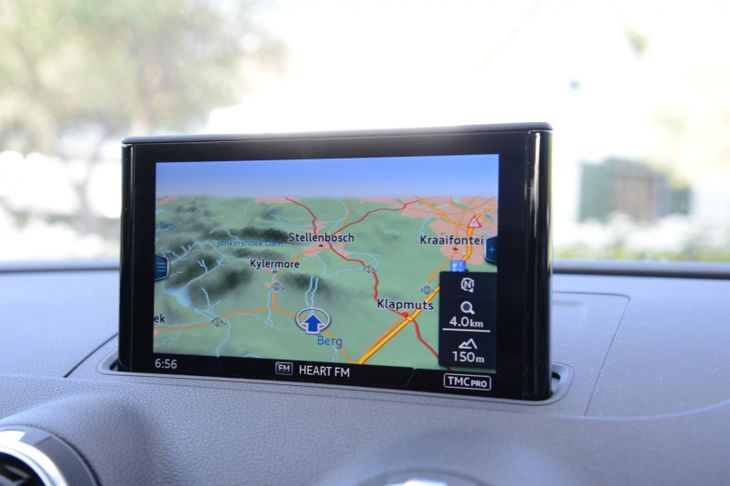
Satellite navigation (colloquially known as satnav) systems were must-have luxuries in the pre-smartphone era, when everyone was gatvol of trying to find their destinations by deciphering cumbersome roadmaps in their vehicles. These days, built-in satnavs are widely available, but they're still relatively expensive to specify! Consider Audi’s MMI Navigation Plus with MMI touch, if you want to receive route commands with traffic information in an A3 Sportback, you need the whole system, which costs R24 000.

If you want basic navigation, it's still R15 000, which is almost enough to upgrade you to the next derivative in the model range. With apps like Google Maps and Waze on hand, there is little point to having a built-in satnav, especially when you would rather have Apple CarPlay or Android Auto and just use the navigation app already installed on your phone. Data usage is minimal and the apps much cheaper than the built-in navigation system. You get more than just real-time traffic info out of Google Maps as well.

Climatised seats with/without massage function

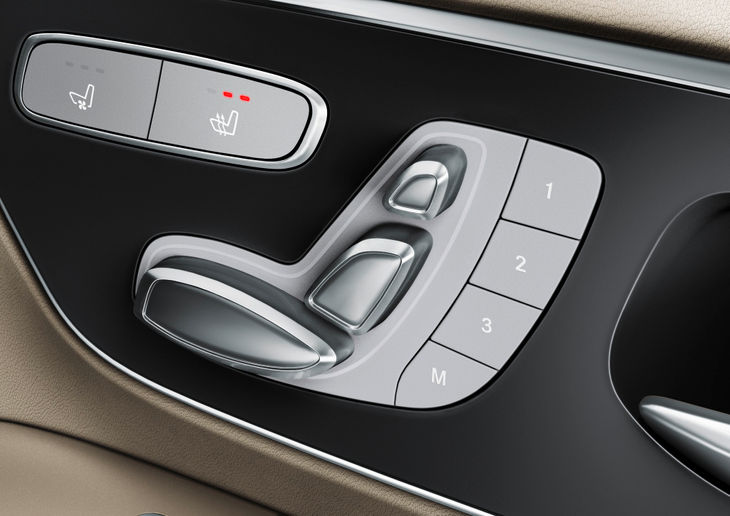
Heated seats are all good and well, there is always a time when things are chilly and a warm seat quickly returns one's core temperature to a comfortable level. They are relatively cheap too, only about R6 000 in most cases. If you want to climatise (heat and cool) the seats, which usually offer electrical adjustment (which is handy, with a memory function) that more than triples the price tag.

A climatised front seat on a Mercedes-Benz E-Class is R21 000, which you will never see a cent of when it comes to trading in your vehicle. And massaging seats are overrated, you hardly get a massage… it's more like being prodded in the back by an inflatable balloon. It doesn’t matter how many different styles of massage it promises, it’s not a genuine Swedish Invigorating Massage or a Hot Stone Back and Shoulder Activation. This comes with a further R10-15k surcharge as well.

Sunroof

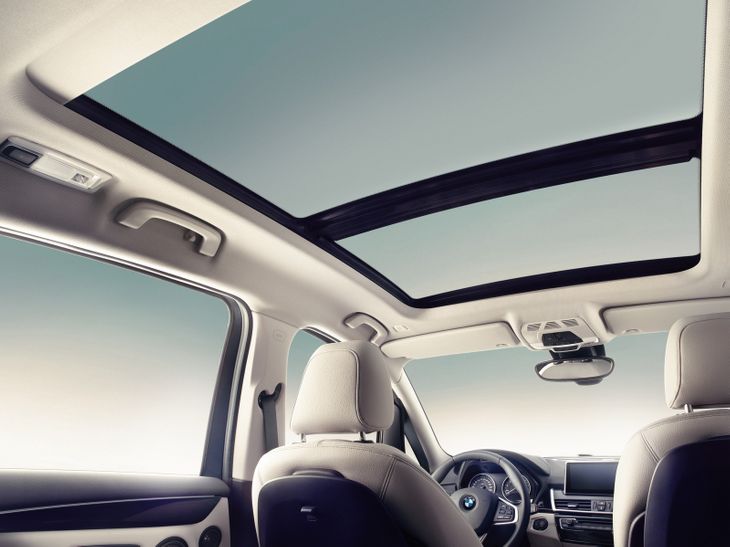
If you’re thinking about speccing your new BMW X3 with an electrically operated panoramic glass sliding/tilting sunroof, expect to pay R21 000 for it. That’s a lot of money to have a window above your head that allows the sun to beat down and turn your car's cabin into a "greenhouse" in summer. Gone are the days when you were allowed to stand up between your parents and stick your head out of the sunroof, so is there really any use for it now? The novelty will wear off quickly. If you’re trying to simulate the feeling of a convertible, perhaps it’s worth looking at buying a… convertible?

Foglamps

If manufacturers are starting to phase out front foglamps, this should prove what a waste of money they really are. The New York Times reported last year that fog lamps were being omitted by manufacturers because they were deemed unnecessary thanks to recent high-tech headlights. Another question to ask yourself is how often you really drive through fog? This is the only time the lamps would need to be utilised, so if you live in an area that has almost no fog, it really is a waste to add them to your vehicle. And many foglamps act more like accent lighting than true fog lights. And the ones that do work, only illuminate a short distance ahead of you so, you will be driving as slow in the fog as you would without them.

Big wheels

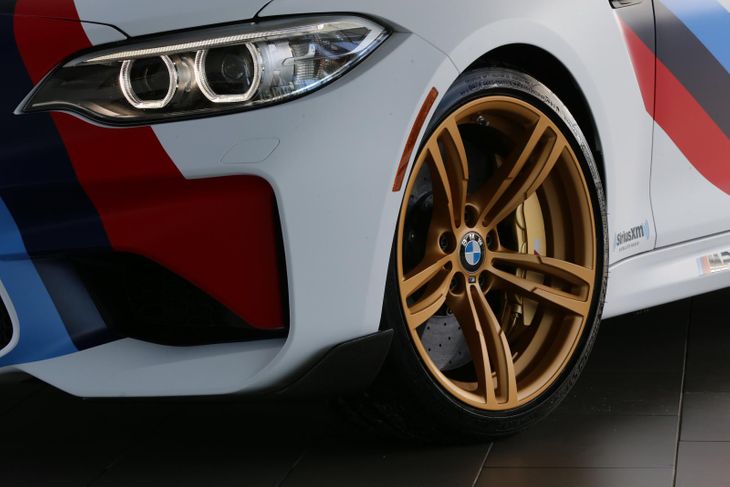
This can depend on the car you are buying, but most of the time, bigger wheels are a complete waste of money. If you want your BMW X3 to sit on 21-inch wheels, you will have to cough up R42 600. All that money for something that is really just a cosmetic enhancement. You might feel this is a good enough reason, but wait 'til you have to replace a set of tyres… Prices go up proportionally to size, so you may end up wishing you'd stuck with the regular 16-inch wheels. Unless the bigger wheels facilitate significantly wider tyre tread widths for the purpose of improved road-holding/dynamic handling, there is no use in spending big sums of money on bigger wheels. Besides, as a general rule: the lower the tyre profile (in other words, the skinnier the sidewall), the firmer the ride.

There are only a few optional extras that will retain their value. This is something to seriously consider before ticking all those boxes. Buy with your head and not your heart, ask yourself if you really and truly need something before adding it to the list. This way, you will save yourself a lot of money and possibly heartache when the time comes to selling on your beloved car.

Related content:

Top 5 Best Car Interiors of 2018 (So Far)

Motoring tech of the future – CES 2018

Mercedes-Benz S-Class (2018) Launch Review

New Ford Ranger Raptor Review – Driven Hard In The Outback

Ciro De Siena headed to Australia to be one of the first people in the world to drive the Ford Ranger Raptor. Here's what he thought of it.

Unless you’re Australian, Australia is a very far away place. And unless you’re a cattle farmer, there’s not much reason to go into the Outback. But for the first ever Ranger Raptor, the company's first global Raptor, Ford wanted to build an offroad playground to show off what their new bakkie could do. And so we hopped on a few planes and made our way to Darwin, where we left the city and trekked into the interior.

The event team had carved two custom racetracks into the landscape, and we were given the opportunity to drive the car ourselves and "enjoy" one terror-lap with a pro-driver in the hot seat. The result is a video with a lot of dust, some muffled screams and more drifting bakkies than you might have thought possible.

The Ranger Raptor is due to land in South Africa in early 2019 and unfortunately, pricing has not yet been confirmed.

Further Reading

Ford Ranger Raptor: 7 Things You Need to Know

Mercedes-Benz X350d 4Matic (2018) International Launch Review

Volkswagen Amarok 3.0 V6 TDI (190 kW) Launch Review

2016 Toyota Hilux vs Ford Ranger – Offroad & Review

Ford Ranger 2.2 XLS 4×4 Automatic (2016) Review

Ford Ranger 3.2 4×4 Wildtrak (2016) Review

Ford Ranger Fx4 (2017) – a Raptor Kit with a Warranty

6 Most Fuel-Efficient Double-Cab Bakkies in SA

Most Powerful Double-Cab Bakkies in SA

2016 Toyota Hilux vs Ford Ranger – Offroad & Review

Want to buy a Ranger?

Browse through stock here.

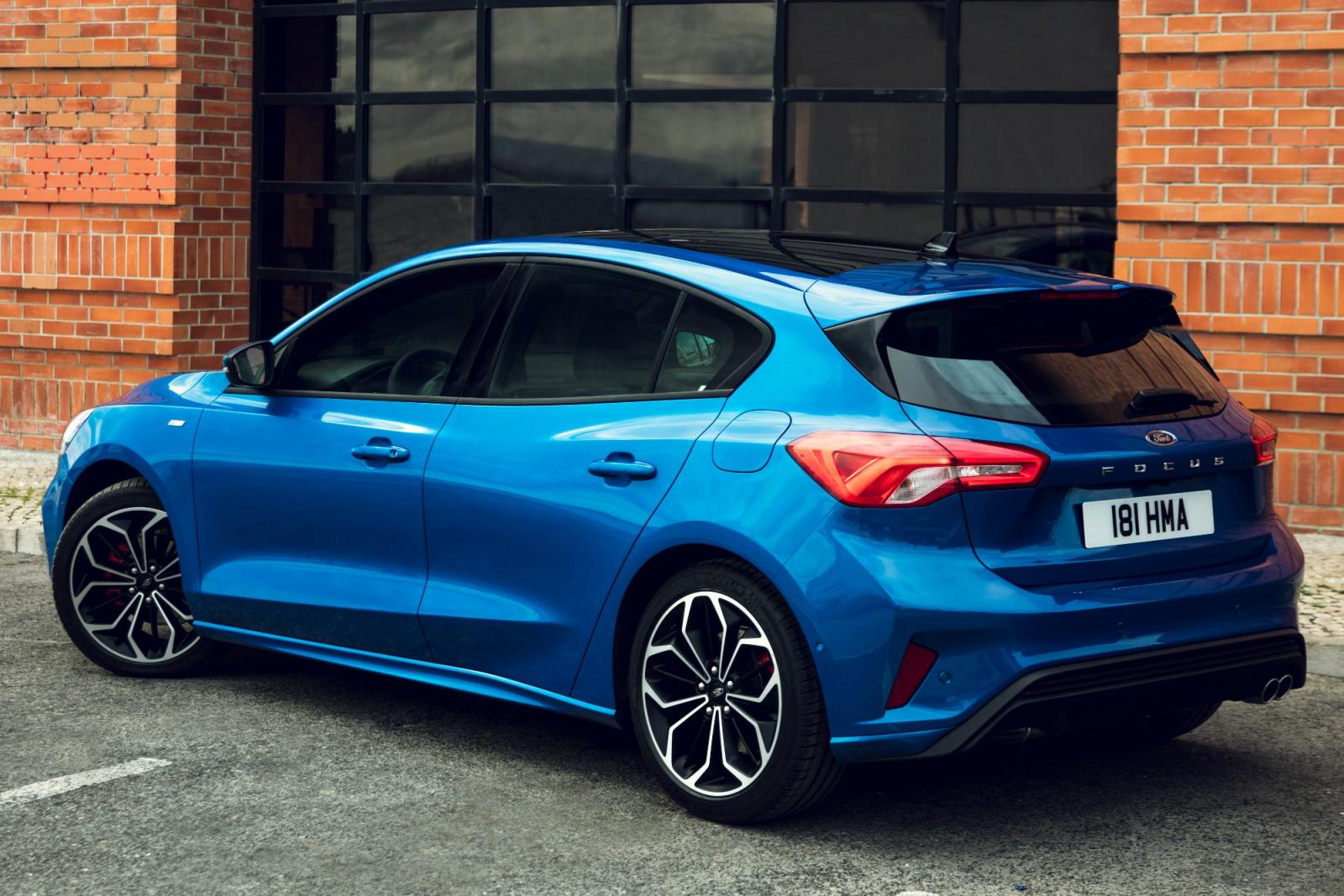
New Ford Focus: 5 Ways in which it could beat VW’s Golf

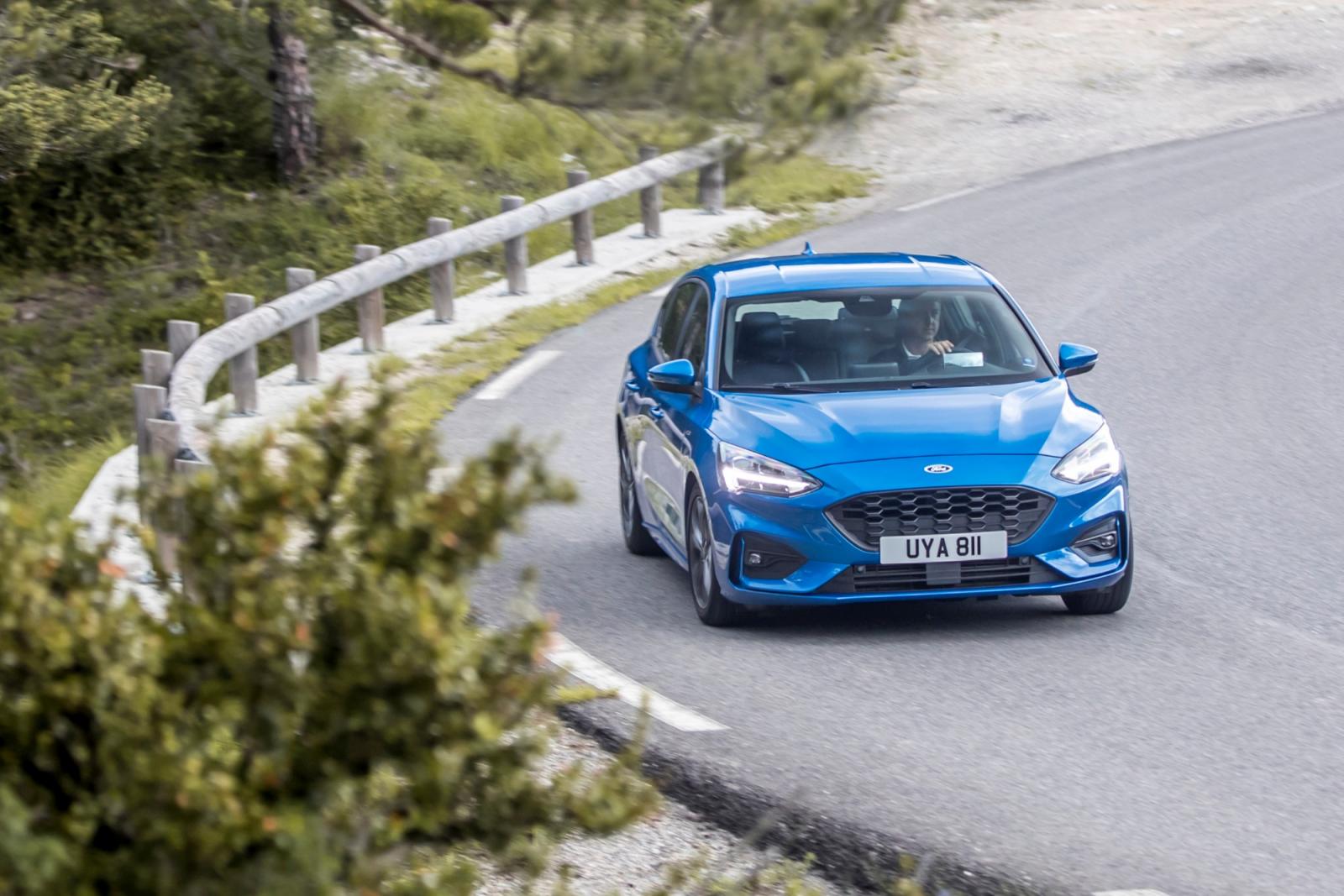
Ford's all-new Focus arrives in South Africa during the first quarter of next year. In recent years the outgoing car has become the class-leading Volkswagen Golf's fiercest rival. Here are 5 areas in which we think the new Ford could trump its arch-rival. 

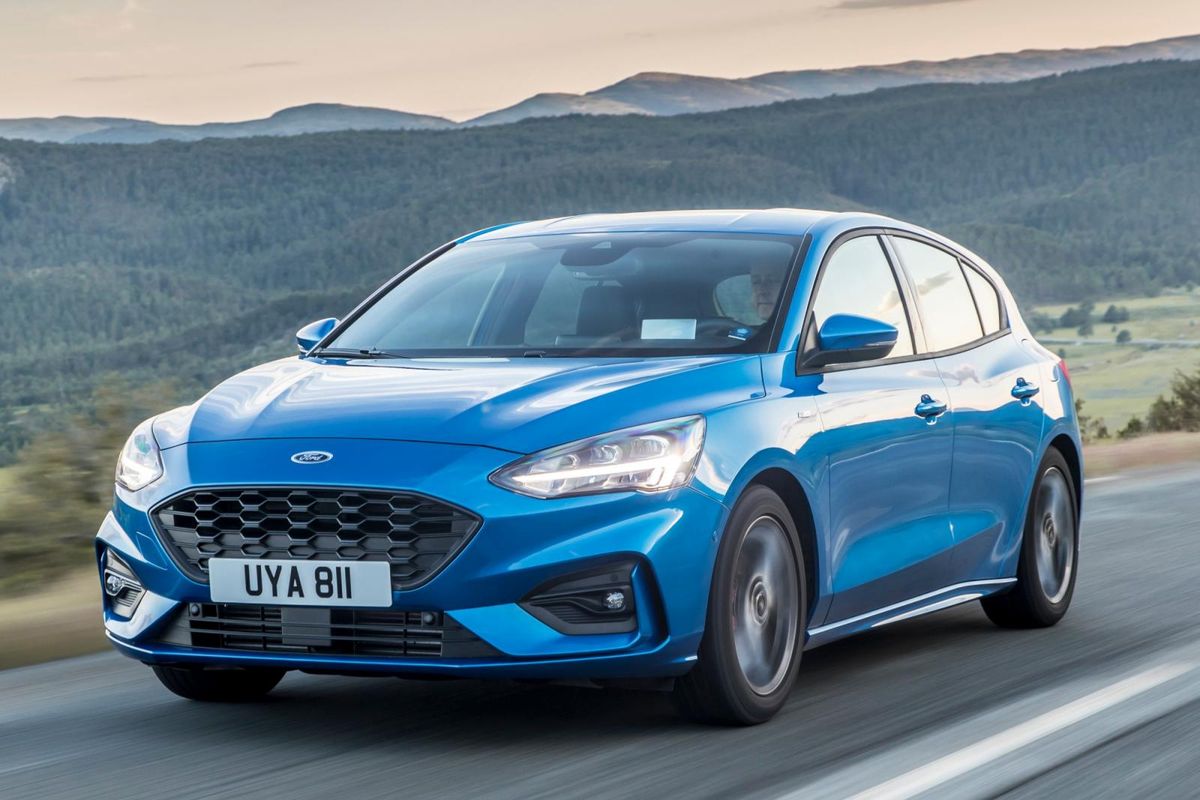
We recently travelled to France to drive this very important new C-segment contender. You can read the full review here. In a nutshell, the new Focus appears to again set a new benchmark for dynamic ability in its class, and also edges closer than ever before to the Golf in terms of quality finishes. While the local line-up and, most importantly, pricing remains unclear at this point, we believe the Focus could better the Golf in 5 key areas when it arrives in South Africa. 

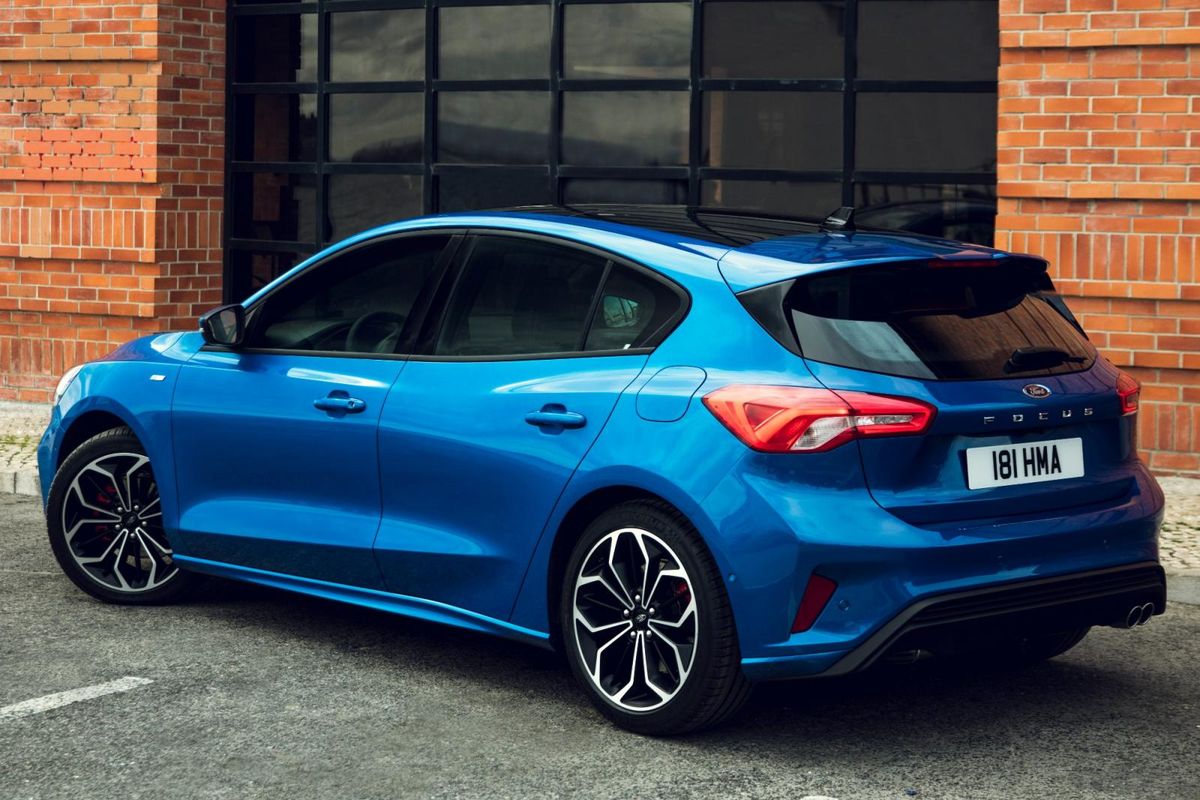
Ford dealers often offer specials – check whether the outgoing Focus is subject to special offers.

1. Ride & Handling


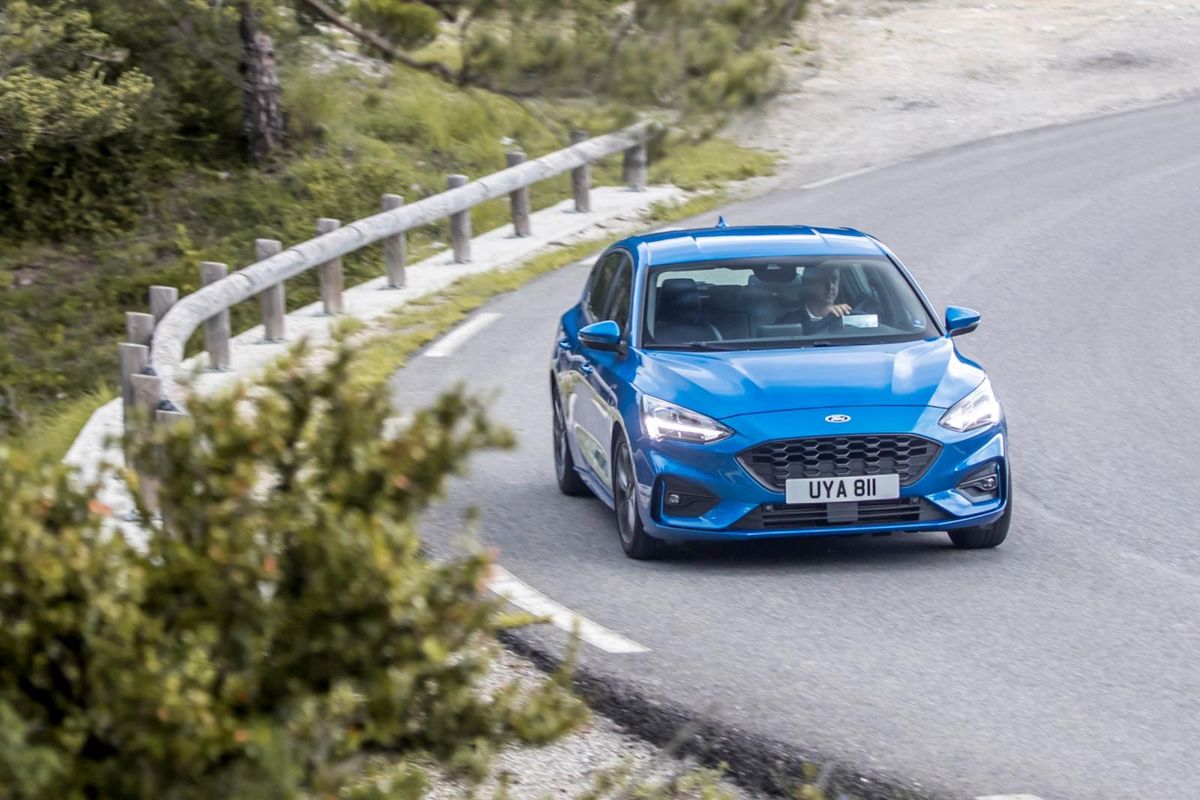
The new Focus can be had with Continuously Controlled Damping, but even without it is a class-leading handler.

It needs to be said upfront that the current Golf is no pushover in this regard – its MQB platform is stiff and has throughout VW's model range delivered sweet-handling cars that also ride well. But the Focus is better. During our drive in France, on varied surfaces, the Focus impressed with its big-car ride refinement and agility in the corners. Essentially Ford offers 3 levels of suspension set-up, depending on which model you buy. We'll have to wait and see what is offered locally but even in its most basic configuration it impresses dynamically. Higher-spec cars even feature Continuously Controlled Damping which is also linked to the standard (on all models) Drive Mode selector. 

With crisp, nicely weighted steering, a supple ride quality when you're in a relaxed mood, and pin-sharp dynamism when you're in a hurry, the Focus tops the class in this area quite comfortably.

2. Spaciousness


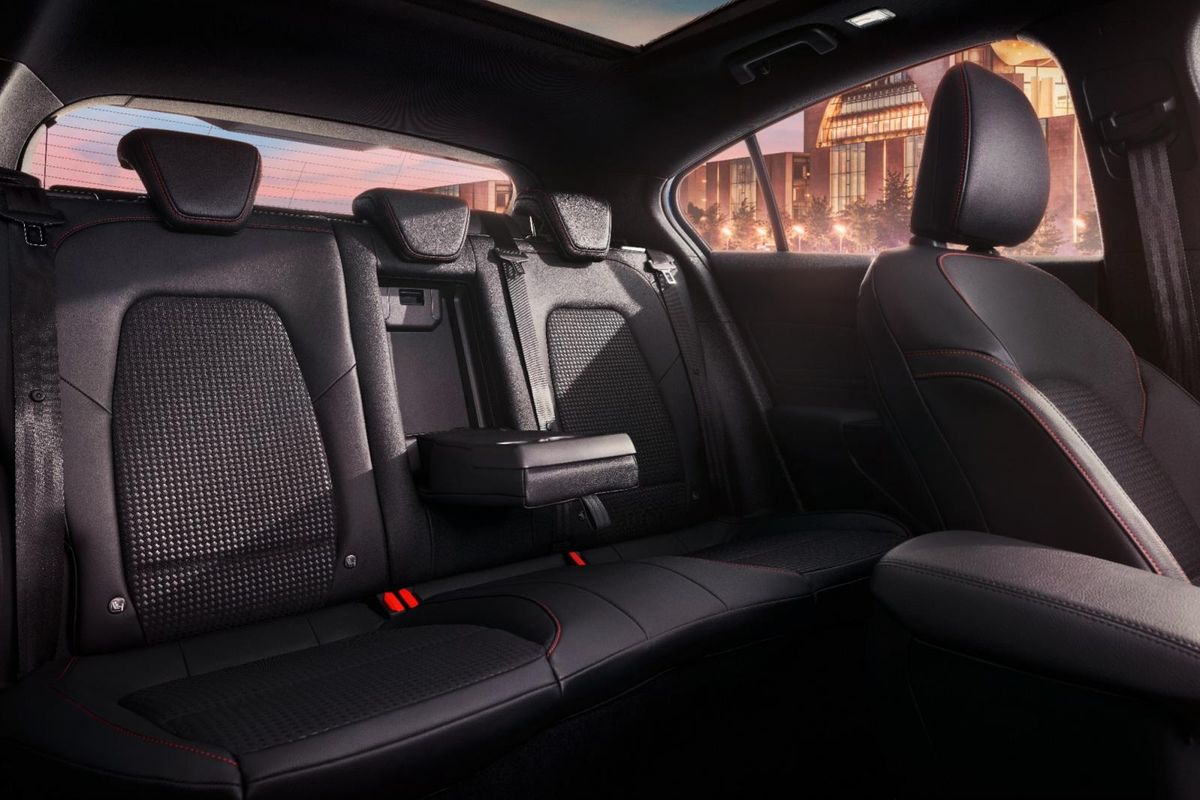
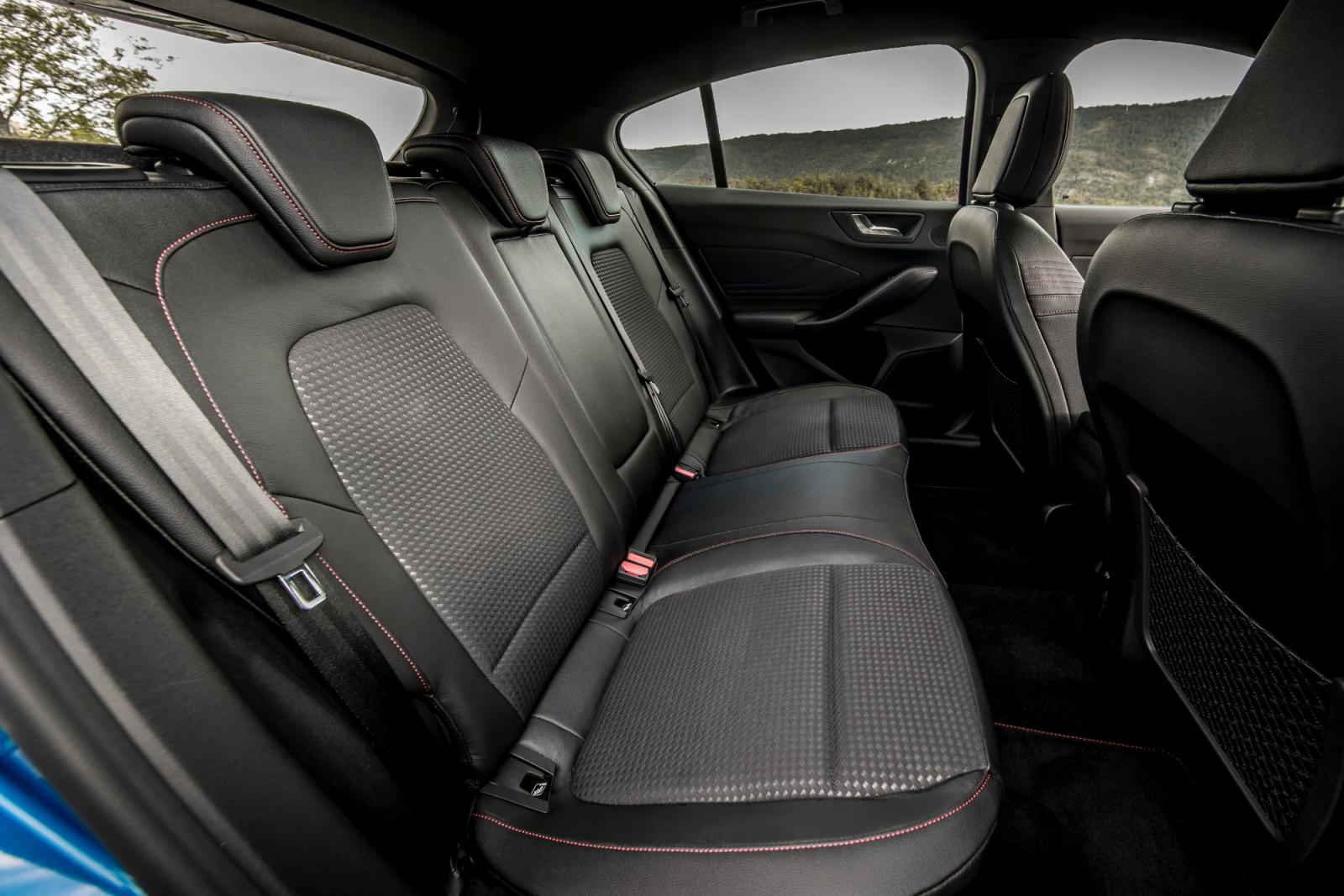
Loads of space in the back courtesy of a significantly extended wheelbase.

The new Focus has a 50mm longer wheelbase, and all that extra length has gone into providing more rear legroom. The Focus's wheelbase now measures 2 700mm, compared with the 2 630mm of the Golf 7. Ford claims that the new car is now class-leading in this regard, and having done the sit-behind-self test in Europe, we have no reason to doubt their claim – it's indeed massive back there!

There is also more rear shoulder room – Focus rear track measures 1 553mm compared with the Golf's 1 521mm – and the boot is among the largest in its segment (Golf is 380L, and new Focus is 375L, up from 316L), too. 

3. Performance & Efficiency Balance


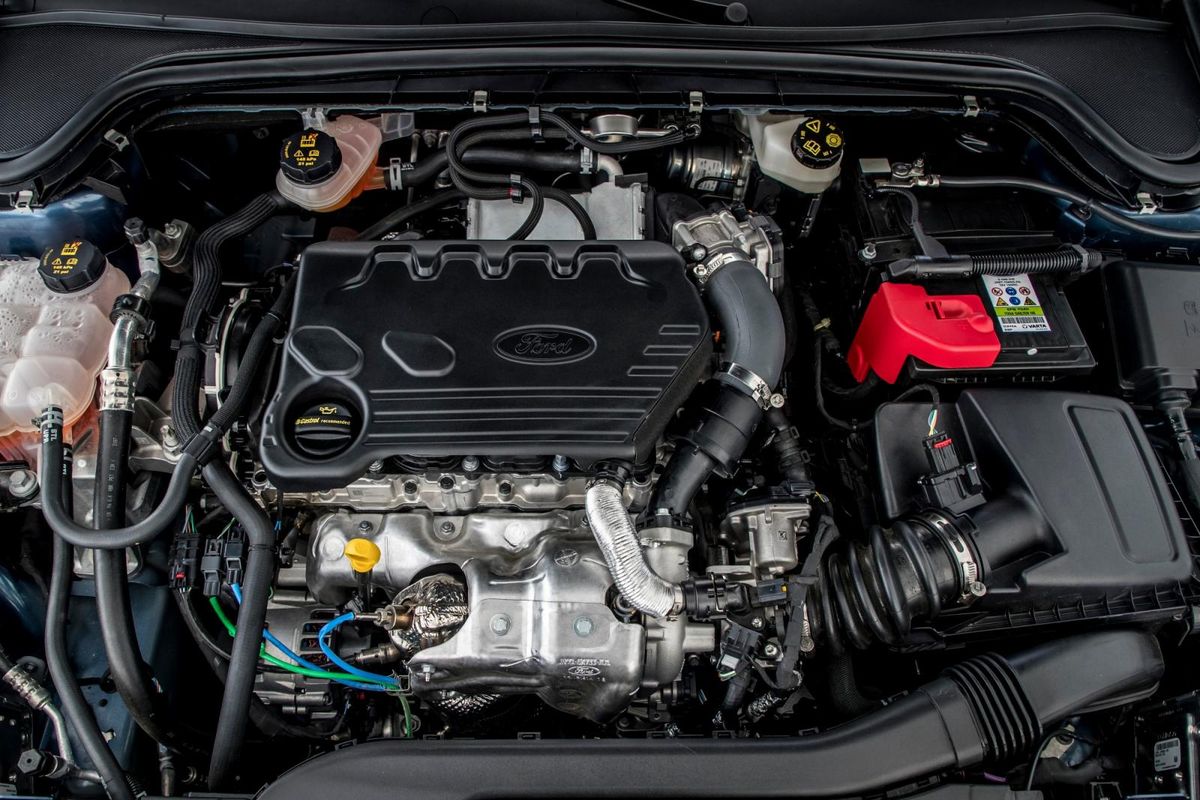
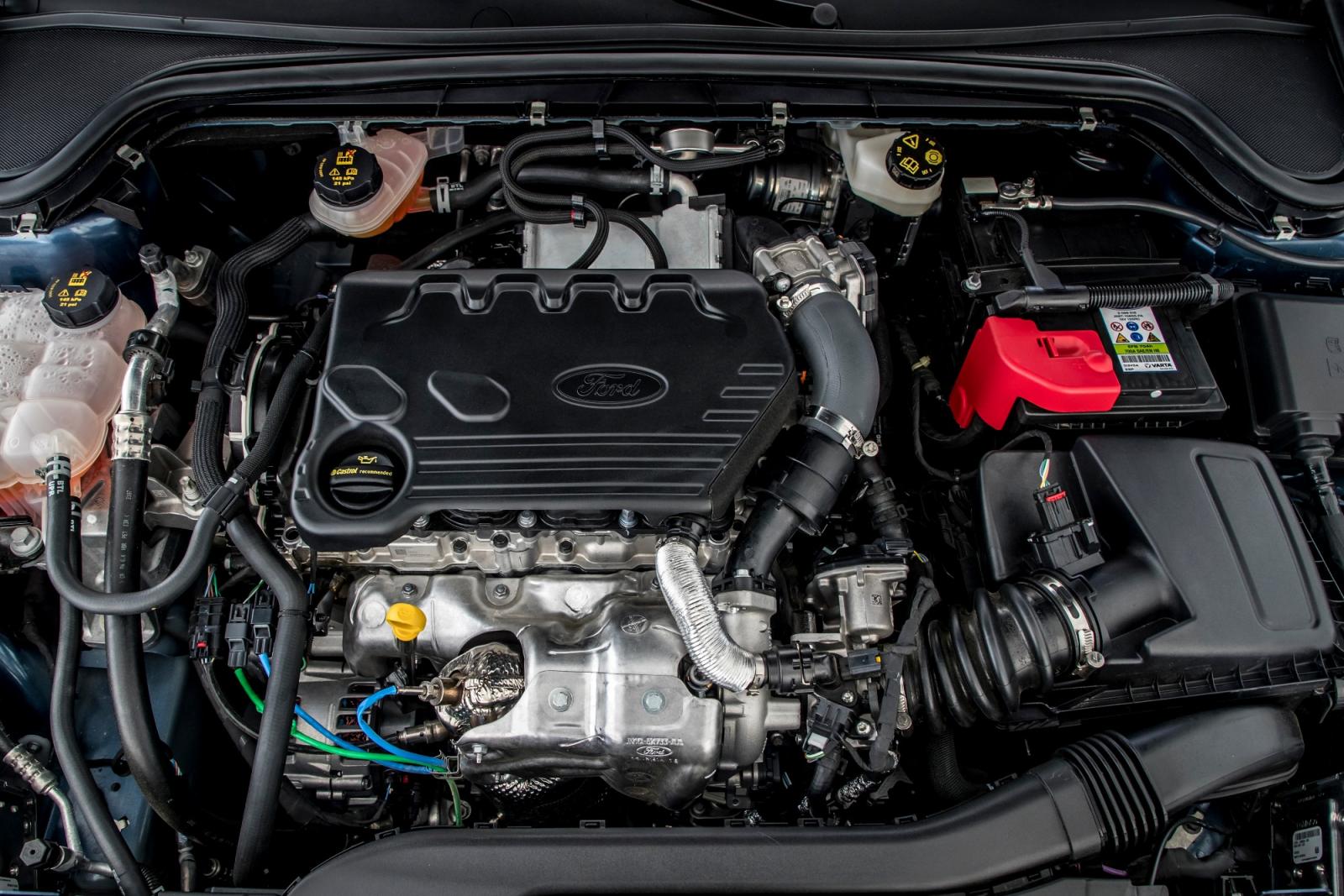
The local line-up will include Ford's latest 1.0T and 1.5T turbopetrols.

Given the new Focus's greater dimensions you may have some doubts about the ability of such small 3-cylinder engines delivering sufficient go, but all the derivatives we drove in Europe provided perky performance. At this point it is unclear which output levels South Africa will receive, and Ford's recent confirmation that the higher-output 1.5L engine in the Fiesta ST can't come here due to our fuel quality, will raise concern.

Nevertheless, currently the benchmark set by the Golf in the 1.0L class is 81kW/200Nm of torque, and the Focus's rival engine (now featuring innovative cylinder deactivation technology) ranges from 63 to 92kW (with 200Nm on overboost). We expect the more powerful of these 1.0L engines to make the local line-up, in which case it should match the VW's performance figures (0-100kph in around 10sec and a 200kph top speed).
In terms of the 1.5L engine, here Ford will want to beat the 1.4 TSI Golf's 92kW/200Nm, which should be easy enough given the fact that the lower of the Ford 1.5L engines' minimum outputs are 110kW and 240Nm. 


This 1.5T ST-Line car offered very impressive performance and efficiency during our test in Europe.

We were also impressed with the Ford's new 6-speed manual transmission (the best Ford manual we've tried in a long time), and there's also a slick new 8-speed automatic (with paddle shifts). 

With fuel costs rising faster than it takes to empty a tank, fuel efficiency continues to grow as a key purchasing factor. Ford's EcoBoost engines have always had impressive claimed fuel economy, but we've often struggled to match those claims. Still, the newly reworked engines promise further improvements, notably due to groundbreaking cylinder deactivation technology, which shuts down one of the three cylinders when not needed. 

Ford claims a combined cycle fuel economy figure of 4.8L/100km for the higher output (92kW) 1.0L engine, which matches the Golf exactly, while for the more powerful 1.5T the claim is 5.3L/100km, again closely matching the Golf's less powerful 1.4L engine.
4. Standard Specification


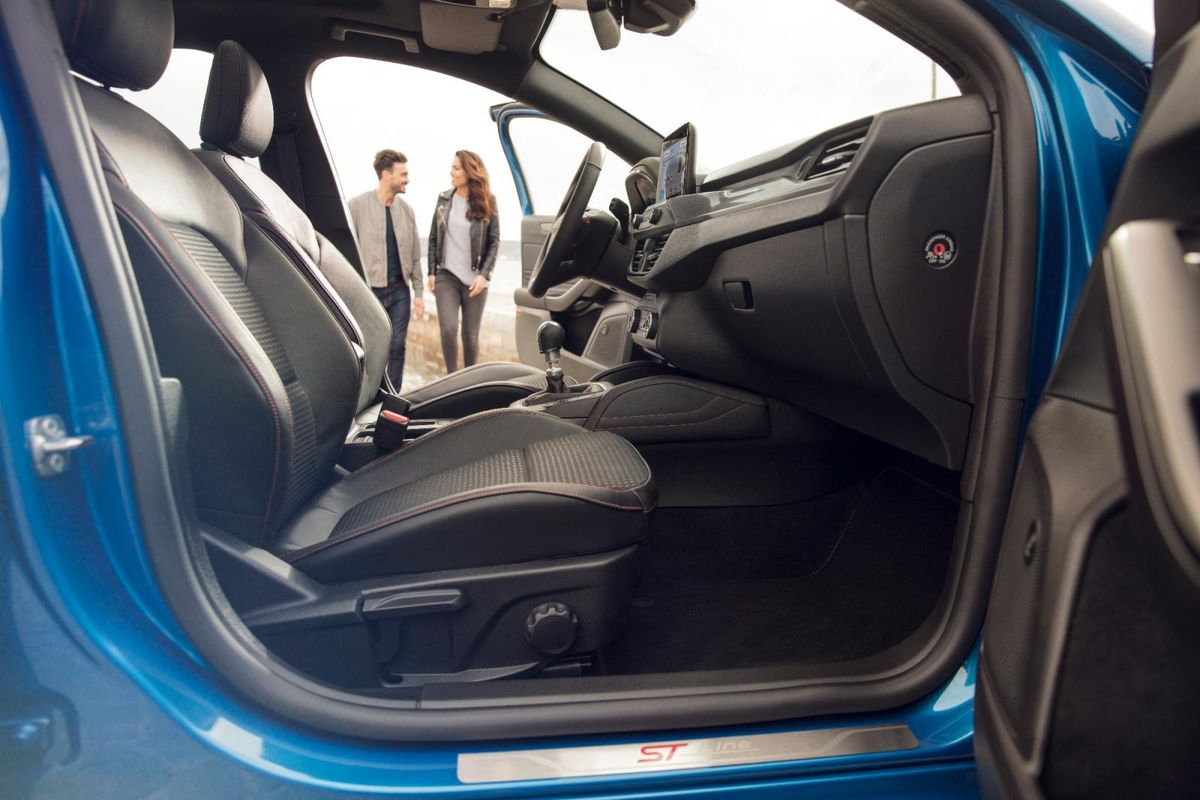
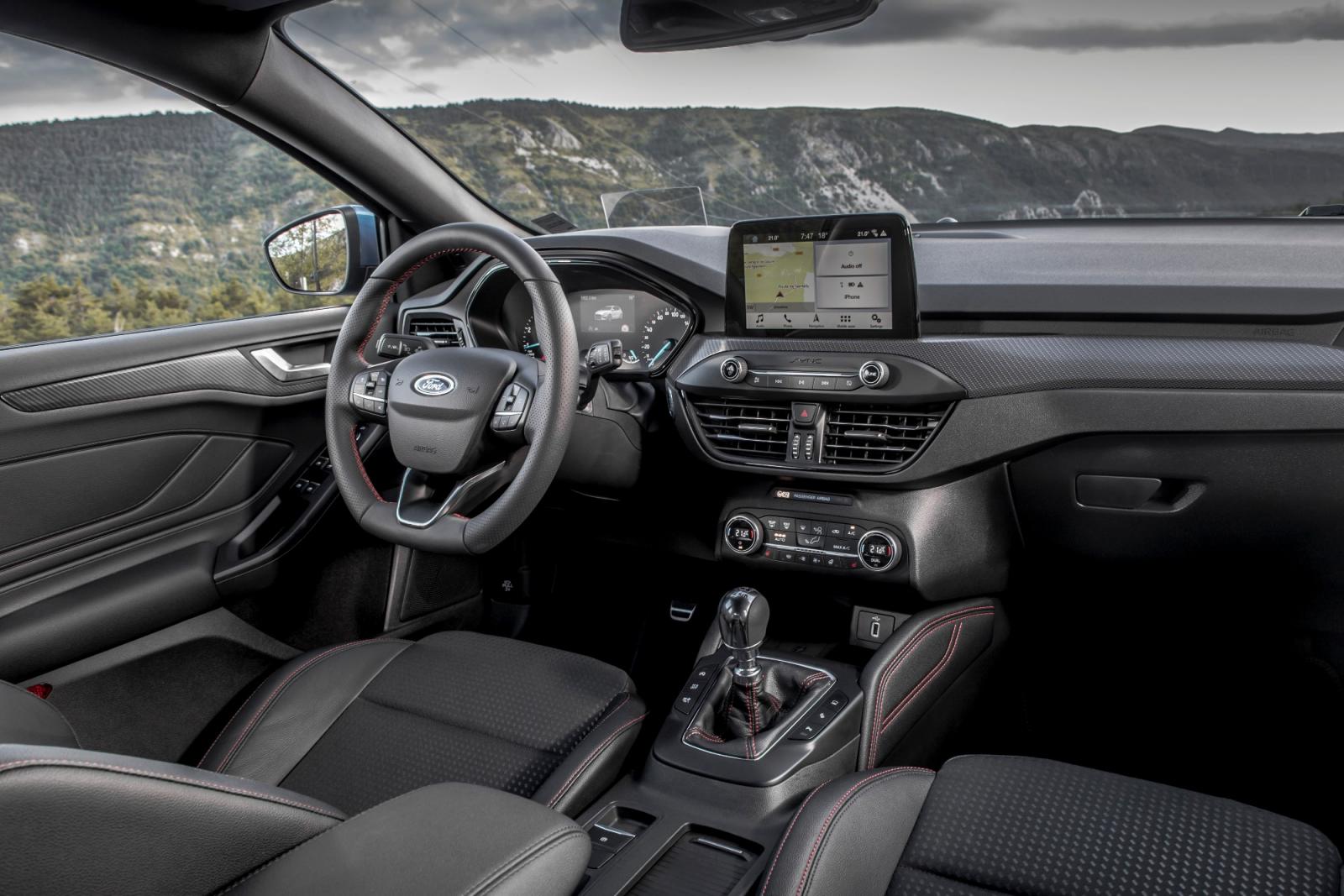
In Europe all Focus trim lines boast generous specification – this is ST-Line.

With features such as a Drive Mode selector and Heads-Up display across all derivatives in Europe, Ford appears to have gone for a fairly generous specification level with its new contender. In South Africa, we don't have access to line-up details just yet, but given the positioning of the new Fiesta, and the approach by Ford in Europe, we can predict with some certainty that the pricing gap to Golf will be narrower, but that Ford will offer more standard features, and fewer optional extras. 

For example, Trend specification in the new Fiesta includes such niceties such as auto lights, Sync3 infotainment with a colour touch screen, 6 airbags and rear parking sensors. It is priced at a R10k premium to the outgoing model. Comparatively, Trend specification is more generous than Volkswagen's Comfortline trim line. We therefore expect that a Golf Trendline-rivalling Focus 1.0T (Trend) should be priced at around the R300k, but offer more standard features.

5. Safety


By all means the latest Ford Focus is a very safe car (have a look at its impressive performance in the latest round of EuroNCAP crash testing). It is not always possible to compare these ratings (the Golf was tested in 2012), as specification of the tested vehicle as well as changes to EuroNCAP's ratings affect the scores. In recent changes to the EuroNCAP organisation's system, greater focus is placed on driver assistance and accident avoidance technologies. 

New Focus is offered in Europe with a raft of such advanced technologies, including automated parking, wide-angle rear view camera, pre-collision assist with pedestrian and cyclist detection, evasive steering assist, adaptive front lighting and speed-sign recognition, among many others. The Focus tested in the video above was a 1.0T Trend specification car and achieved some of the best scores ever recorded. 

Interested in buying a new / used Ford Focus?

Find one today on Cars.co.za by clicking here

Toyota C-HR (2018) Specs & Price

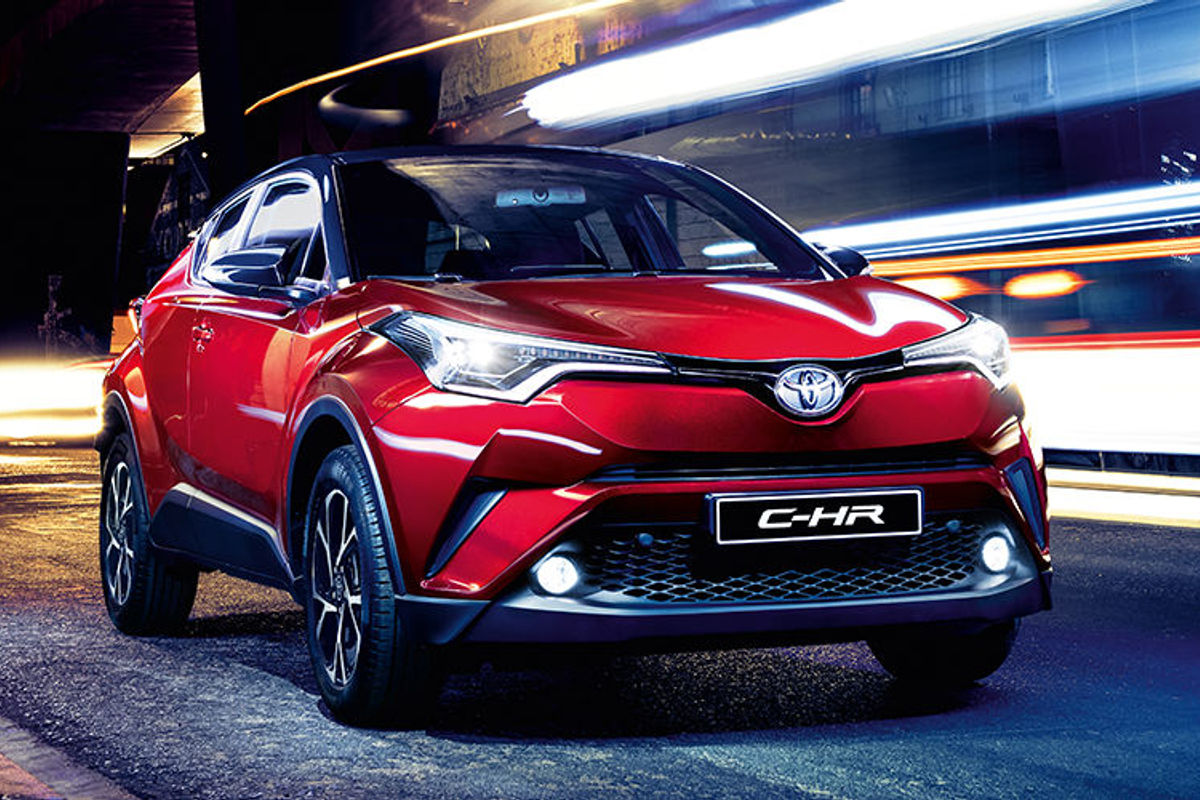
Toyota South Africa has added a range-topping 1.2T Luxury derivative to its C-HR compact family car range. Here are the specs and prices of the consolidated line-up.

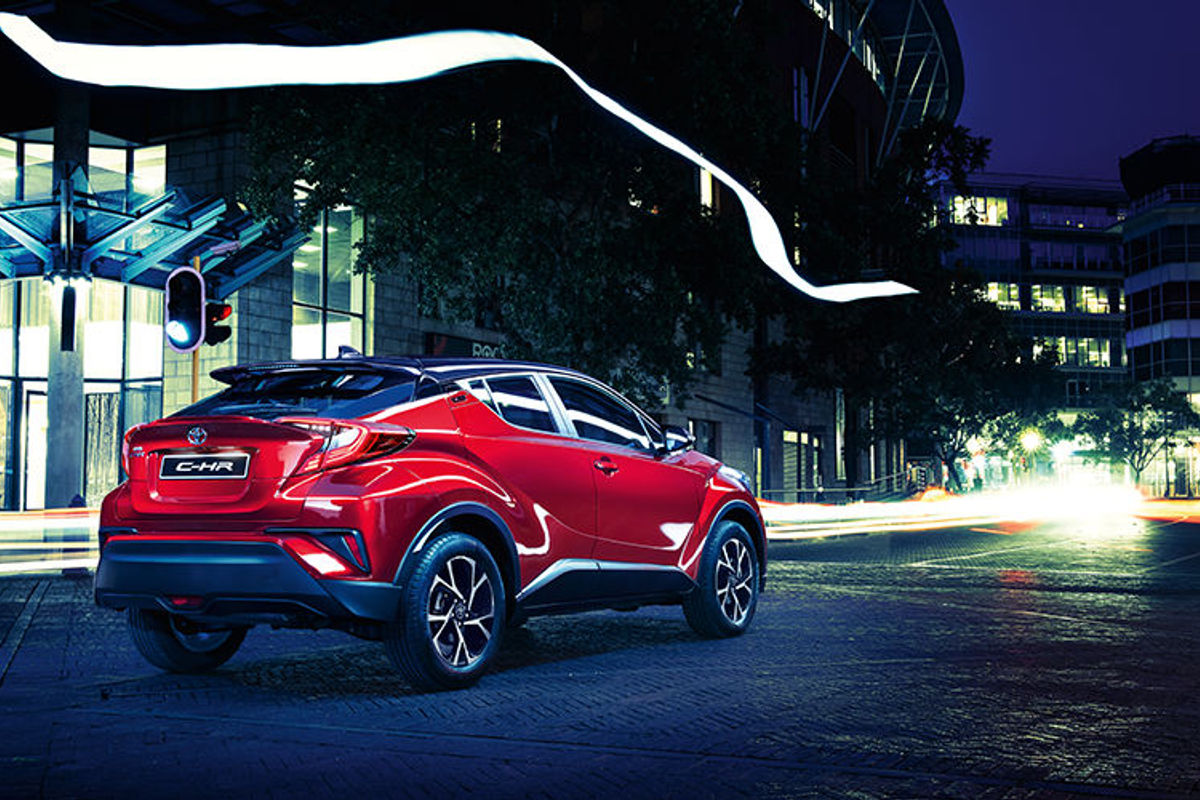
The C-HR was launched in our market in early 2017 and the distinctively styled crossover has proven quite popular among fashion-conscious urbanites. For 2018, Toyota South Africa has introduced a flagship version that boasts more equipment and safety features as standard. 

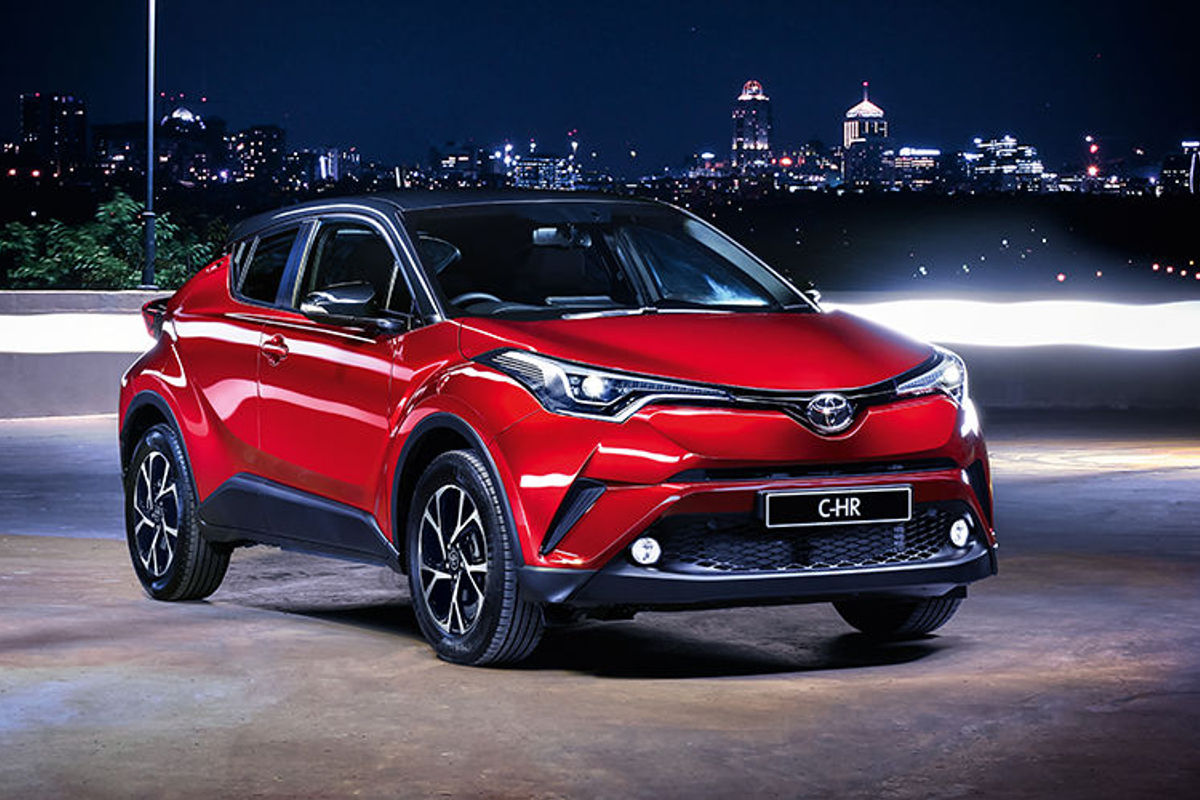
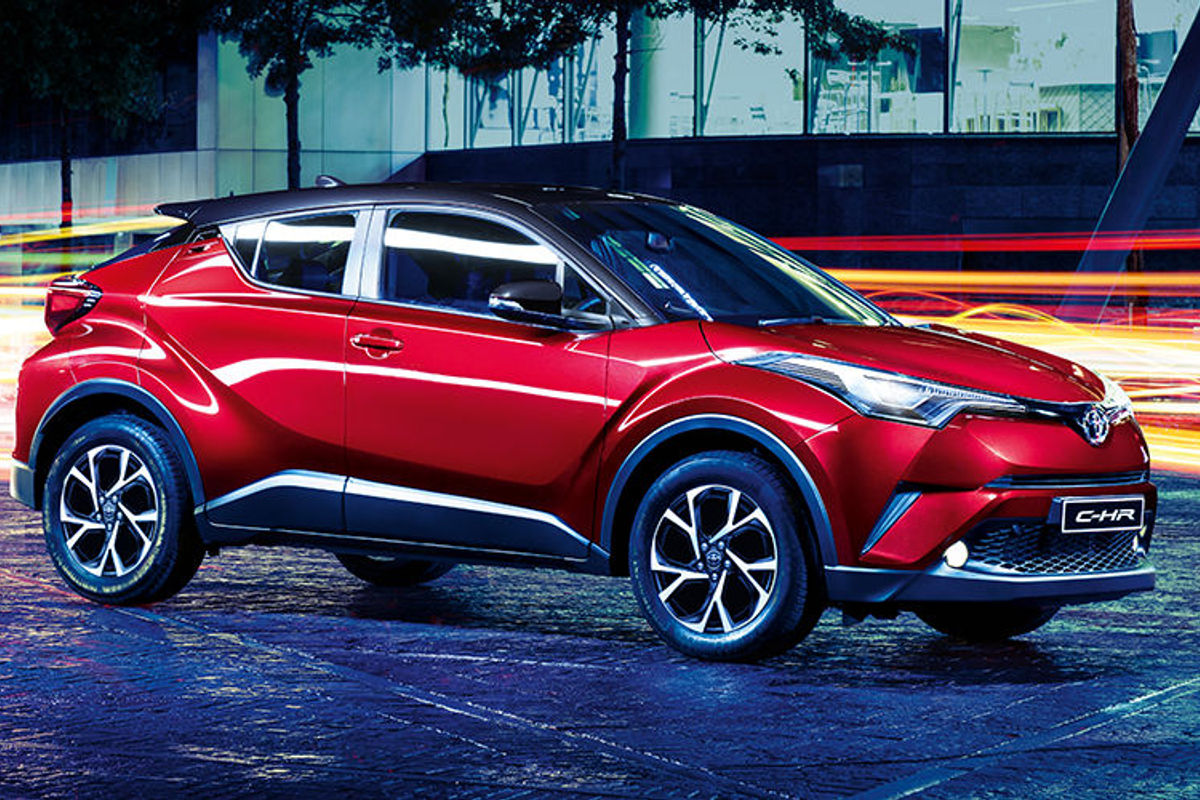
Visually, the 1.2T Luxury derivative is distinguishable by a two-tone paint finish, but the key changes feature in the newcomer's interior. Additional standard equipment includes leather trim, push-button start, seat-back pockets, heated seats, LED headlamps, LED front fog lights and tail light clusters, colour-coded auto-folding and heated side mirrors, park distance control and intelligent park assist. The safety spec has improved too… Whereas other C-HR derivatives have only two airbags, the 1.2T Luxury comes equipped with driver-, passenger-, side-, curtain- and knee airbags.

The powertrain remains unchanged. The 2018 Toyota C-HR 1.2T Luxury is powered by a 1.2-litre 4-cylinder turbopetrol motor that produces 85 kW and 185 Nm; it drives the front wheels via a continuously variable (automatic) transmission. Fuel economy is claimed to be 6.4 L/100 km.

2018 Toyota C-HR Specs and Price in South Africa

All C-HRs come standard with a 6-services/90 000 km service plan and 3-year/100 000 km warranty. Service intervals are set at 15 000 km. 

Toyota C-HR 1.2T                     R335 100

Toyota C-HR 1.2T Plus             R364 000

Toyota C-HR 1.2T Plus Auto     R376 100

Toyota C-HR 1.2T Luxury Auto R422 100

Search for a new/used CH-R on Cars.co.za
Get a quote / Book a test drive?

Further Reading:

Toyota C-HR (2017) First Drive

Toyota Rush in SA (2018) Pricing Details

Toyota C-HR Production Starts in Turkey

Toyota ponders high-powered C-HR in Frankfurt

Compact Crossovers: Practical Hyundai Creta vs Stylish Toyota C-HR

Toyota C-HR: In-Depth Review and Test Drive