Mahindra Scorpio 2.2CRDe S11 4×4 (2018) Launch Review
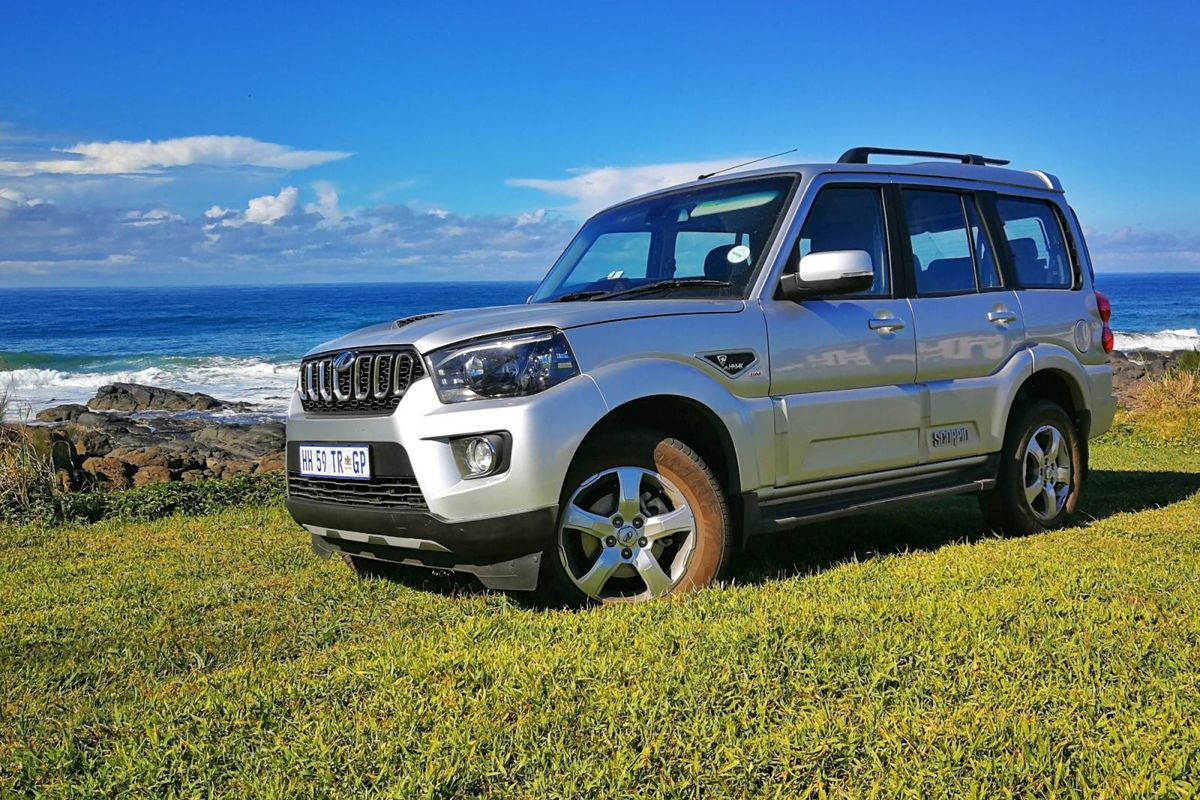
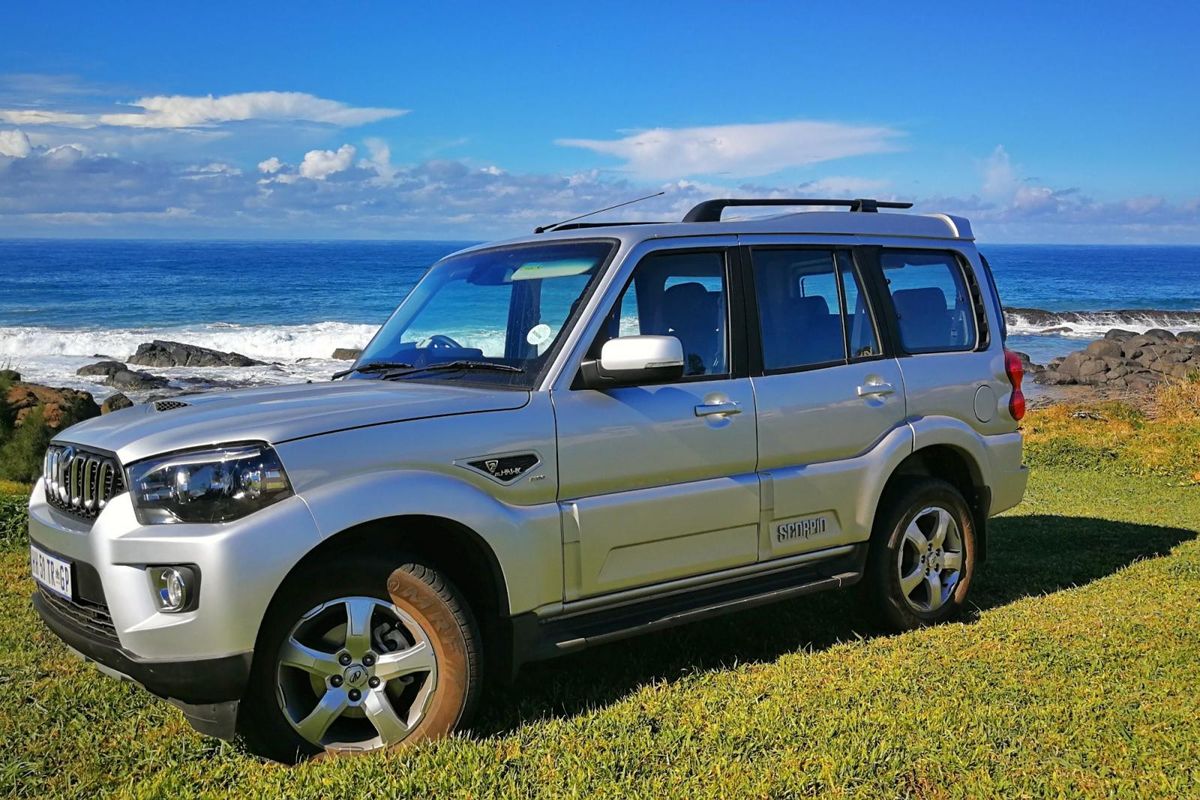
Improved refinement and greater attention to detail in the cabin has improved Mahindra's rugged Scorpio even further. We took it for an extended drive down the KZN coast.

Quick View

  • Price: R319 995 (July 2018)
  • Engine: 2.2L 4-cylinder turbodiesel
  • Power/Torque: 88kW/280Nm
  • Fuel Efficiency: 7.3L/100km (claimed)
  • Seats: 8
  • View full specifications here

In a nutshell: At the price there isn't another 8-seater SUV with four-wheel drive (including low-range). But price isn't the Scorpio's only attraction – its powertrain is more refined than you expect and it also feels solidly built.

Serious about buying?

What's new?
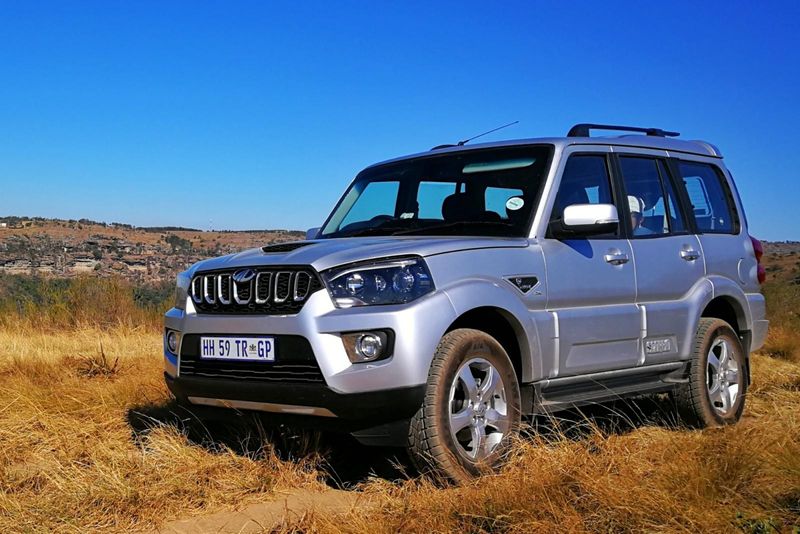

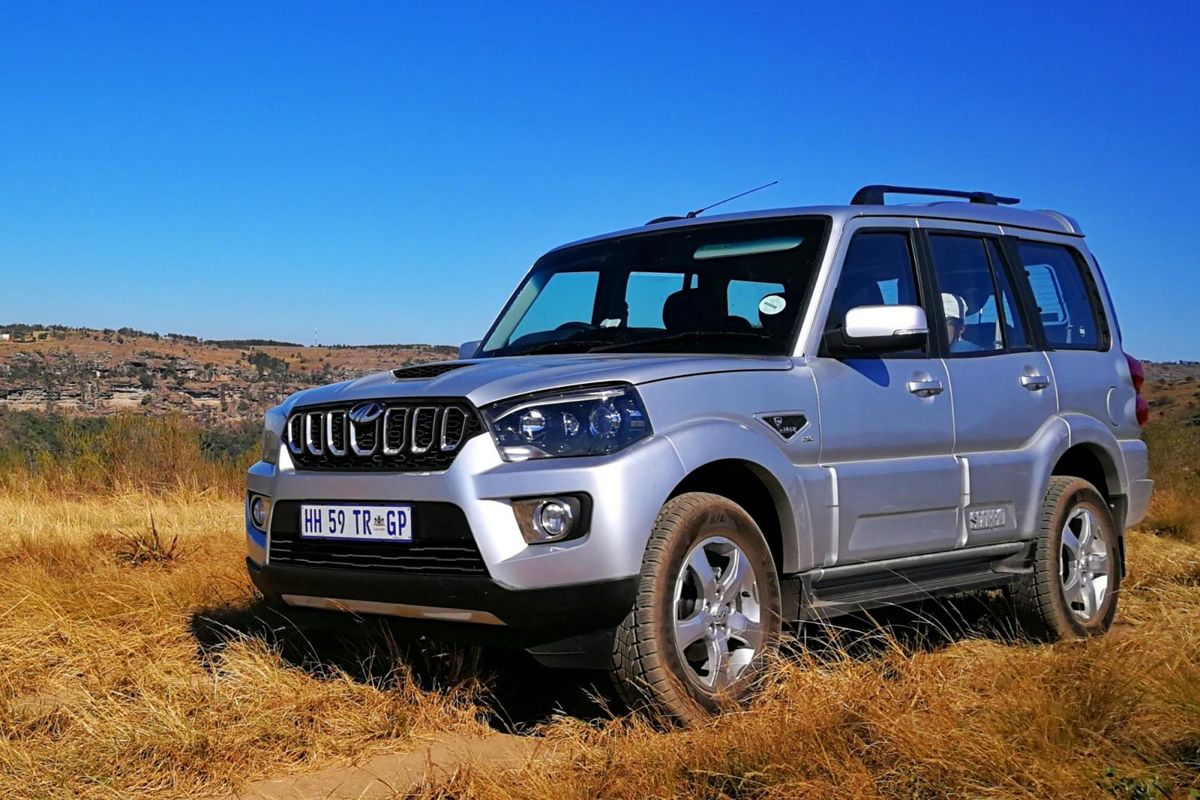
The new grille, headlamp and foglight changes combine to give the Scorpio's front-end quite an aggressive appearance.

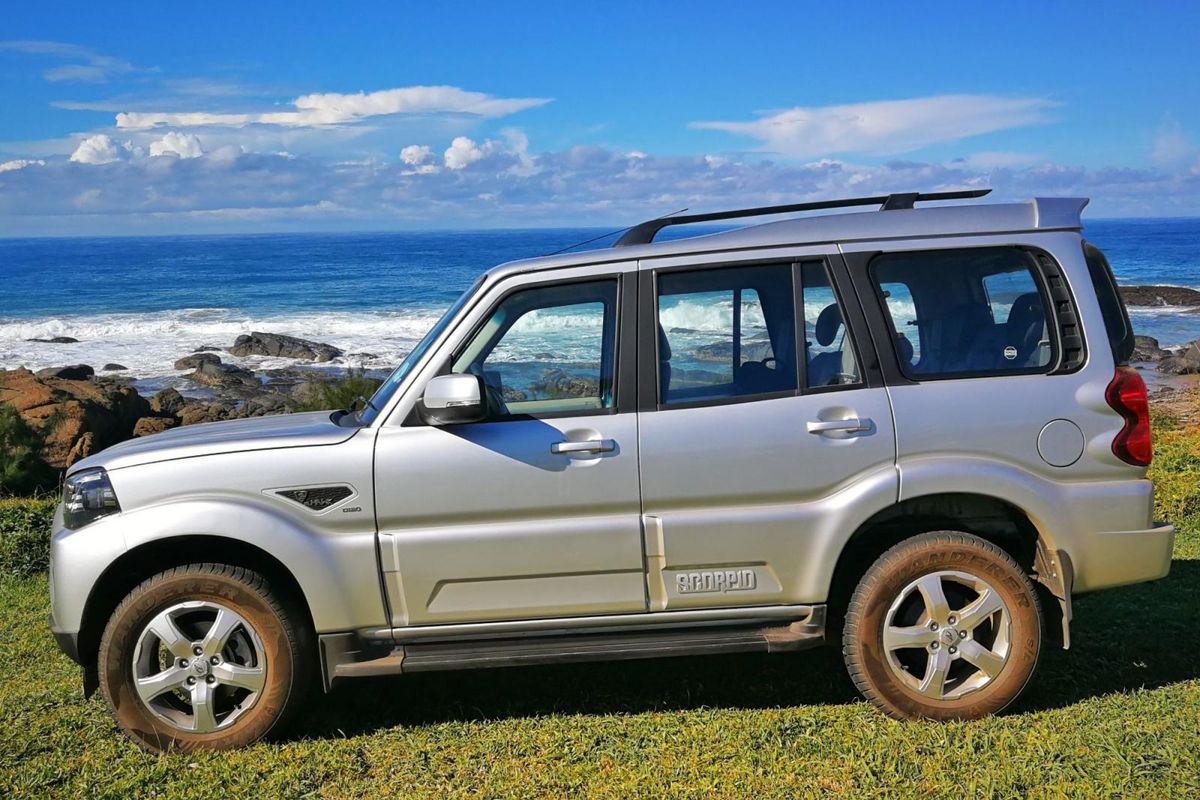
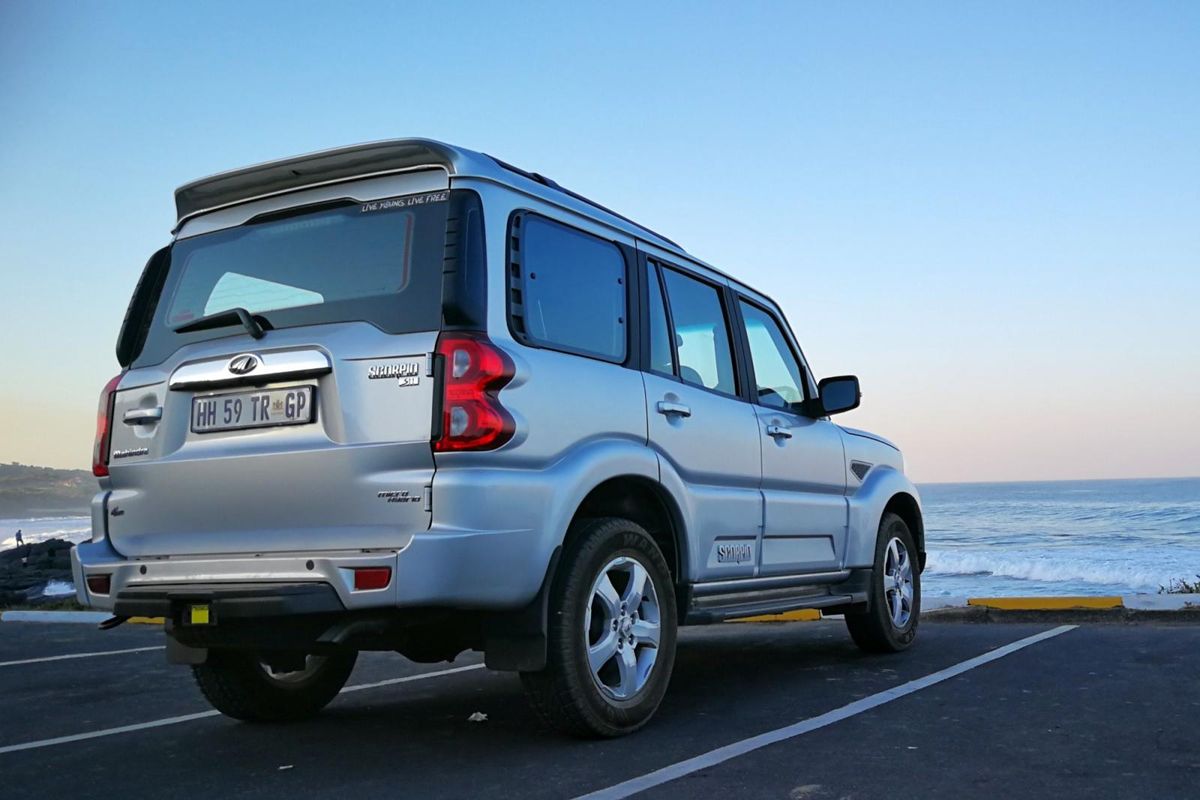
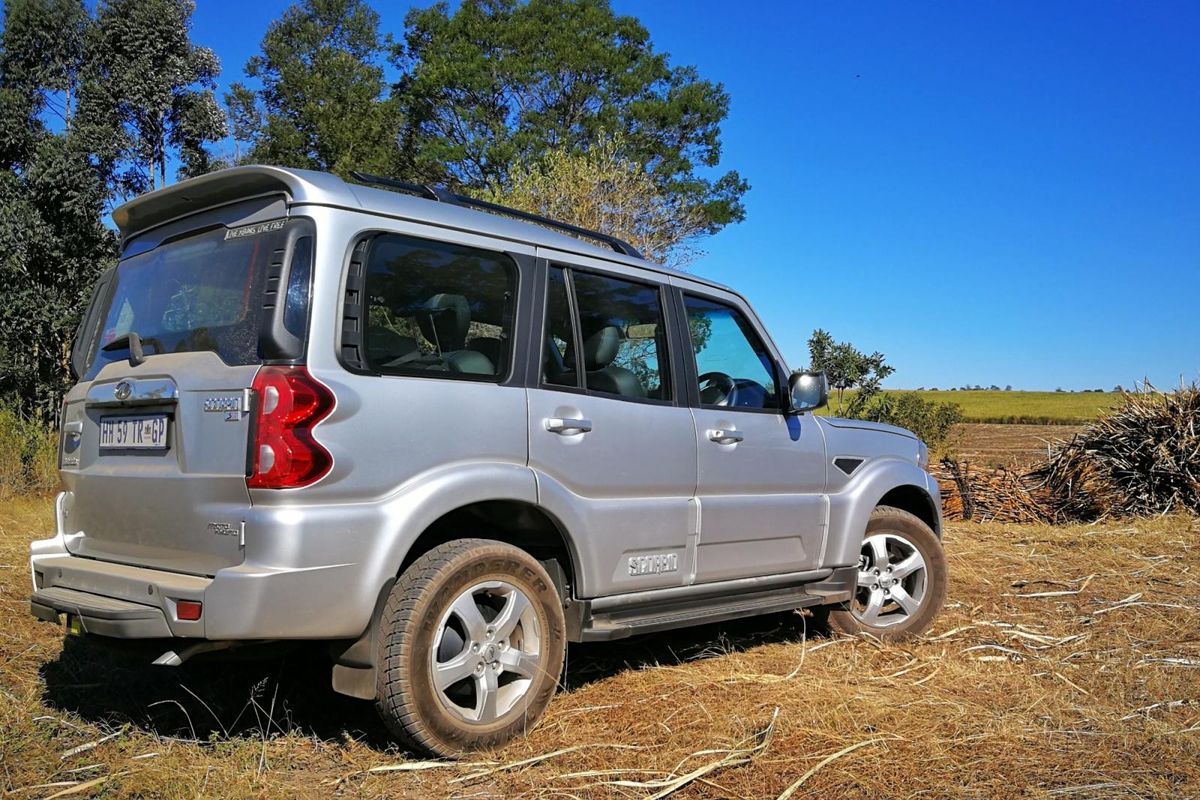
Mahindra's Scorpio may be no spring chicken but continuous refinement has seen it become quite a popular (and cost-effective) alternative for adventurous families in need of a rugged, spacious SUV. The latest S11 derivative, as reviewed here, features a number of small, but ultimately very worthwhile changes compared with its S10 predecessor. Visually, there's a new grille, tweaks to the head- and taillamps, foglights, side mirrors, rear step, tailgate and also a new-look alloy wheel.

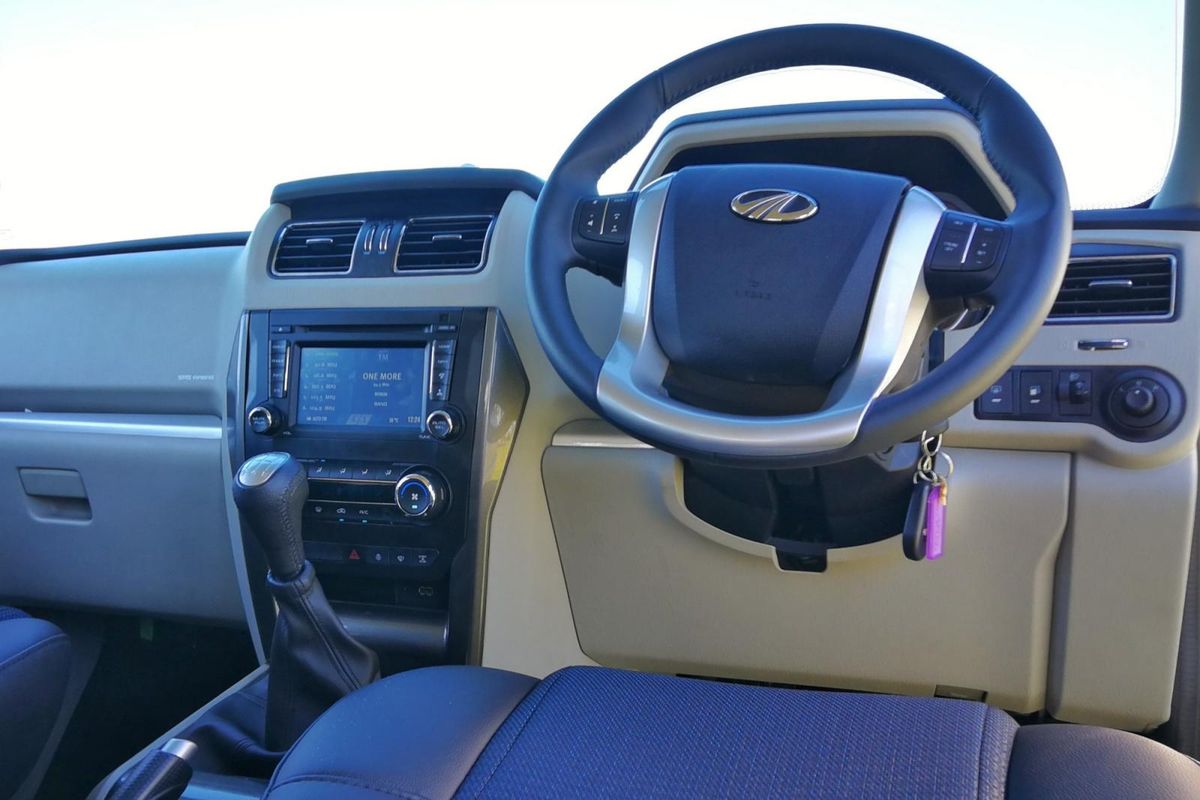
Inside, the previous car's lighter trim has been replaced by black semi-leather which doesn't only look more upmarket, but also shouldn't show dirt so easily. There's also a practical new slot in front of the gear lever with a charge point.

Mechanically there are no changes.

Spacious and well equipped
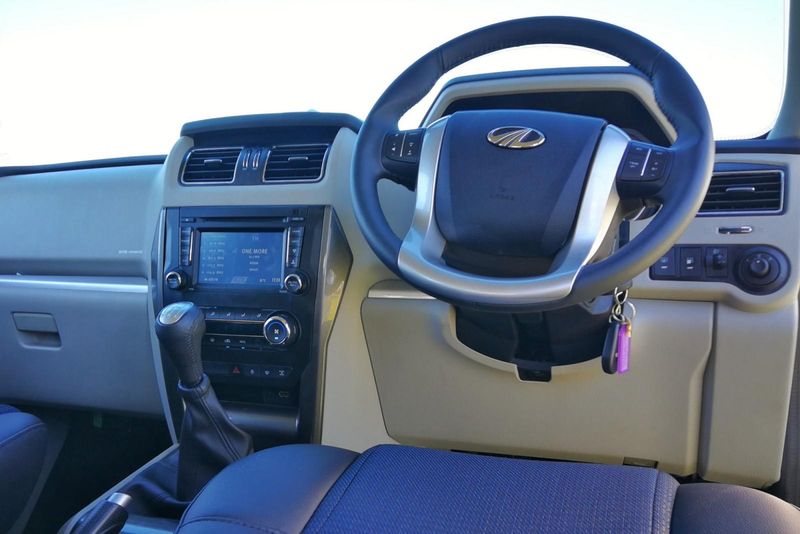

Neat facia design and good build quality evident in the cabin. Darker seat trim also an improvement.

The current Scorpio's underpinnings can be traced back to 2002, and so this SUV is rather old-school in its overall architecture. Of course, for some potential customers that rugged, "ready-for-safari" appearance is very much part of the appeal, but it's also very divisive. You'll know around which camp fire you sit…

Nevertheless, its boxiness has advantages, notably in terms of cabin space and practicality. Inside, the upright windows and box-like design result in a very spacious, airy cabin with great outward visibility. It really should be a very a good safari vehicle. It also packs 3 rows of seats into a fairly compact body – the Scorpio is more than 300mm shorter than a Toyota Fortuner. The difference is that the rearmost row is a bench and not 2 individual seats, which makes the Scorpio an 8-seater.
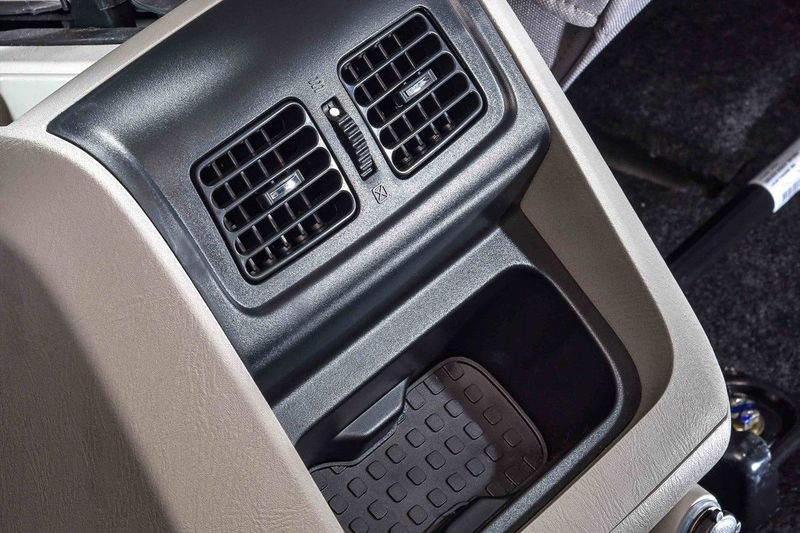

Second row passengers get their own ventilation outlets and a neat, rubberised storage area. 

Of course, with 8 occupants on board the space for luggage is actually negligible and those in the 2nd row will have to slide their seats quite far forward to allow those in the back some kneeroom. During our time in KZN, we chose to remove the third-row bench completely (an easy-enough exercise) and leave it at the hotel, which frees up a LOT of packing space in the boot. 

What will also appeal to consumers that need a vehicle such as this (and at this price), is the fact that the Scorpio is by no means a bare-boned, agricultural machine. You get a 6-inch touch-screen infotainment system (USB/aux/bluetooth and DVD compatible), navigation, rear-view camera, remote audio controls, cruise control, rear park sensors, auto wipers, electric windows all-round and climate control, among other features. 
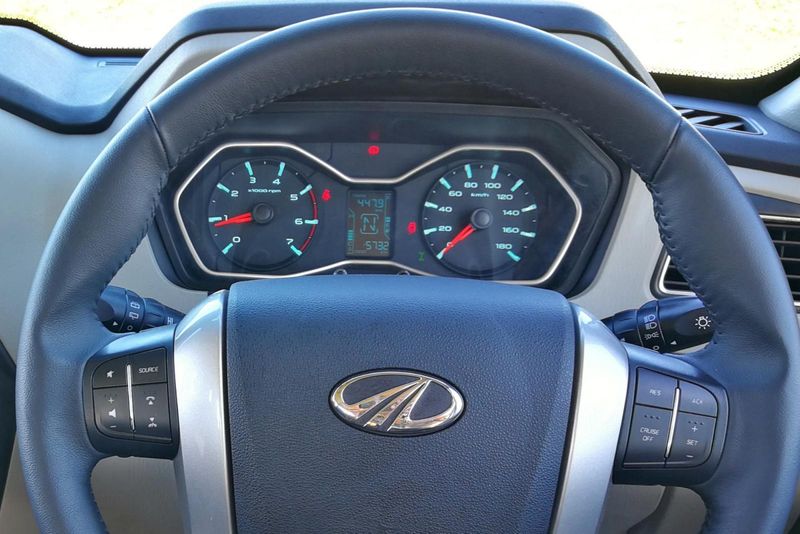

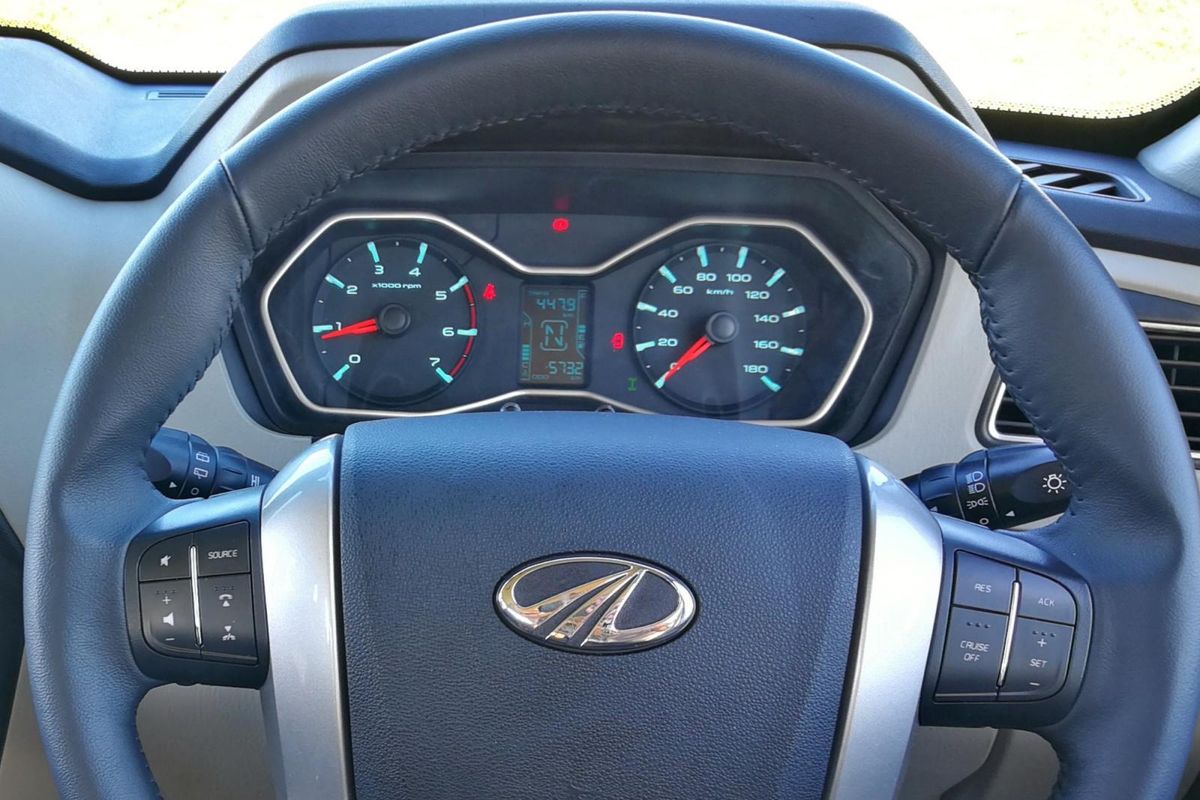
Neat, modern instrument cluster and multi-function leather-bound steering wheel are standard. 

On the safety side the specification is not as comprehensive, which is to be expected given the inherent age of the platform and the price. Included are dual front airbags and ABS (with EBD). We would've liked to see the addition of at least ESP (electronic stability) to that list.

Niggles? Well, the front footwells are quite narrow and the steering wheel lacks reach adjustment. The touchscreen is perhaps also mounted too low, and it demands the driver taking his/her eyes off the road for too long to operate. 

Performance and Economy
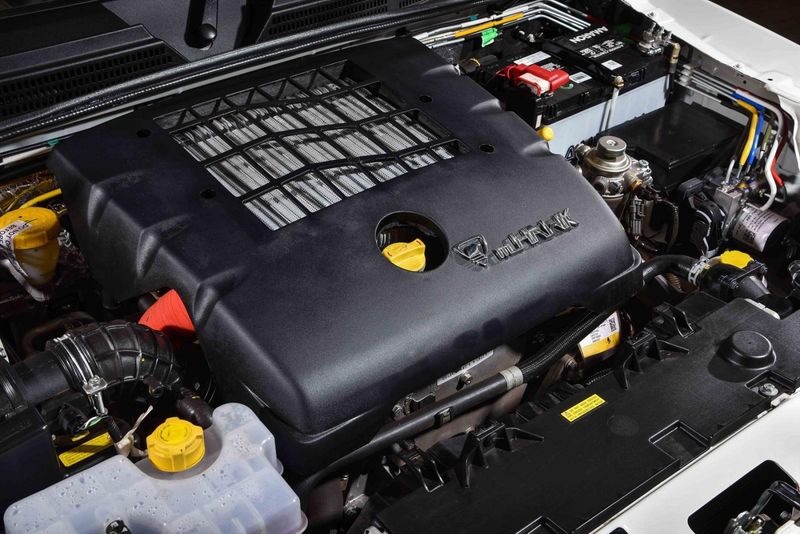

The 2.2L turbodiesel engine delivers its impressive power (88kW) smoothly. It's more refined than most people expect.

As was the case when we evaluated the facelifted Pik-Up (essentially a double-cab bakkie version of the Scorpio), we came away impressed with Mahindra's 2.2L turbodiesel engine, even though it isn't the same 103kW/320Nm version used in the Pik-Up, but rather a lower-output 88kW/280Nm variant. The towing capacity (1900kg braked) might be too low for some potential customers, but if that's not a barrier to purchase we suspect most owners will be more than happy with the blend of performance and efficiency. 

Mahindra claims a combined cycle fuel consumption figure of 7.3L/100km and we achieved 8L/100km during our week of travel with 4 occupants on mixed terrain and highways/gravel/rural roads. The Scorpio's tank size is 60L, so a range of over 700km should be achievable. We think the fuel consumption could possibly be even further improved by the addition of a 6th gear.
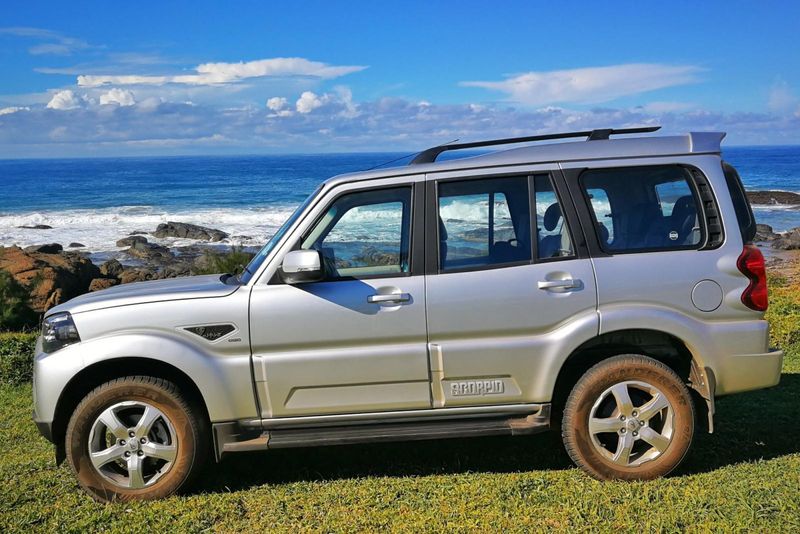

Stubby front-end and four-wheel drive (with low-range) is good for off-roading.

The engine is mated with a 5-speed manual transmission (old-school long throw but feels strong) that drives the rear wheels, but shift-on-the-fly 4-four-wheel drive is part of the package. In fact, there's low-range too, so you could traverse reasonably rough terrain in this Scorpio. Mahindra quotes a ground clearance of only 165mm, but this appears to be an error. We suspect a figure well above 200mm applies.

On the (long) road

With a commanding view of the road, great outward visibility and a soft ride set-up, the Scorpio is a relaxed touring vehicle. It's very different to more modern sports-oriented SUVs in that it encourages the driver to take it easy… Nevertheless, recent suspension changes has not only made it more refined, but also more stable. It resists overt bodyroll well and the steering is nicely weighted. 
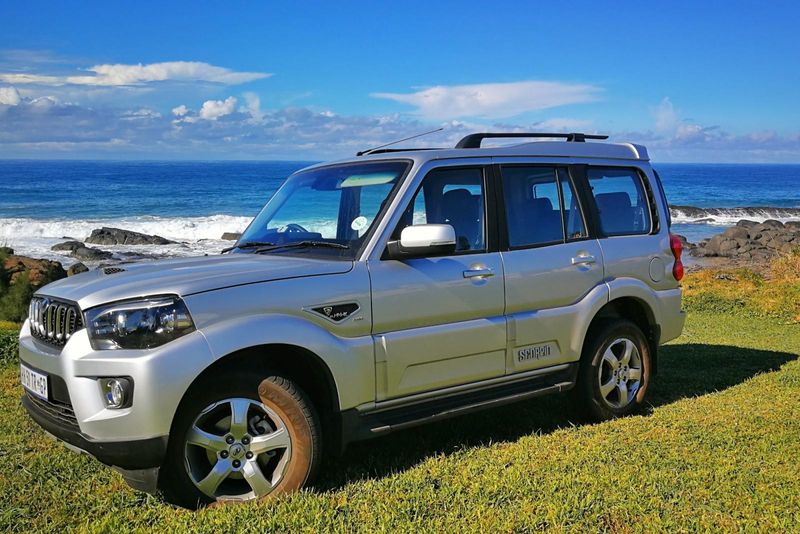

LED "eyebrows" and new-look 17-inch wheels are modern additions to a design that dates back to 2002.

We traversed some fairly rough gravel sections, too, and here the extra ground clearance and suspension set-up certainly came in handy. In fact, the Scorpio seems a very good fit for an owner that will travel on mixed surfaces daily.

The engine is a refined, smooth offering so combined with the last round of sound deadening improvements, the result is a largely quiet and relaxed cabin ambience. Only wind noise can become intrusive due to the boxy design and upright sides. The wind was howling on our first day in KZN and on a few occasions it managed to actually make the insulating door rubbers pull free of the door aperture at the top. 

Verdict
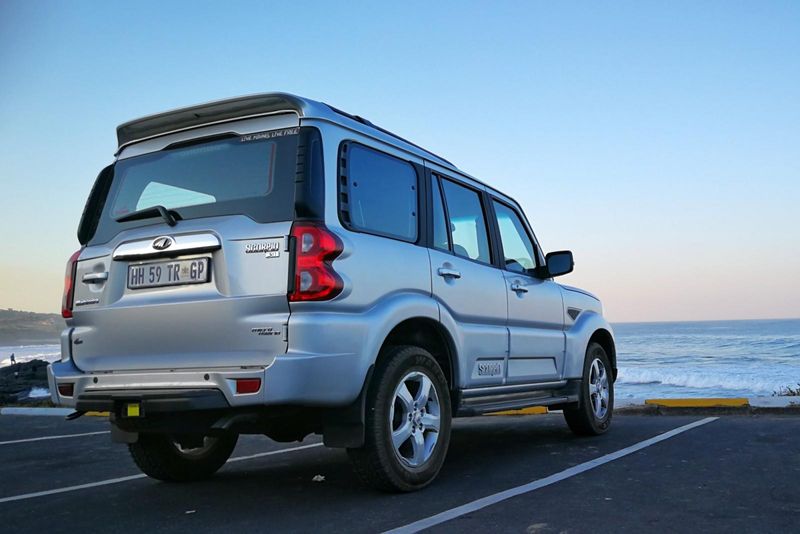

Need an adventure SUV on a tight budget? The Mahindra Scorpio S11 4×4 has no obvious rival in the new vehicle local market.

Priced at around R320 000 it's hard to beat this Scorpio S11 for value for money, particularly if you want space and four-wheel drive. GWM no longer offers an H5 with four-wheel drive, but even if 4×2 would suffice, the H5 lacks the Scorpio's seating capacity and features. Then there's something like the outgoing Renault Duster diesel 4×4, but that's a much smaller vehicle… Alternatively, you'll have to consider a used vehicle – for similar money you can get a 3- to 4-year old (previous shape) Toyota Fortuner 3.0 D-4D 4×4 with more than 100 000km on the odo.

Further sweetening the deal, the Scorpio comes backed with a 3-years/100 000 km warranty and 3-years/70 000km service plan as standard. Servicing intervals are lengthy at 20 000km. 

To summarise… you may end up buying a Scorpio because of its exceptional pricing, but there's more to it than that. Rugged, surprisingly refined and efficient, while offering good potential seating space/practicality for a variety of uses, the Scorpio S11 is possibly one of the few cars on the market that could genuinely be described as a bargain.

Looking to buy a new / used Mahindra Scorpio?

Find one on Cars.co.za today by clicking here
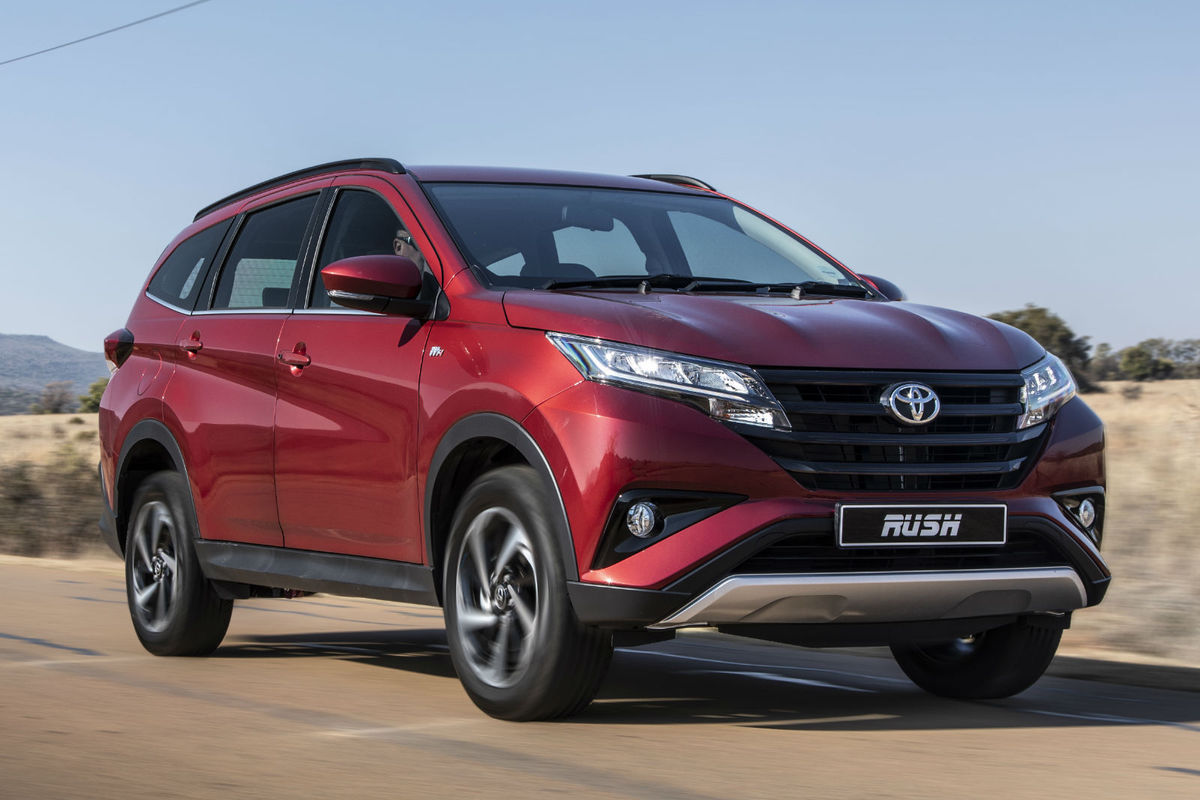
Toyota Rush (2018) Specs & Price

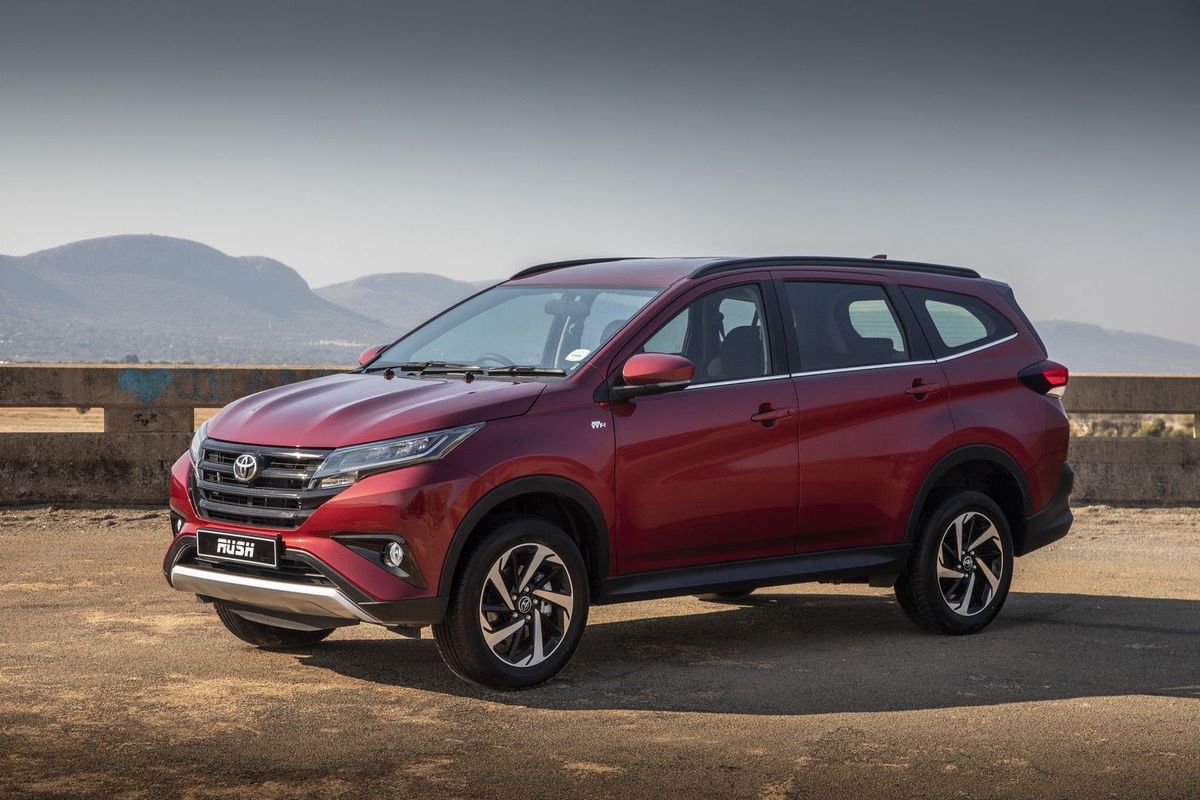
Toyota has introduced a new small SUV to its local product offering and it’s called the Rush. Herewith specification and pricing details for the newcomer…

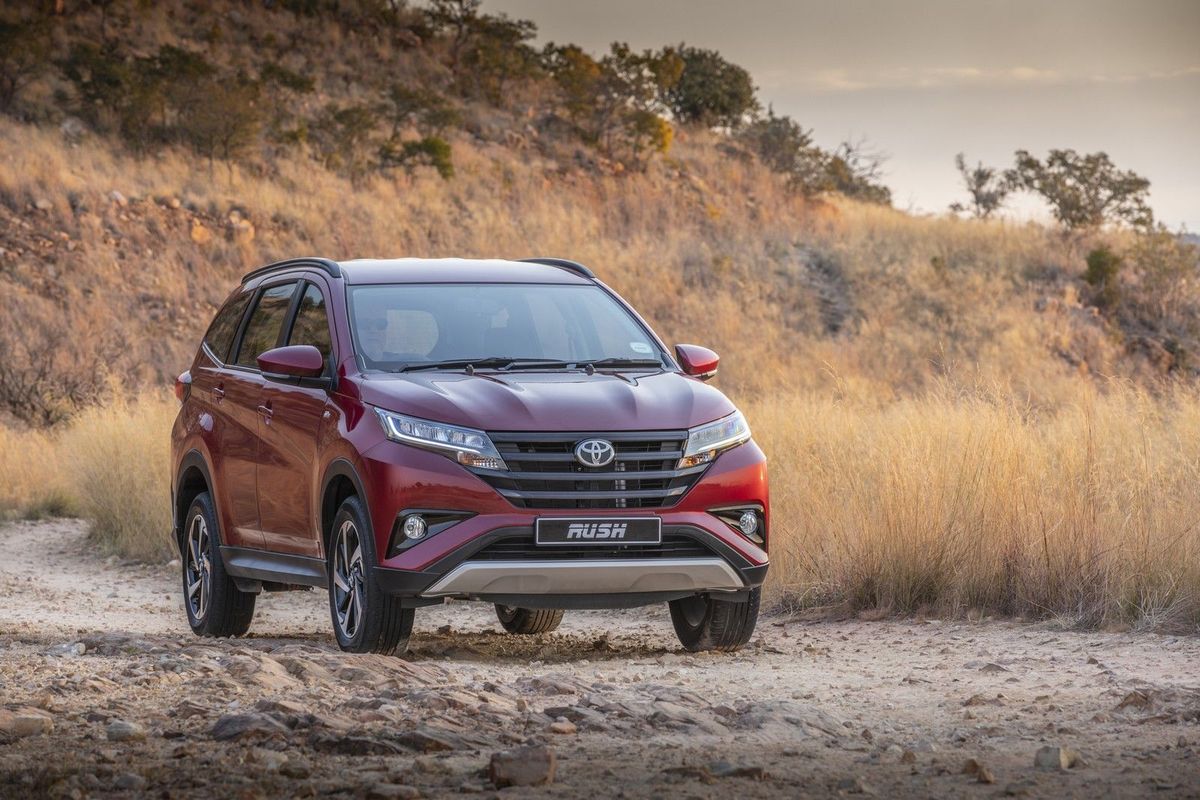
Toyota is looking to capitalise on growth in the compact SUV segment and now welcomes the new Rush to its local stable. The Rush combines typical SUV features such as a raised driving position, higher ride height and a spacious luggage compartment while offering seating for five.

Key features

Exterior design


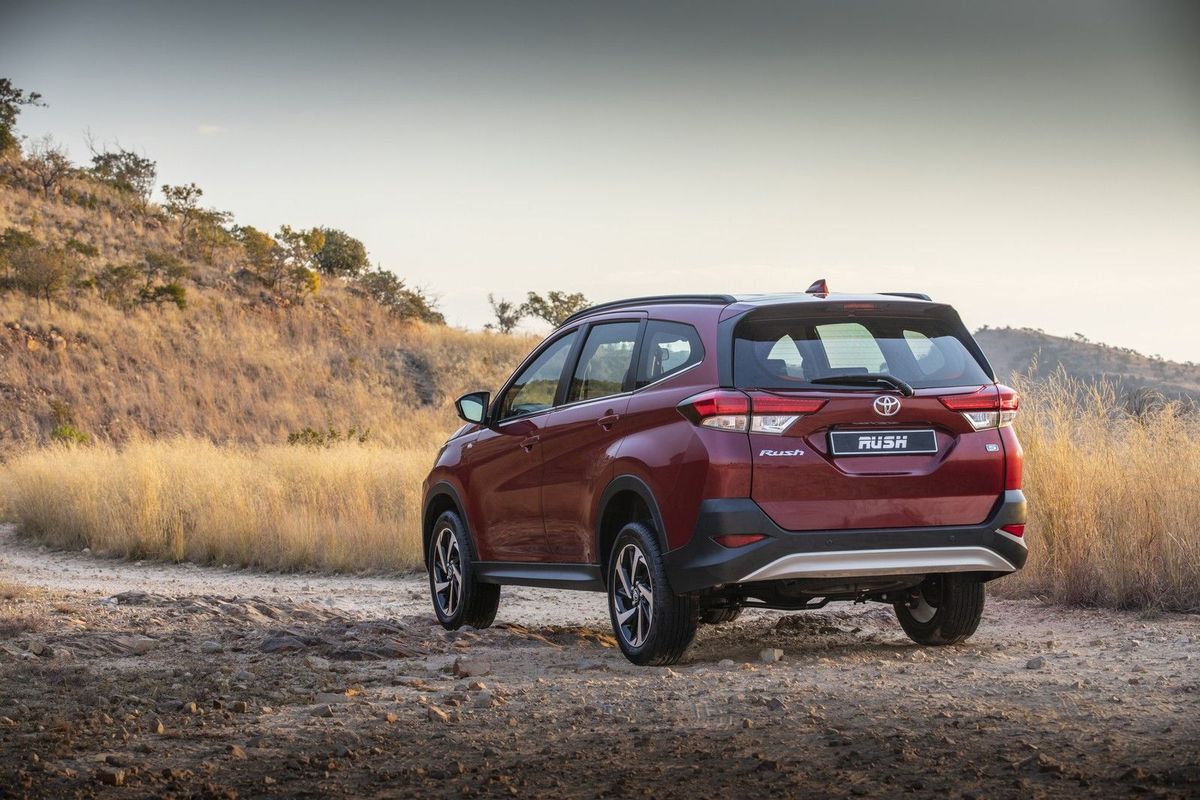
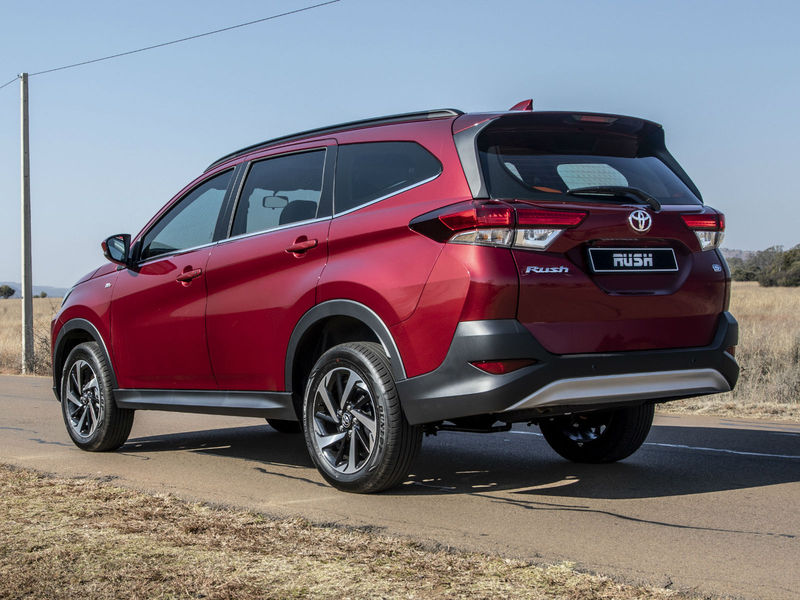
With its raised ride height, the Rush will comfortably tackle gravel roads and can even wade in water up to 600 mm. 

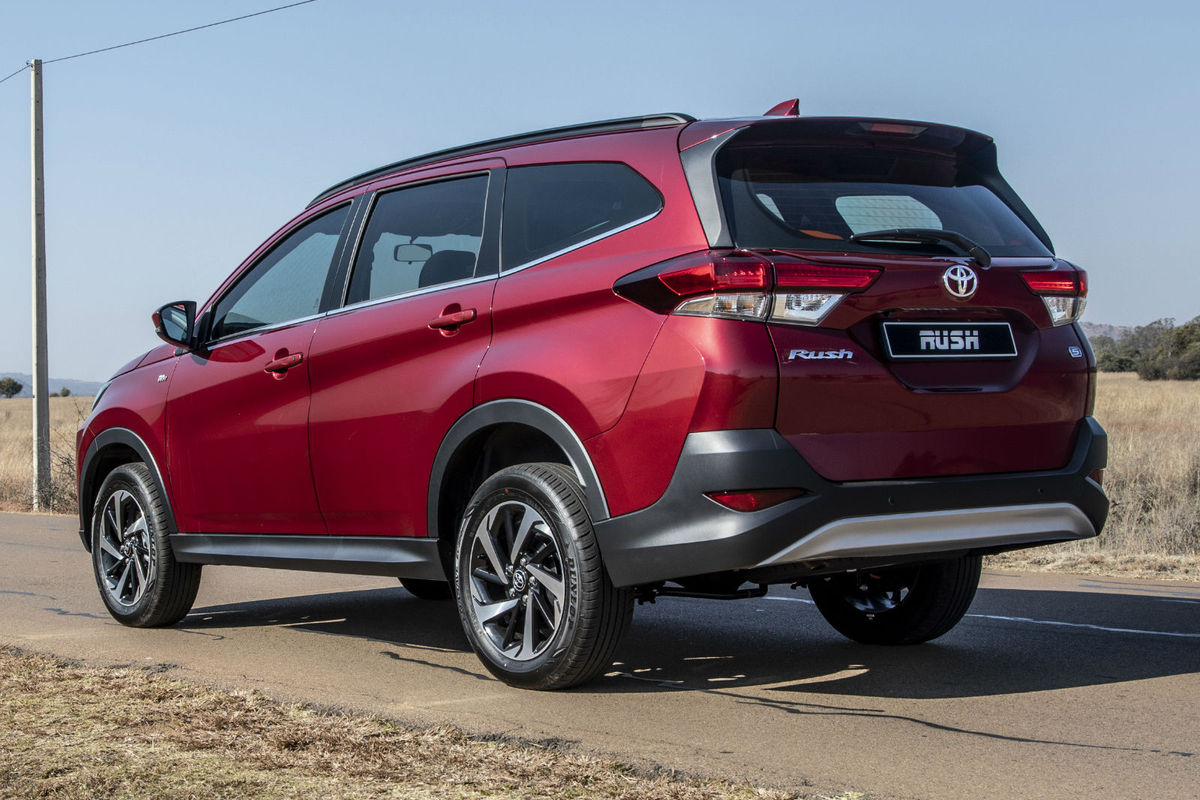
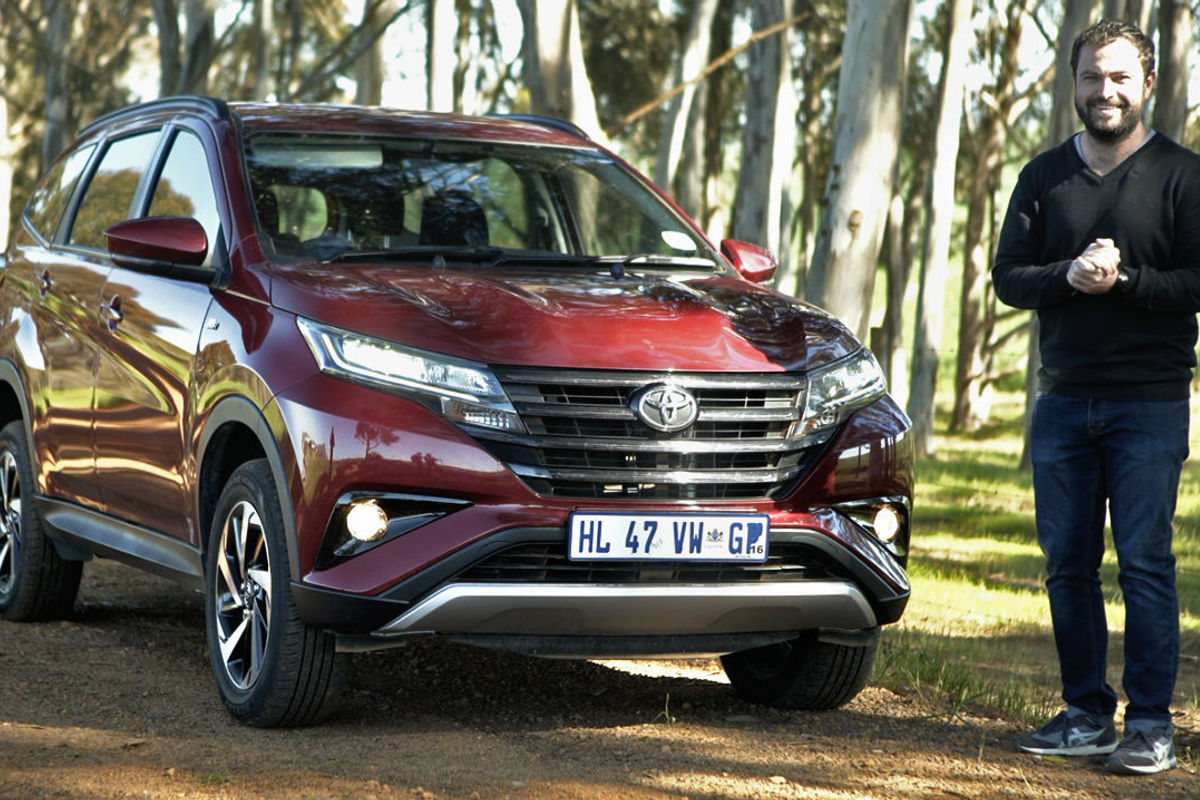
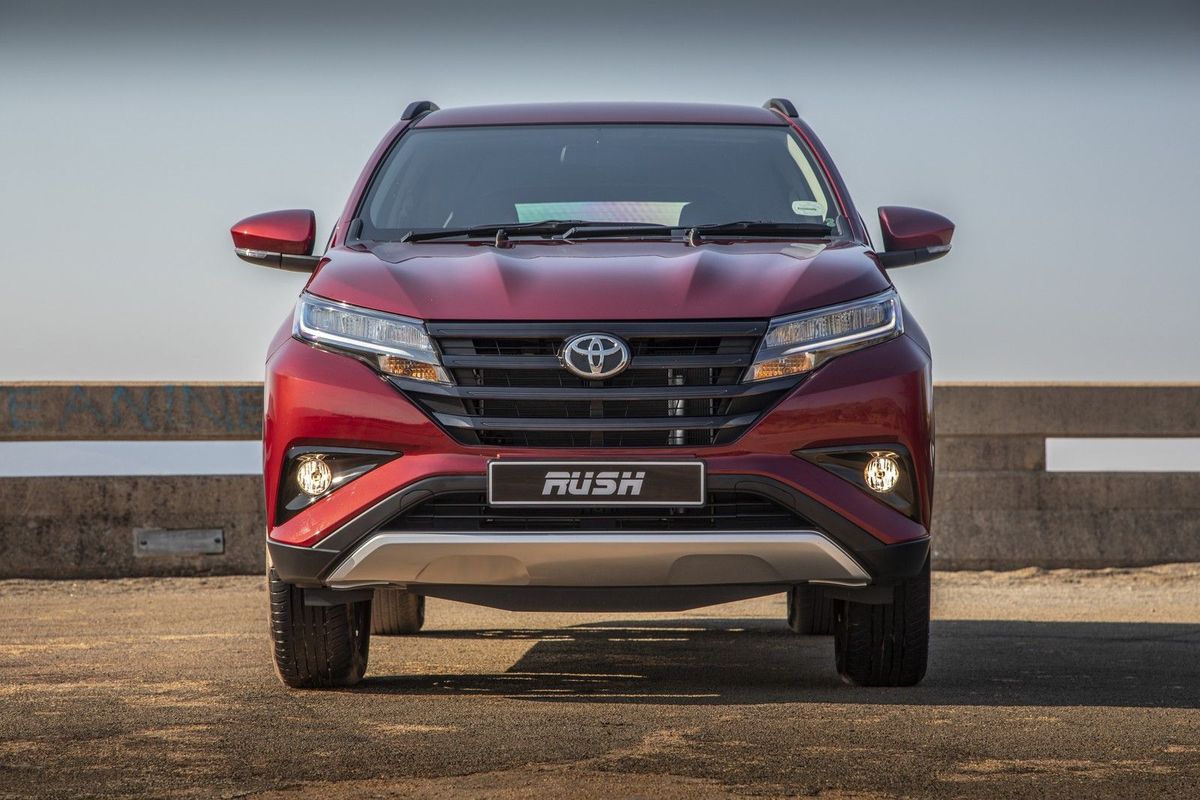
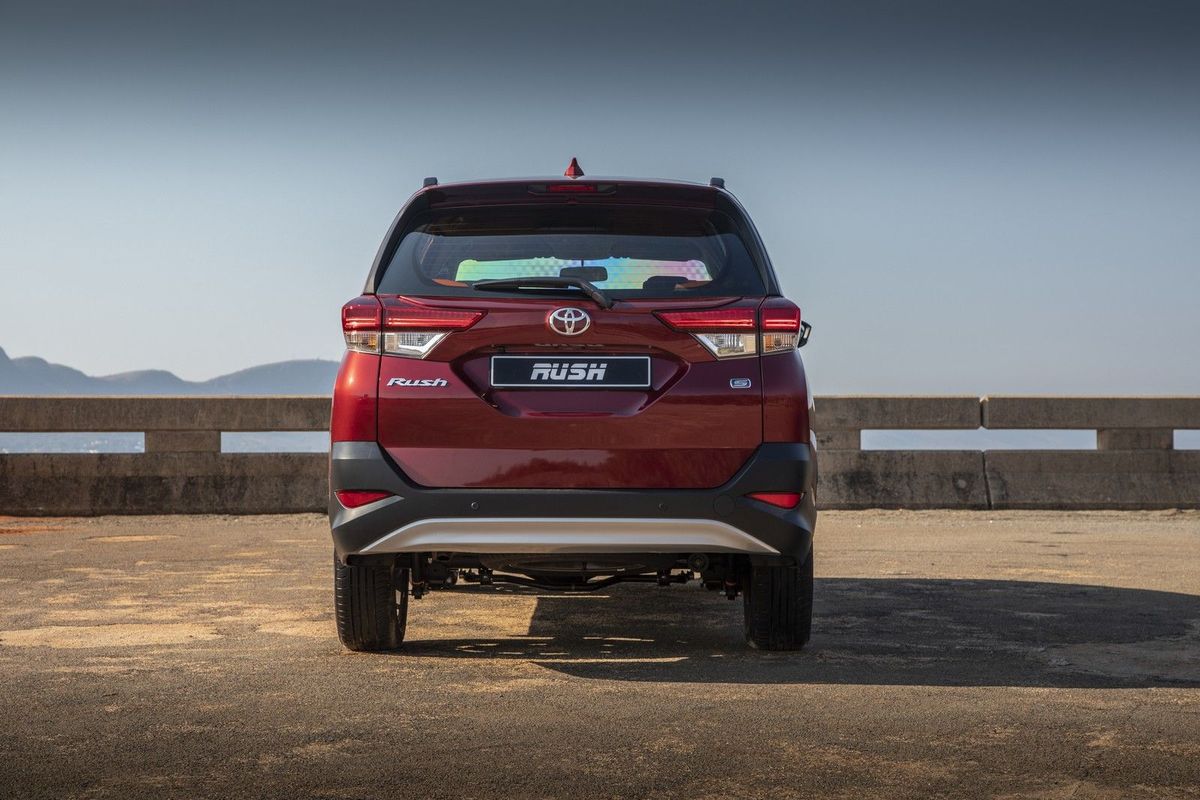
The Rush wears a large trapezoidal grille with wide grey slats and is flanked by slim LED headlights. The front-end look is further defined with triangular fog light trim, a silver-hued skid plate and a bonnet with 2 distinct bulges. Black roof rails, a body-coloured rear spoiler and rear LED tail lights to round off the look.

The Rush has a 220 mm ground clearance and a wading depth of 600 mm. 17-inch alloy wheels are standard.

Buyers can choose between 5 colours including Tusk White, Quicksilver, Ruby Metallic, Liquid Bronze Metallic and Graphite Black.

Interior


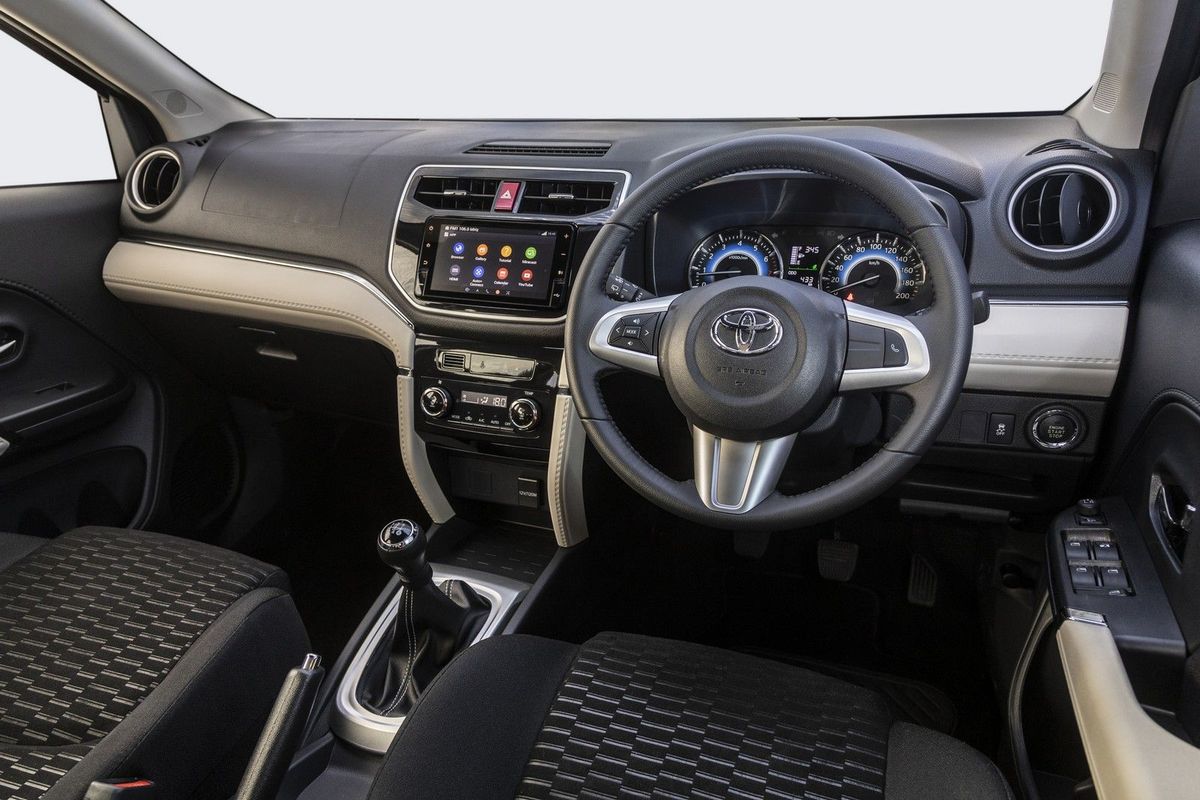
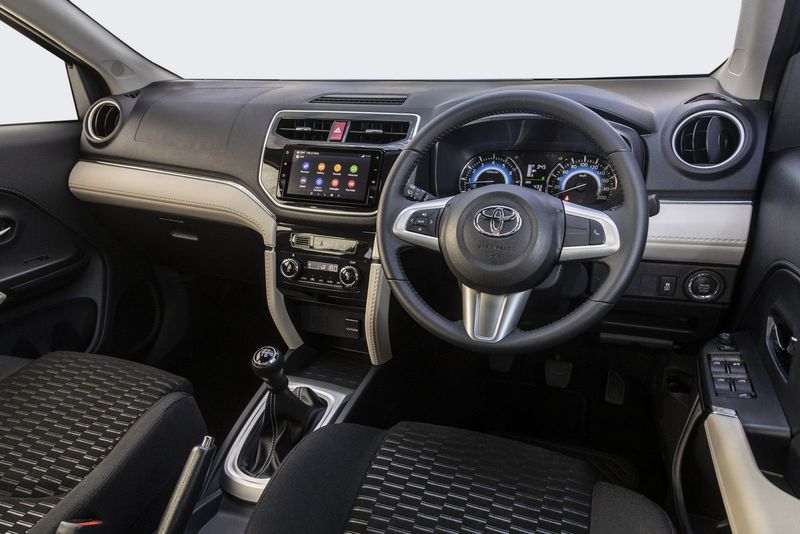
The cabin is well-equipped with features including a comprehensive touchscreen infotainment system.

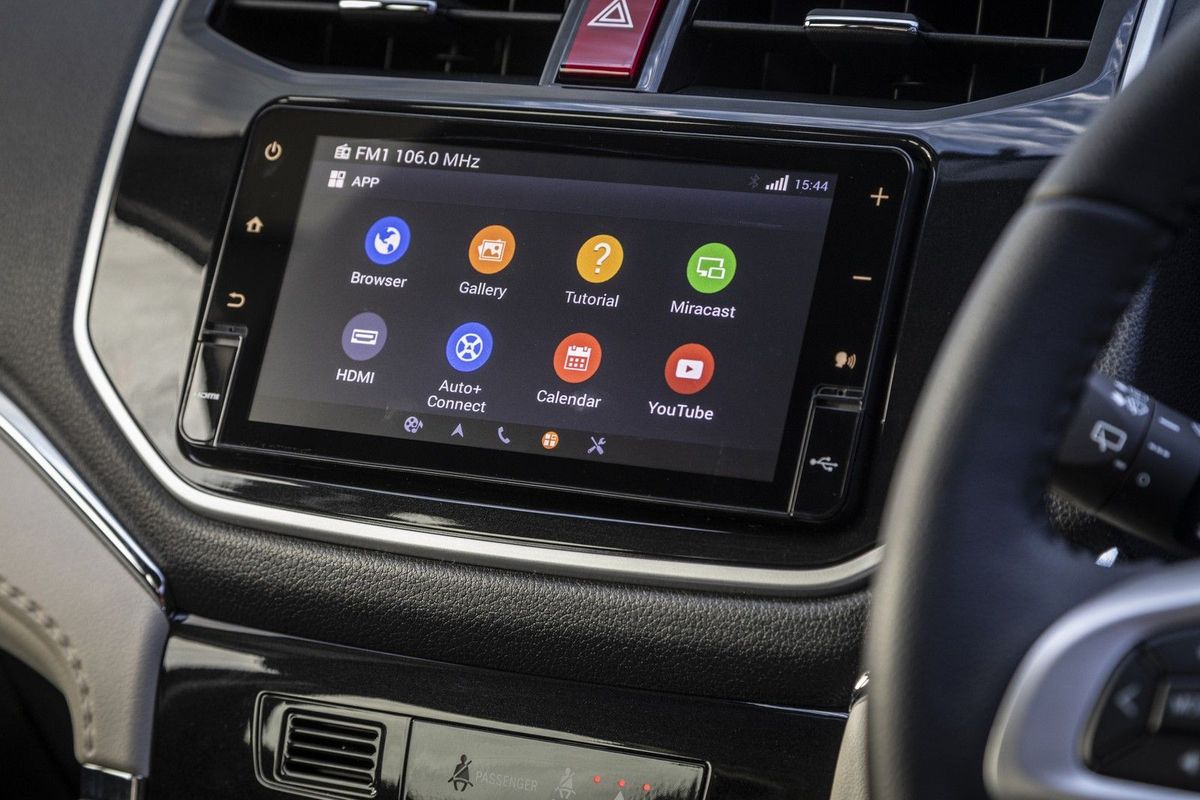
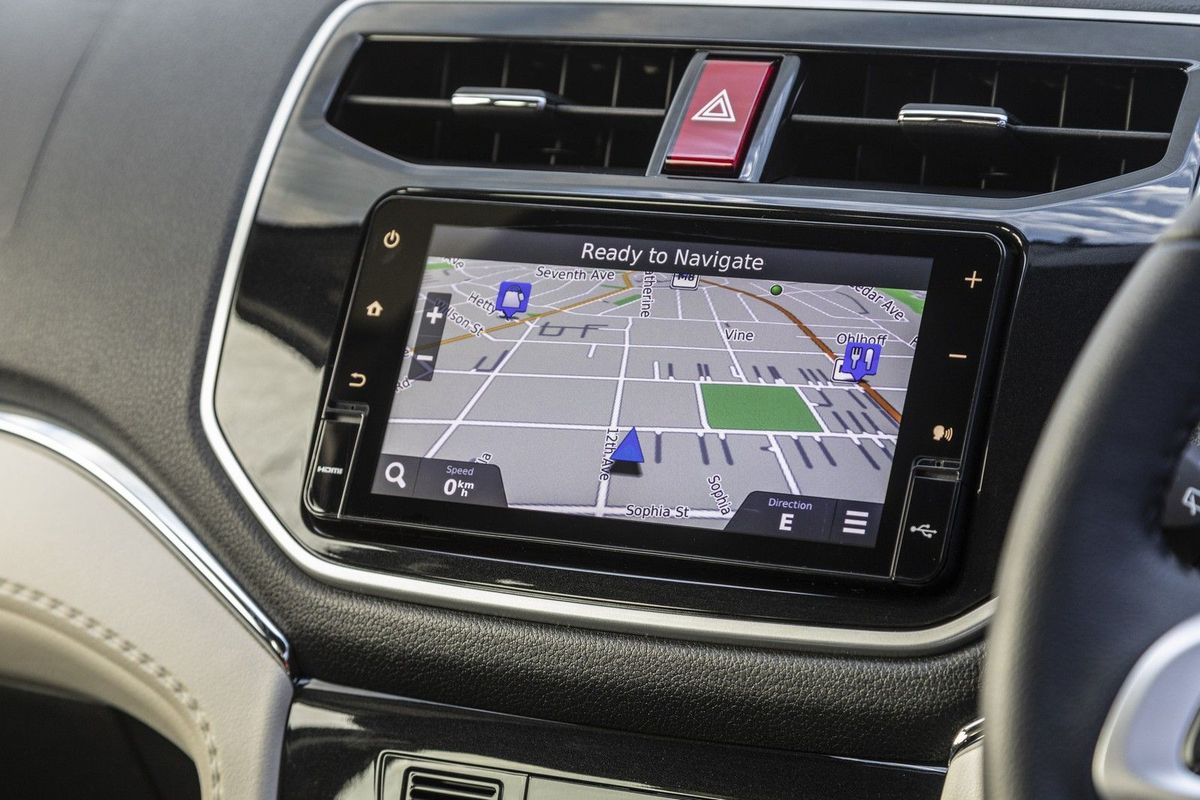
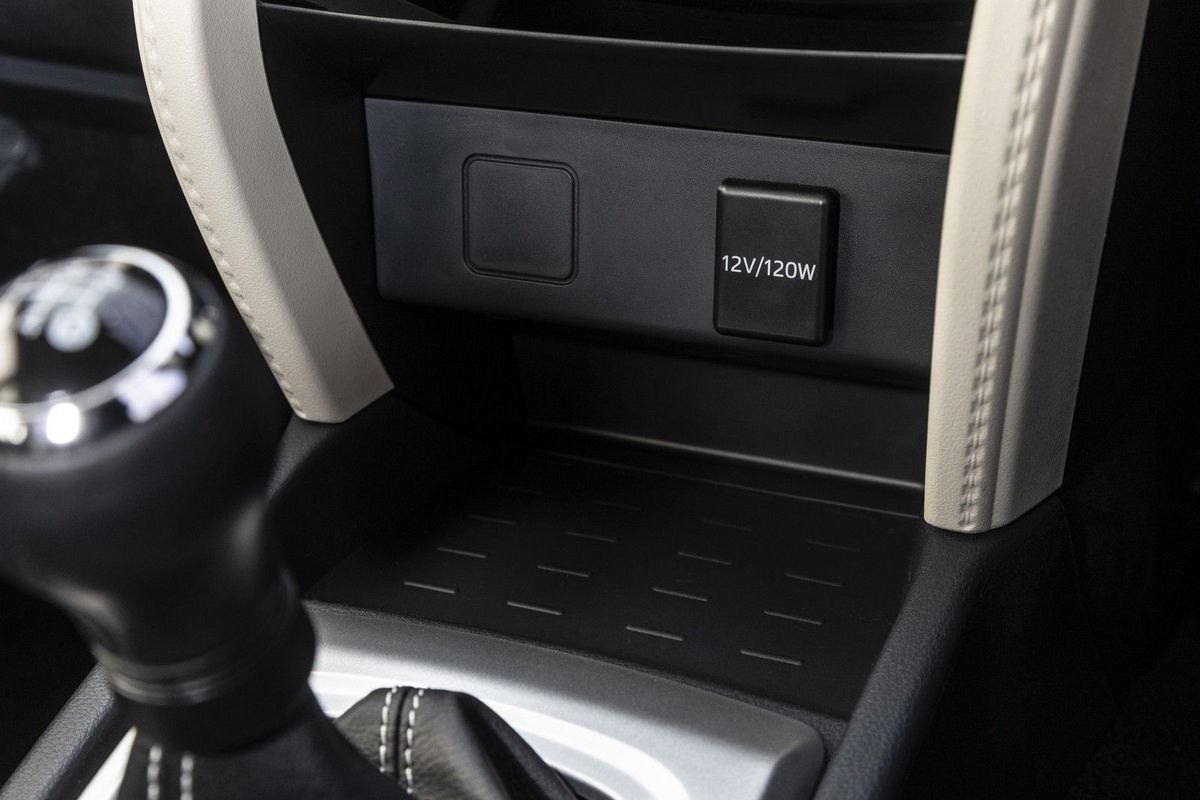
The cabin features a symmetrical design and comes equipped with a 6-speaker, touchscreen audio system with USB and Bluetooth functionality, Android Auto Plus Show,  Apple CarPlay and navigation. Dual-zone climate control and a 12V socket is also seen on the lower section of the dashboard.

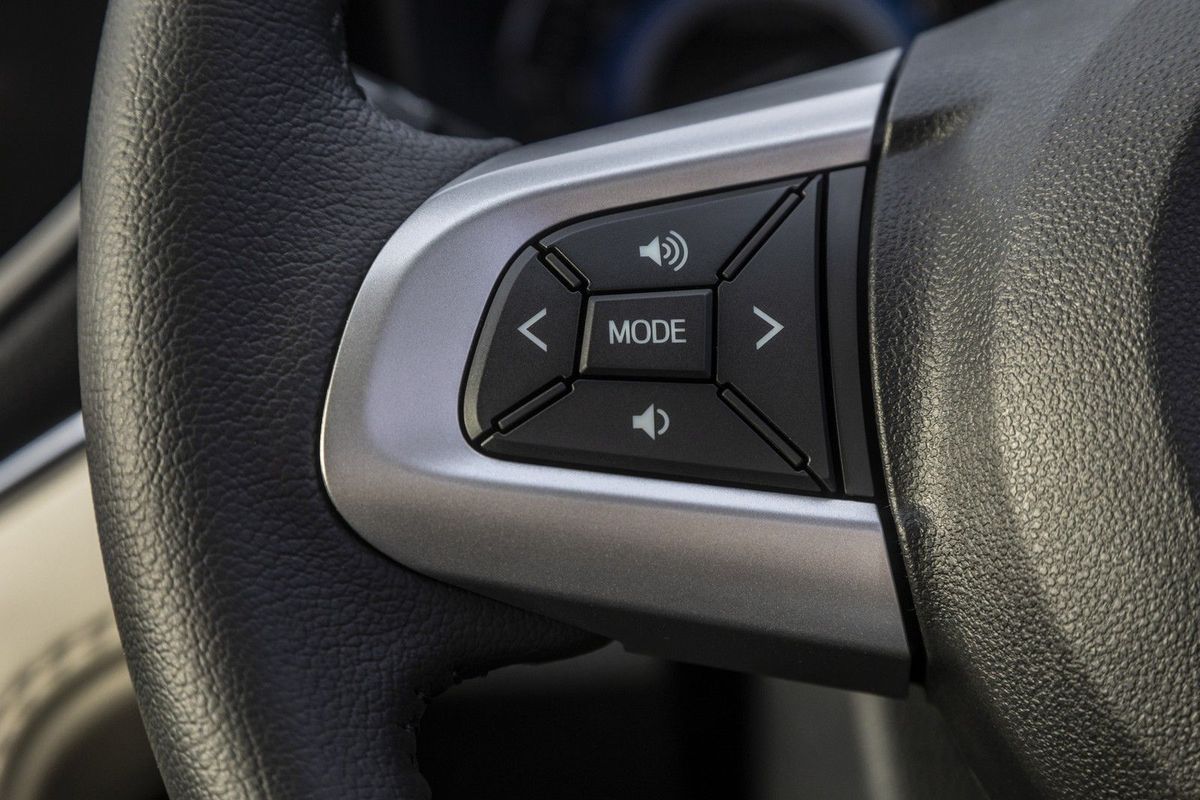
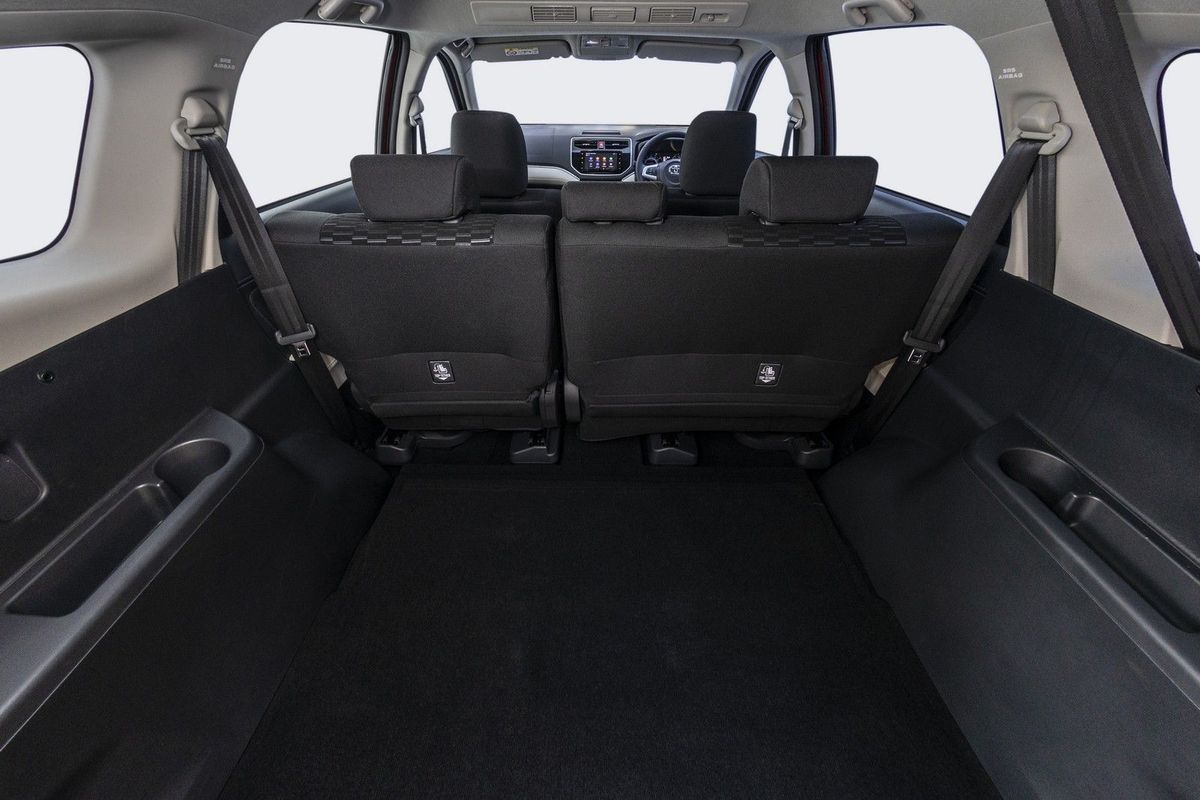
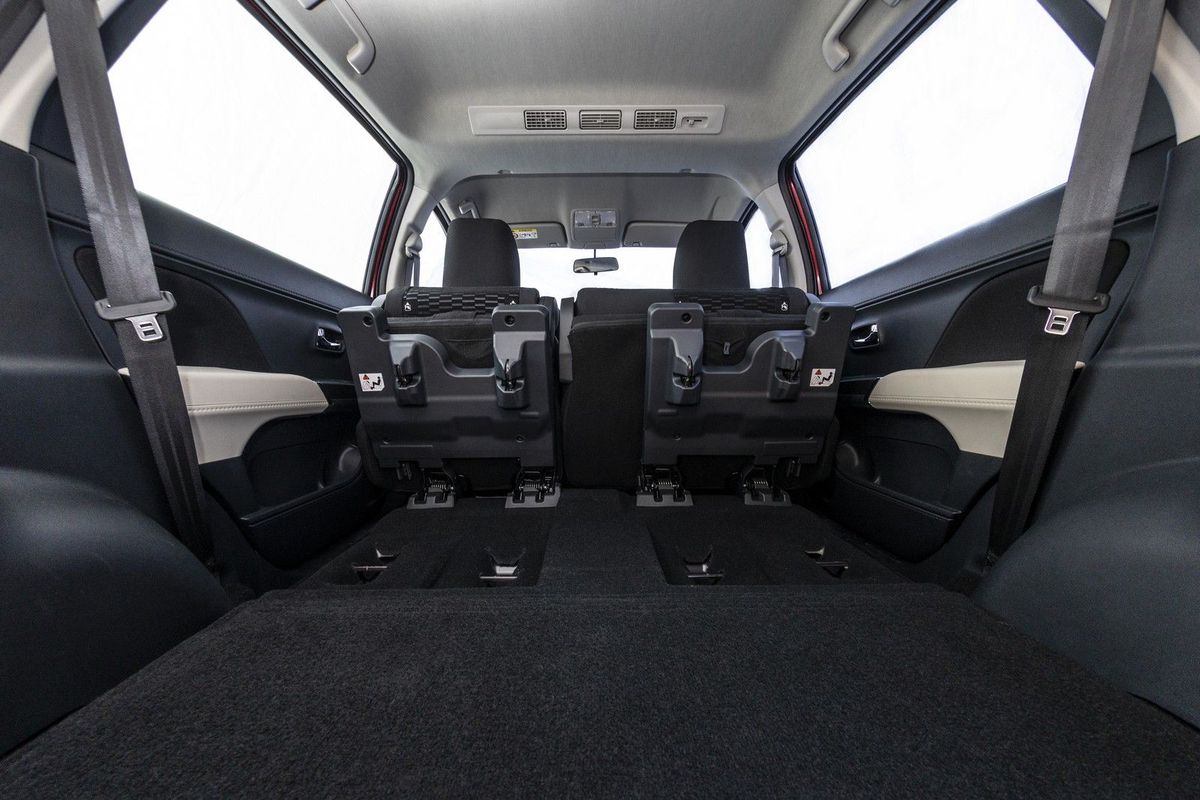
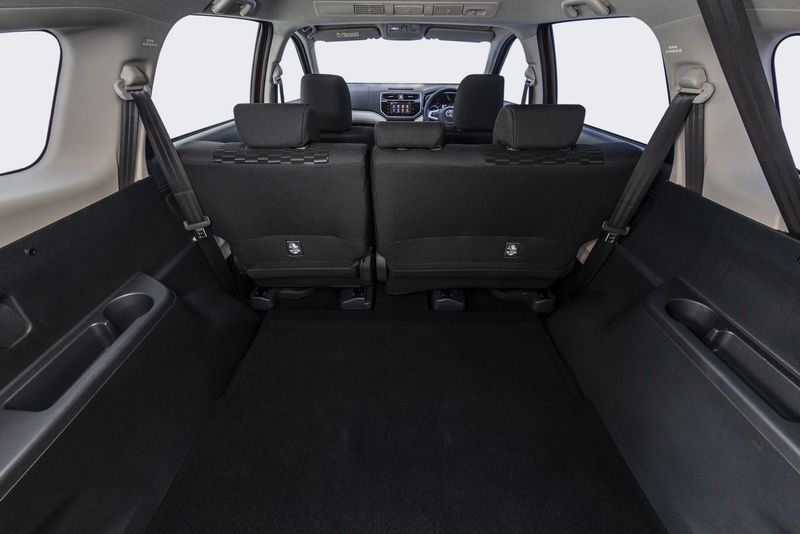
The 3-spoke leather steering wheel is adjustable for rake and comes equipped with mounted controls. Patterned black fabric upholstery is standard. The rear seats are split in a 60:40 configuration if you wish to expand on the already large load bay which offers a claimed capacity of 609 litres.

There’s also ample storage space dotted around the cabin with no less than 5 cupholders and spacious front door pockets that can hold 2 bottles. A large 6.4-litre glovebox and a central storage bin offers extra storage space.


The large luggage bay offers 609 litres of space and the rear seats can fold down to access even more space. 

Standard features

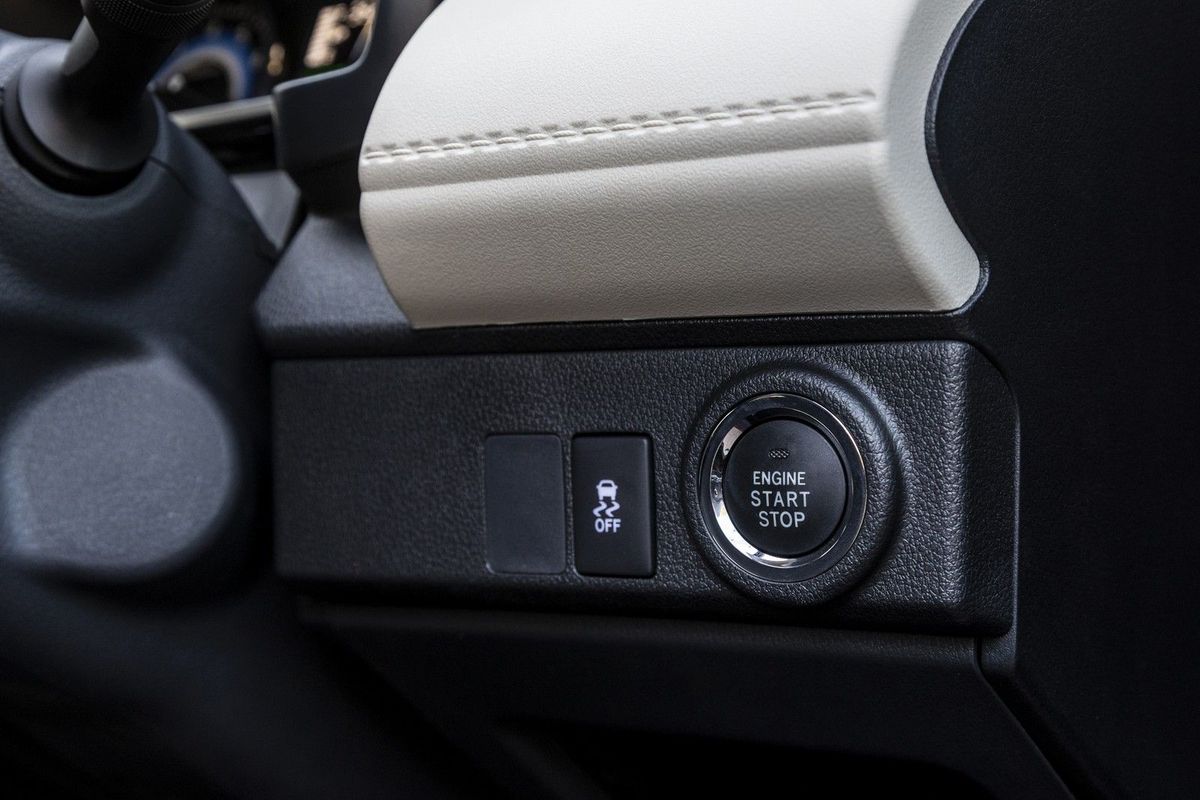
Apart from the features already mentioned, the Rush is also equipped with electric and retractable side mirrors, auto-off LED headlights, integrated reverse camera with park distance control, keyless entry and a push-start ignition.

In terms of safety, a total of 6 airbags are fitted as well as ABS, Vehicle Stability Control (VSC) and Hill Control Assist (HCA).

Engine Power

The Rush is powered by a 77 kW/136 Nm 1.5-litre petrol motor paired with either a 5-speed manual or 4-speed automatic transmission that drives the rear wheels.

Toyota claims a fuel efficiency figure of 6.6 L/100km for the manual while the automatic is said to consume 6.7 l/100km.

In terms of suspension, the front McPherson struts and rear Multilink suspension has been engineered to cope on mixed surfaces including tar, gravel and dirt.

Toyota Rush – Price in SA

Rush 1.5 M/T – R299 900

Rush 1.5 A/T – R313 500

The Rush is sold with a 3-year/100 000 km warranty and a 6-service/90 000 km service plan.

Buy a new or used Toyota on Cars.co.za

Related Content

Toyota Rush in SA (2018) Pricing Details

New Car Sales Summary for June 2018

Audi Q3 Teased, to be revealed this week [Video]

Audi has released a teaser video for its forthcoming Q3 SUV and it'll be fully revealed later this week

The Audi Q3 is a bit long in the tooth and a replacement model is imminent. A teaser video was released and it gives us a handful of clues about the newcomer. Audi has been on the product offensive in 2018 and the Ingolstadt-based brand claims to be releasing a new model every three weeks in 2018, with a goal of around 17 vehicles for this year.

This will be the second-generation Audi Q3 and in light of significant moves by competitors in the luxury SUV space, it can't come quick enough. We don't have many details as yet, but with the reveal just days away, we can speculate that there'll be a healthy mix of petrol and diesel models, front-wheel drive and quattro all-wheel drive, and a performance RS Q3 following on later. We're not going to rule out some form of electric assist either, with technology dripping down from the soon-to-be-released Audi E-tron.

Teaser Video

Want to purchase an Audi Q3?

Browse through new and used stock here

Audi Q3 Related Content

Rendering: Audi Q3 (2018)

2015 Audi Q3 Pricing & Specs Announced

Audi RS Q3 (2014) Review

Audi Q3 1.4T S Auto (2015) Review


The Journey: The Next Chapter

We are preparing to embark on our biggest and most ambitious Journey yet. We will venture into the heart of Mozambique in celebration of Land Rover’s 70th Anniversary and we expect to cover well over 2 500 km with resident Cars.co.za journalist and photographer Gero Lilleike behind the wheel of a Defender Ultimate Puma.

The Journey is a Cars.co.za video series that seeks to visually capture the imagination through adventure and explorative travel by car while showcasing the boundlessly diverse beauty of Africa and its people. The Journey aims to inspire but also stoke the innate human urge to discover and experience the awe of the world in which we exist.  

“There was nowhere to go but everywhere, so just keep on rolling under the stars.” — Jack Kerouac

Gero will be joined by Nicole Eddy, a renowned travel YouTuber, as well as Cape Town-based photographer and Instagrammer Calvin Munhuweyi. Follow our epic journey using the hashtag #TheJourneyAfrica on Twitter and Instagram for updates along the way!

Follow @CarsSouthAfrica on Instagram and Twitter

Follow Nicole Eddy on Instagram, YouTube and Twitter

Follow Calvin Munhuweyi on Instagram and YouTube

Never seen The Journey before? Take a look at our previous episodes below…

The Journey – Namibia


The Journey – Transkei


Buy a used Land Rover Defender on Cars.co.za

Related content:

Farewell Land Rover Defender

Land Rover Defender Heritage Edition Video Review

Land Rover Defender 110 Heritage Edition (2016) Review

Jaguar GFV: Vehicle finance driven by you

Jaguar has introduced the finance option of Guaranteed Future Value, which offers South African customers of the Coventry-based brand the opportunity to step into a new Jaguar model every 3 or 4 years.

SPONSORED ARTICLE

With Guaranteed Future Value (GFV), buyers will know right from the start of their finance contract what the guaranteed future value of their Jaguar will be, which allows them to plan ahead with an option to either renew, retain or return the vehicle at the end of a pre-determined term.

“This product will appeal to a changing customer – a customer who wants no risk at the end of the term; a customer not interested in ownership, but ‘usership’;  a customer who wants to drive a new vehicle every 3 or 4 years,” says Viola Rossouw, Financial Services Manager, JLR South Africa.


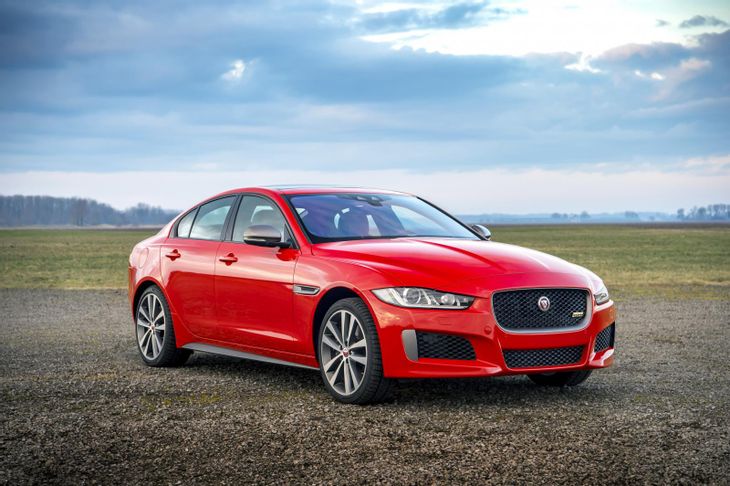
Jaguar expanded its XE line-up through the introduction of the 300 Sport Special Edition derivative and Landmark Edition trim line. 

How it works

1. Select your preferred Jaguar

See New Jaguar Specs & Prices in South Africa

2. Set your term/period, kilometre limit and deposit

3. At the end of your chosen term you have the option to:

Renew

Prior to the date on which the GFV is due and payable and provided that you have paid all other amounts owing, including any arrears and/or arrear interest, you may elect to trade the vehicle in for another vehicle. In the event that the vehicle is sold for more than the GFV amount, any surplus amounts can be applied towards the purchase of the new vehicle.


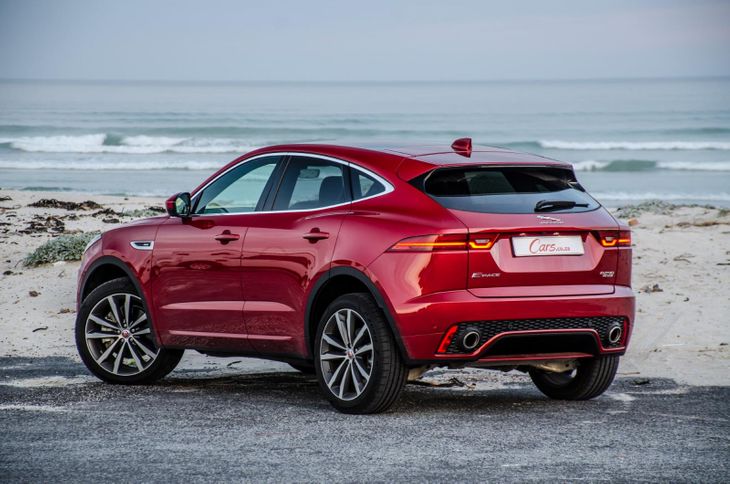
The E-Pace is now available with a 147 kW 2.0-litre turbopetrol, as well as adaptive suspension and Smart Settings self-learning technology.

Retain

If you’d prefer to keep your Jaguar, then prior to the date on which the GFV is due and payable, you must settle the GFV as well as any arrears, arrear interest or any other amounts payable or refinance the vehicle.


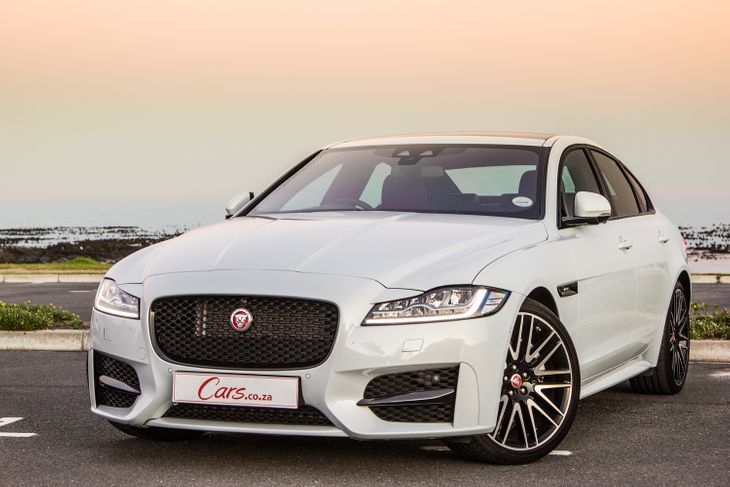
The Jaguar XF. In 2016, the 25t Portfolio was named the Cars.co.za Consumer Awards champion in the Executive Sedan category.

Return

If you decide to part with your Jaguar simply return your vehicle to your preferred Jaguar Retailer provided that you have paid up all other amounts owing, including any arrears and/or arrear interest and that the vehicle complies to the conditions of use.

For Vehicle Finance driven by you, speak to your nearest Retailer or click here to find out more.

Terms and Conditions Apply.


The Jaguar F-PACE was named the 2017 World Car of the Year. Get a quote / Book a test drive.

Related content:

Jaguar XE (2018) Range Expansion

Updated Jaguar F-Pace Due in 2018

Jaguar E-Pace D240 R-Dynamic HSE (2018) Review

Jaguar E-Pace (2018) Video Review

I-Pace coming to SA: How Jaguar hopes to make it work

Looking for a used Jaguar?

Find one for sale on Cars.co.za

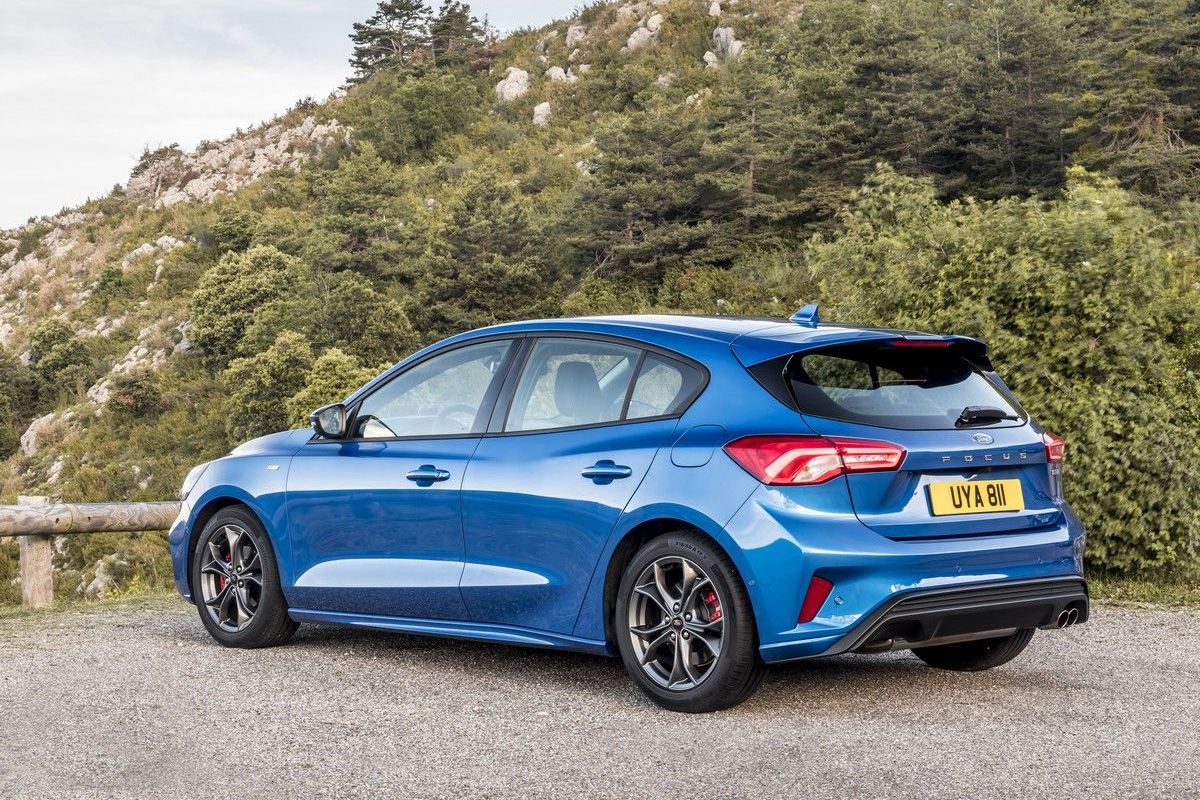
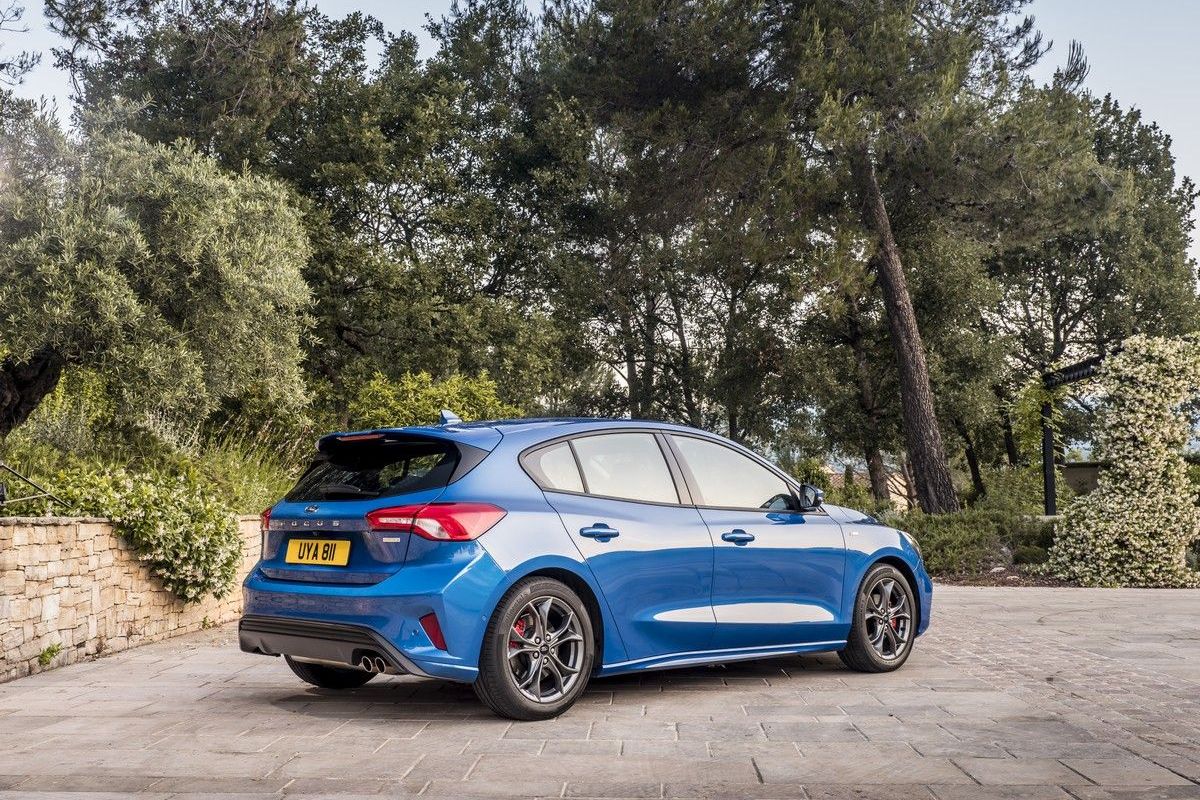
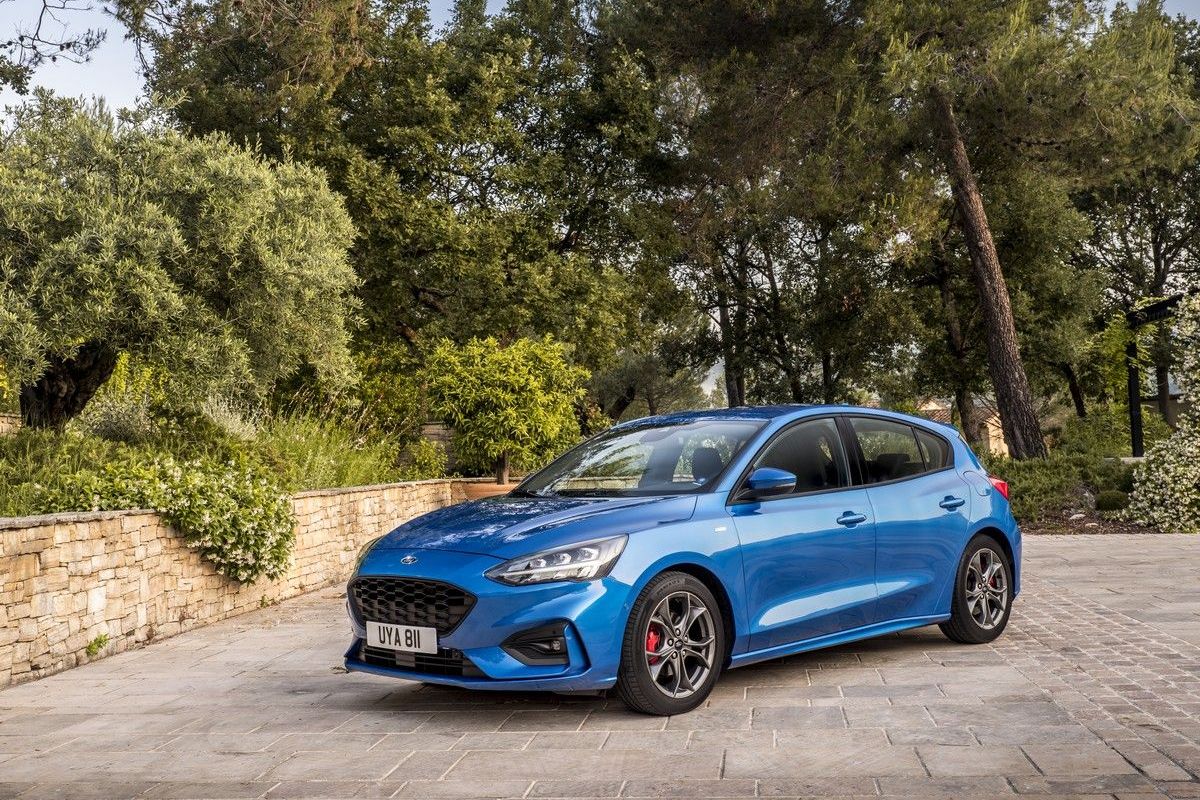
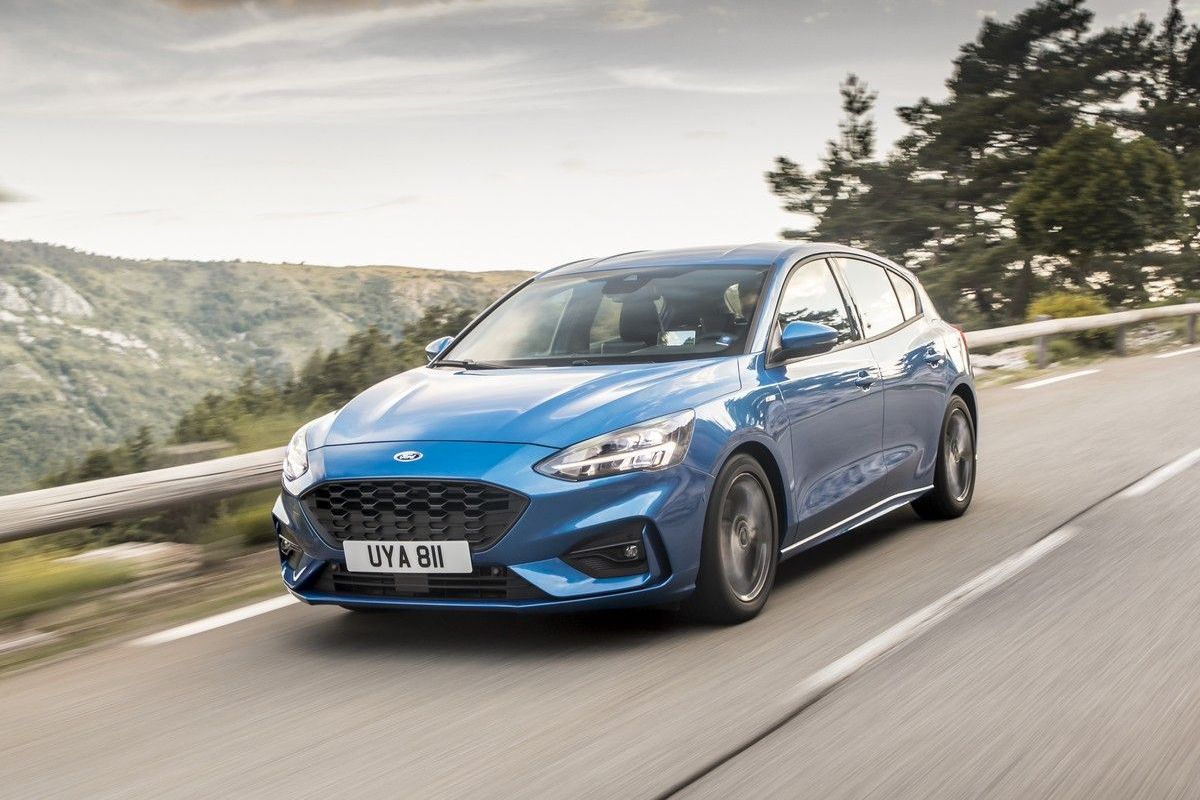
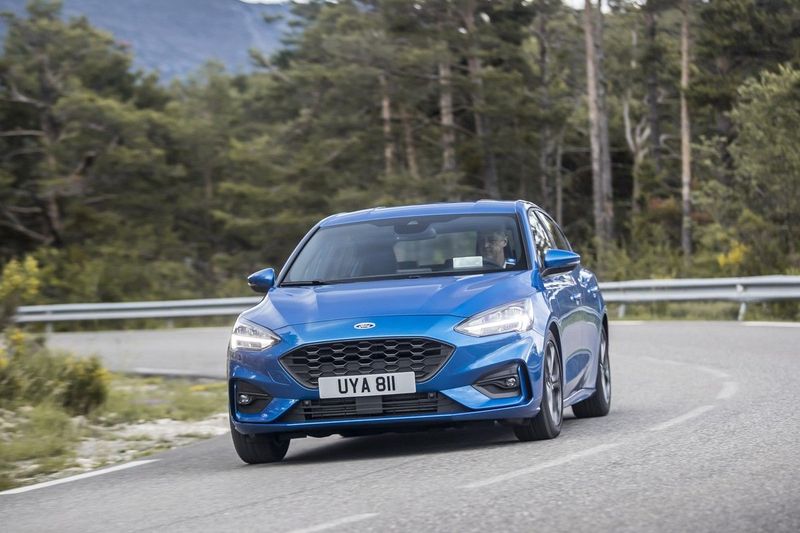
Ford Focus (2018) International Launch Review

Ford boldly states that the new, 4th-generation Focus compact hatchback is the best car that it has ever developed. That’s all good and well, but the big question is: will the Blue Oval’s new C-segment champion be good enough to tempt you out of a Golf? We drove it in France to find out.

Arrives in SA: 1st quarter of 2019.

Likely line-up: 1.0T and 1.5T EcoBoost turbopetrol engines, 6-speed manual and 8-speed automatic, Titanium and ST-Line 5-door hatches.

Key rivals: Volkswagen Golf, Opel Astra, Peugeot 308, Renault Megane and Toyota Auris.


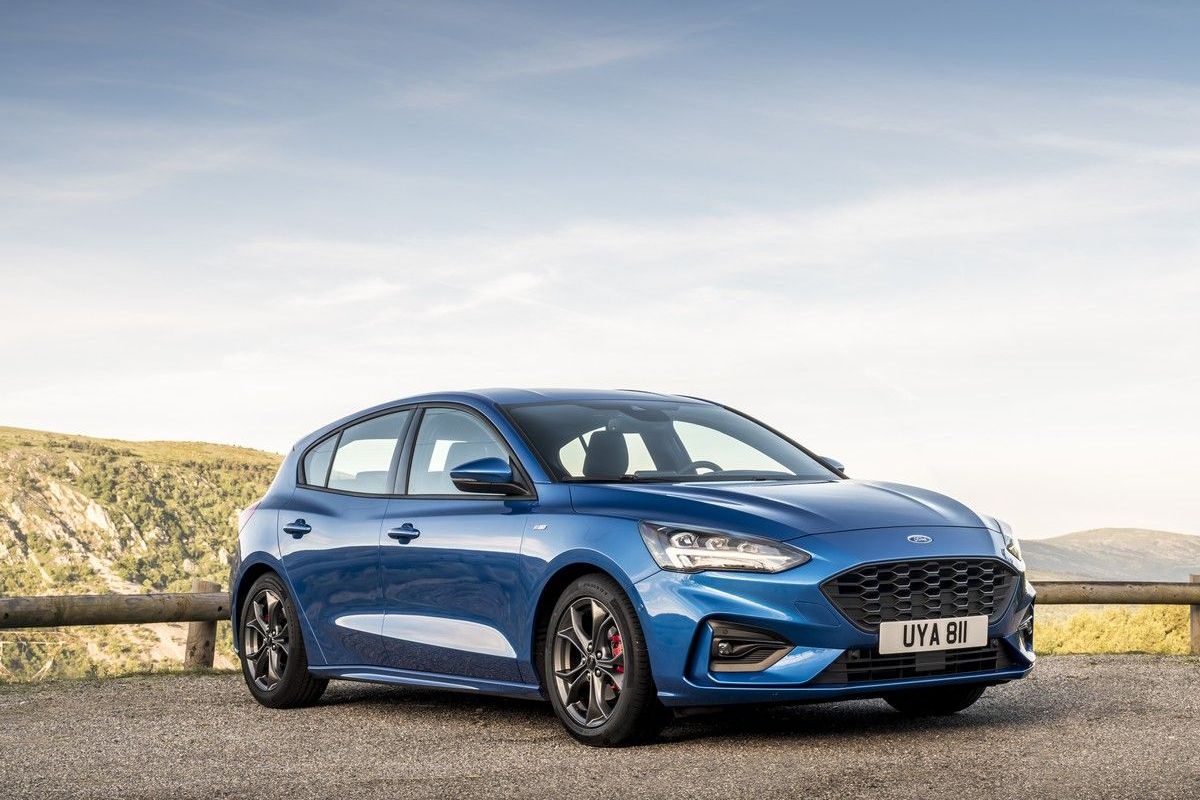
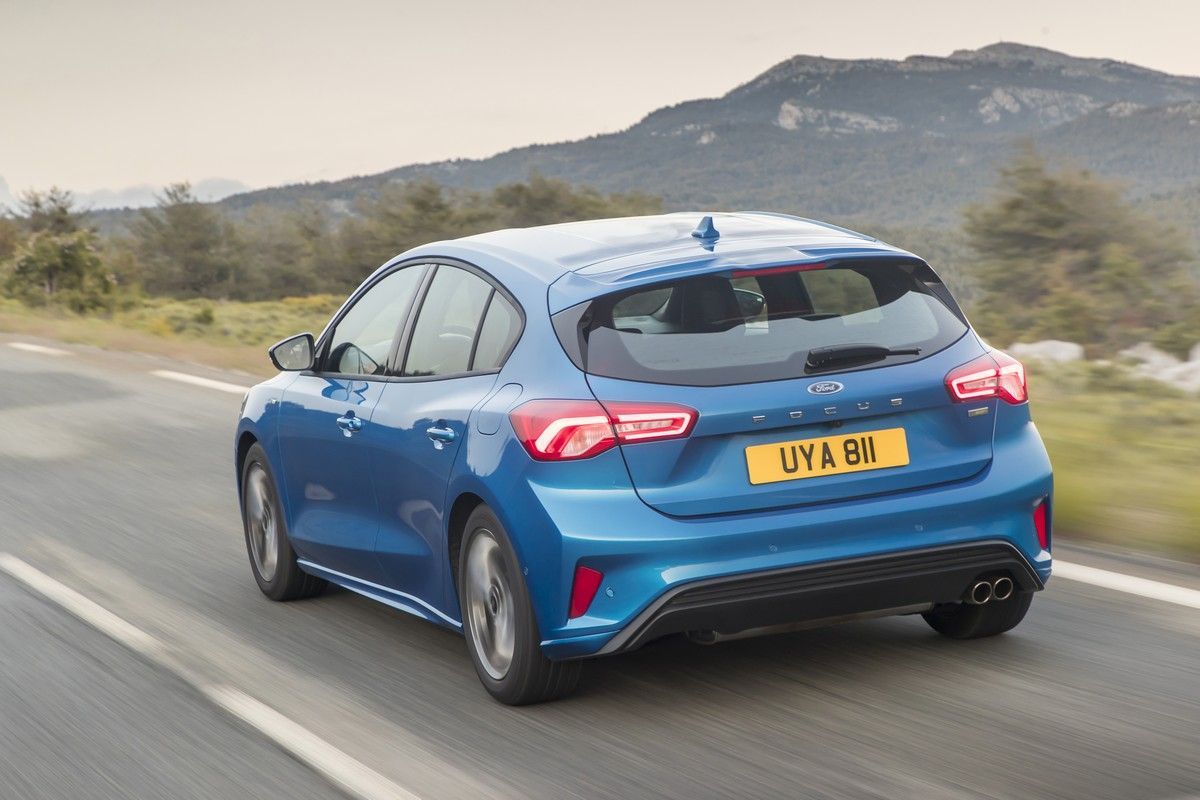
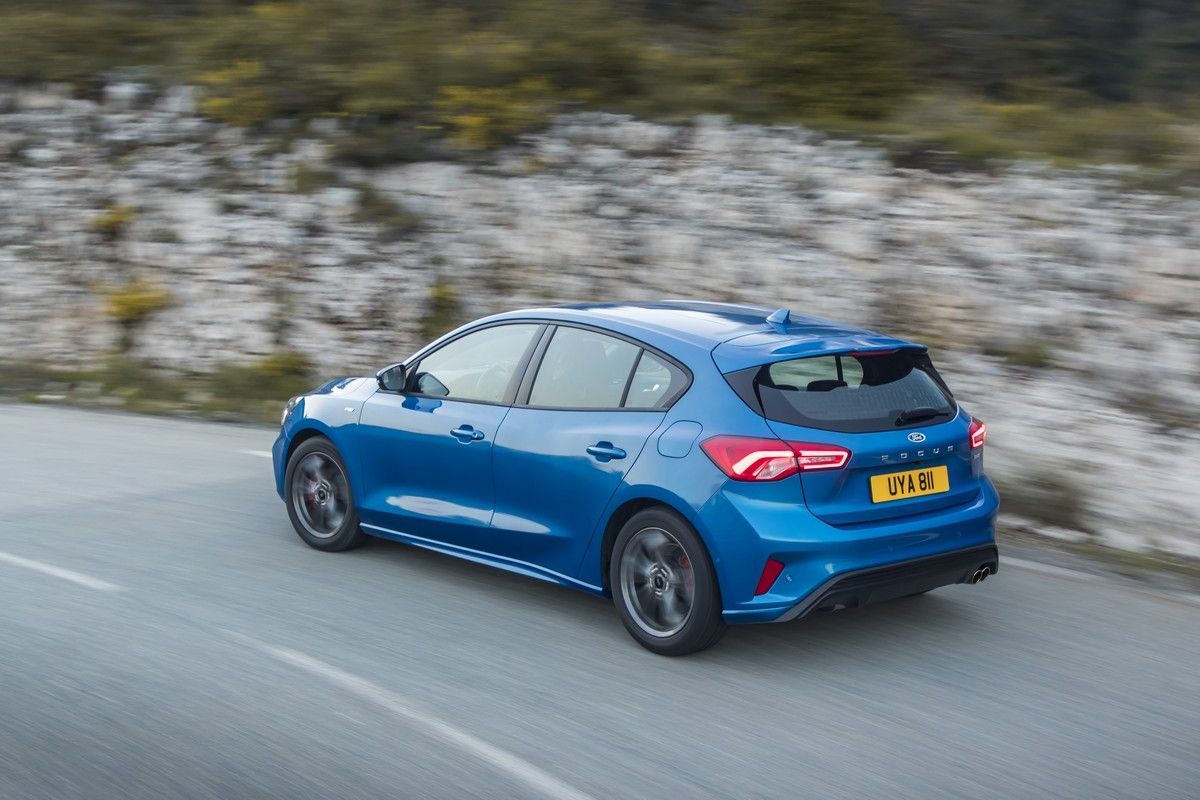
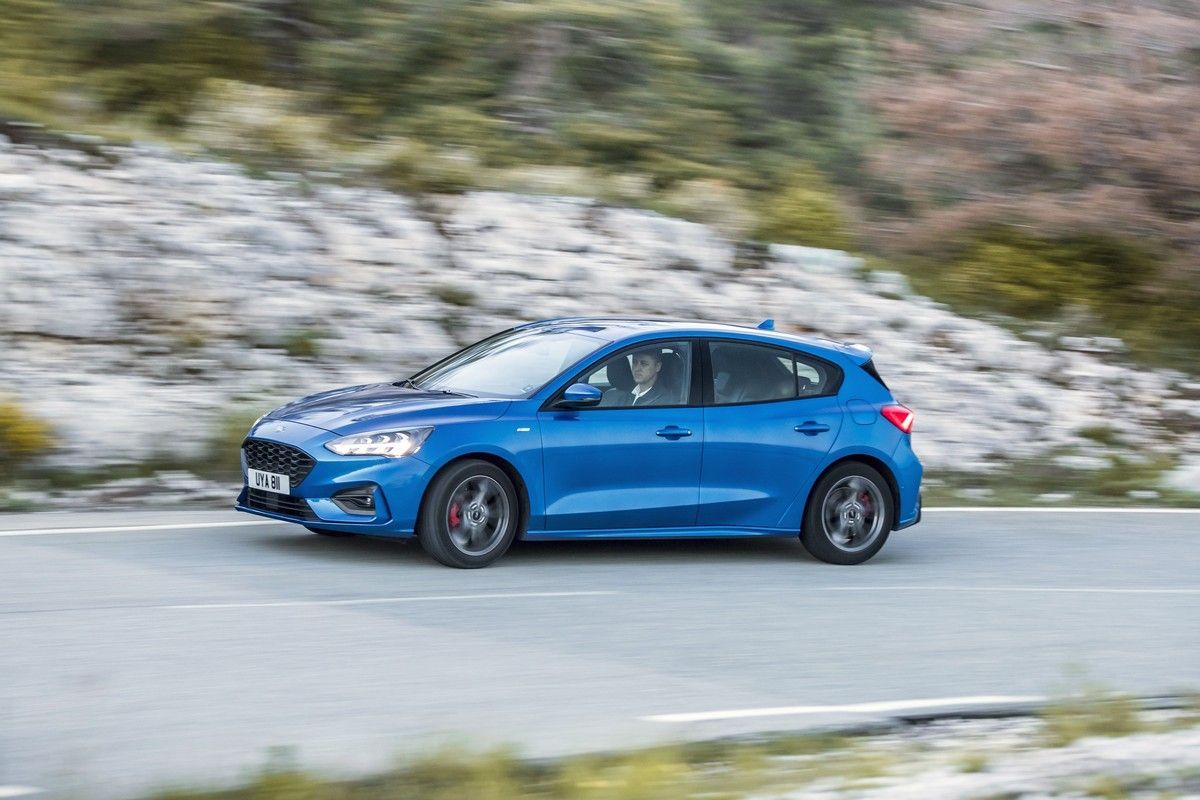
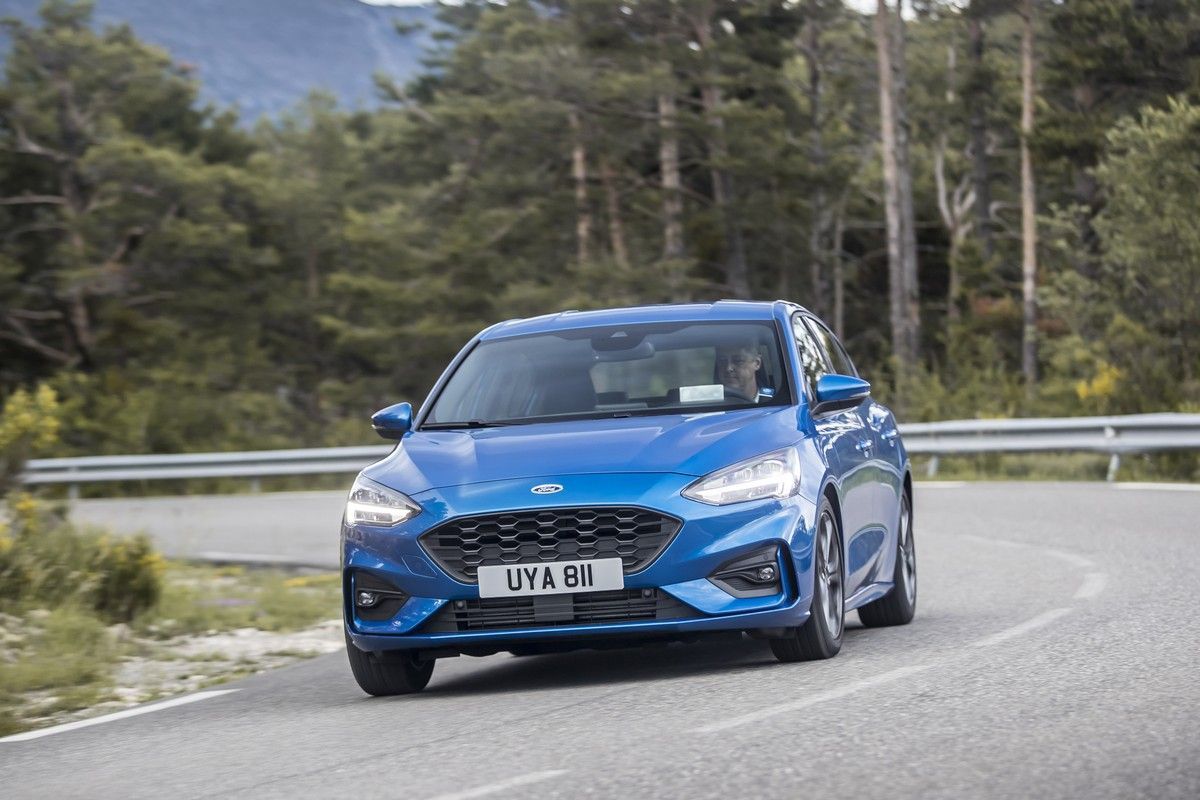
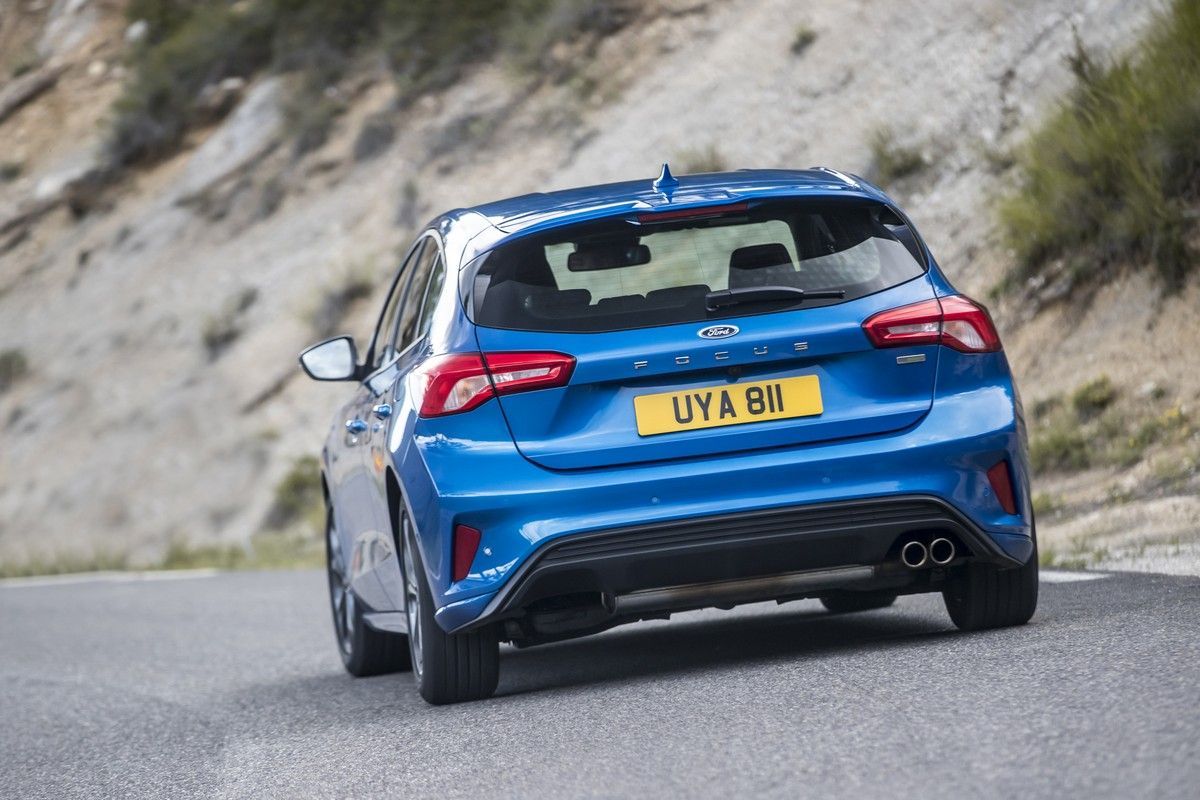
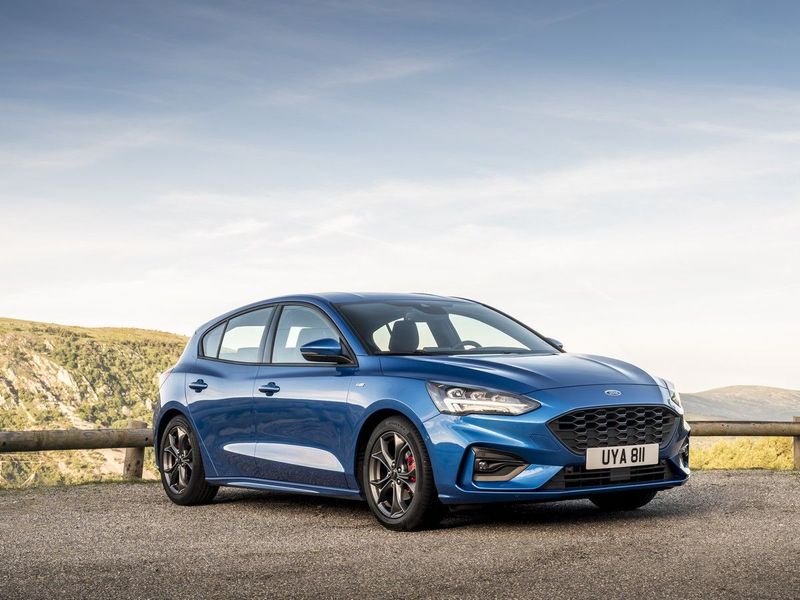
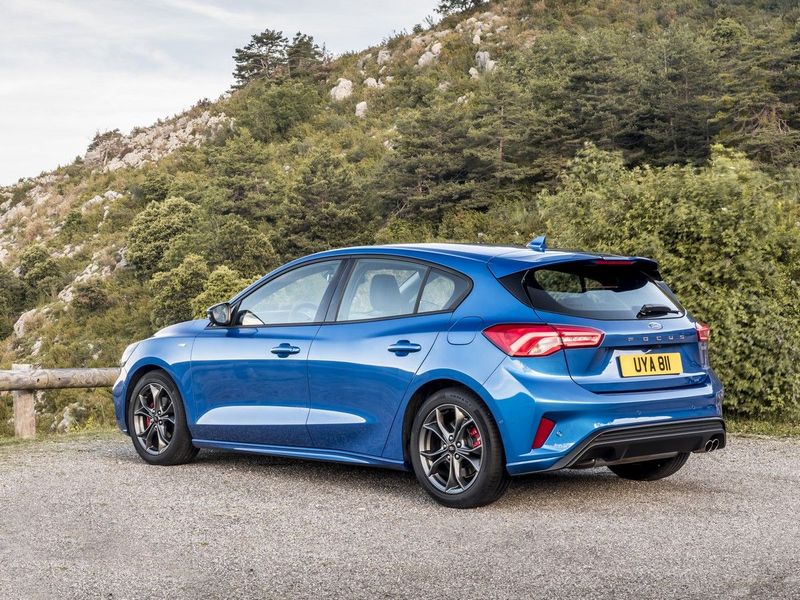
It may not be obvious, but the exterior appearance of the 4th-generation Focus is the product of a clean-sheet design. 

It’s all-new, from the ground up

These days, it’s rare to hear about a clean-sheet design – car companies tend to gradually introduce, refine and carry over cues – but the new Focus is just that… all-new. It rides on the company’s new C2 platform that will also underpin, among others, the next Kuga family car. And Ford’s designers and engineers are proud to say that they’ve been ruthless in addressing some of the less impressive aspects of the previous car, notably cabin design/quality, rear space, refinement (particularly transmission) and technology, the latter of which has lagged the best in this category.

The introduction of the Focus coincides with a 600-million Euro investment in Ford's Saarlouis facility in Germany; for the Blue Oval, it's a crucial car to get right. Even though crossovers/compact SUVs eat into this segment, mid-size family cars still account for 1 in every 5 vehicles sold in Europe.


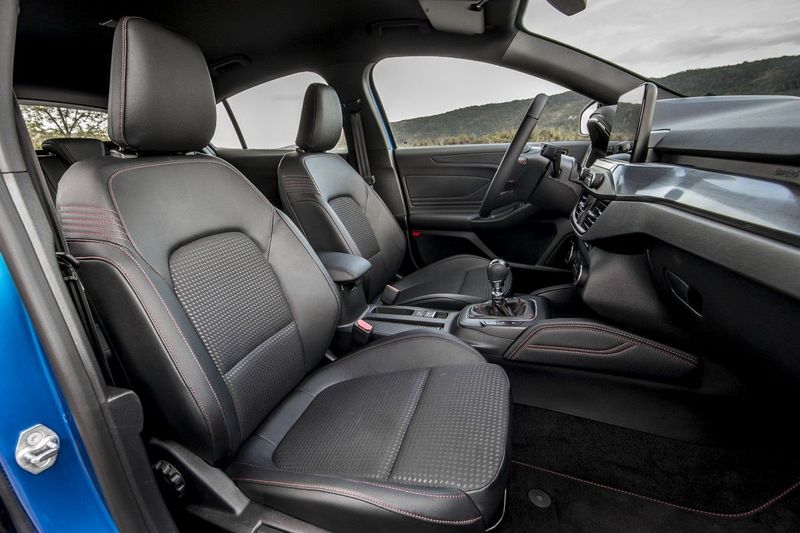
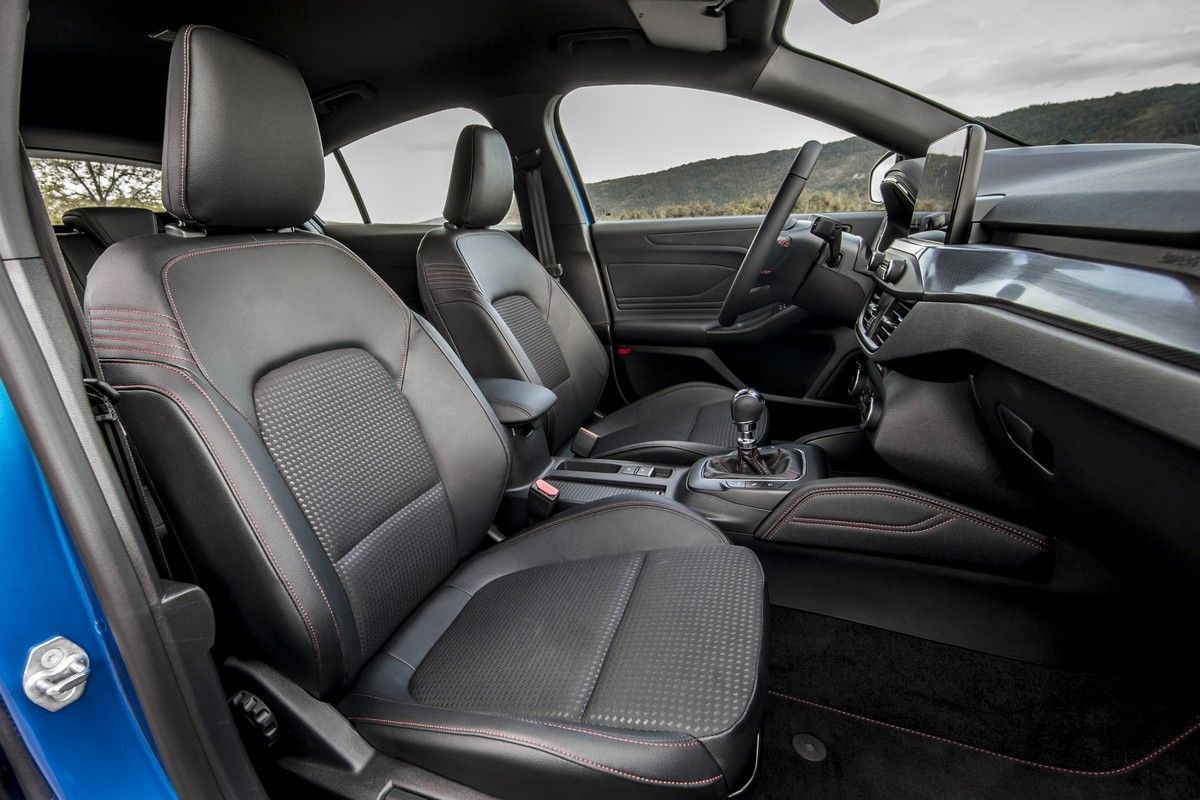
Much improved (or at least consistent quality of) interior materials lend the new Focus a much more upmarket ambience. 

Heading upmarket

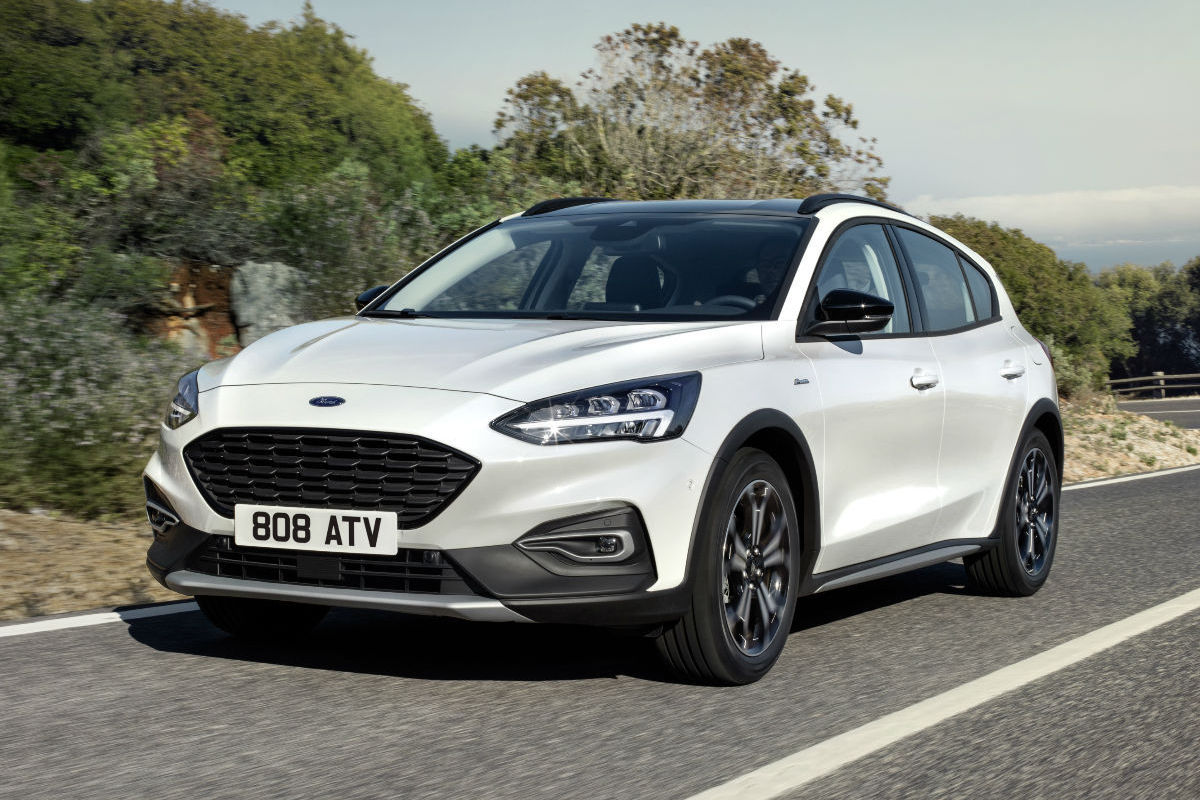
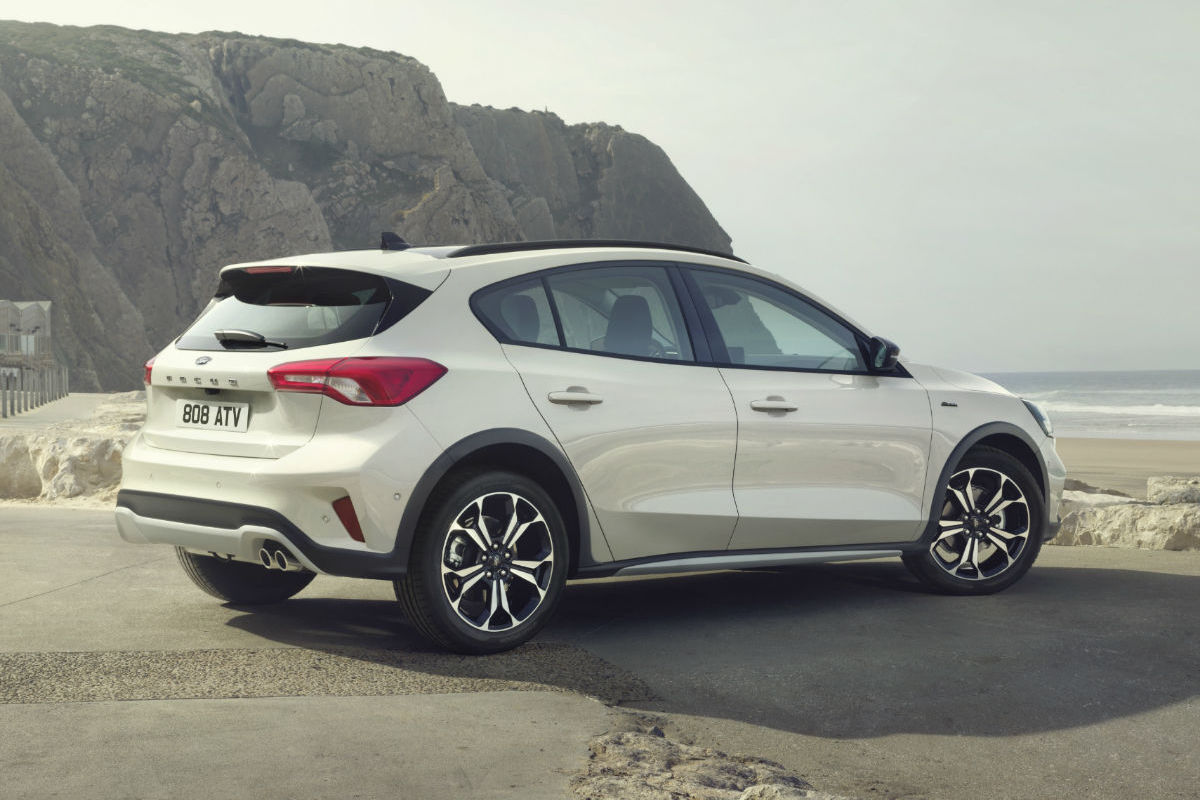
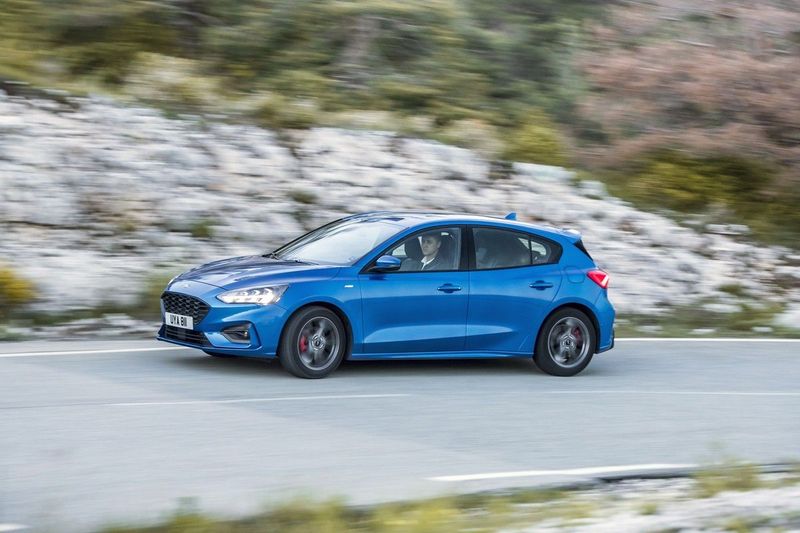
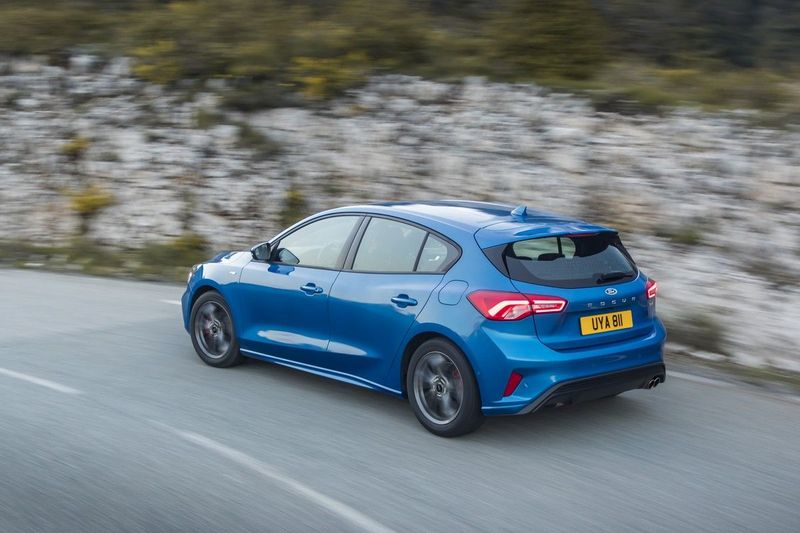
You can blame the Volkswagen Golf for the lofty quality standards that exist in this category, but Ford is very aware that it needed to up its game in this area. You can make up your own mind about the exterior design; in my view, it's modern, neat and unlikely to offend, and I quite like that each of the different trim lines has its own visual character. I love the classy looks of the Vignale, but we won’t get that specification. South Africans are likely, however, to adore the sportiness of the ST-Line. For the first time, there will be an Active crossover-themed variant (but unconfirmed for SA).

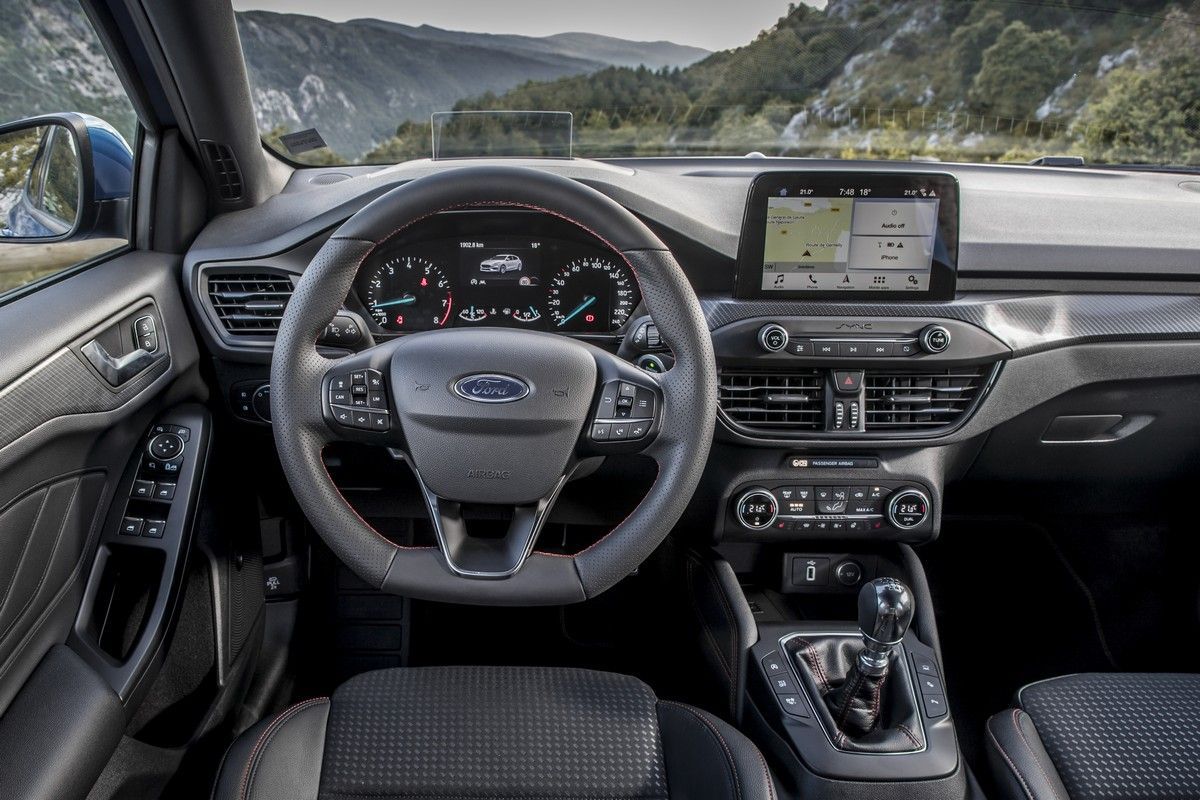
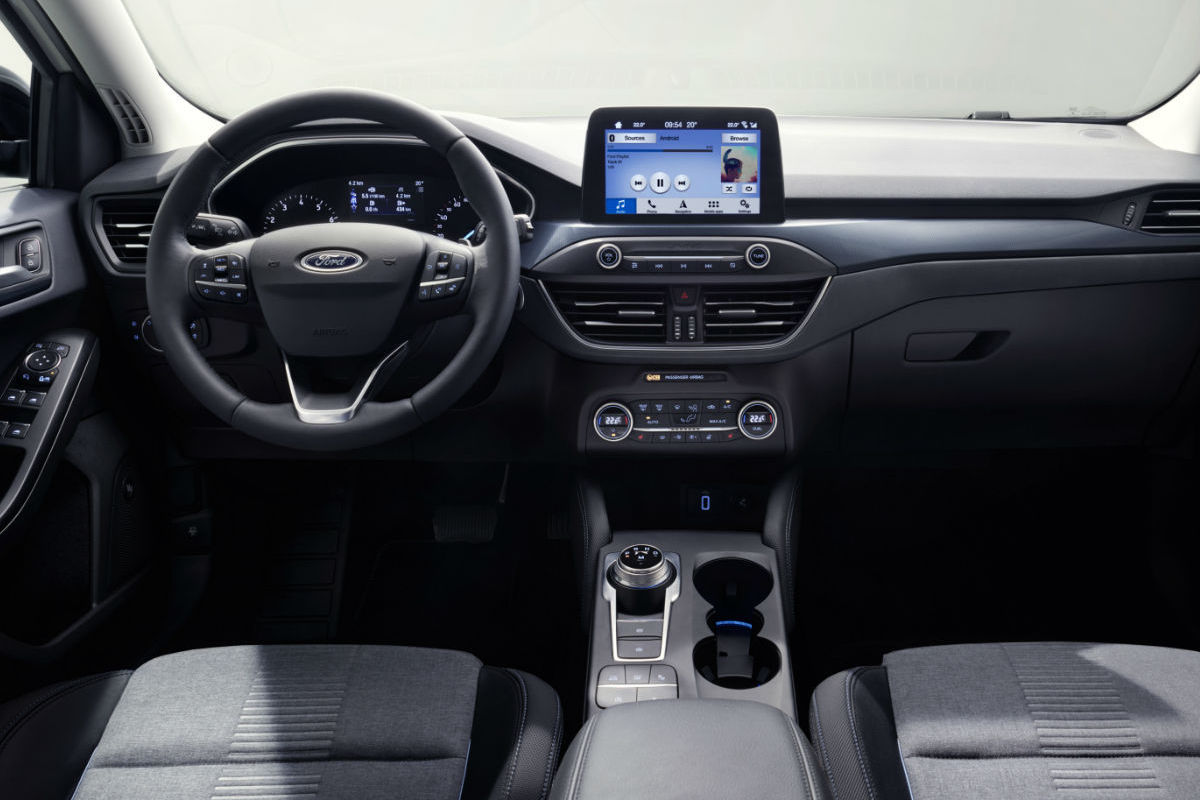
Inside, the design follows the theme set by the new Fiesta, so there are far fewer buttons on (and a much more coherent look to) the fascia, which is dominated by the infotainment screen perched atop the centre hangdown section. There has been a very noticeable improvement in tactile quality; the upper section of fascia is particularly impressive. In the previous iteration of the Focus, you’d frequently find materials of varying surface finish and quality. It happens far less in the new car, but lower down in the cabin you’ll still find plastics that are not quite up to the Golf's standard.


Compared with its predecessor, the Focus has a much-decluttered fascia, the touchscreen is perhaps placed a little too high, though.

I did, however, appreciate the rubber floors in all the assorted stowage areas – even the doors pockets are lined with carpet/felt. What's more, some Focus derivatives feature a leather-surfaced pad against the centre console that you can rest your knee against.

Excellent comfort and refinement

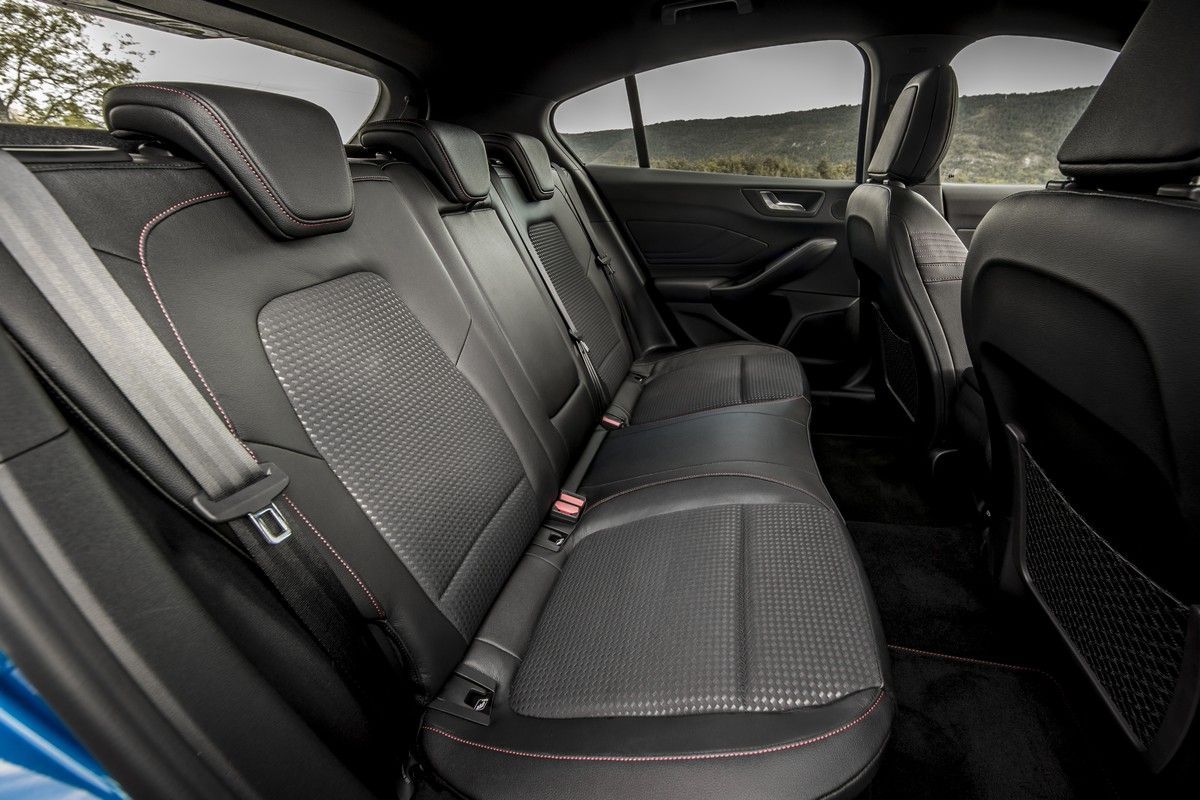
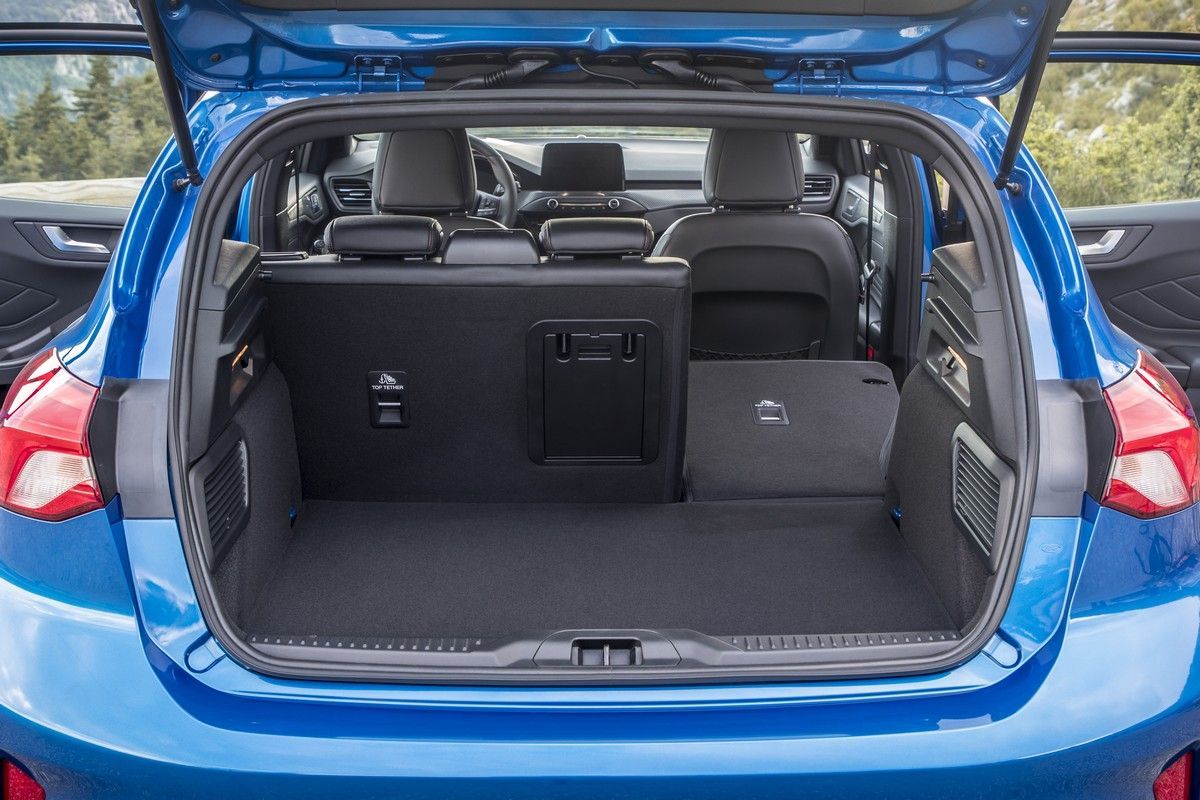
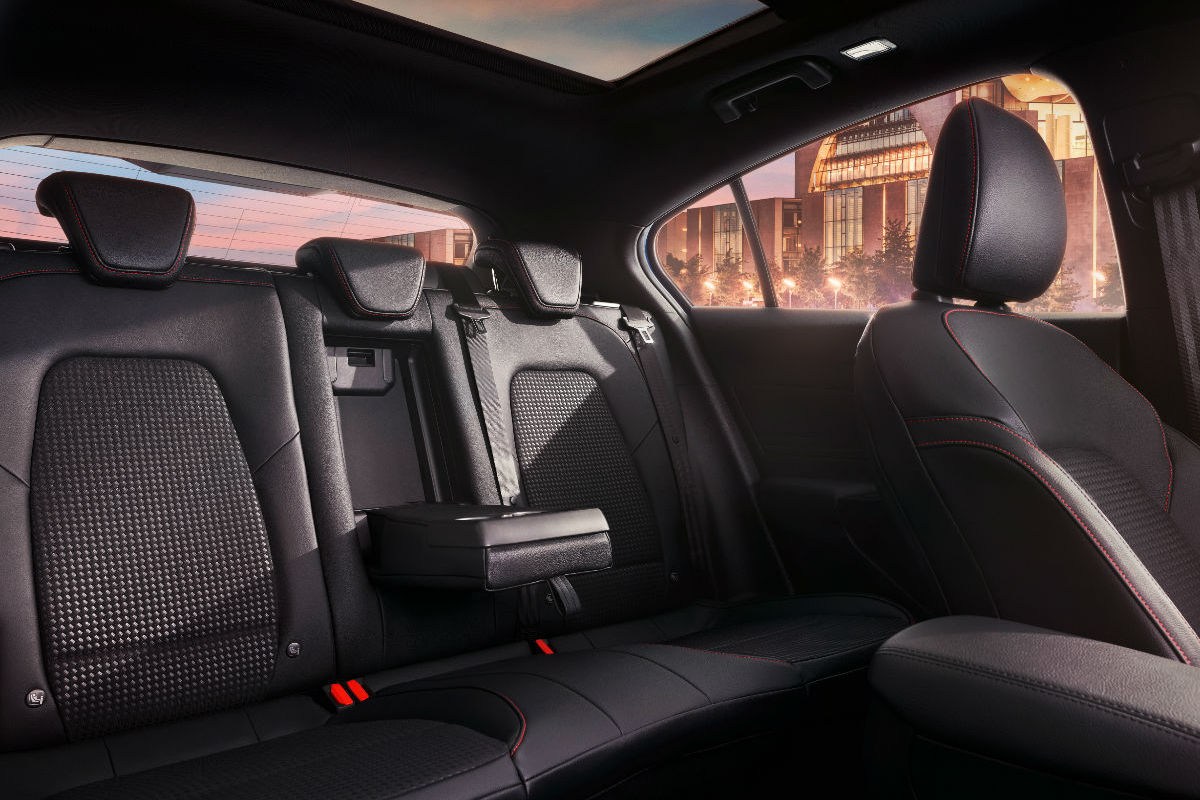
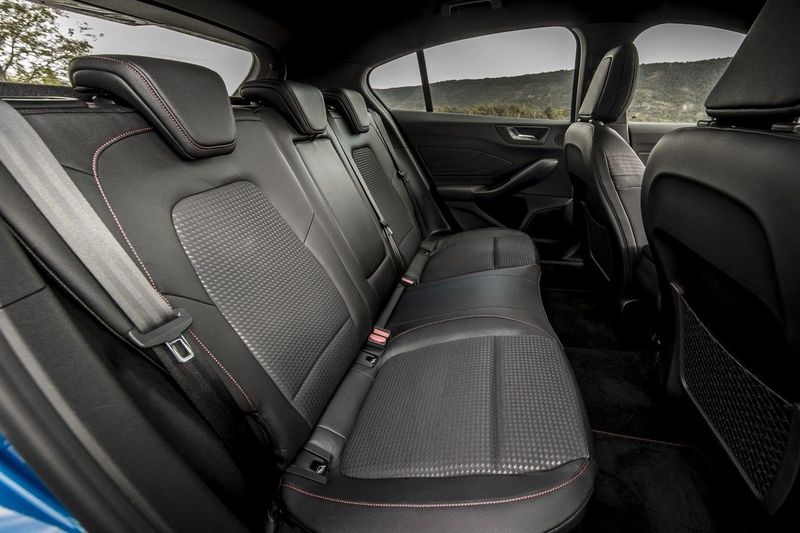
The new Focus has a wheelbase that’s more than 50 mm longer than before, and all of that has gone into creating more legroom for rear passengers. Ford says the newcomer now offers class-leading kneeroom, and having done the sit-behind-self test (I’m 1.82-m tall), I have no reason to doubt the claim. Shoulder room has also increased by 60 mm and the luggage area is among the largest in this segment, too.


Rear passengers should be appreciably more comfortable in the rear of Focus, where kneeroom has notably improved.

There are some very nice touches that show Ford listened to its customers. For example, the side mirrors are shaped in such a way so that the irritating buffeting noise that usually happens when one rear window is slightly open is reduced. This should please dog owners in particular.

Also, when you open any of the doors you may notice a little rubber shield popping out and wrapping around the outer edge of the door – this is to limit damage when, for example, kids absentmindedly throw them open in a car park. Close the door and they magically disappear. Clever!

At the front, the seats are shapely and supportive and there’s plenty of reach/rake adjustment on offer from the steering column. It’s a car that you can easily get comfortable in, a fact we discovered by covering significant distances on both driving days. On the varying road surfaces of France, the lack of road noise and the overall refinement of the drivetrain were very impressive aspects of the driving experience.


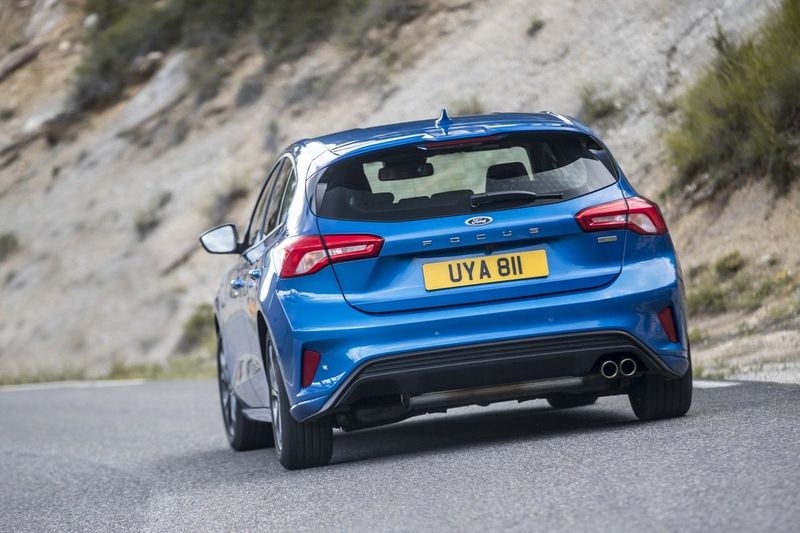
The Focus is traditionally regarded as the sweetest-handling of the compact hatchback; a notion that is likely to persist with this car.  

Still the king of dynamism?

When the first Focus was launched about 20 years ago, it was a revelation in terms of its dynamic abilities, particularly because it followed a car as dreary as the Escort, which luckily was not offered in the South African market for long. According to Ford, its reputation as the most rewarding car to drive in its segment has been crucial to its sales success (Ford has shifted 16 million Focus cars worldwide). So, it wanted to up the ante again.

As per usual with every new car introduction, there is talk of a stiffer platform (20% in the case of the new Focus), but what’s more interesting is that the Blue Oval also claims a 50 per cent improvement in the stiffness of the individual suspension attachment points.


The Focus does not employ an identical suspension setup throughout the range, but all the derivatives have a dynamic bent.

That’s a very solid base to work from, and you’re likely to enjoy driving whichever Focus you end up buying. The “bottom-end” cars (1.0-litre EcoBoost and 1.5-litre EcoBlue turbodiesel derivatives) feature a lightweight twist-beam configuration, but even so, it features the same patented force vectoring spring tech that you’ll find in the new Fiesta ST.

Most Focus variants, however, get the new isolated subframe for the so-called short long-arm (SLA) independent rear suspension, now even better at providing comfort AND responsiveness, Ford says.

For the first time, buyers can now also consider speccing CCD (Continuously Controlled Damping), which monitors suspension, body, steering and braking inputs and adjusts the damping accordingly. When equipped, CCD is also linked to the standard Drive Mode selector. Cars without CCD also offer Drive Modes, but only Normal Sport and Eco, but cars with CCD also get Comfort and Eco-Comfort Drive modes.


Continuously Controlled Damping monitors suspension, body, steering and braking inputs and adjusts the damping accordingly.

So, there’s been a lot of detail work on the dynamic ability of the Focus and it has paid off. As I mentioned before, we covered extended distances on the drive in France and much of it was on the twists and turns in the mountains around Nice. The Focus is an impeccably composed handler, beautifully subtle over bumps and precise in the corners. It really bodes well for even hotter versions (such as the ST and RS).

Enough power and improved efficiency

At this stage, it is not clear which variants of the 1.0T and 1.5T 3-cylinder EcoBoost engines will come to South Africa. Outputs range from 63 to 92 kW for the 1.0T and from 110 to 134 kW for the 1.5T. For the record, the VW Golf 1.0 TSI engine puts out 81 kW in South Africa and the Golf 1.4 TSI does 92 kW. Ford will undoubtedly want to beat those figures, but ultimately emissions and South Africa’s fuel quality might have the last say.


Cylinder deactivation technology, which we believe is a 1st for the compact hatchback market, should make this the most efficient Focus yet. 

Efficiency, of course, has been a high priority. These 3-cylinder engines feature cylinder deactivation when the full power is not needed, an action that takes only 14 milliseconds (said to be 20 times faster than the blink of an eye). We certainly couldn’t pick up when the deactivation (or reactivation) occurred – refinement, as I said earlier, is excellent.

A very slick 6-speed manual gearbox (one of the best Ford manuals I’ve ever tried) is offered on most cars, and there’s also an 8-speed automatic (complete with paddle shifters on our test unit). It’s hard to imagine that a small 3-cylinder engine can pull a fairly sizeable car such as the Focus with such verve, but that’s exactly what they do, even the little 1.0-litre motor. There may be moments when you fall out of its powerband, but it’s such a delight to use the manual gearbox you’re unlikely to mind shifting often. And both have a rorty, typically 3-cylinder beat, too.


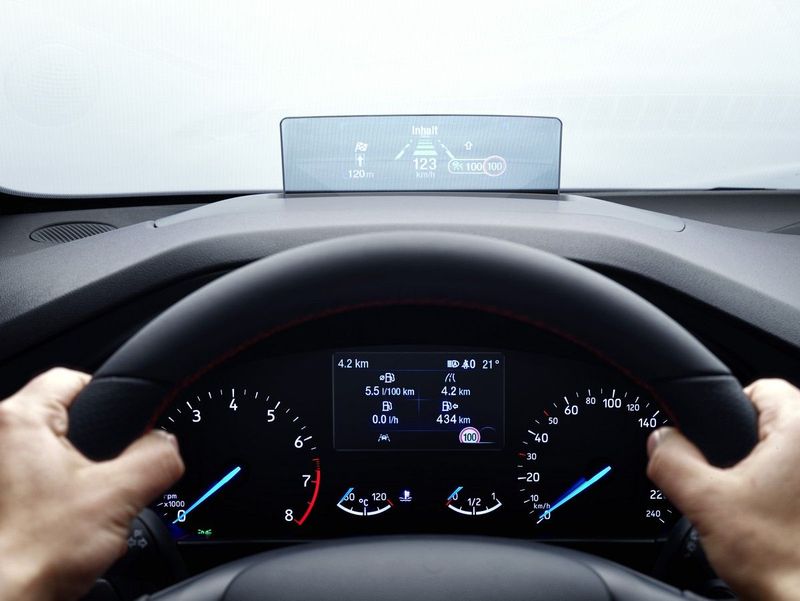
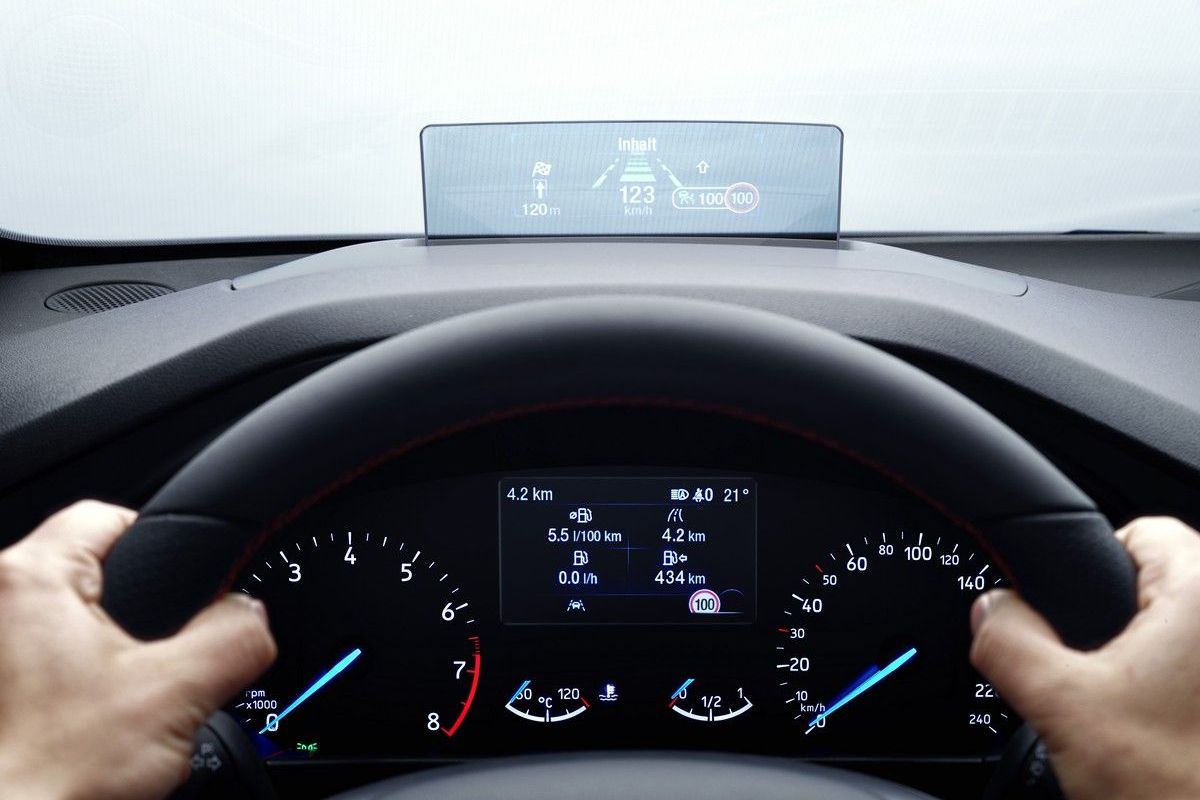
When specified, the head-up display relays sign-recognition information, directions from the navigation system and more…

Loads of new technology

One of the things highlighted during Ford’s research was the need for even greater connectivity and excellent in-car entertainment. Depending on the specification chosen or options fitted, of course, the Focus now offers some of the most cutting-edge technology in its class, particularly if you happen to live in Europe, where the FordPass Connect package (embedded modem technology that turns the car into a WiFi hotspot) is available.

But for South Africans, there is also much to look forward to. There’s a heads-up display, for example, which can display navigation information, in addition to the usual speed and traffic sign recognition. This is a good thing, because the sizeable touchscreen on the fascia is not quite positioned in the line of the sight. Also offered are wireless charging pads, the still-impressive Sync3 entertainment/information system with 8-inch display and a 675W B&O Play sound system.


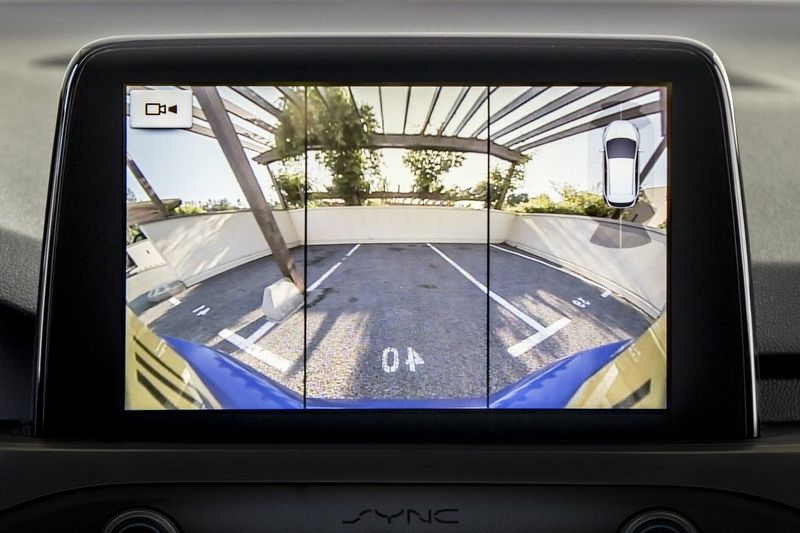
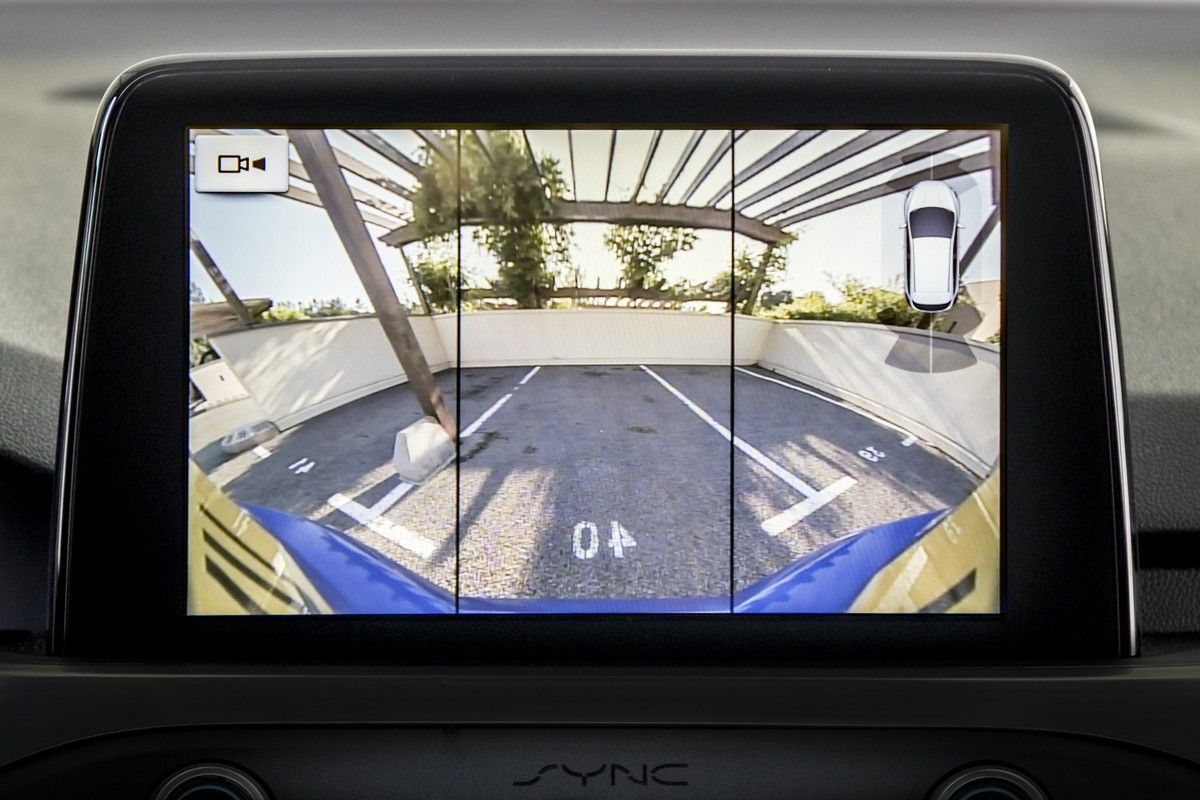
The wide angle of the reverse-view camera provides a detailed look at what's behind the Focus when you're reversing. 

There is also a raft of safety features, including Cross Traffic alert, speed-sign recognition, lane keep assist, fully automated parking, pre-collision braking and a wide-angle reverse-view camera, among other items. It remains to be seen what’s offered as standard and what will be optional, but at least the Focus can now match its rivals on the "cool tech" front. It's just a pity that there isn’t a Ford alternative to Volkswagen’s cool Virtual Cockpit (all-digital instrument cluster), because the Focus’ instrumentation looks comparatively bland.

Summary


Ford resisted the urge to introduce the ST-Line in the Fiesta range, but it's so impactful on the Focus, we hope the Blue Oval brings it here.

Without knowing what the local specification and pricing of the 4th-generation Focus will be upon its release in South Africa, it is impossible to give a definitive verdict on the new Focus. Suffice to say Ford has certainly done its homework: the new Focus once again moves the goalposts for ride/handling in this segment, but it’s far from a one-trick pony. Refinement and comfort levels are exceptional and there’s far nicer sense of subtle style and quiet confidence about this new Focus, compared with its somewhat-brash predecessor. This will broaden its appeal significantly, I think.

Ford says this Focus will arrive in South Africa during the first quarter of 2019. We’ll report again as soon as more localised specification (and pricing) detail becomes available.

Further Reading:

Peugeot 308 (2018) Specs and Pricing

Rendering: VW Golf 8 & GTI coming in 2019

Opel Astra 1.0T Essentia (2016) Review

Volkswagen Golf 1.0 Trendline (2017) First Drive

Toyota Corolla 1.8 Exclusive (2017) Quick Review

Kia Cerato 1.6 EX (2017) Review

Is the VW Golf segment dying?

VW Golf 7 specs and prices (2017) in South Africa

Interested in buying a new/used Focus?

Find one to buy on Cars.co.za

Hyundai Santa Fe (2018) International Launch Review

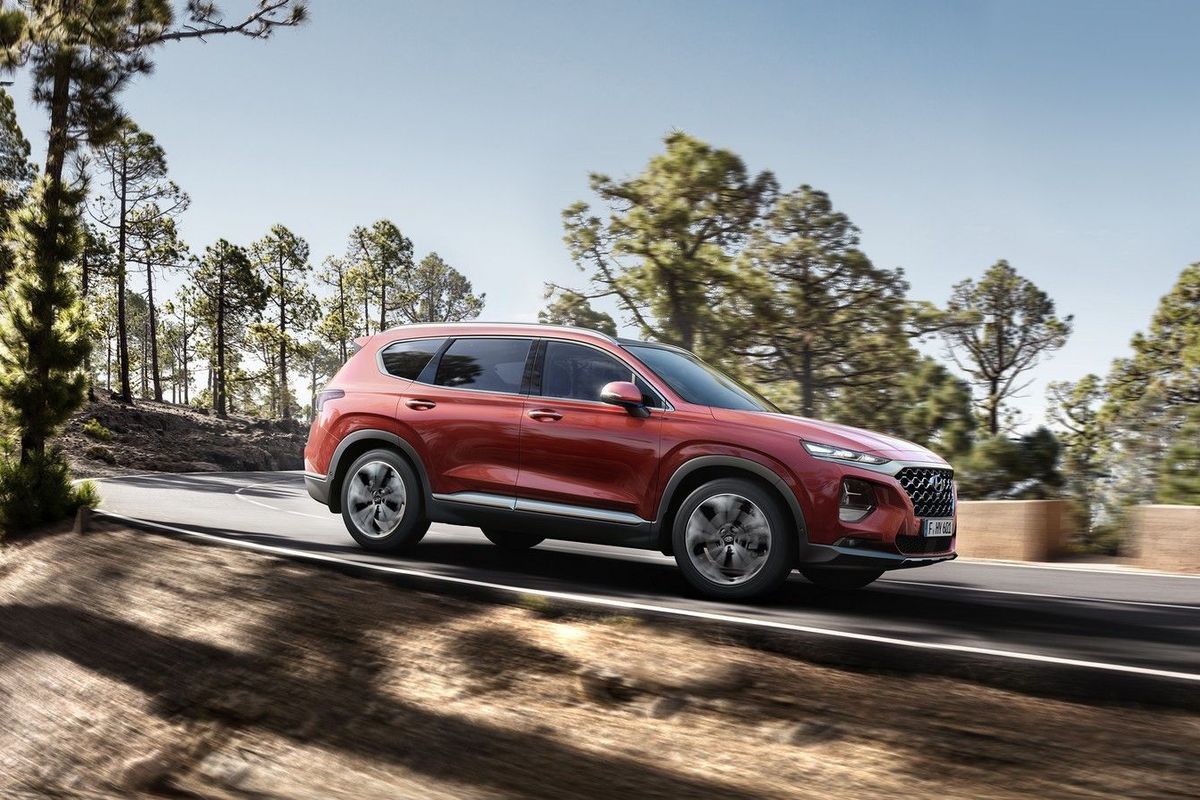
The Hyundai Santa Fe is back for a 3rd generation, with the 7-seat SUV aiming to offer more to buyers in many ways: more space, more style, more safety and more value. Our Aussie correspondent, Matt Campbell takes the newcomer, which will be introduced in South Africa in October of 2018, for a drive in Korea.

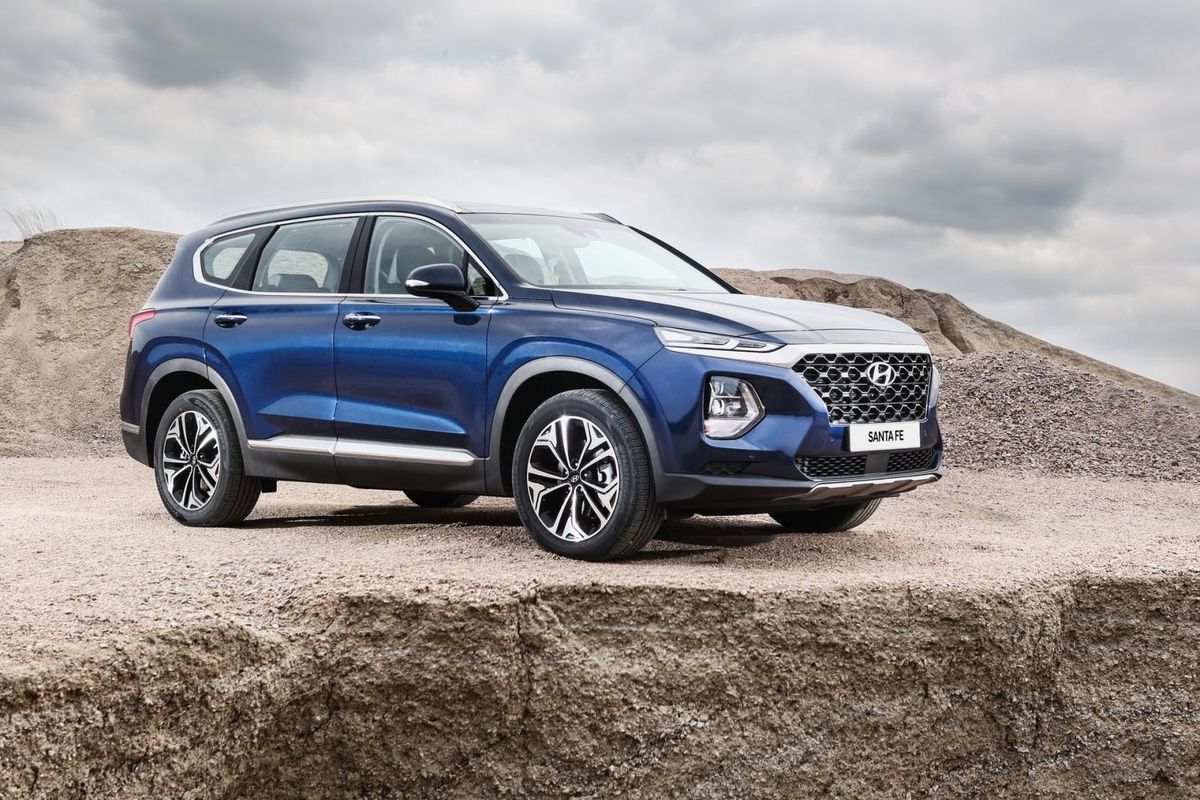
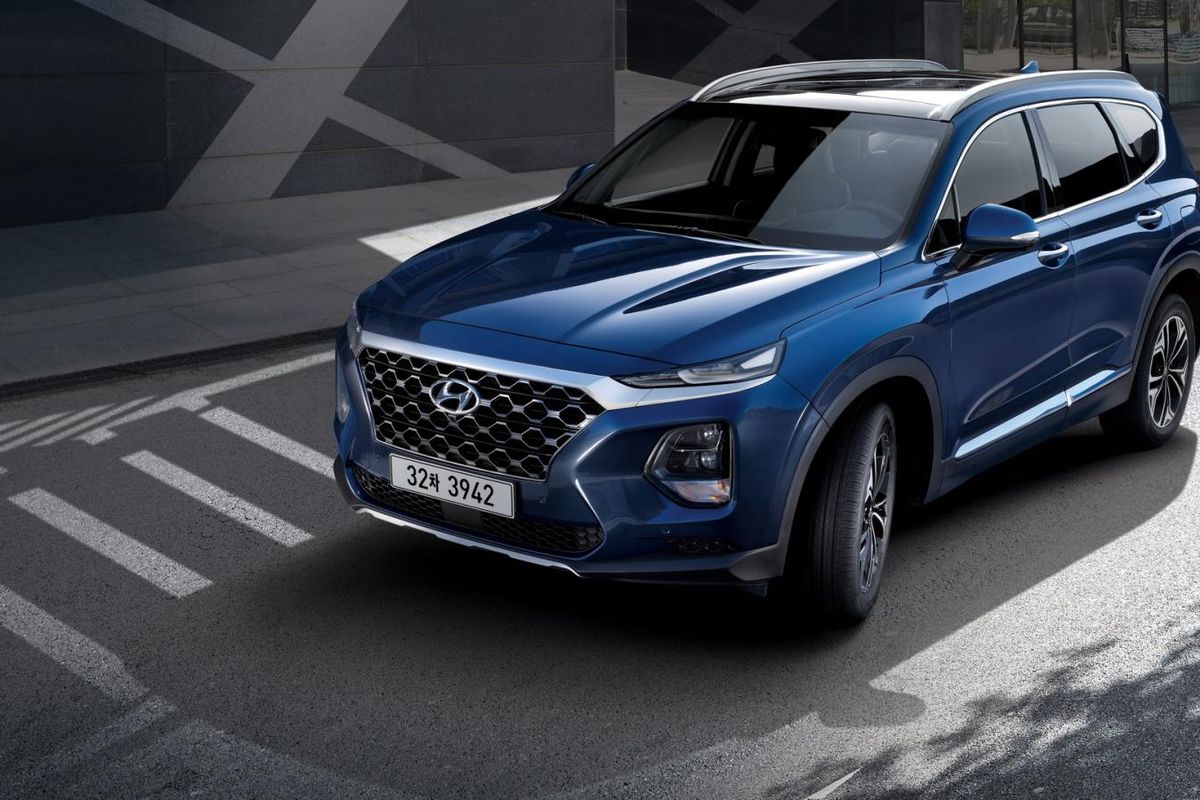
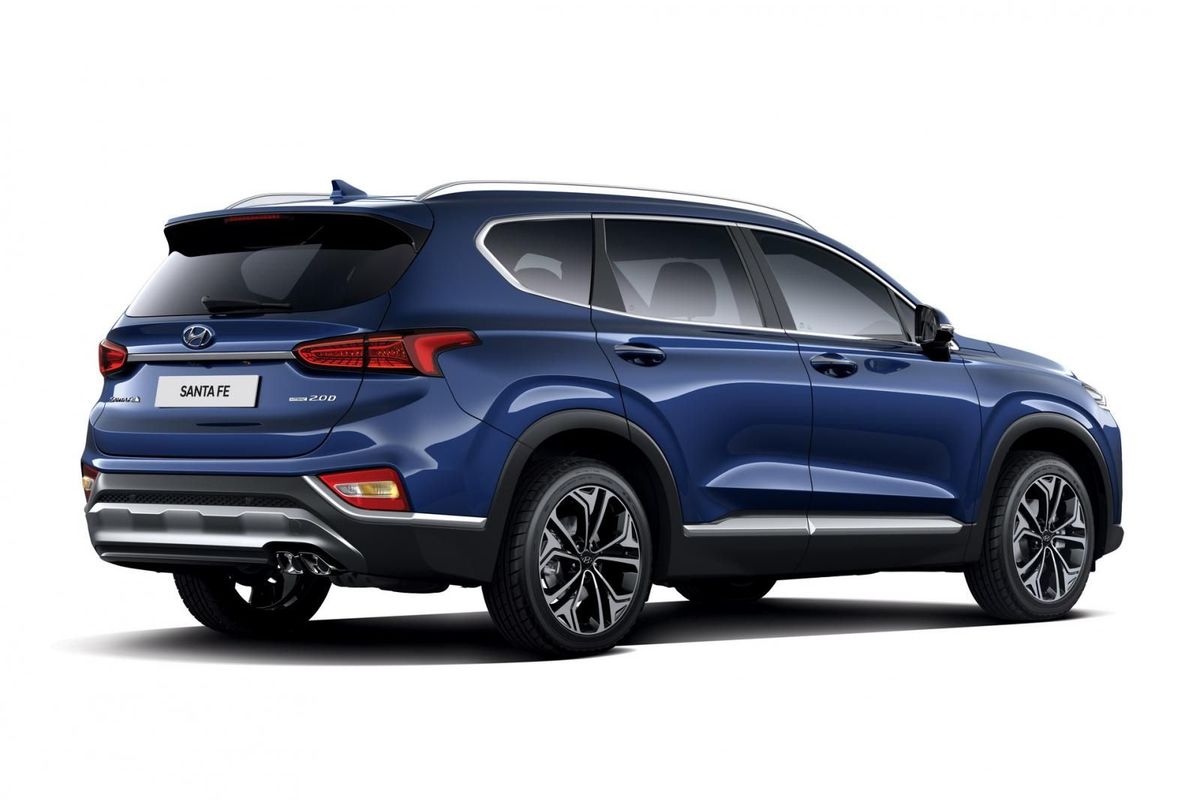
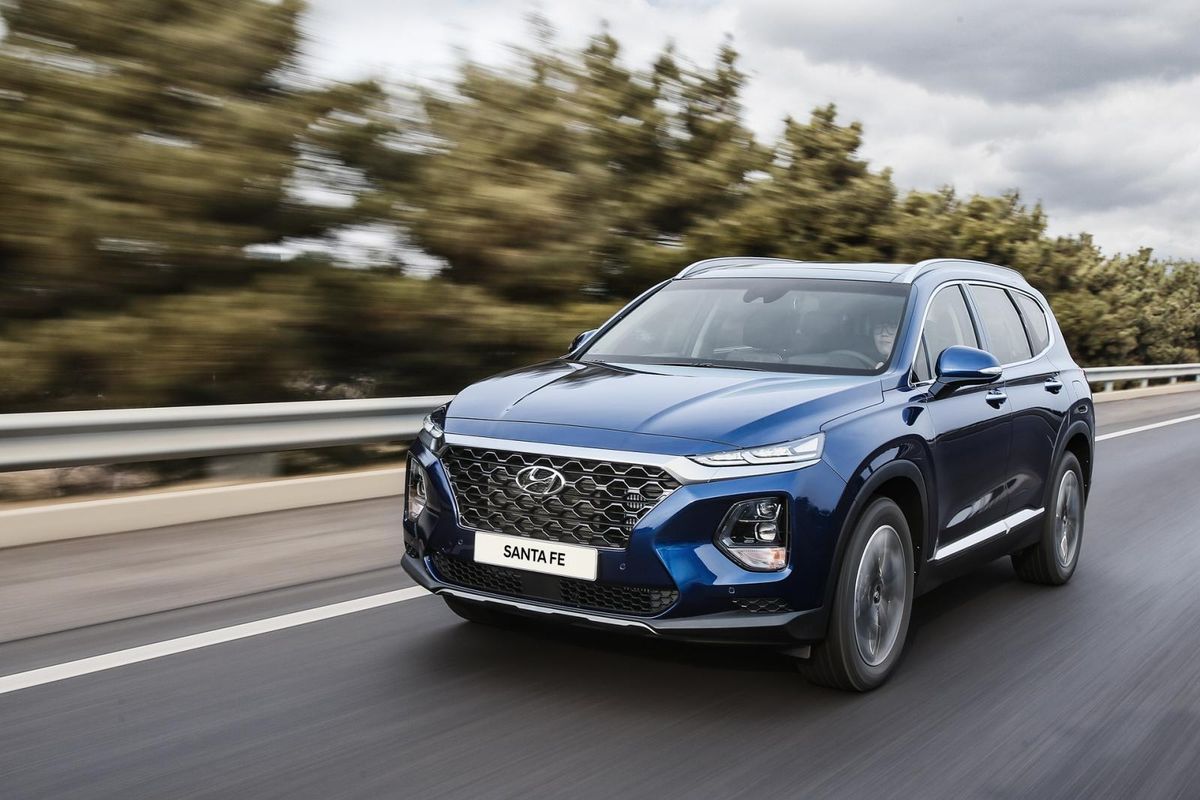
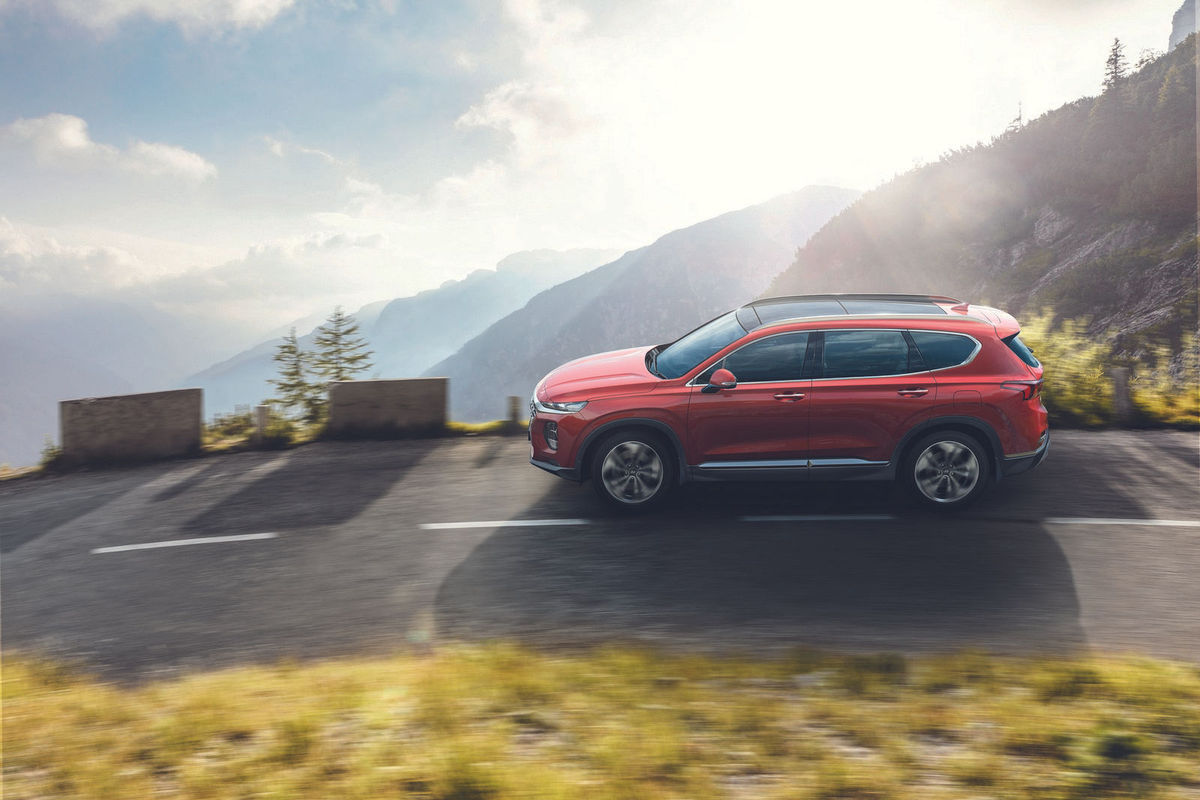
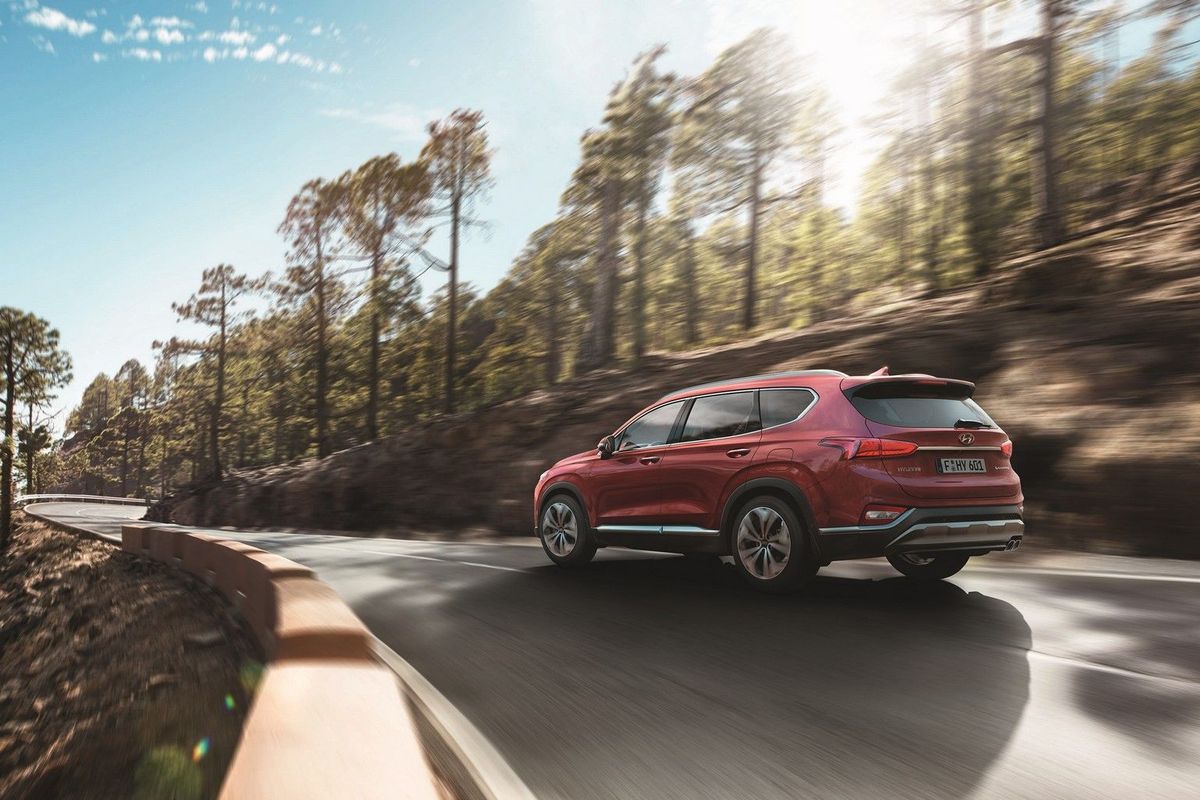
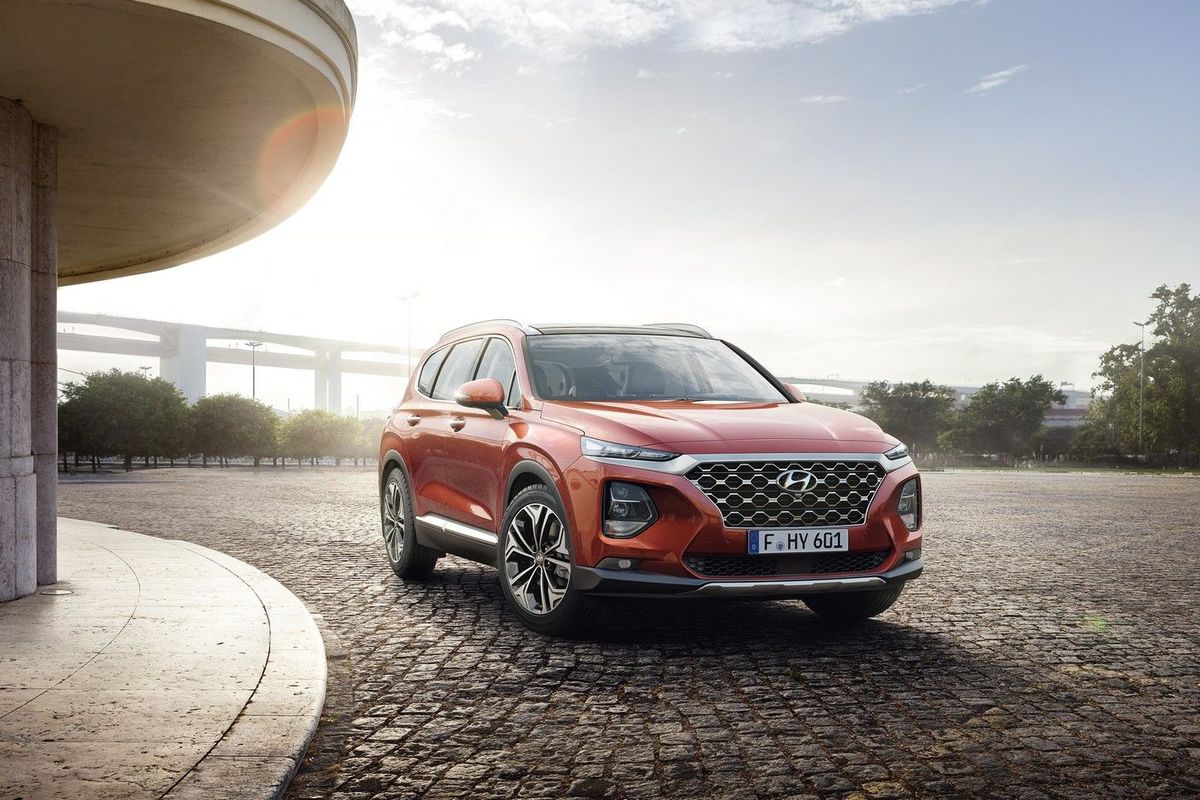
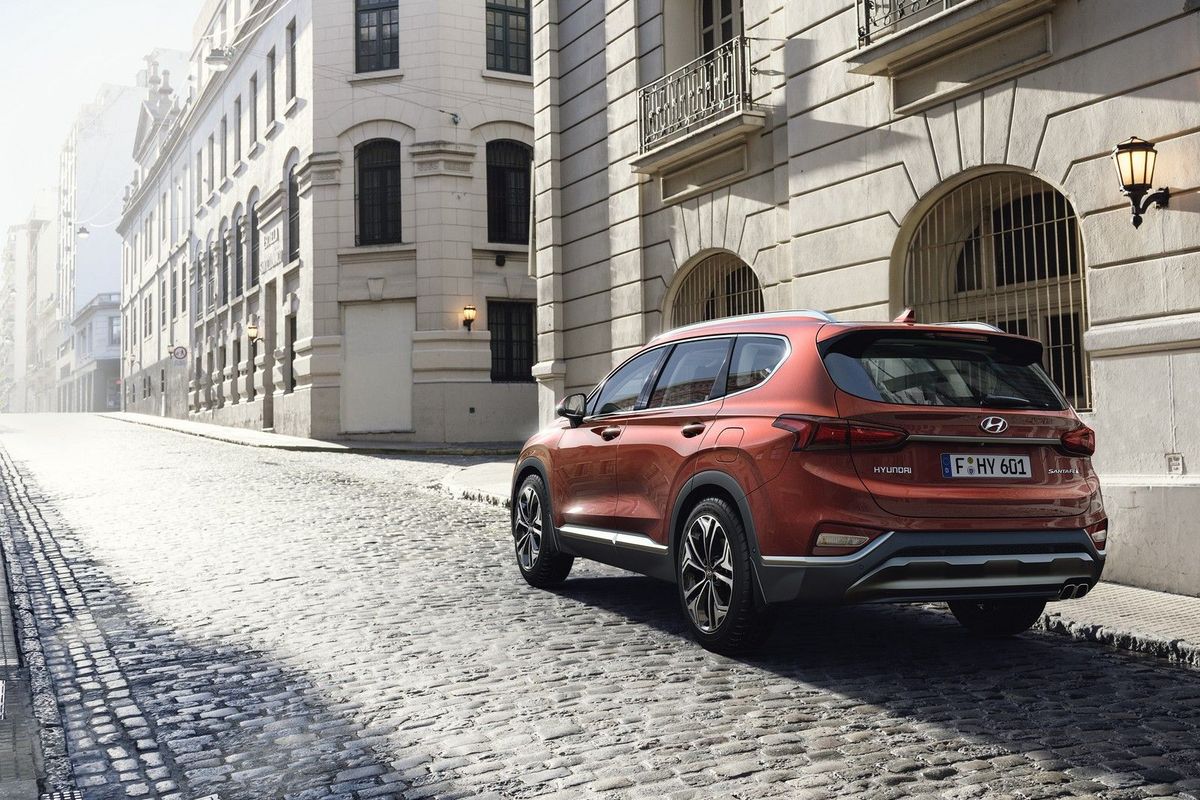
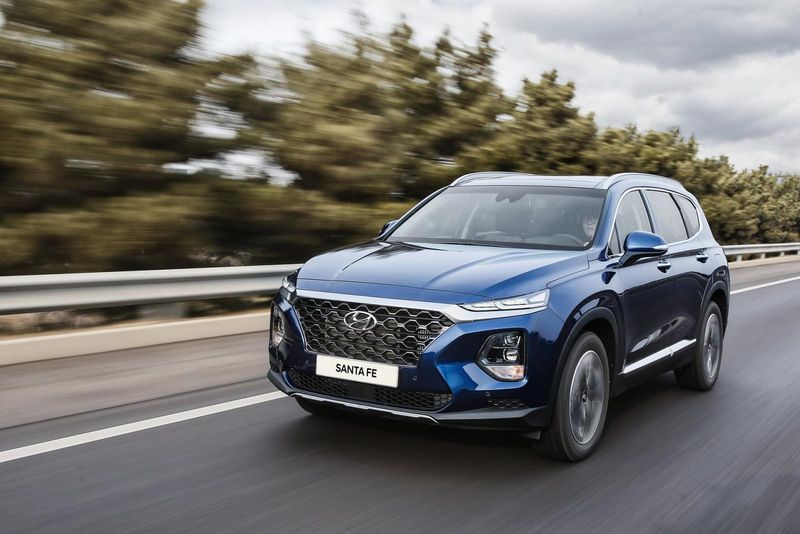
It clearly makes quite a statement in terms of its exterior design, bringing the biggest SUV in Hyundai’s range in line with its new design philosophy first seen on the Kona. The rear-end treatment and muscular side profile communicate a more premium message for the new Santa Fe, and it’s the same message inside the car, too.

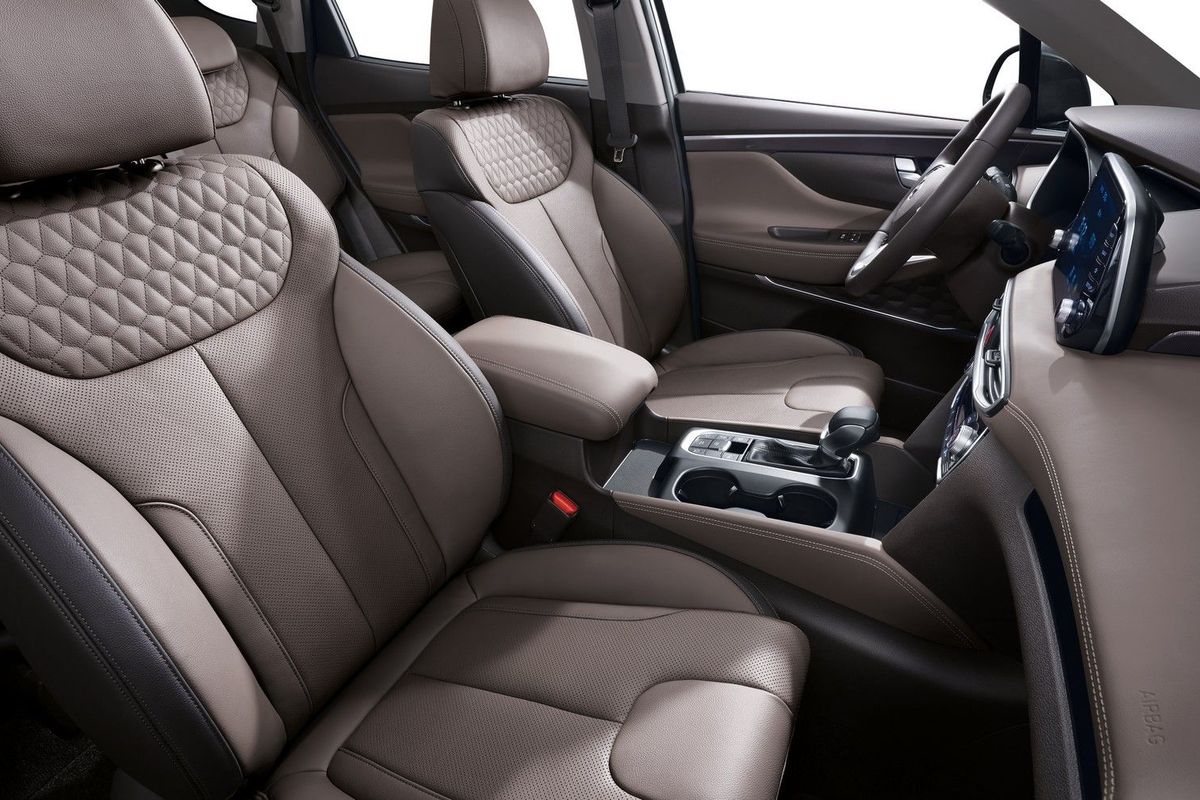
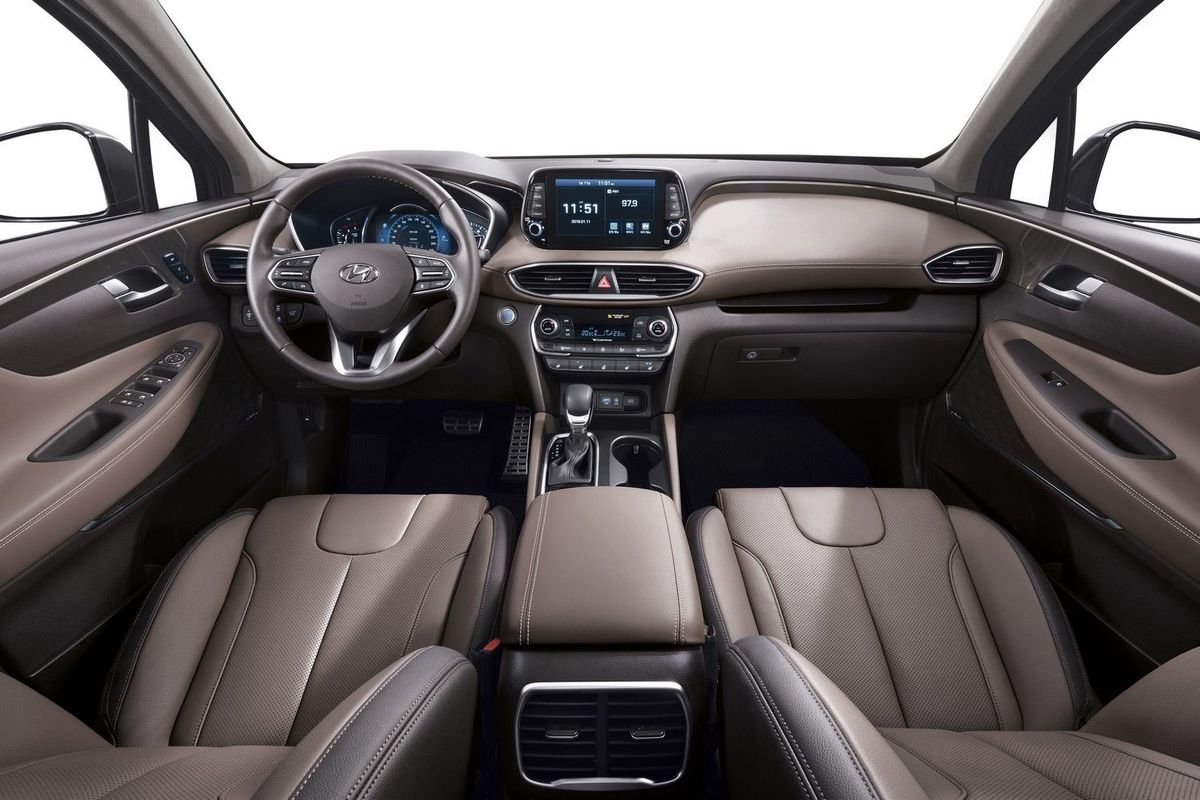
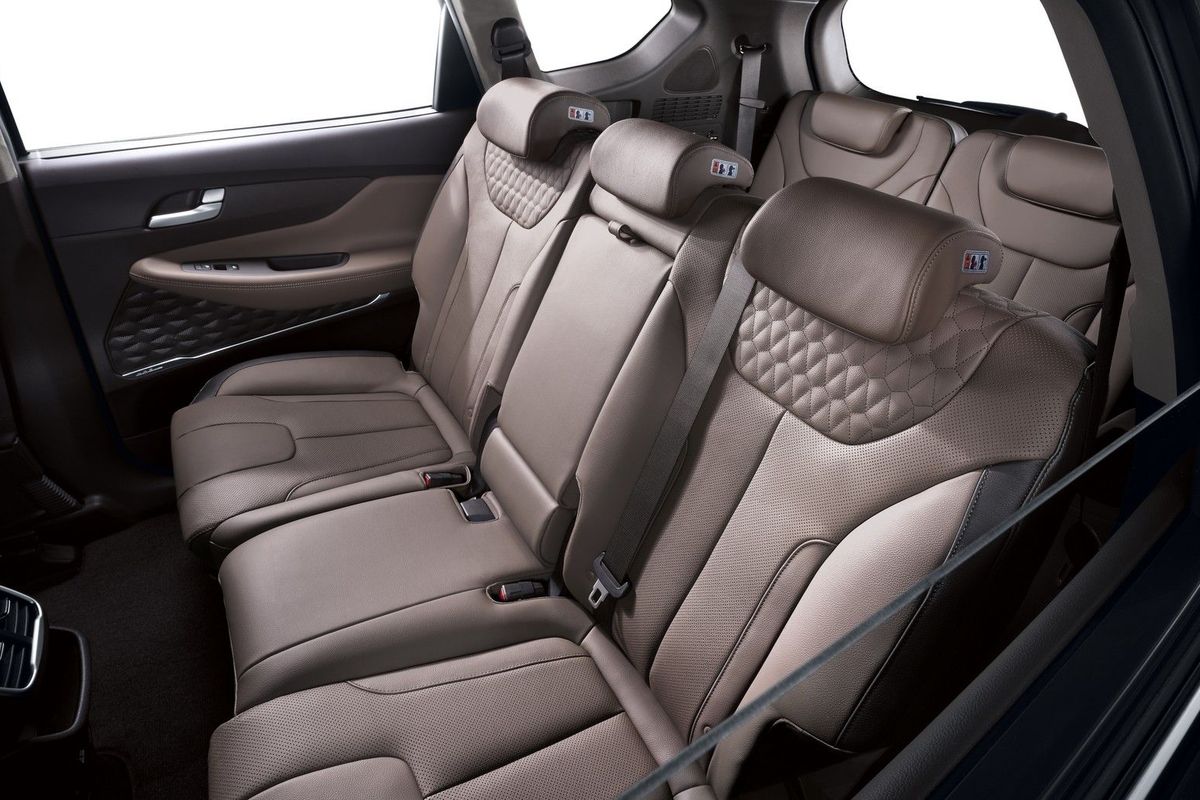
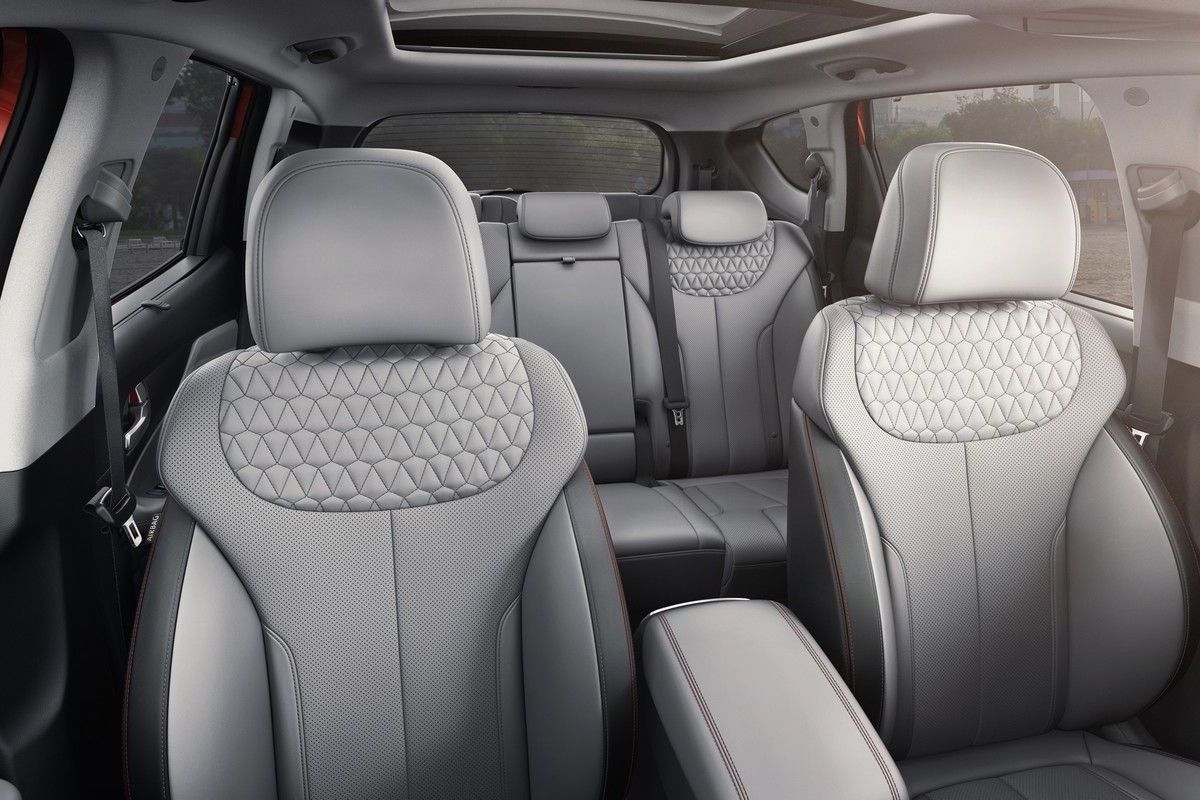
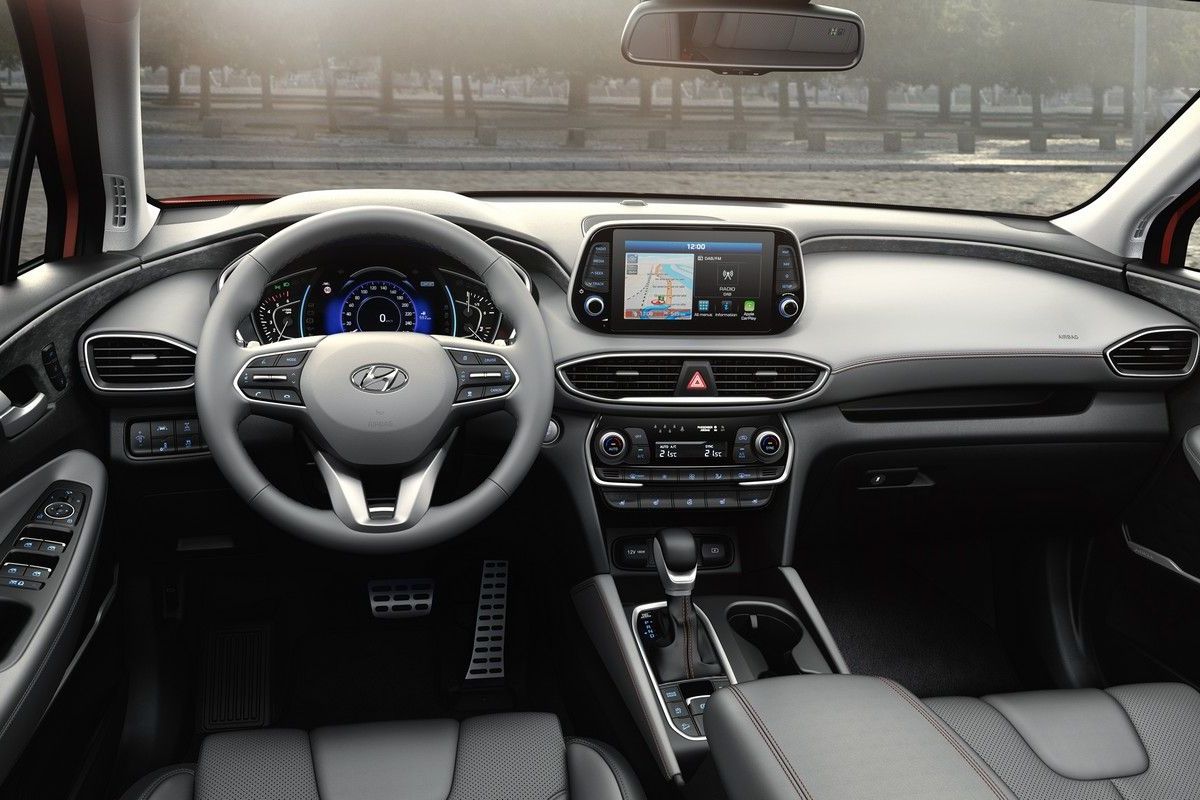
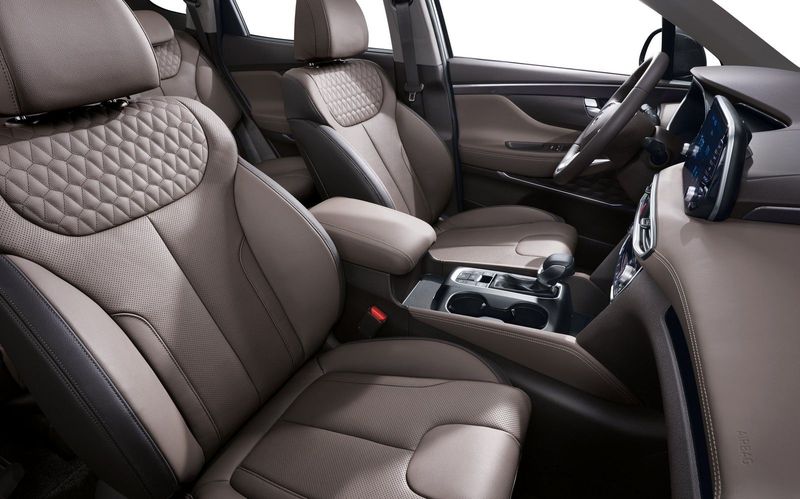
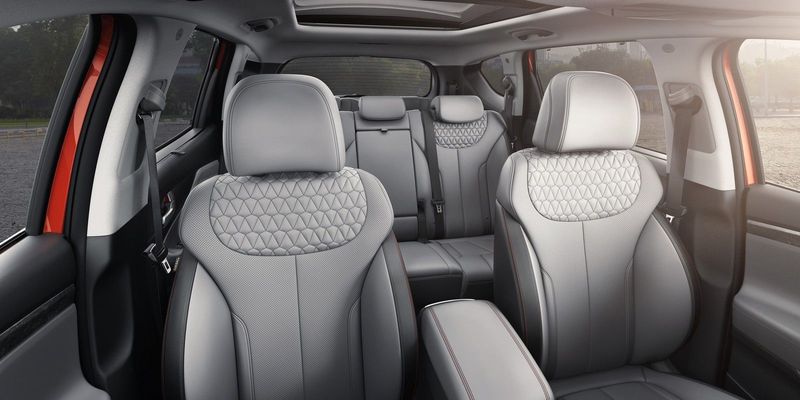
Almost the entire cockpit looks a lot more like we’d expect Hyundai to offer in its premium Genesis range: the finishes are lush, the materials (mostly) very impressive, and new high-tech features like quick fold rear seats and chauffeur-style electric adjustment for the passenger seat reiterate the notion of a more prestigious family hauler than its forebears.

Exterior styling


The Santa Fe moves from a bland also-ran SUV to something that catches the eye. Hyundai is forging ahead with its move into the premium sector.

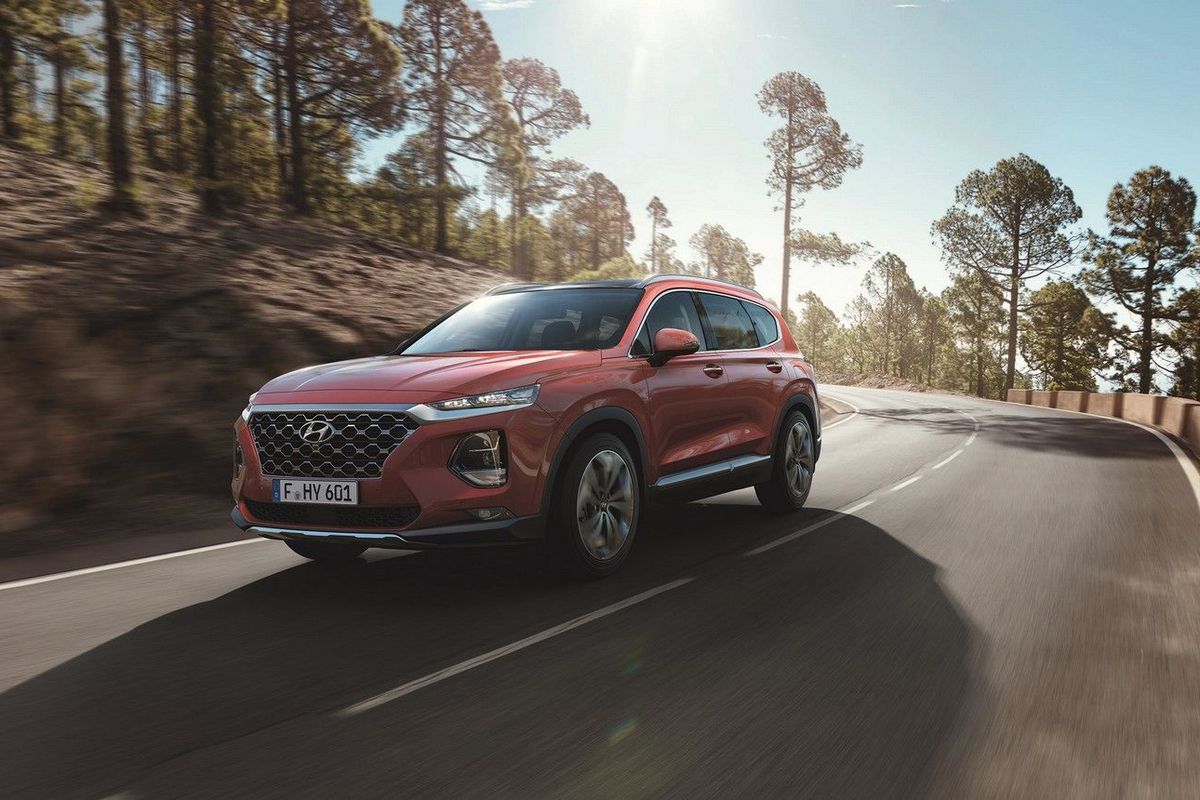
These days, several brands offer "family looks’ for their lines – sedans that look the same, SUVs that look like Russian dolls of one another… and there’s definitely a resemblance between the new Santa Fe and the smaller, more funky-fresh Kona model sold in some markets. A facelifted Tucson is imminent as well, so you can expect all 3 models in the Hyundai SUV line to coalesce in showrooms. We wonder when the Creta will get the same "look into my eyes" treatment of the other models?

There has been a bit of blowback from commenters online about the styling of the new Santa Fe, but even if you don’t like the look in these images, I reckon you should give it a chance in the metal: to me it’s really cohesive in person, whereas in images you might see parts that don’t gel overly well. Trust me, the whole is greater than the sum of the parts in this case.

The twin-headlight front-end sees LED daytime running lights at the top and LED headlights underneath, and hopefully, that means the entry-grade models won’t have lesser illumination such as halogen lighting.

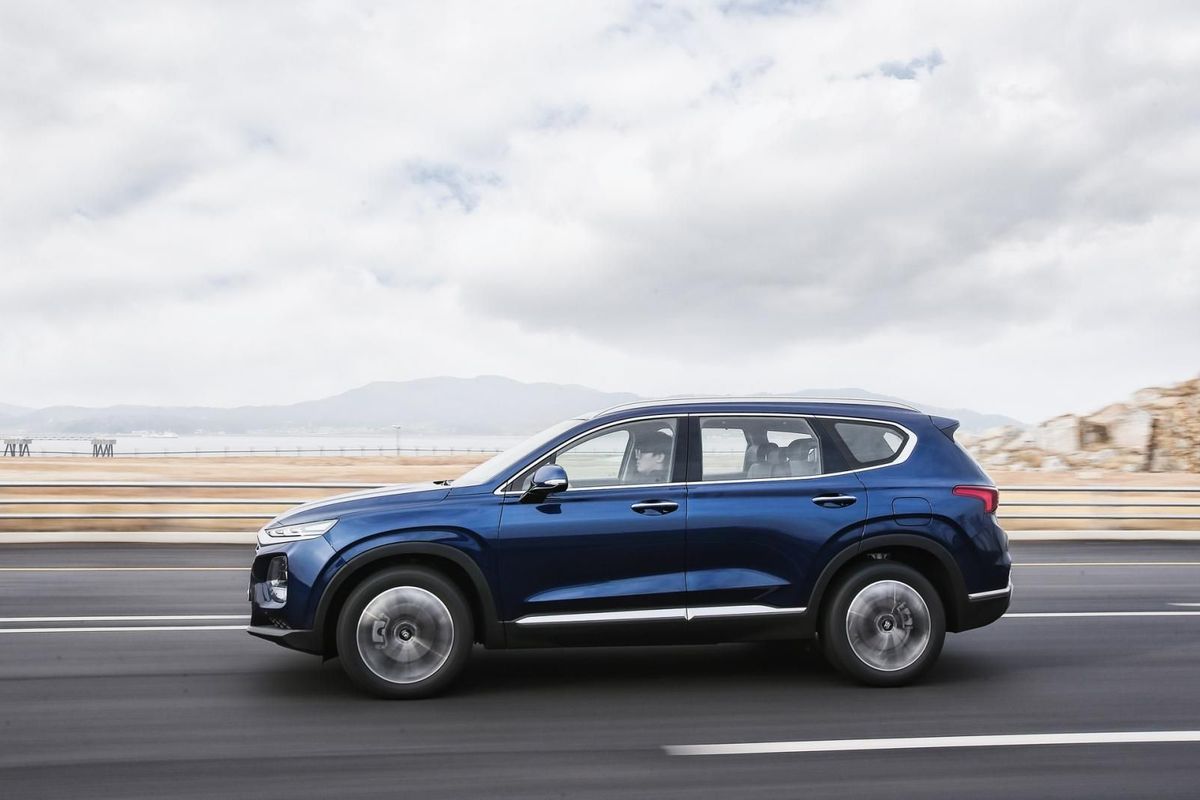
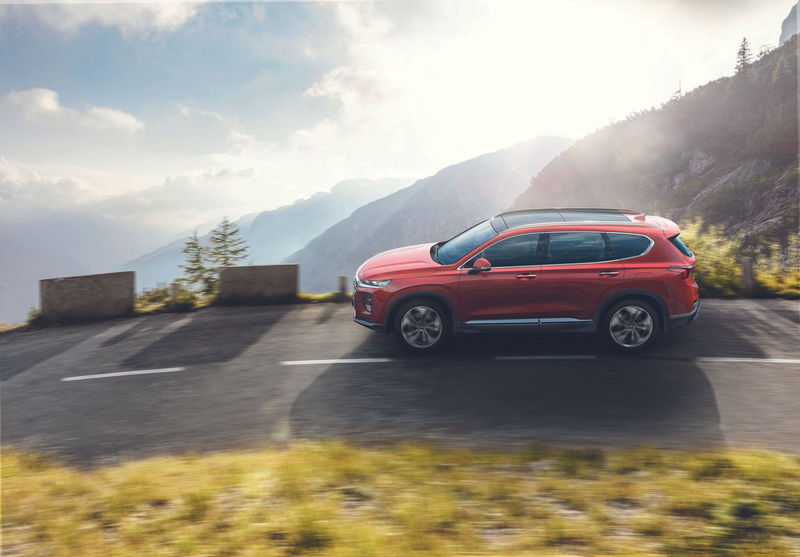
The side profile features bulky, angular haunches and a larger glasshouse – the rearmost window is 41% bigger according to Hyundai, with the claim being that the driver has better over-shoulder vision, and those in the 3rd row have a better view, too. Filling the wheel-arches are rims between 17- and 19-inches, depending on the derivative.

The rear design is notably more stylised, with very neat tail-lights, twin exhaust outlets and a bumper bar that doesn’t jut out as much as the previous model.

The new styling doesn’t hide the fact the 2018 Santa Fe is larger than its predecessor, measuring 4 770 mm in lenght (+70 mm), 1 890 mm in width (+10 mm) and 1 680 mm in height (+10 mm), and with a stretched wheelbase now running 2 765 mm (+65 mm).

The interior


Mostly upmarket materials and plush feel to the cabin. Quality appears to be as good as what Germany has to offer. 

There are elements of the interior that are extremely impressive: I sampled two Santa Fe derivatives, both with headliner fabric that would have been at home in any Audi, BMW or Mercedes-Benz SUV. There are also newly designed plastics for the speaker covers that look like something you see in an architecture magazine.

Those sorts of things give the impression that Hyundai applied more attention to detail the overall user experience, but there are little quirks such as really hard plastic sections on the bottom half of the dashboard, and door bins that are difficult to slot bottles into. You’ll eventually forgive and forget those little idiosyncrasies, though.

Obviously, with bigger dimensions in every direction, the new Santa Fe has a much roomier cabin for families. The 5-seat version, in particular, offers a great option for those who don’t need the flexibility of a back row.

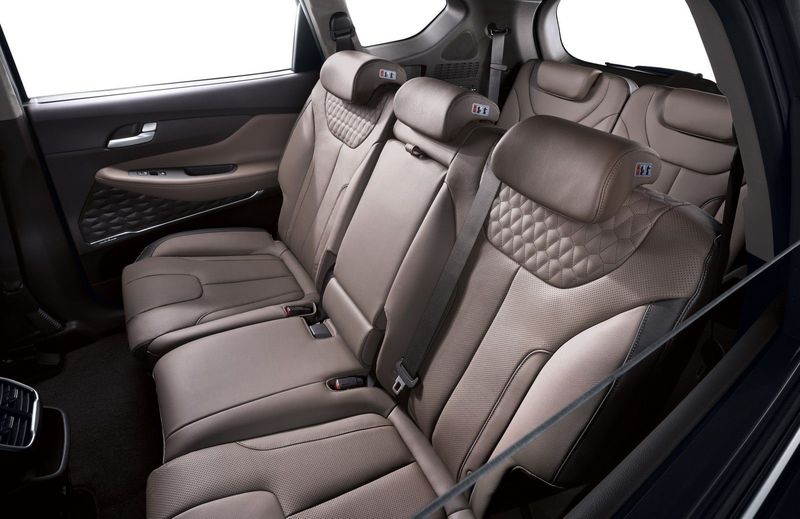
In the second row, legroom is better than its predecessor, and there’s enough headroom (let alone shoulder space) for a trio of adults to squeeze in for short journeys, while younger children will find it positively roomy.

There are child -friendly ISOfix anchor points in the 2nd row as well as a trio of top-tether points, but none in the 3rd row of seats. Other welcome items include a fold-down centre armrest with cup holders, USB ports, a power point (for keeping devices charged up for long trips) and air vents for this row, and one behind it should the rear bench be in use.


With the Santa Fe being longer than before, occupants have more space in the back now.

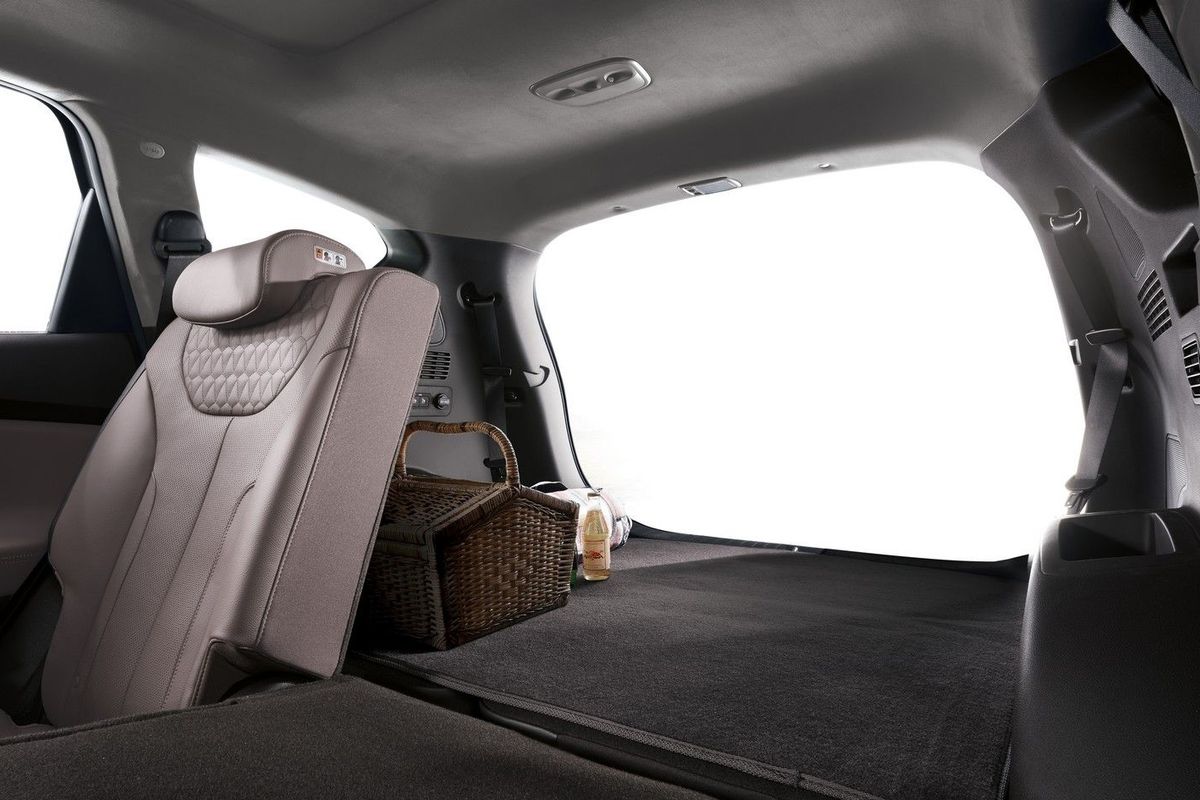
The 3rd-row isn’t limousine-like in terms of the space it affords, but while room for your feet is limited (especially if you have size 12s, like me), the available head- and knee room is adequate if you really need to move a family of adult occupants. As for back row access, the 2nd-row kerbside seat flips and folds forward rapidly, and it is likely that in some markets high-spec models will have an electric 2nd-row folding system, along with those chauffeur controls mentioned earlier.

Along with a more spacious 3rd row, the luggage area is larger as well. If you run the Santa Fe in 5-seater configuration, you’ll have 625 litres of luggage room available, which is 40 litres more and apparently enough for 4 sets of golf clubs. And good news for nations with bad road conditions: it’s almost certain a full-size alloy spare wheel will be fitted under the boot floor.  

Prices, trim grades and equipment

Final pricing and trim grades are still to be confirmed for South Africa. However, it is fair to state that the current model is a little pricey in its competitive family SUV set, and the new model may become even more expensive due to its long equipment list.

That could mean an increase for the entry-grade Santa Fe 5-seat front-wheel-drive model, which is currently priced from R699 900 (March 2018), while the 7-seat all-wheel-drive version may increase from its current R739 900 point. It may well be hard to justify considering there are bakkie-based SUVs with more off-road ability for considerably less (Ford Everest, at R645 900 and Toyota Fortuner, at R639 800, to name but two examples).

Hyundai has undeniably sought a more premium positioning with this iteration of the Santa Fe, and if the company’s local arm decides to mirror a similar pricing and model line strategy as before, it should be well equipped across the board: expect smart key and push-button start, climate control, an electrically operated tailgate, adaptive cruise control, a generous number of standard safety items, and a panoramic sunroof.

Satellite navigation, audio and infotainment


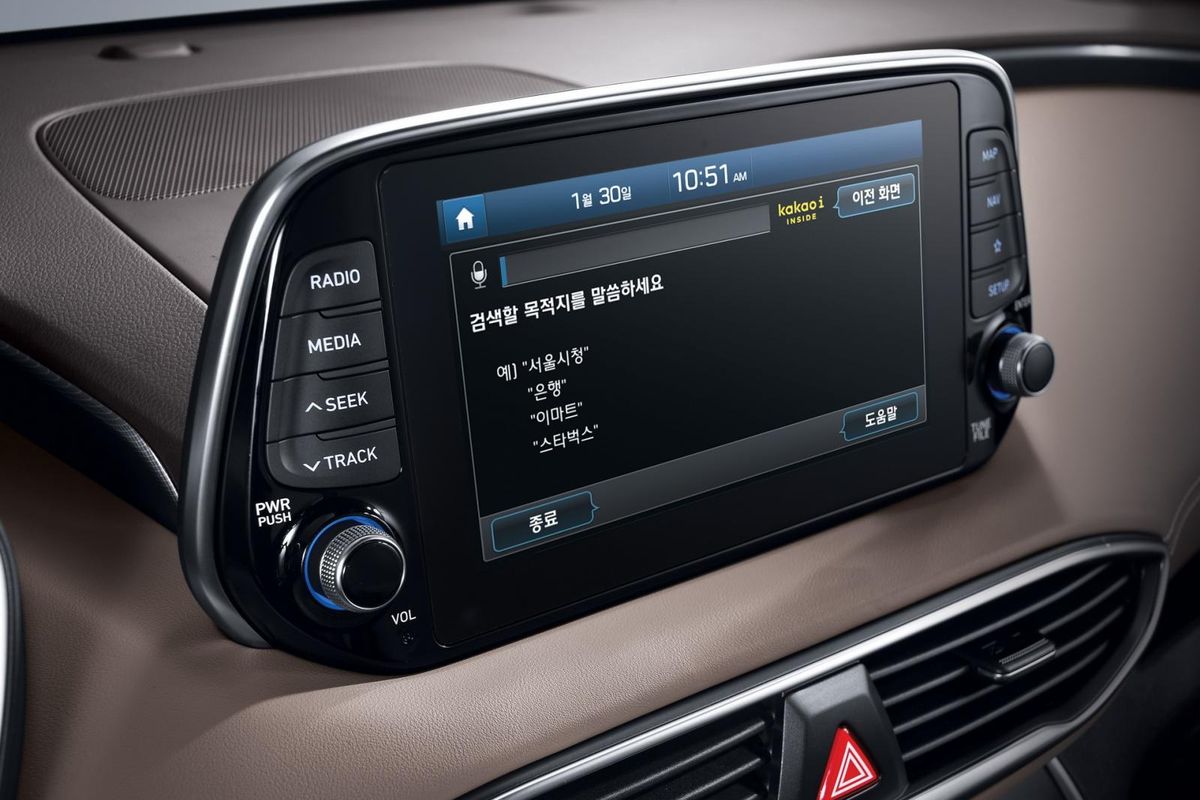
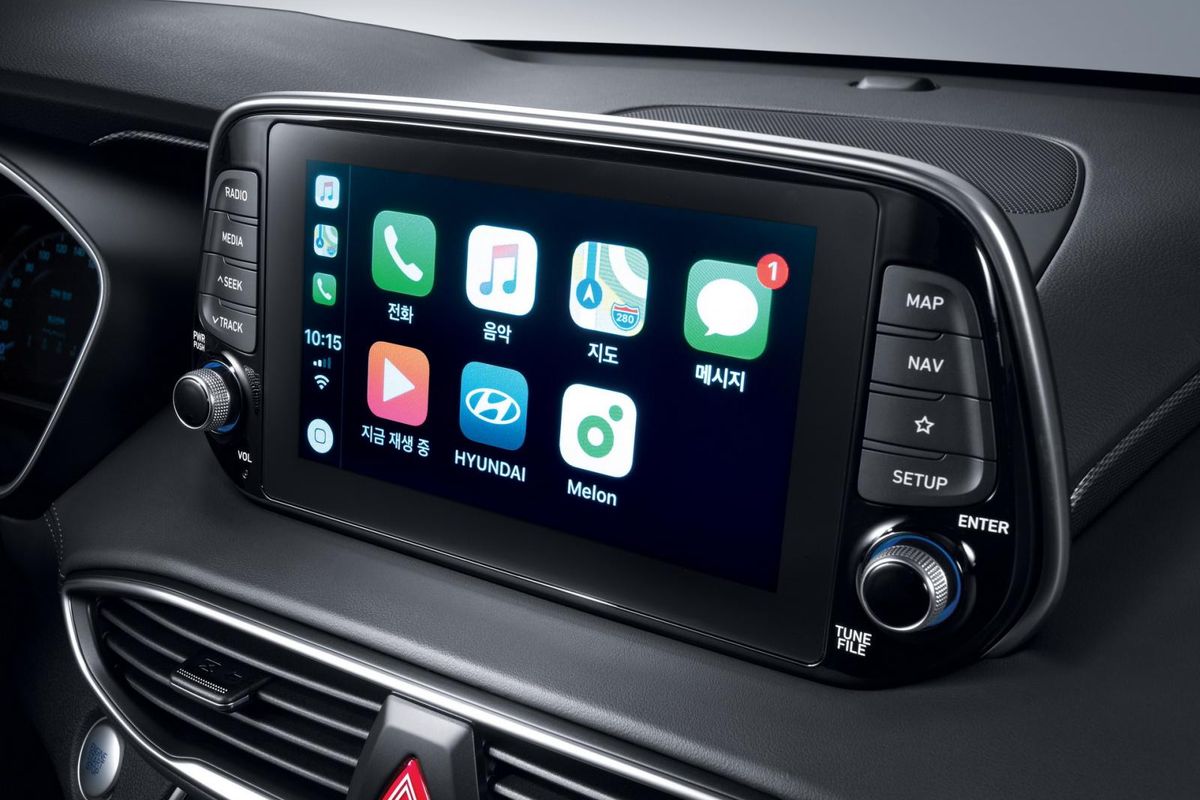
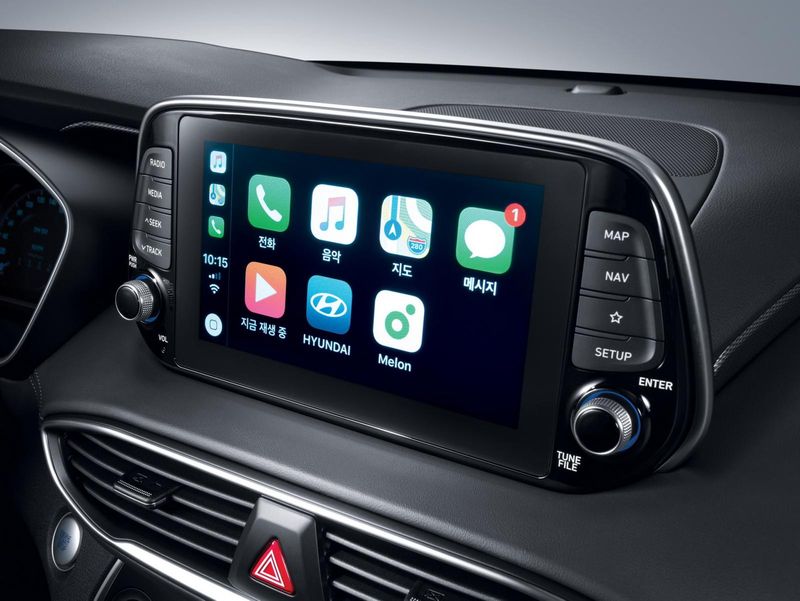
All but the entry 5.0-inch infotainment system come with Android Auto and Apple CarPlay.

Entry grade models in some markets will be had with a 5.0-inch media screen with Bluetooth phone and audio connectivity, USB connectivity, radio and CD.

The next step up is a 7.0-inch touchscreen media unit with Apple CarPlay and Android Auto smartphone mirroring, but no satellite navigation.

High-spec models are expected to have a new 8.0-inch touchscreen media system with integrated sat nav, Apple CarPlay and Android Auto. A wireless charging pad for smartphones is expected to be bundled with this media system. Depending on the position Hyundai South Africa takes, this could be the standard fit.

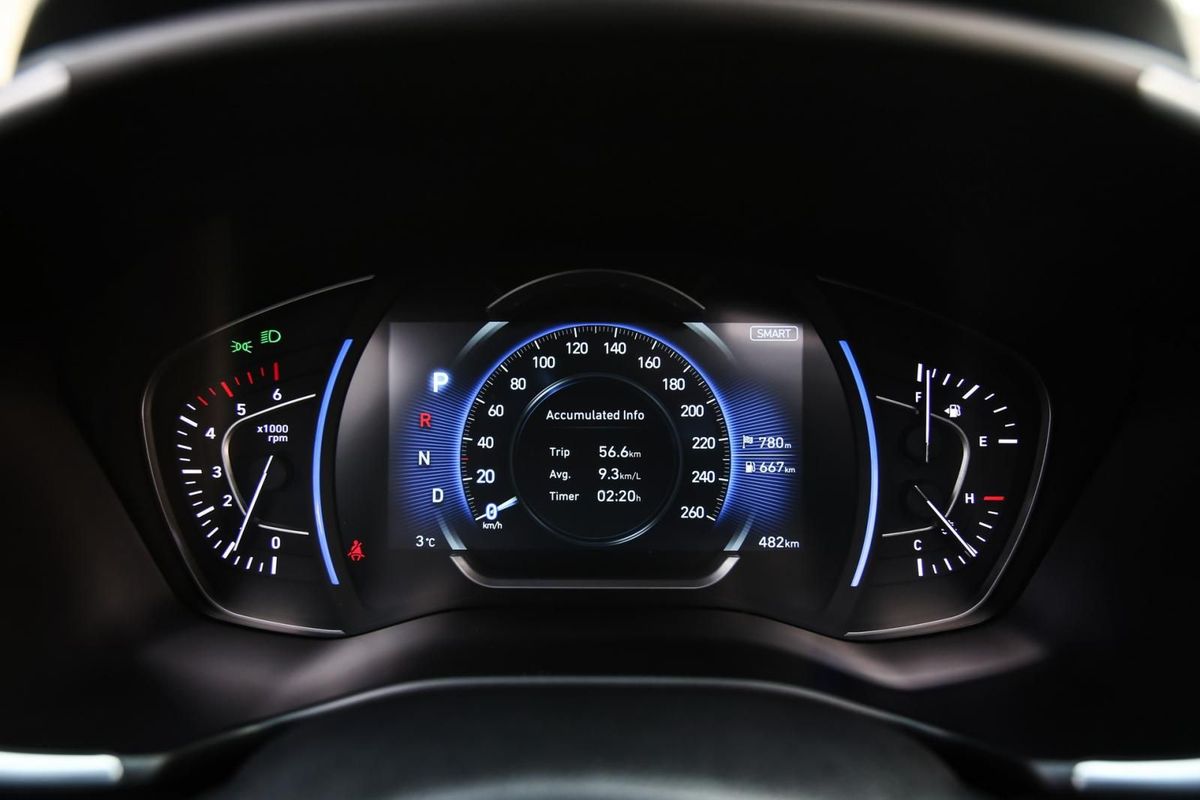
For the driver, some models will come with a new 7.0-inch information screen between the dials, plus there is likely to be an available head-up display that projects onto the windscreen – a first for Hyundai.

Engines and drivetrains

Internationally, there are several petrol and diesel options on offer, but in South Africa, it is almost certain that the range will be turbodiesel only.

The existing Santa Fe has just one engine option across two variants – a 2.2-litre 4-cylinder turbodiesel engine with the entry-level front-wheel-drive model and the high-spec all-wheel-drive version. Both are fitted with a 6-speed automatic transmission.

The next-generation Santa Fe is expected to come with similar options: the 2.2-litre engine has been reworked for the new model, and this time around it has a little less power with 144 kW at 3 800 rpm (down 1 kW) and 436 Nm at 1 750 rpm, which is bang-on what it had previously.


South Africa is likely to receive the 2.2-litre turbodiesel engine, but with an 8-speed auto instead of the old 6-speed.

However, an 8-speed automatic transmission replaces the 6-speed auto in the old model, plus the new Santa Fe gets the HTRAC all-wheel-drive system from luxury brand Genesis. It’s a variable torque system able to apportion torque between front and rear wheels as needed: so, on slippery roads or dirt tracks it can work to ensure the optimal amount of traction, as well as using smarts to decide whether you need all-wheel traction on regular roads.

Hyundai hasn’t yet stated what the claimed fuel consumption will be, but you can expect it will be a little lower than the current model’s stated claim of 8.0 L/100 km for the 2WD and 8.3 L/100 km for the AWD.

Hyundai has fitted emission-reducing Euro 6 modifications including AdBlue exhaust gas after-treatment, potentially further reducing fuel use, while the eight-speed automatic should do its part as well.

Ride and handling

My test drive in Korea was hardly a challenging one, consisting of a stretch of highway driving and then some urban testing. But the Korean-tuned models we sampled offered a really nice balance of comfort and control. The suspension in the Santa Fe I drove didn’t stumble over speed-humps, managed to dismiss sharp-edged bumps quite well, and had a nice level of comfort on offer in the back seat with 5 adults on board, too.


The Korean test drive stuck to freeway stints, but its comfort impressed.

The Santa Fe’s steering was also decently sorted: the AWD model proved simple in its execution, with linear response and not too much weight to it, making it feel quite adept at dealing with low-speed parking manoeuvres and 3-point turns. Plus we got a chance to sample the new lane-keeping assist system, which held a nice handsfree (for a minute or two) line on the highway.

Our loop also meant little chance to assess the performance of the HTRAC AWD system, however the fact it can offer up to 50% of torque sent to the rear axle for a sportier drive (yes, in Sport mode), the system is undoubtedly going to be a welcome thing in the up-spec model.

Safety and reliability


The Santa Fe looks brimmed with safety features but Hyundai SA may 'drop' a few items to make the price more attractive.

The new Santa Fe is loaded with an array of safety equipment, and it is expected that the new model will follow suit in South Africa. The Korean company has bundled technology such as automatic emergency braking (AEB) and pedestrian detection, along with adaptive cruise control, a lane-keeping assist program with steering intervention (which works really well), plus the same bits as before: a reverse-view camera and parking sensors.

Other safety items include a Rear Occupant Alert that warns the driver if they’re about to leave a child/pet/occupant in the car, plus Safety Exit Assist, which can stop occupants from opening their door into the path of traffic by using a radar. Plus there is a rear cross-traffic alert system that can even auto-brake the car. It’s unclear if Hyundai South Africa will offer these items.

The new Santa Fe has a complement of 6 airbags, like its predecessor. But the curtain airbags will now cover the 3rd row in the event of an accident (they didn’t previously).

It is expected that Hyundai will carry over the same ownership program as the existing model: that means a 5-year/150 000 km warranty, as well as a 7-year/200 000 km warranty on the drivetrain. Plus there’ll be a 5-year/90 000 km service plan with intervals every 15 000 km.

Summary

The all-new 3rd-generation Santa Fe takes an already good SUV and makes it great. There is no denying that the new model is more premium in its execution, more thoughtful in its packaging and more of a statement piece than ever before. I predict good things for the Hyundai Santa Fe globally with this new-generation vehicle, but as with the current model, the pricing and positioning of the new version will determine its success in the South African market. Suffice to say the Santa Fe is one of several new Hyundais on the cards for the local market (including the facelifted Creta and Tucson, which are imminent). It will arrive in local showrooms before the end of the year, around the same time as the Kona compact family car/crossover.

Buy a Hyundai Santa Fe on Cars.co.za

Related content

Beefed-up Hyundai Santa Fe crosses Antarctica [with Video]

Hyundai Santa Fe 2.2 CRDi Elite (2015) Review

Cars Coming to SA in 2018

5 Must-Have Features for Your Next Car

Land Rover offers Cycling Kit for Discovery

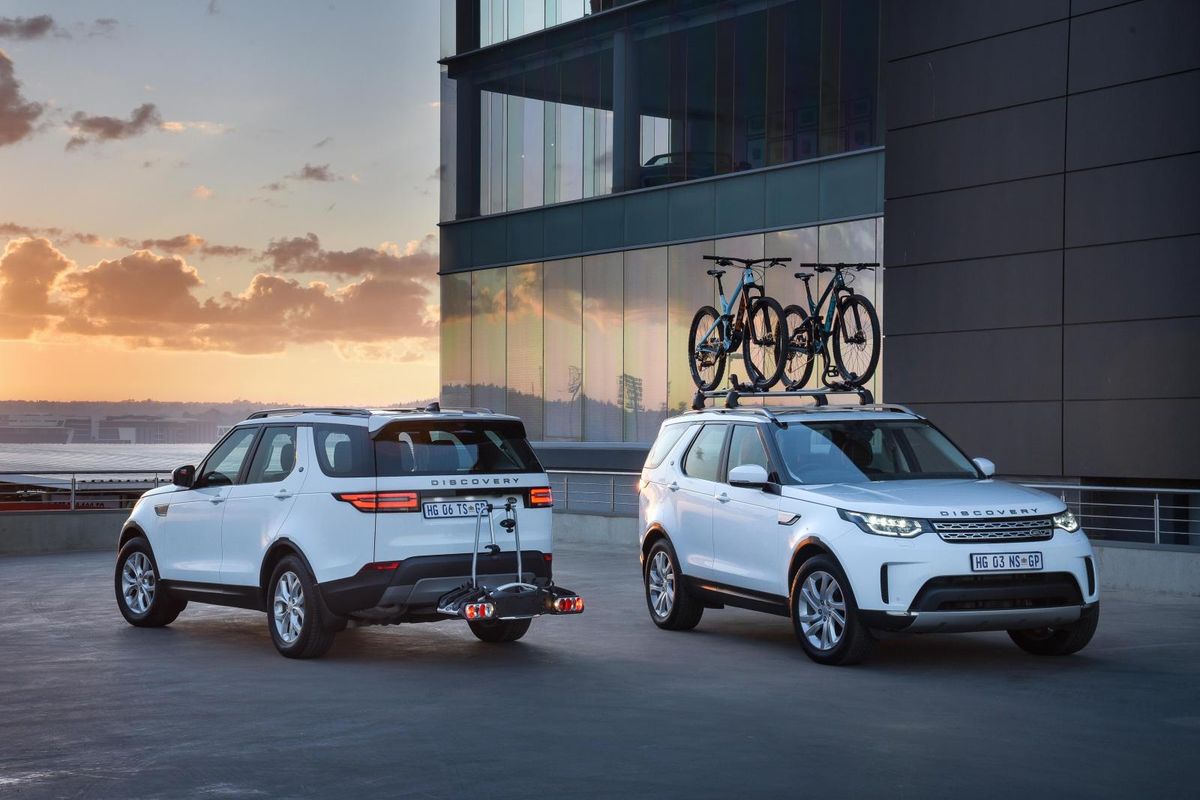
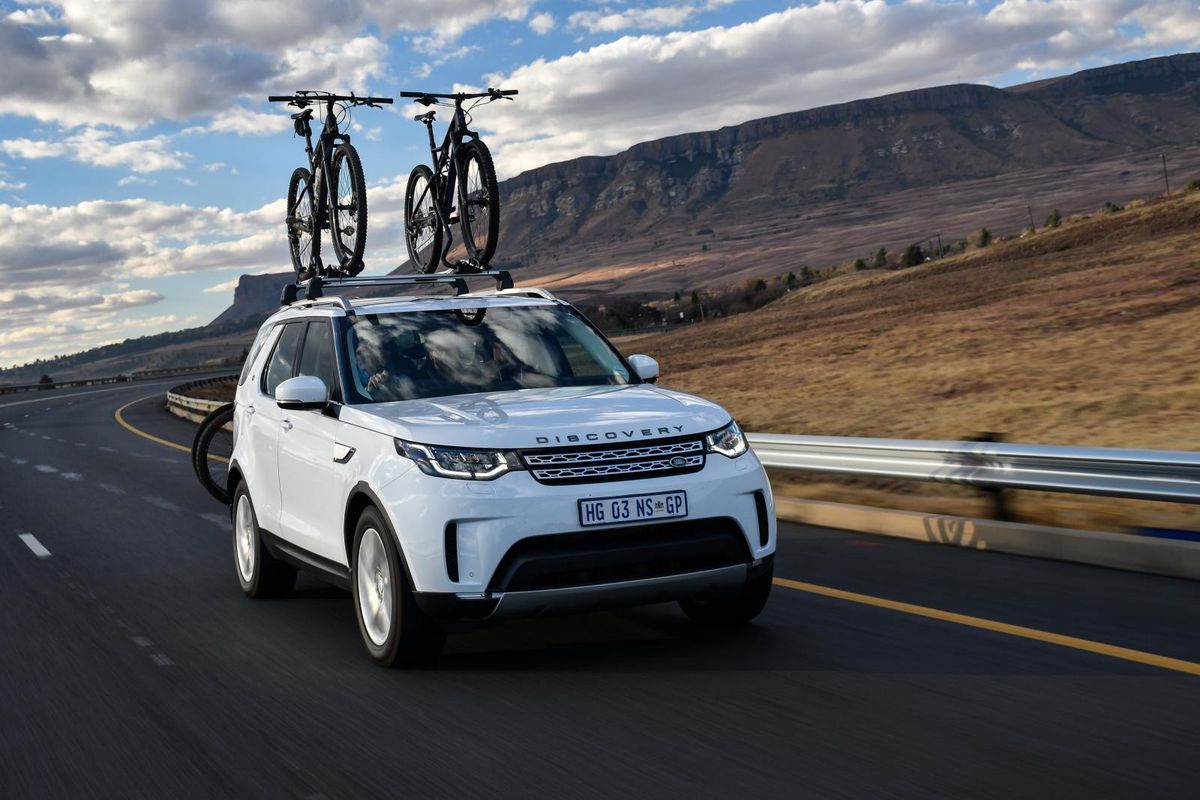
With the rise in popularity of cycling, Land Rover will now equip your Discovery with all the required cycling addenda from the factory.

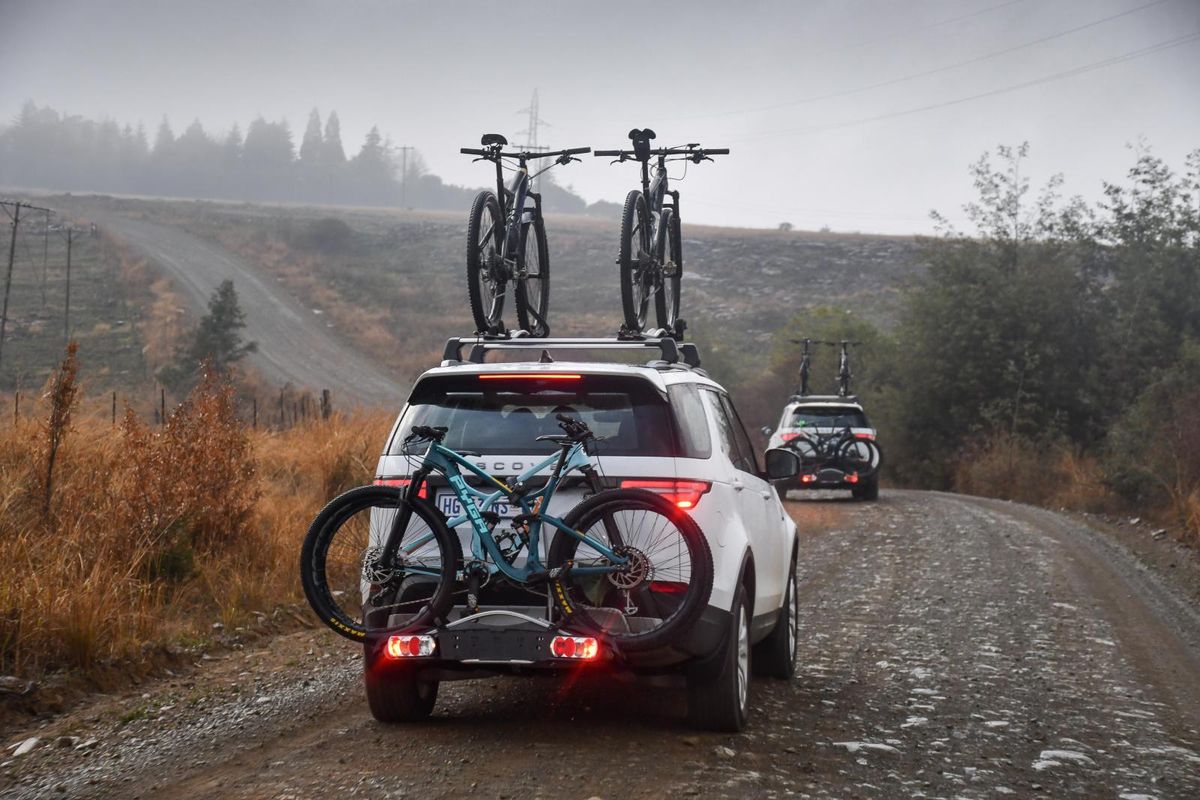
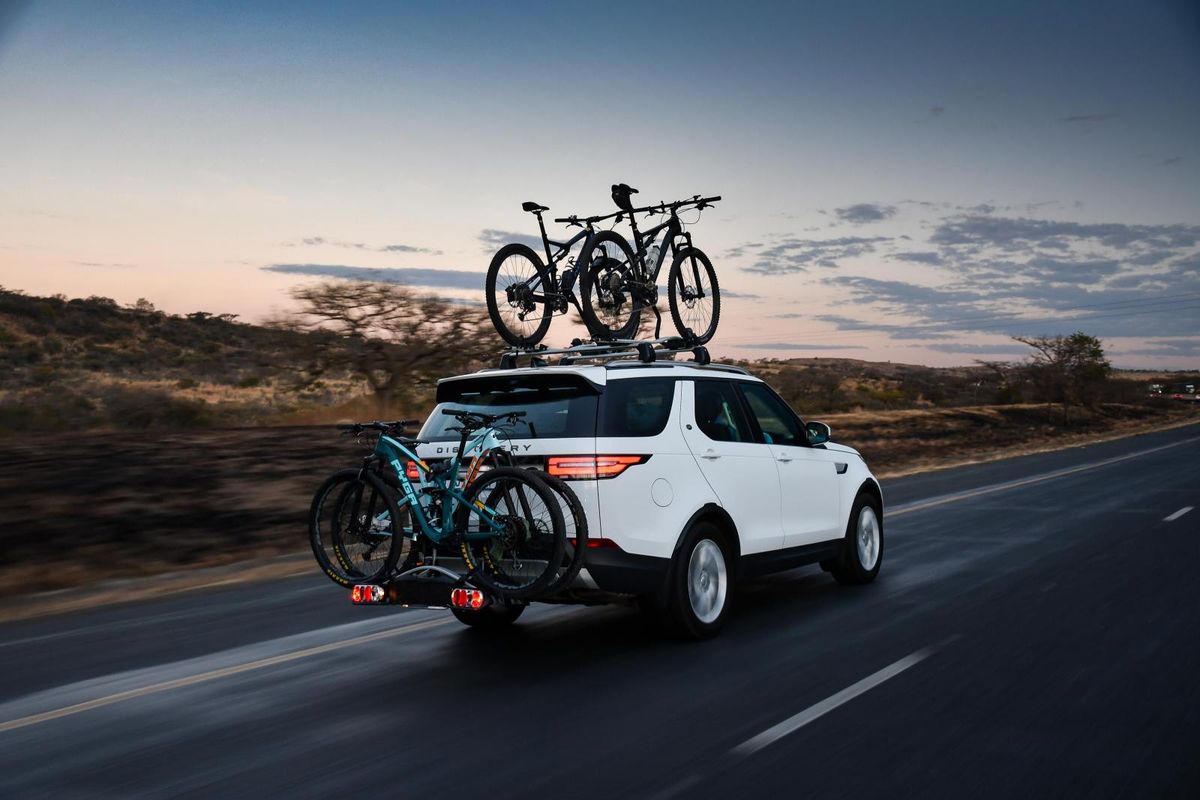
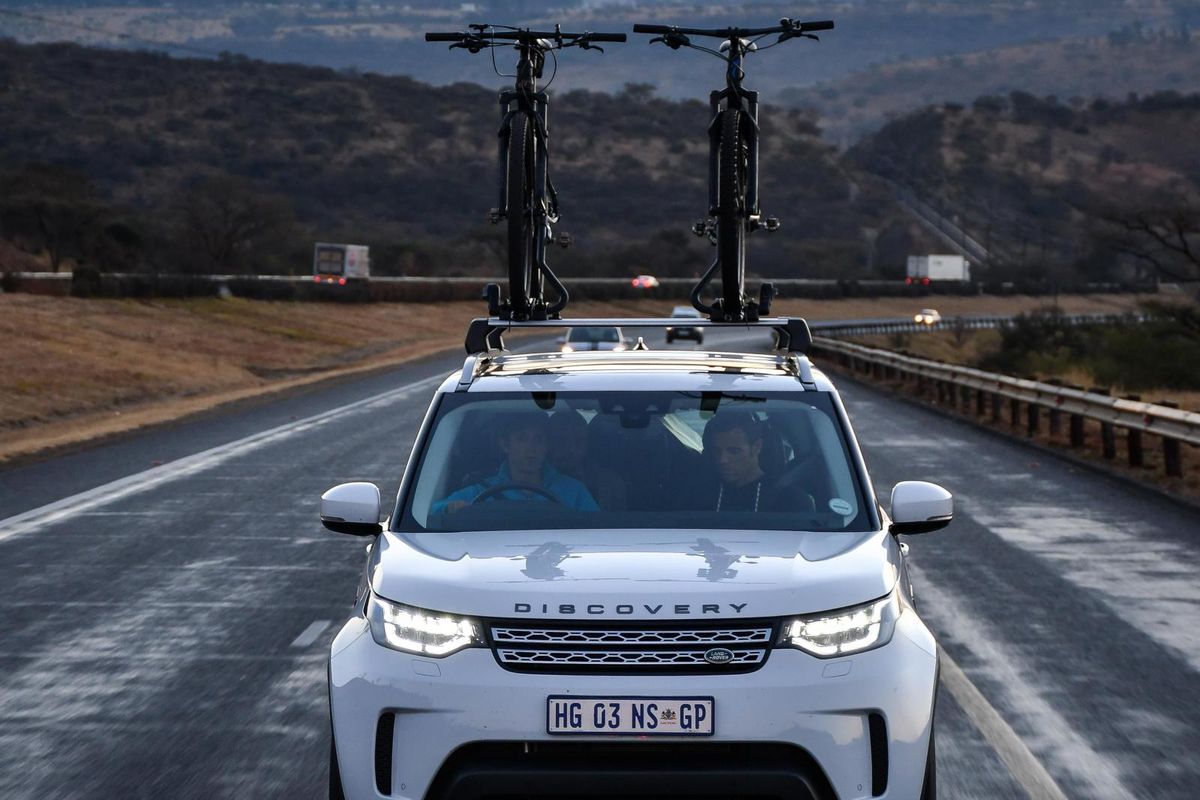
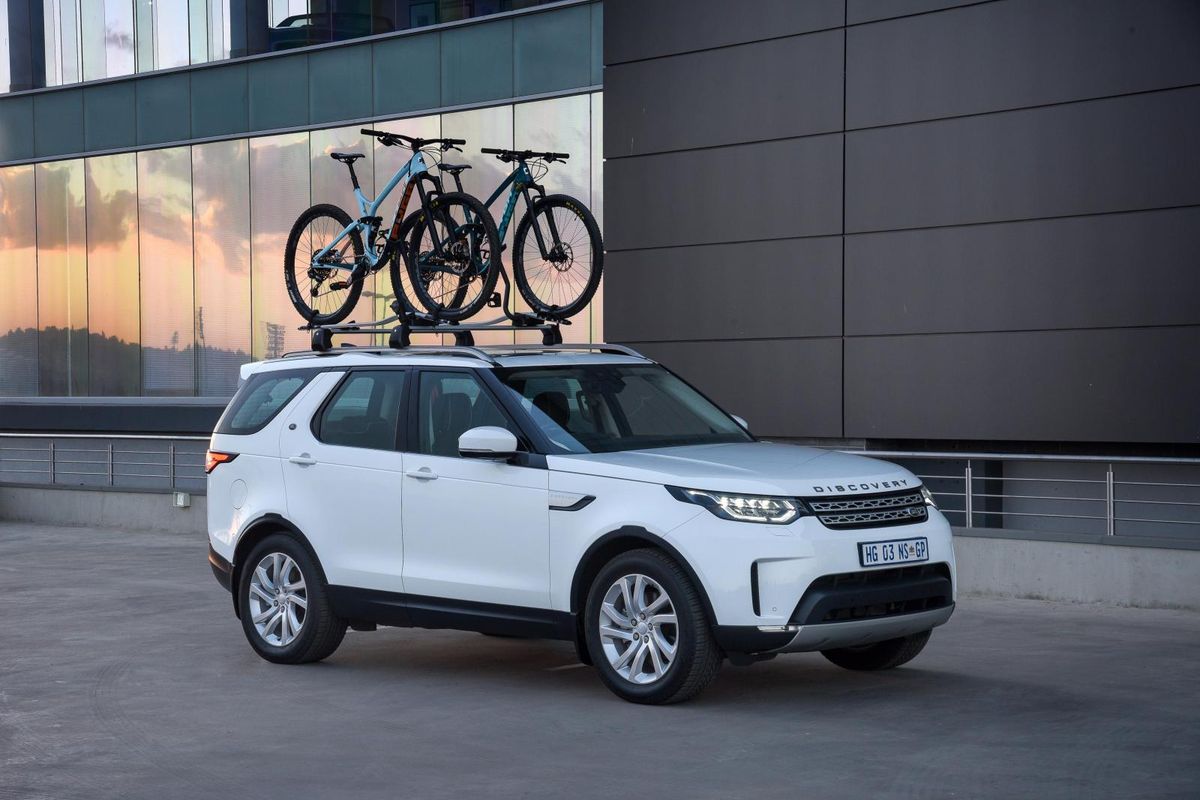
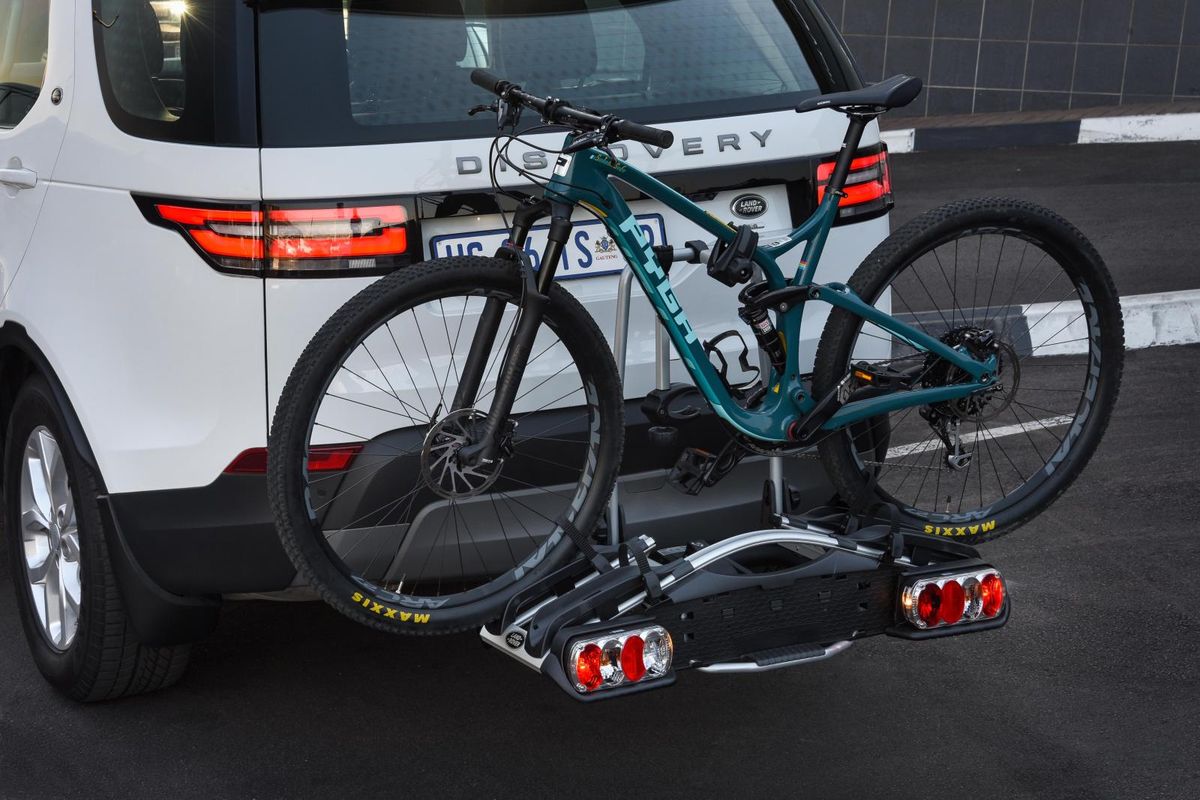
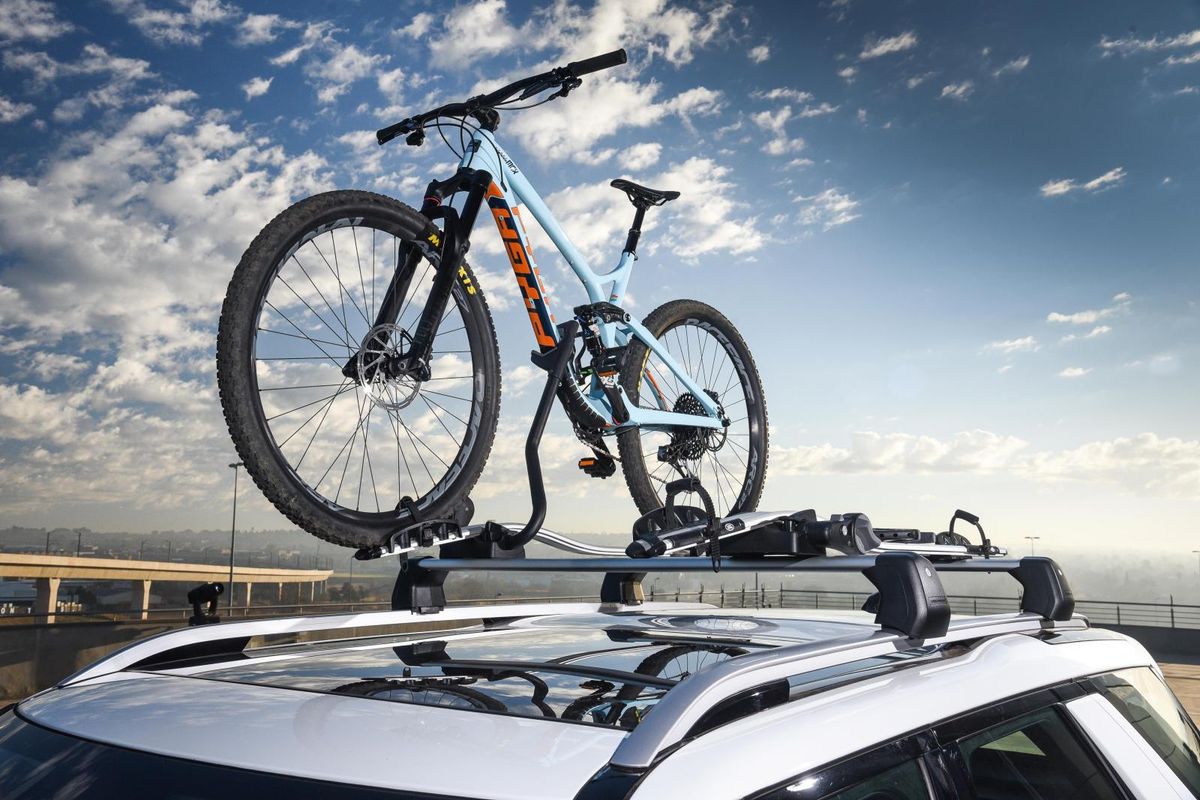
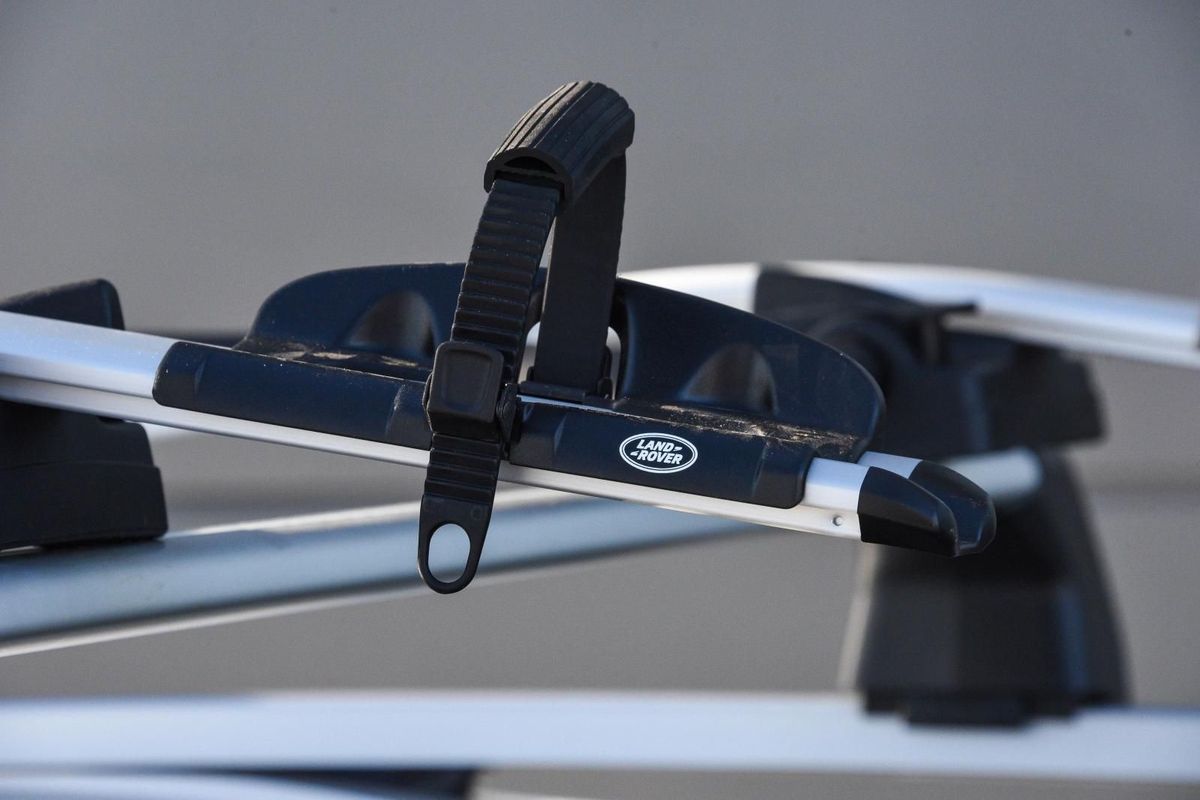
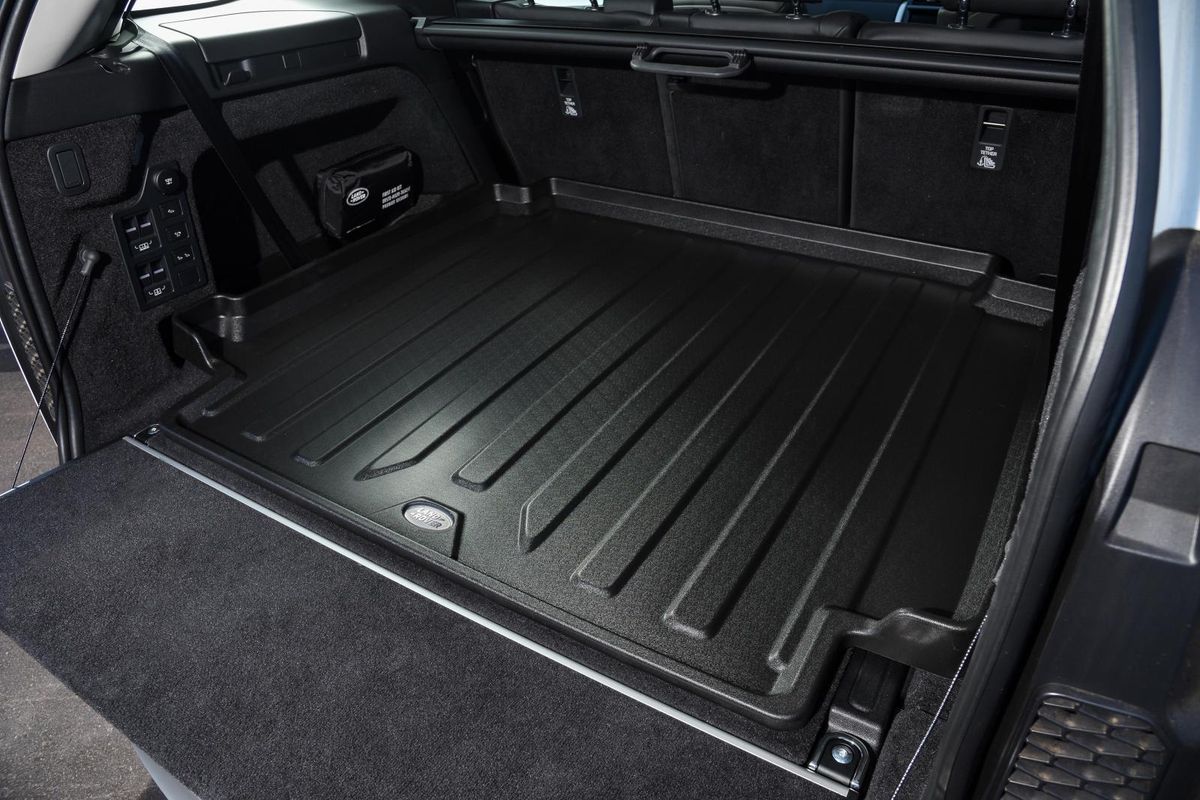
The Discovery cycling kit includes a 2-bike roof rack, including the required roof rails or you can have a towbar-mounted rear rack. The rear rack also holds 2 bikes. The kit then adds a rubber mat set for the first and second seating rows, and a waterproof loadspace liner tray to protect the cargo area floor from the mud and grime.

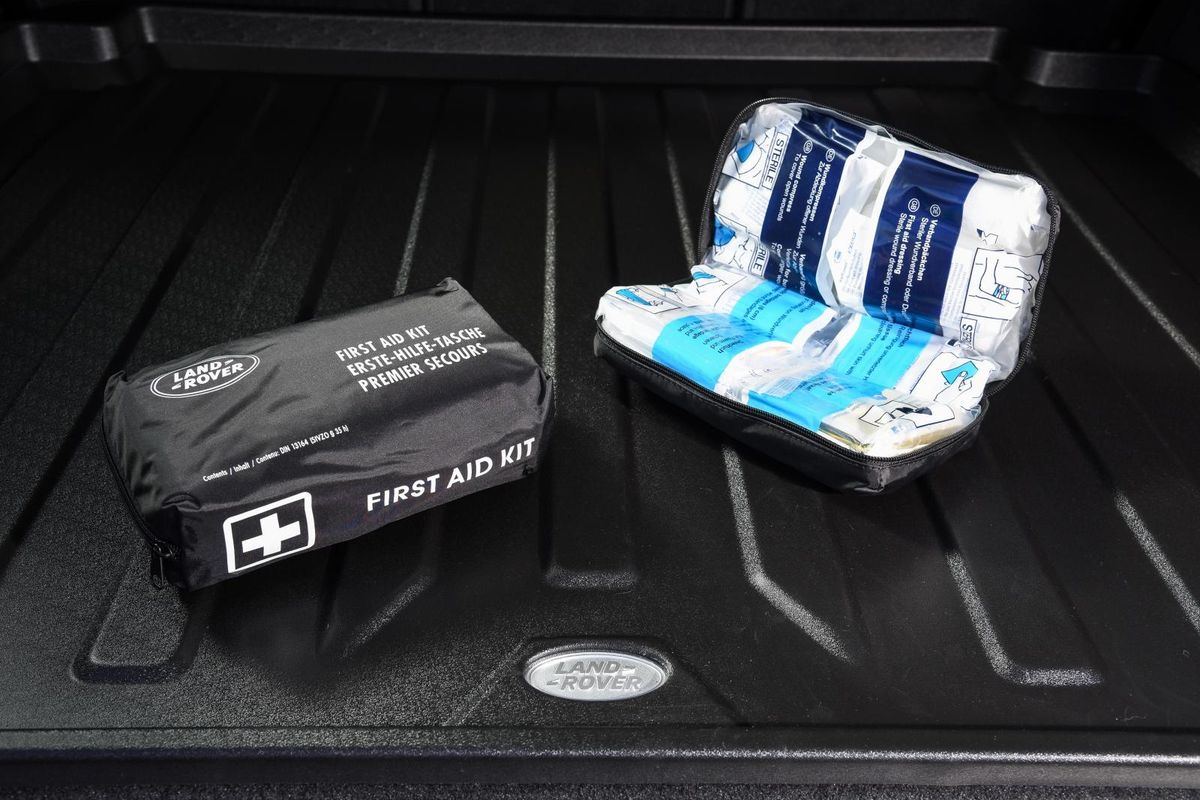
As an exclusive touch for the exterior, mud flaps are added as well as a choice of black or silver centre caps for the wheels. A First Aid kit is included in the kit as well.

If all the items in the pack were selected individually the cost would total R28 791 extra. If bought as a whole, the Cycling Pack is priced at R22 500 extra. With the pack being factory fitted and approved, it is covered by the standard vehicle warranty.

New Discovery pricing (July 2018)

2.0L Si4 Petrol Auto 5 Door S R 988 724
2.0L Si4 Petrol Auto 5 Door SE R 1 133 624
2.0L Si4 Petrol Auto 5 Door HSE R 1 256 224
2.0L Si4 Petrol Auto 5 Door HSE Luxury R 1 349 924
3.0L TD6 Auto 5 Door S R 1 027 406
3.0L TD6 Auto 5 Door SE R 1 166 906
3.0L TD6 Auto 5 Door HSE R 1 288 006
3.0L TD6 Auto 5 Door HSE Luxury R 1 381 606
3.0L V6 Petrol Auto 5 Door S R 1 074 190
3.0L V6 Petrol Auto 5 Door SE R 1 191 990
3.0L V6 Petrol Auto 5 Door HSE R 1 313 090
3.0L V6 Petrol Auto 5 Door HSE Luxury R 1 406 790

 Related content

Land Rover Discovery Workhorse launched

Land Rover Discovery (2017) Video Review

Land Rover Discovery goes hardcore with SVX

Nissan Patrol 5.6 LE Premium (2018) Review

Searching for a used Discovery?

Start your search here

Launch Gallery: Aston Martin DBS Superleggera

Aston Martin recently invited Cars.co.za, along with other representatives of the world's automotive media, to experience its eagerly-anticipated DBS Superleggera in spectacular Berchtesgaden, Germany.  

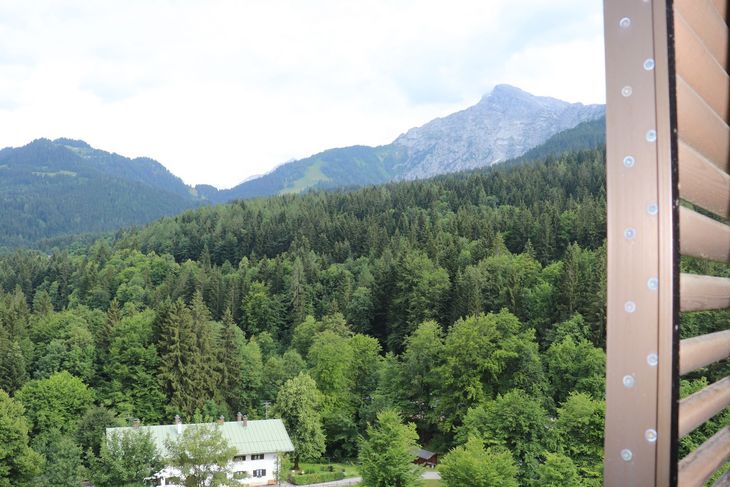
Berchtesgaden is located in Bavaria, near Germany's border with Austria. The mountains are blanketed in pine trees (some of them are so tall that the snow adorning their peaks seems to have no effect on the balmy temperature we experienced at ground level). It is a landscape so breathtaking and of such powerful beauty that it bewitched some of the most powerful people in world history, many of whom had their holiday homes here.

 
The mountainous region of Berchtesgaden provided a picturesque backdrop for the media launch.

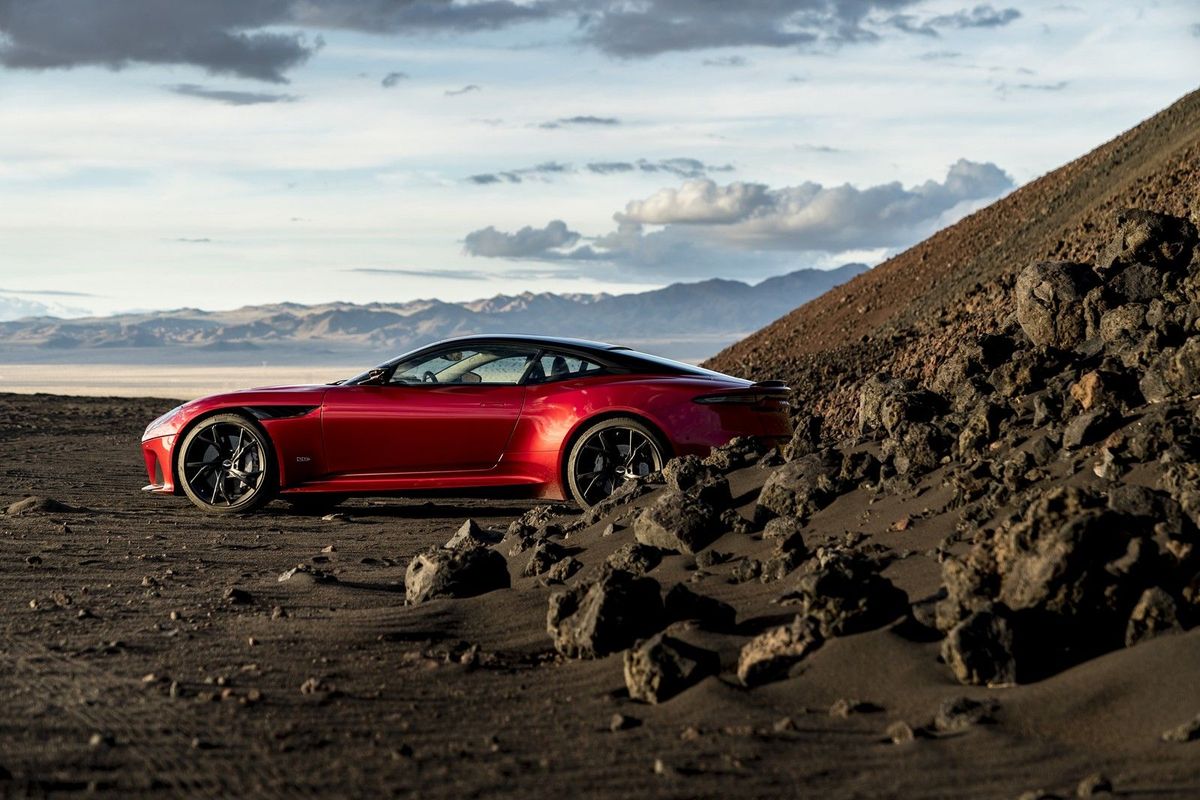
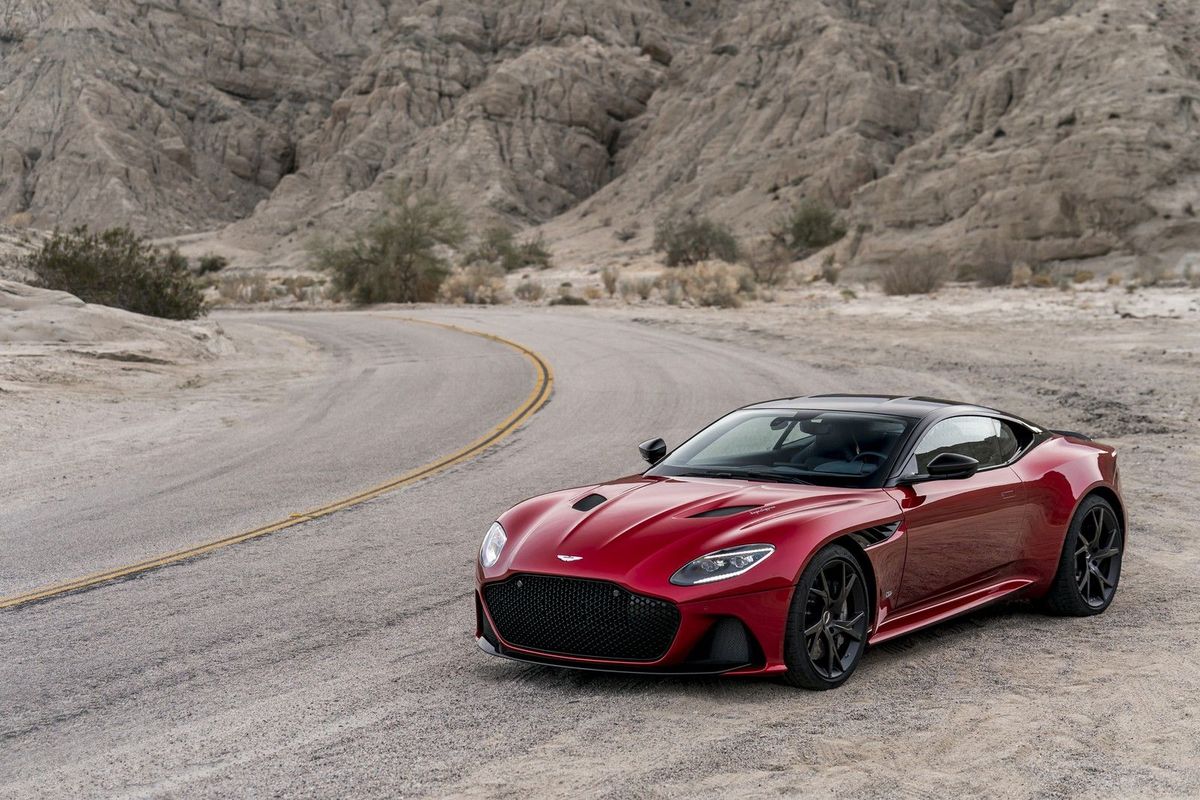
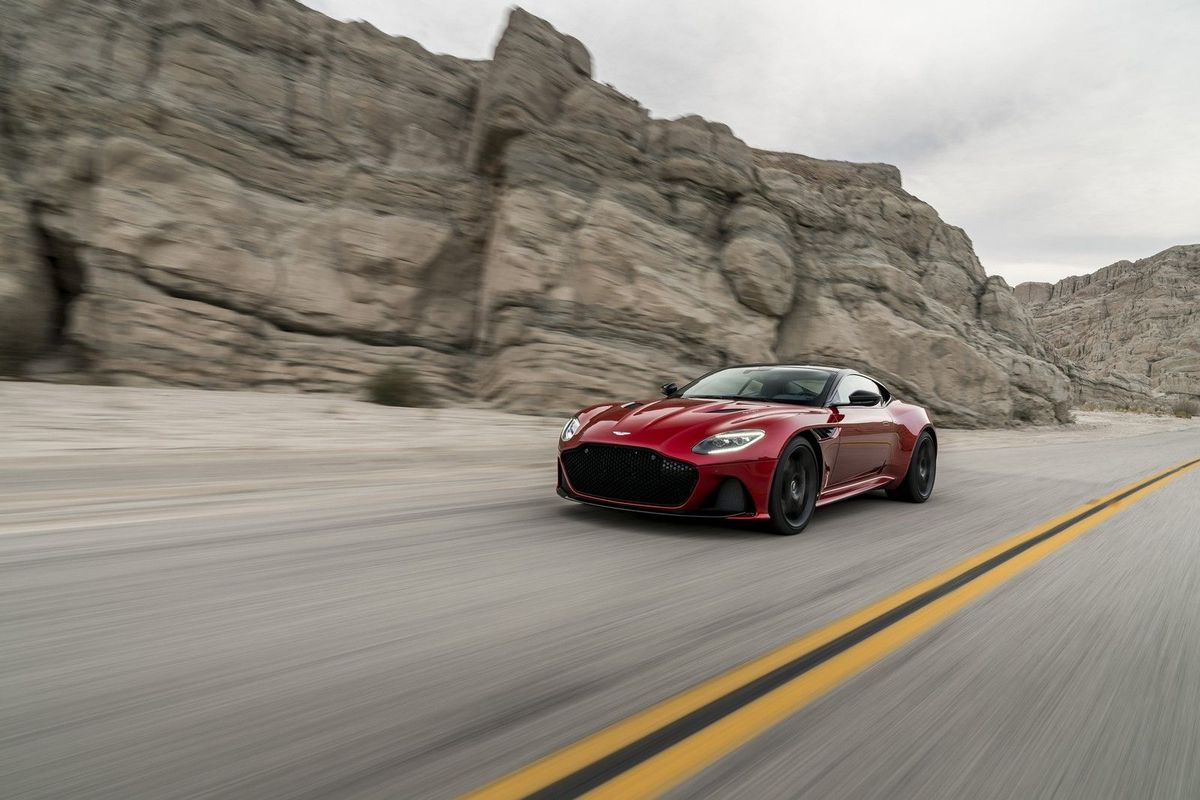
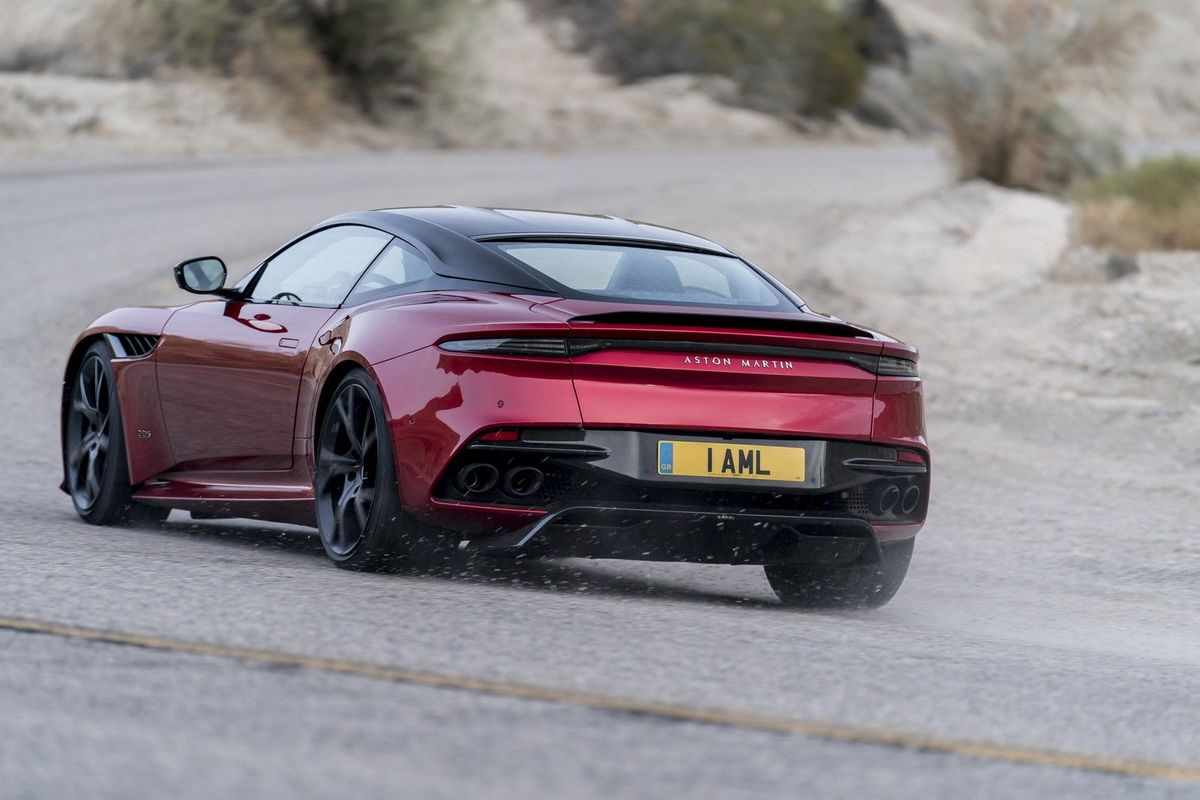
For a month, Aston Martin used this exceptional region of the world to showcase the new Aston Martin DBS Superleggera, which is nothing short of a remarkable car – as arresting in the metal as the views that surrounded it. This has to be one of the most beautiful cars ever built.

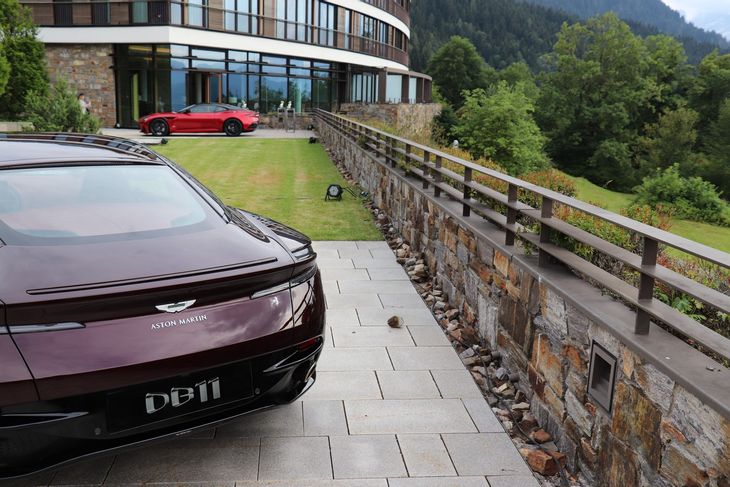
Over the course of the next 24 hours, we were immersed in the life of what might be the typical Aston Martin owner. The headquarters of the launch was the magnificent Kempinski hotel, perched on a plateau 1 000 m above sea level and nestled in an amphitheatre of some of nature’s finest work.


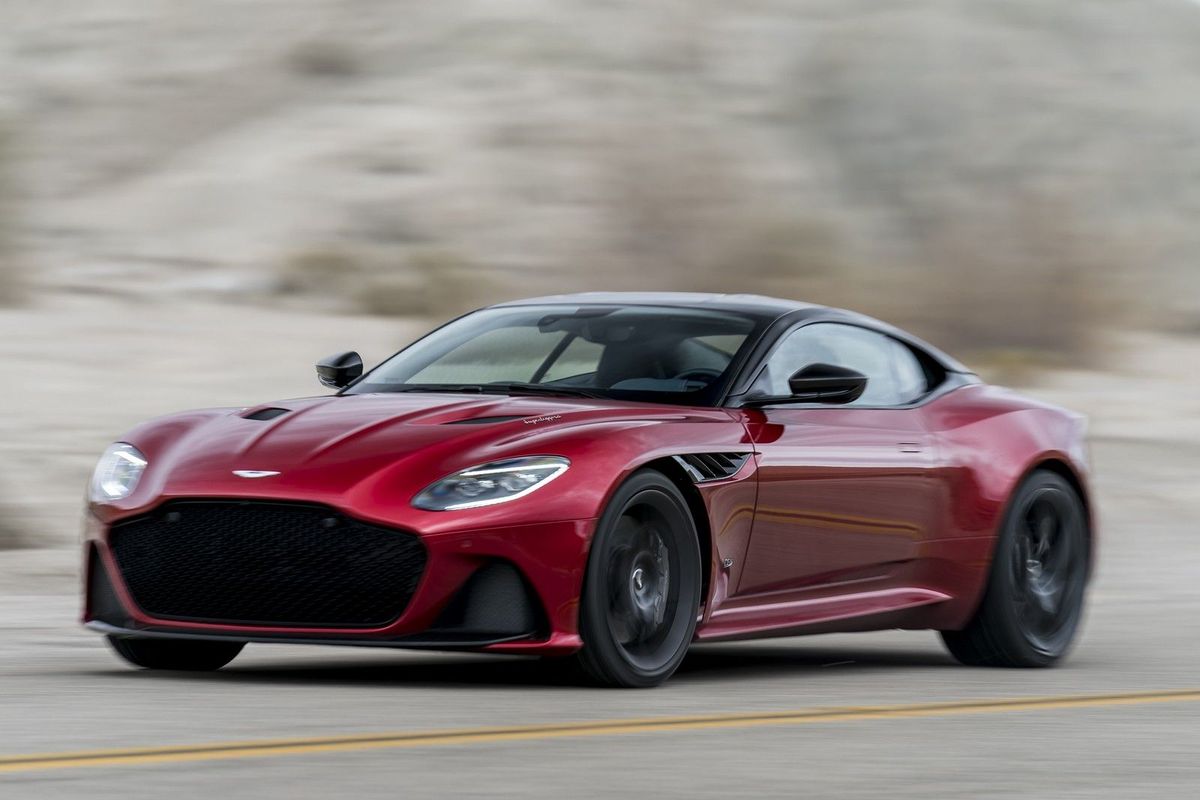
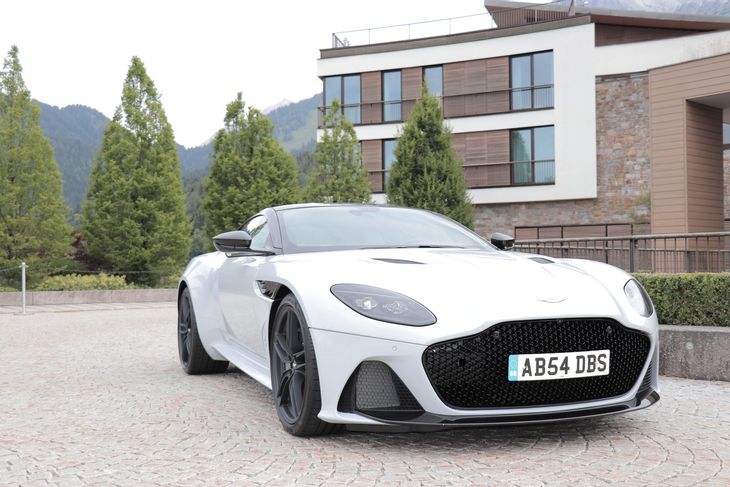
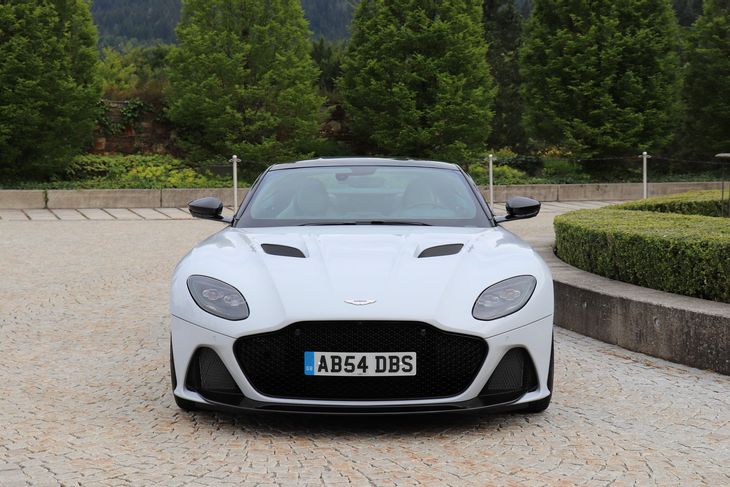
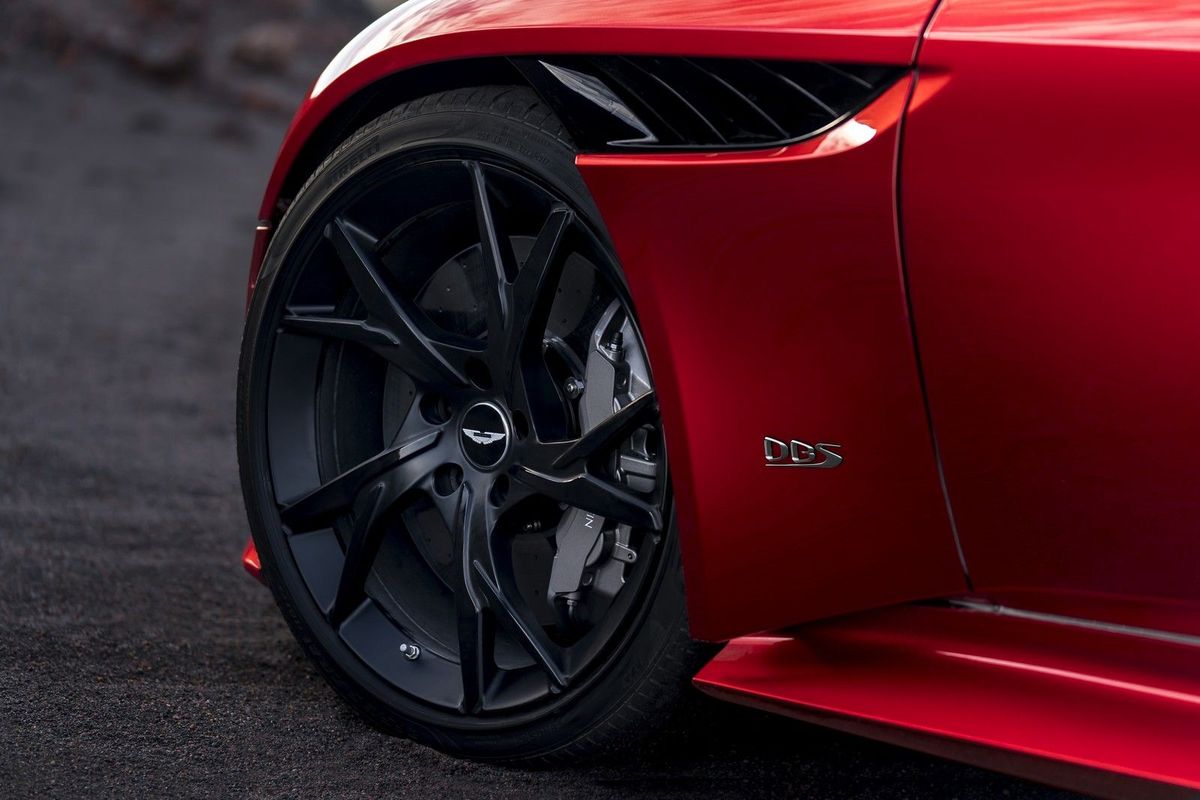
The elaborate grille/front airtake treatment is one of the Superleggera's most distinguishing features.

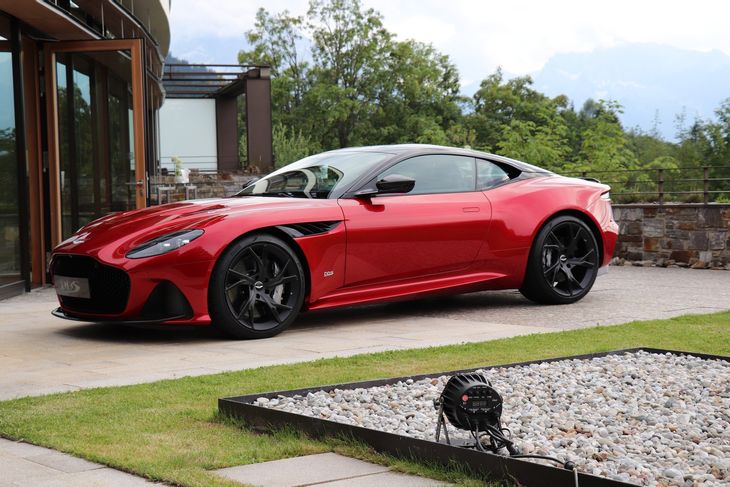
Dotted around the hotel were 7 examples of the latest car to wear the winged Aston badge. The deep red metallic examples were the most recognisable, having starred in the first official images, which were released to a global audience just a week before, and which had dominated my social media feeds like few supercars I can remember. But the dark grey matte black and pearlescent white models were no less attractive.

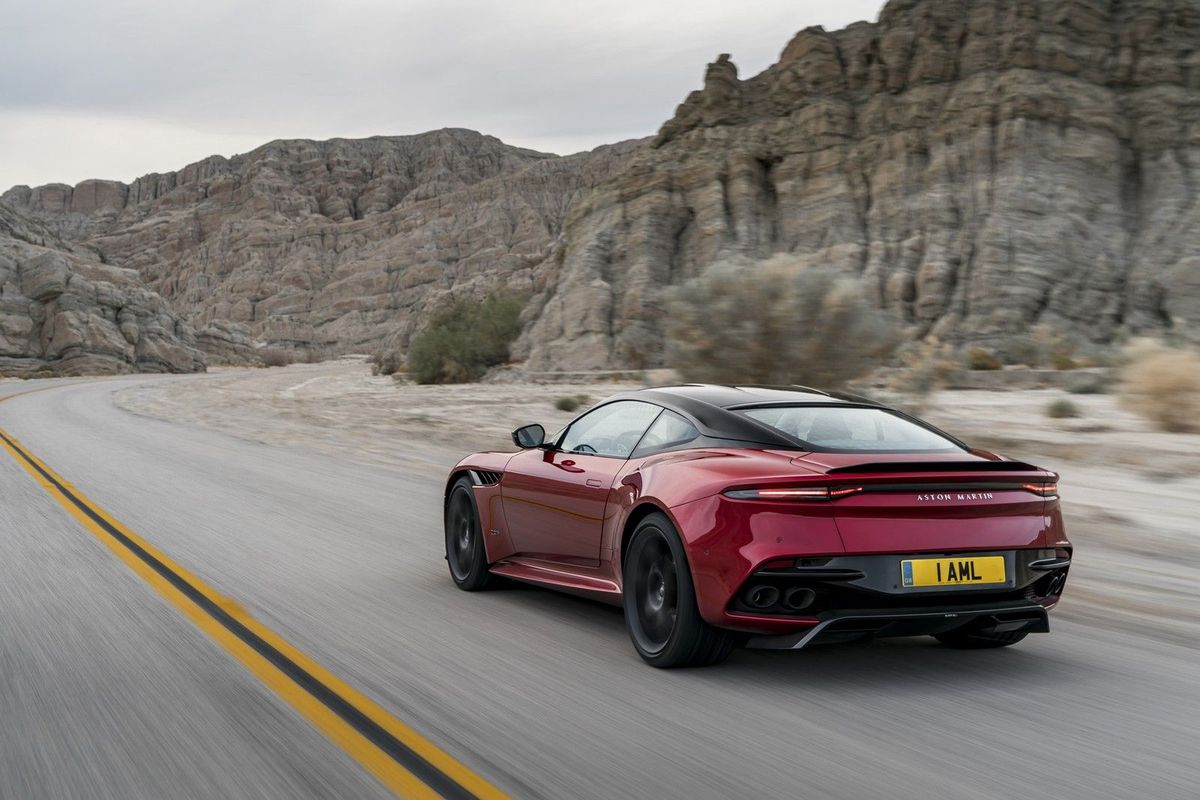
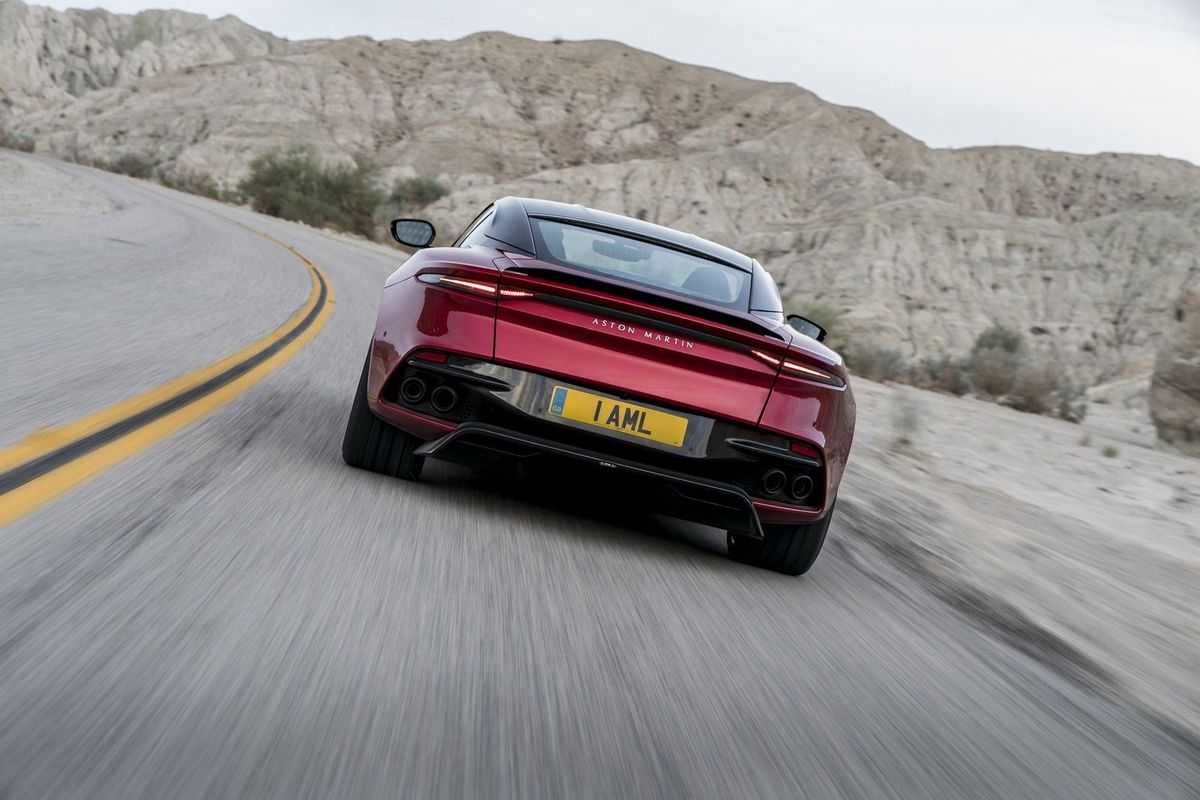
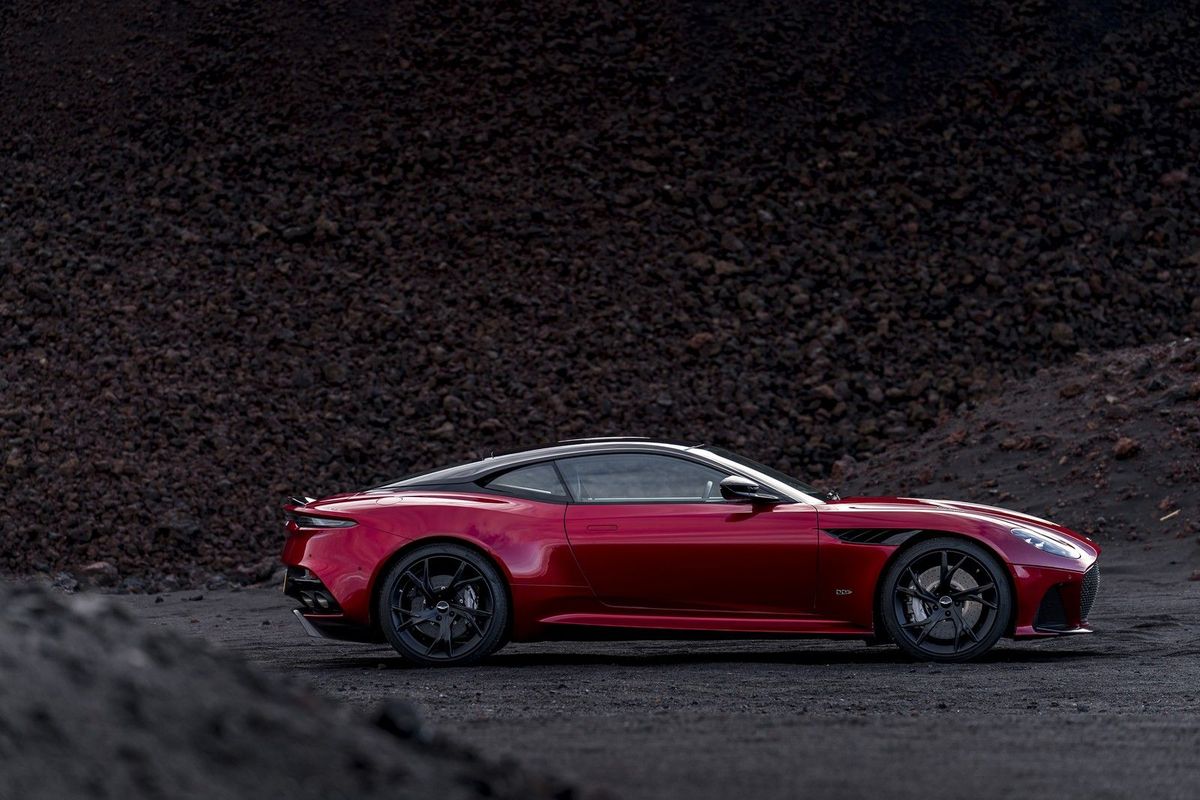
In the metal, it is an absolutely stunning car. Dramatic, beautiful and purposeful in equal measure, it is, in my opinion, the best looking Aston Martin ever made. The rear haunches alone evoked an involuntary “oomph” out of me. And for a company with a reputation for producing some fairly attractive automobiles, that is probably a bold statement.


The DBS Superleggera, clad in its deep-red metallic finish (as it was for the media pack), looks as good in the metal as in pictures.

Over drinks that evening, held under the late evening sun, the man responsible for the design, Marek Reichman, gave us a tour of the car. He designed the car’s predecessor, which was quite a looker itself. A tall individual with enviable hair, wearing chinos and bright green Nike sneakers, Reichman is understandably proud of his work. He said that, ultimately, even if you know nothing about cars, just one look at the DBS Superleggera should convince you that this is the most powerful Aston Martin available. Job done, then.


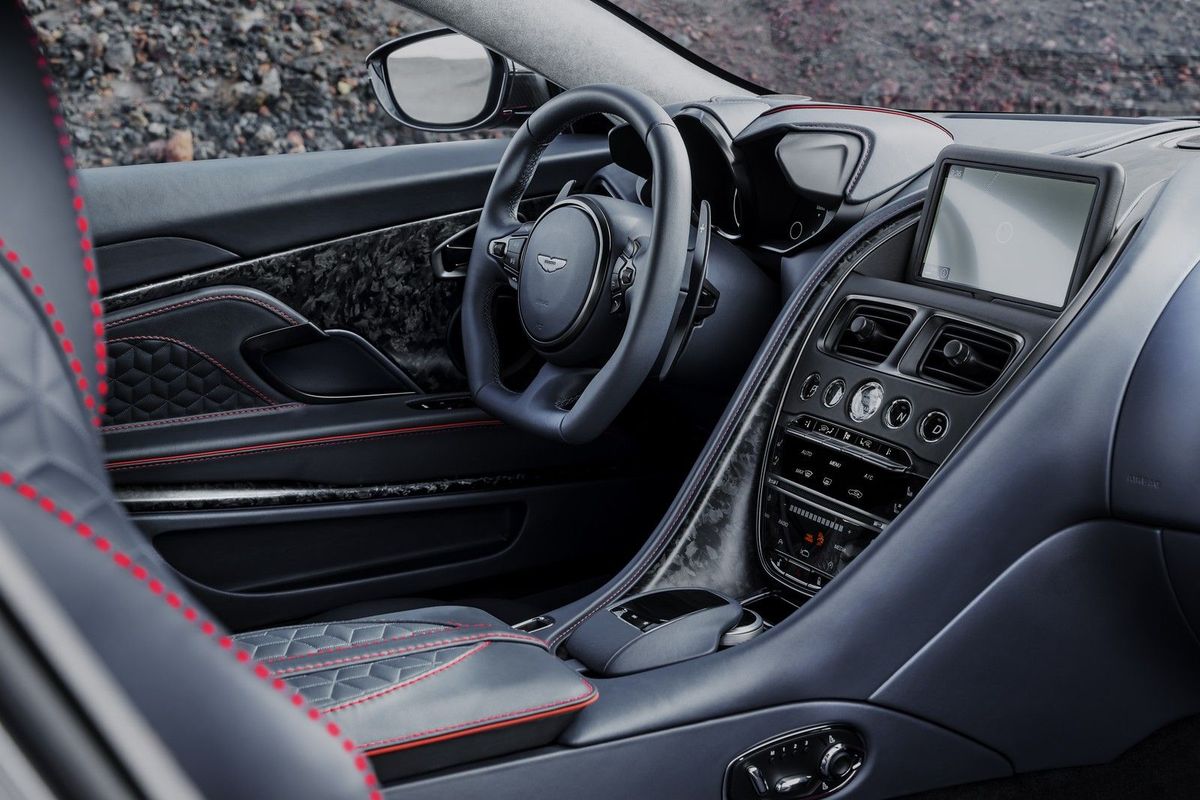
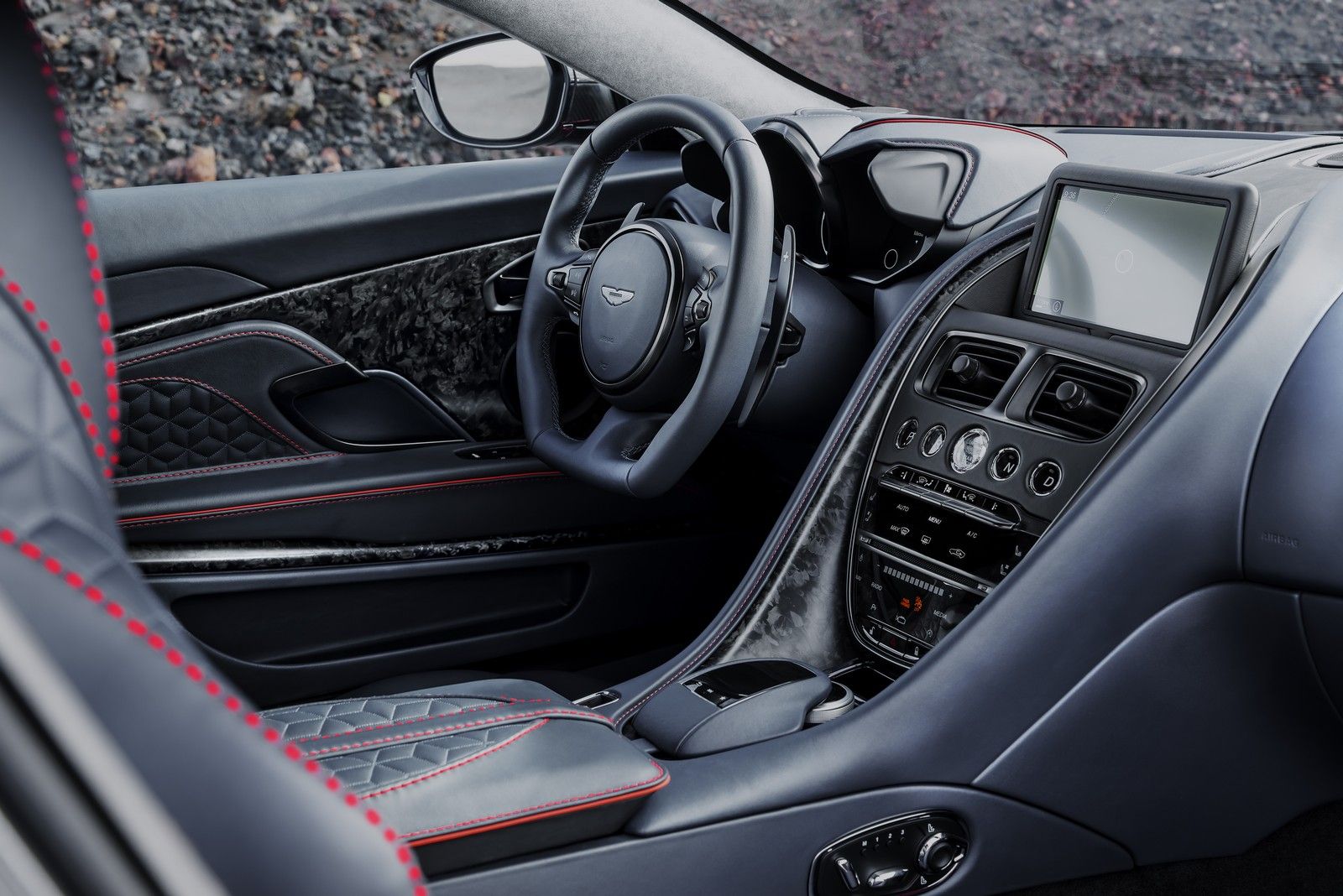
Premium, quality interior that you'd expect from Aston. Note the Mercedes Command control in the centre.

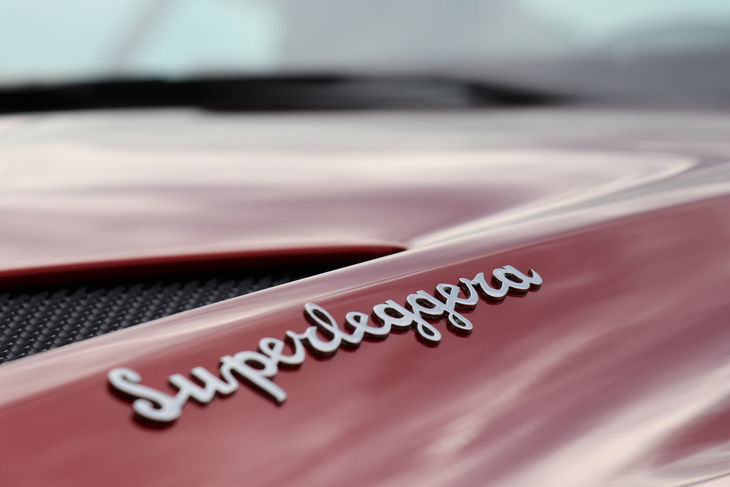
The DBS is, of course, based on the DB11, but, especially at the front end, it looks dramatically different to Aston Martin's (dare I say it?) "cooking-variety" grand tourer. The front overhang is shorter and the enormous front airdam is arguably this car’s signature feature. The carbon-fibre bonnet is entirely new and encompasses a new headlight design and deep-seated nostrils, which are both aesthetic and functional, helping hot air escape from the engine bay. And placed next to these “blowholes” (as one excitable Chinese journalist referred to them) is the word Superleggera.

While you might not immediately associate this quintessentially Italian term with the British marque, their association goes back decades and the DB5 featured the word on its bonnet, too. Aston Martin had to license the patented nameplate from Carrozzeria Touring, the modern incarnation of the company that invented the technique, which made the term famous.

Alloy developed by the Zeppelin industry

Superleggera means super-light, but it also refers to a car-building methodology, which features a frame made of lightweight tubing and sheet metal, made of an alloy developed by the Zeppelin industry, draped over it. It was developed in the 1930s and propelled Italian coachbuilders to the forefront of car design; the technique enabled rapid prototyping and the flexibility of the process enabled designers to pursue curvaceous, beautiful shapes that stood out among the comparatively demure designs of that era.


Although the name Superleggera is best associated with Italian supercars, most recently Lamborghini, it certainly belongs on the DBS.

The method, however, was somewhat typically Italian, in that it favoured beauty over just about everything else. The lightweight frames offered almost no crash protection and car makers around the world pursued the chassis-based approach, which later gave way to unibody construction.

Despite its obsoletion, the term Superleggera has undoubtedly left a mark on the world of motoring, and, in my opinion, stamping the word on the bonnet makes the car instantly exotic and desirable. And, as Aston’s chief driving dynamic engineer quipped, "if Ferrari can call their car the 'Superfast' in English, then the British can call their car 'Superleggera' in Italian".

A British foil for Ferrari's Superfast

The 5.2-litre twin turbo V12, which debuted in the DB11, is carried over, but heavily tweaked to produce peak outputs of 533 kW and 900 Nm of torque. Those figures and the efforts to reduce the car’s weight by 70 kg mean the DBS has the same torque-to-weight ratio as the rather loony Aston Martin Vulcan. The torque output is so monumental that AM was forced to ask ZF to create a new 8-speed gearbox specifically for the DBS. And even still, the drivetrain engineers still had to electronically limit the torque output in first and second gear to protect the transmission.


The DBS Superleggera's svelte sheet metal hides a host of carbon fibre components, all of which limit the car's dry weight to 1 693 kg.

Carbon fibre has been used extensively to reduce weight and the DBS Superleggera features a full carbon front clam-shell, rear deck and prop shaft. A carbon fibre roof is an optional extra. This has resulted in a dry weight of 1 693 kg, roughly 200 kg lighter than a Jaguar F-Type, but a good 400 kg heavier than, say, a Mclaren 720S. Which, admittedly, is not this car’s rival.

No, this is a Super GT, and the next day we experienced more than 5 hours of seat-time to see what it had to offer. And, unfortunately, that’s where this article has to end…


Look out for our upcoming Launch Review Video of the DBS Superleggera…

An embargo on driving impressions is in place until 1 August, to give the world’s media an opportunity to drive the car without any influence from other journos. I did, however, film my experience and I look forward to sharing the video with you on our Youtube channel as soon as the embargo ends. If you enjoy beautiful cars, loud noises and watching someone mispronounce “Superleggera” for 9 minutes, you’re almost sure to enjoy it.

You can subscribe by clicking here and be the first to see the video as it launches.
Related content:

Aston Martin Vantage (2018) Launch Review

Aston Martin DB11 (2016) Video Review

Jaguar F-Type 400 Sport (2017) First Drive

Porsche at 70: Ten of its Greatest (gallery)

Looking for a used Aston Martin?

Browse what we have in stock here
Renault Megane RS Trophy Ups the Ante

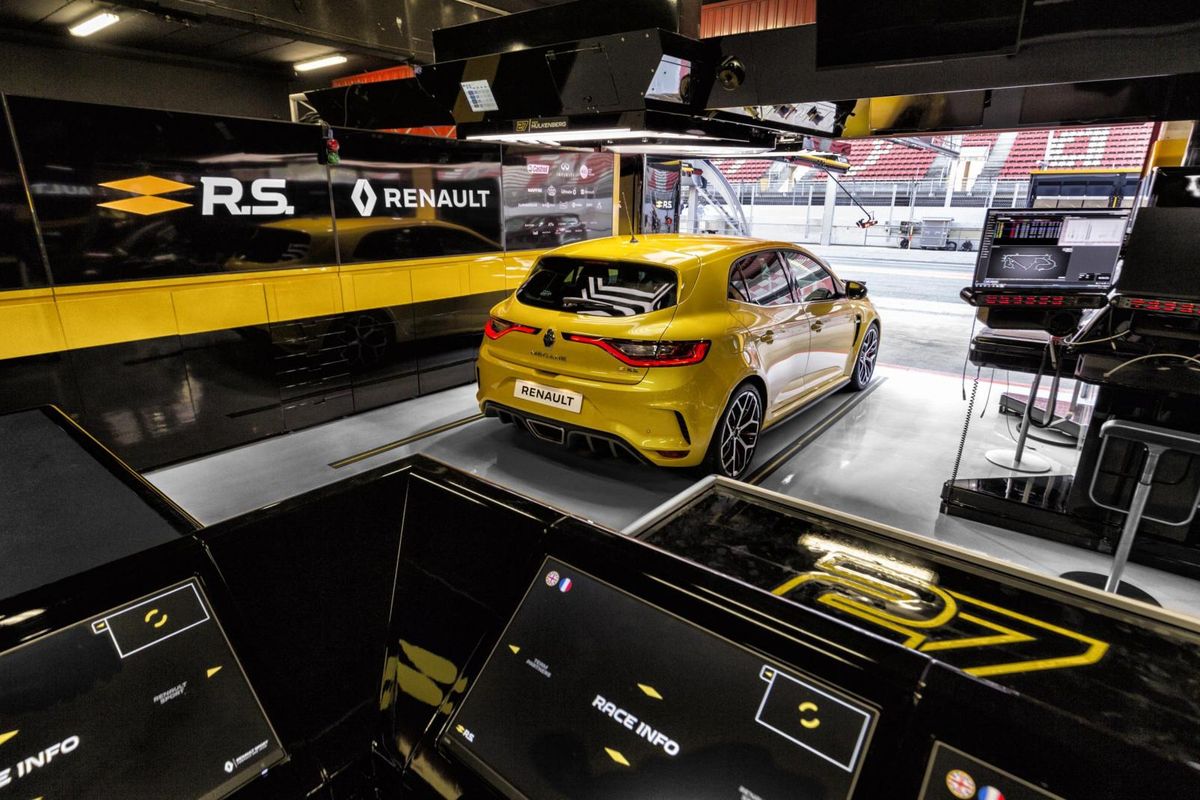
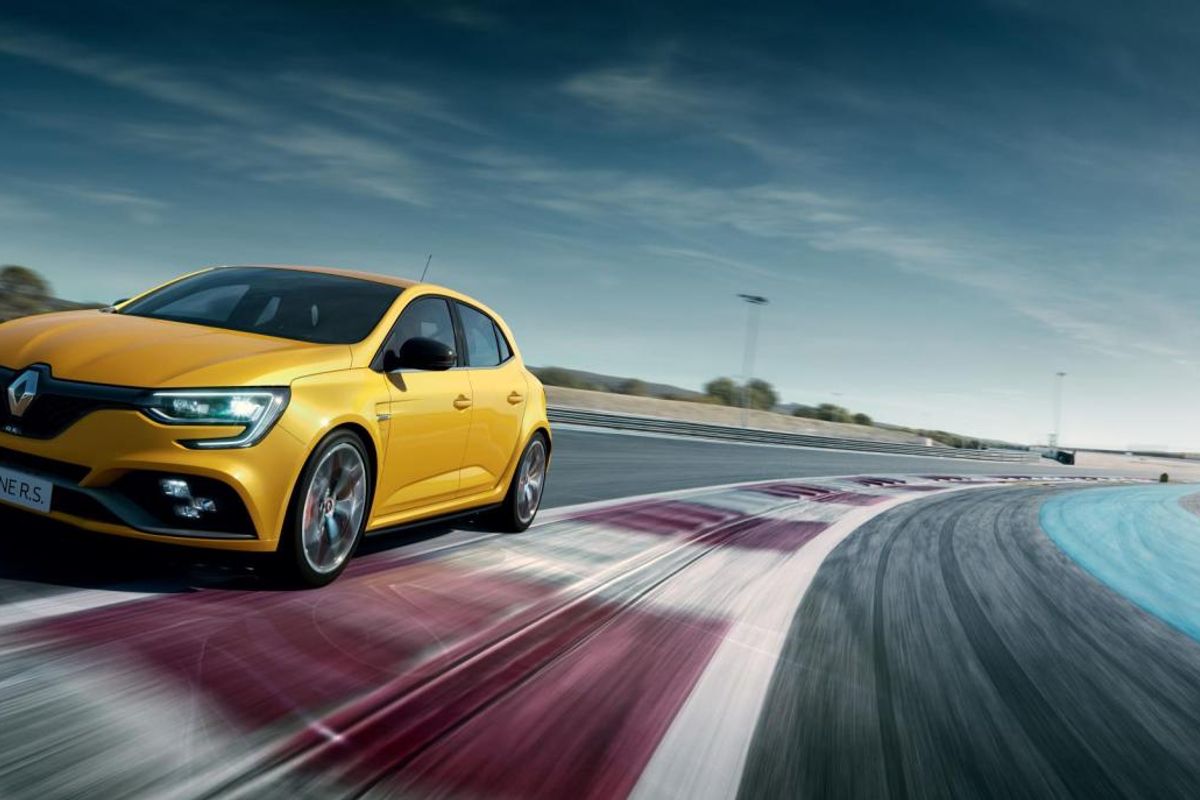
The new Megane RS Trophy hikes up the power and has a lighter rotating mass. Get ready for new Nurburgring records…

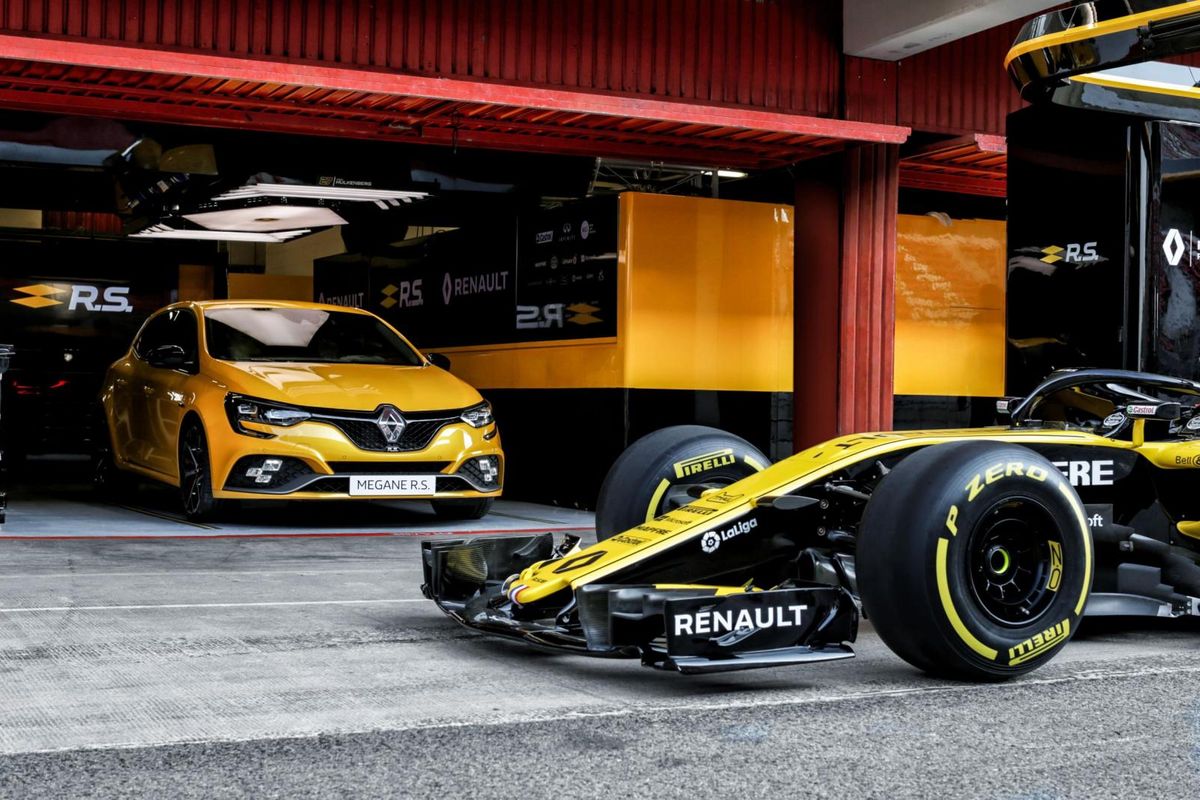
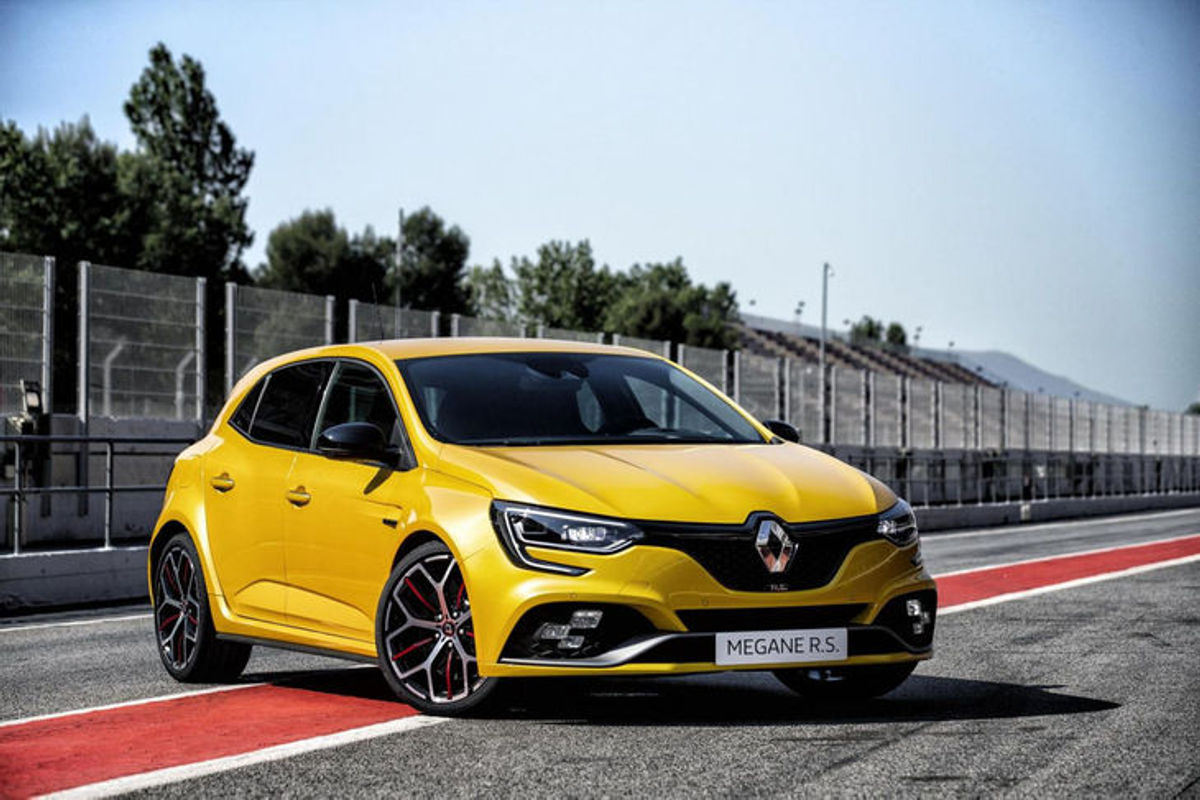
Renault has taken the wraps off its new Megane RS Trophy, which is set to go on sale internationally around the end of the year. As far as the local market is concerned, the standard RS will be launched in late August 2018, so this Trophy version is sure to whet hot-hatch enthusiasts' appetites.  
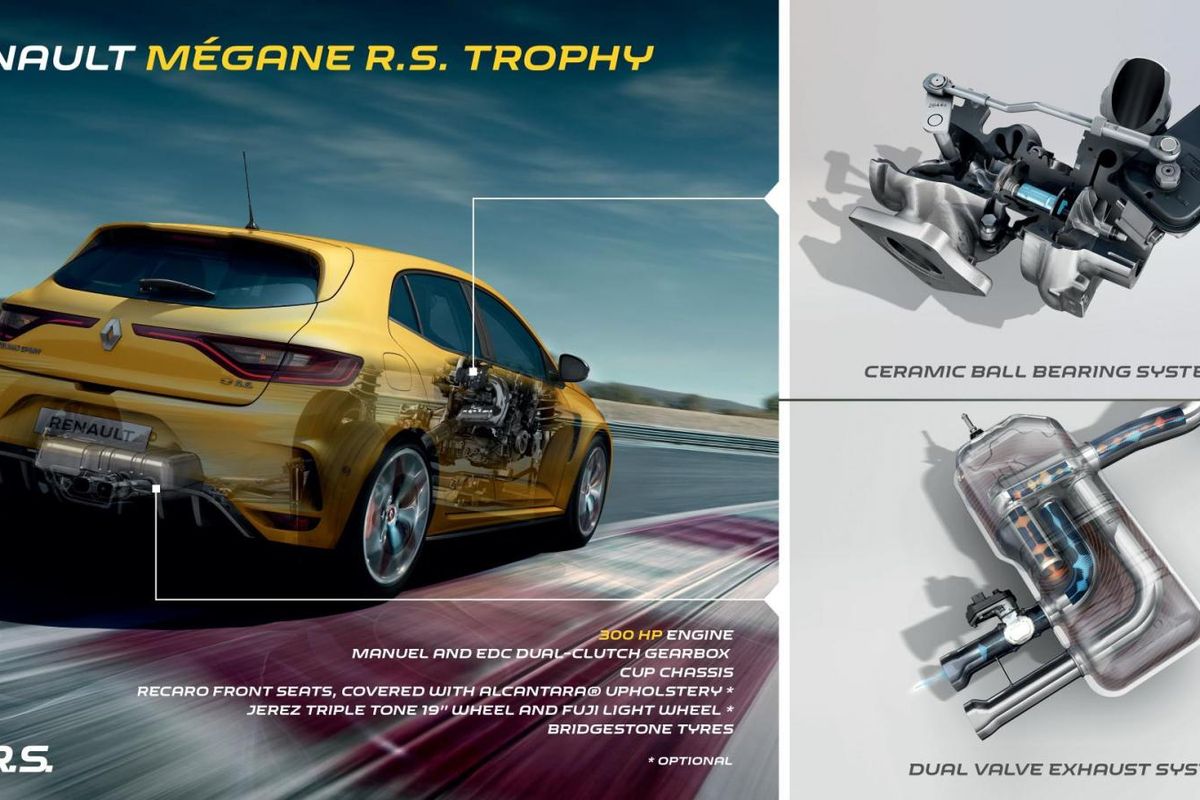
Firstly, compared with the RS, the Trophy's peak power output increases from 280 hp (208 kW) to 300 hp (223 kW) and the torque gets a kick from 390 Nm to 400 Nm (with a 6-speed manual), or 420 Nm (with the EDC dual-clutch ‘box).
Renault has used technology from its F1 engine programme to improve turbo spooling time and responsiveness. The turbine – which rotates at close to 200 000 rpm – is now fitted on a ceramic ball-bearing system. Lighter, harder and smoother than steel, ceramic helps reduce friction.

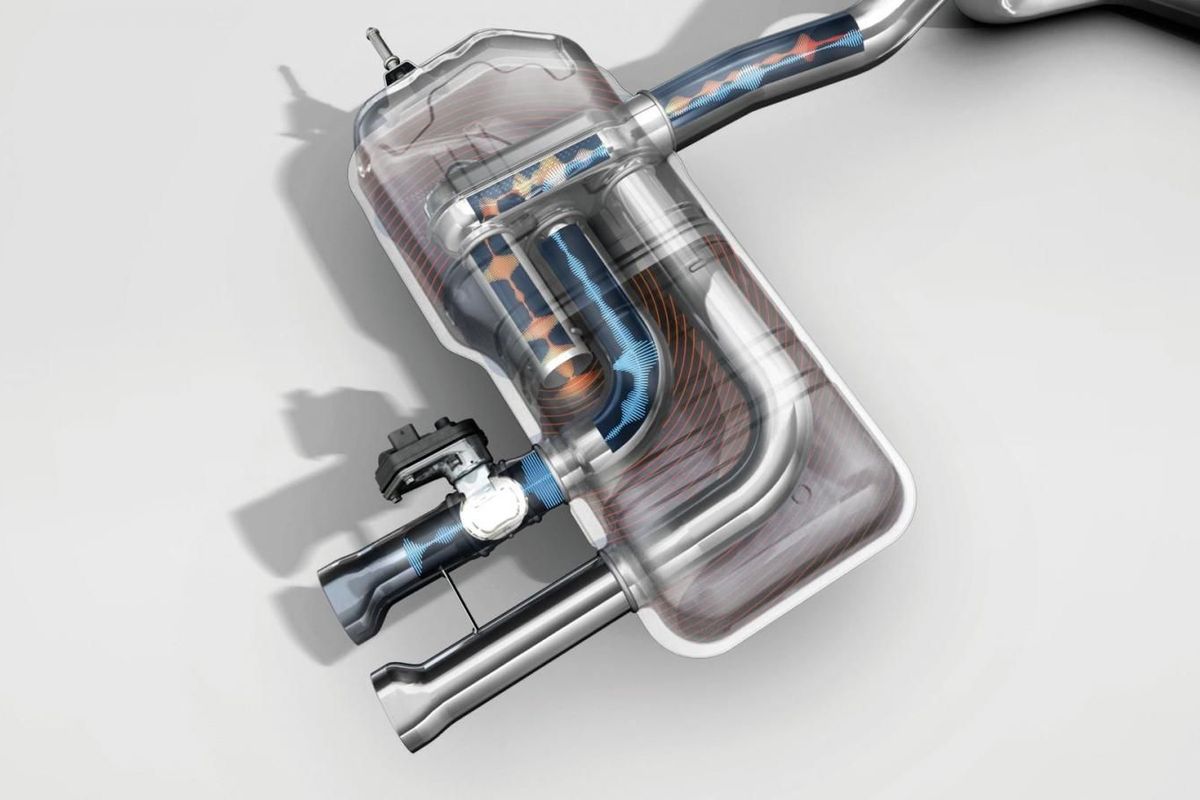
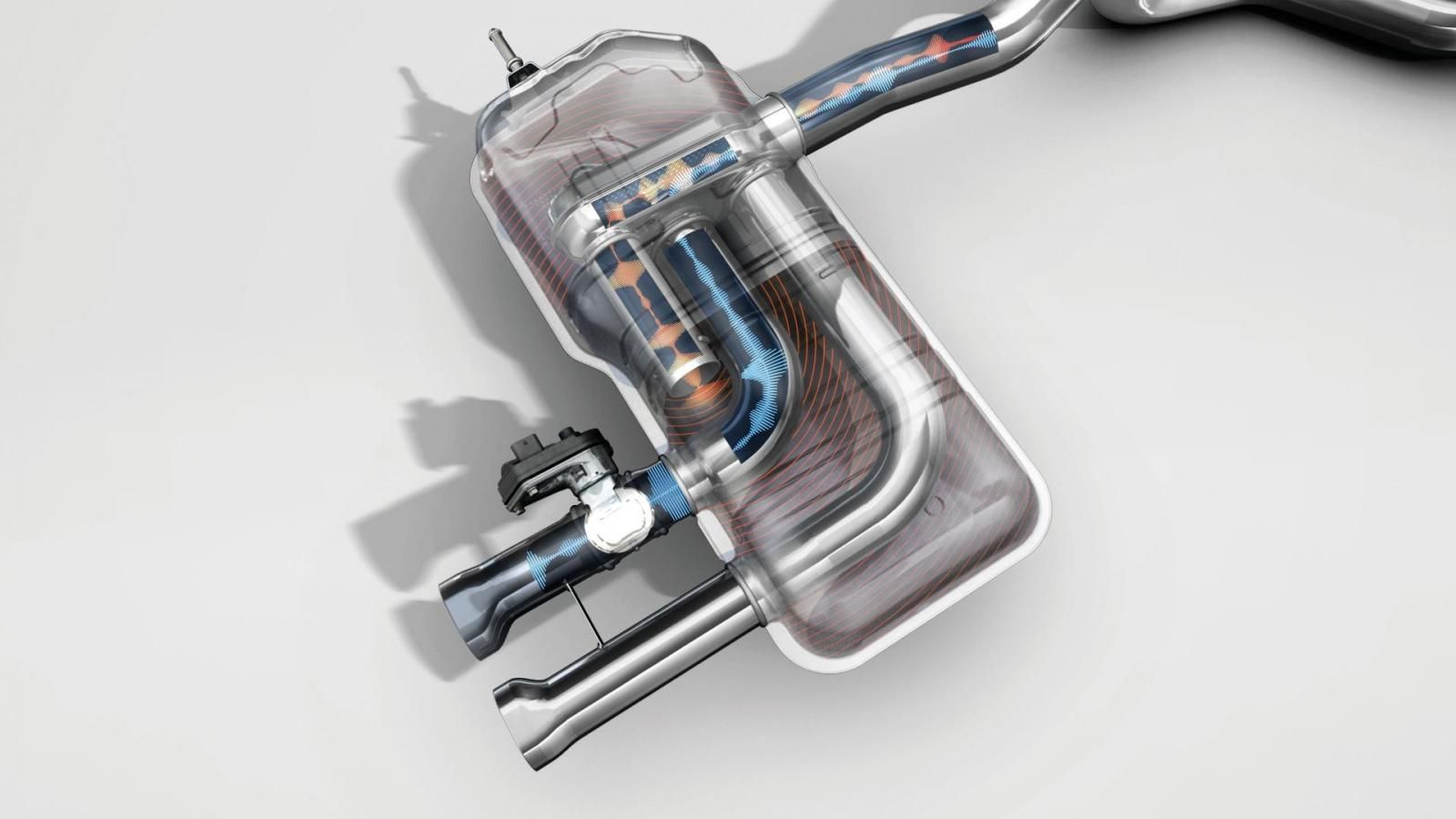
In addition to the turbo, the new exhaust system is the second area in which engine performance has been improved. The rear silencer has been fitted with a mechanical valve that enables engine noise to be adjusted. When the valve is shut, the exhaust gases are routed along a path specifically designed to filter out the low frequencies that cause throbbing noises and process the medium frequencies. When the valve is open, the reduced flow resistance enables the gases to be routed along a more direct path. This then delivers more in terms of both performance and noise.

The exhaust flap that improves performance and sound at speed and reduces the wallowing sounds at low speed.

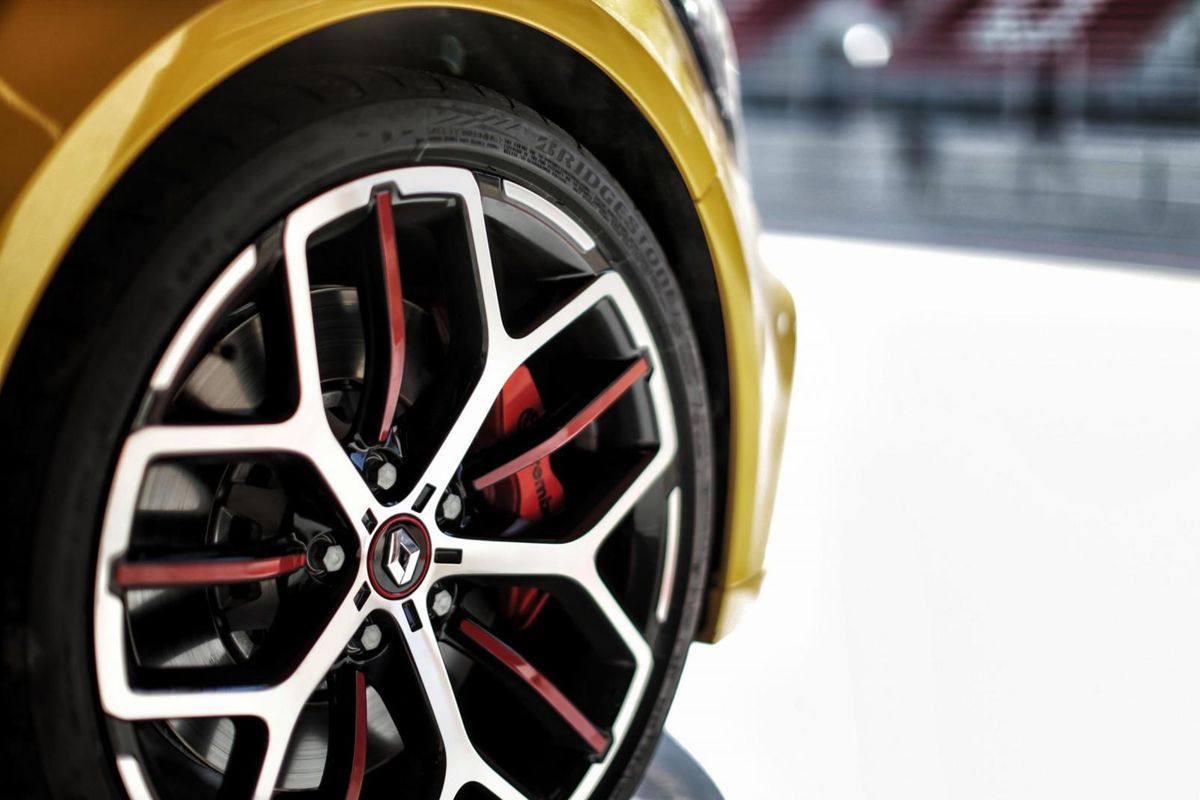
The Trophy sits on the Megane Cup chassis, which already features a stiffer suspension and a Torsen mechanical limited-slip differential. The Trophy takes things a step further by introducing bi-material front brakes that shed 1.8 kg a corner and improve heat dissipation. Lighter alloy wheels (by 8 kg), combined with high-performance Bridgestone tyres, top off the Trophy’s optimisations.

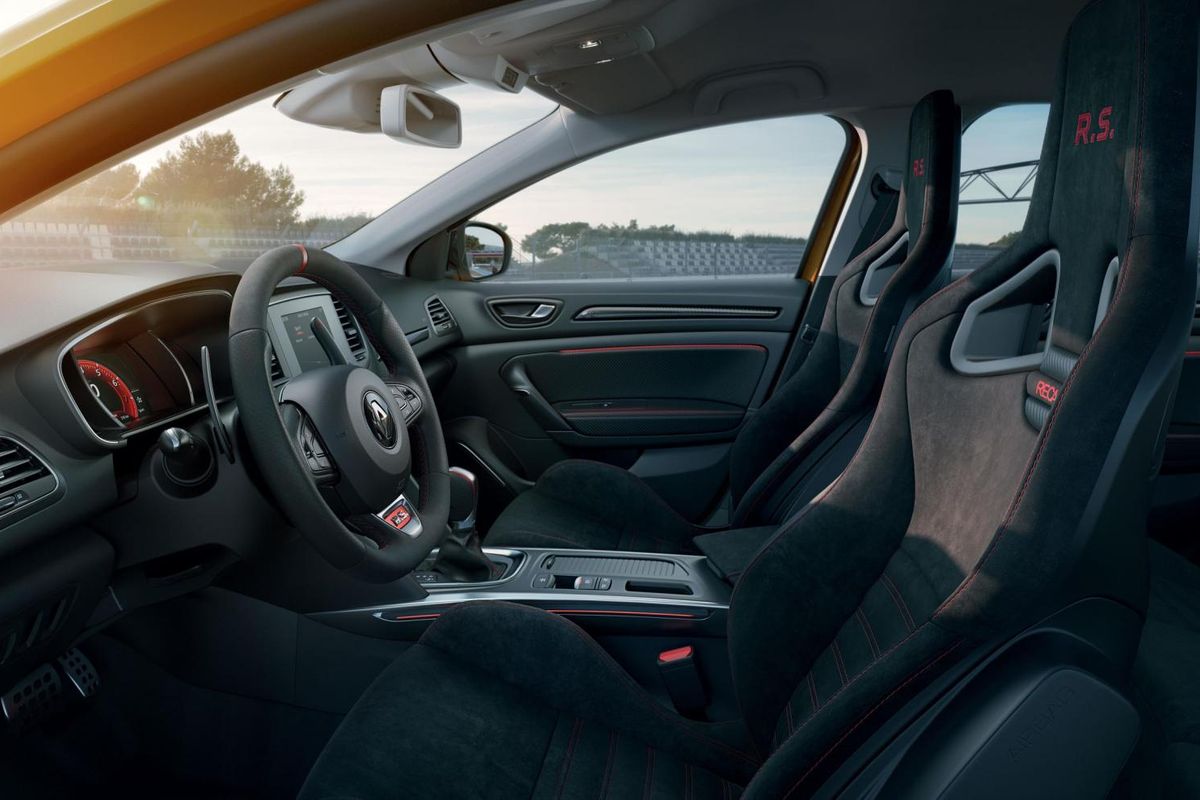
The interior can be specified with specially designed Recaro seats. The new seats can be lowered by a further 20 mm compared with those of the standard car, giving the driver a sportier driving position, as well as reducing the car's overall centre of gravity slightly.

Renault South Africa has not confirmed the exact date of the Trophy's local introduction, but we expect it will be early in 2019.

Related content:

Renault Megane RS 280 (2018) International Launch Review

Renault Megane (2016) First Drive

Volkswagen announces 'Most Powerful GTI'

Ford Focus RS (2016) Review

Searching for a used Megane RS?

Search our stock here