Toyota Rush (2018) Launch Review
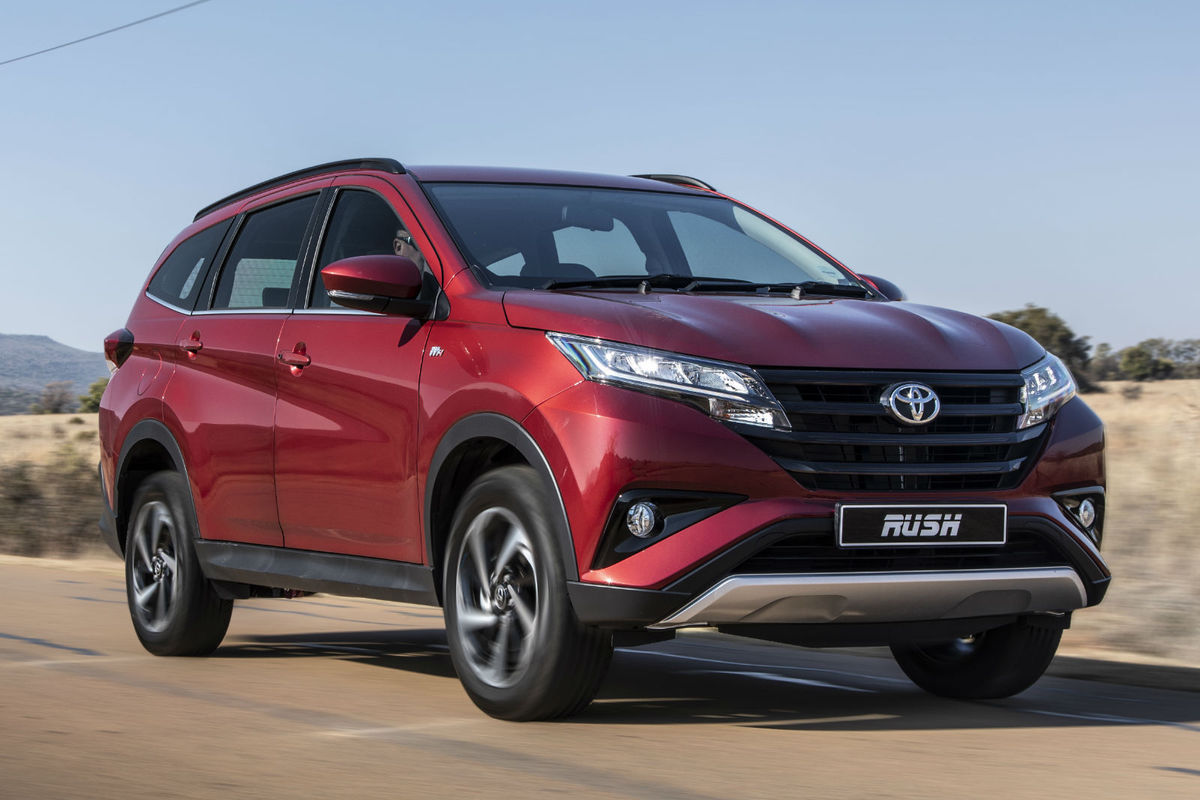
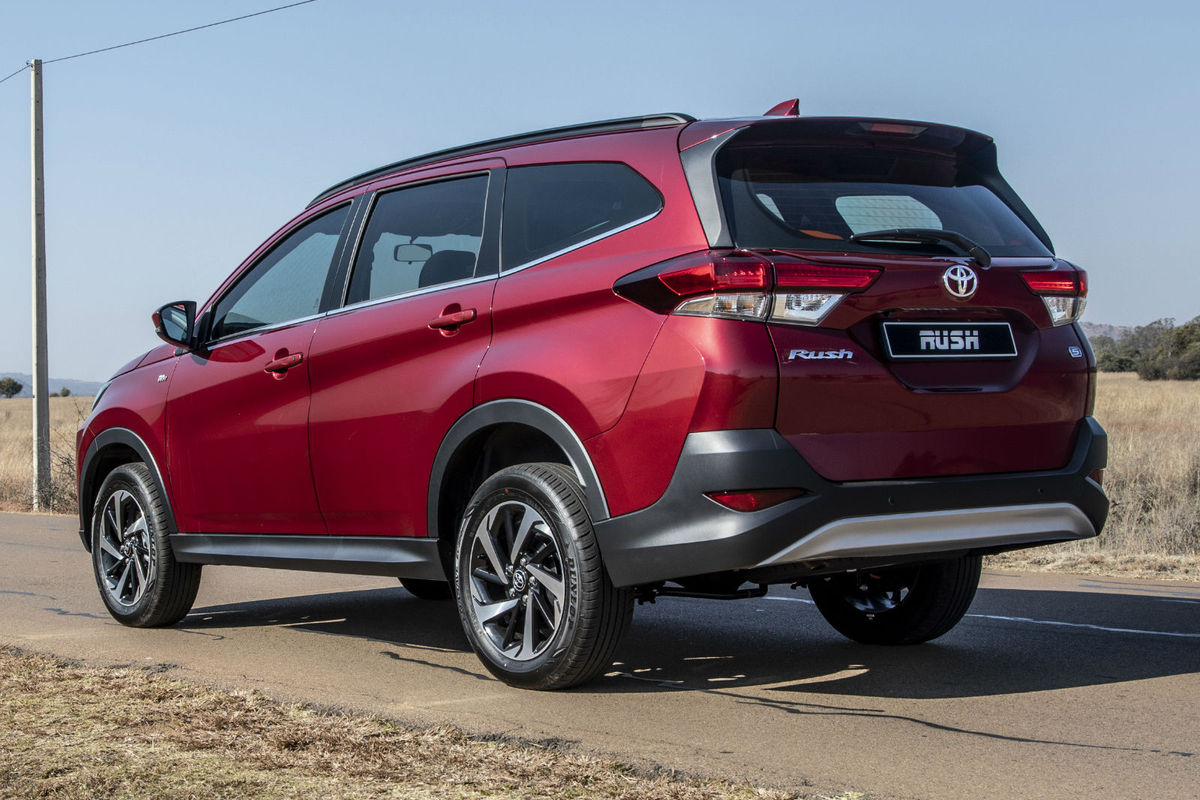
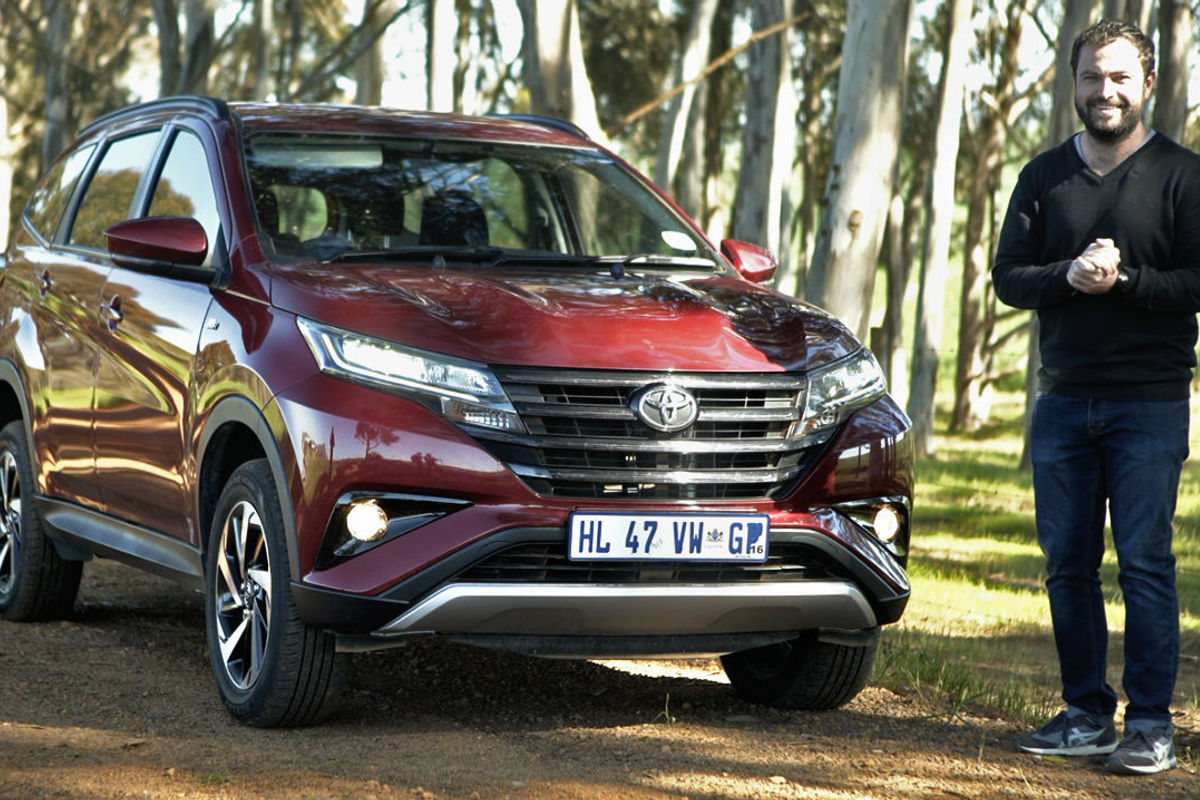
Toyota – a brand renowned for introducing budget-oriented people carriers in the local market – has launched the Rush. The Indonesian-made newcomer is poised to find favour among financially-constrained consumers seeking a vehicle with excellent space and practicality. We attended the local launch of the newcomer to assess its merits.

Toyota South Africa's portfolio is diverse and comprehensive. There's a vehicle catering to everyone's needs, or is there? Given the B-segment SUV's rise over the past few years, Toyota has decided to introduce a second practical SUV to the segment. Currently, the 7-seater brigade consists of the Toyota Avanza, Honda Mobilio/BRV and Suzuki Ertiga. The new Rush will tangle with the likes of the Ford Ecosport and Renault Duster as a more family-oriented, dual purpose vehicle.

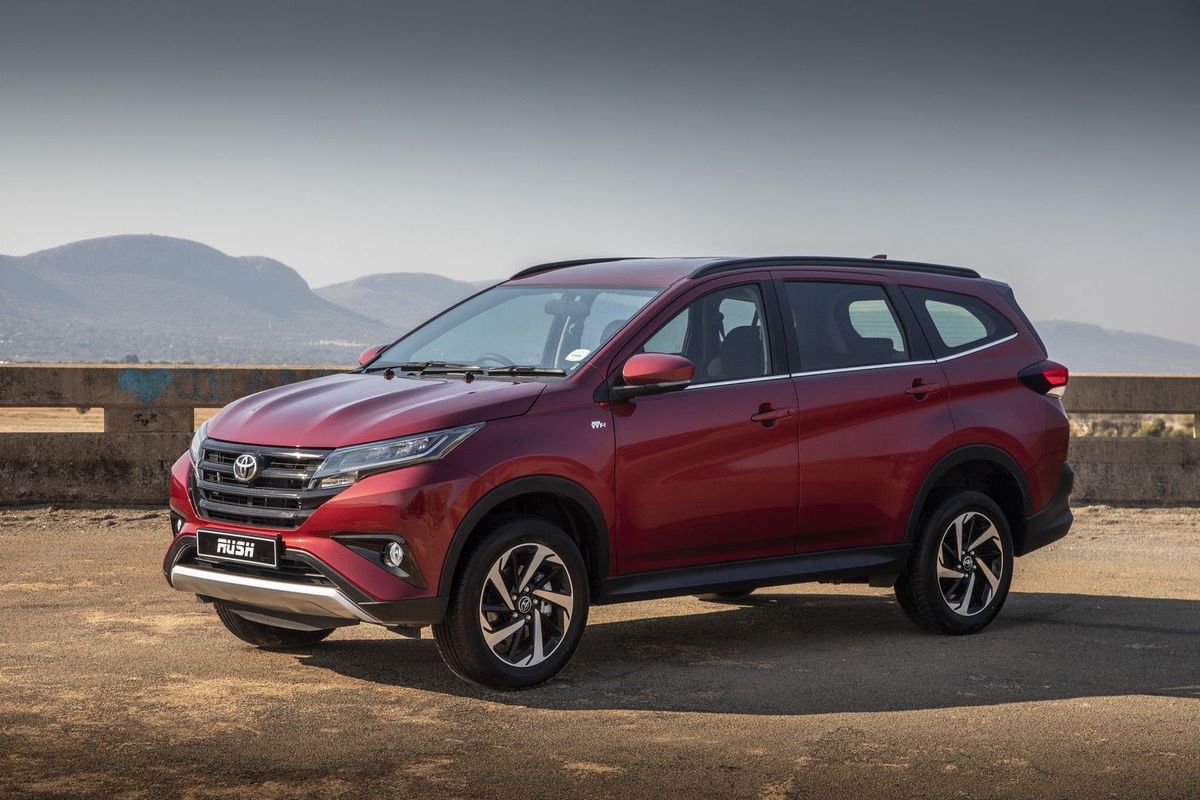
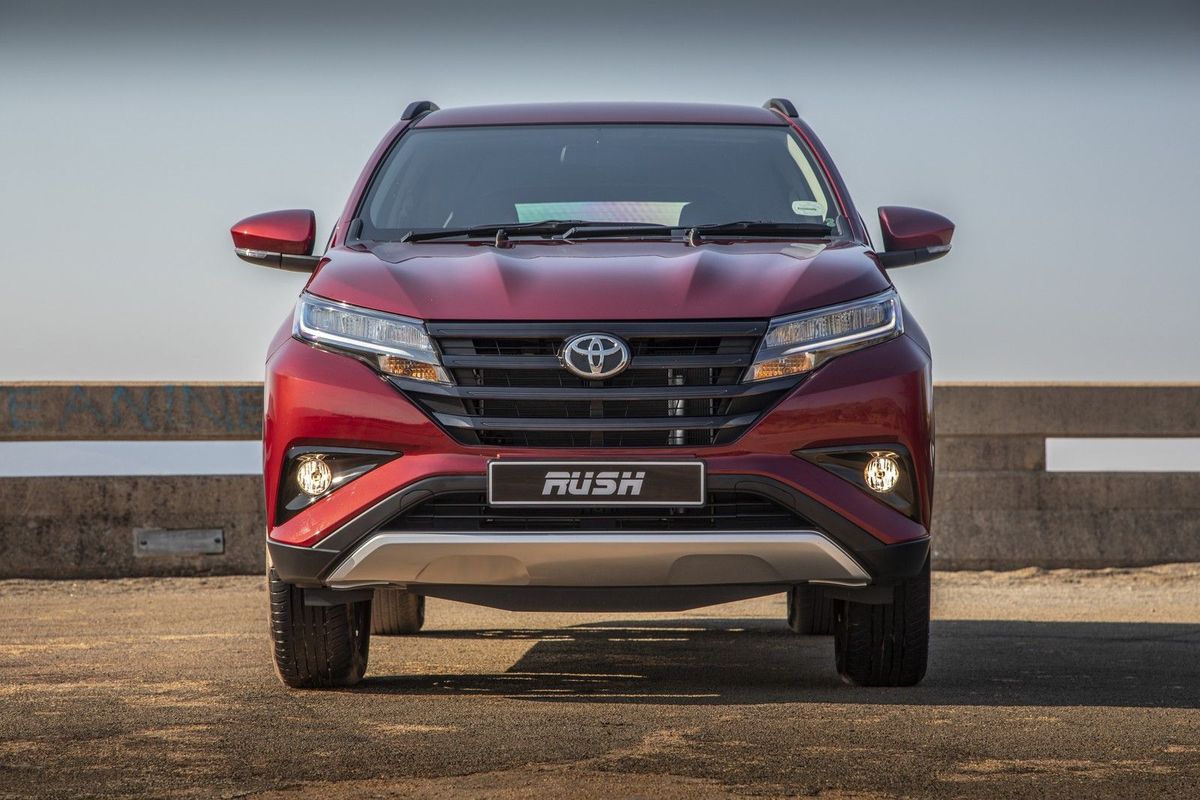
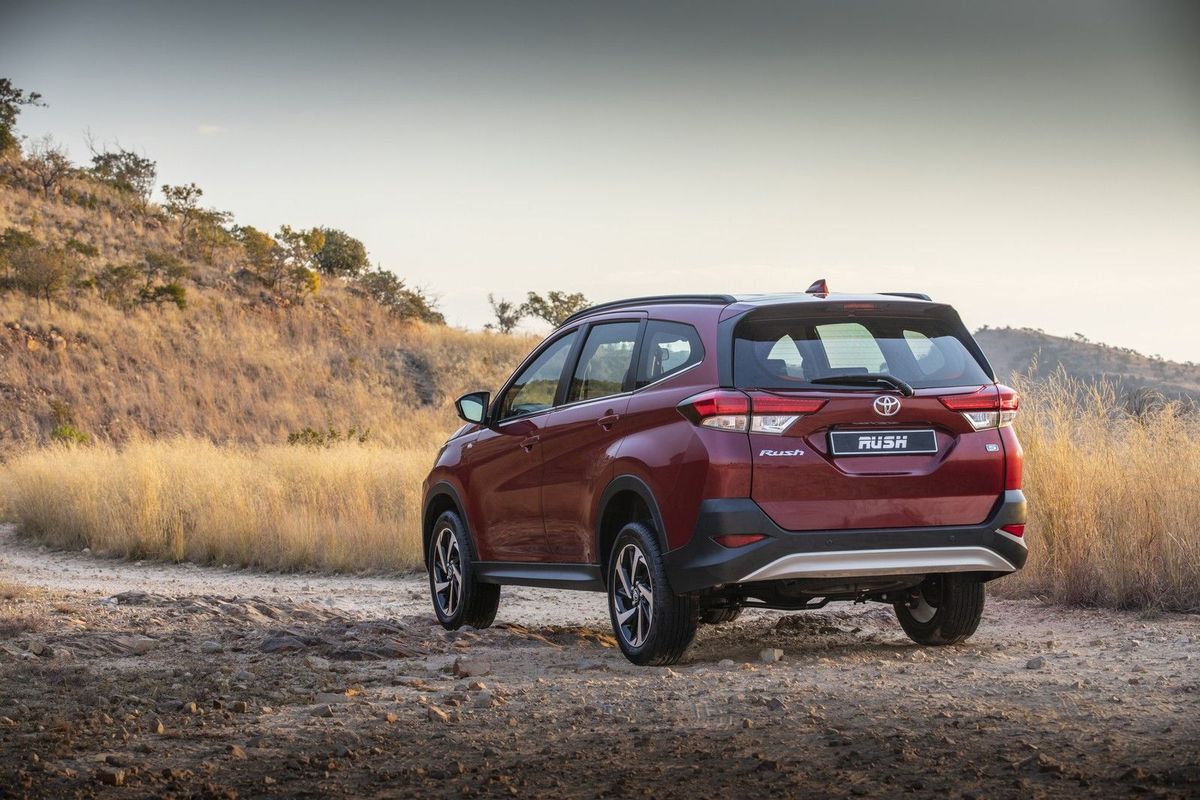
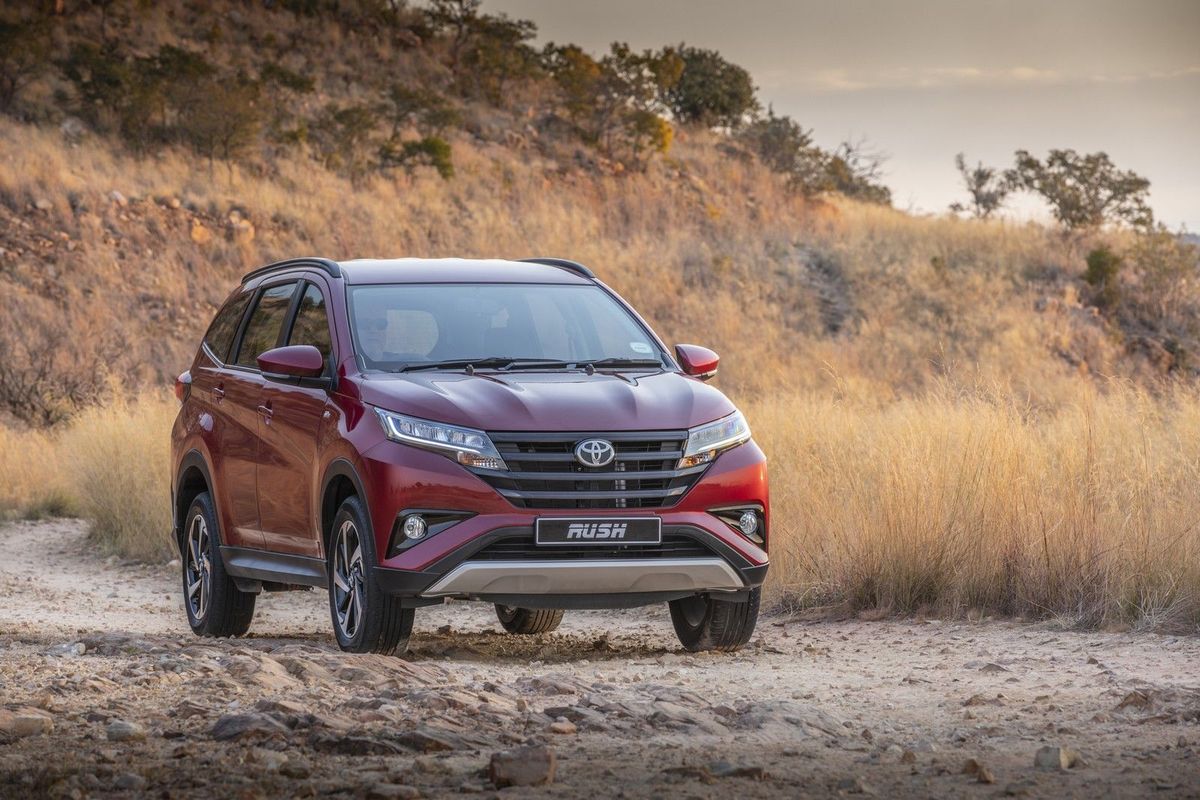
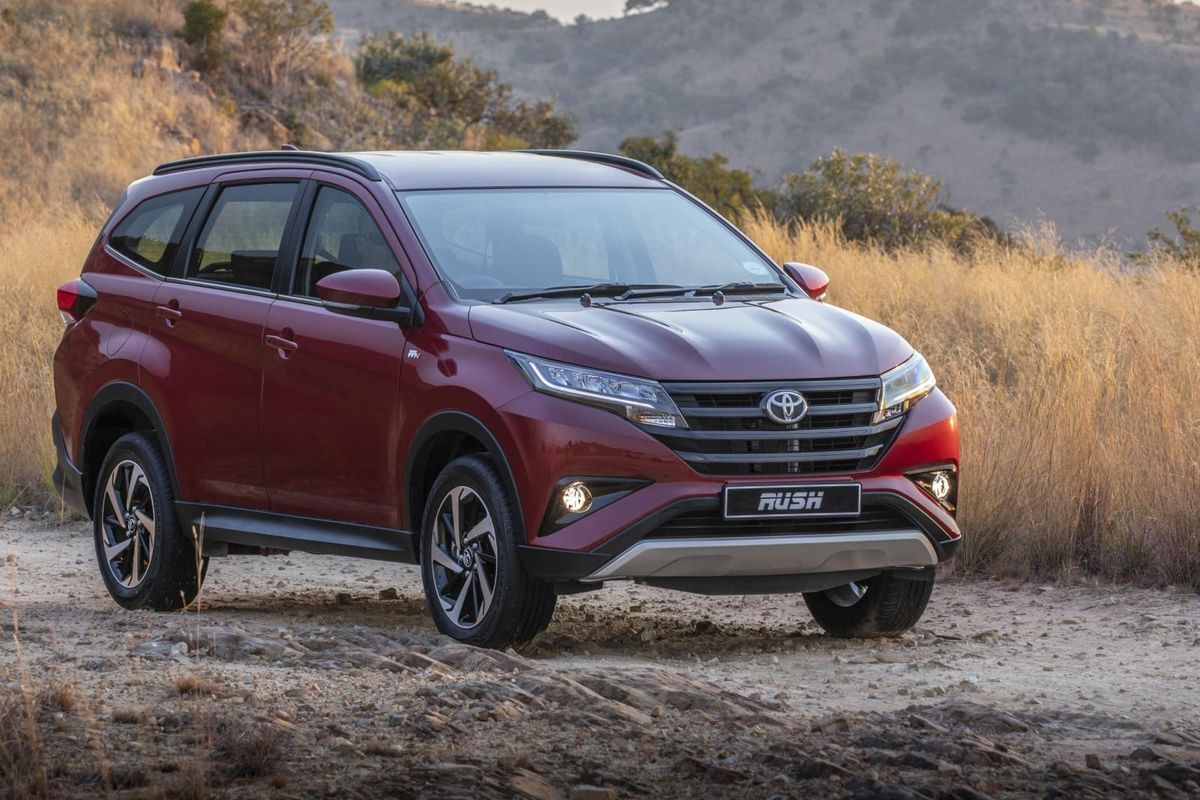
Introducing the Rush, a 5-seater compact SUV made in Indonesia. Keen-eyed observers will note uncanny similarities between the 2018 Toyota Rush and the latest version of the Daihatsu Terios. The South African market Rush is a 5-seater only, whereas the Indonesian variants offer a 7-seat option. Market research, according to Toyota South Africa, has shown that our market favours a 5-seat setup and a huge luggage bay, as opposed to 7 seats and a reduced cargo area. We would have preferred having the option of putting in the 3rd row of seats for a nominal fee, as there may be customers who require the extra passenger carrying capacity.

Click Here for Detailed Specifications and Pricing of Toyota Rush

Engine and features

The Toyota Rush is powered by a 1.5-litre naturally-aspirated four-cylinder motor. On paper, it delivers 77 kW and 136 Nm, and you have the option of either a 5-speed manual gearbox or 4-speed automatic transmission. The Toyota Rush is rear-wheel driven and appears to be quite frugal too, with a claimed economy figure of 6.6 L/100 km. The automatic is said to consume 6.7 L/100 km.

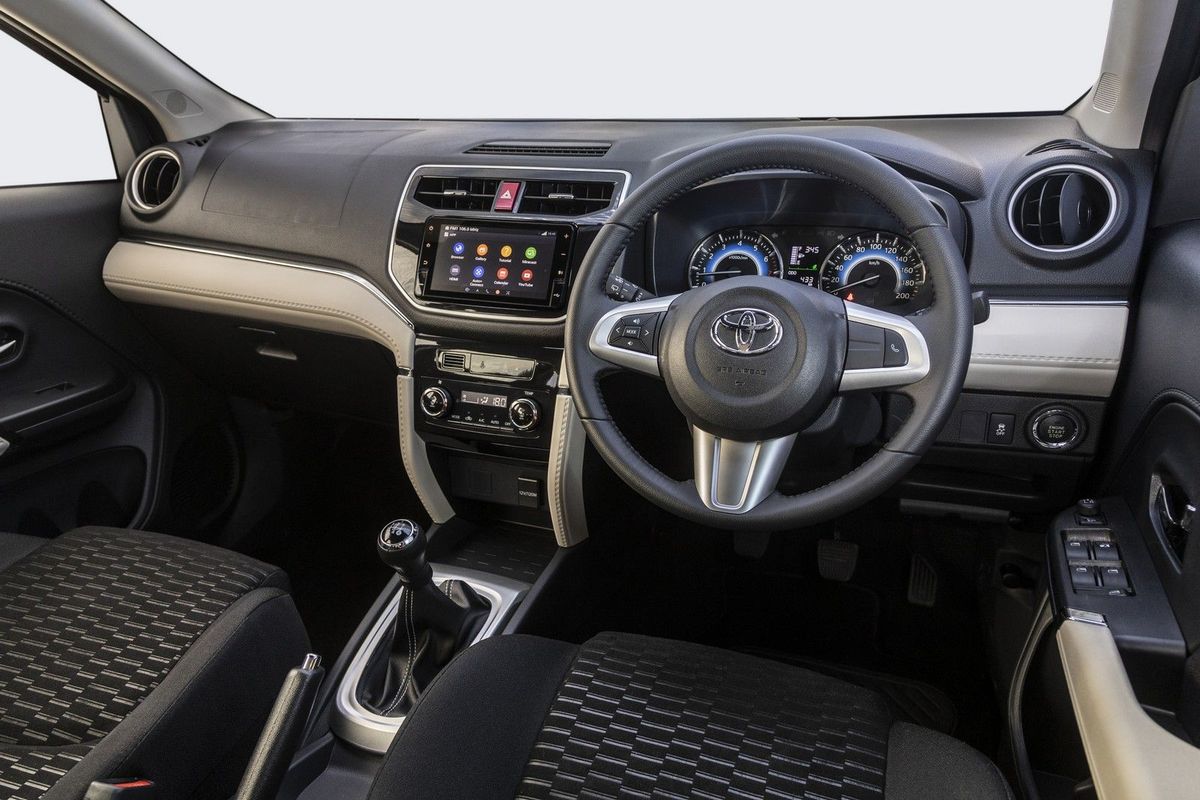
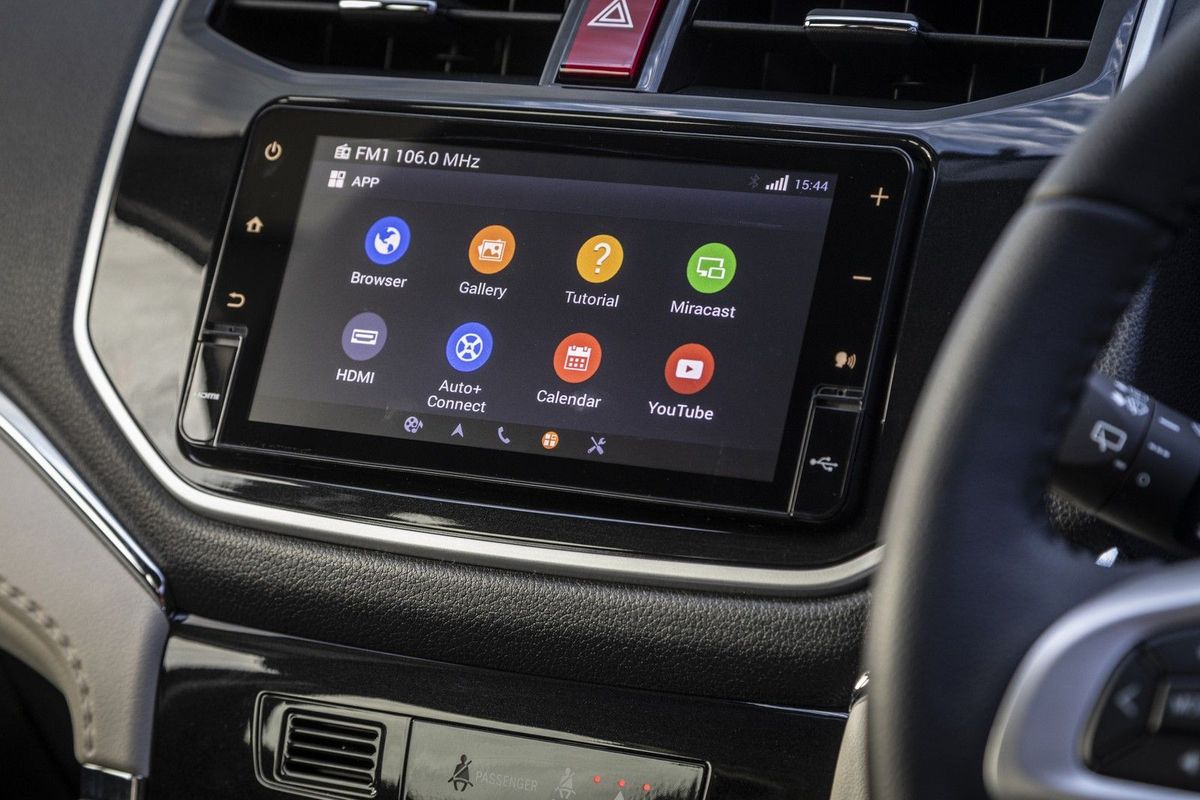
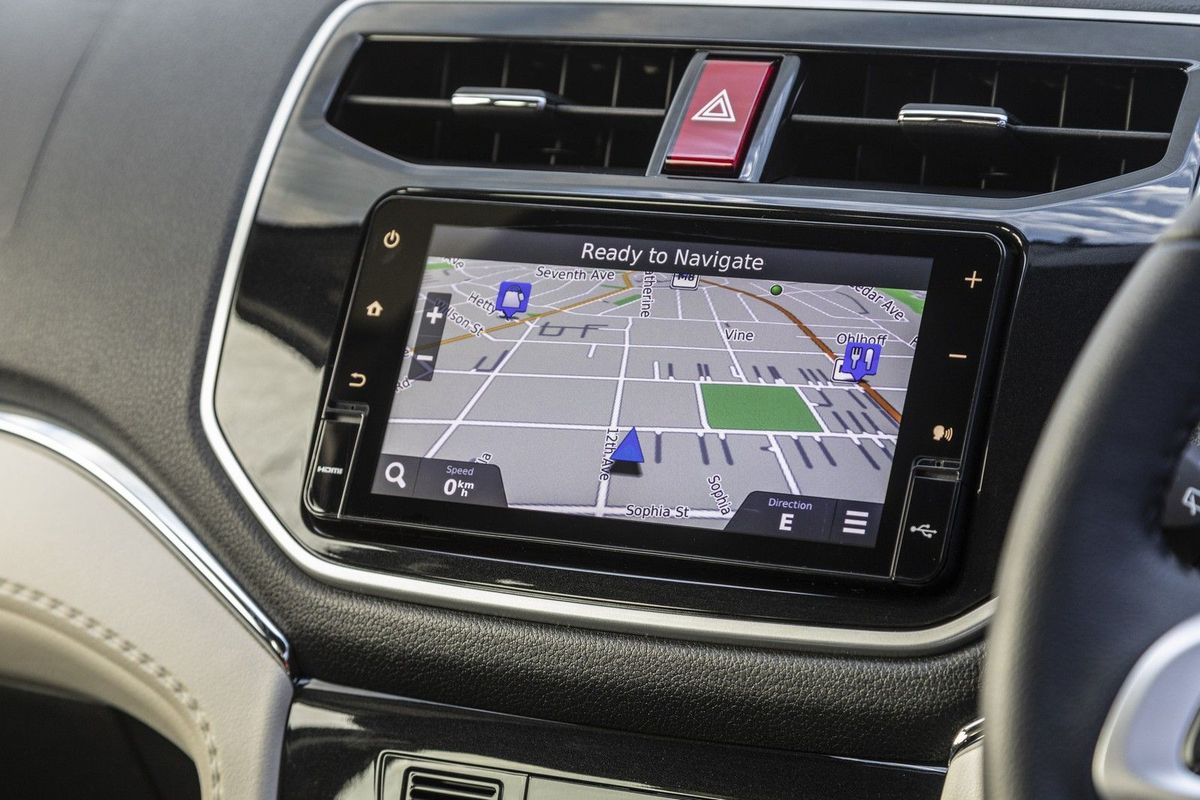
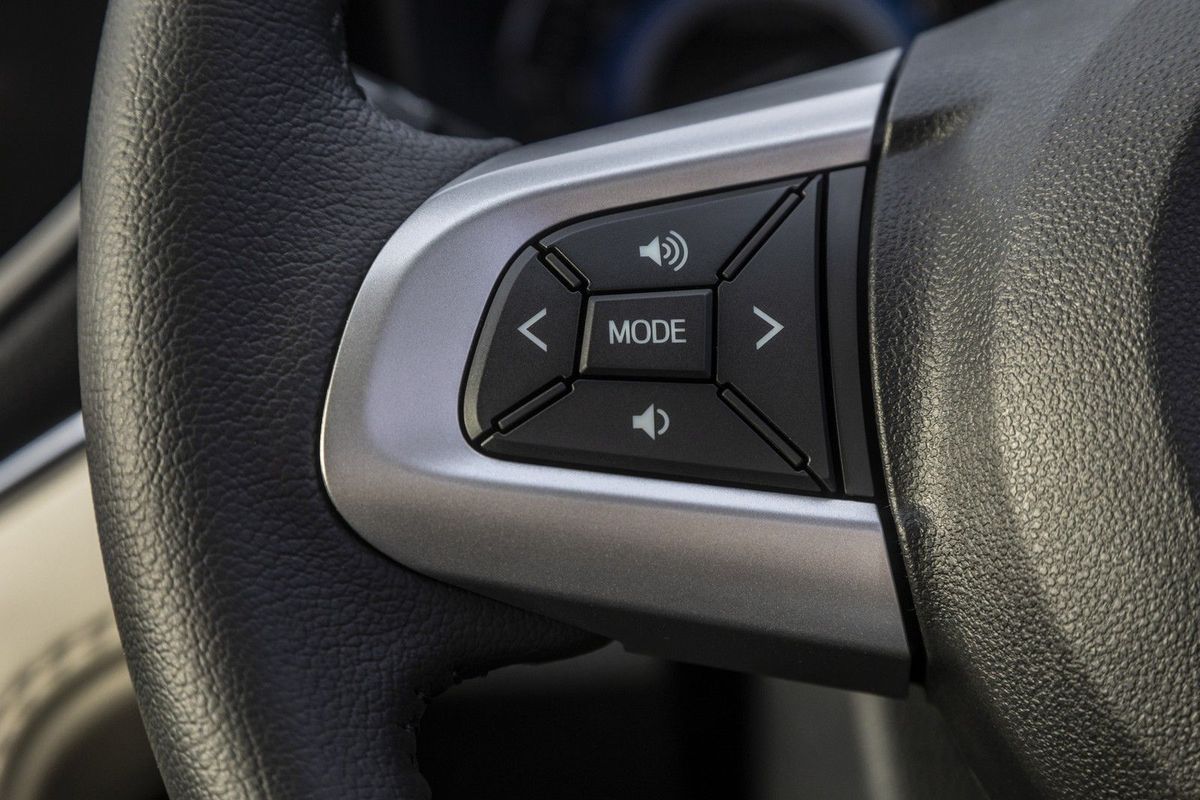
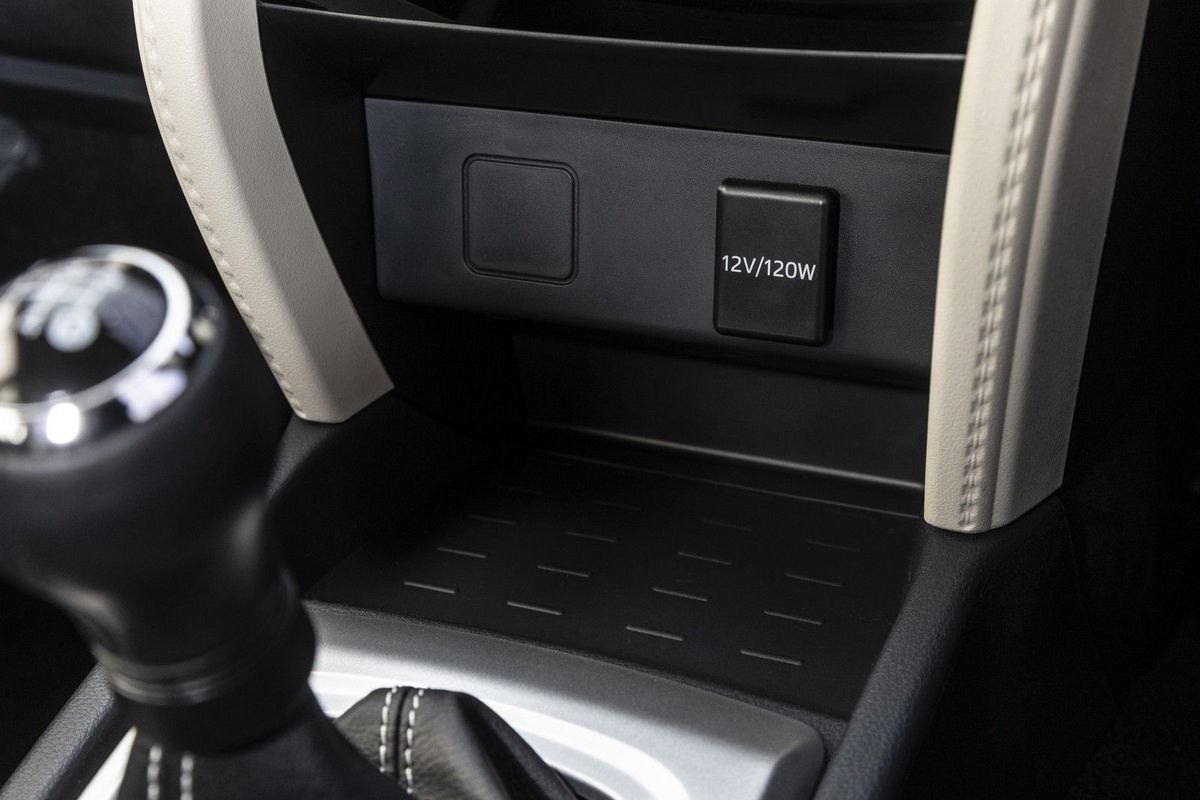
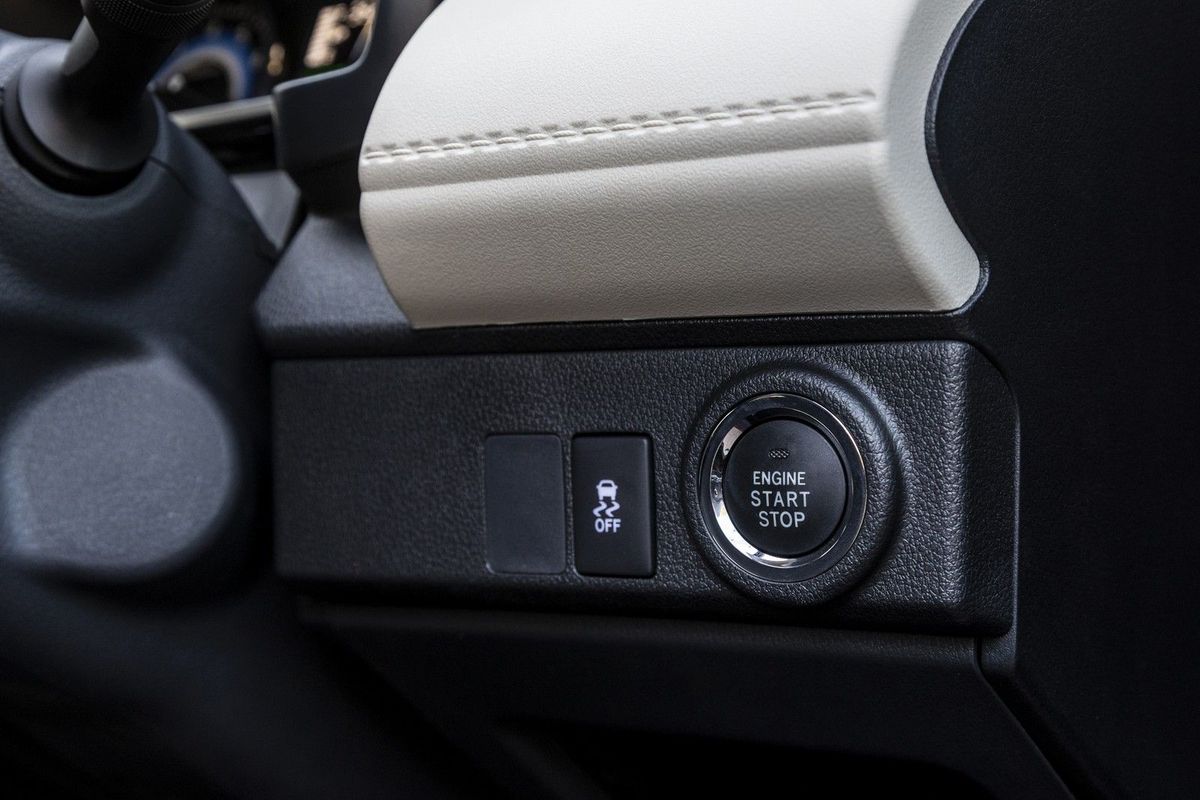
The Rush comes with a 6-speaker, touchscreen audio system with USB and Bluetooth functionality, Android Auto Plus Show,  Apple CarPlay and navigation. Dual-zone climate control and a 12V socket is also seen on the lower section of the dashboard. The 3-spoke leather steering wheel is only rake-adjustable and comes equipped with mounted controls. Apart from the features already mentioned, the Rush is also equipped with electric and retractable side mirrors, auto-off LED headlights, an integrated reverse camera with park distance control, keyless entry and a push-start ignition. In terms of safety, a total of 6 airbags are fitted as well as ABS, Vehicle Stability Control (VSC) and Hill Control Assist (HCA).

What is it like to drive?
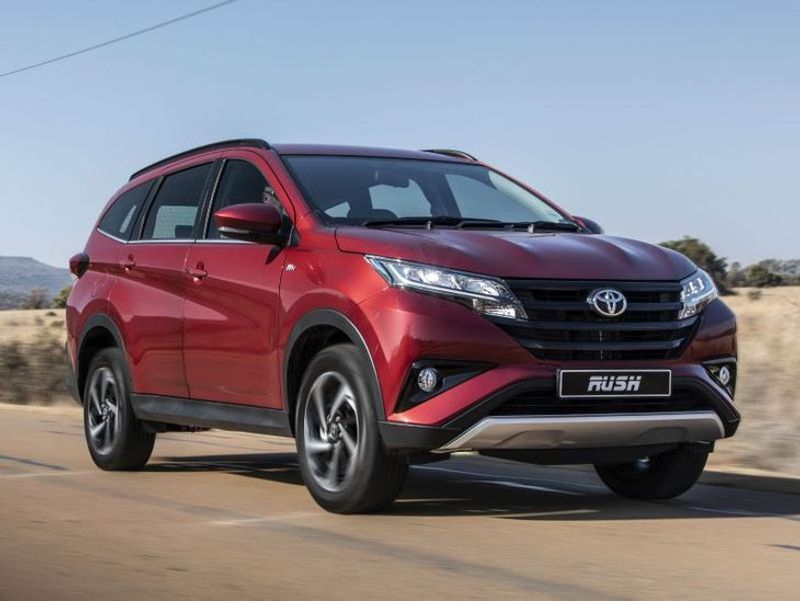

The Toyota Rush drives well, but the lack of a sixth gear makes for a noisy highway ride.

What the Rush isn't is a 4×4 vehicle. Sure, it has an excellent ground clearance of 220 mm along with 31-degree approach and 26.5-degree departure angle, but it lacks all-wheel drive for that final off-road stamp of approval. Interestingly enough, our launch route took us through Addo Elephant National Park, near Port Elizabeth, which had many gravel roads in varying states of quality. We can happily report that the Toyota Rush was more than adequate in this environment and there's an air of solidity about its ride.

While some may scoff at the idea of a compact normally-aspirated 1.5-litre engine powering something as big as a Toyota Rush, but the reality is that a combination of short gear ratios and low mass means that performance is not sluggish. There's plenty of go in the first 3 ratios and around town we were happy with the performance. Things go awry when you're on the national highway. See, that final gear ratio is too short and at 120 kph, the engine revs noisily at 4 000 rpm, far from ideal for cruising. The Rush needs a 6th gear, just to keep the noise and fuel consumption down.
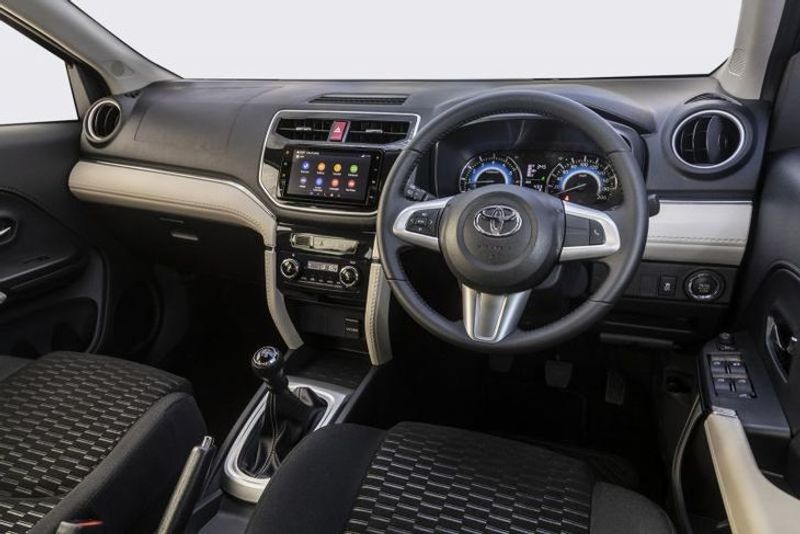

The specification and safety equipment is good, but the driving position for taller folk is a little awkward.

The ride quality was fair on some of the more well-worn sections of road in and around Port Elizabeth and Uitenhage, despite the Rush riding on attractive 17-inch alloy wheels. The steering is light but it could do with a touch more weighting to give it a more solid feel. Vehicles like this typically have a cheap feel both to the cabin quality and drive, something which Toyota has managed to work around, despite it being very reasonably priced. The driver's seat is height-adjustable, but some drivers might feel it won't go low enough and, because the steering column is rake-adjustable only, the driving position is a bit awkward, or at least one that tall folk won't be completely comfortable with.
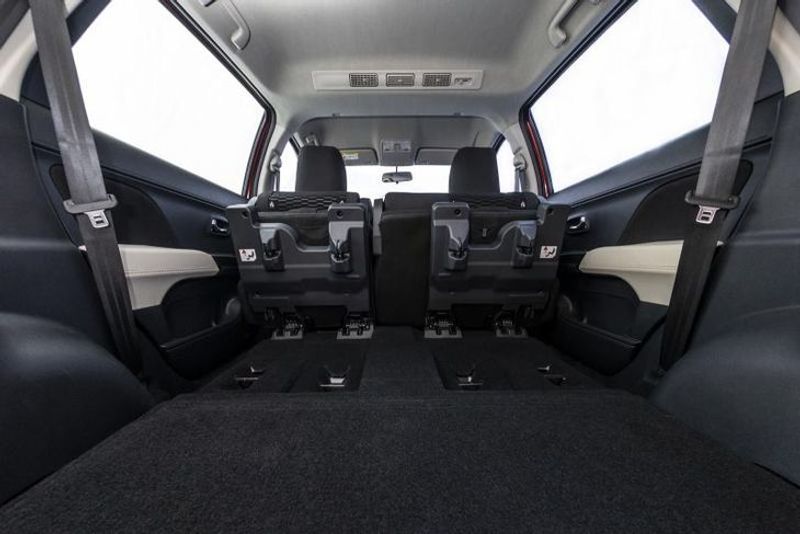

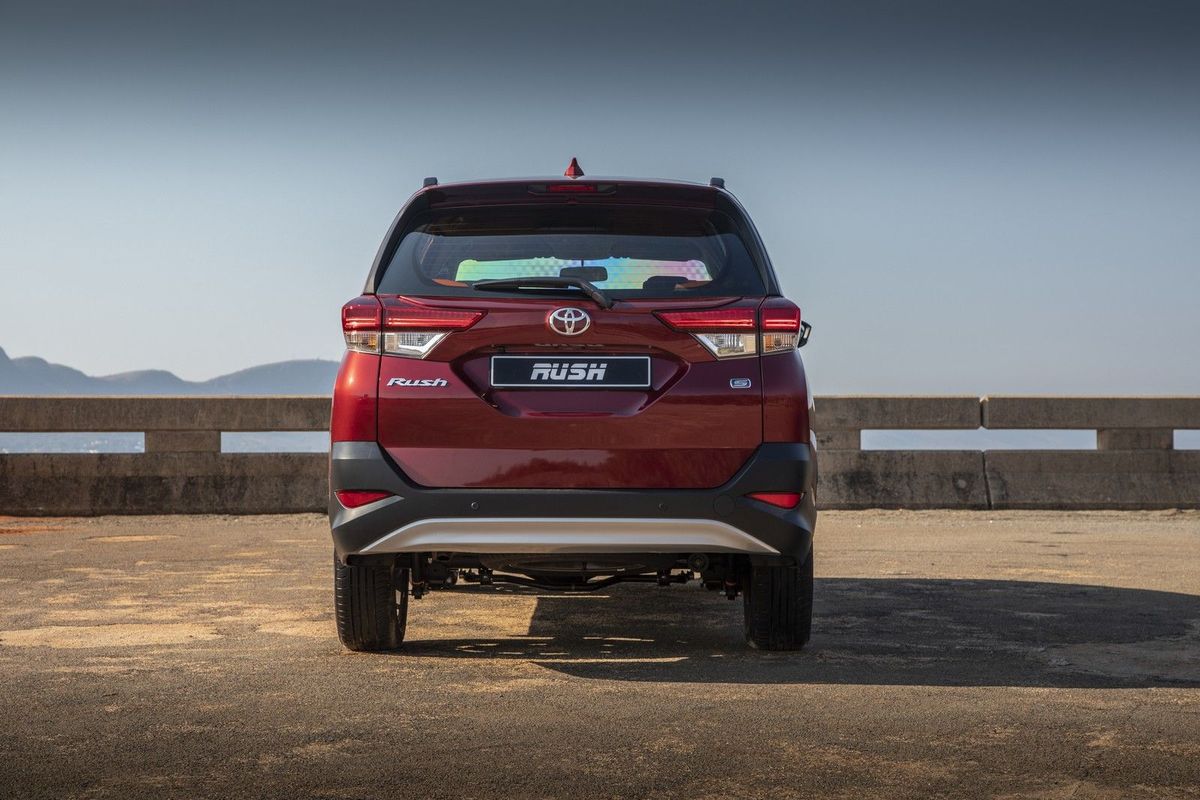
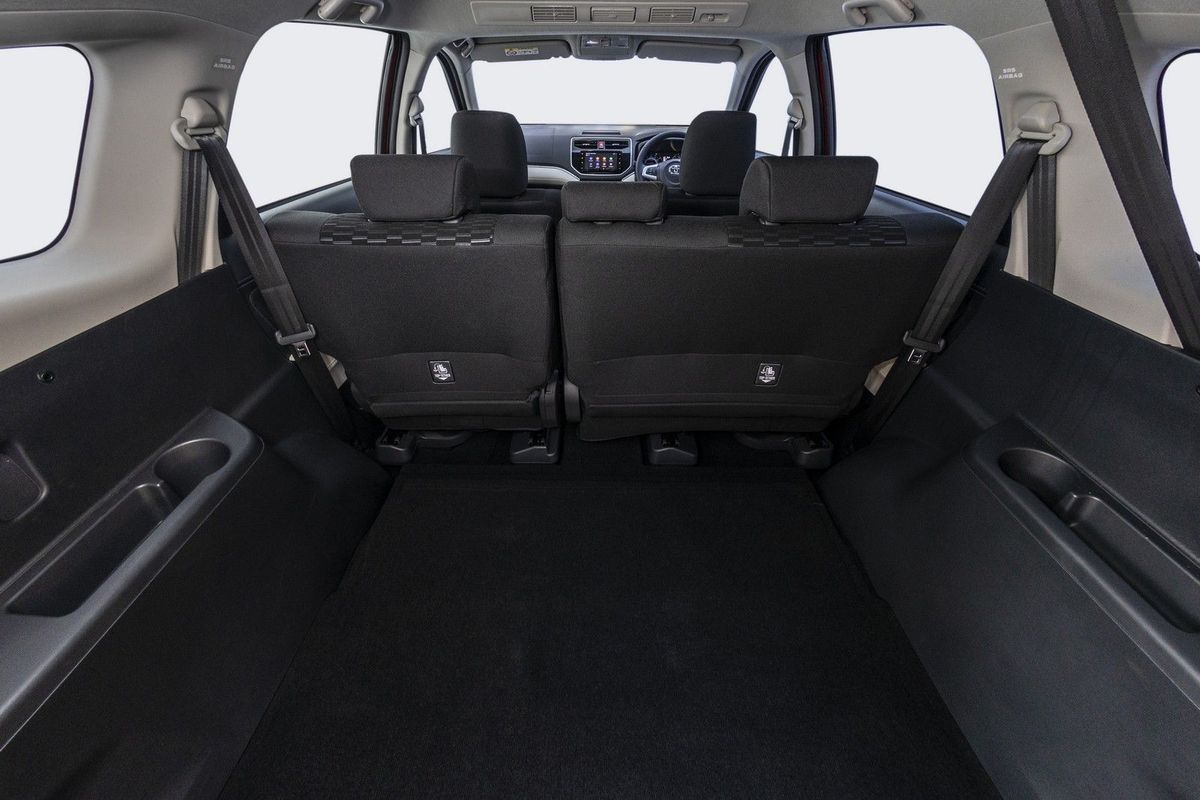
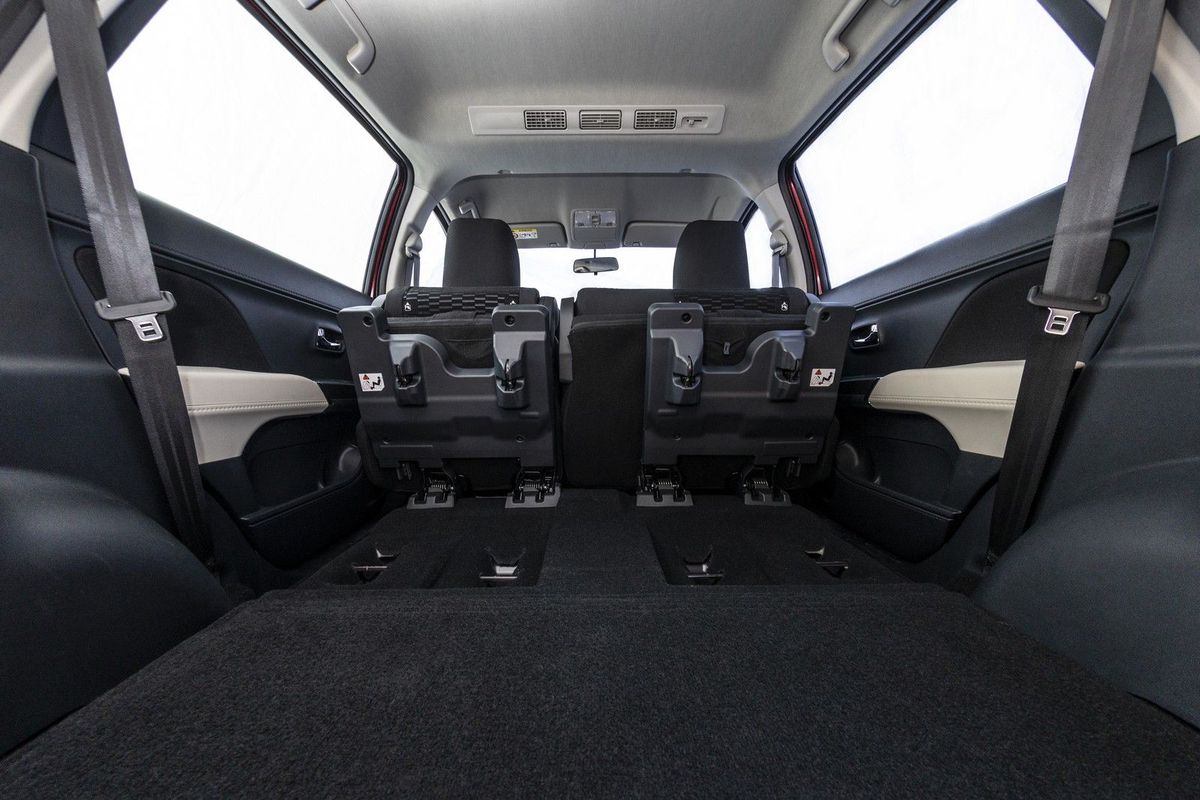
The cavernous boot grows even bigger with the second row of seats folded down. Toyota Rush panelvan, anyone?

Final Thoughts

The budget small SUV/crossover market may be a tiny segment, but that hasn't stopped Toyota from adding a 2nd (Avanza-based) vehicle into the segment. Those looking for a well-priced family-oriented 5-seater with renowned reliability is the target market, as well as the Uber market, to some extent. Do you remember the runaway success that the keenly-priced, commercial vehicle-based Condor achieved more than a decade ago? The Rush is in the same mould, although, of course, it is a far less rudimentary vehicle and certainly not stripped out, in terms of its specification.   

The luggage bay of the Rush, for example, is by far one of the biggest we've seen on a vehicle of its type – it even surpasses that of its RAV4 family car sibling. Should you need even more space, fold the seats down, which converts the Rush into a makeshift panel van. We wish it came with that 6th gear at the top. The noise level on highway cruising is irritatingly high, but the car's short gear ratios in an urban environment mean it does not feel as underpowered as its figures suggest. Our final gripe is the seating arrangement, give people the option to put in the 3rd row of seats for a nominal fee. Overall, we can't be too picky at this price point. R299 999 puts you behind the wheel of a well-specced, solid and capable family SUV.

Toyota Rush – Price in SA

The Rush is sold with a 3-year/100 000 km warranty and a 6-services/90 000 km service plan, with intervals every 15 000 km.

Rush 1.5 M/T – R299 900

Rush 1.5 A/T – R313 500

Buy a new or used Toyota on Cars.co.za

Related Content

Toyota Rush (2018) Specs & Price
Toyota Rush in SA (2018) Pricing Details

New Car Sales Summary for June 2018

Bentley Bentayga Diesel (2018) Launch Review

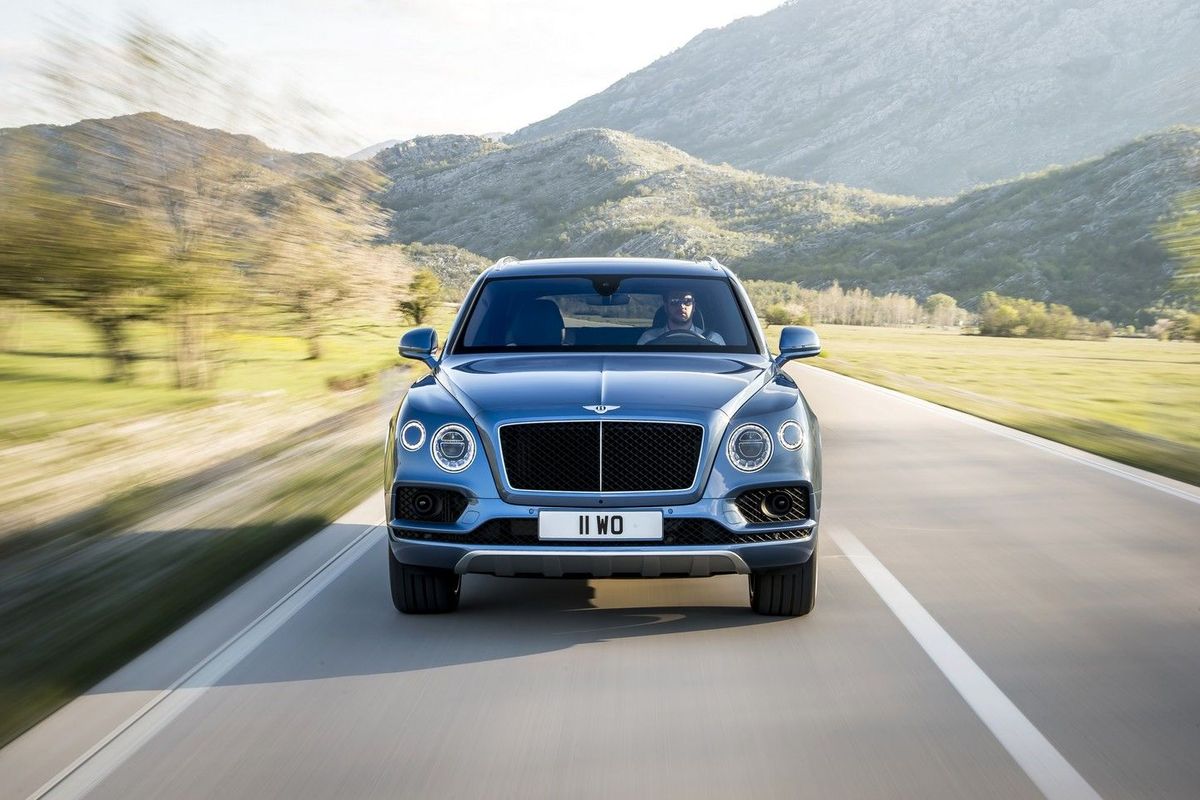
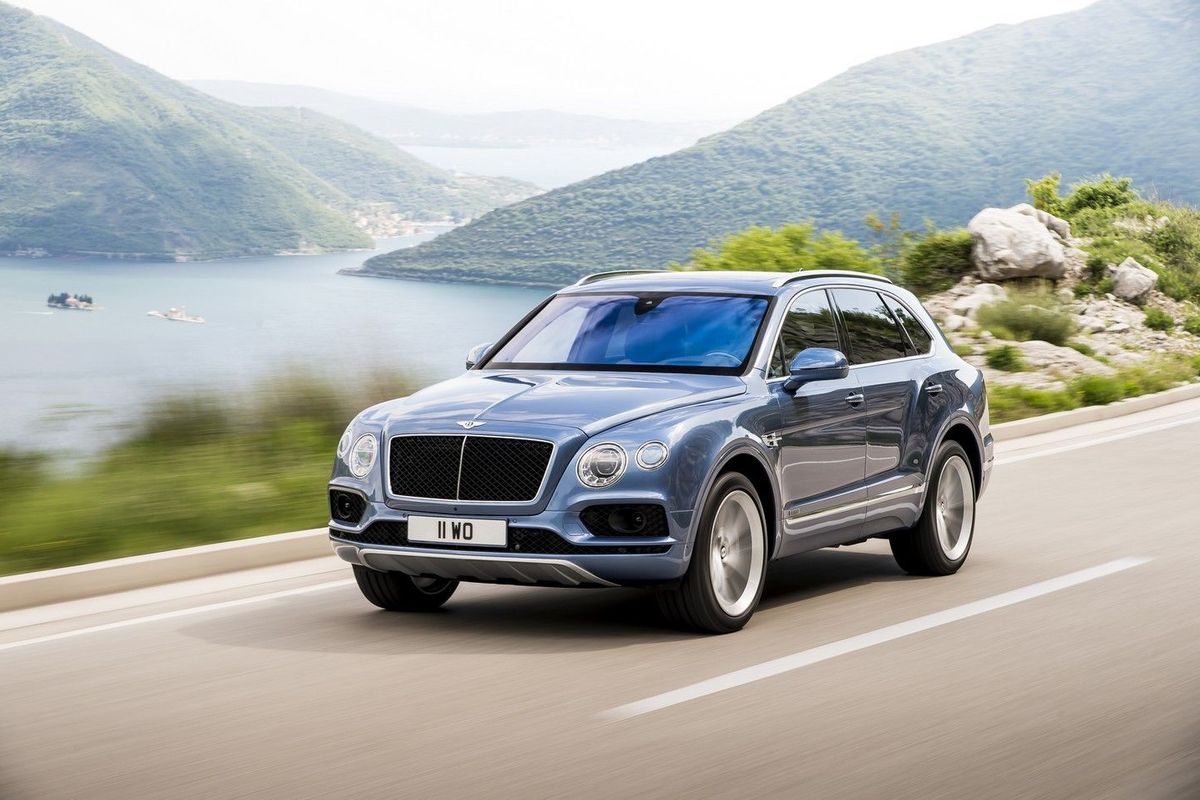
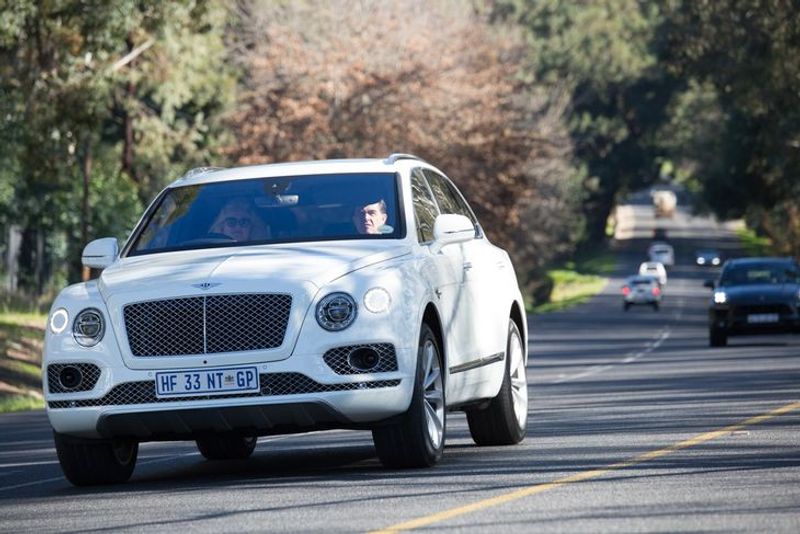
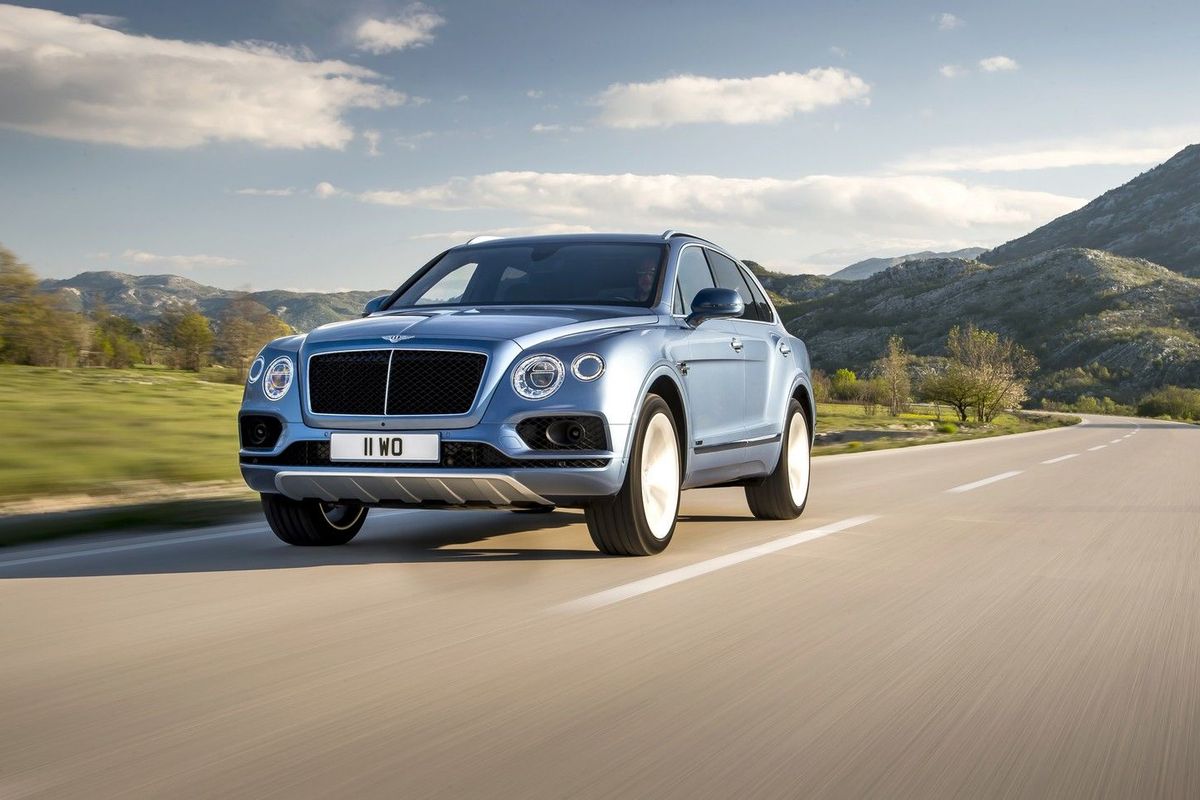
The local introduction of the R2.95-million Bentley Bentayga Diesel took place in the Cape Winelands recently and we savoured our first opportunity to drive the British first-class SUV on home soil.  

First-class SUVs. Forget for a minute about Q7s, GLEs, X5s, F-Paces, Range Rover Sports, XC90s, Touaregs, Cayennes and other large luxury off-roaders you've spotted on our roads. Sometimes they’re inelegantly parked up on kerbs, other times they swarm around private schools and swish shopping malls or, perhaps to your chagrin, they're clad in black, adorned with blue lights and wilfully speed past you in traffic. Forget too about the off-roading behemoths that have been glammed up, such as the Land Cruiser 200, Lexus LX570, Mercedes-Benz G-Class and Nissan Patrol. 

 
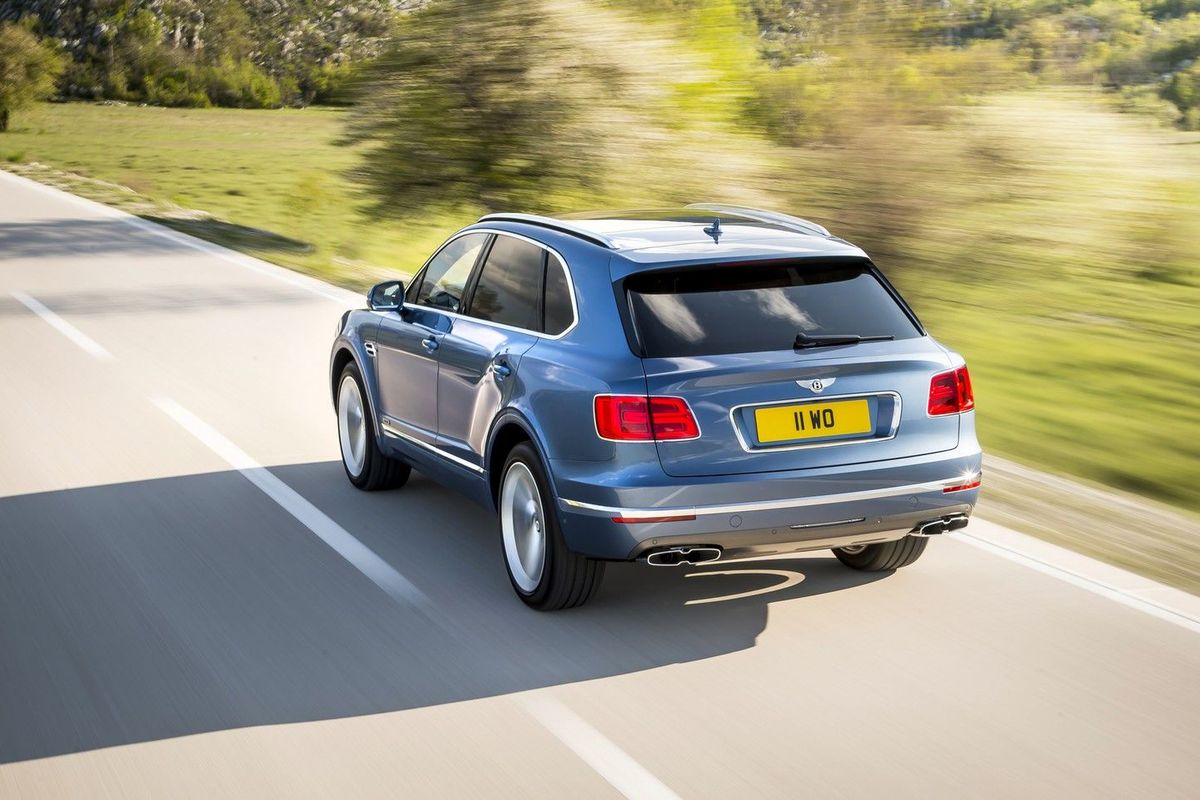
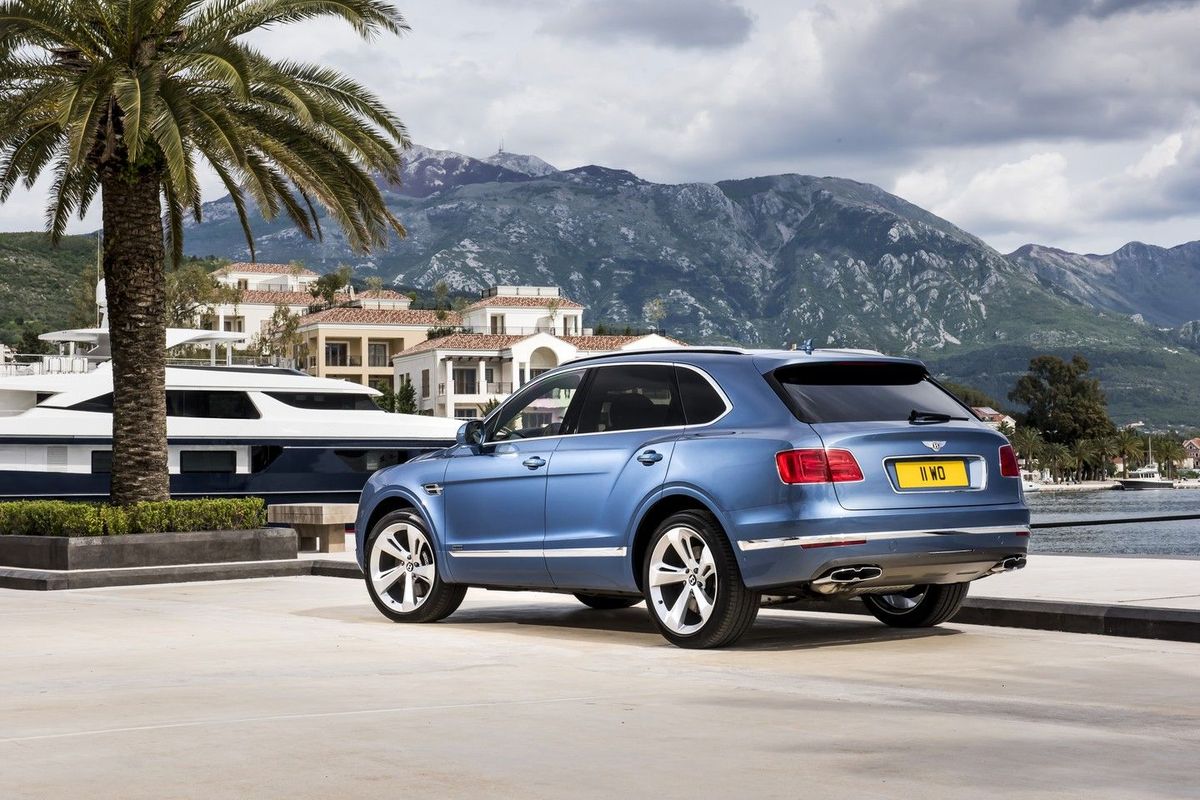
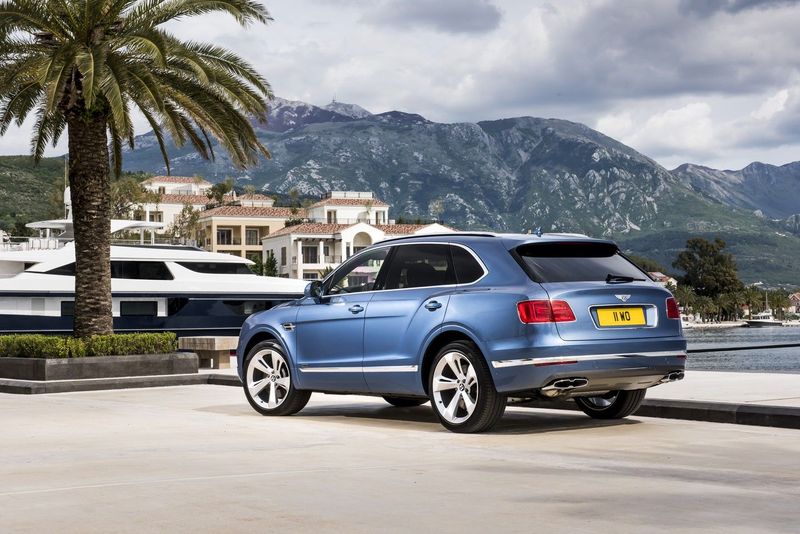
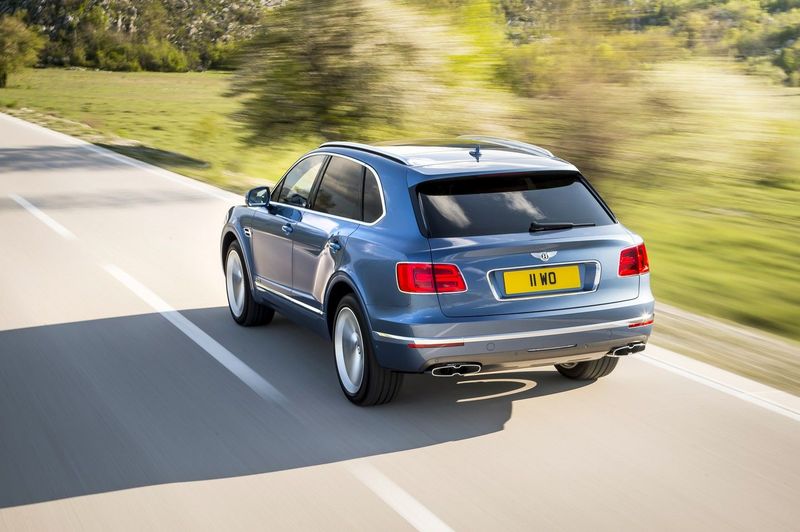
The most impressive aspect of the Bentayga's rear aspect is arguably its beautifully-fluted dual exhaust ends. 

Vehicles such as the Range Rover, Lamborghini Urus, Rolls-Royce Cullinan and, yes, Bentley Bentayga fall into a loftier category: First-Class SUVs. Maserati’s Levante sits on the fringe, the flagship new G-Class may well earn its place in the group and Aston Martin and Ferrari will soon get their 20-inch wheels wet (but not too wet, for heaven’s sake, man) in this segment. These vehicles are worth comfortably as much as 2, 3 or more of the aforementioned, forgive us, cooking-variety premium SUVs, despite the fact that they are not fundamentally better at being hopped-up luxury cars.

Better than the sum of its parts?

All of which suggests that one cannot apply conventional criteria to appraise vehicles in the First-Class SUV league, because if you did, they’d be preposterously overpriced and not worthy of further consideration. No, a First Class SUV needs to be impressive in the most literal sense of the word; it has to embody and express a sense of rarefied luxury, the kind of exclusivity only reserved for people for whom spending money is a trifling object. It’s a hackneyed expression, but oh-so-darn appropriate in this case: “above all, it must seem decidedly better than the sum of its parts.


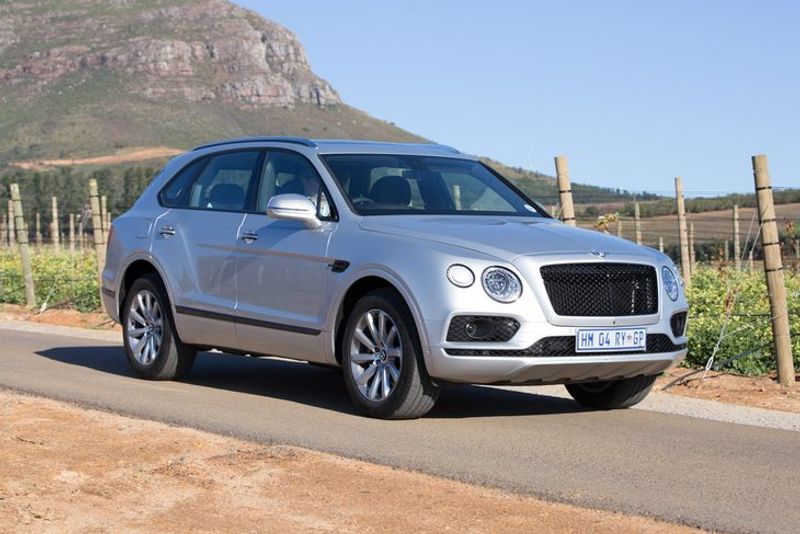
This particular launch unit, photographed on a wine farm outside Stellenbosch, came equipped with Blackline specification. 

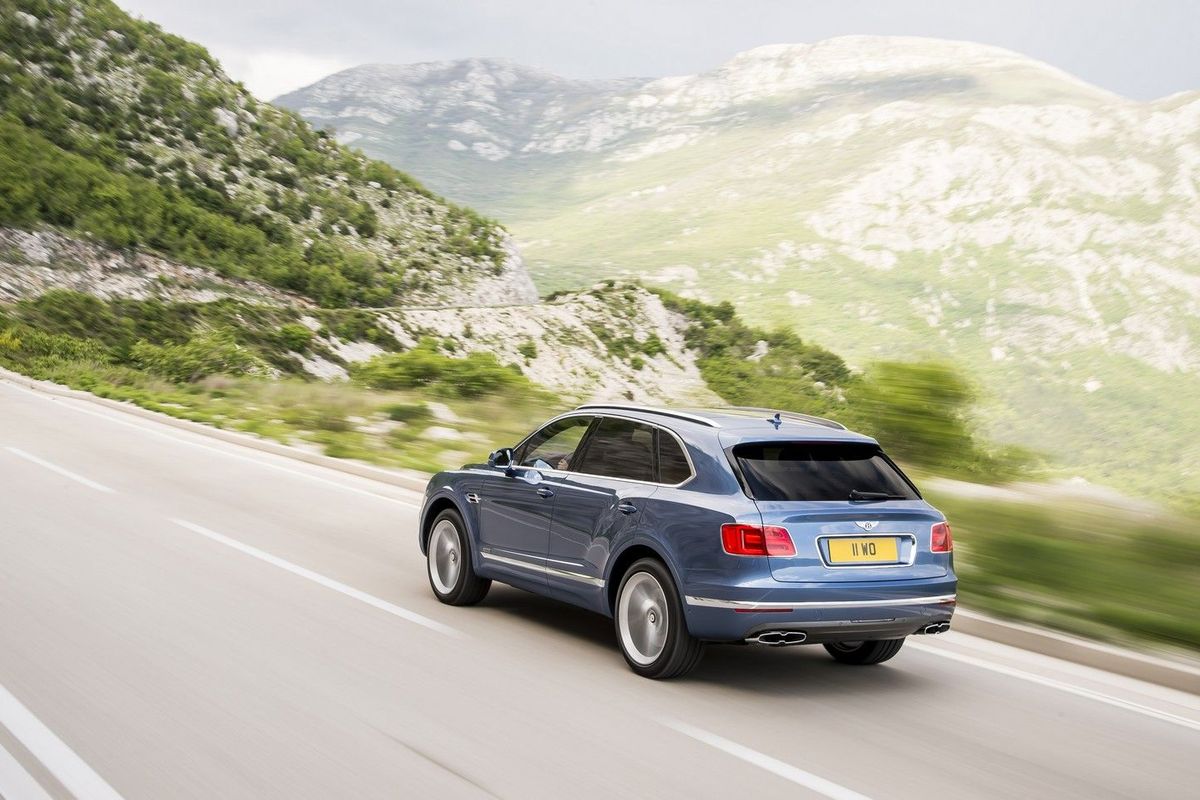
It is with that in mind that we won’t expend too many characters expounding the Bentayga’s controversial looks. Kudos to Bentley for endowing its SUV with familial design elements; it's instantly recognisable as a product of Crewe, but even though it looks better in the metal than in photographs, its exterior execution is a somewhat hit-and-miss affair, the rear aspect, for example, is regrettably generic. The most neutral thing one could say is that the Bentley looks very expensive, which, given its base price of R2.95-million, is wholly appropriate and probably all that matters in this case.

It gets better, however. The largely-aluminium-panelled Bentayga is based on the Volkswagen Group’s MLB platform and therefore shares its architecture and general packaging with well-known German premium SUVs – it’s a characteristic that has a genuine mechanical benefit, but more about that later. Apart from some familiar-looking minor controls (such as the steering wheel buttons), however, the Bentayga’s interior looks bespoke, utterly sumptuous, painstakingly detailed and, suffice to say, warmly inviting.


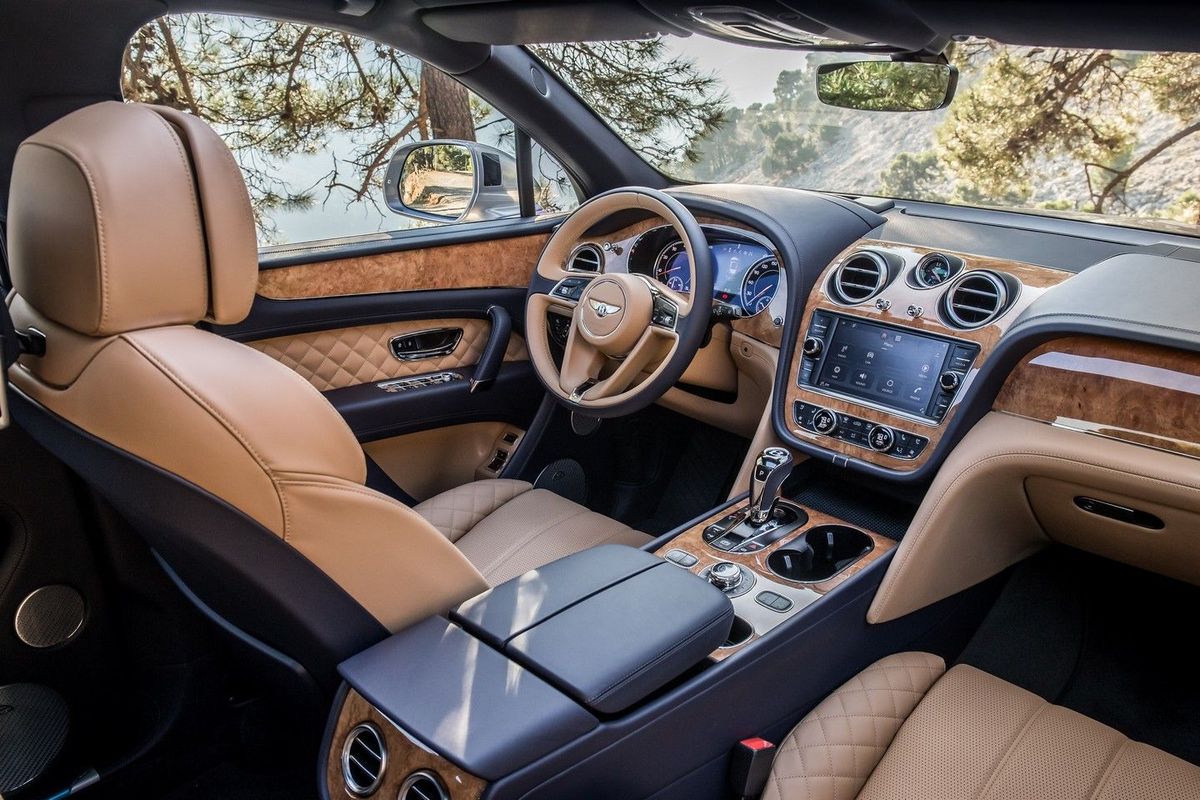
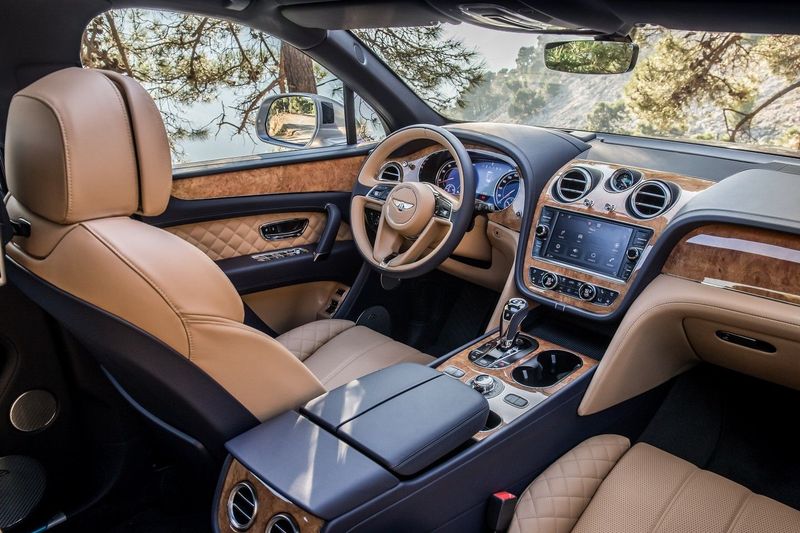
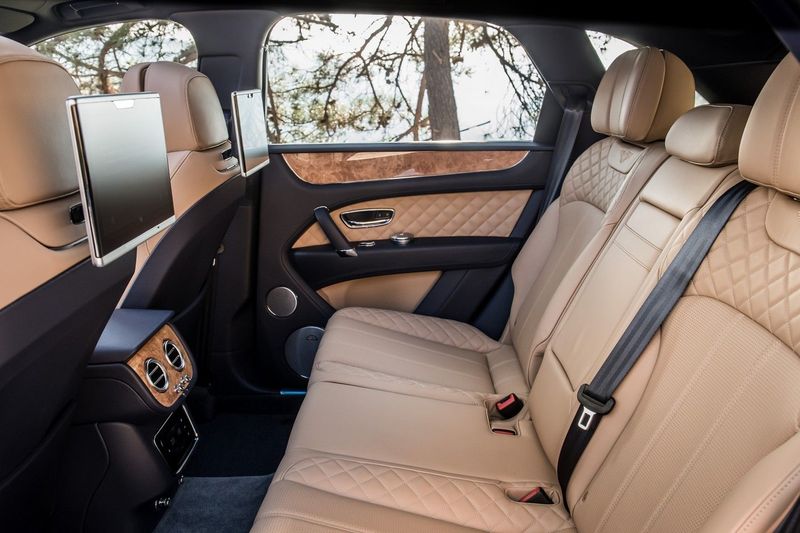
Expansive, yet intricately fashioned wood veneer is complemented by quilted leather trim in the Bentayga's exquisite cabin. 

Opulent accommodation

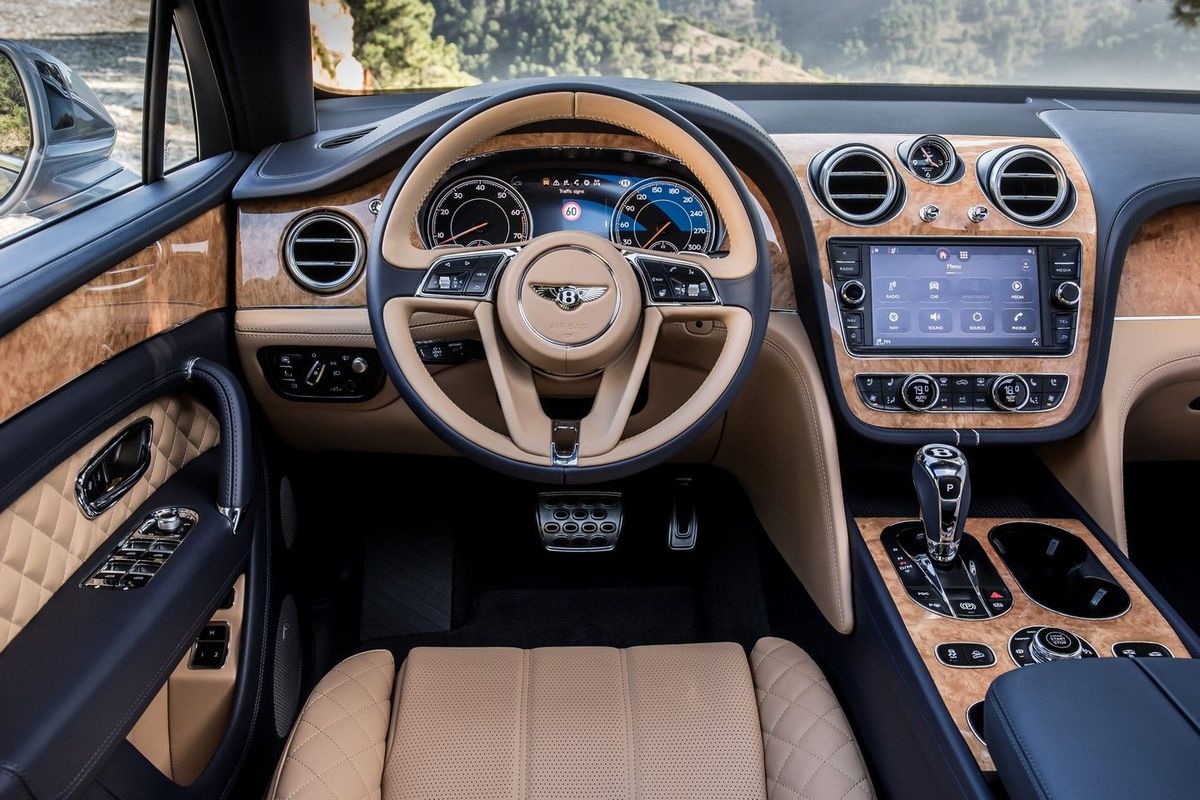
There are swathes of supple hand-stitched leather, expanses of polished wood veneers with profound natural patterning, chrome-finished organ-stop ventilation controls and rotatable half-spherical outlets… crikey, even the infotainment system, although evidently derived from a VW-family-shared unit, has a sophisticated “Bentley font” and distinctive menu system. The raised driver’s seat is so instantly cossetting that one feels that adjusting the captain's chair in any directions apart from fore and aft would be a crude insult to the diesel Bentley’s tender sensibilities. Similarly, the transmission lever and centre console-mounted drive-mode roundel are beautifully weighted and exquisite in their simple elegance.

Meanwhile, at the heart of the Bentayga is a 4.0-litre tri-turbodiesel (2 exhaust-driven turbochargers and one electrically-powered one, courtesy of the integral 48V electrical system) that produces peak outputs of 320 kW and 900 Nm, the latter of which is available from 1 000 to 3250 rpm. Peak numbers of interest are 0-100 kph in 4.8 secs, a 270-kph top speed and, astonishingly, a claimed consumption figure of 8.0 L/100 km.


With the full wallop of torque (900 Nm) available as low as 1 000 rpm, the Bentayga lacks little in terms of overtaking shove.

The motor is characterised by supreme refinement, comparatively eager throttle responses, and, as the figures attest, a wallop of pace that presents itself with but a polite prod of the metal-trimmed accelerator pedal. So much effort was ostensibly devoted to damping the motor’s diesel chatter that you’re only really aware of it while standing in close proximity to the vehicle when it’s idling.

Moreover, it’s not so much the effortlessness of the sophisticated Volkswagen Group turbodiesel motor’s performance (it often threatens to steal the show entirely!) and the unobtrusive shifts of the velvety 8-speed automatic transmission that denote this Bentayga as a respect-worthy member of the “Winged B” family… The newcomer’s on-road demeanour also positively exudes a reassuring “Bentleyness”…


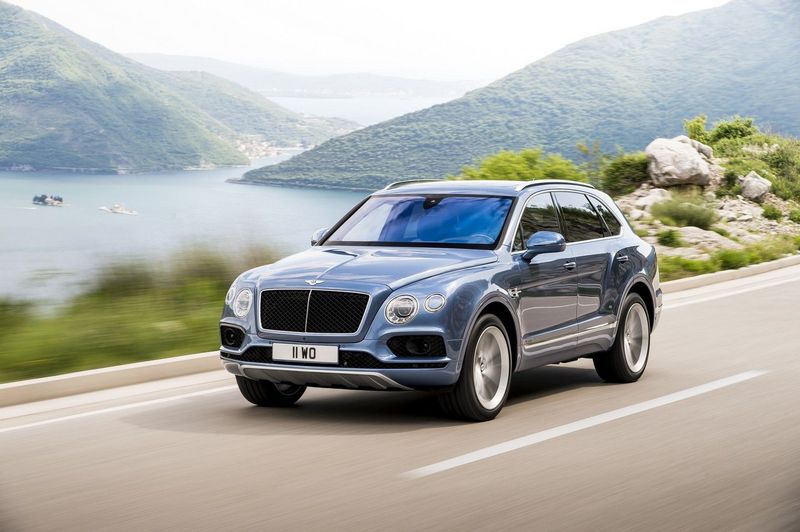
The Dynamic Drive active damping system endows the Bentley with a largely unflappable ride quality.

In other words, whether you’re trundling through a quaint rural town, striving down a freeway or ushering the 2.5-tonne British juggernaut over a serpentine mountain pass, it remains poised and well composed as it carries momentum. The ride quality is pliant, yes, but there is nothing ponderous about the way the SUV responds to swift, eager steering inputs. When the Bentayga thrusts forward or is made to brake purposefully, there is no uncouth pitching motion; if you corner quickly, a hint of lean/yaw, and (perhaps) a tyre chirrup, are all you’re likely to experience.

Specify it to your heart's content

The Bentayga Diesel is not a sports first-class SUV per se; this model is available in W12 and V8 petrol derivatives (the latter overseas) for those who require more urgency, but it arguably offers the best blend of performance and efficiency in the range. Given the prestige of the Bentley badge, its asking price of R2.95-million does not seem that stratospheric (considering that a comparable Range Rover Autobiography SDV8 costs R2.74-million), but then consider that some features that would be standard on some premium SUVs, let alone first-class cars, still need to be added.


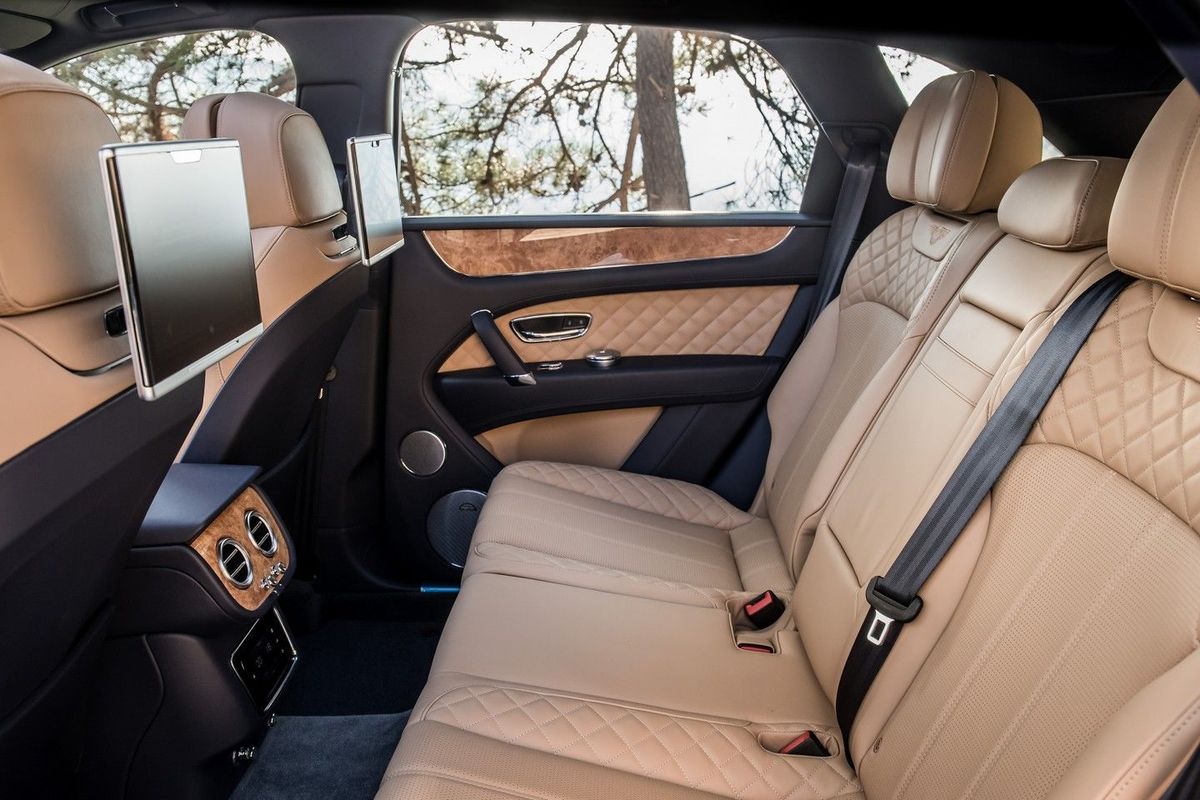
A rear-seat entertainment system is available and the aft climate control console is operated by a touchscreen.

The Dynamic Ride active anti-roll bar system, which facilitates the Bentayga’s superb body control, is an extra-cost option, as are adaptive (radar-guided) cruise control, head-up display, infrared night vision, lane- and traffic assist systems and other safety/driver convenience equipment, including top-view cameras and automatic parking function.

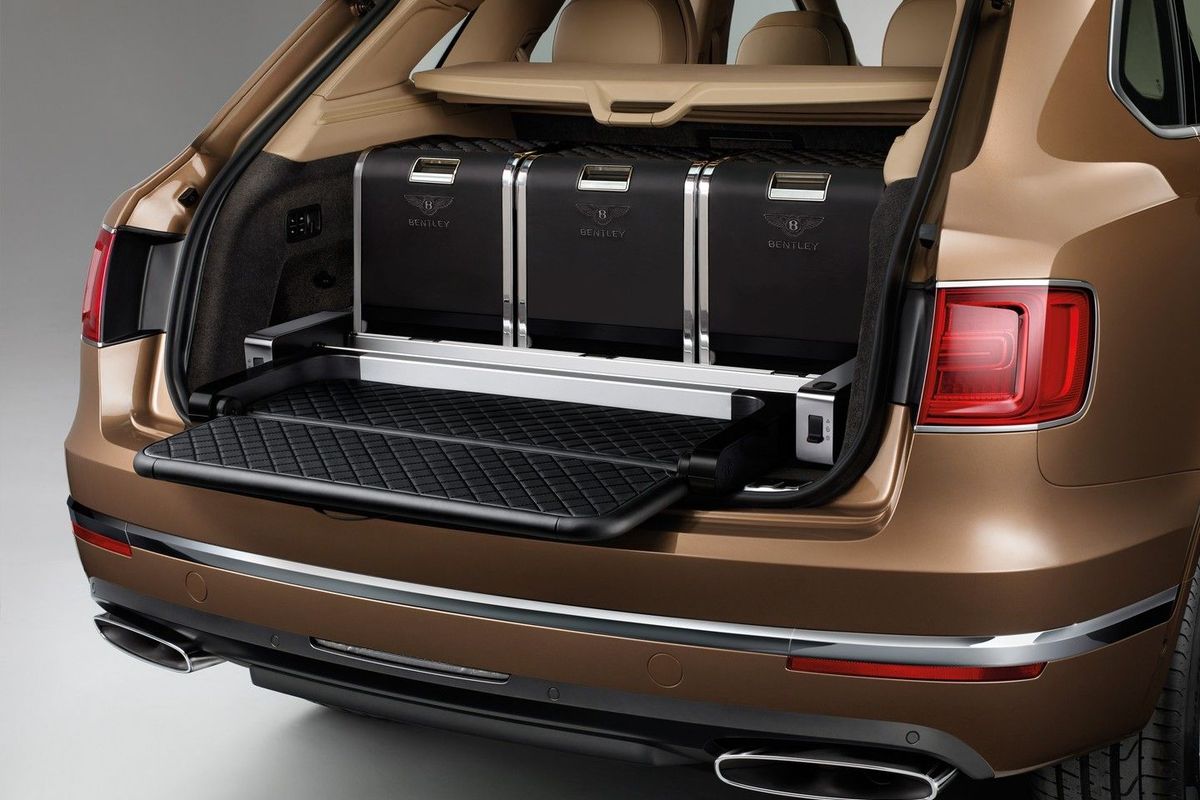
Having said that, volume-selling premium marques cannot offer buyers the opportunity to personalise their cars in the way that Bentley and a few other exclusive car brands do. The Bentayga can be configured as a 4-, 5- or 7 seater; there are 15 standard colours for the leather trim and carpets and you can choose between 5 standard colour splits (or specify a dual-tone colour split) and match the luggage bay's trim hue, if you’d like. A selection of wood veneers is available, as are a variety of stitching and embroidering options and numerous bespoke fittings and accessories.  


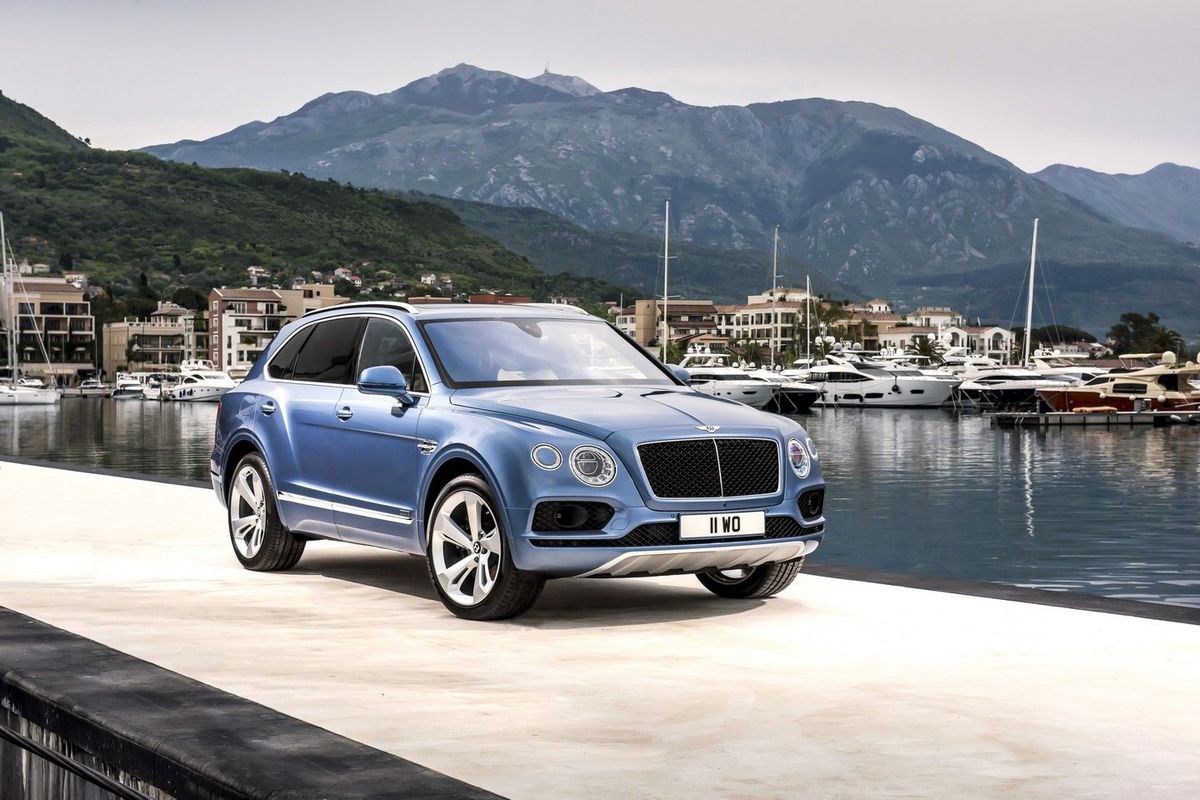
The Bentayga occupies a tiny place in the market, yet Bentley's first turbodiesel derivative nonetheless does its maker proud.

Summary

At almost R700k less than the most affordable Flying Spur sedan, the Bentayga Diesel has quietly become the new entry point to the Bentley brand in the South African market. Whether it has enough kerb- and road presence to appeal to the exotic tastes of the well-heeled, who’d otherwise buy mid to high-end Range Rovers to complement the first-class saloons and supercars that they already have in their garages, is a moot point: only the opinions of those who can afford one really matter. The Bentayga does have its shortcomings, principal of which is a lengthy options list and less than generous rear legroom, come to think of it, but it does not feel like a badge-engineered Bentley, at least not obviously so. In a sliver of the new car market where Range Rovers and Levantes end and Rolls-Royce (and whichever exotic brands will follow) begin, it does have its place…

Related content:

Rolls-Royce Cullinan Coming to SA

Maserati Levante: A bridge too far?

Bentley Bentayga (2016) First Drive

Range Rover SV Coupe Announced

Facelifted Range Rover (2018) Specs and Price [w/Video]

Interested in buying a Bentley?

Find one for sale on Cars.co.za

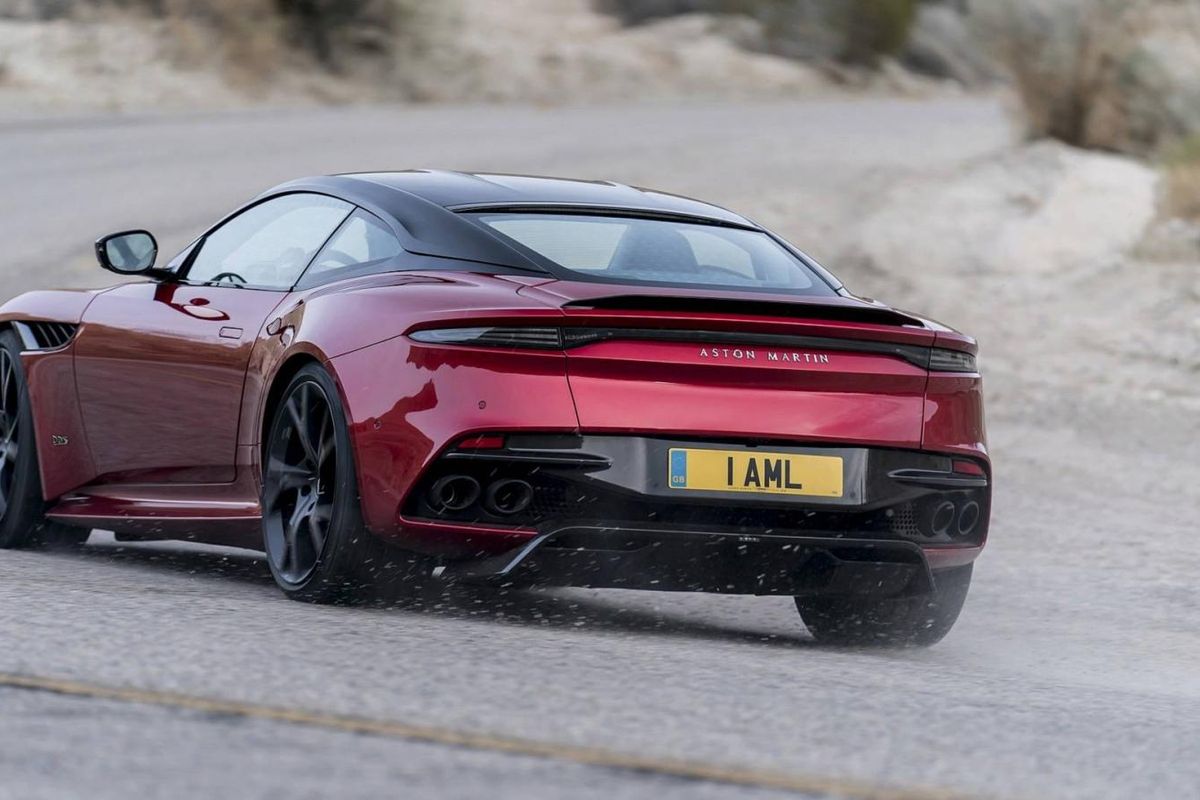
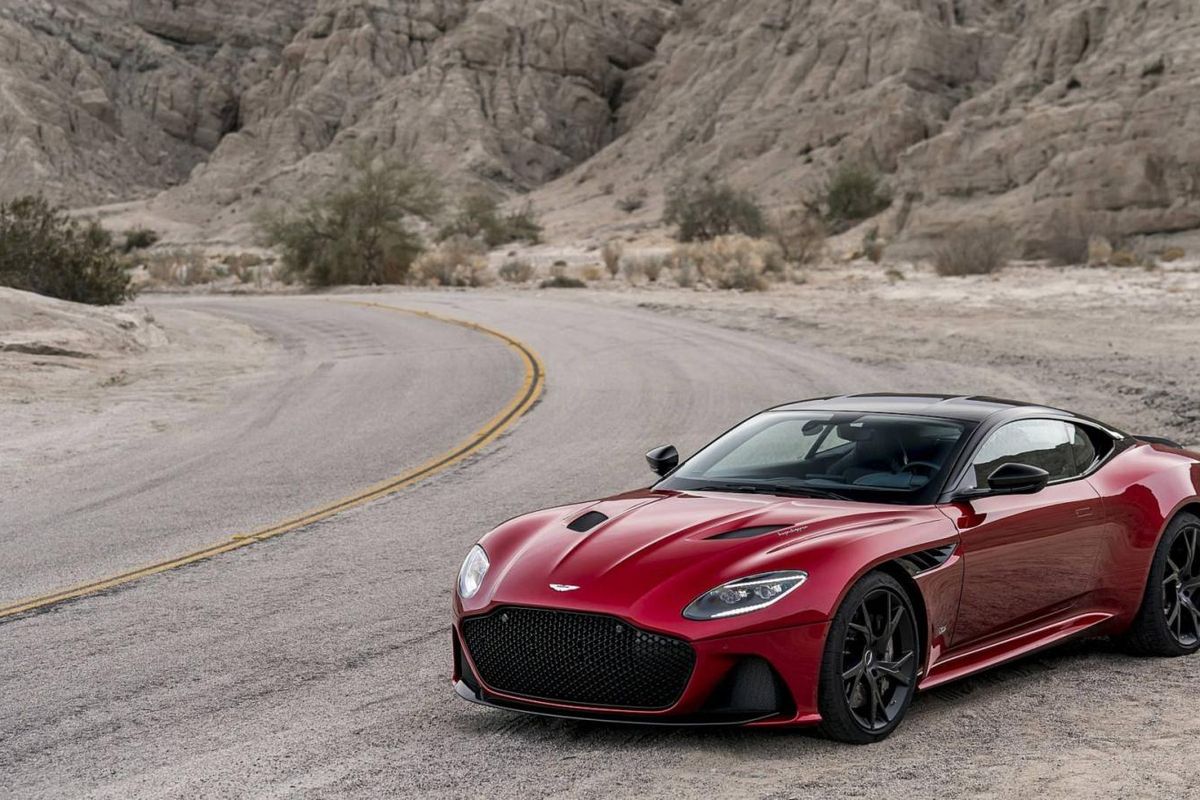
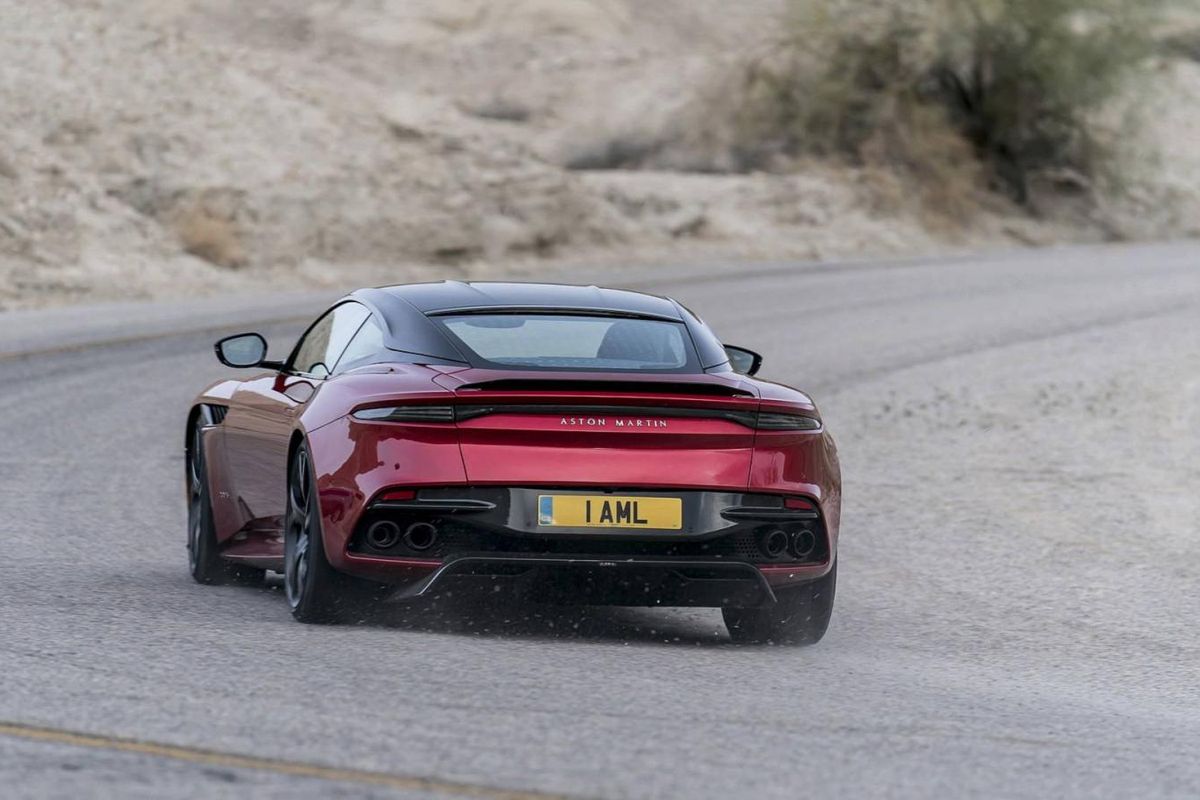
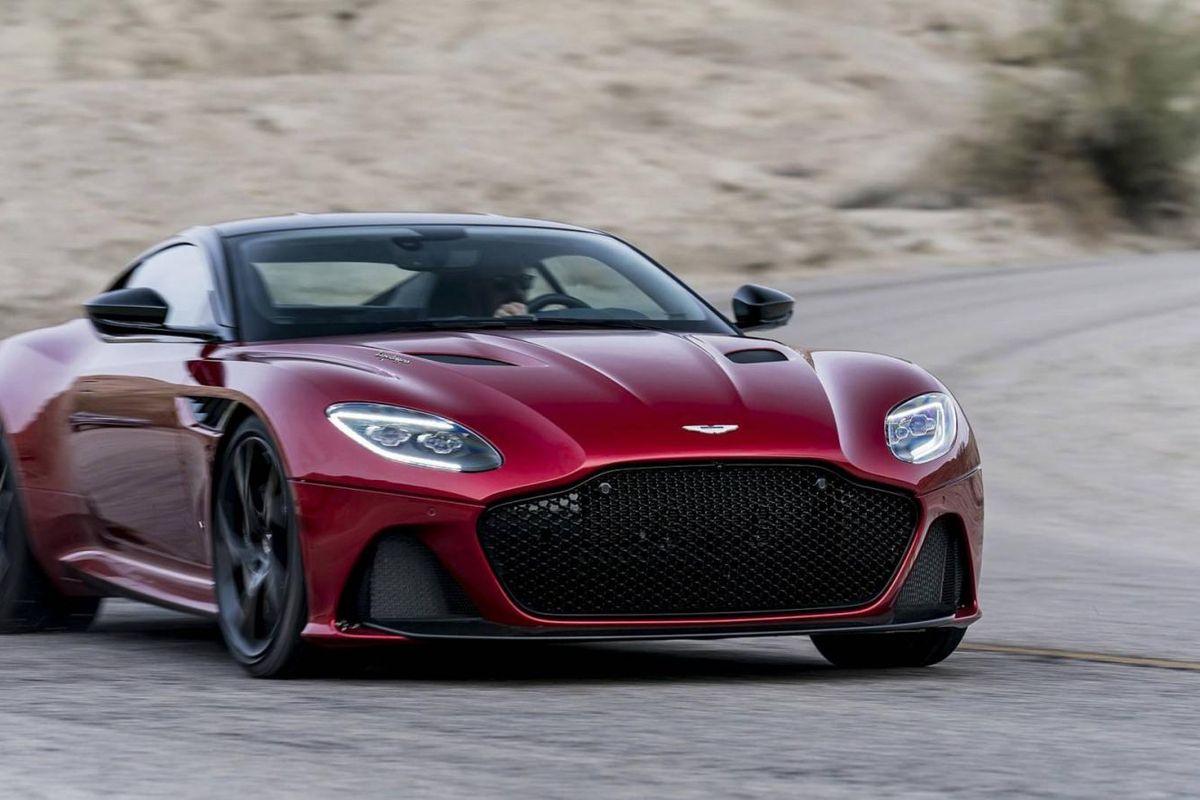
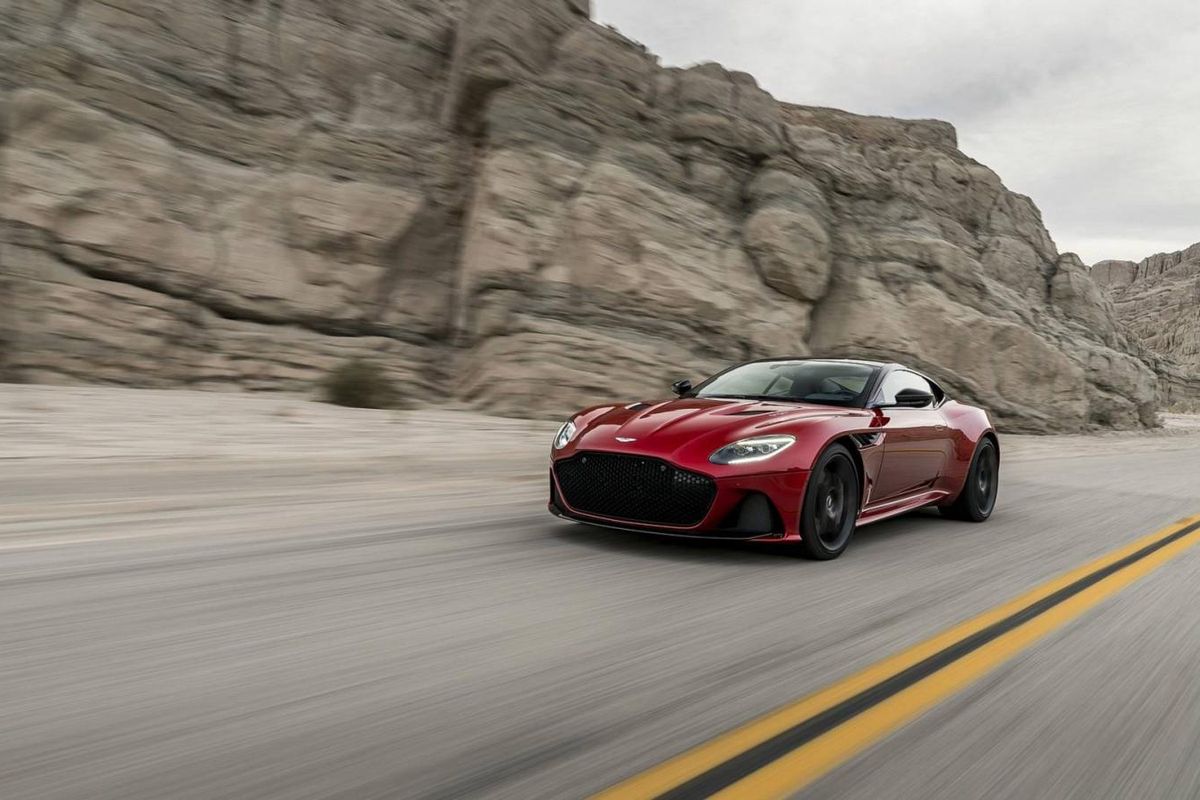
Aston Martin DBS Superleggera Headed for SA

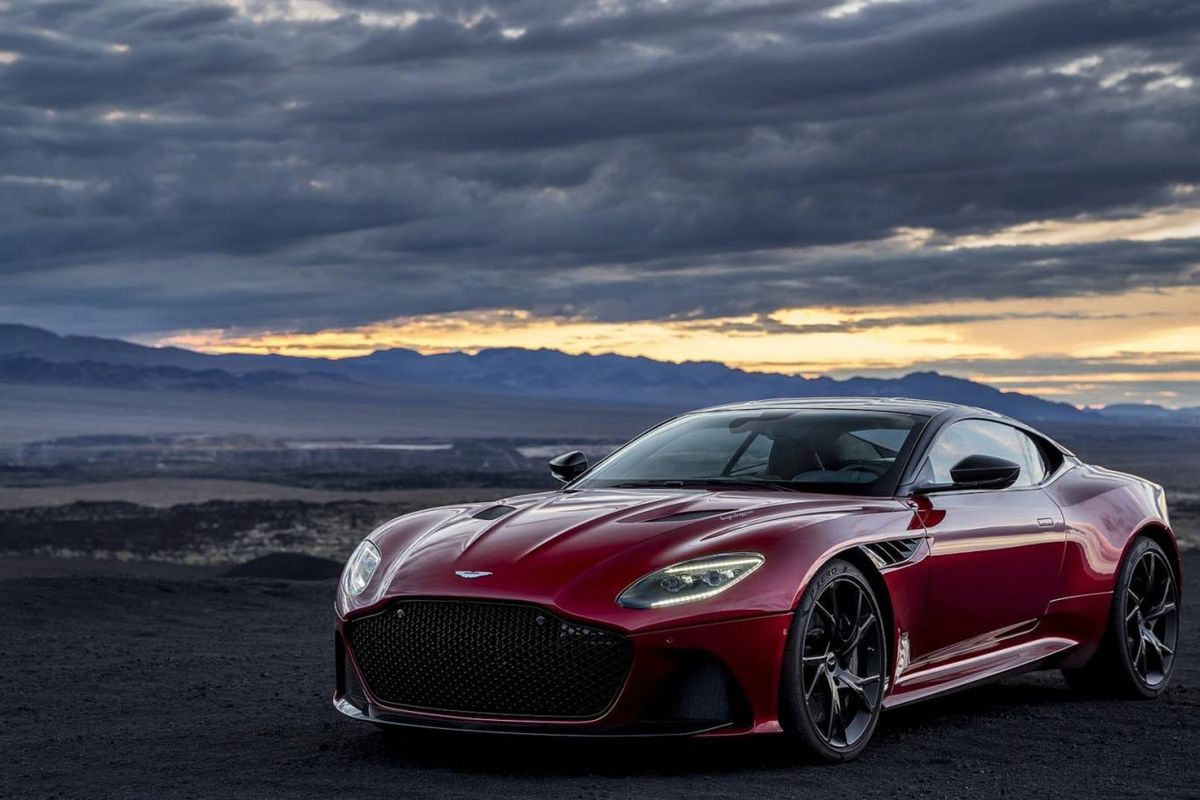
Aston Martin has unleashed a new flagship model to replace the Vanquish S. Meet the DBS Superleggera!

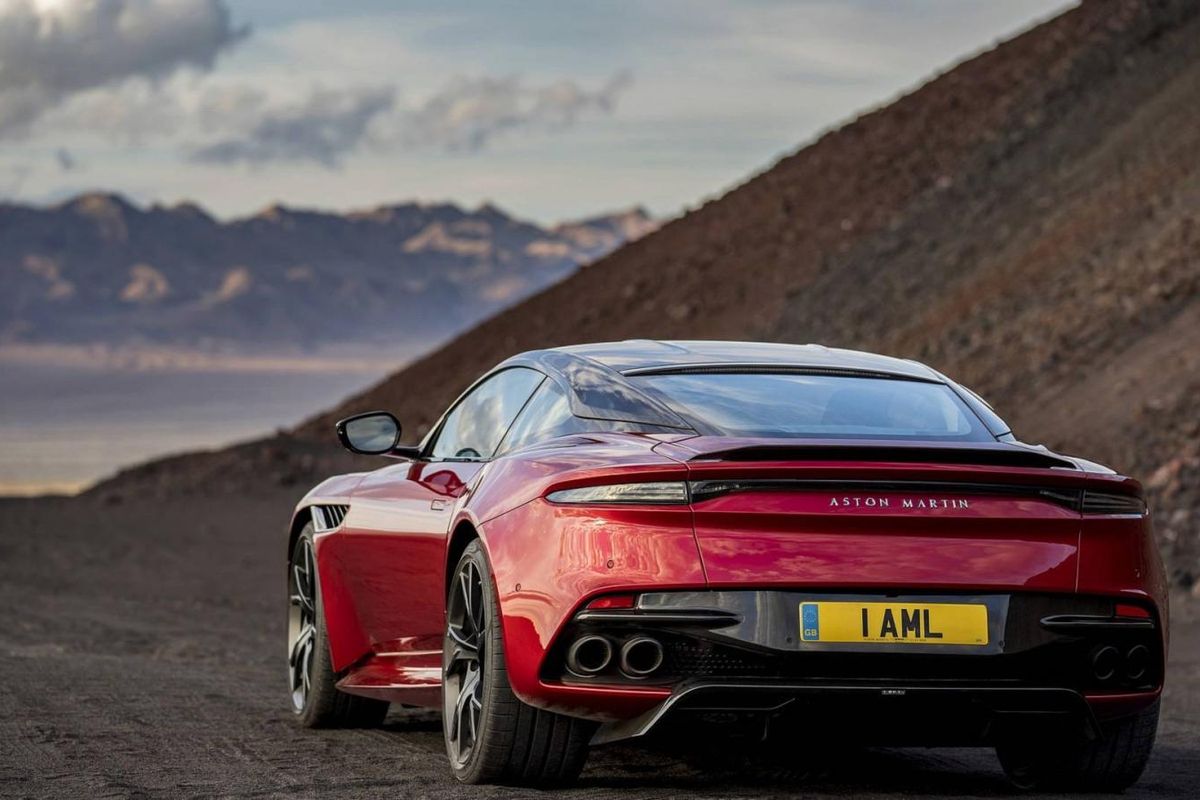
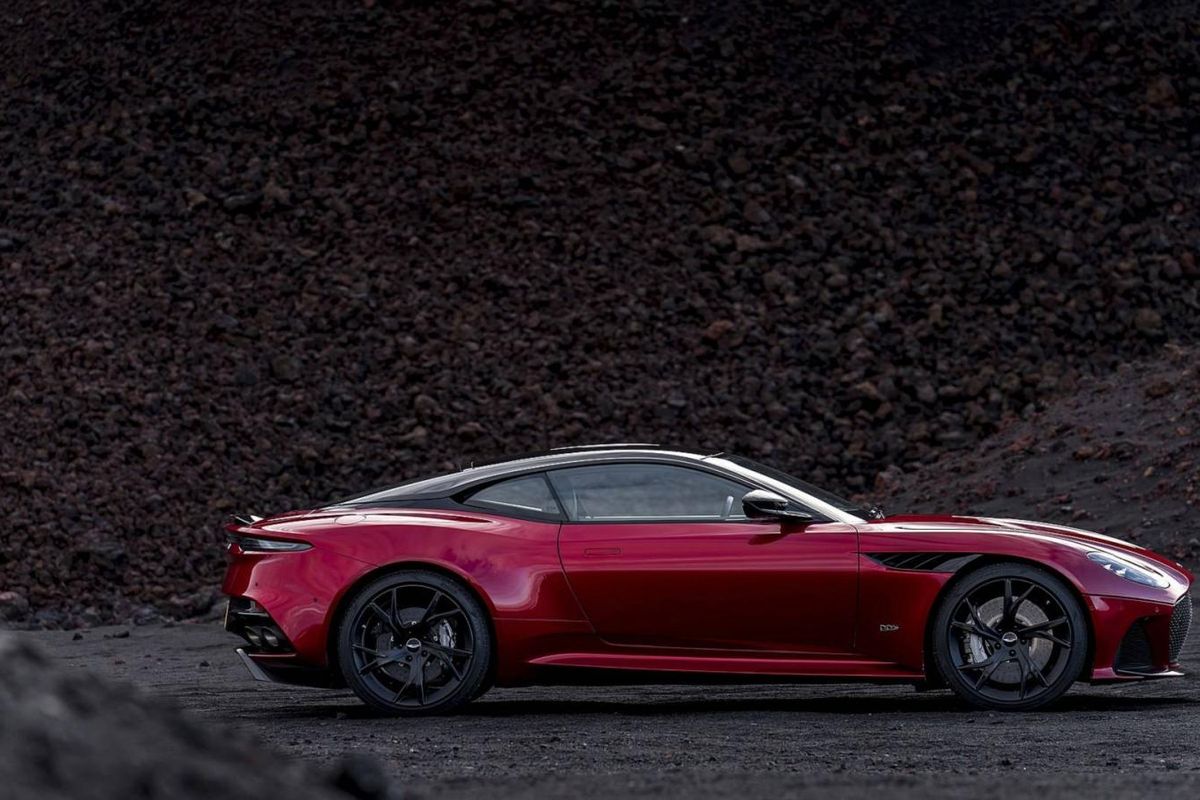
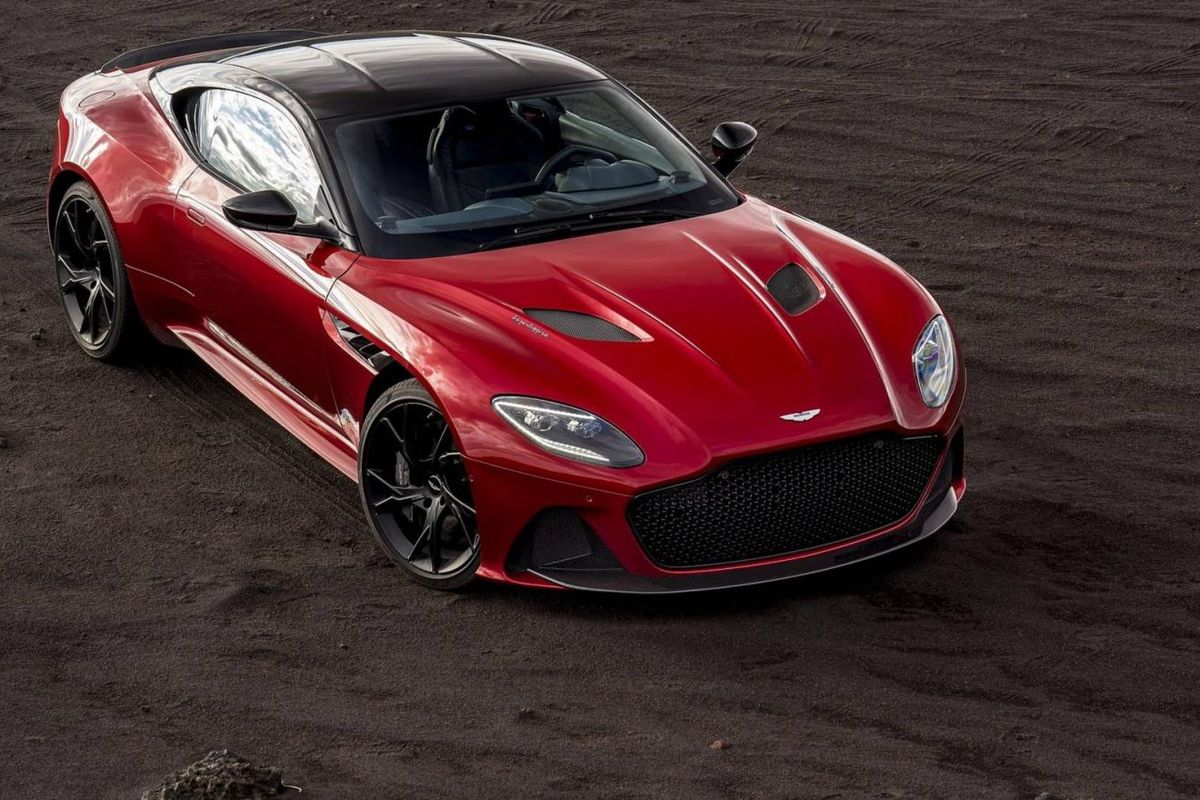
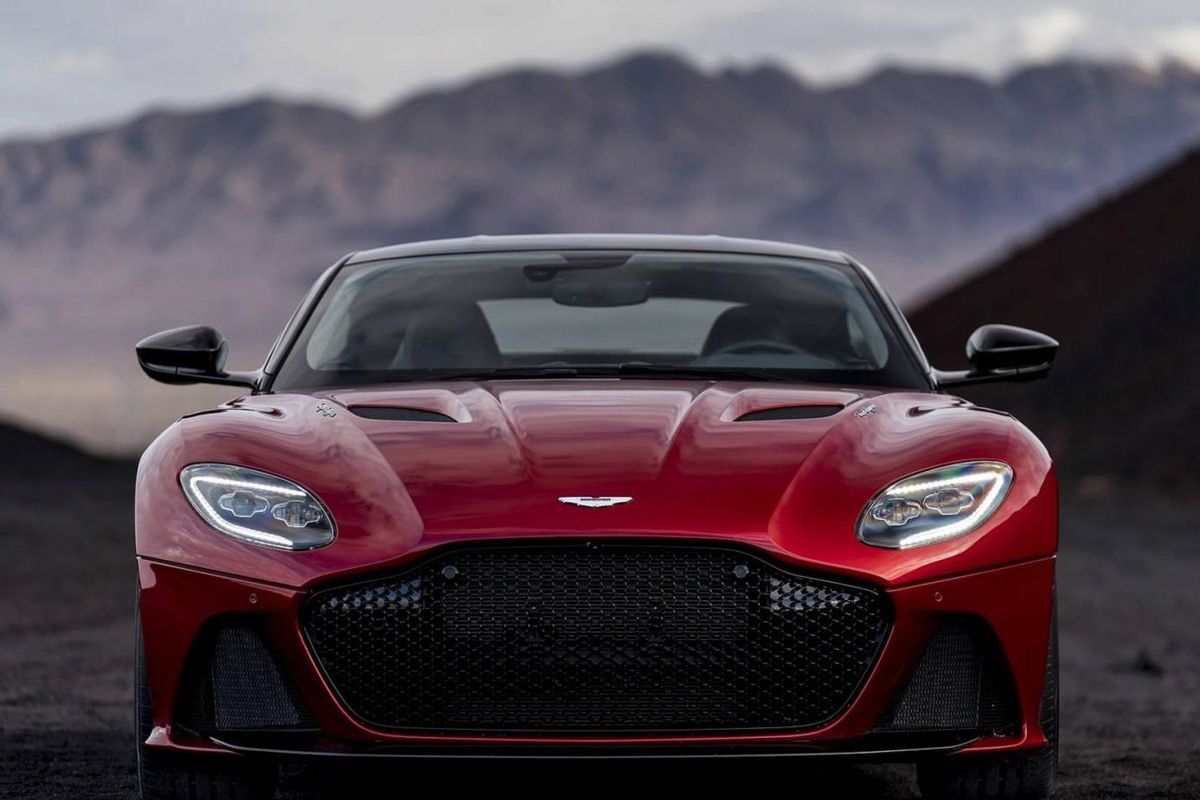
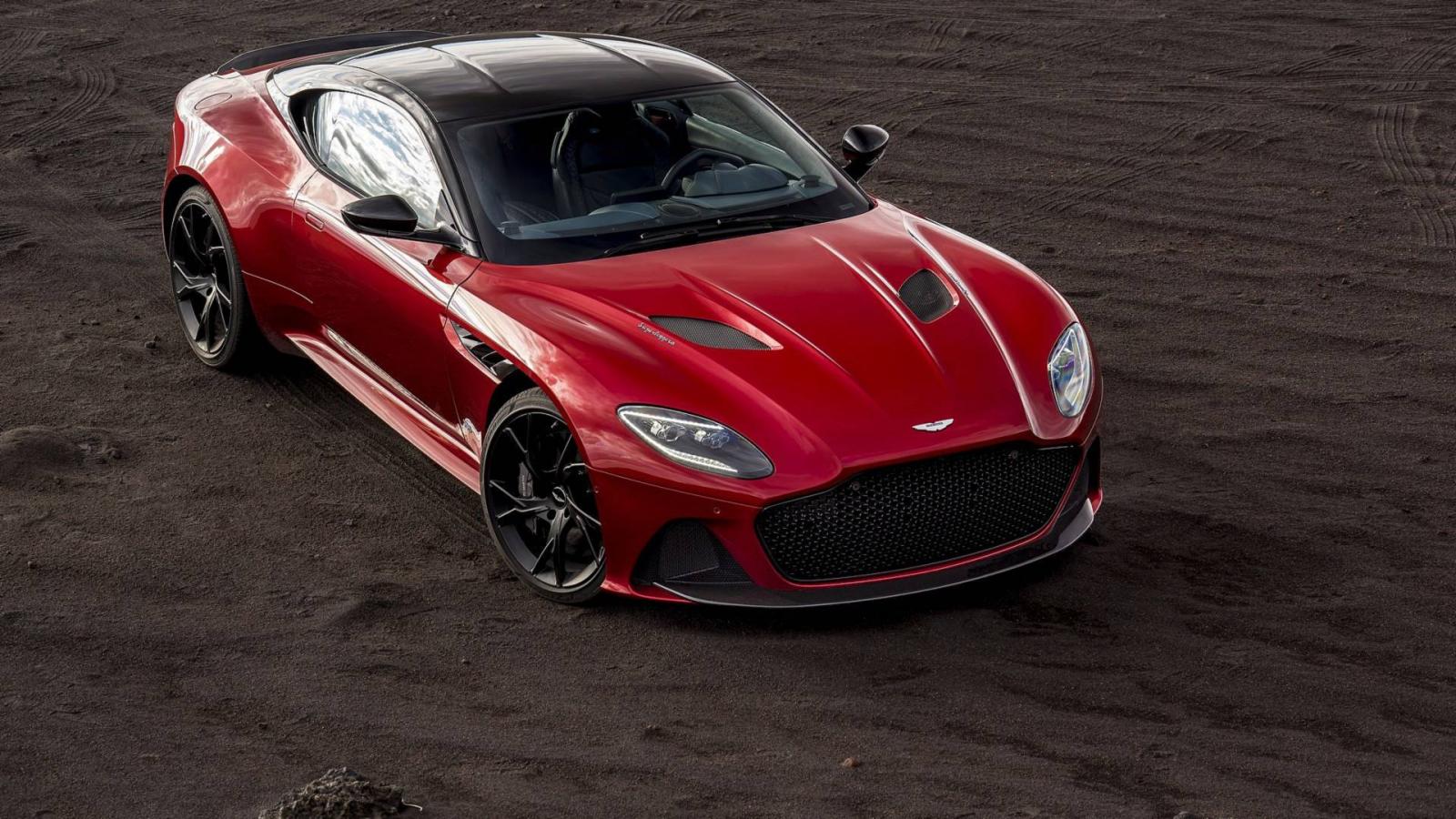
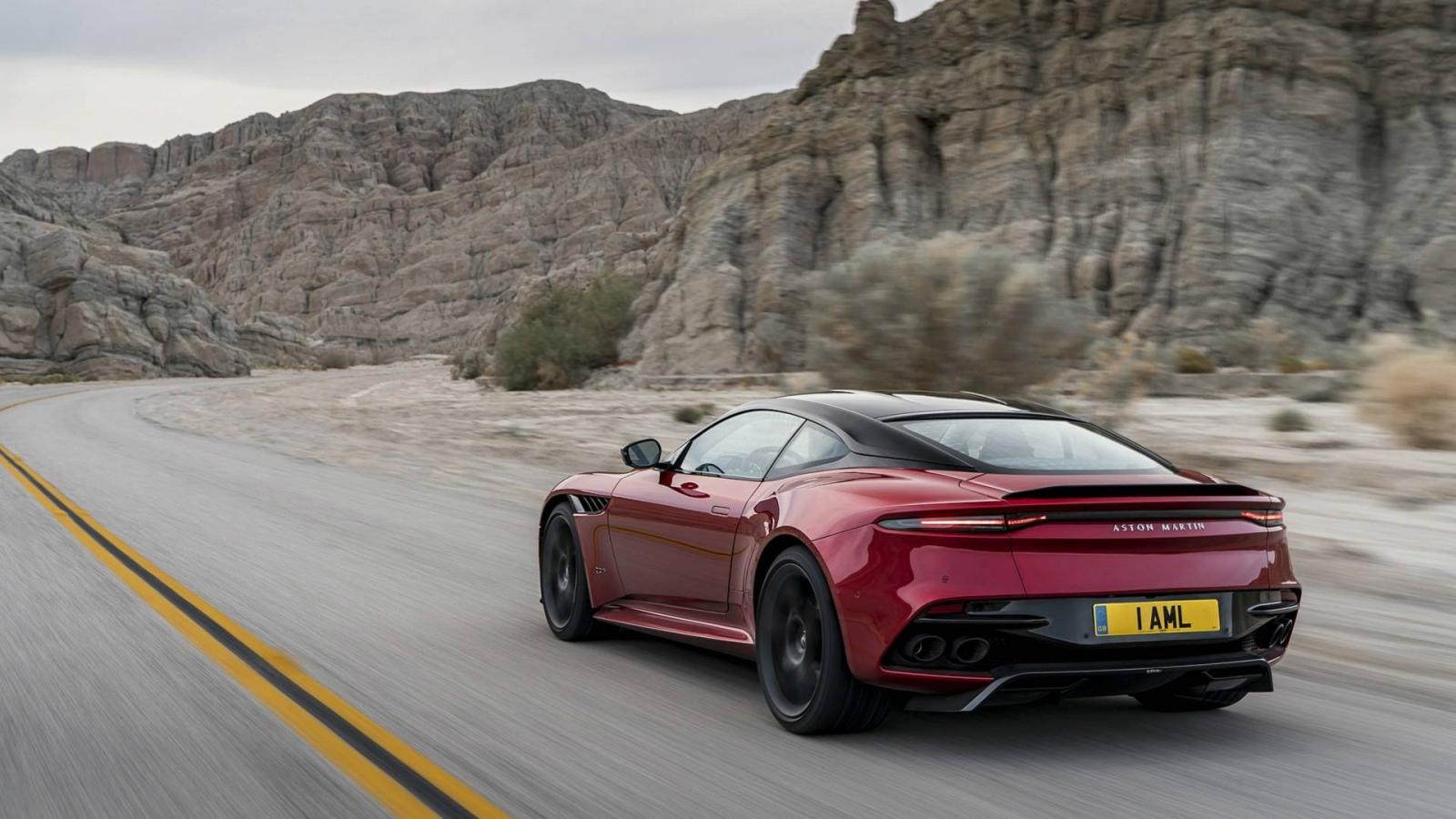
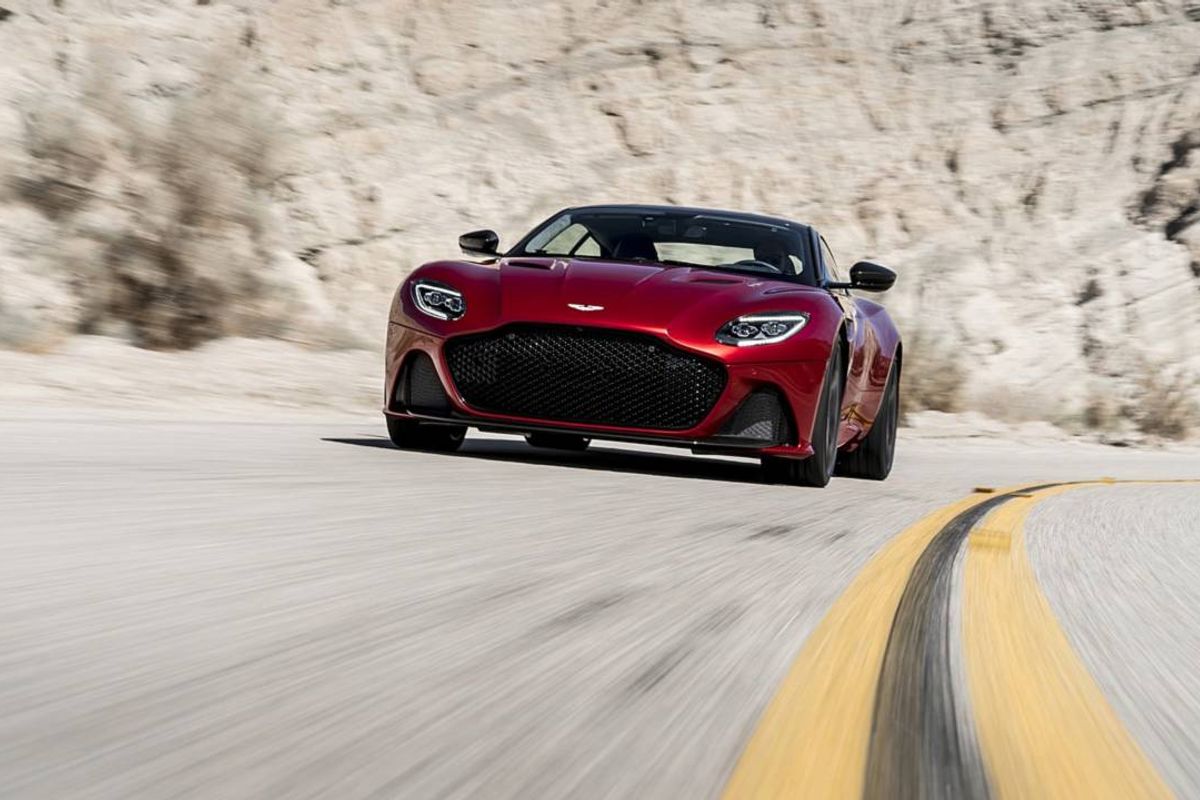
Aston Martin’s new Super GT flagship has arrived with arresting carbon fibre bodywork and performance to match. It’s called the DBS Superleggera, which marks the return of 2 iconic nameplates, and replaces the formidable Vanquish S at the pinnacle of the brand’s line-up.

Our very own, Ciro De Siena, is currently in Germany and will be driving the new DBS Superlegerra in Berchtesgaden, so look out for our launch review soon. 

What’s special about it?


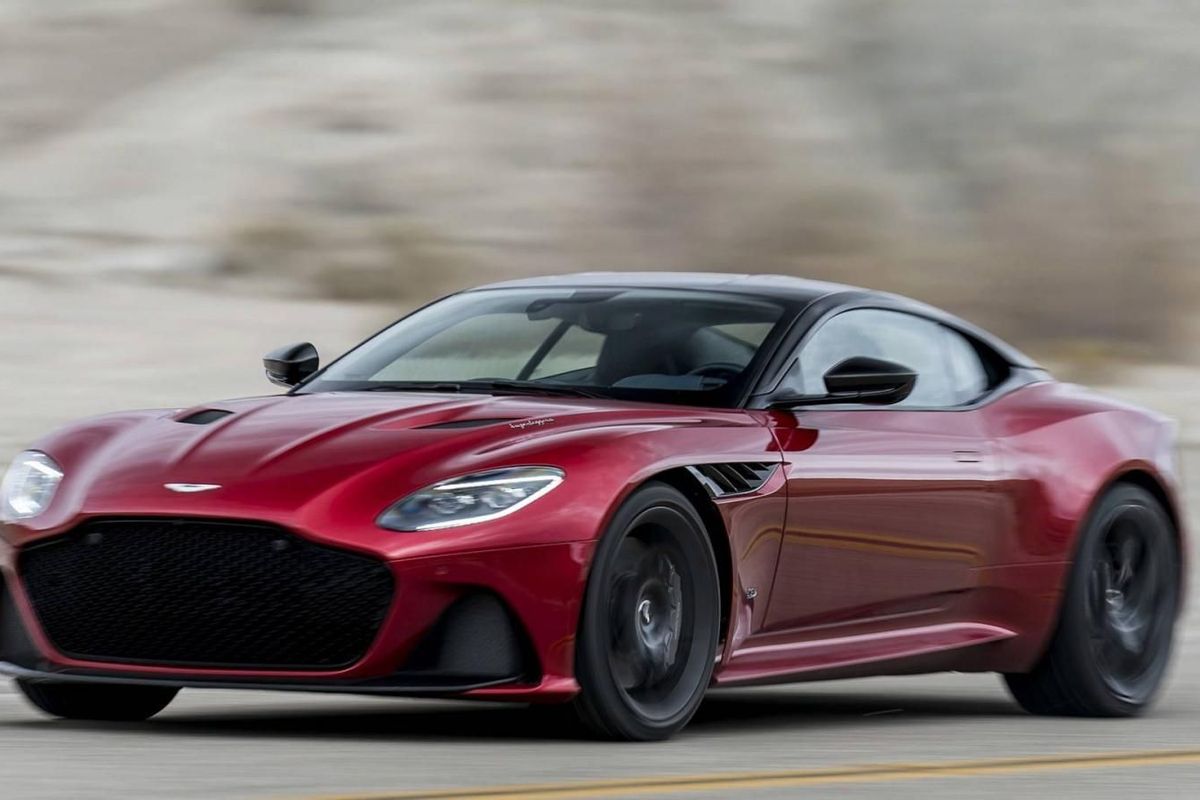
With 533 kW and 900 Nm of torque, the DBS Superleggera can sprint from zero to 100 kph in 3.4 seconds. 

Well, apart from its powerful styling, it features a chassis that’s evolved from the lightweight bonded aluminium structure from the DB11 and is fitted with a powerful twin-turbocharged 5.2-litre V12 engine that’s tuned to produce 533 kW and 900 Nm of torque which is fed to the rear wheels using a newly-developed 8-speed ZF automatic transmission.

Furthermore, a mechanical limited-slip differential and torque vectoring, according to Aston Martin, ensures “precise, predictable and exploitable handling and a lower final drive for explosive in-gear acceleration”. Zero to 100 kph is achieved in 3.4 seconds while 80 to 160 kph is achieved in 4.2 seconds in 4th gear. Top speed is rated at 340 kph. Those are some mighty performance numbers!


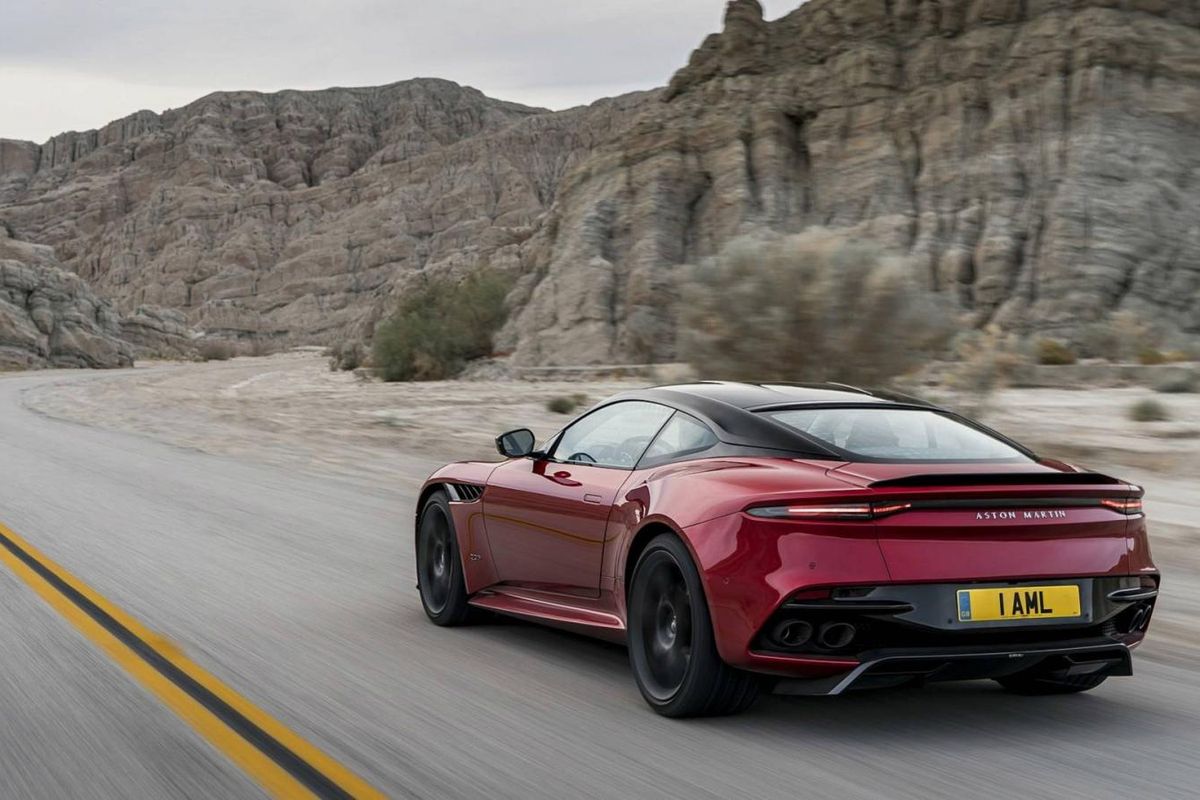
A powerfully-sculpted carbon fibre body ensures optimal aerodynamic performance. 

The engine has been set as low and far back in the chassis as possible to optimise weight distribution and centre of gravity. In terms of aerodynamics, the DBS Superleggera, with its F1-inspired double diffuser, generates 180 kg downforce without drag penalty, glueing the car to the road.

The vehicle features adaptive damping with forged double wishbones at the front and a sophisticated multi-link system at the rear. The driver has modes such as GT, Sport and Sport Plus to choose from depending on the driving intent.


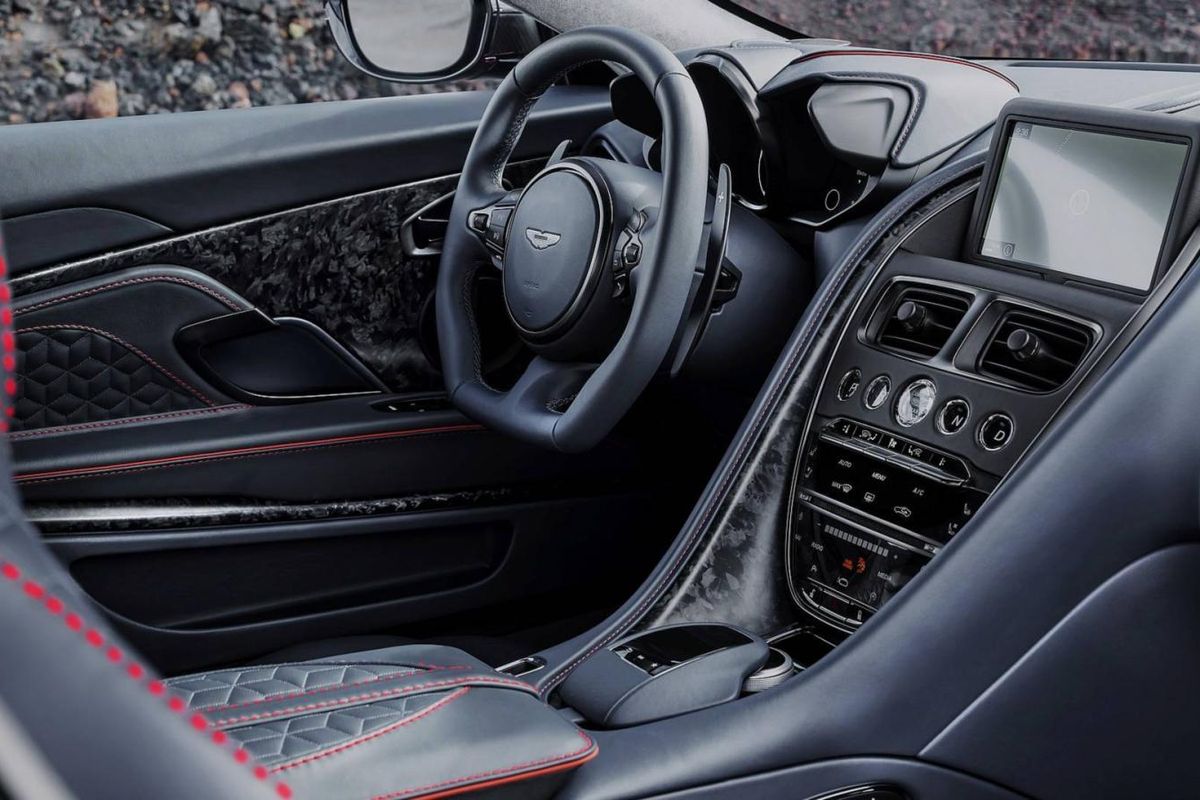
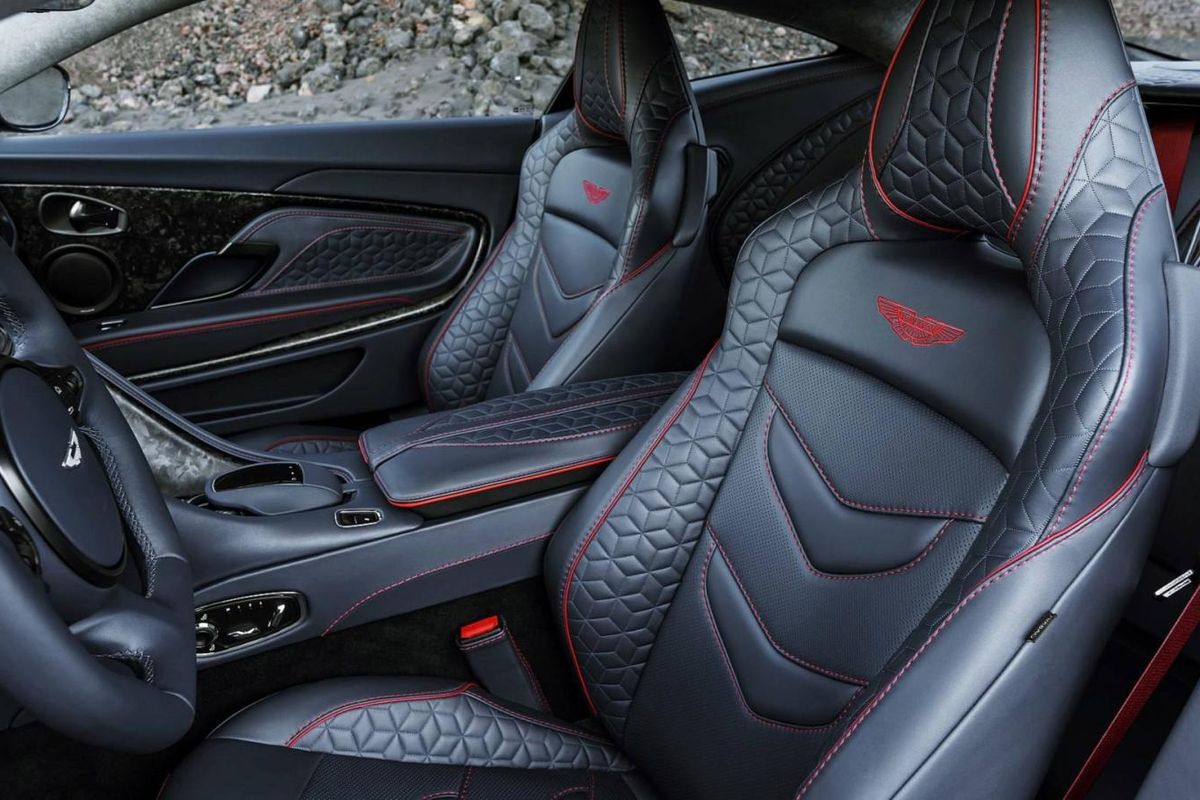
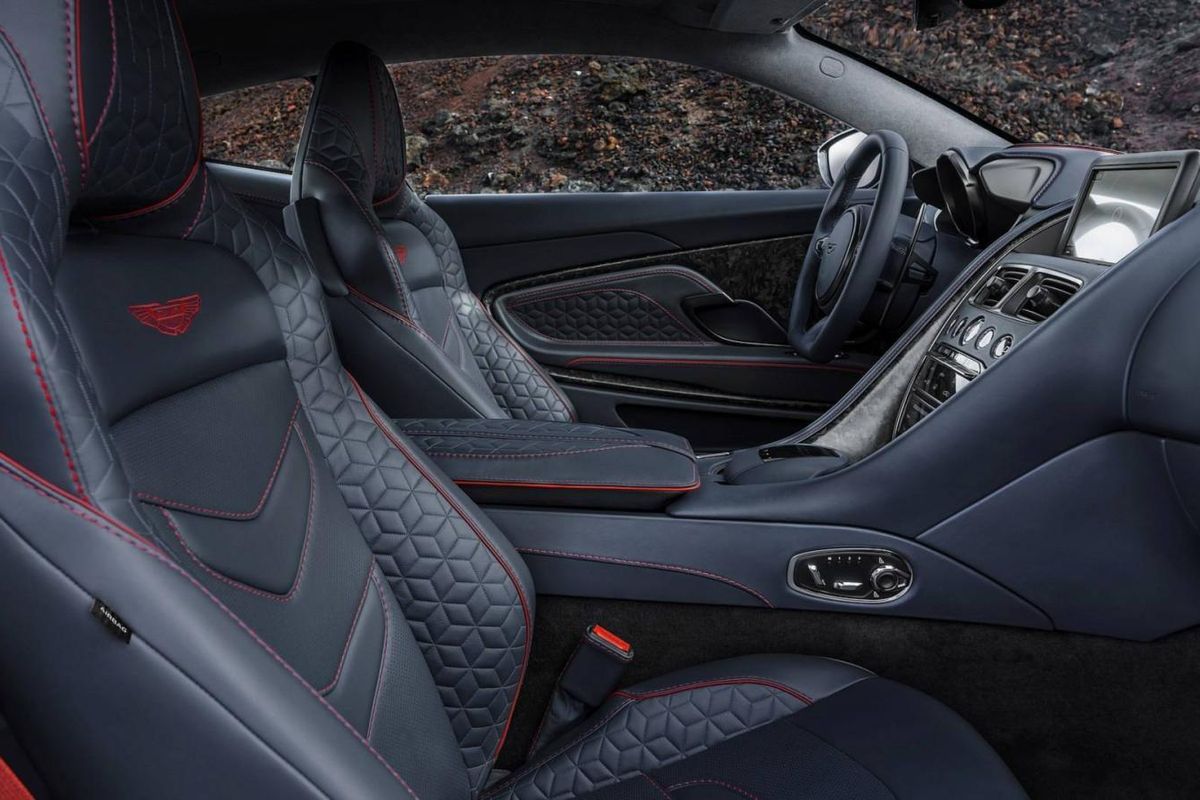
Sumptuous leather and sporty details make the interior of the DBS Superleggera special.

As for the interior, a wide range of personalisation options are available to buyers. Leather and Alcantara upholstery is standard, as are the Sports Plus performance seats and steering wheel. Other features include keyless entry, tyre pressure monitoring system and a 360-degree camera with Parking Distance Display and Park Assist. The audio system has DAB as well as Bluetooth audio and phone streaming, iPod, iPhone and USB playback. There is also an integrated satellite navigation system and wi-fi hub which is displayed on a central LCD screen and controlled via a central dial.  

Aston Martin Chief Executive Officer, Dr Andy Palmer said: “DBS Superleggera not only marks the return of a great Aston Martin name, but signals our return to the very pinnacle of the Super GT sector. Handsome beyond measure, its lightweight carbon composite and aluminium body is sculpted into a shape with tremendous presence and charisma. Thanks to the remarkable torque available from its twin-turbo V12 the DBS Superleggera also packs a breath-taking punch, yet its dynamics have been carefully honed to engage drivers of all ability levels. Immaculately styled, obsessively engineered and outrageously potent, the new DBS Superleggera is every inch the Aston Martin flagship”.

The Aston Martin DBS Superleggera will be offered in South Africa and its arrival is expected soon.

Do you like the new Aston Martin DBS Superleggera? Share your thoughts with us…

Related Content

Aston Martin DB11 Unleashed (w/Video)

Aston Martin Vantage (2018) Launch Review

Aston Martin DB11 (2016) Video Review

Aston Martin DB11 (2016) First Drive


BMW X4 M Spotted testing at Nurburgring (Video)

This BMW X4 M prototype was spotted doing some performance testing at the Nurburgring recently and the newcomer will give the X4 range a massive performance boost. Here's what you need to know and what the forthcoming BMW X4 M will sound like.

The performance SUV market continues to grow and this time it appears that BMW will be launching an X4 M. Spotted at the Nurburgring was a prototype BMW X4 M undergoing performance testing. The all-new BMW X4 was recently launched and we got a taste of what's to come as we got behind the wheel of the new M40d. However, this new X4 M model takes things up a notch.

The step up from X4 M40 to X4 M will be considerable, and the new car is set to get a revised chassis with a sportier suspension setup, tweaks to the steering and the fitment of bigger brakes. In terms of engines, we think the BMW X4 M will use the current S58 motor, which is a 3.0-litre straight six motor based on the mill which powers the current M3 and M4. Outputs are estimated around the 340 kW mark and thanks to a combination of xDrive and launch control, it should be able to hit 100 kph in under 4 seconds.

In terms of rivals, this new BMW X4 M will be going up against the Mercedes-AMG GLC 63 and the Audi SQ5. It is expected that this powertrain will also spawn an X3 M derivative. 

Buy a BMW X4 on Cars.co.za

Related Content

New BMW X4 (2018) International Launch Review

BMW X4 (2018) Unveiled [w/ Video]

BMW X4 xDrive 35i (2014) Review

BMW X3 Production starts in SA

Classic Drive: BMW 325iS "Gusheshe" & 333i

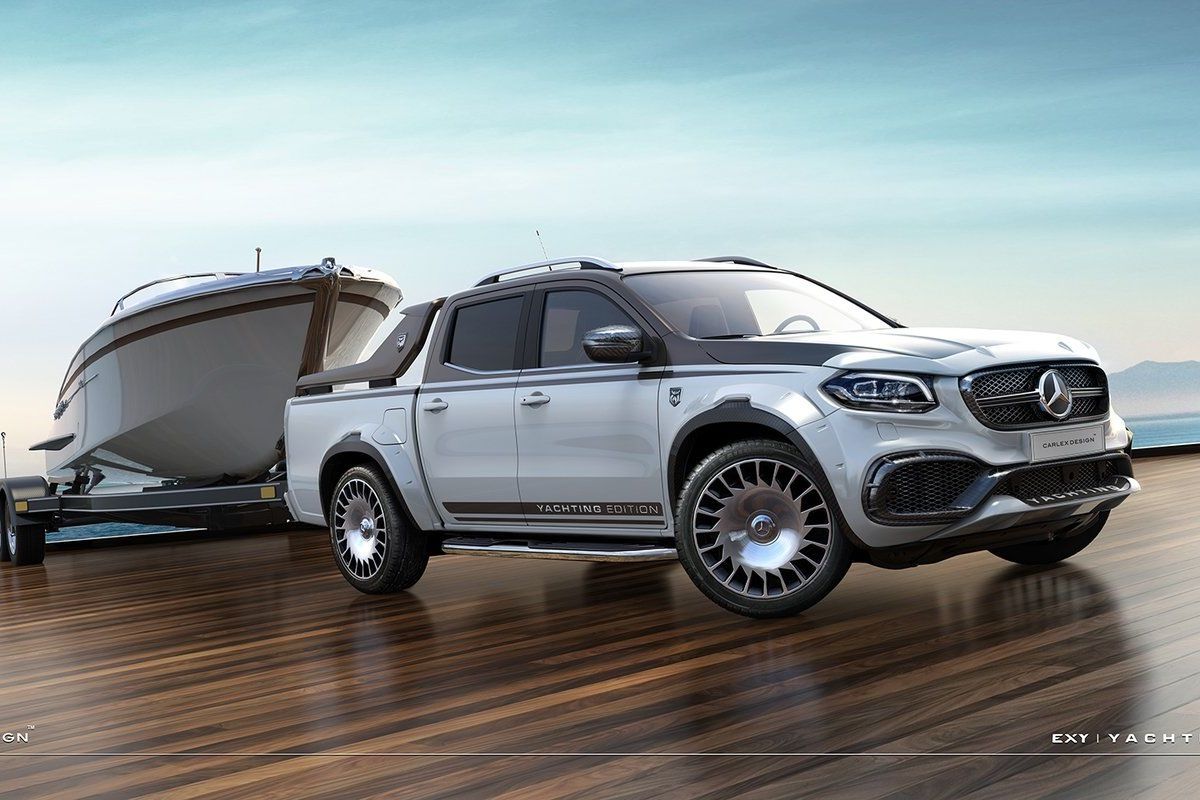
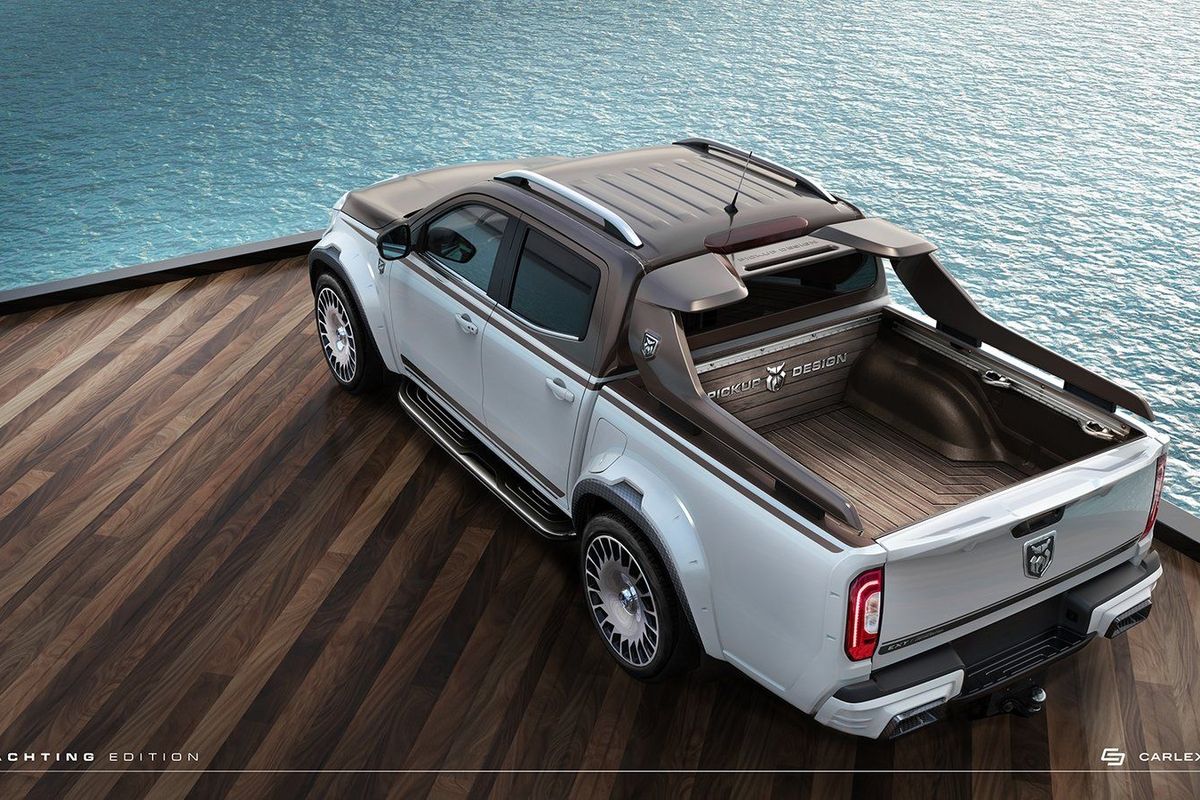
Maybach-inspired Mercedes-Benz X-Class Anyone?

The X-Class is Merc’s first attempt at a luxury bakkie, but this Maybach-inspired version by Carlex Design adds a lot more to the package.

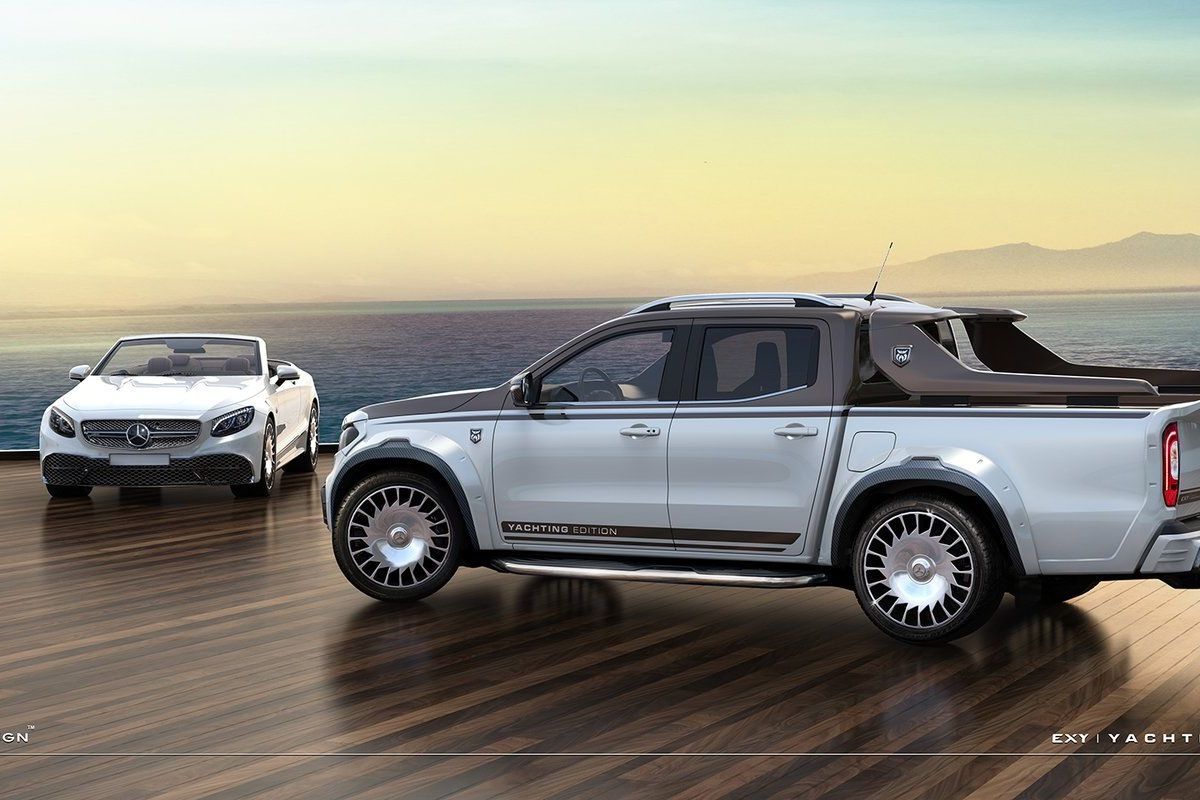
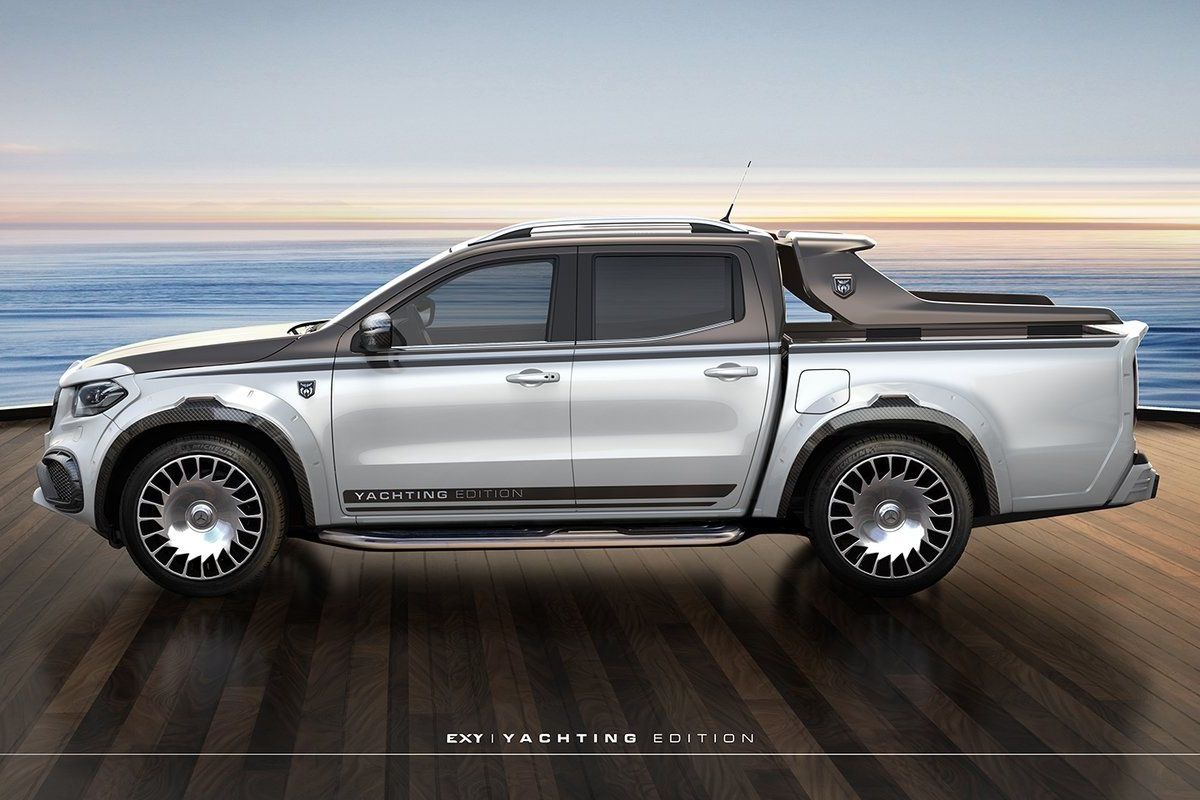
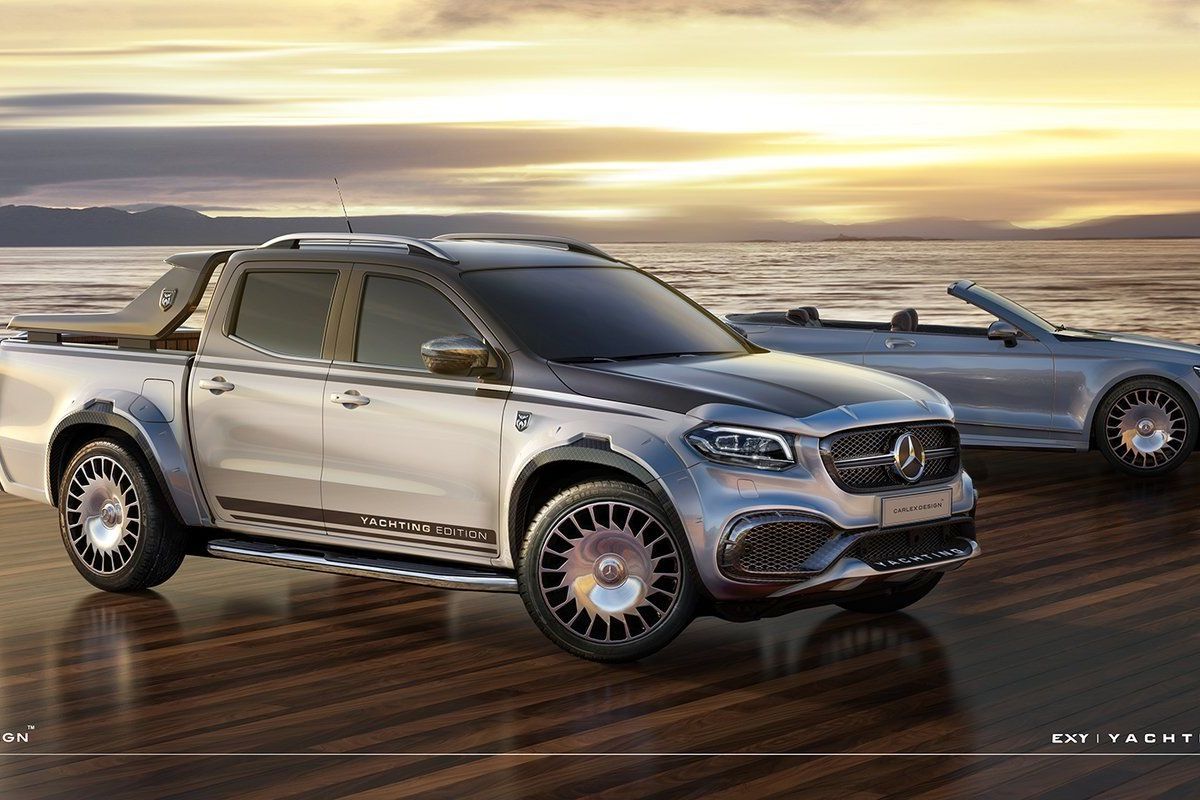
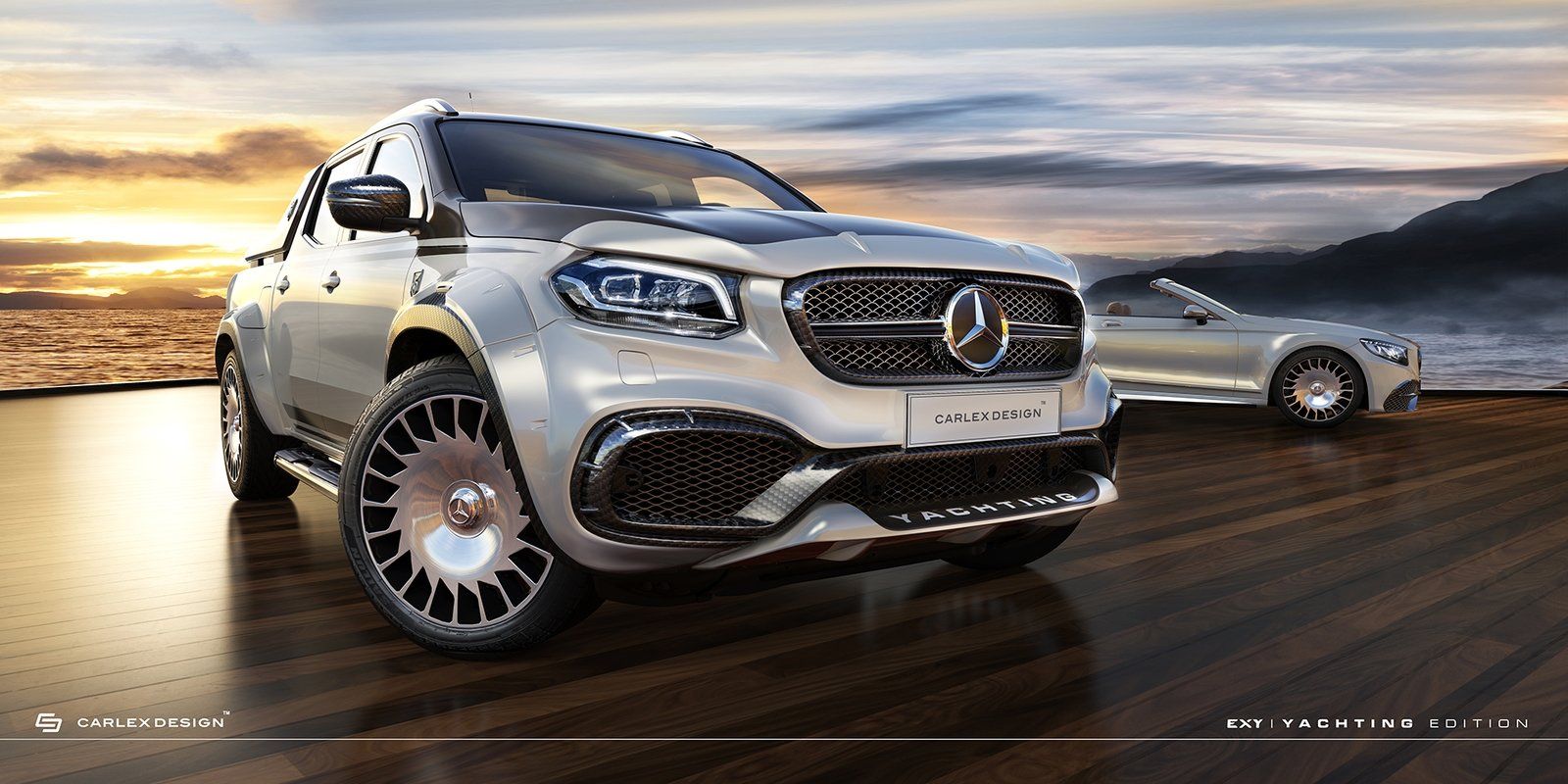
We recently showed you the Brabus Mercedes-Benz X-Class and based on reactions on social media, people weren’t too convinced by it. Well, perhaps this X-Class Yachting Edition by Carlex Design will do the trick?


Does the idea of a blinged-up Mercedes-Benz X-class appeal to you? 

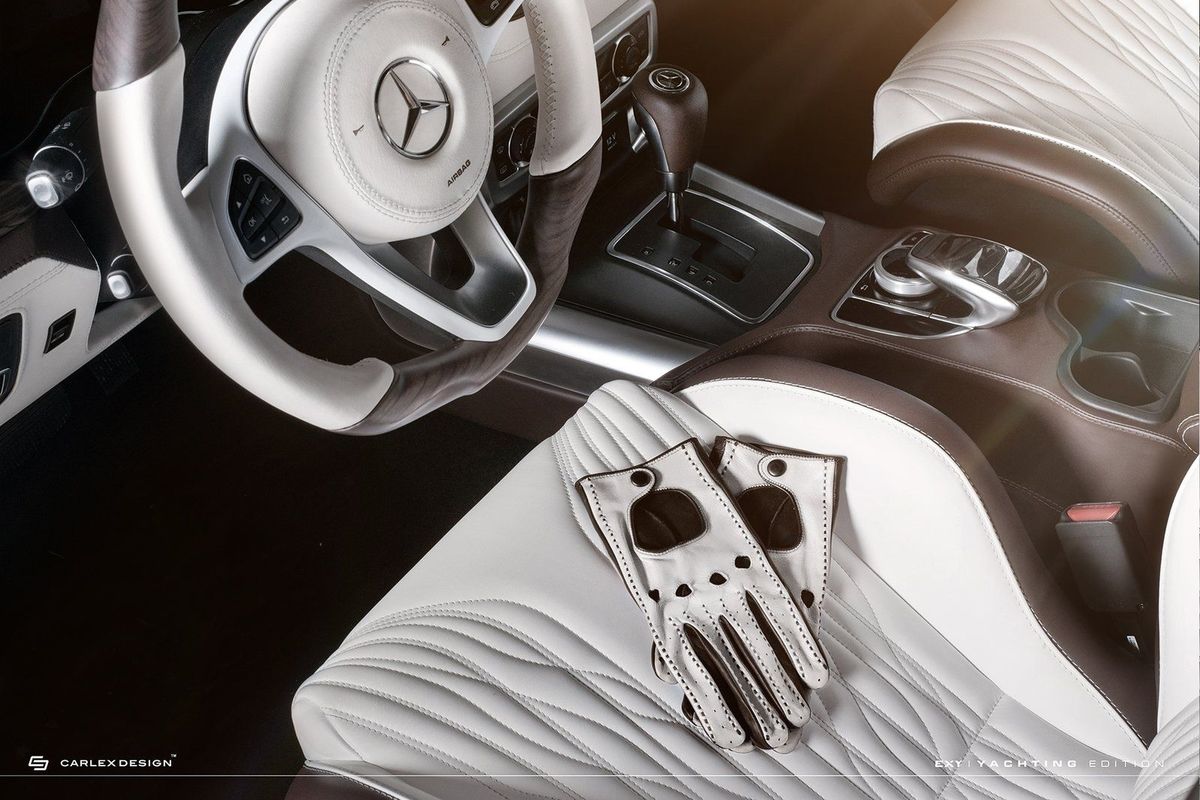
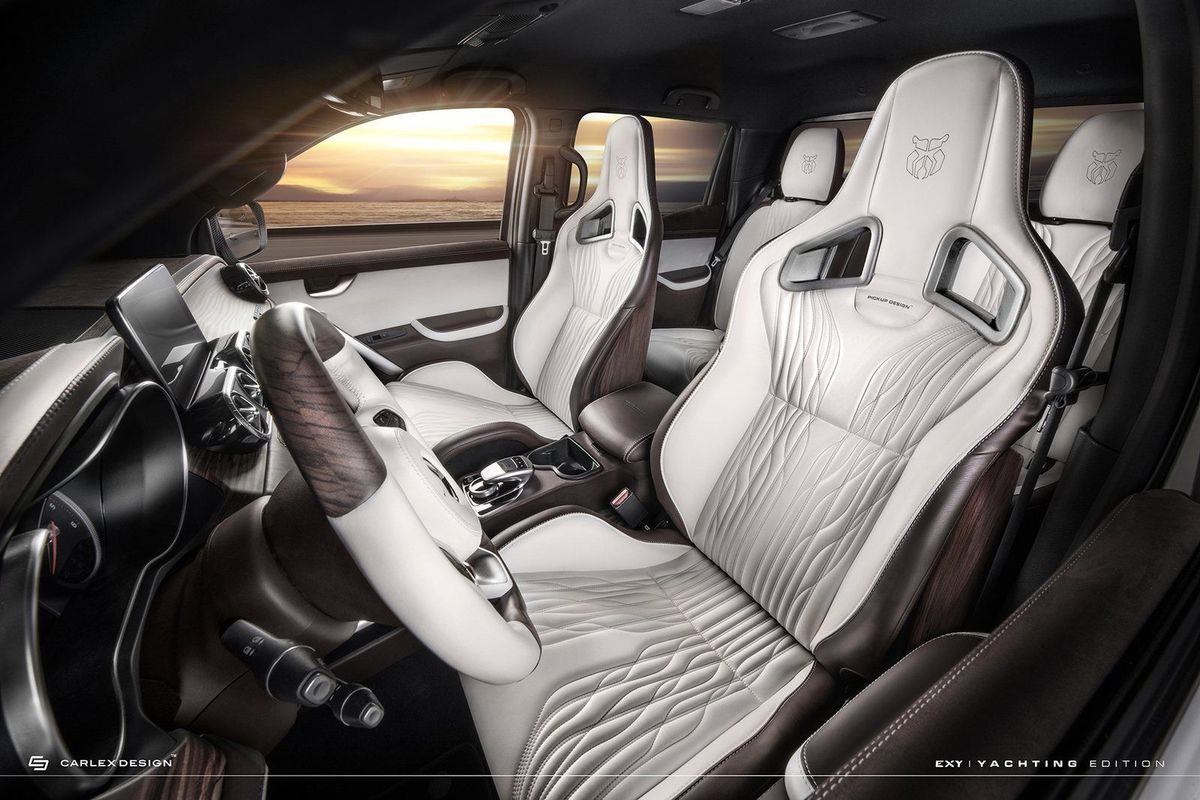
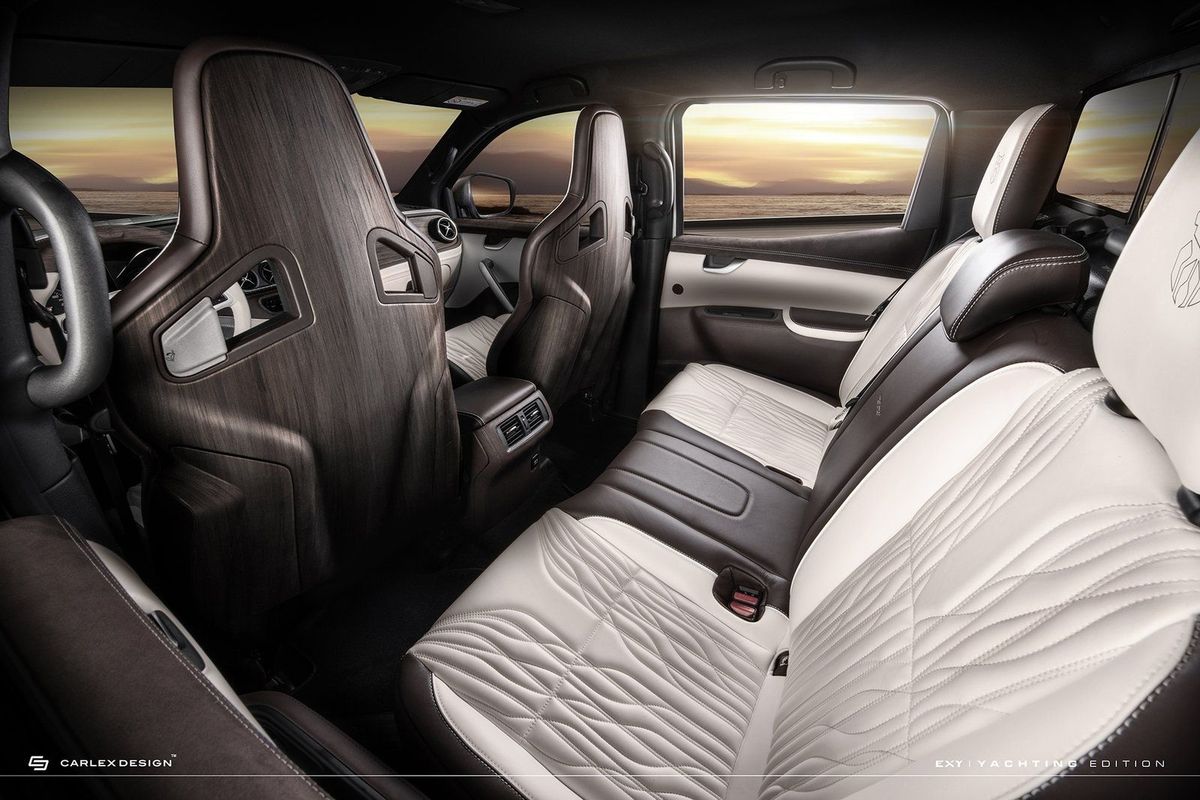
Carlex took a standard X-Class and fitted it with features inspired by ultra-luxurious Mercedes-Maybach vehicles. In this particular case, the X-Class’ grille and wheels took inspiration from the Maybach S650 Coupe and it comes fitted with a carbon fibre body kit which includes the bumpers, wheel arches, mirror casings, rear tail light housings, roof-mounted spoiler and bonnet cover. The bespoke look is finished off with a load bed featuring a teak floor.


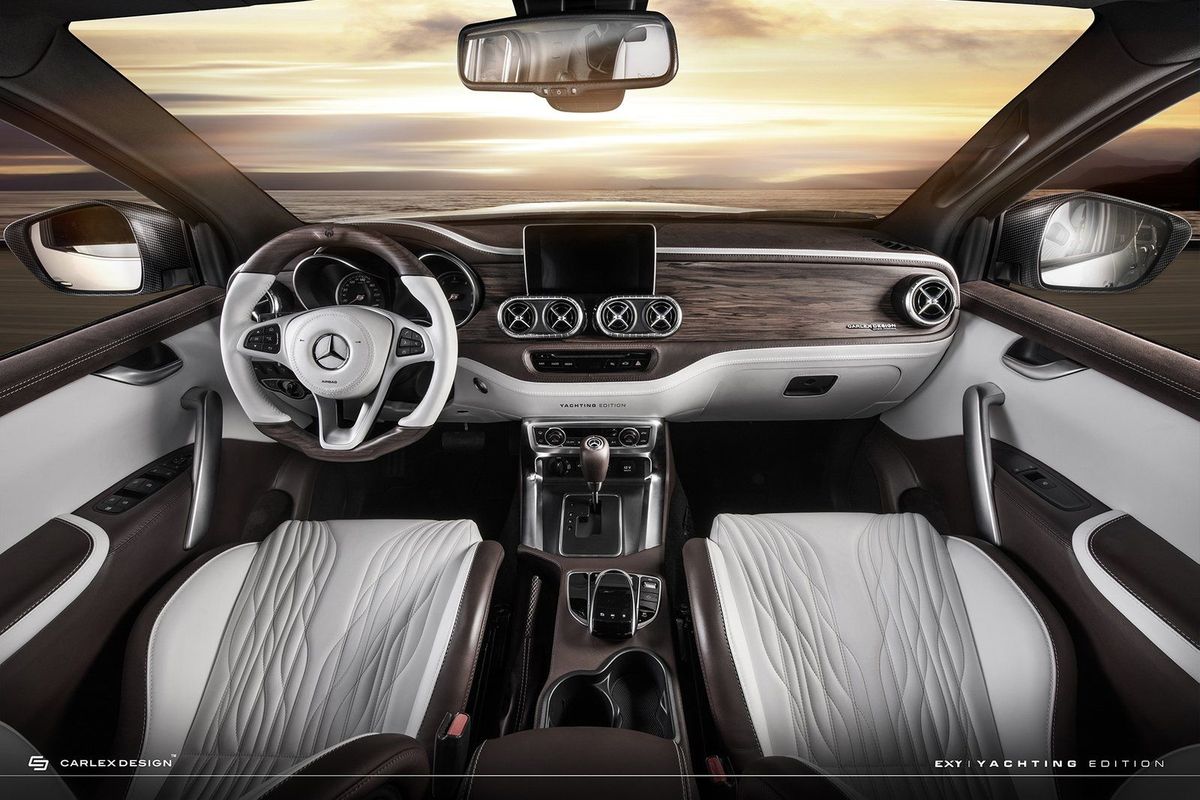
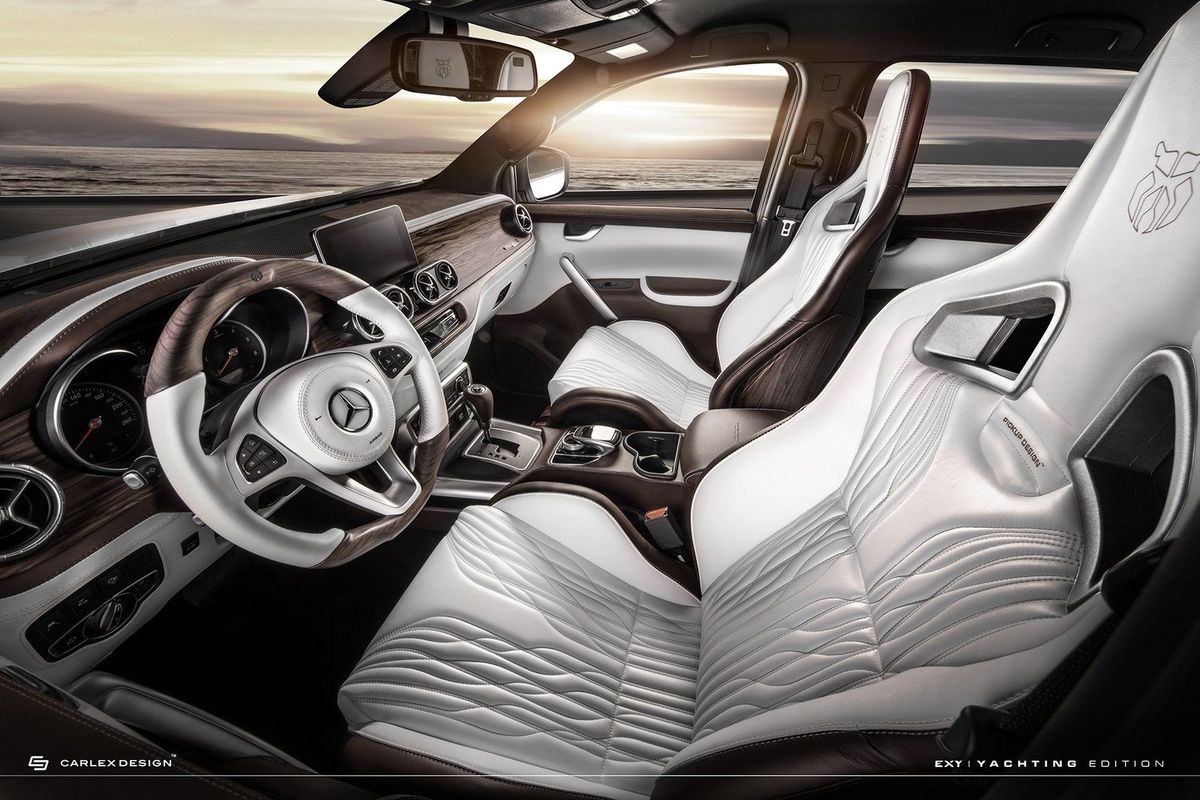
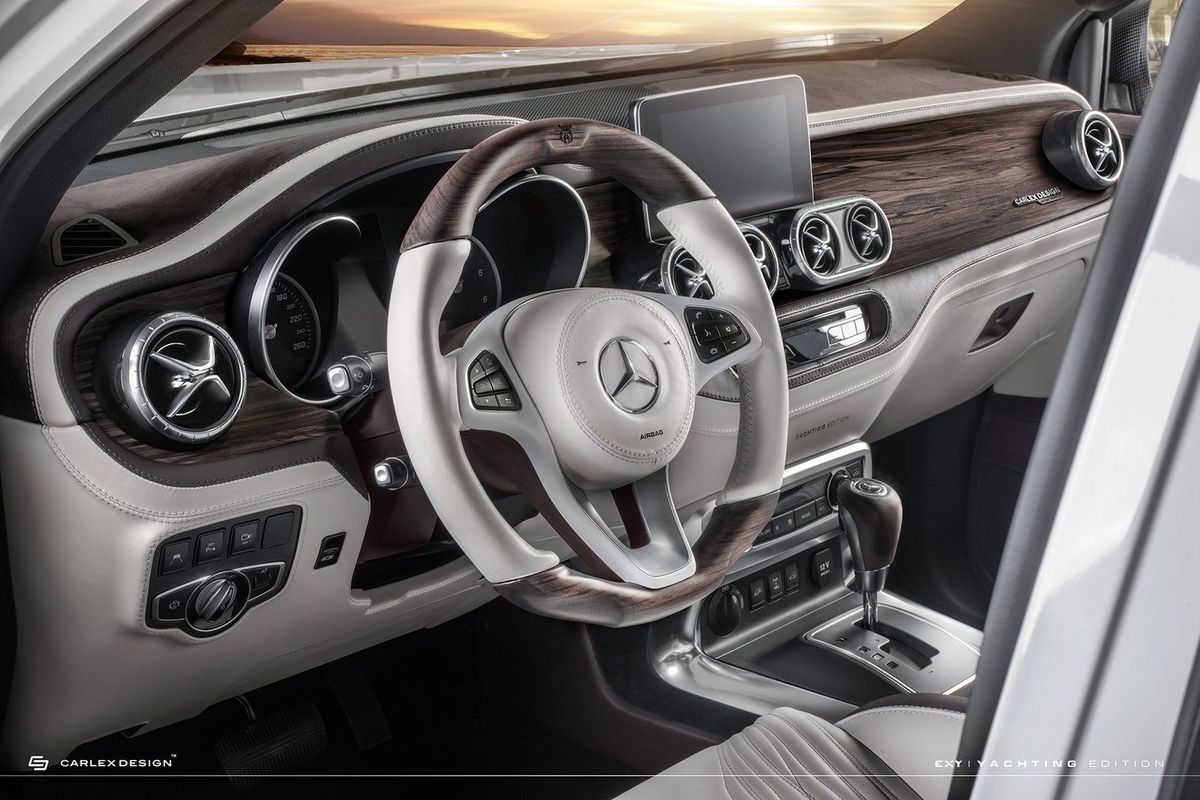
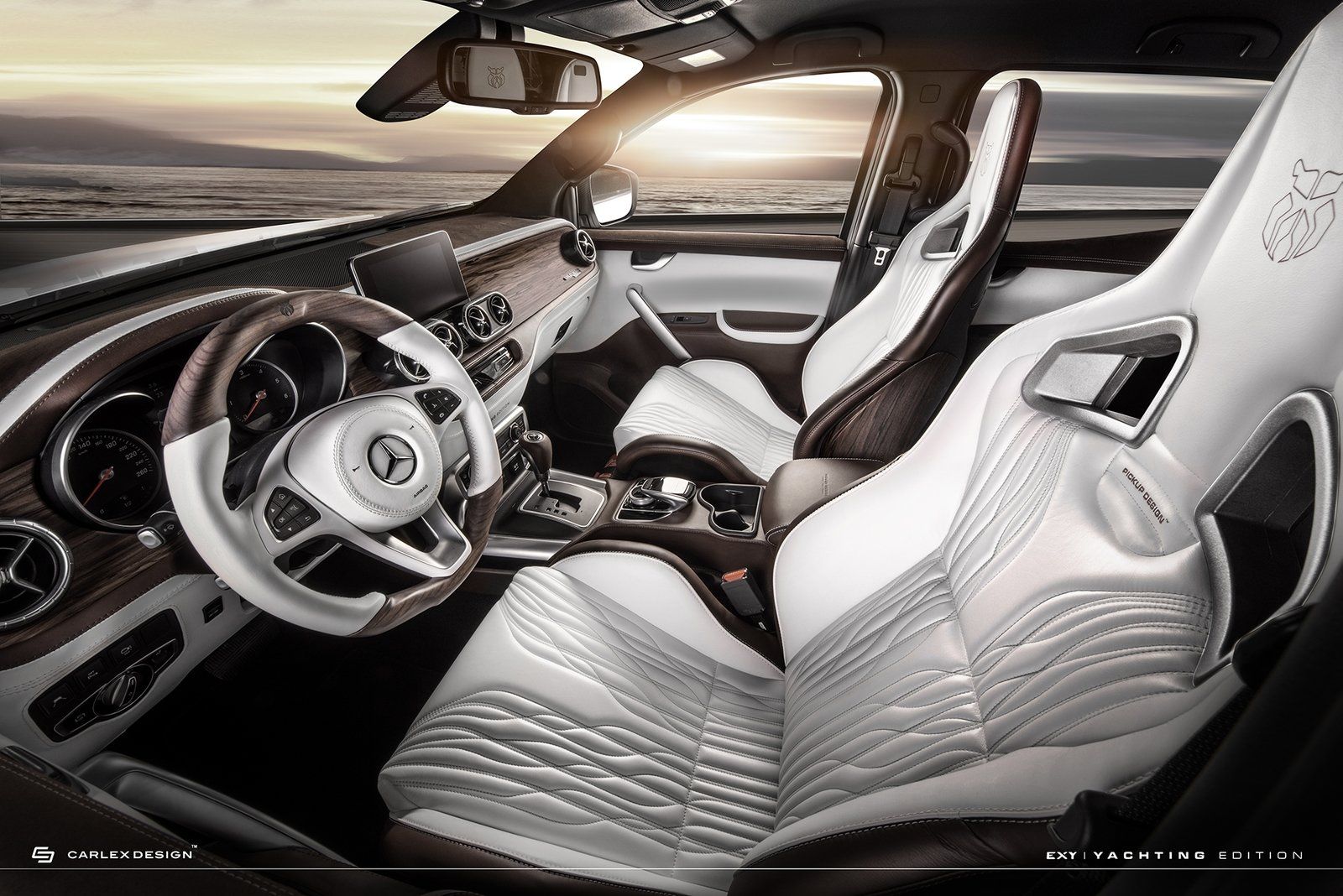
The combination of wood, leather and sporty Recaro seats seems to work well in this X-Class Yachting Edition.

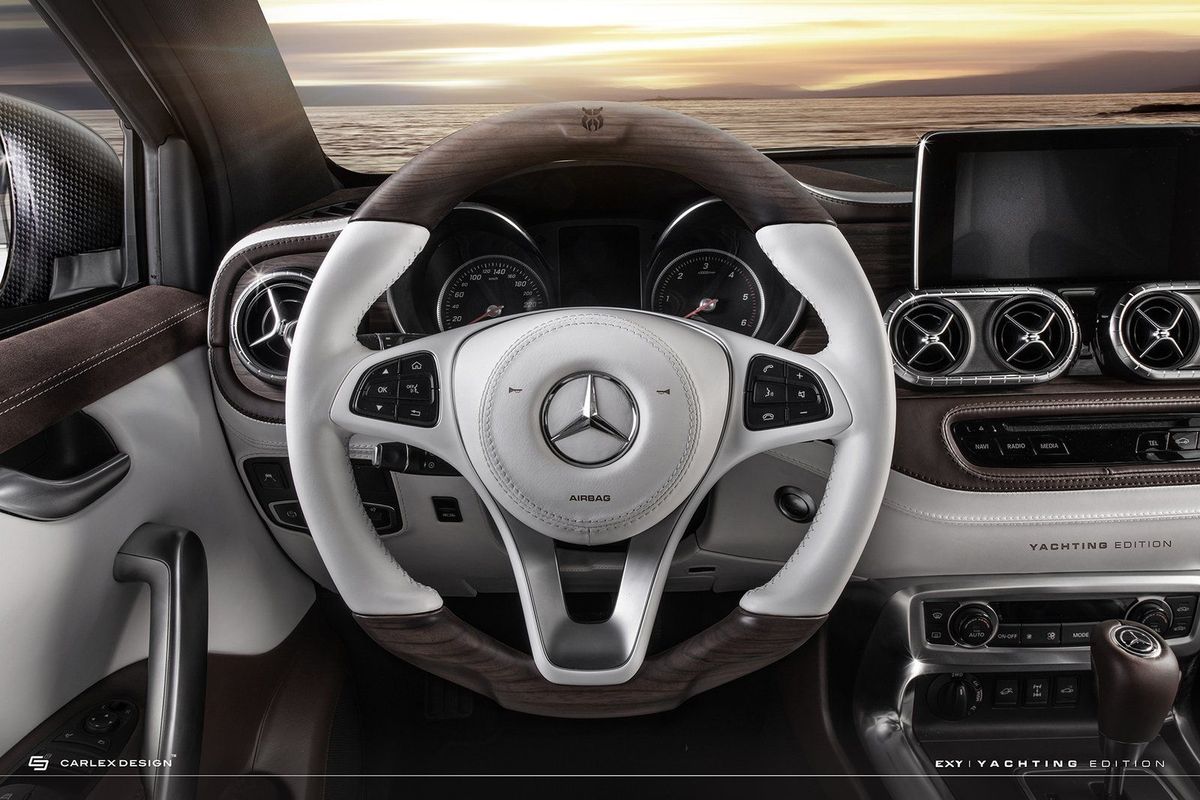
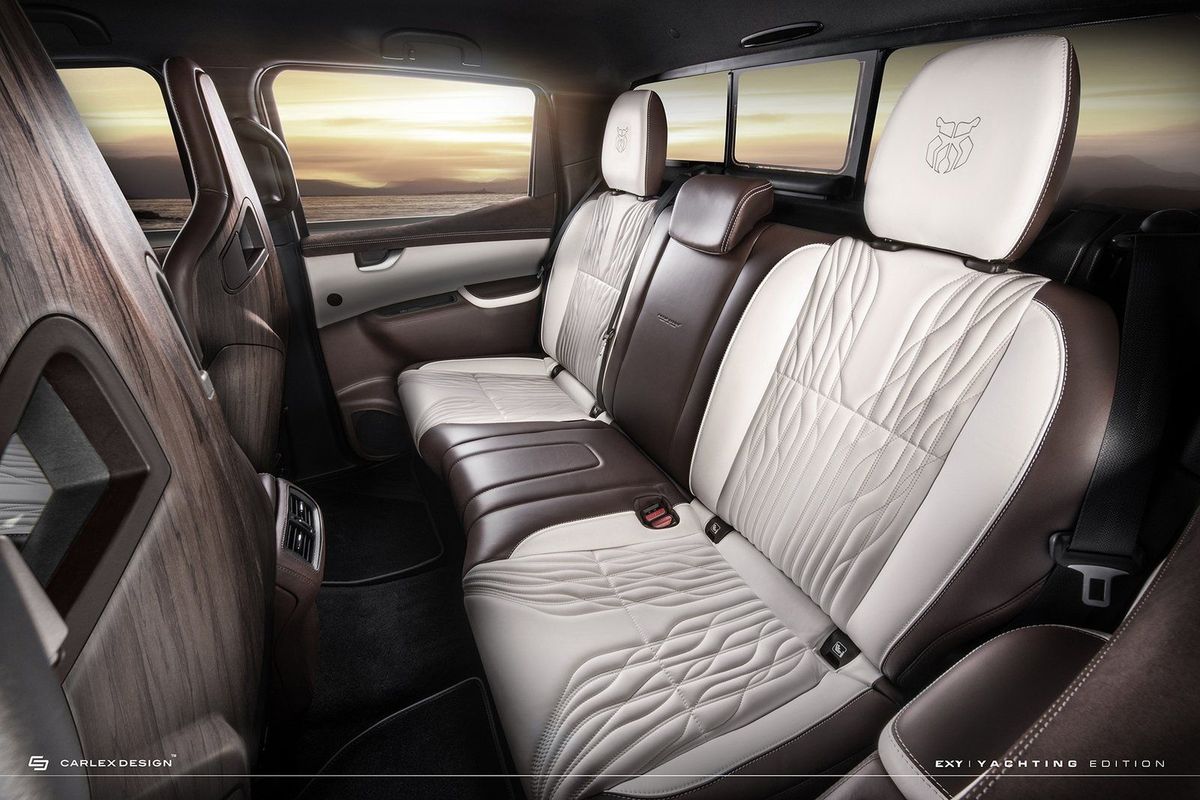
On the inside, Recaro seats give the X-Class a sportier feel while the wood theme is carried over to the dashboard. Leather is used extensively throughout the cabin including the seats and door panels while the headliner is in Alcantara. The steering wheel has been reshaped and laser-engraved emblems are found throughout the cabin.

How much does will the X-Class Yachting Edition treatment set you back? A whopping R1.65 million, which includes the cost of the X-Class, of course.

Buy a new or used Mercedes-Benz X-Class on Cars.co.za

Related Content

Mercedes Benz X-Class (2018) Video Review

Mercedes-Benz X350d 4Matic (2018) International Launch Review

Mercedes-Benz X-Class: Now with Brabus Flavour

Mercedes-Benz X-Class (2018) Launch Review


Jaguar E-Pace vs Volvo XC40 Video Review

These are two of the latest vehicles to tackle the new premium compact SUV segment. Which one does it better? We test out Jag's E-Pace against Volvo's XC40.

In this shootout, Jaguar’s newest SUV takes on the even newer Volvo XC40.

Both cars compete in the compact premium SUV space and cost between R600k and R900k.

The E-Pace is based on the Evoque chassis and weighs in at nearly 2-tonnes.

The Volvo, on the other hand, rides on an all-new platform developed especially for the XC40.

Both are powered by 2.0-litre turbodiesel engines but the Jag is more powerful than the Volvo and claims the performance accolades.

The Swedes have been very clever in packaging the XC40, it’s practical and feels very spacious inside.

The Jag is quite upmarket in its interior and tries to justify its higher price tag with luxury leather and wow factor.

We put the 2 cars head-to-head to decide which one is the better buy.

Related content

Jaguar E-Pace (2018) Video Review

Volvo XC40 T5 AWD R-Design (2018) Review

BMW X2: First Drive in SA

Audi Q2 1.4T FSI Sport S tronic (2017) Review

Mercedes-Benz GLC 300 (2015) Review

Renault Duster (2018) International Launch Review

The Renault Duster SUV has been comprehensively updated, replete with fresh styling and extra kit. Our UK correspondent recently spent some time with the new Duster along the South Hampshire coast…

The Duster compact family car has been produced jointly by Renault and its Romanian subsidiary, Dacia, since 2010. In the UK, it is marketed under the Dacia brand, but in many parts of the world – including South Africa – it bears Renault’s more widely recognised, diamond badge.

Renault introduced the Duster in South Africa in October 2013. Those early models were imported from India, where it is still produced for other right-hand drive markets, but since September 2015, when South Africa received the facelifted Duster, units were imported from Pitesti, Romania.

The 2018 Renault Duster is expected to be introduced to the South African media in the coming weeks/months, at which time the order books for the new model will open to the public. First deliveries can be expected later in the year and into early 2019.

Exterior Styling


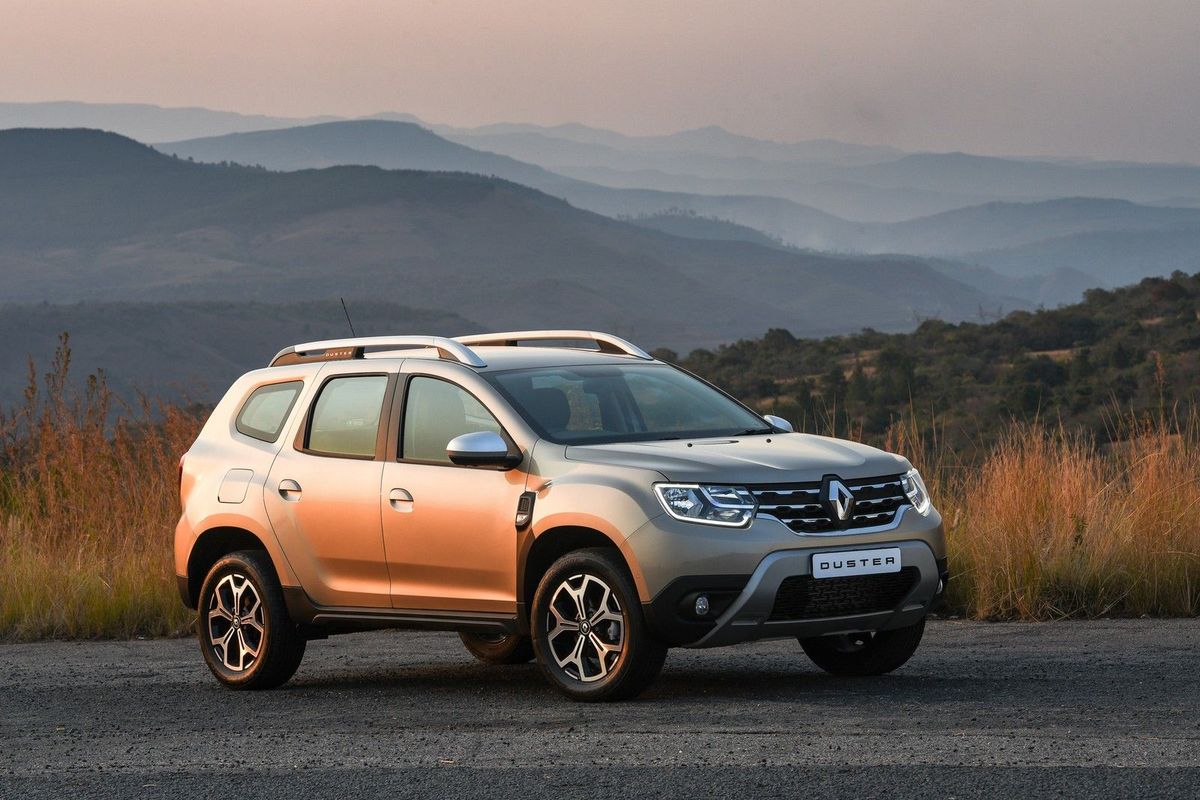
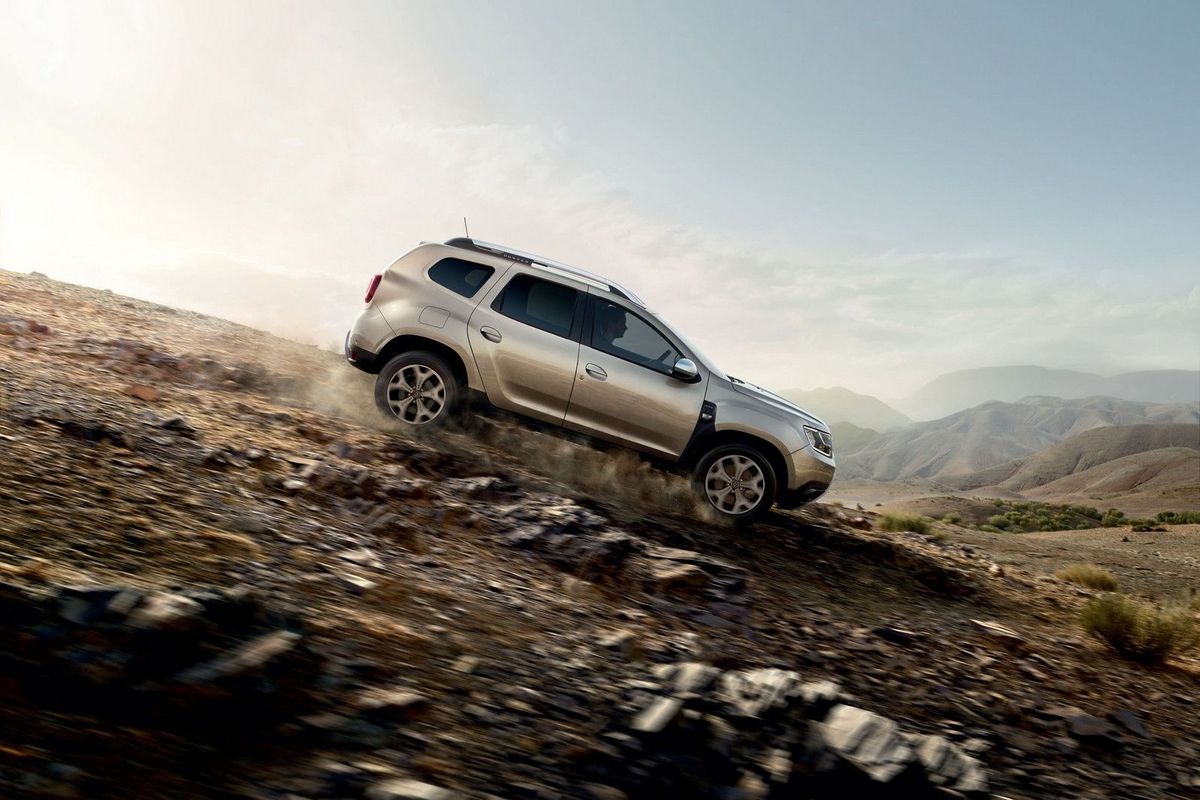
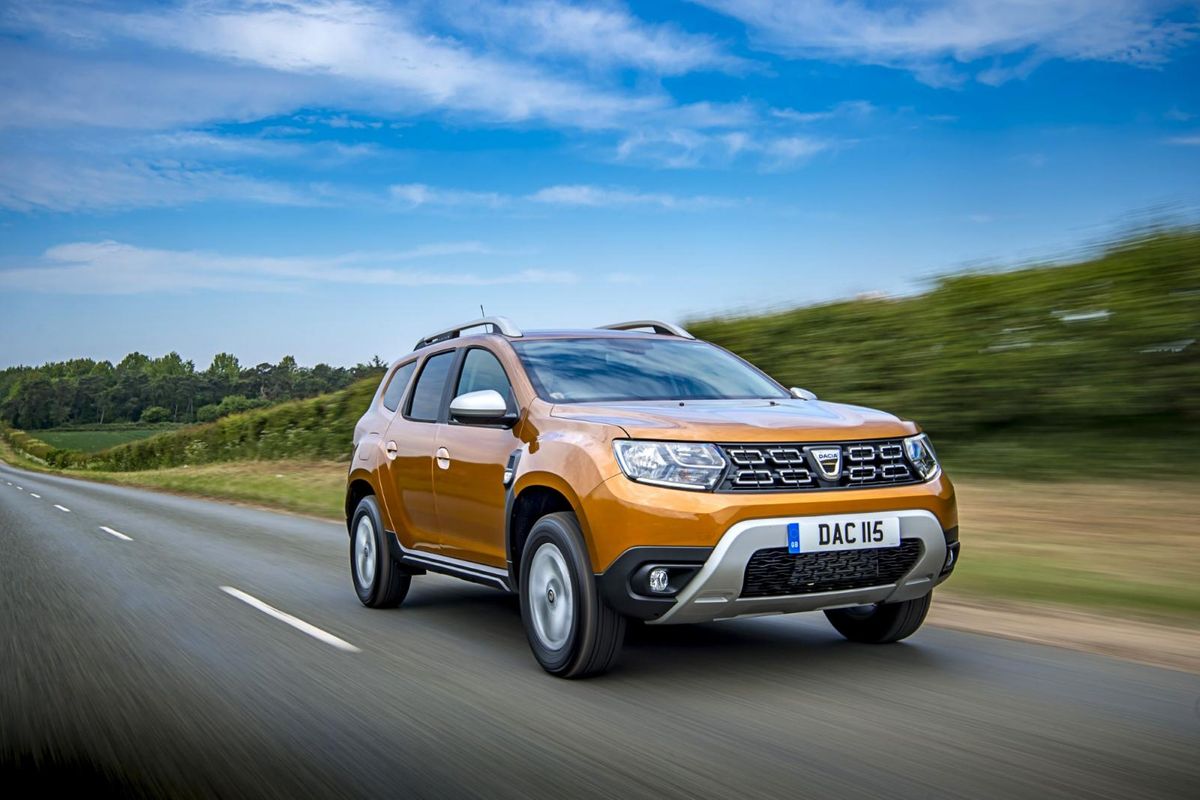
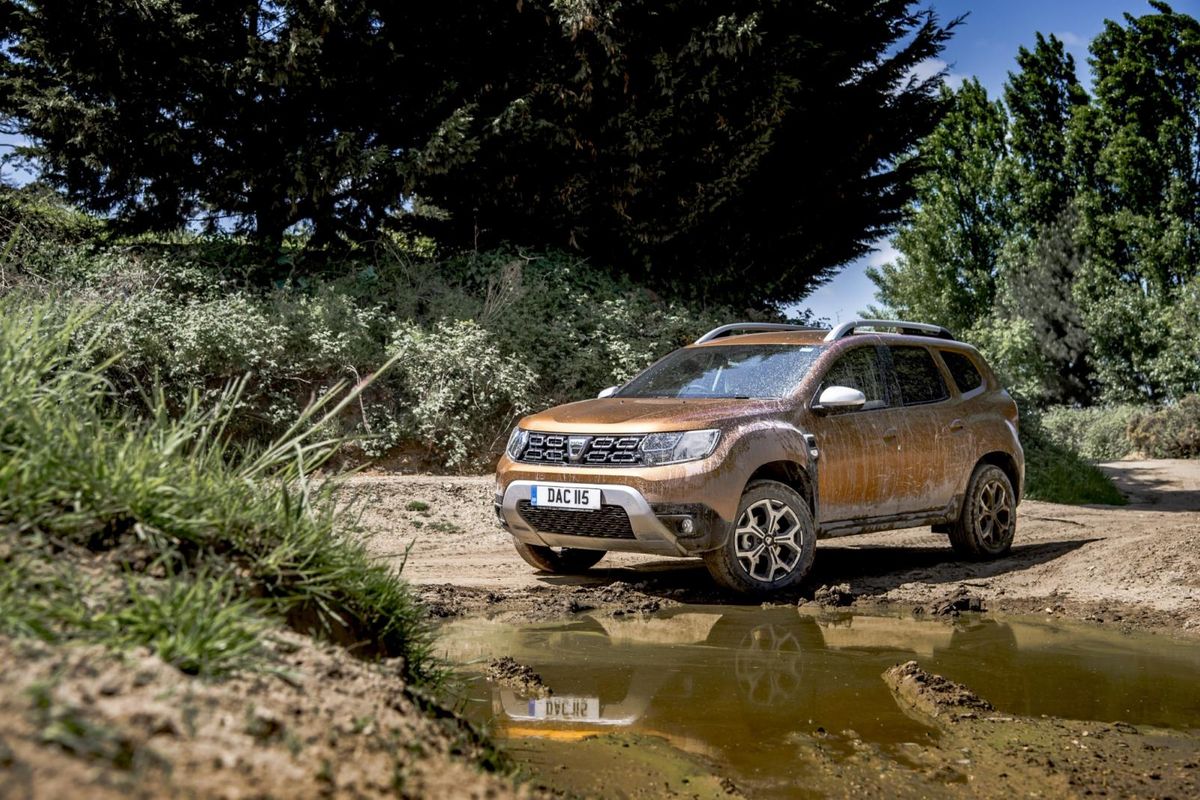
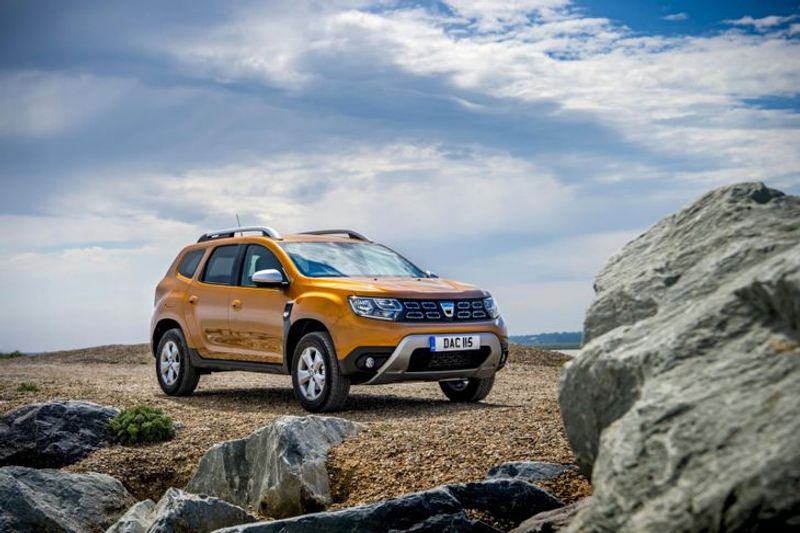
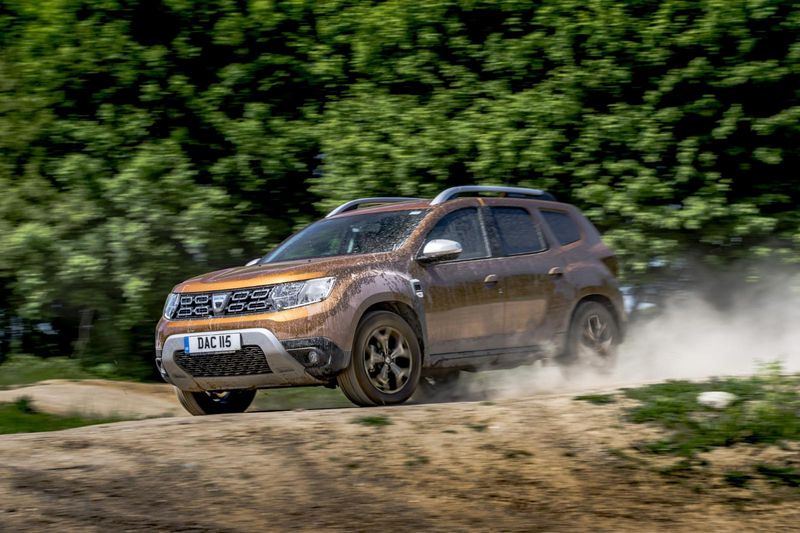
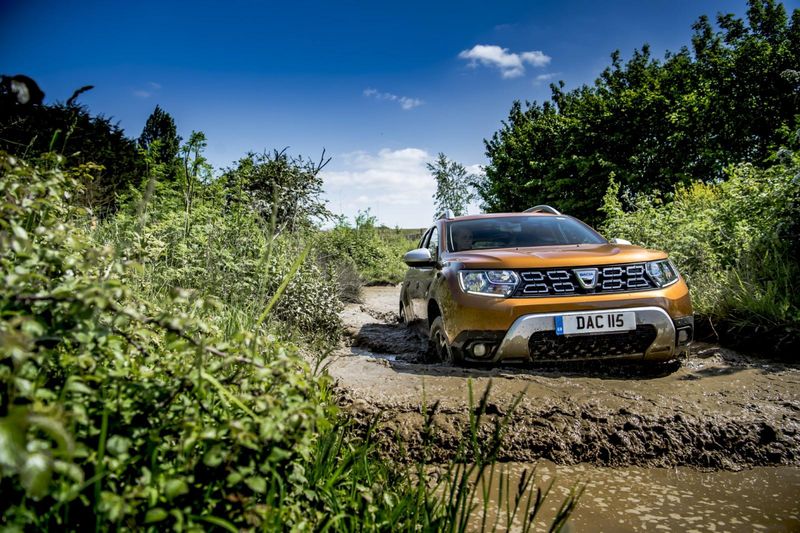
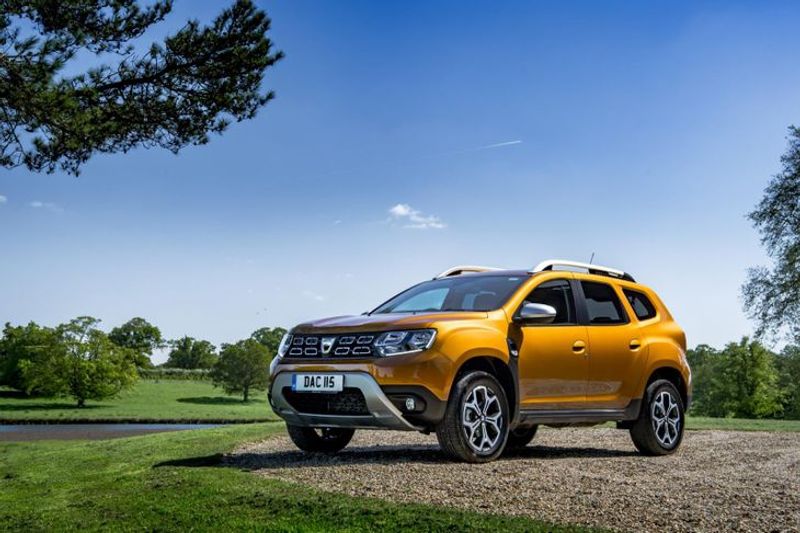
Easily still distinguishable as a Duster, but with distinctive new features, including the front grille.

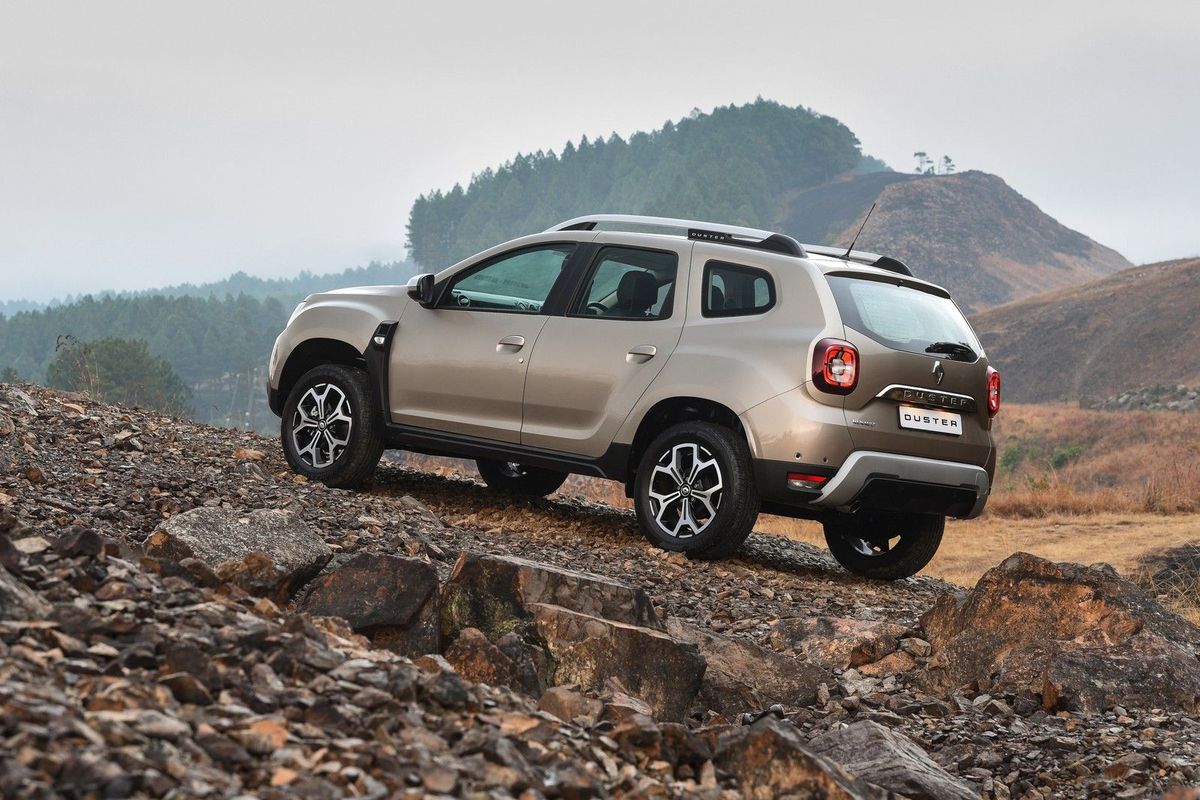
This second-generation 2018 Renault Duster was first revealed at the Frankfurt Motor Show in September 2017 and builds on the notable success of the first iteration. It represents a more evolutionary jump as it rides on the same BO platform as the old car and is near-identical in terms of dimensions. But, according to the brand’s design boss, Laurens van den Acker, each and every body panel is new.

Unlike many rivals in its class, the Duster is not about looking cool or funky. It’s about function and affordability. There is a Tonka-like rugged appeal to the Duster that has helped to earn it something of a cult following despite (what could easily be argued) a rather visually-challenged design.

Entry-level Dusters still have black bumpers and door handles and yes, the dinky 16-inch steel wheels also remain which, oddly, is how many Duster fans think it looks best. Higher spec models do look more up to date, with alloy wheels, and body-coloured bumpers and door handles.

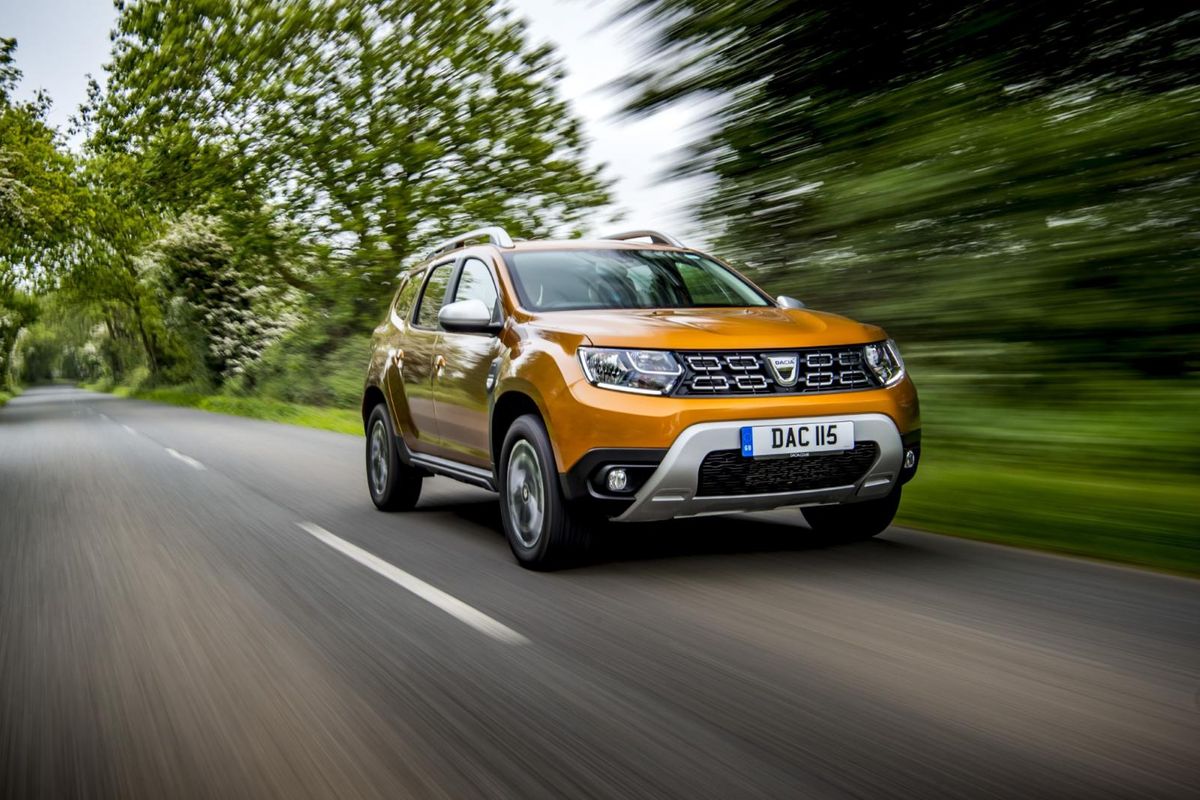
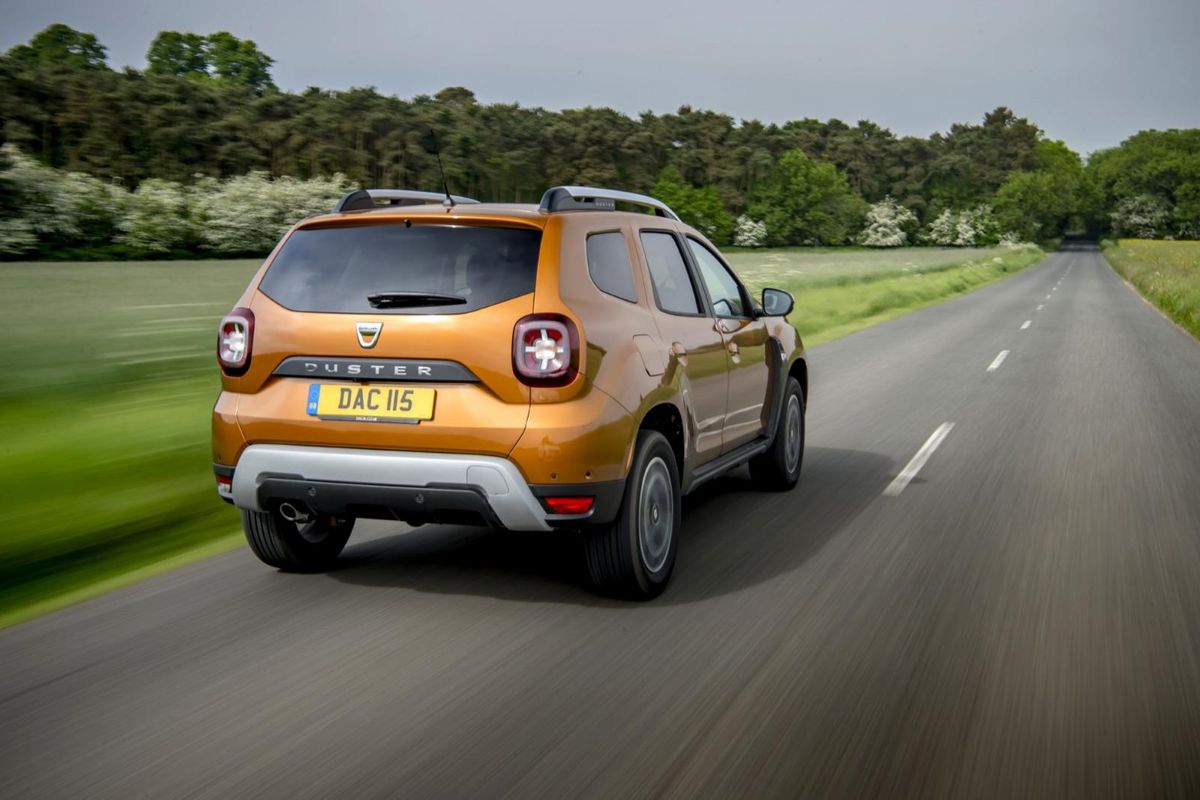
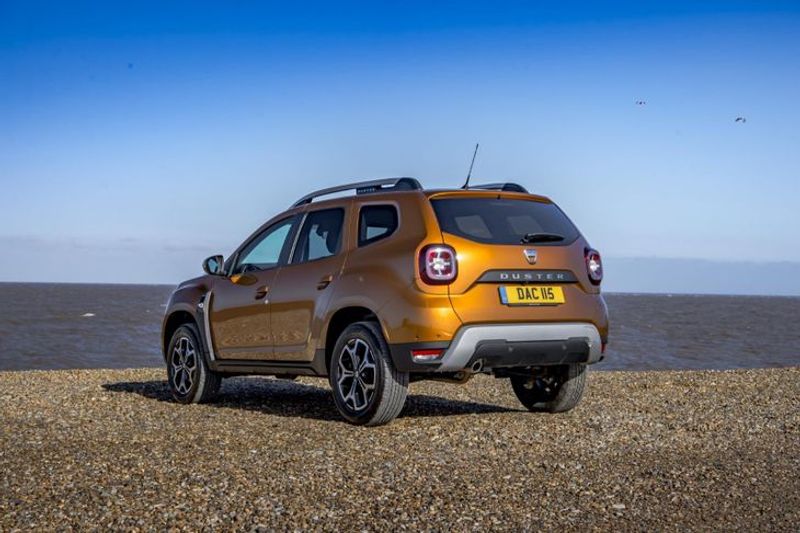
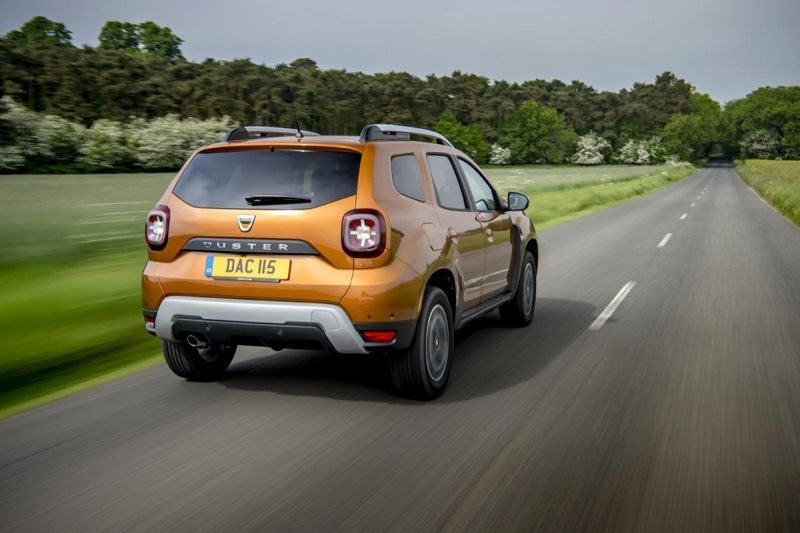
To be honest, the changes are easier to spot than you might think. The new headlights are more widely spaced to better emphasise the width of the vehicle, the bonnet features more contours, while the enlarged 8-oblong grille predominates. The old front and rear silver scuff plates have been replaced by ‘skid skis’ instead, the doors are longer and the waist of the vehicle has been raised. At the rear are new square light clusters in a tailgate that’s reminiscent of the old one, but once again, completely different in size, shape and placement of certain features.


The Duster still rides on the same platform, but has had a full redesign. 

That vertical strip of black plastic under the A-pillar is a necessary design ploy because fashioning that stepped trailing edge to the bulging front arch was impossible in metal, certainly in the space given from the wheel housing to the leading edge of the front door… Renault did toy with painting the resulting plastic insert in body colours, but decided it looked good in contrast black. Finally, the largest wheel size you can now have on a Duster is a set of 17-inch alloys, whereas 16-inch items were the max on the old car.

There’s no question the new Duster looks better than its predecessor from every angle. It appears fresh, better proportioned and more contemporary. What matters is that people will instantly recognize it as a Duster, which is praise indeed for the design team.

The Interior

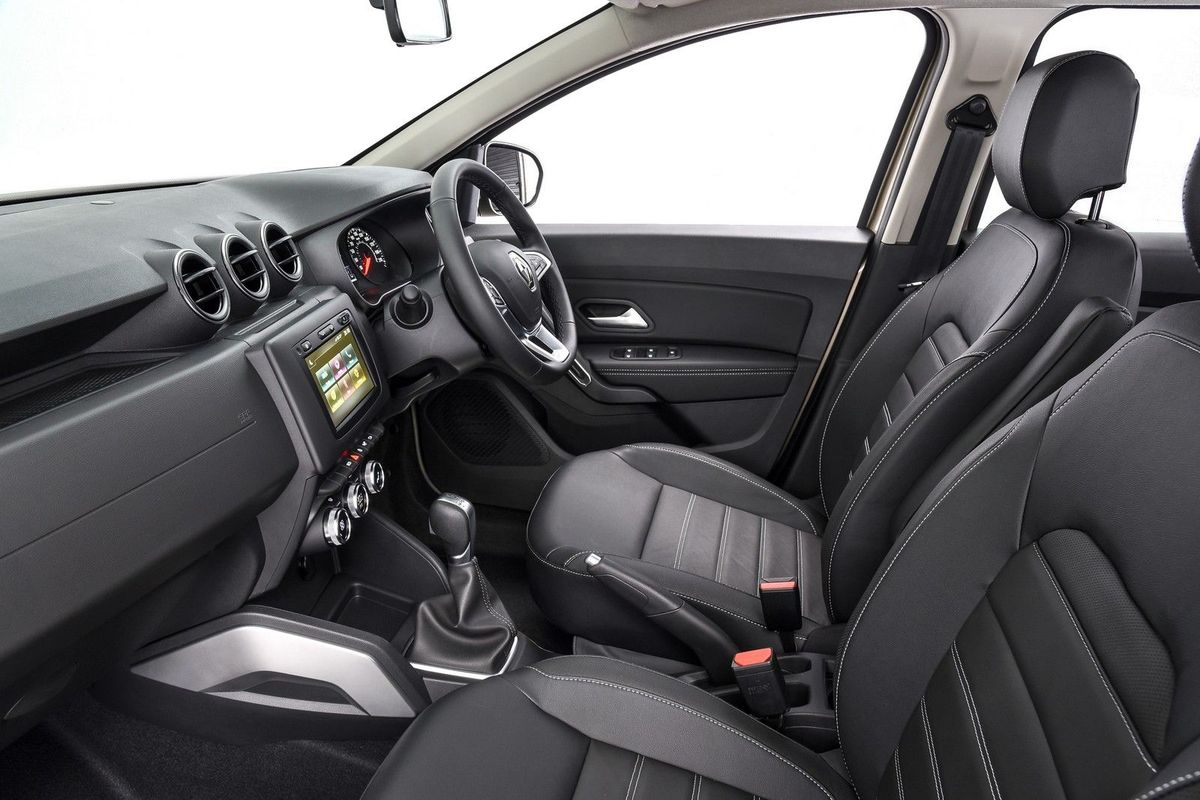
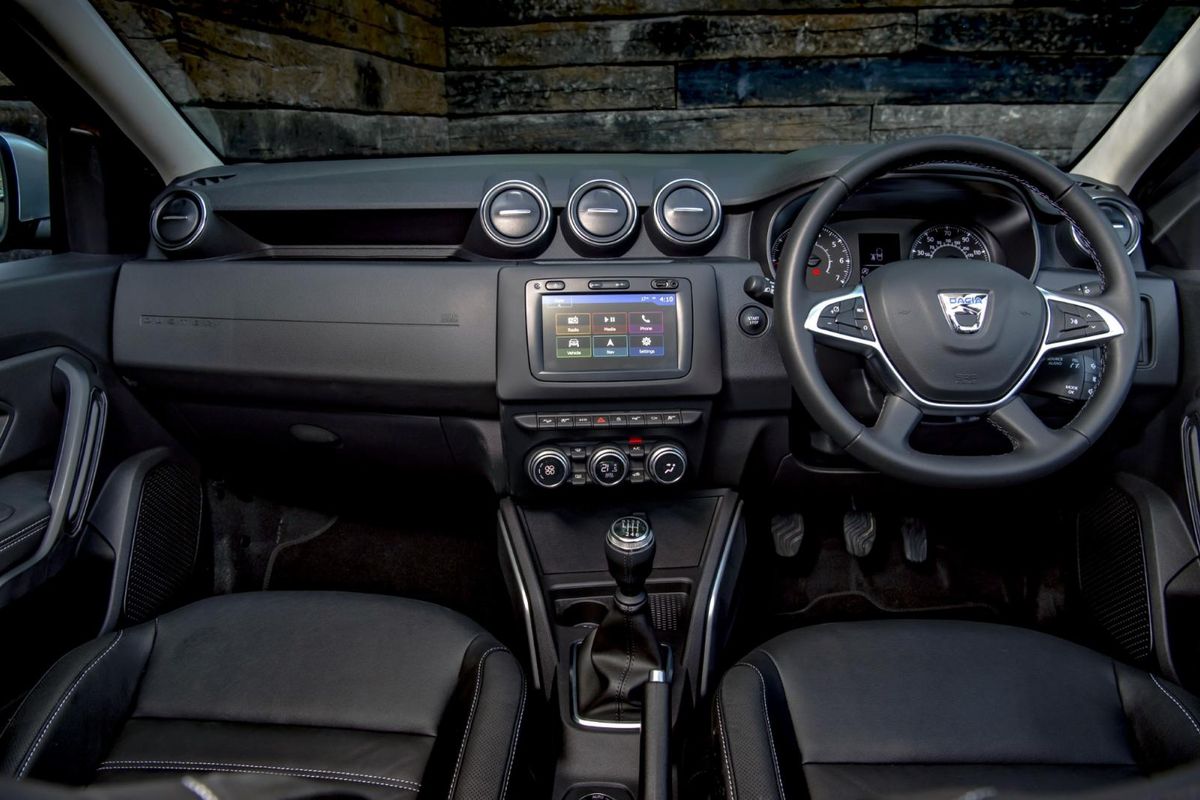
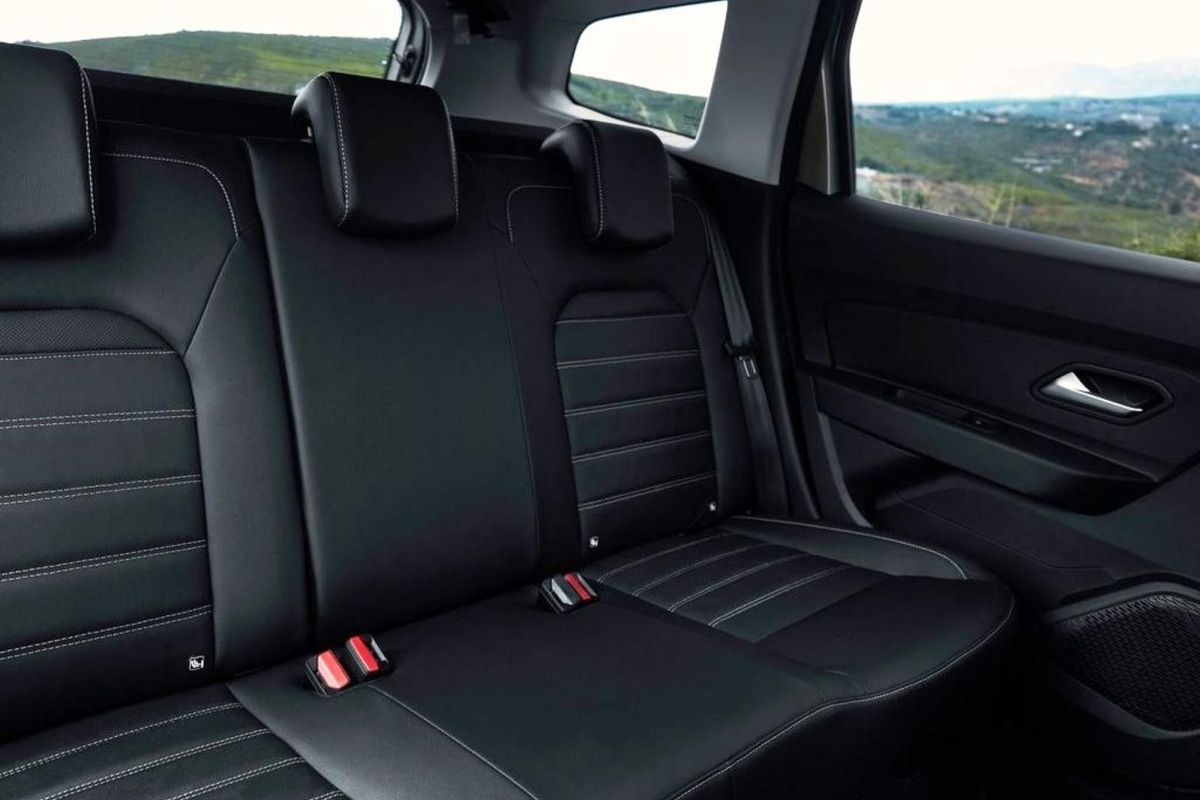
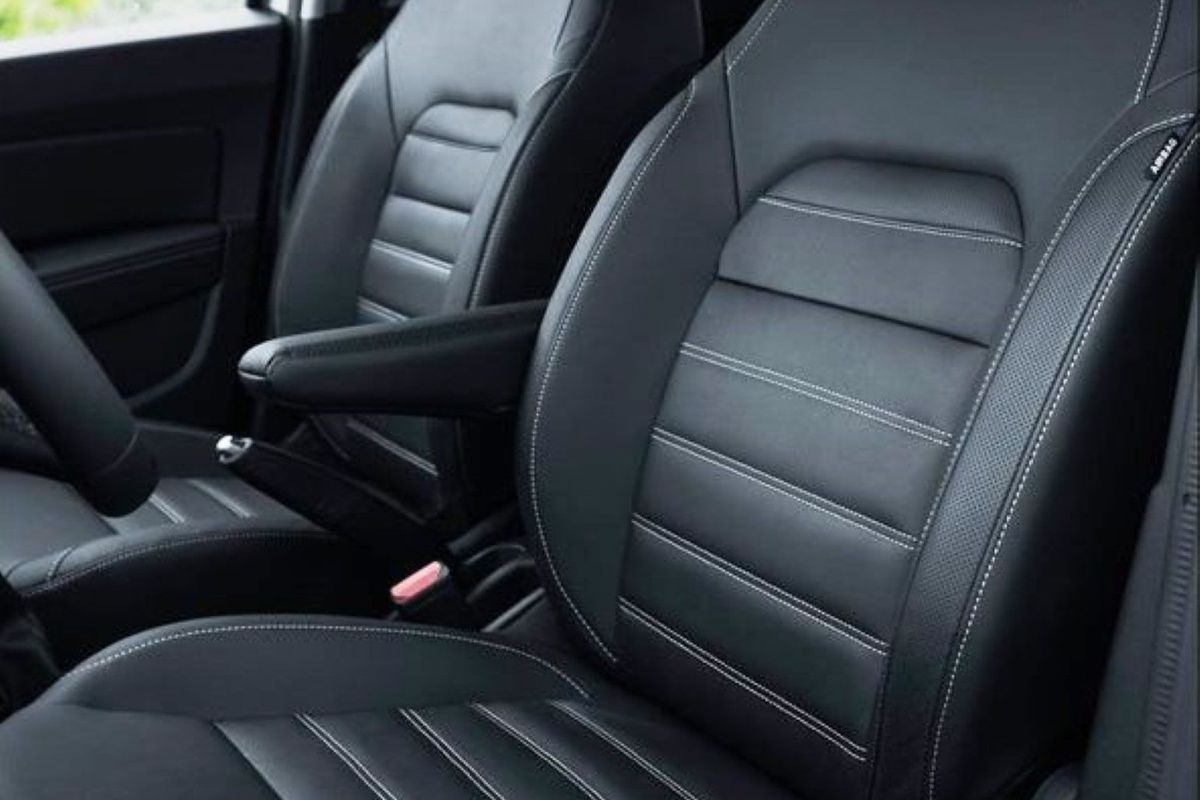
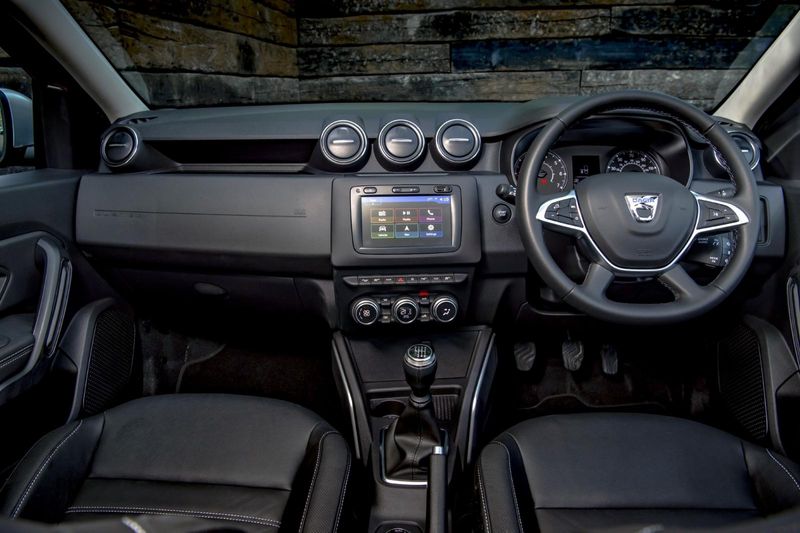
Inside, the Renault Duster has received a much-needed makeover in terms of comfort and styling. The SUV has come a long way since it was first introduced and its interior reflects this: the quality of materials still feels hard-wearing, if not particularly luxurious, but build quality has evidently improved. The Duster’s seats are more comfortable than before, offering better support, extra padding and more adjustability.


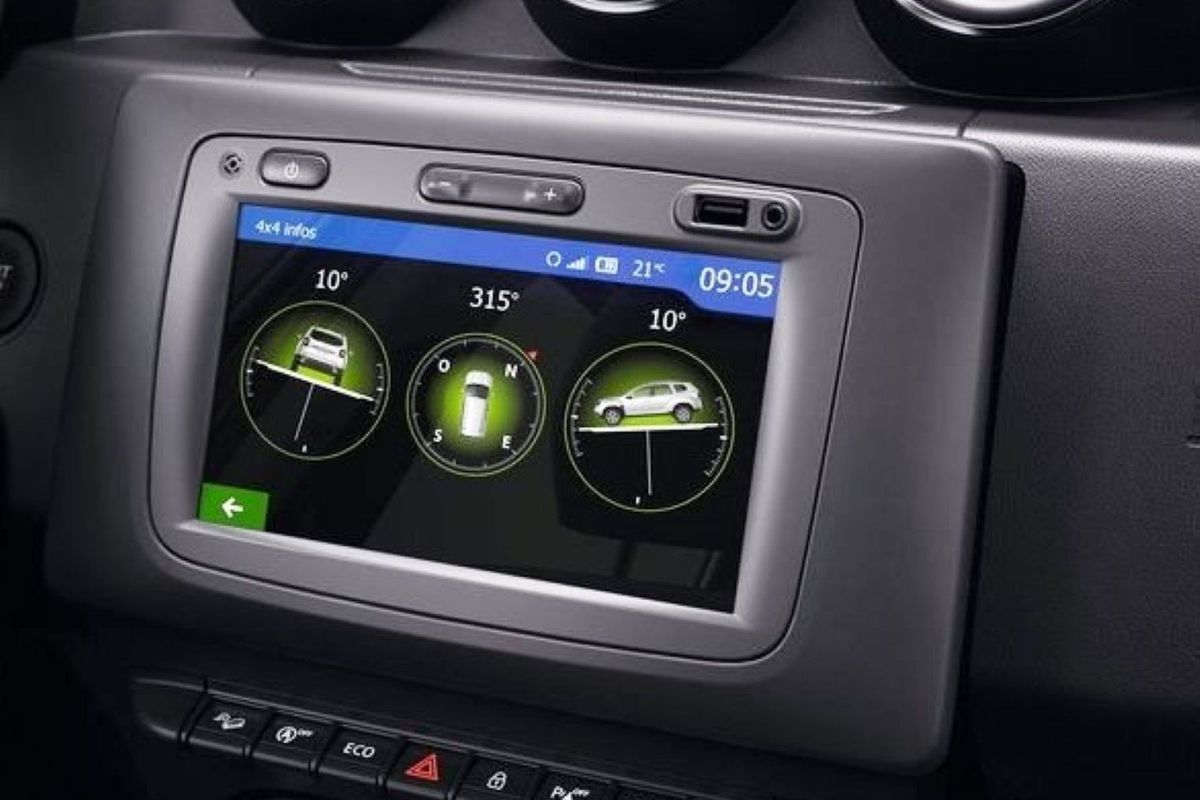
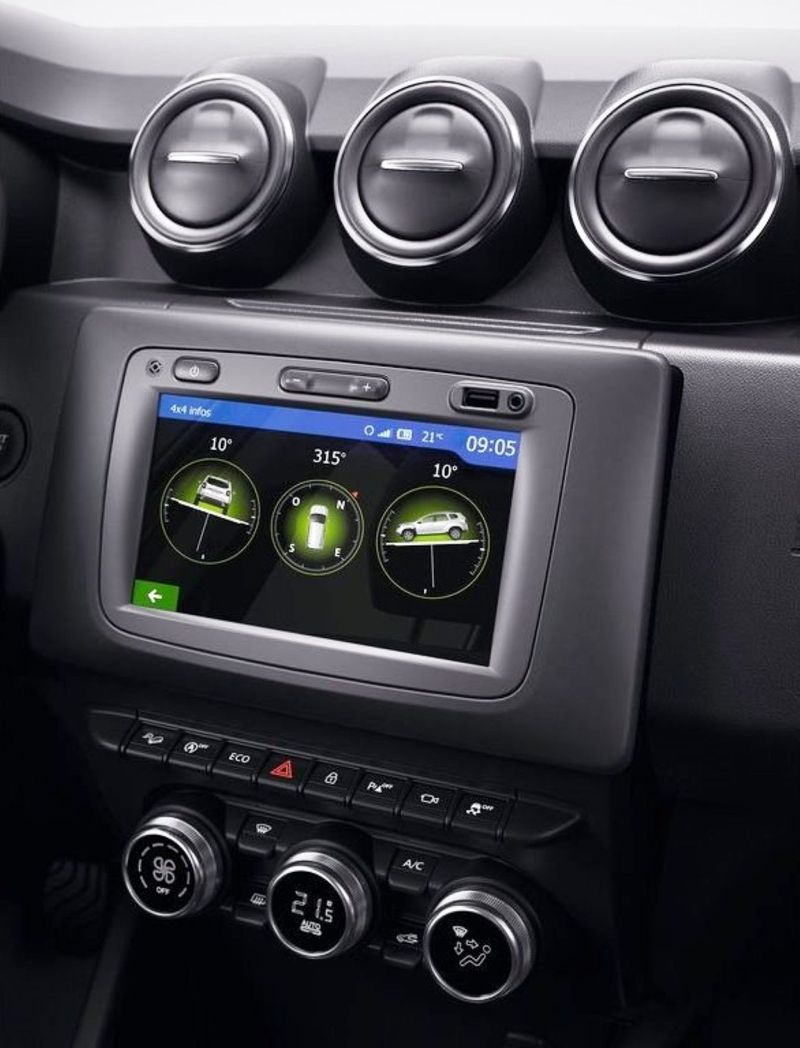
The infotainment system sits much higher in the cabin now. Before you had to look down in the cabin to use it.

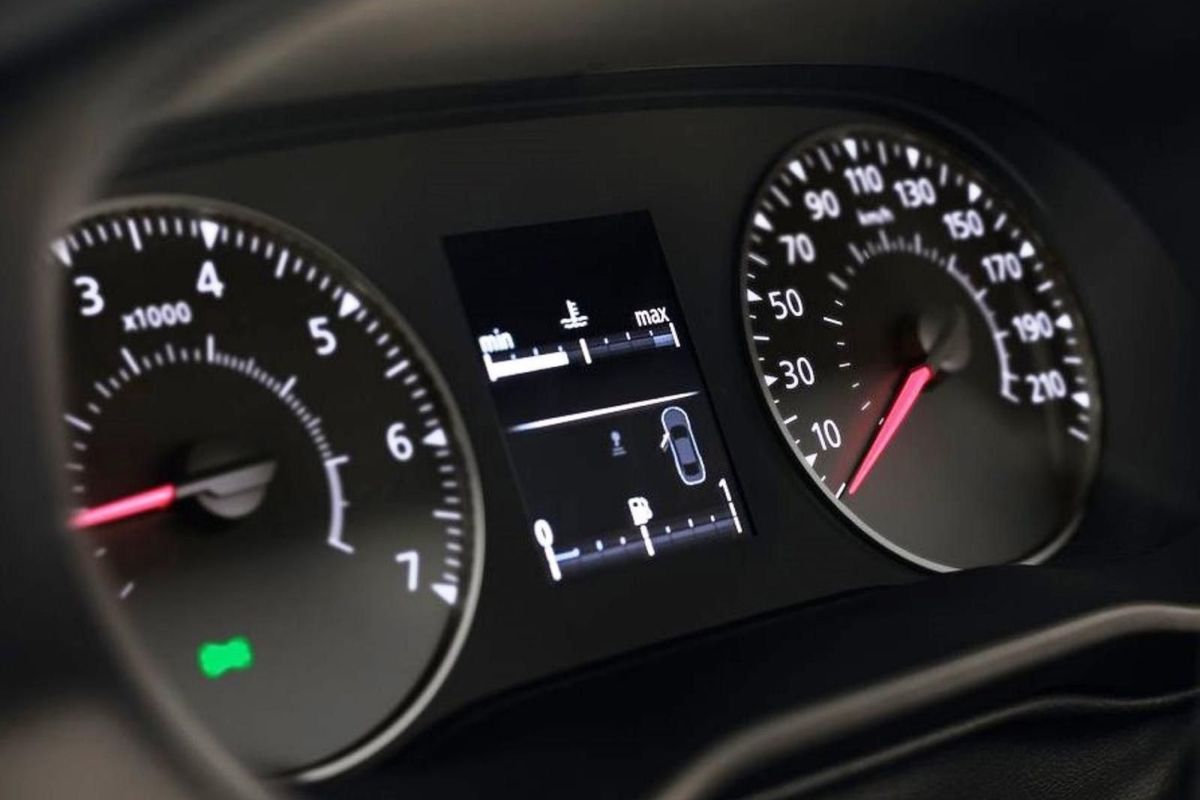
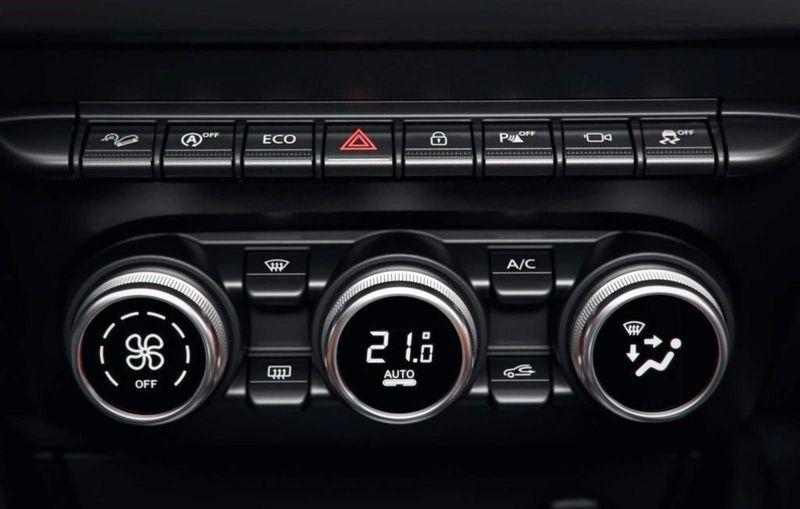
Renault has wisely invested in a much-needed all-new dashboard for this new Duster, which incorporates a higher-mounted infotainment screen, “piano-type” buttons and better-quality materials. It’s not the most exciting design, but makes up for its plain appearance with a reassuringly solid feel. The conventional dials behind the steering wheel are easy to read, while all of the controls are within easy reach.

Increasing the sound-absorbing surfaces in the cabin and engine compartment from 20 to 50 per cent, improved sealants and plugs and using 0.35-mm thicker glass for the front windows has just about halved cabin noise.


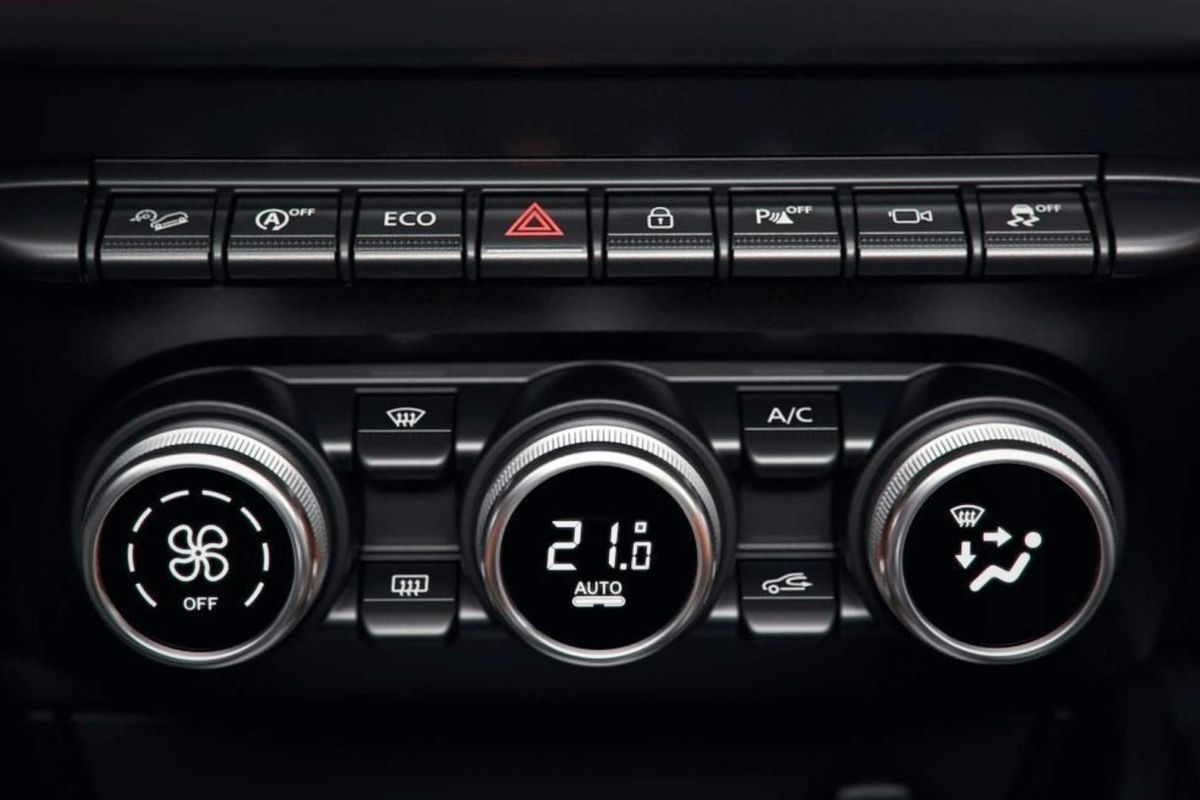
Cabin controls are more modern and carry more features than before. It still lacks phone connectivity apps from Apple and Android, however.

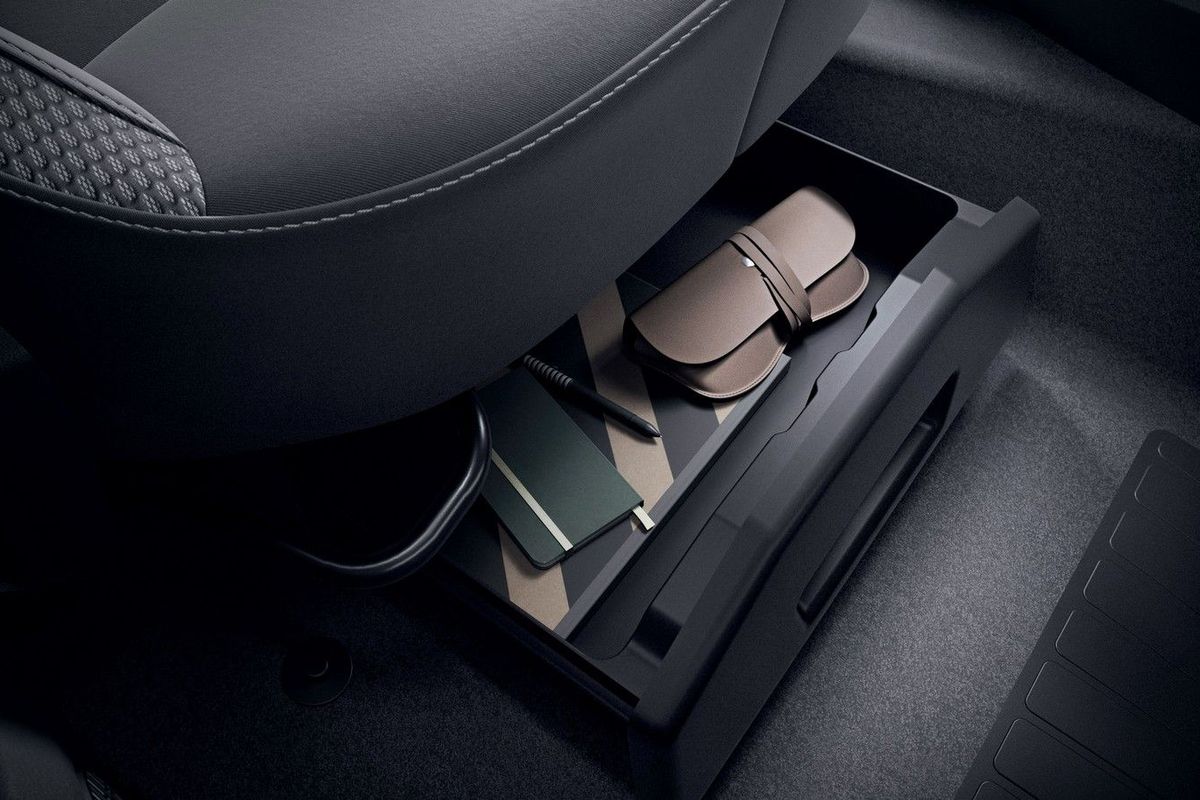
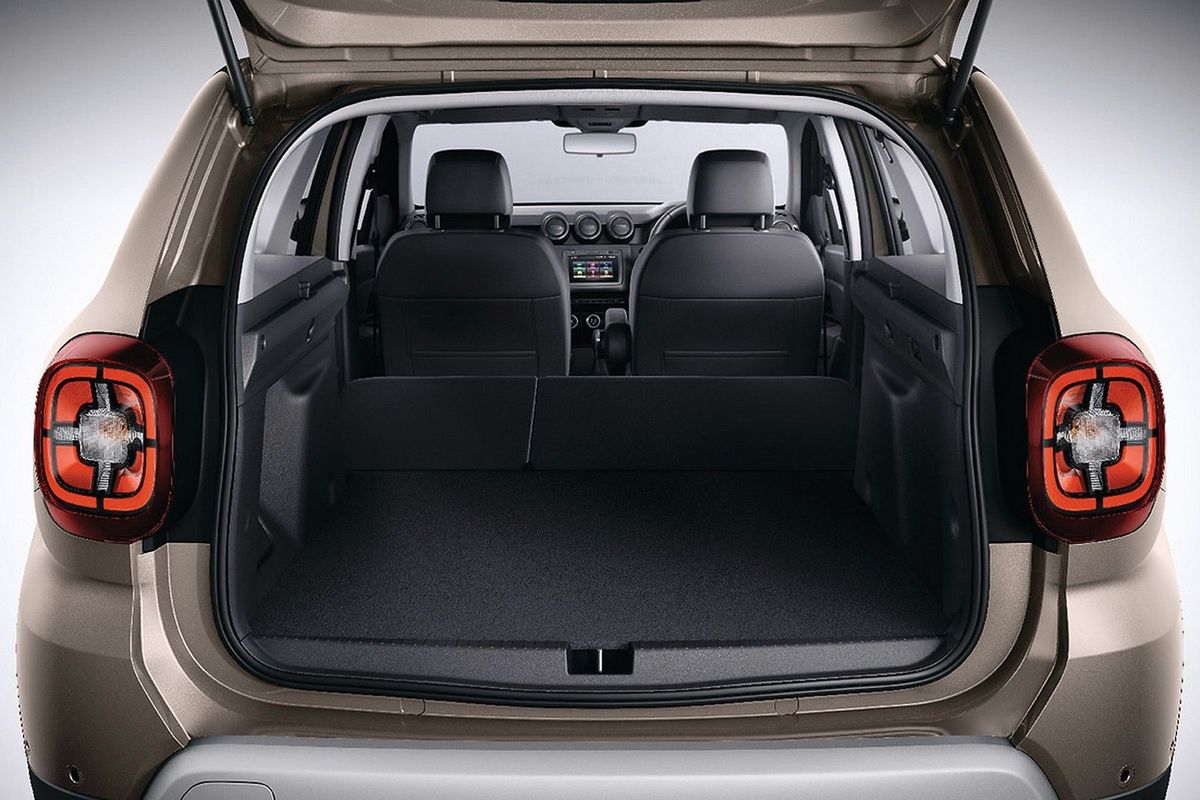
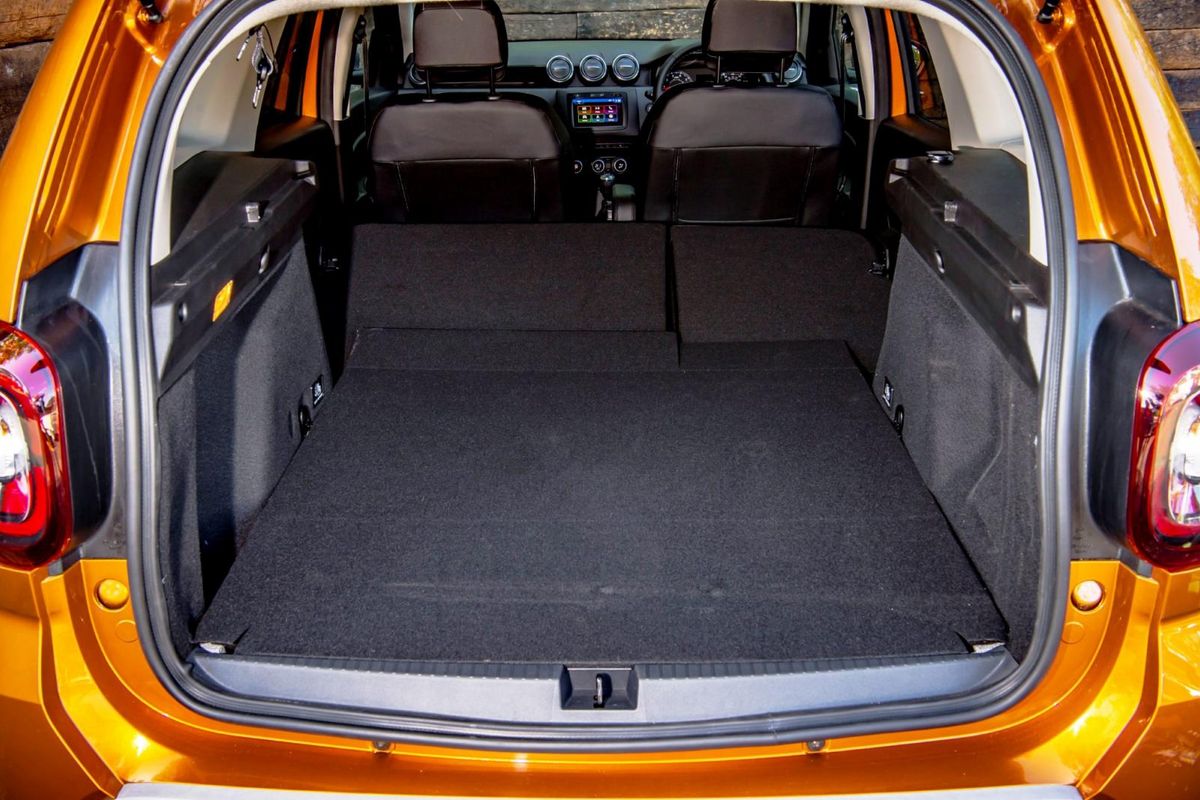
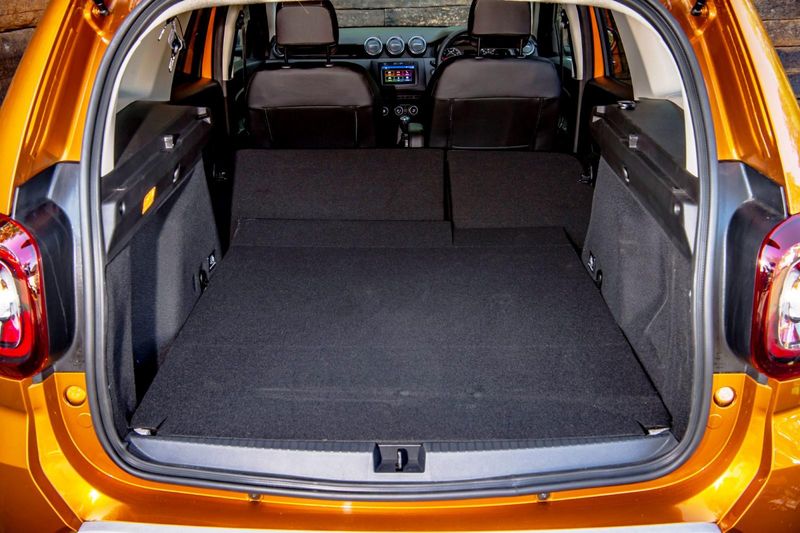
Cabin storage for your daily detritus is now 28.6 litres, while load compartment capacity remains 445 litres for the 2WD and 376 litres for the 4WD.

What’s more, the new Duster now has a much-improved electric power steering setup that reduces the effort required to turn the wheel by 35%, which is particularly useful when parking.

Audio, Infotainment and Navigation

The UK’s entry-level Access model doesn’t even have a radio – just some wiring and a slot to fit an after-market unit of your choice – so there are minimal controls with which to acquaint yourself. Mid-spec cars gain a user-friendly Bluetooth system and a radio that’s linked to remote controls mounted on the steering column. There are also USB and auxiliary audio sockets for media players, but these are mounted within the stereo on the centre console, meaning wires are left dangling inconveniently.


The infotainment system feels a little old compared to modern competitors but navigation is standard.

Higher-spec Comfort trim has an onboard computer that displays useful information, including average fuel consumption and range and you can also specify the optional 7-inch touchscreen navigation system. This feels quite old-fashioned next to the best systems out there, both in terms of graphics and usability.

You can’t specify Apple CarPlay or Android Auto, but given that navigation is standard if you add the touchscreen (in the UK), then it’s not such a drastic issue. Ultimately, the Renault Duster remains behind the times when it comes to Smartphone connectivity and infotainment standards.

There should be no reason why Renault South Africa would move away from the trim line-up of Expression and Dynamique. They are familiar trims deployed throughout the local Renault range and customers by and large know what to expect from each of them. However, Renault SA wasn’t forthcoming on trims and respective specifications of the 2nd-generation Duster at the time of writing.

Engines and Drivetrains

In the UK (as is in South Africa), the new Duster is available with two 4-cylinder engines: a 1.6-litre naturally-aspirated petrol and a 1.5-litre turbo-diesel. Both offer a practical 85 kW, with the petrol rated at 156 Nm (at 4 000 rpm) and the diesel 260 Nm of torque (from just 1 750 rpm).


The same engines are carried over from the previous generation, which some may find a little disappointing. 

The petrol unit is rather lacklustre off the mark and hangs onto the revs between gear shifts, so it has a tendency to make you feel like a clumsy driver when shifting gears, especially when changing between 1st and 2nd. Outright performance is acceptable, but the engine builds revs quite slowly compared with more up-to-date turbocharged engines.

For those who do more miles, the more durable and reasonably thrifty 1.5-litre turbodiesel is a better bet. It pulls strongly, so you’ll have no problem accelerating up to motorway speeds and it feels relaxed once settled in top gear.

A 5-speed manual gearbox is standard on the petrol two-wheel-drive version, with a 6-speed manual ’box standard on all other derivatives. There’s an option of a 6-speed (dual-clutch) auto ’box, but only for the 2WD diesel.


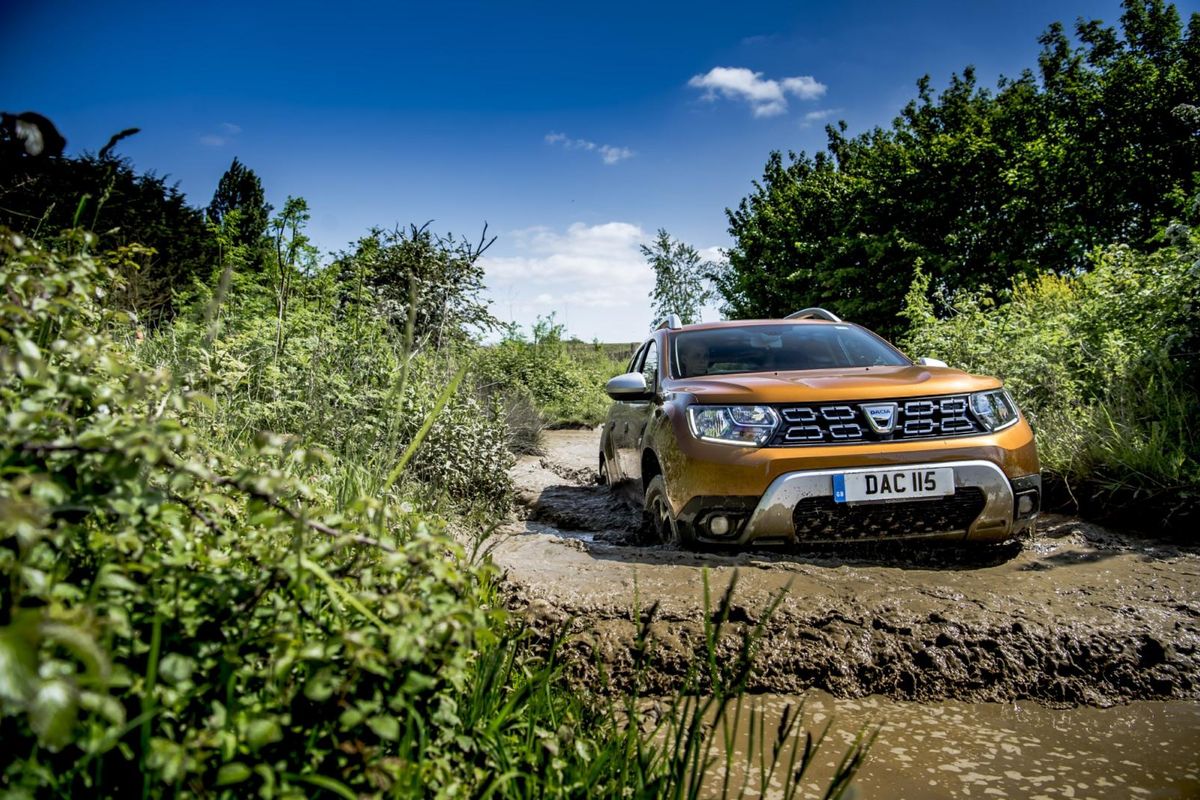
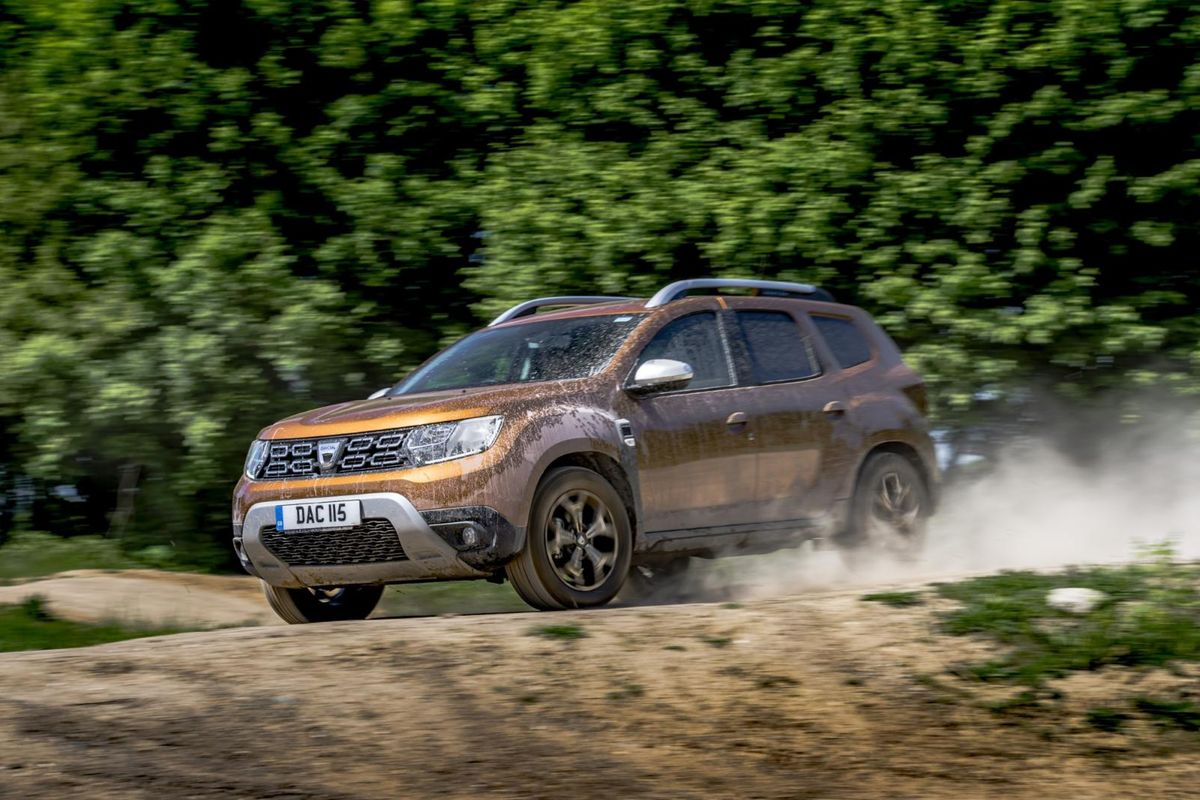
As an affordable off-roader, the Duster excels with good levels of spec and a capable, simple drivetrain setup.

To be honest, I would expect no change to the current engine and transmission line-up for the new SA-bound Renault Duster, but Renault SA has yet to confirm any technical details. Both here in the UK (as it is in South Africa), the 2WD manual diesel derivative proves to be the most popular pick of the line-up thanks to its keen pricing and increasing level of reliability since its introduction.

Ride and Handling

Renault has done a great job of adding sound deadening on the still budget-oriented Duster. Consequently, the newcomer feels far more refined on the road than you’d expect for such an inexpensive car, with not much engine noise from the 1.6-litre petrol and little wind noise on the go.

Work the petrol engine hard – as you must to summon-up strong acceleration from this motor, especially as it only has a quintet of gears – and it is quite loud, though this is nothing out of the ordinary and perfectly acceptable considering the Duster’s price tag.

On the road, the Duster is a rather stodgy-feeling car to drive. The steering is reasonably weighted, but has a rather rubbery feel as you turn into corners. It doesn’t encourage any kind of spirited driving.


Renault has improved the ride quality and cabin insulation considerably with the new model.

Predictably, there’s lots of body roll from the soft suspension, but to be honest the Duster is the sort of car that encourages controlled progress anyway. Ride comfort settles at higher speeds, but the Duster bumps and shudders over sharp-edged potholes and rutted surfaces.

Unless you regularly tackle muddy fields or spend much of time traipsing across the Drakensberg, a front-wheel-drive Duster will suffice. The raised ride height in a boon when dealing with rural tracks or awkward driveways and in terms of on-road stability, you won’t notice much difference.

Ultimately, the Duster remains an oddly charming car to drive thanks largely to its honesty and fuss-free technical setup. However, some may find it a bit wearing to drive on longer journeys.

Safety

The lack of basic safety kit on the current South African Duster has clearly been the car’s weakness and would undoubtedly have contributed to a decline in local Duster sales over the past couple of years.


The duster packs a 445-litre boot in 2wd guise and 376 litres in 4wd spec.

Thanks to rigid legal safety laws here in the UK, Dacia has addressed the issue of active and passive safety head-on. Standard features include ABS and Emergency Brake Assist, ESC/ASR (electronic stability control and traction control), driver’s airbag, passenger airbag with deactivation function, front side airbags, front seatbelt pre-tensioners, Isofix child seat anchor points, child locks in rear doors and a tyre pressure warning light.

Quite how much of that will make its way into the South African-bound Renault Dusters at range-entry point remains to be seen. Again, Renault South Africa is keeping schtum and no details have been made available to us here at Cars.co.za.

Summary


The new Duster persists with its no fuss, value for money off-roader ethos. Hopefully, local pricing remains in tune with that.

The current Renault Duster continues to sell around 150 units a month in South Africa as it draws towards the end of its current lifecycle; in its heyday, the Duster enjoyed monthly sales of around twice that number. Active and passive safety kit shortfalls are largely to blame as competitors continue to enhance their safety offerings – mostly due to market-driven concerns.

However, this new, much more cheerful Duster is expected to re-energise demand. It’s more refined, visibly better built and can easily hold its own against pricier rivals such as the Renault Captur and Nissan Juke – just don’t expect quite the same level of polish – you get what you pay for.

Despite its bargain-basement price, the 2018 Renault Duster makes for perfectly comfortable everyday transport. Hopefully, when Renault introduces the new Duster later this year, the French marque will be able to keep pricing as keen as it is: in an around the R300k mark.

Related content

New Renault Duster Coming in 2018

Renault Duster 1.5 dCi Dynamique EDC (2017) Quick Review

Nissan Kicks [2018] First Drive

5 Budget-Friendly Low Range Off-Roaders

Searching for a used Renault Duster?

Start your search here

Mercedes-Benz X-Class: Now with Brabus Flavour

The Mercedes-Benz X-Class V6 is on its way to South Africa, but what if you're wanting something different and unique? Introducing the Brabus X-Class!

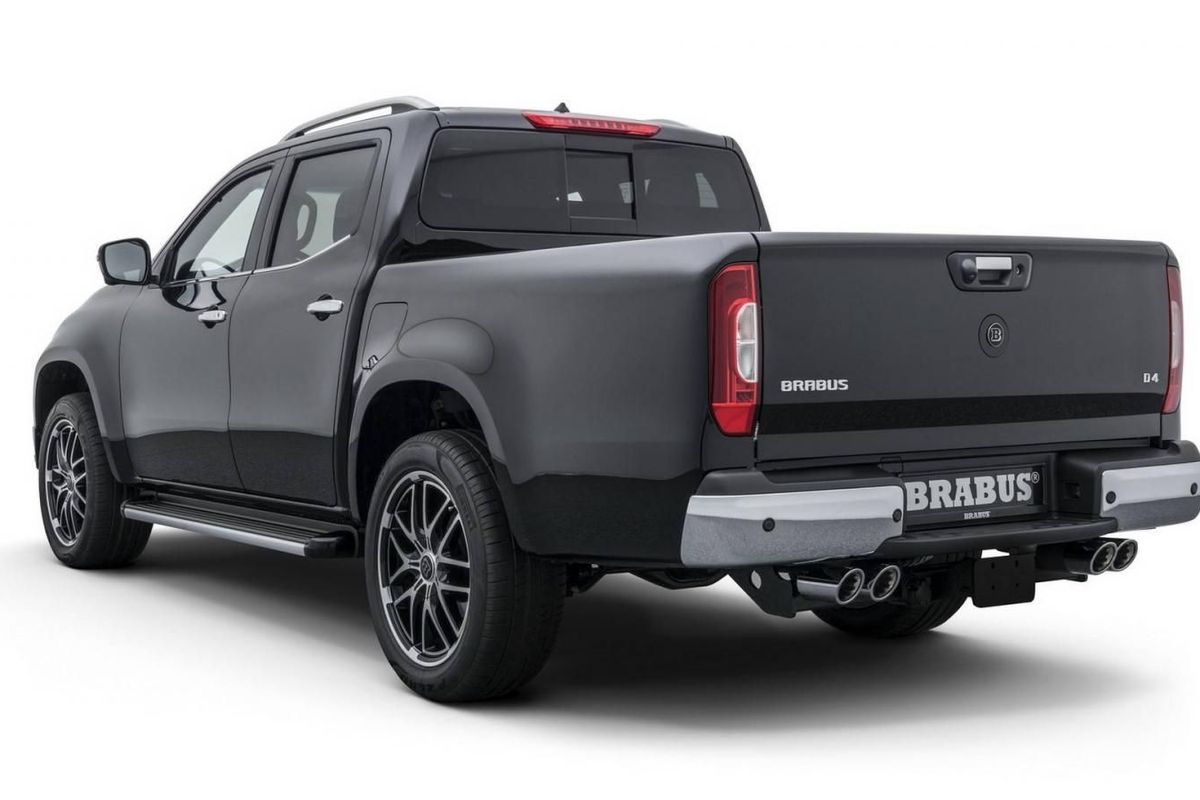
We know that an AMG version of the Mercedes-Benz X-Class is unlikely, but what options do you have if you are looking to make your X-Class stand out from the crowd? Well, you might be happy to know that aftermarket tuner, Brabus, is offering an exclusive visual and mechanical upgrade for the X-Class to give it something extra.

Design details


The Brabus treatment gives the X-Class a more brawny appearance.

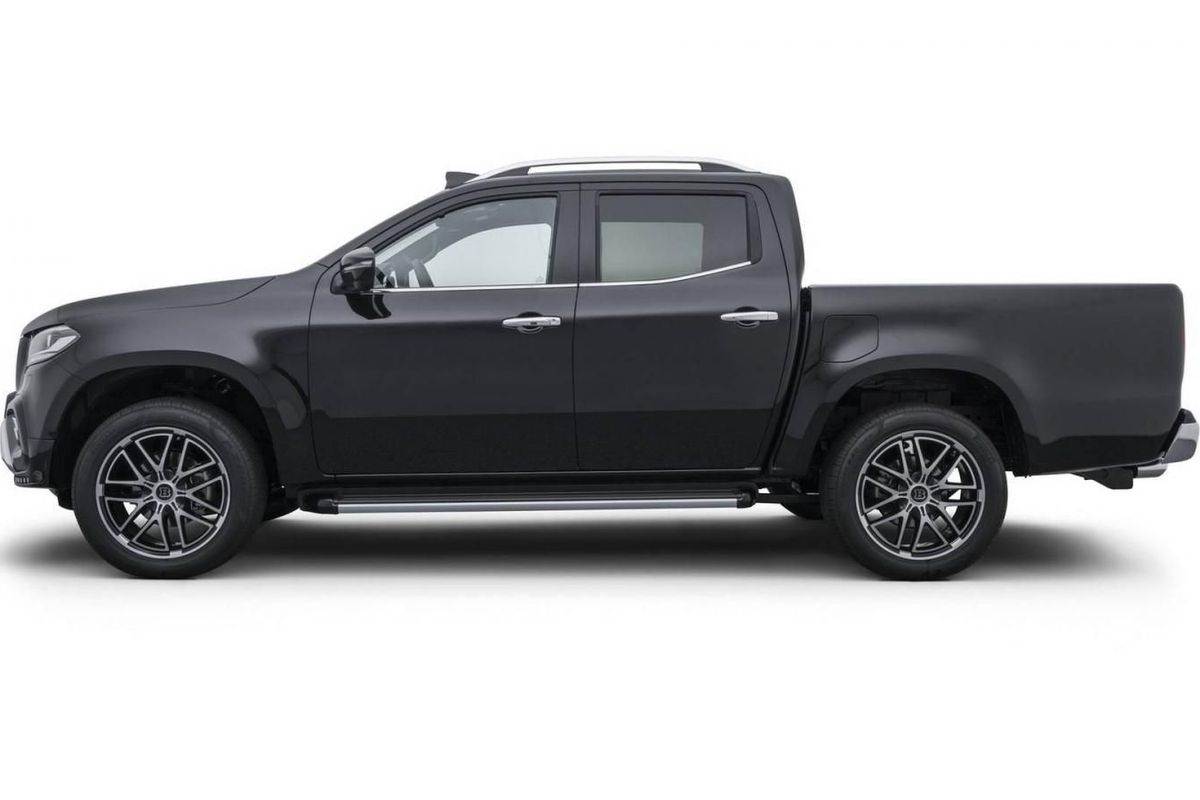
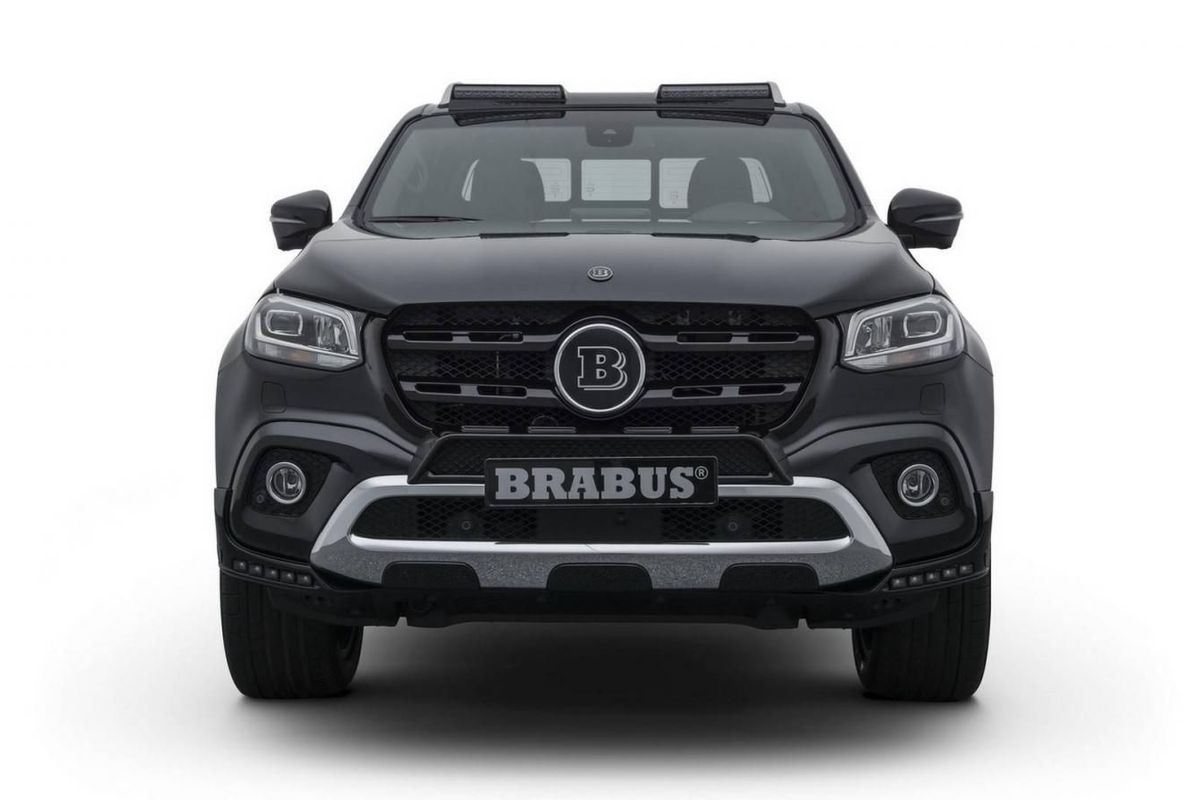
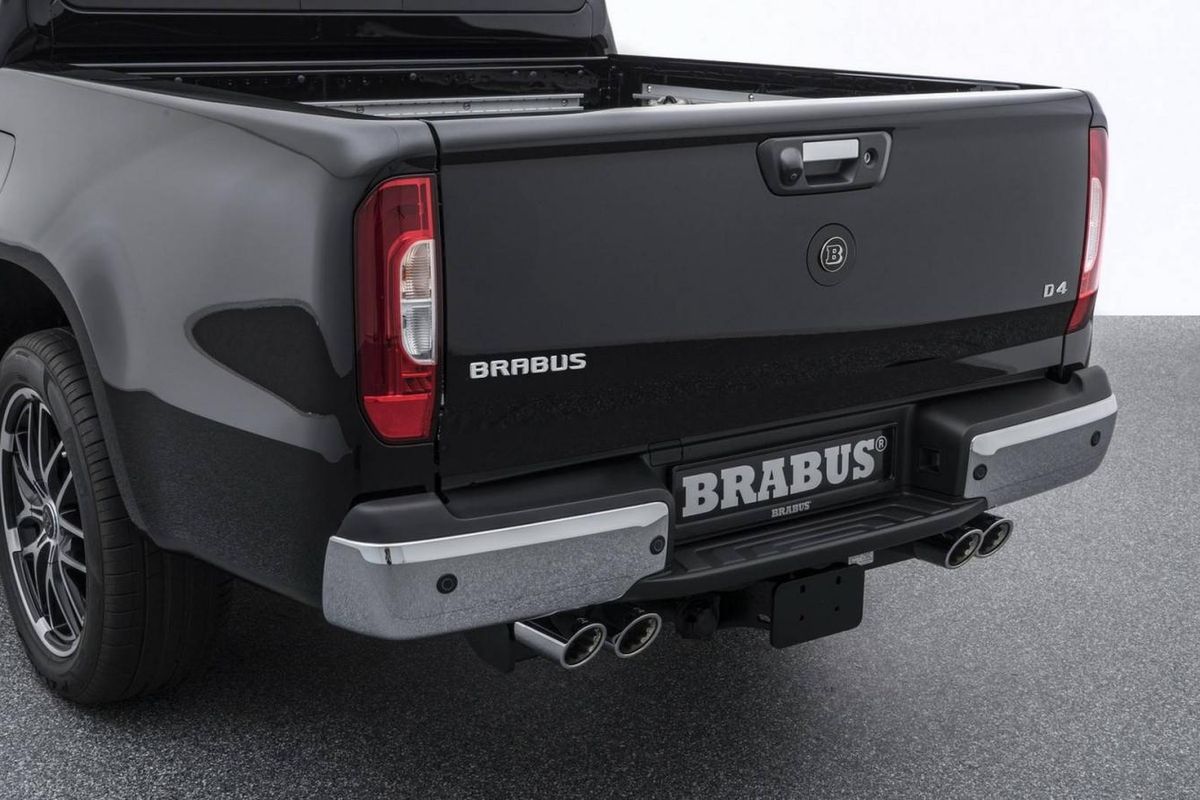
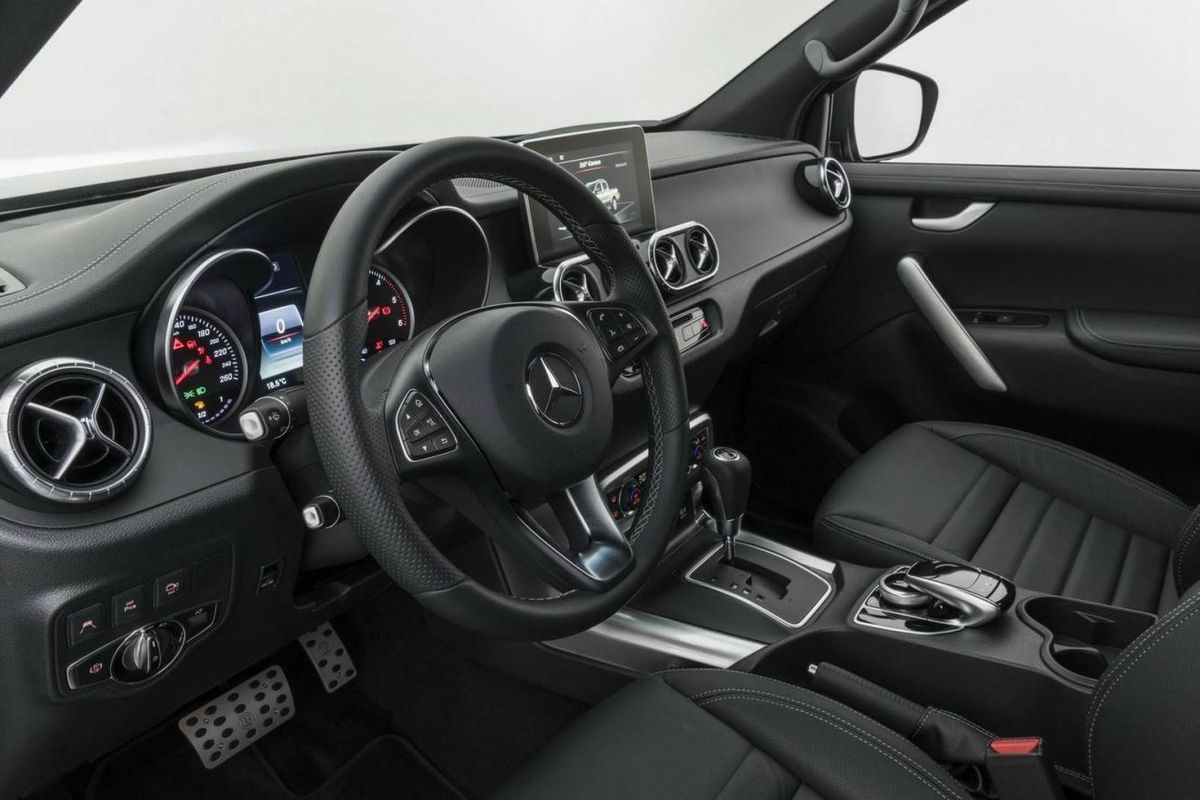
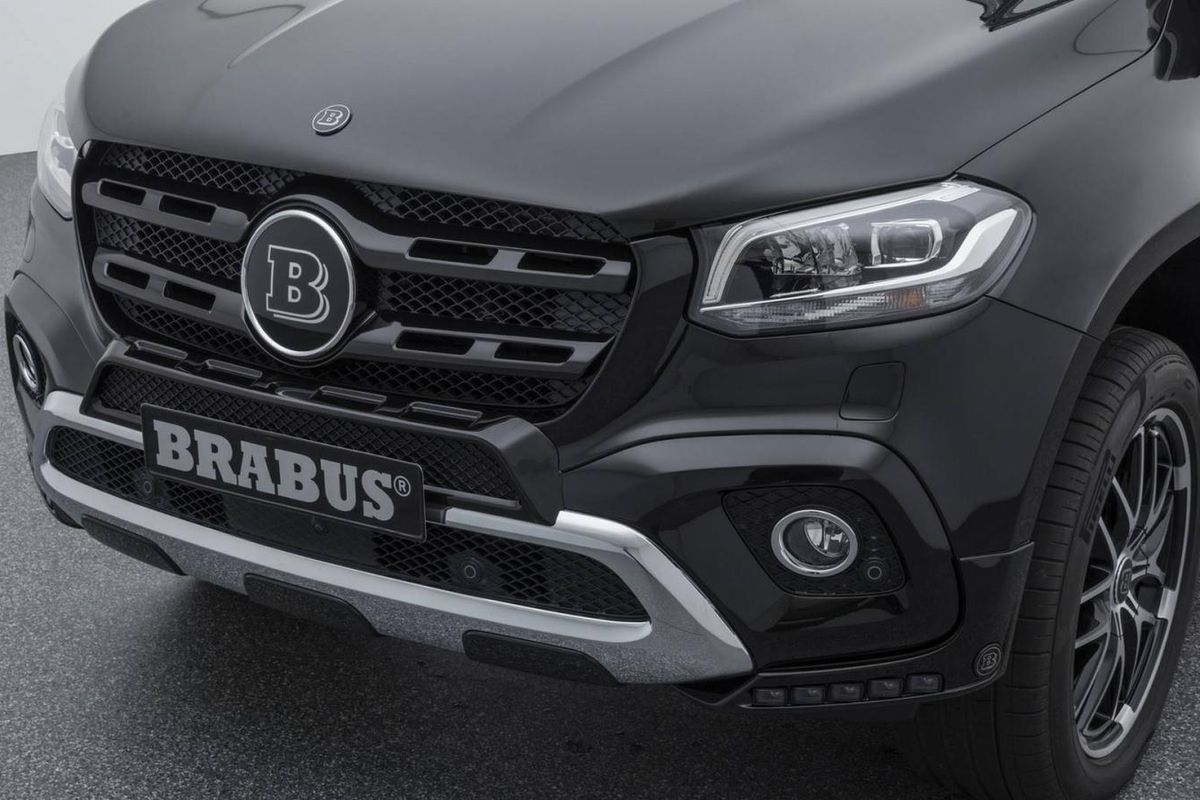
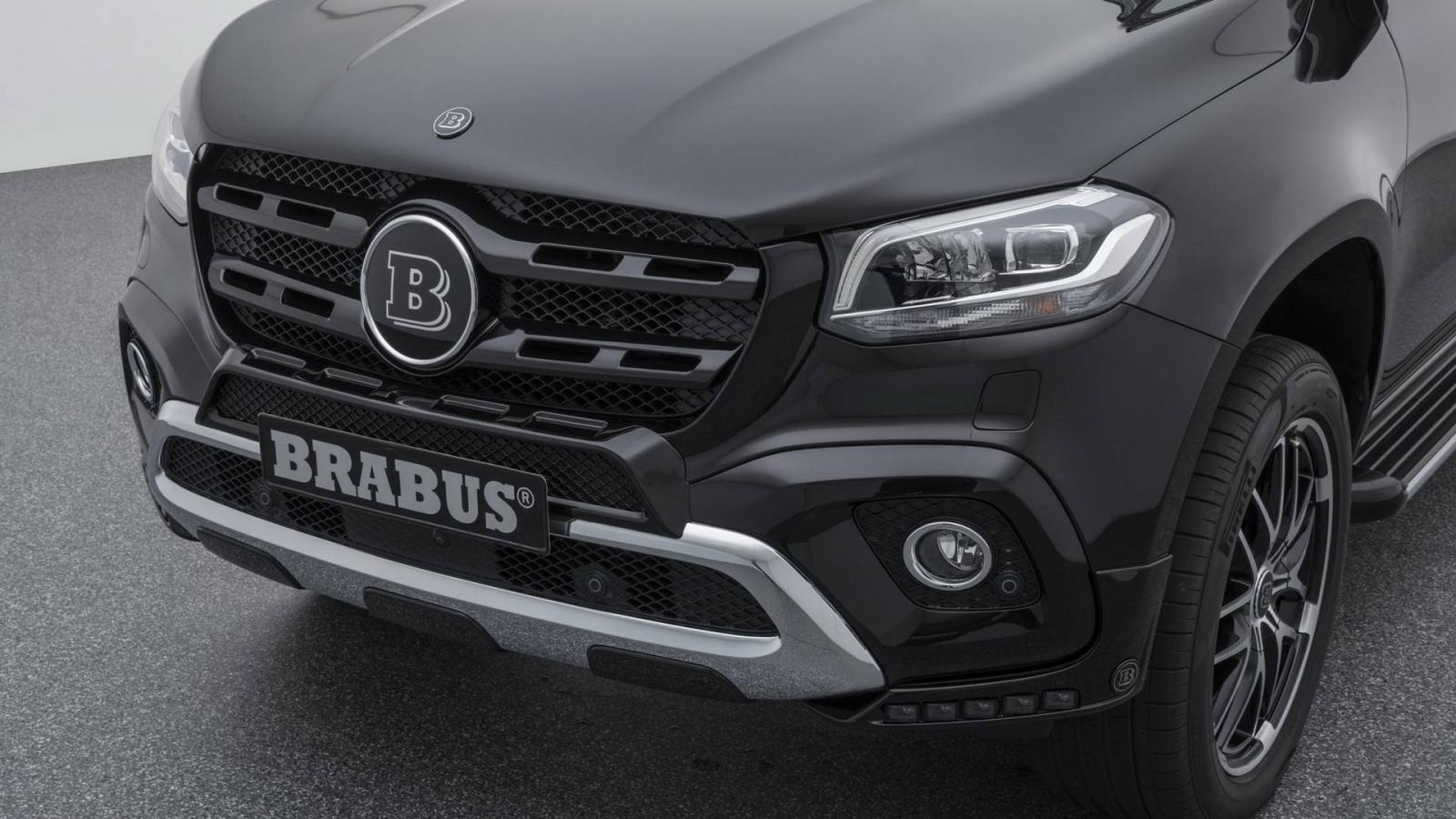
Visually, the Brabus X-Class rides on striking 20-inch twin-spoke alloy wheels and features a centrally-mounted Brabus element seen on the front grille with a honeycomb design. Furthermore, Brabus detailing is also fitted to the front diffuser to give the X-Class a more distinct look. An additional roof-mounted lighting module which comprises 12 high-power LEDs that come on in conjunction with the high beam headlights is also fitted. A Brabus sports exhaust system with 4 tailpipes adds additional visual character. On the inside, a wide range of upholstery options are available and details such as stainless steel scuff plates and pedals are also offered.  

More Power

As part of the upgrade, Brabus has increased the output of the standard 140 kW /450 Nm 2.3-litre turbodiesel engine in the X-Class 250d by an additional 15 kW and 60 Nm of torque. As a result, outputs are 155 kW at 3 500 rpm and 510 Nm at between 1 500 – 2 500 rpm resulting in a zero to 100 kph sprint time of 11.5 seconds. Brabus is also currently developing an upgrade specifically for the range-topping X-Class 350d. 

Brabus has an outlet in South Africa and upgrades are available through the Daytona Group. We reached out to Brabus SA for an indication of pricing for the Mercedes-Benz X-Class, but had yet to receive a response.

Related Content

Mercedes Benz X-Class (2018) Video Review

Mercedes-Benz X-Class (2018) Launch Review

5 Most Expensive Double Cab Bakkies in SA

Want to purchase a Mercedes-Benz X-Class?

Browse units for sale here

Peugeot 308 (2018) Specs & Price
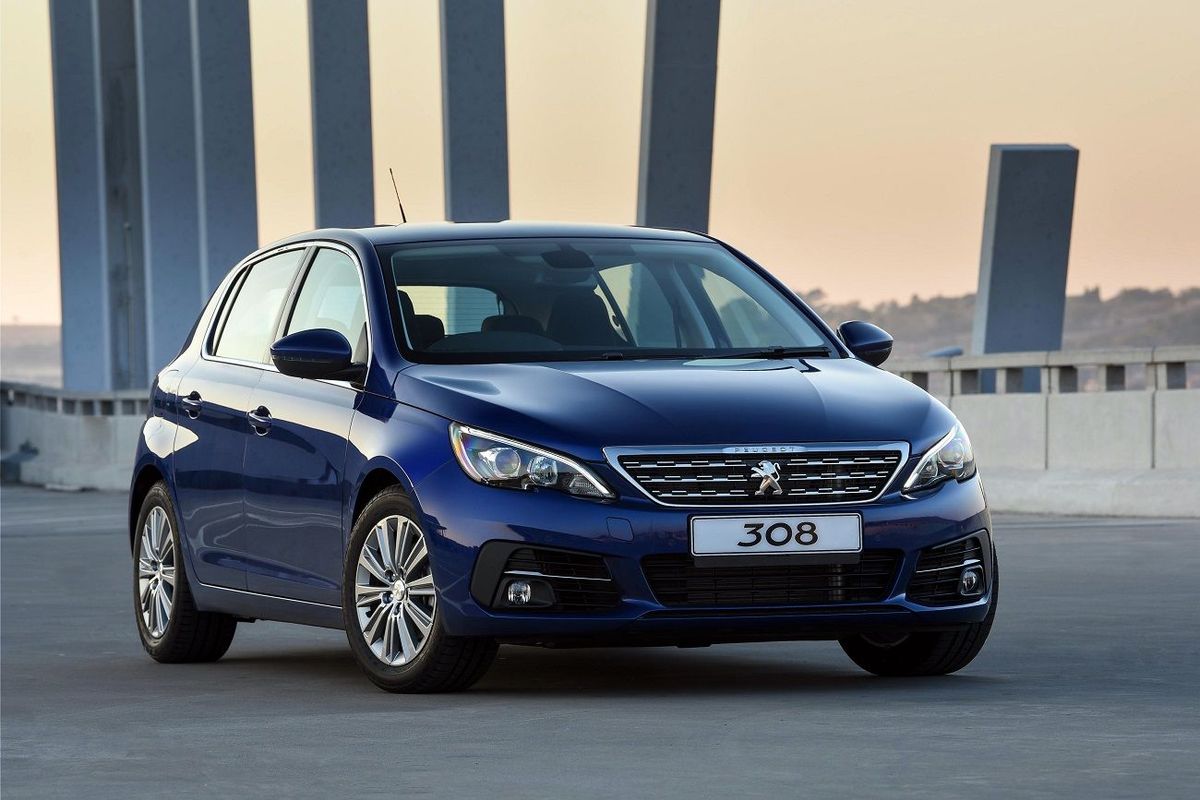
Peugeot has facelifted its 308 hatchback and the newcomer has gone on sale in South Africa. Here are the pricing and specifications for the new model.

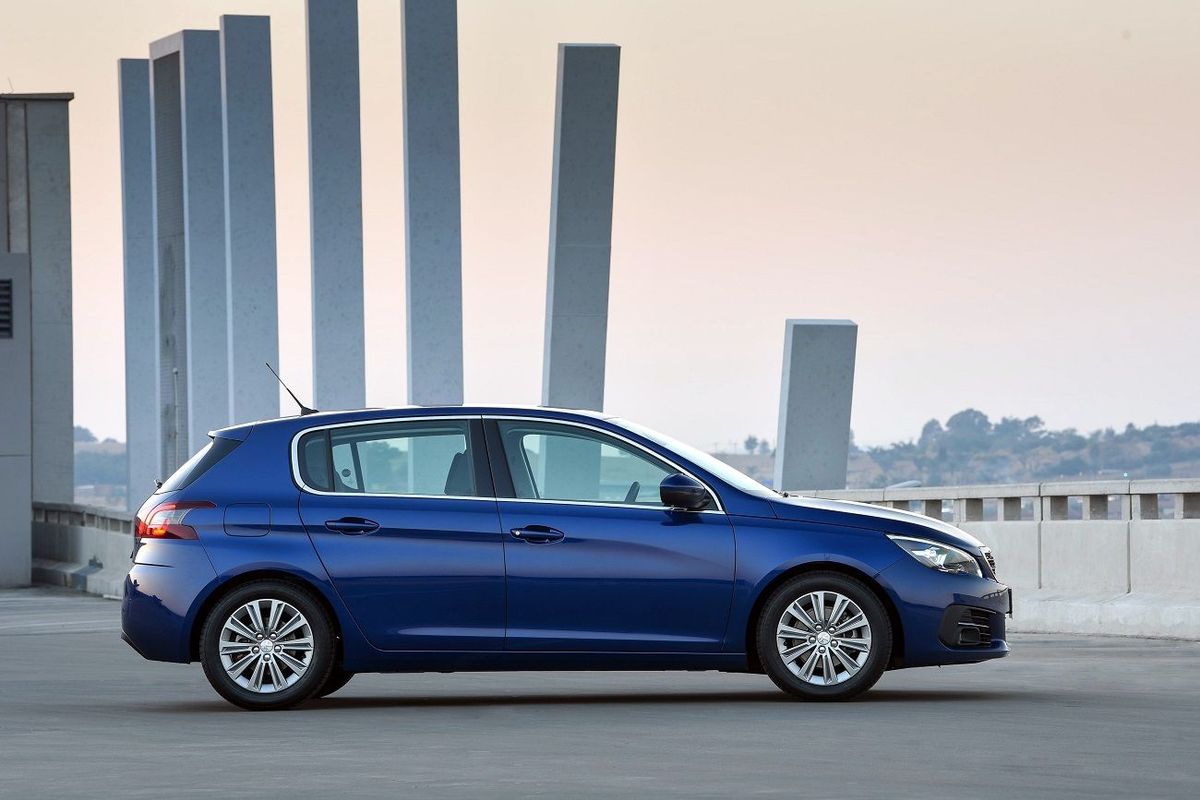
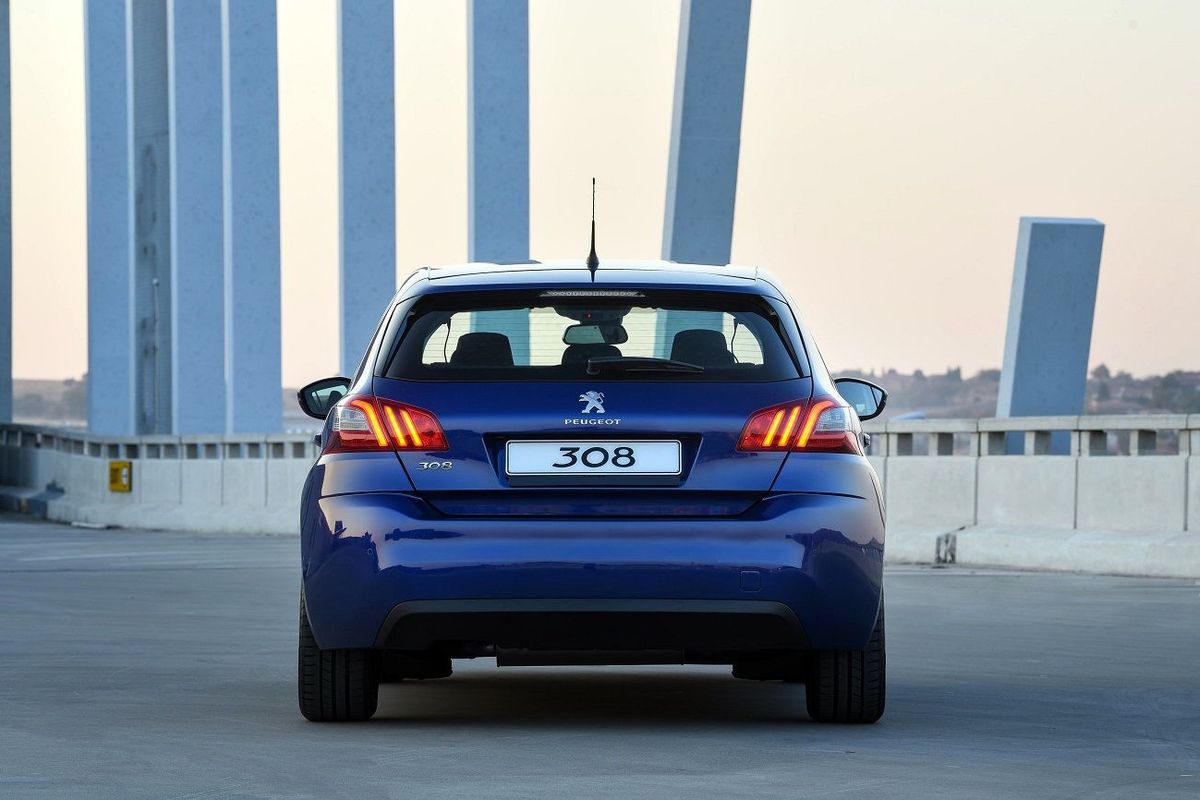
The Peugeot 308 is one of the brand's better vehicles and we really liked what it brought to the table. It had a fantastic 1.2-litre turbocharged engine and as a result, drove well. For 2018, this model has been revised. Visually, the new Peugeot 308 has been tweaked slightly and the range has been cut to just the one model, with the choice of either a manual transmission or automatic gearbox. Mechanically, the second generation of 308 is up to 140 kg lighter than the outgoing model.

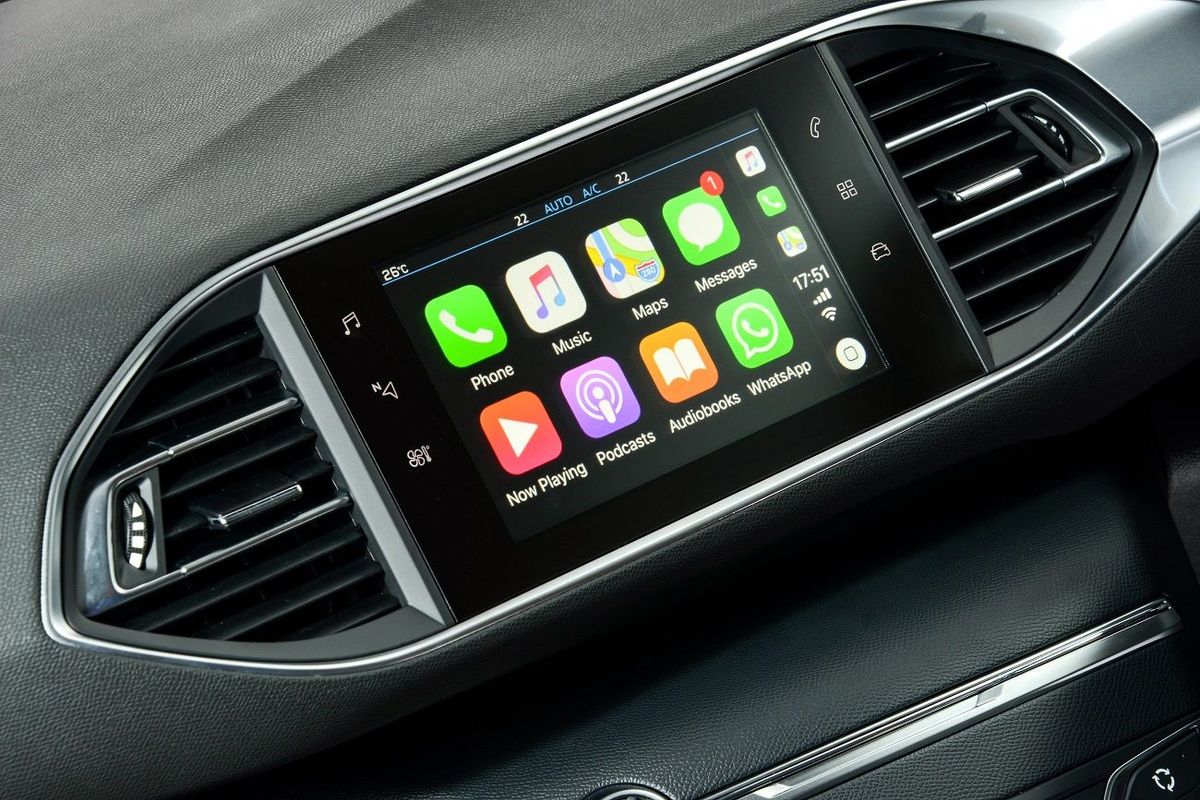
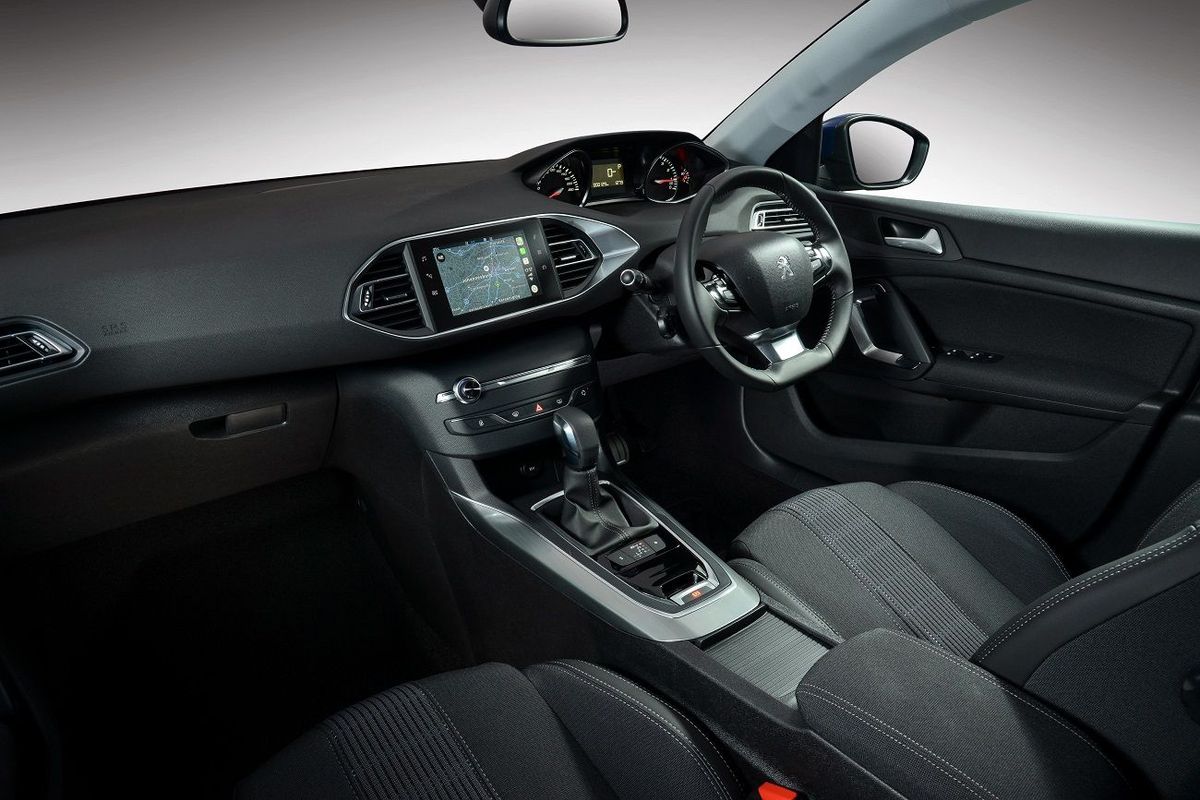
One of the highlights of the new Peugeot 308 are the safety features which include ABS with EBD, Electronic Stability Program (ESP) and Traction Control System (ASR), Emergency brake assist (EBA) with emergency brake flashing hazard lights,attention alert, automatic drive-away locking, central locking, dead locking, anti-theft alarm and super locking (2 pips) systems, child lock system, unfastened seatbelt warning, and ISOFIX mounts for child seats are all standard. The 308 has never been short on standard features and these range from cruise control, satellite navigation, auto wipers/lights and it appears that Apple CarPlay is now also available.

The engine has been carried over into the second generation Peugeot 308. The Puretech 1.2-litre engine has won numerous Engine of the Year titles in its category. With outputs of 96 kW and 230 Nm, there's ample performance on tap, plus it's going to be reasonably thrifty too. Peugeot claims a top speed of 204 kph and a fuel economy figure of 5.1 L/100 km.

Peugeot 308 (2018) Price in South Africa
The facelifted Peugeot 308 comes with a 3-year/60 000km Service Plan, 3-year/100 000km Manufacturer’s warranty, 3-year/100 000km Roadside assistance, 12-year anti-perforation and 3-year paint warranty. Servicing is recommended every 12 months or 15 000km 
Peugeot 308 1.2 Allure manual – R334 900

Peugeot 308 1.2 Allure automatic – R369 900

Further Reading

Peugeot 208 GT-Line (2018) Quick Review

Most Fuel Efficient Petrol Cars in SA (2018)

Peugeot & Opel to assemble cars in Namibia

Peugeot 3008 Gets Diesel Engine in SA

Peugeot 3008 1.6 GT-Line Auto (2017) Review

Want to buy a Peugeot 308?

Browse new and used units here

Volkswagen T-Cross Teased [w/Video]

Volkswagen has released a teaser video and photo, detailing its forthcoming MQB-based baby SUV. 

The Volkswagen T-Cross is expected to be fully revealed before the year is out. It'll be underpinned by the MQB platform, the same one as the latest generation Polo. Inspired by the radical T-Cross concept which was first shown at the 2016 Paris Auto Show, the Volkswagen T-Cross will be the Germans' smallest SUV. 

We expect an array of compact engines for the Volkswagen T-Cross. The 1.0-litre three-cylinder turbo petrol motor from the Polo is expected to be carried over and the well-used 1.4 TFSI motor could also make an introduction. We wouldn't put it past Volkswagen to throw in the new 2.0 132 kW motor either. We first experienced this engine in the Volkswagen Tiguan Allspace and we think its a better fit in the smaller SUV. As always, you'll have a choice of either a manual or DSG transmission.
The big news is that Volkswagen South Africa confirmed that T-Cross will be coming to our shores. We'll have more info when the vehicle is fully revealed.

Volkswagen T-Cross First Look

Further Reading

Spy Shots: Volkswagen T-Cross

Volkswagen T-Cross Breeze Previews Forthcoming Polo-Sized Crossover

Volkswagen T-Roc (2018) International Launch Review