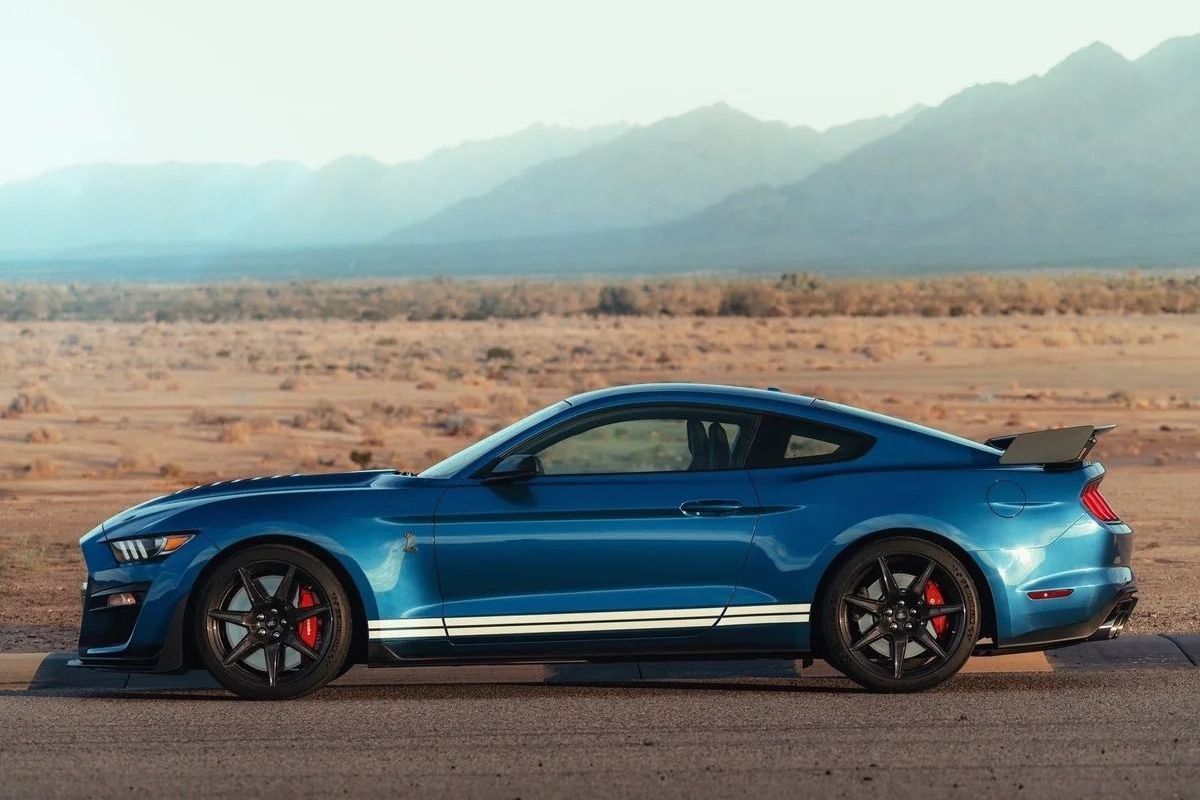
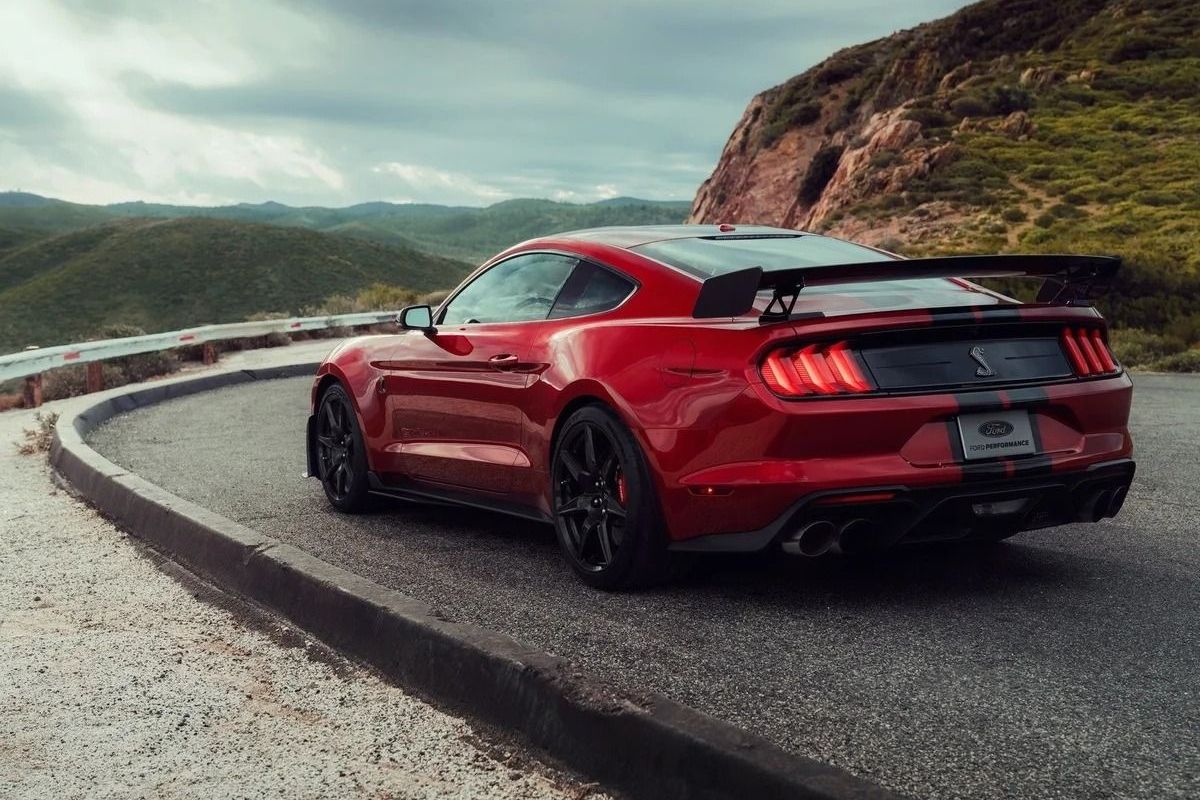
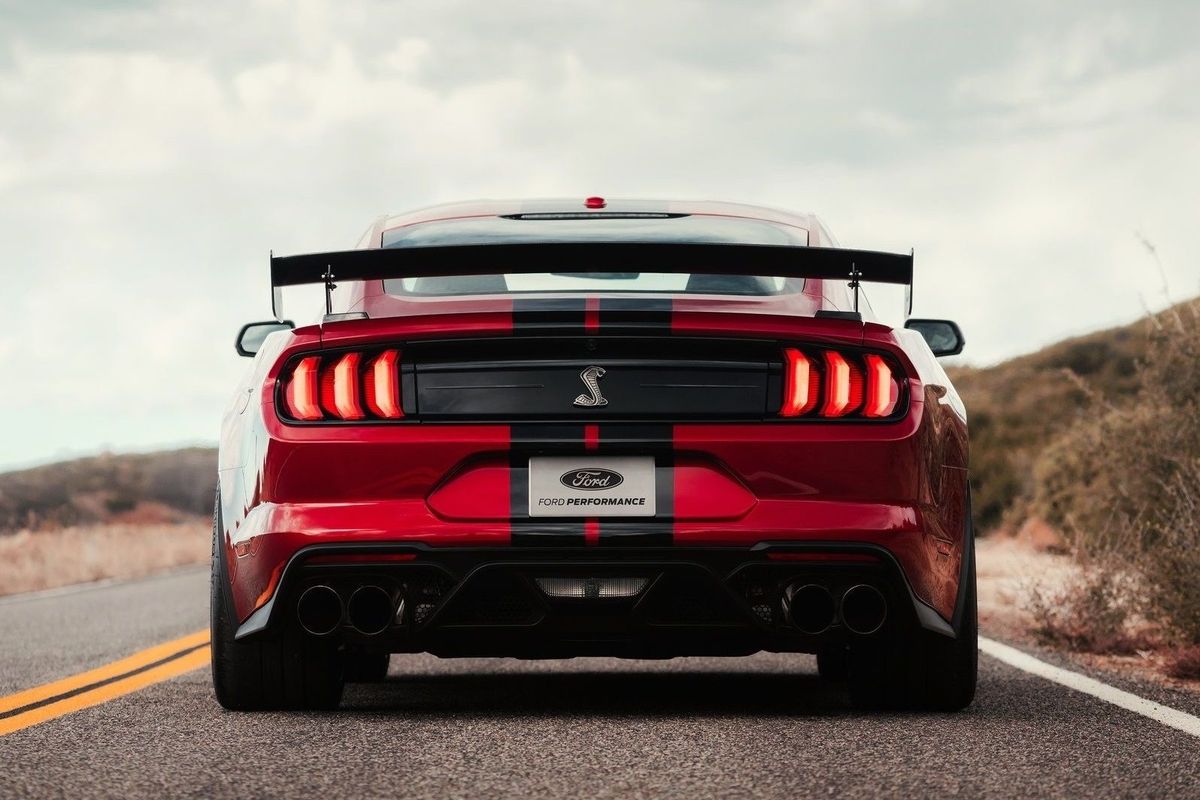
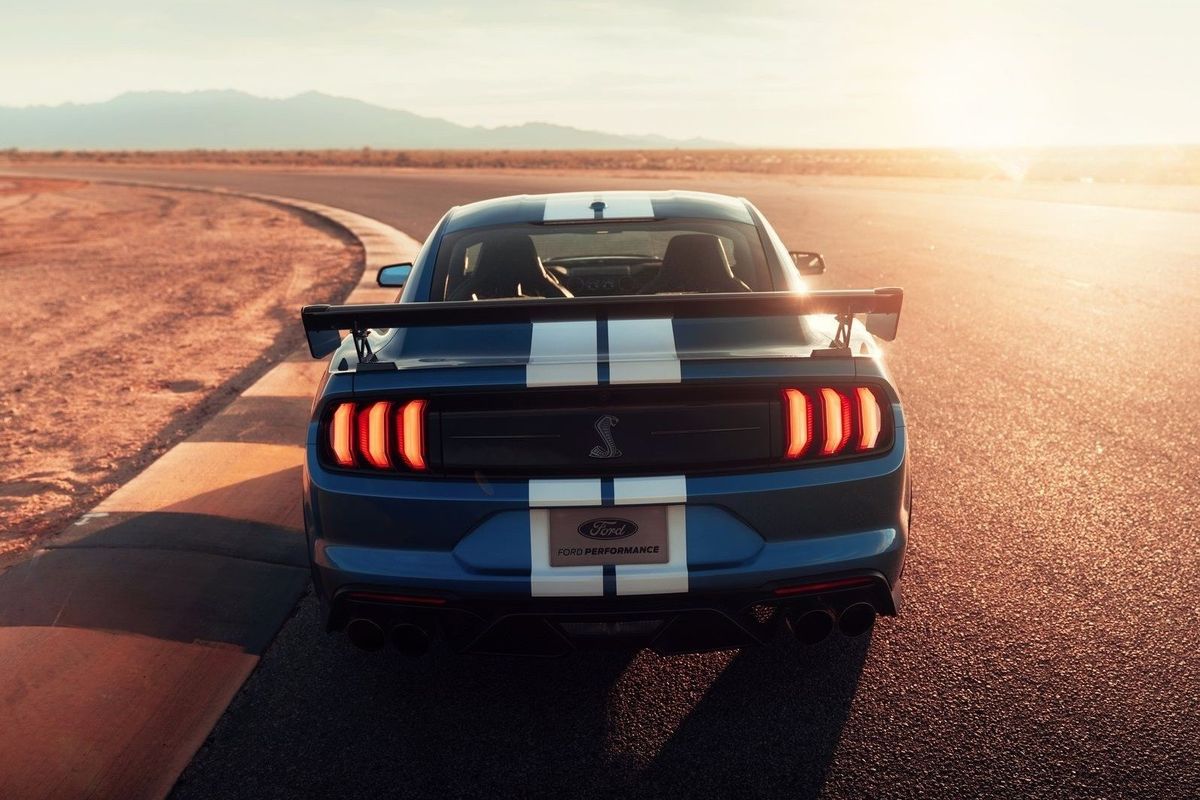
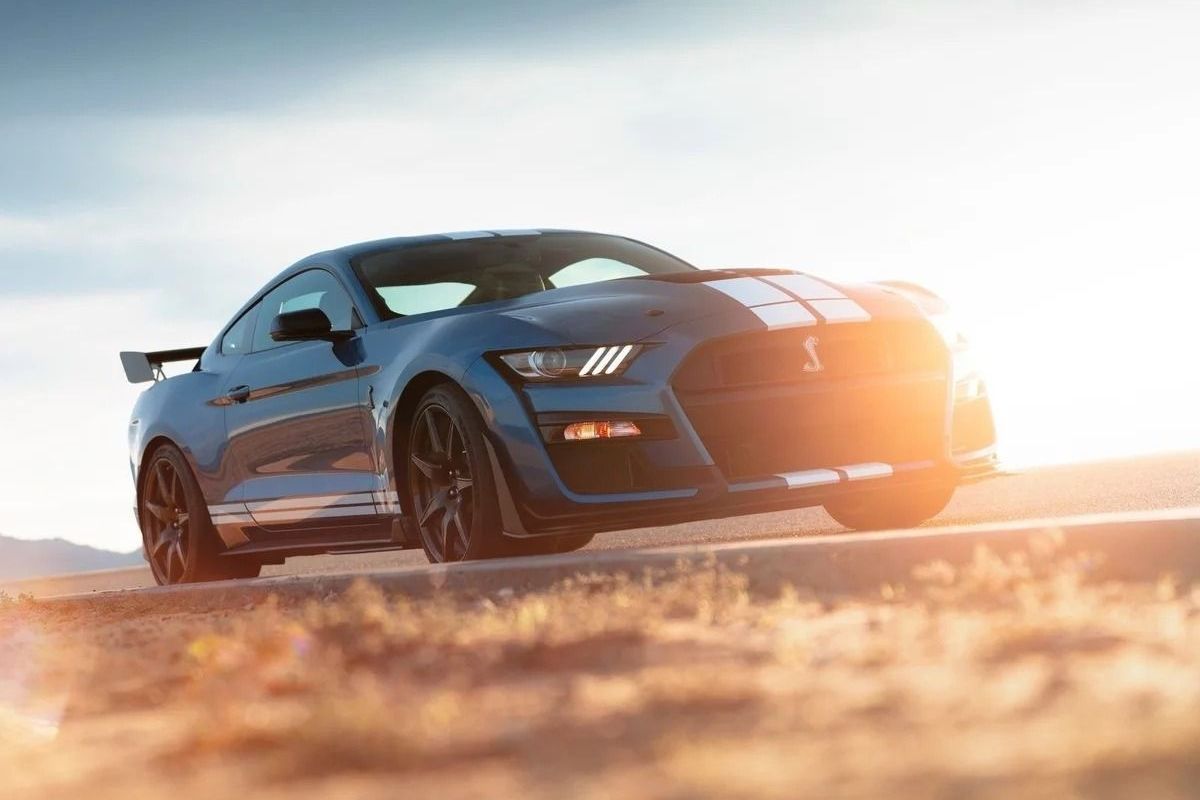
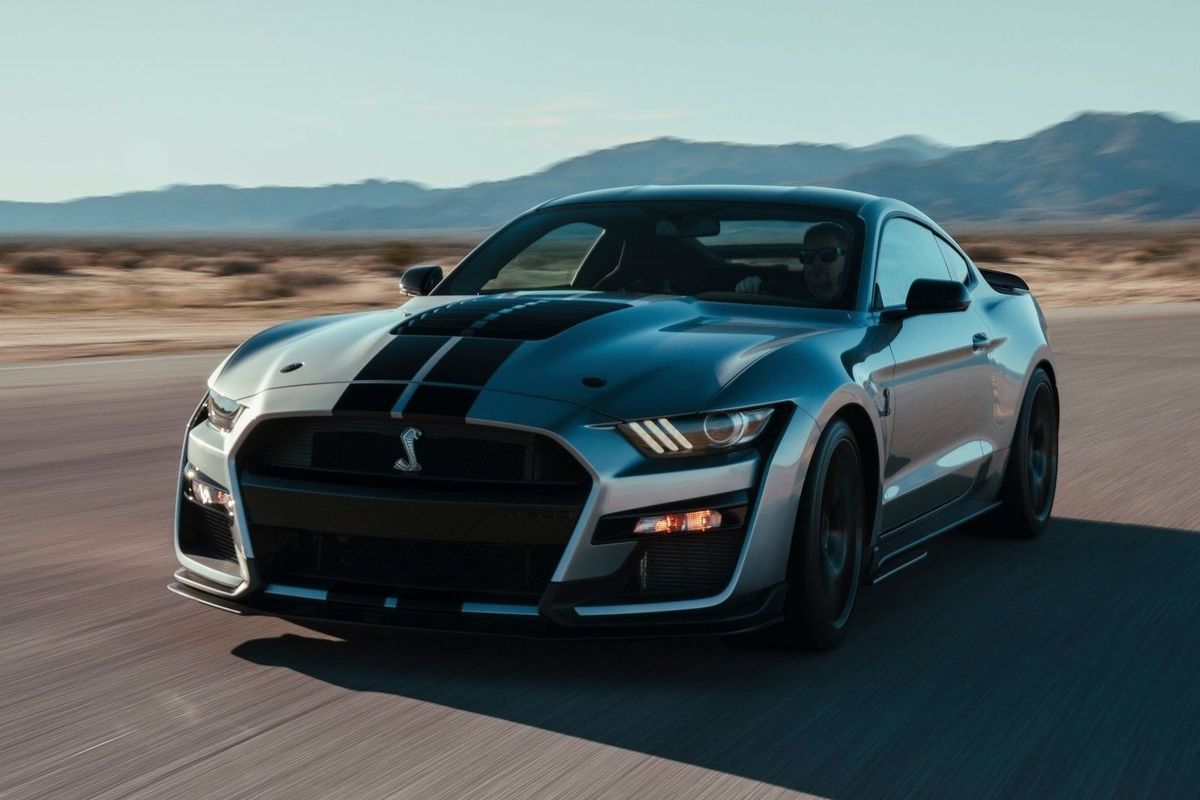
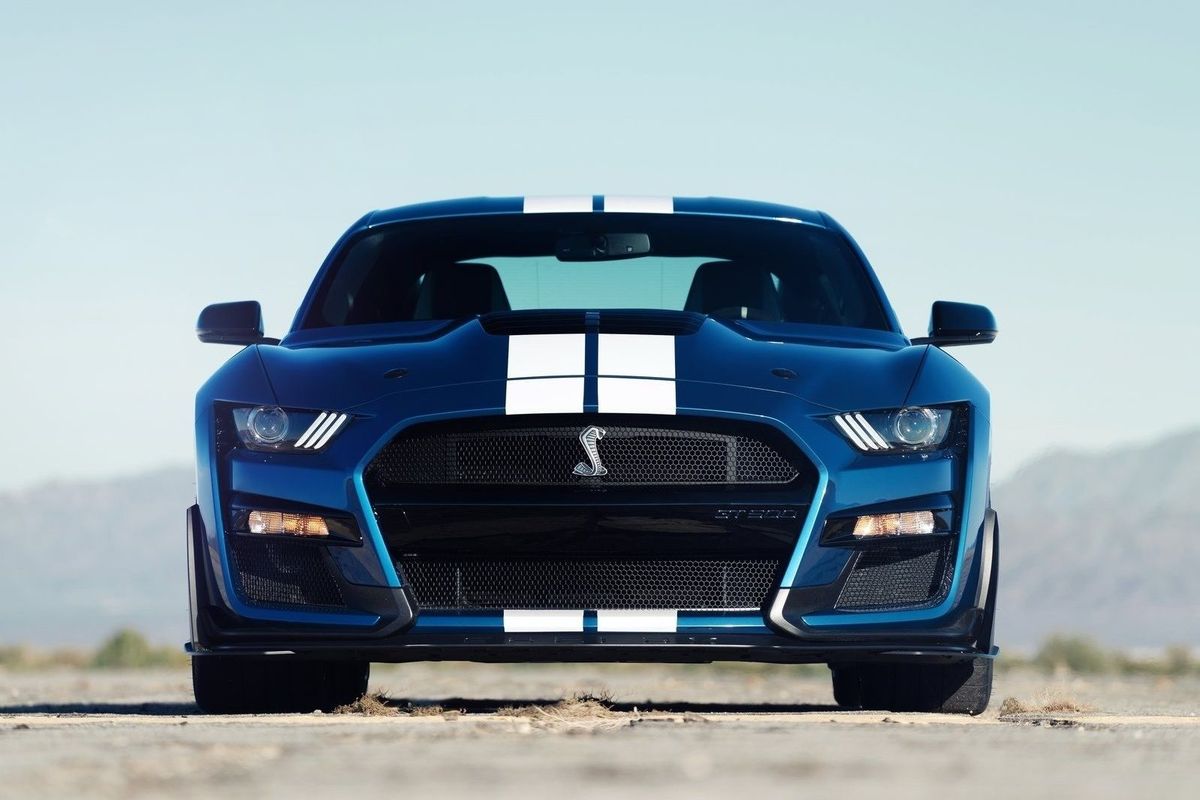
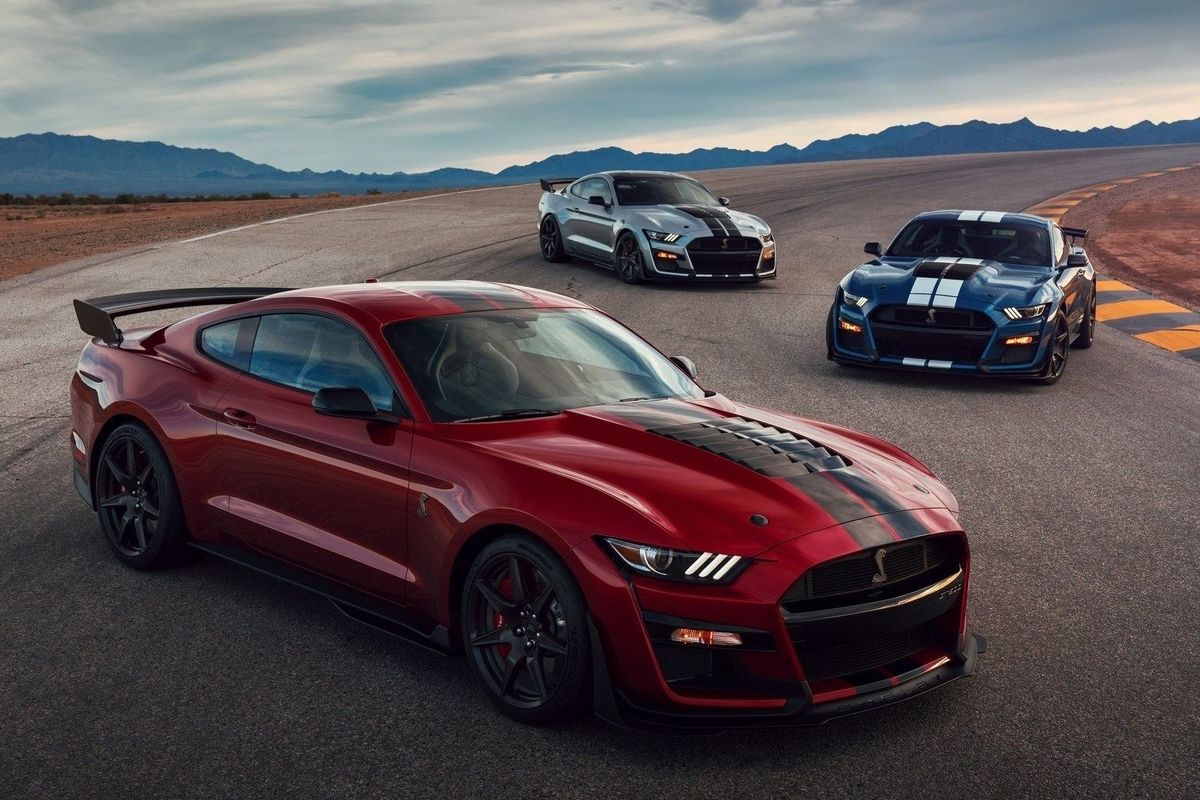
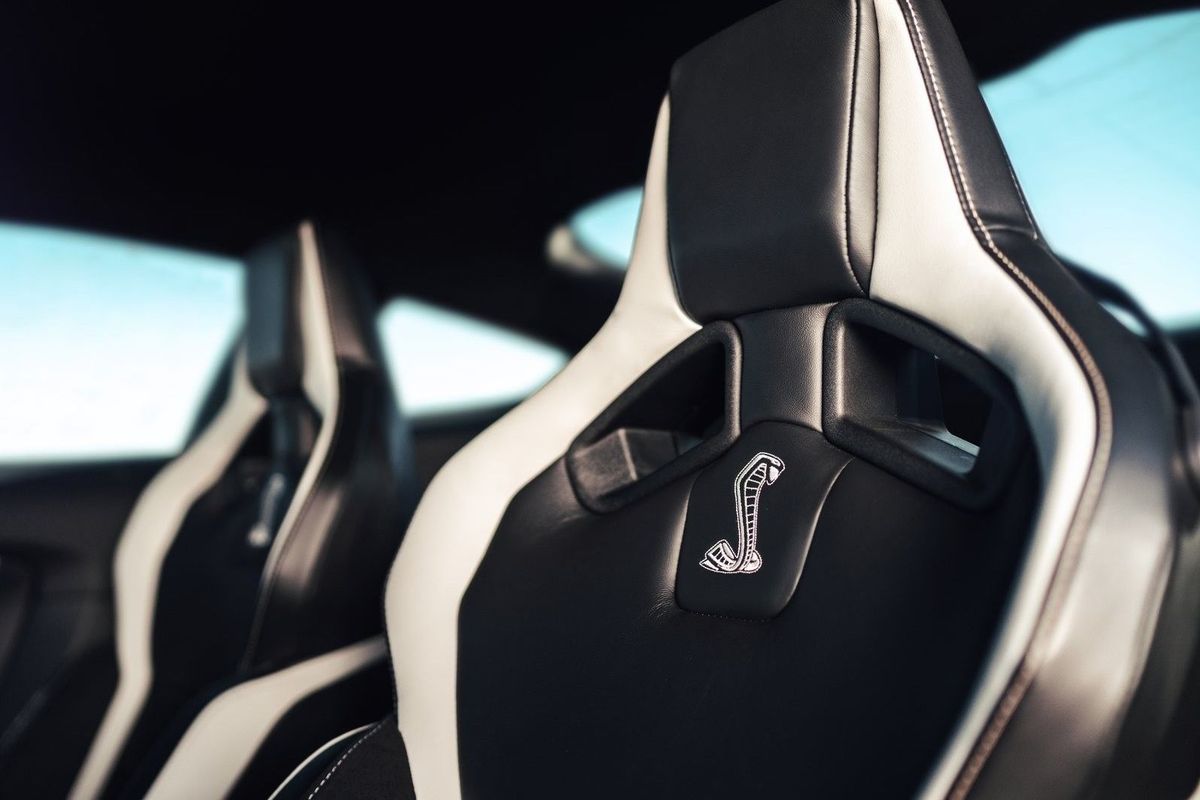
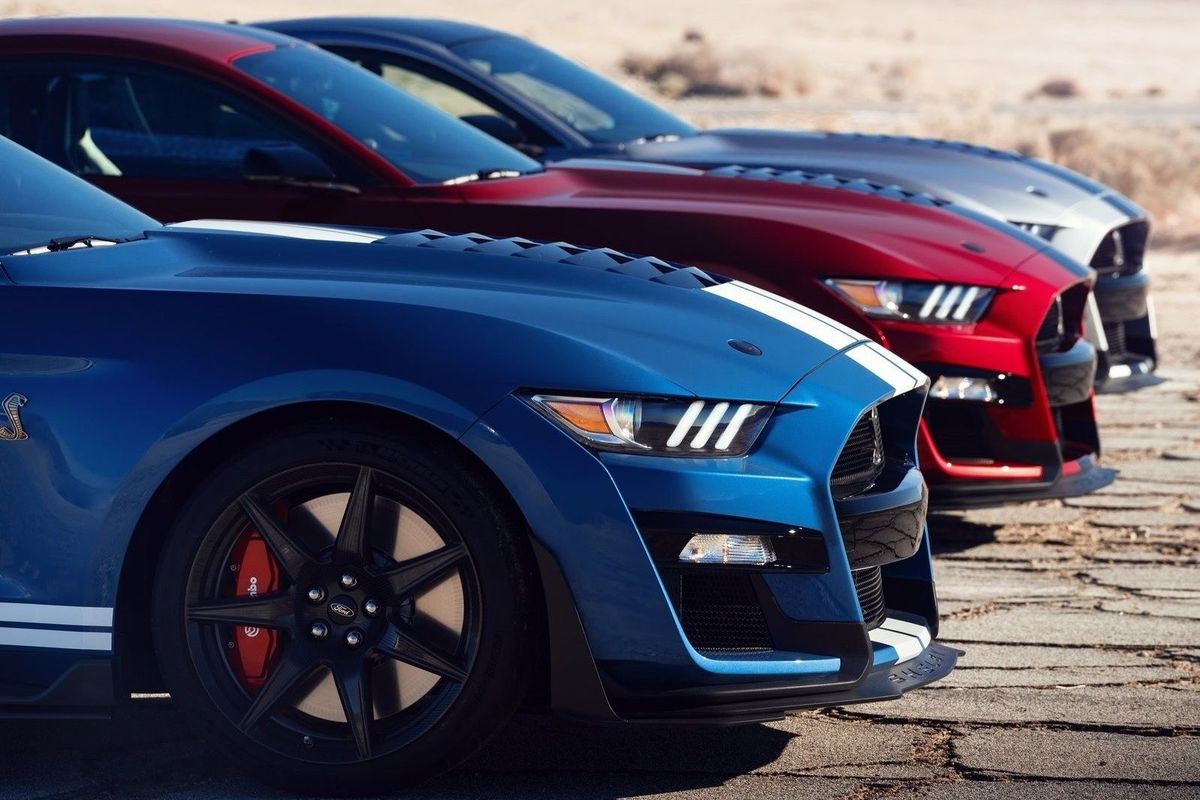
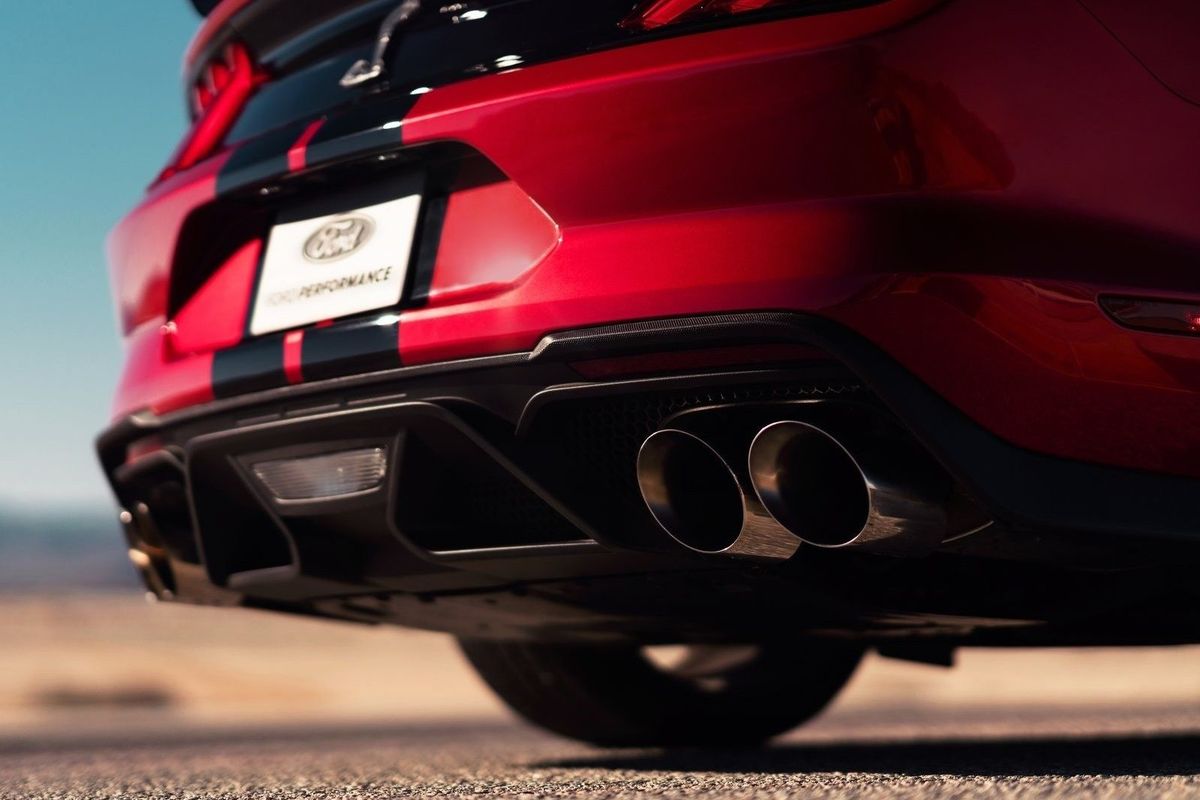
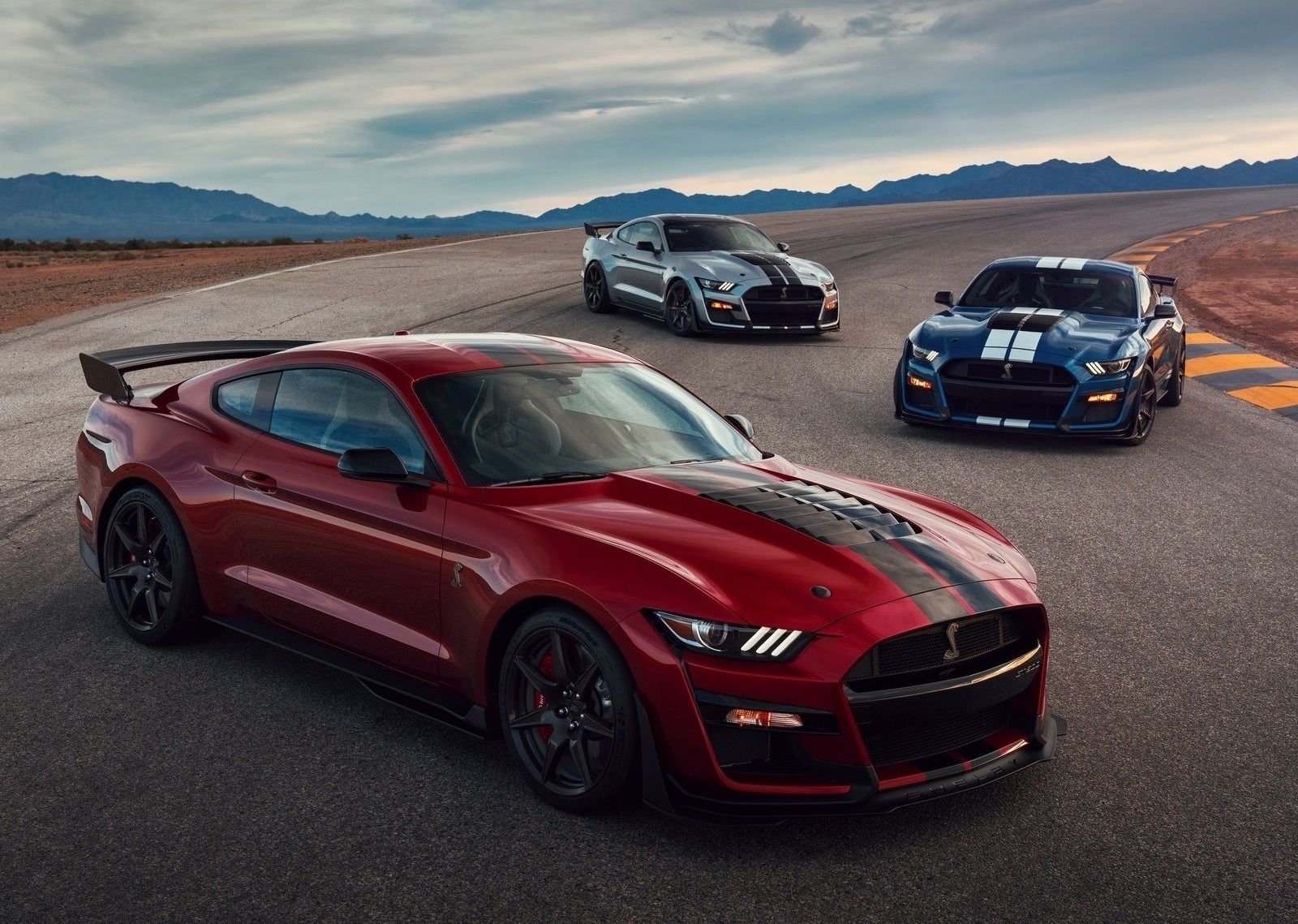
Ford has revealed its ultimate Mustang. This is the all-new Shelby GT500 and Ford claims this is the quickest accelerating street-legal Mustang ever offered. Herewith some information about this monster.
"Carroll (Shelby) was always working on the next faster Shelby, I think he would love this Mustang more than any other," said Jim Farley, Ford president, global markets. "A takedown artist, the new Shelby GT500 will surprise supercar owners with its Ford Performance racing tech, supercharged engine and visceral swagger."
The Ford Mustang is already a potent enough offering, thanks to its 5.0-litre V8, but this Shelby GT500 takes things to a much higher level. It boasts a hand-built supercharged 5.2-litre V8 pushing out 522 kW while a torque figure wasn't mentioned. One of the big changes was the switch from a conventional automatic to an all-new 7-speed dual-clutch transmission supplied by Tremec. With its various drive modes like normal, weather, sport, drag and track, the Shelby GT500 also features line-lock and launch control.
With all that power, the new Ford Mustang Shelby GT500 was going to need some serious mechanical changes to harness it all. The newcomer feature Michelin Pilot Sport tyres, Brembo brakes, revised suspension geometry, new power steering, lighter-weight coil springs at the front and back, and the next-generation of MagneRide active suspension.
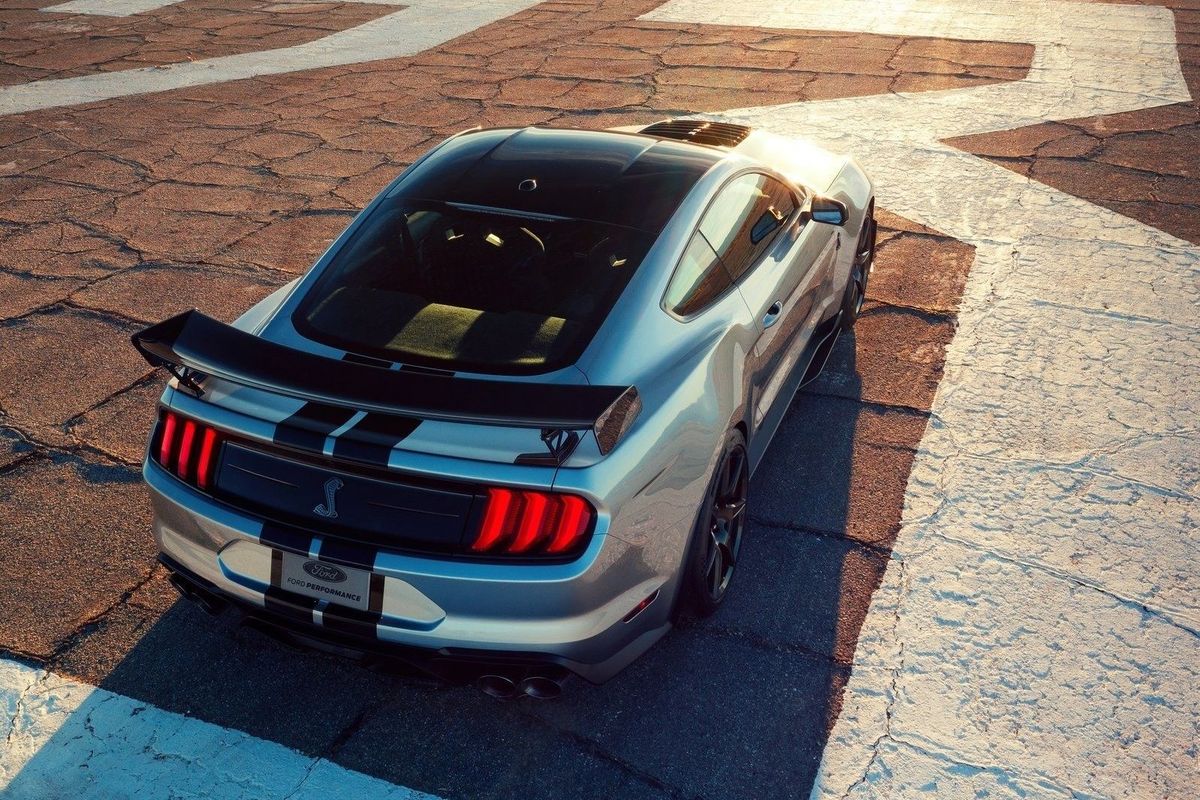
There will be no mistaking the Ford Mustang Shelby GT500 for any lesser form of Mustang thanks to some aggressive aerodynamic additions. There's a huge fixed wing at the rear, a bulging bonnet and the car has a low-slung and aggressive stance.
We're hoping the Ford Mustang Shelby GT500 comes to SA and will update the article if we hear any news.
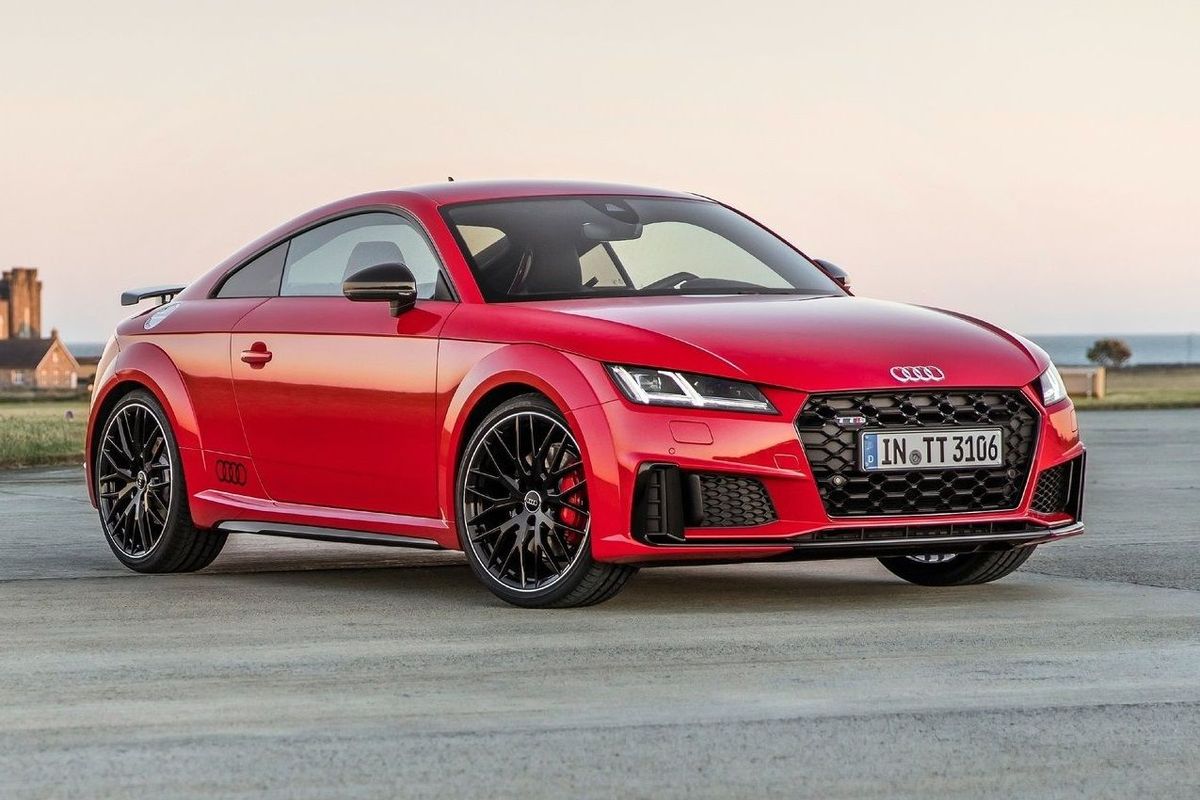
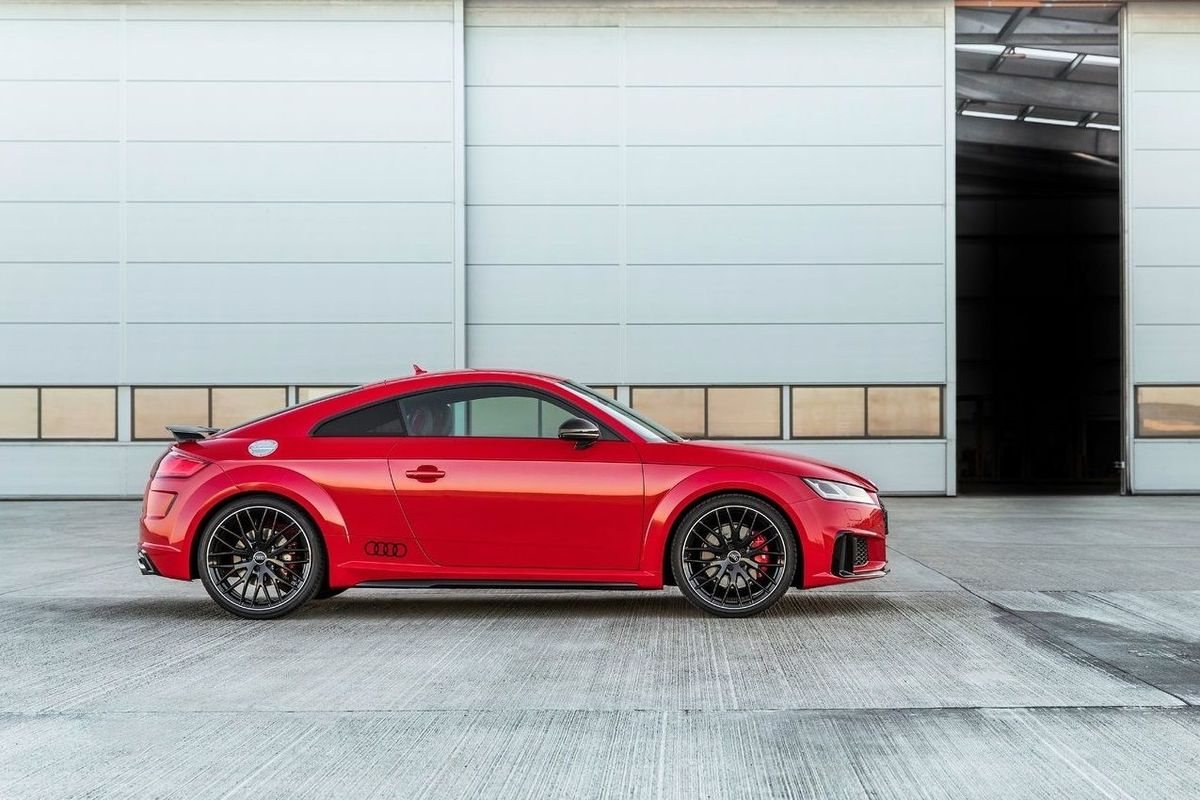
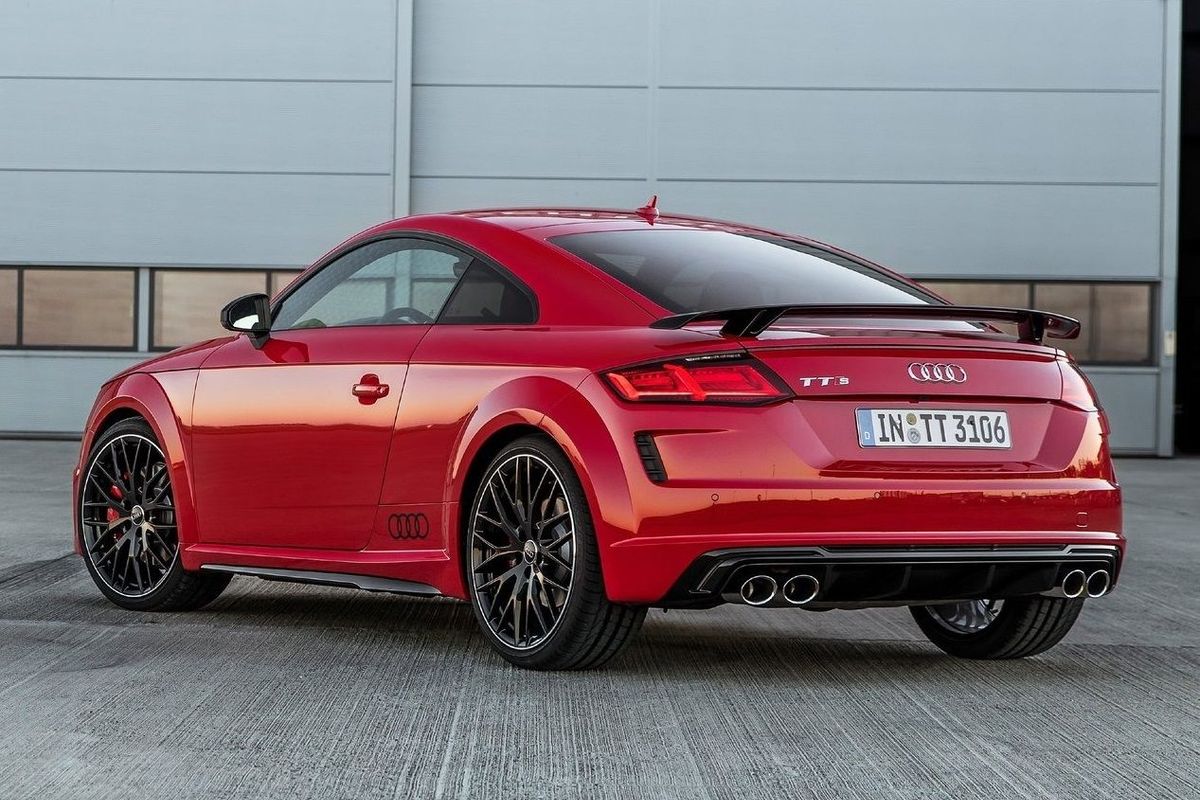
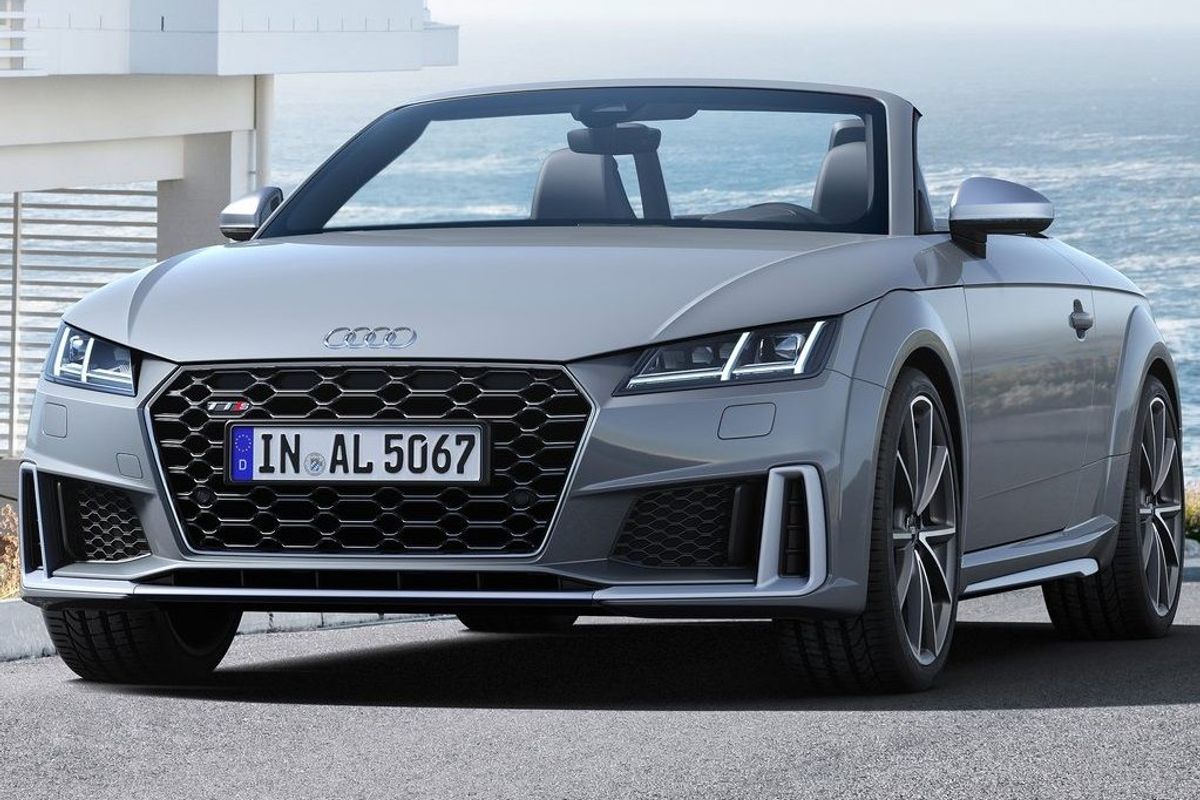
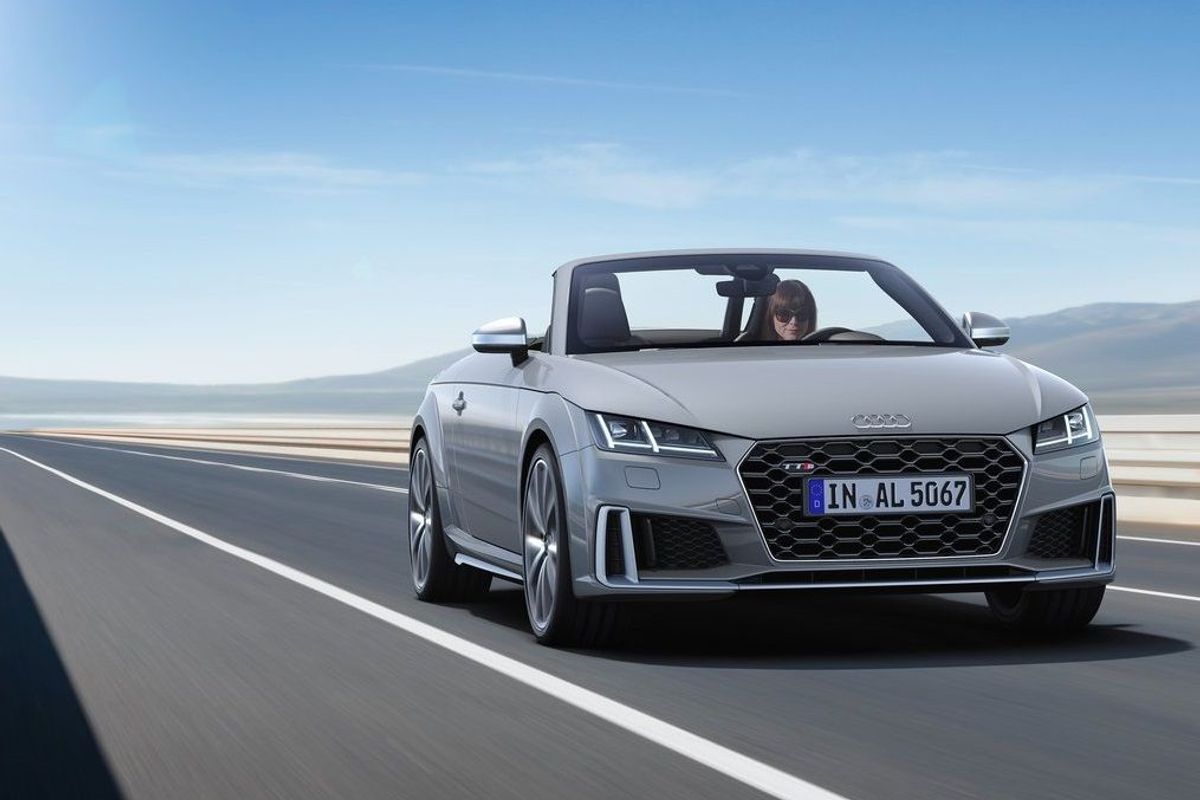
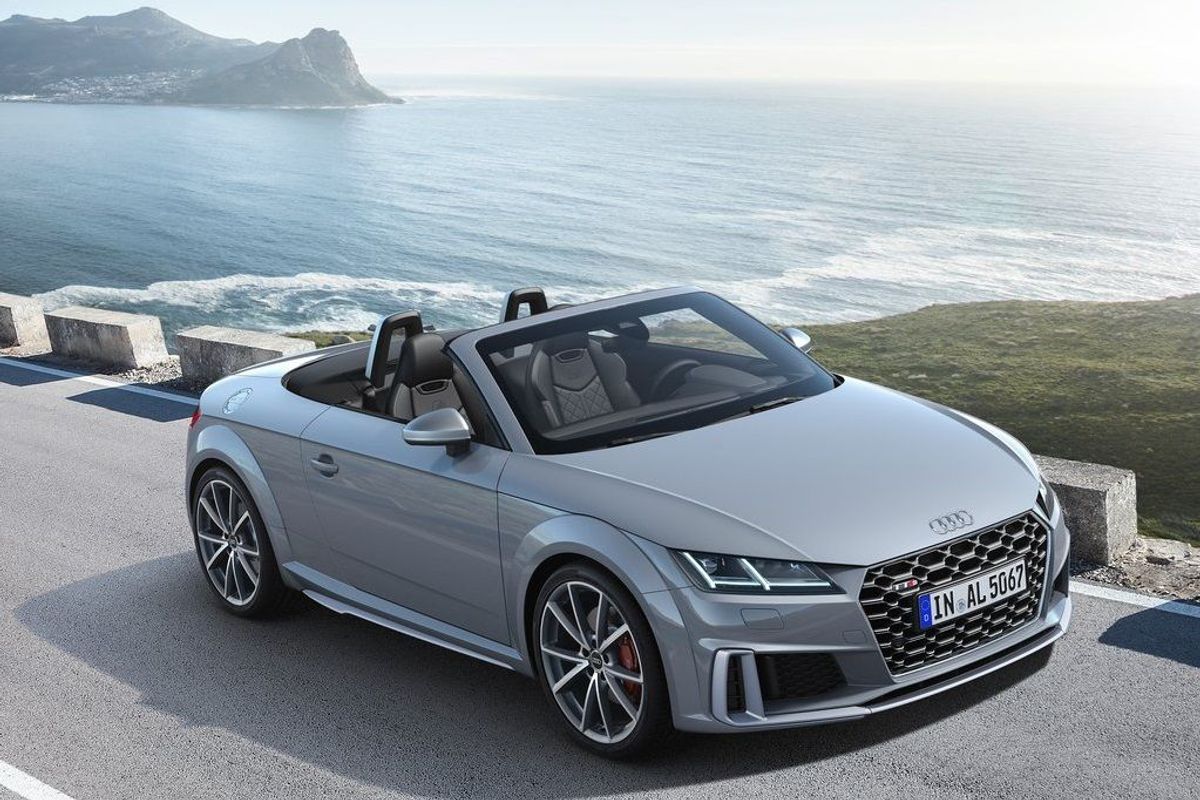
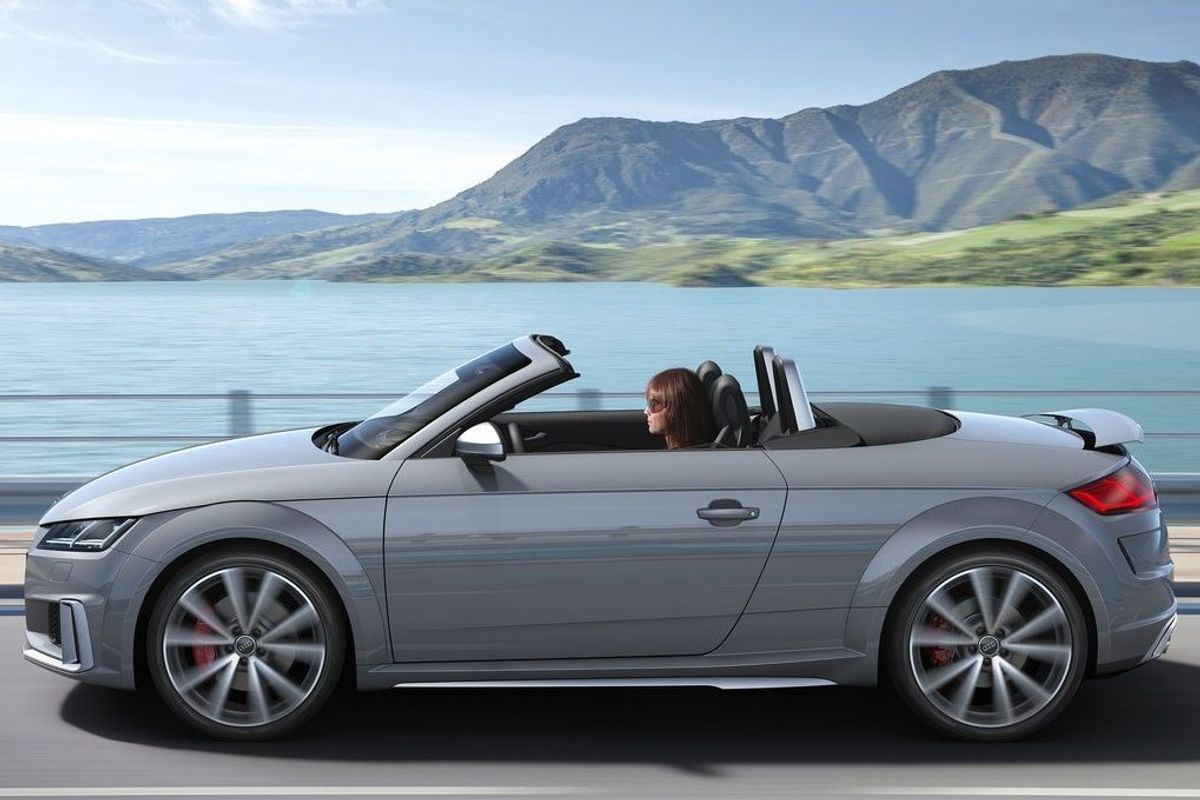
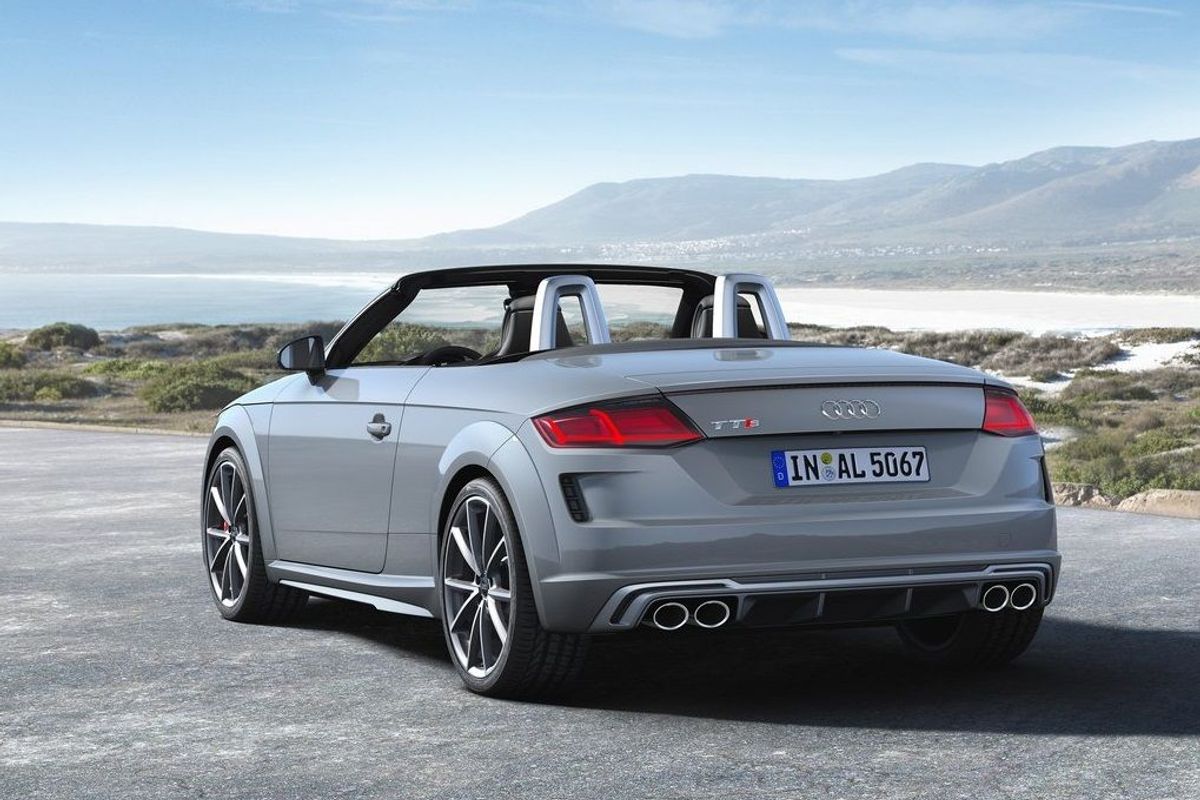
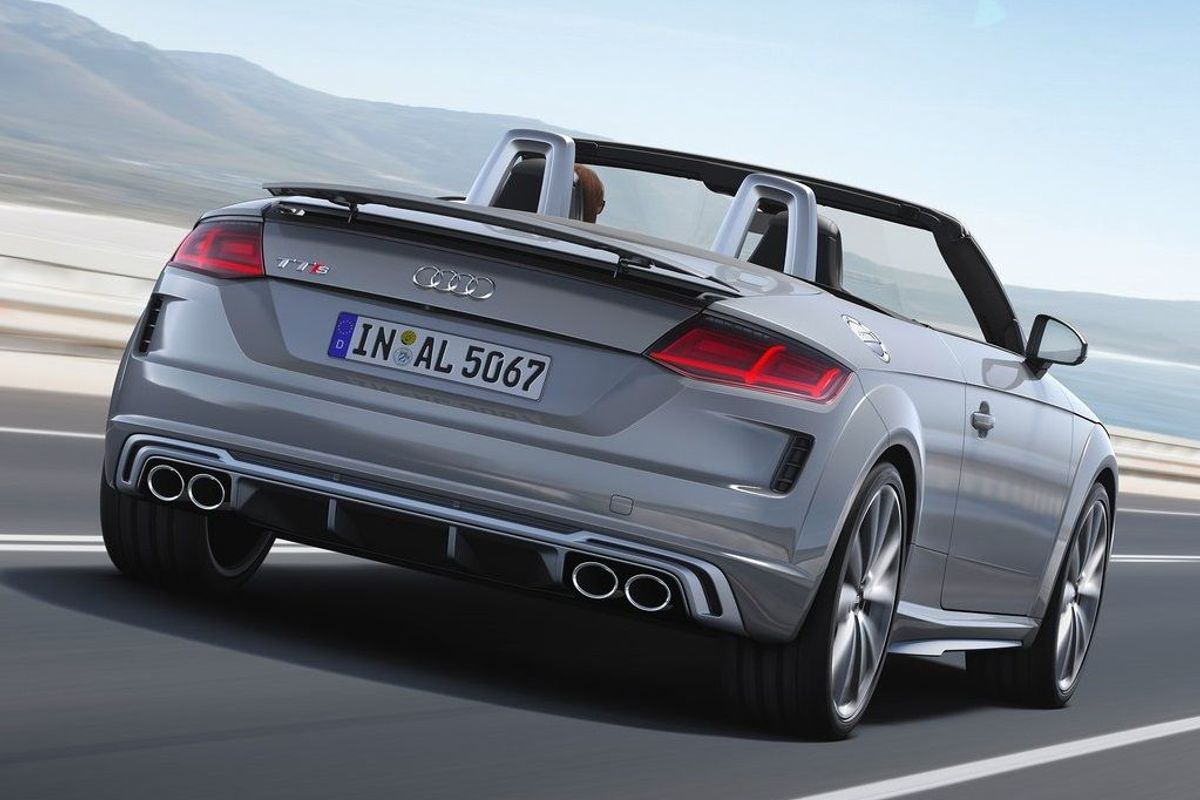
While you can expect to see the facelifted Audi TT in South Africa in the third quarter of 2019, we are also looking forward to seeing the hotter version of the TTS Coupe.
Slotting in below the range-topping TT RS in the TT lineup is the TTS and while it’s not as hardcore, it still packs a mighty punch from its turbocharged 2.0-litre petrol engine.
The latest iteration features revised exterior styling but more importantly, the TTS now has 20 Nm more than before, bringing the maximum torque figure to 400 Nm. Power output has, however, been reduced by 3 kW to 225 kW.
Nonetheless, performance is still impressive with the TTS Coupe sprinting from zero to 100 kph in 4.5 seconds while its Roadster sibling is slightly slower at 4.8 seconds. Top speed is limited to 250 kph and both the TTS Coupe and Roadster are equipped with an enhanced 7-speed dual clutch transmission as well as quattro all-wheel drive and Audi’s magnetic ride controlled shock absorber system. All TT's are fitted with a particulate filter to reduce emissions.
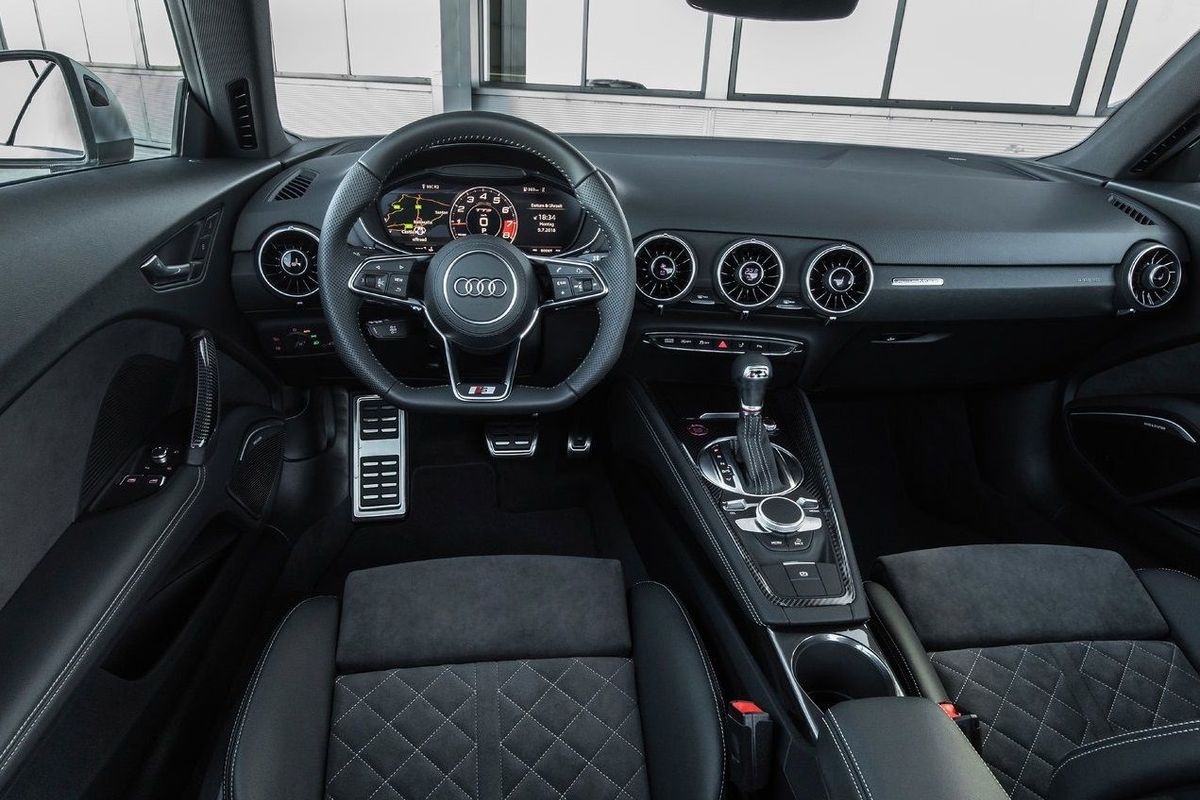
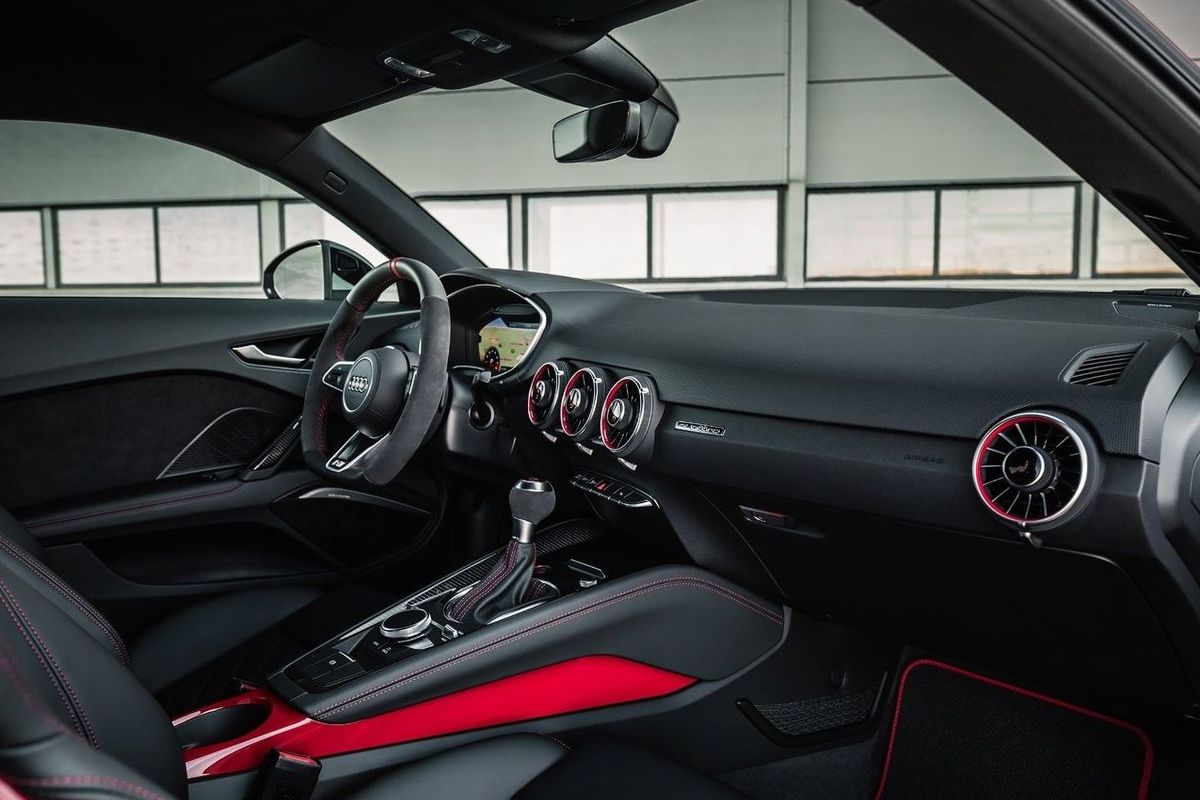
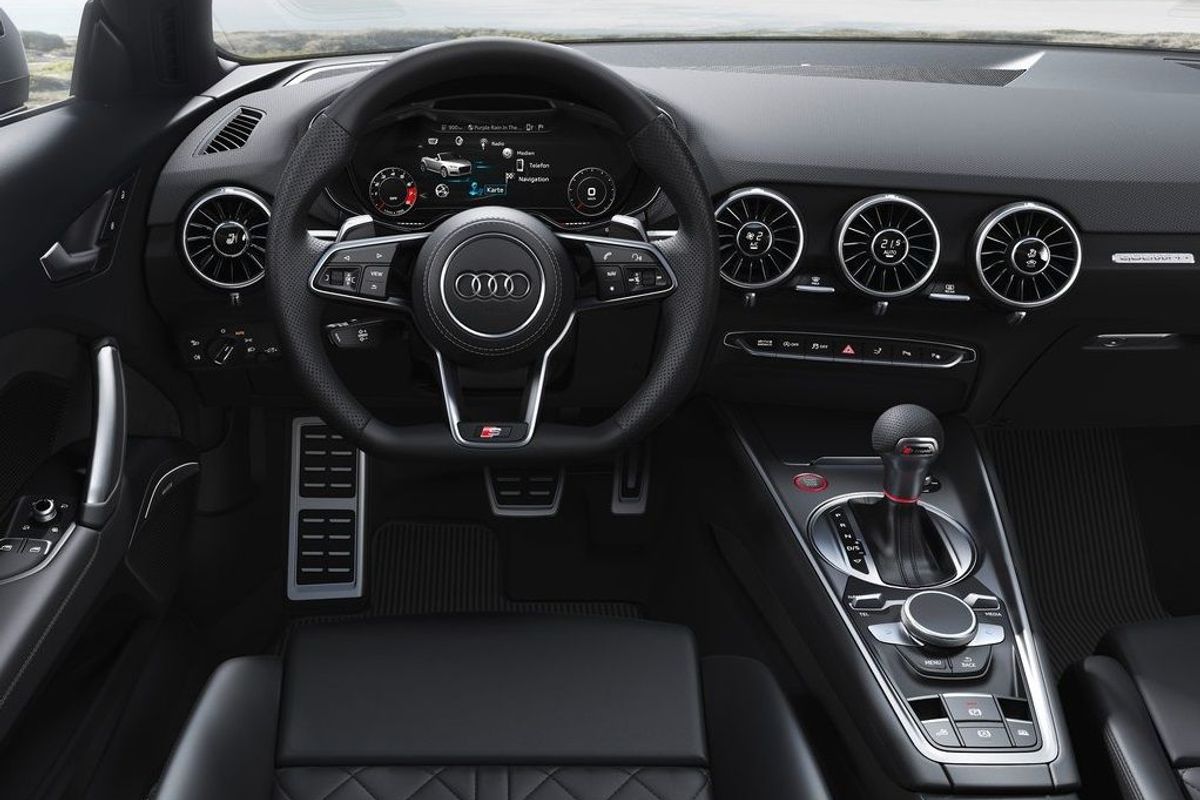
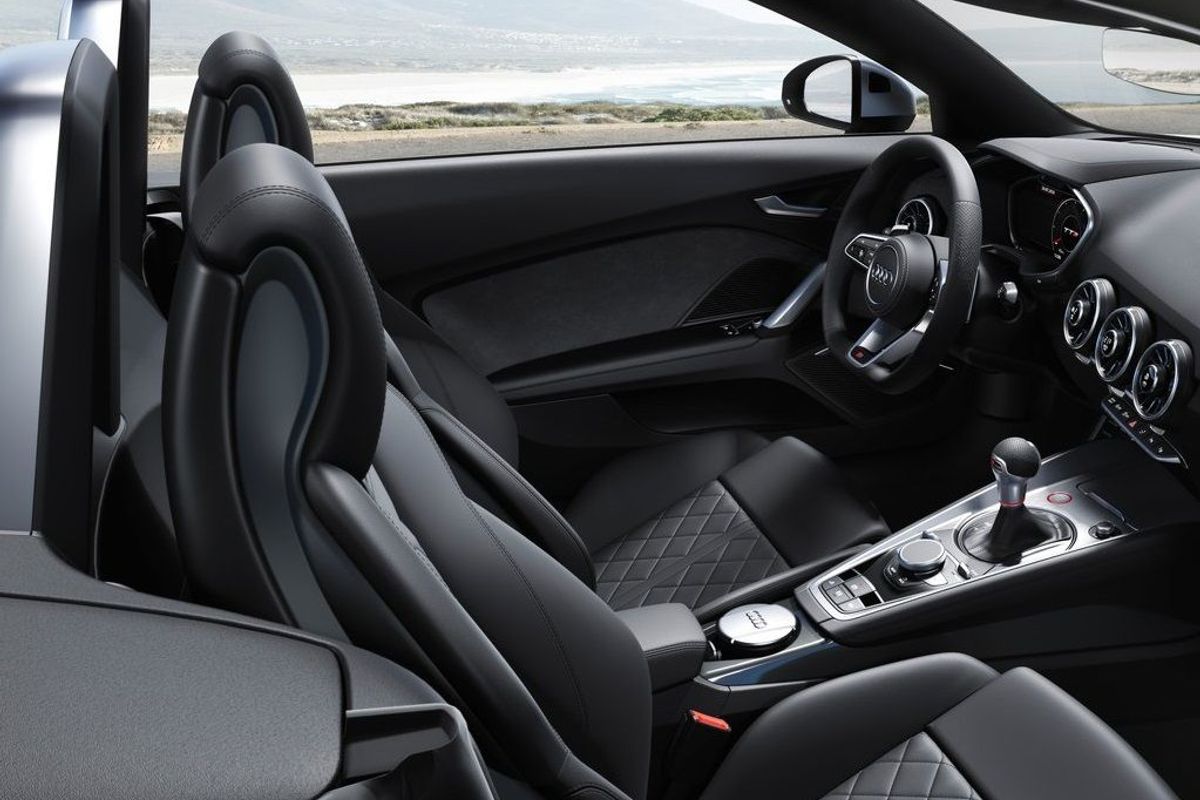
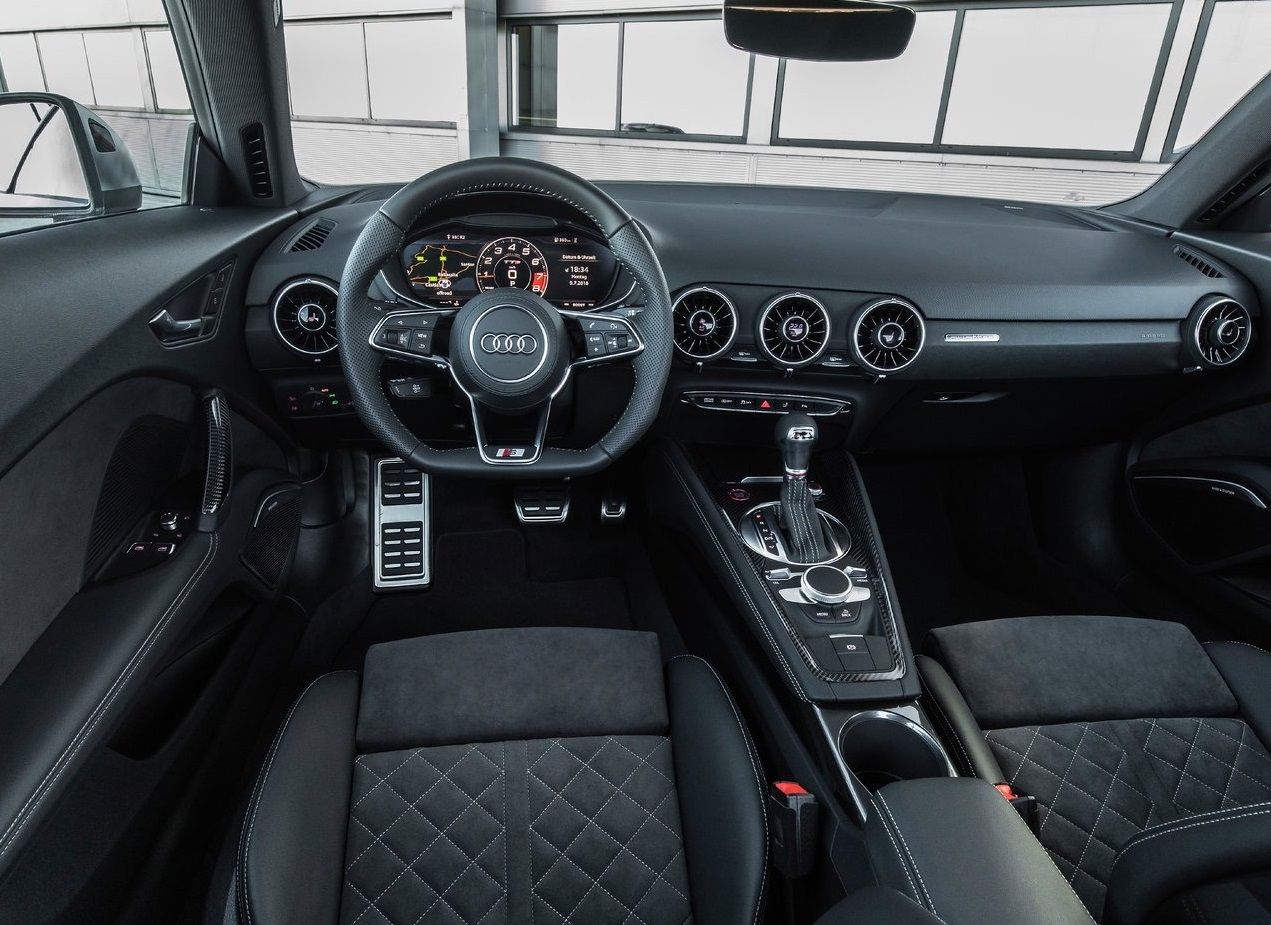
The TTS's cockpit is driver-focused and is arguably one of the most aesthetically pleasing interiors on the market.
In terms of styling, 18-inch wheels are standard while 19- and 20-inch wheels will be available as an option. Two new exterior colours will also be offered including Pulse Orange and Turbo Blue. Other nice details include S sport seats with contrasting stitching and an additional sport screen in the Audi Virtual Cockpit.
A TTS Competition special edition model is also expected to be offered in limited numbers. It will feature bespoke styling details such as LED headlights, laminated Audi rings on the side sills, privacy glazing for the TTS Coupe, a fixed rear wing, red brake callipers and 20-inch wheels in high-gloss black. The TTS Competition special edition is offered in either Tango Red, Mythos Black or Glacier White exterior body colours. Two choices of leather upholstery and trim will also be available.
The facelifted Audi TT range can be expected in South Africa in Q3 of 2019 but the TTS Roadster will sadly not be offered locally.
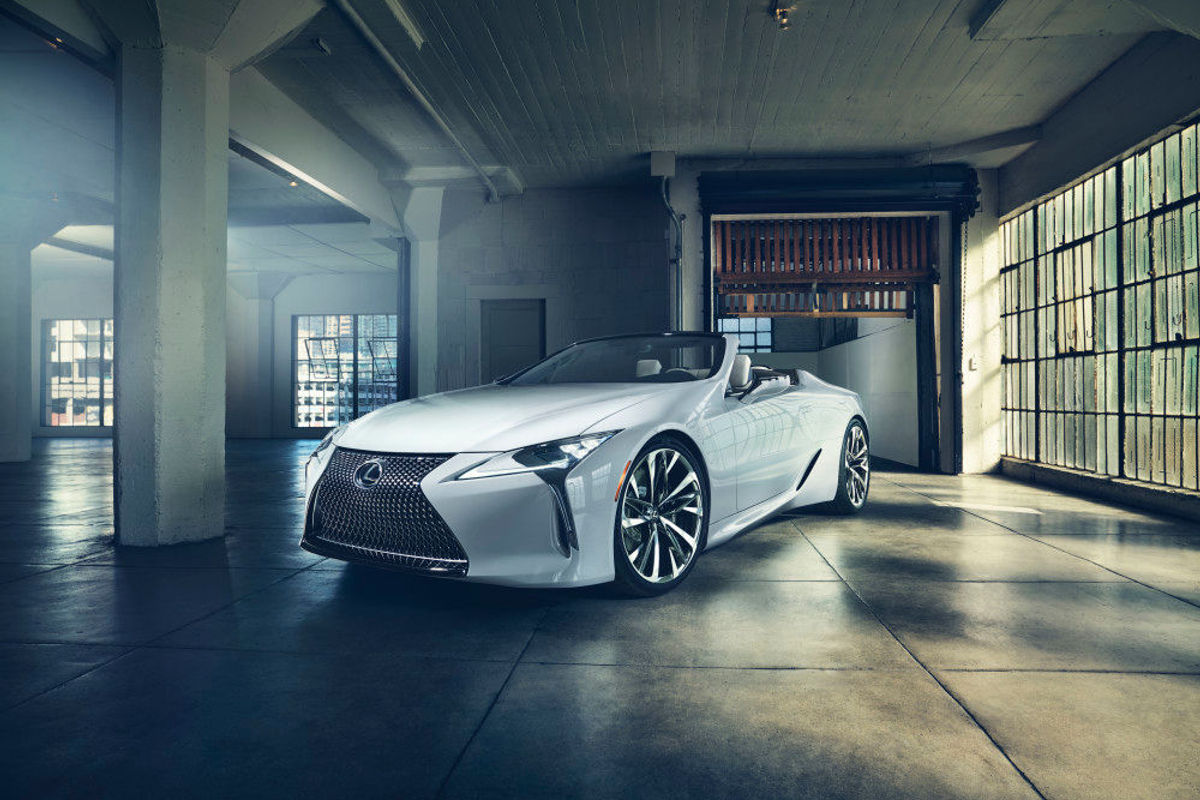
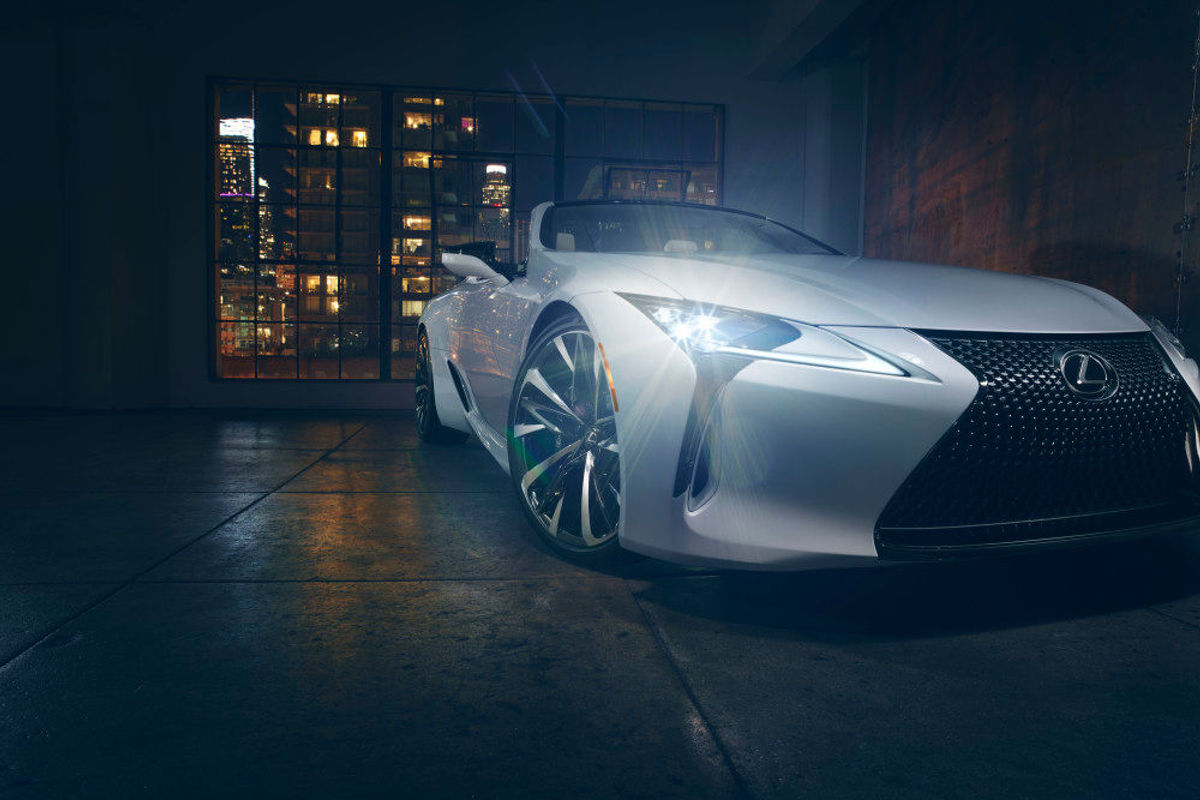
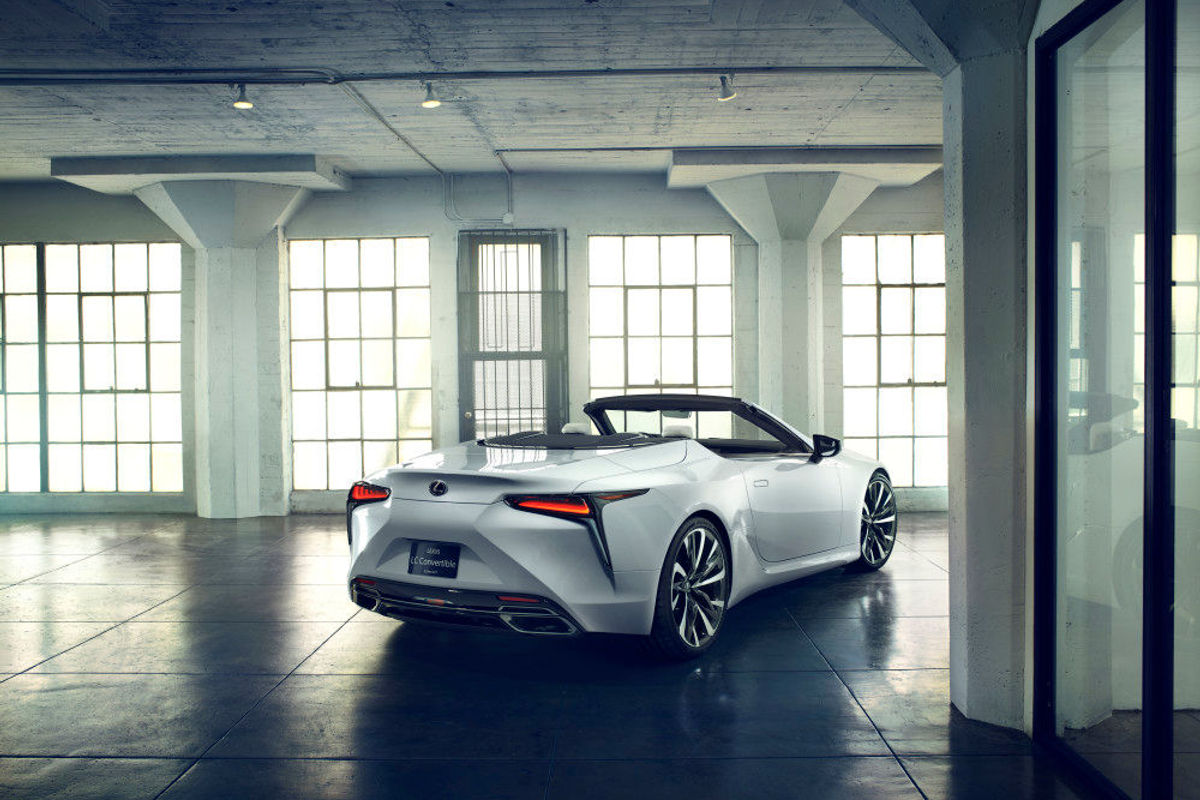
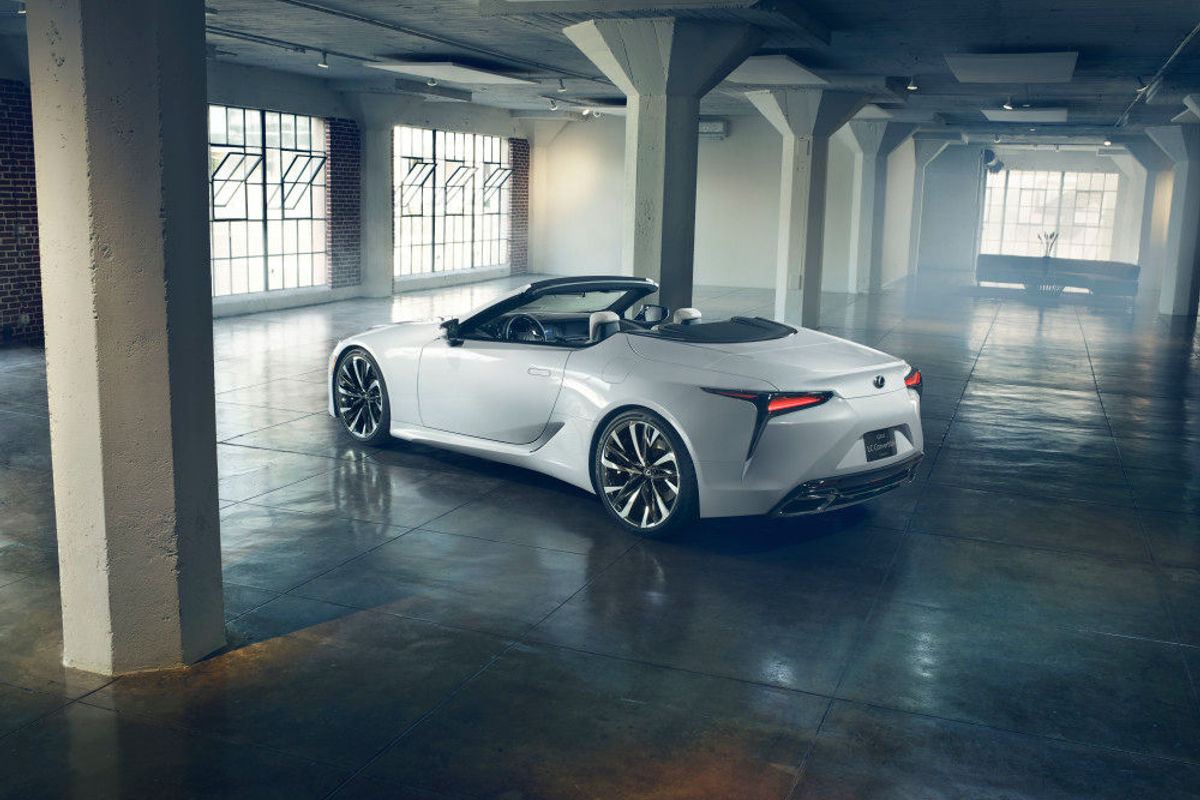
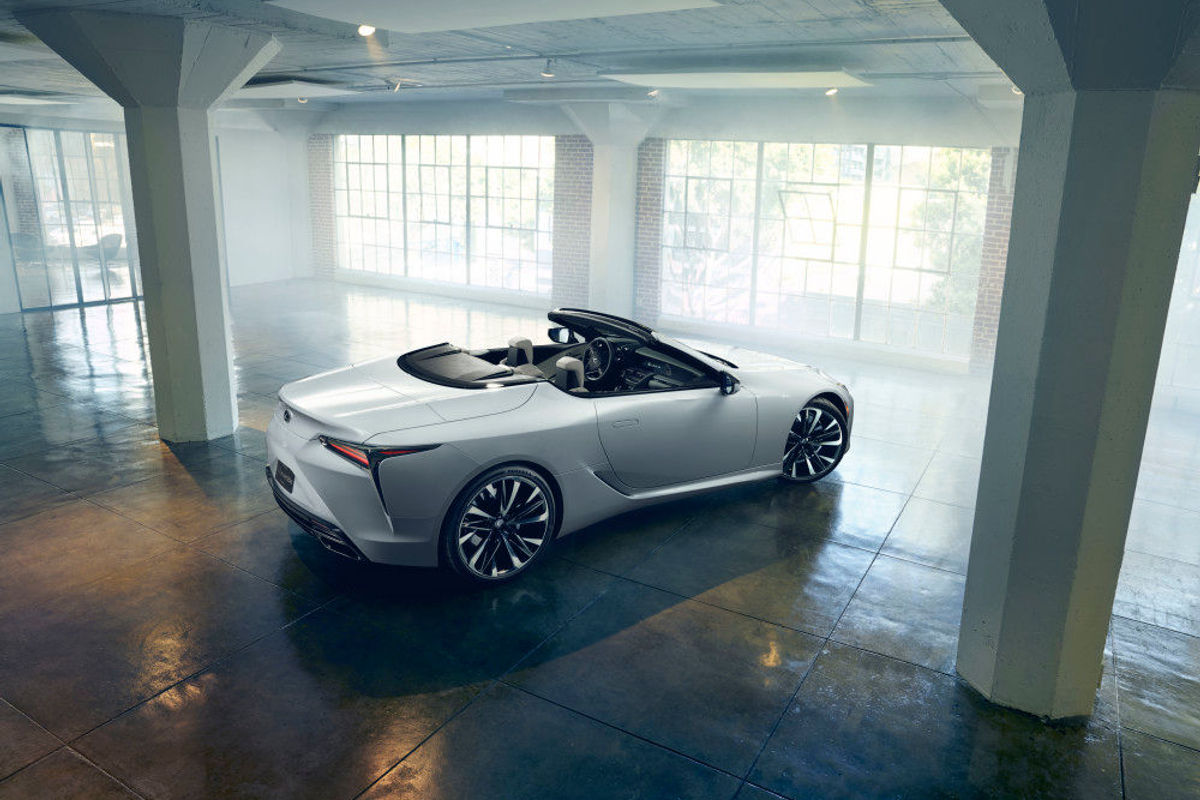
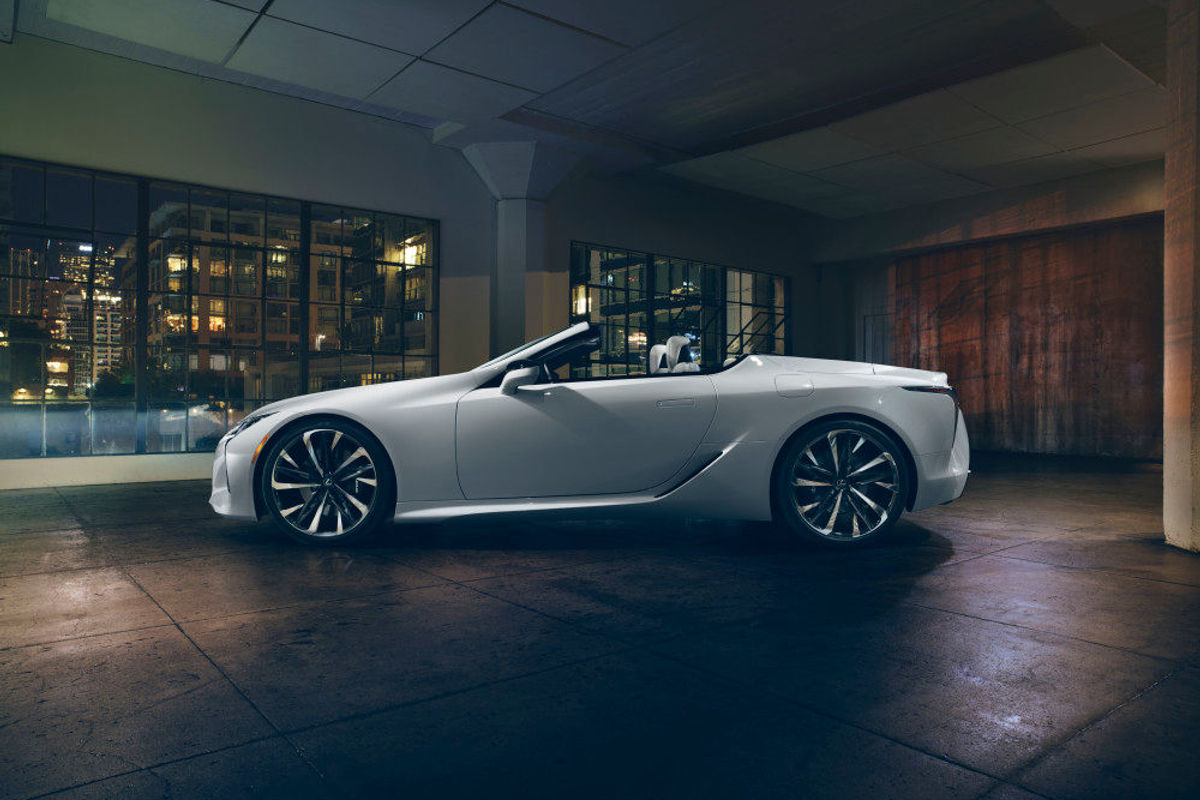
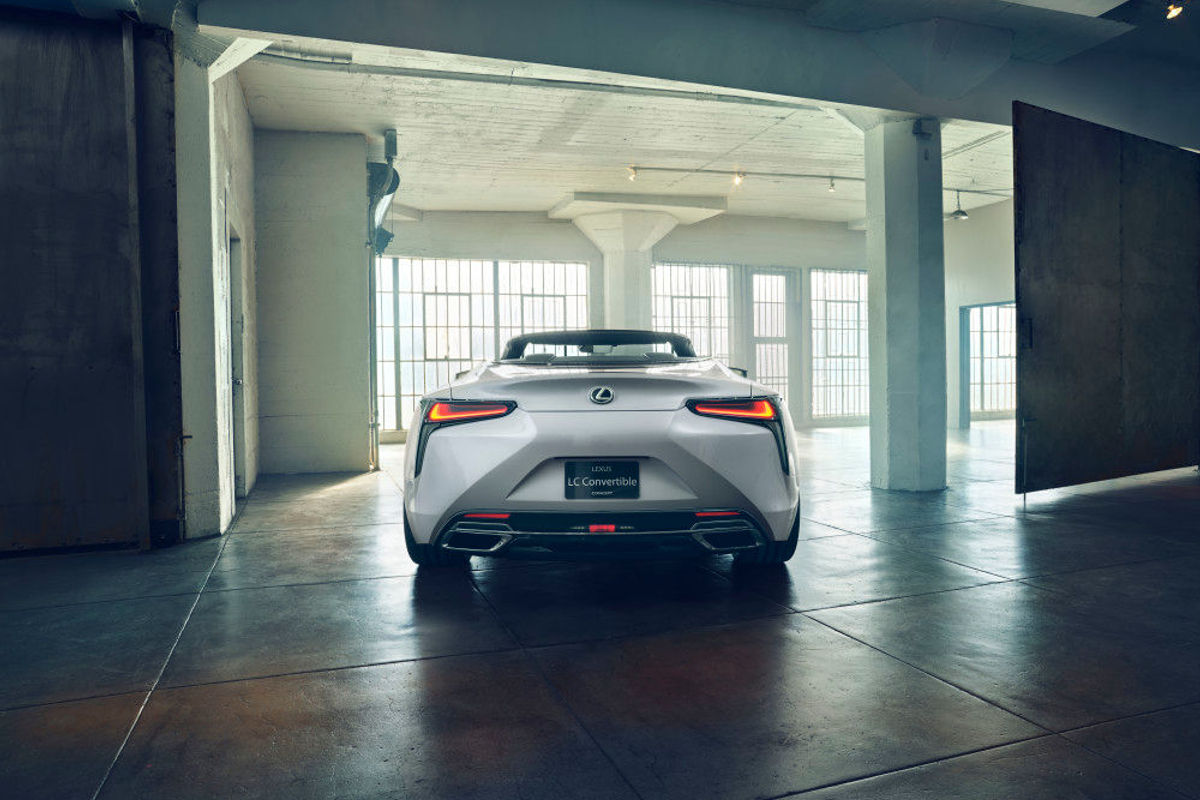
Lexus has revealed an LC Convertible Concept at the Detroit Motor Show and it looks tantalising…
The LC 500 Coupe is Lexus’ flagship model and the luxury brand has now revealed a convertible version in concept form at the Detroit Motor Show.
The LC 500 Coupe is powered by a sumptuous naturally aspirated 5.0-litre V8 engine with peak outputs of 351 kW and 540 Nm of torque which should be loads of fun to drive as a convertible.
Chief designer Tadao Mori commented, “You would see its dynamic lines as you approach, hear its engine when you started it up and feel everything around you once on the road. It would engage the senses in a way that is unique and exciting every time you got behind the wheel. This concept takes the unmistakable design of the LC coupe and re-imagines it as a future convertible. It blends all the best aspects of the original coupe with the dynamic design of an open-air convertible".
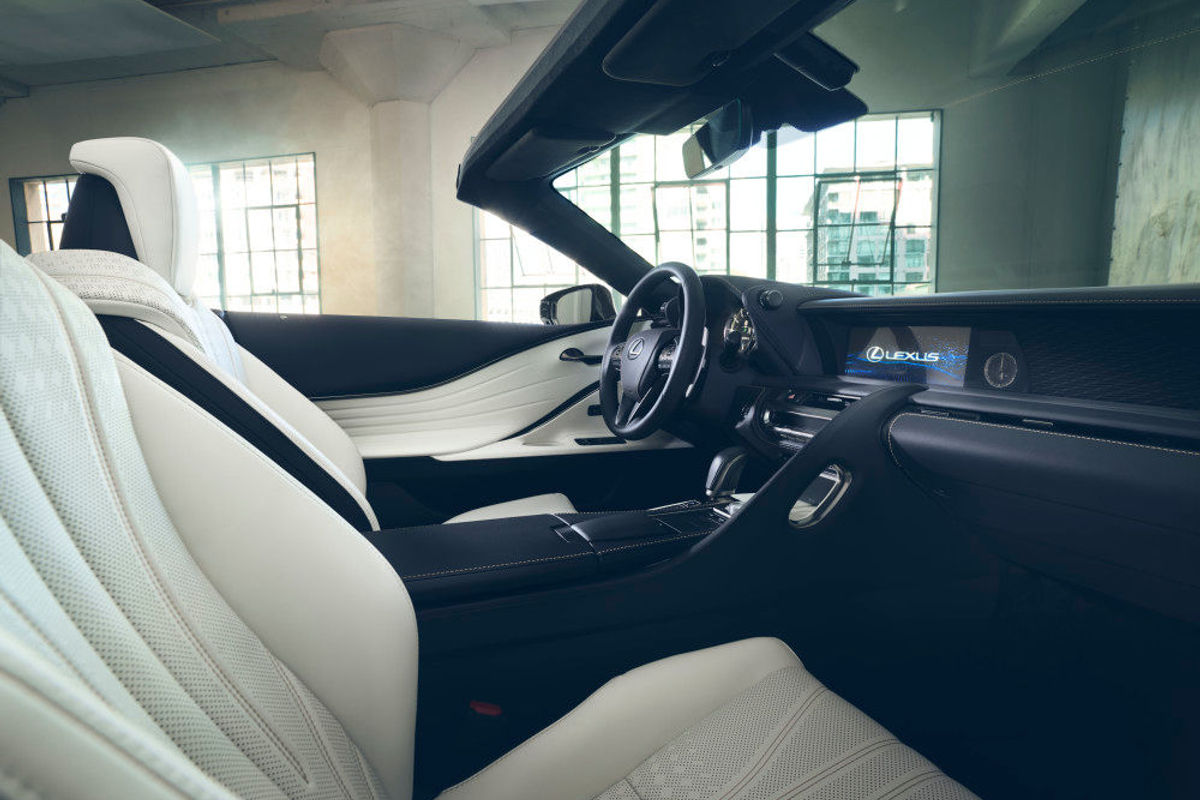
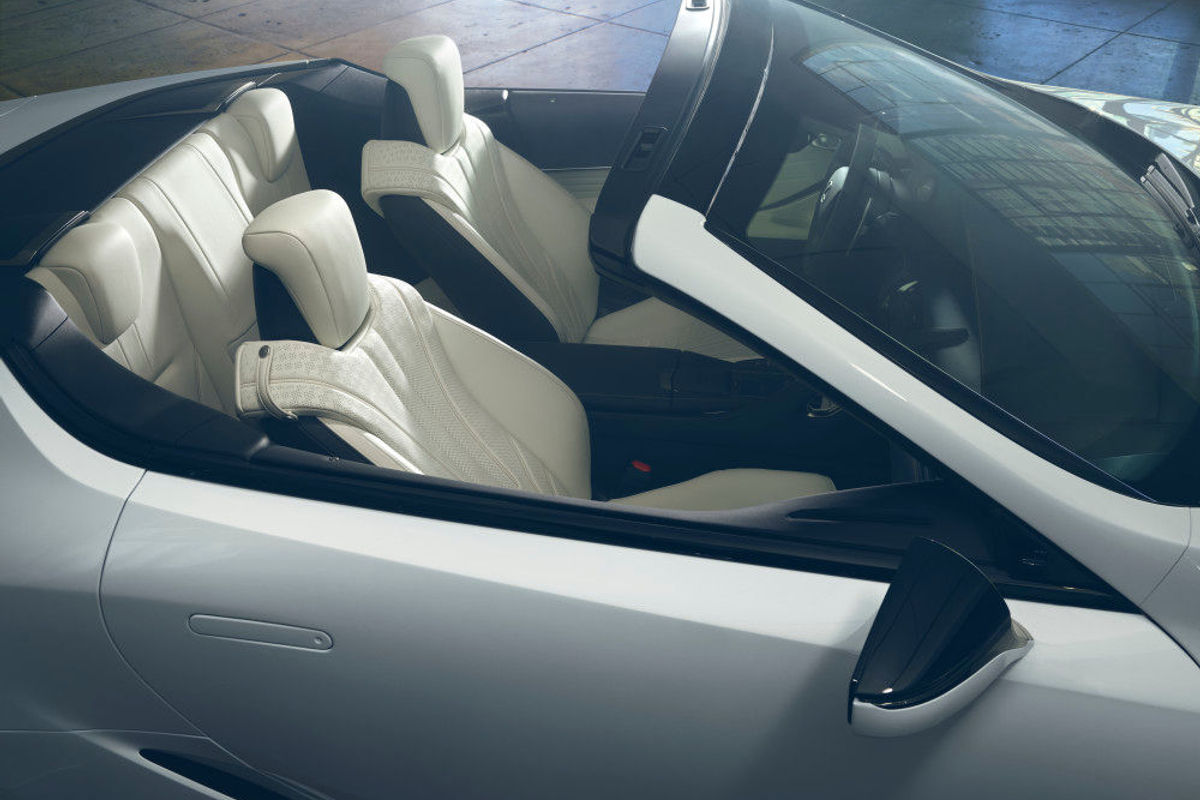
The LC Convertible Concept features strong, dynamic lines, short overhangs and rides on large 22-inch wheels. Lexus, however, has said little about the roof other than that it’s stored beneath the bootlid. The interior is fitted with tailored seats and adorned in white leather trim with subtle contrasting yellow stitching.
The LC Convertible Concept is said to suggest the future direction of the LC Coupe which hints that it may very well make it to production.
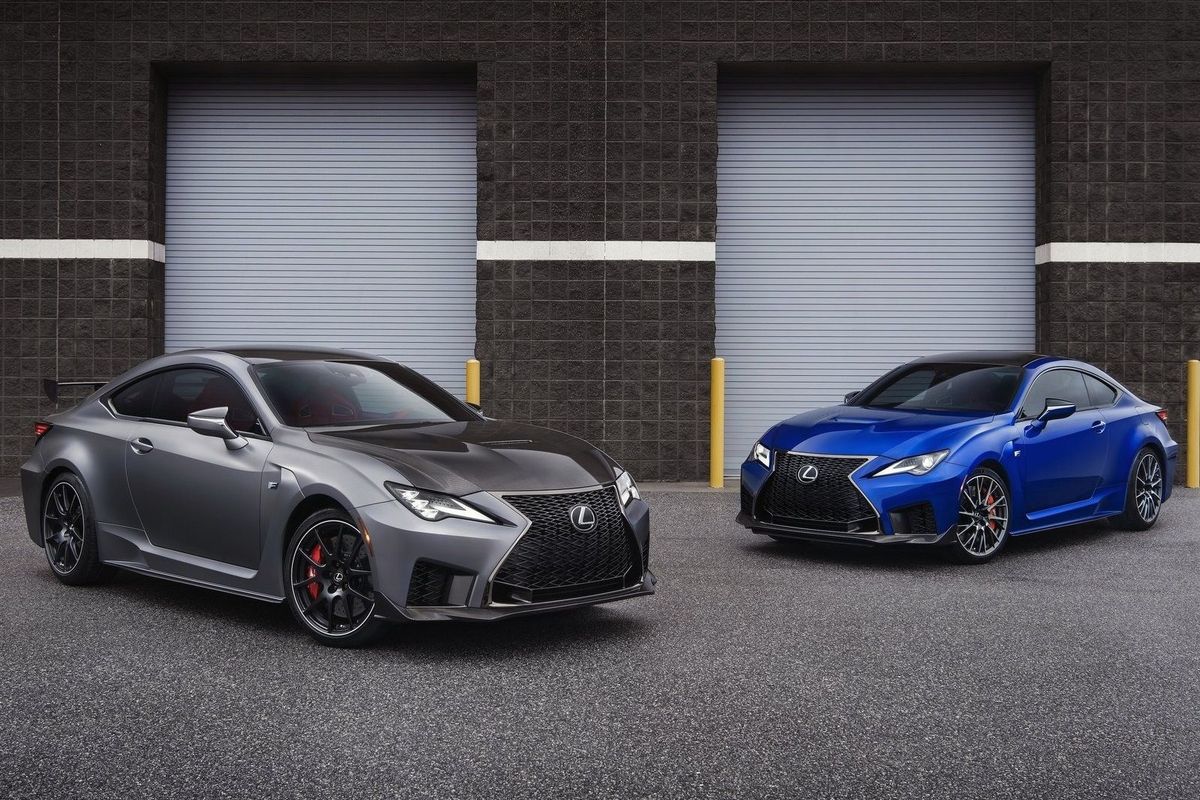
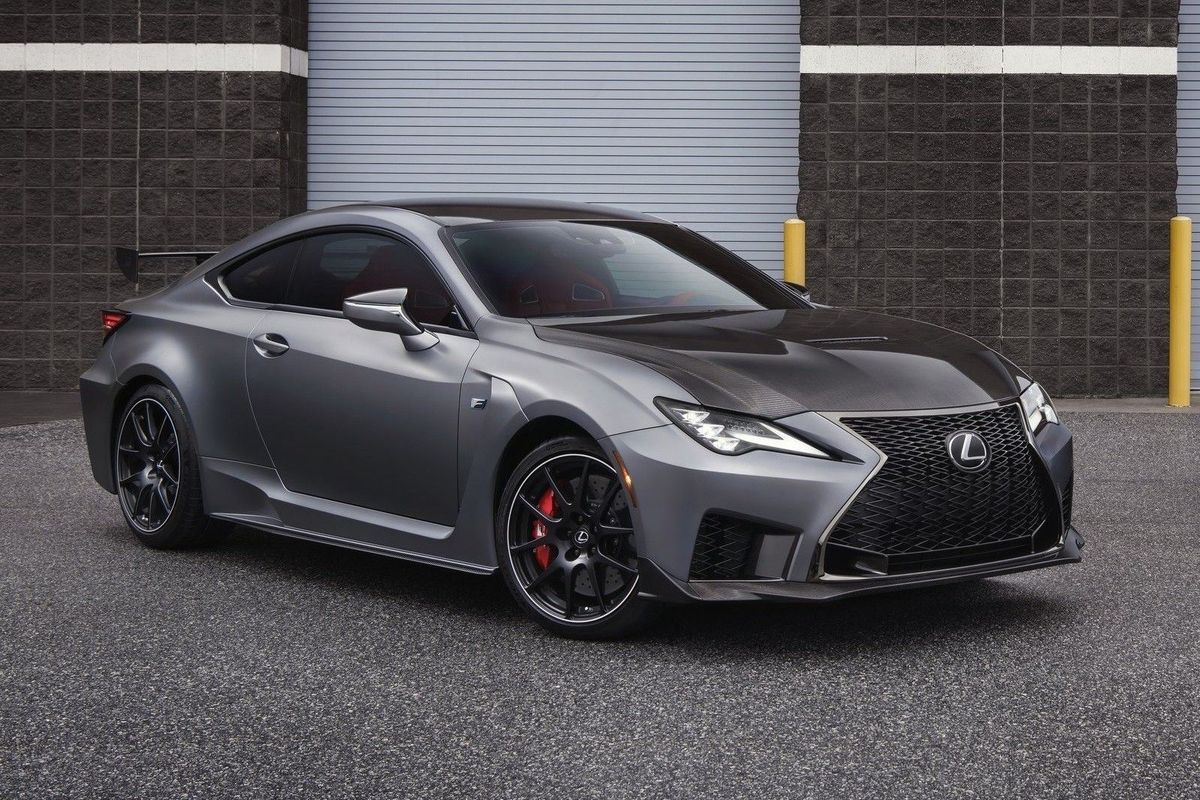
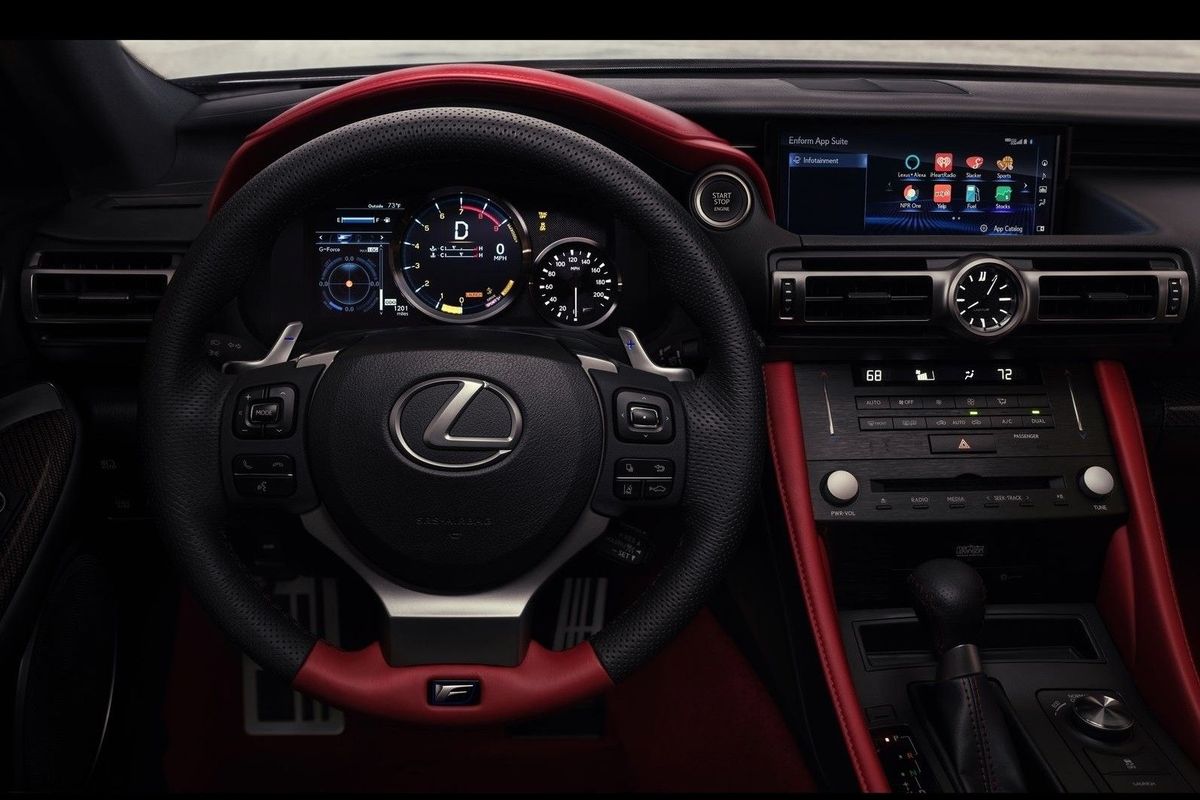
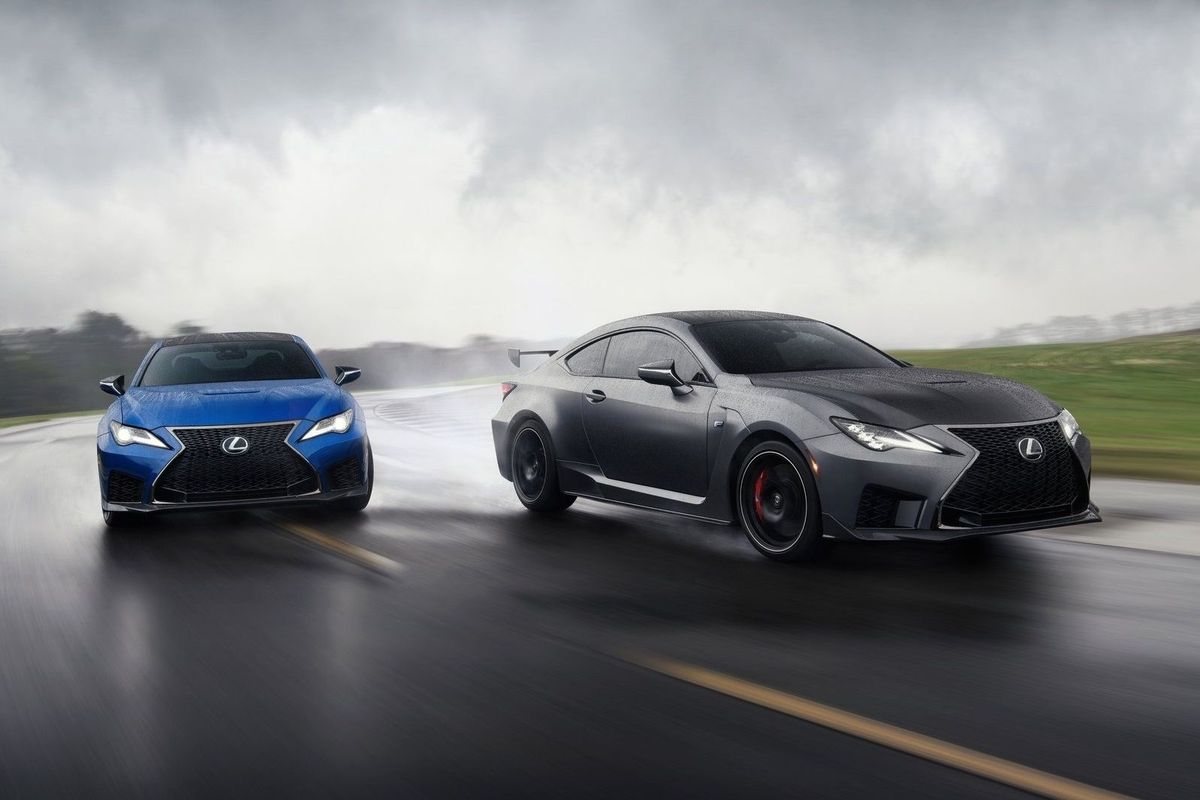
Lexus has unveiled a hardcore version of its RC F coupe which the brand claims to blend luxury with serious performance. The big news? It's coming to South Africa in 2019.
The headline numbers speak volumes. From a 5.0-litre naturally-aspirated V8 engine comes 352 kW and 535 Nm, with power going to the rear wheels via a revised 8-speed automatic gearbox. Launch control has been fitted and the 0-100 kph sprint is claimed to be dispatched in 3.96 seconds.
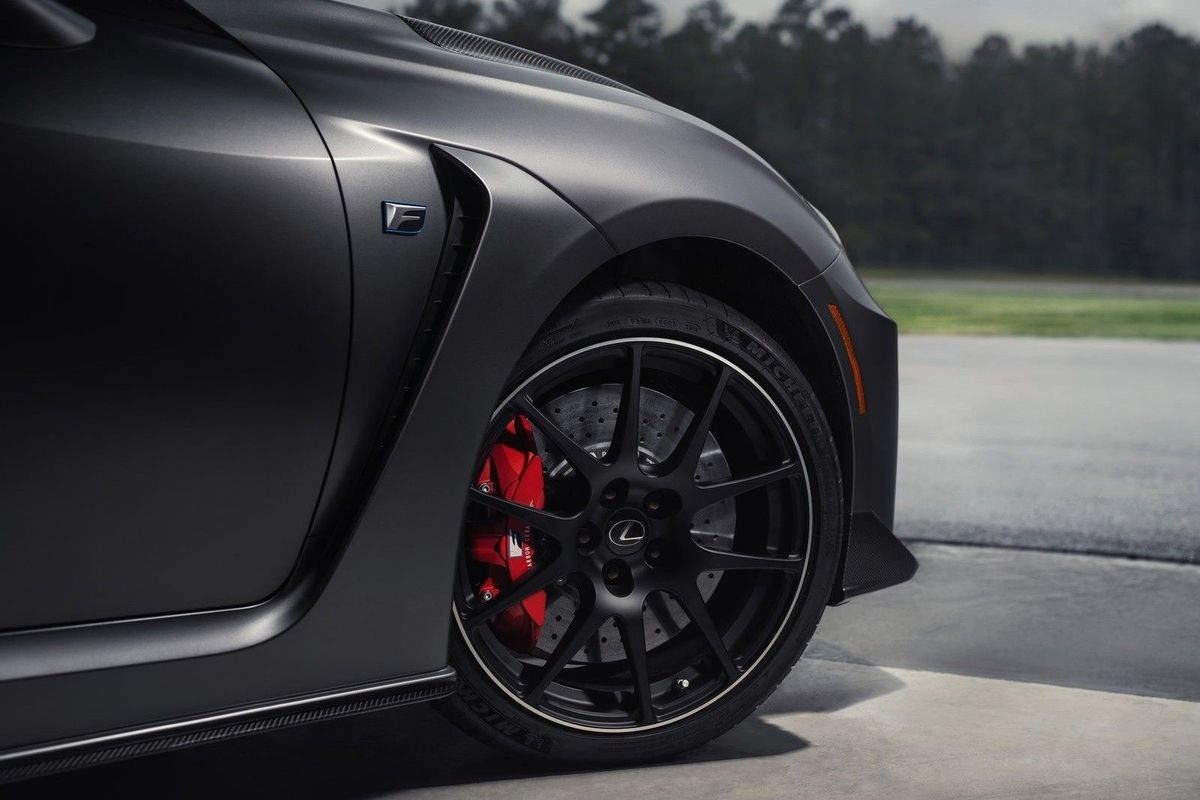
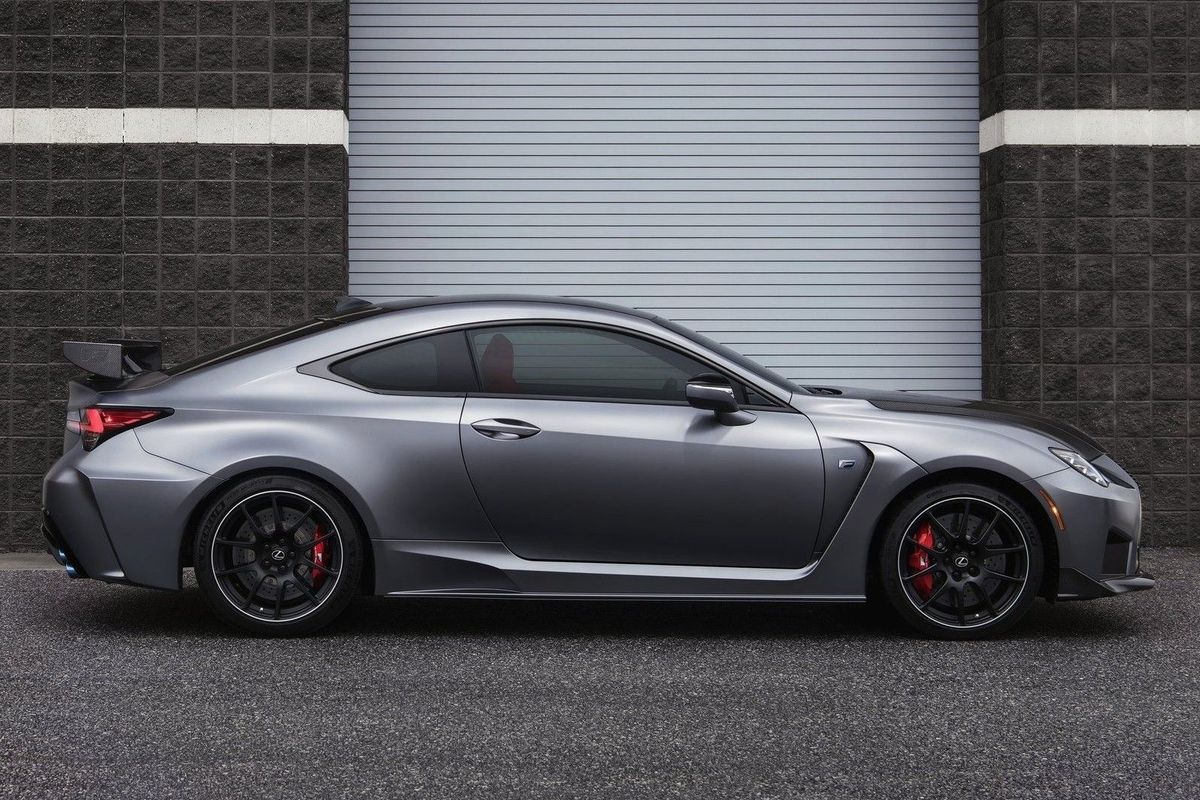
Those are some serious numbers, but the changes from standard RC F to RC F Track Edition are not limited to just more power. The car has been on a strict diet and Lexus claims that as much as 80kg has been shed thanks to extensive use of carbon fibre in the roof and bonnet. In addition, Brembo carbon ceramic brakes are fitted and the car rides on trick Michelin Pilot Sport 4S rubber. There is a neat aerodynamic kit including a diffuser and fixed rear wing, and finally, the suspension has been reworked for a more engaging precise drive.
Lexus claims the RC F Track Edition will go into production in the second quarter of 2019 and Toyota SA confirmed that this model will be coming to SA before the year is out. This is great news as the pre-facelift Lexus RC was never available in F flavour. We can't wait to drive it.
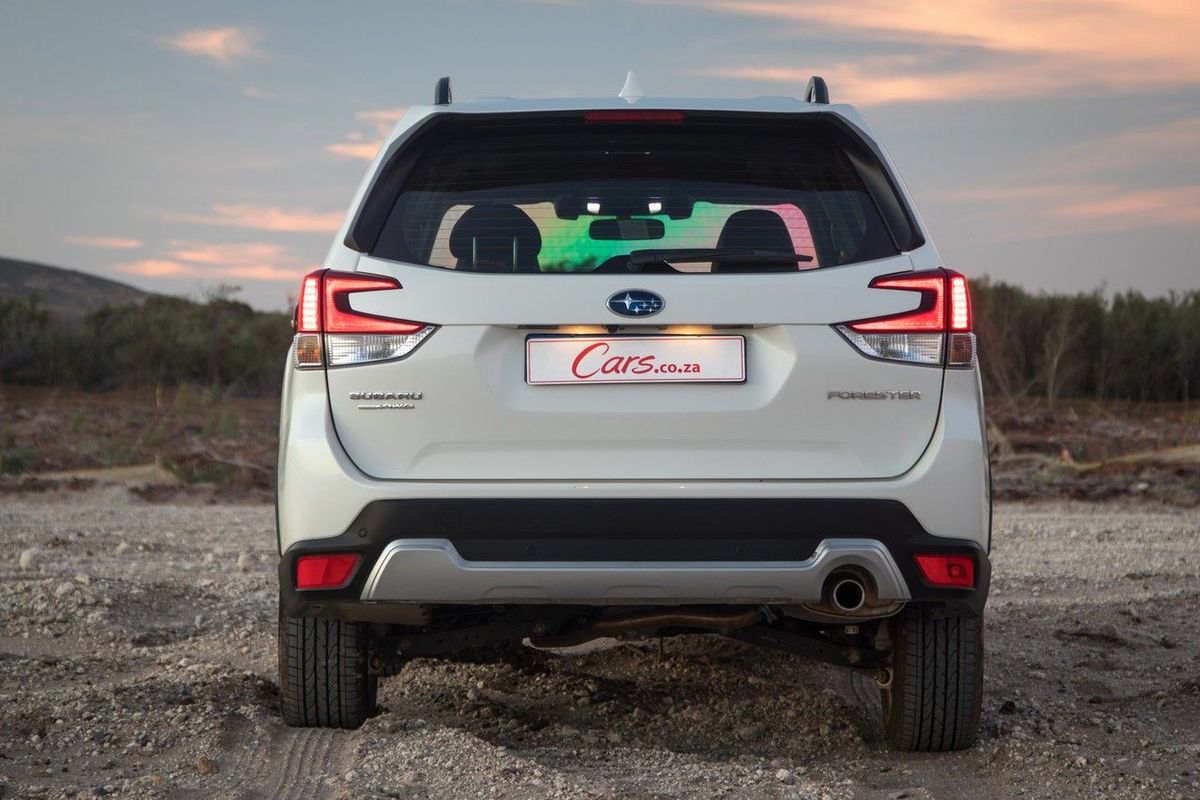
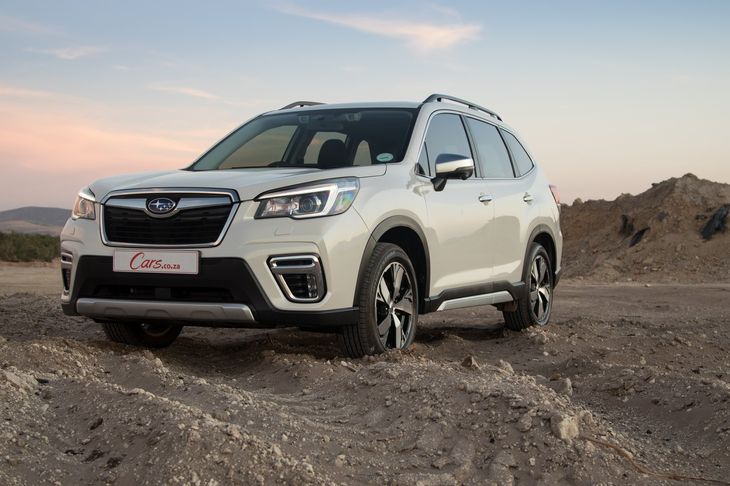
Subaru has repositioned its family car offering: the latest Forester features just 1 engine across the entire range and its asking price is drastically reduced. Does that bring it back into contention in an overcrowded segment, however?
We Like: Practicality, passenger space, safety and ride quality on and off-road
We Don’t Like: Subaru needs to make a better engine
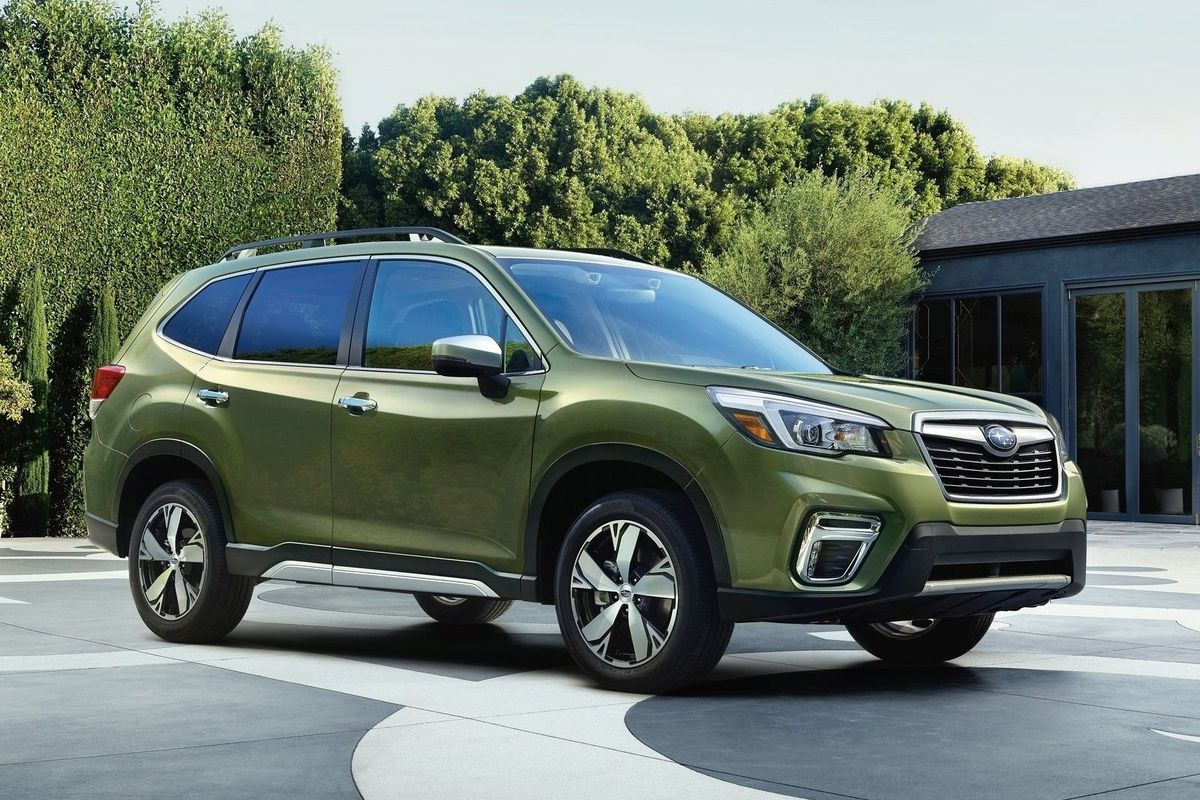
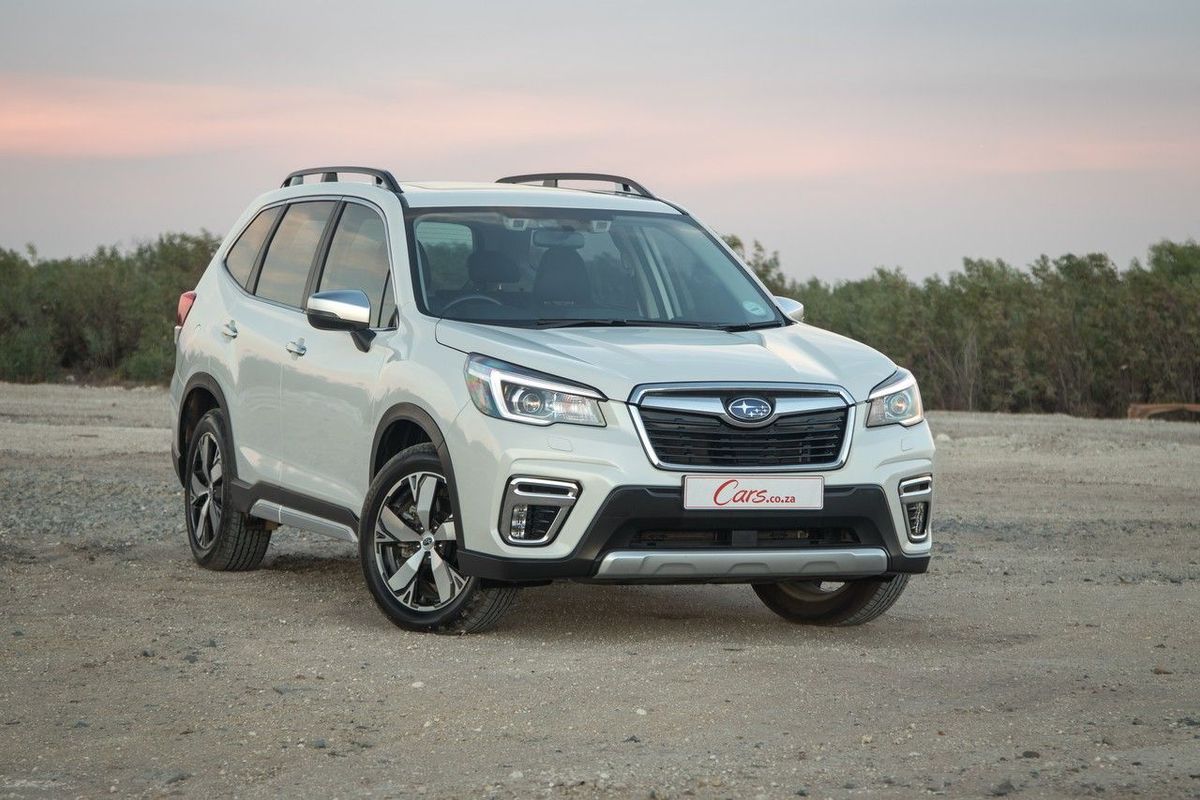
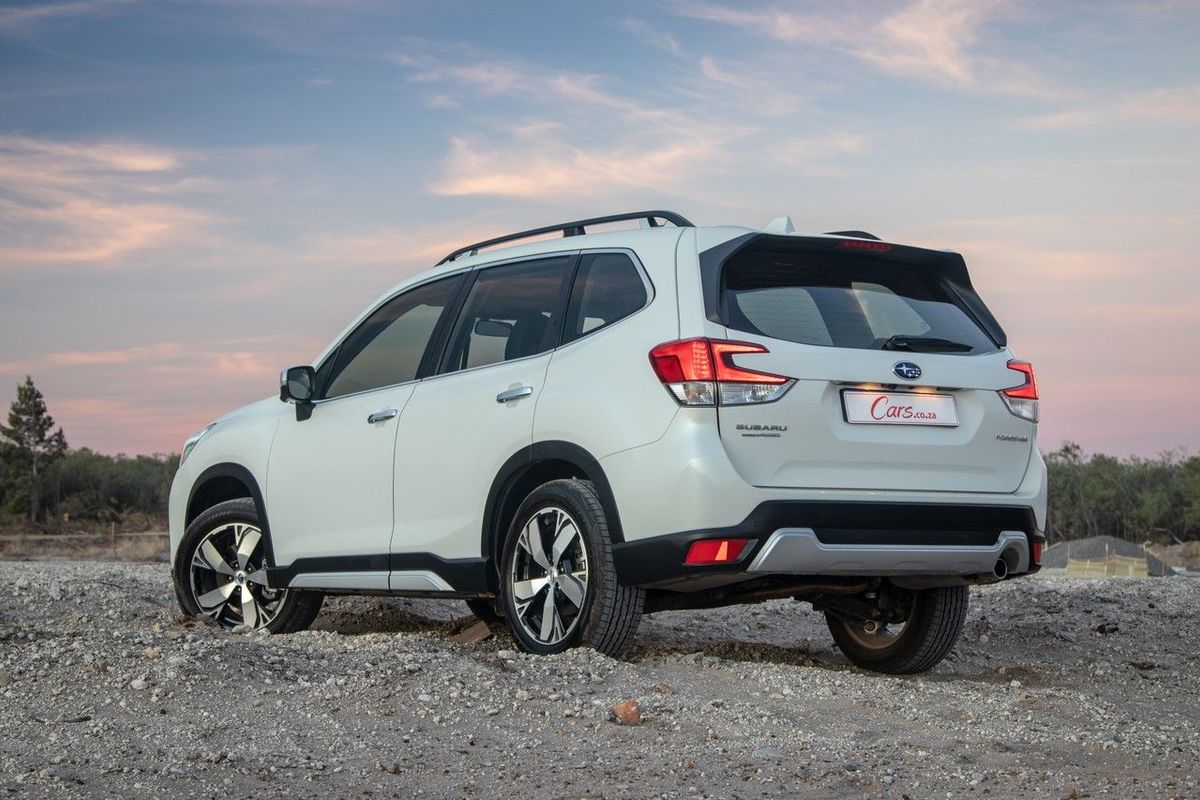
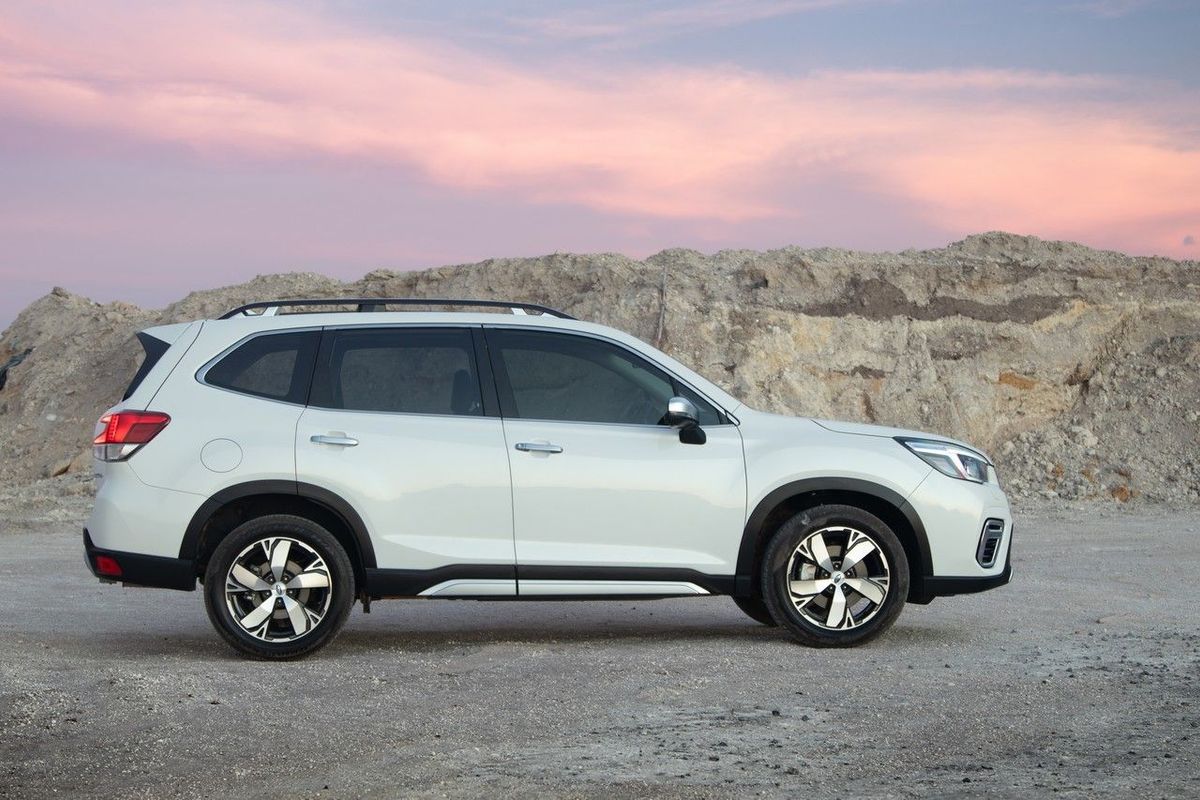
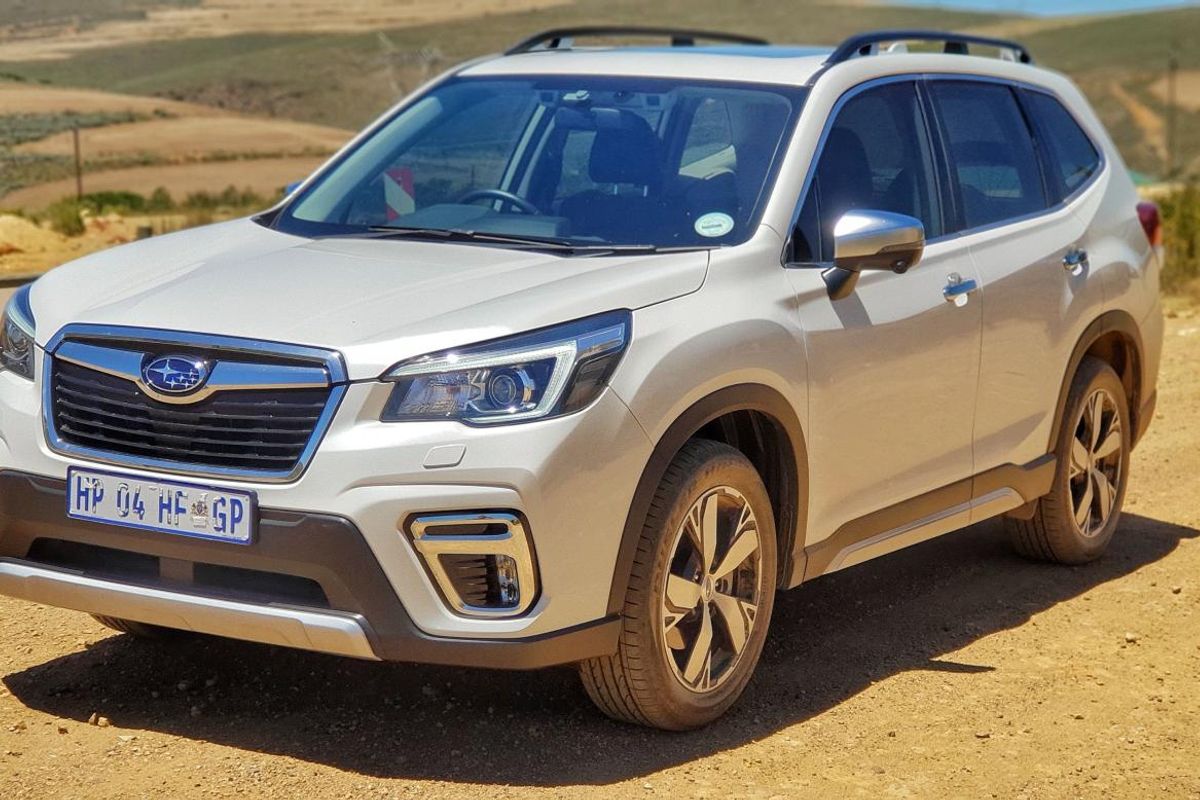
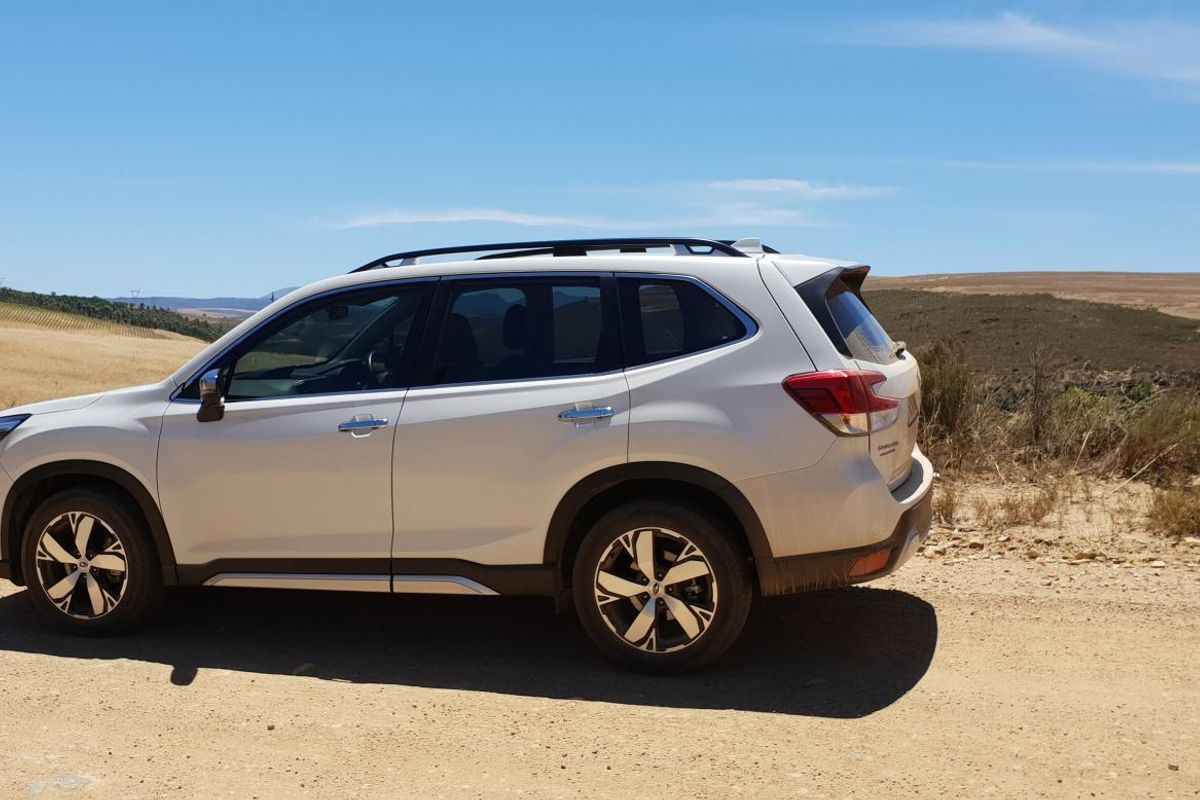
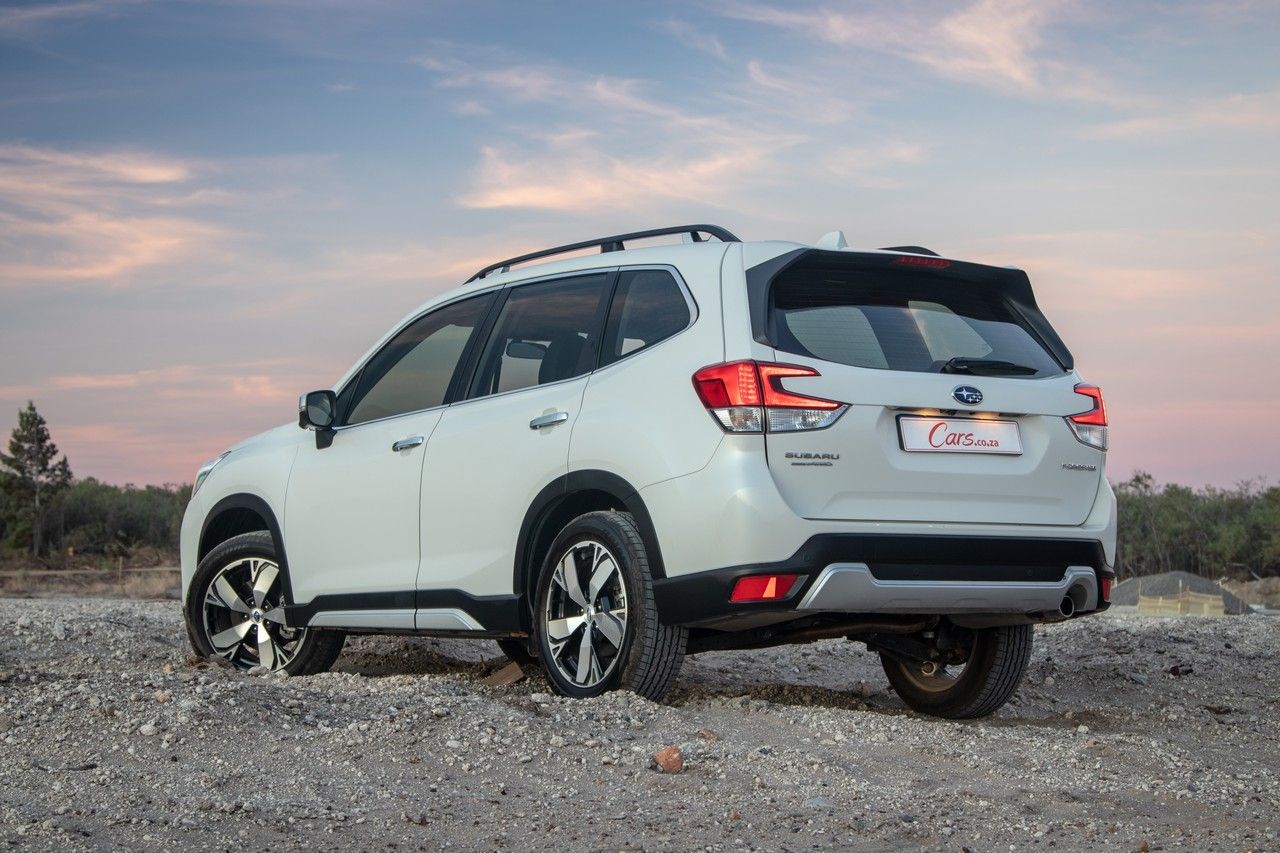
The Subaru Forester, now in its 5th generation, is based on the brand’s new global platform, which also underpins the XV and Impreza. It fits in the family SUV category and is aimed towards adventurous buyers (those not averse to doing a bit of off-roading), hence the integral AWD system.
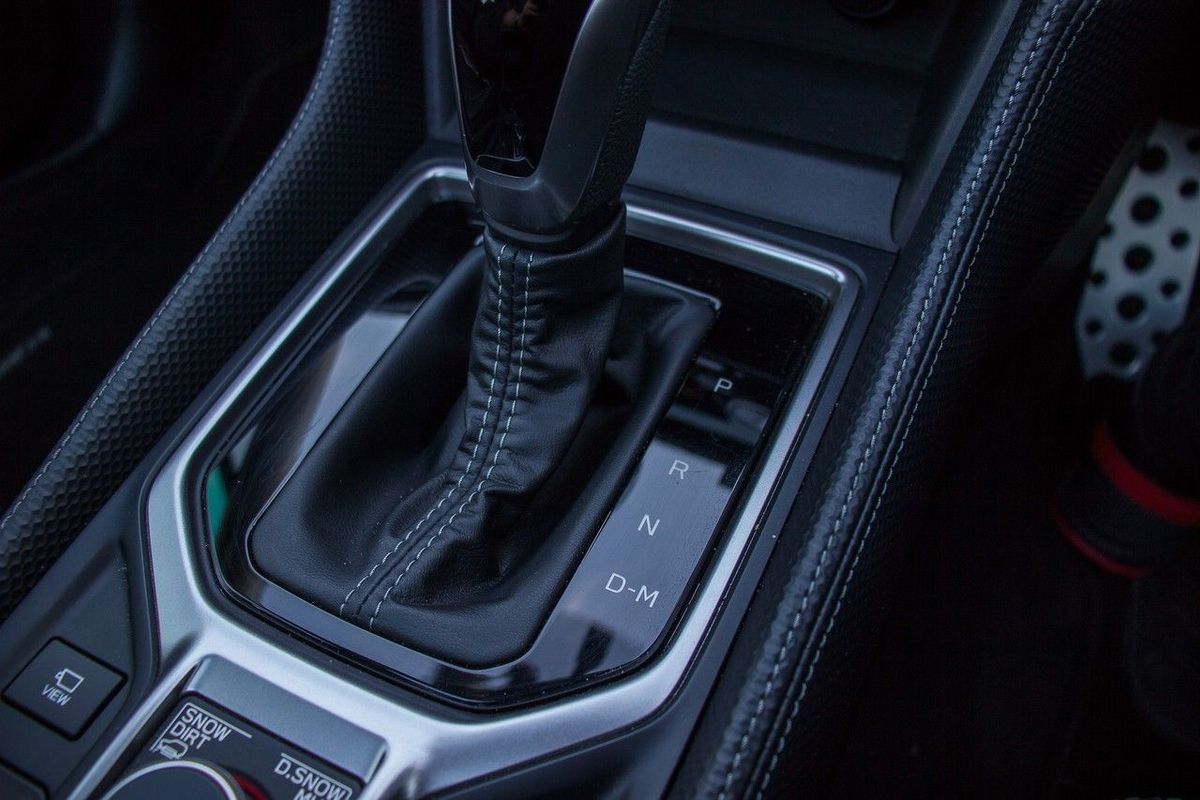
With this generation, several changes have been made to make the Forester bigger inside and easier to get in and out of, update the level of onboard connectivity and provide a more efficient return from the engine. But, the main change for the local market is the single-engine line-up: a 2.0-litre naturally aspirated engine, mated with a continuously variable transmission (CVT), is the sole powerplant available.
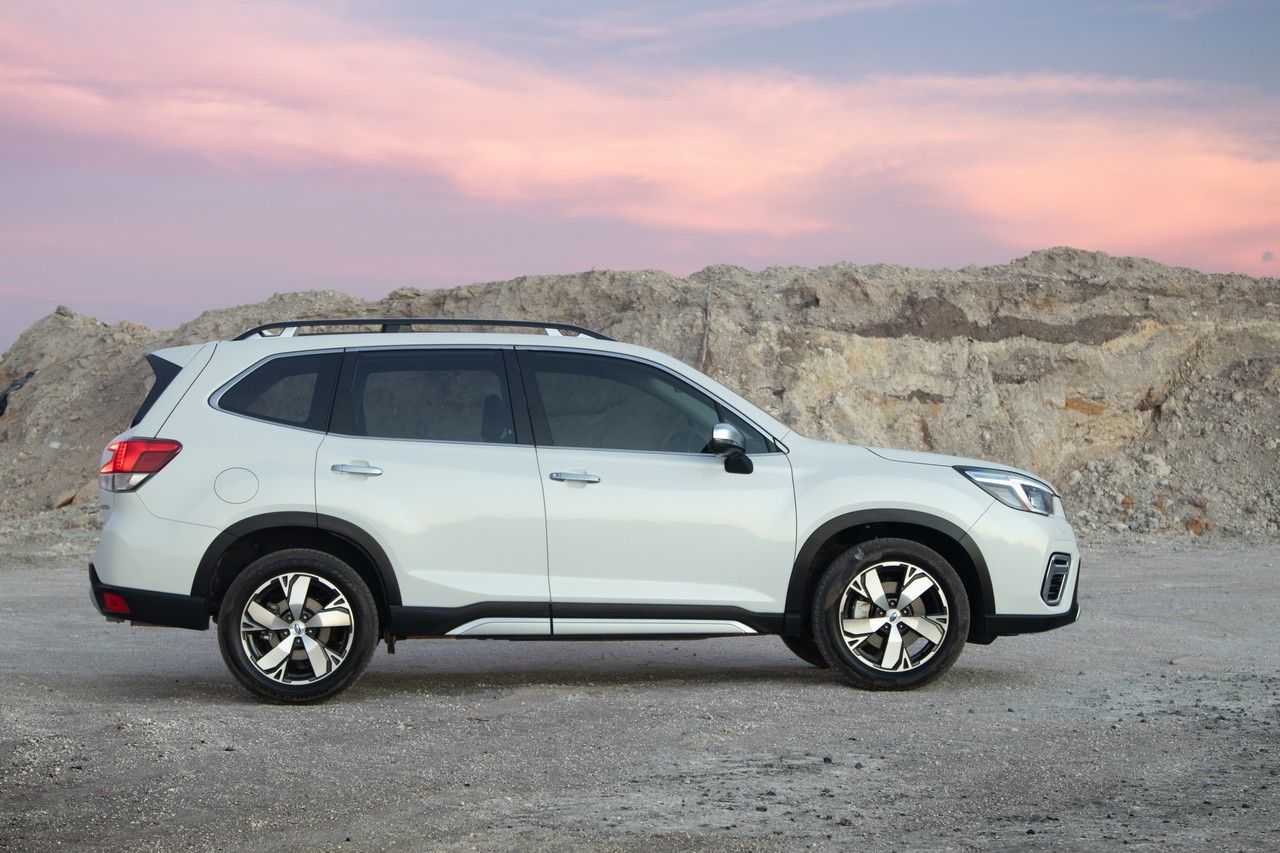
Large and in charge. New styling may not be to everyone's taste, but the latest Forester's huge inside.
There is good news as far as this change is concerned: the asking price for the top-spec derivative has dropped from R597 000 to R499 000, all of that for a smarter (and just as well-equipped) car.
How does it fare in terms of…
Family values
The Forester has always been a car you can rely on. Its hard-wearing build quality, metronomic reliability and dog-friendly surfaces have meant that Subaru's family car contender has one of the longest ownership periods of any car, around twice as long as the standing average.
Upon first acquaintance, the new model doesn’t feel like a brand new design. In typical Subaru fashion, it feels like a light evolution of the old model. There are some nice, user-friendly changes though: the rear door aperture is bigger, which eases access to the rear bench and facilitates the fitment of child seats. The rear legroom has been increased too: even when seated behind a 6-ft (183-cm) driver, there’s enough space to stretch out.
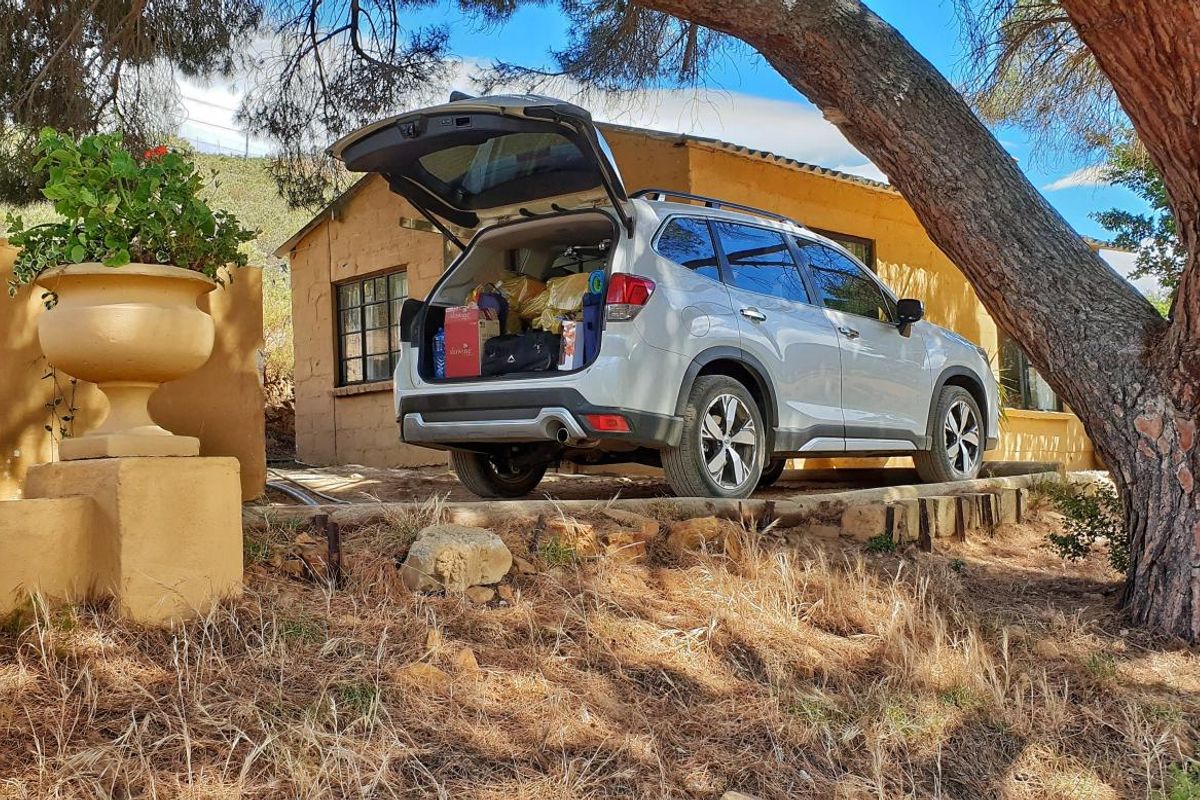
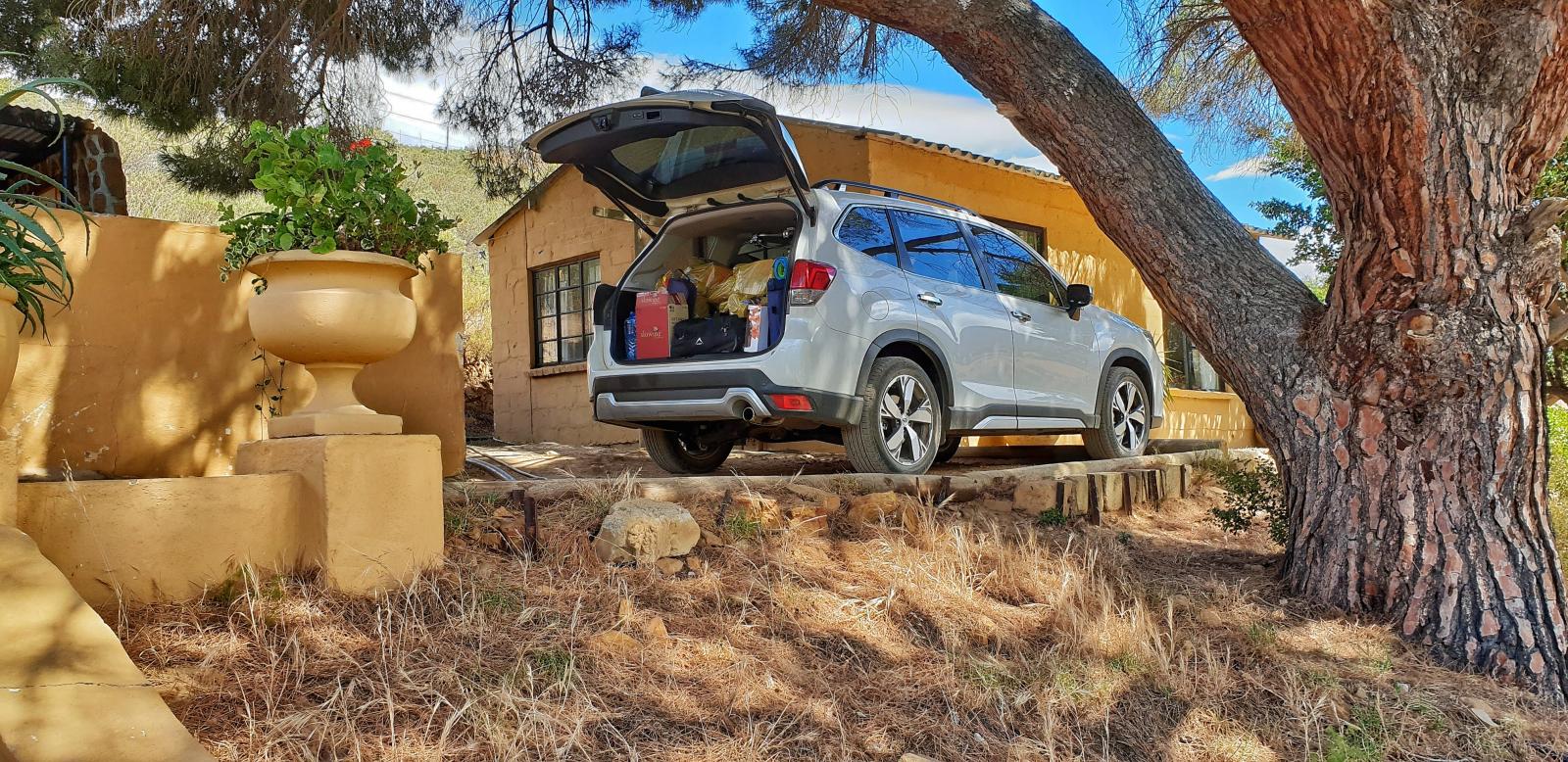
A fully-loaded Forester. The newcomer now has a faster-operating electric tailgate.
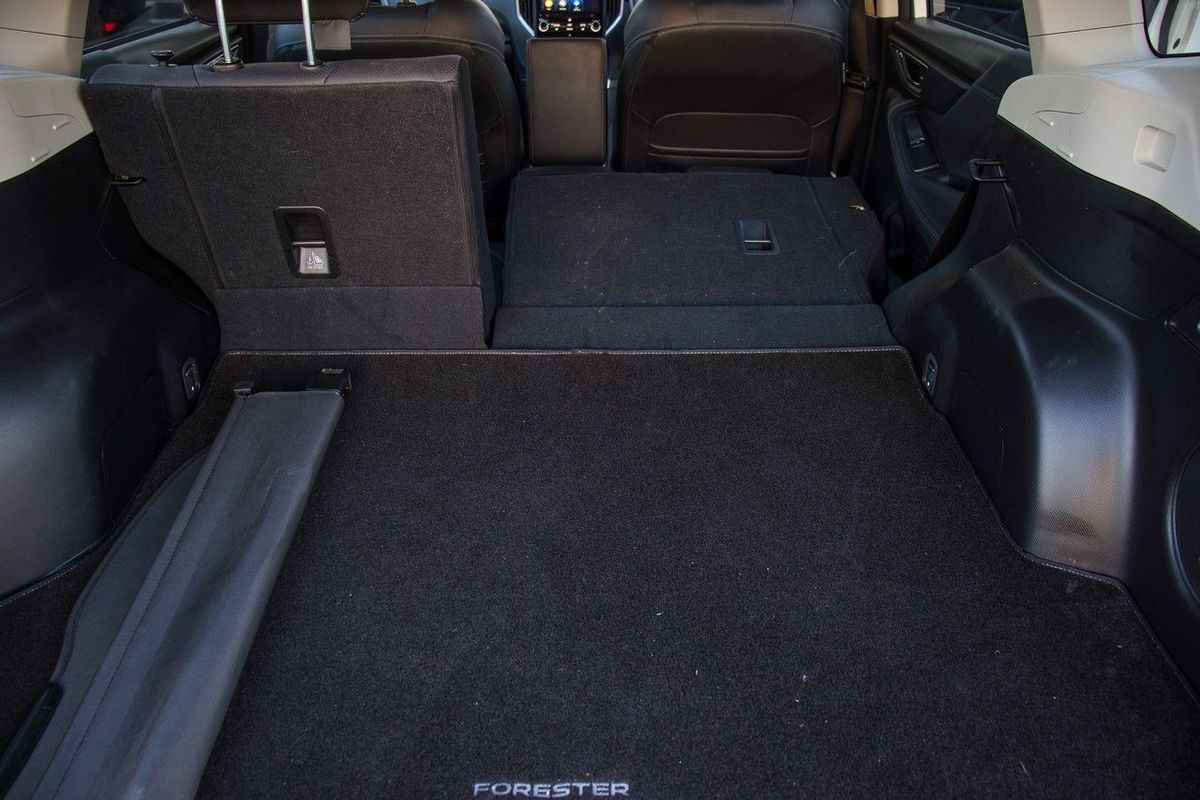
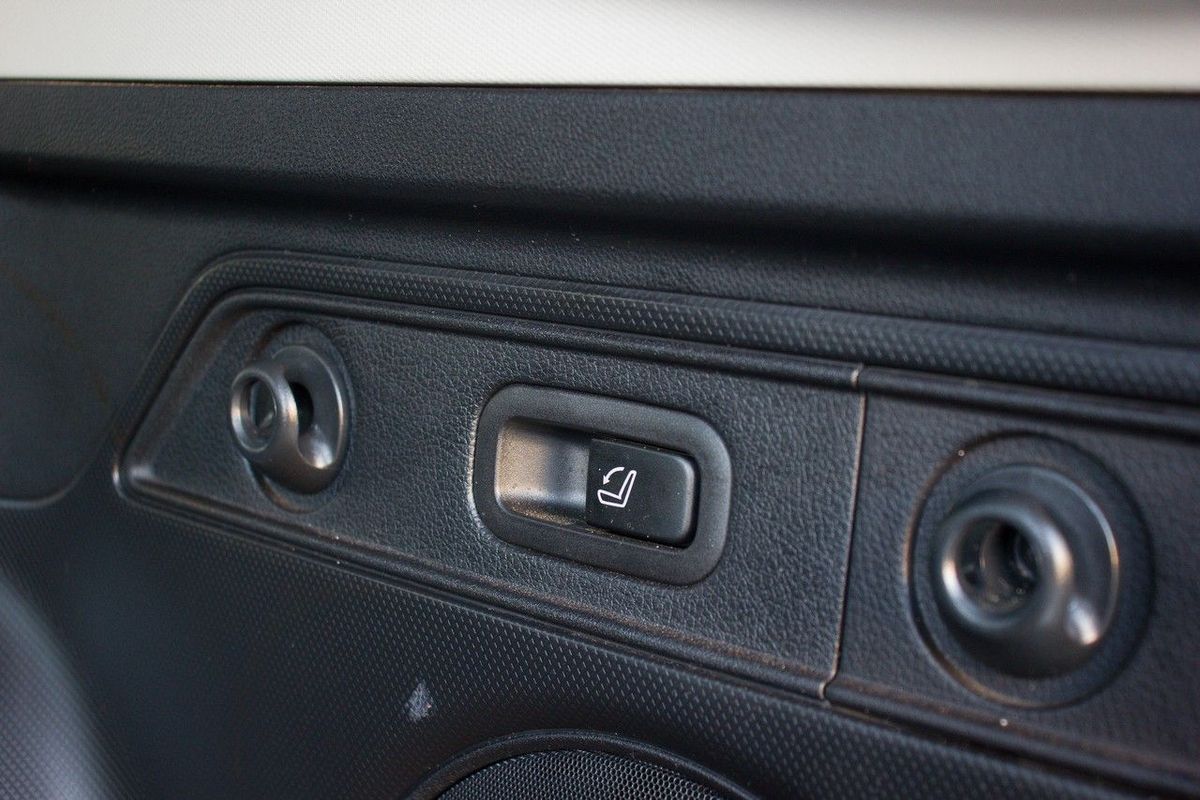
The capacity of the Forester's load bay has been enlarged to 520 litres, which makes it competitive in the segment. The rear seats can be folded flat from the rear or by pulling the standard latches on the top of the rear seats. There are hooks for shopping bags, too. The previous top-spec Forester came with a rubber mat for the bay as standard, making it easy to clean, but you’ll need to order this at the dealer if you want a similar spec.
The touch points around the cabin remain child-friendly and robust – if a little bland, from a design point of view. The rear air vents are an excellent inclusion, as are the 2 USB ports for rear passengers.
Performance
You may, like us, have been a little worried at the thought of a naturally-aspirated 2.0 litre being the sole power source for a medium-sized family SUV with full-time all-wheel drive. In day to day city driving, the CVT and engine work well together, providing a quiet and responsive drive. It pulls away from the lights well and keeps up with traffic with little effort and low revs, which reduces strain on the engine and optimes fuel consumption.
A 2.0-litre naturally aspirated engine is the only powerplant available under the bonnet (at least for now).
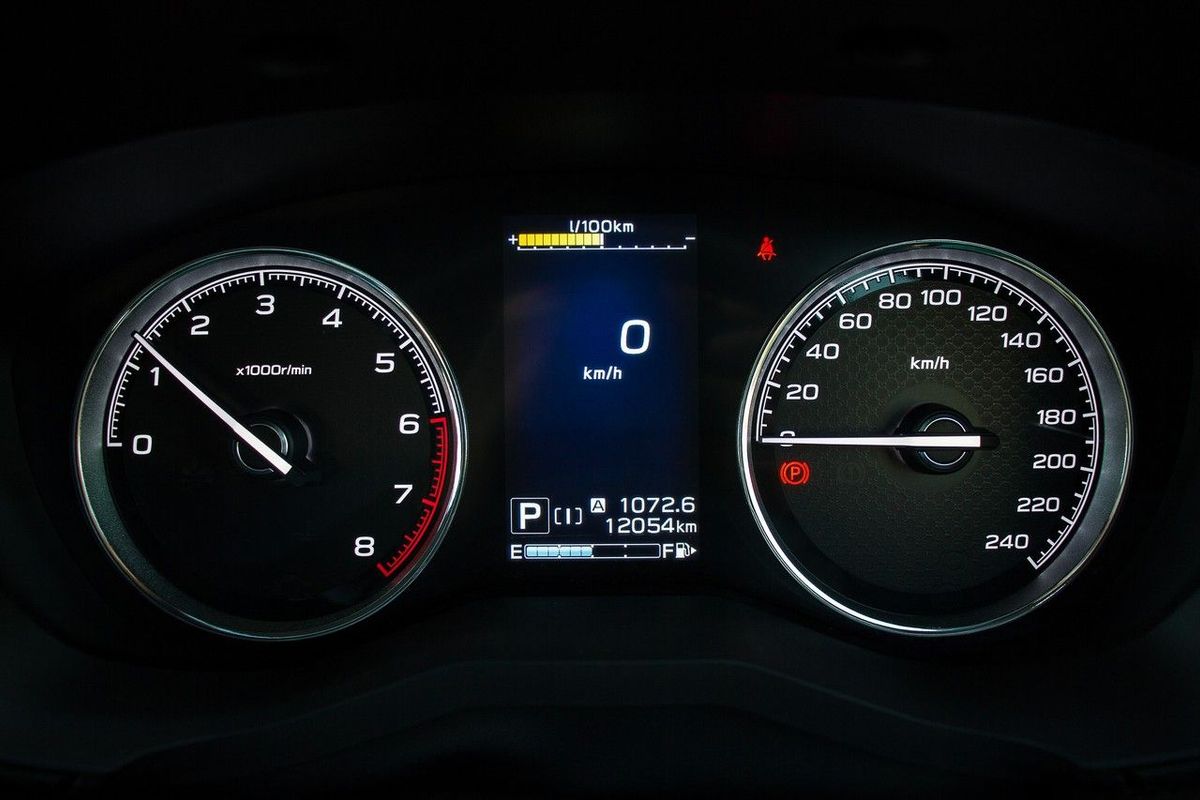
However, when you let the Forester stretch its legs on the freeway or on particularly hilly terrain, it struggles a bit; the powertrain constantly runs to maximum rpm in an attempt to maintain momentum. Freeway driving has never been a forte of CVT-endowed products and this one’s no different. In saying that, the newcomer's fuel consumption isn’t as mediocre as we’ve seen in previous generations. Inner city driving will probably see returns of around 9 L/100 km, while after 1 500 km of mixed driving, we saw an indicated 8.6 L/100 km. It’s no turbodiesel, but its asking price reflects that.
Ride comfort
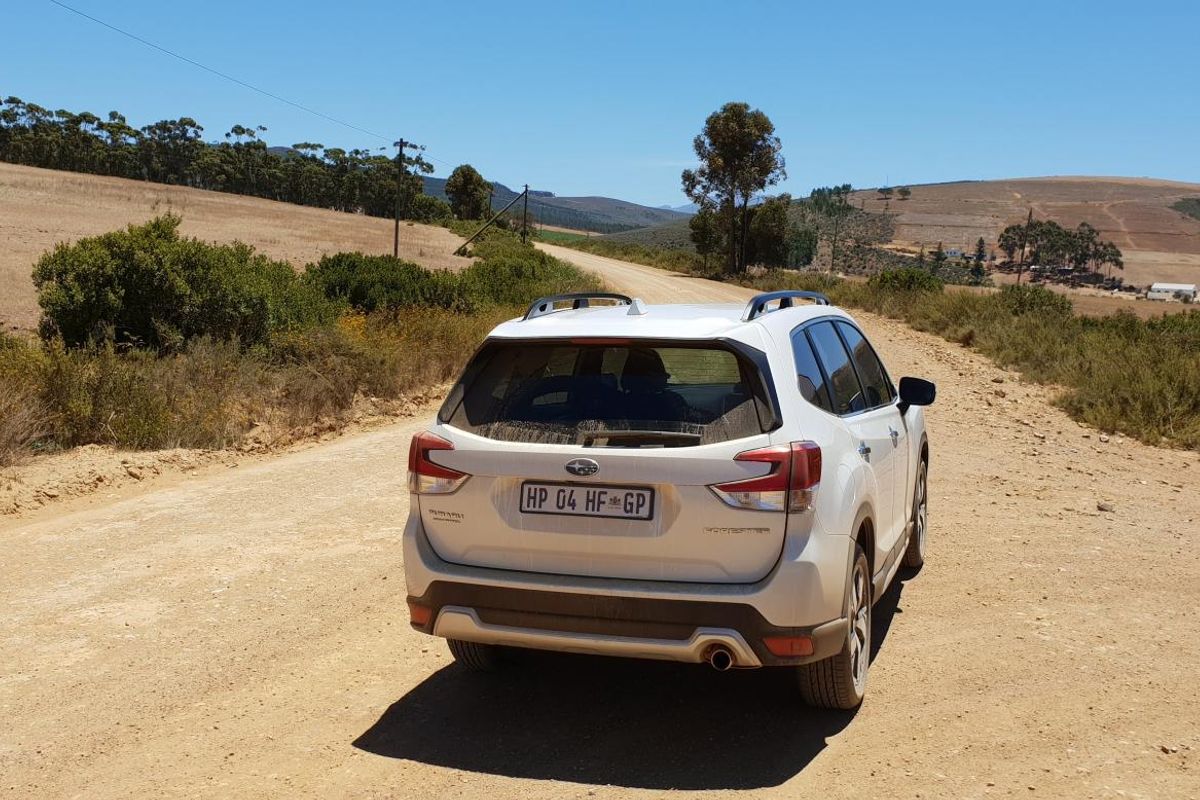
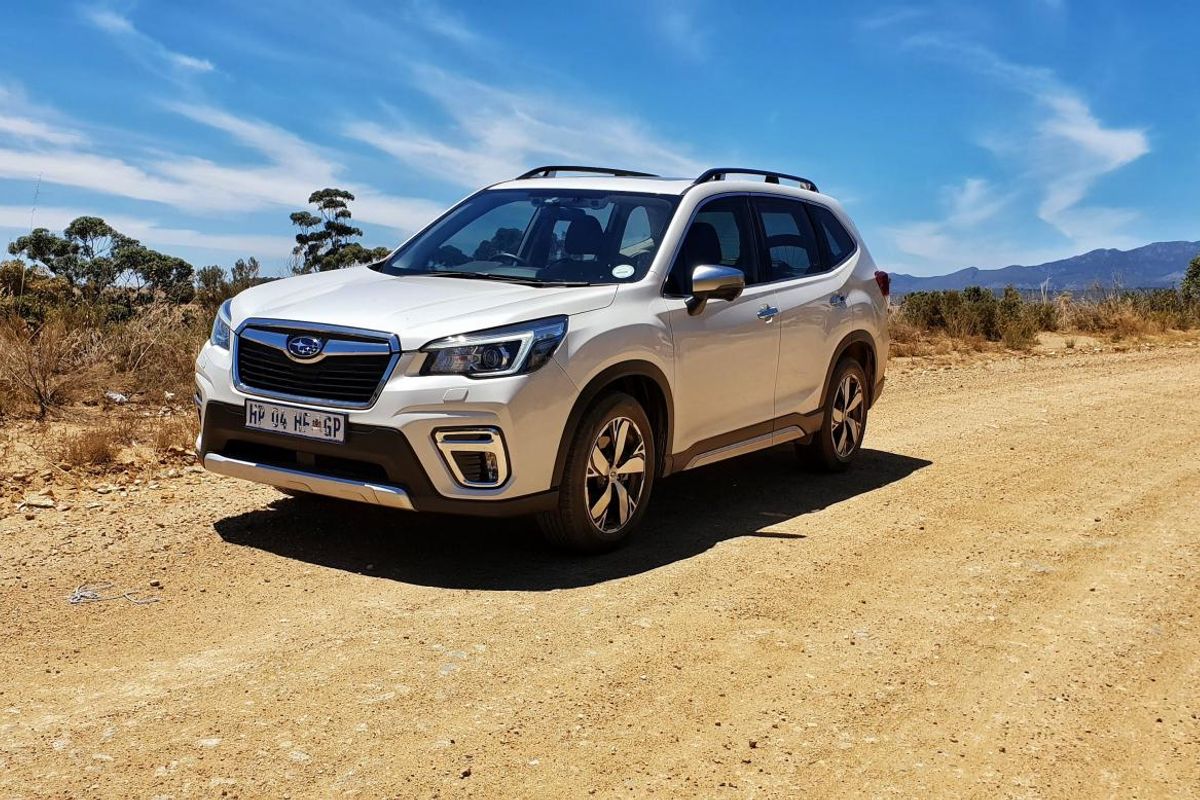
The pliant ride quality is one of the strongest facets of the new Forester. It’s composed on the road, blending comfort with supple suspension. For a car with off-road credentials, it doesn’t wallow or lean in the corners much. Then, when you hit a dirt road, it’s not so stiff that it shakes the cabin to the point of becoming tiresome. It provides supreme balance over dirt roads with the all-wheel-drive system keeping it sure-footed on the loose stuff.
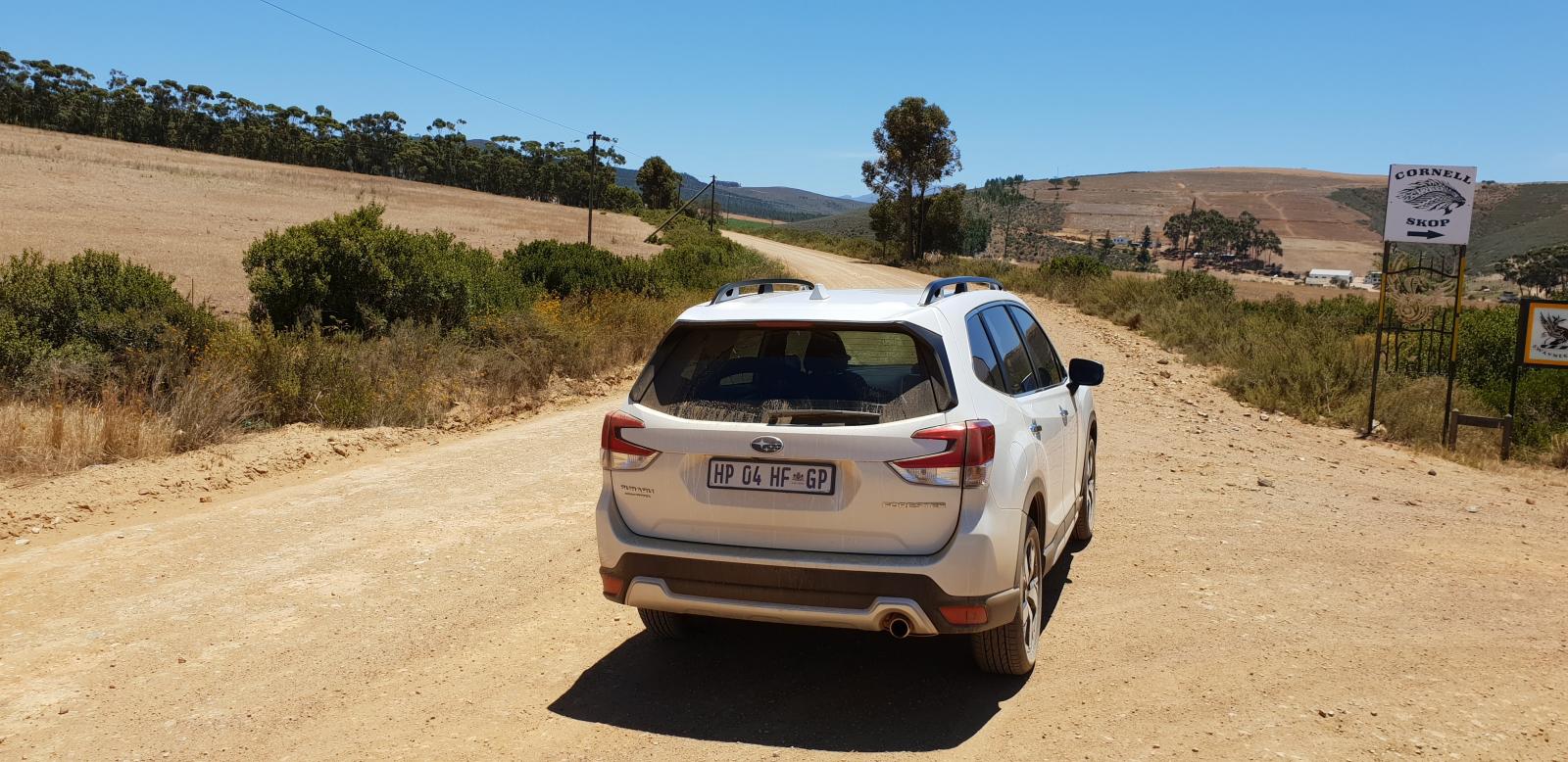
At home on dirt or on tarmac, the Forester has an excellent ride quality.
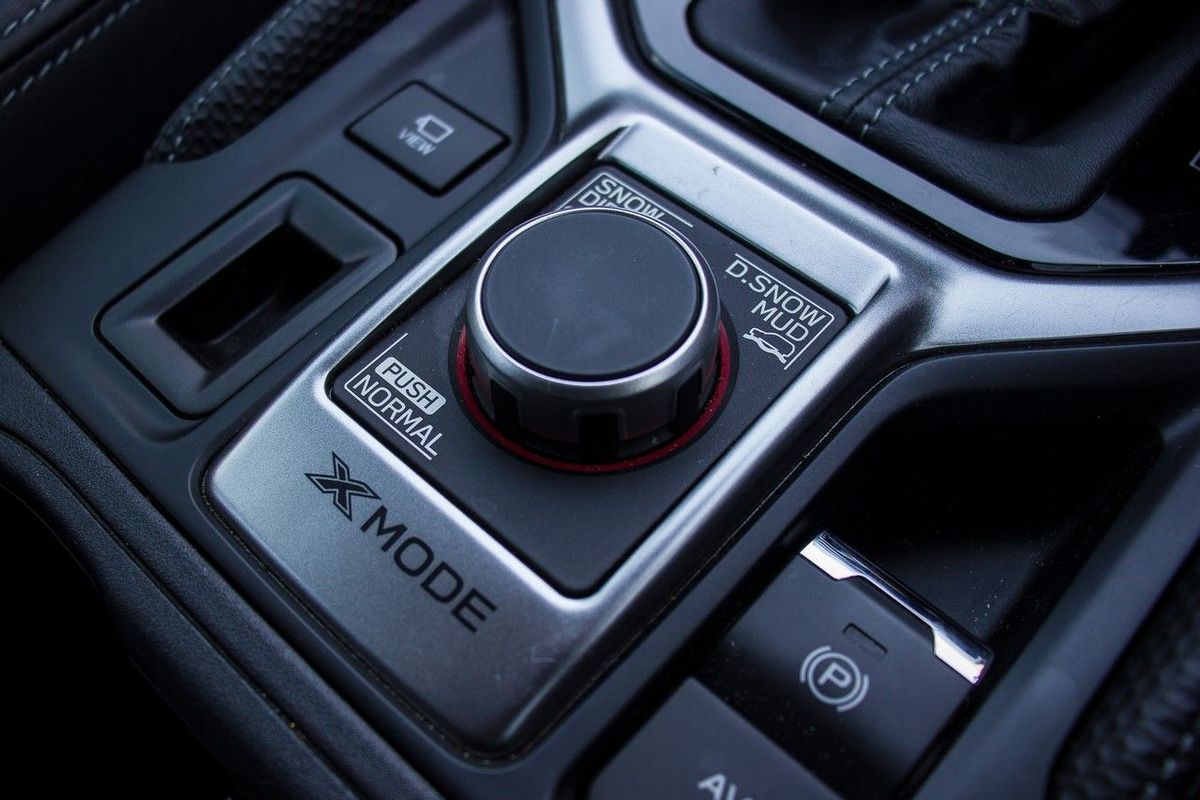
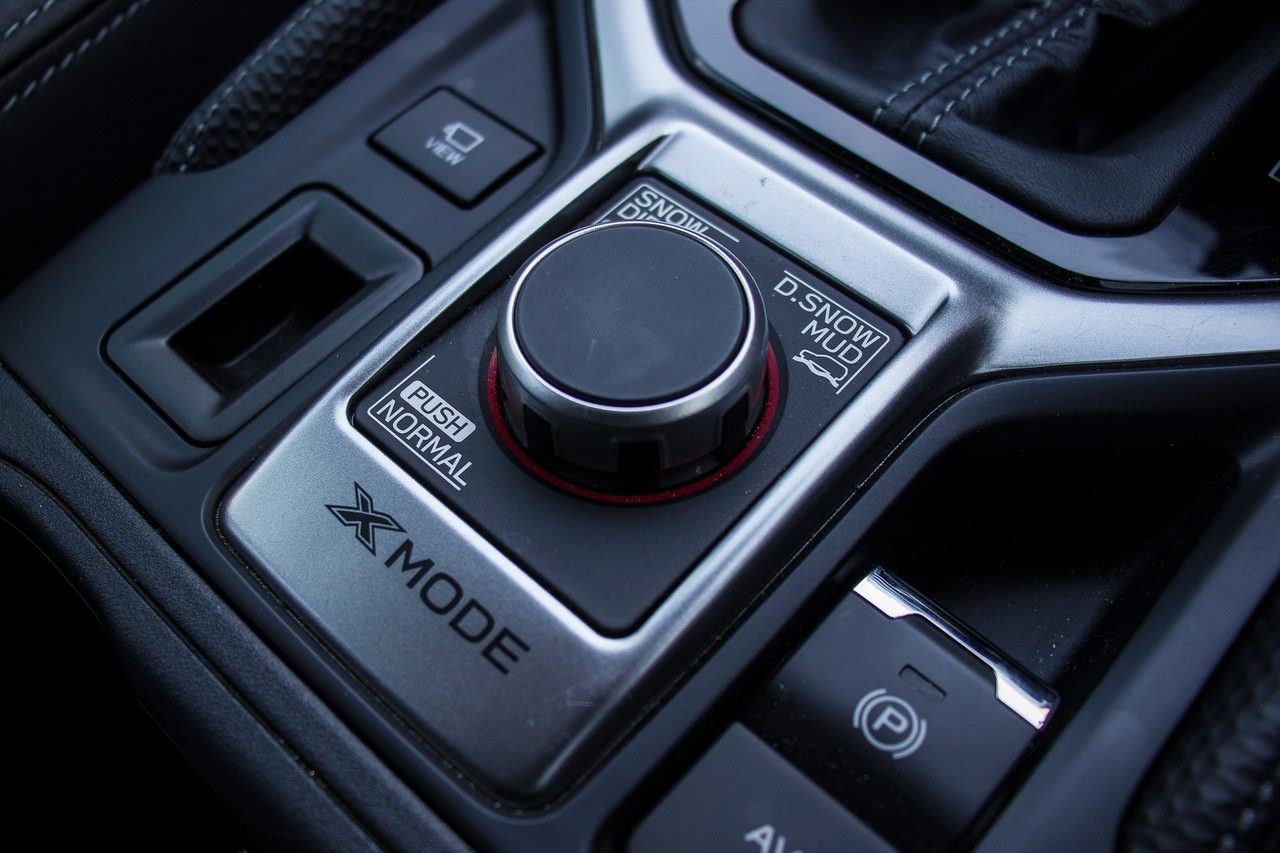
In conjunction with the all-wheel-drive system, the top-spec derivative comes with a rotary dial in the cabin that allows for terrain selection of Snow/Dirt or Snow/Mud, which adapts the power delivery and traction control systems to the terrain. To be fair, the Forester gives you a bit more capability than most family SUVs that bear 4×4 or AWD stickers. There’s also 220 mm of ground clearance, which, again, bests the competition.
Interior ambience
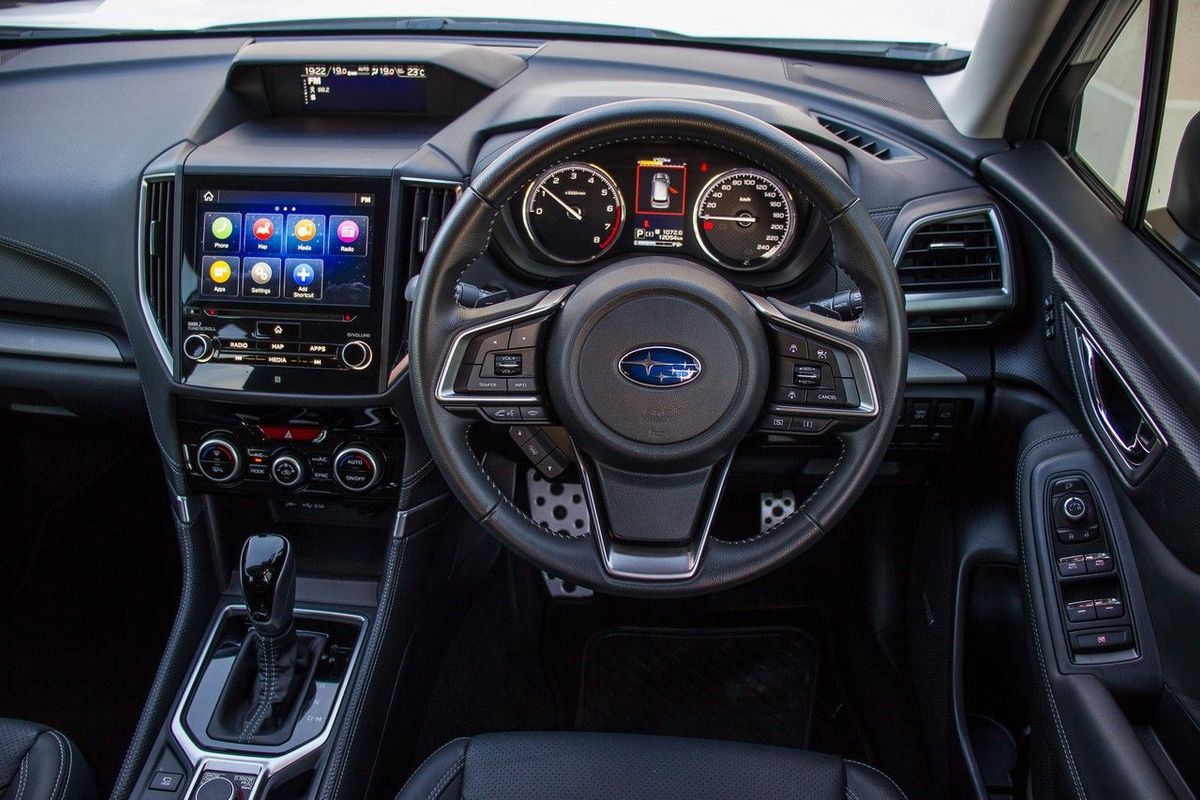
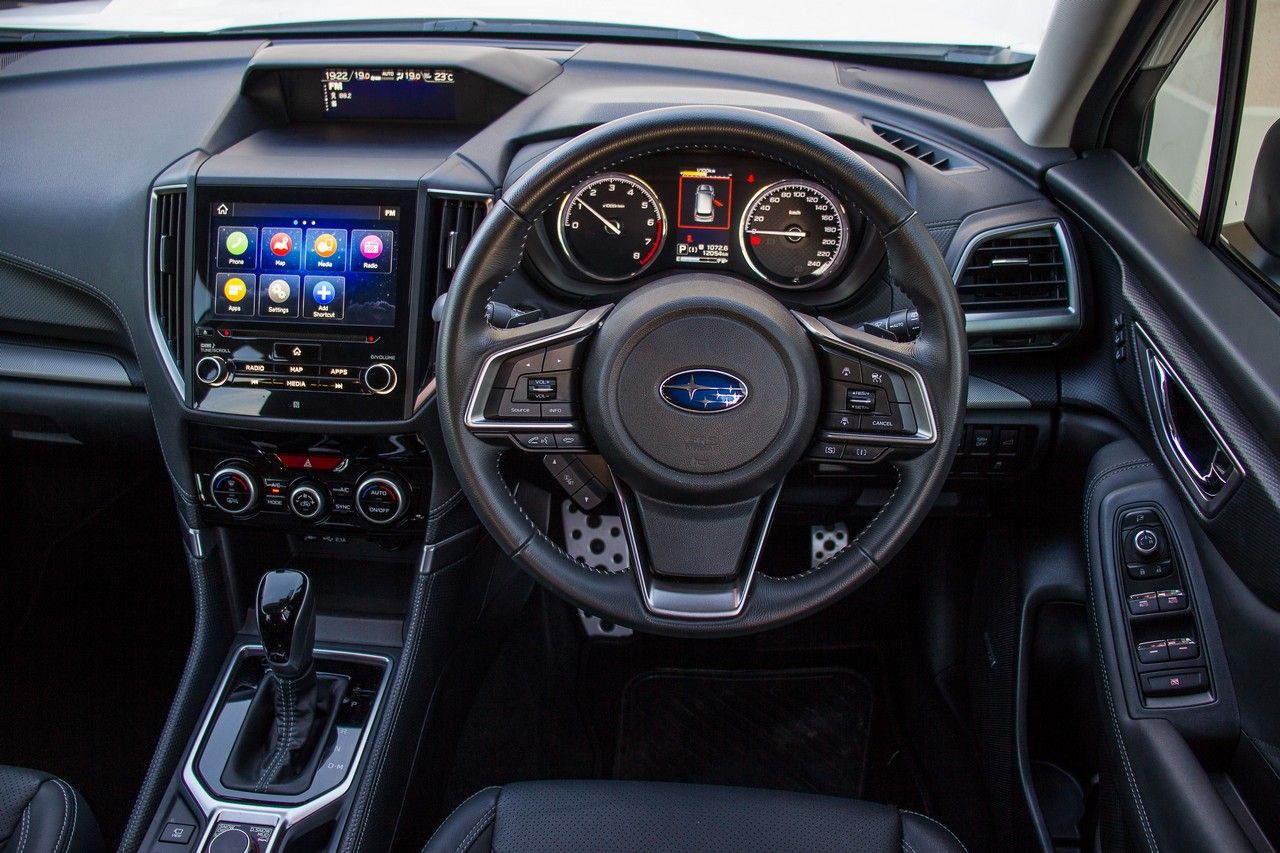
Styling is not Subaru’s forte; it seems to prioritise practicality throughout the design process, and for a family SUV in this segment, that might not be enough to stand out. That said, the brushed aluminium pedals are a tasteful touch and the dashboard materials and leather surfaces are of the soft-touch variety. The parts that you’ll touch a lot, such as the door lever (metallic) and handles (bound in leather) impart a pleasant and upmarket feel.
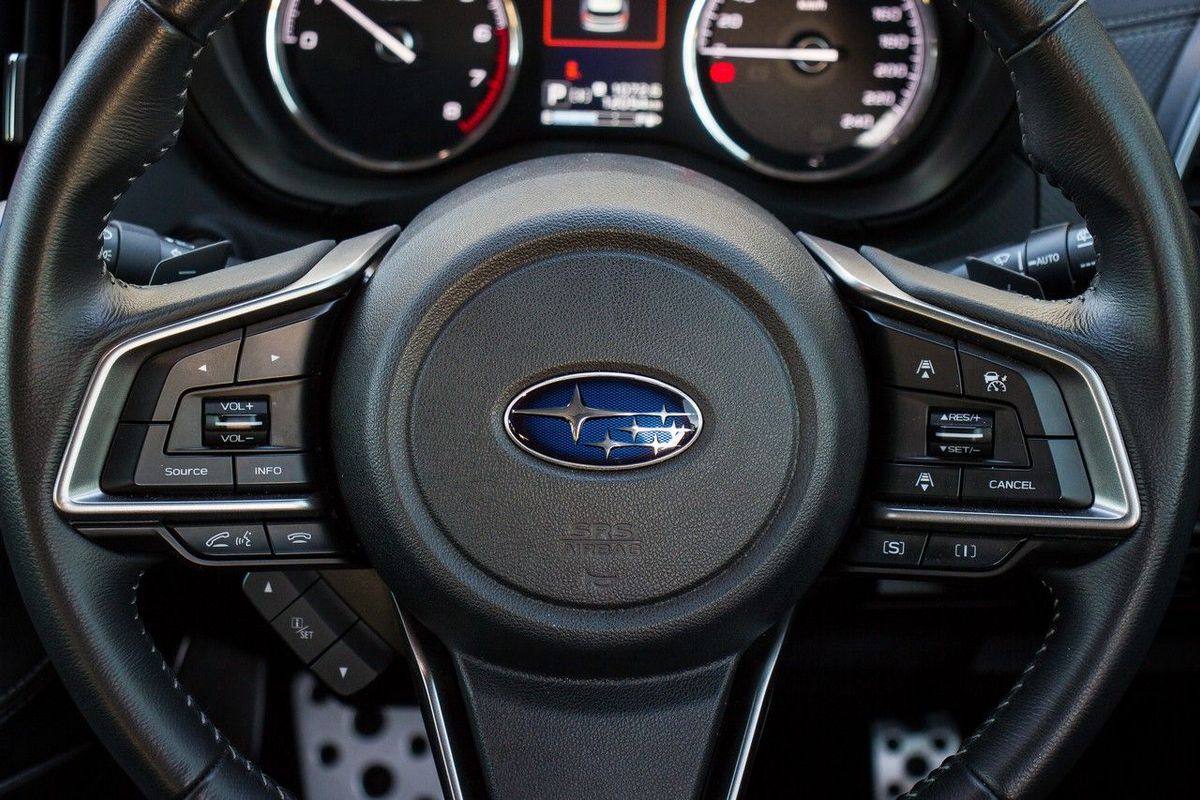
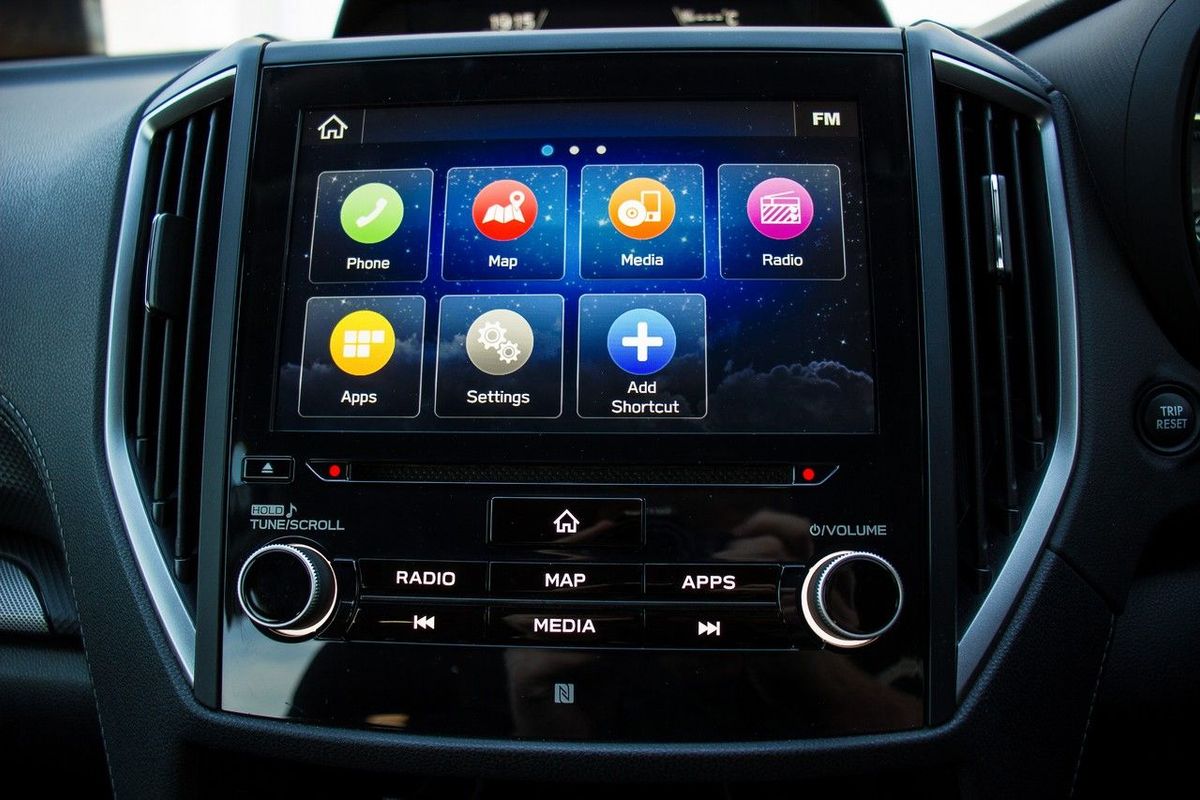
The interior is functional and ergonomically sound. Android Auto and Apple CarPlay compatibility is standard.
The infotainment system is quick to boot up, has a high resolution and features Android Auto and Apple CarPlay compatibility as standard. There is no navigation system, but the aforementioned apps all come with multiple nav options that are arguably better than any native system.
There are 2 USB ports up front with fast charging (2.1 mA) capability. The infotainment screen also doubles as a display for the reverse-view camera, while there's another camera that displays the position of the front left wheel, which makes executing those parallel parking manoeuvres a little easier. Only the rear of the Forester is equipped with park distance control; you have to use good old feel and sense to position the front end.
Safety
The Forester made a huge step with EyeSight technology in the previous generation, which Subaru has improved further for the new model. The system comprises a suite of radar controlled and camera operated safety tools that aim to prevent accidents before they happen. There’s lane departure warning, automatic braking (for front collision avoidance), rear cross traffic alert, adaptive cruise control and blind-spot monitoring.
The new off-road system allows you to select the terrain ahead so the traction control system can adapt.
The adaptive cruise control is easily one of the best systems we have used, it’s far less invasive than comparative systems in rival products and we found it provides a less jerky driving experience. Factor in the 7 airbags as standard… and it’s a full house in terms of safety equipment.
Pricing and warranty
The keen price of R499 000 for the 2.0i-S ES represents excellent value for a fully-specced car. The Forester range stars at R429 000 and every derivative comes with a 5-year/150 000 km warranty and 3-year/75 000 km maintenance plan.
Verdict
Still the rugged family choice in the segment.
The new Forester builds on the previous generation’s strengths of excellent ride quality and practicality. It remains a solid, reliable and hard-wearing SUV that’s got a bit extra to offer when you and your vehicle need to head off-road. The powertrain is capable within the confines of the city, but struggles a bit on the hills, freeways or when loaded to the brim. That said, the fuel consumption has improved a lot from that of its predecessor.
To some, the Forester might seem a bit bland and that’s probably true, both in terms of its interior (and exterior) packaging. It is, however, very well equipped and has a proven track record for lasting forever. There is ample space for passengers and their detritus and its added off-road prowess makes the newcomer eminently suitable for outdoorsy/sporty people. There’s a lot to like about this new model, especially the price!
Alternatives (click on the names for specification details)
The top-of-the-range 2.5 X-Trail is only a little more money than the Forester. It offers a bit more power and torque, but isn’t noticeably faster or better on freeways, plus it will cost you a bit more at the pumps. You get similar levels of interior space and a more stylish exterior to show off. Quality wise, the Forester has it licked and offers more safety kit by virtue of the EyeSight safety suite.
The RAV4 is set to be replaced in the first quarter of 2019, but currently, it’s a decent match for the Forester. Again, it has a bigger 2.5-litre engine with the added benefit of a more common torque converter automatic transmission. Interior quality and feel is on par with the Forester, but the infotainment, connectivity and onboard safety systems don’t match up. The ground clearance of the Forester is markedly better too.
The often forgotten Honda CR-V plays the naturally aspirated and CVT game too. If you don’t need AWD, it’s a good choice that’s very spacious and bulletproof to run. Lacks a modern touch with the infotainment and switchgear and suffers more than the others when it comes to engine tractability.
New Toyota Supra Video Leaked
The highly anticipated Toyota Supra has leaked early, ahead of its official reveal at the 2019 Detroit Motor Show next week. Here's a first look.
Ahead of its imminent global reveal, Toyota tweeted out a video showcasing the all-new Supra. While we don't have official specifications as yet, we do know that it shares more than a few components with the soon-to-be-launched BMW Z4.
According to Toyota Supra chief engineer, Tetsuya Tada, inline 6 cylinder engines are a non-negotiable attribute. The BMW-sourced motor should produce around 284 kW and 500 Nm, giving the new Supra enough shove to see it run to 100 kph in around 4.4 seconds. For those craving precise handling, there will be 50/50 weight distribution, a rigid body and adaptive dampers. Some rumours suggest that more engines including 4 cylinders will follow.
We'll have more details when the Toyota Supra launches early next week.
Toyota certainly likes to draw out a new product launch, especially when it's something a bit sporty, like the Toyota Supra. Our UK Correspondent, Neill Briscoe got a chance to drive a pre-production version of the Supra. Here's what he thinks of it.
Toyota Supra Video
Kia Sportage 2.0 CRDI EX Plus (2018) Quick Review
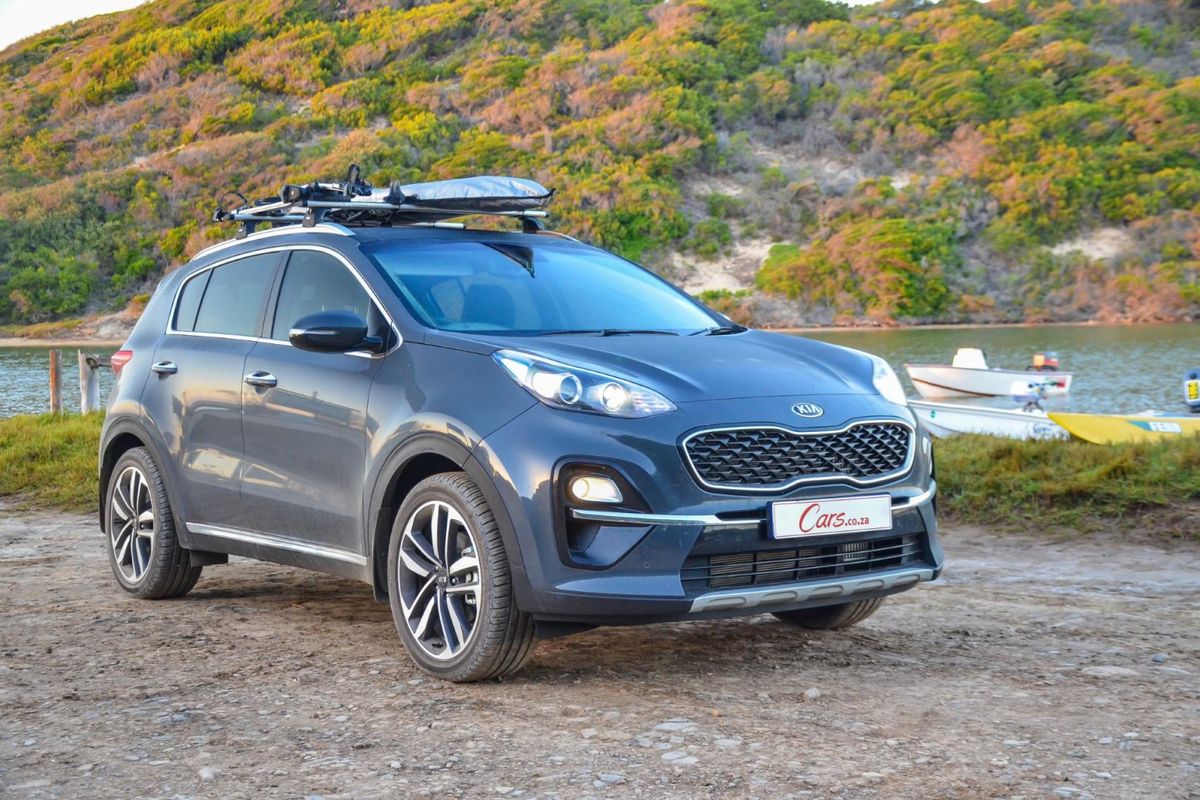
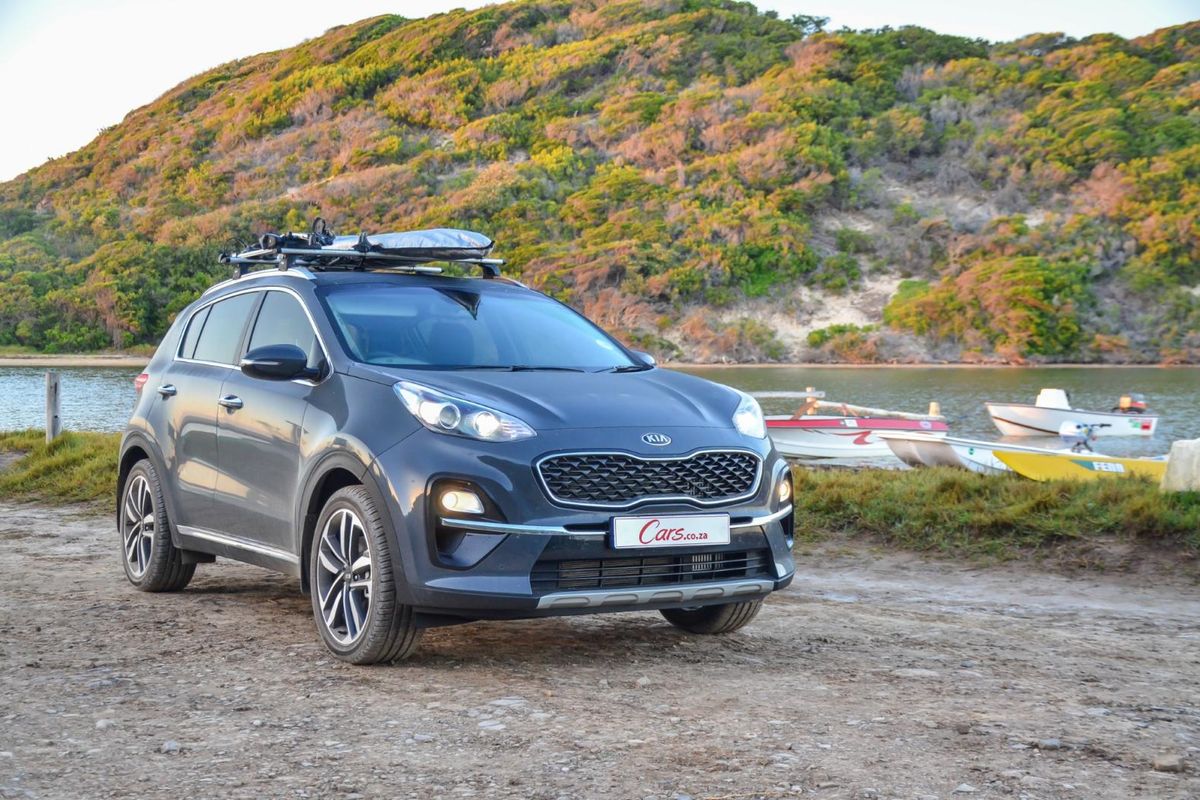
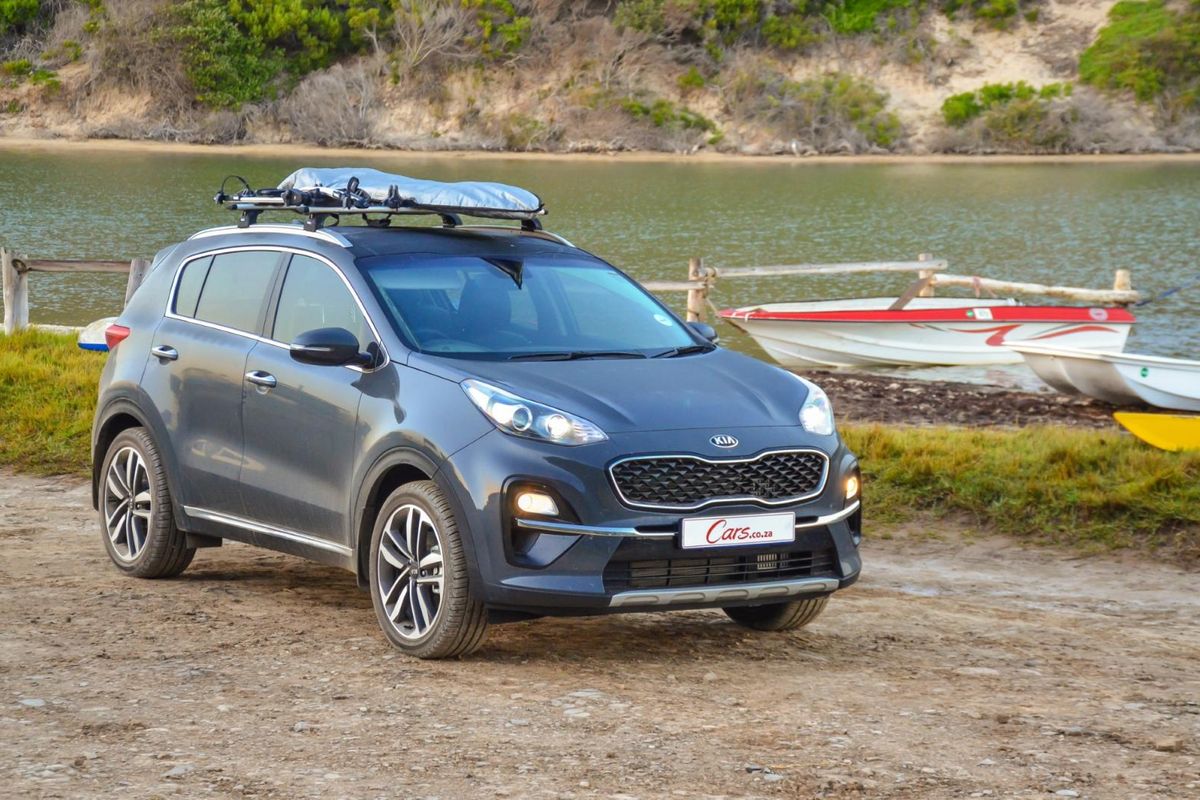
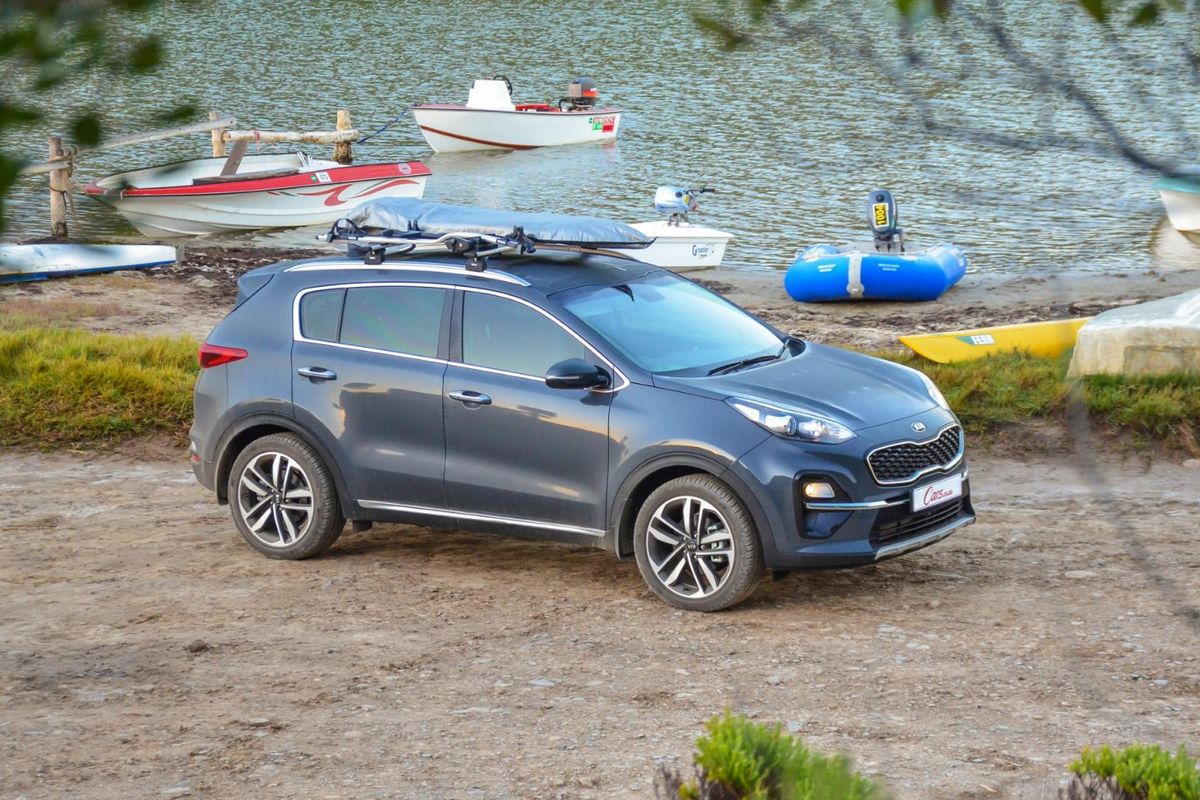
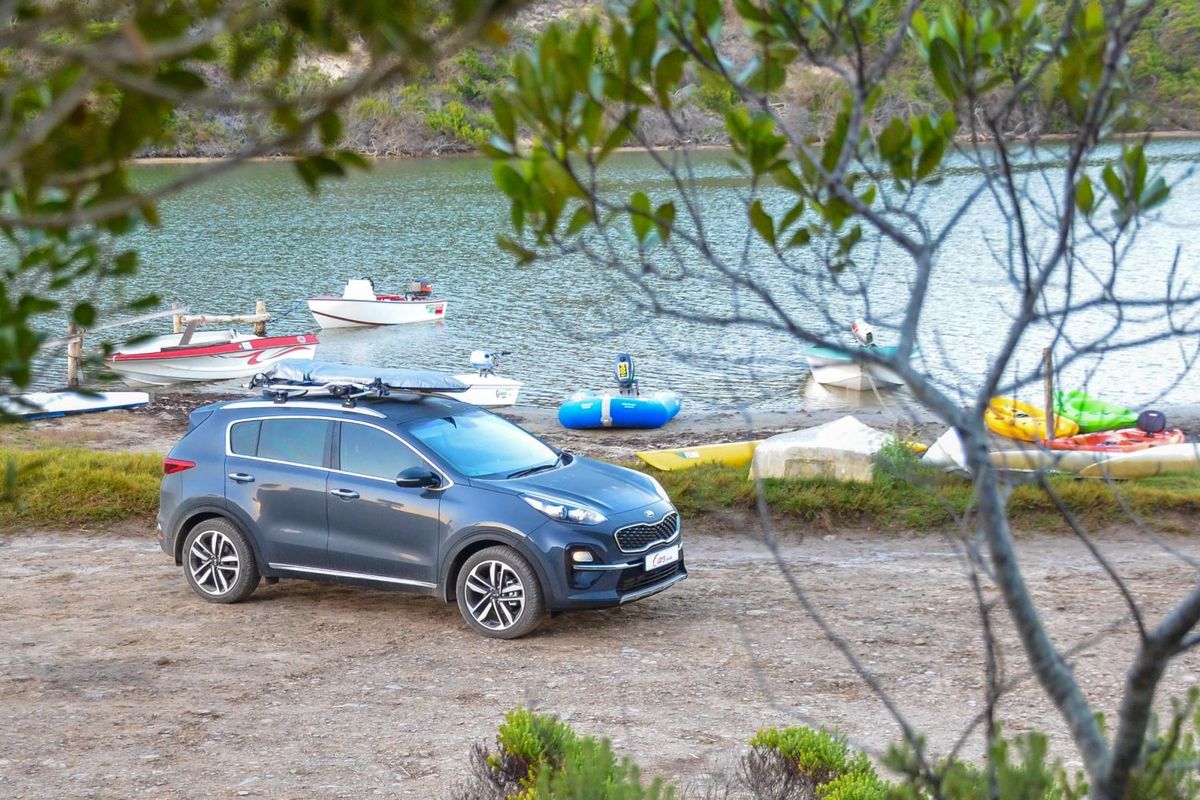
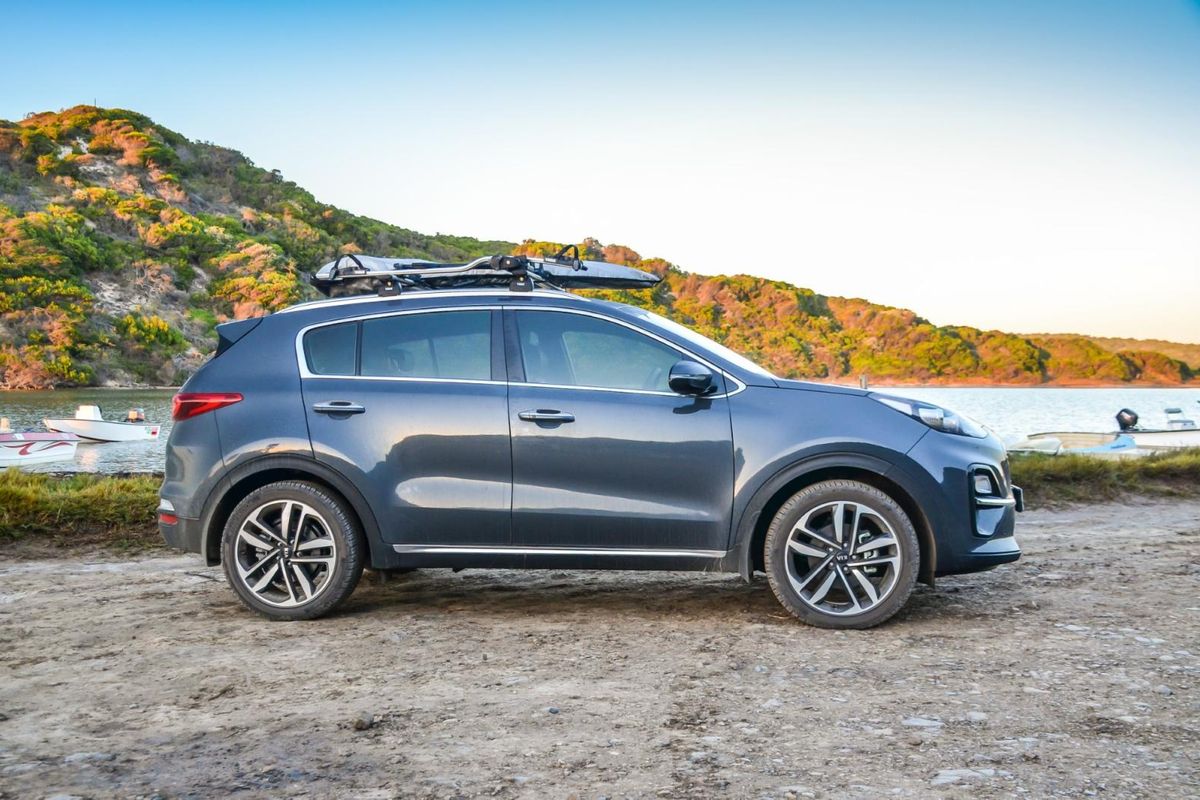
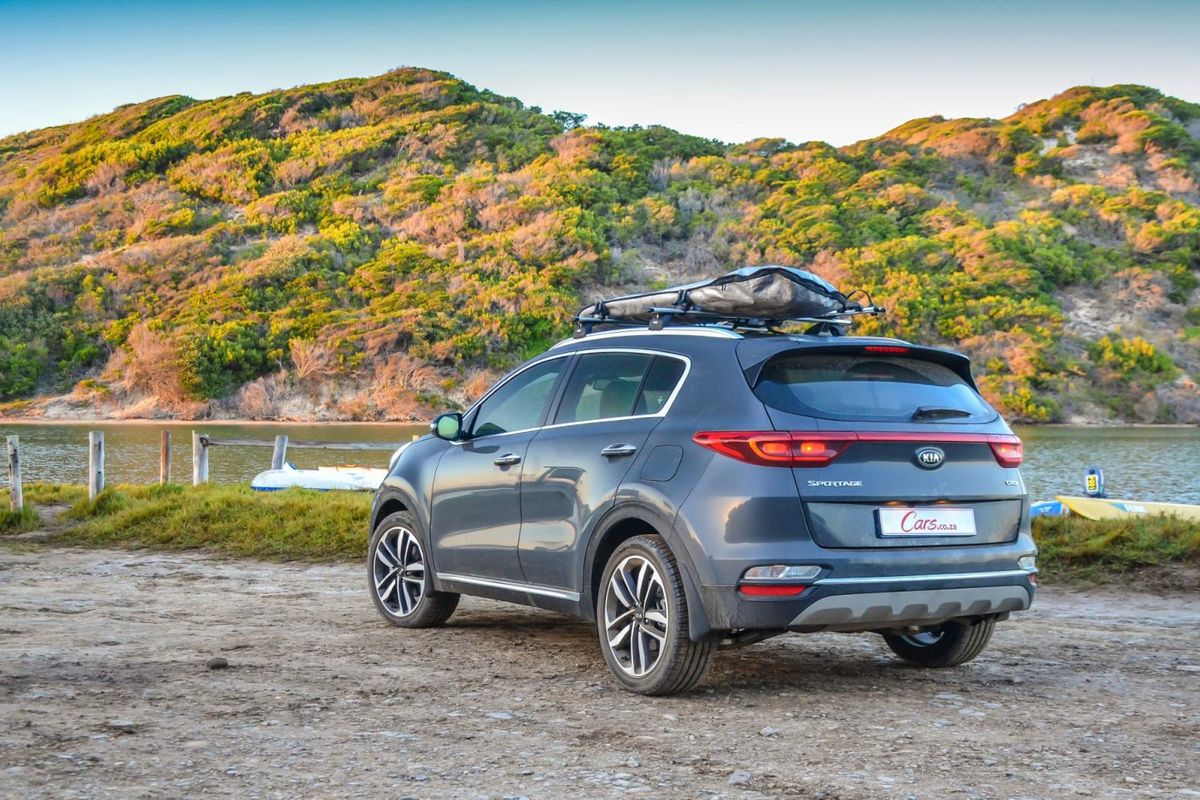
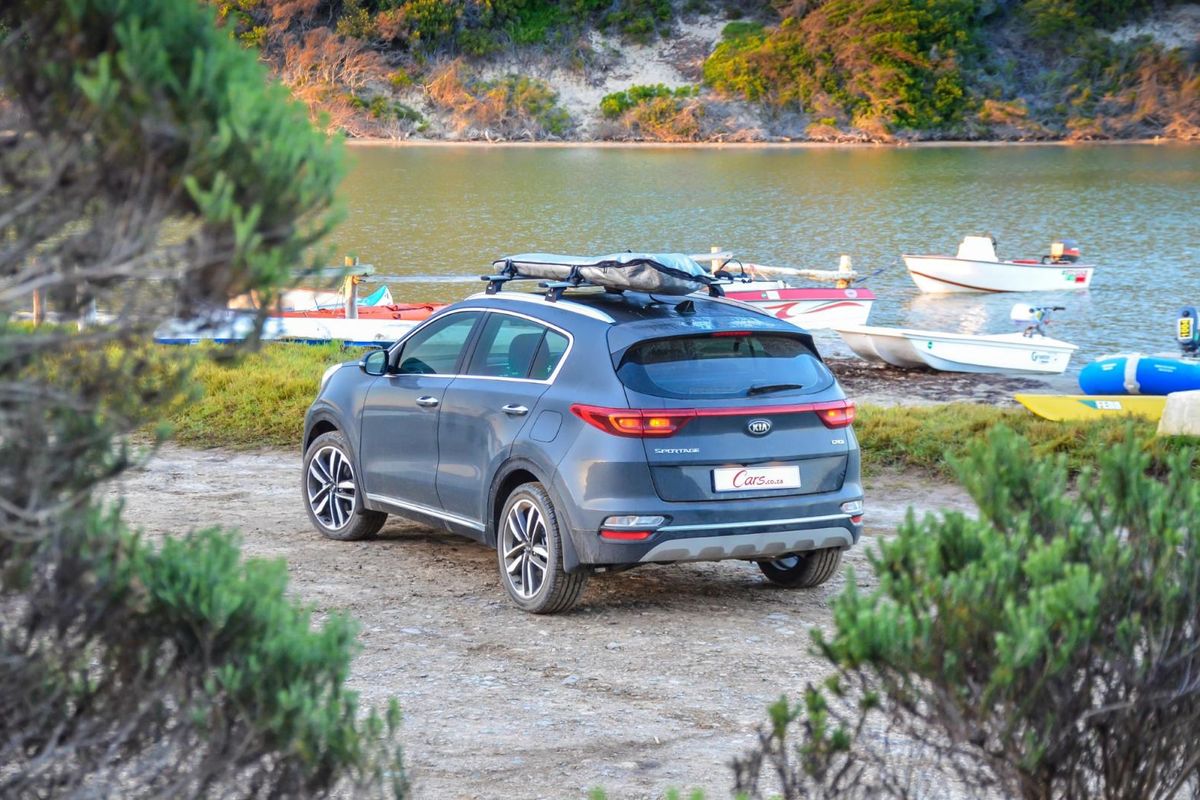
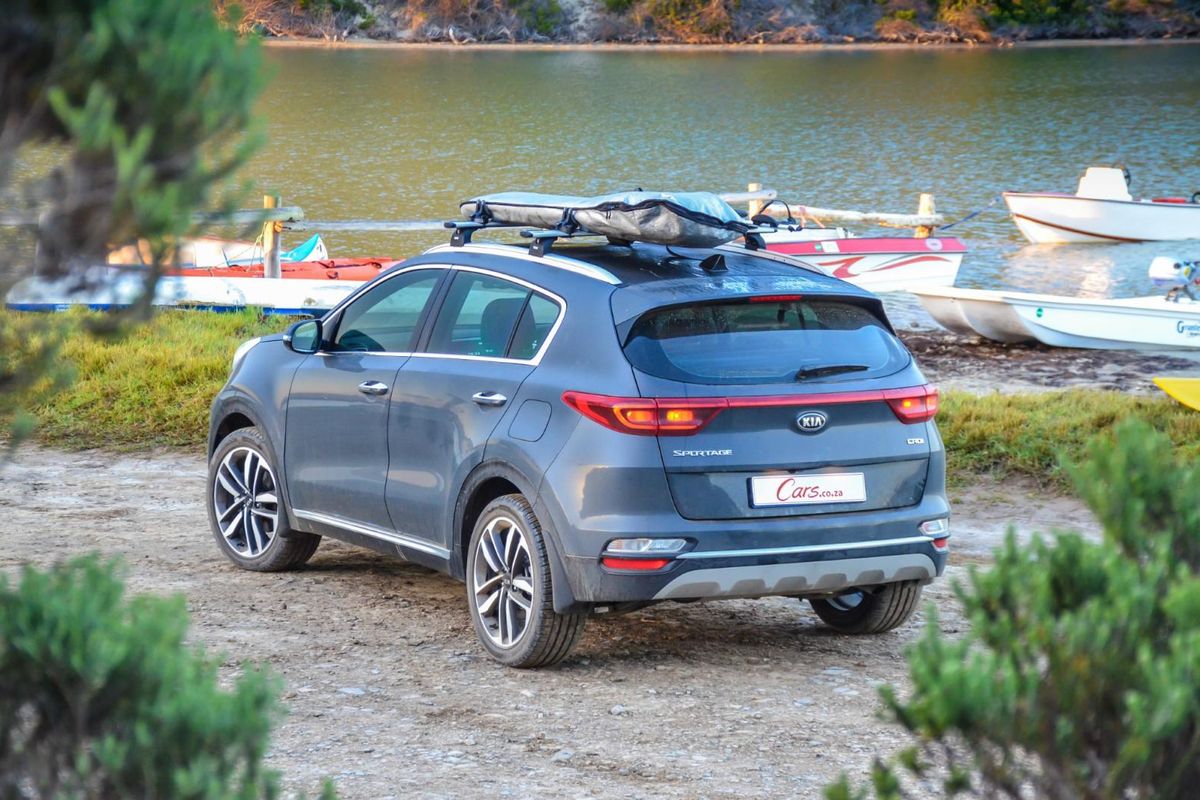
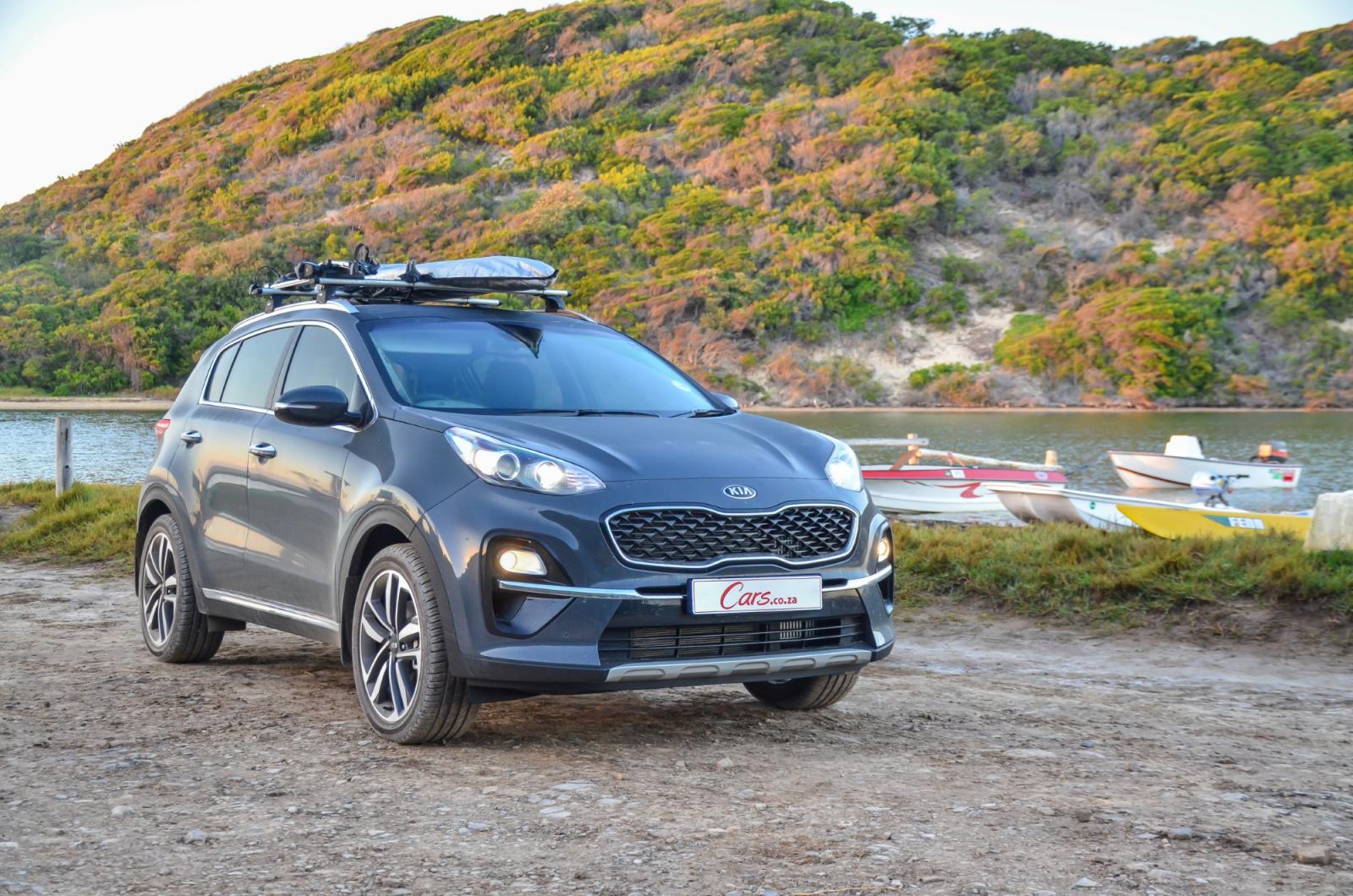
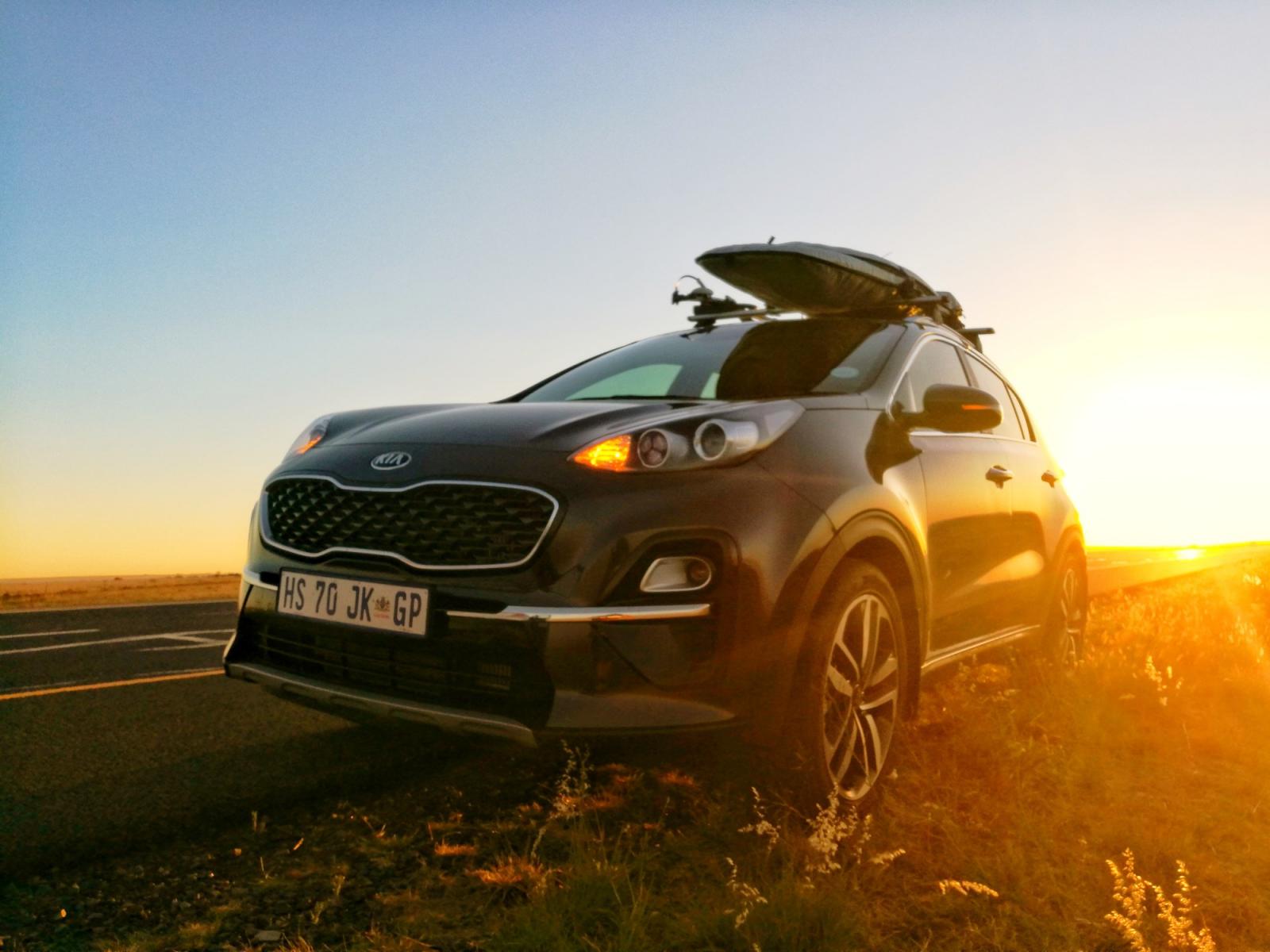
A long-distance road trip is the best way to put any car to the test and that is exactly what we did… We traversed 5 provinces and covered more than 5 500 km in the range-topping Kia Sportage 2.0 CRDI EX Plus during the festive season. How did the Sportage perform? Gero Lilleike reports back…
We Like: Punchy engine, ride quality, comfortable and spacious interior
We Don’t Like: Fuel consumption, navigation and headlights could be better
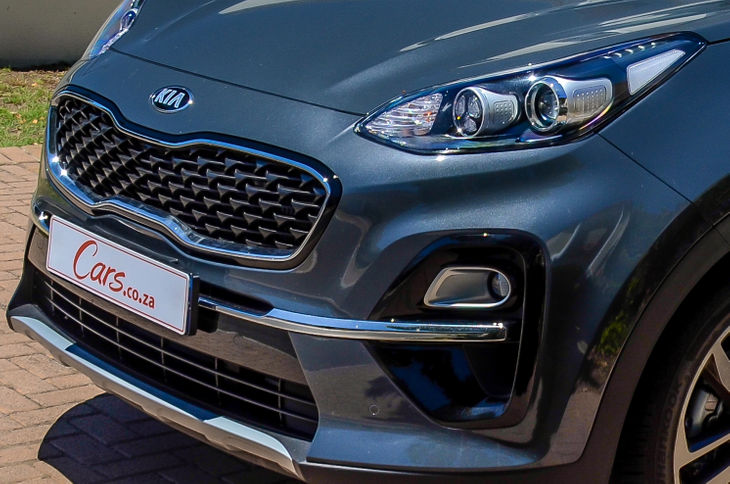
With quirky looks and good overall performance, this range-topping Sportage makes a strong case for itself.
Kia recently updated its popular Sportage family car, which competes with formidable rivals such as the Volkswagen Tiguan, Mazda CX-5, Toyota RAV4 and Hyundai Tucson. Buyers have the choice between 2 petrol engines and a turbodiesel powerplant; in this review, we test the latter.
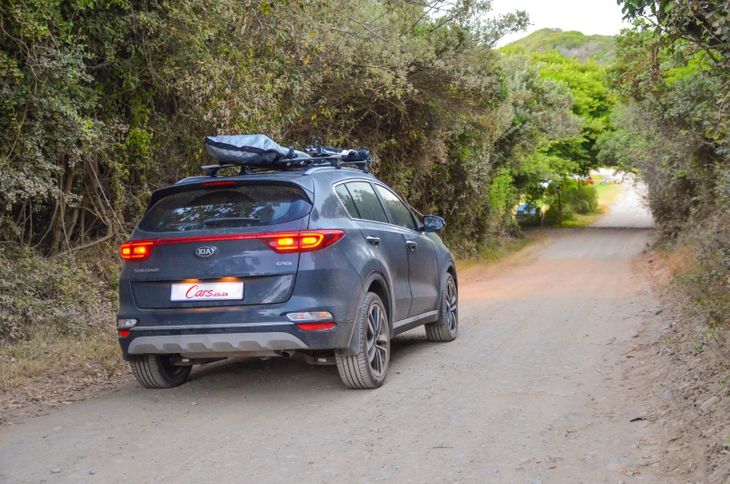
To do this, we set off on a long-distance road trip that would take us from Cape Town to Johannesburg to Durban and all the way back to the Mother City via the Eastern Cape. Not only does a long road trip highlight a vehicle’s strengths, but it also tends to quickly expose its weaknesses. Take a look at how the range-topping Sportage 2.0 CRDI EX Plus performed…
The Good
Solid performance
The Sportage delivers its punchy performance in a smooth and refined manner.
The 2.0-litre turbodiesel engine under the bonnet proved to be mightily impressive over the course of this test. Not only does it offer reasonable outputs of 131kW and 400 Nm – it’s also mated with a slick new 8-speed automatic transmission that did an excellent job of hauling the fully-loaded Sportage around the country at a fair pace; the box executes gear changes in a smooth and unobtrusive manner.
The responsive engine and transmission combination results in punchy performance when you mash the pedal and we were particularly impressed with the Sportage’s ability to perform quick overtakes on the highway. By virtue of its cruise control, it was a pleasure to drive over long distances.
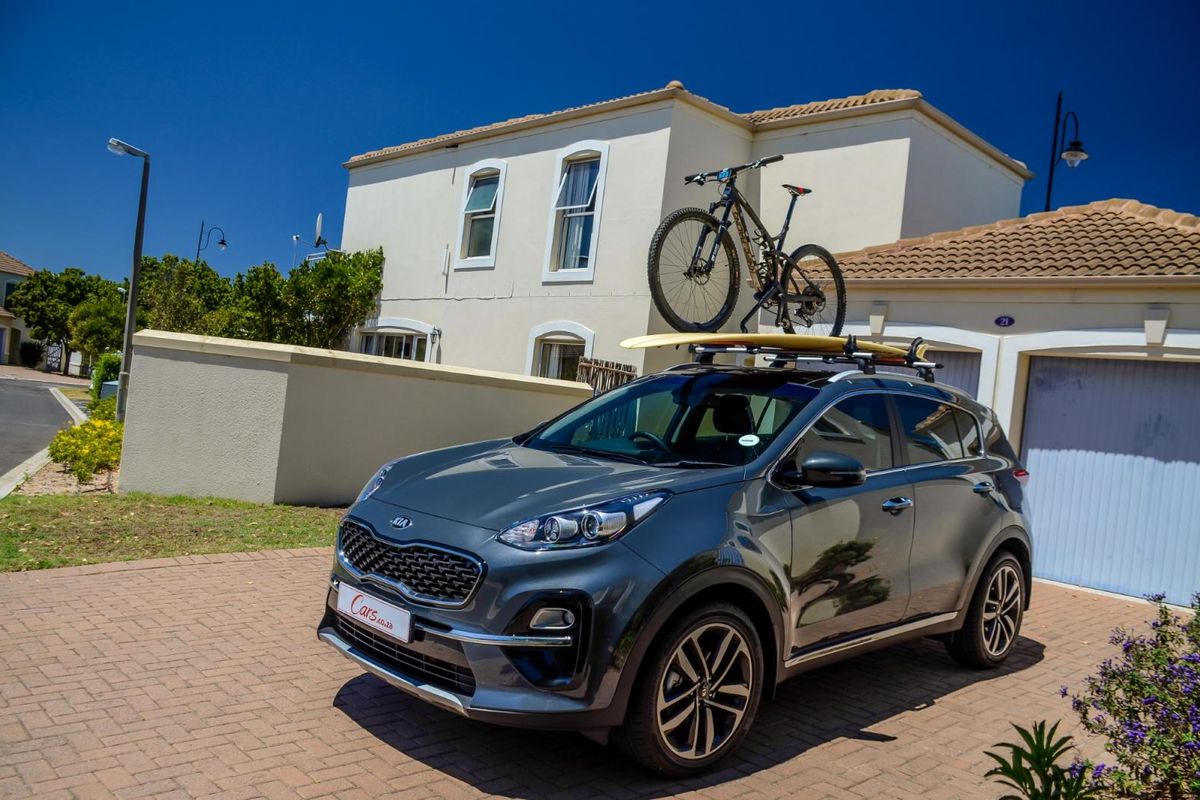
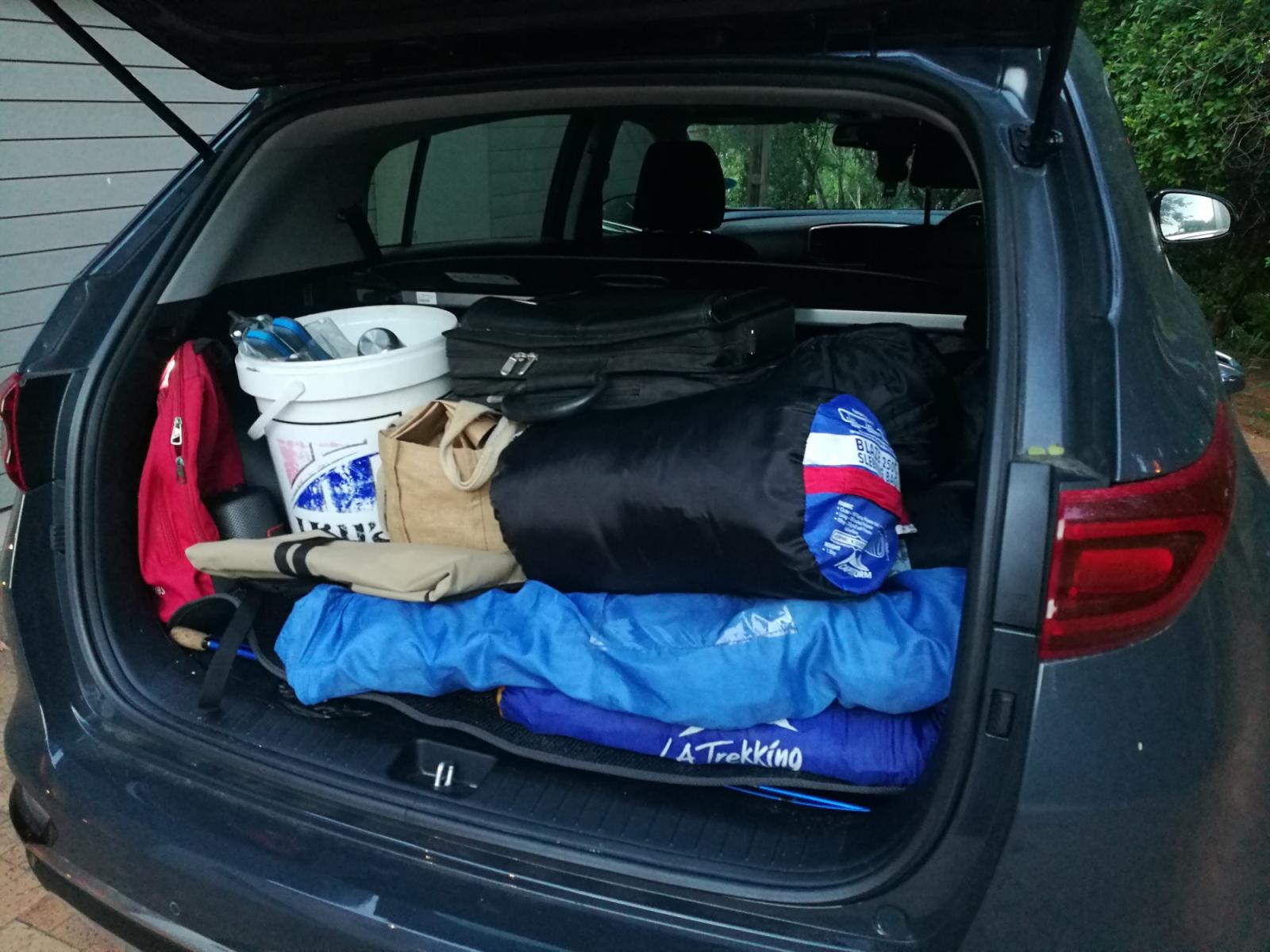
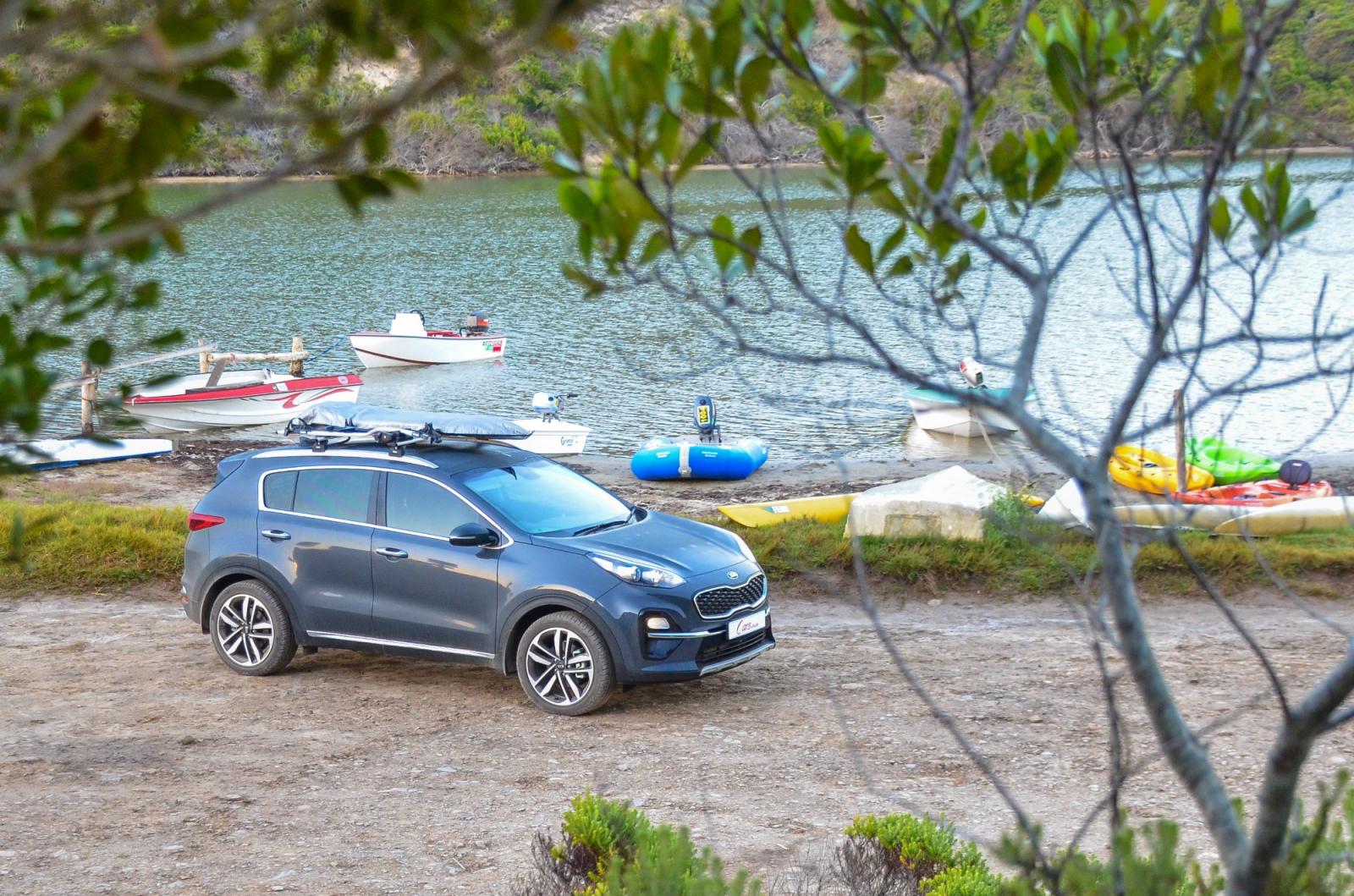
However, in terms of fuel consumption, we were hoping to see figures in the high 6s or at the very least in the low 7s but instead, we completed our journey with an average figure of 8.1 L/100 km despite driving in Eco mode for most of the trip. With that said, the Sportage was fully loaded with luggage and equipped with a functional Thule surfboard and bicycle rack, so slightly inflated consumption figures were to be expected.
Comfortable ride
The Sportage proved both capable and comfortable, its firmly-sprung (but ultimately forgiving) suspension was a boon over long distances.
Another highlight of the Sportage is its comfortable ride quality. The suspension setup has a firm feel to it yet soaks up imperfections with aplomb. It was never crashy or jittery and it rides well over gravel too. The steering feel is positive and direct with good feedback, which means that the Kia can be confidently wielded through corners and copes well with quick direction changes. In terms of ride quality and handling, the Sportage shines…
Practical daily runner
With the rear bench folded flat, the Sportage provided ample storage space for luggage.
With no kids to ferry around, the entire rear load bay was at our disposal and the Sportage swallowed all our detritus with ease. The luggage capacity measures a sizable 466 litres which expands to a capacious 1 455 litres with the 60:40 split seatback folded, which means there is more than enough space for a wide variety of goods. However, it must be noted that the Sportage is not as spacious as most of its rivals in this segment.
A slight annoyance is that the seat levers are placed at the base of the seat which means you have to walk to either side of the car to lower the seats. The load bay, however, is flat, creating a large usable floor.
Space for rear passengers is good. There are 2 rear cupholders located in the central rear armrest, storage nets on the front seatbacks and bottle holders in the door mouldings. Up front, the driver and front passenger are afforded 2 cupholders and ample storage space in the centre bin, glove box and door pockets.
Good standard specification
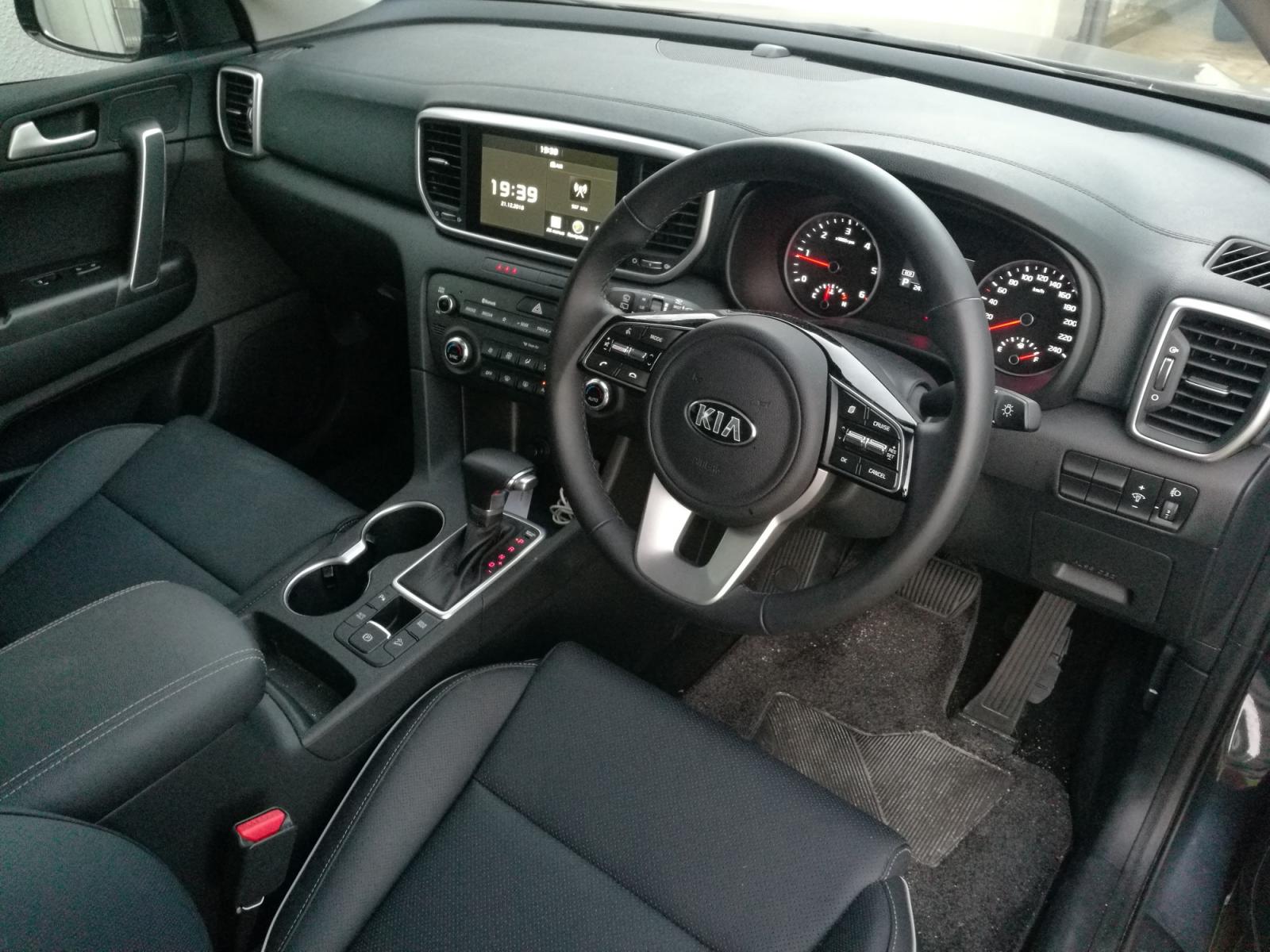
Perceived interior build quality is good with a neat overall design. Those leather seats are comfy…
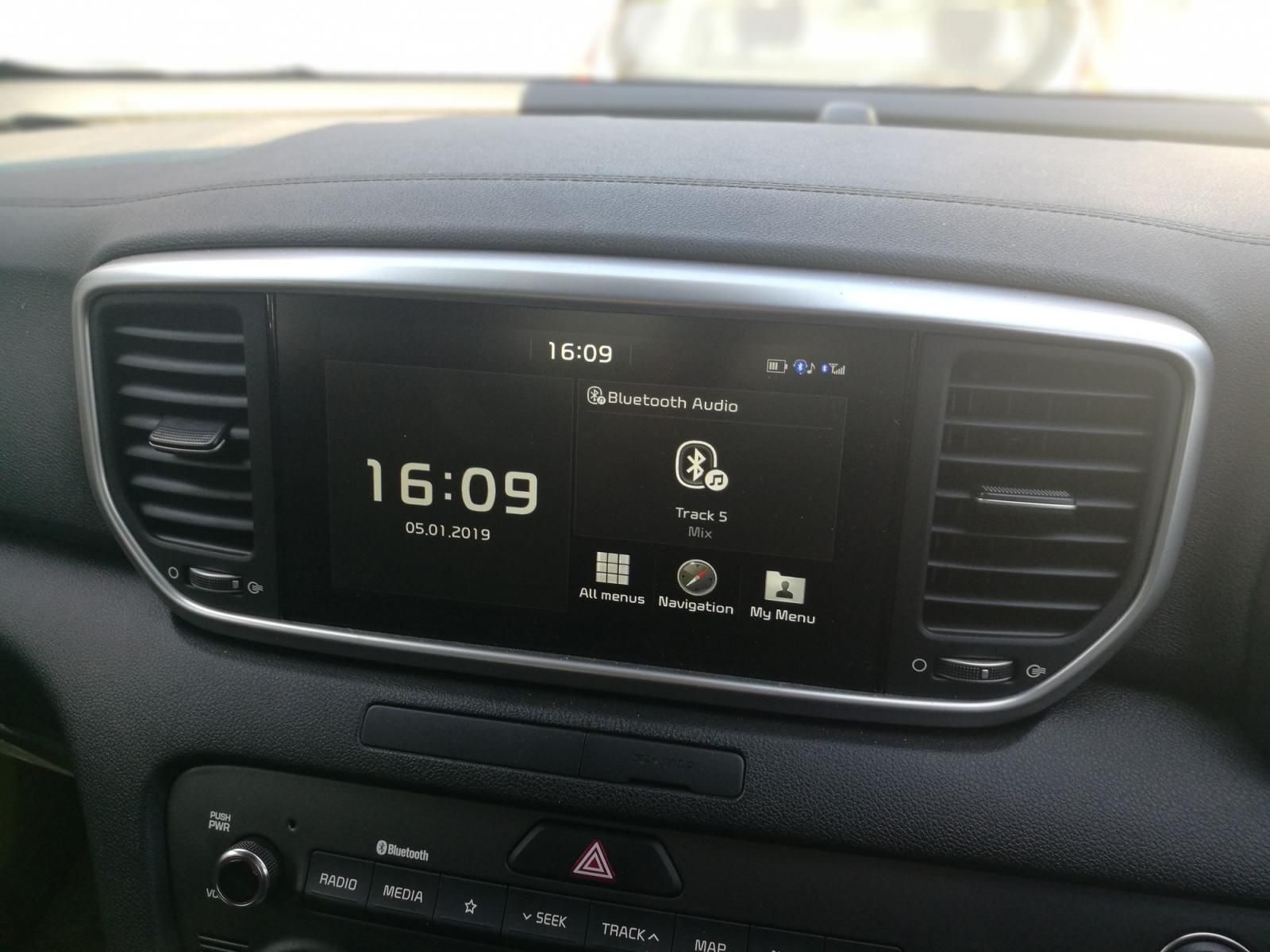
There are some useful features as standard in this range-topping Sportage. An easy-to-use, 8-inch touchscreen infotainment system with integrated navigation and Apple CarPlay/Android Auto capability is standard in this range-topper. Apart from front (and rear) USB ports, you can also charge your smartphone wirelessly by placing your compatible device on the dedicated pad found ahead of the transmission lever.
Other notable features include comfortable, electronically adjustable front seats, a panoramic sunroof, climate control air conditioning and front and rear park distance control with a reverse-view camera.
In terms of safety, the Sportage offers a total of 6 airbags, ABS with EBD, brake assist, Electronic Stability Control (ESC) with traction control, Hill Start Assist (HSA) and Downhill Brake Control (DBC). ISOFIX child seat mounts are also standard.
The not-so-good
Navigation could be better
The navigation system could be better, but the infotainment system is simple enough to use and easy to navigate.
While the integrated navigation is generally useful, you are not always able to set a specific destination as the system often doesn’t recognise your intended address. We had to resort to Google Maps regularly to get accurate directions to a specific location. Overall, we think that the navigation system could be more user-friendly but alternatively, it’s far easier to just use Android Auto or Apple CarPlay for navigation purposes.
More light, please
The Sportage's headlight illumination could be better…
As we were covering large distances, we often departed in the early hours of the morning, which meant that we had to drive in the dark. Pedestrians, animals and stray cattle are common on South African roads at night and posed a constant threat and although the halogen headlights fitted to the Sportage offer average illumination, they are not particularly effective, even with the brights on. While this may seem to be a minor gripe, good headlight illumination is a very important safety feature and we hope that Kia addresses this issue with the next-generation Sportage.
Pricing and warranty
The Kia Sportage 2.0 CRDi EX Plus is priced from R549 995 and is sold with a 5-year/unlimited km warranty, 5-year/90 000 km service plan and 5-year roadside assistance.
This Sportage has much to offer, but with so much choice in this segment, buyers will have to prioritise needs over wants.
This Sportage 2.0 CRDI EX Plus proved its worth during our test period by offering good general performance combined with a comfortable and well-equipped interior. It’s an easy car to live with on a daily basis and is reasonably priced against its key rivals. We, therefore, feel that this range-topping derivative, replete with its impressive 5-year/unlimited-kilometre warranty, is worthy of consideration in this segment.
There are, however, more spacious and more efficient rivals in this segment for similar/or slightly more money. Cars such as the Mazda CX-5 and Volkswagen Tiguan are tough to beat and they arguably have stronger badge appeal than the Kia. Nonetheless, if you are looking for a capable, no-fuss family car that "does what it says on the tin", then the Sportage should definitely be on your shortlist.
Alternatives (Click on names for specification details)
For R586 100, you can step into the top-spec Mazda CX-5 2.2DE AWD Akera. It offers more power (140 kW) and torque (450 Nm), while also being more fuel efficient (5.7 L/100 km claimed). It’s also a bit more spacious than the Sportage.
The Tiguan is a popular choice in this segment and the Comfortline R-Line is a stylish alternative to the Sportage. It offers 105 kW and 340 Nm of torque from its 2.0-litre turbodiesel engine and is priced from R575 350.
While the arrival of the new RAV4 is around the corner, the current iteration is still the most popular choice in this segment. This range-topping derivative offers 110 kW and 340 Nm from its 2.2-litre turbodiesel engine and offers similar standard spec to the Sportage but is priced at R580 200.
The Tucson is powered by the same engine as the Sportage, but offers slightly more space. However, its 6-speed automatic transmission is not quite as good as the new 8-speed automatic in the Sportage and it’s pricier (R589 900).
The 3008 2.0HDi Allure is a quirky and stylish choice and is marginally more spacious than the Sportage. It offers 110 kW and 370 Nm from its 2.0-litre turbodiesel engine and although it hasn’t quite found traction in the local market, it’s a solid offering with a price tag of R491 900.
The final count is in for 2018's new car sales and the overall numbers show a slight decline over the 2017 numbers. Here's the nitty-gritty.
Industry domestic sales ended 2018 on a weak note with new vehicle sales for December, 2018 at 39 984 units recording a decline of 767 vehicles or a fall of 1.9% compared to the total new vehicle sales of 40 751 units during the corresponding month of December 2017. The December, 2018 new passenger car market and light commercial vehicle market reflected year on year volume declines of 0.2% in the case of new cars and a substantial decrease in the case of light commercial vehicles of 7.0%. Sales of medium commercial vehicles had also been weak, declining by 10.1%. On the other hand, sales of heavy commercial vehicles had improved 13.8% year on year.
As a major sector contributing around 7.7% to South Africa’s Gross Domestic Product (GDP), the automotive industry experienced contrasting fortunes during 2018 with domestic new vehicle sales and revenue in respect of new and used vehicles, as well as aftermarket parts and accessories, recording declines in real terms. In contrast, industry export business registered modest gains.
Following the modest improvement in new vehicle sales of 1.9%, in volume terms, in 2017 – new vehicle sales have declined by 1.0% from 552 190 units in 2018 compared to the total of 557 703 units in 2017. The annual decline reflected the weak macro-economic environment, pressure on consumers’ disposable income and fragile business and consumer confidence. November 2018 also saw a 0.25% increase in interest rates that would also have impacted on new vehicle financing and sales.
New car sales summary: December 2018
Aggregate new car sales of 39 984 down by 1.9% (-767 units) compared with December 2017.
Passenger car sales of 26 547 down by 0.2% (-3 units) compared with December 2017.
Light Commercial Vehicle (LCV) sales of 11 218 down by 7.4% (-897 units) compared with December 2017.
Export sales of 31 437 up by 56.3% (+11 330 units) compared with December 2017.
At this stage, an improvement of around 1.0% in aggregate sales volumes is projected. However, most automotive companies are planning their operations on the basis of a flat market in 2019.
Factoring in the expected improvement in exports, domestic production of motor vehicles in South Africa increased from 601 178 vehicles produced in 2017 to about 610 000 vehicles in 2018. An improvement in industry vehicle production of about 8.0% was projected for 2019 to reach about 657 500 units. South Africa critically needs to achieve higher economic growth to fulfil its potential, address the many challenges confronting the country in terms of development and employment and to deliver improvement in the quality of life. A higher economic growth rate was also essential to support higher domestic new vehicle sales volumes.
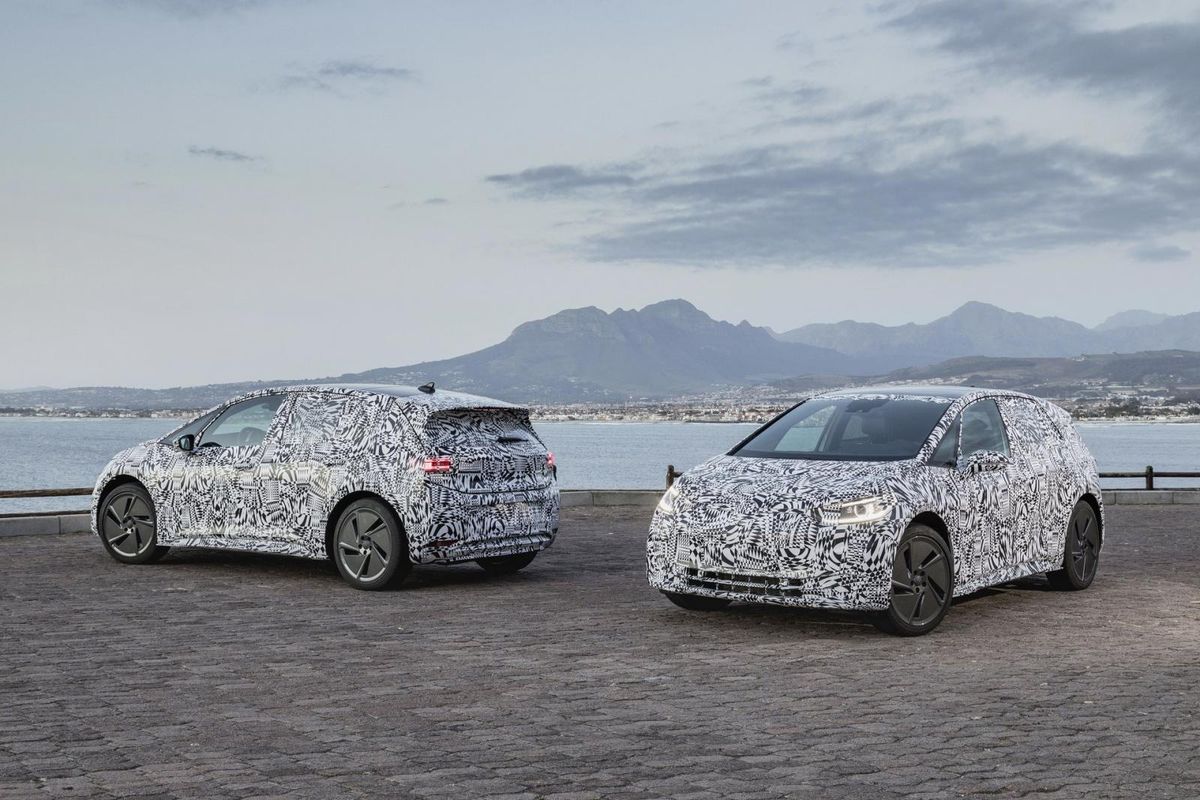
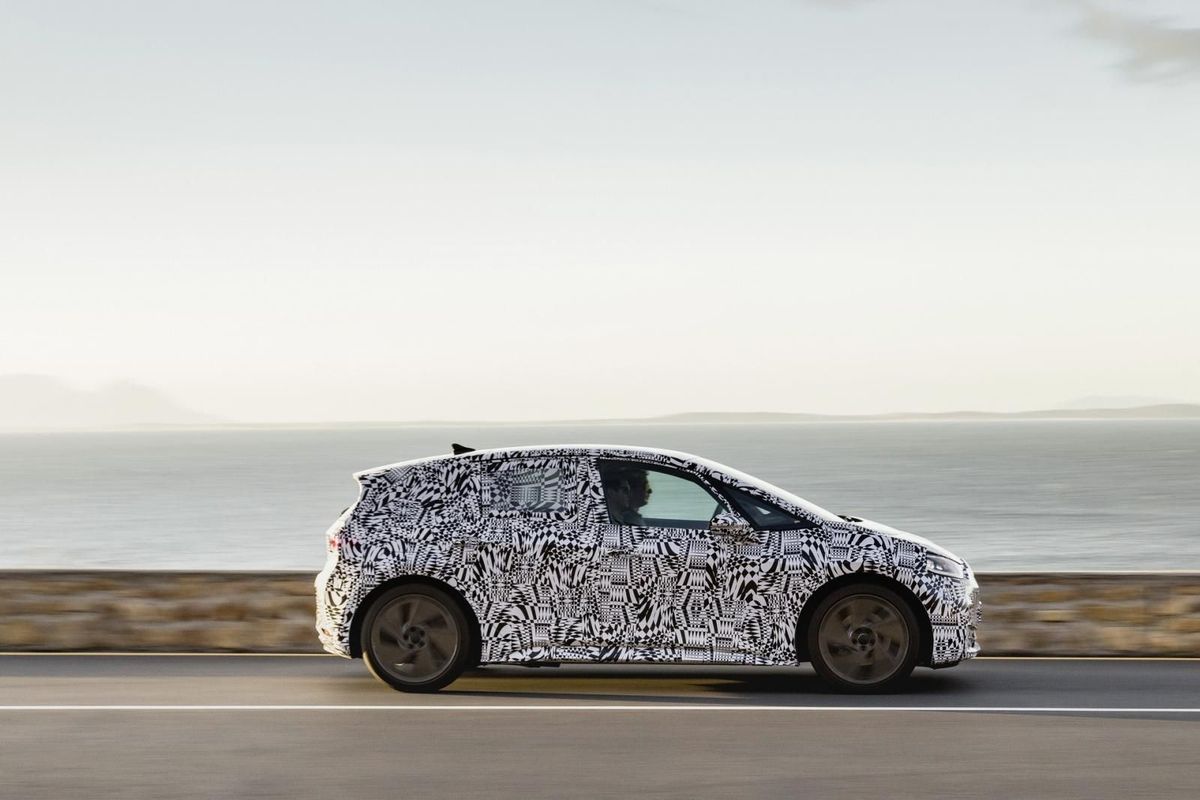
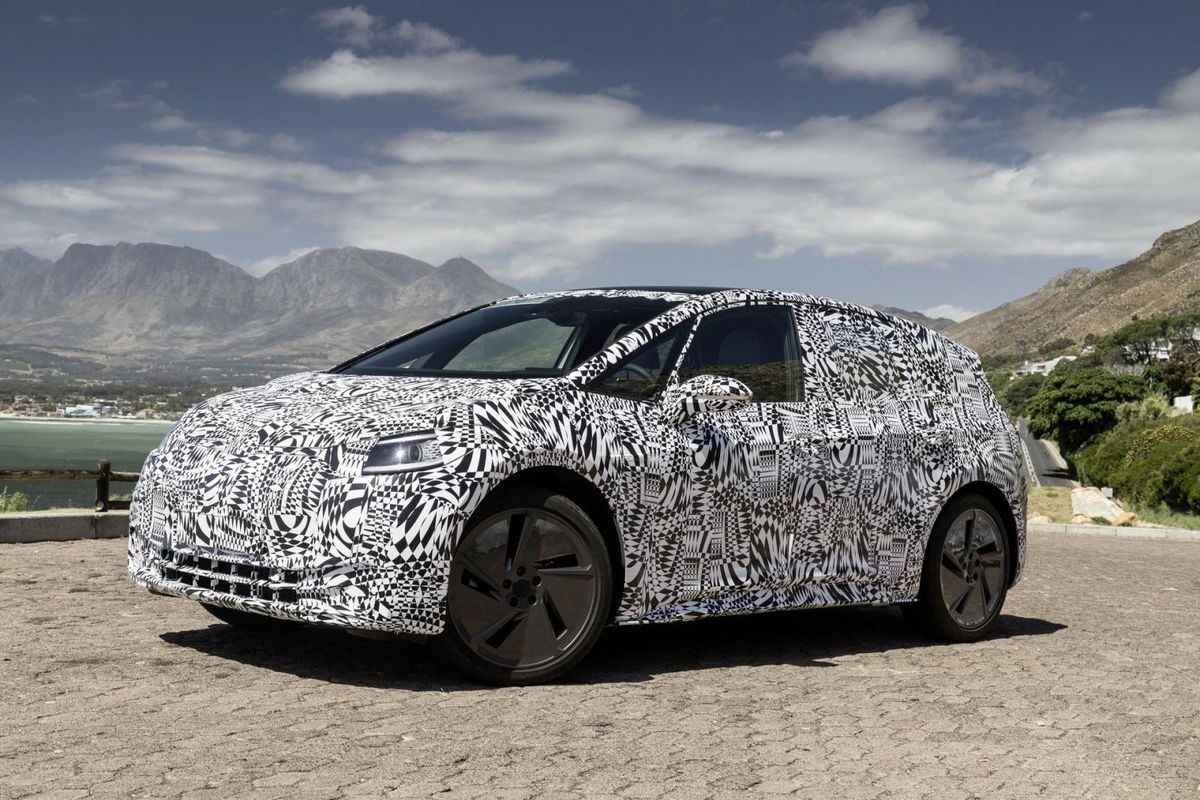
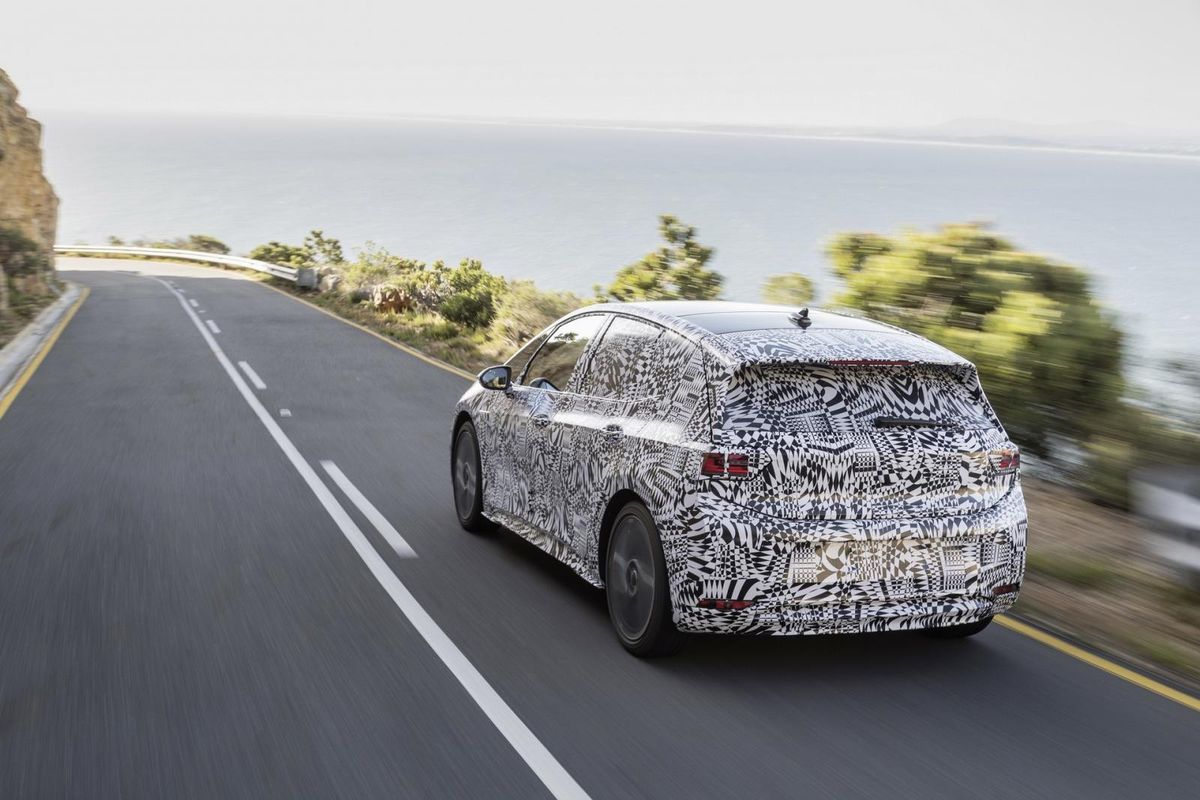
Volkswagen has been using South Africa to test its forthcoming ID electric car range. The all-new Volkswagen ID is scheduled to be fully revealed by the end of 2019, with a launch in 2020.
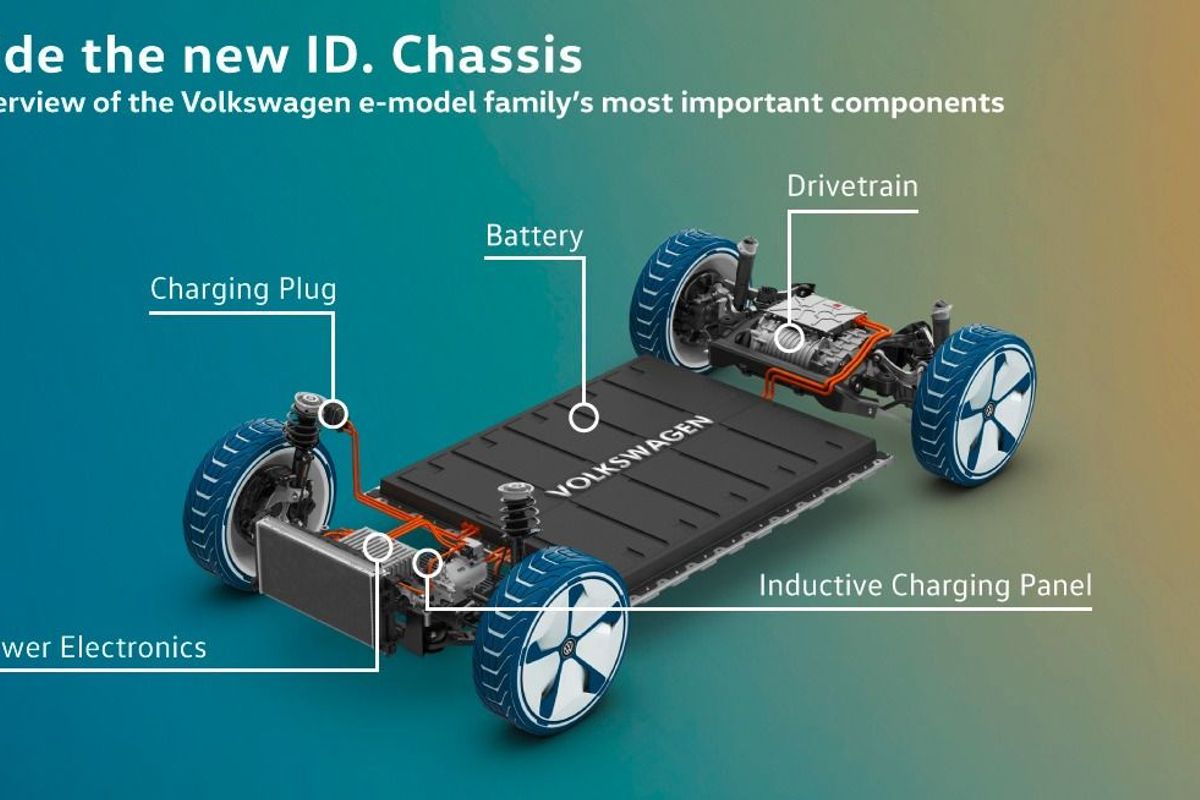
From what we know so far, the Volkswagen ID will be a similar size to that of a Volkswagen Golf. Under the skin, there's an all-new platform too. Called MEB (Modular Electric Matrix), it will also spawn various other electric vehicles in Volkswagen's portfolio. Think of it as MQB, but purely for electric vehicles.
While final numbers are not yet confirmed, speculation is rife that this platform is conducive to potential ranges between 330 km to 550 km, which should allay fears of range anxiety. From what we understand, the Volkswagen ID will feature a rear-mounted electric motor which will power the rear wheels, meaning it should be entertaining to pilot.
With car industry upstart Tesla claiming even more market expansion in 2019/2020, the big established car makers have started to respond. We should see the Volkswagen ID being fully revealed before the end of 2019, with a market launch in 2020. Volkswagen is claiming it will be priced competitively and should cost around the same price as a diesel Golf.
These photos show the Volkswagen ID undergoing prototype drives in the Gordon's Bay area, in the Western Cape.
Volkswagen ID Video
What it's like to drive?
Mercedes-AMG to launch A45 and A45 S: Updated
The forthcoming Mercedes-AMG A45 is near production ready and while we don't have exact details yet, we do know that it'll be available in two states of tune; A45 and A45 S. Here's what we know so far.
The Mercedes-AMG A45 really upset the hot hatchback market when it made its arrival back in 2013. Boasting 265 kW and 450 Nm, mated to an all-wheel-drive system, it was devastatingly quick off the line. A facelift version arrived with even more power (280 kW and 475 Nm) which was even more ballistic in a drag race.
With the introduction of W177 aka the 4th generation of A-Class, there was no doubt that there would be a successor. Now officially Mercedes-AMG has not yet revealed this model, instead introducing the A35, which bridges the gap between A250 and the new hardcore road-legal weapon. It pushes out 225 kW and 400 Nm, and with a 0-100 kph claimed sprint of time of 4.7 seconds, it's squarely in the crosshairs of the Audi S3 and Volkswagen Golf R.
Another thing we have learned is that the new Mercedes-AMG A45 will follow its bigger siblings naming convention and being available in two distinct flavours, namely A45 and A45 S. We've been led to believe that the South African market will only be receiving the full-fat A45 S model in 2019, with a hopeful arrival in the 2nd quarter, not that long after its A35 warm-up act.
Update: Thanks to a leak on a German insurance website, we can now confirm the power outputs of the next-generation A45 and A45 S. The A45 will have 285 kW, while its more potent sibling breaches the 300 kW barrier with 310 kW! We have also learnt that the A45 will feature Drift Mode, as the below video highlights.
During the Holiday period, Mercedes-AMG released this video