The forthcoming Mercedes-AMG A45 is near production ready and while we don't have exact details yet, we do know that it'll be available in two states of tune; A45 and A45 S. Here's what we know so far.
The Mercedes-AMG A45 really upset the hot hatchback market when it made its arrival back in 2013. Boasting 265 kW and 450 Nm, mated to an all-wheel-drive system, it was devastatingly quick off the line. A facelift version arrived with even more power (280 kW and 475 Nm) which was even more ballistic in a drag race.
With the introduction of W177 aka the 4th generation of A-Class, there was no doubt that there would be a successor. Now officially Mercedes-AMG has not yet revealed this model, instead introducing the A35, which bridges the gap between A250 and the new hardcore road-legal weapon. It pushes out 225 kW and 400 Nm, and with a 0-100 kph claimed sprint of time of 4.7 seconds, it's squarely in the crosshairs of the Audi S3 and Volkswagen Golf R.
Another thing we have learned is that the new Mercedes-AMG A45 will follow its bigger siblings naming convention and being available in two distinct flavours, namely A45 and A45 S. We've been led to believe that the South African market will only be receiving the full-fat A45 S model in 2019, with a hopeful arrival in the 2nd quarter, not that long after its A35 warm-up act.
Update: Thanks to a leak on a German insurance website, we can now confirm the power outputs of the next-generation A45 and A45 S. The A45 will have 285 kW, while its more potent sibling breaches the 300 kW barrier with 310 kW! We have also learnt that the A45 will feature Drift Mode, as the below video highlights.
During the Holiday period, Mercedes-AMG released this video
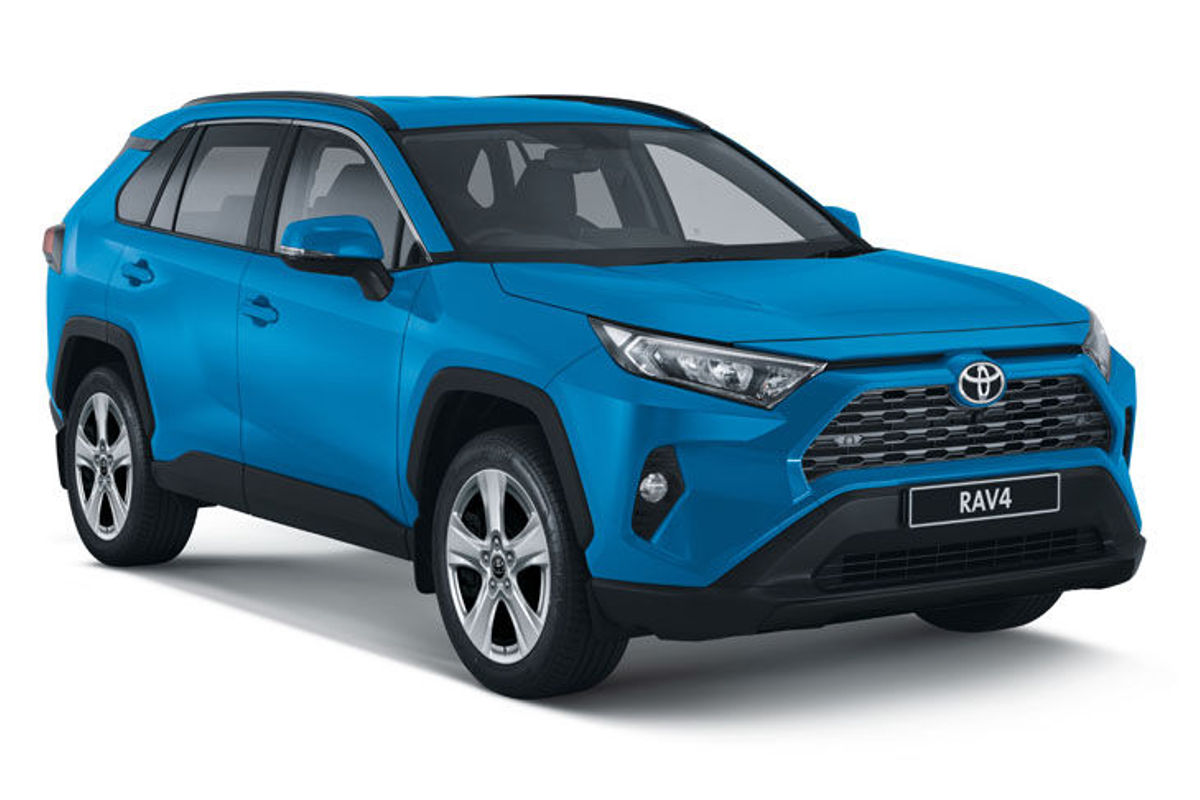
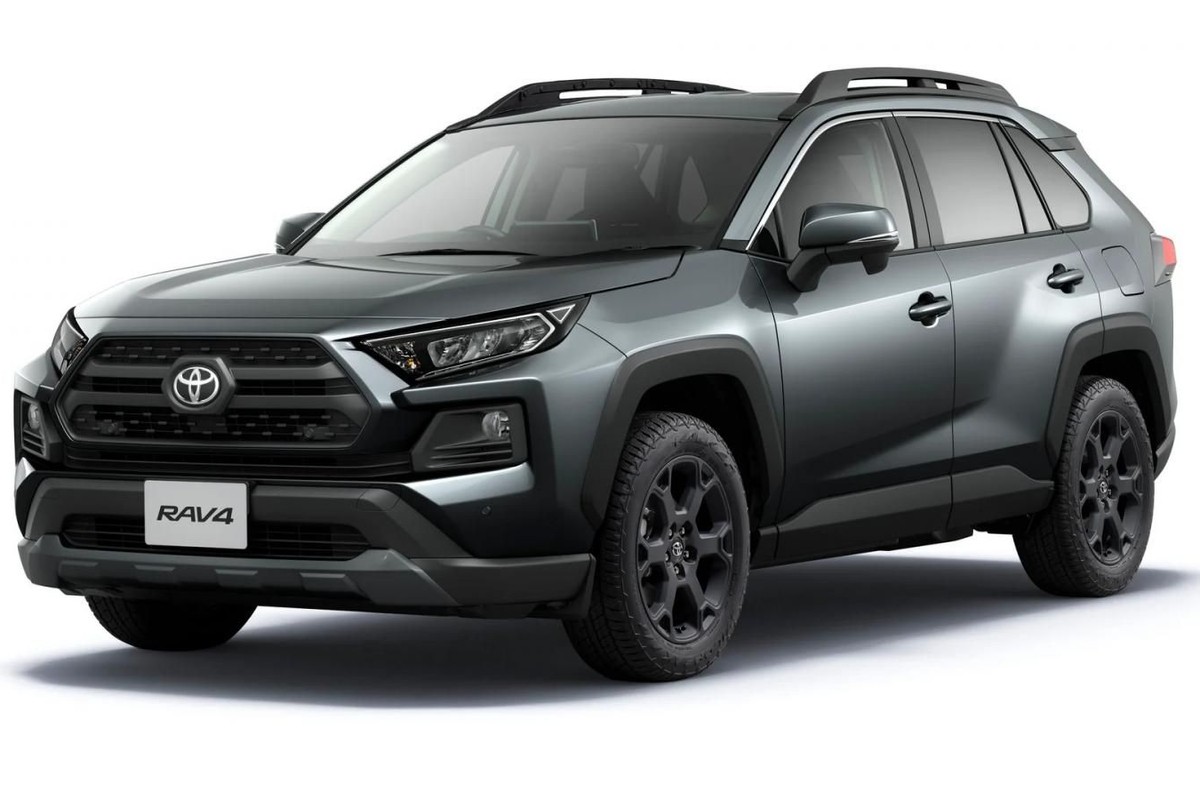
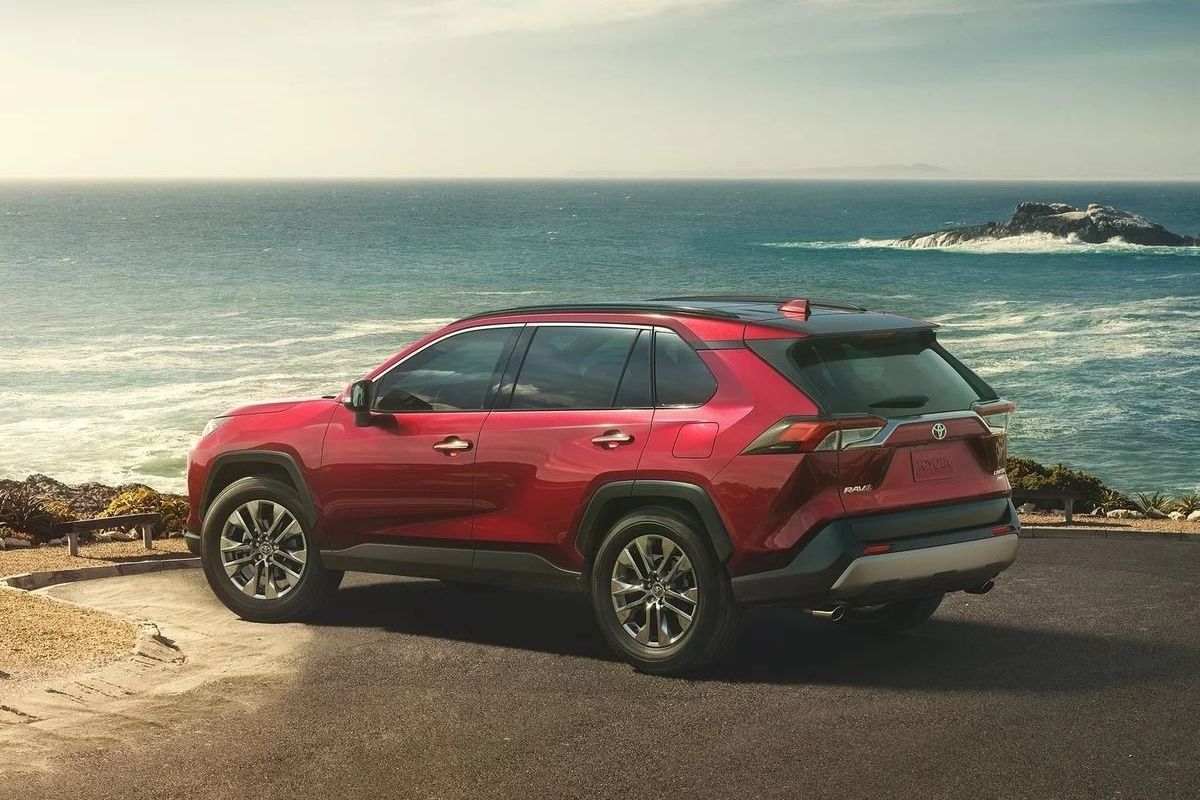
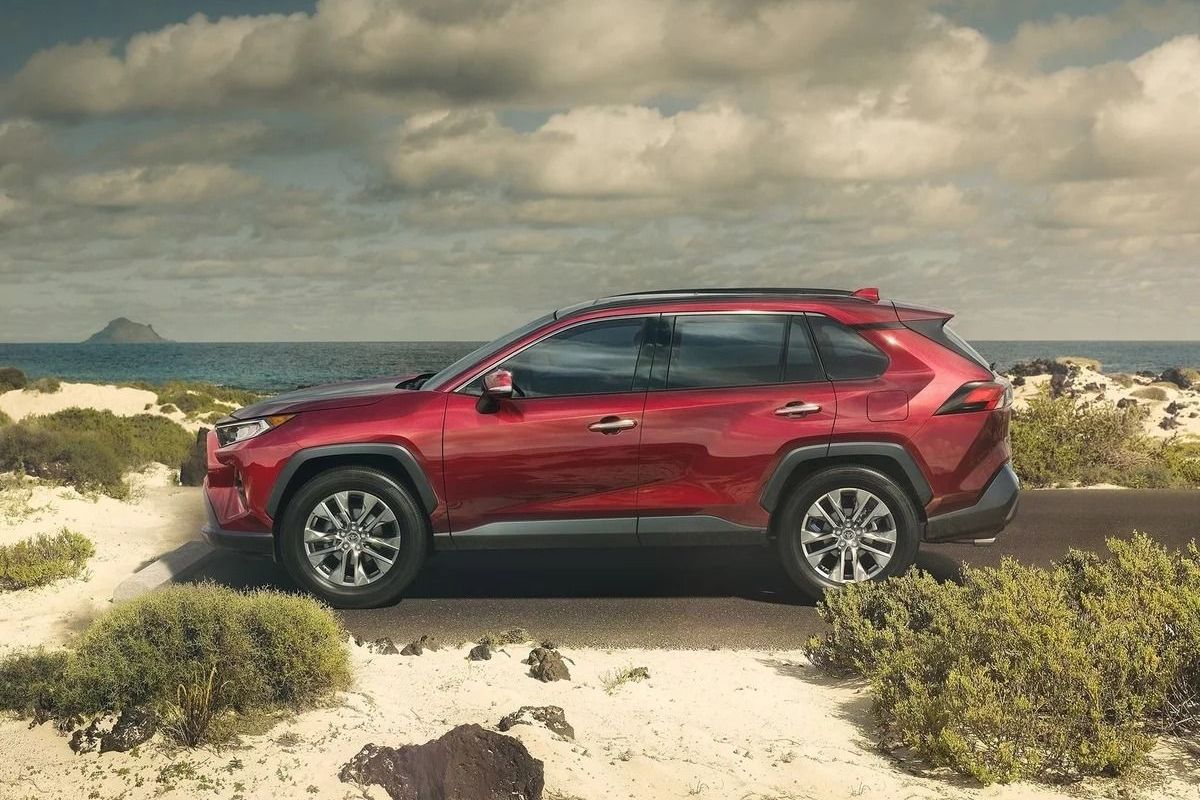
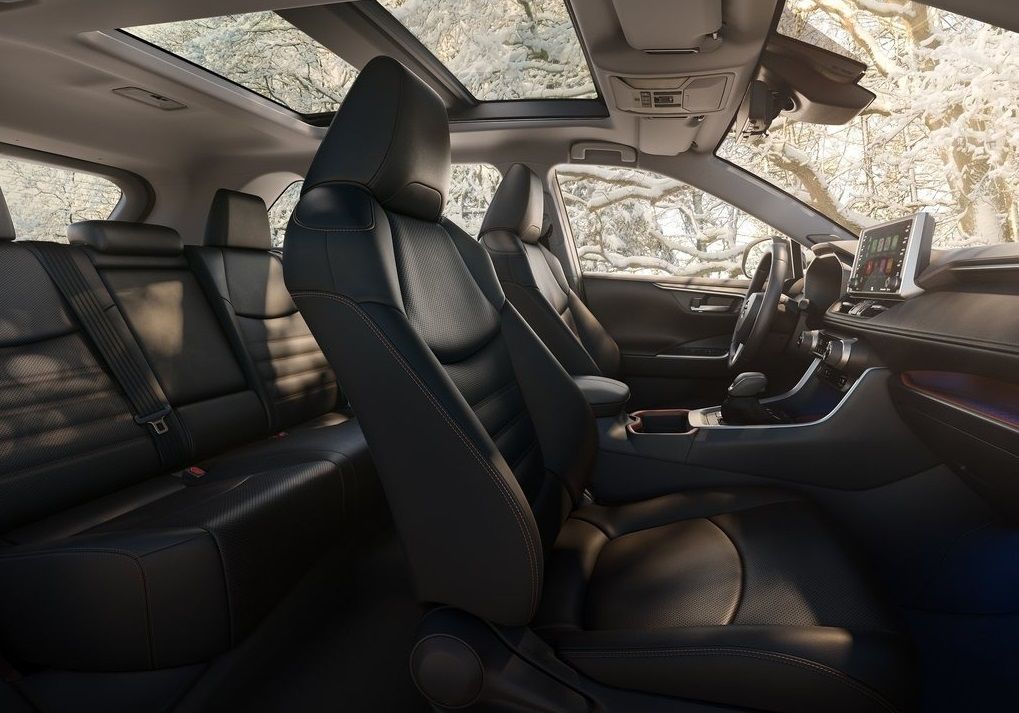
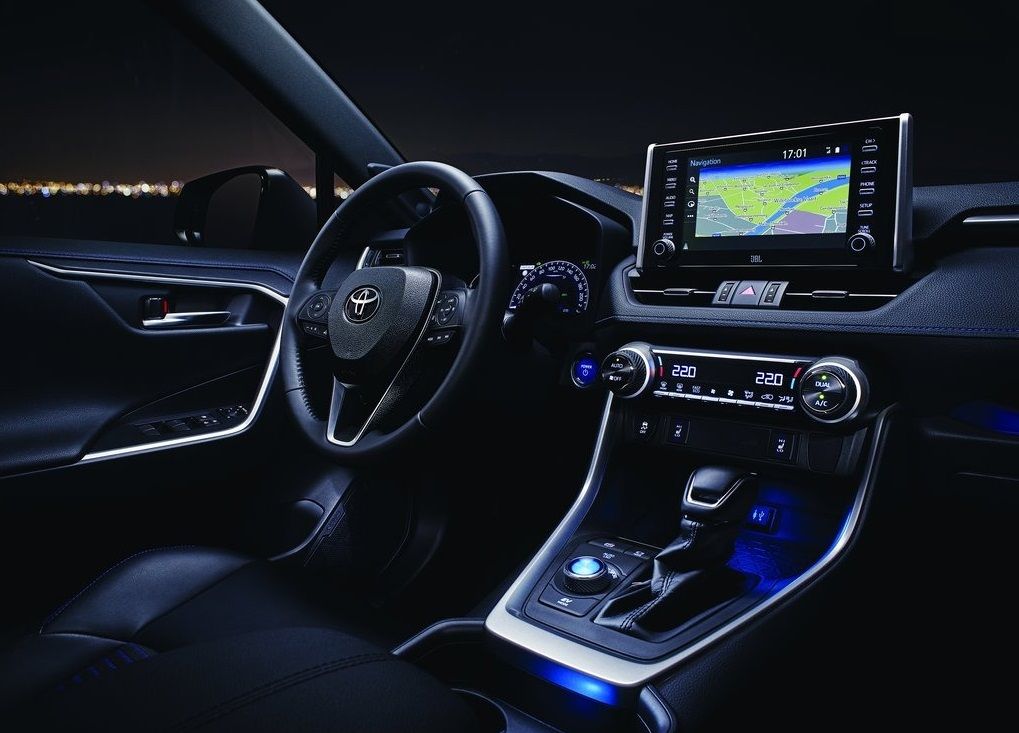
An all-new Toyota RAV4 is due to arrive in South Africa in March 2019 and we will be driving the new RAV4 in Spain next week. Here are 5 things to know about the new RAV4…
The RAV4 is a popular choice in the family car segment and has racked up cumulative global sales of more than 8.1-million units. The RAV4 celebrates its 25th birthday in 2019 and with the imminent arrival of the 5th-generation model, Toyota will look to build on the success of its predecessor.
Here are 5 things you need to know about the new Toyota RAV4…
1. Looks Better Than Ever
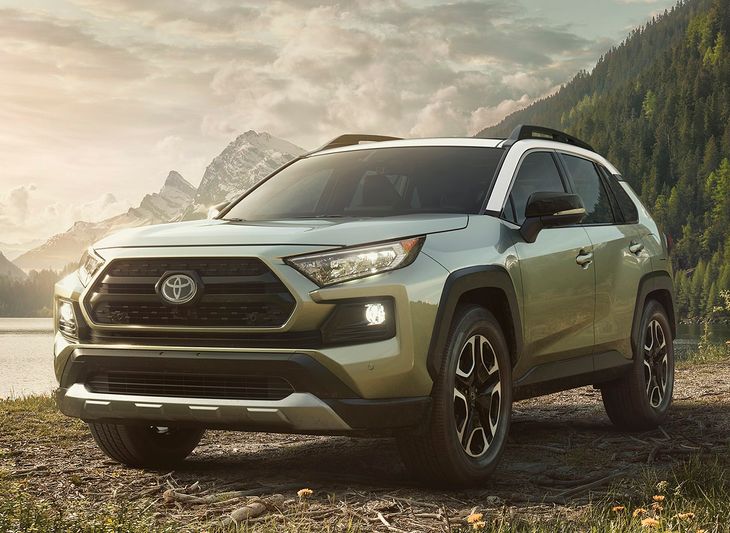
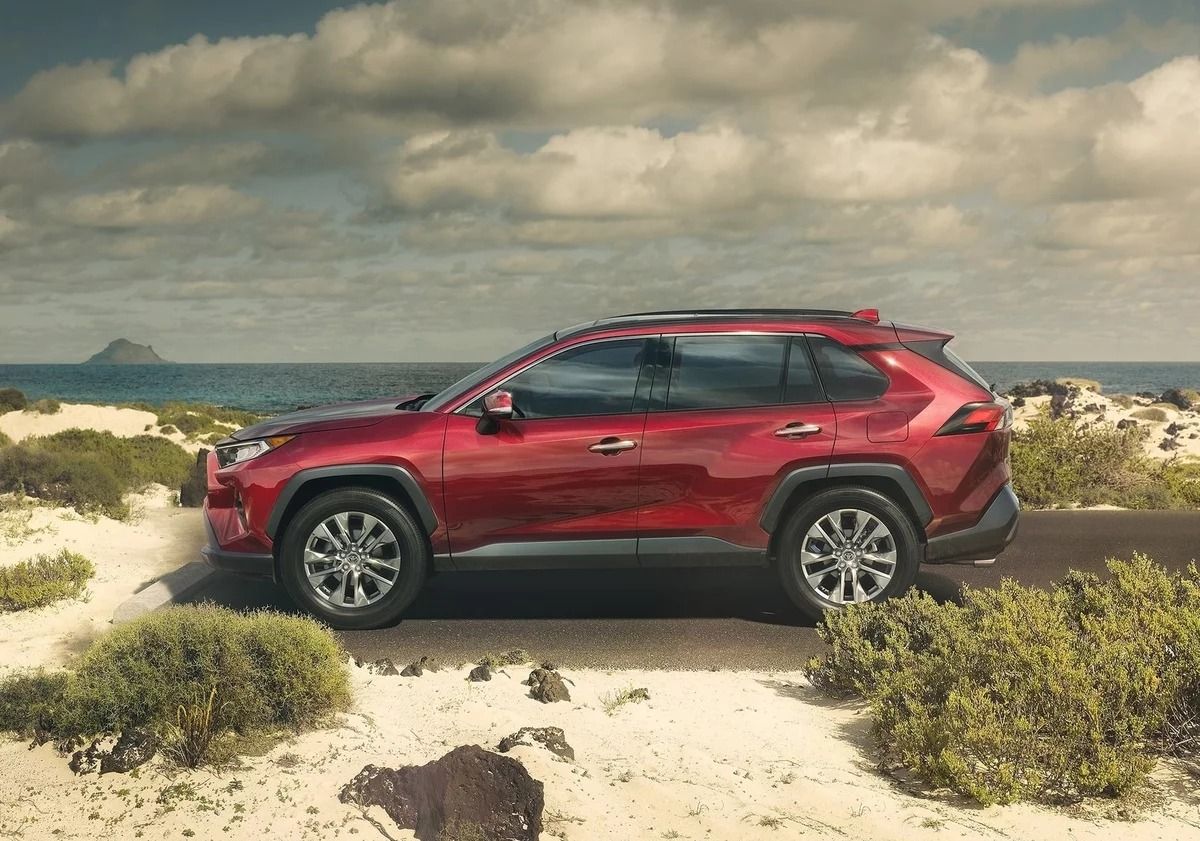
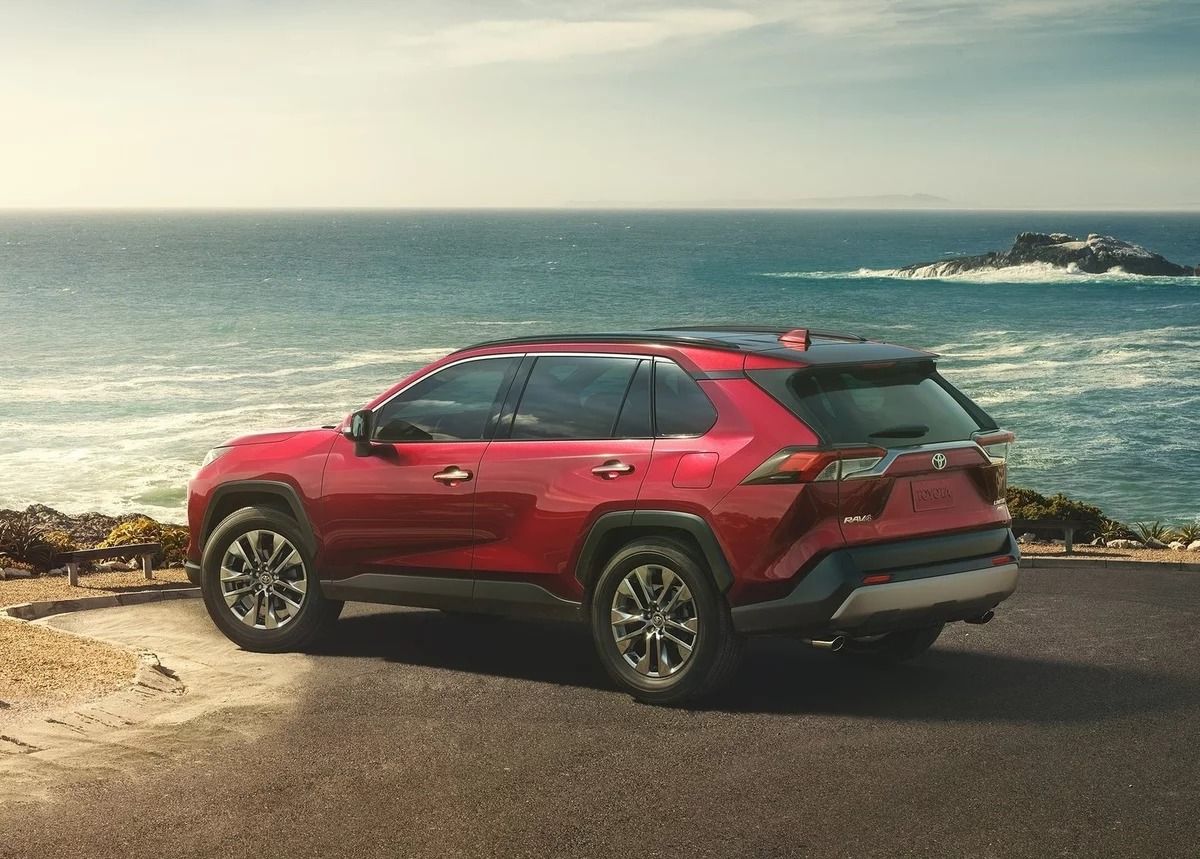
While opinions regarding the new design of the RAV4 may be divided, we think it looks better and more purposeful than the current model. Much of the change is seen at its front-end which is far more beefier, muscular and edgier than before with a larger grille taking pride of place. The RAV4's squared off wheel arches with cladding give it a rugged look while slim and angular rear-end gives the new model some added road presence. This latest RAV4 is bound to sell well in the crossover/SUV-obsessed SA market when it arrives early next year…
2. New Engines
The new RAV4 will be powered by new engines including a 4-cylinder, 2.0-litre petrol engine driving the front wheels with 127 kW and 203 Nm of torque and mated to either a CVT or 6-speed manual transmission with rev-matching technology.
A more powerful 2.5-litre petrol engine will power the all-wheel-drive version with 152 kW and 243 Nm of torque and will be mated to a new 8-speed automatic transmission. A hybrid RAV4 is offered in other markets but is not likely to make it to South Africa.
3. Enhanced performance
Toyota’s mechanical all-wheel-drive system has been updated and now features dynamic torque vectoring that can apportion torque to the rear left and right wheel as well as between the front and rear axle. The latest system is said to provide stable performance and accurate response while cornering in dry and wet conditions. Up to 50% of torque can be sent to the rear wheels and independent couplings can further distribute torque between the 2 rear wheels.
More than this, the new RAV4 will also feature AWD Integrated Management (AIM) which will automatically adjust systems such as the steering assist, brake and throttle control, shift pattern and torque distribution based on the drive mode, including Normal, Eco and Sport. A multi-terrain switch will also allow the driver to select modes for mud and sand or rock and dirt.
4. More space and comfort
Built on same TNGA platform that underpins the C-HR, Prius and forthcoming Corolla hatchback, the new RAV has a longer wheelbase and stands wider and lower than the current model which will translate into more space for space for passengers, particularly those seated in the rear. Furthermore, it rides on a unibody chassis which is some 57% stiffer than before and makes use of a multi-link rear suspension for optimum handling and ride comfort while reducing noise entering the cabin. The rear seats are split in a 60:40 configuration for added flexibility.
5. Enhanced interior
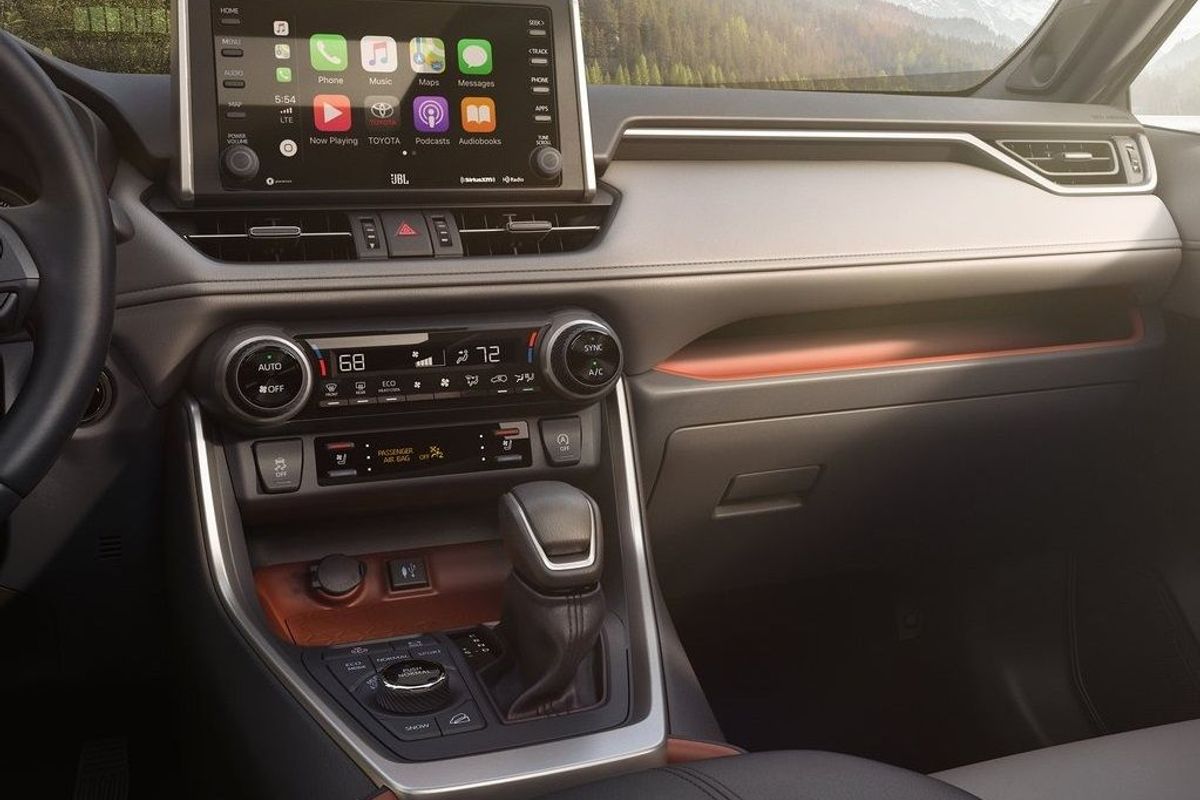
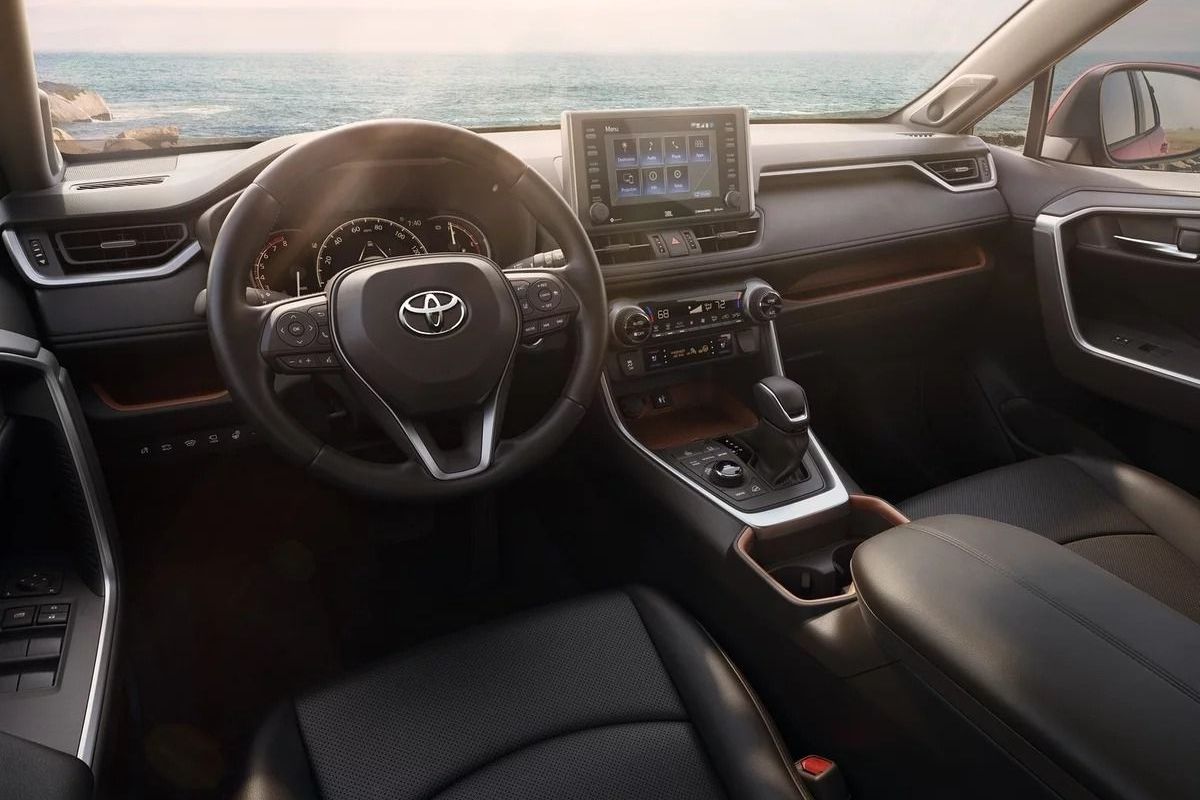
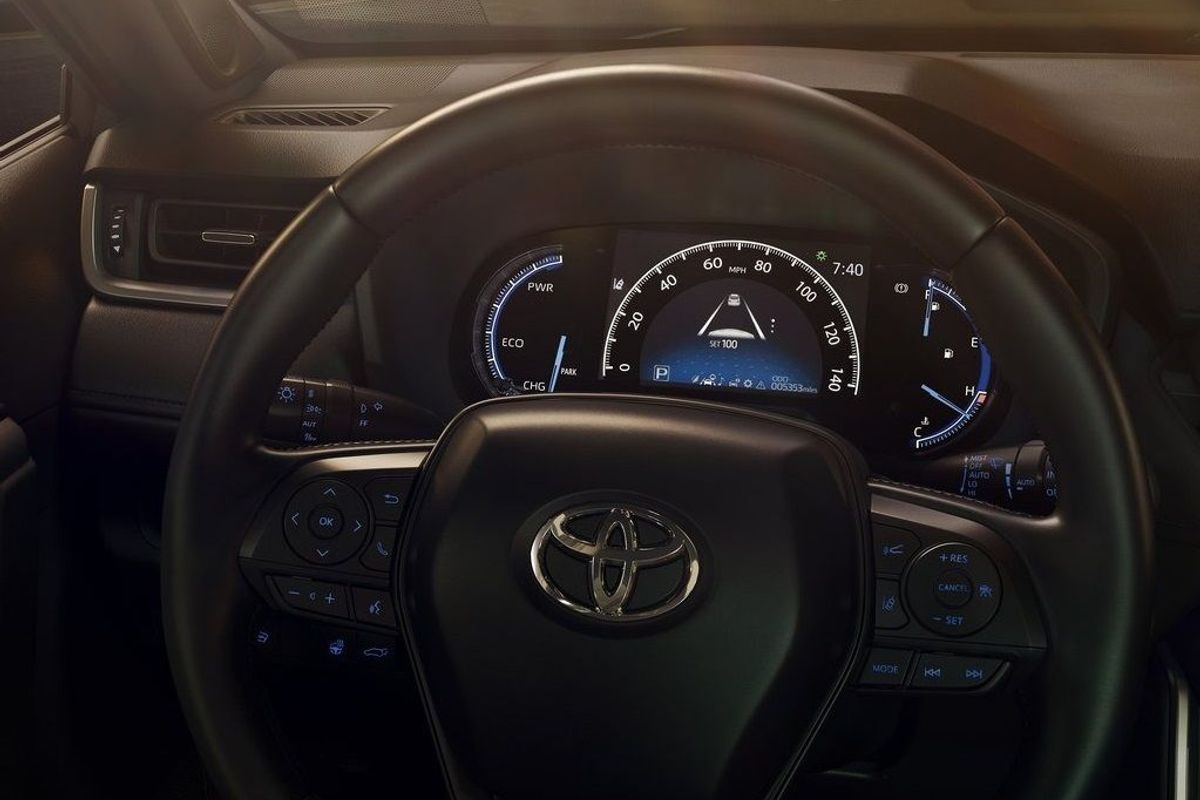
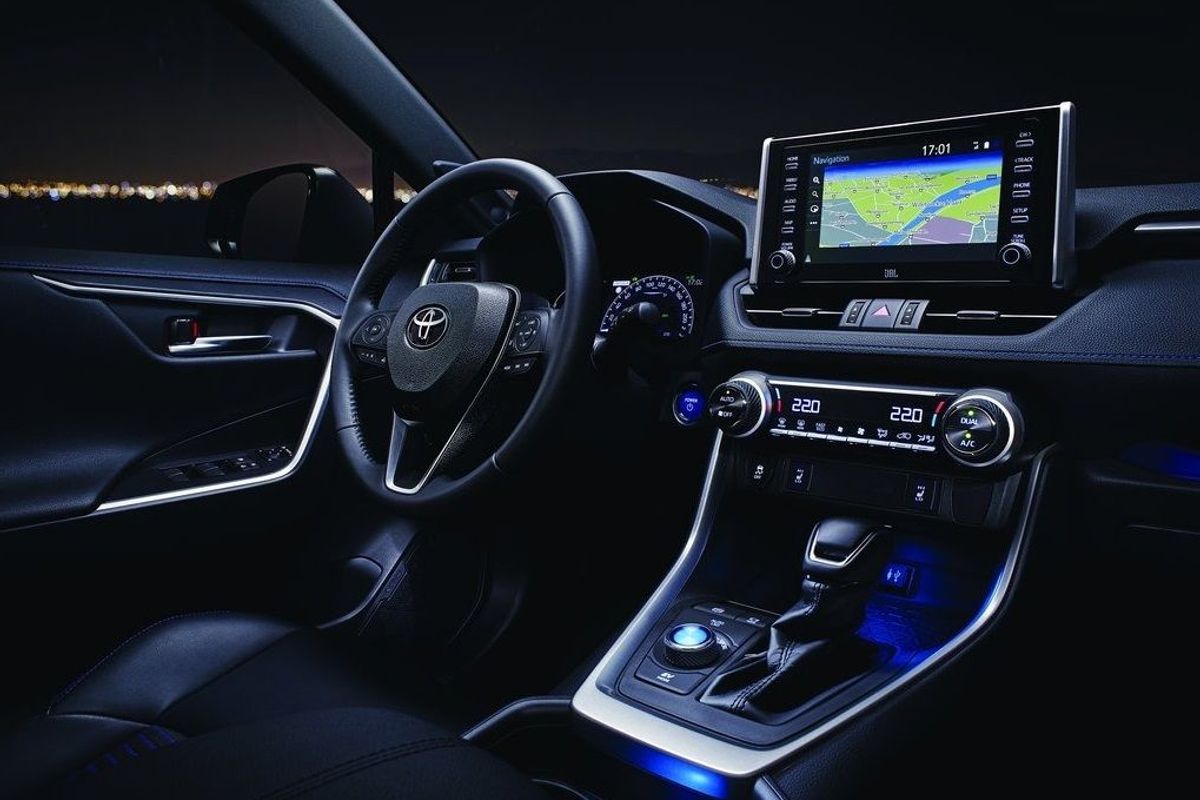
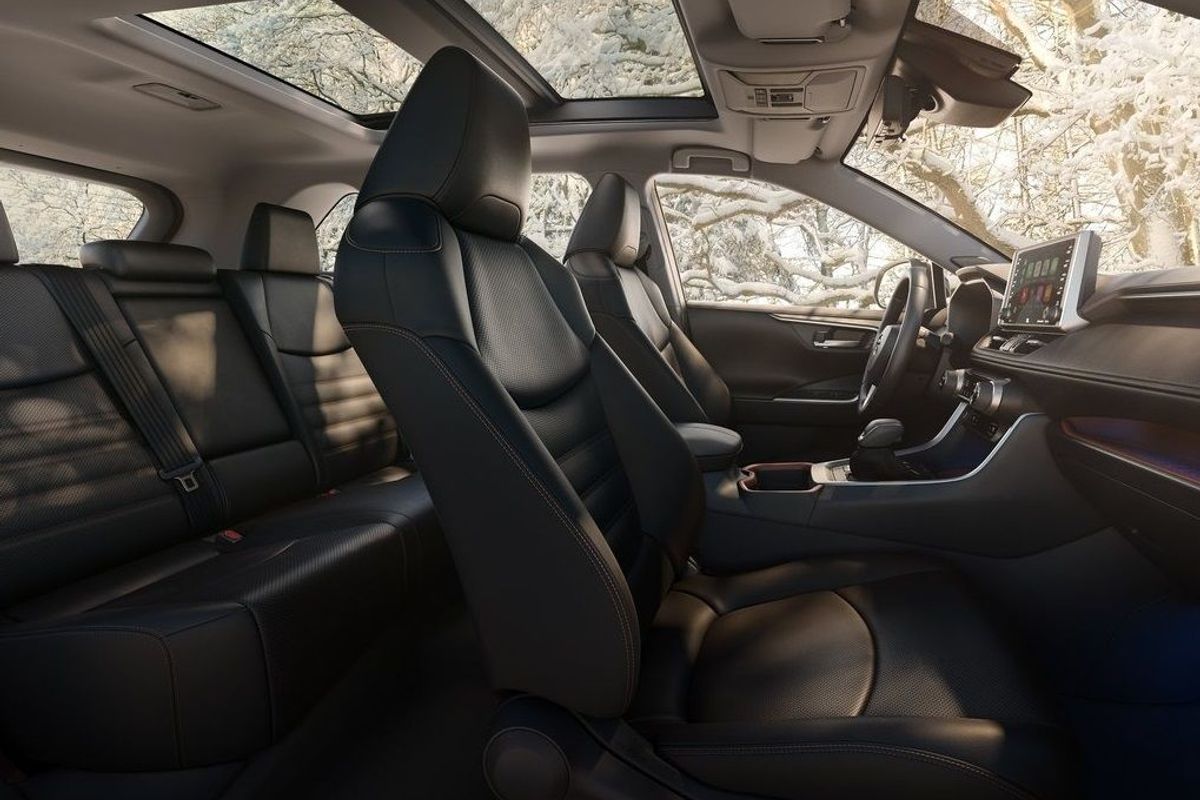
While South African specification has yet to be confirmed, the interior of the new RAV4 has been simplified and you can expect a 7-inch or optional 8-inch touchscreen infotainment system to be offered. The RAV4 can be equipped with up to 5 USB ports as well as a wireless charging tray for rapid smartphone charging. The new RAV4 is also equipped with an all-new 800 W JBL audio system with 11 speakers.
We will keep you updated as soon as local specification and pricing details become available.
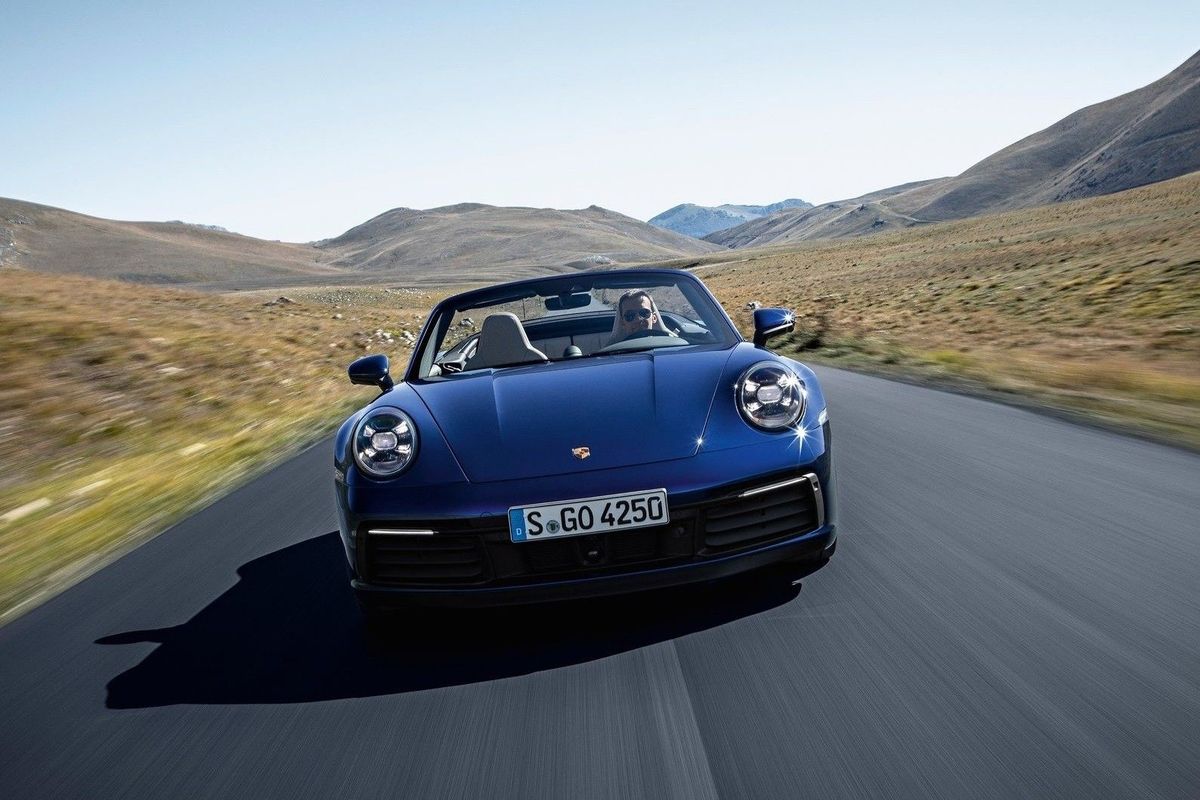
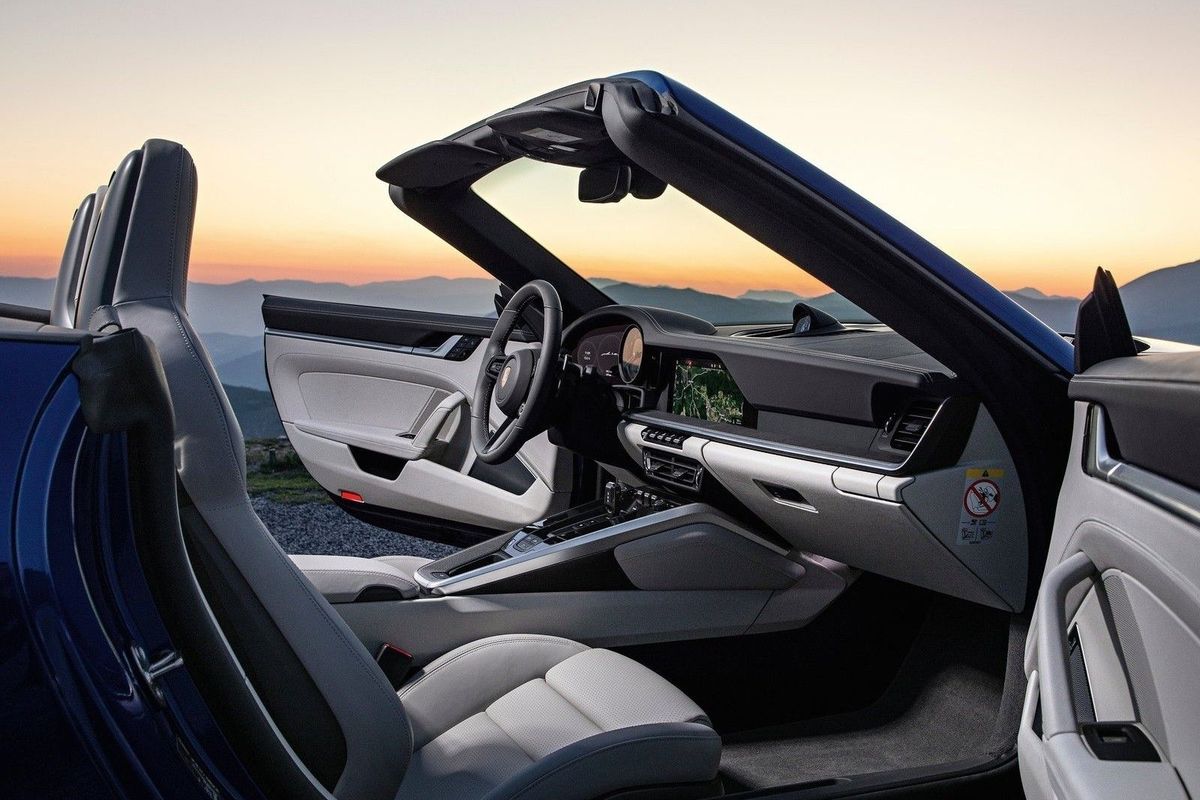
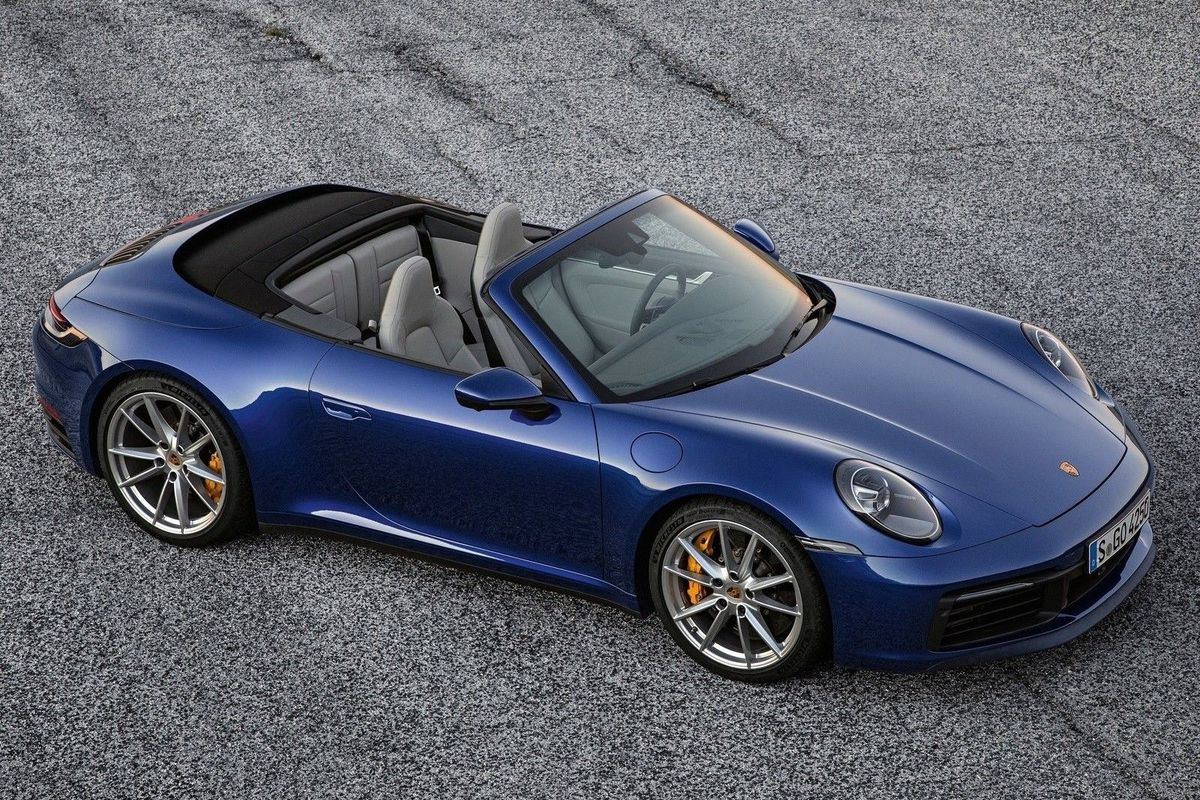
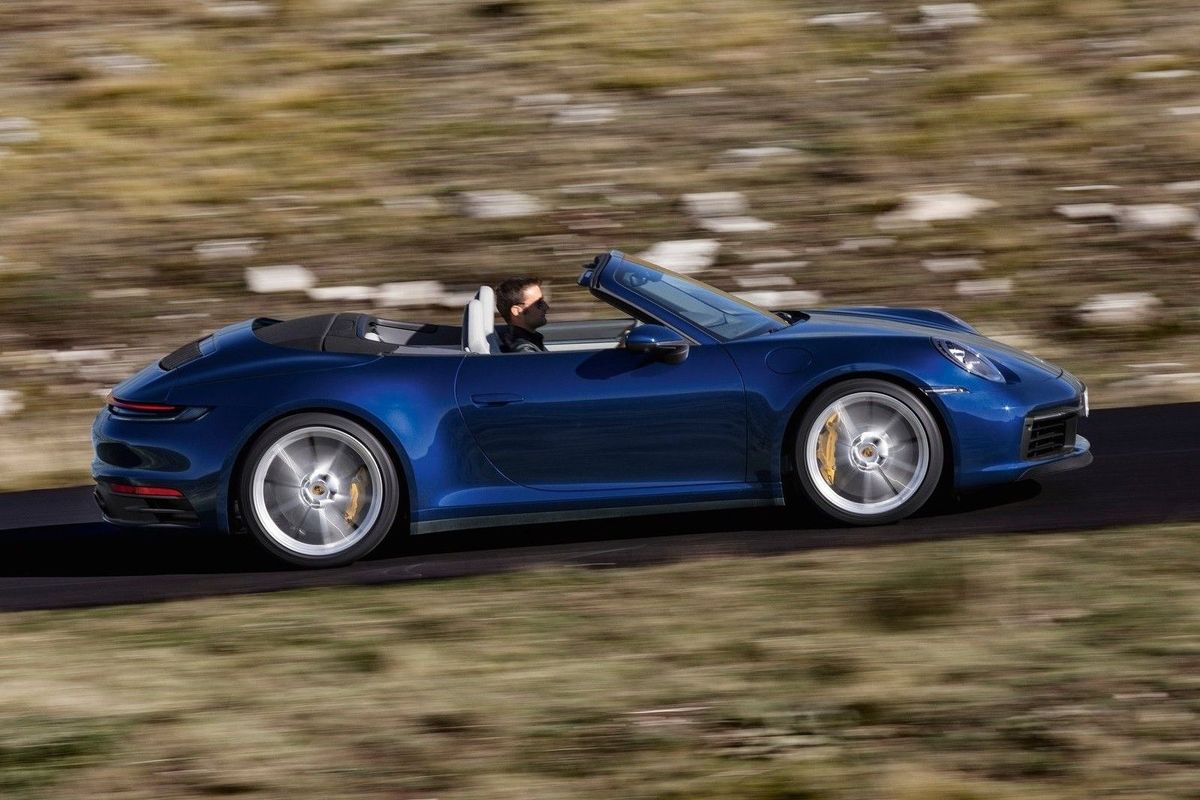
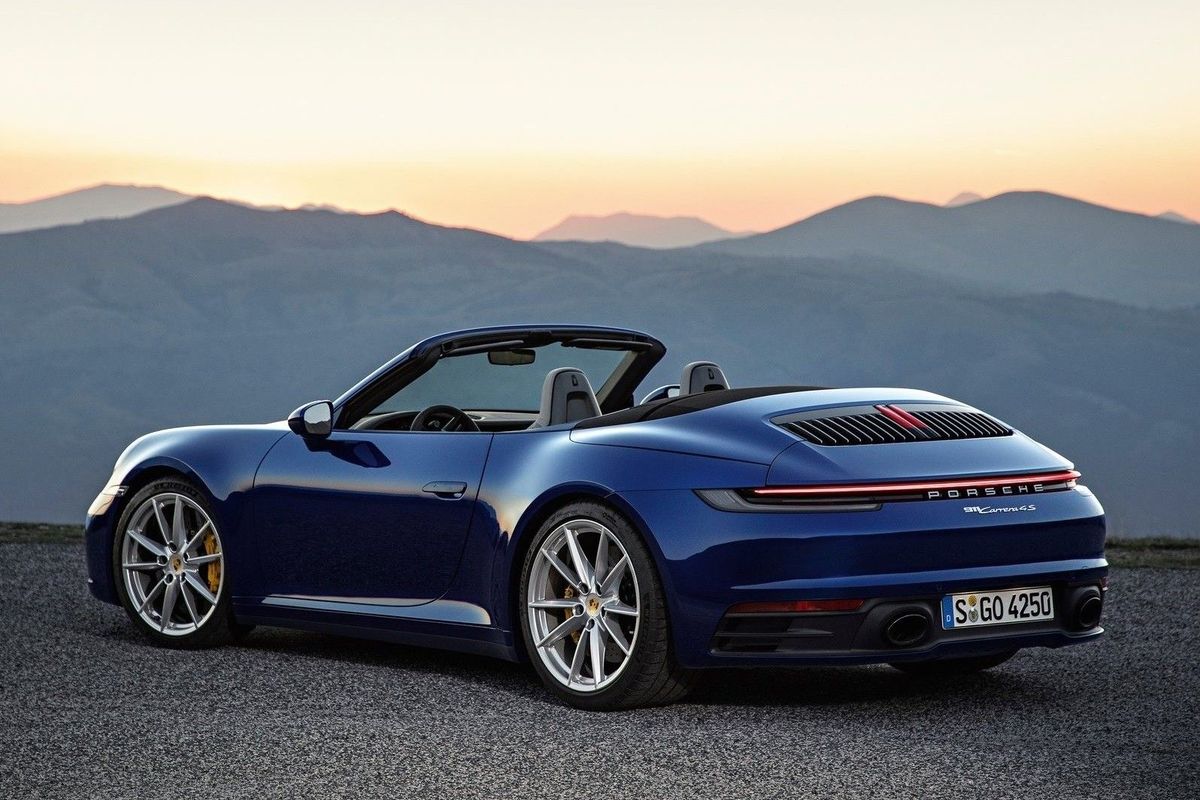
Hot on the heels of the launch of the new Porsche 911 comes the Cabriolet version. Here's what you need to know about the all-new Porsche 911 Cabriolet.
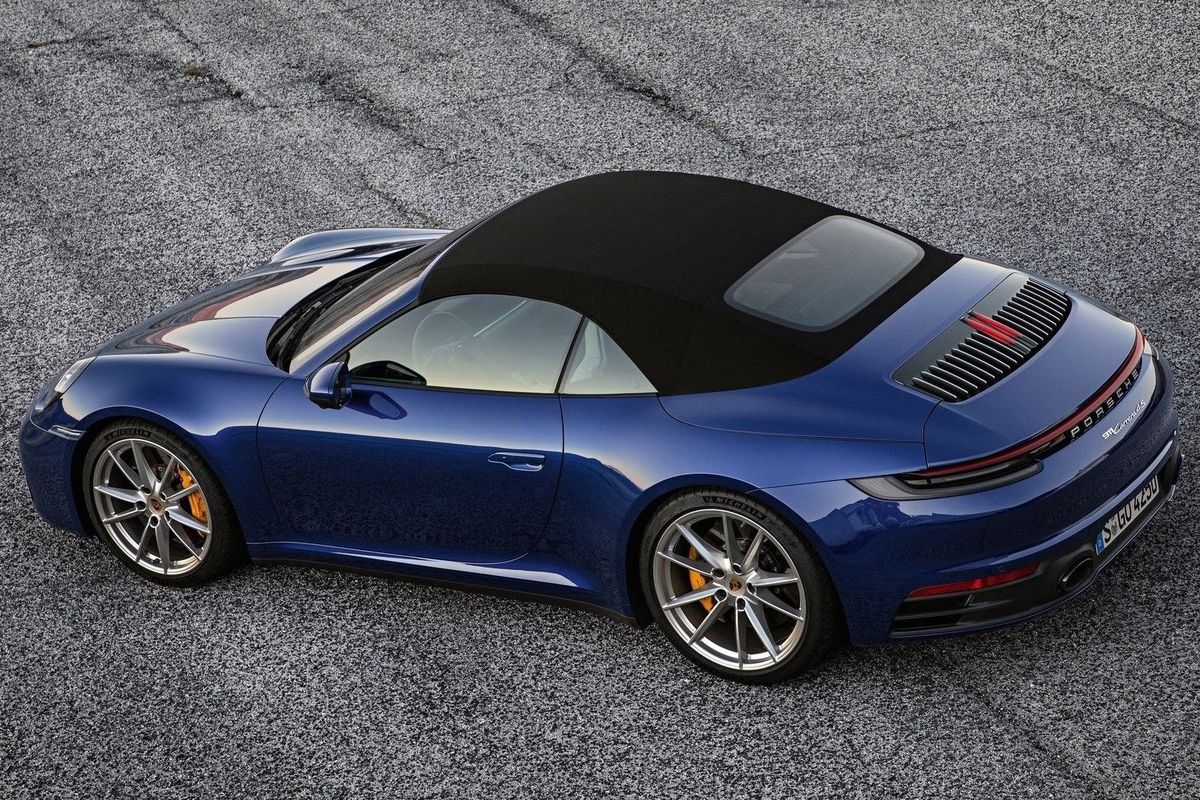
After the first ever Porsche 911 Cabriolet was showcased at the 1981 Frankfurt Motor Show, fans of the Zuffenhausen-based brand have adored the concept of an open-top 911. This all-new 911 Cabriolet comes with new technology, such as a new hydraulic setup to get the roof opened and closed in less time.
This new soft top can be opened and closed at speeds of up to 50 kph, meaning you're no longer required to pull over to a complete stop should the weather turn bad. The new roof mechanism sees the opening time drop to around 12 seconds.
The new Porsche 911 Cabriolet range will start with the Carrera S and the Carrera 4S. The difference between the two is the S is rear-wheel drive, while the 4S makes do with an all-wheel-drive setup. Both feature a 3.0-litre turbocharged 6-cylinder boxer engine, delivering outputs of 331 kW and 530 Nm. With power going through a new 8-speed dual-clutch gearbox (PDK), the new 911 Cabriolet is a brisk performer. The Carrera S can blitz to 100 kph in a claimed 3.9 seconds, with the optional Sport Chrono Package shaving 2/10ths off that. Top speed is rated at 306 kph. The Carrera 4S is fractionally quicker at 3.8 seconds to 100 kph, but fit it with the optional Sport Chrono Package and you'll see your sprint to 100 kph drop to 3.6 seconds. The Carrera 4S has a top speed of 304 kph.
Porsche 911 Cabriolet Price in South Africa
The Porsche 911 Cabriolet is expected in South Africa in 2019 and both models will come with a 3-year / 100 000 km Driveplan.
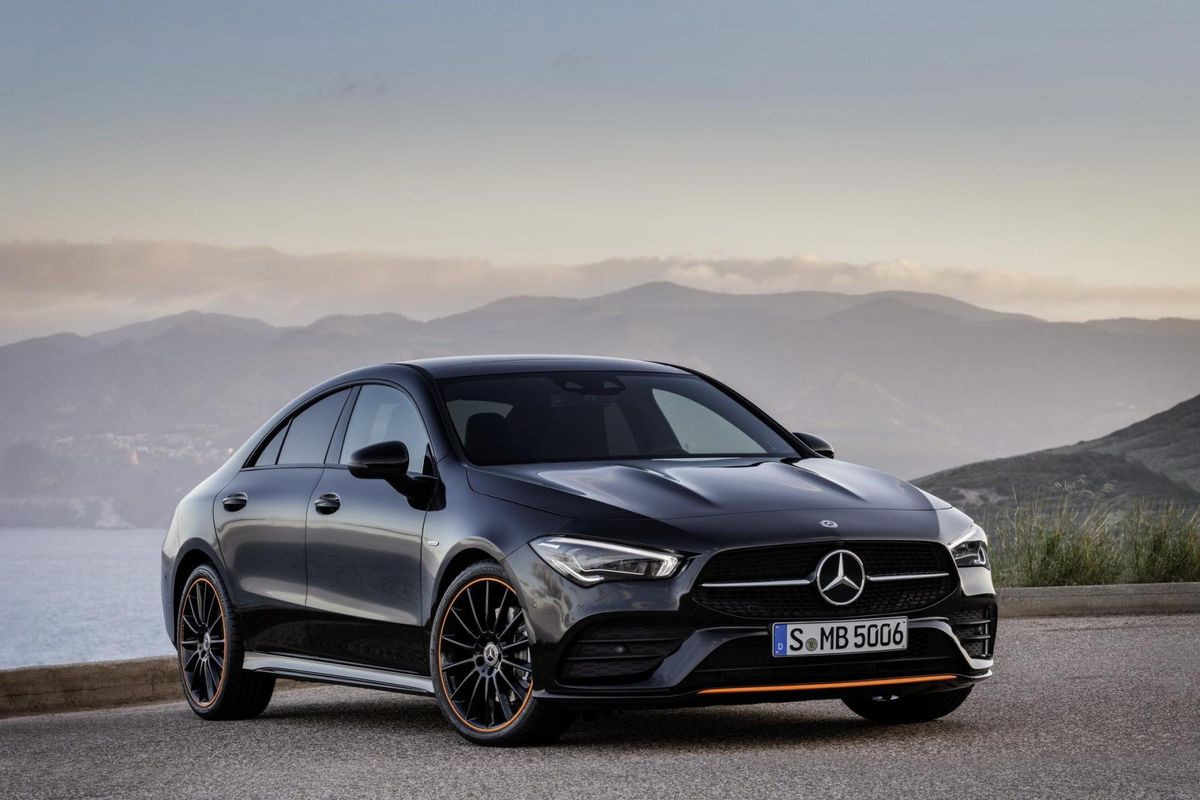
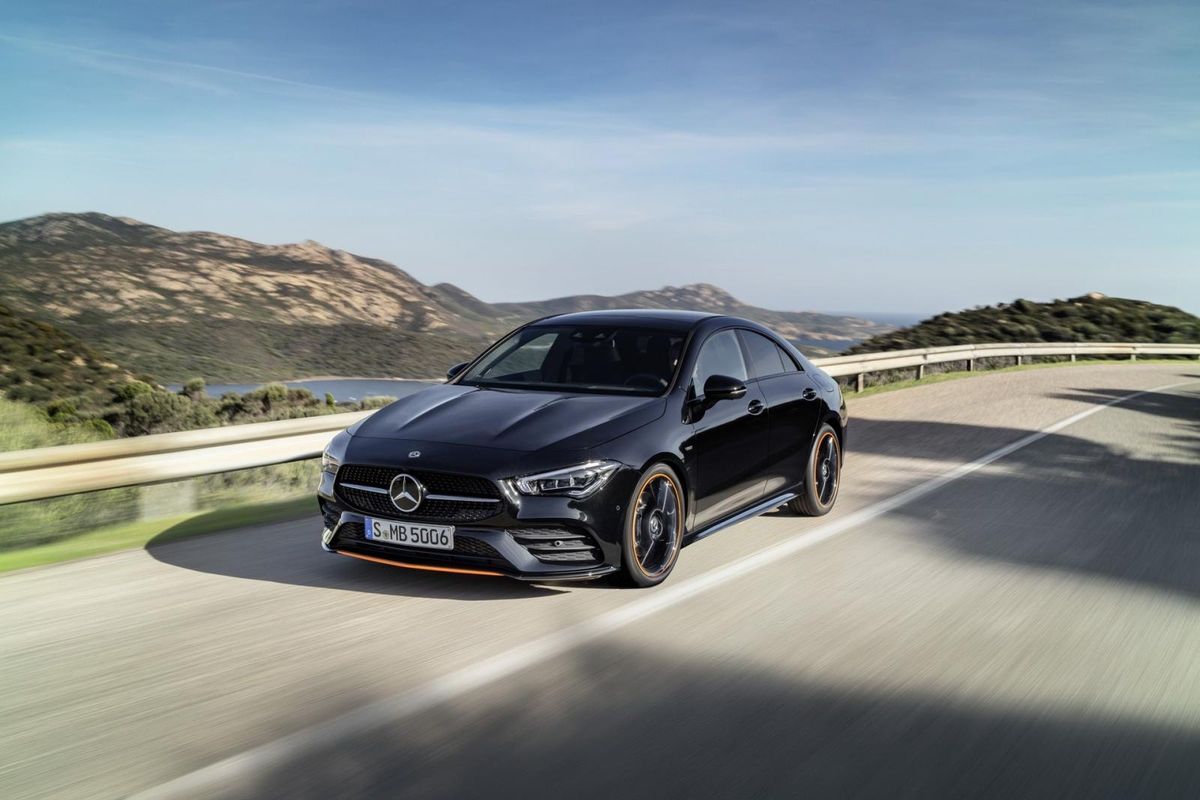
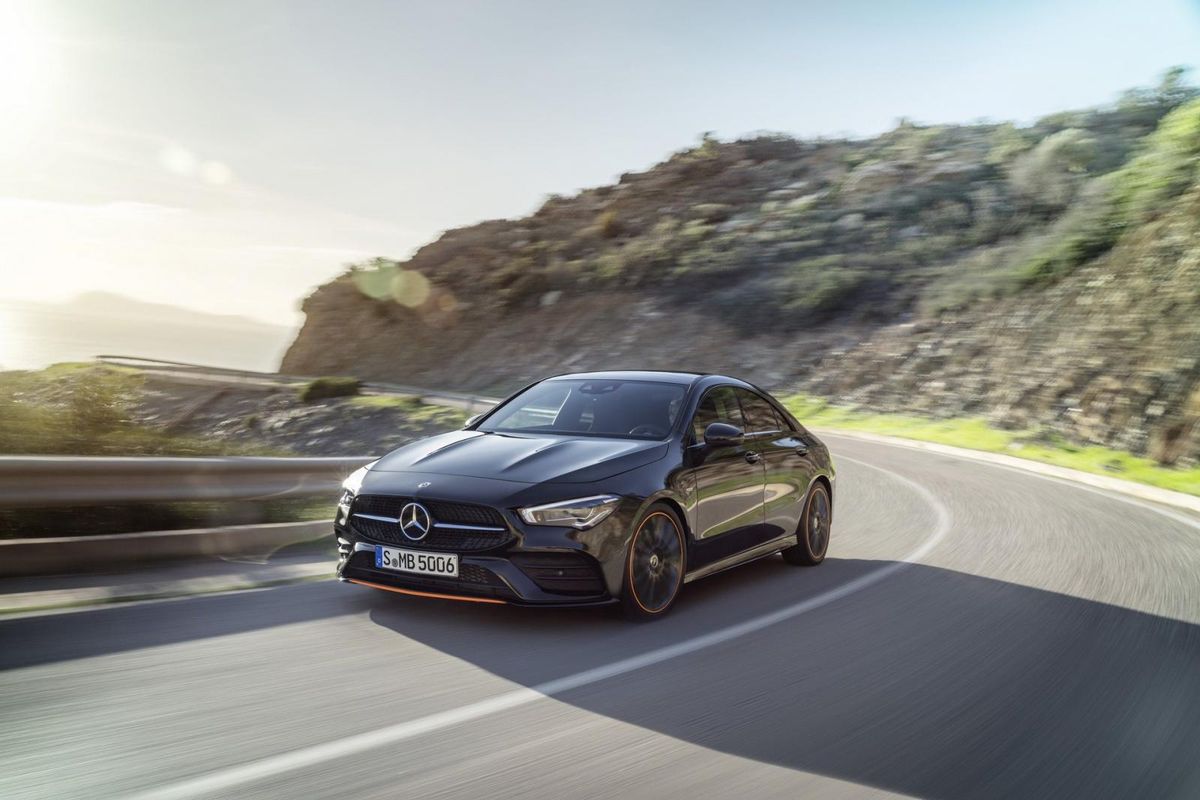
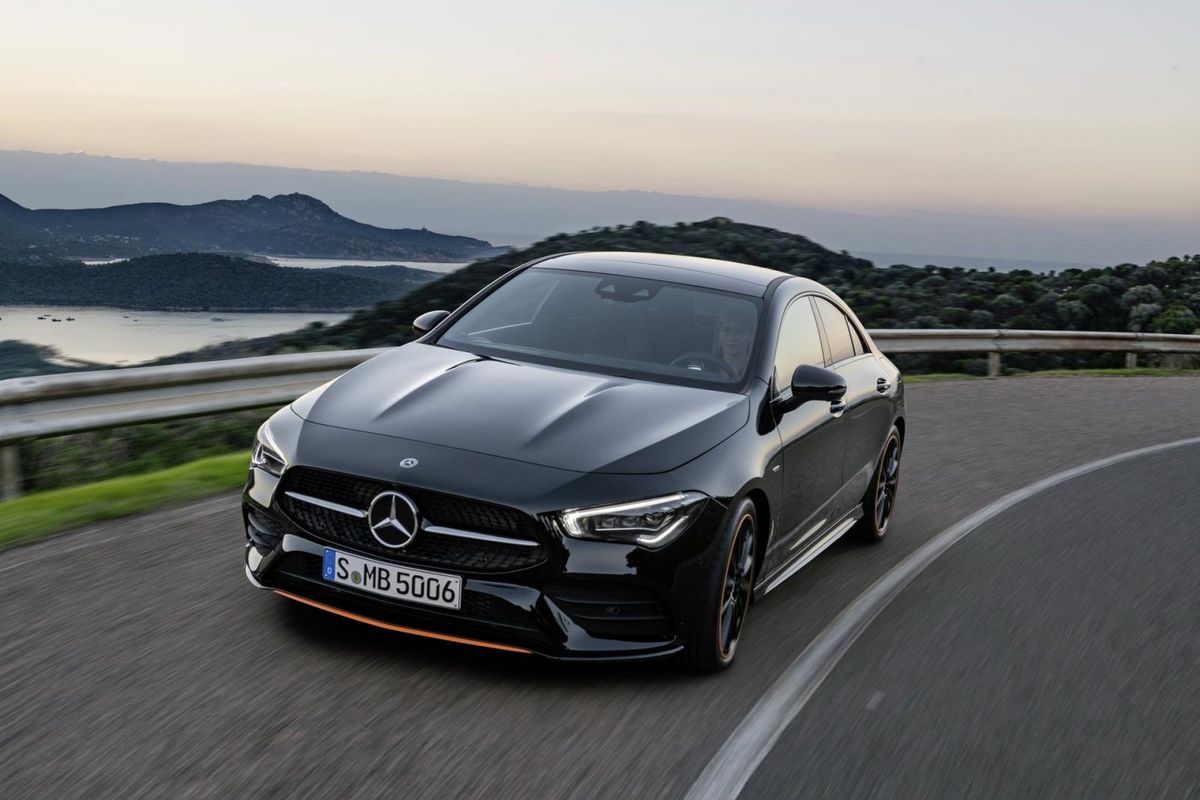
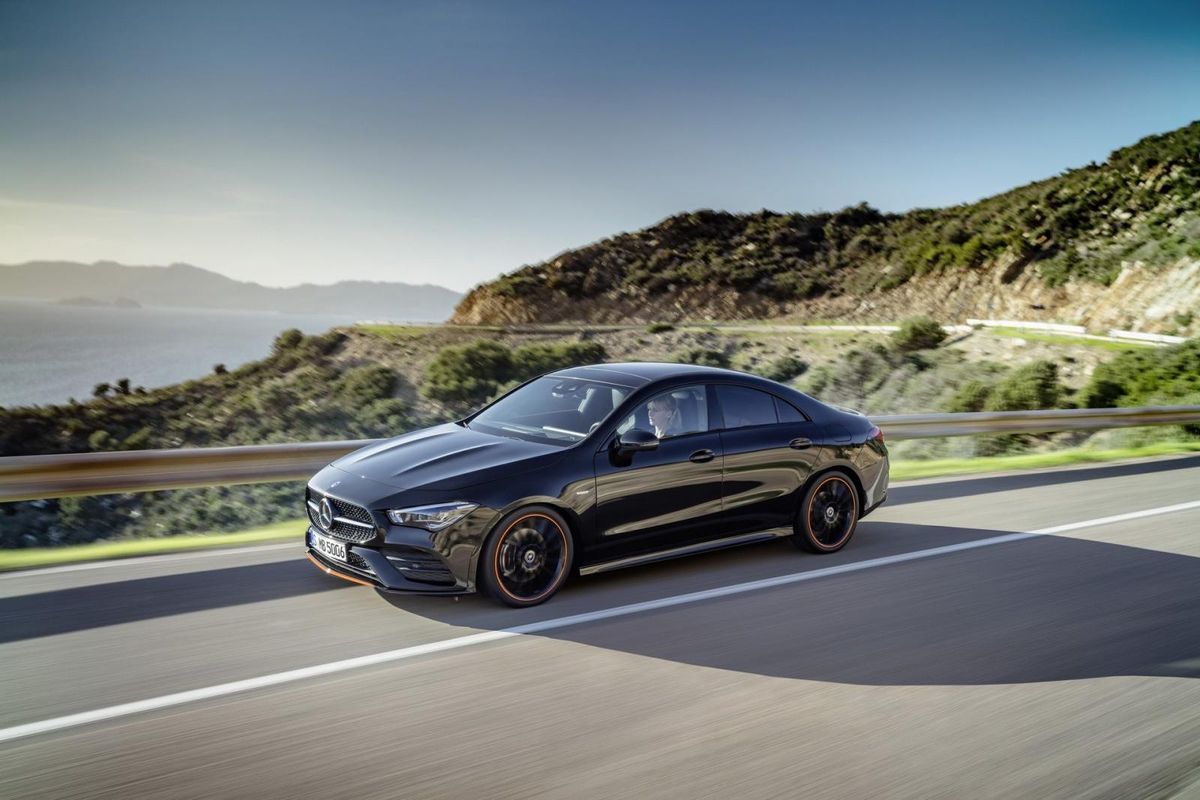
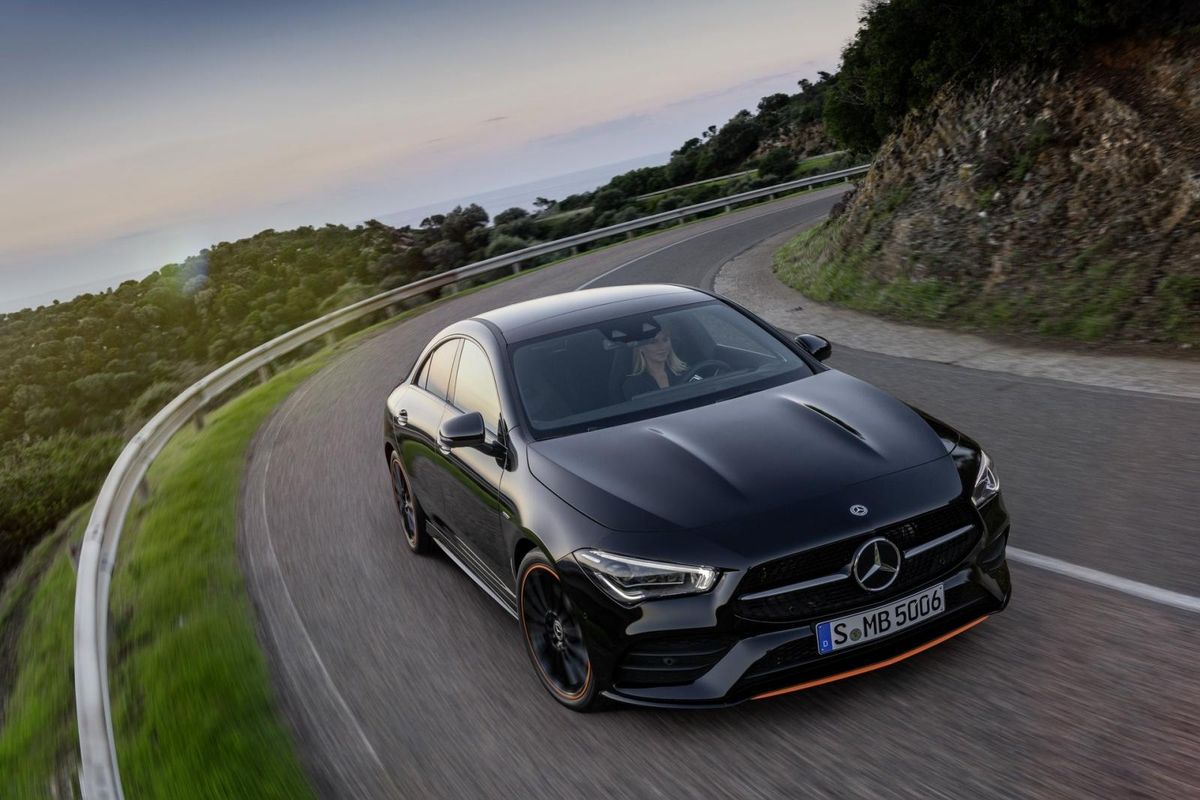
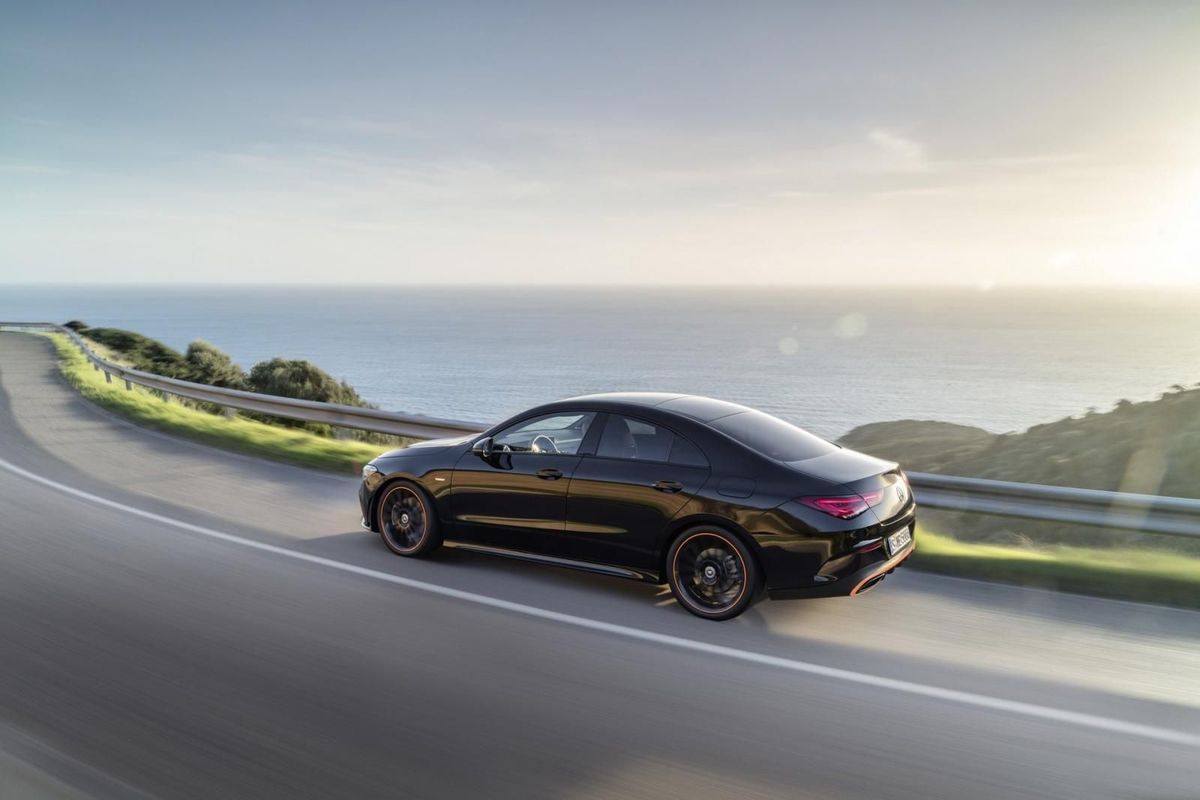
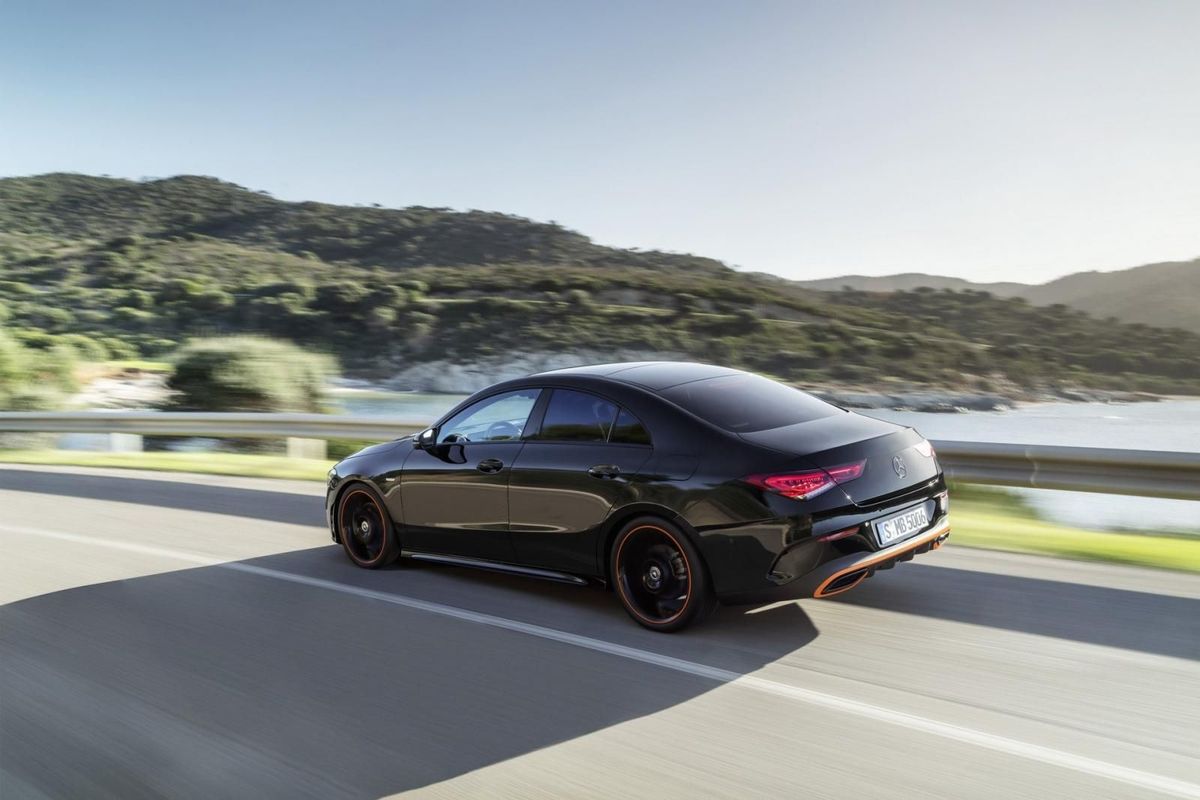
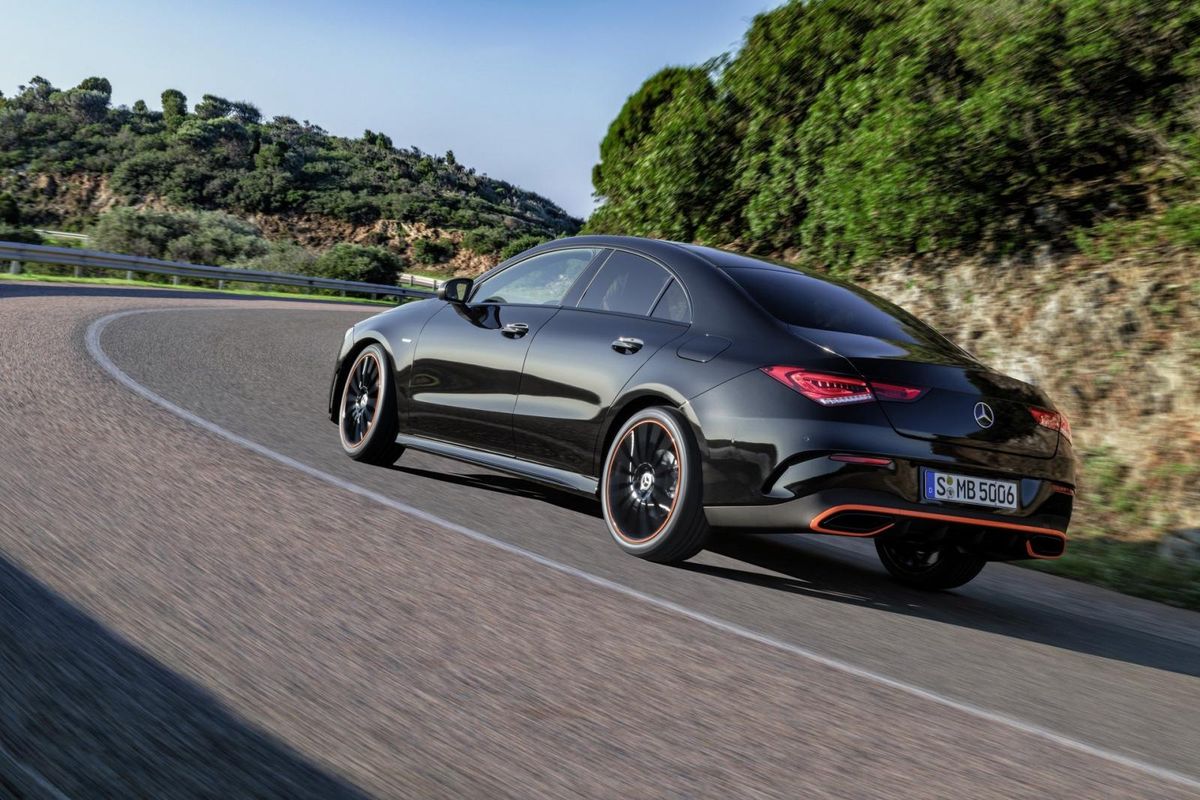
Mercedes-Benz has used the 2019 Consumer Electronics Show (CES) in Las Vegas to showcase the new second-generation CLA Coupe. Herewith the details…
The CLA has evolved into a more striking package with a bolder face but buyers will be pleased to know that this latest iteration is larger, translating into a more spacious cabin for passengers. In fact, the new CLA is 48 mm longer, 53 mm wider and its wheelbase has been extended by 30 mm. As a result, the CLA now stands 4 688 mm in length and 1 830 mm wide.
The CLA is expected to draw power from the same engines offered in the new A-Class with a range of petrol and diesel engines on offer. The CLA 250 shown at CES is powered by a turbocharged 2.0-litre petrol engine with 165 kW and 350 Nm of torque and mated to a 7-speed dual clutch transmission (manual transmission will also be available). The CLA will also be offered with 4Matic all-wheel drive.
In terms of driving dynamics, the CLA’s centre of gravity has been lowered and the tracks widened for enhanced performance.
Improved technology
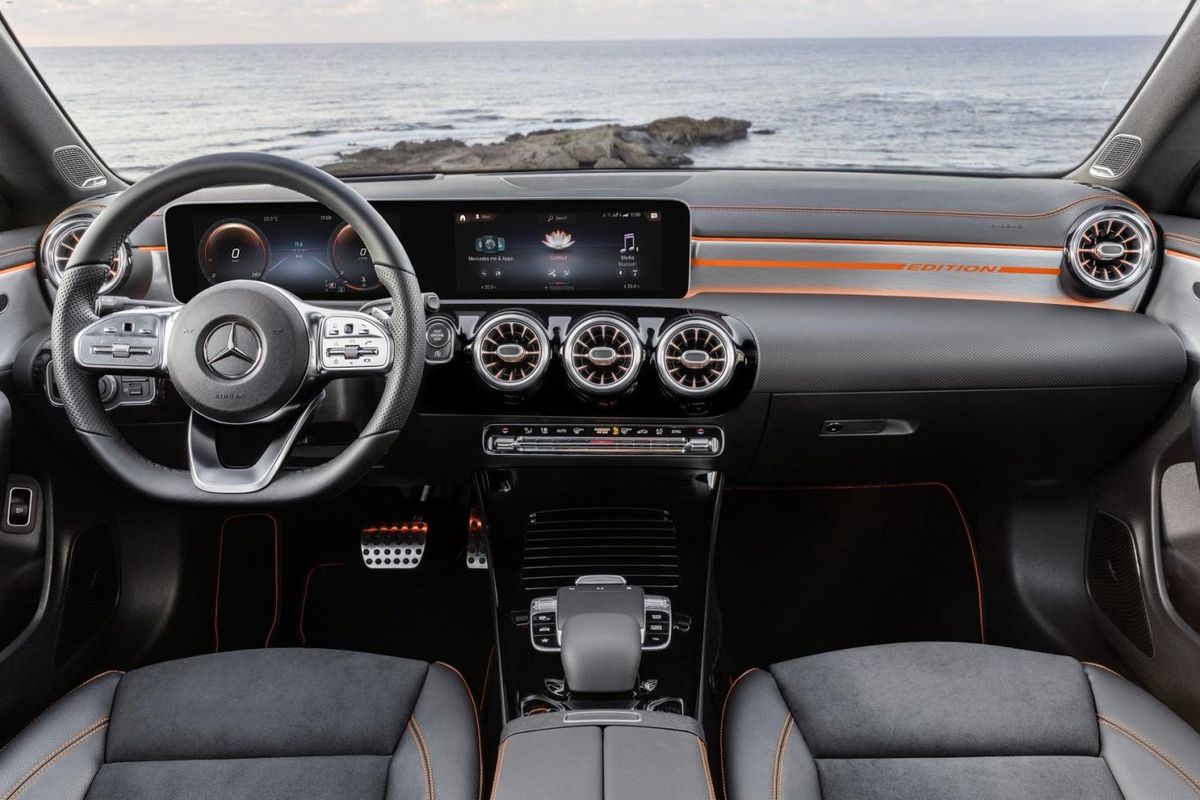
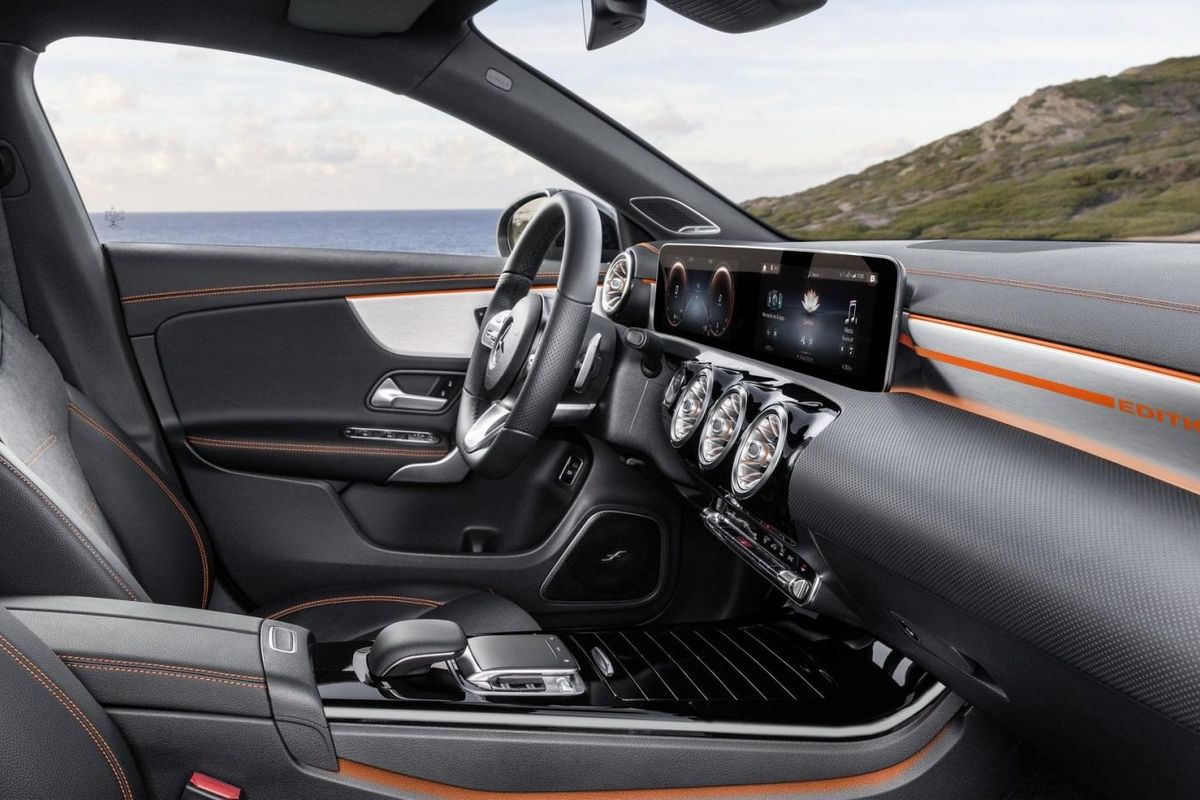
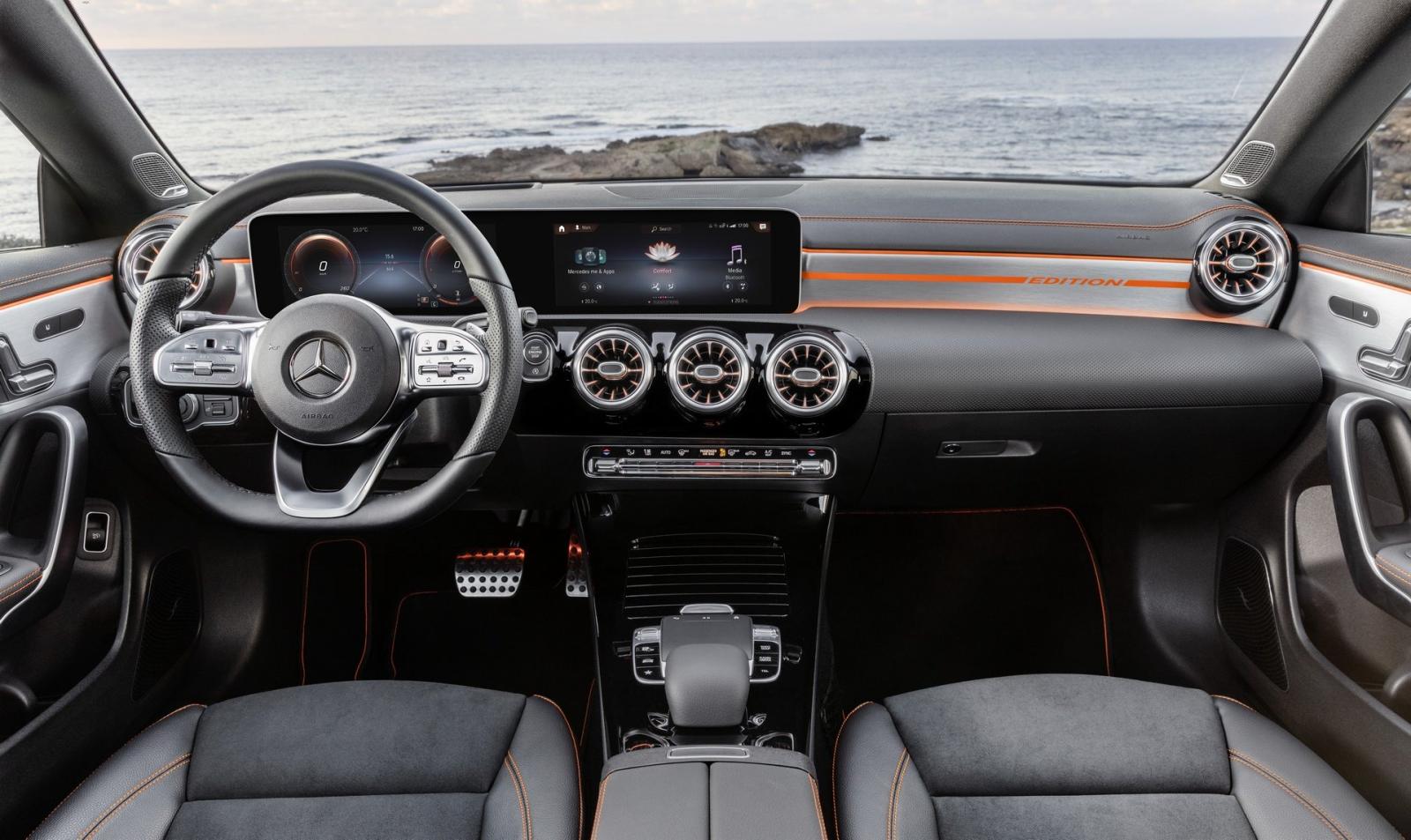
A widescreen cockpit with the latest MBUX system is now seen in the new CLA.
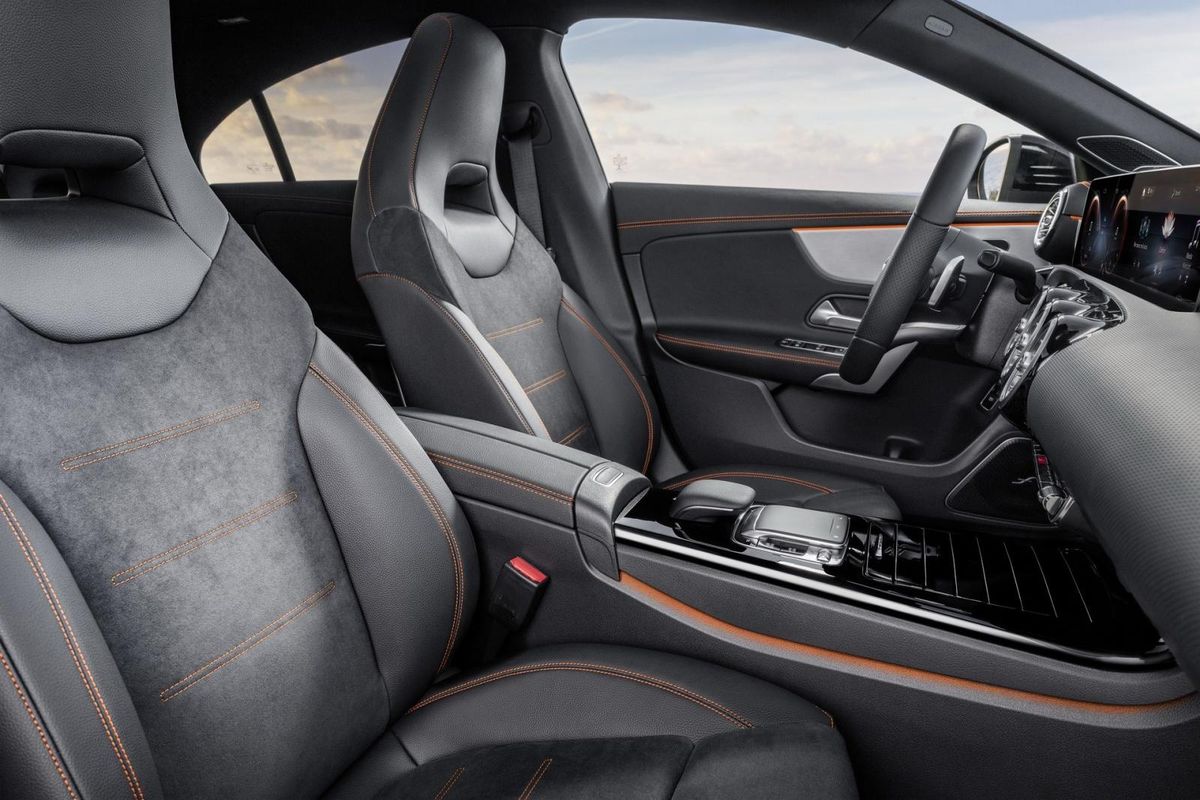
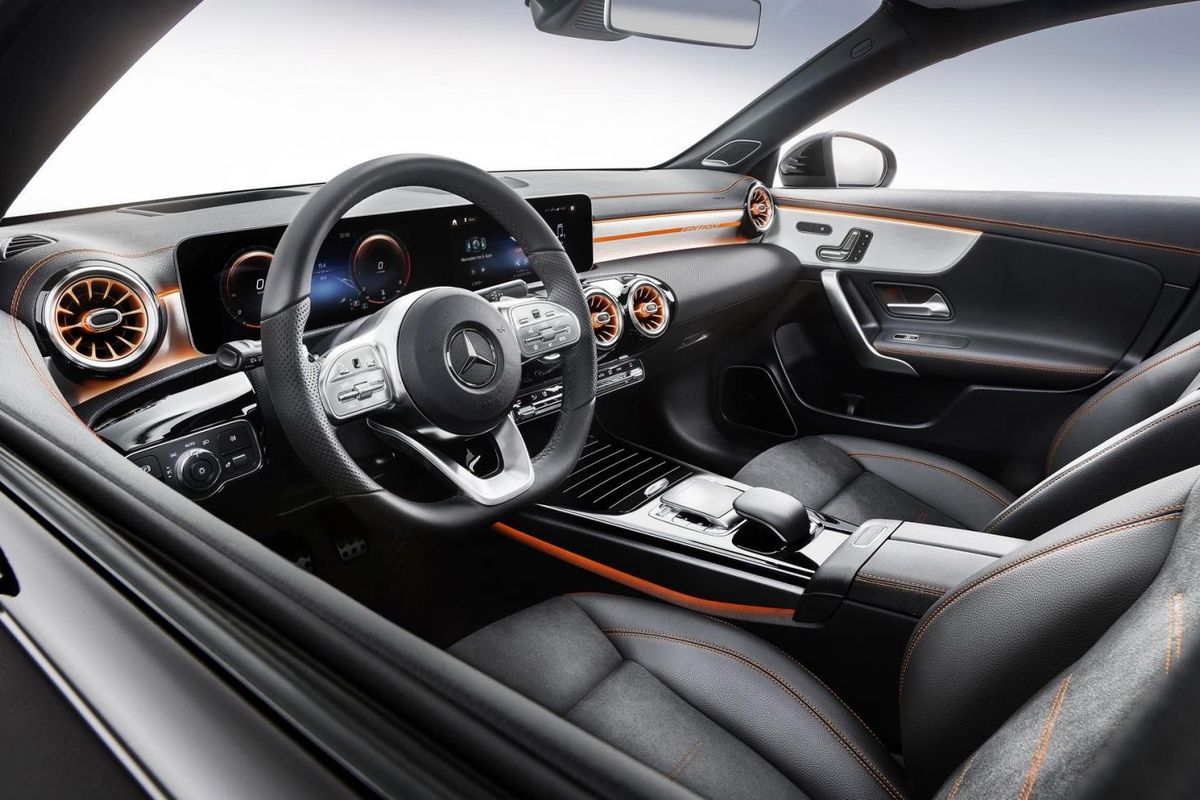
As for the interior, the now familiar widescreen cockpit seen in the A-Class makes its way into the CLA but now features the latest MBUX infotainment system with Interior Assist and Energising packages to improve comfort for the driver. MBUX recognises and responds to more complex queries using the activating phrase ‘Hey Mercedes’, while Interior Assist recognises operational demands from gestures, simplifying in-car functions and enhancing intuity.
Driving assistance systems from the S-Class has filtered down into the new CLA. Semi-autonomous driving technology is now available in the CLA for the first time using enhanced camera and radar systems to scan the road ahead for up to 500 metres. With the Driving Assistance Package, features such as Active Distance Assist Distronic make driving easier and less stressful. Other features such as Active Emergency Stop Assist and Active Lane Change Assist are also offered. Active Brake Assist and Active Lane Keeping Assist is offered as standard while Multibeam LED headlights will be offered as an option.
The new CLA will be built at the Kecskemét plant in Hungary and will go on sale in May 2019 and is expected to arrive in South Africa later in the year. A special edition CLA Edition 1 (pictured here) will be offered for a period of 1 year.
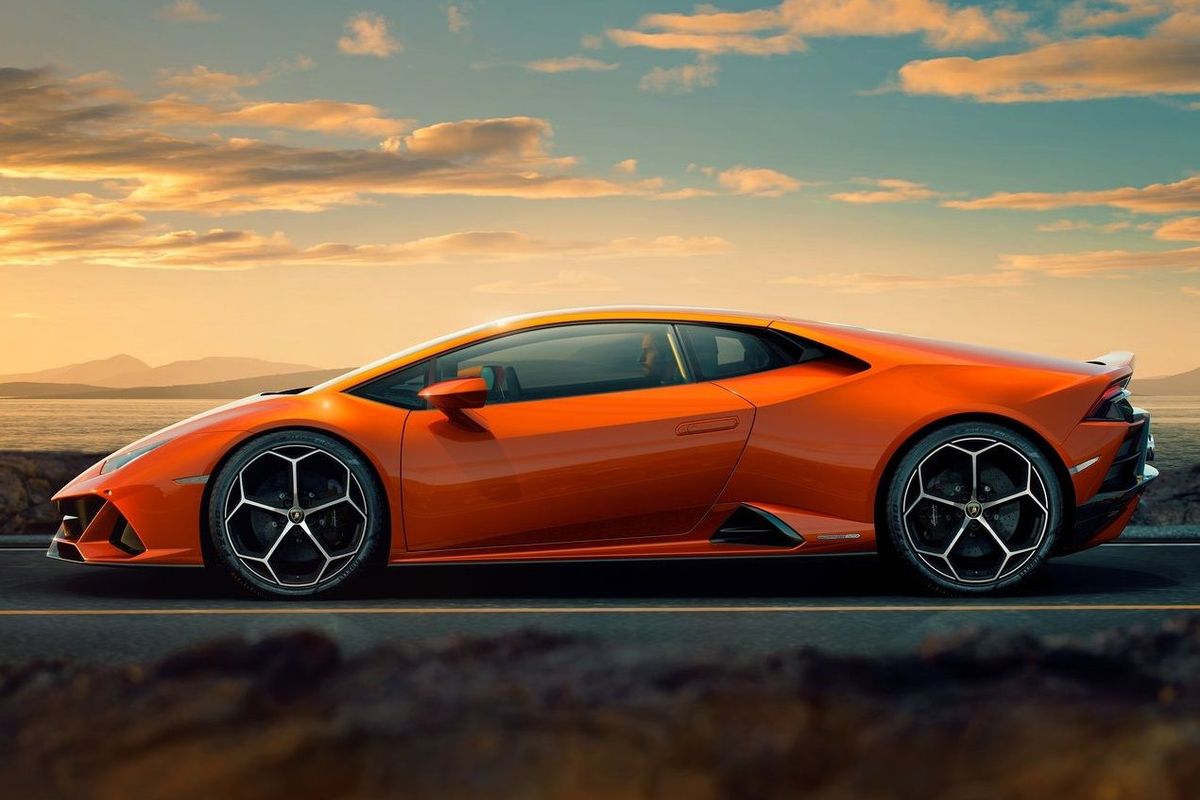
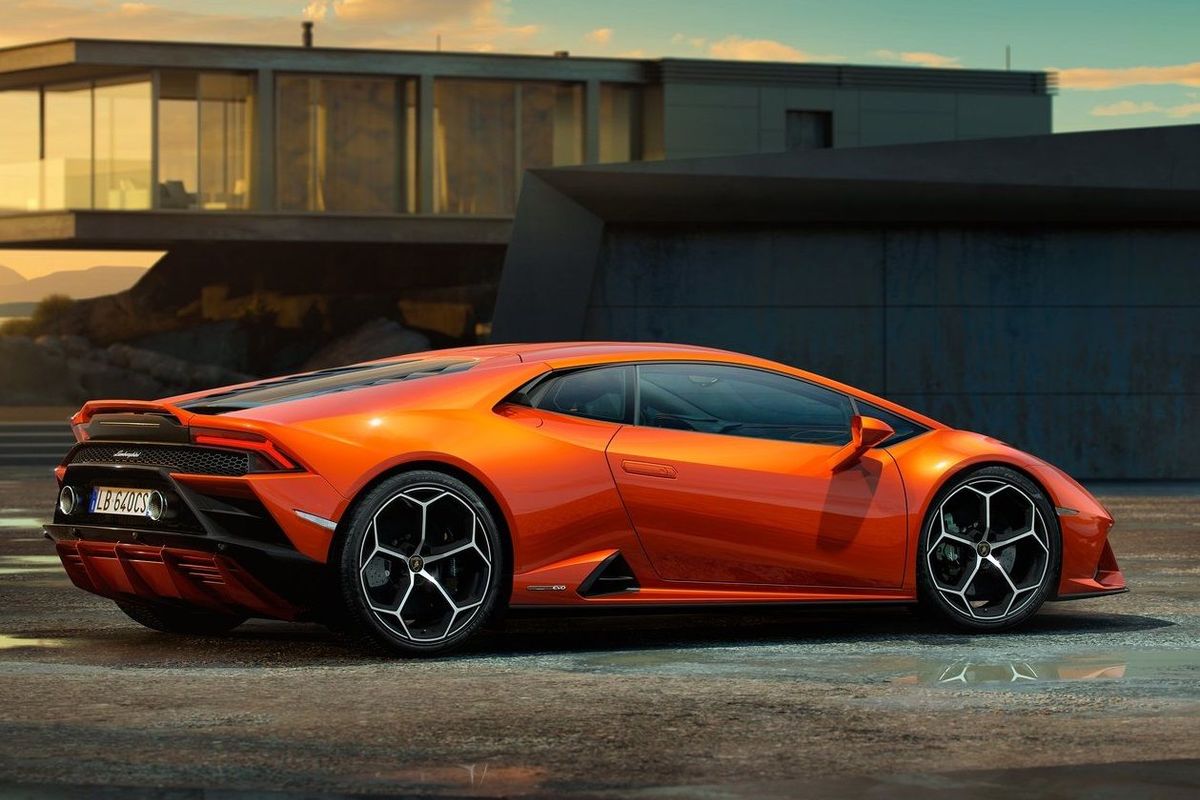
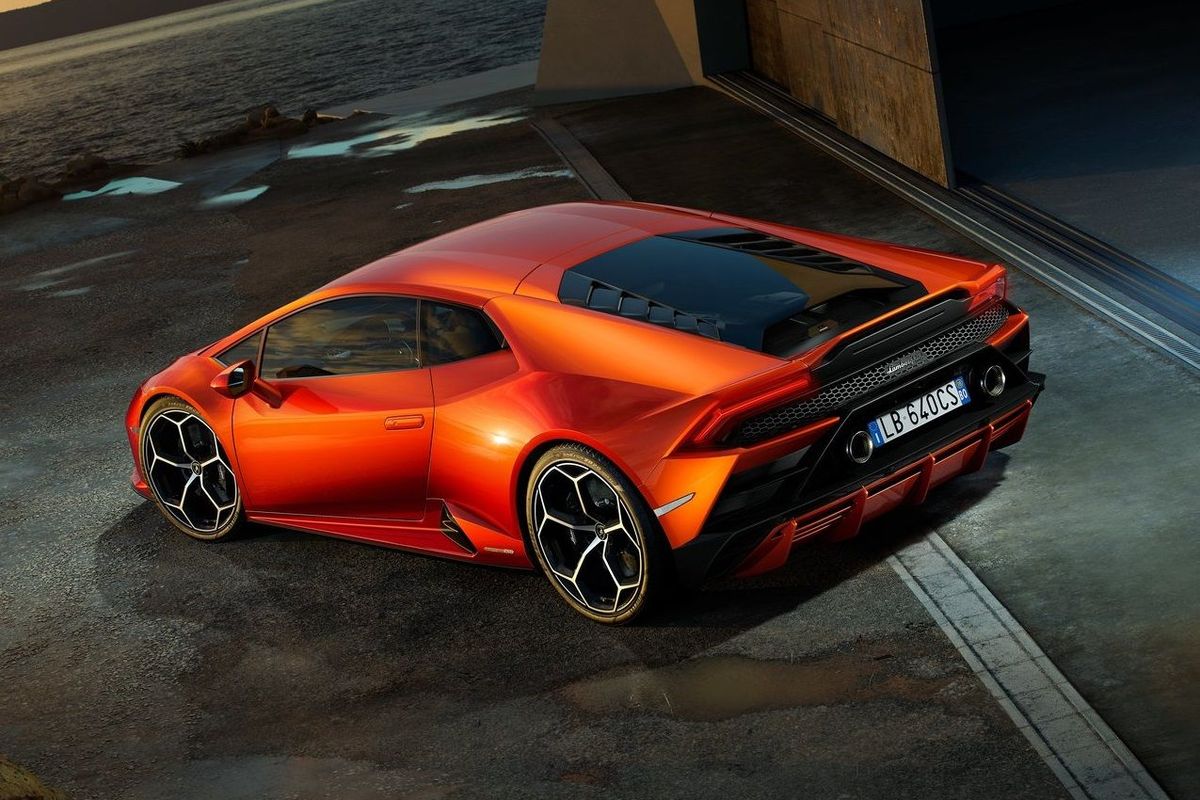
Lamborghini has revealed its latest updated version of the Huracan supercar which now offers revised styling inside and out as well as an uprated V10 engine.
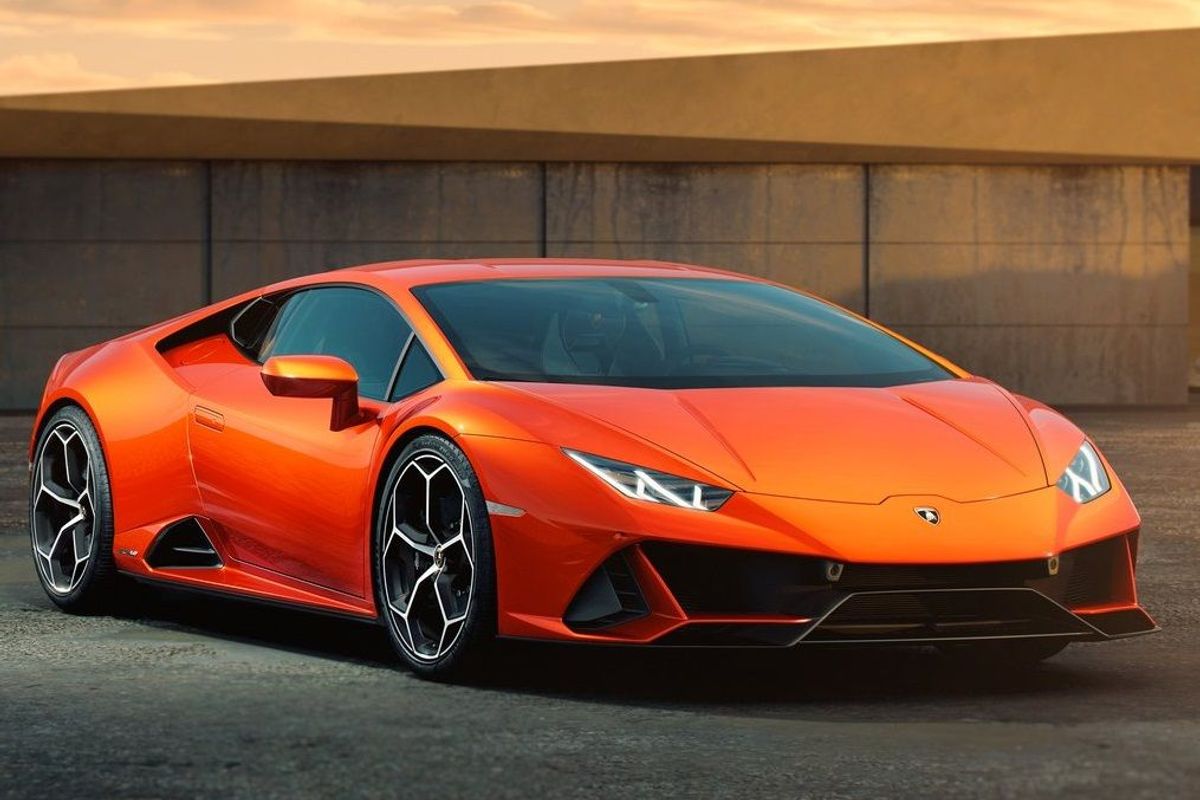
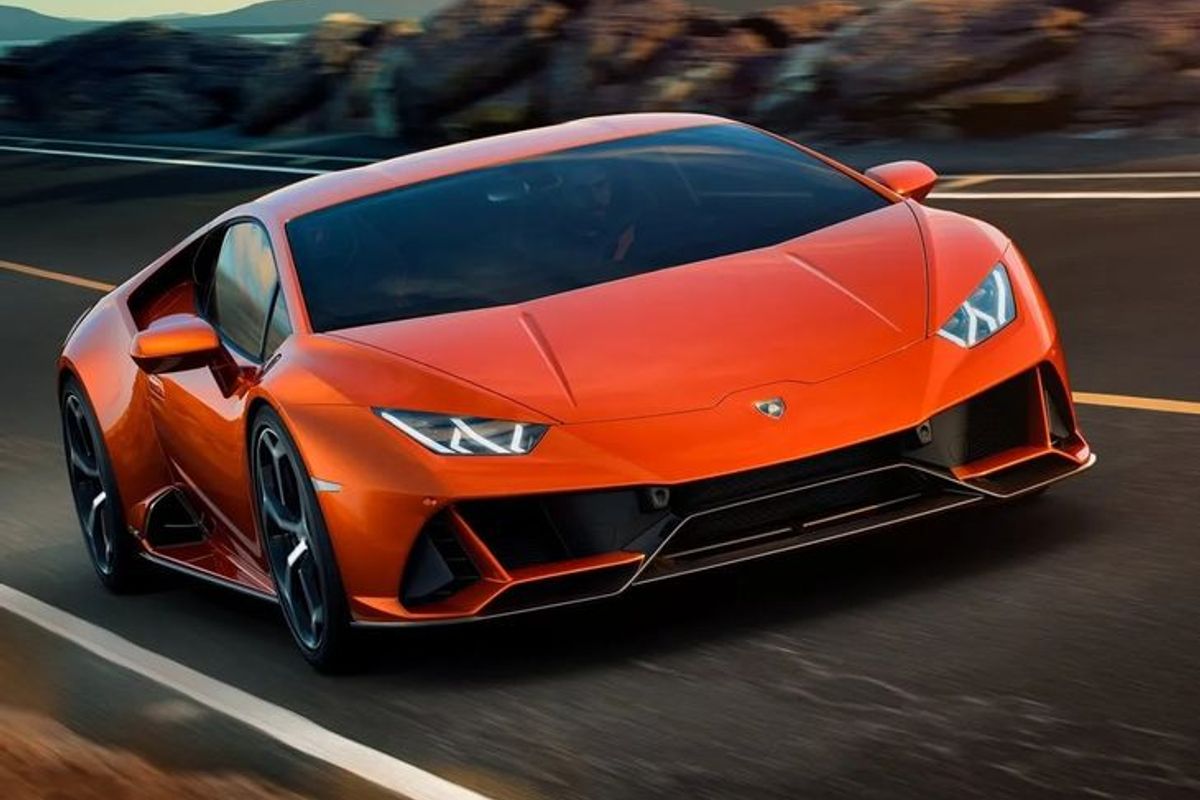
Dubbed the Huracan Evo, this latest version draws on the performance of the Huracan Performante and wears a new front bumper but is easily recognised by its updated, lightweight exhaust system with dual exhaust pipes which is similar to that seen on its range-topping Performante sibling.
A naturally-aspirated 5.2-litre V10 engine powers the Huracan Evo, but now offers slightly more power with outputs of 470 kW at 8 000 rpm and 600 Nm of torque at 6 500 rpm. With a dry weight of 1 422 kg and equipped with rear-wheel steering and a torque vectoring system, the Huracan Evo will blast from zero to 100 kph in 2.9 seconds while it will only take 9.0 seconds to reach 200 kph from standstill. Top speed is rated at 325 kph.
The Huracan Evo wears a new 4-layer body colour called Arancio Xanto (there are at least 40 other colours on offer) and rides on new 20-inch Aesir rims shod with Pirelli P Zero rubber.
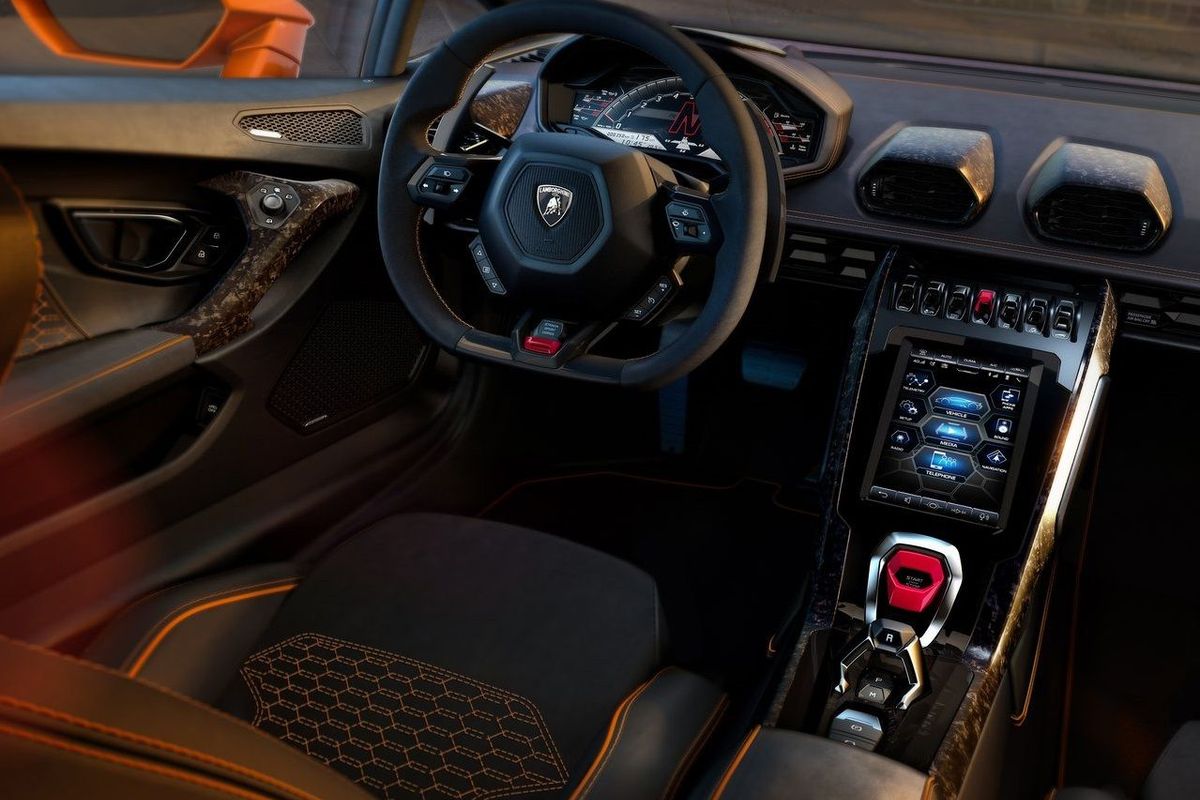
Notable interior updates include a new 8.4-inch capacitive touchscreen with multi-finger gesture control houses many in-car functions such as seat settings, climate control and infotainment, which has subsequently reduced the number of buttons/dials in the cabin. An exclusive mix of Alcantara and leather is used in the cabin with a number of bi-colour trim options available as an option. A range of style packs will also be offered for owners to customise their Huracan Evo.
Suggested pricing for the Huracan Evo in the US is roughly $261 274 excluding taxes, which translates to about R3 642 708. We will be driving the Huracan Evo later this month, so stay tuned for updates!
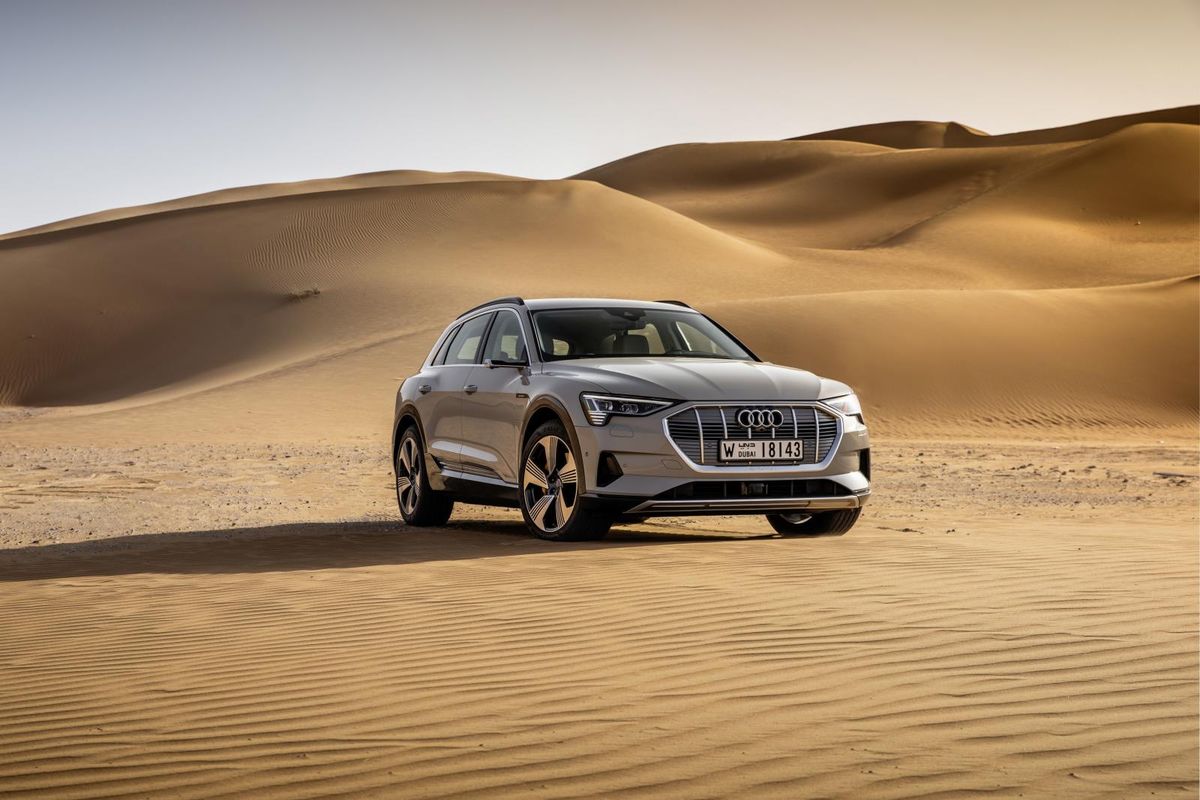
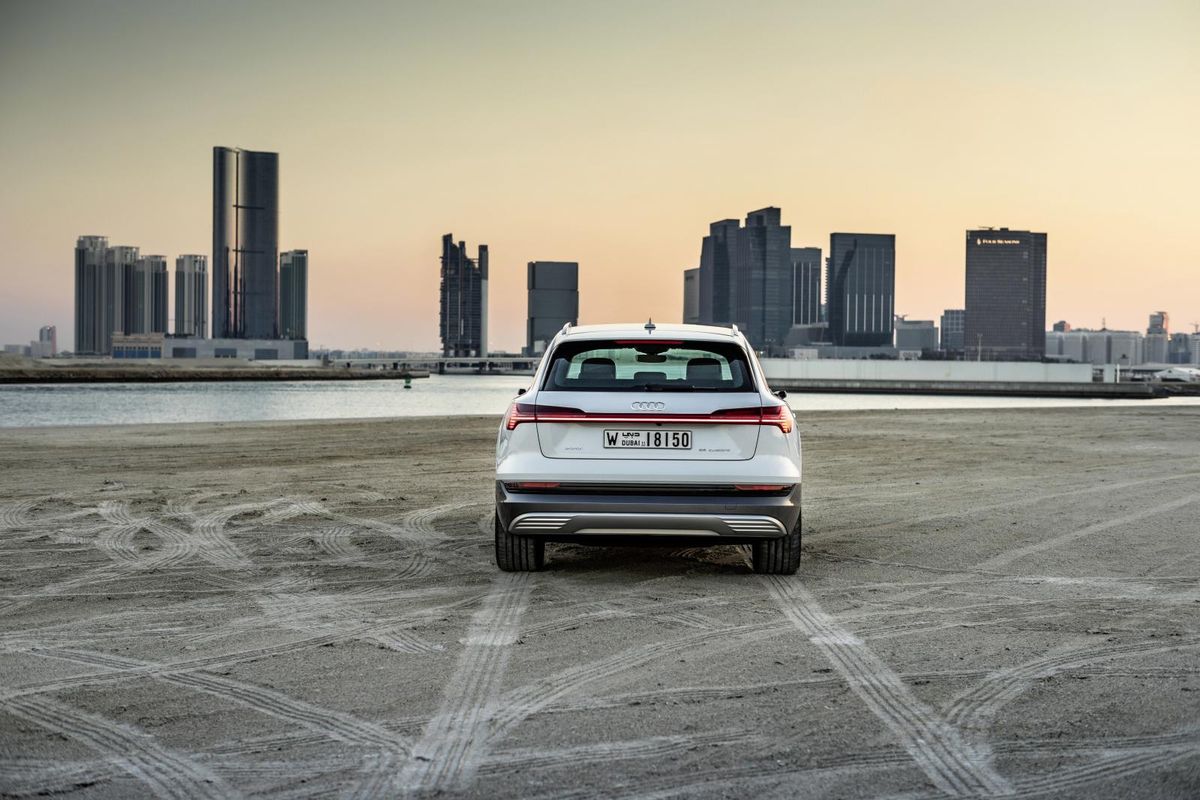
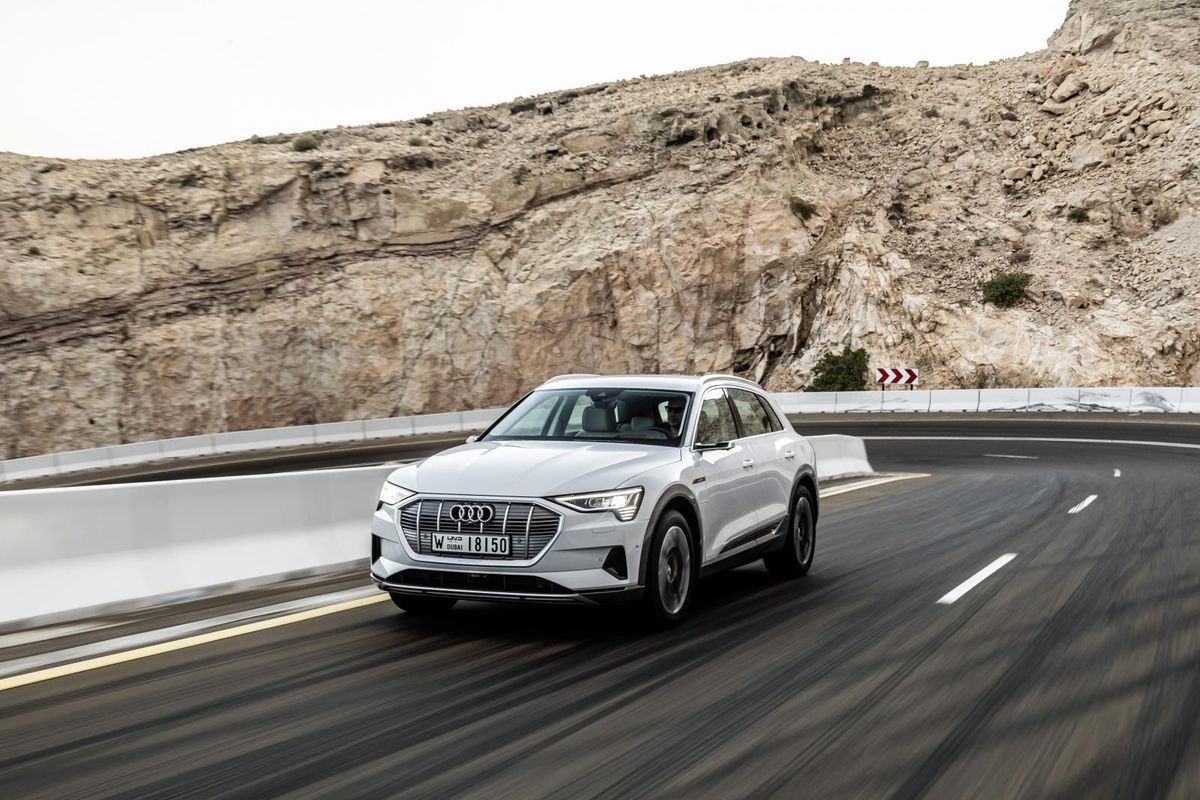
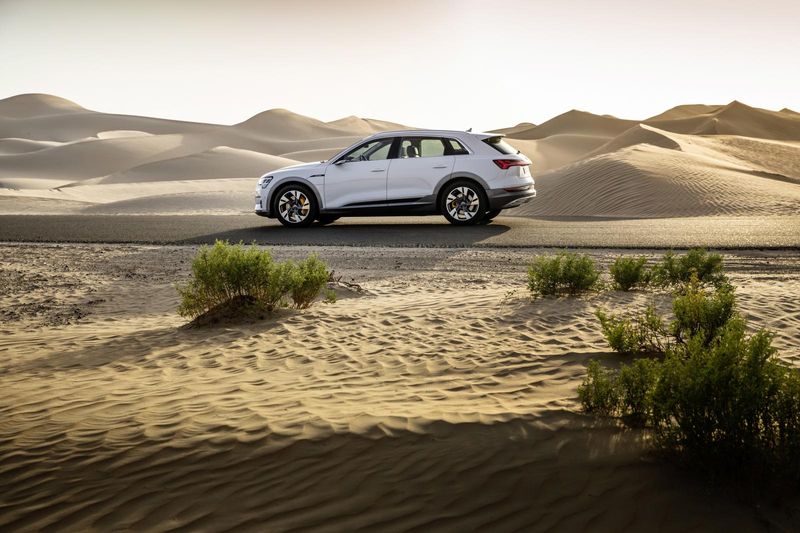
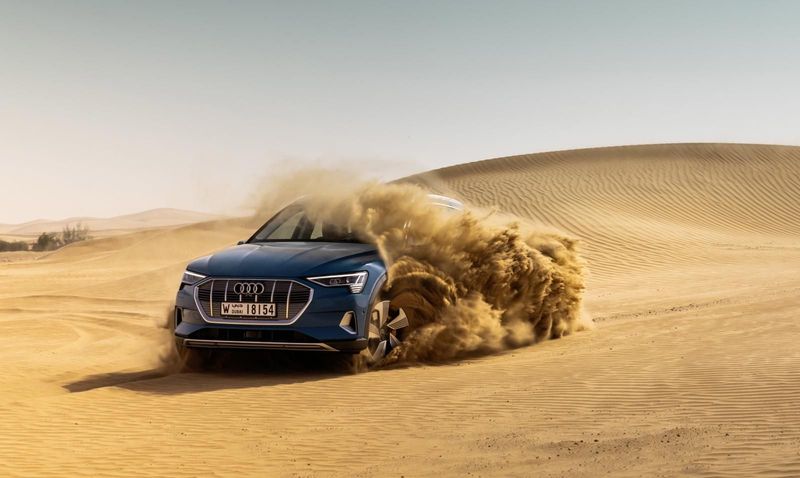
Audi has built an electric car that's designed for more than inner-city use. This is an all-electric executive SUV with real-world range and space, and it’s coming to SA in 2019. We were excited to get behind its wheel in Abu Dhabi.
Firstly, why Abu Dhabi? We know that modern batteries don’t perform optimally in hot conditions – think of what happens to your cellphone when it gets hot or you leave it in the sun. Also, Abu Dhabi is a city built on the proceeds of oil, the very antithesis of what the all-electric e-tron stands for.
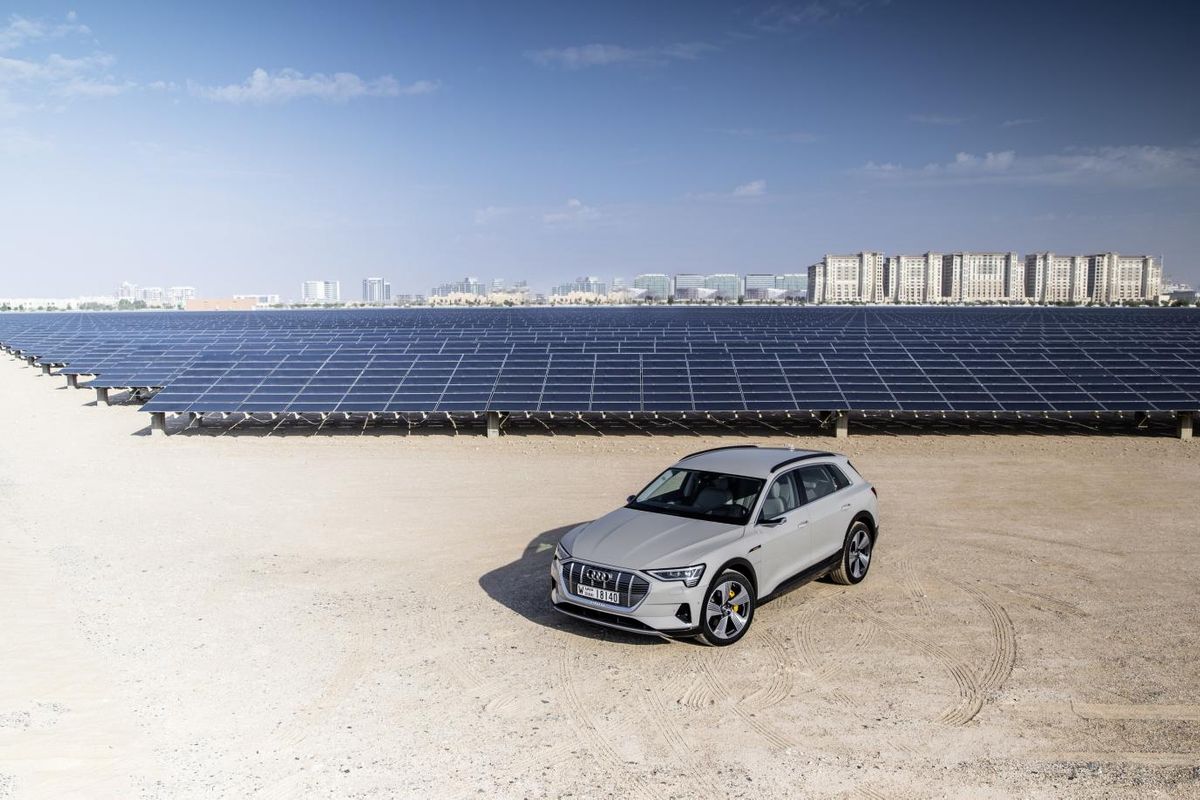
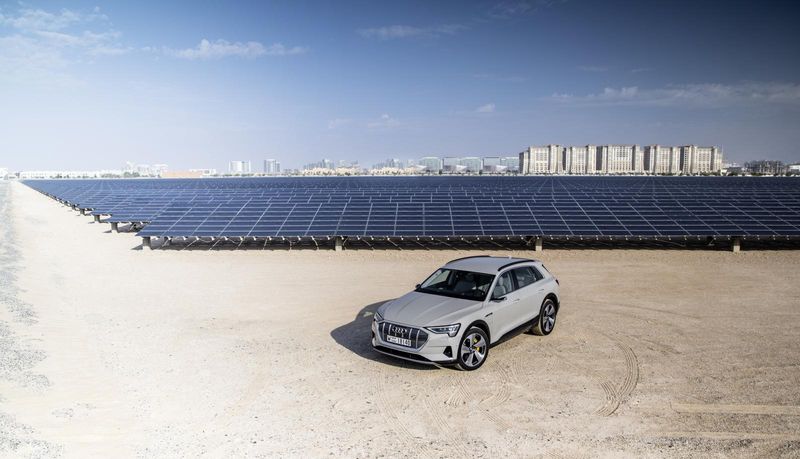
Abu Dhabi's solar farm and the all-electric Audi SUV – things are starting to add up.
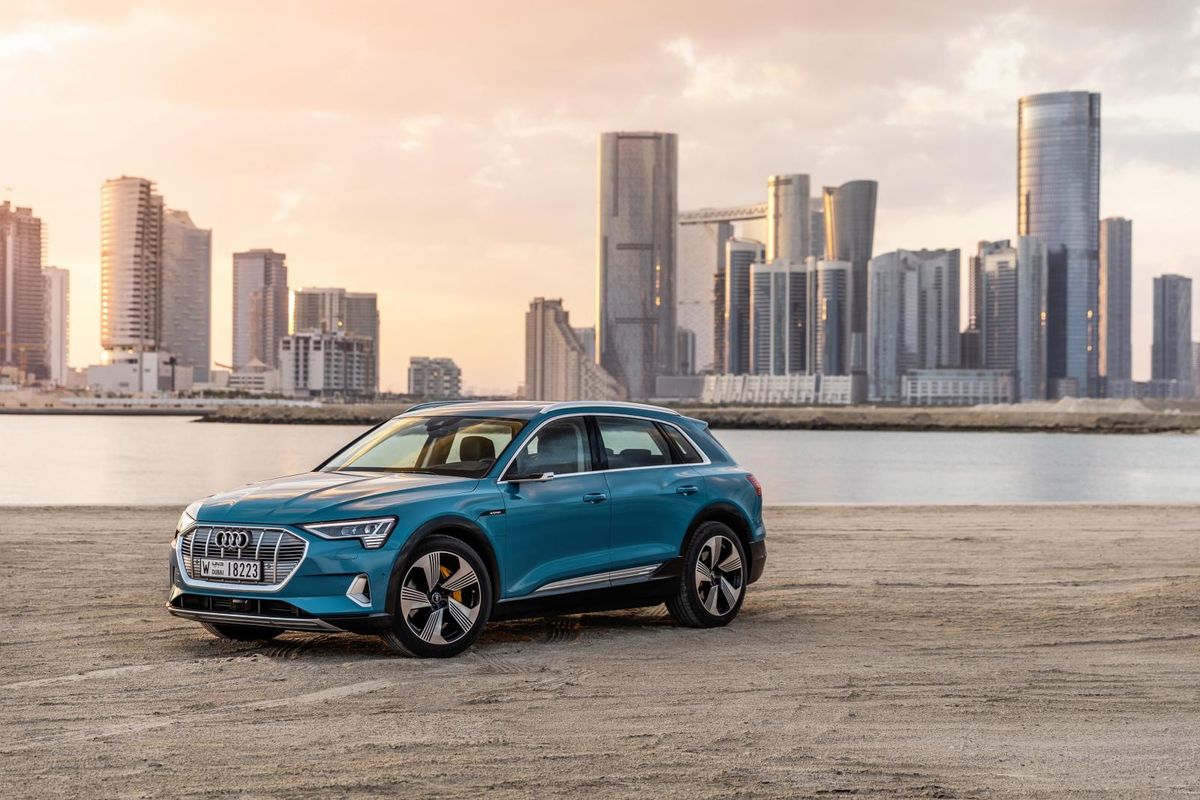
The reasoning behind it became apparent when we were shuttled to Masdar, which is 15 mins' drive from Abu Dhabi. A line-up of e-trons, resplendent in bright paint finishes (such as Antigua blue and Catalunya red), were parked neatly in the middle of the city. Masdar operates almost entirely off the grid. It has a 10-megawatt solar farm that feeds into the grid and the roofs of the buildings are covered in extra solar panels that provide power and shade to the city below, cooling it – so it uses less electricity on air-conditioning. Ahh, now it starts to make sense why you would launch an all-electric car here. Abu Dhabi sees a bit beyond its dependence on oil – as are many of the middle-eastern countries for that matter.
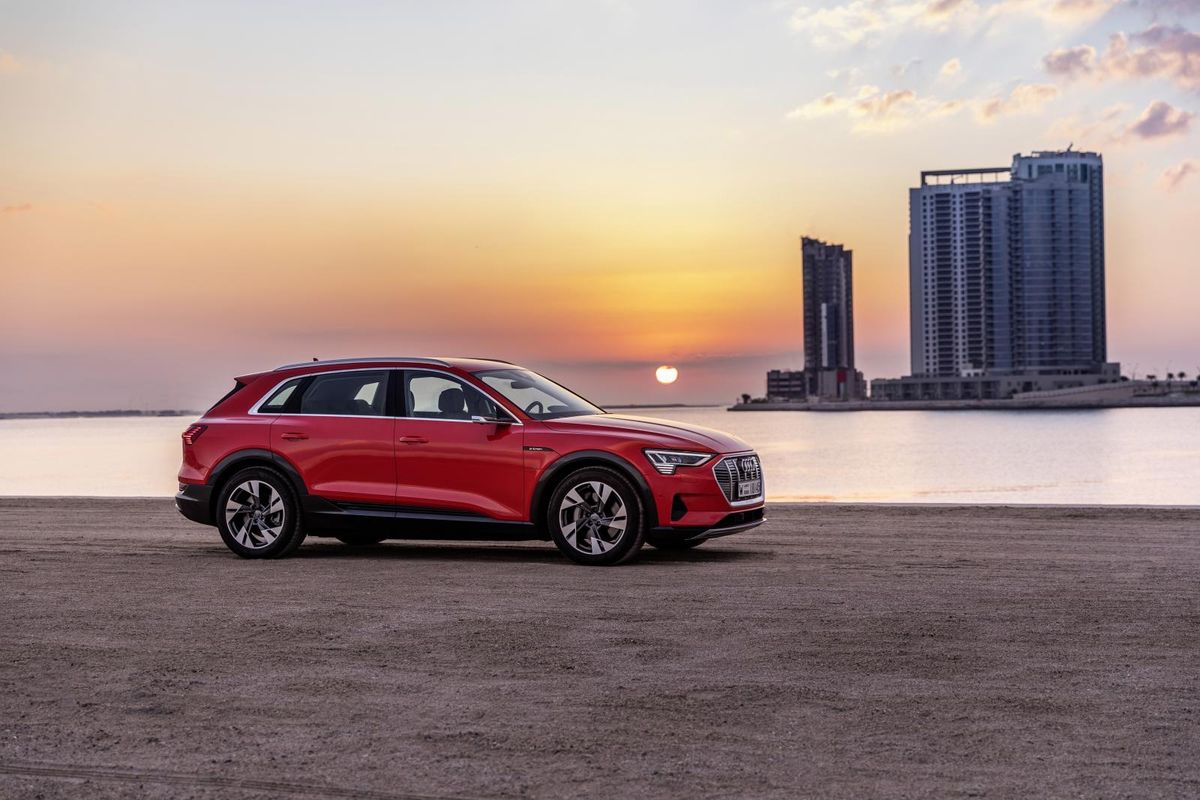
As I mentioned in a previous article, the e-tron will be coming to the South African new vehicle market in 2019, albeit in the 3rd quarter and probably not in that fancy shade of blue… that’s limited to launch editions internationally. Aside from that, the e-tron is difficult to size from photos so I can tell you it’s somewhere between the Q5 and Q7 in terms of its kerb appearance. It's based on the MLB platform that is being used extensively throughout the VAG group (Bentayga, Urus, Touareg, Cayenne, Q8), but tips the scales at around 2.5 tonnes, making it a lot heavier than a Q7.
Size wise the e-tron sits between Q5 and Q7.
In order to shift that weight effectively, the e-tron has some potent electric power. Two electric engines (1 at the front and another at the rear) can deliver a maximum of 300 kW and 664 Nm of torque when in Dynamic mode. Mind you, in the Normal driving mode, Audi's newcomer still offers a healthy 265 kW and 561 Nm of torque. That maximum torque is available the instant you floor the throttle, which makes the e-tron very reactive to throttle inputs. It never feels brutally fast; the instant surge is noticeable but beyond that, there’s no wow factor to the way it builds speed. It’s silent, bar the feint whizz of the electric motors. You have to stare at the speedo to really understand what sort of acceleration you’re experiencing.
Low-down weight
The Audi engineers at the launch were very excited to tell us that even though the car weighs 2.5 tonnes, all the weight is packed down low because the battery packs are locked away in a crash protection tub under the seats. This gives it a low centre of gravity and theoretically, great handling.
With the batteries mounted so low, the e-tron has very little body roll in corners.
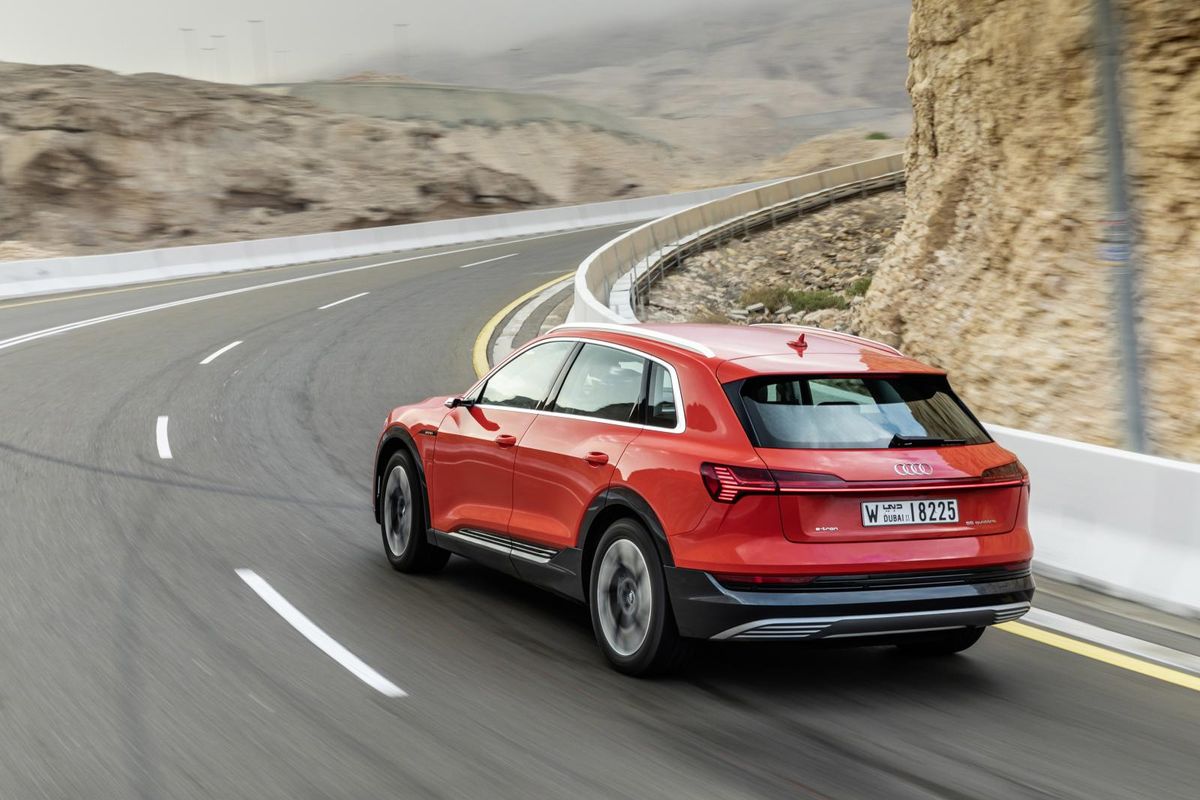
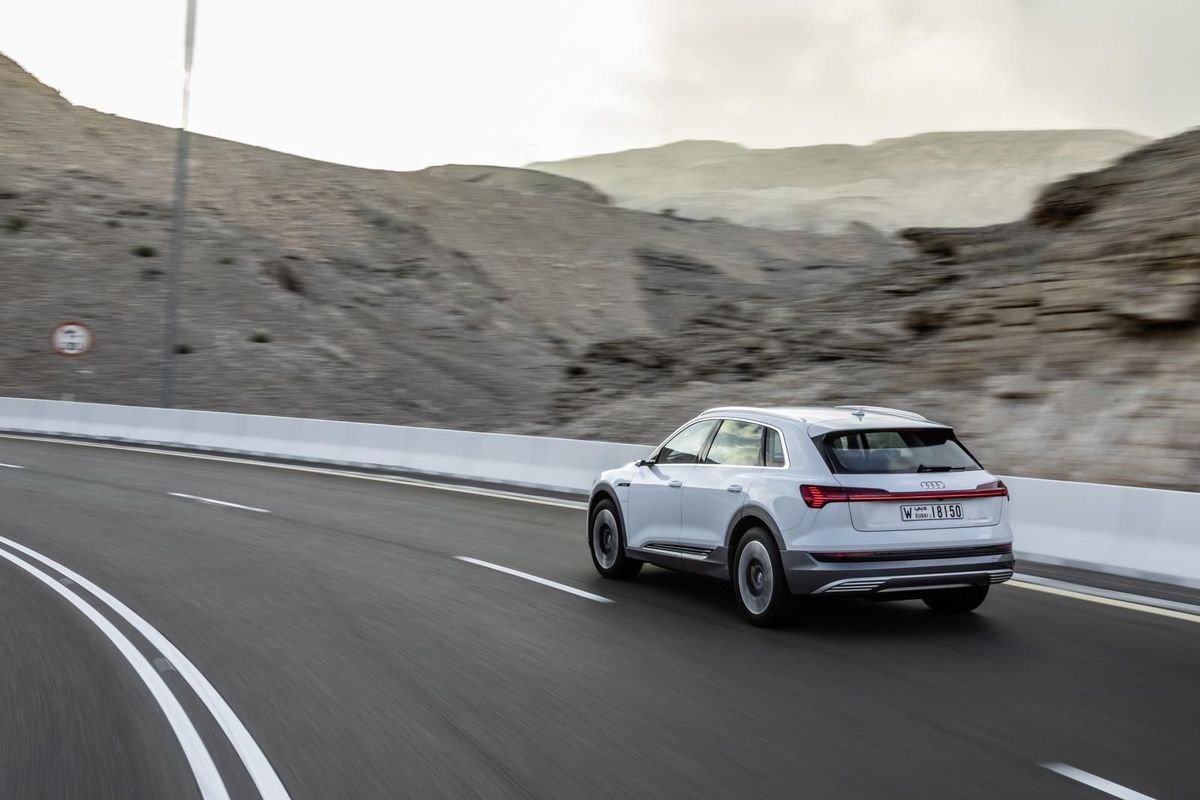
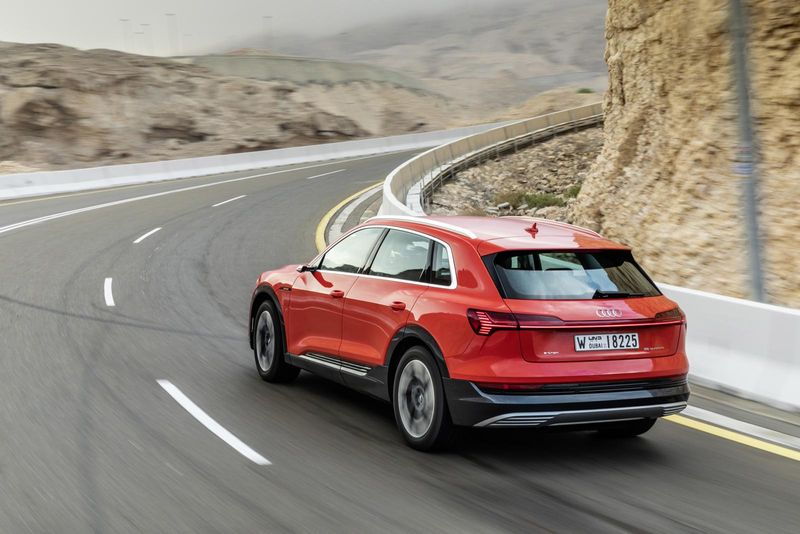
You can’t, unfortunately, get away from that weight and as we time-trailed our way up the 1 000 meters high Jabbal Haffet mountain pass… The e-tron lumbered as it changed direction; it struggled to tuck its front end into tighter corners. The lower centre of gravity (as a result of where the batteries are positioned) means that body roll is reduced significantly compared with its MLB-sharing counterparts. The steering, in Dynamic Mode, is on the heavy side and doesn’t provide much in the way of feedback. The e-tron then, as a whole, is much more suited to being driven in is Normal mode, where the tiller is lighter and the air suspension ably cushions the ride, providing that creamy but supple ride that Audi SUVs currently have.
How’s the range, in the real world?
Audi claims a theoretical range of over 400 km on a full charge, and that is on the WLTP test, which is a more real-world representation of consumption than the old NEDC test that produced unattainable consumption figures.
As electric cars become more prominent, we are going to have to adjust our driving styles to get the most out of them. Regenerative braking and coasting actually add to your battery charge and increase your range, but at higher speeds (freeway speeds) you’re not going to get the best out of it. We pulled in for a recharge after 250 km and had 95 km left on the range, much of which was spent out on the 140-kph freeways of Abu Dhabi.
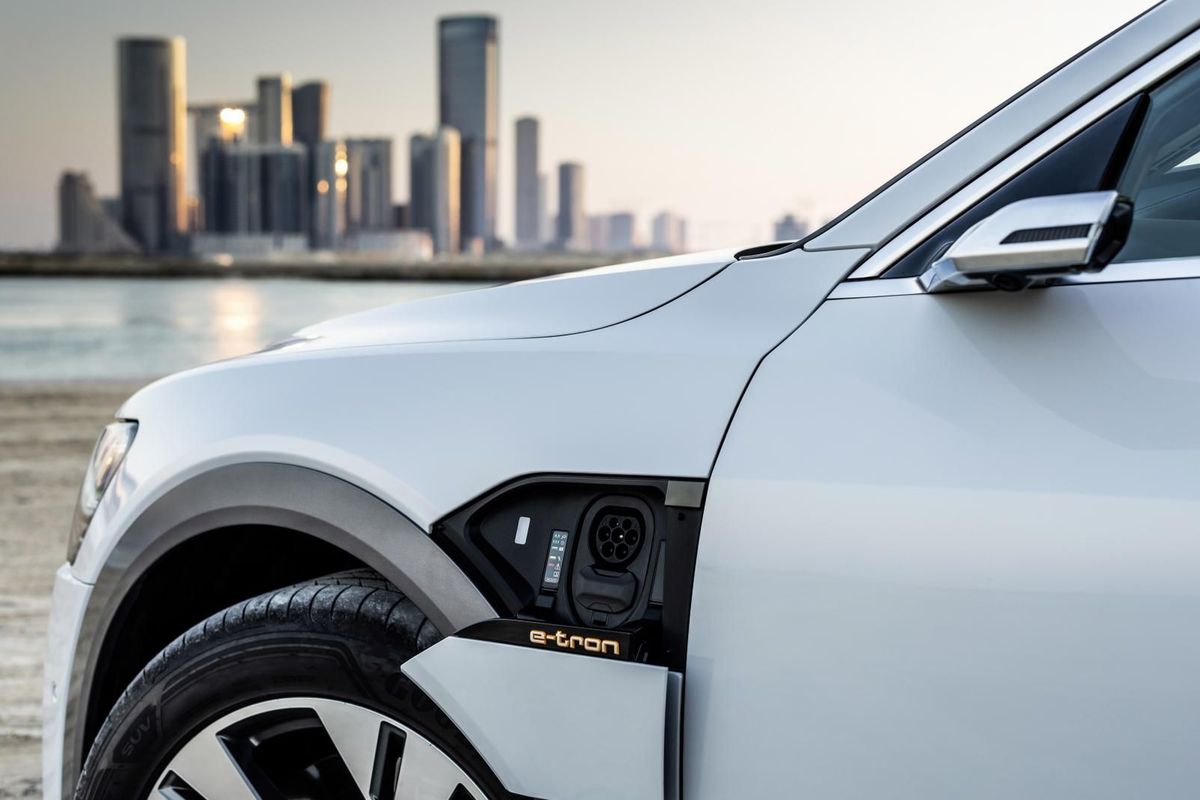
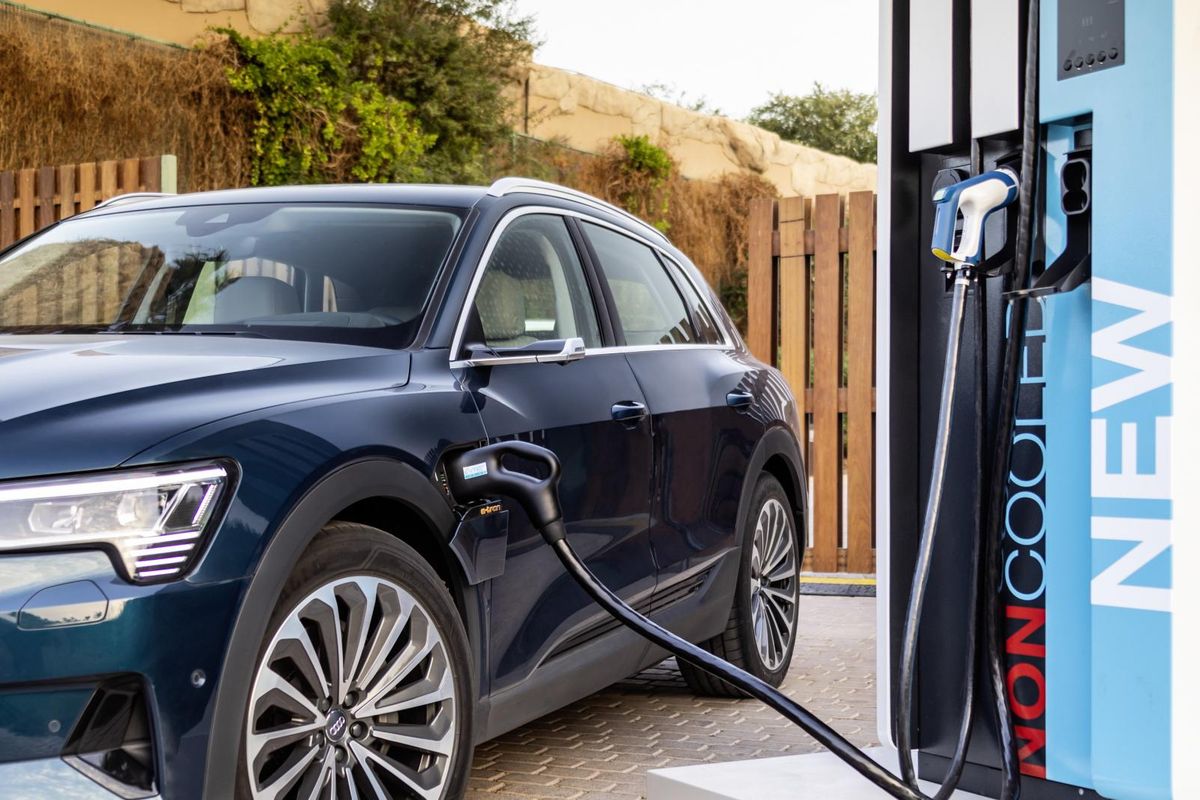
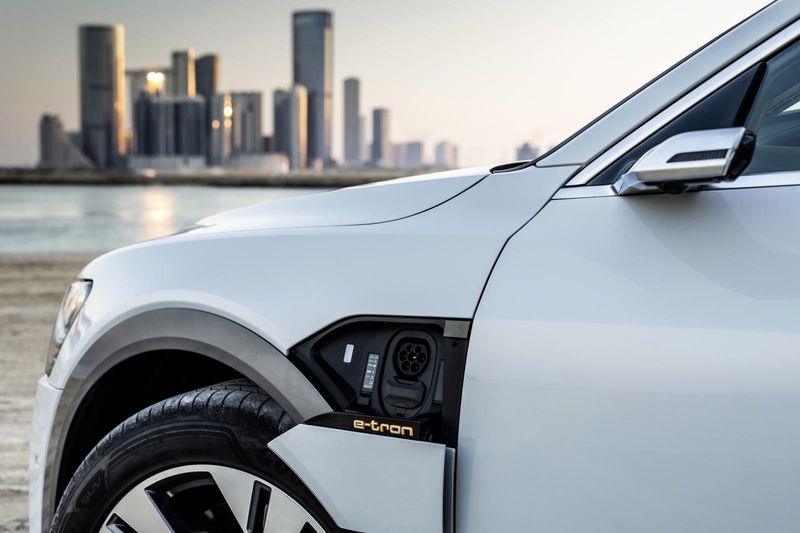
The charging port on e-tron is capable of taking 150 kW and charging from 0-80% in 30 minutes.
The charging system we plugged the e-tron into is one of the most powerful on the market: a 150 kW charger that will recharge a flat e-tron to 80% in just 30 mins. The bad news is that they are very costly and highly unlikely to be installed anywhere in SA. In fact, we will have to do with 60 kW chargers, which will require a much longer wait (over an hour) to achieve the same result. If you think about it more realistically, on a daily basis, you’re unlikely to run out of charge during your daily commute and can then just plug it in at work or at home for 6-8 hours and never worry about empty batteries. And, because you drive electric, you’re going to get the best parking spots at shopping centres and refuelling garages too…
It’s like a spaceship to drive right?
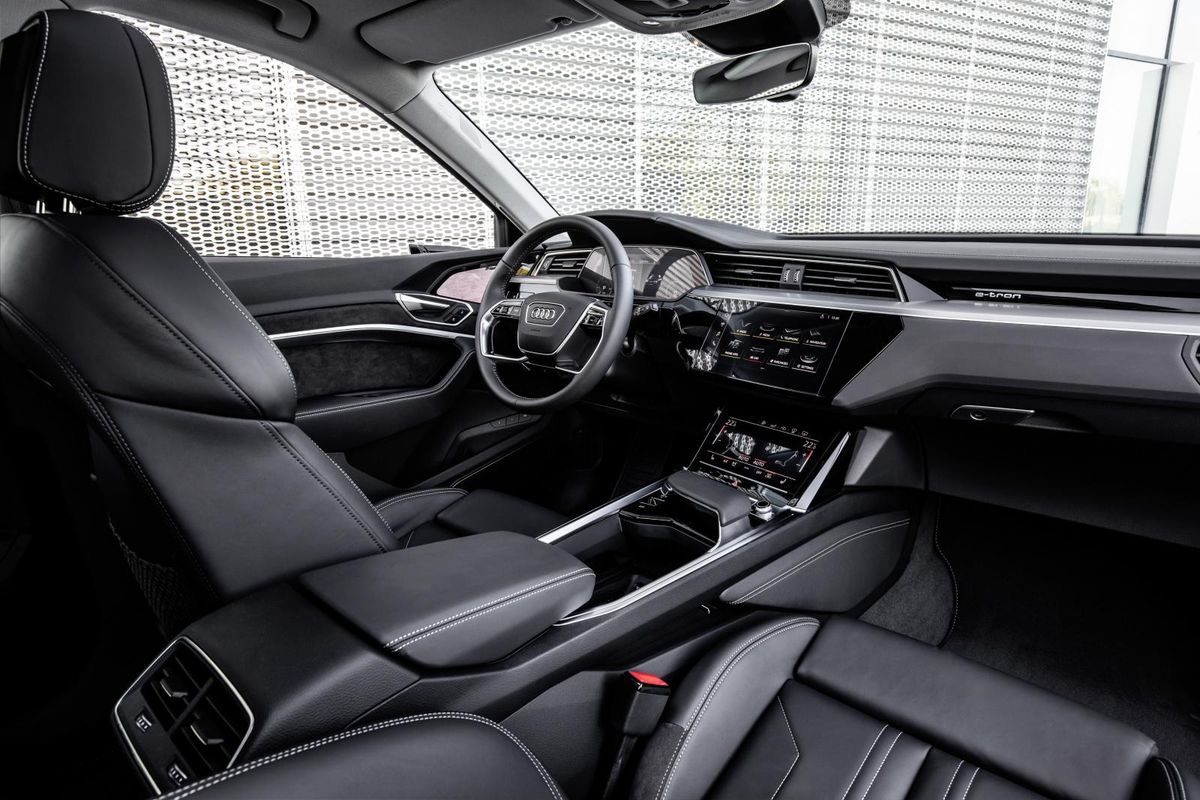
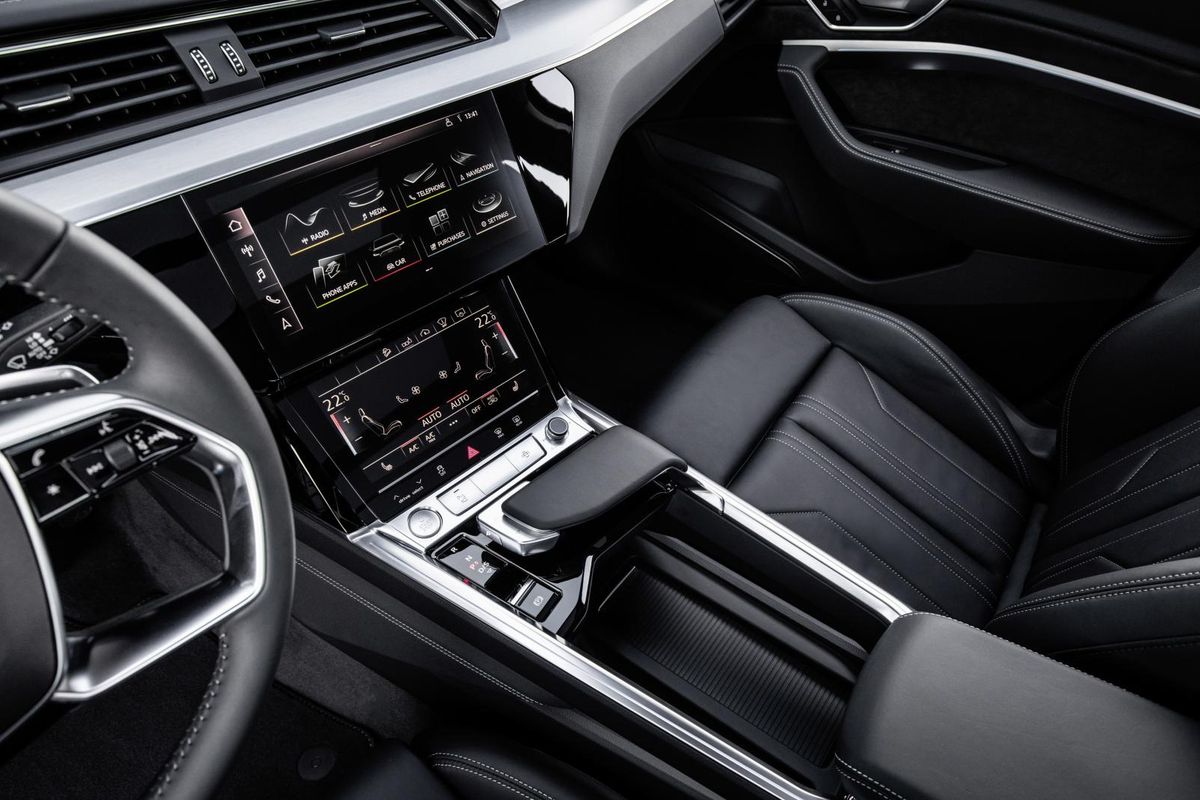
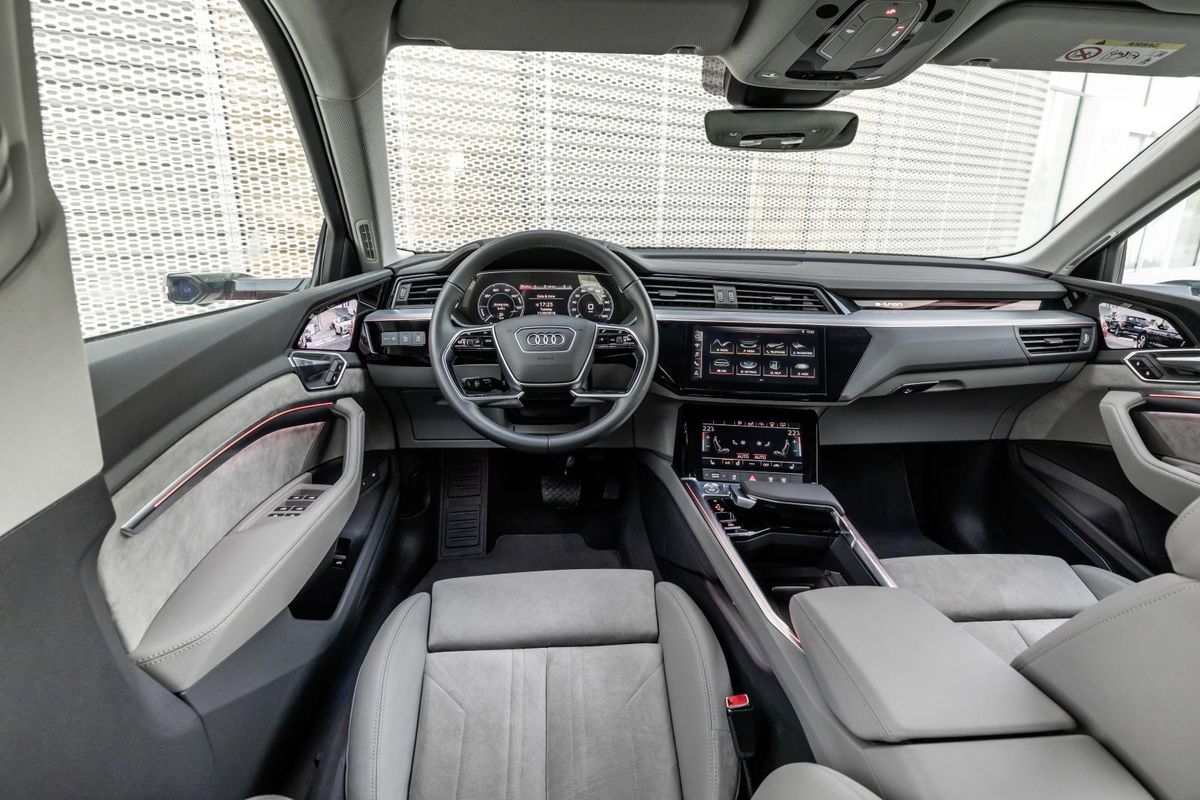
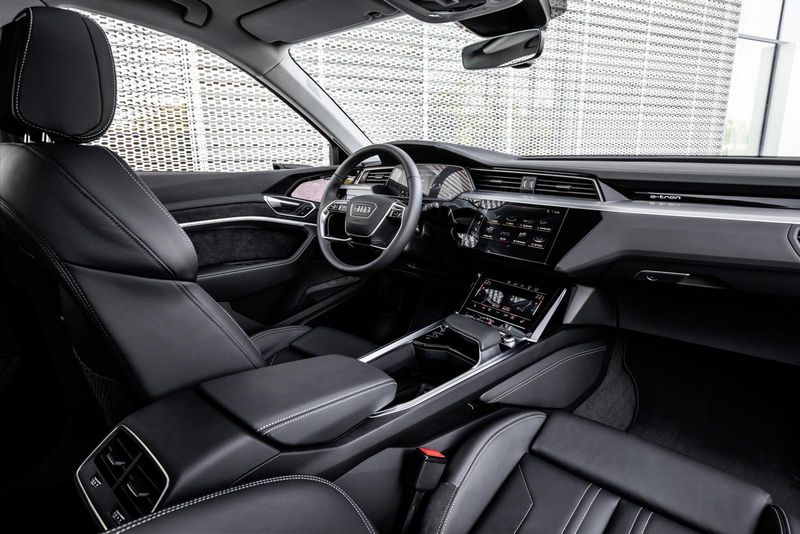
Not exactly. It feels very much like a brand new Audi when you get in. The infotainment system is transplanted from the latest A7 Sportback and the Virtual Cockpit digital instrument display is the same system we’re used to in current Audi products. The steering wheel has the same controls and the switchgear is all familiar. There’s a menu within the instrument cluster that shows you current battery consumption and there’s a high gloss e-tron badge in front of the passenger, but beyond that, the e-tron's interior looks the same as that of any other Audi.
A fairly standard Audi interior that exudes quality and refinement.
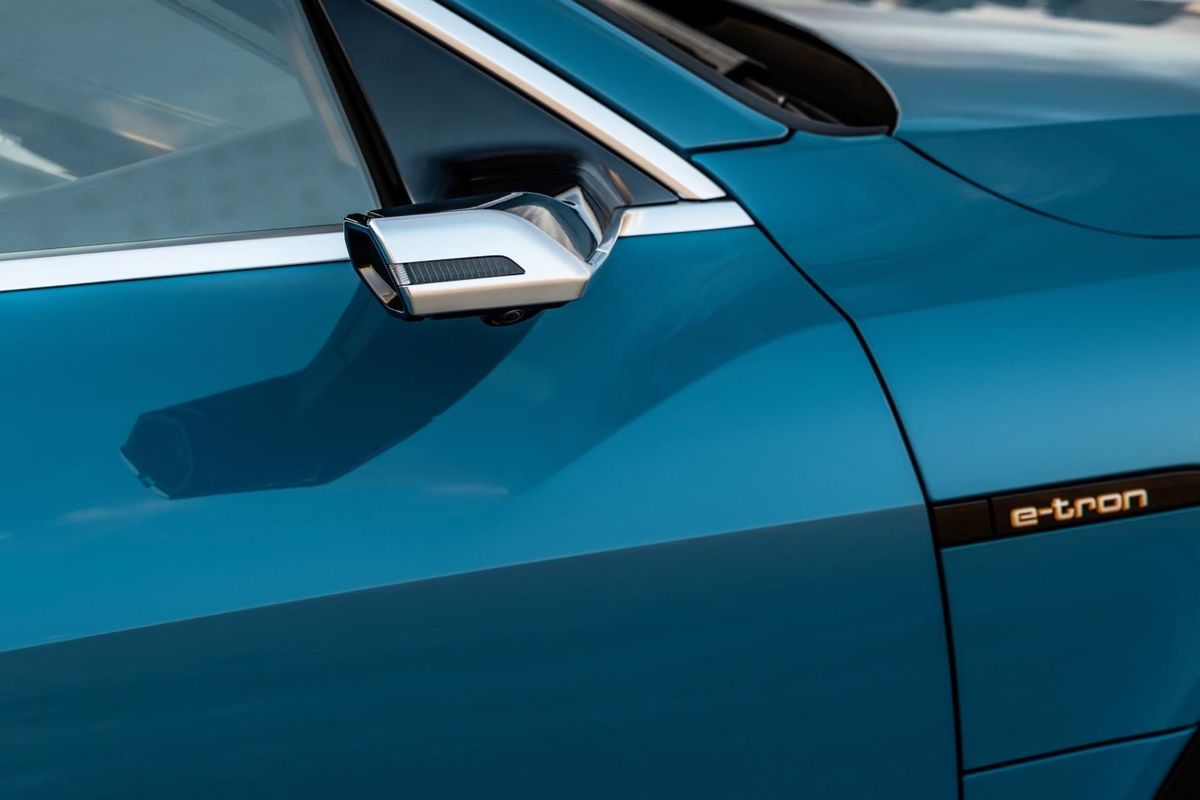
That is until you look into the side mirrors. They take some getting used to and you will need to give them more than a test drive to be convinced by their usefulness. Instead of conventional mirrors, there’s a rearward facing camera that produces an image of what’s behind into the door panel just in front of the door handles. It adjusts via a touchscreen so you can move it around to get a decent view. You do have to look a little further down and take your eyes off the road to get a good look at them, but the resolution is excellent and they are pretty damn clear at night as well.
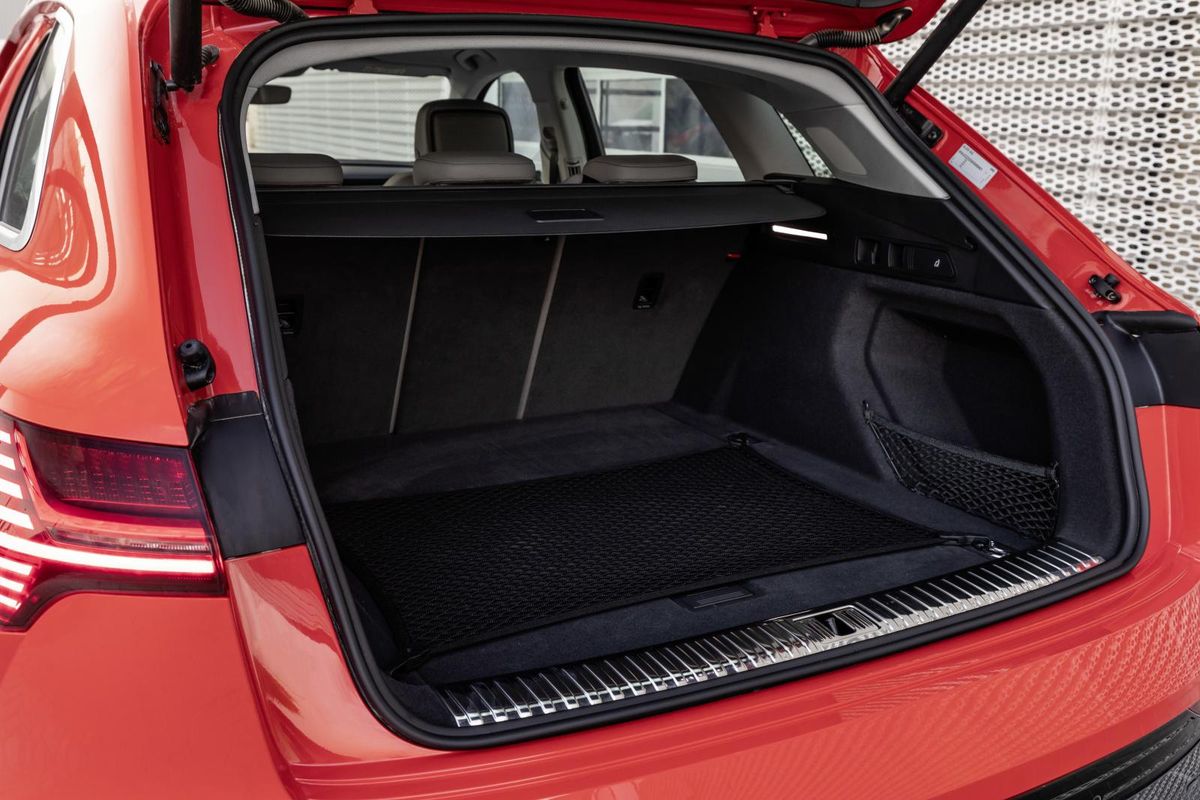
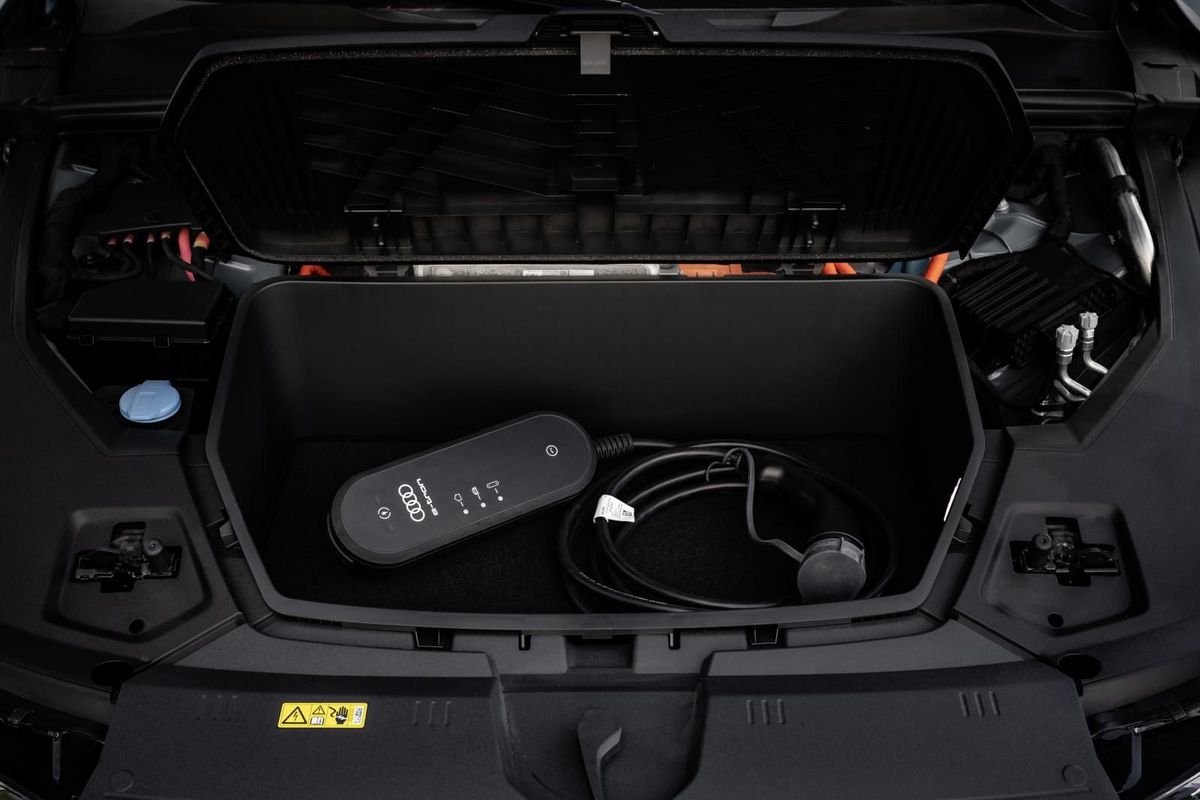
It’s just as spacious as most SUVs in its segment and its luggage bay is claimed to measure 600 litres. There’s also a smaller boot at the front that stores the charging cables (but could also take a laptop or small bag), which accounts for a further 60 litres of space.
It can go off-road
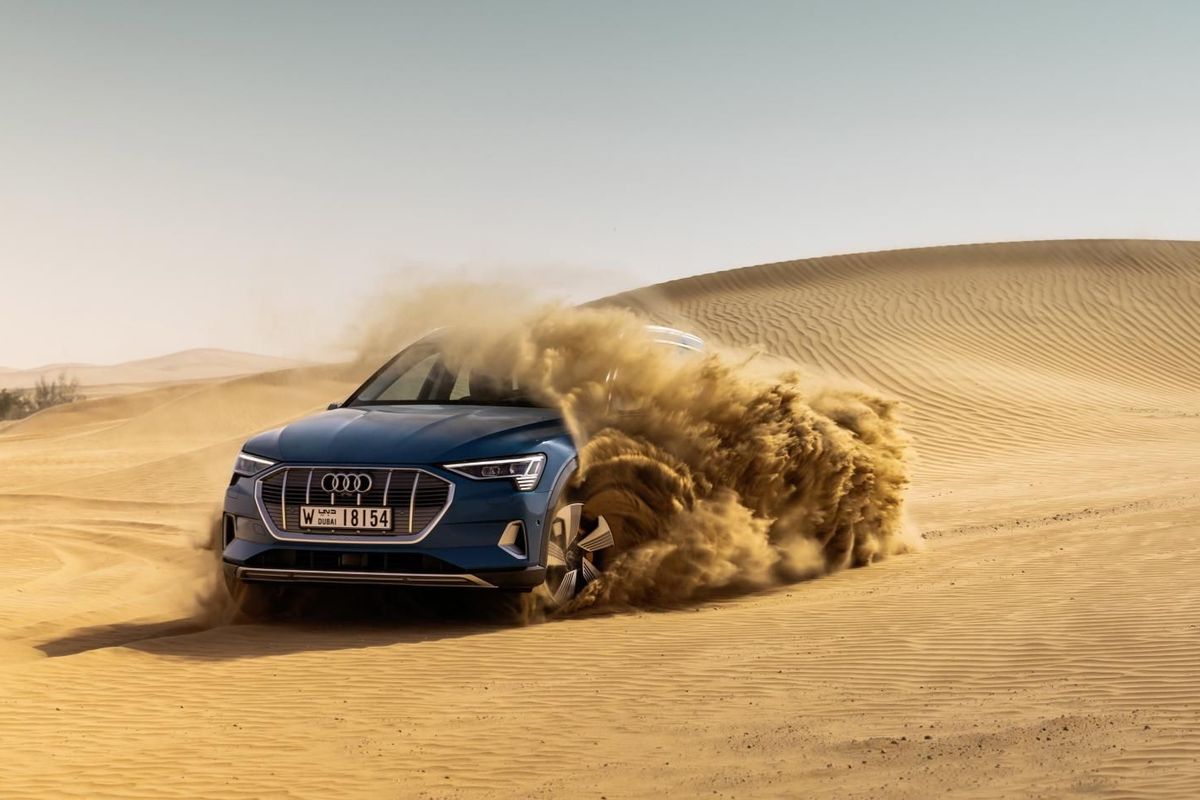
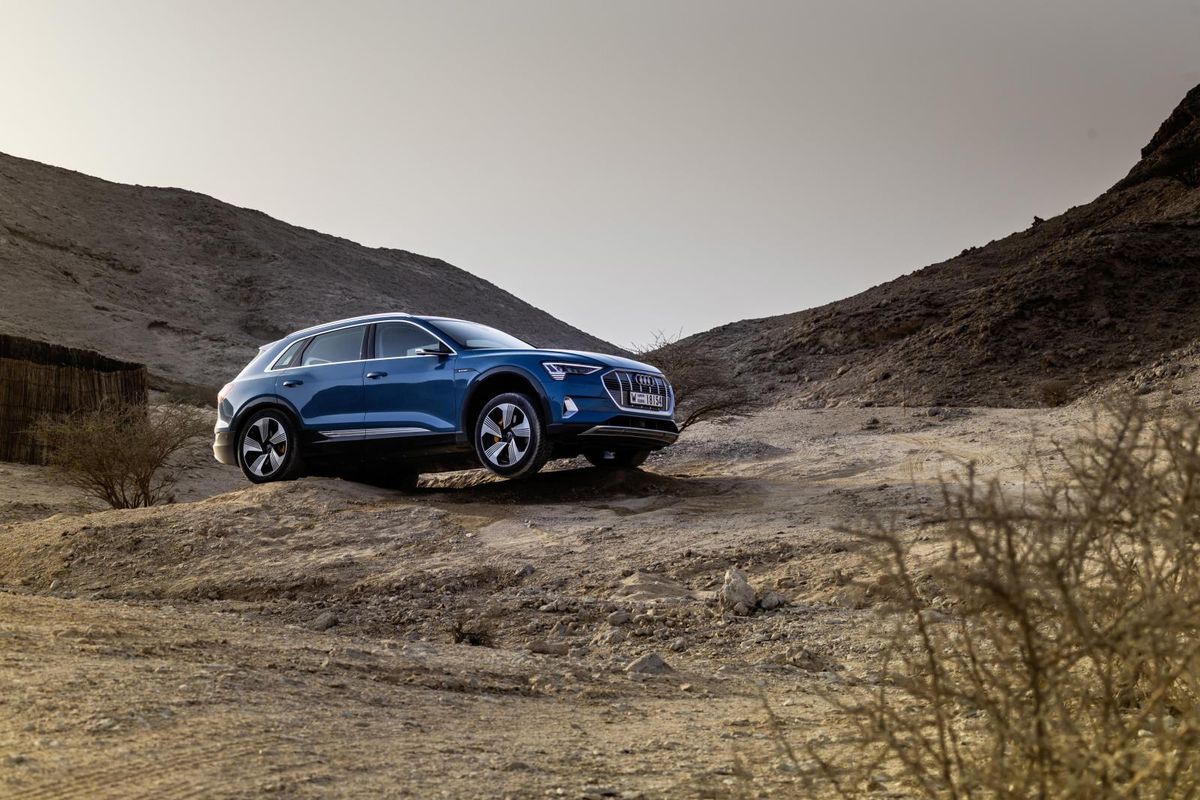
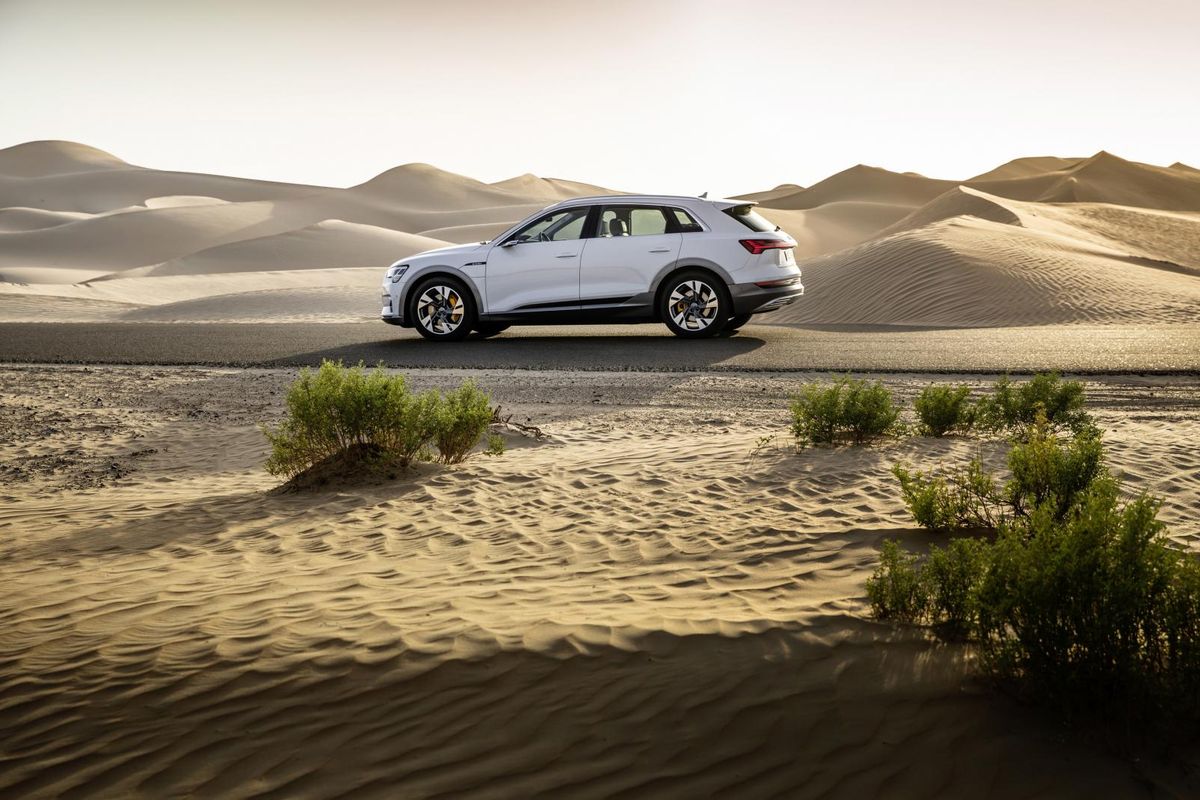
We had the opportunity to do some light off-roading over some of the compacted dunes and rocky areas outside Abu Dhabi. The Audi coped fine with the terrain and has a special Off-road mode that adjusts the air suspension to deal with trickier conditions. In effect, the e-tron is probably as capable off-road as a Q7 and does a good job of smoothing out a long dirt track, which is probably as far off-road as most SA consumers venture.
The e-tron is equipped with an off-road mode and adaptable air suspension.
Summary
There is a perception that electric cars are wildly futuristic and very different to drive compared to our current internal combustion-engined cars. However, to drive, the e-tron feels like the medium-sized luxury SUVs we are used to. It handles like a modern Audi and has the same tech inside as the latest Q8 first-class SUV and A7 Sportback. Apart from the charging cable and digital mirrors, there’s very little to distinguish this as an electric car. The e-tron's outputs and performance are more than acceptable for an SUV, even if it doesn't feel as fast as the numbers on the box suggest.
It seems that the plan from Audi all along was to make an electric SUV that harnesses all the things we love about SUVs, but with a modern electric drivetrain, making it not such a big departure from what we know. Those that can afford the estimated R1.6-million price tag won’t find any drawbacks other than South Africa's underdeveloped electric vehicle infrastructure. Still, things look like they are progressing locally and the co-introduction of the Jaguar i-pace in 2019 should kickstart the electric car revolution locally. Then it will just be up to Government to catch up.
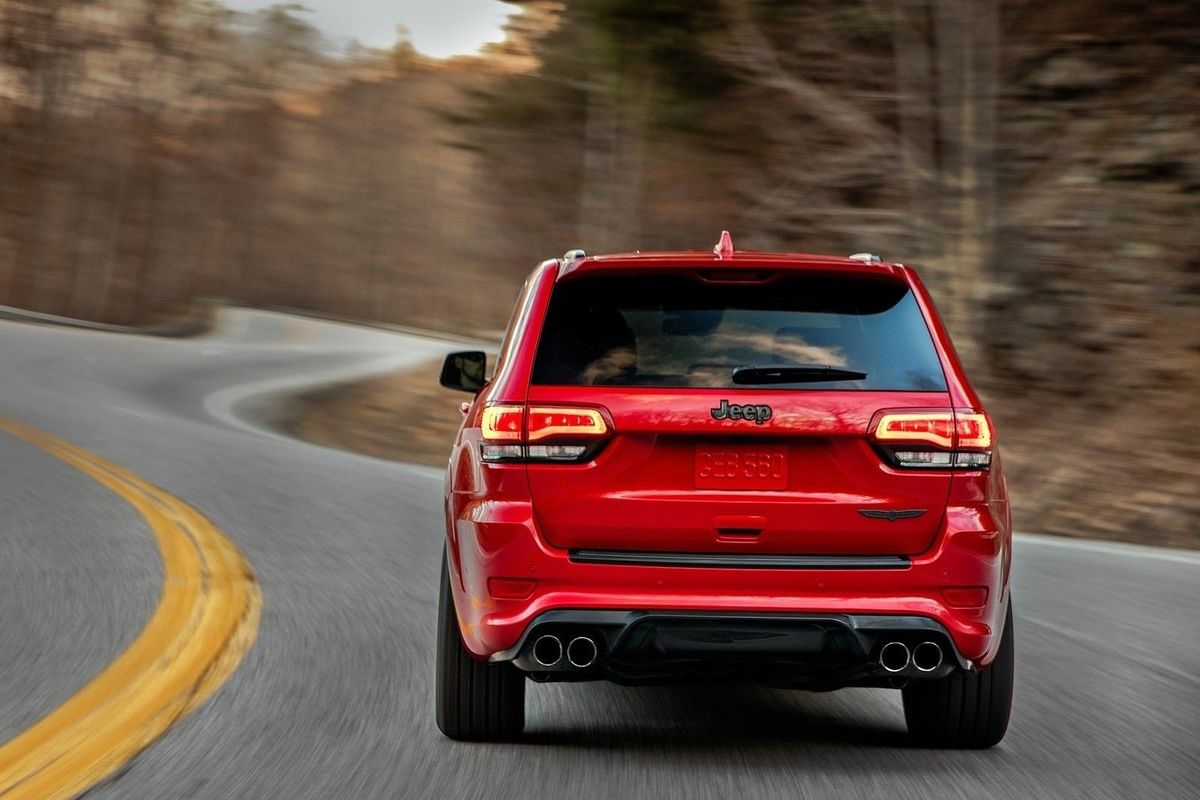
Jeep Grand Cherokee Trackhawk (2019) Price Announced for SA
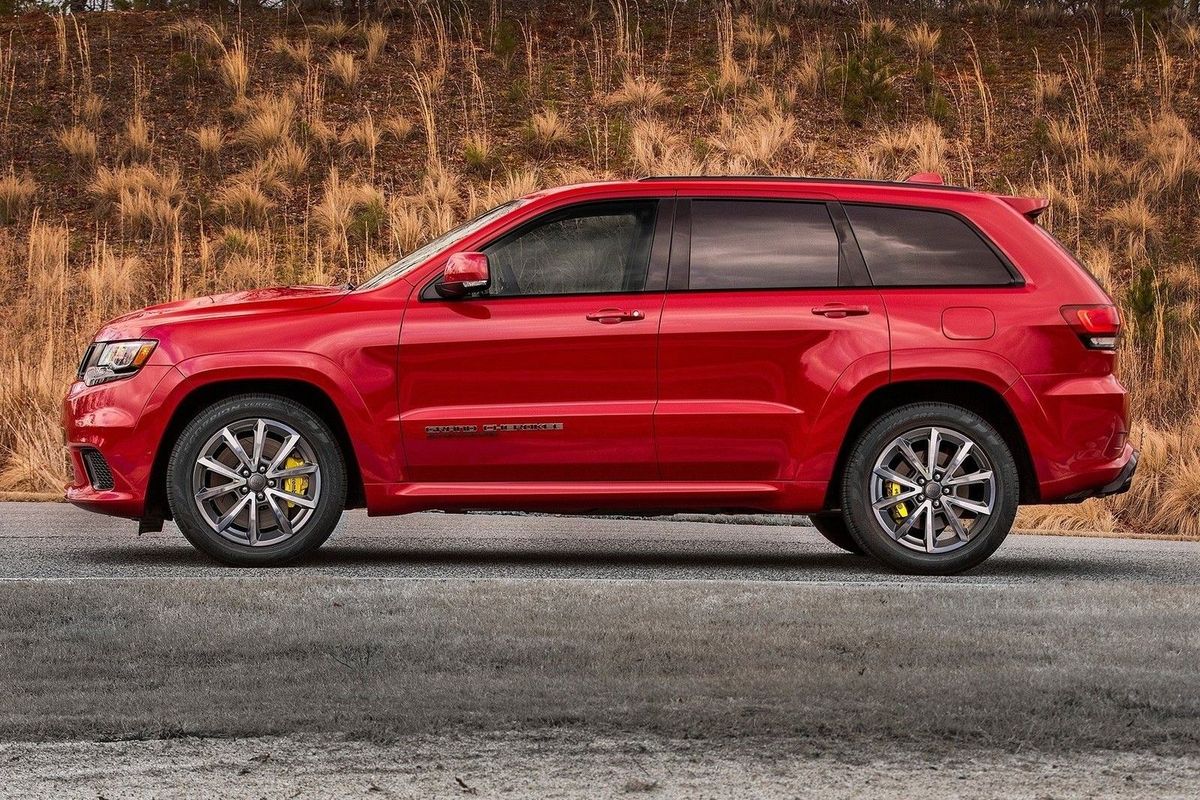
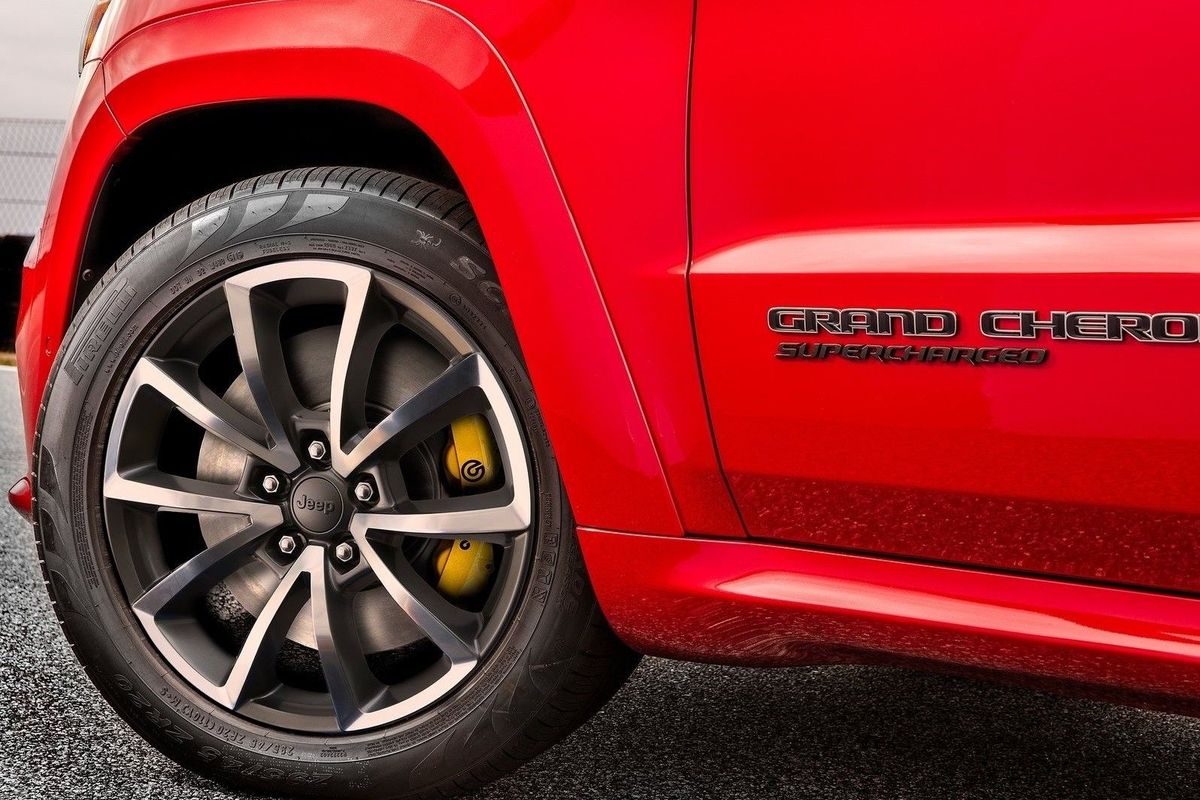
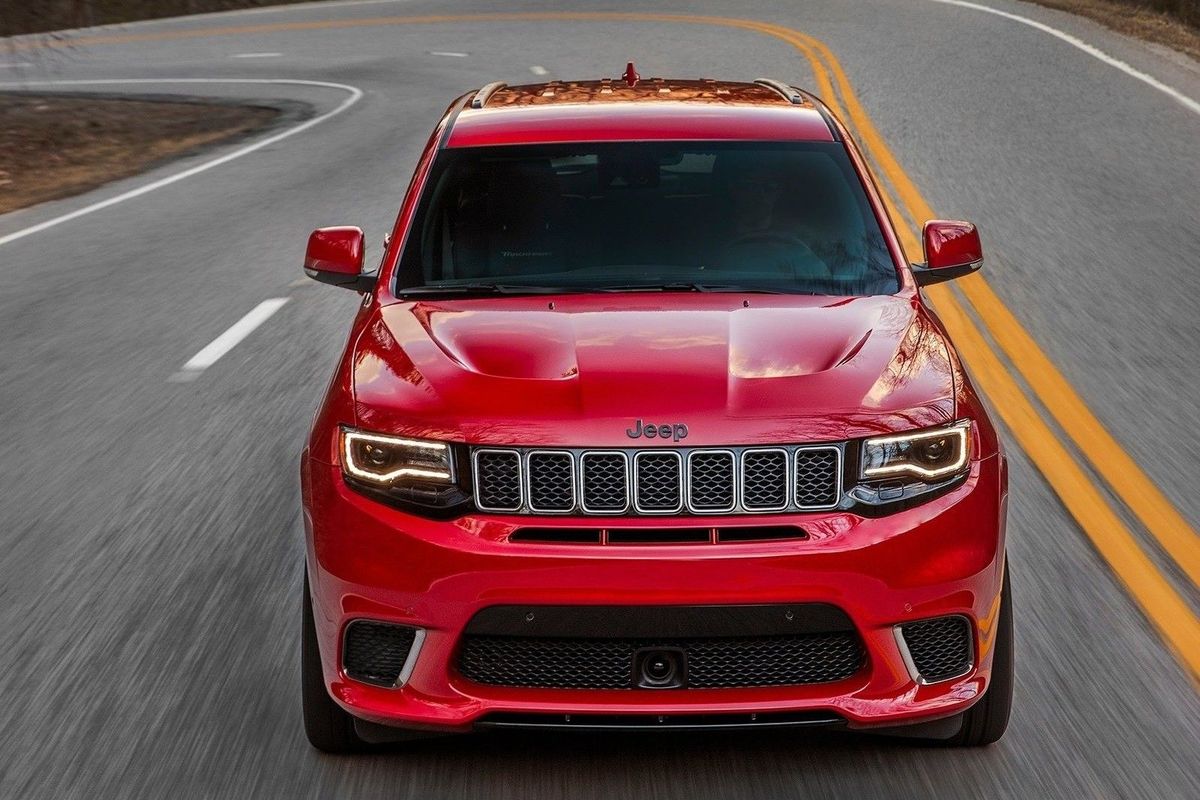
The first Jeep Grand Cherokee Trackhawks have landed in SA and will be going on sale shortly. Here's how much one of the world's fastest SUV costs.
Rivaling mighty products such as the BMW X5M / X6M, Mercedes-AMG GLE 63 and Porsche Cayenne Turbo S, the Jeep Grand Cherokee Trackhawk is set to rock the high-performance SUV market.
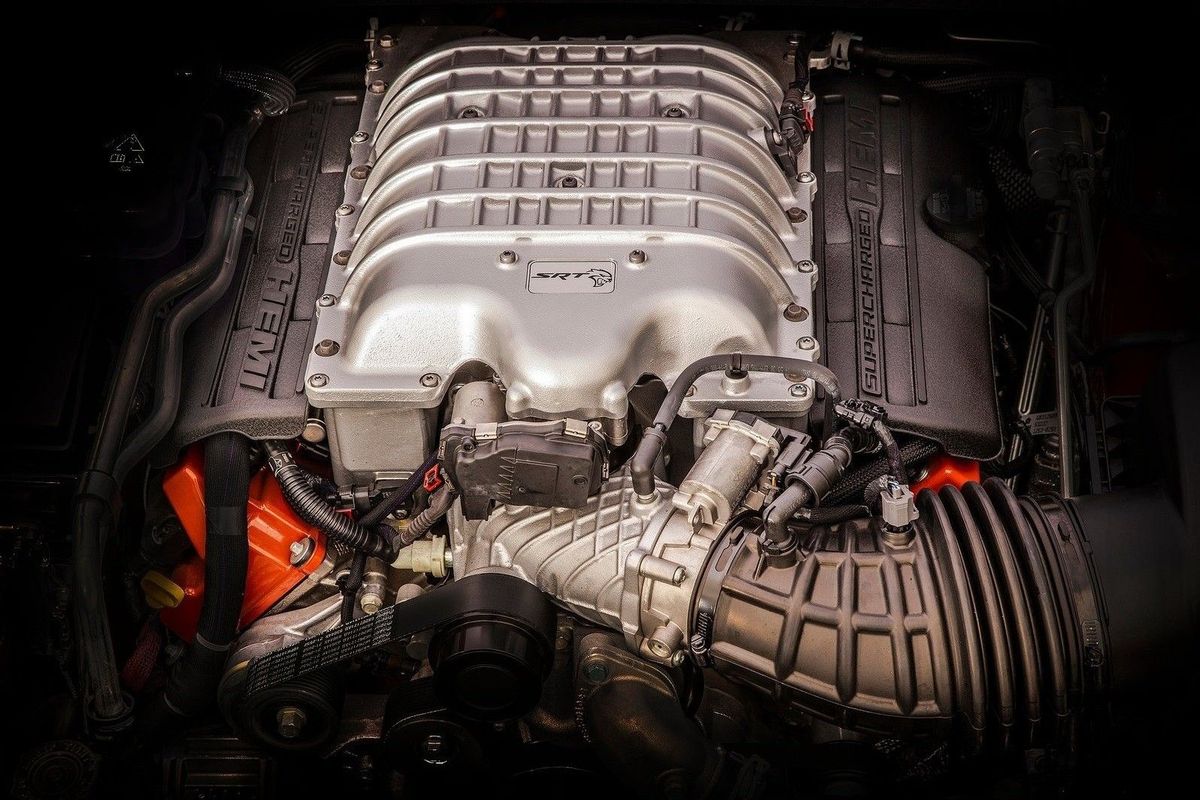
The secret is down to its engine, which is a powerful supercharged 6.2-litre V8 engine sourced from the Dodge Challenger SRT Hellcat. Producing a not-to-be-taken-lightly 523 kW and 881 Nm of torque, the Trackhawk has substantially more than what its rivals offer.
The new Grand Cherokee Trackhawk comes standard with launch control and can dispatch zero to 100 kph in a rapid 3.5 seconds while powering on to a top speed of around 290 kph. Power goes to all four wheels via a TorqueFlite eight-speed automatic transmission. There's an electronic limited-slip rear differential as well as a single-speed active transfer case.
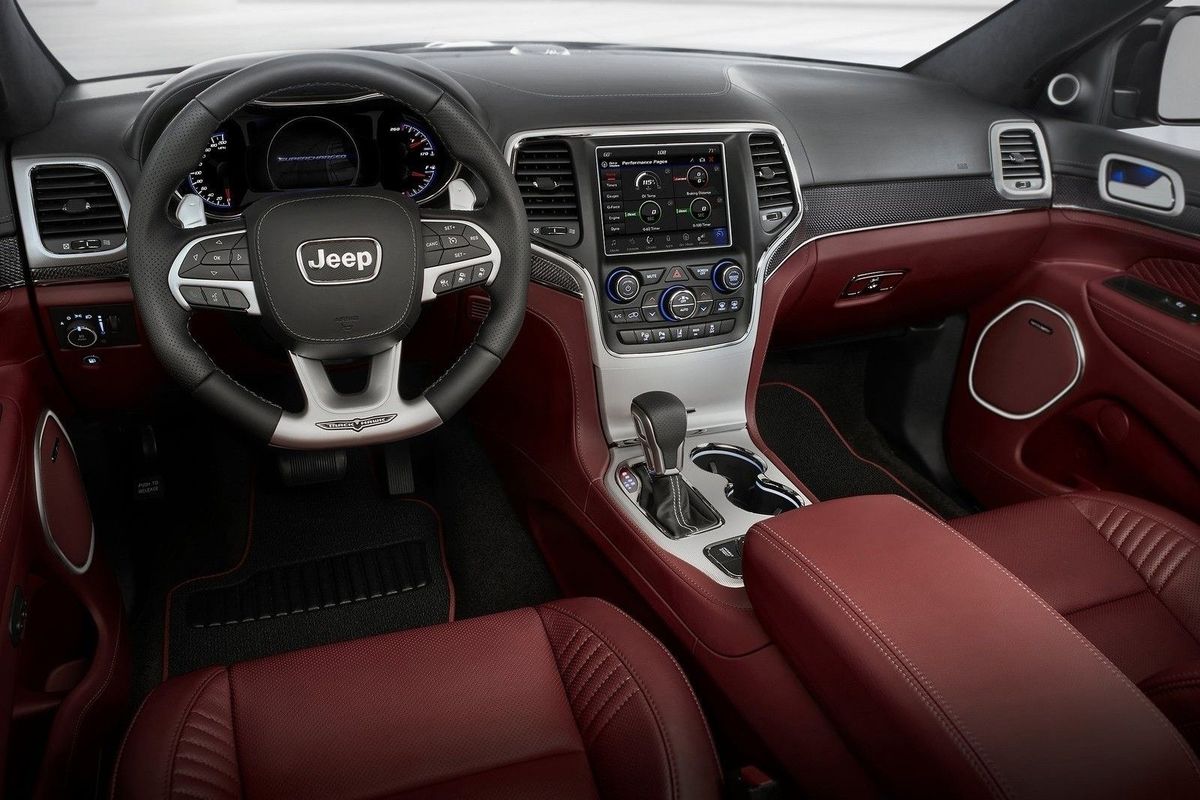
Given its high asking price, you'd expect the Jeep Grand Cherokee Trackhawk to be fully specced and it is. From what we understand, the only options are some paint choices.
2019 Jeep Grand Cherokee Trackhawk Price in South Africa
Android Auto is officially not yet available in South Africa, but we have a workaround which is safe, does not affect your mobile phone's warranty or require your device to be rooted/jailbroken. Here's how to get Android Auto in South Africa. UPDATED!
2019 Update: It appears that Google SA has quietly added the Android Auto application to the South African Google Play Store. To get Android Auto, simply search for it in the Play Store, or click THIS LINK with your phone browser.
Firstly what is Android Auto and why do I need it?
According to the official website, "Android Auto is a simpler way to use your phone in the car. Whether on your phone screen or on your car display, Android Auto was designed with safety in mind. With larger touch targets, a simplified interface, and easy-to-use voice actions, it's designed to minimize distraction so you can stay focused on the road."
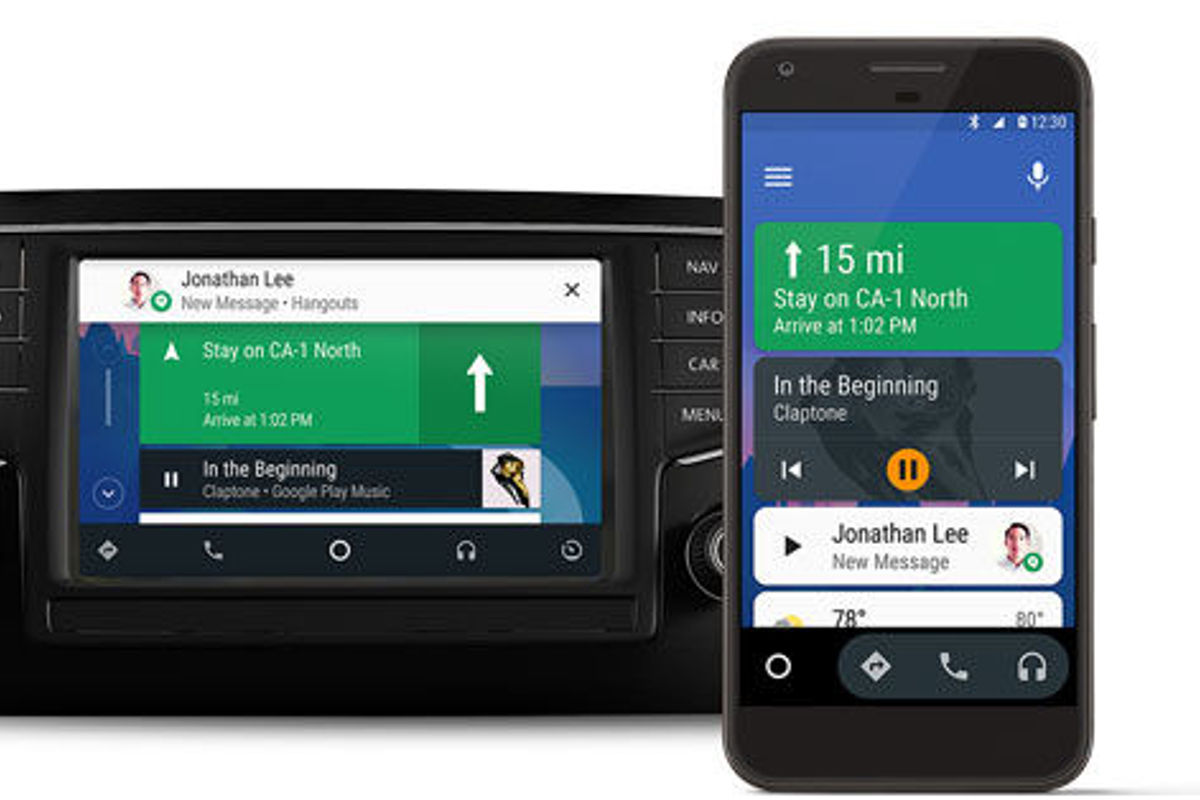
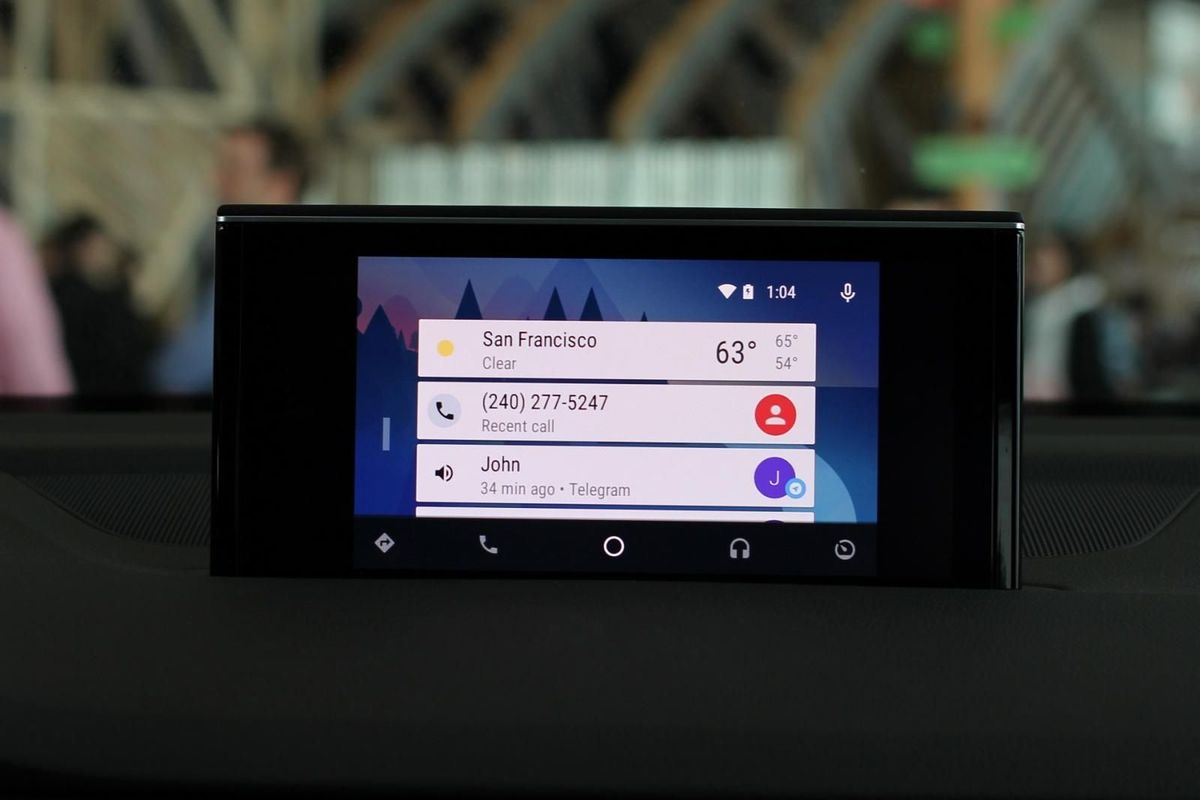
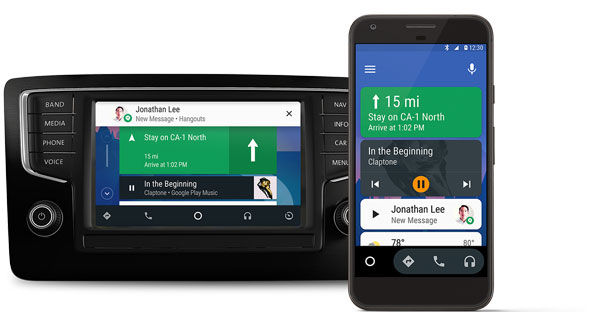
Essentially it replicates your Android phone's screen on the car's infotainment system. Functionality is reduced and only core applications such as Google Maps, music streaming service such as Google Play Music and communication apps like Whatsapp work. This is great, because it's pretty much all you need and plus, you're supposed to be focused on the road – not fiddling with your 'phone – while driving.
Does it work? Absolutely. We've been using our workaround fix and sampling it in a variety of test cars. To activate Android Auto, plug your phone's cable into the USB port (that's over and above the handsfree Bluetooth connection). Essentially, there's no need to touch your phone while you're behind the wheel because everything can be controlled via voice command. You'll need an Android mobile phone running Android 5.0 Lollipop (minimum requirement).
If you're running an older car which does not offer USB connectivity or a modern infotainment screen, then fear not as we've got a solution for that. You see, Android Auto offers two modes. The first mode is where the phone's screen is replicated via the car's infotainment screen, but if you don't have this then you can use the second mode where you use your phone's screen. The best course of action is to purchase a phone mount where your device sits either at the base of your windscreen or mounted on an air conditioning vent. The second mode reduces phone functionality too, so you're not distracted.
Android Auto can operate via your car's infotainment screen, or as a stand-alone application
This sounds great, but why can't we get it on Google Play? Apple rolled out its CarPlay system in South Africa without any hiccups, yet Google has, for some reason, not launched this convenient and safer app on the local market (at least not yet). As a result, it's not available in the Google Play store and to add insult to injury, it's a free app, so we're at a loss as to why it's not here yet. However, we have a fix so you can enjoy the benefits. We use Google Maps extensively at Cars.co.za, even if we're doing the commute as the live traffic service helps us dodge the worst congestion.
How to get Android Auto in South Africa?
2019 Update: It appears that Google SA has quietly added the Android Auto application to the South African Google Play Store. To get Android Auto, simply search for it in the Play Store, or click THIS LINK with your phone browser.
The best way to get Android Auto in South Africa would be for Google to activate it, but seeing as that hasn't happened, here's how you can get it without affecting your phone's warranty or rooting the device:
Find the newest version of Android Auto and select "Download APK". The button you're looking for says "Verified safe to install".
The application install file will download.
You will need to open the file and install.
Some phones may not run an application that hasn't come from the Google Play Store and you'll need to go through the settings in your phone and allow application installations from Unknown Sources.
The application will install and then it's time to set up.
A quick note that you should revisit APKMirror once a month to ensure your app is up-to-date.
Setting up Android Auto
Check if your vehicle is equipped with Android Auto compatible here. If so, simply plug the phone into the car and Android Auto will automatically start. You can then follow the prompts and you're ready to go.
If your car is older, you can just unlock your phone and immediately run the Android Auto application. You'll be greeted by a minimalist screen with big buttons and you have shortcuts for Google Maps, calls and music streaming services.
That's it, that's all it takes to get Android Auto in South Africa. If you're battling, you're more than welcome to leave a comment below or tweet us @carssouthafrica and we'll help get you connected.
Audi e-tron first drive – An electric SUV you can actually use
We went to Abu Dhabi to sample the all-electric SUV from Audi. The e–tron will make an appearance in SA during the 3rd quarter of 2019, but how different is it from the rest of the Audi SUV lineup?
The electric car onslaught is beginning to gain traction globally and by 2020, almost every manufacturer will have a range of electric cars on offer. South Africa is a little behind in terms of uptake of electric SUVs but 2019 should see a few more introductions that should at least get things off the ground.
The e-tron makes sense as a starting point for Audi as its an SUV in the middle of SUV hyp worldwide. It has a 400 km range and about the same amount of space as a Q7, but what's it like to drive and what is it going to be like to live with? Well, we gave it a drive in the desert and on the surrounding roads of Abu Dhabi to find out.
Nissan’s Micra has been something of a wallflower in the compact hatchback segment over the last few years, but the latest incarnation, with its bold styling and sportier underpinnings intends to wrest buyers’ attention away from mainstream rivals. However, is there enough substance beneath that shapely shell to give it a fighting chance?
We like: bold styling, keen chassis, marked improvements over its predecessor
We don’t like: limited rear legroom, noticeable turbo lag, refinement could be better
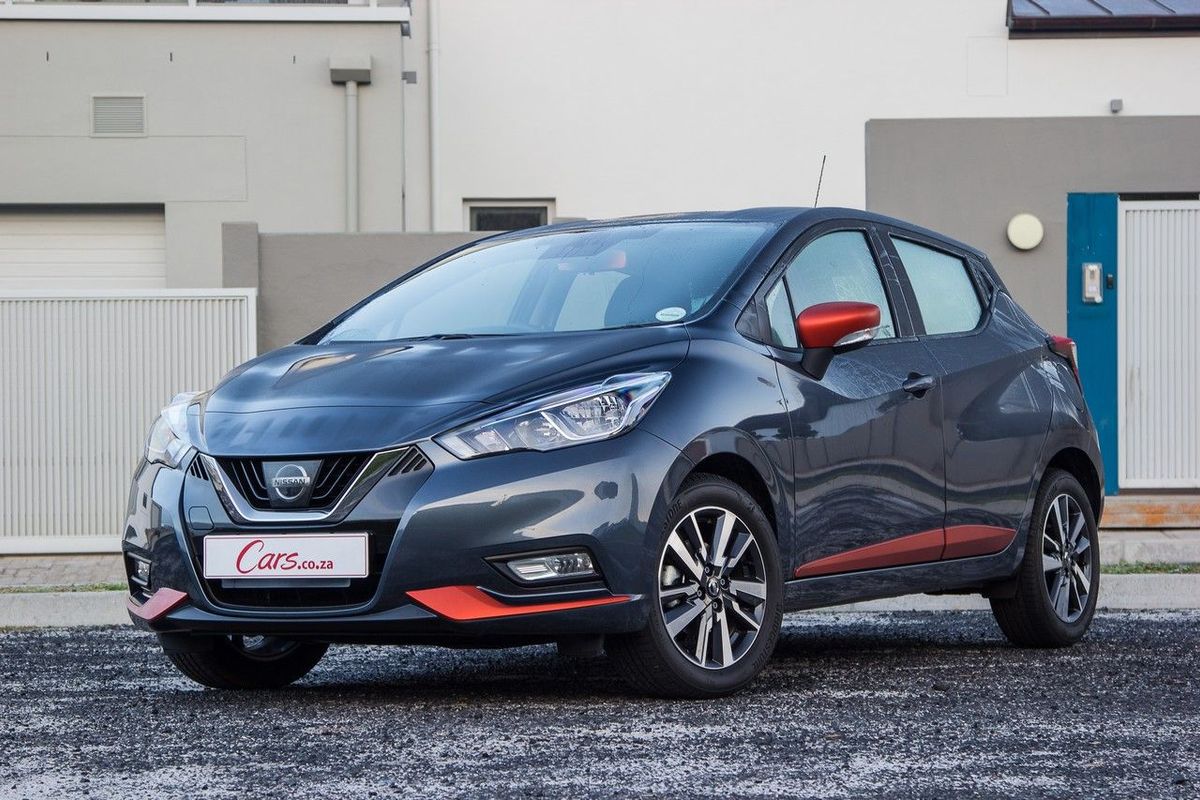
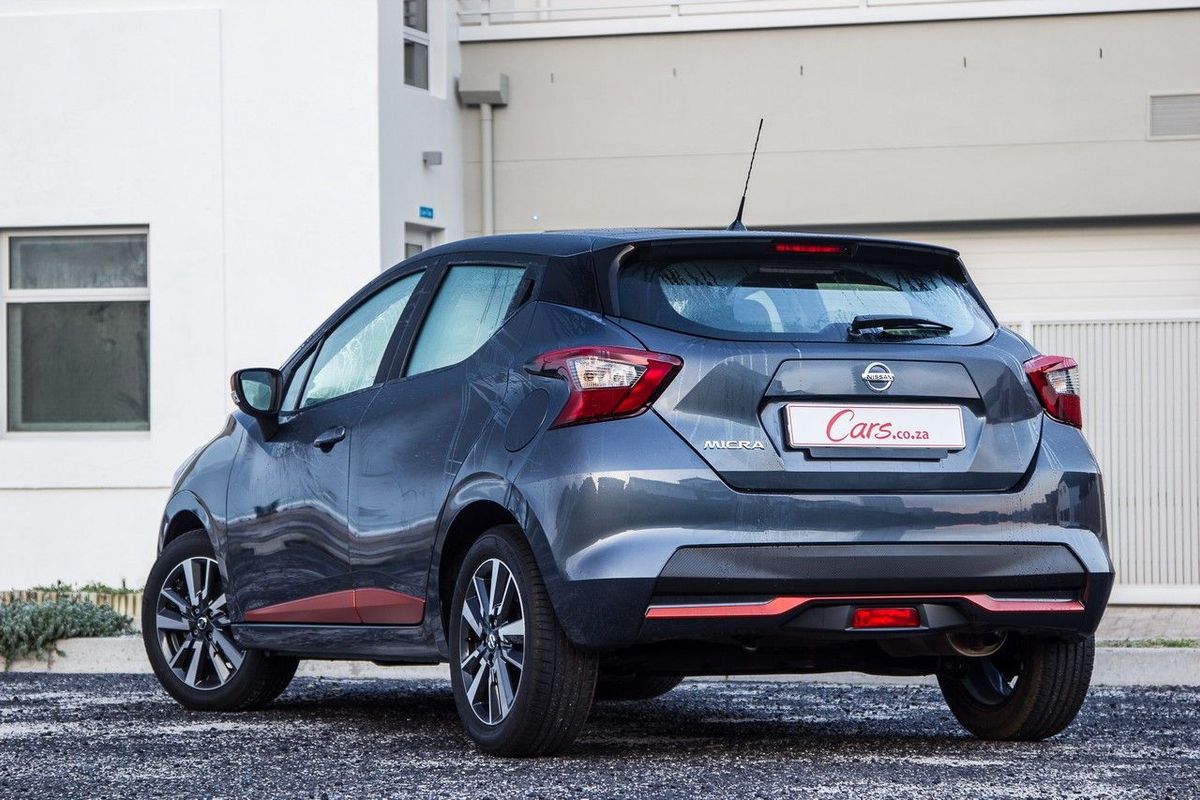
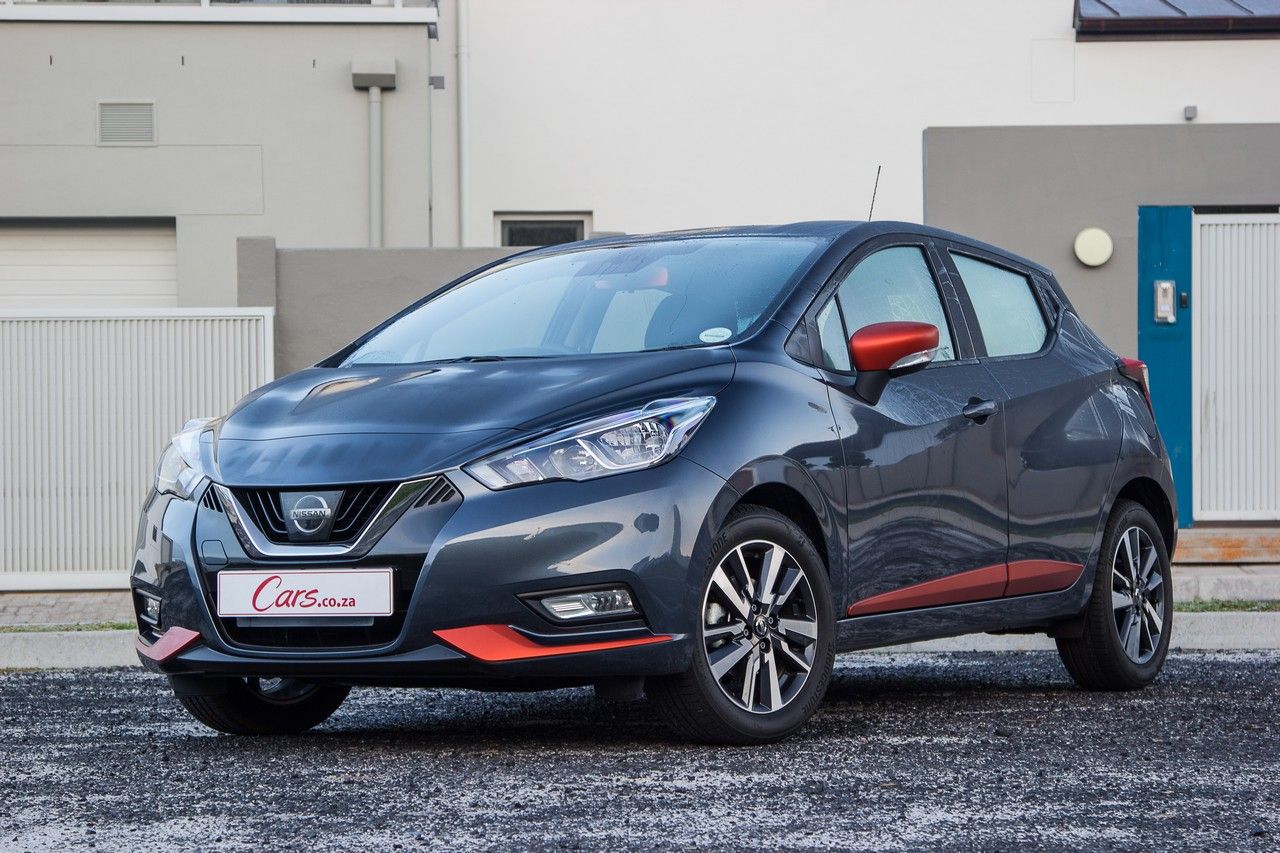
The new Micra's handsome aesthetic execution is light years ahead of that of its predecessor…
Where does it fit in?
Pitched squarely at the likes of the Ford Fiesta and the ever-popular Volkswagen Polo, the Nissan’s B-segment hatchback has traditionally been a solid (but somewhat safe-looking) flanker that’s often appealed to a more mature audience. Now, Nissan has taken a leaf out of VW’s Vivo playbook; paring down the previous-generation model and repackaging it as a wallet-friendly entry point to Nissan’s B segment (the Micra Active), while the newcomer moves the goalposts further upmarket, adding more advanced features and a bolder wrapper.
The good stuff
Sharper styling, inside and out
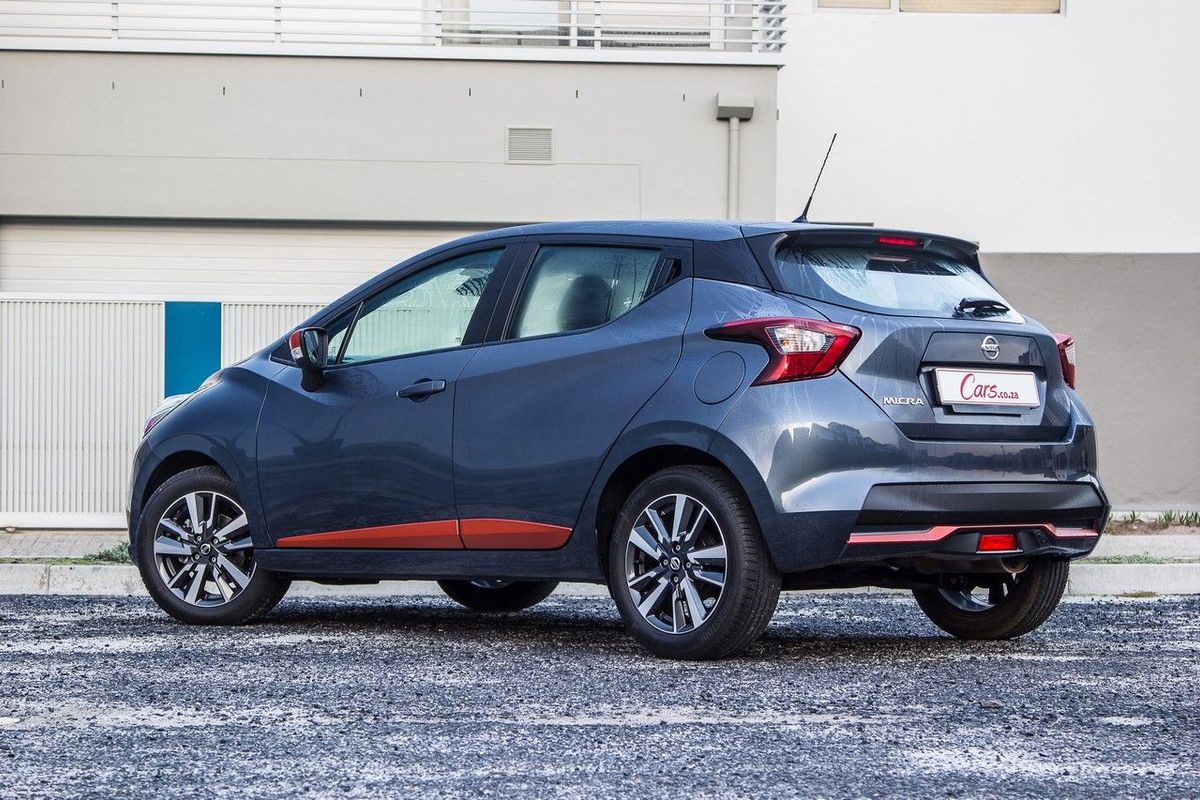
There have been 5 generations of the Nissan Micra, although the model has only been offered in South Africa since 2004. From the amorphous blobs of the first 2 generations (which weren't sold here) to the quirky, squat amphibian form of the 3rd- and the upright-walking (but rather dull) outgoing car, the 36 years of Nissan Micra styling is the automotive equivalent of an evolutionary timeline of life on Earth. Now, in its most advanced form and shorn of even vestigial bits of piscine oddity or mundane metalwork, the new Micra’s sharp lines and rakish profile have transformed it from dowager-dowdy to sporty and youthful, moving it firmly into a bracket where its more attention-grabbing rivals once held a distinct advantage.
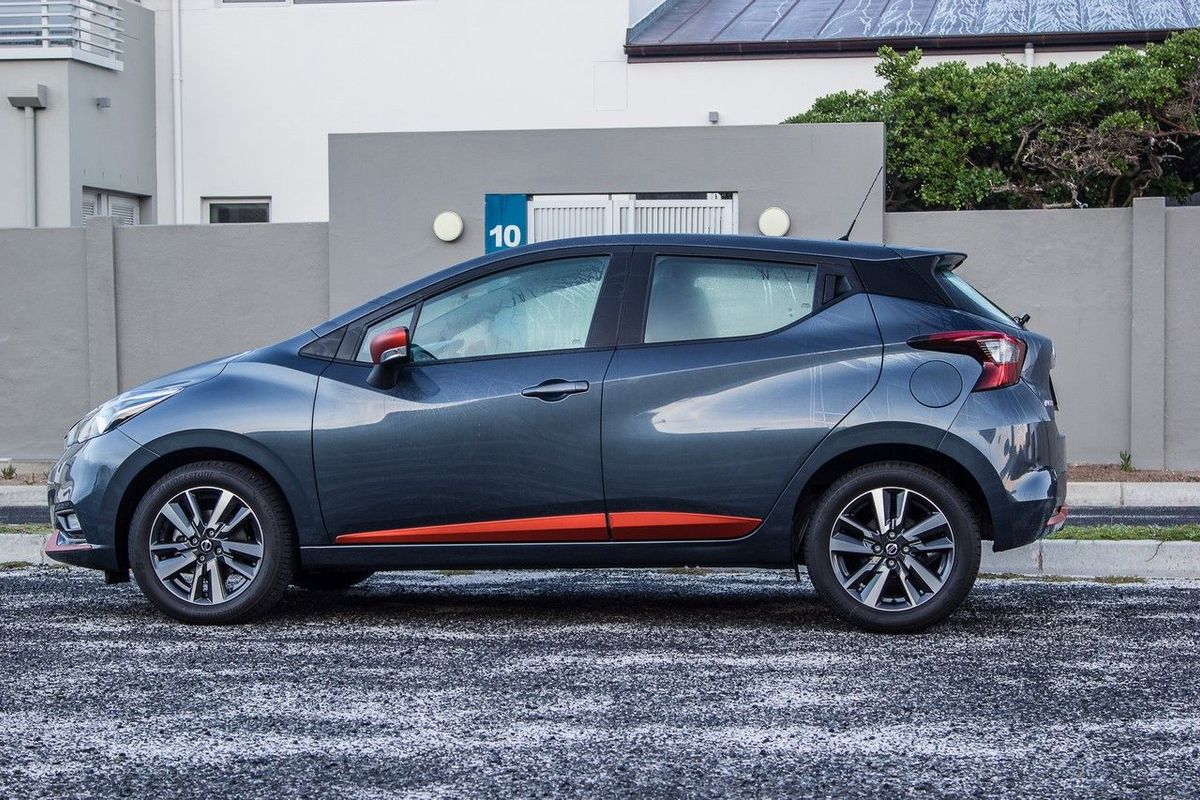
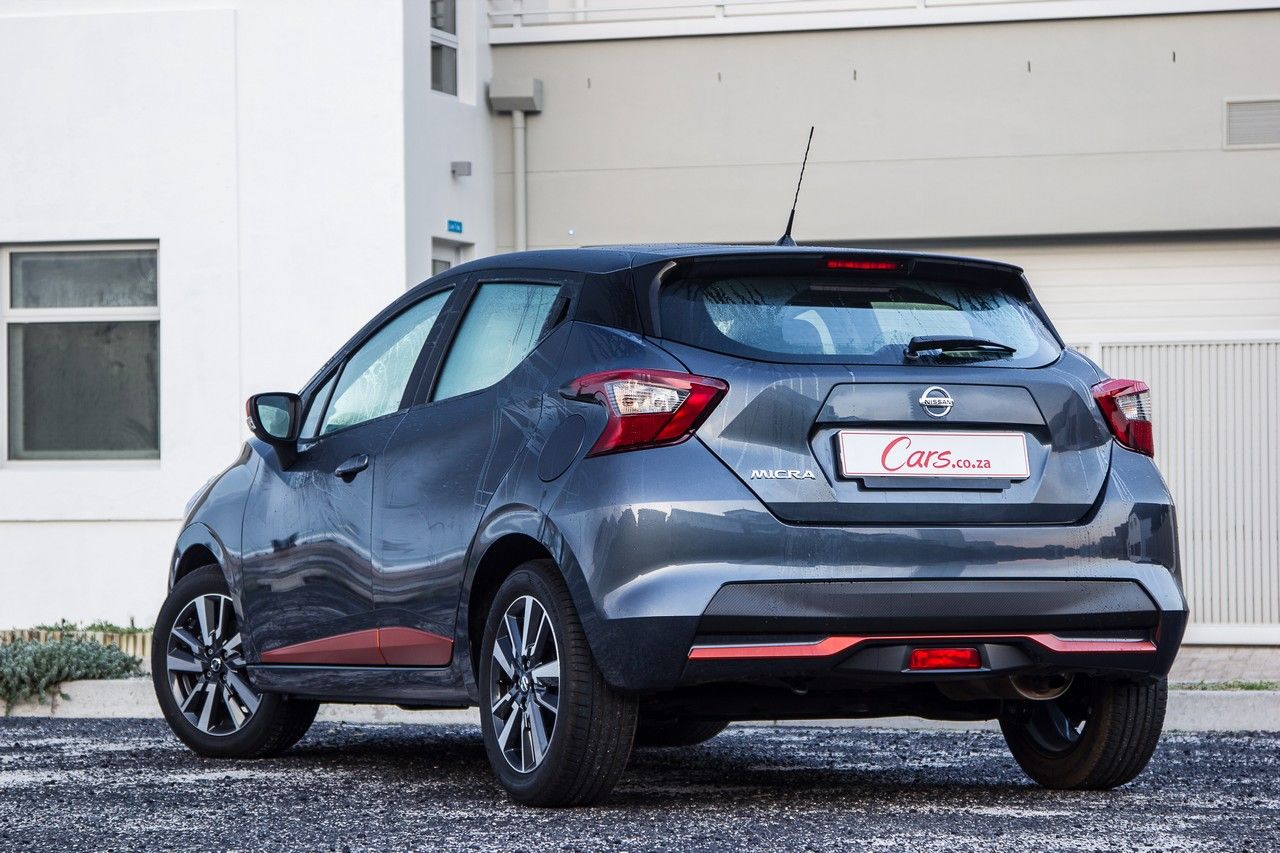
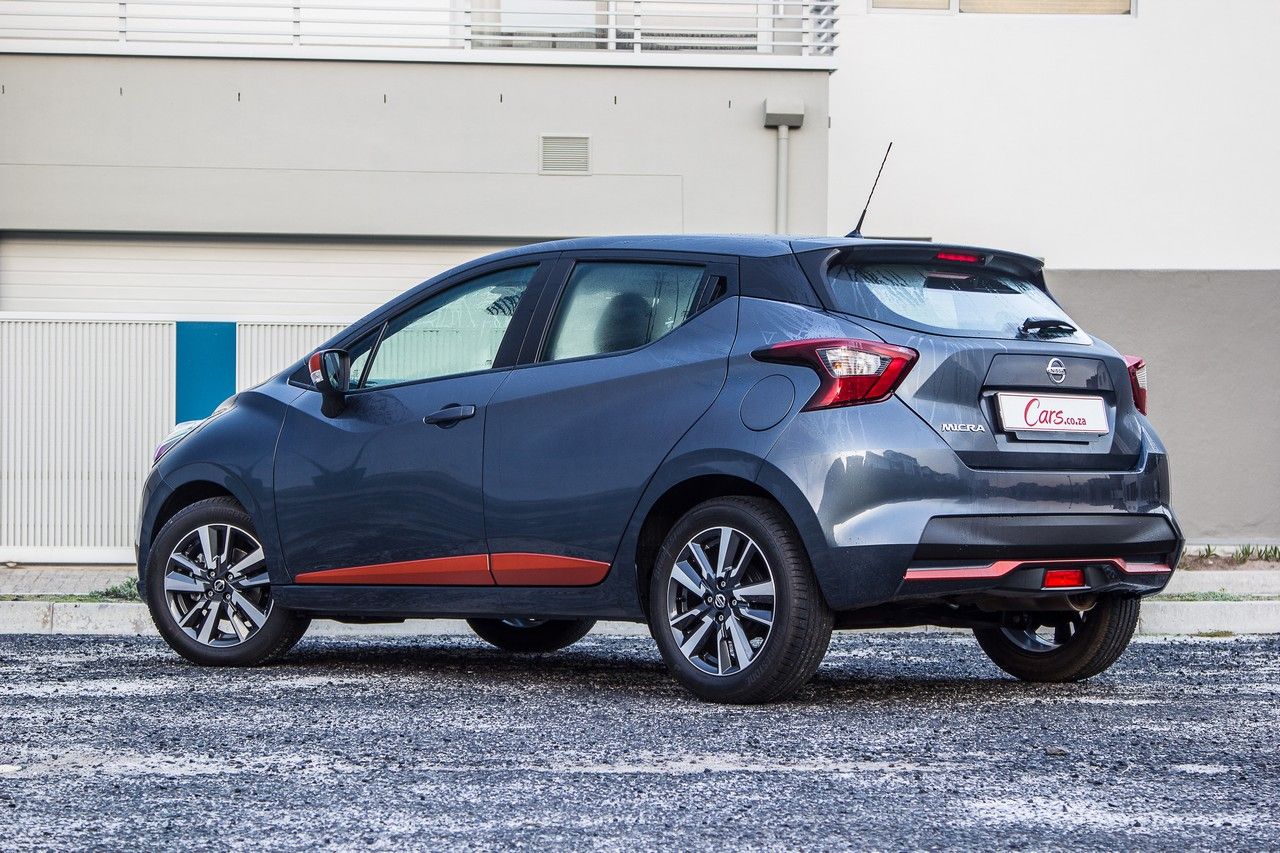
Hidden rear door handles (in the window frames, in case you were wondering) lend the Micra a sporty 3-door look.
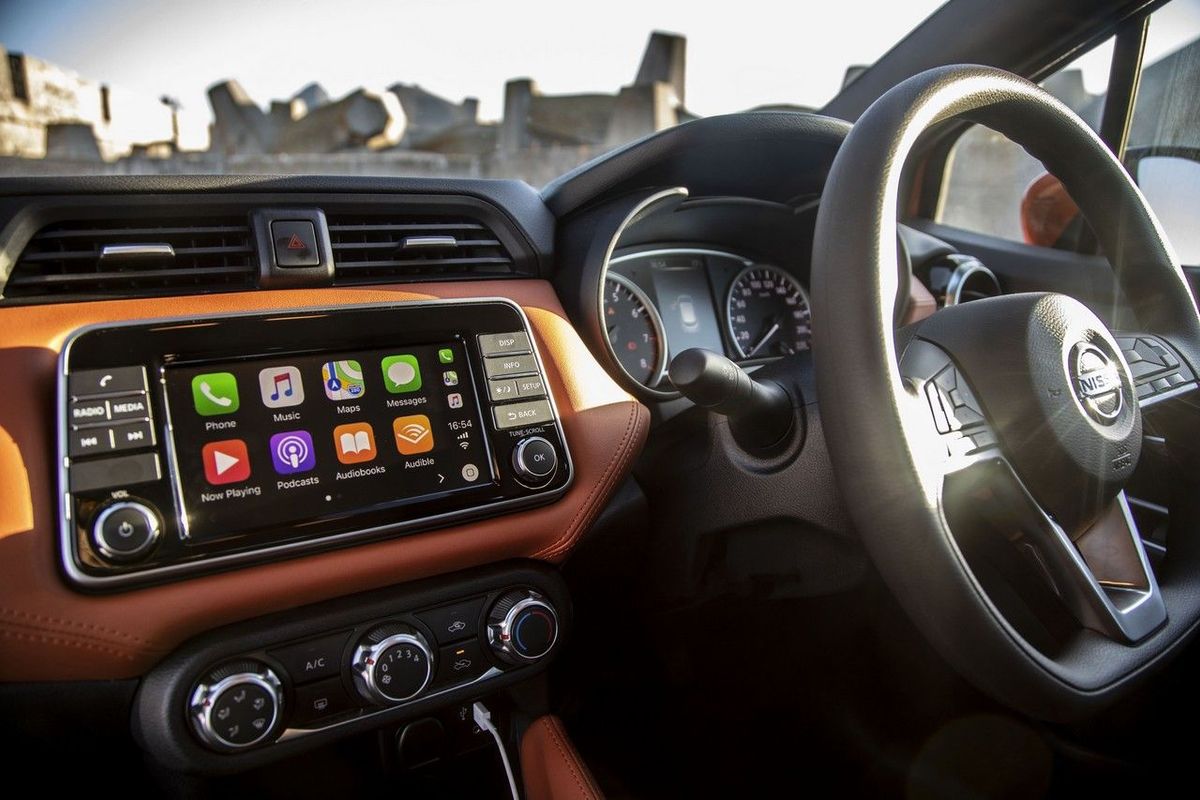
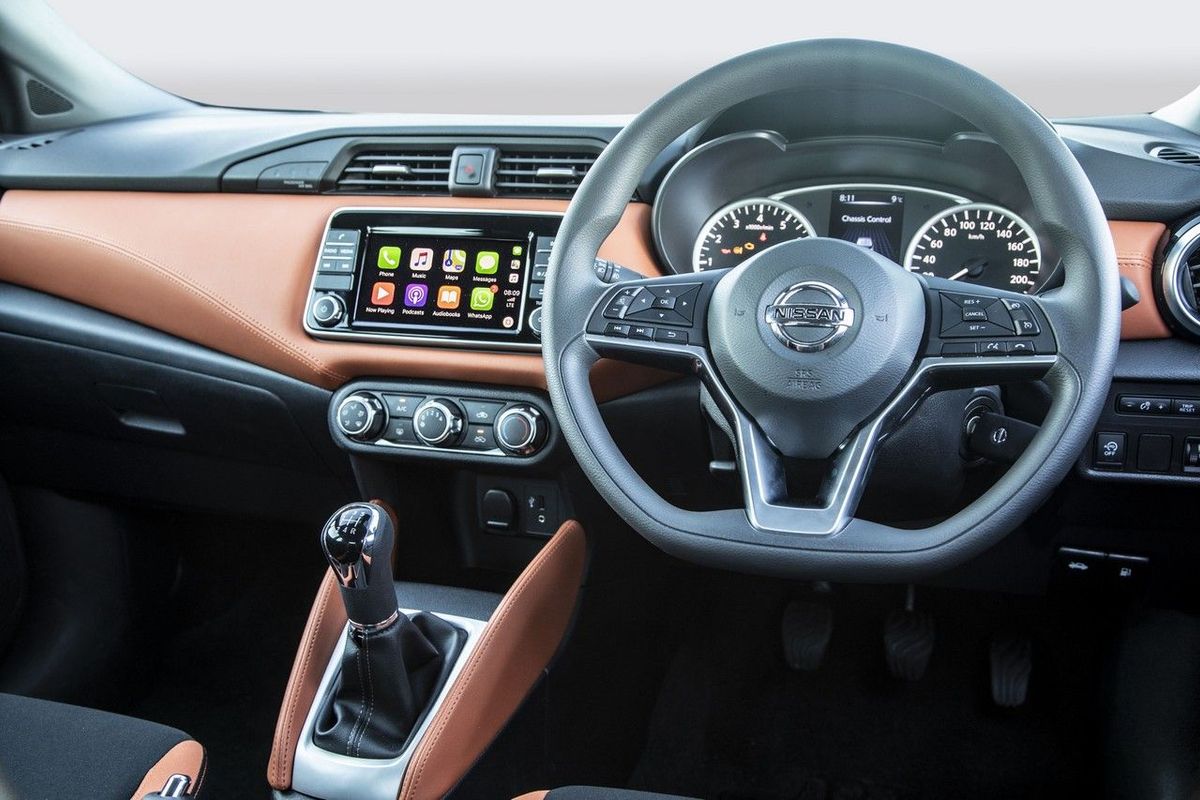
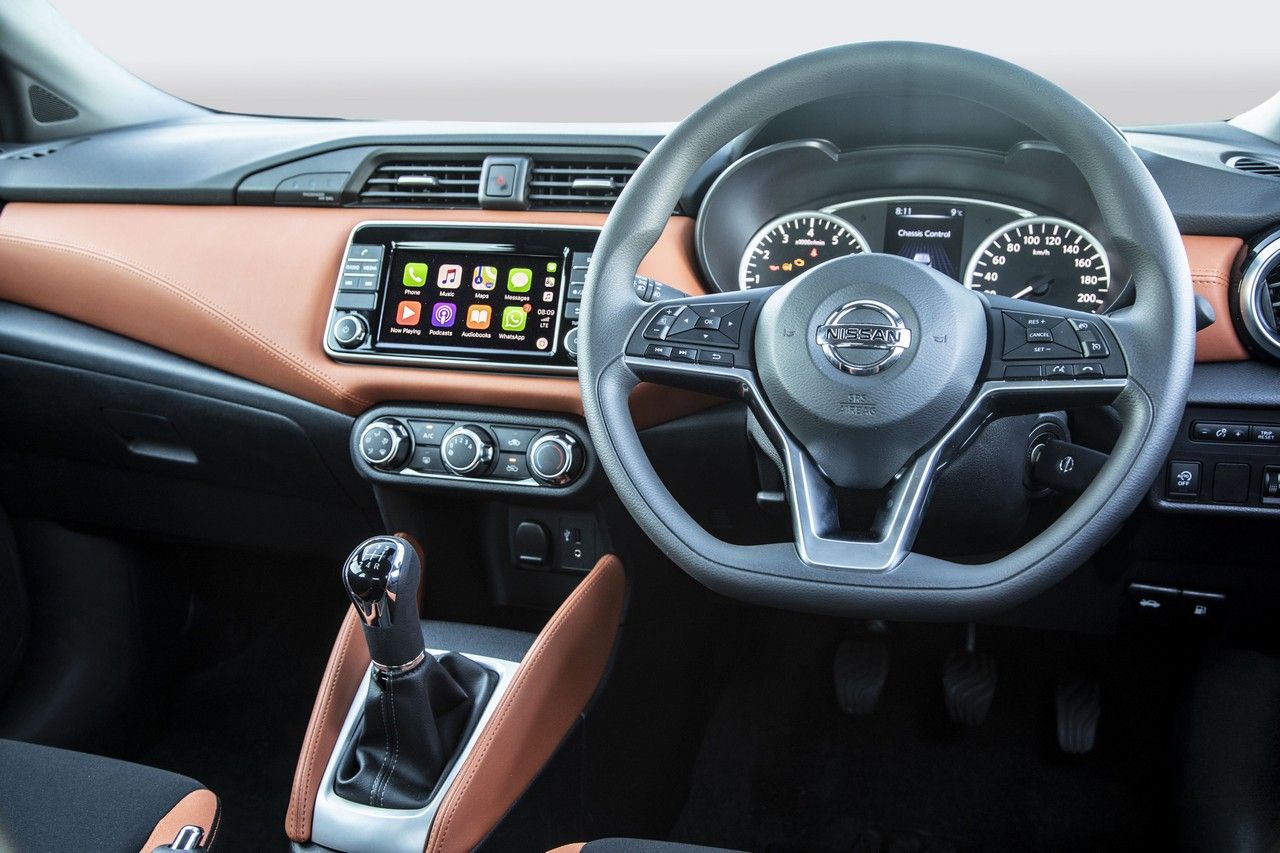
It’s a similar story inside, where the previous car’s scratchy plastics and humdrum layout (cues to its more budget-oriented product positioning) have made way for a sportier arrangement that breaks up the harder trim elements with stitched soft-touch panels and a crisp-looking, advanced 7-inch touchscreen infotainment system. Available on the Acenta Plus (of which we show interior pictures here), is an "Energy Orange" interior pack that splashes a bit of colour onto sections of the dash, door linings and seat panels to lift a somewhat monochrome, but certainly solidly-made, cabin.
No more anodyne handling
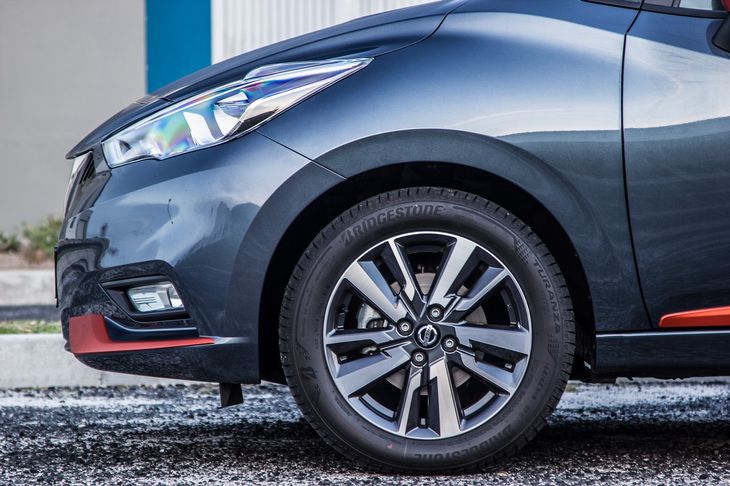
As a product of the Nissan-Renault Alliance, the new Micra shares much of its platform and mechanical componentry with the Clio. The upshot of this mechanical relationship is a car that feels considerably more poised and playful than its forebear. Although town-friendly light in its weighting, the electrically assisted power steering is responsive and combines with a chassis that not only lends itself well to the new car’s proportions, but also does a respectable job of reining in body roll, making the Micra an engaging little car to drive. The Acenta rolls on a set of fetching 16-inch alloy wheels that, in the case of many small cars with a torsion beam rear suspension setup, would normally compromise the ride quality somewhat. But while the ride is firm, the forgiving damping takes a bit of the edge off; striking a fair balance between shock absorption and roll resistance.
If you opt for the more expensive Acenta Plus derivative, you can get funky "Energy Orange" contrasting trim inserts.
Generous specification
Over and above the 7-inch Apple CarPlay-compatible infotainment system (with MP3 + RDS + USB + AUX), the Acenta Plus comes equipped with auto lights, cruise control (with speed limiter), a 5-inch advanced driver info display, a multifunction steering wheel, air conditioning and safety features such as 6 airbags (front, side and curtain units), ABS with EBD and brake assist, as well as stability control (including Hill Start Assist).
If you're willing to fork out R15 400 more for the Acenta Plus model, it features the "Energy Orange" interior trim, a leather-trimmed steering wheel and gearknob, plus 17-inch wheels (the orange exterior strips are part of an optional styling pack). All derivatives, apart from the top-of-the-range Accenta Plus Tech (with an around-view monitor with moving-object detection, forward emergency braking, blind-spot warning and keyless entry and start), have this safety spec, plus a competitive 6-year/150 000 km mechanical warranty, which is the 2nd best in the segment (in terms of length).
The Acenta rides on 16-inch alloys as standard. The chassis offers a good blend of ride refinement and engaging handling.
The not so good
Powertrain strain
In addition to the updated Alliance B (aka Nissan V) platform, the Micra also inherits the Clio’s 0.9-litre turbocharged petrol engine. In the French car it proved a divisive powerplant; some enjoying its 3-cylinder warble and flexibility, while others noted its 66 kW and 140 Nm outputs as being a bit gutless compared with the 1.0-litre 3-pots in the Ford Fiesta and Volkswagen Polo.
Its application in the Micra is similarly polarising. While it feels perky and alert, there’s a noticeable degree of turbo lag below 2 500 rpm, meaning a heavy foot is required to build up a head of steam. In an attempt to counter this low-end lethargy, the Alliance engineers adopted a short, close-set gearing arrangement that’s often applied to smaller powerplants with little low-rev oomph. And while it does mean that stirring the snappy gear shifter, albeit while negotiating the clutch pedal’s high biting point, will take off some of that stodginess it does so to the detriment of refinement.
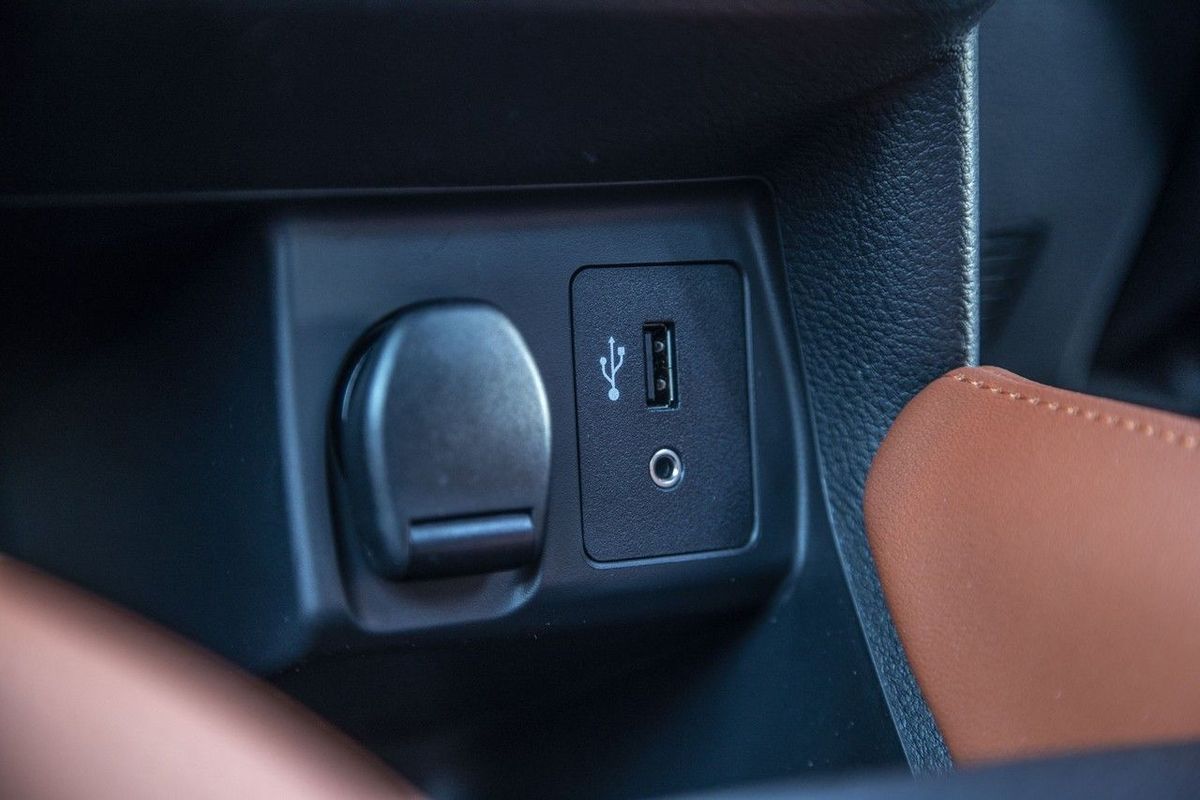
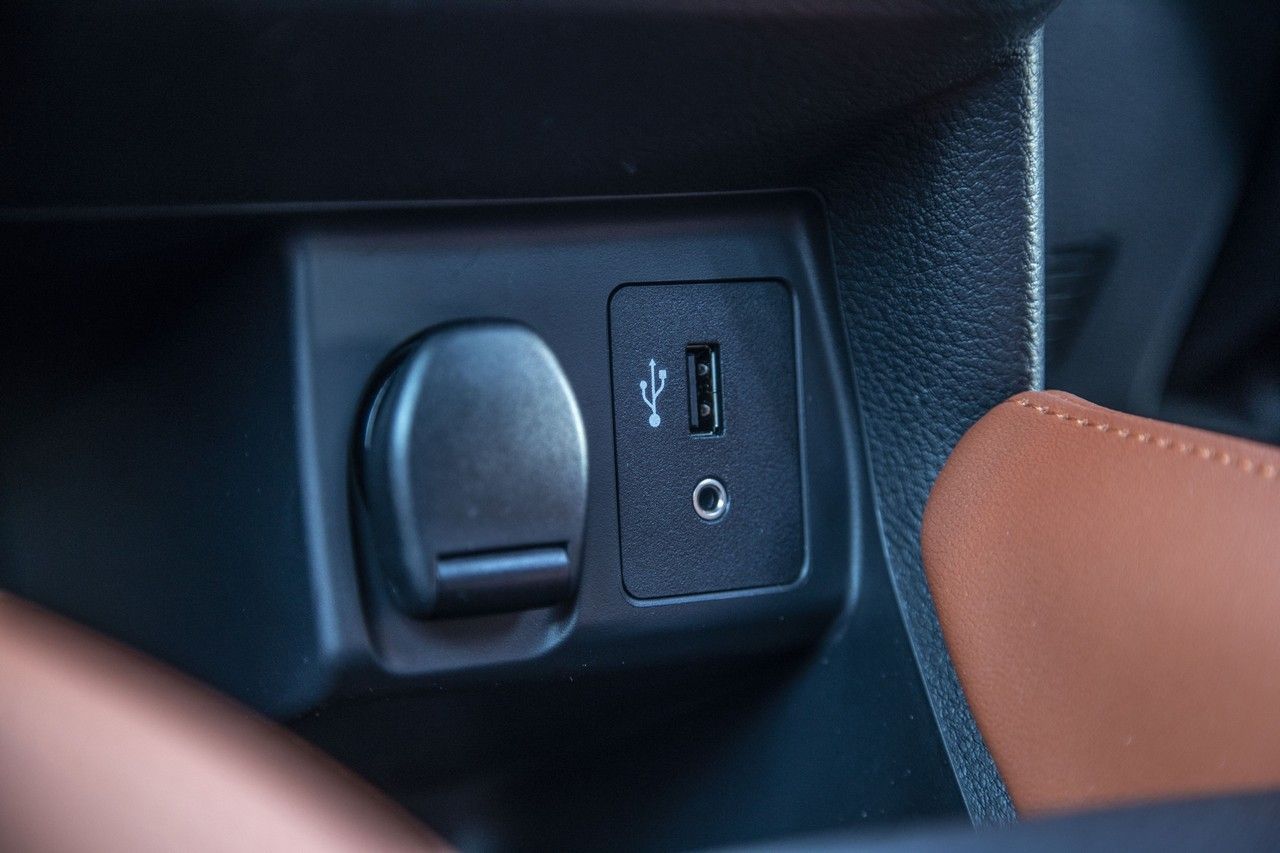
Perfect for the plugged-in generation… The audio system features additional inputs for USB and an auxiliary (stereo) audio sources.
Even so, the engine’s willingness to spool up beyond the 5 500 rpm, at which the full 66 kW arrives means performance at the top end is respectable. Nissan quotes an average fuel consumption of 5.1 L/100 km, but the hard-worked engine seldom saw that figure, with a still-impressive mid-6 L/100 km being more realistic in everyday driving.
Open-road refinement and limited legroom
Because of the wringing required to extract its best, the engine’s journey to the middle of the rev range sweet spot is accompanied by a rather thrashy soundtrack, and while things smoothen out a bit on the open road, we felt the lack of a tall 6th gear at motorway speeds. It’s not the only discomfort occupants may feel, as, despite a wheelbase that’s around 75 mm longer than that of the outgoing car, rear legroom is rather tight for anyone over 1.75 metres. Thankfully that additional length does incorporate a luggage bay that’s considerably larger than that of the previous car.
Pricing and Warranty
In December 2018*, the 66kW Turbo Acenta retailed for R268 500 and came with a 3-year/90 000 km service plan (intervals of 15 000 km).
You don't need to buy an Acenta Plus derivative to spec orange exterior strips; they are part of an optional styling pack.
Verdict
While it has some shortcomings in terms of mechanical refinement and power delivery from its 3-cylinder engine, the new Micra represents a sweeping and welcome change from its solid, but largely nondescript, predecessor. Competitive pricing, engaging dynamics and arguably some of the best styling in its segment have brought it back into the B segment fray, broadening its appeal considerably. Consequently, the Micra is now a credible (if not quite as mechanically polished) alternative to the likes of the 1.0-litre Volkswagen Polo and Ford Fiesta models. This version is unlikely to melt into the background of the B segment… and its 3-year/90 000 km service plan and 6-year/150 000 km warranty are compelling.
Alternatives (click on the names for specification details)
In terms of youthful appeal, the closest match to the Acenta. It costs a bit more (R269 900*), has a similar safety spec, more poke and a 6-speed 'box, but doesn't offer cruise control. By comparison, its service plan is valid for longer (4 years), but its warranty is shorter (4 years/120 00 km).
The comparatively bland (but much more established) 1.4 Fluid costs R4 400* more. Although it doesn't have as many luxury or safety features (only 2 airbags), nor is it as satisfying to drive, as the Acenta Plus, its 7-year/200 000 km drivetrain warranty sets the standard in this segment.
The middle-of-the-range version of Kia's compact hatchback is solidly made and offers such nice-to-haves as electric windows all round, rear PDC, a 5-year/unlimited kilometre warranty and 4-year/60 000 km service plan, but it doesn't have nearly as many safety features as the Nissan.
For those who want similarly sporty packaging (courtesy of the 88kW turbo's GT-Line spec), a bit more spec (electric windows all round, keyless entry, rear PDC and navigation) and perky performance (205 Nm, 0-100 kph in 9.0 sec), the Renault (for R12 400* extra) is worth a look.
The recently revised Yaris offers more interior space and aesthetic appeal than its predecessor. The 1.5 Xs costs R10 100* less, but in terms of interior quality, the Toyota no longer sits near the top of its segment and its 3-year/100 00 km warranty and 3-service/45 000 km plan are middling.
Underpinned by its MQB platform, matched with excellent build quality and premium appeal, the handsome 1.0TSI Comfortline (R270 800*) bests the 66kW Turbo Acenta in terms of refinement, but not luxury features. Its warranty (3 years/120 000 km) and service plan (distance) are shorter.
Watch Juliet McGuire's video review of the Acenta Plus: