Updated Mini Cooper (2018) Launch Review
We had a taste of the latest iteration of the Mini in Mallorca, Spain, earlier this year, but the fun-loving Mini Cooper has now arrived in South Africa to woo buyers with updated styling and a more comprehensive feature offering. We took the Mini Cooper for a whirl at its local launch this week, herewith our findings…

Few brands have as much youthful appeal as Mini does and with the introduction of the facelifted Cooper, which is now available in 3 body styles, including 3- and 5-door hatchback and convertible guise, Mini will look to entrench its influence in the premium compact car segment.

Key changes:
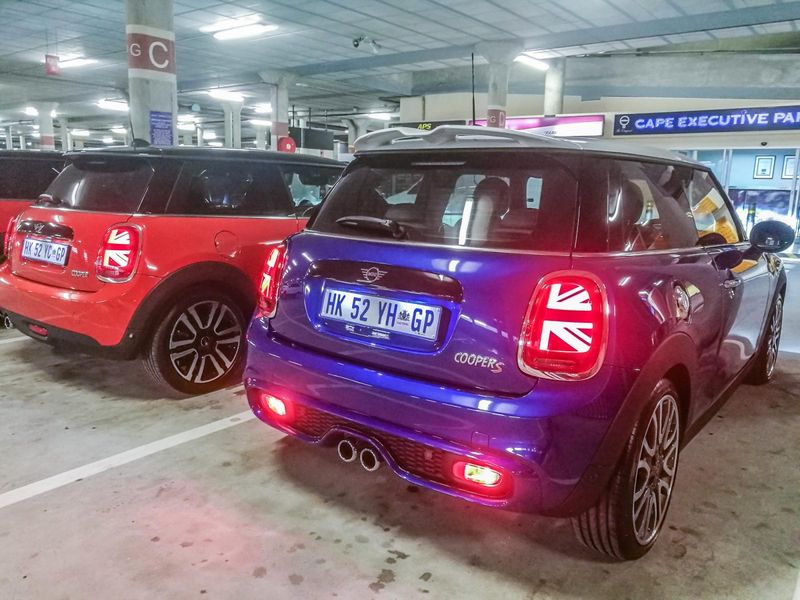

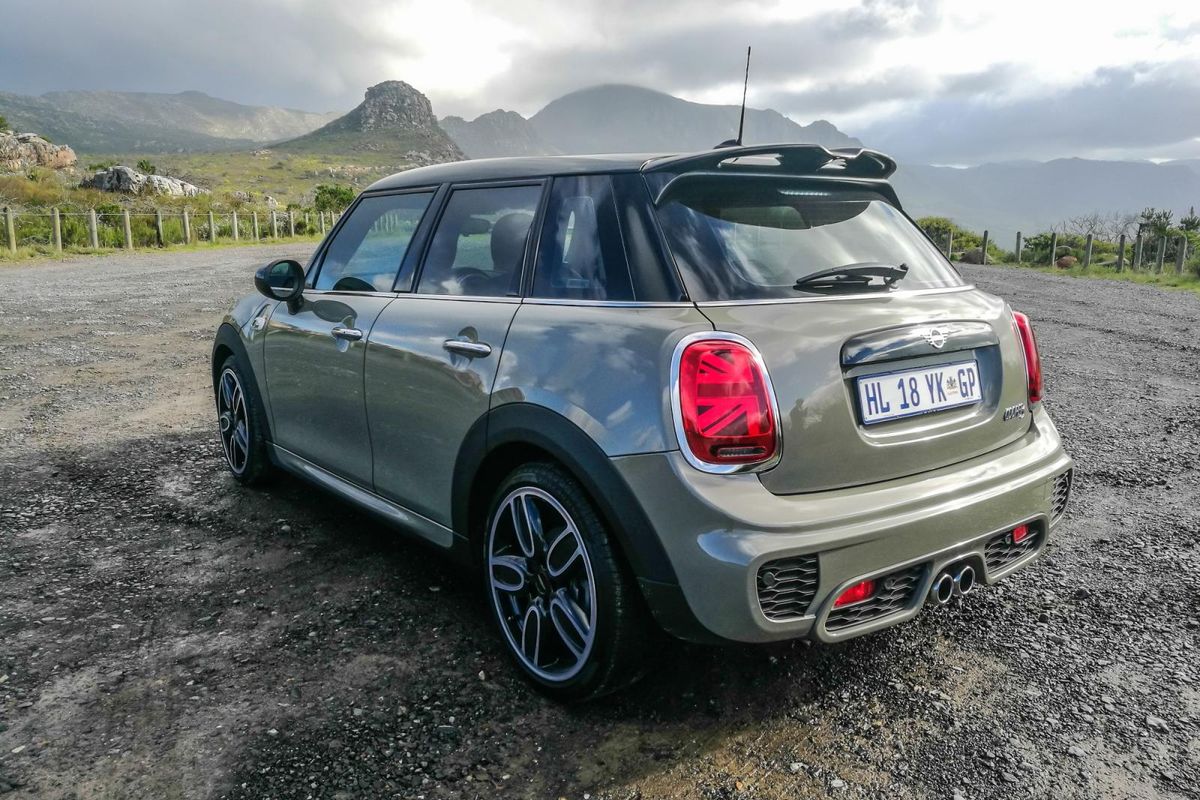
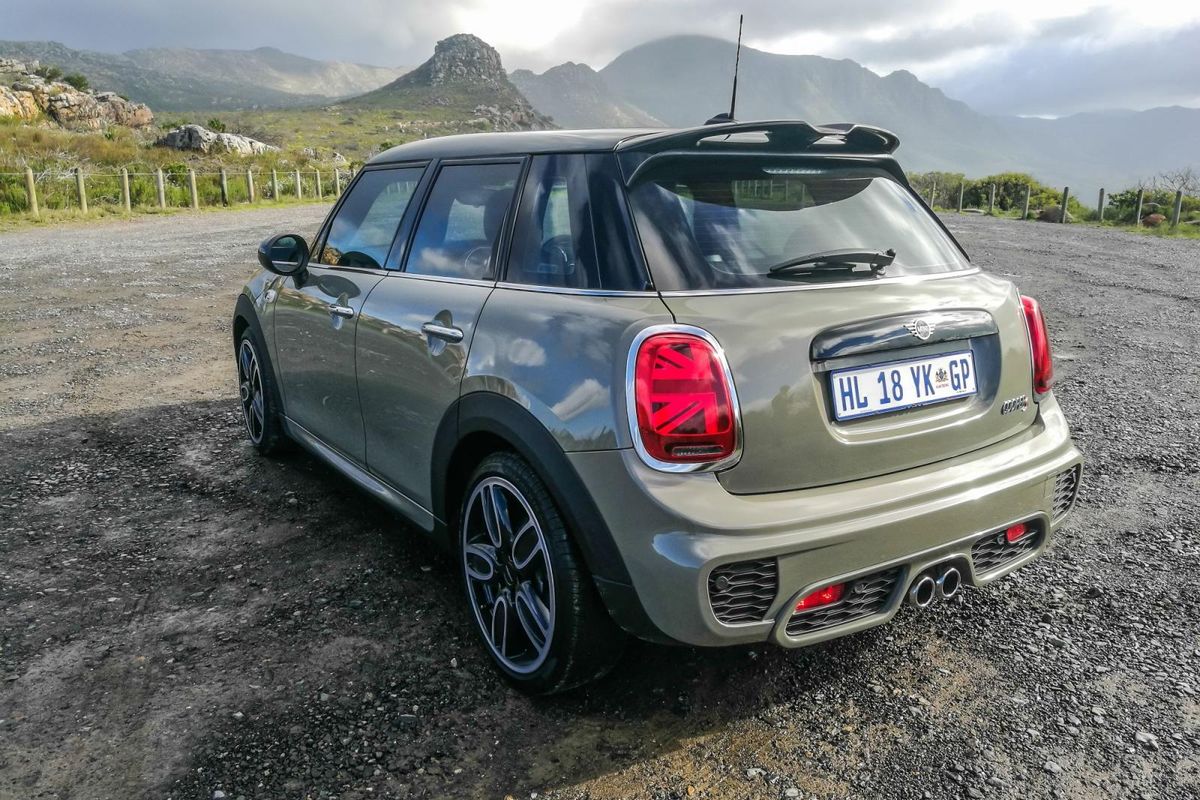
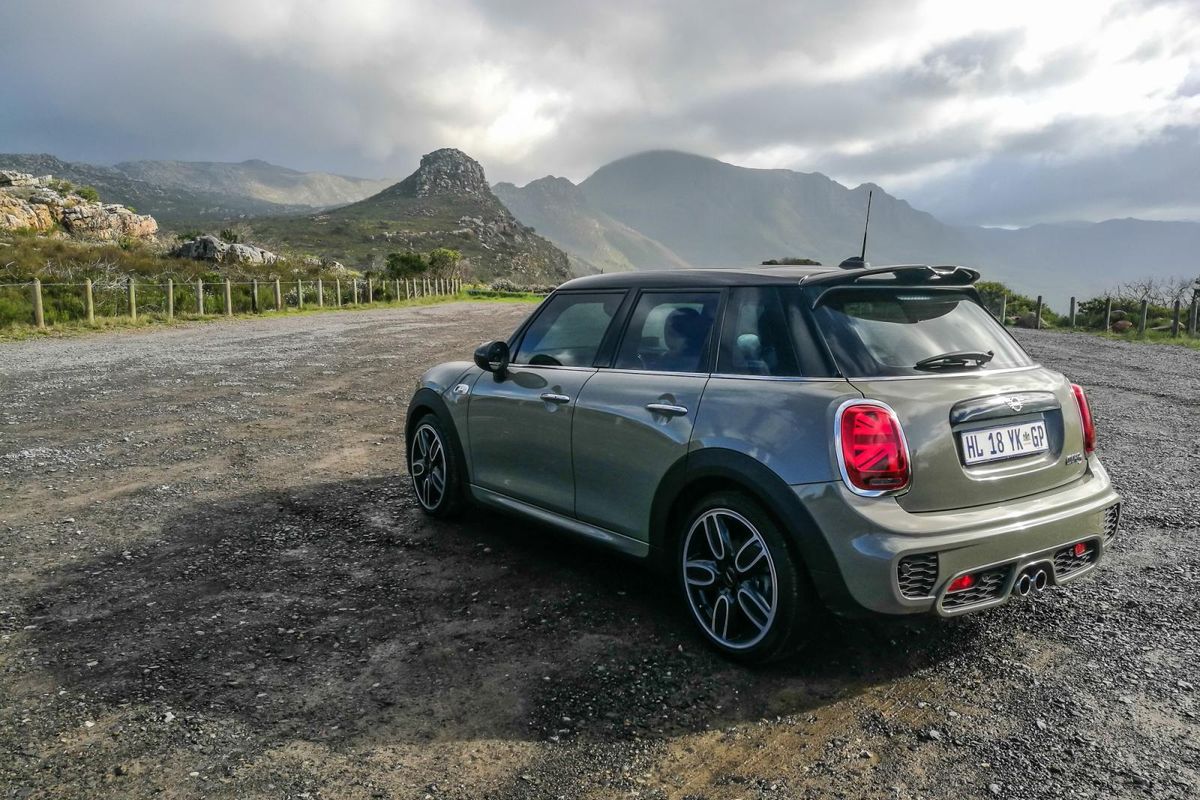
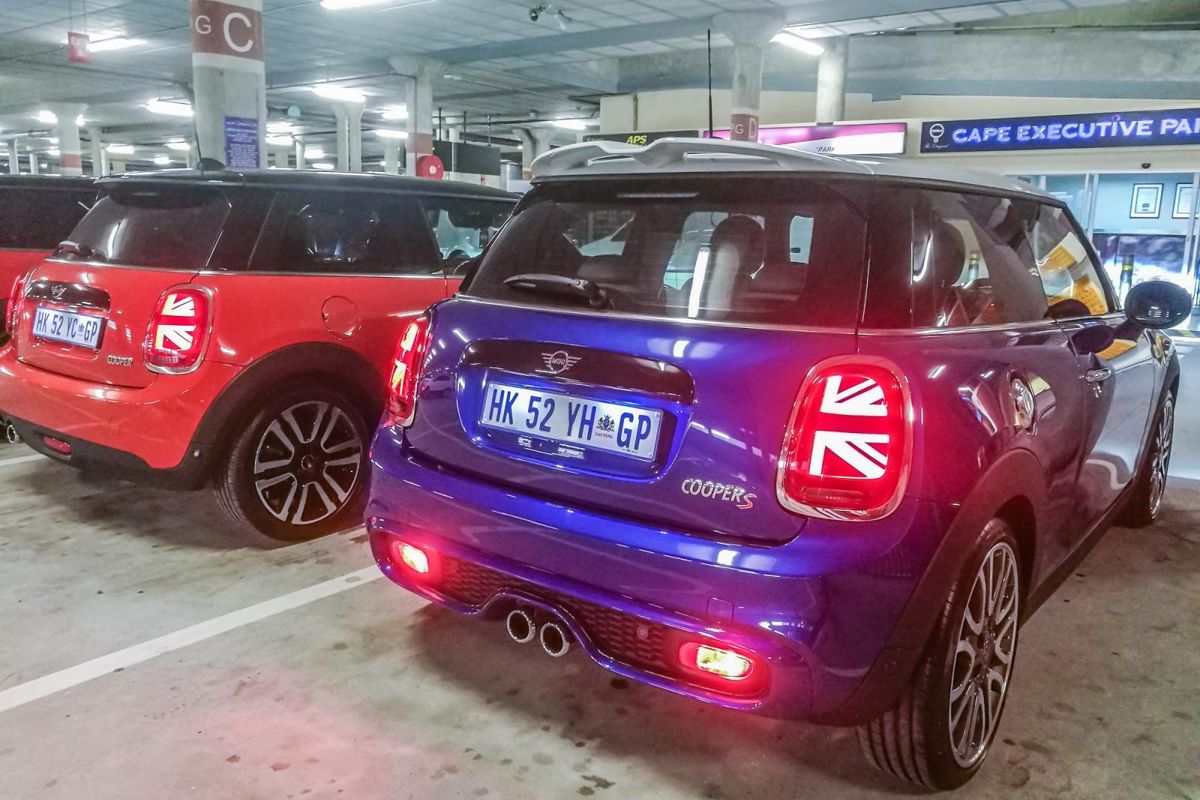
The LED Union Jack-pattern tail lights distinguish this Cooper from its predecessor.

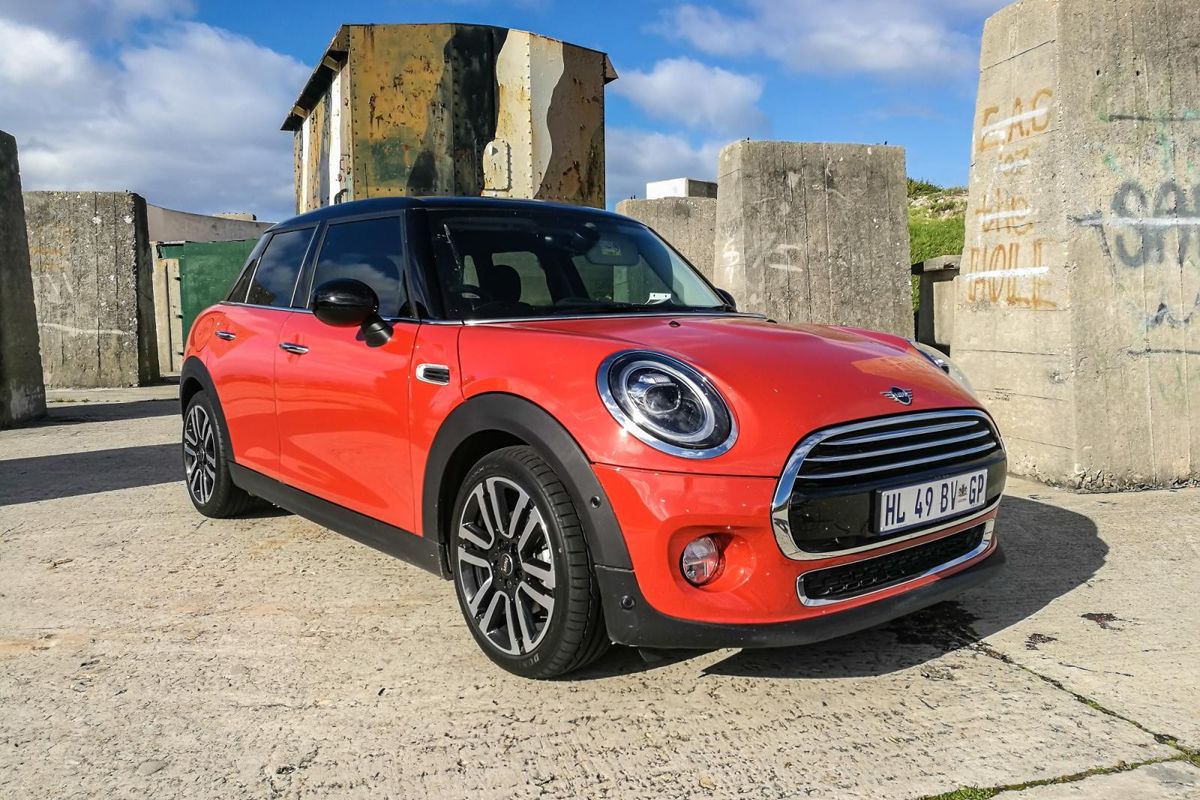
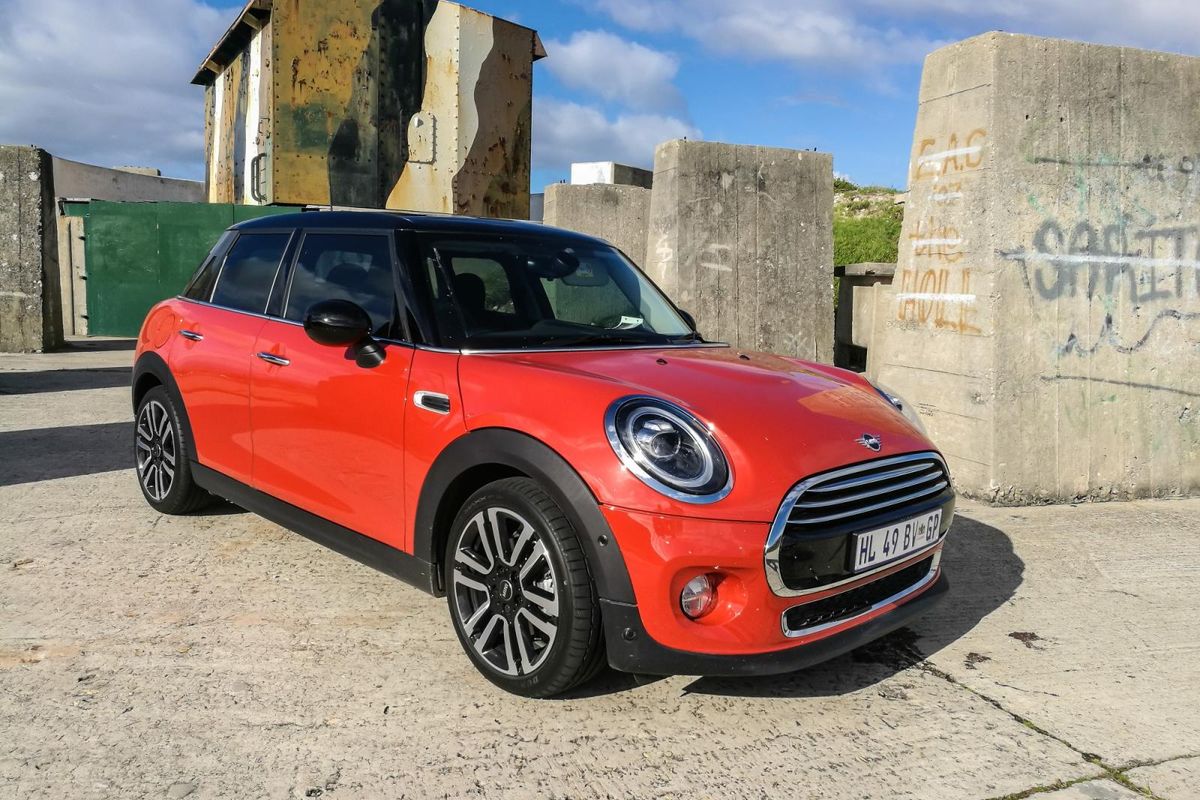
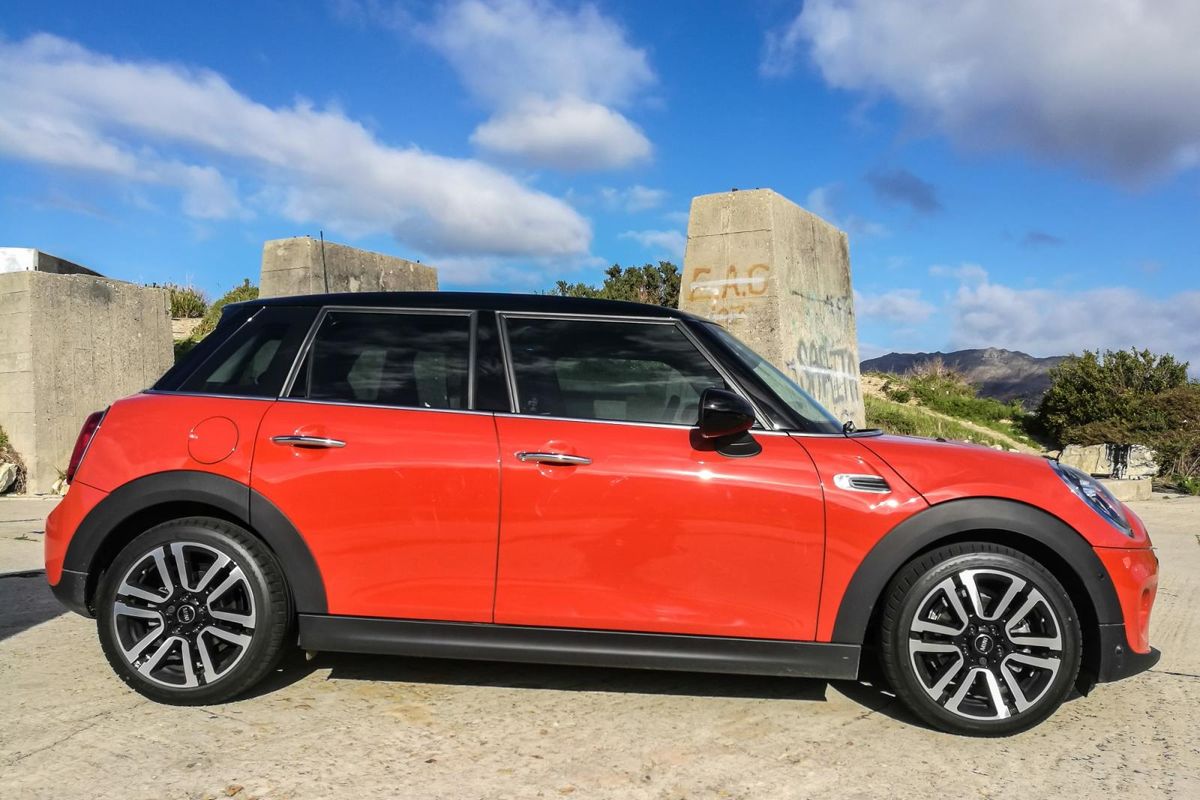
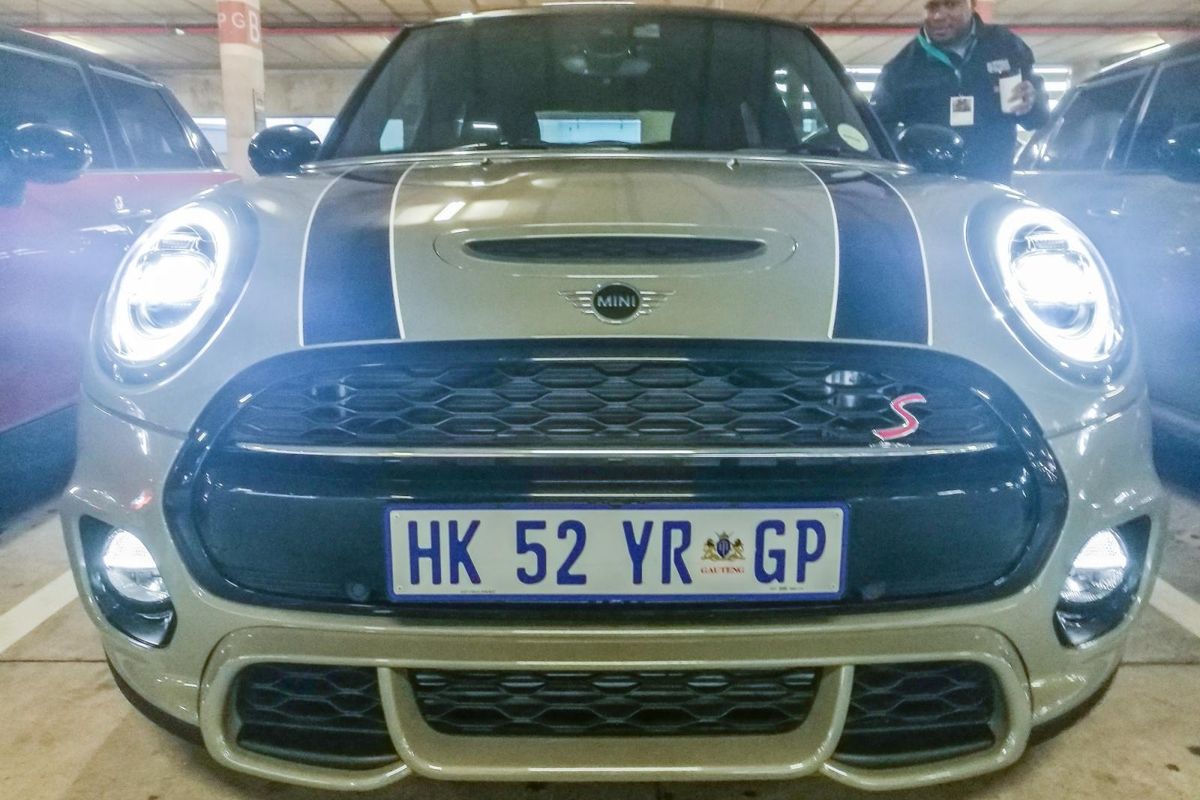
There are a number of visual indicators that set this latest Cooper apart and perhaps the most obvious cue is the striking LED Union Jack-pattern tail-light design that seems to have found favour with many commentators. You may also notice that the LED daytime running lights are now circular and there’s also a newly designed Mini logo on the nose, which looks quite posh.

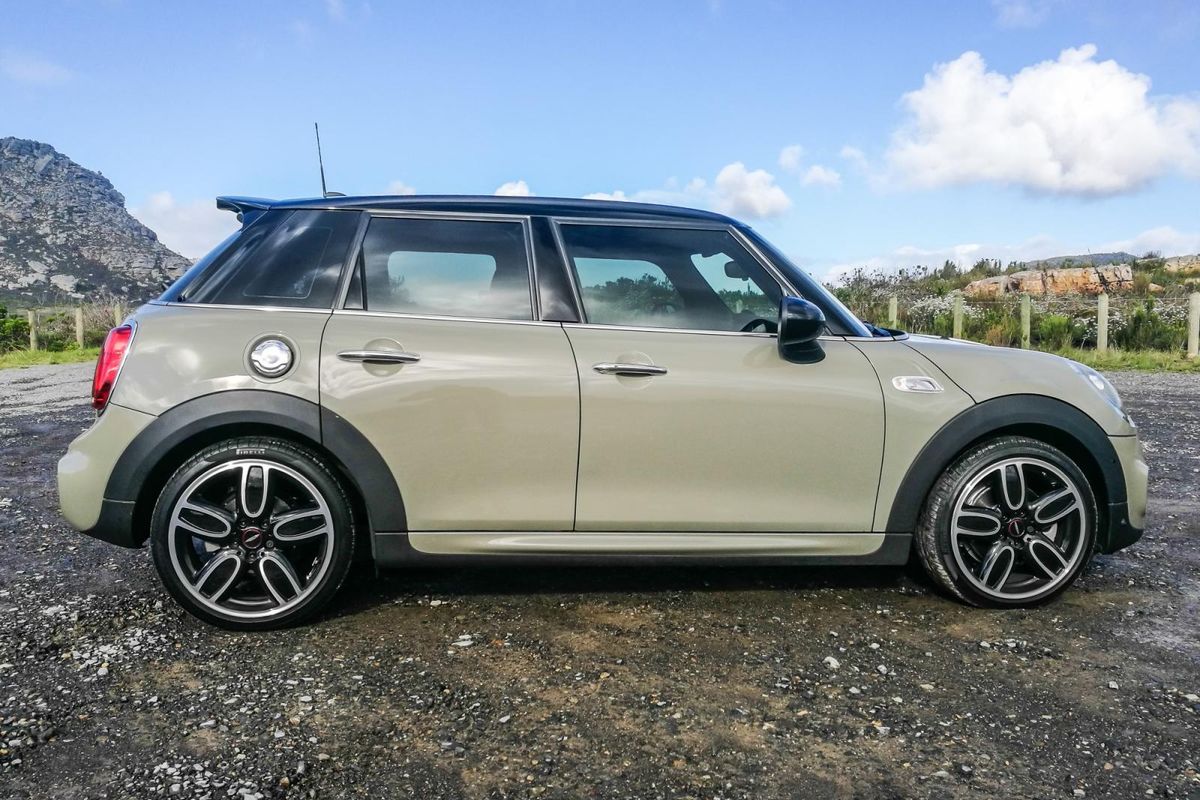
The choice of exterior colours has also expanded with the addition of vibrant hues such as Emerald Grey metallic, Starlight Blue metallic and Solaris Orange. There’s also a range of new 17-inch light alloy wheel designs on offer.
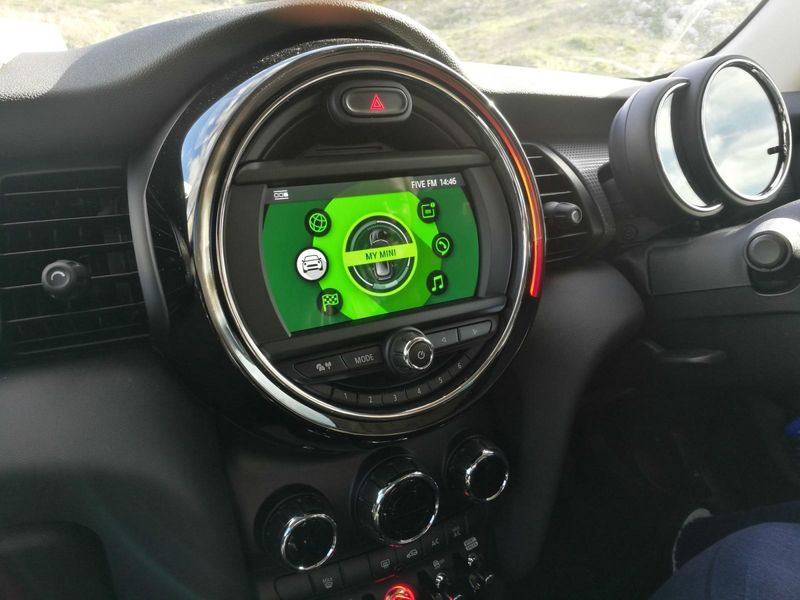

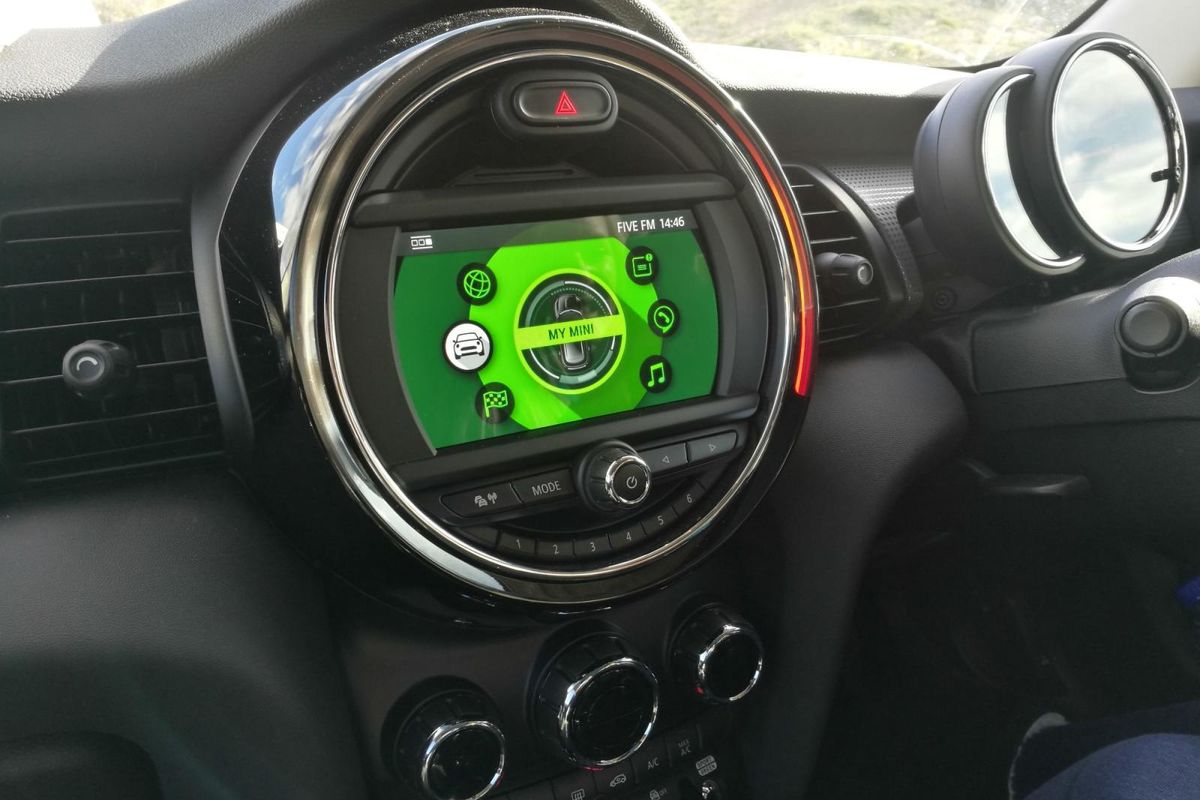
Apple CarPlay is now offered as an option, as well as other useful infotainment features. 

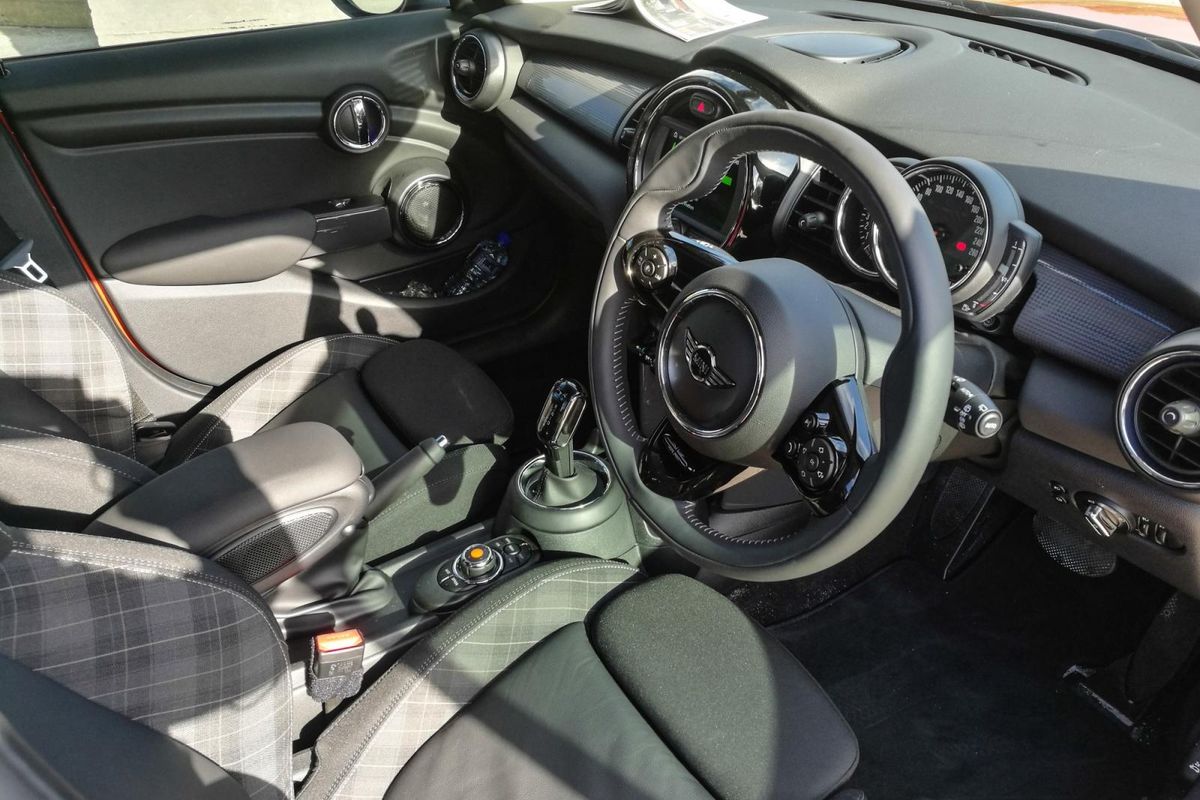
A new 3-spoke, multi-function steering wheel is fitted across the range and a radio with a 6.5-inch colour screen with smartphone integration and Bluetooth is standard. New features such as real-time traffic, concierge services, internet Mini Online and Apple CarPlay are also available. In addition to this, there is a wide range of optional equipment on offer to customise the vehicle to your specific needs.

Customisation is at the core of the Mini brand and buyers can go to town with the interior specification: a variety of distinct trim finishes and upholstery options are available. Customers are now also able to design certain interior and exterior elements themselves and the components will be delivered to your door and you can fit them yourself. Some of the elements you can design include side scuttles, fascia strips, LED door sill finishers and LED door protectors. That way, you can stamp your personality on the vehicle and make it your own, which is pretty cool…

What’s it like to drive?
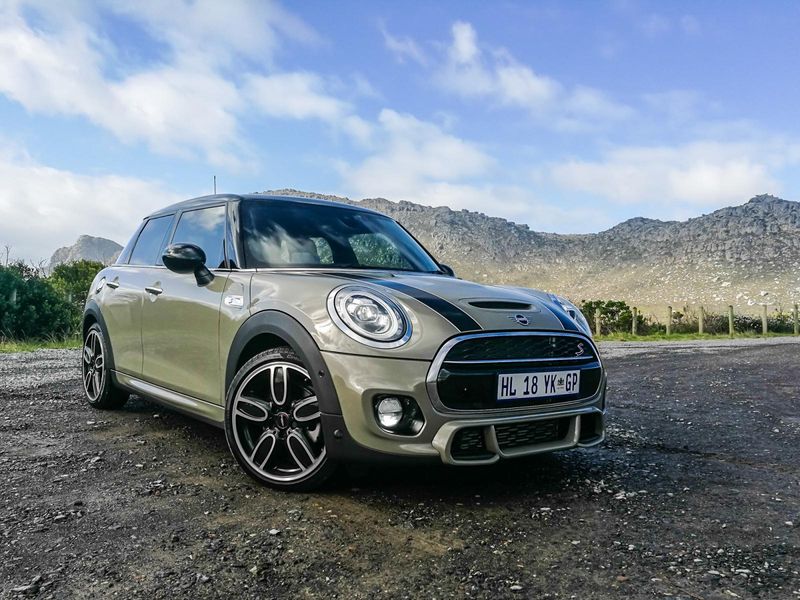

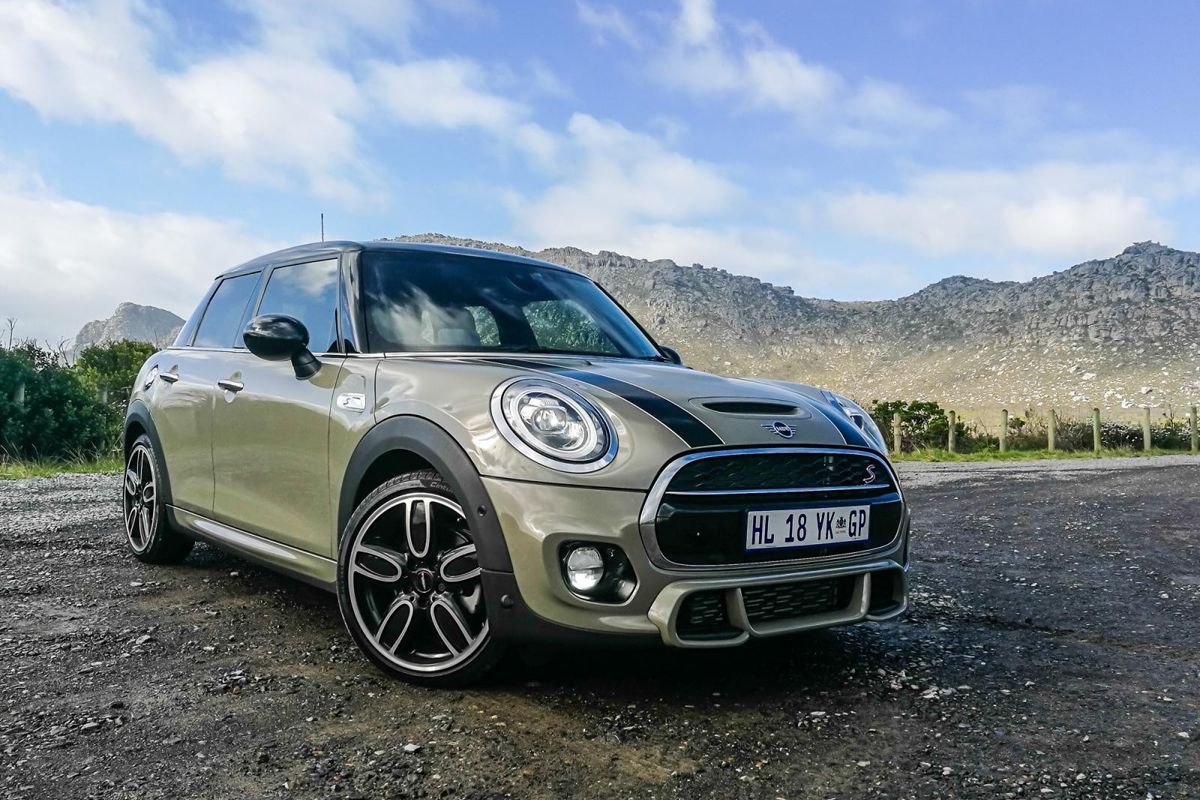
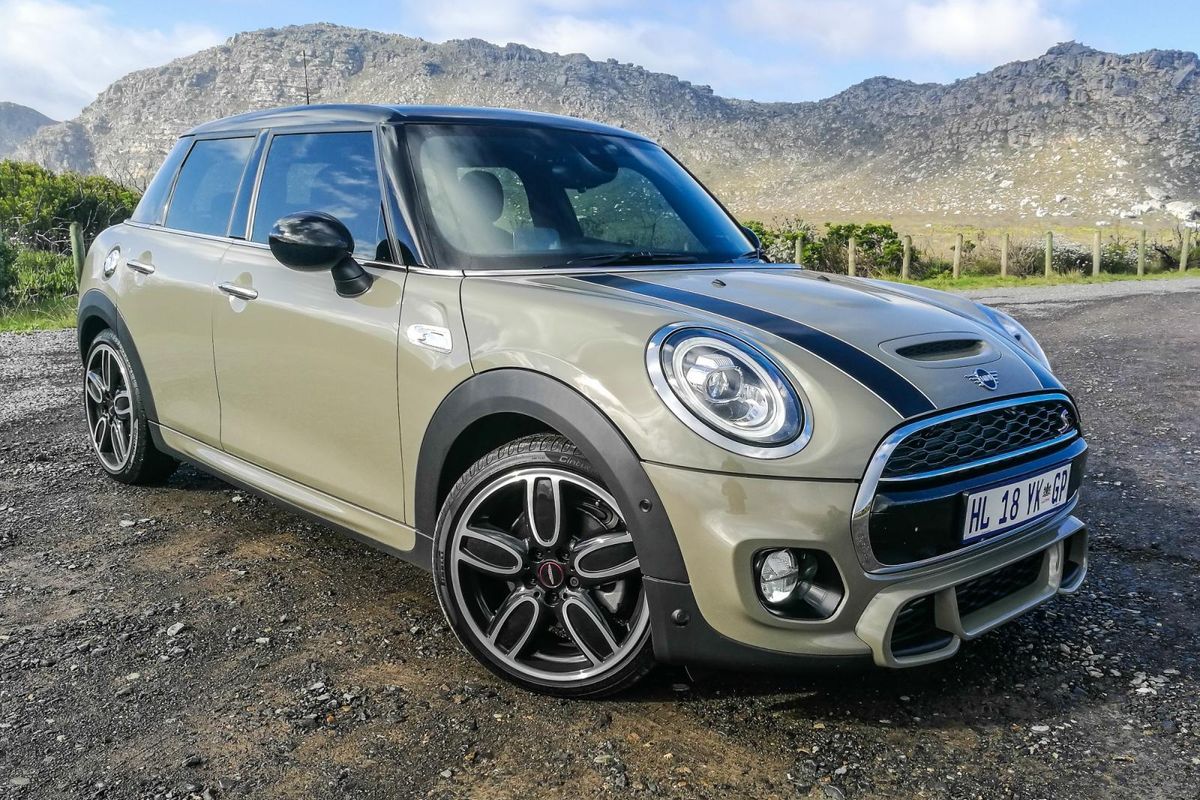
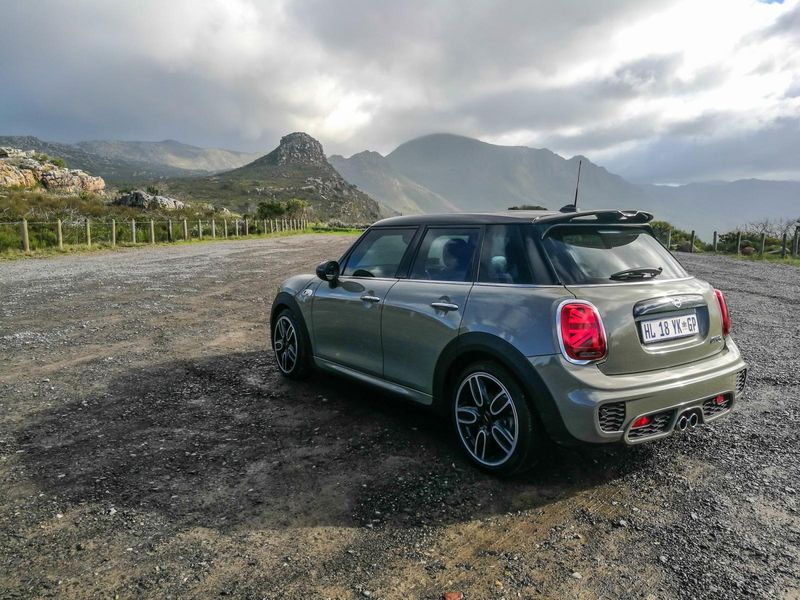
The Cooper S has a more menacing look and offers more punch over the standard Cooper. 

The launch route combined 135 km of both rural and urban driving and our first leg of the drive took place behind the wheel of the decisively sporty 5-door Cooper S automatic in Emerald Grey metallic. The front-end treatment is more aggressive than that of the standard Cooper and it delivers more punch too, thanks to its turbocharged 2.0-litre engine that whips up 141 kW and 300 Nm of torque.

The automatic transmission is now a 7-speed dual-clutch unit, and our test unit was equipped with the sportier "Steptronic" sports transmission option with 'wheel-mounted shift paddles. The new transmission is a boon to driving engagement, because it allowed us to flick through the gears manually… and merrily. The transmission is particularly responsive in action and while some initial torque steer is evident when you mash the accelerator pedal, the steering soon settles and the Cooper S surges forward with a fair degree of pace (it is said to sprint from 0 to 100 kph in 6.8 seconds). The occasional turbo flutter also adds some aural pleasure to the Cooper S when you are driving spiritedly, which is wonderful.
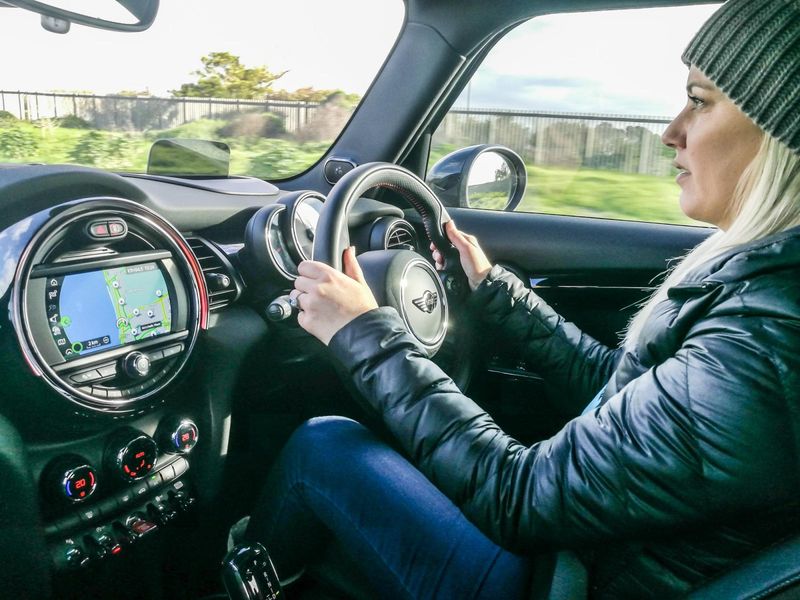

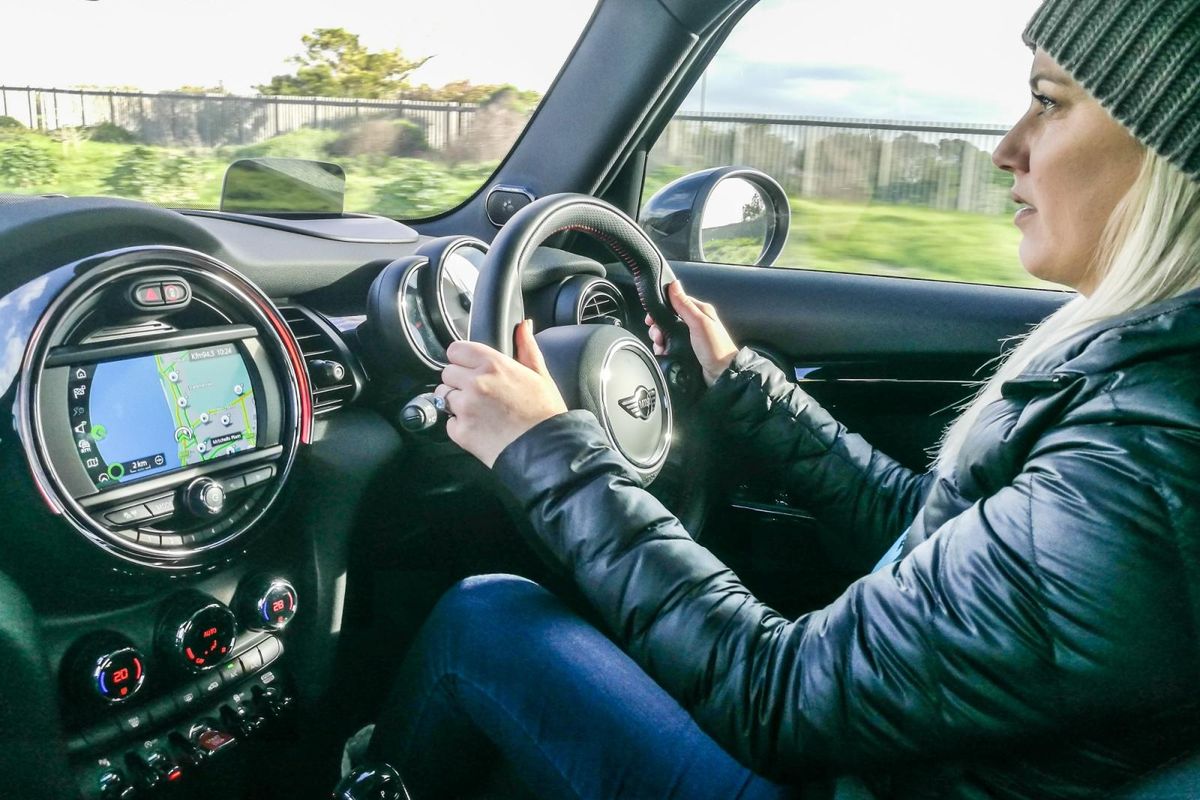
The Cooper S is great fun to drive (#CarsAwards judge Juliet McGuire is behind the wheel) courtesy of its stiffly-sprung suspension. 

In terms of handling, the Cooper S feels solidly planted on the tar and coupled with its well-weighted and responsive steering, it can be coaxed through corners at heady speeds with relatively little fuss. In fact, the Cooper S is hugely entertaining to drive and you can toggle through 3 driving modes (Green, Mid and Sport) depending on your preference. There has to be a downside to all that nimbleness and that's the ride quality, which is on the firmer side of pliant; all the potholes created by the recent rains in the Cape tended to unsettle the Mini (shod with 17-inch wheels, no less).
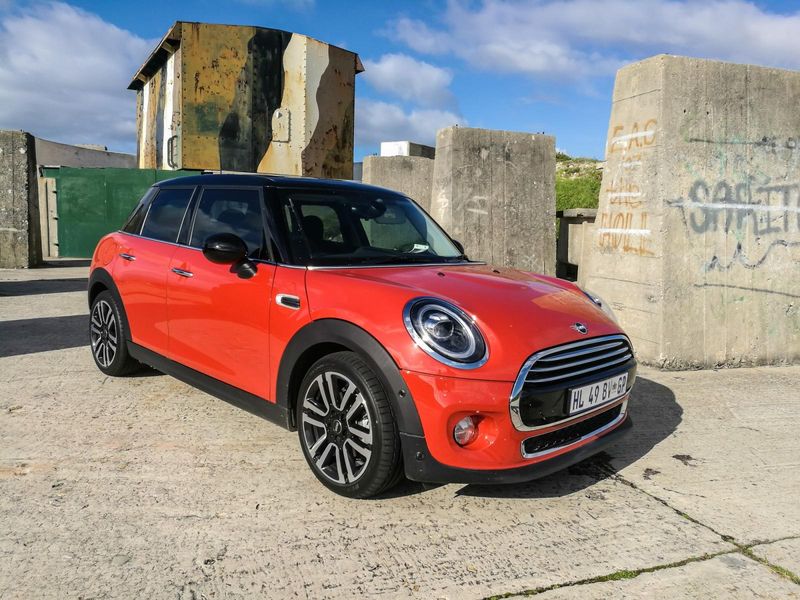

The standard 5-door Cooper offers good performance and its ride quality is a bit more forgiving. 

We then hopped into the more civilised 5-door Cooper automatic in Solaris Orange for the second half of our test drive. It too was fitted with an automatic 7-speed double-clutch transmission, but without the mounted paddles.

In the case of the Cooper, a 3-cylinder, 1.5-litre turbopetrol engine (with outputs of 100 kW and 230 Nm of torque) does duty under the bonnet. The former is obviously not as sprightly as the S, but we were pleasantly surprised by the liberal gusto this engine offers; it never felt underpowered. This derivative is capable of 0 to 100 kph in 8.2 seconds. Like the Cooper S, the 5-door Cooper felt equally dextrous through corners, but its ride was a bit more forgiving thanks to its smaller 16-inch alloy wheels.  

Final thoughts

The latest Cooper offers thrills and a degree of boutique exclusivity, but it doesn't come cheap. 

Mini fans will undoubtedly welcome the latest changes to the Cooper range and its expanded feature offering, higher levels of customisation, robust build quality and fun-to-drive character will only solidify the Cooper’s appeal in the premium compact car market.

However, all these niceties come at a premium and in standard form, the Mini Cooper commands a significantly higher price tag than rivals such as the Audi A1, Volkswagen Polo and Ford Fiesta. Other rivals worth considering in the upper end of the scale include the Abarth 500, Mercedes-Benz A-Class and BMW 1 Series. Once you start ticking off options and dabbling in customisation, the Mini Cooper can become a very pricey proposition, which in today’s economic climate, means that the newcomer will probably become more exclusive/niche/aspirational, rather than more familiar.    

As an example, you can get the recently launched Polo GTI priced at R375 900, while the Cooper S sports automatic is priced from R459 400. That’s a massive R84 000 difference before ticking options, which some buyers might find a bit difficult to swallow. Having said that, remember that every Mini derivative is offered with a 5-year/100 000 km maintenance plan, which is longer/more encompassing than those of most of its rivals.

We will have the latest Mini Cooper on test soon, so look out for our full evaluation in the near future.

Buy a new or used Mini Cooper on Cars.co.za

Mini Cooper – price in South Africa (July 2018)

Mini Cooper 3-door

Mini One hatchback M/T – R302 200

Mini One hatchback A/T – R323 200

Mini Cooper hatchback M/T – R370 300

Mini Cooper hatchback A/T – R391 300

Mini Cooper S hatchback M/T – R428 300

Mini Cooper S hatchback A/T – R449 300

Mini JCW hatchback M/T – R487 300

Mini JCW hatchback A/T – R511 600

Mini Cooper 5-door

Mini One hatchback M/T – R312 300

Mini One hatchback A/T – R333 300

Mini Cooper hatchback M/T – R380 400

Mini Cooper hatchback A/T – R401 400

Mini Cooper S hatchback M/T – 438 400

Mini Cooper S hatchback A/T – R459 400

Mini Cooper Convertible

Mini Cooper Convertible M/T – R423 200

Mini Cooper Convertible A/T – R444 200

Mini Cooper S Convertible M/T – R493 800

Mini Cooper S Convertible A/T – R514 800

The Mini Cooper is sold with a 2-year/unlimited warranty and 5-year/100 000 km maintenance plan.

Related Content:

Mini Cooper Facelift (2018) International Launch Review

Refreshed Mini Range (2018) Released

Mini Cooper S Convertible Automatic (2018) Quick Review
Mini John Cooper Works Hatch (2016) Review

Mini Cooper JCW Test Drive – Loud, Fast and Red [Video]

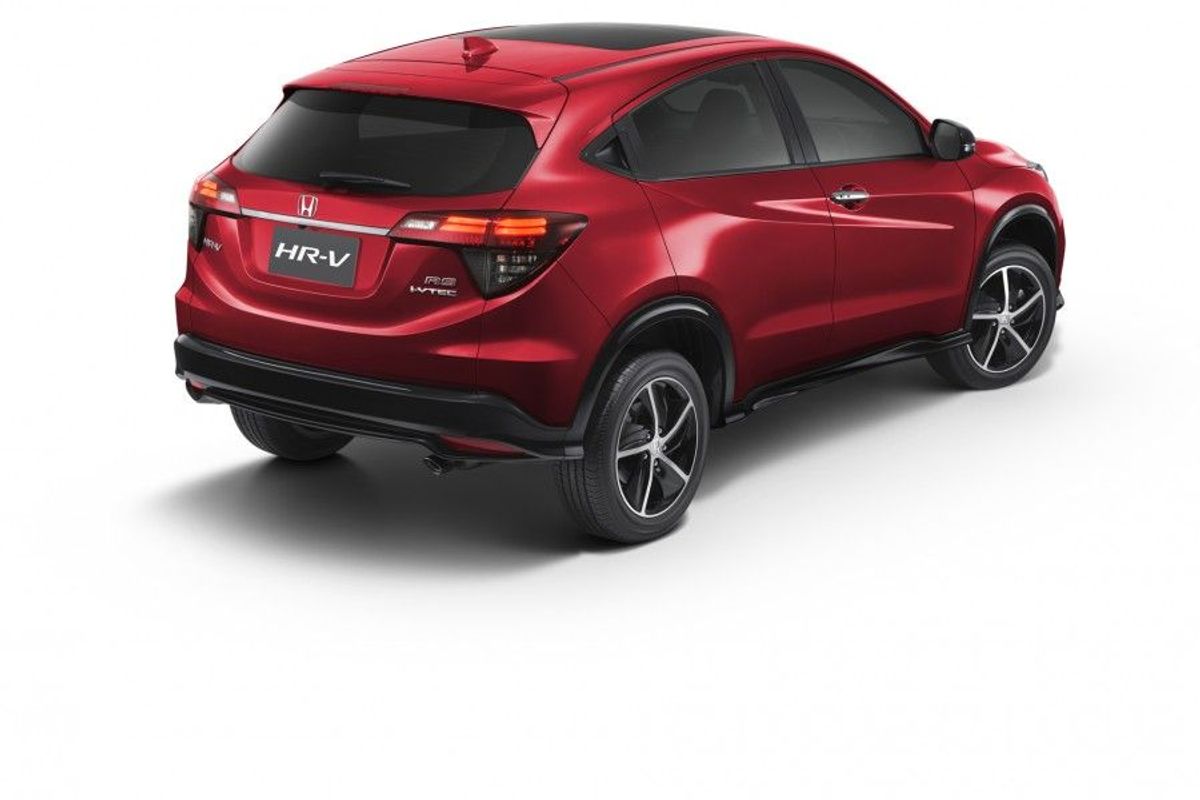
Honda HR-V Facelifted for 2018

The Honda HR-V has been facelifted for should be launched in South Africa shortly before the end of 2018. As one of the more spacious contenders in the highly competitive compact family car category, the Honda has broad appeal…

The facelifted Honda HR-V has already gone on sale in some countries, such as Thailand and Japan, and incorporates some small changes to the exterior design, additional specification and new safety technology, although the exact specification for our market has yet to be confirmed. When the HR-V was launched in South Africa back in 2015, it impressed us with its practical Magic Seat system, good looks and reasonable spec. It was priced competitively too and so well-received that it was named a semifinalist in the Compact Family Car category of the Cars.co.za Consumer Awards – powered by WesBank for both the 2016/17 and 2017/18 instalments of the awards programme.

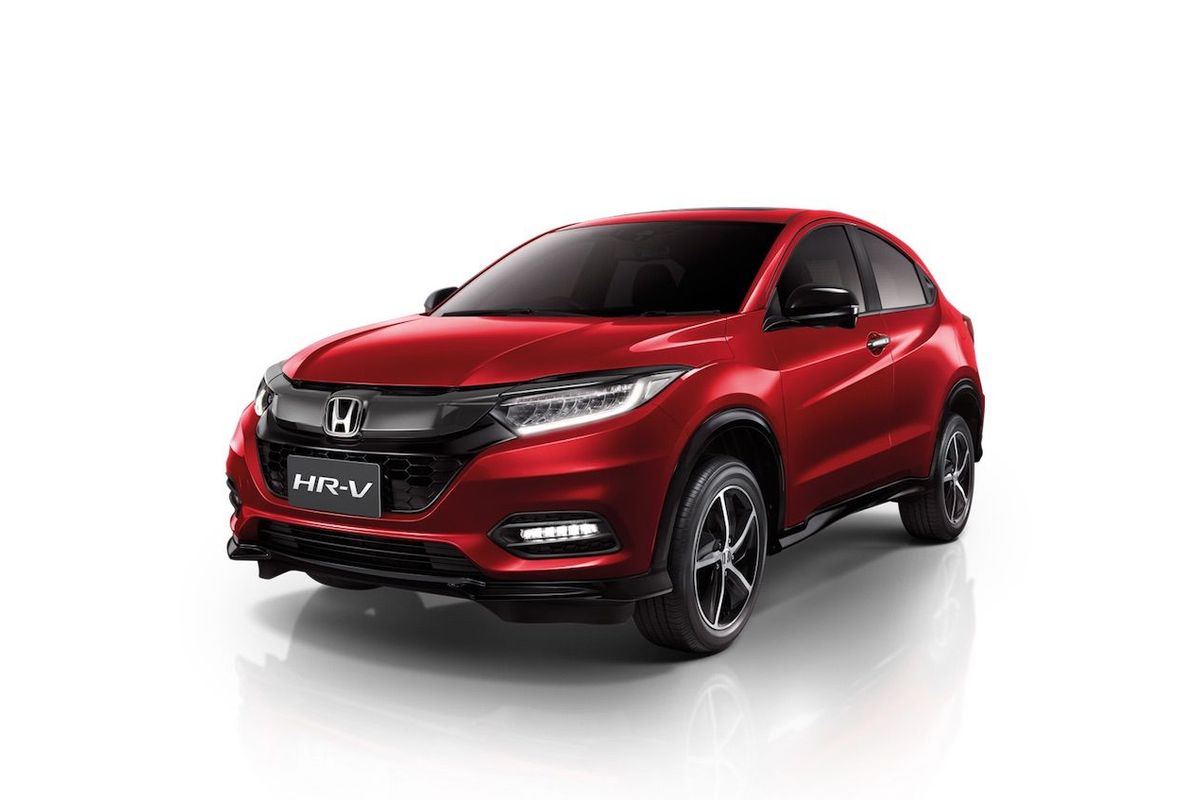
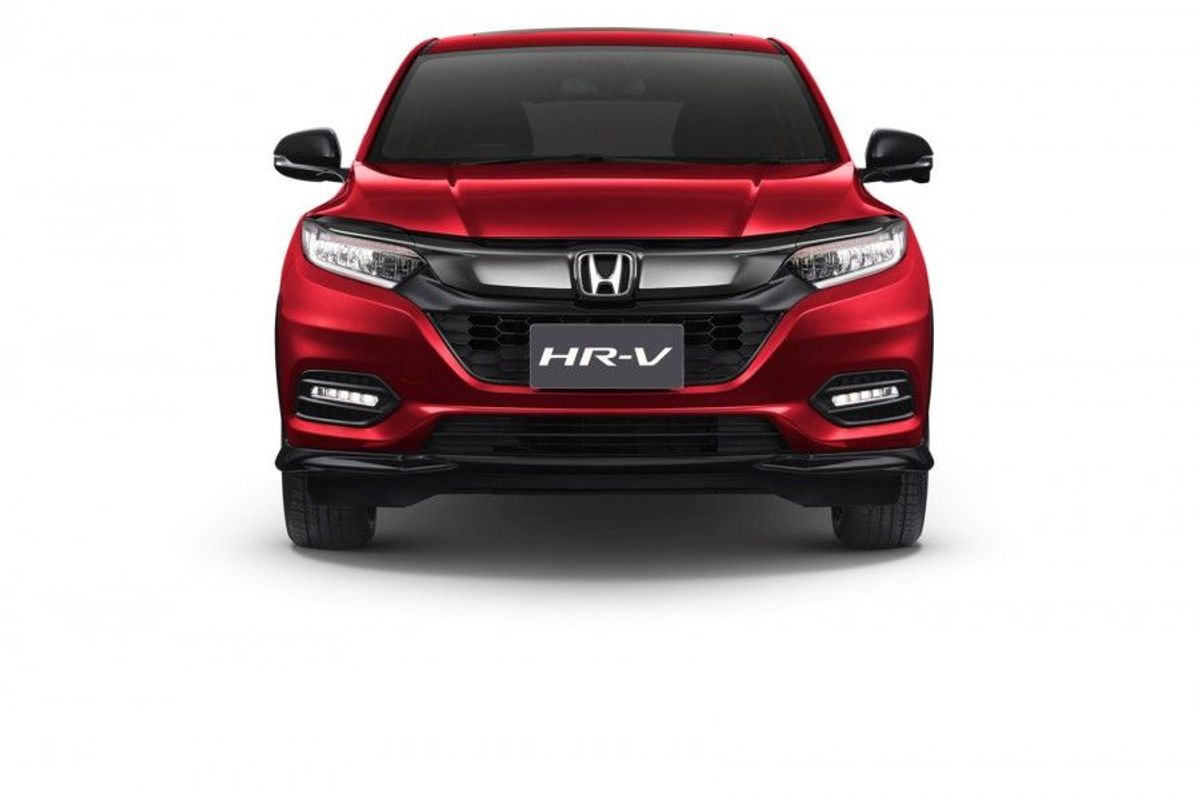
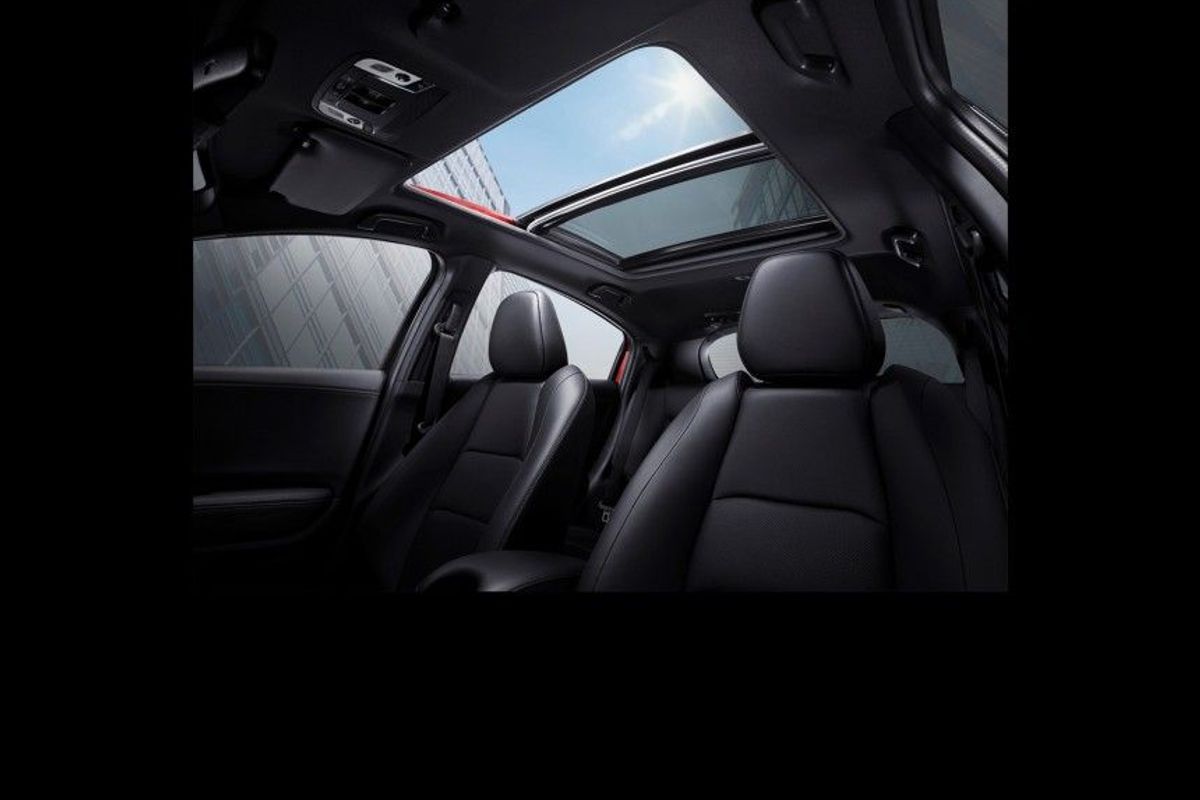
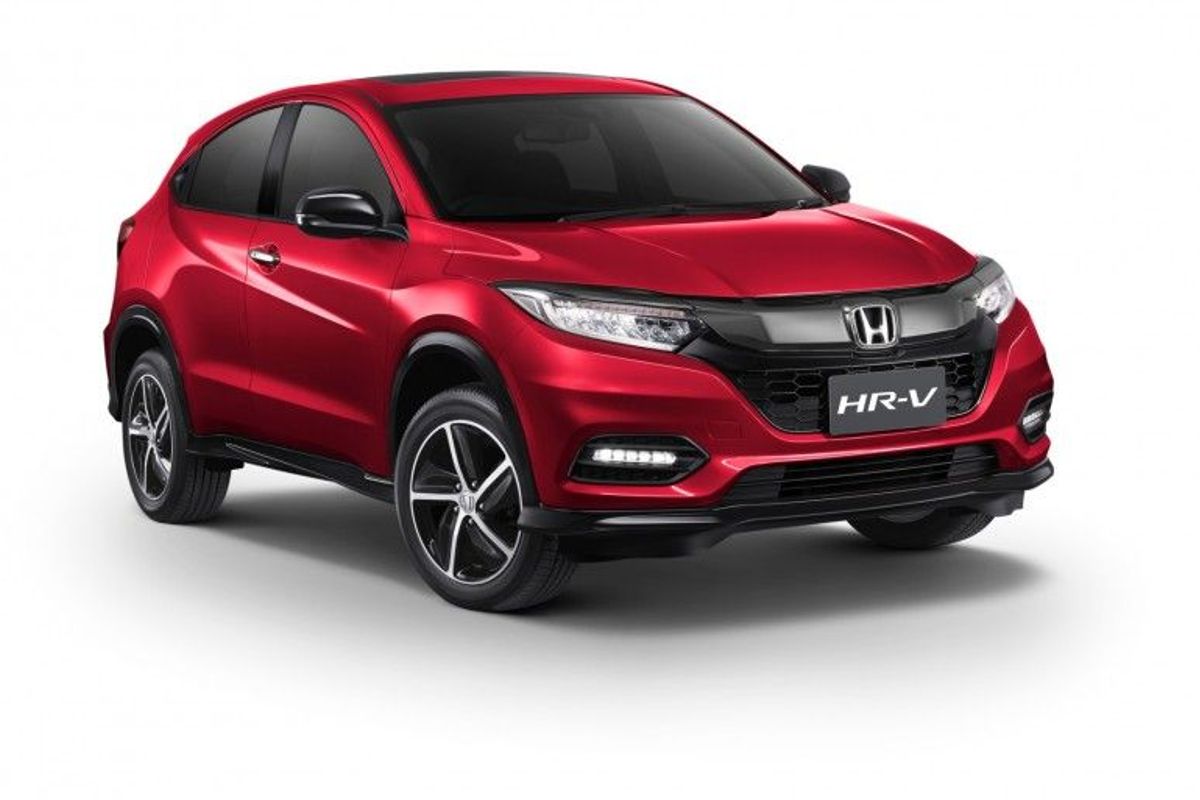
For 2018, the Honda HR-V has gained a bolder, more contemporary front end, replete with a honeycomb mesh grille, new headlights (ostensibly full LED units), repositioned daytime running lights and a new colour called Passion Red Pearl, seen here. There are also new 17-inch dual-tone alloy wheels and optional panoramic sunroof.

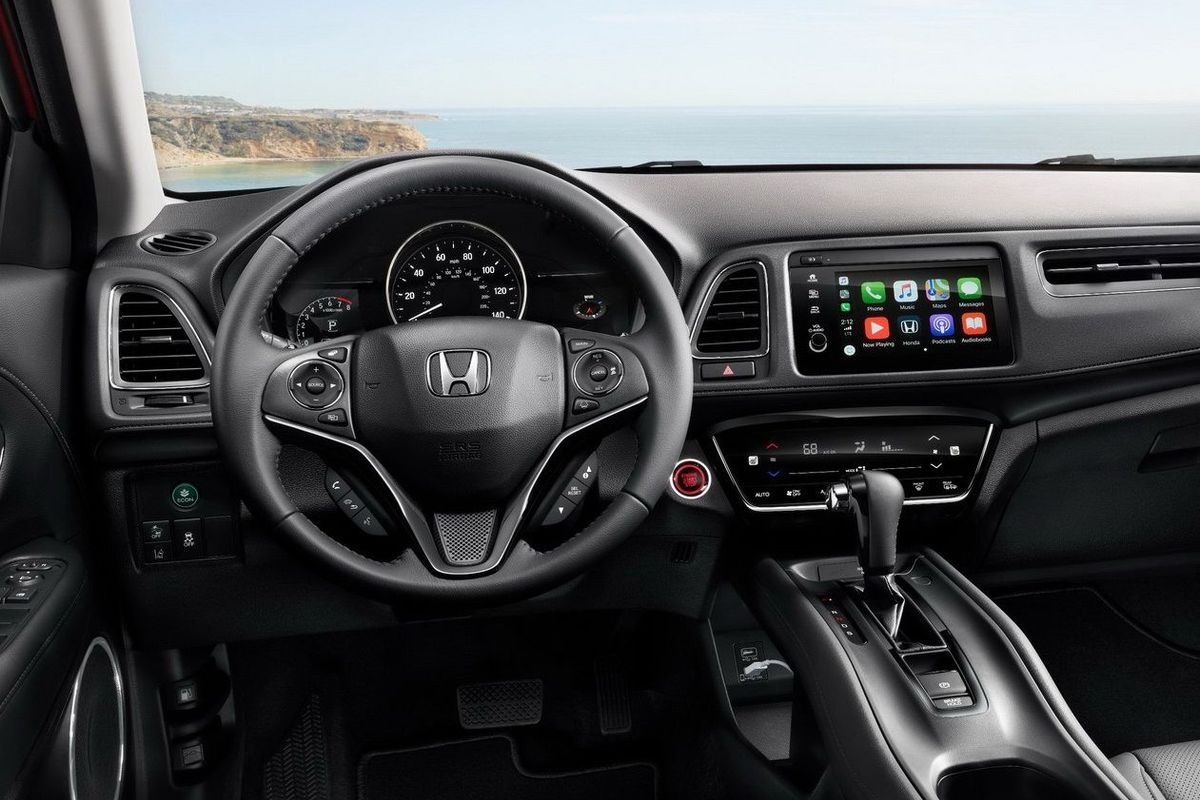
The updated specification (in overseas markets) sees the addition of blind spot warning and autonomous emergency braking system. It appears that the infotainment system has also received a makeover – we'd be very surprised if it won't be Android Auto/Apple Carplay compatible.

There's no mention of whether the 1.5-litre engine is still available, but the 104 kW/172 Nm 1.8-litre naturally-aspirated four-cylinder petrol motor appears to have been carried over. Power goes to the front wheels via a continuously variable transmission (CVT). 

Further reading:

Honda BR-V Revealed

Honda HR-V Video Review and Comparison

Honda HR-V (2015) First Drive

Honda CR-V (2017) Launch Review

Want to purchase a new or used Honda HR-V?

Browse through new and used stock here.

New Car Sales Summary for June 2018

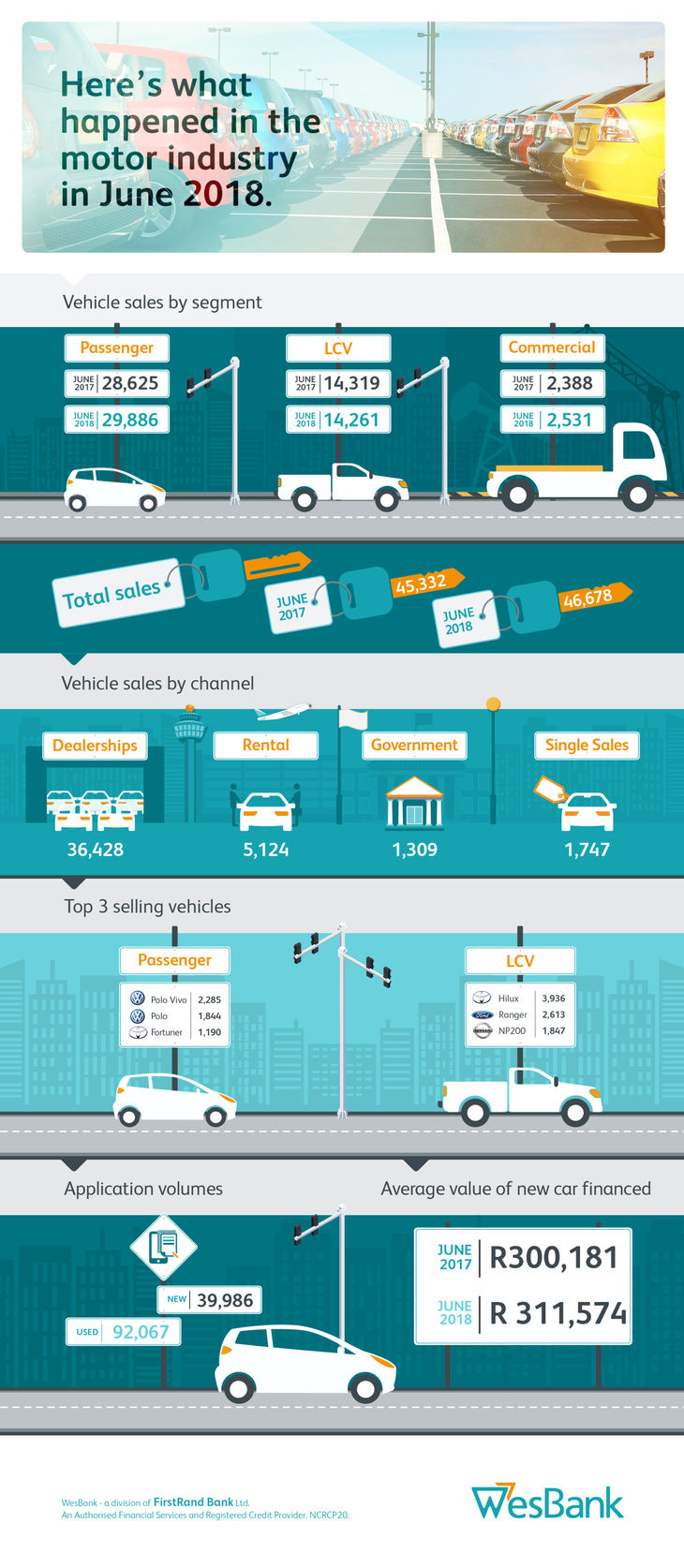
New vehicle sales and exports improved during June 2018 according to the National Association of Automobile Manufacturers of South Africa (NAAMSA).

New car sales in South Africa during June 2018 recorded a slight increase of  2.9% compared with the same period last year while export sales reflected a large decline of 22%. Exports appear to be down due to the Mercedes-Benz and Volkswagen plants undergoing improvements and refurbishments. 

WesBank’s Executive Head for Sales and Marketing, Ghana Msibi says that results are in line with forecasts and that historical data shows that the second half of the year is generally stronger than the first half for vehicle sales. “Consumers are generally more cautious with big-ticket purchases early in the year, often because of lingering December spending hangovers. Shorter months and fewer working days due to public holidays over the first six months also contribute to less sales activity.”  Wesbank expects the motor industry to grow by 0.75% in 2018.

New Car Sales Summary – June 2018

  • Aggregate new vehicle sales of 46 678 up by 2.9% (+1 346 units) compared to June 2017

  • Passenger car sales of 29 886 up by 4.4% (+1 261 units) compared to June 2017

  • Light Commercial Vehicle (LCV) sales of 14 261 down by 0.4% (-58 units) compared to June 2017

  • Export sales of 26 790 down by 15.3% (-4 841 units) compared to June 2017

Top 10 Car Brands in SA

  1. Toyota – 11 823 units

  2. Volkswagen – 6 715 units

  3. Nissan- 4 977 units

  4. Ford- 4 064 units

  5. Hyundai – 3 108 units

  6. Renault – 2 475 units

  7. Mercedes-Benz – 2 070 units

  8. Isuzu – 1 964 units

  9. BMW – 1 714 units

  10. Kia – 1 409 units

Top 10 Best-Selling Cars in SA

  1. Toyota Hilux – 3 936 units

  2. Ford Ranger – 2 613 units

  3. VW Polo Vivo – 2 285 units

  4. Nissan NP200 – 1 847 units

  5. VW Polo – 1 844 units

  6. Toyota Quantum – 1 376 units

  7. Isuzu KB – 1 372 units

  8. Toyota Corolla/Auris/Quest – 1 226

  9. Toyota Fortuner – 1 190 units

  10. Renault Kwid – 1 023 units

Sales Outlook

NAAMSA expects new vehicles sales to improve gradually over the medium term as demand for new vehicles recover. Factors contributing to the positive outlook include moderate new vehicle price inflation, improved political/policy environment, reduced interest rates and unchanged international credit ratings.

Economic growth, as well as business and consumer confidence, is also expected to improve for the remainder of 2018 and into 2019 with NAAMSA predicting an overall annual sales improvement of 3% in 2018. Furthermore, global growth will continue to support exports going forward. NAAMSA, however, warns that the current wave of protectionism could have a negative impact on the global economy.

Related Content

How to get the Best Car Insurance Deal

12 Well-Specced Cars Under R250k in SA

4 Simple Ways to Cut the Cost of Motoring

2 Major Reasons to Consider Buying a Used Car

5 Ways to Ensure Car Loan Approval

10 Ways To Save Fuel

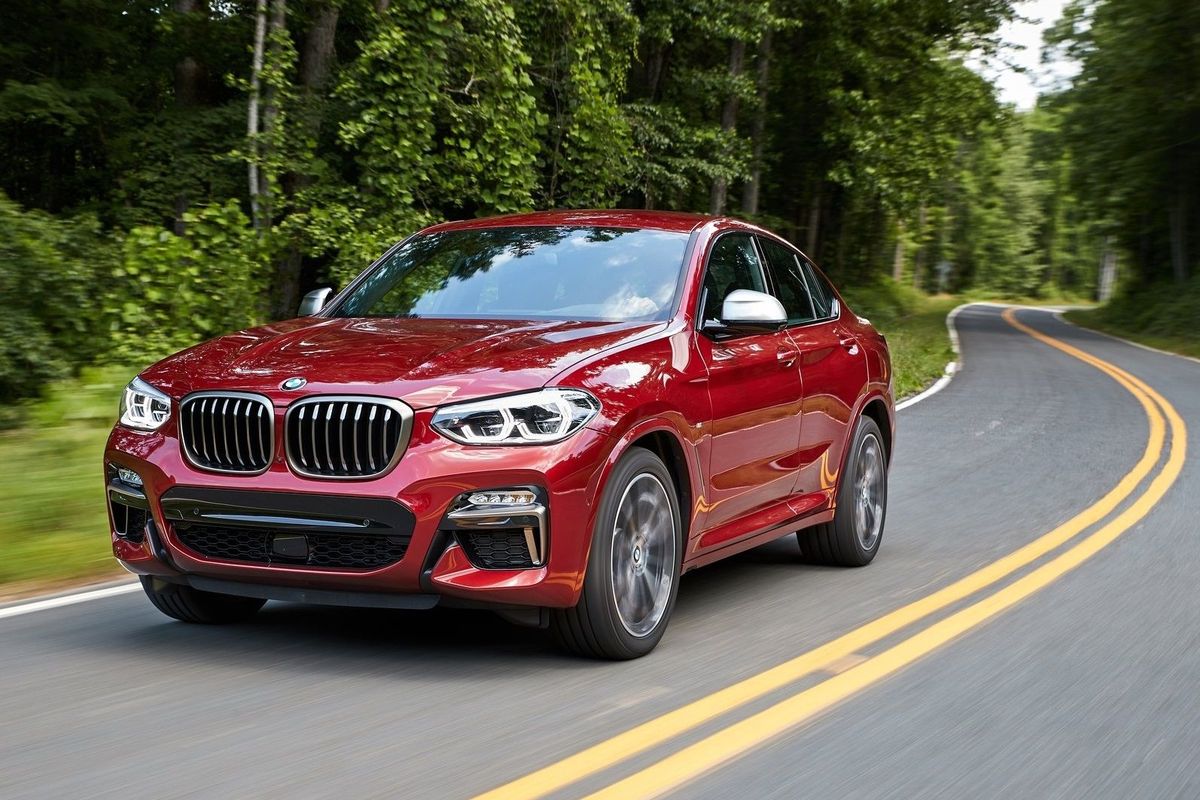
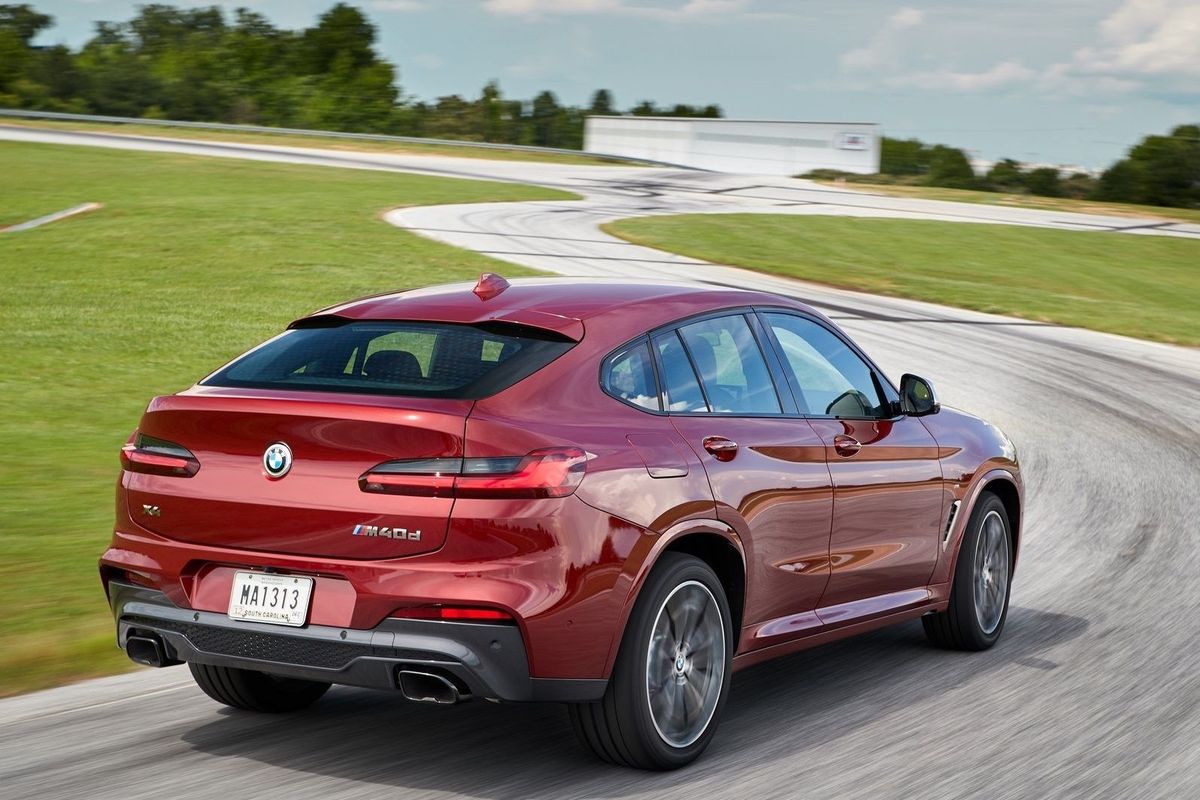
New BMW X4 (2018) International Launch Review

BMW recently celebrated the launch of its second-generation X4 in Greenville, South Carolina, USA, and we made the trip to experience the latest SUV from the Bavarian brand. Watch the video!

For this generation, BMW is doubling down on a format it invented, that of the SUV Coupe, which seems to have found enough buyers to justify its existence. Coupled with the latest generation petrol and diesel engines, a revised drivetrain and the latest version of xDrive, the X4 may be based on the X3, but in many ways, it offers a very unique experience.

In this video, we drive the new X4 on some beautiful back roads through the forested hills of South Carolina, as well as on BMW's own Spartanburg test track, and lastly on a skidpan, where the X4 offered up the biggest surprise of the day.

The new BMW X4 is expected to arrive in South Africa in September 2018.

BMW X4 – Price in South Africa

BMW X4 xDrive20i – R843 000

BMW X4 xDrive20d – R843,000

BMW X4 M40i – R1 132 800

BMW X4 M40d – TBC

Buy a BMW X4 on Cars.co.za

Related Content

BMW X4 (2018) Unveiled [w/ Video]

BMW X4 xDrive 35i (2014) Review

BMW X3 Production starts in SA

Classic Drive: BMW 325iS "Gusheshe" & 333i


Porsche 911 Carrera T (2018) Launch Review

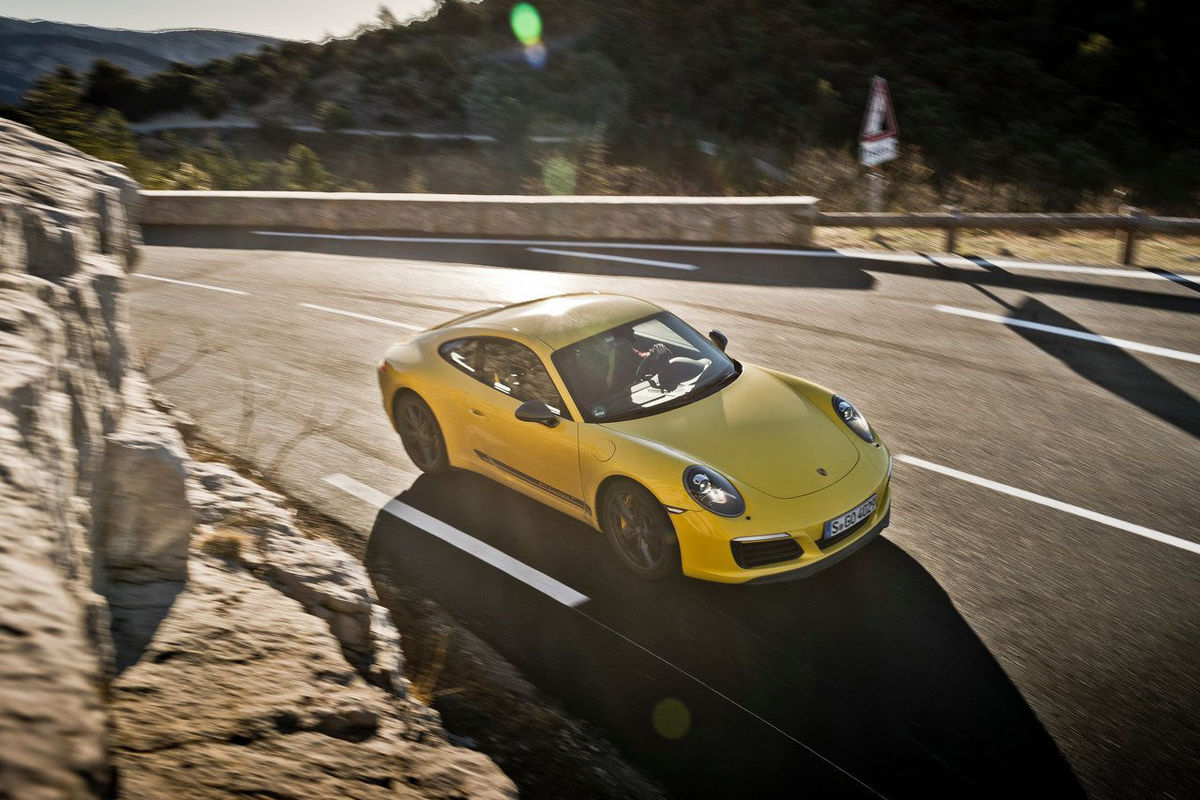
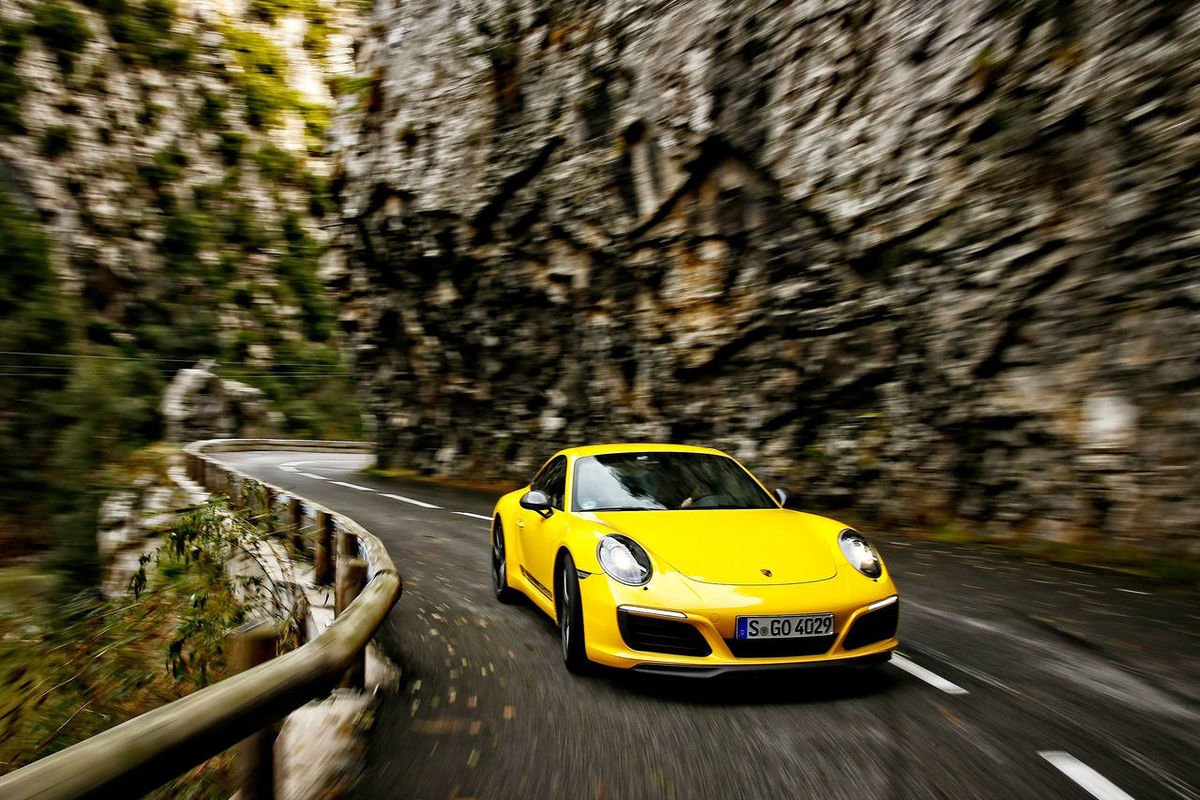
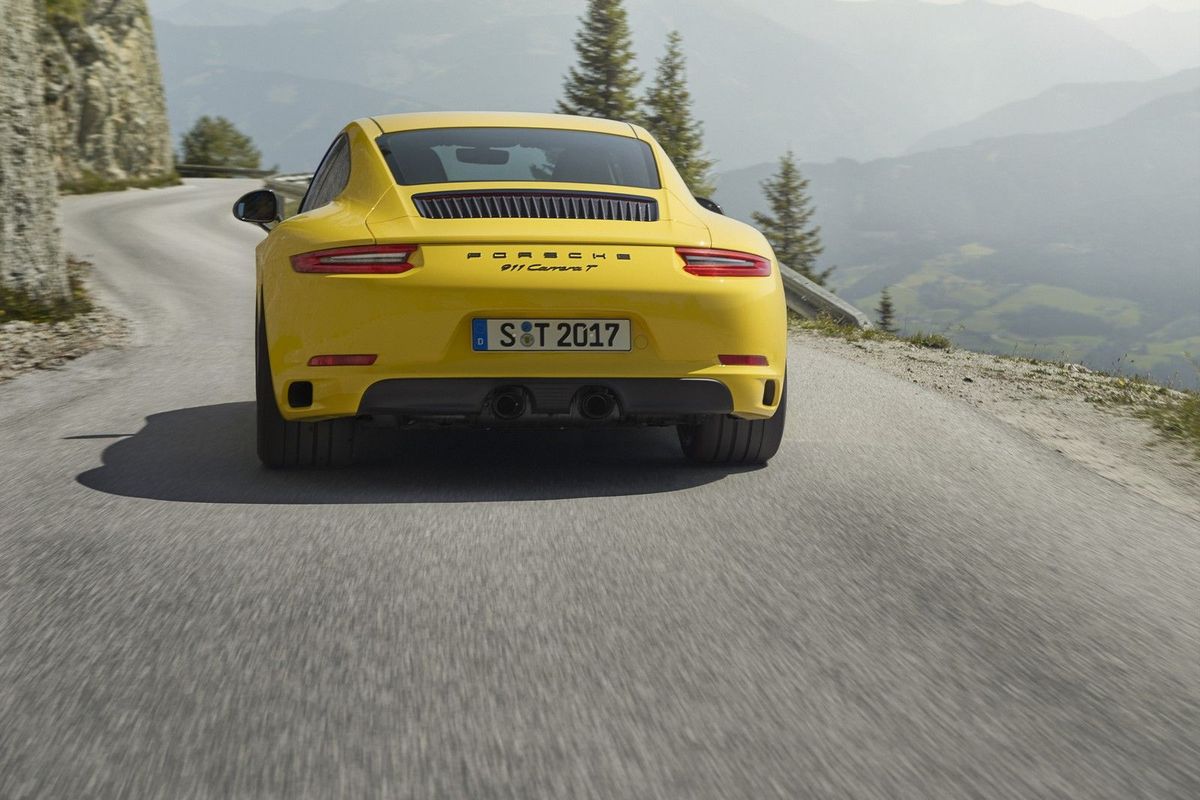
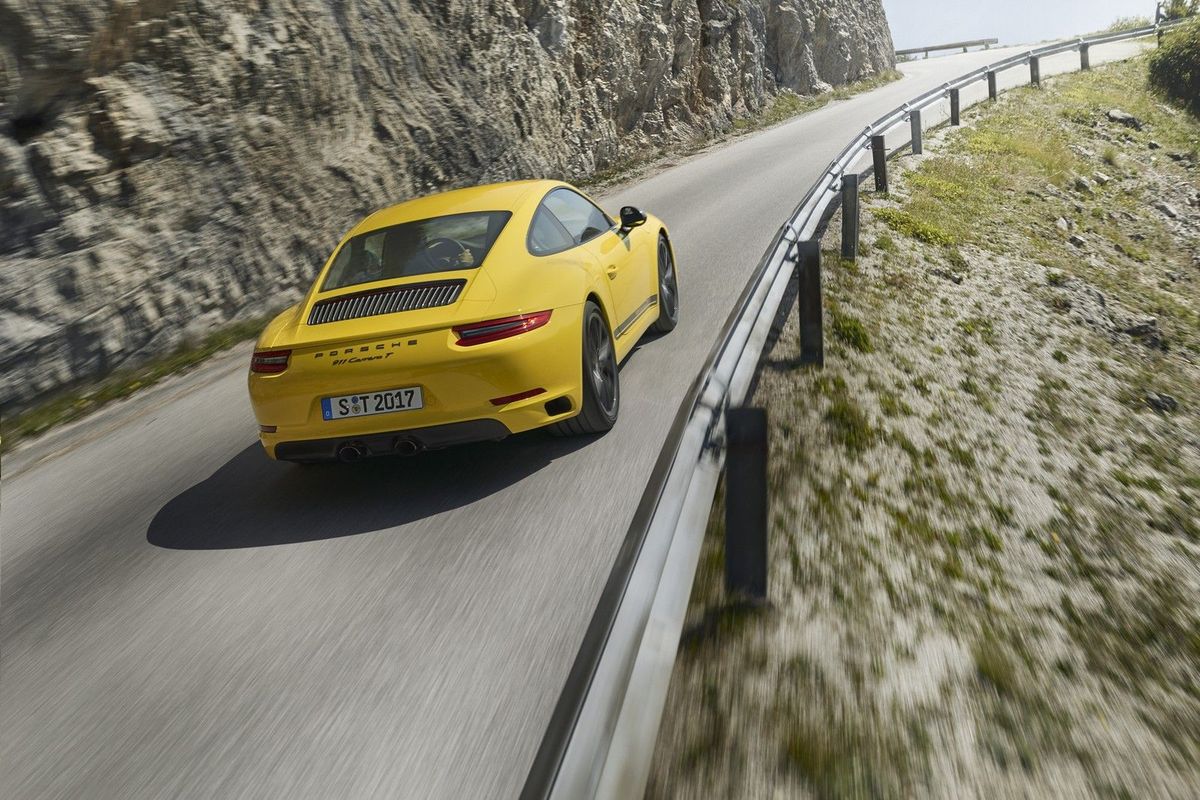
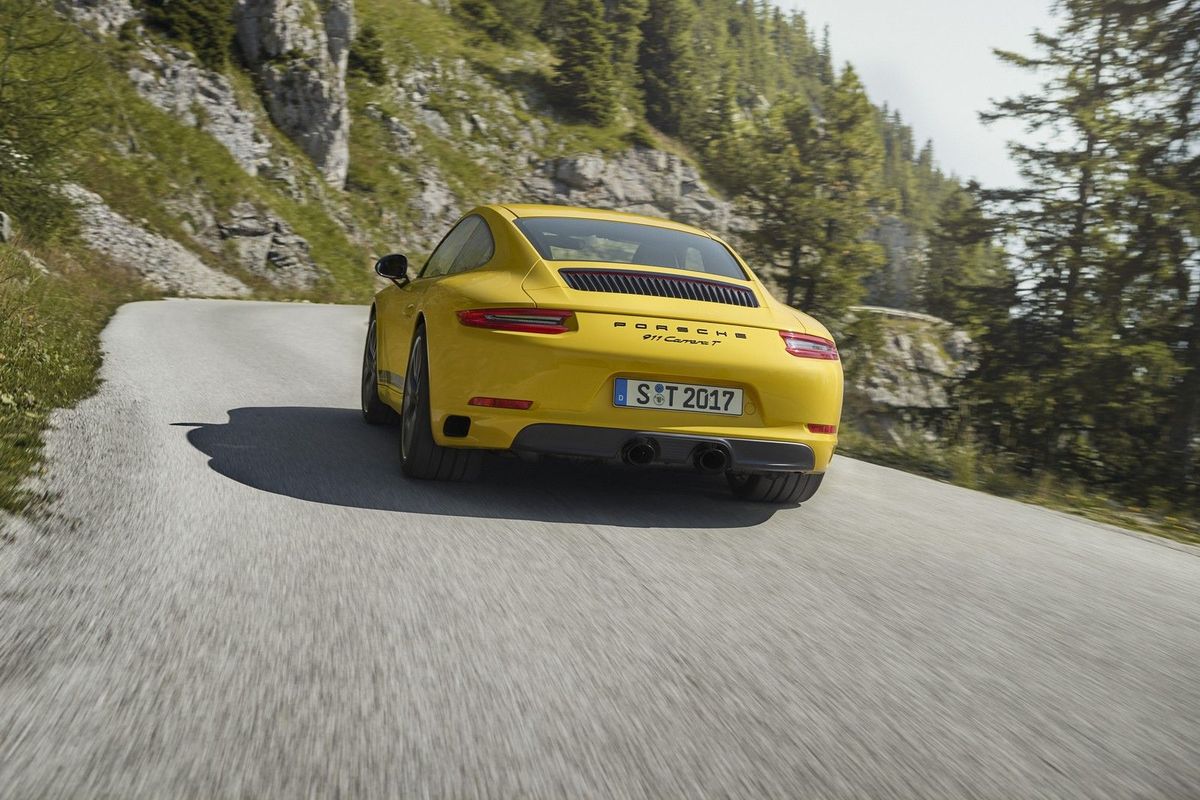
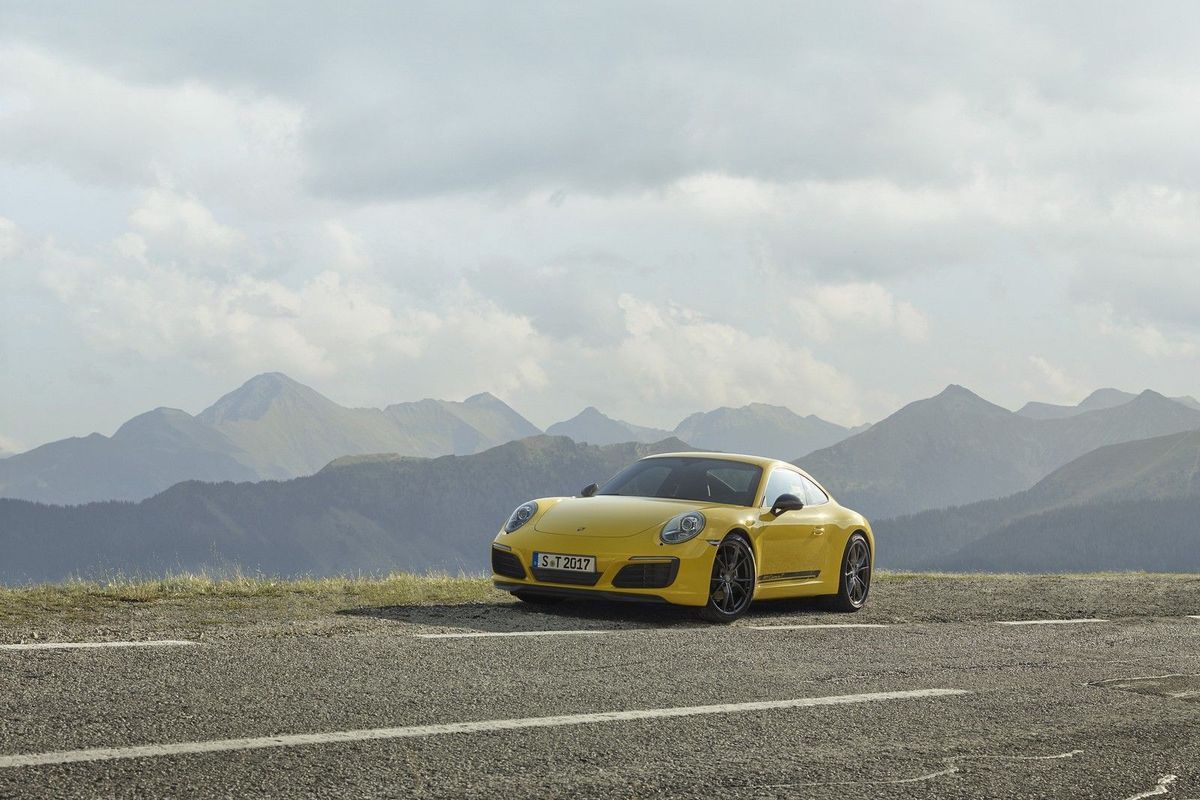
Porsche claims the 911 T is the value-for-money derivative of the 911 range and it's said to offer an undiluted driving experience. The Cape roads were very wet, but we spent a solid 500 km behind the wheel of Porsche’s newest 911.

What is it?


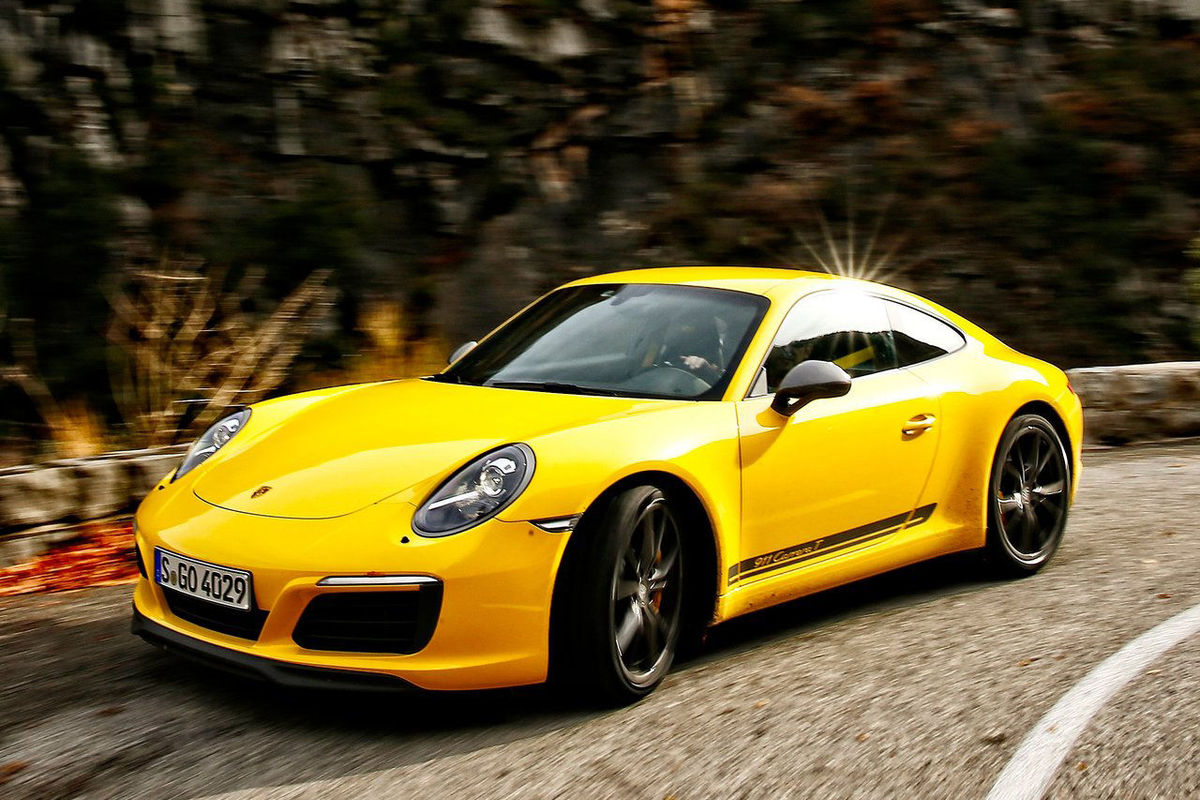
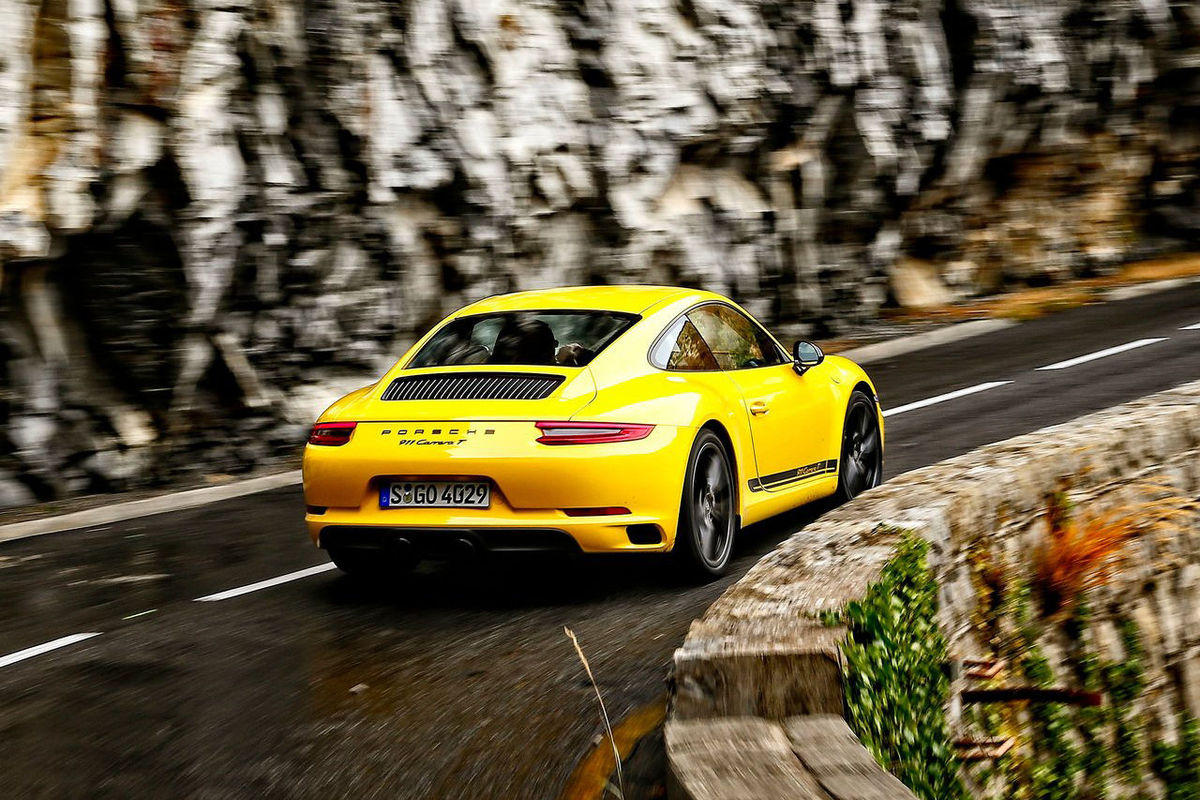
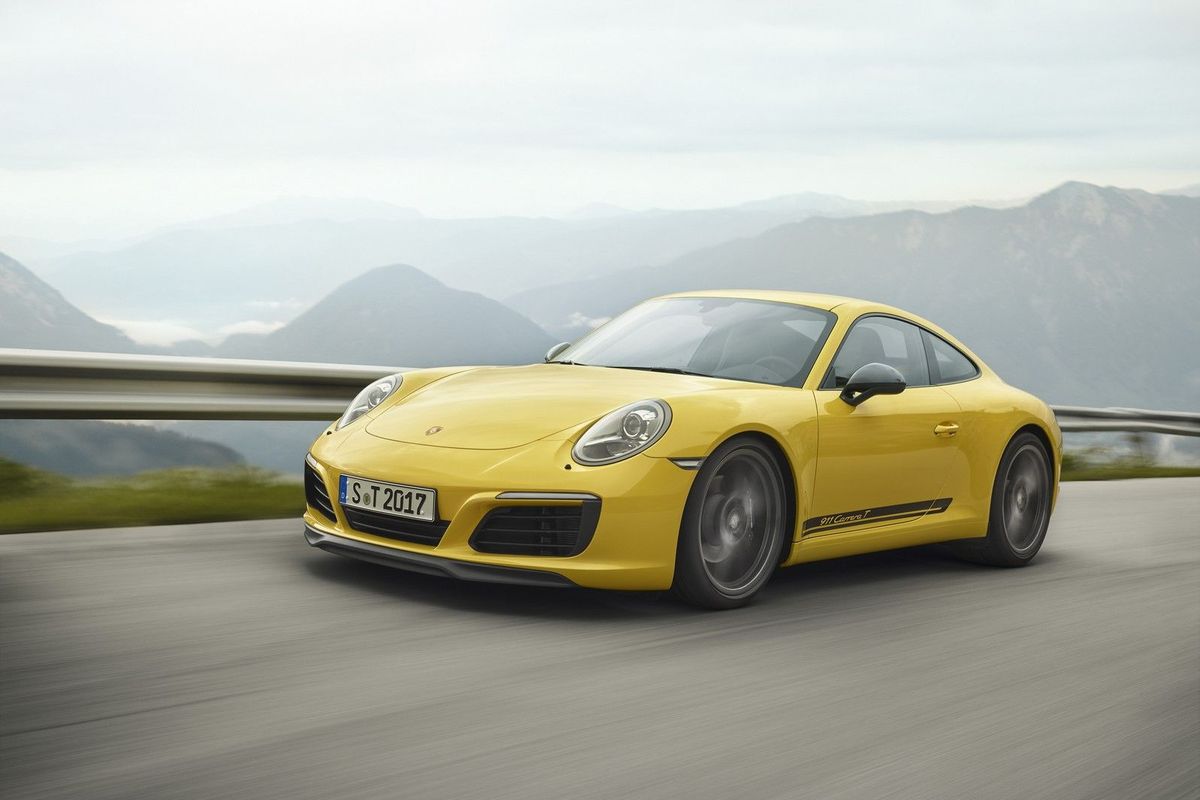
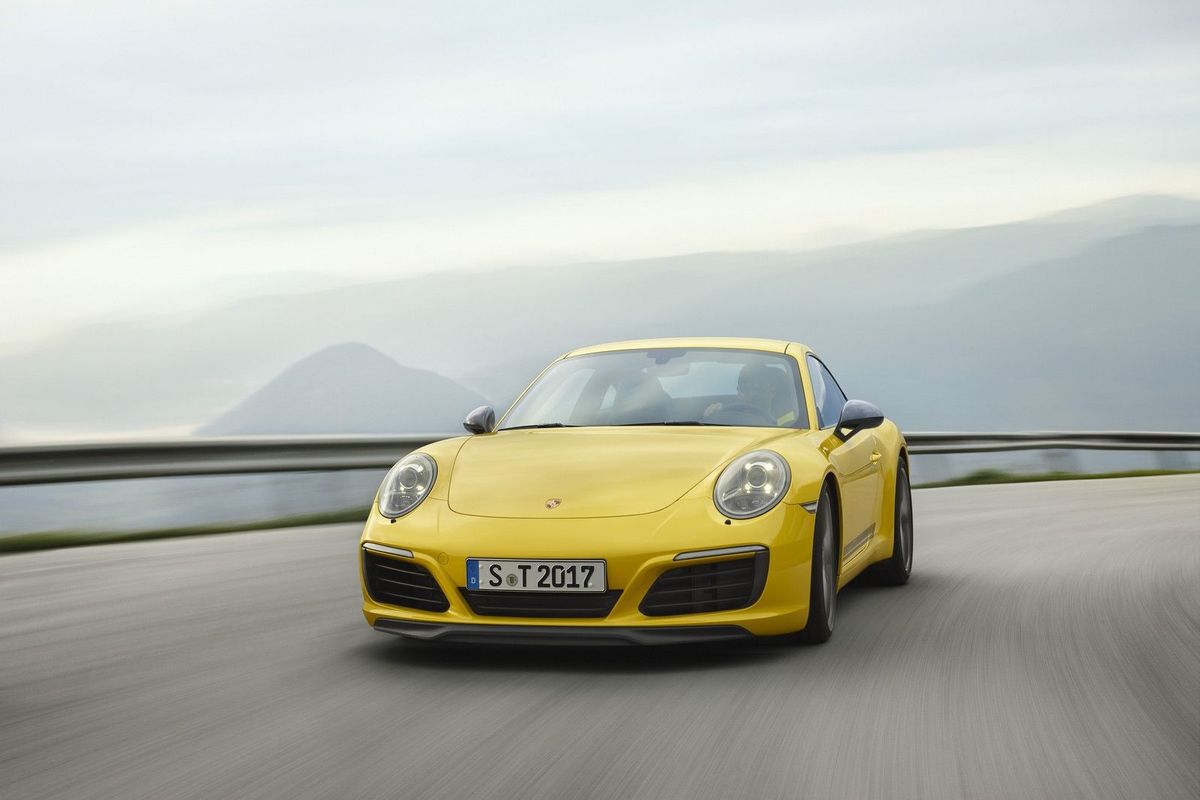
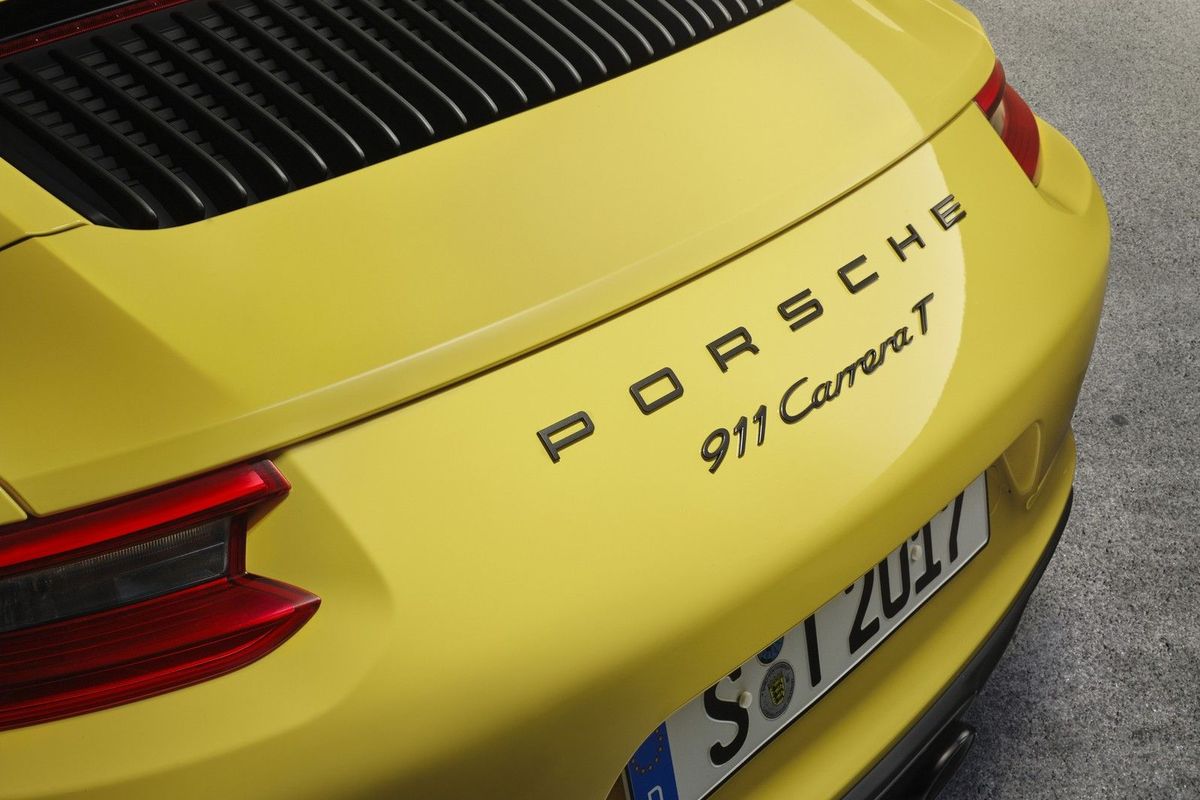
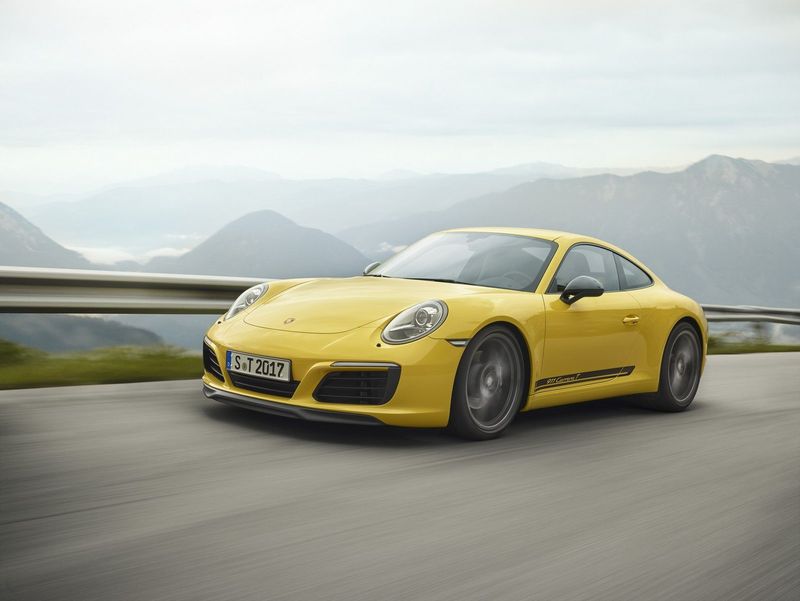
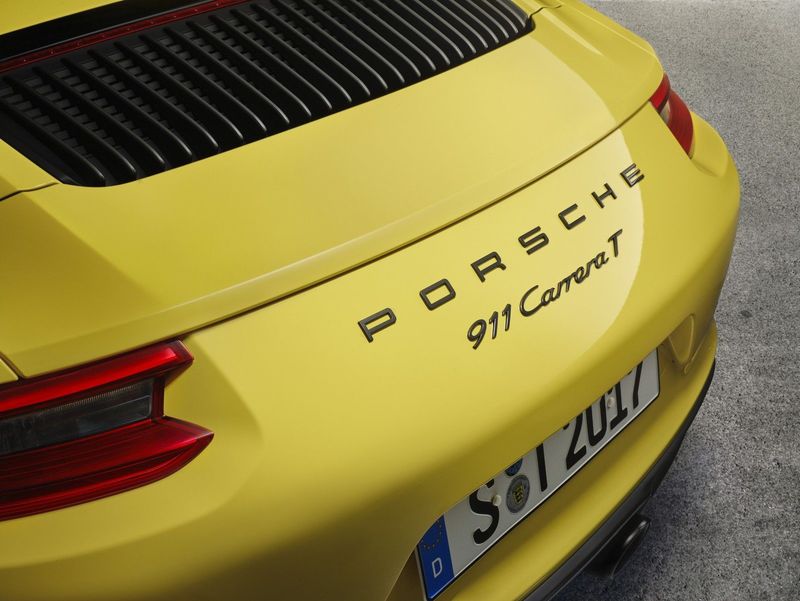
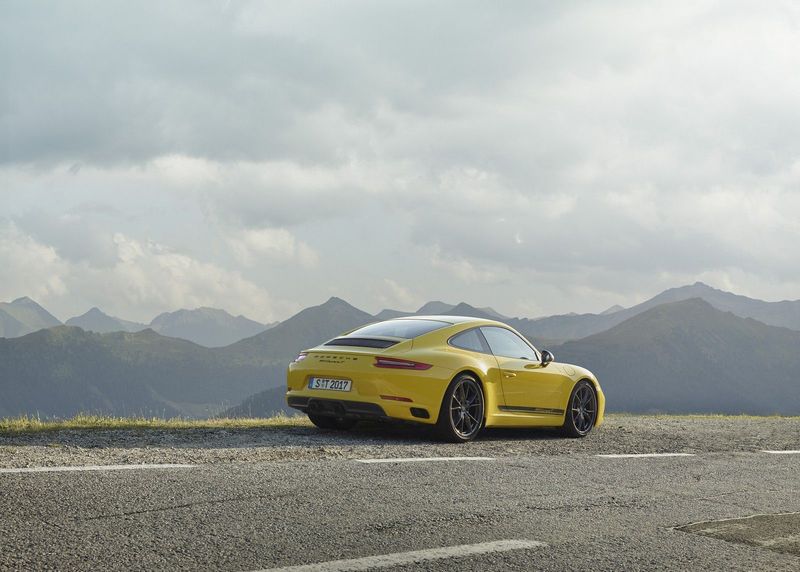
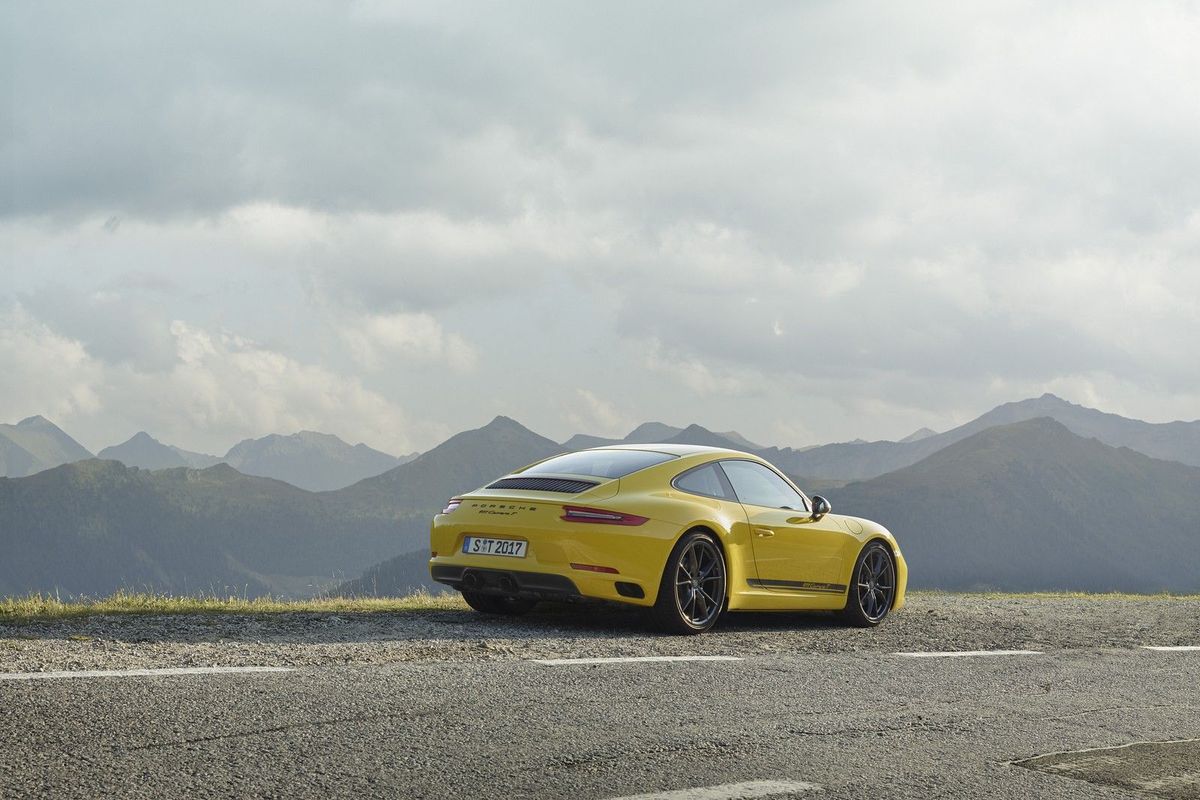
The 911 Carrera T features a slightly different front splitter and the more obvious badging down the side.

There are very many types of Porsche 911 to choose from, including versions with 2-wheel-drive and 4-wheel-drive; some are wide-bodied, quite powerful, very powerful, insanely powerful and then there are ones that come equipped with roll cages. So, where does this new 911 T fit in?

The T designation dates back to 1968, when Porsche needed to sell more 911s so the Zuffenhausen-based firm took spec out of its now-iconic sportscar to reduce the price. Even the engine got a cut in power, making it the least powerful 911 ever to go on sale.

The new 911 T doesn’t go quite that far, it uses the same 3.0-litre turbocharged flat-6 engine from a standard Carrera with 272 kW and 450 Nm. From there, Porsche picks and chooses bits from the options list that it believes will provide a less-is-more driving experience.

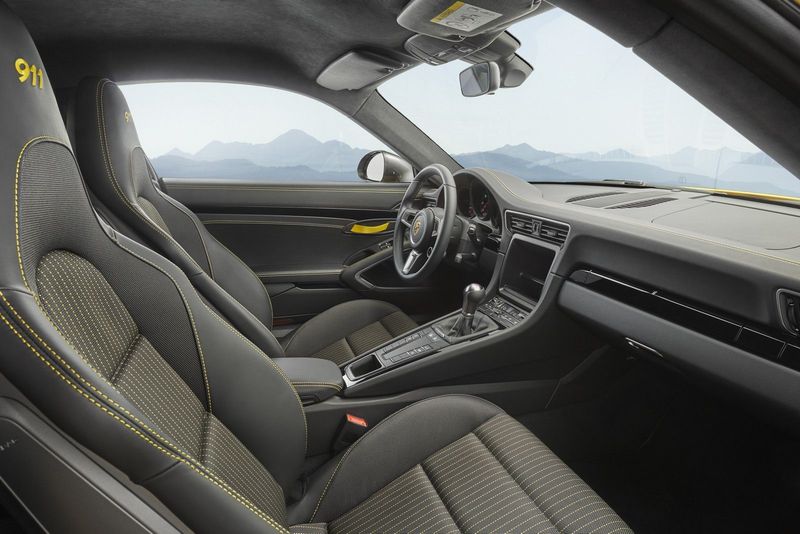
It includes a 20-mm lowered sports suspension, Sport Chrono Package optimised for weight reduction and a sports exhaust system. A few other neat tricks make the 911 T special too. The door handles have been replaced with fabric loops, the rear side windows are made from lightweight glass and the sound absorption material has been reduced to a minimum. The rear seats are removed, but are a no-cost option to install, all of which adds up to a 20-kg weight reduction over a standard Carrera derivative.

Mechanically there’s a shorter-ratio (and throw-action) 7-speed manual gearbox (the PDK's ratios are unchanged) and it uses a mechanical rear differential. The headline (claimed) figures are 0 to 100 kph in 4.5 seconds for the manual and 4.2 for the PDK. Top speed is said to be 290 kph.

Driving it in the rain


The less-is-more philosophy has led to a 20 kg reduction in overall weight. 

The biggest storm to hit the Western Cape in years made things a little tricky at the launch, but we set off in the manual model first, aiming for Gansbaai via the famed Franschhoek Pass. The 7-speed manual is a bit of a gimmick with 7th gear only really there as an overdrive gear to reduce fuel consumption at freeway speeds. It’s also a little tricky to work back down the gearbox, you may find yourself hooking 3rd gear instead of 5th when shifting from 6th. Might a standard 6-speed 'box not have been better?

The shorter ratios and shorter throw make for an involving experience as the 911 T eagerly accelerates from a standstill. Despite the fussiness of the 7-speed design, working the manual transmission feels like the right way to drive a car like this. The reason you buy a 911 is to involve yourself in the best-possible driving experience and the manual does just that. Don’t add the rear seats back in either, the sound from the exhaust is more audible without them and not having rear seats means the Porsche will never be encumbered by the extra weight aft passengers would add.

On a wet day, I can’t say I missed the extra power offered by a Carrera S, as the 911 T felt just perfect for the conditions. The best aspects of the 911 are brought to the fore with the 911 T: it feels agile and light as you sweep from side to side over a mountain pass. There’s an abundance of grip and feel from the chassis, even as we dipped into puddles mid-corner, the Porsche held fast, as if asking you to load more g-forces onto it.


In this spec, you get the absolute best out of an "entry-level" 911.

The 3.0-litre turbocharged units revs right the way to 7 500 rpm before the electronics intervene. The engine doesn’t have a distinct turbocharged feel to it and delivers linear acceleration right up until that mark. What’s great is that as you stab at the throttle after a shift, you get a pulse from the sports exhaust that howls back a beautiful flat-6 bark. Porsche has made this engine sound and, critically, feel like a non-turbo unit, which is good.

The steering is a good example of a well-sorted electronically assisted steering setup; it provides adequate weight and feel. The standard Sports Chrono package means you get the rotary knob on the wheel that allows you to change driving modes quickly. The rotary knob also comes with a thumbable push-to-pass style button that gives you everything the car has to offer in a 20-second blast – great for those quick overtaking moves.

Final thoughts


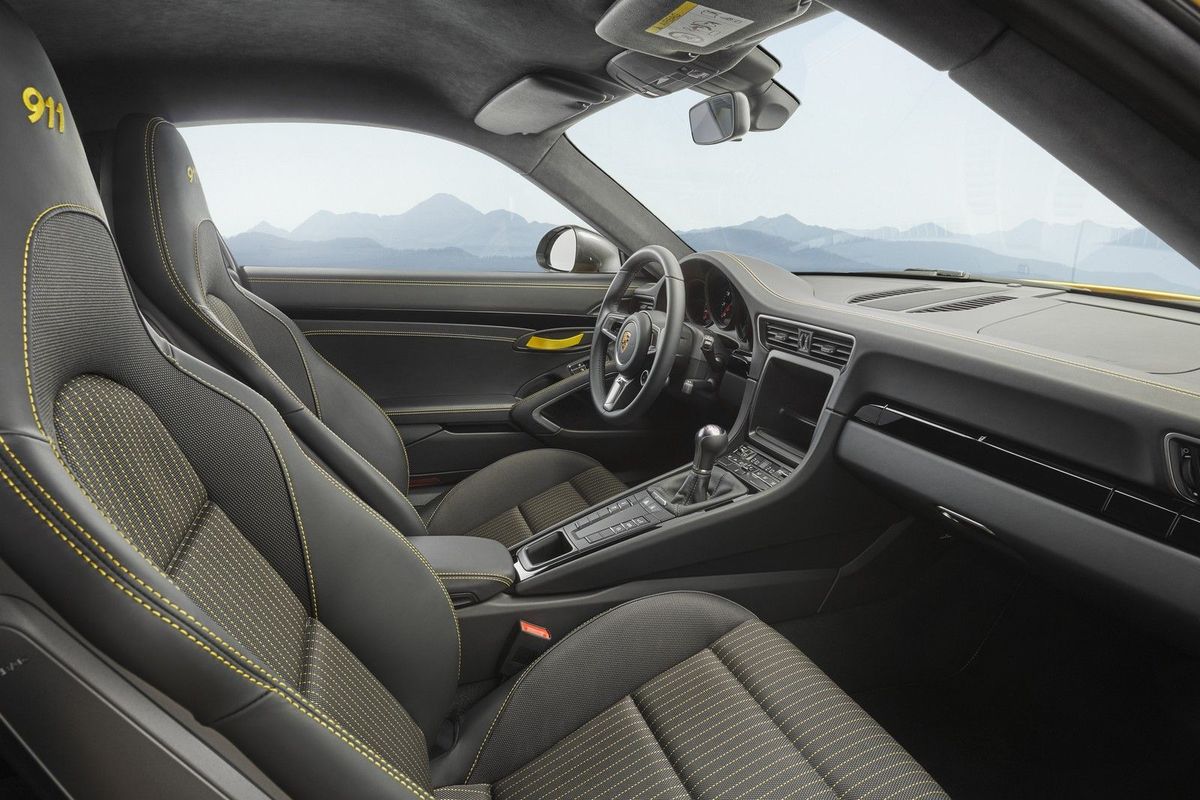
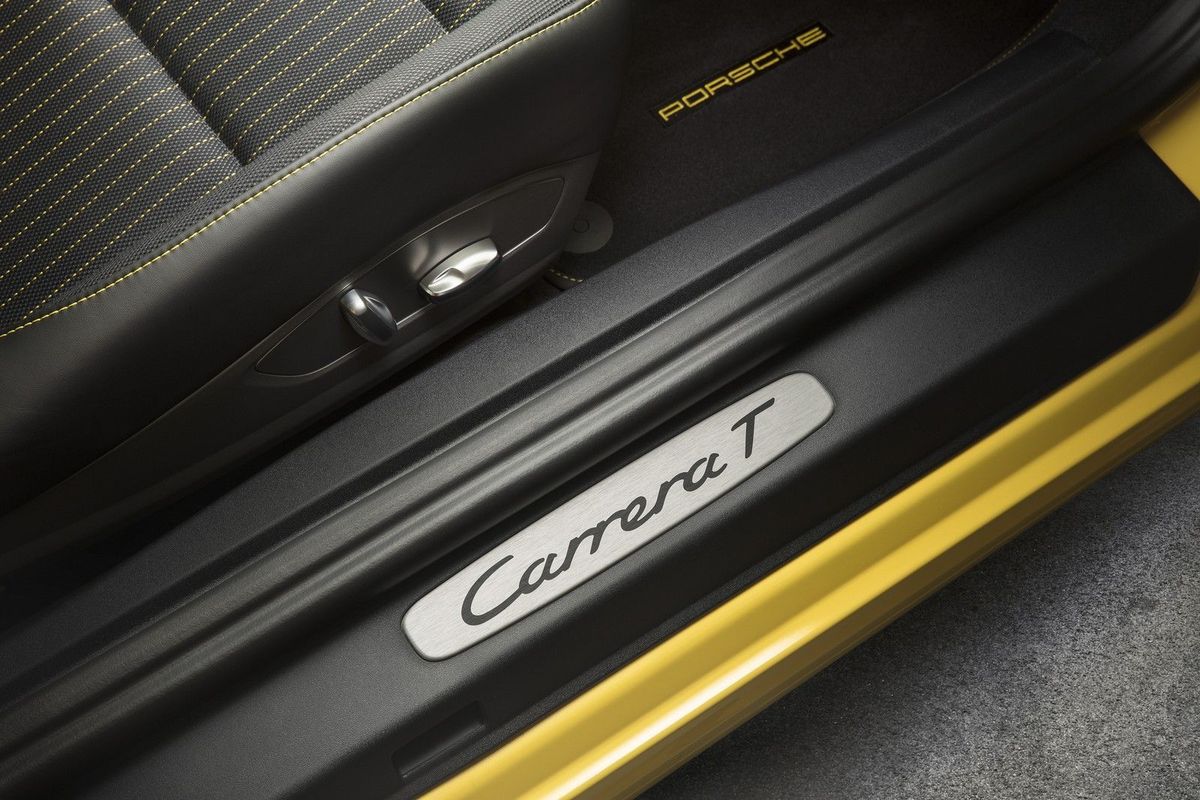
Sport-Tex seat centres are unique as are the fabric door handles.

The 911 Carrera T is Porsche’s way of showing you how you should spec a 911 to exact the best driving experience. The firm adds in (and takes away) a few things that you can’t spec onto a standard Carrera, so you (the buyer) can’t match it exactly if you go into a Porsche dealership. Even if that sounds slightly cynical, it does make a lot of sense to choose a 911 that best describes what the car should be – a lightweight driving machine. If you add in the Sports Chrono package, sports suspension and all the other goodies to a standard 911 Carrera, it ends up being a little more expensive than this 911 T.

At R1 536 000, the 911 T is around R35 000 more affordable than the more powerful Carrera S and more than R100k more expensive than a standard Carrera. I never felt that I needed more power during the whole day behind the newcomer's tiller, although the weather may have played a part in that. The extra kit offered in the 911 T is certainly a pull factor over a base spec, if more powerful, Carrera S.

If you look at possible competitors to the 911 at this price, the most obvious rival is the Jaguar F-Type 400 Sport, a great sportscar in its own right, but a little on the tubby side and that makes it a little less agile than the 911. You could also consider something like a BMW M4 Competition, Merc-AMG C63 or Audi RS5, but with those, you’ll never be able to replicate the feel, balance and precision of a sportscar designed to be a sportscar first.

Related content:

Porsche at 70: Ten of its Greatest (gallery)

Jaguar F-Type 400 Sport (2017) First Drive

Drag Race: BMW M4 Competition Pack vs Mercedes-AMG C63S

Interested in buying a Porsche 911?

Find one for sale on Cars.co.za

6 New Hatchbacks to Consider in 2018

A barrage of new products have already been introduced in South Africa this year and the popular compact hatchback segment, in particular, is flourishing with newcomers. Here are 6 new compact hatchbacks that are worth looking at…

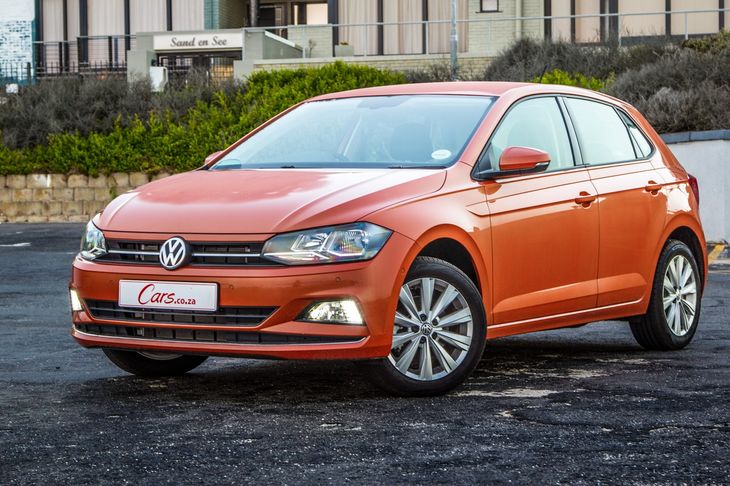
New Volkswagen Polo

The new Polo arrived earlier this year with larger dimensions, a more spacious cabin and a new look that will ensure its sales success on local soil.

The Polo hatchback is powered by a 3-cylinder, 1.0-litre turbopetrol engine offering 70 kW and 175 Nm of torque in Trendline and Comfortline guise. The Polo Trendline features a 5-speed manual transmission while the Polo Comfortline makes use of either a 5-speed manual or 7-speed DSG. The Polo Highline however, is powered by the same engine but outputs are bumped up to 85 kW and 200 Nm of torque and buyers have the choice between a 6-speed manual transmission or a 7-speed DSG.

The range-topping Polo GTI was launched recently and its power comes courtesy of a 2.0-litre engine with 147 kW and 320 Nm and is mated to a 6-speed DSG.

Pricing for the new Polo hatchback starts at R235 900 while the Polo GTI is priced from R375 900.  

Buy a VW Polo on Cars.co.za

Watch our video review of the VW Polo 1.0TSI Highline auto below!

Also see:

Volkswagen Polo 1.0 TFSI Comfortline (2018) Quick Review
Volkswagen Polo 1.0TSI Highline auto (2018) Review [w/Video]

Volkswagen Polo 1.0TSI Highline AT (2018) Video Review

Comparative Review: Ford Fiesta vs Volkswagen Polo (2018)

Volkswagen Polo GTI Video Review (2018) | Bigger Engine, More Fun?

Volkswagen Polo GTI (2018) Launch Review

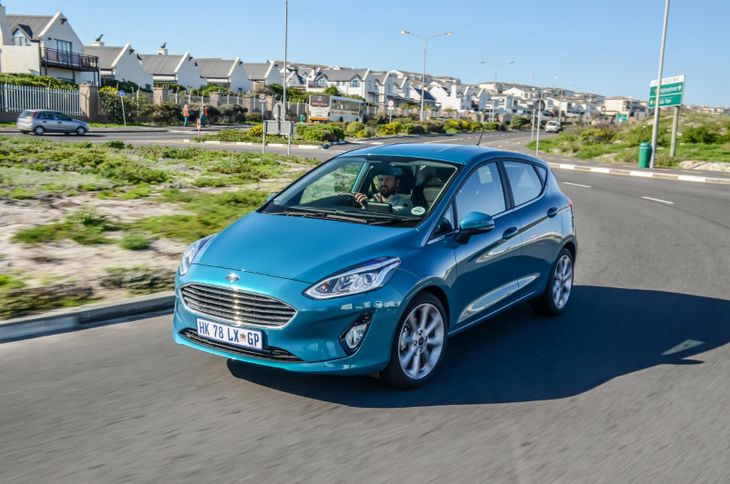
New Ford Fiesta

The new-look Fiesta is in South Africa and its freshly designed interior with a centre mounted tablet-style infotainment system represents a major improvement over the previous model.

The new Fiesta is offered in either Trend or Titanium trim. A 3-cylinder 1.0-litre EcoBoost engine with 74 kW and 170 Nm is offered with either a 6-speed manual or 6-speed automatic transmission. The more powerful Fiesta Titanium offers 92 kW and 170 Nm and is mated to a 6-speed manual transmission. A 1.5-litre turbodiesel with 63 kW and 215 Nm of torque with a 6-speed manual transmission is also offered.

The range-topping Fiesta ST will employ a 3-cylinder 1.5-litre turbocharged engine with cylinder deactivation for the first time with 147 kW and 290 Nm of torque powering the front wheels through a 6-speed manual transmission, but its arrival in South Africa has yet to be confirmed. 

Pricing for the Ford Fiesta starts at R261 900 while the range-topping Fiesta 1.0T Titanium automatic is priced from R310 600.  

Buy a Ford Fiesta on Cars.co.za

Also see:

Ford Fiesta (2018) International Launch Review

Most Fuel Efficient Diesel Cars in SA (2018)

Hillclimb Shootout: Ford Fiesta ST200 vs Renault Clio RS200 Lux [with Video]

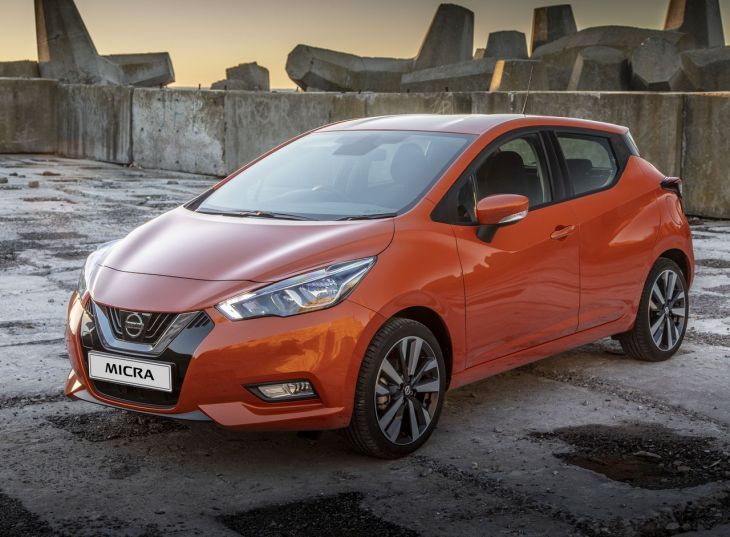
New Nissan Micra

A new, more upmarket Nissan Micra has arrived in SA and it now features attractive exterior styling and a stylish and modern interior design. The Micra is available in 3 trim levels including Visia, Acenta and Acenta Plus.

The new Micra is fitted with a punchy 3-cylinder, 0.9-litre turbo petrol with 66 kW and 140 Nm and is currently only offered with a 5-speed manual transmission. 

Pricing starts at R233 500 and goes up to R272 400 for the range-topping Micra Acenta Plus derivative. 

Buy a Nissan Micra on Cars.co.za

Also see:

Nissan Micra (2018) Launch Review

Nissan Micra (2018) Specs & Price

Nissan Micra Active (2017) Quick Review

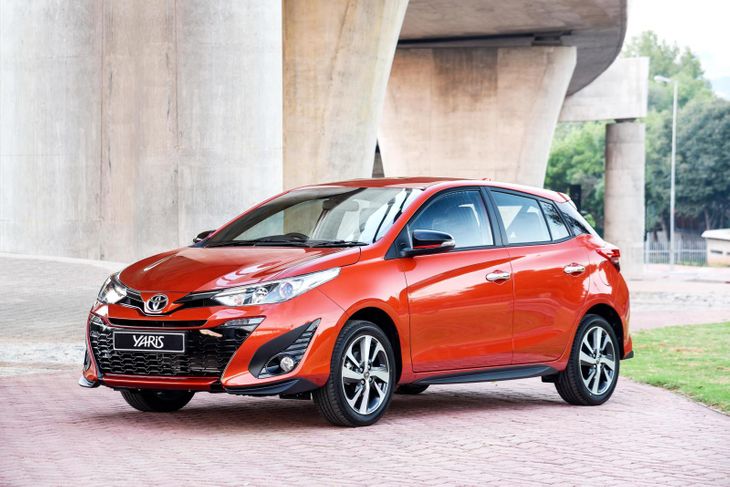
New Toyota Yaris 

Toyota introduced a new, Thailand-built Yaris to market earlier this year featuring assertive exterior and interior styling. A naturally-aspirated 1.5-litre petrol engine does service under the bonnet with 79 kW and 140 Nm of torque and is offered with a 5-speed manual gearbox or CVT. Trim levels include the entry-level Xi, XS and S, while the Cross derivative adds a higher ride height and some cladding for more rugged visual appeal. 

Pricing for the new Toyota Yaris starts from R233 100, going up to R288 700 for the Yaris 1.5 S. 

Buy a Toyota Yaris on Cars.co.za

Also see:  

Toyota Yaris 1.5 Sport (2018) Review

Toyota Yaris (2018) Specs & Price

Toyota Yaris 1.5 Pulse (2017) Quick Review

New Suzuki Swift

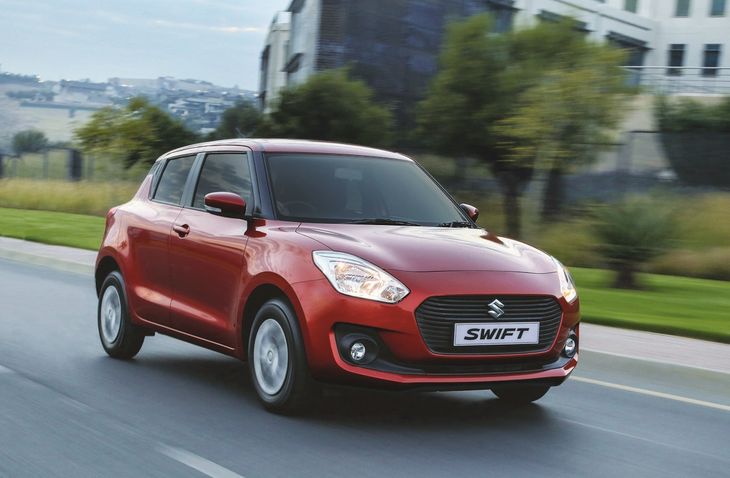
The Swift is one of Suzuki’s best-sellers on the local market and the all-new Swift recently made landfall in SA. The Swift is powered by the familiar naturally-aspirated 1.2-litre petrol engine now with 61 kW and 113 Nm and can be had with either a 5-speed manual or 6-speed automatic transmission.

The Swift Sport, however, will now feature a turbocharged 1.4-litre petrol engine (previously a naturally-aspirated 1.6-litre) with 103 kW and 230 Nm and mated to a 6-speed manual transmission. The Swift Sport can be expected in South Africa in Q2 of 2019. 

Pricing for the new Suzuki Swift starts at R159 900 with the Swift GL automatic priced at R189 900. 

Buy a Suzuki Swift on Cars.co.za

Also see:

Suzuki Swift (2018) Launch Review

Suzuki Swift (2018) Specs & Price

Suzuki Swift 1.2 Hatchback Review

Suzuki Swift Sport (2016) Review

New Volkswagen Polo Vivo

The new Polo Vivo is based on the previous generation Polo and has been re-packaged to serve budget-conscious buyers. 

The Polo Vivo is offered in either Trendline, Comfortline or Highline trim, while buyers looking for a higher ride height and rugged appeal may want to consider the Polo Vivo 1.6 Maxx. The range is headlined by the turbocharged Polo Vivo 1.0 TSI GT with 81 kW and 200 Nm of torque mated with a 6-speed manual transmission. Naturally aspirated 1.4-litre petrol engine offers either 55 kW / 130 Nm (Trendline) or 63 kW / 132 Nm (Comfortline). A 1.6-litre petrol engine is also offered with 77 kW and 153 Nm and can be had in manual (Highline) or automatic guise (Comfortline).

The new Polo Vivo is priced from R179 900, going all the way up to R245 000 for the Polo Vivo 1.0TSI GT. 

Buy a VW Polo Vivo on Cars.co.za

Watch our video review of the new VW Polo Vivo below!

Also see

Volkswagen Polo Vivo GT (2018) Quick Review
Volkswagen Polo Vivo 1.4 Comfortline (2018) Review
Volkswagen Polo Vivo (2018) Specs & Price

Old Volkswagen Polo vs new Polo Vivo: How different are they?


Fuel Prices Up for July 2018

Motorists are in for another hike in fuel prices in July 2018. Details below…

The upward trajectory of fuel prices in South Africa continues as the Department of Energy announced increases which will take effect on Wednesday, 4 July 2018.

During June 2018, the Rand weakened against the US dollar from R12.51 to R13.29 while the price of Brent Crude oil decreased over the same period from $77.00 to $74.00. The decrease in the oil price prevented further increases and cushioned consumers by as much as 20 c/l according to the Department of Energy. International prices of petroleum products also decreased over the period.

Nonetheless, the following fuel price adjustments will take effect on 4 July 2018:

  • Petrol 93 Octane: up by 26 c/l

  • Petrol 95 Octane: up by 23 c/l

  • Diesel 0.05% Sulphur: up by 26 c/l

  • Diesel 0.005% Sulphur: up by 24 c/l

The Automobile Association of South Africa (AA) warned, “We do foresee further fuel price hikes, driven by South Africa's weak economic position and potential fallout from trade tariff disagreements between the USA and other nations. Combined with lower wage hikes and the increasing cost of living, the expenses of commuting by private car might spiral beyond many motorists' reach. Commuters who would never previously have considered public transport or carpooling may soon have no option.”

Related Content

Fuel Price Breakdown: What do you pay for?

5 Fuel-Saving Car Features & How They Work

Most Fuel Efficient Budget Cars in SA

Most Fuel Efficient Diesel Cars in SA (2018)

Most Fuel Efficient Petrol Cars in SA (2018)

10 Ways To Save Fuel

Toyota Rush in SA (2018) Pricing Details

Toyota has launched a budget-positioned compact SUV – but clad in an eye-catching SUV package – in South Africa this week.

Few local motorists will know that the Daihatsu Terios, a small SUV that was discontinued from the local market in 2015, was the sister product of a model named the Toyota Rush (even though Daihatsu is no longer represented in South Africa, the brand belongs in the Toyota stable). Following the sighting of the consignment of Rushes by Cars.co.za journalist and photographer Gero Lilleike, the Terios has, in fact, made a “comeback” in the form of the 5-seater Toyota Rush which is now available in South Africa.


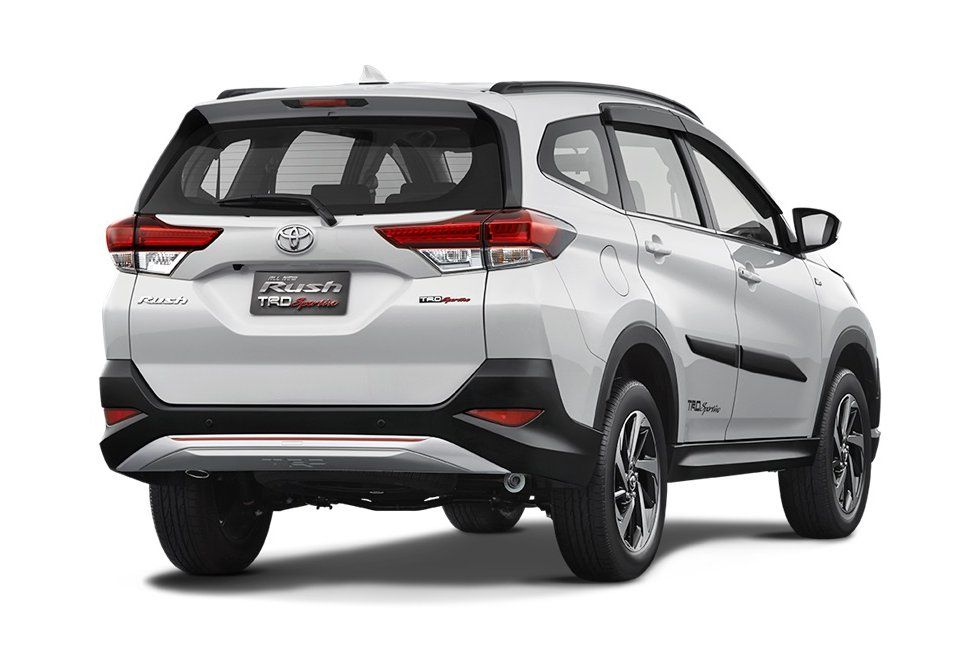
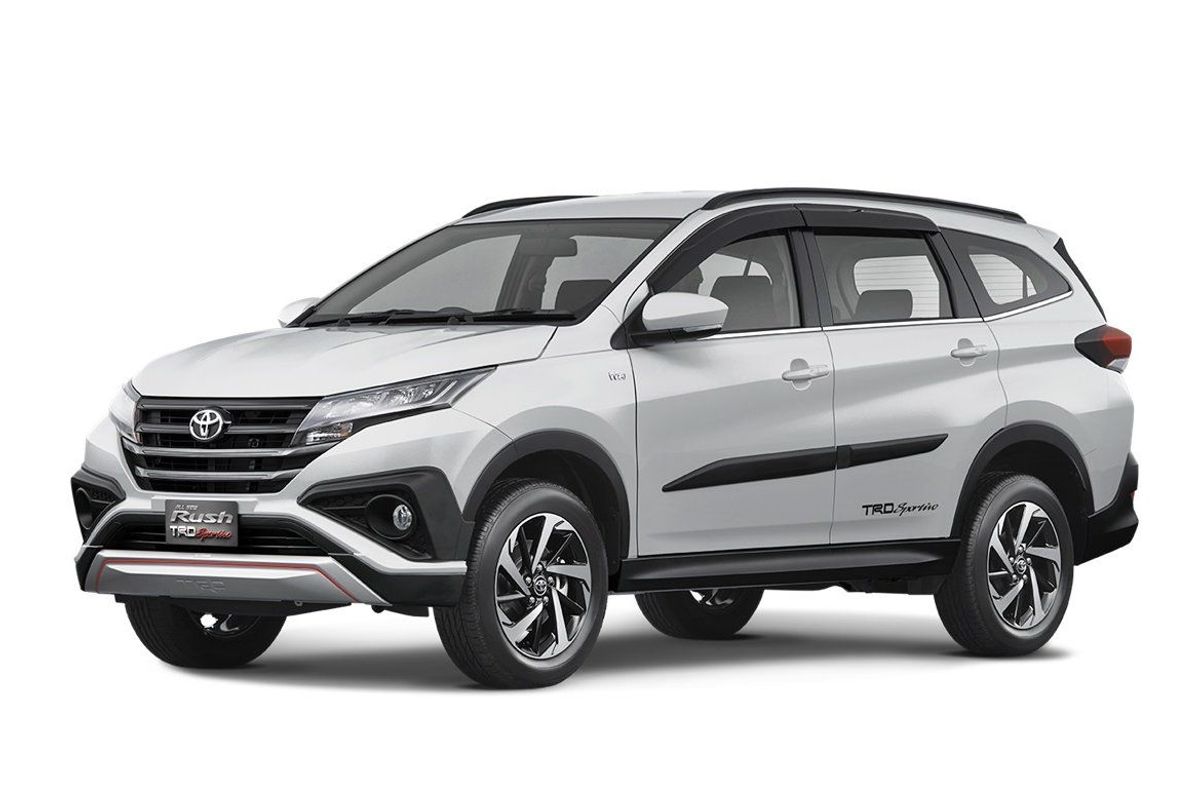
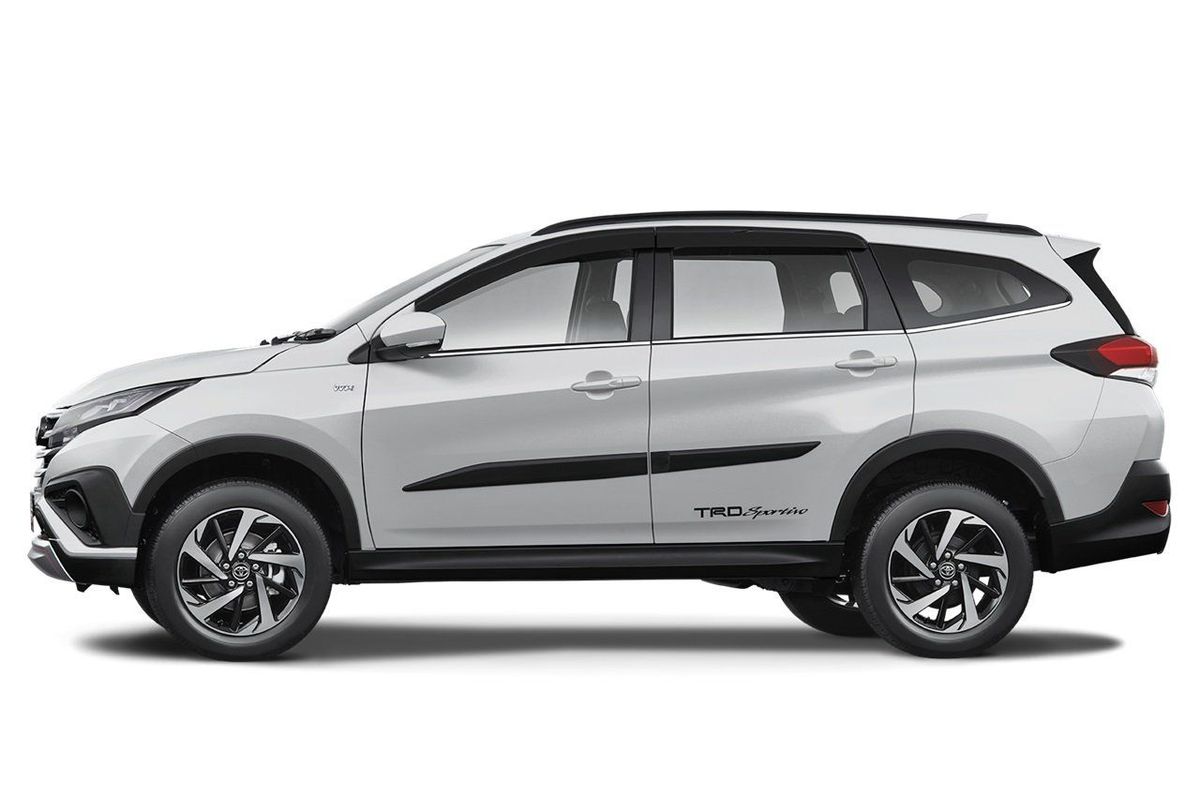
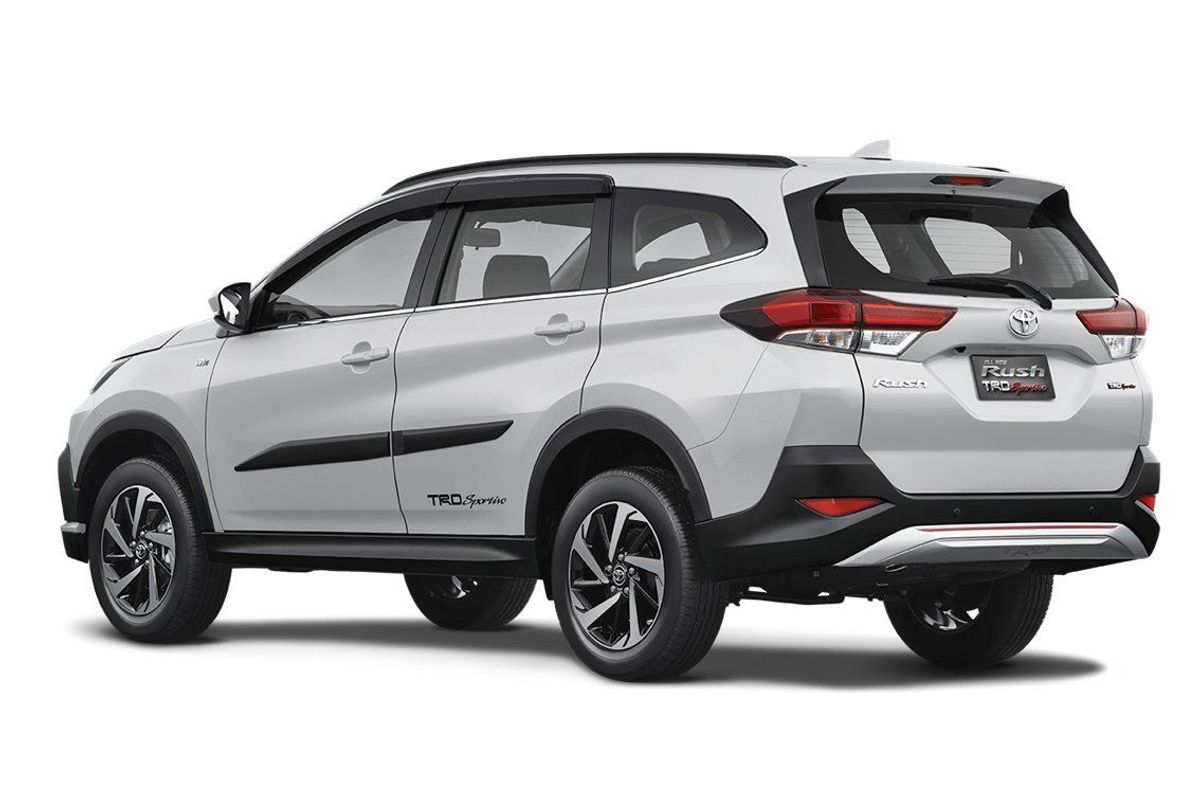
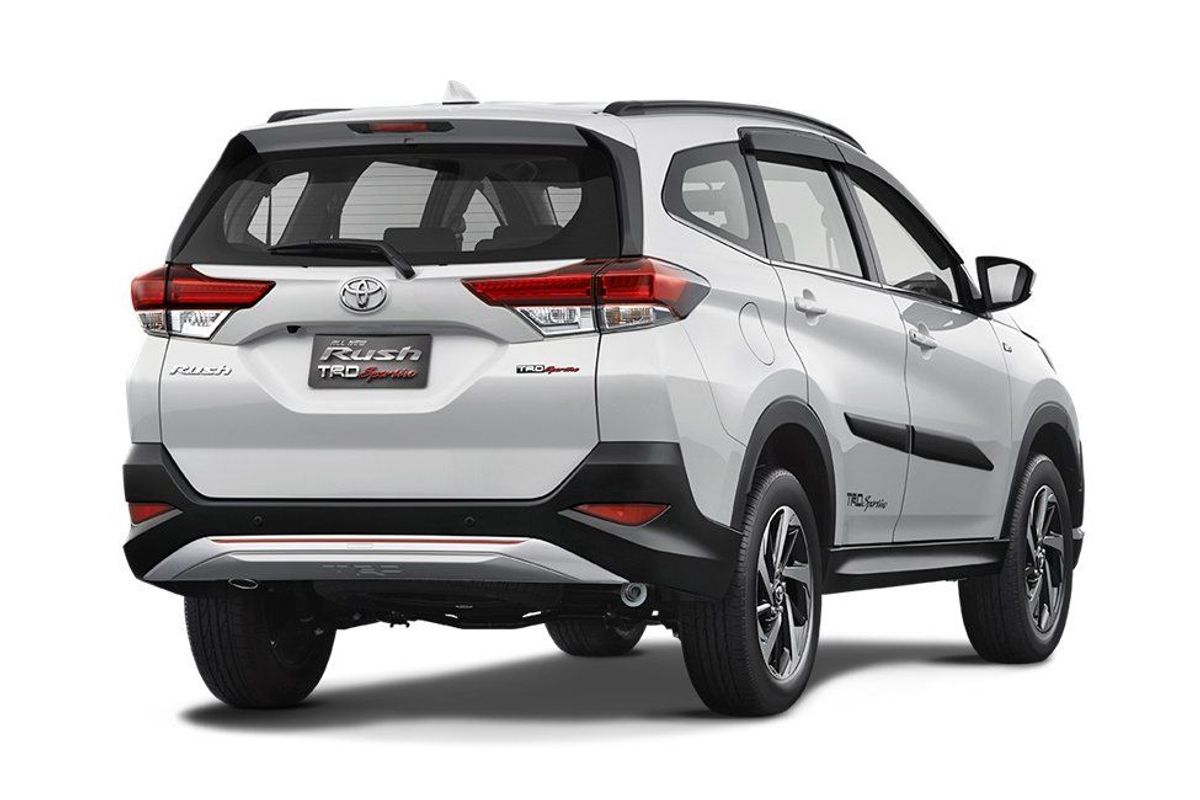
Sporty black cladding, distinctive tail lamp clusters and a raised ride height give the Rush a rugged look.

The Rush is 4.435 metres long, 1.695 metres wide and 1.705 metres high with a ride height of 220 mm and surprisingly, a maximum wading depth of 600 mm. 

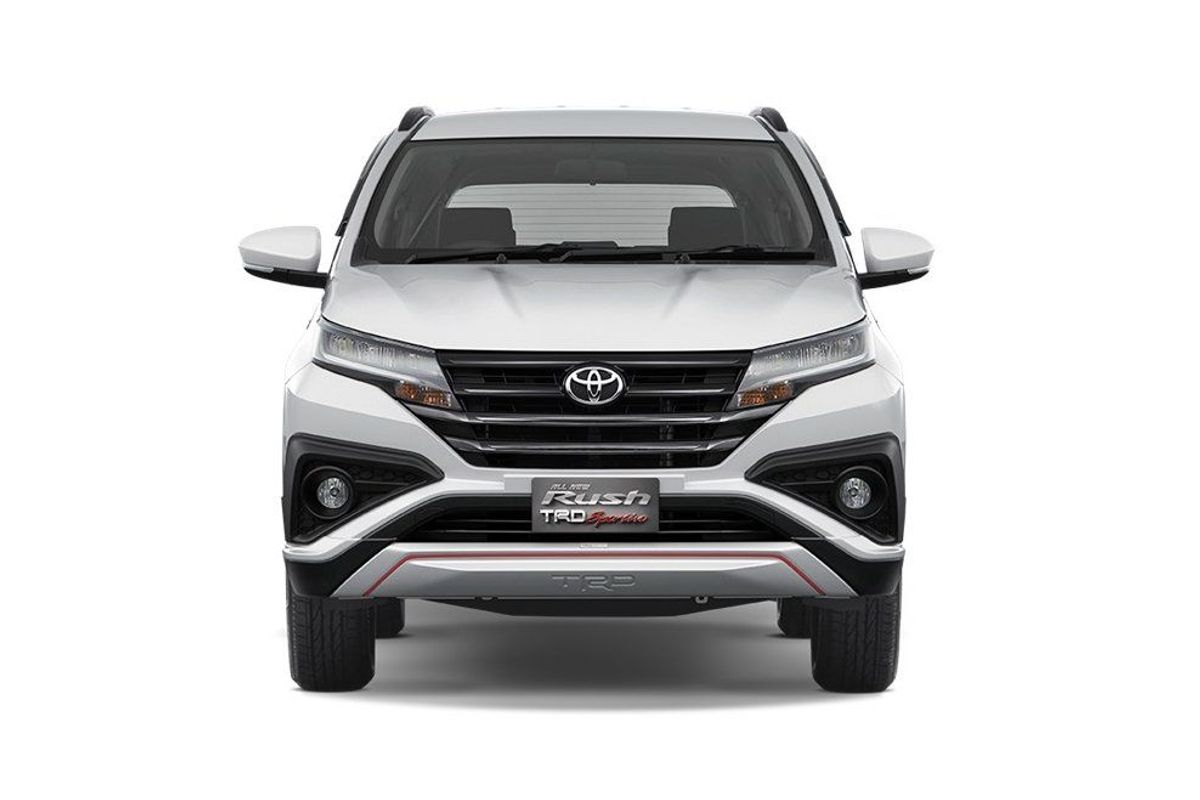
Apart from the fact that the Rush offers family car buyers the practicality of a large 609-litre load bay and seating for 5, many will be attracted to its “Baby Fortuner” appearance. Shown here in TRD Sportivo spec, the Rush’s front view is dominated by a large grille flanked by LED daytime running lamps and a high-set bonnet. The profile view admittedly looks a bit more generic, but flared wheel arches and black cladding make the newcomer appear purposeful. The Rush  features 17-inch alloy wheels, electric mirrors with integrated indicators and LED tail lamps.


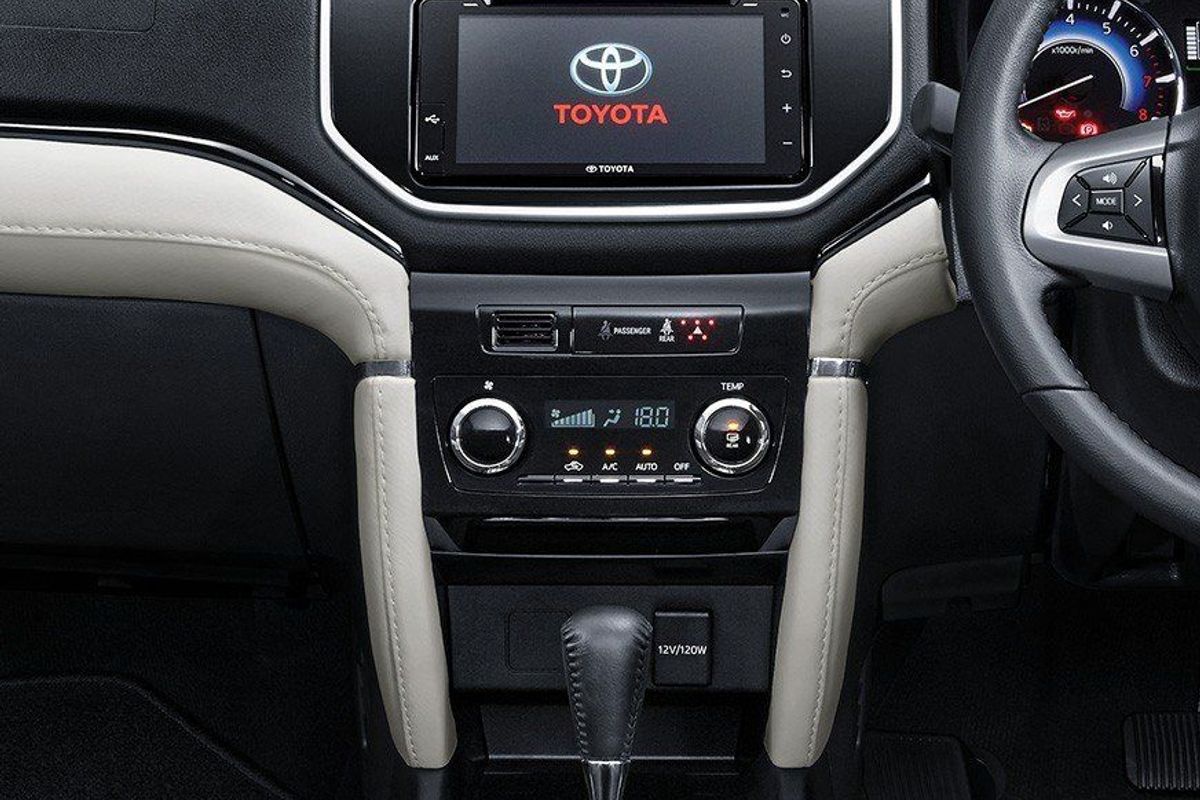
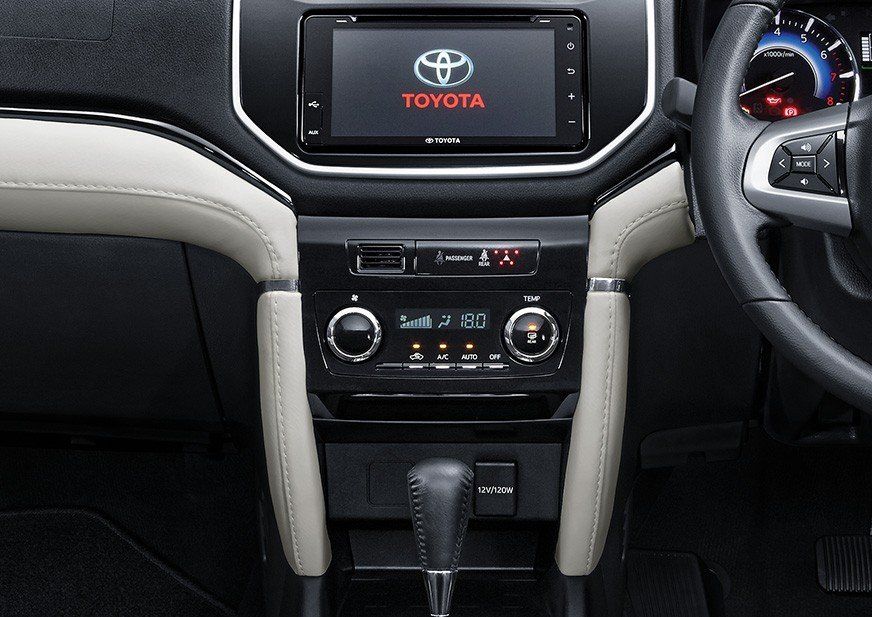
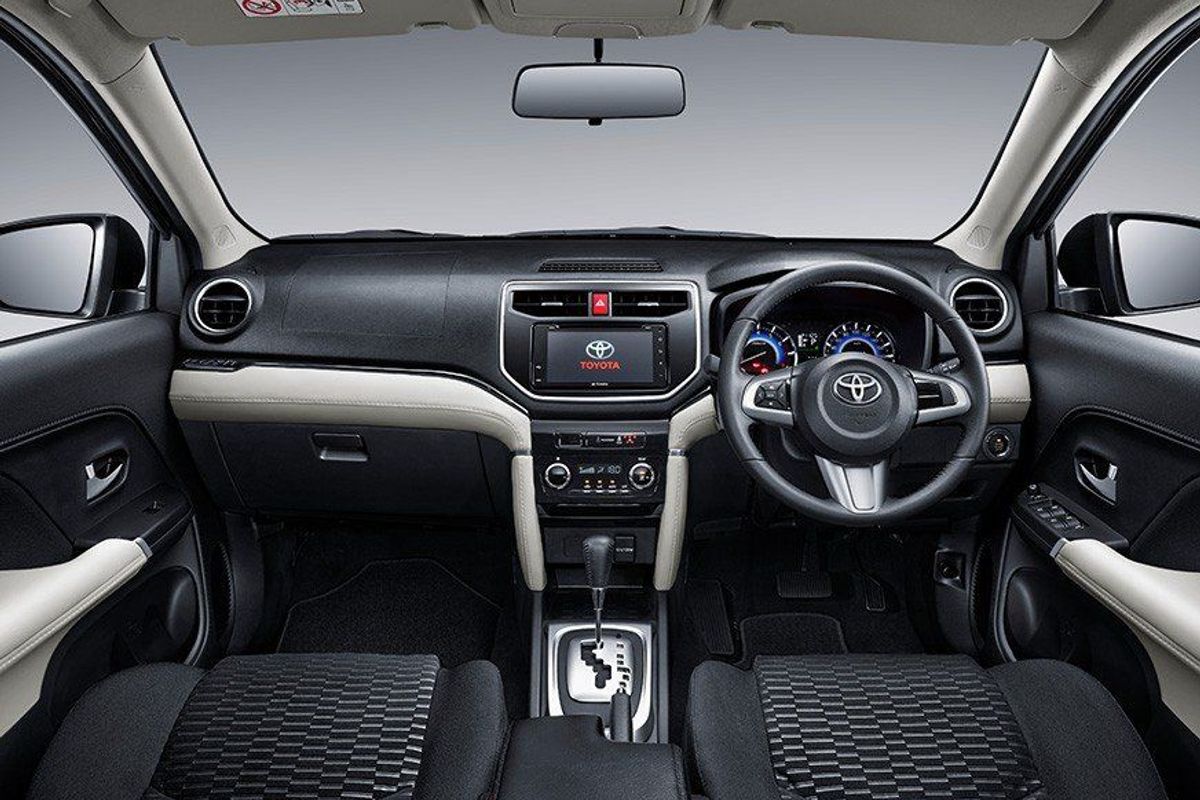
The top-of-the-range automatic version of the Rush features automatic climate control.

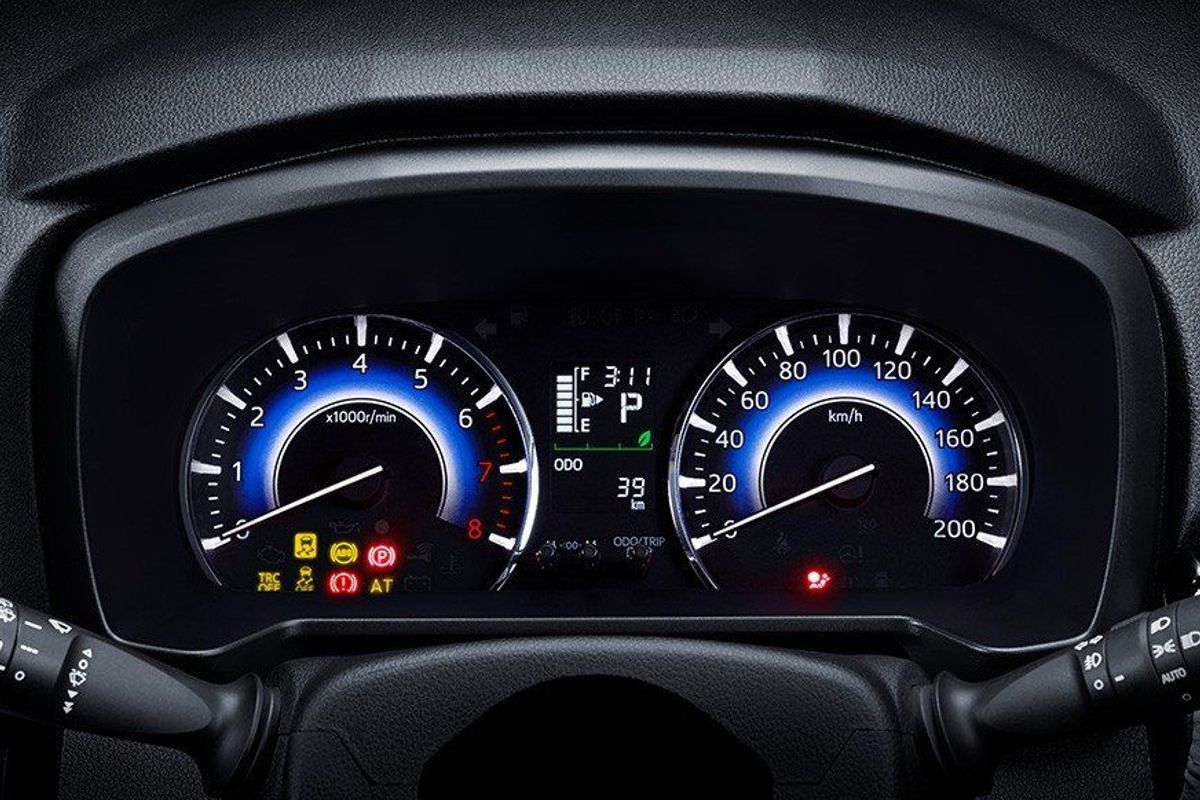
Inside, the cabin features a black-and-beige trim combination and familiar Toyota fascia architecture, replete with a 7-inch touchscreen-operated audio system, automatic climate control, keyless entry, start-stop button and two 12V outlets. Bear in mind that the South African-spec Rush will probably have a different trim specification but we will get definitive details from the launch.  

The Rush is powered by a 77 kW/136 Nm 1.5-litre petrol motor paired with either a 5-speed manual or 4-speed automatic transmission that drives the rear wheels, as is the case with the Avanza. Safety features include ABS with EBD, 6 airbags, vehicle stability control and hill start assist.

The Rush certainly makes a case for itself as a compact family car/small crossover that offers more practicality at a lower price point than the C-HR.  

Toyota Rush Price in South Africa

Toyota Rush High MT – R299 900

Toyota Rush High AT – R313 500

The Rush is sold with a 3-year/100 000 km warranty and a 6-service/90 000 km service plan.

Buy a new or used Toyota on Cars.co.za

Related content:

Toyota Rush (2018) Specs & Price

Honda BR-V 1.5 Elegance Manual (2016) Review
Suzuki Ertiga Receives Upgrades

Mahindra TUV300 (2017) Video Review
Road Trip with a Toyota C-HR

Interested in buying a Toyota?

Find one for sale on Cars.co.za

BMW X4 (2018) Price for SA

Pricing for the forthcoming BMW X4 has been announced and it will be arriving in South Africa as early as September 2018. 

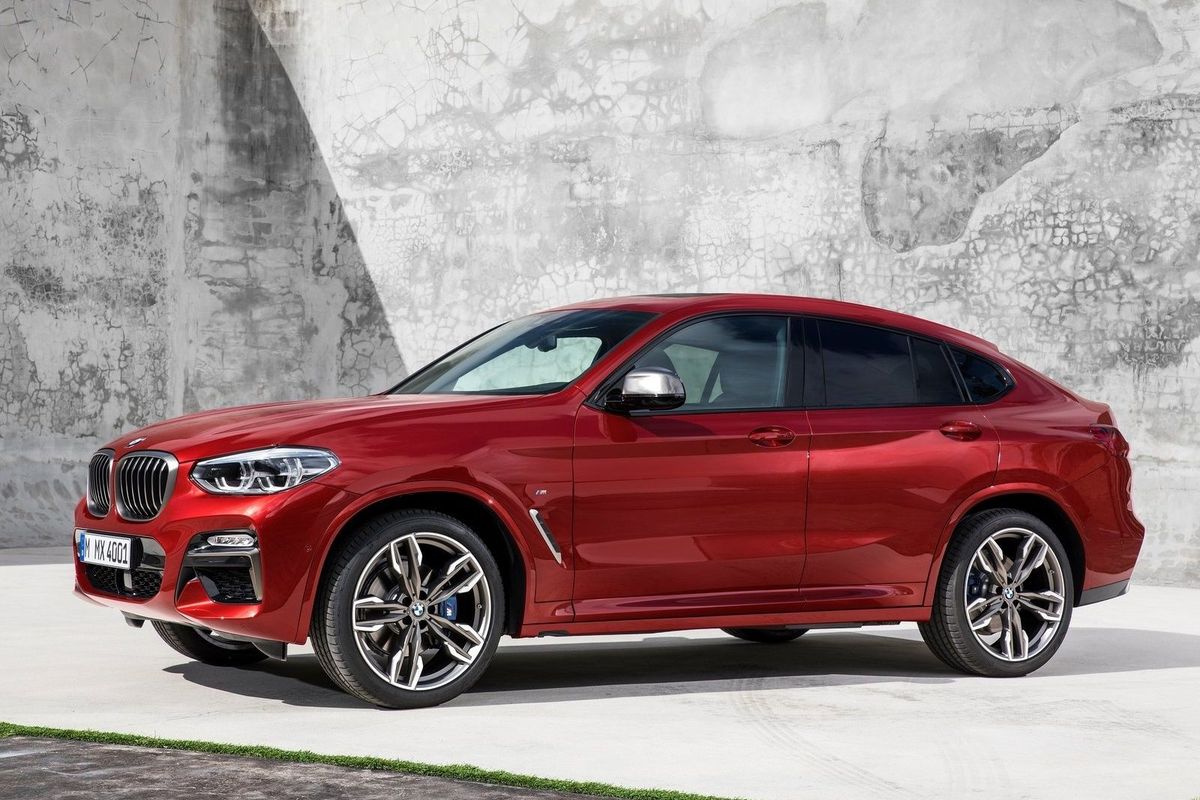
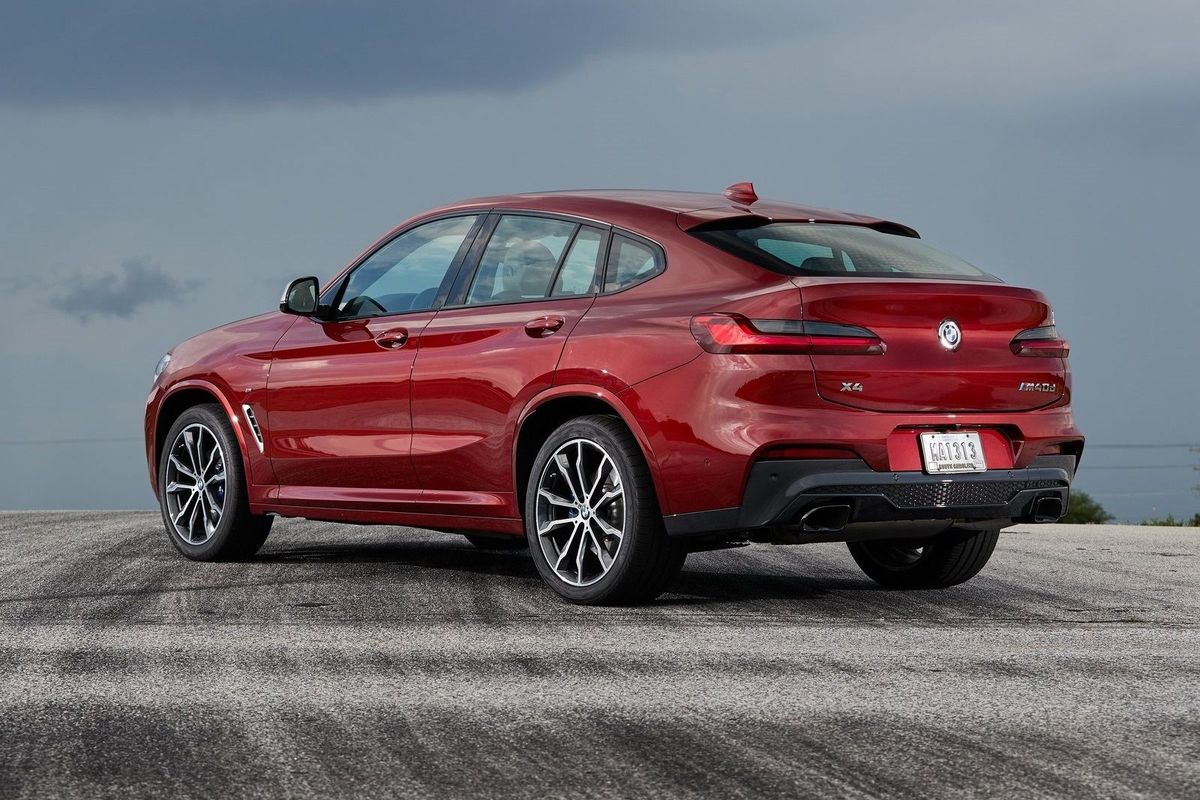
The new BMW X4 has changed considerably when compared to its predecessor. It rides on a new platform which is bigger, but critically, lighter. In terms of dimensions, you're looking at a vehicle which is 81 mm longer and 37 mm wider. It'll have better handling than the model it replaces, thanks to a lower centre of gravity and wider track. 

The South African market will get four variants of X4. Kicking off the range ix the xDrive20i and for the diesel fans, there's an xDrive20d. A potent M40i and M40d are also confirmed. It is important to note that all BMW X4 models come with eight-speed automatic gearboxes and all-wheel drive. We'll have final confirmation on specification when the vehicles land in South Africa.

BMW X4 – Price in South Africa

BMW X4 xDrive20i – R843 000

BMW X4 xDrive20d – R843 000

BMW X4 M40i – R1 132 800

BMW X4 M40d – TBC

Buy a BMW X4 on Cars.co.za

Related Content

BMW X4 (2018) Unveiled [w/ Video]

BMW X4 xDrive 35i (2014) Review
BMW X3 Production starts in SA

Classic Drive: BMW 325iS "Gusheshe" & 333i

Volkswagen Polo GTI Video Review (2018) | Bigger Engine, More Fun?
The new VW Polo GTI features a new engine and new chassis. Volkswagen has even made the claim that this new Polo GTI will be more fun to drive than a Golf GTI. We find out just how fun it is at Killarney Raceway.
Let’s get straight to the good news: the most important feature of the latest Polo GTI is the price tag. By building this model in Uitenhage, South Africa, Volkswagen will sell the latest generation Polo GTI for less than the version it replaces.

The list price has come down from R387 500 to R375 900, which is remarkable in and of itself and virtually unheard of in South African motoring.

We took the new 2018 Polo GTI to the Killarney racetrack to stretch its legs and find out if the detuned 2.0-litre motor borrowed from the Golf GTI, paired with the all-new chassis, provides the kind of drive you'd expect from the GTI nameplate.

Related content

Volkswagen Polo GTI: Old vs New

Volkswagen Polo GTI (2018) Launch Review

Video Comparison | Ford Fiesta vs Volkswagen Polo

Preview: 2018 VW Polo GTI vs 2018 Ford Fiesta ST

Search for a used VW Polo GTI here