Porsche is developing its first fully electric vehicle and it’s based on the Mission E Concept. The production version is expected to make its debut in 2019 and will be called the Taycan, meaning "lively, young horse".
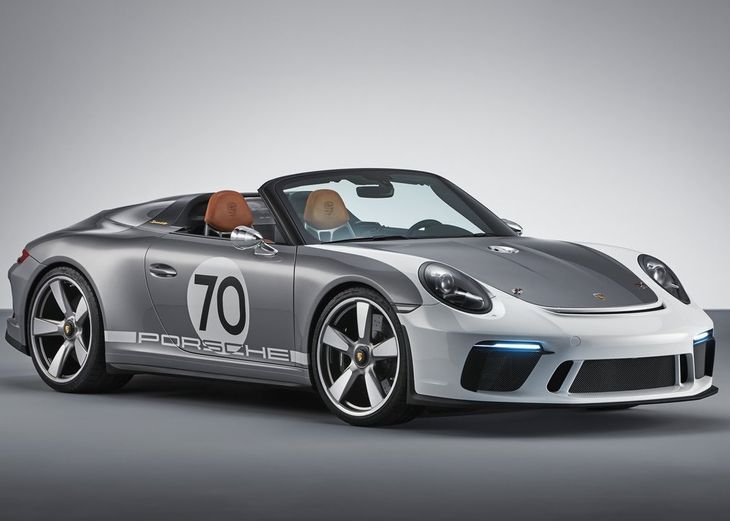
The announcement of the new electric Porsche Taycan follows the Stuttgart-based firm's 70th-anniversary celebrations and in South Africa, Porsche lovers from across the country descended on Kyalami Grand Prix Circuit to celebrate the milestone this past weekend. Porsche marked the occasion with the reveal of the 378 kW, 911 Speedster Concept which pays homage to the 1948 356 ‘No. 1’ Roadster.
The 911 Speedster Concept is an open-top sports car that celebrates 70 years of Porsche's sports car history.
Taycan in the making
The Tesla-rivalling Taycan is currently in development and if Porsche’s history is anything to go by, it’s destined to be a special electric car.
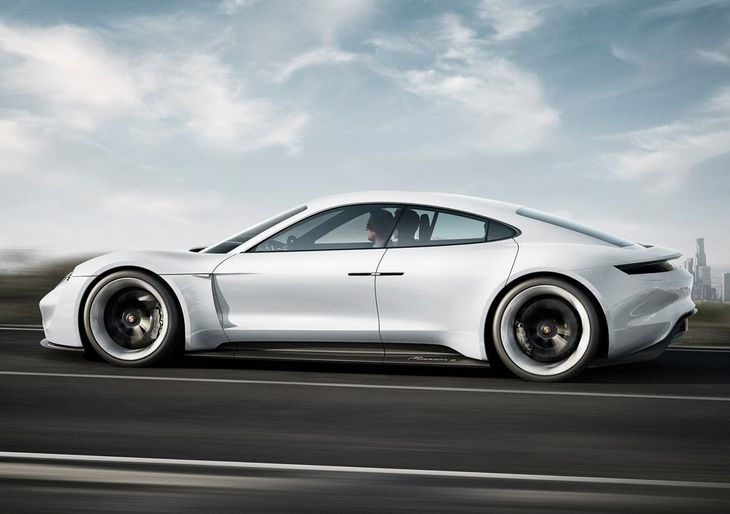
The new electric sedan will share design cues with the 2015 Mission E Concept and the range-topping Taycan is expected to offer in the region of 447 kW from its electric motors while the base model will have at least 300 kW. The sprint from zero to 100 kph will take less than 3.5 seconds and the Taycan will have a range of about 500km on a single charge using an 800-volt charger that can recharge 80% in just 15 minutes.
The Porsche Taycan will draw inspiration from the 2015 Mission E Concept.
The Taycan will be built at Porsche’s Stuttgart manufacturing facility. Official images of the Taycan have yet to be revealed but we will keep you updated as soon as more information becomes available.
Volkswagen Polo GTI (2018) Launch Review [w/Video]
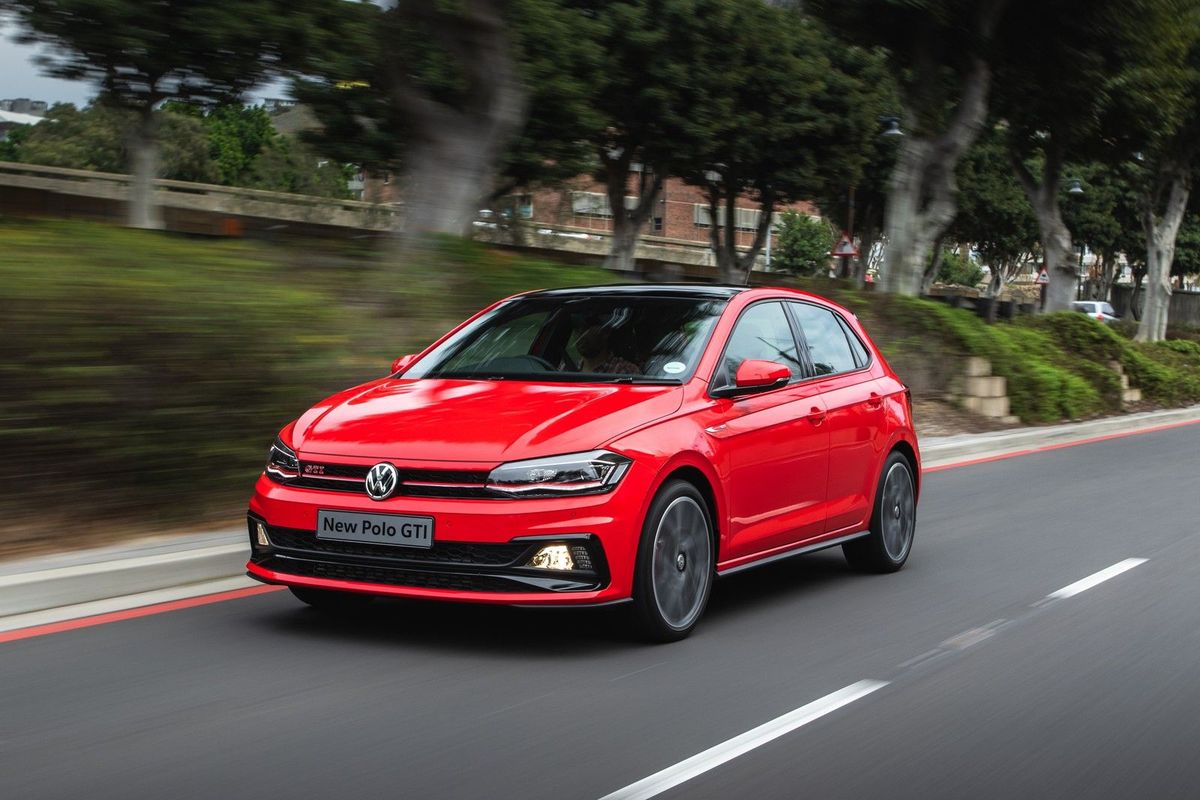
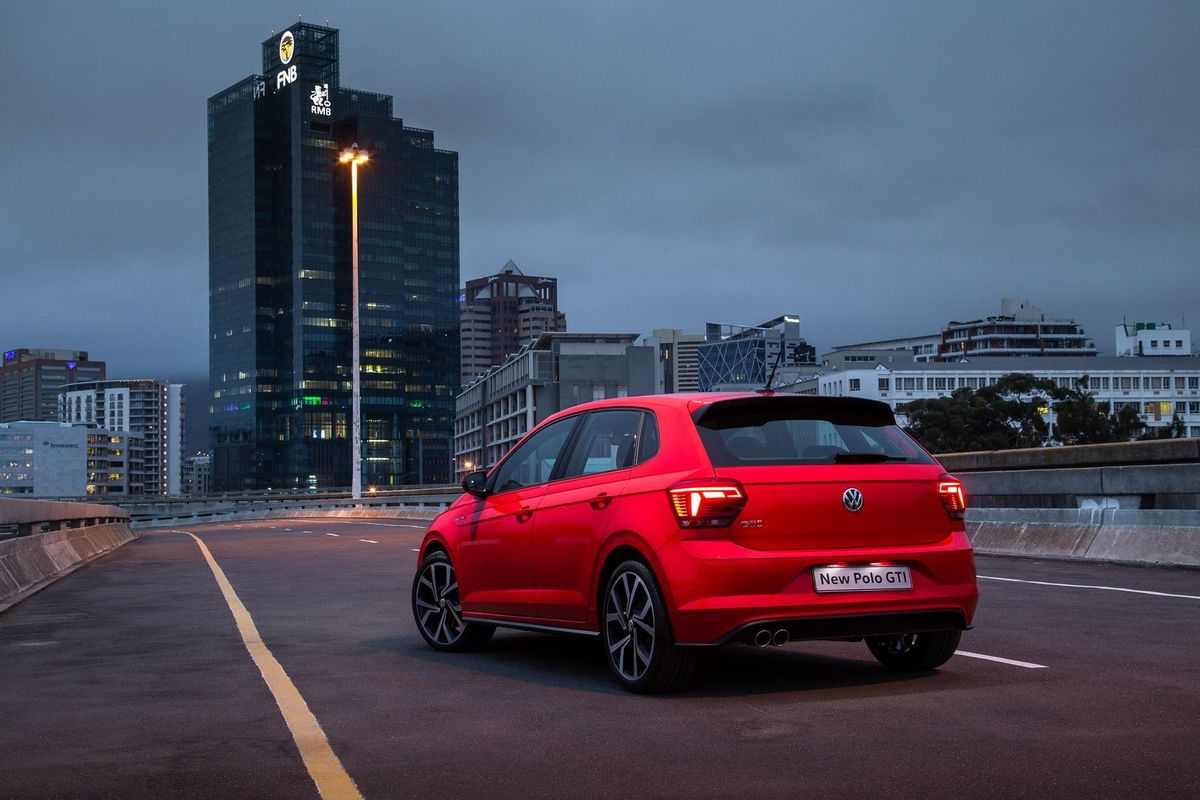
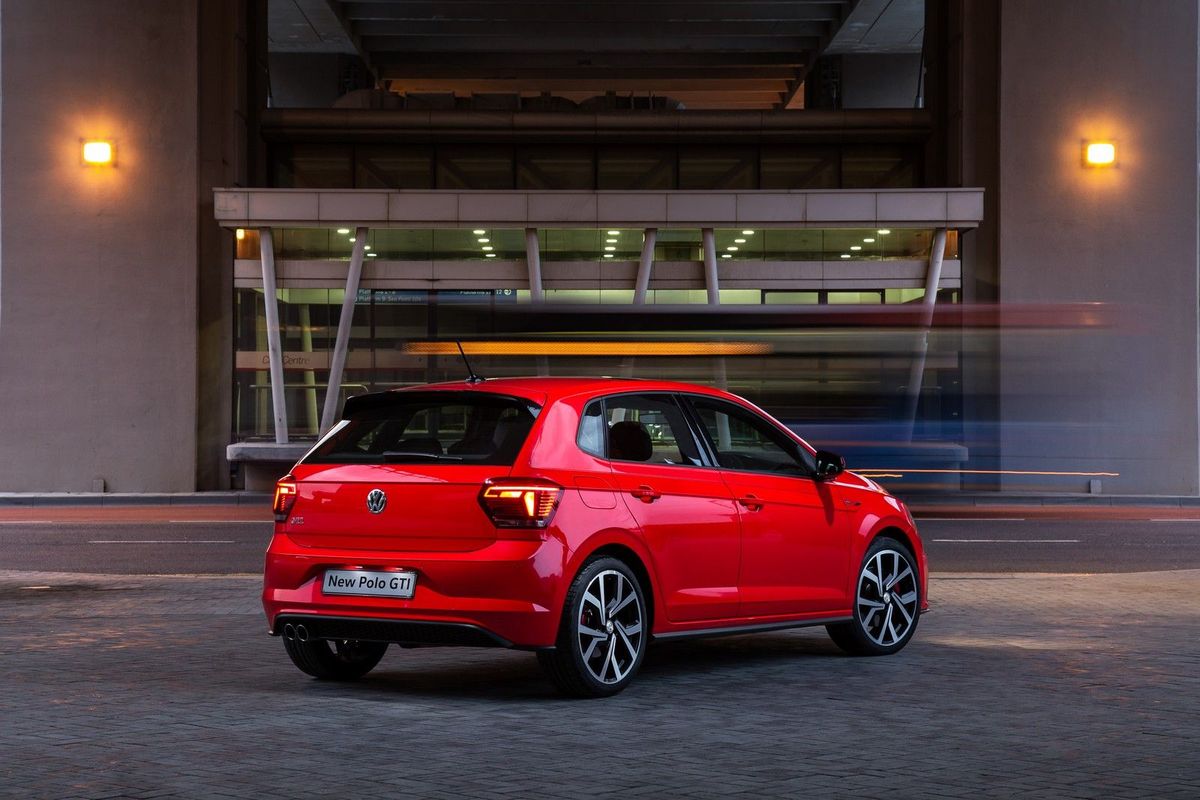
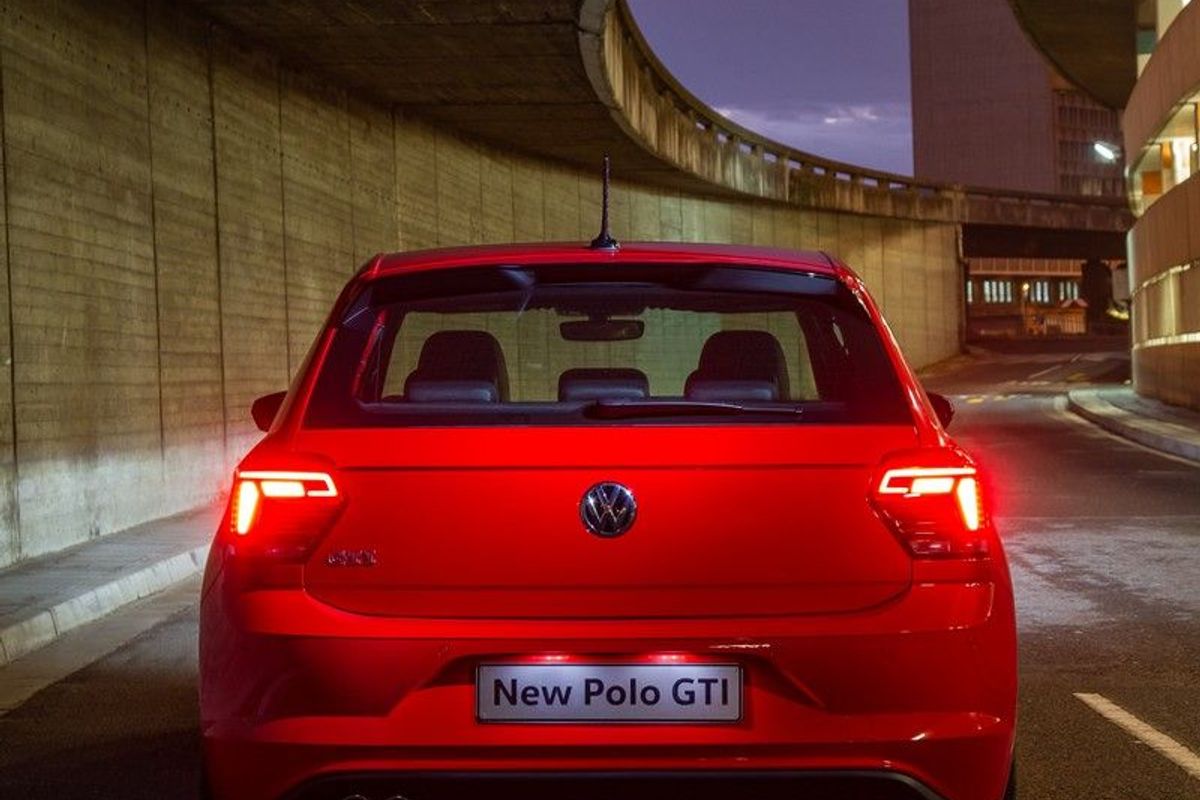
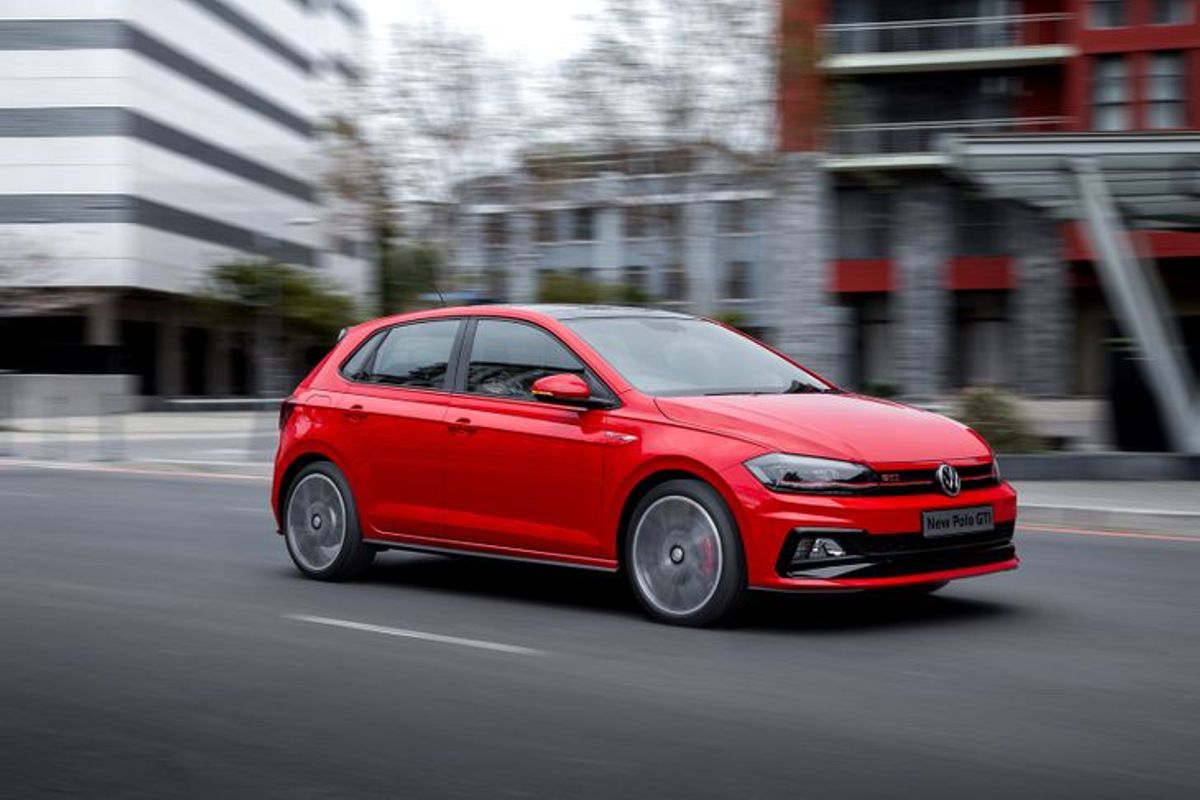
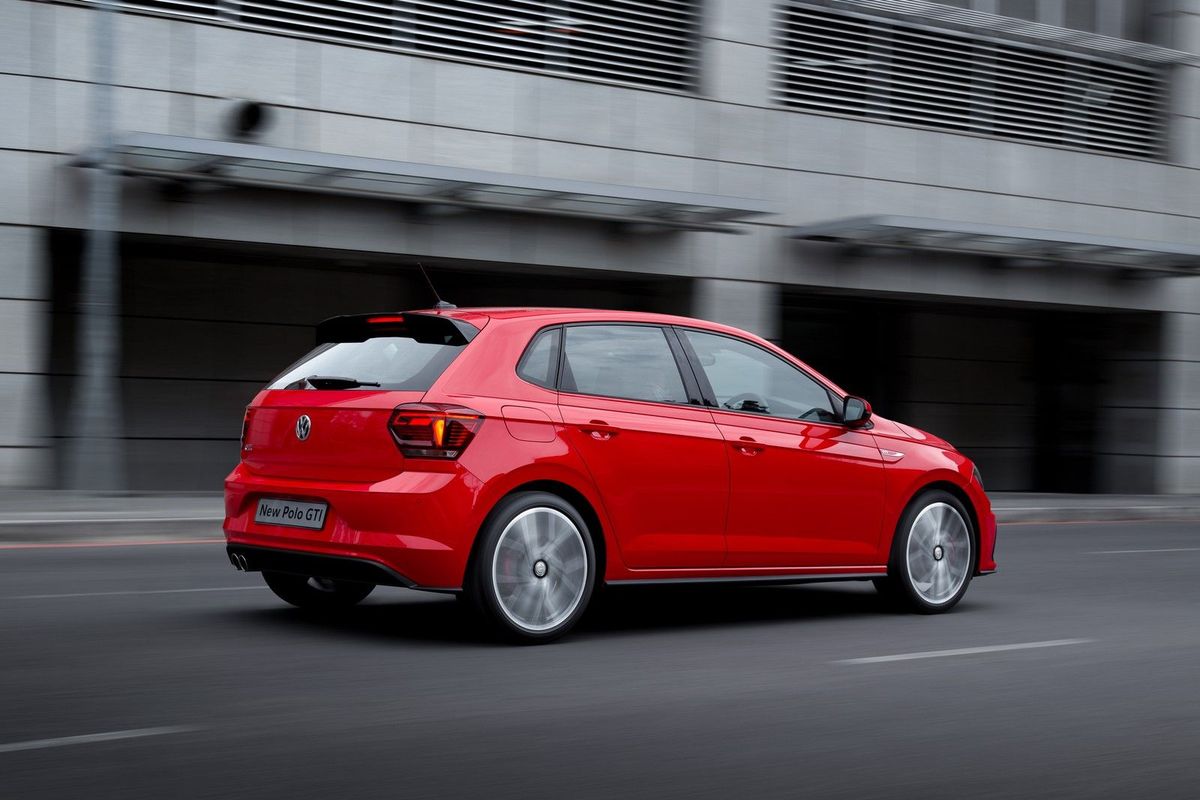
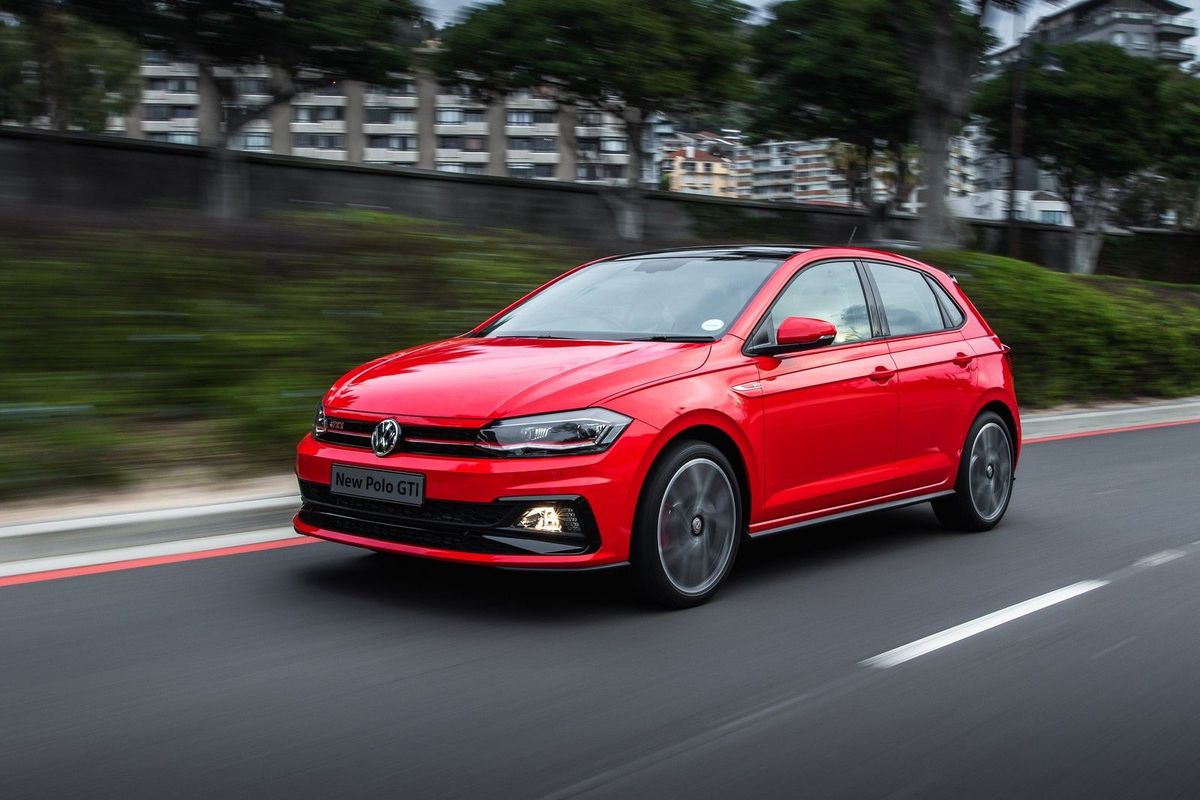
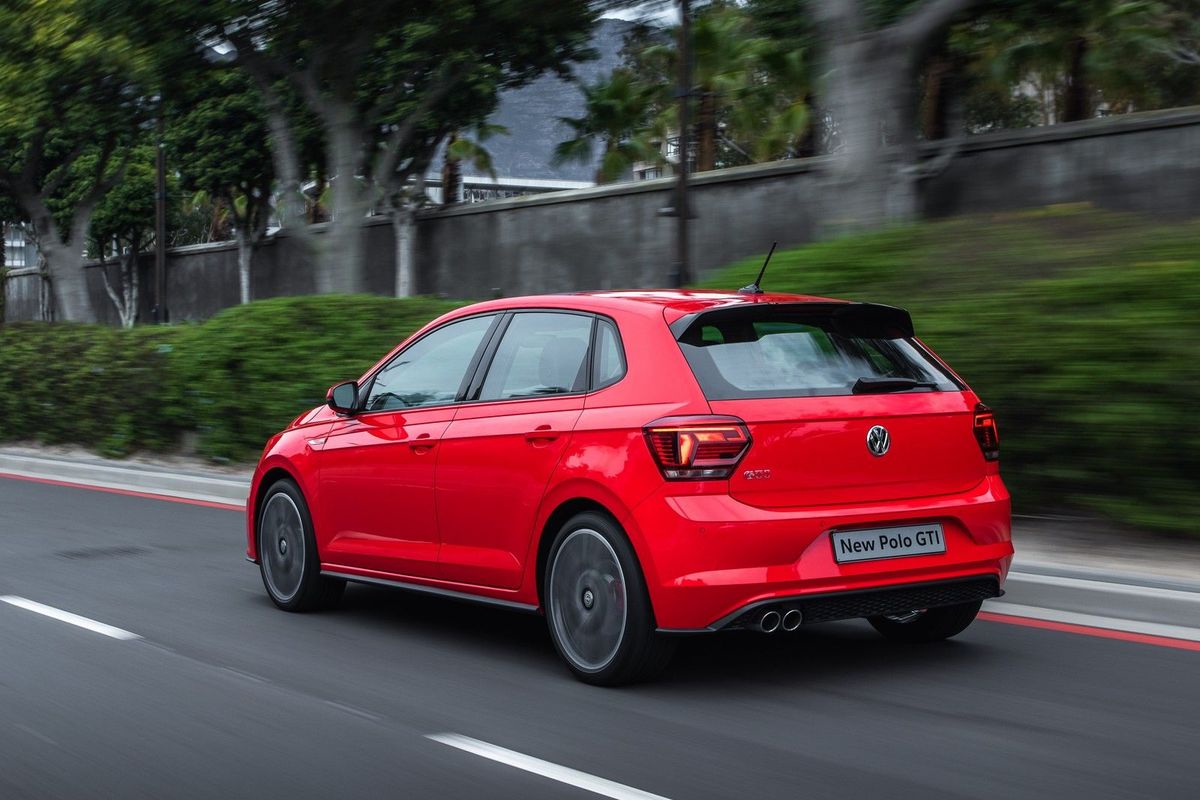
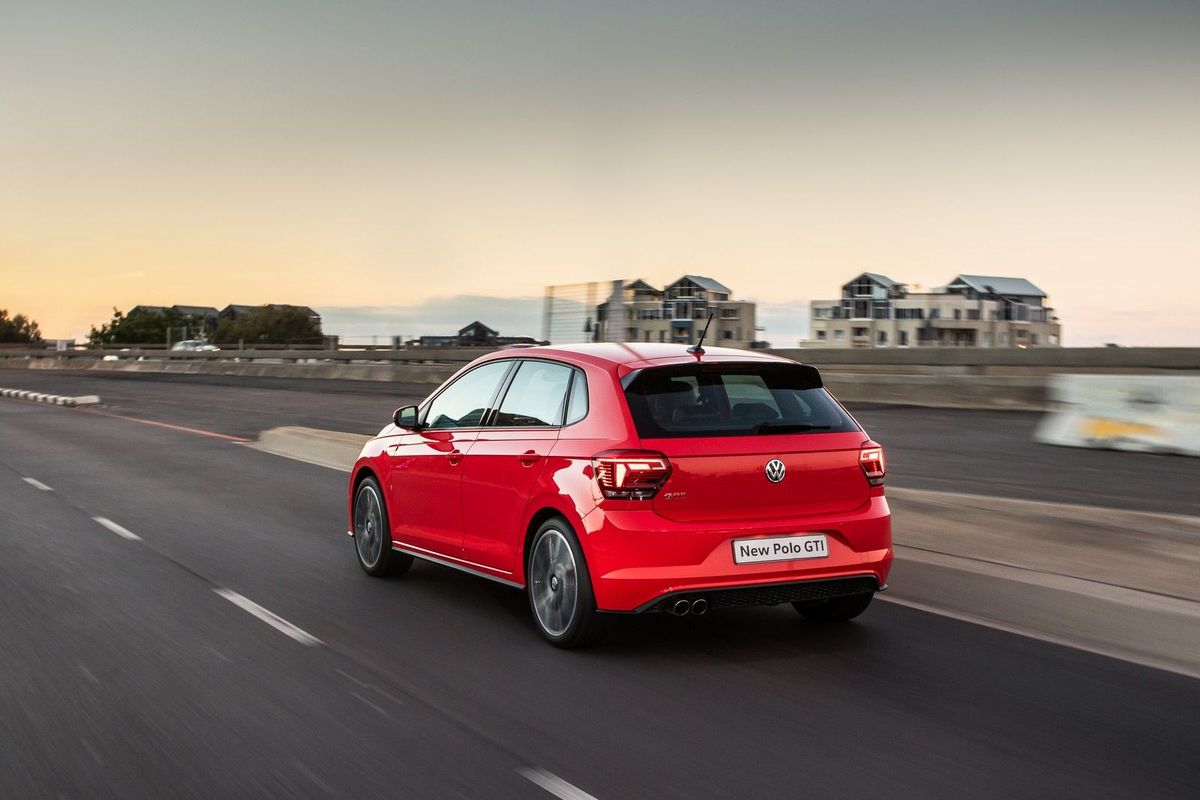
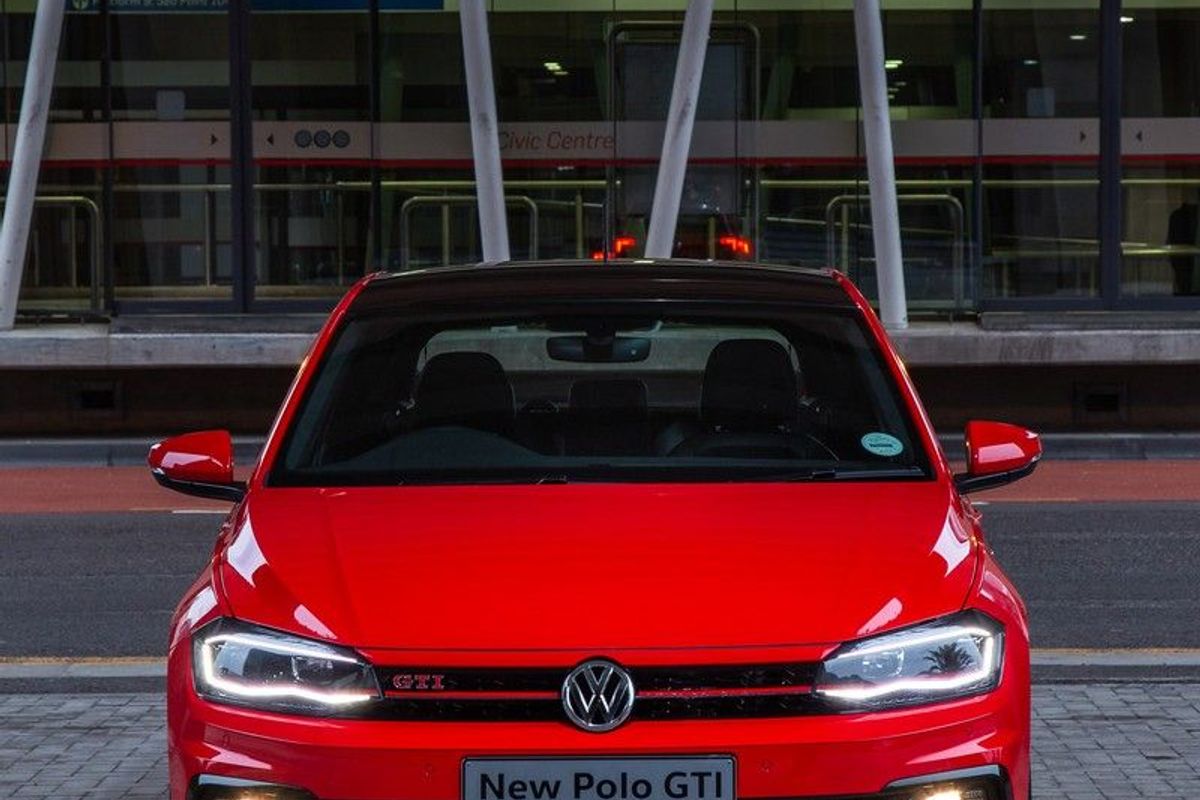
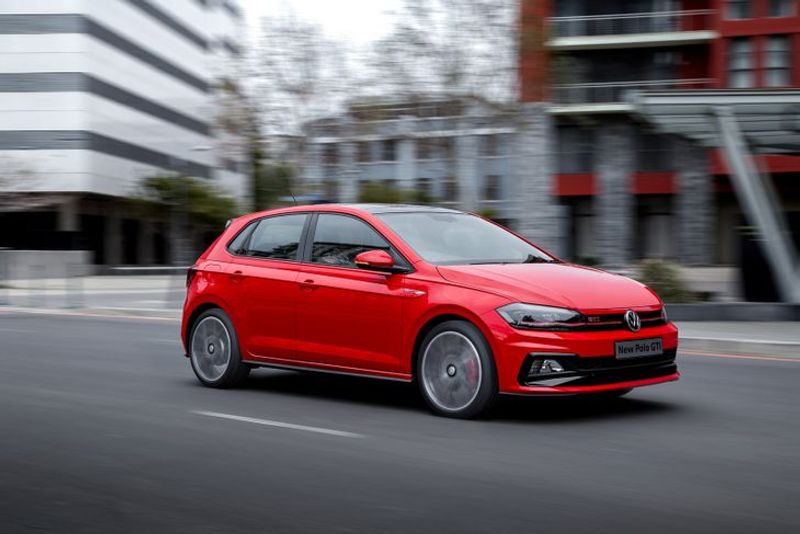
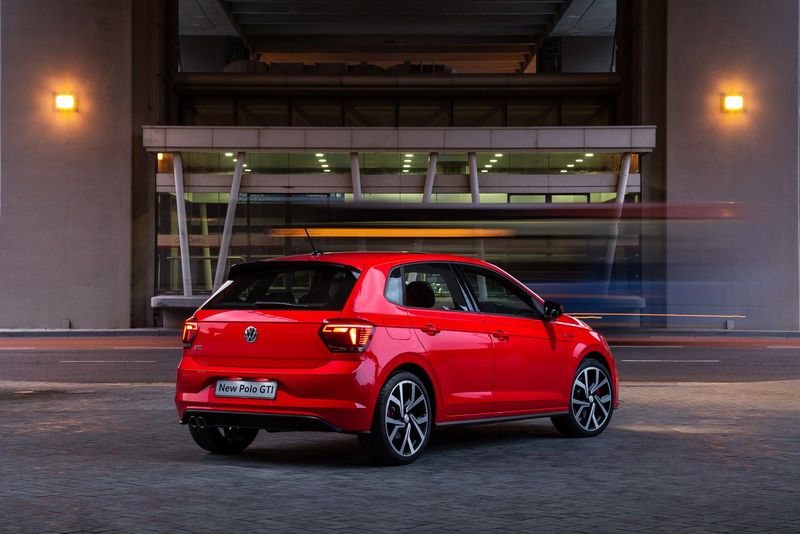
Volkswagen has just launched the latest generation of the Polo GTI, the halo version of the extremely popular compact hatchback range. With the GTI now built at the Uitenhage plant, Volkswagen SA has been able to offer an even stronger package to local buyers.
The Good News
Let’s get straight to the good news: the most important feature of the latest Polo GTI is the price tag. By building this model in Uitenhage, South Africa, Volkswagen will sell the latest generation Polo GTI for less than the version it replaces.
The list price has come down from R387 500 to R375 900, which is remarkable in and of itself and virtually unheard of in South African motoring. This will surely be welcomed by local buyers who only ever seem to hear about the rising cost of motoring, particularly at the pumps.
What is it
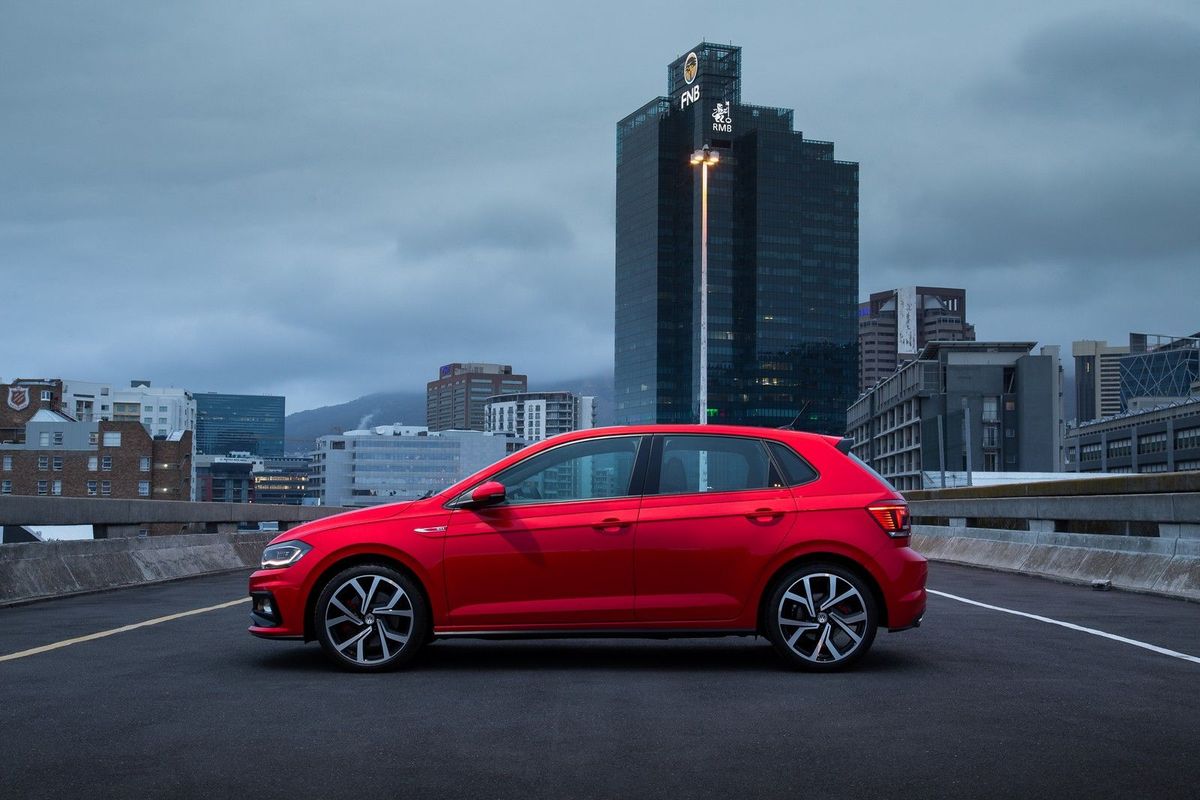
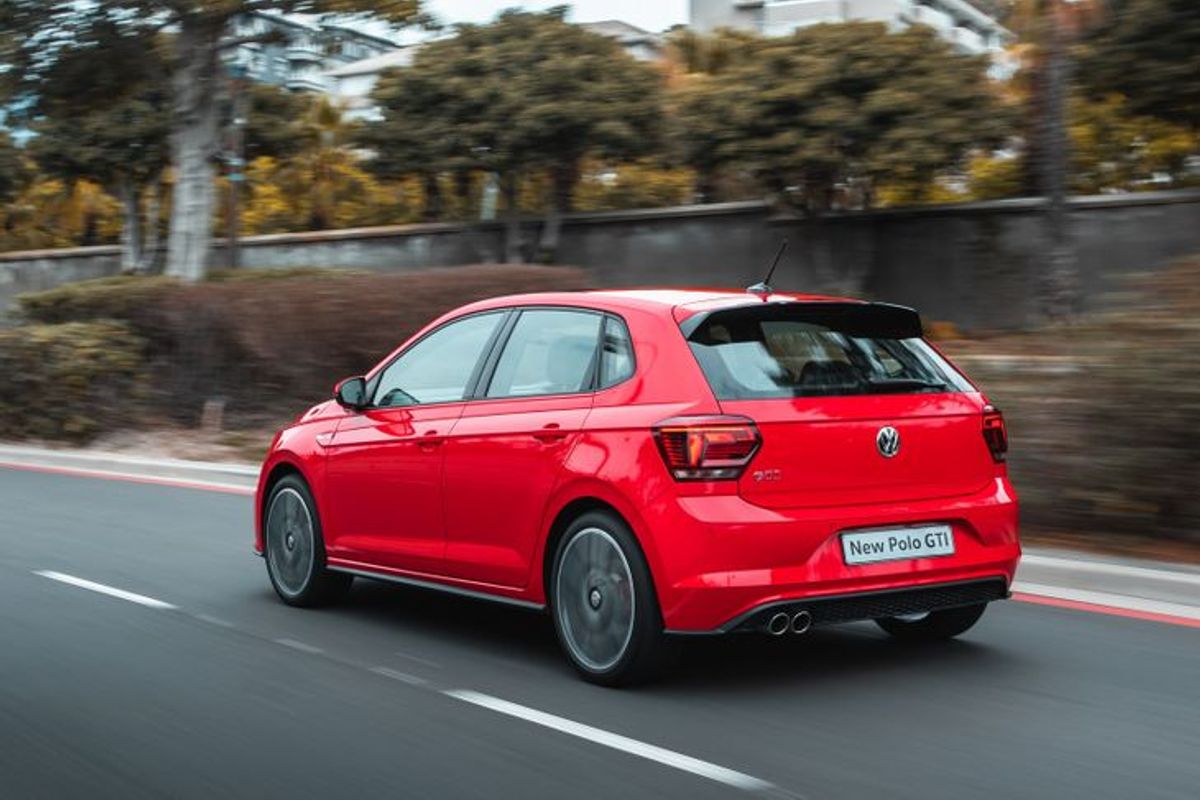
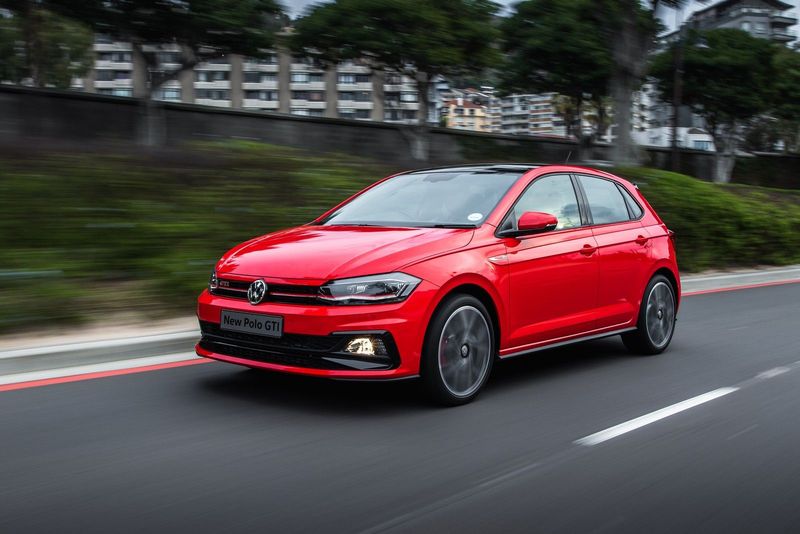
The Polo GTI is shod with 18-inch wheels and tyres; it is powered by a 2.0-litre turbopetrol motor.
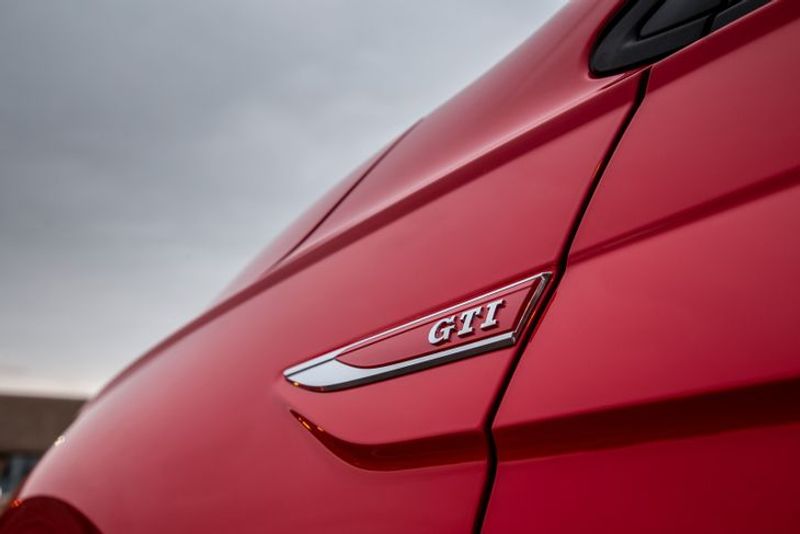
The Polo GTI is a compact hot hatch, which is not short on racy good looks, high-end features and technology, and of course a relatively powerful motor up front providing all the fun. For decades, the Polo represented the most affordable way to park a GTI badge on your driveway. That honour has now gone to the Up! GTI, a model which Volkswagen tells us will probably not be sold in South Africa, mostly due to the popularity of the Polo Vivo. The Polo that the GTI is based on slots into the Volkswagen lineup below the Golf and above the Up!, and specifically in our market, above the Polo Vivo.
Tell me about the power…
It seems that for this generation, Volkswagen has been bolder and no longer wants the Polo GTI to live in its larger sibling’s shadow. They’ve fitted a detuned version of the Golf GTI’s motor, a 2.0-litre 4-cylinder TSI turbocharged petrol that produces peak outputs of 147 kW and 320 Nm of torque.
Major updates for the new model come in the driving dynamics and 'fun factor' departments.
This is good for a claimed 0-100 kph time of 6.6 seconds and a top speed of 237 kph. The Polo GTI is able to give the current Golf GTI a good run for its money, at least in terms of straight-line acceleration. With power outputs of 169 kW and 350 Nm, the larger Golf (7.5) GTI is claimed to complete the 0-100 kph sprint in 6.4 seconds, which is only 2-tenths of a second faster…
But what’s it like to drive?
Thanks to the XDS differential (fitted as standard), the Polo GTI is able to put its power down impressively and efficiently. During cornering, as the inside wheel lifts off the ground and progressively loses traction, the trick diff transfers power to the outside wheel. Volkswagen claims that this allows the Polo GTI to deliver an extra 0.2 g of lateral acceleration, enabling brave pilots to corner with up to 1 g of lateral force – impressive for a hot hatch in this segment.
The result is a car with enormous traction, which allows you to accurately place the nose and corner with confidence. The steering is well-weighted with a satisfying amount of feedback transmitted to your palms. Understeer is very predictable and well managed, but so is, lift-off oversteer, with the back-end moving about progressively. To be honest, it’s a chassis which feels capable of handling much more power. Polo R, anyone?
The XDS diff fitted to the new Polo GTI allows it to corner harder, up to 0.2g harder, in fact.
The setup is unsurprisingly stiff compared to your average Polo and riding on 18-inch low profile rubber, the ride quality is not what I would describe as comfortable, especially on coarse road surfaces. But thanks to active chassis control (a very worthwhile extra, at R5 050), the driver can soften the damping which does help considerably.
This generation of Polo GTI seems to blend the right amount of refinement and edginess into the driving experience. It’s an enormously entertaining car, which burbles lightly on the overrun and blips the throttle on downshifts. It feels more agile and engaging than its big brother and I might even go so far as to say it's a more enjoyable hot hatch experience.
Interior bits and pieces
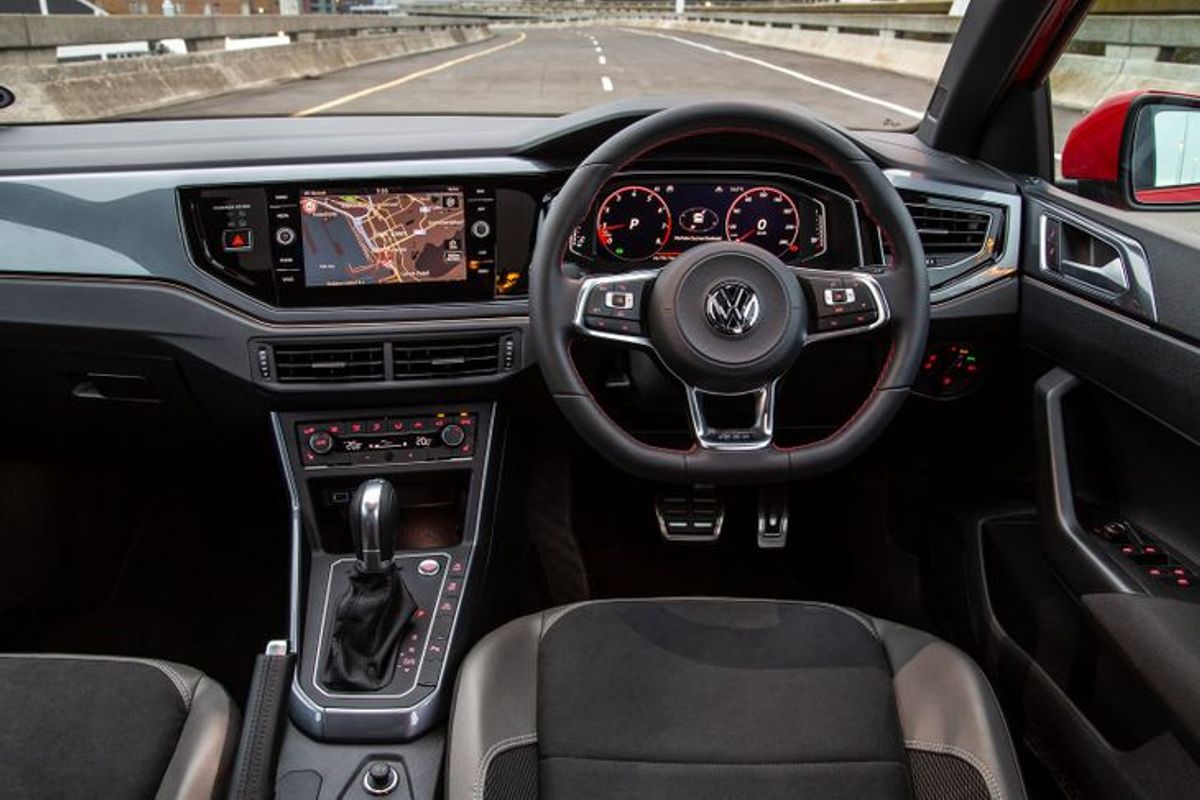
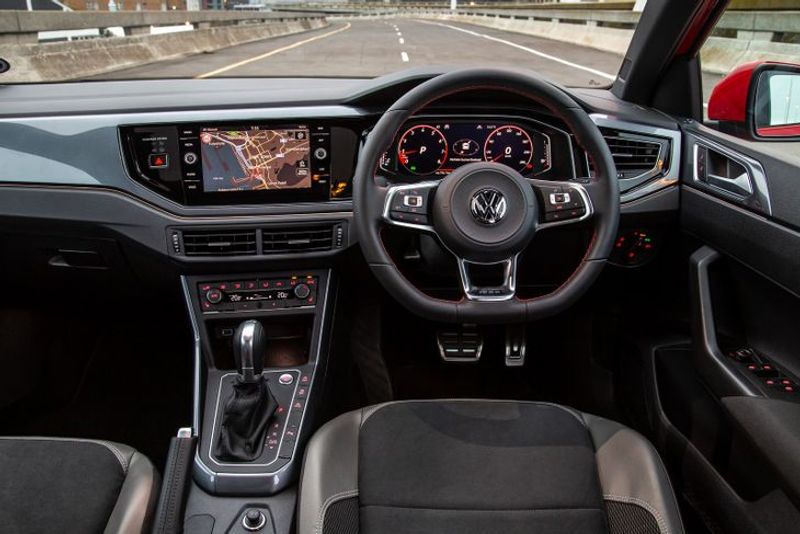
The new Polo’s interior is arguably best in class and that is no different for the GTI. A large touchscreen dominates the dash and thankfully VW has gone back to a volume knob which I find far preferable to touchscreen buttons. A new red fascia trim is available for the GTI, which really does look the business, but oddly this option is not available in combination with red exterior paint.
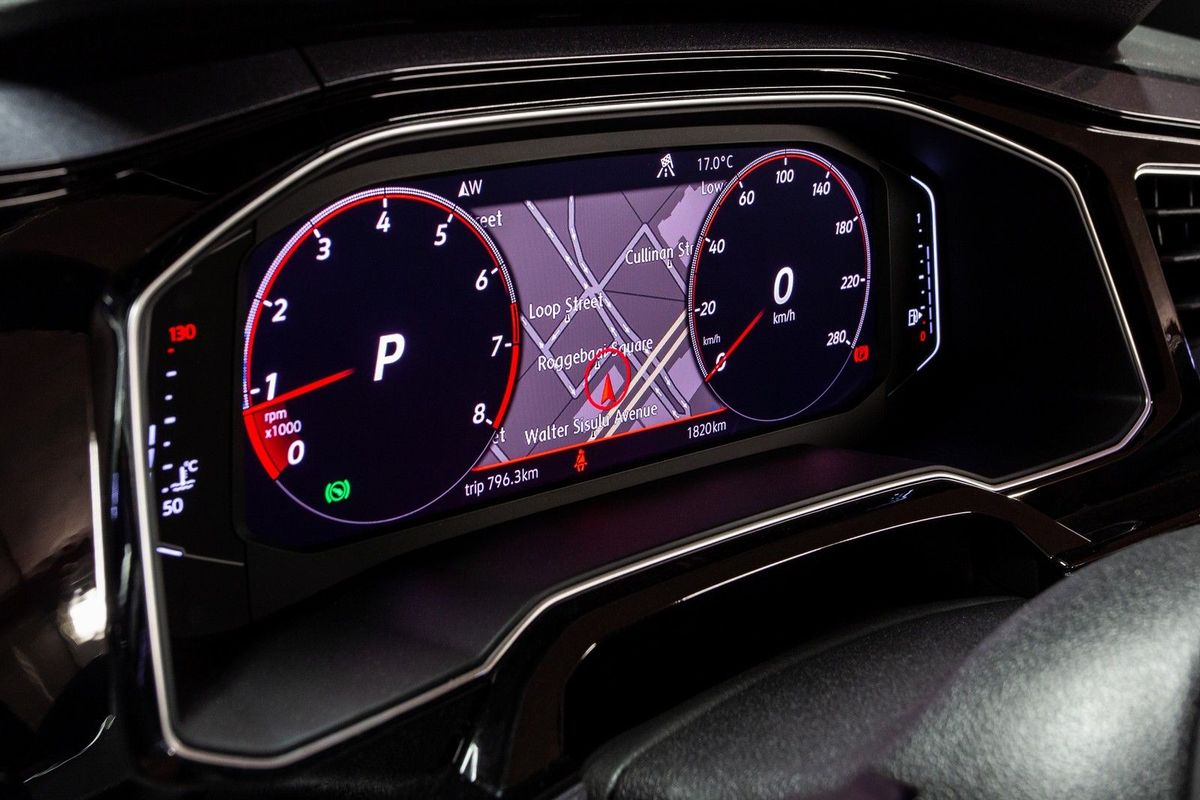
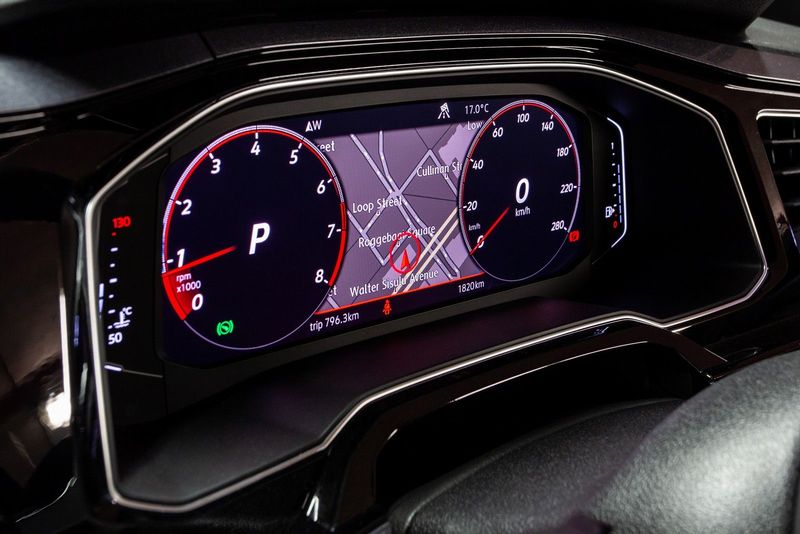
The instrument cluster has also been revised and adds to the sporty ambience of the cabin. The Active Info display has been updated and going forward individual models will get their own look and feel. The big red dials chosen for the Polo GTI appear more focused and purposeful.
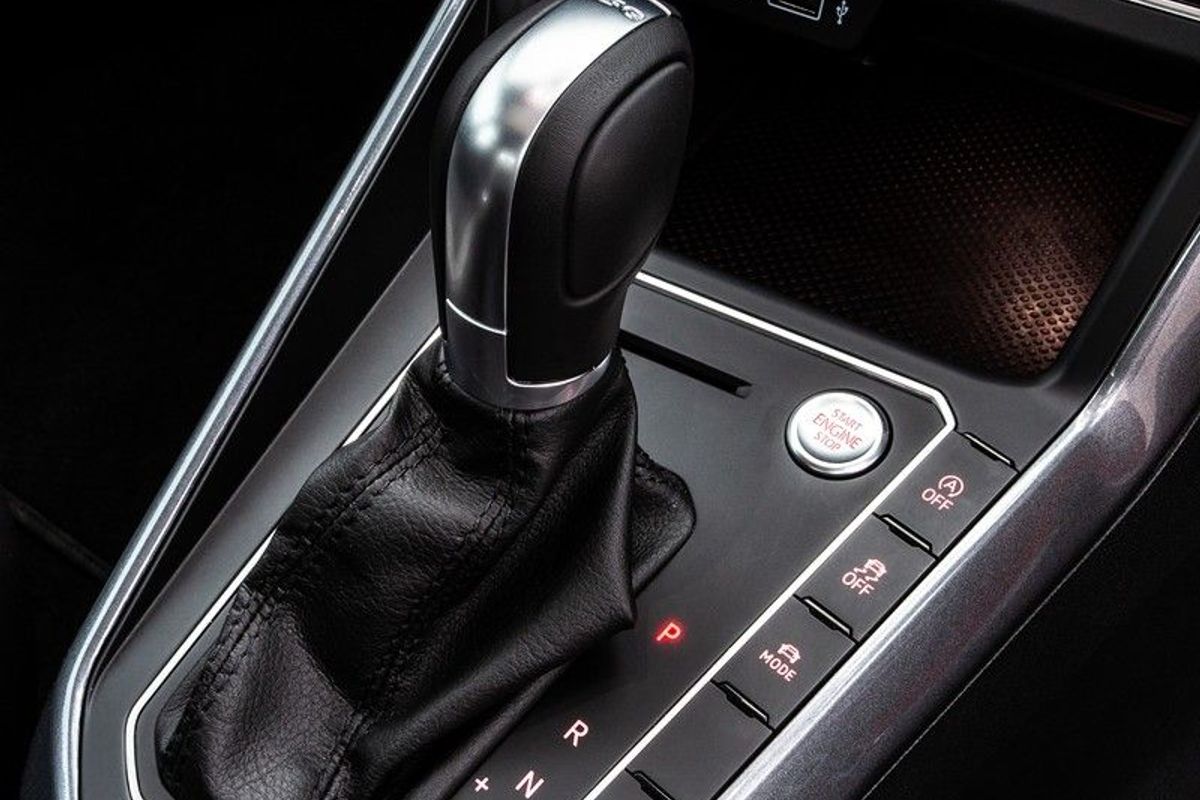
Currently, the DSG gearbox is the only choice of shifting.
The standard spec has been increased and VW has added curtain airbags, two USB ports (hallelujah!), App Connect, adjustable lumbar support and LED daytime and LED tail lamps. The standard upholstery is what the Wolfsburg-based brand terms “Art Velour” – a combination of an Alcantara-like material and cloth, but full leather is available. Interestingly, South Africa is the only market in the world where this is offered as an optional extra.
Final thoughts
In a market which is increasingly buying down, many manufacturers are ensuring that their smaller, more affordable cars offer the comfort, features and build quality one would expect from larger, more expensive cars. Models like the Polo represent a happy medium, where buyers can feel satisfied that they haven’t had to compromise.
New generation of Active Info Display showcases new dials, unique to Polo GTI.
The Polo GTI builds on that winning recipe by adding genuine sporting dynamics and driver enjoyment, attention-grabbing aesthetics and of course the relative prestige of owning a GTI nameplate.
The Polo GTi simply feels like a lot of car for your money and if a Golf GTI, which now retails for nearly R550 000, is out of our reach, you certainly won’t feel shortchanged by opting for its more affordable sibling.
Pricing and warranty
As it is locally built, the delivery time on a custom-specced car is greatly reduced, at approximately 7 weeks (as opposed to nearly 3 months). The Polo GTI is sold with a 3-year/120 000 km warranty and 3-year/45 000 km service plan. Pricing starts at R375 900
Porsche celebrates its 70th anniversary this year and in that time has created some of the most iconic cars the world has ever seen. But which 10 are the greatest?
Identifying the 10 "greatest" cars from a brand such as Porsche, which has a catalogue stuffed with heroes, is no easy task. In fact, we could probably have done a "70 Greatest Porsches Of All Time" list and still have left some out… So, in this list, you will find a very personal mix of the obvious, historically significant and just plain brilliant to drive. I've left out the racing cars, which deserve a list all of their own, to focus on road-going machines, and have also not bothered too much with commercial importance. I do think it's worth noting that without "mainstream", volume-selling cars such as the Cayenne, Macan and the Boxster, many of the greats on this list would never have existed…
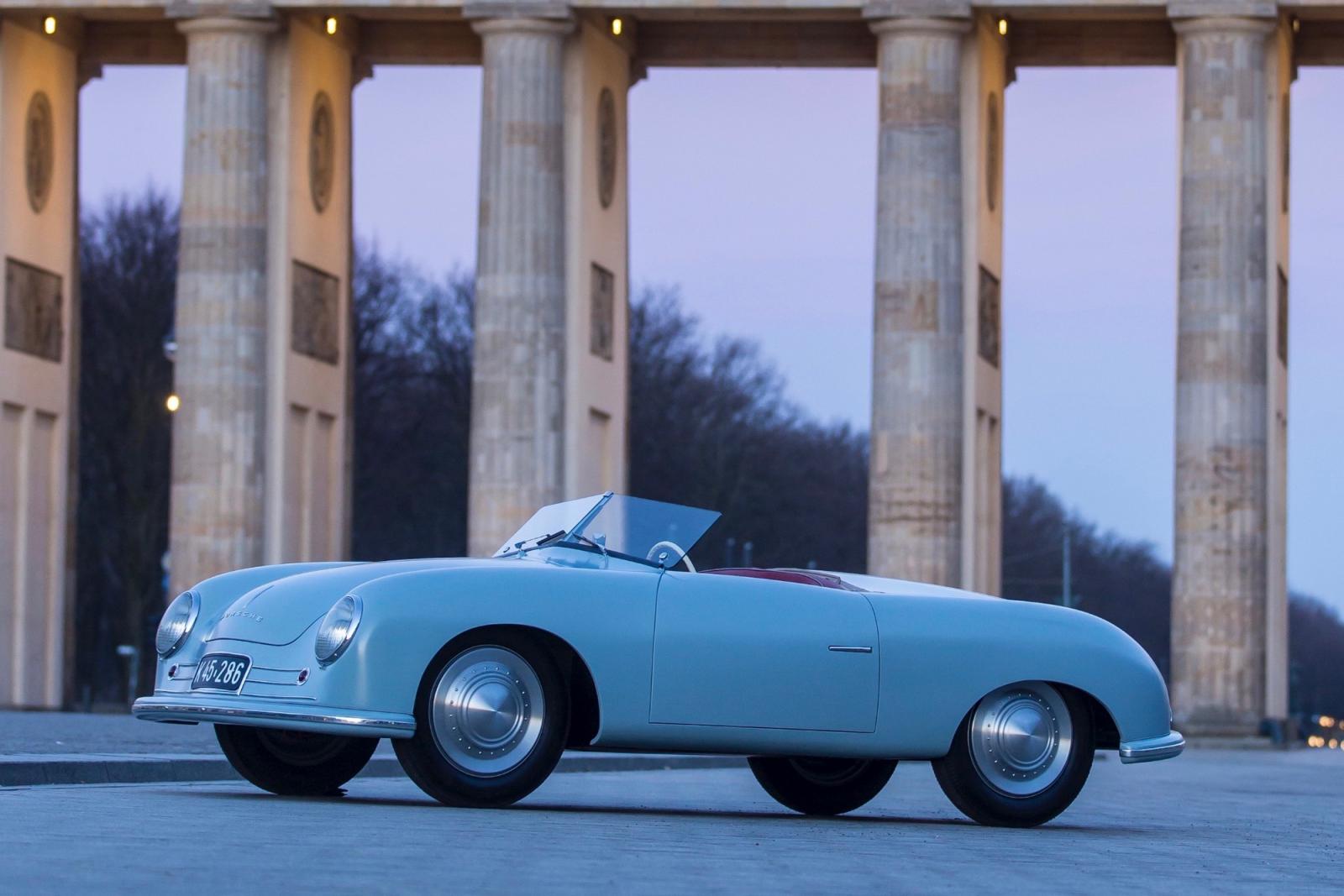
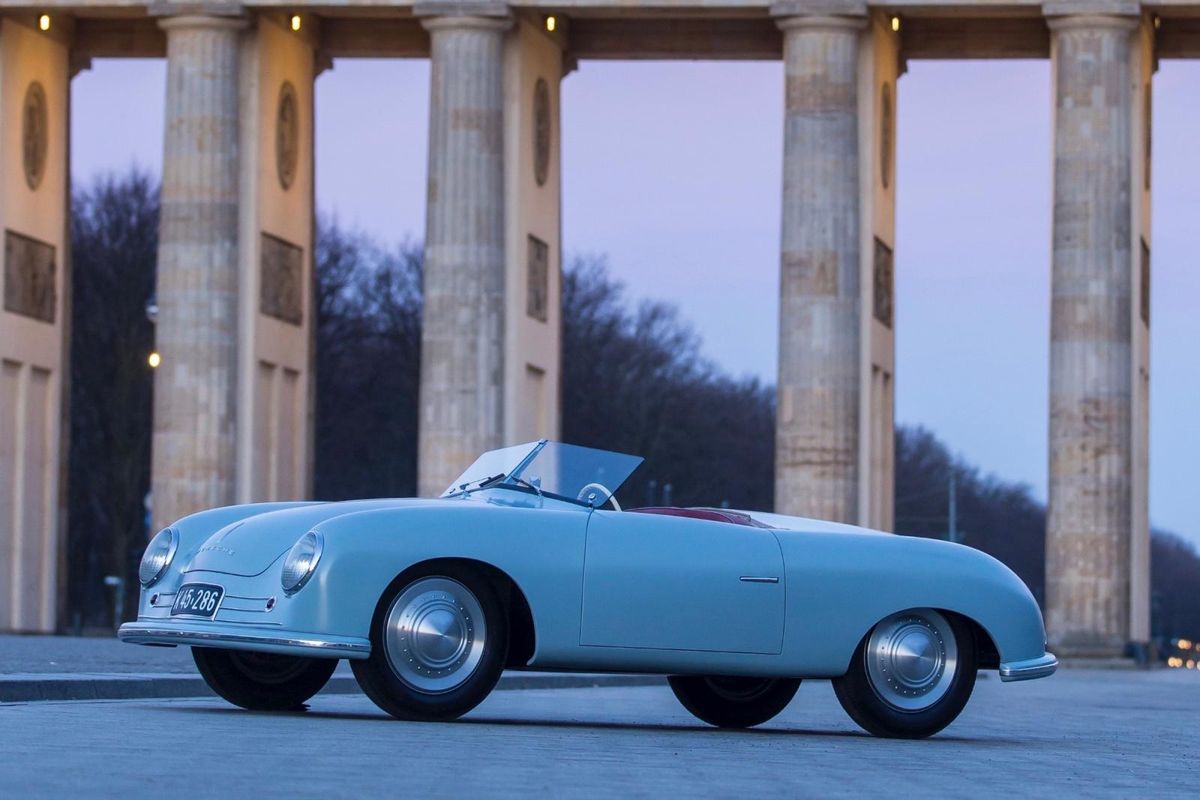
1948 Porsche 356 No.1 Roadster
Recently restored, the Number 1 Roadster is on the way to SA for 70th Anniversary celebrations.
For obvious reasons, the 356 had to be on this list, but which one? Delve into the rich history of Porsche and start talking to aficionados and it quickly becomes clear that everyone has their own favourite. One of the most collectable and desirable cars remains the Speedster, which came into existence thanks to US importer Max Hoffman who convinced Porsche that such a lower-cost derivative would do well in the States.
For this list, however, I've selected Genesis… the car that represents the birth of Porsche, the so-called 356 Roadster Number 1. Recently restored to do duty as a show car (it's not driveable), this 356 Roadster laid the foundation for the cars that followed.
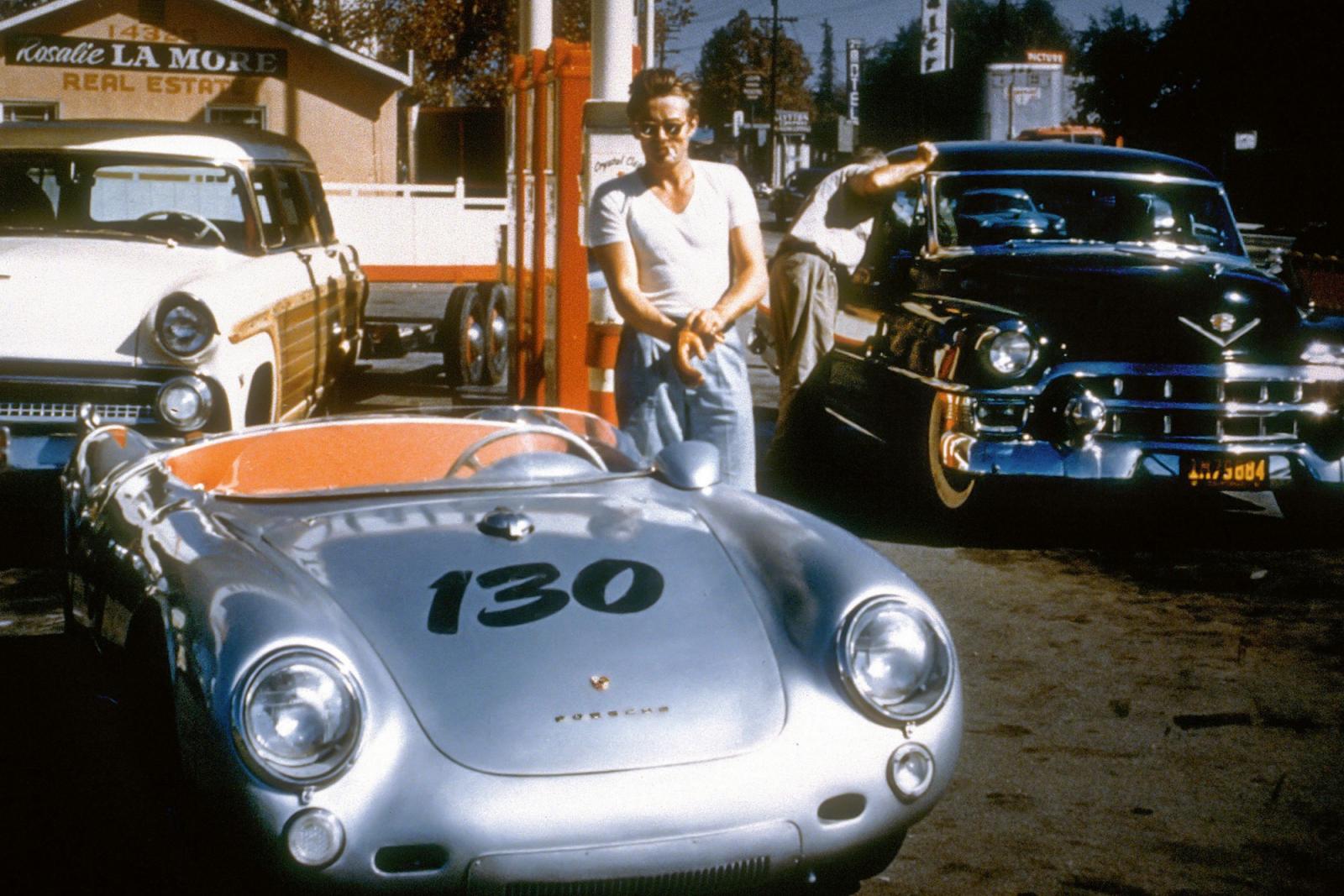
1953 Porsche 550 Spyder
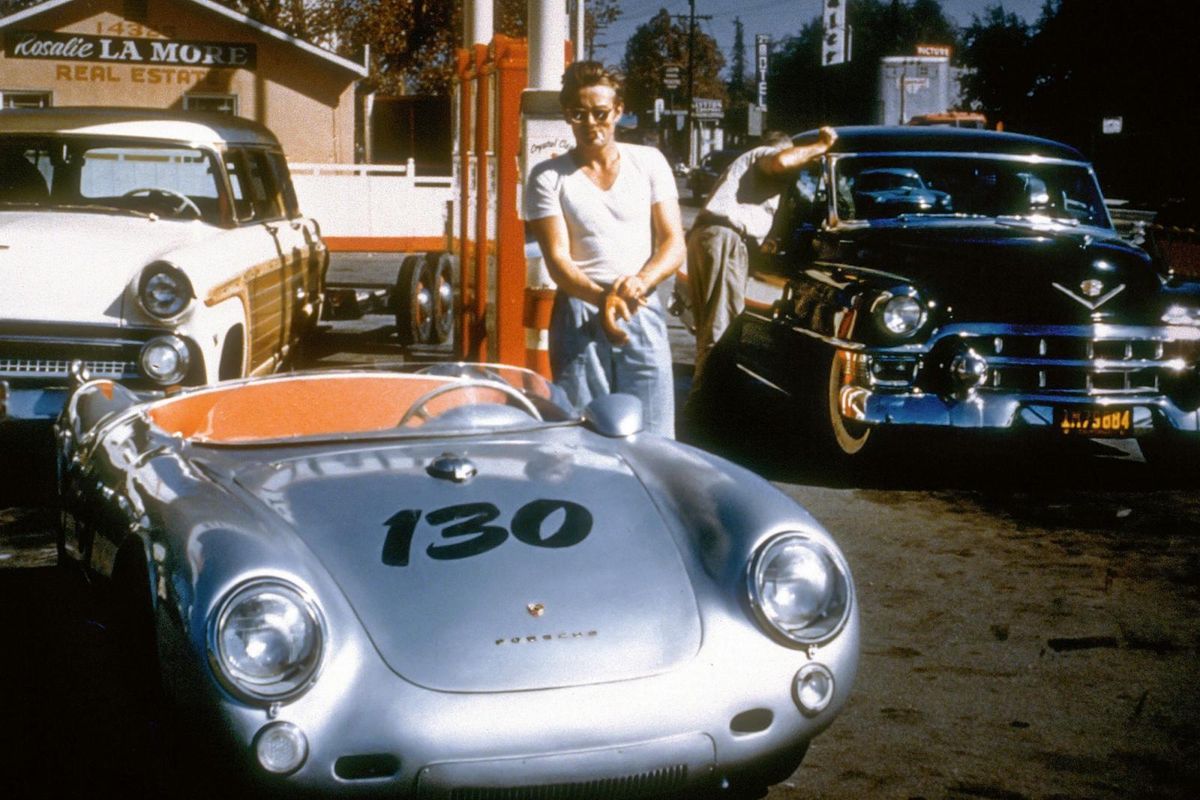
Hollywood icon James Dean and "Little Bastard", his 550 Spyder.
Inspired by the 356 as well as Spyder racers built by Walter Glockler, Porsche decided to build a ready-to-race car that could be driven to the track, compete, and drive back home. The 550 Spyder was the result and this low-slung mid box-engined sportscar achieved numerous race victories. It has become one of the most widely copied classic cars, with many companies offering replica bodies.
Sadly, the car is also synonymous with tragedy. Hollywood actor James Dean loved racing and traded in his 356 Speedster on a 550 Spyder on 21 September 1955. A few days later, on 30 September, he crashed into a Ford Custom and died.
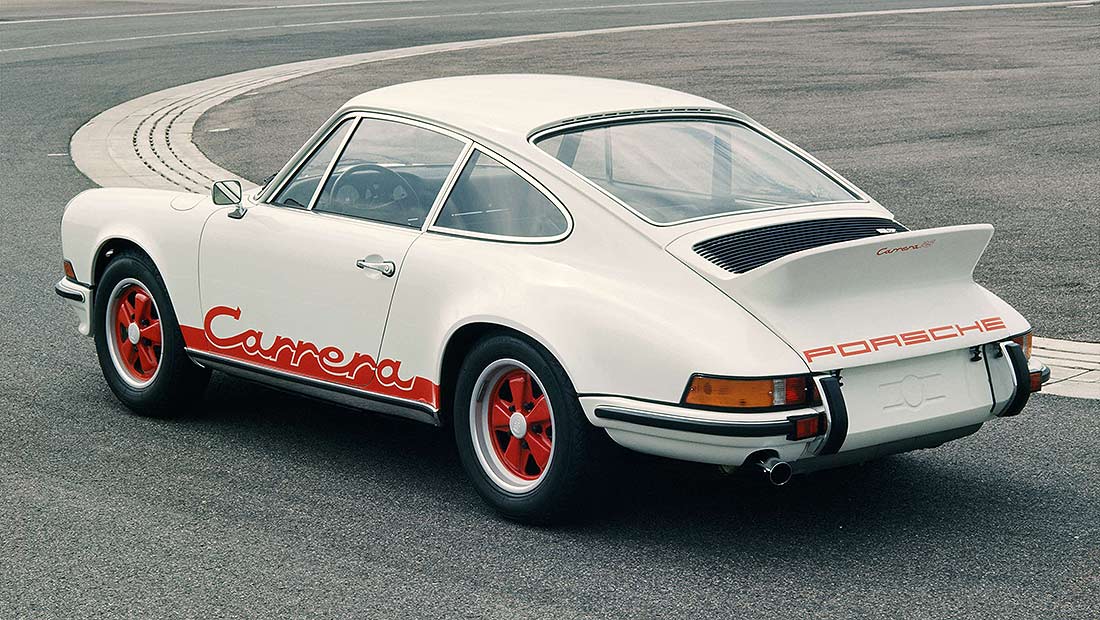
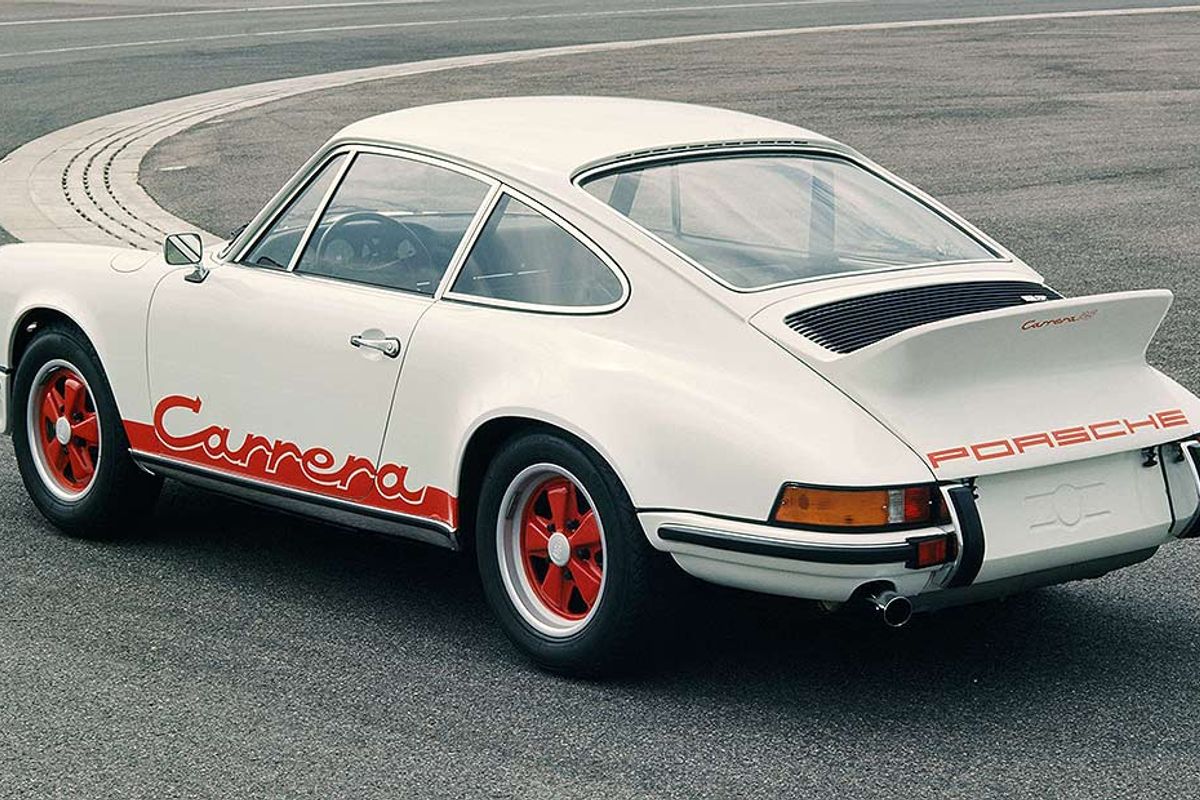
1973 Porsche 911 Carrera RS 2.7
Modern-day 911 GT3 RS models can trace their lineage back to this car, the legendary RS 2.7
With motorsport being such an integral part of the Porsche DNA, the development of a car such as the racy Carrera RS was logical. It was born to comply with motorsport homologation requirements and featured a larger, more powerful engine (2.7L, 150 kW), stiffened suspension, larger brakes, wider rear wheels and fenders and… that famous ducktail wing.
I have not yet had the pleasure of driving this iconic car, but I did experience the next best thing. Legendary racing driver Walter Rohrl took me for a spin on the banked CERAM test track outside of Paris once, and the performance was startling. At speeds above 250 kph it felt surprisingly composed for such an old car, and on the slower in-field section, Walter threw it around the twisties with a wide smile on his face as I did my best to hold on. It's a very happy memory.
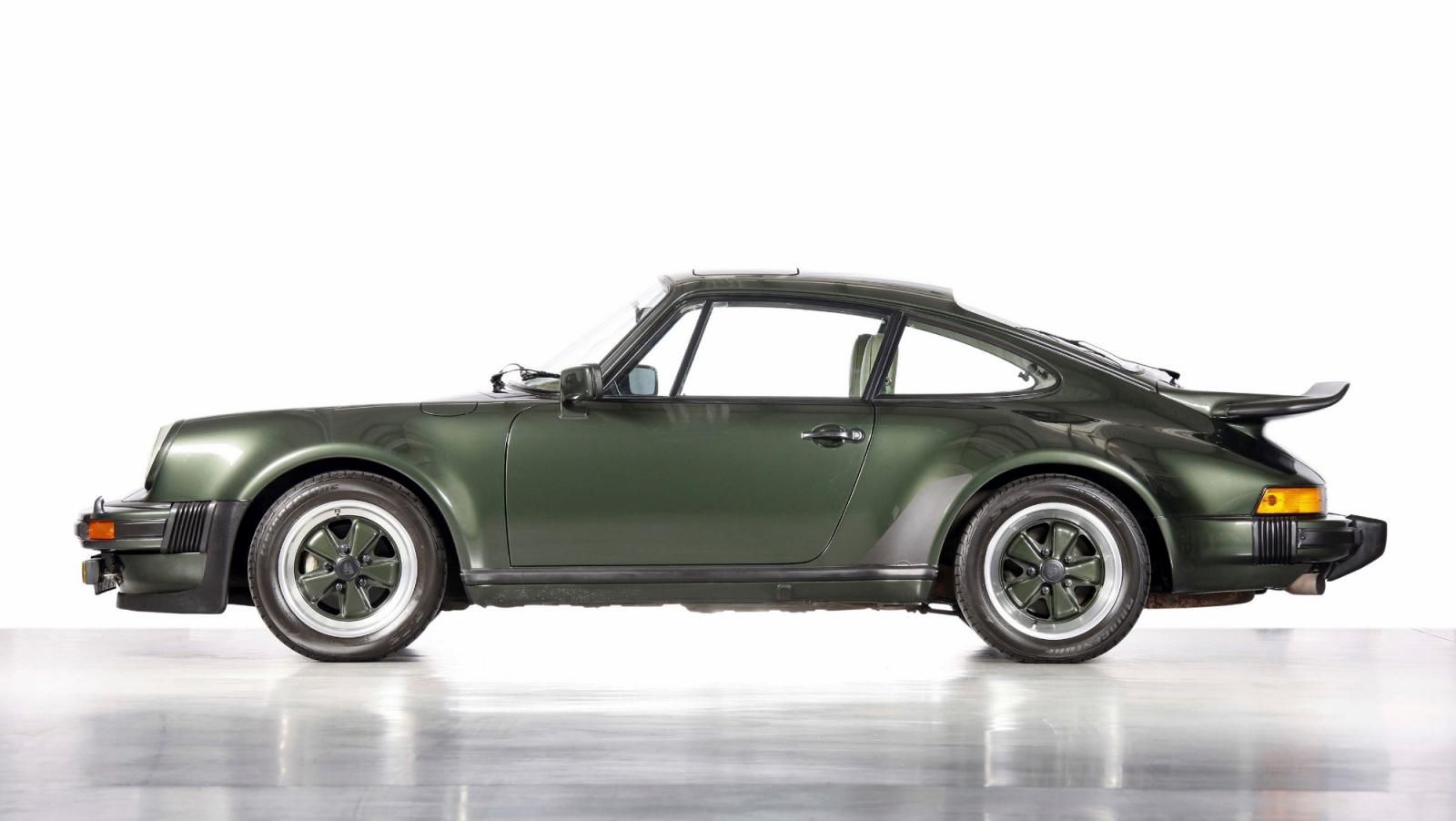
1975 Porsche 911 (930) Turbo
A real poster car of the '80s, the 930-generation 911 Turbo was not called the "Widow Maker" for no reason.
To any young petrolhead that grew up in the '80s the bulging wheelarches and whaletail spoiler of the 911 Turbo will bring back happy memories. Truth be told, the original 911 (930) Turbo wasn't the best example of the 911 Turbo – it was known for its tricky handling – but it certainly played a major part in building the Porsche legend. Originally launched in 1975 with a 3.0L engine pumping out 190 kW and a 4-speed manual 'box, it was updated in 1978 with a 3.3L powerplant churning out 220 kW. It only received a 5-speed gearbox a year before it was replaced in 1989. So it had a long, illustrious life. Check out our SentiMETAL episode on a Joburg-based 930 Turbo below.
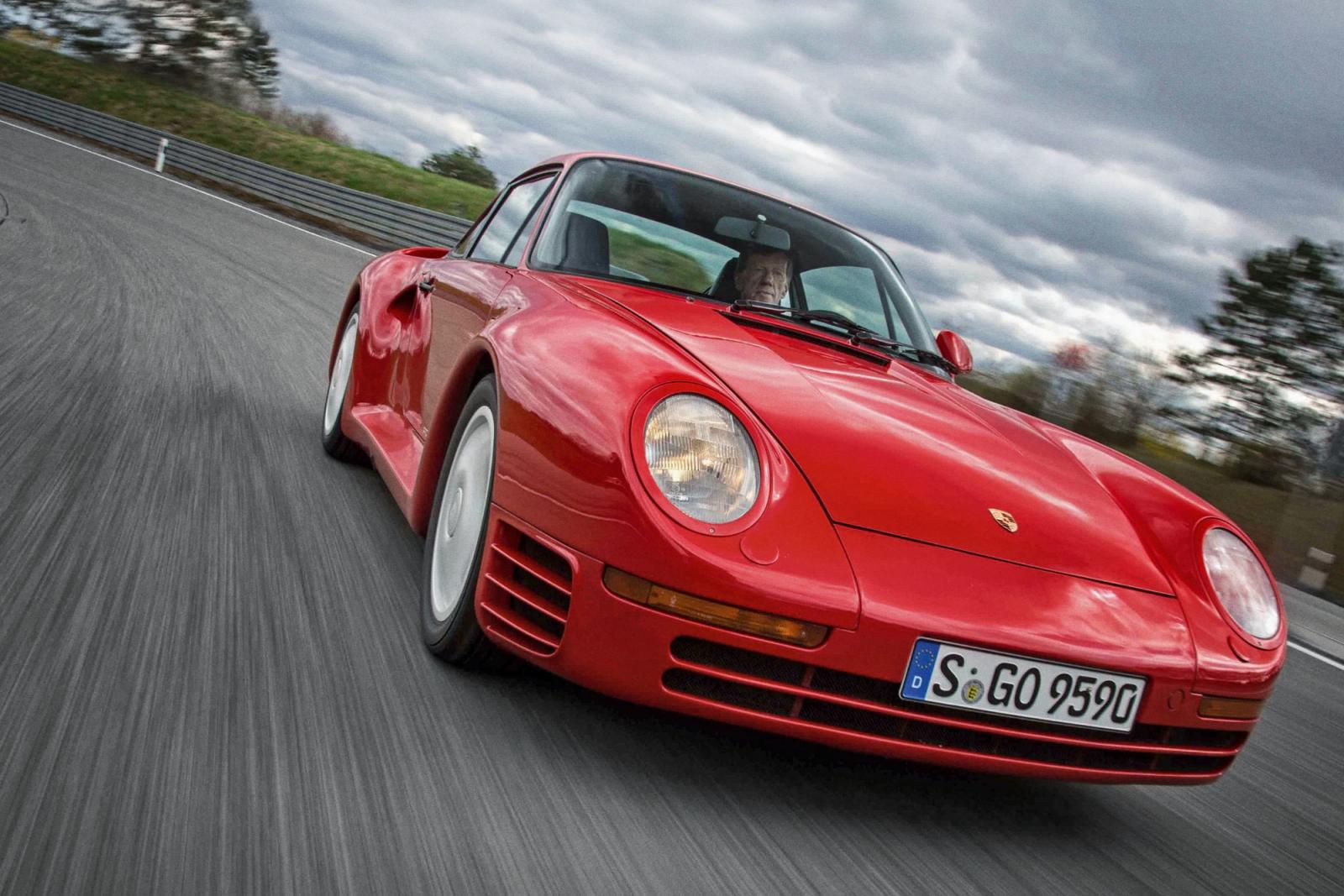
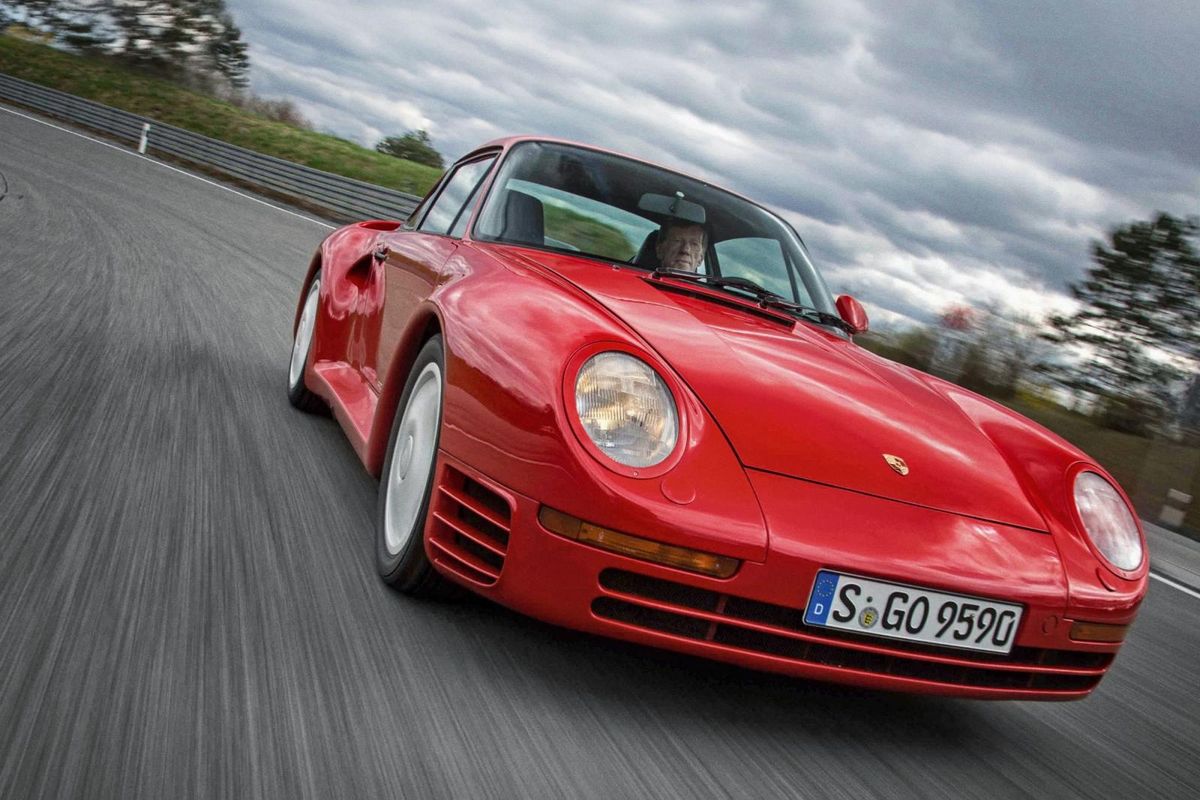
1986 Porsche 959
Originally developed with the eye on Group B rallying, the 959 was a high-tech hypercar ahead of its time.
The 959 was the fastest street-legal production car when it was launched in 1986, with the 331 kW monster charging to a 317 kph top speed. The so-called "S" version went even faster (339 kph). But speed wasn't the 959's only trick. At the time it was the most technologically advanced car in the world and used twin-turbocharging and all-wheel drive – features that would become part of the technical make-up of future fast Porsches.
The advanced 6-cylinder boxer engine was based on a design originally used in the so-called 935/78 Moby Dick racing car, and the body and chassis used exotic materials such as Kevlar, aluminium and even Nomex (floor). In the '80s, it was truly out of this world.
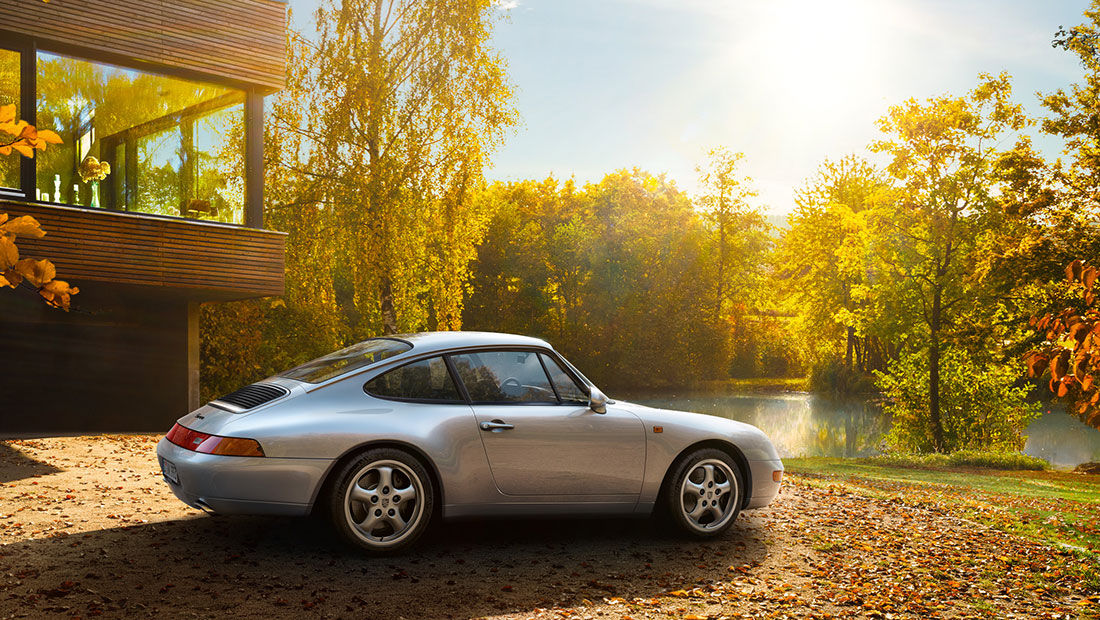
1994 Porsche 911 (993)
Does the 993 generation represent Porsche at its traditional and brilliant best? Many believe so…
In this list you will find me mostly singling out very specific model derivatives, but when it comes to the 993 I'm happy to make an exception. Launched in 1994 to replace the 964 generation, it was the last of the air-cooled 911s, and yet featured dramatically improved brakes, handling etc. to represent a blend of the traditional and modern that some say, makes it the last true modern classic. Whether you choose a base Carrera or the fire-breathing (330 kW+) GT2, the 993 these days is a fast-appreciating collector's item but remains a solid, reliable daily driver too. And, in my view at least, it also remains one of the prettiest Porsches ever made.
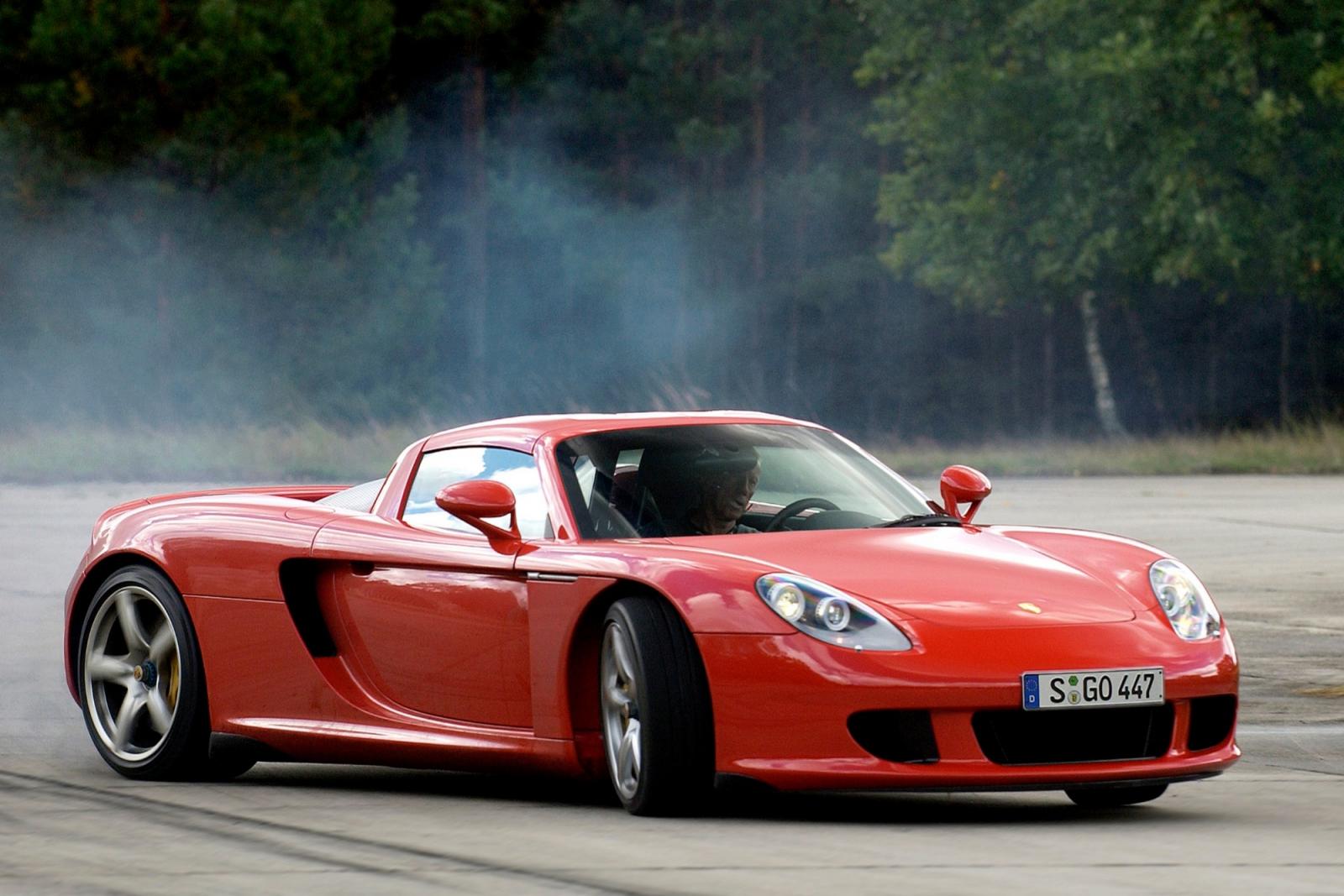
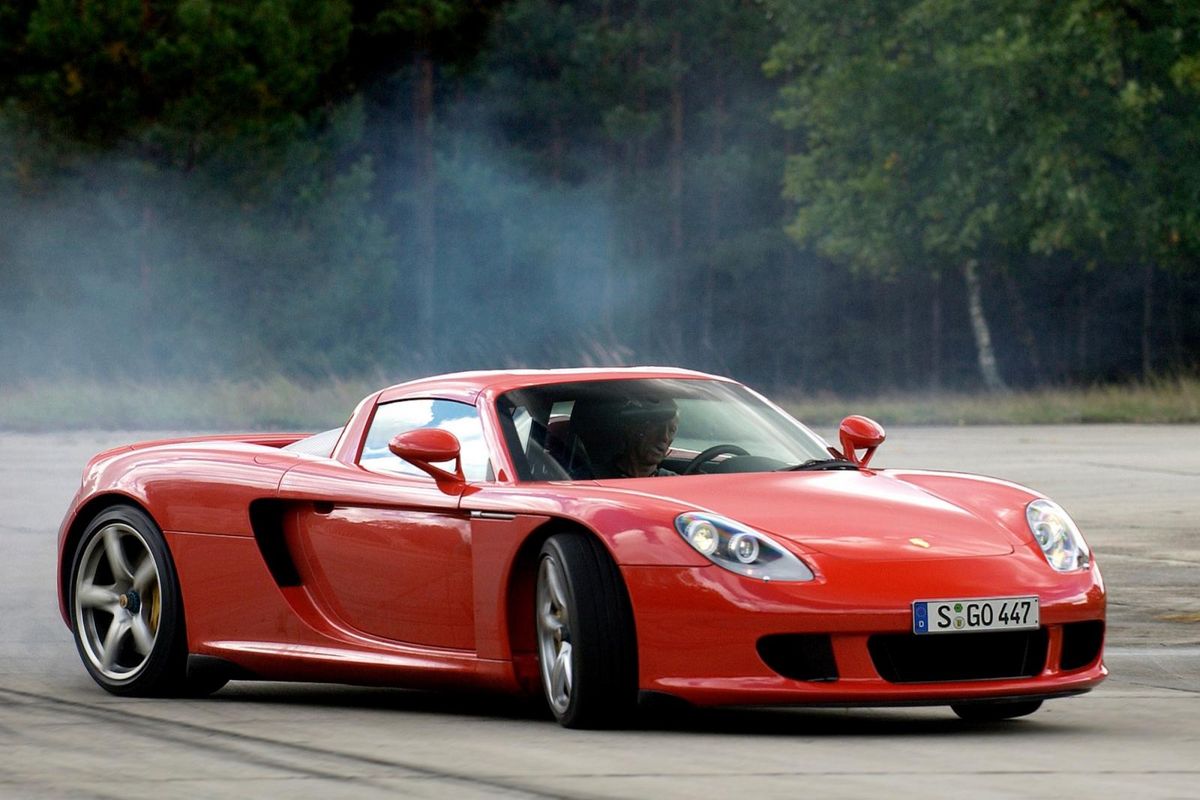
2003 Porsche Carrera GT
The pinnacle of Porsche? The Carrera GT was an undoubted engineering triumph.
Facing a flood of new supercars in the early millennium, Porsche decided it needed to strengthen its grip on the hearts of wealthy petrolheads once more. And so the boffins at Porsche's Weissach technical HQ were briefed to develop Porsche's most advanced supercar ever, but one that retained the brand's trademark usability. And so the Carrera GT was born, with a 5.7L V10 engine from a stillborn Le Mans racer that pumps out 456 kW at a heady 8 000 rpm. Driving enthusiasts were also overjoyed to find a slick 6-speed manual transmission and reduced weight, courtesy of a carbon fibre tub. A lovely touch in the Carrera GT, and reportedly courtesy of SA-born designer Oona Scheepers, is its beechwood gearknob – a throwback to the wooden knob used in the 917 racer.
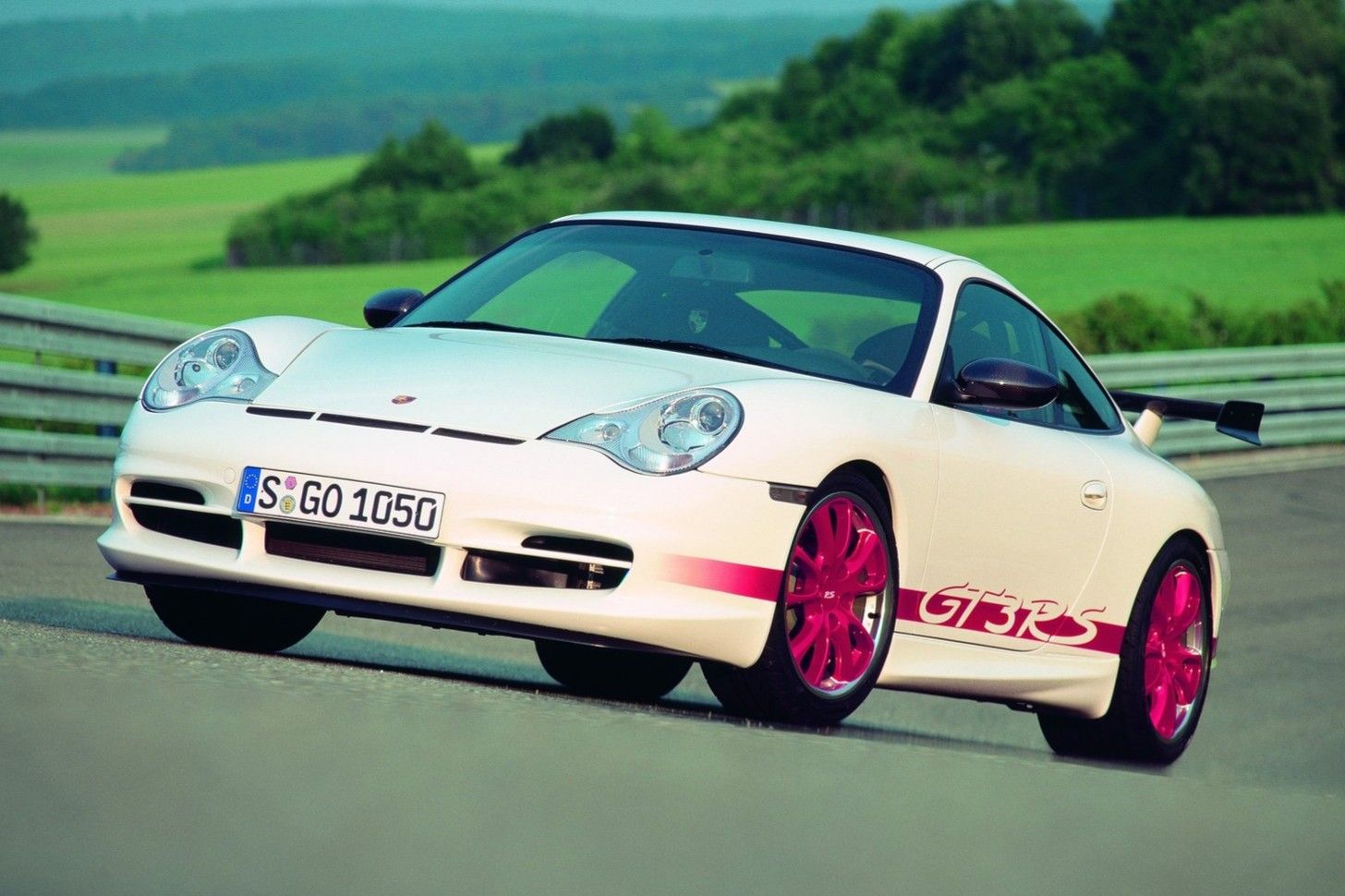
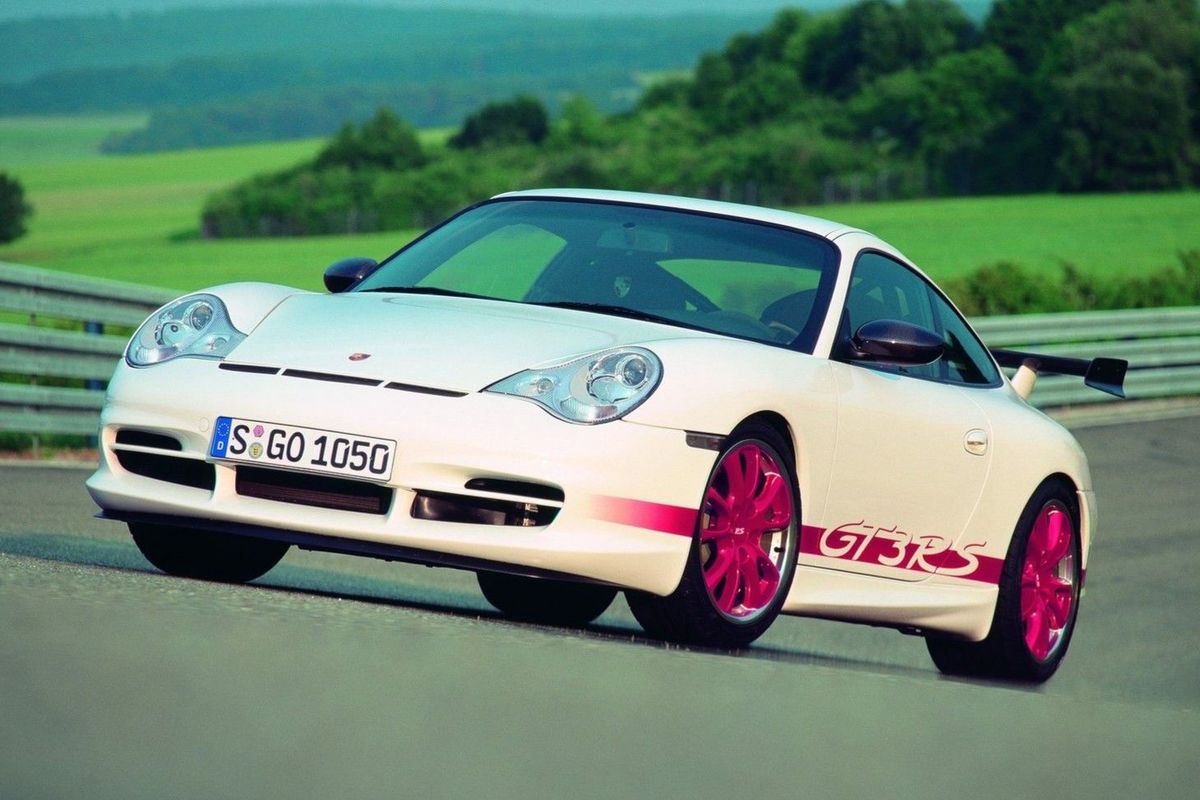
2004 Porsche 911 (996) GT3 RS
The 996-generation is not the most highly acclaimed 911, but there was precious little wrong with the GT3 RS version.
The air-cooled Porsche era ended in 1998 with the arrival of the all-new 996, which used water-cooled engines and an all-new platform. It represented a major change for Porsche and was co-developed with the first-generation Boxster. Of course, traditionalists weren't easily won over, and indeed the first-generation 996 wasn't as good as it could/should have been. Later models were significantly better, and the GT3 RS arguably represents the pinnacle of this generation of 911.
I vividly recall driving a white GT3 RS (with blue wheels) through the streets of Stellenbosch in 2004, en route to the Franschhoek Mountain Pass. Full racing harnesses, a rear roll cage and a fire extinguisher in the passenger footwell were noticeable reminders that I was behind the steering wheel of a racing car (for the road). And once I hit that marvellous piece of tarmac, the high-revving 280 kW flat-6 and beautifully precise steering etched memories into my young motoring journalist mind that will live forever.
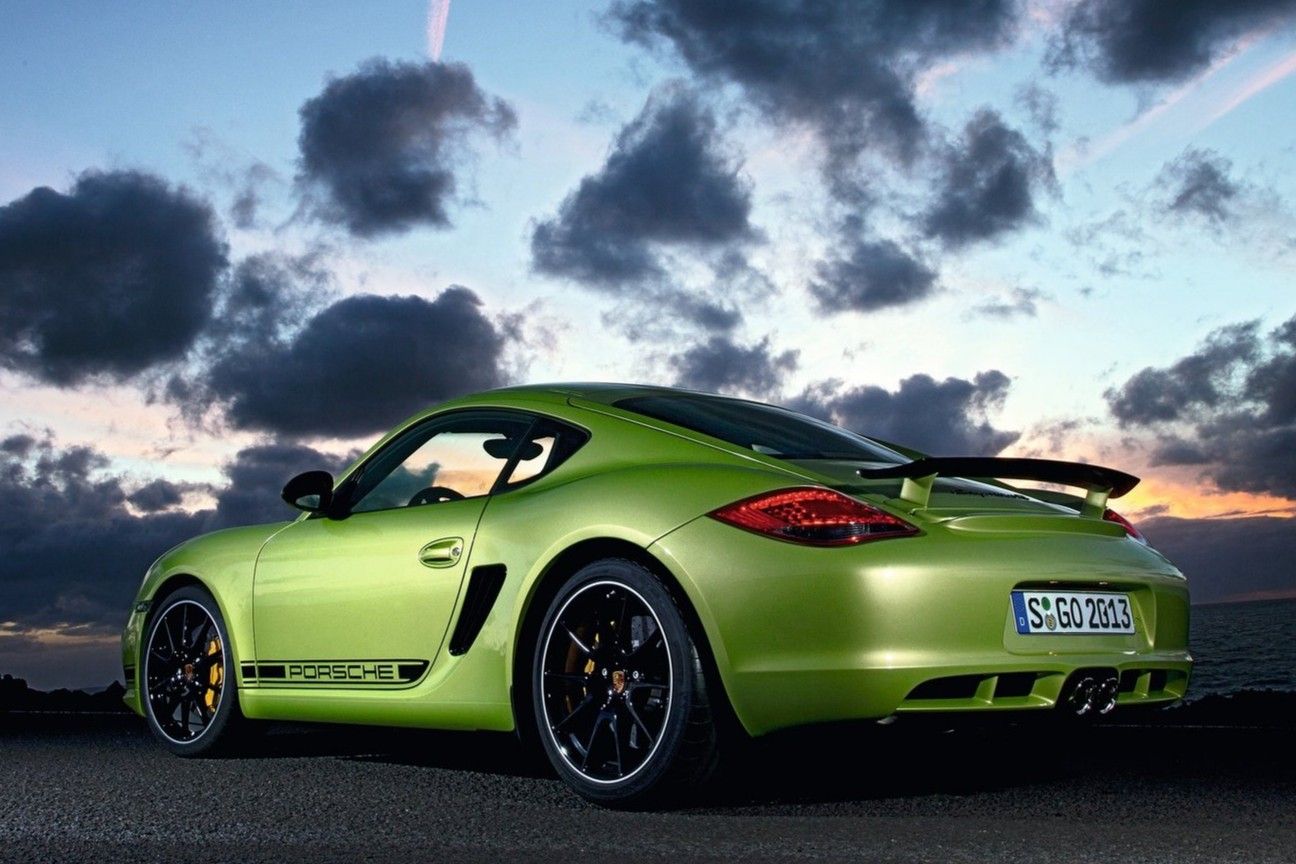
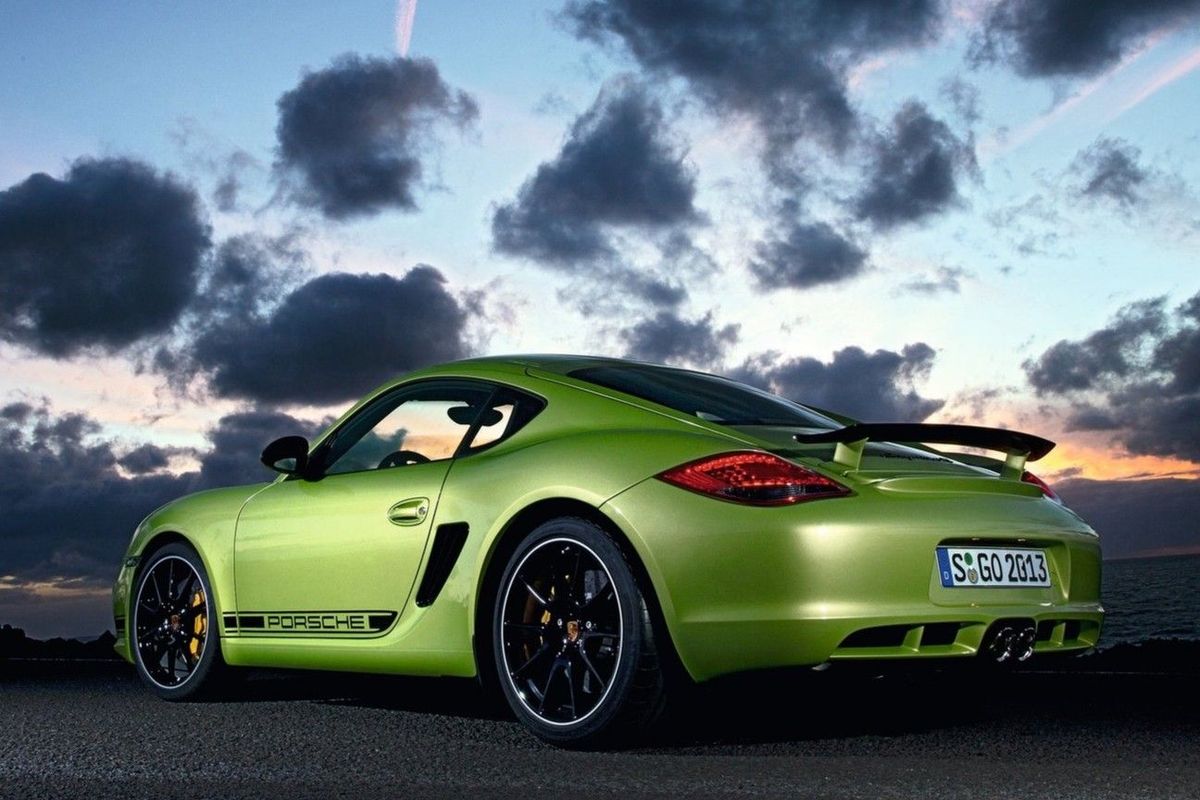
2011 Porsche Cayman R
The Cayman R delivered a driving experience unmatched by cars costing much more.
This might be a controversial inclusion in this list as the Cayman is, after all, a "junior" Porsche. I remember reading the spec sheet back in 2011 and thinking that it didn't appear to be a major step up from the (deeply impressive) Cayman S at the time. It was a little lighter (around 50 kg), slightly more powerful (less than 10 kW) and a smidgen lower… did it deserve the R badge?
Well, a couple of mountain passes later and I was sold. The Cayman R was superbly responsive, alive, agile and blisteringly fast… all the things you could ask from it. It even retained the Cayman's trademark suppleness. At the time, I was convinced that it represented an unmatched driving experience at the price and that buying a larger "supercar" was was just indulgent. It is widely tipped to become a future classic.
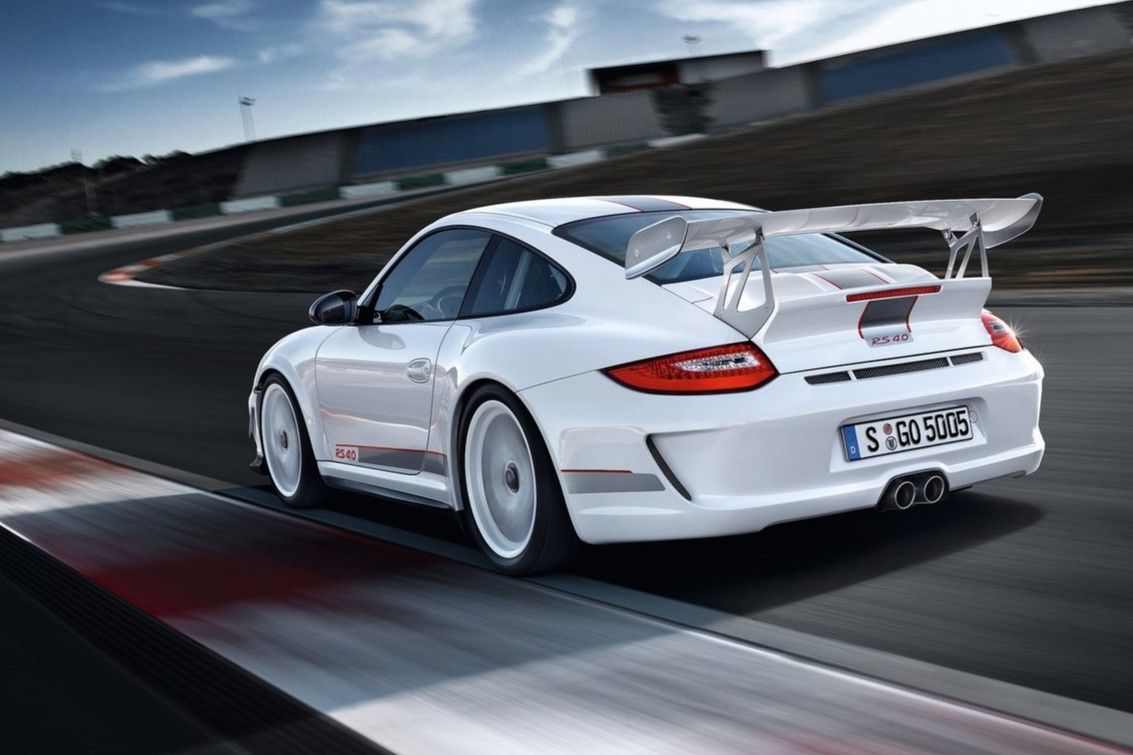
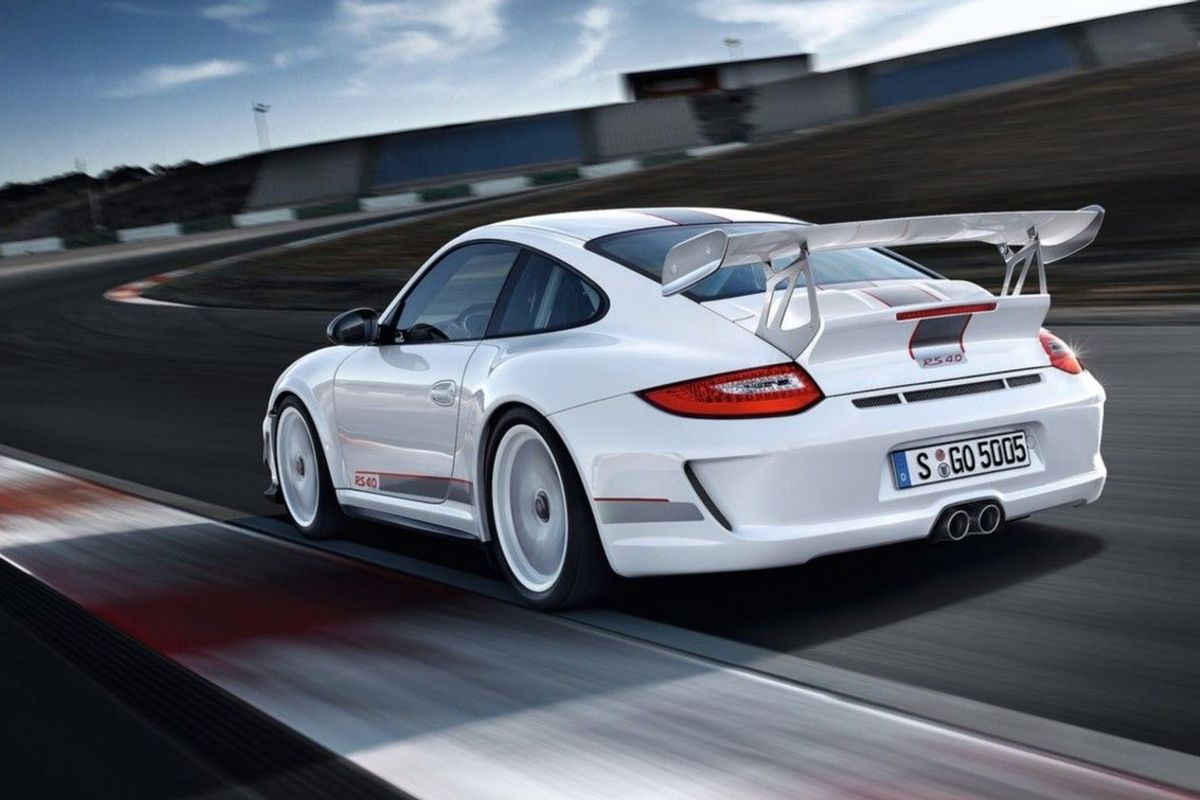
2012 Porsche 911 (997) GT3 RS 4.0
Widely regarded as one of the best driver's cars Porsche has ever made and given the brand's history… that's some acclaim!
The 997-generation 911 was a significantly better car than the 996 that preceded it. I will forever remember a spine-tingling, yet buttock-clenching drive on the spectacular Bainskloof Pass in a bright green GT3 RS, with "Kermit" printed on the number plate. It rates as one of my favourite sportscars of all time, even now, many years later. I never got to drive this 4.0 version but those in the know rate it as even better. It used a larger 4.0L engine with 368 kW, making it the most powerful naturally aspirated 911 of all time, and various bits from racing versions as well as the GT2 RS. Only 600 were made.
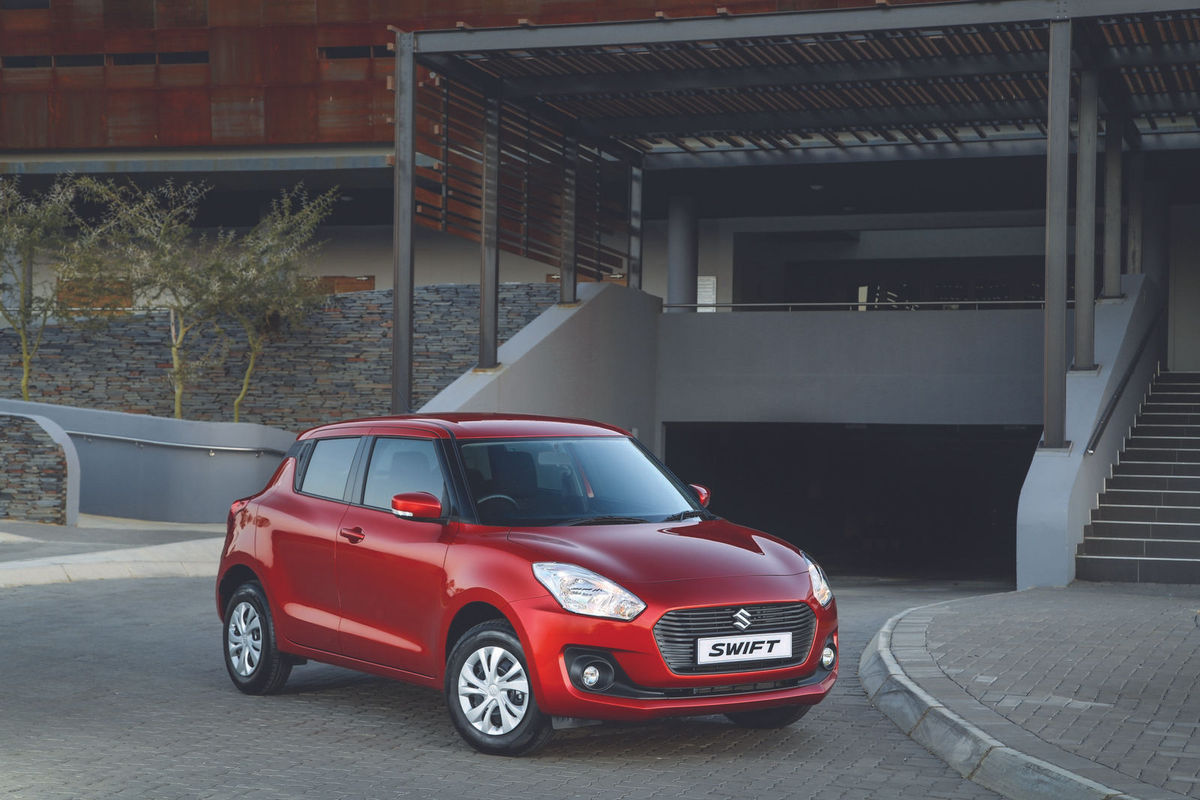
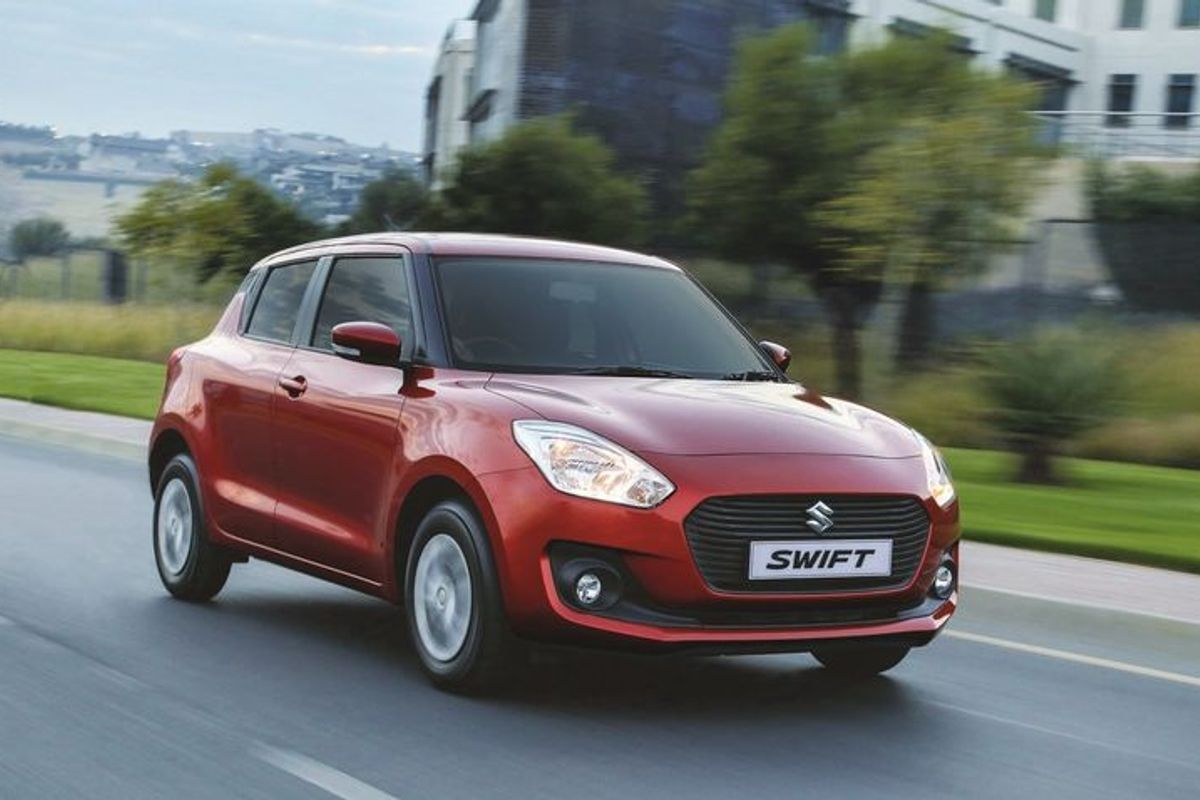
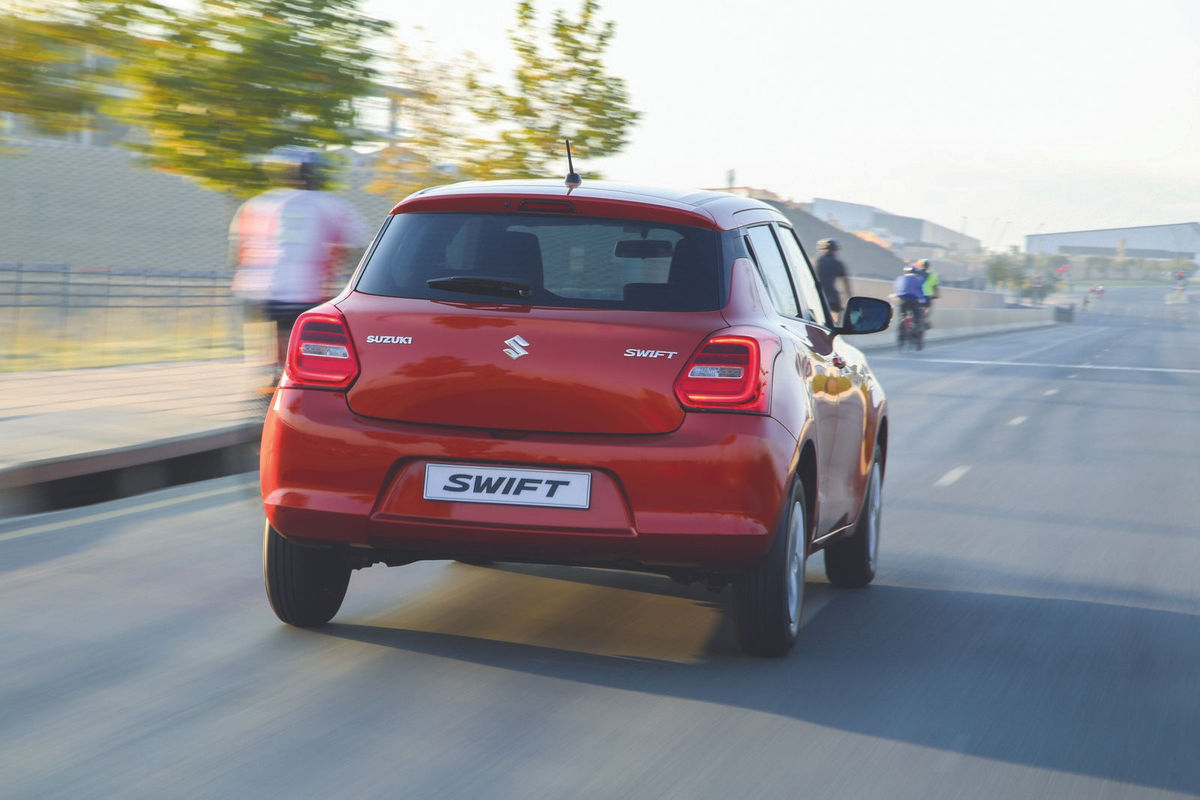
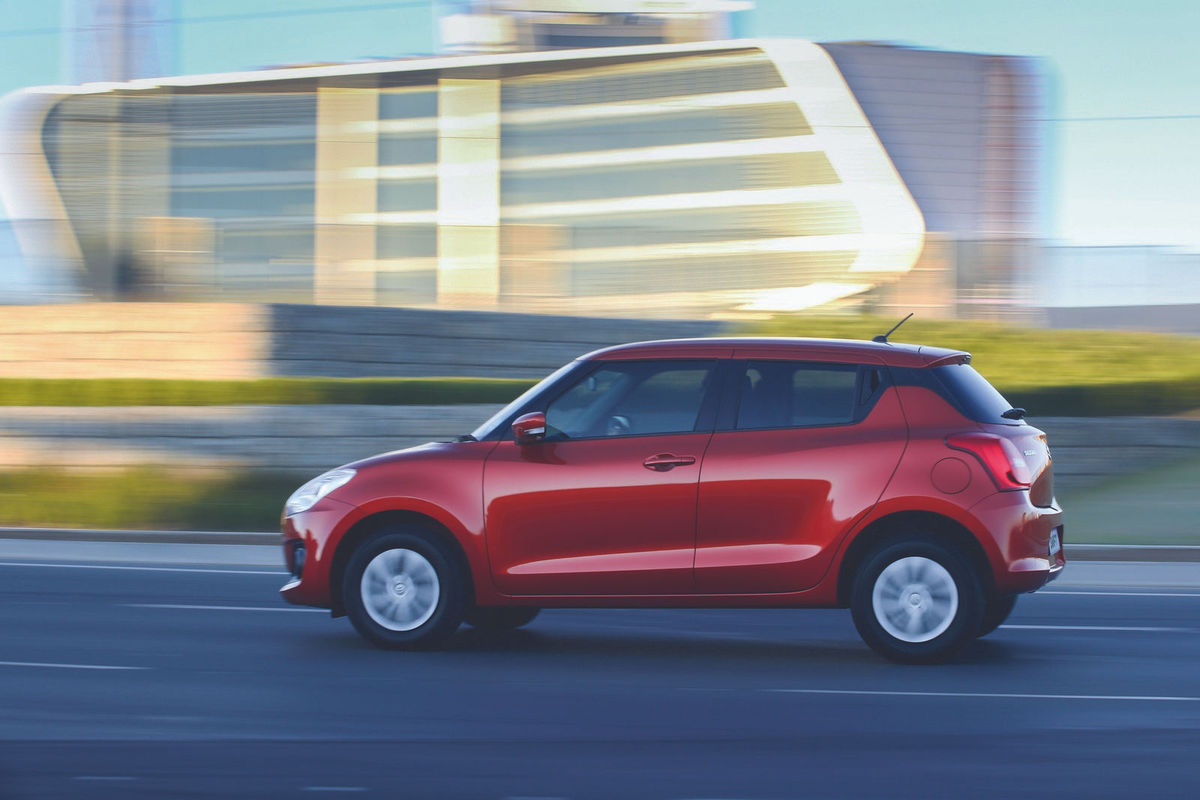
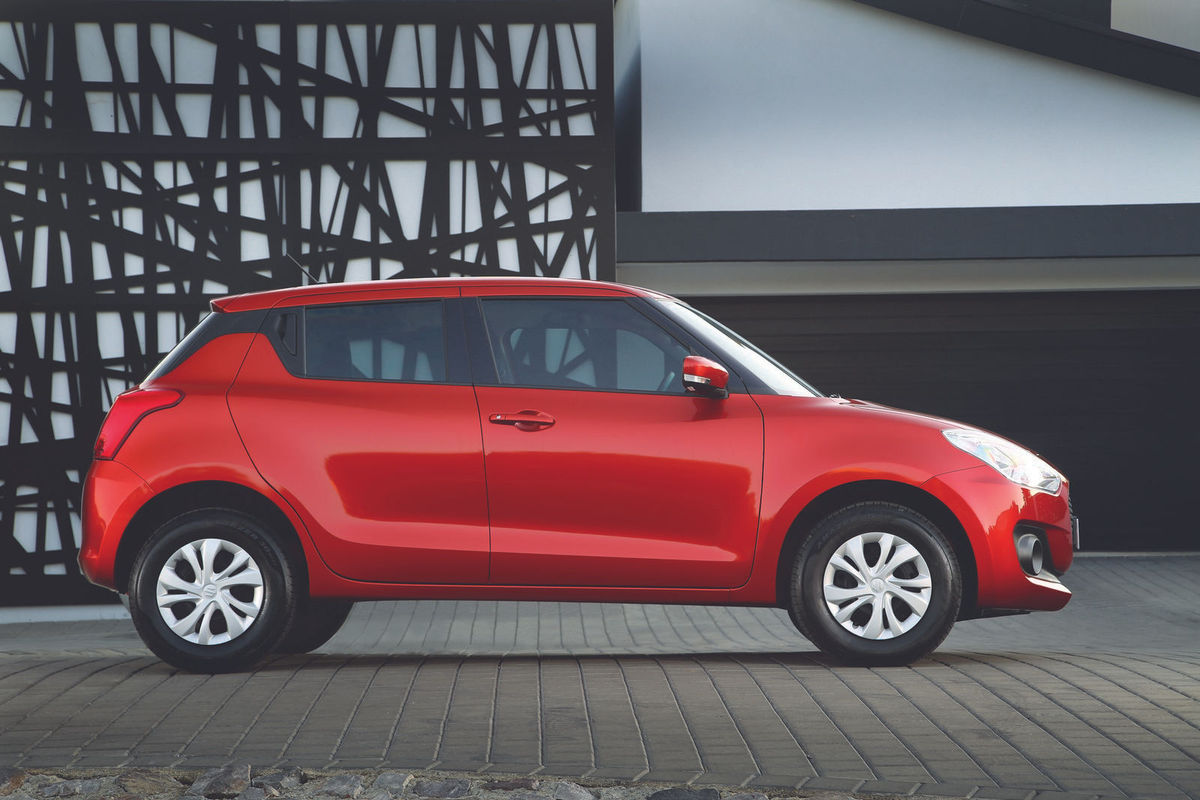
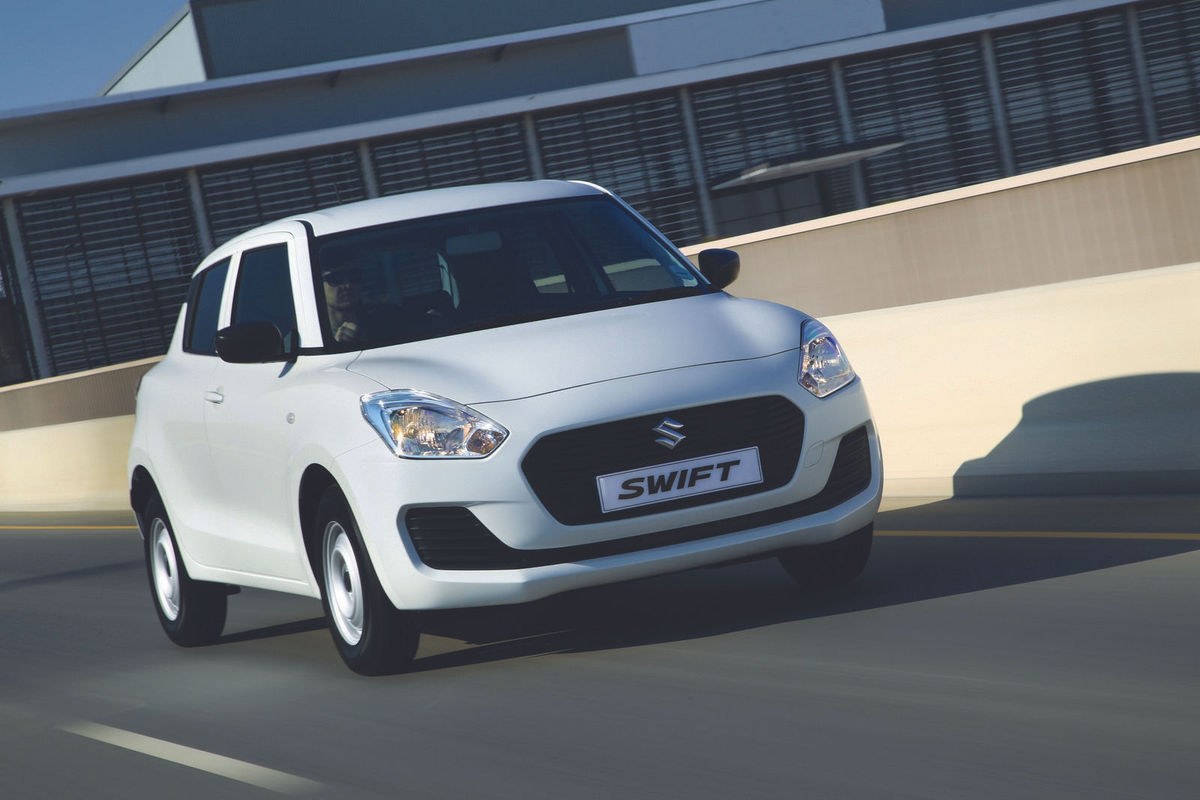
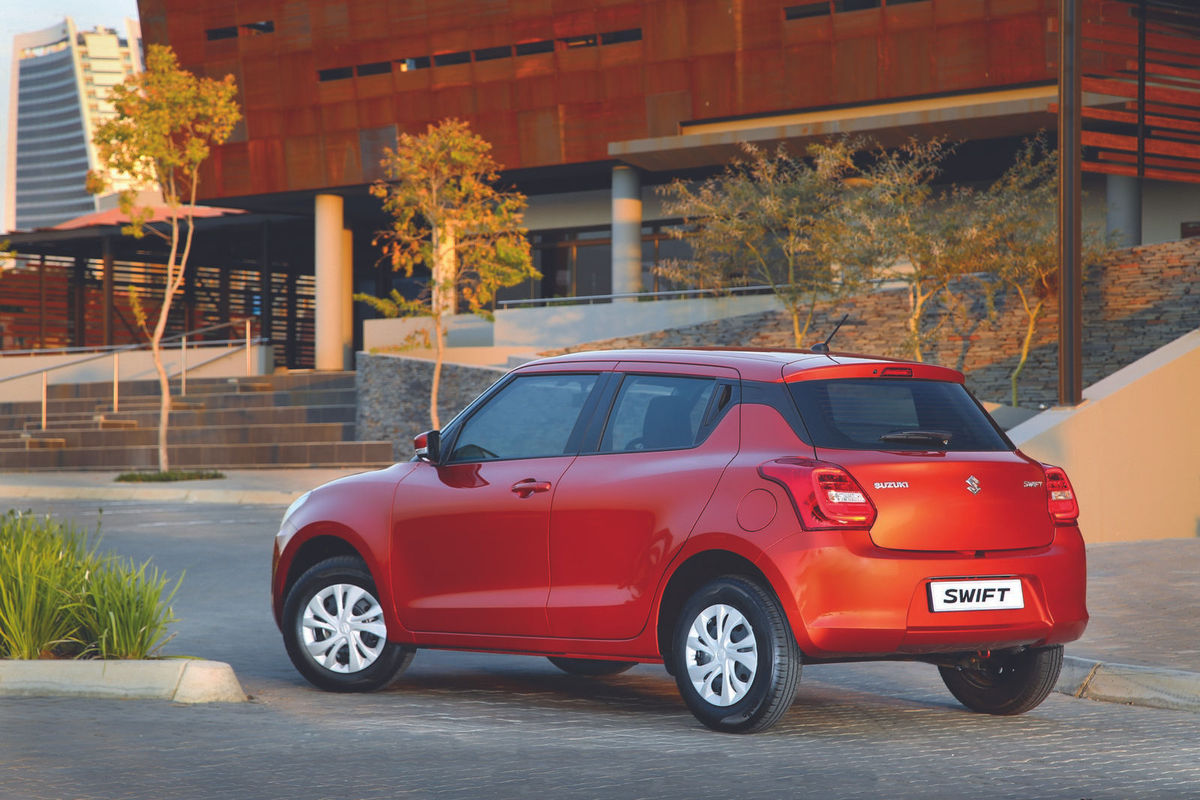
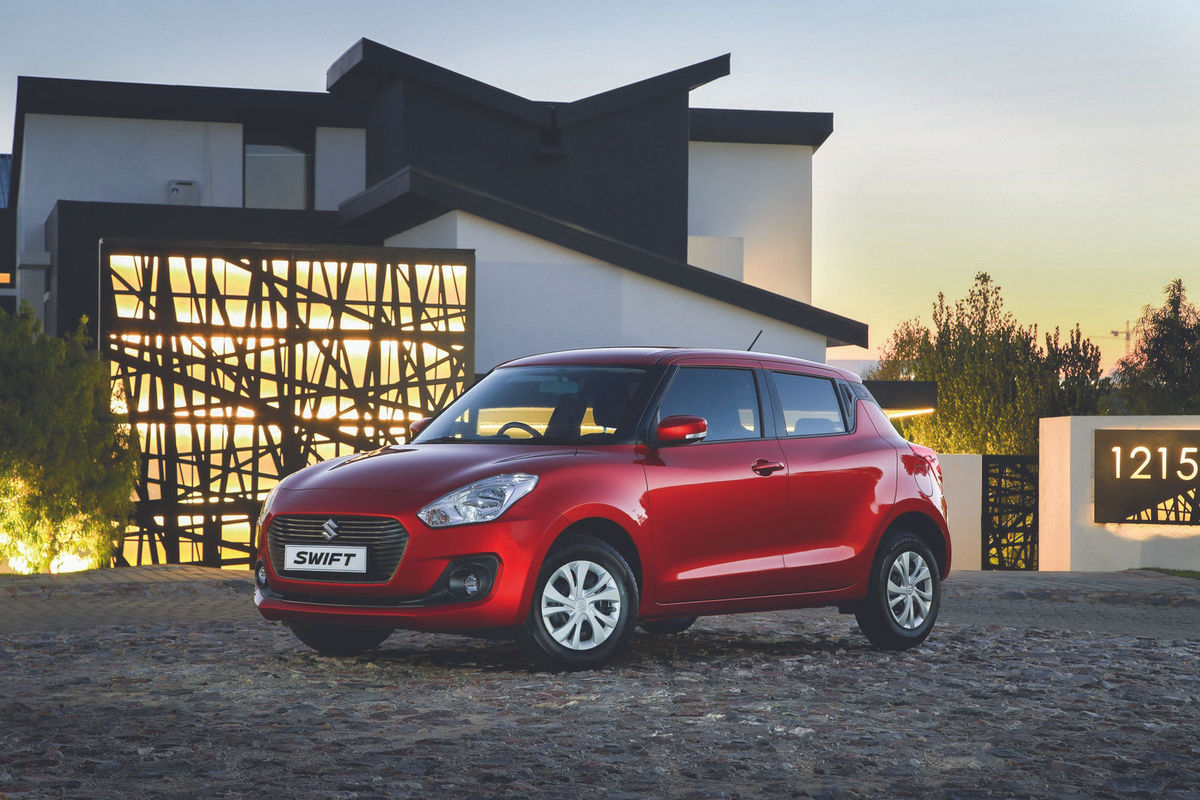
The repackaged, next-generation Suzuki Swift has landed in South Africa. Suzuki's compact hatchback has formed the backbone of the Japanese company's global sales success, so a radical departure to a winning formula would probably be ill-advised. Does the new Swift still deliver?
The Suzuki Swift has been a popular hatchback for the brand and with around 6 million finding homes around the planet, success is critical for the new Swift. In South Africa alone, almost 20 000 units have been sold, making it the most popular model in Suzuki's portfolio. What's new, you may ask? The new Swift's dimensions have changed, it rides on an all-new platform and, crucially, Suzuki South Africa has adopted a revised product strategy for the newcomer.
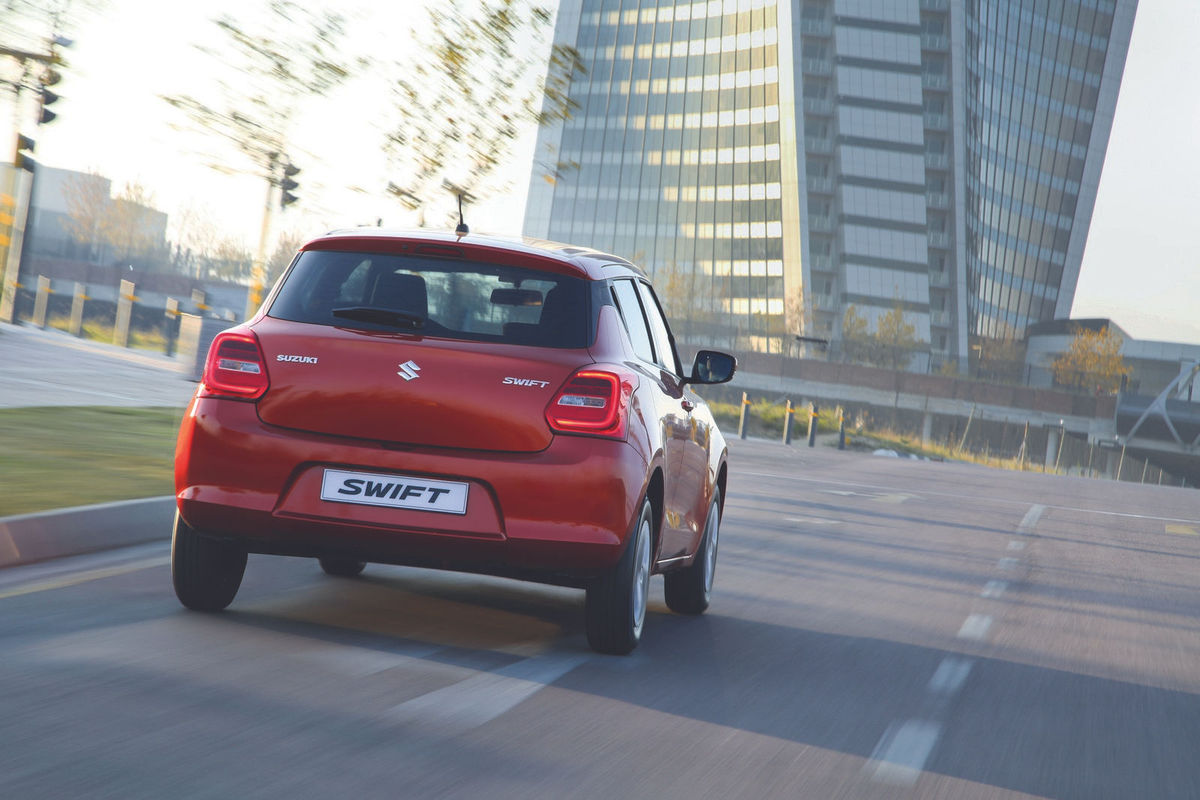
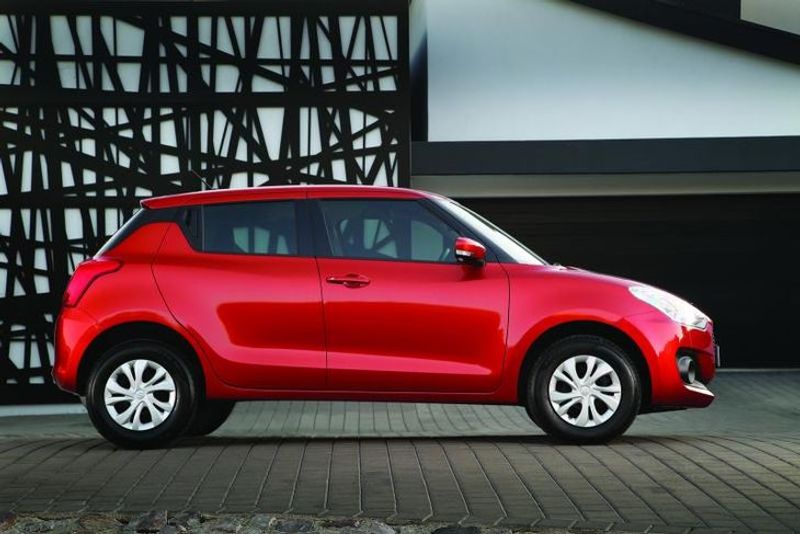
Physically, it is 10 mm shorter, but 40 mm wider. Both tracks have been widened; the front by 40 mm and the rear by 35 mm. The entire wheelbase has been extended by 20 mm to 2 450 mm, making the new Swift almost as long as the Suzuki Ciaz sedan. These dimension changes result in improved interior space: Suzuki claims that rear passengers have a bit more headroom, front passengers benefit from more shoulder room and everyone sits a little lower down, giving the new Swift a sportier feel overall. The luggage capacity has been increased too, which was a criticism of the previous Swift – it simply didn't offer the same level of loading practicality as its rivals.
What's it like to drive?
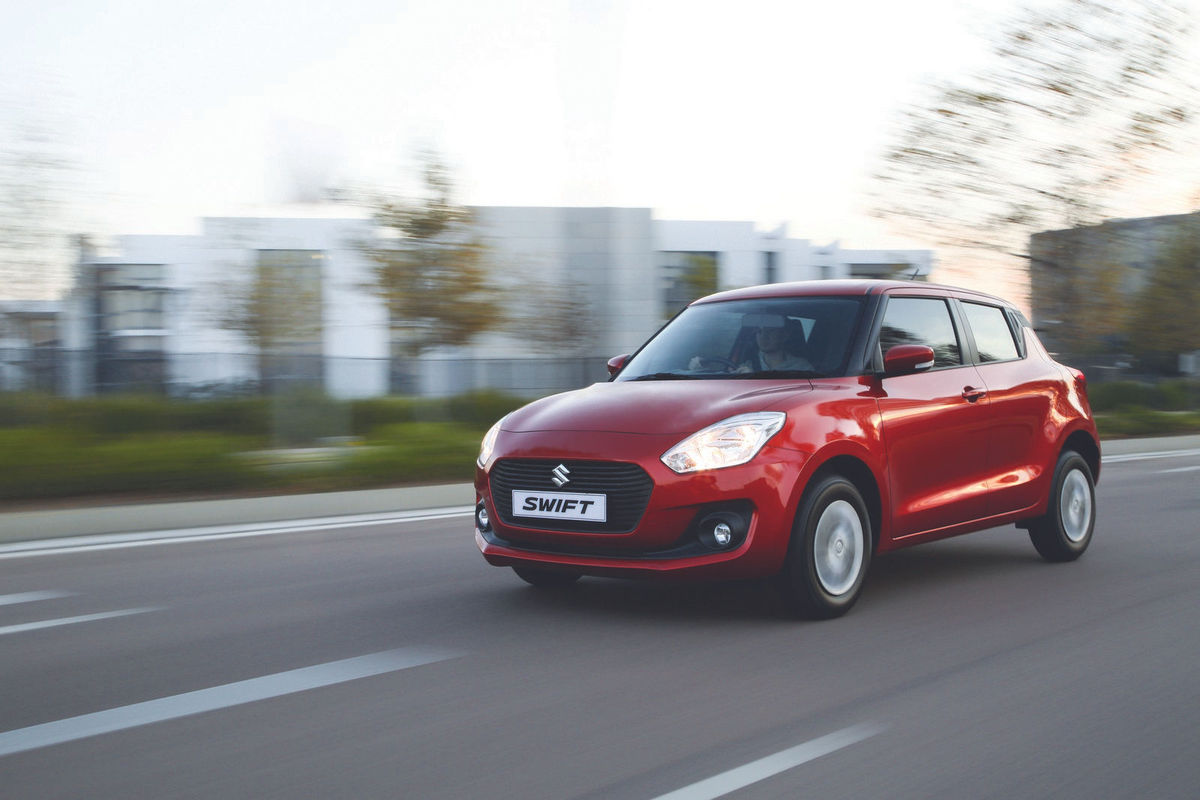
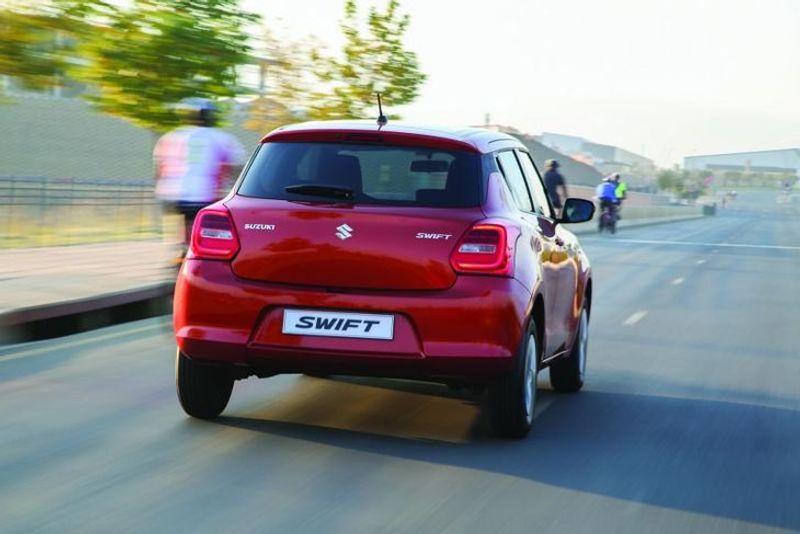
We're happy to report that the new Suzuki Swift still drives like the Swifts of before: lively, fun and comfortable
The Suzuki Swift of old was sure-footed and thoroughly entertaining to drive. There was enough suppleness to the ride quality to make it comfortable and refined, yet taut enough to keep the boy racers happy. When driven enthusiastically, the Suzuki Swift was an energetic and thrilling little car – it ably demonstrated that you don't need to buy a sportscar (or break the speed limit) to have fun behind the wheel. The key with the new Swift is weight and, like any other image-conscious millennial, it has been on a diet.
The engine has been carried over from the outgoing model… and that's not a bad thing: the peppy 1.2-litre offers up adequate power and torque (61 kW and 113 Nm) and the naturally aspirated powerplant drives the front wheels through a 5-speed manual gearbox. Through the launch route around Ballito, KwaZulu-Natal, we put the newcomer through its paces on some spectacular roads that winded their way through the sugarcane fields.
Our first impression is that the weight saving has contributed significantly to the handling and accelerative abilities of the new Swift. The steering is light and quick, yet offers just enough feel for reassurance. The clutch action is wonderfully light and gear changes require minimum effort. From behind the newcomer's steering wheel, you get the sensation you're piloting something agile, lively and – despite the engine's moderate outputs – effortless, which aids ease of use. With the light steering and compact size, the Swift is easy to park within the confines of a congested city.
However, it's when you decide to cut loose/press on that the new Suzuki Swift proudly carries on the tradition of being a fun-to-drive compact hatchback. Unfortunately, our launch units were still extremely new so the engines weren't as free-revving as vehicles with a few thousand clicks on them, but the little 1.2-litre motor still had plenty to give. We were impressed with the refinement of the powerplant and it's only as you approach the redline that the engine note becomes a touch harsh. When tackling some rural corners, the Swift behaves beautifully and offers up plenty of grip/road-holding. We're also particularly impressed by how little wind and road noise intrusion there was, especially if you consider how relatively little this car costs.
Standard features
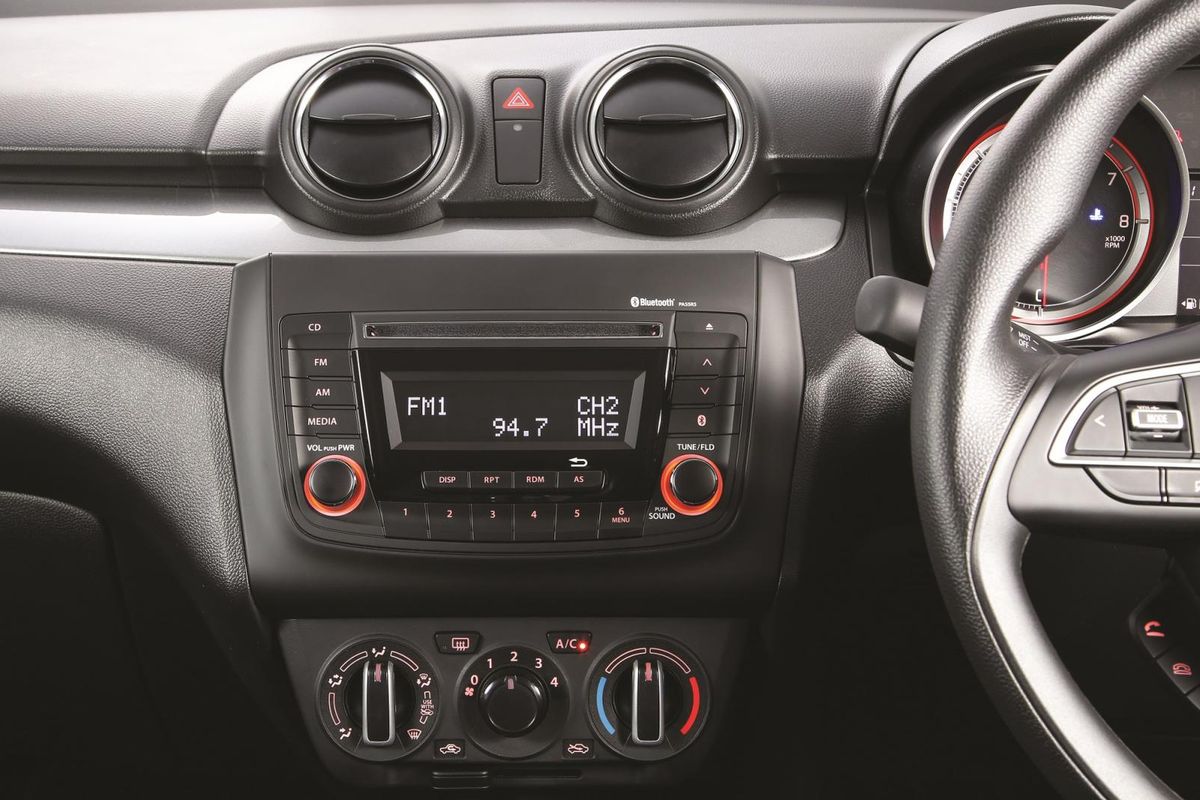
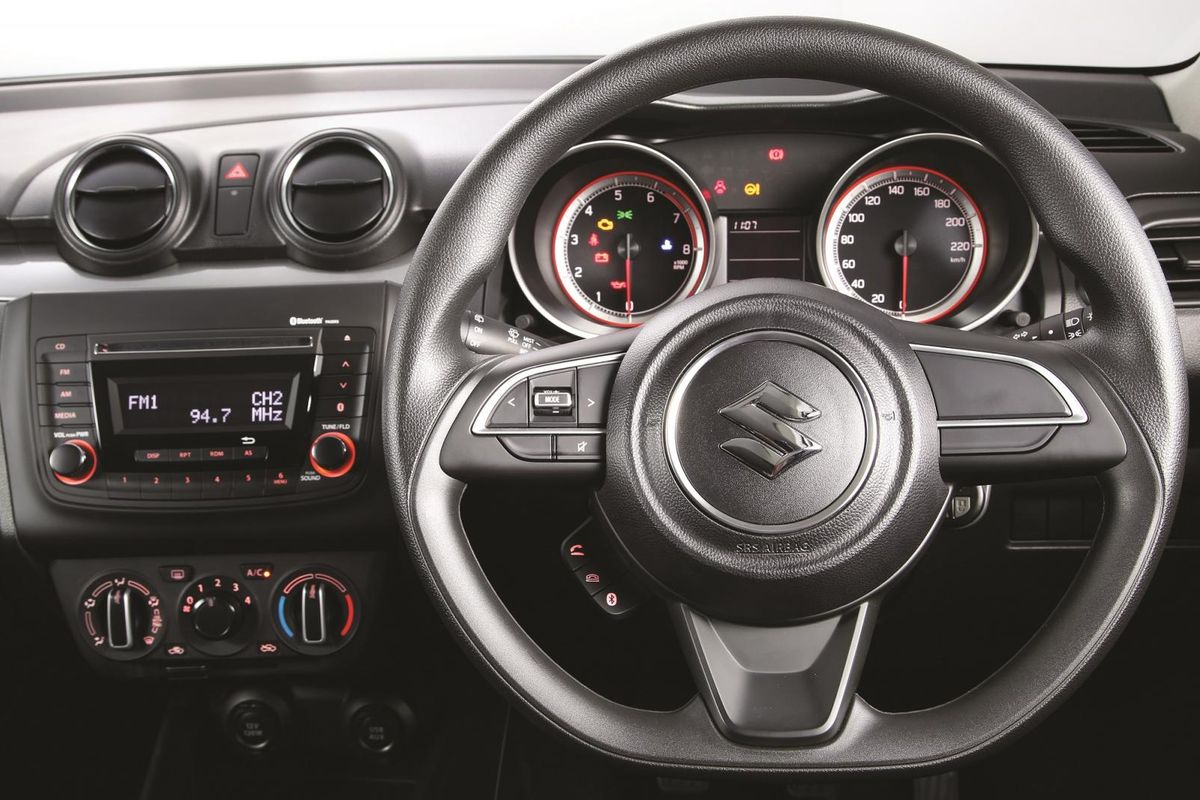
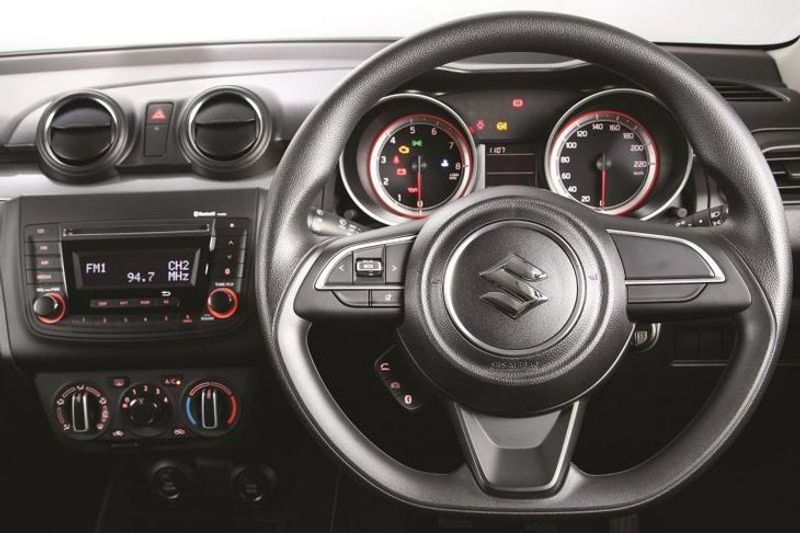
The cabin of the new Suzuki Swift is functional and ergonomically sound. It won't win any beauty or style awards however.
The cabin of the new Suzuki Swift is not cutting edge nor pretty, but everything is laid out in a functional manner. It feels well put together, but there are a couple of questionable plastics used on the dashboard, which, regrettably, adds a made-to-cost feel to an otherwise well-made cabin. Then again, we can't complain too loudly as this car admittedly sits tidily under the R200 000 barrier.
The new Suzuki Swift is available in 2 trim levels, with a potential luxury GLX model joining the ranks later in the year. Our launch unit was the GL, which covers the basics in terms of features. It comes equipped with air conditioning, all-round electric windows, power steering, a trip computer, adjustable steering wheel with audio controls, audio system with Bluetooth/USB connectivity and front fog lamps. In terms of safety, all Swift models offer a pair of front airbags, ABS with electronic brake-force distribution (EBD) and ISOFIX seat anchors.
In overseas markets, the new Swift comes with much more specification, such as a nifty touchscreen audio setup, keyless start and more safety features, therefore we were initially a little surprised when we saw how little the new Swift costs and how few features it has. However, offering a new Suzuki Swift with the smaller engine (1.2 as opposed to 1.4) makes sense. Previously the 1.2 derivative cannibalised the sales of its 1.4 equivalent and it's critical to offer great value for money in this segment. Suzuki South Africa could, of course, avail every available bell and whistle in the new Swift, but then the newcomer would compete with the new Volkswagen Polo and Ford Fiesta (both of which are popular, highly-rated cars) in terms of price. Not ideal.
Summary
Suzuki has realised that it would be fatal to pitch the Swift against the Polo and Fiesta, so instead, its tackling the Vivo and Figo segments with a value-for-money offering
It's tactically astute to offer a budget-friendly Swift at this price point in the market. While we'd all love a touchscreen entertainment system and cruise control, they're not must-haves for a price-conscious customer. With rivals ranging from the new Volkswagen Polo Vivo, Ford Figo and Hyundai Grand i10, the Swift stands a realistic chance at its price point. The looks are pleasant, the operation is simple enough and the drive is involving and exciting. It's back-to-basics, honest affordable mobility solution from a brand which is becoming known for putting its customers first… After all, it bears mentioning that Suzuki South Africa is a two-time Cars.co.za Consumer Awards – powered by WesBank Brand of the Year, as determined by South African consumers.
As far as criticisms go, it's not the flashiest of cabins (the cars that we drove in India, from where the new Swift is sourced, felt slightly smarter), the luggage bay, although enlarged, is still not generous, we'd like some alloy wheels as standard, and some of the materials felt a little cost-price. All of which will hopefully be forgotten when you start driving the new Swift, because you're likely to appreciate the driver involvement (who said that cheap cars have to be dull and uninspiring?) and the real cherry on the cake is the claimed fuel consumption. While many manufacturers claim unrealistic numbers (many of which are probably generated in a lab), you really can achieve close to Suzuki's claimed figures, at least in our experience. In the Swift's case, it's claimed to consume 4.9 L/100 km and, after our day of charging around some delightful ribbon of tarmac with three adults, our little blue test unit had an amazing 5.3 L/100 km on the trip readout. Brilliant.
Suzuki Swift (2018) Price in South Africa
The new Suzuki Swift is available in six colours and is sold with a 5-year / 200 000 km mechanical warranty and a 2-year / 30 000 km service plan.
Suzuki Swift 1.2 GA Manual R159 900
Suzuki Swift 1.2 GL Manual R175 900
Suzuki Swift 1.2 GL AMT R189 900
German car manufacturers have either been embroiled in the Dieselgate scandal, or are the subject of rumours surrounding what's widely regarded as the beginning of the end for turbodiesel propulsion in road cars. You never hear AMG's name mentioned. Why?
Before that fateful afternoon of 18 September, 3 years ago, it appeared that turbodiesel cars could do no wrong. That all changed when Volkswagen was caught being ingeniously dishonest in the calibration of its turbodiesel engines.
Unlike AB de Villiers who retired silently, at his peak, the contemporary turbodiesel engine has been shamed into retirement – seemingly at its peak. The irony is deep and profound: diesels were supposed to be cleaner, more efficient and of late – no less given to performance. All the leading German brands, which are by implication the global automotive industry’s trendsetters, were convinced that turbodiesel cars would eventually eclipse the efficiency/performance coefficient of petrol.
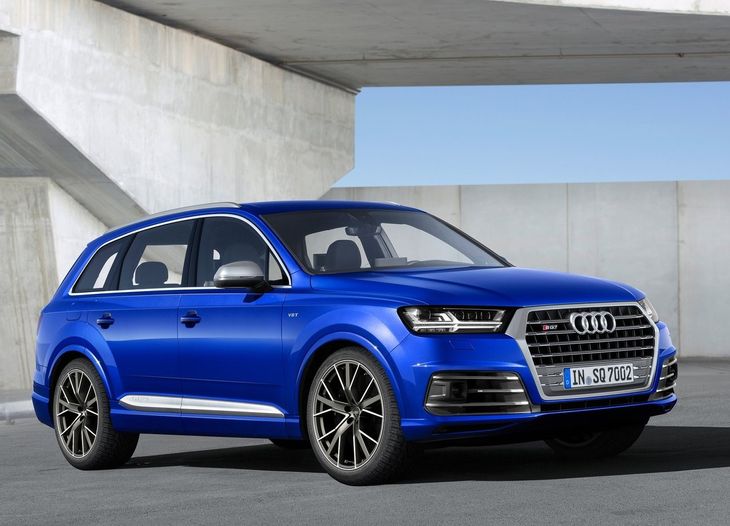
Despite 'dieselgate' Audi is still pushing on with its latest performance diesel model, the SQ7. Is time running out for oil burners?
We’ll never know if that was indeed possible, as most German industry turbodiesel R&D has been ceased and repurposed to lithium-ion battery development. The scale of abruptness around turbodiesel’s descent into disfavour (at least as far as only passenger vehicles are concerned, for now) has blinded many analysts and car enthusiast. There is a belief that hysterical Californian emissions legislation, which remains tolerant to diesel-powered school buses, but has vilified German turbodiesel passenger car engines, surged an overreaction, which will ultimately lead to the end of turbodiesel engine development.
Speed. Efficiency. Emissions. Pick two.
How could the entire German auto industry have got it so wrong? Audi. BMW. Porsche. Mercedes. VW. Between the 5 of them, there is unrivalled engineering expertise, which surely would have anticipated an approaching diminishing return curve when outrageous promises were being made about the potential of turbodiesel engines?
As the automotive industry transitioned through the millennium, turbodiesel passenger cars were unambiguously being marketed for their efficiency and tax relief in a European marketplace where fuel was expensive and emissions taxes punitive. The range benefits of a sophisticated turbodiesel engine had immense potential in markets such as America, Australia and South Africa, where enormous driving distances over weekends and during vacations are the norm. But there was a problem.
It’s no fun cruising between heavy trucking traffic in a turbodiesel car if it is capable of achieving 1 000 km on a tank, but offers little in the way of performance. As the German brands started developing turbodiesel-engined cars that could produce true autobahn pace, the appeal of petrol engines became merely acoustic. Turbodiesels also dealt a lot more confidently with the mass burden of SUVs, due to their abundant torque delivery at low engine speeds, which meant 50ppm was the fuel of choice for the burgeoning class of SUVs subsequently popularised by all German manufacturers.
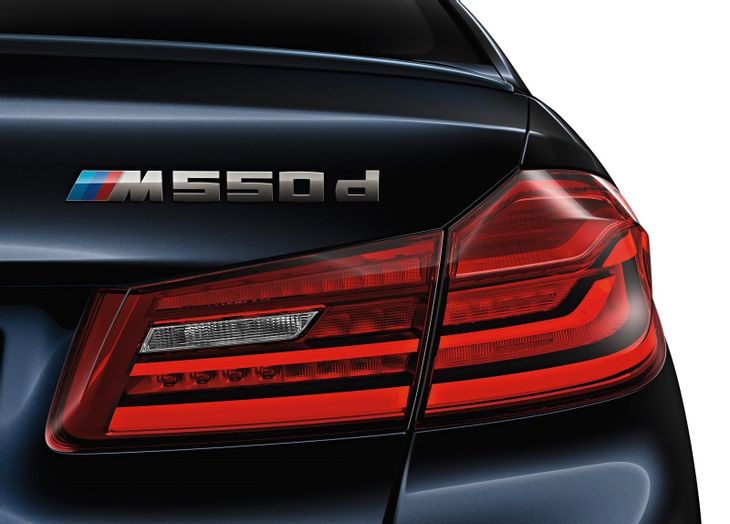
BMW M has fettled with a few turbodiesels in its time, here's the newest M550d.
BMW’s 3-stage turbocharged turbodiesel engine power X5 and X6 M50d derivatives and, late last year BMW revealed its quad-turbo M550d: 760 Nm and 0-100 kph in 4.4 seconds, with unparalleled cruising efficiency. It's a more usable performance car nearly everywhere, most of the time, than the more dramatic and expensive M5.
Audi’s done much the same, championing the agenda of high-performance turbodiesels, especially in its SUVs. It remains the only brand to have successfully marketed a turbodiesel-powered V12 SUV (the 2009 Q7, with no less than 1000 Nm of torque on tap) and SQ5 was a breakthrough high-riding performance car for Audi, being its first turbodiesel S-model. The current SQ7 boosts 900 Nm and boasts a claimed 0-100 kph time of 4.7 seconds. The credibility of those numbers is undeniable.
AMG as the outlier
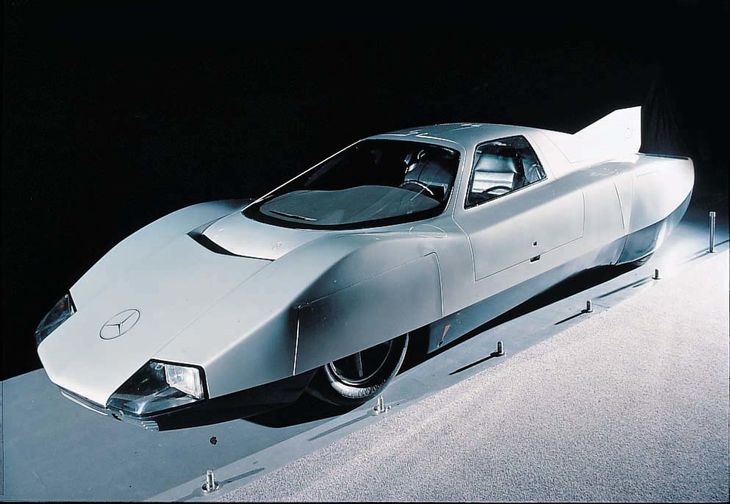
Mercedes-Benz built a diesel-powered supercar concept once, a rather long time ago. In 1978 its futuristic C111 concept set an amazing speed record of 316 kph, powered by a 170 kW engine. If BMW and Audi have remained committed to the notion of high-performance turbodiesel over the last decade, why not Mercedes-Benz?
Think of it. There isn’t a single performance-orientated Mercedes-Benz turbodiesel-engined model on sale. Isn’t that curious? The explanation for this is solely attributable to AMG, who tried a 50ppm performance car – but only once.
The Mercedes-Benz C111 of 1978. A futuristic way of looking at diesel performance. 170 kW and a top speed of 316 kph.
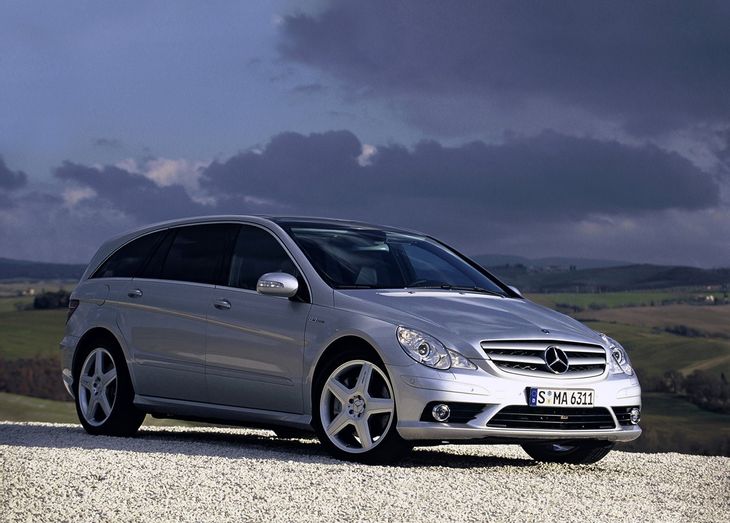
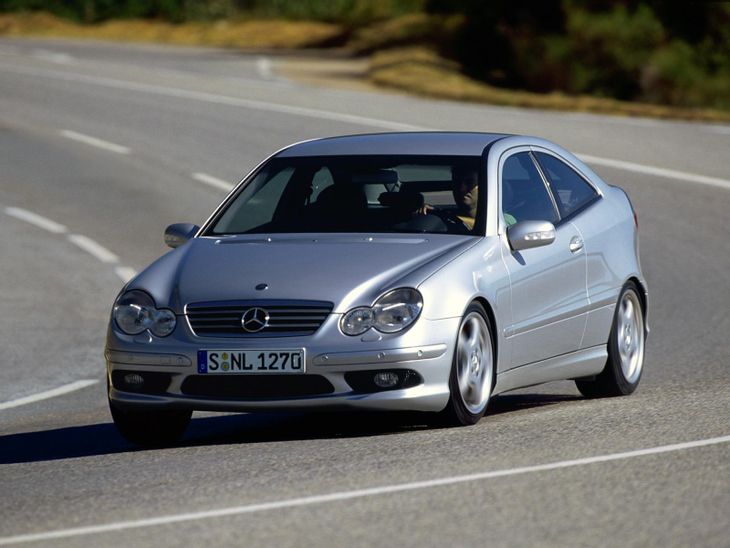
AMG has an alarming predisposition for trying to make a performance car of just about any Mercedes-Benz. There is simply no other explanation for something such as an R63 AMG. This unrestrained enthusiasm spilled over into the world of turbodiesels with the C30 AMG, a true turbodiesel vehicle from Affalterbach, built on the W203 platform. Just as BMW’s triple- and quad-turbocharged M-car turbodiesel are considered true M GmbH vehicles, so too the C30 was an authentic AMG.
C30 wasn’t powered by a mere plug-and-play upgrade of the W203 series C270’s diesel engine. AMG invested in creating its very own 3.0-litre turbodiesel by adding lengthening the cylinder stroke, which boosted engine outputs to 170 kW and 540 Nm, coincidently a peak power number matching the C111 diesel supercar of the 1970s. Here was a C-Class diesel with 35% more power and great cruising economy. Success appeared certain.
Of all the cars AMG had a hand in, this R 63 AMG might just be the weirdest.
Despite its impressive performance, the C30 AMG was never evolved and quietly discontinued. The claimed 0-100 kph sprint time of 6.8 seconds might have been blistering for a turbodiesel-engined car in 2002, but it was still 27% slower than a comparable C32 AMG. C30 remains the only diesel AMG ever and perhaps an unrecognised symbol that at least some of Germany’s best engineers realised that turbodiesel technology was not everything it was being promised to be.
Mercedes-Benz allowed Audi and BMW free rein to establish S-line and M-division turbodiesel models, which it knew AMG would never be motivated to counter. That confidence must have stemmed from the knowledge that, ultimately, the turbodiesel story could not continue to deliver huge gains in power, throttle response and emissions compliance. It’s possible that AMG’s technical people anticipated that on a trendline of development, BMW and Audi would eventually deliver hugely sophisticated turbodiesel engines into a doomed market.
The AMG advantage
Like the diesel-powered C111 concept, C30 is a forgotten Mercedes-Benz. Despite not achieving much sales success and only being marketed for two short years (2002-2004), this (left-hand-drive-only, because of the limitations of its packaging) diesel AMG served a crucial purpose in dissuading Affalterbach’s finest engineers from investing precious time and technical resources on an engine type which is now a condemned configuration.
Audi and BMW have invested heavily to birth a line of immensely advanced turbodiesel engines which have edged terribly close to matching petrol-powered throttle response, but it has all been in vain. German legislation will soon nullify the appeal of any fast diesel-powered SUV or sedan in autobahn country and Europe’s other market of destiny for high-performance truck-fuelled vehicles, the United Kingdom, has seen buyers hastily abandoning the black nozzle at fuel pumps.
The C30 lasted just 2 years in production and remains AMG's only foray into high-performance diesels.
Without German R&D investment, there will be no future high-performance turbodiesels. Porsche has already confirmed it is done with turbodiesel engines, which, by implication, means Audi will soon be too. BMW’s engineering spend will certainly return to matching petrol engines with a form of hybridisation for its future M-Division products, foregoing any future M-cars with a ‘d’ suffix. When AMG’s boss, Tobias Moers, was questioned about his division’s resistance to diesel the answer was simple: he’d rather spend the engineering resources on marrying petrol engines with electrification.
The turbodiesel trend rode a nearly unstoppable wave of torque throughout the last decade, although if you were a very astute industry observer the absence of diesel-powered AMGs always begged a contrarian question of scepticism. The drama around diesel has passed nearly unnoticed in Affalterbach. It’s also the reason why AMG is linearly powering ahead in global sales, unaffected by worrying about engines it might have to replace, unlike BMW’s M-division and Audi’s S-line product planners, who have parented a host of hugely impressive turbodiesel engines for which there might soon be no market for…
Volkswagen has introduced a 7-seater version of its well-liked Tiguan. It gets a slight visual tweak and a new engine (sort of).
In May this year, Volkswagen SA launched the Tiguan Allspace, a longer, more practical Tiguan, which offers a third row of seats and thus seating for 6 passengers.
With competitive pricing, the Allspace fills a niche in the Volkswagen line up and has few competitors, barring perhaps the Nissan X-Trail 7-seater.
In this video, we take a look at the versatility of the new seating arrangement, as well as the engine options, towing capability and new looks of the Tiguan Allspace.
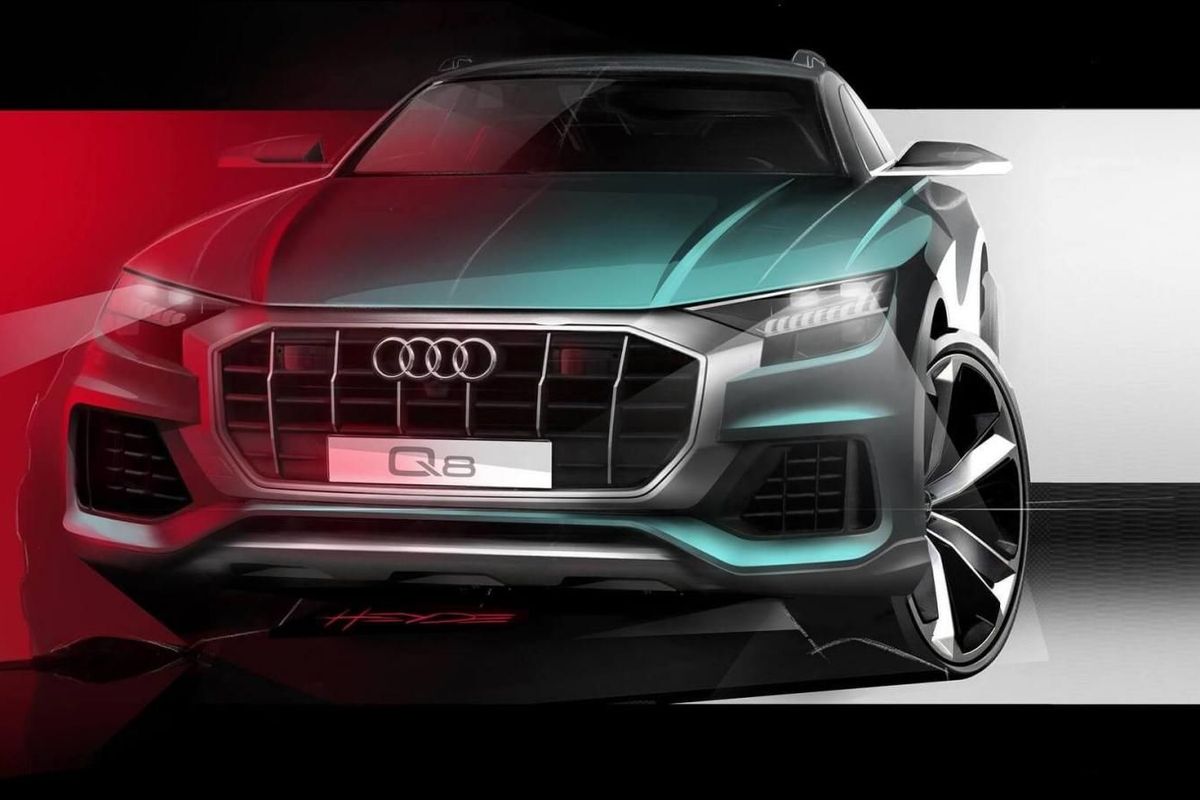
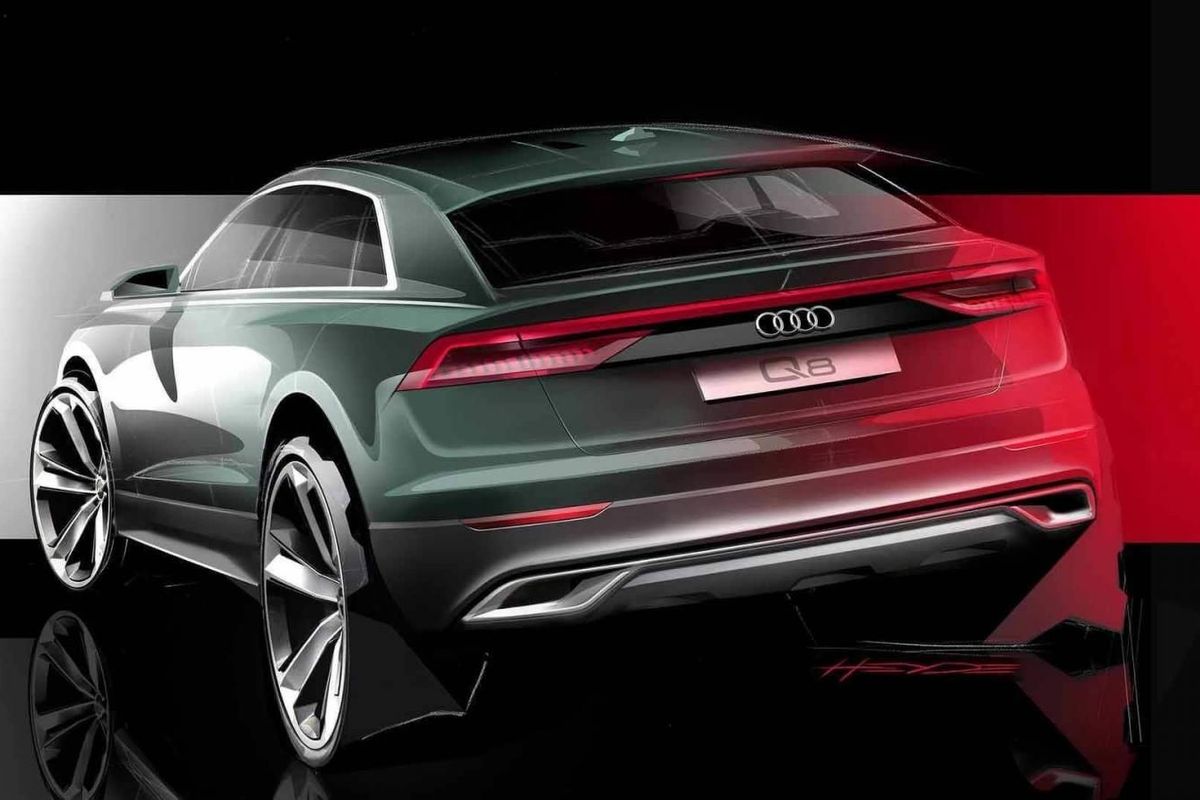
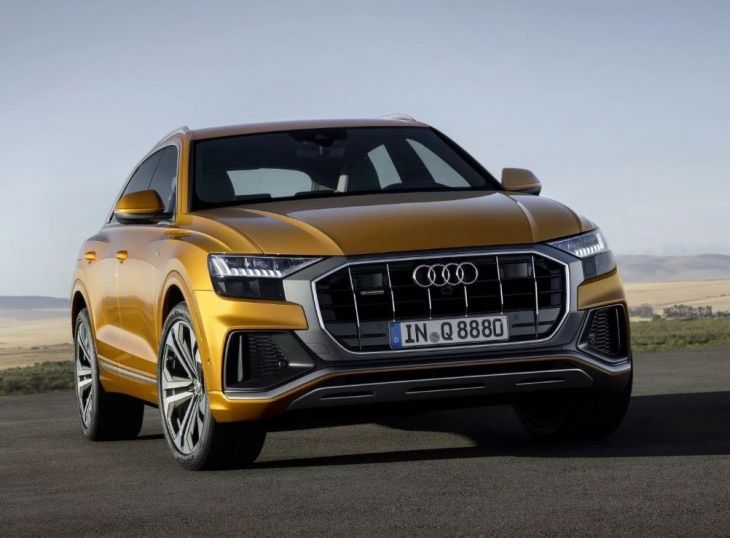
Audi has revealed its flagship Q8 SUV! Take a look at what the sporty-looking newcomer has to offer…
Previously we only had design sketches to ogle over but official details of the new Q8 have now been released by the Ingolstadt-based brand.
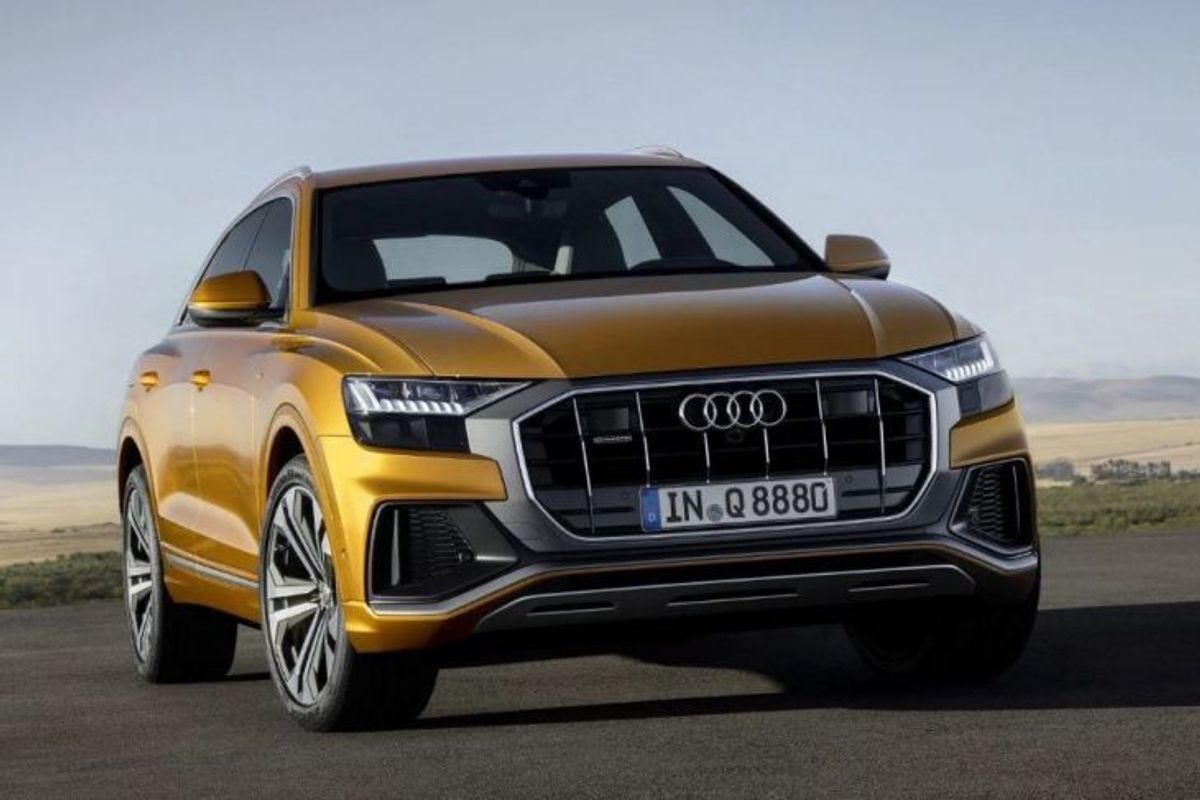
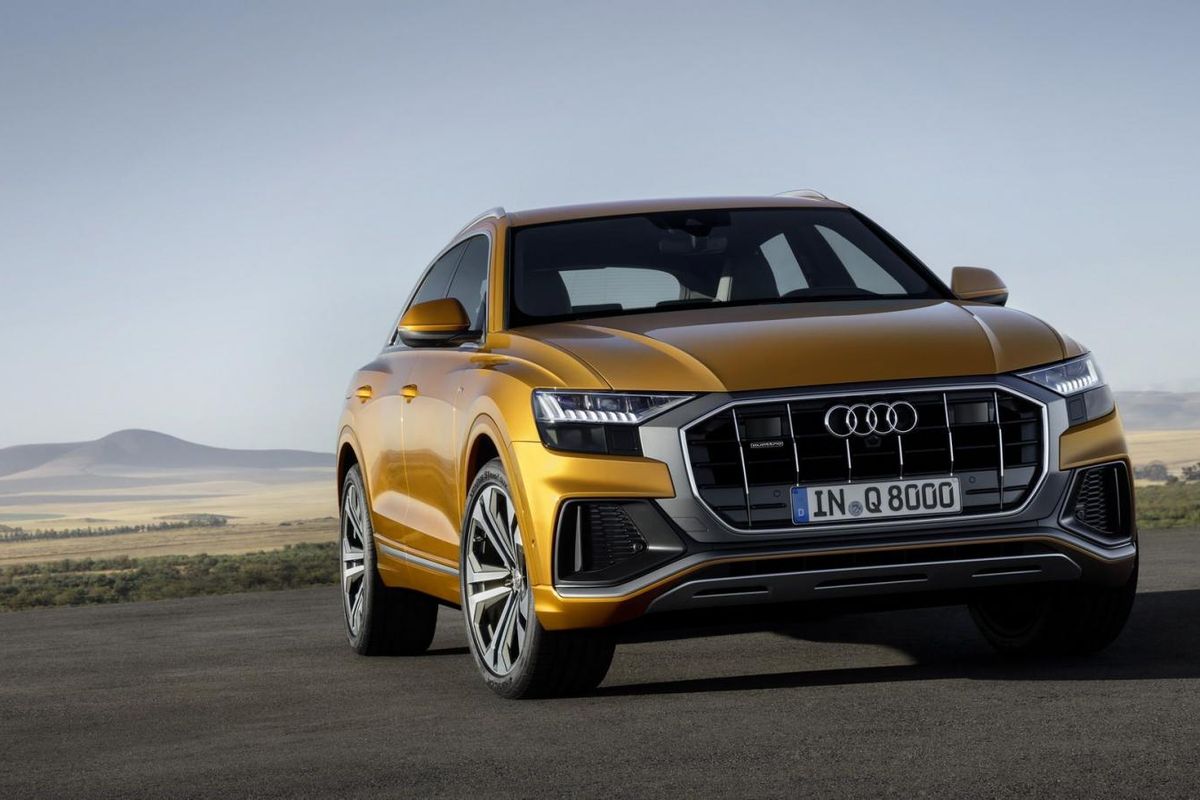
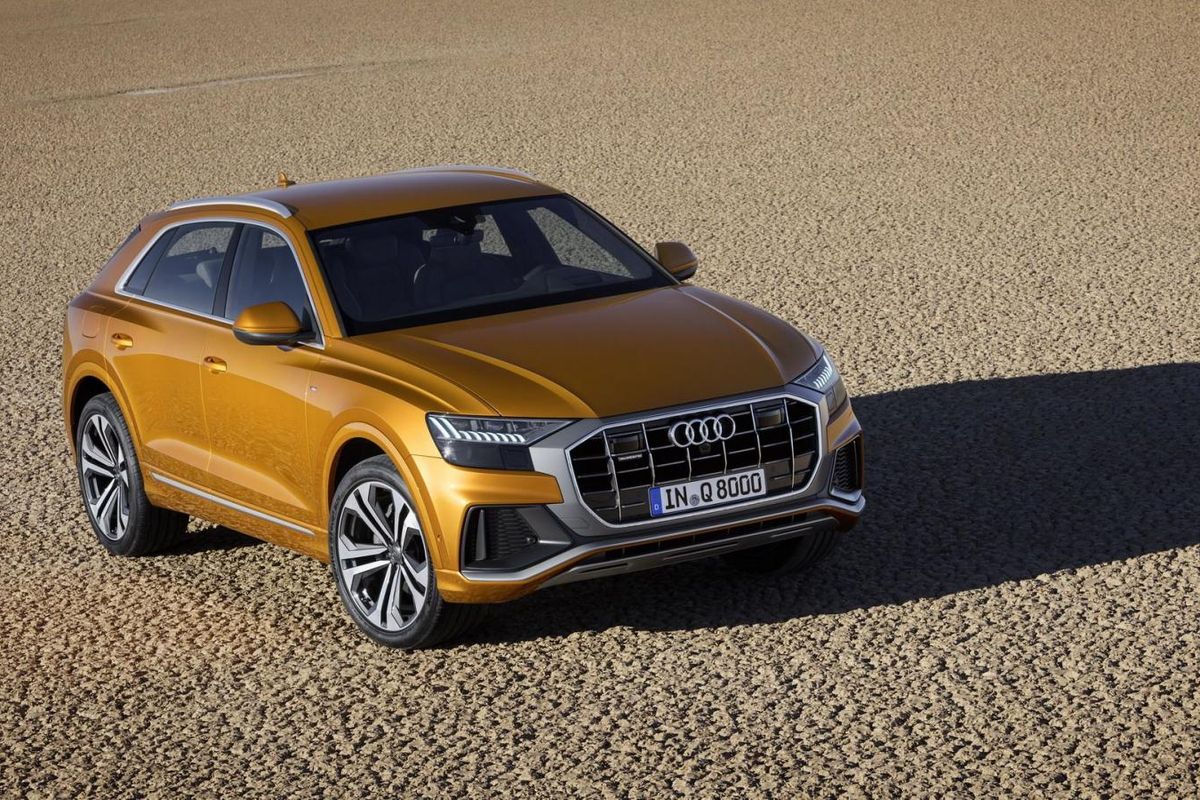
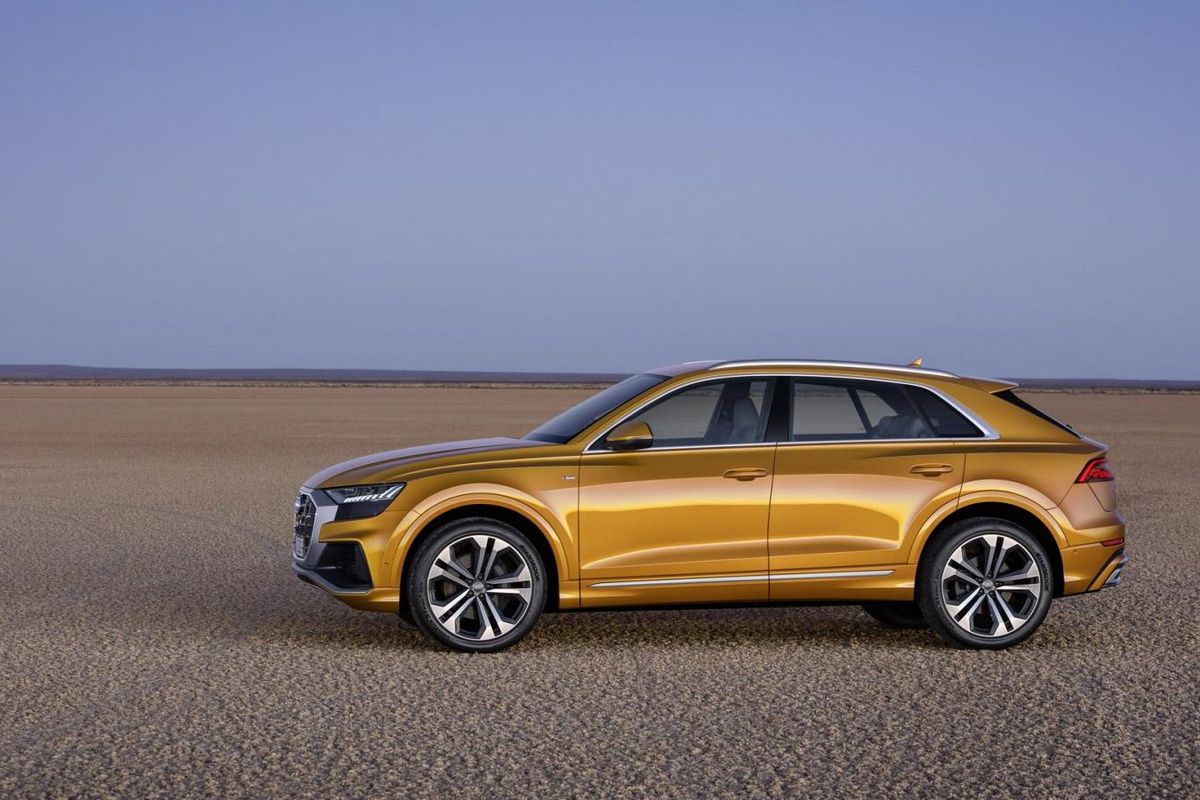
The powerful design of the new Q8 SUV incorporates a thick single-frame grille with vertical chrome slats which also featured on the Q8 Concept shown at the Detroit Motor Show in 2017. The Q8’s imposing design is further emphasised with a creased bonnet, sleek Matrix LED headlights and gaping air intakes.
The aggressively-styled Q8 is set to rival the Mercedes-Benz GLE Coupe and BMW X6.
Viewed from the side, the Q8 features a sloping roofline, raked C-Pillar and frameless windows to enhance it's coupe-like appearance. The new design language draws inspiration from the Ur-Quattro of the 1980’s.
At the rear, the Q8 wears slim tail lights with a continuous brake light and trapezoidal dual exhausts. A dash of rugged appeal is added with front and rear skid plates and flaring side skirts. The look is rounded off with large wheels filling the arches.
The Audi Q8 shares its MLB Evo platform with other models such as the Audi Q7, Volkswagen Touareg, Bentley Bentayga and Lamborghini Urus. The Q8 will rival the likes of the BMW X6 and Mercedes-Benz GLE Coupe.
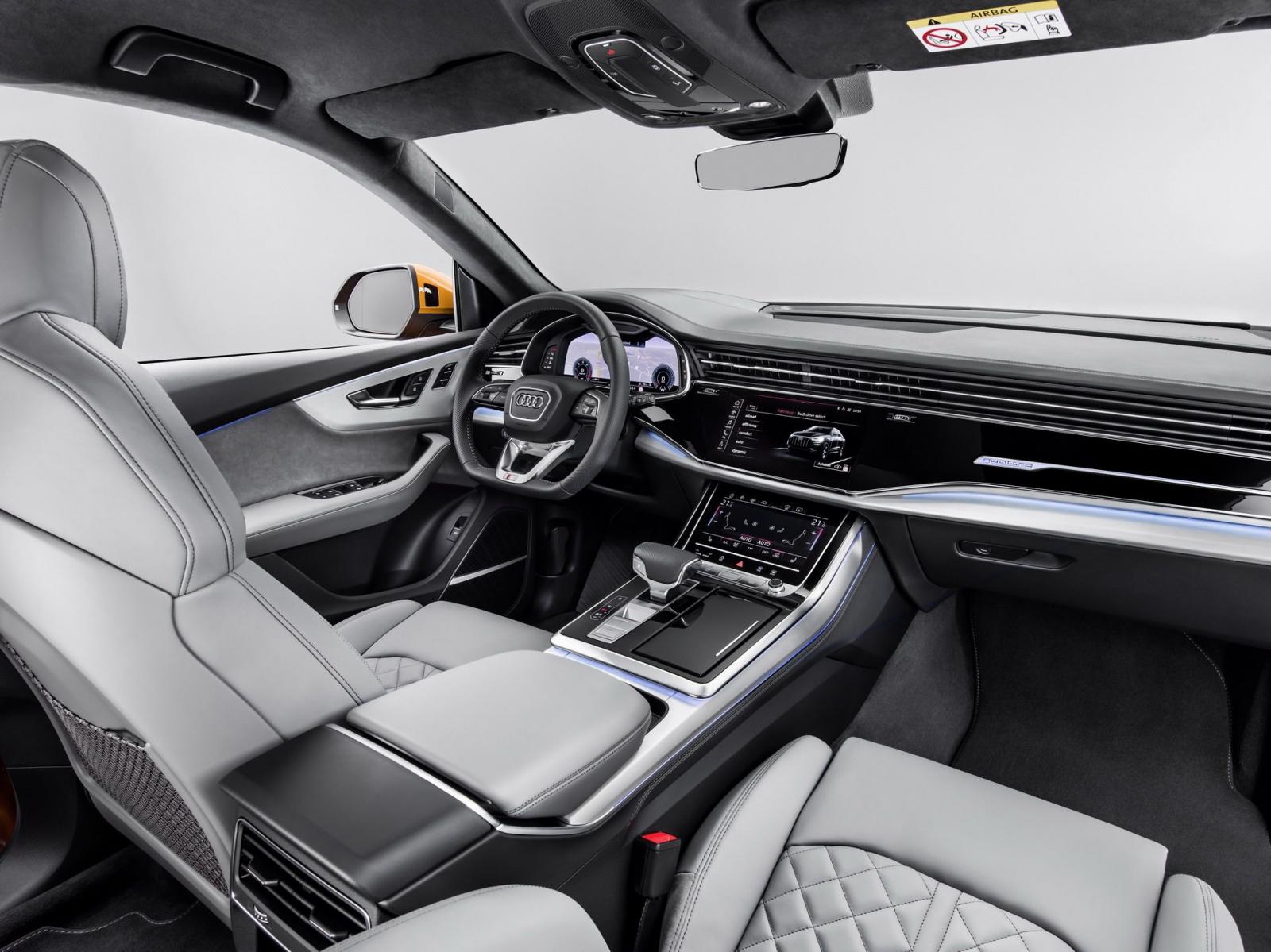
The interior boasts the very best technology in Audi's arsenal…
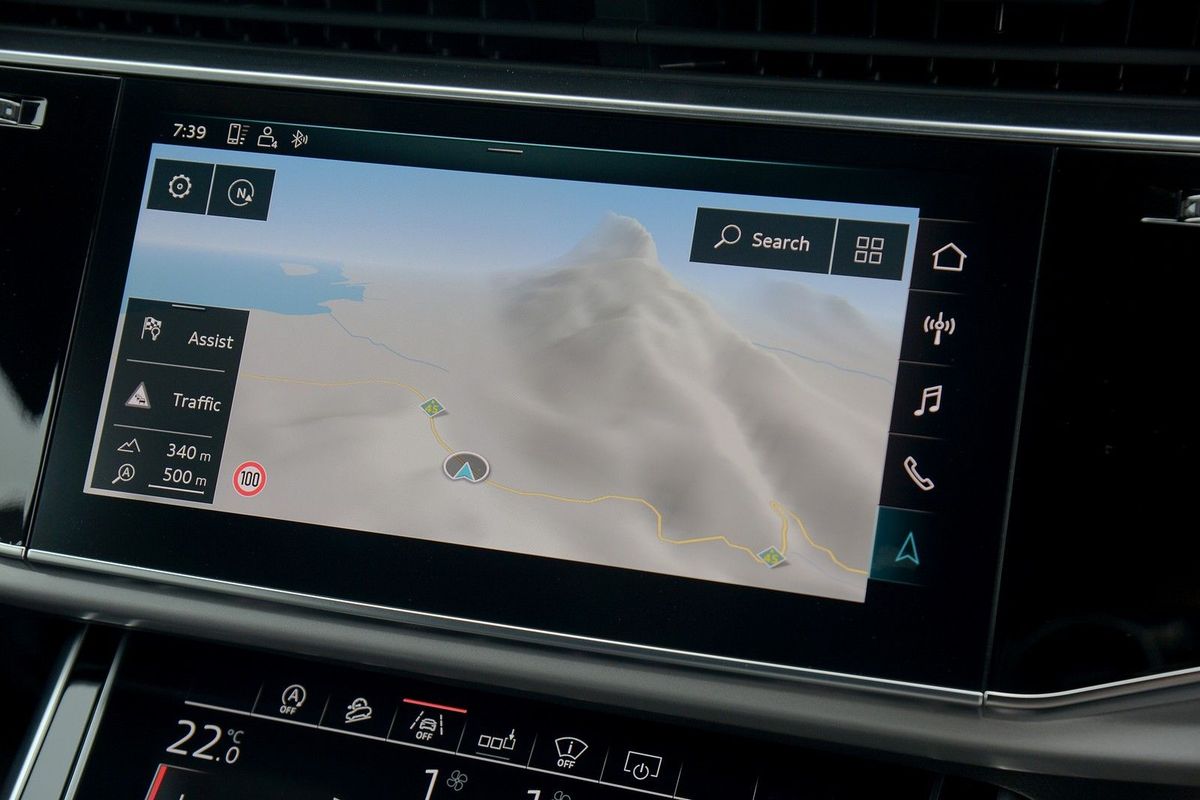
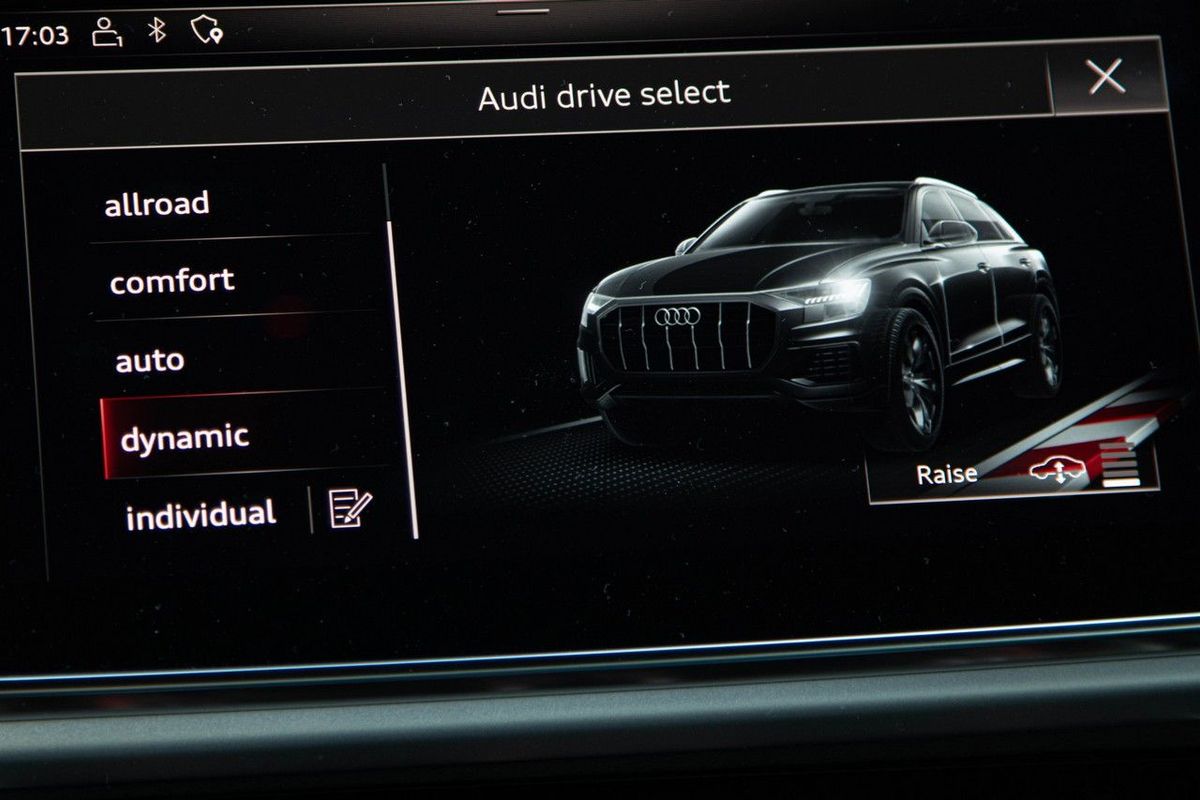
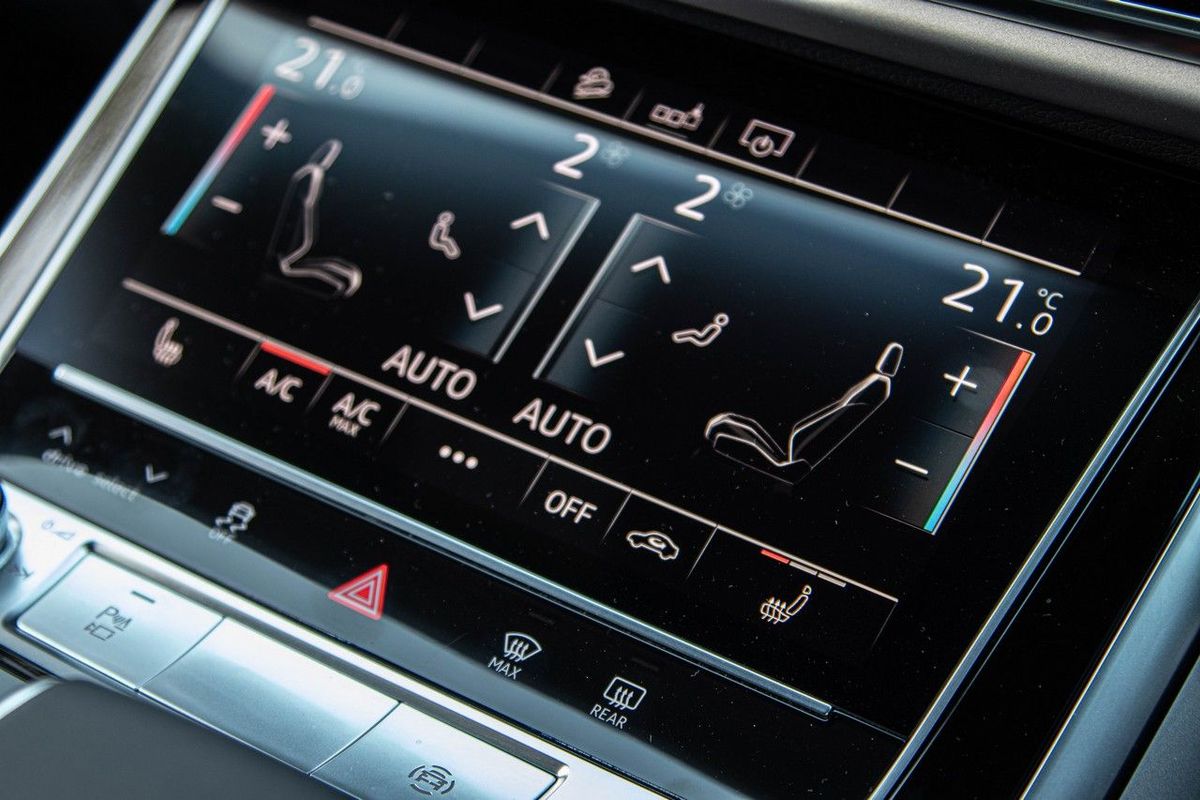
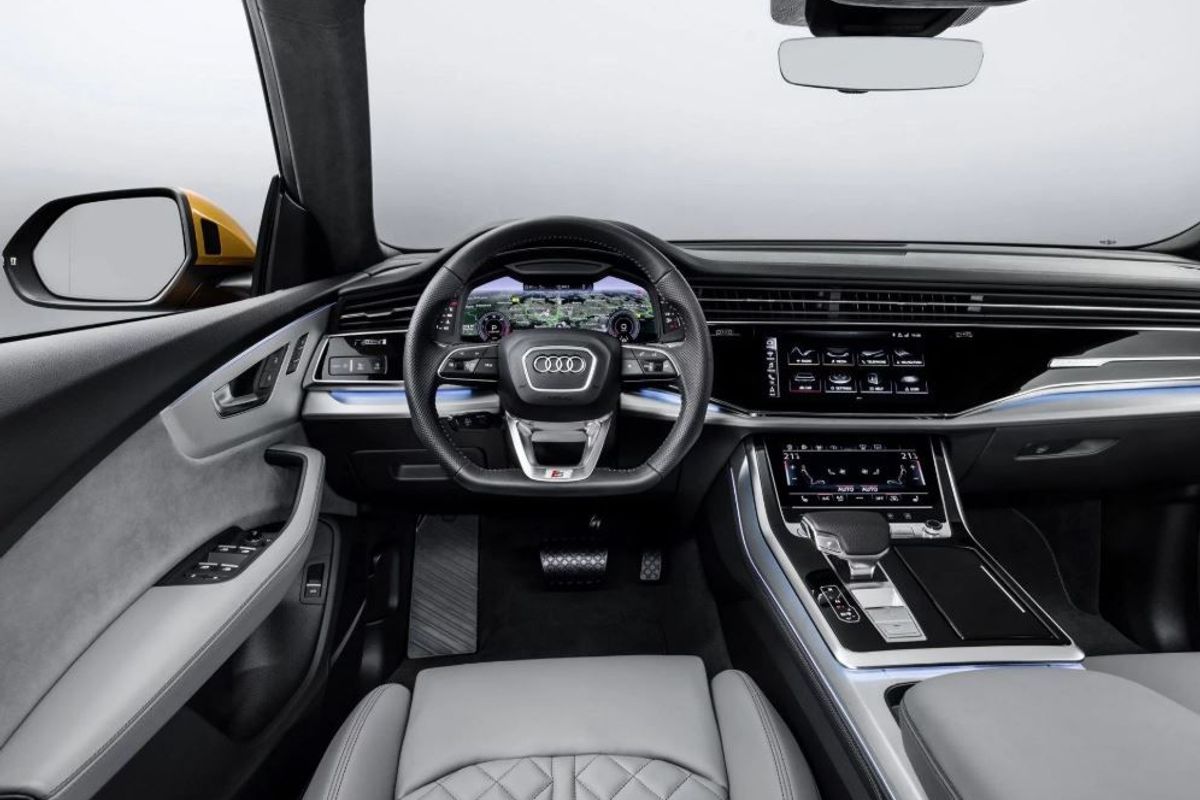
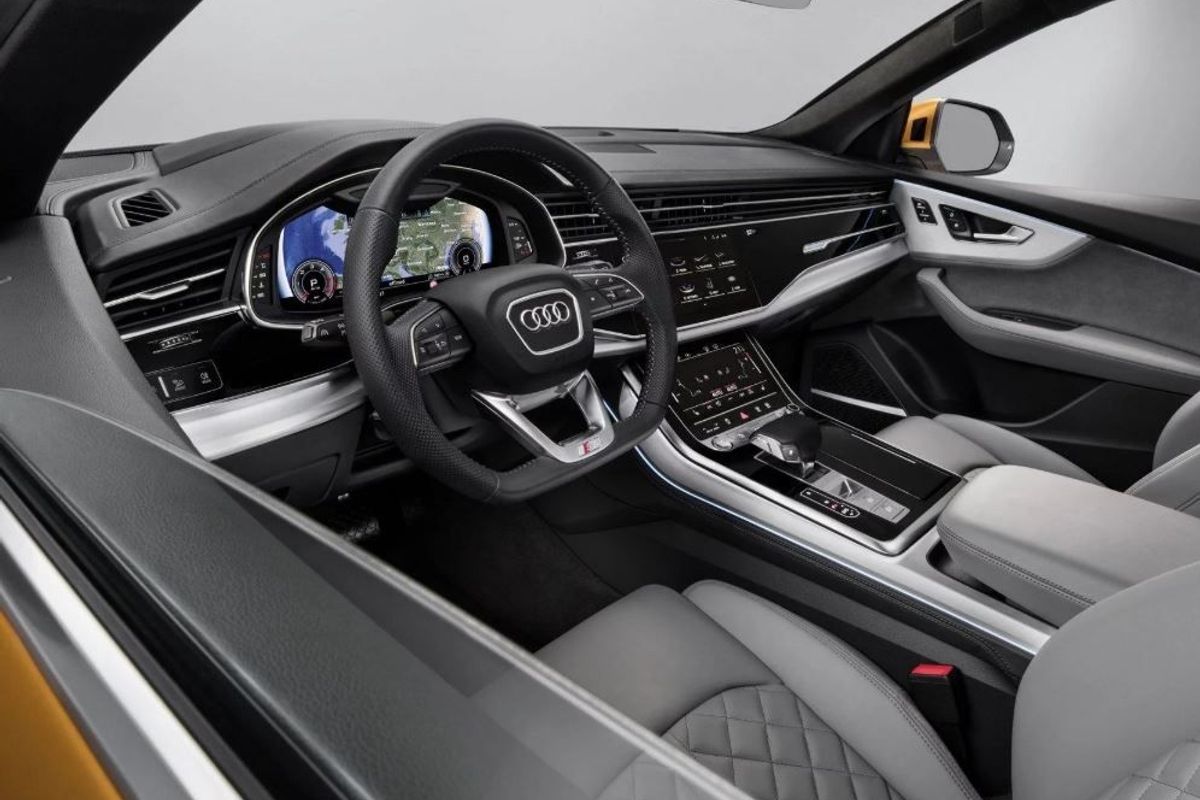
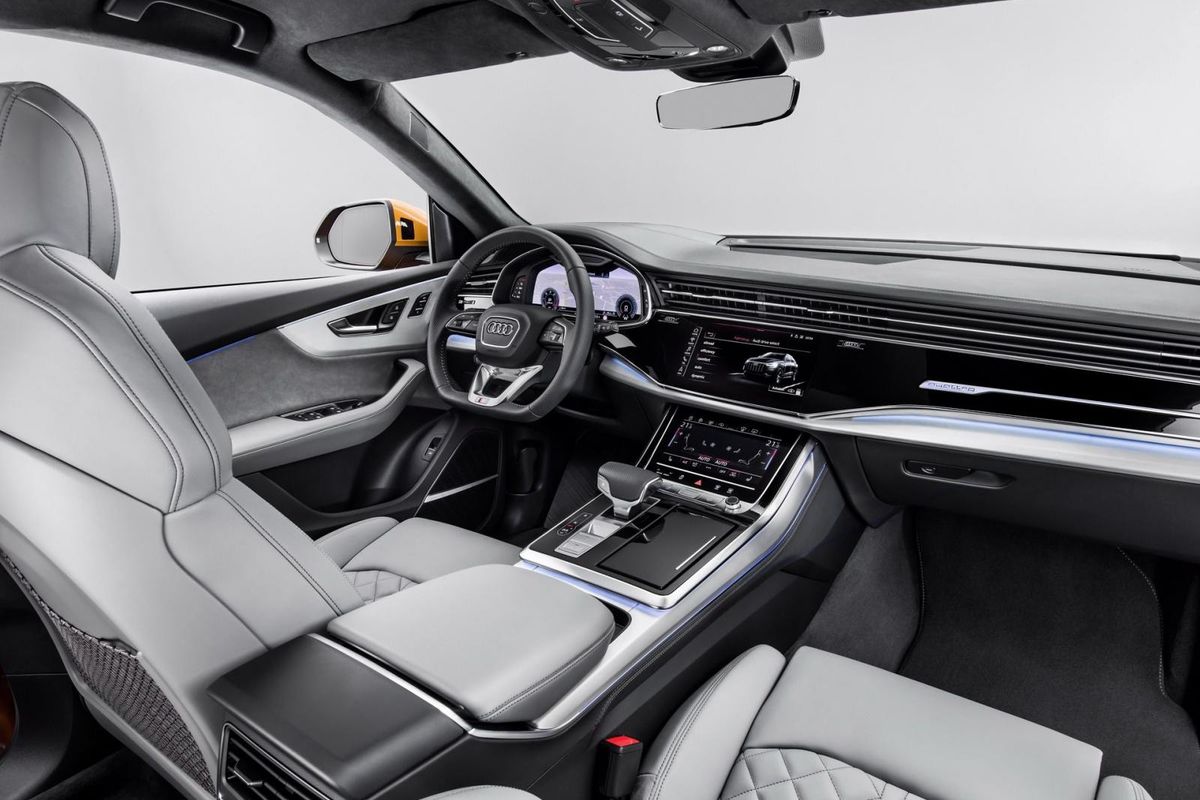
On the inside, the driver is cocooned in leather with the interior design sharing similarities with the A6, A7 and A8. It's an all-digital affair inside the Q8 with Audi's 12.3-inch Virtual Cockpit placed directly ahead of the driver. Furthermore, there are also 2 touchscreens found in the centre stack to take care of infotainment/navigation and in-car convenience feature settings.
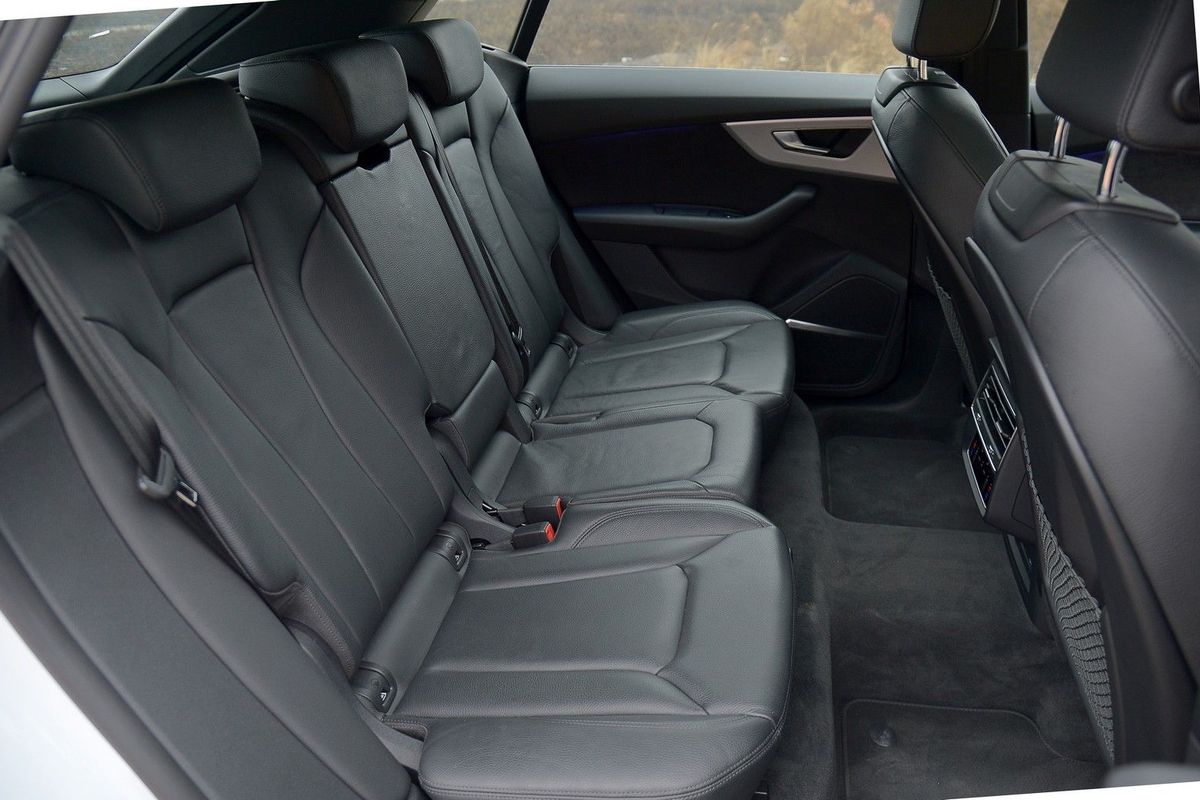
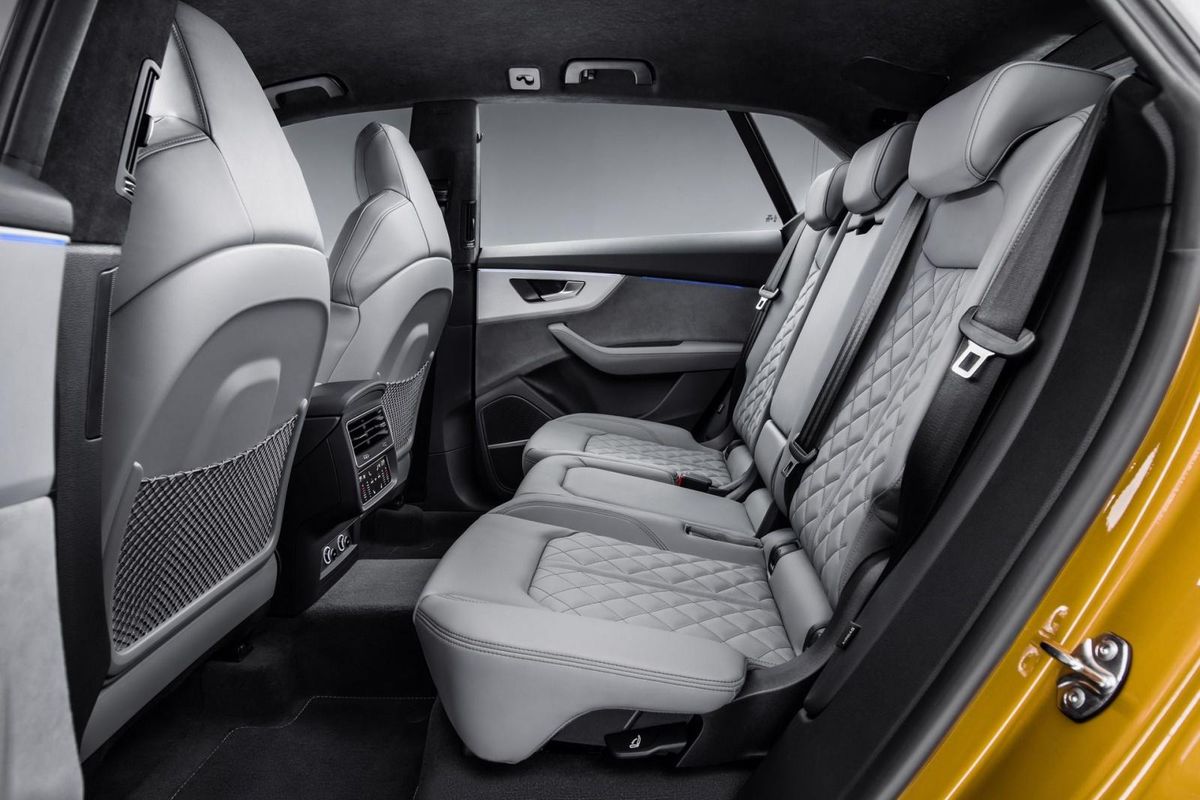
In terms of practicality, the Q8 offers a large and spacious interior with the load bay measuring at 605 litres and expanding to 1 755 litres with the rear seats folded down. The tailgate is electrically operated and an electronic parcel shelf is offered as an option.
Engine power
The Q8 50 TDI is powered by 3.0-litre V6 engine with 213 kW and 600 Nm of torque and features mild-hybrid technology with a 48-volt electric system incorporating a lithium-ion battery and a belt alternator-starter. Audi says the system can recover up to 12 kW of power during braking and feed it back into the battery.
The engine is mated to an 8-speed tiptronic automatic transmission while quattro all-wheel drive ensures maximum traction. The Q8 will sprint from zero to 100 kph in 6.3 seconds.
The engine range will expand at a later stage with an additional turdodiesel engine joining the mix, as well as a potent 3.0-litre turbopetrol engine with at least 253 kW expected. A plug-in hybrid (PHEV) is also on the cards and the Q8 will also likely be offered in S and RS guise. The Q8 RS may even offer as much as 395 kW.
The new Audi Q8 is built in Bratislava, Slovakia and will go on sale in Europe in Q3 of 2018. A spokesperson from Audi South Africa has confirmed that the new Q8 will be launched in South Africa before the end of 2018.
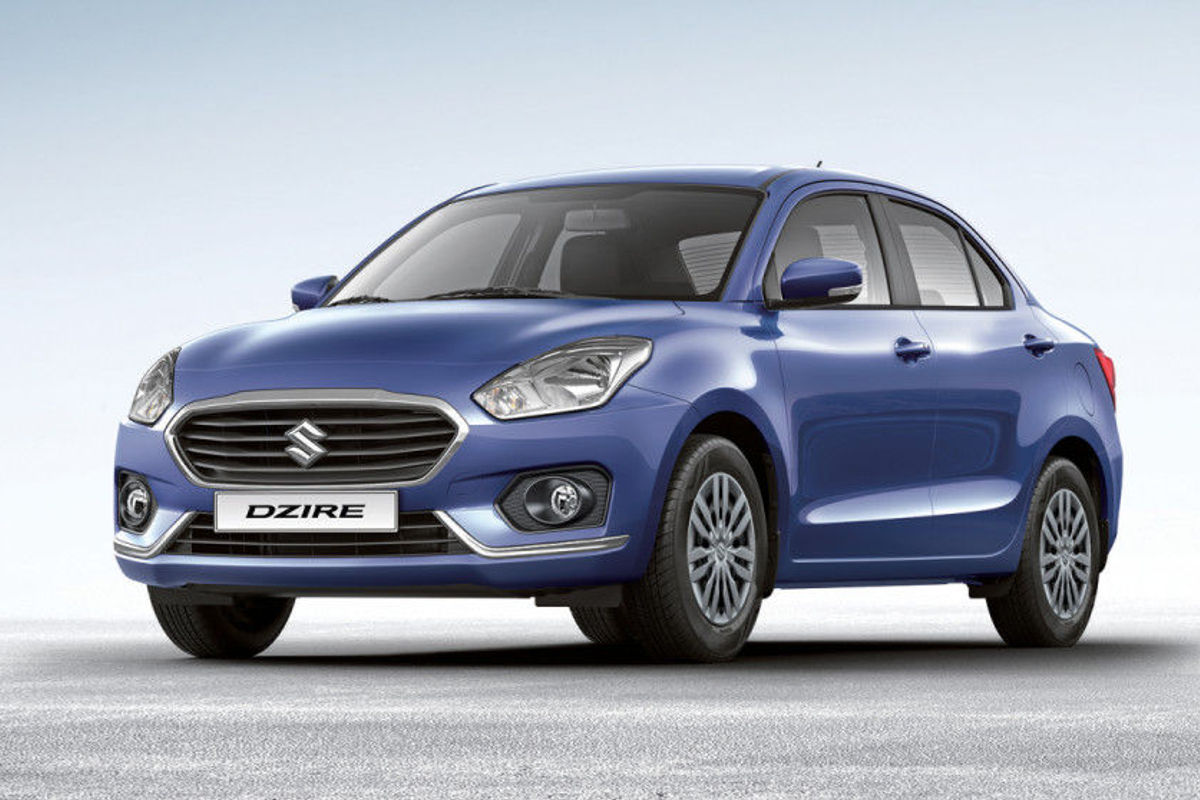
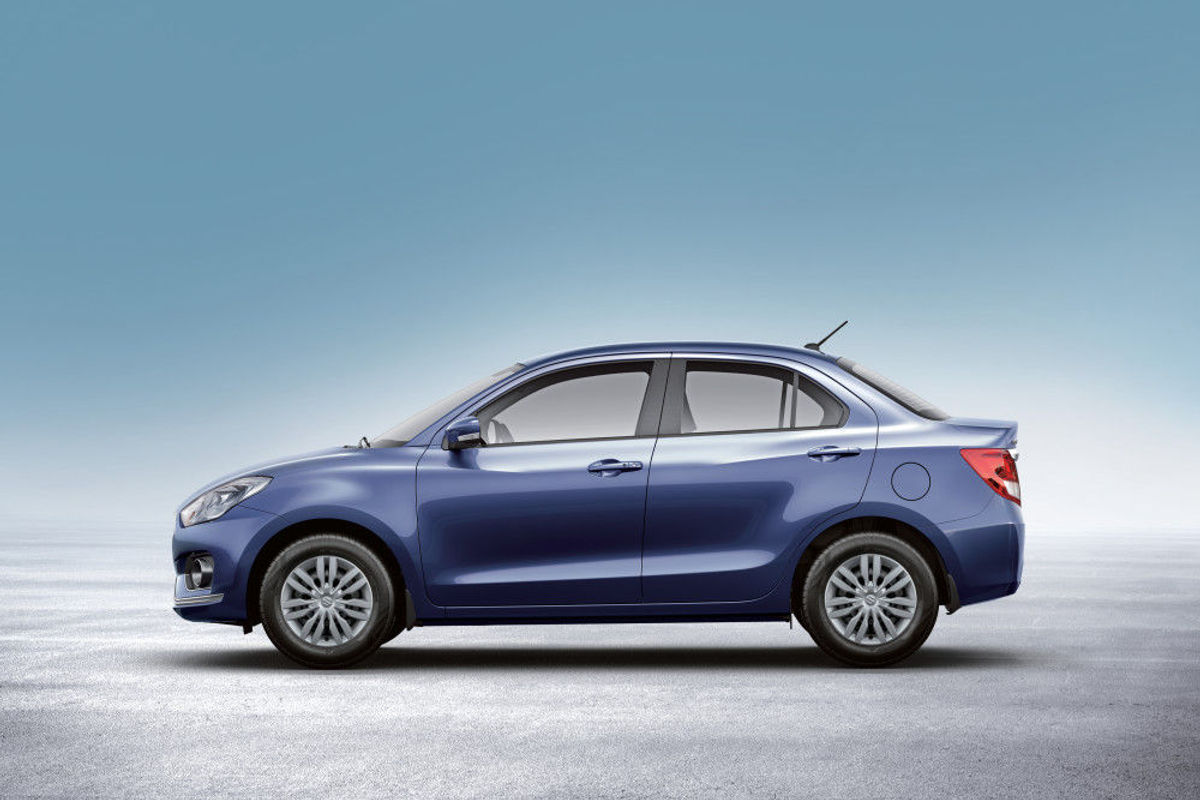
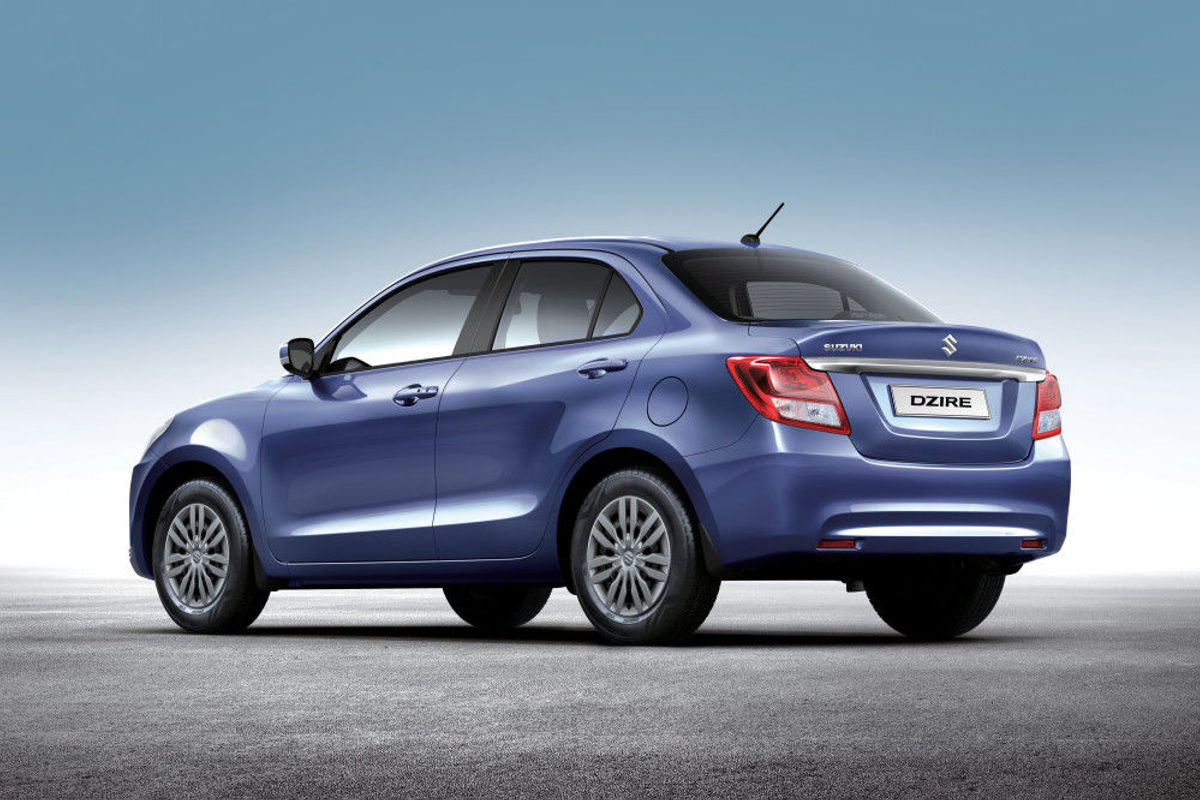
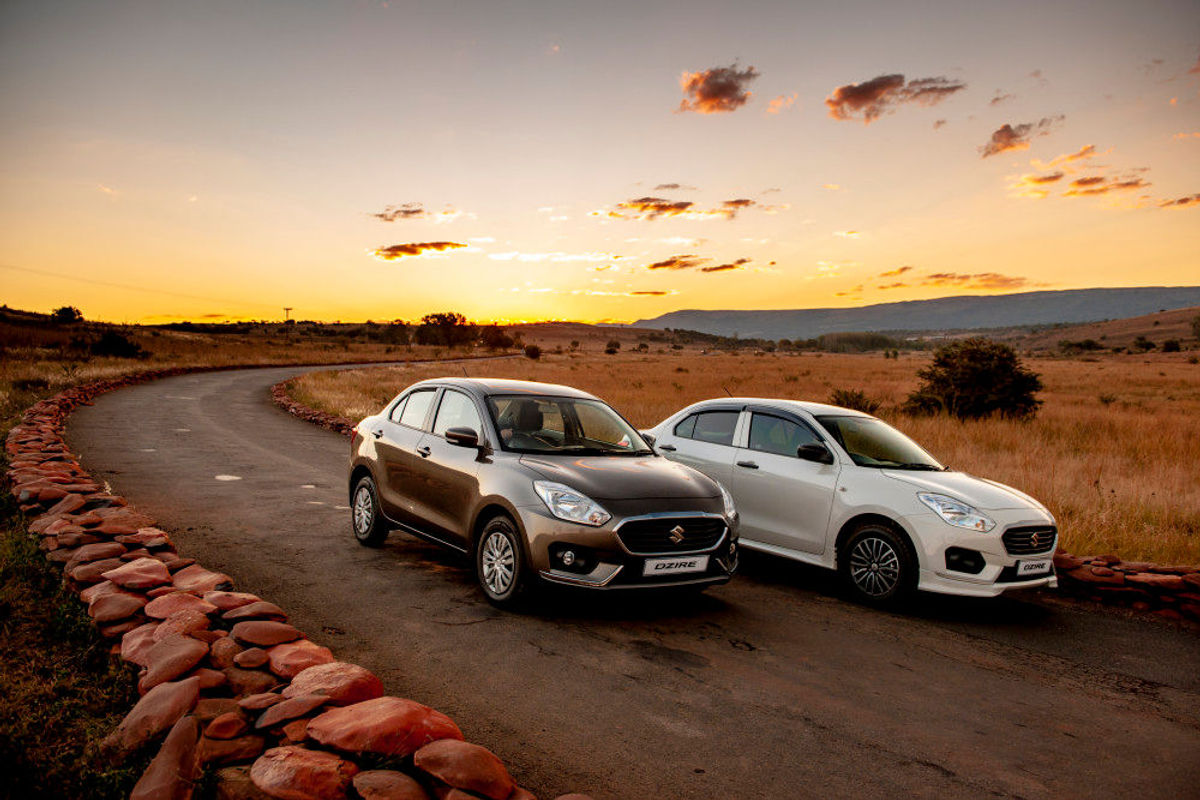
Suzuki has introduced the new Dzire sedan as a standalone model in South Africa. Herewith specs and pricing for the newcomer…
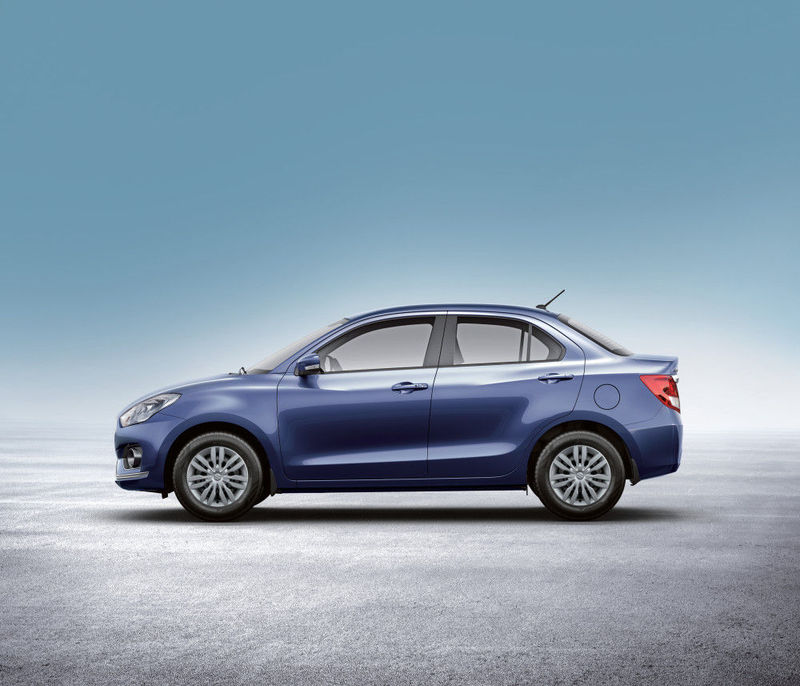
You may recall the Swift Dzire sedan which was sold alongside the popular Swift and often referred to as ‘a Swift with a boot’? Yes? Well, that model is no more. Instead, Suzuki has now developed the Dzire sedan as a standalone model, featuring its own styling and riding on a new platform to best serve its intended target market — young families.
Engine power
The Dzire is light, which means its 1.2-litre petrol engine should provide adequate pulling power while returning good fuel consumption figures.
The Suzuki Dzire is fitted with the same naturally aspirated 1.2-litre petrol engine that powers the new Swift. This engine has outputs of 61 kW and 113 Nm of torque and can be had with either a 5-speed manual or an automated manual transmission (AMT).
Weighing in at only 890 kg, some 75 kg less than the previous Swift DZire sedan, this new Dzire carries a claimed fuel consumption of 4.9 L/100 km and it should prove to be quite frugal in real-world driving situations.
Exterior design
The new Dzire sedan wears a polyoganal grille with chrome accents and is flanked by large headlights and integrated fog lights. LED tail lights are seen at the rear. Suzuki says that the design of the Dzire has an improved drag coefficient of 18% compared with the previous Swift Dzire, which results in a quieter cabin when driving at speed and consumes less fuel overall.
Buyers can choose from a range of exterior colours including Oxford Blue Pearl Metallic, Sherwood Brown Pearl Metallic, Gallant Red Pearl Metallic, Arctic White Pearl, Silky Silver Metallic, Magma Grey Metallic and Midnight Black Metallic
Interior design
The Dzire GL offers reasonable standard specification…
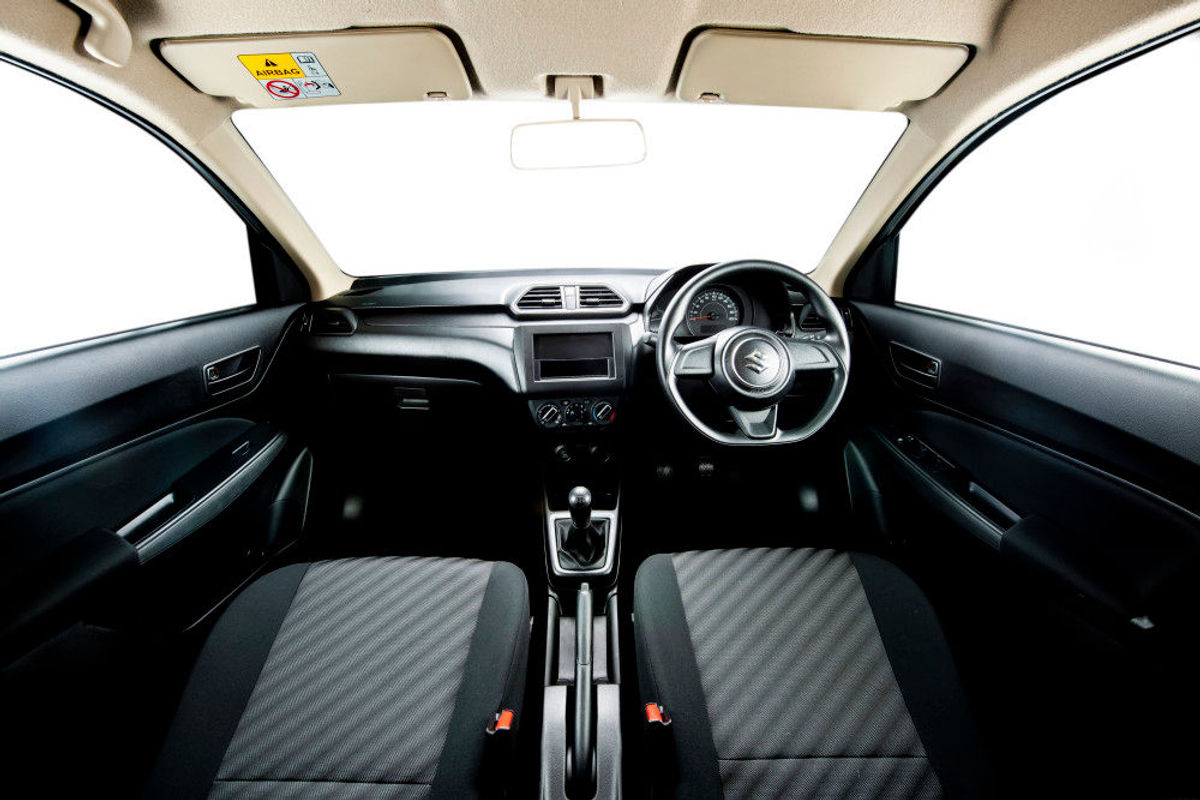
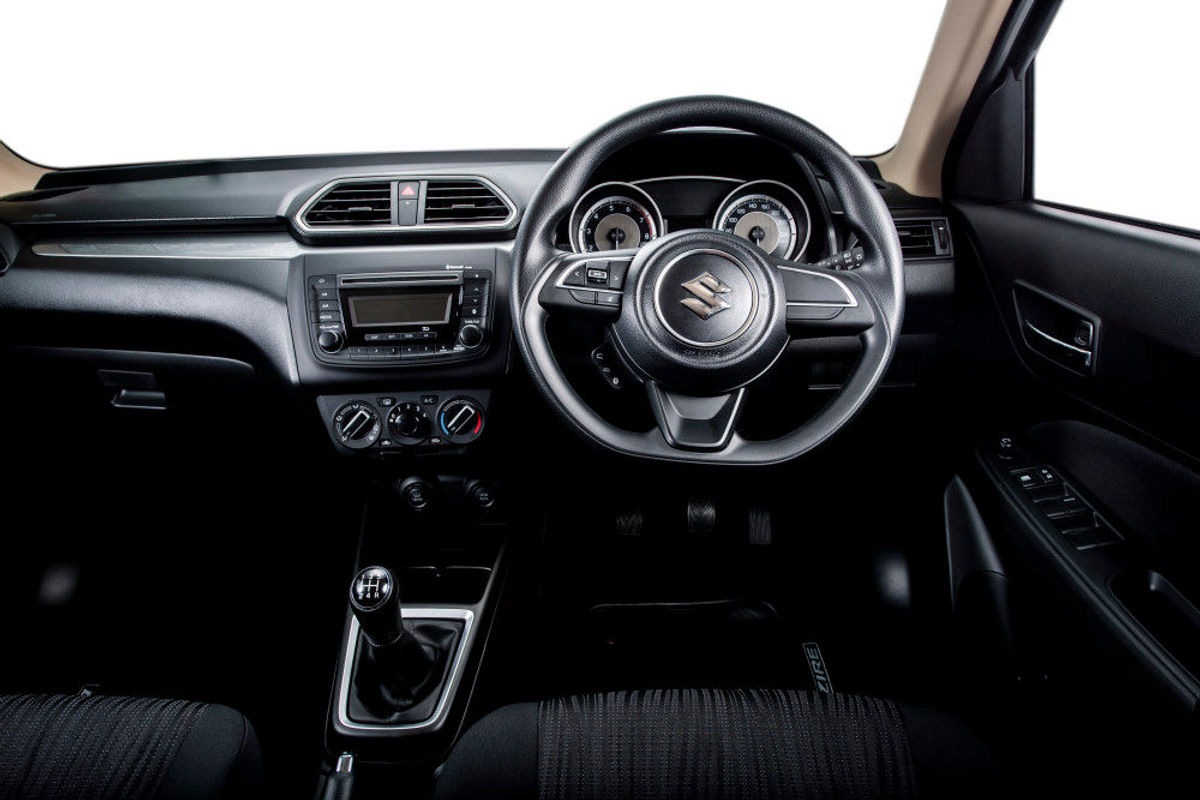
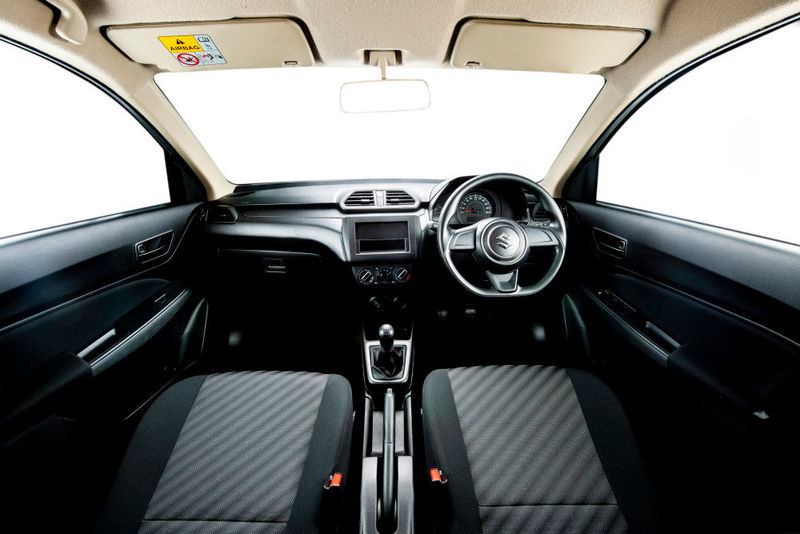
The Dzire now features its own uniquely styled cabin with silver accents used extensively on the dashboard while the air vent design matches the look of the front grille.
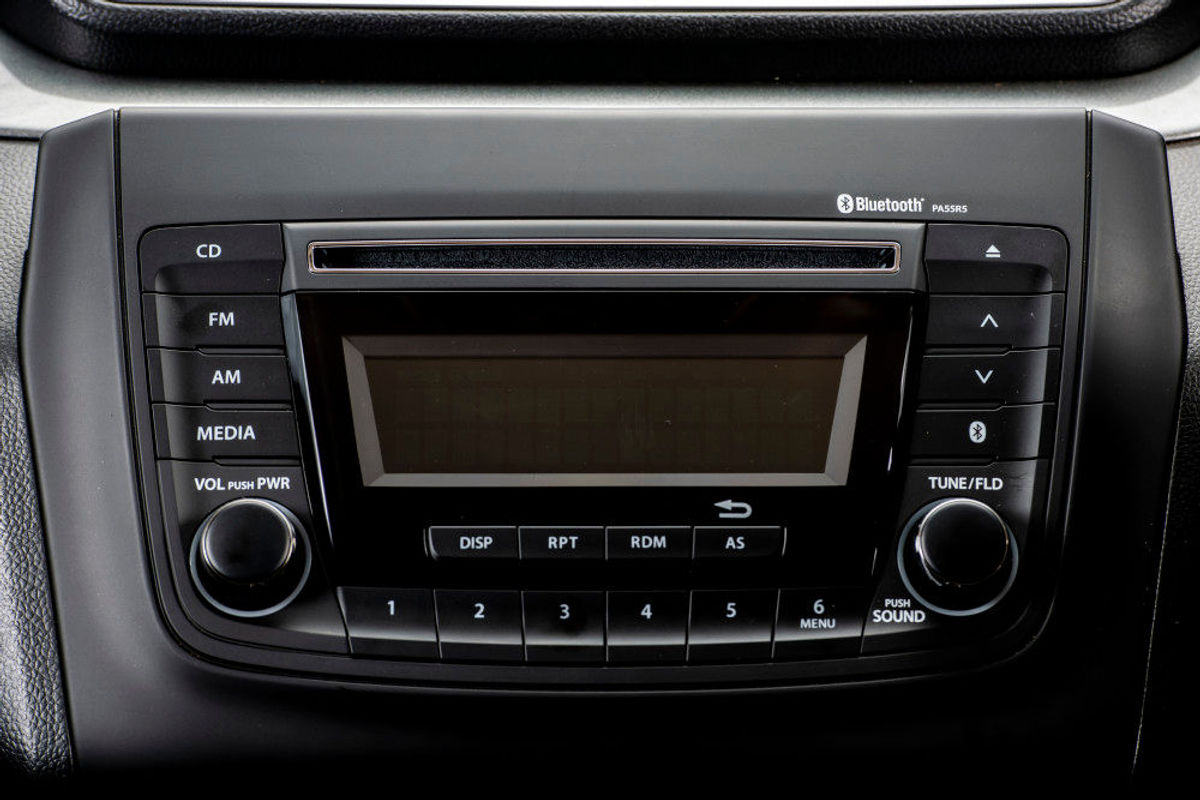
A new instrument cluster with a multi-information display is fitted and the DZire GL derivative adds a tachometer, additional silver accents, white illumination, rear air vents, extra 12V socket, sound system with USB and Bluetooth support, steering wheel mounted controls and electric colour-coded side mirrors. GL specification also includes a foldable rear armrest with integrated cup holders.
All Dzire sedans feature manual air conditioning, front and rear electric windows, 2 airbags (driver and front passenger), a tilt-adjustable steering column, a security alarm and immobiliser and rear ISOFIX child seat mounts.
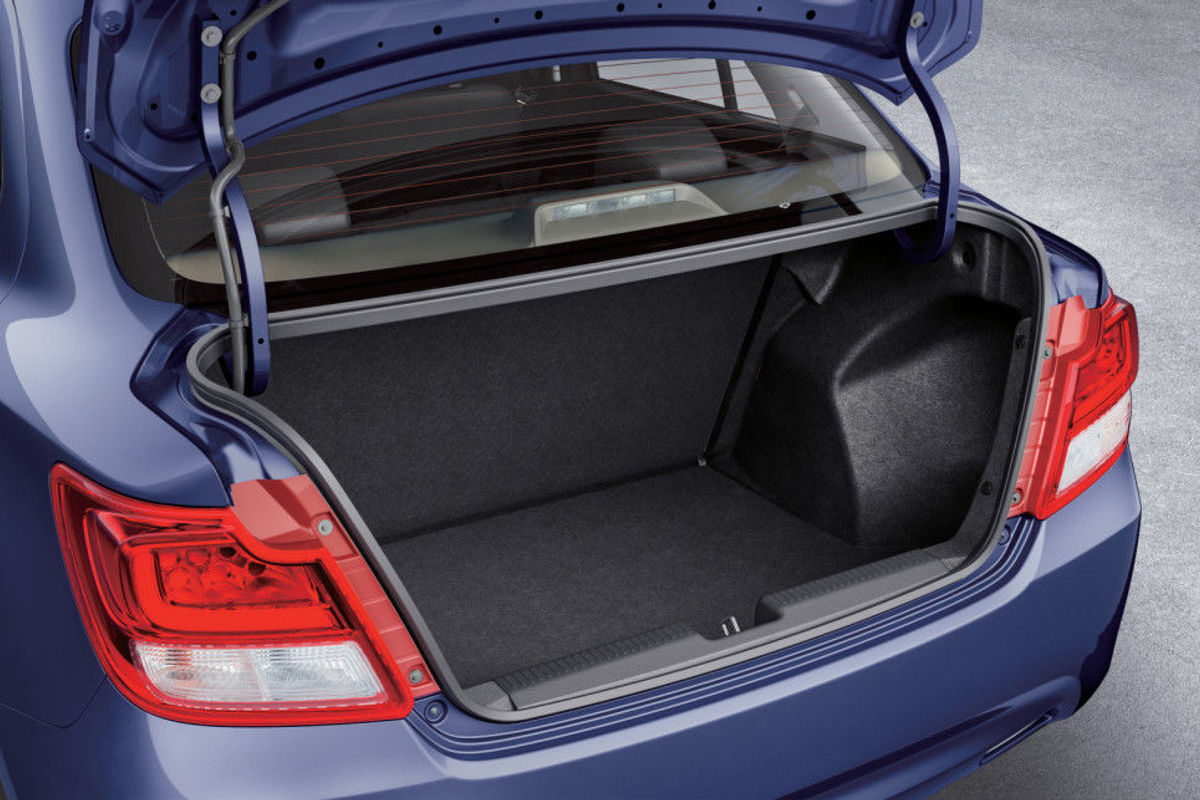
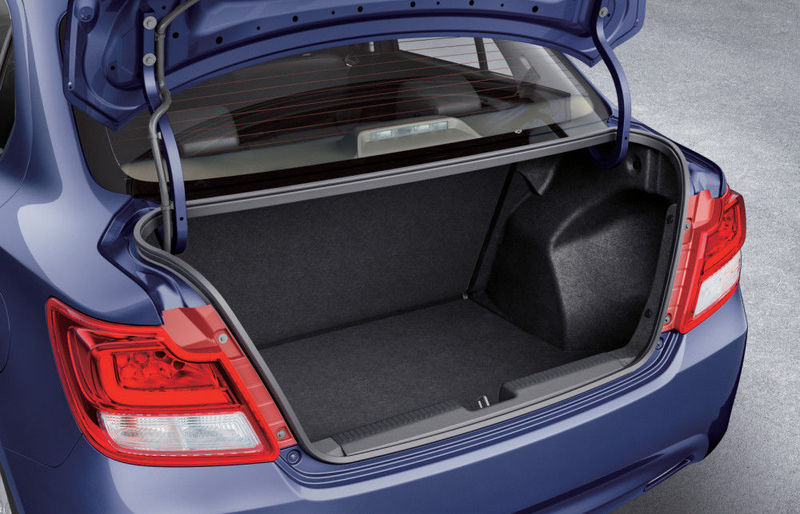
Boot space has increased by some 26% in this latest Suzuki Dzire.
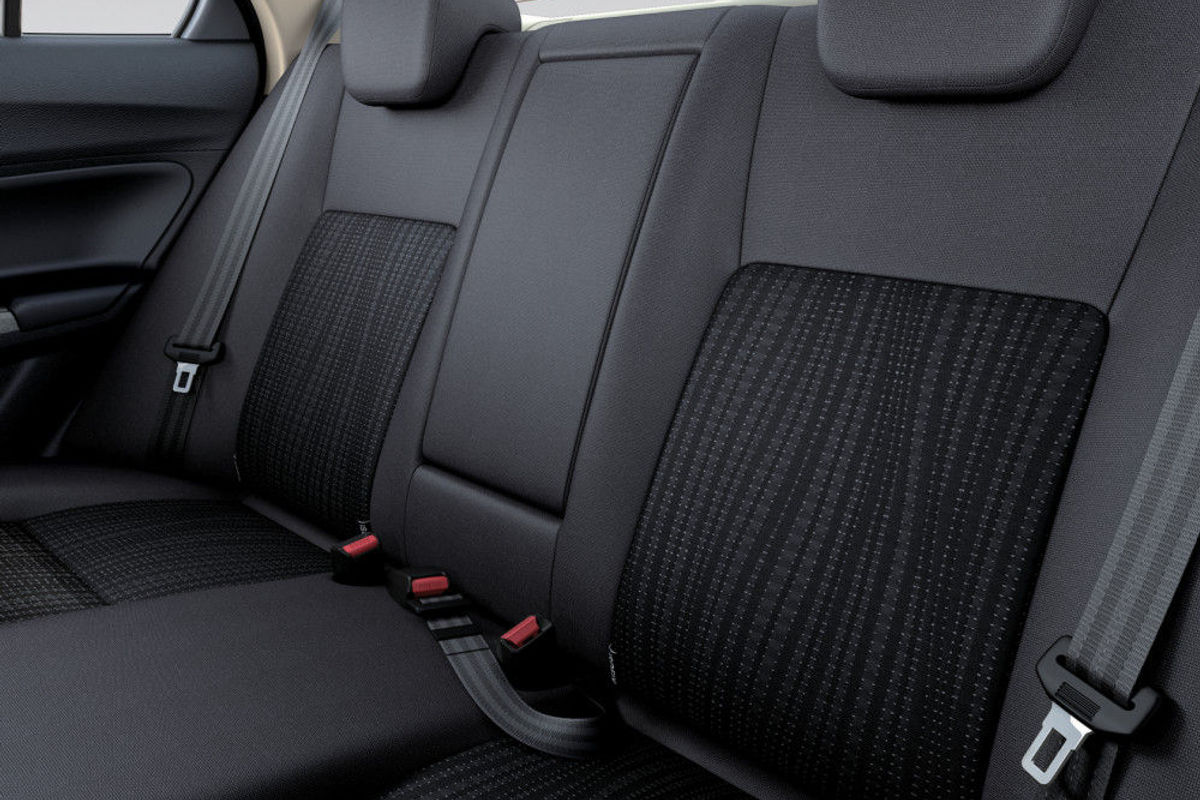
In terms of practicality, space for rear passengers has improved dramatically with an additional 55 mm of legroom while shoulder room has improved by 15 mm. The driver and front passenger now have an additional 10 mm of shoulder room. The DZire’s boot now measures 378 litres which some 78 litres or 26% bigger than the previous Swift Dzire.
Suzuki Dzire – Price in SA (June 2018)
Suzuki Dzire 1.2 GA Manual – R161 900
Suzuki Dzire 1.2 GL Manual – R177 900
Suzuki Dzire 1.2 GL AMT – R191 900
The Suzuki Dzire is sold with a 5-year/200 000 km mechanical warranty and a 2-year/30 000 km service plan.
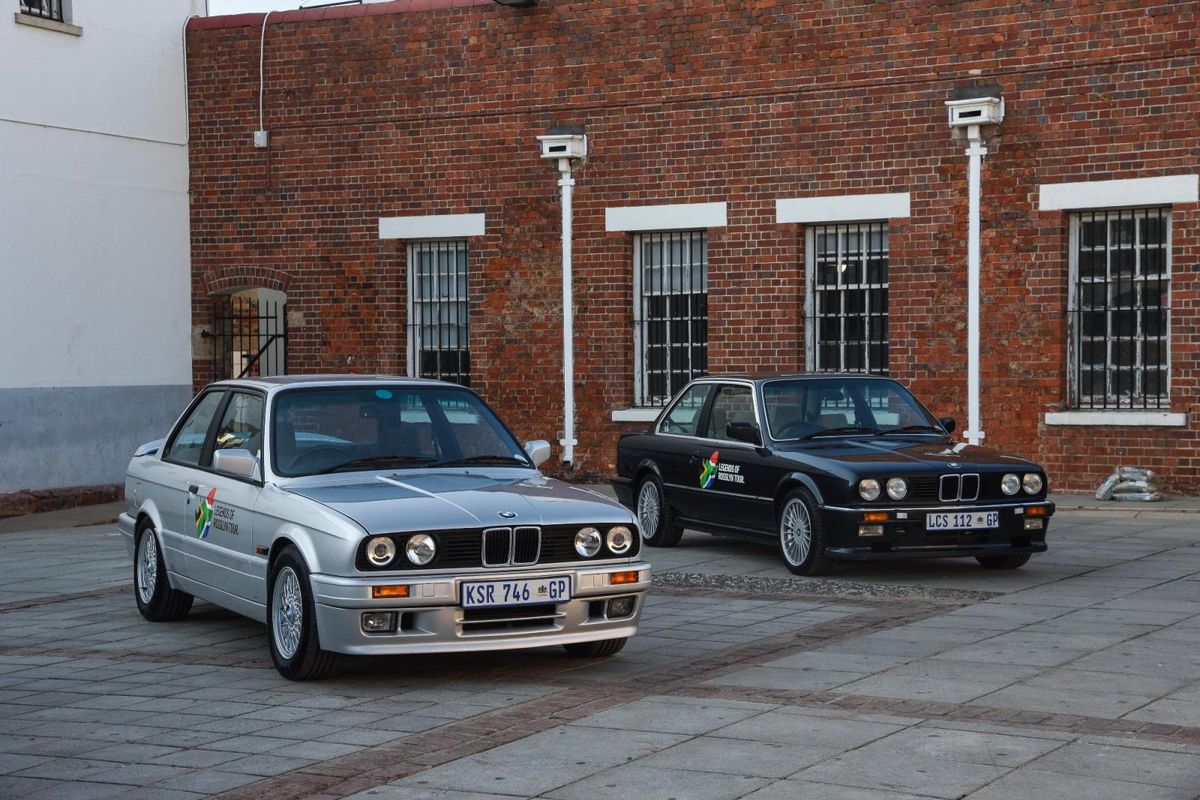
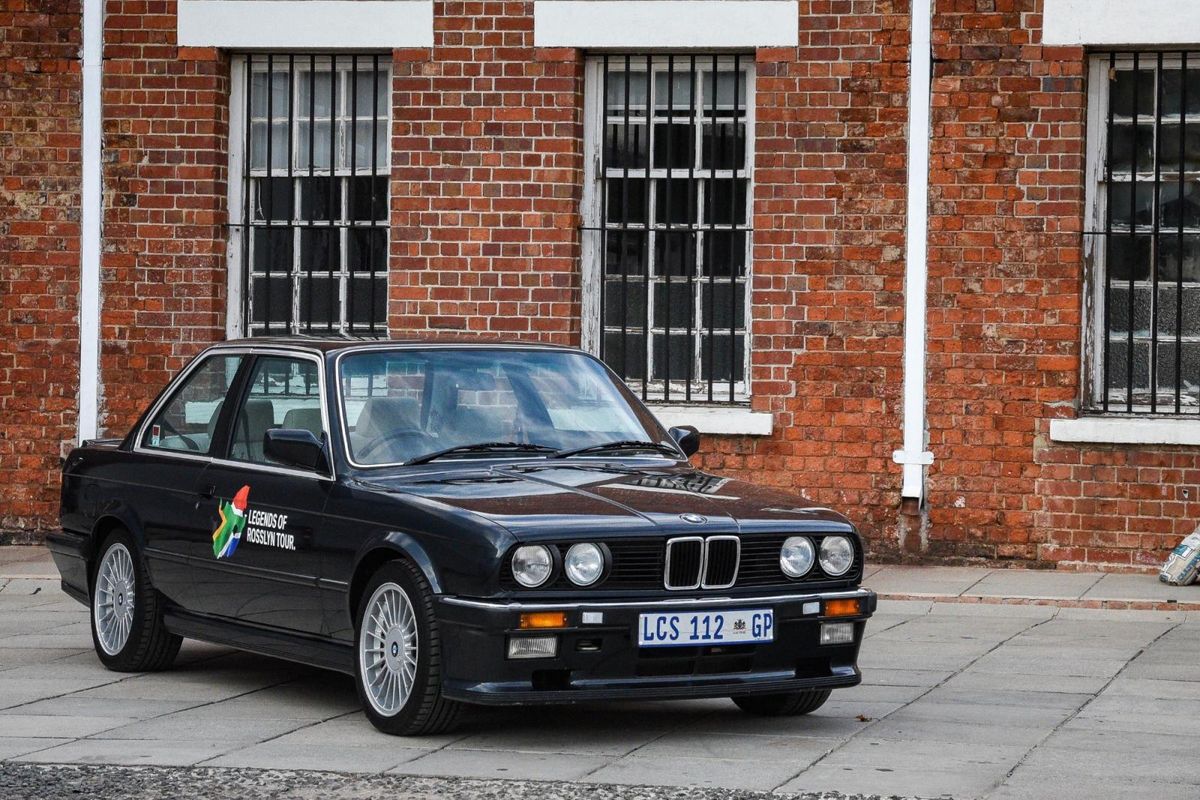
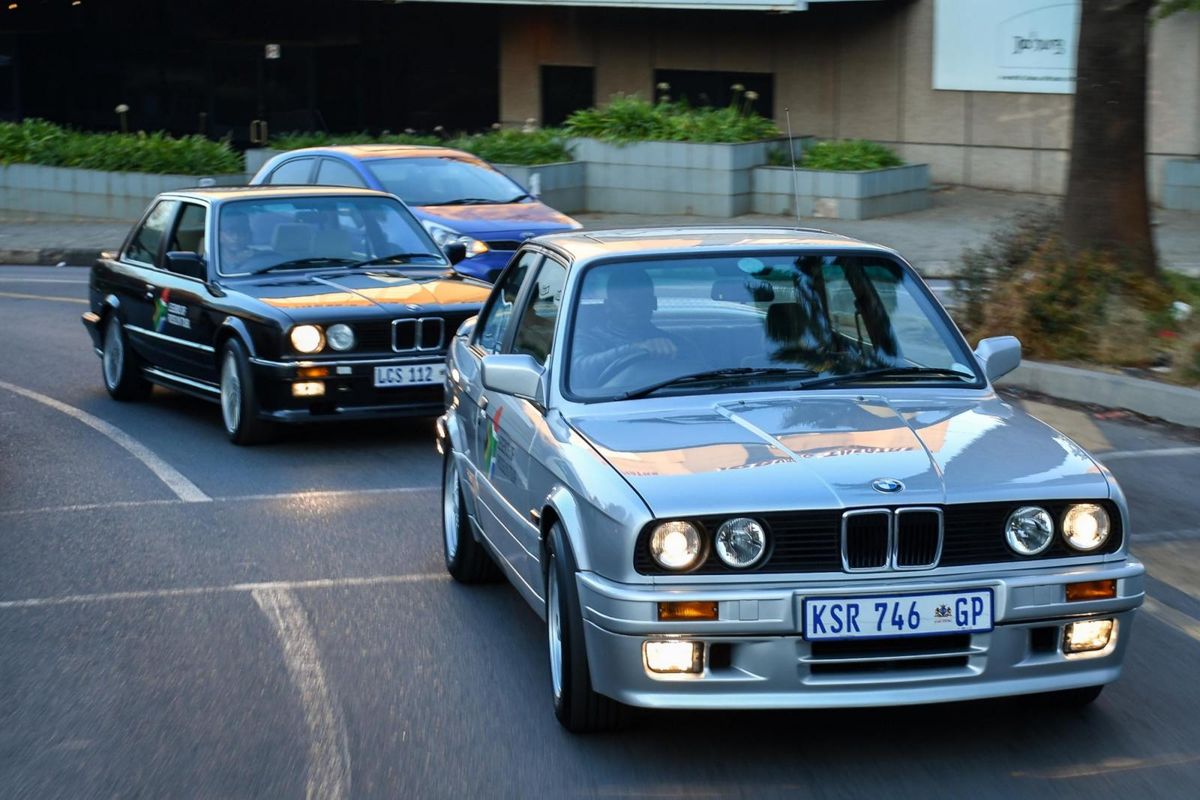
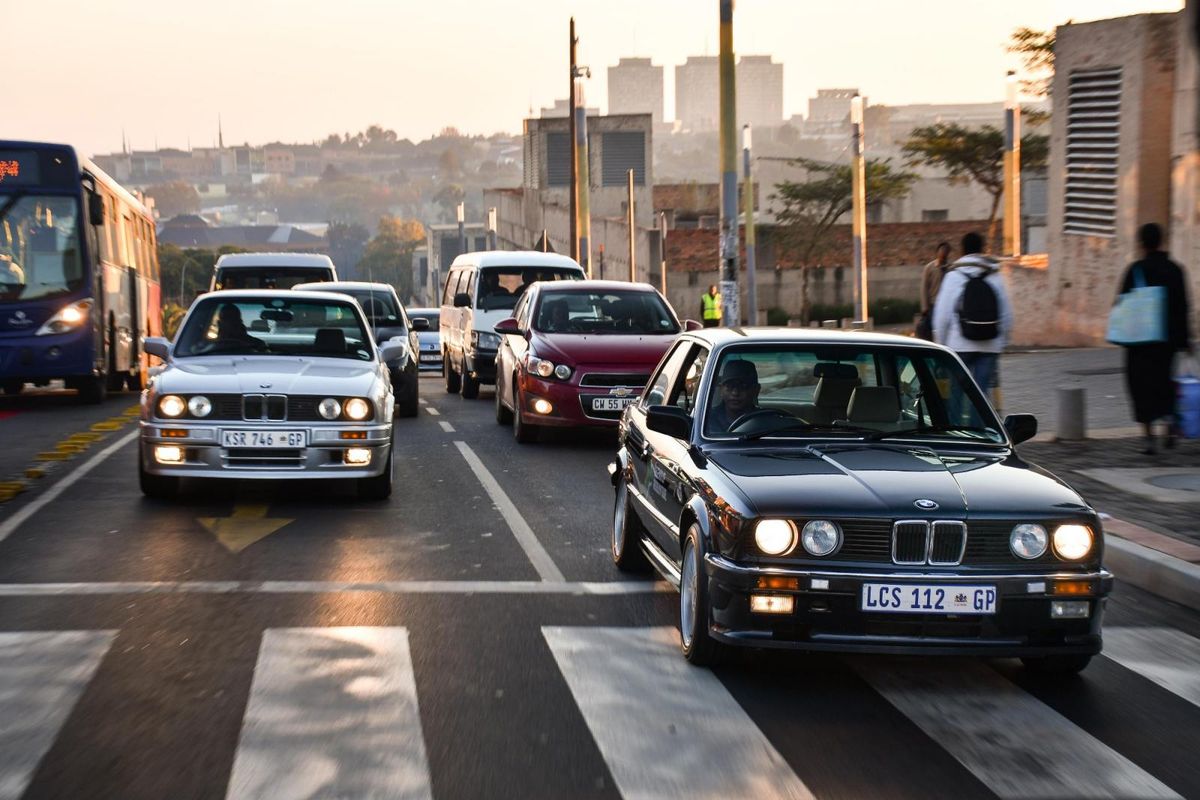
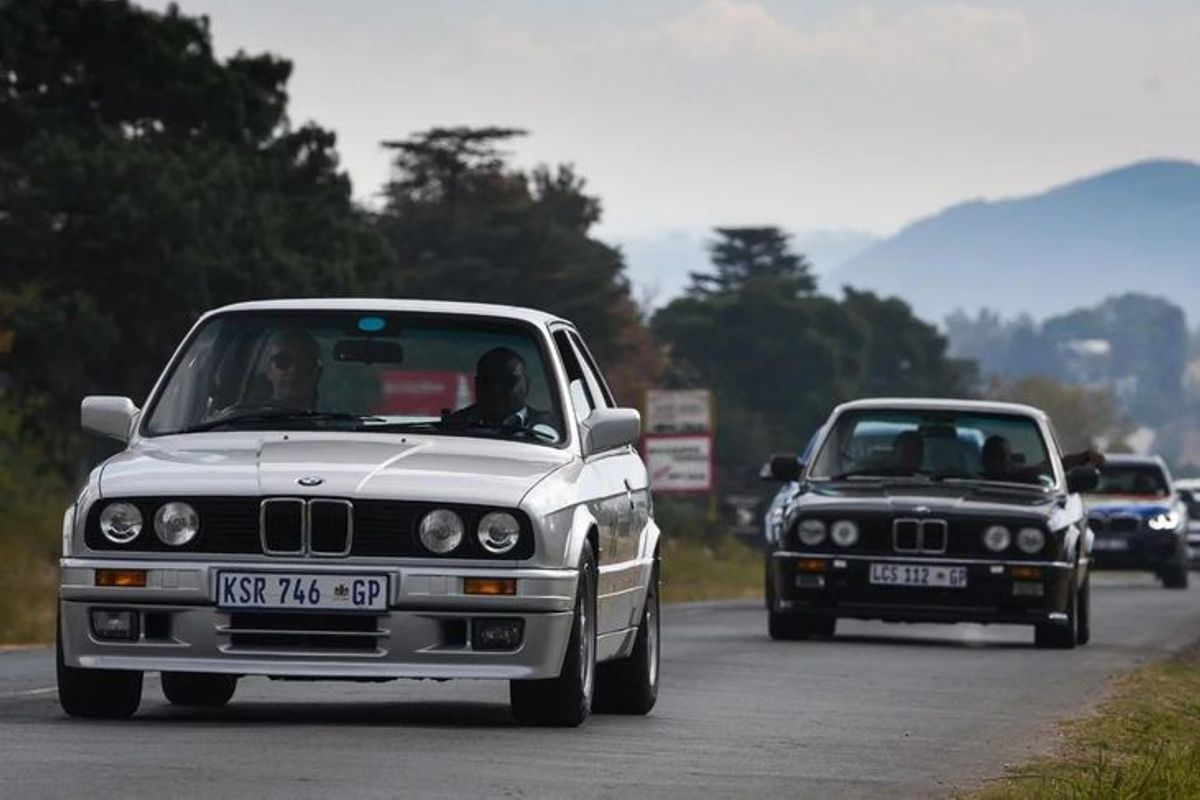
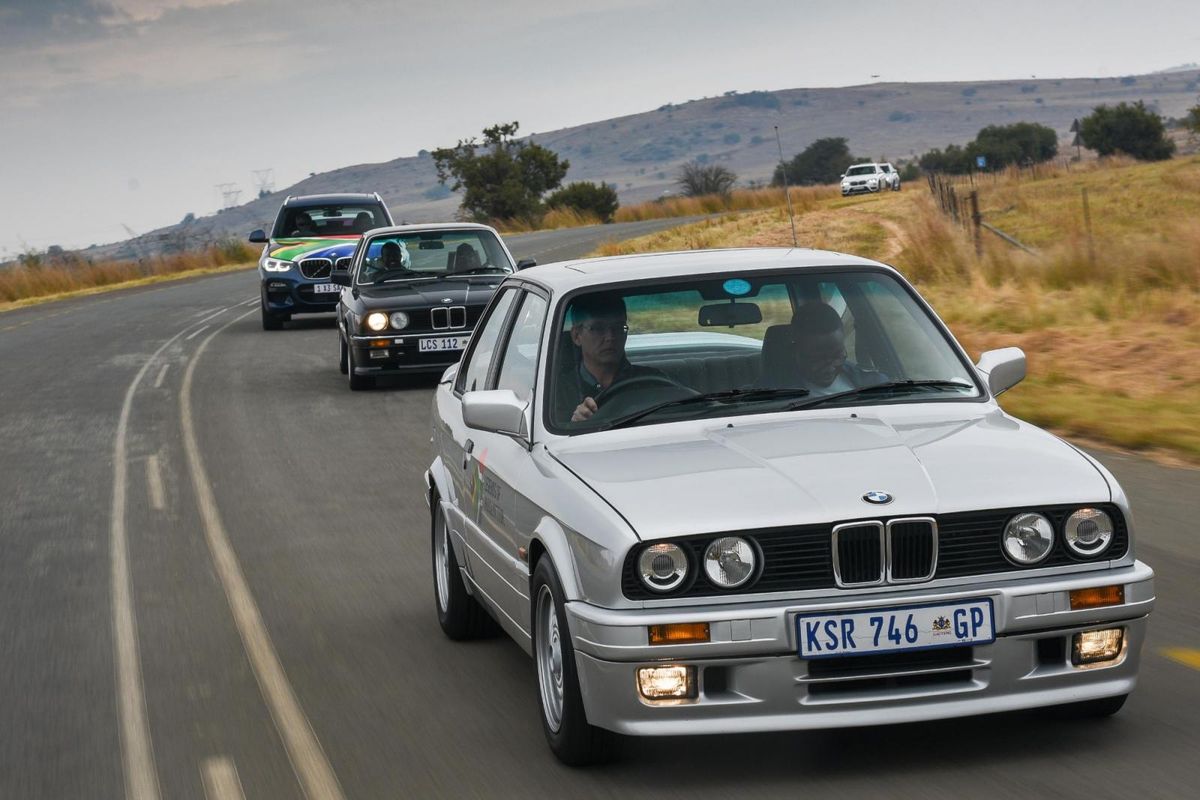
As BMW South Africa ends production of the 3 Series, we take a spin in 2 local editions of the box-shape (E30) 3 Series that continue to enjoy a fanatical following to this day.
It’s often said that you should never meet your heroes. I can vouch for this because during the past 2 decades or so in the motor industry, I’ve often met mine. You quite regularly walk away from such a meeting with that hero image in tatters. My most vivid recollection of such an occasion was with the highly praised (in the UK media) TVR Tamora, but that’s another story…
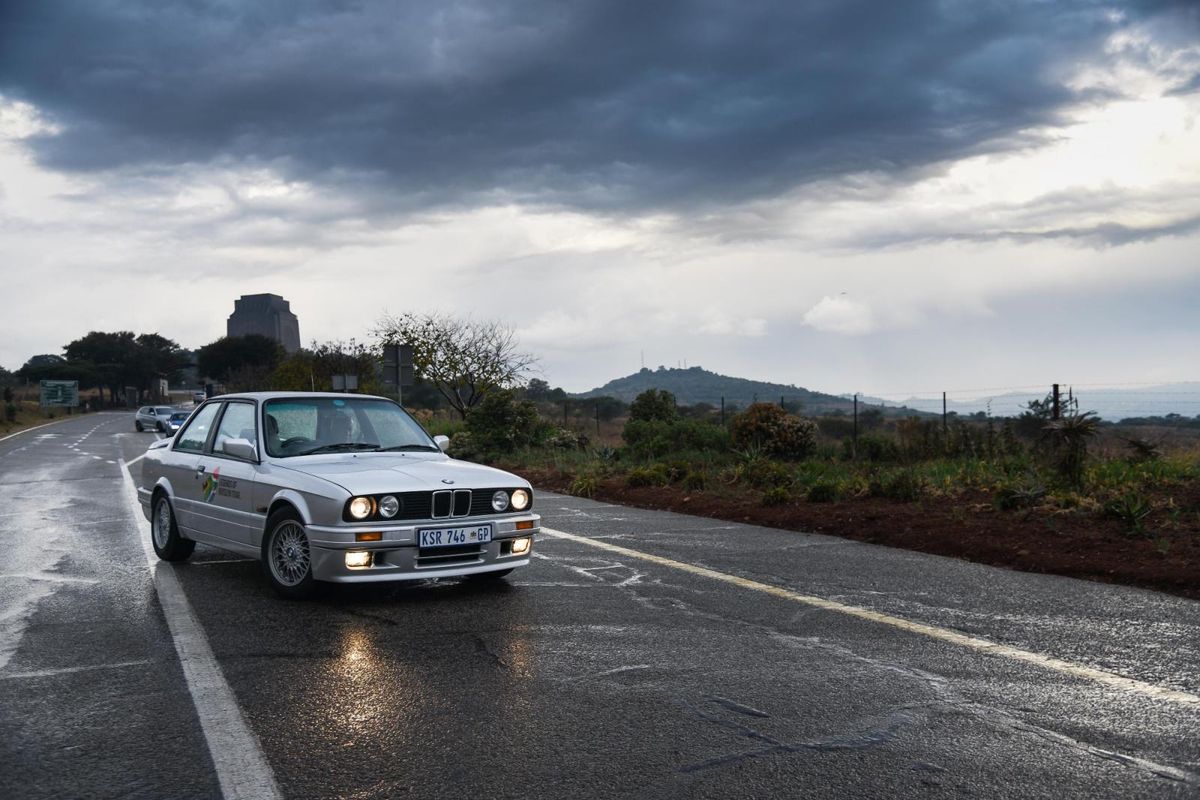
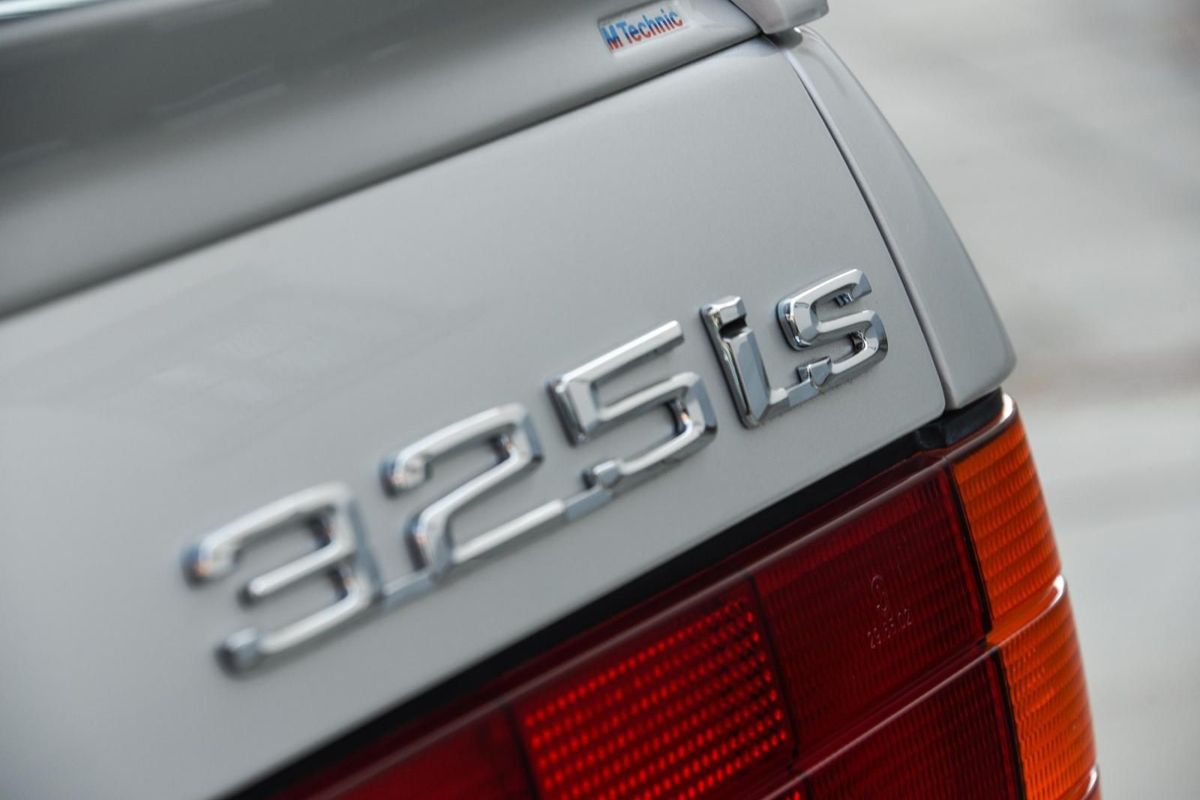
So, when I finally closed the door of an iconic Gusheshe (E30 325iS) and fired up that legendary straight-6 on a crisp winter morning in Gauteng, I was desperately trying to keep expectations low. This was, after all, a machine that any youngster interested in cars during the ’80s and ’90s idolised. Whether you were in the BMW or Opel camp during the heydays of Group N racing didn’t matter – the 325iS demanded respect. It’s always had mine.
Driving the Gusheshe
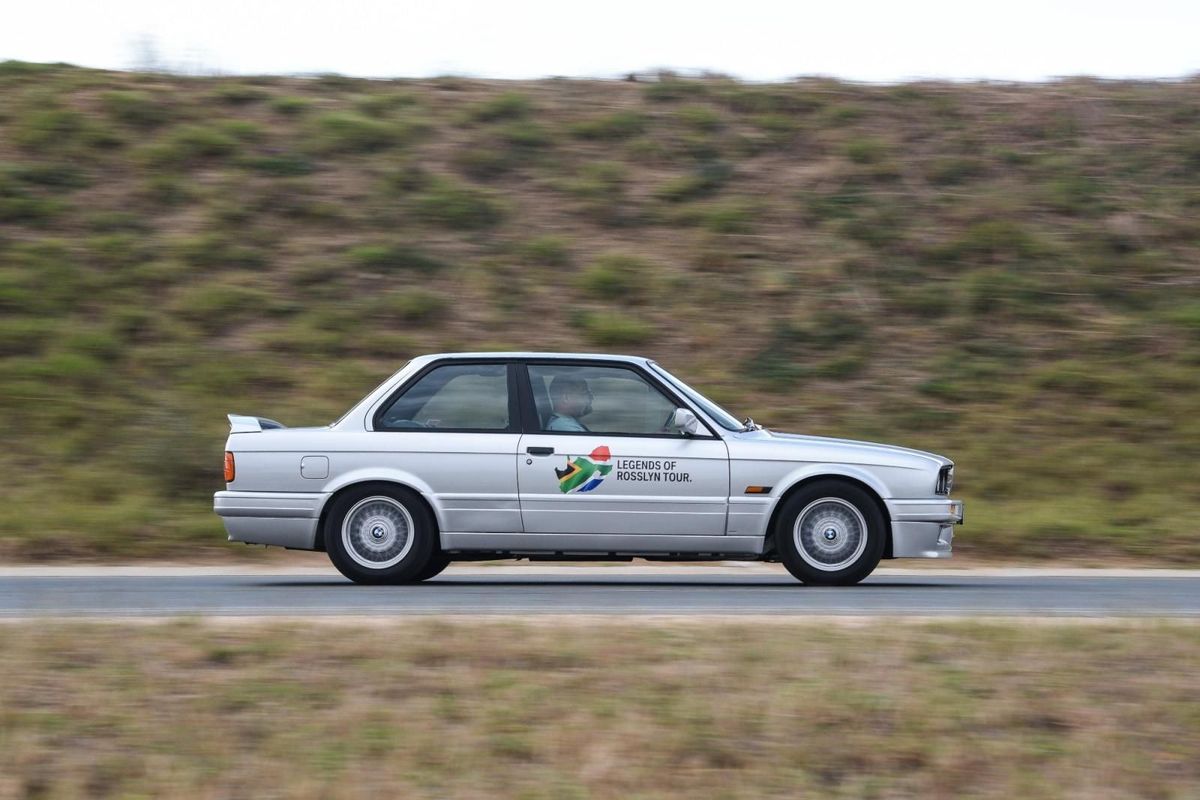
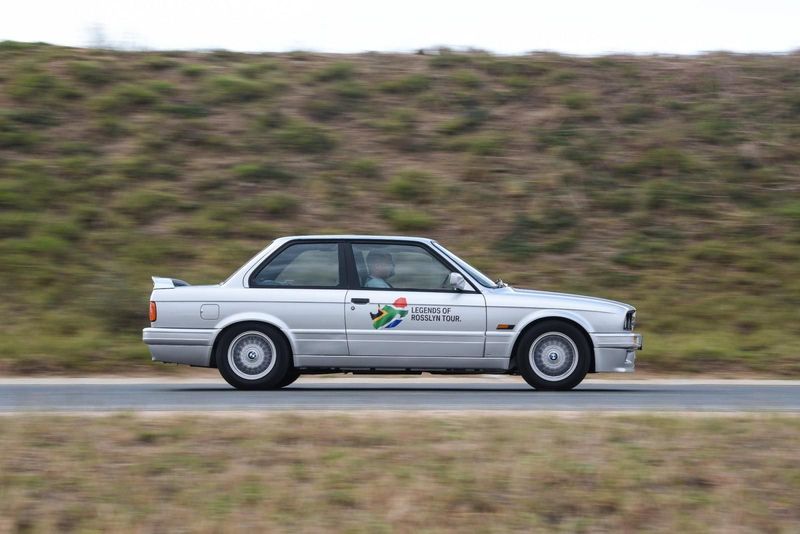
Super compact by modern standards and brought back to factory-fresh look-and-feel, driving the 325iS doesn’t disappoint.
“Did people in the ’80s really have such small feet?” As I familiarised myself with the relatively cramped footwell and noticed the “closeness” of everything, including the side window glass, I couldn’t help but marvel just how big the outgoing F30-generation 3 Series I had just driven before feels like in comparison. There’s an intimacy about driving older cars that is very addictive to me, and the 325iS certainly provided that, even before the wheels started turning.
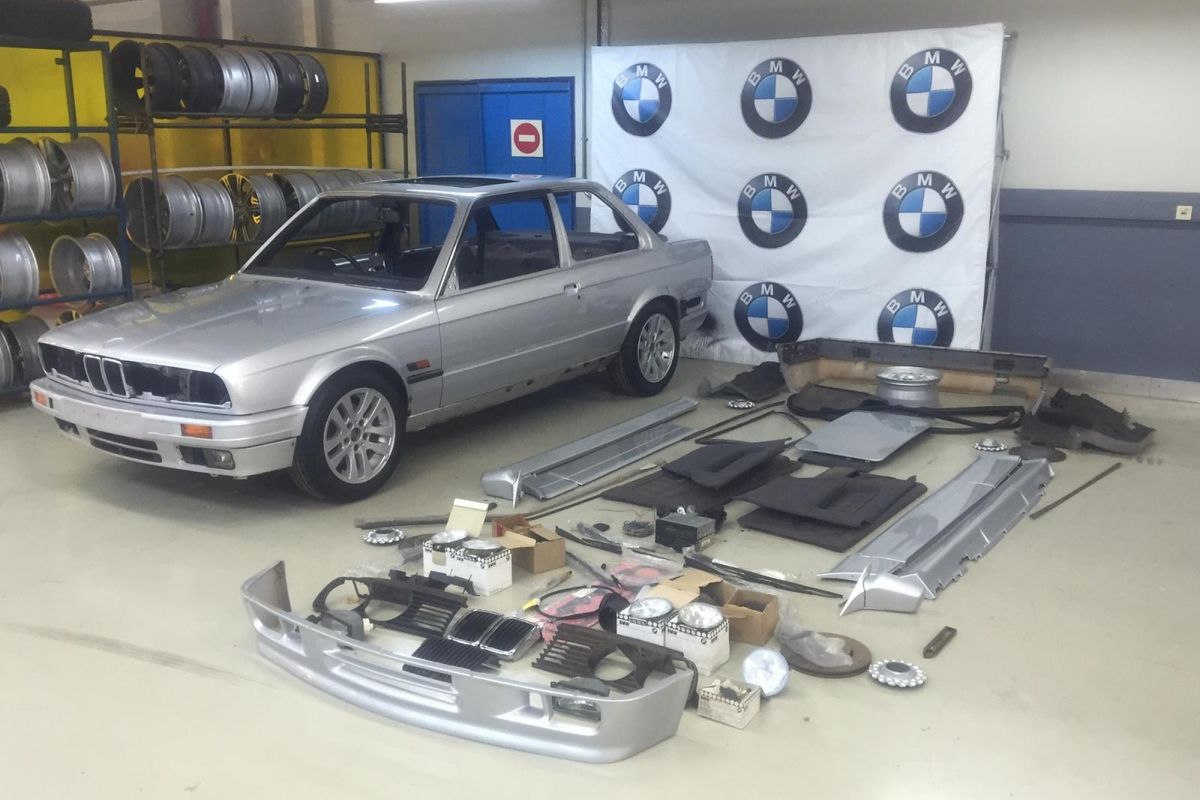
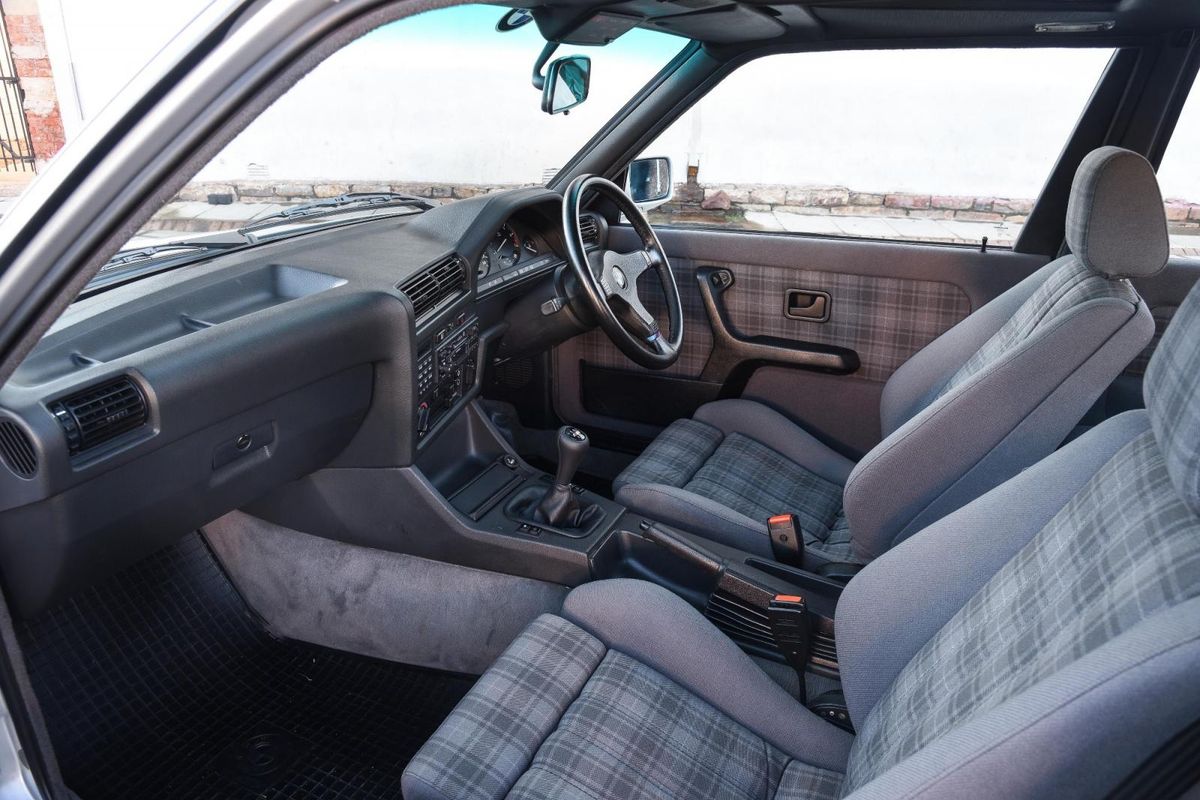
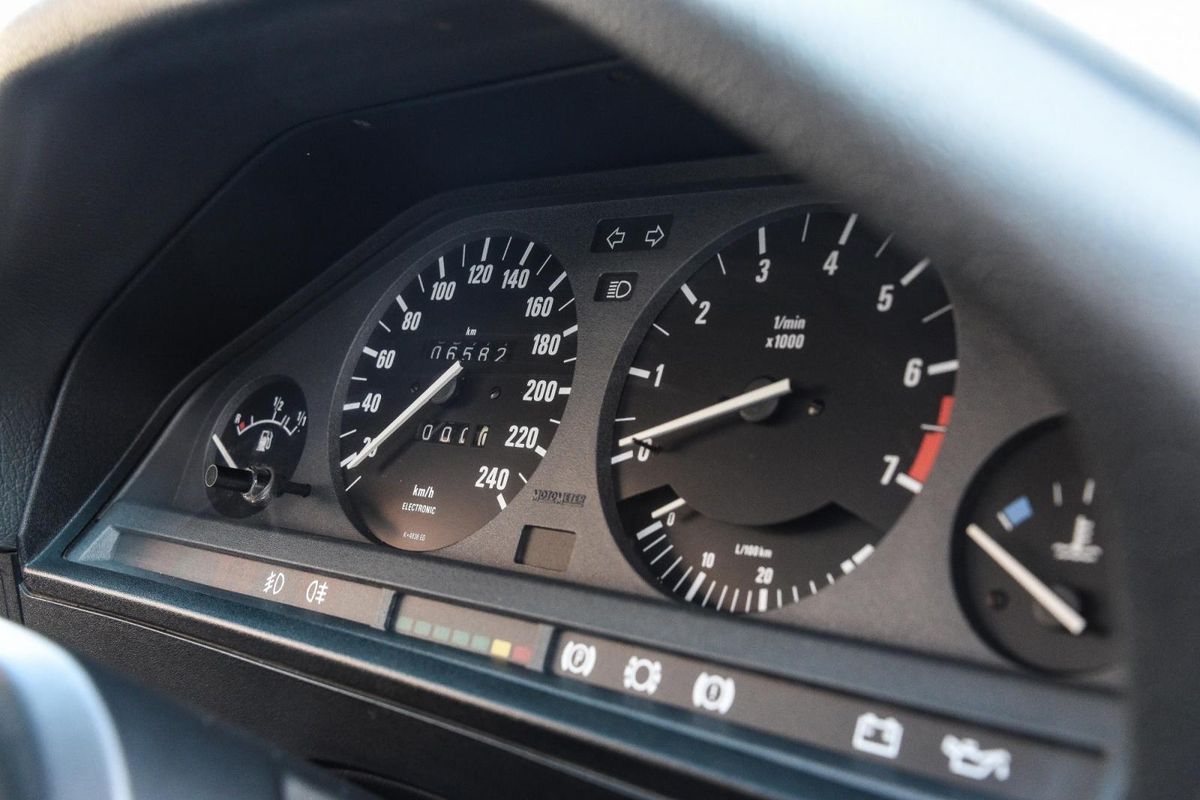
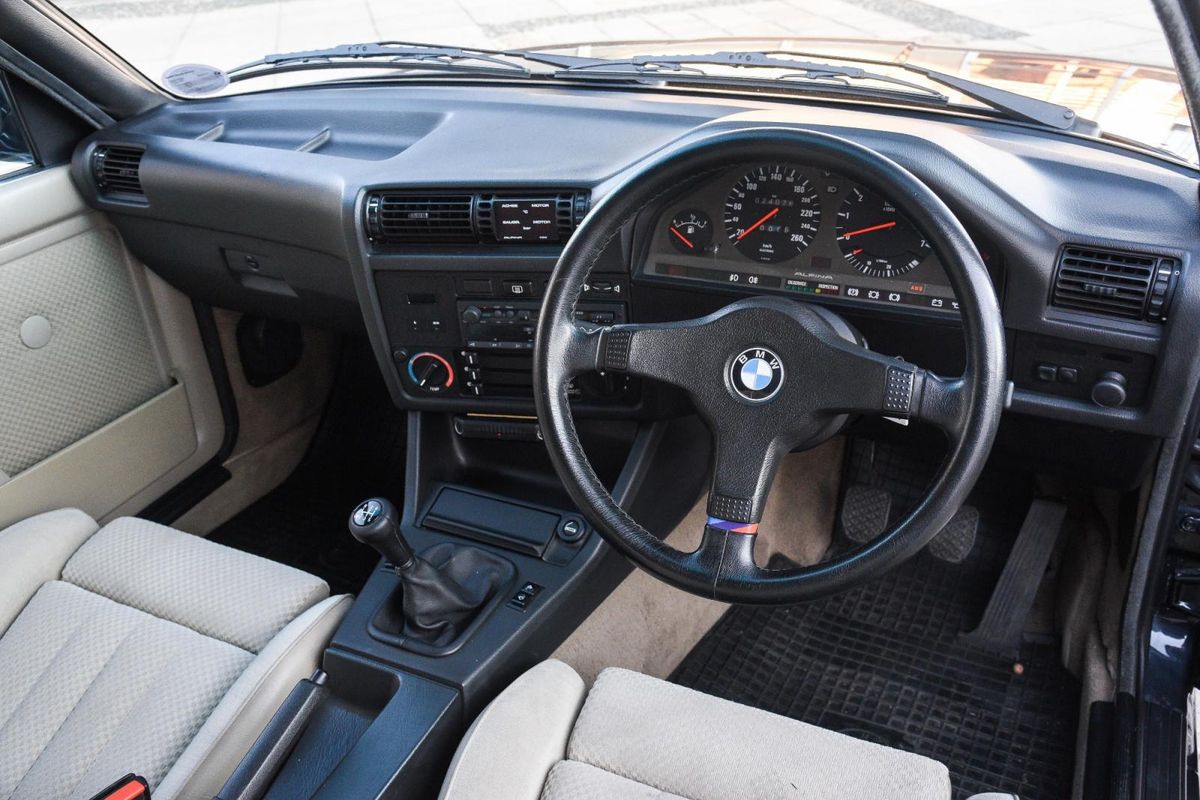
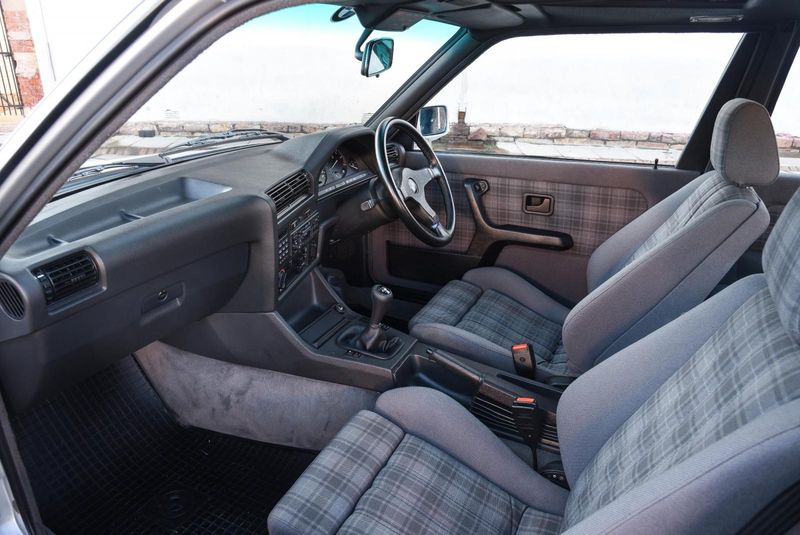
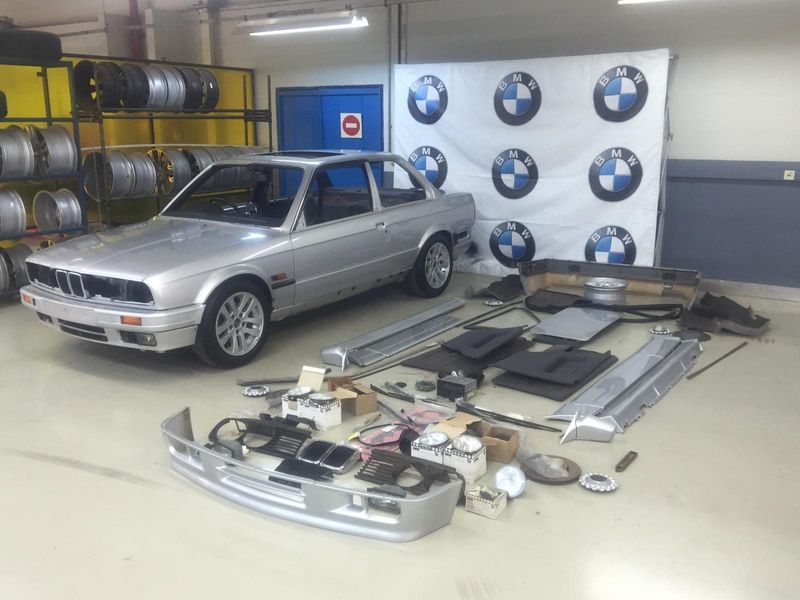
BMW South Africa has done a very good job with this restoration – look at the image below (as well as the video) to get an idea of the initial state of the car, and my co-driver and I wondered whether the entire fascia, and all its switchgear had been updated with new parts. The checked “Uberkaro” velour upholstery endows the cabin with a very ’80s feel. There’s also a hewn-from-solid feel that bears testimony to the excellent build quality – this car simply doesn’t “feel” more than 30 years old. And unlike modern cars, you are not “swallowed” by the cabin of the E30, but are afforded a startlingly clear and expansive view of the world.
The restoration work on the 325iS was carried out by the BMW SA Press Vehicles Technicians.
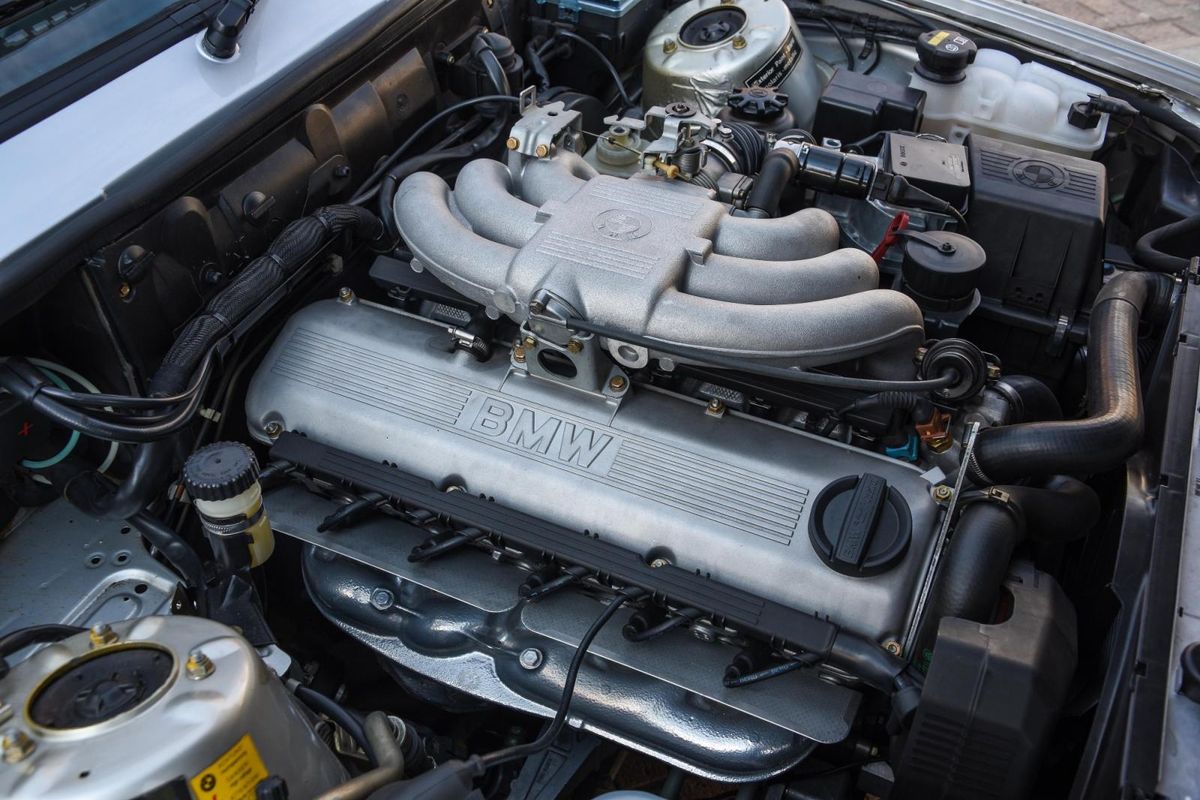
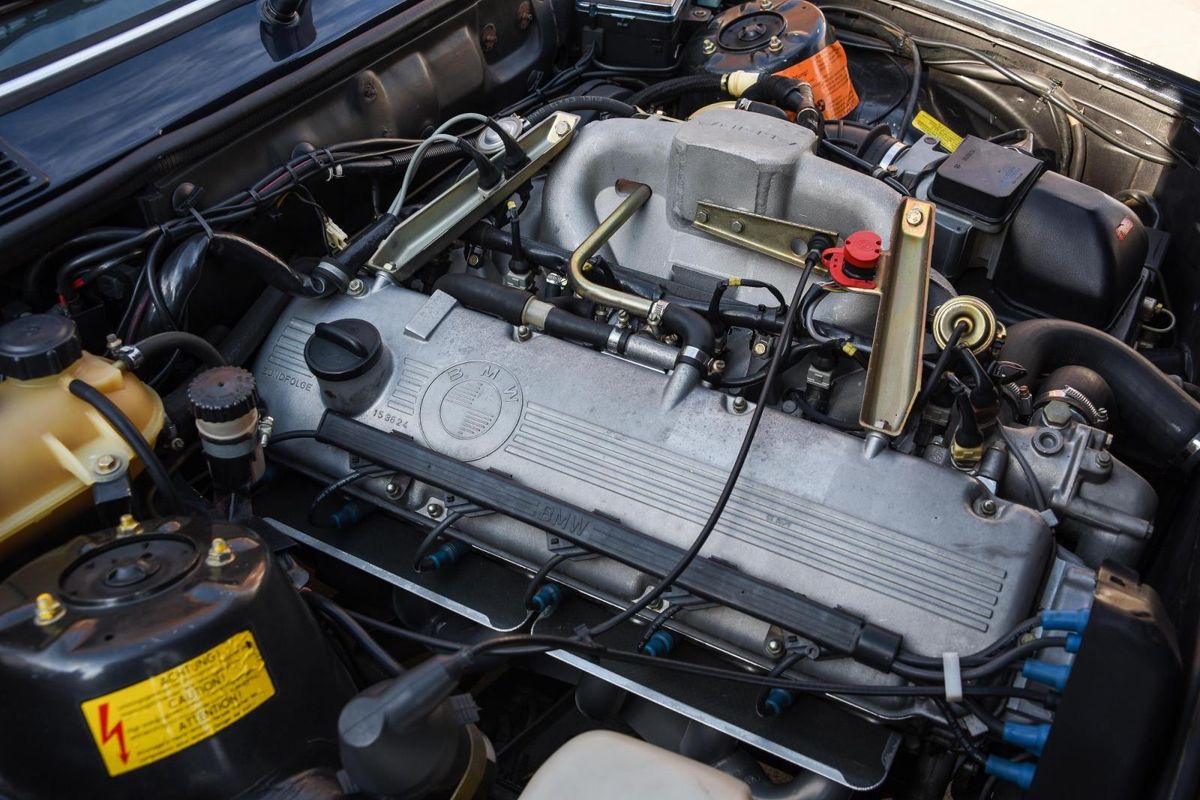
By modern standards the outputs seem low, with the 2.7L engine (featuring plenty special Alpina bits) pumping out “only” 145kW or 155kW, depending on whether it is an Evo1 or Evo2 – this particular car is an Evo1. The torque figure for both derivatives sits at 265Nm, but the peak is slightly higher on the Evo2. Keep in mind, however, that the 325iS’s weight is rated at around 1 200kg, comparable to a smaller current hatchback such as a VW Polo. Also, with a 25% limited slip differential and M Sport suspension with Bilstein struts, the racing genes shine through quickly. Back in the day, a 0-100kph time of around 7.5 seconds was not to be sniffed at, and neither was a 230kph top speed.
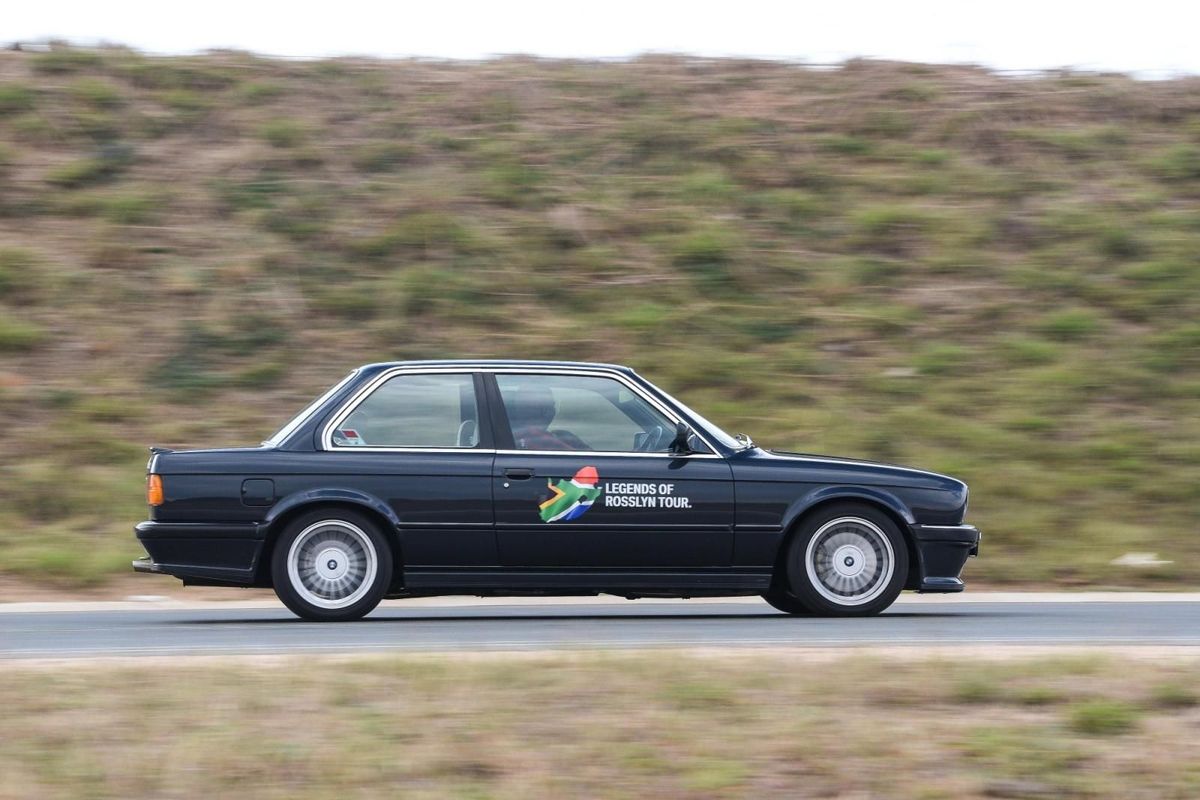
But those figures are largely academic, however. I wasn’t going to push the limit with BMW South Africa’s latest museum piece… or so I thought. The convoy moved at a surprisingly brisk pace. BMW obviously wanted us to really get a feel for what made the Gusheshe, to use its popular nickname, so intoxicating. It’s all about the engine and the handling. There’s a smidgen of play in the steering, and a slight lack of immediate retardation from the brakes that one has to get used to, but once settled in, this is an easy car to drive swiftly. It’s also quite remarkable how comfortably damped it is, even on poor surfaces – this was certainly no stripped out racing special.
The E30 shape just gets more desirable with age. The 325iS Evo1 had several aluminium body parts, including the doors and bonnet.
The engine is glorious, though this recently restored car might still be a little “tight”. Nevertheless, it loves to chase the red line and remains so buttery smooth that you’ll want to do it often. Very quickly you’re doing silly speeds, and I have no doubt that, back in the day, this car also doubled very effectively as a long-distance high-speed tourer. For obvious reasons, no sideways antics were attempted, but for what it’s worth, the 325iS felt reassuringly stable and secure in faster corners – I had expected more twitchiness, but it would appear the 325iS has to be purposely provoked into sideways antics. Of course, back off in a fast corner and you have to keep your wits about you.
333i – Still the King?
Still slightly tingling from the faster-than-expected drive in the 325iS, it was soon time to hustle the older and extremely rare 333i (only around 200 units were sold to the public). Now, this was essentially “South Africa’s M3”, seeing as we never got that legendary model, and it saw the M30 engine from the 733i shoehorned into the much tighter engine bay of the E30. In fact, the engine was such a tight fit in this car that you could have either power steering or air-conditioning but not both.
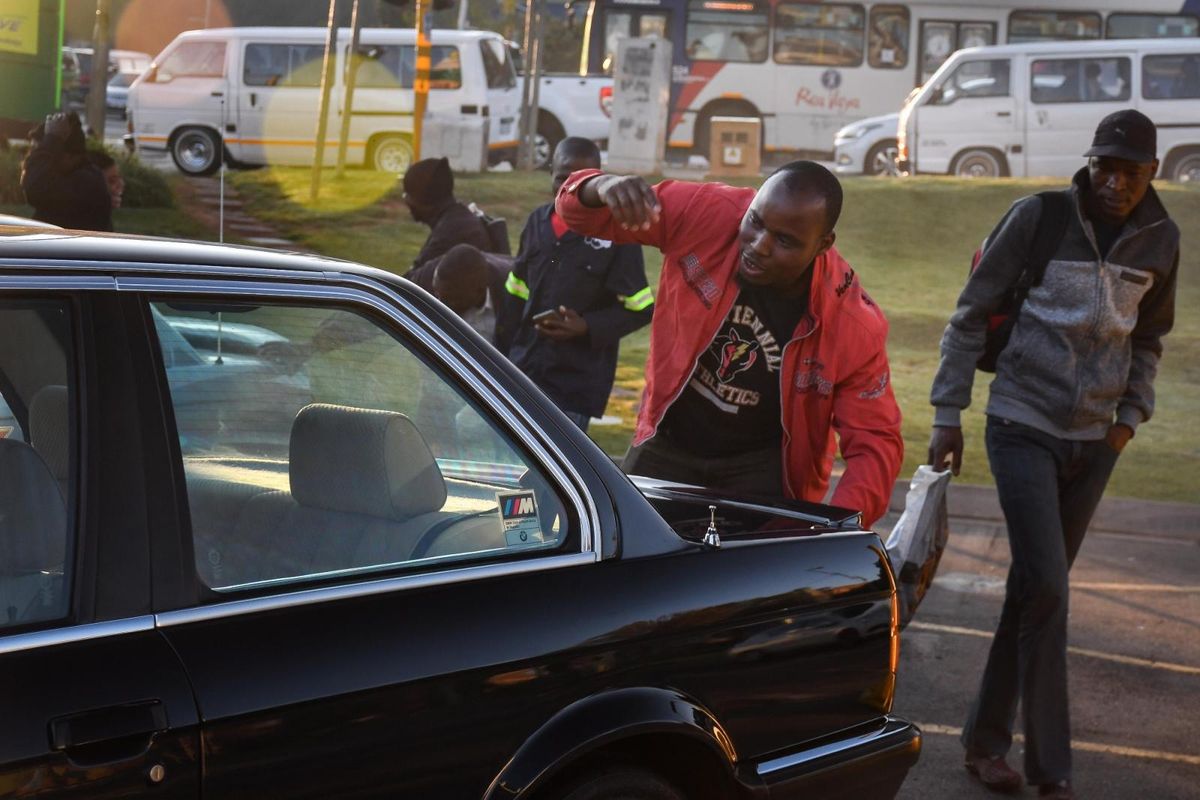
The 333i drew admiring crowds wherever we went in Johannesburg.
Initially the lighter trim in the 333i’s cabin, and its slightly older ergonomics, create the impression that this is going to be a less sporty drive. There’s also that strange dog-leg shift pattern to get used to – reverse is where you’d typically find first, so you have to get your head around shifting up, towards the facia, for second. Fire up the large-capacity straight-6 and it has a noticeably deeper sound to it. Ease out the clutch (I embarrassingly stalled the 325iS on the first attempt) and you are immediately struck by the whack of torque available from low revs.
The 333i pulls more eagerly from lower speeds than its younger sibling – in fact, my co-driver and I were startled by just how strong (and fast) the car felt. Quoted power is 145kW, but every one of those kilowatts appears to have spent time at the gym because this 333i is rapid! Performance testing back in the ’80s showed it to be marginally quicker to 100kph than the either of the 325iS derivatives, but we’re talking split seconds. On the road, during this drive, however, the 333i felt livelier, faster… more willing to play.
I suspect much of the above has to do with the fact that the 333i was restored first and has since done some mileage and has also undergone further refinement. The 325iS restoration is still relatively new, and I suspect there’s more to come from that car.
Enduring legend
The recently restored 325iS joins the 333i, an M1 and a 750Li by Esther Mahlangu in the BMW South Africa heritage car collection. BMW’s plan is to build this collection to showcase its proud history to visitors to its Midrand head office, as well as the factory in Rosslyn. Two more cars have recently joined the collection, in the shape of the last-ever 340i built locally, and the first new-generation X3 to roll of the production line.
In recent years the values of well-preserved 325iS and 333i cars have skyrocketed, and while it’s tempting to acquire one and hide it away, that would mean missing out on some exquisite driving experiences. I’m happy to say that I left Gauteng with the hero images of these 2 special cars very much intact. And I’ll never forget the howl of that 333i during the moments I could safely open the taps. If anything… I want one even more now.
Over and above the rise in the government's fuel levy in April 2018, a weakening exchange rate and rising oil prices have resulted in South Africans paying record prices for fuel in June 2018. Never has there been a time where we need fuel-saving technology more than we do now. But what are some of the in-car technologies that can help us save fuel, and do they really work?
We take a look at a few that might just help you spend less at the fuel pump.
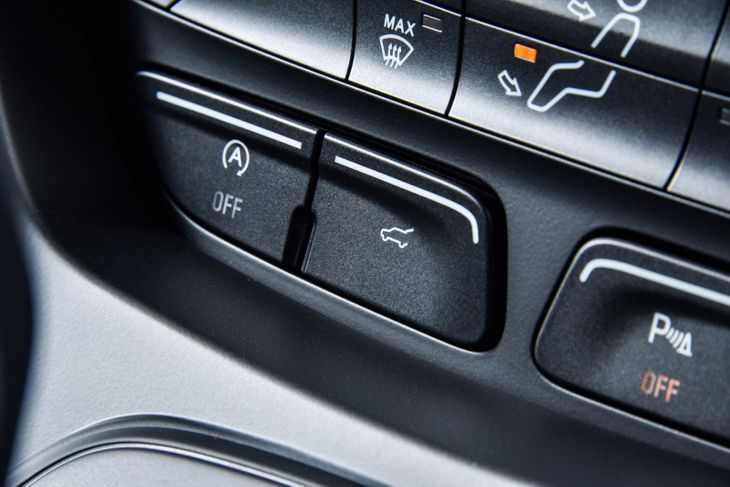
The button marked with a circled capital A denotes the Stop/Start deactivation/activation button.
Stop/Start
This is by no means new technology, but it came about to help make cars more fuel efficient. It works by cutting the engine when you stop the car at a traffic light or intersection (or in a traffic jam!), and as soon as you take your foot off the brake the engine starts up again. It has been disputed as to whether this technology actually saves fuel, but the consensus is that the amount of fuel saved depends almost entirely upon the type of driving done with this system. If you sit in heavily congested traffic on a daily basis, stop/start will help you save fuel. If you are doing a lot of open road driving, then it is less likely that this system will be of much use to you.
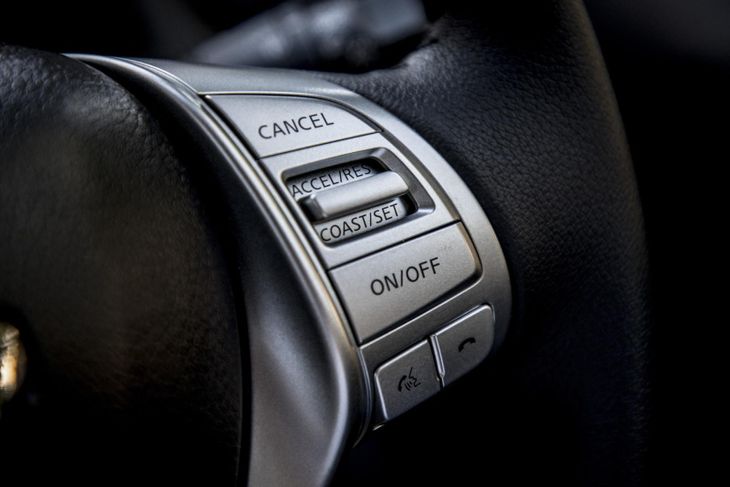
Steering wheel-activated cruise control allows you to set and restore cruise control and adjust sustained speeds at the flick of a switch.
Cruise Control
Another technology that has been around for many years is cruise control and, in more recent years, adaptive cruise control. This system, when activated, automatically maintains a selected constant speed so that a driver does not need to make (sometimes unnecessary) accelerator inputs to maintain a vehicle's on-road momentum. Adaptive cruise control not only employs dynamic acceleration and braking to keep your car at a constant speed, but uses a radar (or camera) to maintain a safe following distance to other vehicles. It might seem as if this technology is merely convenient, but it keeps us away from the fuel pumps for longer. A constant speed is more fuel efficient and adaptive cruise control means the car won't brake or accelerate harshly (unless prompted to do so). Convenient and money-saving; we love that.
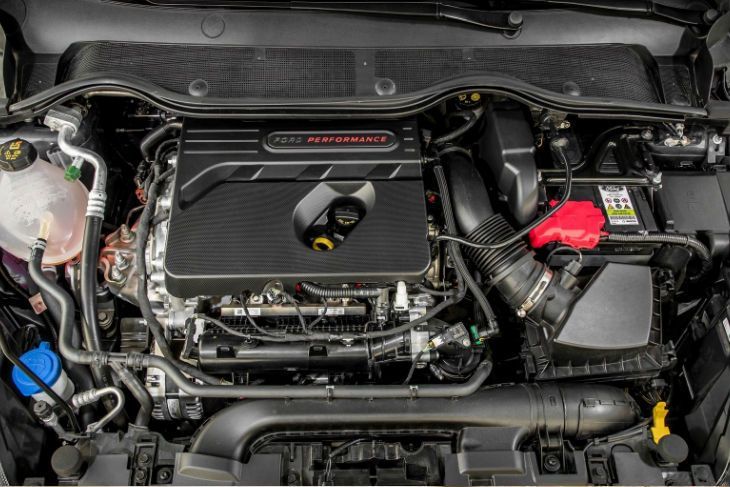
The recently unveiled Ford Fiesta ST features a 1.5-litre 3-pot engine that can operate on only 2 cylinders to improve fuel efficiency.
Cylinder Deactivation
Petrolheads we are always looking for more power, but with more power comes a higher fuel cost. This is where something like cylinder deactivation technology works in our favour. It simply works by shutting off a number of cylinders that are not in use. For example, if you have a V8 engine, that engine will be using 8 cylinders all of the time, even when all of them are not required to provide propulsion and, therefore, burn fuel unnecessarily. This tech will shut off 4 of those cylinders when you are at a constant speed and do not require the added power. It is estimated that this technology can improve engine efficiency by 7.5%, and, in the case of the Fiesta ST, some smaller engines feature it too, which augers well for more widespread implementation in the near future, as long as the "controlled misfires" do not impede refinement.
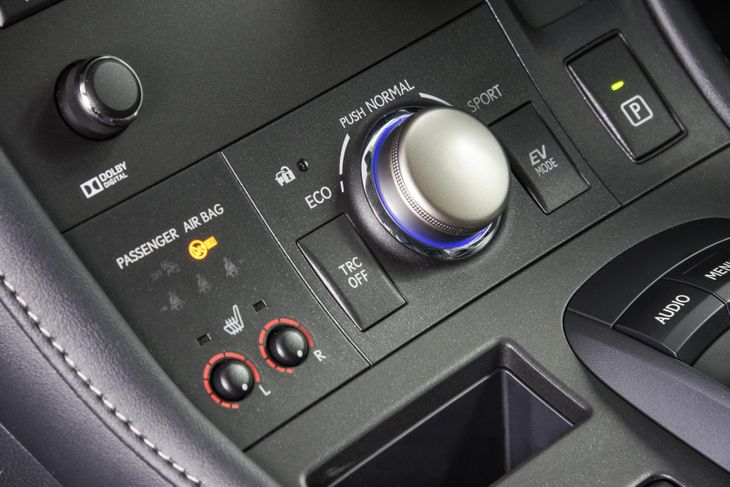
Even the Lexus CT200h petrol-electric hybrid has an Eco mode, which adjusts various vehicle settings in the pursuit of optimal efficiency.
Eco Button
These buttons are in many cars these days, but what do they actually do? For starters, they are not just helping the environment by ensuring less emissions are emitted, but they also modify certain systems to utilise less fuel. Most Eco buttons will reduce aircon control such as turning down the fan speed, throttle and transmission behavior will be altered, a stop/start system will be activated, and automatic transmission patterns will be swapped out for more relaxed driving where the transmission will move to a higher gear ratio as quickly as possible and avoids using first gear unless necessary, this places less strain on the engine therefore uses less fuel.
Mild Hybrid
Most of us are all fully aware of what a hybrid is by now (think Toyota Prius), it's a car that operates through a combination of petrol-fed engine and an electric motor and can operate on battery power alone for short distances. Mild hybrid technology is much closer to conventional cars with combustion engines. The difference between a mild hybrid and a full hybrid is that the electric motor does not propel the vehicle on its own. It is merely there to assist the combustion engine. It saves fuel by shutting off the engine when the vehicle is stopped, braking or cruising. Depending on the system, some mild hybrids can capture mechanical energy during braking. A mild hybrid system can improve fuel efficiency by between 10 and 15%. They cost less than that of a full hybrid, but for the moment we are only really seeing them in luxury cars such as the new Volkswagen Touareg and Mercedes-Benz S-Class. We will, however, see it trickle down to more affordable cars such as the next Volkswagen Golf.
Cheat sheet
Your car might not have any of this tech to help with your fuel consumption, but don’t panic, because by slightly changing your very own driving behaviour you can reduce your car's fuel consumption. Here are 5 easy tips to delay fill-ups as long as possible:
Ensure your tyres are correctly inflated
Avoid harsh braking or accelerating
Lighten the load by removing all unnecessary items from your car



.jpg?tr=w-800)