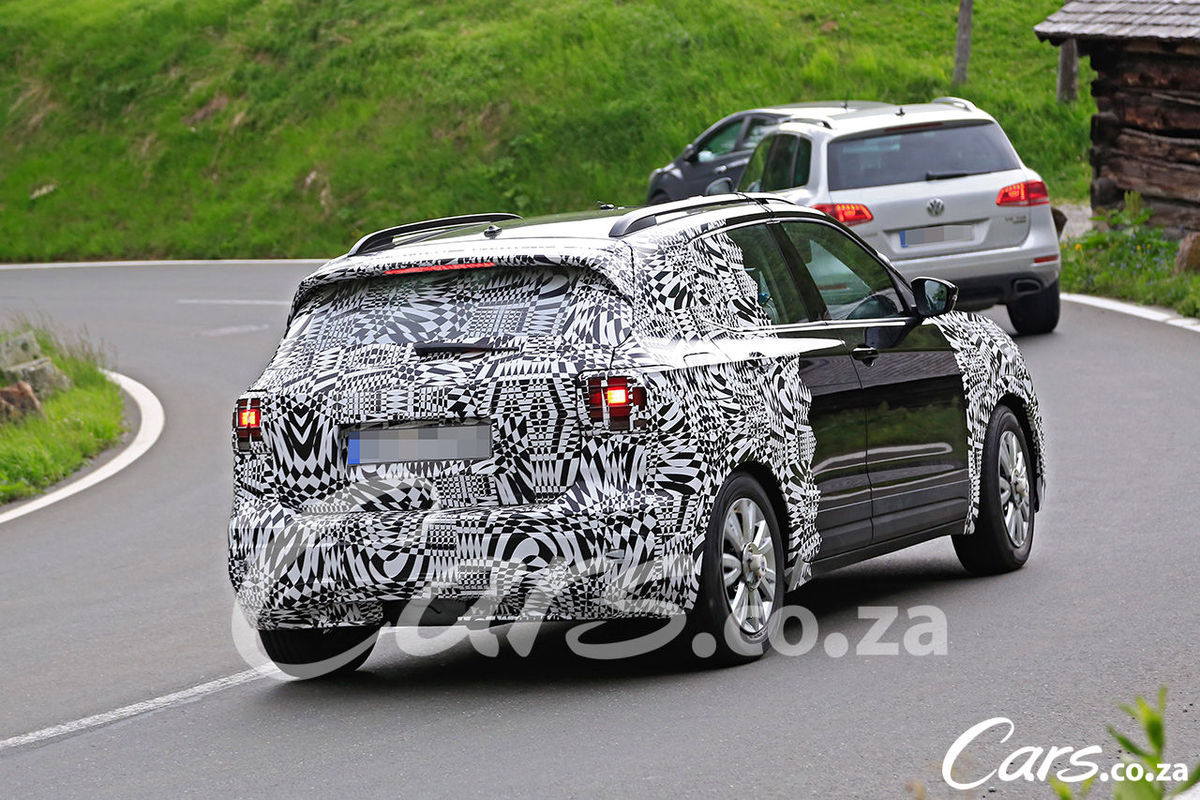
Volkswagen is embarking on a major rollout of SUVs and there will many new products coming from the Wolfsburg manufacturer. Slotting in under the Volkswagen T-Roc comes an even smaller SUV, called the T-Cross. Here it is, undergoing testing in the snow.
Picture credit: S. Baldauf/SB-Medien?
VW's goal of launching 19 new SUV products looks on course as yet another prototype has been spotted testing in Europe. Our photographers tell us that this is the Volkswagen T-Cross, which is based on the Polo and rides on the MQB platform.
At first glance, it looks a little bigger than a Polo, but we'll need to see a production version in the flesh to see if this is true. Much like the Volkswagen T-Roc, we can expect the T-Cross to have the same level of customisation and personalisation options, such as vibrant colour schemes and two-tone paint finishes. In terms of engines, expect the entire arsenal of VW Group compact powertrains to be thrown in this direction. We predict they'll all be turbocharged petrol and diesel engines, and don't rule out the new Polo GTI's 2.0-litre motor making an appearance at some stage. Given its testing in the snow, we wouldn't be surprised to see an all-wheel-drive version too.
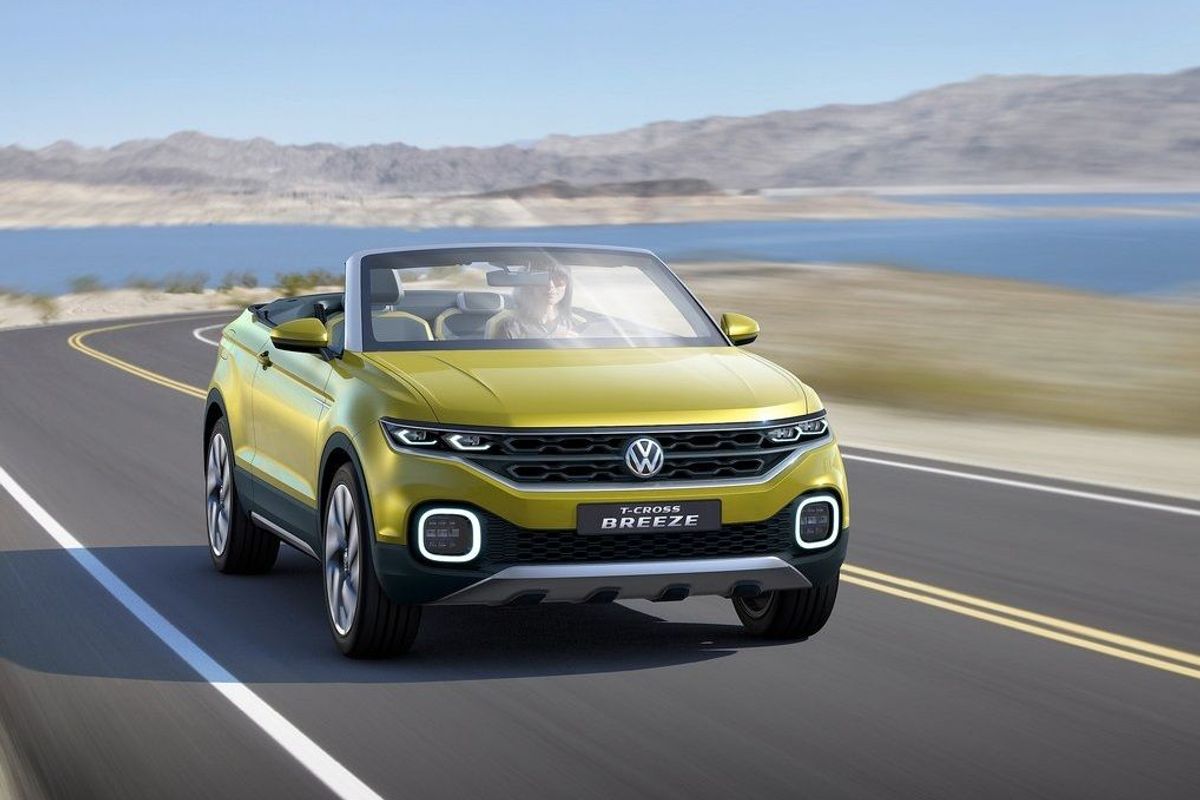
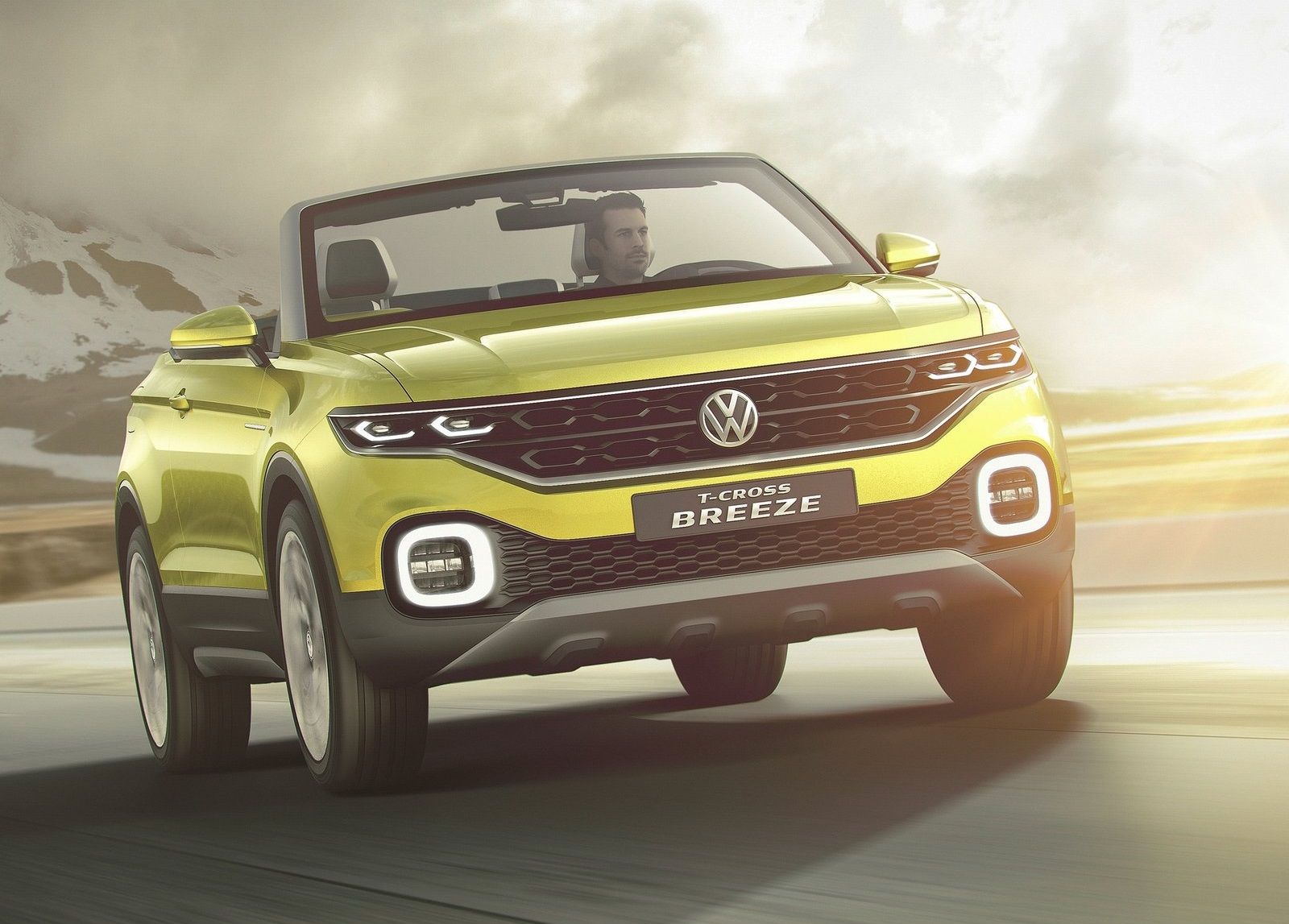
The Volkswagen T-Cross is based on the T-Cross Breeze Concept from 2016, but that was a convertible, so you're going to have to try picture a watered-down version of its front end on a non-convertible body.
Volkswagen T-Cross Breeze Concept. Expect the production T-Cross to have a similar front end to this concept
Italian cars dominate at glamorous Villa D’Este [gallery]
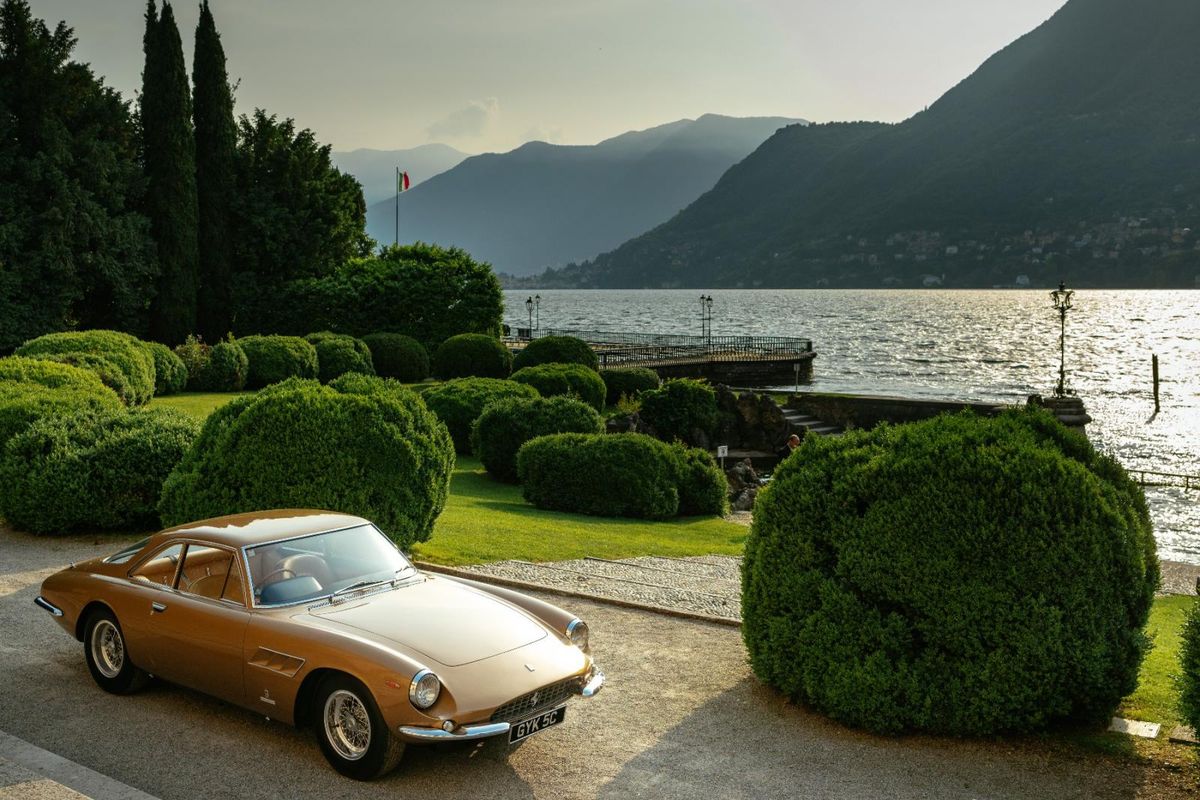
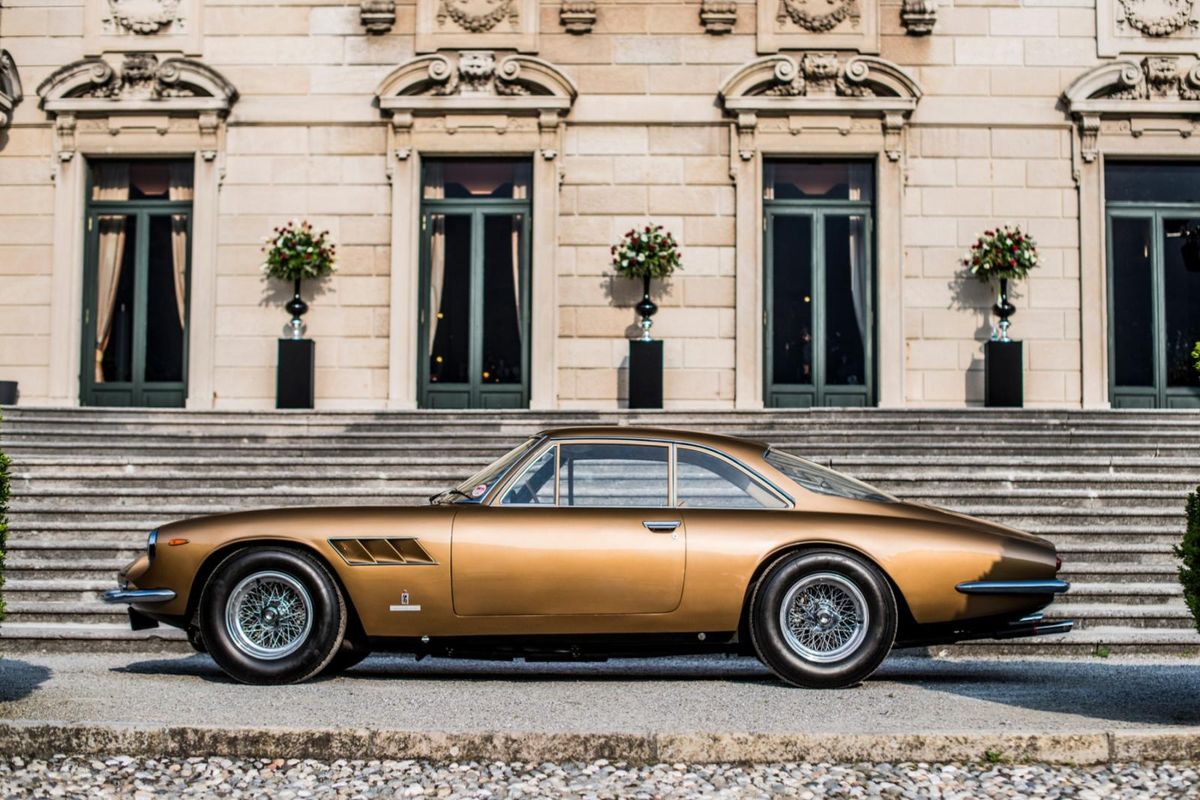
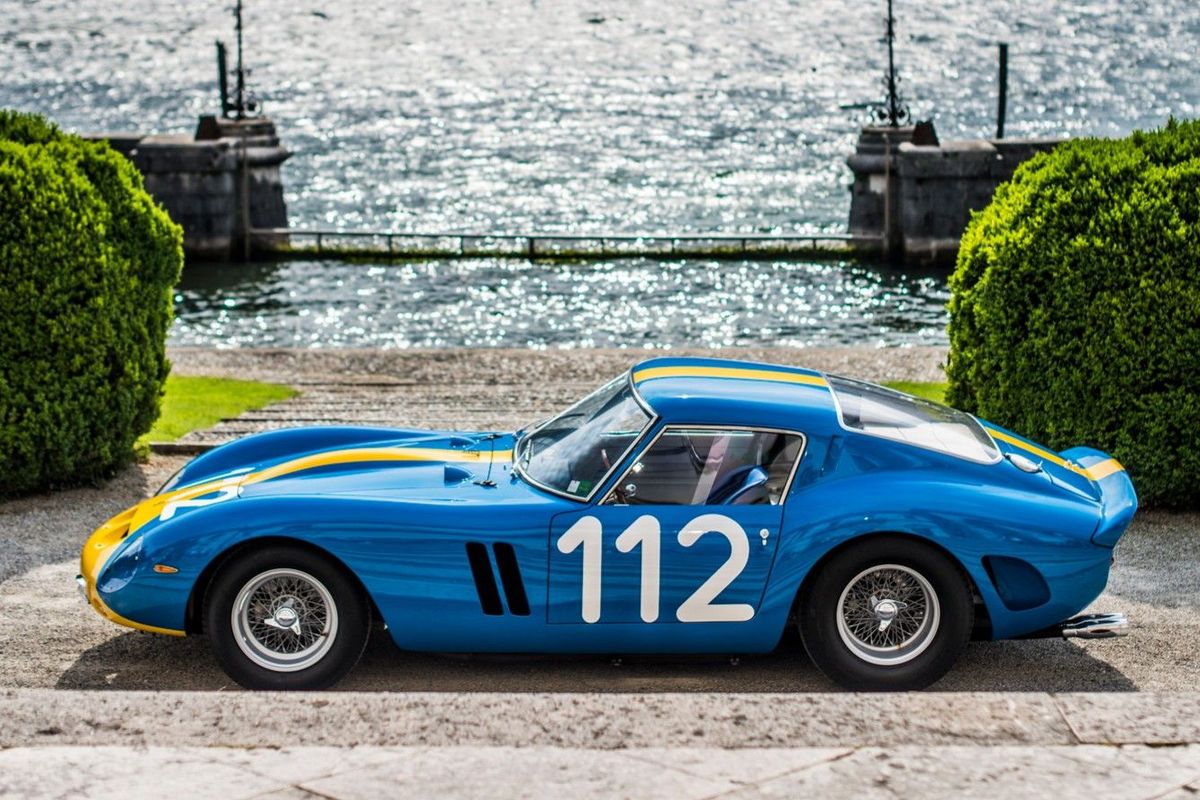
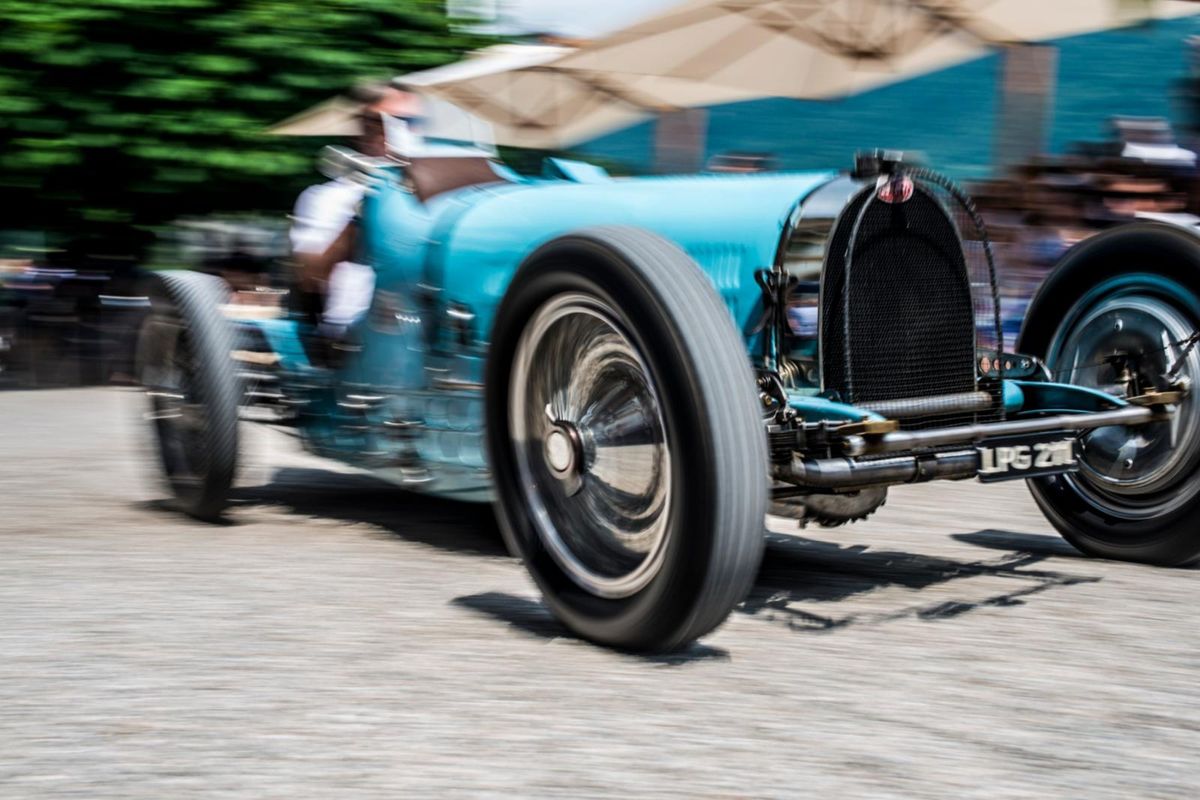
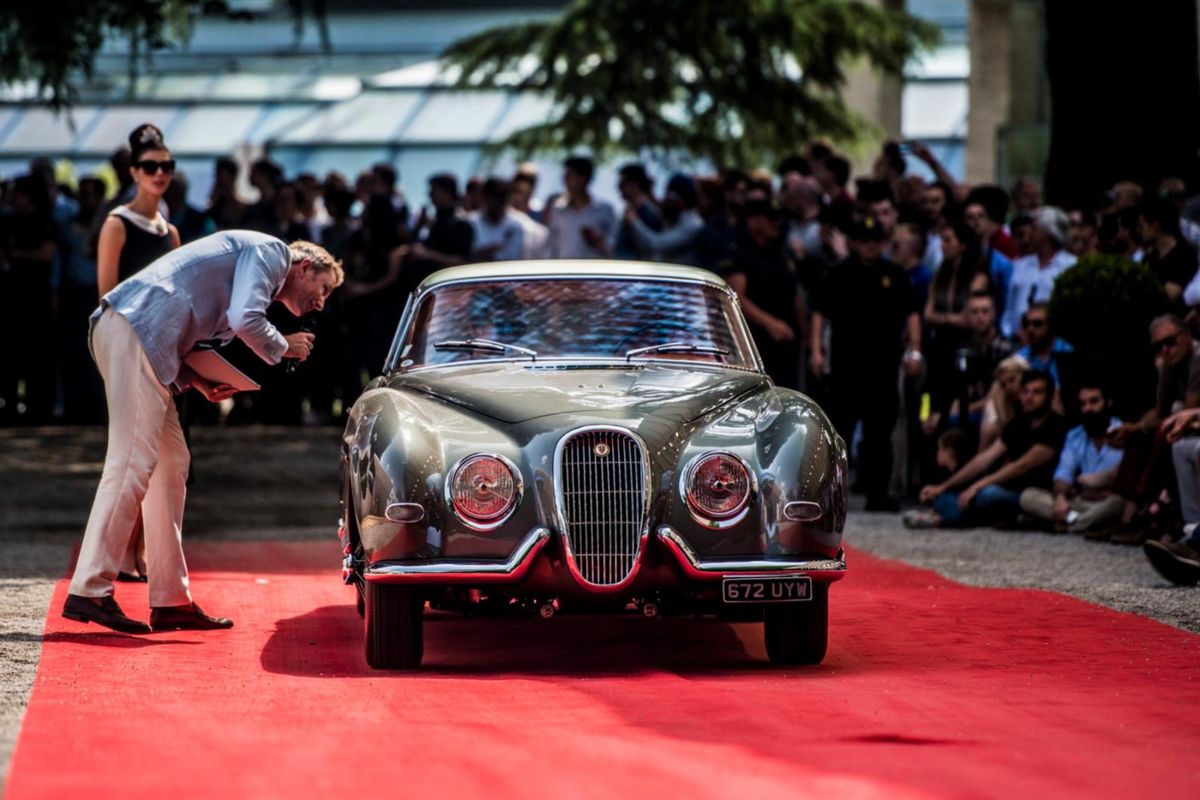
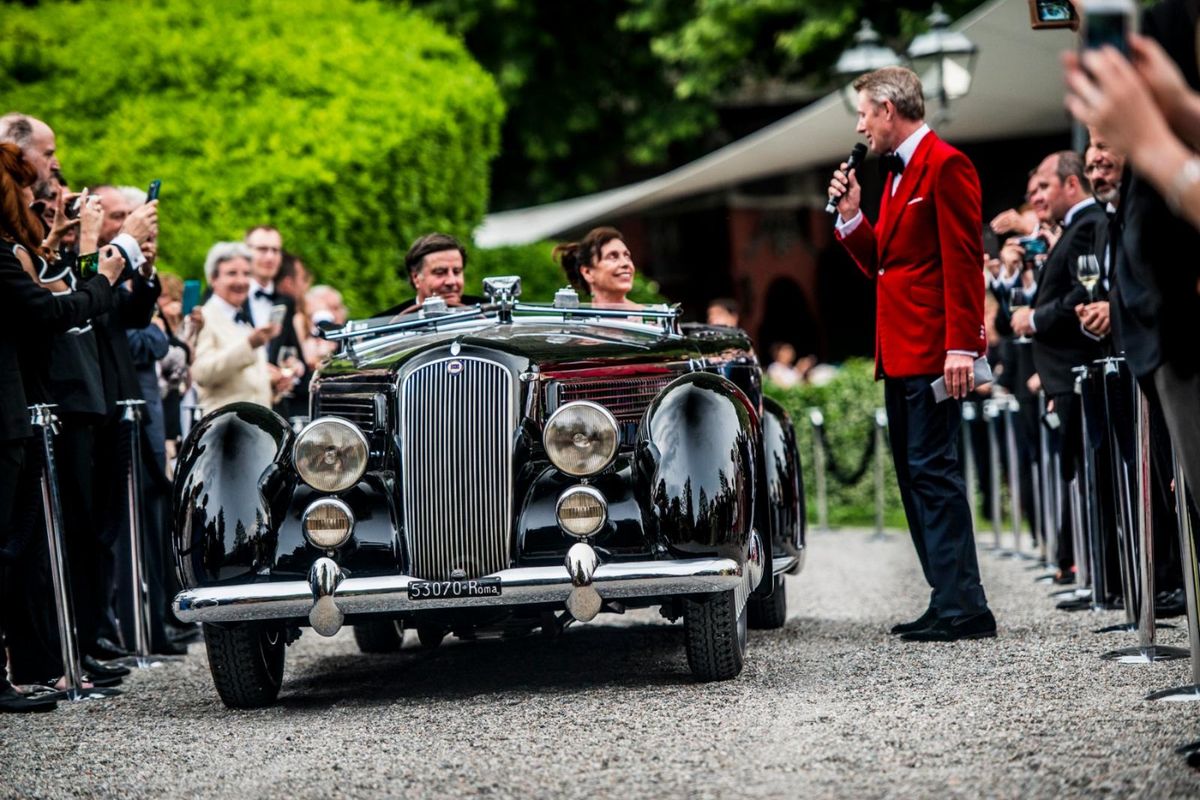
Each year some the most beautiful and valuable collectable cars in the world go on display at the exclusive Concorso D'Eleganza Villa D'Este on the beautiful shores of Lake Como in Italy. This year, Italian cars dominated the results. If you love classic cars, this is a bucketlist event to attend…
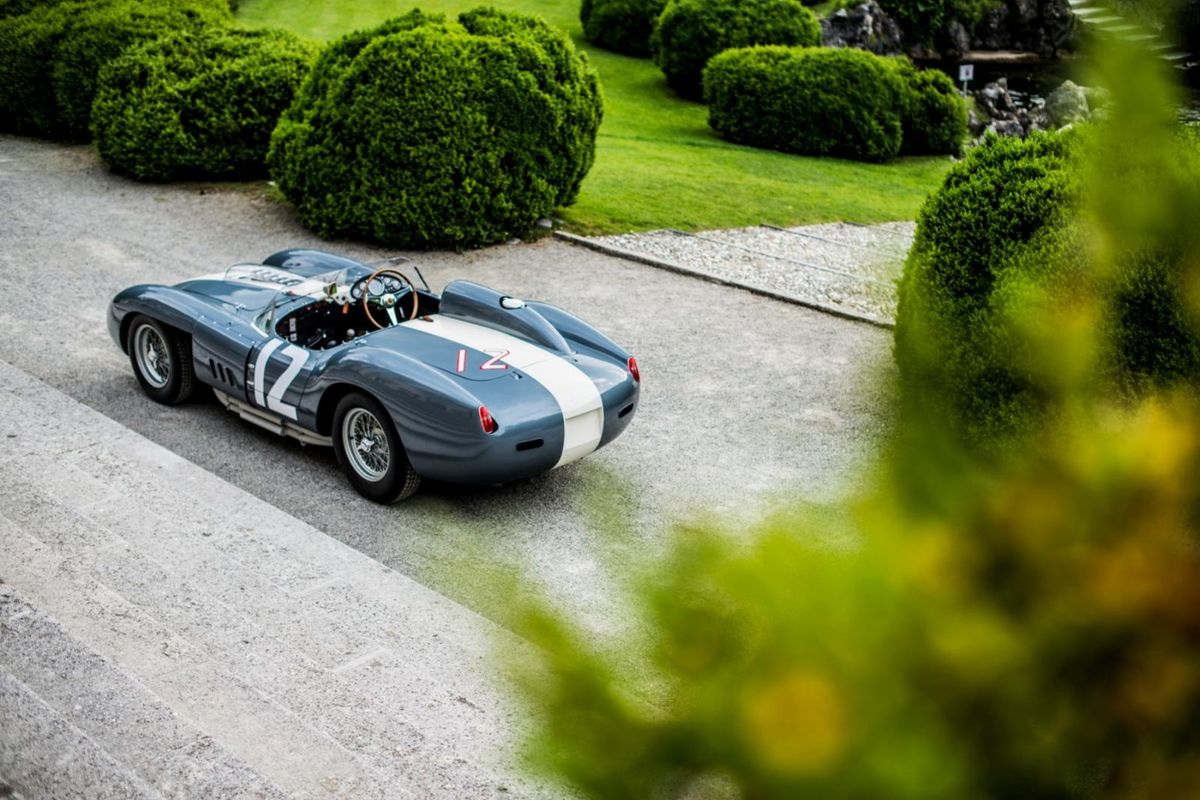
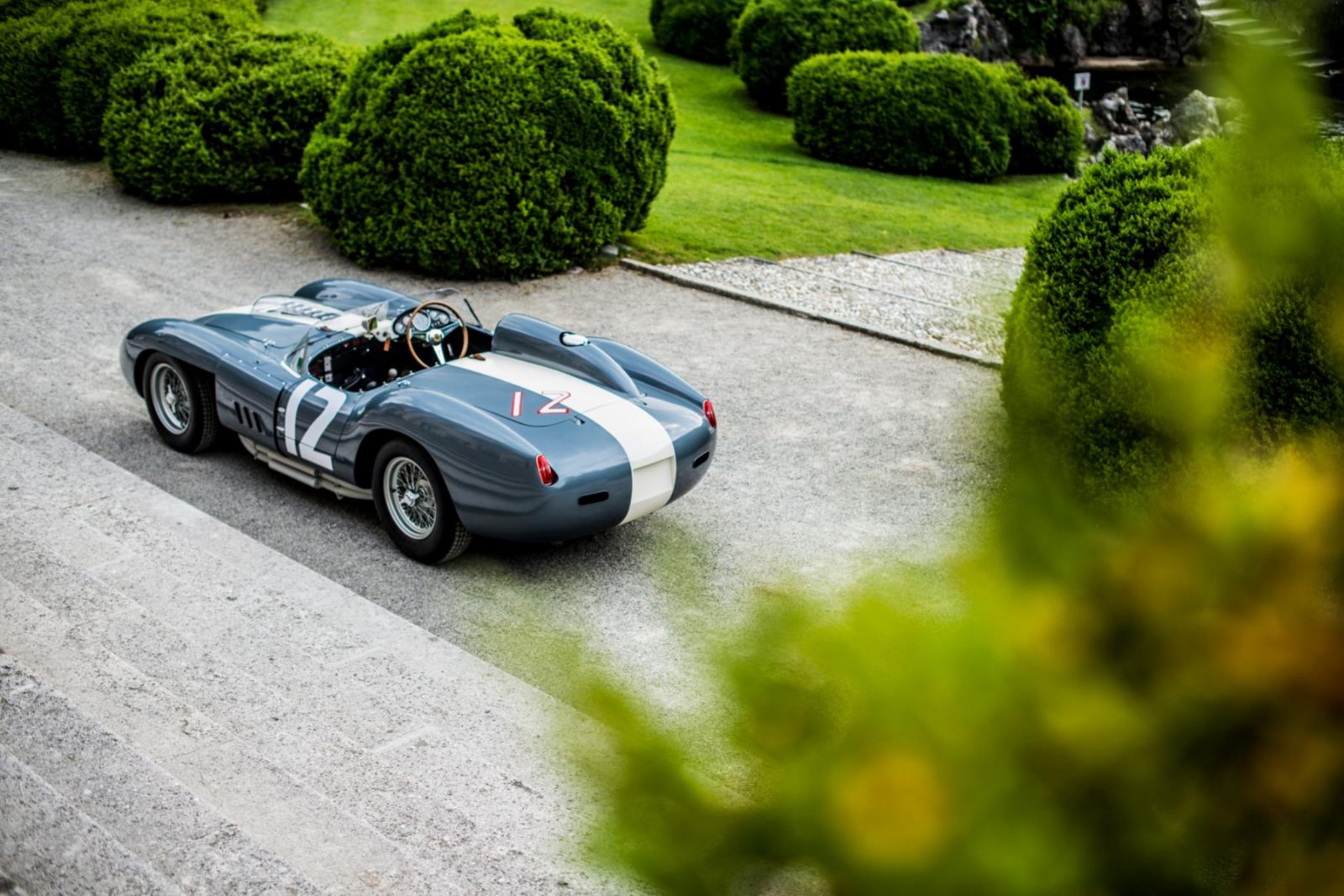
The glamorous event, first staged in 1929, is hosted jointly by the BMW Group and the Grand Hotel Villa D'Este, and attracts not only 50 of the rarest cars in the world but also some of the most well-known automotive connoisseurs. This year the big winner (Best of Show, as judged by the experienced Jury) was a 1958 Ferrari 335 S, one of only 4 ever made. It belongs to Austrian Andreas Mohringer who picked it up in 2013 for a cool $21.5. The Scaglietti-bodied racer has a 4.0L V12 engine.
One of only 4 ever made, this Ferrari 335 S was the fifth successive Italian winner of the Best of Show award.
The Ferrari 335 Sport made its sports racing debut in 1957 and Spanish driver Alfonso Marquis de Portago suffered a fatal accident in one of the cars at the Mille Miglia in 1957. The accident caused the death of 11 people, including the driver, his co-driver and 9 spectators, and resulted in the legendary endurance race being permanently banned from the roads of Northern Italy. The winning car shown on the shores of Lake Como is the youngest of the 4 produced and was built in 1958. It features a more powerful 320kW V12 engine, making a top speed of more than 300 km/h possible.
Alfa Romeo 33 Stradale scores a double win
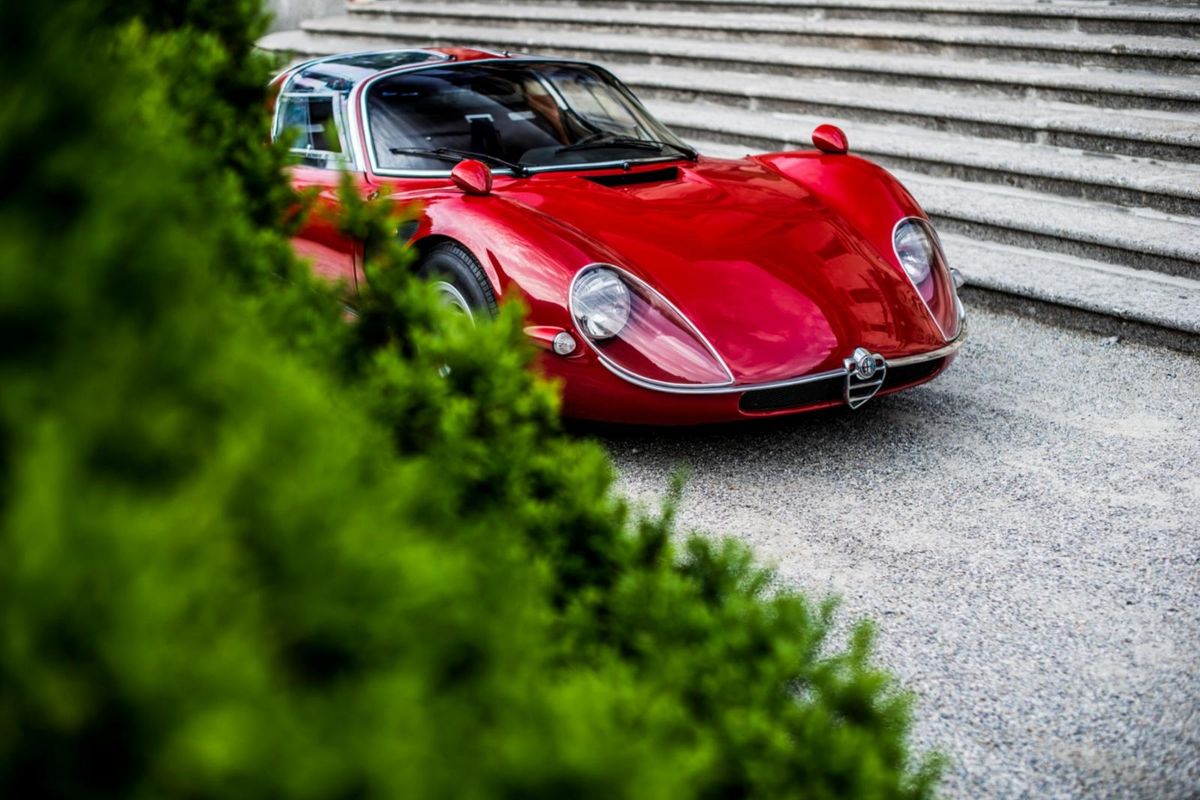
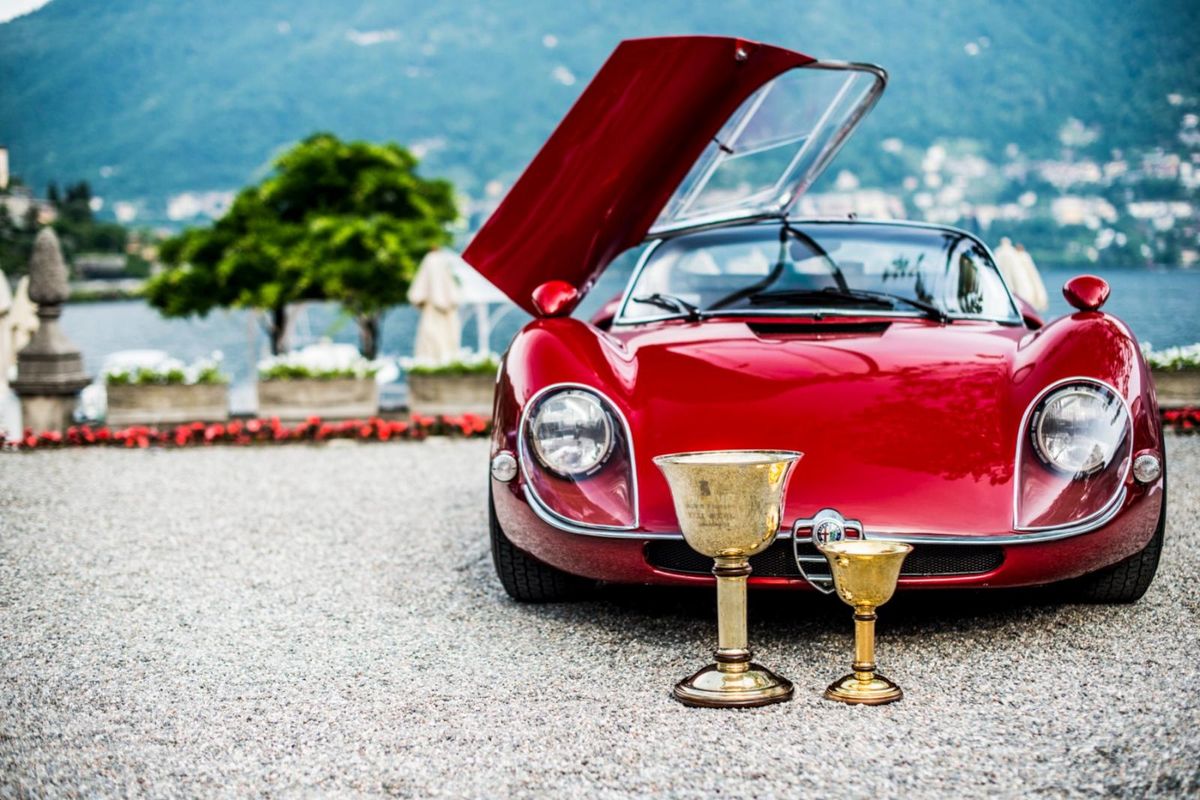
The increasing interest and appreciation for the stunning 1968 Alfa Romeo 33/2 Stradale (main image) was reflected in it winning 2 major awards, for Best of Show (by public referendum at the event) and also the Trofeo BMW Group Italia (by public referendum). The example at the event belongs to Swiss Albert Spiess.
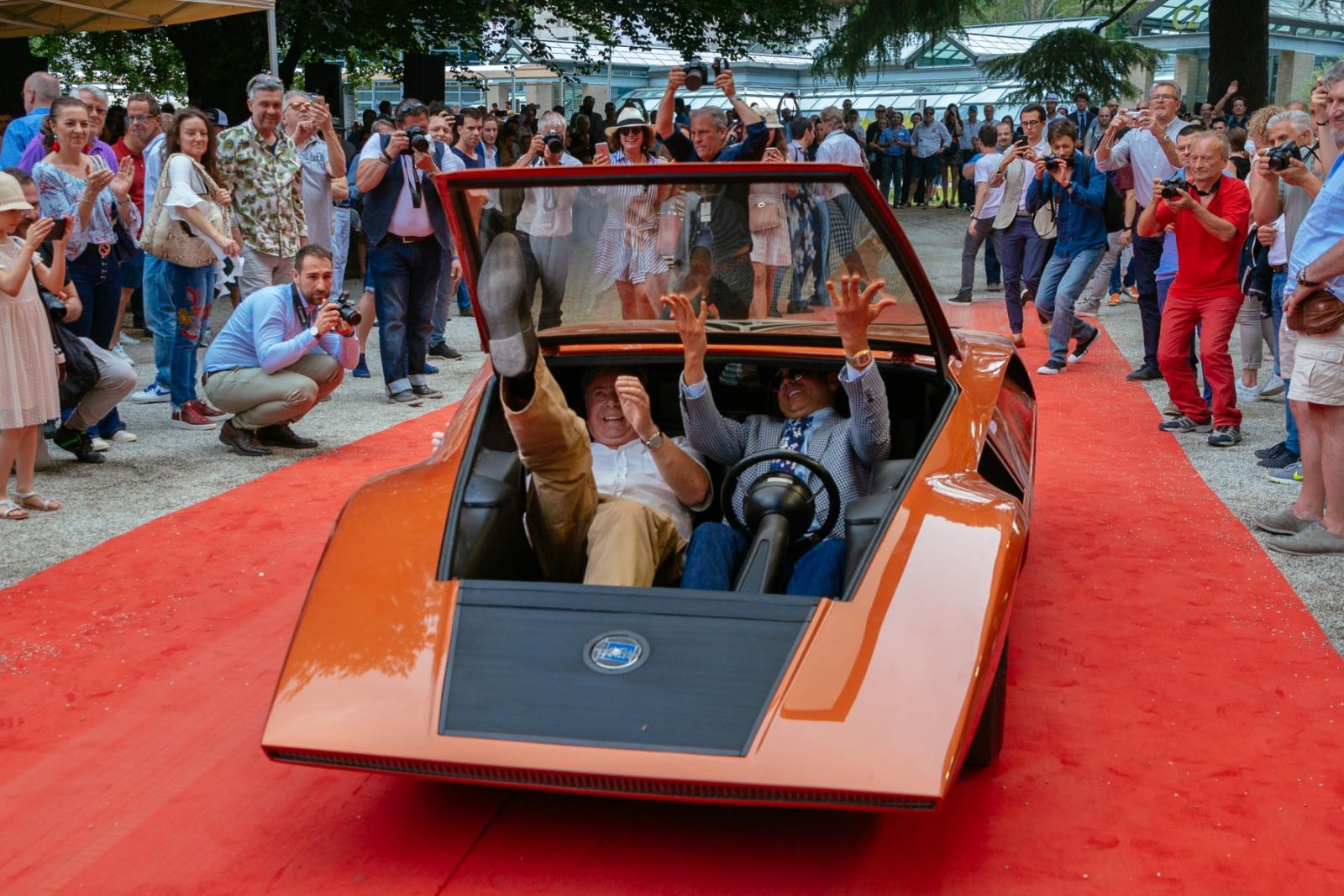
The iconic 1970 Lancia Stratos concept was a hit with younger visitors to Villa D'Este. It scooped a special category award.
Interestingly the Concorso D'Eleganza Villa D'Este also caters for younger enthusiasts with a special category determined by public vote at the event (under 16 years of age). Perhaps unsurprisingly the winner in this category was the sci-fi like 1970 Lancia Stratos concept by Bertone.
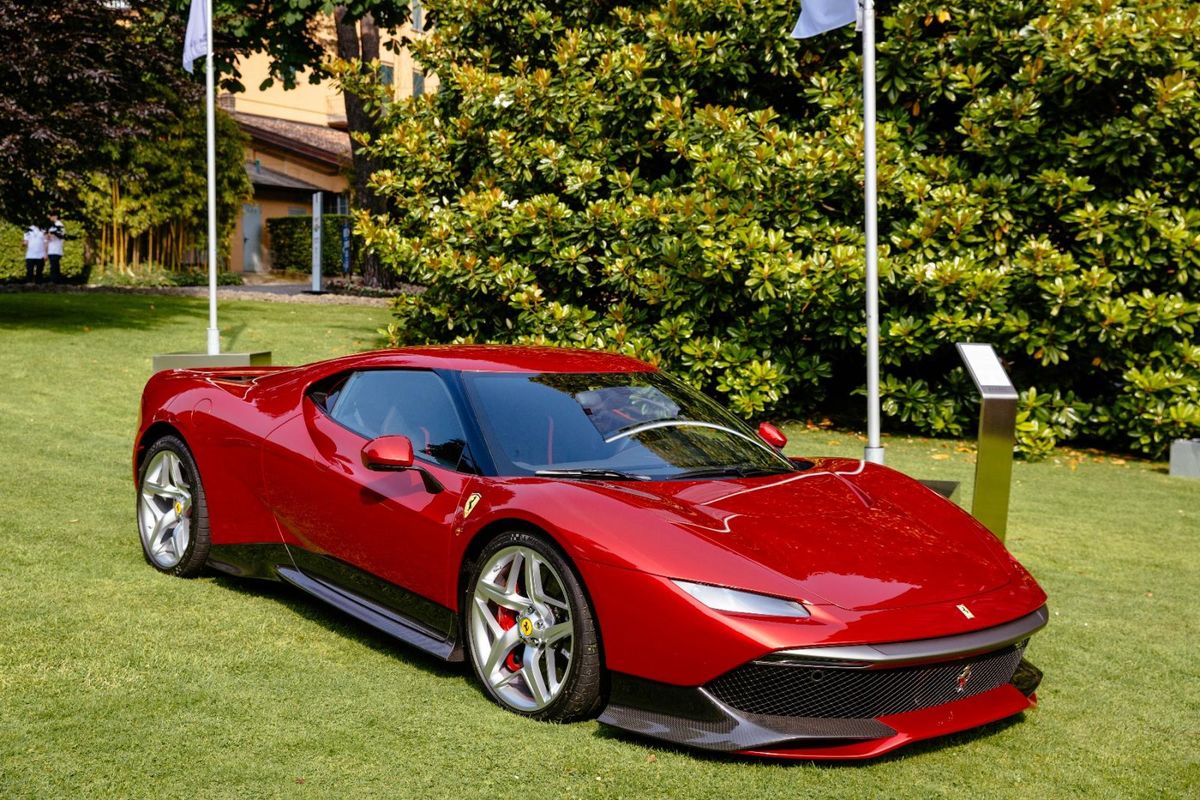
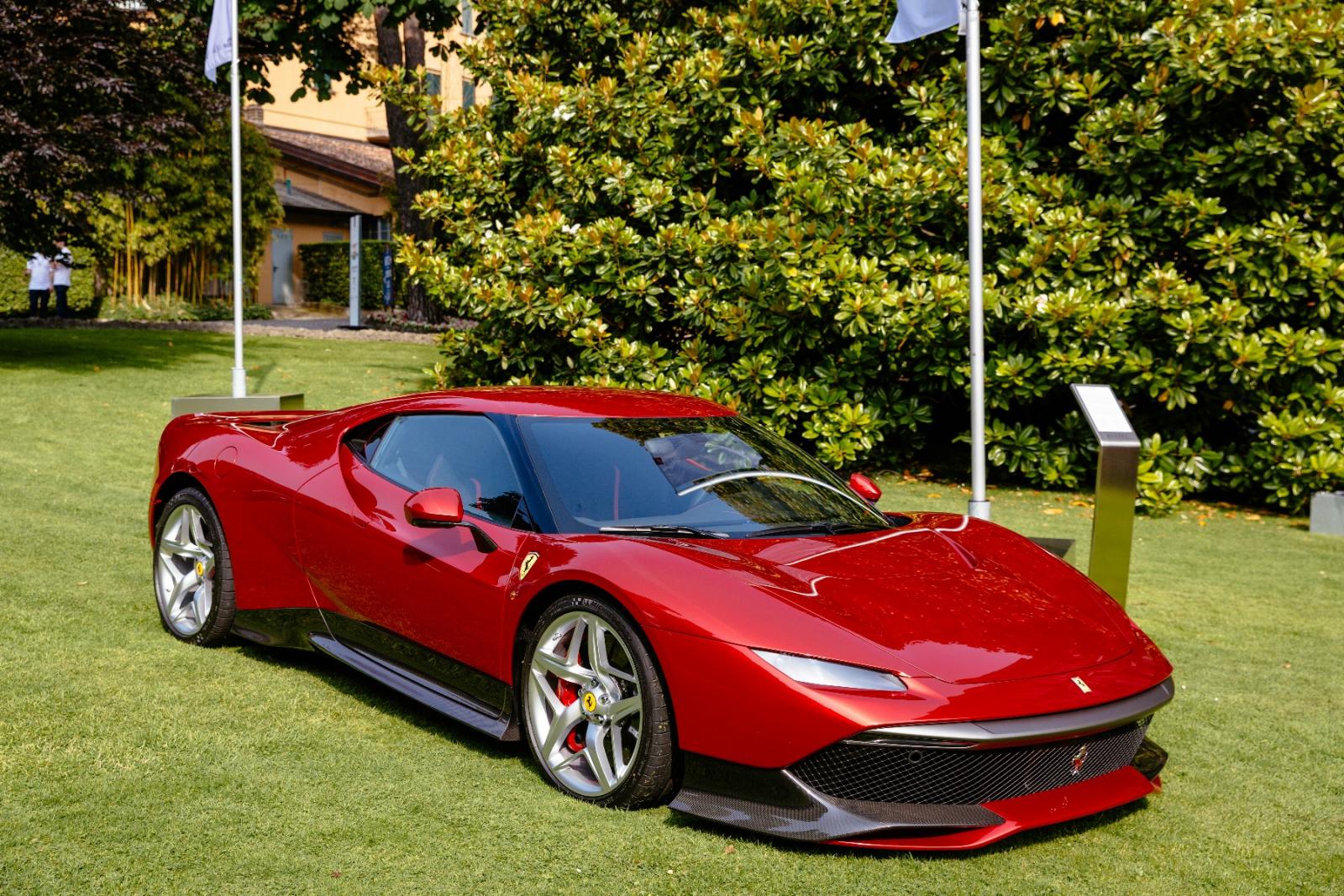
There is also a special category for modern prototypes, and here the recently announced Ferrari SP38 drove away with the trophy (determined by public referendum). The SP38 is a one-off for a loyal Ferrari customer and is based on the underpinnings of the 488 GTB.
This one-off Ferrari SP38 won the Concept Car/Prototypes Design award, as voted for by the public attending.
Want to know more about the Concorso D'Eleganza Villa D'Este? Click here. Also see the video below for an overview.
Take a look at 5 new crossovers that you need to add to your shortlist in 2018.
The market demand for crossovers has risen substantially in recent years and manufacturers are responding by introducing new product to satisfy the local buying appetite for these stylish and practical vehicles. Consumers shopping in this segment have lots of choice and your final decision will ultimately depend on your budget and preference. Here are 5 new crossovers for you to consider.
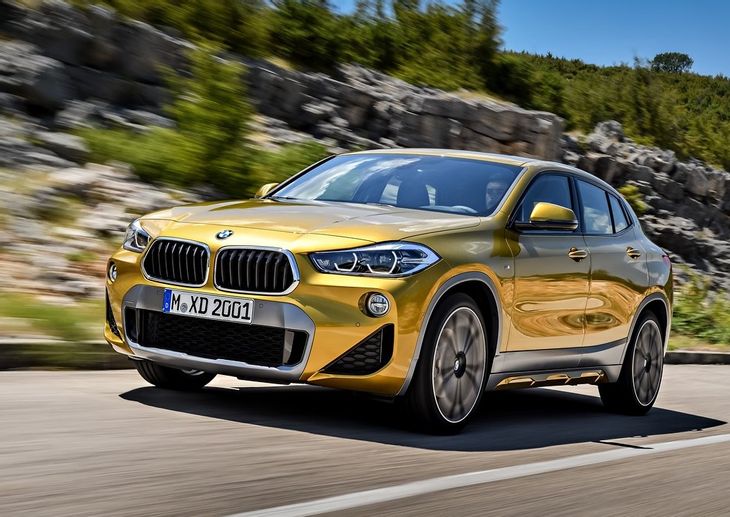
BMW X2
BMW launched its new X2 in March 2018 and it offers daring styling coupled with the allure of a BMW badge on the nose. A choice of 3 engines is available.
The X2 range kicks off with a 1.5-litre turbocharged petrol engine in the X2 sDrive18i with 103 kW and 220 Nm of torque. A choice of either a 6-speed manual or 7-speed Steptronic dual-clutch transmission is offered for this variant. The X2 sDrive20i with a 2.0-litre turbopetrol engine with 141 kW and 280 Nm and mated to a 7-speed Steptronic dual-clutch transmission and slots in the middle of the X2 range. The top-spec 2.0-litre turbodiesel in the form of the all-wheel drive X2 xDrive20d develops 140 kW / 400 Nm and uses an 8-speed Steptronic transmission. Furthermore, the X2 can be had in either M Sport or M Sport X guise, depending on your styling preference.
The BMW X2 sDrive20i is priced from R577 904 for the X2 sDrive18i manual. Pricing for the mid-range X2 sDrive20i starts from R650 077 while the range-topping X2 xDrive20d's pricing starts from R700 392.
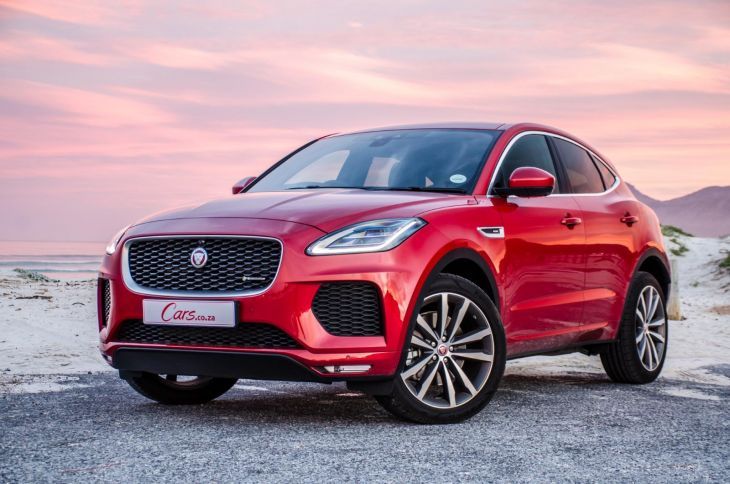
The recently-introduced E-Pace compact crossover/SUV joins the larger F-Pace in Jaguar’s growing SUV stable. A range of turbopetrol and turbodiesel engines with varying outputs are offered along with all-wheel drive capability.
A 2.0-litre turbopetrol engine develops outputs of 184 kW / 365 Nm and 221 kW / 400 Nm. The 2.0-litre turbodiesel derivatives will offer 110 kW / 380 Nm, 132 kW / 430 Nm and 177 kW / 500 Nm. A 9-speed automatic transmission fitted to all E-Pace derivatives as is all-wheel drive. Various trim levels are available too including Standard (Base), S, SE, HSE, R-Dynamic, R-Dynamic S, R-Dynamic SE or R-Dynamic HSE specification.
Pricing starts at R608 516 for the 110 kW E-Pace D180 and going all the way up to R858 213 for the top-of-the-range 177 kW E-Pace D240 R-Dynamic HSE. The petrol range starts with the E-Pace P250 priced from R681 831 while the to[p-spec E-Pace P300 R-Dynamic HSE is priced from R909 317.
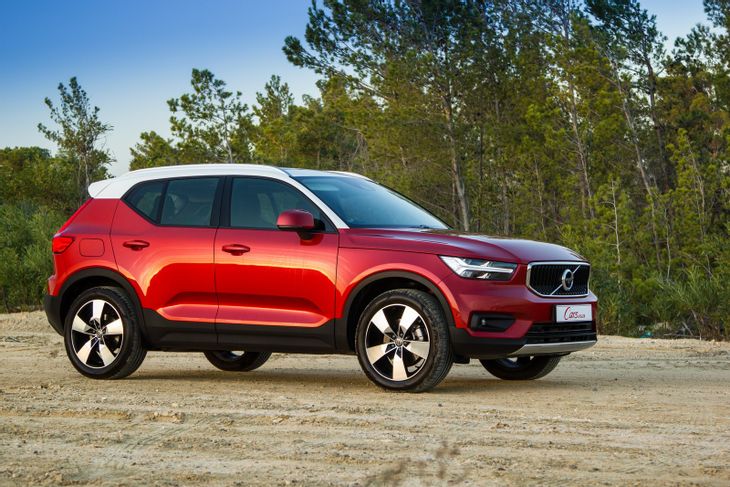
Volvo’s highly-anticipated XC40 has arrived in South Africa and will look to profit from the acclaim of its larger XC90 sibling.
A total of 3 engines are on offer starting with the front-wheel drive 1.5-litre turbocharged petrol engine (T3) with 115 kW and 265 Nm of torque and mated to a 6-speed manual transmission. The more powerful 2.0-litre turbocharged petrol engine (T5) is available with outputs of 185 kW and 350 Nm of torque and is offered with an 8-speed automatic transmission and all-wheel drive capability.
On the diesel front, an all-wheel drive, 2.0-litre turbodiesel (D4) XC40 with 140 kW and 400 Nm is offered with an 8-speed automatic transmission. There is a choice of 3 trim levels (Momentum, Inscription and R-Design). The lineup is expected to expand with additional diesel and petrol engines joining the range at a later stage.
Pricing for the XC40 T3 starts at R489 500 while the T5 range starts at R610 900. Pricing for the XC40 D4 starts at R600 300.
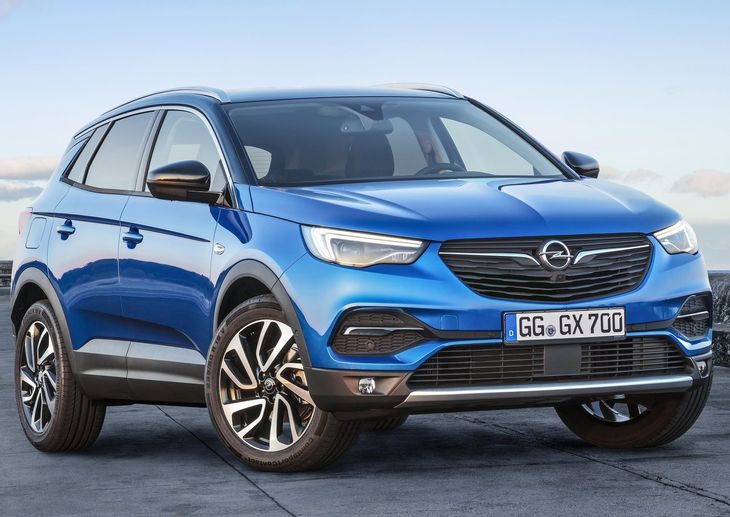
Following on from the introduction of the Opel Crossland in South Africa, Opel has now introduced the larger Grandland X to market.
In terms of engines, the Grandland X features the same 1.6-litre turbopetrol engine found in the Peugeot 3008 with 121 kW and 240 Nm of torque. A 6-speed automatic transmission is standard.
Pricing starts at R429 000 for the base-spec Grandland X. The mid-spec Grandland X Enjoy is priced at R465 000 while the top-spec Grandland X Cosmo is priced at R565 000.
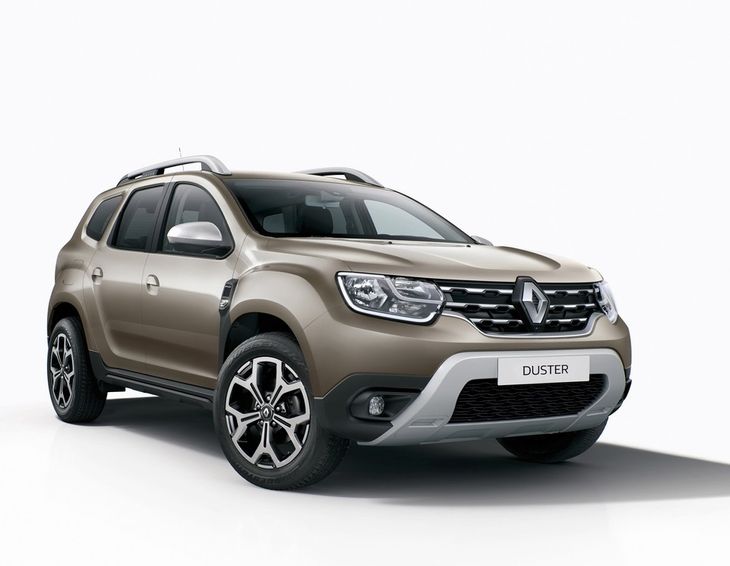
A new and improved version of Renault’s popular Duster will make landfall in the third quarter of 2018. The new Duster will continue to offer a combination of value-for-money, capability and practicality which has made it so popular locally.
Engines will likely carry over from the current Duster range, which means you can expect the 77 kW / 148 Nm naturally-aspirated 1.6-litre petrol engine and the 80 kW / 250 Nm 1.5-litre turbodiesel engine to be offered in both 4×2 and 4×4 guise with either a 5-speed manual or 6-speed automatic transmission.
Exact pricing and specification will be announced closer to launch.
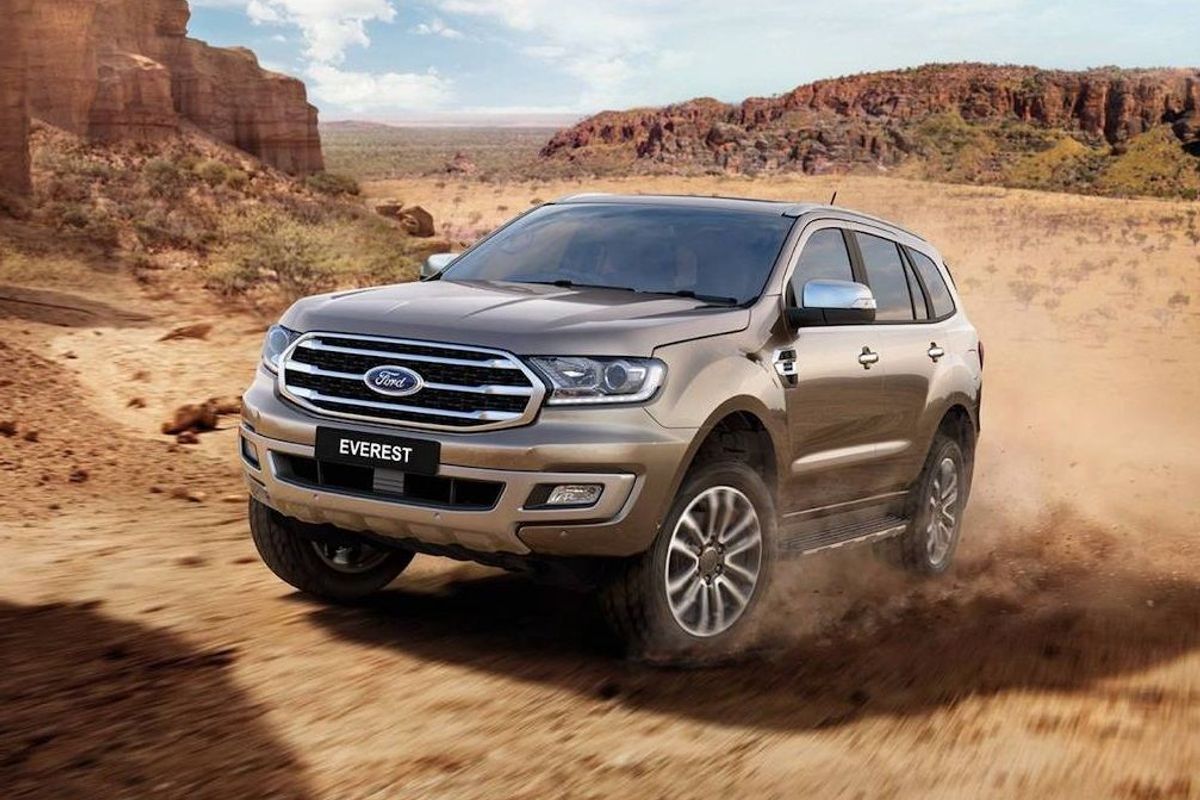
Ford Everest to be updated, now features Raptor engine
The Ford Everest SUV will be receiving similar updates to the Ranger and should be on its way to SA early next year. Here's what you need to know.
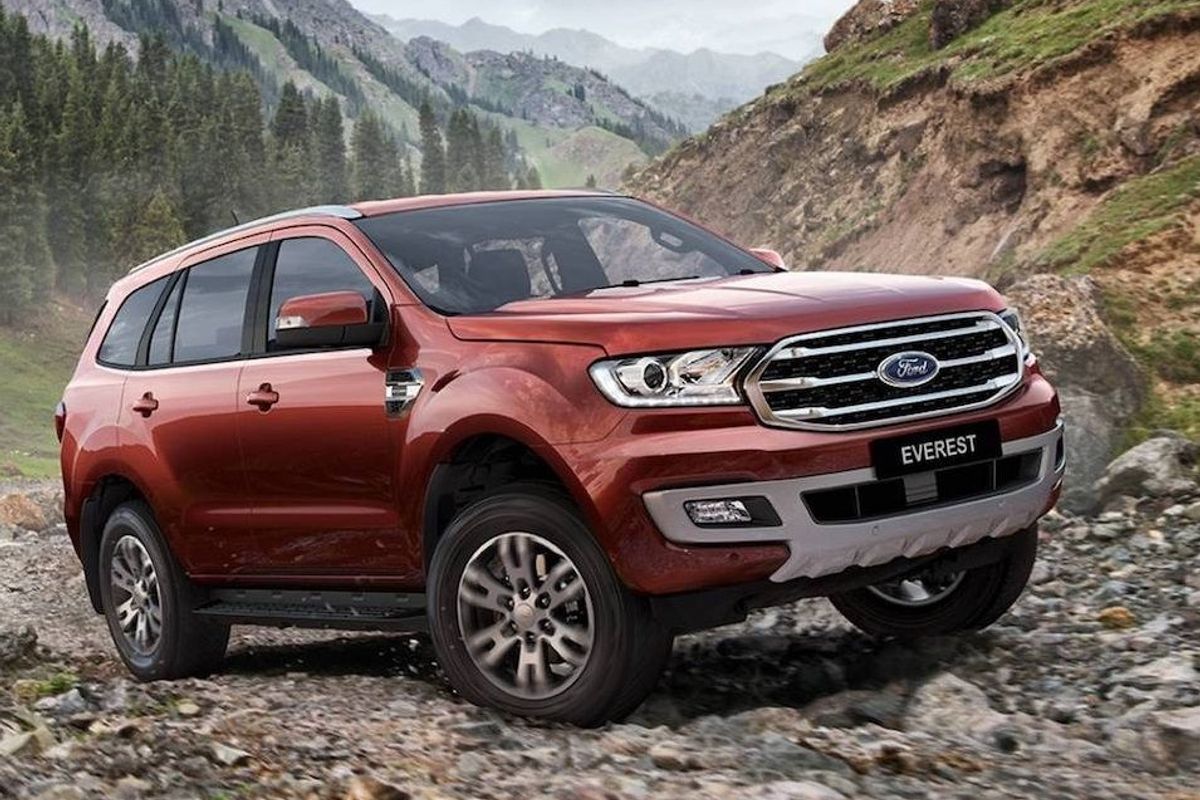
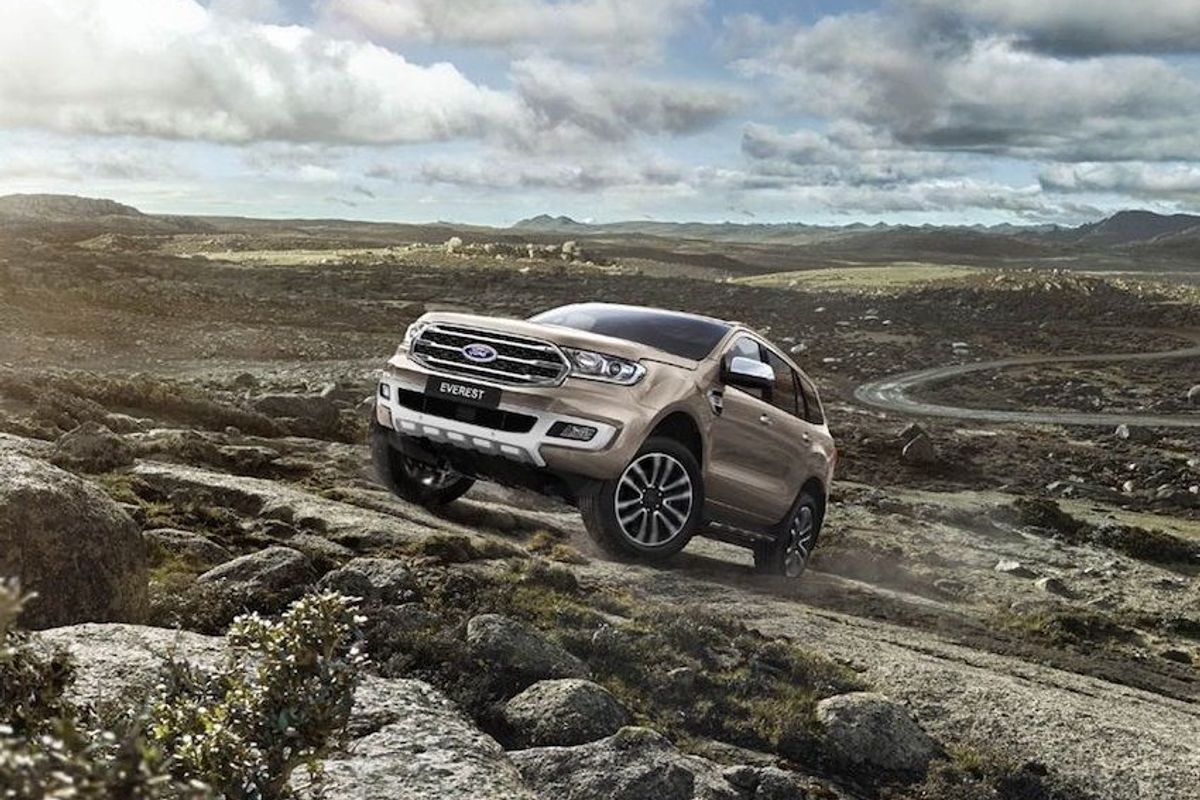
We previously reported on the facelifted Ford Ranger, which received a few updates in terms of powertrain, design and safety. Now, the seven-seat bakkie-based Everest is set to receive the same treatment. Officially called the Ford Endeavour in other markets, the Ford Everest now features some visual changes in the form of a tweaked front-end with small changes to the grille. The skidplate has been merged with the fog lamp housing, which has reshaped the lower air intake.
The new Ford Everest will ride on new-look 20-inch split-spoke alloy wheels. We're yet to see pictures of the new interior, but give it time. We expect some new colours, materials and revisions to the infotainment system. The real noteworthy changes lie under the bonnet. The Ford Ranger Raptor's 2.0-litre twin-turbocharged diesel four-cylinder motor has been confirmed for Everest application. It produces 157 kW and 500 Nm, and it's mated to a 10-speed automatic transmission. There's also a new 2.0-litre TDCi motor joining the ranks. There are also changes to the suspension, which improve the handling and ride quality. Safety has improved too and it's good to see some degree of autonomy as Pre-Collision Assist is claimed to detect cars and pedestrians, and brake accordingly if the driver hasn't reacted in time.
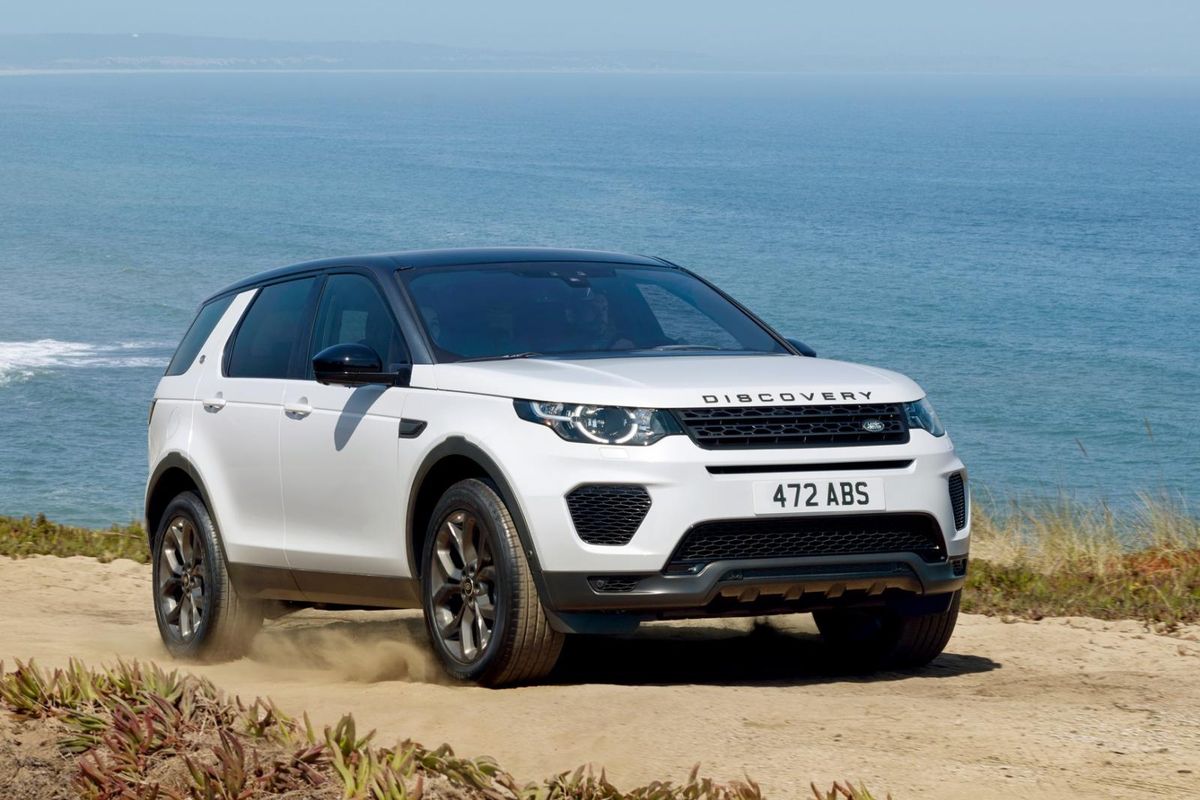
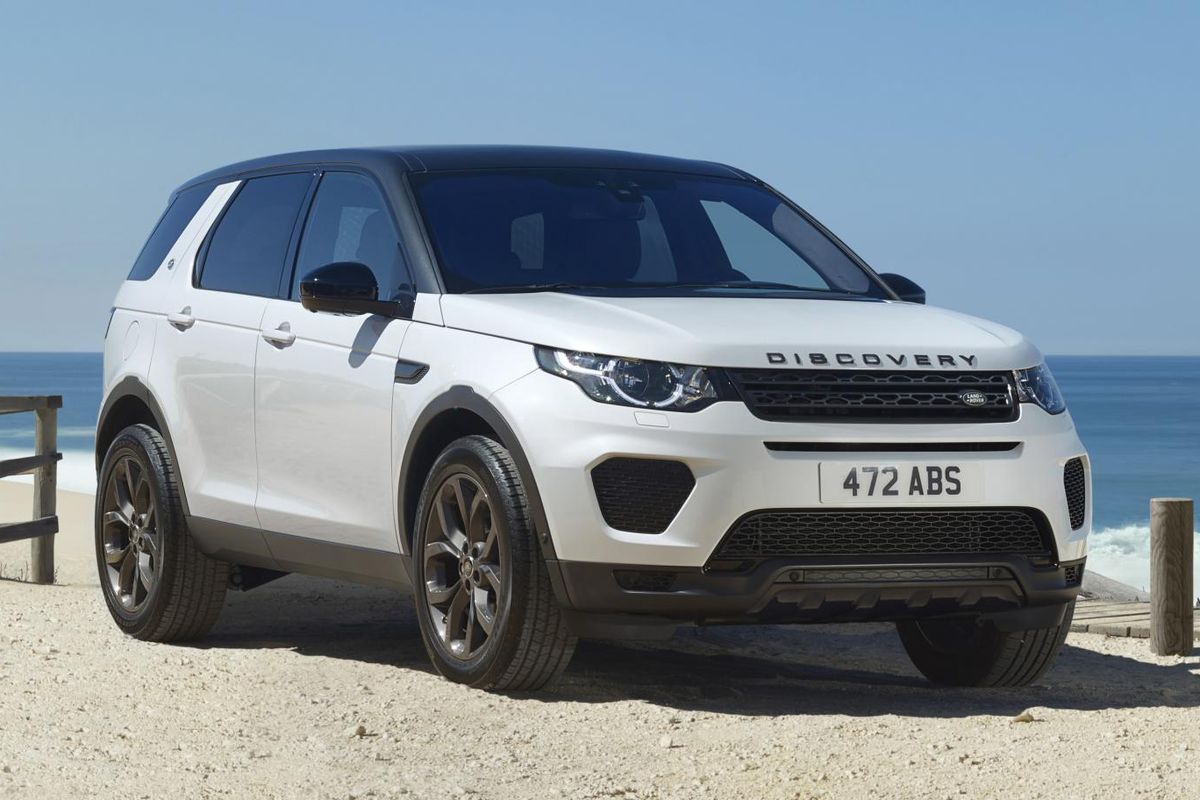
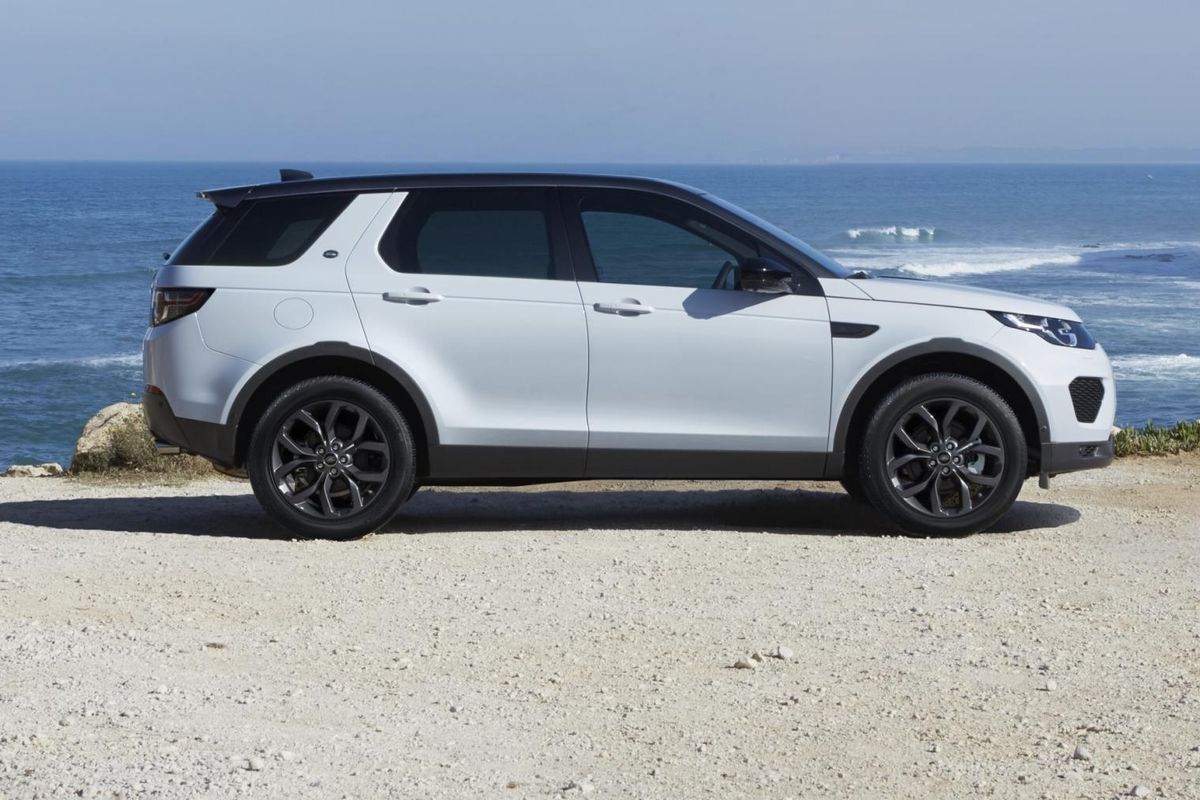
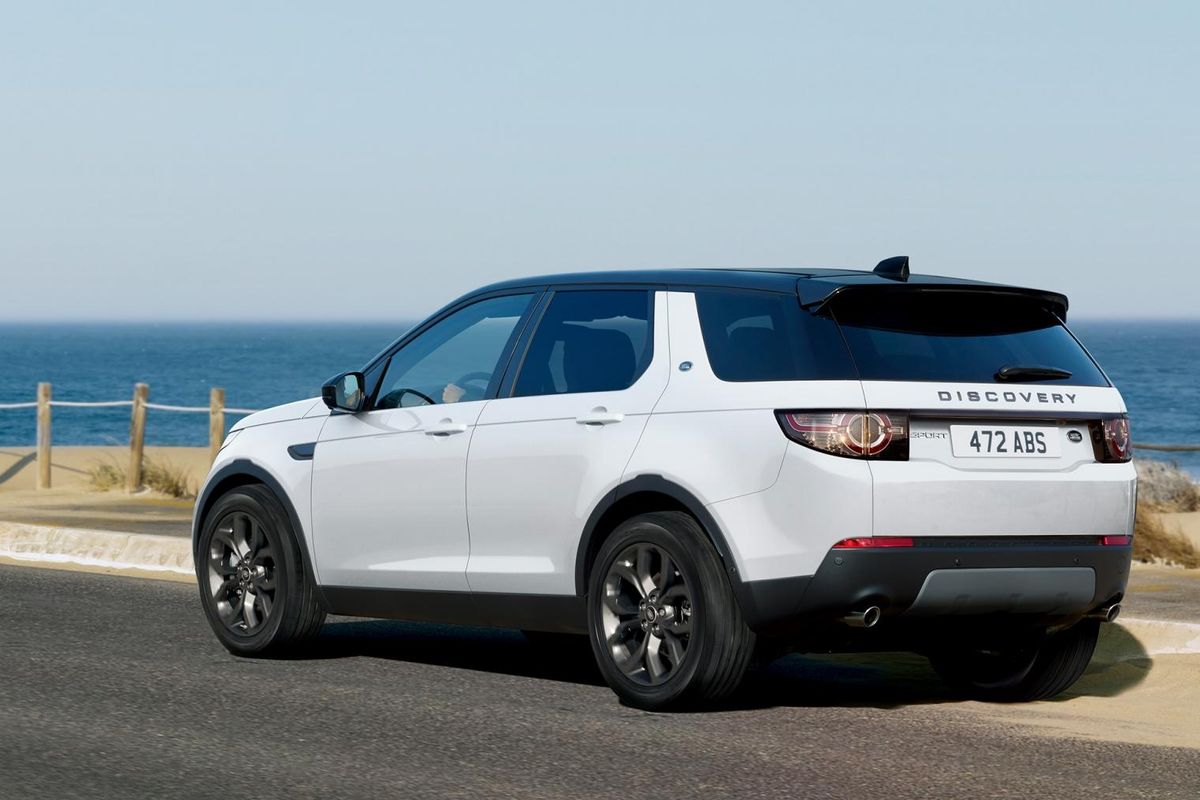
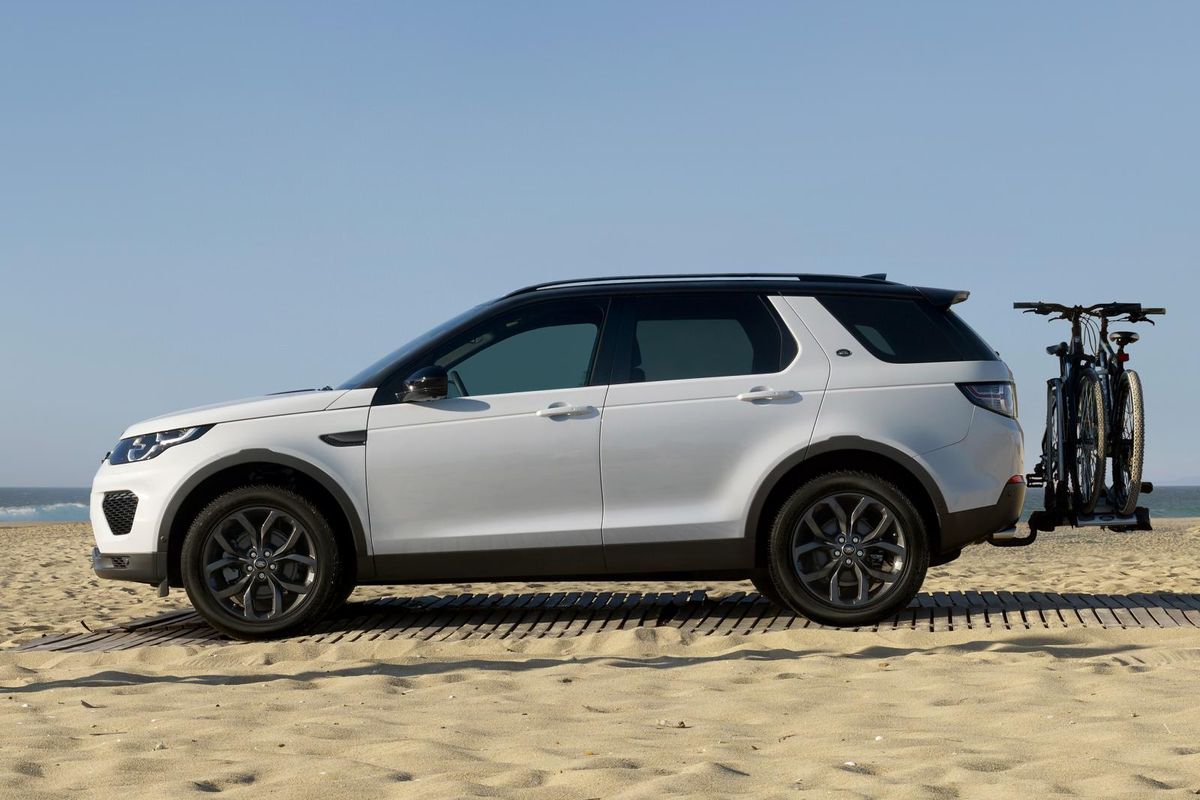
Land Rover Discovery Sport special edition confirmed for SA
Land Rover SA has confirmed a special edition Discovery Sport is on its way to South Africa. Here's what you need to know about the Land Rover Discovery Sport Landmark Edition.
Land Rover's Discovery Sport has proven popular and topped the sales chart in 2017, with over 126 000 units finding homes around the world. It's the fastest-selling Land Rover of all time and to celebrate its success, Land Rover has announced a special version called the Discovery Sport Landmark Edition.
Powered by the 2.0-litre turbodiesel Td4 motor with 132 kW and 430 Nm, the Discovery Sport Landmark Edition also features a sportier front bumper and special 19-inch alloy wheels, painted in Gloss Dark Grey. It'll be made available in three colours: Narvik Black, Corris Grey and Yulong White, all featuring a contrast roof. Inside, the cabin boasts Ebony grained leather seats, Ebony headliner and dark grey aluminium finishes around the centre stack.
The Land Rover Discovery Sport Landmark Edition will go on sale in South Africa from September 2018. We'll have more details, including the price, closer to the time.
Porsche Centre Pretoria gains Classic Partner status
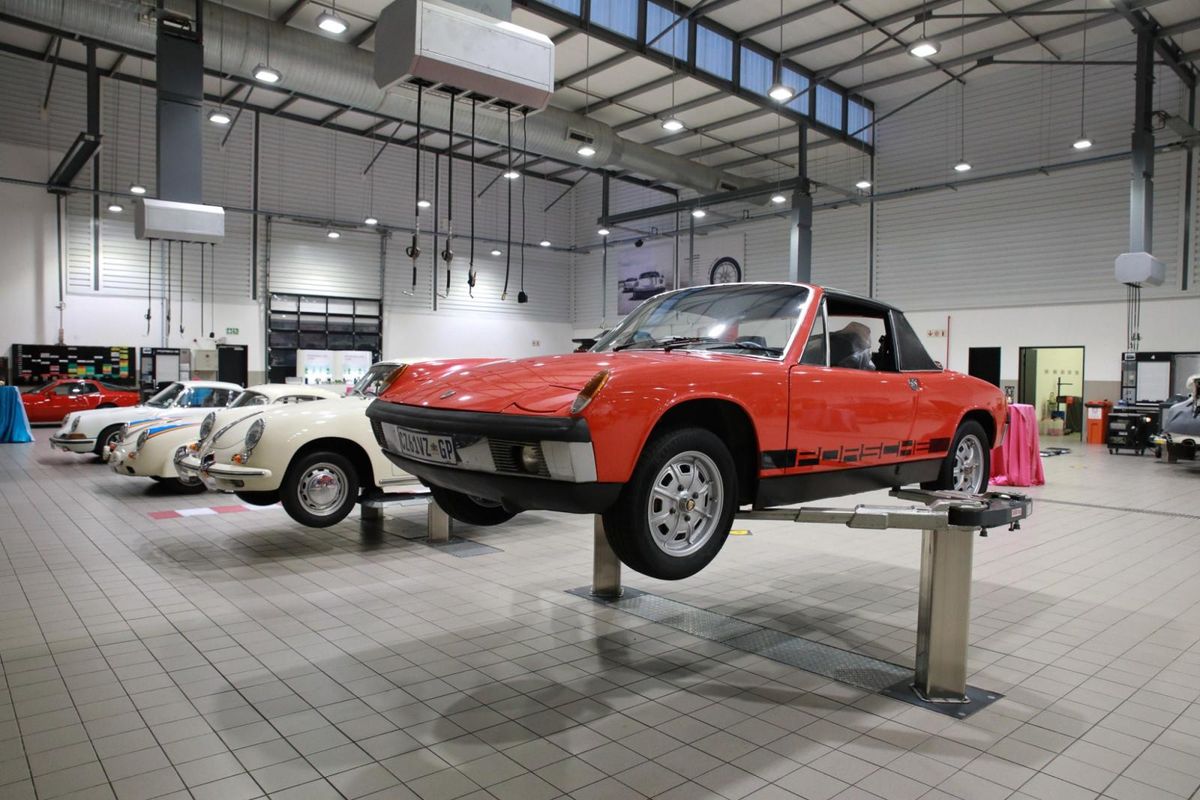
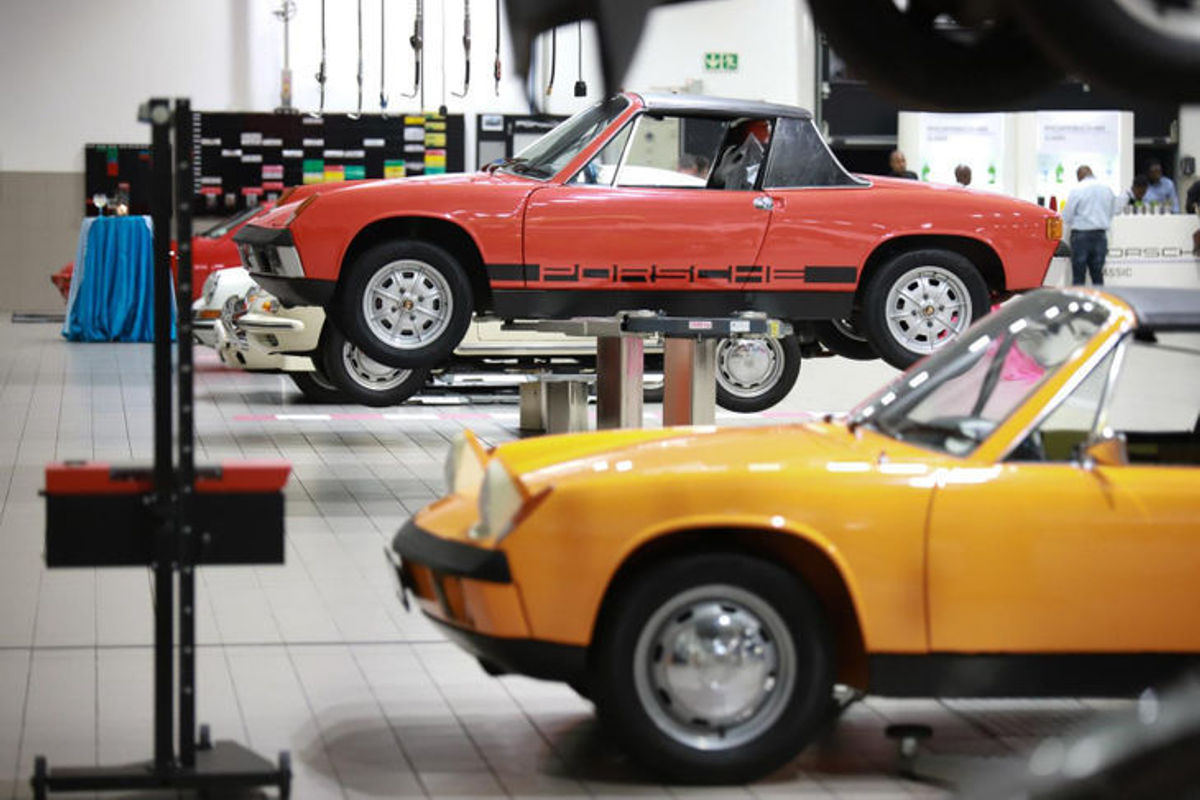
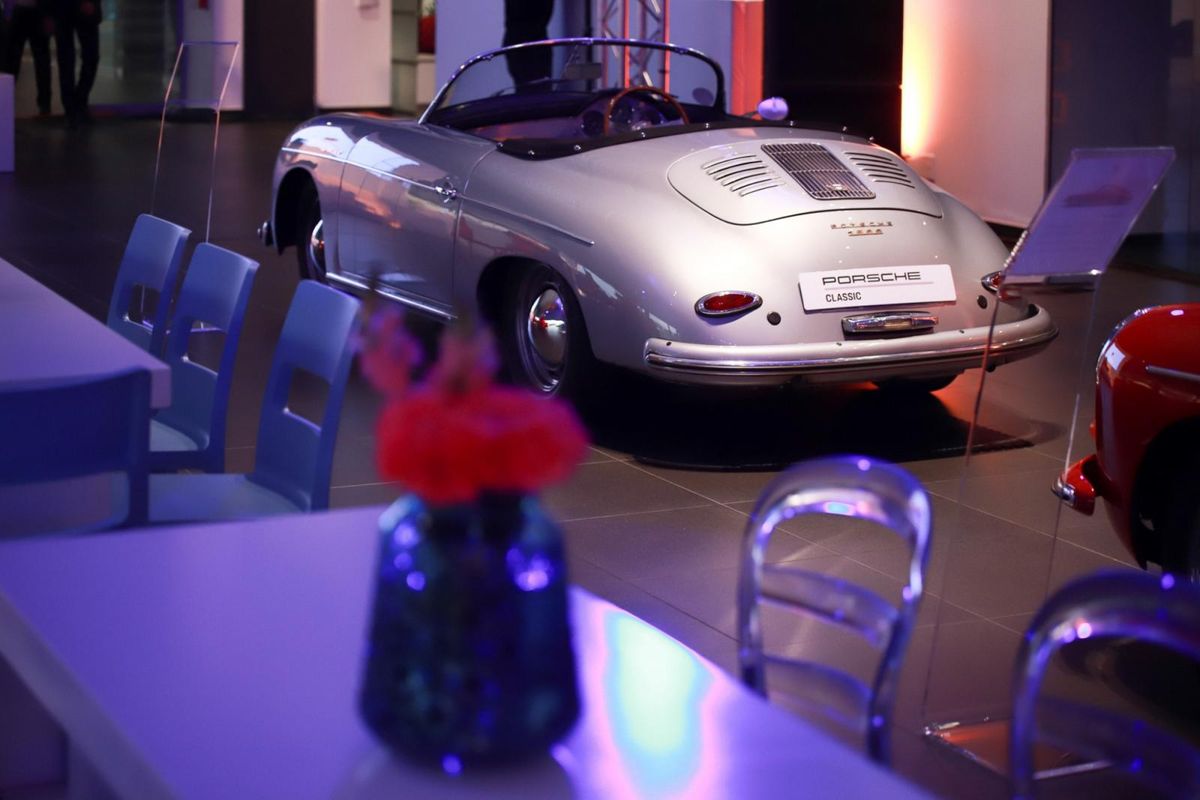
If you own a classic Porsche in Gauteng then the news that Porsche Centre Pretoria has been awarded Classic Partner status will come as good news. The Centre is now in a position to offer a wide range of services to owners of older Porsches.
In recent years the values of older Porsches have grown significantly, and while the market has cooled somewhat, the expectation is that most Porsches will eventually reach classic status and start appreciating. It's worth noting at this point that more than 70 per cent of the cars built in Porsche's illustrious 70-history remain on the road today. Of course, if future value is a concern to you, then making sure your car has been serviced correctly and uses only the appropriate parts will be important – not to mention having the correct stamps in "the book". And don't think it's only the 911 that is a classic… if you own a 924, 944 or 928 it is also worth giving these Porsche Centres a call.
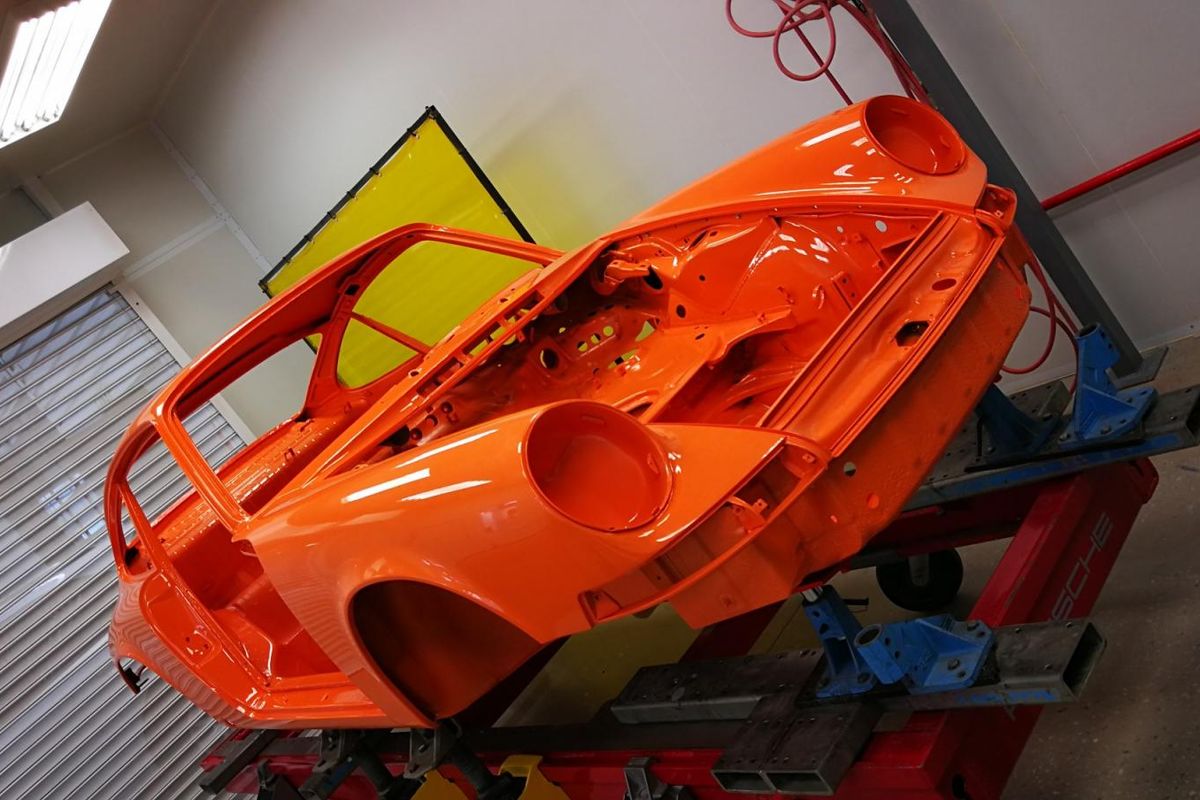
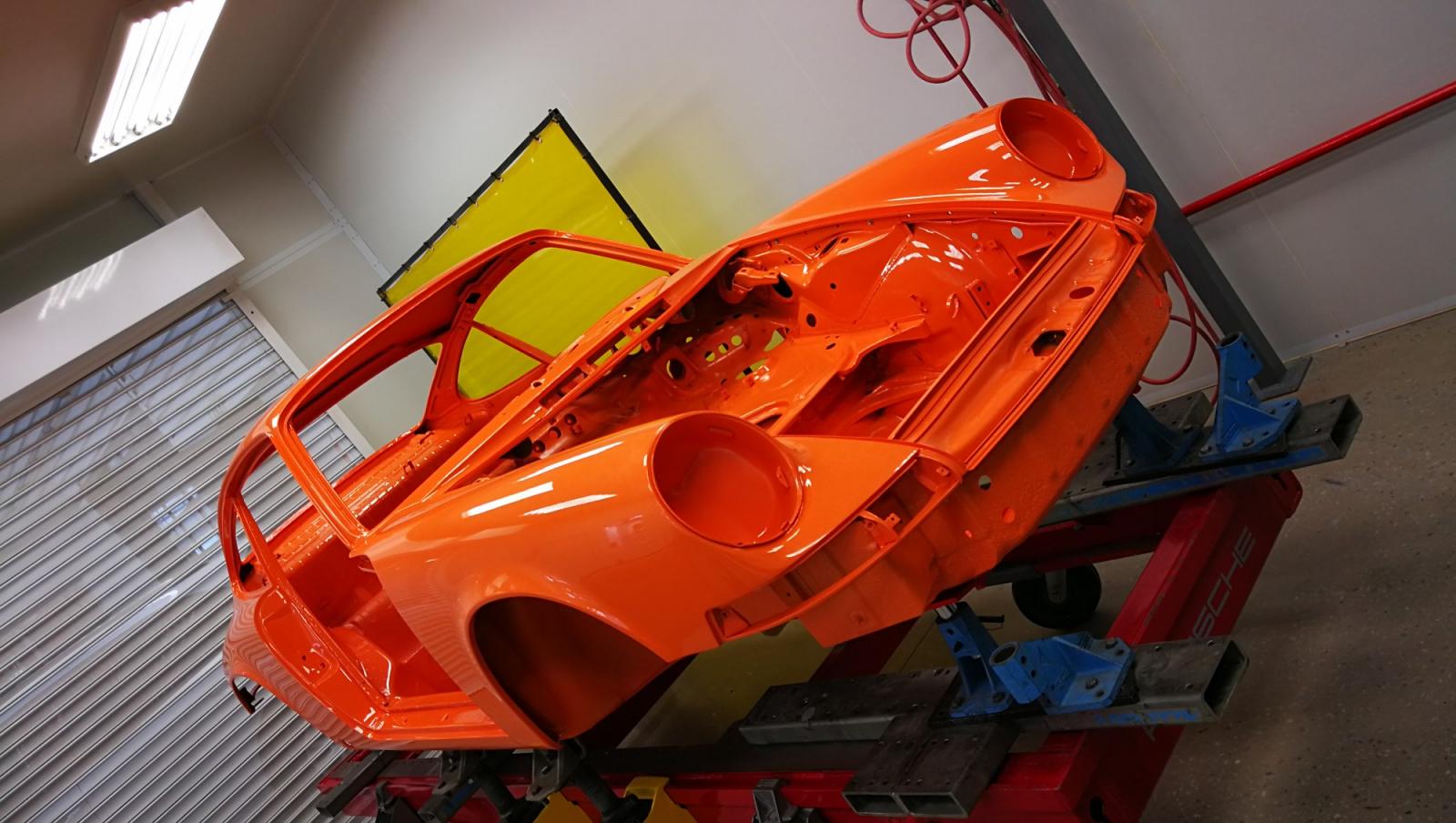
This 1970 911 E is being fully restored at Porsche Centre Cape Town. Instead of modern water-based paint, its bright orange coat is traditional enamel paint.
To provide these services to its customers, Porsche started awarding special "Classic Partner" status to some of its dealers a few years ago, and earlier this year the Porsche Centre Pretoria joined its Cape Town sibling in a group of only 63 dealers in the world to have achieved this certification.
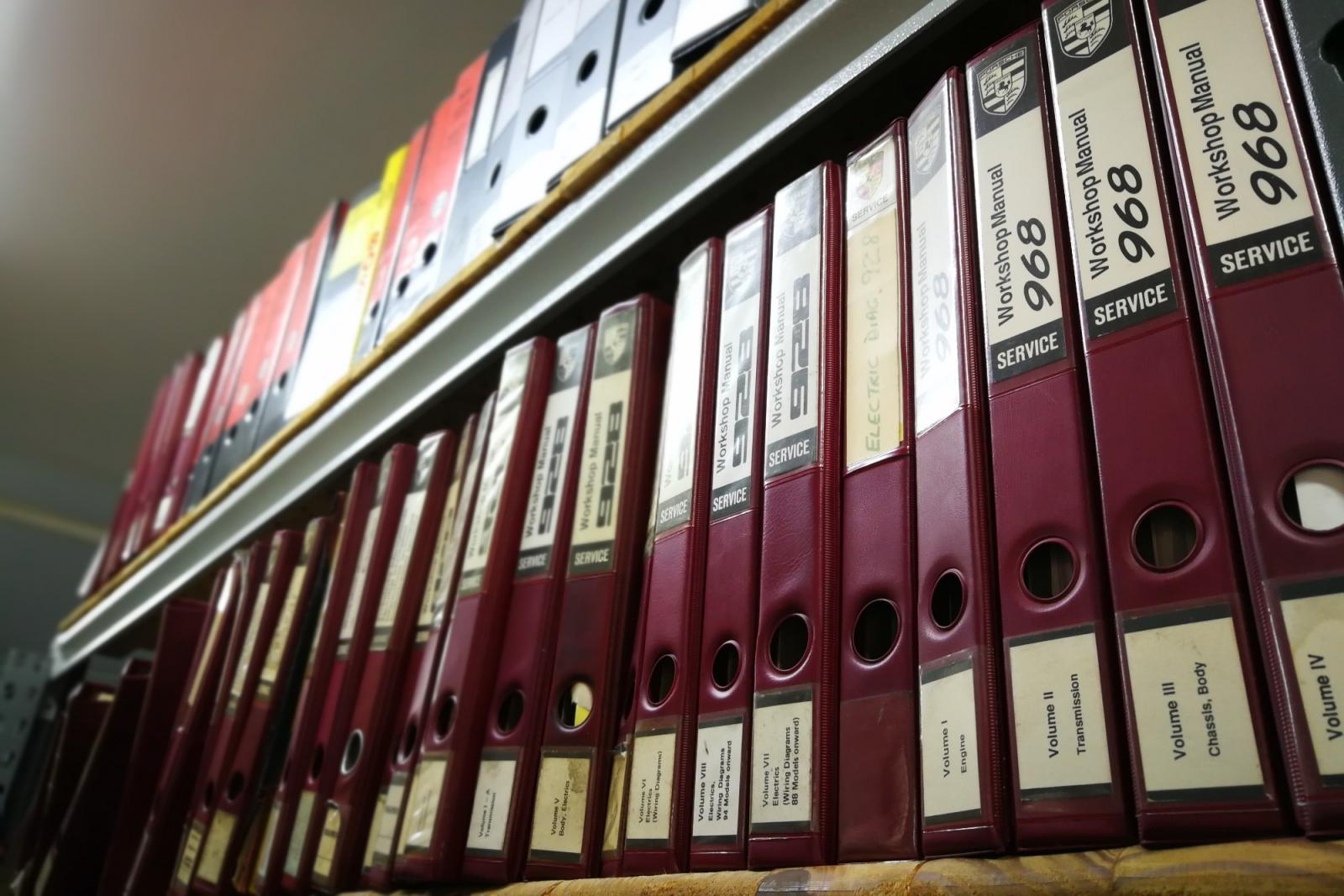
Achieving Classic Partner status is by no means easy – it goes along with intensive training and skills transfer by experts in Germany, as well as regular inspections.
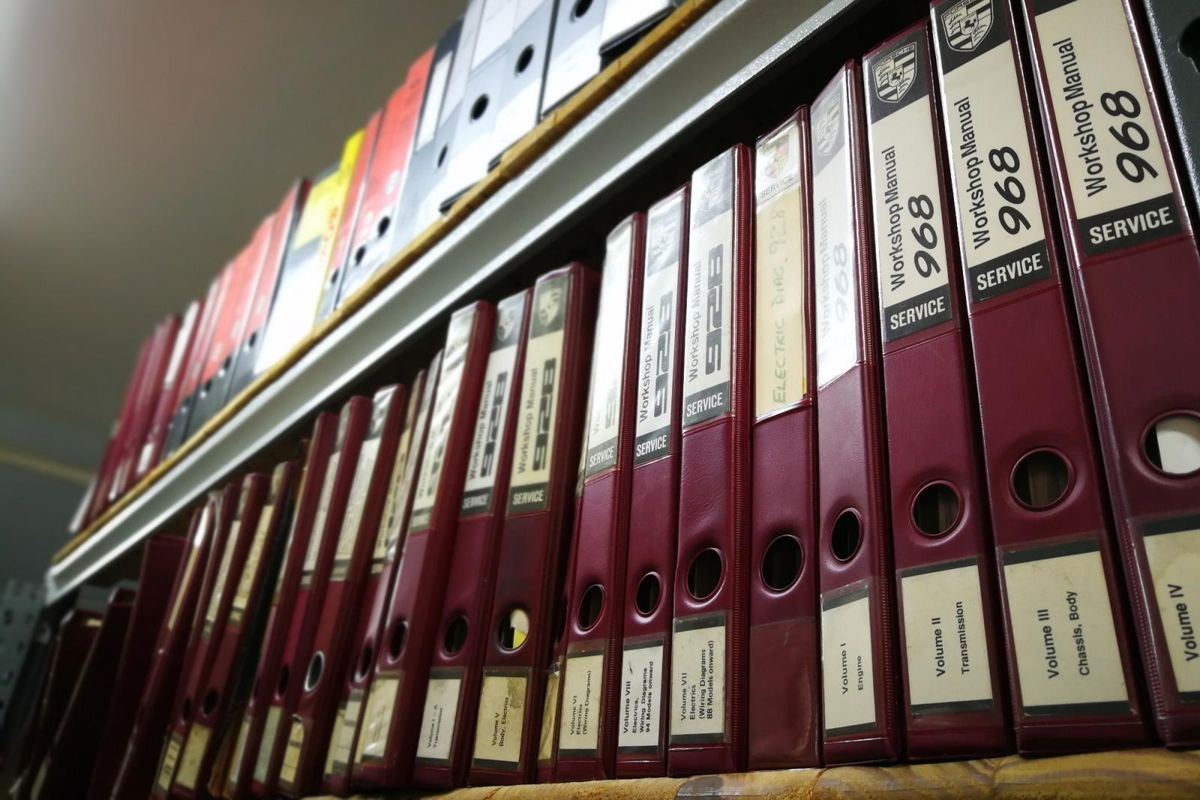
Achieving Classic Partner status requires in-depth training and access to accurate historical information.
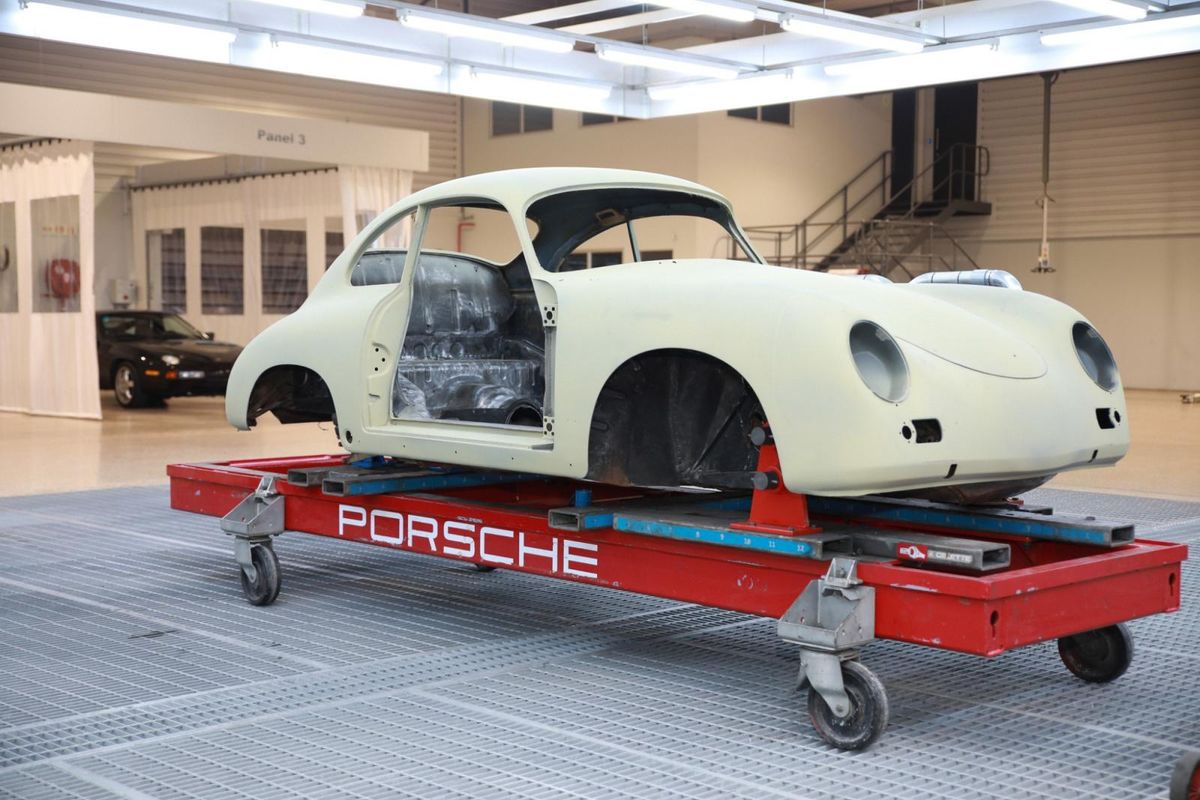
Owners of classic Porsches (interestingly, cars older than 10 years are already considered Classic) now benefit from a full range of services from Porsche Centre Pretoria (and Cape Town). There are more than 52 000 genuine spare parts in the catalogue, for example, and this is added to on a regular basis as Porsche manufactures new parts for older models – it is reported that up 300 new parts become available annually. Those owners who have very special cars can also approach the 2 Centres for partial or complete restorations, using original repair and painting techniques.
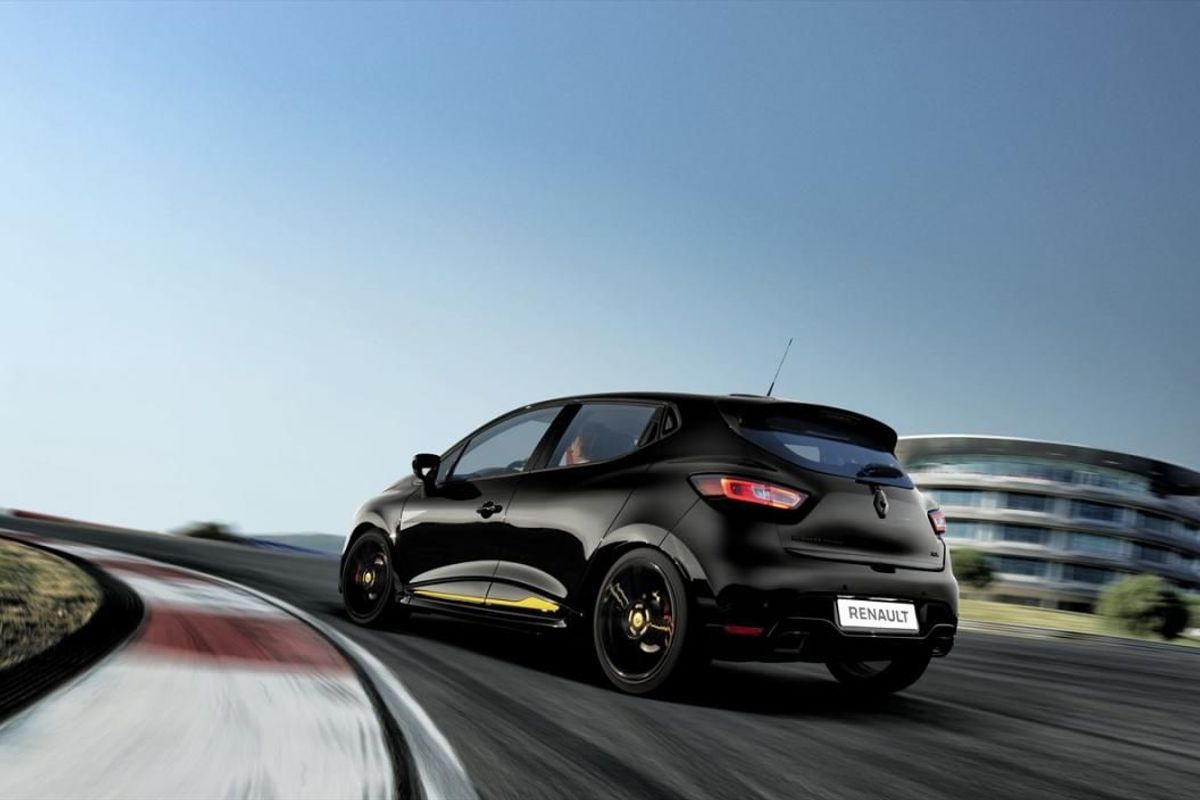
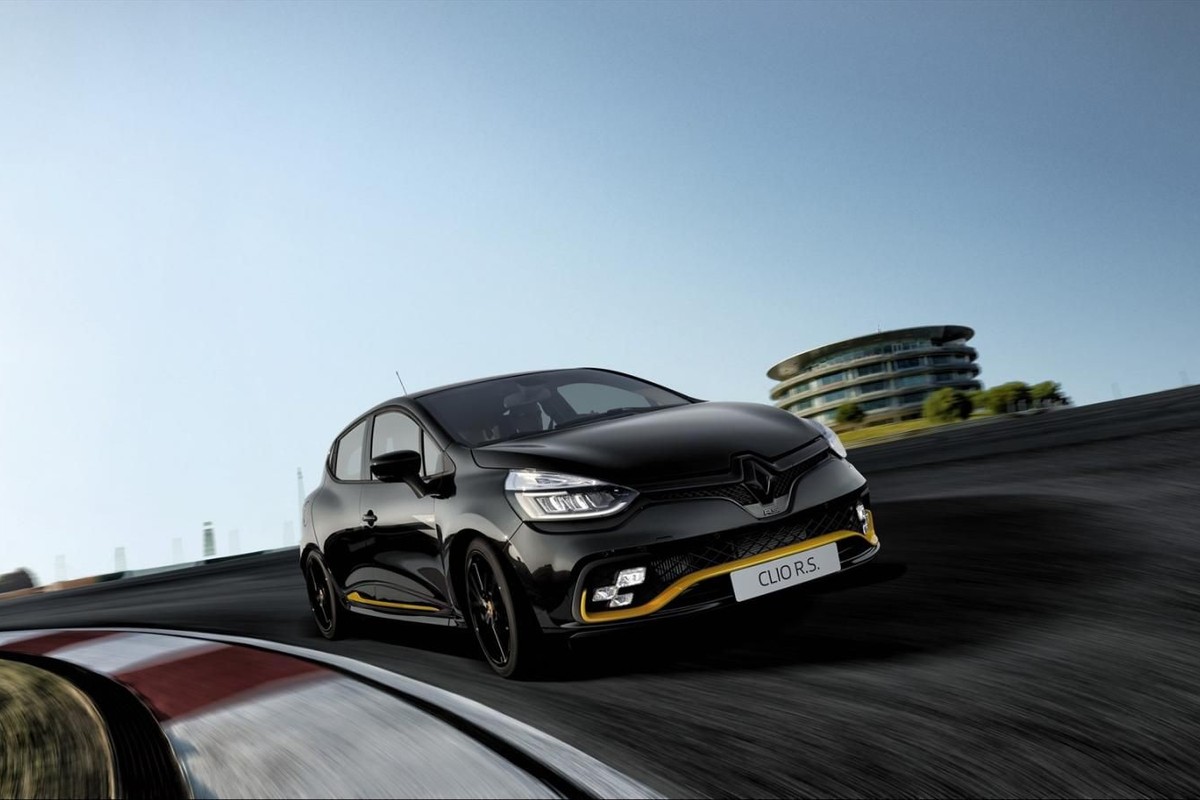
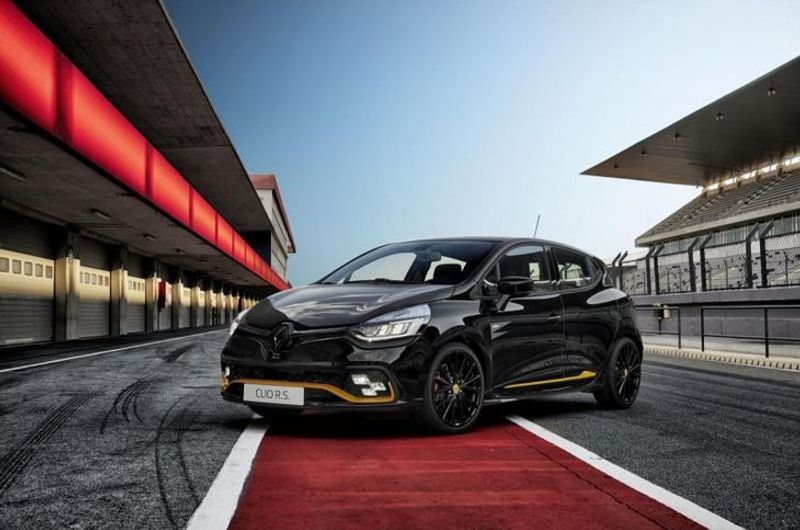
Renault South Africa has launched a limited edition of its hardcore Clio Trophy compact hot hatch. It's called the RS18 F1 and just a handful are making their way to our shores. We got the chance to drive the newcomer at Zwartkops Raceway, west of Pretoria.
The Clio is Renault's most successful model, both in South Africa and globally. With around 13 million sales (more than 68 000 locally), the Clio is the bread-and-butter product for the Paris-based brand. In its latest (4th) generation, in excess of 25 800 units have made their way into South African homes.
Under the RenaultSport banner, the Clio is iconic. Looking back to the pocket rocket Clio Williams, the Clio II 172/182, and Clio 3 197/200/Gordini/R27/20th Anniversary, there have been some notable bang-for-buck performance derivatives in the range. Let's not forget the mighty Clio V6 either: a wide-bodied monster boasting a mid-engined 3.0-litre V6 straight from a Laguna.
The 4th generation of Clio RS took a different route. The naturally-aspirated 2.0-litre 16-valve motor departed, along with the wonderfully precise manual gearbox. It was replaced by a Nissan-sourced-but-RenaultSport-fettled 1.6-litre turbocharged four-pot… and Renault's attempt at making a dual-clutch 'box. It was a good hot hatch, but nowhere near as desirable as its famed predecessors. In an effort to make a day-to-day comfortable and fiendishly-fast hatch, some of that fearsome track prowess and magic was lost. The gearbox was the culprit as it didn't quite deliver the responsive, whip-crack performance that purists craved.
It has taken a facelift and realignment of the portfolio for the Clio RS to become a bit better. The gearbox was improved slightly and shifted faster. Now, as we approach the end of the Clio 4's life cycle, limited-edition models have started to make an appearance. This is the Clio RS18 F1 and only 65 units are making their way here.
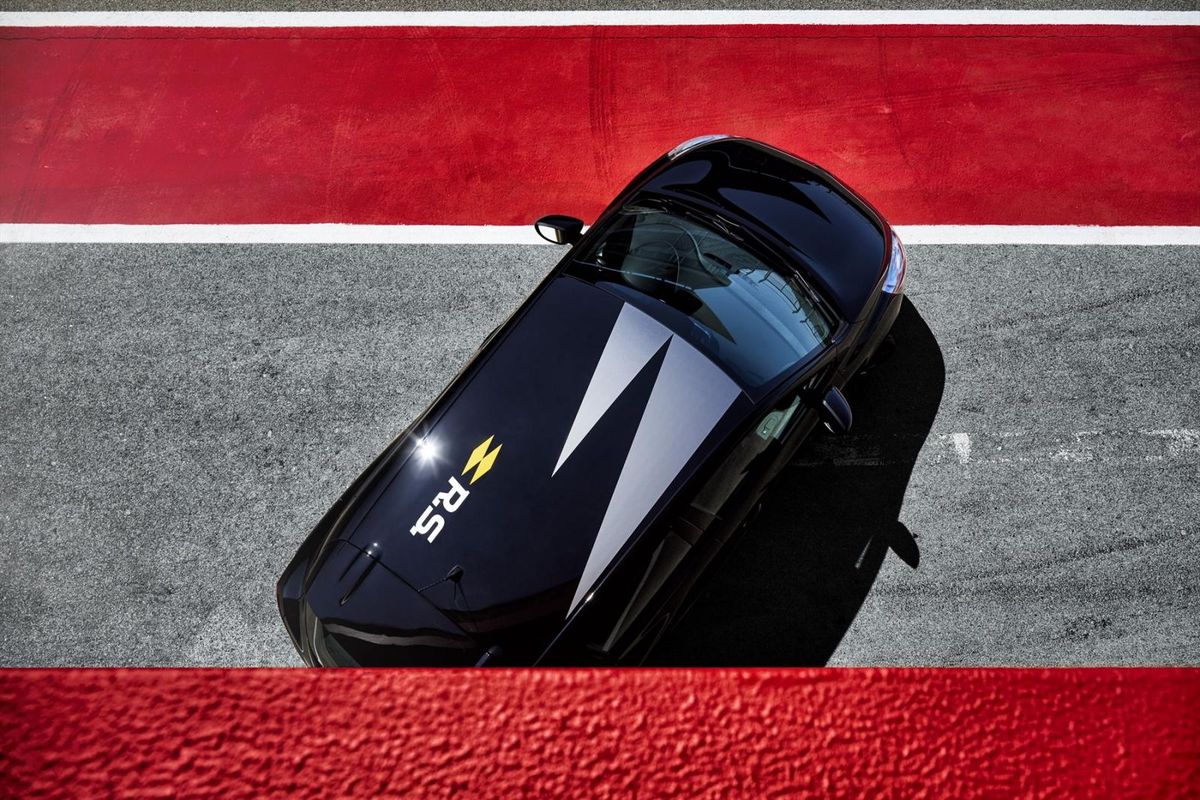
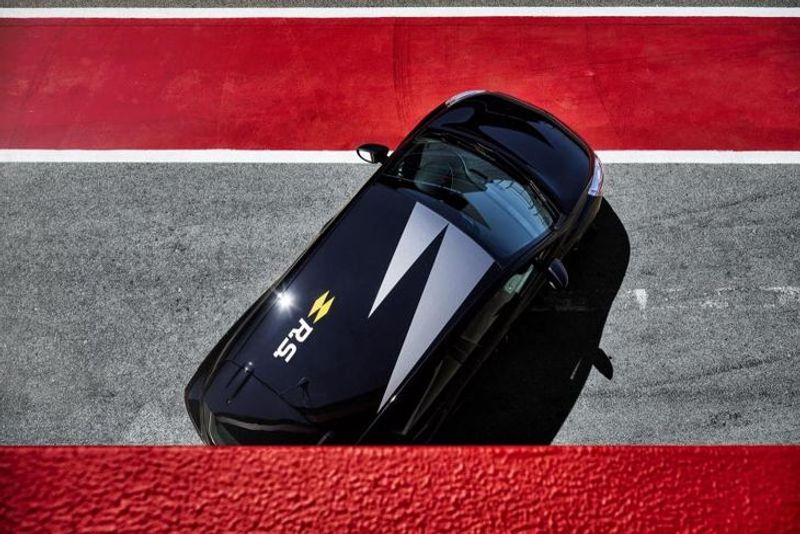
Some smart decals with RS branding make the new Clio RS18 F1 really striking
What is the RS18 F1?
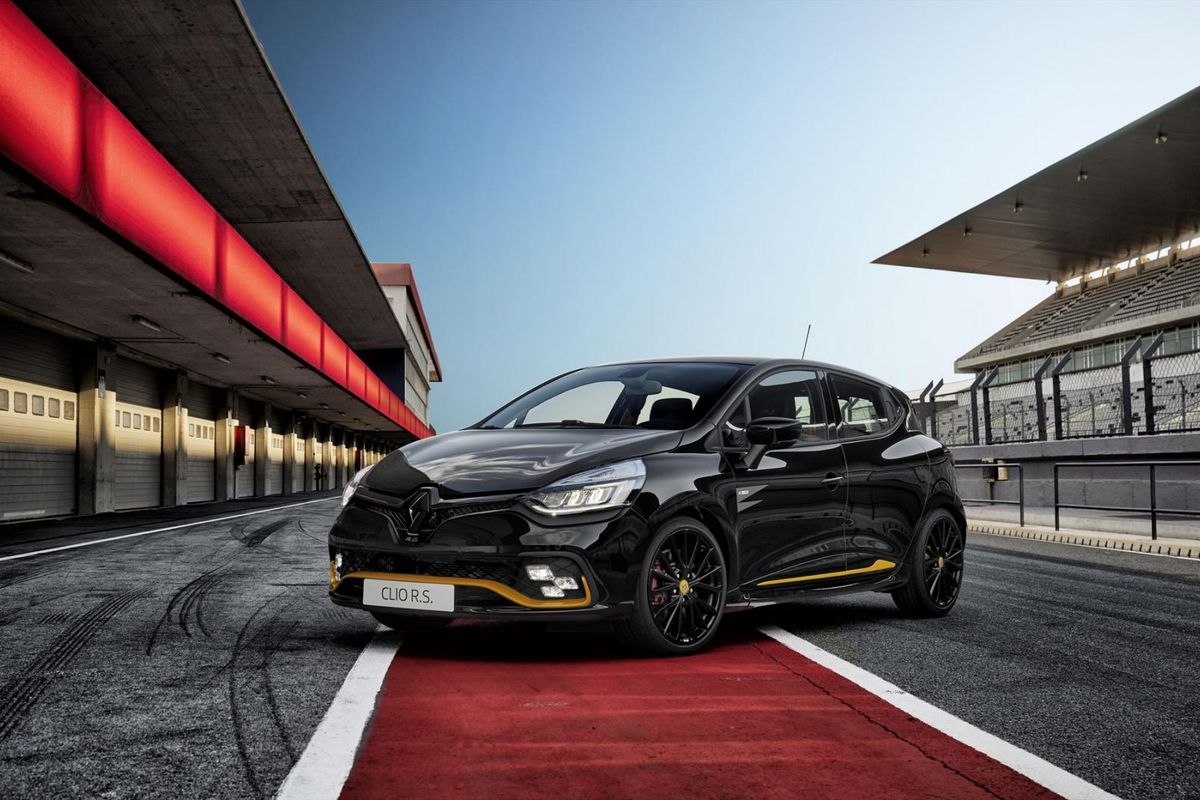
Built to celebrate Renault Sport's involvement in Formula One and sporting the same black and yellow colour scheme as the French marque's racecars, the RS18 is mechanically identical to the Trophy upon which it's based. Aside from the black and yellow paint finish, the badges are blacked out, there are RS decals and blacked-out alloys are added for dramatic effect. There's a slight spec change too as a reverse-view camera makes its debut on the RS18 F1.
It is powered by the same 1.6-litre turbocharged 4-cylinder motor. Power is the same as the Trophy model at 162 kW and 280 Nm, and power is channelled to the front wheels via a 6-speed dual-clutch transmission. The RS Drive button is still there and features three modes: Normal, Sport and Race. Sport is probably your best setting as the gearbox changes quicker, steering is more responsive and the throttle becomes more sensitive. Let's not forget some extra volume from the exhaust tips, either. The Akrapovic system has been retained for the RS18 F1 and while Renault says its the same unit, we think it's a little louder than the Trophy…
In terms of specification, it comes jam-packed. Heated seats, satellite navigation, race telemetry, cruise control, USB/Bluetooth connectivity and plenty of safety features are all standard.
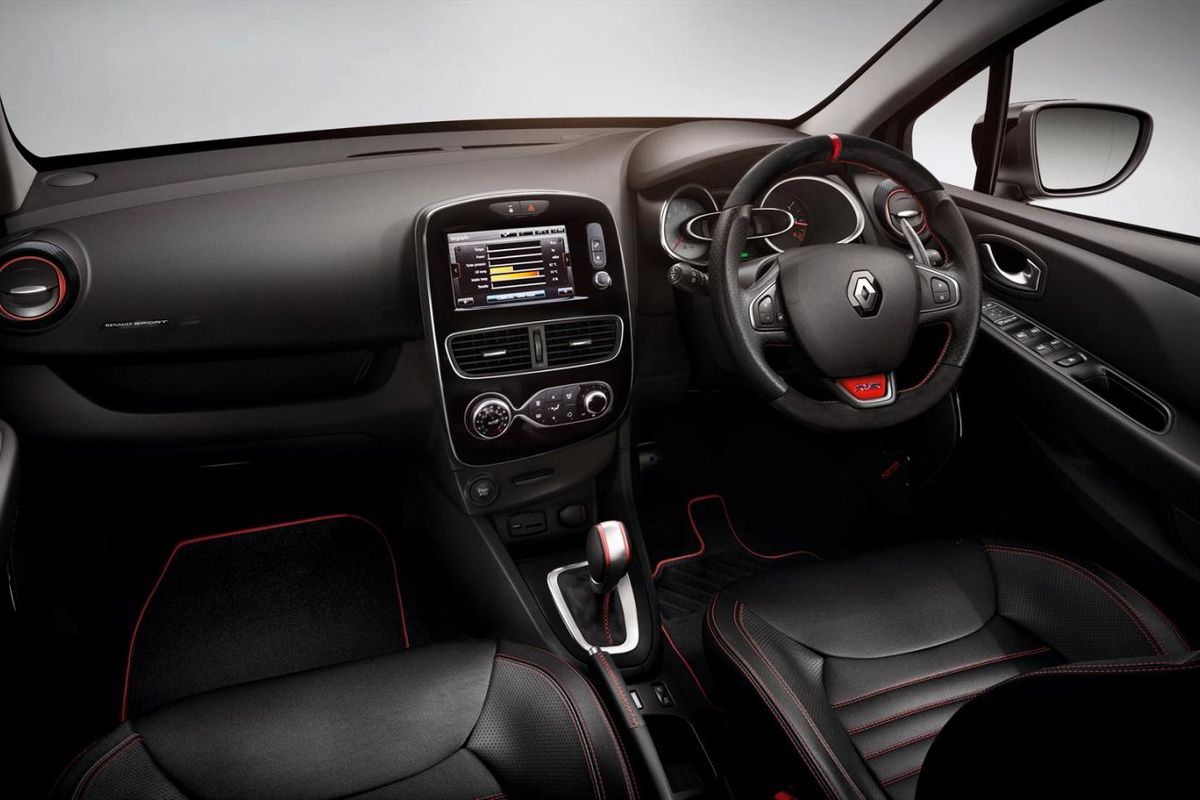
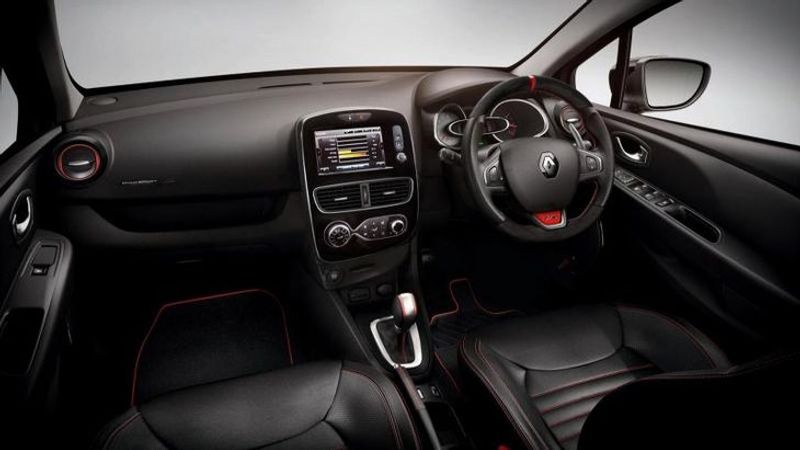
It's business as usual here with the RS18 interior. Plenty of sporty touches like red seatbelts and RS stitching on the sports seats
What's it like to drive?
We had the chance to put the newbie on the track at the Zwartkops Raceway, West of Pretoria. It's a fairly straightforward circuit, with 1 or 2 corners that really test your concentration and skill and it's a layout which suits the pocket rocket abilities of the Renault Clio RS18 F1 to a tee. The car is sold with performance tyres in the form of Michelin Pilot Super Sports, which are decent.
Thanks to a well-sorted chassis and prodigious grip offered by the front tyres, the Clio RS18 F1 is jolly good fun to pilot around the small track. Each gearshift prompts a terrific thump out the exhausts and it's only when you're blasting down the back straight at an indicated speed of over 140 kph that it feels as if the Clio is about to run out of puff. In the low-gear corners, it's an absolute demon and you find yourself constantly pushing harder in an effort to try to find the limits of adhesion. When it does let go, it's completely manageable and turns to neutral understeer, itself an easy problem to solve.
The trick we found was that you had to have the car in its most aggressive setting: Race. A little racing helmet icon lights up on the dashboard to let you know that things are getting serious and for those who aren't aware, the traction control reins are very relaxed. The gearbox changes are fastest in this setting and this is how it should be all the time. In Normal mode, it's a casually-shifting 'box, which, depending on your preference, can detract from the overall driving experience. We'd also appreciate it if the gearbox paddles were mounted to the wheel, as opposed to being fixed to the steering column.
The brakes are excellent and after 6 reasonably hard laps, they showed no signs of fade. The back end does lighten up dramatically when you really stand on the anchors, which is disconcerting for the first-time user, but you soon become accustomed to the weird sensation. Thanks to the quick steering, good rubber, clever e-diff, and excellent front grip, you can nail that throttle early through the corner and the car responds beautifully. In terms of acceleration, Renault claims a 6.6-second sprint from 0 to 100 kph and given the savagery of the launch control function, it feels like its accelerating substantially faster.
Summary
With its black and yellow paint to mimic the Renault F1 team, the Clio RS18 F1 looks the part
We're not going to beat around the bush here, the asking price of R449 900 is steep in comparison to its rivals. But, when you take into consideration the fact that the Clio RS18 F1 comfortably outpunches both the Ford Fiesta ST and the Volkswagen Polo GTI in terms of engine outputs and claimed acceleration times, and blows both into the weeds when it comes to standard specification, it can, sort of, justify the price tag. However, the new generation Volkswagen Polo GTI will be launched in South Africa shortly and while pricing is not yet officially confirmed, we suspect it'll be under R400 000.
It'll take a few options to bring the Polo GTI up to the level of the Renault Clio RS18 F1, but even then, it should be cheaper. What exactly are you paying for, then? The answer is exclusivity as Renault South Africa has just 65 of these little track monsters for sale. Critically though, the outgoing Ford Fiesta ST is a winner in our eyes in terms of fun factor. It boasts a 1.6-litre turbocharged engine mated to one of the sweetest little 6-speed manual transmissions around. It too is about to be replaced by a 1.5-litre three-cylinder motor and if the initial reports are to believed, it will be a deeply impressive too. There's food for thought.
What can Renault Sport do to counter the new rivals? 2018 will see the chapter on Clio 4 draw to a close as Clio 5 is almost ready to go into production. Rumours are rife that the new Renault Clio 5 will be revealed at the Paris Motor Show towards the end of the year, with an expected local market introduction in SA sometime in 2019. The next-generation Renault Clio RS could arrive in South Africa in 2020. As for this Clio RS18 F1, its a tremendously entertaining little car around a race track and those 65 owners will have the pleasure of owning something rare.
Renault Clio – price in South Africa (May 2018)
As with Renault’s entire range, the Clio models come standard with a 5-year/150 000 km warranty. The Clio range also offers a standard 3-year/45 000 km service plan with the R.S. being 3-year/ 30 000km. Service intervals are set at 15 000 km, with R.S. models at 10 000 km.
It's time for 2 titans of the super saloon market to go head-to-head in a quarter mile drag race. BMW's M5 takes on the Mercedes-AMG's E63 S.
If you haven't already seen it, these 2 cars have already faced up in our 'will it drift?' video. Spoiler alert: they do, and we knew that going in, but we had a track and the cars available so why not? Check that video out here – https://www.youtube.com/watch?v=7Zjogb7XqNY
Thanks to all-wheel-drive, these 600 hp (450 kW) saloons now reach 100 kph from a standstill in around 3.5 seconds. These are the unlikely new drag race superstars.
The E63 S weighs slightly more than the M5 but has 850 Nm of torque, 100 Nm more than the BMW. But in our experience, BMW seems to have some secret sauce when it comes to taking on the quarter mile.
In one of our closest drag races ever, we bring you two races between these two Teutonic super saloons.
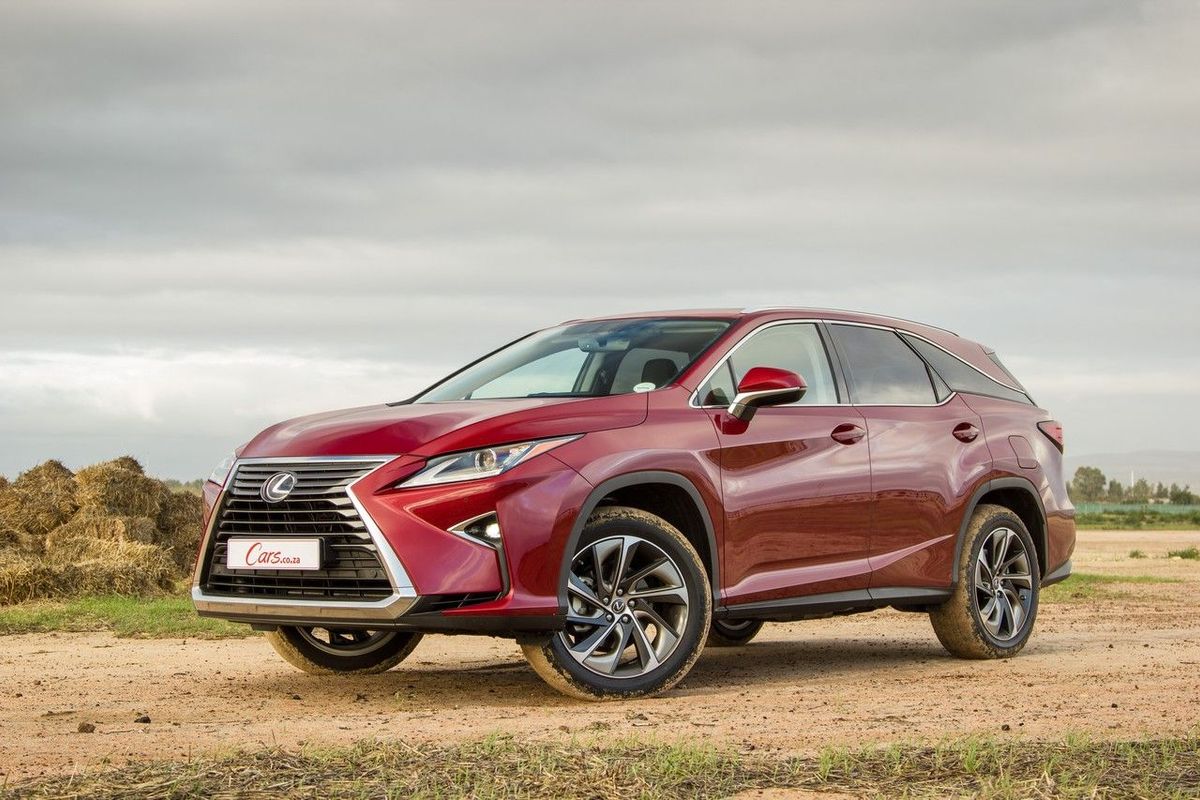
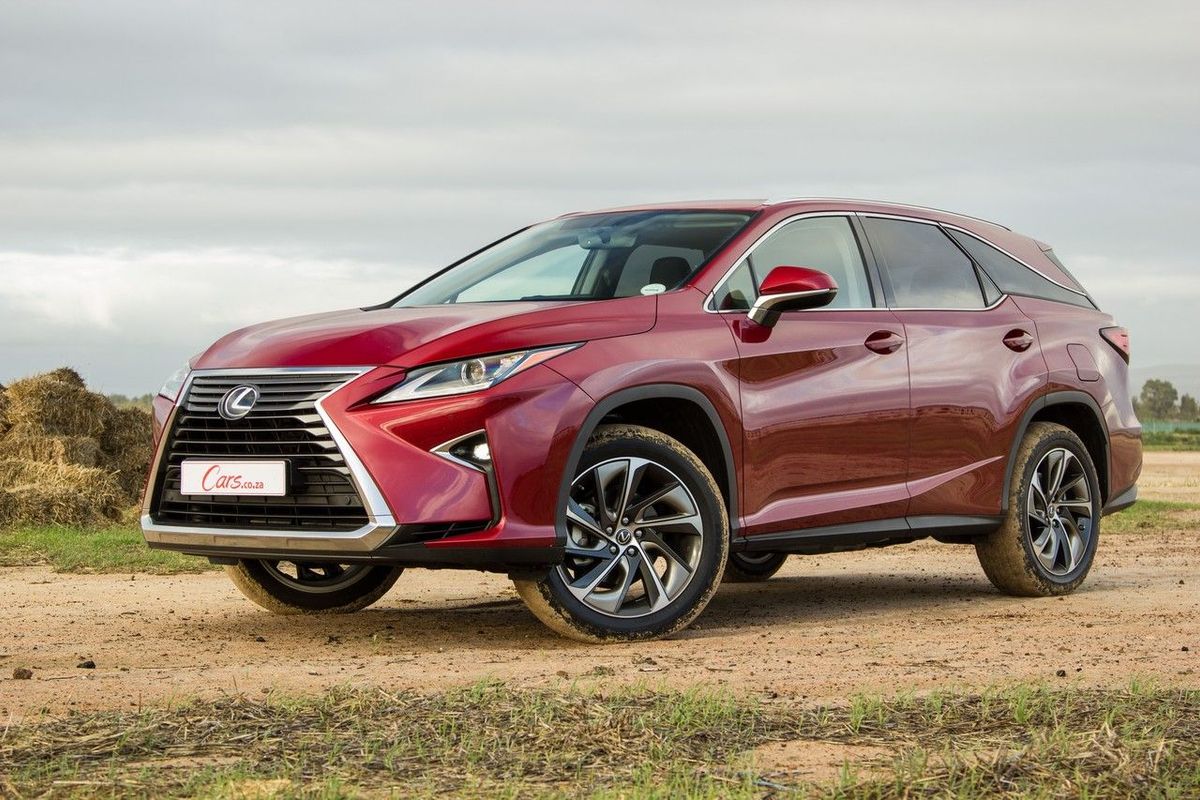
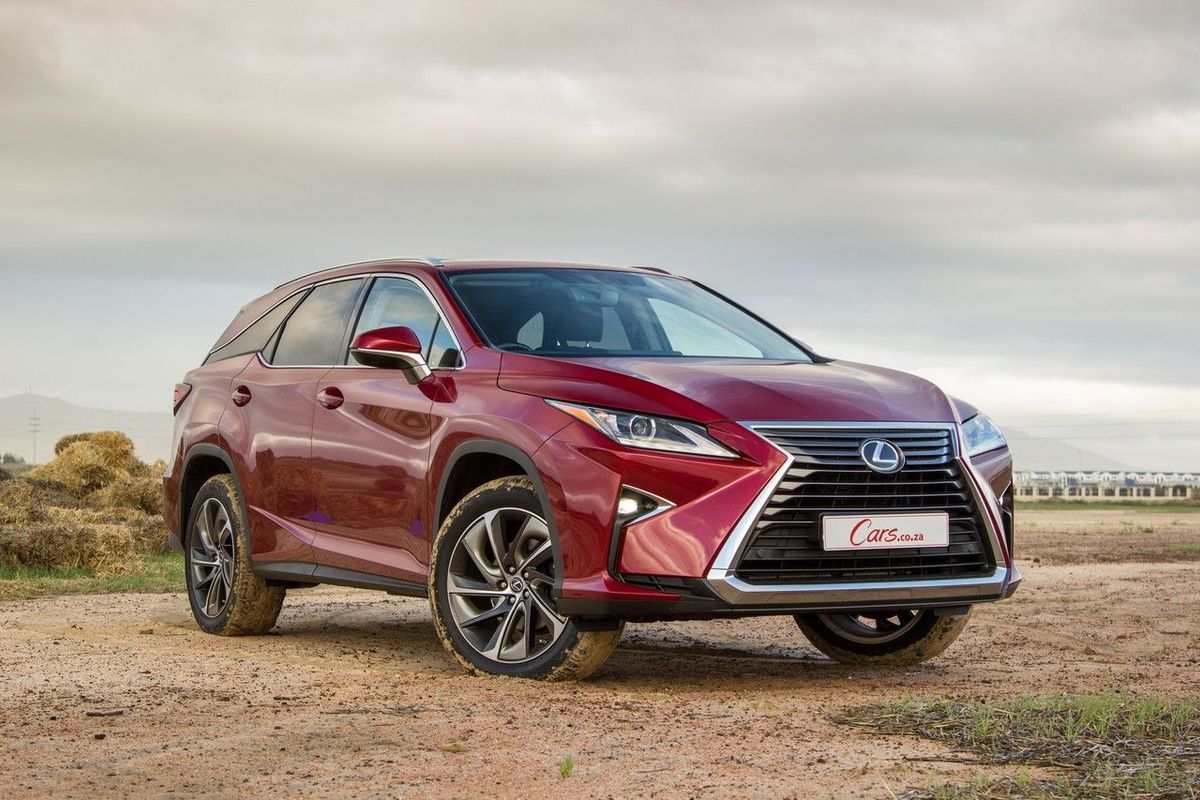
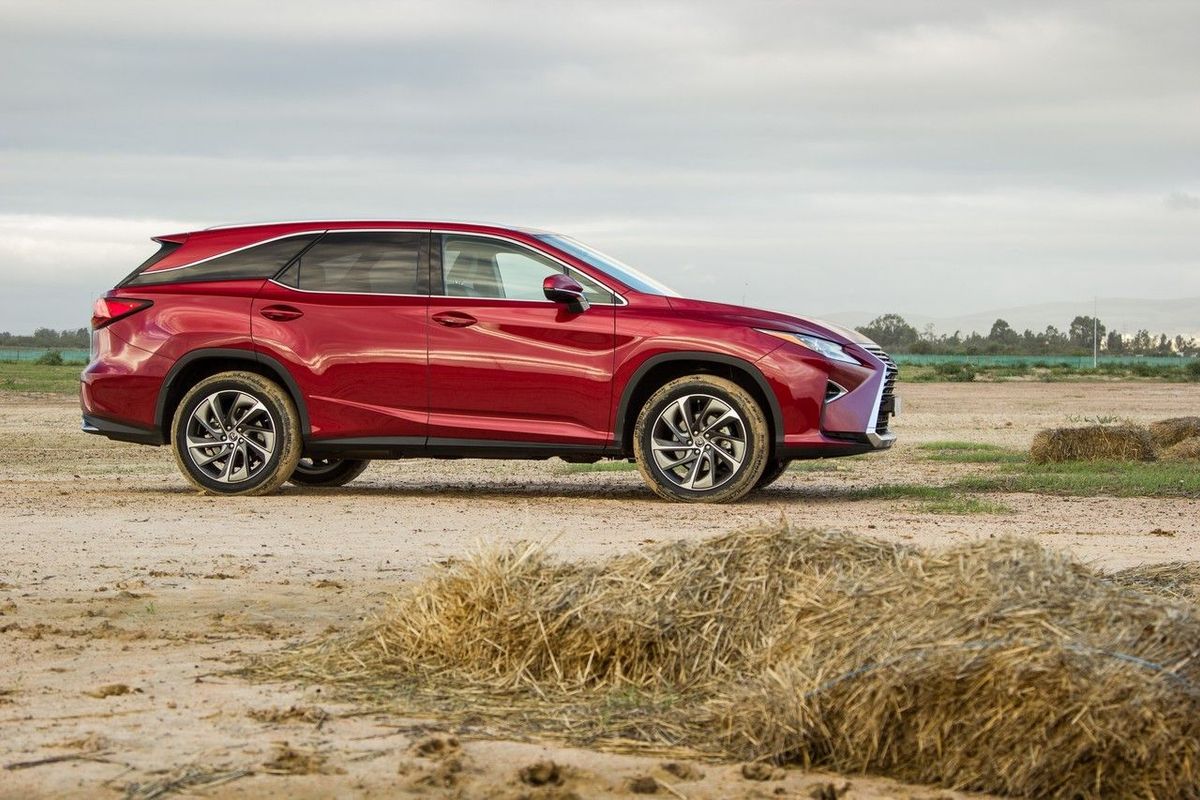
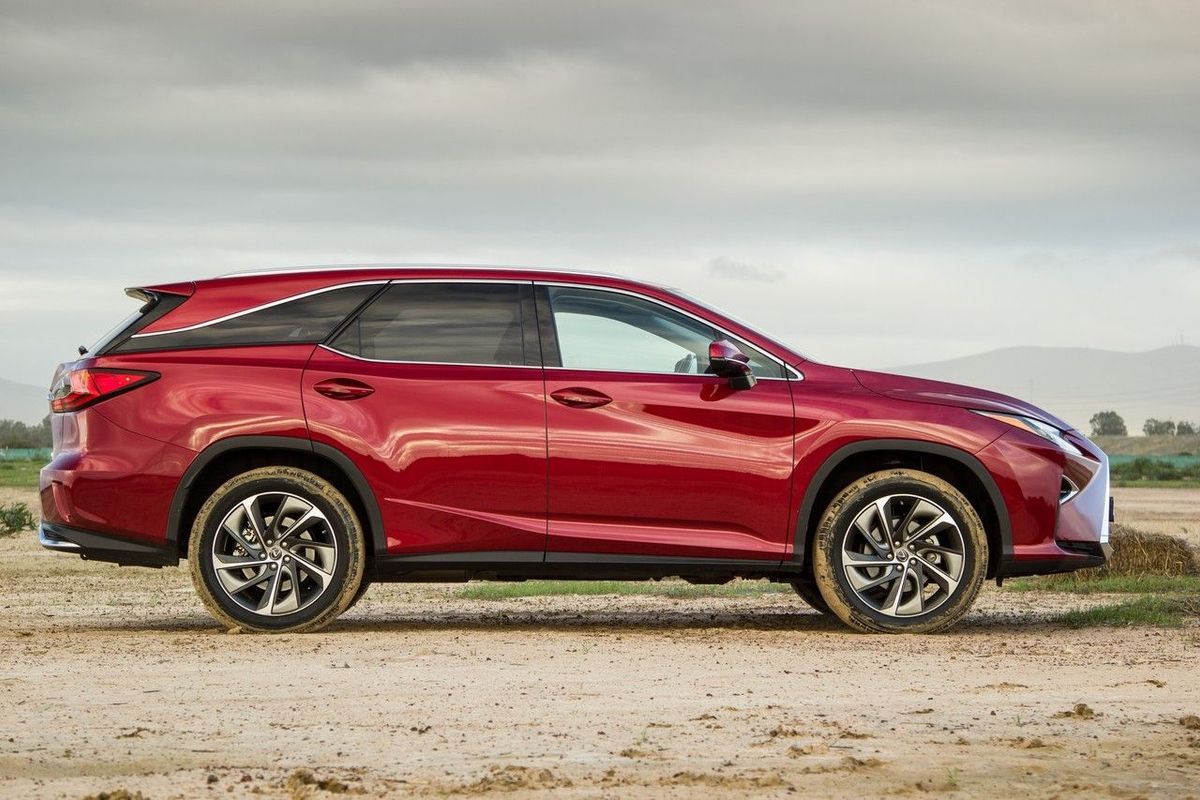
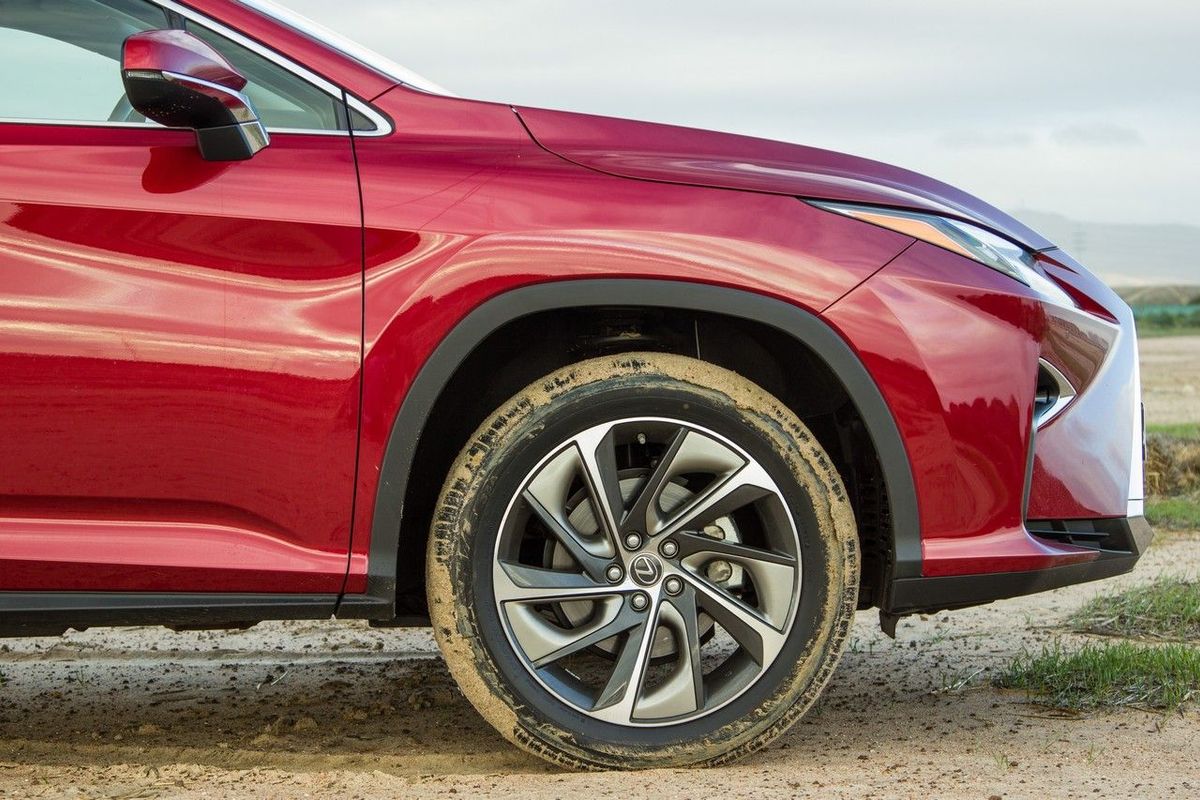
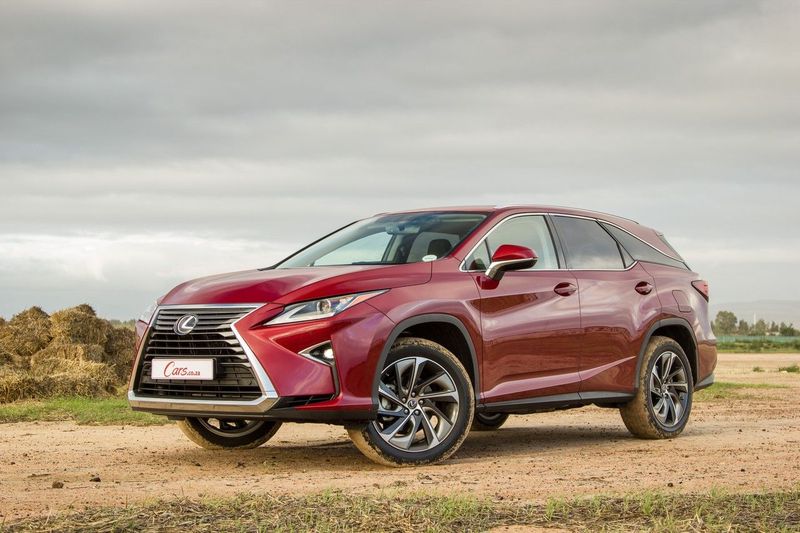
Lexus recently added a new 7-seater version of its RX premium SUV to the local market. We've always admired the standard car, but compared with its German rivals, it's been largely ignored by the buying public. Could this new derivative garner more support?
We like: Exceptional build quality, ride refinement, overall comfort, standard equipment, improved practicality
We don’t like: Finicky infotainment control system, slow tailgate, slow 3rd-row seating operation
Alternatives:
Smooth German: On the radar at this price level is Audi's Q7, which is only offered in 3.0 TDI guise at present. You'll have to spend an extra R23 100 to get a 3rd row of seats, and quite a lot more to match the Lexus' spec. The Audi is very well packaged, more economical and similarly refined and, of course, comes with a tad more status. It's also more spacious.
Award-winning Swede: The Volvo XC90 has emerged victorious in the Premium SUV category of the Cars.co.za Consumer Awards – powered by WesBank, for 3 years in a row. Well-priced and specced, you can have a turbopetrol T5 or a turbodiesel D5 derivative for similar money, especially given the incentives currently on offer on this vehicle.
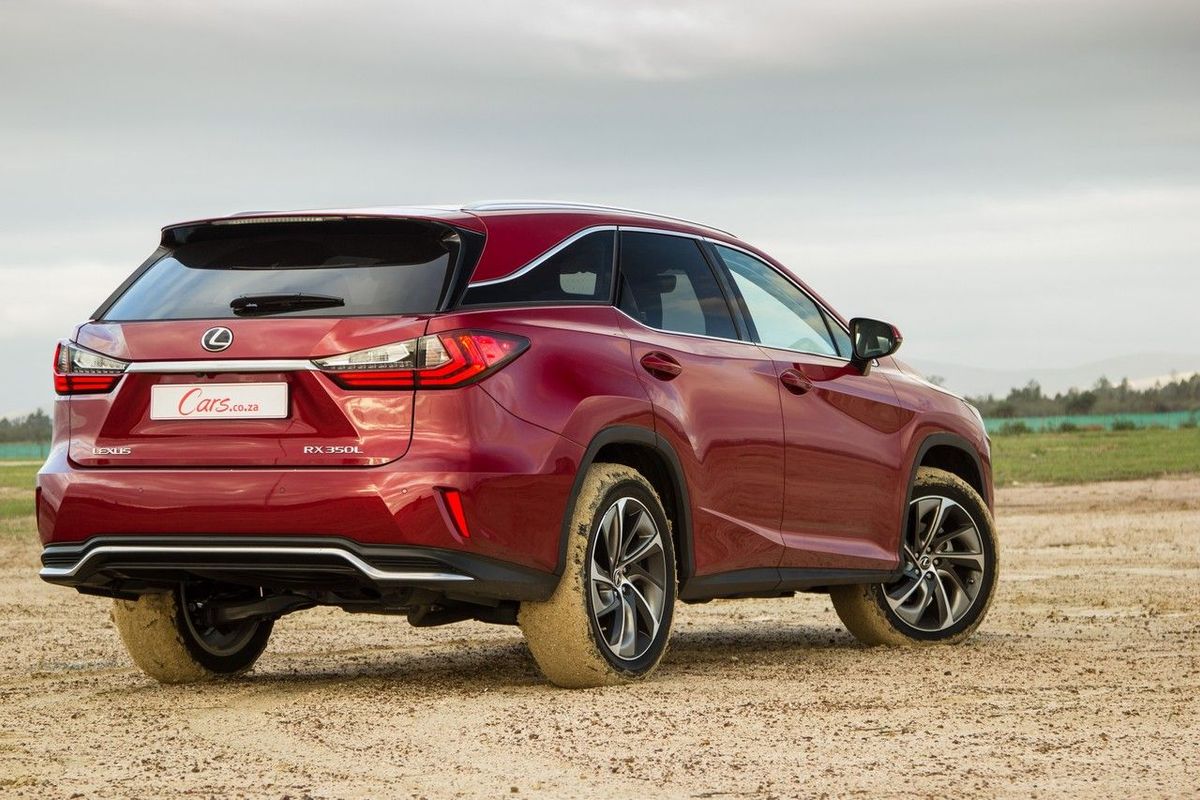
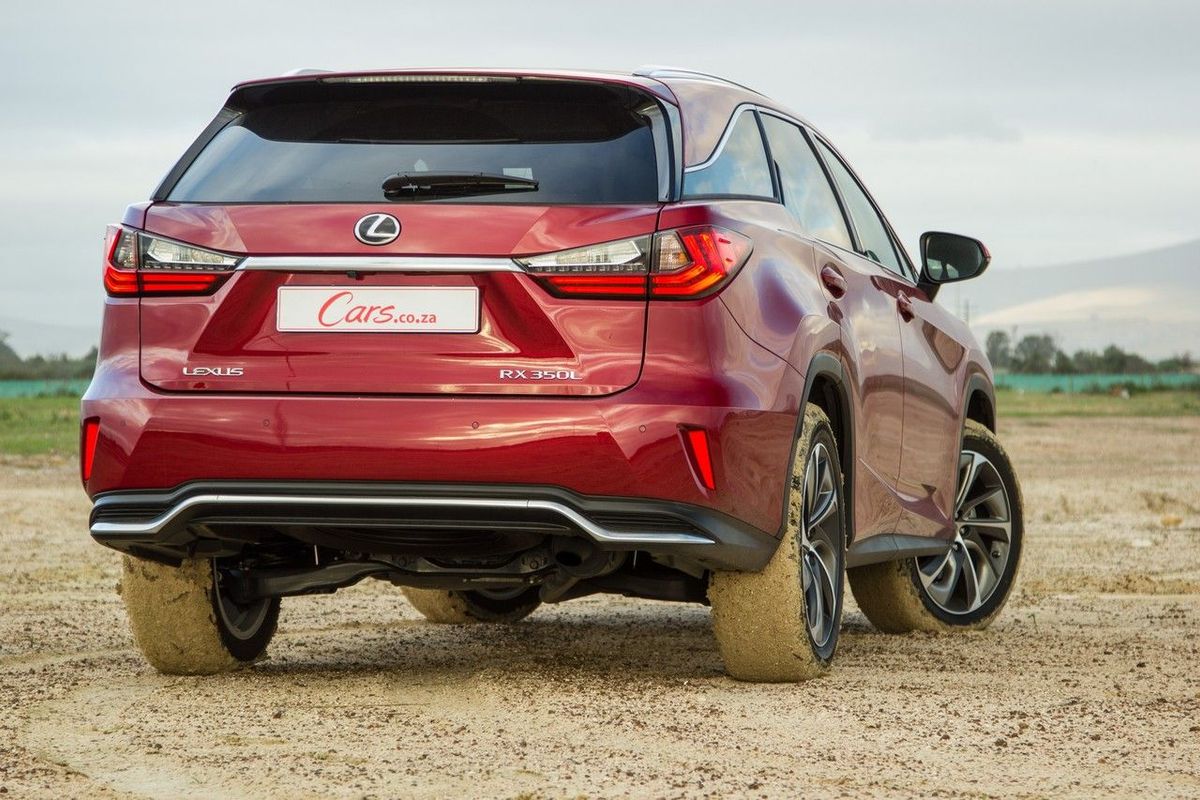
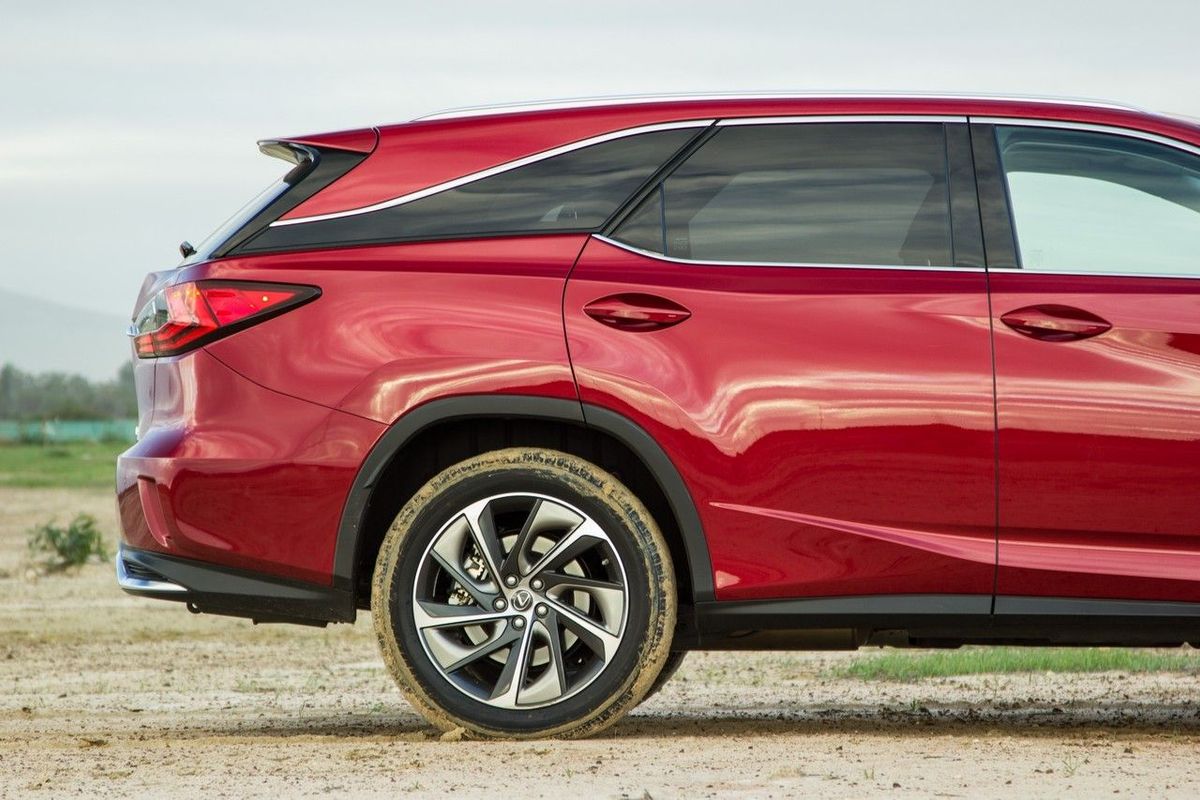
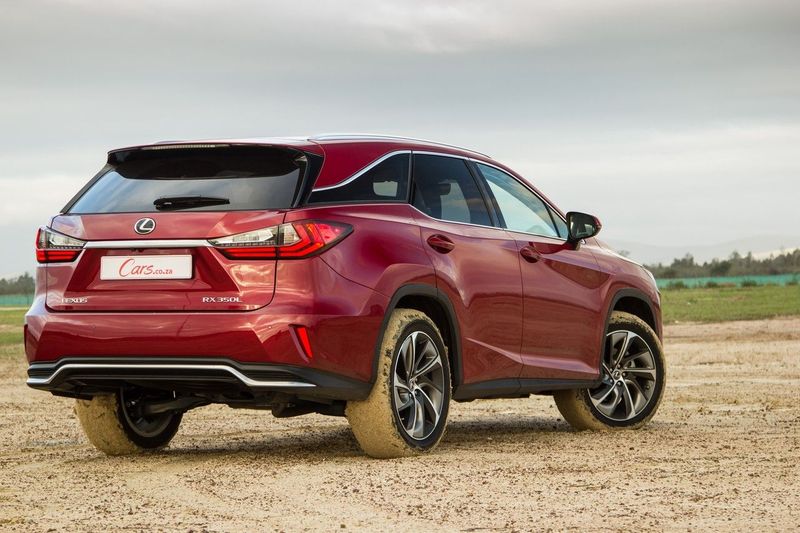
With its more upright tailgate and extended body, the RX 350 L may lack the "sportiness" of the regular model but the upshot is more space in the rear.
We were impressed with the standard (5-seat) RX 350 when we tested it back in 2016 (read that review here), but the one area in which it lagged the class front-runners was practicality. Although the regular RX 350 offers reasonable rear legroom (which is adjustable, thanks to its sliding bench), it is short on luggage space and whereas several rivals offer the option of 7 seats, the Lexus doesn't. Well, now that is no longer the case, Introducing the new RX 350L, replete with an extended body, raised roofline and 3rd-row of seats. Best of all, it costs just a tad over R30 000 more than the standard version, making it, arguably, the better buy.
The Good
Improved practicality
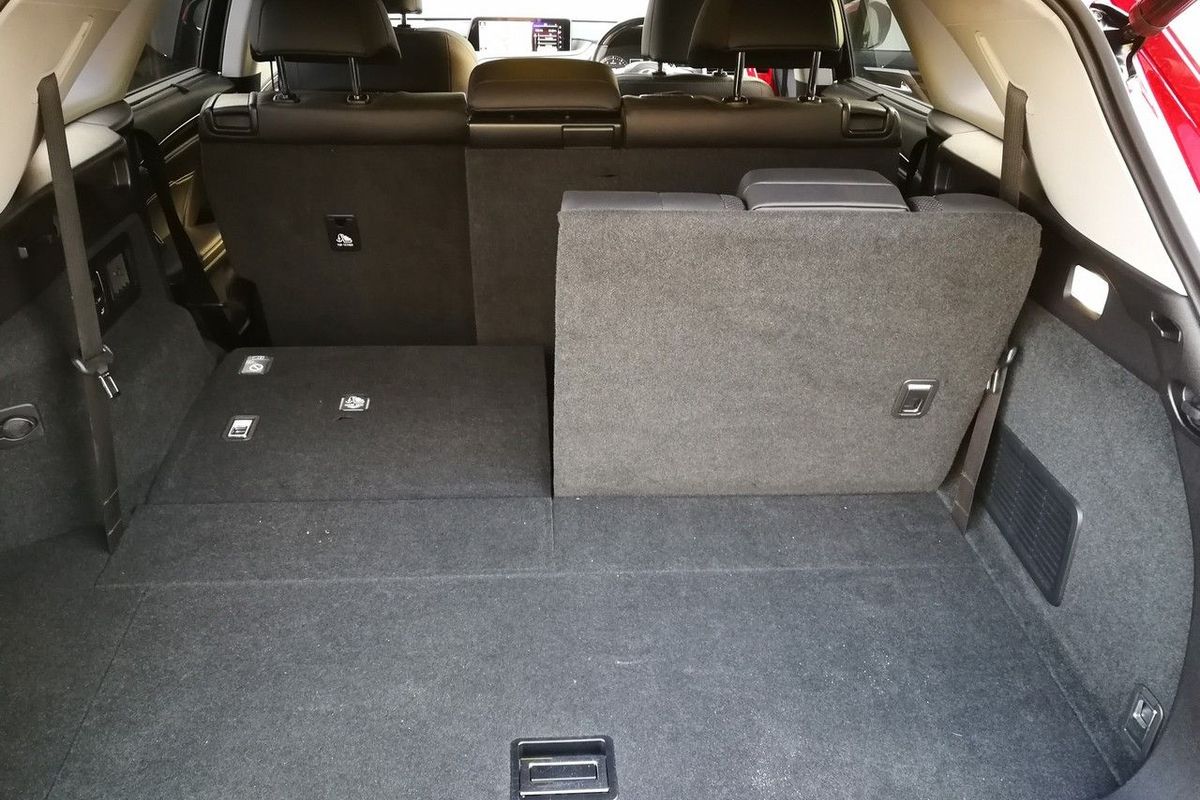
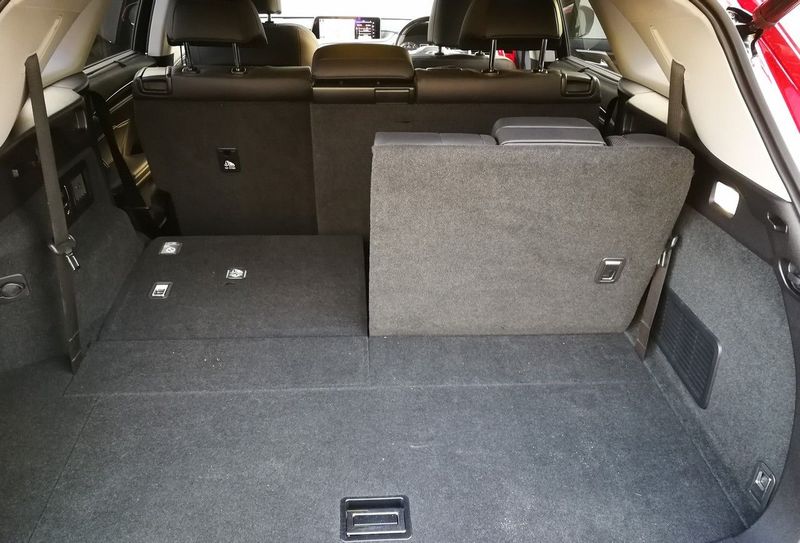
The luggage bay is bigger than the 5-seater model's, and even with the 3rd row occupied there is some usable space left.
When we previously tested the 5-seater RX 350 EX we commented that those seated in the 2nd row could find the headroom slightly lacking. That was due to the almost fastback styling of the regular model, which has a quite rakish rear-end. On the other hand, rear legroom was always good and occupants could slide their seats fore/aft as required. As far as the luggage space was concerned, the standard model's practicality couldn't match those of most of its rivals, not only because of the sloping tailgate, but also due to the raised floor, which is a consequence of offering a full-size alloy spare wheel.
This new L version attempts to address all of those concerns. First of all, Lexus stretched the bodywork of the standard car by 110 mm, raised the roofline by 10 mm and adopted a steeper tailgate design. You may think that all of that was done to simply squeeze a third row of seats in there, but those changes also improve comfort levels for occupants in the 2nd row. For one, headroom is improved, and the base of those middle-row seats can now slide a further 45 mm forward, if required. This change also improves access to the 3rd row, which can be done by simply using a lever to fold and slide the middle row forward.
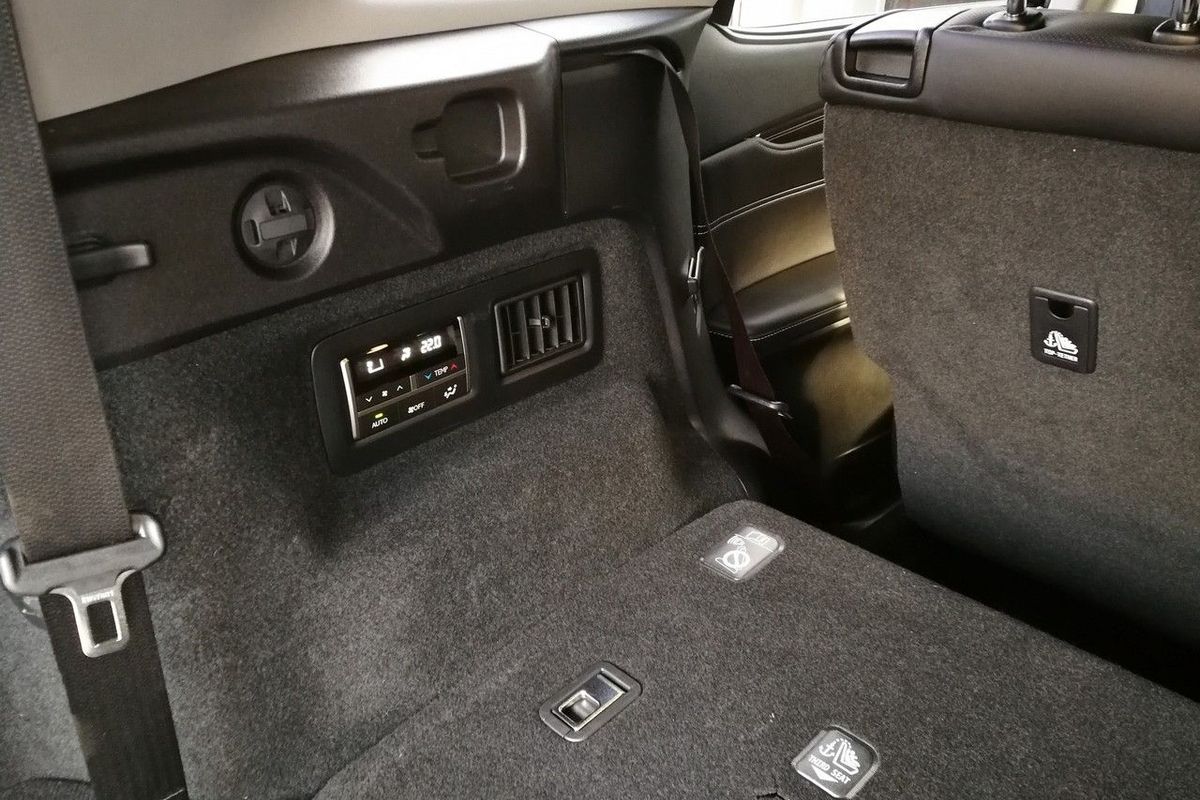
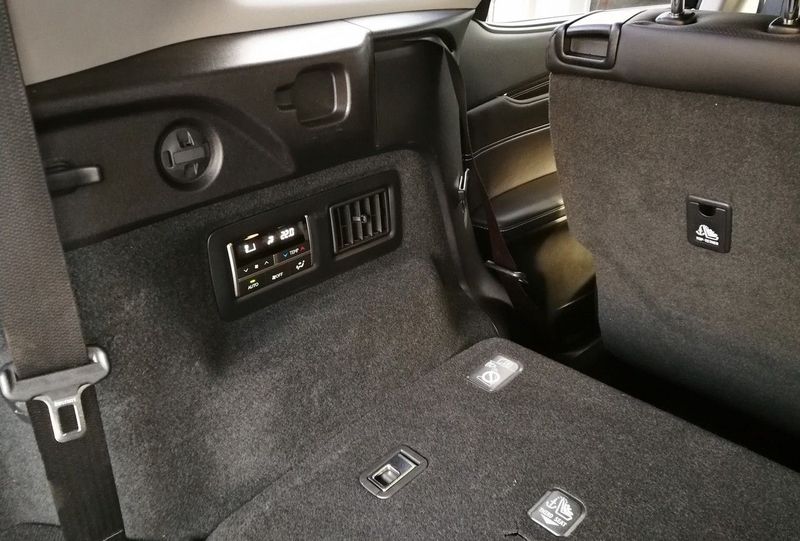
There is a separate climate control panel for 3rd row occupants, but the air outlet is mounted low.
The two rearmost seats are, of course, still better suited to smaller adults or kids, and not really meant to accommodate adults on extended trips. Still, Lexus has added a separate climate control panel for rearmost passengers as well as a pair of cupholders. If you don't need the rear seats they fold away easily – but slowly (electronically) – and the luggage bay becomes reasonably large (432 litres), but not too much bigger than the boot of the 5-seater… The automated tailgate is still, regrettably, as painfully slow in operation as the 5-seater version's. It's also worth noting that the L doesn't have the full-size spare that minimises the luggage capacity the 5-door version – it has a space saver instead. So, overall, the gains are somewhat more marginal than you may have expected (or wanted), but gains they nevertheless are…
Superb comfort and refinement
Excellent front seats (with 10-way adjustment, heating and cooling functions) are part of a comfort-oriented cabin.
More often than not, the level of comfort availed by a vehicle largely depends on the occupant space it offers. In the case of this RX 350L, occupant space has been improved, which means that, combined with the otherwise high levels of comfort already evident in the 5-seater version, this new L is off to a very good start.
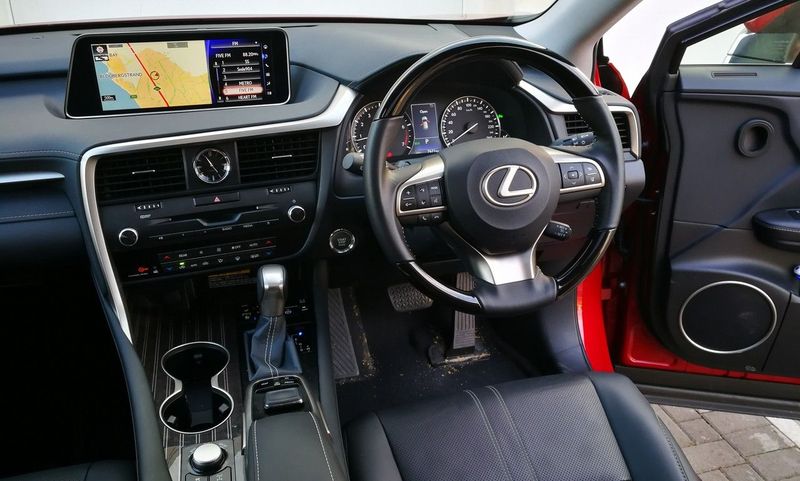
Unlike other offerings in the premium SUV segment, the RX 350L eschews sportiness for old-school luxury and comfort. The seats are soft, generously padded and, in the case of the front chairs, 10-way (electrically) adjustable. What's more, the cabin is laced with soft-touch surfaces and tasteful detailing; it exudes grand build quality.
We love the flat surfacing of the fascia, for example, because on long road trips, which the RX 350L will undoubtedly undertake, the front passenger can use it as a "shelf" for reading material. Other nice touches include capacious storage bins in the doors and middle-row occupants have access to a pair of 5V USB ports. The RX has a vault-like cabin, one that remains hushed on the open road and the excellent ride comfort further boosts the overall sense of being pampered.
All the toys are standard
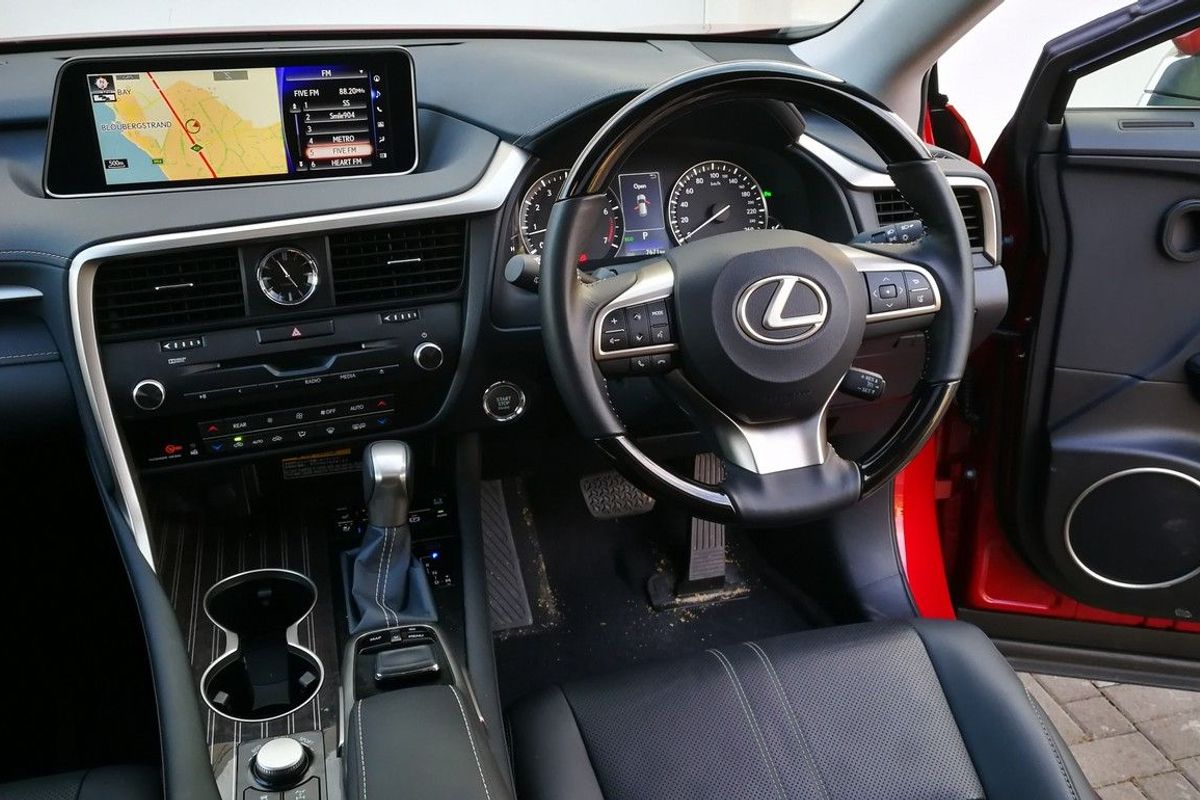
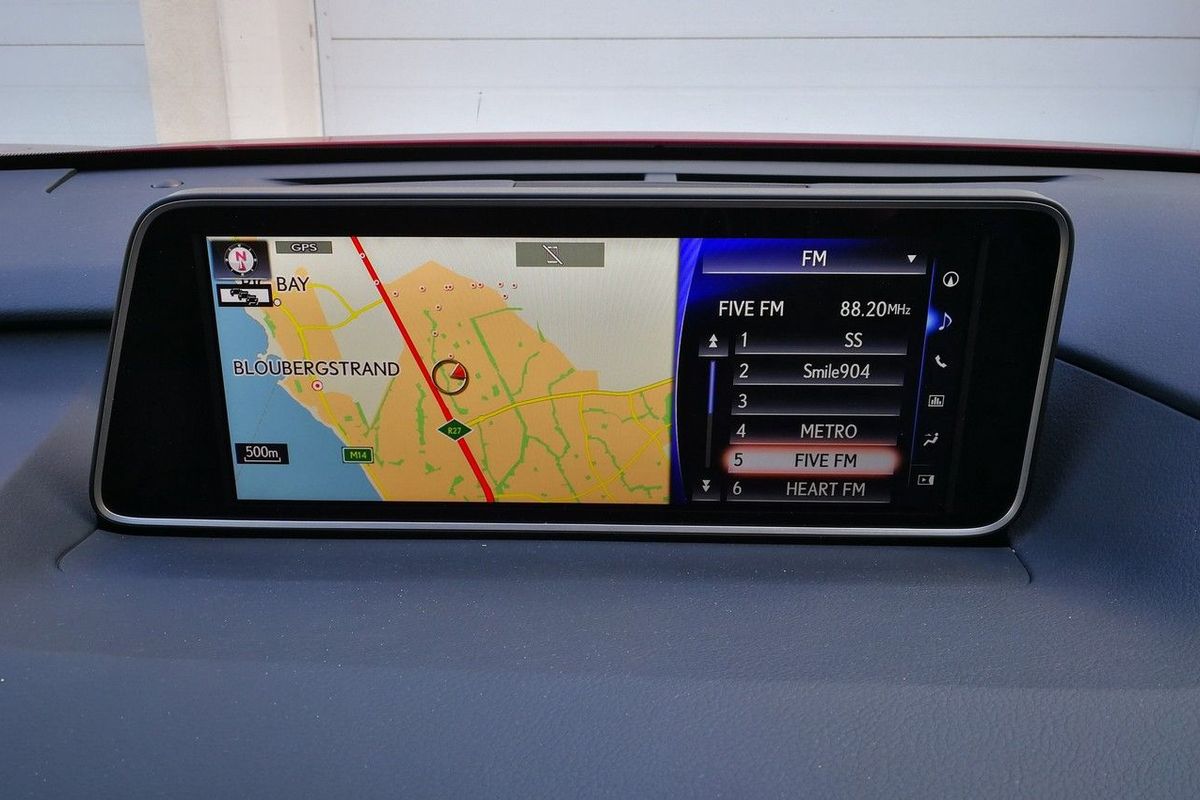
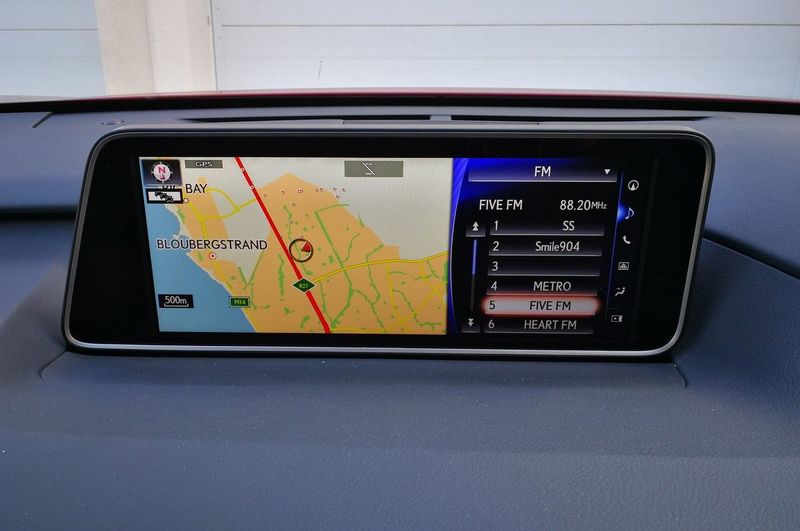
The infotainment system includes a large, clear 12-inch display with integrated navigation.
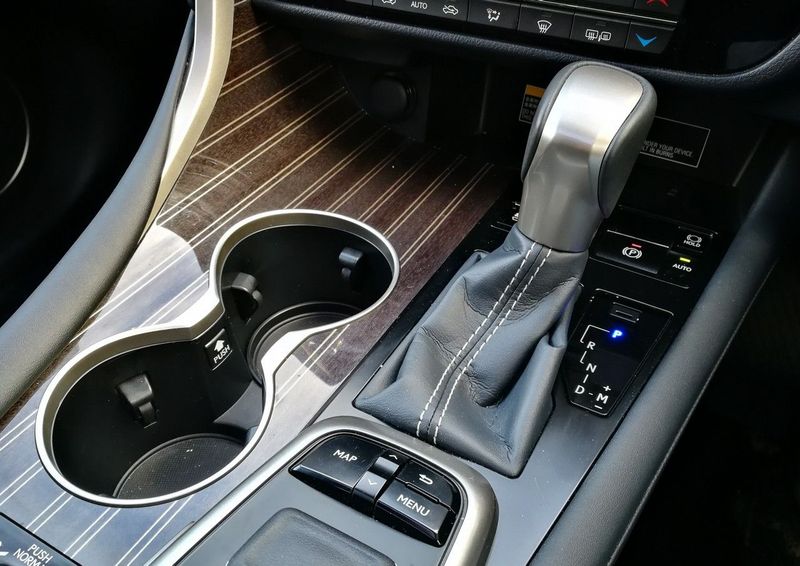
The Lexus recipe has always been a simple one – a full-house offering with very few option boxes to tick. The Japanese marque has not strayed from this formula for the RX 350L. The 12-speaker audio setup, 12-inch display/infotainment system with navigation, heated seats, privacy glass, electrically controlled 3rd-row of seats, tri-zone climate control, auto wipers/lights and much more are all included as standard. We also like the sunblinds in the rear doors and the wireless charging pad in front of the transmission level. Compared with the 5-seater variant, there is a new "moonroof" instead of the panoramic version.
Safety-wise, the RX 350L also does not lack for much, with a full complement of 10 airbags fitted. Importantly, the side curtain shield airbags have been extended to also protect 3rd-row occupants. Also included are: a reverse-view camera, hill-start assist control, tyre-pressure warning, blind-spot warning with rear cross-traffic alert and more. It does, however, lack features such lane-keep assist and adaptive cruise control.
A balance between performance & economy
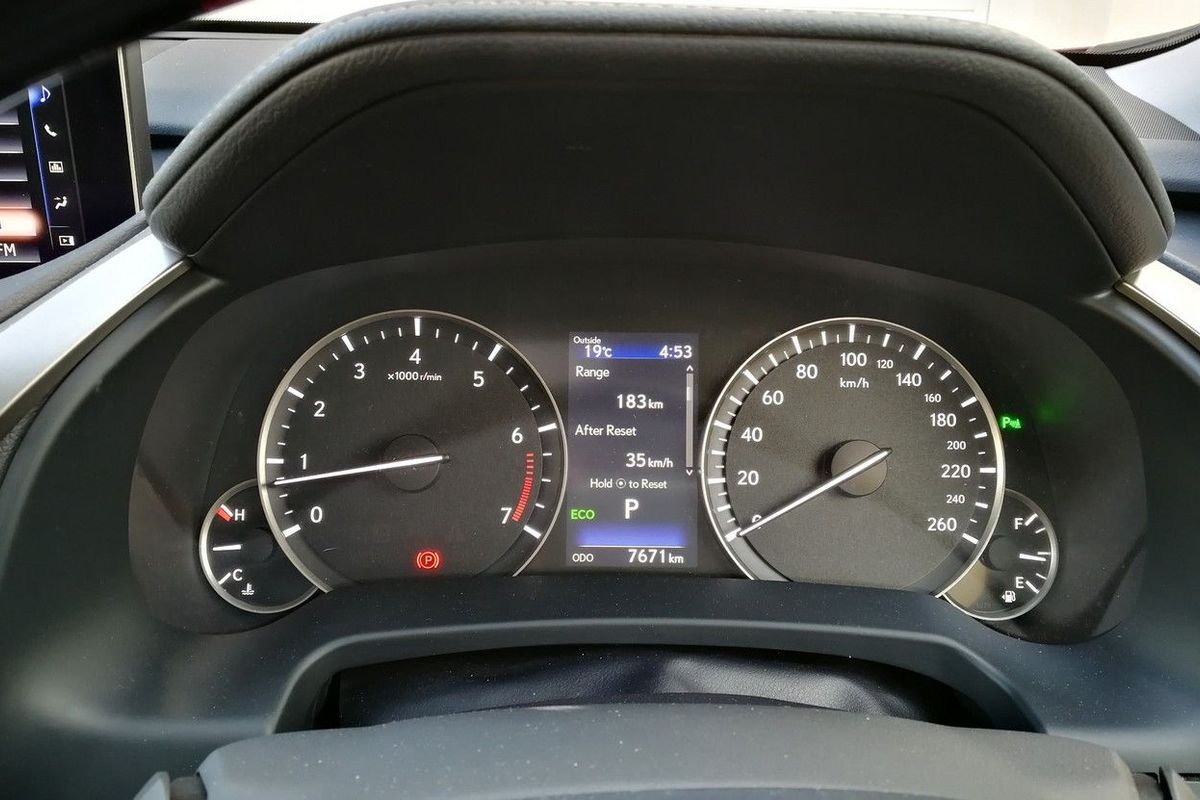
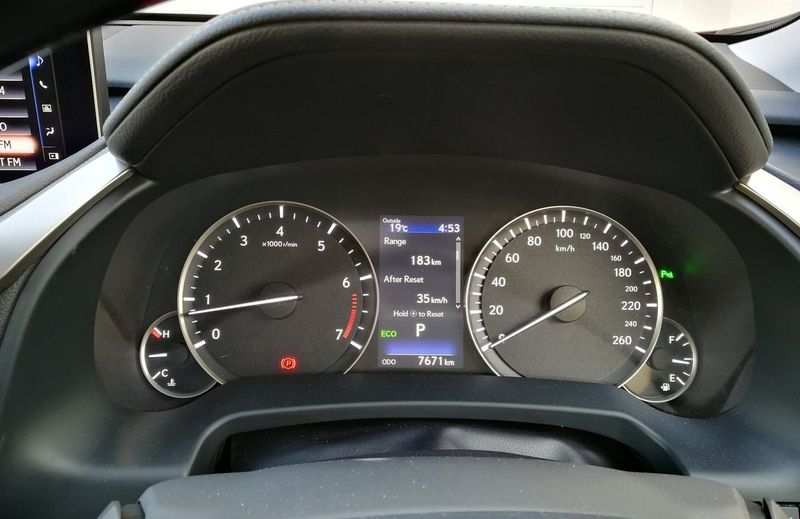
Simple, neat instrumentation. The Lexus' powertain is silky smooth and potent, but can be thirsty around town.
The RX 350L is powered by the brand's silky 3.5-litre V6 engine that delivers 216 kW at 6 300 rpm and 358 Nm of torque from 4 600 to 4 700 rpm. The power output is healthy compared with its rivals, but if you're looking for stonking torque, then you may wish to opt for one of its turbodiesel rivals, which should also be more economical.
Nevertheless, we like the engine in this Lexus as it combines smooth, relaxed, yet swift progress with reasonable economy. The 8-speed automatic 'box further contributes to the refinement of the drivetrain. Lexus claims a combined cycle consumption figure of 10.2 litres/100 km, which proved pretty accurate during our time with the car. Of course, spend most of your time in traffic and that figure will climb.
The (not-so) good
Fiddly infotainment control
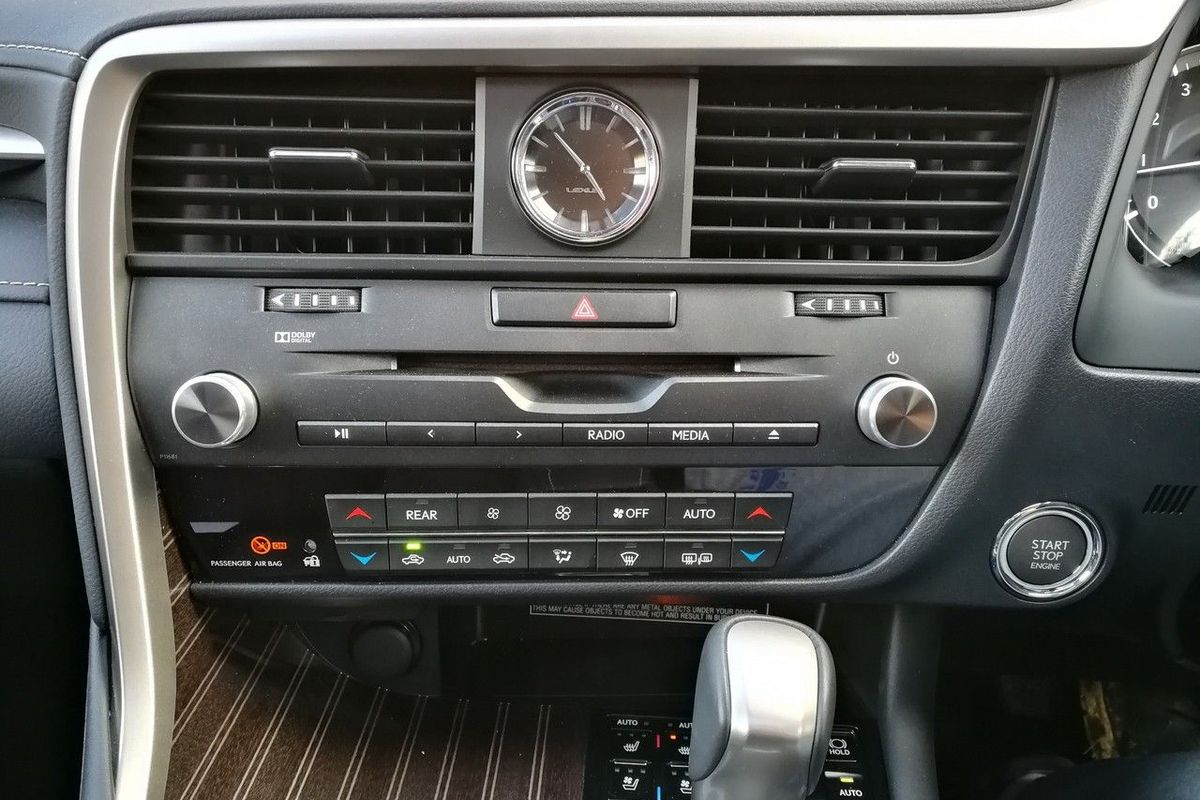
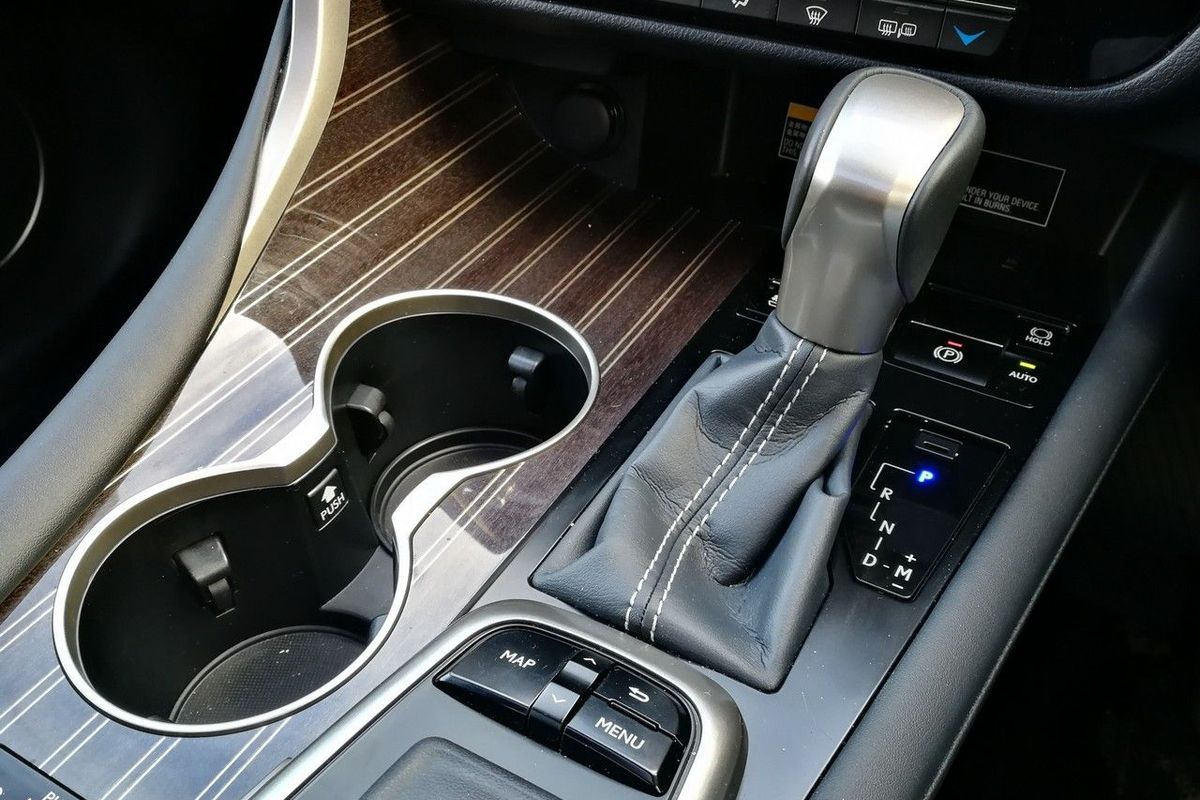
The mouse-like infotainment system controller with haptic feedback doesn't work as well as systems offered by rivals.
With the practicality concern addressed quite well, there is only really one major area of criticism that remains – the control interface for the otherwise comprehensive (and impressive!) infotainment system. The mouse-like controller on the centre tunnel and its haptic feedback sound great in theory, but BMW's iDrive, Mercedes's Comand and Audi's MMI interfaces are all superior in terms of functionality.
Pricing and Warranty
The Lexus RX 350L EX sells for a heady R959 000, but is a full-house offering that is unbeatable in terms of standard specification. It is also important to keep in mind that many of its premium-badged rivals don't feature 7 seats as standard. The RX is backed with a 4-year/100 000 km warranty and 4-year/100 000 km service plan.
Verdict
The RX 350 L is more practical than the slightly cheaper regular derivative, and retains all the refinement and luxury we've come to love about this generation of RX.
We continue to regard the Lexus RX as one of the hidden gems of the local premium SUV market, and this new L version certainly broadens the model range's appeal. Can the RX 350 L justify the extra outlay over the 5-seater version? That will depend mostly on how often you're going to need those limited-use 3rd row of seats, and how much of a problem the limited headroom on offer in the 5-seater version poses.
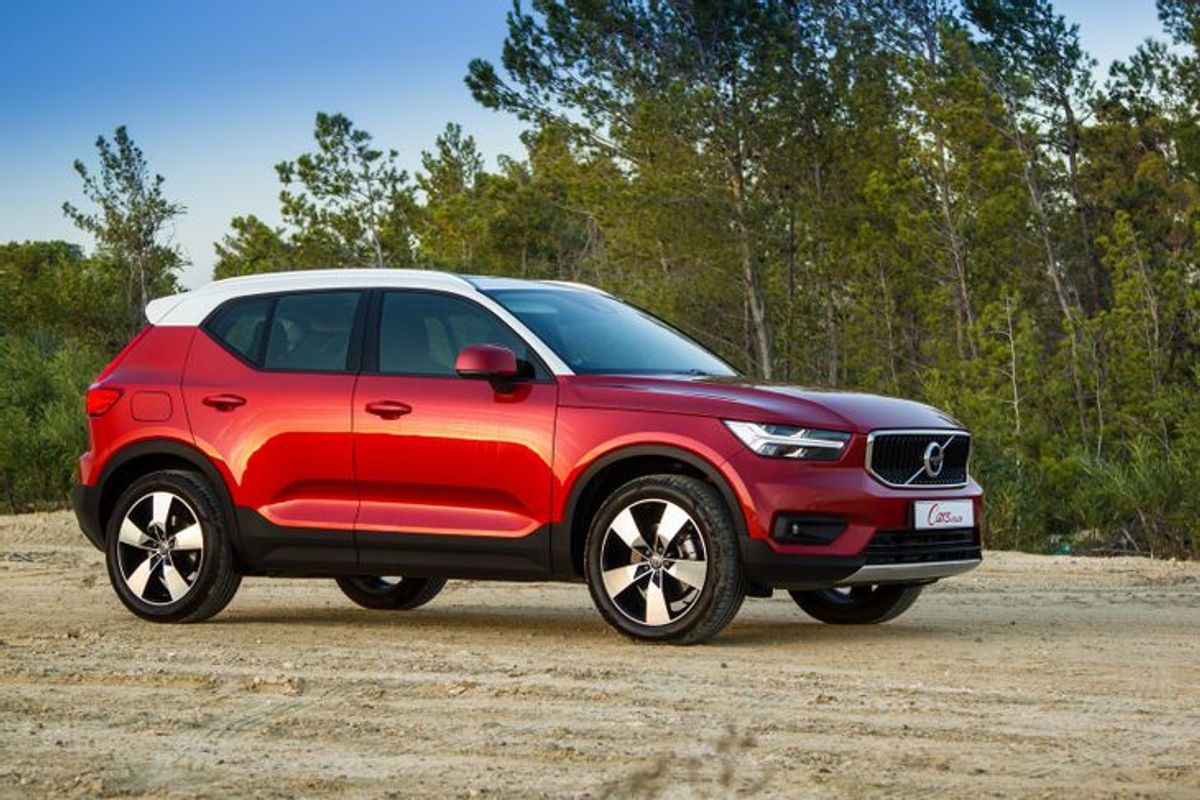
The XC40 – arguably the most eagerly anticipated new Volvo in quite a while – is finally in South Africa. Will Volvo's compact SUV be able to lift the Swedish marque’s local sales figures to where they belong? We test the top-spec turbopetrol R-Design derivative.
We like: Styling, practicality, interior design and comfort, better priced than premium rivals.
We don’t like: A few too many features relegated to the options list.
Alternatives
The sporty BMW: The BMW X2 is equally as new and blends a stylish exterior with a rather bland interior. If you like a sporty look, -ride and -feel to your premium compact SUV/crossover, the BMW delivers. It is priced rather dearly, however.
The sporty Jaguar: The flood of cars to this segment means prospective buyers are spoilt for choice. Jaguar’s E-Pace is based upon a 10-year old Range Rover Evoque platform, but still feels racy despite weighing nearly 2-tonnes. It looks really good and offers better-than-expected space inside.
The family choice: The Volkswagen Tiguan 2.0TSI Highline is more practical than the competitors mentioned here, but perhaps lacks some of their look-at-me kerb appeal and upmarket feel. It’s more reasonably priced than the BMW and Jaguar, but not enough so that the price premium is insurmountable.
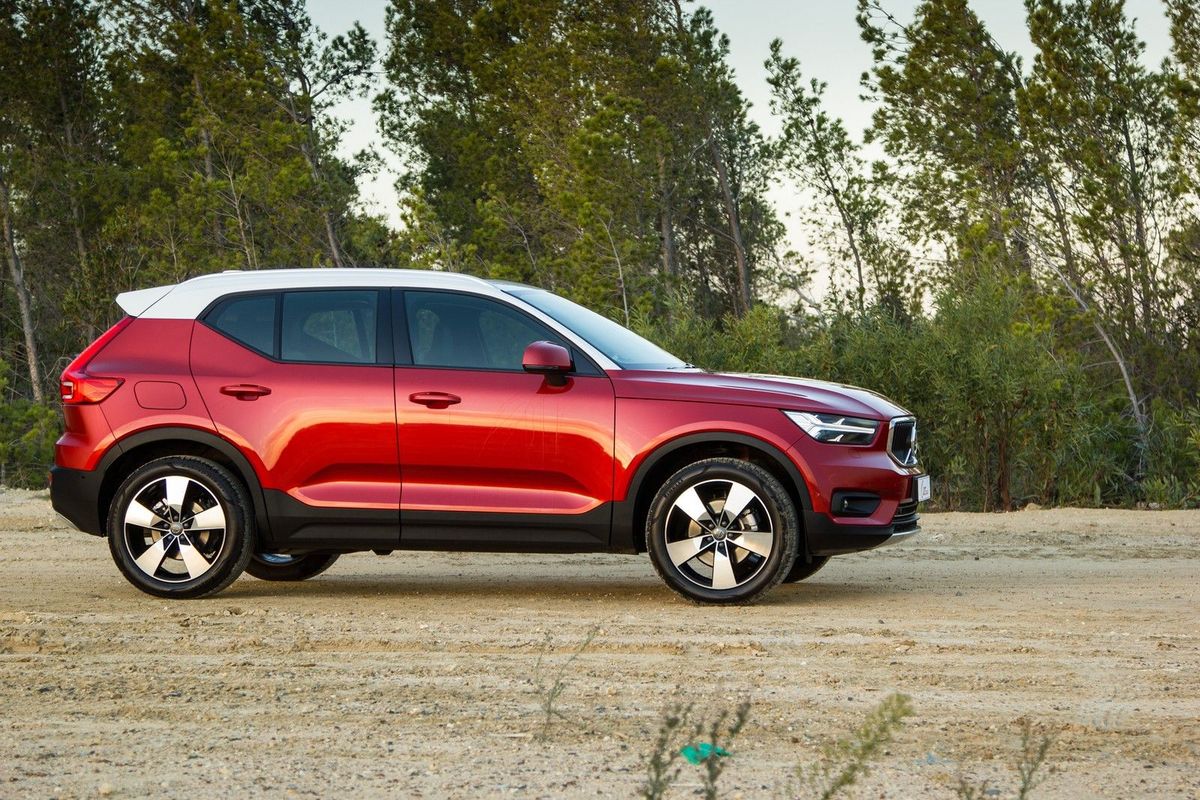
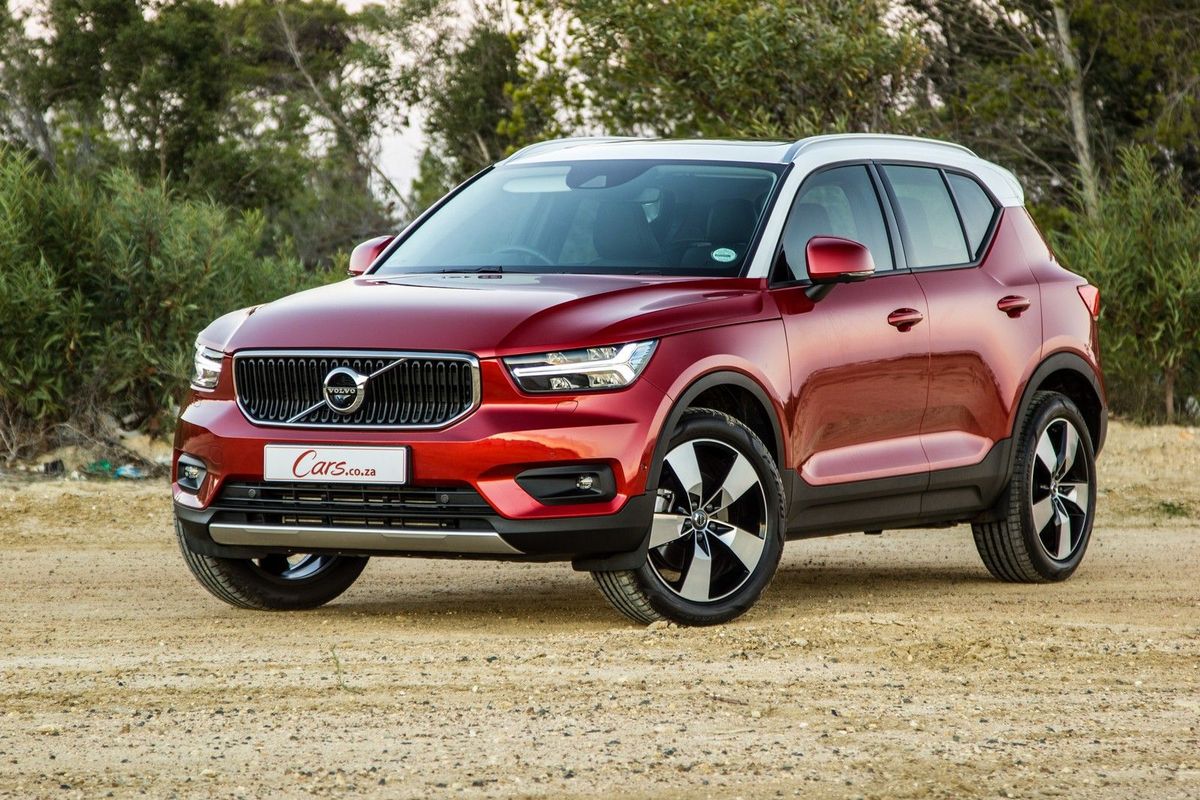
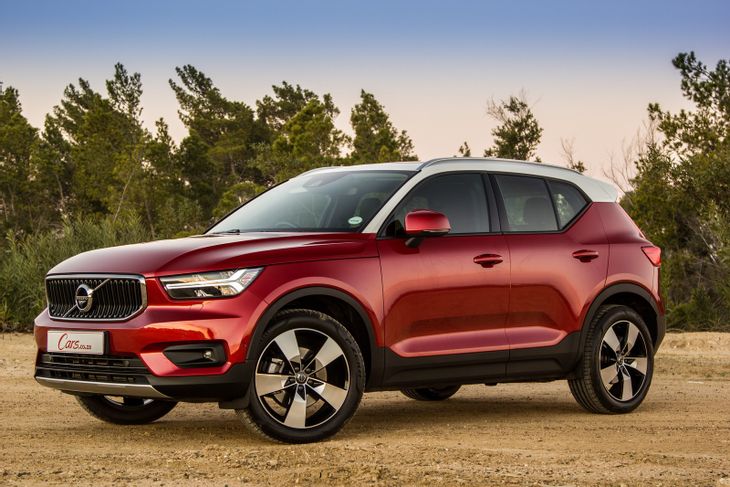
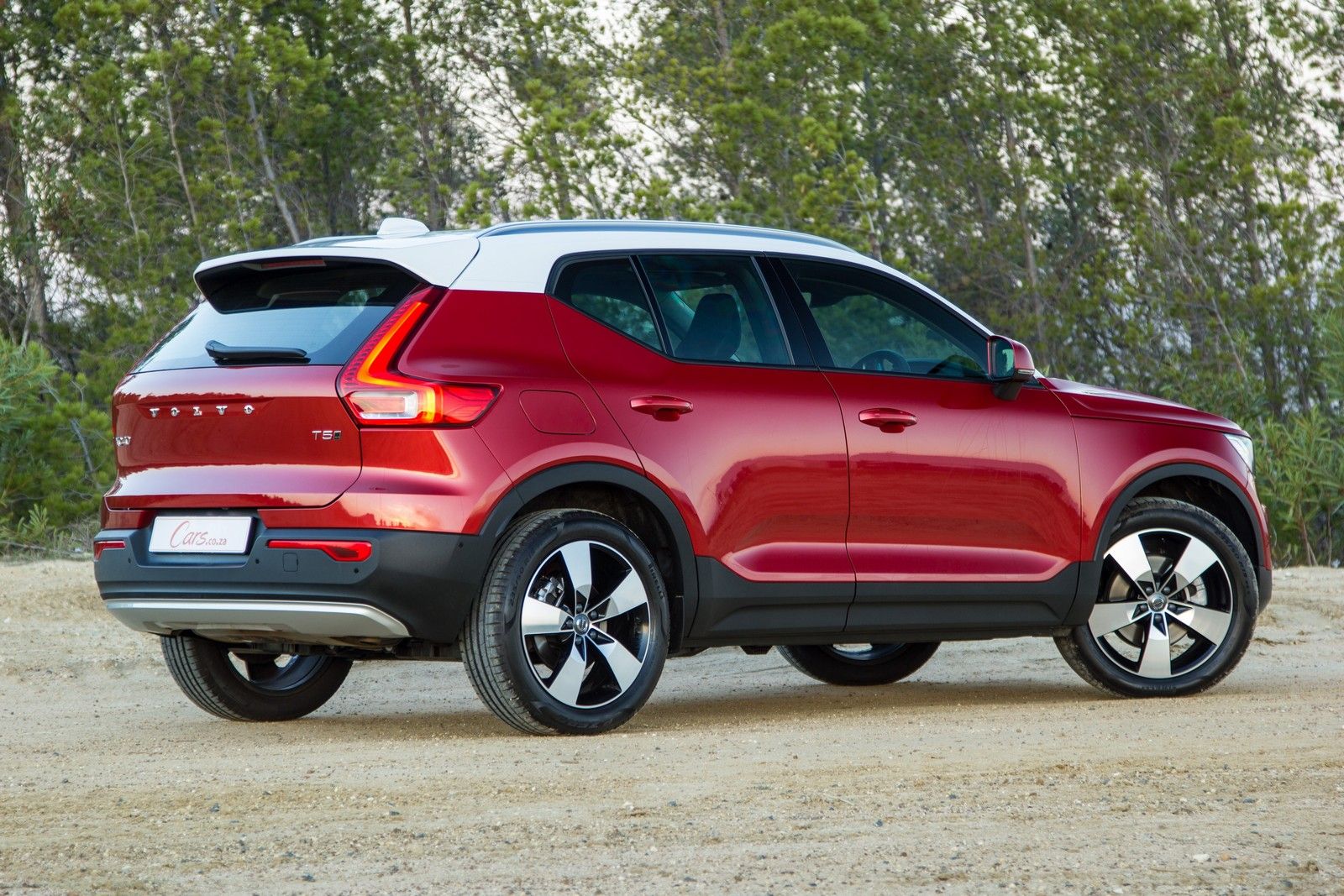
Pictures make it appear smaller than it actually is. The XC40 shows poise and assertiveness with its design.
Gothenburg-based marque Volvo continues to grow globally under the ownership of Chinese automotive powerhouse Geely: demand for the Swedish brand's cars is at an all-time high. This new XC40, in particular, is outperforming sales targets across the globe. It joins a popular segment that has seen astounding growth in the past year where premium brands like Audi, BMW and Jaguar are all trying to entice buyers with brand new wares.
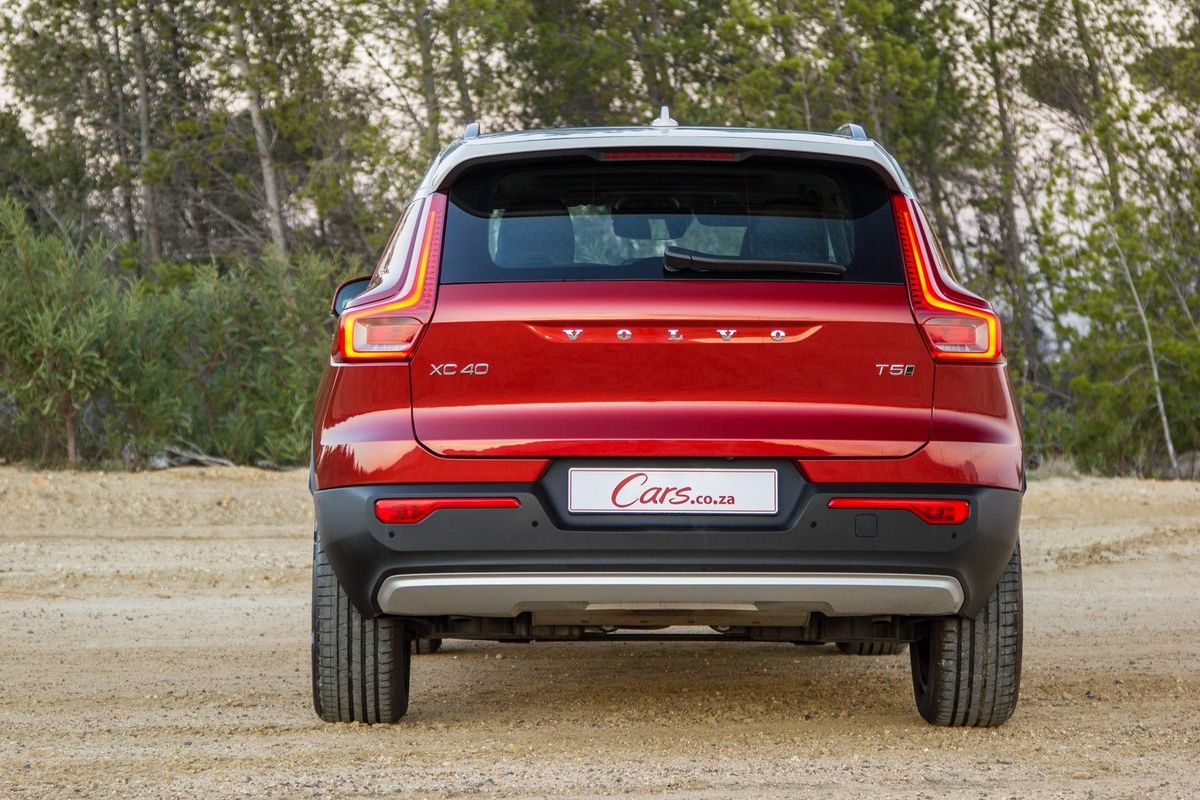
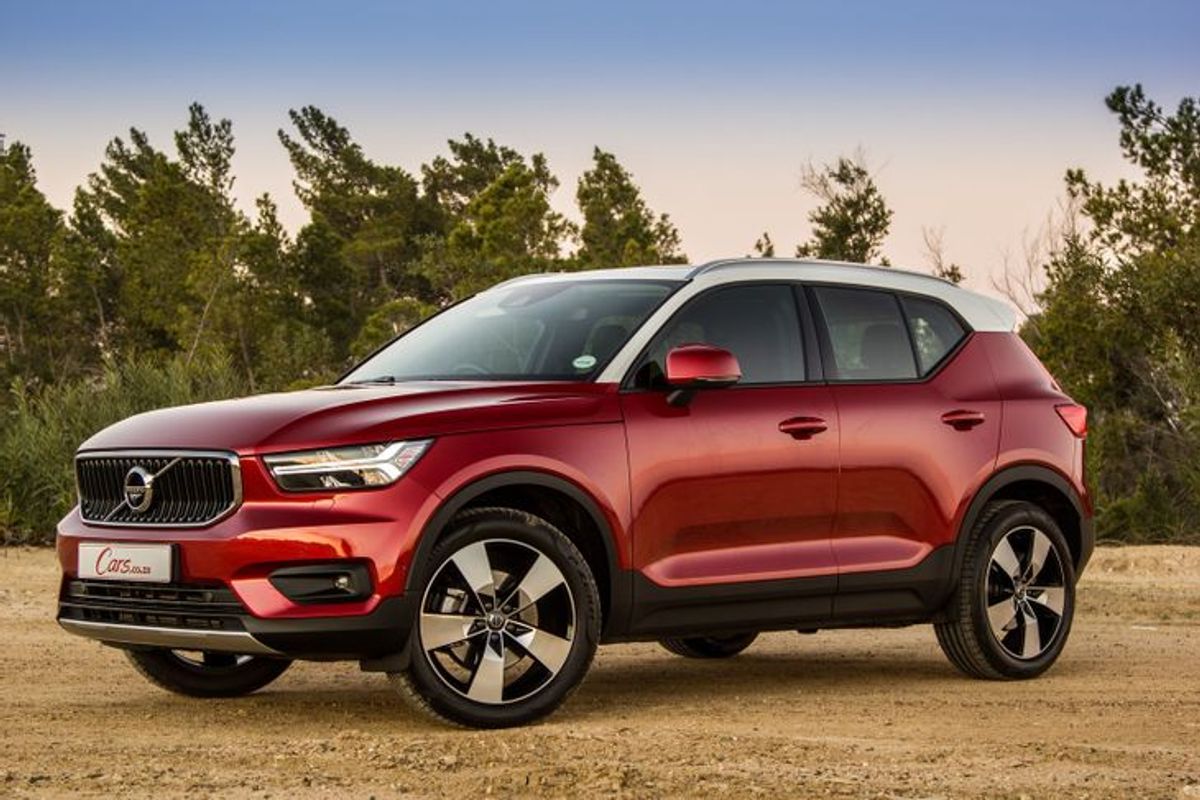
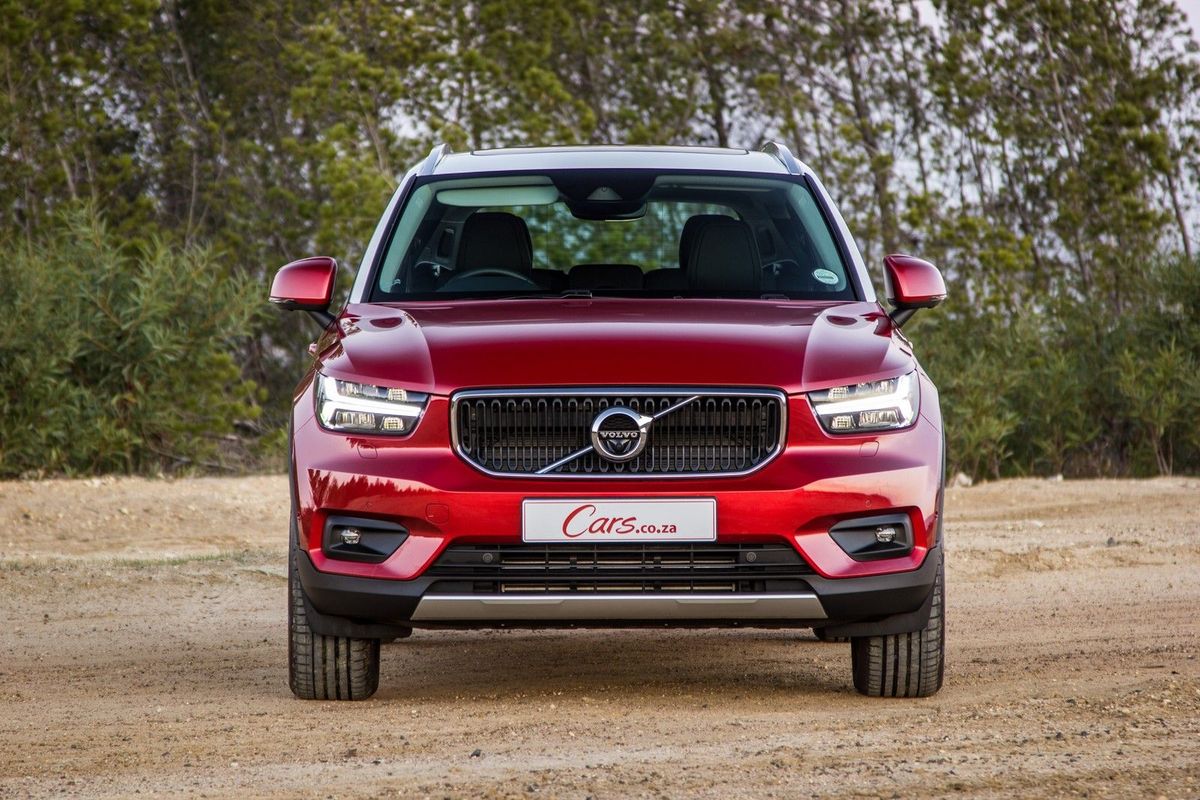
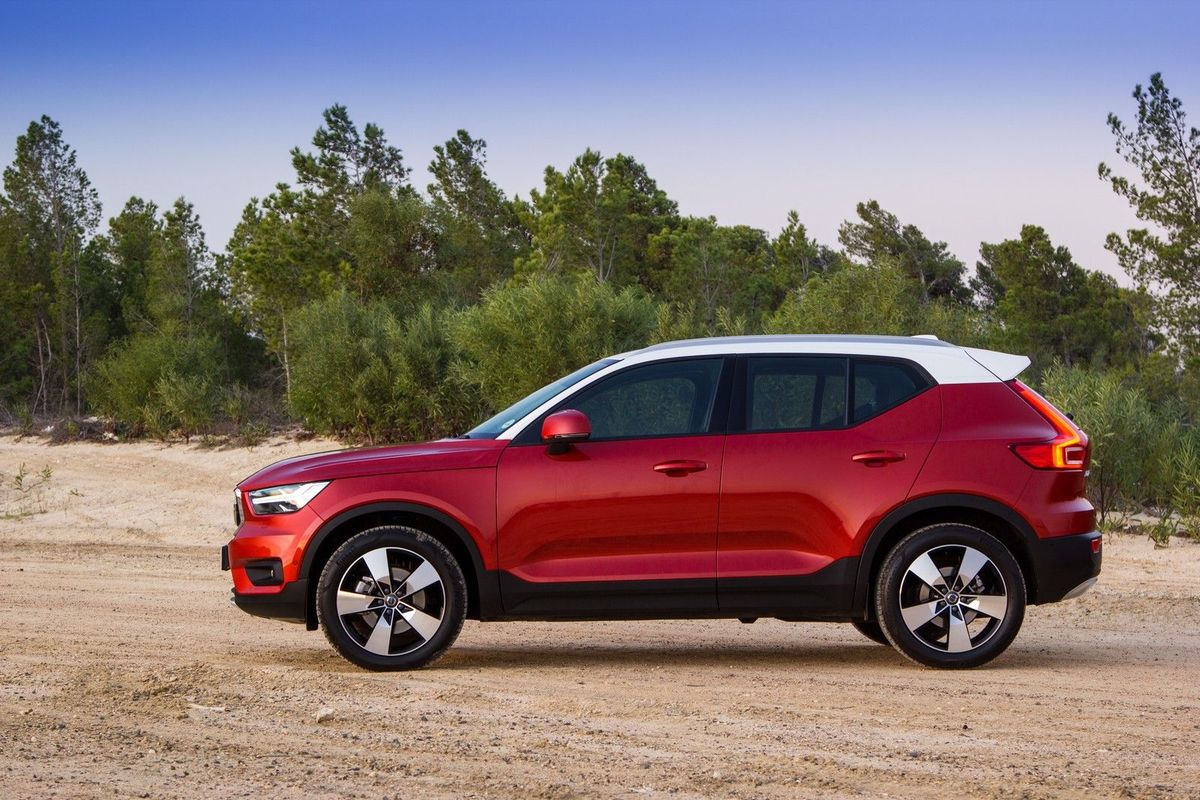
Essentially it’s a compact SUV, but with without the bland family-wagon tagline that comes with it. The XC40 looks purposeful and sits strongly on its haunches; the four wheels plotted out in each corner. The compact proportions play nicely to a tight, uncluttered design that shows off the Thor's Hammer headlights and vertical tail lamps.
It is the first car to ride on the new CMA platform, which is designed for smaller cars and utilises both petrol and turbodiesel engines. A hybrid model will likely follow as the model's lineup grows in the future.
How does it fare in terms of…
Blending luxury and practicality?
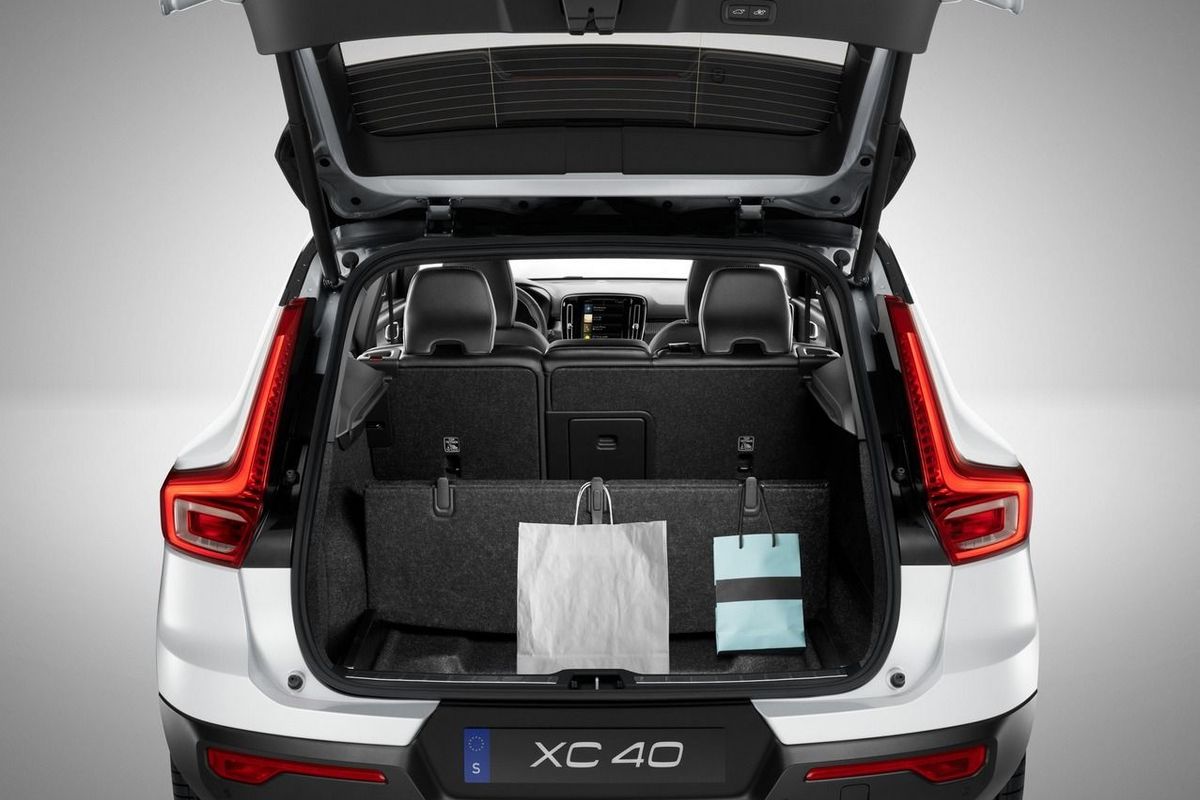
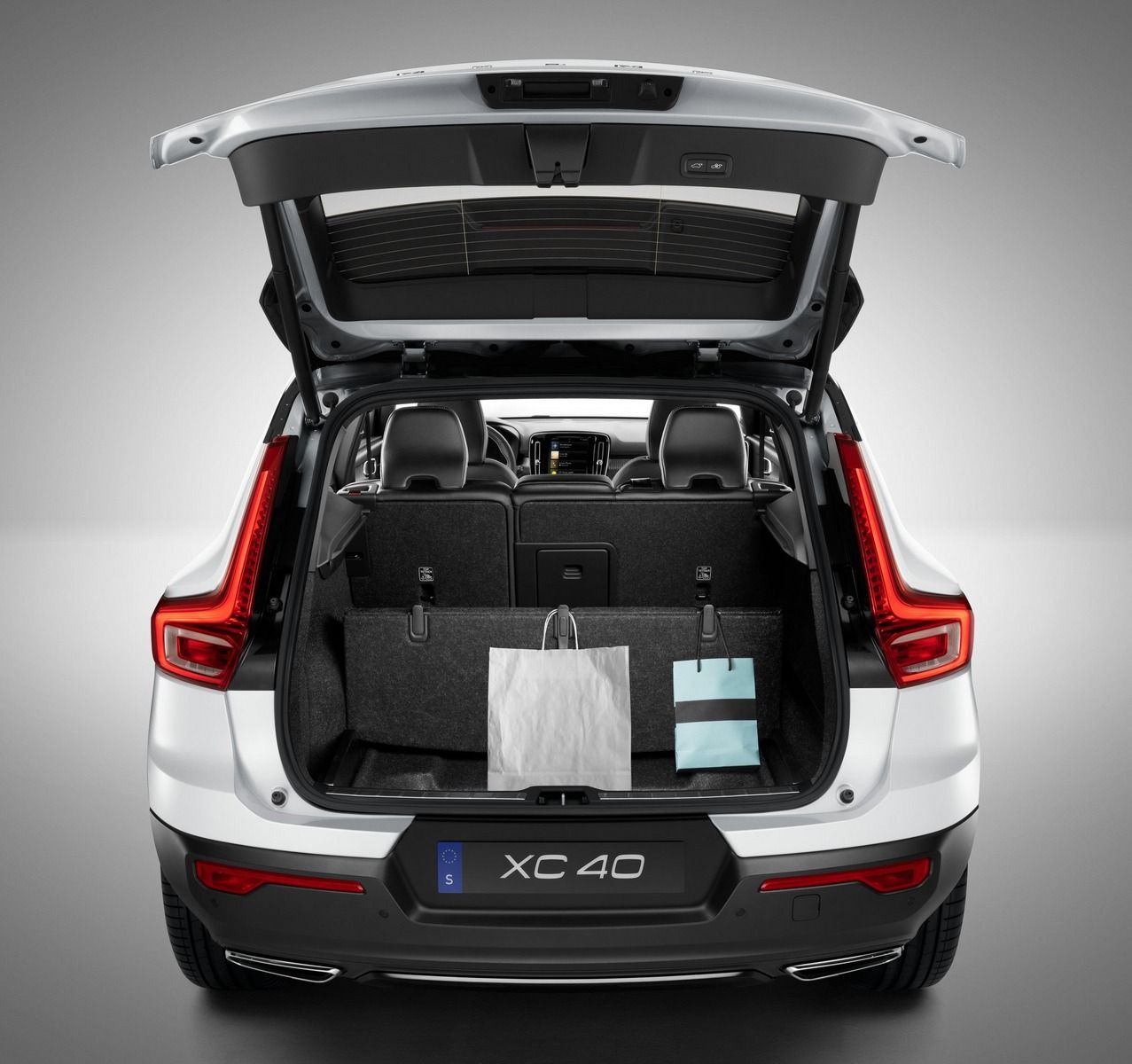
The optional grocery bag holder subdivides the luggage bay to hold things in place. The feature's more useful than you may think.
From the outside, the XC40 looks very desirable – a very nice thing, too nice maybe to deal with family life that involves things like discarded yoghurt tubs, errant chocolate crumbs and spilt fruit juice… not to mention all the luggage and paraphernalia that family members cart around with them. If practicality is a major priority, then the R-Design may not be the best choice, the leather/suede trim combination feels lovely, but may prove more difficult to keep clean/unmarked than standard leather.
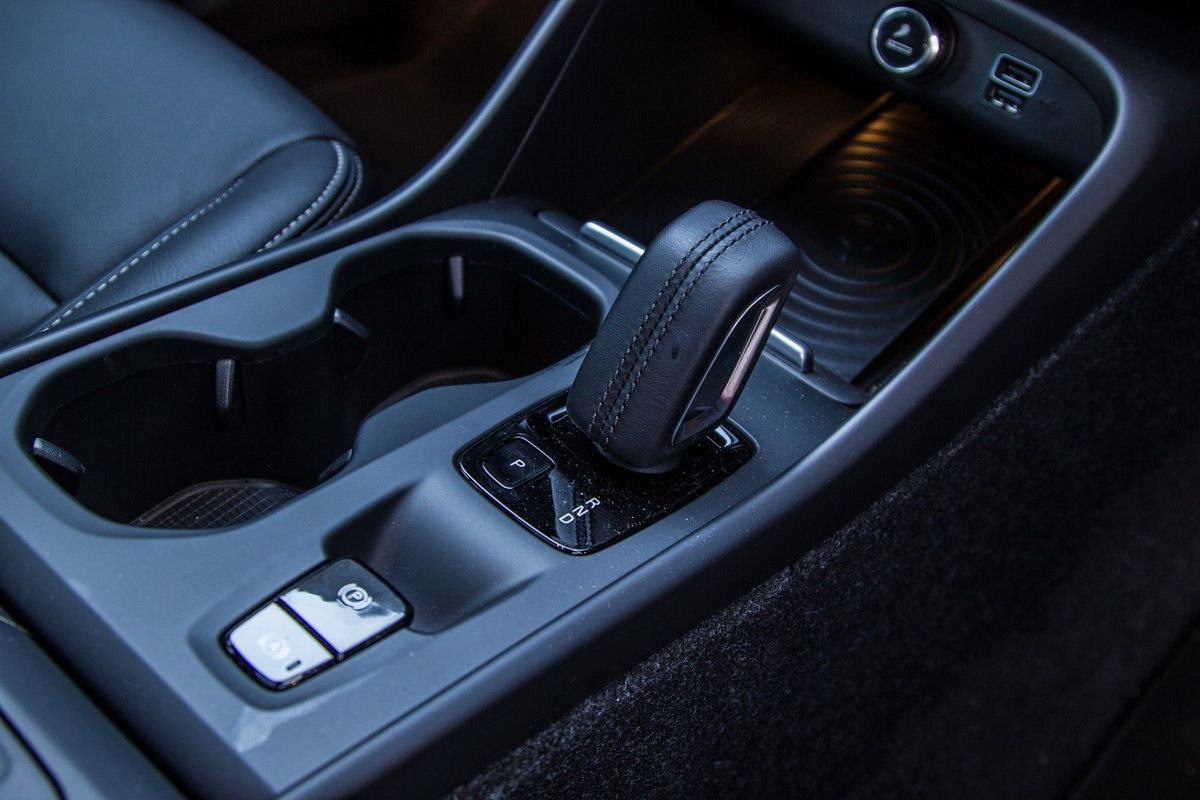
The side pockets in the front doors are capacious by virtue of the speakers that have been moved elsewhere, which yielded more space. You can actually toss a smallish laptop in the door pocket if required. There are pockets and slots for keys and bits and bobs dotted around the cabin. Our test unit included a wireless charging pad too.
As for rear occupant space, the aft bench can accommodate 2 adults (or 3 children) with ease. The seating position in the rear does mean that your legs are a little higher than you'd usually want them to be, but there’s enough legroom back there to facilitate comfortable passage on most journeys.
There is a wireless charging pad up front, plus a pair of USB ports and plenty of storage bins nearby.
The luggage bay officially measures 460 litres, which is a little smaller than some of the competition, but the loading area is nice and square, making it easy to load anything that will fit. You can also opt for the grocery bag holder (R1 400), which subdivides the bay into compartments, while providing extra shopping bag hooks.
The standardised mountain bike test was passed easily; as a matter of fact, the XC40's bay swallowed a pair of bikes whole, plus riding apparel, with relative ease.
Ride and handling?
Having spent time with the new CMA platform on the silky smooth roads surrounding Barcelona last year, we were keen to see if the XC40’s ride was as good on our more potholed and generally courser tarmac.
The XC40's wheelbase is surprisingly long – it's 25 mm longer than a Tiguan's – but it feels particularly taut in the way a shorter car would. It’s not sporty like an E-Pace or X2 (try to be), but corners steadily without excessive body lean. The steering is weighted acceptably; it’s quick enough to swiftly manoeuvre the Volvo in a parking lot.
With 211 mm of ground clearance, the XC40 is a high-riding compact SUV.
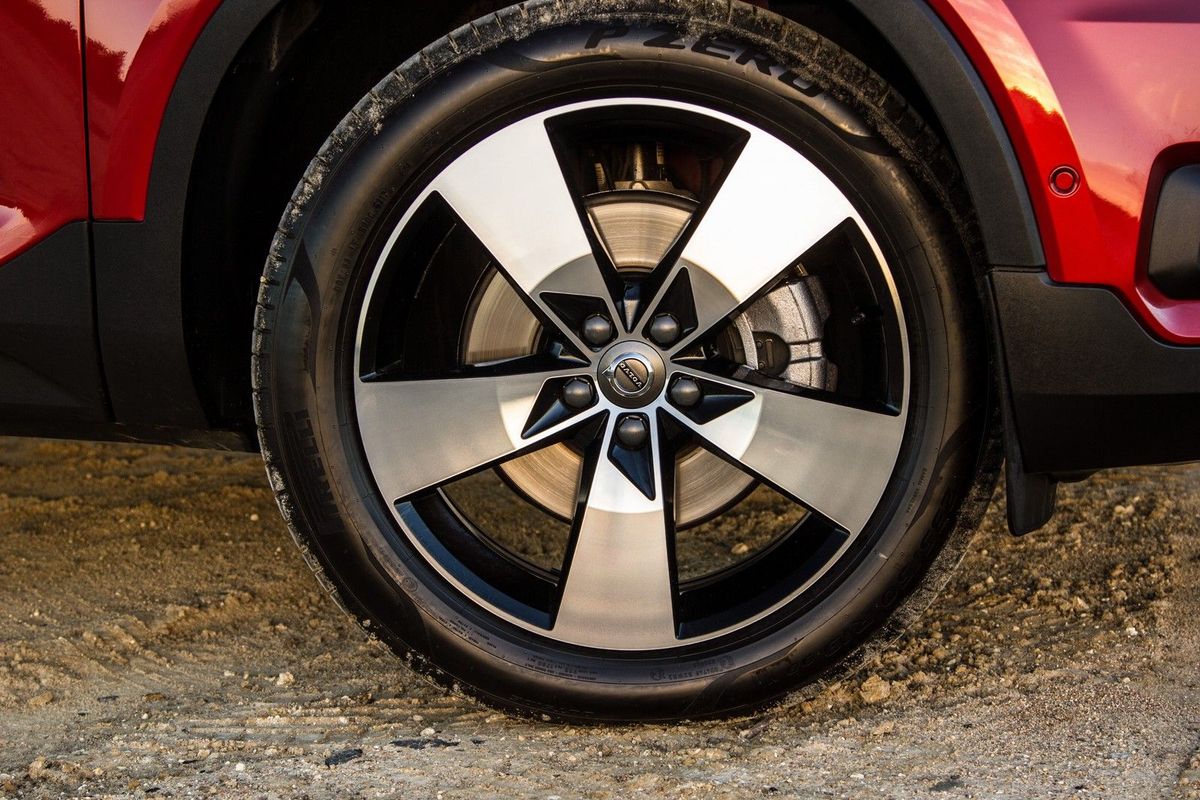
The ride quality remains supple over bumps, even with the sportier R-Design suspension setup. The 19-inch wheels are the right choice, as the optional 20-inch might just transmit a few noticeable thumps through to passengers. The ride blends a balance of comfort, stability and lightness as the XC40 moves about nimbly when required to do so. The R-Design’s additional stiffness is noticeable at slower speeds, where the suspension doesn’t offer as much give when clambering onto a driveway or bumping down a dirt road. The Inscription and Momentum derivatives will, in all likelihood, be more plaint over harsher terrain.
Performance?
Under the bonnet of the XC40 R-Design sits a 2.0-litre turbopetrol engine with peak outputs of 185 kW and 350 Nm. That’s a healthy dose of power for an SUV and it translates into a hot hatch-beating claimed 0-to-100 kph time of 6.4 seconds and top speed in the region of 230 kph.
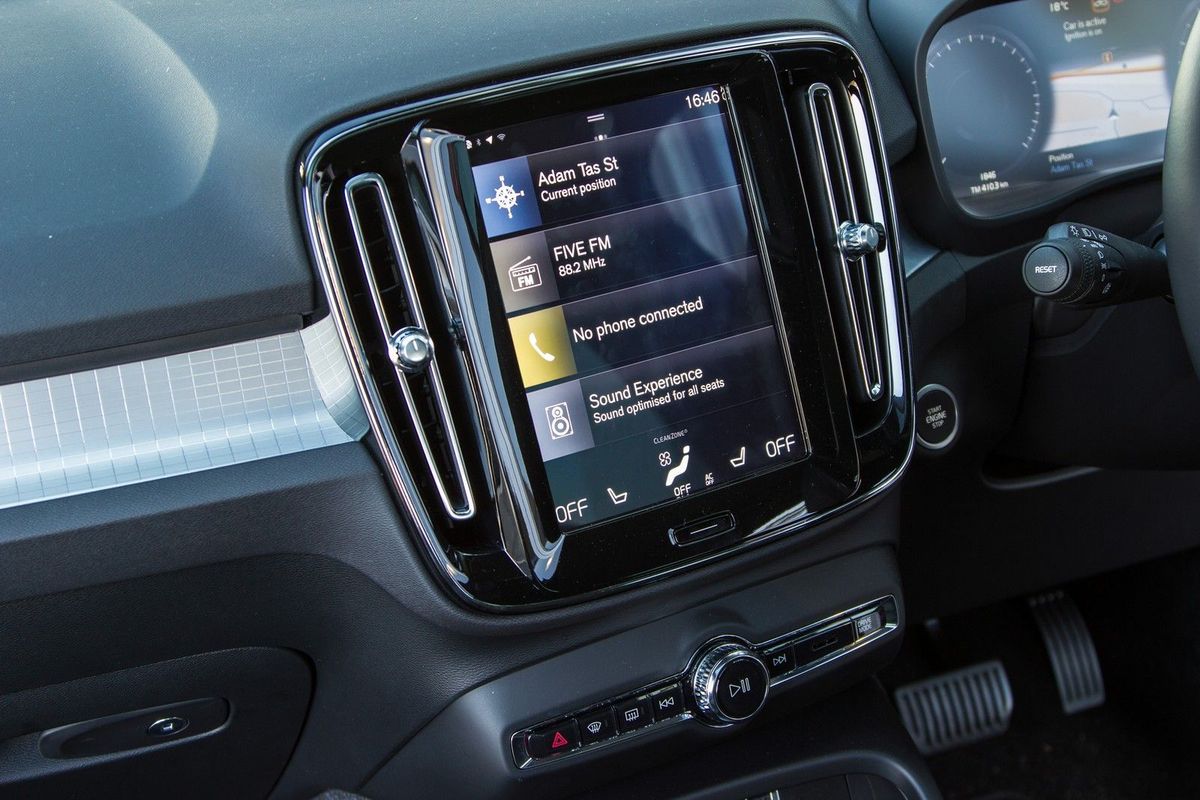
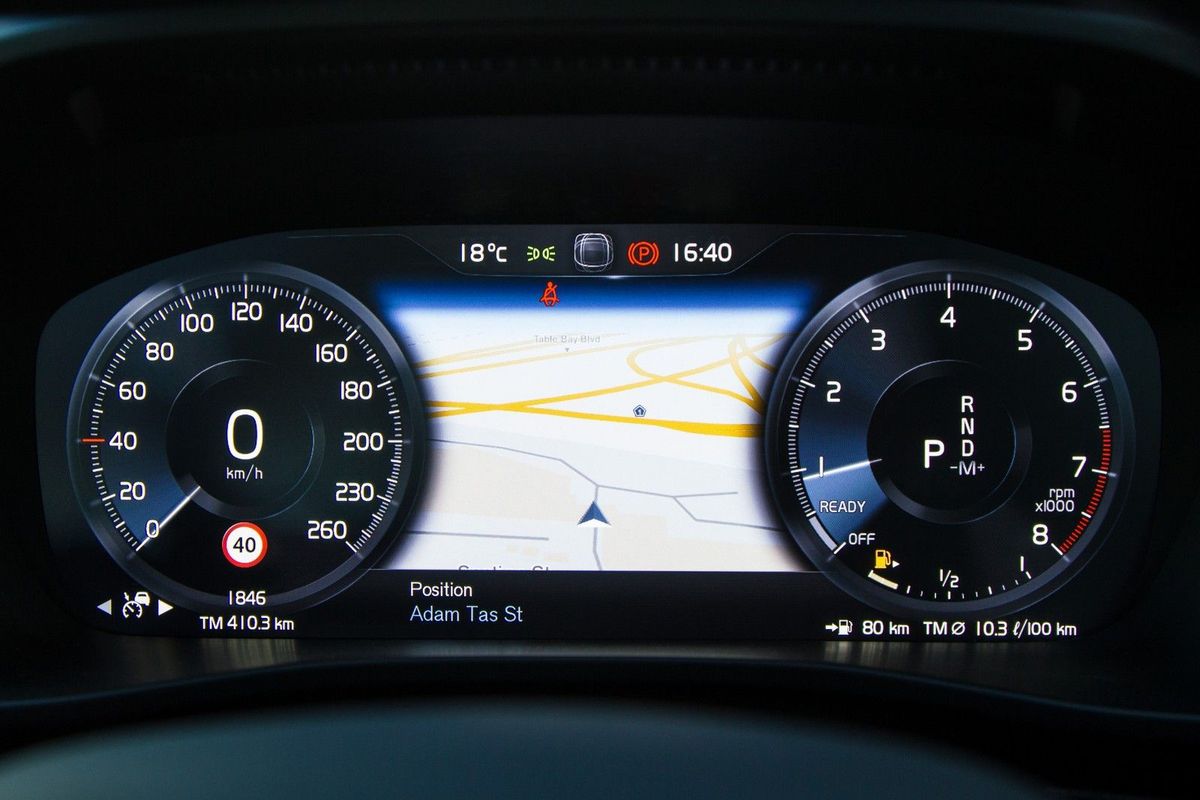
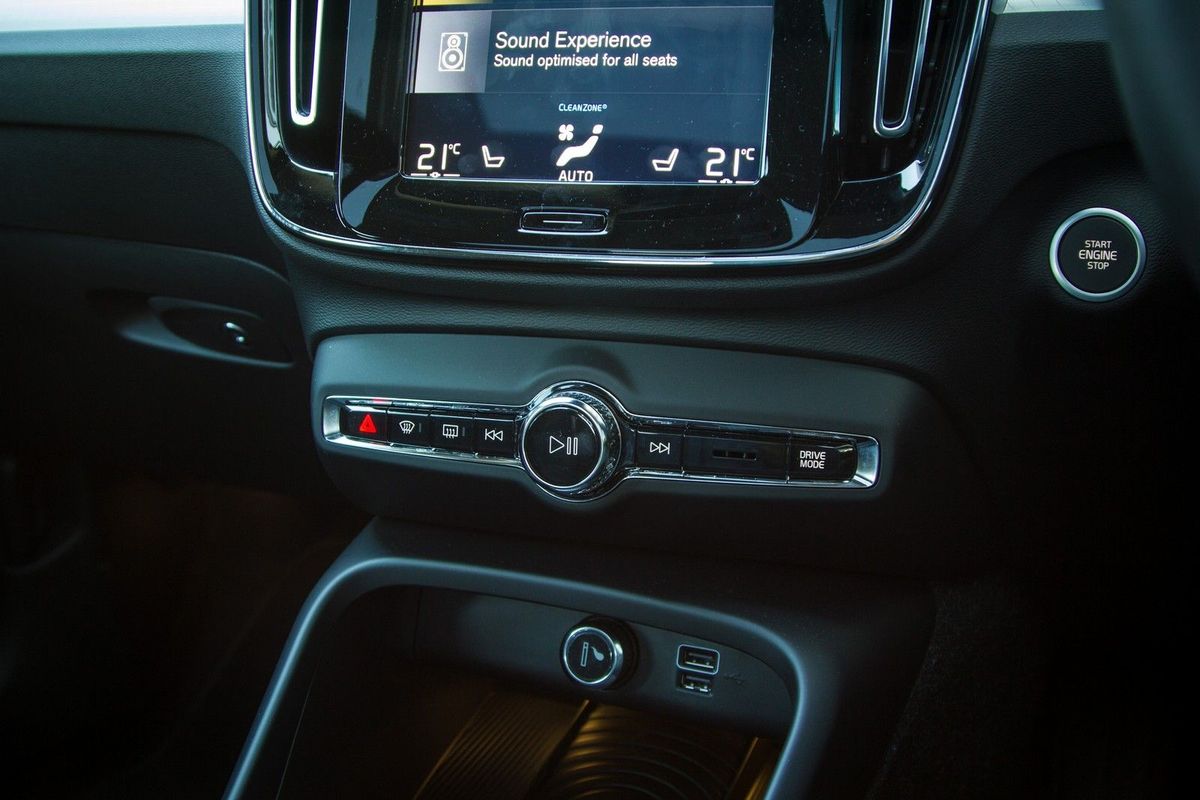
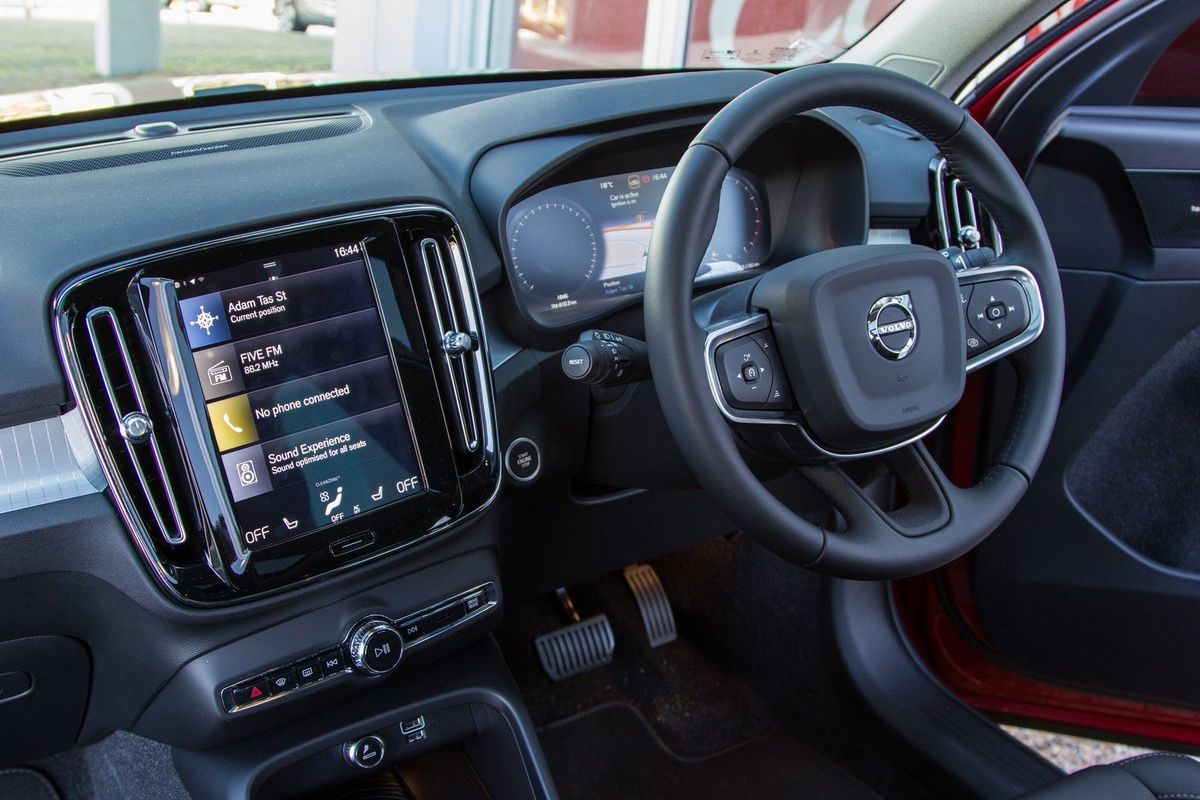
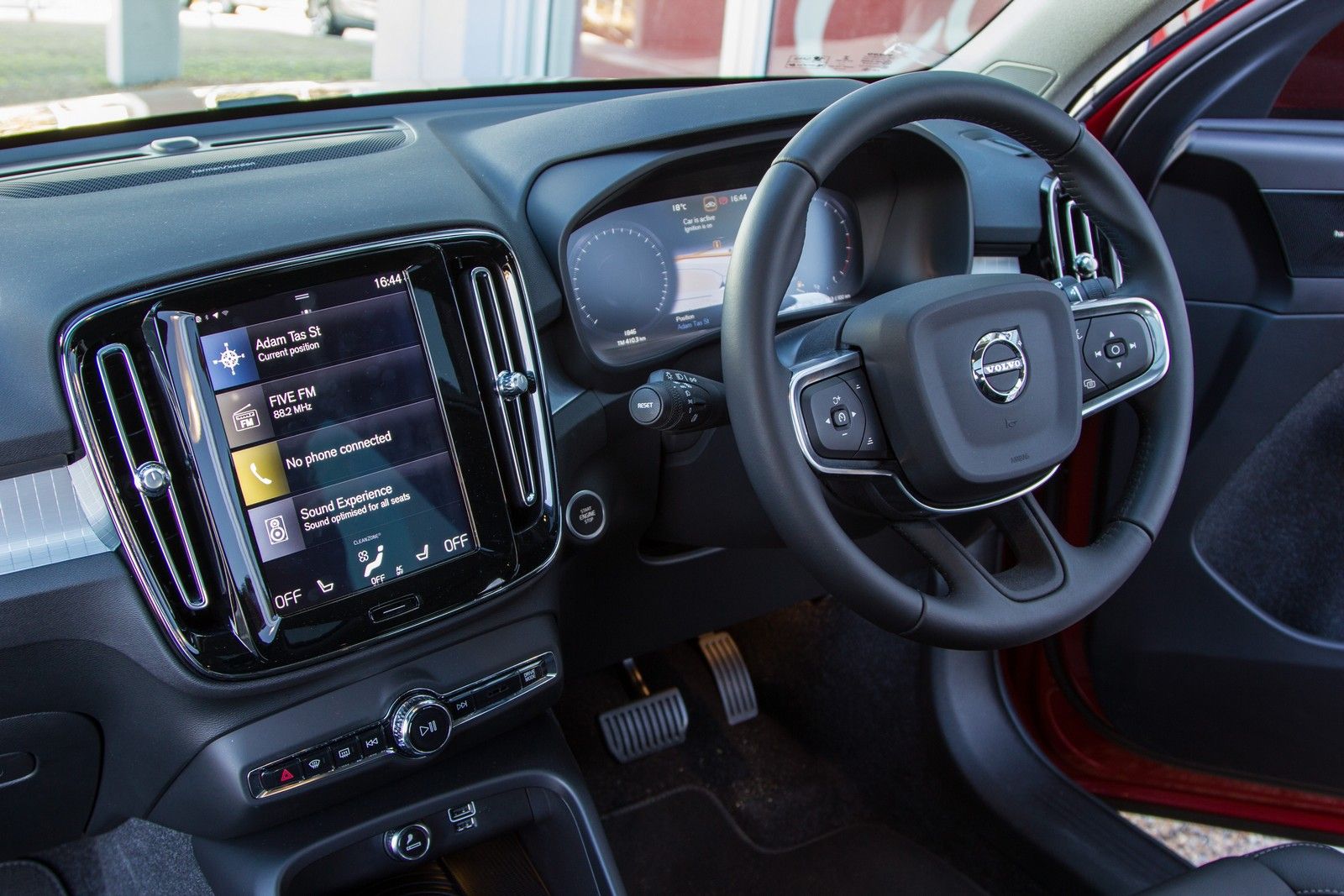
The 9-inch Sensus touchscreen takes centre stage in the cabin but it would be nice to have a button for climate control.
The all-wheel-drive helps to reign in some of the wheelspin that 185 kW would normally elicit from a front-wheel-drive car. Fuel economy is claimed at 7.7 litres/100 km, but we were seeing around 9.2 litres/100 km over mixed driving conditions, which included a decent 200 km haul out to the Overberg and back. The turbodiesel derivative is likely to return better numbers at the pumps while not compromising much on power or driveability.
Meanwhile, Volvo's 8-speed automatic transmission gets the job done with minimum fuss, quietly shifting up and down the 'box in the background.
Features?
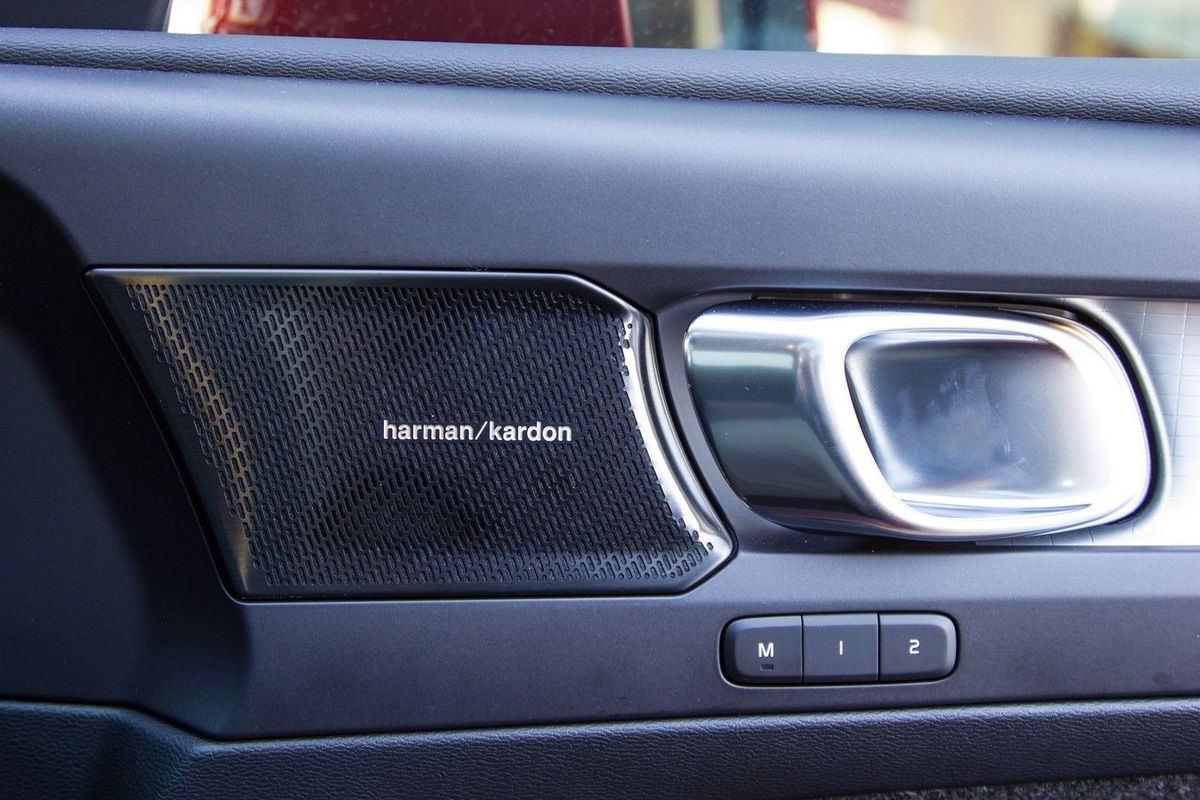
There are some nice-to-haves in the XC40 that have been demoted to the options list. We calculate that to spec absolutely every available feature in an XC40 would add approximately R80-90k to the asking price. Standard fare on the R-Design is actually rather good with the 9-inch infotainment system up front fully stocked with navigation, Apple CarPlay and Android Auto compatibility. Spec the R-Design extra pack (on top of the R-Design model) for R37 000 and you get heated seats, an electrically-activated tailgate, park-assist and a reverse-view camera. It also improves the sound system and includes electric folding rear seats.
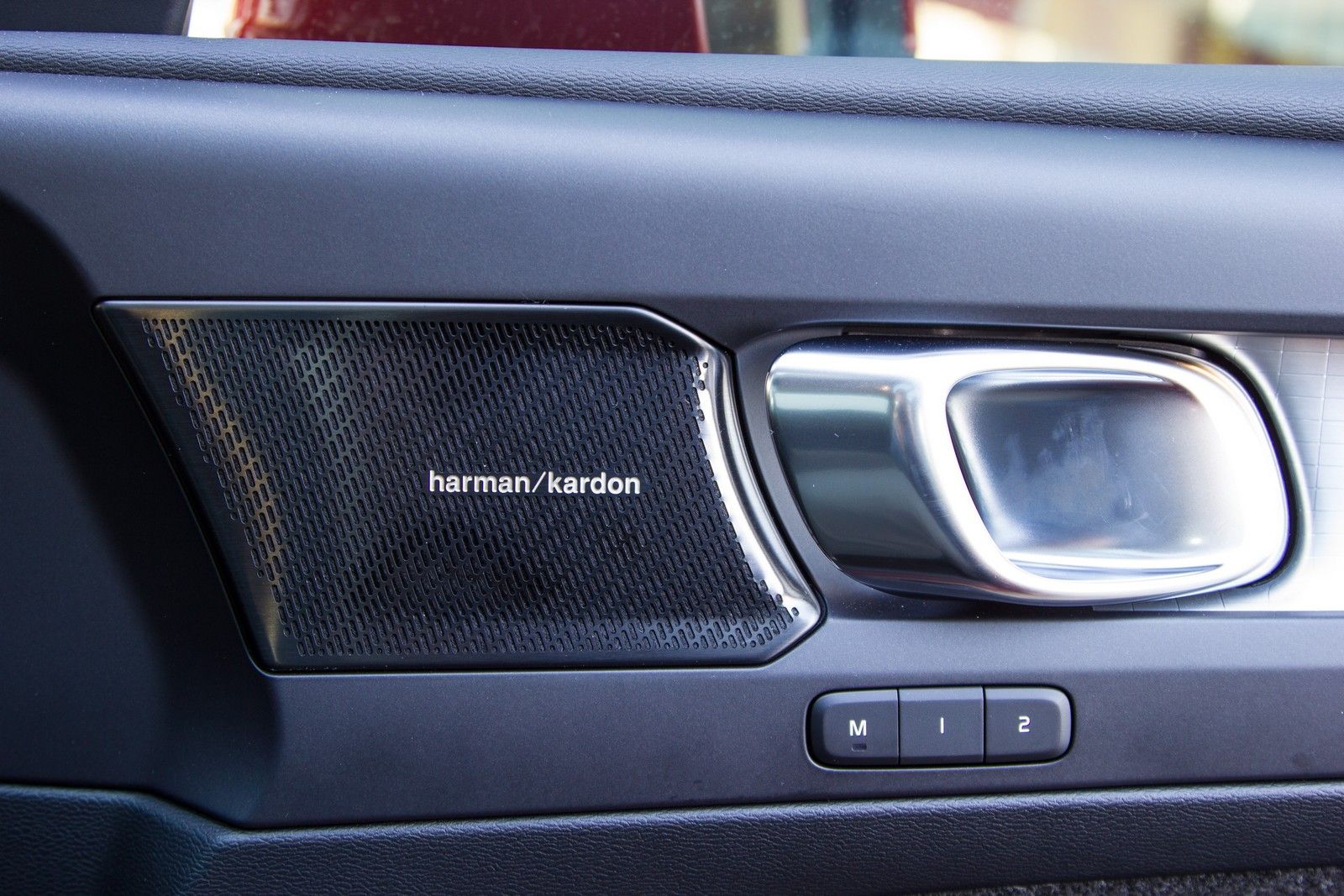
Part of the optional package, the harmon/kardon system is well worth the additional outlay.
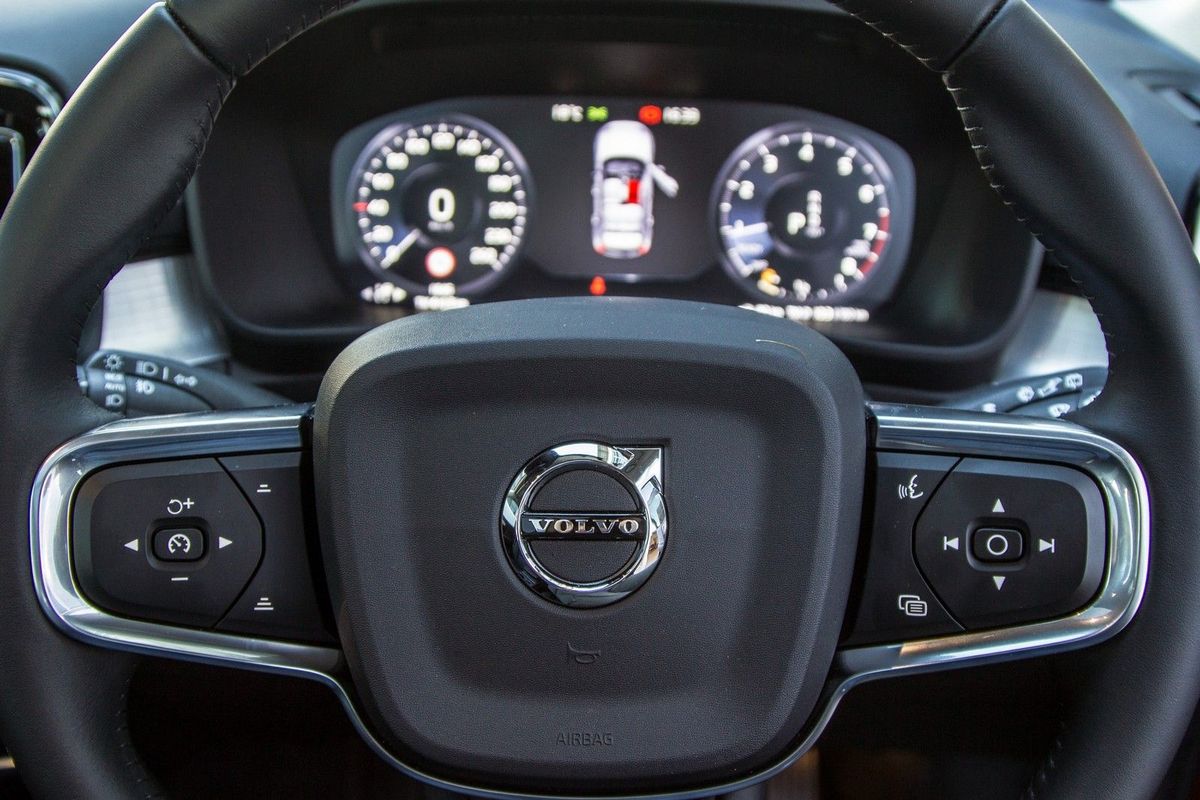
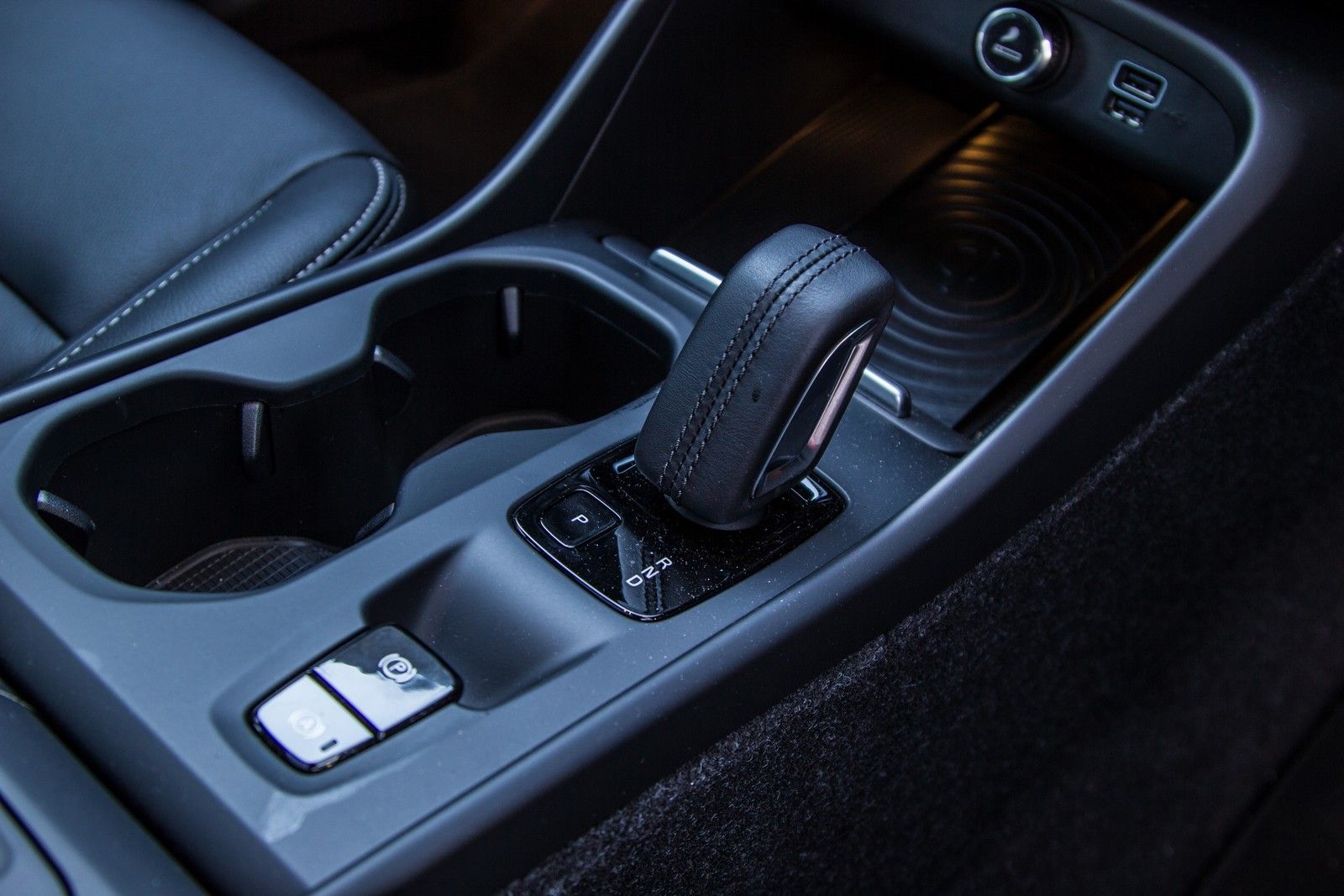
The R-Design also features aluminium inlays in the dashboard that lift the level in the cabin nicely. The touch points are all soft/rubberised around the dashboard and feel sturdy when prodded. The steering wheel, armrest and gear lever are leather-trimmed and optional lava carpet inserts turn all the carpeted areas in the cabin red/orange.
Verdict
Volvo is struggling to make enough XC40s to satisfy demand; even South Africa’s initial allotment of cars is running out. It proves Volvo is definitely on the right track: The XC40 doesn't lean too far towards the sporty-SUV side (so as not to deter practically-minded buyers) and stands out enough as a premium, well-thought-out choice.
It offers thoughtful practicality features in a cabin that’s comfortable, ergonomically sound and well-styled. A few basic shortcut buttons for climate control would be nice additions, but overall, the infotainment system is easy to figure out for anyone au fait with a modern smartphone.
The new platform delivers a ride quility that’s complementary to its SUV stature. It’s comfortable on road and agile enough when in a hurry. The high-powered turbopetrol engine delivers plenty of grunt, but suffers a little more in terms of consumption than we expected. The 'diesel is always a good choice if you want to save in the long run.
Overall, the XC40 delivers a package that’s hard to beat in this segment. It meets and exceeds expectations in every department. It feels like a high-end, premium packaged product that competes with Jaguar, Audi, and BMW, but dwarfs them on price. This looks like it could be the model that puts Volvo firmly back into play in SA.