New Subaru Forester with more Power and Tech
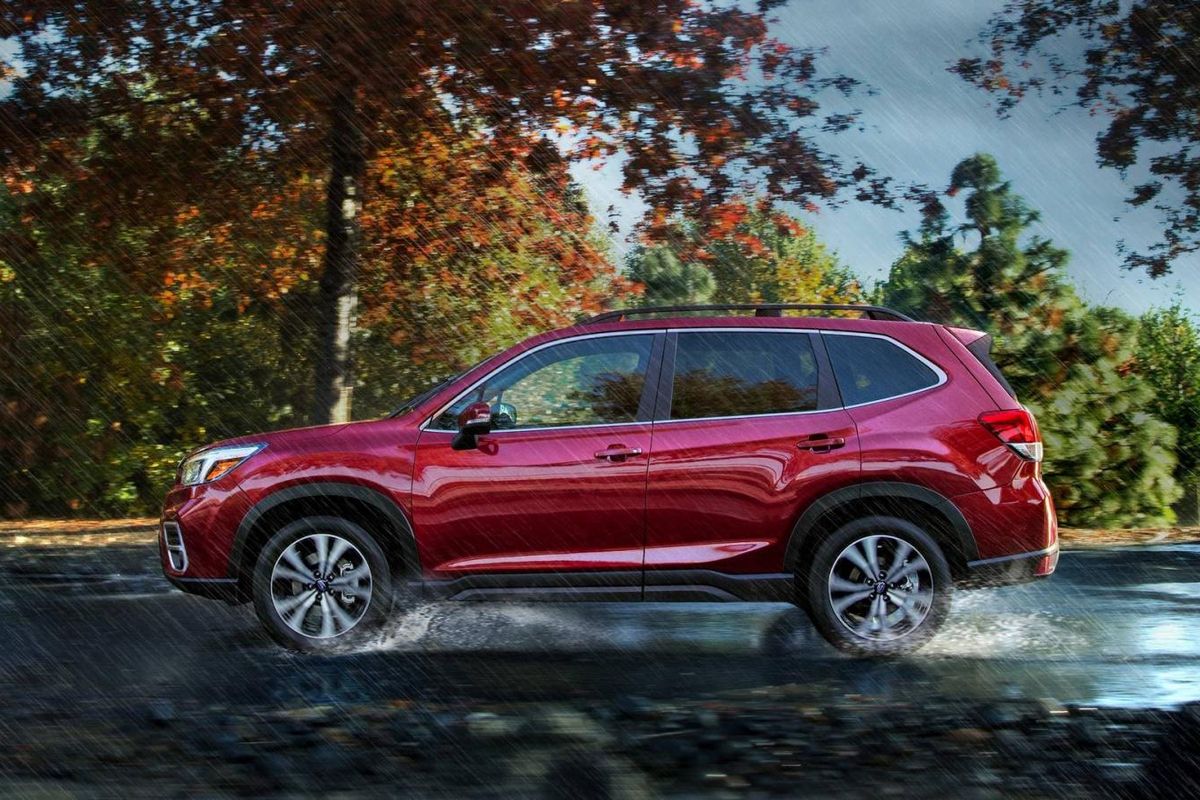
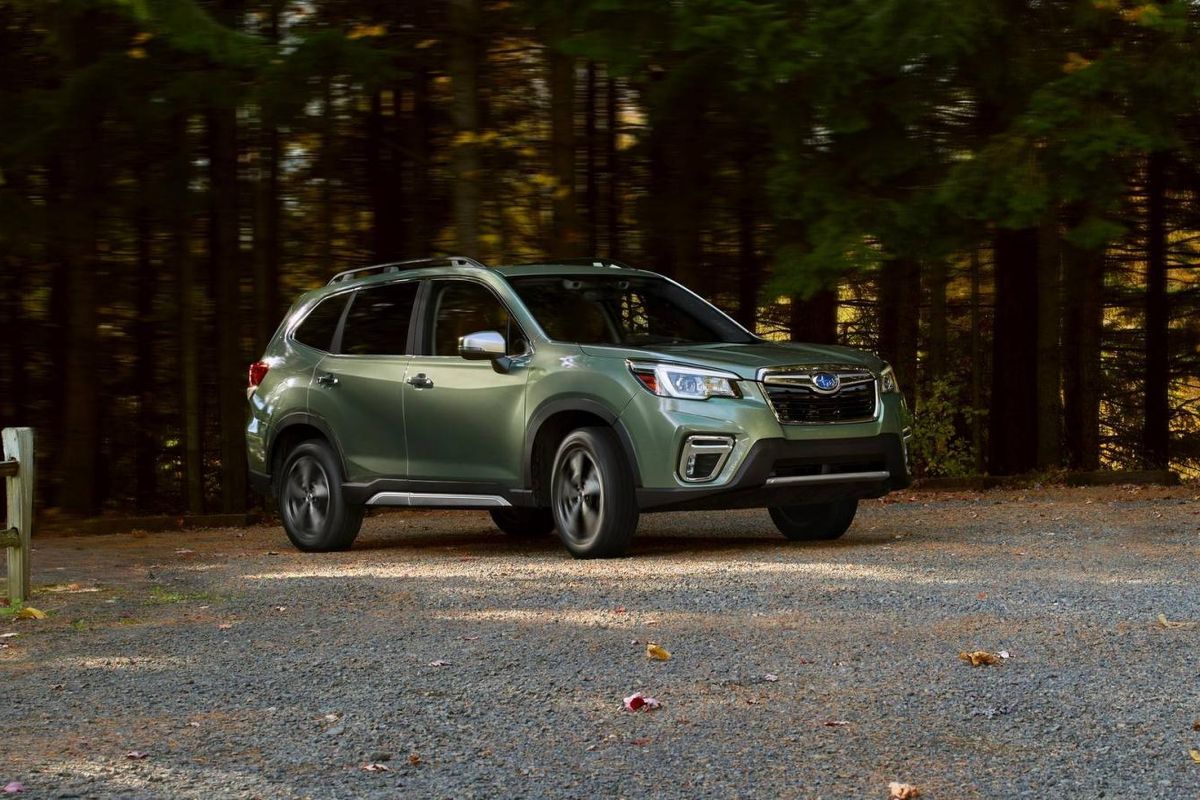
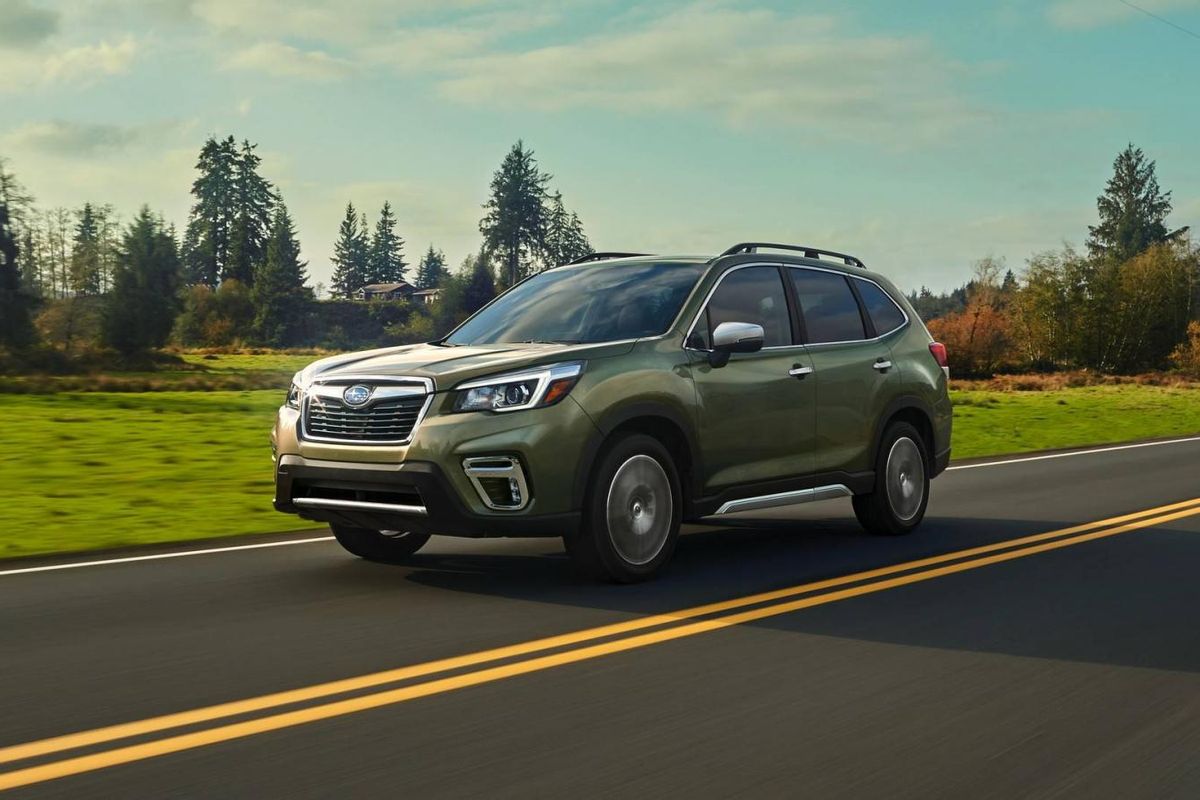
Subaru has used the New York Motor Show to showcase its new fifth-generation Forester SUV. Take a look at what the new Forester has to offer…

The new Forester has arrived in New York with a larger footprint, new technology and an updated 2.5-litre Boxer engine.

The revised 2.5-litre Boxer engine now offers 136 kW (previously 126 kW) and 236 Nm of torque (previously 235 Nm) and is mated to a Continuously Variable Transmission (CVT). The CVT on high-spec variants will feature a manual mode with a 7-speed manual transmission using the steering wheel paddles to change gears.

The standard SI-Drive will offer drive modes including Intelligent (optimises efficiency) and Sport (optimises performance). The familiar X-Mode with Hill Descent Control is fitted to assist in traversing various terrain and high-spec models will offer additional modes such as Snow/Dirt and Deep Snow/Dirt for tougher terrain.

More comfort and improved practicality
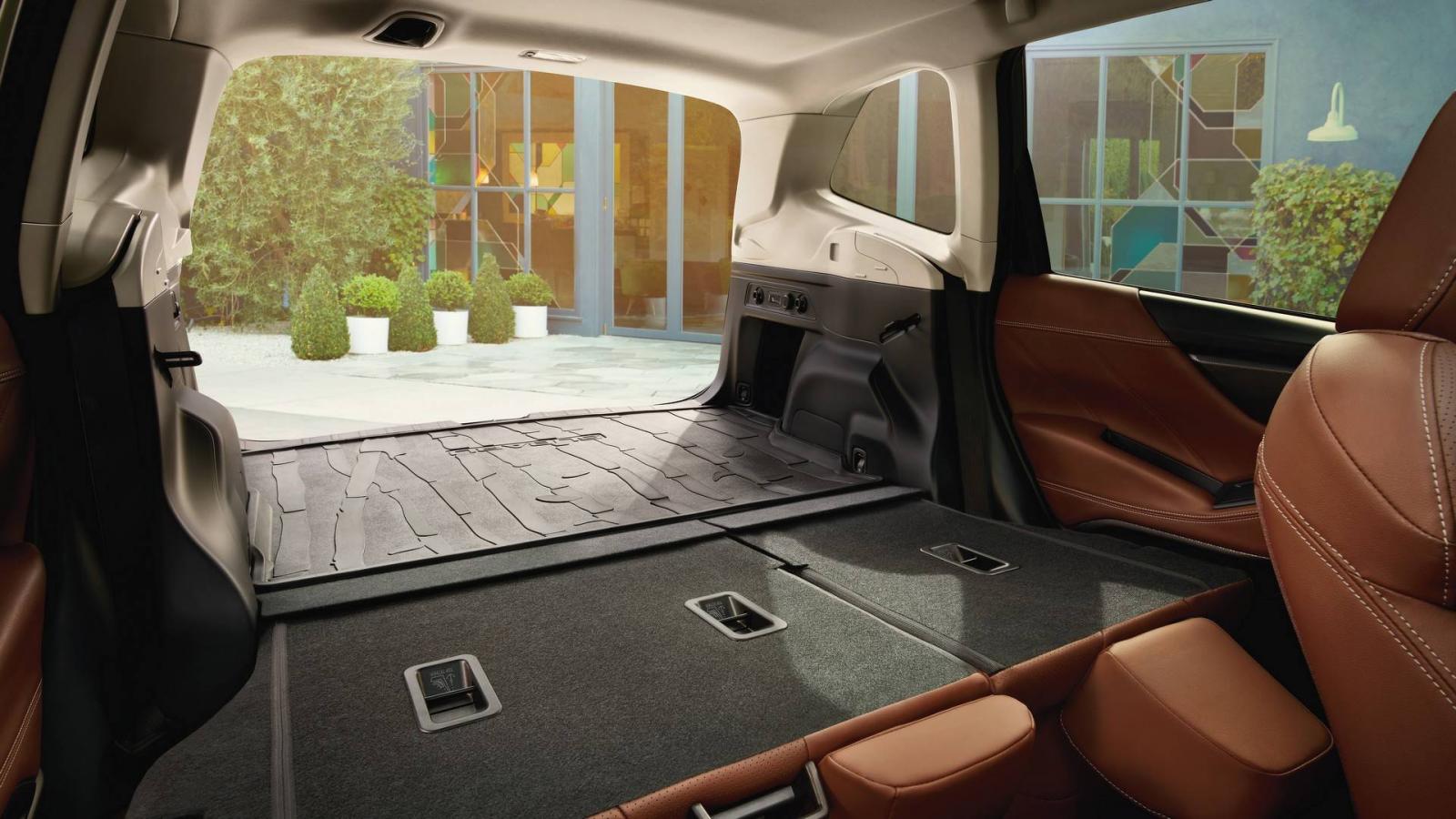

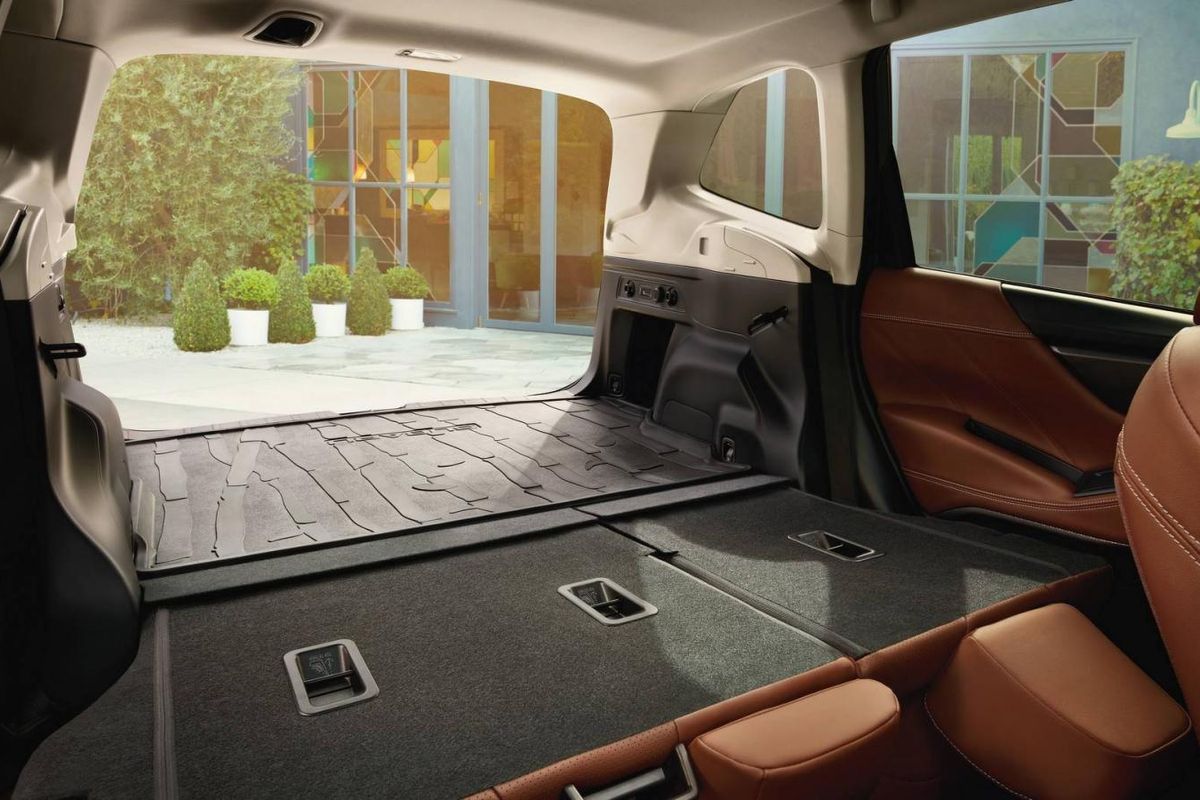
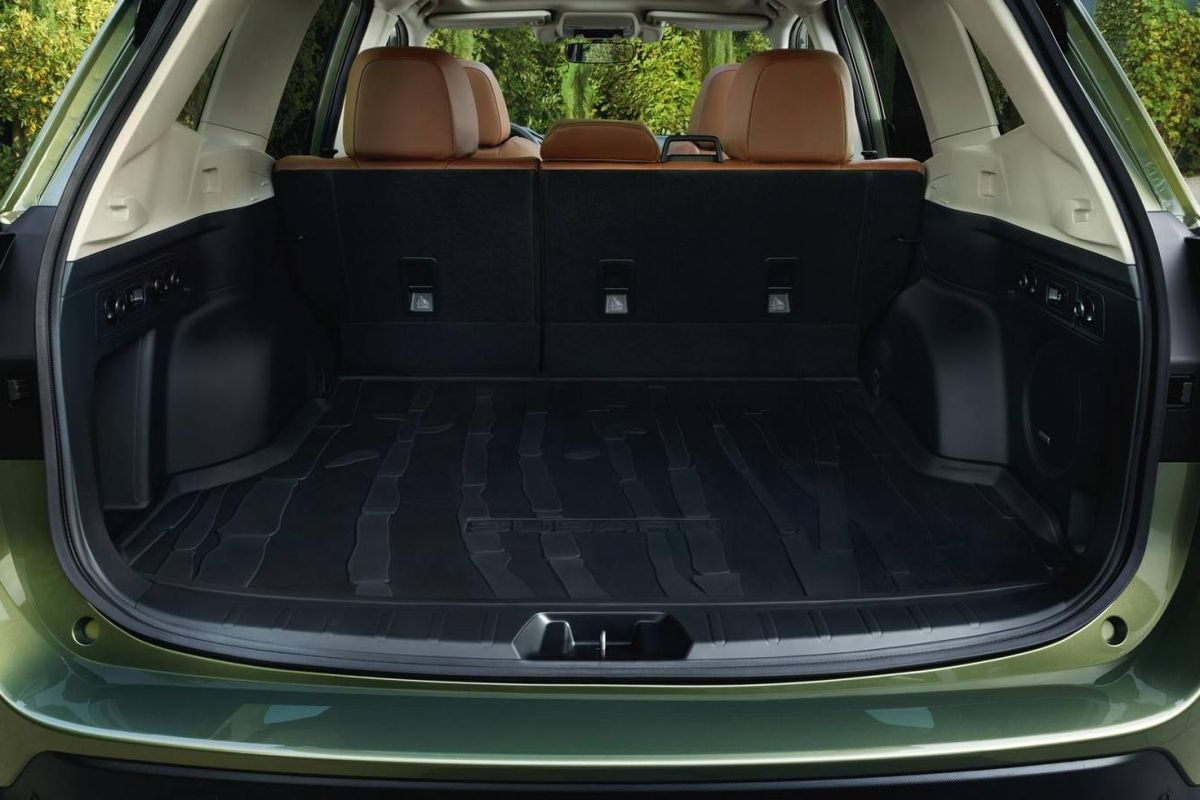
A larger load bay and flatter floor improve the Forester's practicality. The load bay opening is wider too…

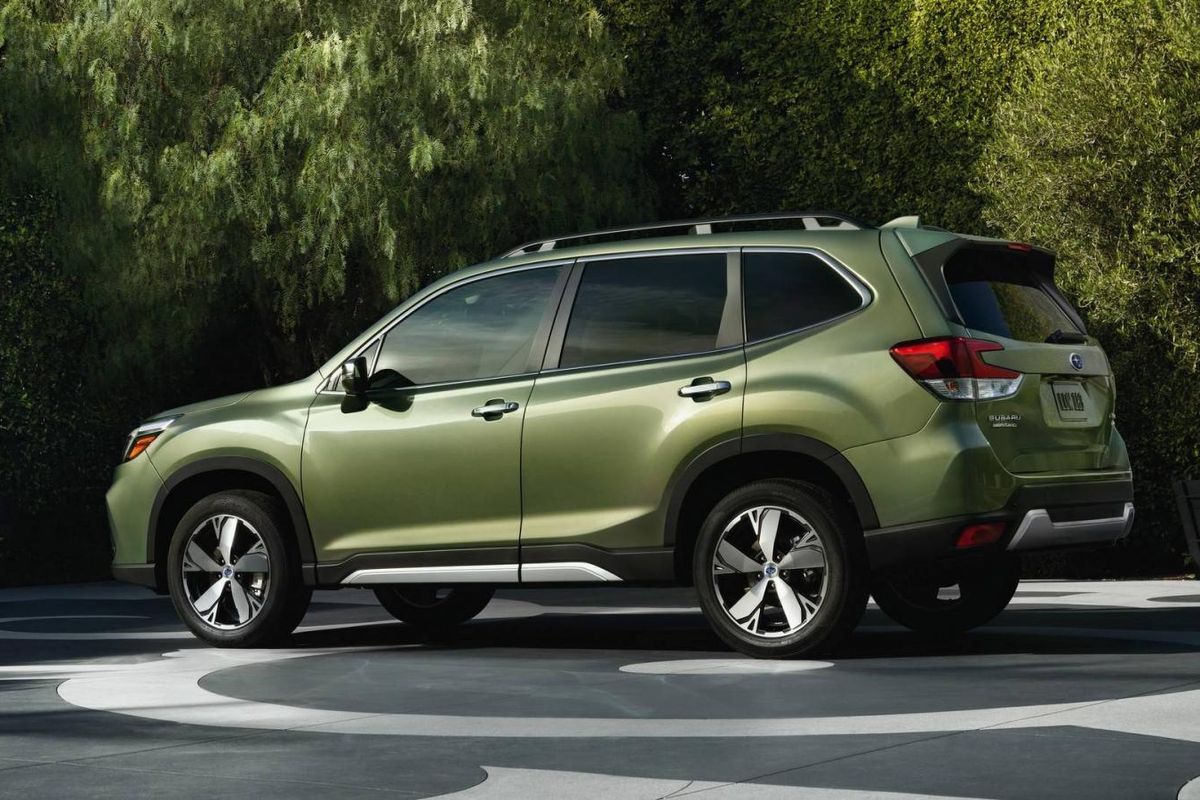
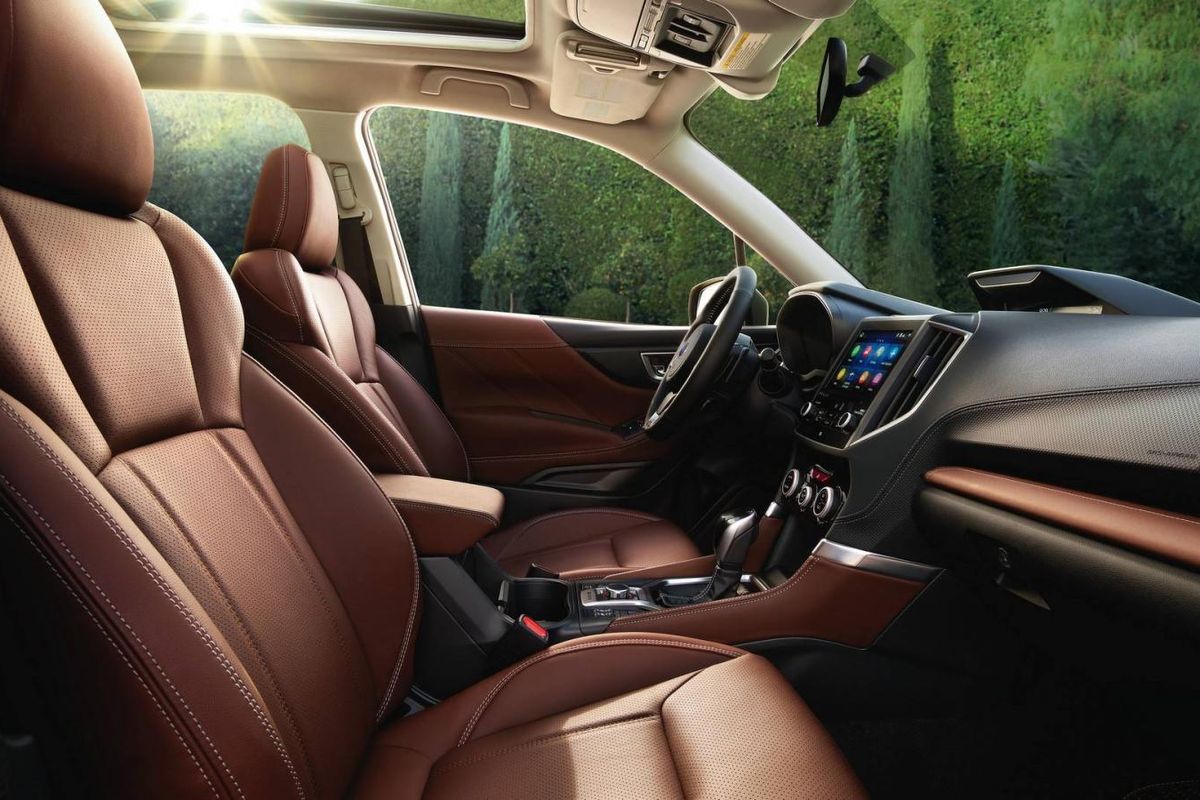
The new Forester is built on Subaru Global Platform (SGP) and is larger than the model it replaces, resulting in a roomier cabin. Rear legroom has improved as well as headroom, hip and shoulder room. The rear doors now also open wider than before which will make ingress and egress easier.

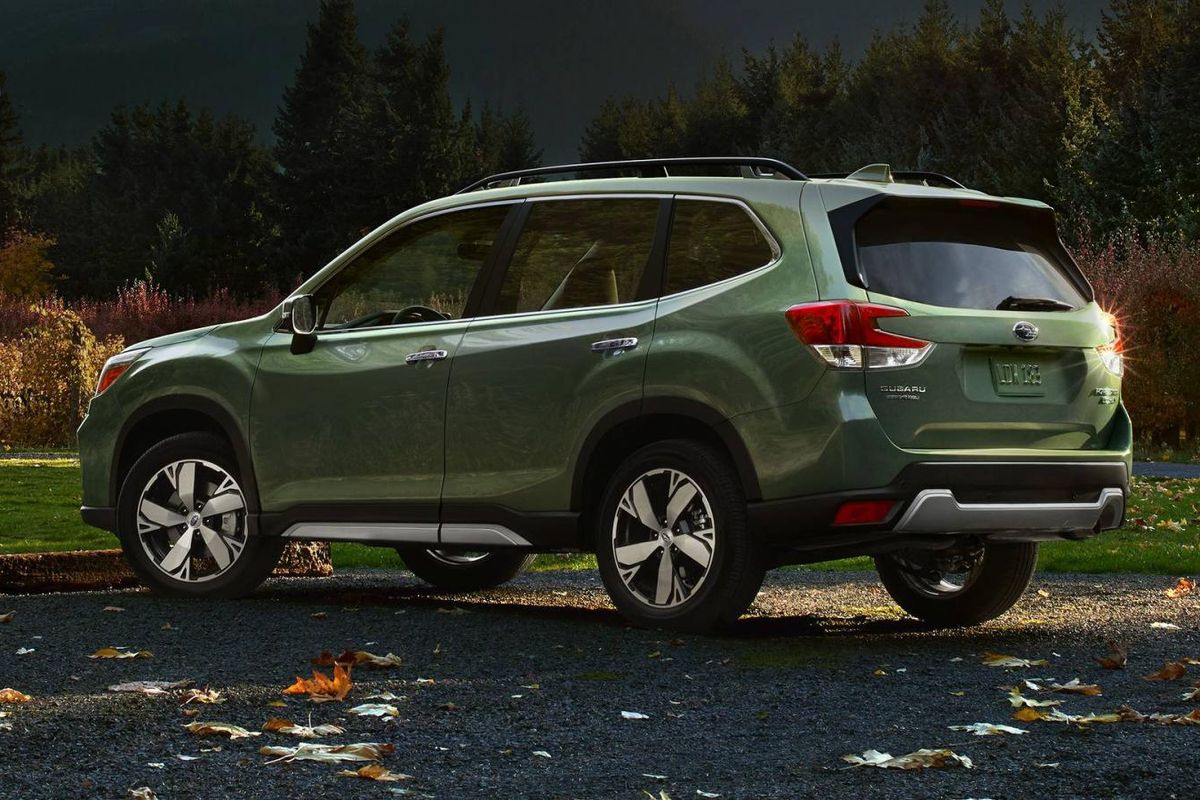
Practicality has improved too with a bigger load bay, a flatter floor with the 60:40 split seats folded down and a wider load bay opening that will make loading of bulky items easier. A power tailgate will be standard on select derivatives and roof rails are standard on all but the base derivative.  

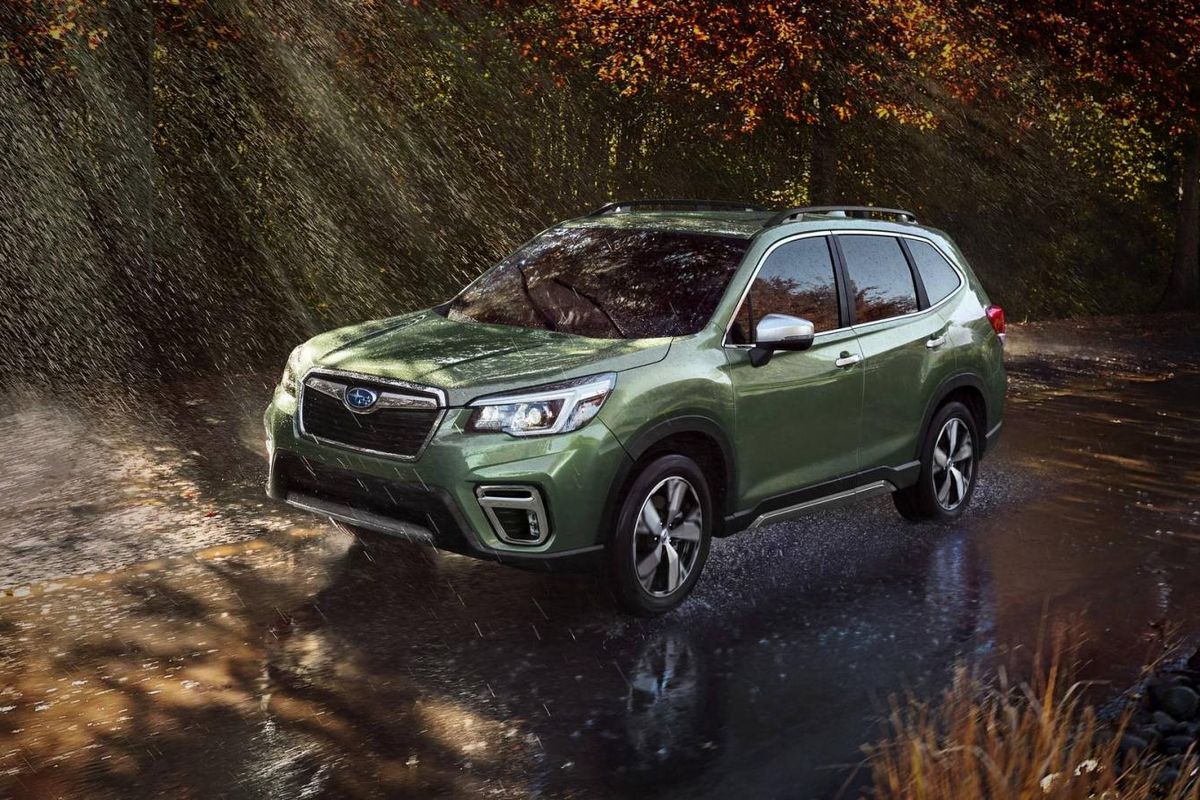
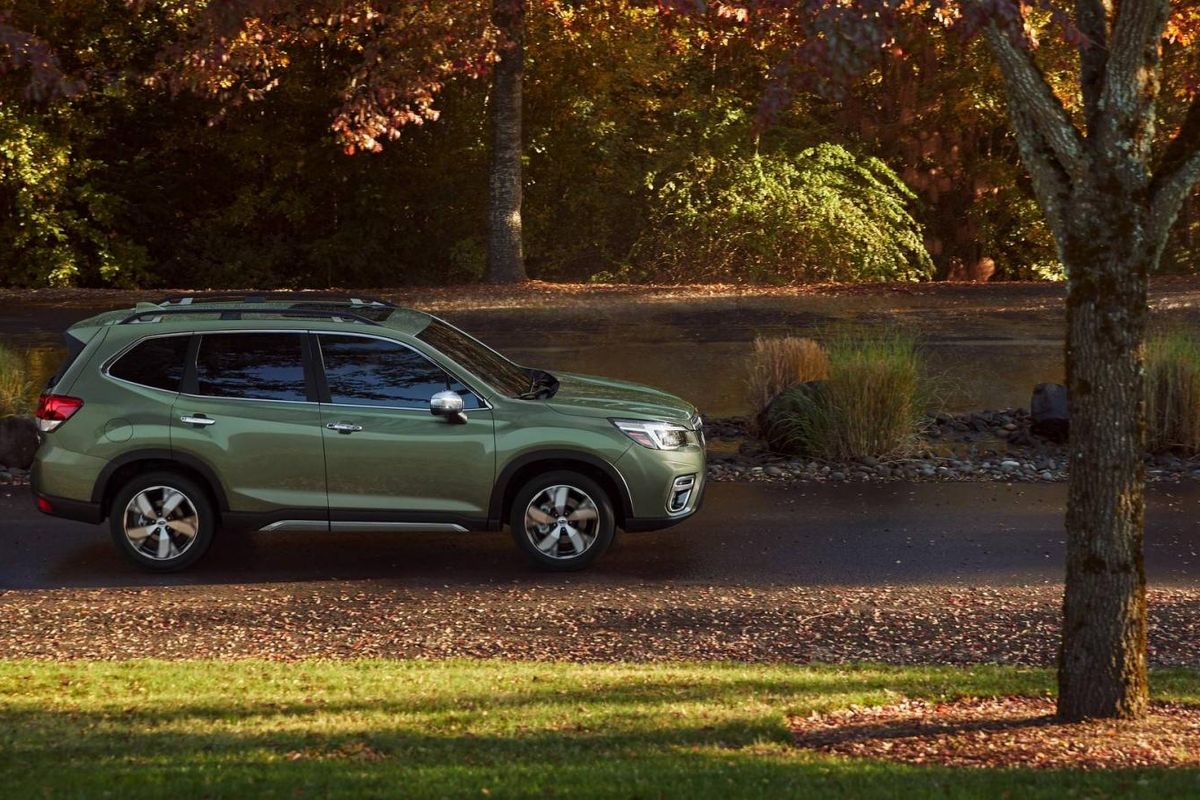
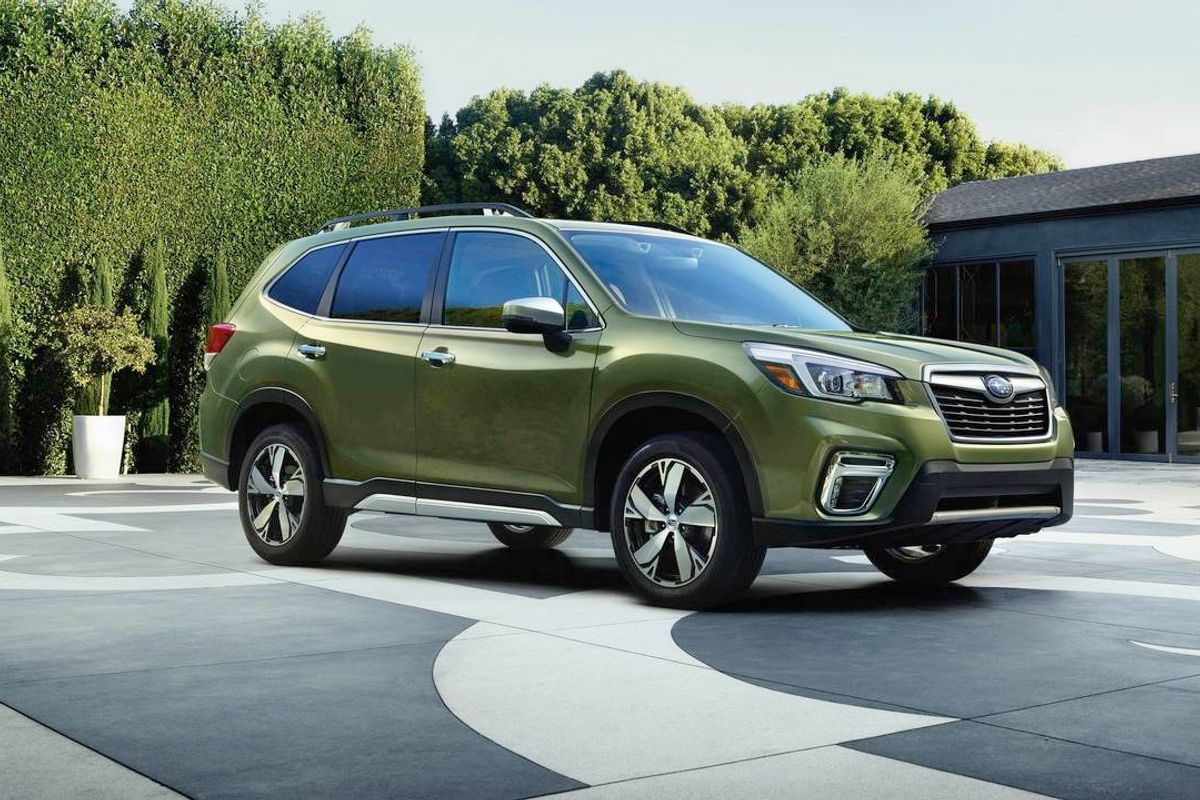
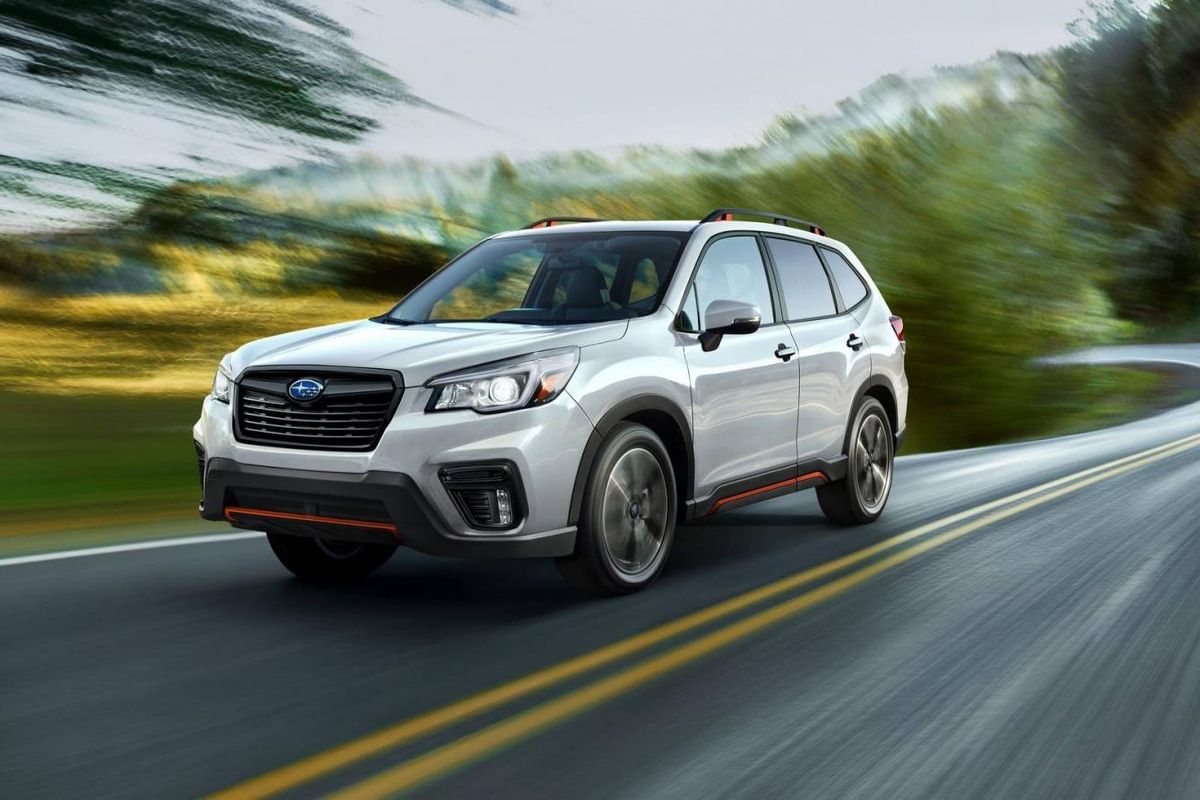
In terms of styling, the Forester’s look has been tweaked to conform to the rest of the Subaru range and gains new LED headlights set alongside the brand’s hexagonal grille. Prominent wheel arches allude to its symmetrical all-wheel drive capability and front, side and rear underguards give the Forester added rugged appeal. The Forester will also be offered with new exterior colours including Jasper Green Metallic, Horizon Blue Pearl and Crimson Red Pearl.

Improved cabin
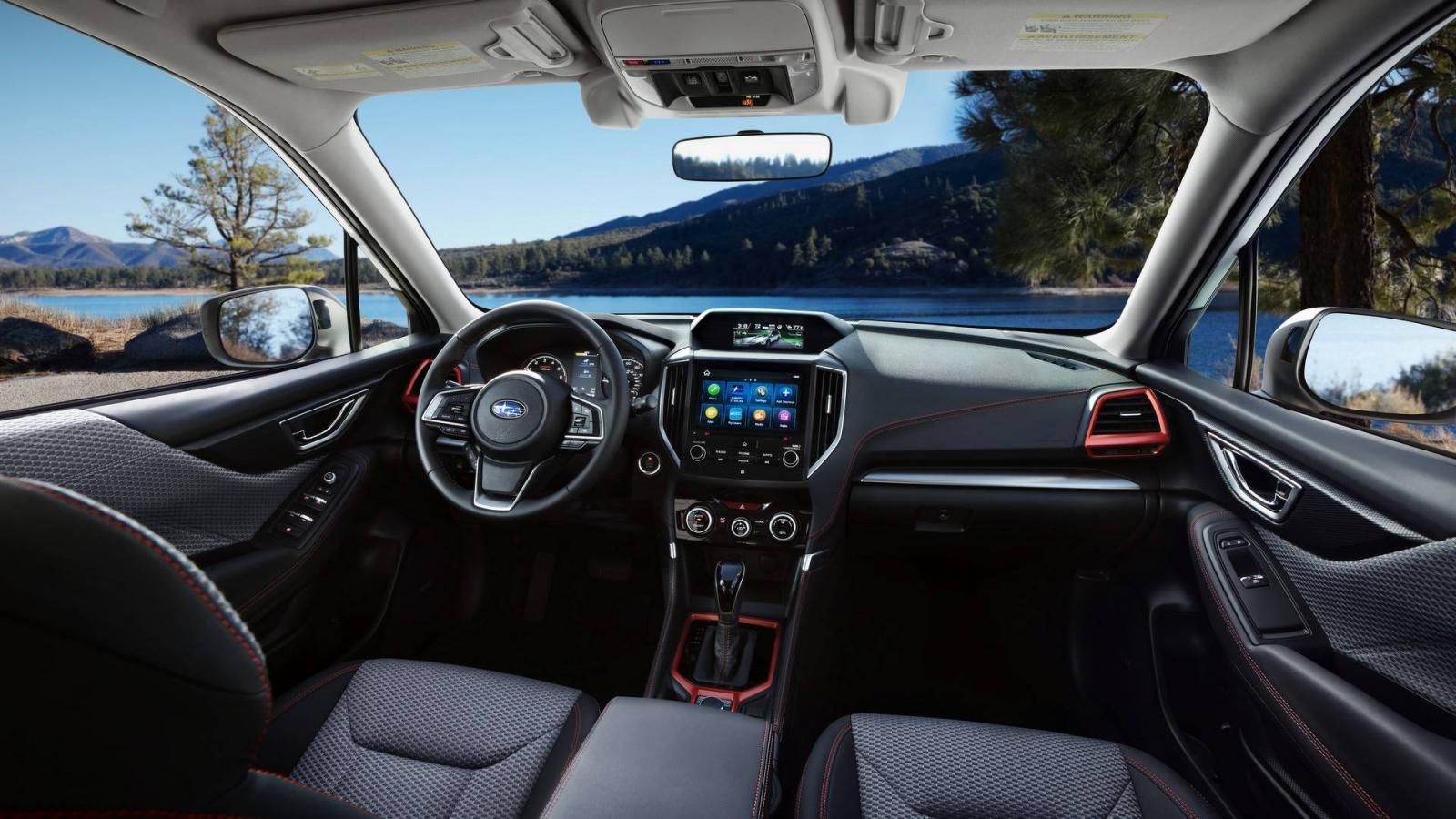

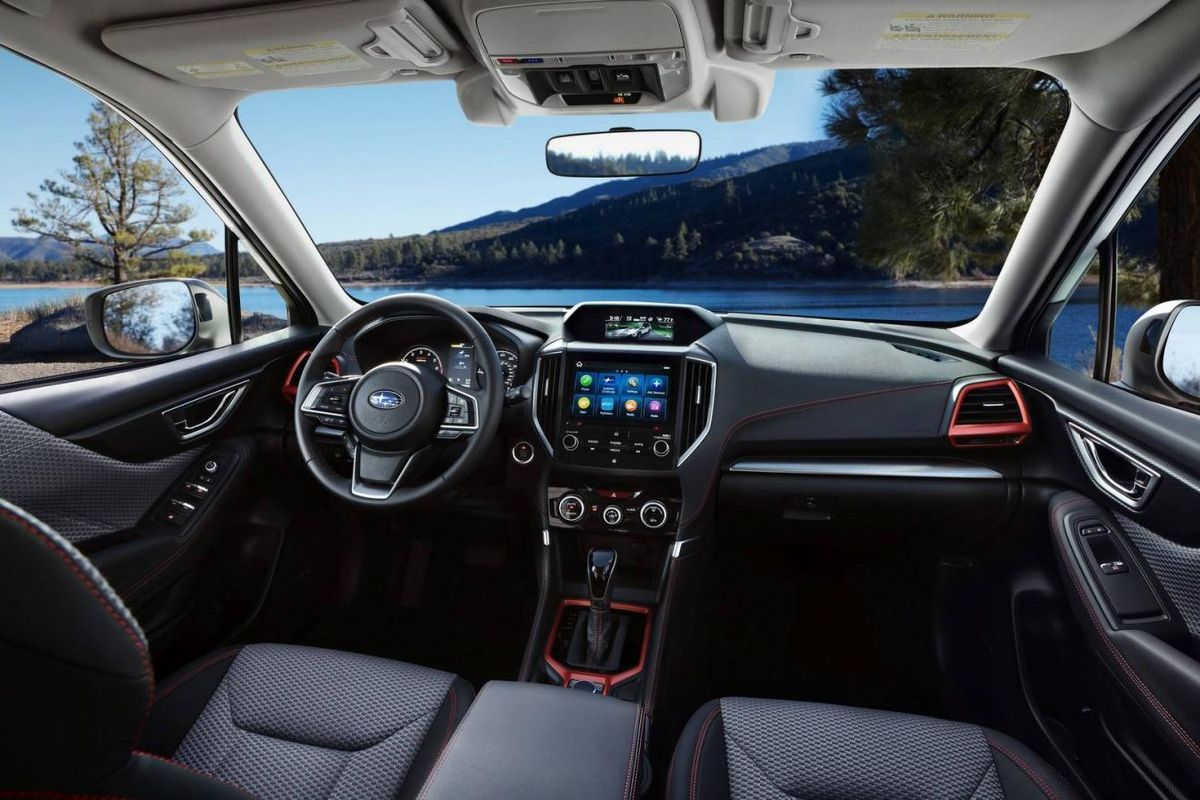
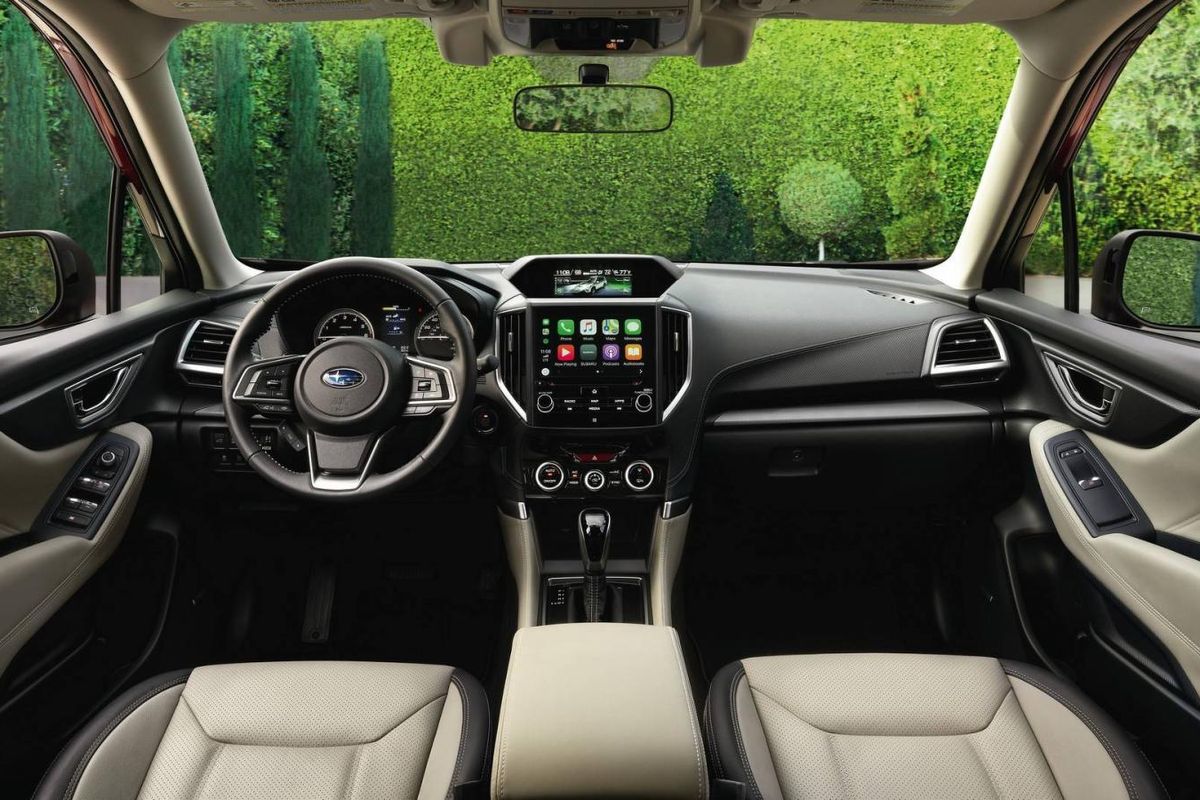
Comfort and durability are major focus areas inside the new Forester. A 6.5-inch touchscreen infotainment system is standard. 

The new Forester will be offered with 5 trim levels including Standard, Premium, Limited, Touring and a new Sport trim.

The new Forester is said to offer a quieter cabin than before and has been designed to offer more comfort and improved durability. Some key features include new front seats, electronic parking brake, automatic and dual-zone climate control, 3-stage heated seats and rear seat heating on the high-spec Touring derivative.

A 6.5-inch touchscreen infotainment system is standard offering Bluetooth connectivity, Apple CarPlay and Android Auto. A high-resolution 8-inch system with navigation is offered on higher spec derivatives.

All new Forester’s are equipped with EyeSight Driver Assist Technology which includes Pre-Collision Braking, Adaptive Cruise Control, Lane Departure and Sway Warning, Lane Keep Assist, Pre-Collision Throttle Management and Lead Vehicle Start Alert. Features such as Reverse Automatic Braking and Blind Spot Detection with Lane Change Assist and Rear Cross Traffic Alert will also be offered. A total of 7 airbags are standard.

Subaru South Africa has confirmed that the new Forester will arrive in SA in Q1 of 2019 and local specification and pricing has yet to be confirmed. We will keep you updated as more information becomes available.

Buy a new or used Subaru Forester on Cars.co.za

Related Content

Subaru Forester 2.5 XS (2018) Quick Review

Subaru Forester 2.0 XT (2016) Review

Subaru Forester 2.0 XT (2017) Video Review
SUV Comparison: Ford Kuga vs Honda CR-V vs Subaru Forester

New Cars in SA for 2018

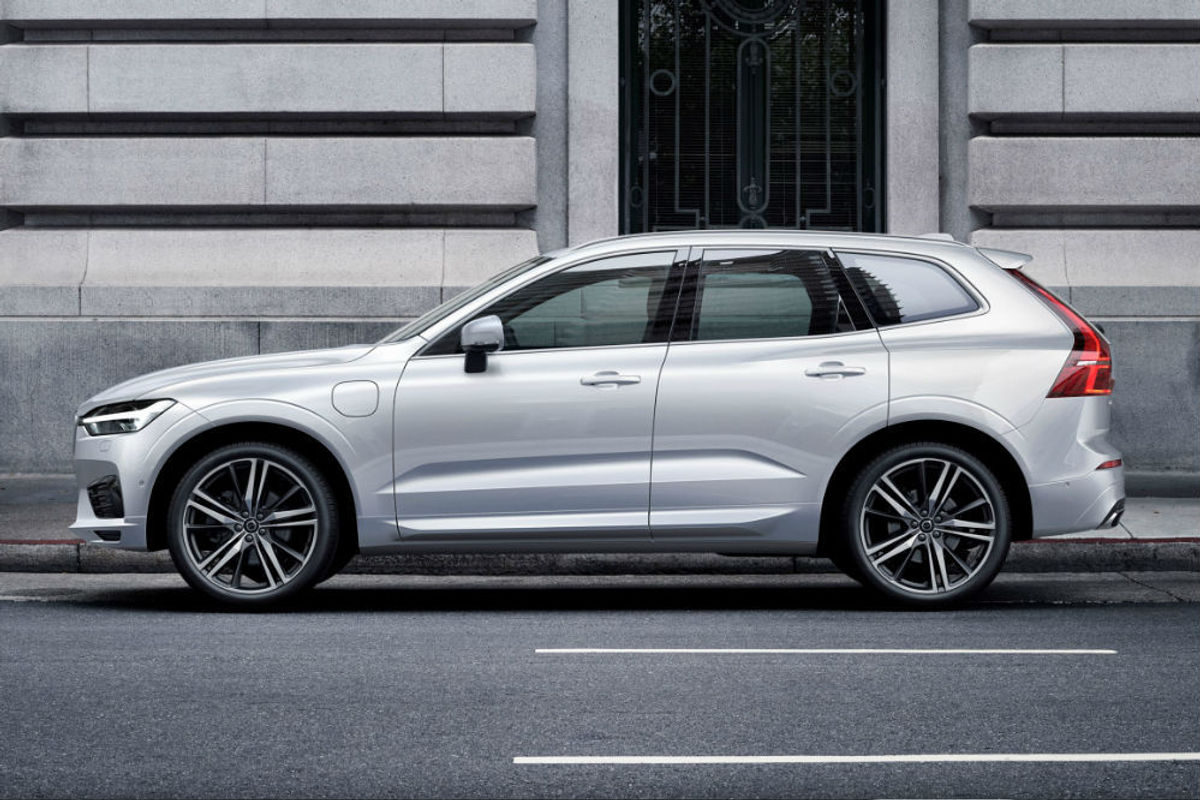
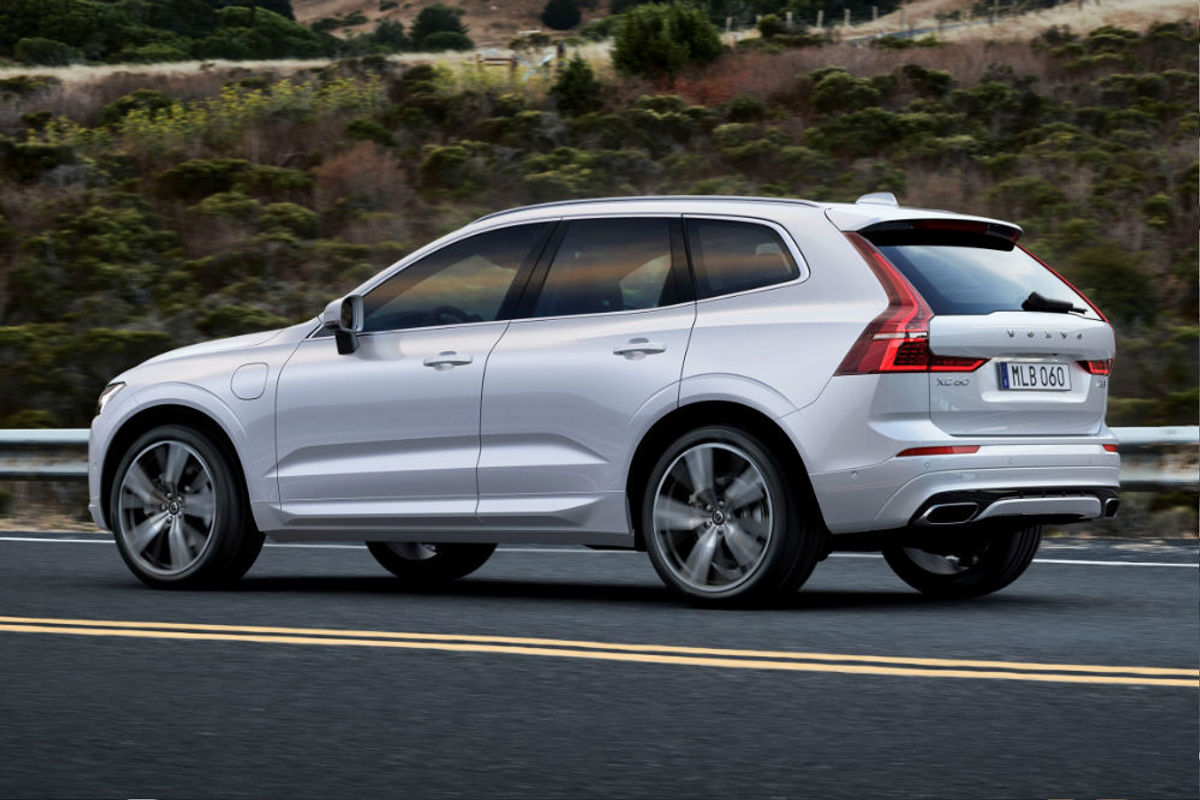
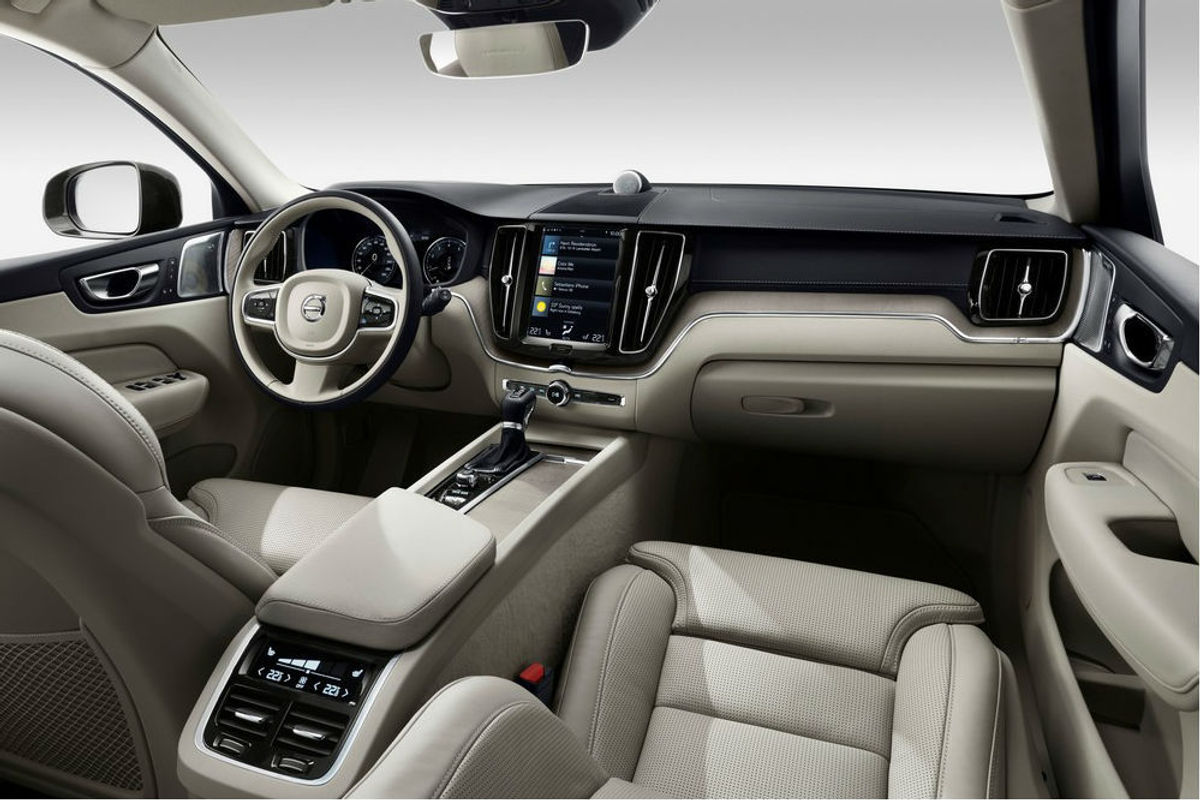
Volvo XC60 Wins 2018 World Car of the Year

The Volvo XC60 has been named the 2018 World Car of the Year with the announcement taking place at the New York Auto Show this week.

The Volvo XC60 was chosen from an initial entry list of 34 vehicles from all over the world. The vehicles were then whittled down to a short list of 10 and then reduced to 3 finalists announced in Geneva earlier this month: the Mazda CX-5, the Range Rover Velar and the Volvo XC60.
 
To be eligible for the overall World Car Award, the candidates must become available for sale on at least two continents during the period beginning 1 January 2017 and ending 31 May 2018.
 
This year, vehicles were selected and voted on by an international jury panel comprised of 82 top-level automotive journalists from 24 countries, including Cars.co.za Consumer Experience Manager, Hannes Oosthuizen, South Africa’s sole representative on the panel.

"Of the 3 finalists, the new XC60 was my preferred candidate for the overall win. It’s probably the best example of all that is good about Volvo at the moment – great design inside and out, quality finishes and a strong performance/efficiency balance, without sacrificing the practicality and safety aspects the brand is so famous for" says Oosthuizen.

Previous World Car of the Year winners were the Jaguar F-PACE (2017), Mazda MX-5 (2016), Mercedes-Benz C-Class (2015), the Audi A3 (2014), the Volkswagen Golf (2013), the Volkswagen Up! (2012), the Nissan Leaf (2011), the Volkswagen Polo (2010, the Volkswagen Golf (2009), the Mazda2 / Mazda Demio (2008), the Lexus LS460 (2007), the BMW 3-Series (2006), and the Audi A6 (2005).

Also see: Volvo XC60: 5 Things You Should Know

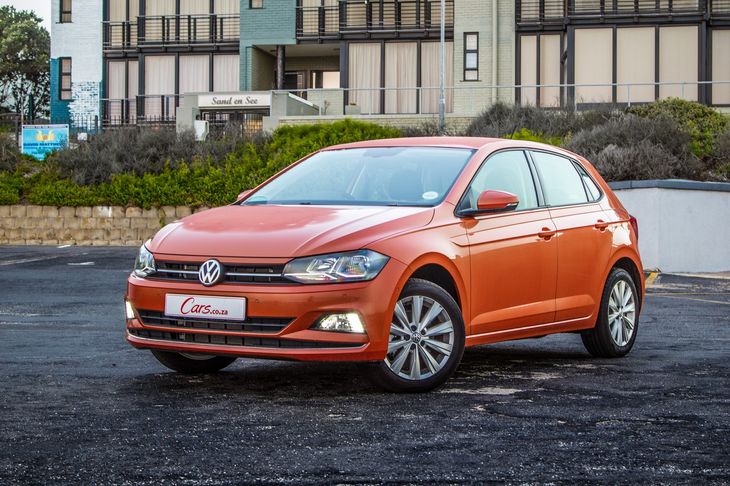
World Urban Car of the Year: Volkswagen Polo

This year is the 6th time that the company has won a World Car award. Volkswagen AG has previously won top "World Car of the Year" honours a total of four times:  in 2013 (Golf), 2012 (Up!), 2010 (Polo) and 2009 (Golf VI).

This year's winner was chosen from an initial entry list of 8 cars from all over the world, then a short list of 3 finalists as announced in Geneva earlier this month:  the Ford Fiesta, the Suzuki Swift and the Volkswagen Polo.

The World Urban Car award was introduced last year because it's an award whose time has come. World Car vice-chairman, Mike Rutherford, commented,  "Everyday cars in many – perhaps most – parts of the world will have to become smaller if road and parking space is to be found for them in increasingly packed towns and cities whose populations are swelling annually."  Last year's inaugural World Urban Car winner was the BMW i3 (94Ah).

Buy a new or used VW Polo on Cars.co.za

Also see: Volkswagen Polo 1.0TSI Highline auto (2018) Review [w/Video]
 

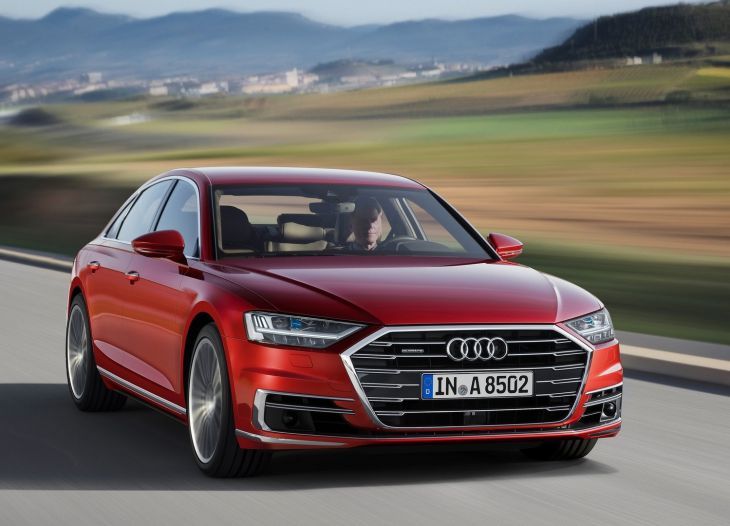
World Luxury Car: Audi A8

2018 marks the 9th time that AUDI AG has won a World Car award. The company previously won World Car of the Year in 2014 (Audi A3) and the very first World Car of the Year award in 2005 (Audi A6). 
 
Audi has also won four World Performance Car titles:  2016 (Audi R8 Coupé), 2010 (Audi R8 V10), 2008 (Audi R8) and 2007 (Audi RS 4).  The company also captured the World Car Design of the Year award in 2007 and 2008.
 
This year’s winner was chosen from an initial entry list of 5 prestigious cars from all over the world, then a short list of three finalists as announced in Geneva earlier this month:  the Audi A8, the Porsche Cayenne and the Porsche Panamera.
 
Previous World Luxury Car winners were the Mercedes-Benz E-Class (2017), the BMW 7 Series (2016), the Mercedes-Benz S Coupé (2015) and the Mercedes-Benz S-Class (2014). The award was first created in 2014 to acknowledge higher-priced premium models selling in more limited numbers worldwide. 

Buy a new or used Audi A8 on Cars.co.za

Also see: Audi A8 (2018) Revealed [with Video]

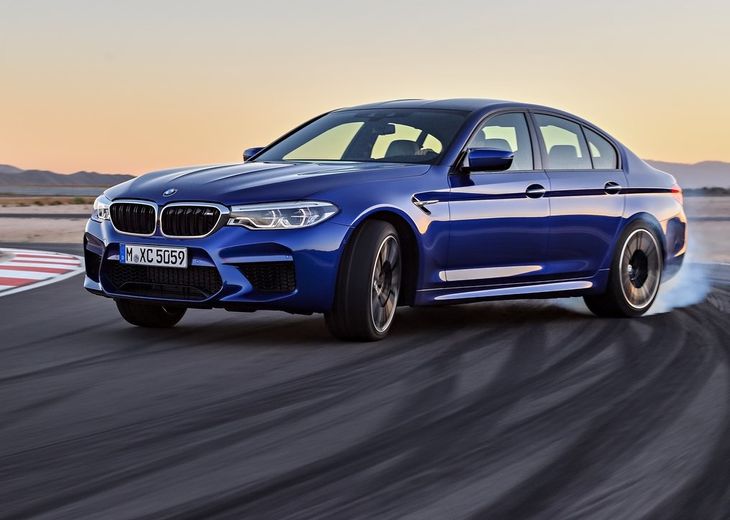
World Performance Car: BMW M5

This is the 7th time that a BMW has won a World Car award. Previously, the company  won the inaugural World Urban Car award in 2017 (BMW i3); the 2016 World Luxury Car award (BMW 7 series);  two back-to-back World Green Car awards (BMW i8 – 2015, BMW i3 – 2014) as well as another World Green Car win in 2008 (BMW 118d with Efficient Dynamics).  In 2006, the BMW 3-Series captured top honours as the World Car of the Year.
 
The BMW M5 was chosen from an initial entry list of 11 cars from all over the world then a short list three finalists as announced Geneva earlier this month: the BMW M5, the Honda Civic Type R and the Lexus LC 500.

Candidates eligible for World Performance Car must be produced in volumes of at least 2,000 units/year, must be overtly performance focused in nature, and must be available for sale on at least two continents during the period beginning January 1, 2017 and ending May 31, 2018.

Previous World Performance Car winners were the Porsche Boxster Cayman (2017), the Audi R8 Coupe (2016), the Mercedes-Benz AMG GT (2015), then three Porsche wins in a row:  the 911 GTE in 2014, the Boxster/Cayman in 2013, and the 911 in 2012. Ferrari won the 2011 World Performance title for the 458 Italia while the Audi R8 V10 won in 2010, the Nissan GT-R in 2009, the Audi R8 in 2008, the Audi RS4 in 2007 and the Porsche Cayman S in 2006.

Buy a new or used BMW M5 on Cars.co.za

Also see: BMW M5 (2018) Specs & Pricing

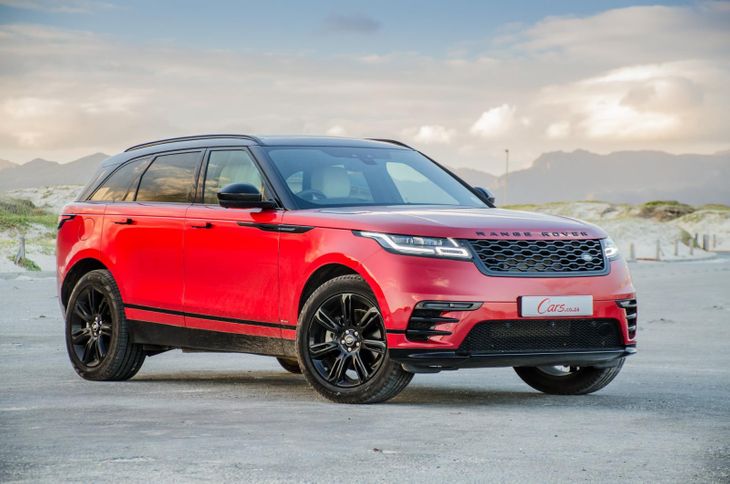
World Car Design of the Year: Range Rover Velar

The new Range Rover Velar won the World Car Design of the Year Award. The World Car Design of the Year category, and the corresponding award are meant to highlight new vehicles with innovation and style that push established boundaries.  This year, the cars eligible for the 2018 World Car Design of the Year award encompassed all the contenders competing in the other 5 award categories. As announced in Geneva earlier this month, the 82 jurors voted the Lexus LC 500, the Range Rover Velar and the Volvo XC60 as the “Top 3 in The World” finalists for this category.

Buy a new or used Range Rover Velar on Cars.co.za

Also see: Range Rover Velar P380 R-Dynamic HSE (2017) Review
 

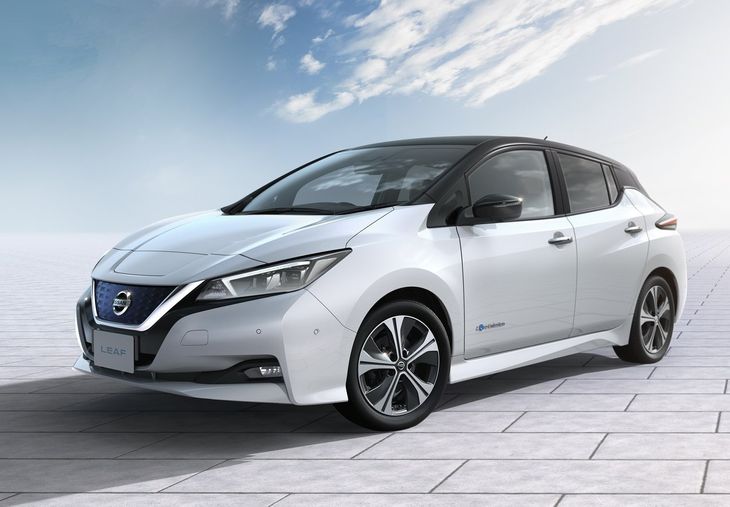
World Green Car: Nissan LEAF

The Nissan Leaf was chosen from an initial entry list of 4 new vehicles from all over the world, then a short list of 3 finalists as announced in Geneva earlier this month:  the BMW 530e iPerformance, Chrysler Pacifica Hybrid and Nissan LEAF. The Nissan LEAF won the overall World Car of the Year title in 2011 while the Nissan GT-R won the 2009 World Performance Car award.
 
To be eligible for the 2018 World Green Car award, a vehicle had to be all-new, or substantially revised, in production and introduced for sale or lease to the public in quantities of at least 10 in at least one major market during the period beginning January 1, 2017 and ending May 31, 2018.  Tailpipe emissions, fuel consumption, and use of a major advanced power plant technology (beyond engine componentry), aimed specifically at increasing the vehicle's environmental responsibility, were all taken into consideration.
 
Previous World Green Car winners were:  the Toyota Prius Prime (2017), the Toyota Mirai (2016), the BMWi8 (2015) and the BMW i3 (2014), then the Tesla Model S (2013), the Mercedes-Benz S 250 CDI BlueEFFICIENCY (2012), the Chevrolet Volt (2011), the Volkswagen BlueMotion (2010), the Honda FCX Clarity (2009), the BMW 118d with Efficient Dynamics (2008), the Mercedes-Benz E320 Bluetec (2007) and the Honda Civic Hybrid (2006).

Buy a new or used Nissan on Cars.co.za

Also see: New Nissan Leaf Does Electric Better [Video]


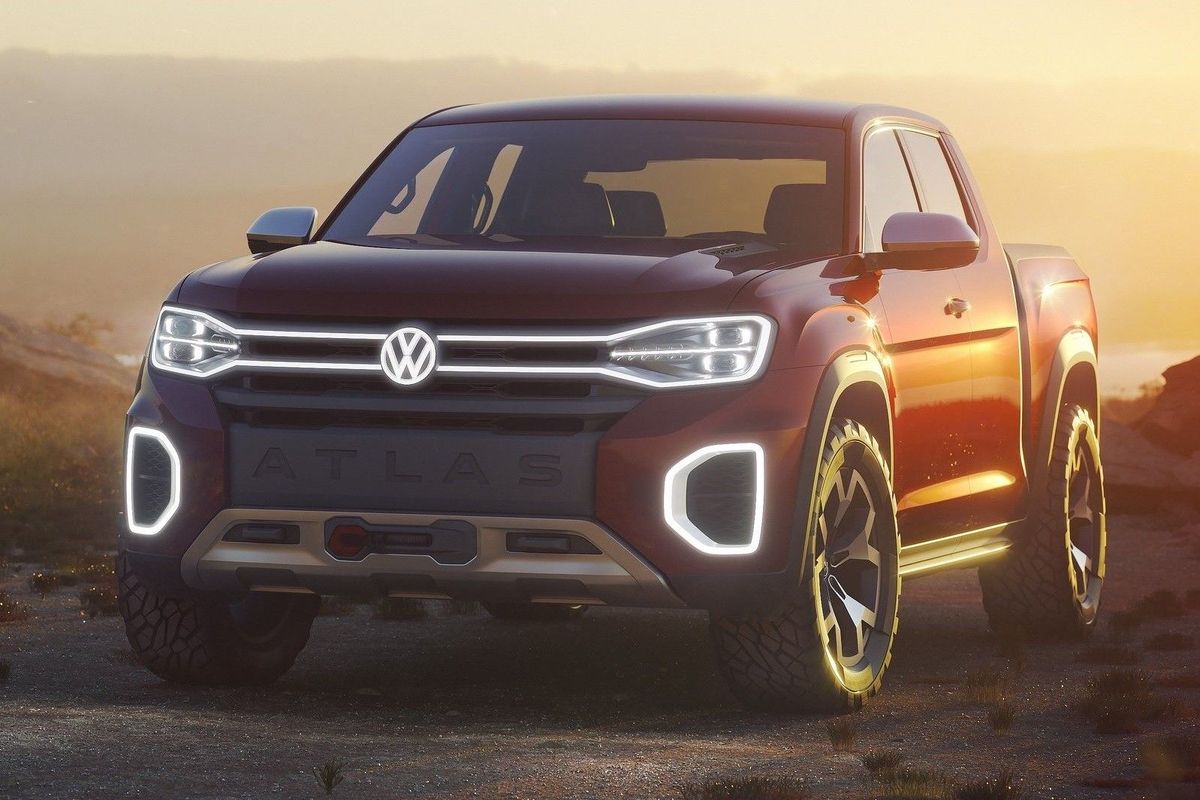
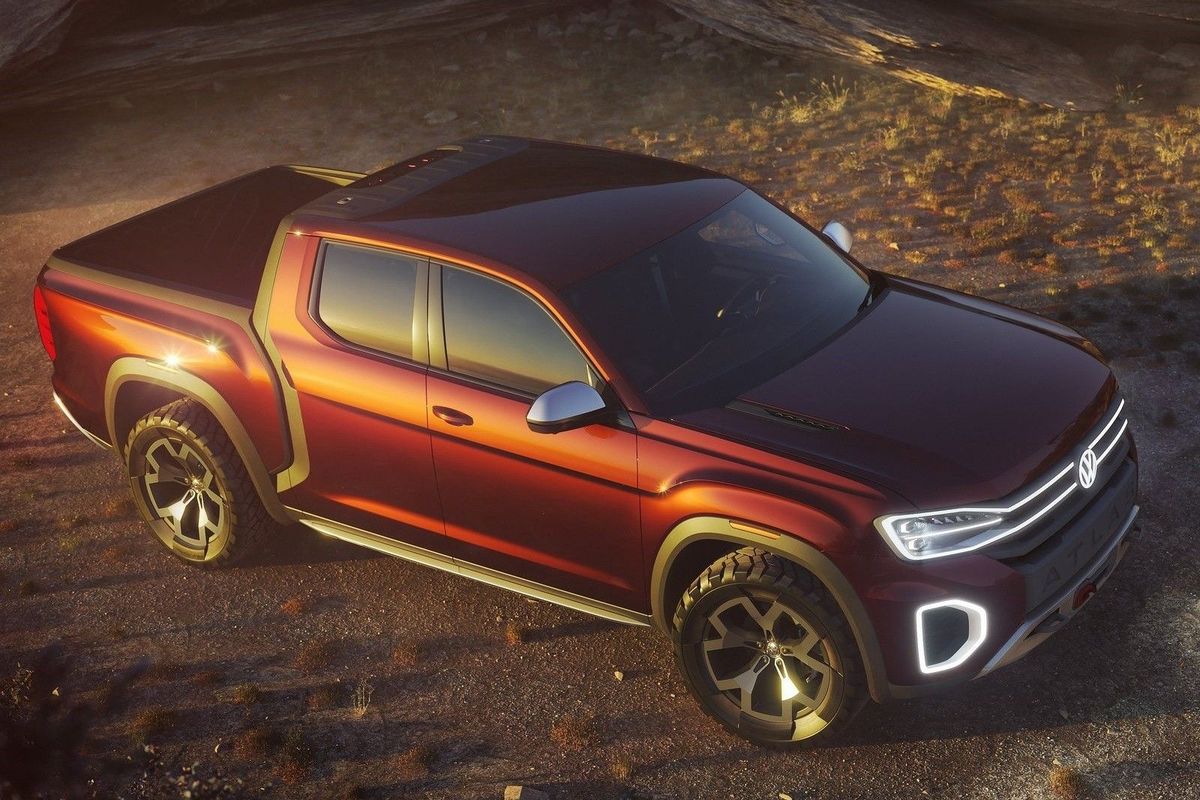
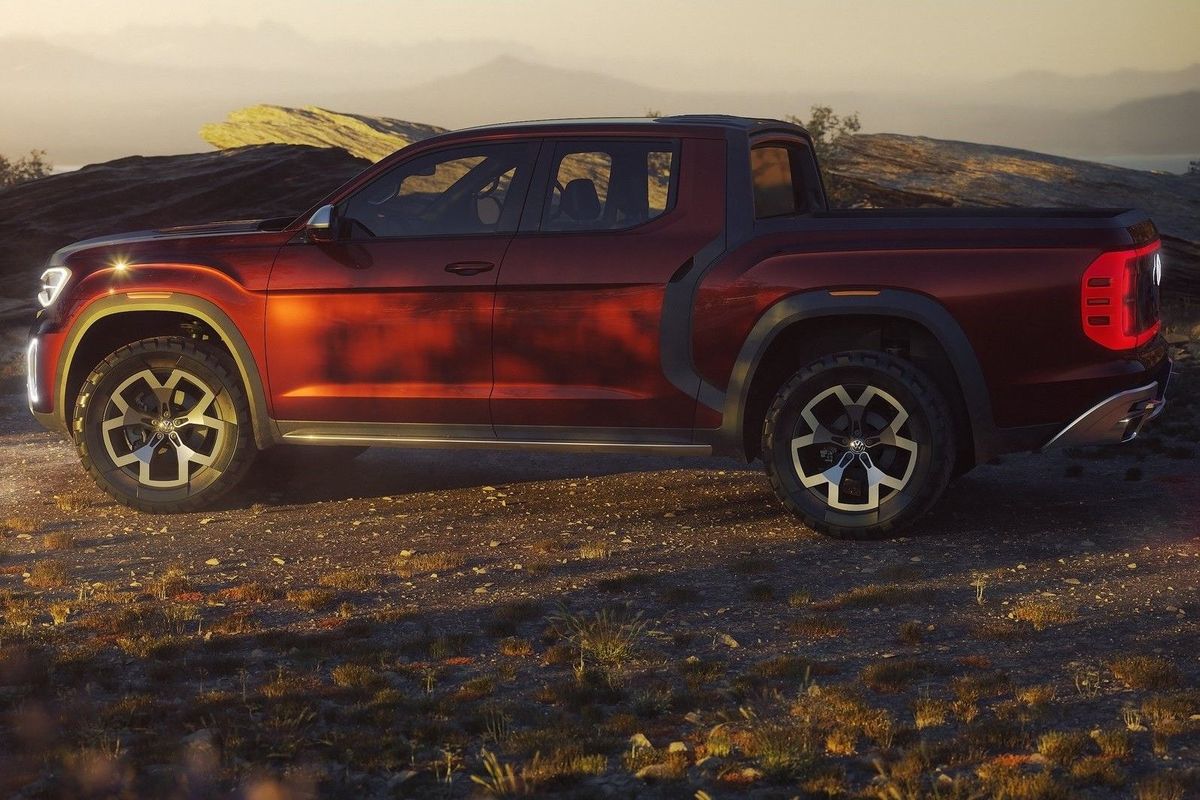
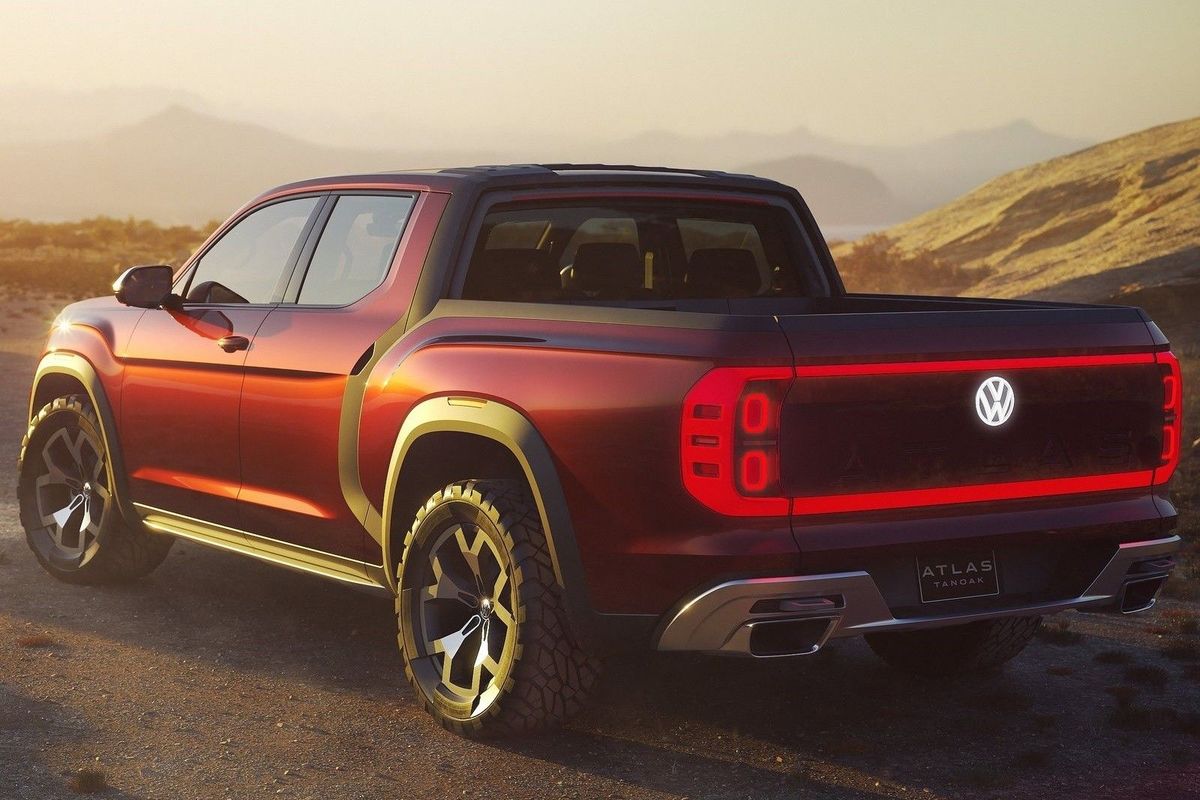
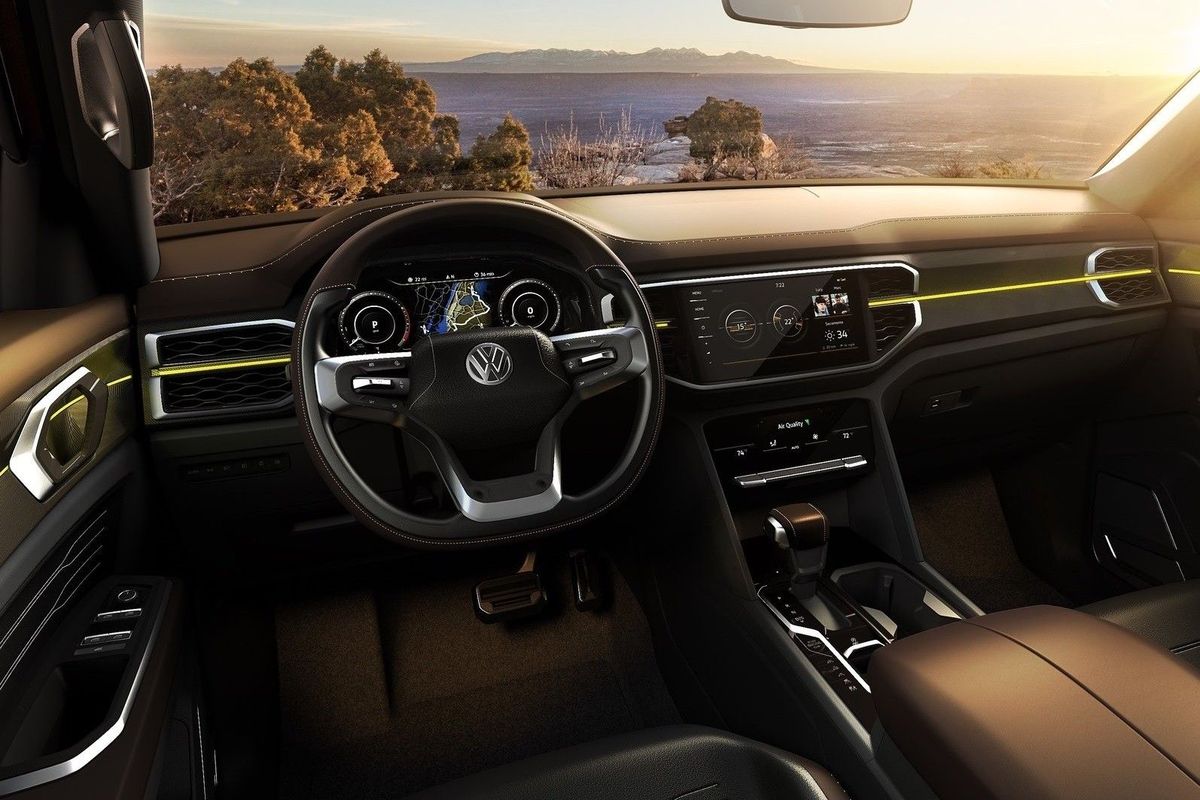
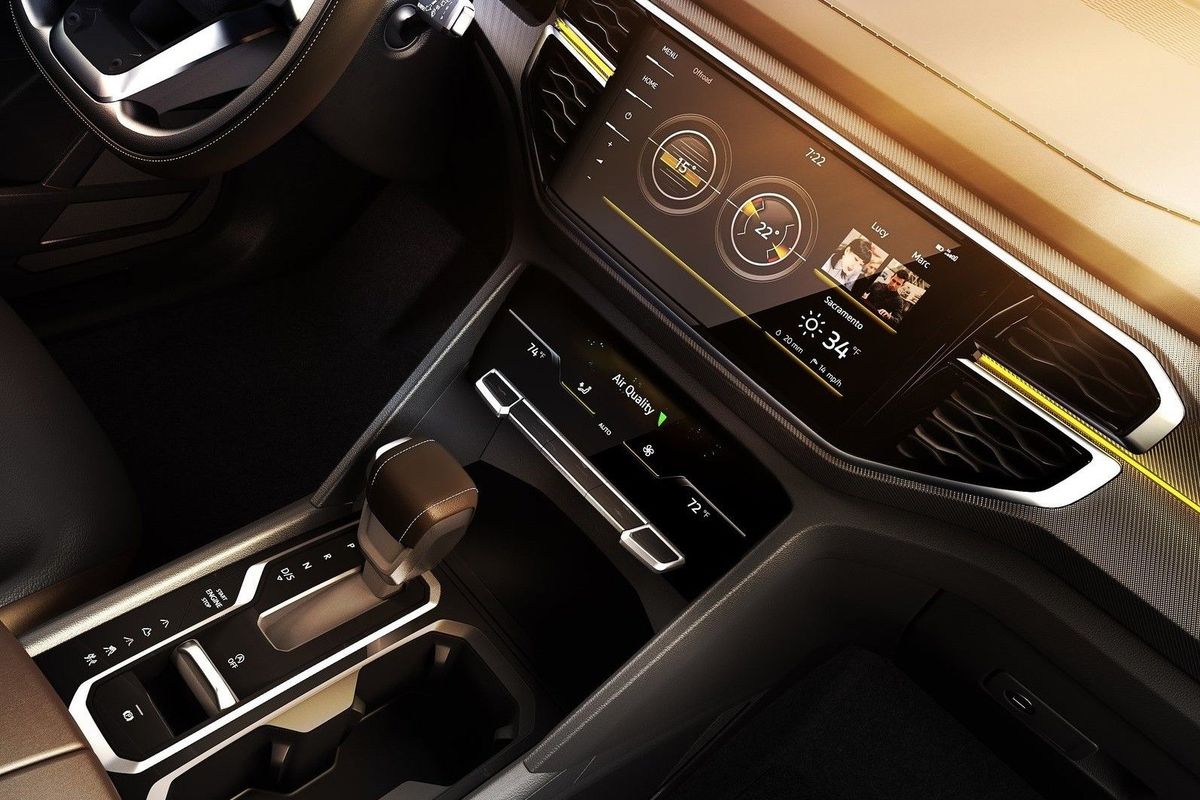
Volkswagen Atlas Tanoak Concept unveiled at New York Auto Show

Volkswagen has shown off a bakkie concept based on its big Atlas SUV. While it's not scheduled to be produced, Volkswagen is using the New York auto show to gauge response and feedback, especially since the US is a massive bakkie market. Should Volkswagen make a big bakkie?

The Volkswagen Atlas Tanoak pickup truck concept is the first bakkie based on Volkswagen's MQB platform. It's powered by a 3.6 V6 petrol engine pushing out 205 kW and features an eight-speed automatic gearbox and 4Motion all-wheel drive. The use of MQB is fascinating as it underpins everything from a Polo, to a Tiguan and numerous Audi products too. It proves the theory that MQB can be stretched out for even more products. By American standards, the Volkswagen Atlas Tanoak is classified as a large midsize truck, which makes it bigger than the Amarok. Inside, the Volkswagen Atlas Tanoak concept has been designed as a spacious five-seater bakkie. The dashboard is based on the US-only Atlas SUV, but has been heavily redesigned. 

It is purely a concept for now and given how large the US (and South African) markets are in terms of bakkies, we'd be surprised if a version didn't eventually make its way to production. Watch this space.

Want to buy a Volkswagen bakkie?

Further Reading

Most Powerful Double-Cab Bakkies in SA

5 Cheapest Automatic Double-Cab Bakkies in SA

Toyota Hilux Turns 50: 8 Bakkies That Made it a Legend

Ford expands its Struandale engine plant

Mercedes-Benz X-Class Pricing Announced Ahead of Launch

BMW and the future of the Double-Cab Bakkie

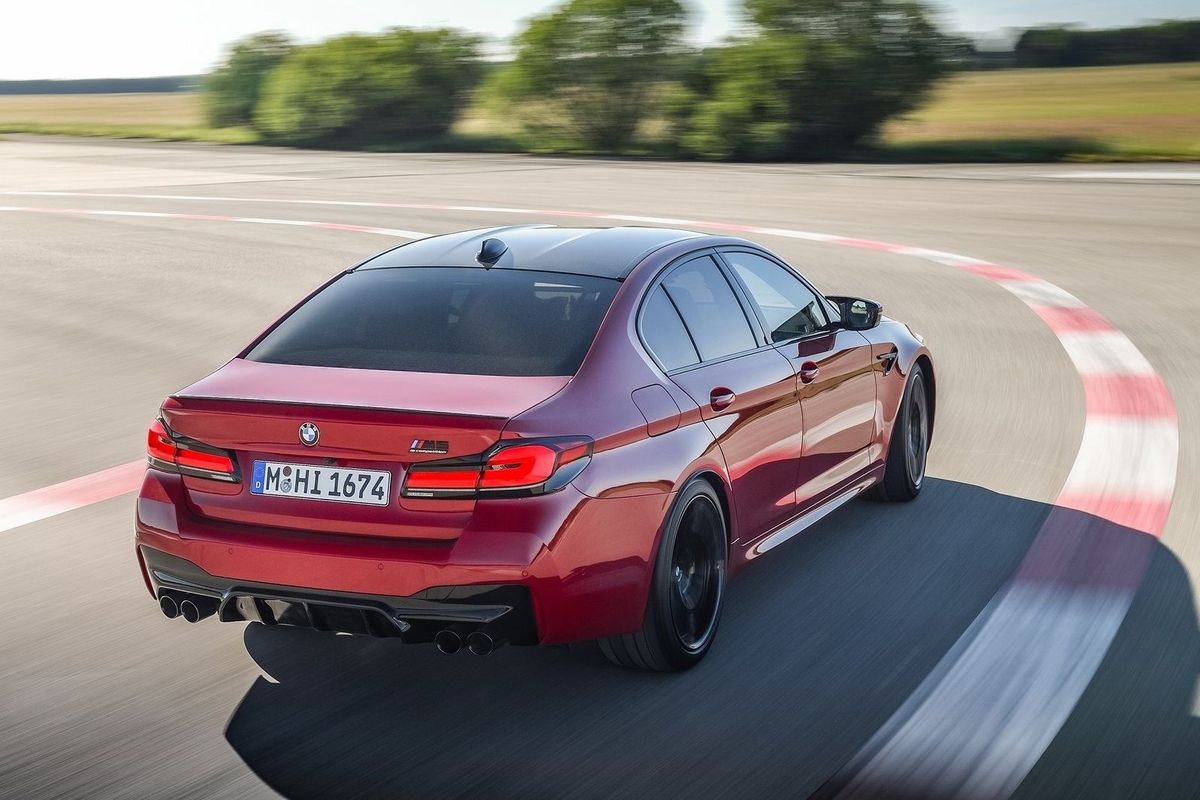
BMW M5 (2018) Specs & Price

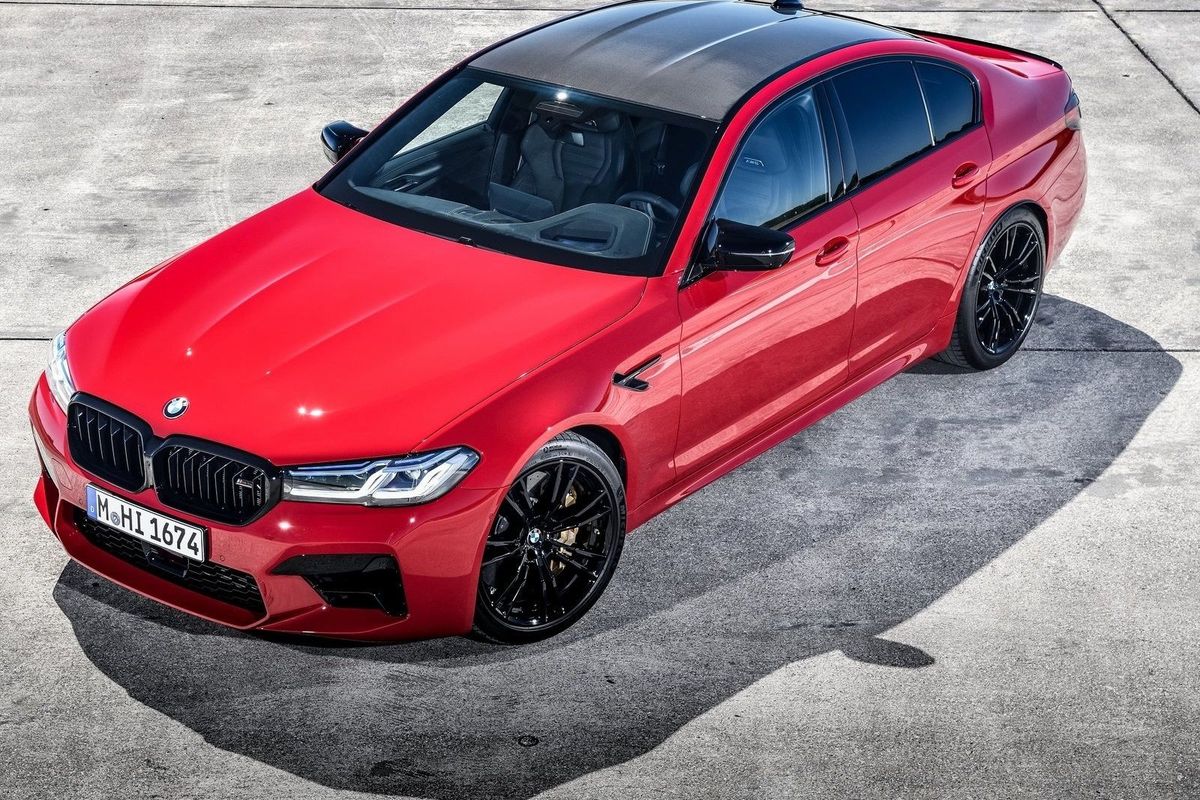
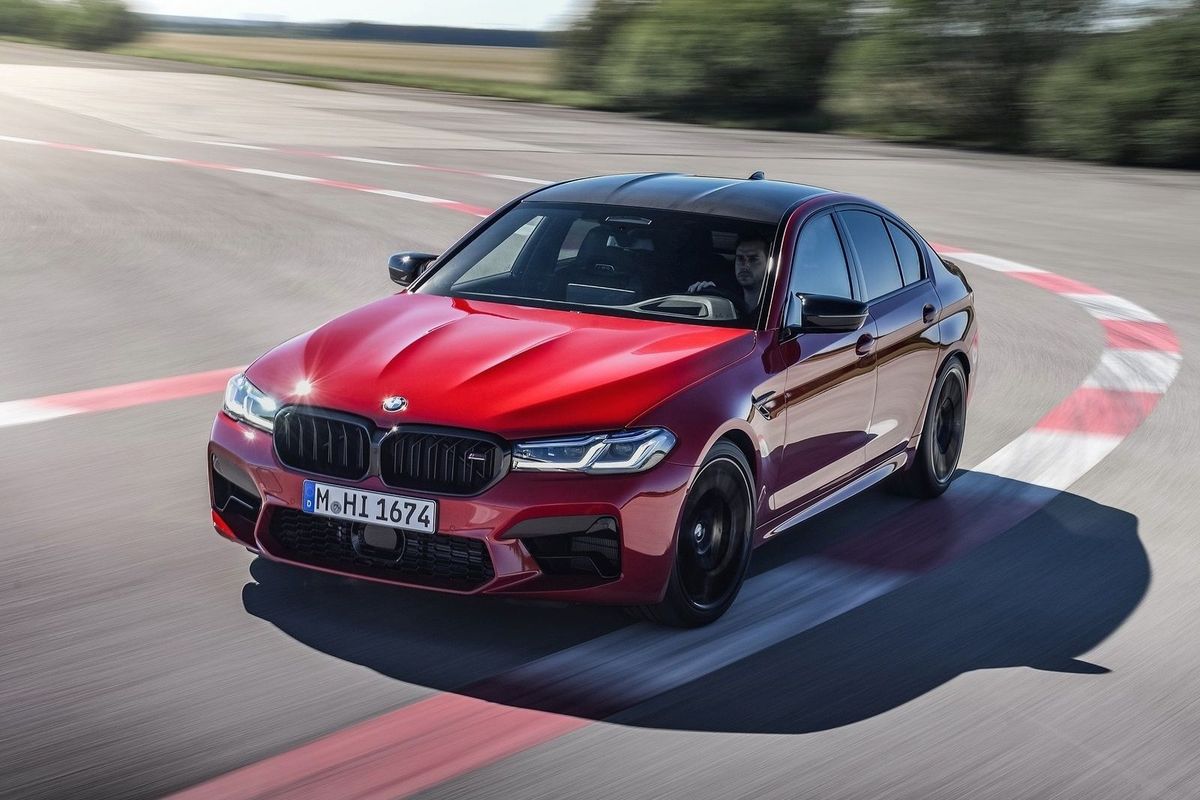
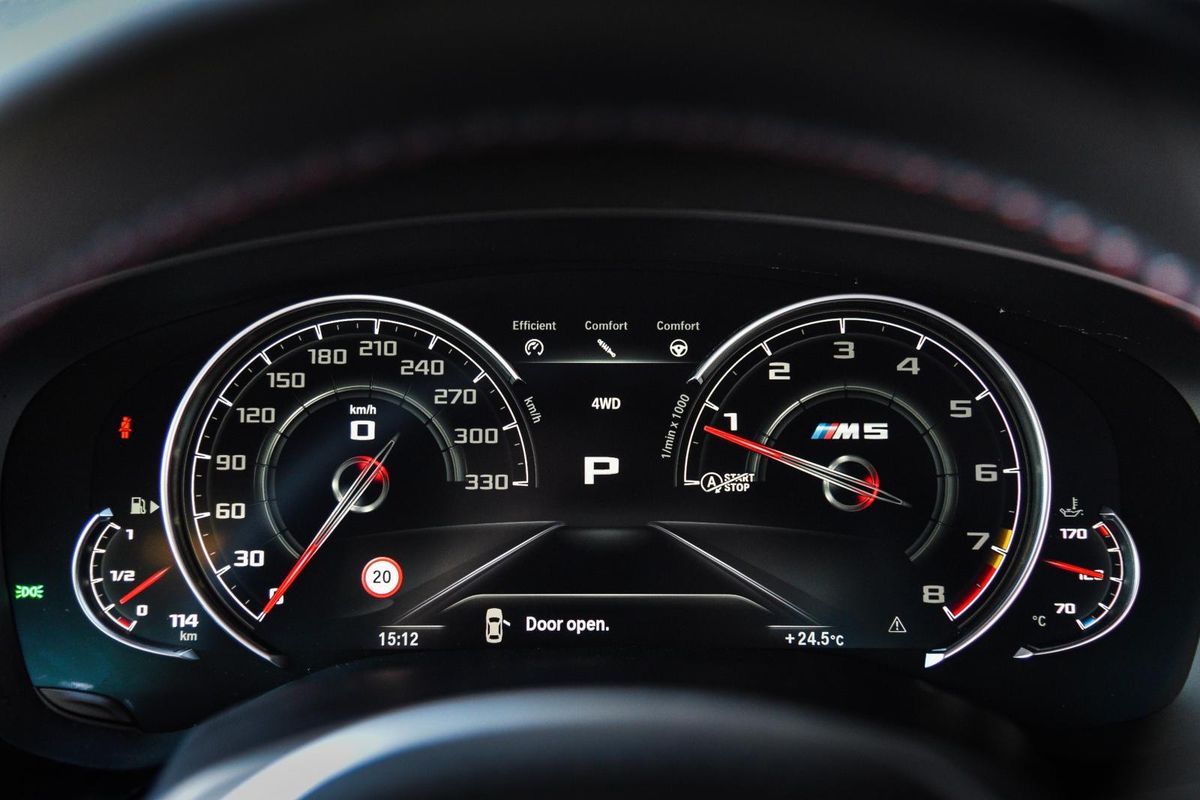
The F90 BMW M5 has officially landed in South Africa and we're driving it this week. In the meantime, here are the specifications and pricing for this German four-door 'bahnstormer.

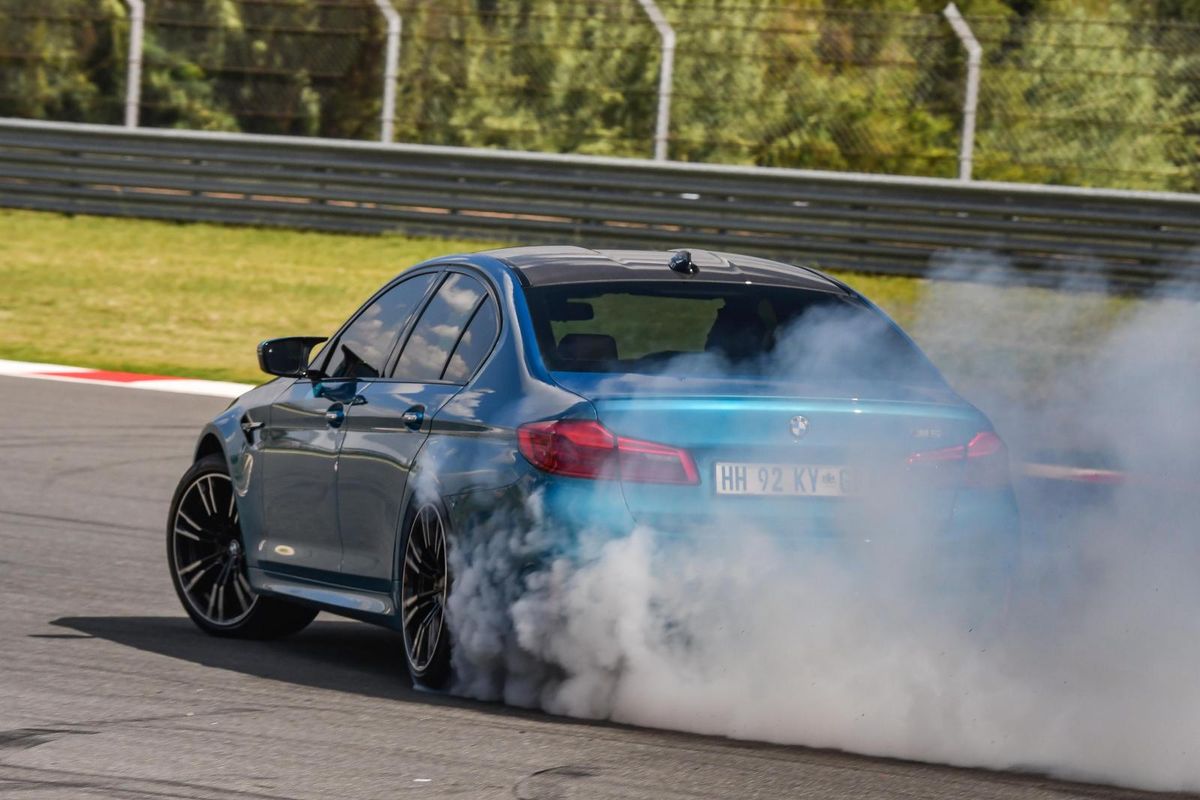
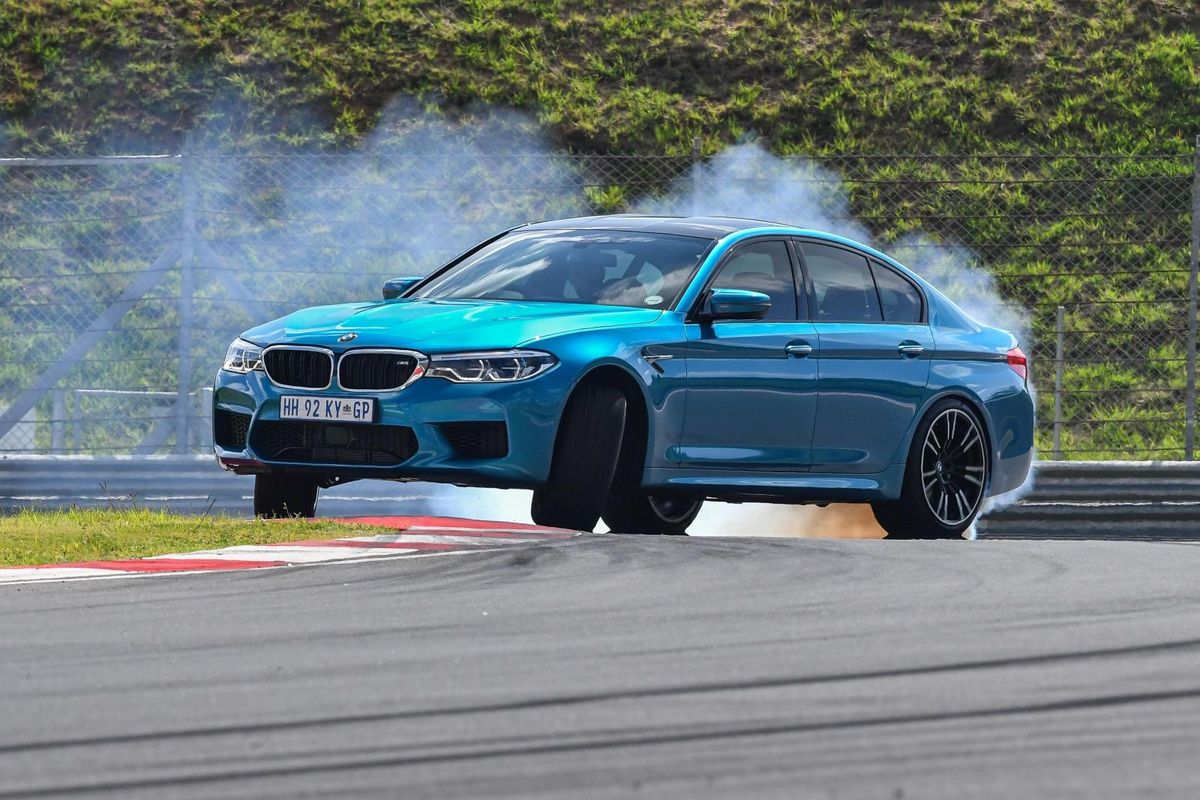
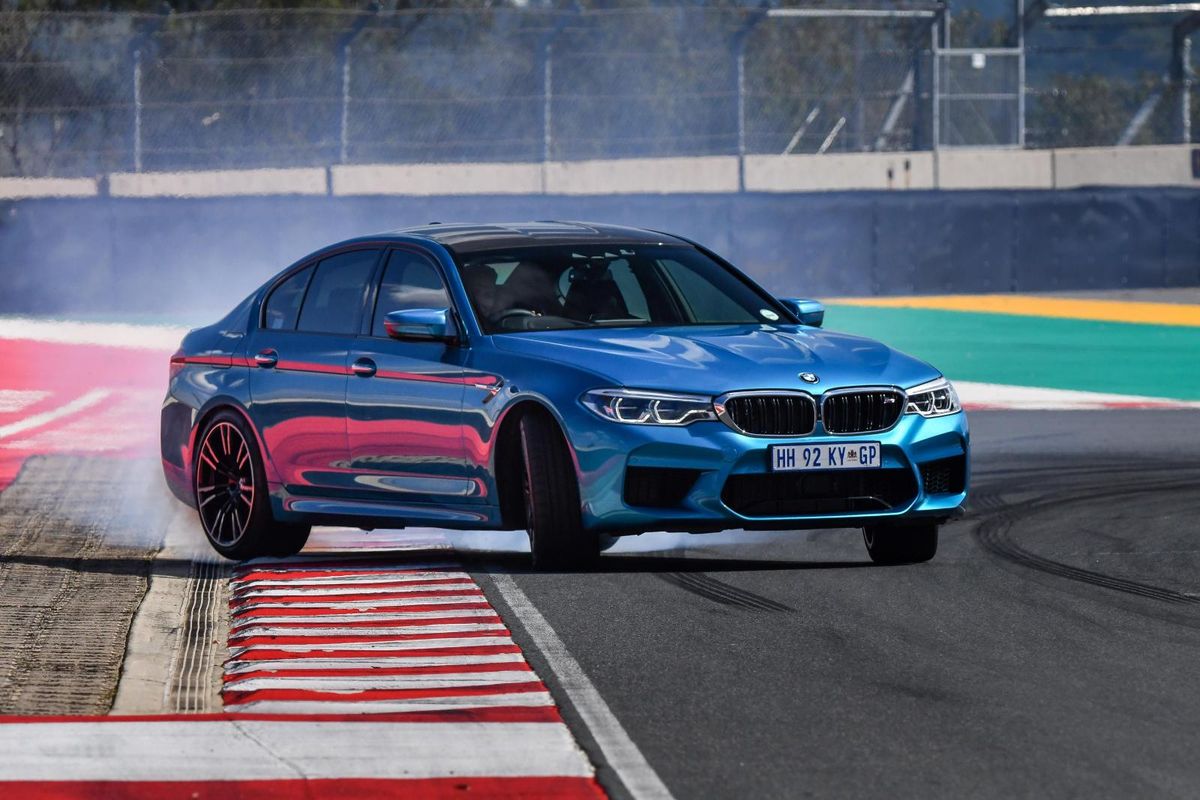
The sixth-generation BMW M5 goes on sale this week and while our tame racing driver Ashley Oldfield gets to grips with the Bavarian newcomer, here are some key details you need to know about this new vehicle. It's a new chapter for the BMW M5 as it's being offered with a newly-developed M xDrive (all-wheel drive). Interestingly, BMW says you can deactivate the front axle and send all the power to the rear wheels, making for spectacular burnouts or drifts as you can see in the photos. The primary advantage of all-wheel drive, however, is traction and with power going to all four wheels, ballistic acceleration is possible.

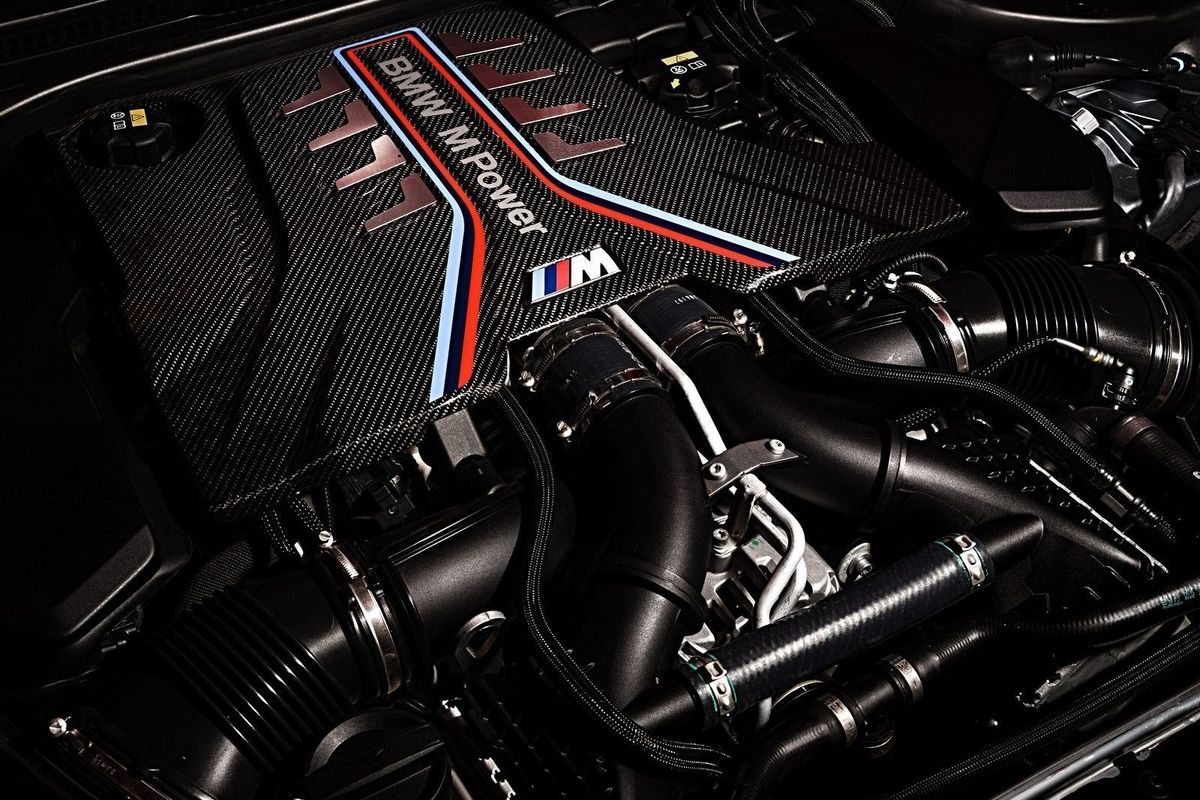
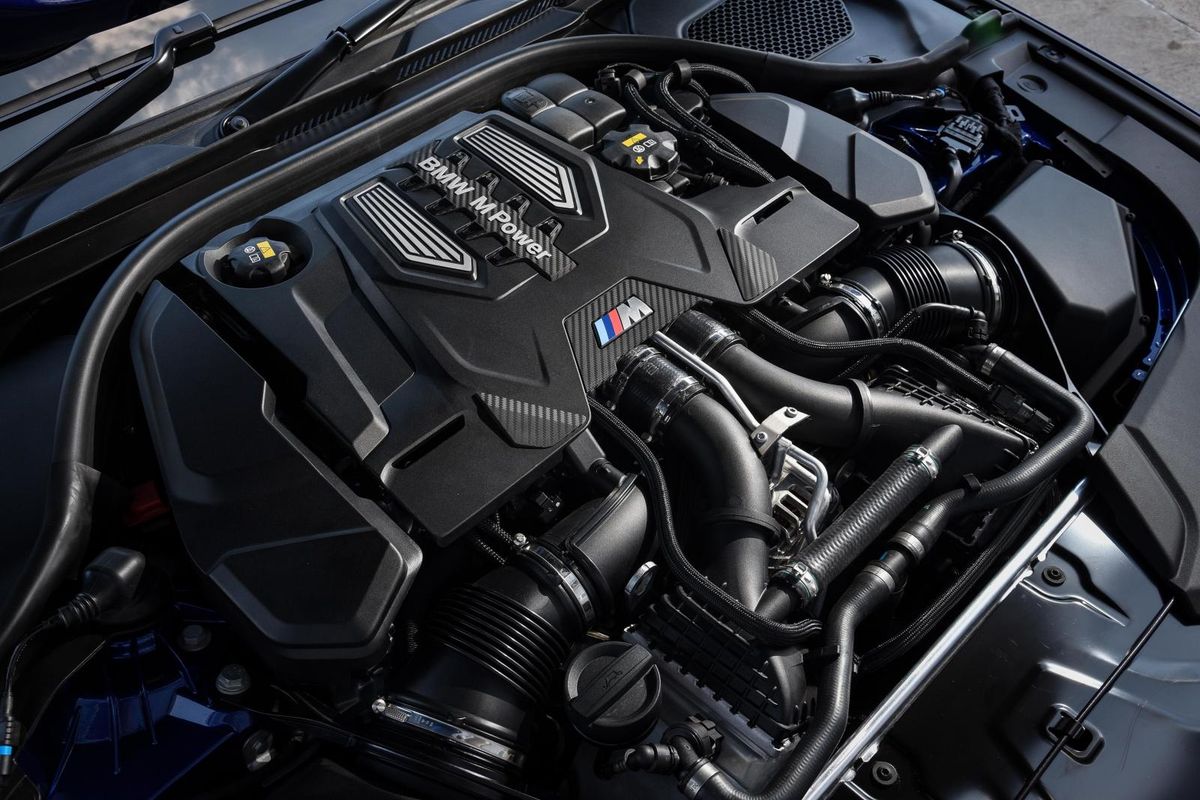
In terms of acceleration, the new BMW M5 is claimed to hit 100 kph from standstill in just 3.4 seconds, making it fearsomely fast. What's even more impressive is the fact that in 11 seconds, it'll be at 200 kph. Top speed is limited to 250 kph, but if you select an option, the limiter can be moved to 305 kph. The engine doing all the work is a revised example of the 4.4-litre V8 twin-turbo motor, however, in the latest application, it produces 441 kW and 750 Nm. The transmission is new and is an 8-speed M Steptronic unit with Drivelogic. Despite its ballistic performance, BMW says its new M5 will consume an average of 10.5 L/100 km.

Thanks to tech such as a lightweight carbon fibre-reinforced plastic (CFRP) roof and a weight-minimised exhaust system, the new BMW is lighter than the outgoing model. You'll be able to spot the new BMW M5 thanks to its big bumpers which are functional as they funnel cold air into the engine, transmission and brakes, and take hot air out. Blue painted 6-piston brakes are on duty for big stopping power, but for real high-performance anchors, then best you look to the M carbon ceramic brakes which are lighter than the standard units and will provide the serious braking force.

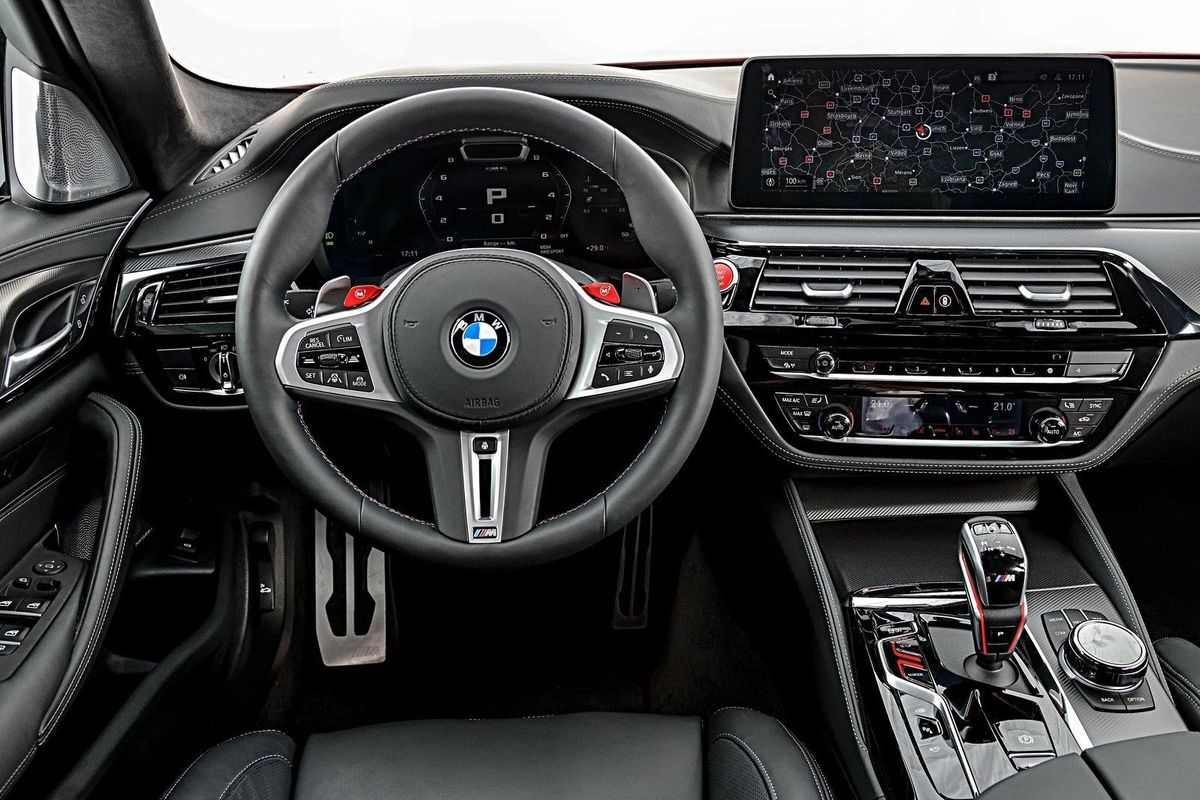
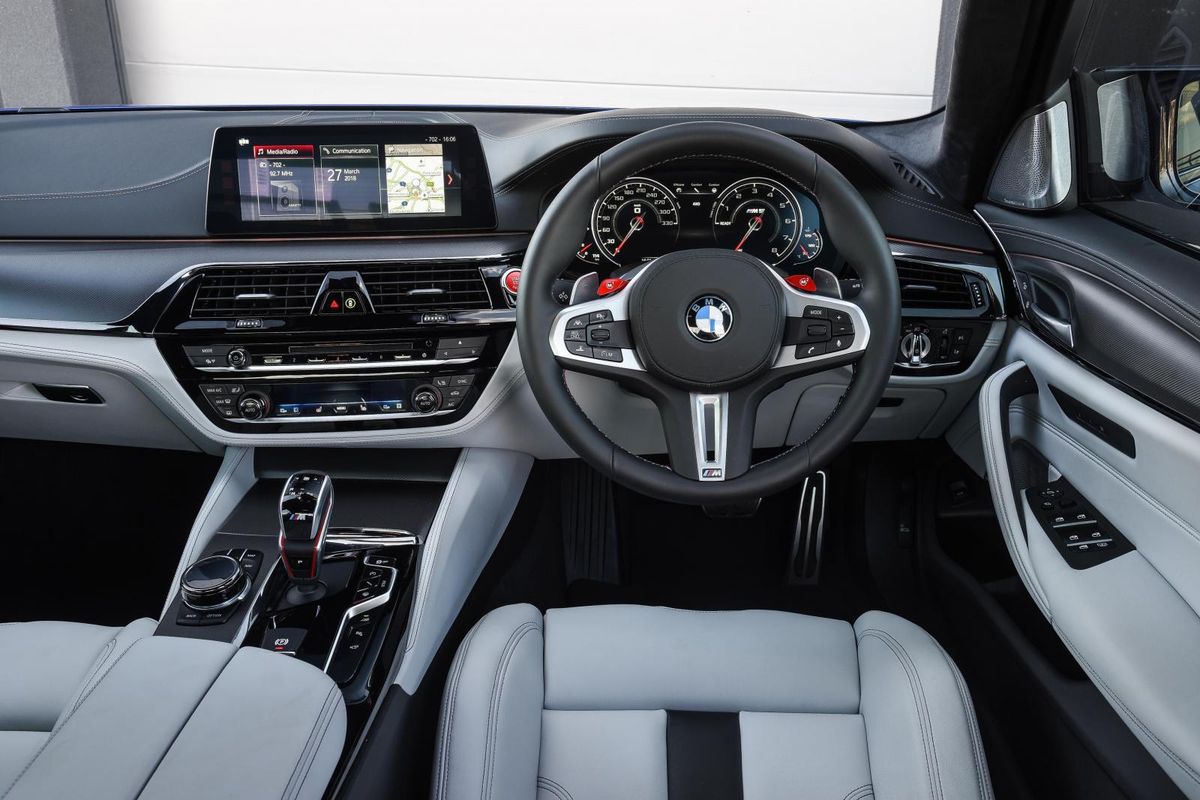
In terms of cabin features, the BMW M5 is generously specced and comes standard with M seats for the front two people. Leather upholstery is standard too. Being a BMW, you can go to town on the options and customise your M5 to your heart's delight. There are some matte paint finishes, for example.

We look forward to putting the newcomer through its paces soon! Check back for an in-depth driving impression in the coming days.

BMW M5 Price in South Africa

BMW M5   R1 762 806 (includes 15% VAT and CO2 tax).

The exclusively equipped First Edition costs R2,008,700 (includes 15% VAT and CO2 tax). There are five in South Africa and all have been sold.

Want to buy a BMW M5?

Further Reading

Highlights: SA's first BMW M Festival [with Videos]

BMW M5 Competition Pack on its way

Audi RS5 vs BMW M4 Competition Pack vs Mercedes-AMG C63 S Coupe [w/Video]

BMW M8 Gran Coupe Concept Shown in Geneva [w/Video]

Audi RS5 Sportback Coming to SA

Yes, Audi will be bringing the new RS5 Sportback to South Africa towards the end of 2018…

We have had much fun pitting the new Audi RS5 Coupe against its main rivals on the drag strip and on track and if you haven’t yet seen the video action, do yourself a favour and give them a watch.

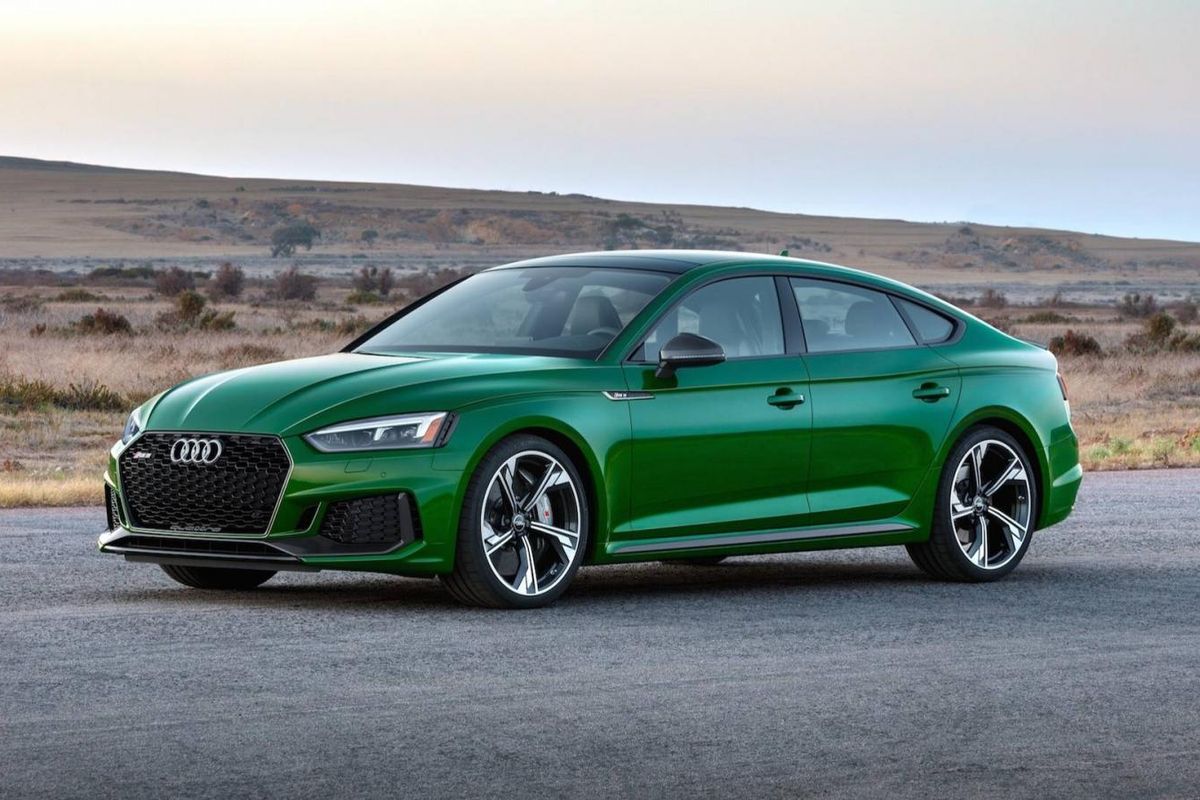
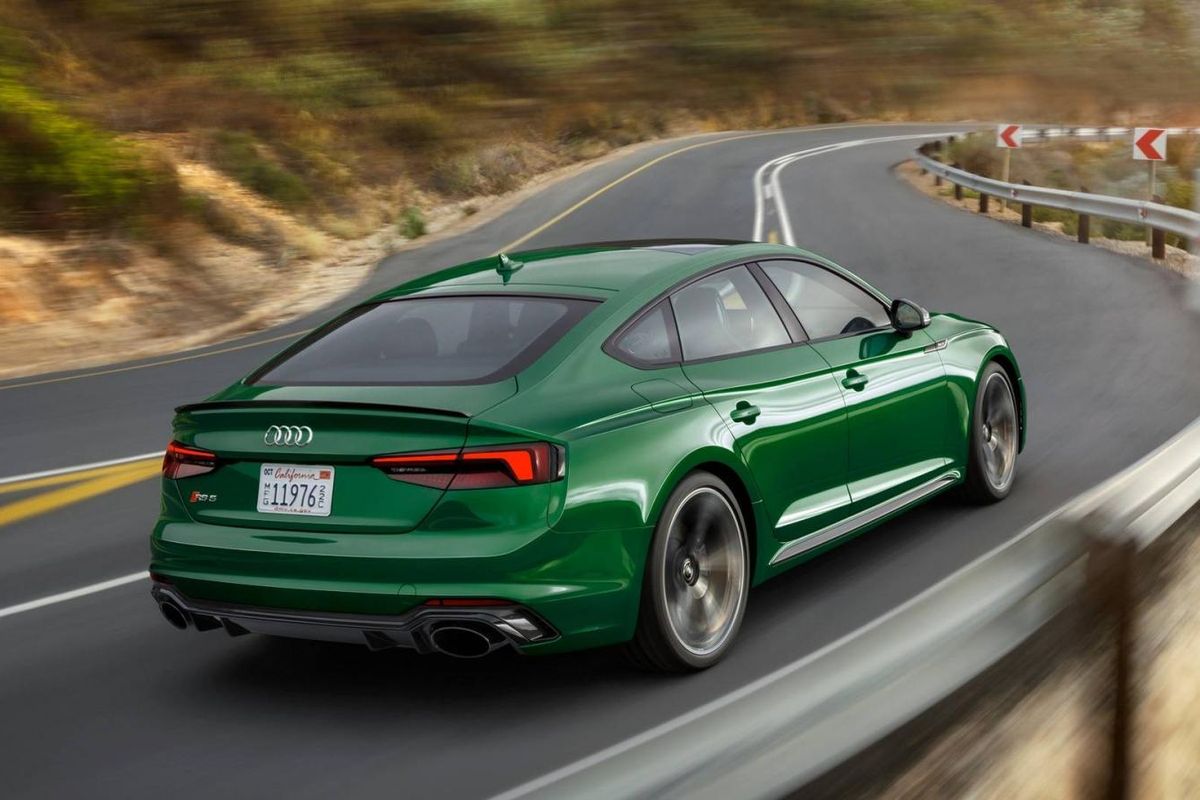
In other news, Audi has confirmed that the RS5 Sportback will be coming to South Africa towards the end of 2018 and the new model will be on display at the New York Motor Show this week.


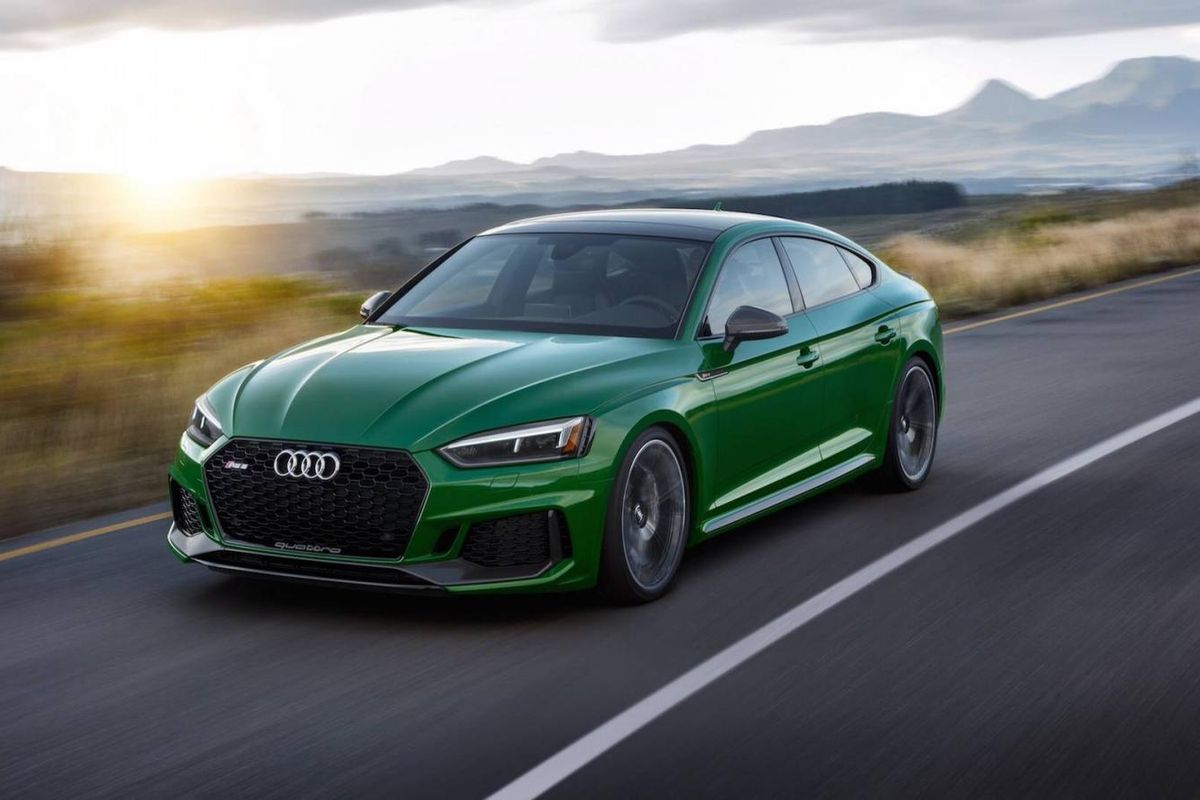
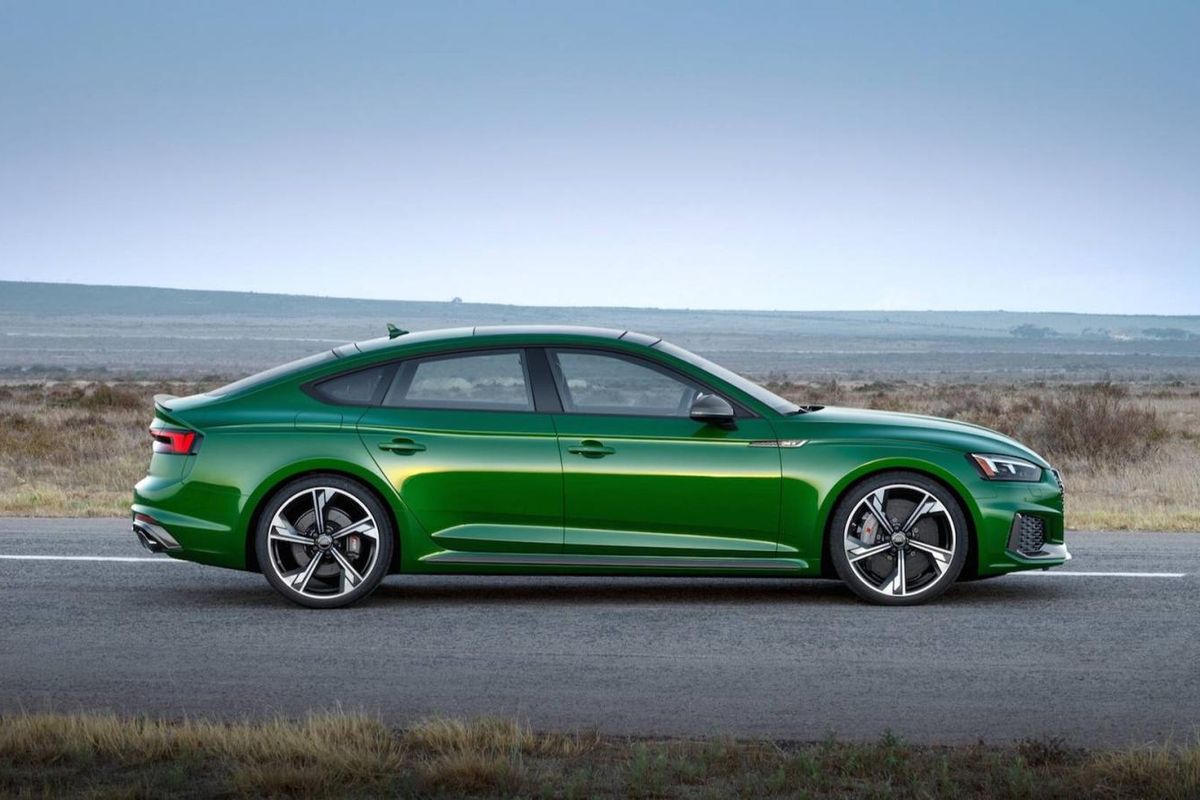
The RS5 Sportback is more practical than the coupe version but still offers notable performance. 

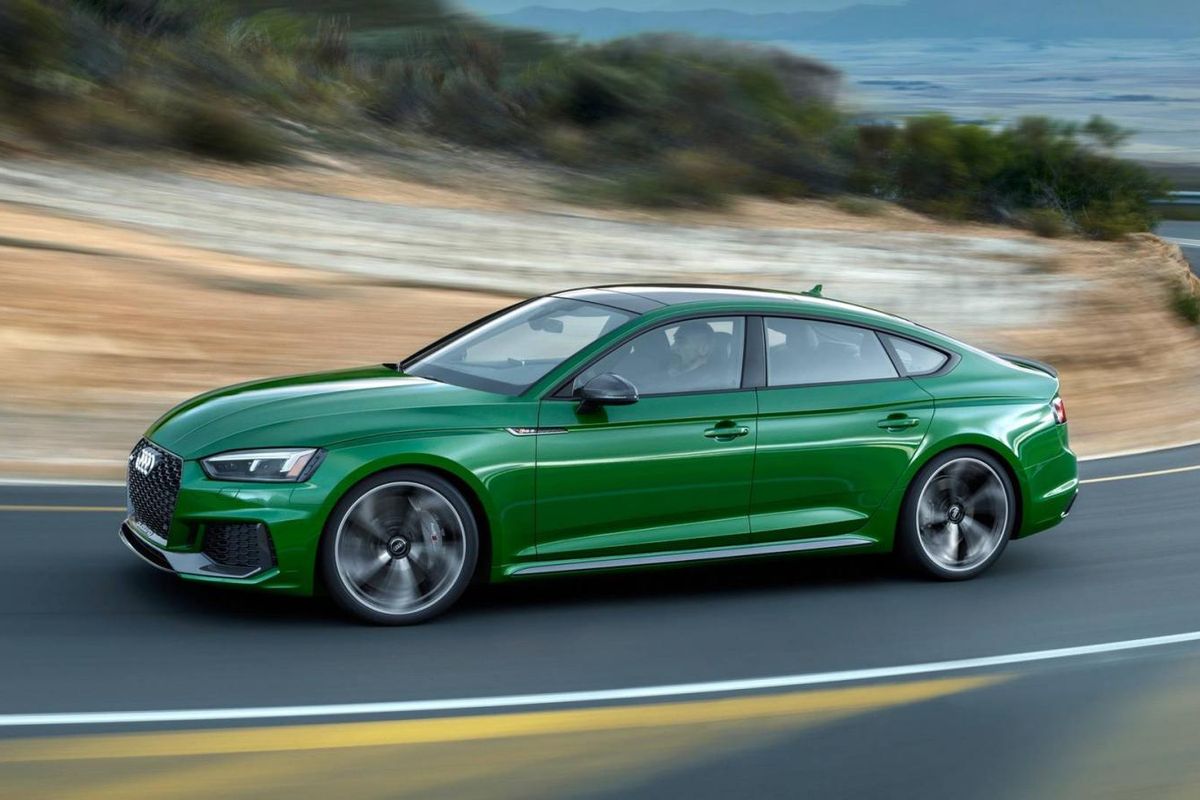
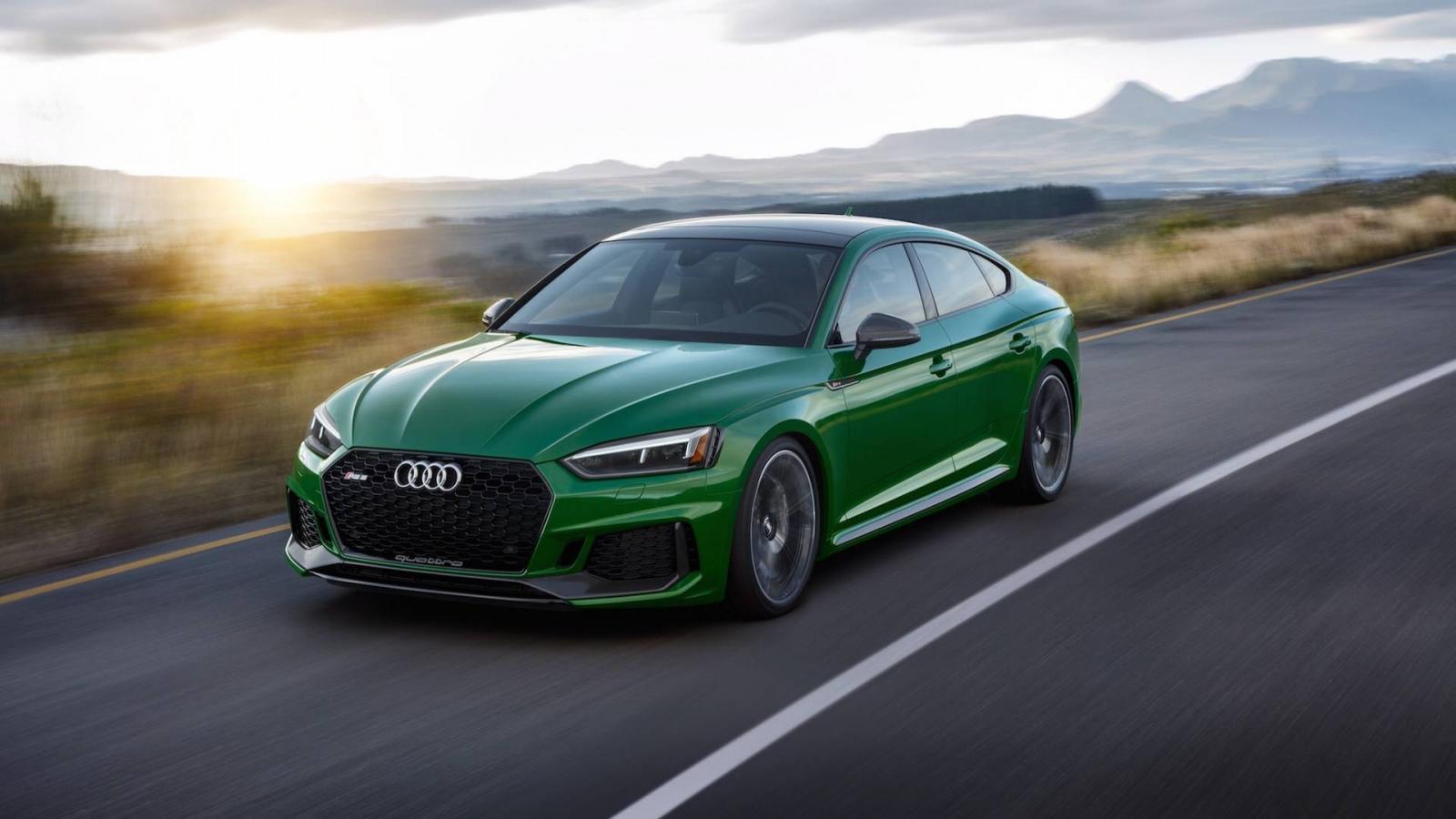
The RS5 Sportback features the same powertrain as its coupe sibling with power generated by a twin-turbocharged 2.9-litre V6 engine that produces 331 kW and 600 Nm of torque. An 8-speed automatic transmission and quattro all-wheel drive will ensure brisk acceleration which should see zero to 100 kph completed in about 3.9 seconds.

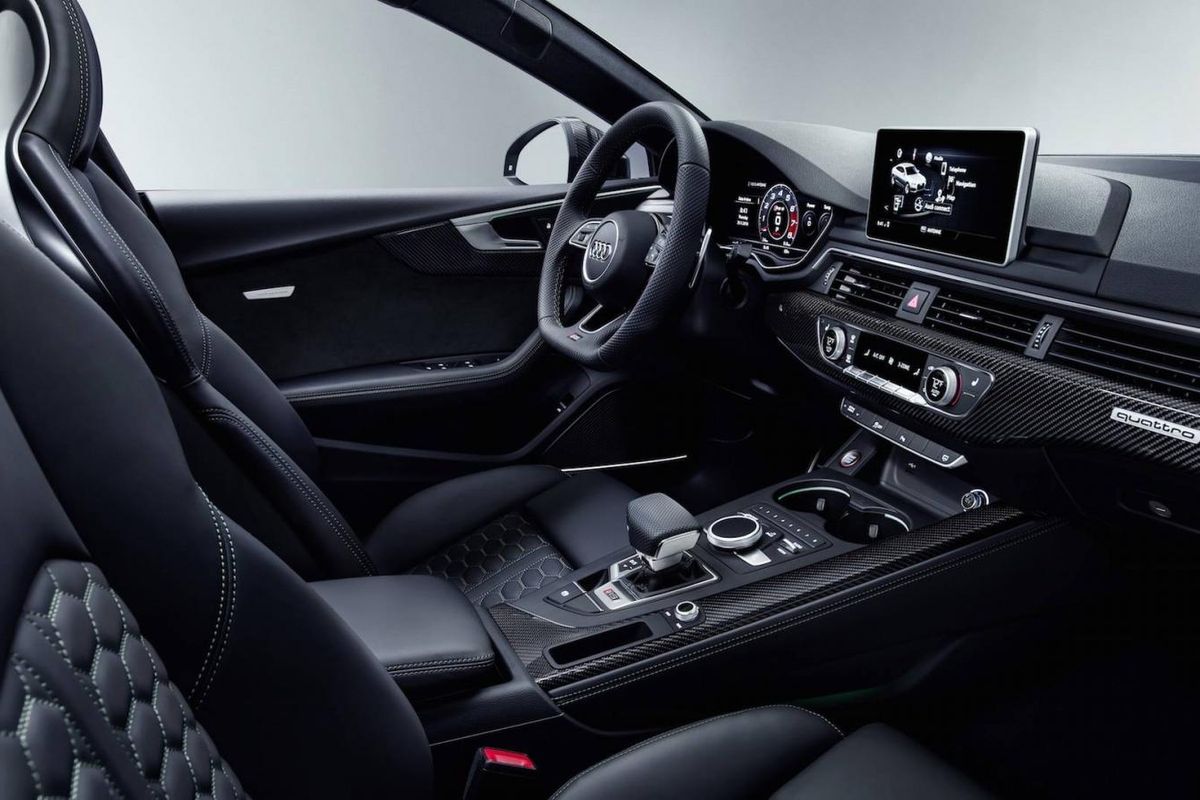
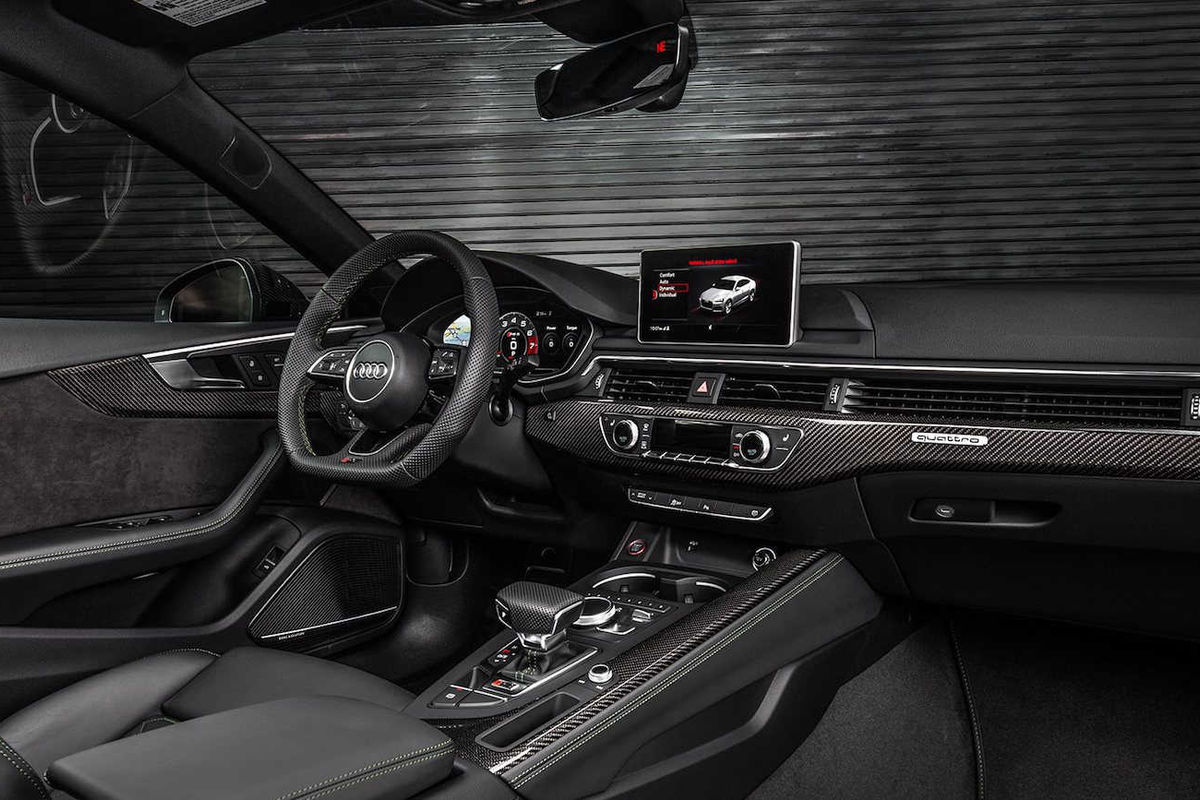
The interior is finished in black with ample seating for 5 passengers and is equipped with RS sports seats which can be had with an optional honeycomb pattern in Nappa leather. A flat-bottomed leather RS sports steering wheel with contrasting red stitching is also fitted along with Audi’s Virtual Cockpit.

The load bay offers 480 litres of space which increases to 1 300 litres with the rear 40:20:40 split rear seats folded down. Perfect for those who play golf or ride a mountain bike.    

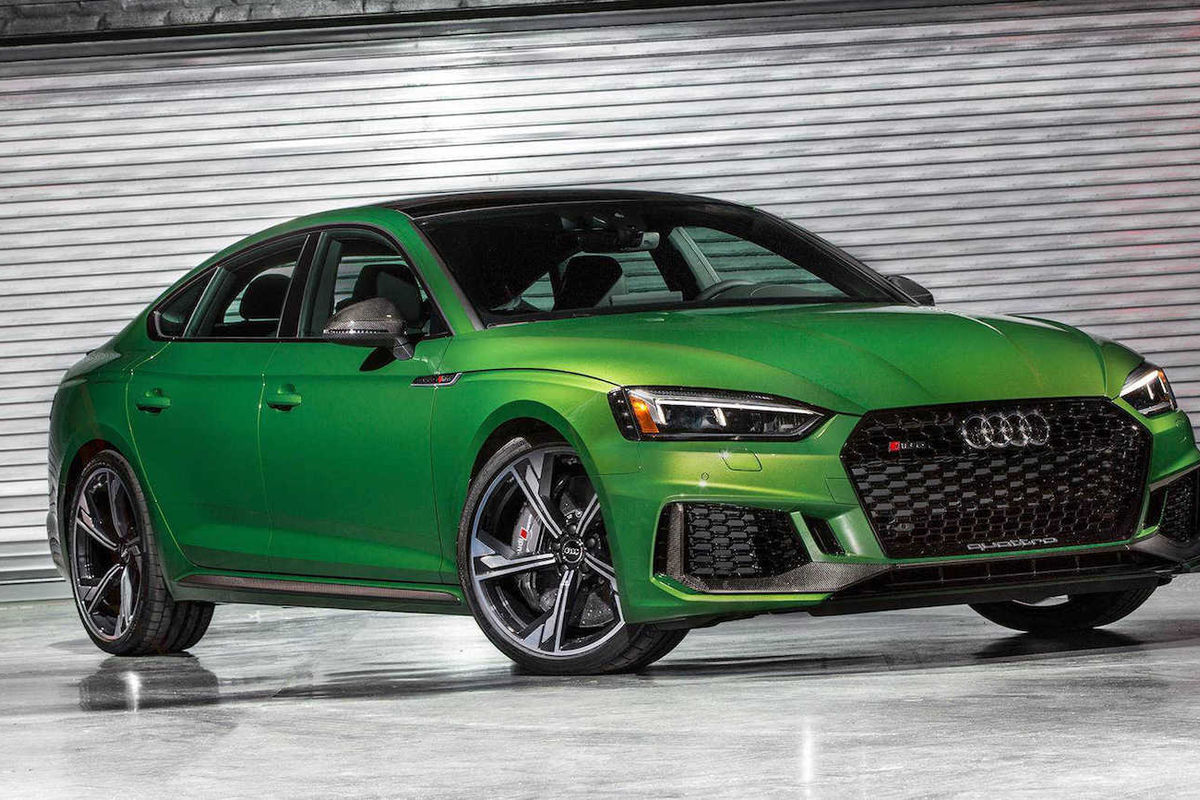
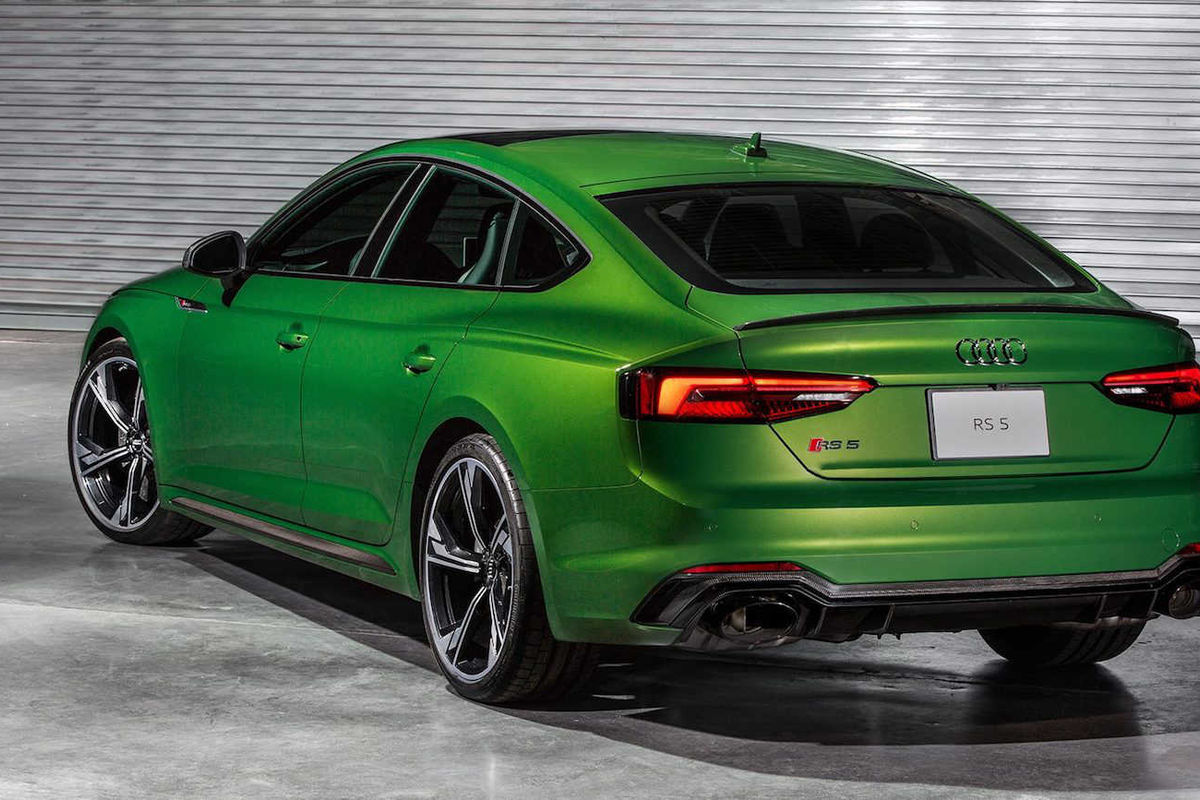
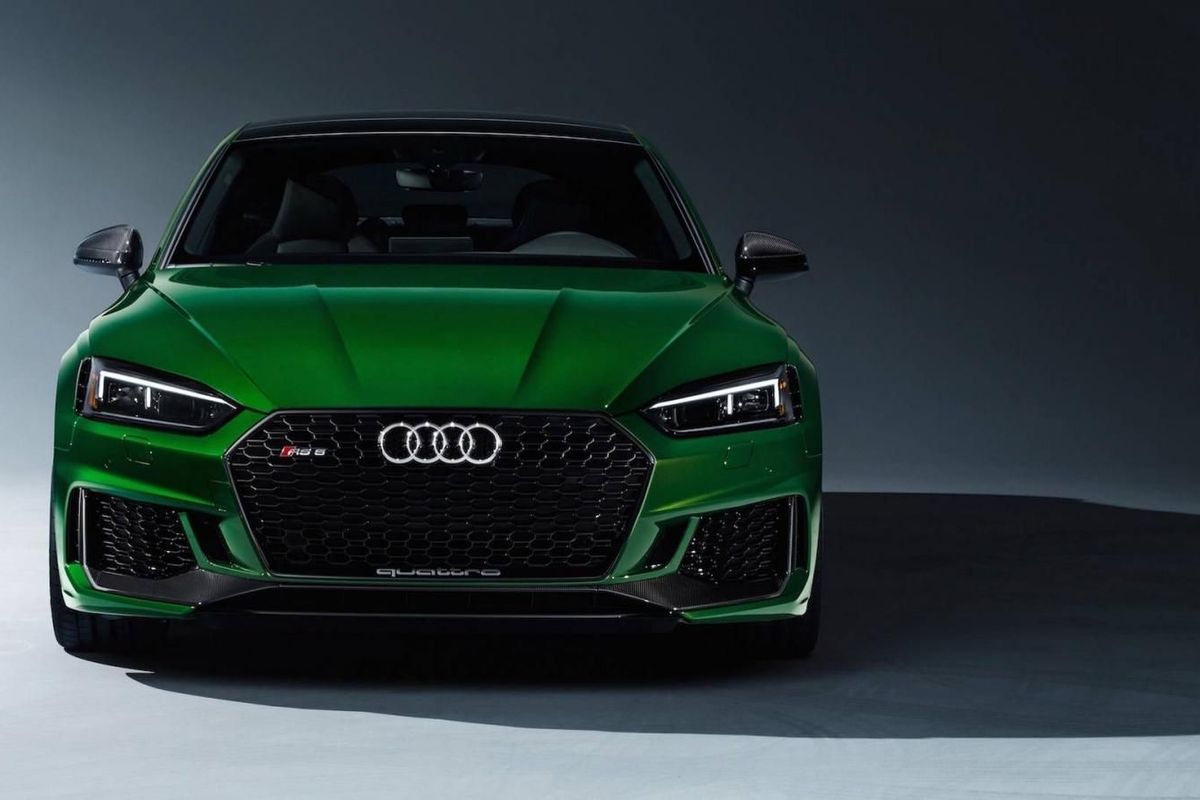
The RS5 Sportback is slightly larger than the RS5 Coupe and sits some 7 mm lower than the S5 Sportback. The Sonoma Green Metallic paintwork seen here will be offered as an exclusive option.

We will keep you updated as soon as local specification and pricing for the RS5 Sportback becomes available.

Buy an Audi RS5 on Cars.co.za

Related Content

Audi RS5 vs BMW M4 Competition Pack vs Mercedes-AMG C63 S Coupe [w/Video]

Drag Race | Audi RS5 vs Mercedes-AMG C63 S Coupe

Drag Race: Audi RS5 vs BMW M4 Competition Pack

Audi RS5 (2017) Launch Review
 

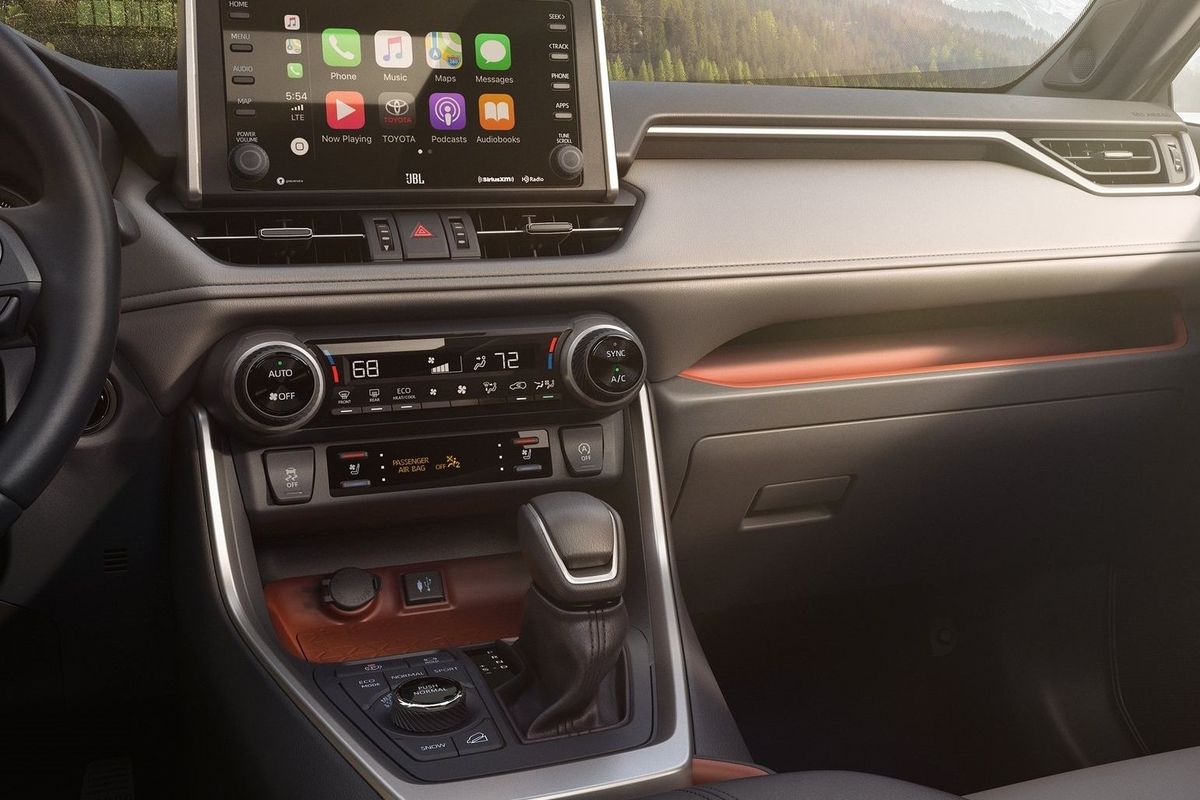
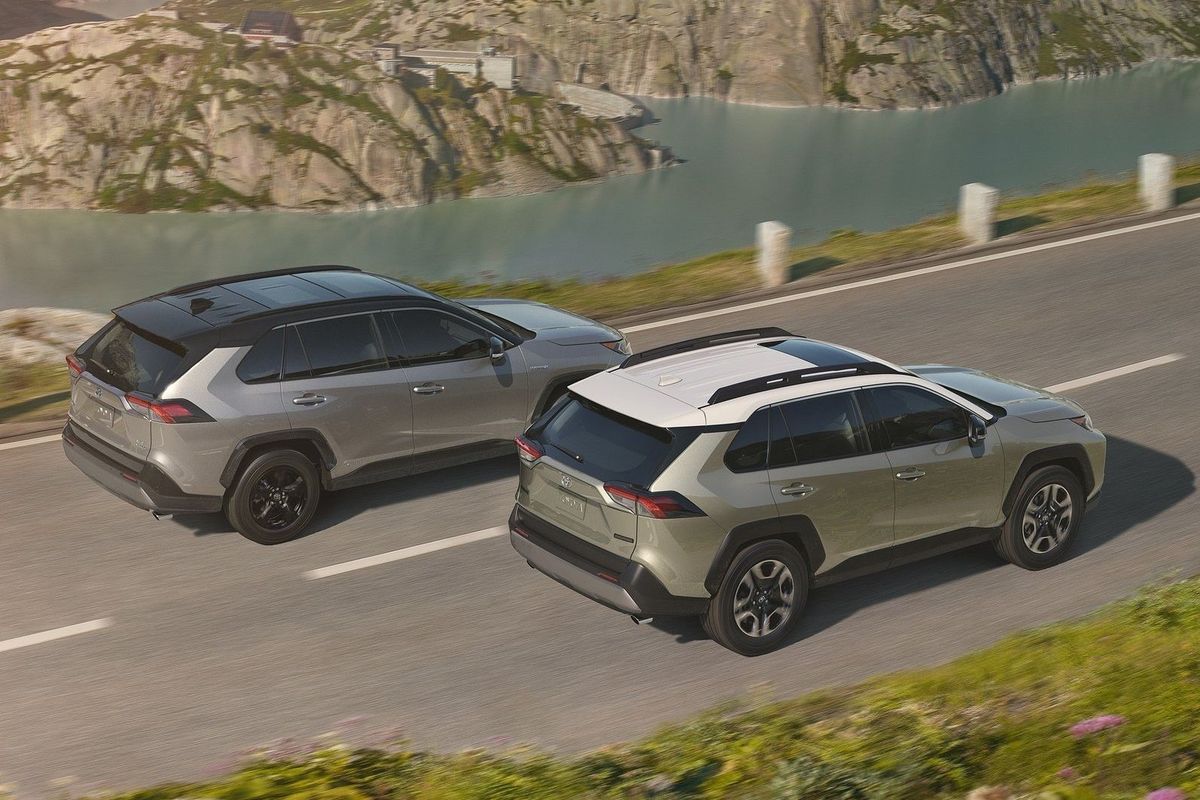
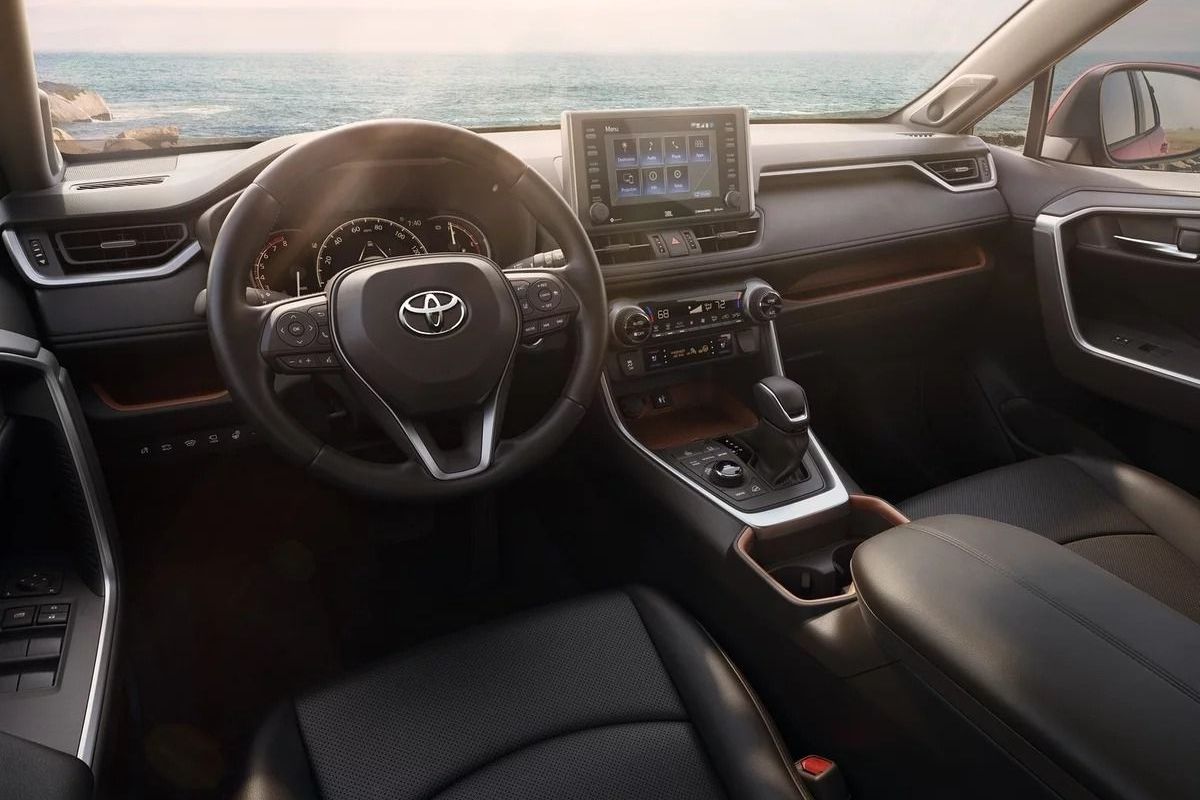
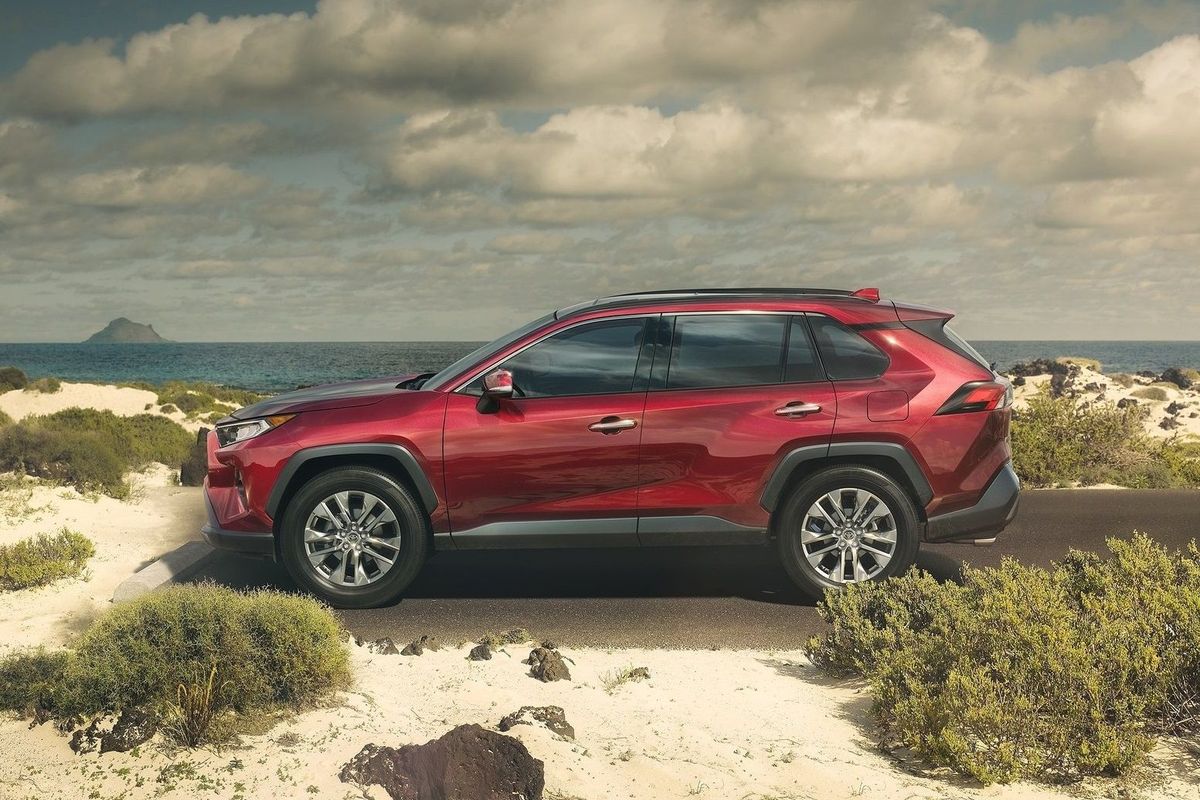
Toyota showcases all-new RAV4 SUV at New York Auto Show

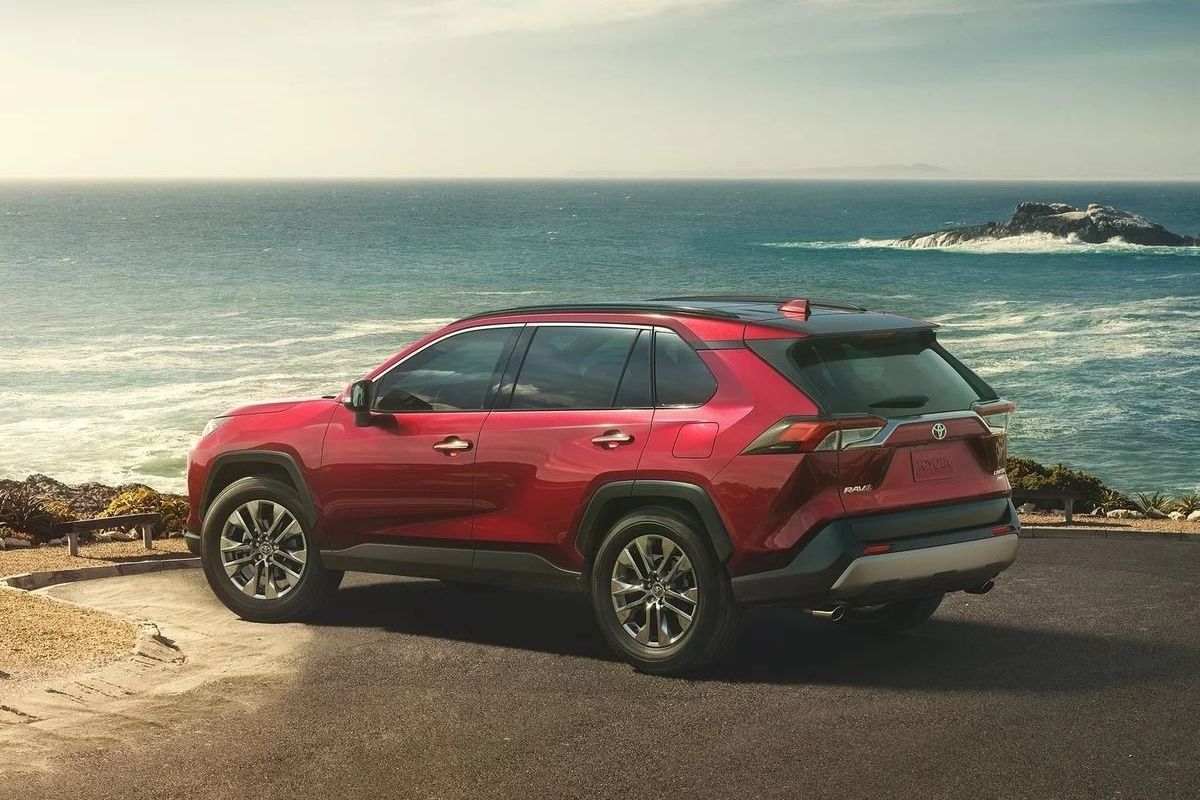
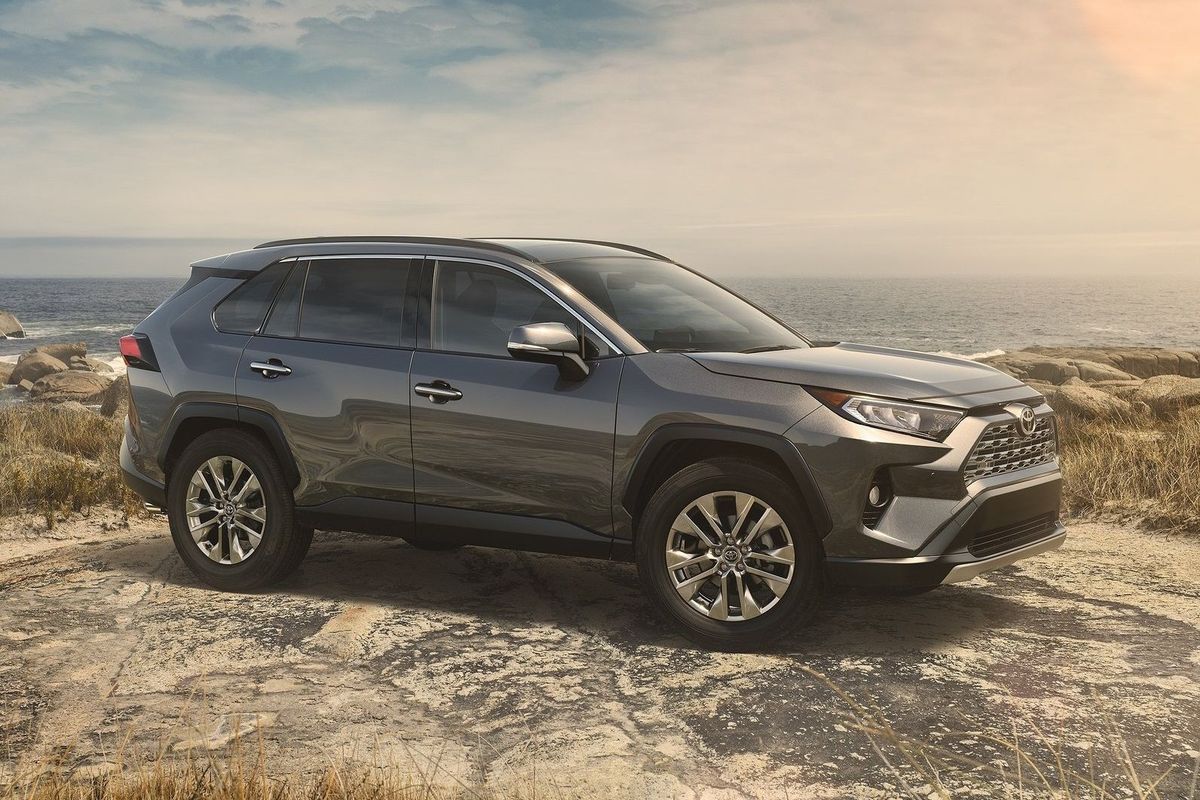
Toyota has used the New York Motor Show to showcase its new 2019 RAV4 SUV. Now in its 5th generation, the all-new Toyota RAV4 ushers in a complete design overhaul, new cabin styles and new technology. The big news is that it's confirmed for South African market introduction around the middle of 2019.

Toyota's RAV4 has been a popular model for the brand and it sells well both locally and internationally. This new model will be built on the new TNGA platform, which offers a longer wheelbase and wider front and rear tracks. For those who want to venture off the road, the front and rear overhangs are shorter. This new chassis is 57% more rigid than its predecessor and the ground clearance has been increased. 

Internationally, 2 engines are available, but we'll let you know which models we'll get in South Africa. The first is a naturally-aspirated 2.5-litre 4-cylinder which is paired with an 8-speed automatic gearbox. The second is the same engine but paired with the Toyota Hybrid System II. This second engine is paired to a continuously-variable transmission. The new Toyota RAV4 also features Dynamic Torque Vectoring All-Wheel Drive, which can send 50% of engine torque to the rear wheels as well as distributing it to the left or right rear wheel for improved handling.

Inside, space is increased and Toyota claims that "rear seat passengers will appreciate the spacious back cabin and legroom." The big boot also features a 60/40 split for those who surf or ride mountain bikes. International-spec RAV4s feature Entune 3.0 multimedia including Wi-Fi Connect powered by Verizon, hands-free access to Amazon Alexa, and Apple CarPlay compatibility. There's a 7-inch touchscreen available, with an 8-inch touchscreen available as an option. The new RAV4 can be had with up to 5 USB ports and an optional wireless charging tray.

We'll have more details on the South African-spec Toyota RAV4 units soon.

Want to buy a Toyota RAV4?

Further Reading

Toyota RAV4 Updated in South Africa

Toyota RAV4 2.2D AWD GX (2016) Review
Subaru Forester VS Toyota Rav4: Practicality (Video)

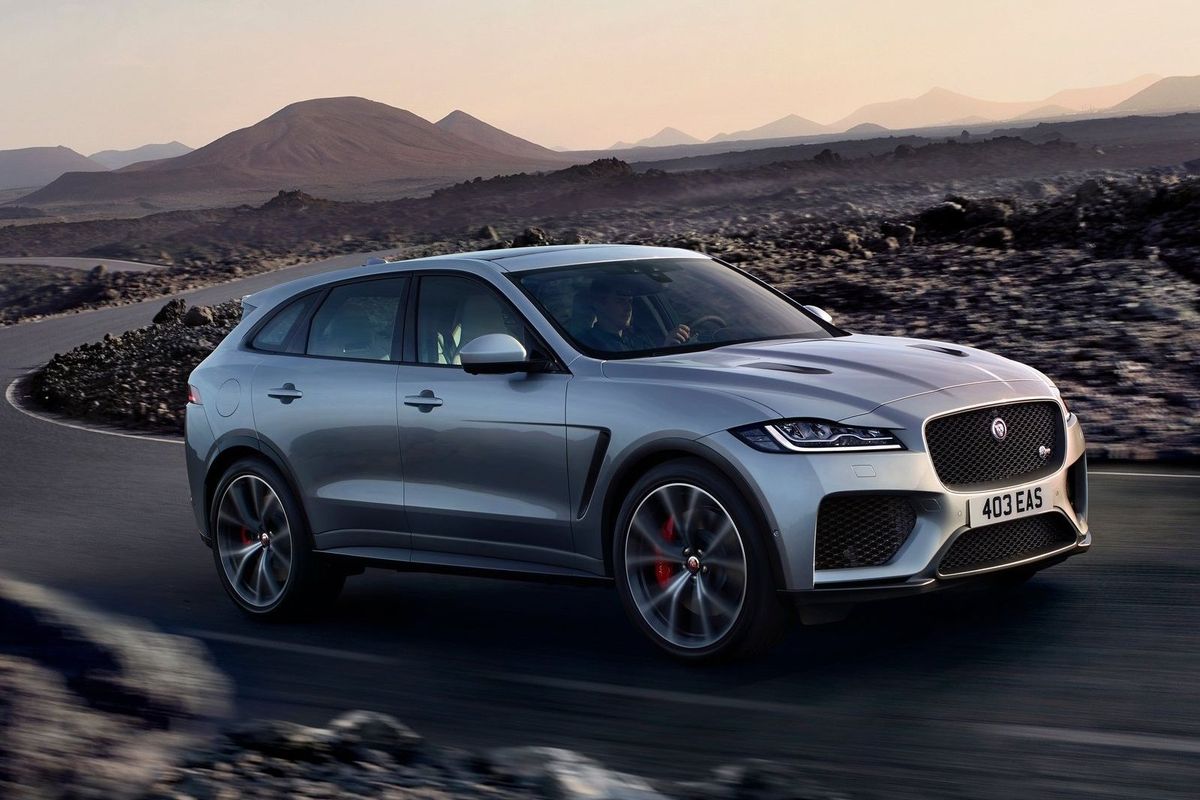
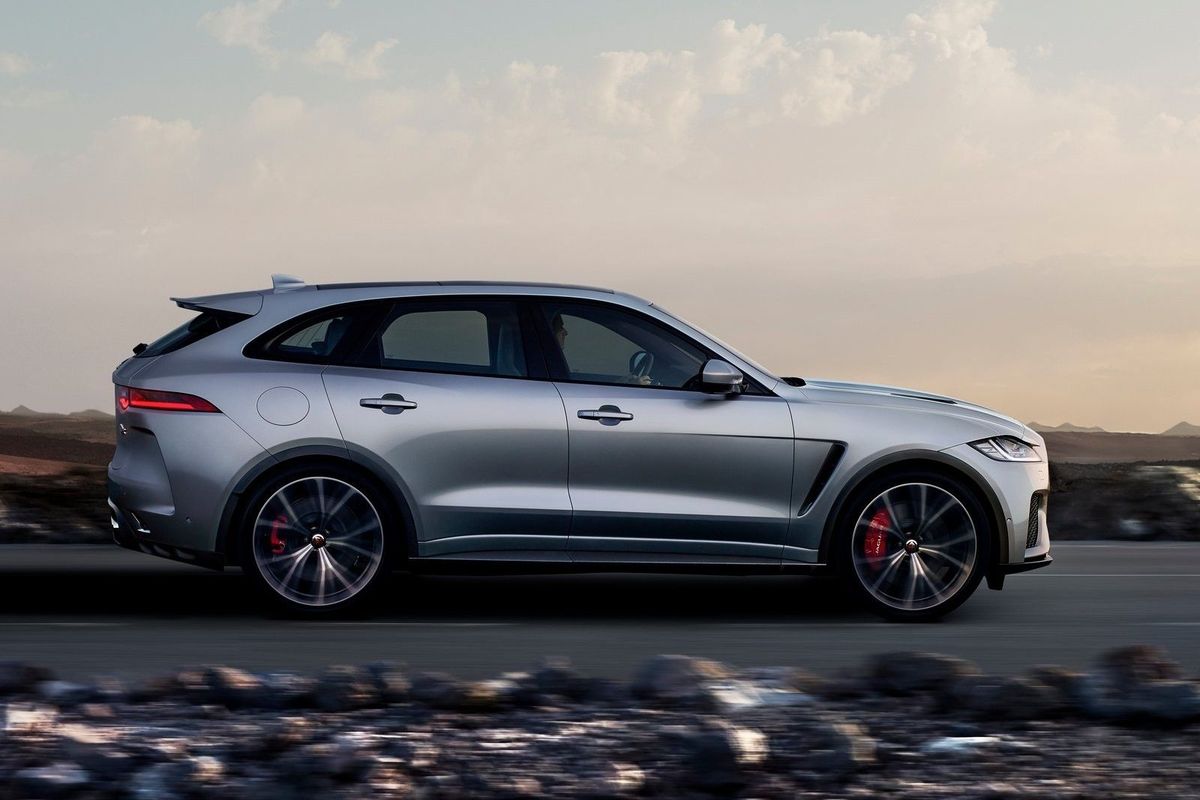
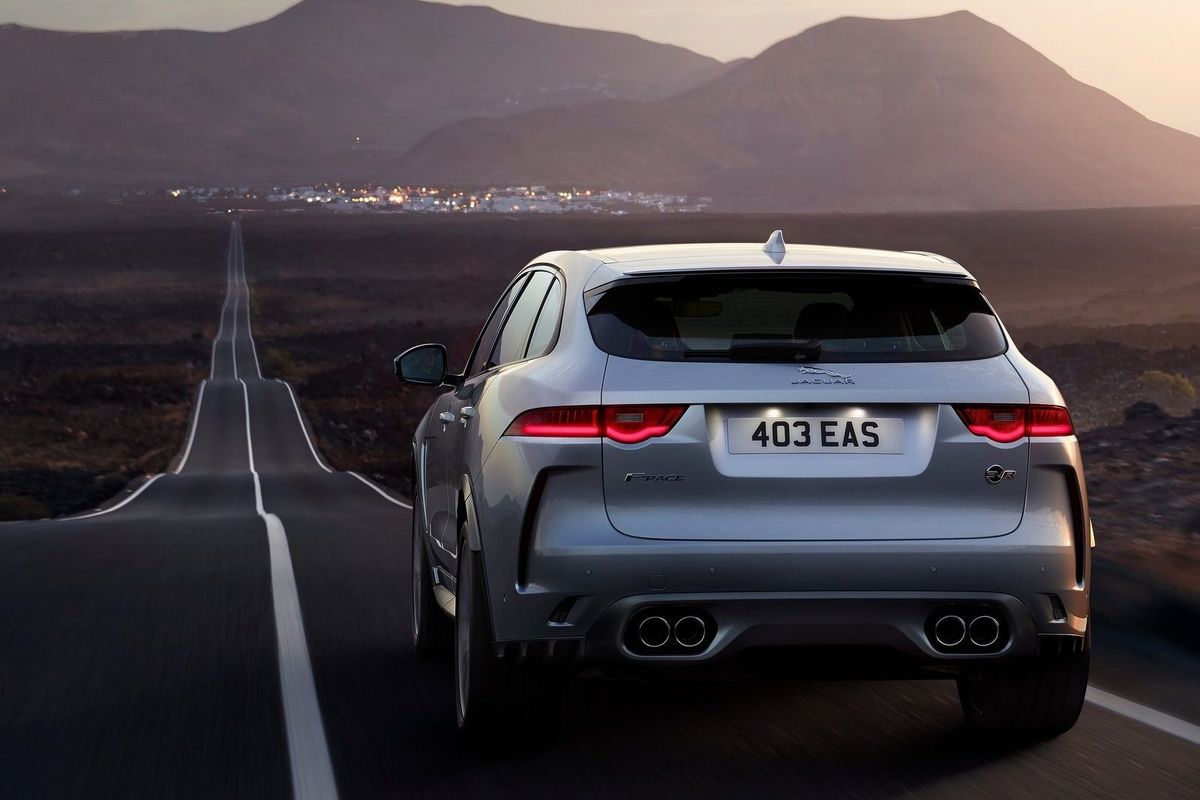
Jaguar F-Pace SVR Blasts into New York Auto Show

Jaguar's luxury F-Pace has received the SVR treatment and the result is one very quick SUV. It is confirmed for South Africa too! Here are some details.

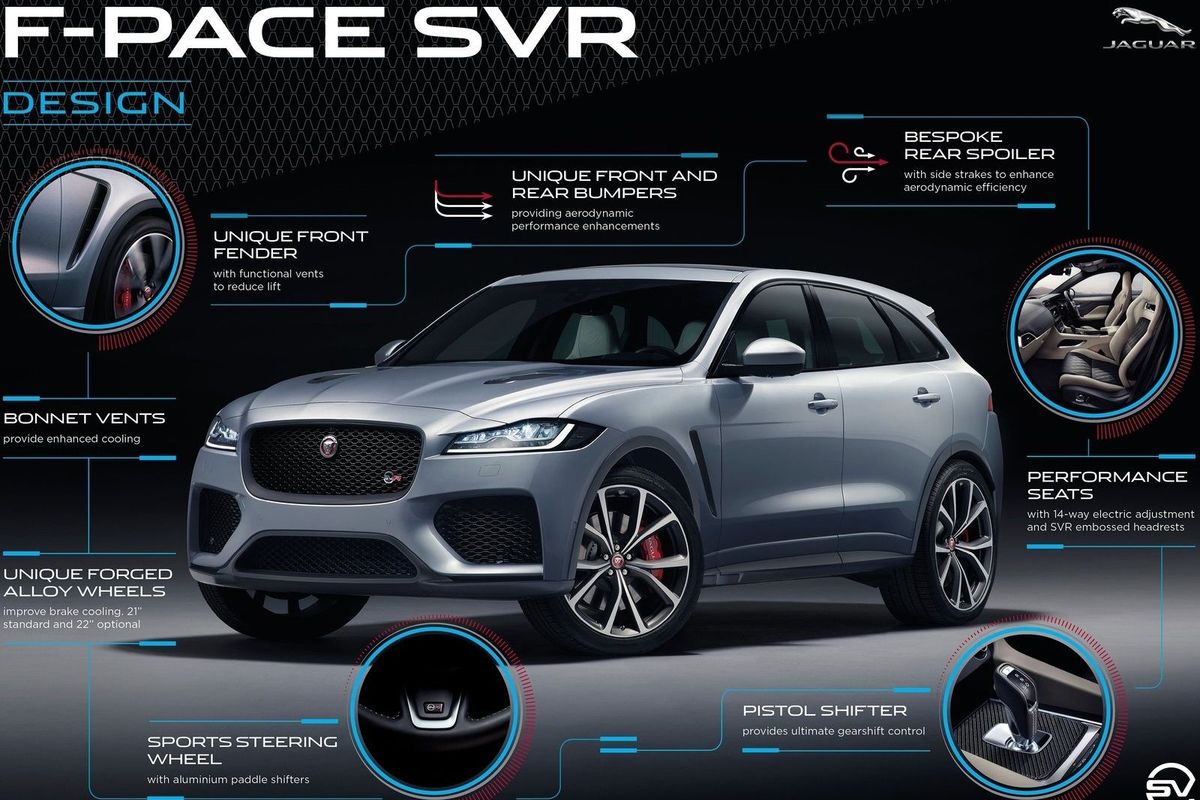
As it stands, the current flagship Jaguar F-Pace makes do with a supercharged V6 engine. However, in SVR application, a 5.0-litre supercharged V8 with 405 kW and 680 Nm is fitted, which gives it enough grunt to hit 100 kph in a claimed 4.3 seconds and it'll go on to a top speed of 283 kph.

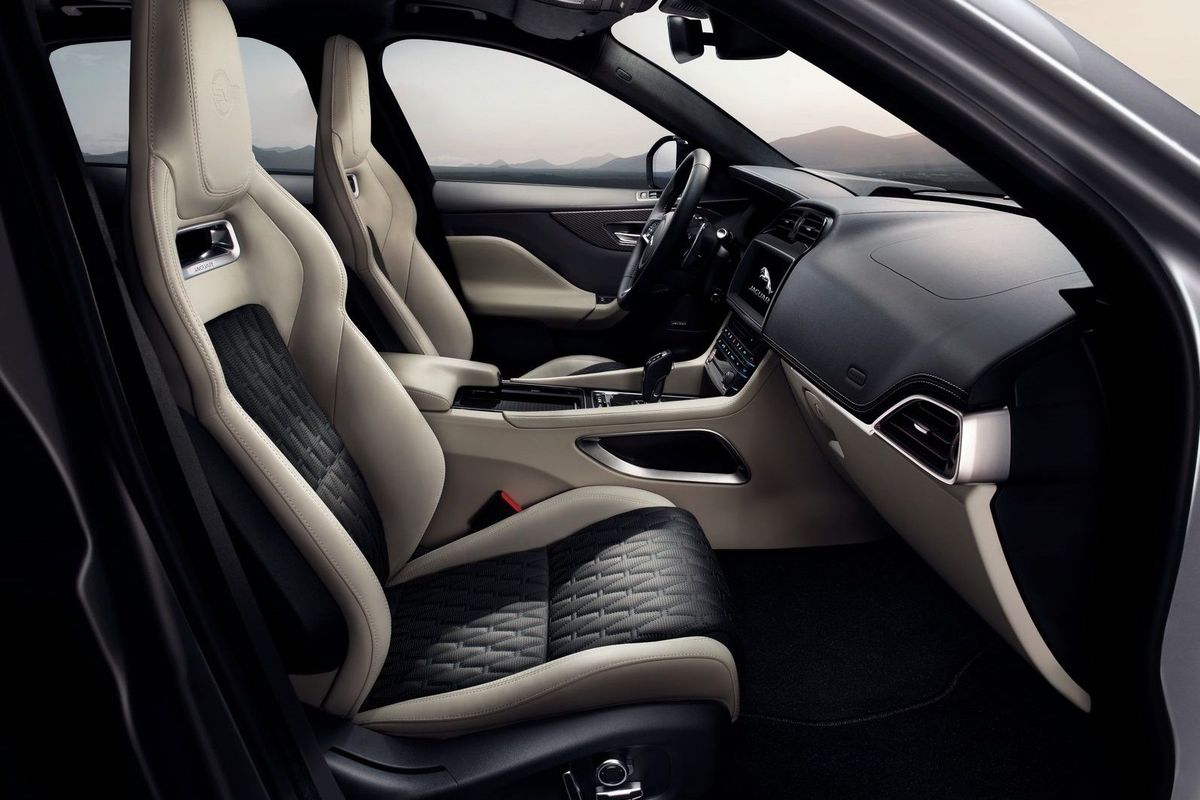
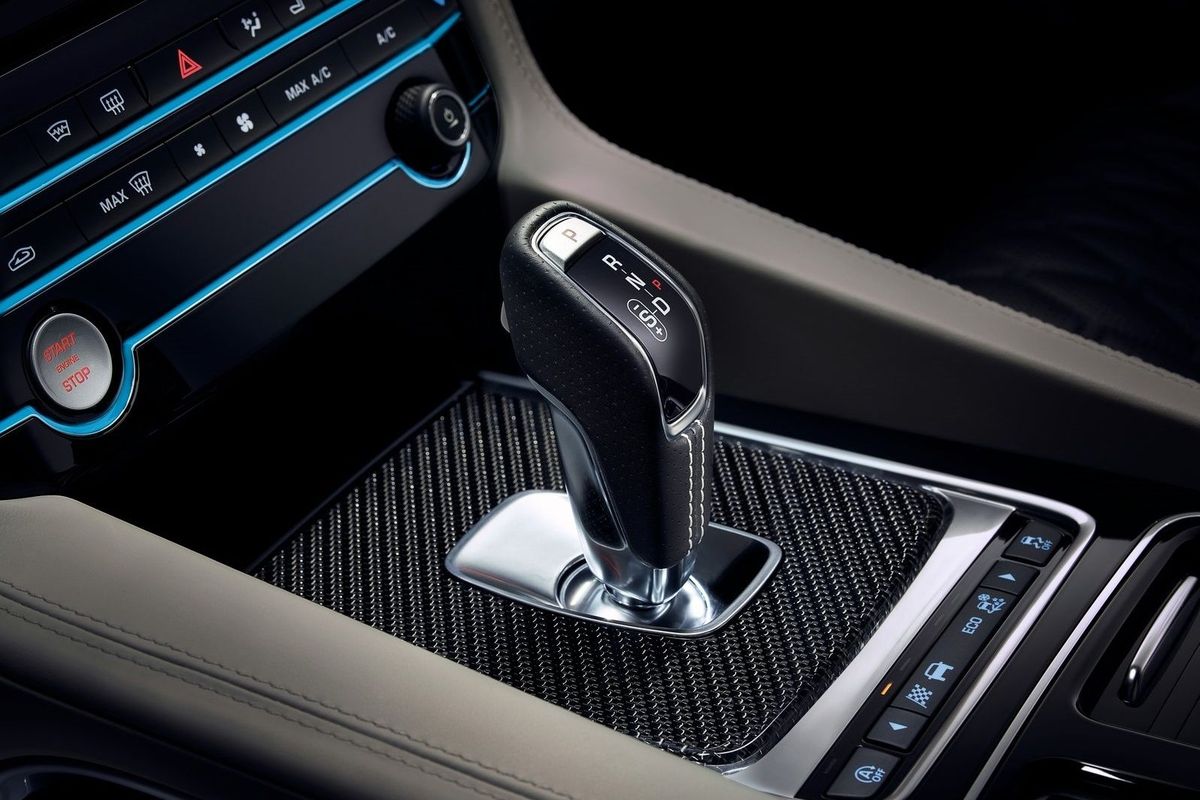
In terms of visual appeal, there are bigger air intakes at the front and numerous vents to draw hot air out of the engine bay. The rear features a unique spoiler as well as 4 fat exhausts. They're of the Active Exhaust variety, meaning you can switch from quiet and subtle to wake-the-neighbours levels of noise. There are new lightweight 21- and 22-inch forged alloy wheels too. In the cabin, there are performance seats with embossed SVR logos and an SVR-branded steering wheel.

It is coming to South Africa and Jaguar confirmed its F-Pace SVR will touchdown in the second half of 2018.

Learn more about the Jaguar F-Pace SVR

Want to buy a Jaguar F-Pace?

Further Reading

3 Reasons Why Jaguar F-Pace is #CarsAwards Finalist

Jaguar Unleashes All-New Ingenium Engine

Pedalling an F-Pace: a cyclist's jaunt to Oudtshoorn

World Car of Year (2017) Jaguar F-PACE [Review]

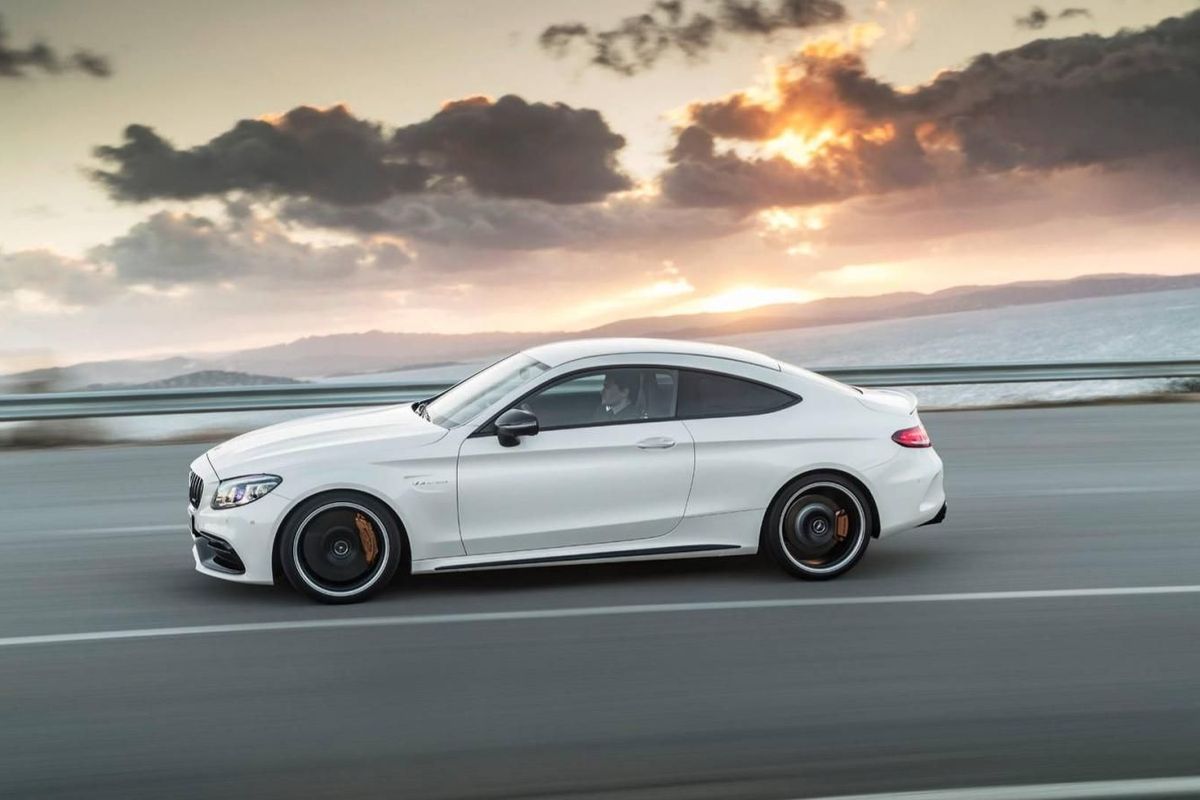
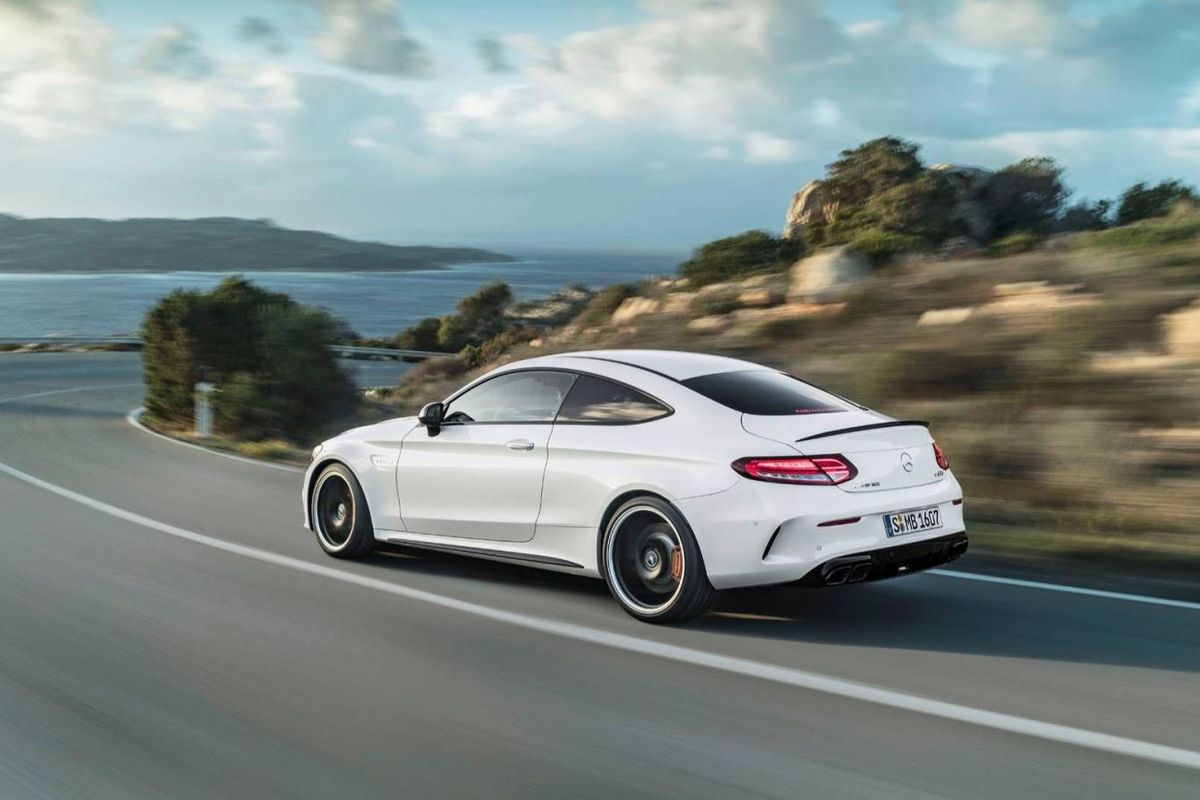
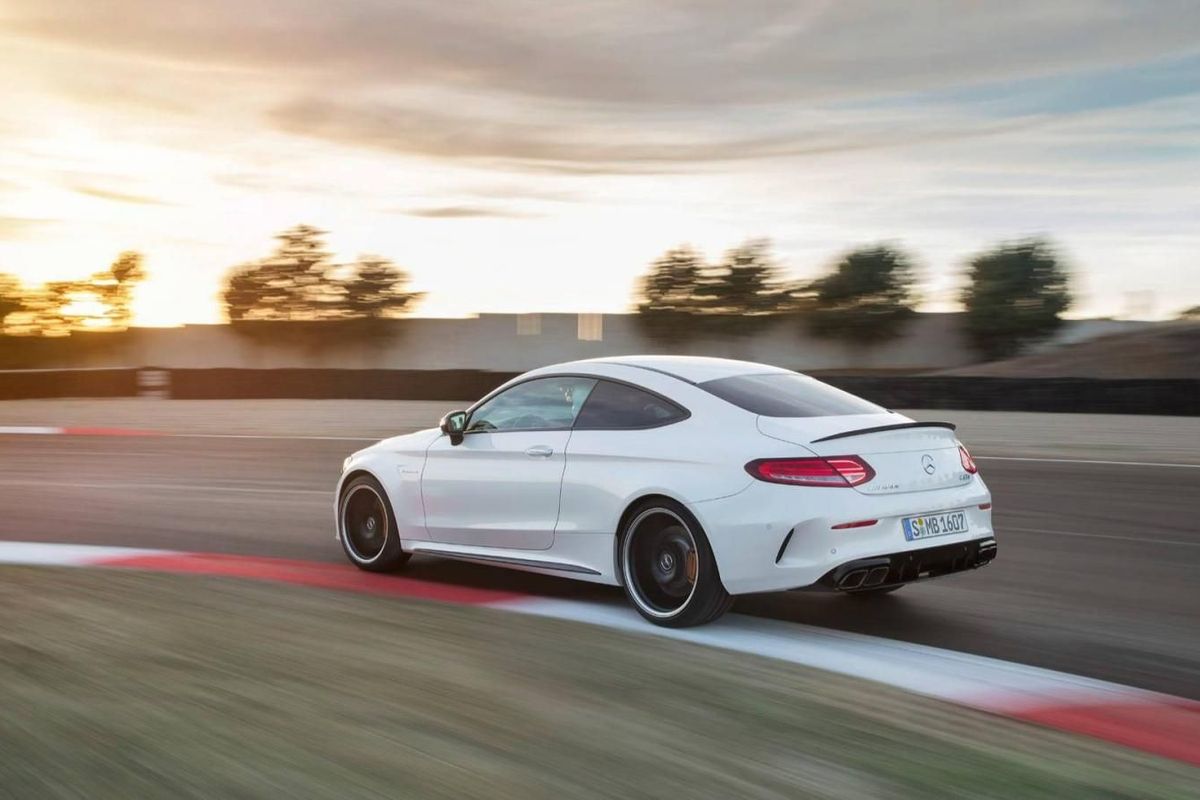
Facelifted Mercedes-AMG C63 Shown

Details of the facelifted Mercedes-AMG C63 coupe has been revealed ahead of the New York International Auto Show which kicks off this week. Check out the details…

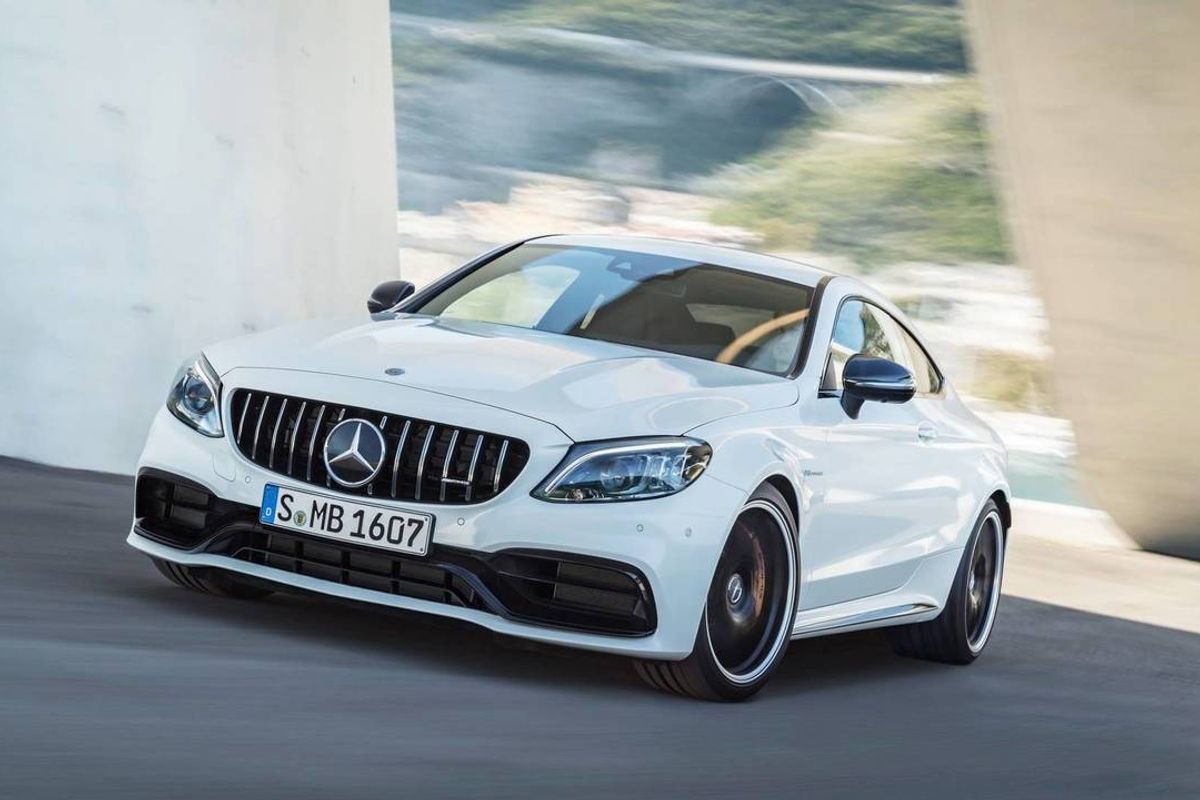
We saw the facelifted C-Class at the Geneva Motor Show recently and now Mercedes-AMG will be showcasing the facelifted C63 coupe, sedan and cabriolet in New York this week and although the changes are subtle, they are effective.

Key changes

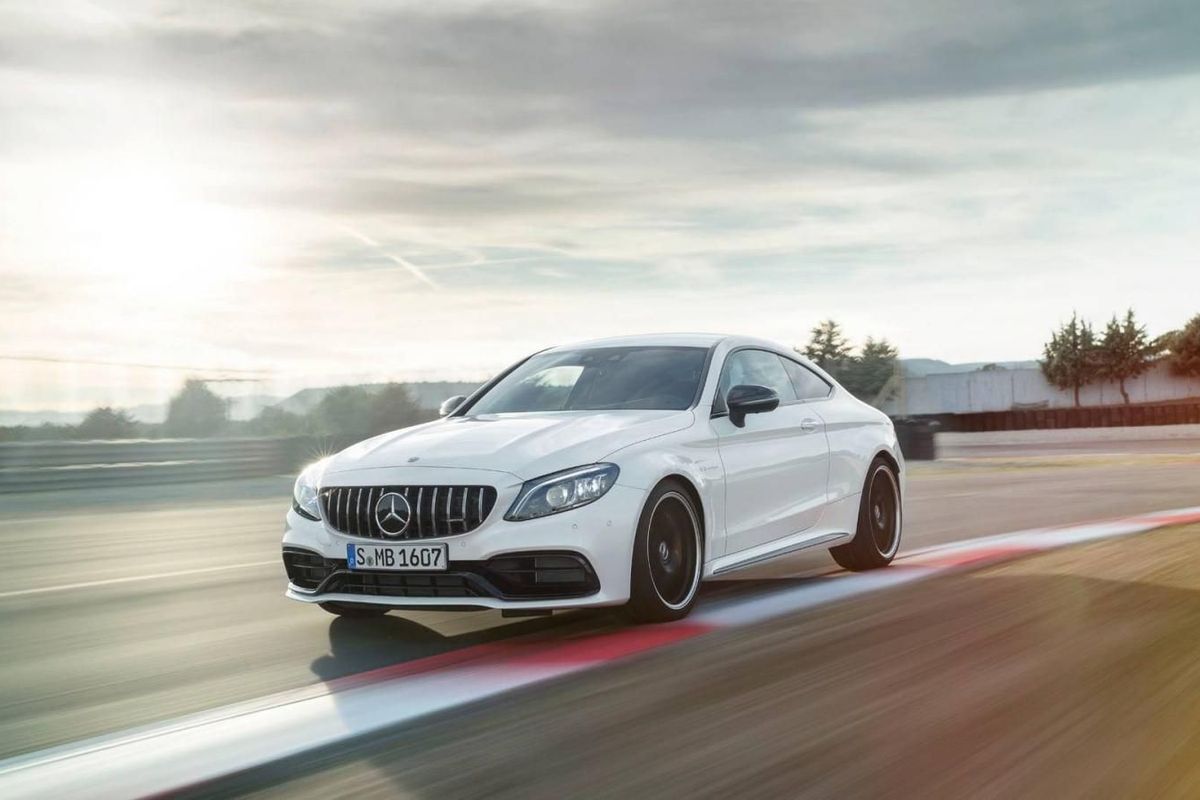
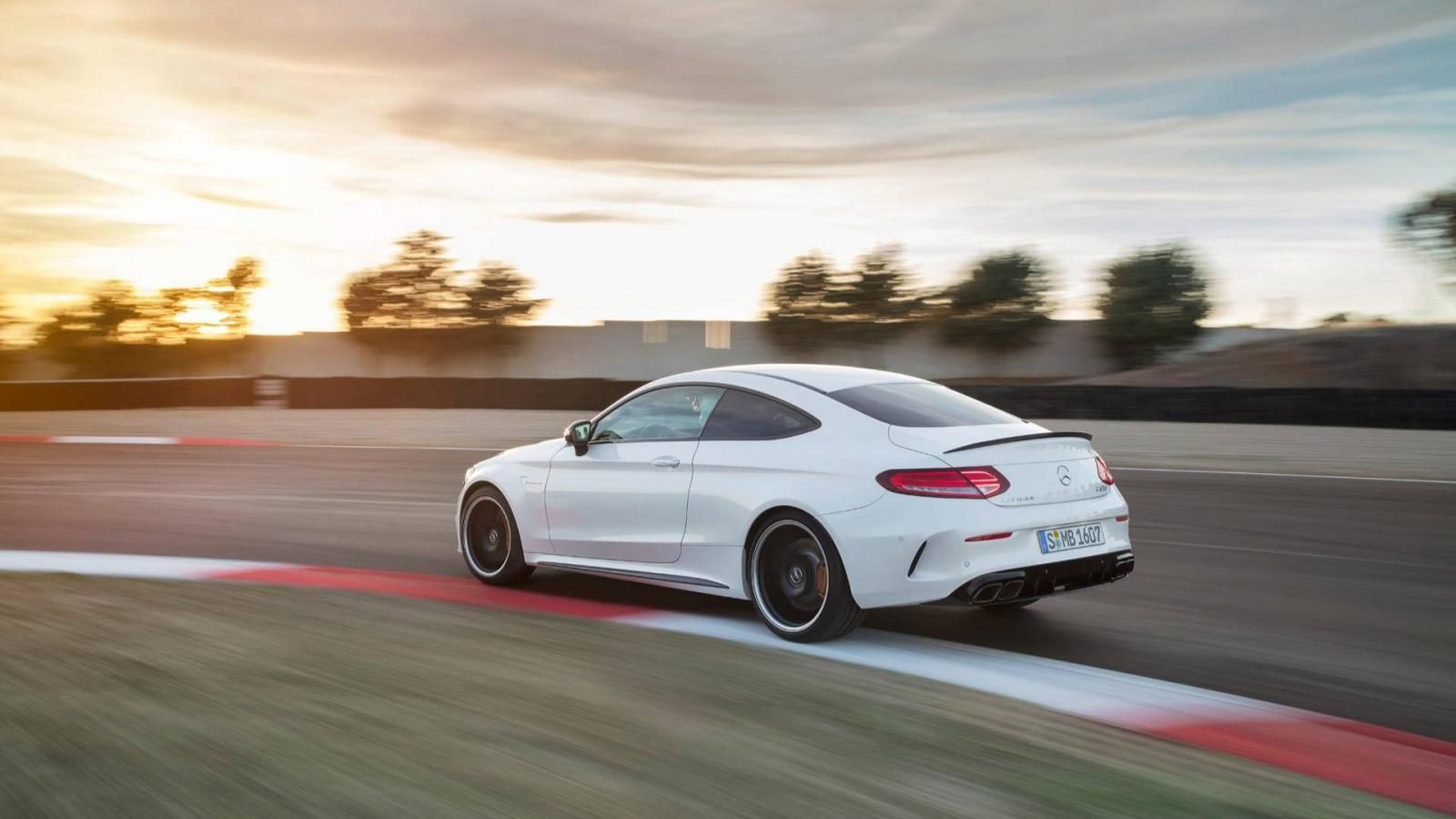
The most prominent visual change is the now standard Panamericana grille which beefs up the appearance significantly. The outer air inlets and front bumper have been designed while the rear twin tailpipes with high-gloss chrome trim and rear diffuser have also been reworked.


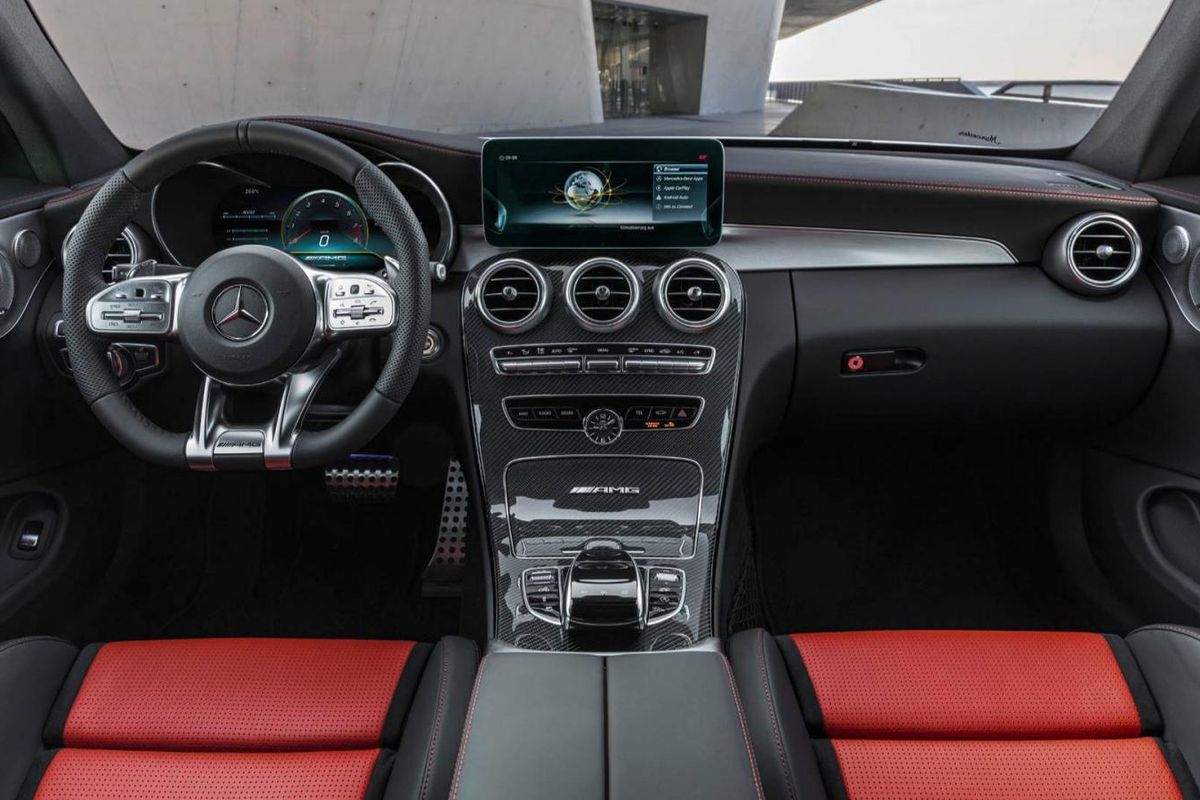
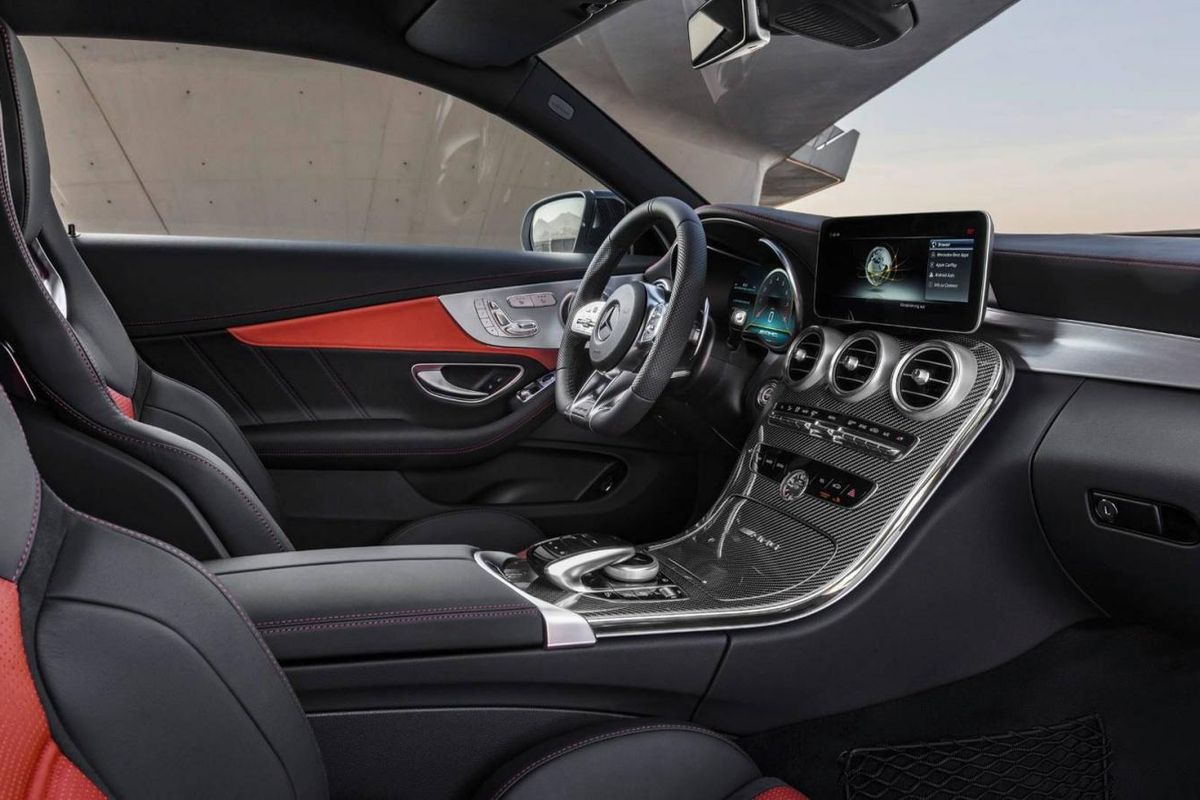
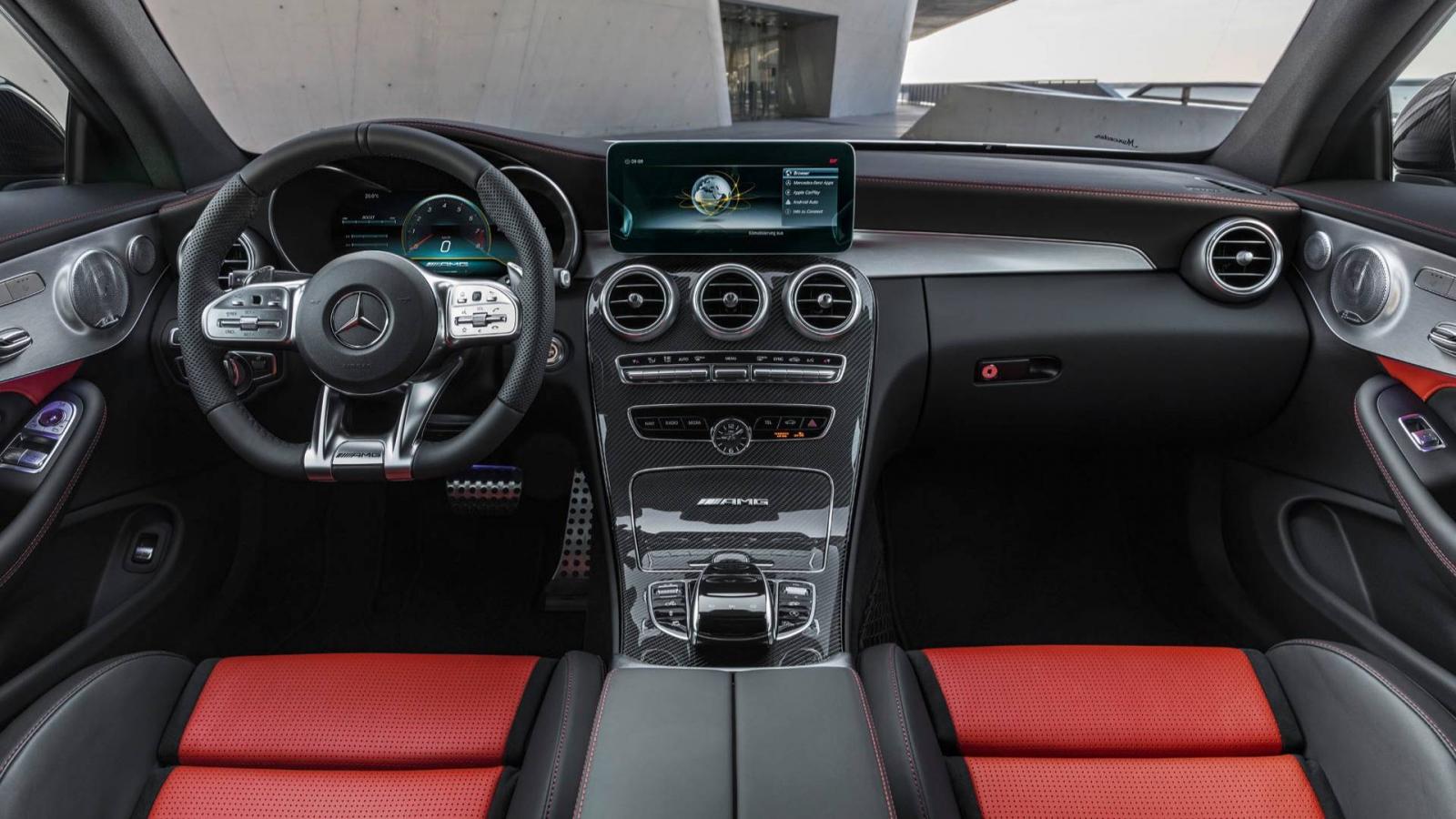
The interior has been refined and a new AMG steering wheel is standard. 

As for the interior, a host of new trim and equipment will be offered on the AMG C63 range. The model benefits from a new flat-bottomed AMG steering wheel wrapped in Nappa leather and fitted with new Touch control buttons. A fully digital 12.3-inch instrument cluster will be available as an option as well as heated and climatised AMG performance seats.

The AMG C63 is fitted with a 10.25 inch infotainment screen which takes care of communication and relays vehicle system information to the driver. The AMG menu provides additional information that will appeal to the performance-orientated driver and these include engine warm up, setup, G-force display, AMG Track Pace and engine data.

Engine power


Outputs remain the same but a new 9-speed automatic transmission is said to enhance the driving experience. 

The biturbo 4.0-litre V8 engine continues to do service under the bonnet and outputs remain the same as before. In the AMG C63, it will offer 350 kW and 650 Nm while the more powerful C63 S will pack 375 kW and 700 Nm.

The big news, however, is that the previous 7-speed automatic is now replaced with a new 9-speed, wet clutch automatic. Acceleration performance remains the same with the C63 sprinting from zero to 100 kph in 4.1 seconds and the C63 S being slightly quicker at 4.0 seconds.  Merc says that response is quicker and that the multiple downshift function will allow for “spontaneous bursts of speed”. Manual gear changes can also be initiated using the steering mounted paddle shifters.

A total of 6 drive programs are offered including Slippery, Comfort, Sport, Sport+, Race and Individual.

An AMG sport exhaust system is fitted as standard on the AMG C63 while the AMG Performance Exhaust System will be offered as an option.

The facelifted Mercedes-Benz C-Class is expected to arrive in South Africa in the third quarter of 2018 but the AMG C63 sedan, coupe and cabriolet variants can be expected early in 2019.

Buy a Mercedes-AMG C63 on Cars.co.za

Related Content

Audi RS5 vs BMW M4 Competition Pack vs Mercedes-AMG C63 S Coupe [w/Video]

Drag Race | Audi RS5 vs Mercedes-AMG C63 S Coupe

Drag Race: BMW M4 Competition Pack vs Mercedes-AMG C63S

2018 Geneva Motor Show: Highlights

Facelifted Mercedes-AMG C43 Announced

Ford expands its Struandale engine plant

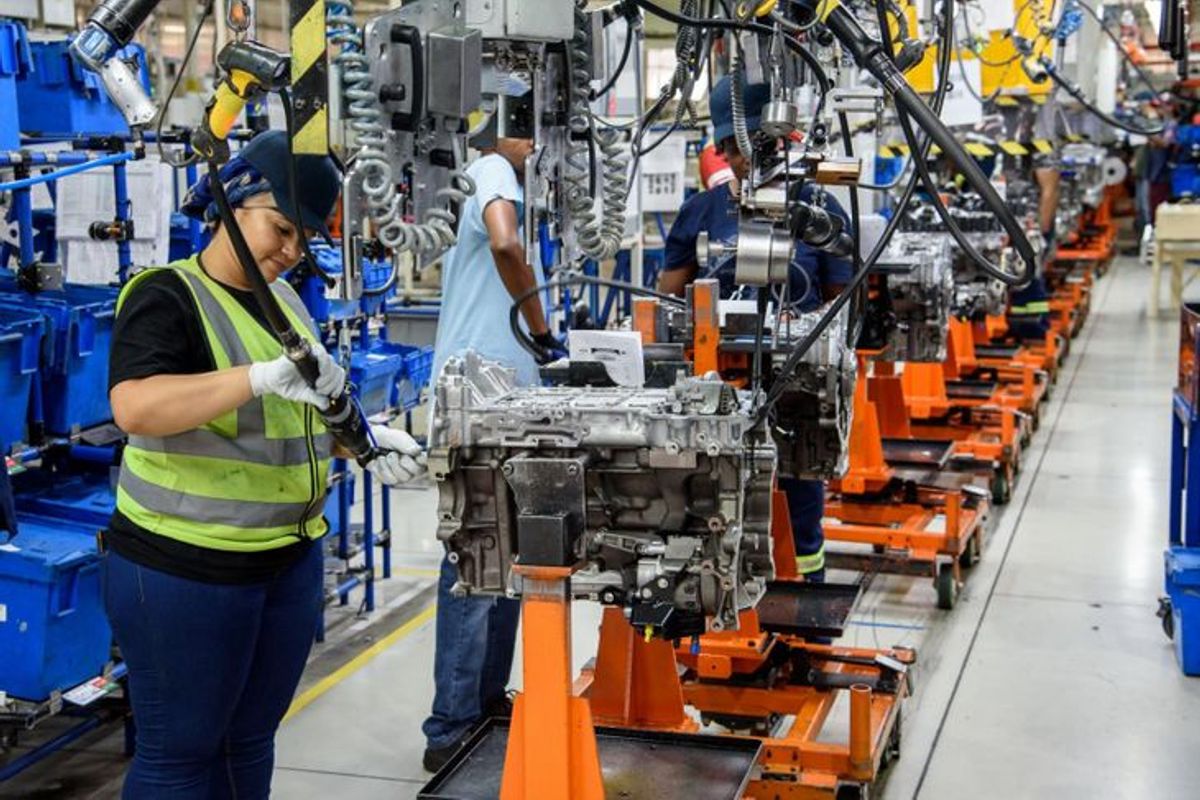
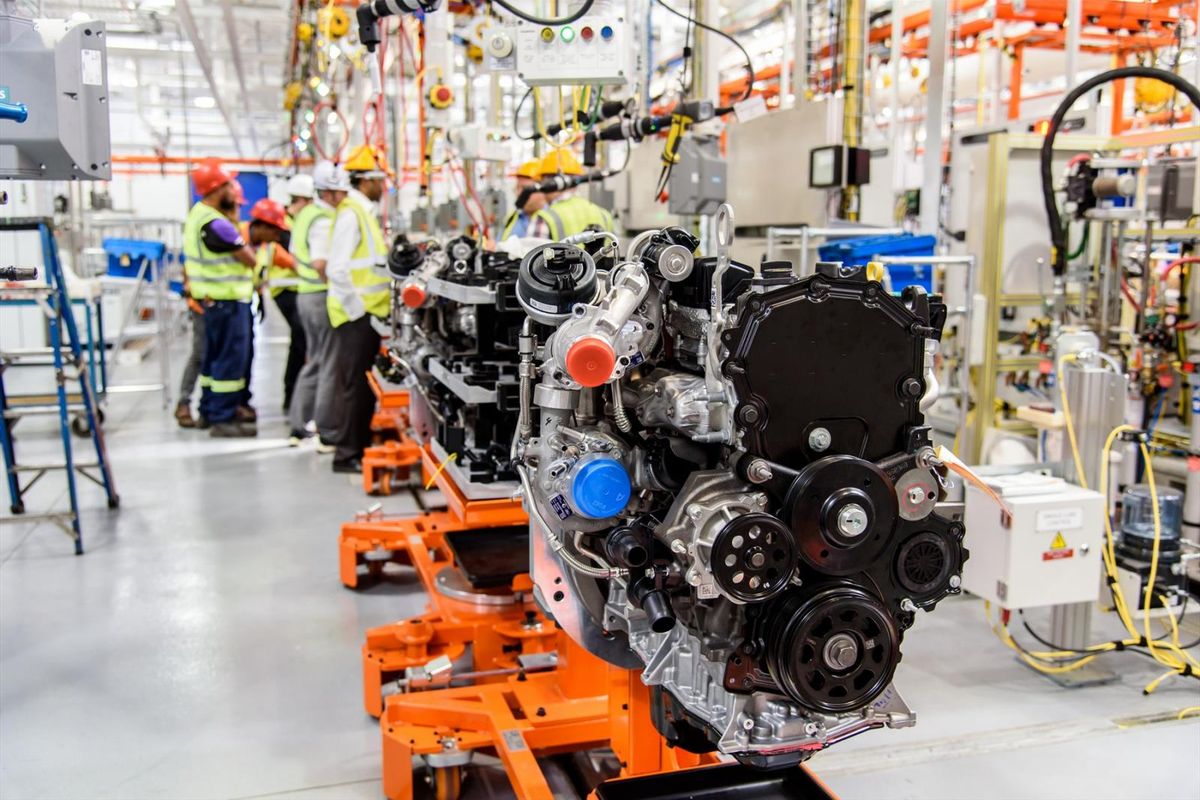
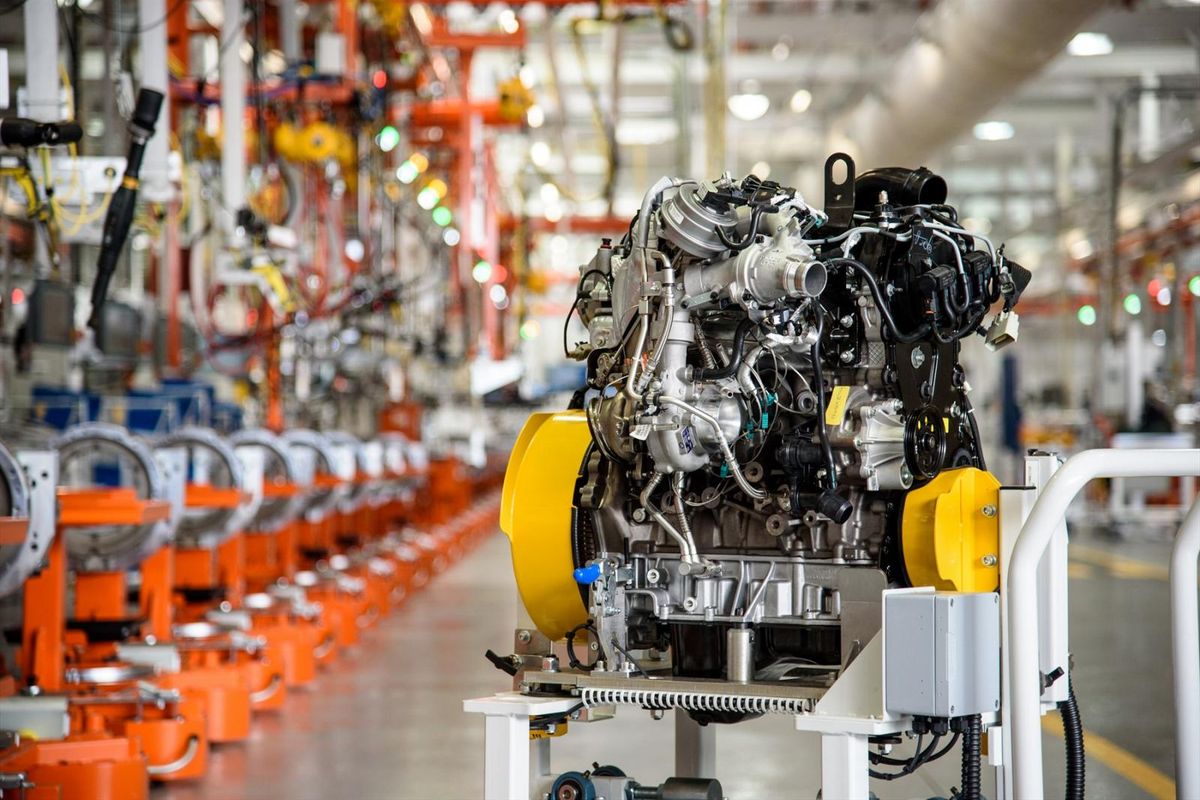
As part of its recent R3-billion investment to produce the Ranger Raptor in South Africa (which will go on sale in the local market by 2019), Ford has upgraded its Struandale engine plant in Port Elizabeth to produce the high-performance bakkie's new 2.0-litre 4-cylinder bi-turbodiesel engine and ramp up the production of the Duratorq TDCi engine used, inter alia, by the Ranger and Everest. 

By Wezile Bonani 

Installed capacity for the Duratorq TDCi program is set to increase from 254 000 machined component sets (cylinder head, block and crankshaft) to 280 000, while assembly capacity will grow from 115 000 to 130 000 engines per annum. In line with this, an additional shift will be added (to the 3 shifts working 5 days a week) and, by the time the additional 2.2-litre engine derivatives come online in the 4th quarter of 2018, Struandale will assemble a total of 56 variants of the Duratorq TDCi engine.

The 2.0-litre unit is only the 2nd diesel engine to go into production at the local plant with its new assembly hall, which measures 3 868 m2 in size, since 1964. The expanded Duratorq TDCi program will also see 22 new 4-cylinder engine derivatives exported to European markets, including for use in front-wheel drive Ford models.

Jacques Brent (Ford President, Middle East & Africa) also took the time to share a global summary and smart vehicle prospects in the pipeline for the brand. John Cameron (Plant Manager of Ford's Struandale Engine Plant) indicated that the plant was to become the machining home of the Duratorq engines utilised in the Everest, Range and Transit by virtue of the shared engine assembly. Other markets to benefit from the production capacity expansion include Italy, Russia and Turkey.

At the moment there is no indication if the popular 5-cylinder turbodiesel will be discontinued as it is still in demand, especially in our market. And, unfortunately, no details were shared on the power outputs for the upcoming engine derivatives, barring the Raptor with its impressive 157 kW and 500 Nm of peak torque.  

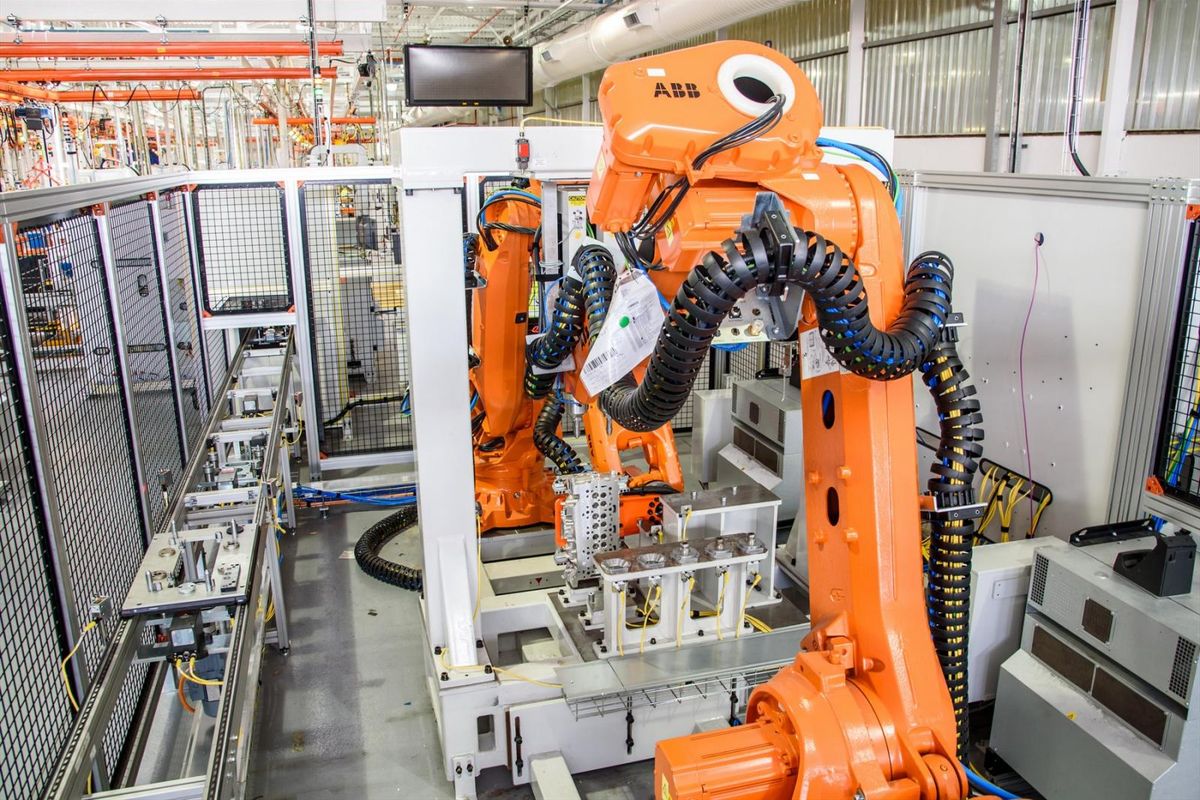
The new state of the art facility boasts some of the latest technical advancements, for example, tools have allocated areas for workstations and engines will be electronically monitored for the absolute best practice and high-quality standards the plant has been known for.

In conclusion, as a citizen of this wonderful city, while job creation is key, job security is just as pivotal as Ford has demonstrated by the addition of a new shift for the upgraded assembly line.

Further Reading

Ford Ranger Raptor: 5 Things You Need to Know

Ford Ranger Raptor Revealed, Coming to SA [w/Video]

Bakkie Comparison: Nissan Navara vs Ford Ranger Fx4 [with Video]

2016 Toyota Hilux vs Ford Ranger – Offroad & Review
Ford Ranger 2.2 XLS 4×4 Automatic (2016) Review
Ford Ranger 3.2 4×4 Wildtrak (2016) Review
Ford Ranger Fx4 (2017) – a Raptor Kit with a Warranty

6 Most Fuel-Efficient Double-Cab Bakkies in SA

Most Powerful Double-Cab Bakkies in SA

2016 Toyota Hilux vs Ford Ranger – Offroad & Review

Want to buy a Ranger?

Browse through stock here.

Drag Race: Audi RS5 vs BMW M4 Competition Pack

In the final instalment of our German Coupe drag race sequence, the Audi RS5 takes on the BMW M4 Competition Pack. Who will take the win?

After taking on the Mercedes AMG C63 S Coupe, the Audi RS5 Coupe Quattro now goes head-to-head with the BMW M4 Competition Pack.

These two cars are about as close as it gets when it comes to power figures, with the Audi packing a bit more torque and a slightly quicker 0-100 time.

Of course, this is a battle of all-wheel-drive versus rear-wheel-drive, so the Audi should get the jump on the launch. But the Beemer had proved seriously quick all day…

Watch the C63 S vs BMW M4 Competition Pack drag race here

Watch the Audi RS5 vs Mercedes-AMG C63 drag race here

Read our comparison between the BMW M4 Competition Pack, Mercedes-AMG C63S and Audi RS5 here