Drag Race: BMW M4 Competition Pack vs Mercedes-AMG C63S
It's drag race time! In this instalment, Germany goes up against Germany, straight-6 against V8 muscle, and big power against low weight. It's the M4 Competition Pack vs the Mercedes-AMG C63S.
In the world, but specifically in this video, two German car makers battle to be the best German car maker to race in a straight line in the Western Cape of South Africa. Representing Bavaria, the BMW M4, which in this case is orange and features Competition Pack upgrades, brings a powerful straight-6 motor to the fight.
It’s rival, the Mercedes AMG C63 S Coupe, is the V8-powered sledgehammer to BMW’s more nimble, lighter M4.
With a huge power and torque advantage, the Mercedes, on paper at least, looks like it should have this one wrapped up. But in our experience, powerful Mercs struggle for grip off the line.
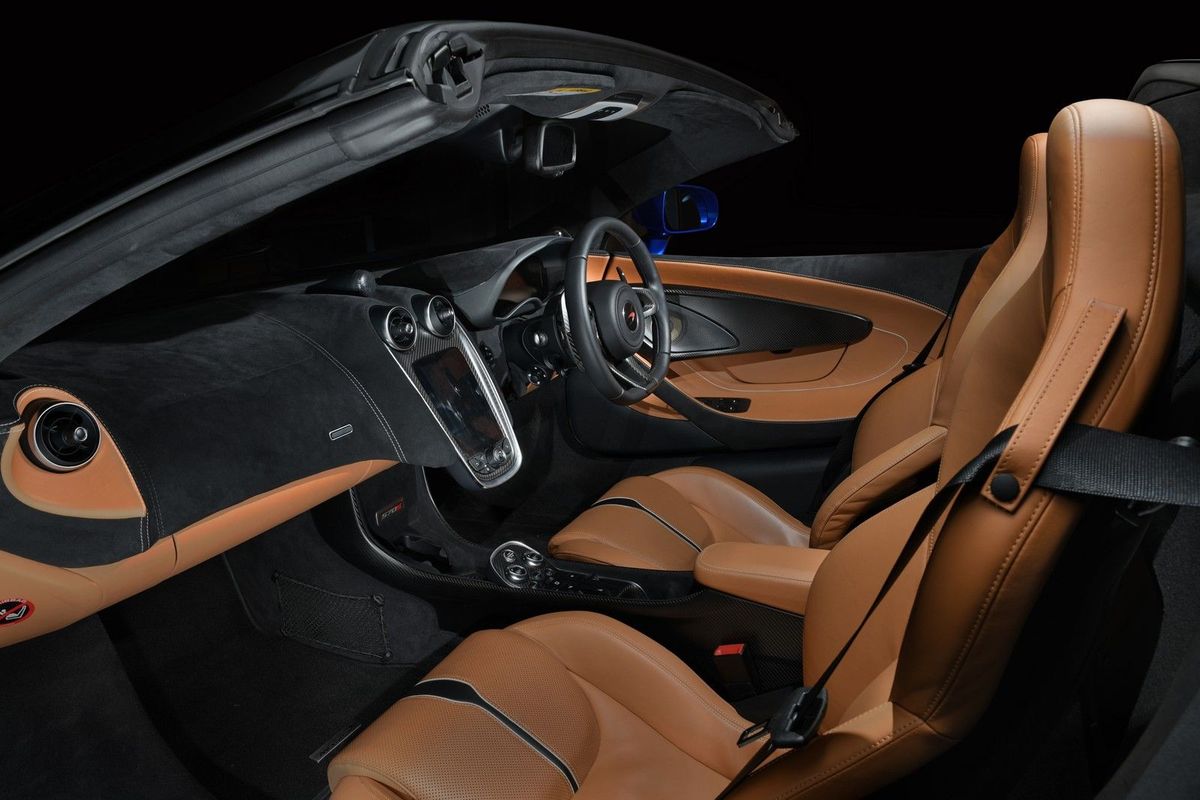
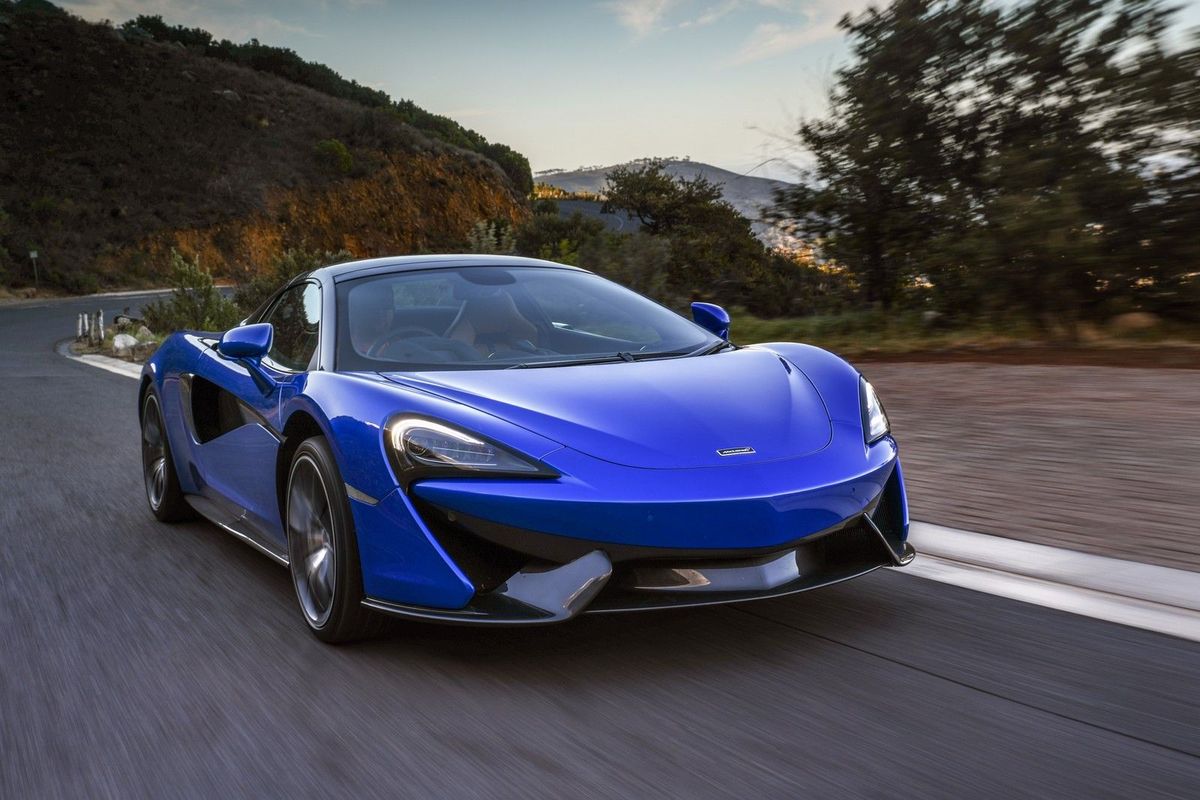
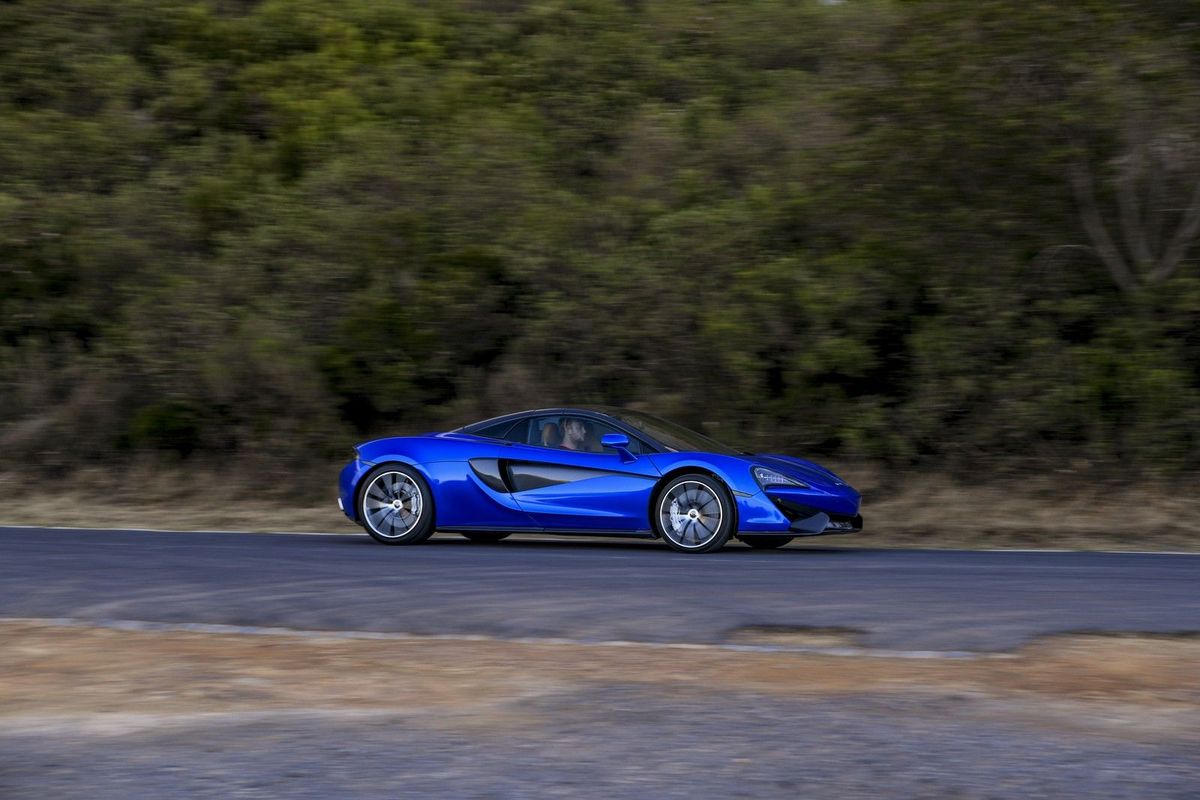
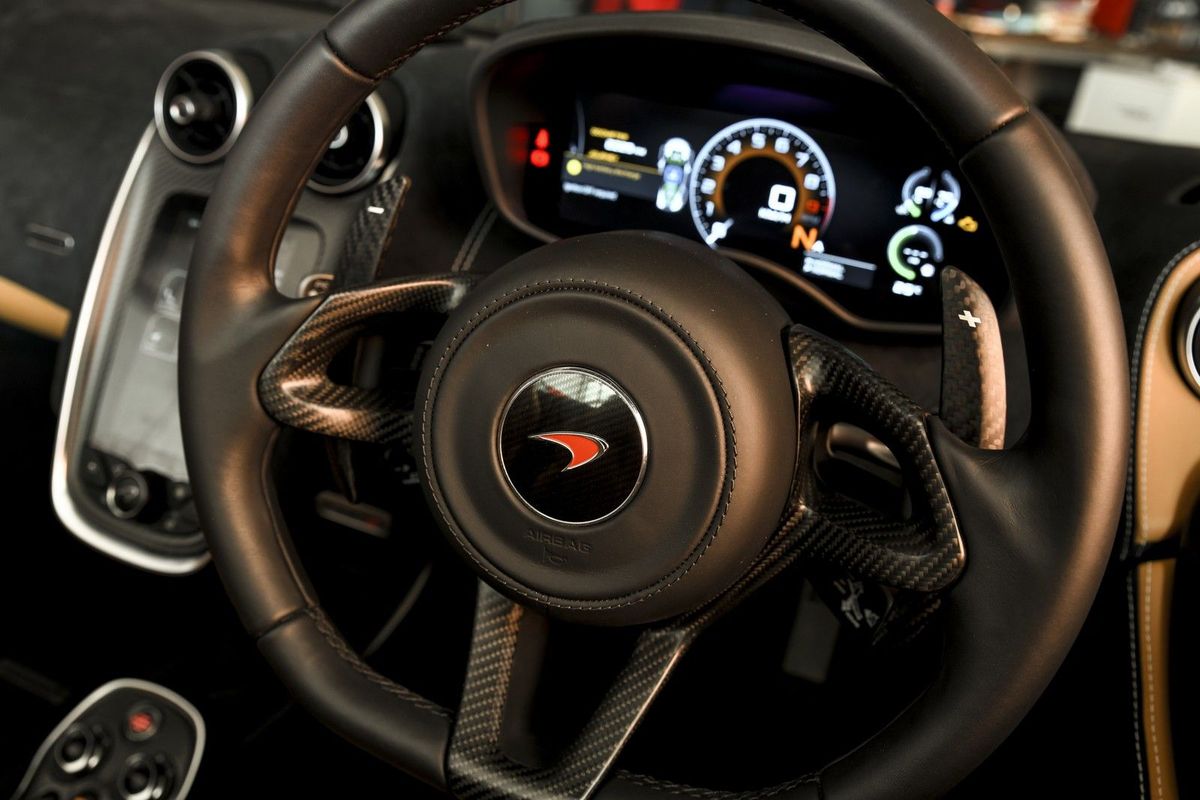
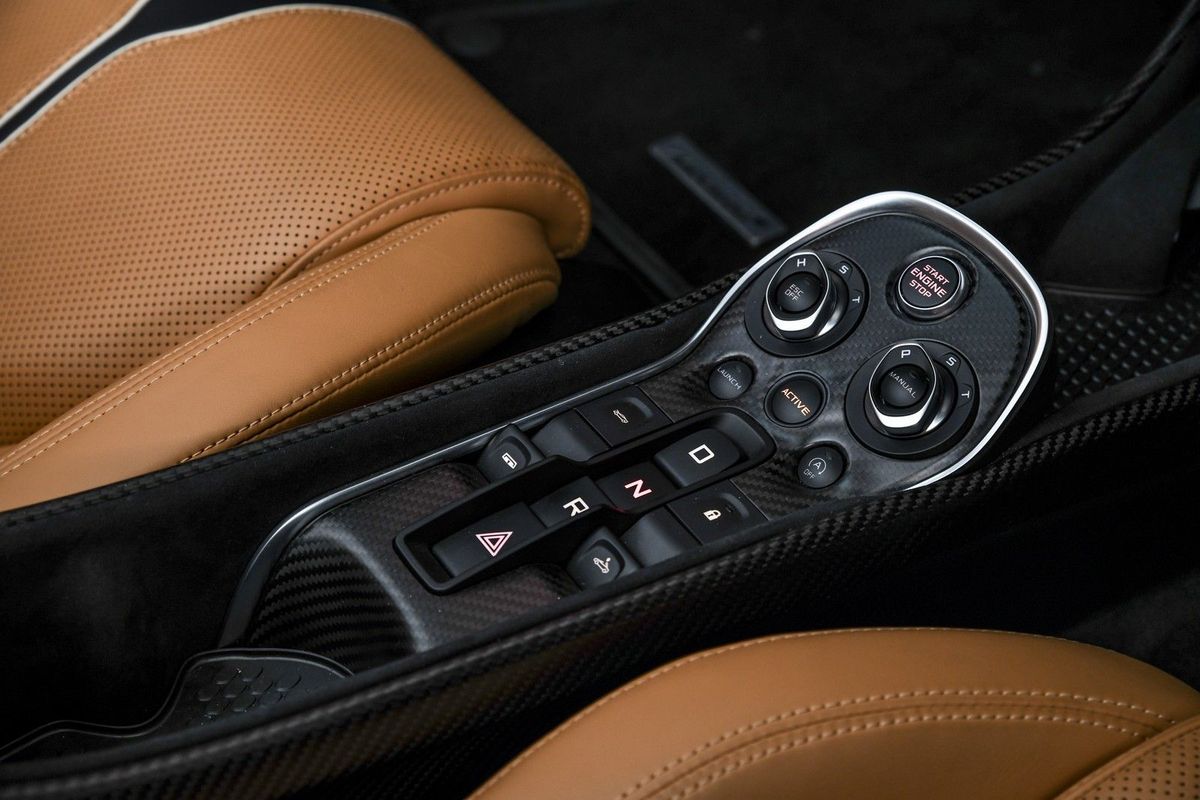
The 570S represents the (current) entry point for those seeking supercar thrills from the renowned Woking-based marque that made its name in the world of Formula One. What happens when you’re able to take the roof down, does the experience get even better?
We like: Unburstable power delivery, ease of use, styling, sound with the roof down.
We don’t like: Choppy ride when traversing bumpy roads at speed.
Alternatives
The archrival: The Ferrari 488 Spider is an obvious candidate to challenge the 570S Spider. The Maranello-made roadster has the edge in the performance stakes, but that’s not going to change that many minds at this end of the market.
The rear-driven Lambo: The Huracan LP580-2Spyder offers howling naturally aspirated thrills from its 5.2-litre V10 engine. If it’s ultimate aural stimulation (at the cost of some driver involvement) you're after, the Huracan is a winner.
If you only have R3.5 million to spend: The Porsche 911 Turbo S Cabriolet equals the competition in the power stakes but doesn’t have the same dramatic, make-a-statement styling.
"Bargain" Audi ragtop: Well, with an asking price of just over R2.9 million, the R8 5.2 V10 Spyder quattro offers genuine mid-engined wind-in-the-hair excitement, even if some will bemoan that it offers only 397 kW and 540 Nm (as opposed to 449 kW/560 Nm of the Plus hard-top derivative).
What is it?
McLaren’s road car company has been producing sport, super and hypercars at a prolific rate since it began with the somewhat inelegantly-named MP4-12C back in 2011. This 570S Spider represents the roadster version of the "entry-level" model in South Africa and the 570S is said to make up part of McLaren’s Sport range, which the Woking-based marque reckons means the car "is suited for everyday use as opposed to a weekends-only supercar".
The name 570S comes from the power output of its engine, which is tuned to deliver 562 hp or 570 PS. That’s 419 in kilowatt speak.
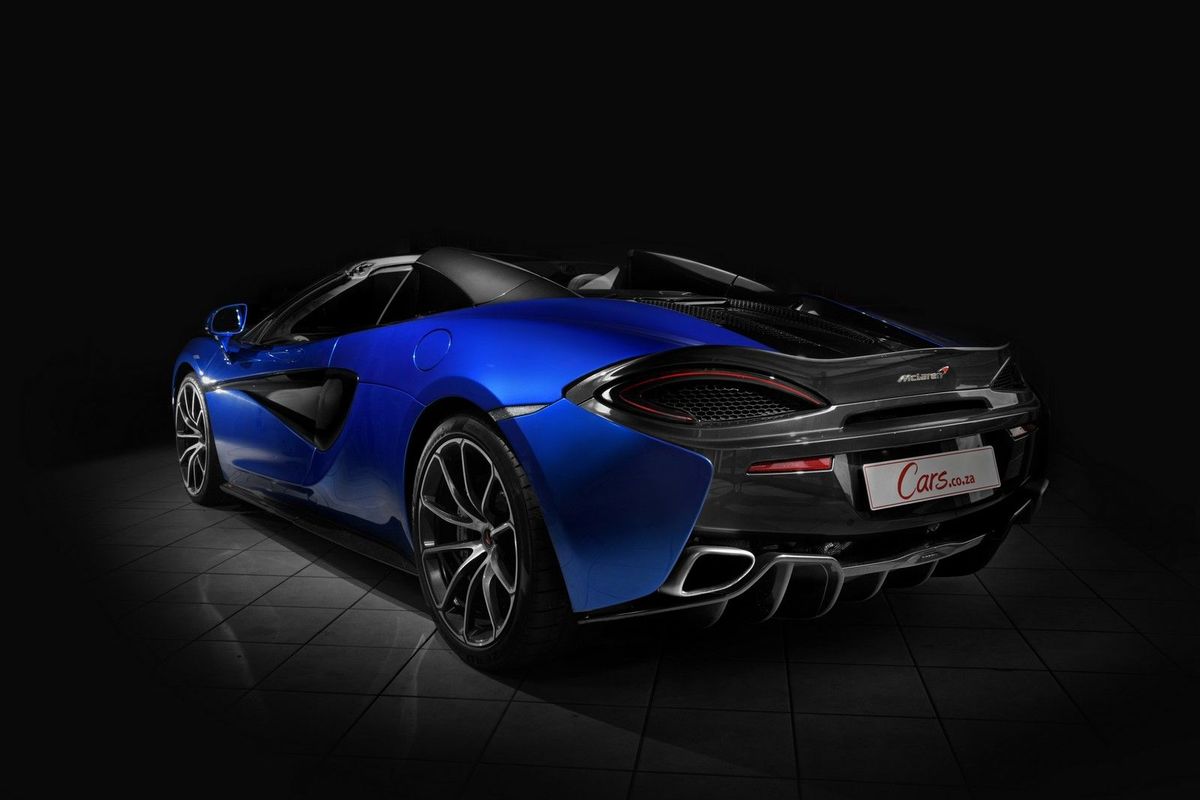
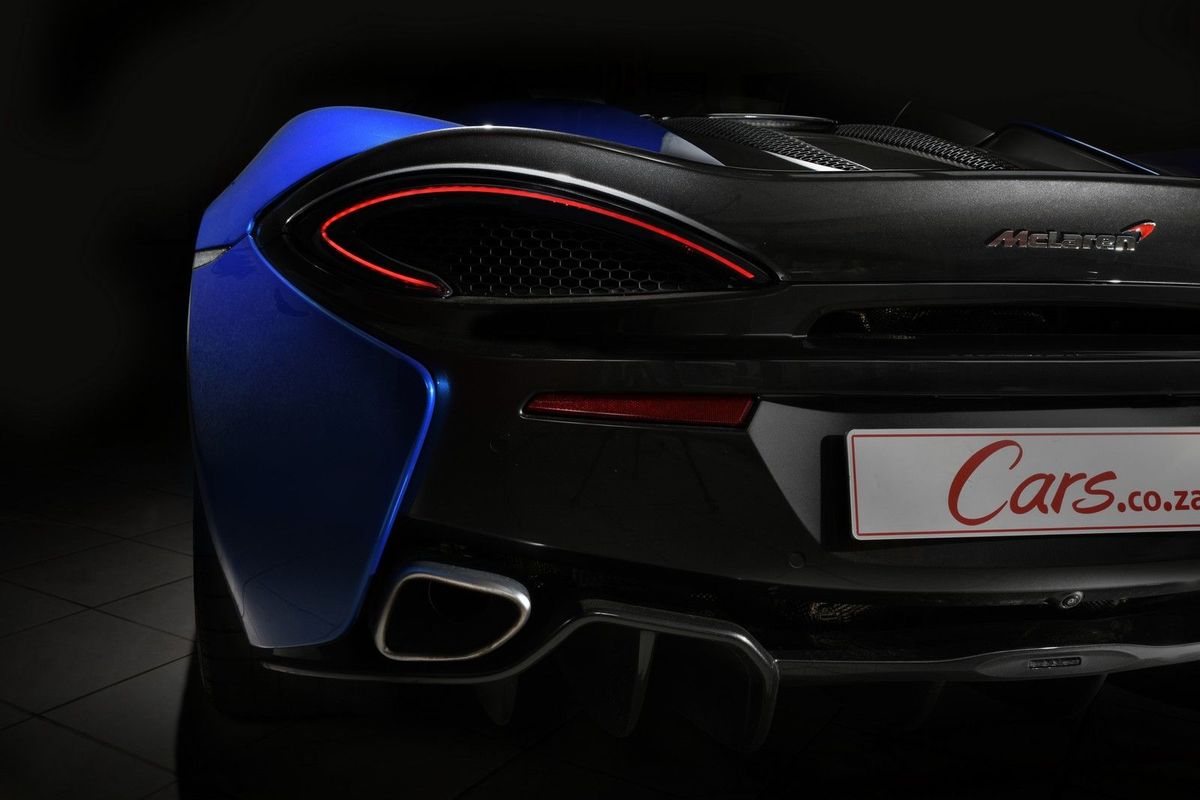
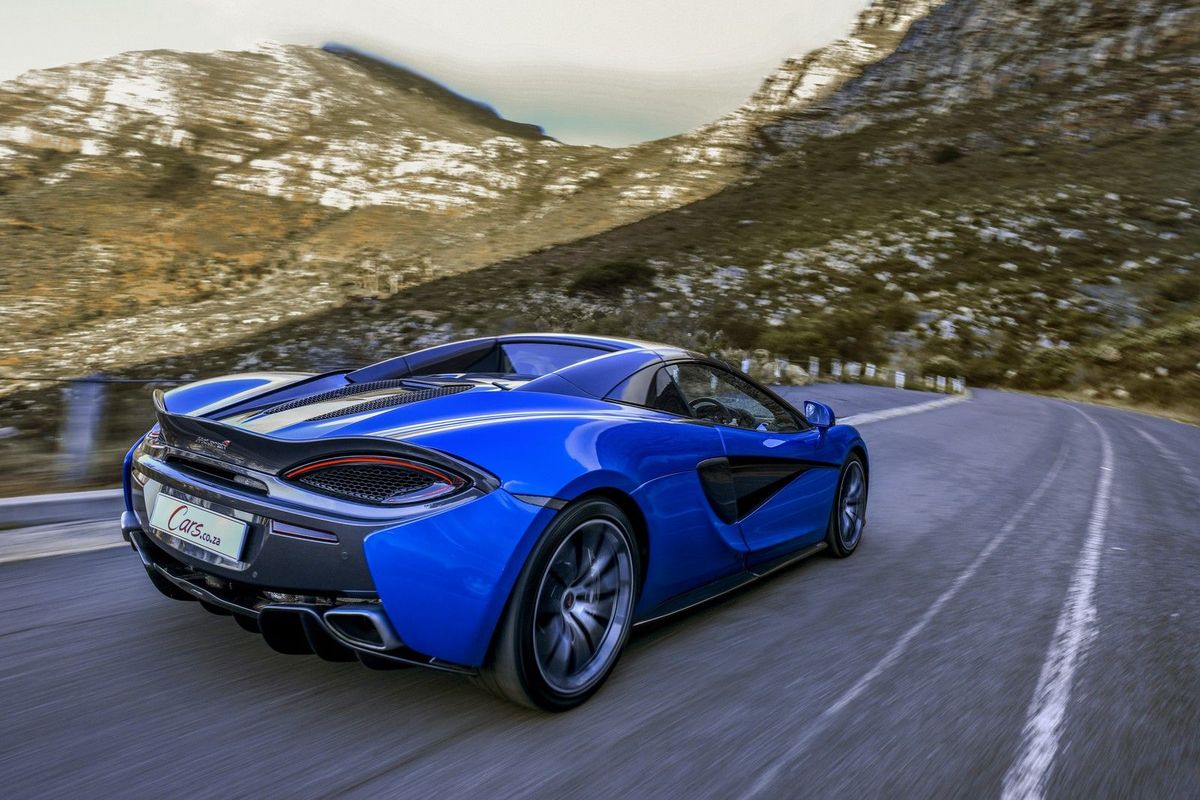
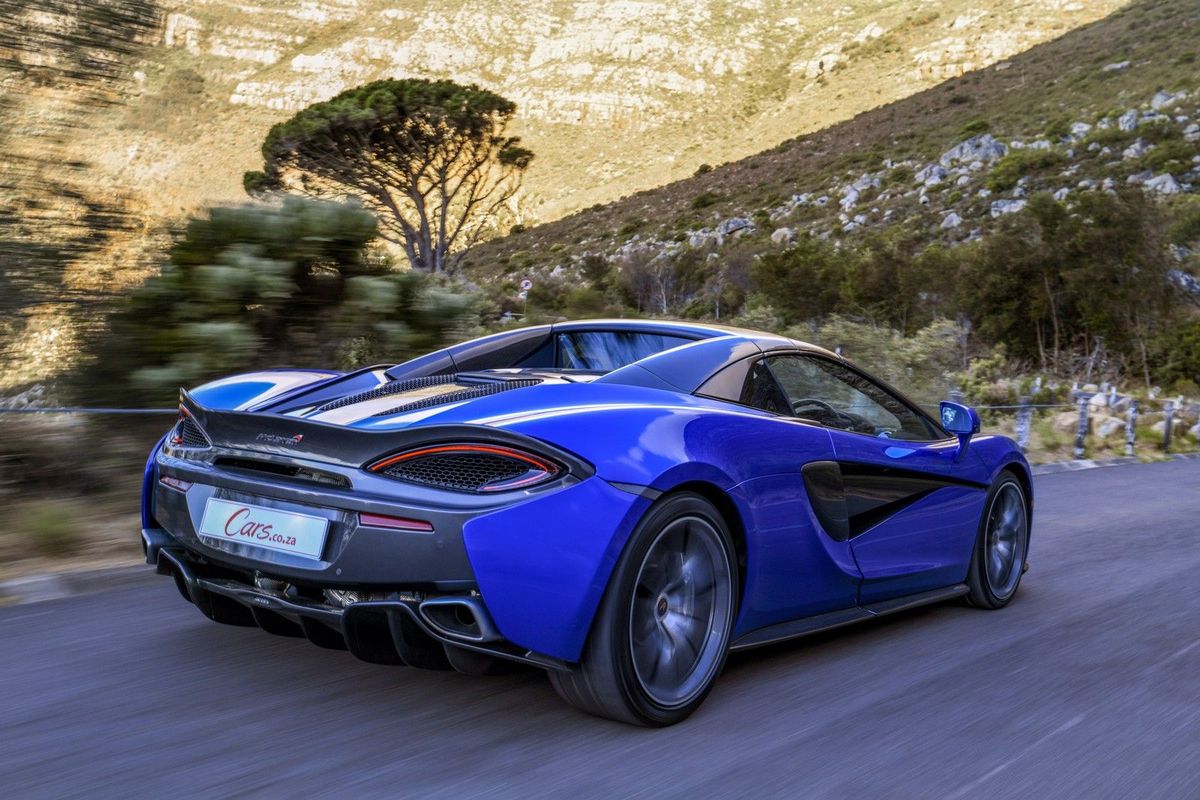
Gone is the active aero rear wing, which has been replaced with a slightly more subtle rear lip.
The Spider version uses a retractable hardtop roof that can be raised and lowered at below 40 kph. What’s interesting is that the assembly adds only 45 kg to the weight of the car and has no effect on rigidity… McLaren’s carbon fibre tub is designed like that of an F1 car, so it doesn’t require a fixed roof to stop the chassis from flexing.
The 570S Spider continues to use the same 3.8-litre V8 twin-turbo unit across all its models (albeit in very different states of tune) and is mid-mounted behind the cockpit.
How does it fare in terms of…
Eye-catching looks?
It's not that McLaren doesn't care how its cars look, but the brand's primary aim is to instil driving appeal and deliver an overload to the senses with its road cars. Still, if you’re spending R5m (approximately how much the Spider costs) then you probably want it to pull a crowd in a parking lot or turn heads as you drive through town…
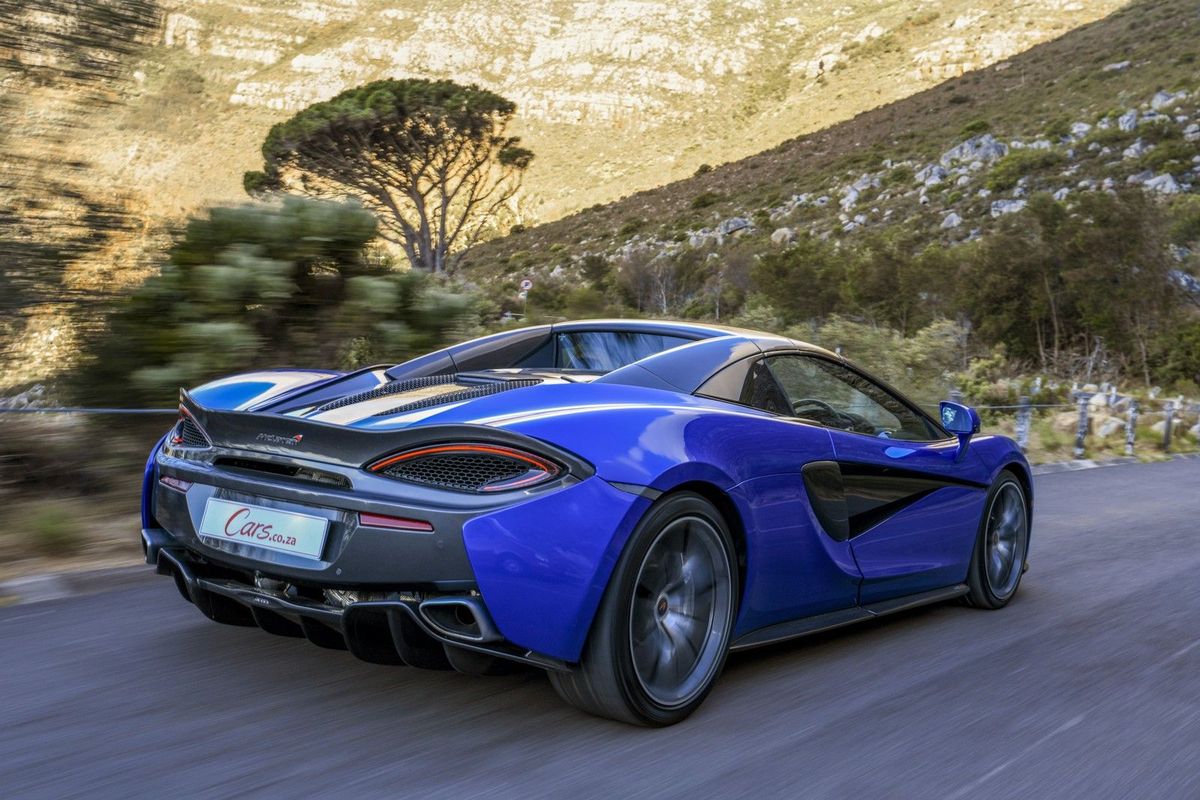
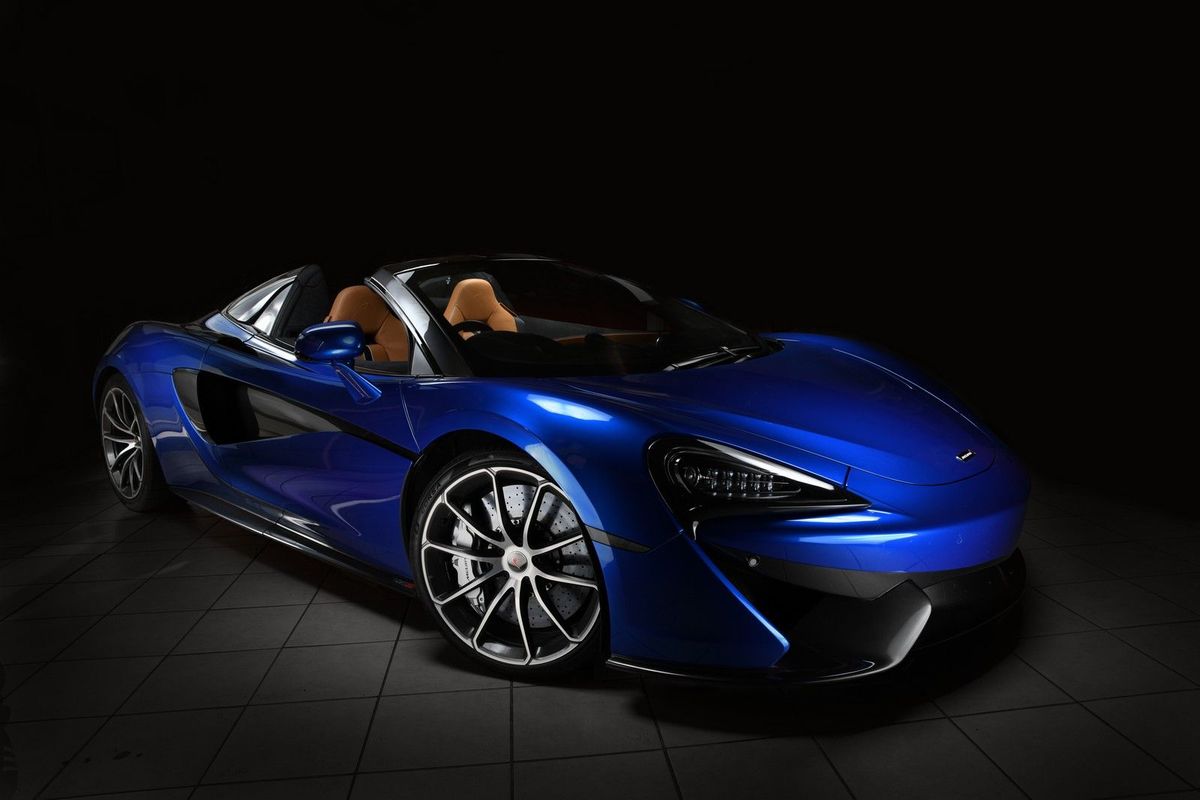
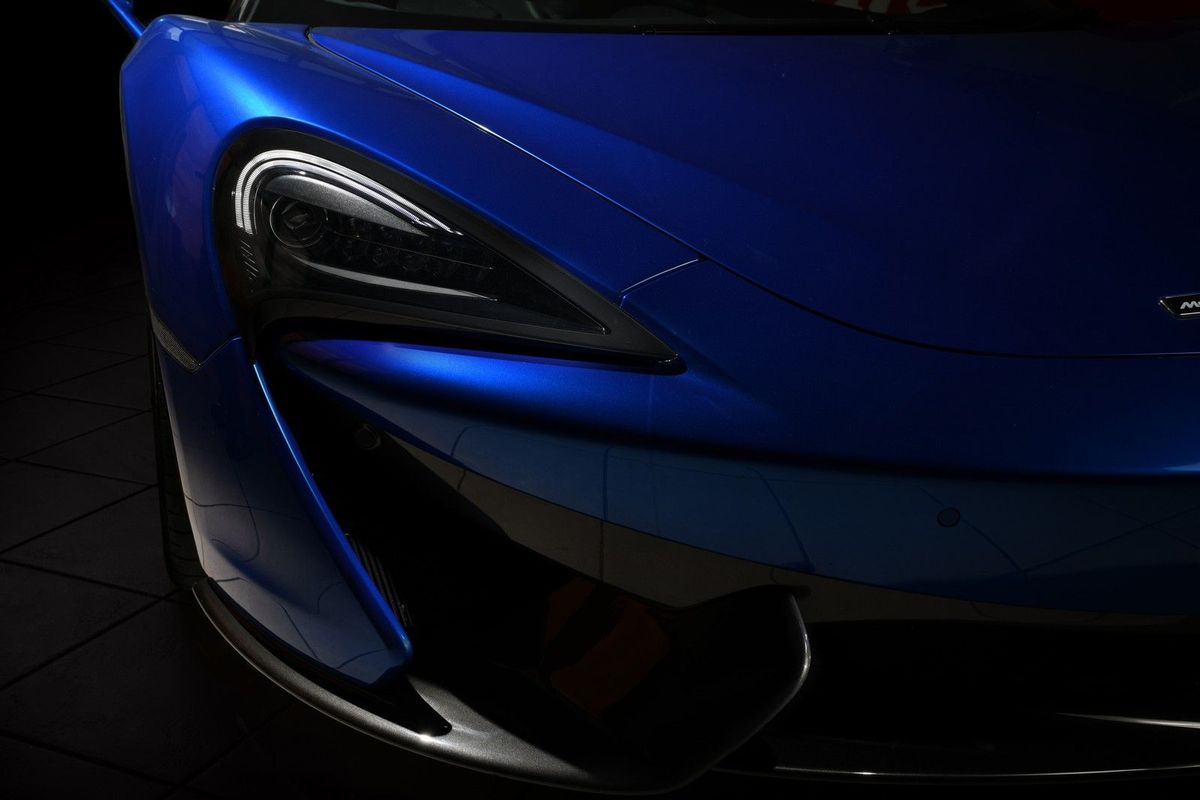
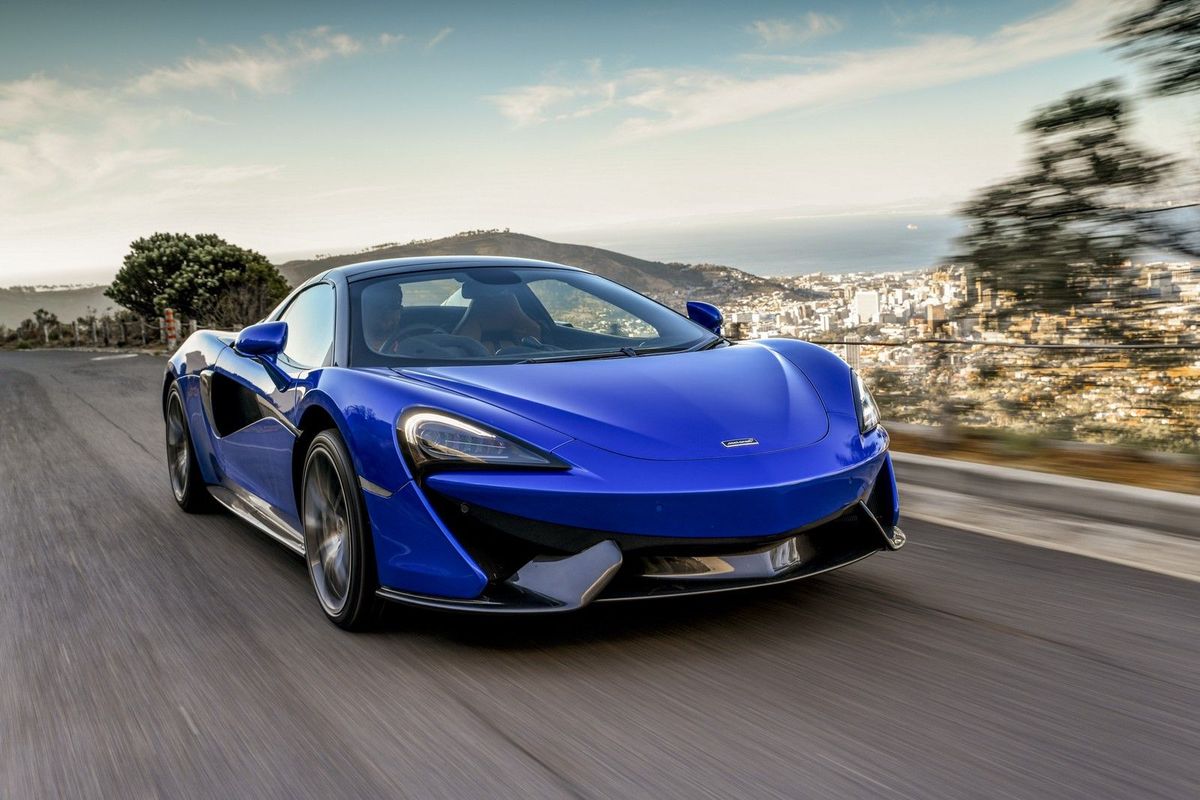
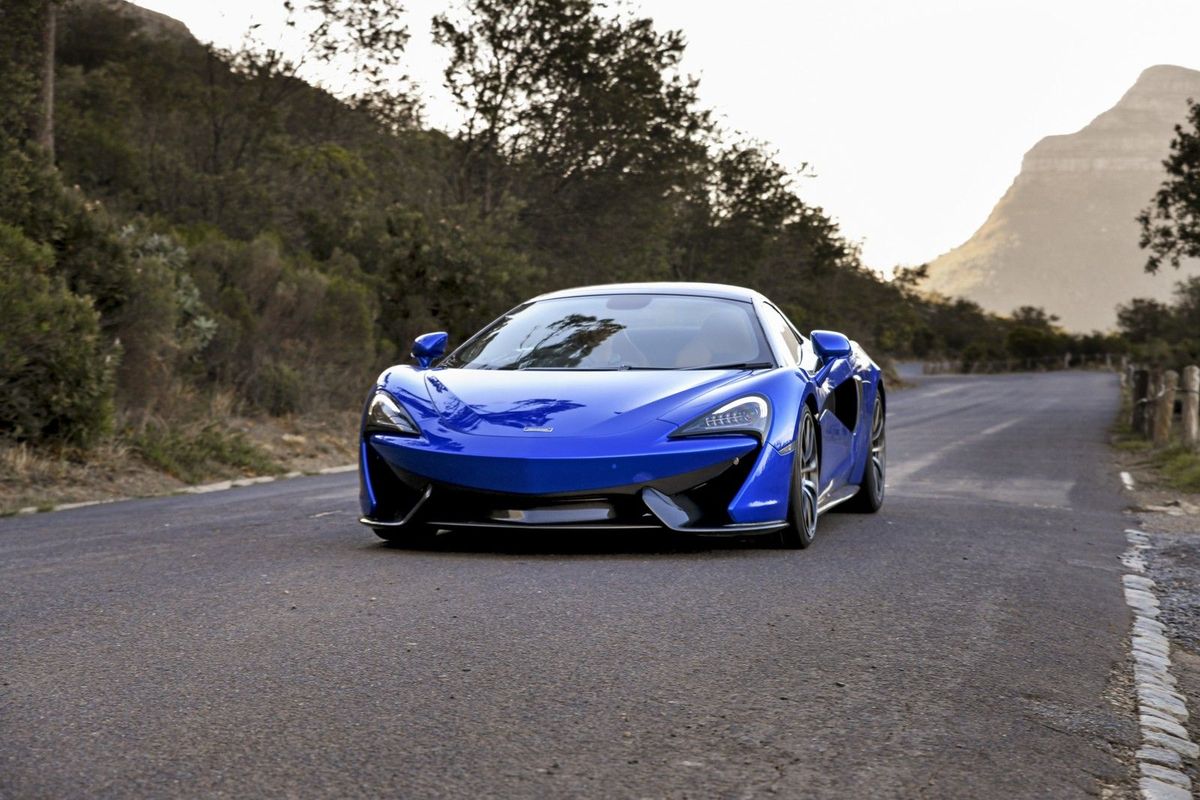
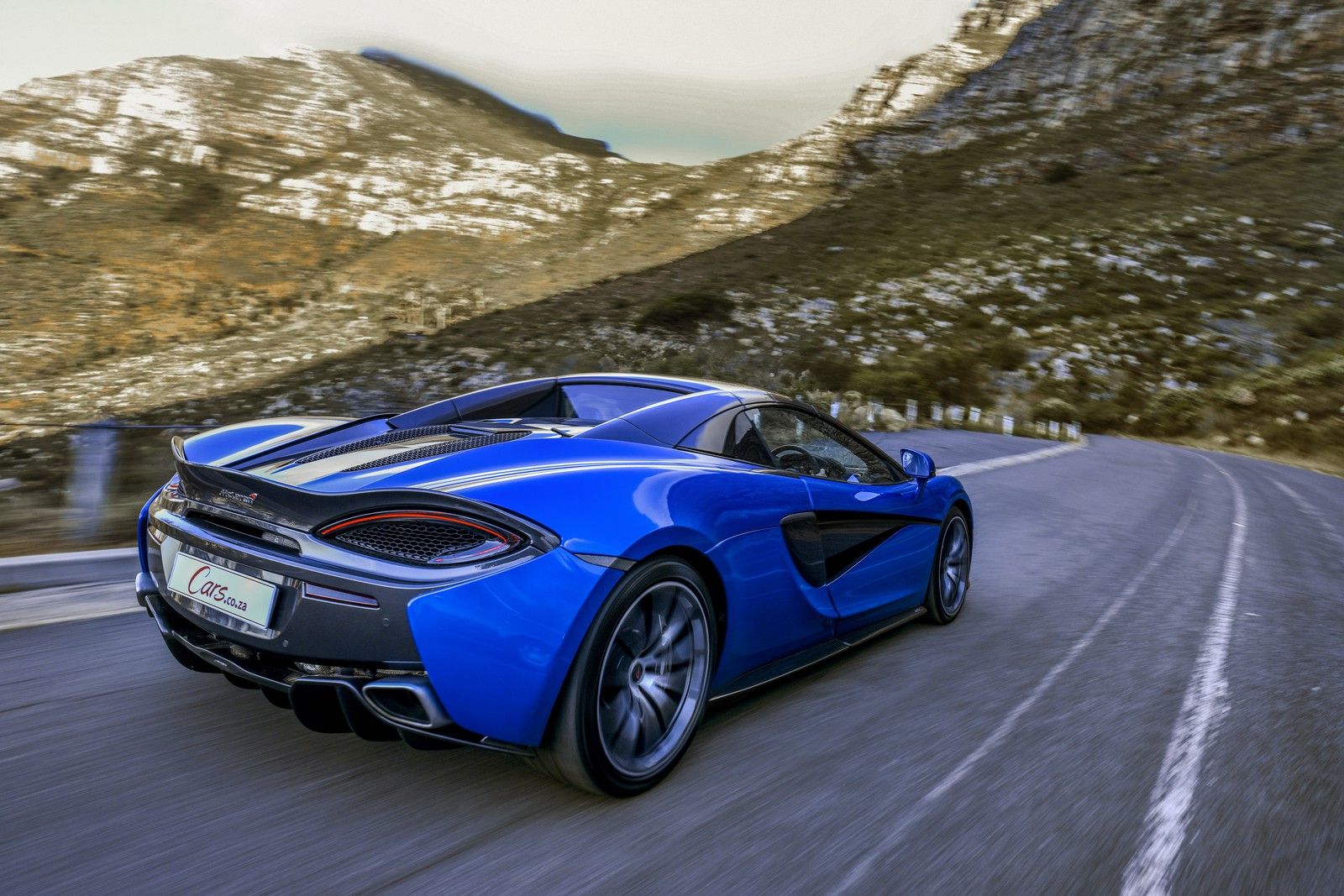
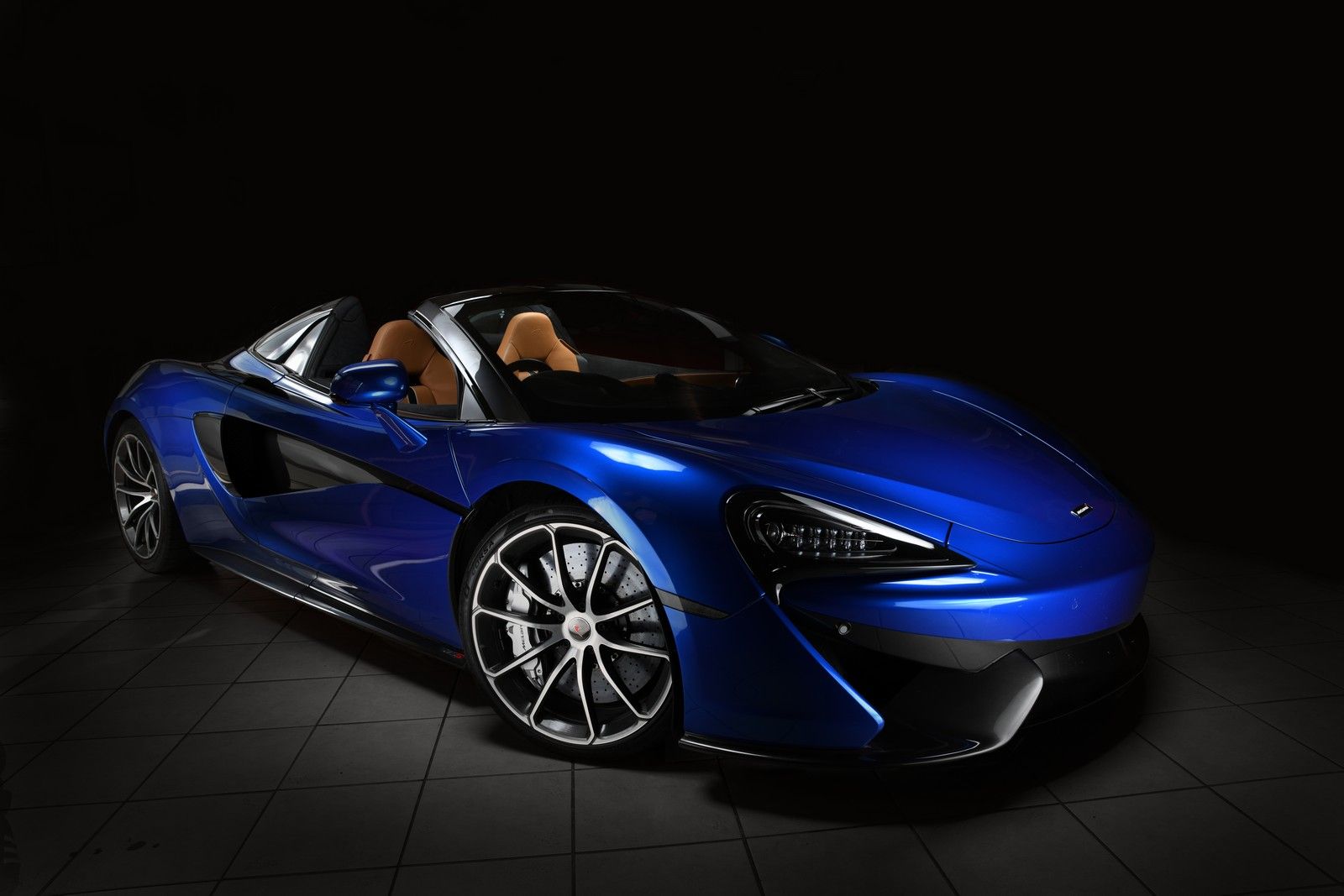
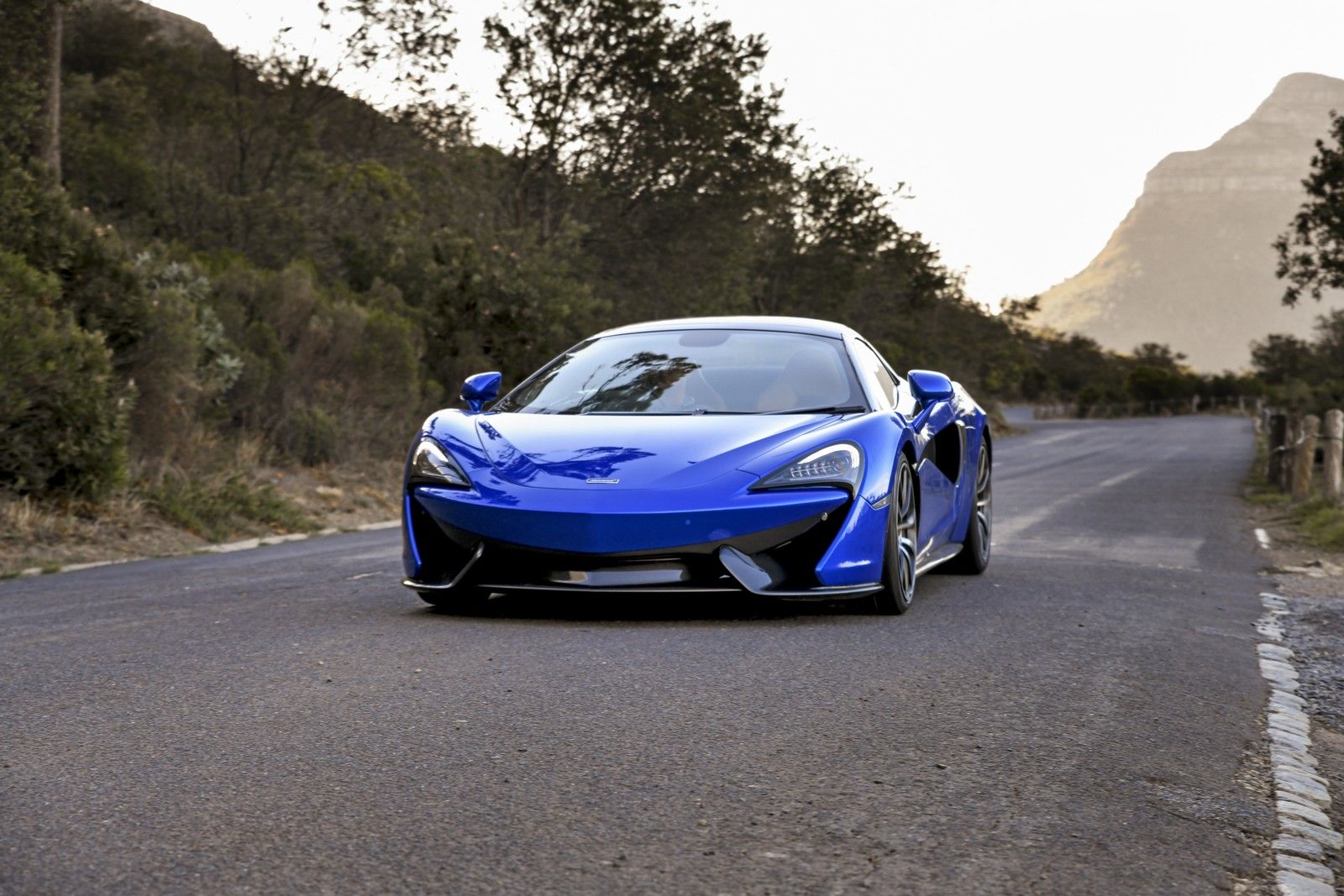
Classic supercar looks and a loud paint finish give the McLaren appreciable kerb appeal.
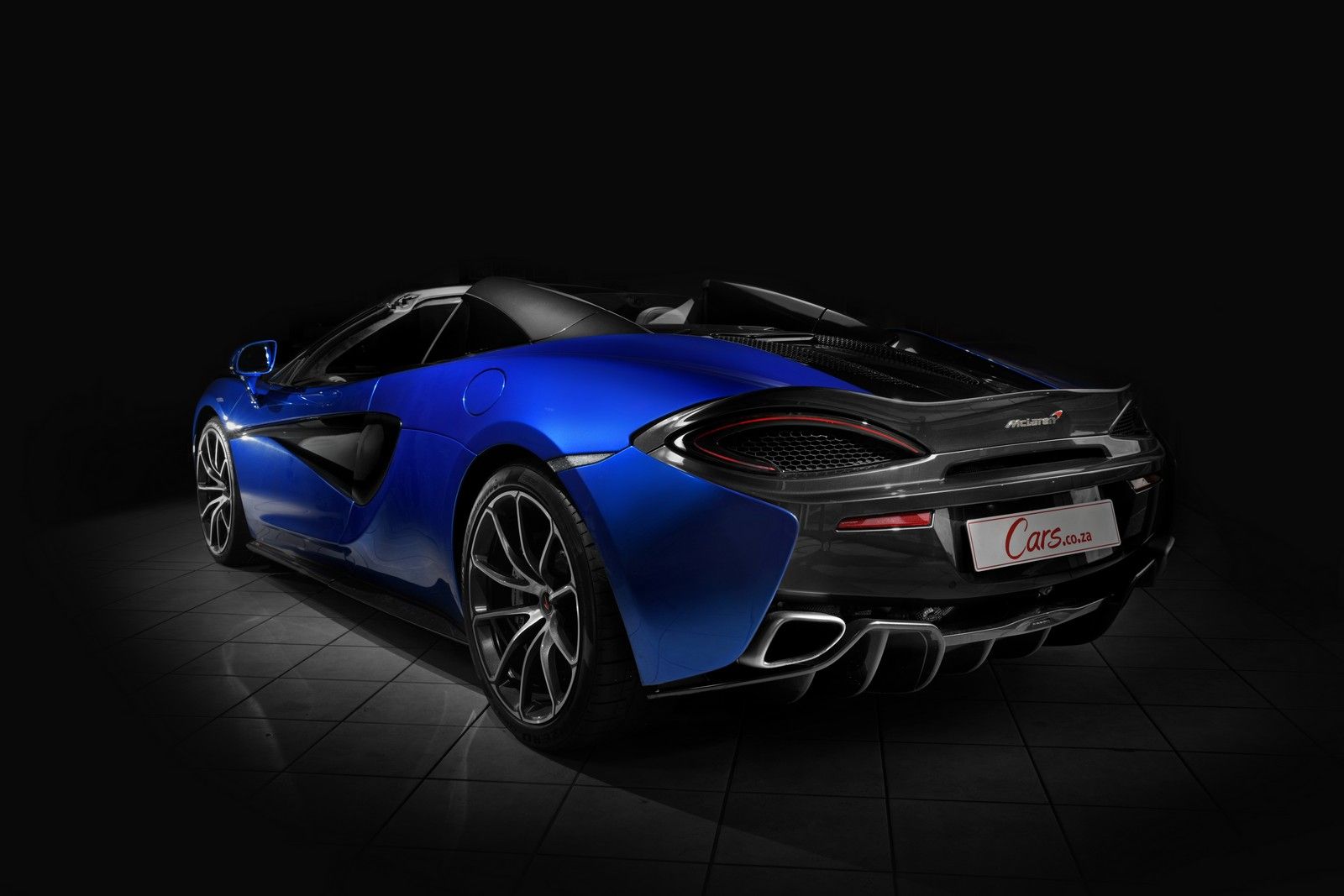
The 570S Spider with its roof down has classic supercar looks. It’s not overdone with aerodynamic winglets and panels, it doesn’t even have the active rear wing anymore, just a solid lip at the rear to add a bit of rear traction. The sheet metal is smooth, rather than creased and jagged. The only elements that detract from the sinuous design are the front side fenders that stab inwards like a crab’s pincers, it’s a little odd and much more pronounced than they were on the 12C…
Nevertheless, in this striking blue hue the 570S is a selfie station for passers-by; several road users whipped out their smartphones to get a blurry pic of the "baby Mac".
Action-packed drive?
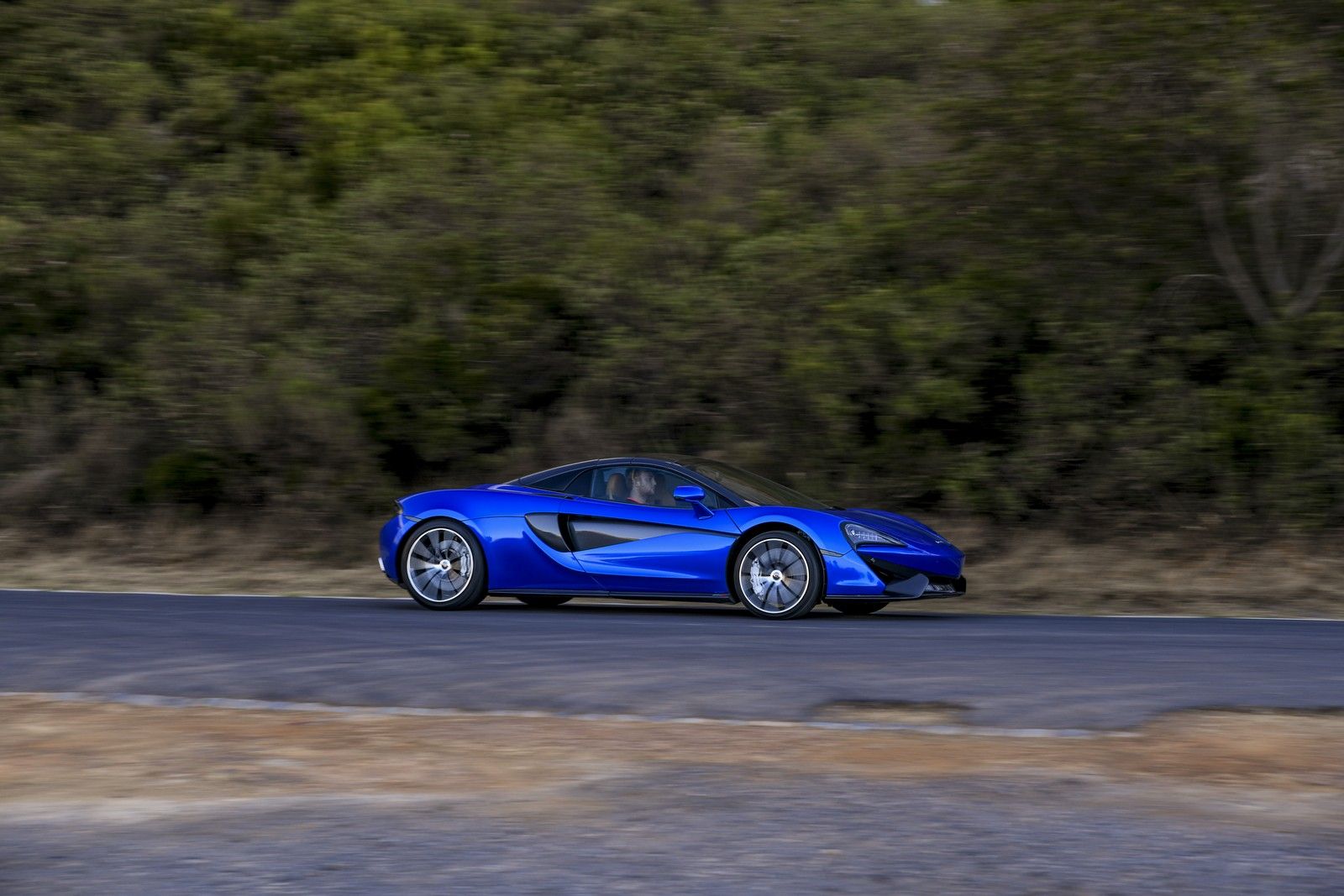
We thought it best to head out to some of the Western Cape’s serpentine roads that sweep through the Winelands and flatten a selection of mountain passes with the Spider to assess what the average McLaren user’s driving experience would be like. The 570S may be the entry point to the McLaren nameplate, but nothing prepares you for just how intense 419 kW, 600 Nm and 0-100 kph in 3.2 seconds feel when out on the road with the roof down. The lightweight structure of the McLaren makes the test unit feel altogether different to mass-produced Audi R8s and Mercedes-AMG GTs. There’s no flex in the chassis; it doesn’t move around like an aluminium-steel car.
The baby Mac is best suited to flat, smooth tarmac. It can be tricky when the surface is less than ideal.
The experience becomes more direct, responsive and eye-widening as the revs climb. The farm roads outside Durbanville (where the roads are imprinted by a swell of truck traffic) upset the stiff chassis of the McLaren. As it moves up and down with the bumps in the road it has a tendency to track into the road’s impressions and give a slight tug on the steering wheel. You have to have your wits about you on those sorts of roads, especially at speed, where lots of steering corrections are required.
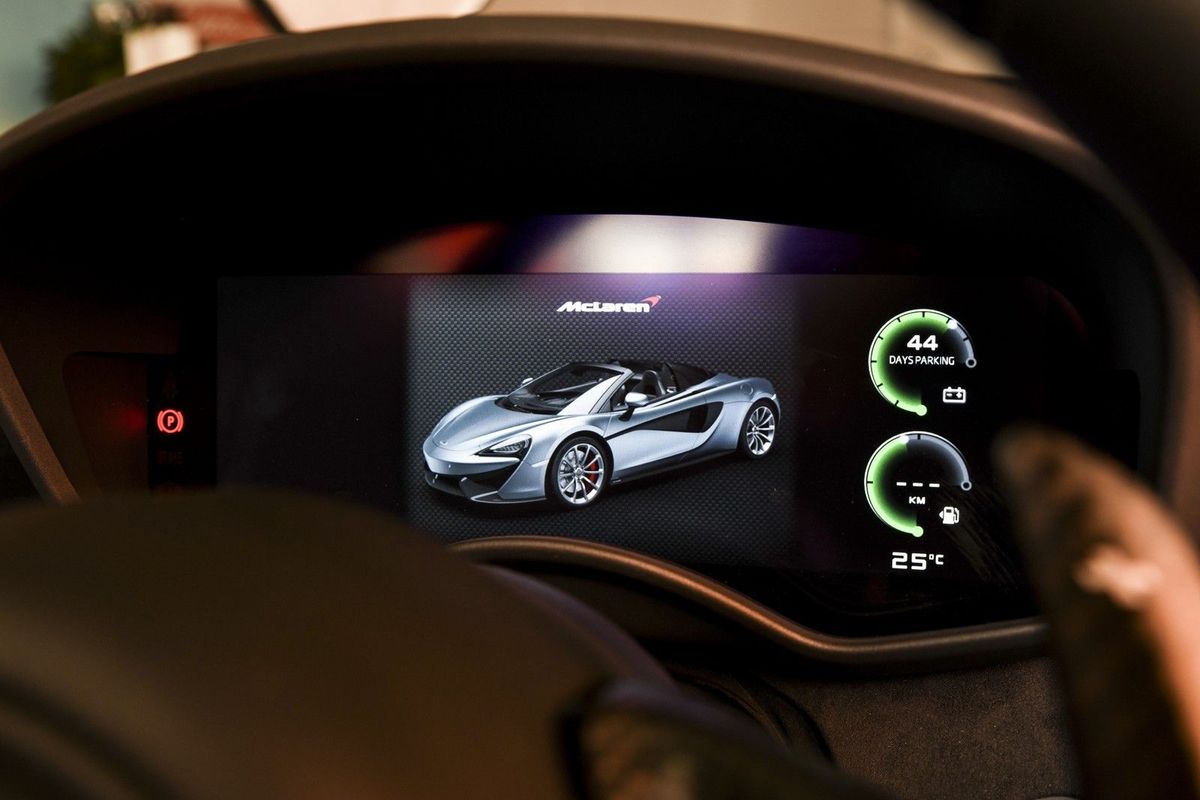
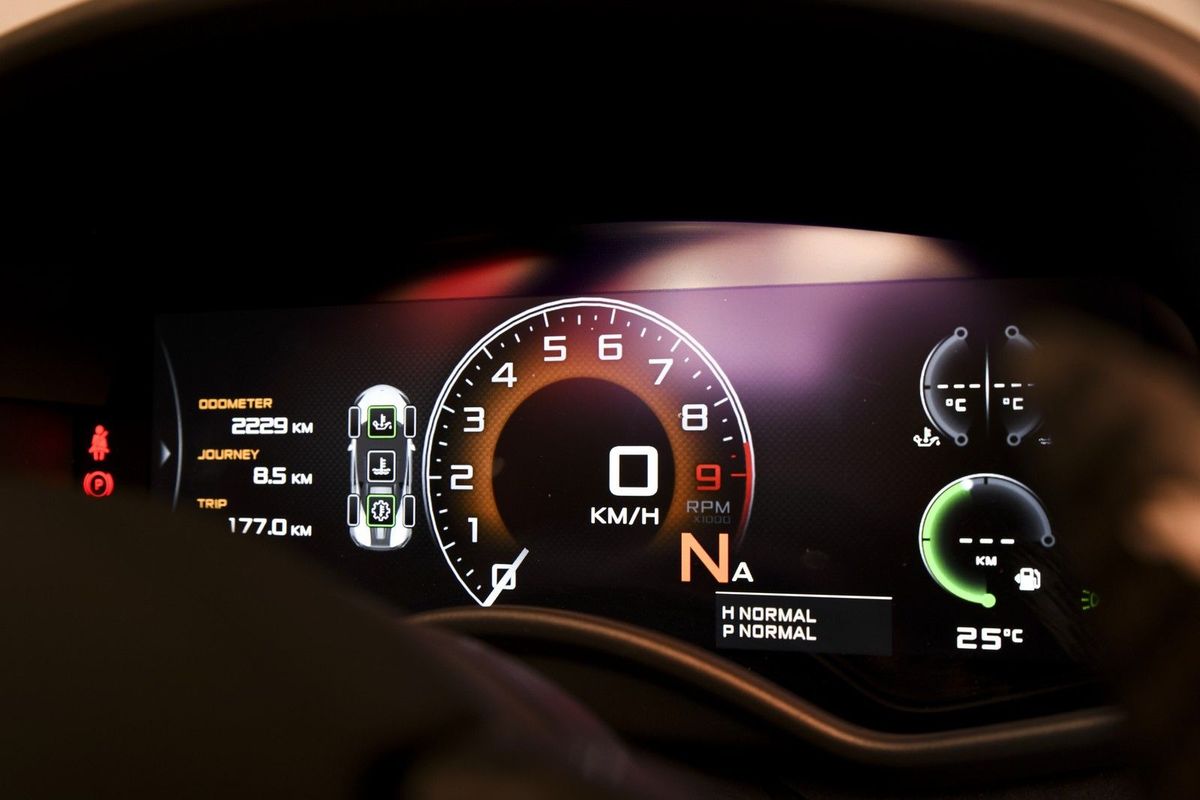
When we drove the Spider with zeal on better-surfaced roads, the baby McLaren opened a gateway to a whole new world of driving wonderment. With the instrument panel showing green lights for engine temp, gearbox temp and (most importantly) tyre temp you can start to test the waters of what the 570S has to offer. You can start to adjust the drive- and traction control settings or work your way up to maximum power and DSC in track mode as much as your bravery and driving skills allow.
Once it's properly warmed up, especially the tyres, you can begin accessing the near limitless err limits the McLaren has.
The front end can feel light on turn in as there’s no weight from an engine to push it down, but once the tyres warm up the grip level is exceptional. The precision at which you can dictate the front's direction is almost telepathic. The rear puts down the power smoothly and without aggression. Most rear-driven cars require a tentative prod at the throttle to get an understanding of how much rear traction is available, but with the McLaren, you can feed it in fast and confident that the back isn’t going to get frisky.
As you reel off one corner after the other you are likely to find yourself so deeply engrossed in the surplus of driving satisfaction on offer that the rest of the world seems to fade into a blur. The turbochargers whistle behind your left ear as they spool up (before the engine howl overwhelms them) and you warp towards a new destination.
When things calm down?
The modern wonder of suspension engineering allows a supercar otherwise capable of blitzing lap times at race-car speeds to wander around town in a comfortable, unfazed manner. Together with a brilliant 7-speed dual-clutch 'box, slow speed town driving doesn’t represent the panicky, embarrassing situation it used a decade ago.
The 3.9-litre twin-turbo V8 is used in every current McLaren up to and including the P1.
It’s also easy to get in and out of the 570S Spider in a dignified manner and the upward-opening doors add to the cool factor immensely. You will find that the bottom of the doors attracts some nasty stone chips so covering those leading edges with some sort of film is a must. There is a pair of storage bins for bags… The one in the front is only really big enough for a medium-sized luggage bag. The other is located underneath the roof cover and big enough for a pair of laptop bags. There is a sense of trepidation that the electric cover might crush whatever’s inside that recess as it the assembly closes, however, because it’s quite a thin loading area.
The wind buffeting in the cabin isn’t even that noticeable at freeway speeds, most of the turbulent air is deflected over or around the passengers. There is not so much of hint of scuttle shake or flex from the windscreen either, proving that that carbon fibre tub was always designed with a Spider variant in mind.
Verdict
McLaren predicts that the Spider version will account for most of the 570S sales. That's probably why this junior supercar was designed from the ground up to be a Spider, rather than as an afterthought, which is often, but not always, the case with mainstream manufacturers.
It feels every bit as good to drive as the hard top; having the raw soundtrack of the twin-turbo V8 piped into your ears while driving with the roof down is a major bonus.
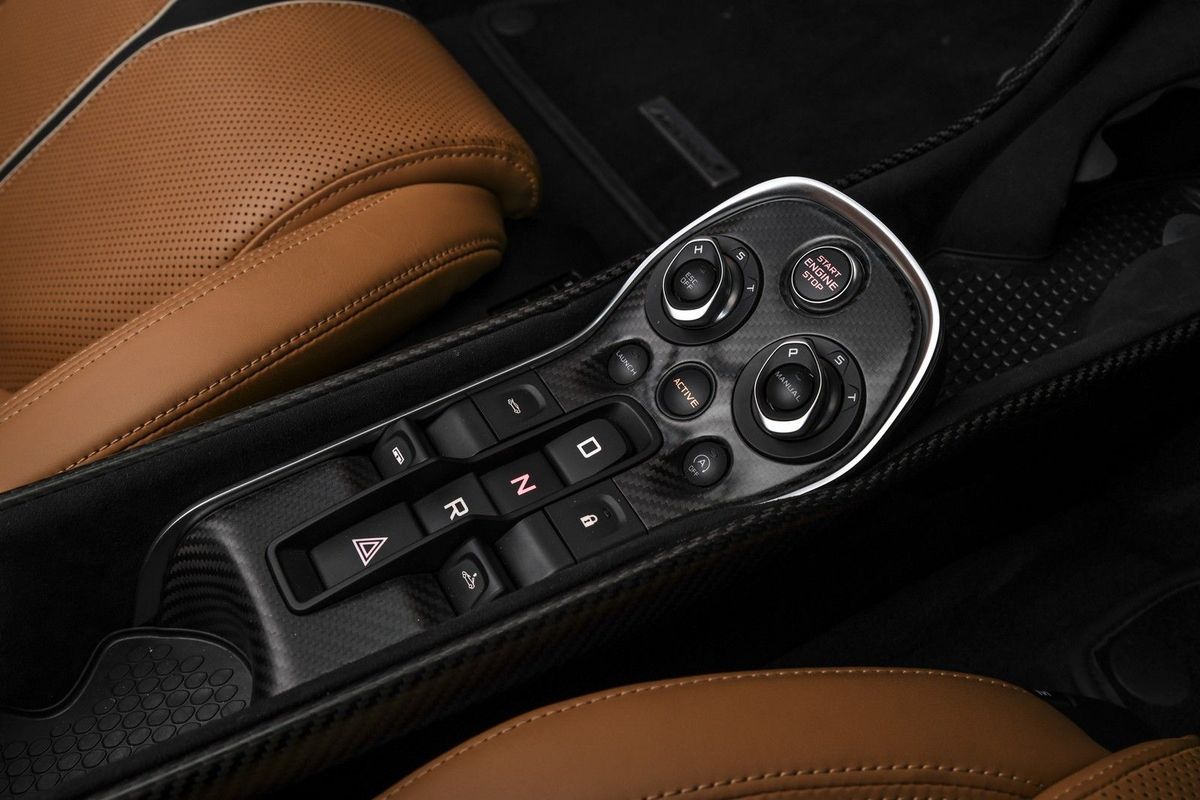
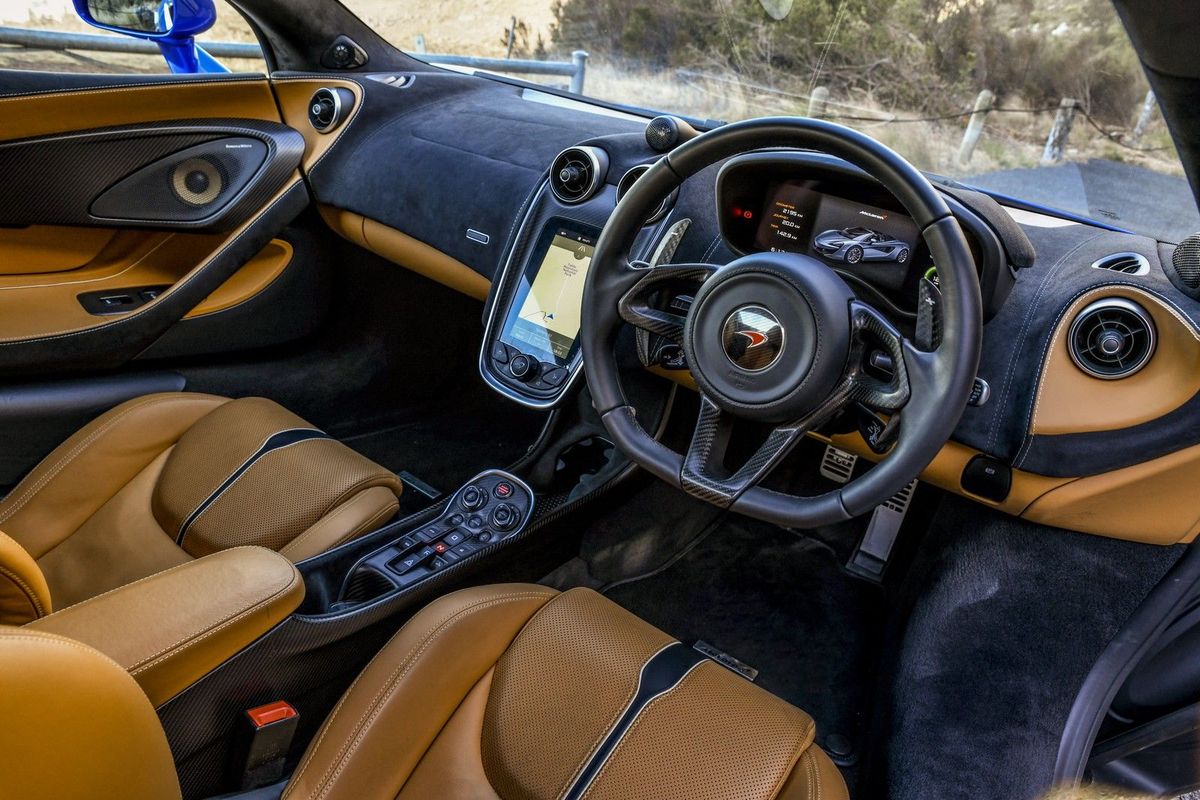
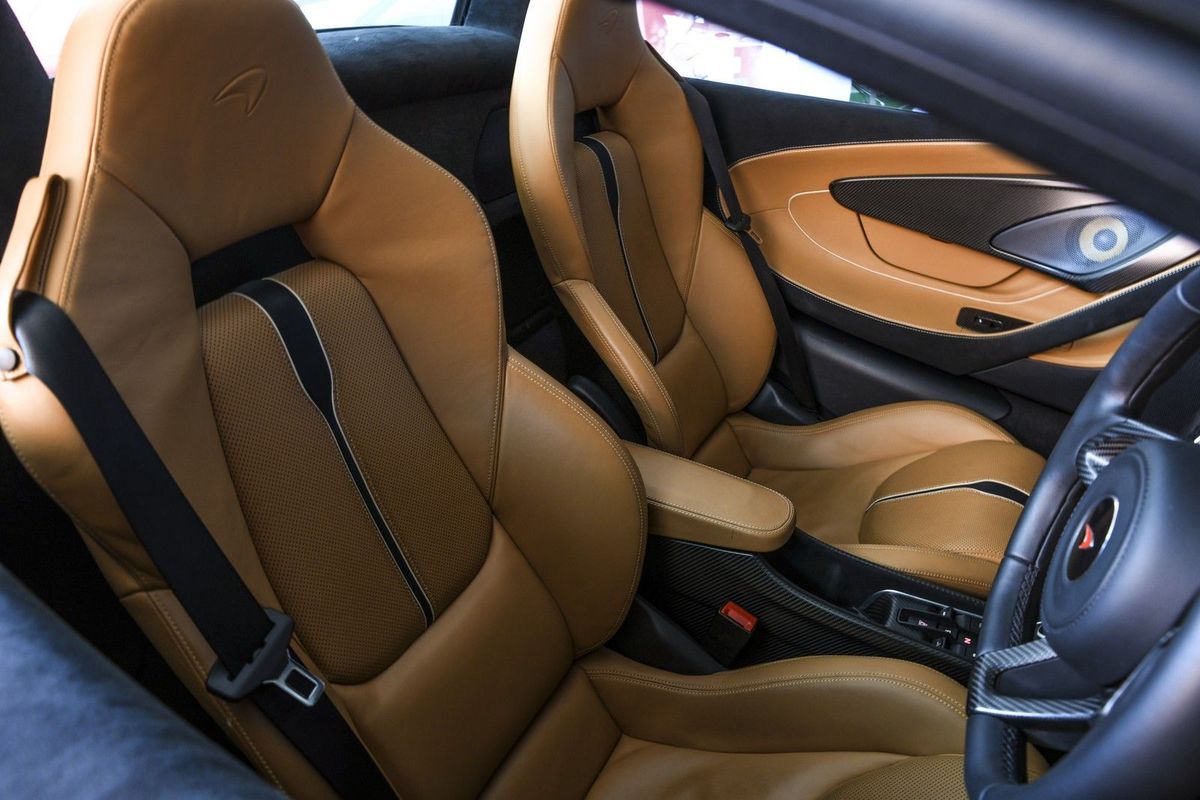
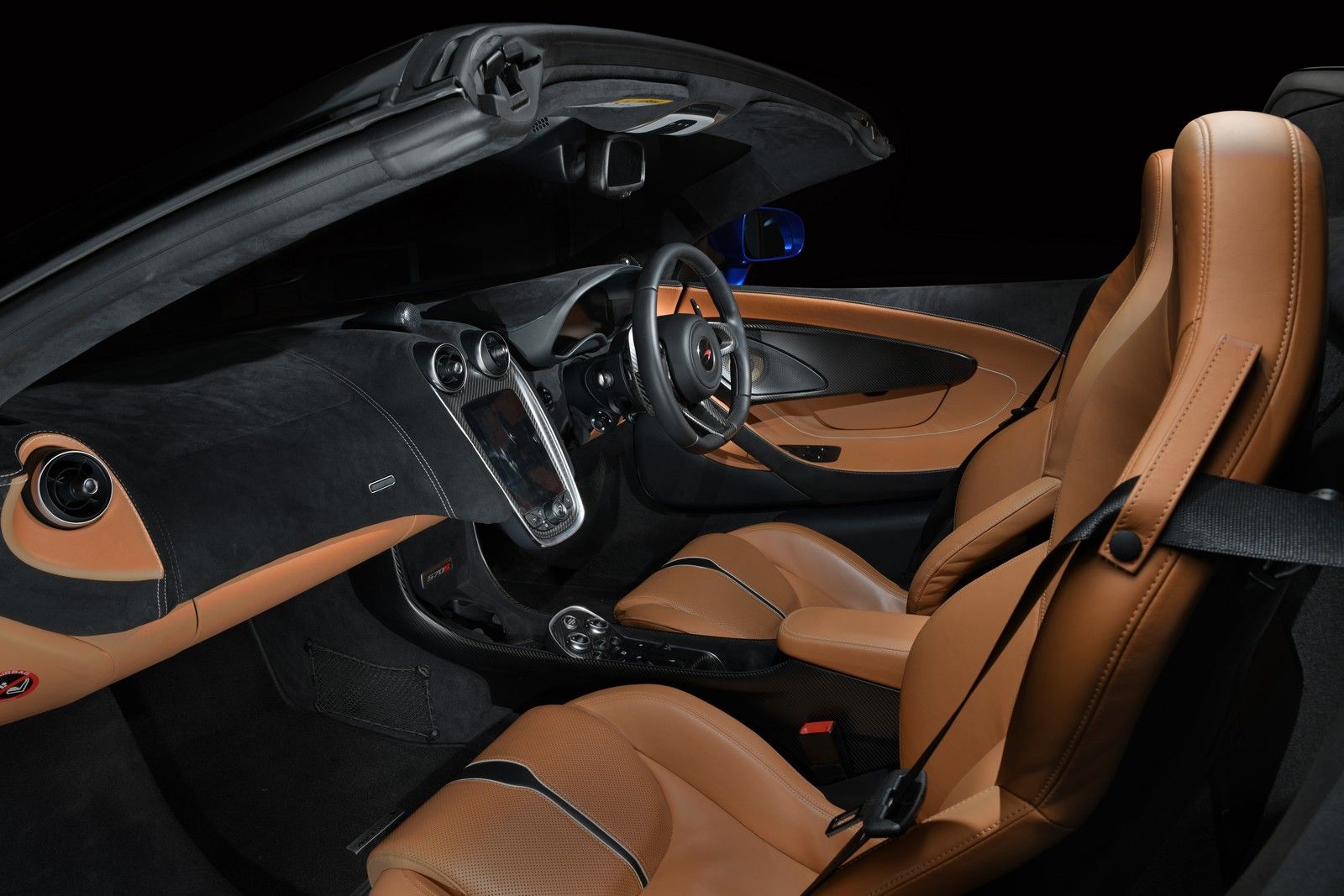
Comfortable seats for long stints in the saddle and a very simple instrument layout makes the McLaren a driver-focused tool.
The 570S Spider admittedly struggles to feel settled on less than optimal surfaces, where it can track and pull at the wheel as the surface dictates. Open it up on a smooth section of road, however and the McLaren comes to life with precision, agility and brutally fast acceleration that vividly separates it from humdrum sportscars.
What's more, the real trump card of the McLaren 570S Spider is it’s day-to-day usability. It’s comfortable to drive in town, easy to manoeuvre in parking lots and simple to get in and out of despite its low-slung seating arrangement. There are very few drawbacks to owning it, provided you can afford the R4.5-million (starting) price tag.
Suzuki Swift (2018) International Launch Drive [w/Video]
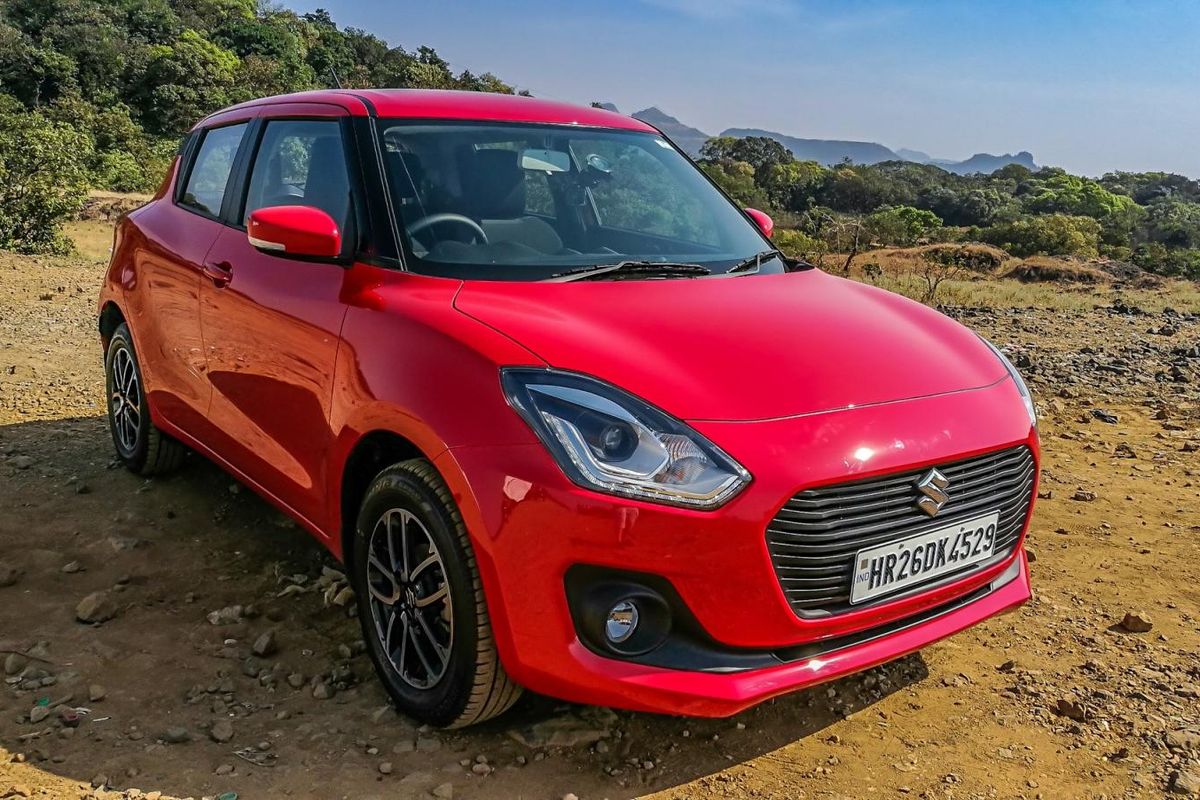
Suzuki will soon introduce an all-new version of its Swift compact hatchback in South Africa. Suzuki fans can look forward to a restyled Swift that offers a more spacious and modern interior that will enhance the appeal of this popular hatchback. Cars.co.za journalist (and current Swift owner) Gero Lilleike, headed to India to sample the new Swift in the metal. This is what he discovered…
The Swift is Suzuki’s best-selling model in South Africa – more than 18 200 units have found homes locally since the model was launched here a decade ago. Combining cute looks, affordability, an impressive ride/handling balance and low real-world fuel consumption, the Swift has proven itself to be an attractive proposition for buyers looking for a reliable daily runner. I, myself, purchased a Swift 1.2 GL back in 2014 for these very reasons and haven’t had any reason to complain since.
The Suzuki brand has strengthened considerably in South Africa and sales in 2017 compared with 2016 grew by a staggering 57% with Suzuki’s market share rising from 0.9% to 1.6%, which is a massive achievement. Suzuki has won the Cars.co.za Consumer Awards – powered by WesBank coveted Brand of the Year award 2 years in a row (2016/17 and 2017/18) and has snatched wins in the Budget Car and Compact Family Car categories of the #CarsAwards for the last 2 years running.
These achievements speak volumes of a brand that not only makes good, affordable cars but takes great pride in delivering excellent customer service at all levels. Suzuki is certainly on the rise and the imminent arrival of the new Swift will play an important role in maintaining the upward momentum of the Suzuki brand in 2018. The new Swift destined for South Africa will be built in India, while the Swift Sport, if it makes it to our market, will come from Japan.
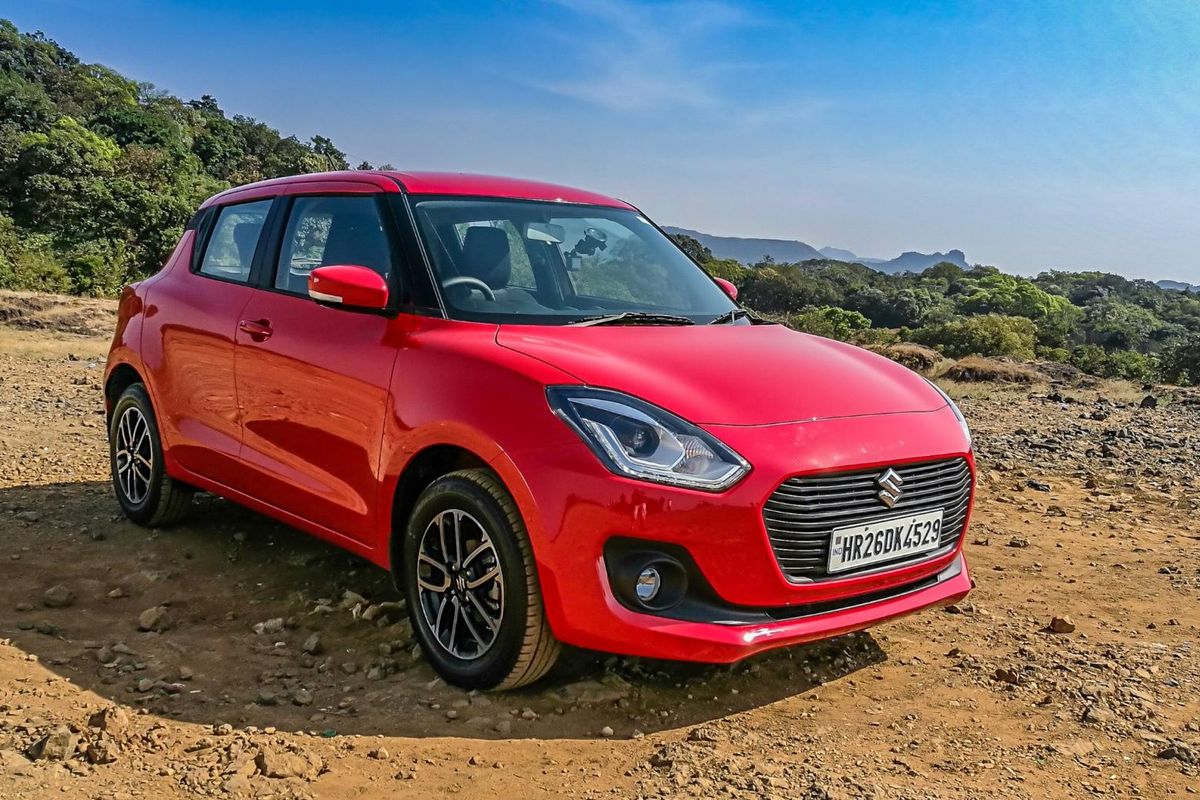
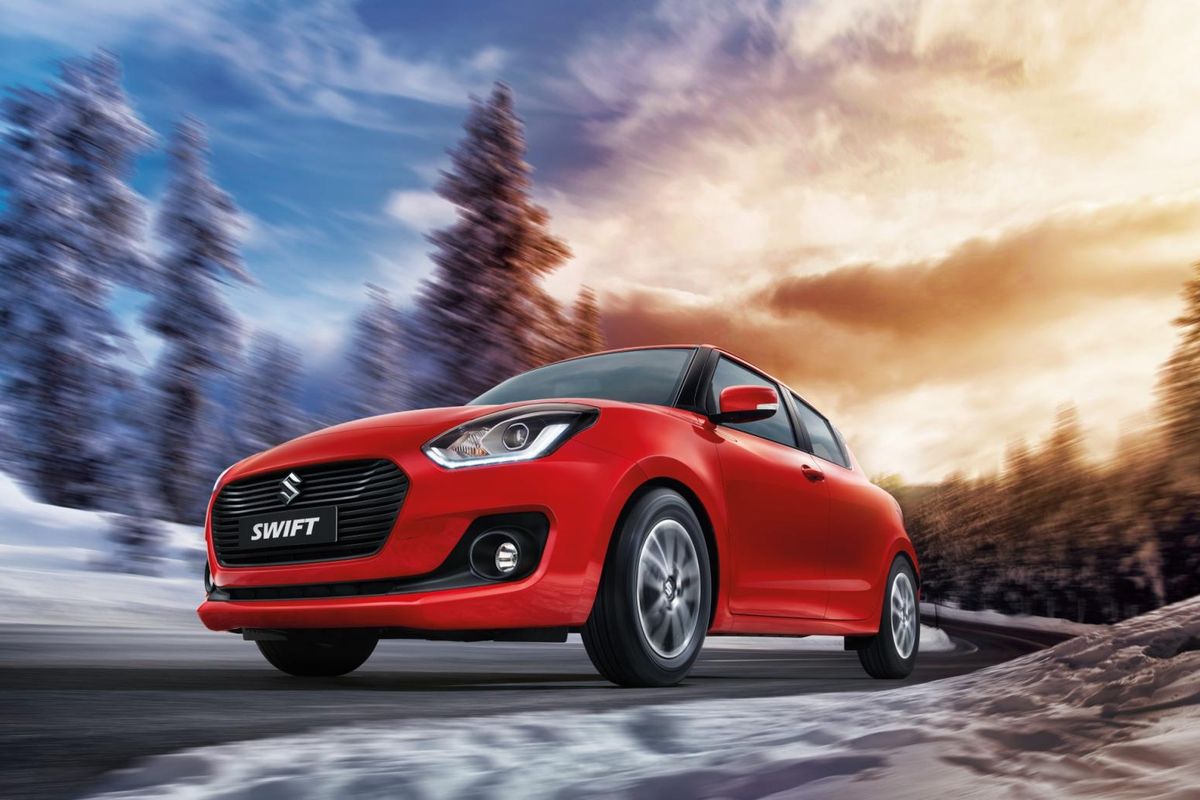
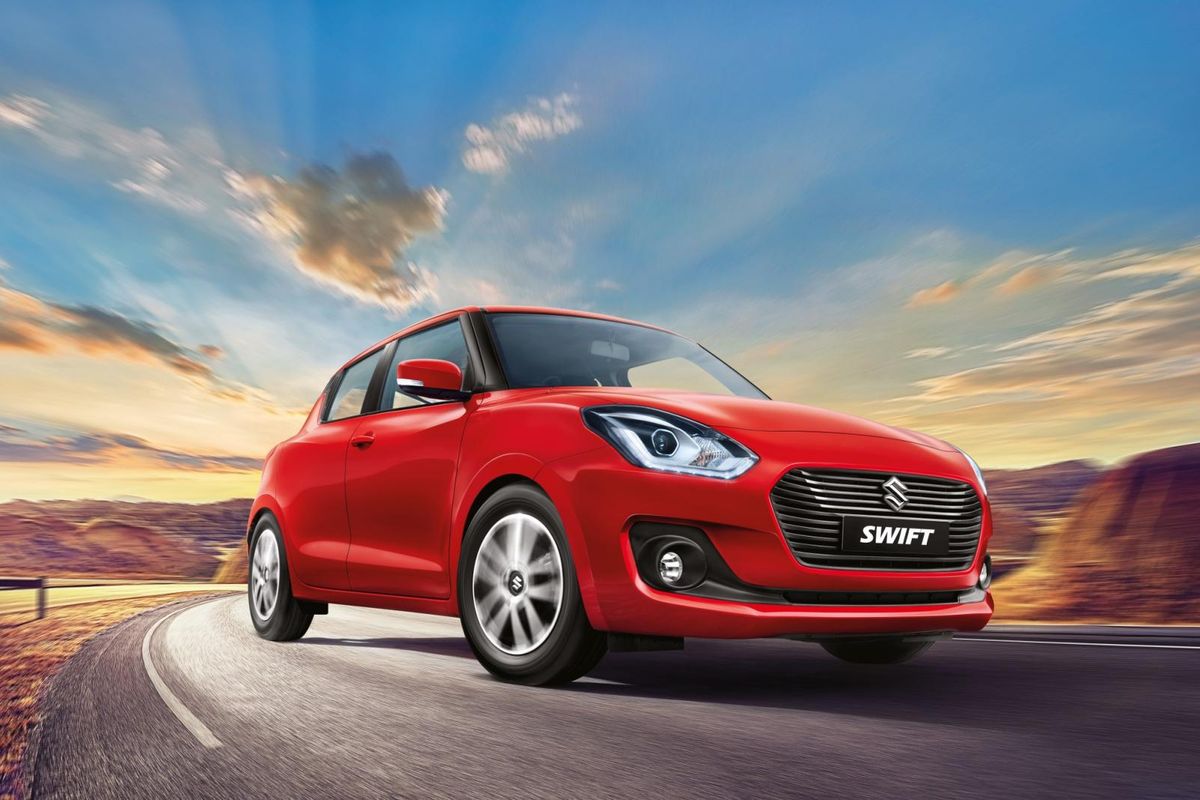
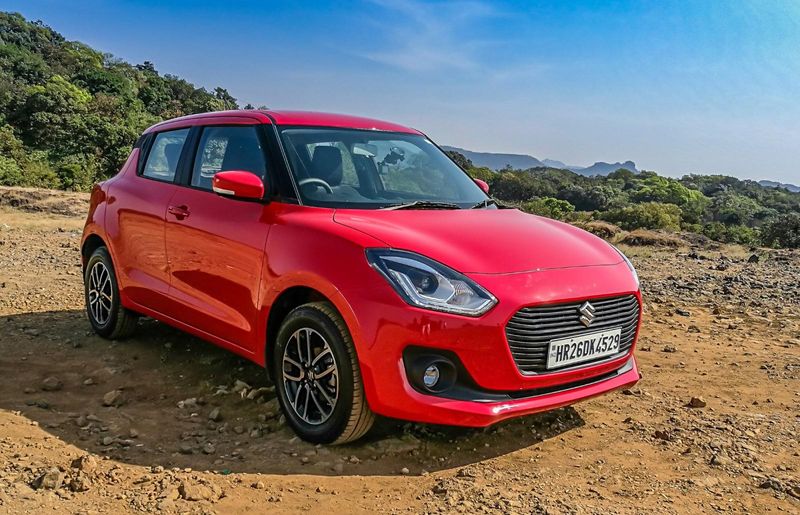
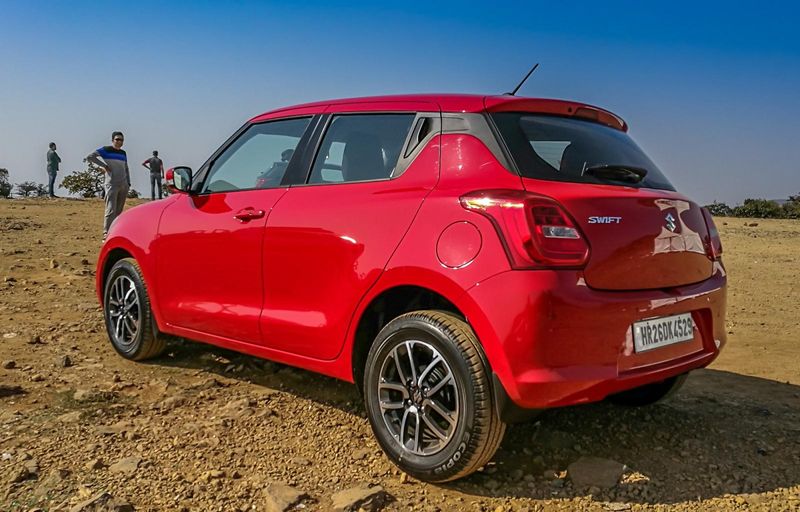
A slimmer, more refined design will boost the aesthetic appeal of the Swift in South Africa.
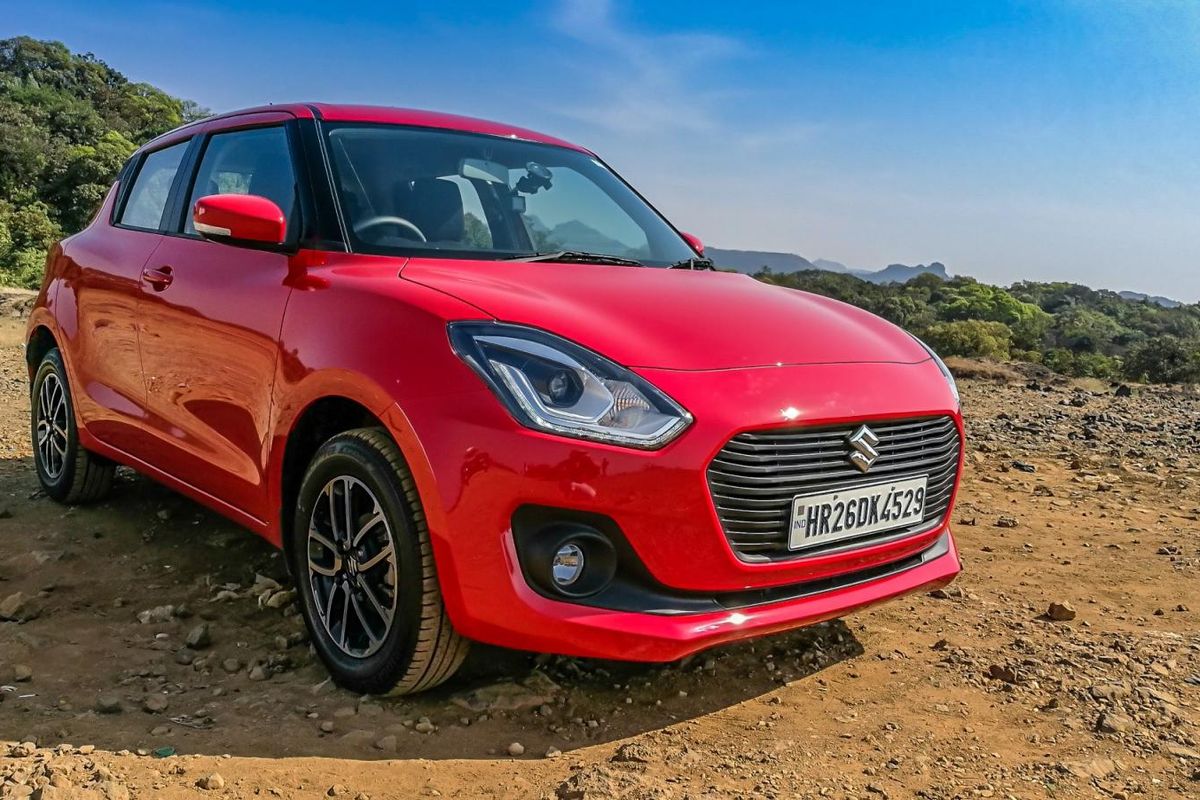
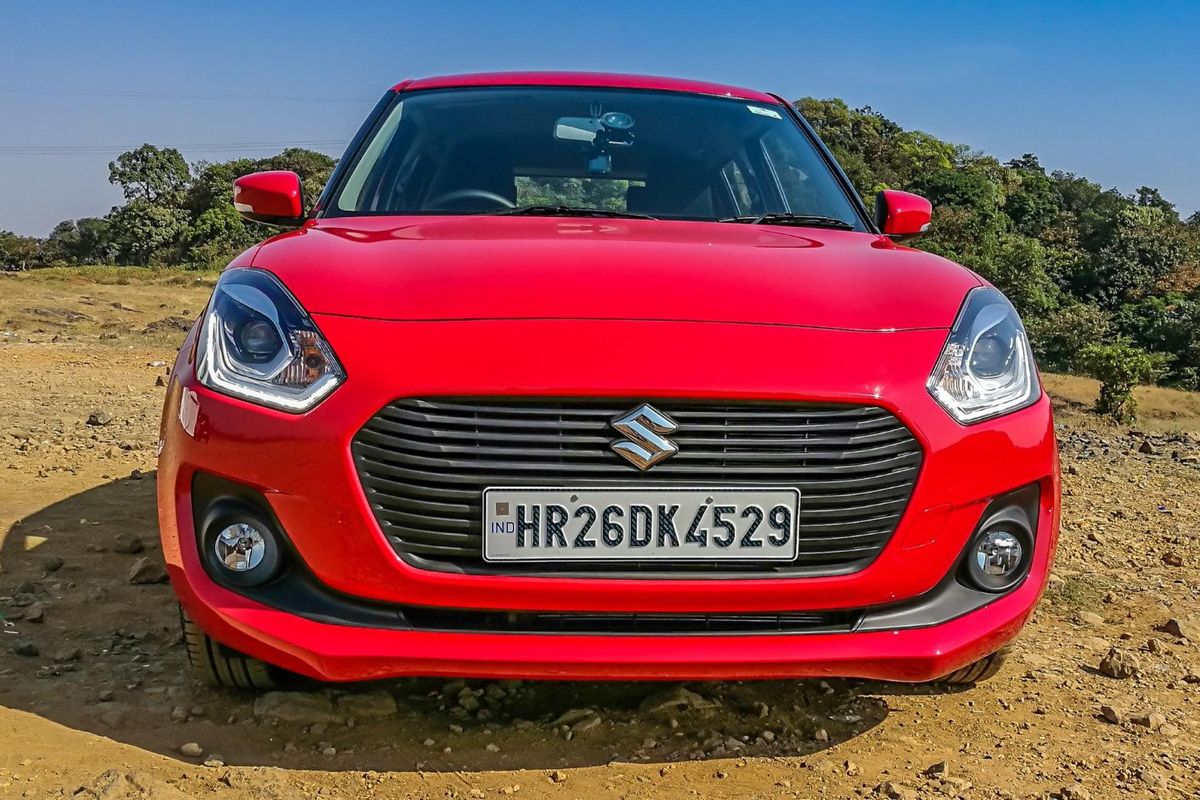
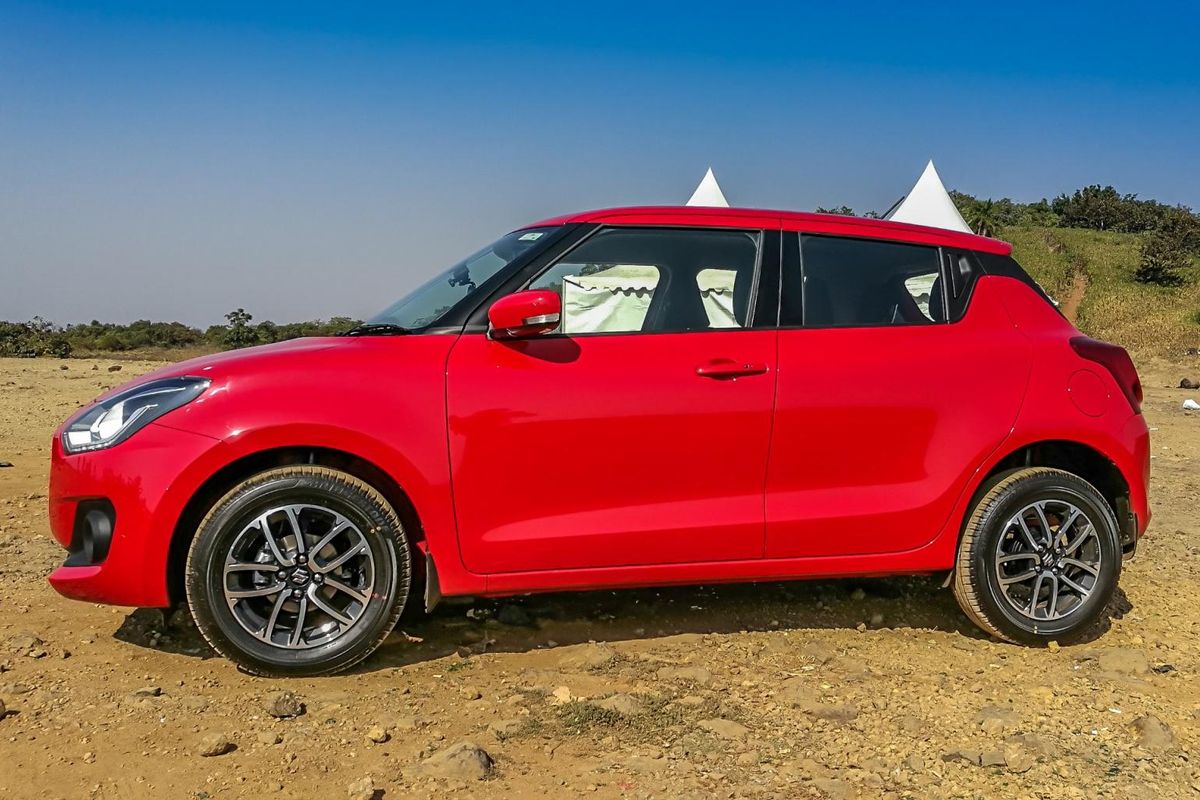
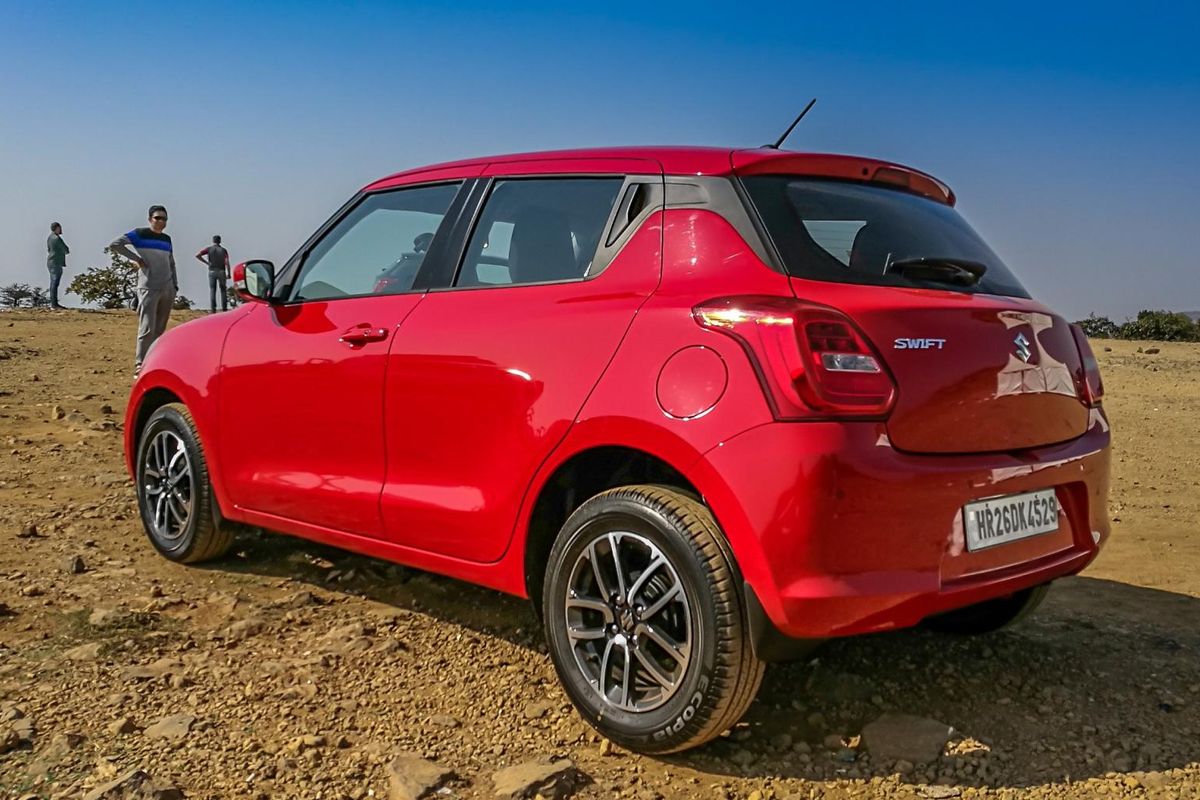
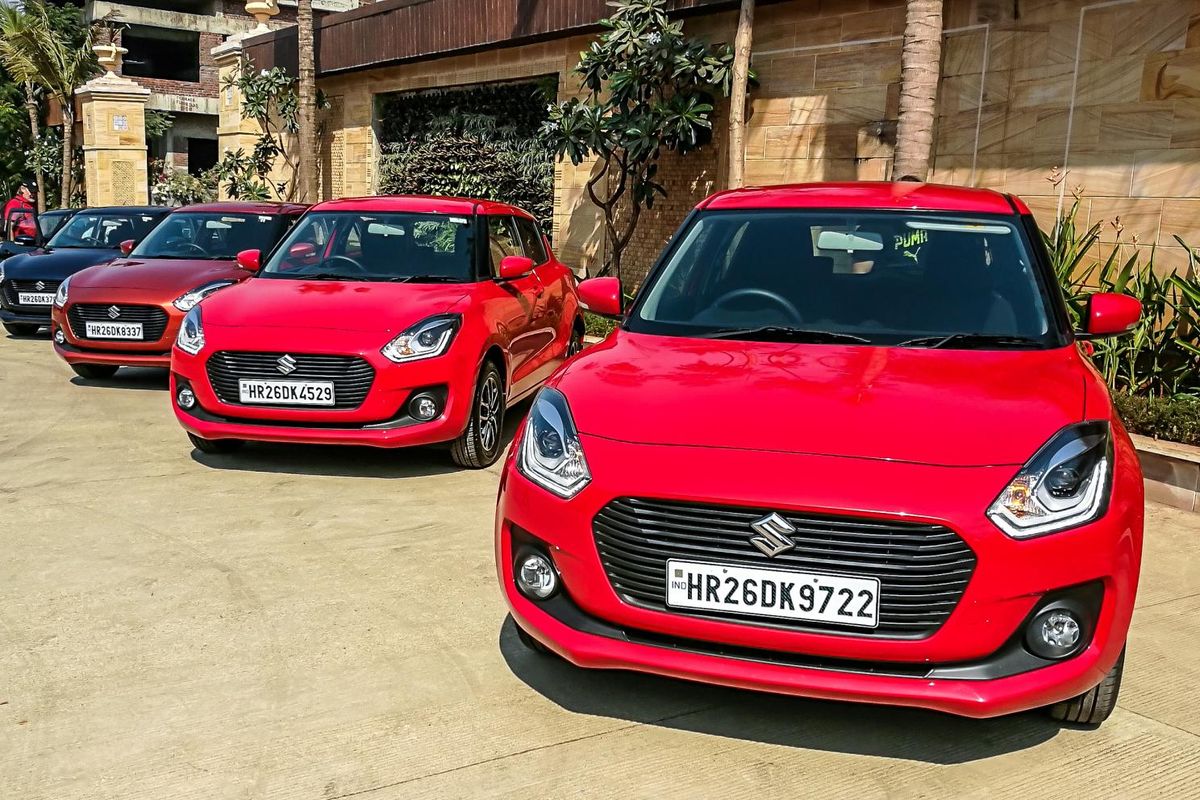
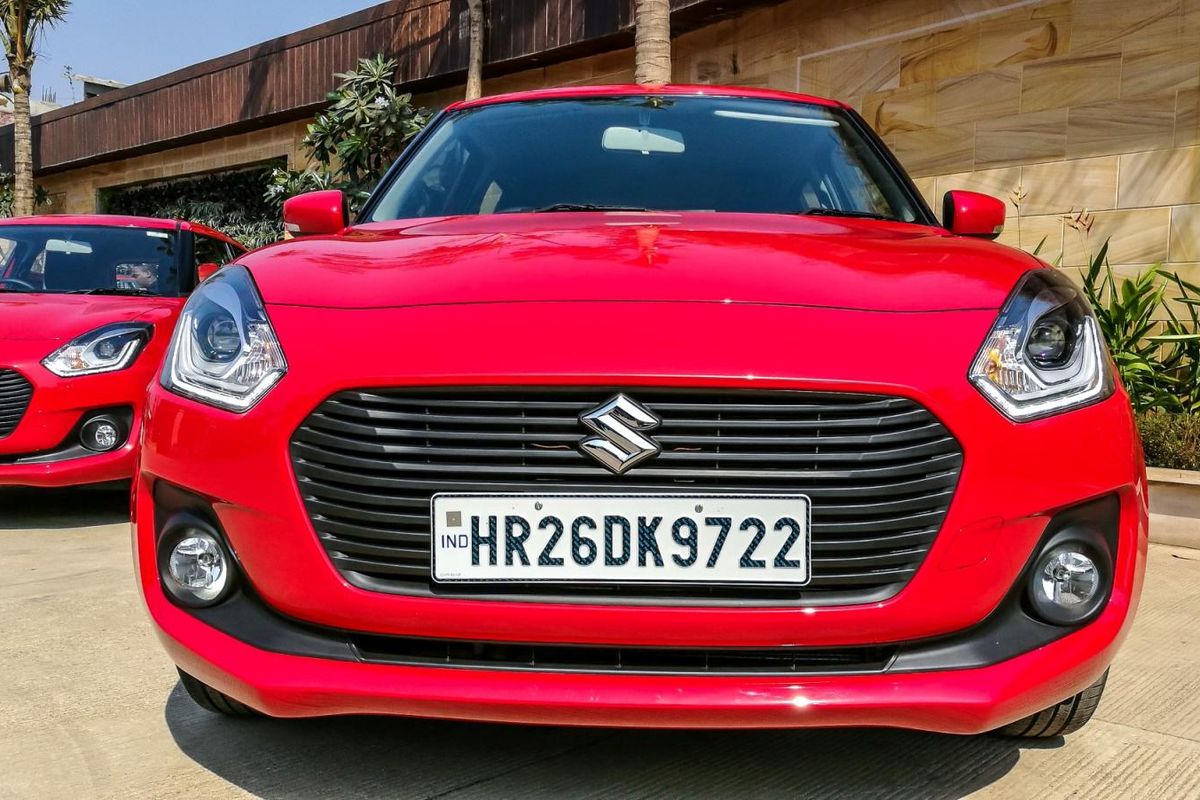
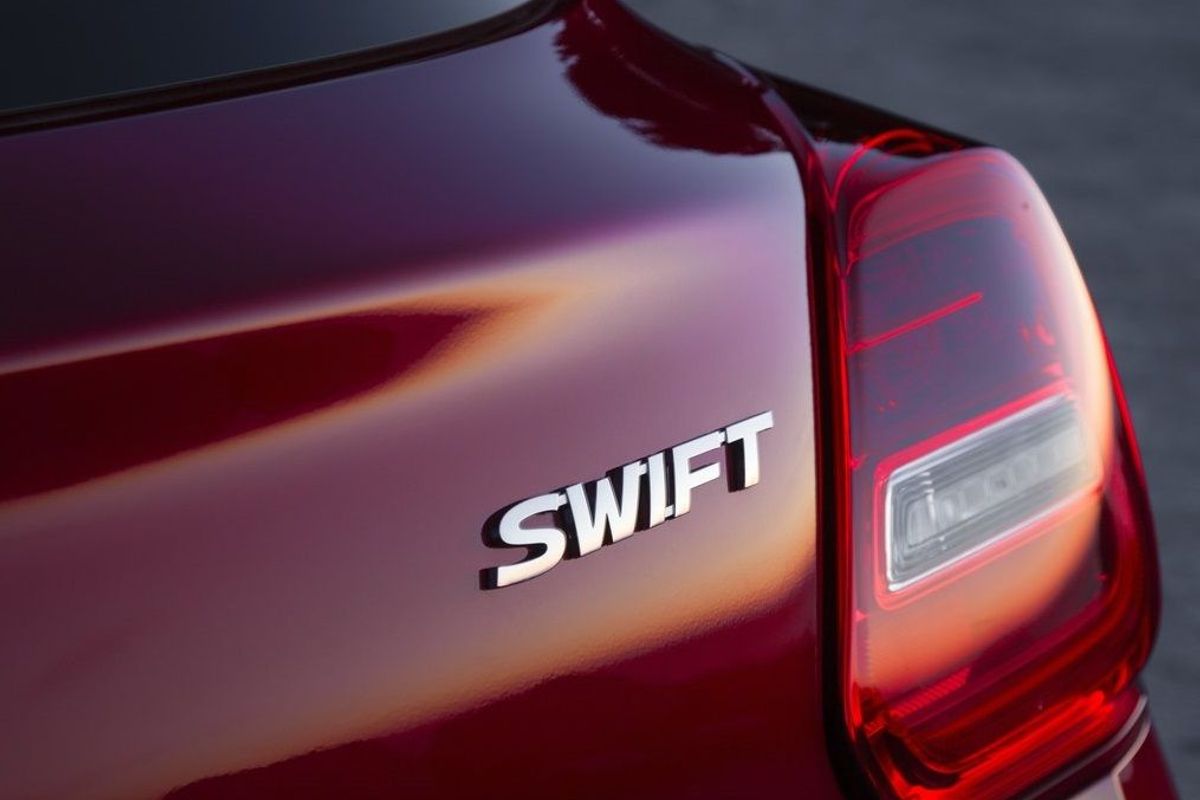
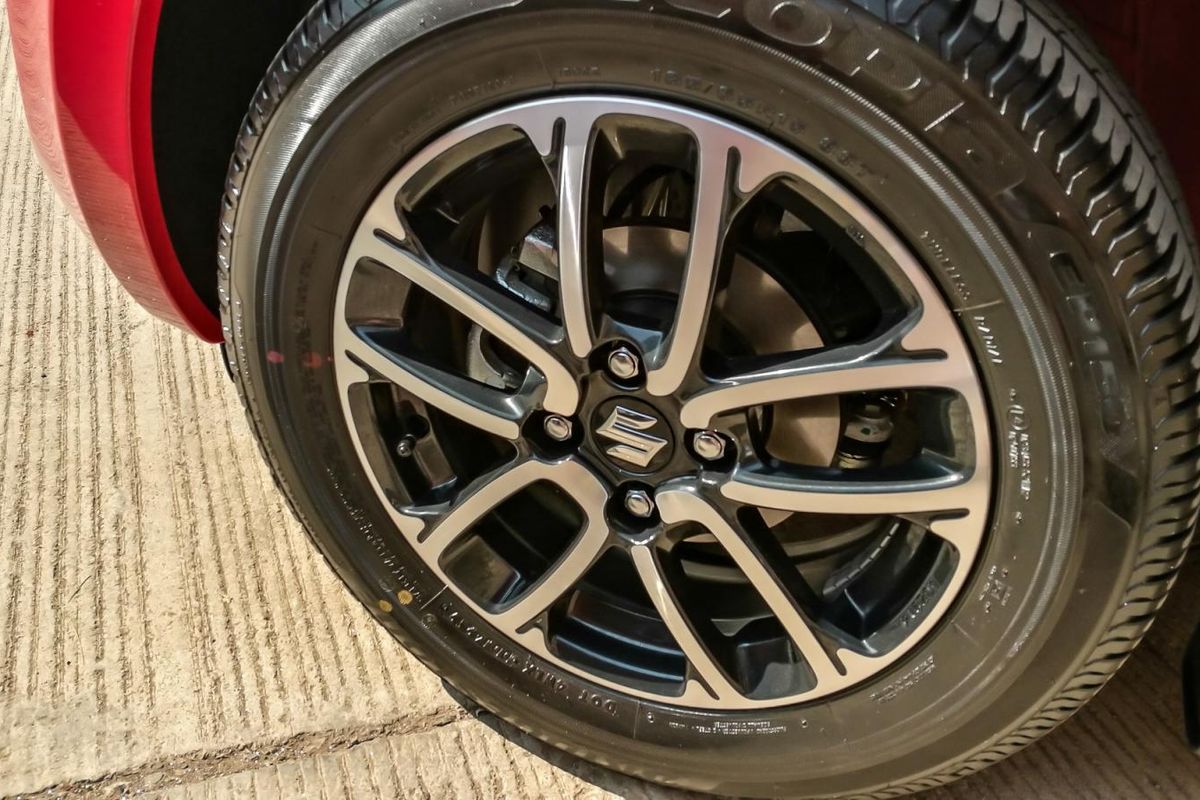
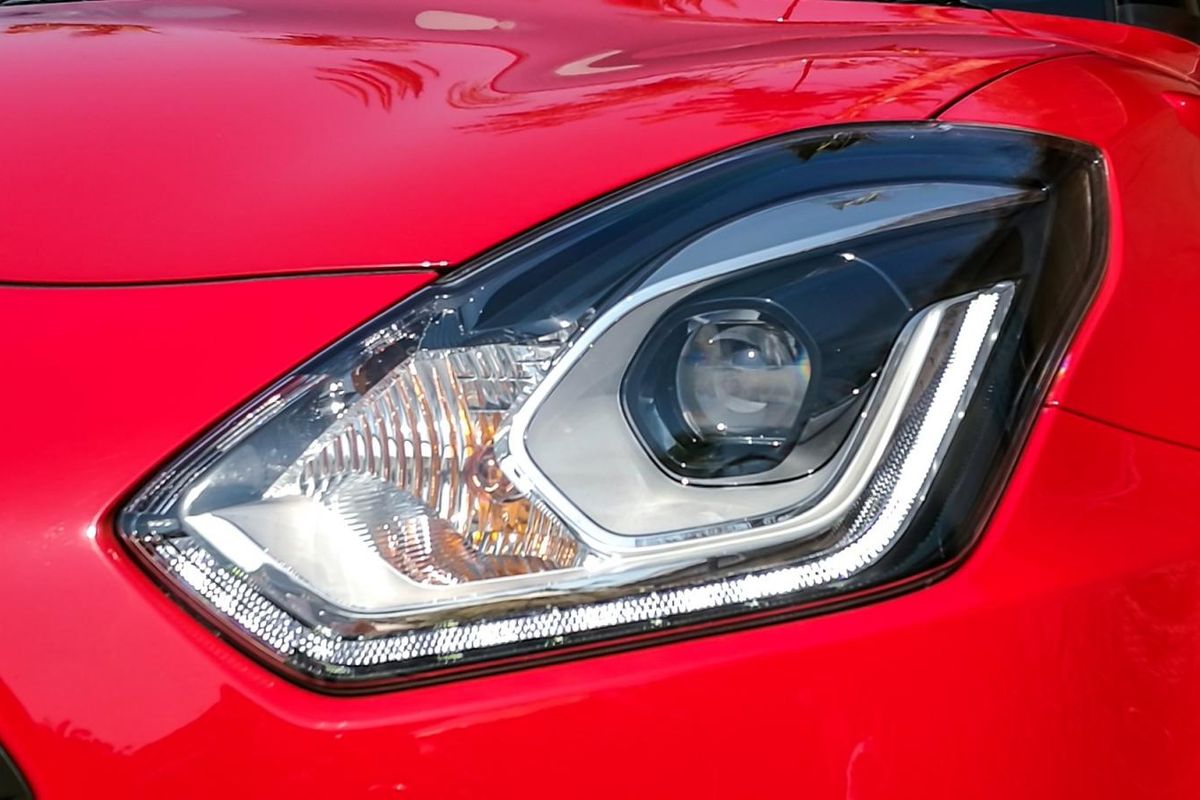
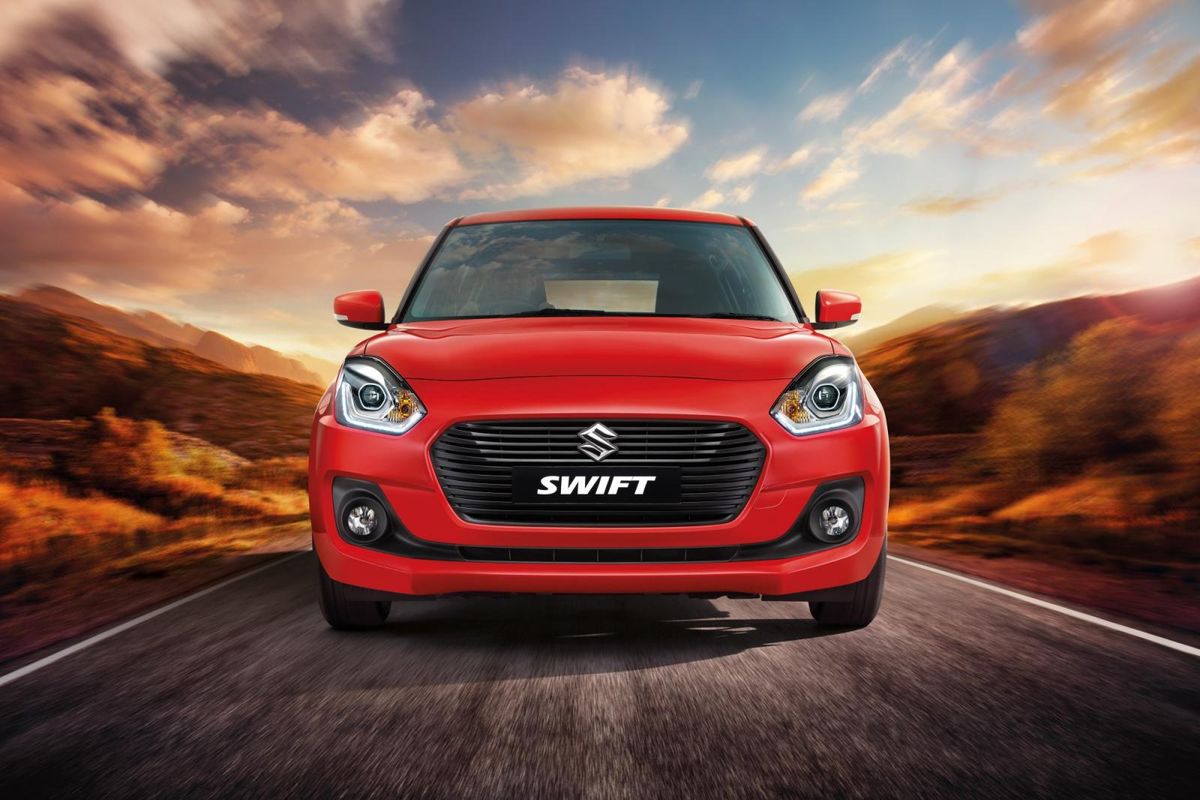
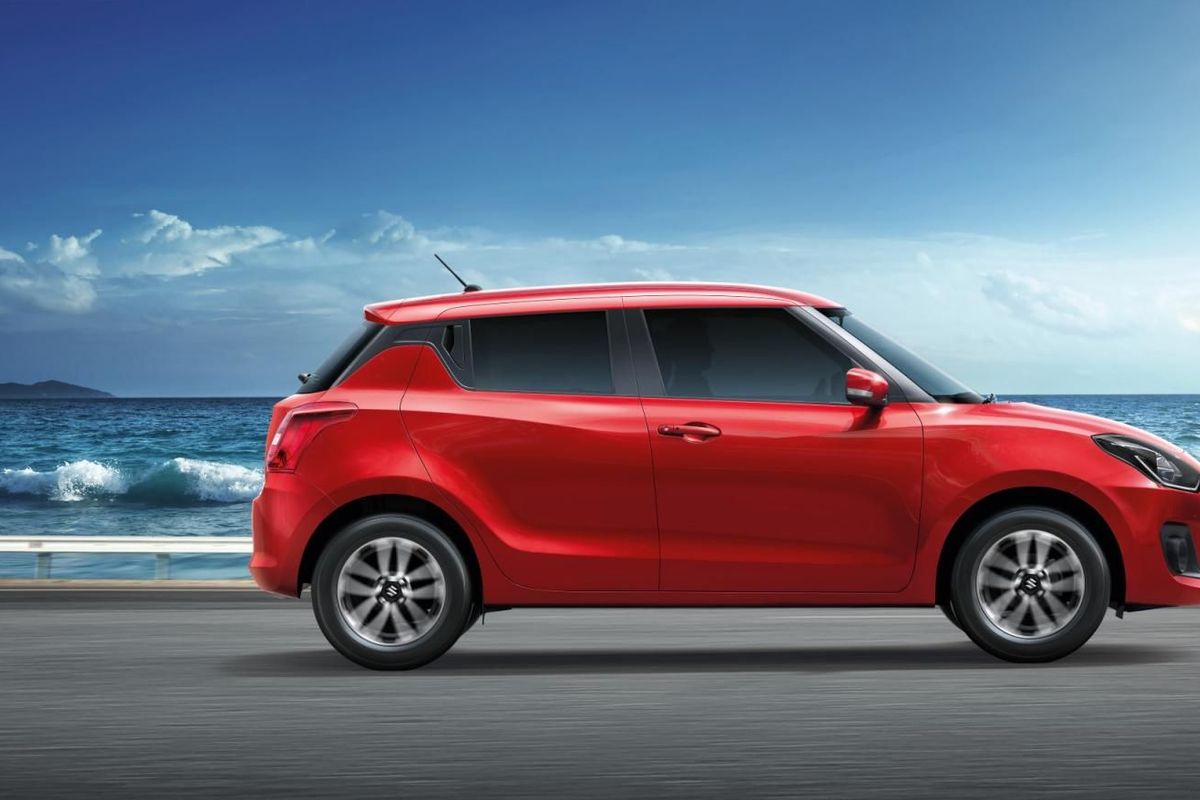
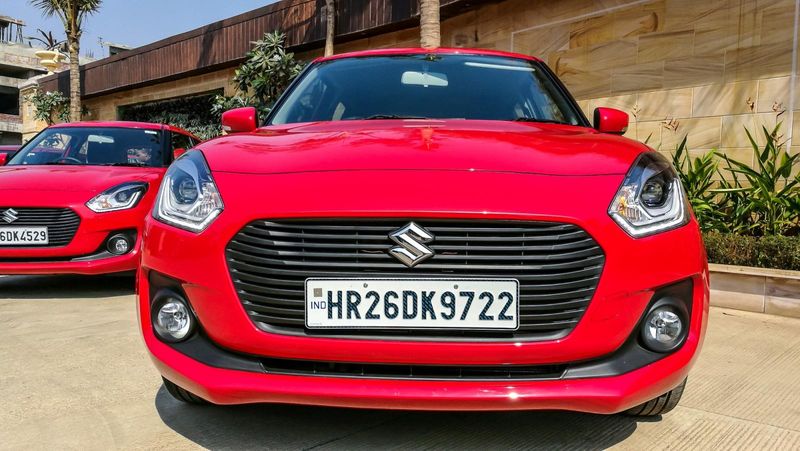
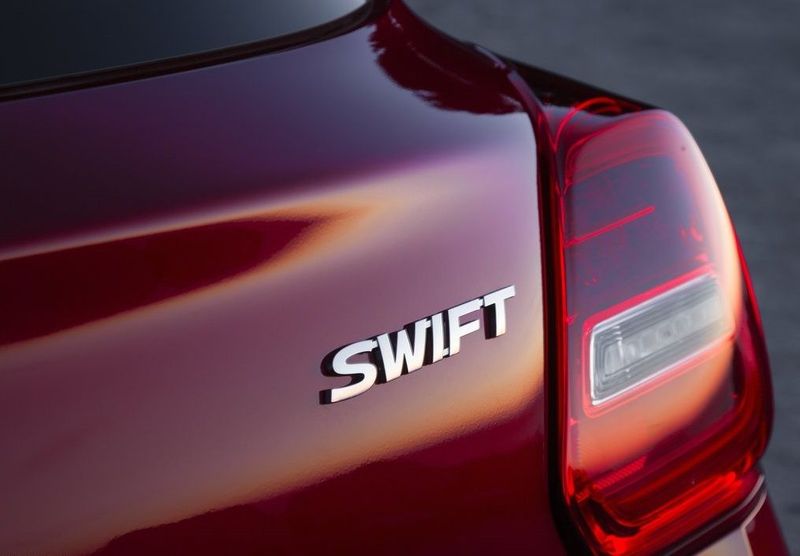
In terms of styling, the most obvious change to the new Swift can be seen from the outside. Whereas the outgoing Swift has a somewhat corpulent look, particularly when viewed from the rear, it successor has slimmed down and exudes a far better-proportioned shape. Nifty details include the refined grille design, newly shaped LED headlights with daytime running lights, 15-inch alloys, hidden rear door handles and a revised rear-end with distinctive taillights to round off a far more attractive-looking Swift.
The Swift is built on Suzuki’s new lightweight Heartect platform, which also underpins the Baleno and Ignis models. Importantly, this new Swift is some 85 kg lighter than before, which, for a small car, makes a noticeable difference… Suzuki claims that the weight saving has resulted in at least a 10% improvement in acceleration.
Although the car is some 10 mm shorter, it’s wheelbase has grown by 20 mm and it’s also 40 mm wider and sits some 15 mm lower than the model it replaces.
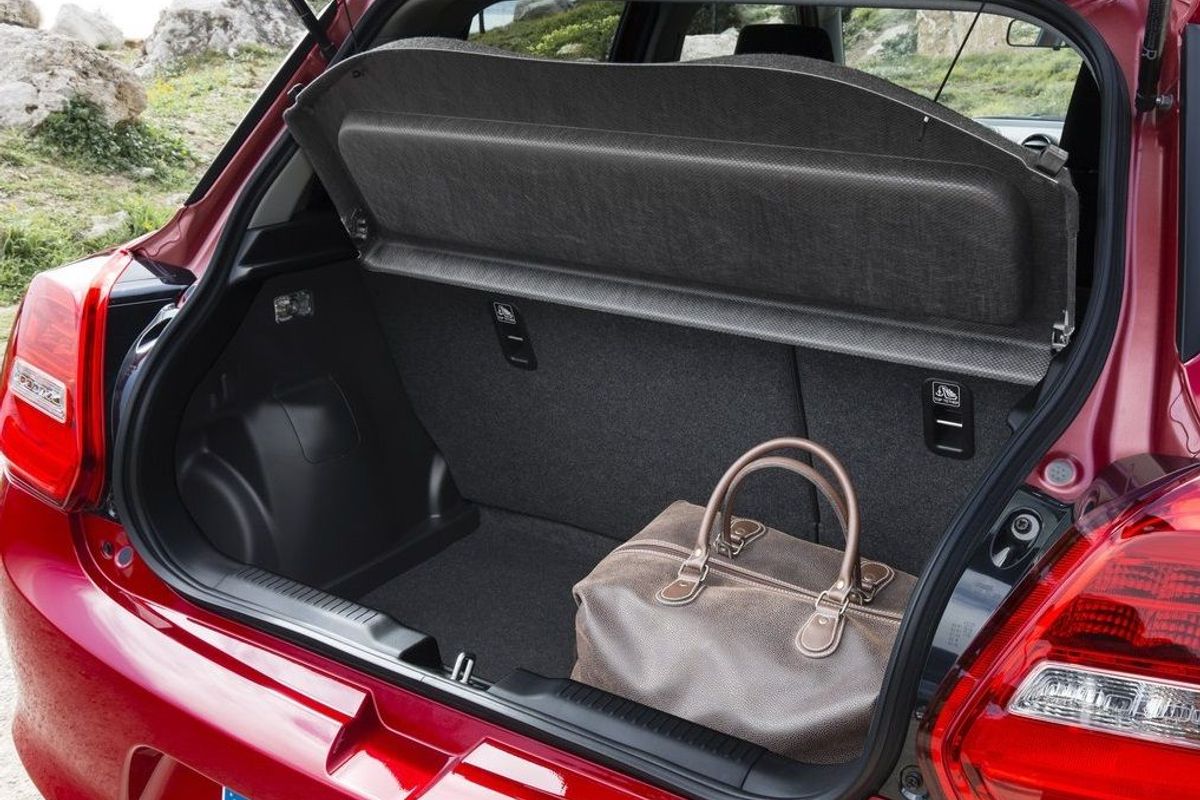
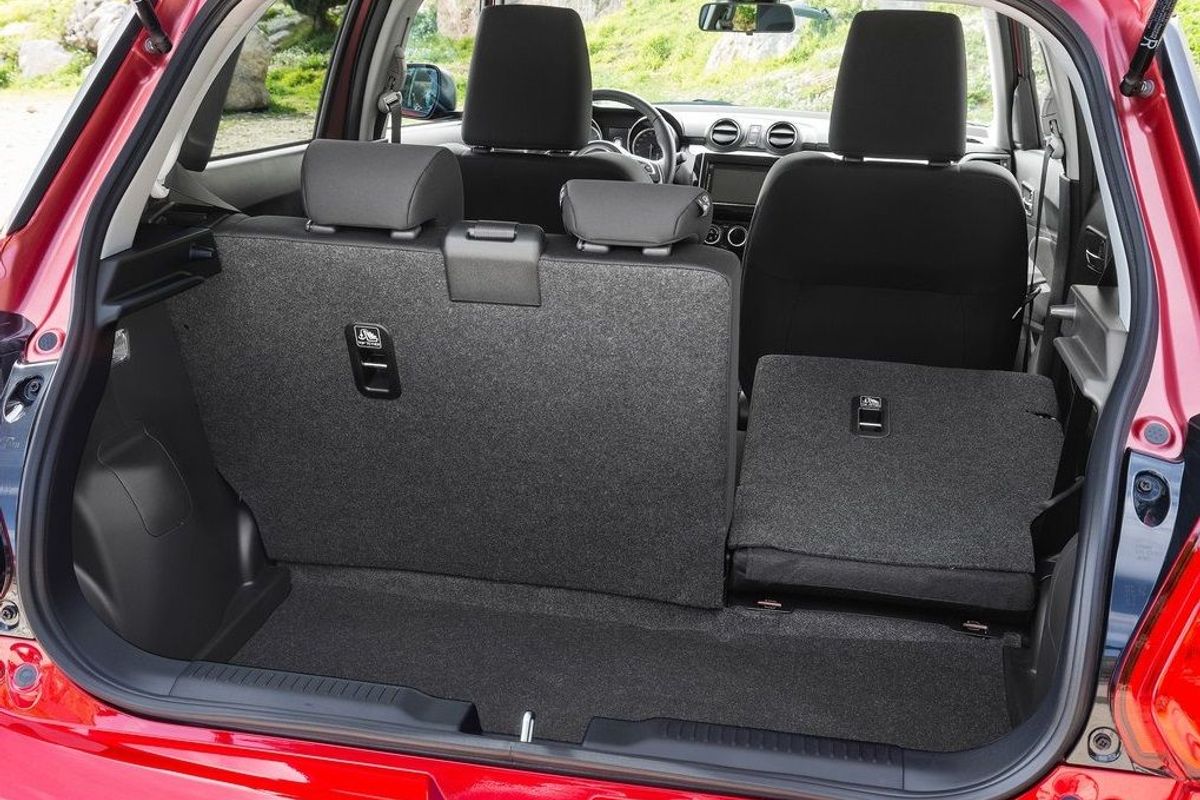
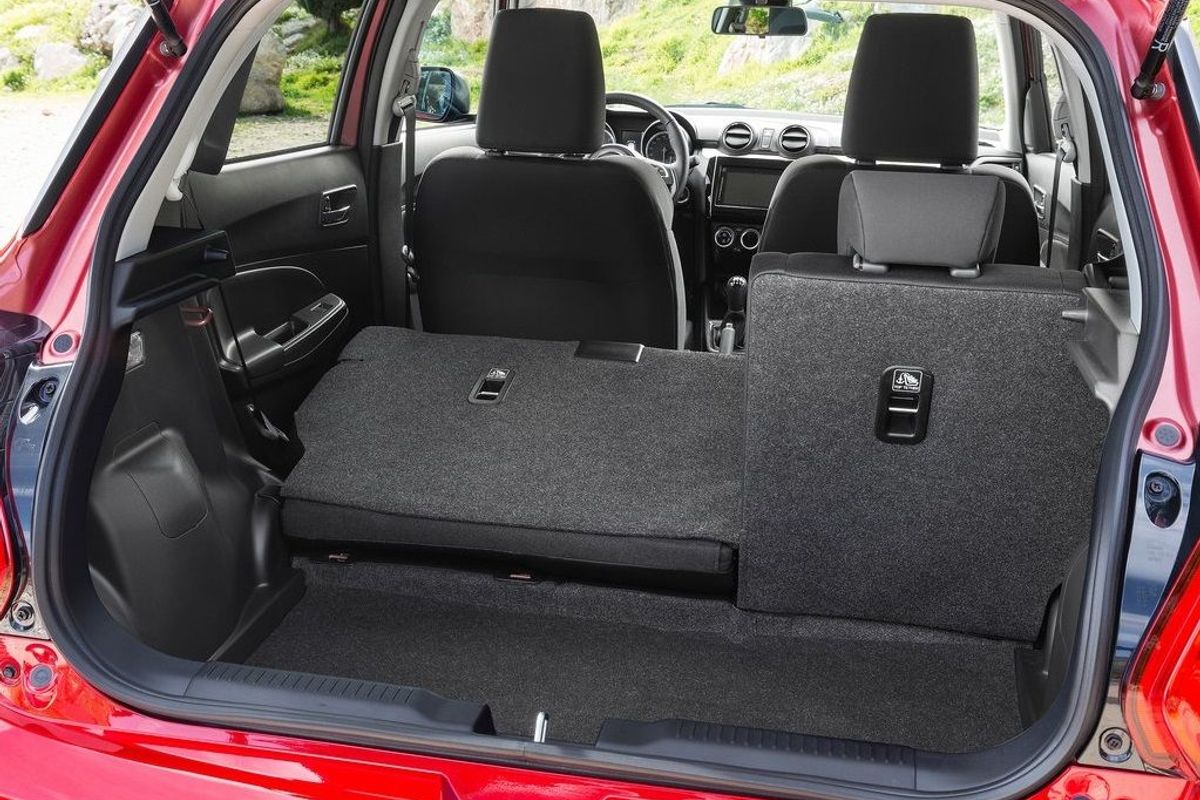
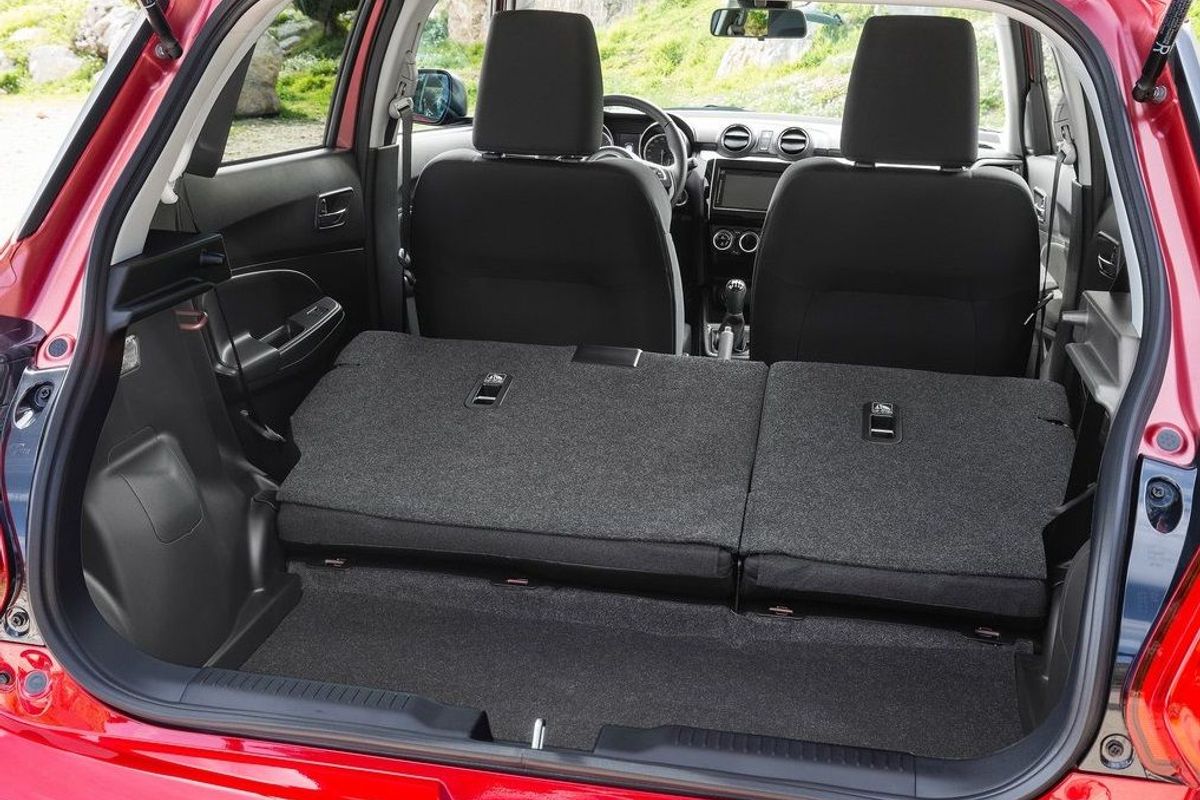
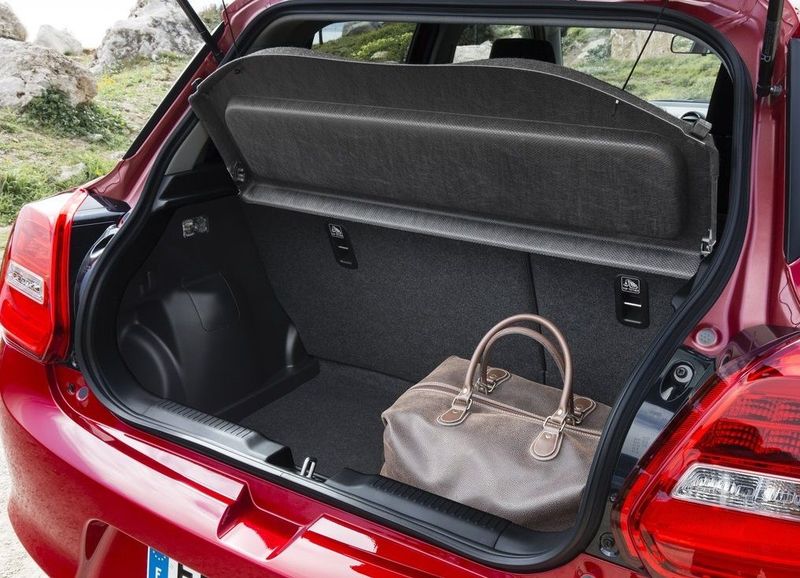
An enlarged luggage bay is welcomed in the new Swift and the 60:40 split rear seat improves practicality further.
For some compact hatchback buyers, the current Swift's comparatively small (210-litre) luggage space might have been a deal-breaker, but due to the new Swift’s larger overall footprint, interior space has improved and you will be happy to know that the load bay is now 25% bigger, now offering 268 litres of space – no less than 58 litres more than before. The rear seats are split in a 60:40 configuration, further strengthening the Swift’s practicality proposition. But if improved luggage/utility space is not enough of a gain, rear legroom has also been improved by some 17 mm, which should make aft passengers happy on those longer out-of-town road trips.
From the outside then, the new Swift certainly looks the part and more importantly, it has somewhat rectified the practical pitfalls that set it back previously. Let’s step inside and take it for a drive then, shall we?
What’s the new Swift like to drive?
By virtue of being some 85 kg lighter, the new Swift feels perkier than the model it replaces, with its 61 kW 1.2-litre engine providing adequate performance.
For a person who is accustomed to the oft-infuriating Cape Town traffic, Indian traffic was nothing short of maniacal and chaotic! Many of the rules of the road seem to simply not apply to Indian road users and accidents are very common. In fact, India is one of the most accident-prone countries in the world and when you see how haphazardly some motorists drive in that country, it’s easy to understand why. So when we learnt that we would be driving the new Swift far from the hustle and bustle of Mumbai, my heart was truly grateful. Our drive in the new Swift took place about 2 hours from Mumbai in the scenic mountains near Pune. Thank goodness!
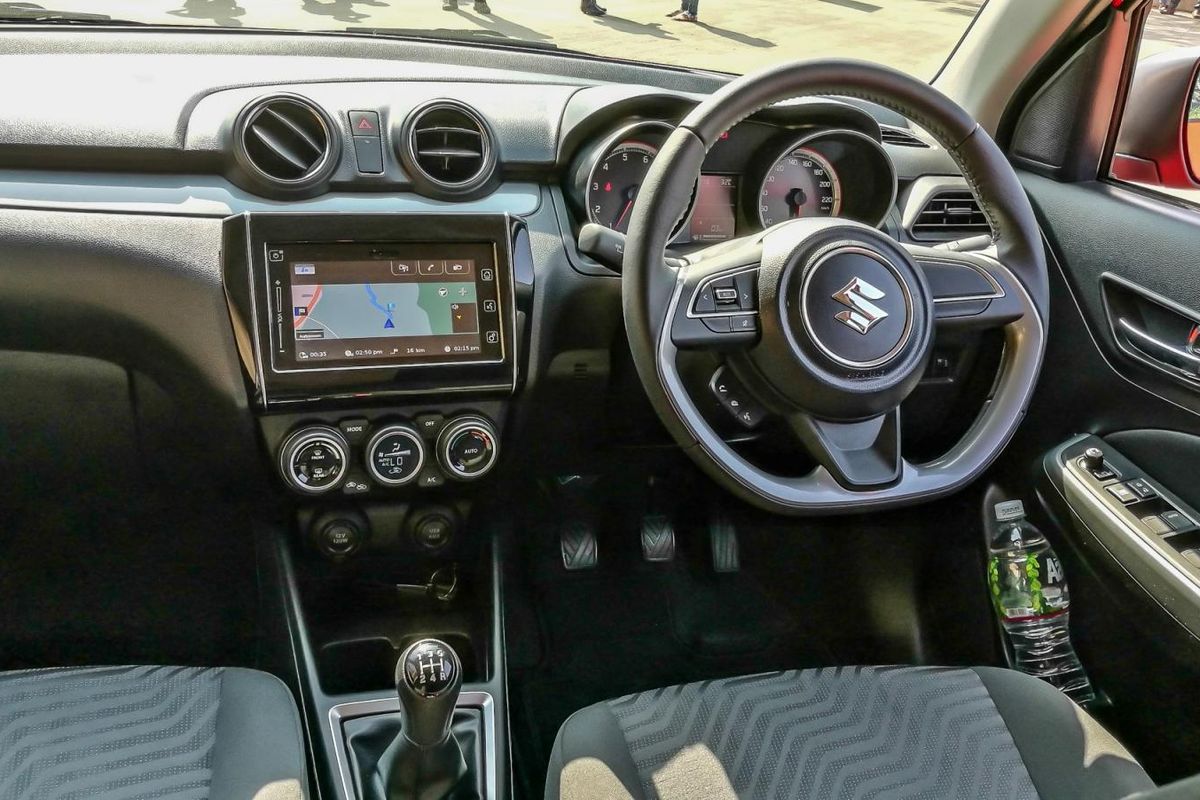
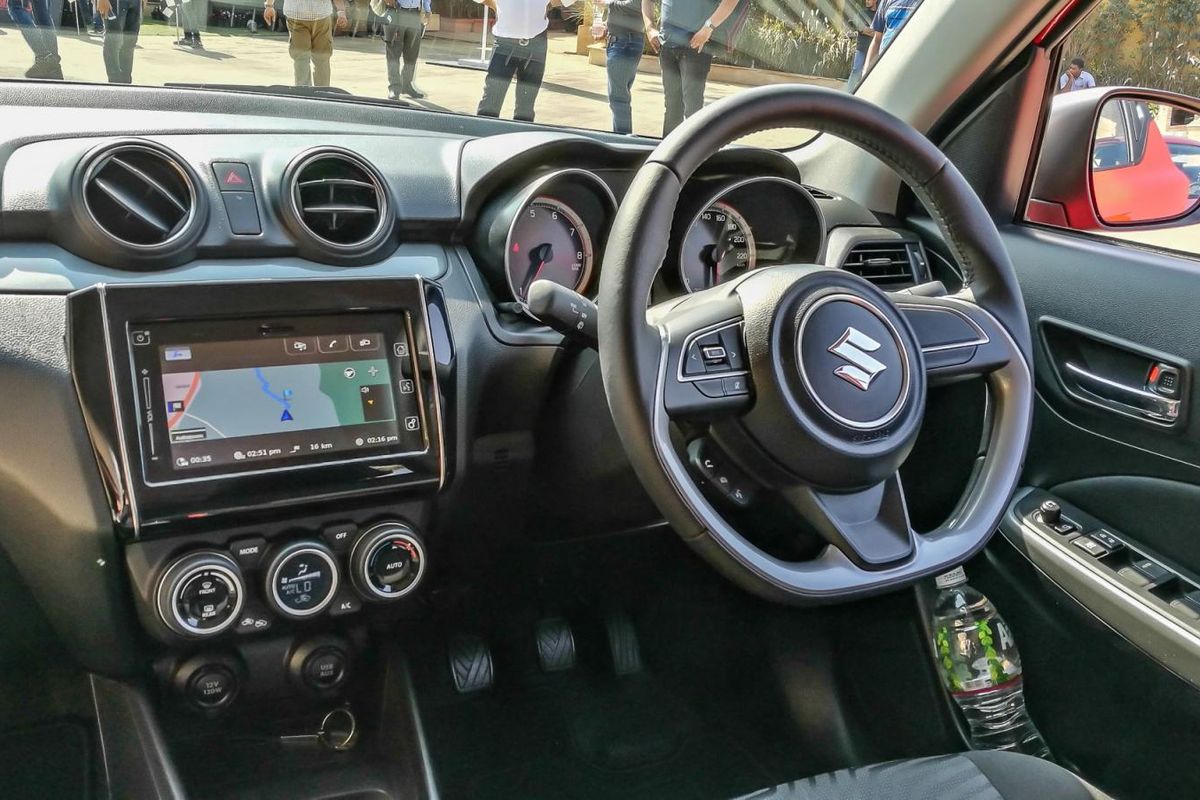
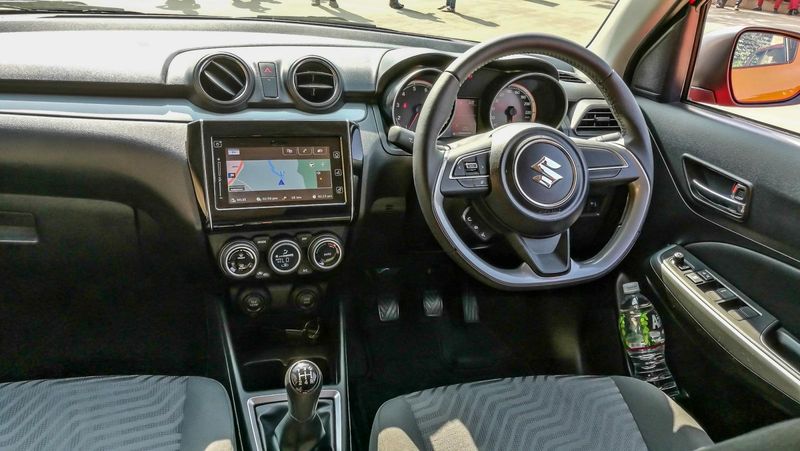
As a current Swift owner, the changes inside this new Swift were immediately apparent. Although much of the surfaces in the Swift are made of hard but durable plastics, there are a few nice touches in the Swift's cabin. The new-look steering wheel is flat-bottomed with a contrasting plastic insert which matches the trim elements seen in the dashboard and doors. The shape and look of the instrument cluster have also an been improved and it actually looks sportier now, which will increase appeal for especially younger buyers. General perceived build quality is good and you will also notice the new ventilation dials mark a major improvement over those of the Swift's predecessor.
The Swift's interior has improved significantly and the inclusion of a touchscreen infotainment system with nav is a highlight. Let's hope it will be offered in SA.
The 7-inch touchscreen infotainment system lifts the interior look significantly and it's a major highlight of this new Swift. The unit came equipped with navigation, Bluetooth, Apple CarPlay and Android Auto functionality. It's an intuitive system that's pretty easy to use, but Suzuki SA has yet to confirm whether derivatives destined for our market will get it… We think that as more consumers demand better smartphone-interface technology in their vehicles, its inclusion would only make the proposition of buying the new Swift that much stronger. A reverse-view camera was another useful feature on the Swift that we drove in India.
The seats are far more comfortable and supportive too. Unlike the relatively flat seats of the outgoing Swift, the seats in the newcomer have more pronounced side bolstering, which hugs your hips and cosset you nicely while driving and provide extra support when threading the Swift through corners.
We drove the Indian-spec Swift 1.2, featuring the same, yet mildly optimised, naturally aspirated engine found in the current Swift, but with 61 kW and 113 Nm of torque on offer. It’s also likely to be the only engine that will be offered in South Africa. It’s a refined motor and although its outputs are average, it’s suited to this leaner Swift.
Ride quality and handling ability remain key strengths of the Swift making it difficult to ignore in this segment.
The steering feel is noticeably lighter than before and although it felt reasonably responsive, I got the impression that it was perhaps a little too light with a numbness at its centre. Having said that, it's not light enough to make the steering feel overly vague. Despite this, the new Swift is still a nimble handler and it maintains its composure well when coaxed into corners with gusto; as ever, it’s actually quite fun to drive…
The Swift’s gearbox is another highlight and the 5-speed shifter delivers smooth, effortless 'changes with a positive feel. This new Swift definitely feels perkier than its predecessor and the fact that it's some 85 kg lighter has made a big difference in aiding and improving acceleration/general performance.
General ride quality and overall on-road composure are 2 of the Swift's key strengths and this latest version has lifted that bar a few degrees higher. Speaking in general terms, Indian roads are in a worse state than South African routes and the Swift's ride quality is pliant and forgiving, even over rougher surfaces. If I had to put a number on it, I would say that the Swift's ride quality has improved by about 10%, which is significant, because the outgoing Swift was pretty good in this regard.
Final thoughts
Provided that the new Swift's local pricing and specification is attractive, it should fly off Sukuki's showroom floors…
Overall, we came away suitably impressed with the higher levels of refinement offered by the new Swift and we have every reason to believe that it will be well received by critics and consumers alike and, therefore, will continue to sell strongly in South Africa. It appears to be a considerable improvement over its predecessor and not only is its styling more modern and attractive, but more importantly, it’s more spacious and the larger luggage capacity in itself could generate conquest sales. Its engine performs adequately and should return good fuel consumption figures on a regular basis while also delivering improved performance thanks to the reduced kerb weight.
With that said, the new Swift's value offering will depend on the specification and pricing structure that Suzuki SA can deliver to our market. As it stands, the new Swift will arrive in South Africa in Q2, or latest, Q3 of 2018. As far as we know, Suzuki's 83 kW 1.0-litre turbocharged Boosterjet engine is not expected to make it to South Africa, but we certainly will, eventually. Also, Suzuki South Africa is still ‘studying’ the prospect of introducing the new 103 kW / 230 Nm 1.4-litre turbocharged Swift Sport to our market. Again, let’s hope it comes…
In terms of positioning, the new Swift appears to be perfectly primed to take the fight to the popular Hyundai i20, Mazda2, Toyota Yaris and Opel Corsa. It will also surely look to steal sales from the latest Volkswagen Polo Vivo. Although it's not as premium an offering as the Polo (and, arguably, upcoming Ford Fiesta), it may even have enough clout to lure would-be entry-level Polo buyers into Suzuki's camp.
Volkswagen Polo 1.0TSI Highline auto (2018) Review [w/Video]
The new (6th-generation) Volkswagen Polo would be a disappointment to its throngs of fans if it didn't set a new benchmark for the compact hatchback segment. Underpinned by its Golf sibling's lauded platform, the newcomer surges upmarket, but can the top-of-the-range 1.0TSI Highline automatic (DSG) justify its price tag?
We like: Build quality, powertrain refinement, space, refinement
We don’t like: Value for money, the best features are optional
Alternatives:
Desirable French flair: The Renault Clio 88 kW GT-Line is arguably the prettiest car in this segment. Exceptional specification and a punchy engine are overshadowed by average fit and finish.
On its way out, but worth a look: The Ford Fiesta 1.0 Titanium auto will soon be replaced, but is still great to drive. Good chassis and potent engine make for a bit of a fun drive.
Korean cousins: The Hyundai i20 1.4 Fluid auto and Kia Rio 1.4 Tec auto offer respectable warranties, but the lack of modern turbo engines is a drawback in some prospective buyers' eyes.
Yaris reimagined: The recently-launched Toyota Yaris 1.5 S features a high-revving naturally-aspirated engine. Spec is fair, and the car drives adequately, but it can't match the Polo's class.
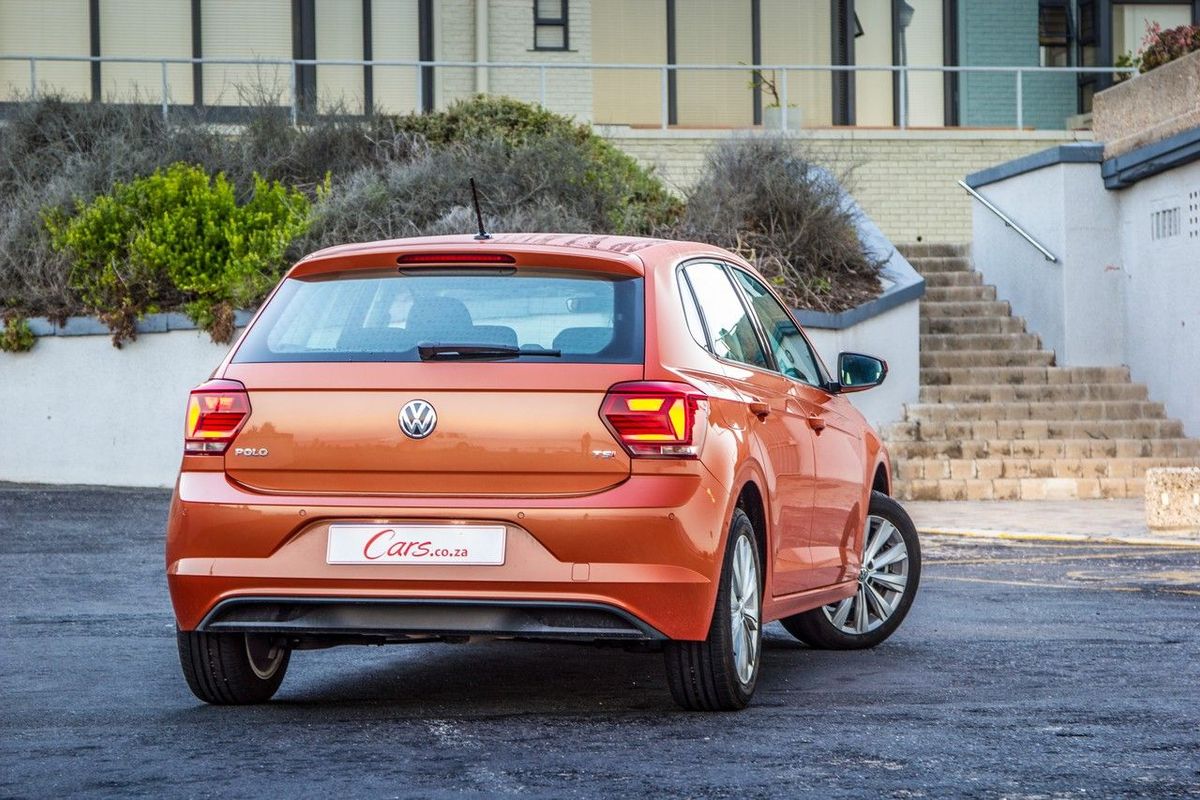
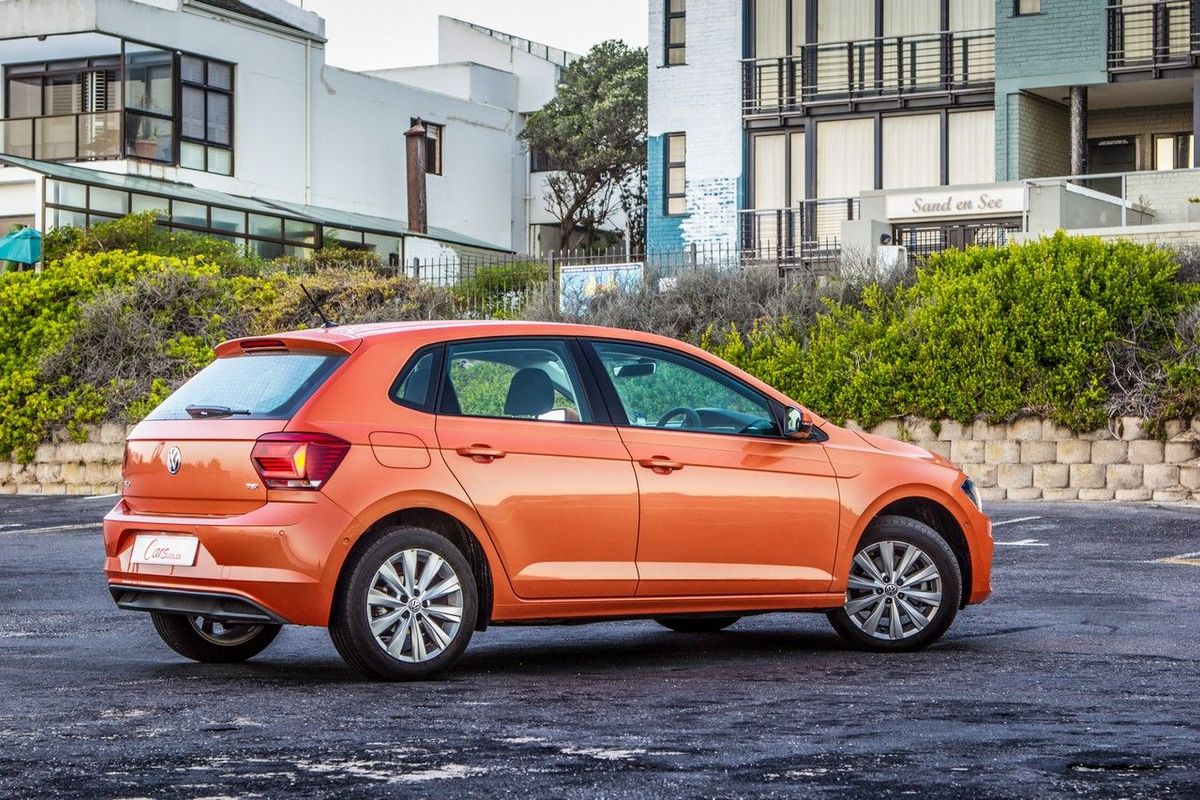
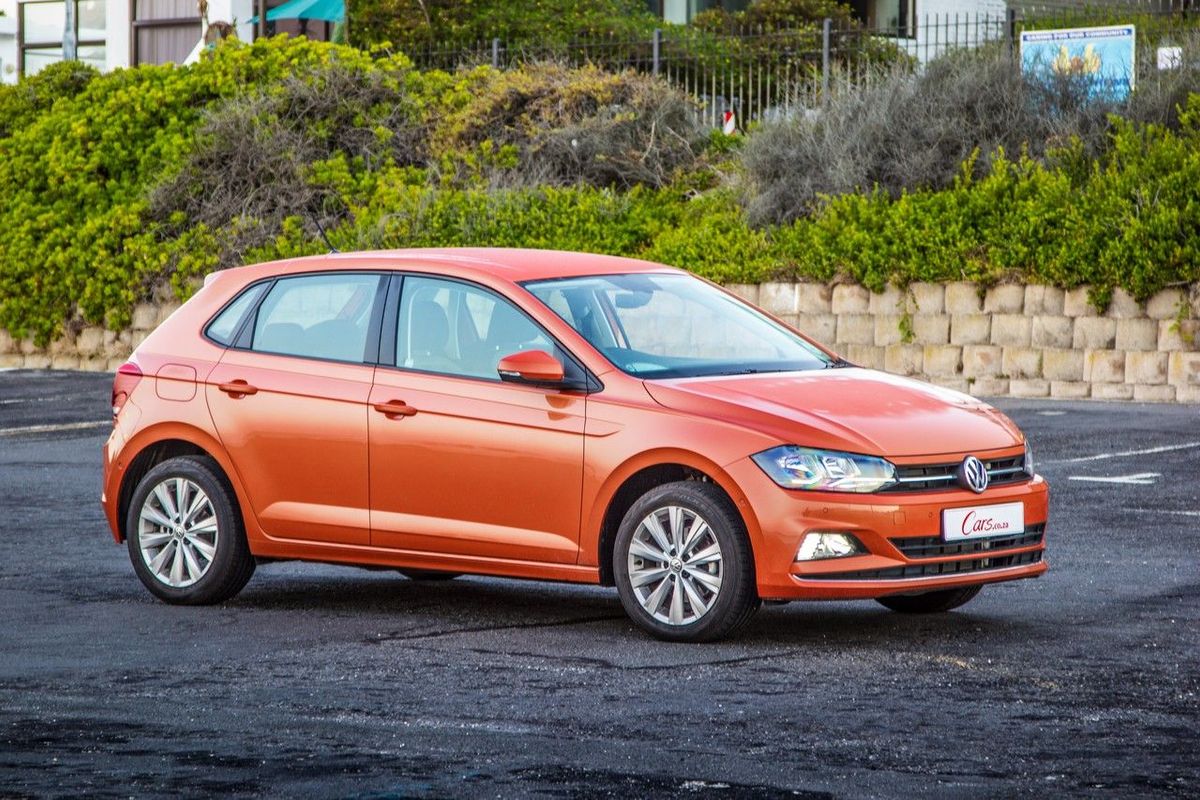
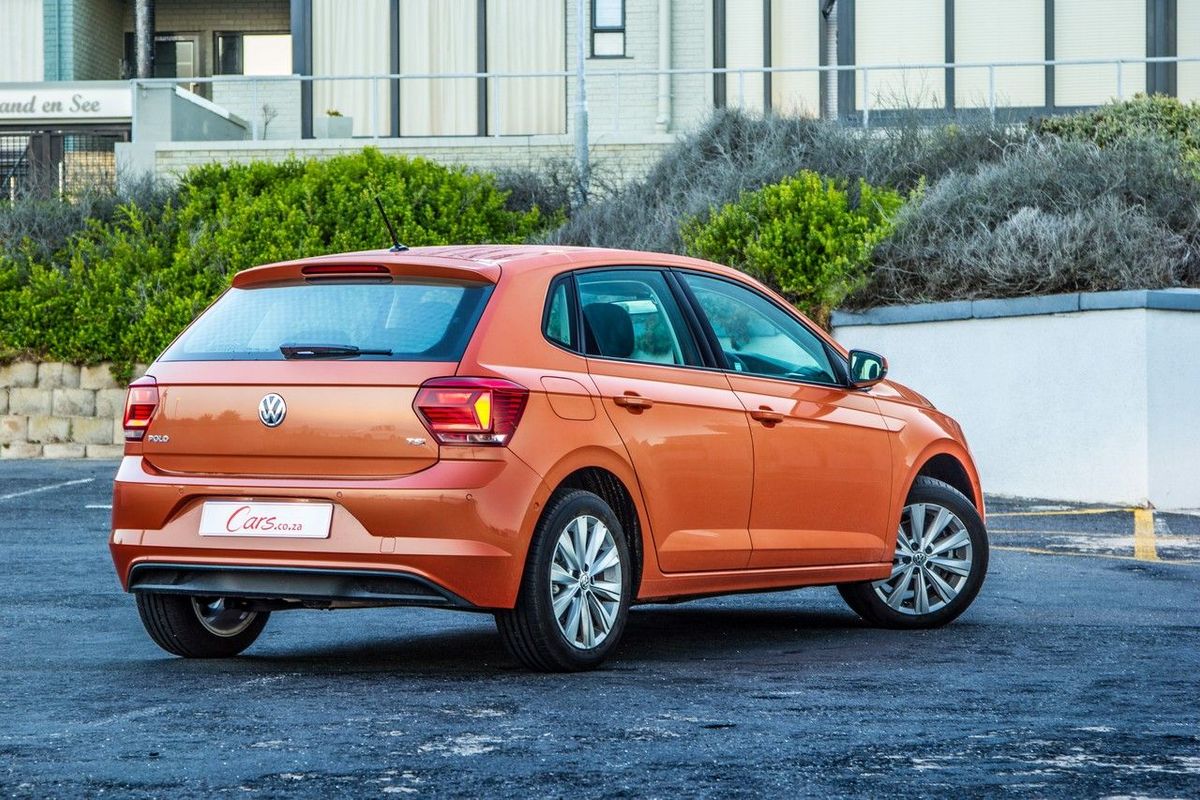
You can see the redesigned tail lights and the additional design creases in the sheet metal.
The Volkswagen Polo is one of the best selling passenger cars in SA and therefore it's critical that the all-new model is as successful as its predecessors. Since 2010, almost 200 000 Polos have found their way into South African hearts and homes, making it the second best-selling passenger car after its budget-oriented Vivo sibling. The Polo's success is global: more than 14 million units have been sold internationally.
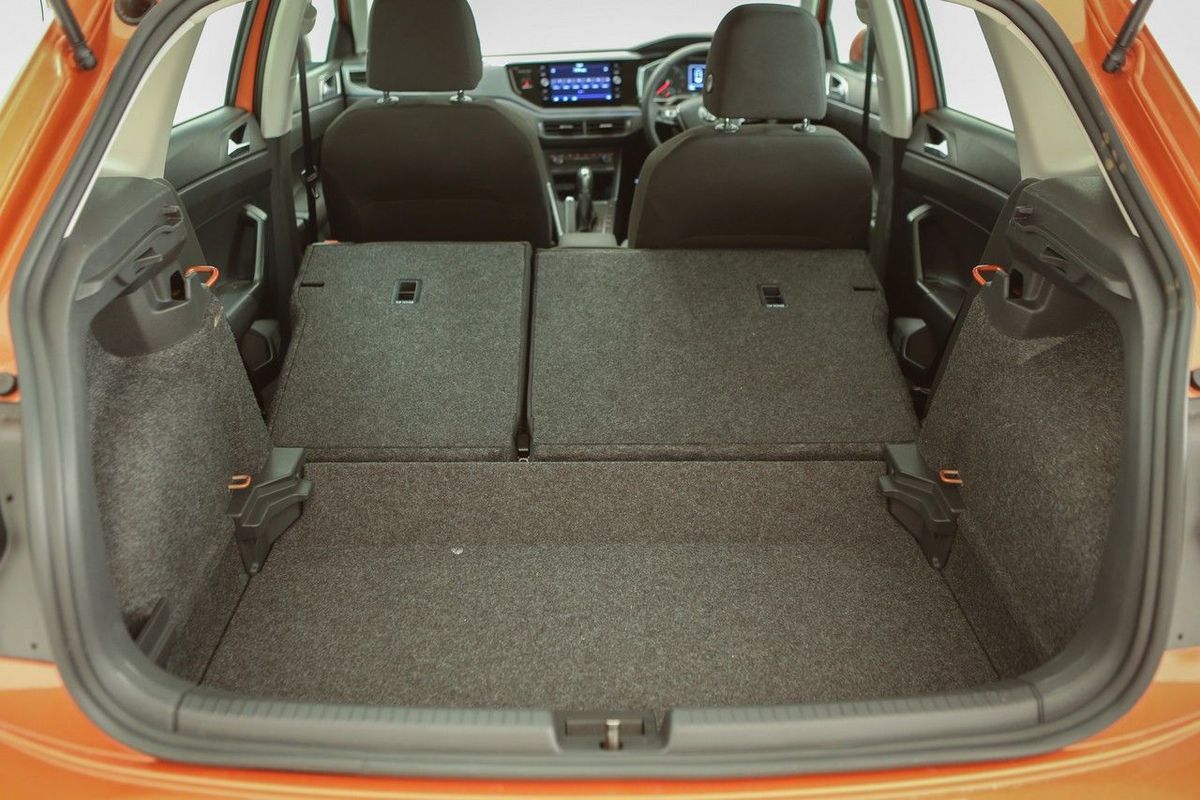
In an ever-evolving market, it's critical that Polo VI is better than the outgoing car in every conceivable way. The newcomer is based on the MQB platform, much like the Golf, Touran and Tiguan, to name but a few examples. In terms of dimensions, the new Polo features a longer wheelbase, overall length is up by 81 mm and the car is 69 mm wider. It may not sound like massive increases, but these incremental gains contribute immensely to the interior packaging. Luggage capacity, for example, has benefited greatly from this new platform; its volume is now rated at 350 litres, compared with the outgoing model's 280 litres.
There are 3 spec levels on offer: Trendline, Comfortline and Highline, the latter of which is tested here. Expect the range-topping Polo GTI hot hatchback to make its way to SA in the second quarter of 2018.
How does it fare in terms of…
Kerb appeal?
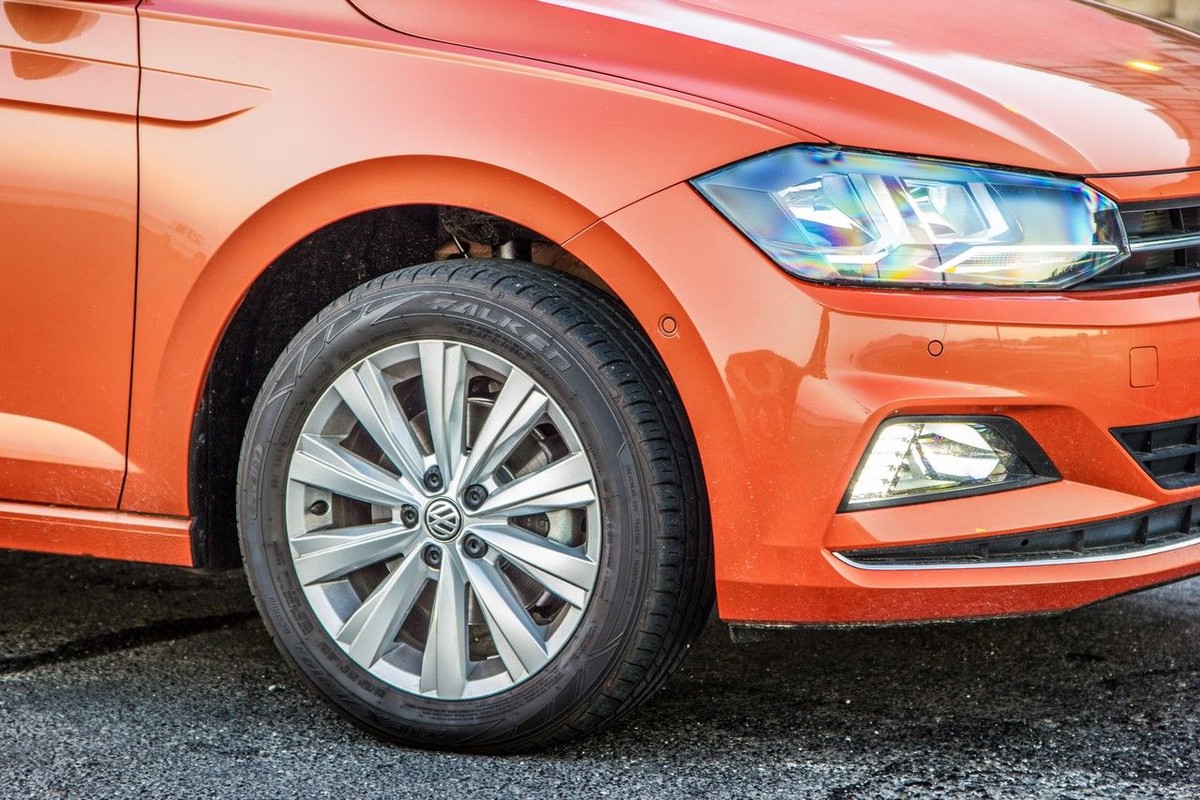
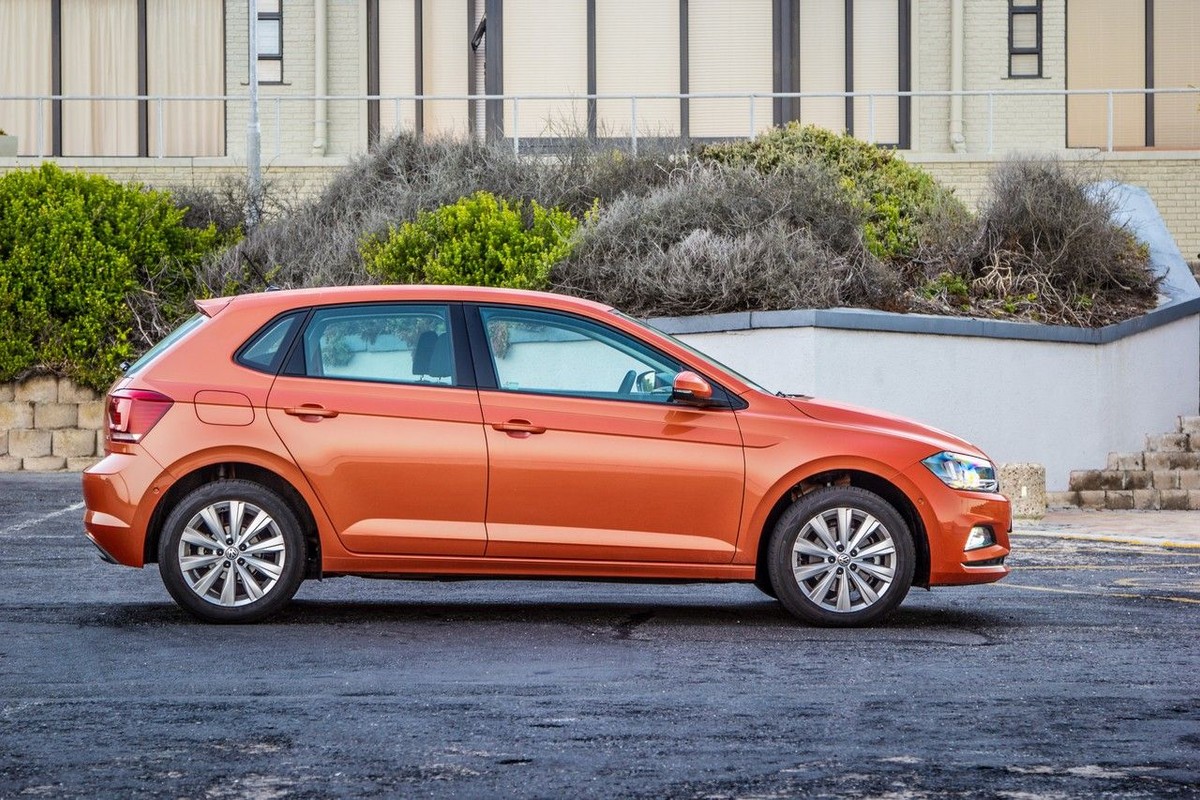
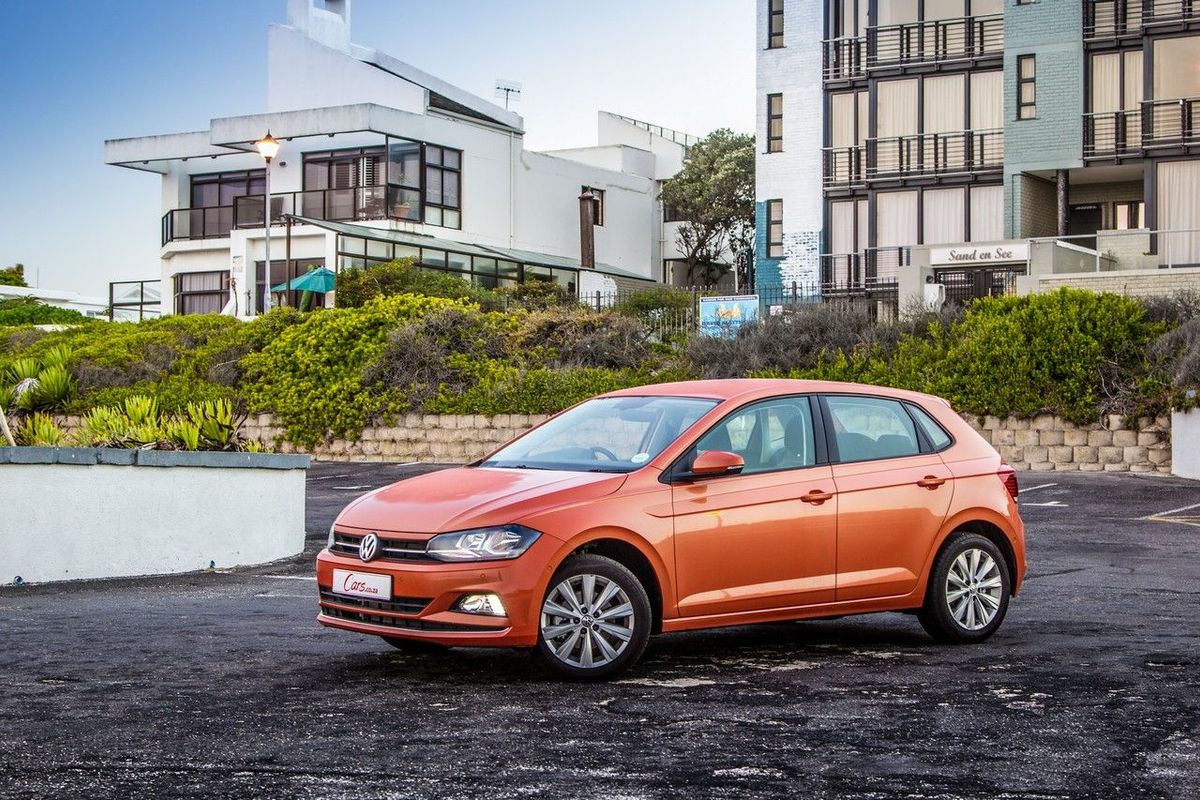
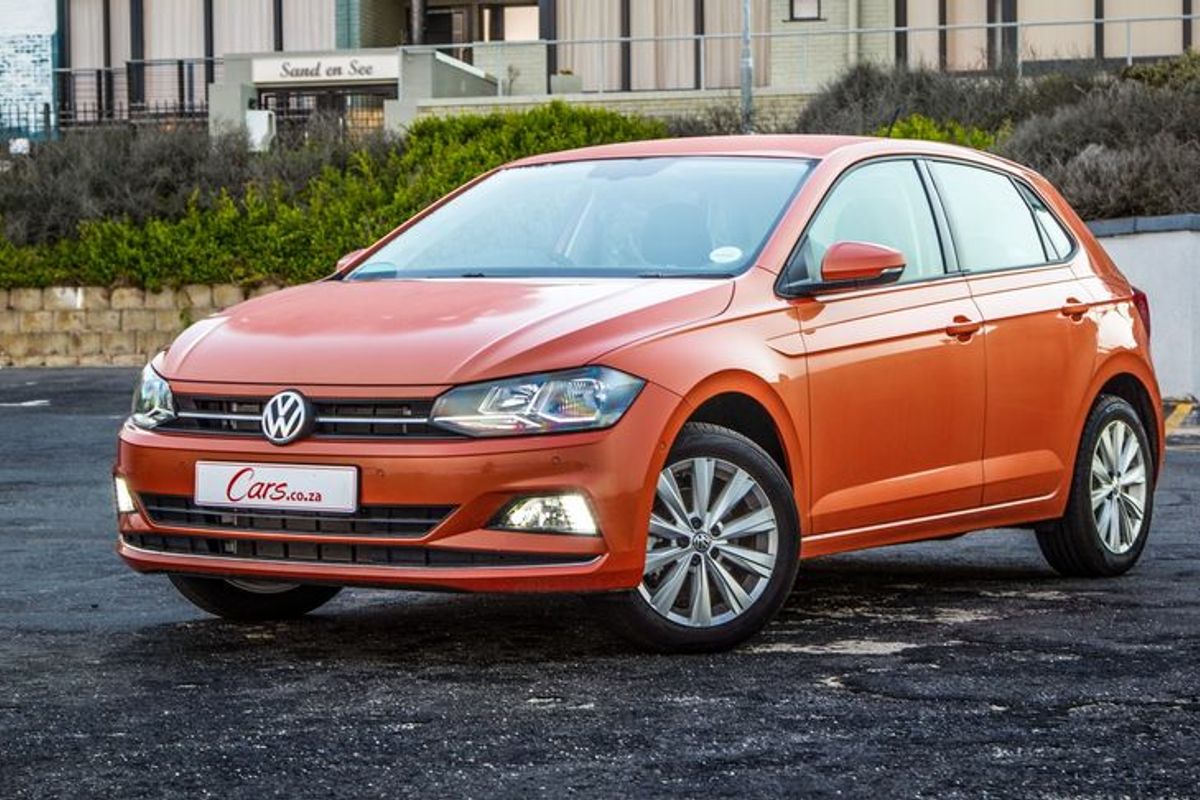
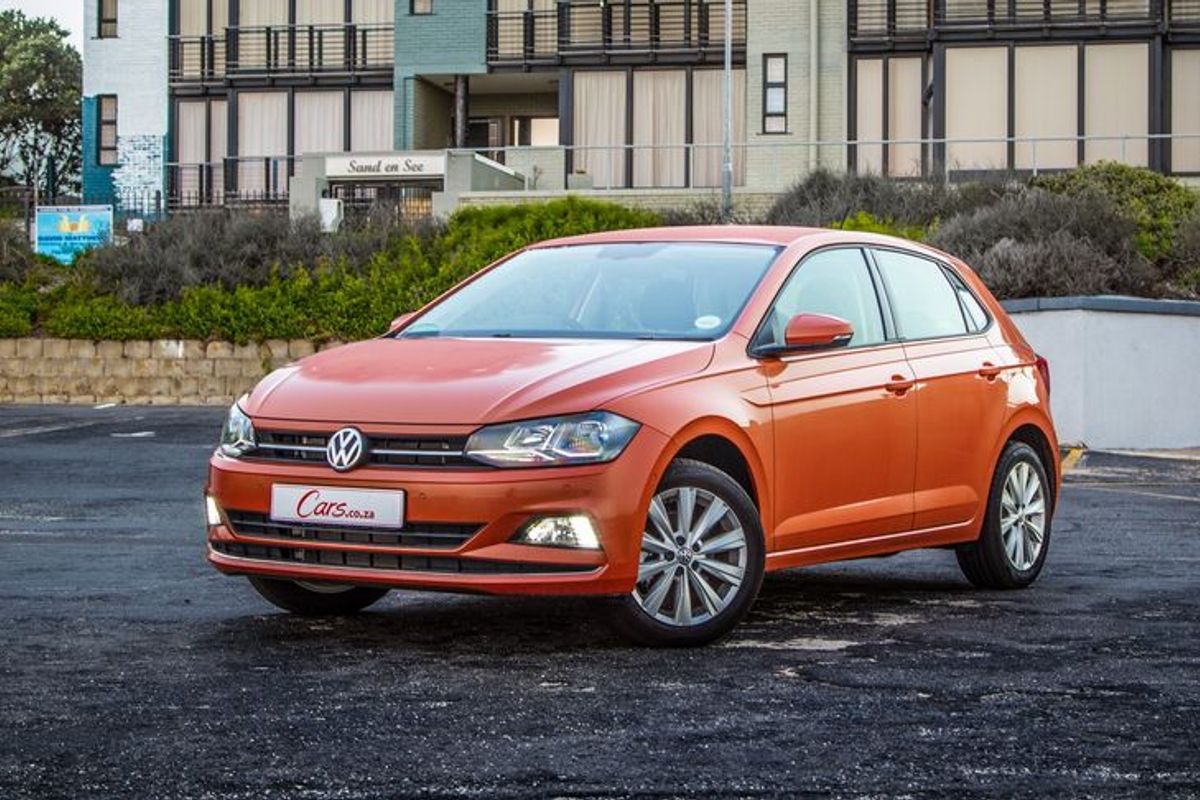
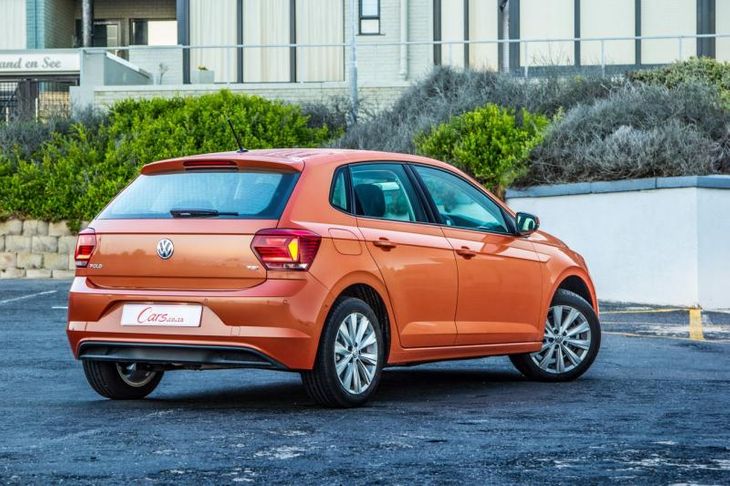
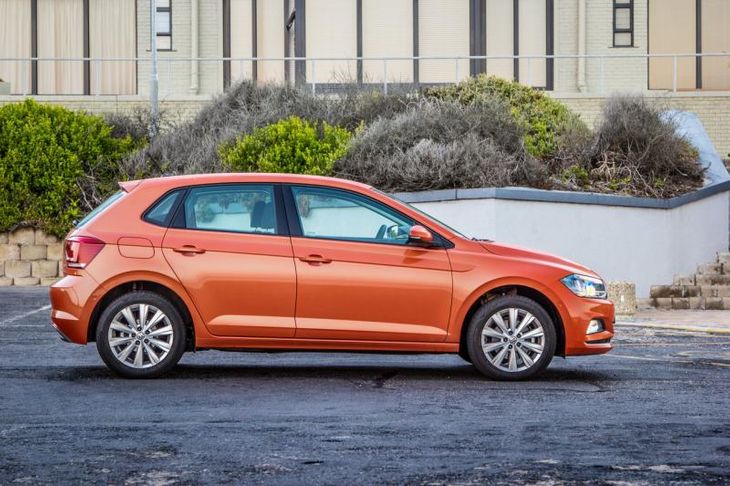
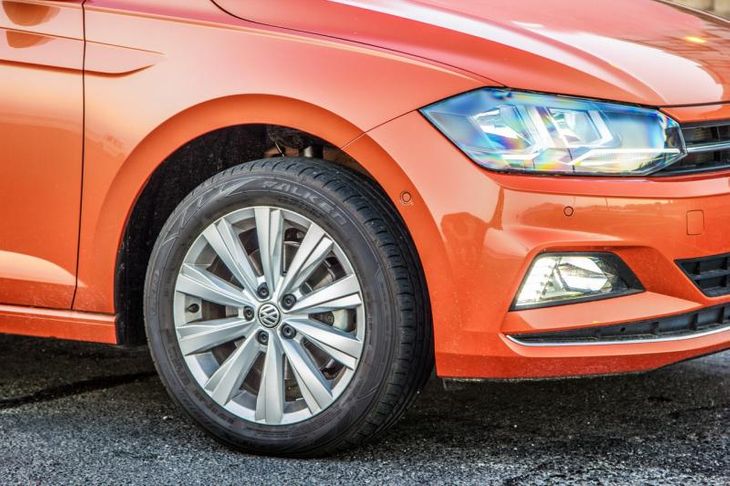
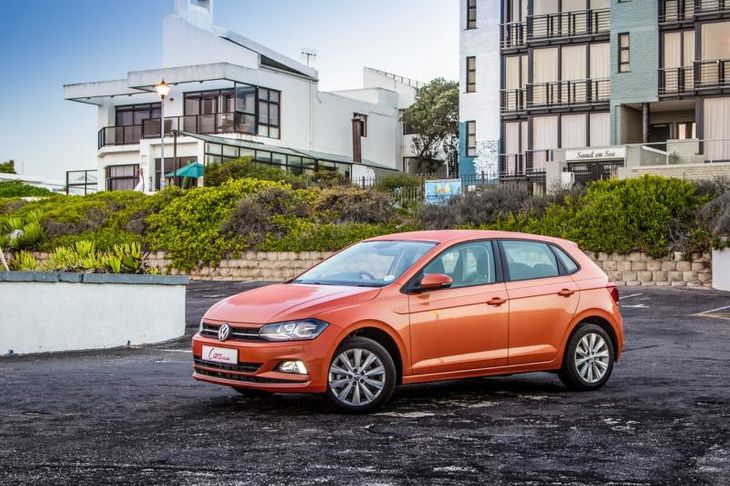
In the Energetic Orange finish, the new Polo really stands out. For those who don't want the attention, the other colours are a lot more subdued.
When the test unit arrived at our offices, it drew quite a crowd of curious onlookers. In vivid Energetic Orange, which is an optional metallic paint finish, the Polo looks undeniably striking, but, subjectively, the Polo needs a bold colour to car stand out from the crowd. Having seen several other new Polos on the roads, colours from the hatchback's standard palette tend to make the Volkswagen look a little too demure
Having said that, competitors in the mainstream compact hatchback market are typically conservative in terms of their exterior designs; something that's too outrageous or flamboyant could spook customers! Therefore, Volkswagen played it typically safe with the new Polo. That's not to say it's boring – it's quite the opposite, in fact. If you view the old one and this new Polo side by side, you'll see the newcomer is more angular and fresher in design. Of course, they're of a similar overall shape, but the devil lies in the detail and keen-eyed observers will note intricate creases and details in the Polo's sheet metal. The front daytime running lights contribute to a modern frontal stance and the car looks smart and upmarket. If you opt for the optional R-Line kit, the car gains more pronounced addenda and 17-inch Bonneville alloys.
Given the Polo's runaway popularity and sales success, our test unit was often surrounded by onlookers. Many were merely curious passers-by, but some appeared to be serious car shoppers. In fact, two people had pre-ordered their cars without having seen the finished product and came to us to take a much closer look (and, we assume, get affirmation that they had indeed made the right buying decision).
Packaging?
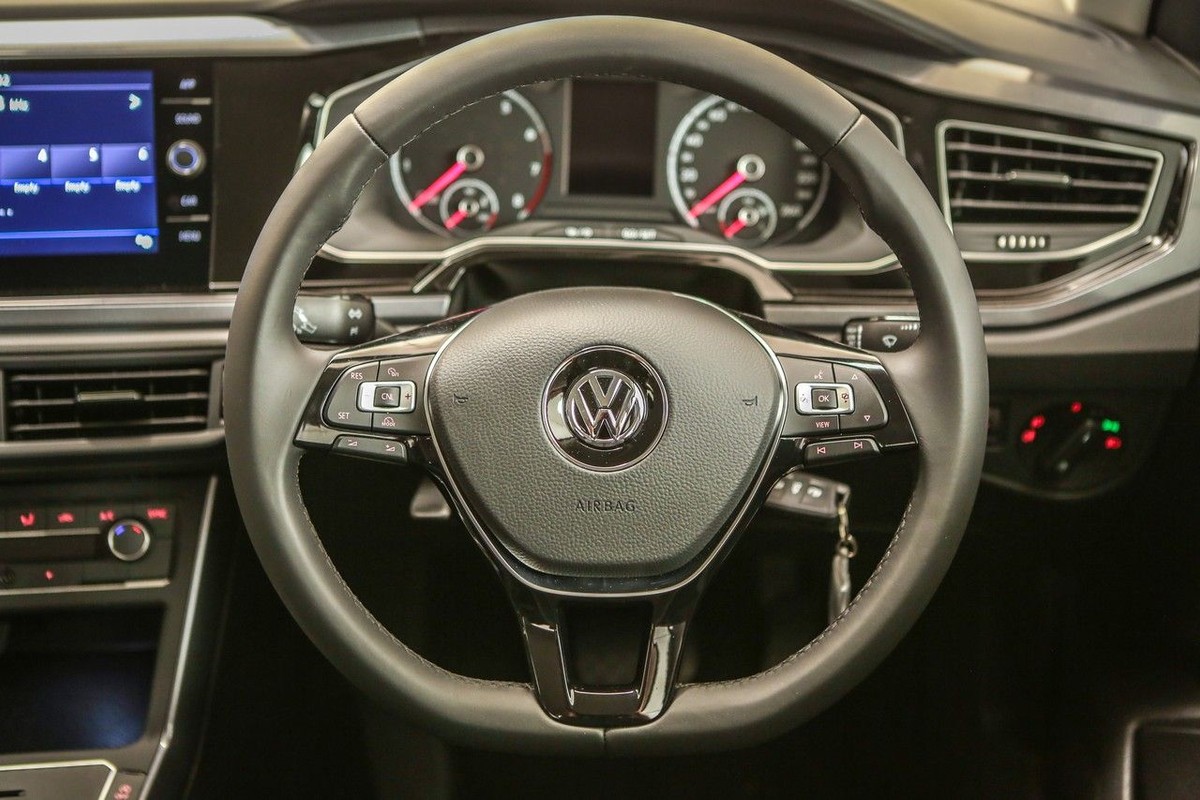
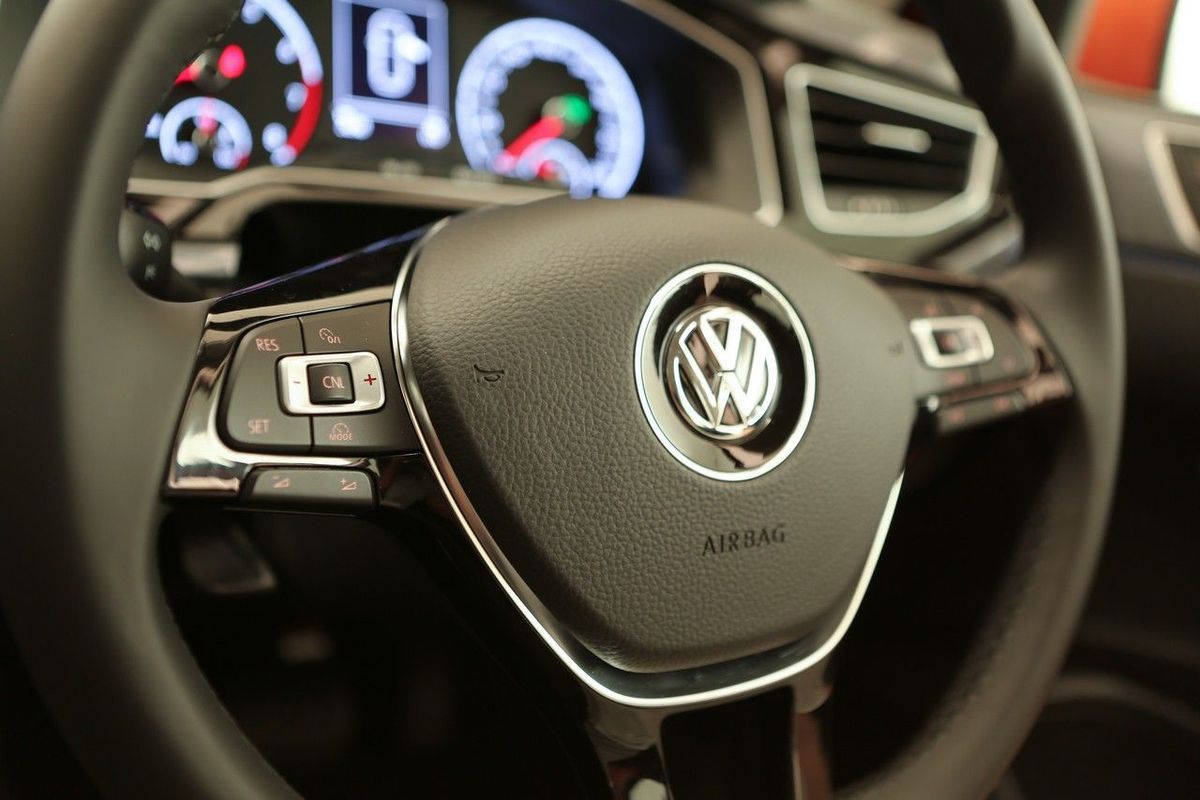
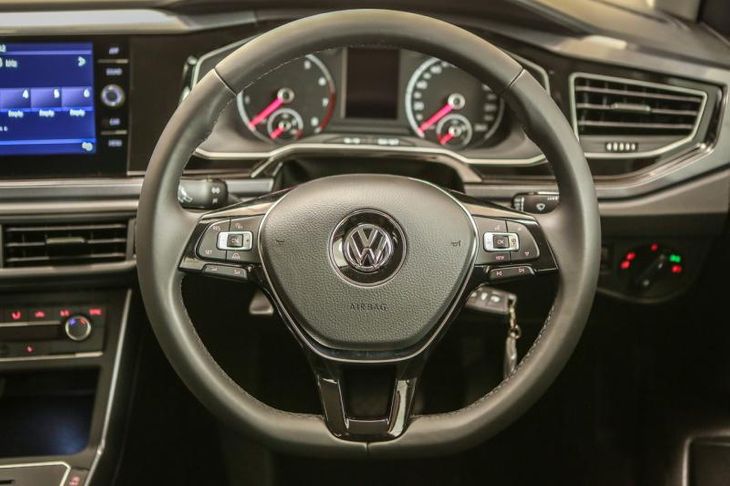
The new Polo's steering wheel, complete with easy-to-use remote functionality. Is there any need to touch the infotainment screen?
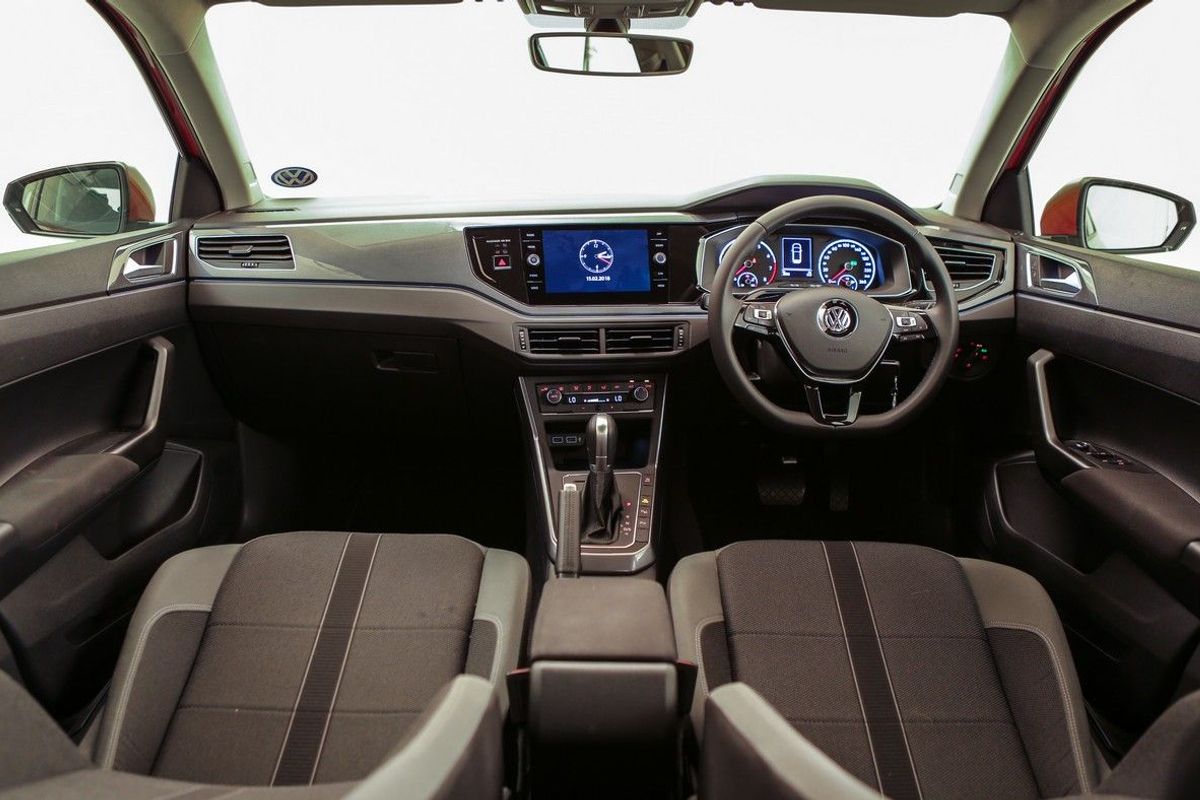
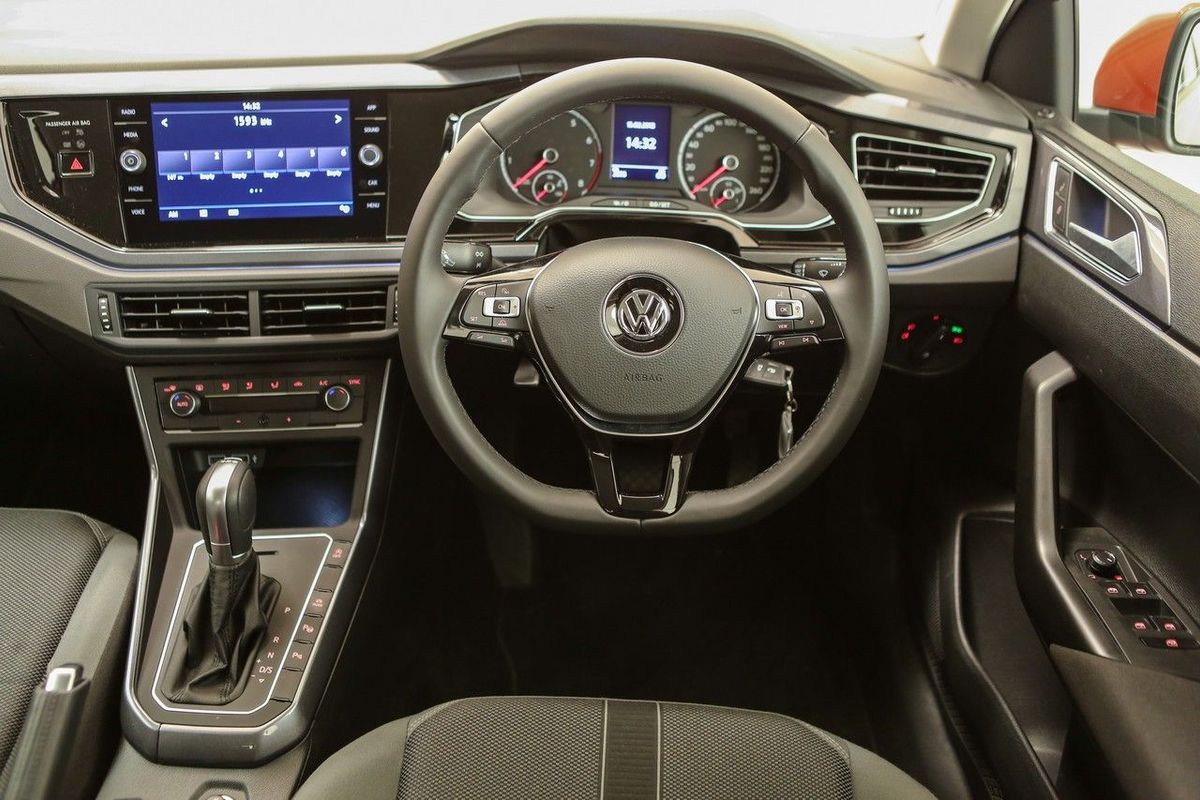
When you open the door to the new Polo, you're greeted by a cabin that feels and looks vastly more premium than the outgoing model's. Volkswagen has seemingly duplicated the fit and finish of its higher-rung models in this car… there are many premium grade materials, and, upon closer inspection, some cheaper materials too, but overall, the Polo's a huge leap forward for the segment and does feel like a baby Golf.
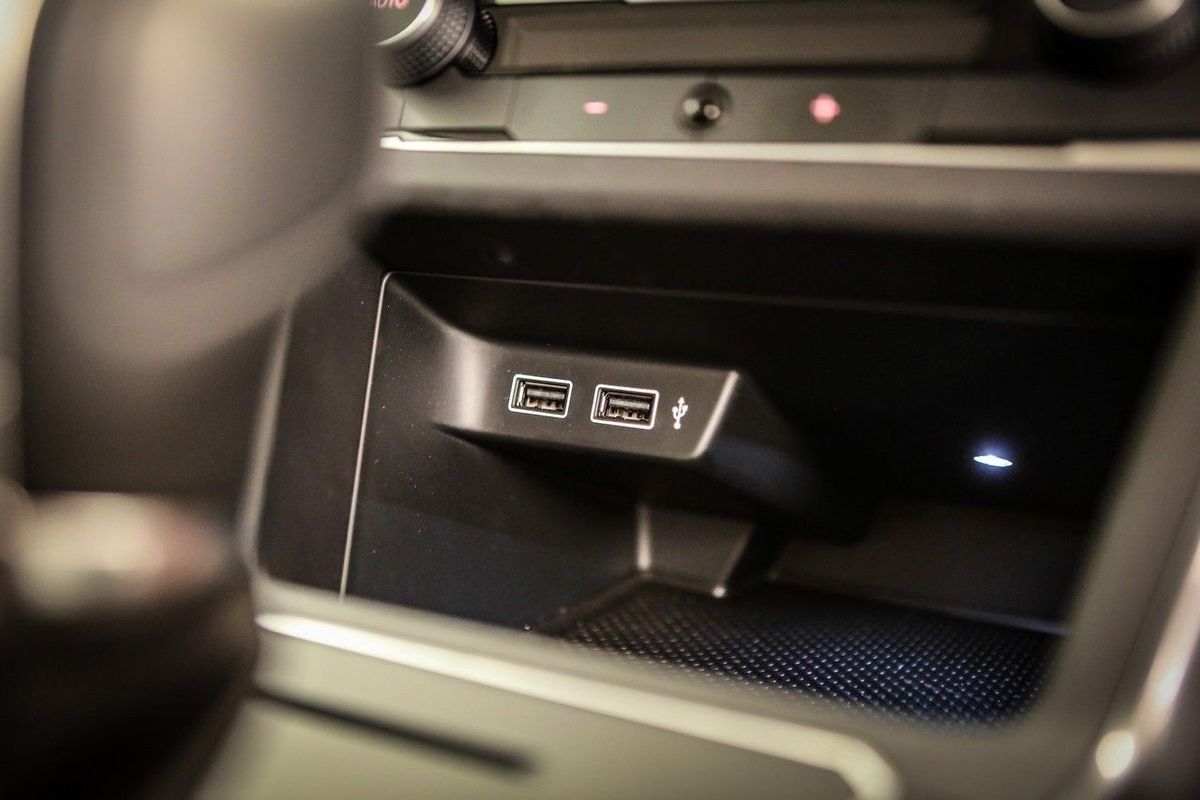
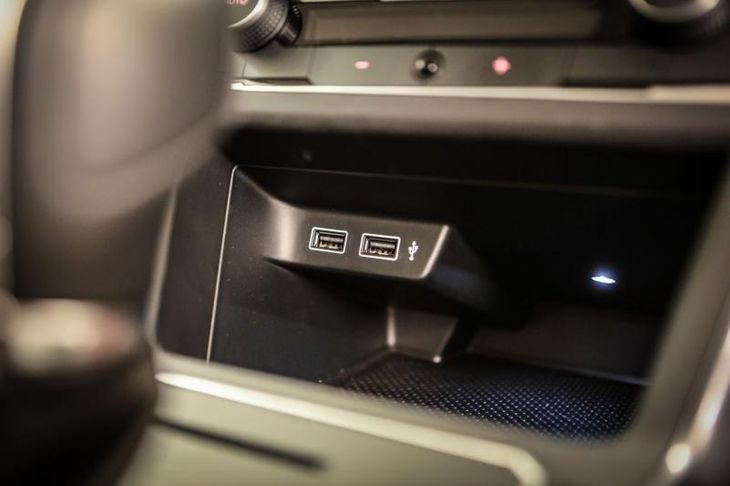
Highline specification is generous (as you'd expect from a top-of-the-range model). It's great to see features such as LED daytime running lights, Bluetooth/USB connectivity, and front, side and curtain airbags (standard even in the base-spec derivative). However, in the Highline model, you gain the Composition Media system complete with Apple CarPlay and Android Auto, voice control, sports seats, cruise control with speed limiter and tyre pressure monitoring. The pair of USB ports are located away from the fascia, so you don't have that inelegant 'phone-dangling-from-a-cable look. More on the features a little later…
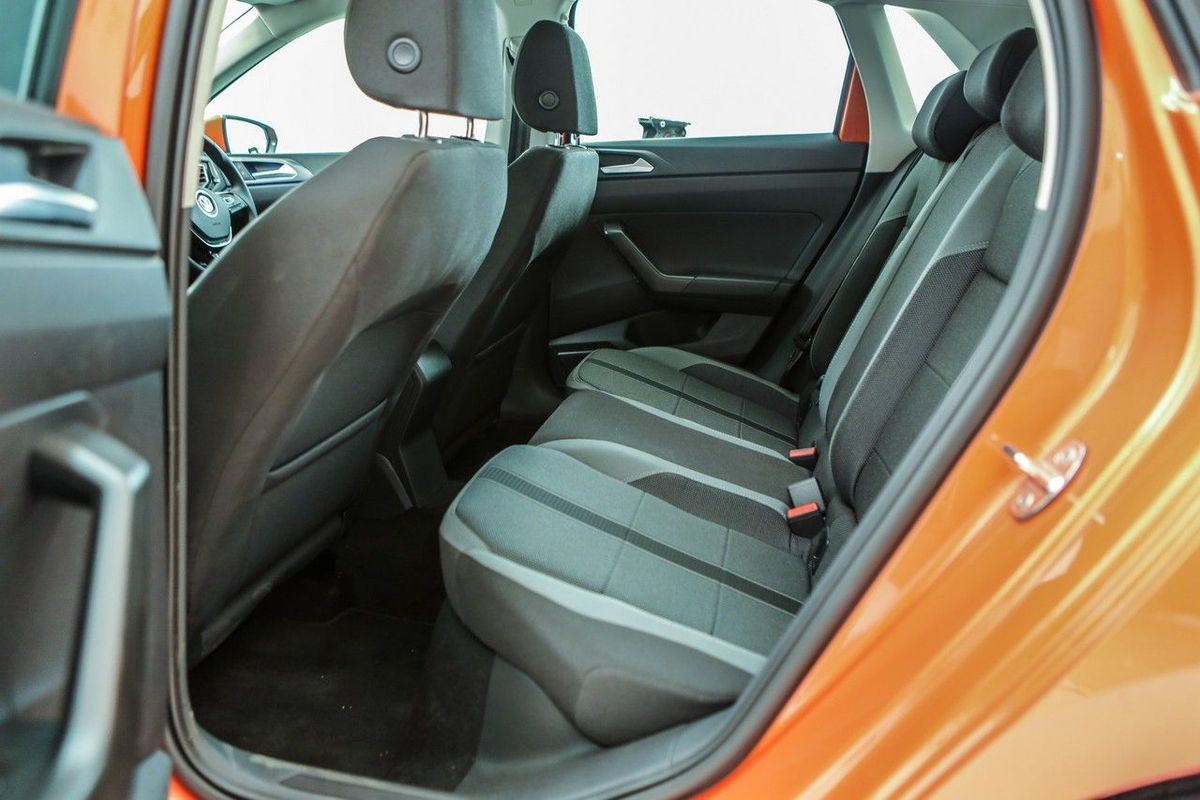
The increased platform size has meant that the Polo's rear legroom is just about sufficient for a tall adult's legs, while the enlarged luggage capacity means the is more space available for loading up your cargo. In terms of utility space, the rear seats fold down in a 60/40 split.
Performance, ride and handling?
The standard wheels offer good ride quality, although testers noted that the car's suspension was a touch firm.
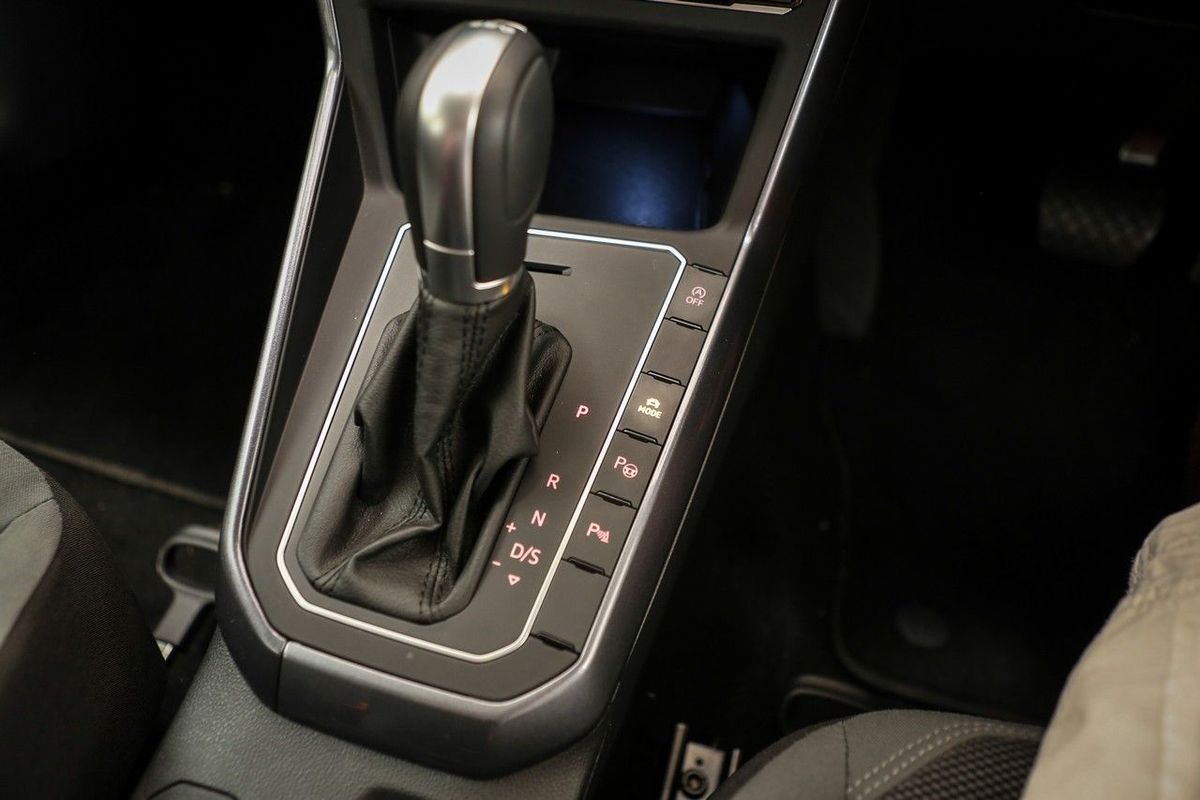
At this stage, Volkswagen South Africa offers just one engine (in 2 states of tune) in the Polo range. There's a choice of either a 6-speed manual transmission or a slick-shifting Direct Shift Gearbox (DSG), which is a 7-speed dual-clutch transmission that drives the front wheels. The engine is a 1.0-litre 3-cylinder turbocharged petrol unit, which delivers respectable outputs of 85 kW and 200 Nm of torque.
It's deeply impressive to see how far small-capacity forced-induction engines have progressed, not only in terms of their performance/efficiency, but their general drivability. Here we have a 1.0-litre 3-cylinder offering as much torque as a 2000s-era naturally-aspirated V6. Does the engine have enough to perform sufficiently? Without a doubt.
Thanks to the responsive 7-speed DSG, access to the full whack of 200 Nm of torque, which is produced from low down in the rev range, is readily available; in general driving conditions, you will cruise around town with the rev counter barely creeping past the 2 000 rpm mark. With the engine barely ticking over, the Polo's refreshingly quiet on the road.
The default engine-transmission calibration is for optimal efficiency – you could pull away from a standstill and by the time you reached 65 kph, you'd already be in 6th gear without any interruption to your forward motion. If you need to execute an overtaking manoeuvre, the quick-shifting, responsive DSG will quickly drop down gears and you'll be straight into that engine's sweet spot, where it's eager to deliver all it's got.
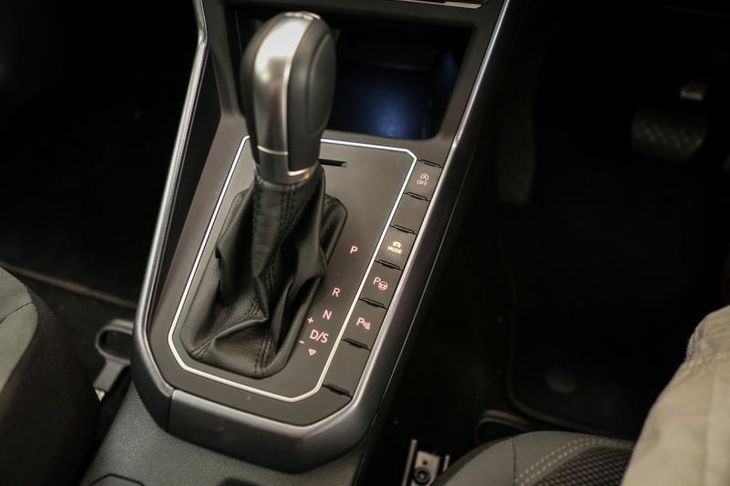
The 7-speed DSG 'box does a fine job of providing smooth and efficient gear changes.
If you engage Sport mode, the engine's responsiveness sharpens up somewhat and the gearbox will hold on to each of its ratios for a little longer. We would have liked the provision of steering-wheel-mounted shift paddles so that we could actuate gear changes ourselves (it would certainly spice up driver involvement), but it's not a dealbreaker. In terms of outright sprint performance, we were happy with the new Polo's acceleration prowess (Volkswagen SA quotes a sub-10 second zero-to-100 kph time), which feels about right. With 200 Nm just a stab of the right foot away, in-gear acceleration is commendable.
The MQB platform has a reputation for producing a pliant ride quality and, in the case of the new Polo, we believe its ride quality makes Volkswagen the class leader in terms of on-road refinement. However, the testing panel agreed that the new Polo felt more stiffly sprung than the outgoing model. The sportier predisposition becomes apparent on bumpier sections of tarmac, yes, but we wonder how well the car would ride when shod with the optional bigger wheels. Coarse tarmac aside, the general road manners of the Polo are exemplary; it doesn't matter if you're doing 45 kph or 120 kph – the ride is refined and relaxed.
In terms of steering, the Volkswagen Polo's electric power steering does a fine job of providing a solid feel with enough directness to make close quarter city manoeuvres effortless. It could do with a bit more feedback/engagement to make it entertaining, but we guess that Volkswagen has saved that for the fiery Polo GTI.
Technology and features?
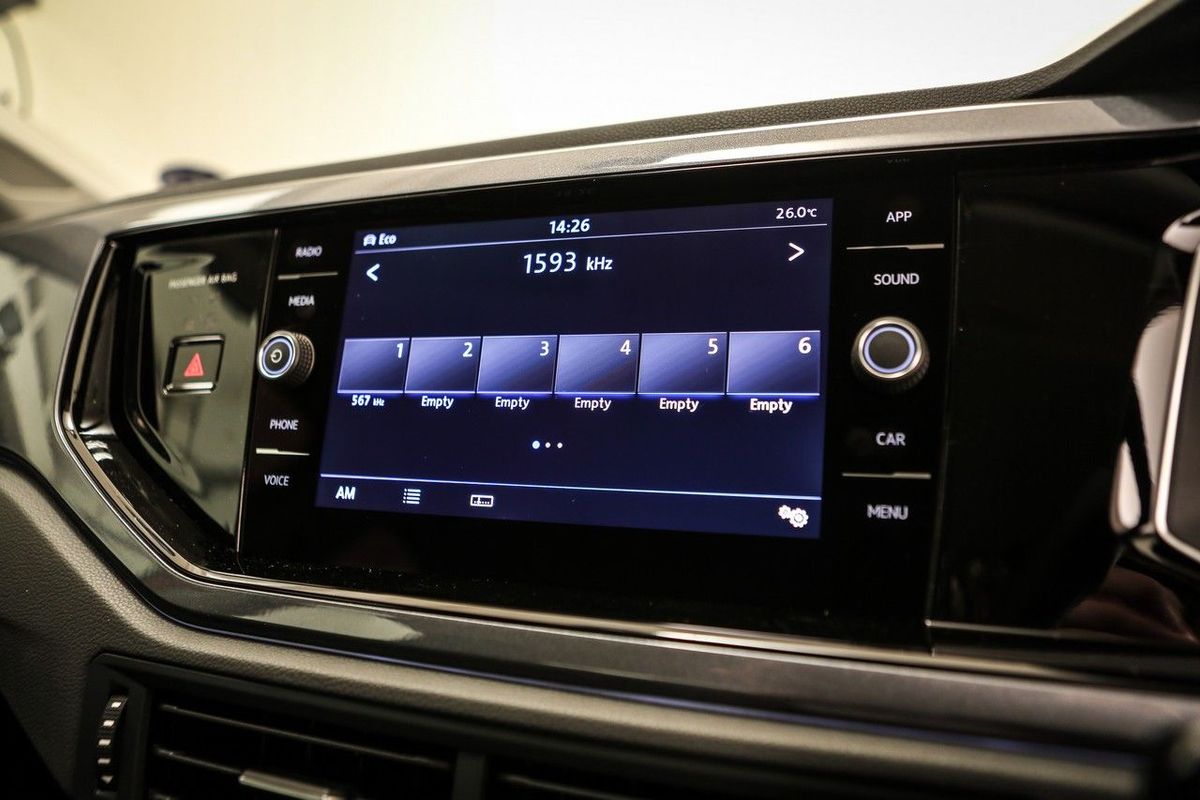
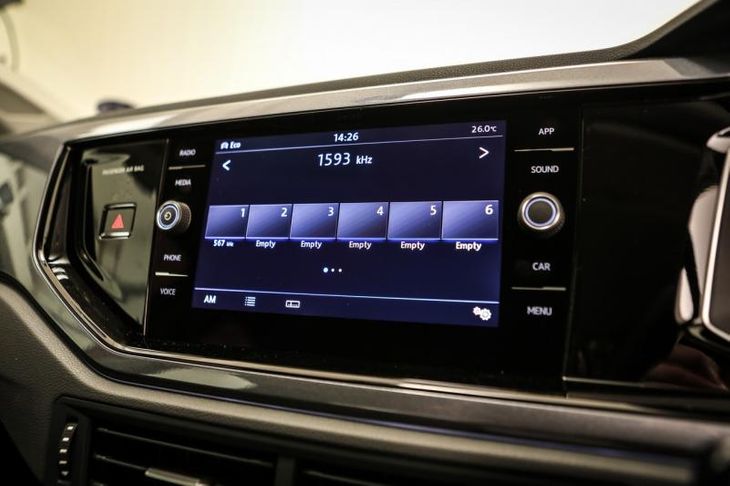
The Composition Media touchscreen is crisp and clear, although it tends to pick up a lot of fingerprints.
The 6th-generation of the Volkswagen Polo heralds a new chapter for the compact market in terms of technology. Autonomous safety technology has quietly filtered down to the compact hatchback segment and our test unit was equipped with quite a few innovative features (some of which are optional, so be mindful of the ascending asking price when you specify your prospective purchase). Blind spot monitor with rear traffic alert and semi-automated park assist are two nice-to-haves. In the event of a crash, the car is automatically able to stop itself, therefore, reducing the severity of the crash. There are 6 airbags in total.
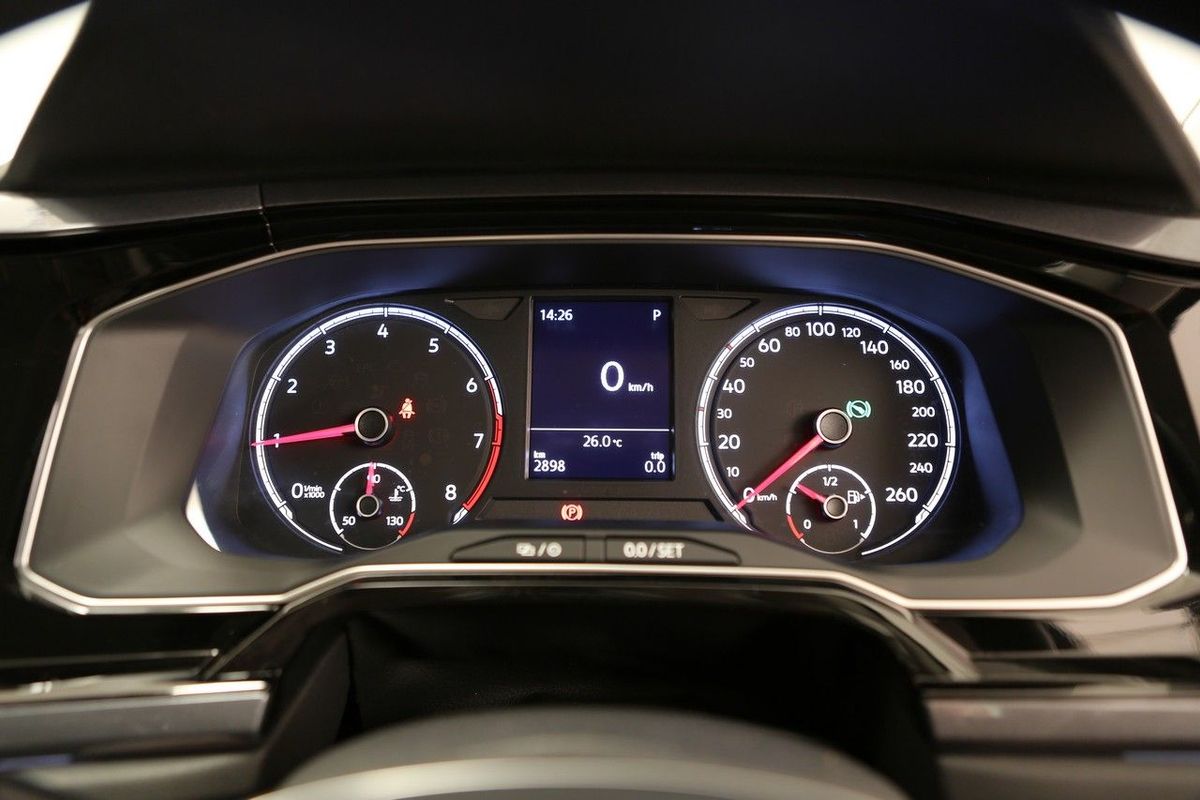
An all-digital Active Info Display instrument panel costs an extra R8 600. While it has to be specified in conjunction with the light & vision package (R3 900), AID elevates the premium feel of the car. Our test car didn't have Active Info Display, but we've experienced it in other VW products. Satellite navigation is not worth ticking as Apple Carplay and Android Auto maps have built-in traffic and navigation functionality.
Two USB ports located below the dashboard mean you don't get cables sprawled across the car.
We spent a considerable amount of time familiarising ourselves with the modern-looking Composition Media infotainment system and despite experiencing initial setup hurdles, we found the system comprehensive, replete with a crisp resolution and intuitive navigation. One gripe was that the screen picked up tacky fingerprints rather easily (we found the unit became grubby with regular use).
Our test car had parallel parking assist, reverse-view camera and climatronic air-conditioning fitted as options. For those who want to splurge, a panoramic sunroof and LED lighting are optional too.
Volkswagen Polo Price in South Africa
The new Volkswagen Polo models come standard with a 3 year/45 000km service plan, 3 year/120 000km warranty and a 12-year anti-corrosion warranty. Service intervals are every 15 000 km.
1.0 TSI 70kW Trendline R 235 900
1.0 TSI 70kW Comfortline R 264 700
1.0 TSI 70kW Comfortline DSG R 280 700
1.0 TSI 85kW Highline R 286 200
1.0 TSI 85kW Highline DSG R 302 200
Verdict
The new Volkswagen Polo is a very polished product, but it has also become expensive in comparison to the rest of the segment.
The Polo represents a leap forward for the entire segment. It brings new levels of technology, luxury, and quality to the market and we'd be hard-pressed to see why it wouldn't carry on its rampant sales success story. However, there's a price to pay, quite literally, for moving the goalposts forward. As it stands, our test unit before options broke the R300 000 barrier, which is a tough sell to the cash-strapped consumer.
Another cross on its scorecard comes from its rivals, all of which are substantially cheaper. Admittedly Ford's new Fiesta is about to be replaced and we don't know how much that'll cost upon its (imminent) release, but cars such as the top-spec Mazda2 1.5 Individual Auto and Renault Clio 88 kW Expression Auto have more features as standard and are cheaper. However, neither of the aforementioned rivals are a patch on the Polo when it comes to premium feel and top build quality. You'd be hard-pressed to beat a Fiesta when it comes to driving enjoyment either and we believe the new one will be fun to drive too.
It won't surprise many that the Highline derivative does not represent the best value for money in the range (flagship models hardly ever do!) and potential customers are advised to use our compare tool to find the sweet spot in the range. A DSG-equipped Comfortline is R20k more affordable, but you don't actually lose much in terms of luxury features.
Overall, the new Volkswagen Polo is a refined and polished product. It's meticulously well assembled and it's great to know that this product is produced in our own backyard in Uitenhage. It brings new levels of quality to the segment and the powertrain is particularly commendable. You get what you pay for though, and when it comes to the 6th-generation Volkswagen Polo, it's likely to be worth every cent.
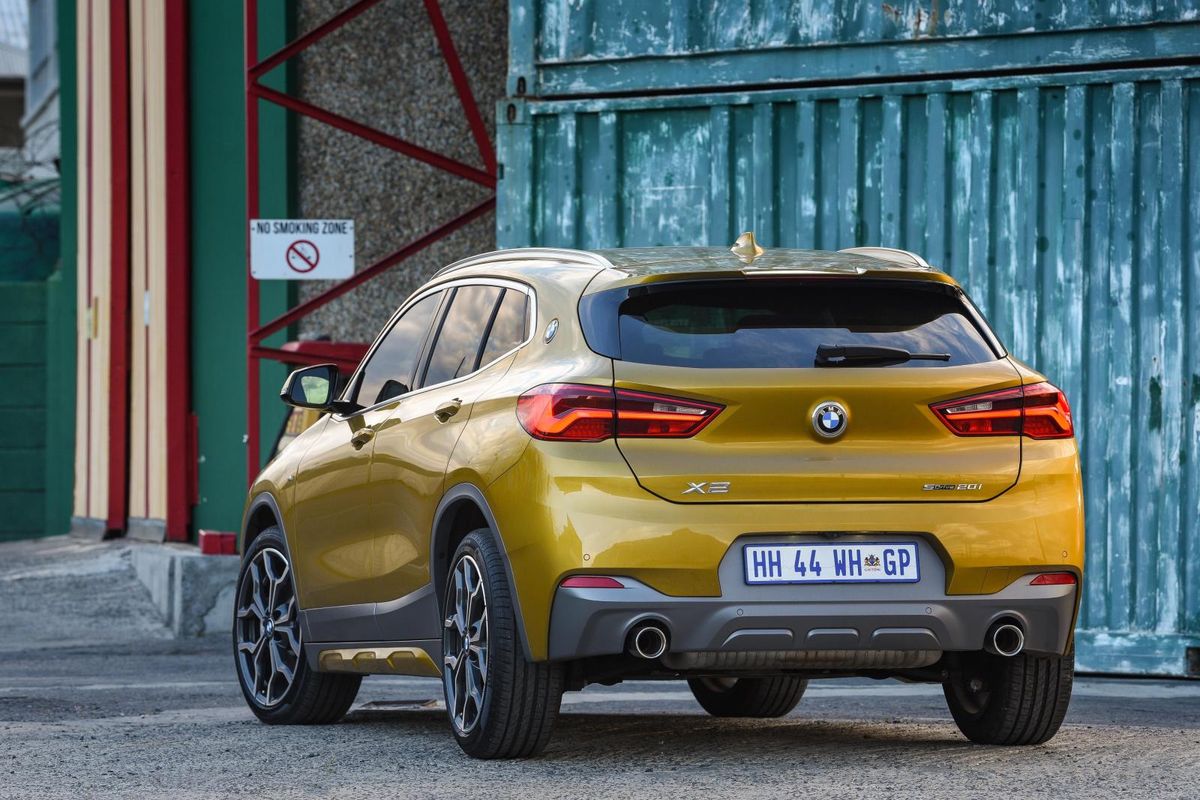
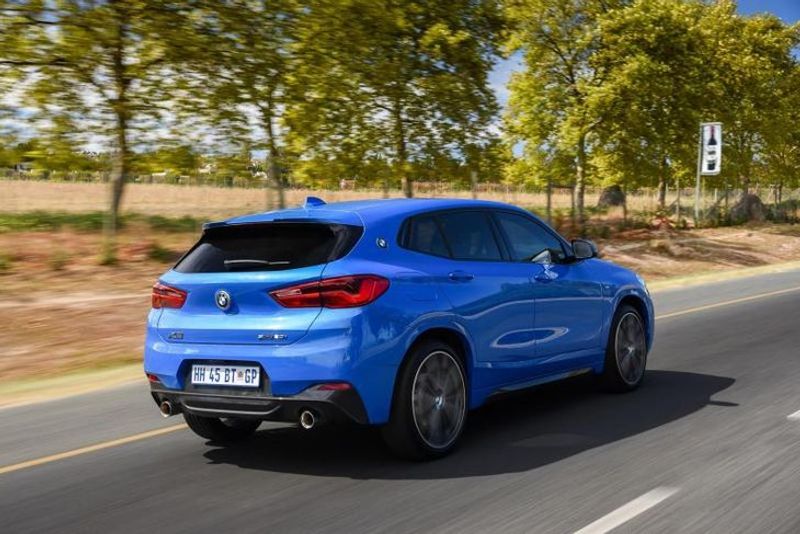
BMW's X2 launched this week in South Africa (March 2018) and we were there to sample the brand's latest SUV. However, we left asking ourselves, is it really an SUV?
There are multiple manufacturers making moves in this segment. Audi was arguably first out of the blocks with the Q2, while Jaguar has just launched the E-Pace locally and Volvo's XC40 will arrive in April this year.
In this video, we borrowed a car from the launch to spend a few hours driving the newcomer. We take a look at the boot space, interior and infotainment features, engine options and, most importantly, the South African pricing.
To see the full range of X2 in South Africa, visit our new car specs page here:
A new member has joined the BMW X family. It's called the X2 and we drove it at its local launch in Cape Town. The SUV market has exploded over the past few years and brands are trying to cash in on the crossover/off-roader craze by creating niches, and niches within niches. The X2 may be BMW's latest SUV, but it won't be its last: the flagship X7 will be revealed in production form in 2018.
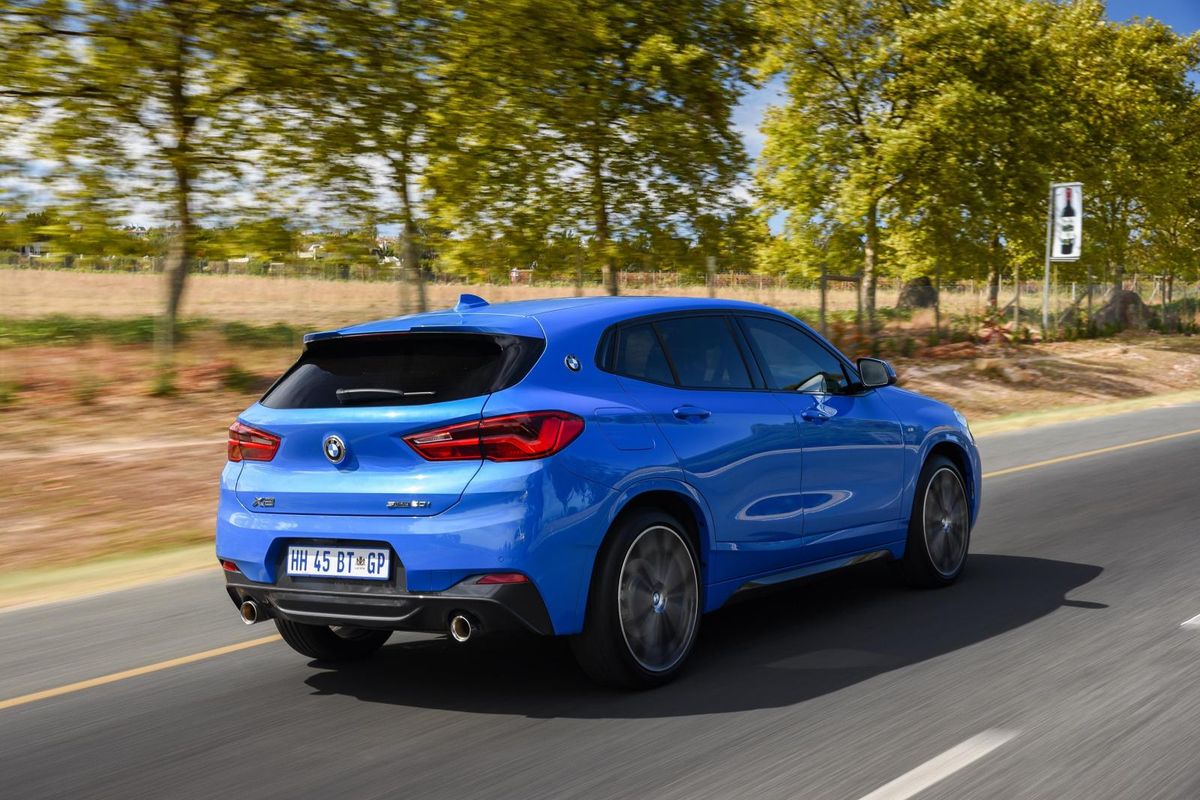
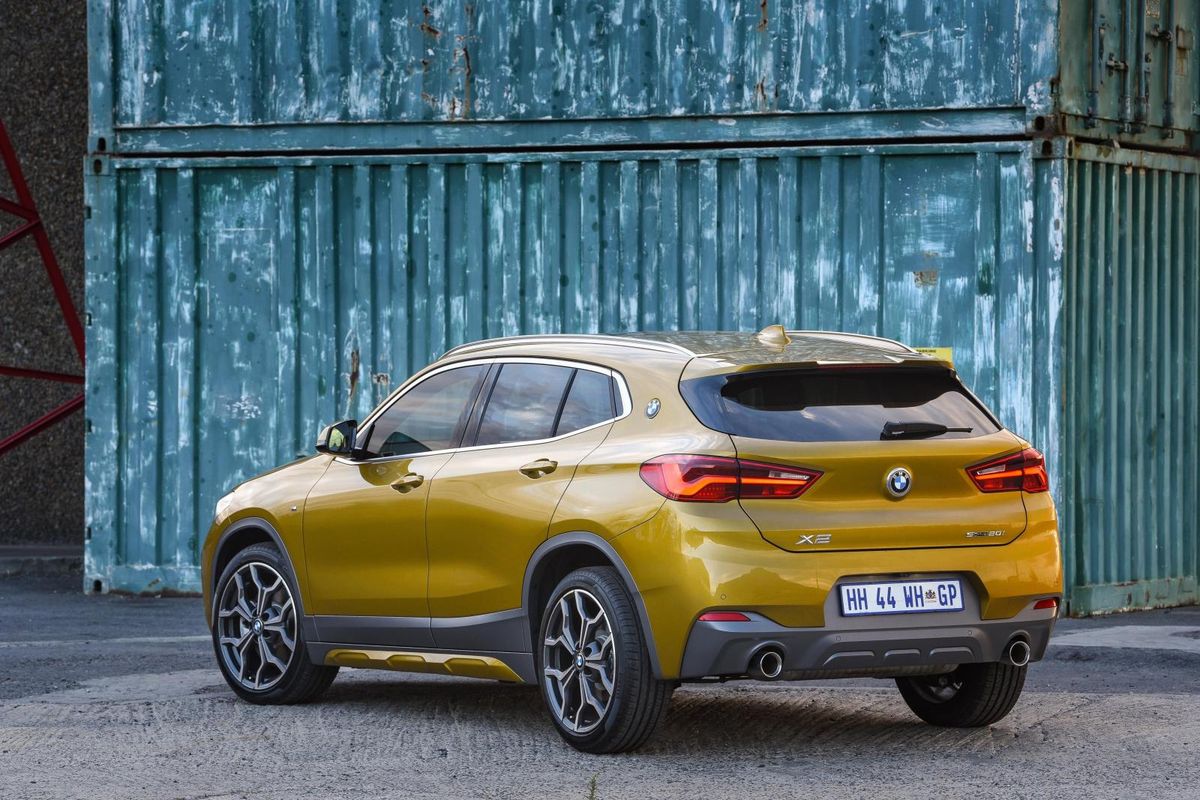
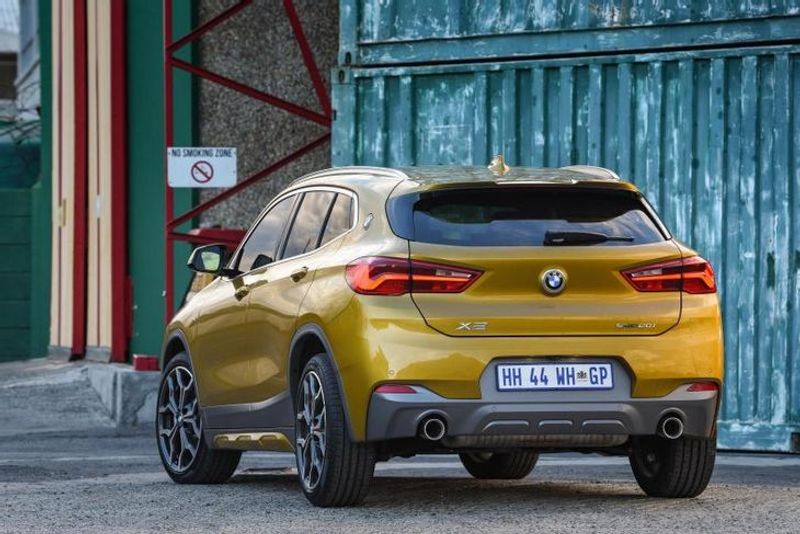
The BMW X2 elbows its way into a slot between the X1 and X3. It rides on the X1 platform, but interestingly, it's physically lower and shorter than the vehicle upon which it's based. At first glance, the combination of sportier coupe/hatchback looks and lower-than-expected ground clearance gives the impression that it's not an SUV.
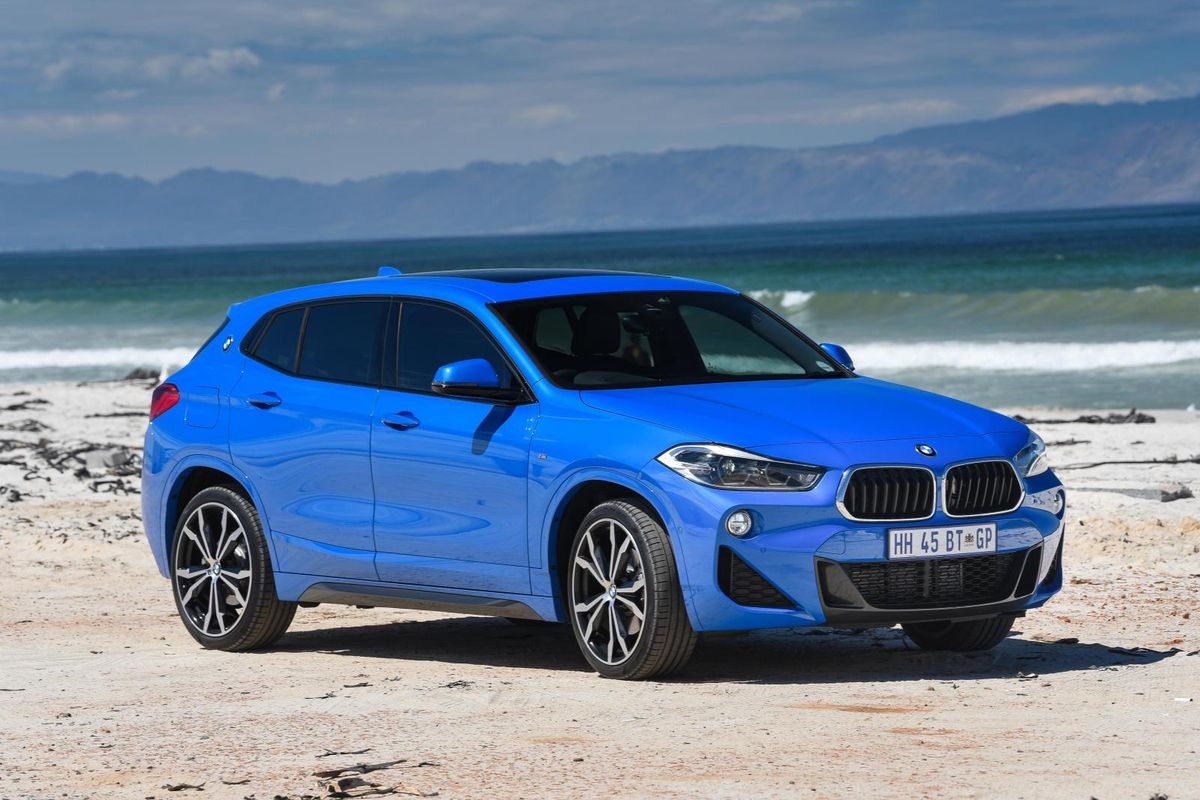
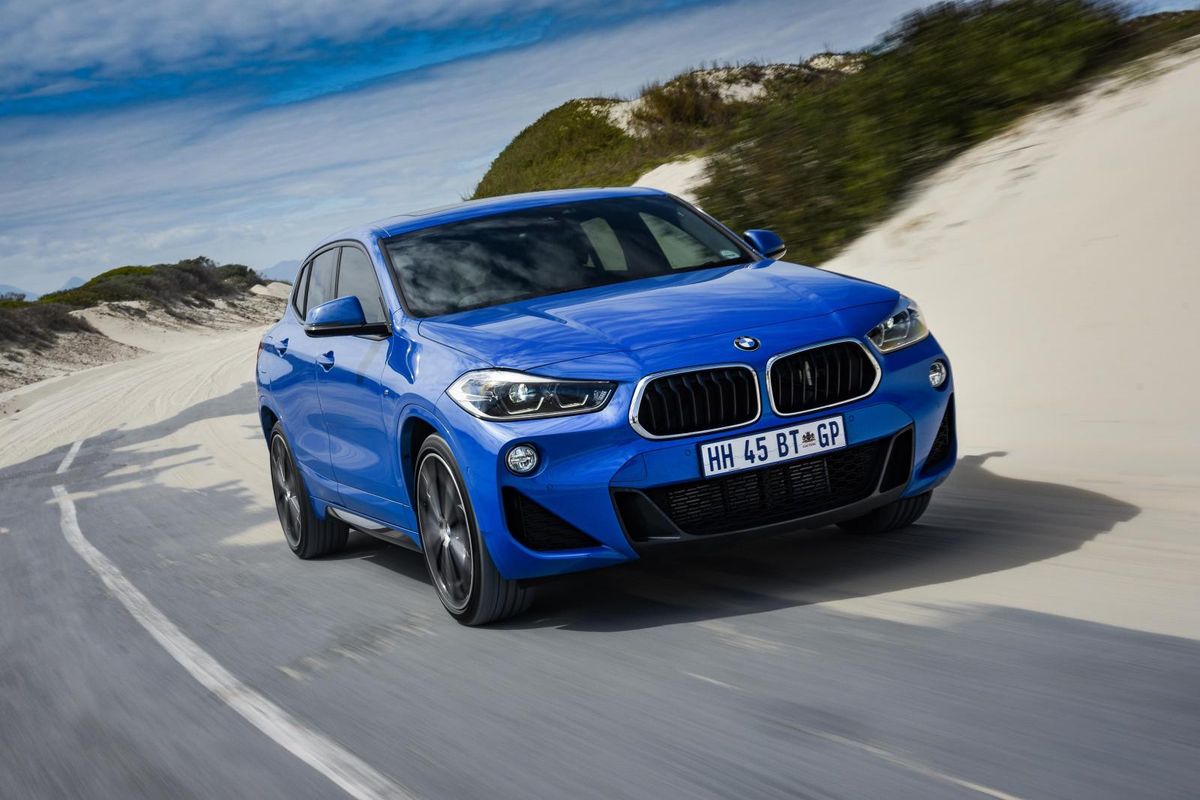
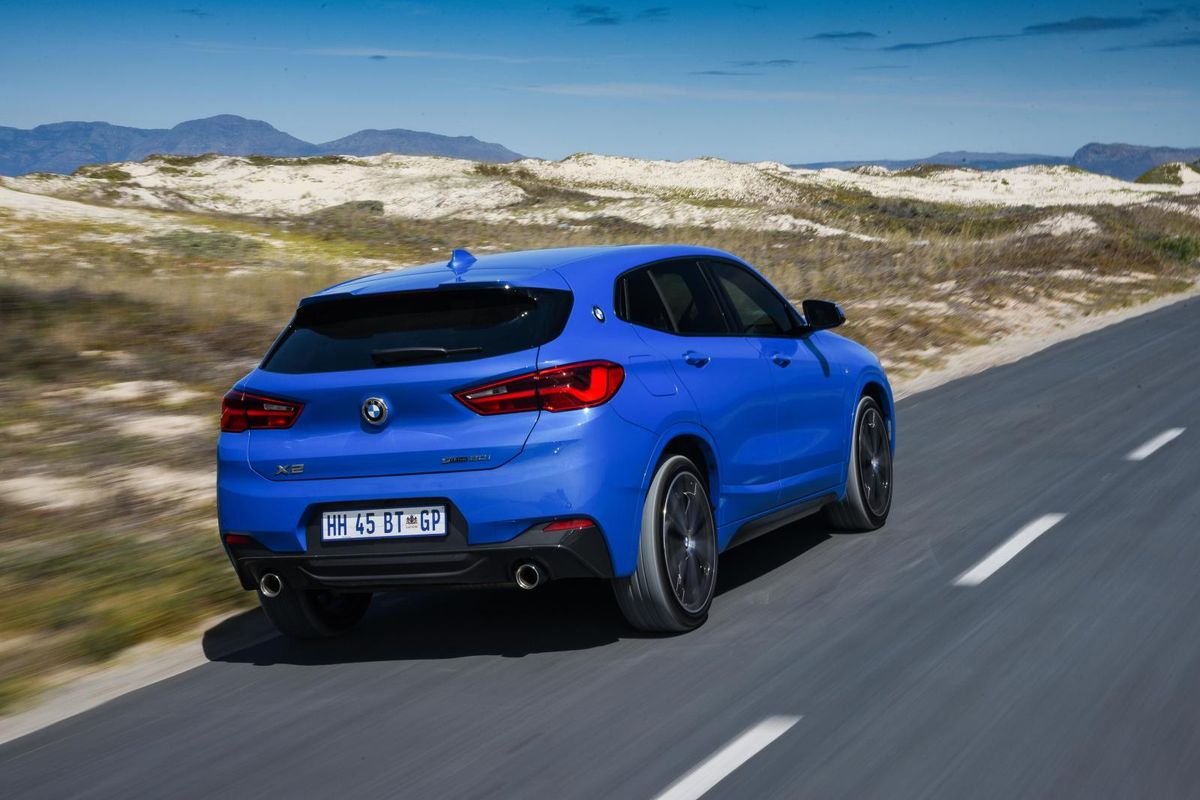
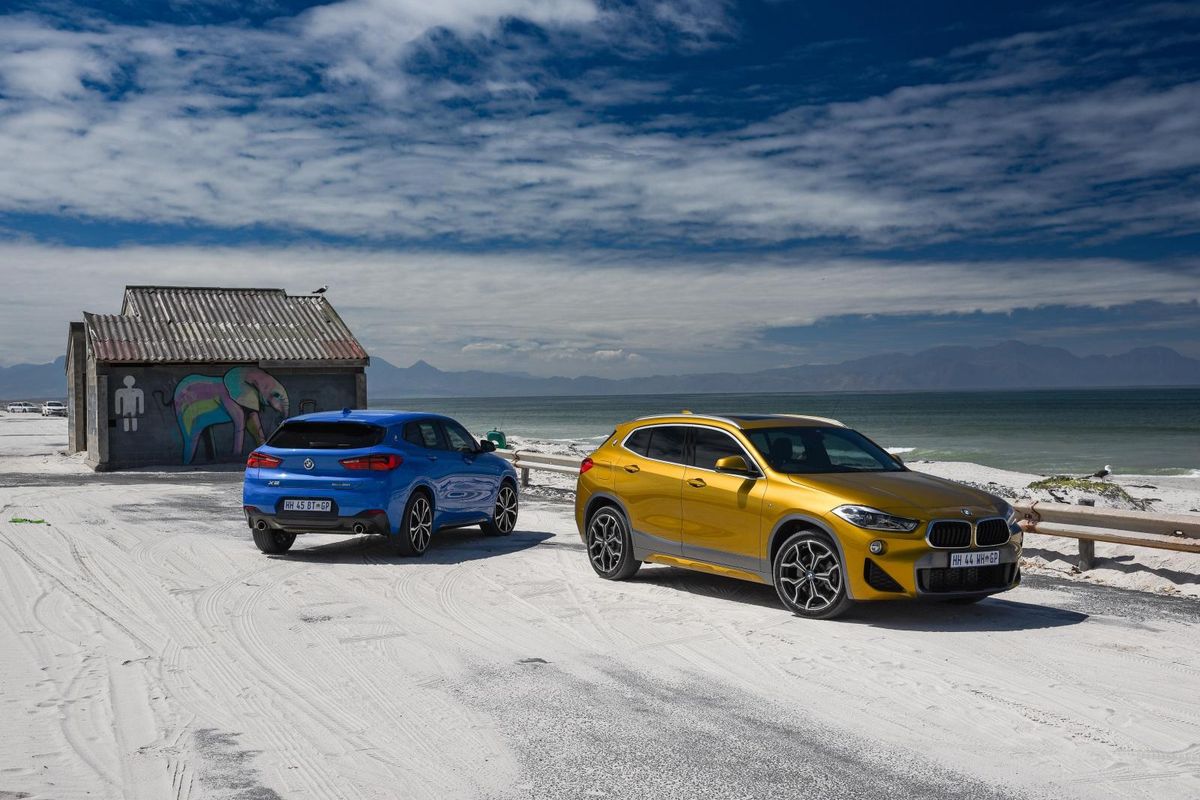
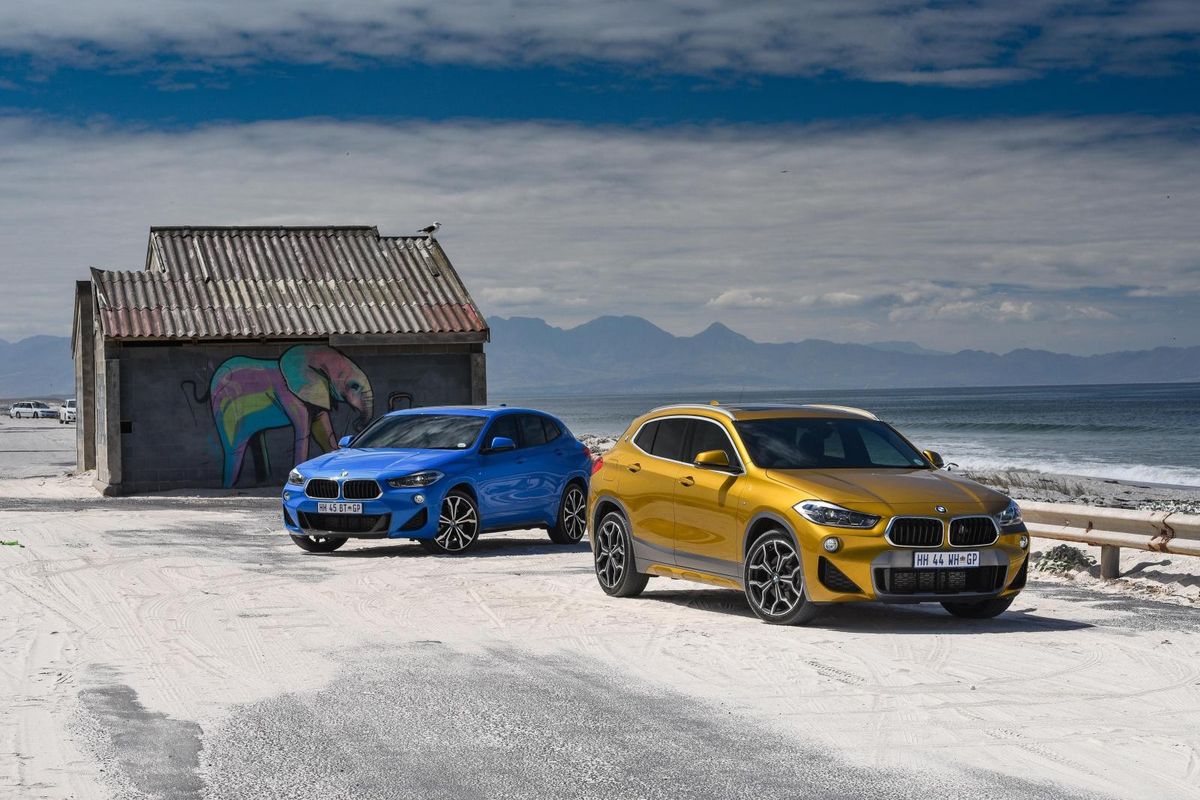
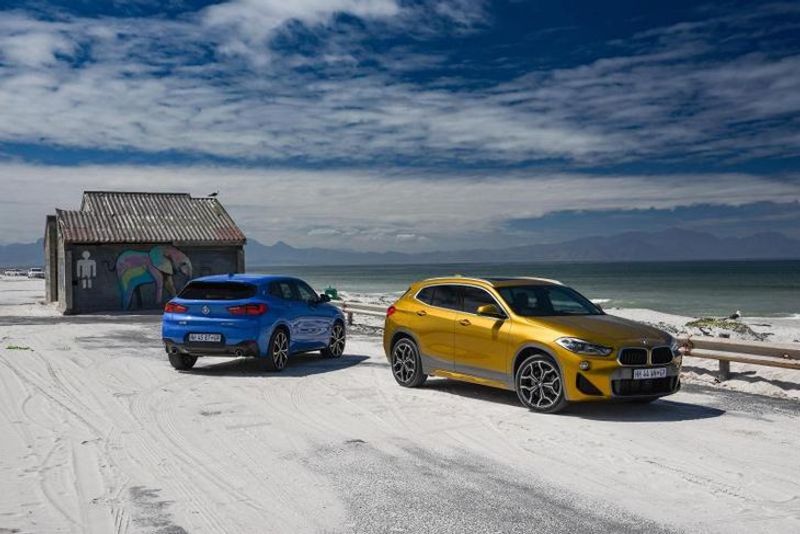
BMW's SUV strategy is an interesting one. Whereas X1, X3 and X5 are packaged as largely conventional SUV offerings, the even-numbered X2, X4 and X6 appeal to different audiences. These, the Munich-based manufacturer contends, are the SACs (Sport Activity Coupes), which offer the same practicality and driving traits of their odd-numbered relatives, but with generous extra dollops of style. Style? Well, yes, the BMW X2 has it in boatloads. It's a bold and svelte little number, especially in the breathtakingly vibrant Misano blue finish you see in pictures. There's a BMW roundel logo on both its C-pillars, which is a tribute to the iconic 2002 from the Seventies.
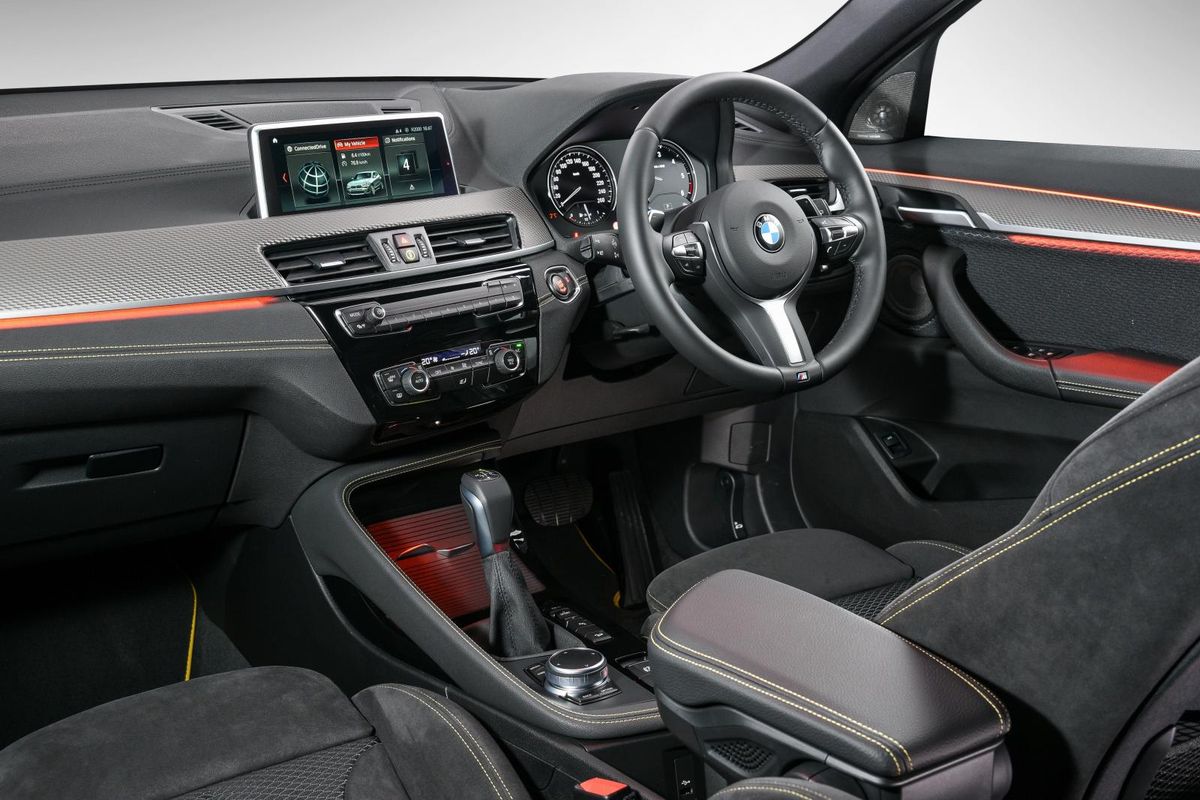
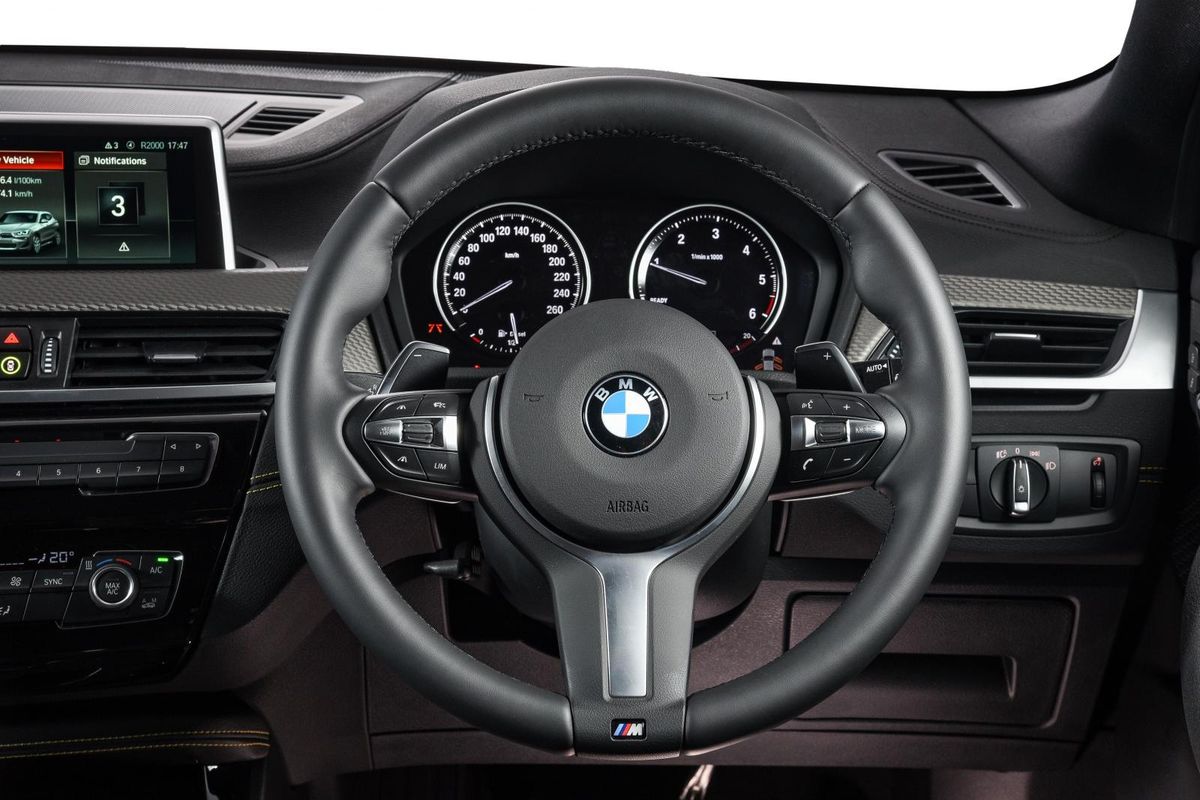
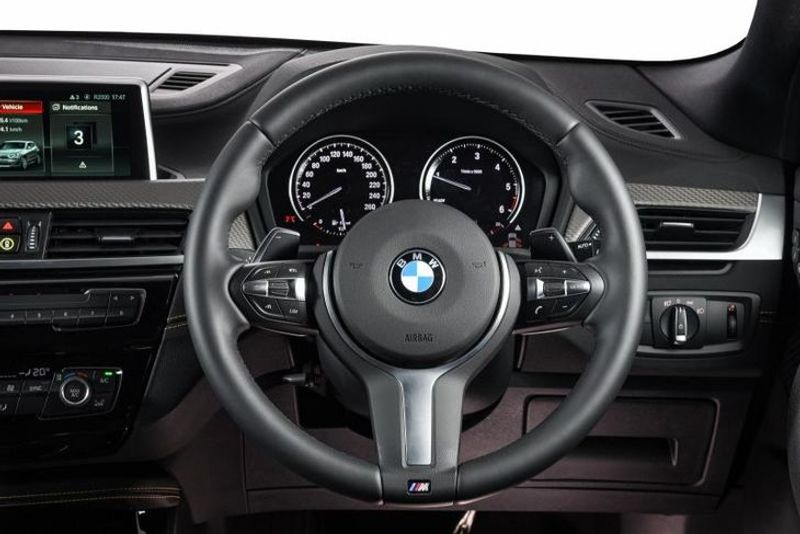
Inside, the BMW X2 offers a claimed 470 litres of luggage space and the rear seats fold down in a 40/20/40 split for additional cargo-carrying capacity. The cabin doesn't bring anything groundbreaking to the party and the general ergonomics and switchgear are typical of compact BMWs. There's a classy feel to the BMW's interior from behind the wheel and you can go to town on the options. The demonstration units on the launch featured head-up display and BMW ConnectedDrive, for example.
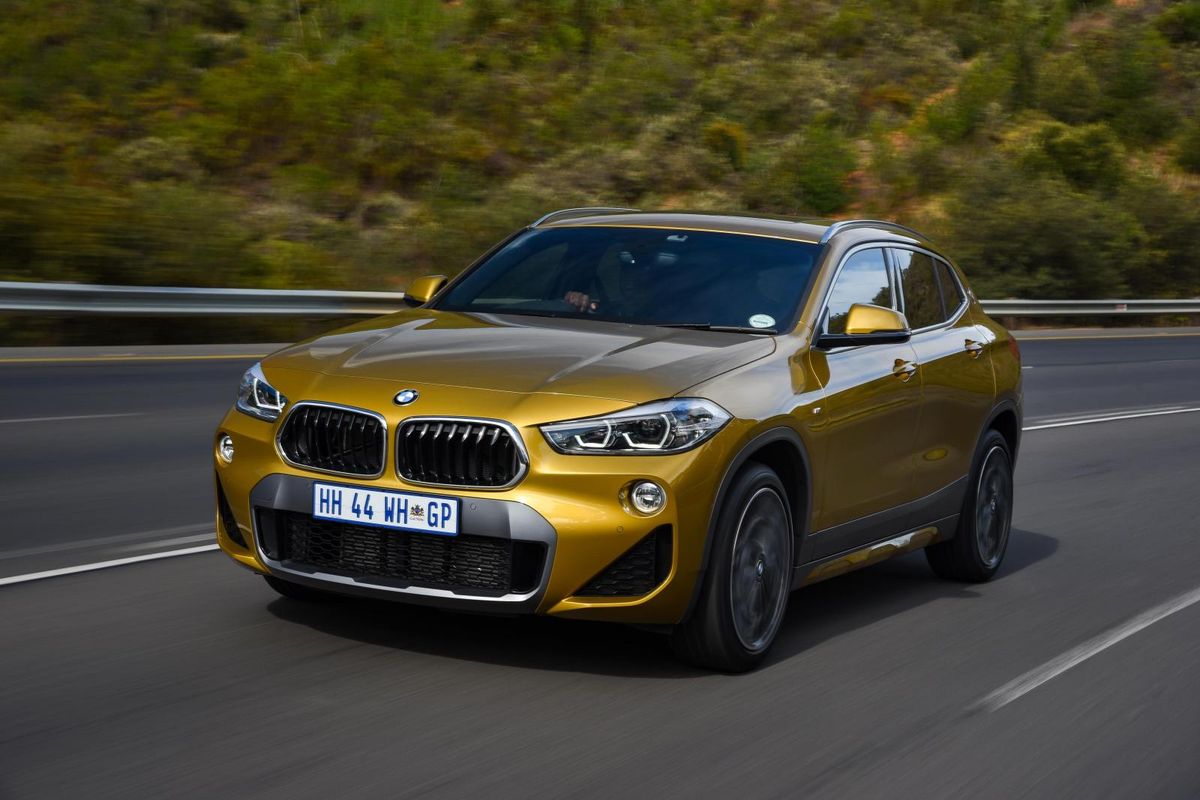
It's more big hatchback than SUV, and we're okay with that. In the right colour, the BMW X2 is an attractive vehicle.
Engines and transmissions
Locally, BMW has opted for a range of 4-cylinder engines, with the choice of either turbopetrol or turbodiesel powerplants. From launch, you can opt for the sDrive20i which pushes out peak outputs of 141 kW and 280 Nm of torque or the xDrive 20d with its 140 kW and 400 Nm. The petrol powered X2 will reach 100 kph from standstill in a claimed 7.7 seconds, while its 'diesel sibling is said to achieve the same benchmark in a fractionally slower time of 7.8 seconds.
The turbodiesel model features all-wheel drive and an 8-speed automatic transmission, while the petrol model features a 7-speed dual-clutch gearbox and power is directed to the front wheels. The range will be expanded shortly, with the addition of a 1.5-litre turbocharged 3-cylinder engine doing duty in the X2 sDrive18i, which is also front-wheel driven. We've had some experience with this engine before as it does duty in some Mini products. Power is rated at 103 kW and 220 Nm.
BMW's new X2 SAV is available in two levels of trim; M Sport and M Sport X. The former (basic) version, which was unveiled internationally 2 months ago, will not be making its way here. The BMW X2 comes standard with 19-inch wheels (20-inch items are optional).
Nothing groundbreaking in terms of cabin, but the perceived quality is good while ergonomics are top notch.
What's the drive like?
We had the chance to put both turbopetrol and -diesel derivatives through their paces on an extended drive around the Cape Peninsula. Our first choice (and favourite set of wheels of the day) was the petrol and front-wheel drive X2. Gone are the days where every BMW had to be rear-wheel-driven; the front-wheel-drive platform acquitted itself quite well. Our South African-spec BMW X2s come standard with the sportier M suspension, which we were keen to put to the test. We're thankful that the car was riding on the standard 19-inch wheels as certain sections of our route were undergoing maintenance and the uneven tarmac sent jolts through the suspension.
When the road surface improved to a smoother state, we were impressed with the lack of road- and wind noise; the car felt refined for what is essentially a compact crossover. Commit the newcomer to some challenging corners (such as those of the Franschhoek Pass) and you can certainly press on with a level of confidence that the majority of small family cars cannot instil. In many ways, the X2 drives much like a BMW 1 Series hatchback, although the laws of physics do apply and the taller X2 exhibited a touch of body roll on some of the tighter bends. As far as body control goes, it manages to keep things taut and composed. The damping is firm, we grant that, but only noticeable upon rougher tarmac, such as the work-in-progress roads we mentioned earlier.
It not only looks good, it also is enjoyable to drive. We preferred the fast-shifting dual-clutch petrol model.
The steering has a reassuring heft and direct feel to it and you'll enjoy wielding the tiller through twistier sectors of asphalt. From behind the wheel, the driving position is a blend of hatchback and SUV and is good, once you've found the right settings. Despite it being a front-wheel drive vehicle and some spirited driving on spectacular roads, the car remained firmly glued to the road and only once did we hear the tyres chirp in protest.
The petrol engine and 7-speed dual-clutch gearbox make for a marvellous combination. Not only is the engine smooth and eager to pile on the power, but the 'box offers lightning-quick upshifts and is just as eager to shift down. It'll go from 7th to 3rd without any hesitation whatsoever and that level of mechanical smoothness is notable.
After changing into the turbodiesel, all-wheel-drive combination, we came away with a similar conclusion. It's firm and sportier, but not at the expense of ride comfort, unless you were traversing some awful quality tarmac. The 8-speed automatic transmission, to which the motor is mated, is more than adequate for the task.
We predict the stylish X2 will outsell its more conventional X1 sibling. Granted they are targetting different customers, but in our opinion, this is the prettiest BMW SUV on sale
Summary
The new BMW X2 undoubtedly brings style and personality to the lower end of the SUV family. If people shun the traditional X1, but want something that does almost the same job, then the X2 is your port of call. The X1 is a tad cheaper and offers a touch more practicality, however, but we'd argue the X2 is more enjoyable to drive and knocks its sibling out the park for sheer presence. We're happy with recommending either engine as they're both acceptable, both in terms of performance and efficiency. We'd lean towards the turbopetrol model, based purely on value for money and how excellent that gearbox is.
The premium compact crossover market is becoming ever more congested. The Audi Q2 arrived last year, Jaguar's E-Pace recently arrived and the local launch of the Volvo XC40 is imminent. We're going to have quite a battle on our hands and, let's not forget Mercedes-Benz either, who'll have a similar product on the market soon.
BMW X2 Price in South Africa
sDrive18i M Sport R 572 666 sDrive18i M Sport auto R 593 922 sDrive20i M Sport auto R 644 252 sDrive20i M Sport sports-auto R 646 652 xDrive20d M Sport auto R 694 154 xDrive20d M Sport sports-auto R 696 554
Subaru has released a teaser image of its new Forester family SUV which is due to be unveiled at the upcoming New York Motor Show on 28 March 2018.
The ageing Subaru Forester is due for replacement and a new model will be shown at the New York Motor Show at the end of this month. The above image is a teaser image released by Subaru showing the C-shaped taillight design which extends onto the tailgate of the new family SUV.
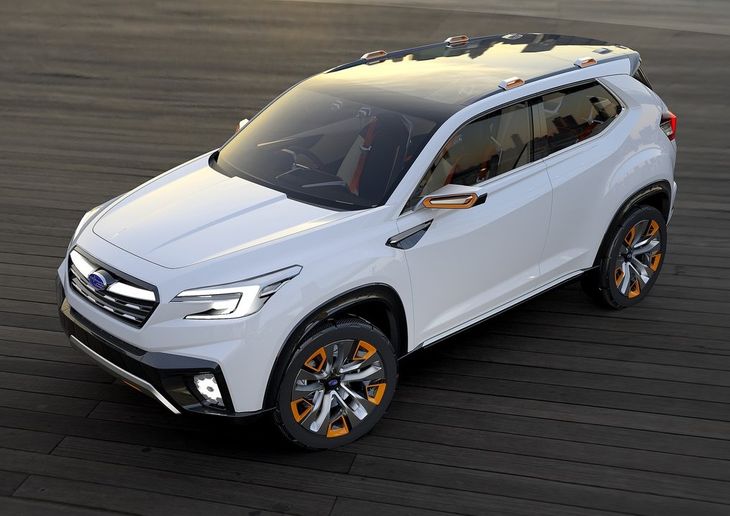
The new Subaru Forester may share styling cues with this VIZIV Future Concept shown at the Tokyo Motor Show in 2015.
Reports suggest that the new Forester will share styling inspiration from the 2015 VIZIV Future Concept and will be built on the brand’s new Subaru Global Platform (SGP). Exact details have yet to be revealed but you can expect a 4-cylinder Boxer engine under the bonnet, a continuously variable transmission (CVT), symmetrical all-wheel drive, as well as Subaru’s latest EyeSight driver assist and safety technology making its way into the new Forester.
The Forester is also expected to grow in size which should have a positive effect in terms of interior space.
Further details will be revealed at the New York Motor Show and we will certainly keep you updated as more information becomes available, so stay tuned.
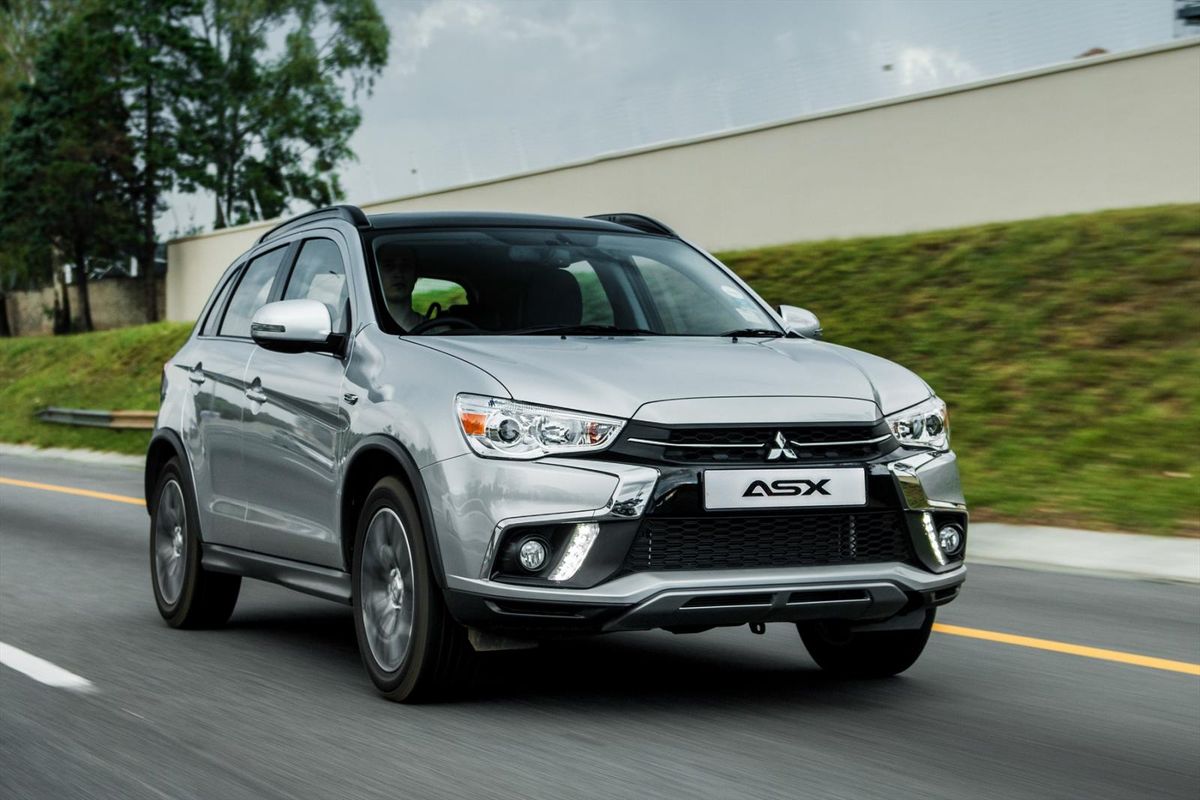
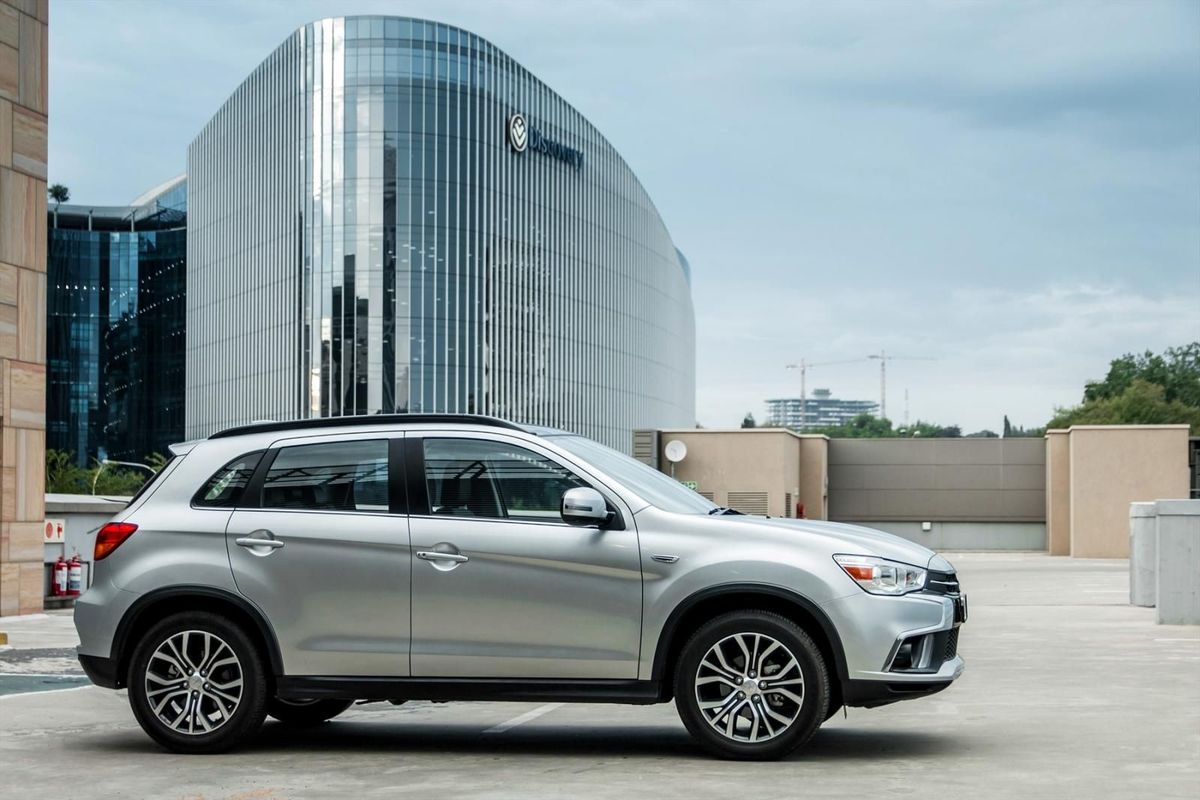
Mitsubishi has updated its top-of-the-range ASX derivative with new exterior styling elements and improved interior appointments. What's more, the Japanese manufacturer now offers trade assistance of between R30k and R55k on all derivatives of the ASX…
Mitsubishi updated its compact family car/crossover in 2017 with fresh styling changes as well as the addition of a new value-for-money derivative. More recently, buyers eyeing out the GLS CVT derivative have been afforded a host of exterior and interior improvements that differentiate the top-spec ASX from the rest of the range.
Key changes
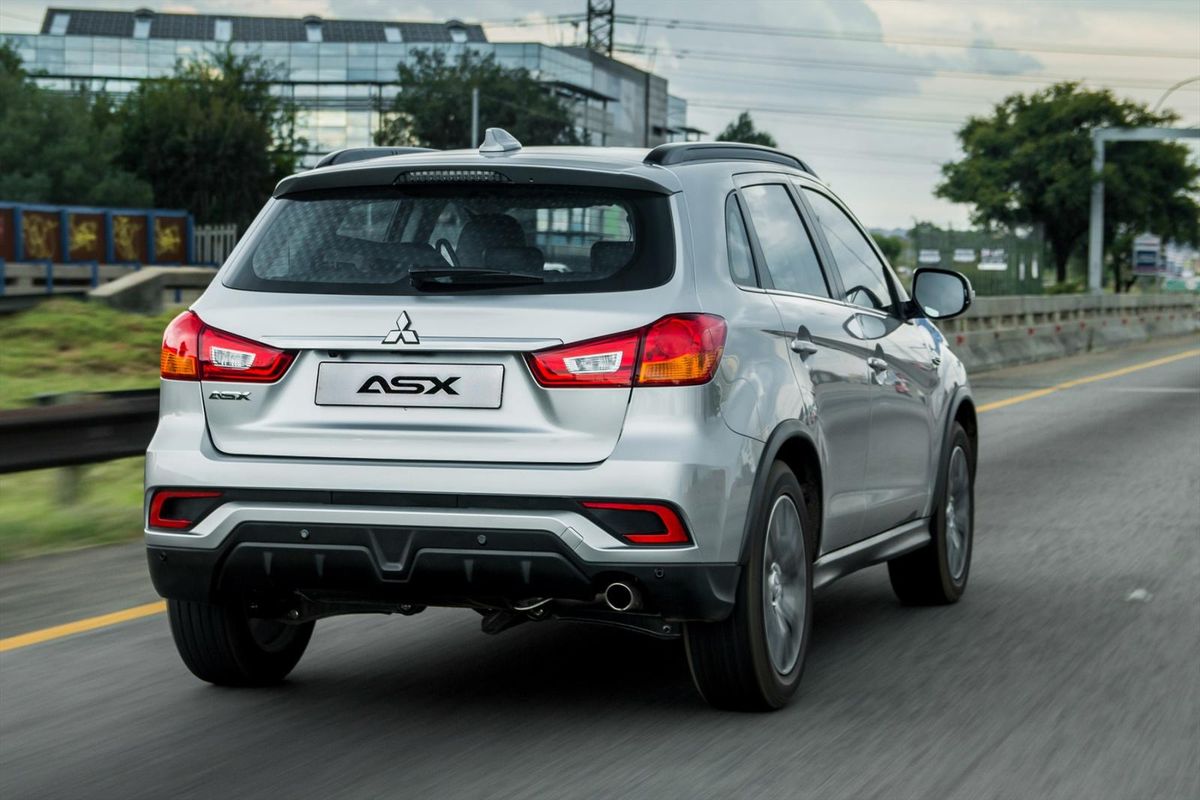
On the outside, this ASX derivative benefits from a new grille design with chrome garnish, a new front bumper design and LED daytime running lights. The rear bumper now features carbon fibre inserts, a rear diffuser, additional chrome garnish and rear LED fog light.
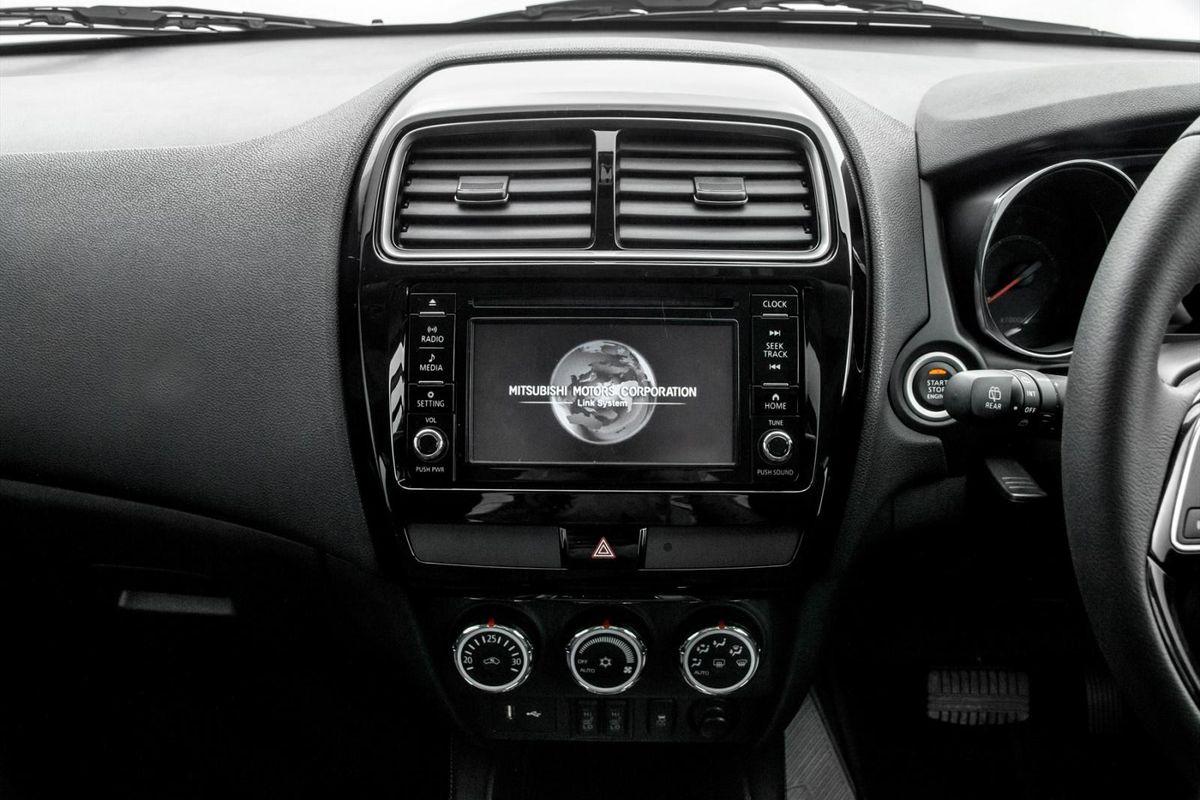
On the inside, the centre console has been redesigned and now includes 2 USB ports and a mobile phone tray with a removable padded liner. Changes to the material used in the centre console, dashboard centre panel and electric window switch panels have been upgraded. The CVT shift lever is new too and the seats have a fresh design with red stitching.
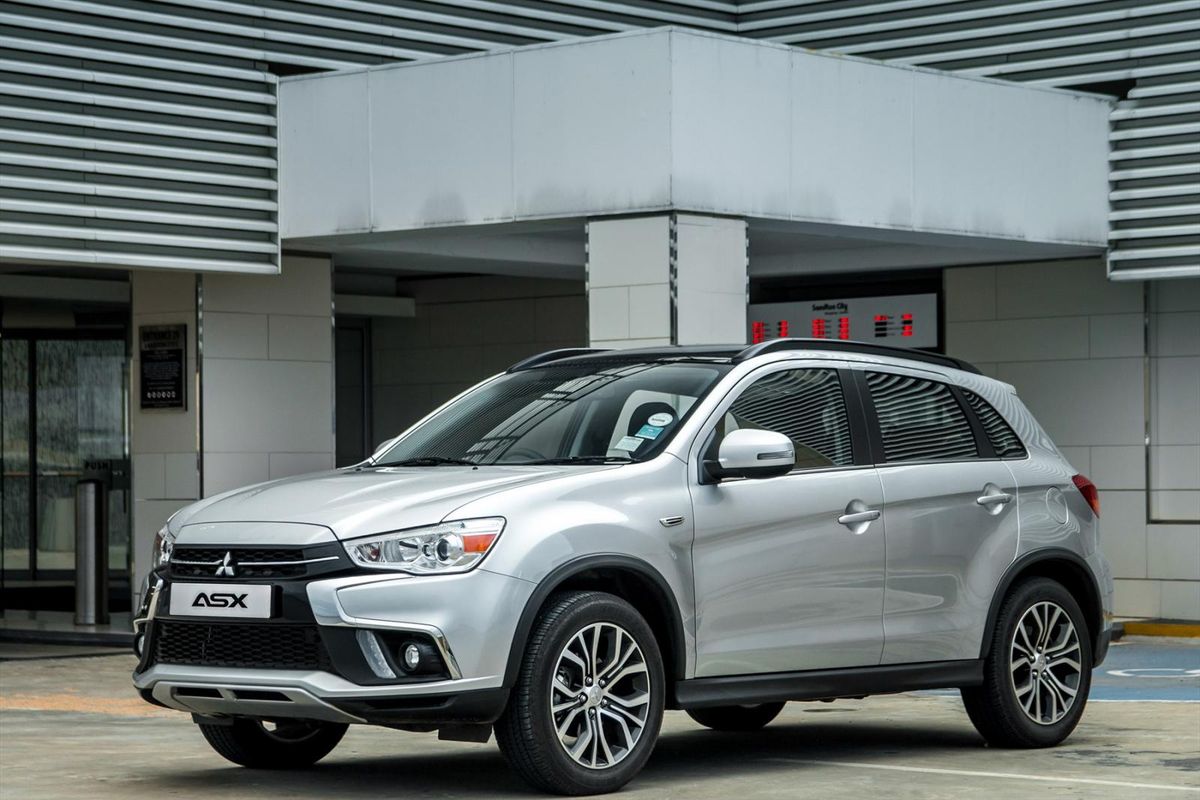
This ASX GLS CVT rides on new 18-inch diamond-cut alloy wheels and is available in a new silver body colour.
A total of 7 airbags are standard as is active stability and traction control and hill start assist. Other features include a reverse-view camera, rear park distance control, heated/electric side mirrors and a full-length panoramic glass roof.
The ASX GLS is powered by a naturally-aspirated 2.0-litre petrol engine with 110 kW and 197 Nm of torque. This derivative is equipped with Mitsubishi’s new CVT with a 6-step sports mode.
The Mitsubishi ASX GLS CVT is priced at R339 995 and is sold with a 3-year/100 000 km warranty and a 5-year/90 000 km service plan with 15 000 km service intervals.
New Volkswagen Polo Vivo: Detailed Review and Buying Advice (2018)
The launch of the 2018 Polo Vivo has caused a fairly sizable uproar on South African social media, as motorists feel Volkswagen SA have perhaps "cheated" the buying public by simply slapping a Vivo badge on the outgoing Polo and renaming it "Vivo".
Volkswagen SA has a stunningly successful business model: when an all-new Polo arrives, as occurred in January 2018 the existing model is converted into a Vivo model which is then marketed at a much more affordable price point.
The reality is that there is a fair amount of engineering that is employed to bring down the cost of the Polo to the Vivo's price point, most notable of which is removing four airbags, leaving the Vivo with only two.
In this video, we detail everything which has changed and remained the same, in the new Polo Vivo.
German brand BMW always seems to be in the midst of a huge product roll-out. A number of very important replacements, or all-new vehicles, are set to be released in the coming months and years.
If history has shown us anything, BMW South Africa tends to introduce most of what is available internationally, and will then later pull back availability when a product has been proven not to work in the local market – case in point being the 2 Series Active Tourer. Therefore, in the overwhelming majority of the cases below, South Africans are likely to be offered these products at some point.
Regarding BMW’s strategy in general, key focus areas include the rolling out of more electric and plug-in hybrid vehicles. The X-series of SUVs with electrified drivetrains will carry the iX moniker and it has been confirmed that electric power will even reach the M cars relatively soon. BMW is also no longer sticking to its rear-wheel drive only ethos, with the upcoming 1 Series switching to front-wheel drive and we expect wider application of the switchable xDrive system. Furthermore, expect more models using Carbon Core construction and a big push on the digital instrumentation and autonomous tech fronts.
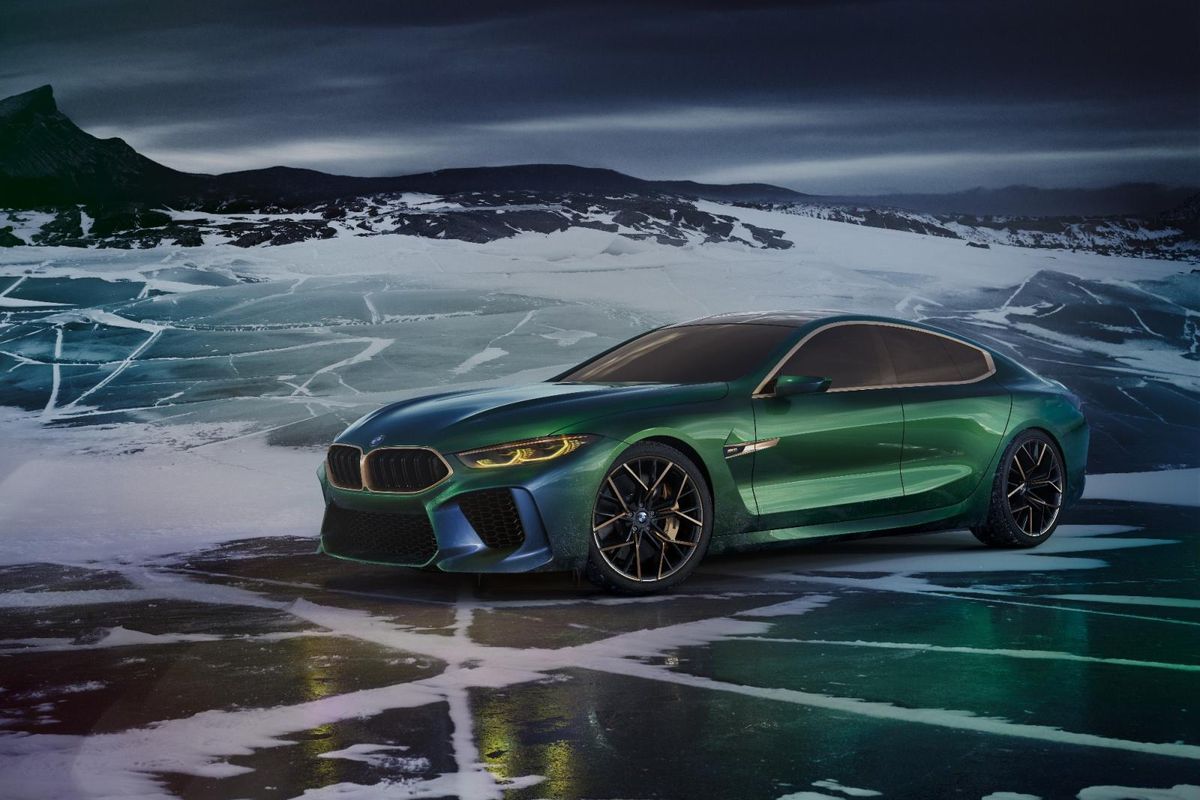
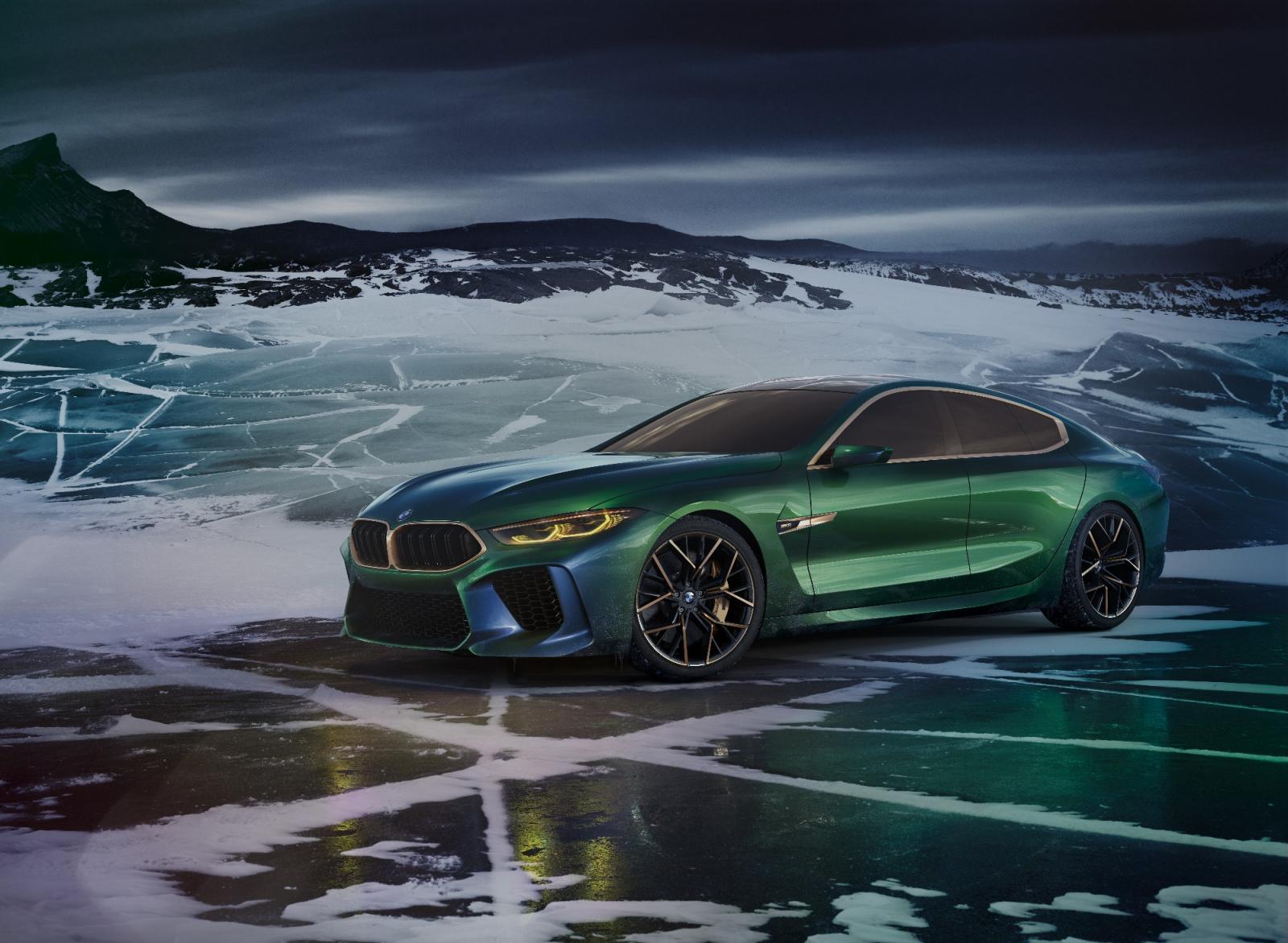
The production version of the M8 Gran Coupe could be one of the last entirely internal combustion M-cars to be released (2019).
BMW is also establishing an exclusive niche within its own product line-up. Vehicles such as the X7, 7 Series and 8 Series will be marketed slightly differently (under the Bayerische Moteren Werke logo) and be offered with exclusive features to increase their exclusivity and desirability.
So, prepare for lots of change and excitement on the BMW front in the coming years.
Note: Cars not listed below but on the radar include; new X6 (2019), updated X1 (2019), new 4 Series (2020), new i3 (2020), new 2 Series (2020).
New models already introduced in South Africa recently
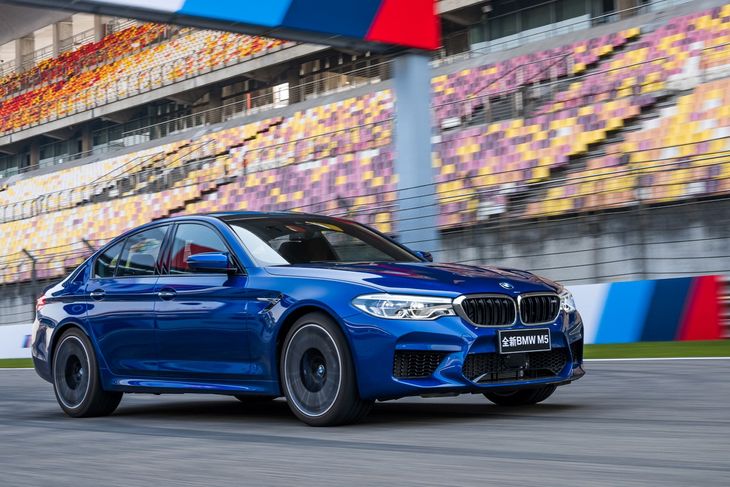
First examples of BMW’s fiery M5 have already been spotted in South Africa. The newcomer boasts 441kW and 750Nm from its 4.4-Litre V8 engine. It can rocket to 100kph in 3.4sec. Pricing starts at R1 732 300.
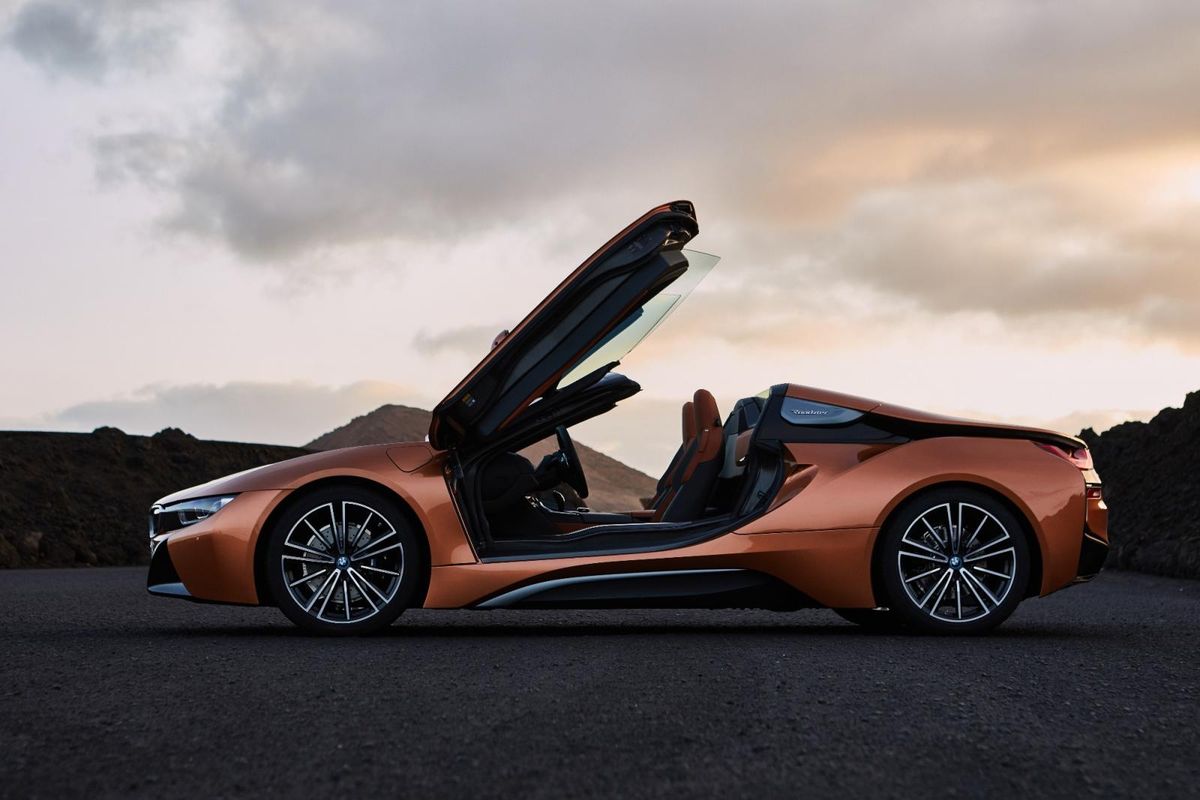
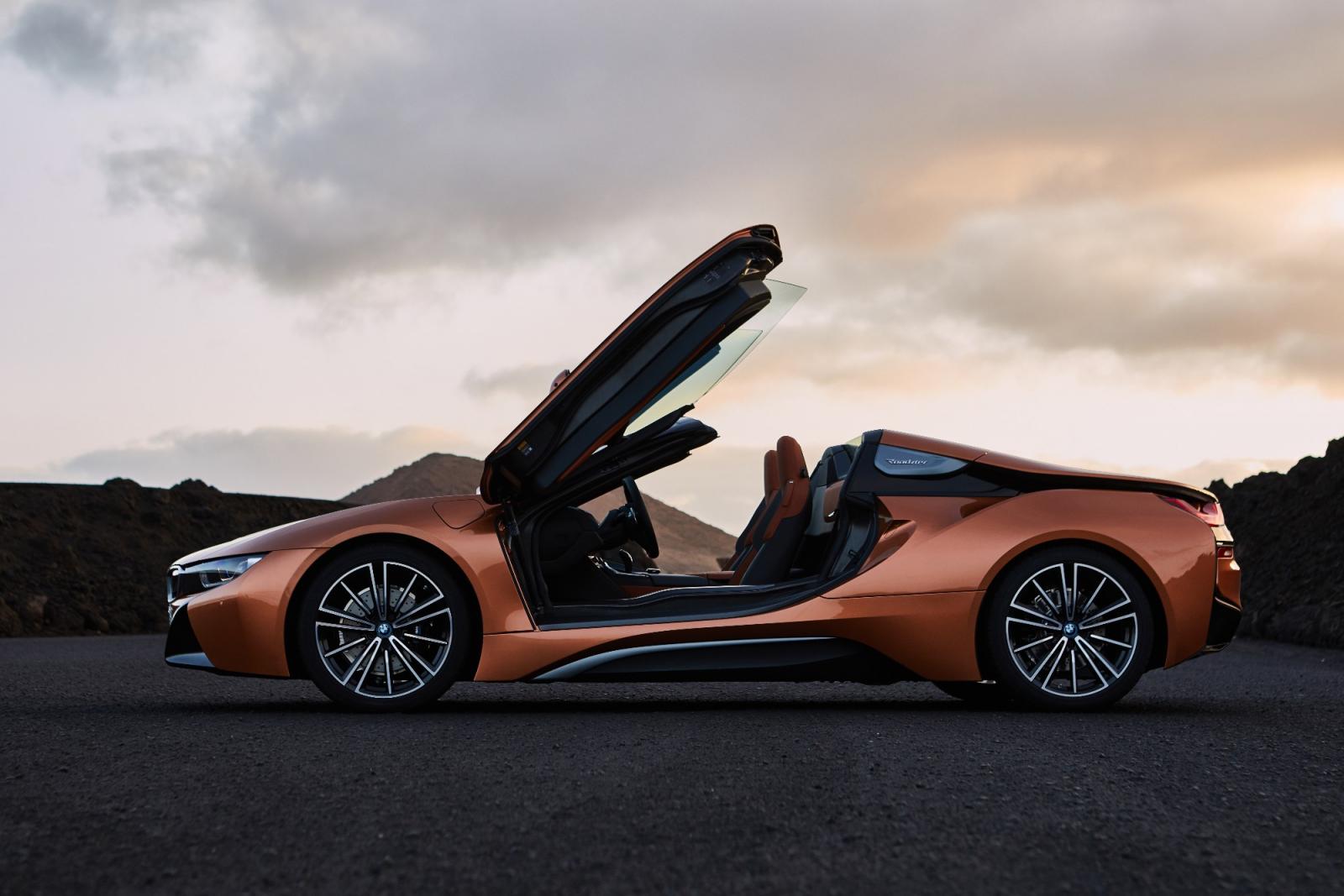
BMW i8 Facelift and Roadster (SA introduction May 2018)
The updated i8 Roadster, as well as the new Roadster version, will soon become available in South Africa. Both the i8 Roadster and i8 Coupe feature a revised version of the i8's plug-in hybrid setup, which comprises a turbocharged 1.5-litre 3-cylinder petrol engine driving the rear wheels with 170 kW/320 Nm and combined with an uprated electric motor which now offers 105 kW/250 Nm mounted on the front axle. Total system output for both the i8 Roadster and Coupe is 275 kW (266 kW previously).
Electric driving is now possible at speeds up to 105 kph (previously 70 kph) and when in eDrive, the electric driving threshold increases to 120 kph.
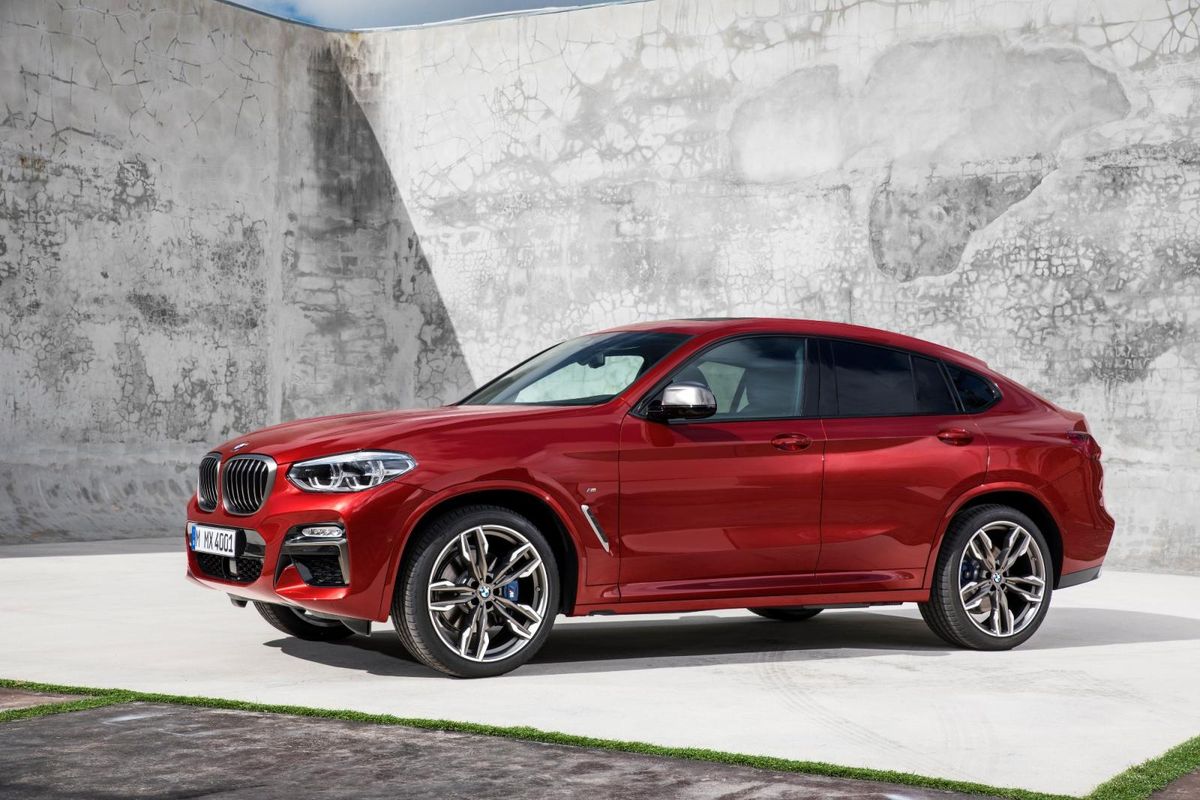
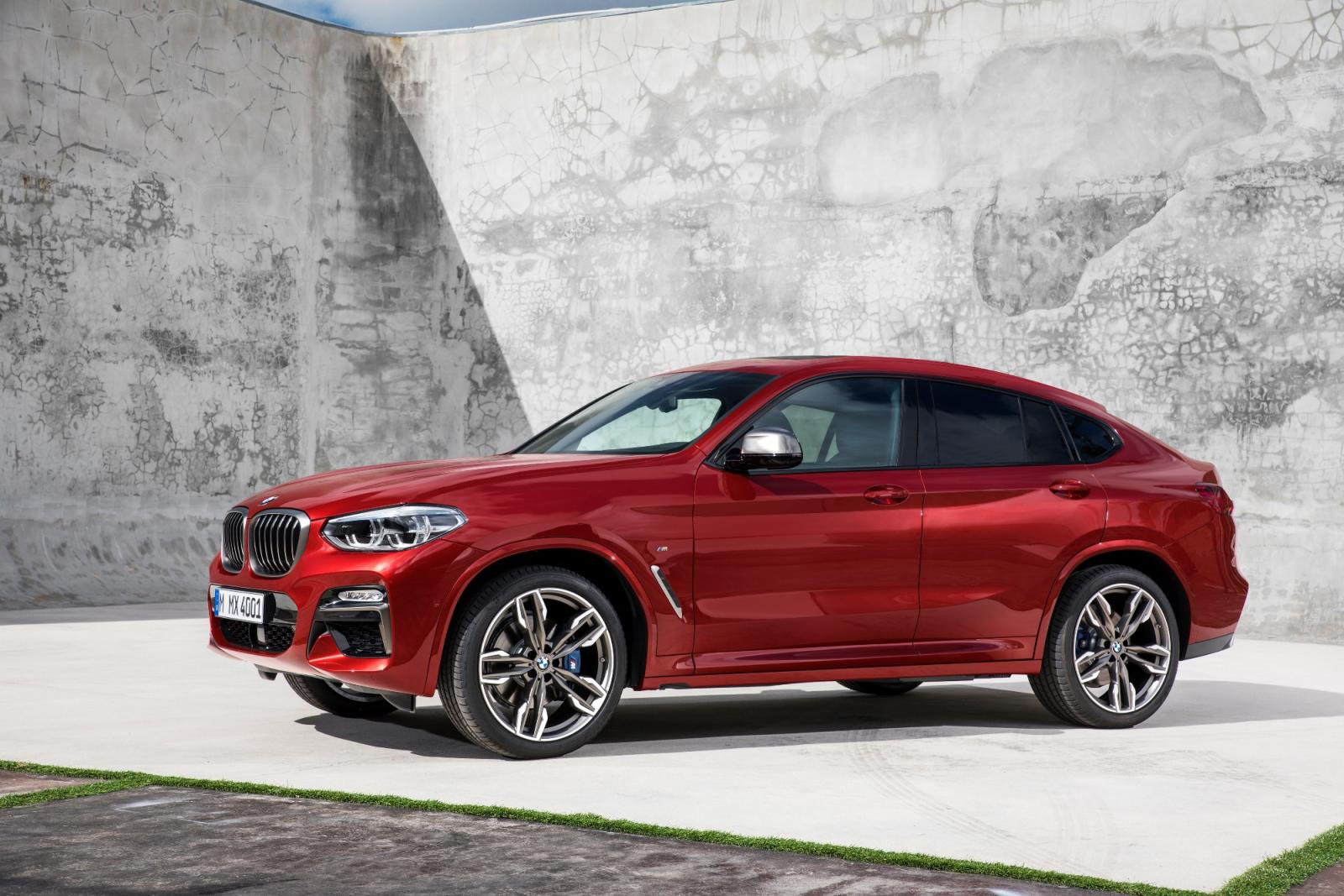
Based on the X3 as always, the new X4 features better resolved styling on the outside, a more upmarket cabin and, with new CLAR architecture and a significantly changed footprint, is lighter and features a lower centre of gravity. Hot M derivatives follow in 2019.
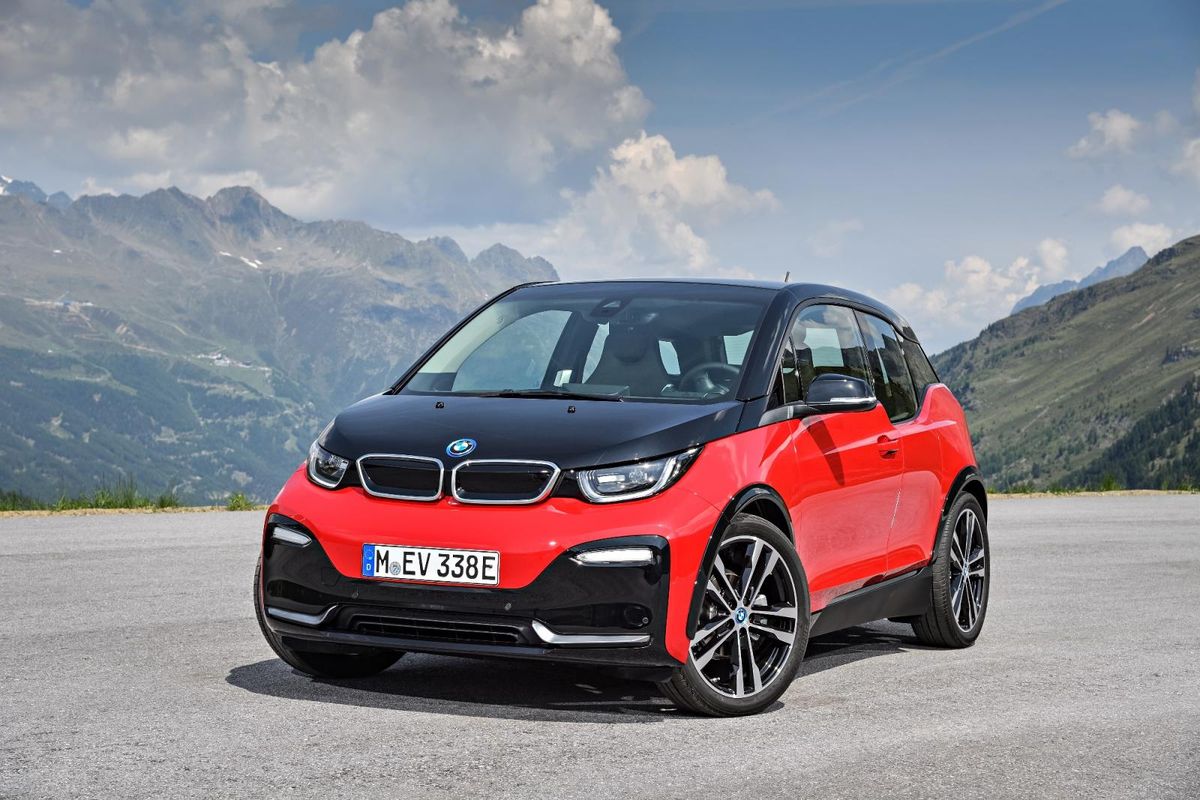
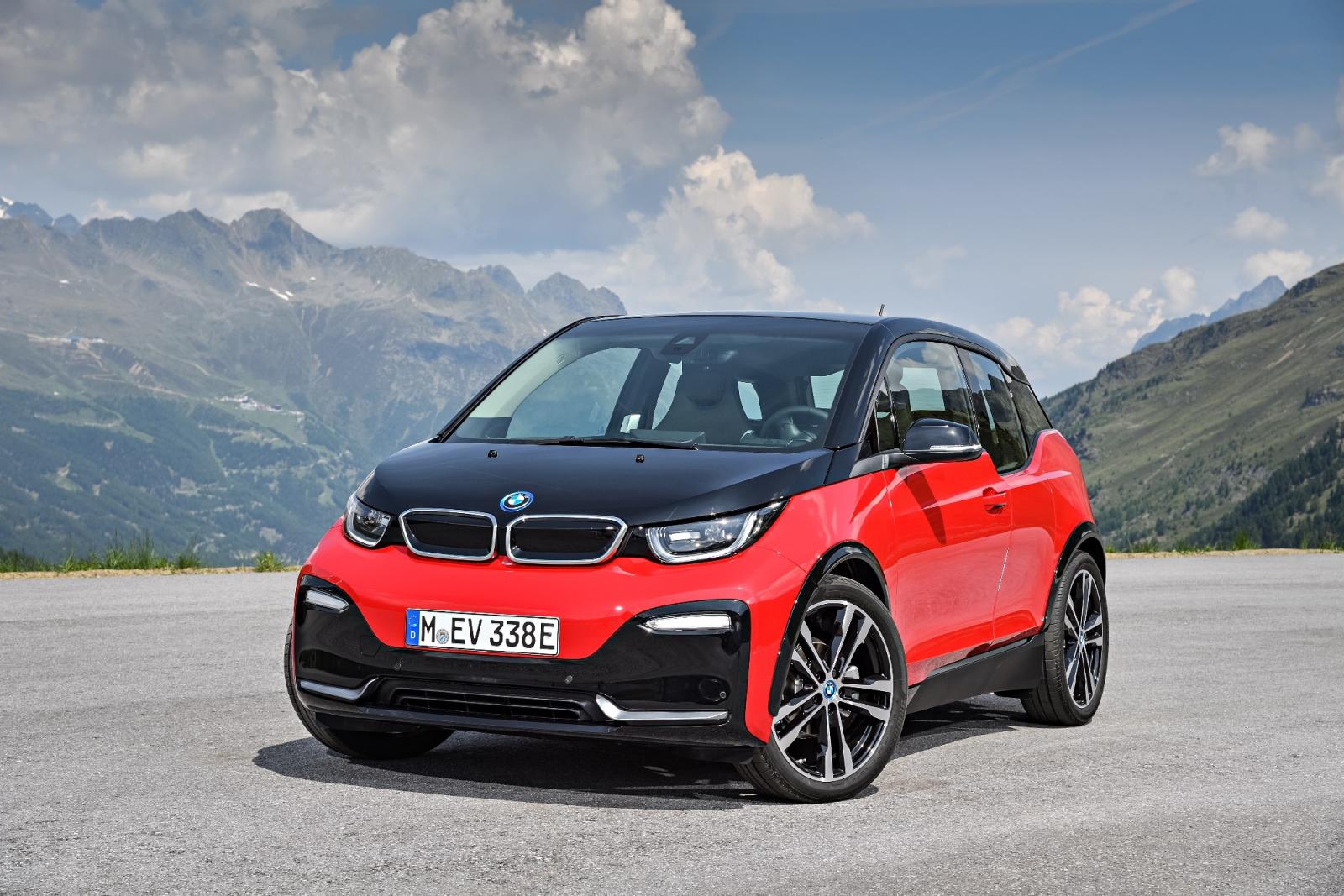
Joining the standard i3 (itself due for a minor facelift in the first quarter of 2018) is the i3S, which boasts slightly higher outputs (135kW and 270Nm) from its electric motor. Internationally offered as a pure electric or with a range-extender, the latter is likely to be the most popular in SA. The power hike drops the car’s 0-100kph capability from 7.3 to 6.9sec.
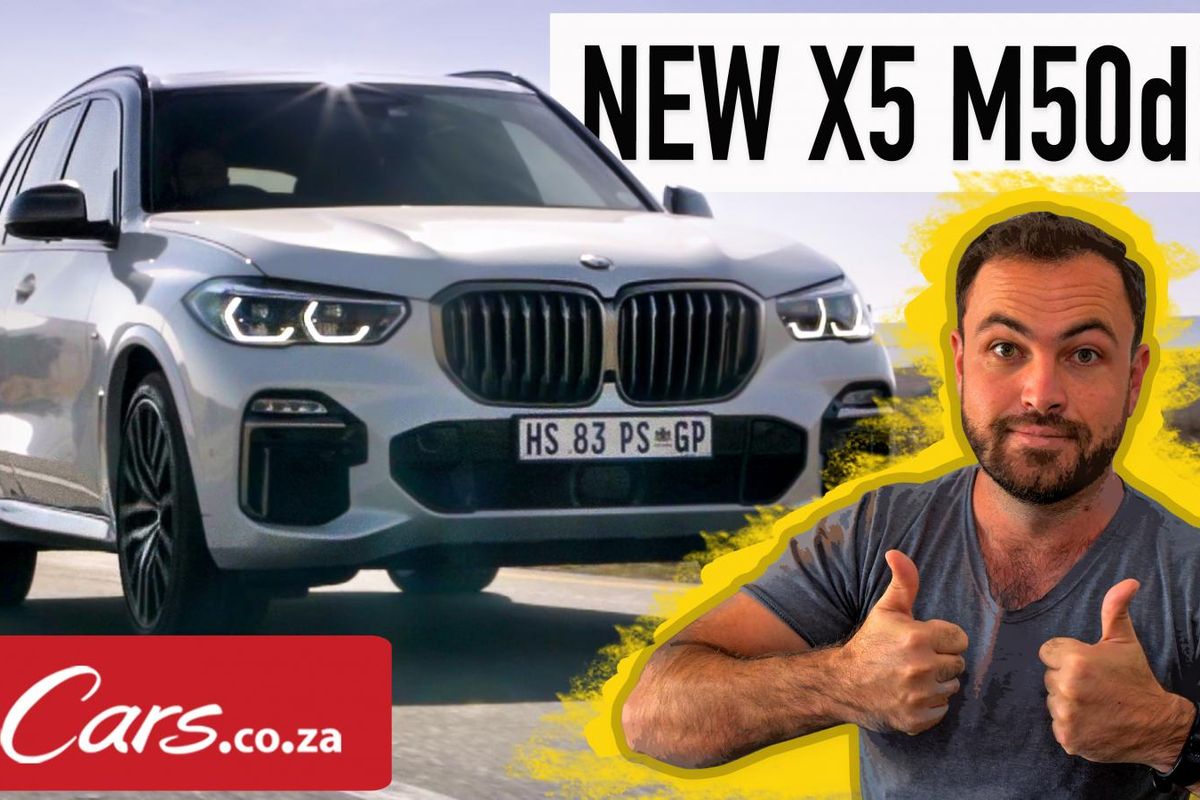
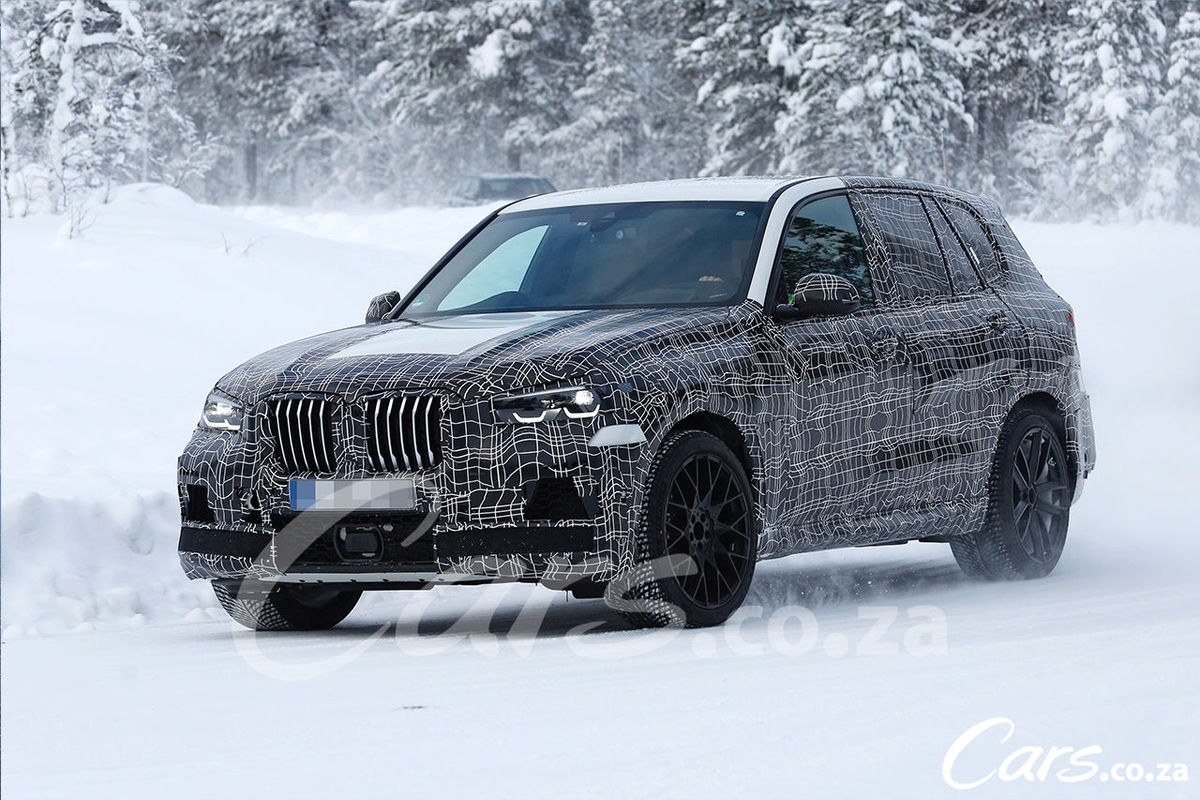
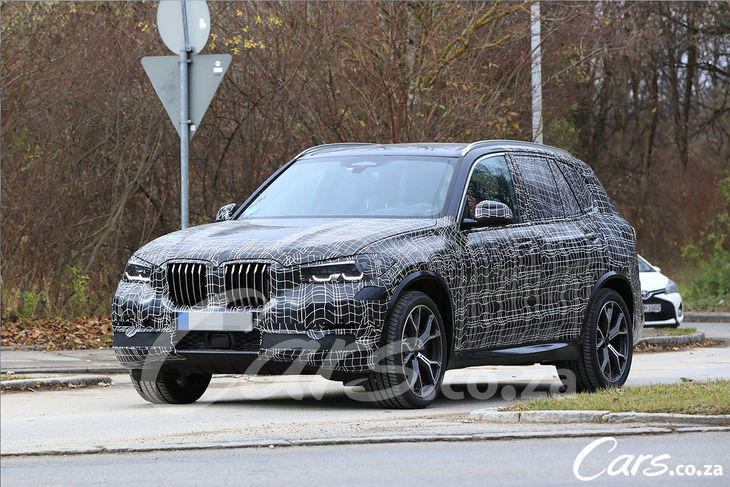
The all-new X5 will enter production late this year and should arrive in South Africa around mid-2019. It will feature Carbon Core construction, so should be significantly lighter than the current model. Visually, the kidney grilles are larger and more slanted, so seems to follow the look of the upcoming X7. The 35i and 35d derivatives will make way for 40i/40d replacements. The hot M version will follow slightly later and likely use both the M5's engine and its xDrive all-wheel drive system (switchable to rear-wheel drive).
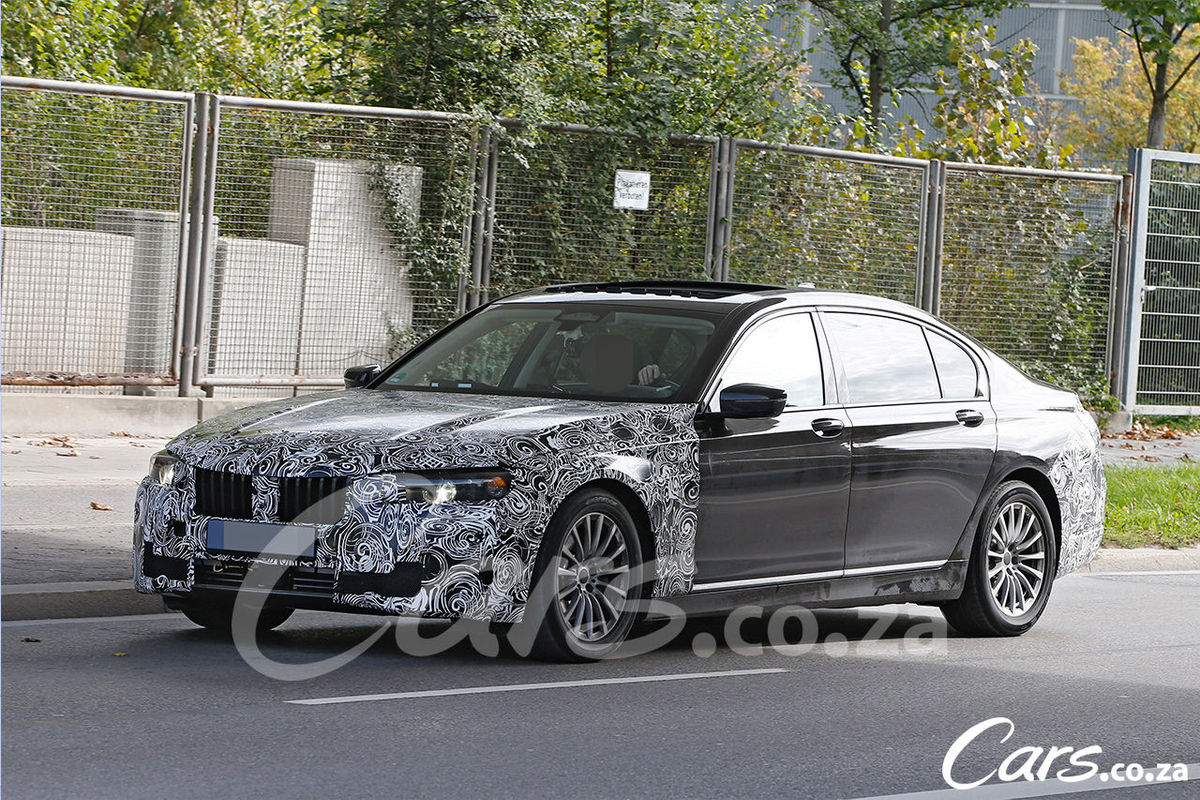
BMW 7 Series LCI facelift (Later 2018 World Launch)
Photo by S.Baldauf / S.B. Medien
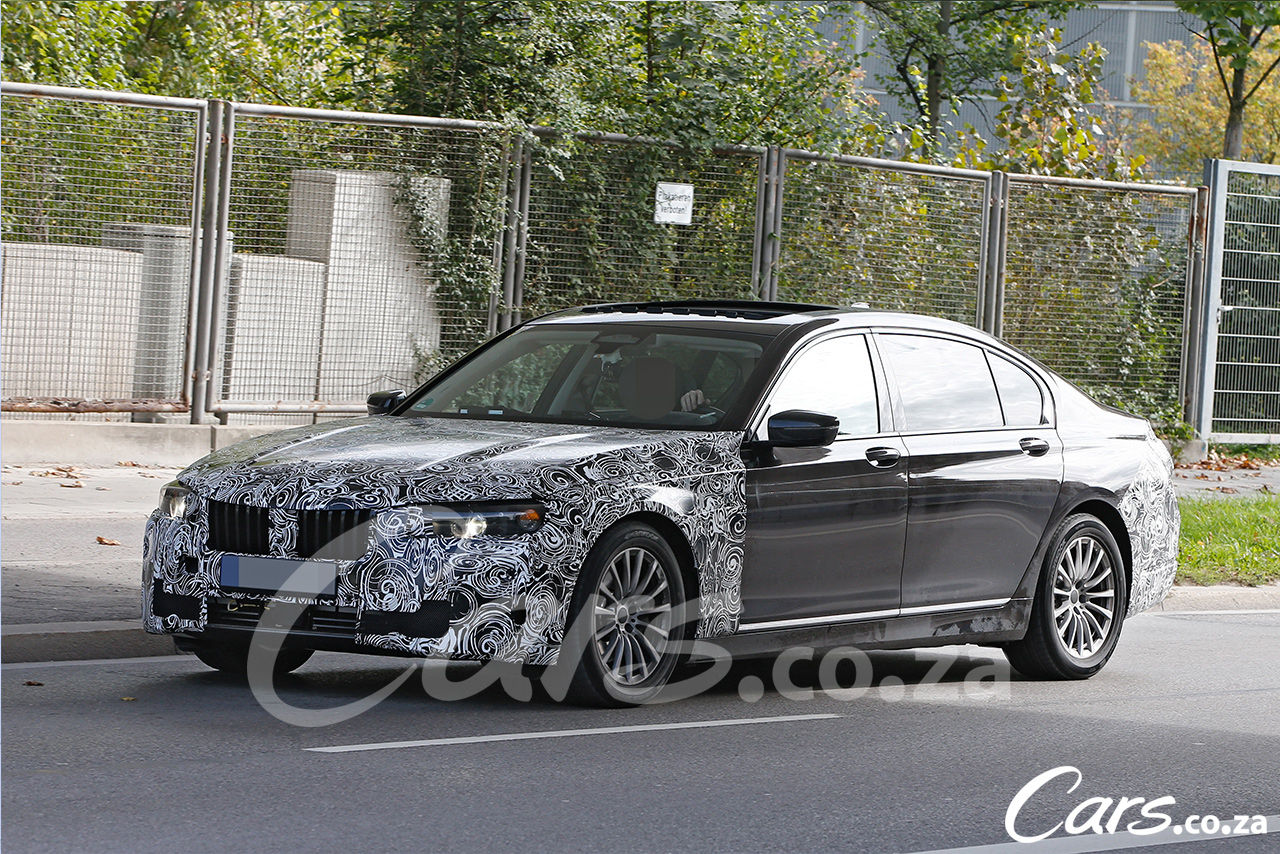
It’s hard to believe but BMW’s flagship is due for a facelift relatively shortly. It appears the upgrade could be extensive with a larger grille (think X7 concept), and reworked rear lights among the rumoured changes. Inside, there’s a completely digital instrument cluster and another step up in terms of autonomous features.
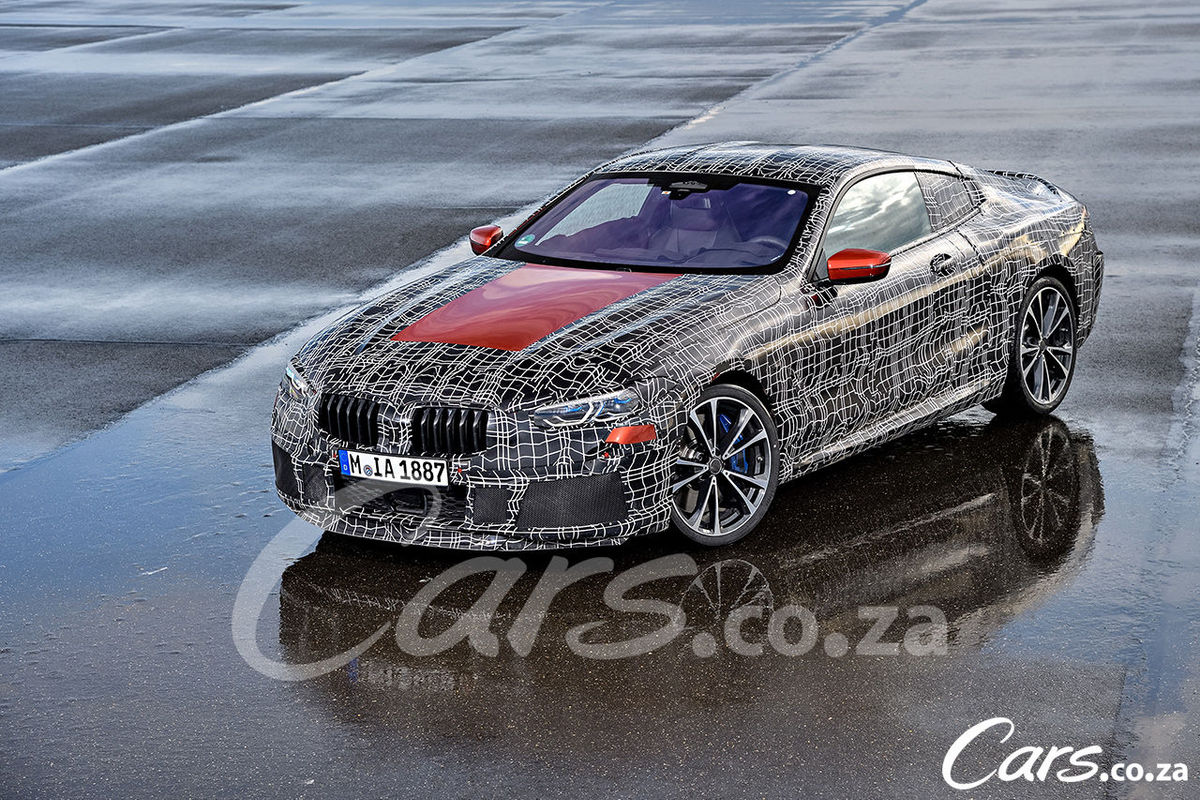
BMW 8 Series (International Launch this year)
Photo by S.Baldauf / S.B. Medien
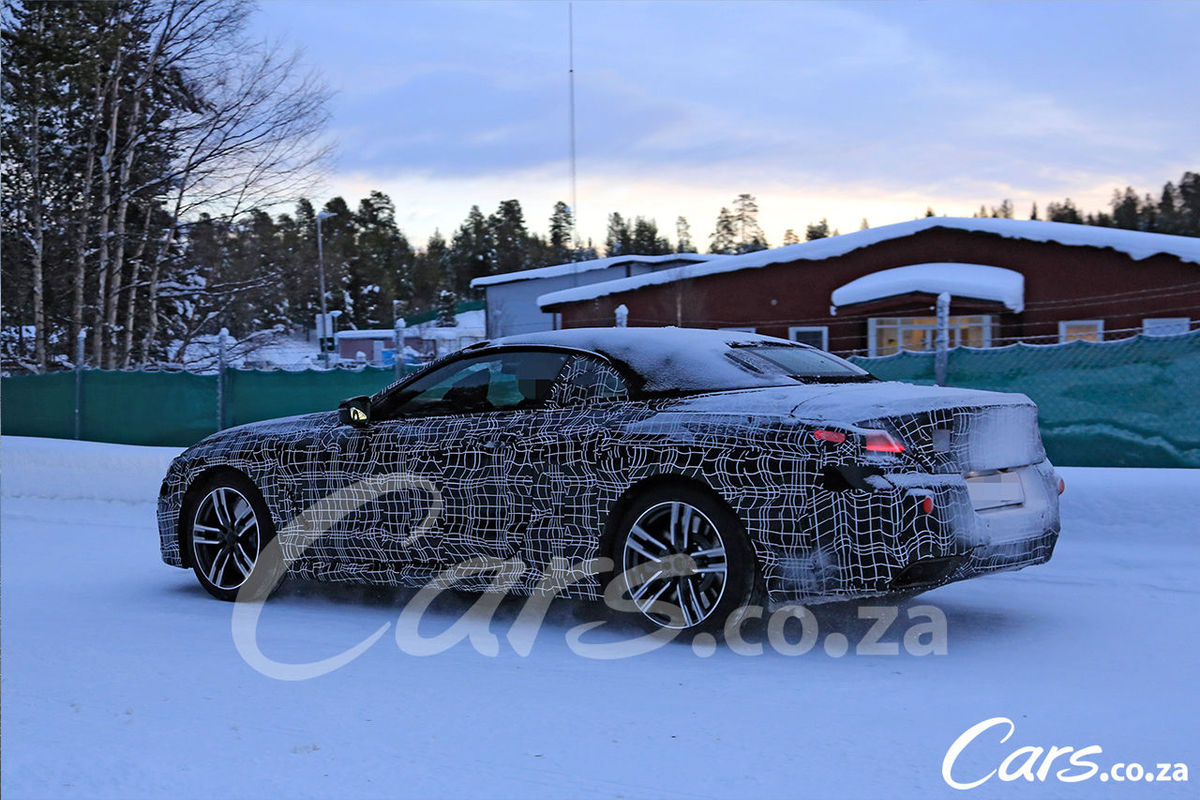
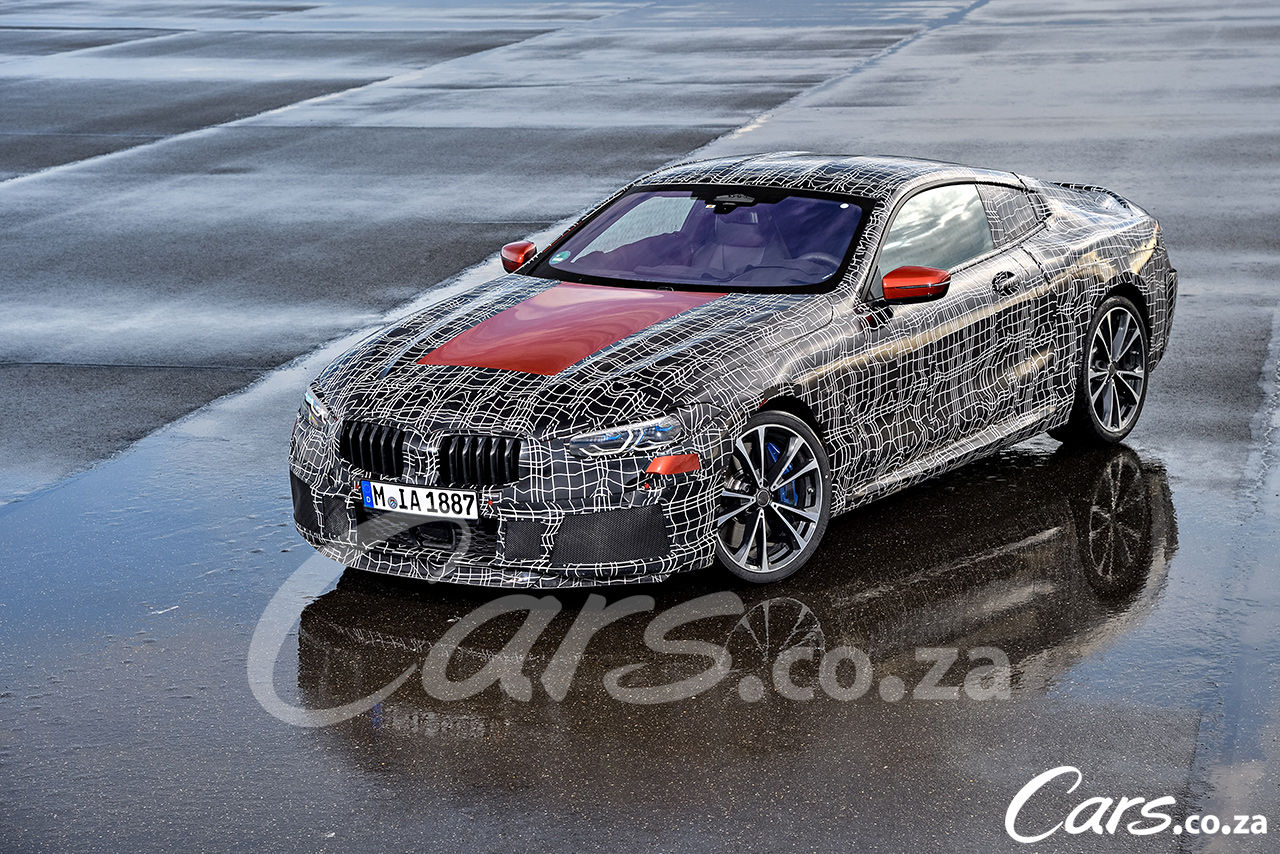
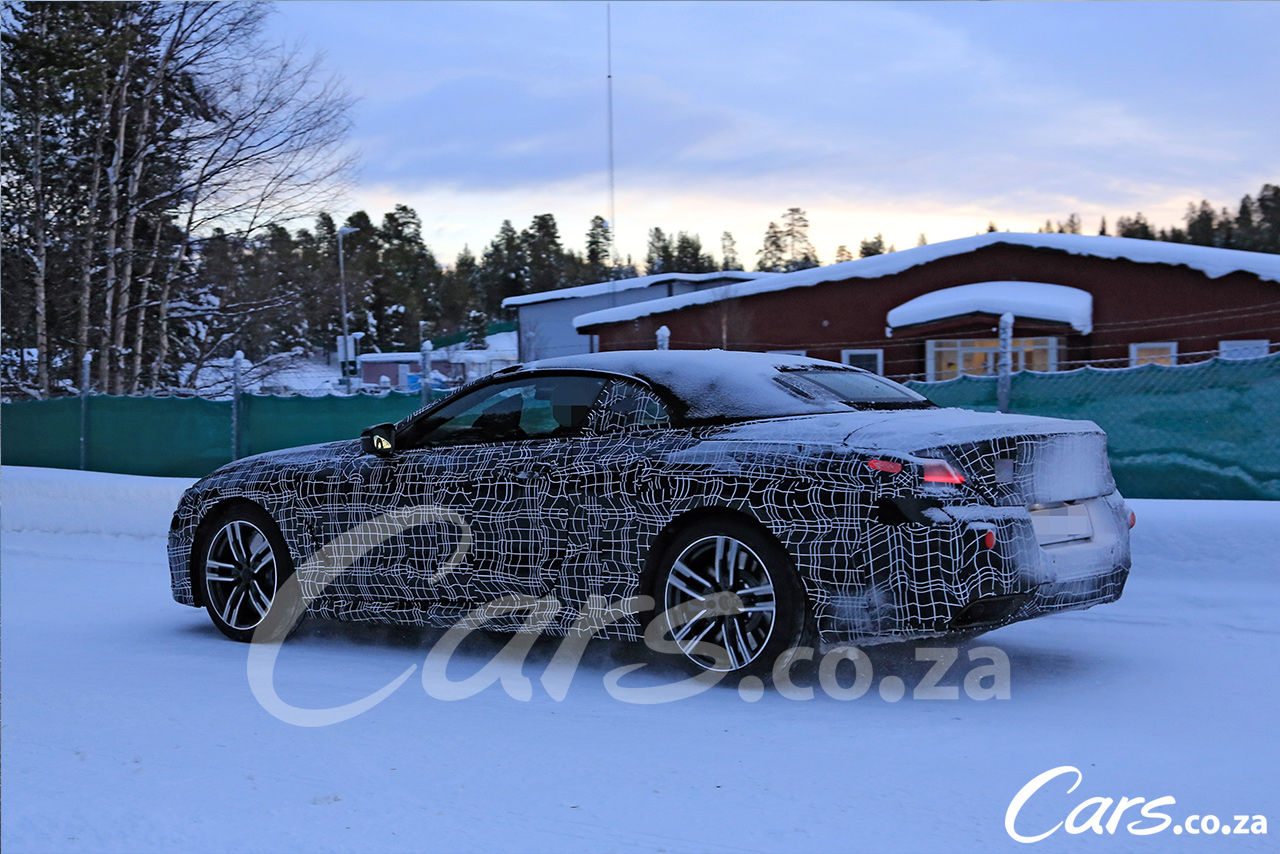
The return of the 8 Series nameplate happens later this year with the introduction of a new flagship coupe, followed swiftly by a convertible version (pictured below) and then, later, a Gran Coupe derivative. The production car’s design is apparently very similar to the concept shown at the Frankfurt Motor Show last year, except at the rear, where the lights reportedly look like a combination of new X4 and 8 Series concept lights. Inside, digital instrumentation and a host of autonomy features dominate. An M8 is confirmed, too. South African availability – possibly early 2019.
Photo by S.Baldauf / S.B. Medien
BMW Z4 (Launch 2019)
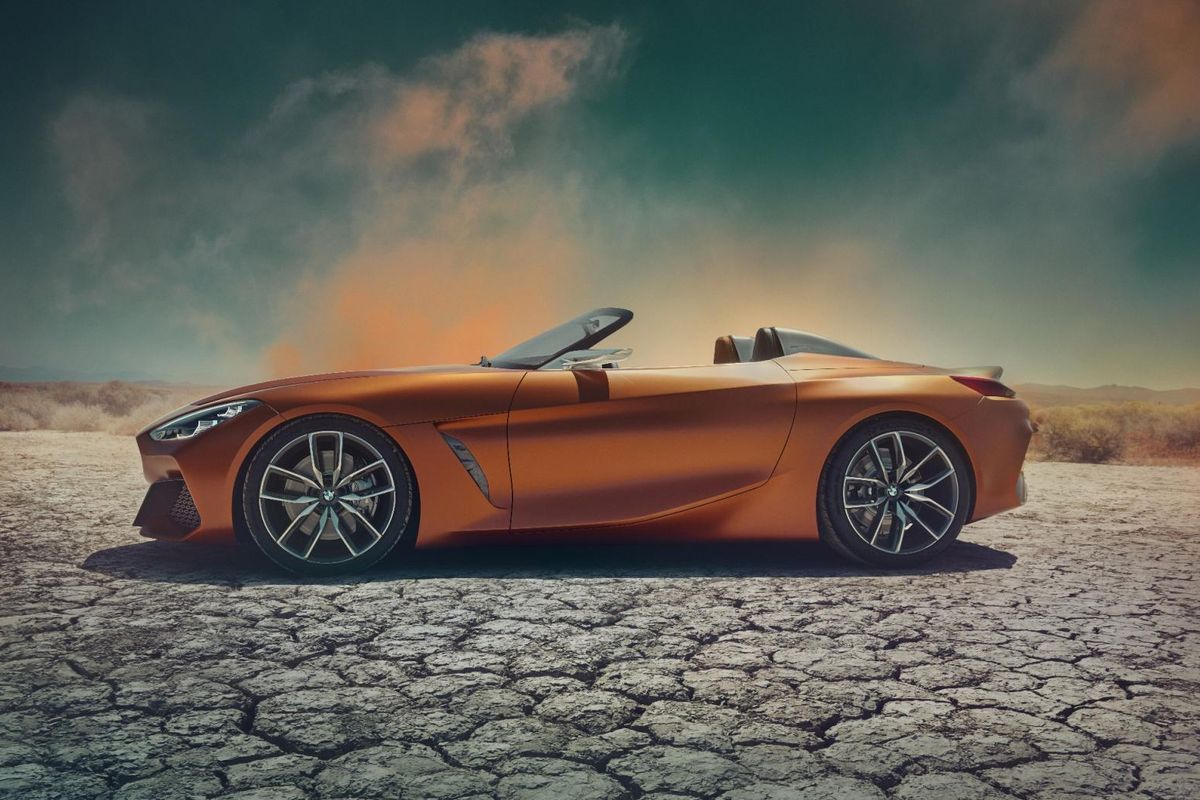
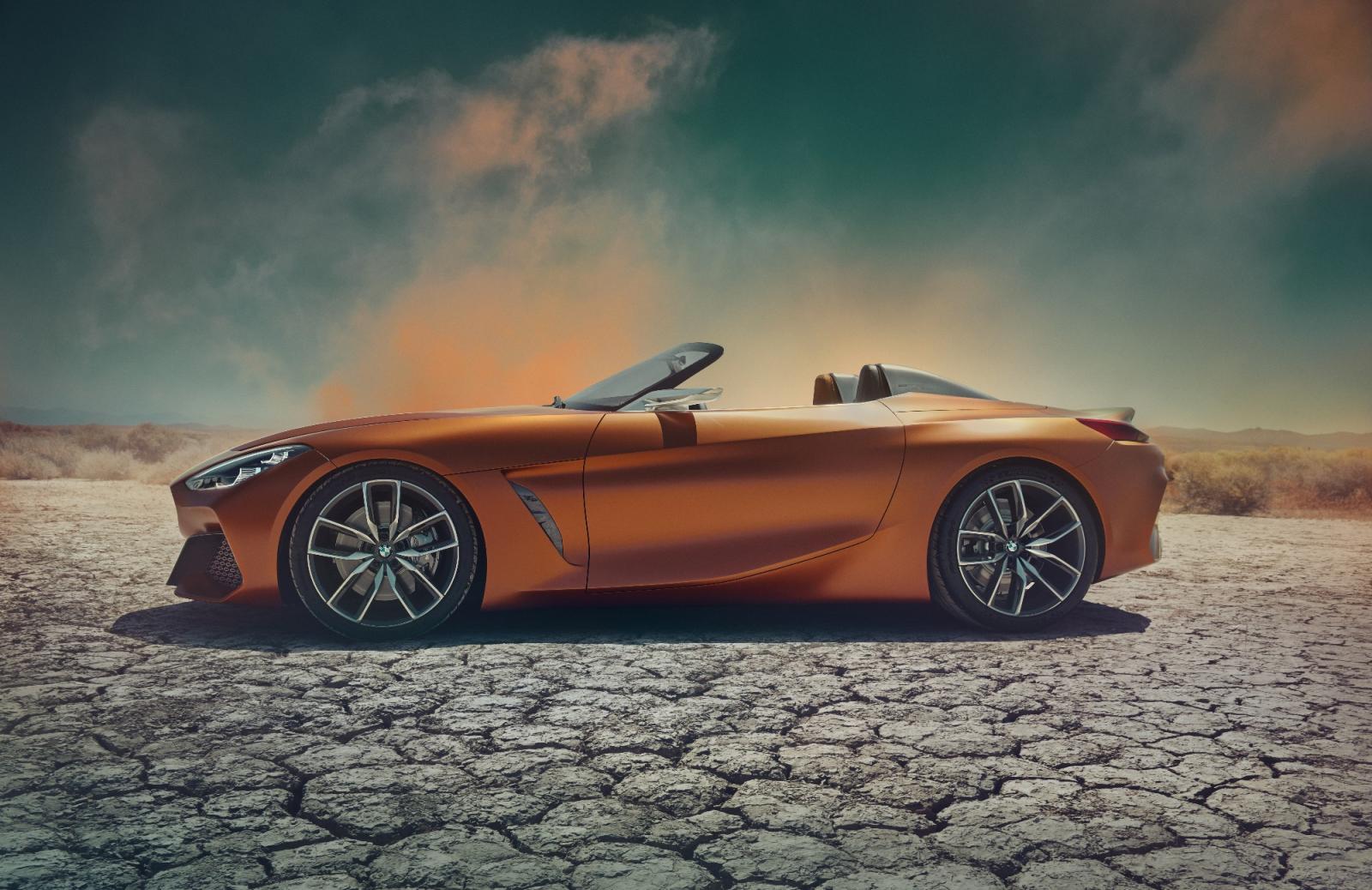
The new Z4 has been a long time coming. It is being co-developed with Toyota (new Supra), and was already seen in concept form last year. Although it will be shown late in 2018 at the Pebble Beach Conncous D’Elegance, market availability is only likely in 2019. The Z4 will be offered as a roadster and the Toyota as a coupe. Reportedly, they are tuned to be quite different in character, with the Toyota being the edgier sportscar. Straight-6 engines and rear-wheel drive will feature on both. A Z4 with a Competition Package is also rumoured.
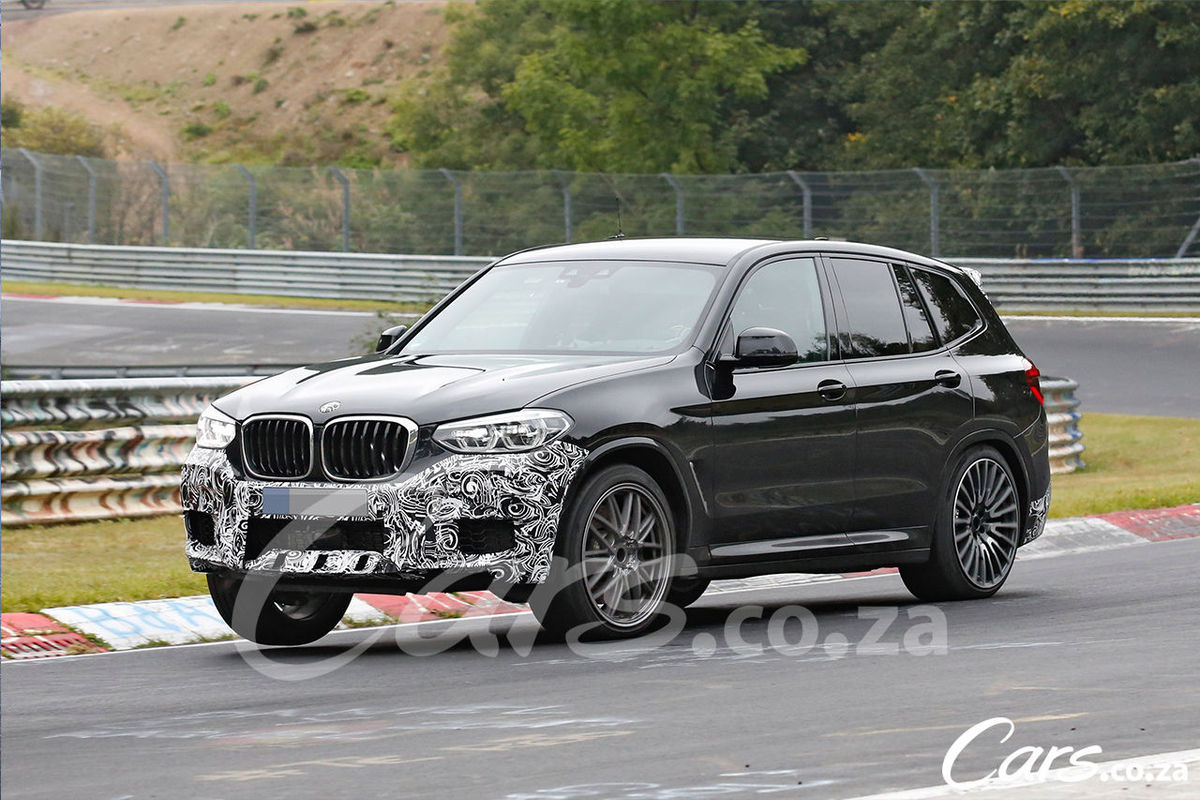
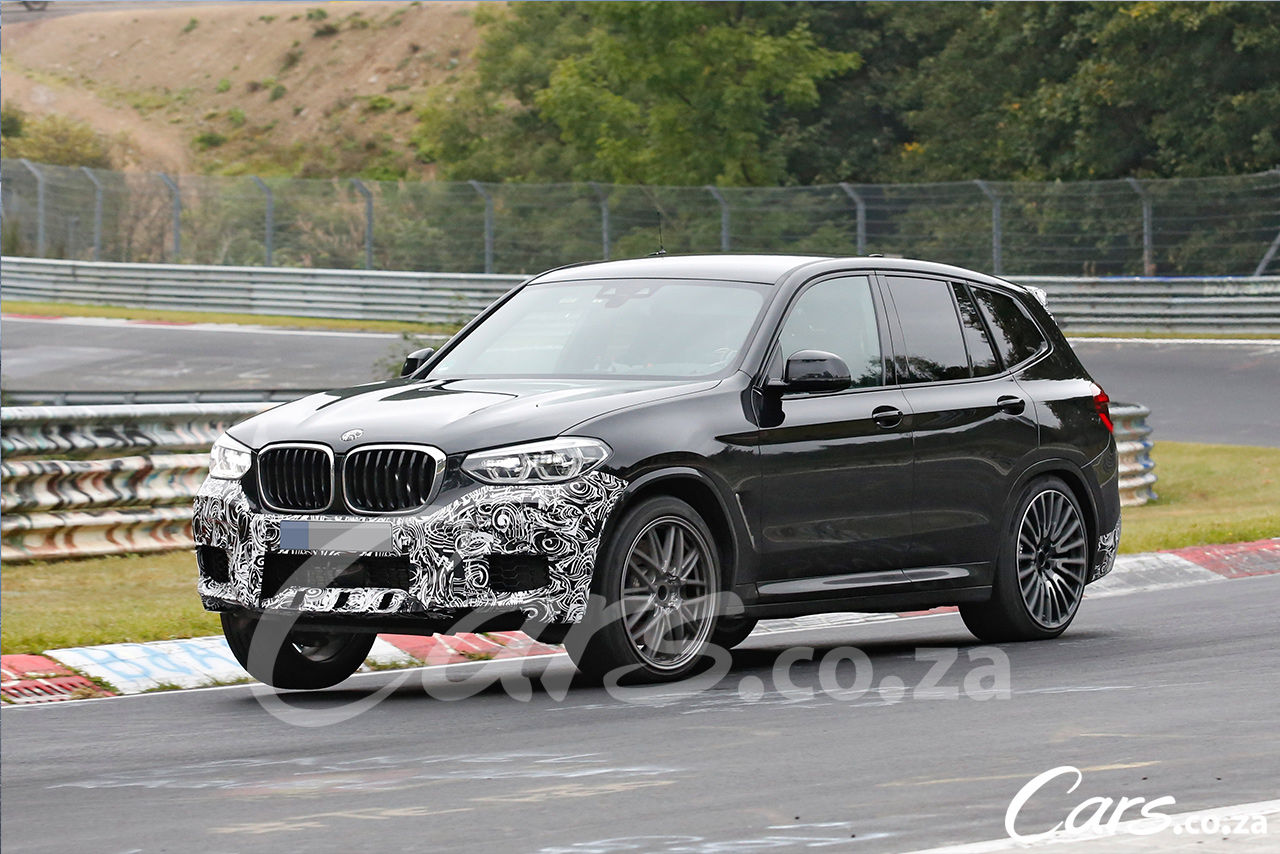
The current X3 M40i is already a mighty impressive machine, but more fun is on the way in the shape of a proper M-division X3. It is likely to be powered by a version of the company’s B58 engine, a 3.0L inline-6 that should push out around 330kW.
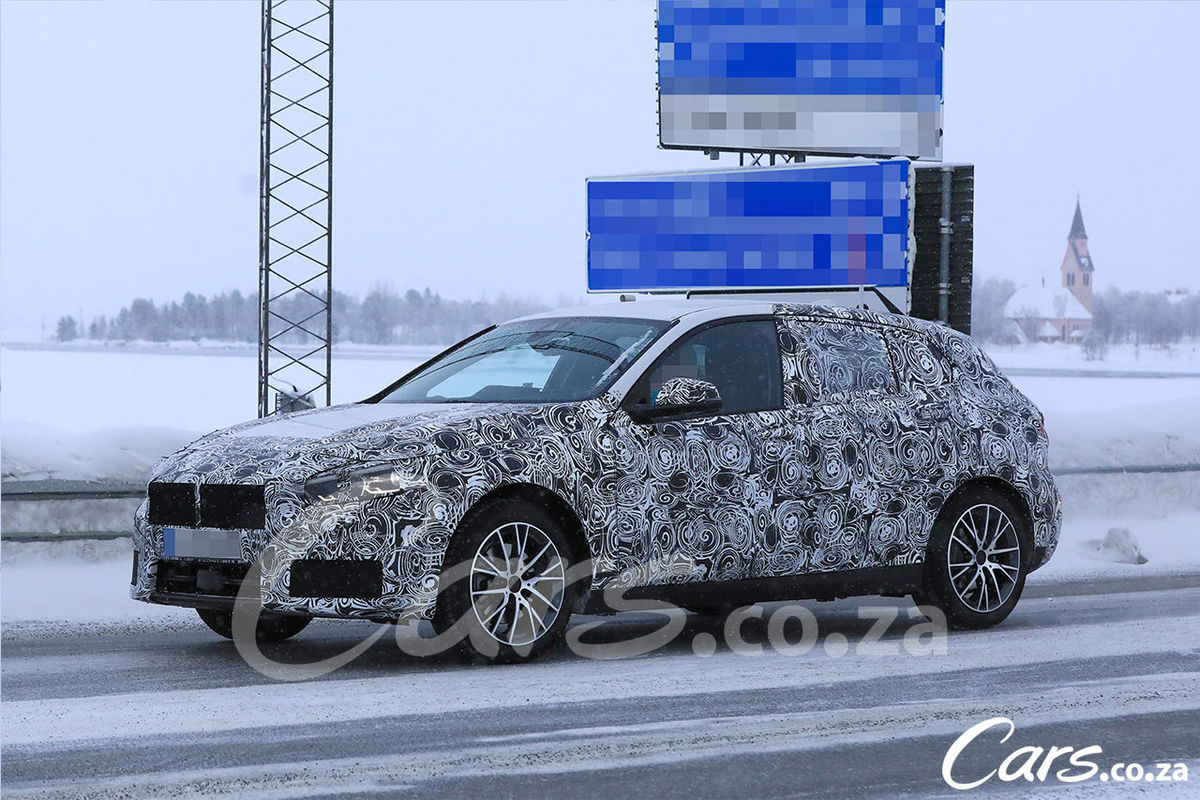
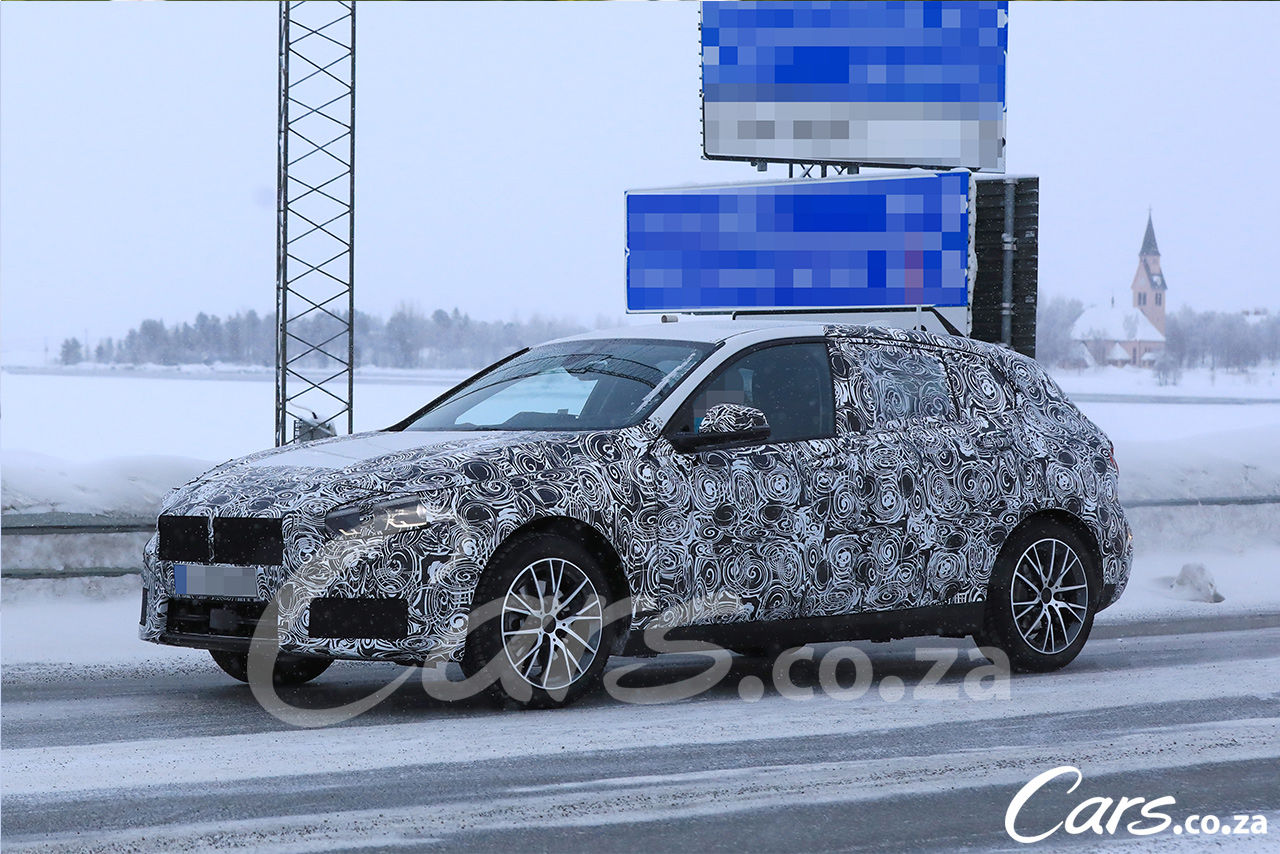
BMW 1 Series (F40 – Launch 2019)
Photo by S.Baldauf / S.B. Medien
A big change happens next year with the arrival of the all-new BMW 1 Series. For the first time, the smallest BMW will be offered with front-wheel drive, which according to BMW has packaging benefits. Expect significantly more space inside from a vehicle that will also grow slightly in terms of most dimensions. Interestingly, the M140i is likely to be replaced by a vehicle badged 135ix… indicating all-wheel drive.
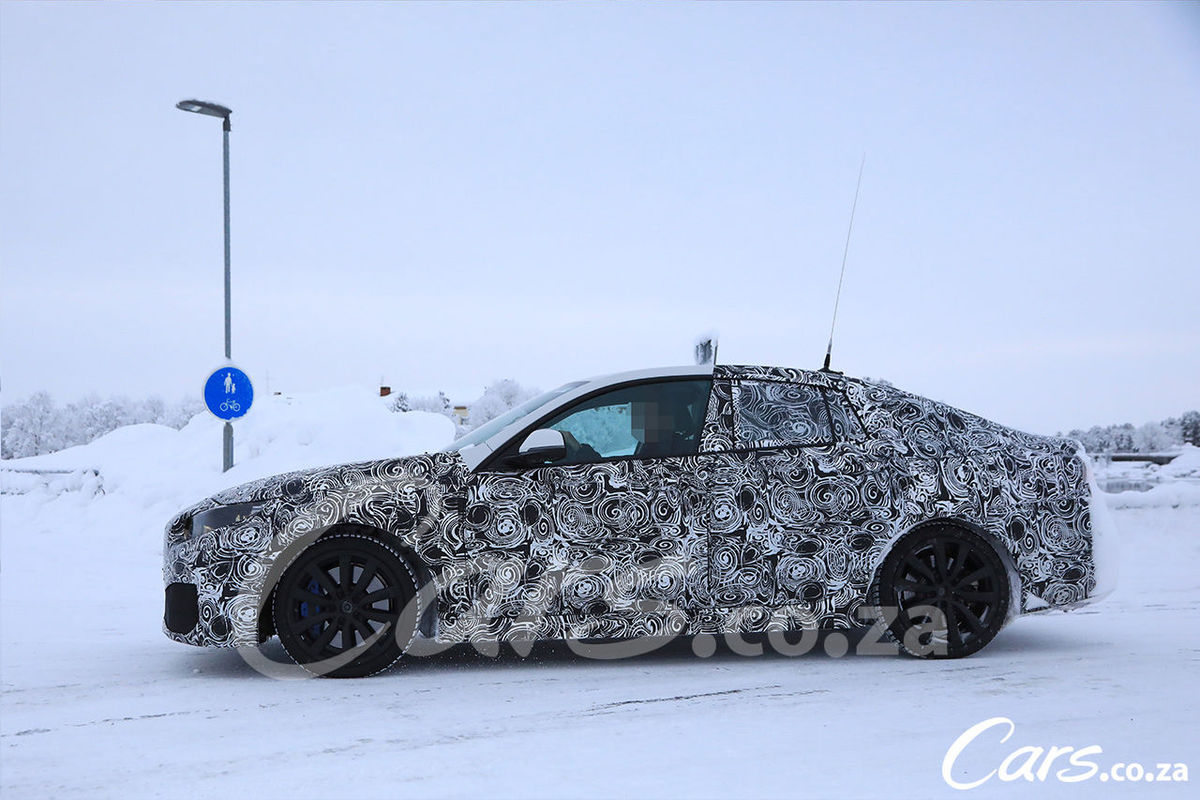
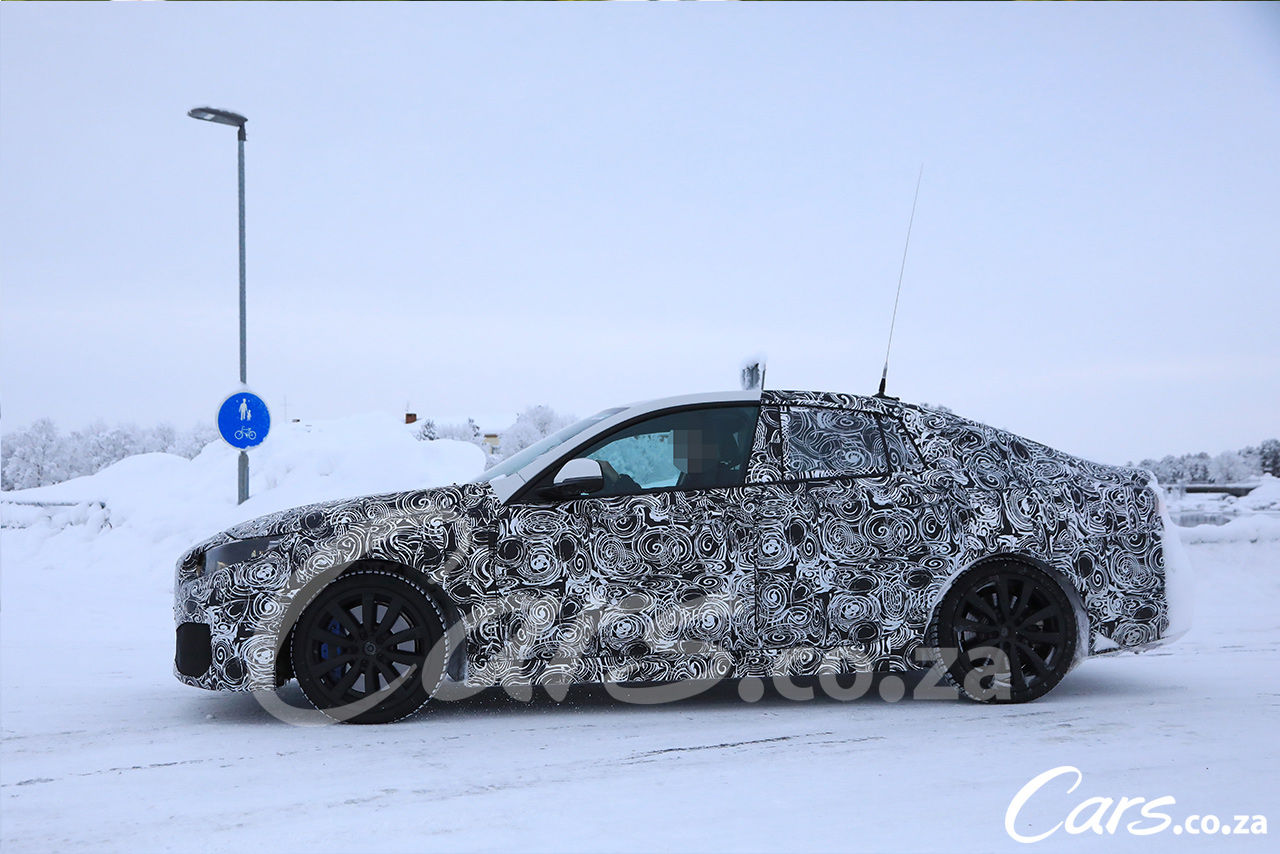
BMW 2 Series Gran Coupe (Launch 2019)
Photo by S.Baldauf / S.B. Medien
Based on the same underpinnings as the upcoming 1 Series, the sleek new 4-door 2 Series will battle it out with the likes of the Audi A3 sedan and Mercedes-Benz CLA. It should be revealed before year-end, but is only likely to reach markets in 2019. As with the 1 Series, the rumour mill suggests hot versions could feature xDrive all-wheel drive.
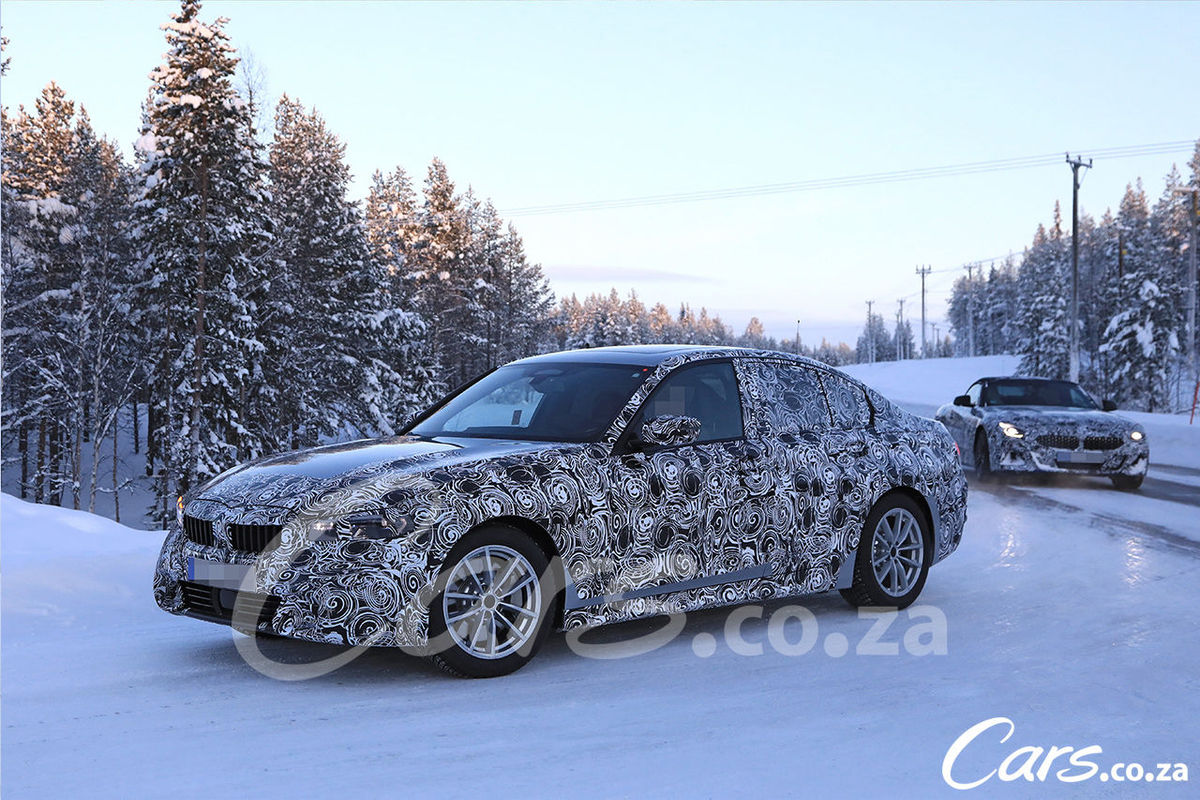
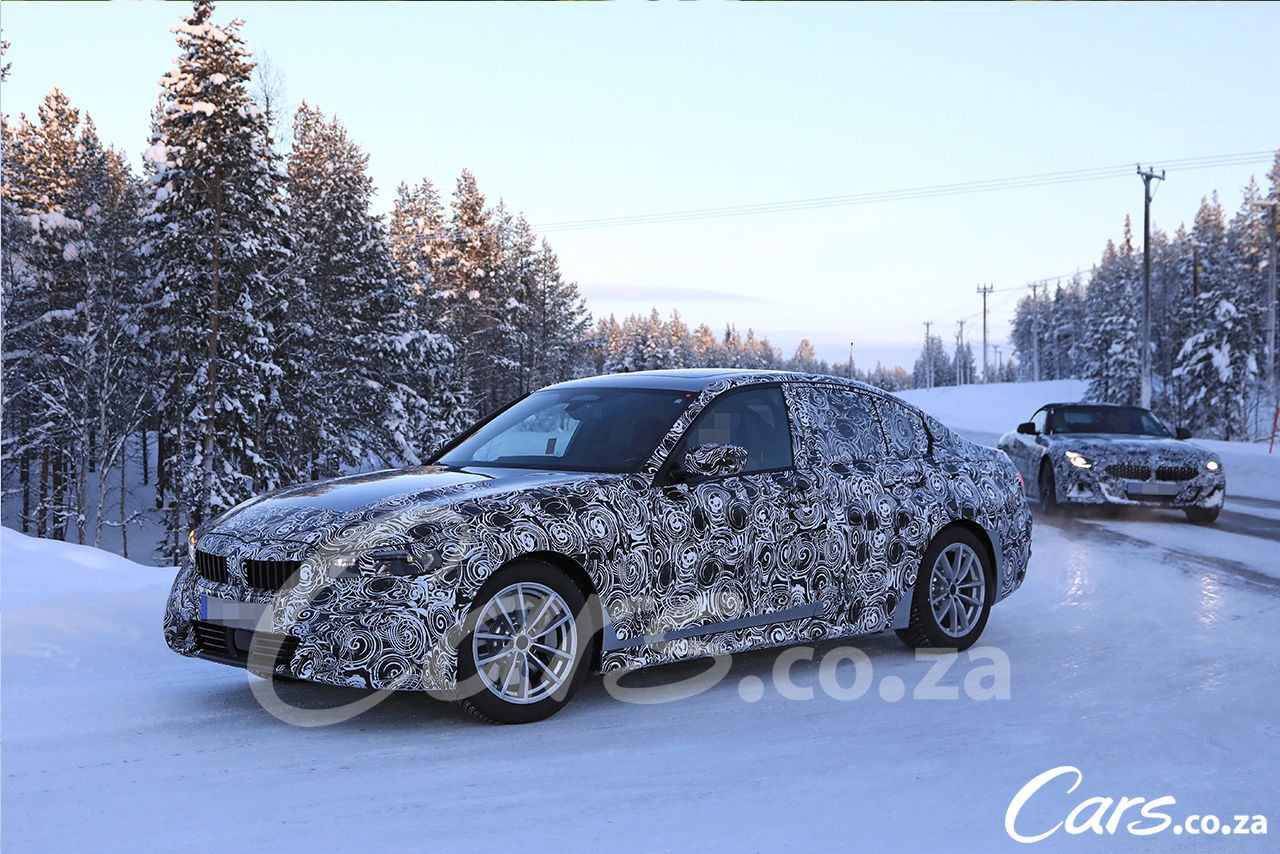
The 3 Series remains BMW’s most important product and the one it needs to get absolutely right. The all-new G20 generation car is undergoing final testing before launch next year. The new car is rumoured to feature a longer wheelbase, wider track and lower centre of gravity. It has also lost the controversial hump at the leading edge of its bonnet and, inside, there appears to be a relatively big step forward – BMW tends to evolve its interiors slowly. Features such as digital dashboards, larger infotainment screens and partial autonomy systems will be on offer. It looks like the 340i will move into a more dedicated sports-oriented positioning, with talks of it being available only as M340i. Expect the next 3 Series in South Africa later in 2019.
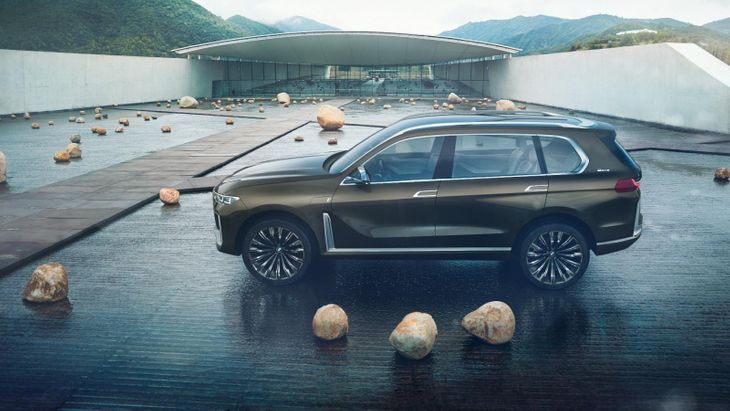
BMW X7
Previewed as a concept car at last year’s Frankfurt Motor Show, the X7 will hit markets with a thud soon. South African availability is likely late this year or early 2019. Production has already started in America. Positioned to compete with the Range Rover and Mercedes-Benz GLS, as well as a host of America-only products, BMW will throw all its toys at the X7, including massaging seats, concierge services, and even the M Sport differential (a first on a X-badged BMW). The top seller is likely to be the xDrive50i, powered by a twin-turbo 4.4-litre V8.
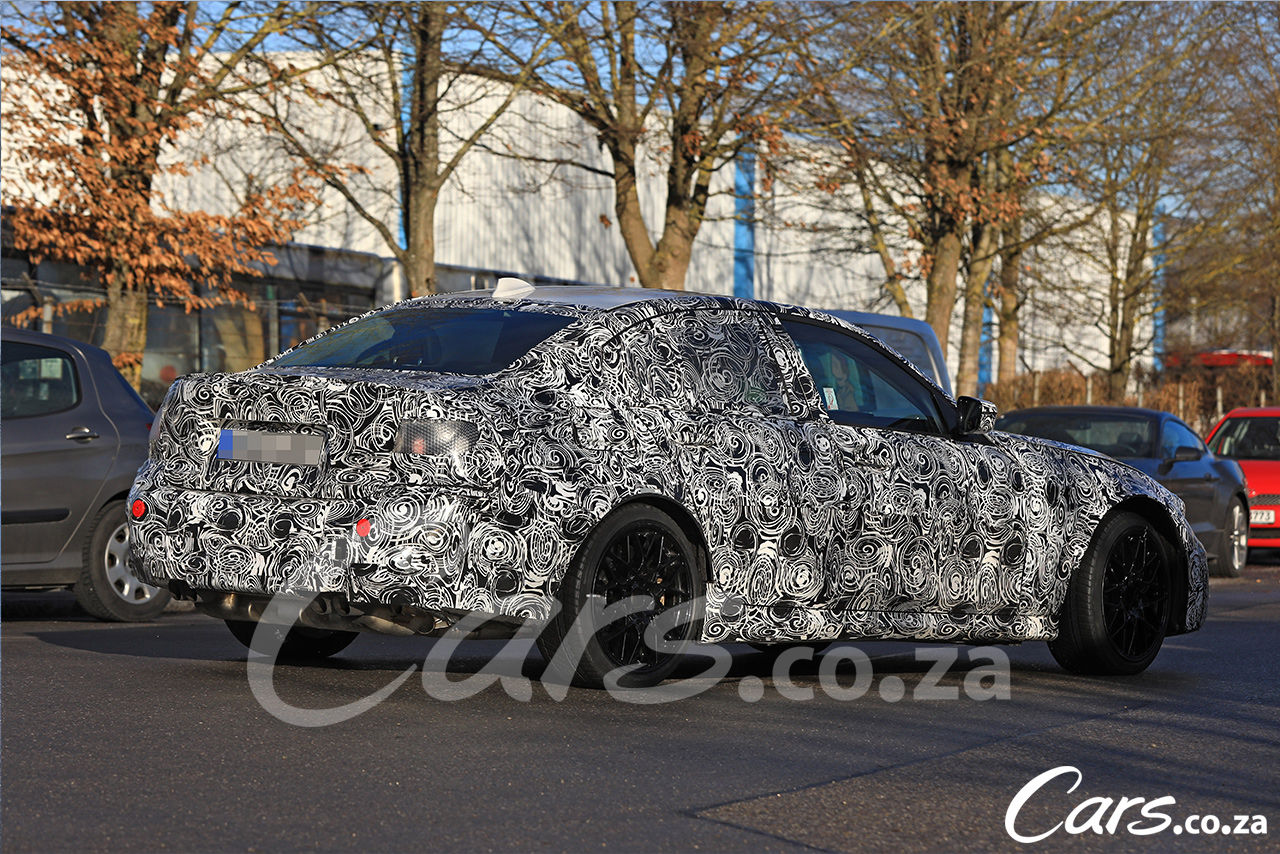
BMW M3 (G80 World Launch 2020)
Photo by S.Baldauf / S.B. Medien
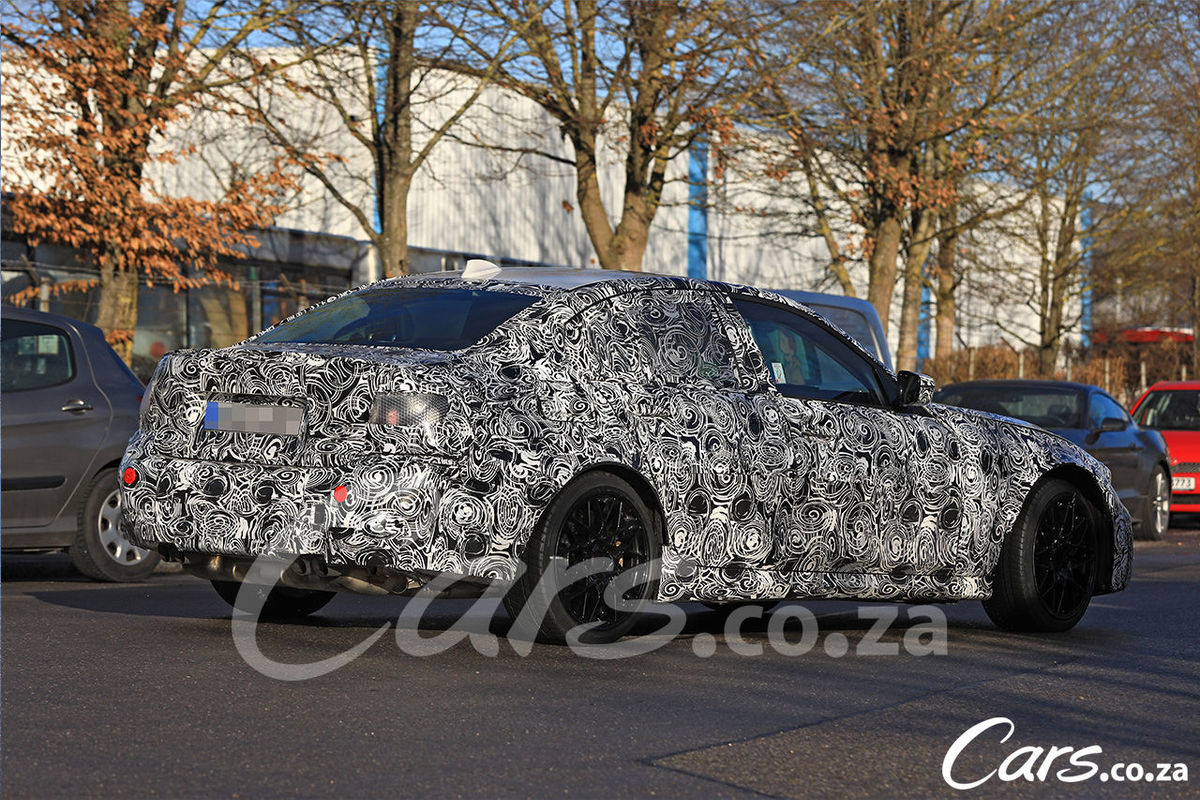
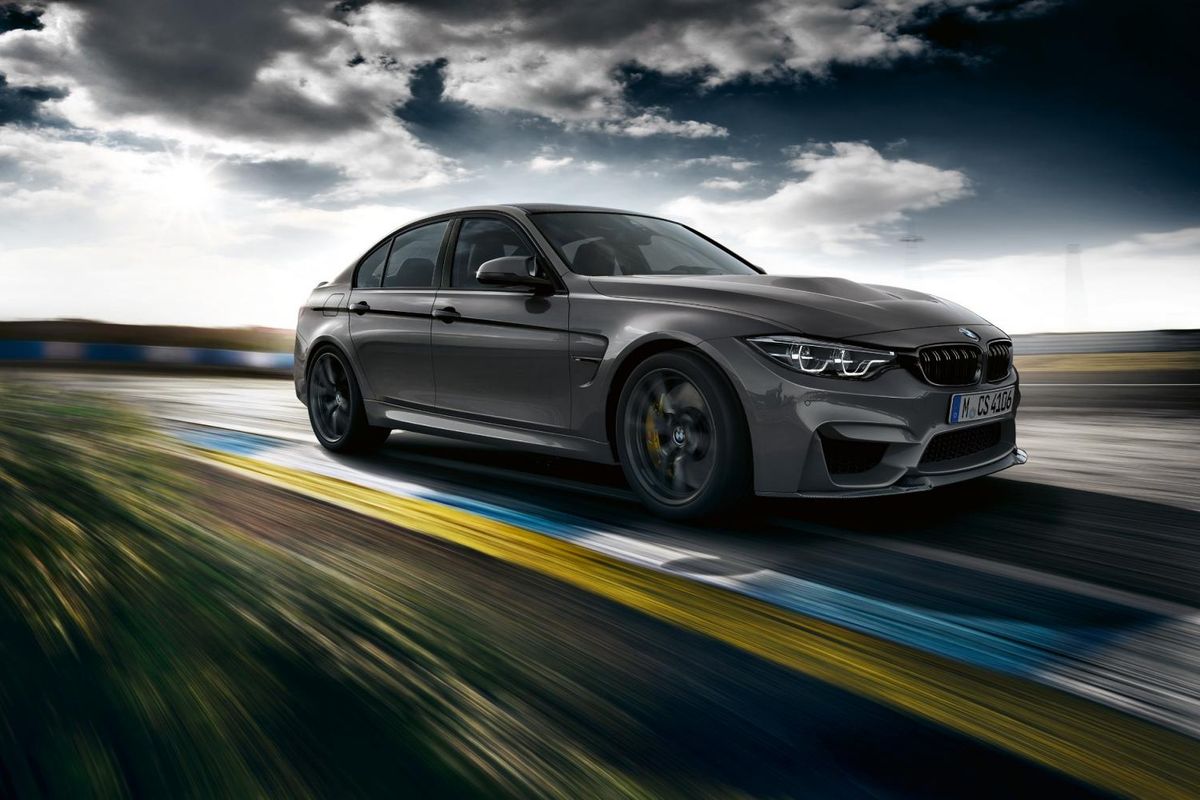
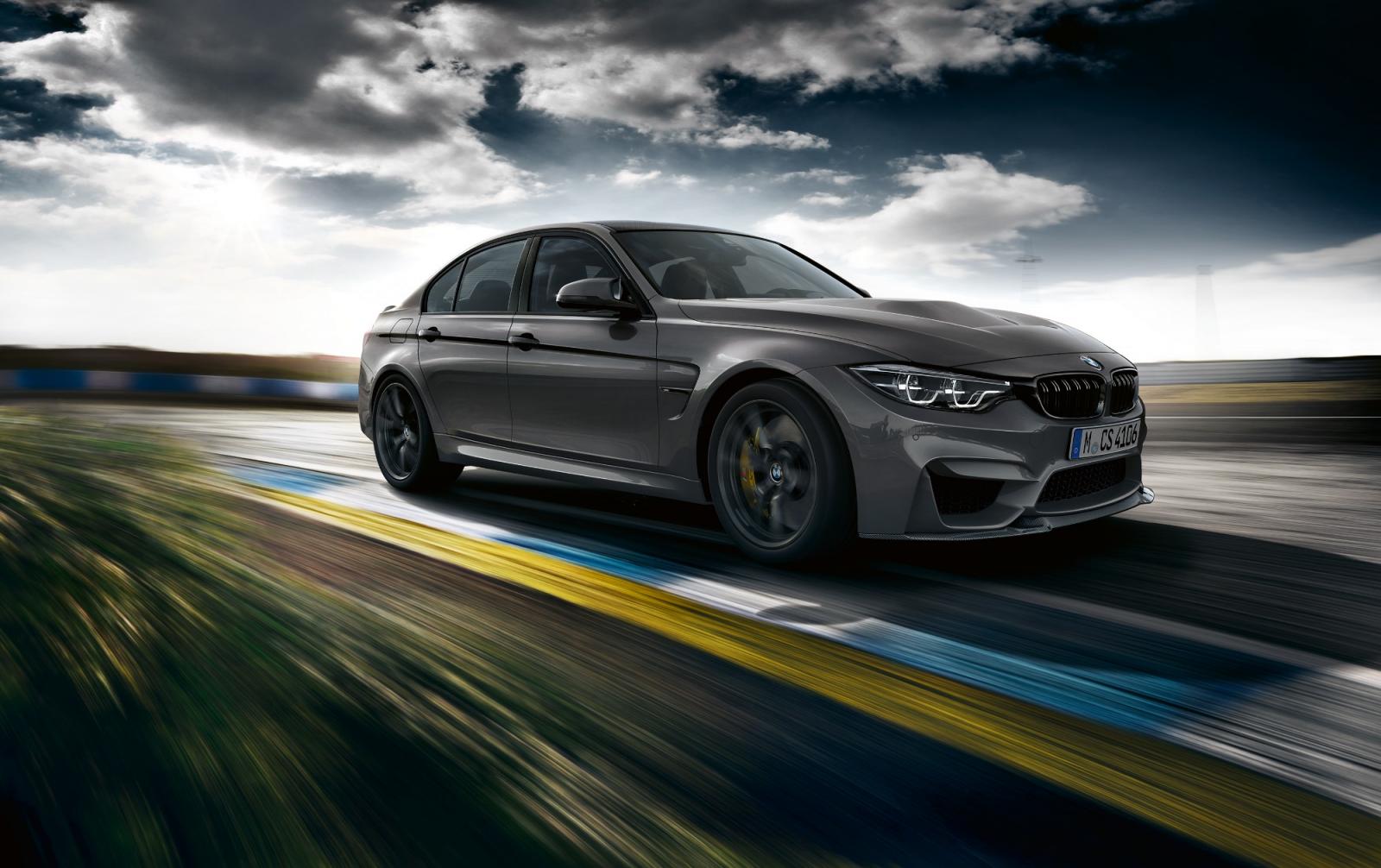
It seems a very long wait for the next-generation M3 is in order… the current model will cease production pretty soon and the all-new G80 generation car is only likely to reach markets in 2020. It does, however, appear to be justified as the next M3 will feature a lot of changes, even though the base engine may be the same. Using the new lightweight CLAR architecture, the next M3 will be lighter and stiffer but the bigger changes are probably under the bonnet. It is rumoured to feature a mild hybrid system and at least one electric turbocharger, as well as a water-injection system. It is mooted to punch out at least 370kW.
Another possible important tech change is a switch to xDrive all-wheel drive, but retaining the ability to switch to rear-wheel drive at the touch of a button.
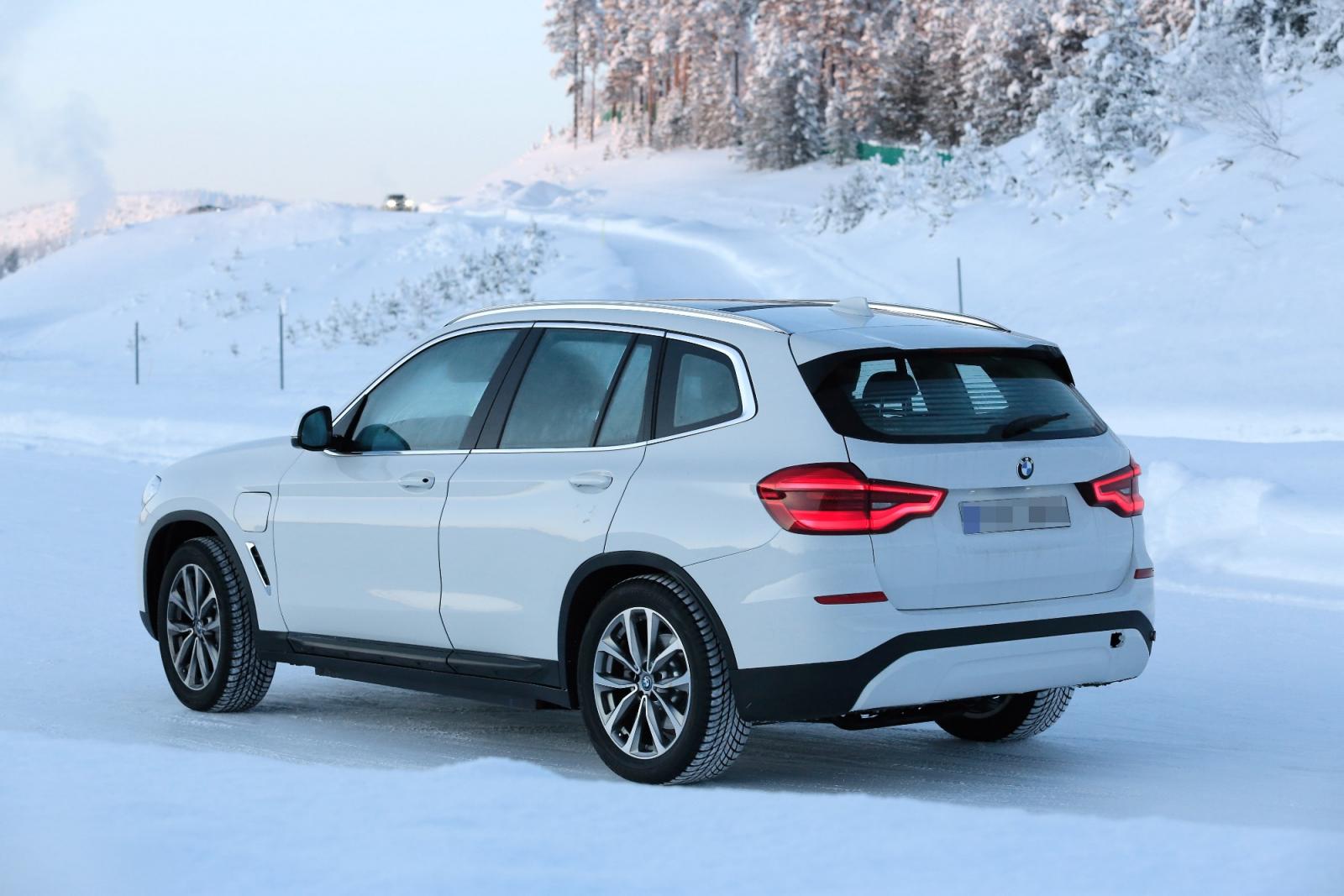
BMW iX3 (World Launch 2020)
Photo by S.Baldauf / S.B. Medien
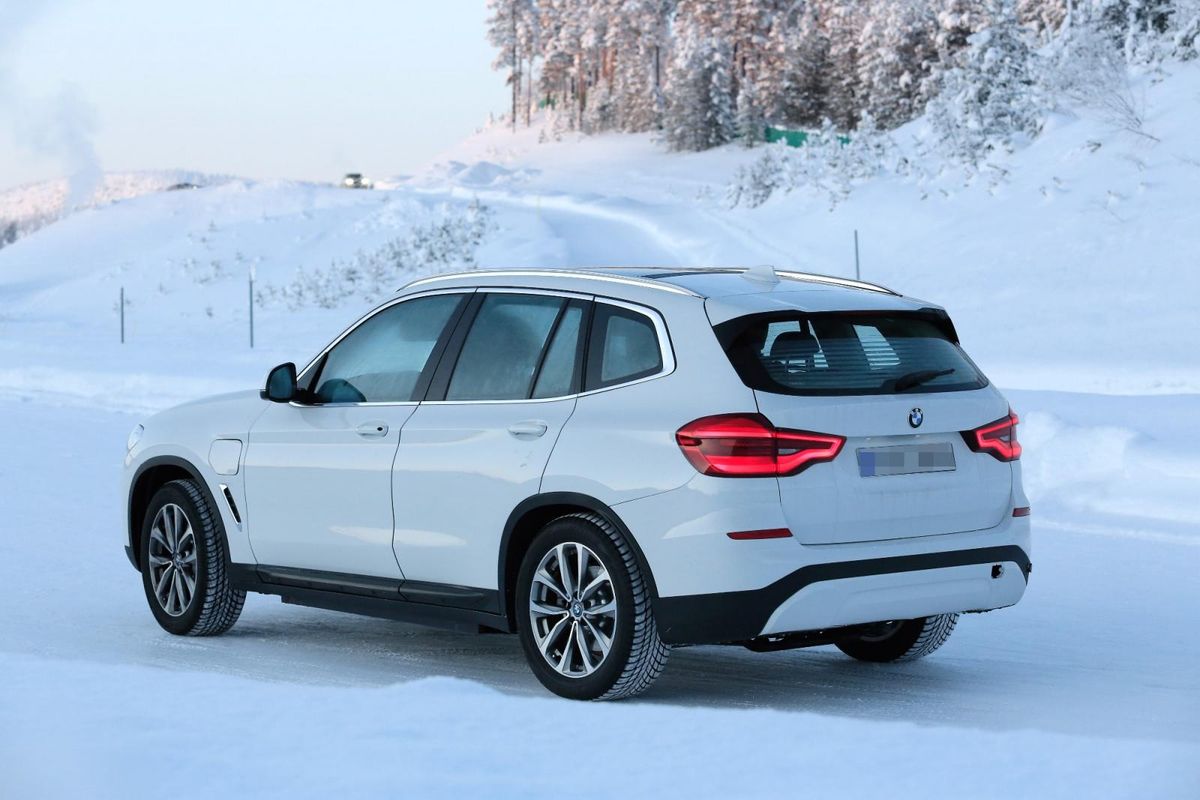
The first all-electric BMW crossover/SUV to reach the market will be the electric version of the new X3, caught here being tested in Scandinavia. As you can see, there are no exhausts… At this point it is unclear whether the iX3 will be offered in xDrive all-wheel drive form. It should reach the market in 2020. A plug-in hybrid version is also likely to come to market at around the same time, combining a 2.0-litre petrol engine with an electric motor.
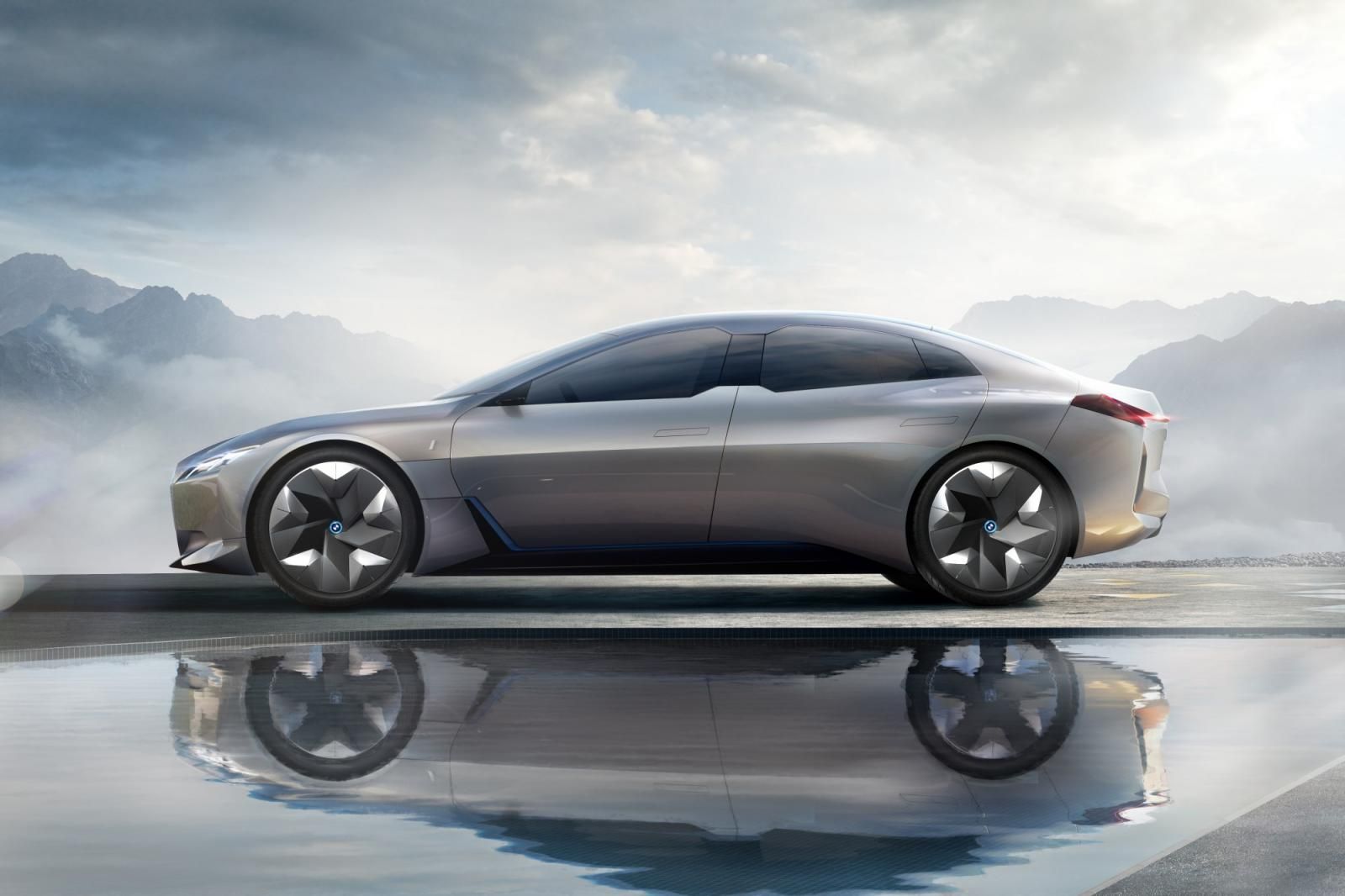
BMW i4 (World Launch 2021)
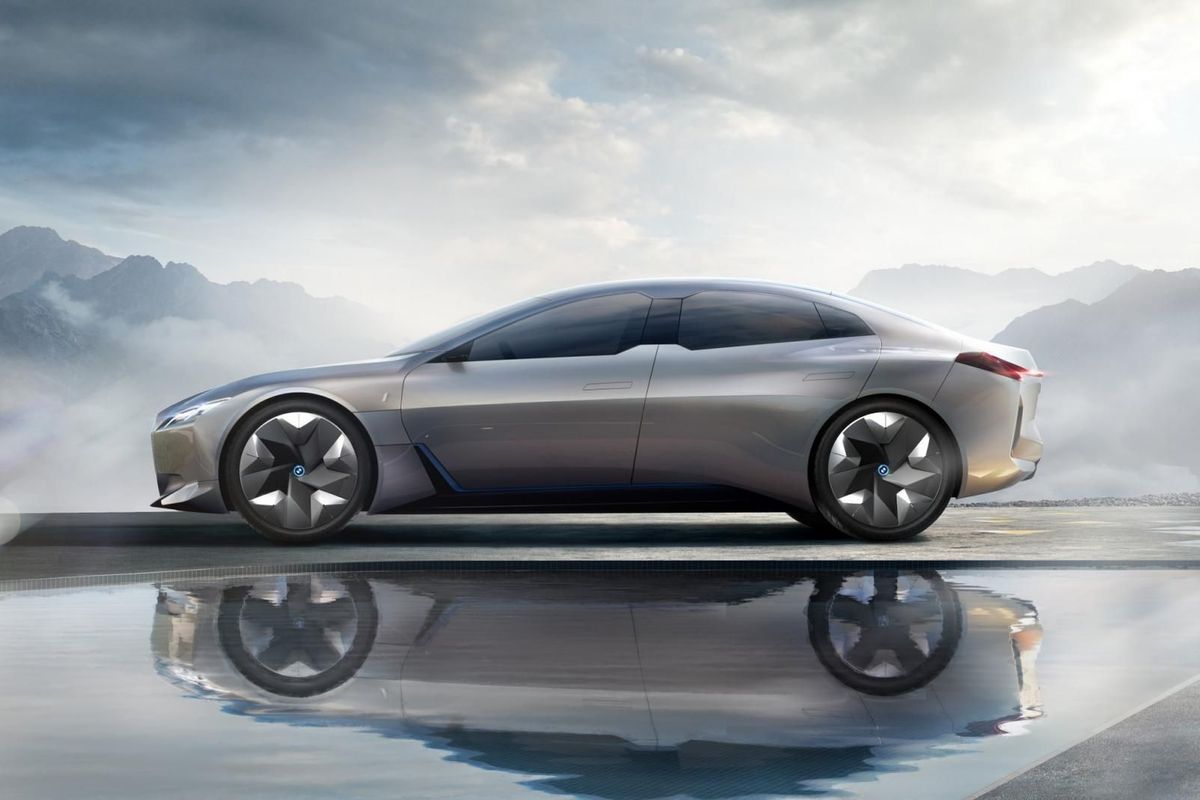
The production version of the striking BMW i VisionDynamics revealed at last year’s Frankfurt Motor Show arrives in 2021. It is essentially a rival to the Tesla Model S – fast 4-door “gran coupe”. It will reportedly have a range of about 400km and a top speed limited to 200kph.
BMW iNEXT (Possible introduction 2021)
A rumoured fully electric and Level 3 autonomous vehicle is currently under development. It is reported to be about the size of an X5, offer seating for five passengers, and will feature a crossover bodyshape. Level 3 automation means it requires almost no human intervention but will still offer the opportunity to the driver to take the wheel.