The top 3 finalists in the prestigious World Car of the Year awards programme have been announced, and it's an SUV-fest. Have a look at those in line to drive away with the world's most coveted motoring awards below.
Selected by a high-profile jury consisting of 82 of the world's motoring journalists, including Cars.co.za's Hannes Oosthuizen, the only South African on the panel, the final 3 vehicles in contention for the overall title are the Range Rover Velar, Mazda CX-5 and Volvo XC60.
"I'm fortunate to have driven all 3 of these vehicles and I think, for varying reasons, it's a solid selection, though the addition of a Kia Stinger or Alfa Romeo Giulia could have added more variety," says Oosthuizen. "Nevertheless, SUVs and crossovers are what the world markets want, so the top 3 are certainly in line with consumer trends." The Mazda CX-5, in 2.5 Individual form, also recently drove away with the Family Car of the Year trophy in the Cars.co.za Consumer Awards – Powered by WesBank. Interestingly the SUVs are also starting to appear in the Luxury and Design segments of the awards programme.
The judges are only allowed to score vehicles they have driven, and award points in sections labelled Value, Safety, Environment, Emotional Appeal, Market Significance etc. The final winners will be announced on 28 March at the New York International Autoshow.
Have a look at our video reviews on the 3 finalists
Range Rover Velar
Volvo XC60
Mazda CX-5
Other categories
The World Car of the Year programme has several other categories, too, including for Performance Car of the Year, where the 3 finalists are; Honda Civic Type R, BMW M5 and Lexus LC 500. In the World Luxury Car category the Audi A8 will be joined by 2 Porsches, the new Panamera and Cayenne, in the title fight. The World Urban Car title will be hotly contested by the new VW Polo, Ford Fiesta and Suzuki Swift.
The World Car Design of the Year title will go to one of the following; Lexus LC 500, Range Rover Velar or Volvo XC60. And, finally, the World Green Car battle will be between the Nissan LEAF, BMW 530e iPerformance and Chrysler Pacifica hybrid.
BMW X3 xDrive30d M Sport sports-auto (2018) Review
BMW’s X models are hugely popular, but the X3, of which the new generation is produced in South Africa, has suffered from middle-child syndrome in previous iterations. Does the newcomer offer enough personality and all-round prowess to match the lauded Audi Q5, award-winning Mercedes-Benz GLC, underrated Lexus NX, sporty Jaguar F-PACE and alluring Alfa Romeo Stelvio? Read on.
We like: Eye-catching looks, improved spaciousness, smart interior, ride/handling balance
We don’t like: Looks a little bulky from some angles, lower-dash plastics, expensive options
Alternatives:
One of Audi’s finest: The Q5 is a top-selling SUV in the Ingolstadt-based brand’s stable and the latest version impresses as a well-finished product that exudes refinement. Sadly a limited line-up of derivatives in SA sees Audi offer no direct rival to the 3.0-litre turbodiesel under the X3’s bonnet.
Sinuous feline: The Jaguar F-PACE has reinvigorated the Coventrian brand’s product offering and apart from its fashionable garb, the 30d version offers more power and torque than the Bimmer, although selecting a comparable R-Sport specification will push the asking price past a million.
The award-winner: The Mercedes-Benz GLC 250d 4Matic AMG Line won the 2017/18 #CarsAwards Executive SUV title courtesy of its prestigious image, smart interior and willing performance. Price wise, the 350d GLC350d 4Matic AMG Line is a close match for the xDrive30d M Sport.
Petrol-powered rivals: The Alfa Romeo Stelvio 2.0T First Edition Q4 (206 kW/400 Nm) and Porsche Macan S (350 kW/460 Nm) offer spirited 2.0- and 3.0-litre powerplants and captivating dynamics, even though neither can match the BMW’s for on-board technology. The Lexus NX 300 F-Sport is well specified and looks good value by comparison, but perhaps lacks the requisite star appeal.
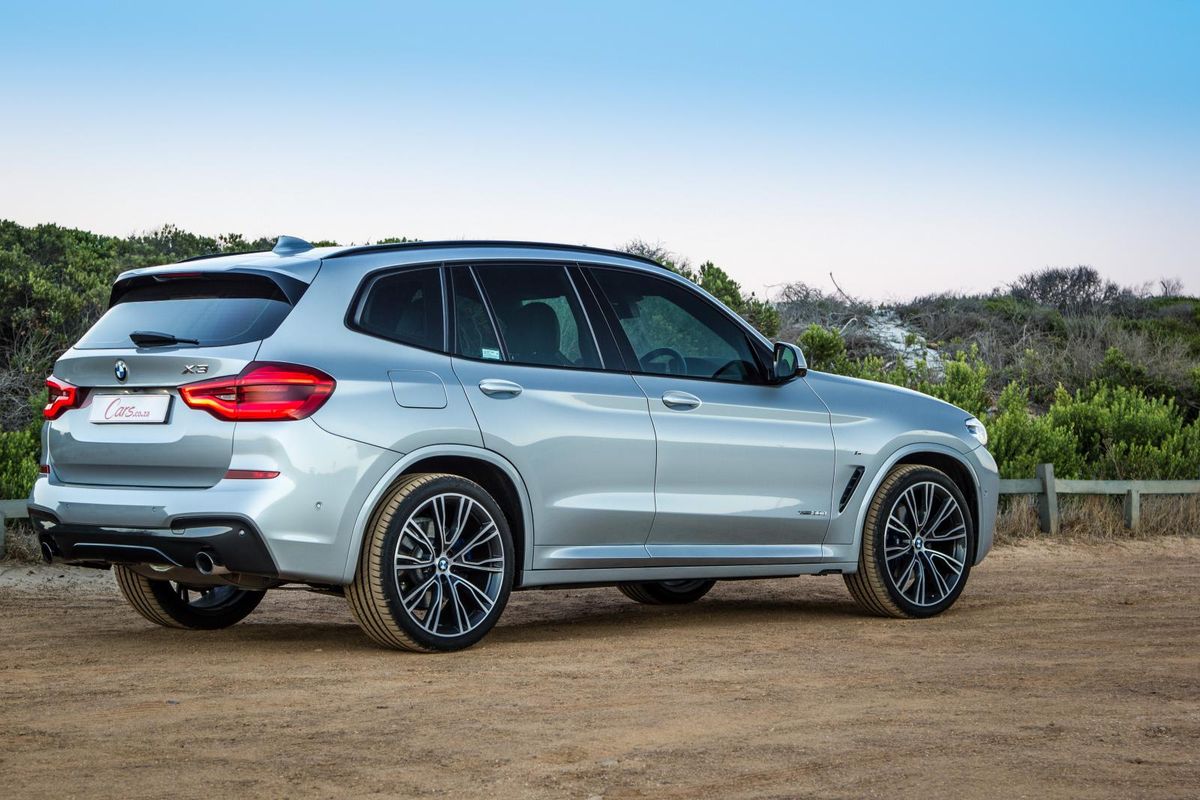
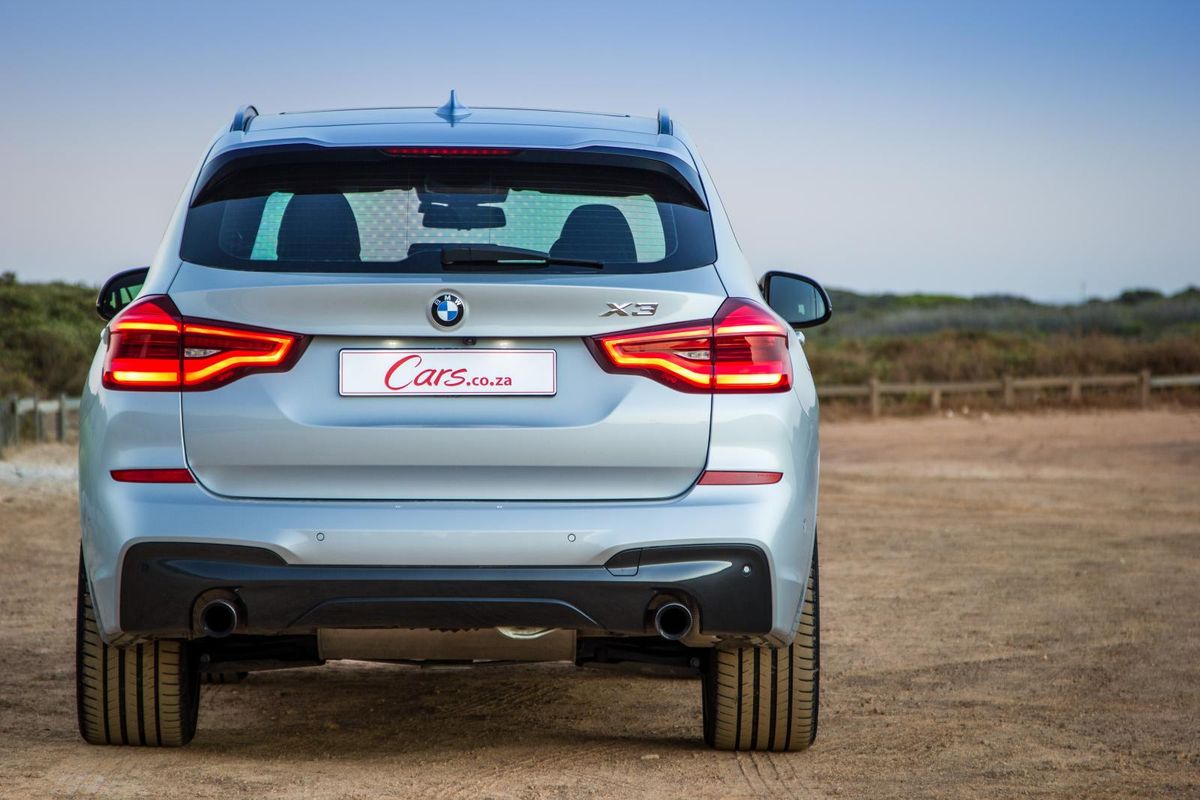
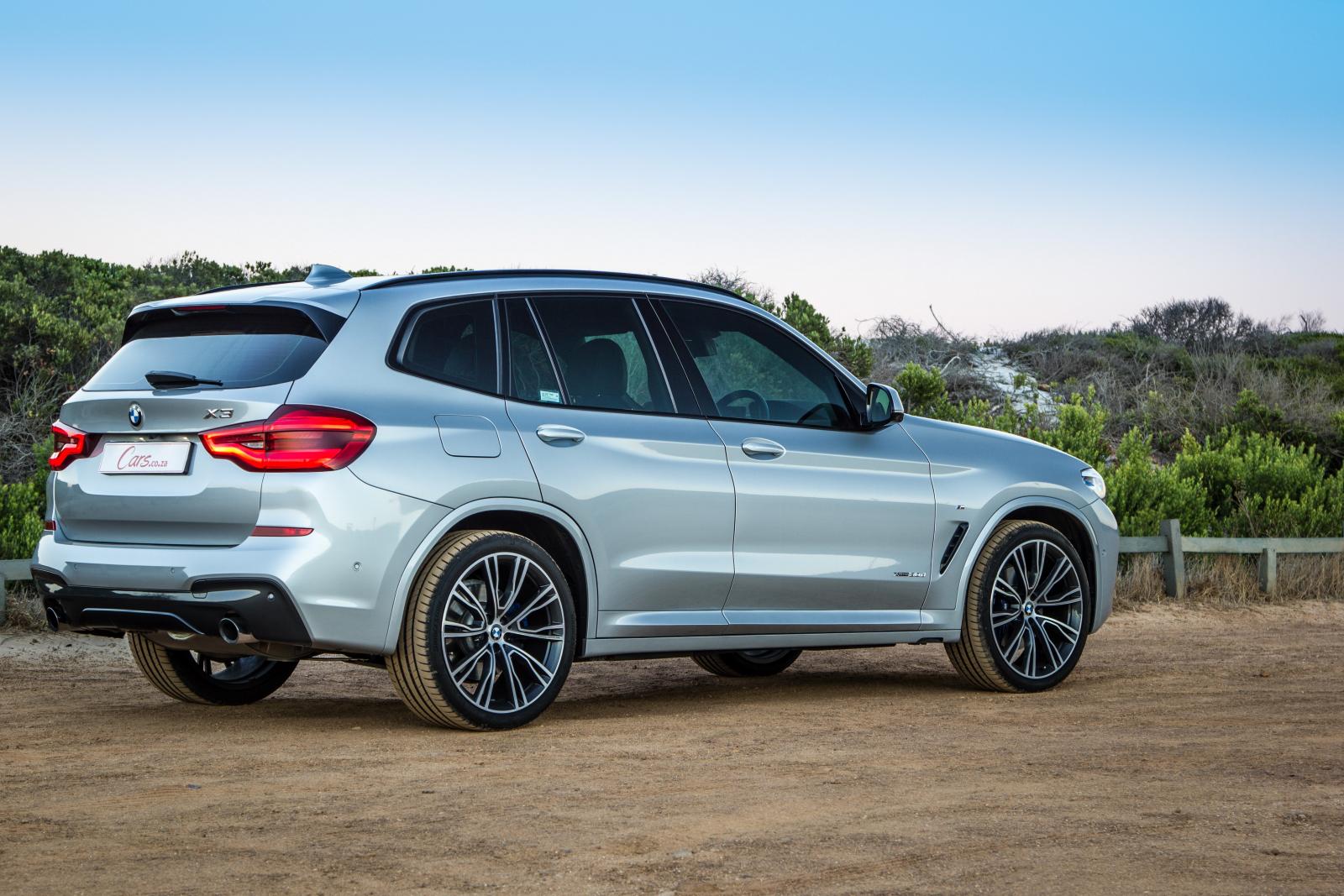
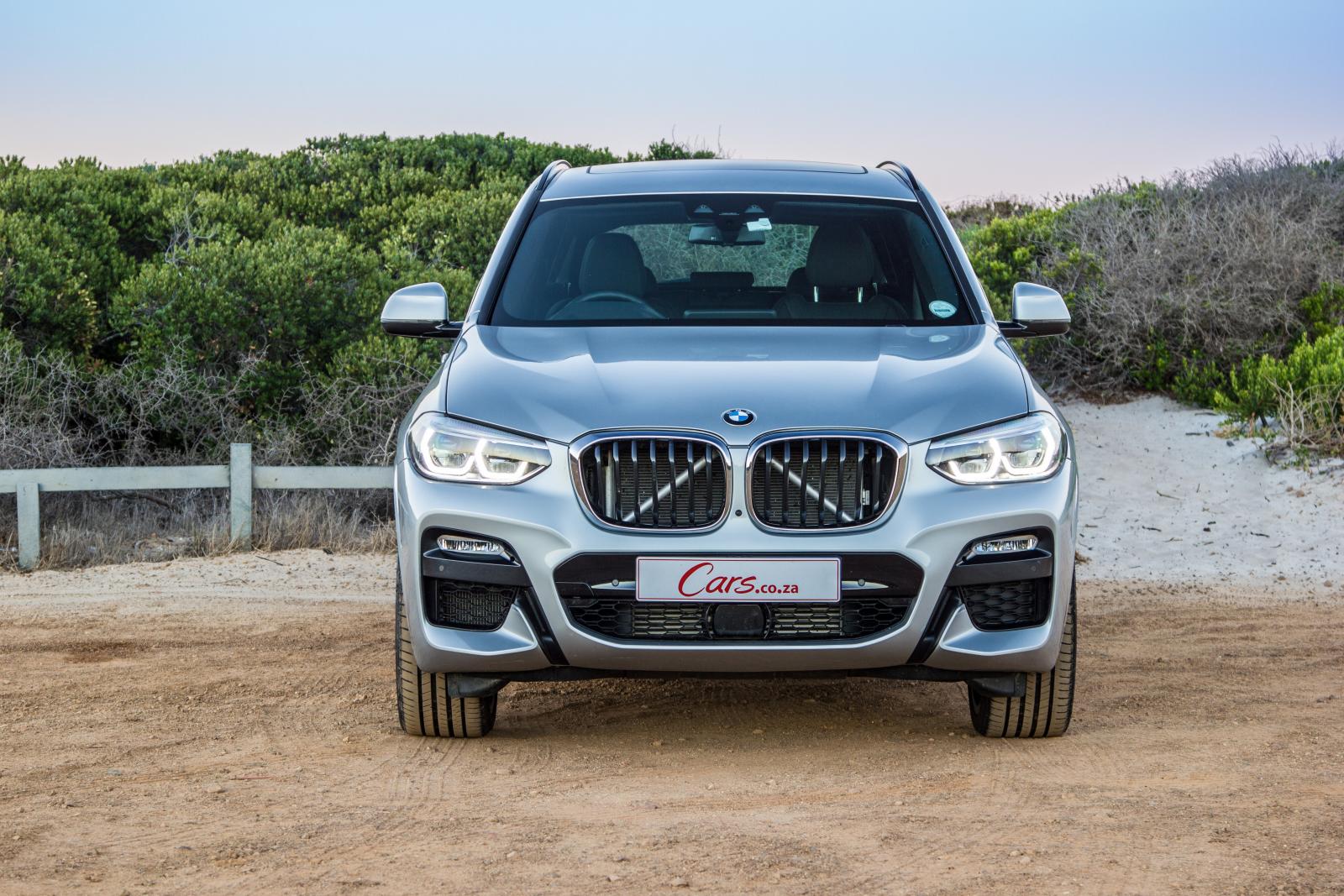
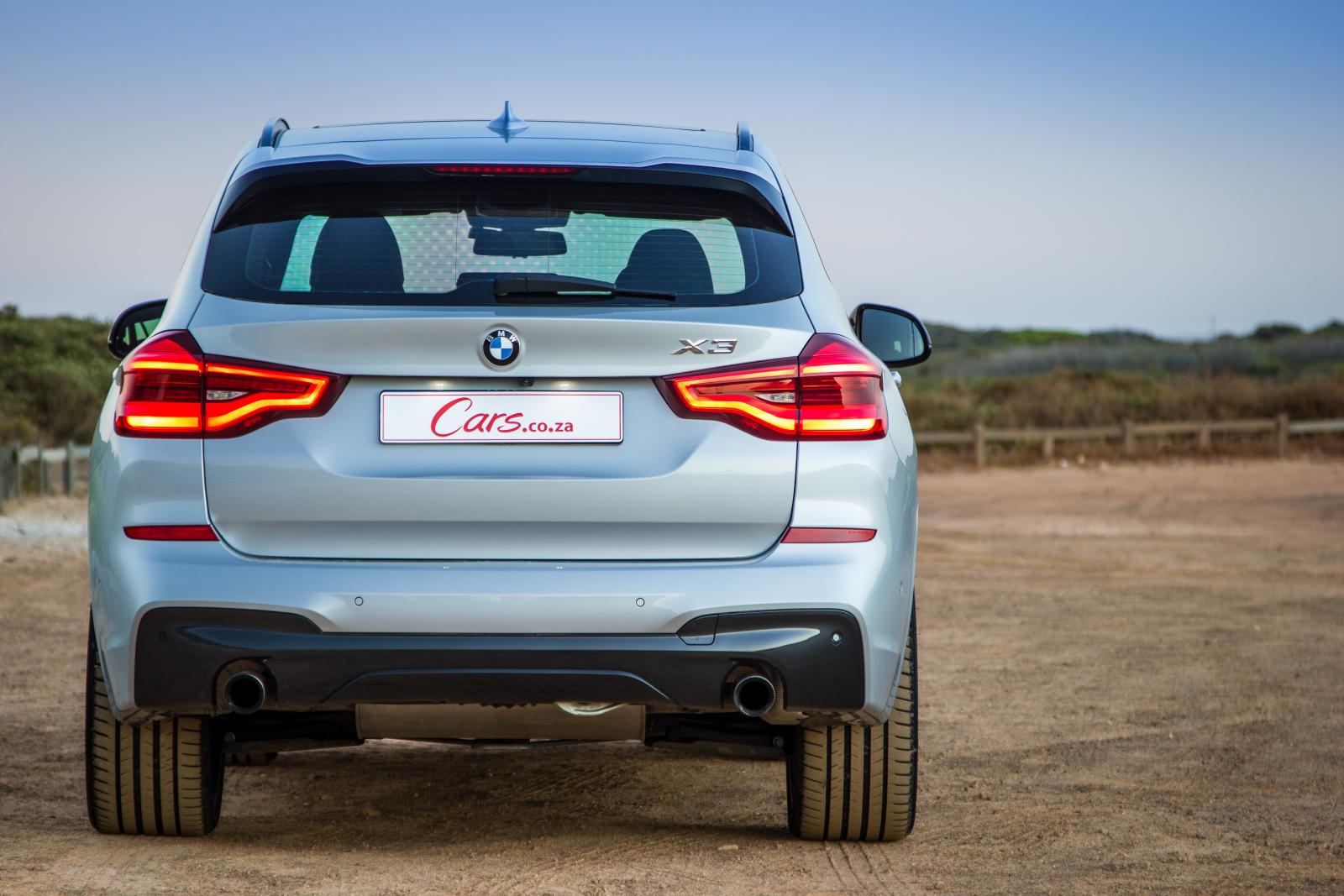
Given the abundance of sheetmetal to the rear of the X3, the M Sport aerodynamic kit added just enough contrast and visual balance.
What is it?
On the face of it, BMW has not changed much with its X3 recipe, but Munich’s Executive SUV is now notably based on the scalable lighter and stiffer CLAR platform (first introduced on the 7 Series, followed by the 5 Series and 6 Series GT), its wheelbase has grown by 54 mm and the entire car is 78 mm longer than before. The range’s engine lineup consists 2.0-litre four- and 3.0-litre straight six turbopetrol and turbodiesel powerplants, with an xDrive 20i derivative in the pipeline too.
BMW realised a weight saving of 55 kg through the introduction of aluminium doors/bonnet and the utilisation of high-tensile in the floorpan and the newcomer’s extra dimensions bear out in the long bonnet, increased rear accommodation and sizeable luggage area. As a mid-sized luxury family car, the X3 appears to have come of age.
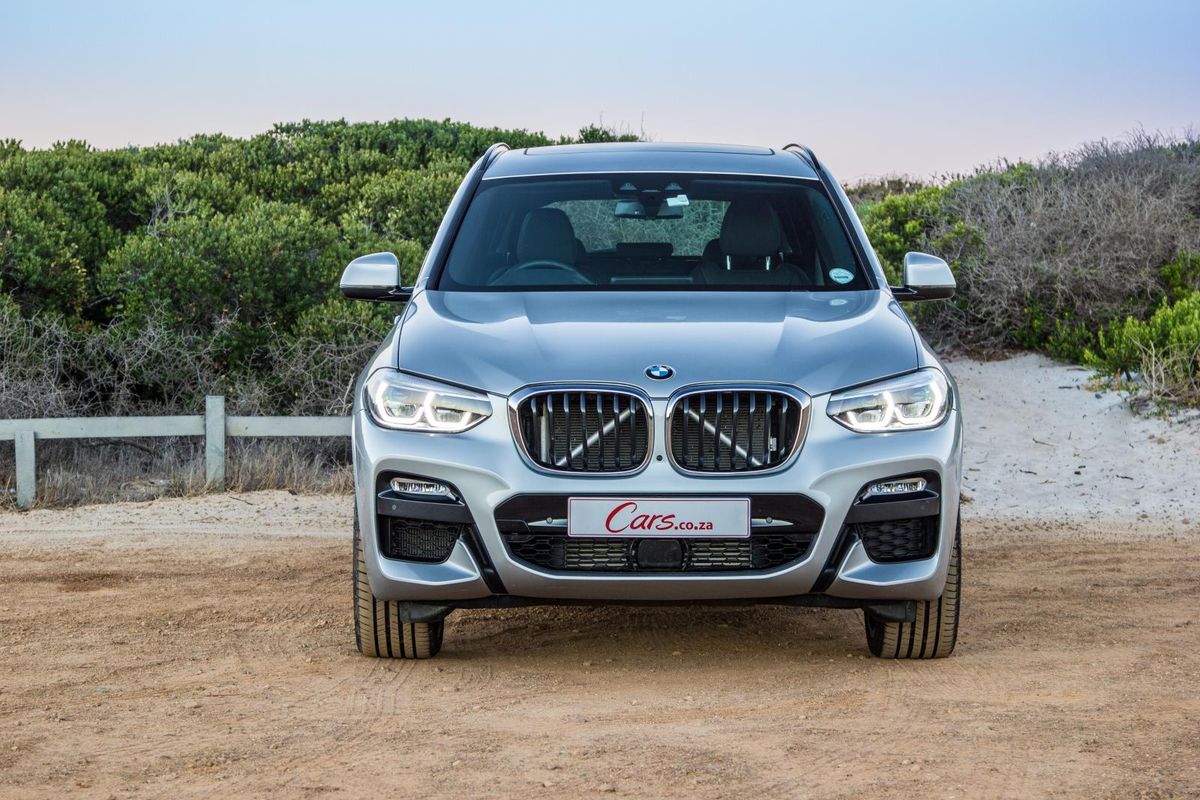
The jury is still out on the aesthetic success of the large kidney grilles or "flared nostrils". The X3 nose is anything but non-descript…
How does it fare in terms of…
Kerb appeal?
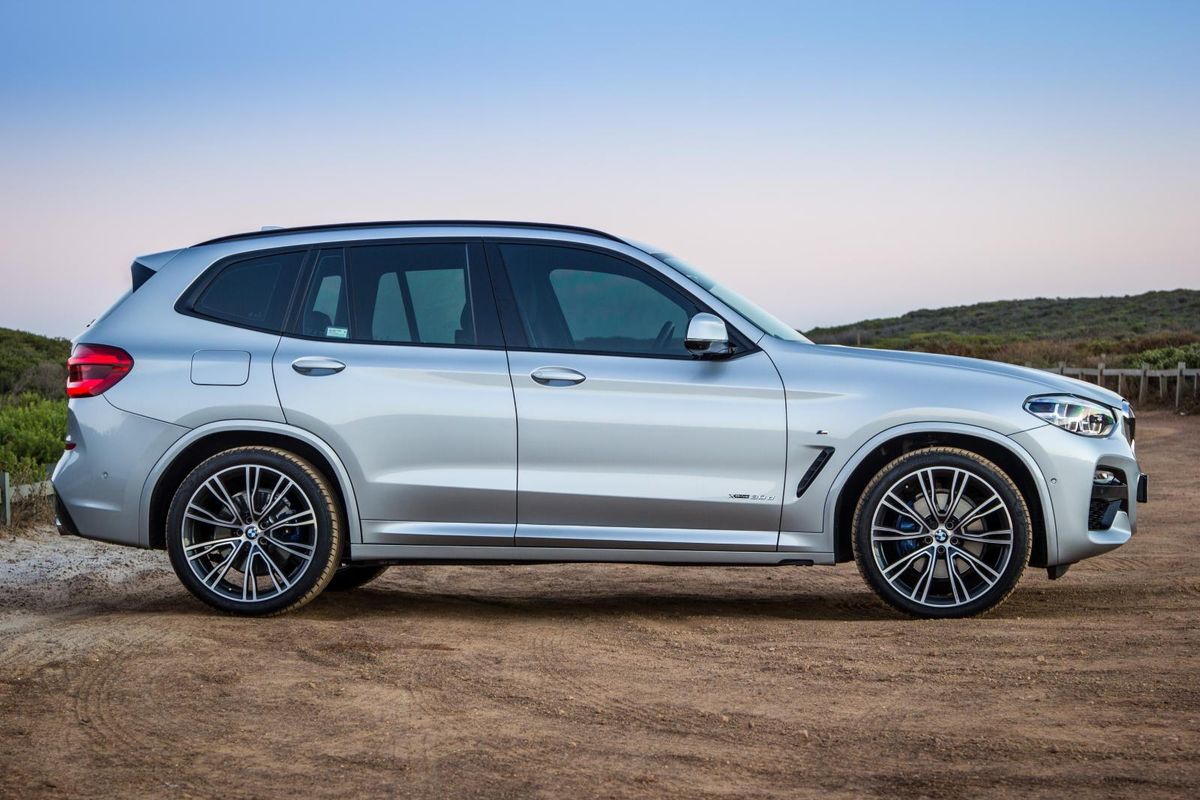
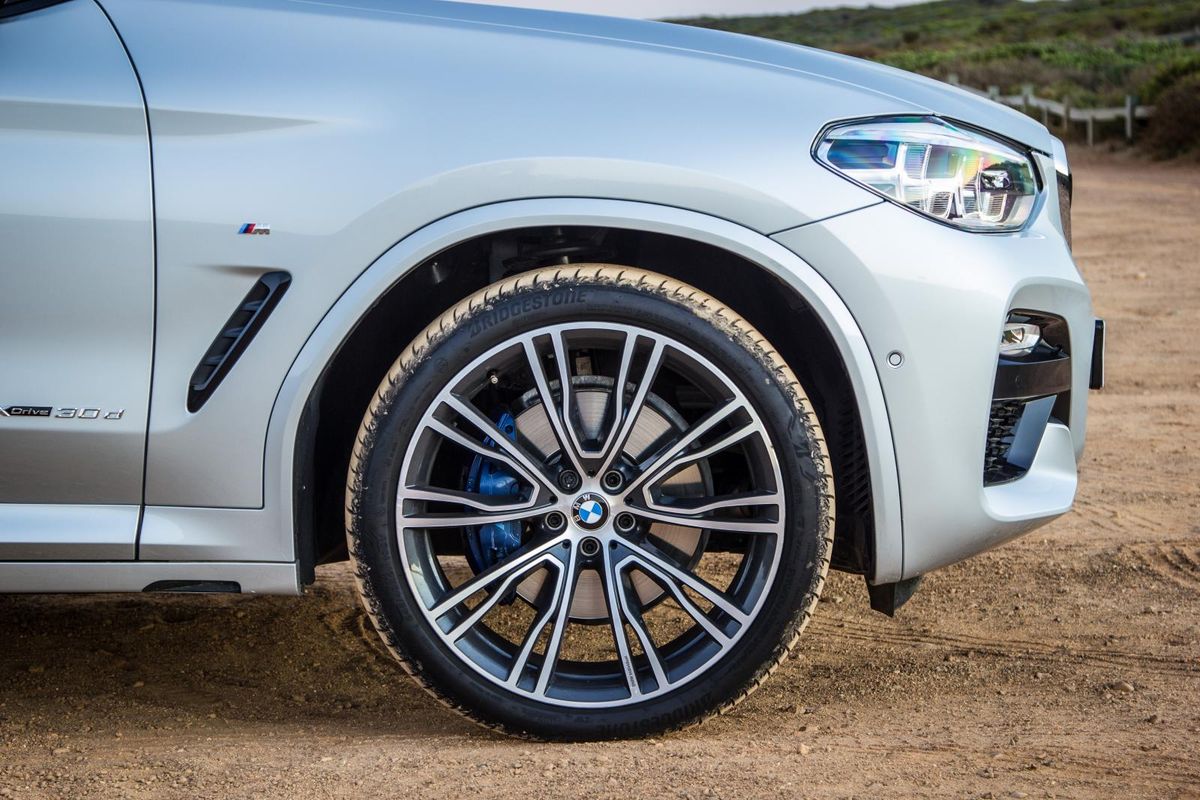
Whereas most people would agree that the previous-generation X3 looked more or less agreeable following its mid product cycle facelift, its predecessors were all awkwardly styled – shall we say – “acquired tastes”. Helped by additionally specified sporty M Aerodynamic kit, wheel-arch-filling 21-inch V-Spoke rims, BMW Individual roof rails and high-gloss Shadow Line trim, the latest xDrive30d M Sport looks every bit the suave and sophisticated medium-sized urban family car. The elaborate sections of black mesh in the front bumper lessen the visual assault of the oversized kidney grilles and although the rear three-quarter view still looks a little plump, the anthracite back bumper garnish and shapely LED rear-light clusters make the X3’s tail seem less bluff by visually widening the newcomer’s stance.
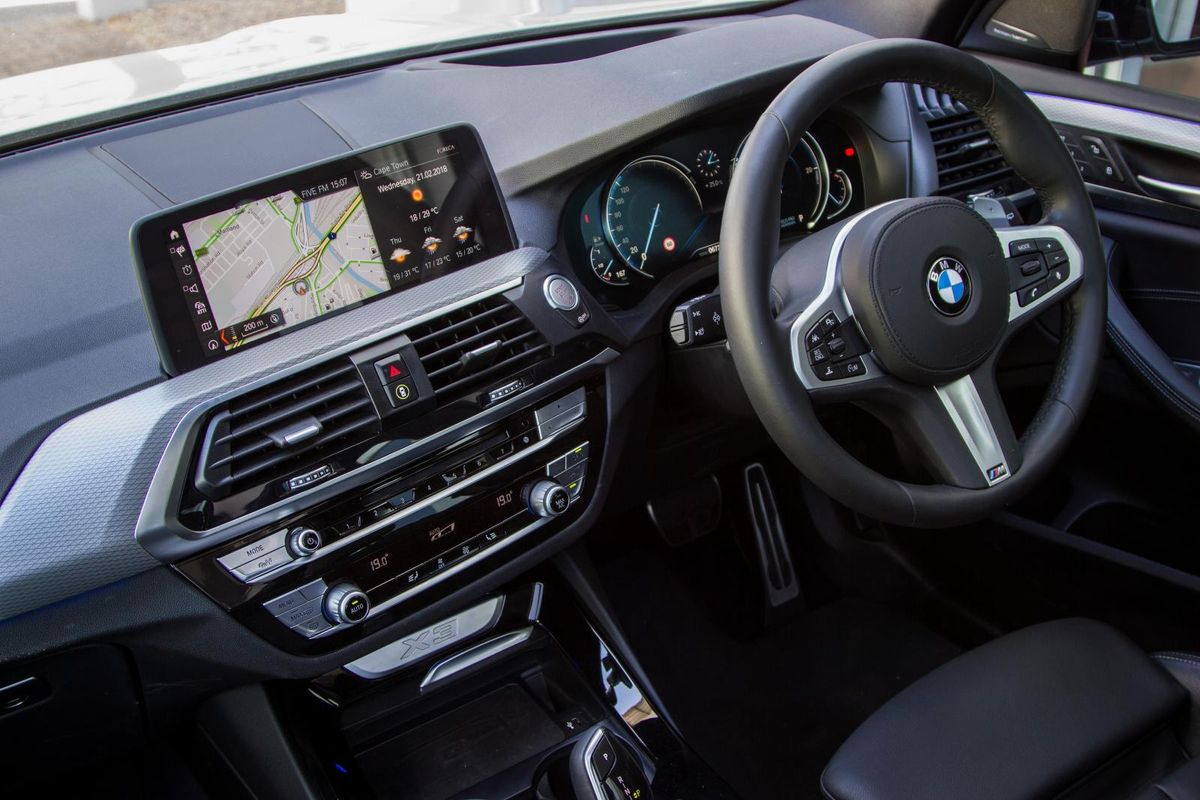
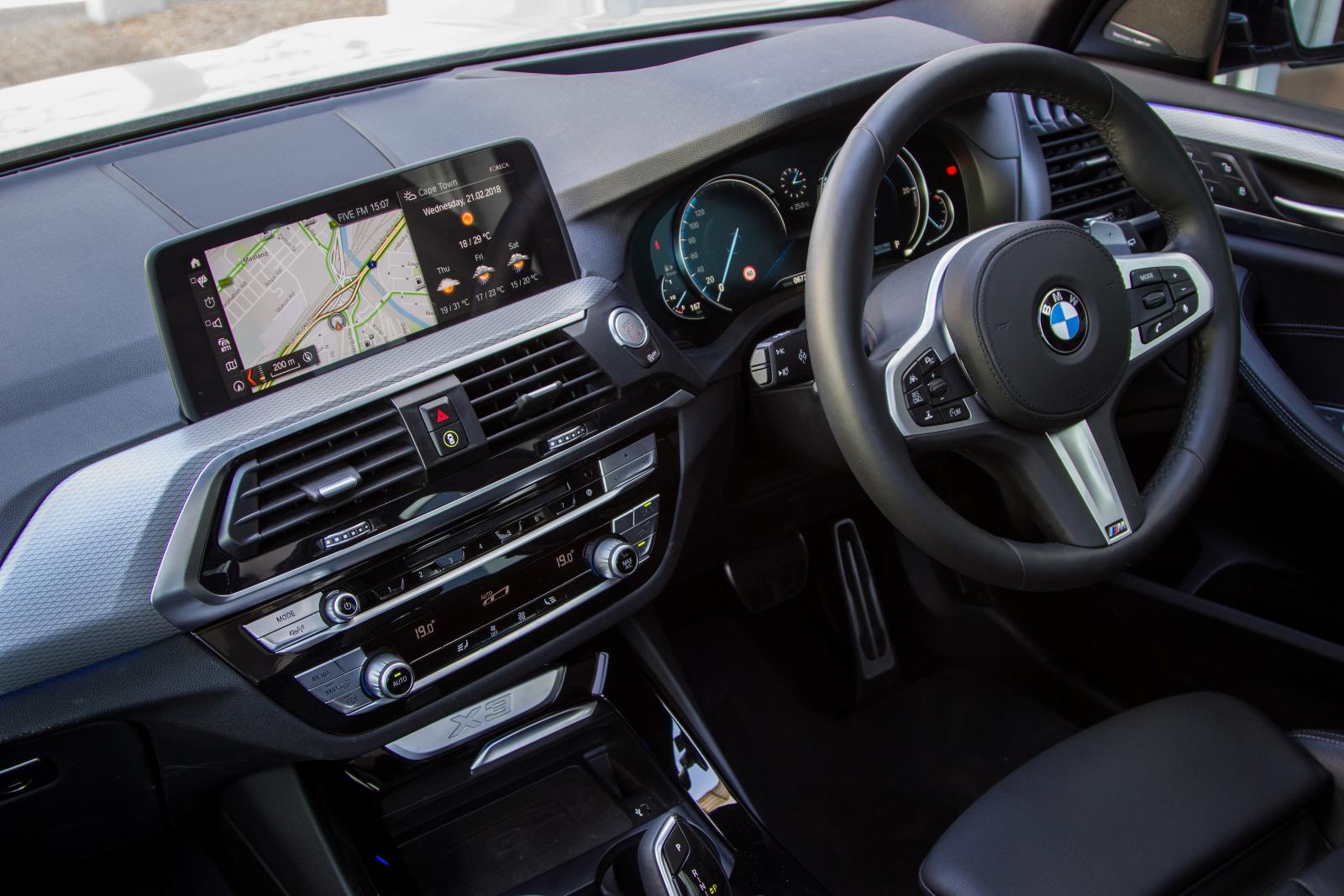
BMW's executive SUV strikes a good visual balance between brightwork and electronic surfaces, plus it's ergonomically sound.
Packaging?
The interior of the X3 will be instantly recognisable to those who’ve experienced the 5 Series' memorable interior, but there is nevertheless a distinct sense of occasion to the new executive SUV’s cabin, not least on account of the X3 badging in the inner doors and atop the lidded oddments compartment, just below the fascia.
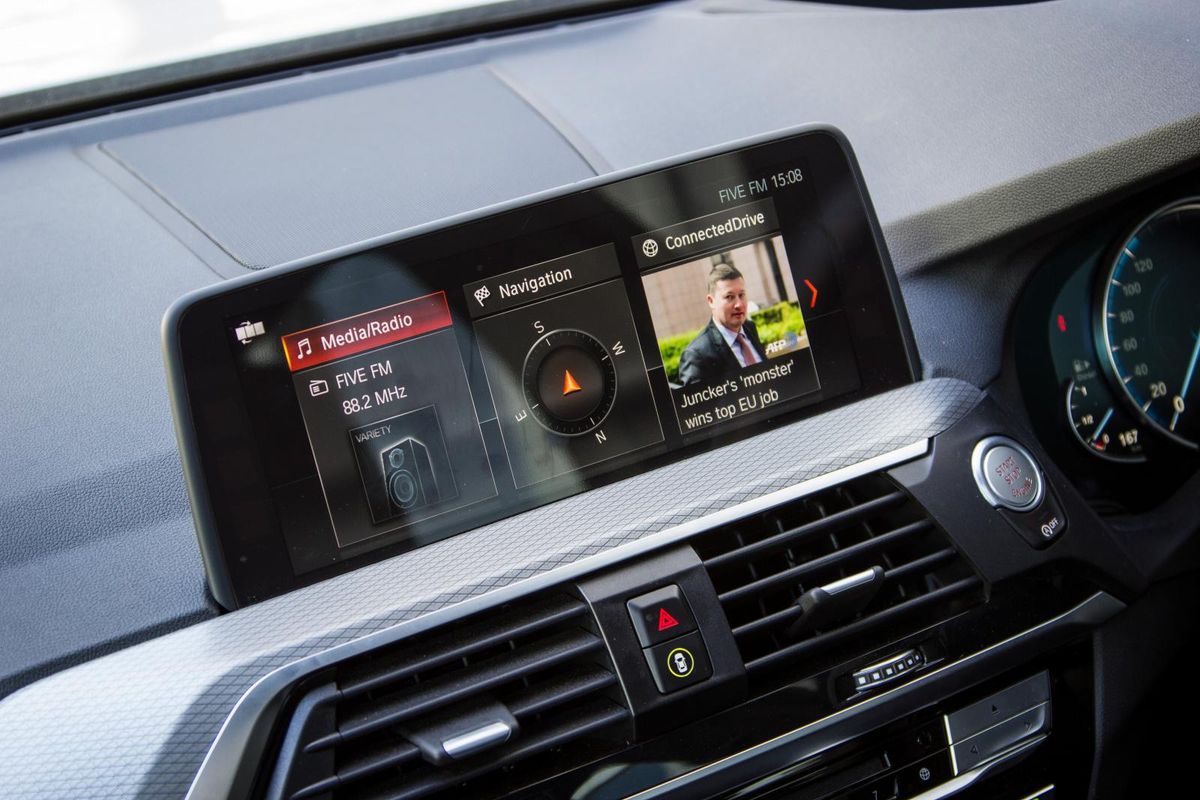
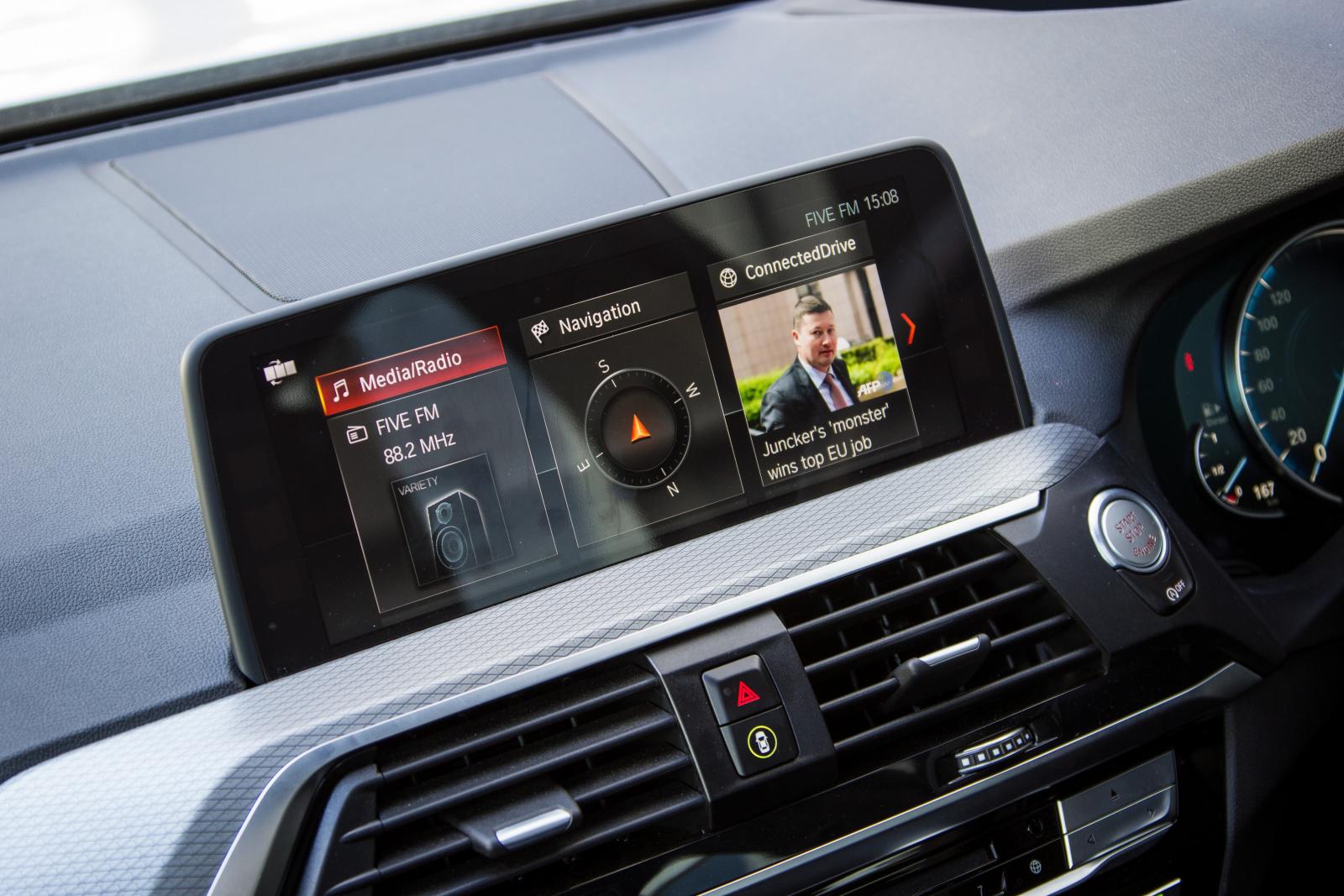
A tasteful melange of piano black and Aluminium Rhombicle inlays, Pearl Chrome strips and Galvanic embellisher (metallic finishes) to the switchgear add tactile luxury to the X3’s leather-trimmed cockpit, which feels thoroughly contemporary (technologically speaking) thanks to the sizeable infotainment display, which is sensitive both to touch- and Gesture Control inputs (plus Apple CarPlay-enabled), an all-digital instrument cluster and the head-up display; a Harman/kardon Surround Sound system, meanwhile, provides a sonorous entertainment. Note that the latter features and the specific trim finishes are listed as optional extras, the total of which will be revealed later. The general quality of fit and finish is upmarket, although the dark grey lower half (also soft-touch) plastic was a little too prone to scuffing for some testers' liking.
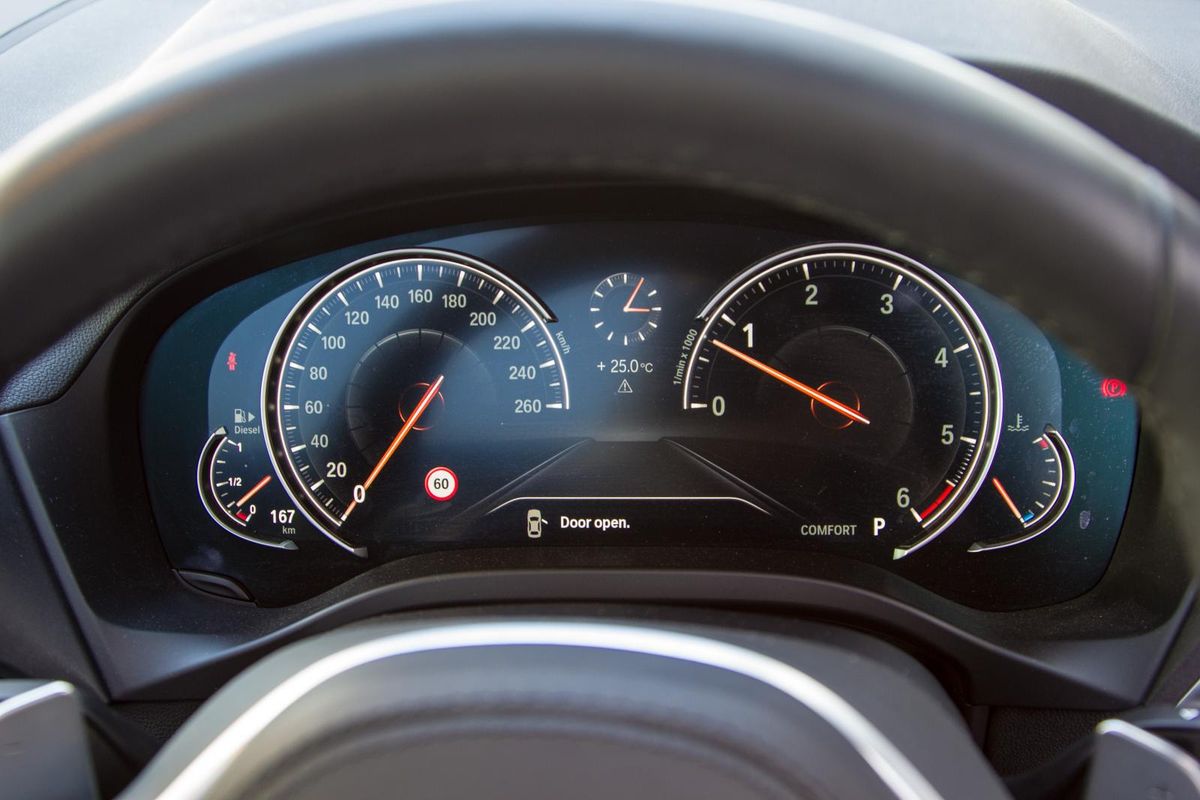
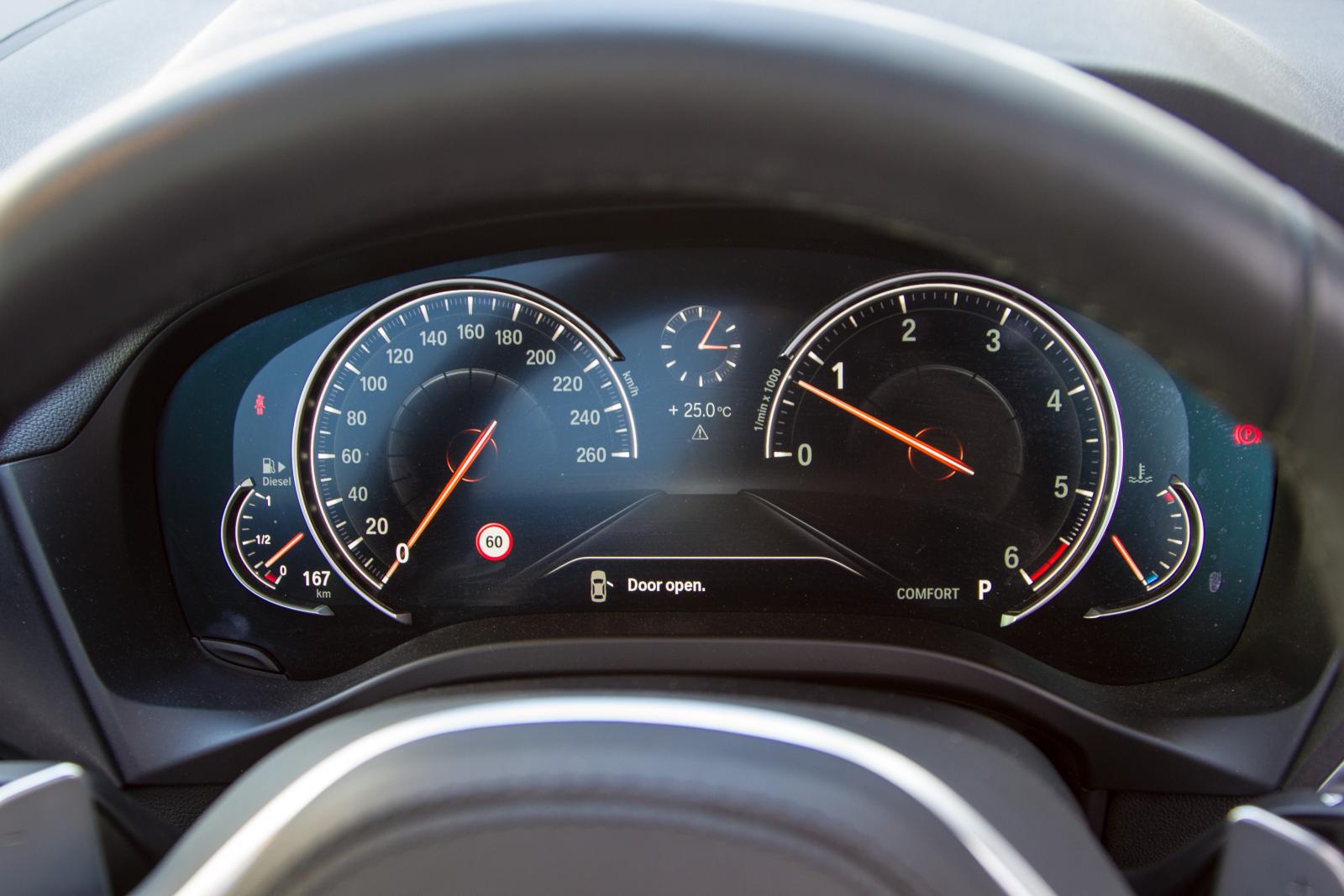
Regrettably, the customisable multifunctional instrument display is an extra-cost item, but we believe it's well worth the additional outlay.
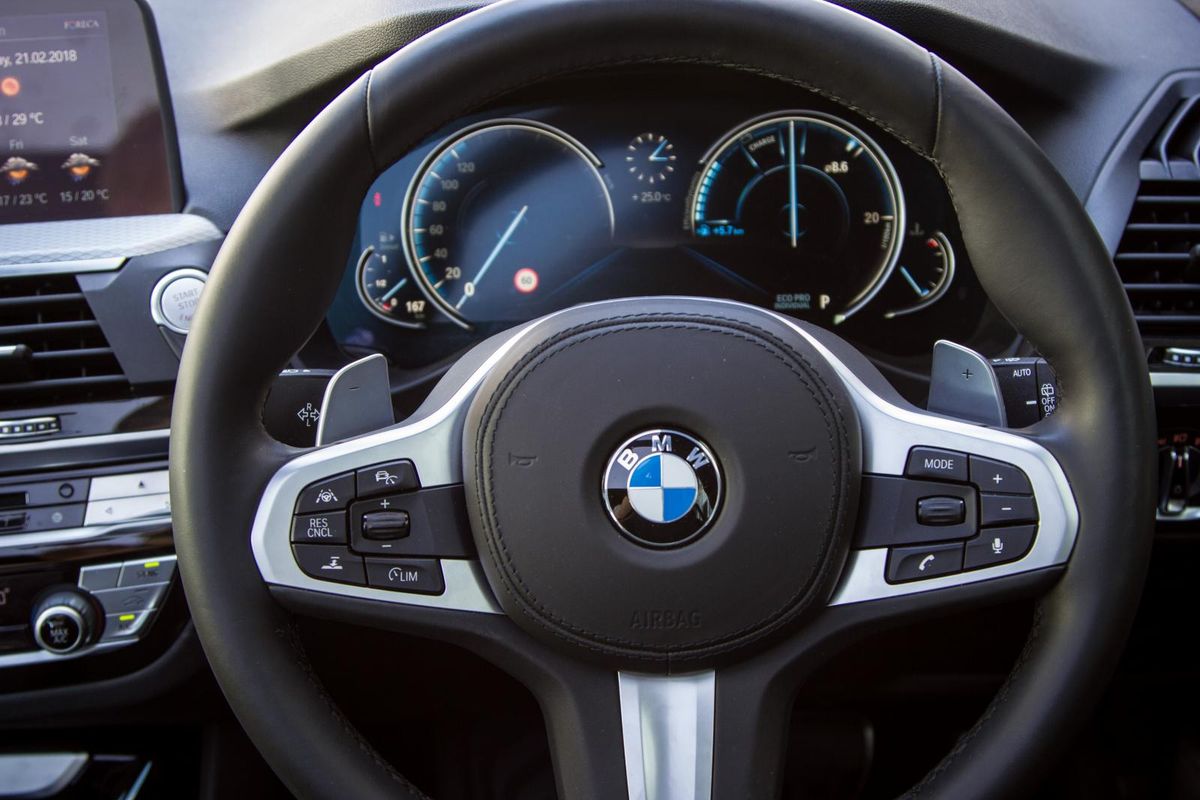
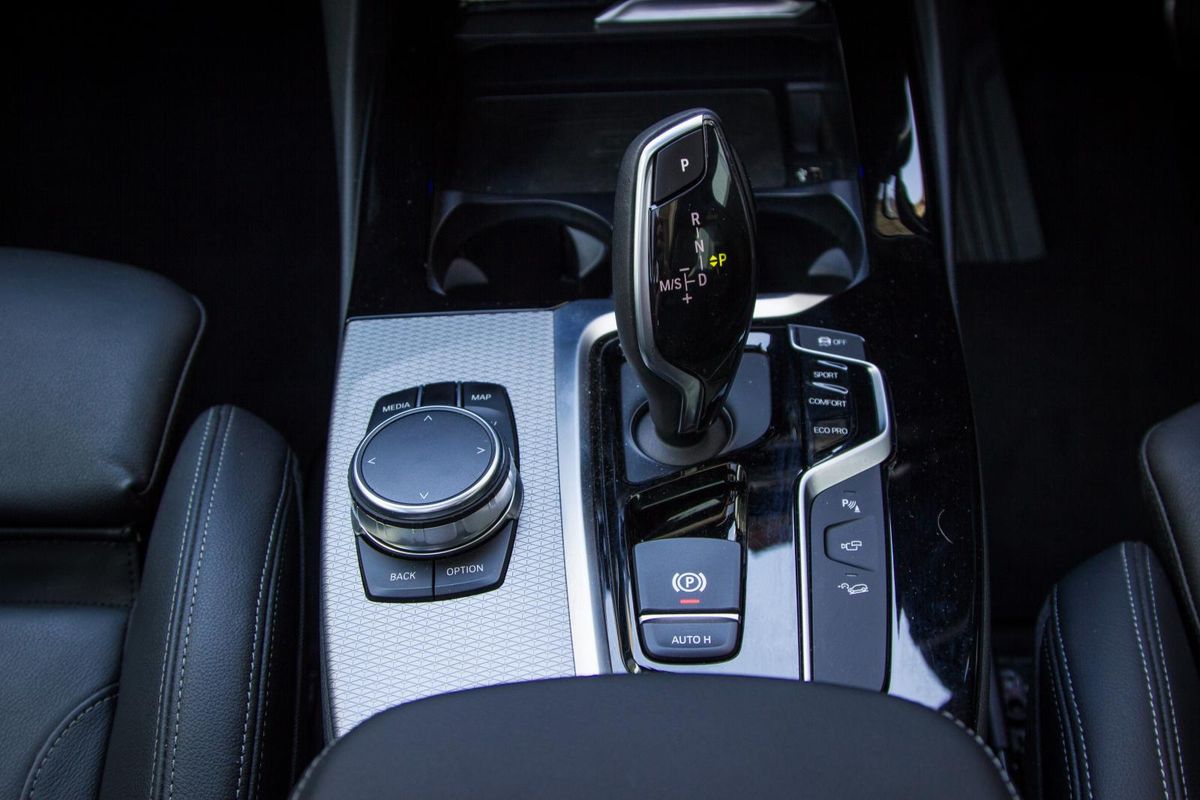
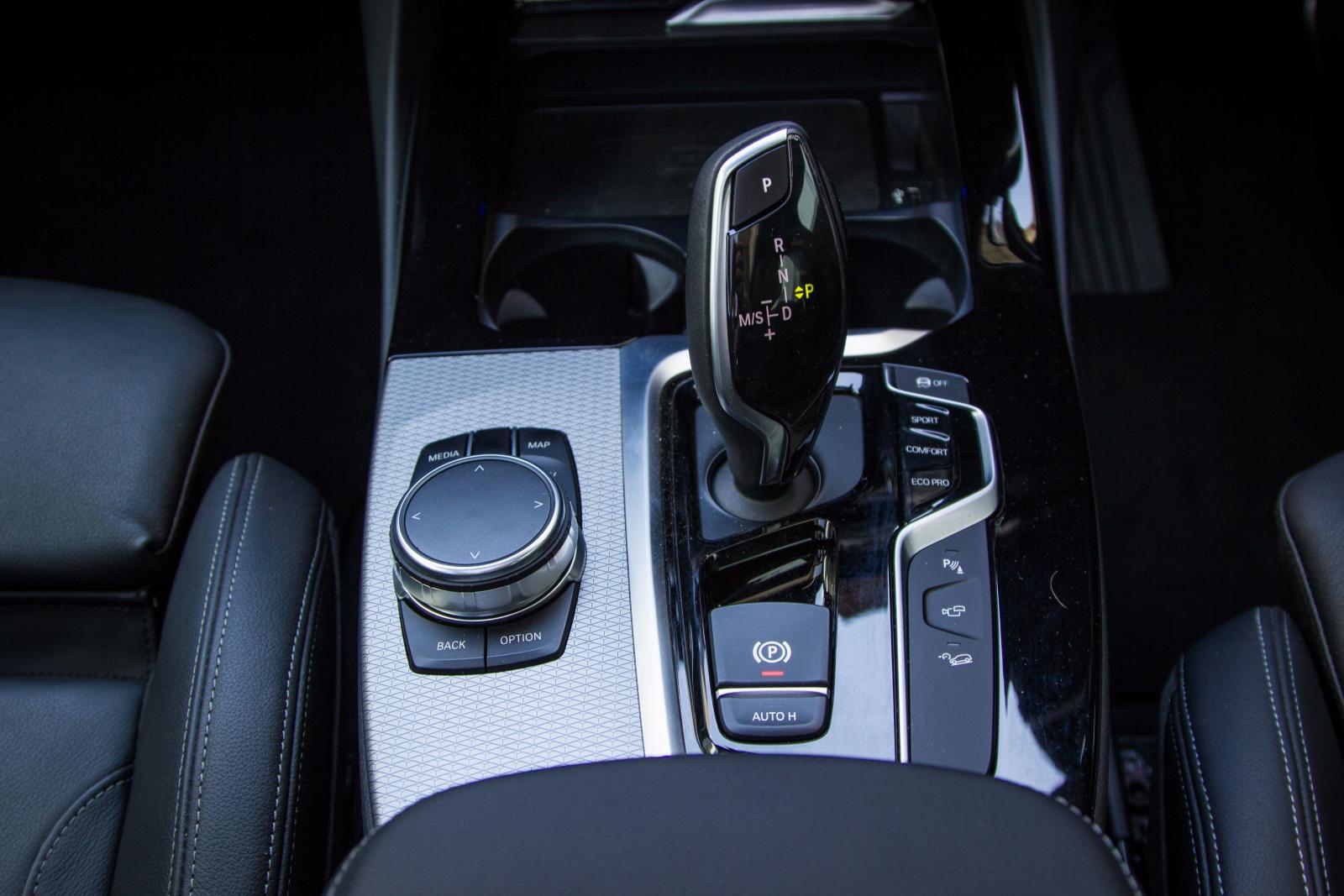
The electrically adjustable front sports seats (with memory function for the driver, also optional) are well bolstered and form-hugging, yet remarkably comfortable on longer trips. The smart leather-trimmed M steering wheel feels well-sized, but most testers still preferred to favour a hiked-up commanding driving position over the low, semi-reclined one most drivers would favour when driving sedans or hatchbacks. The aforementioned lidded compartment directly ahead of the transmission lever/iDrive/Drive Mode console features sizeable cupholders and a wireless charging pad. The large bottle holders in the front doors recesses were particularly handy.
Performance, ride and handling?
Suffice to say that thanks to the weight-saving measures and further enhancements to its drivetrain, the xDrive30d offers more than sufficient performance. In fact, the peak torque of 620 Nm, which is available from 2 000-2 500 rpm (a slightly narrower band than its chief rivals), results in pleasingly punchy overtaking acceleration… it’s worthwhile to slip off the main freeways and exploit a quiet back road. The Drive Modes do affect the throttle response/shift pattern perceptibly, in normal mode brisk acceleration requires firmer prods to accelerator than expected, but not alarmingly so. The 8-speed transmission remains one of the best aspects of larger BMWs.
The transmission tunnel/centre console is beautifully designed and super-functional. Toggling between Drive Modes is a cinch.
As for general body control and road holding, the X3 feels poised and grippy (aided, no doubt, by those wide 21-inch tyres) and although the steering is largely bereft of feel, turn-in is crisp. It’s only when dipping into a corner at a careless pace that the executive SUV can feel slightly top heavy – as if the stability control needs to quietly settle the car. These characteristics are perfectly in keeping with a car in this segment of the market (it is a comfort-oriented luxury mid-sized family car, after all).
The ride quality, however, was a pleasant surprise. We tested the xDrive30d on a variety of surfaces, including dirt road sections, and were thoroughly impressed with how pliantly the BMW absorbed imperfections relative to its rather extreme (21-inch) wheels and tyres. Road and wind noise insulation was good, although dust insulation was comparatively fair, and the test unit only felt a bit bouncy when traversing major bumps at higher speeds. Could this be the most comfortably-sprung BMW SUV to date?
Apart from the fact that the 3-way-split rear backrest can fold forward, it can also recline for added rear passenger comfort.
Practicality?
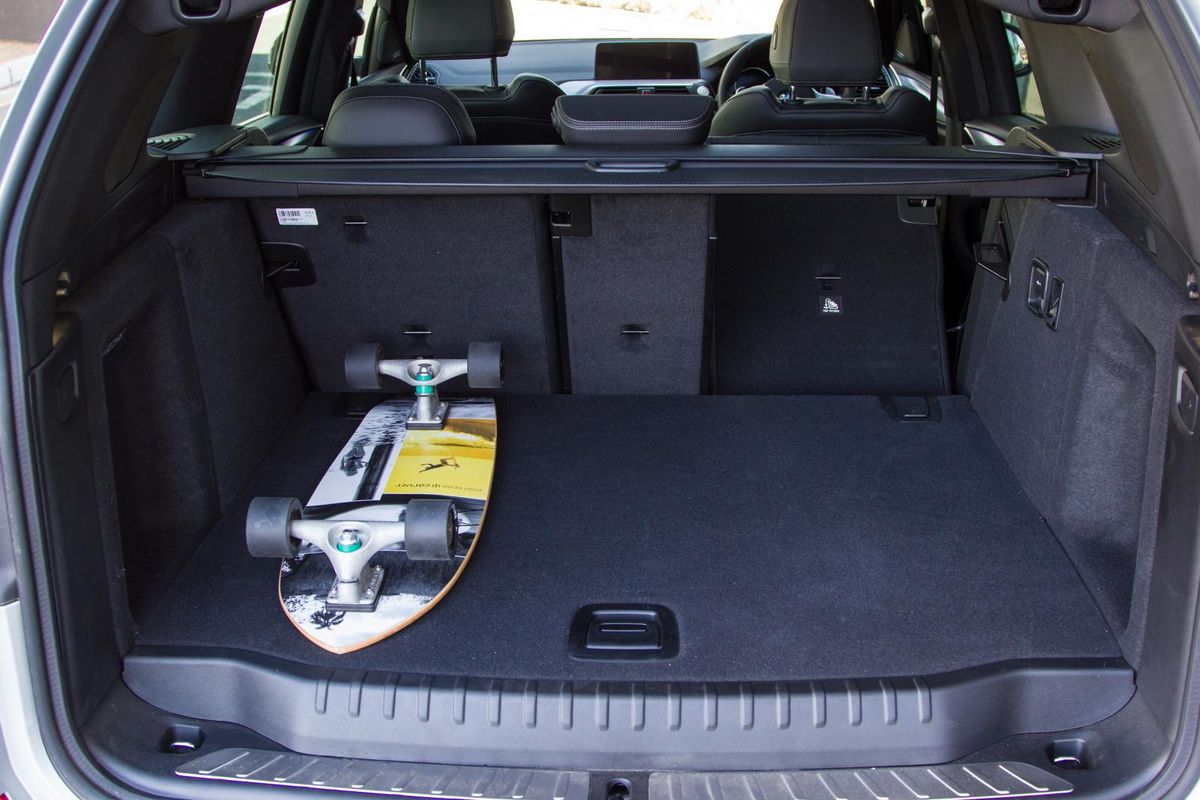
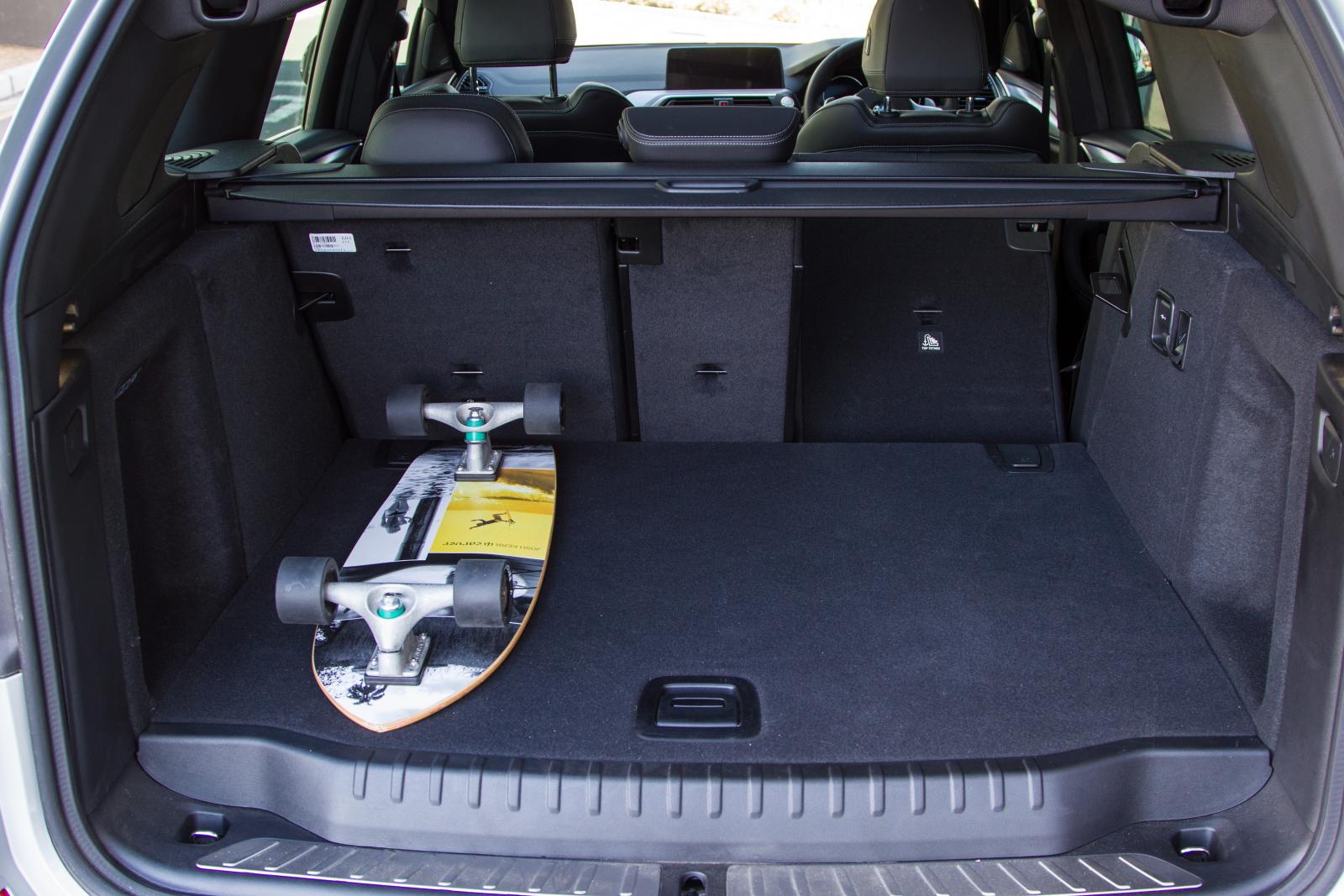
As we alluded earlier in the review, the more spacious X3 shell avails roomier levels of accommodation especially for rear occupants, who are afforded more than reasonable leg-, shoulder- and headroom (and a rear-zone climate control function, should you choose to specify it). The loading height is comfortably low, the tailgate electrically operated (the opening height can be set in the iDrive menu) and, overall, luggage capacity should be perfectly adequate (550 litres) for most buyers.
We found it simple to access the X3’s utility space by flipping forward the rear 40/20/40 backrest at the pull of a pair of levers located on the sides of the X3’s rear bay, where an additional power outlet is provided too. Granted, the luggage area would have benefited from more tie hooks and loops, but pundits will be impressed to know that the X3 features a space saver spare wheel (it explains the slight lip to the floorboard just behind the edge of the metal loading sill), for added peace of mind.
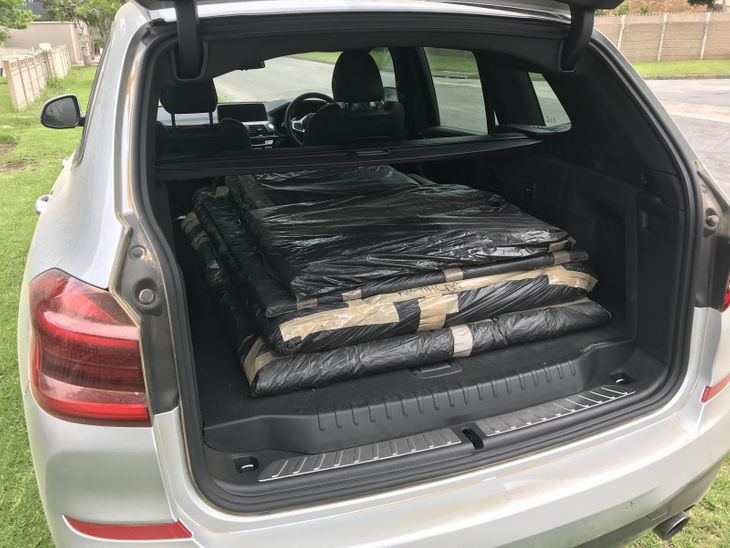
The X3 test unit was effectively utilised to cart a cachet of large oil paintings from George to Cape Town. A good test of practicality.
Technology?
Okay, now take a deep breath. According to the spec sheet for the test unit (supplied by BMW SA) the xDrive30d M Sport sports-auto was kitted out with more than R280k worth of extras. Setting aside the added features we’ve already mentioned, these included adaptive LED headlamps with high-beam assist, an electric trailer hitch, exterior mirrors with anti-dazzle function, panoramic sunroof, Active Protection (emergency braking), Driving Assist Plus (adaptive cruise control with braking and steering assistance), Parking Assist Plus (self-parking feature aided by surround-view cameras, Variable Sports steering, BMW Display Key, as well as Professional navigation.
Of these functions, we appreciated the high-end look of the multifunctional instrument display, enjoyed the detailed surround view function and, although the system could sometimes be too eager to make myriad minor steering adjustments and get confused by variable road markings (depending on the conditions of road maintenance one may encounter on a cross-country trip, which is not the BMW’s fault, to be fair), Driving Assist Plus takes much stress out of long-haul trips. Oh, and in terms of efficiency, we saw an indicated average fuel consumption of 7.8 L/100 km (which is not too far from the quoted 6.2 L/100 km), which is another benefit of the latter system.
The customisable infotainment system can be operated via iDrive inputs, finger touches and swipes, and even Gesture Control!
Price & after-sales support
BMW lists the xDrive30d M Sport sports-auto’s list price as R925 888, which includes a 2-year unlimited mileage warranty and 5 years/100 000 km maintenance plan.
Verdict
Whereas the competition in the business class sedan segment (BMW 3 Series, Audi A4 and Mercedes-Benz C-Class et al.) was once thought to be so close that it was almost impossible to pick a winner, the same can now be said of the executive SUV segment, if not more so. The X3 and its peers, all of which offer such delicate balances between luxuriousness, sportiness, occupant comfort and everyday practicality, have made executive sedans and some premium SUVs seem… superfluous. The Bavarian’s executive SUV’s first task was to improve on its predecessor; in terms of sophistication, build quality, space and utility it succeeded on all fronts.
What’s more, the best attributes of the 5 Series are available in the X3, which is packaged in such a way that it appeals equally as a luxury family car and a sheer ego-driven premium purchasing proposition. Stacked up against the opposition, the BMW feels markedly newer and slicker than the Mercedes-Benz GLC or Porsche Macan, it’s almost as well finished as the virtually impeccable Q5 (but more characterful and engaging to drive than the Audi), and although the Bavarian might not quite feel as trendy, cool or instantly fun-to-drive as the Jaguar F-Pace or Alfa Romeo Stelvio, it’s more resolved (and, in general terms, talented) than its British and Italian rivals.
Given all the improvements in critical areas, the X3 can lay claim to being a superb all-rounder. Is this perhaps BMW's best X car?
And yet, the X3 does not quite barge to the front of the queue in the way that one might expect, given the multitude of platitudes we (and many publications in the automotive media) have bestowed on the 3rd-generation executive SUV. It’s difficult to explain why. By BMW’s standards, the X3’s styling is safe and predictable, it does make a statement, yes, but draws nods of approval instead of gawks of amazement. What’s more, it feels satisfying to drive (and be driven in) but in the way it might feel when you order your favourite dish at your favourite restaurant safe in the knowledge you’re unlikely to be disappointed. When we add up its competencies in several areas of its package, the X3 could be, on balance, one of the best BMW products currently available in the new vehicle market. It has hardly any flaws worth noting.
Ultimately, the Bavarian newcomer is a product designed to “out-all-round” a battalion of excellent all-rounders in its market segment, which is somewhat of a departure from BMW’s usual play book. As is often the case, the X3 xDrive 30d as supplied by BMW for the purposes of this review, was laced with a plethora of nice-to-haves, which at times, threatened to steal the show. Without them (and thoughtfully specified interior accoutrements), the newcomer may have been less memorable. Having said all that, the X3 would probably still be an impressive product without the myriad of on-board toys, but we feel a more prudently specced, smaller-engined and therefore better-priced X3 would better represent the best value the range can offer the broadest spectrum of potential buyers. We look forward to having another go…
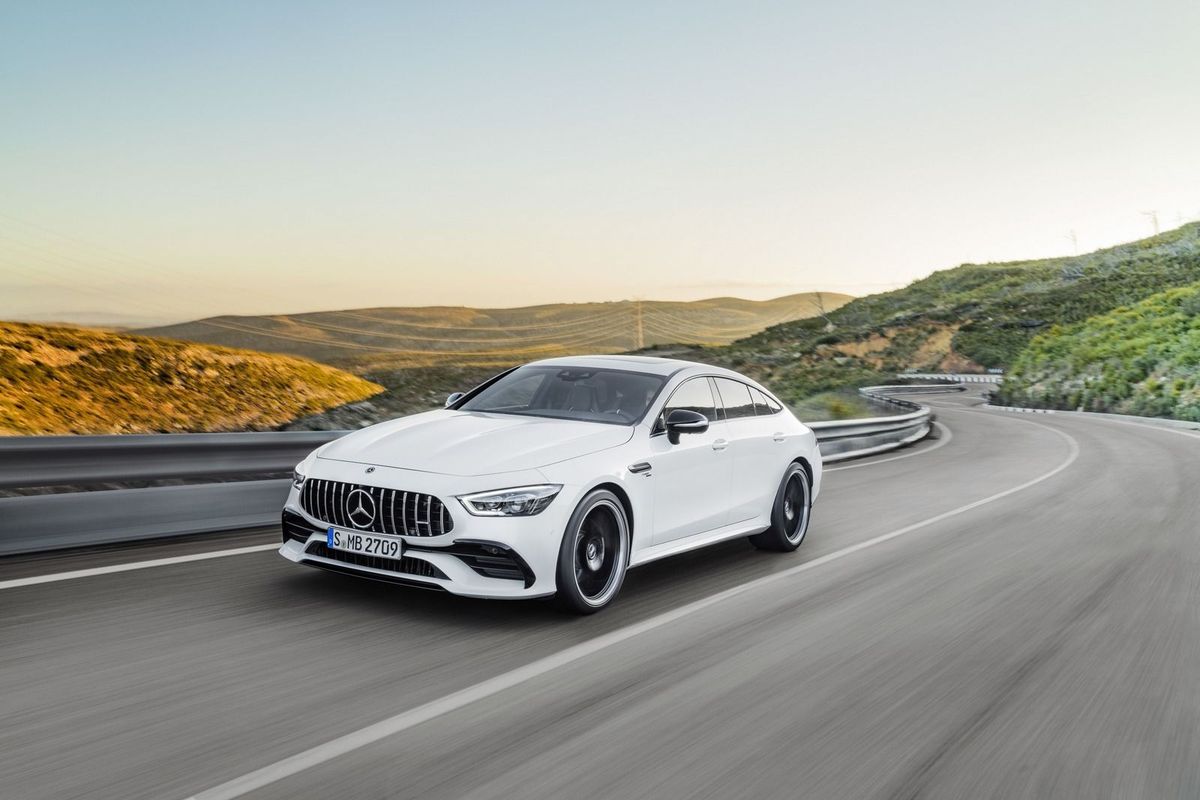
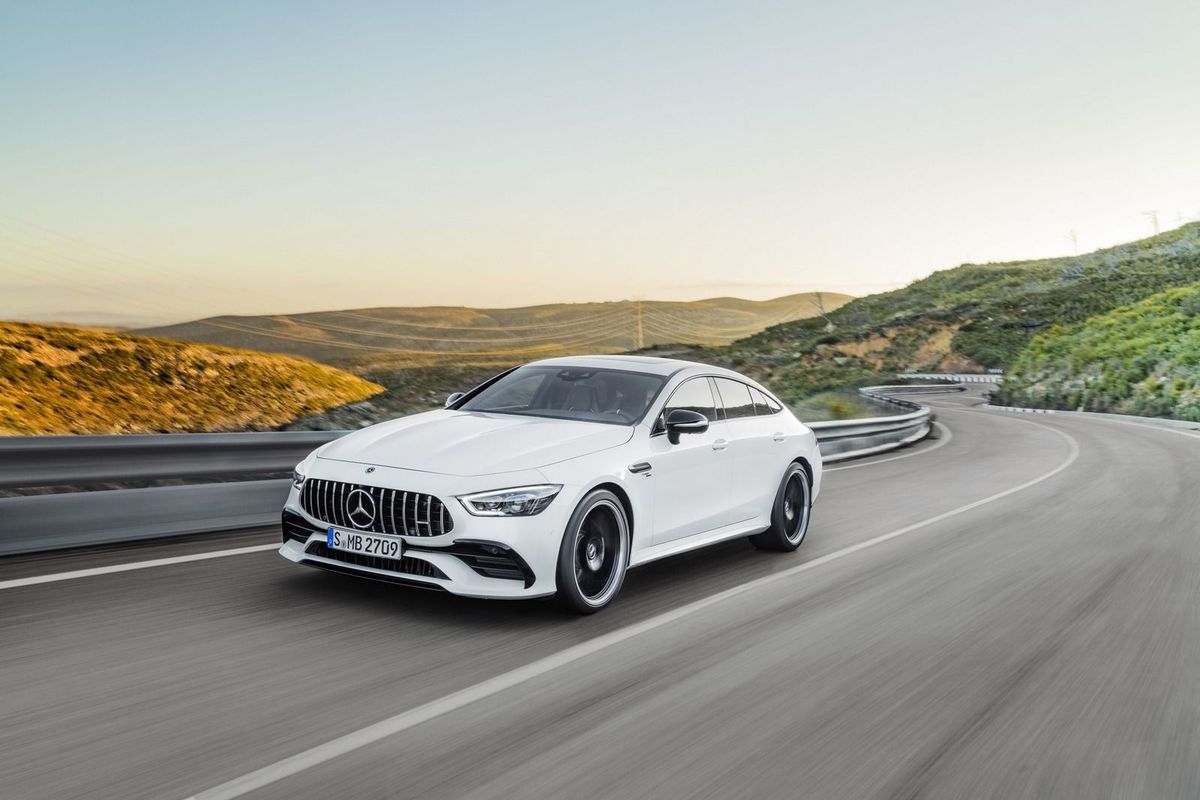
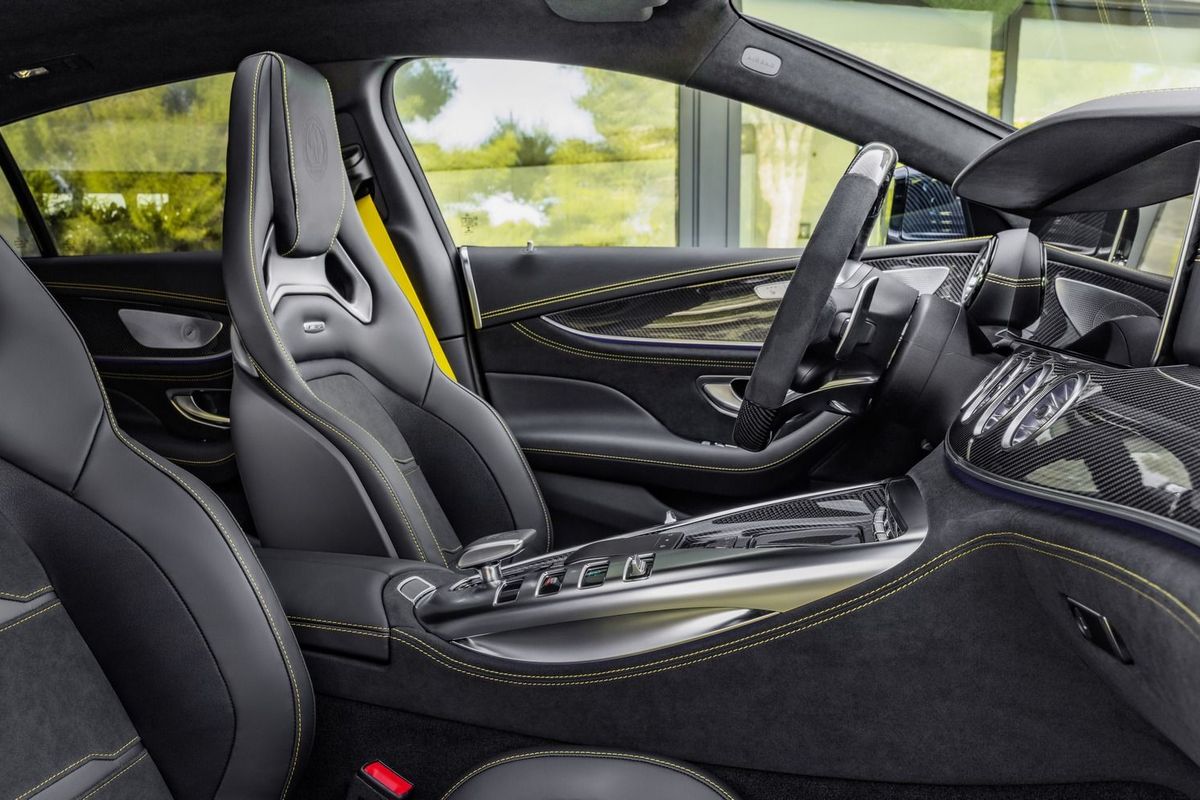
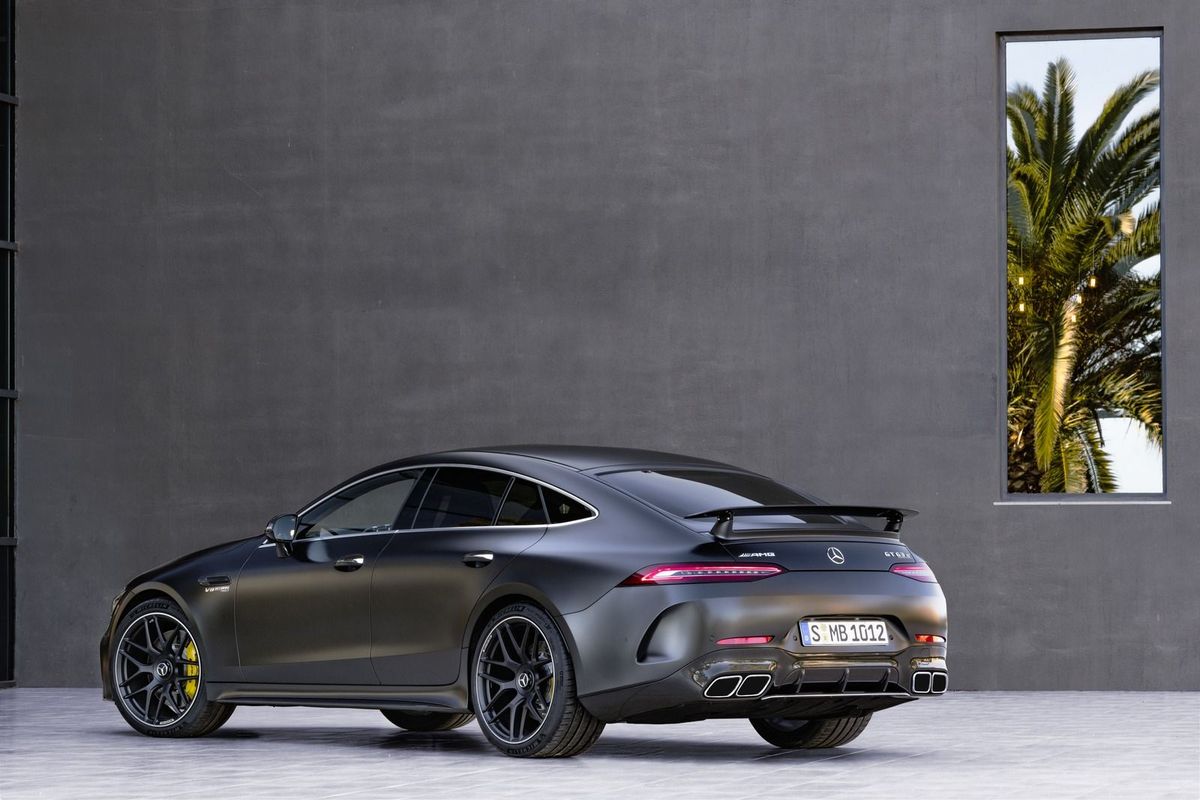
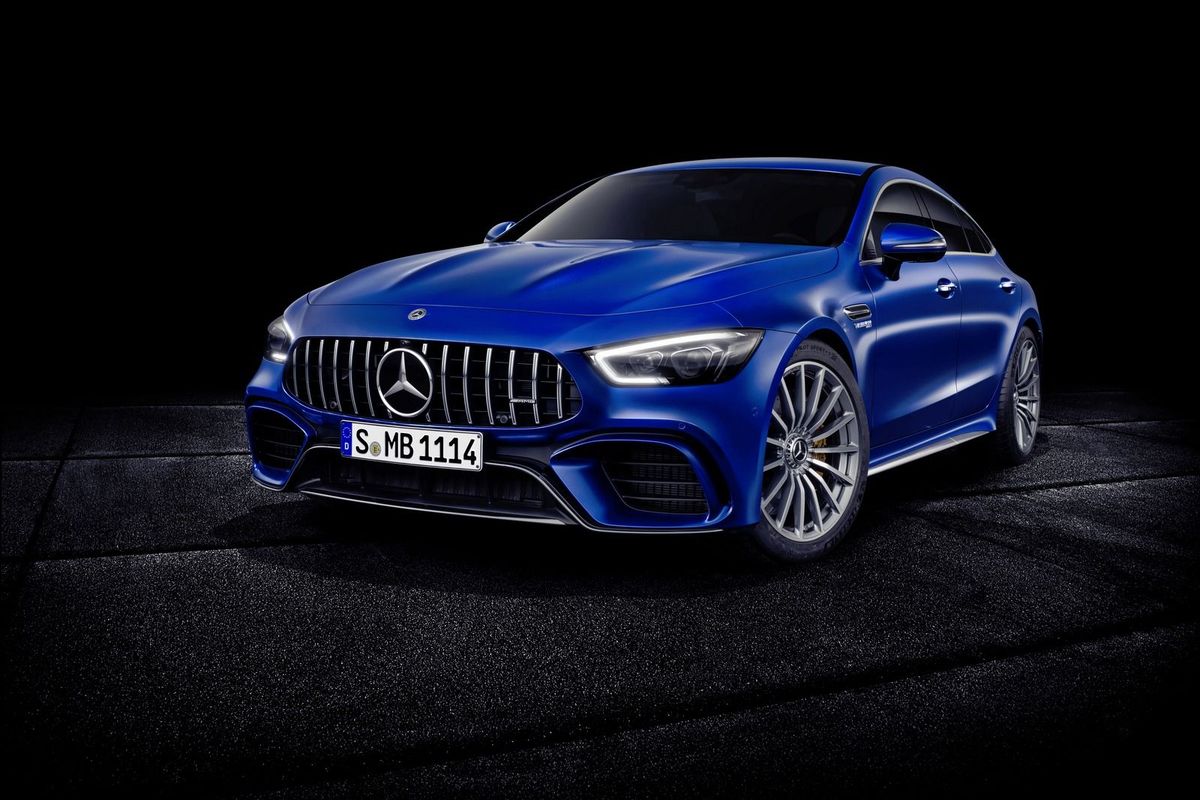
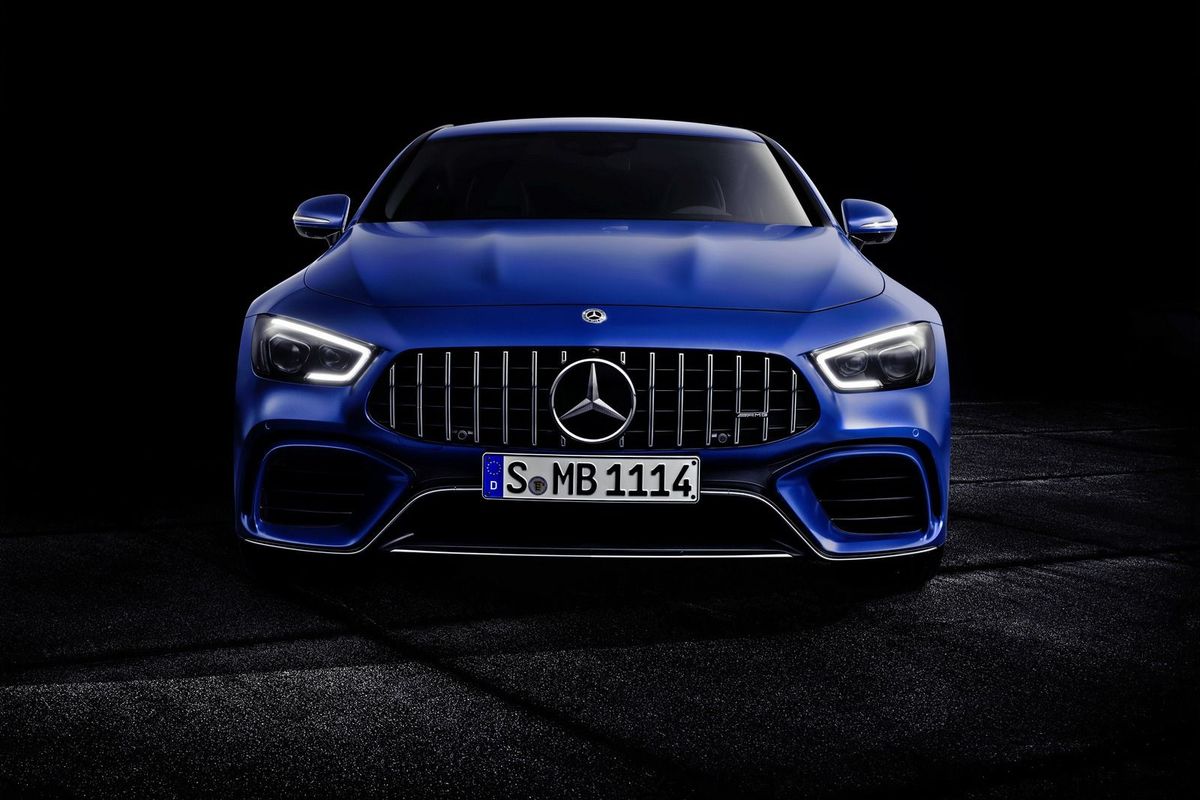
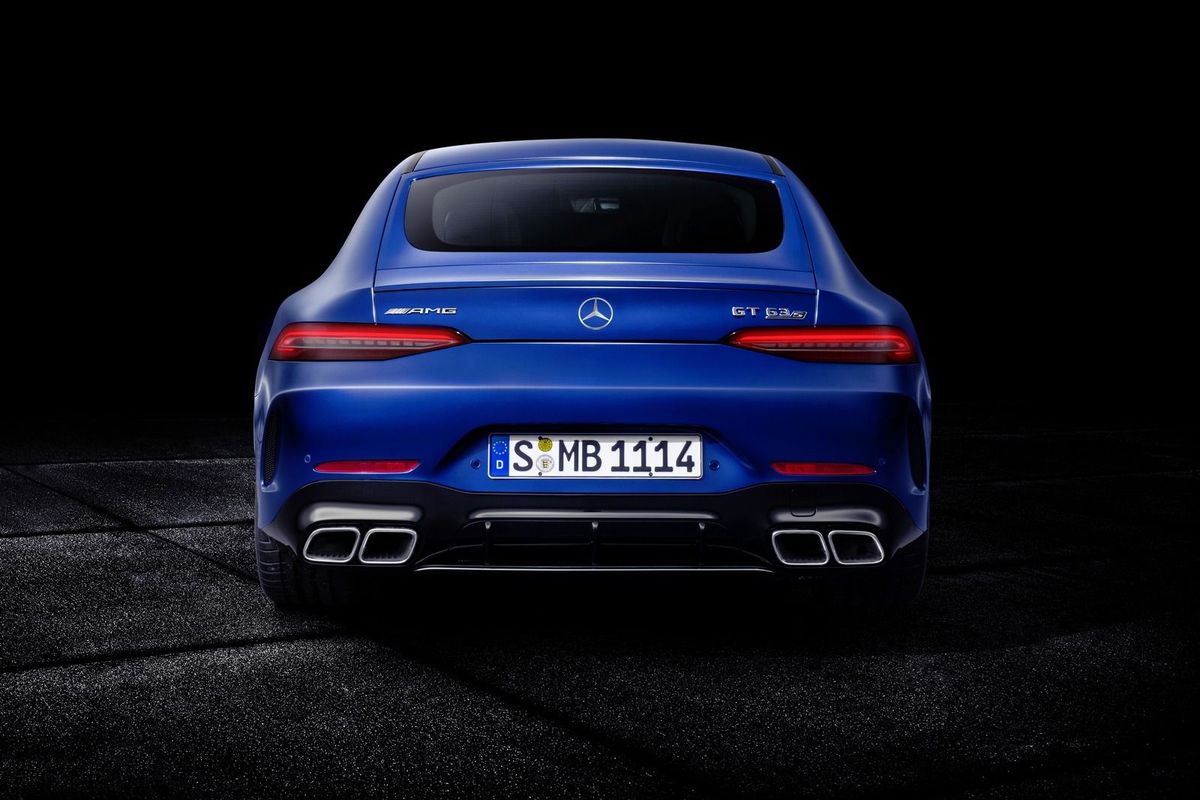
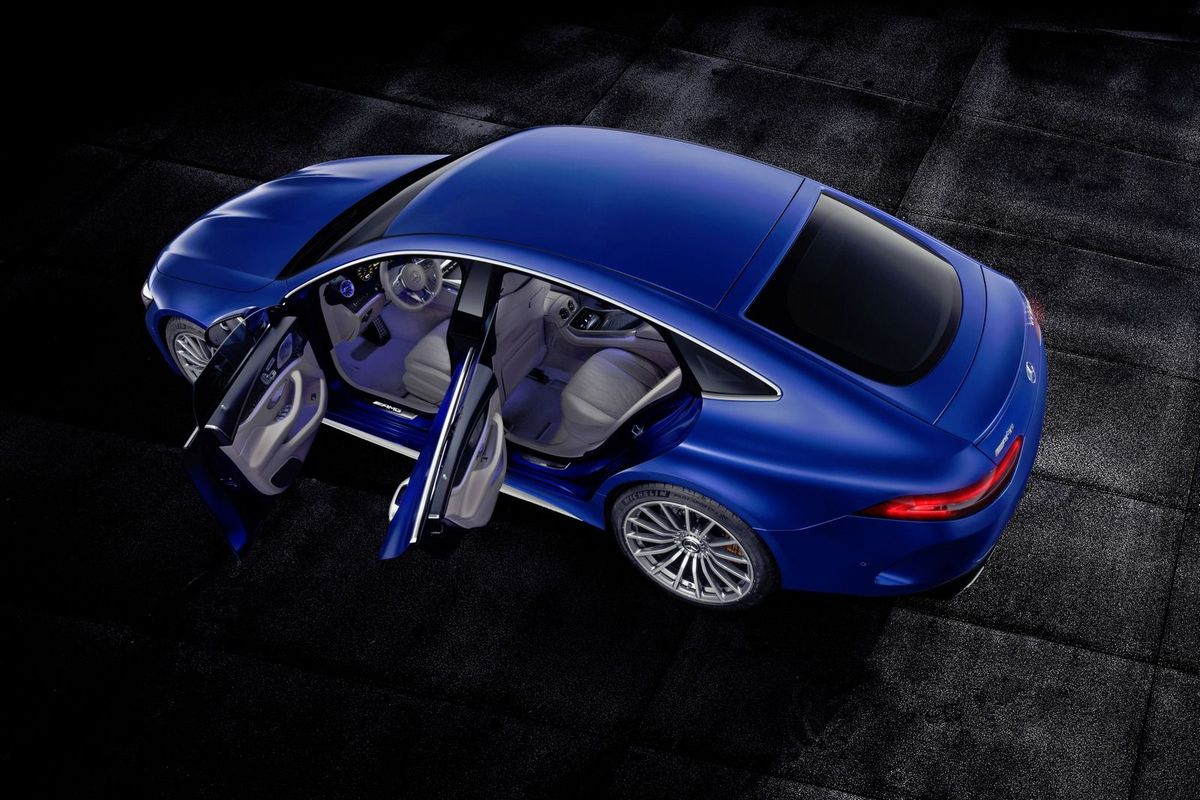
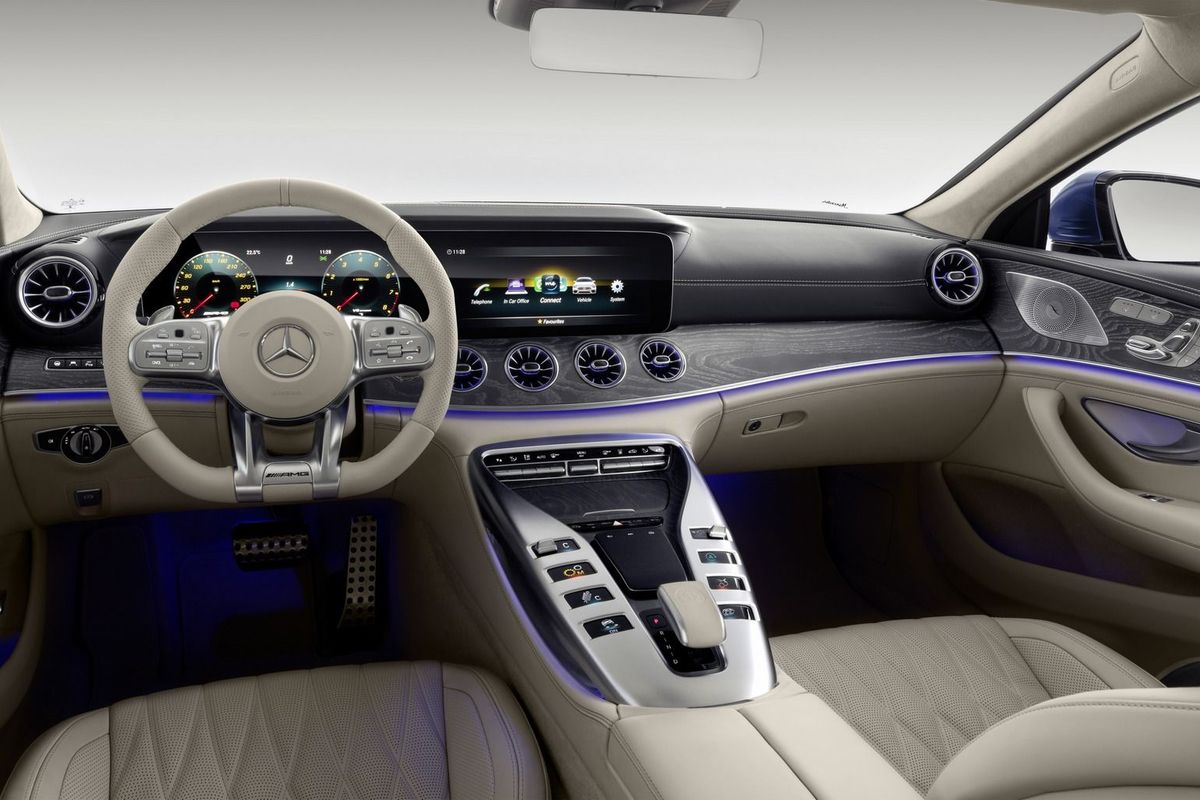
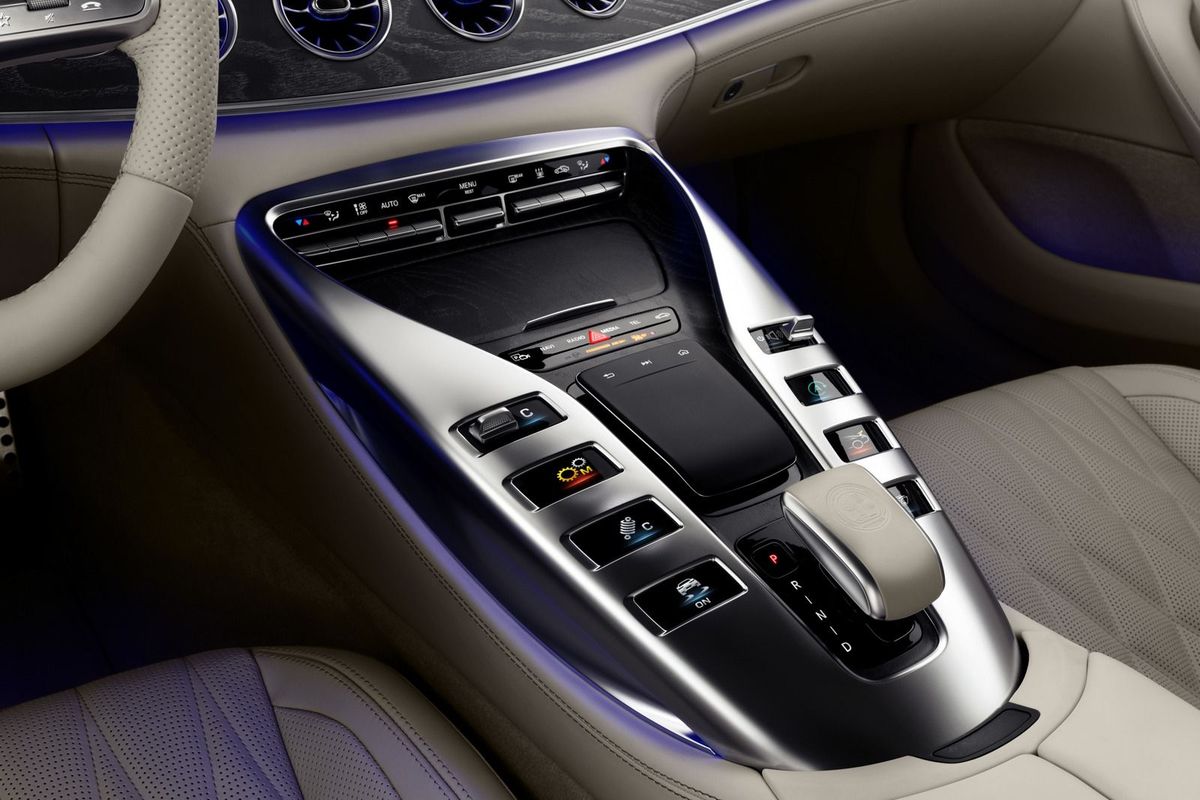
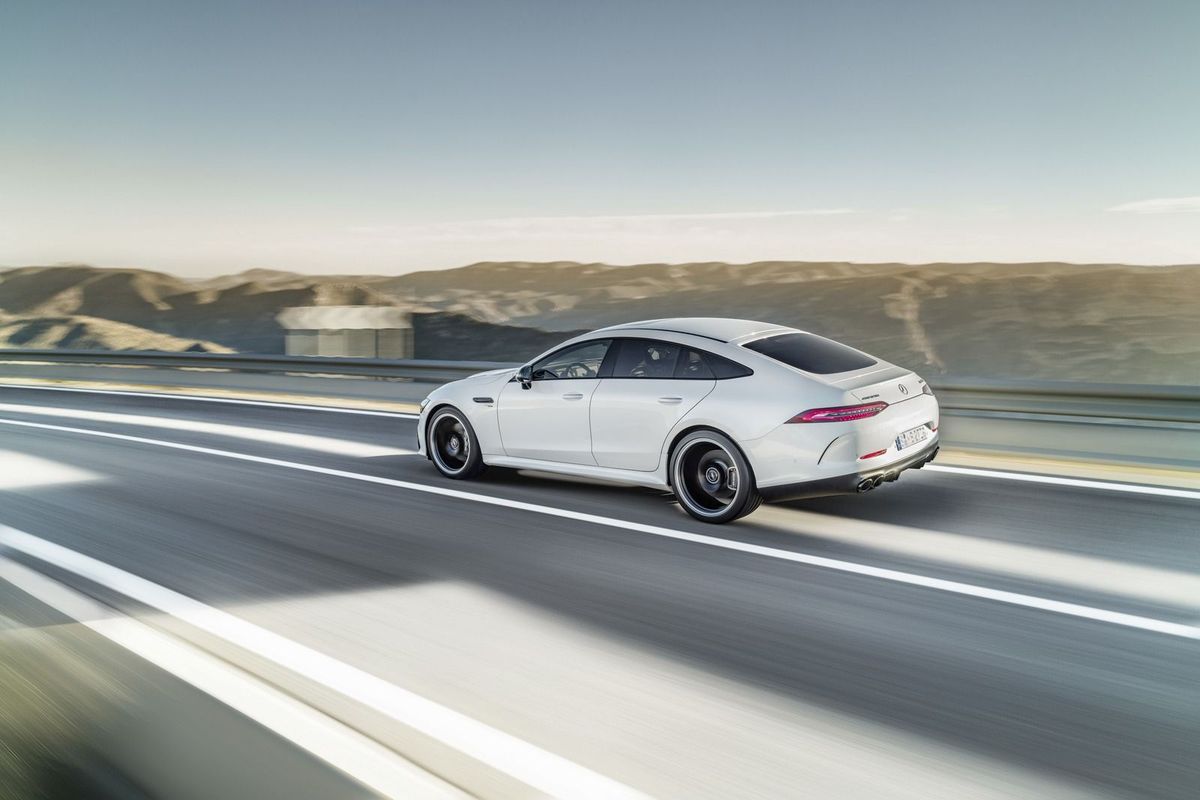
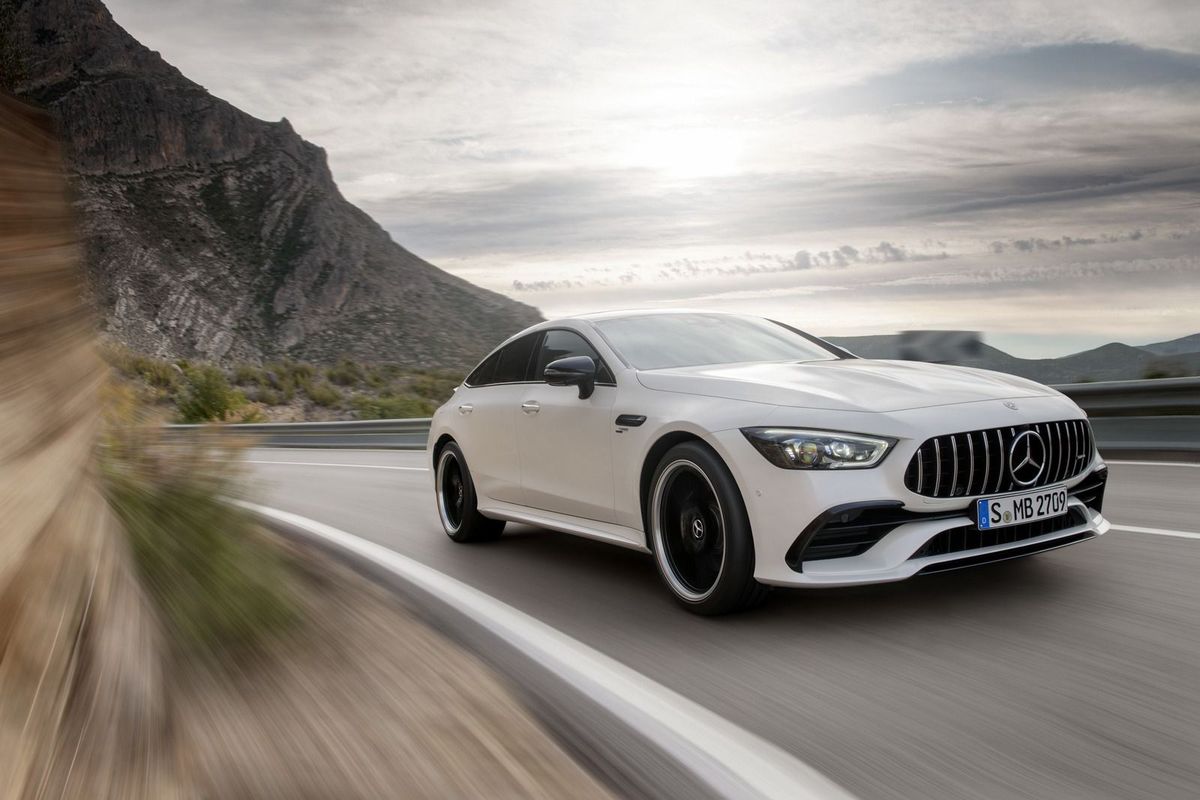
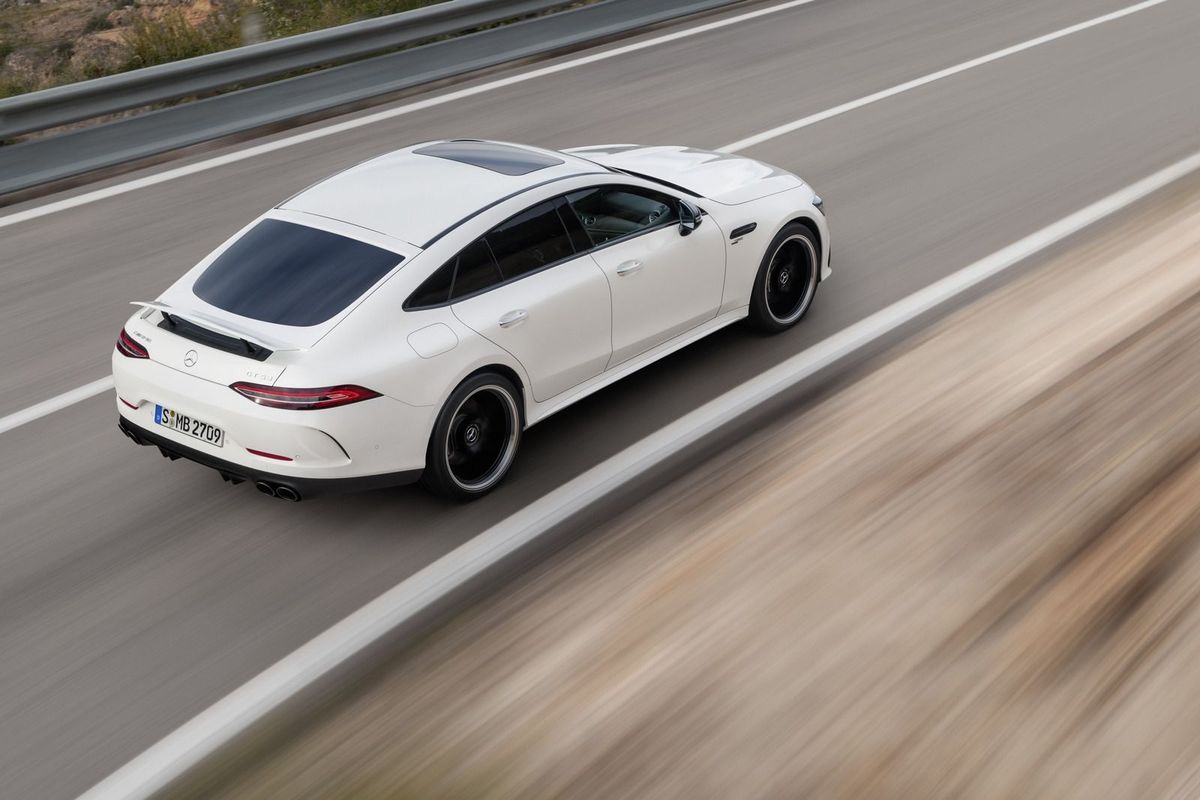
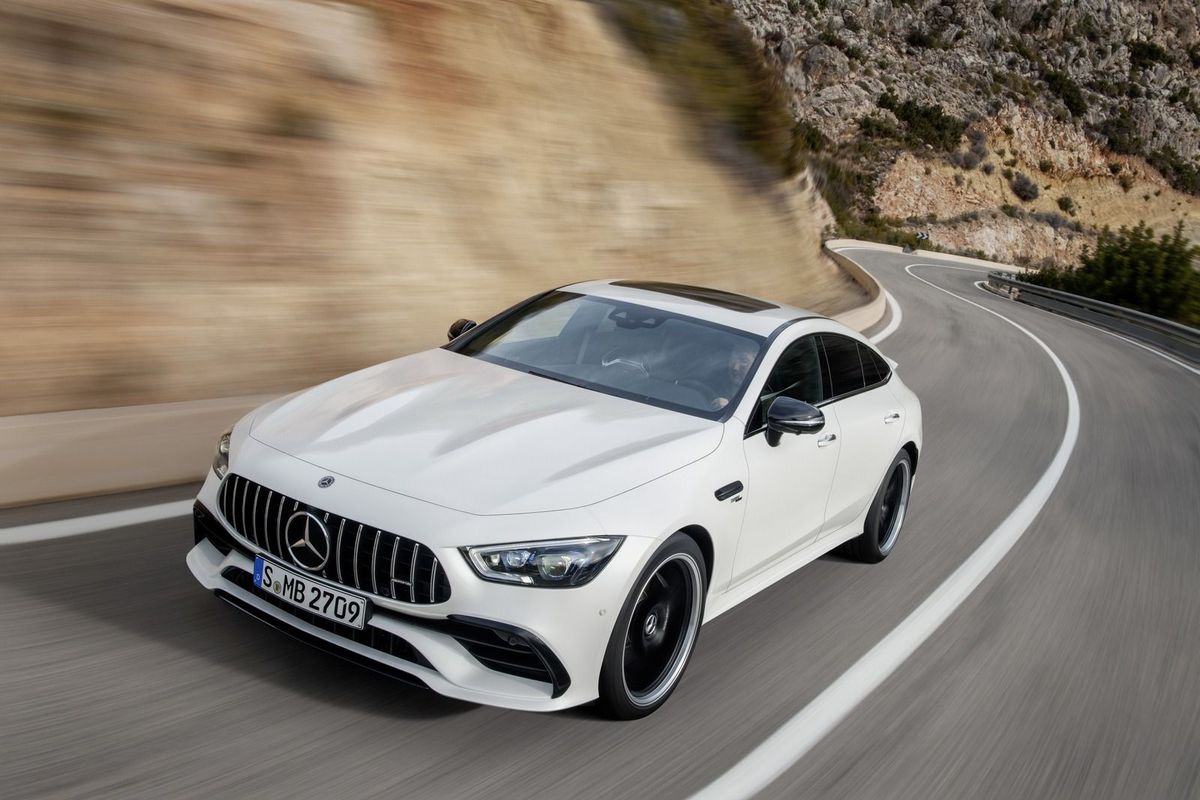
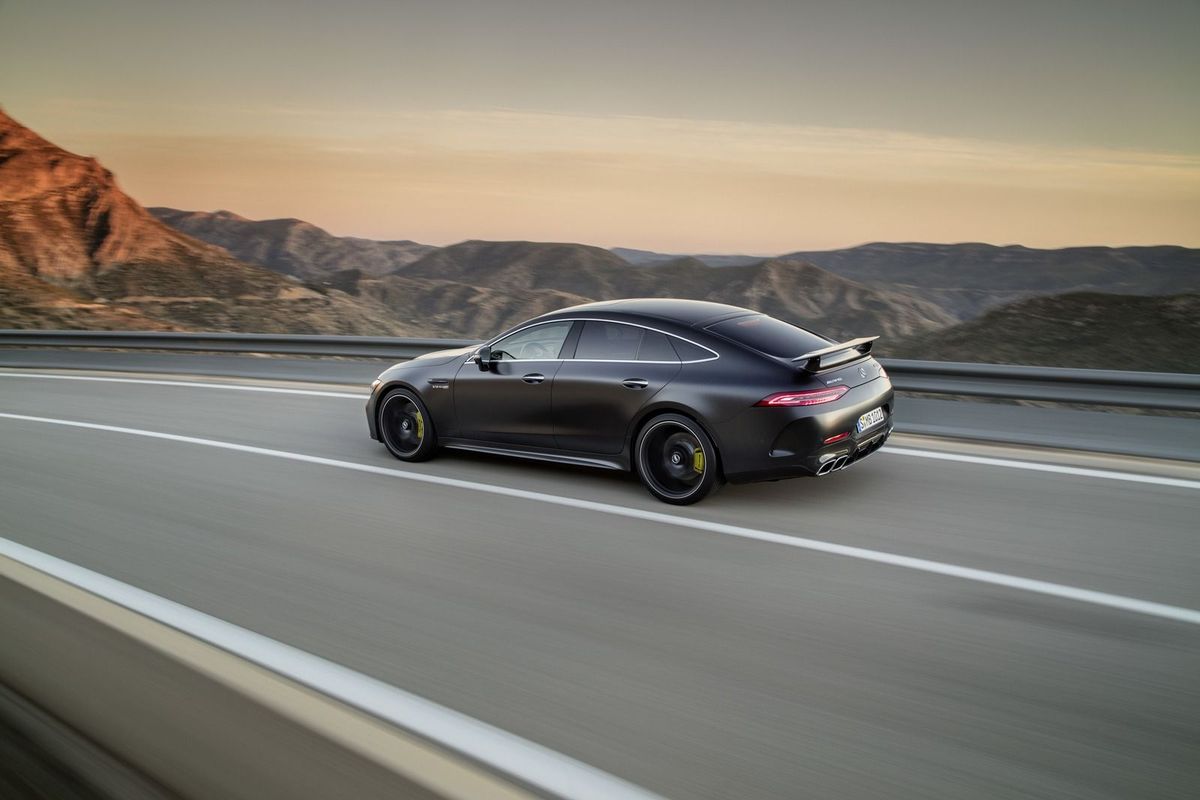
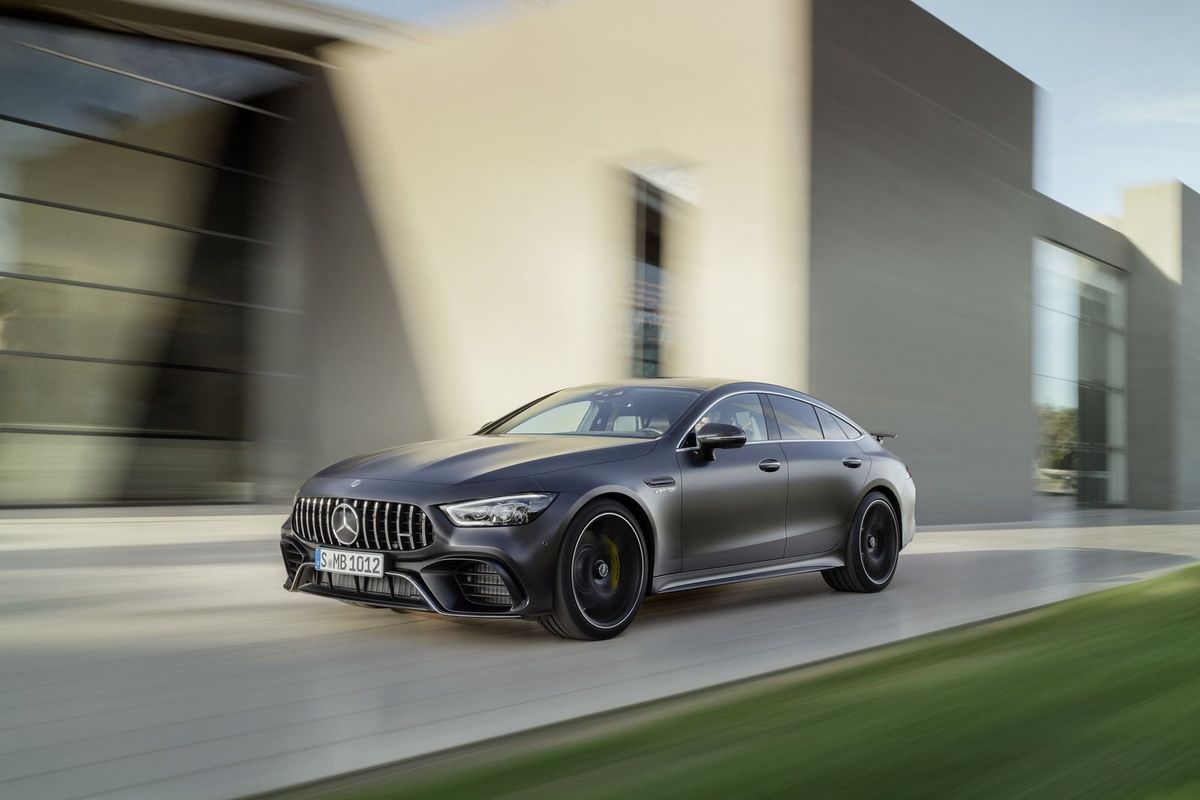
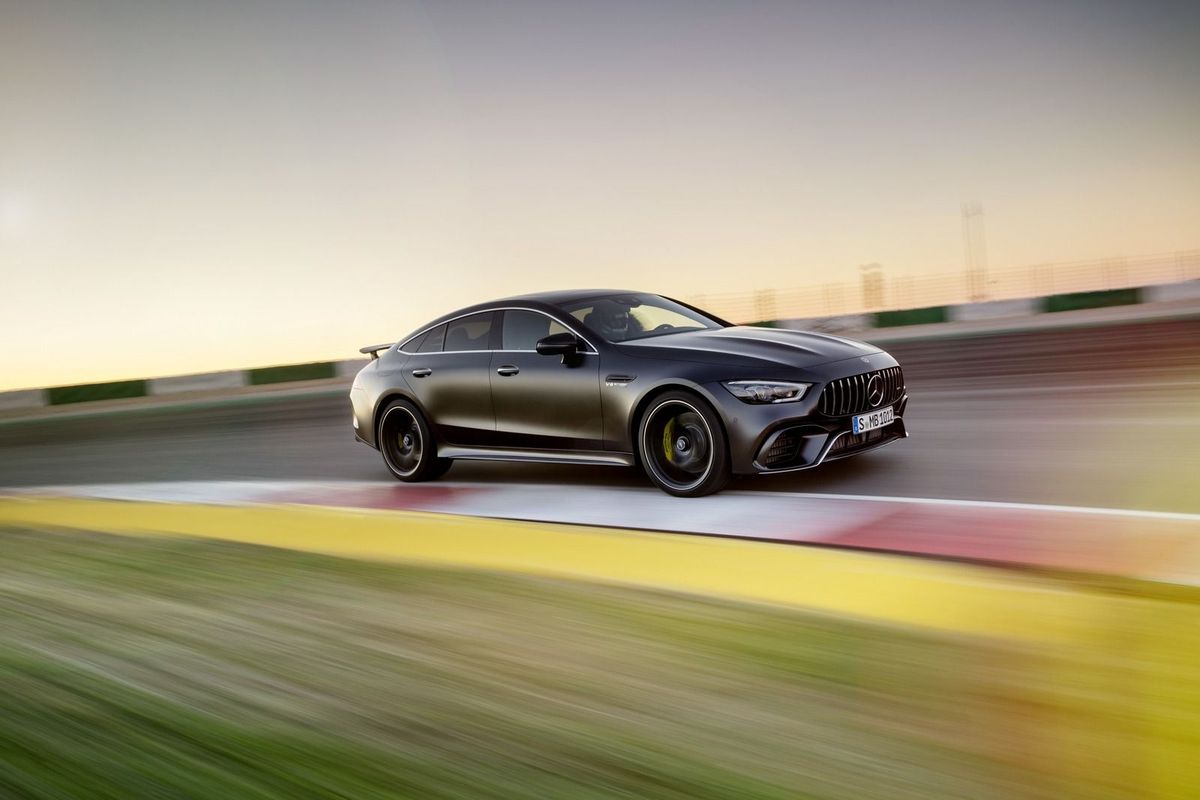
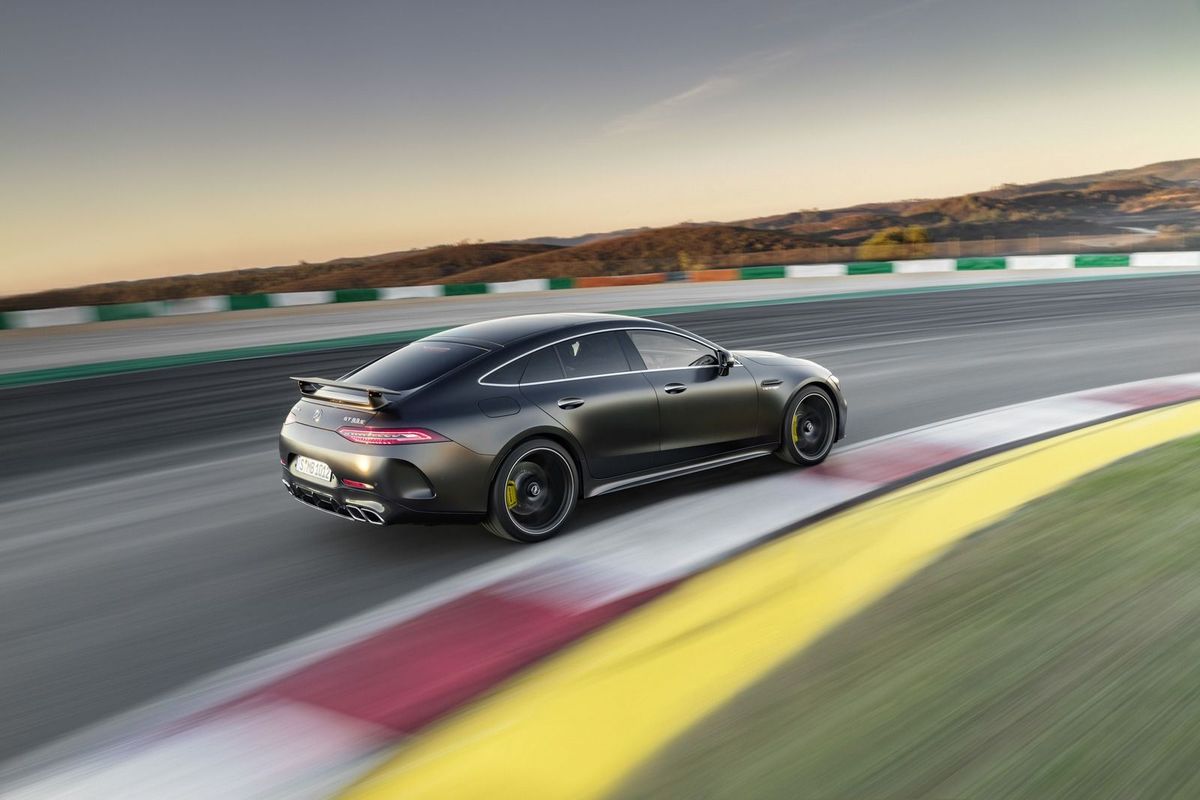
Mercedes-AMG has revealed the 4-door variant of the AMG GT. It's not a CLS, Mercedes says, despite running the same chassis and engine.
This new "4-door coupe" will share its underpinnings with the Mercedes-Benz E-Class, but do not mistake the AMG GT4 for a successor to the CLS… rather think of it as an expansion of the GT family. The current range includes the GT coupe, GT roadster, GT S coupe, GT C coupe and roadster and the range-topping GT R coupe, but a 4-door GT version makes perfect sense. It is ostensibly a rival to the Porsche Panamera and tailor-made for hardcore AMG performance aficionados who want the versatility that a 4-door body style offers.
We saw the concept version of this vehicle at the 2017 Geneva Auto Show and it was powered by an electrically-assisted 4.0-litre turbocharged V8, with a combined power output of 600 kW. Power goes to all four wheels via a torque-vectoring all-wheel-drive setup and Mercedes-AMG claimed its concept will sprint to 100 kph in under 3 seconds.
The full range of AMG GT 4 doors comprises 53 4Matic+, GT 63 4Matic+ and GT 63 S 4Matic+. Power ranges from 320 kW in the V6 53 4Matic right up to 470 kW in the 63 S 4Matic. The other headline figures for the S model is that it delivers 900 Nm of torque and shoots from 0-100 kph in a claimed 3.2 seconds. The V8 engines are also equipped with cylinder deactivation technology. In other words, in certain driving modes, it will deactivate 4 cylinders of the V8 to save fuel in driving conditions when they aren't needed. The driver is notified by a display on the instrument cluster.
The V6 53 4Matic is the same new engine as used in the recently launched CLS, the engine uses hybrid tech where an EQ boost (electric motor) is able to deliver an extra 16 kW and 250 Nm of torque. The electric motor is also used to power a compressor that reduces lag and improves throttle response.
The V8s are equipped with multi-clutch 9-speed transmissions that allow for launch control starts. The V6 has a 9-speed torque converter automatic with race start mode. As you can no doubt tell from the 4Matic naming convention, all models have 4-wheel-drive, but the drift mode from the E63 has been included as standard on the GT 63 S and available as an option on the other models.
Following the latest trend in steering technology, AMG has employed 4-wheel steering for the GT 4-door (optional on 53). At speeds under 100 kph the wheels turn in the opposite direction of the fronts, to improve turn in and improve the turning circle, while the rear wheels turn in the same direction as the fronts above 100 kph to enhance high-speed stability. Air suspension sorts the 63 models out while the 53 gets standard coil springs with adaptive dampers.
Sales for the AMG GT 4-door will start in the second half of 2018. Expect it to land in SA towards the back end of 2018 or even early 2019.
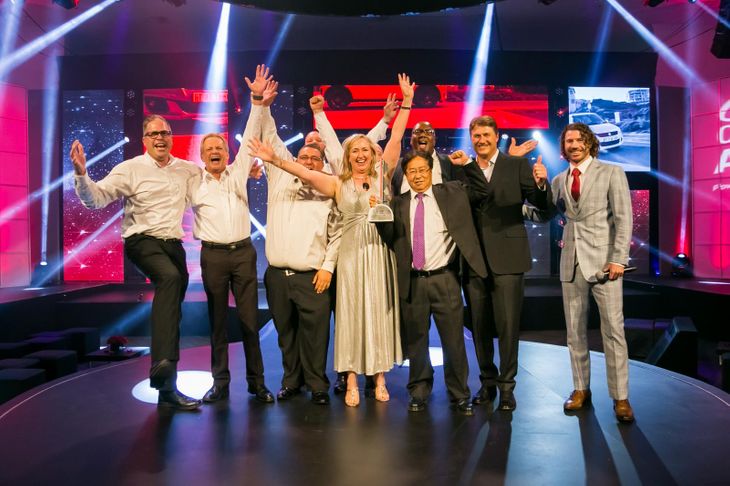
By being named the 2017/18 Brand of the Year in the Cars.co.za Consumer Awards – powered by WesBank, Suzuki Auto SA became the first company in the history of the awards to retain this prestigious award and the only brand to win the award more than once.
SPONSORED ARTICLE
“Unlike the other (category) awards, the Brand of the Year Award is chosen purely on questionnaire feedback from owners and fellow South Africans, which is a sure sign that our hard work done on our service levels, vehicle line-up and pricing is welcomed by the market,” says Yukio Sato, managing director at Suzuki Auto SA.
In choosing the Brand of the Year, Cars.co.za and market specialists Lightstone Auto polled over 12 000 consumers with an in-depth Ownership Satisfaction Survey. Of these, 7 500 were verified.
Suzuki was also called to the podium to receive the first prize in both categories in which it competed, Compact Family Car and Budget Car.
For the 13 vehicle categories, judges selected their finalists from a pool of eligible semi-finalists shortlisted by the experienced Cars.co.za test team. The 39 cars were then evaluated over 2 days by 18 judges at the Gerotek testing facility in Pretoria. The combined scores from the judges and the customer surveys decided the winners in the various vehicle categories.
In the Compact Family Car-category, Suzuki’s Vitara retained its crown, winning by the highest margin of any vehicle in any category. This is the second year that a derivative of the Vitara range was chosen as the Family Car-winner.
Mrs South Africa Nicole Capper with Suzuki's Awards. Suzuki received awards for Ignis, Vitara and retained the coveted the Brand of the Year title.
In the Budget Car-category, for vehicles priced at R175 000 or less, the Suzuki Ignis took over from its sibling, the Celerio, last year’s winner. In this category, fuel consumption, affordability and innovative design carry significant weight, and while getting high scores from judges, its score from owners was significantly higher than all the other scores and that assured it the Budget Car-crown.
This sets the scene for what could be another record year for the Japanese brand. With an expanding model line-up (including the introduction of the important new Swift later this year), and a growing dealership network, Suzuki remains a brand on the move in South Africa.
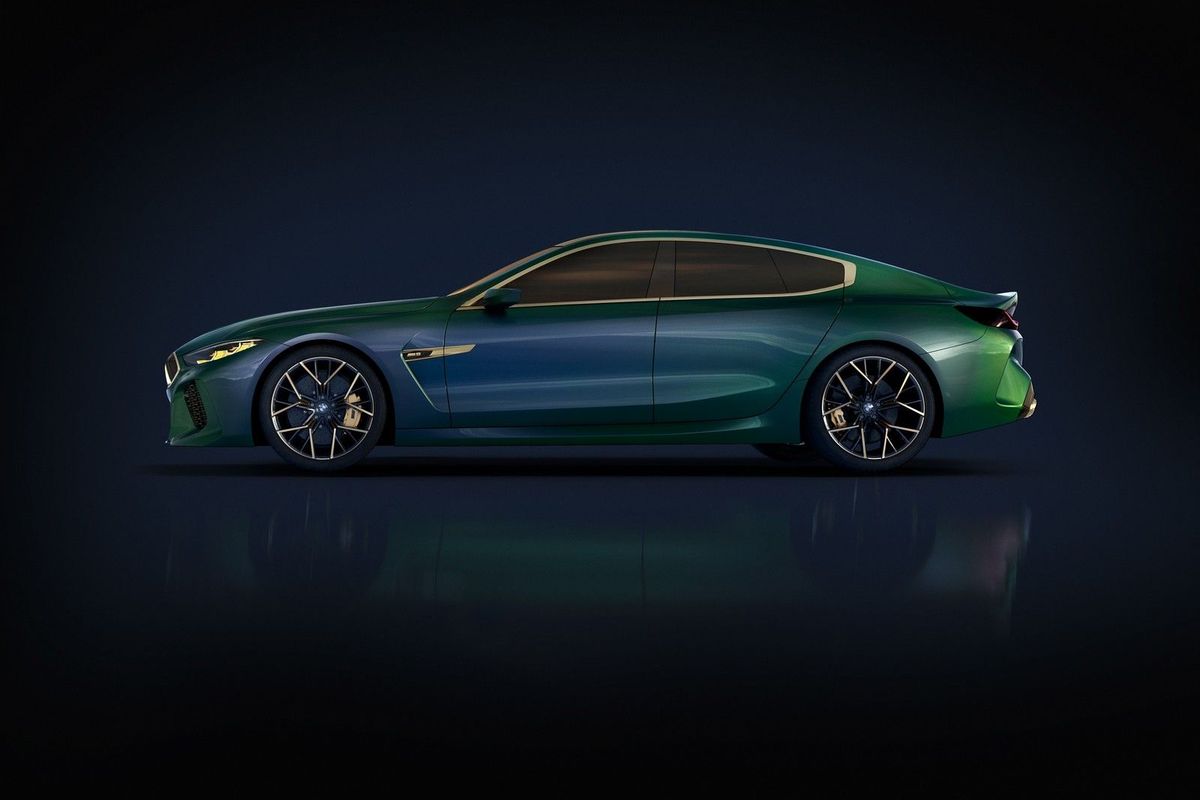
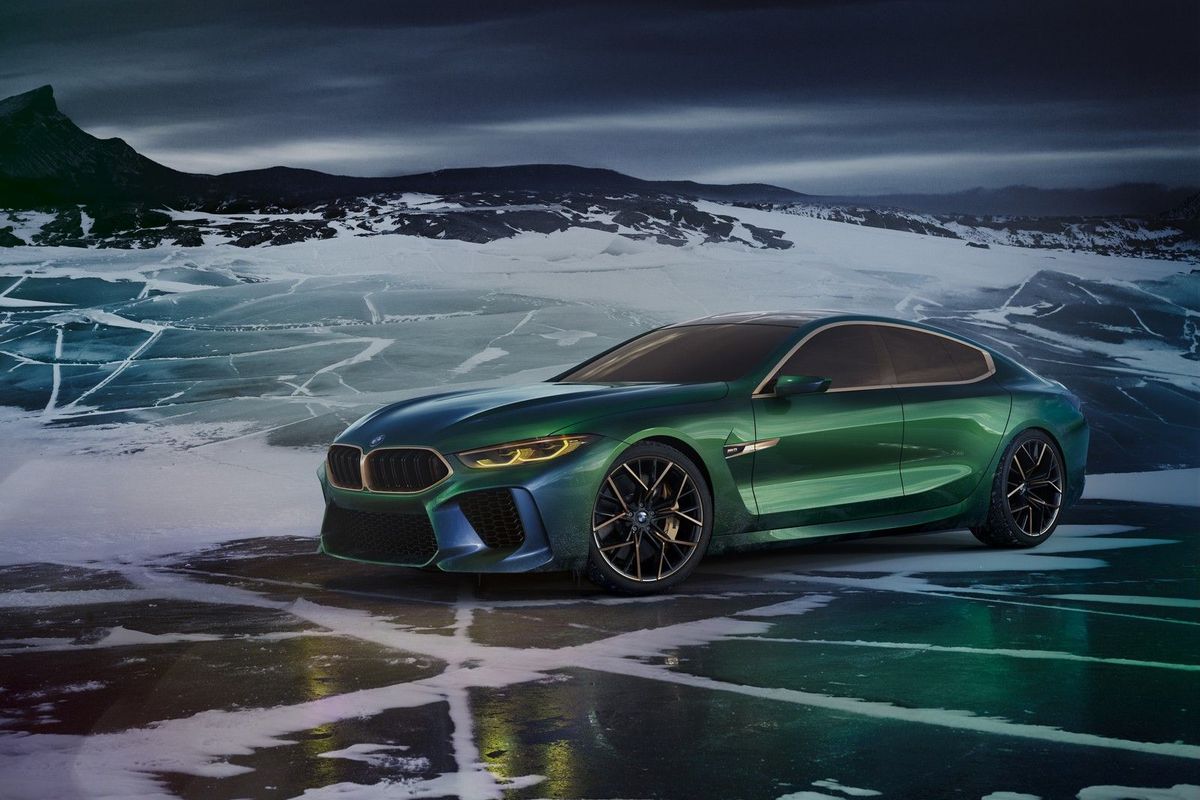
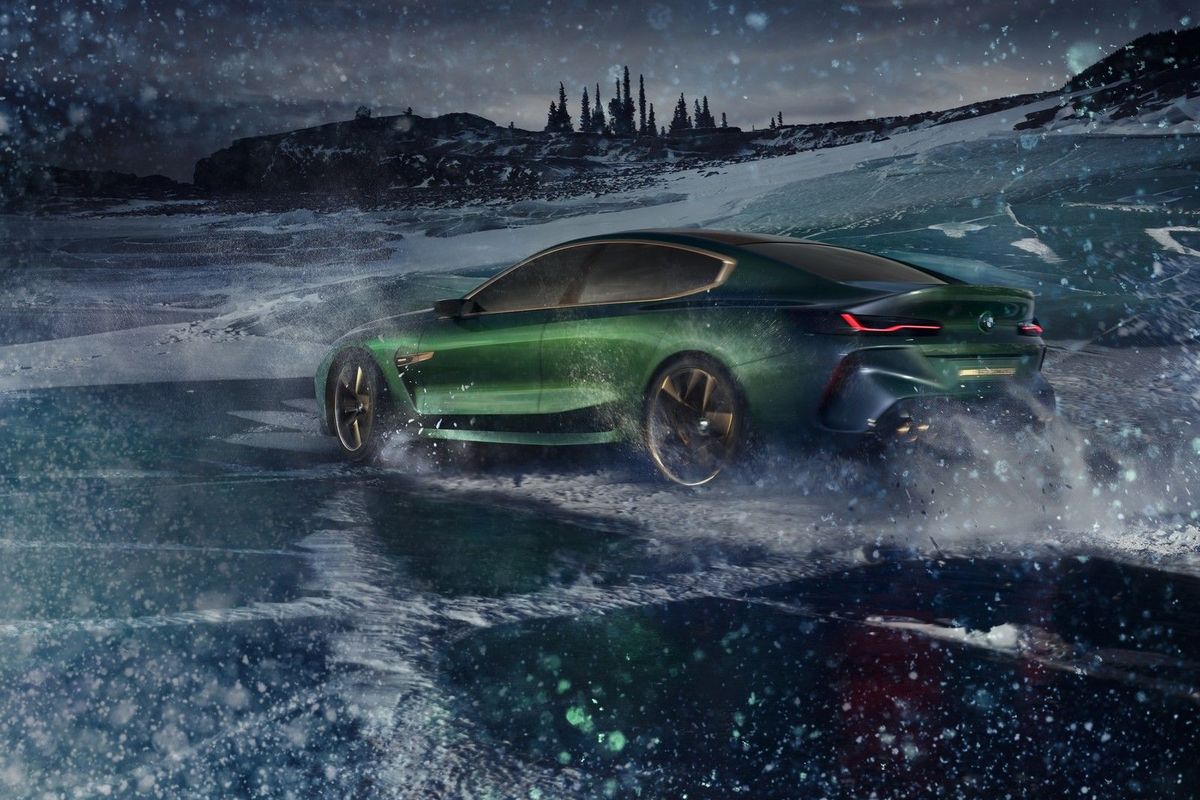
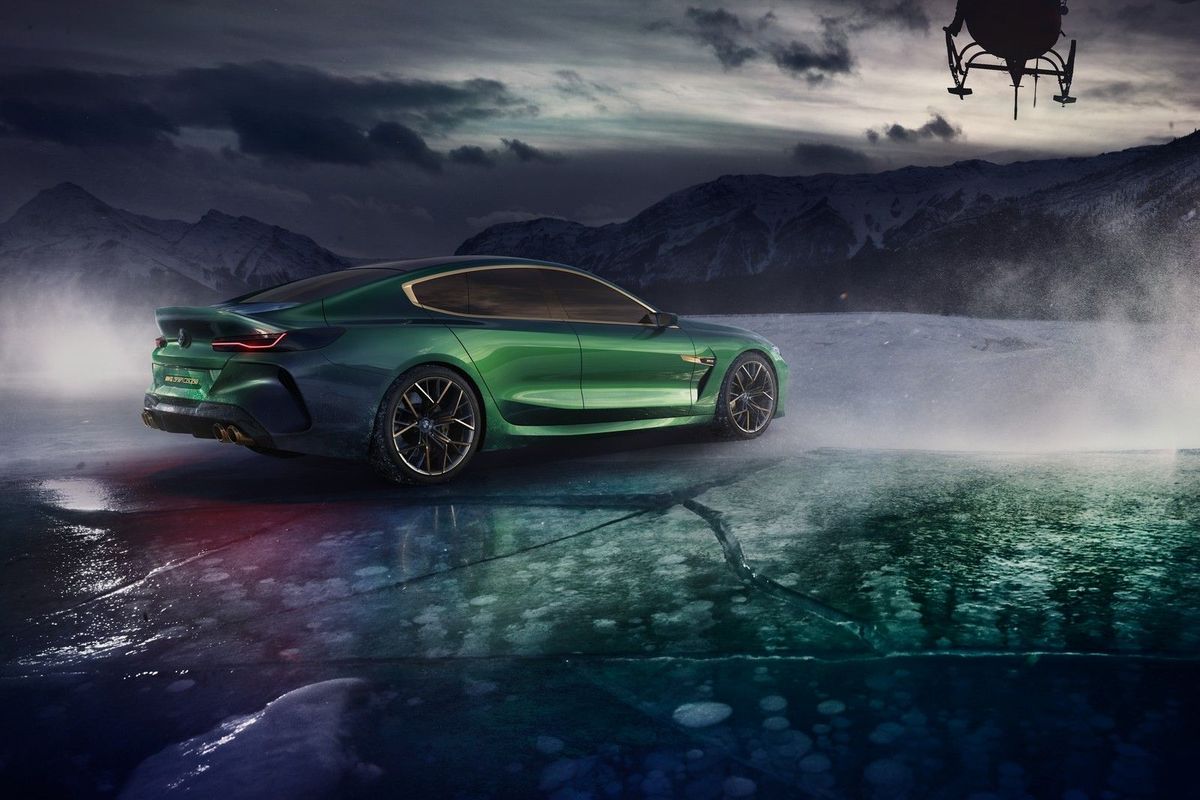
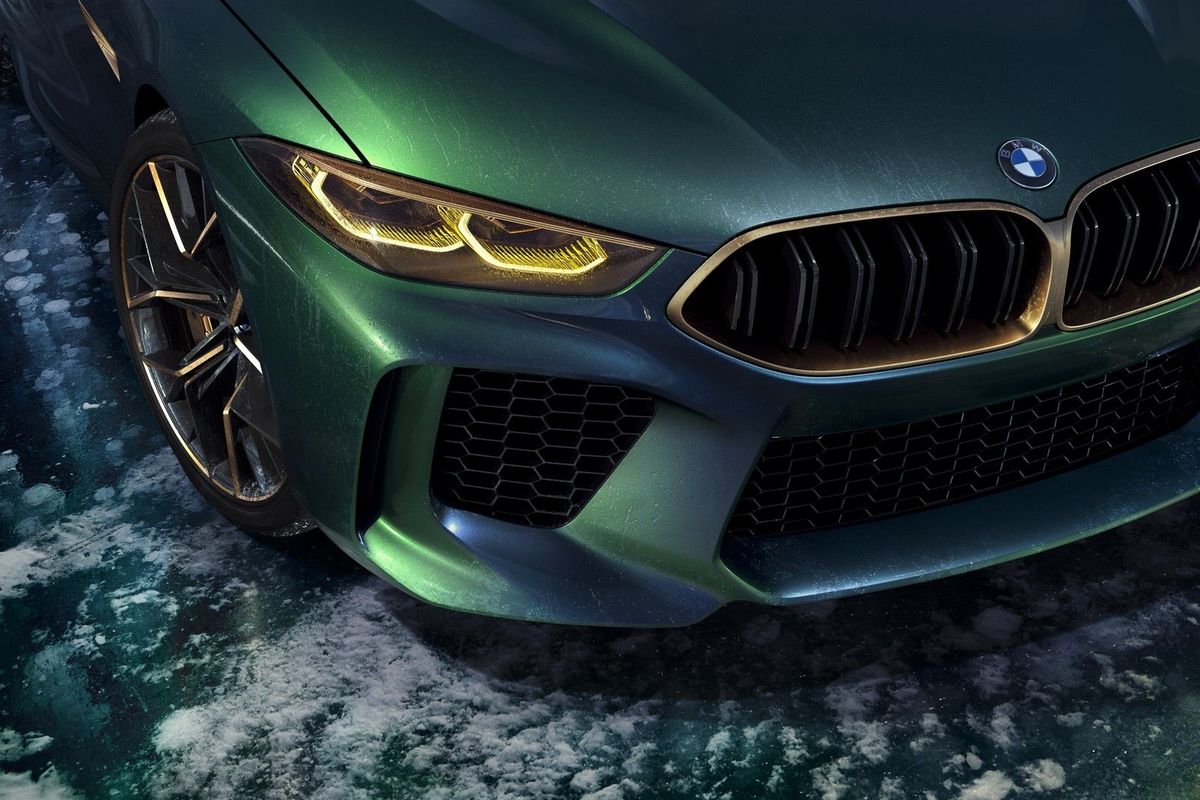
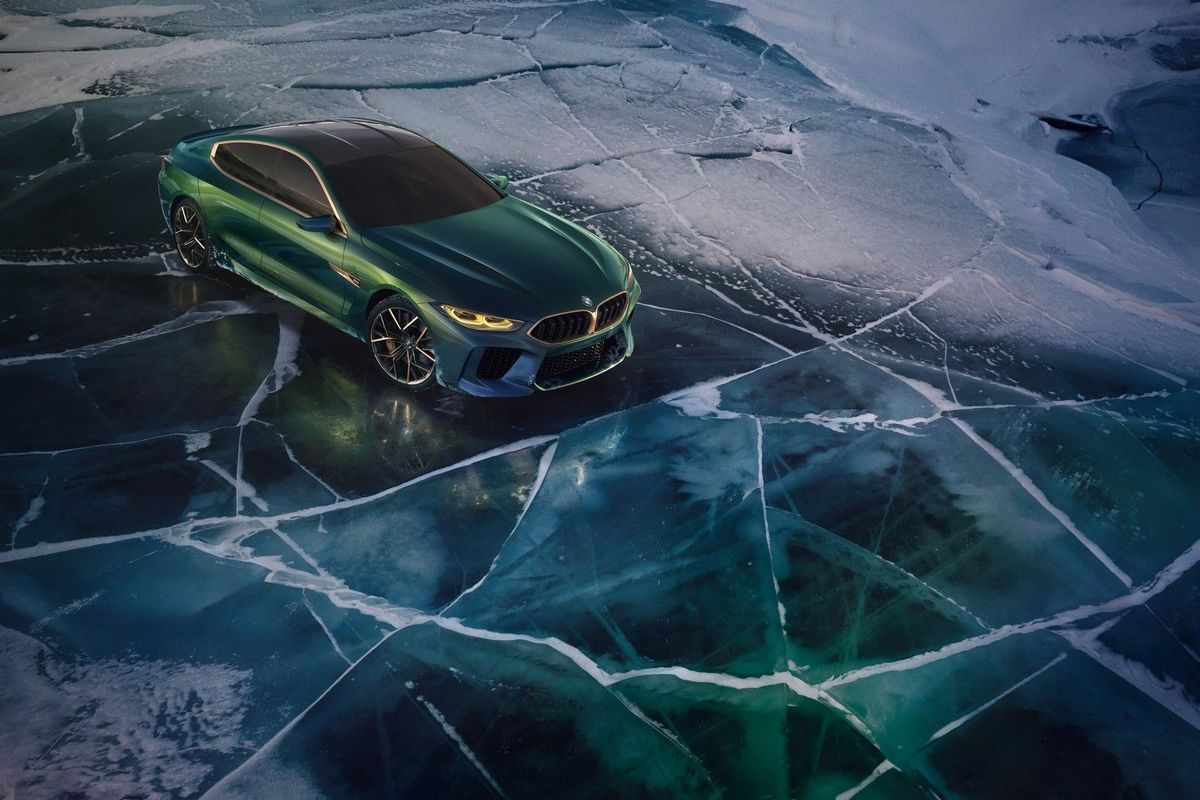
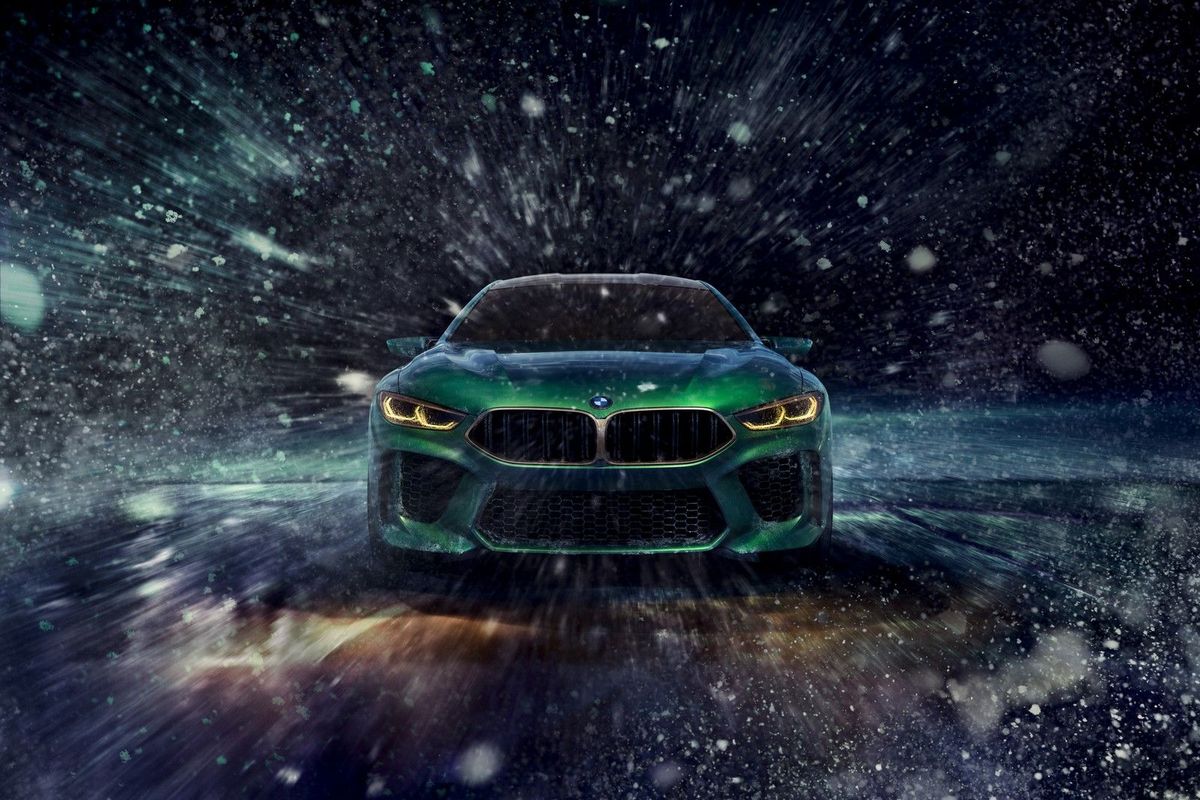
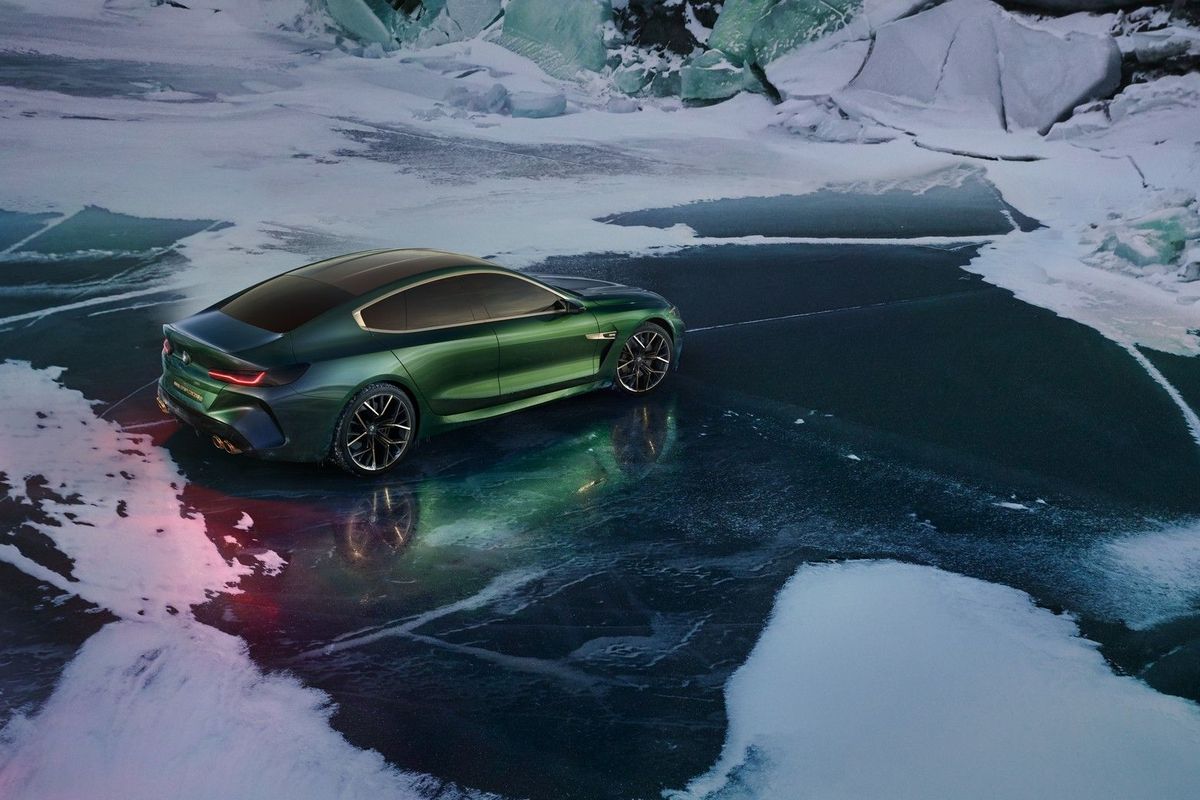
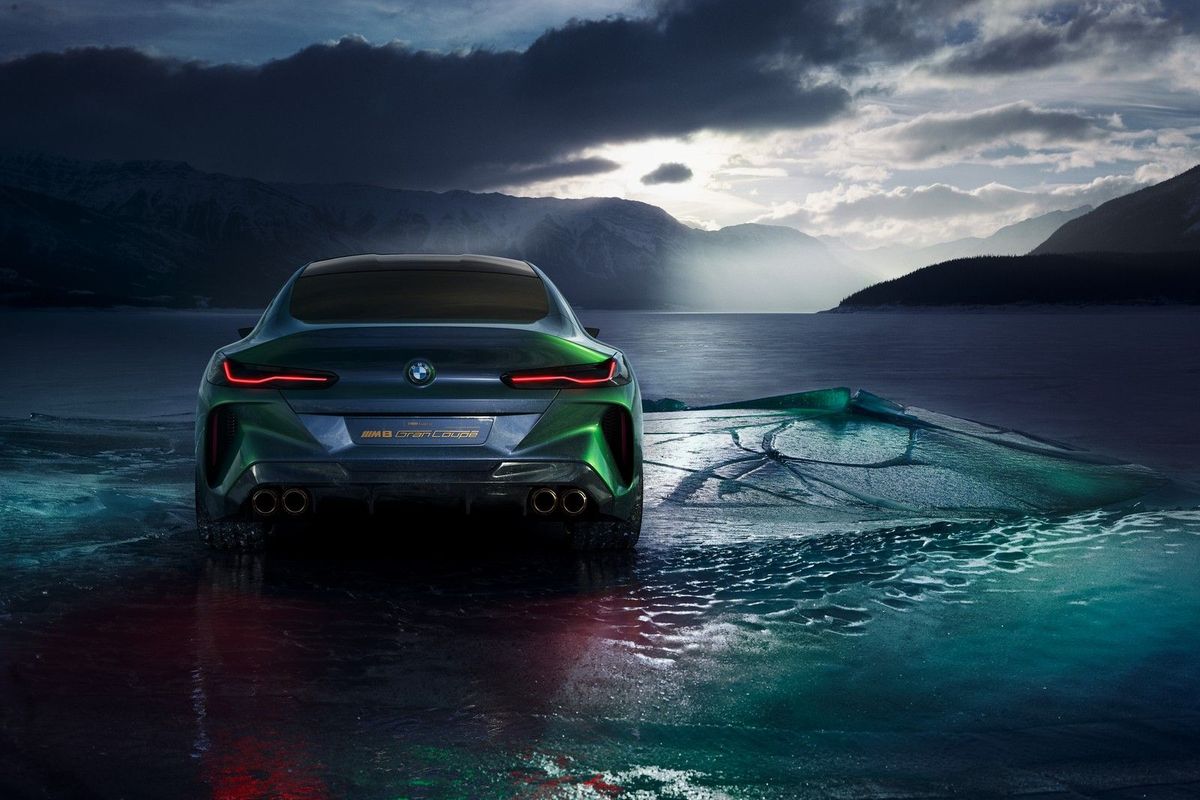
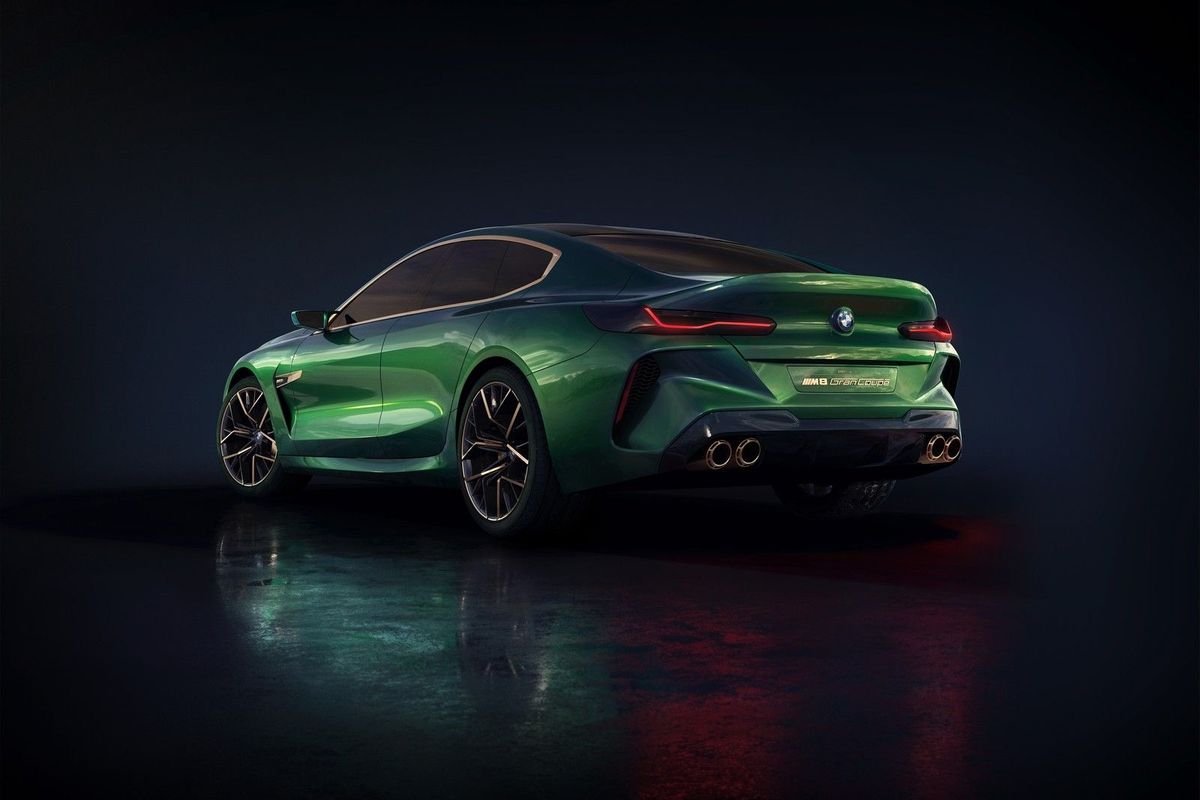
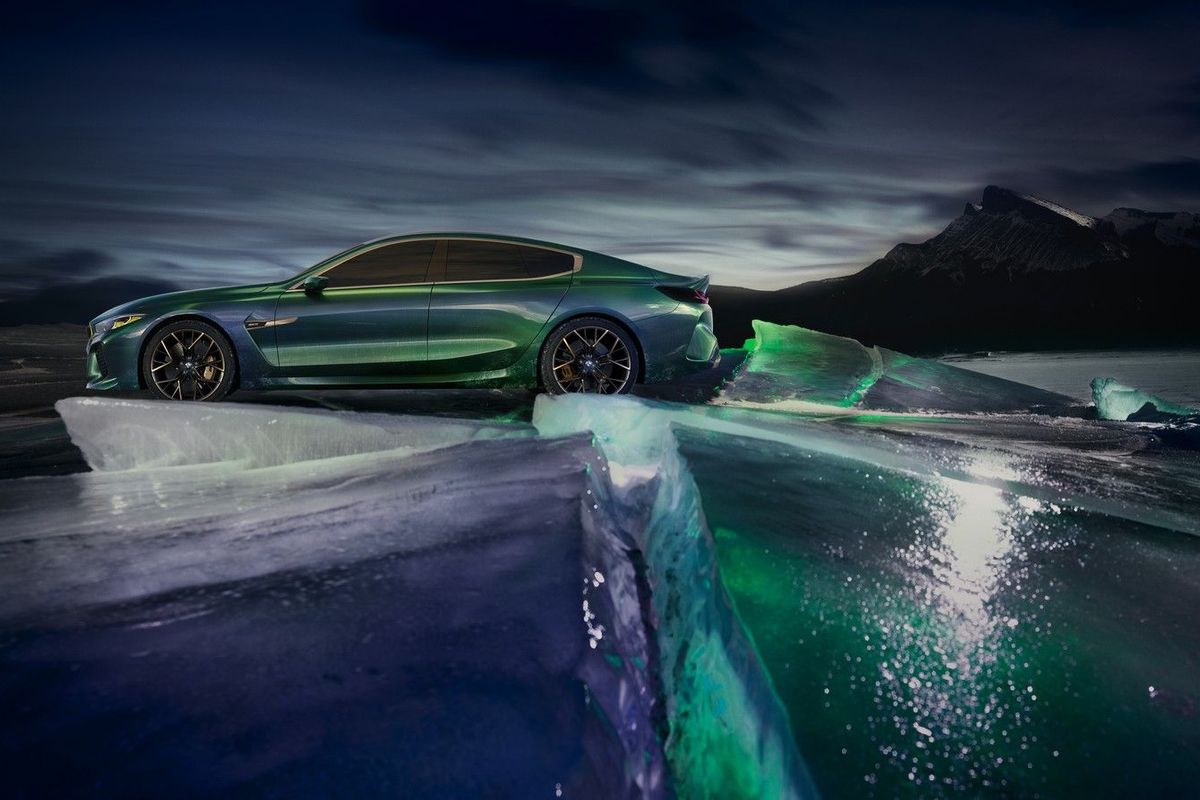
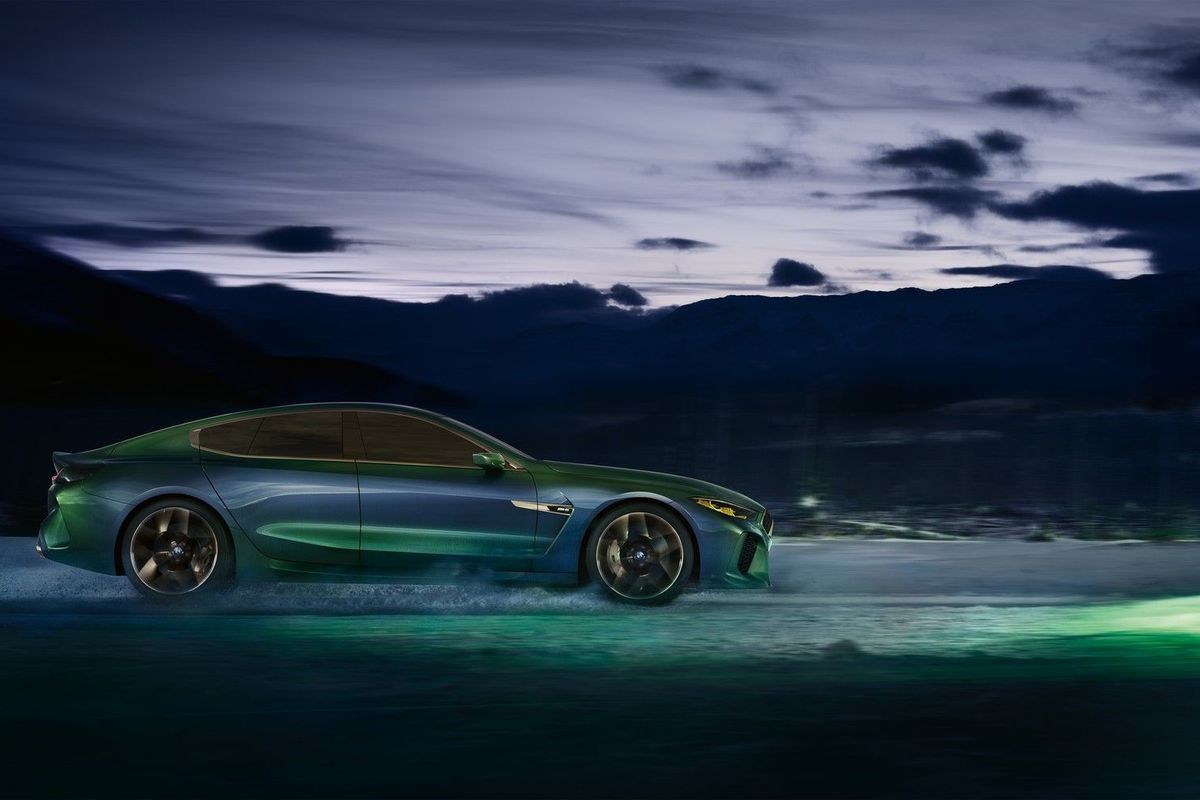
BMW M8 Gran Coupe Concept Shown in Geneva [w/Video]
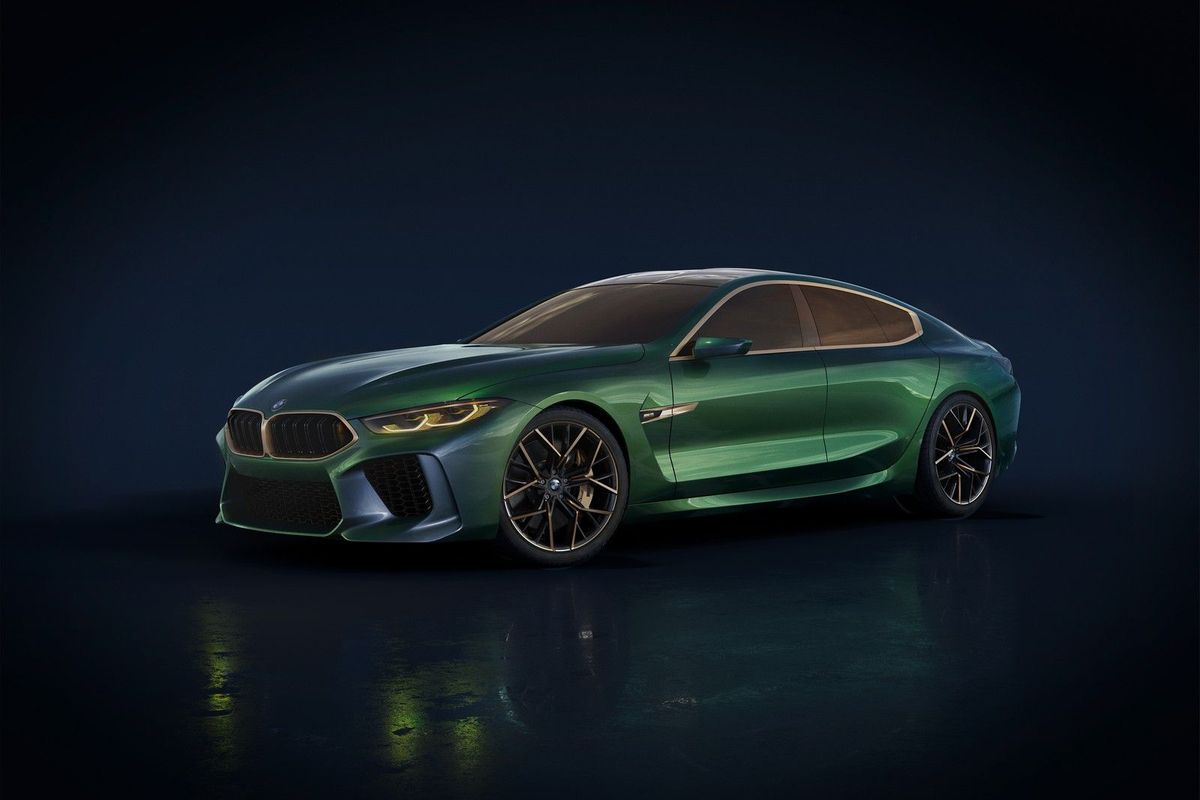
BMW has revealed a concept of the M8. It's imposing, wild and outright mean.
Take note to remember that what you see here in the images is just a concept and will be dulled down somewhat for final production. The 8 Series is the flagship model for BMW and the M8 the pinnacle of what the brand is capable of producing. Interestingly BMW doesn't care if you don't like how this M8 looks, “The BMW Concept M8 Gran Coupe is designed to stir things up, to polarise – it should move you emotionally,” explains Domagoj Dukec, Vice President Design BMW M and BMW i.
Some neat touches in the design include headlights that are positioned slightly higher than the kidneys and give them the impression of sitting lower, which further emphasizes the car’s low slung look. The roof is made from carbon fibre reinforced plastic, reducing weight and the centre of gravity. If you're wondering about the paint finish, the Salève Vert paint appears to change from green to grey/blue in certain light. It works in contrast with the gold coloured brakes, M gills and tailpipes to create a menacing looking machine.
No performance figures will be available for some time, but you can take a look at what we speculated a while back here. The M8 is likely to only make production in 2019, with the 8 Series Gran Coupe proceeding it.
A vehicle hijacking isn't something any of us would ever want to deal with. South Africa, unfortunately, has a high rate of highjackings, so it's best to be as prepared for it as you can in case it happens to you. Here are the areas where you should be particularly vigilant and a few things to take note of.
32 minutes! In this amount of time, one hijacking will occur somewhere in South Africa. And one will keep happening every 32 minutes after that. That’s 46 cars a day. It is a frightening statistic!
Hijackings increased by 14.5% in 2017, that is 2 115 more hijackings than in 2016. If you work it out, a total of 16 717 cars were hijacked between April 2016 and March 2017. This is according to the 2017 National Crime Statistics.
Certain cars are high up on the list for hijackers, such as the Volkswagen Polo and more than half of hijackings occur in Gauteng. This is why you need to know where the hijacking hotspots are and how to be best prepared.
We chatted to Advanced Driver training company, MasterDrive, about what to do if you are hijacked.
MasterDrive's top tips on how to be best prepared for a Hijacking
Pay attention: While the majority of hijackings occur outside your home, this is not the only place it can happen. A large percentage of hijackings occur at intersections which is why drivers should be as aware at intersections as what they are arriving home. Keep an eye on people at intersections. Be careful of people who might be trying to distract you. Never disregard someone because they are well dressed. Many hijackers are the well-dressed, inconspicuous people possibly reading newspapers at the corner.
Don’t pull in to your driveway and stop: You need to be stationary to be hijacked. Many drivers still come to a complete standstill when they don’t need to. You should never pull into your driveway until the gate is open. Wait in the road parallel to your driveway, ready to go at any moment, while the gate opens. Also, avoid stopping completely at intersections. If conditions allow, anticipate traffic light changes and drive slowly up to the intersection to avoid stopping at all.
Reverse parking: When at a shopping centre find a parking space against a wall. Then reverse your car into the parking space. When you return to your car you can offload your purchases while keeping an eye open for potential threats. The wall at your back also prevents someone from surprising you from behind.
Practice: Before you find yourself in a hijack situation with your children, teach them where to sit in the car and what to do if it does happen. Agree on a keyword which will mobilise car occupants into action. Babies should be behind the passenger seat so you can reach over and unbuckle them without exiting the car. Teach older children how to assist the younger ones
Pro-Active South Africa is a vehicle tracking app which gathered information from SAPS, tracking Companies and South African Insurance Crime Bureau (SAICB) to compile a list of hijacking hotspots around South Africa.
Solomon Mahlangu Drive (Hans Strydom) and N4 Off-Ramp
Solomon Mahlangu and R21
Atterbury Road and N1 Off-Ramp
Pretorius Street Traffic Lights
Francis Baard Street & Festival Street
Francis Baard Street and Hilda Street
Francis Baard Street and Grosvenor Street
Durban Hijacking hotspots
AN Centre, 16 Chestnut Cres, Marianhill,
1 Justice St, Chatsworth
Umlazi V
2 Police Station Rd, Isipingo
36 Deodar Ave, Umbilo
Julius Nyerere St & Anton Lembede St, Greyville
Dr Pixley Kaseme St,
182 Botanic Gardens Rd, Musgrave
Sherwood
Alpine Rd
2 Marbleray Dr, New Dawn Park
Park Hill, Durban North
What to do if you are hijacked
Please note this is a very simplified version and every situation is unique
Remain calm
Keep your hands visible at all times.
Use your left hand, rather than your right, to remove your seatbelt and put the car in neutral
Give your keyword to the kids if they are in the car.
The idea is to get everyone in the car to exit through the driver’s door – no matter their age or size
In this way, the hijacker cannot jump into the seat and drive off before everyone is out of the car.
Once everyone is out, move slightly away from them and the car so that you remove yourself from the path of the car
Both yourself and the hijacker want it to be over as quickly as possible – follow these tips to do that. Never refuse to hand over the key or try bargain with the hijacker
The most important tip is to do what the hijacker tells you to. Your life is not worth the price of your car.
Parting tips:
These techniques can only be effective if you are aware of your surroundings and spot a potential threat before it reaches your window.
Remember a car is replaceable, but a life isn’t. Your primary objective should be to get yourself and your family out the car as quickly and safely as possible.
Anyone, at any time, in any car can be hijacked. Thus, never fall into the trap of believing that you are completely safe in your particular car or in the area where you live or the time of day that you drive. Always be alert and follow the above tips as a matter of habit.
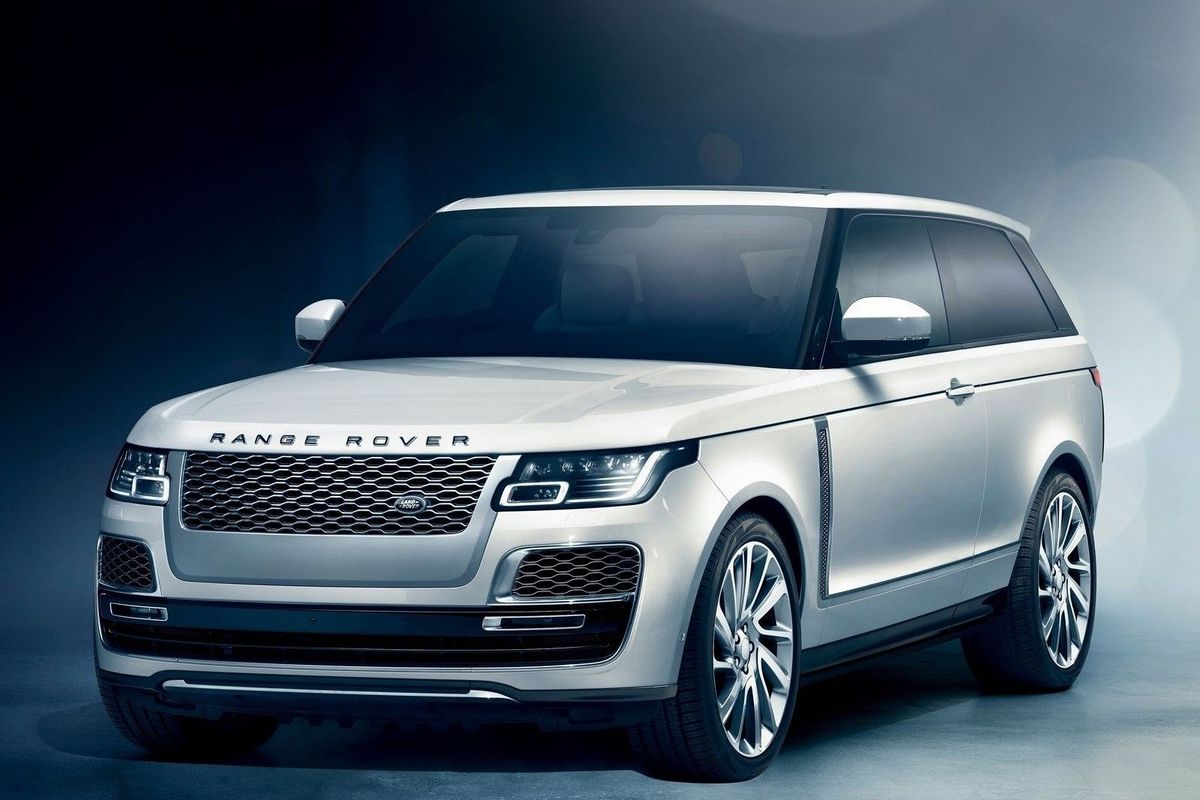
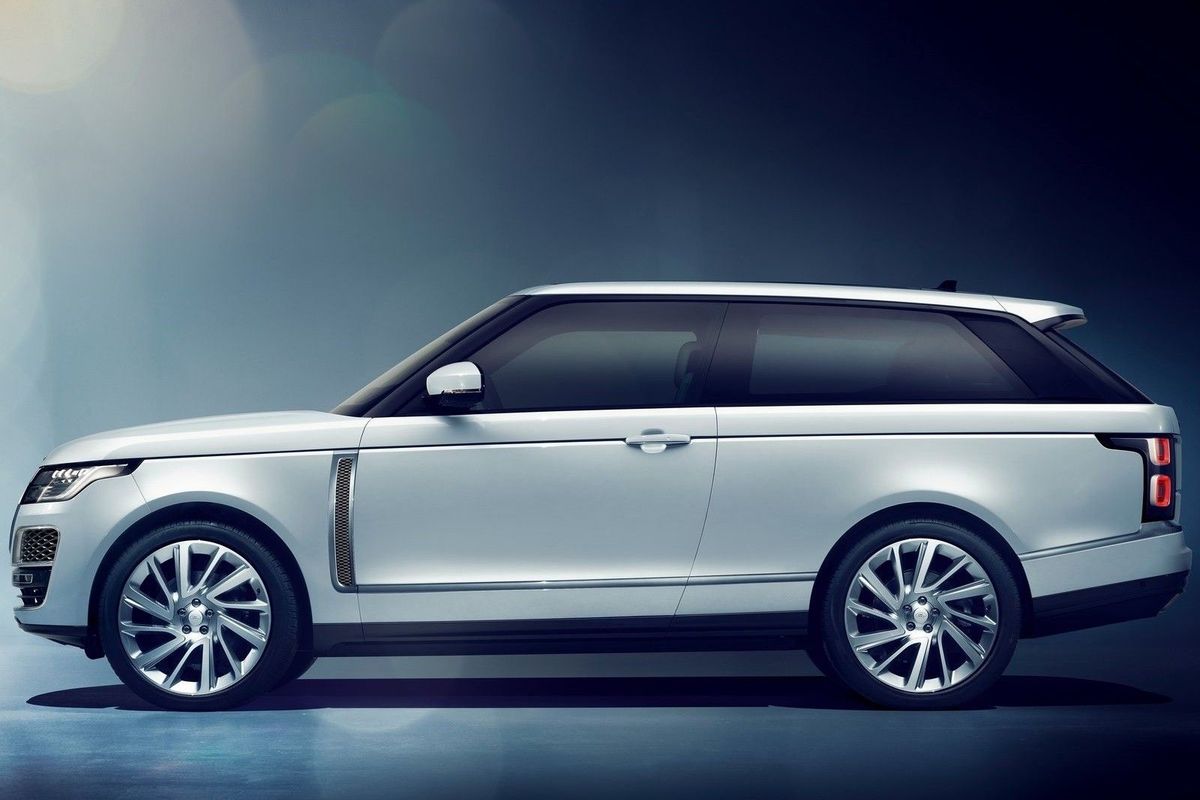
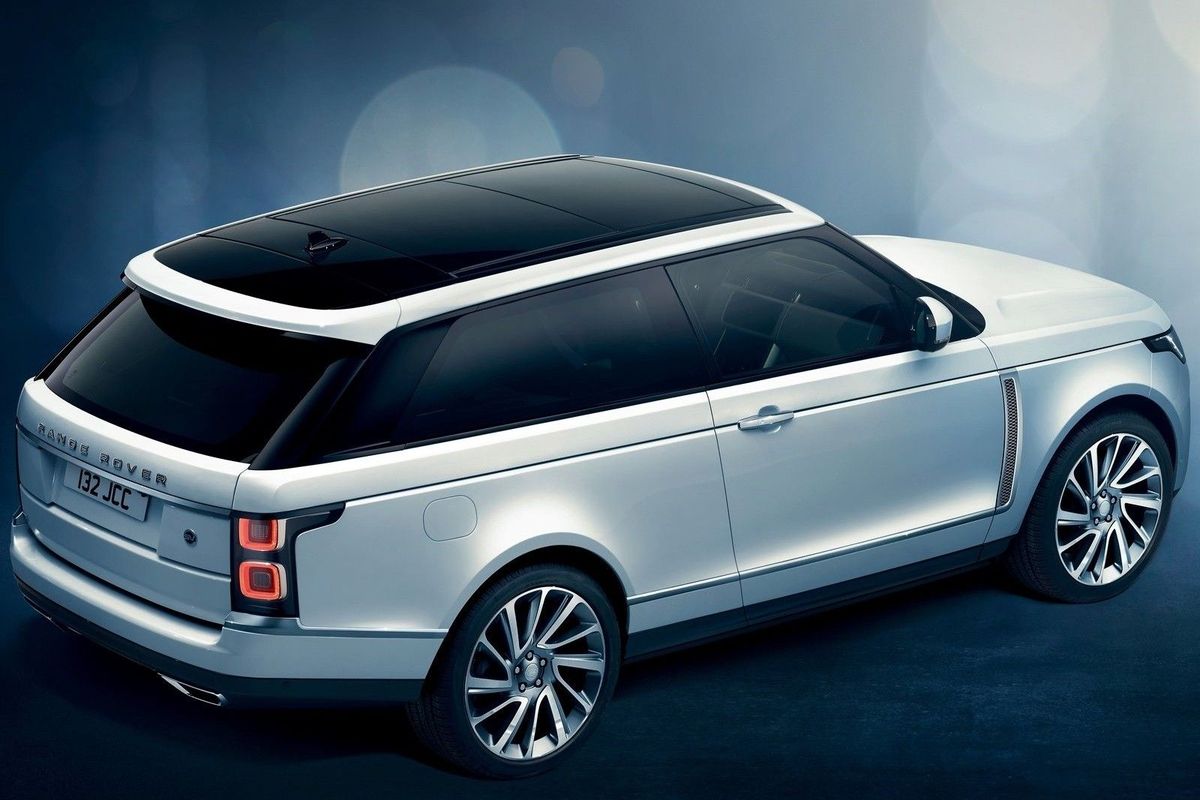
Range Rover has created the limited-edition two-door SV Coupé which is hand-crafted by JLR's Special Vehicle Operations. Let's see what it's all about.
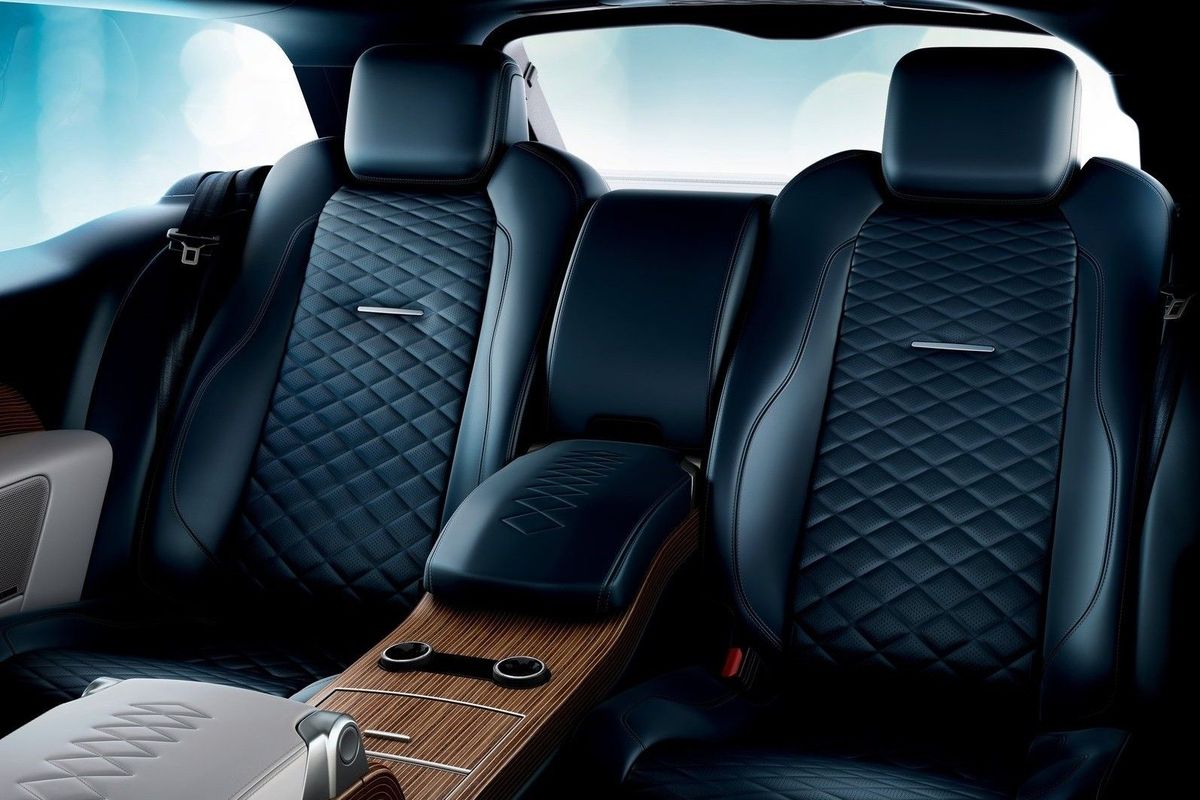
There'll be just 999 units which will be hand-crafted by SVO for clients worldwide. It's a flagship product and will be marketed as the ultimate. It boasts power-close doors with frameless glass, a panoramic roof, option for 23-inch alloy wheels and each SV Coupe will be hand-assembled to the client's individual specification.
The cabin detailing is extraordinary. Clients will be able to choose from four front-to-rear contrast interior colours or a range of single-tone interior colours. There's a choice of three elegant wood veneers. For those seeking the ultimate in paint finishes, Liquesence brings a liquid metal finish to the party. Being a vehicle from the Special Vehicle Operations division means you can go wild with the customisation.
Range Rover claims its SV Coupe is the fastest full-size Range Rover, with a claimed top speed of 264 kph. Power comes from the 5.0-litre supercharged V8 motor which does duty in numerous JLR applications. It offers up 415 kW and 700 Nm, and it'll get to 100 kph in just 5 seconds. Despite its performance credentials, it's still a capable offroader. It can wade through 900 mm of water and has a tow rating of 3.5 tons.
The suspension is tuned to provide a more driver-focused edge than the standard Range Rover, with a ride height lowered by 8mm, but will remain composed and comfortable at all times. Plus, the SV Coupé loses none of Range Rover's legendary all-terrain ability, with 900mm maximum wading depth – and a maximum towing capacity of 3.5 tonnes.
As for the price, well Range Rover says sales will be starting towards the end of 2018 and the new SV Coupe will cost £240 000. JLR South Africa has confirmed that a limited number of units have been made available and those prospective customers should register their interest on the local website.
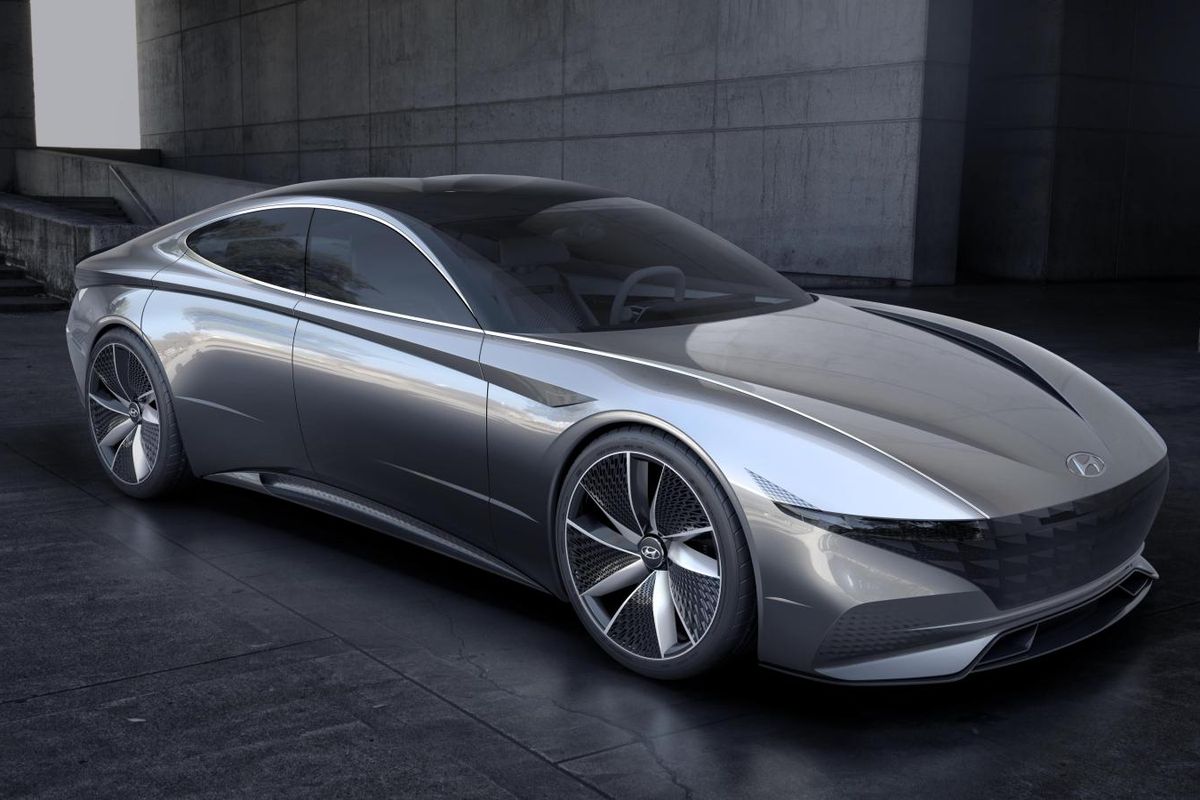
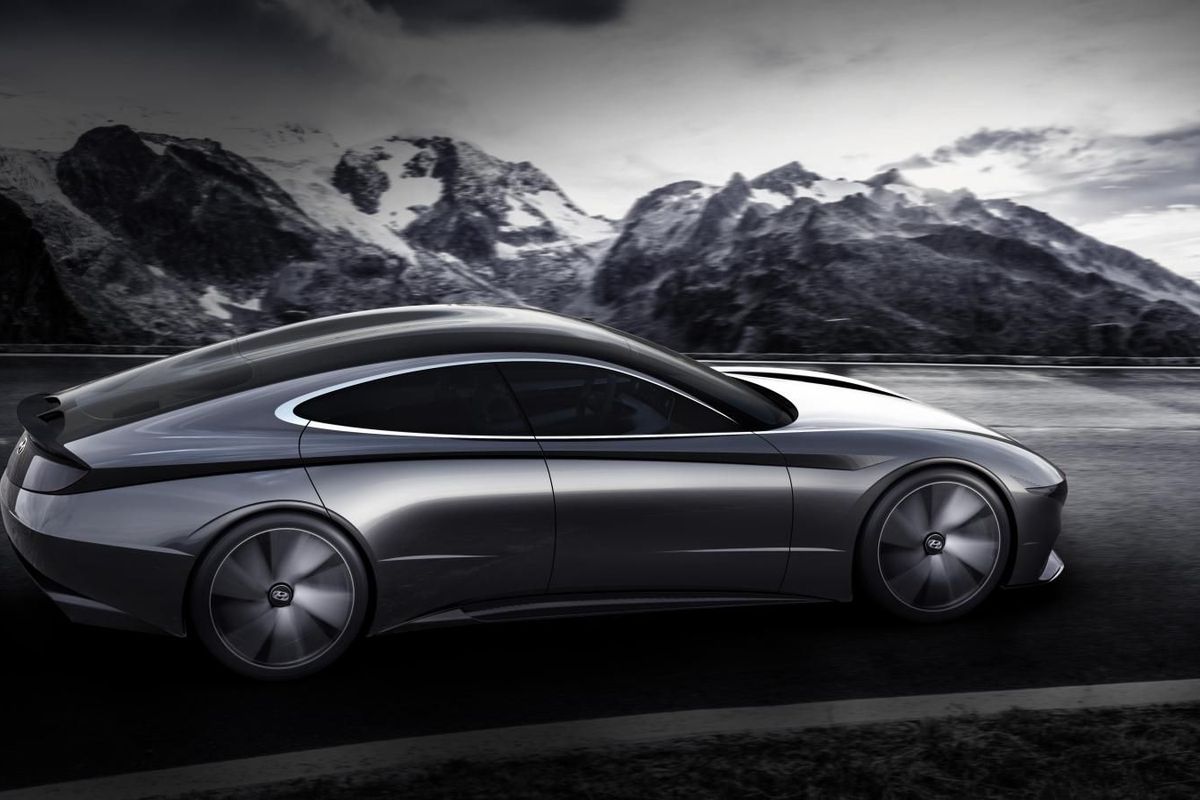
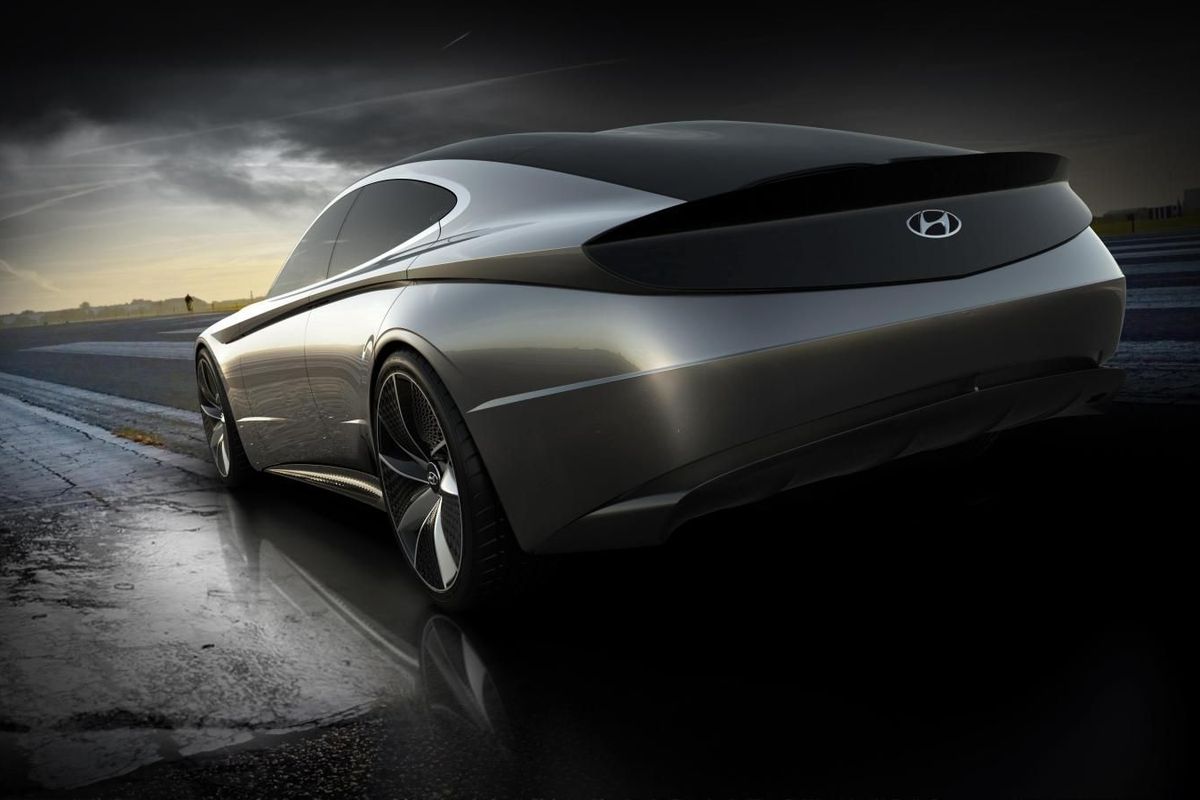
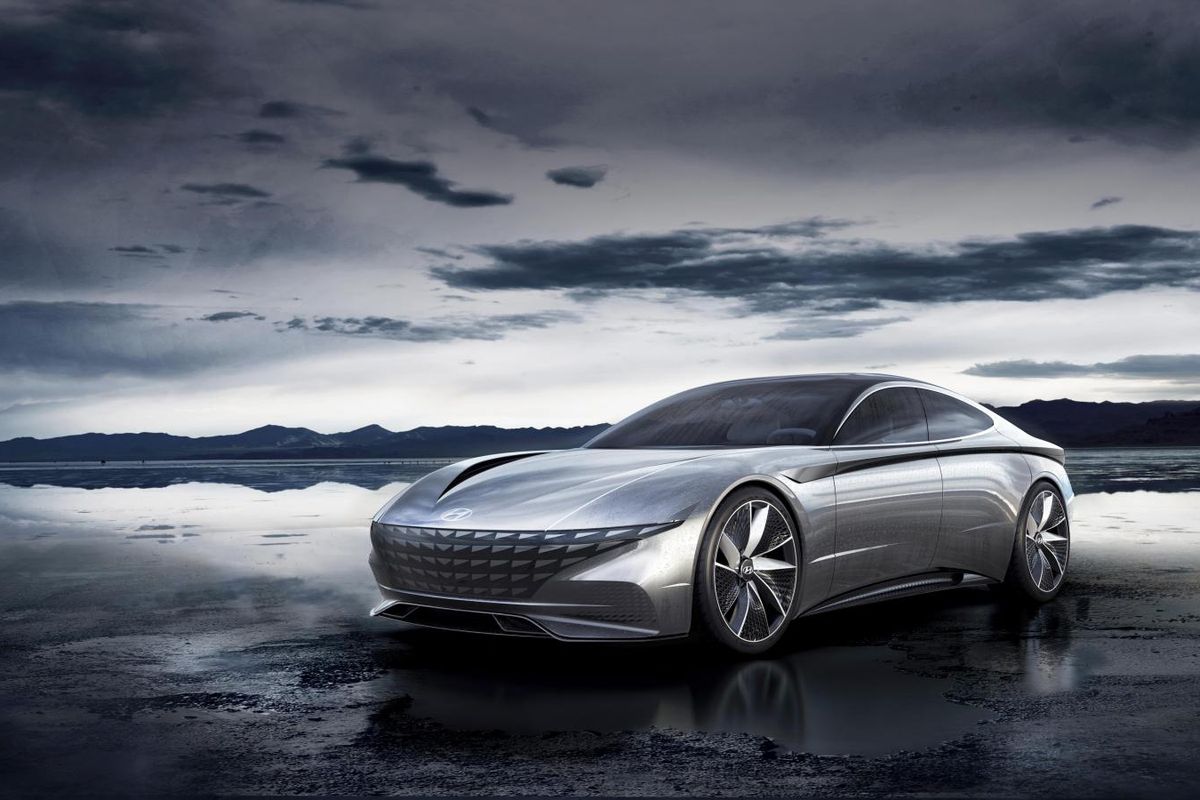
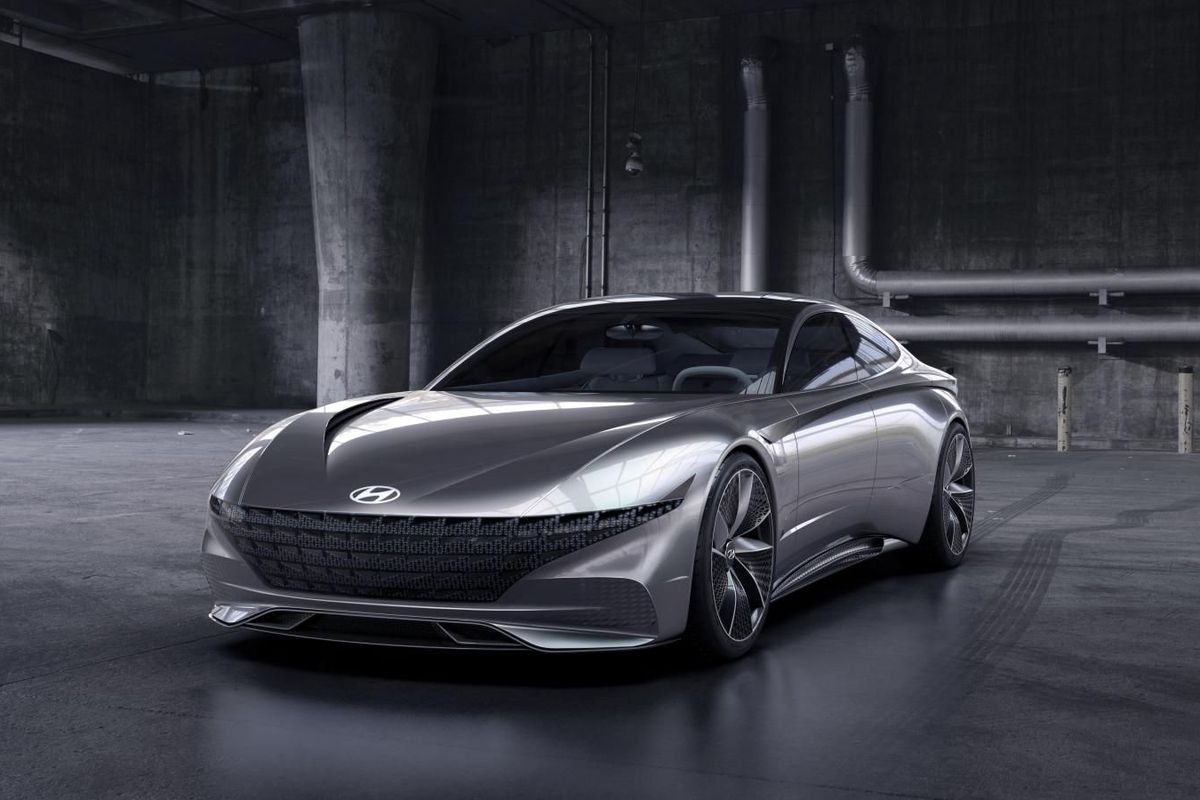
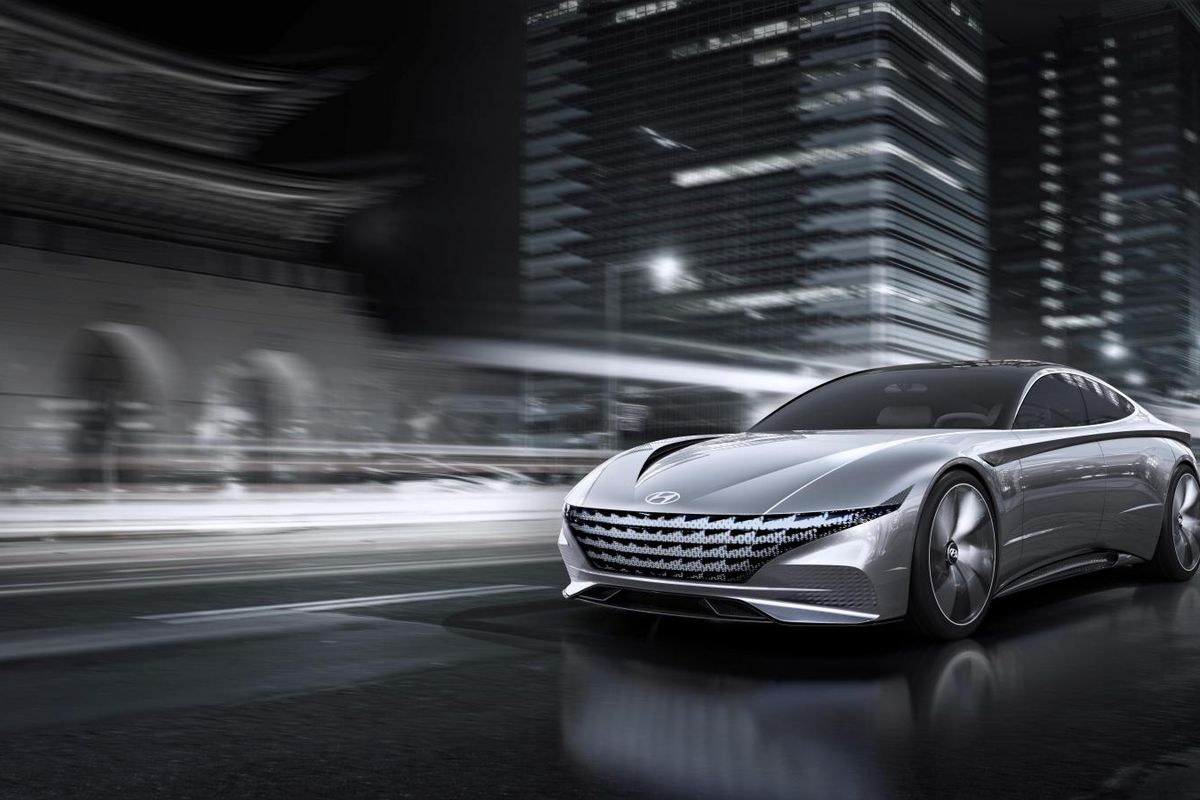
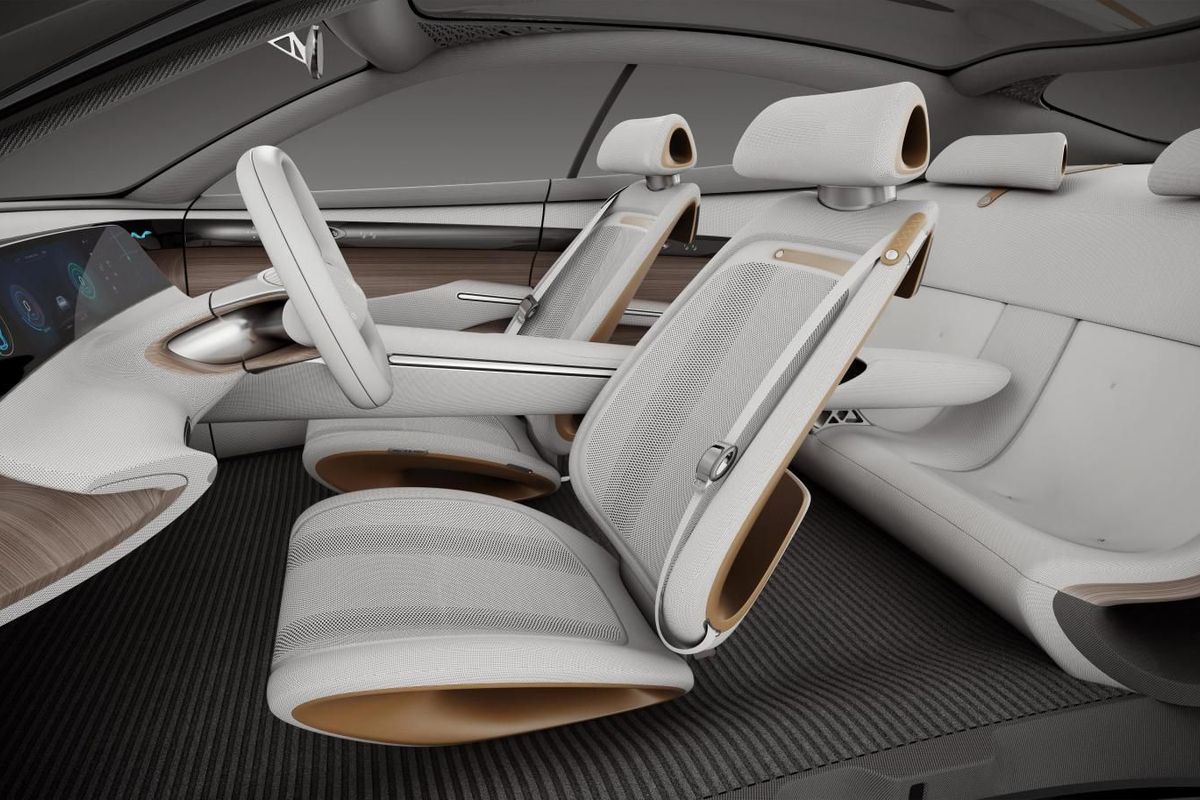
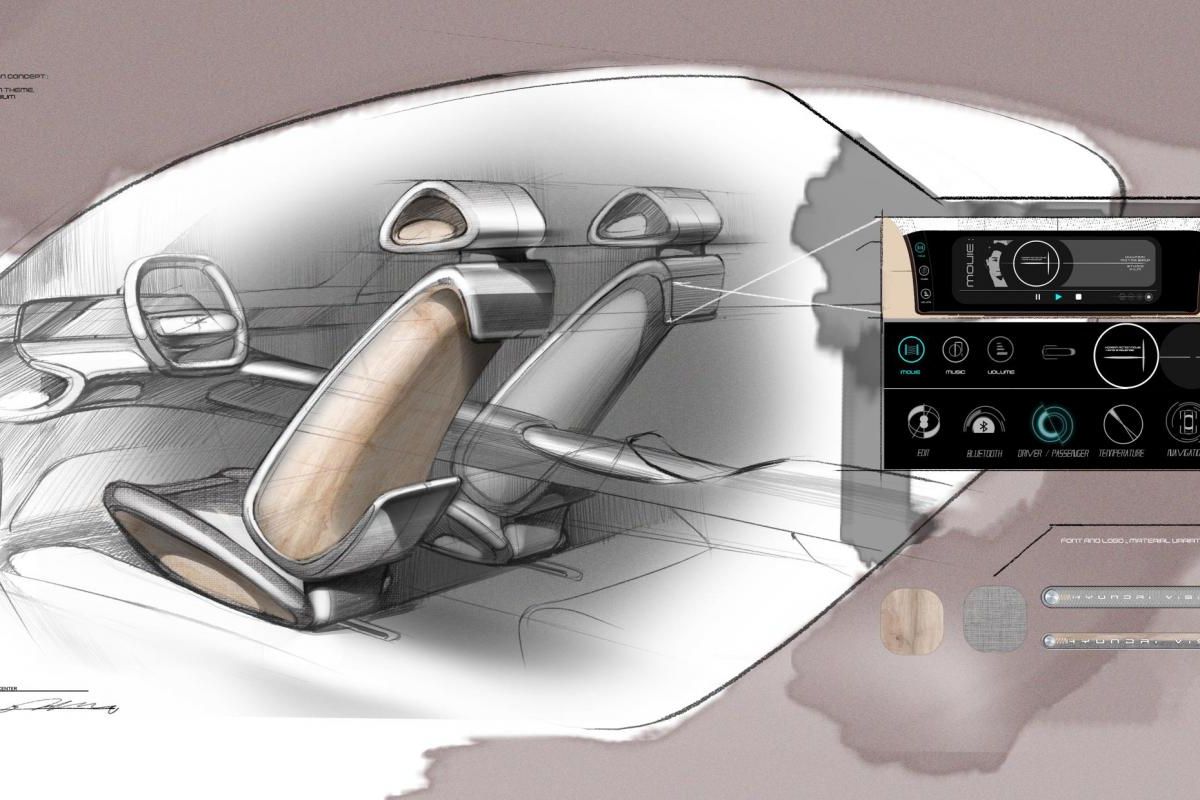
Hyundai showcases its new design language with an all-new concept called Le Fill Rouge.
The Hyundai Le Fill Rouge concept, which means common thread, focusses on where Hyundai plans to take its design in the future. Hyundai wants to design cars that look sporty and have 'heightened emotional' appeal. The Fill Rouge concept was designed using the golden ratio, a long wheelbase and short overhangs.
The concept adopts ‘Light Architecture’ for its exterior which makes it look like it's in forward motion even when standing still. This approach also has the effect that the concept was drawn with one smooth line.
There are no performance details available as the concept focusses purely on the design language Hyundai is interested in pursuing. On that note, just enjoy the pictures.
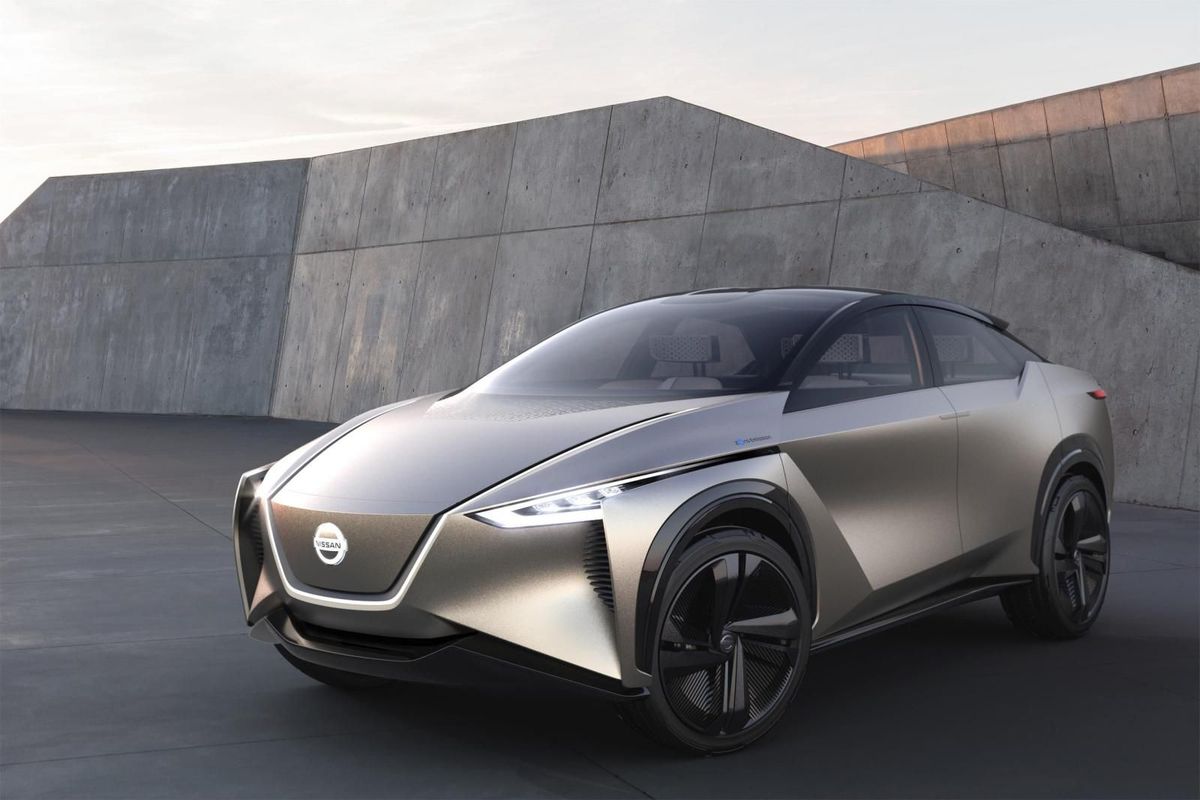
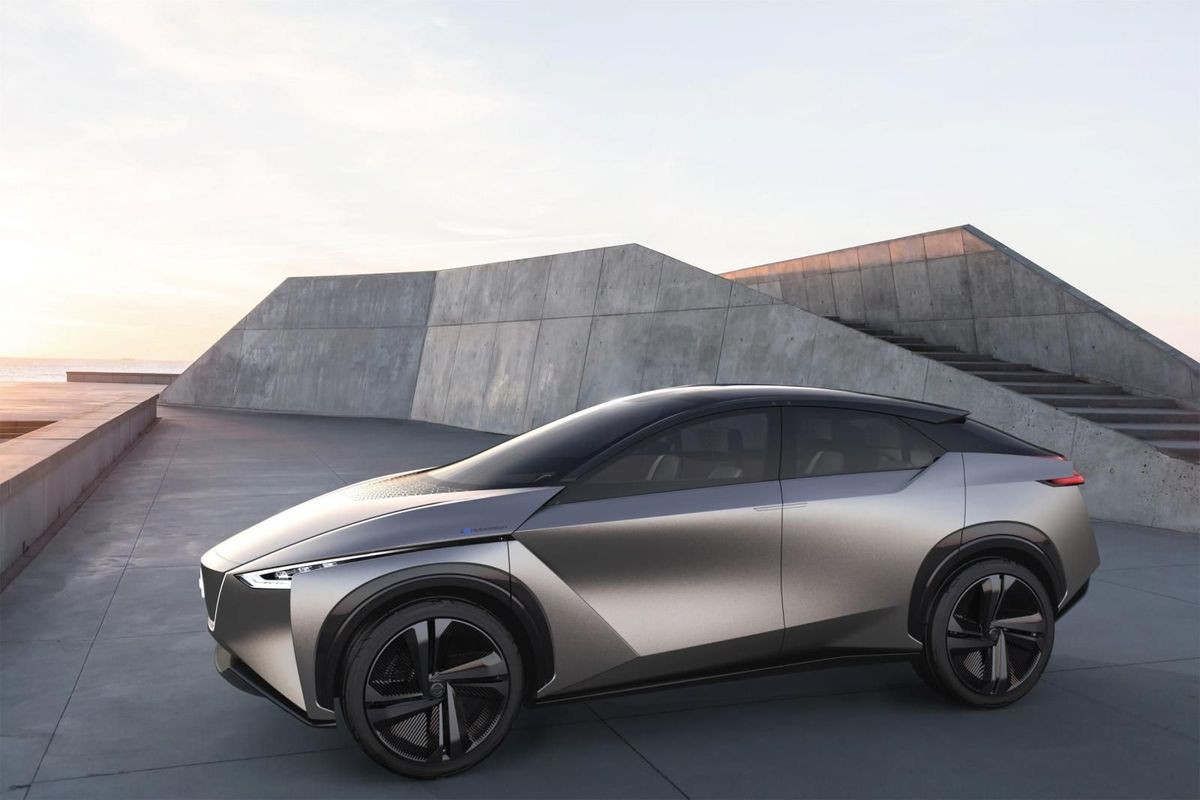
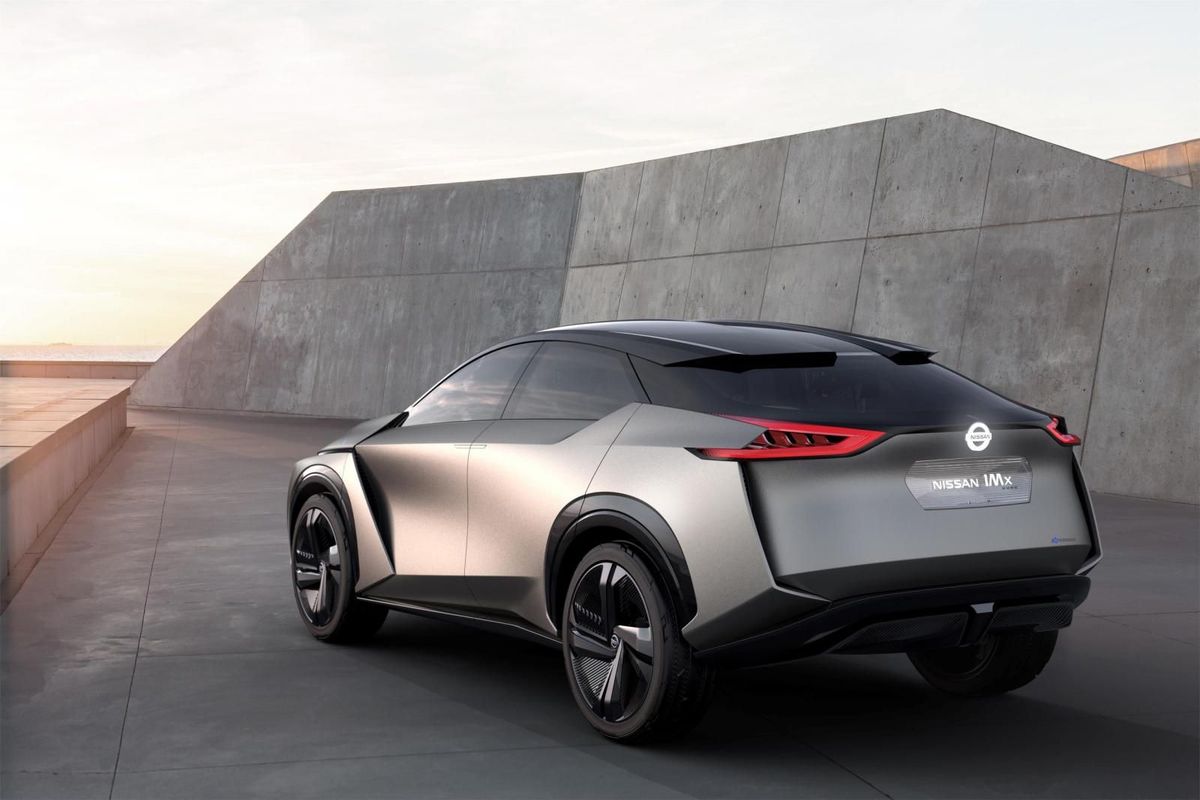
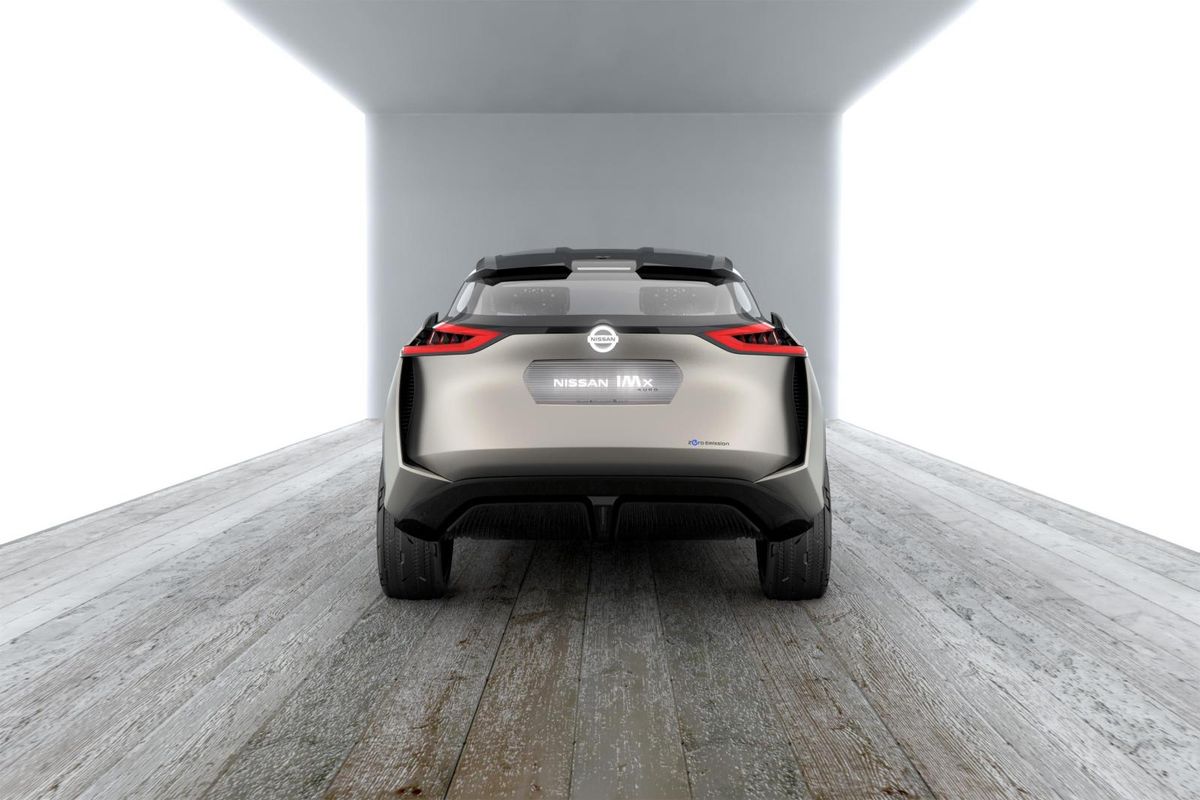
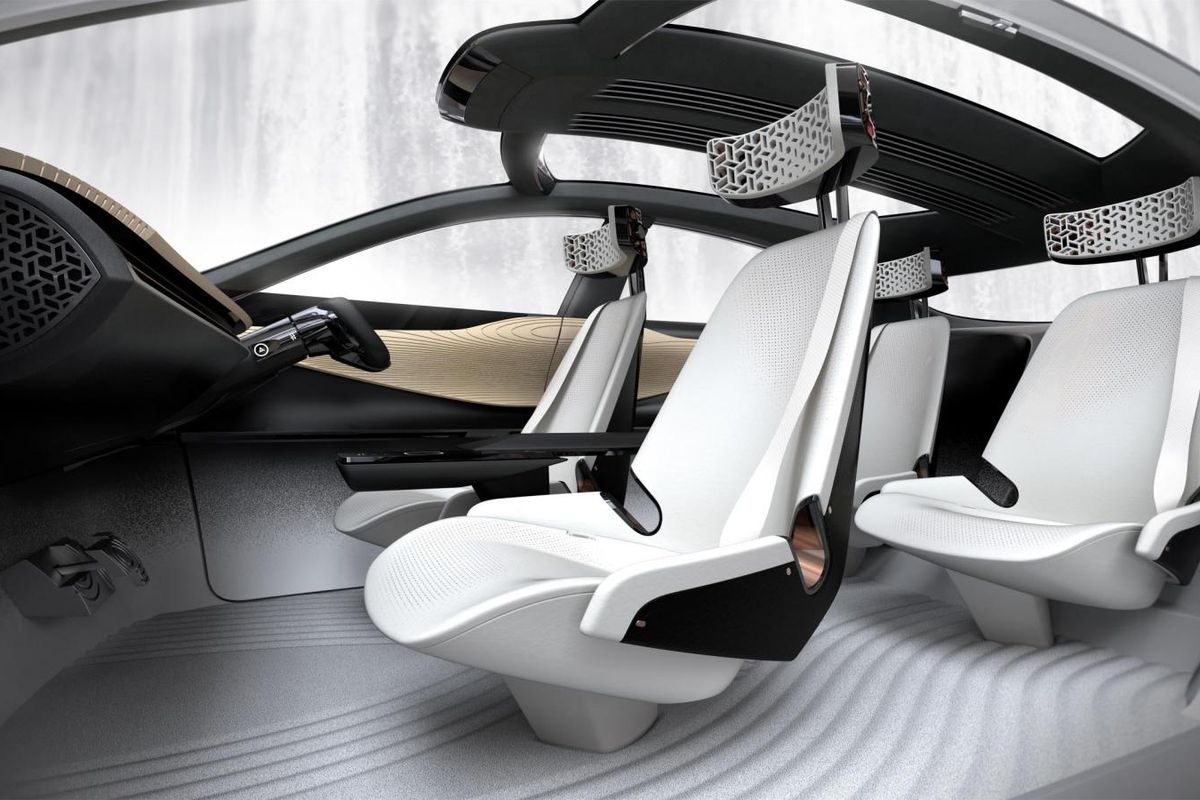
Nissan IMx Kuro Concept Knows What You’re Thinking
Nissan has shown the IMx Kuro concept in Geneva. The model has had a few updates from the model shown in Tokyo last year and now features a brain awareness system.
The IMx Kuro follows on from the model shown in Tokyo last year. The new tech installed for the Kuro model is a Brain to Vehicle (B2V) system that improves driver's reaction times and driver enjoyment. By catching signs that the driver’s brain is about to initiate a movement – such as turning the steering wheel or pushing the accelerator pedal – driver-assist technologies can begin the action quicker. This can improve reaction times and enhance manual driving. The driver wears a device that measures brain wave activity, which is then analyzed by autonomous systems. By anticipating intended movement, the systems can take actions – such as turning the steering wheel or slowing the car – 0.2 to 0.5 seconds faster than the driver, while remaining largely imperceptible.
Built on Nissan’s EV platform, the sleek and sporty-looking IMx Kuro Concept is powered by 2 electric motors, one over each axle with a combined power output of 320 kW and 700 nM of torque. Power is supplied by a high-capacity battery that will allow the IMx to travel over 600 km, which substantially more than the 400 km offered by the second-generation Nissan Leaf.
Fully autonomous driving
The IMx Concept features the latest version of Nissan ProPilot, allowing for fully autonomous driving. When the system is activated, the steering wheel retracts and is stored in the dashboard and the seats recline so that you can you read the morning newspaper. When ProPilot is disengaged, the steering wheel and seating positions return back to normal so that the driver can take control of the vehicle again.
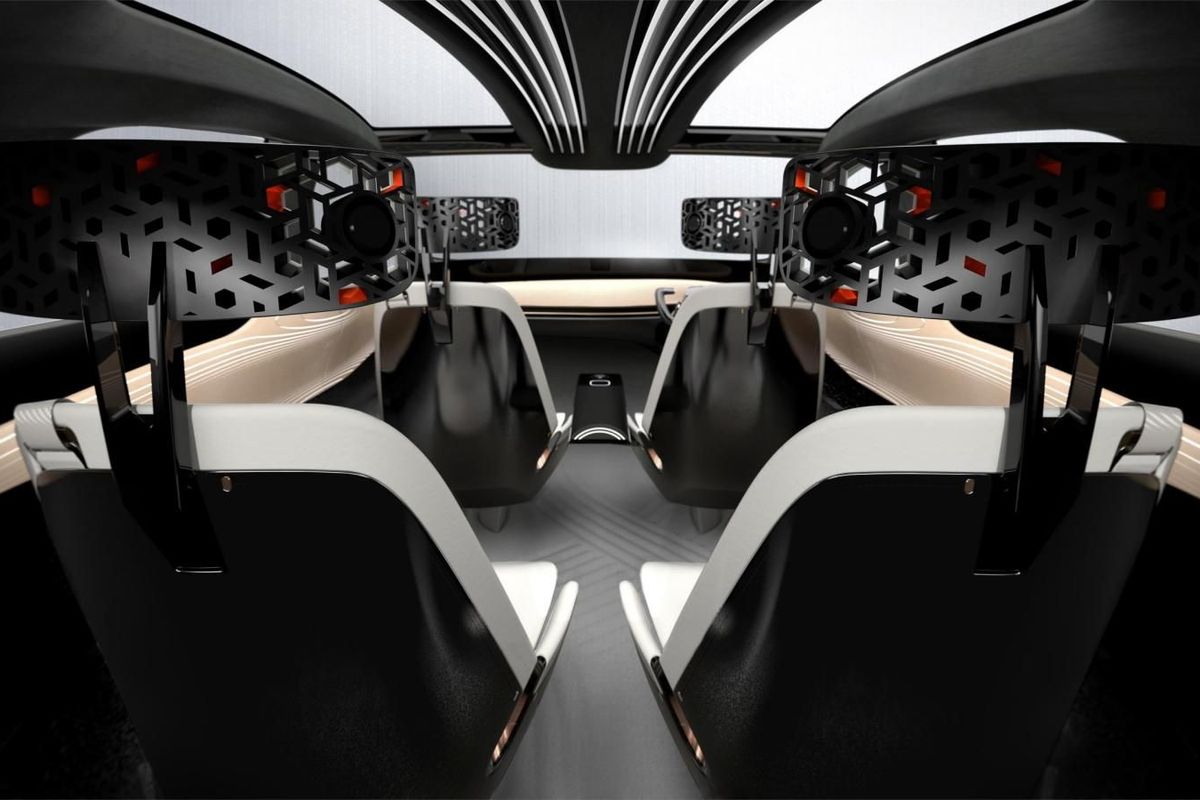
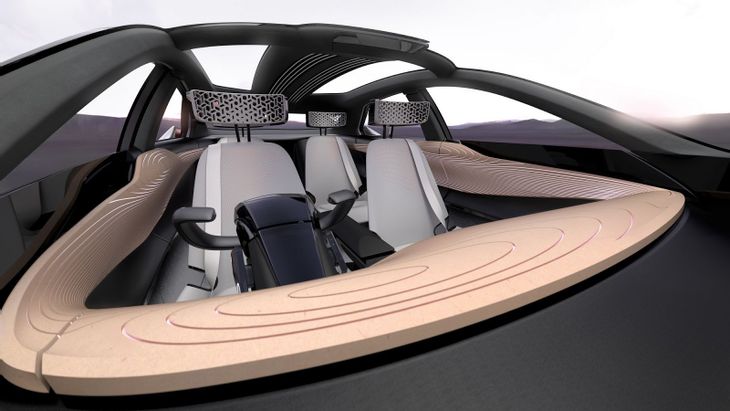
The IMx Concept features a futuristic and spacious interior. What's next?
The IMx Concept features a spacious cabin and according to Nissan, was designed to deliver sharp handling.
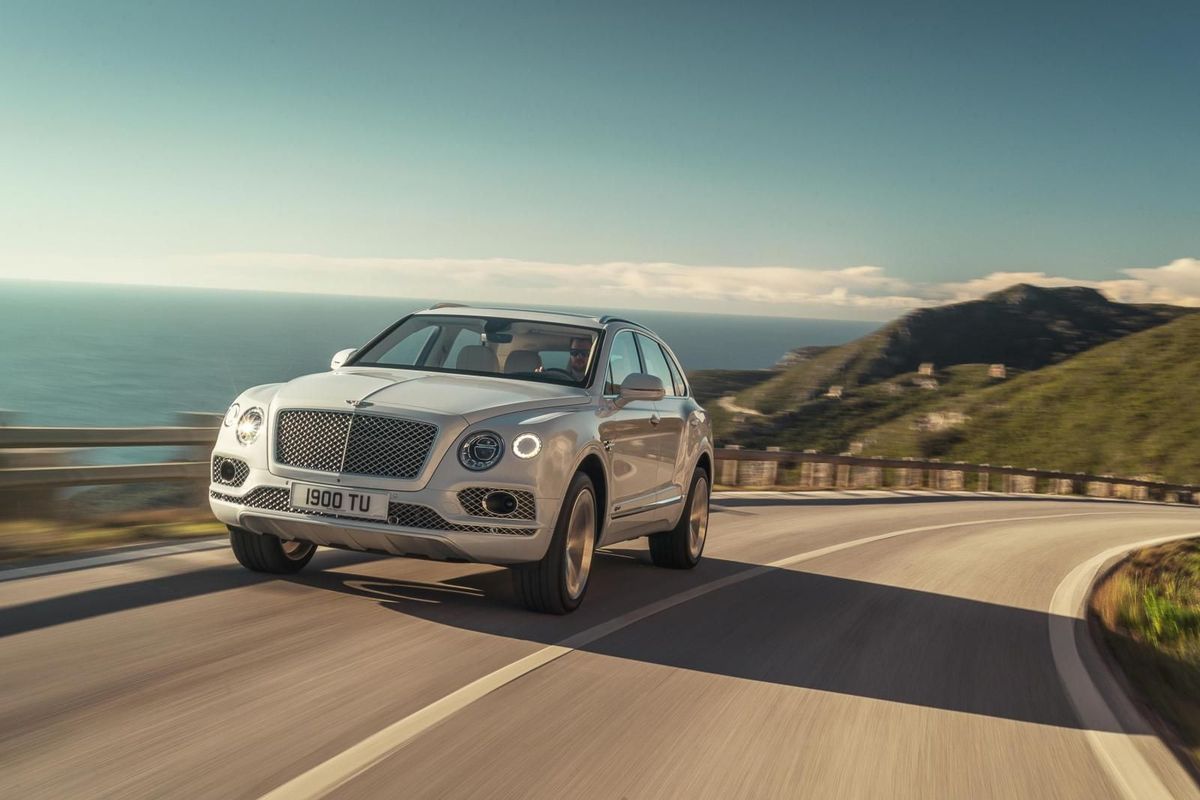
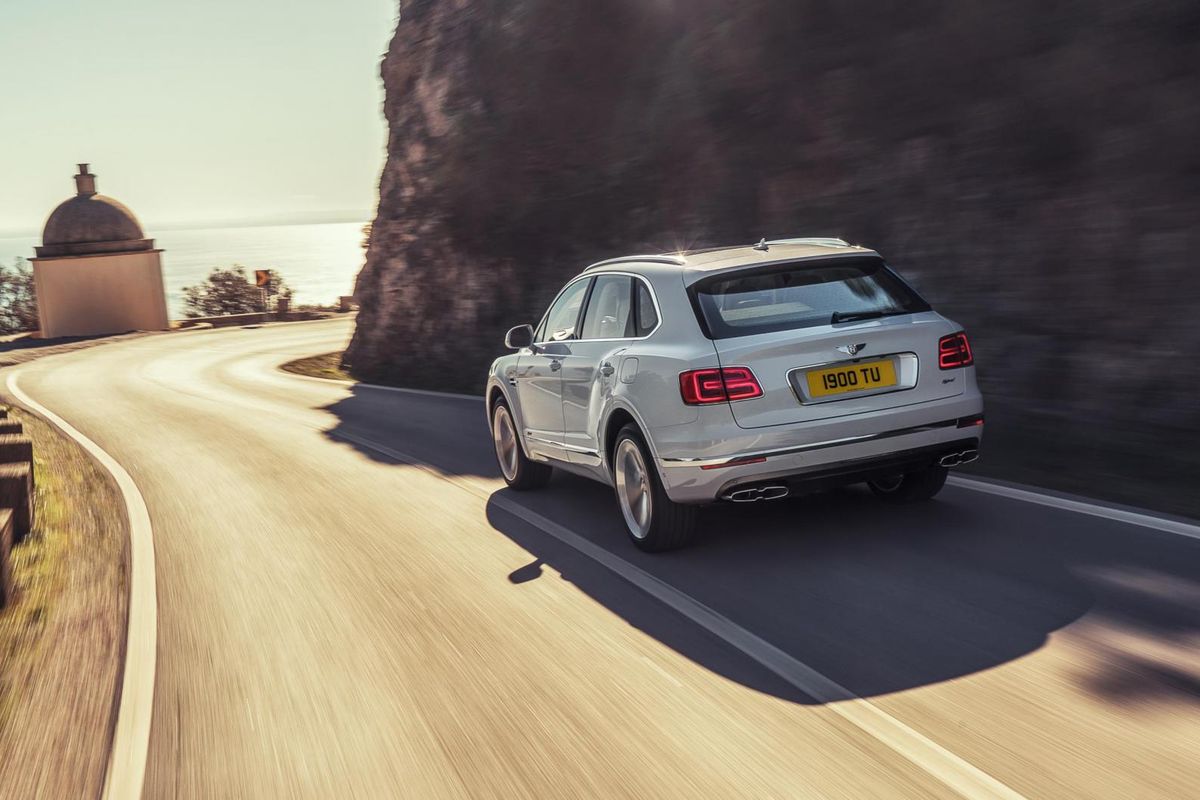
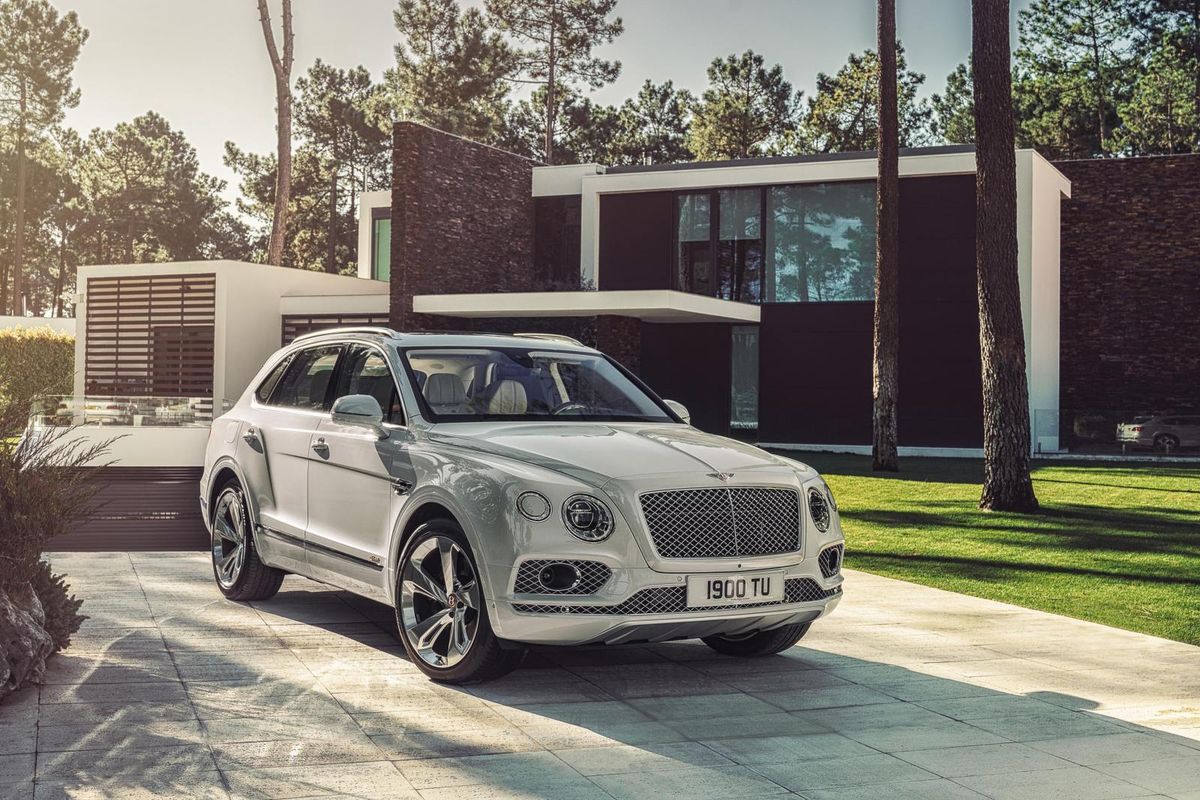
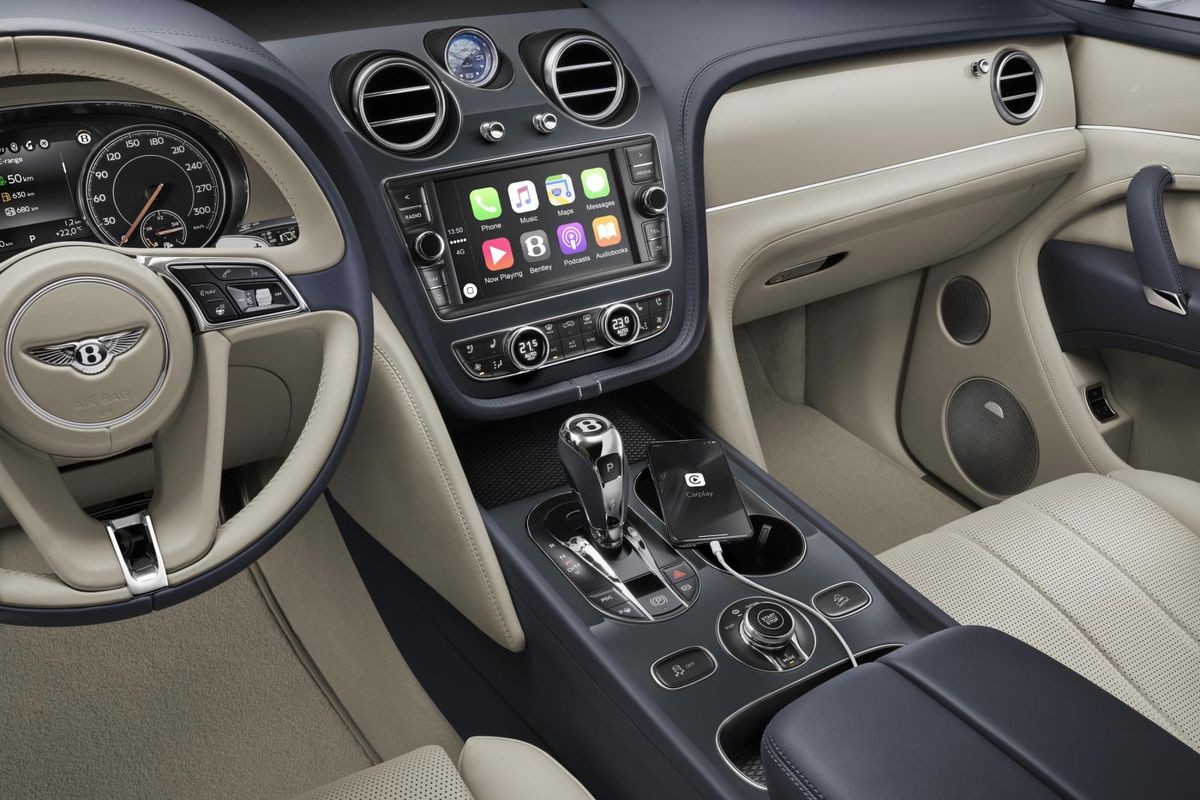
Bentley has revealed its first plug-in hybrid model for the Bentayga. It claims to have started a new sector in the market called the luxury hybrid.
Obviously, Bentley doesn't regard the Porsche Panamera or Cayenne as luxury enough to be considered for its newly created sector as both are also equipped with hybrid systems. Anyway, the Bentayga hybrid makes use of a V6 petrol engine and an electric motor that is capable of 50 km of pure electric drive.
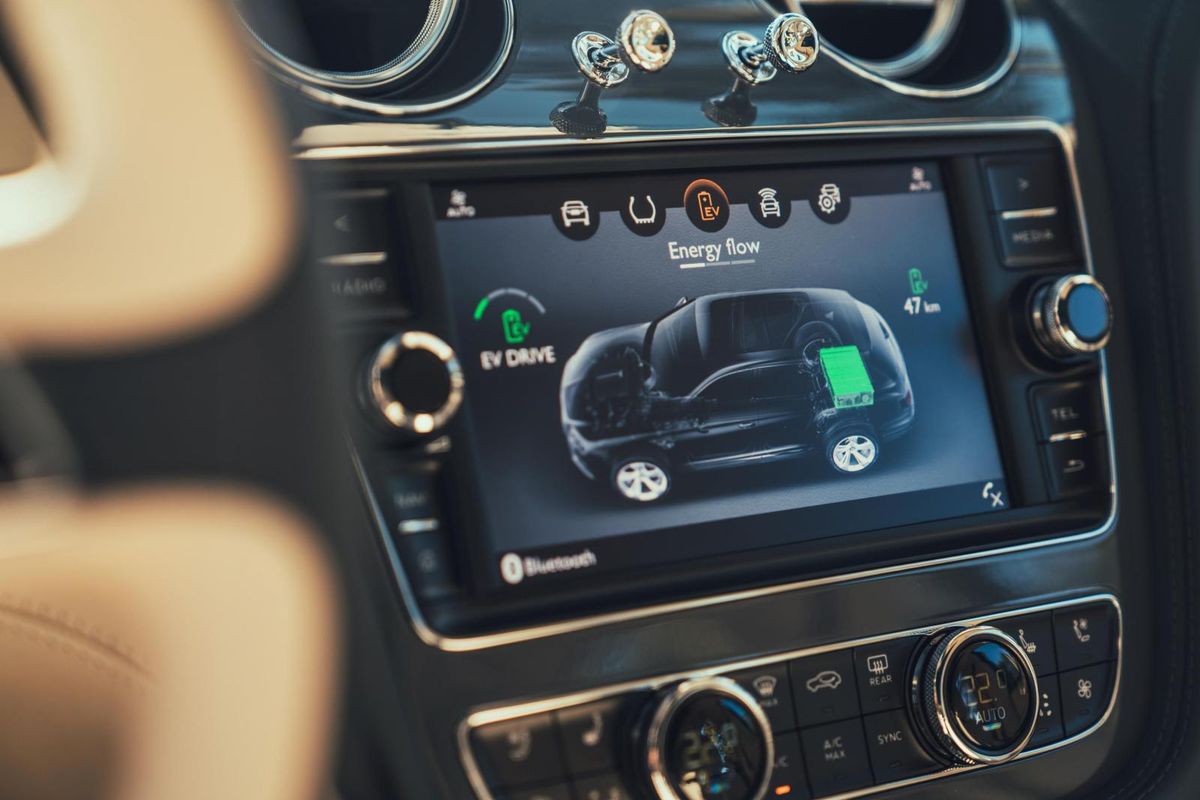
Bentley says the need for a hybrid is crucial if the company wants to comply with forthcoming regulations on CO2 emissions, especially in city driving. The hybrid Bentayga comes with its own app suite within the infotainment system that allows the driver to monitor the state of electric power and consumption. The battery usage can also be managed through multiple driving modes that include EV Drive, Hybrid Mode and Hold Mode. To maximise efficiency, the vehicle uses satellite navigation information to calculate the best usage of electric motor and engine for every journey. Inputting a destination into the navigation system will command the car to automatically engage the correct E Mode for each part of the journey, constantly calculating the most efficient use of battery charge and storing electrical energy for sections of the journey where it is most useful – such as when arriving in the city.
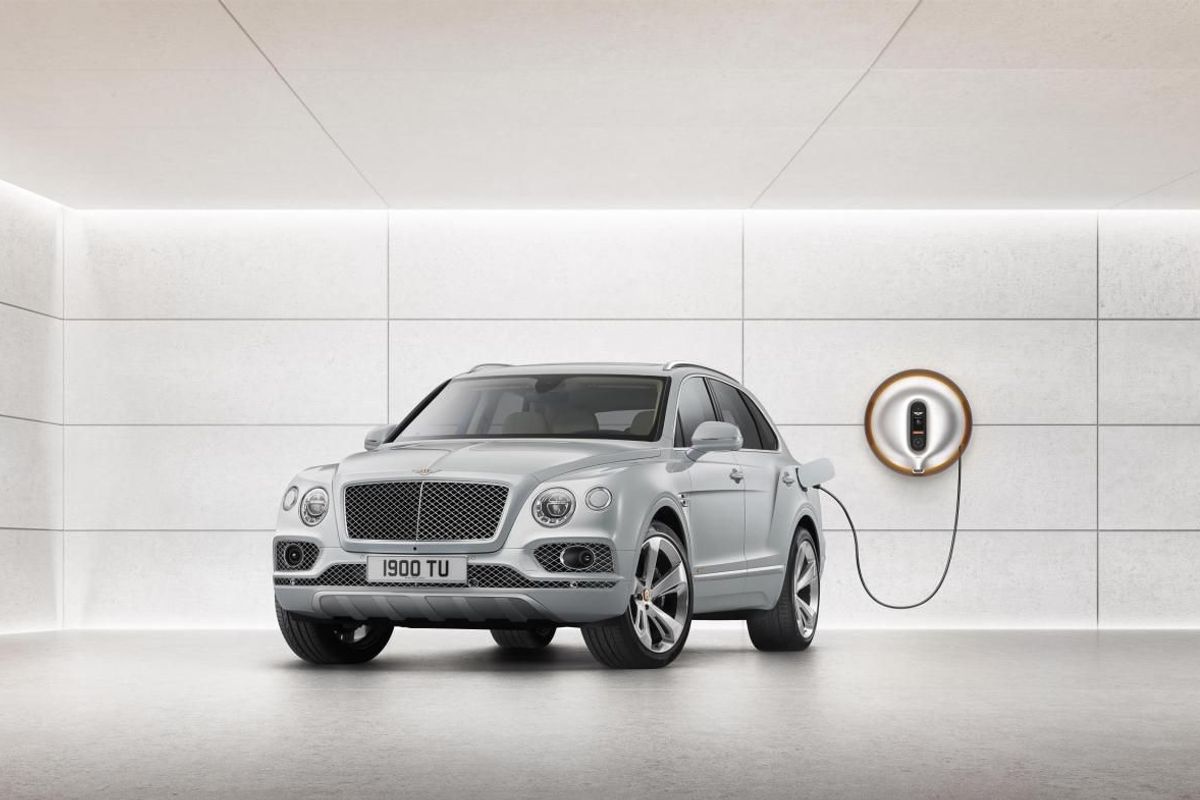
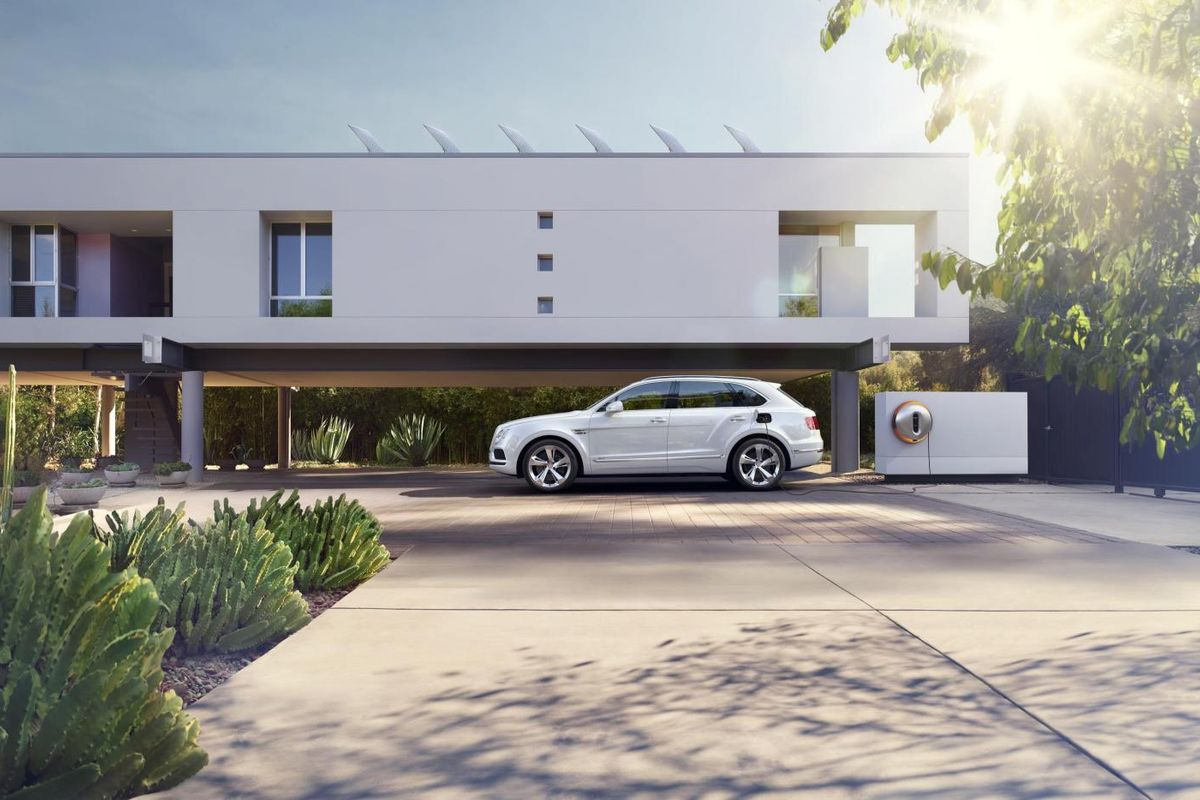
The electric motor can be charged from a normal wall socket but can be charged via an industrial connection installed in your home in just 2.5 hours. The unit that is installed in your home is not just a normal wall-mounted charge station. Bentley has partnered with Philippe Starck, to create a concept for a highly desirable recharging unit. The power dock, as it calls it, showcases the exquisite attention to detail, using sustainable and elegant materials. The stylish surround is formed from pressed eco-linen with bio-sourced thermosetting resin, while the domed frontage is fashioned using a hot-pressure aluminium casting.
The Bentayga Hybrid is expected to go on sale later in 2018, but only in selected markets.