South African specials to star at Knysna Motor Show
The eagerly anticipated Knysna Motor Show, sponsored by Sanlam Private Wealth, kicks off on 29 April. One of the many highlights will be a display of locally developed specials, only sold in South Africa.

South African specials are currently enjoying a big spike in interest (and value), locally and abroad due to their rarity and historical significance. At the upcoming Knysna Motor Show visitors will be able to get up close to some of the most special cars Mzansi has produced. Stuart Johnston details some of the highlights. 

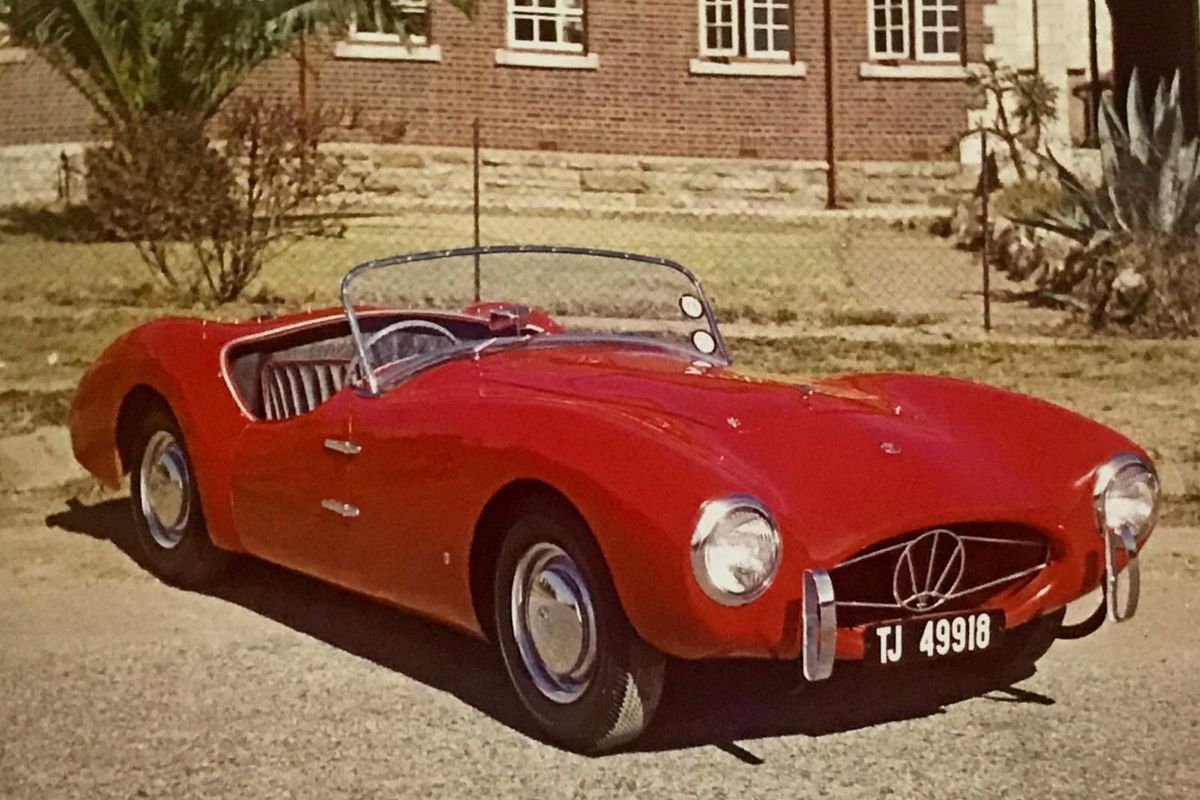
The Protea 
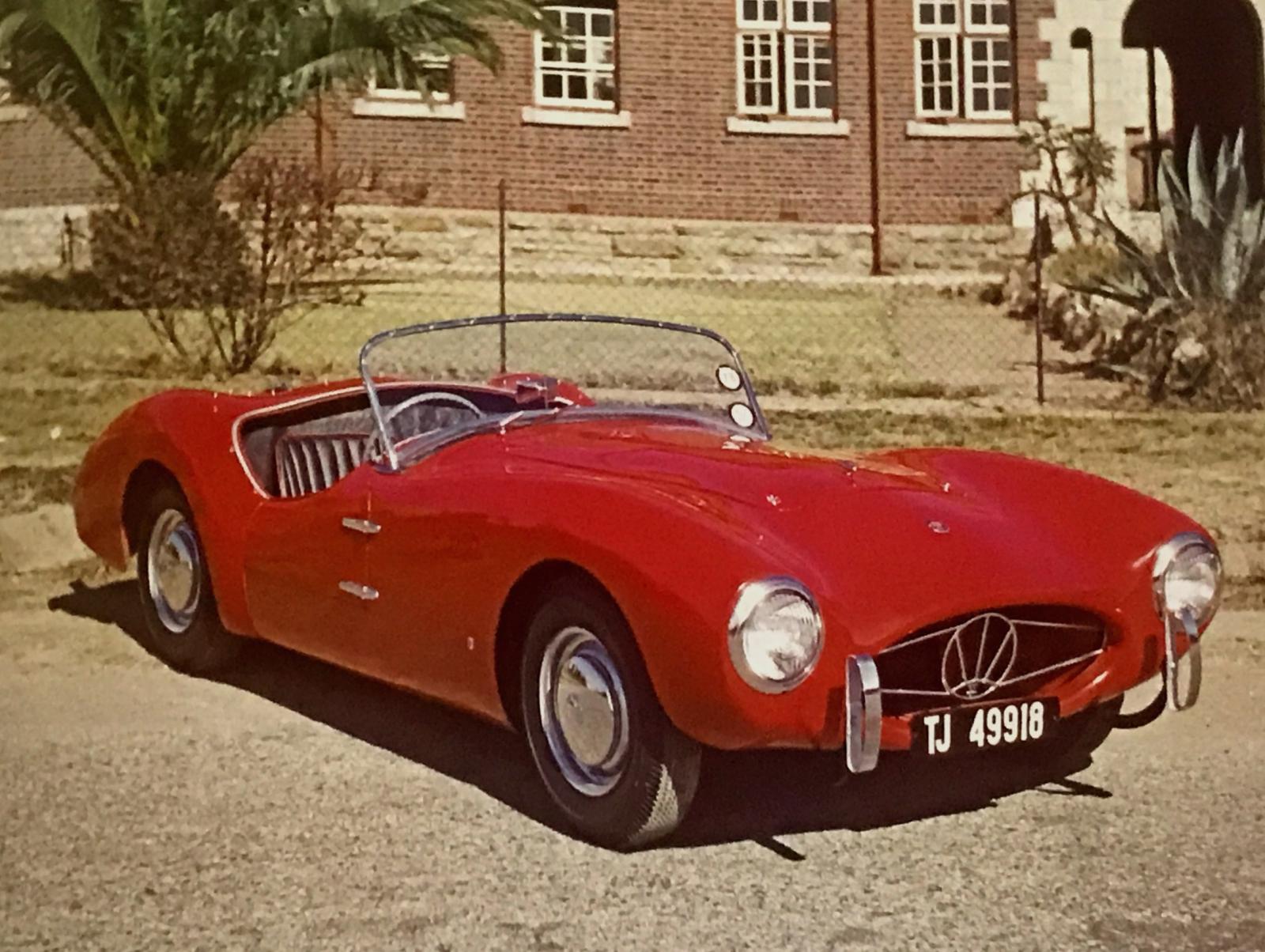
This rarely seen sports car was designed and built in Johannesburg by a team led by sports car enthusiast John Myers. A production version first appeared in mid-1957. It featured a strong square tubular chassis, and running gear culled from the side-valve four-cylinder Ford/Anglia 100E series of cars. This meant that, performance-wise, it wasn’t ultra-quick, although an overhead valve conversion available from the UK improved things dramatically.

It was the first fibreglass-bodied car to be built in South Africa and a total of 15 Proteas are known to have been built. 

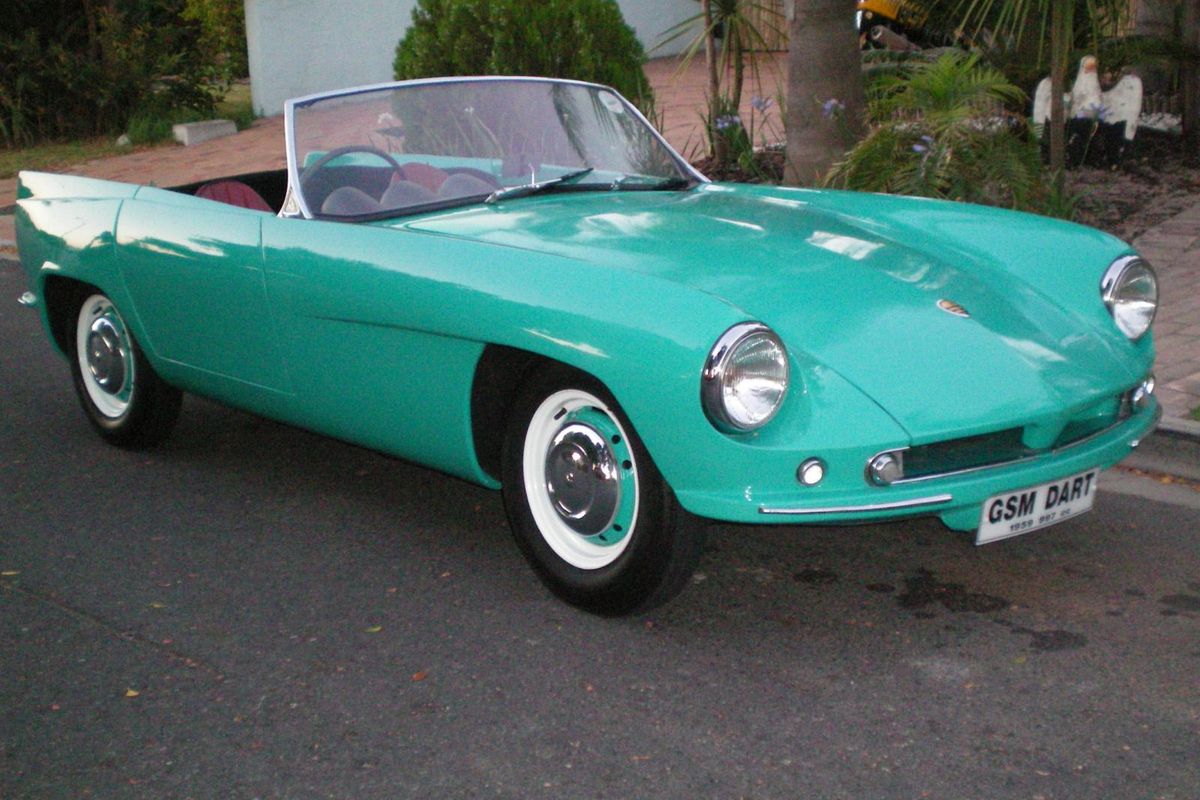
GSM Dart
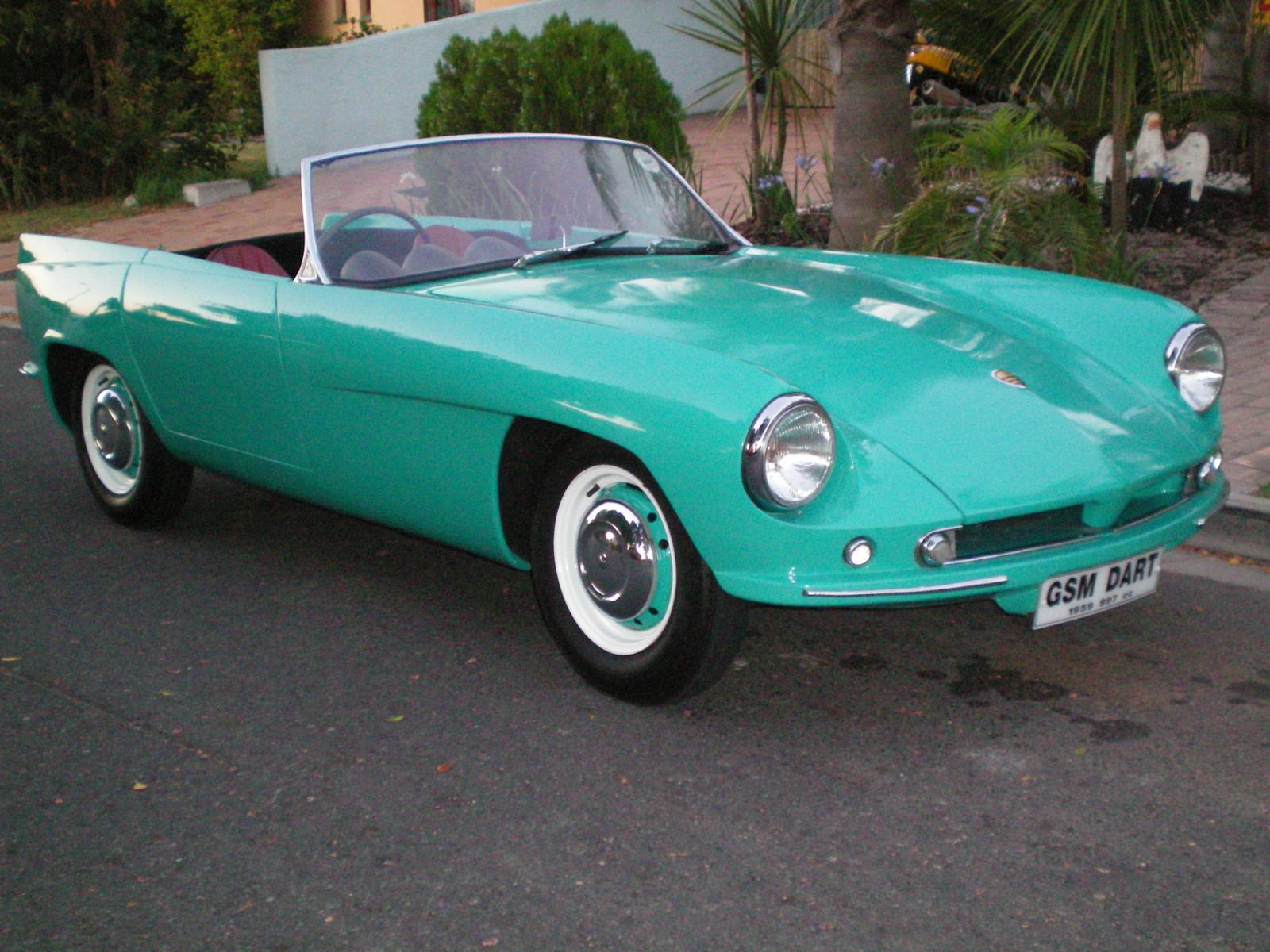
Better known than the Protea and increasingly desirable is the GSM Dart. It broke cover early in 1958, also featuring a glass-fibre body and Ford 100E mechanicals. This car was the product of collaboration between a Cape-based trio, Willie Meissner, Bob van Niekerk, and stylist Verster de Wit.

These cars were built in Cape Town, as well as in the UK, under the name “GSM Delta”. Until production ceased in the mid-1960s, a total of 116 GSM Darts were built in South Africa, and they were extremely successful in motorsport, later being fitted with a Cortina GT 1500 cc engine, as well as “hot” racing engines, including Climax and Alfa Romeo units.

Also on display at Knysna will be the related Flamingo model (128 built). 

Ford Capri Perana
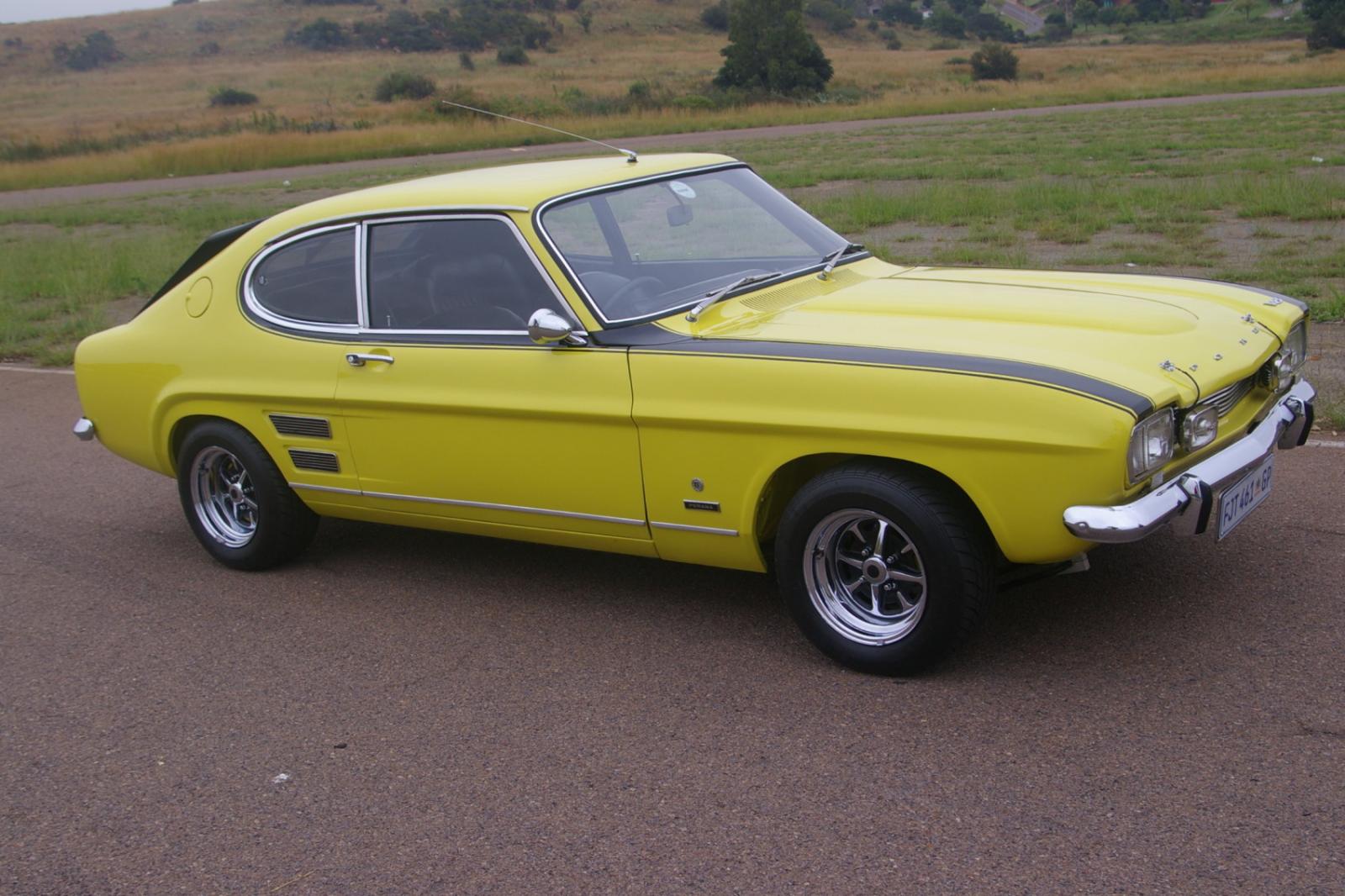
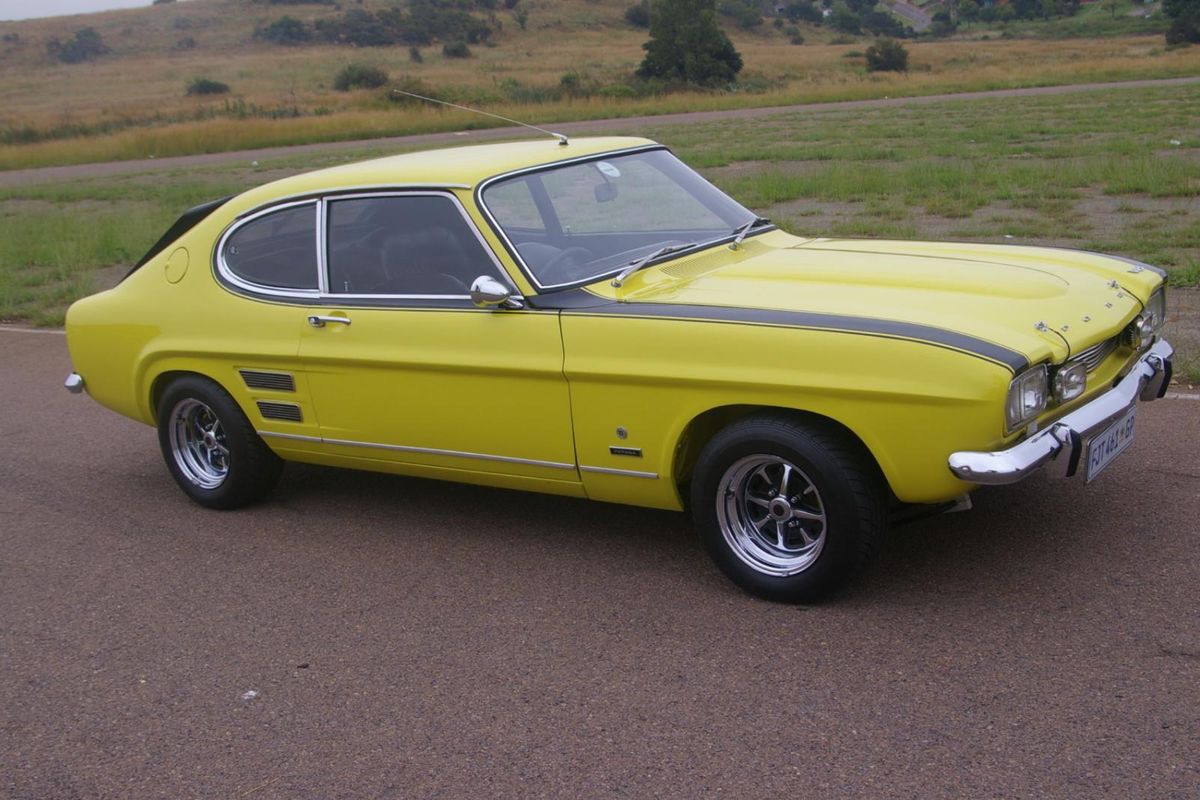
With a name like that you just know this iconic car has plenty of bite… It was the brainchild of, and built by race-driver and speed shop owner Basil Green, of Johannesburg. The Capri Perana V8s had a 0-100 km/h time in the mid-six second bracket and a top speed just shy of 230 km/h! Power came from a 302 cubic inch Ford V8 slotted into the body of a Capri 3.0-litre, with numerous other mods. Over 300 were built. 

It was hugely successful on the race tracks too, providing countless wins for the likes of Bobby Olthoff, Basil van Rooyen, Koos Swaneopel and Peter Gough.

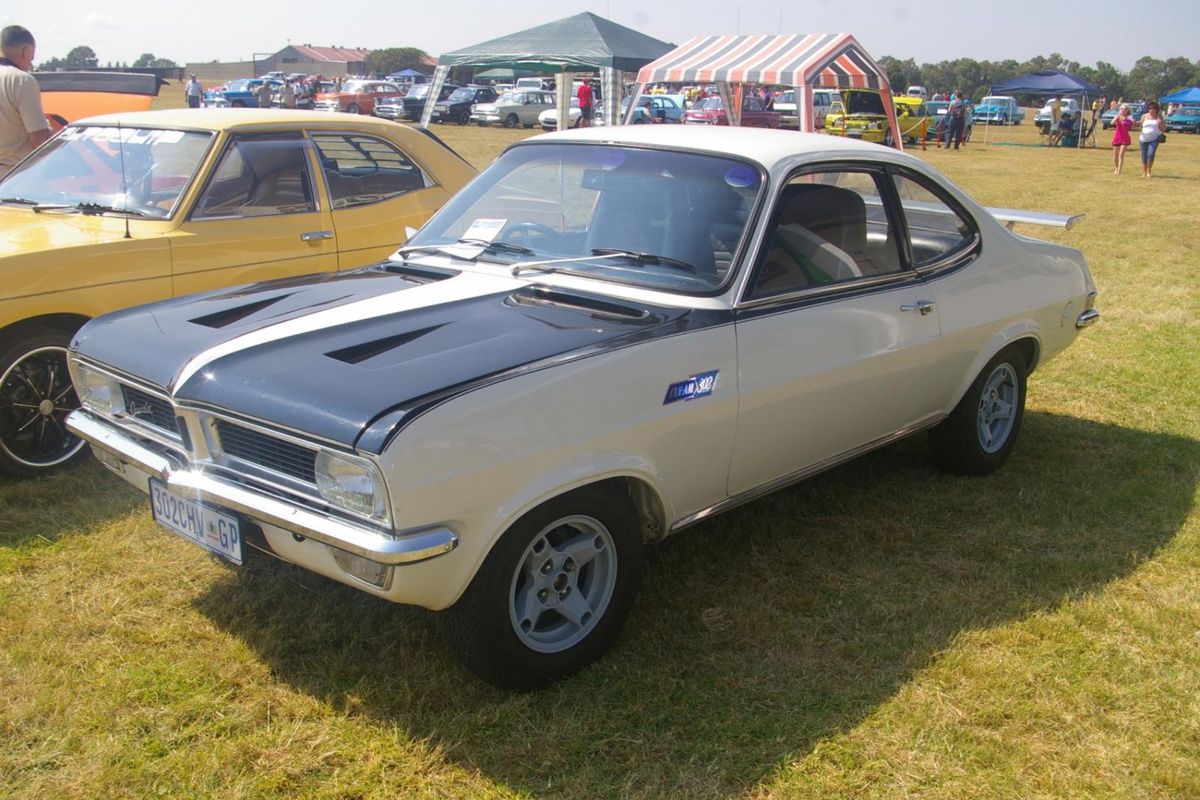
Chevrolet Firenza Can Am
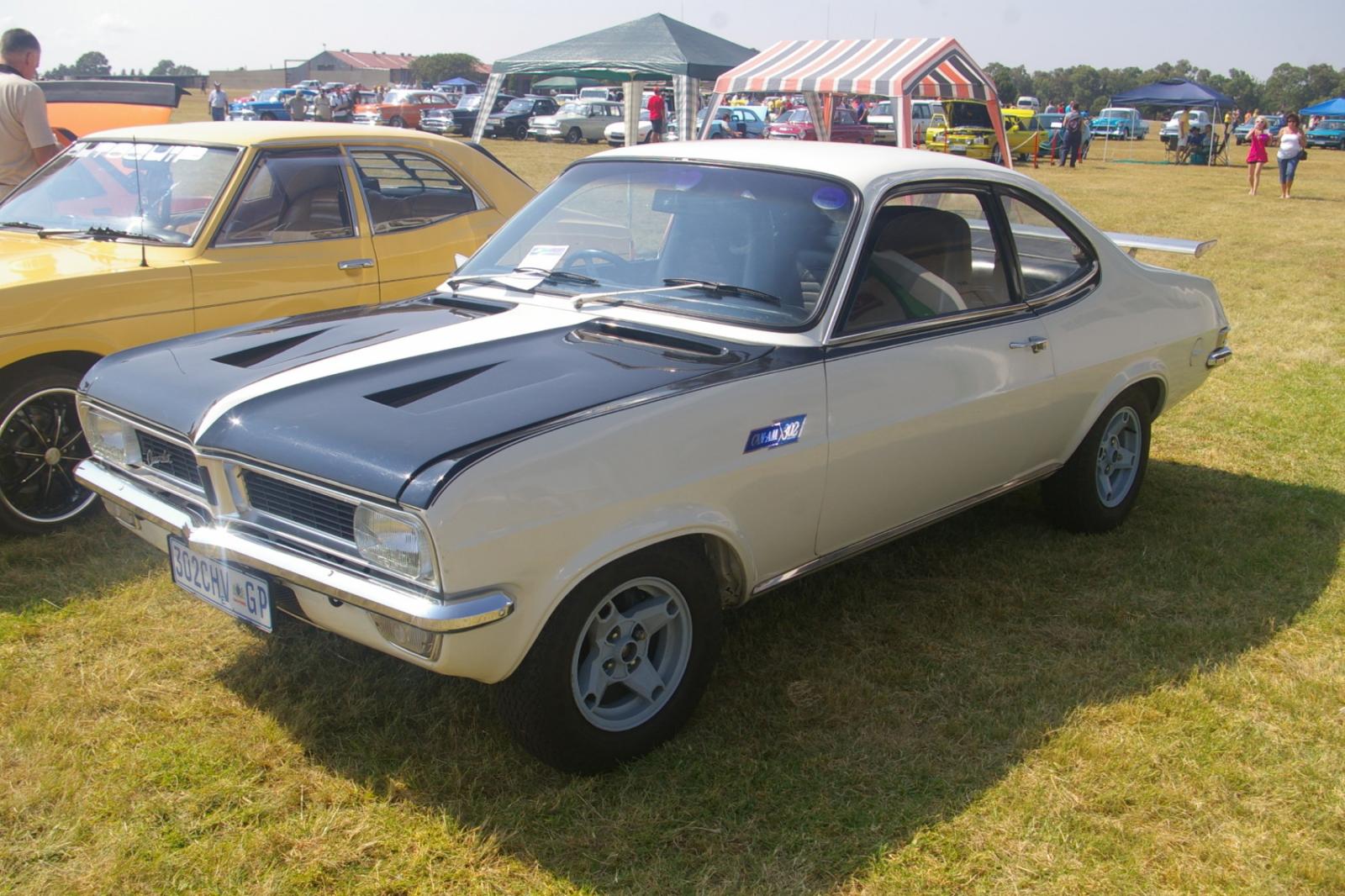
A real South African muscle car this one… They only built 100 of these, and they were designed to do just one thing, and that was to defeat the mighty Capri Peranas. And they did just that, thanks to inspiration of race drivers Basil van Rooyen and Geoff Mortimer, who were closely involved in the development. It featured the 228 kW Z28 Chevrolet V8 engine, built for racing in America.

It was wild, fitted with a four-speed Munci gearbox with a first gear so tall in could almost run to 100 km/h without shifting. It ran a verified 0-100 km/h of 5.5 seconds; with a top speed exceeding 230 km/h. Distinguishing features include the aluminium boot spoiler and Personal alloy rims, as well as a Personal steering wheel.

Alfa Romeo GTV6 3.0
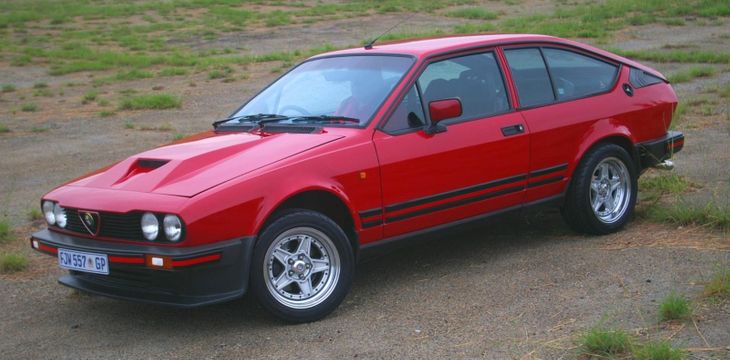
In other parts of the world, buyers of the Alfa Romeo GTV6s had to make do with 2,5-litre engines. But in South Africa, the likes of race engineer Sampie Bosman and his team sourced Autodelta parts from Italy to enlarge the beautiful Alfa V6 to 3.0 litres, and at the same time, junked the restrictive fuel injection and added six individual single-choke Dell Orto carburettors.

The result was a firebrand, tamed by special suspension, gorgeous Compomotive rims, red striping and a big power bulge on the fibreglass bonnet with fresh air ducts. It was the car to beat in Group One racing, driven by the likes of Nico Bianco, George Fouche and Abel D’Oliveira.

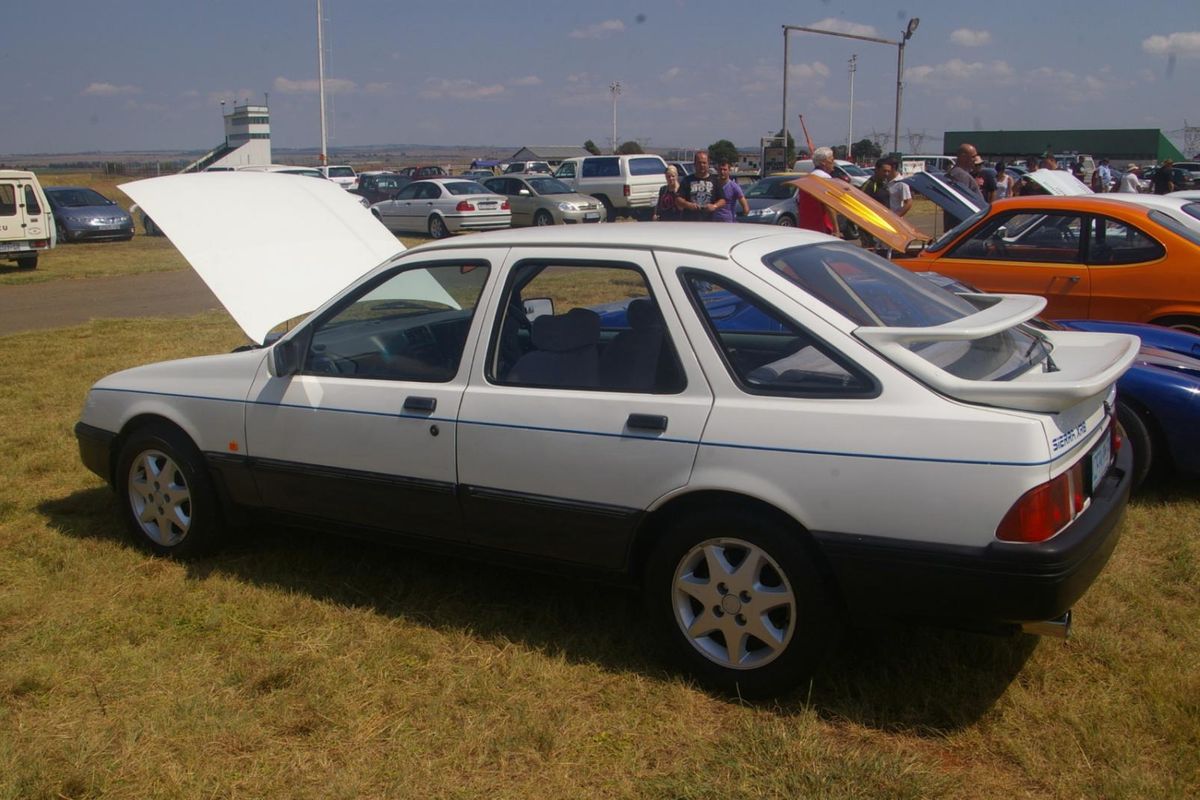
Ford Sierra XR8
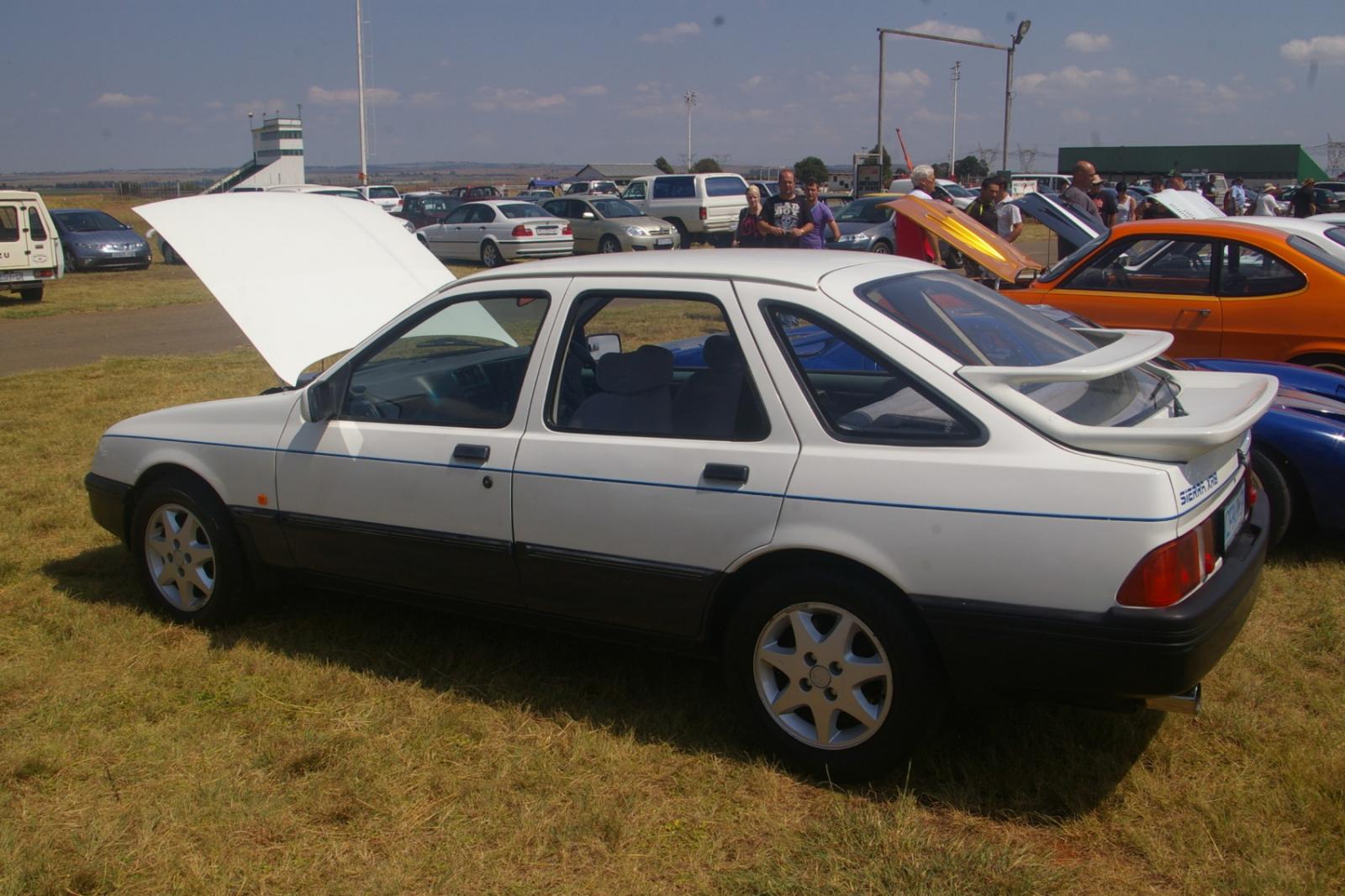
To battle the Alfa Romeo GTV6, Ford developed the Sierra XR8 by basically taking a XR6 and fitting a 5.0-litre V8, special limited slip diff, five-spoke alloy wheels and dual-plane rear wing in the boot. In time the likes of Serge Damseaux, John Gibb and Willie Hepburn gave these XR8s legendary status in Group One and Wesbank racing.

Initially the XR8 engine was a bit tame, rated only at a little over 150 kW, but this was solved by big-vale, big port cylinder heads. Only 250 units were produced, and finding a mint one today is a rarity!

BMW 333i

We recently featured the BMW 333i in our SentiMETAL series of videos (Check it out above). 

Rather outlandishly, the 333i was produced by shoe-horning in a 3.2-litre straight-six engine from a large BMW 7 Series sedan. The engine so filled the engine bay that you could either specific air-conditioning, or power steering, but not both.

Sadly regulations for Group One and Group Two (Wesbank Modified) racing resulted in the 333i not being able to compete notably for honours on track, but it made a great road car, with its Alpina rims, quality body add-ons and special seats. It was very quick too. Zero to 100 was tested at 7,2 seconds, and the top speed was over 230 km/h. Just over 200 examples were built.

Volkswagen Caracal Prototype
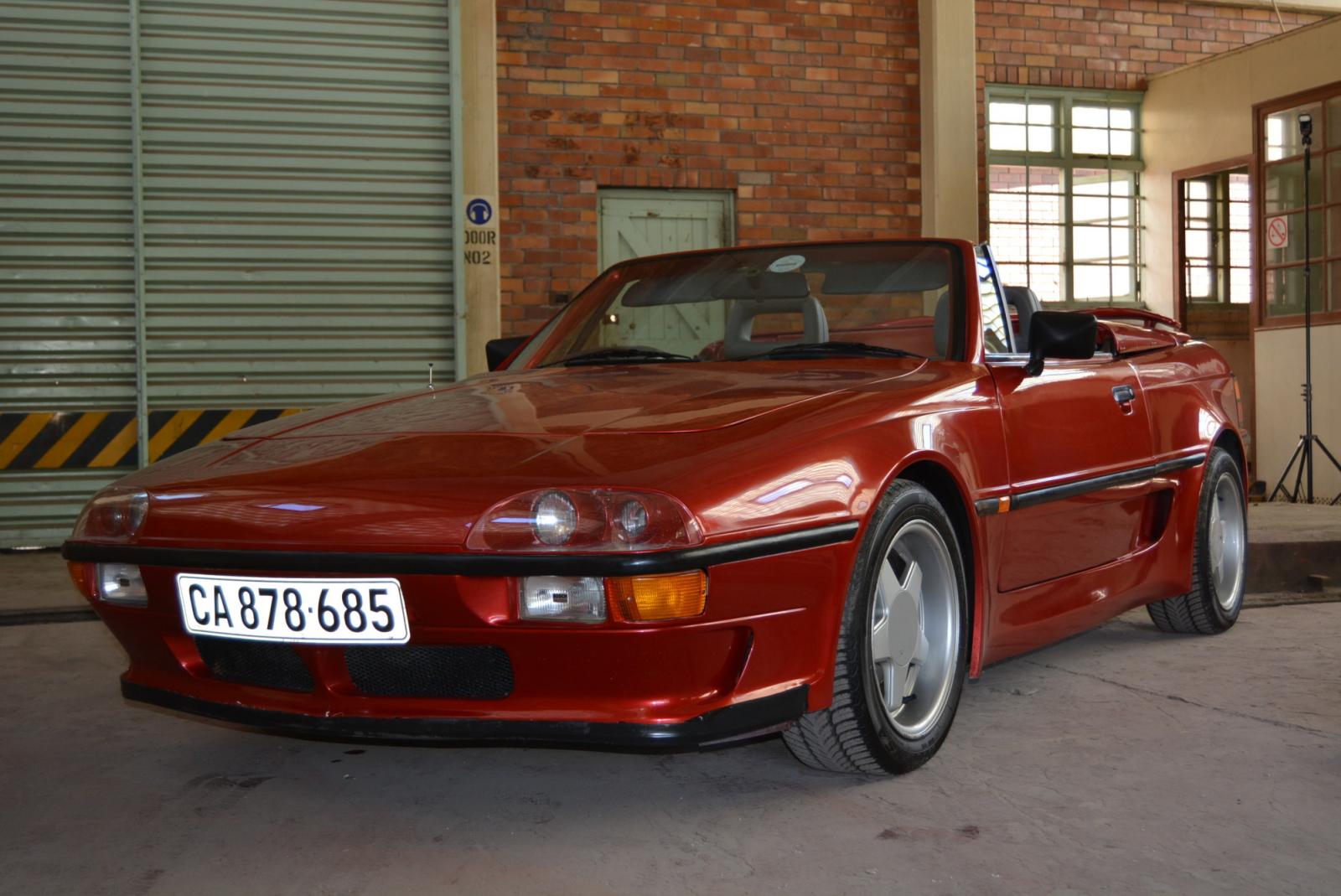
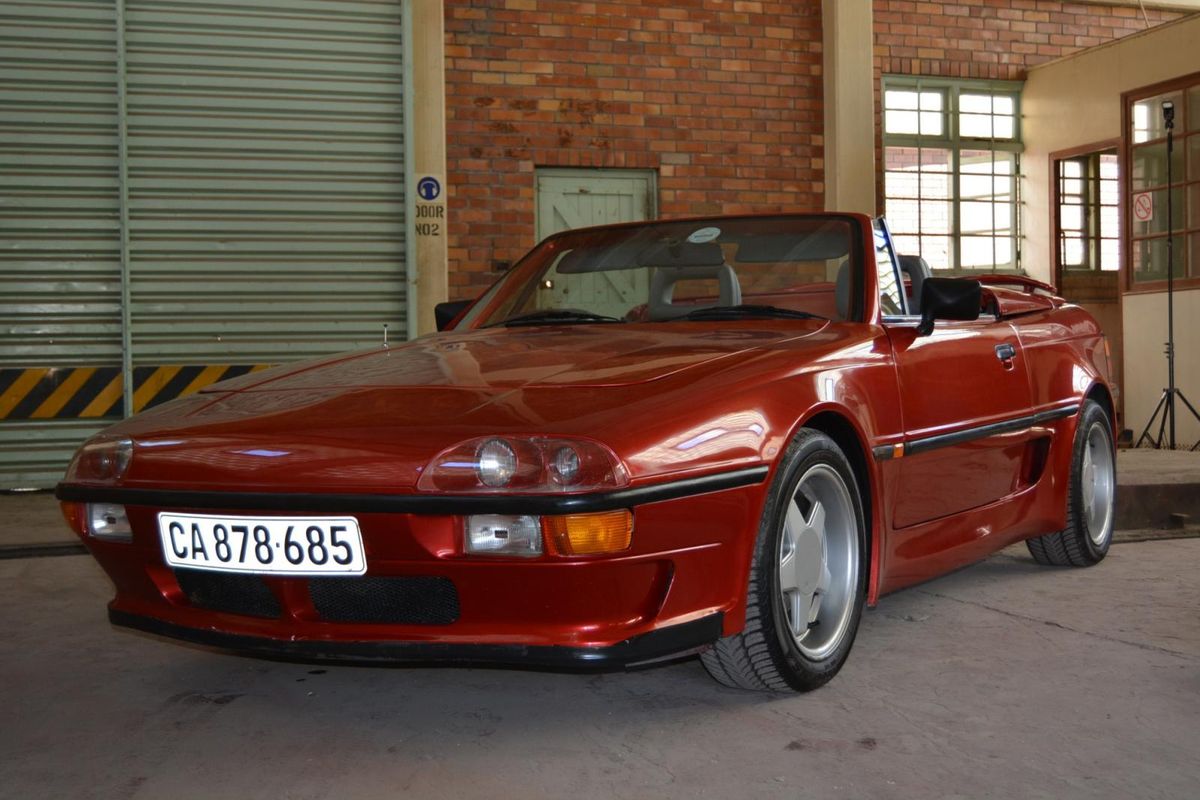
This car was conceived by Cape Town architect Gerrie Steenkamp, who distinguished himself in the mid-1970s by importing Lotus and Lamborghini CKD kits and assembling them outside Cape Town! In late 1989 Steenkamp employed race-rally driver Nic de Waal to design a sports car and the result was the rear-engined Caracal, which used Golf 16V running gear and transmission, miunted behind the cockpit.

The car was in fact approved by VWSA for production, but then political events saw the move towards a new democratic government in South Africa, and the need for a home-grown SA sports car became redundant, as manufacturers could then start importing such cars without prohibitive tax duty. The car shown at Knysna is believed to be just one of three or possibly four prototypes to have been built by Steenkamp’s company, Inter Motor Makers.

Knysna Motor Show Details

The Knysna Motor Show is a one-day only event, held at the Knysna High School sports grounds, with elegant food and drink stalls providing refreshments in keeping with the glamour of this top-quality classic car event. Nevertheless, the show is extremely family orientated, with a relaxed atmosphere a key note. There is a beer garden and a food court to cater to all culinary tatstes tastes.

The show also falls just one week before the Jaguar Simola Hill Climb in Knysna, making it ideal to combine these two top quality events into an unbelievable Petrolhead Family Getaway!

The show runs from 9 am to 4 pm on Sunday, April 29, 2018. Admission prices are very family orientated: Adults R50, Children 12-18 R10, and children under 12 free!

Contact details are: Peter Pretorius, email on [email protected], or by cell phone on 082 321 4724. For more information, go to the Garden Route Motor Club’s website on www.grmc.co.za

You may also be interested in;

SentiMETAL Ep5: Opel Kadett Superboss
8 attainable classics you should consider

Celebrating the history of the iconic BMW M3

Volkswagen Polo Vivo (2018) Review

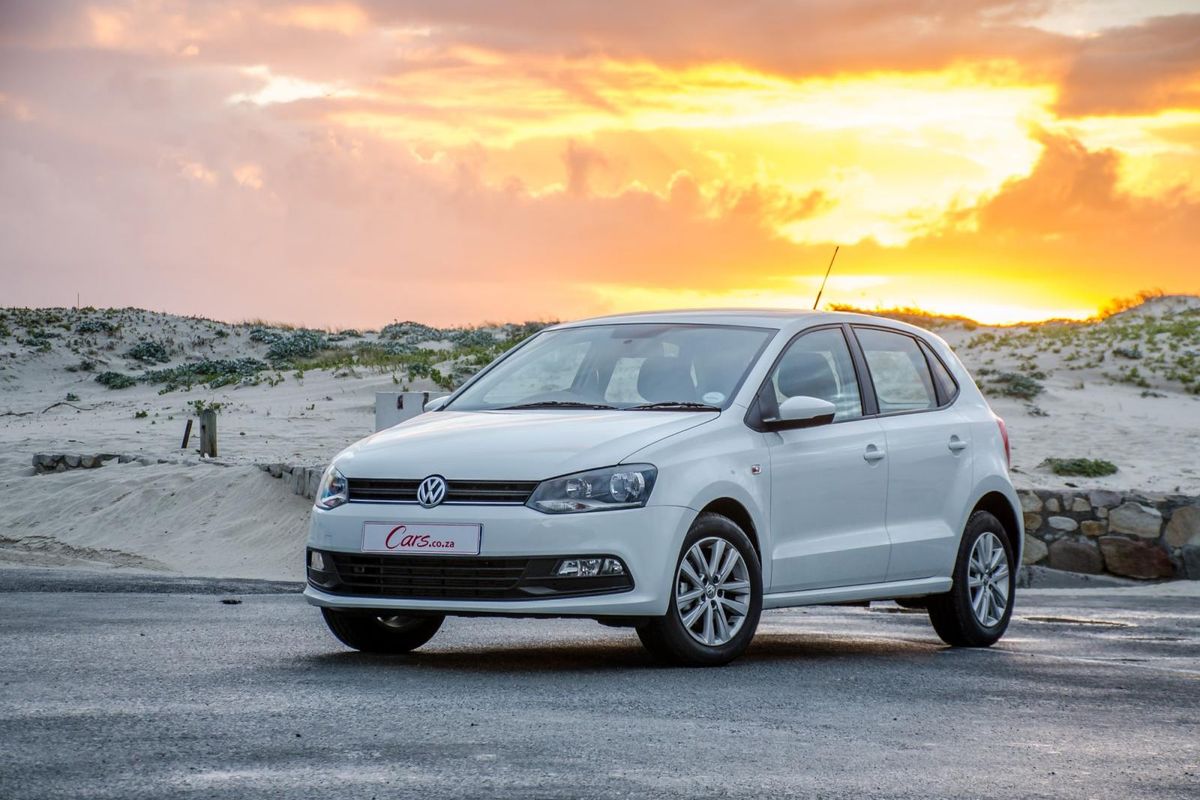
The ever-popular Volkswagen Polo Vivo, one of the best-selling passenger cars in South Africa, has been replaced with a new version following the recent introduction of the all-new Polo. Does the mid-spec Polo Vivo 1.4 Comfortline represent the sweet spot in the Polo Vivo range? Let’s find out…

If you’re in the market for a used 2018 Volkswagen Polo Vivo 1.4 Comfortline, this review will help you make an informed buying decision.

We like: Everyday usability, performance, ride and handling, spacious load bay

We don’t like: Rear passenger space could be better, a split rear bench would improve practicality

Alternatives

  • Good value: Consider the Renault Sandero Stepway 66 kW Dynamique priced at R199 000. It comes packed with useful standard features such as rear PDC, cruise control and a touchscreen infotainment system with navigation. Safety specification is better than the Vivo too… It’s sold with a 2-year/30 000 km service plan and a 5-year/150 000 km warranty. It’s also a bit more spacious than the Polo Vivo…
     
  • Reliable City Runner: Consider the Toyota Etios 1.5 Sprint priced at R174 300. It’s more affordable than the Polo Vivo Comfortline and offers similar specification. However, the Etios can’t match the Polo Vivo for build quality and badge appeal.
     
  • Underrated Star: Consider the Suzuki Swift 1.2 GL priced at R172 900. It’s not as spacious as the Polo Vivo, but it offers good ride and handling while returning excellent fuel consumption figures. It comes reasonably well-specced too… There is a new Suzuki Swift due in South Africa soon and based on our impressions, it will be an attractive product to consider in the budget segment.
     

Compare the VW Polo Vivo 1.4 Comfortline with the Renault Sandero Stepway 66 kW Dynamique and the Toyota Etios 1.5 Sprint

What is the Volkswagen Polo Vivo?


The new Polo Vivo inherits many positive traits from the previous Polo which will play a role in its ongoing success locally. 

The first South African-built Polo Vivo, which was based on the Mk4 Polo, was first introduced back in 2010 as a replacement for the much-loved Citi Golf. Since inception, the Vivo has experienced staggering success in the local market with over 193 000 units sold, making it one of the best-selling cars in all the land, alongside its big brother, the Polo, which together have dominated passenger car sales in SA for many years.
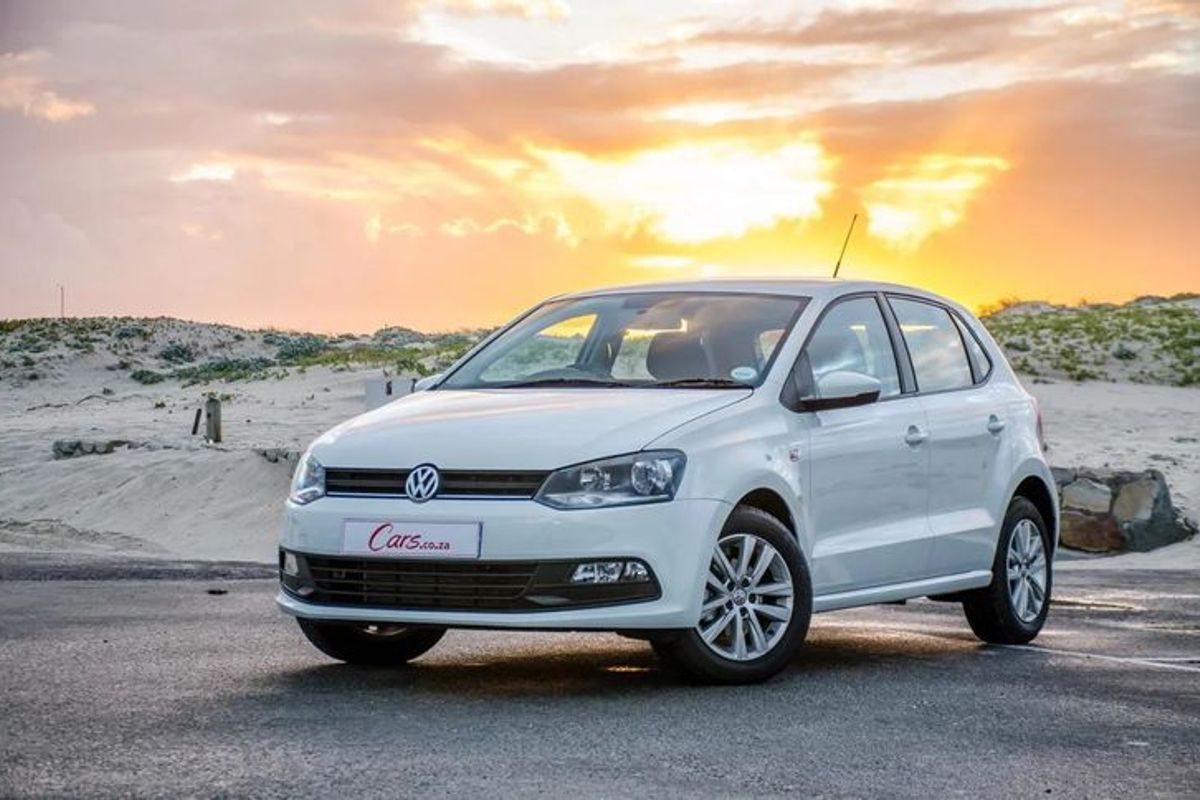
With the recent introduction of the new Polo, Volkswagen introduced a new Polo Vivo to market which is now based on the outgoing 5th-generation Polo, albeit with minor exterior design tweaks and its own interior trim. Think of the new Vivo as a re-packaged previous-generation Polo…

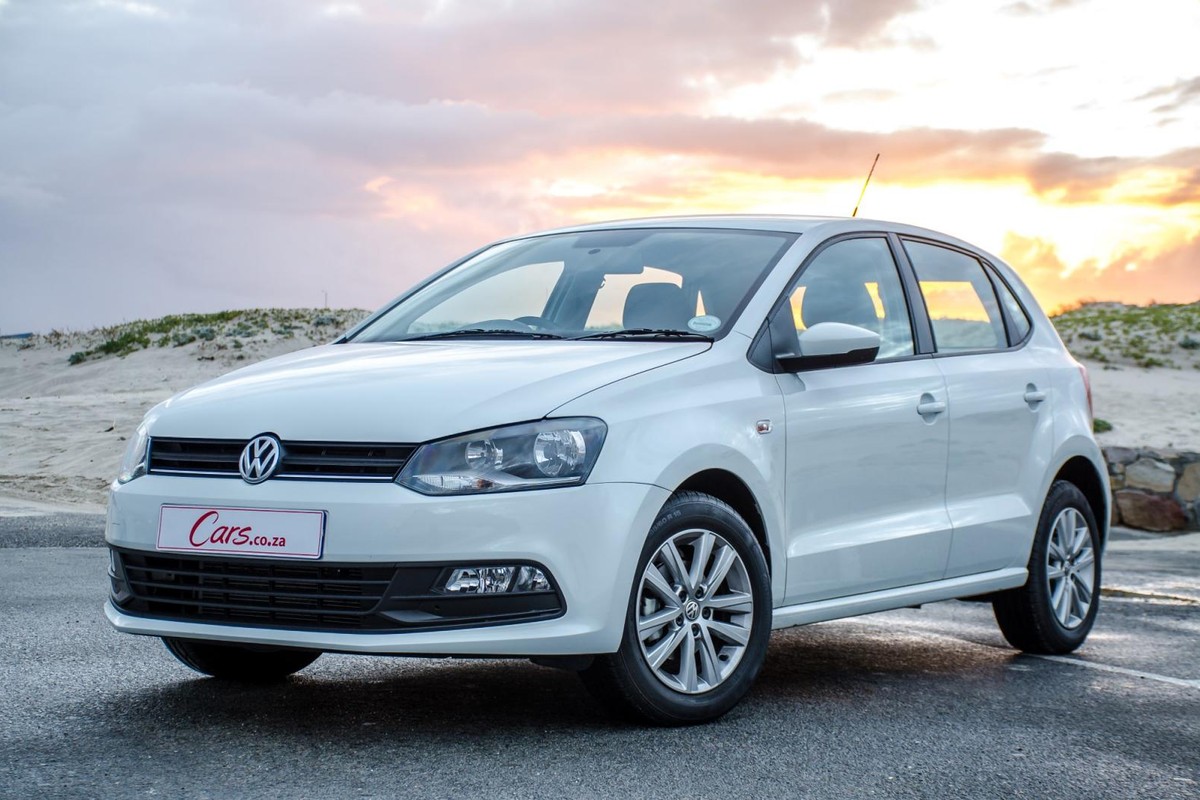
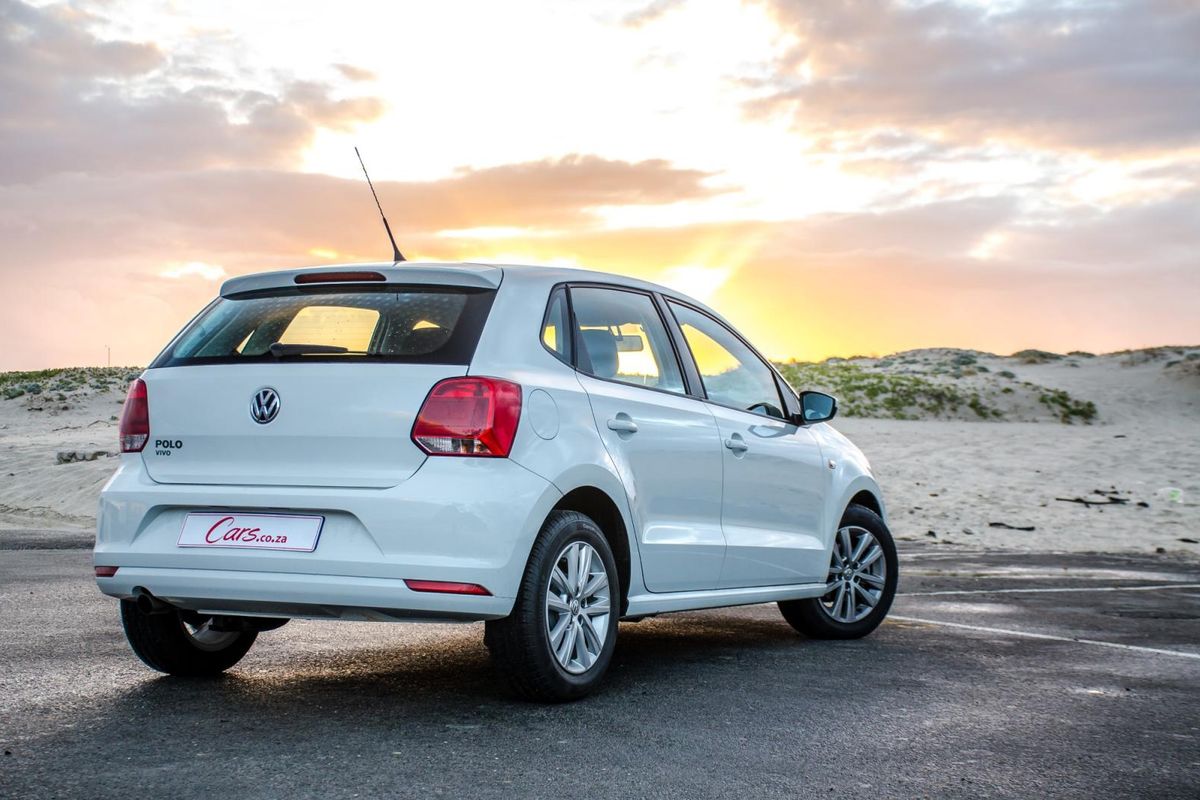
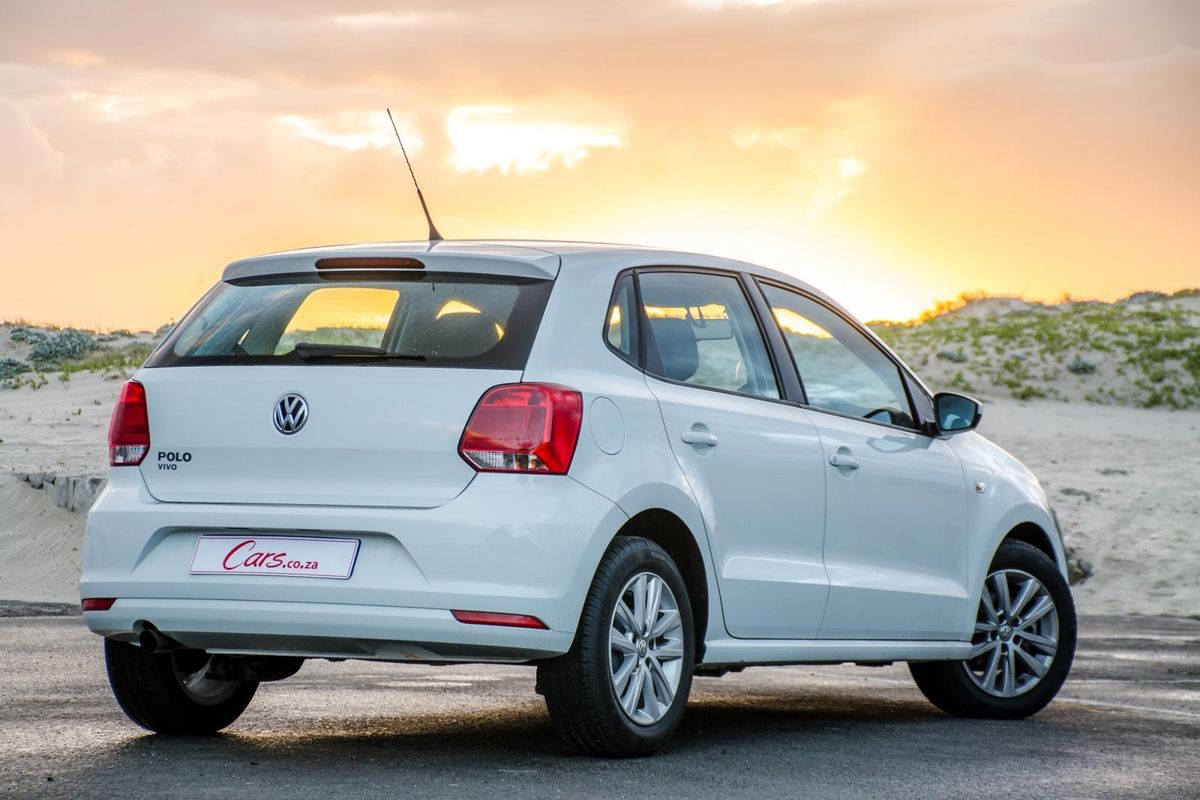
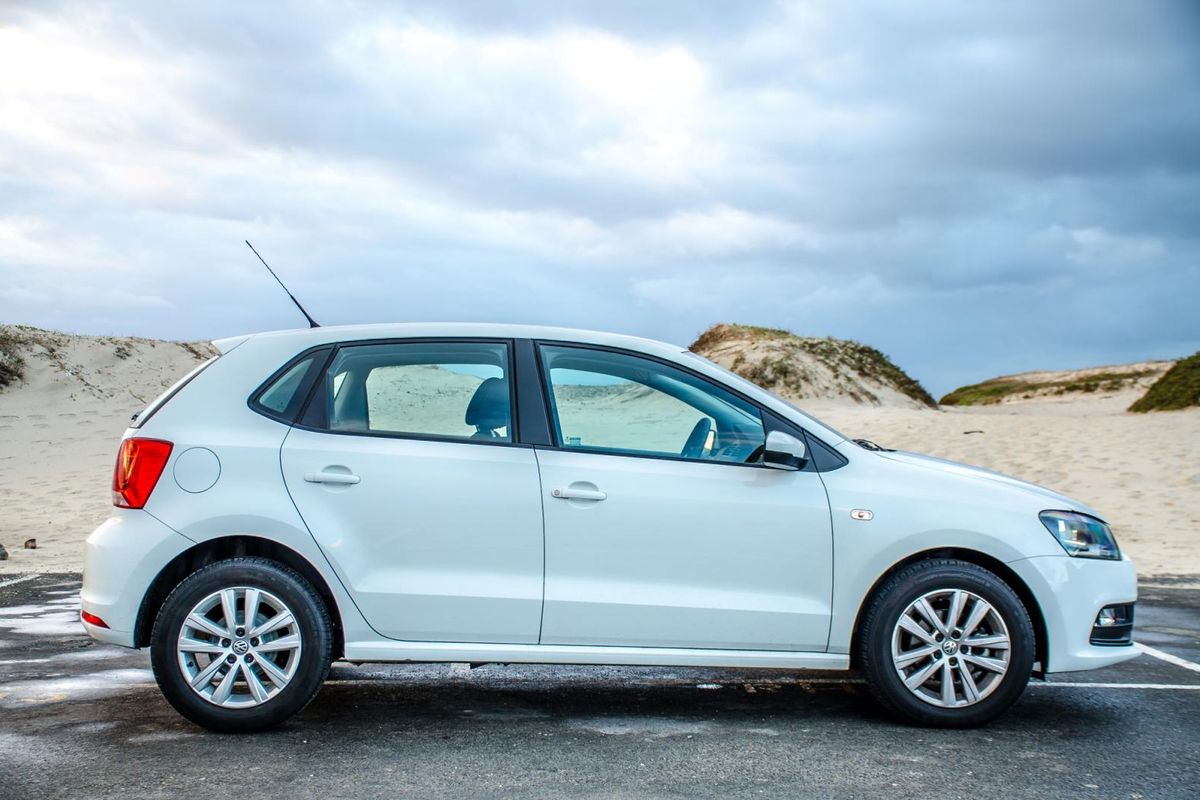
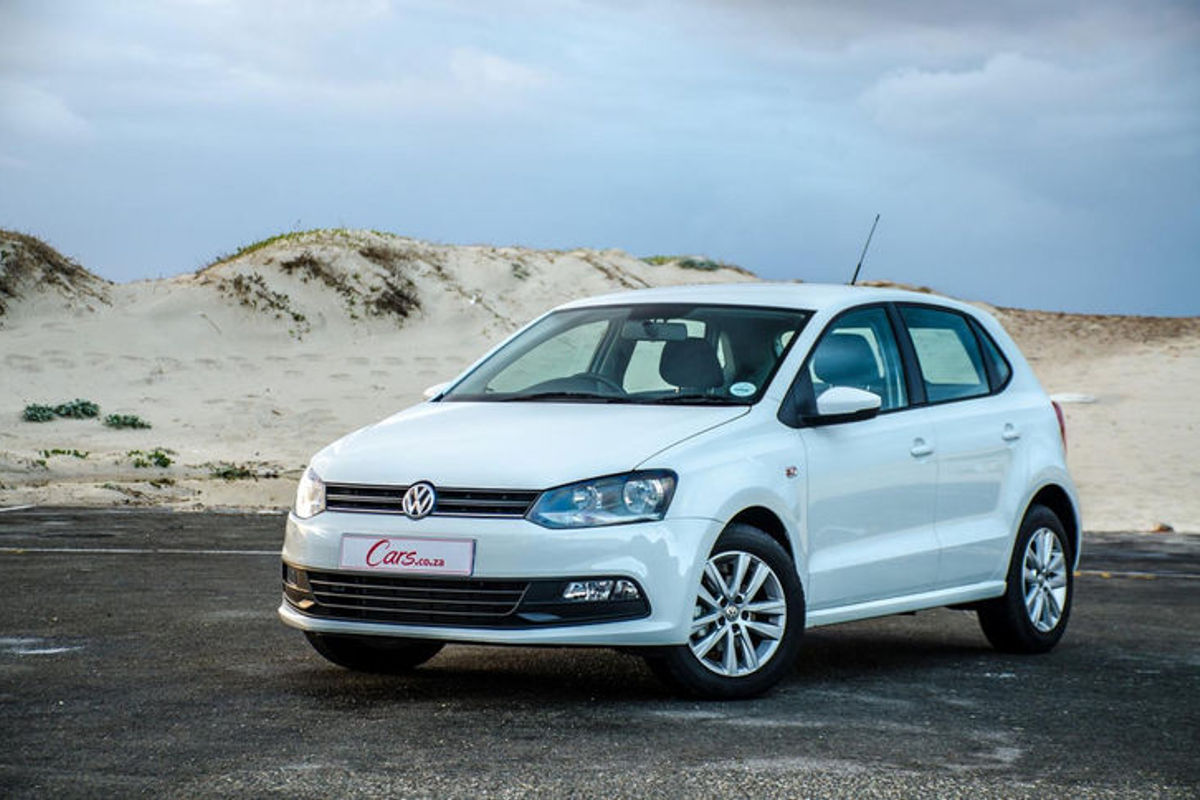
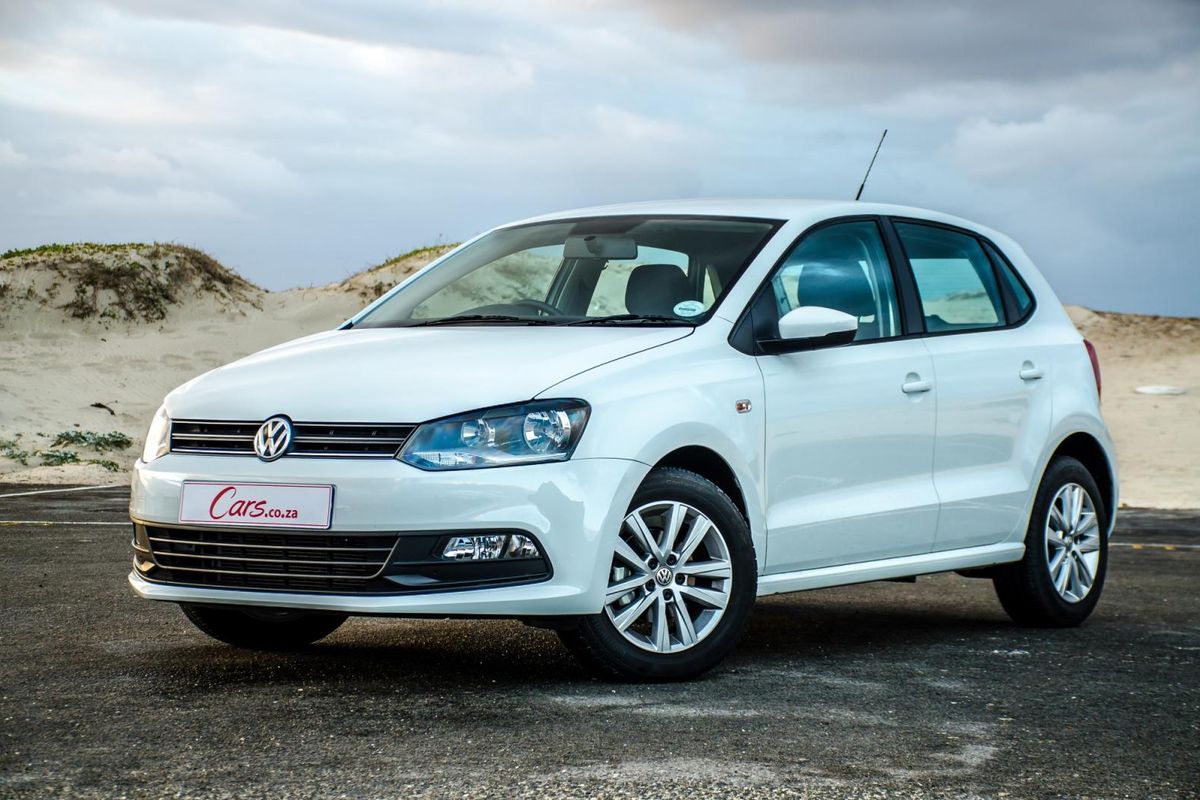
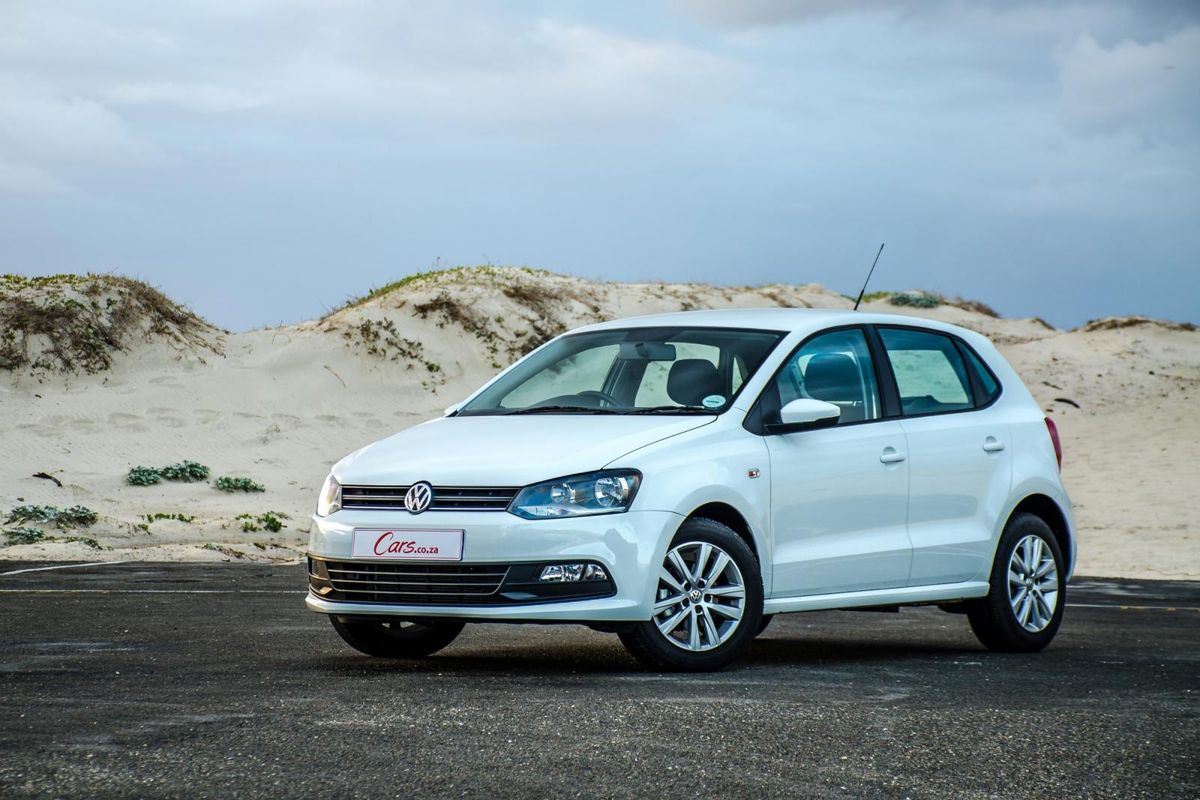
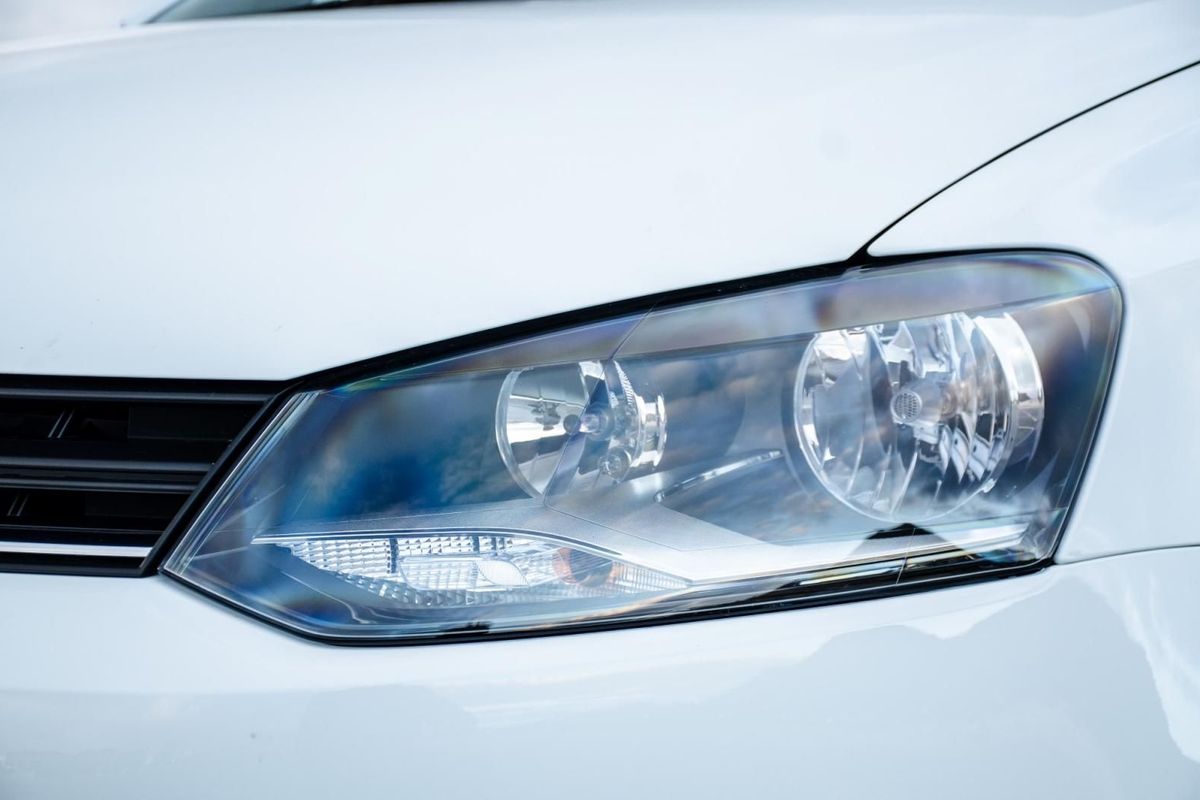
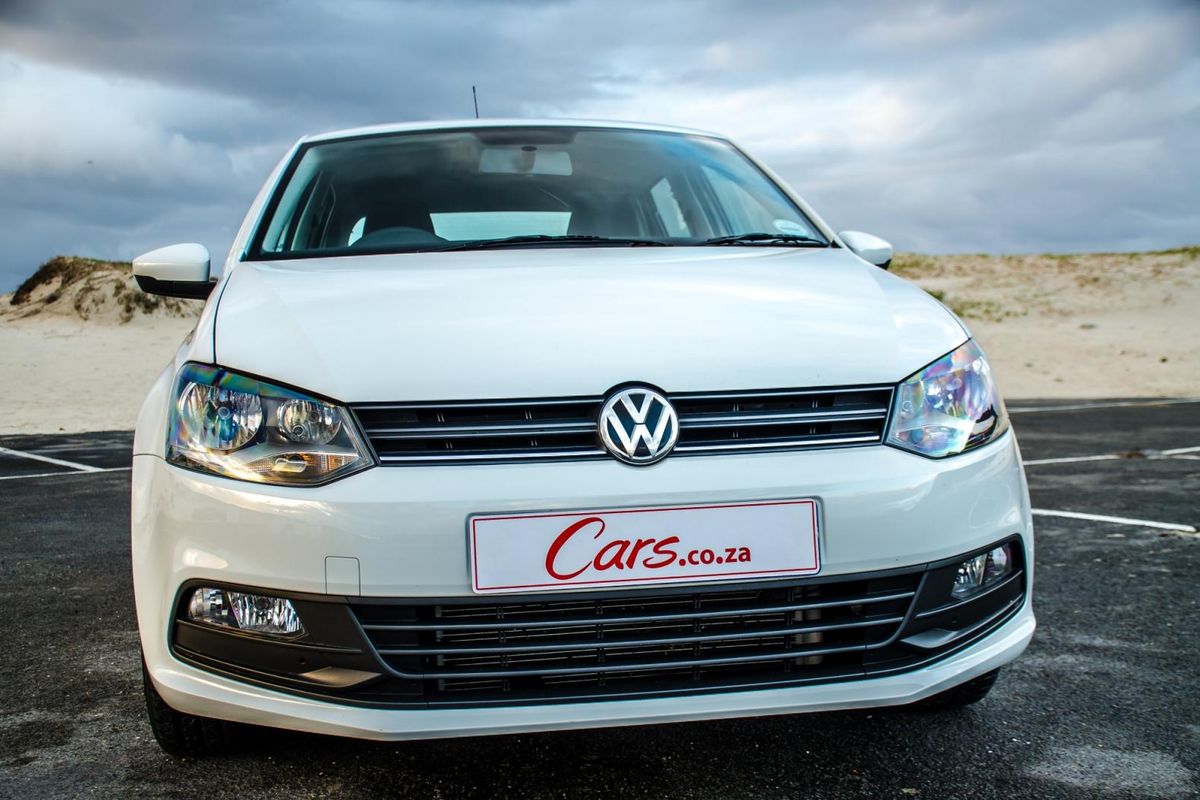
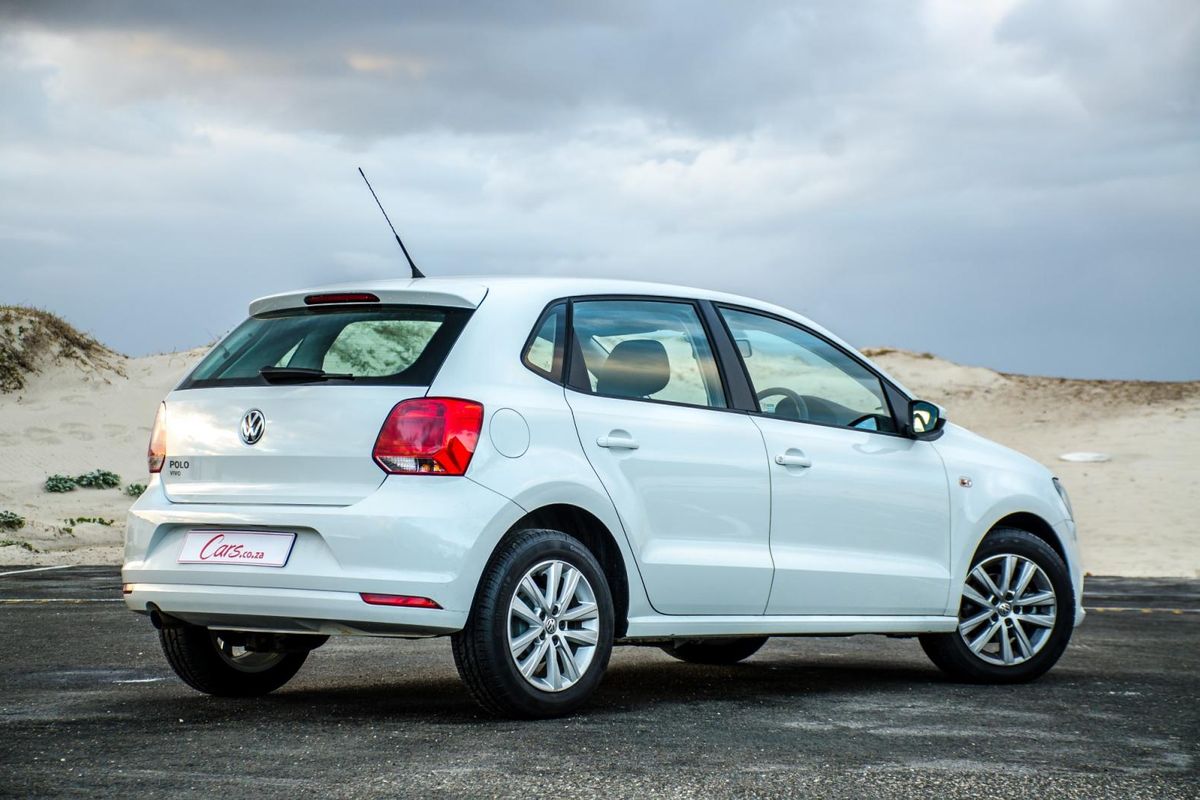
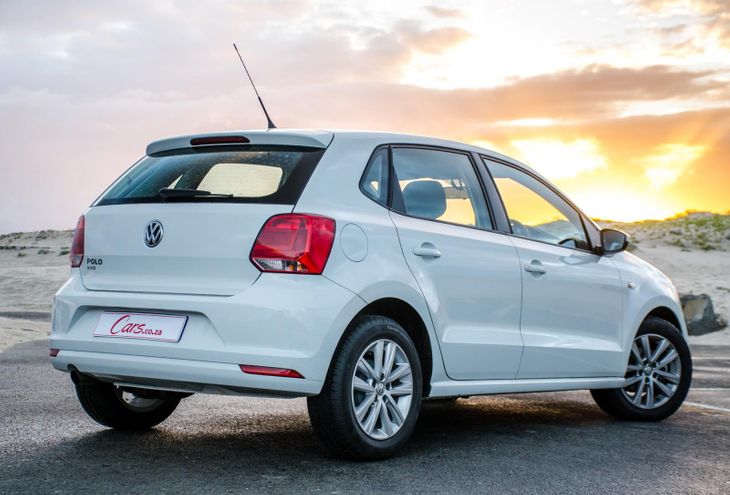
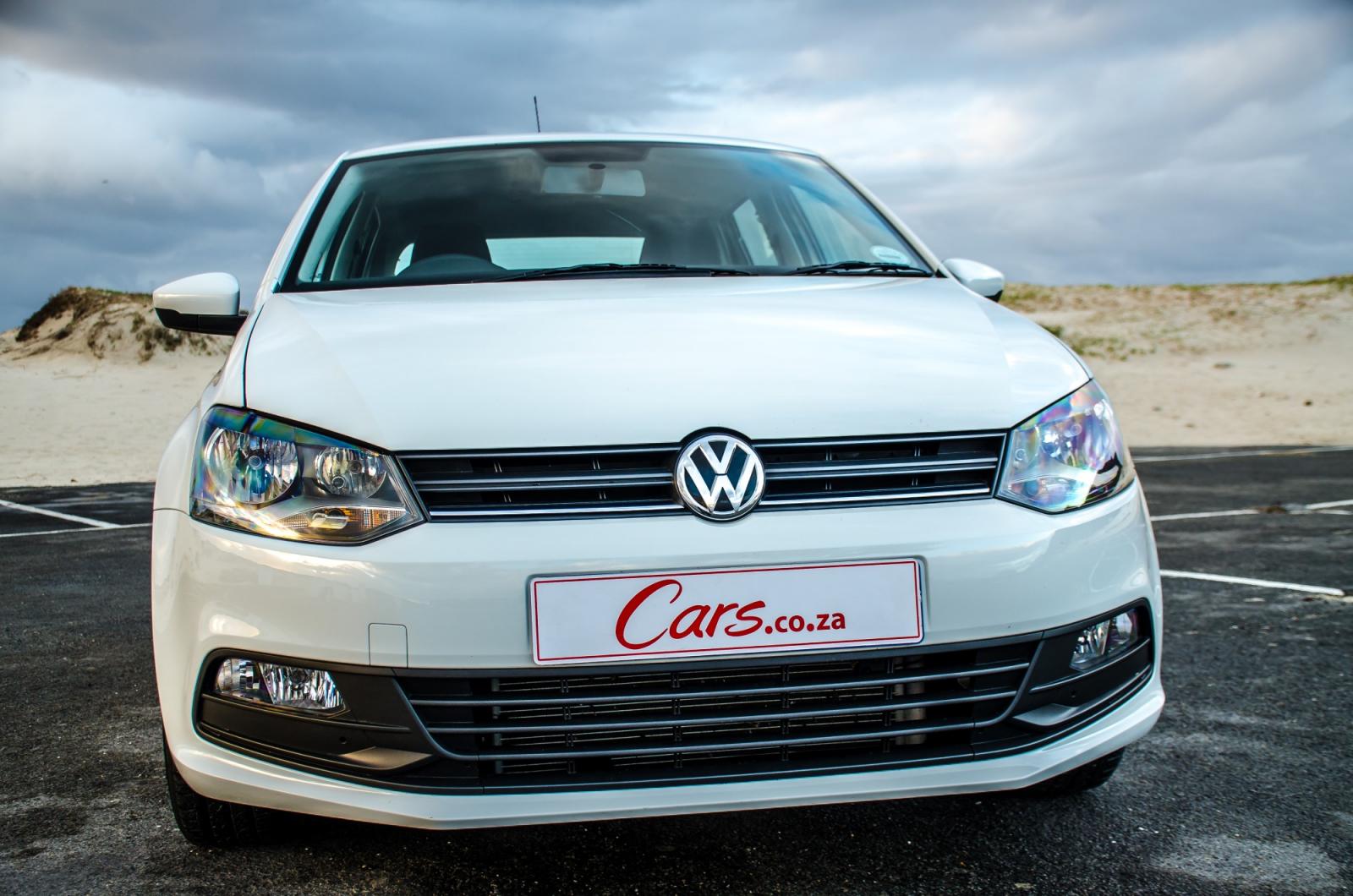
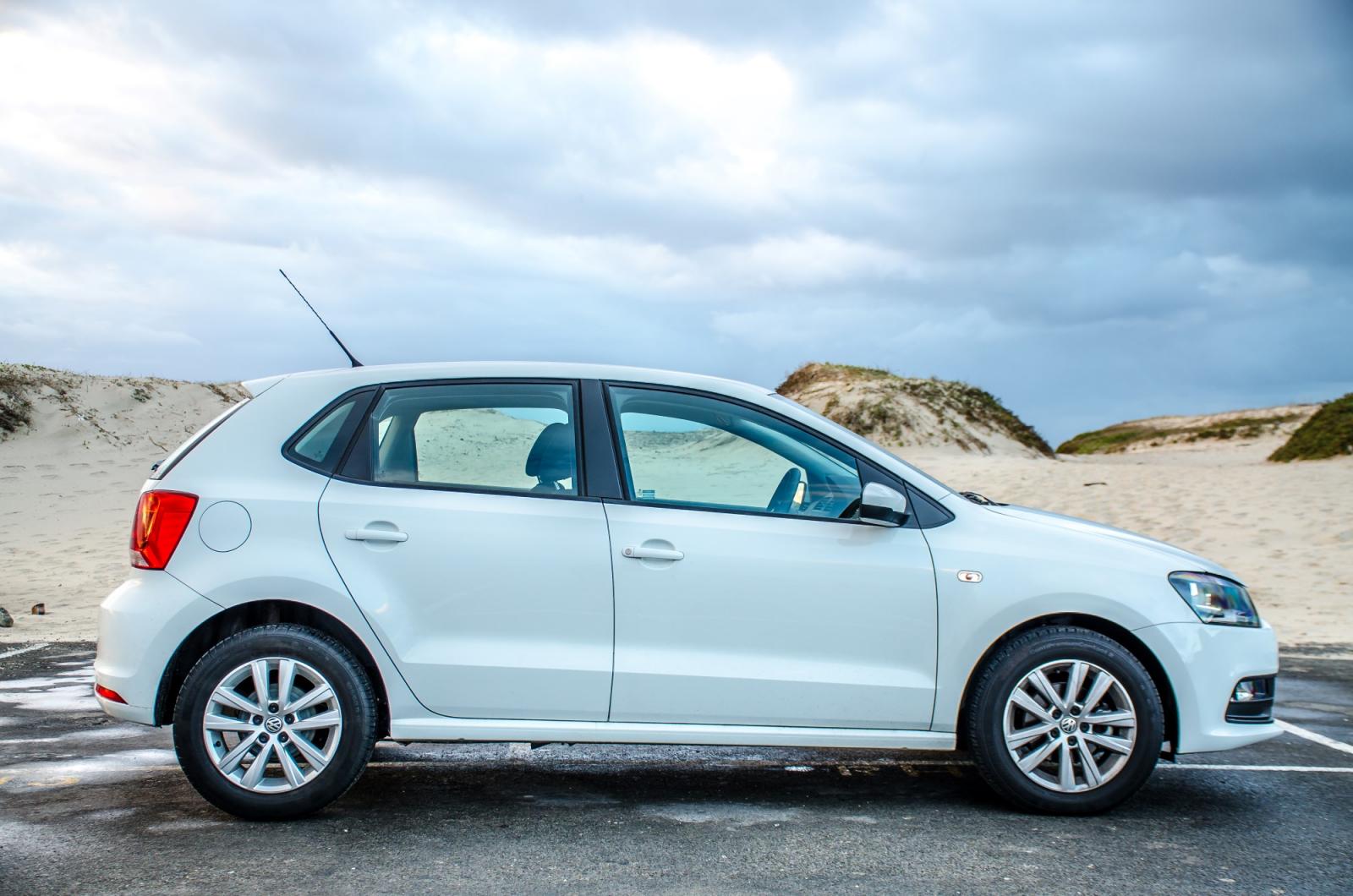
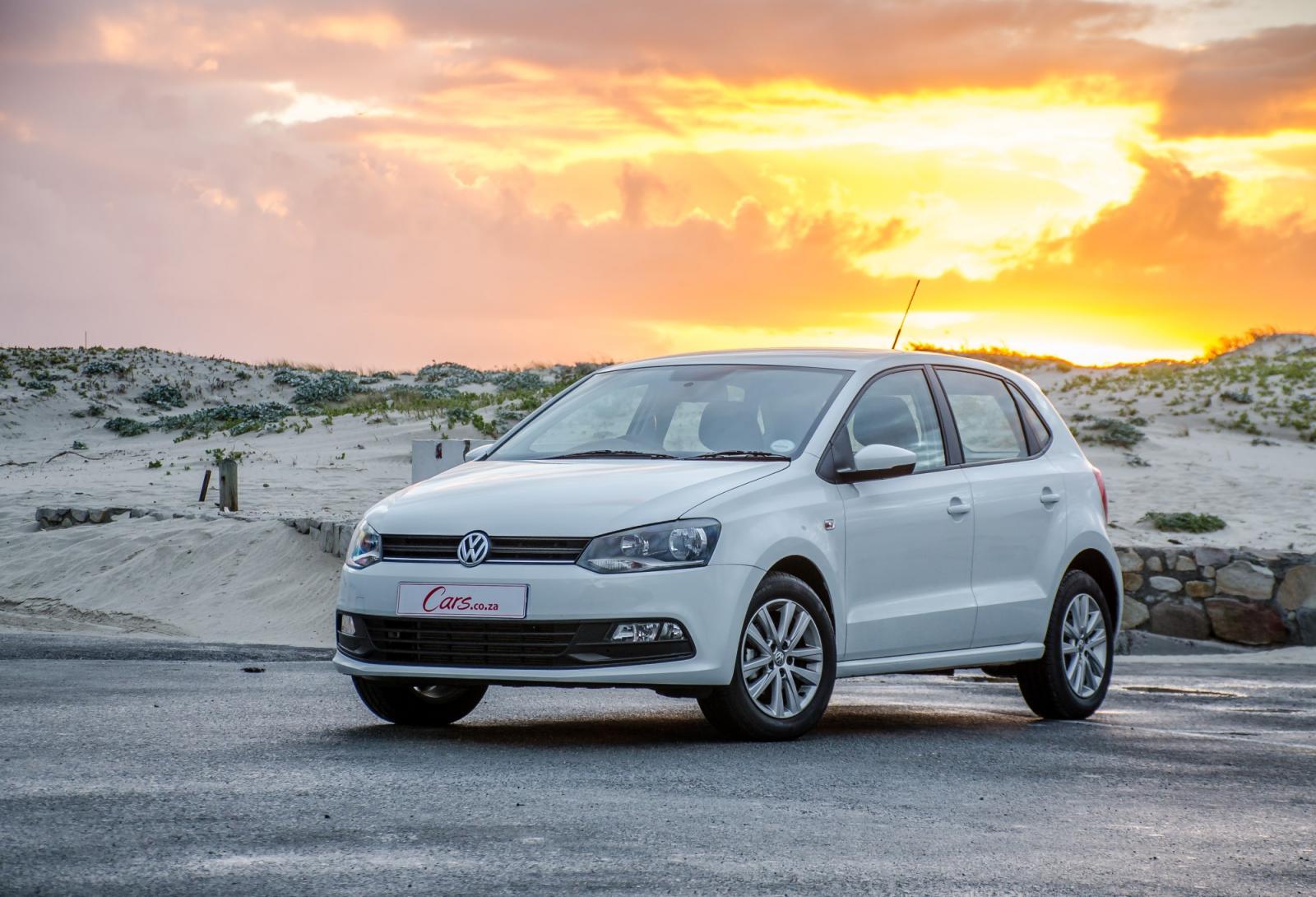
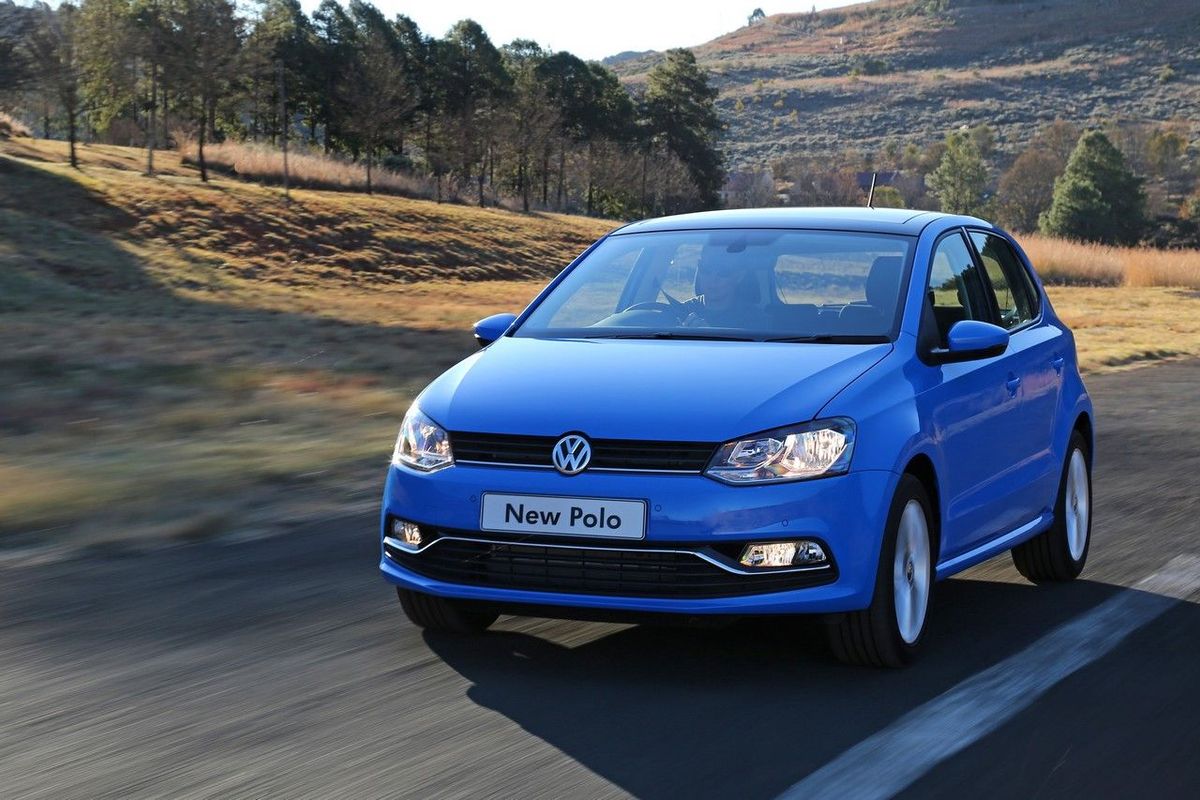
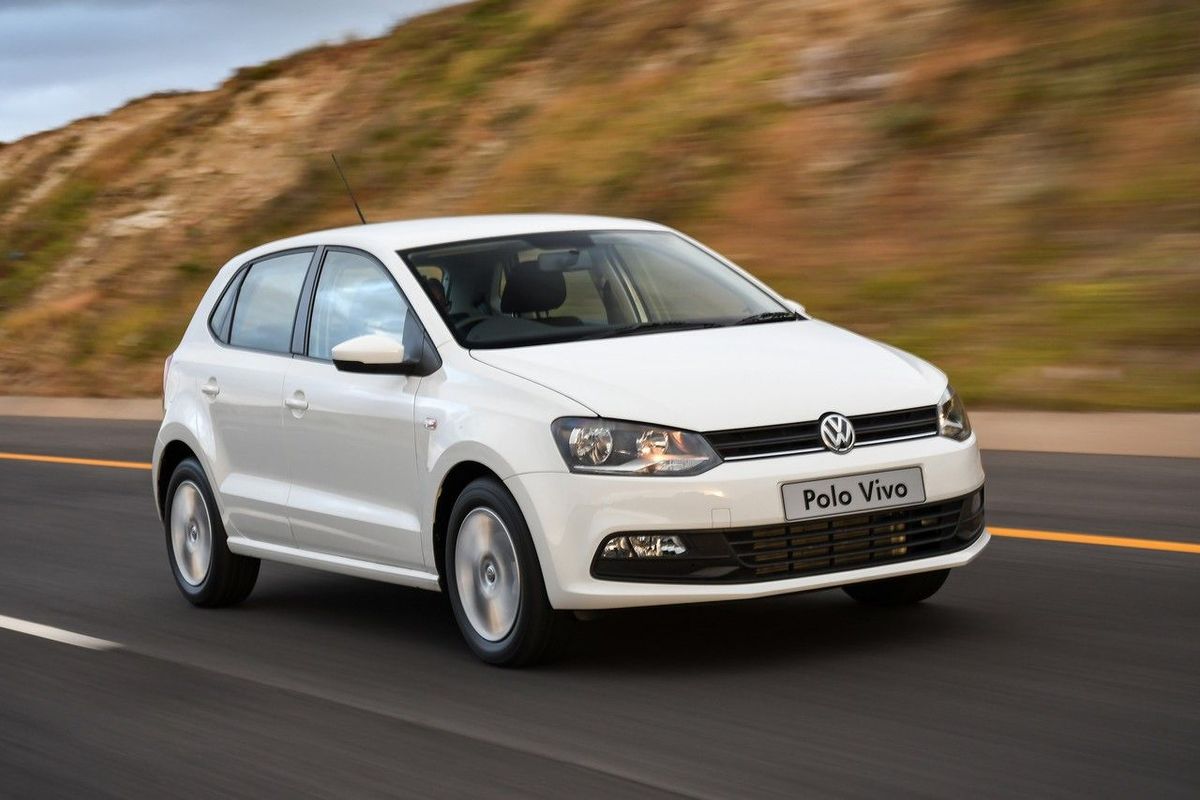
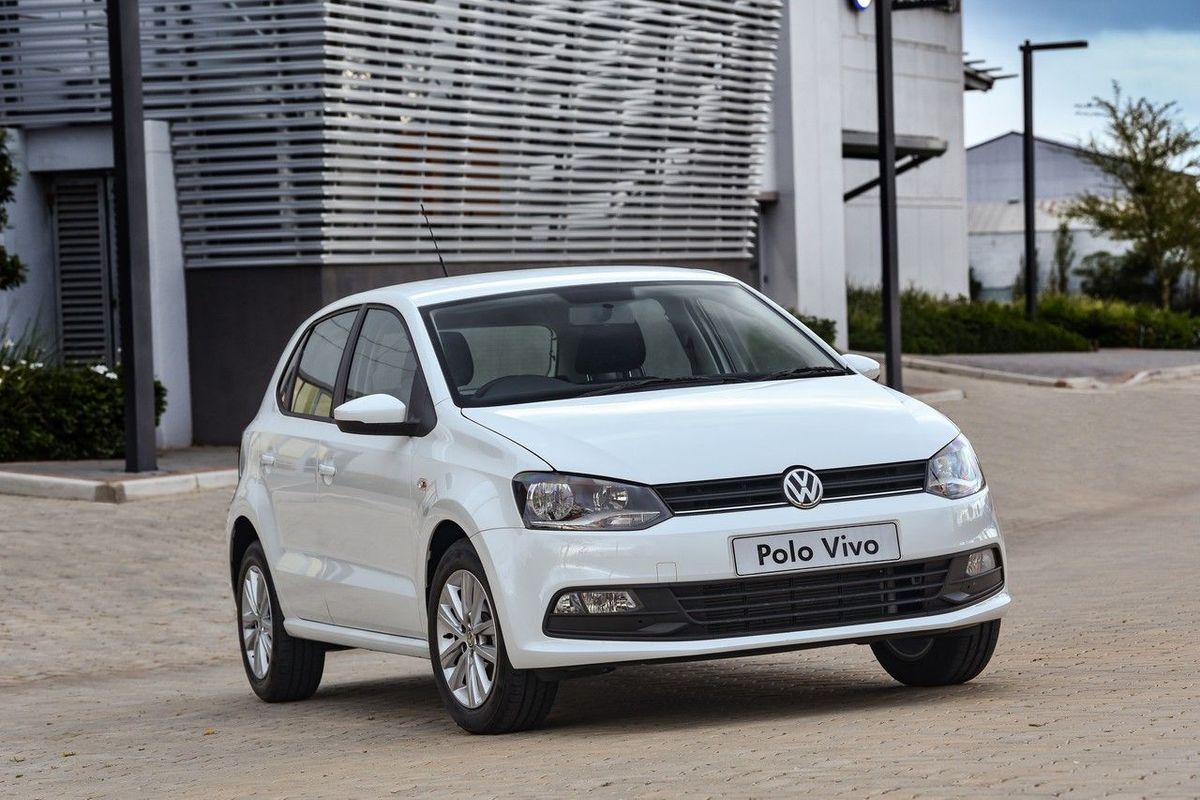
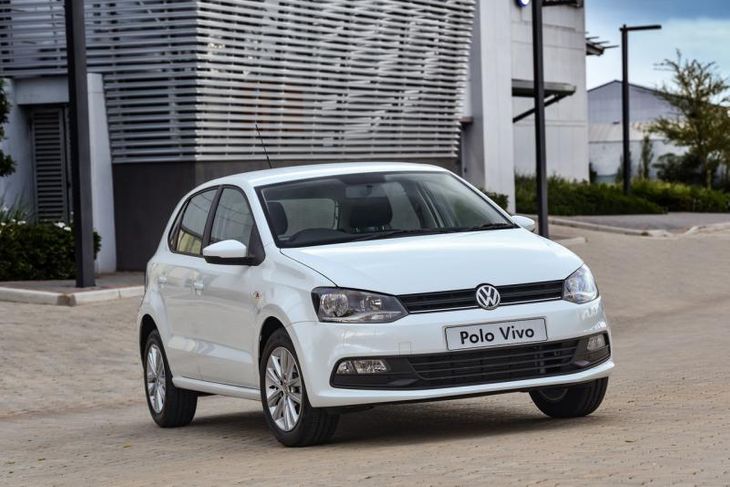
The exterior changes are subtle and some of the visual differentiators seen on this latest Polo Vivo include new headlights and taillights, a revised upper and lower grille and new alloy wheels. You will also notice that the indicators are no longer housed in the side mirrors, but have been moved behind the wheel arches.

Click here to look at the differences between the new Polo Vivo and previous Polo

Does this new Polo Vivo 1.4 Comfortline make a strong enough case for itself to warrant a purchase? Let’s take a closer look…

How does the Polo Vivo fare in terms of…

Engine performance


A willing 1.4-litre petrol engine does a fine job of hustling around the city and this Comfortline derivative should find favour with many buyers.

Reliability, everyday usability and efficiency are key factors driving the success of the Vivo and Volkswagen has aimed to preserve these facets in the new Vivo. Sitting in the middle of the range is this Polo Vivo 1.4 Comfortline derivative which employs a naturally-aspirated 1.4-litre petrol engine that offers respectable outputs of 63 kW and 132 Nm of torque.

Combined with a 5-speed manual transmission, this engine delivers performance best-suited for the daily commute in the city but it also copes well out on the highway. It has enough shove for nippy robot-to-robot driving, but with maximum power arriving at a heady 5 000 rpm, you will have to drive this 1.4 harder to extract the most from the engine.

Out on the highway, the Polo Vivo arrives at the national speed limit with relative ease and tractability is good, which means you won’t have to gear down too often to execute overtaking manoeuvres. This engine performs well and most buyers should find its performance to be adequate for the daily school and work run. The engine does become noticeably noisier as the revs climb but it’s not overly intrusive.

In terms of fuel consumption, Volkswagen claims a fuel consumption figure of 5.9 L/100 km and our test consistently returned figures in the region of 7.5 L/100km which is fair, but it’s not as frugal as we had hoped it would be.

Ride and handling


Nimble, forgiving and comfortable are words that best describe the drive this Vivo 1.4 Comfortline. 

A major highlight of this new Polo Vivo is indeed its ride and handling, something which it has inherited from the outgoing Polo. It rides much like the outgoing Polo which is to say it rides nicely and has a solid, planted feel to it and remains well-composed when whipping it through corners where it largely resists excessive body roll. Its ride feels more refined than many of its rivals…

Bumps and ruts are ironed out well and the Polo Vivo is both forgiving and comfortable which strengthens its urban appeal considerably. The steering has a positive feel and responds well to driver inputs too, making it a pleasure to drive on a daily basis.  

In terms of ride and handling, the Vivo is difficult to beat in this segment and it’s arguably best-in-class, so it gets a big thumbs up for delivering a refined ride.

Interior comfort and features


The new Vivo is more upmarket than its rivals and is hard to beat in terms of perceived interior quality.

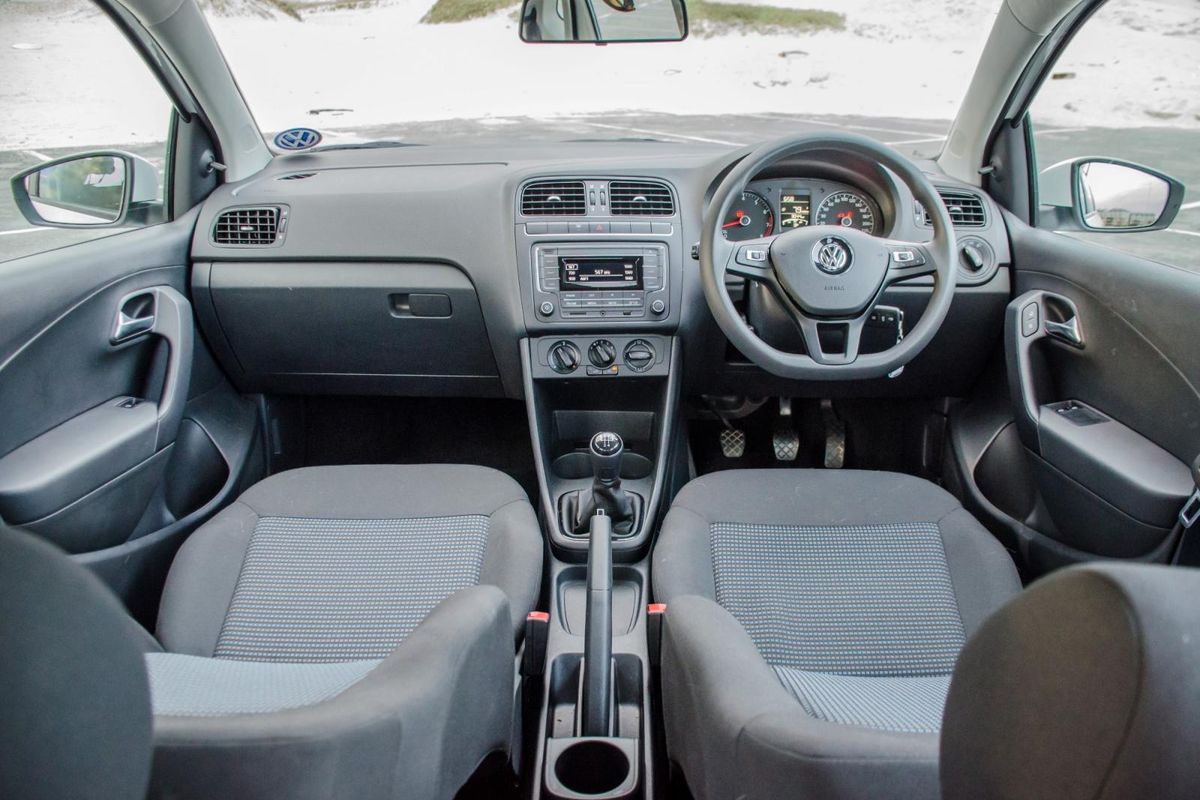
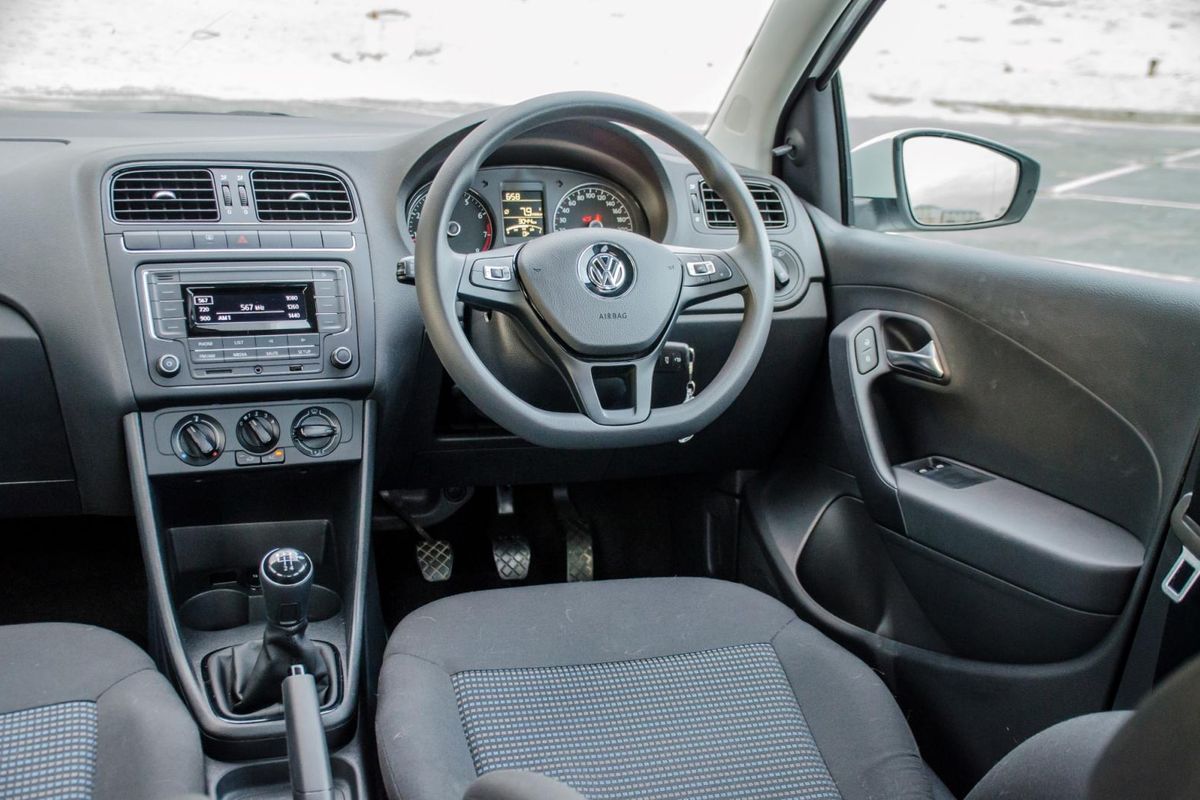
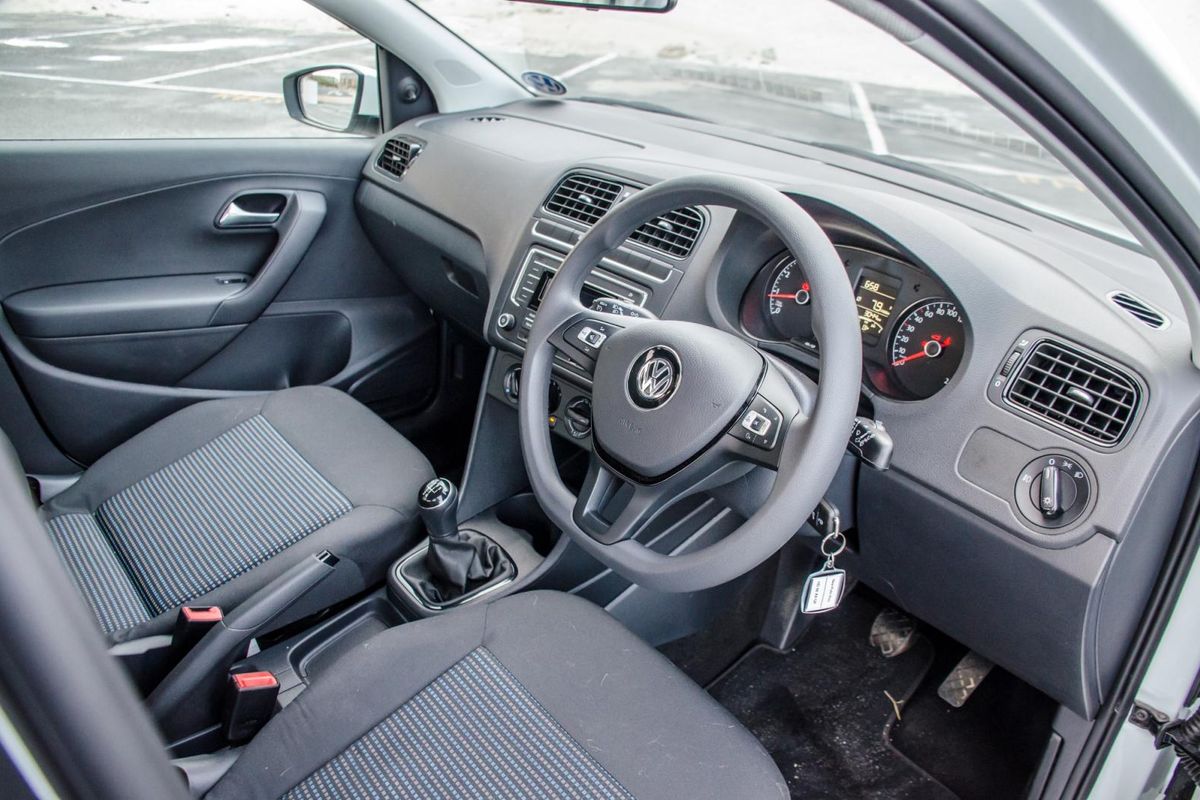
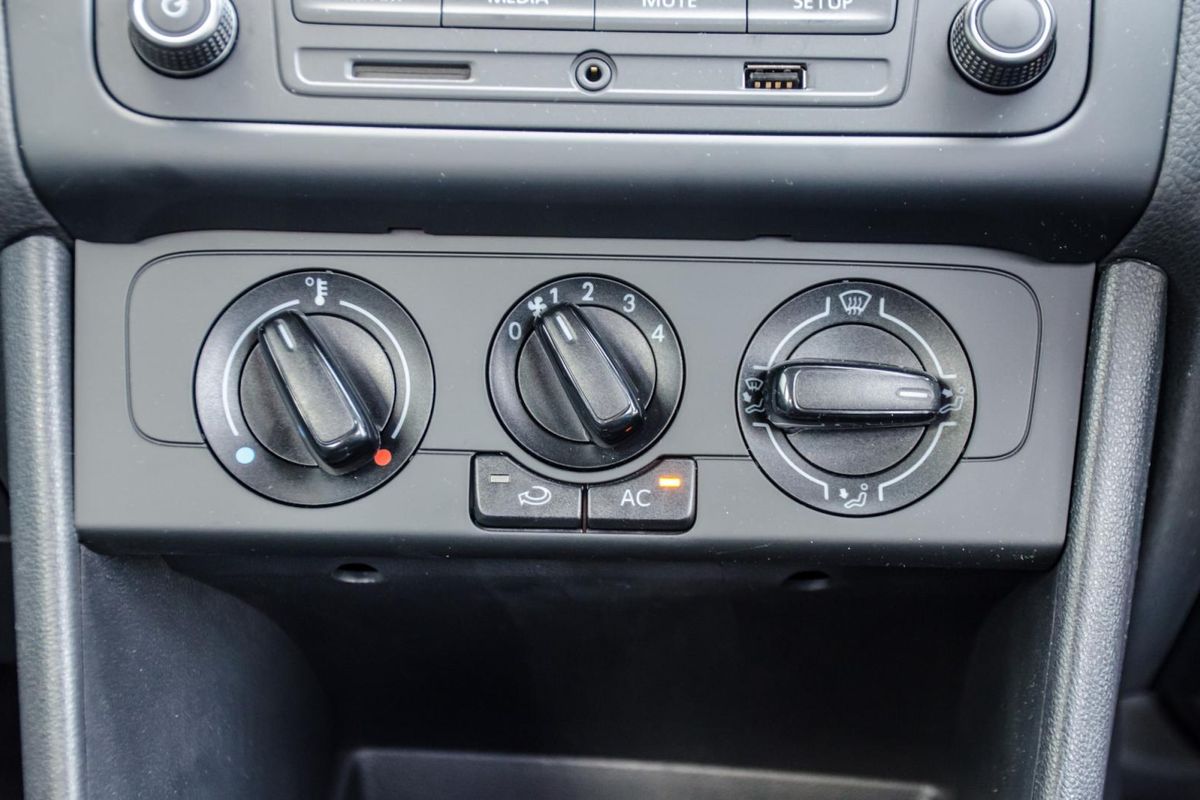
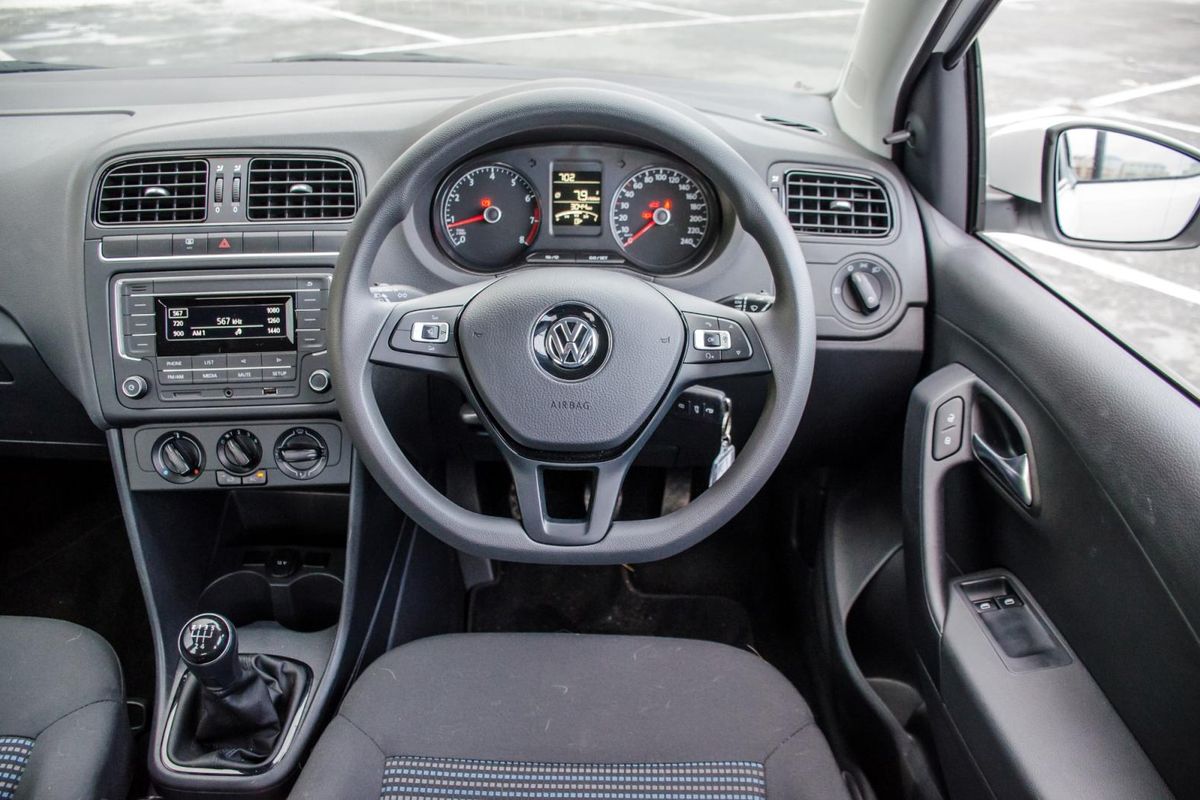
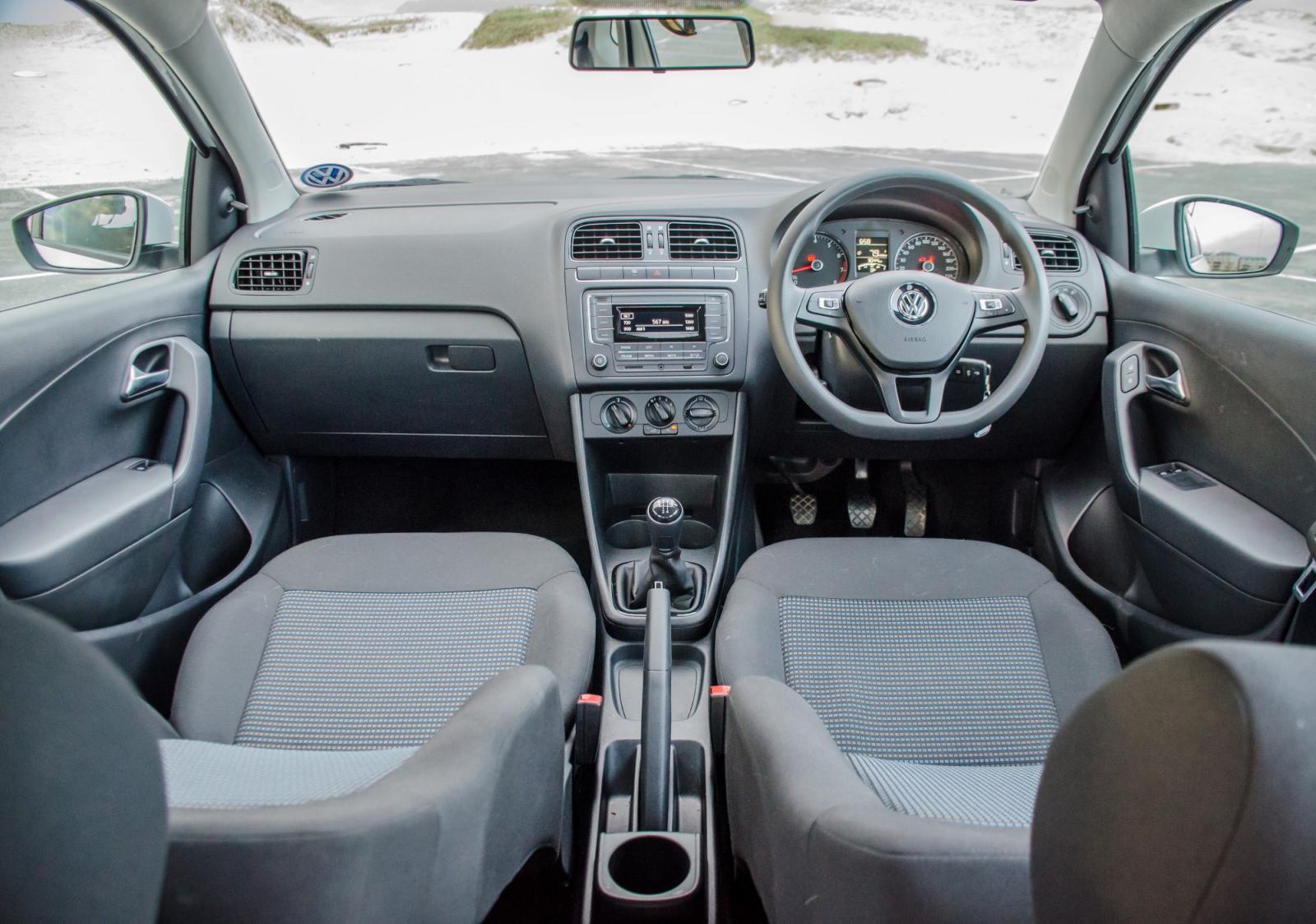
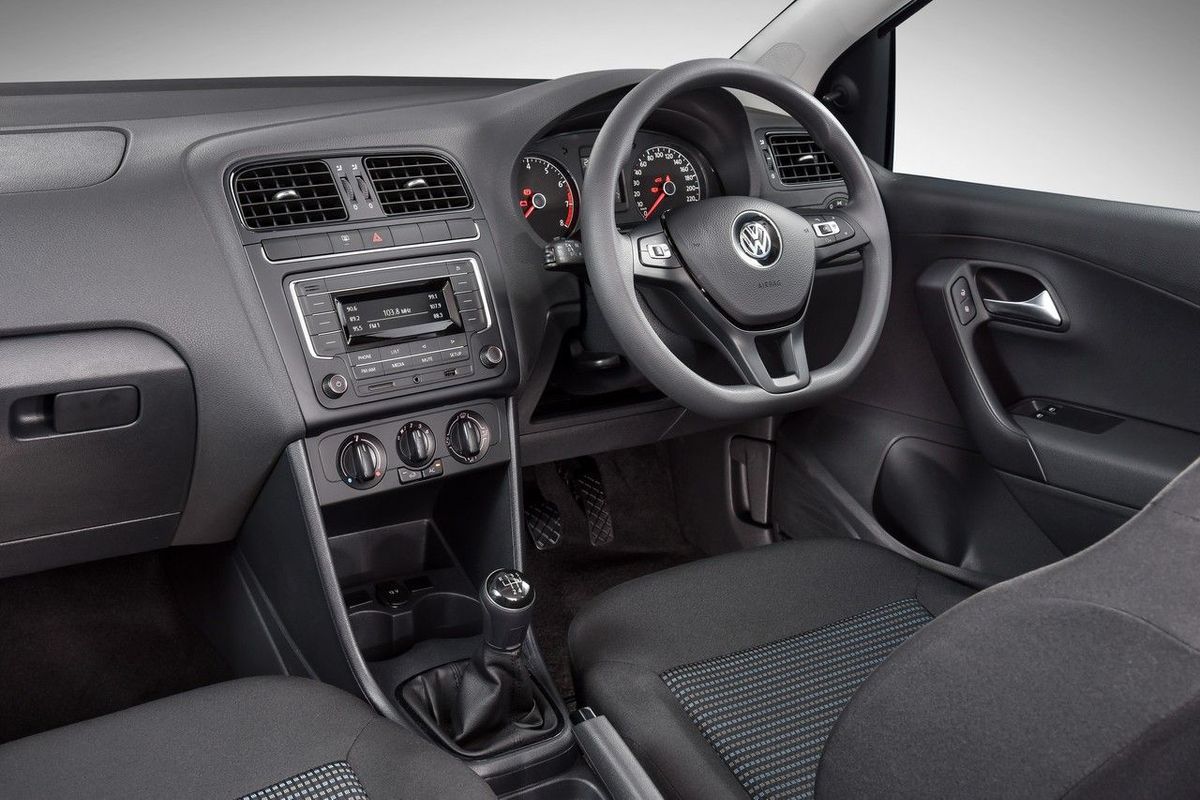
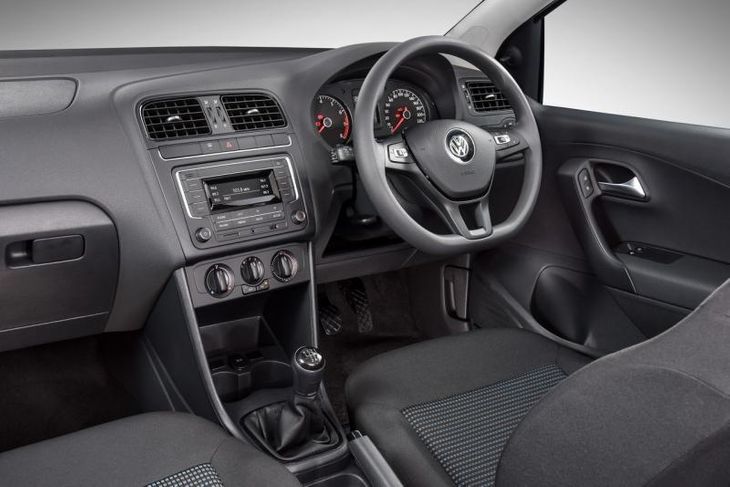
The interior design is typically Volkswagen with a distinct premium look and feel. Buyers will appreciate the Vivo’s robust interior build quality, which arguably sets the benchmark in the budget segment and it makes the Vivo feel like a more substantial product. It feels and looks far better than the old Vivo. The new Polo Vivo exudes a sense of quality that its rivals can’t match and although the cabin is mostly dark with little contrast, there are other improvements worth taking noting of.

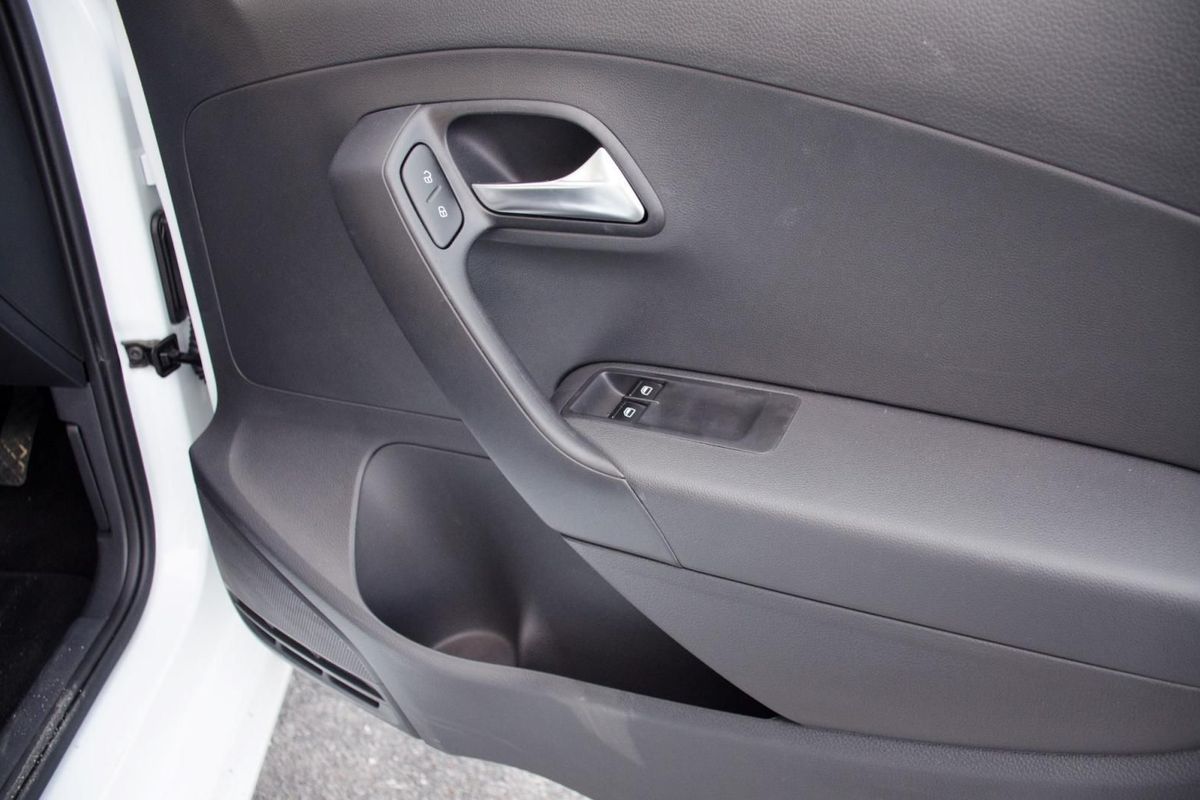
Much of the upper dashboard is made of a soft-touch, rubberised plastic (also inherited from the outgoing Polo) which is far better than the hard plastic seen in the old Vivo and this alone boosts perceived interior quality significantly. The door panels and lower sections of the fascia are harder to the touch but the surfaces are easy to maintain/clean and should withstand a fair amount of daily abuse, which is a good thing.

Cloth seats are standard (leather is optional) but the seat cushions are a bit too flat in design and they could do with a bit of extra shape and support.


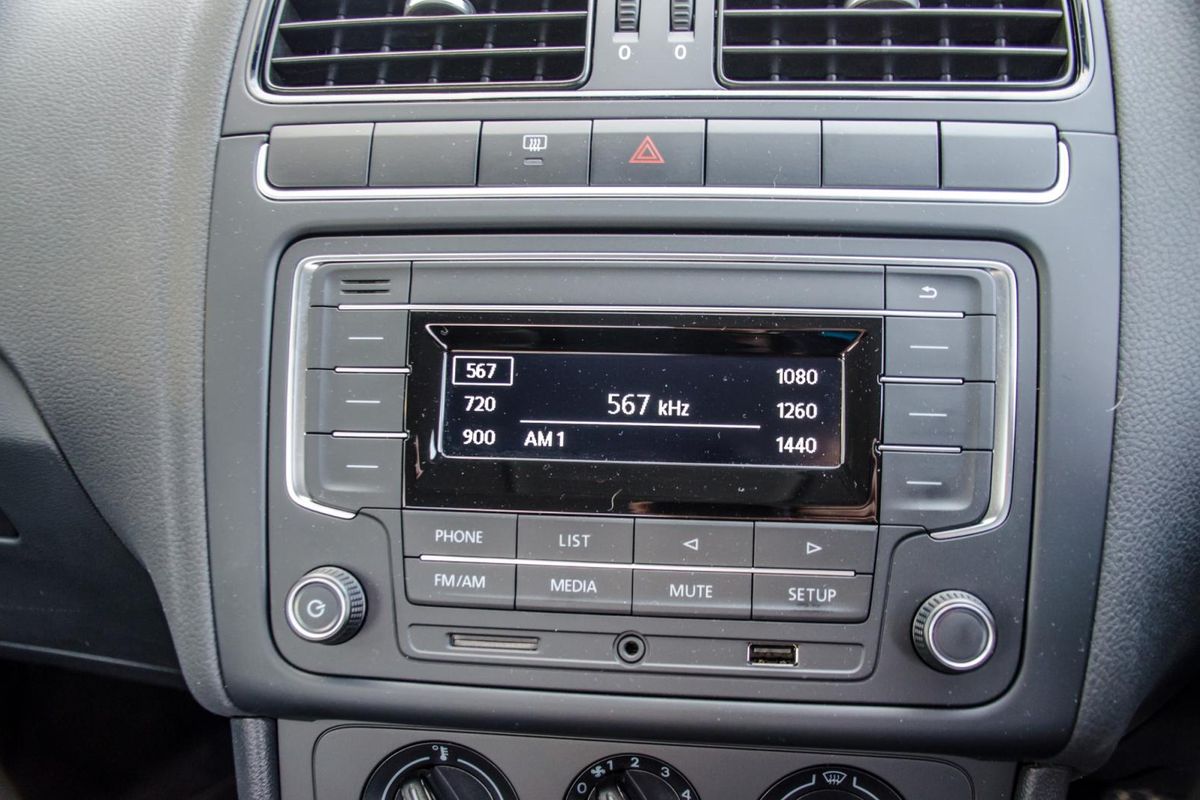
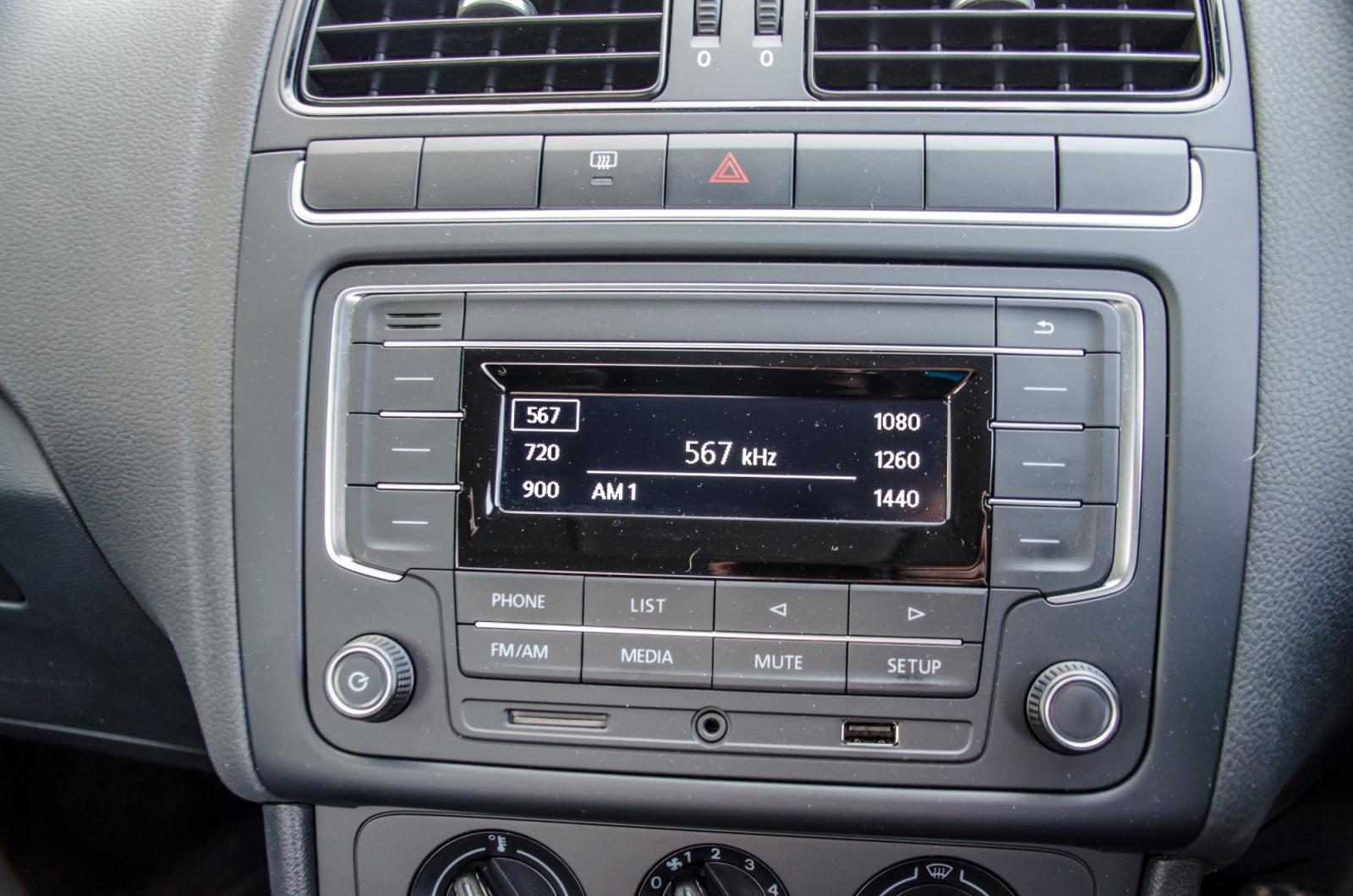
A basic sound system is fitted as standard but it provides excellent sound quality which is rare in the budget segment.

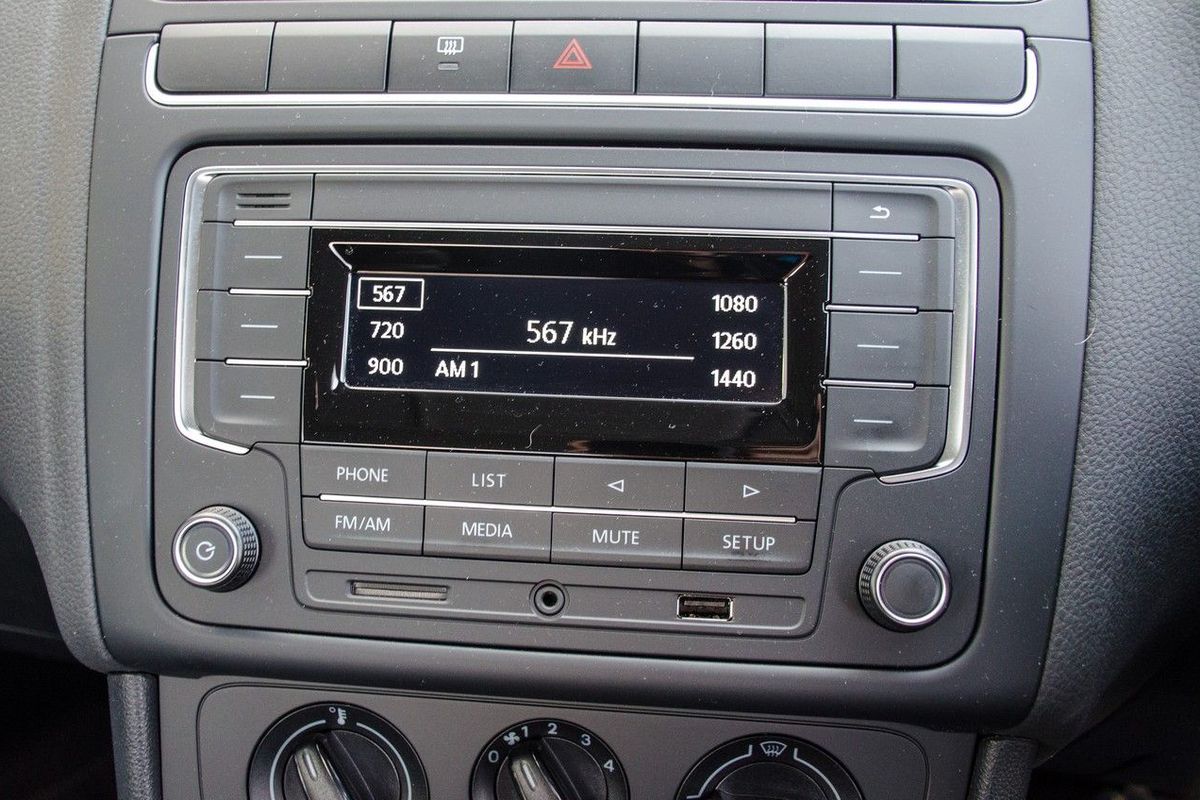
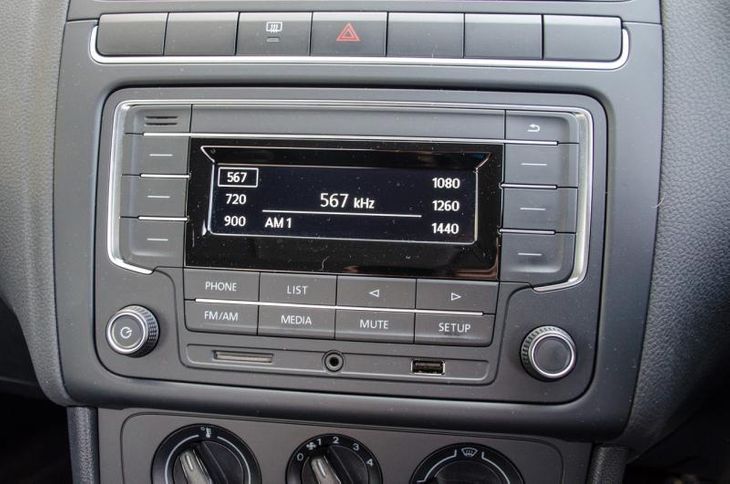
This derivative is fitted with a basic infotainment system as standard and it offers Bluetooth connectivity, USB/Aux input and SD card slot. The standard 4-speaker sound system produces excellent sound quality which is refreshing, especially for a budget car. We did struggle to pair an Android smartphone device using Bluetooth but we had more success pairing an iPhone device, which was a bit odd…

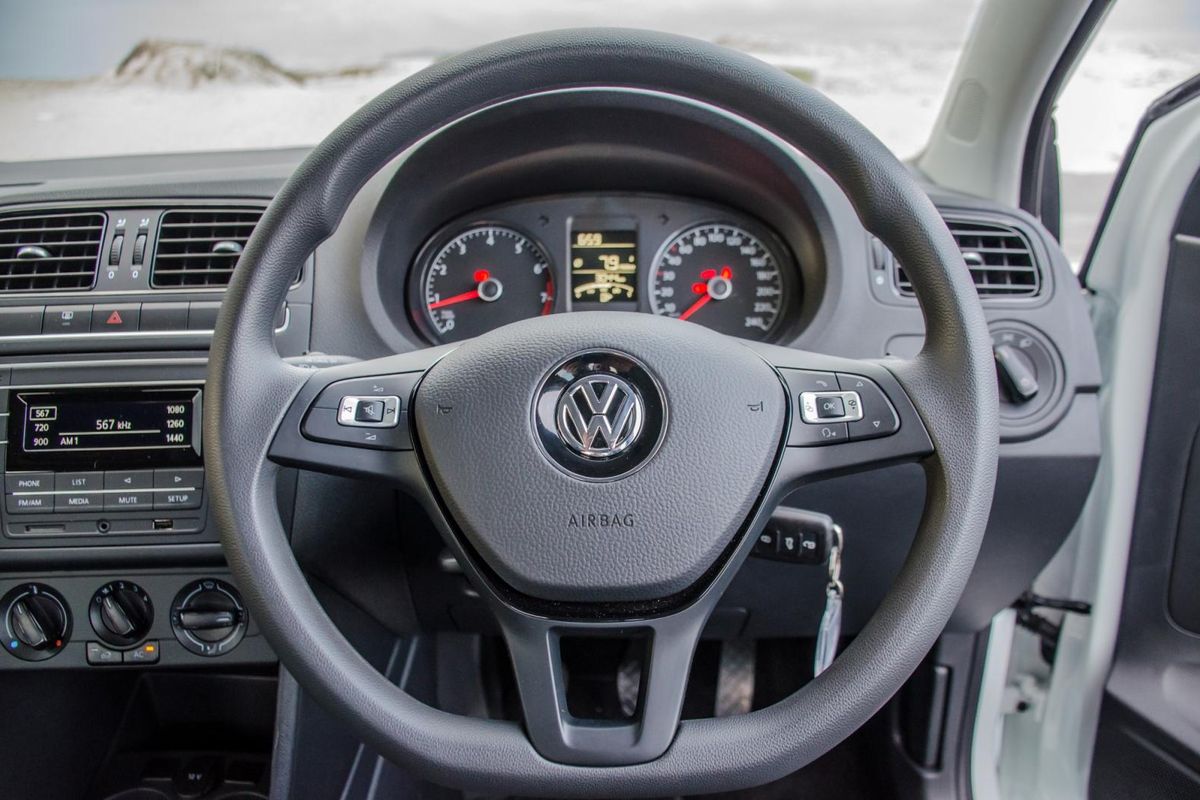
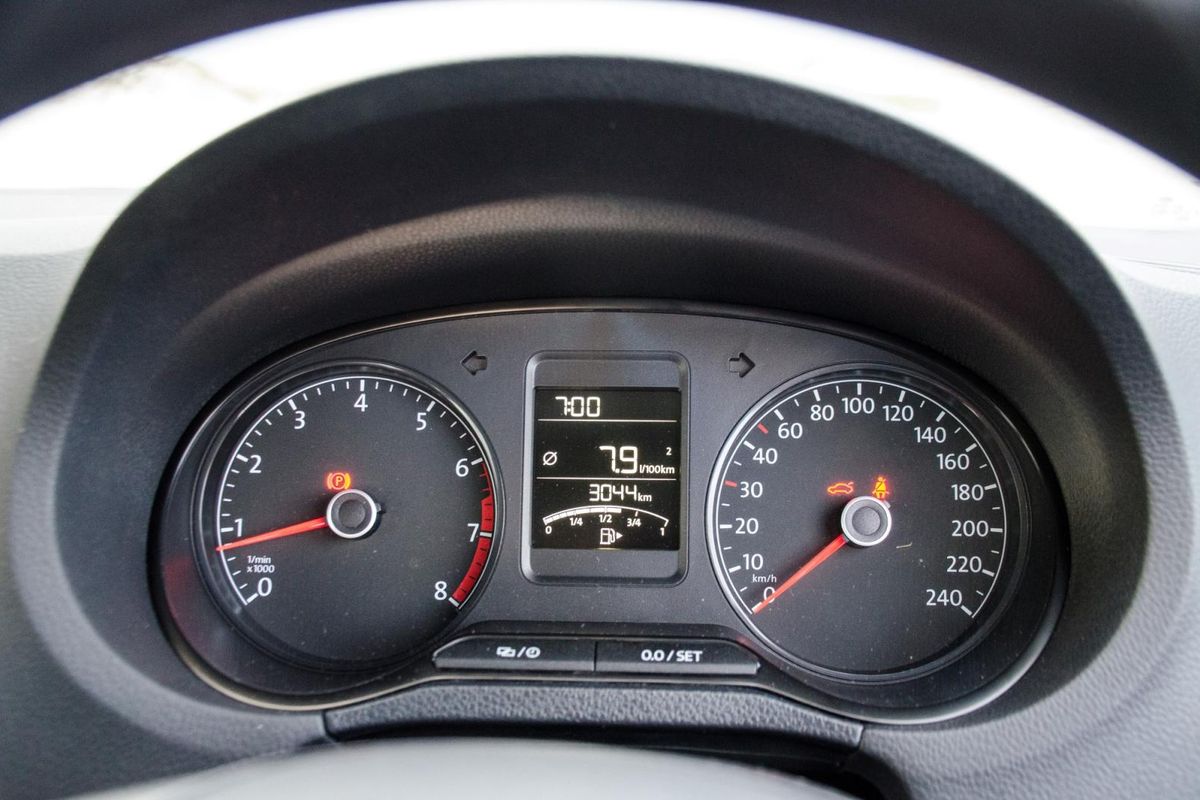
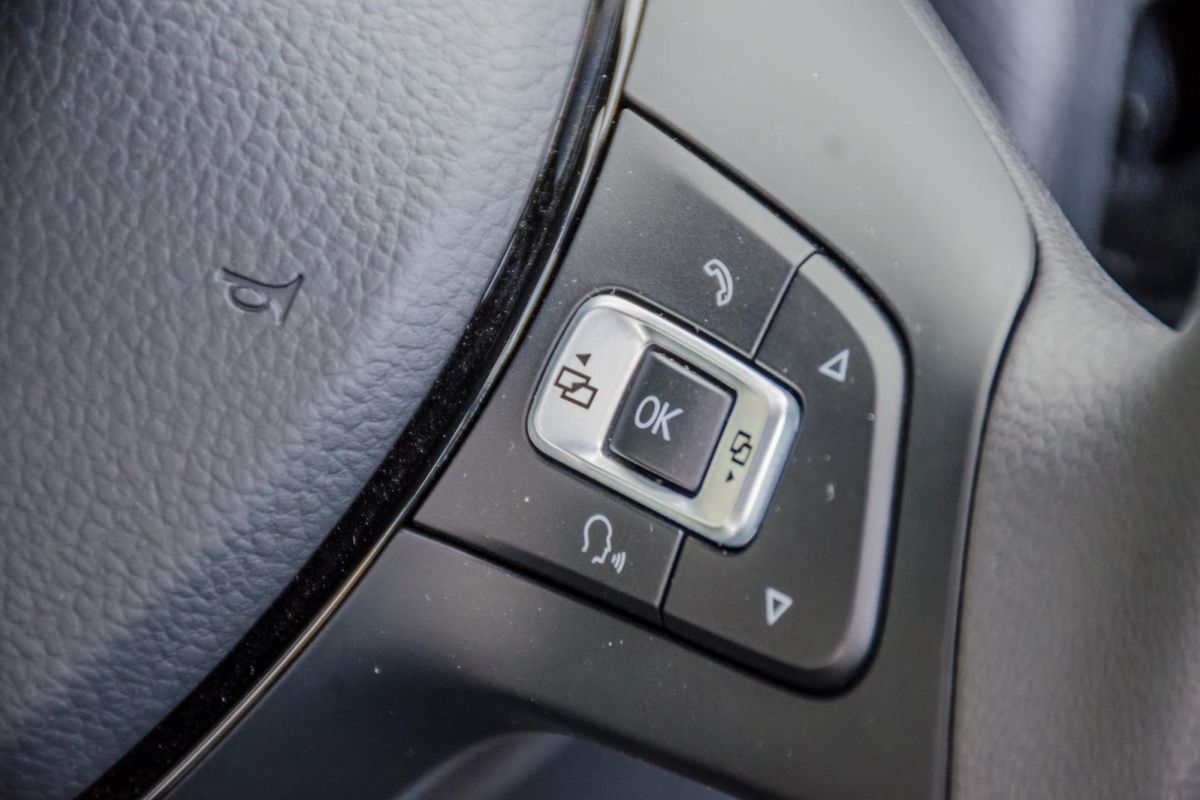
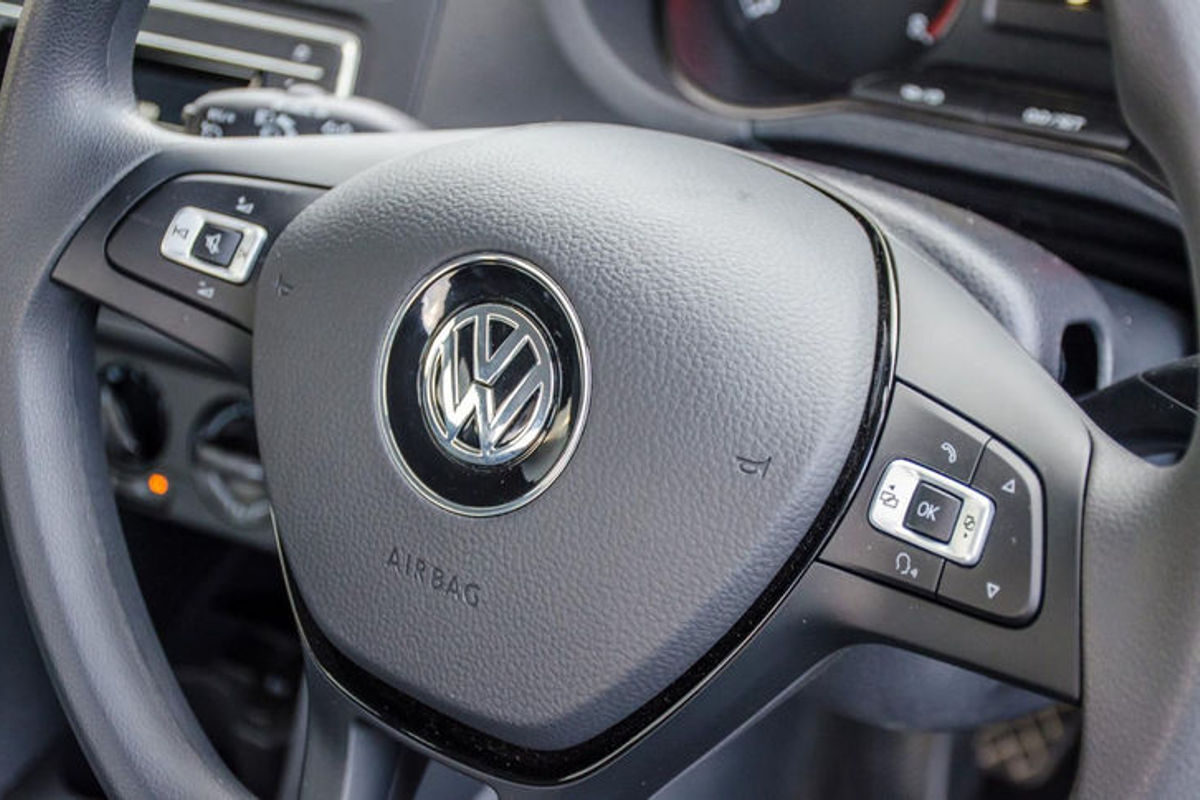
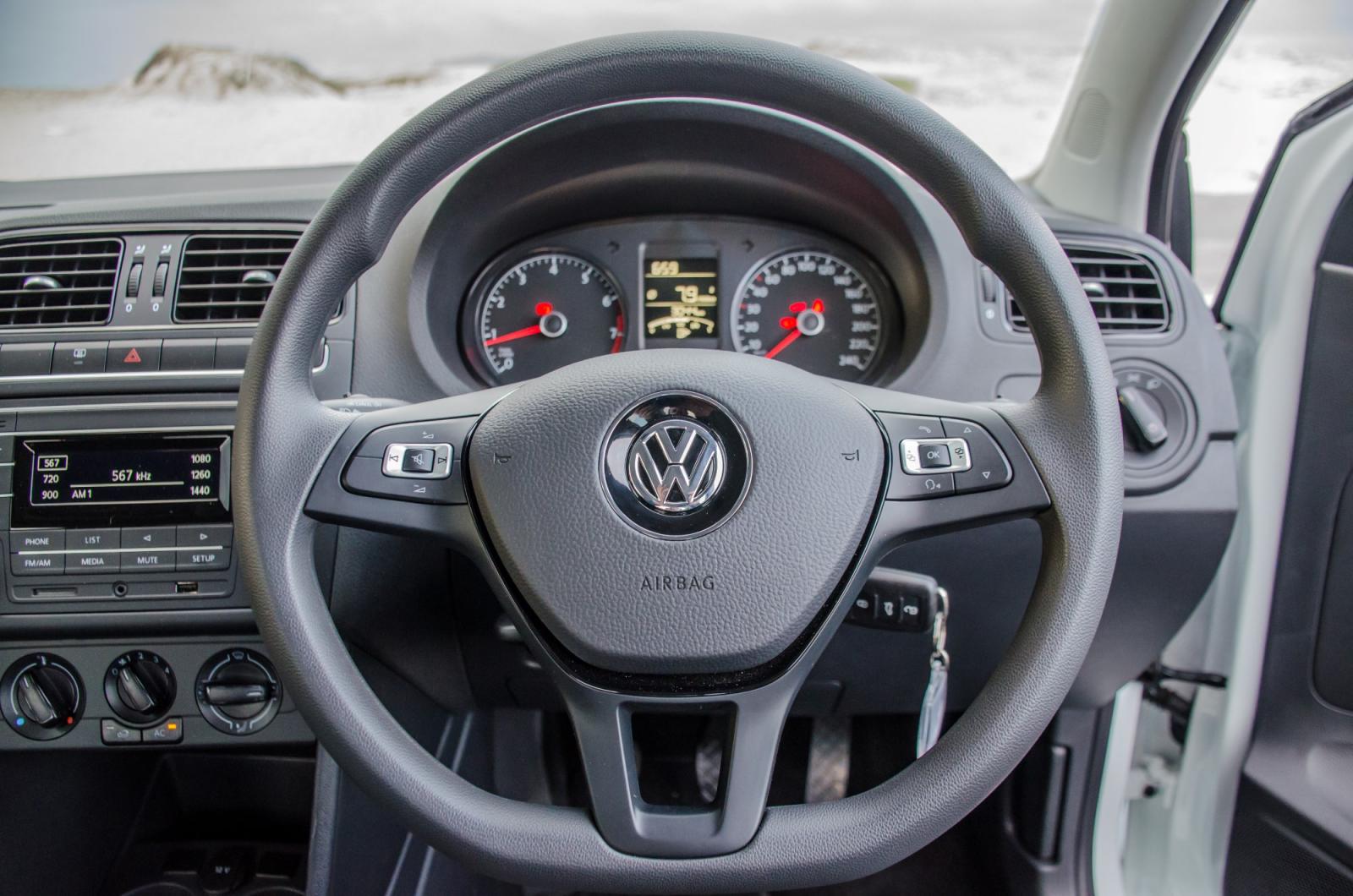
Other highlights include the new-look instrument cluster and 3-spoke multifunction steering wheel which further lift the interior’s appeal. The steering wheel is adjustable for rake and reach and the audio, Bluetooth and multi-information display controls are conveniently close at hand. 


A multifunction steering wheel and new instrument cluster are welcome additions to the new Polo Vivo. 

Furthermore, this Comfortline derivative benefits from a height-adjustable driver’s seat as standard which means it’s far easier to find the perfect driving position. Optional cruise control was also fitted to this test unit which makes for relaxing driving on those longer, out-of-town excursions and is well worth the additional R1 800.  

It’s also worth knowing that only the front windows are electric and the side mirrors are manually adjustable. There are a host of optional features on offer if you wish to upgrade your Polo Vivo further and the most useful optional features include a 340G Radio with App Connect (R2 800), Safety Package which adds Stability Control and Tyre Pressure Monitoring (R2 500) and a Vienna Leather Trim Package which includes leather sports seats, leather gear lever and leather steering wheel (R9 300). These options will, however, send the total cost of your Vivo Comfortline north of 200k.

Practicality


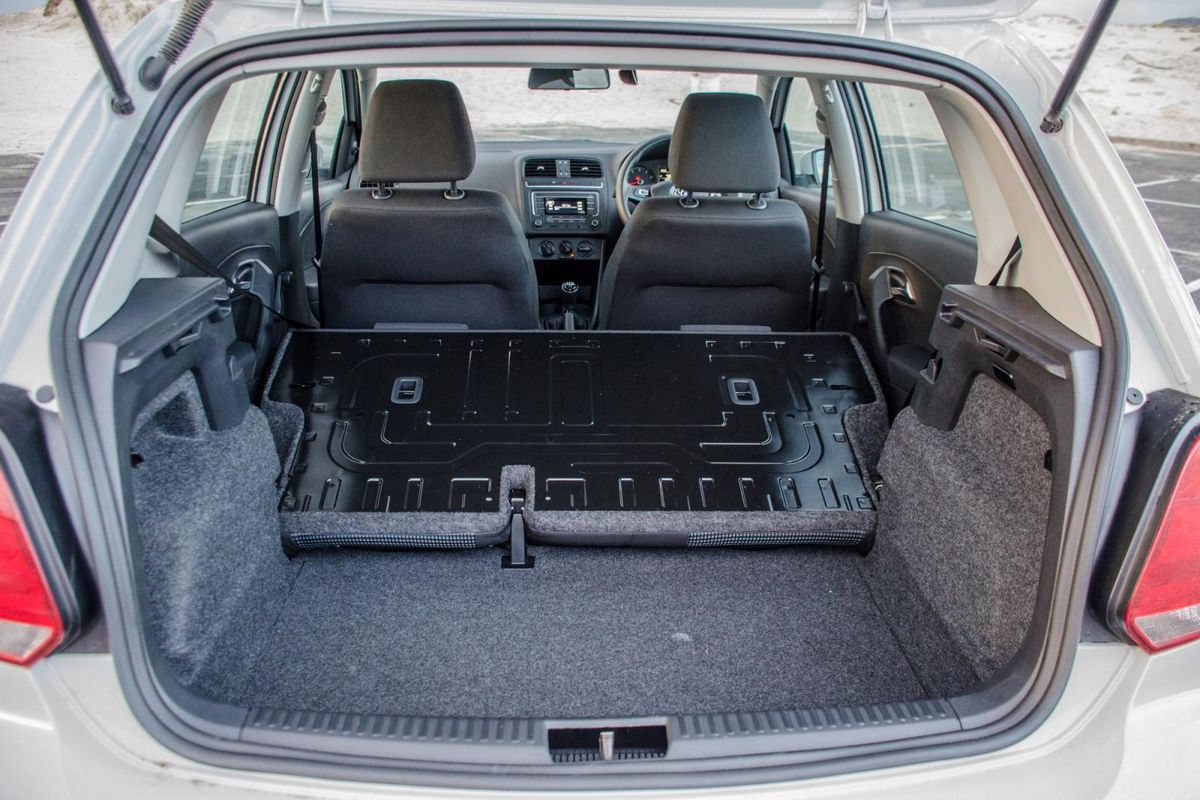
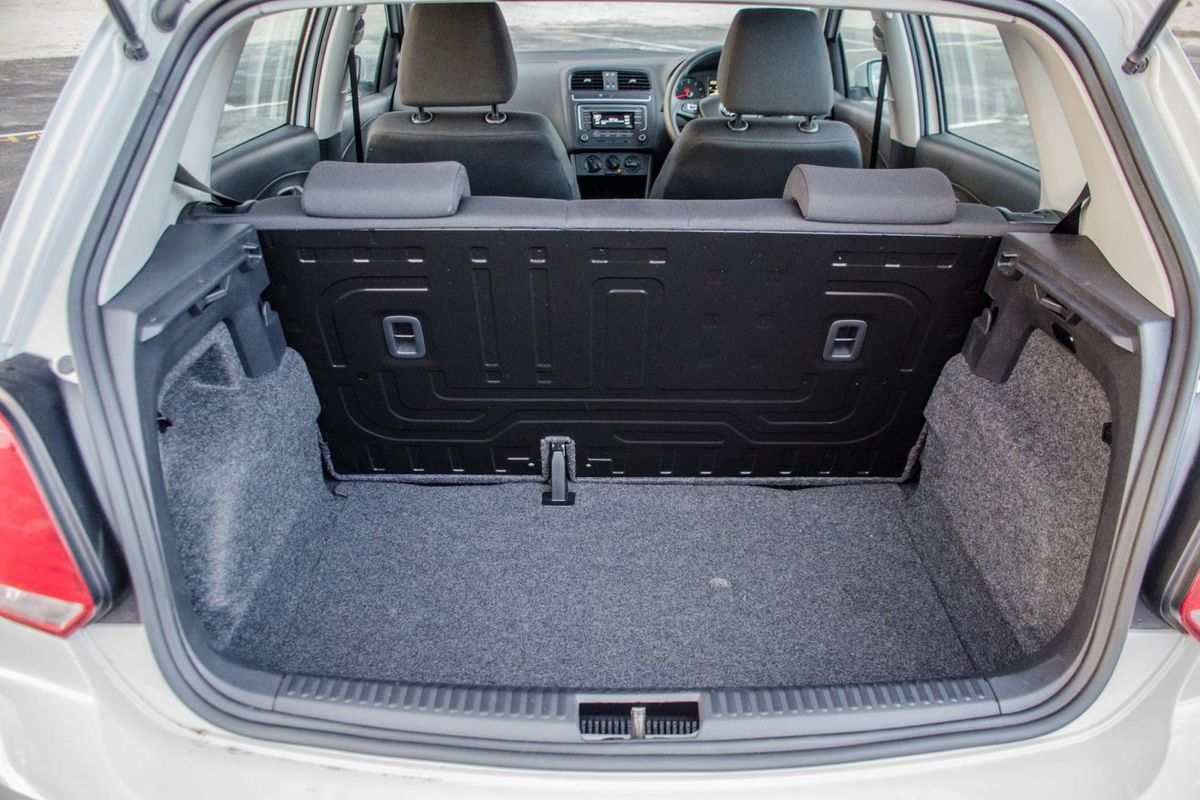
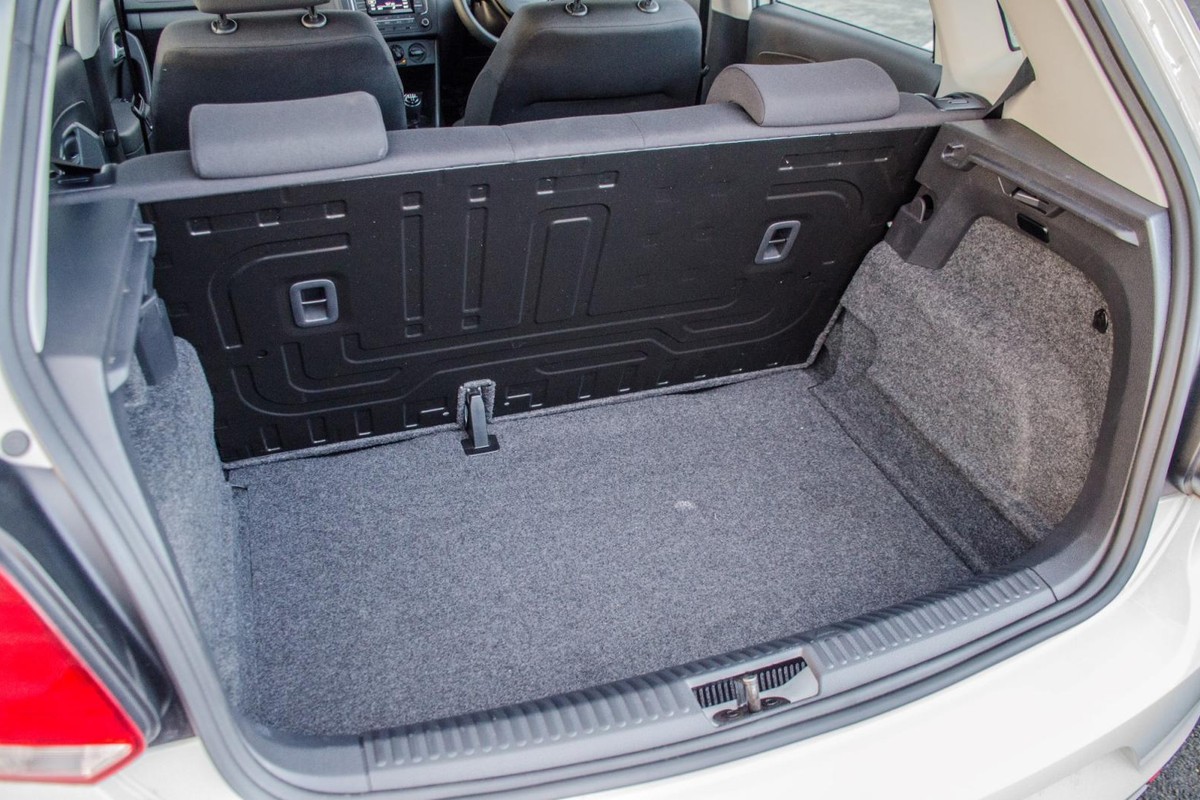
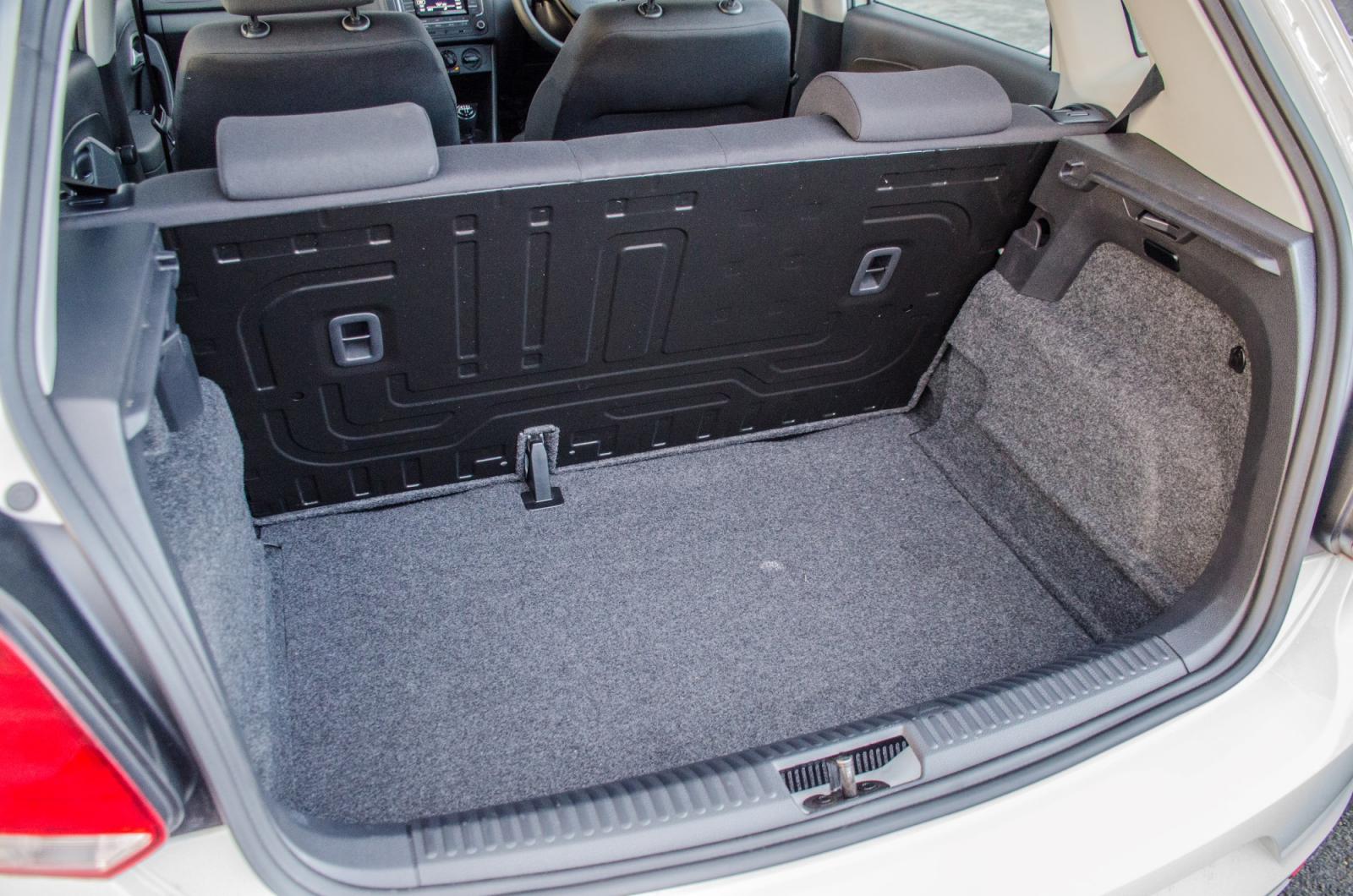
Boot space is generous but we don’t like the exposed steel seat back as it looks unfinished and perhaps a bit tacky.

This new Vivo comes with a load bay that’s slightly bigger at 280 litres which is 10 litres more than the old Vivo. It’s definately one of the bigger boots in this segment… However, sadly, the rear bench is not split, which means the whole seat back folds down where space increases further to 952 litres. Also, the rear seat doesn’t fold completely flat and there is a pronounced, raised lip that might get in the way, depending on what you are loading.

We don’t like the exposed steel seen on the rear seat back as it looks tacky and will become unsightly as is gets scratched and damaged over time. We think carpeted trim would have been better.


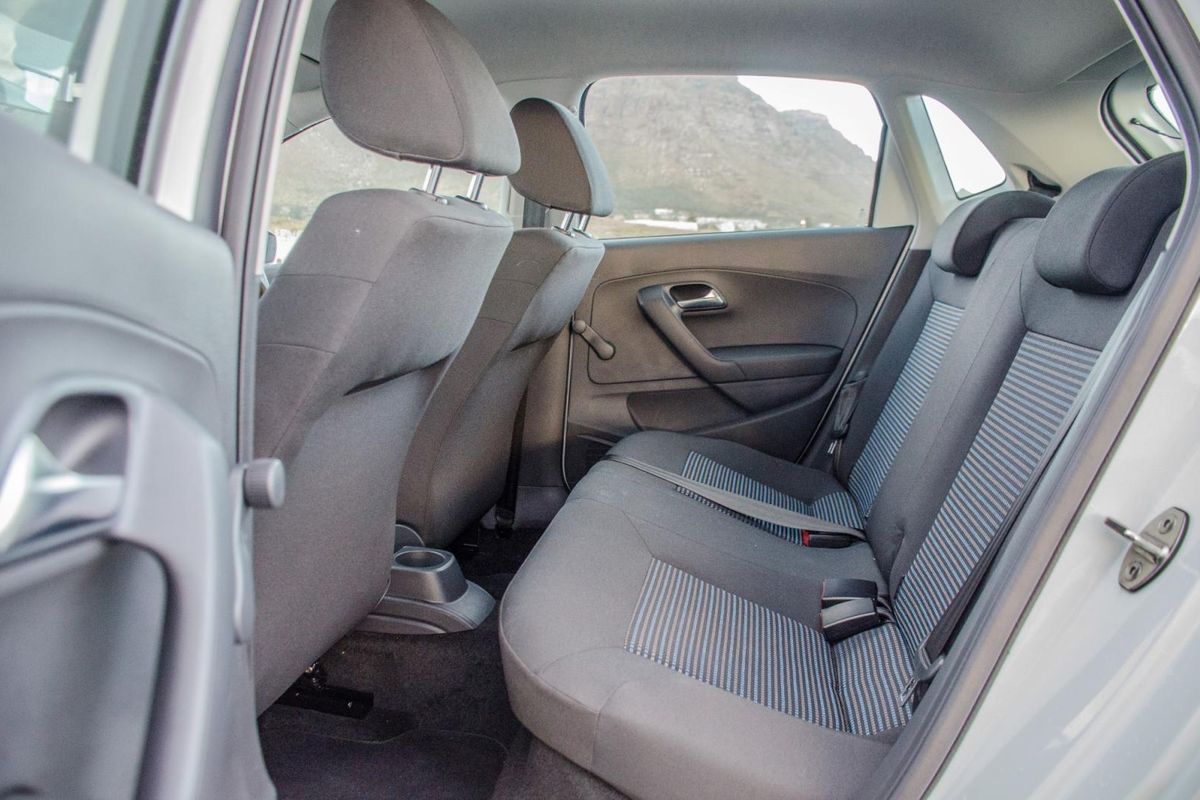
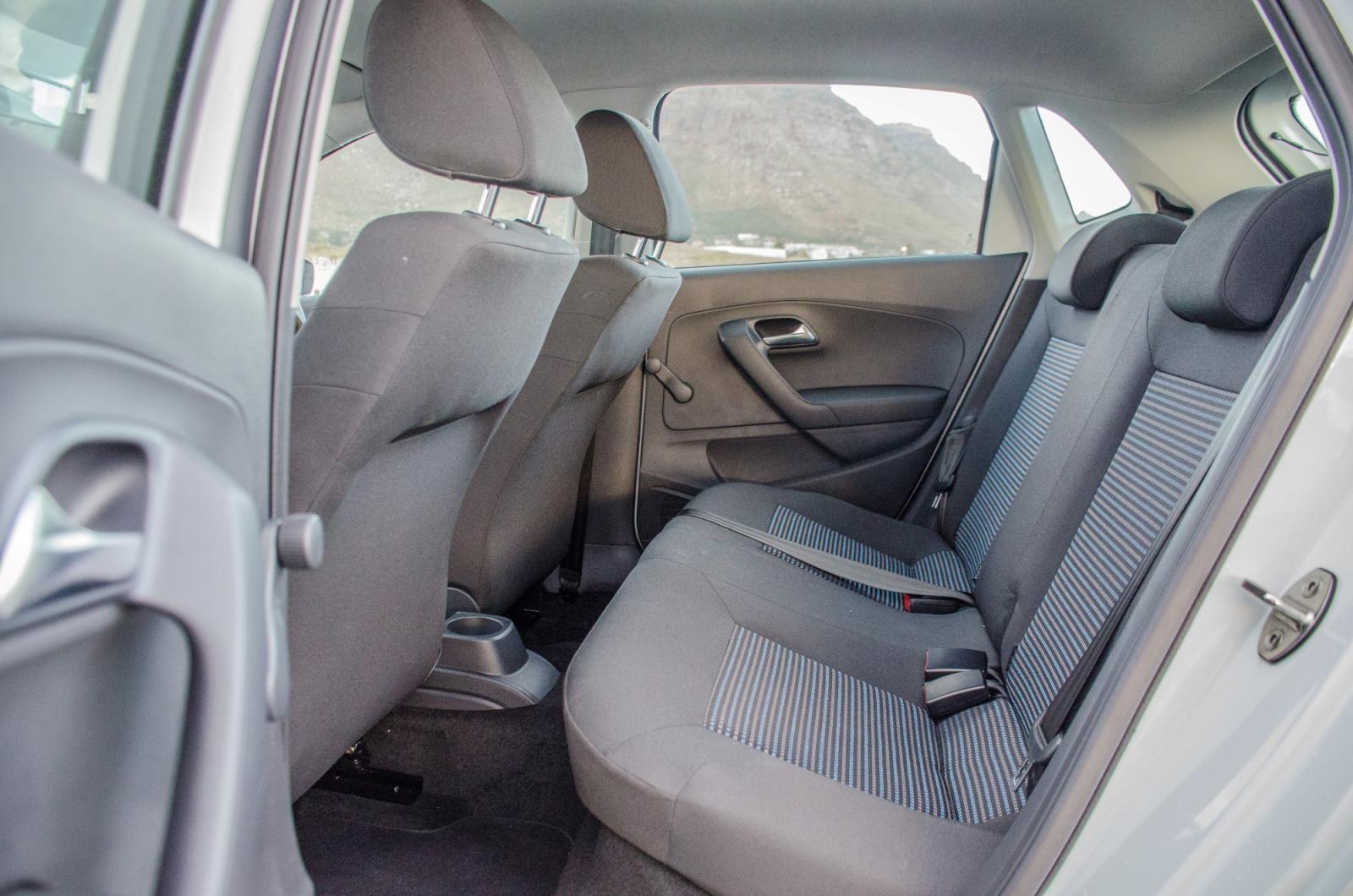
Taller passengers might struggle to find comfort when seated in the rear. 

Space for rear passengers is average at best and legroom might be an issue for taller passengers who will struggle to get comfortable and will probably have to sit sideways to find comfort.  

There is ample storage dotted around the cabin including bottle holders in all the door mouldings and 2 cupholders and additional storage space for oddments ahead of the gear lever. There’s also an additional cupholder in the centre console for rear passengers. The glovebox can obviously be used to store valuables out of sight. If you need more storage, You can get the optional Storage Package fitted which includes a drawer under the driver’s seat and a centre armrest for added comfort. This package will set you back a further R2 000 though.

In terms of safety, the Vivo is equipped with 2 airbags (driver and passenger) and ABS with EBD. Electronic Stability Control is offered as an option on Comfortline derivative.   

Pricing and warranty

The Volkswagen Polo Vivo 1.4 Comfortline manual is priced at R192 000 and is sold with a 3-year/120 000 km warranty. Maintenance and service plans are offered as options.

Buy a used Volkswagen Polo Vivo on Cars.co.za

Verdict


We think the Polo Vivo 1.4 Comfortline is currently the front-runner in terms of overall quality in the R200k price bracket.

With the majority of derivatives in the Vivo range priced well over R200 000, this Polo Vivo 1.4 Comfortline manual will in all likelihood be favoured by many buyers due to its more affordable price. It offers good performance and its ride and handling is excellent. We think the 1.4 Comfortline is the derivative to consider if your budget is hovering around R200k and for that money, it’s unbeatable in terms of quality. 

Buyers must accept that Volkswagen isn’t generous when it comes to standard features so you will have to pay extra for nice-to-haves, but thankfully the options are not cripplingly expensive. We suggest you purchase a 3-year/45 000 km service plan for R7 128 which will bring your total cost to about R200k. Furthermore, the optional 15-inch Estrada alloy wheels priced at R4 500 will round off the package nicely. 

The new Vivo’s interior is more premium than before and buyers can find comfort in the fact that your money will buy you a quality product and there is inherent value in that, particularly when the time comes to sell your Polo Vivo on the used car market. Volkswagens are known to hold their value for longer which means you will be getting more for your used Polo Vivo when you sell it, if you look after it that is…  

Is the Polo Vivo 1.4 Comfortline worth it? For sure, you can’t go wrong with this new Vivo…

However, if you are looking for a car packed with standard features and are not too concerned with the badge on the nose, then the Renault Sandero Stepway 66 kW Dynamique offers great value for the same money. Also, the new forthcoming Suzuki Swift holds significant promise and depending on local specification and pricing, it may be a strong alternative to the new Polo Vivo.

Frequently Asked Questions

Is the Volkswagen Polo Vivo a good car to buy in South Africa?

The Volkswagen Polo Vivo has a strong reputation in South Africa and is a consistent top-seller. It is often considered a reliable, affordable, and practical choice for everyday driving, with a strong focus on build quality. Its popularity also means there is a good market for used models and parts are readily available.

Where is the Volkswagen Polo Vivo manufactured?

The Volkswagen Polo Vivo is proudly manufactured in South Africa at Volkswagen’s plant in Kariega (formerly Uitenhage), Eastern Cape.

What are the engine options for the Volkswagen Polo Vivo in South Africa?

The Polo Vivo range in South Africa is available with several engine options, including naturally aspirated 1.4-litre and 1.6-litre petrol engines. The top-of-the-range GT model features a 1.0-litre turbocharged TSI petrol engine.

What is the Volkswagen Polo Vivo’s safety rating?

The Volkswagen Polo Vivo has a 4-star Global NCAP safety rating for Adult Occupancy Protection and a 3-star rating for Child Occupancy Protection. Key safety features include driver and passenger airbags, ISOFIX mounting points, and in some models, Electronic Stability Control (ESC) and side airbags.

Related Content

VW Polo Vivo (2025) Specs & Price 

Reviews 

Volkswagen Polo Vivo (2018) Review

Volkswagen Polo Vivo GT (2018) Review

Volkswagen Polo Vivo GTS (2016) Review

Volkswagen Polo Vivo (2014) Review

Comparisons
New Polo Vivo vs Old Polo: How different are they?

VW Polo Vivo: 5 Good Alternatives to Consider

BMW X3 xDrive30d (2018) Video Review


BMW's X3 is now in its 3rd generation. However, the market segment it plays in has become substantially more crowded. The BMW faces stiff competition in the form of the Audi Q5, Mercedes-Benz GLC, Jaguar F-Pace, Volvo XC60, Lexus NX and most recently the Alfa Romeo Stelvio.

But the X3 promises a particularly wide scope of talents, and, as we found out on the shoot, it seems to have a bit of an identity crisis going on…

In this video, we drive the powerful turbodiesel variant, the xDrive30d. We take the X3 to one of our favourite mountain passes outside Cape Town to sample the motor and handling, take a detailed look at the interior and present a detailed comparison against the Mercedes-Benz GLC350d AMG Line.

Related content:

BMW X3 (2018) Specs & Price

BMW X3 (2017) Launch Review Video

Mercedes-Benz GLC 300 (2015) Review

Audi Q5 2.0 TDI quattro (2017) Video Review

Mercedes-Benz GLC 300 (2015) Review

Volvo XC60 (2017) Launch Review Video

Searching for a used X3?

Start your search here

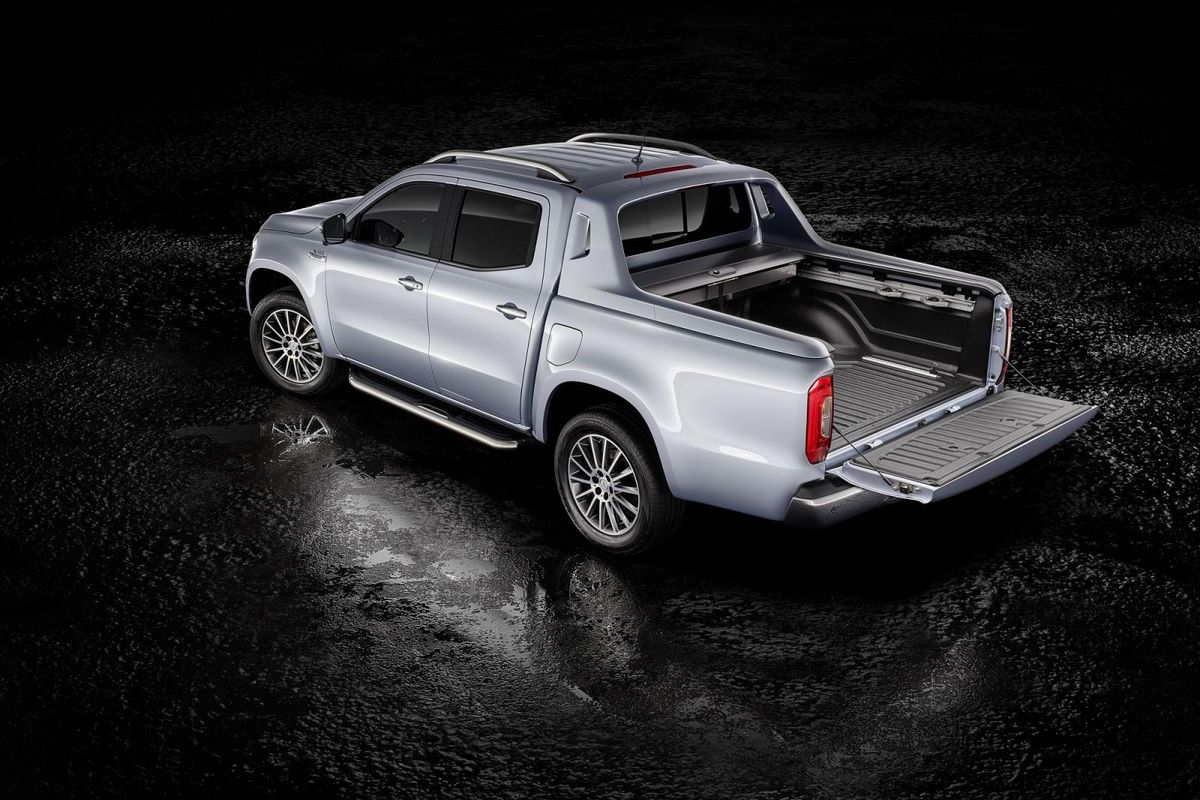
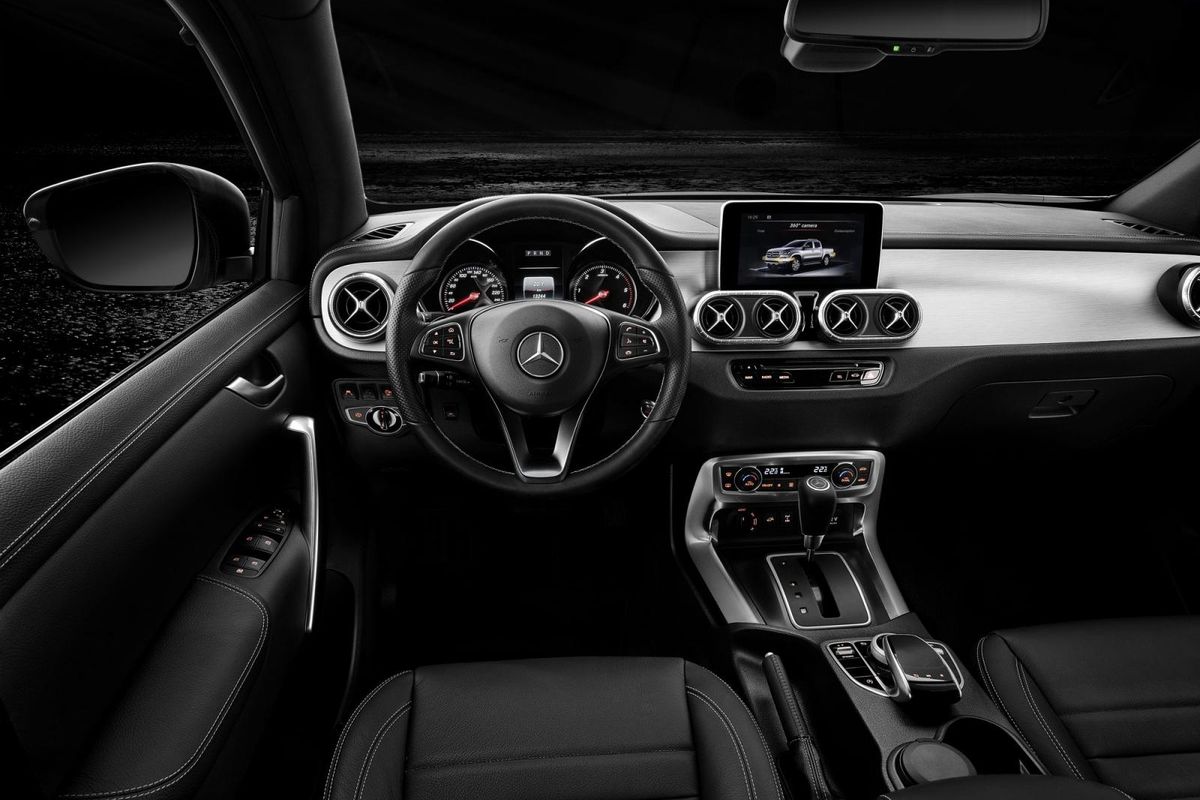
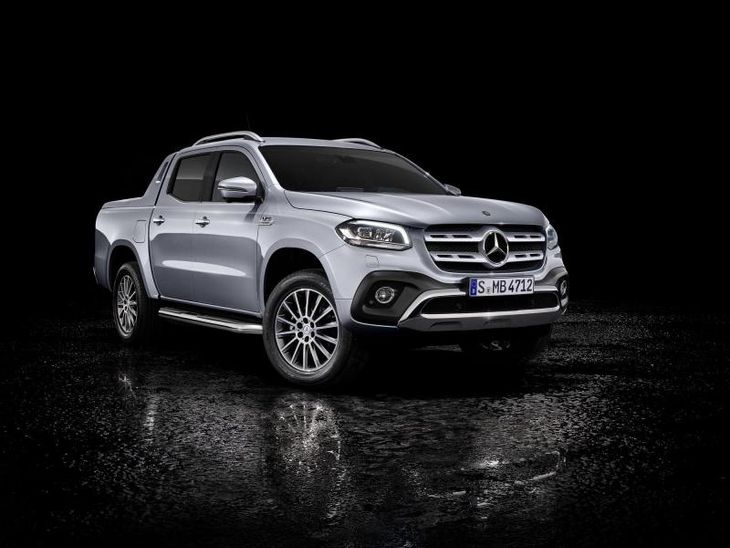
Mercedes-Benz X-Class V6 Engine Details Announced Ahead of Geneva Reveal


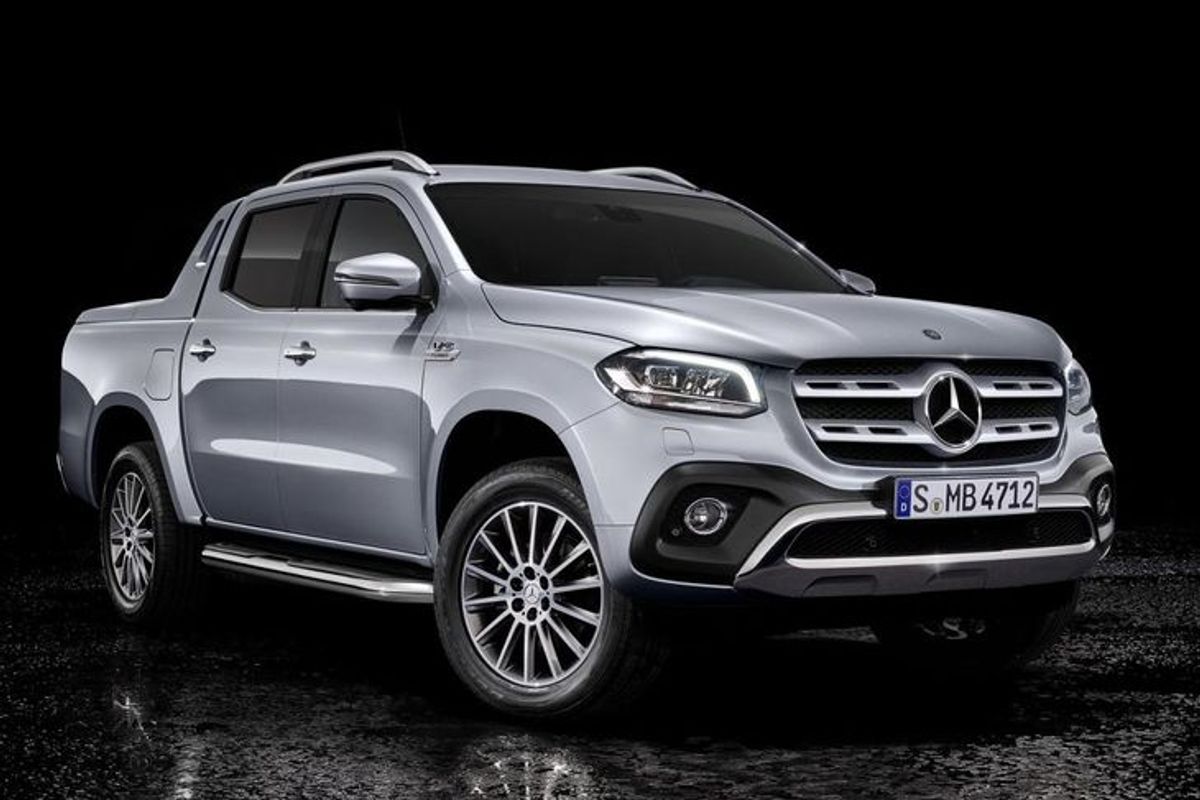
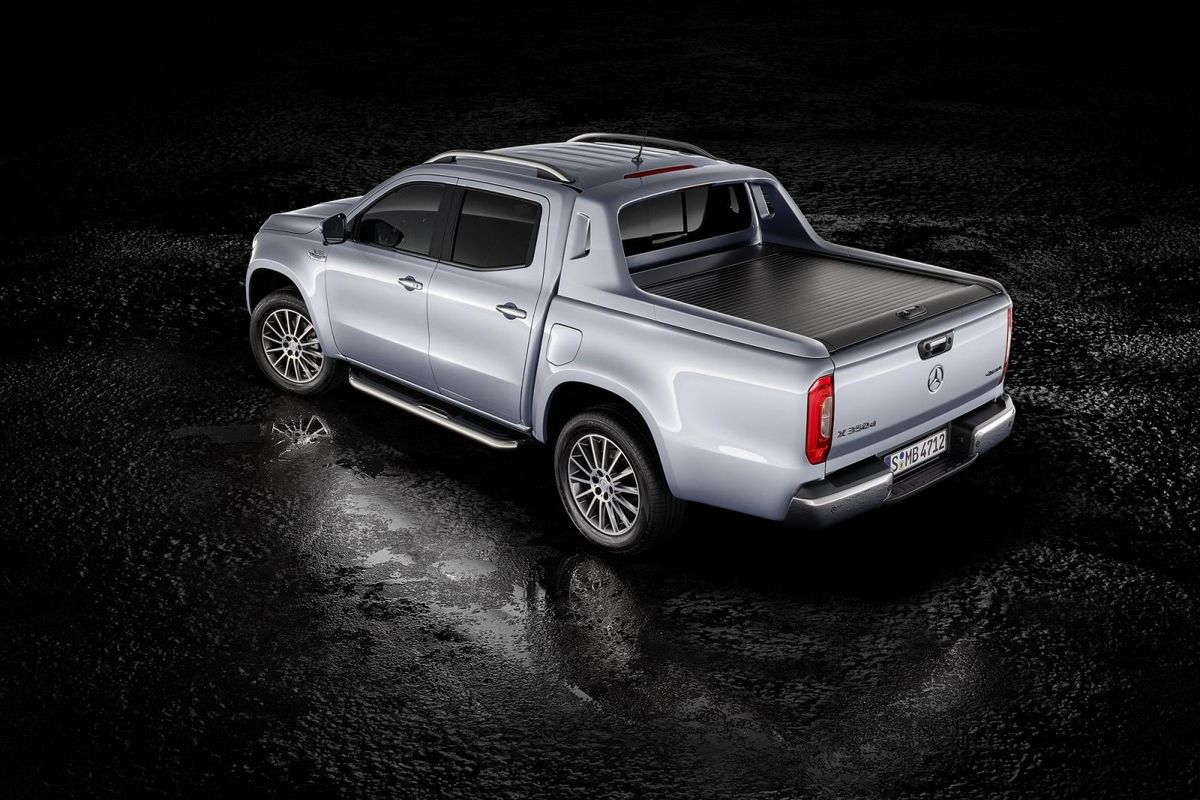
With the 2018 Geneva Motor Show just a week away, Mercedes-Benz has officially unveiled some details of the eagerly-anticipated V6-powered version of the X-Class bakkie.

We had our first taste of the Mercedes-Benz X-Class bakkie in South America late last year and part of that experience was having a shotgun ride in a prototype V6. Our test drive was limited to the four-cylinder models and we weren't enthused with the power delivery. There was a deficit when it came to in-gear torque from the 2.3-litre motor, but this V6 will address any power and torque issues with ease. 

This is the flagship model, called the X350d 4Matic and it'll be publically revealed at the 2018 Geneva Motor Show next week. The new bakkie is powered by a 3.0-litre turbocharged V6 diesel motor, pushing outputs of 190 kW and 550 Nm, with peak torque coming between 1 400 rpm and 3 200 rpm. Power goes to all four wheels on a permanent basis via a 7G-Tronic Plus automatic gearbox.

With a claimed sprint time of just 7.9 seconds to 100 kph, this will be one quick bakkie and it'll make for an interesting comparison to see if it can match the V6-powered Volkswagen Amarok There will be five driving modes in the new Mercedes-Benz X350d 4Matic: Comfort, Eco, Sport, Manual and Offroad.

For those who want to venture off the track, there's a low-range gearbox and 22 cm of ground clearance. Mercedes-Benz claims its X-Class can clear gradients of up to 45 degrees and wade through water up to 60 cm deep. 

We'll have more details from the 2018 Geneva Motor Show next week and we expect the V6 Mercedes-Benz X350d to land in SA before the end of the year. Mercedes-Benz has announced a German price of 53 360 Euros, so that gives a vague idea of how much it'll cost when it makes its way to South Africa.


Related content:

Mercedes-Benz X-Class: Reality vs Concept

6 Most Fuel-Efficient Double-Cab Bakkies in SA

Mercedes-Benz X-Class: Finally Revealed

Mercedes-Benz X-Class: Off-road demo & video wrap

X-Class & rival double cabs it needs to beat [with Video]

The Fairest 4×4 Truck by far?

2016 Toyota Hilux vs Ford Ranger – Offroad & Review

In-Depth Comparison: New Hilux vs Ranger vs KB vs Amarok (video)

Want to buy a Mercedes-Benz? 

Find a new or used on Cars.co.za

What has Happened to Honda in SA?


Demand for Honda’s cars is booming around the globe, but those same products are not selling well in South Africa. Why?

South Africa is not an island. And to understand why certain things are happening locally, it’s worth having global context.

With Honda, that context defies all logic. This is a company that was built by a single, brilliantly charismatic, Japanese man, instead of a corporation or family business. Soichiro Honda was an engineer’s engineer and innovator who remained deeply involved with the development and production of cars that bore his name. He died in 1989.

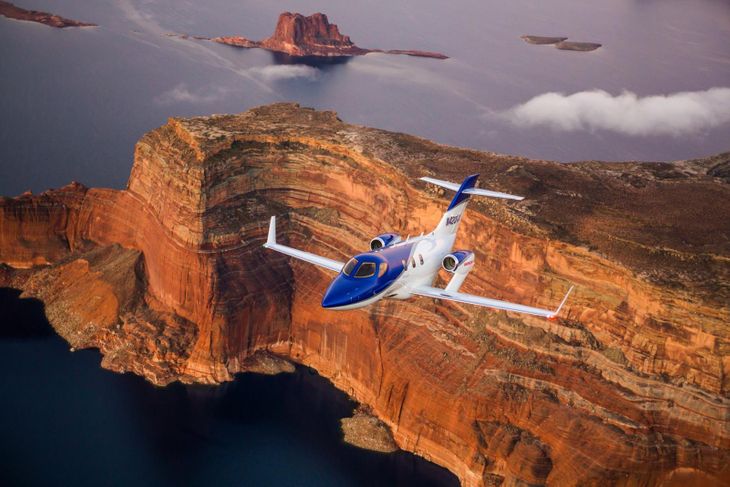
Honda isn’t soulless. Its motorsport record shames those of most European brands and the variety of applications it produces products for is staggering. From motorcycles engines to those powering boats, generator sets for construction sites and even its own aeroplane. The Honda HA-420 compact executive jet. When was the last time you saw a German car brand build its own range of aeroplanes?


Honda has expanded to all forms of transport, such as boats, bikes and even planes like this one.

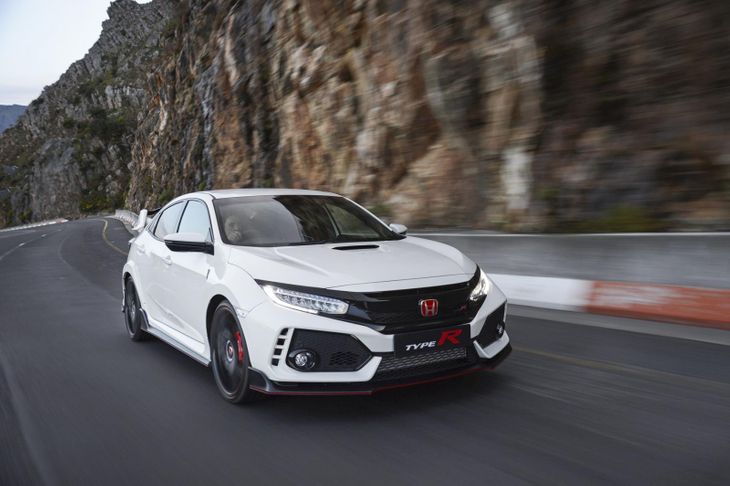
Despite all of this Honda appears to have lost its way in the local market. Sales are down and, whereas in the late 1990s Hondas were regarded favourably comparable to German front-wheel drive rivals (especially Volkswagen), in 2018 they're just… well, there. There’s a Civic Type R that heroically keeps the flame of everything that is admirable about Honda alive, but the brand's local market share is eroding.

An isolated issue?

If Honda was struggling in all global markets, South Africa would simply be following a momentum trend. But it isn't. When 2017’s global vehicle sales were tabulated and accounted for, Honda had 3 cars in the top-10 sellers. That's hardly the achievement of a company in bother, is it?

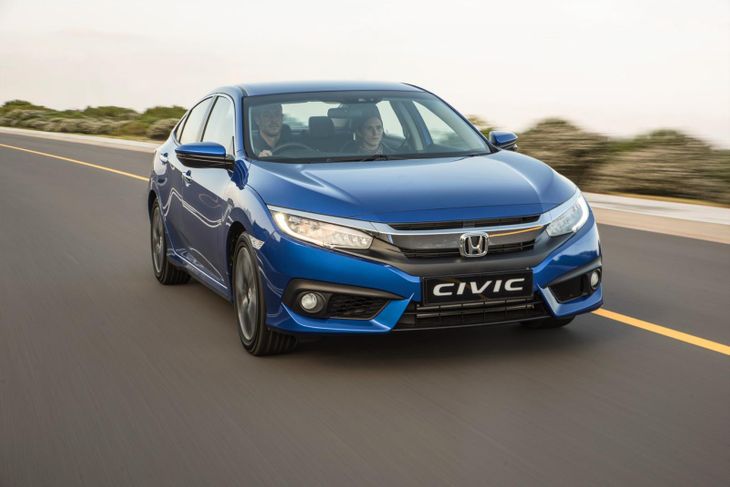
The 3 vehicles in question were the CR-V, HR-V and Civic, all of which are available locally and, as such, their popularity is quite useful to help analyse why Honda’s gone awry in South Africa. Congratulations must be given for success achieved and Civic sold 800 350 units to finish 5th, CR-V moved 749 151 SUVs to customers to conquer 7th place and 689 798 people became HR-V owners, placing it 9th.


Honda's best selling car globally is this Civic. In January 2018 it sold just 24 units in SA.

Those are stellar global sales statistics and what makes them particularly thought-provoking is the identities of the other cars which placed around those Hondas in the Top 10: Toyota’s Corolla and RAV4; Nissan’s X-Trail; Volkswagen’s Tiguan. Those vehicles are very familiar to South Africans, so if they sell well enough here, why can't Honda replicate its international success locally?

Percentage differences count for a lot

Trend analysts keep telling us the sedan is under threat globally, especially the affordable Japanese 4-door cars (sedans). However, global sales statistics indicate they are still holding their own, although the presence of similarly-sized SUVs among them on the Top 10 chart cannot be ignored.

Japanese sedans are mostly moving into the realm of company-car duty, used for Uber transport and many serve as government-pool vehicles. In the local context, the Toyota Corolla’s average price advantage over comparable Civic derivatives in South Africa is critical/explains the huge discrepancy in sales. On a Corolla-versus-Civic comparison it might not sound like much (6%), but convert that percentage to pricing and it’s a R22 900 difference. If you are a fleet buyer, that’s a lot. If you are a private buyer, that’s a lavish family vacation.


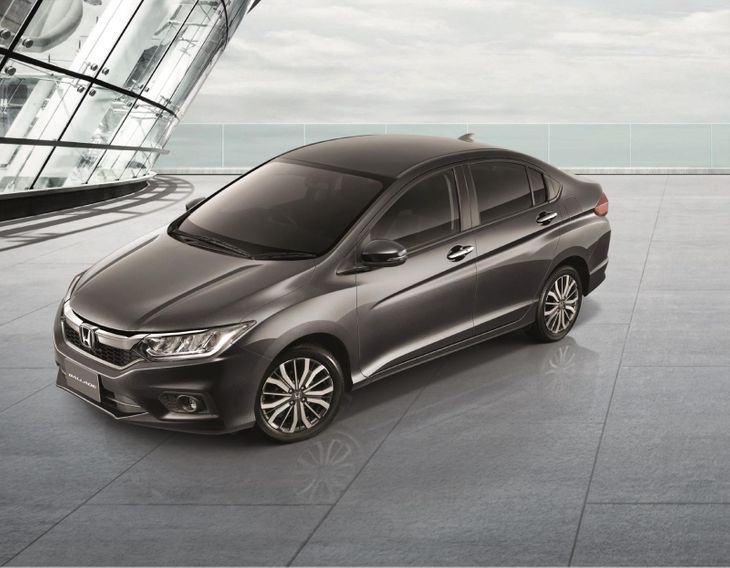
The classic Ballade nameplate has been relegated to an Uber shuttle.

Honda’s SUVs are a different matter to its Civics. Nearly all SUV buyers are private individuals and insights in this segment give a mcuh clearer understanding of what’s really happening with Honda in South Africa. Globally, Nissan’s X-Trail is the most popular SUV at 814 495 units, followed by RAV4 at 770 262, CR-V with 749 151 and Tiguan at 695 383. If you compare global demand with South African sales, it’s a starkly different scenario.

The perils of pricing

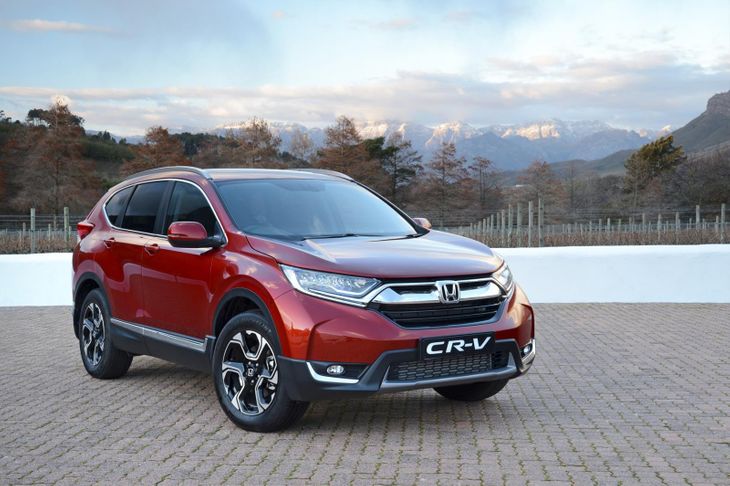
Toyota’s RAV4 silently crushes the entire South African compact SUV market. It sold 871 units in January. X-Trail managed 353. Tiguan 438. And Honda? Only 75 CR-Vs. That's staggering… If the CR-V is within 2.8% of RAV’s sales globally, how can Honda's family car be 91.4% behind Toyota's in the local market? The only plausible explanation is a huge South African pricing discrepancy between the two.


The Honda CR-V should be a top seller in SA, but it appears to be overpriced compared with rivals such as the Rav4 and Kia Sportage.

It’s always slightly disingenuous to use a foreign market for pricing comparison but Australia is a comparable environment to South Africa, with similar logistical isolation and vehicle specification. Both markets are right-hand drive and Honda lacks local manufacturing in either, being an importer in Oz and South Africa. Run the numbers for both the most expensive and affordable RAV4s and CR-Vs you can order in each country and the results are startling.

In Australia, the difference in price between an entry-level RAV4 and CR-V is a mere 0.3%, with the Honda being more affordable. Want an all-wheel-drive one absolutely loaded with specification? The Honda is cheaper again, by 0.9%. In South Africa, it’s a very different state of affairs. The most basic RAV4 is 11.8% cheaper than its CR-V rival. If you compare top-end versions of both, that difference expands to 12.3%.

To justify such a premium over any rival, a brand must offer something extraordinary and in the compact SUV segment, where most cars have similar features/functions and their engines are closely benchmarked in terms of performance and consumption, Honda’s SUV pricing is simply too expensive in South Africa. It’s a sad reality – one that is reflected in the sales decline of Honda locally. All the pent-up brand cachet and the positive reputation for product durability (much of which is passed on via word of mouth), won’t shield your business from pricing imbalances.


The Honda Civic Type R is all that's left for Honda performance fans to enjoy.

There’s an argument to be made in mitigation of Honda’s vulnerability as an importer, while Toyota benefits from the export credits it receives from the department of trade and industry by virtue of being a local manufacturer. This is inarguably true, but how does an importer like Kia manage to keep its pricing in a closer margin of competition with RAV4? The cheapest Kia Sportage is 0.05% more affordable than the RAV4. The dearest Sportage available is 7% more expensive than RAV4’s comparable offering, a notable difference, but in turn, it is still R26 905 cheaper than Honda’s flagship CR-V.

No longer the Japanese alternative

Meanwhile, Honda’s global status as a benchmark Japanese motor manufacturer remains unaffected. Its vehicles are in demand in a variety of markets and compete well with their respective rivals. There’s no other way to explain why Honda has a trio of products in the global Top 10 best-selling index.

What is telling, is how the local presence has retreated. Of all the Japanese car brands trading in South Africa, only Mitsubishi and Subaru have a smaller market share. Mazda, who don’t have a similar range of affordable Brios and Ballades to boost volume, is doing double Honda’s numbers. Twenty years ago, you’d never consider a Mazda over Honda. Today, many people are.

The imbalance between Honda’s local operations and those in the rest of the world is almost unbelievable. Whereas Honda was once the vanguard Japanese brand that challenged German superiority, it’s now nearly forgotten in South Africa. There was a time when Hondas were sold out of Mercedes-Benz’s dealer networks and we even saw local AMG-badged and upgraded Honda Ballades. Indeed, Honda has a storied history in the local market; it deserves to fare better. Hopefully something can be done before there is a ceremonial missing man formation flight by a group of HA-420s over South African skies…

Related content

Suzuki does 'simple' best: Why its success is no surprise

SA's Unsung Off-Road Sales Hero

What the Strong Rand Means for Car Prices in 2018

Pick Your Hot Hatch Poison

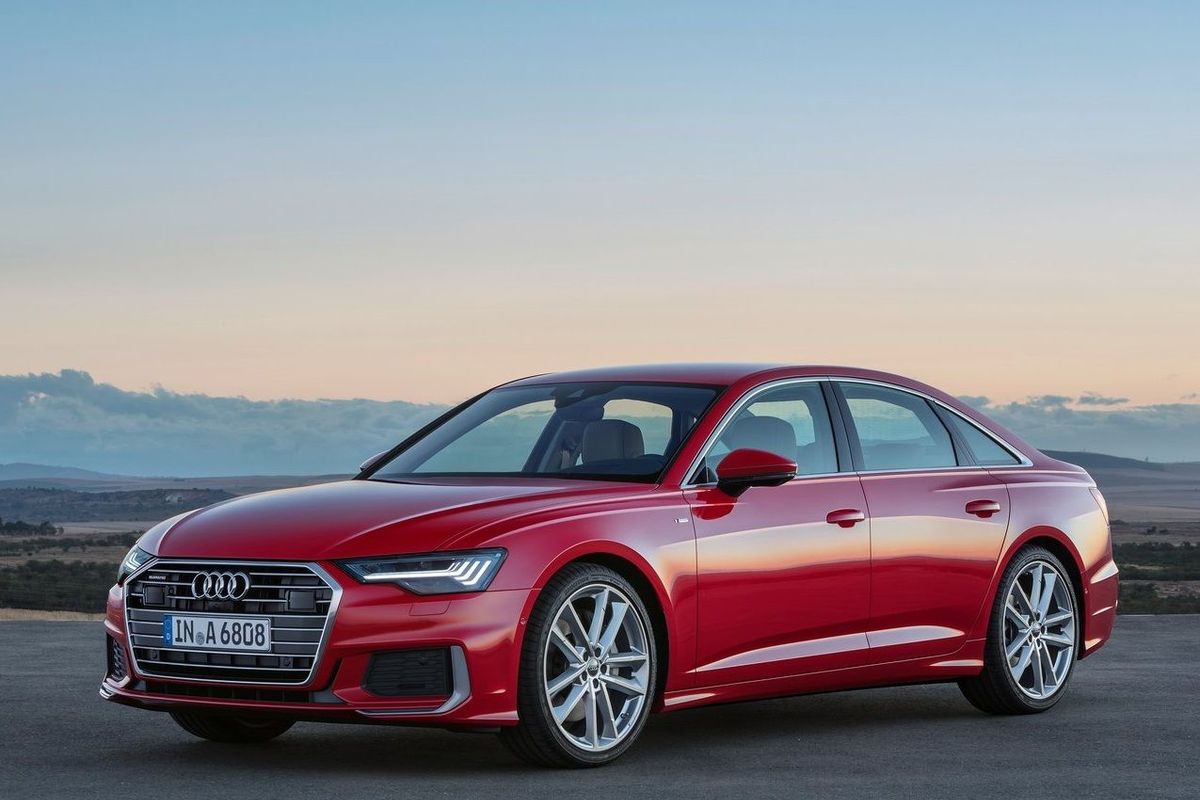
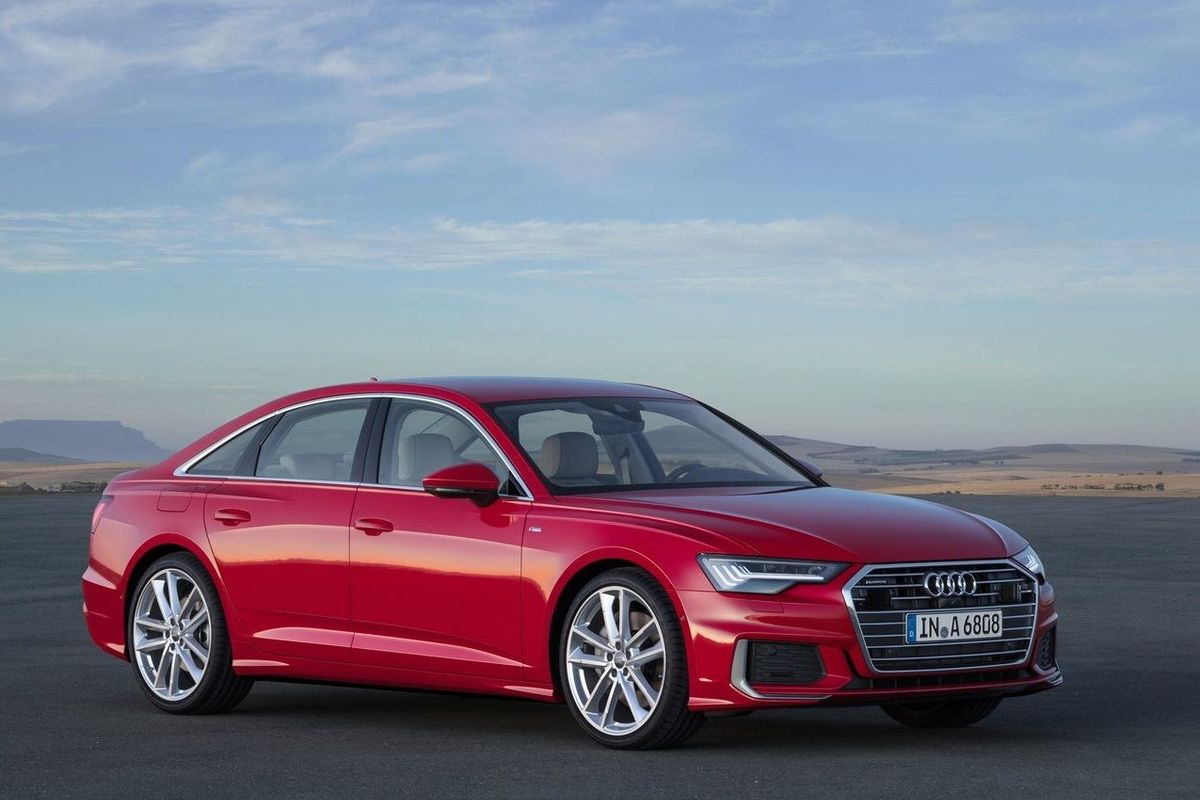
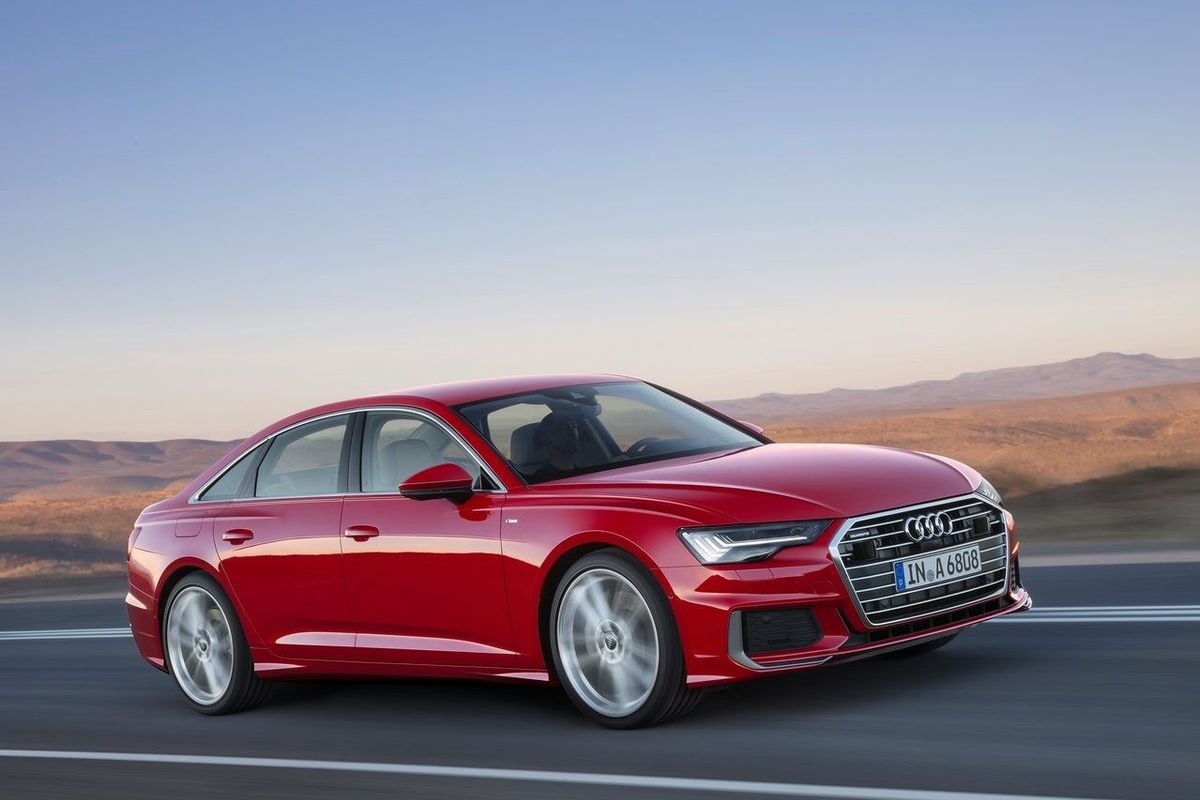
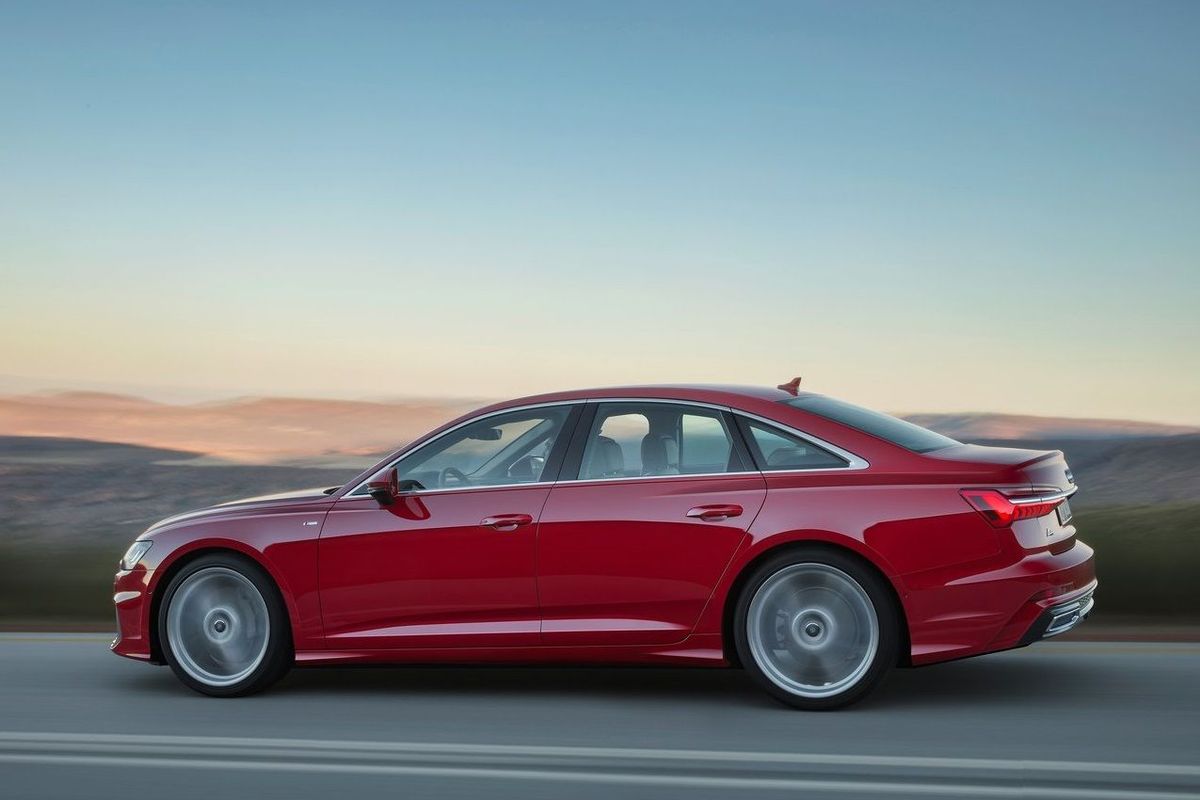
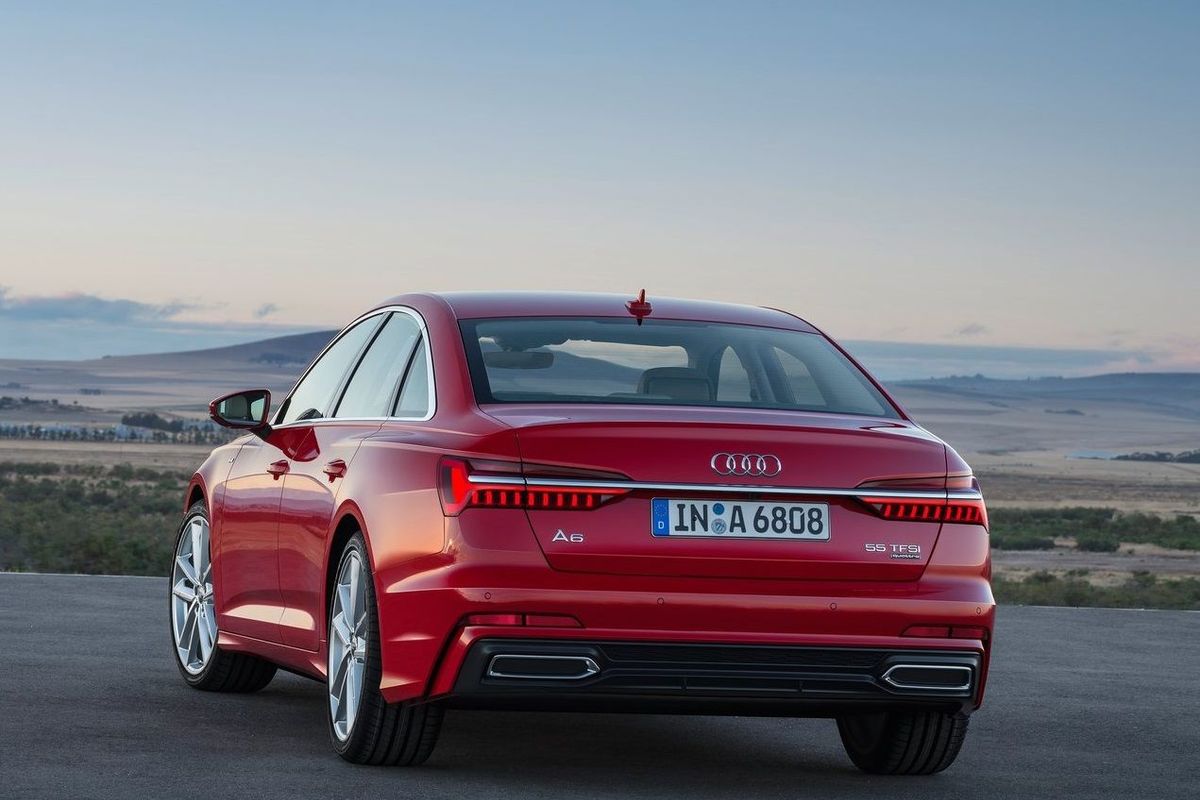
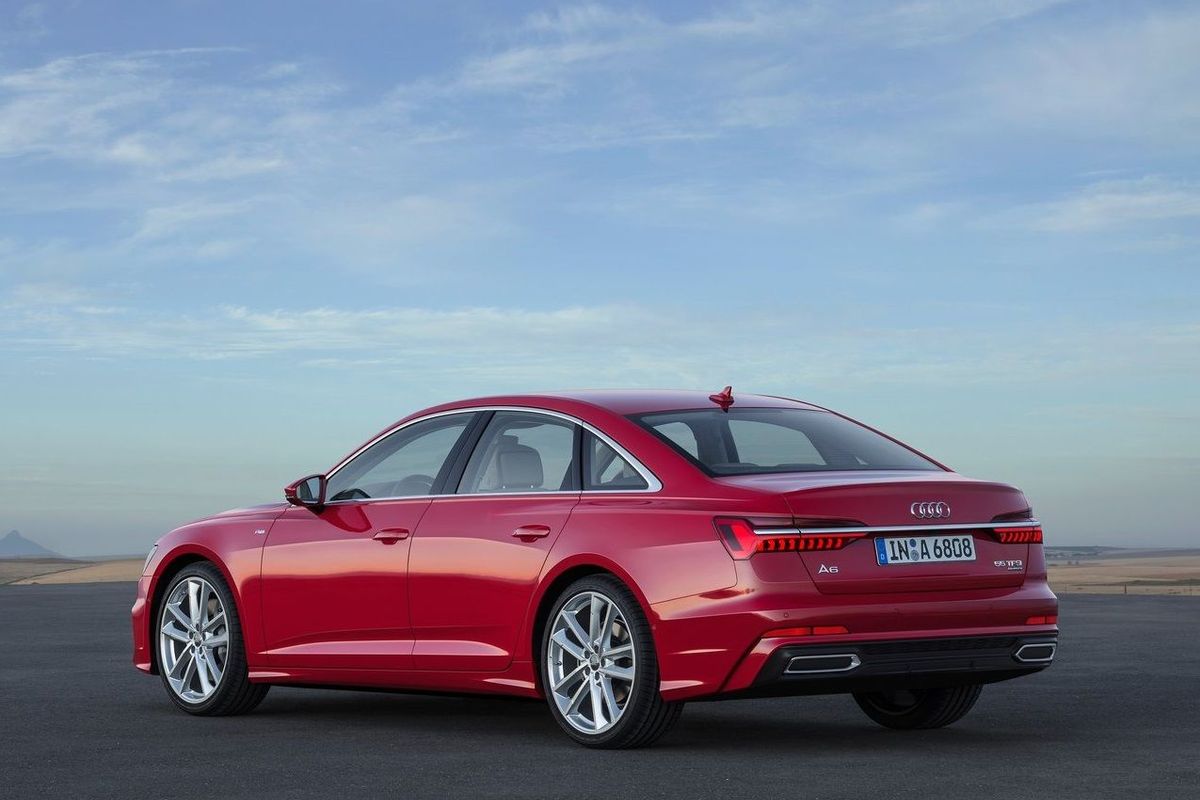
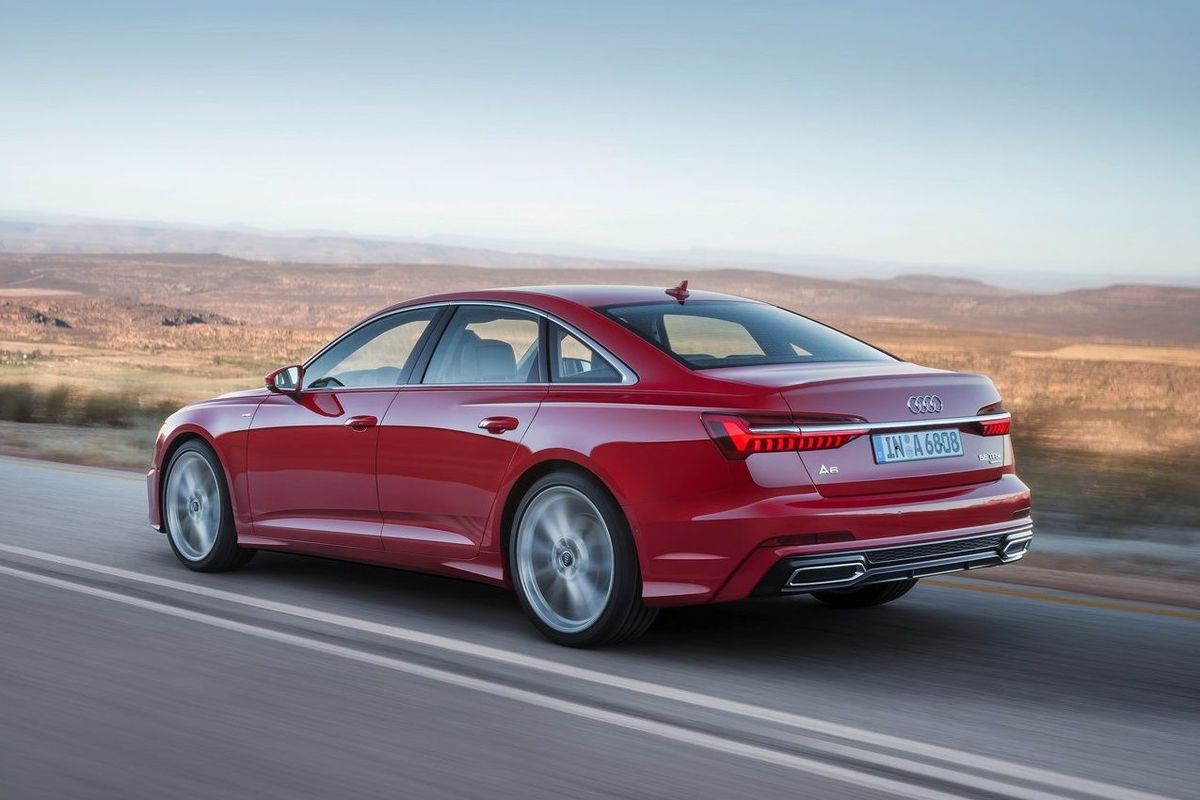
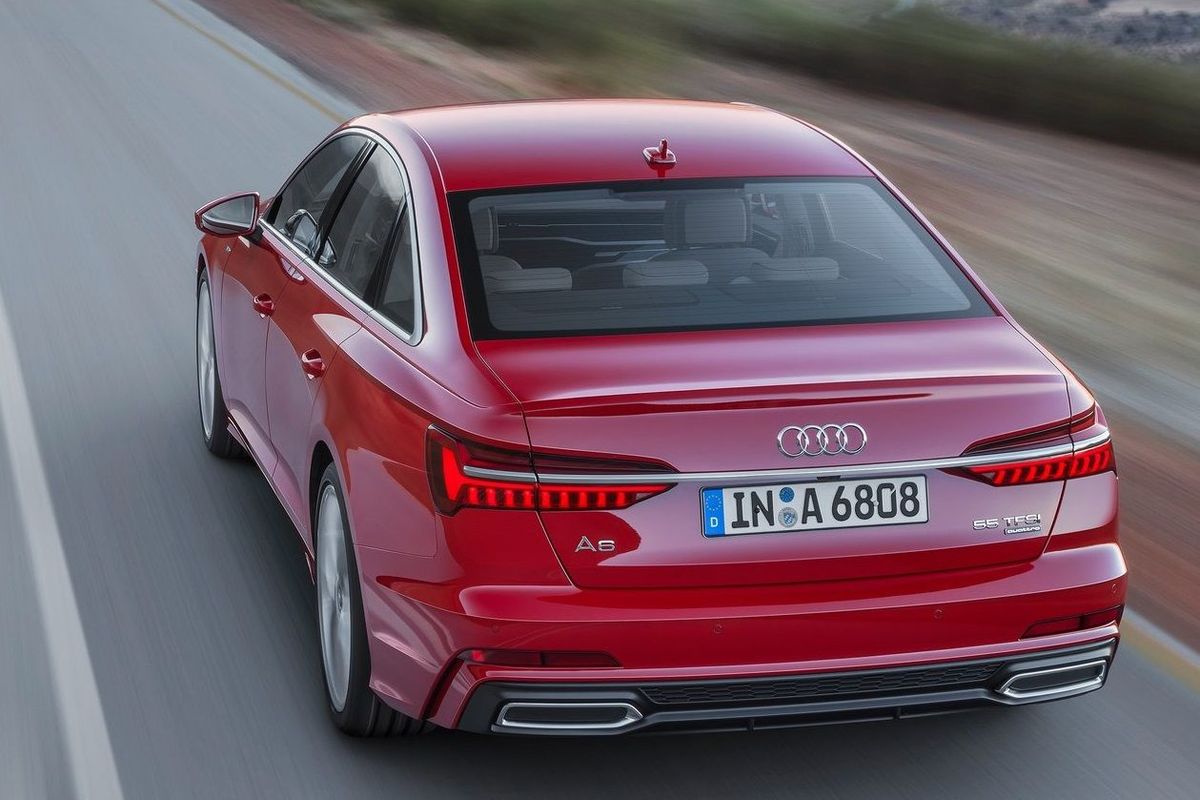
New Audi A6 Revealed


Audi’s new A6 full-size business sedan has been revealed and it’s brimming with technology and edgy styling. Take a look at what the new A6 has to offer!

The current Audi A6 isn't quite a match for the new Mercedes-Benz E-Class and BMW 5 Series, but the Ingolstadt-based firm has now revealed an all-new, eighth-generation A6 that will take the fight to its rivals.

With its exterior design taking inspiration from the A8 and A7 Sportback, the new A6 is sportier and more sophisticated than its predecessor. It’s also bigger in all directions and now stands 4 939 mm long (+7 mm), 1 886 mm wide (+12 mm) and 1 457 mm high (+2 mm).

Design details


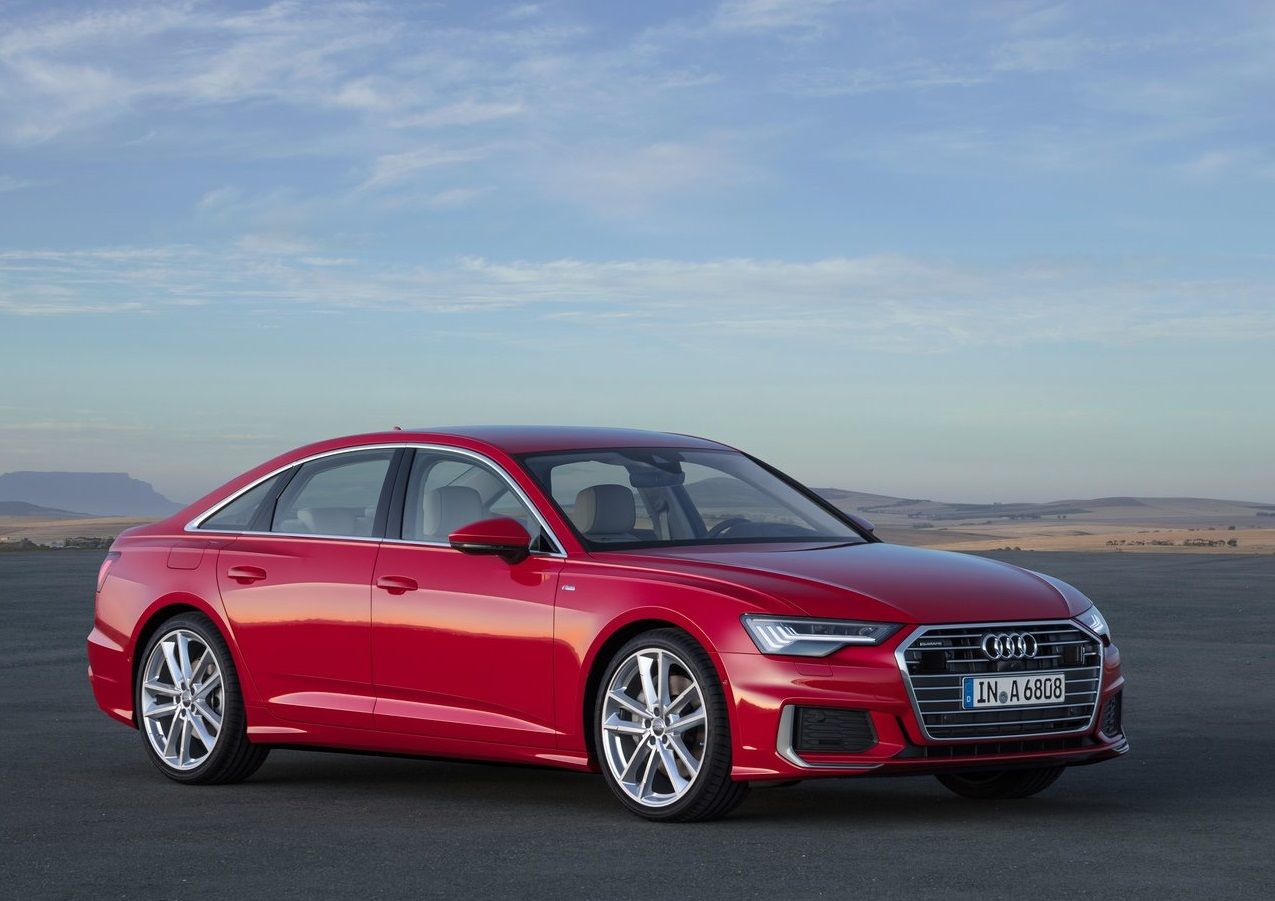
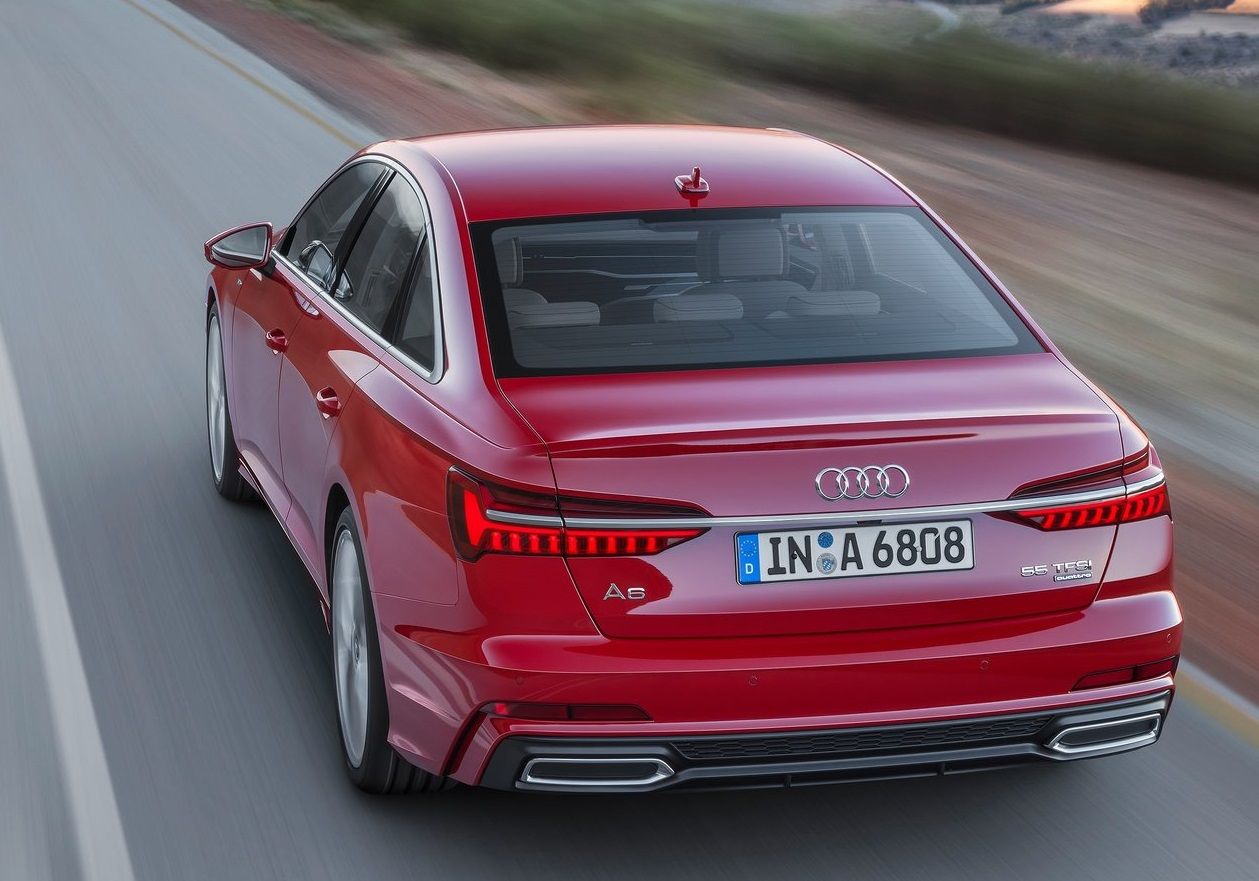
The new A6 is bigger than before and shares styling cues with the new A7 and A8.

The new A6 wears a wide, single-frame grille with large air intakes. Shapely angular headlights are fitted and buyers can opt for HD Matrix LED headlights with striking daytime running lights for maximum visual effect.

Pronounced character lines seen in the side profile give the new A6 a more purposeful look. At the rear, the new A6 features a short boot lid with an integrated spoiler with a striking LED taillight design that comprises 9 vertical elements and chrome strip to finish off the look.

A total of 14 exterior colours will be offered with a choice of various exterior trim lines including Sport, Design and S-Line.

Interior details


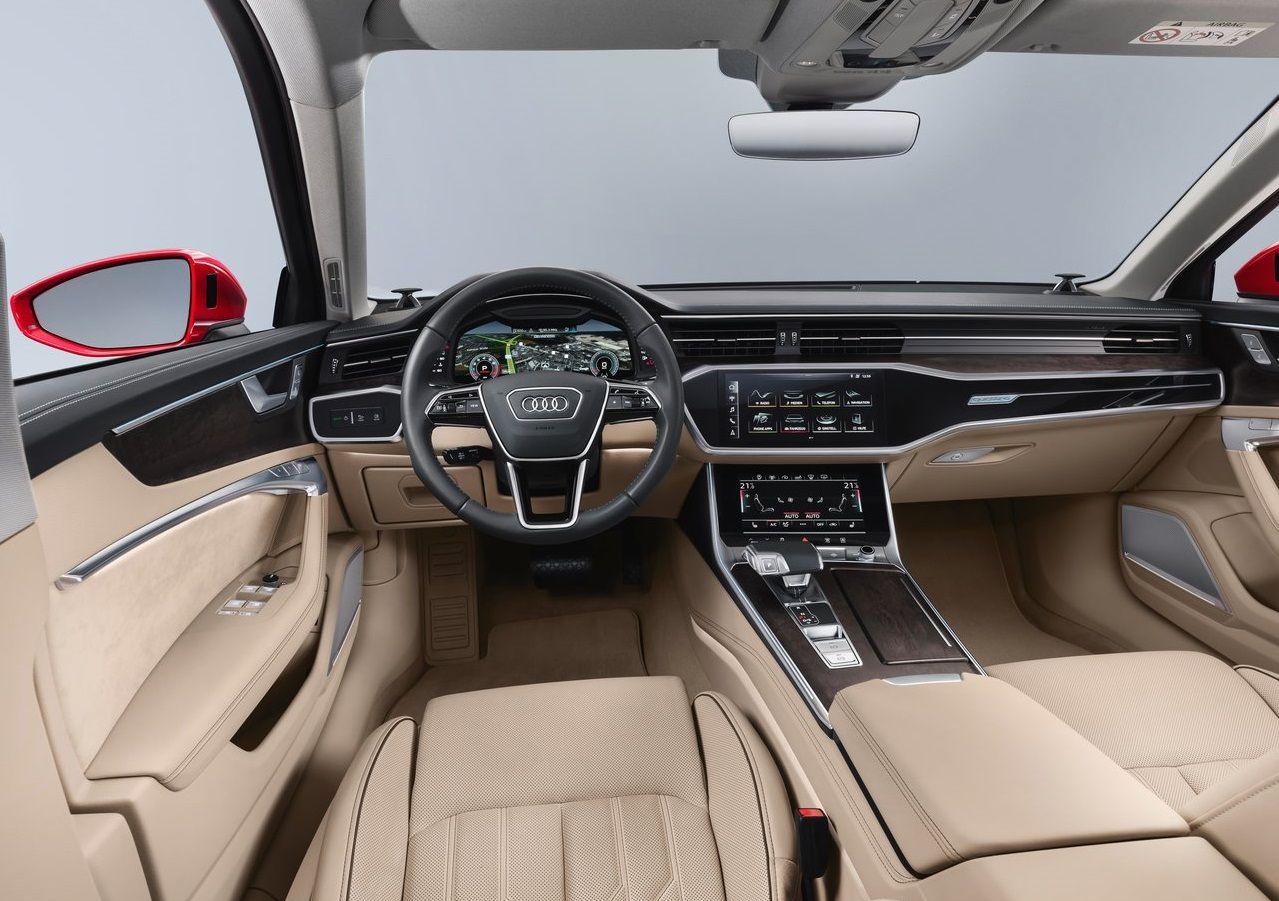
Audi's Virtual Cockpit makes its way into the new A6. The interior is plush with quality finishes. 

The new A6’s interior is very similar to that found in the A7 with high-quality materials and finishes. The A6 will offer a large 12.3-inch digital instrument cluster as well as a 10.1-inch infotainment system as well as an 8.6-inch display that will take care of in-car convenience functions such as air-conditioning and seat settings. The front seats feature heating, ventilation and massage functions for added comfort.

In terms of connectivity, the new A6 is equipped with an MMI touch response system which operates much like a smartphone with drag-and-drop functionality. With a flat menu structure, the system is easier to use. MMI navigation is standard while MMI navigation plus will be offered as an option.

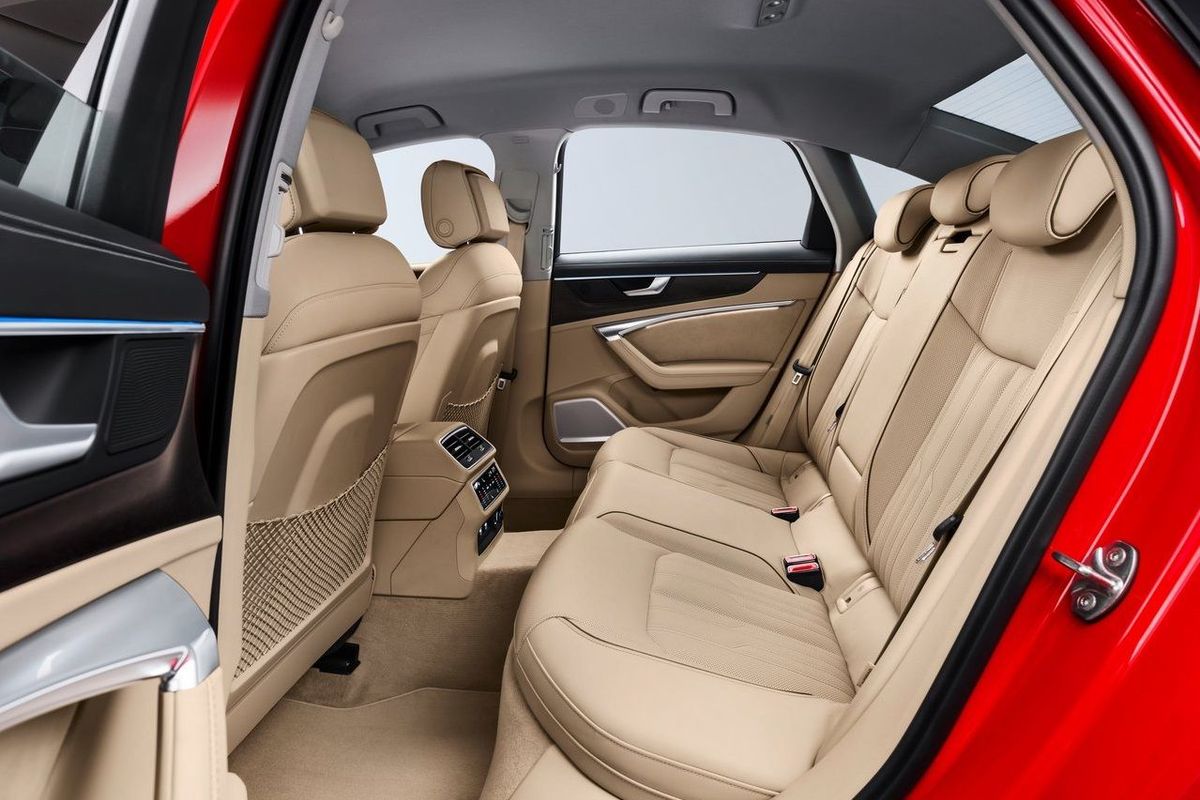
The larger A6 affords passengers more space and legroom, headroom and shoulder room is said to be more generous than before. The boot offers 530 litres of space, which is unchanged from the outgoing A6 and the boot lid can be opened with a kicking motion.

As you can expect, Audi will offer an extensive options list for the new A6 and various interior trims will be available.

Engine choice


Two engines with mild hybrid technology will power the new A6.

All engines offered in the new A6 will feature mild hybrid technology which consists of a belt alternator starter (BAS) which works in conjunction with a lithium-ion battery, contributing to a reduction in fuel consumption by 0.7 L/100km.

In Europe, the new A6 will be powered by a petrol and diesel engine. The turbocharged  3.0-litre V6 petrol engine will offer 250 kW and 500 Nm of torque resulting in a zero to 100 kph sprint time of 5.1 seconds using a 7-speed S tronic transmission. Top speed is limited to 250 kph.

A 3.0-litre turbodiesel will also be offered with 210 kW and 620 Nm of torque, coupled with an 8-speed tiptronic transmission and quattro all-wheel drive will be standard for both engines. The suspension and steering systems have been enhanced and according to Audi, the new A6 is more sportier than the outgoing model.


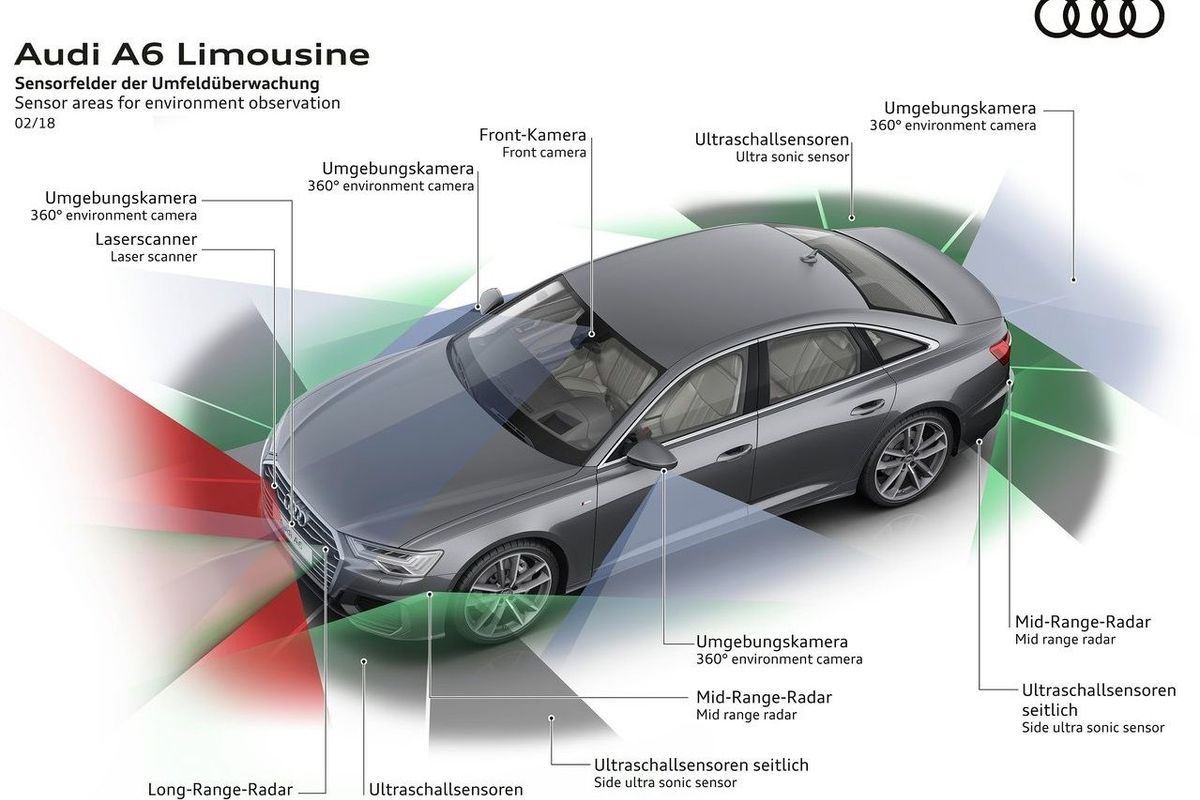
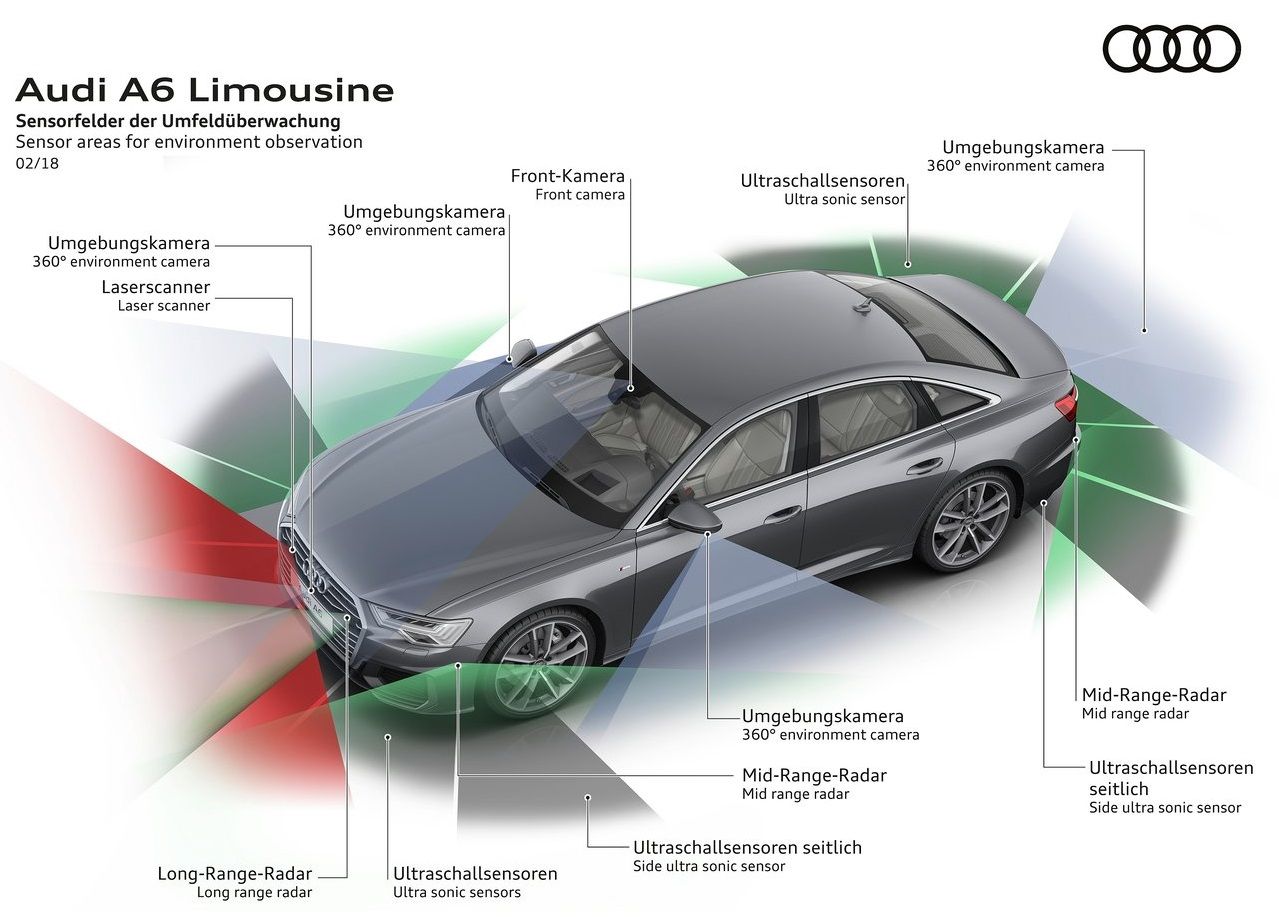
A wide range of sensors and cameras will enable advanced driver assistance in the new A6. 

In terms of driving assistance, the new A6 can be equipped with parking pilot and garage pilot which will allow for autonomous parking using the myAudi app on your smartphone while standing outside the vehicle. These features form part of the Park Assist Package.

There are other packages too such as the City Assist Package with features such as Crossing Assist and Tour Assist Package which includes Adaptive Cruise Assist (supplements the adaptive cruise control with gentle steering intervention) and efficiency assist to promote an economical driving style. The A6 can also be equipped with up to 5 radar sensors, 5 cameras, 12 ultrasonic sensors and a laser scanner to allow for effective driving assistance.   

The new Audi A6 can be expected in South Africa early in Q1 of 2019. We will keep you updated as soon as more information becomes available. 

Buy a new or used Audi A6 on Cars.co.za 

Related Content

New Cars in SA for 2018

Audi A7 Sportback (2018) International Launch Review

Audi S4 quattro (2018) Quick Review

Audi RS3 Sedan (2017) Quick Review

Audi TT RS (2018) Review

Audi R8 V10 Spyder (2017) Quick Review

Design Sequels: 4 That Missed the Mark & 4 That Broke the Mould


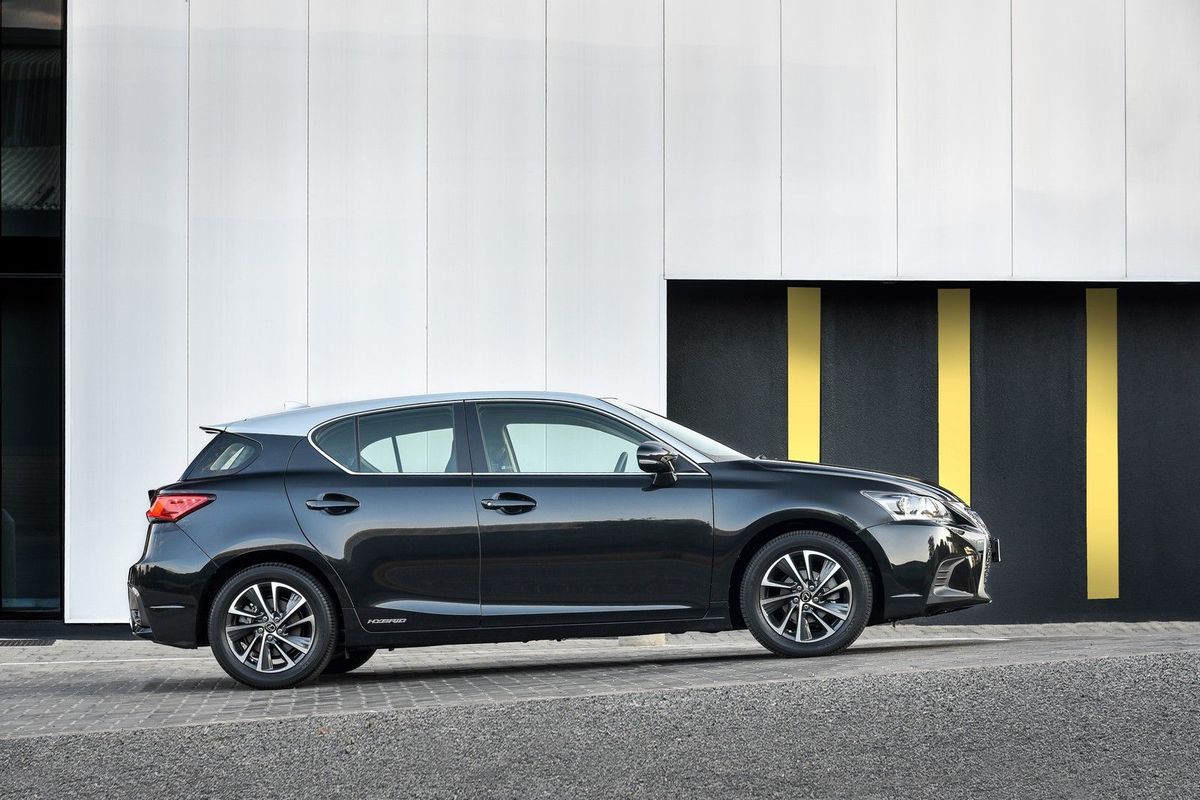
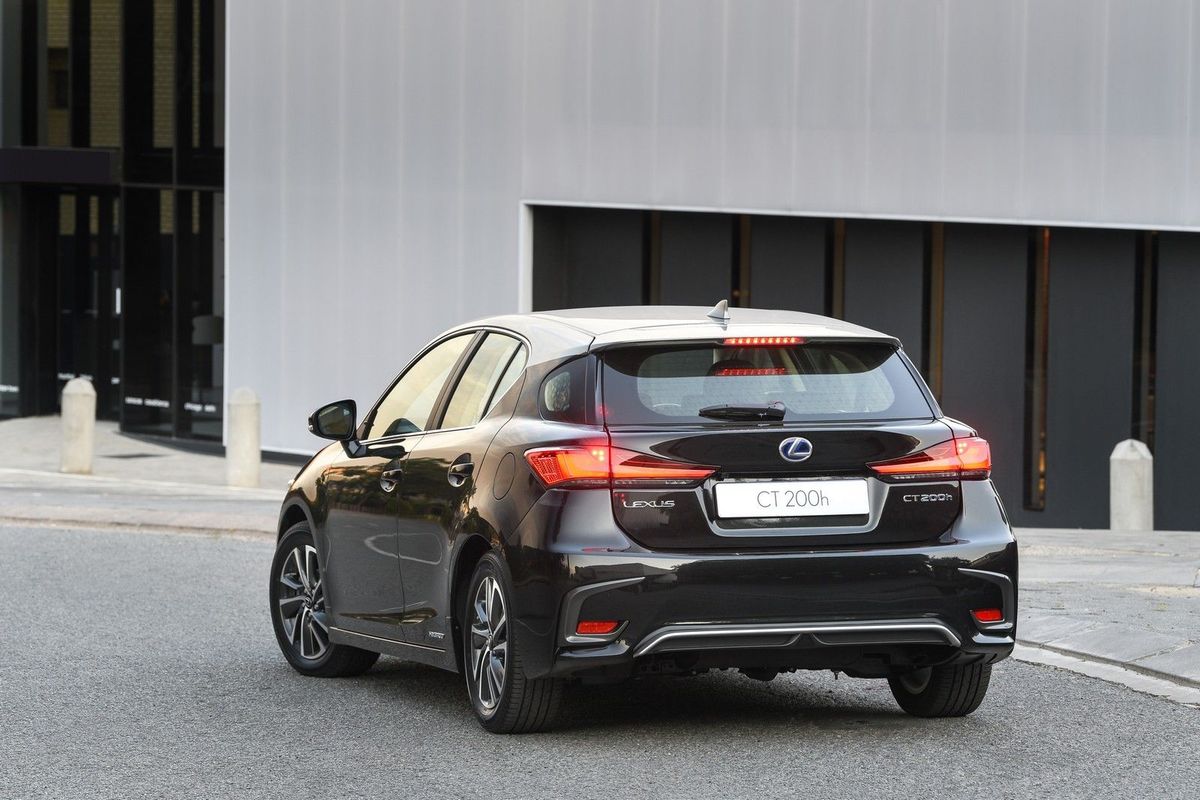
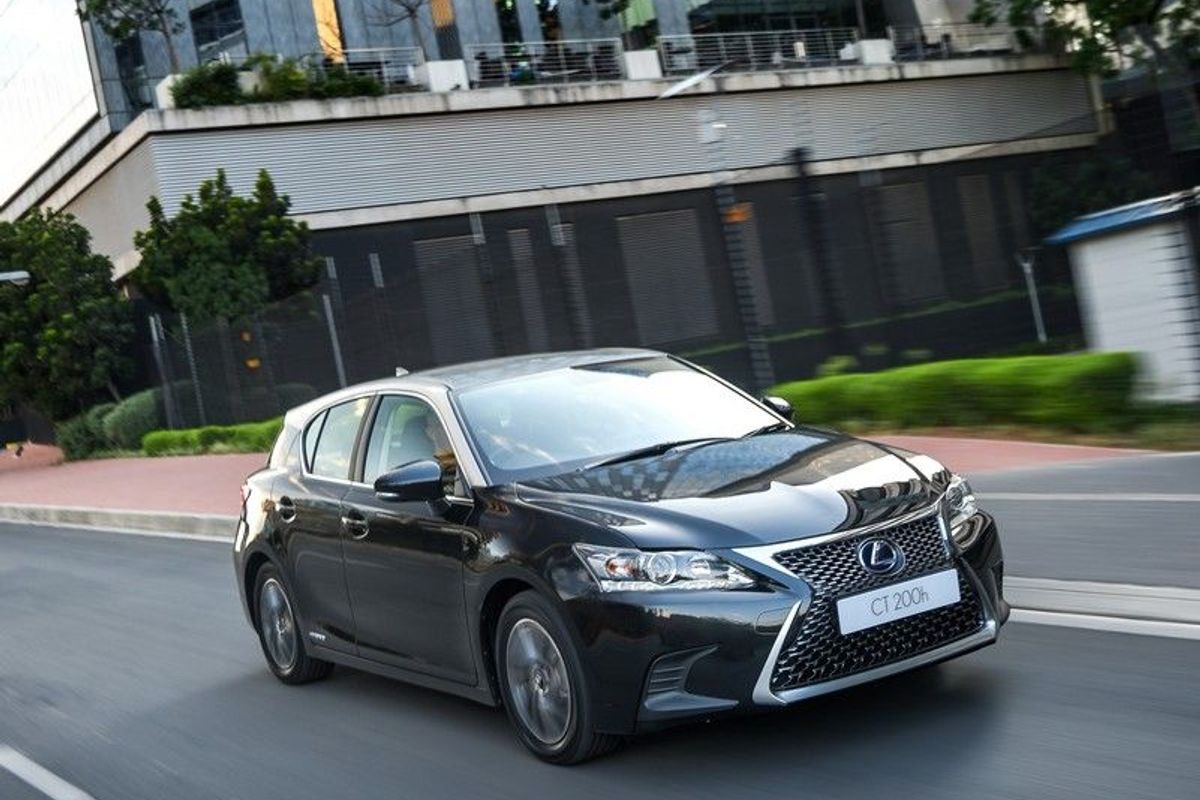
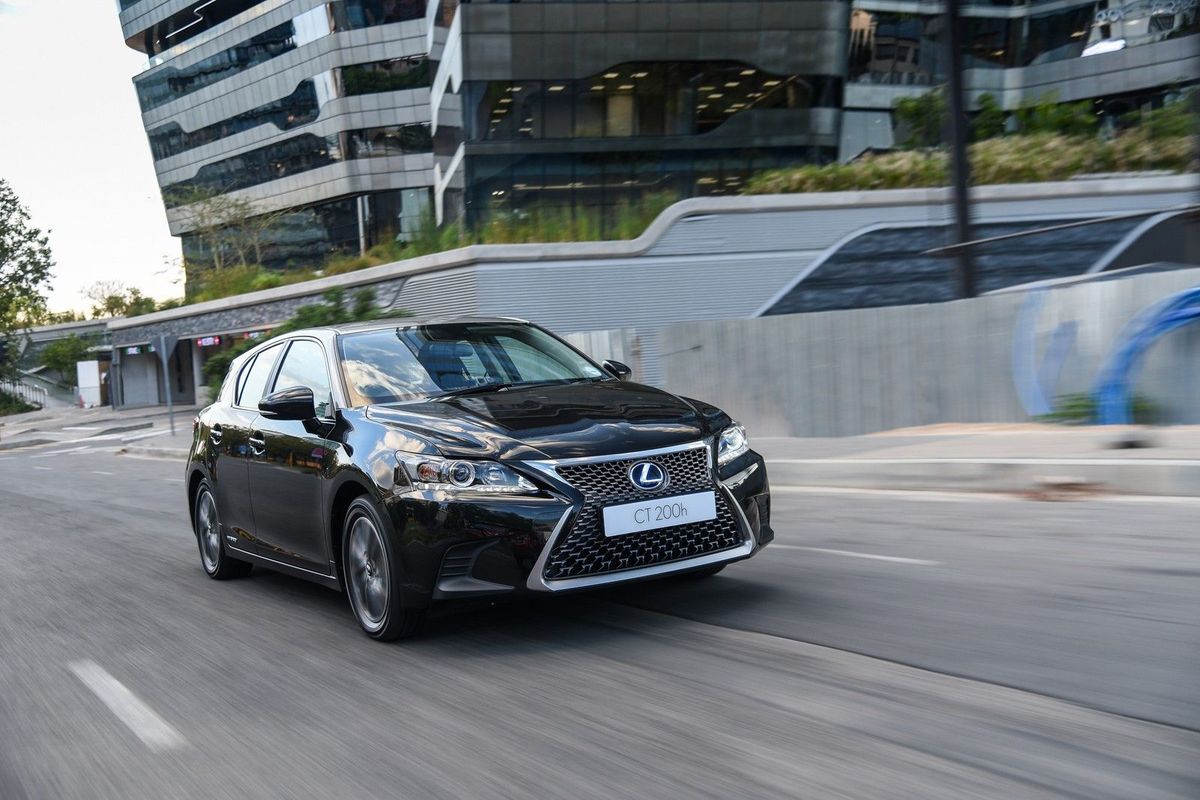
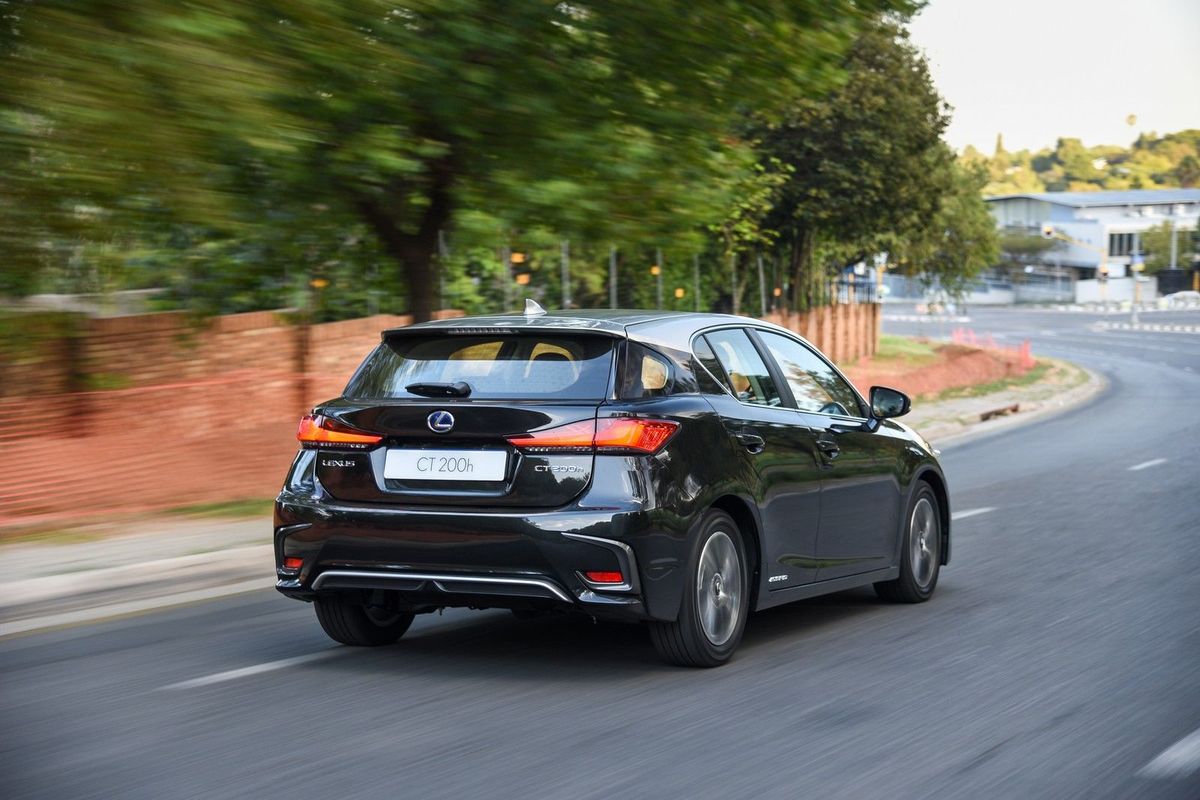
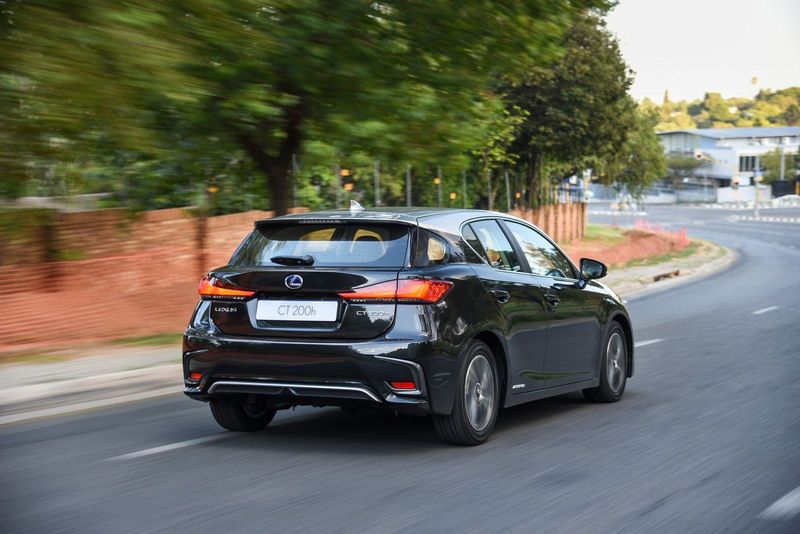
Lexus CT200h Facelift (2018) Launch Review


If fuel efficiency and comfort are what you're after in a premium hatchback, then the Lexus CT200h has you covered. But is there more to this niche vehicle from the premium Japanese carmaker? Francisco Nwamba sampled the facelifted CT200h for a weekend to find out.

Lexus’ mother company, Toyota, has long championed clean driving. This was before other major manufacturers caught up and started playing in the hybrid game in South Africa. Take, for example, the Prius – a car synonymous with efficiency and Hollywood A-listers. As self-righteous as some celebrities may be, the Prius is a very efficient vehicle and has won many awards as a result. The only problem with the Prius, is its “caviar-like” appeal – it’s not exactly gorgeous, is it? This, of course, is a subjective statement but many share the same view, so it’s worth mentioning.

What then if you want to go green with a touch of flair? Enter the Lexus CT200h, a car that has been punted as the most affordable Lexus you can buy. At R529 300, it’s not what the majority of motorists would deem affordable, but then again if you’re looking at buying in the premium sector, you can’t expect a bargain. While the CT200h may not be a bargain, it does possess a unique quality – it’s a hybrid.

Don’t roll your eyes just yet


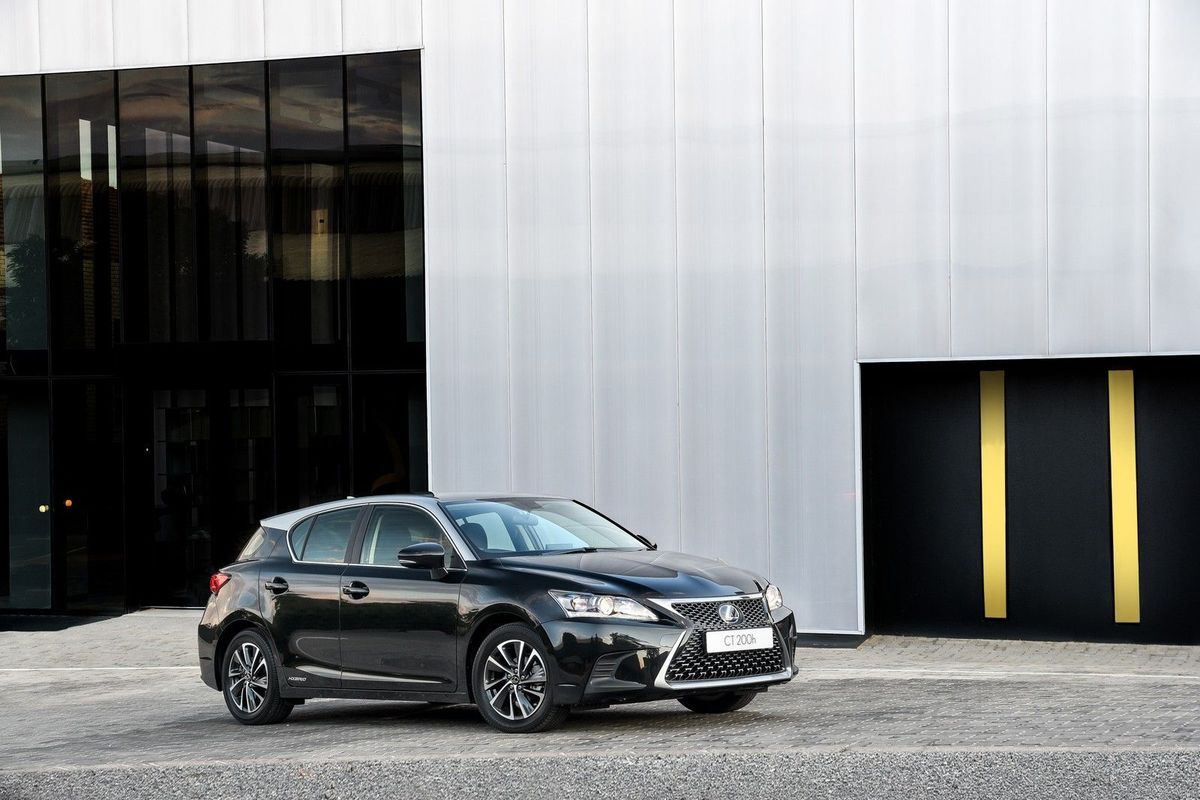
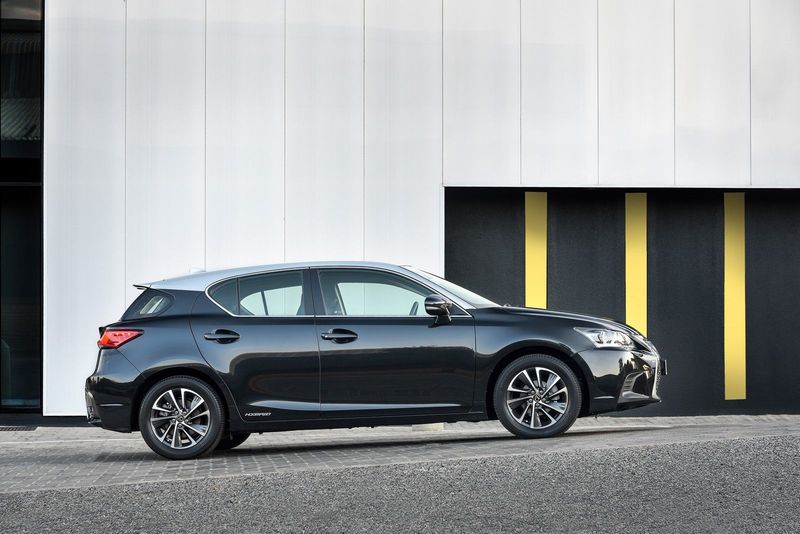
A two-tone roof is a new addition to the facelifted model. New 16-inch wheels also compliment the slight restyle.

The first generation CT200h was introduced in 2011 and all I can remember about the car was that it was a gold and mustard-like colour. Each time I saw one, it was always in that colour. Seeing one was quite rare. The South African market is a difficult one to crack for certain brands and models. Despite the CT200h's success globally, South Africans have preferred German alternatives in the premium hatchback category.

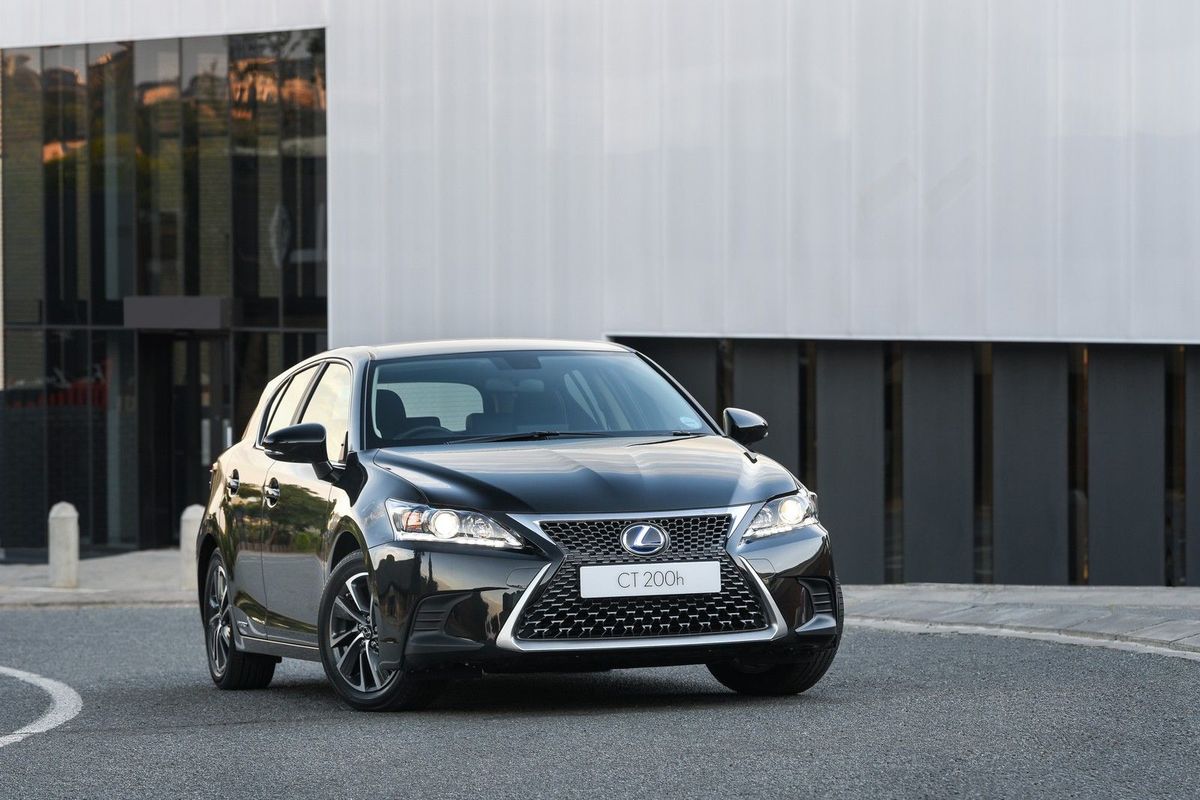
This is intriguing as the CT200h is a presentable vehicle both inside and out. Like most Lexus vehicles, it’s good to look at, especially with the latest exterior updates. The new front grille, the rear and the two-toned roof are the big differentiators between this vehicle the and the first CT200h. New 16-inch alloy wheels have been added, which look a tad small for the size of the vehicle – but have obviously been selected as the most efficient option.

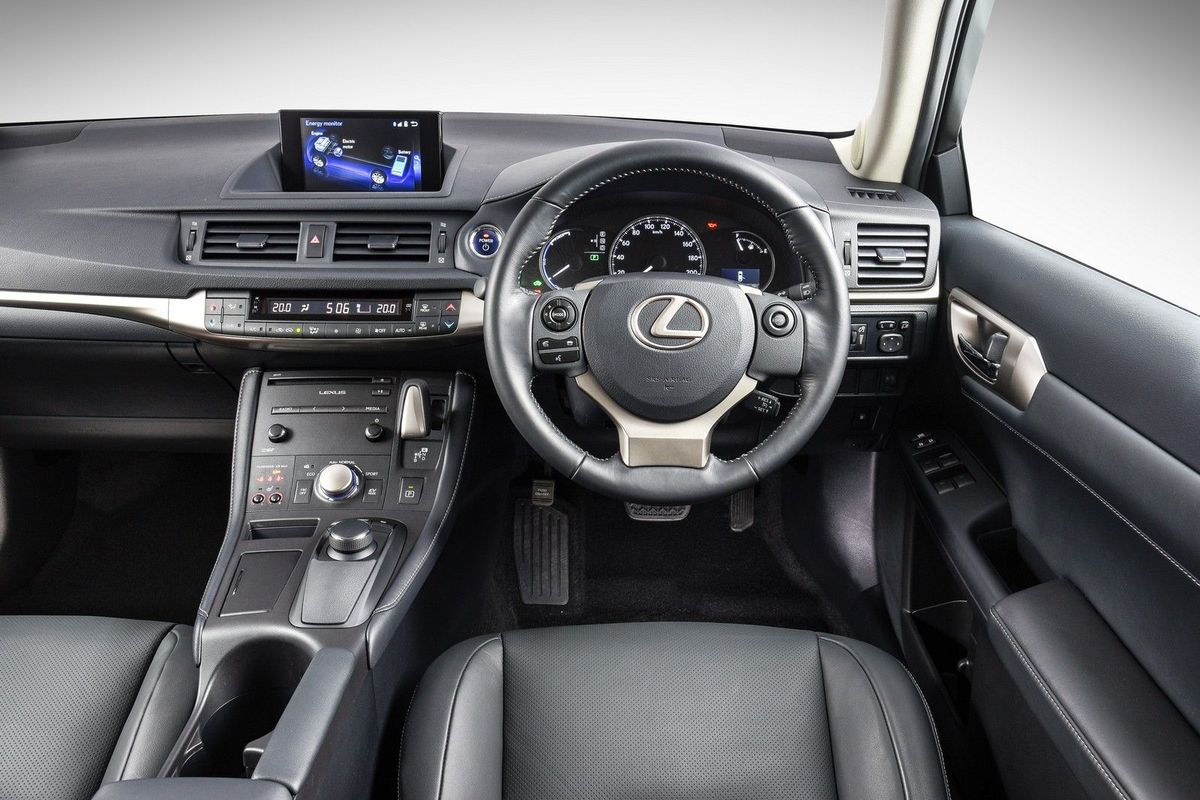
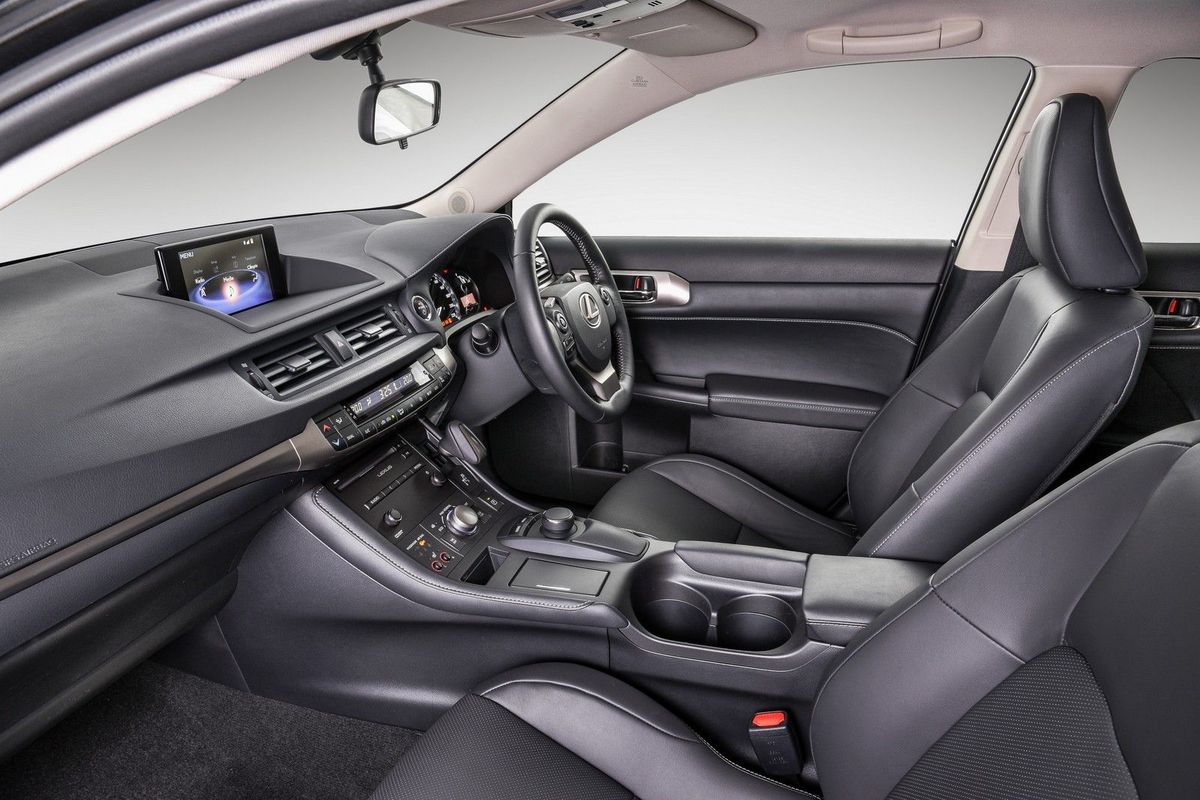
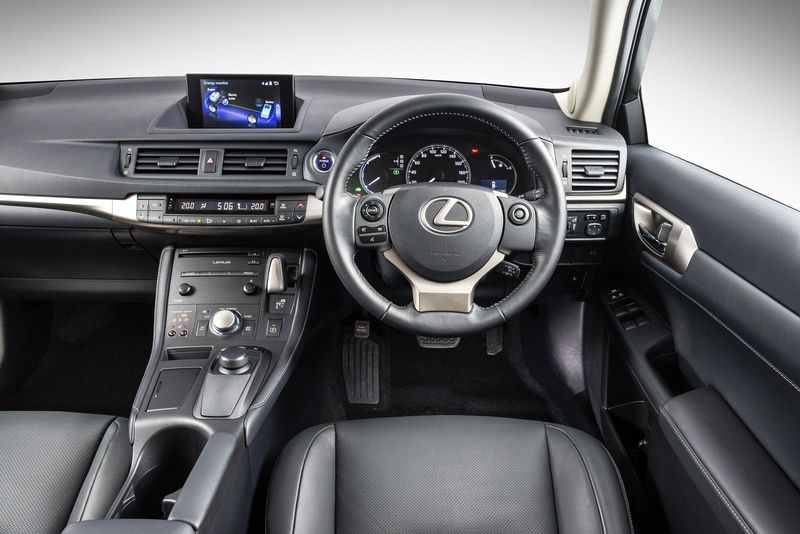
The interior is a mix of Japanese functionality and premium finishes. It’s interesting sitting in a premium cabin such as the CT200h’s with recognisable switches from old Toyotas and Lexus', it’s almost retro but in a charming way. A larger infotainment screen option has been added too, with what felt like the world’s fastest pairing Bluetooth system.

Firing up the vehicle, you instantly realise that this would be the perfect car for those with difficult neighbours, as it starts up without a sound. That’s because the electric motor is what gets you going at start-up. A conservative total output of 100 kW is what the CT200h gives you, with most of the help coming from the 1.8-litre engine. A 0-100 time of 10.3 seconds is not very impressive to read, but the reality is different as this is not a car you buy for performance. On the road, power delivery is much better than you would expect.


Fuel economy is claimed at 4.1L/100 km, a figure that you're likely to get close to in real-world use.

The pairing of these two powerplants is surprisingly enjoyable to drive, especially considering that the CT200h uses a CVT gearbox. It never felt overly sluggish. Instead, you have just enough power to go about your day. In the city, the car is easy to hustle through traffic. CVT gearboxes are often not ideal for zipping through the city, but the CT200h is the best example we’ve witnessed so far.

It’s only on the highway when you flatten the throttle that you feel the continuous ratio working harder. Of course, being a hybrid – the vehicle allows you to select certain modes, namely EV, ECO and SPORT. In Normal mode, the car decides which application is best and it’s sometimes disturbing yet intriguing to find yourself in a silent vehicle that’s still moving. The use of EV mode in traffic was an enjoyable experience. Only after 45 kph does the car switch over seamlessly.

The displays on the instrument cluster allow you to see when you’re charging the battery and using regenerative braking. The hybrid’s real bonus is that there’s no need to charge it, alleviating any range anxiety that usually comes with a plug-in electrified vehicle. Overall, the whole point of this vehicle is for it to be efficient, and that it is. Lexus claims a combined figure of 4.1L/100 km which is excellent. In real-world terms, over a weekend of driving the vehicle, the fuel needle moved not even half a centimetre, proving that Lexus' claim is mostly achievable.

Another impressive feature in the CT200h is the level of comfort the vehicle delivers. It’s damped exceptionally well, yet nimble enough to not feel cumbersome. It’s not a small hatchback either, allowing 4 adults to fit in comfortably in the front and rear. With a 60:40 rear split seat and 375-litres of luggage space, eco-conscious young families can enjoy the CT200h as well.


Lexus interiors are always well-built and luxurious but perhaps lack a bit of flair and creativity.

In conclusion

The updated Lexus CT200h is a reminder of the versatility found in the premium hatchback segment. If you want something German and sporty, you know where to go. If you want something German and affordable, you know where to go. If however, you want something different, something efficient and even eccentric – The Lexus CT200h is something that may appeal to you. It’s a very niche offering in a conservative market. Once upon a time, the Prius was a foreign concept, but it became a very popular vehicle in the end. The CT200h is ahead of its time in this segment locally, but if Lexus is patient, it could pay off in the long run.

Related content

Updated Lexus CT 200h (2018) Specs & Price

New Cars in SA for 2018

Mercedes-Benz A-Class (2019) Revealed

Toyota Prius Hybrid (2016) Review

Searching for a used CT200h?

Start your search here

New Polo Vivo vs Old Polo: How different are they?

The perception that the new Volkswagen Polo Vivo is merely a rebadged version of the outgoing Polo has caused an outcry on social media. How much truth is there to that (seemingly alarmist) claim? It’s time to lock in some facts and set the record straight.

Welcome to 2018 – both a new Volkswagen Polo and Polo Vivo have been launched in the South African new vehicle market. However, while the Polo itself has grown up and is almost a Golf competitor, the Vivo has drawn the most attention. At first glance, it looks uncannily like the previous generation Polo and our social media channels have been bombarded with complaints, insults and jokes. One particular joke claims that all TSI owners need to visit their dealerships as part of a factory recall so the TSI badge can be replaced by a Vivo badge.

How true is this? Is the new Vivo the same car as the previous generation Volkswagen Polo? In this article, we’re going to compare the old Volkswagen Polo to the new Vivo in terms of exterior looks, interiors and engines.

Volkswagen has never marketed the Vivo as anything other than a more affordable derivative of the Polo and as we said in our launch drive, it’s unreasonable to expect Volkswagen SA to develop a budget-friendly car replete with a complete redesign. 

New Polo Vivo vs Old Polo: What’s the difference?

Exterior Looks

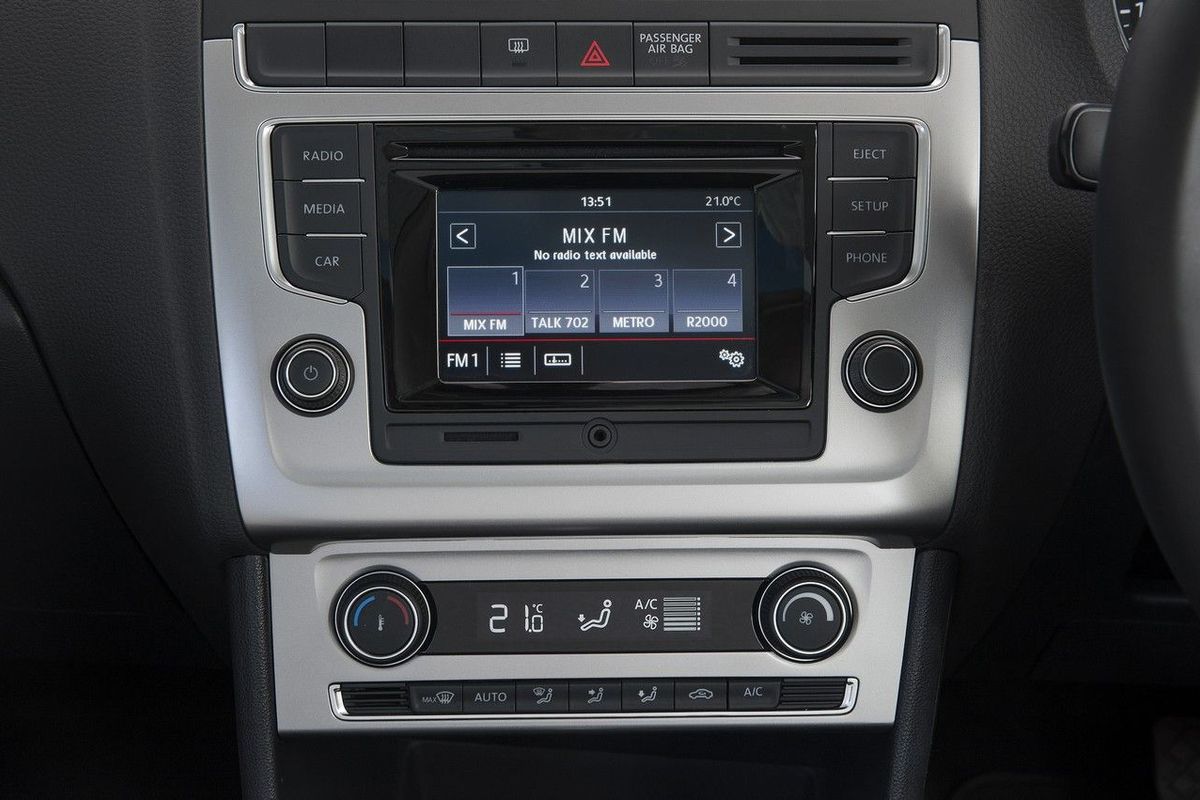
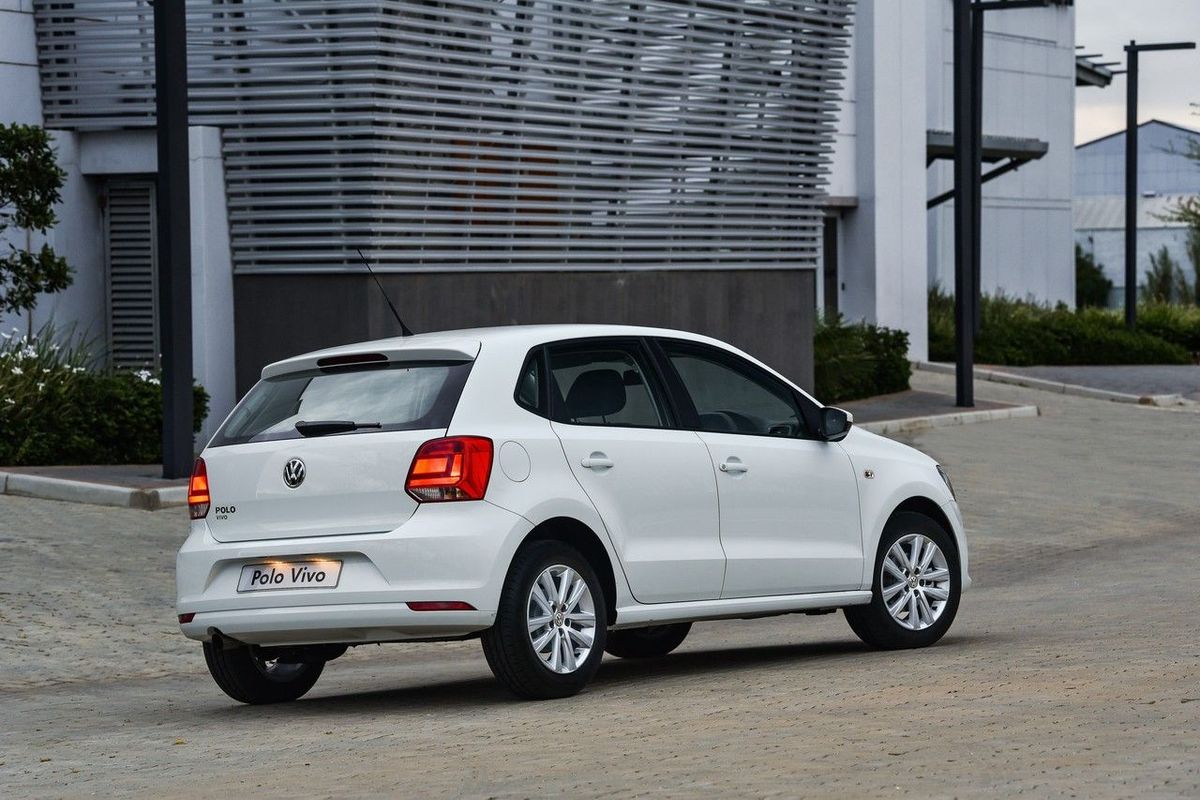
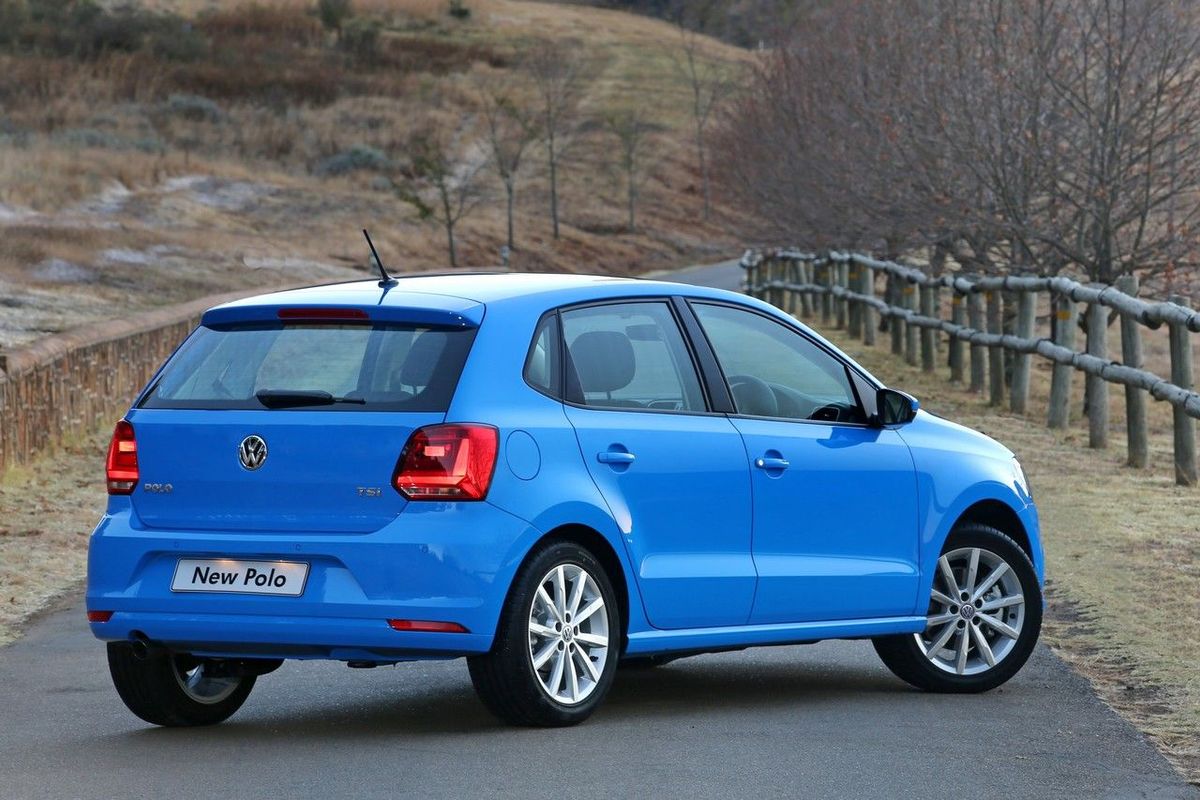
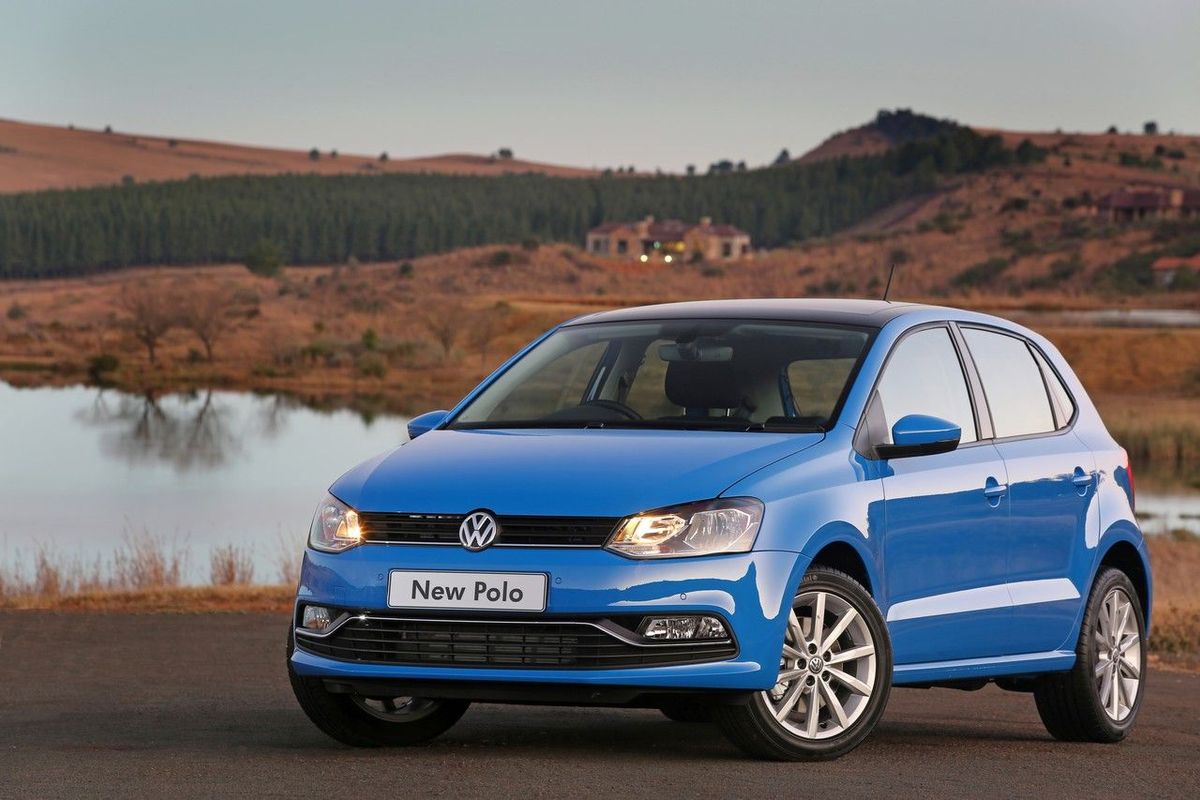
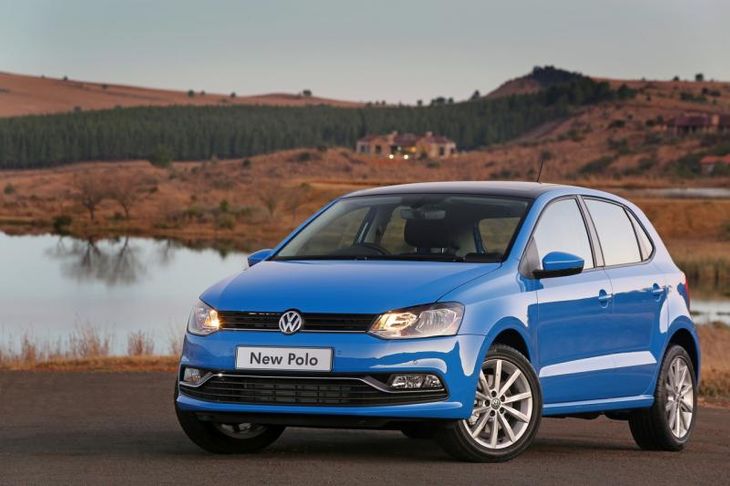
Here you can see a few changes between the Volkswagen Polo and the new Vivo. The headlight design is slightly different, there’s a new upper and lower grille, the indicator lenses have been moved from the side mirrors to just behind the wheel arches… and there are different wheel designs.

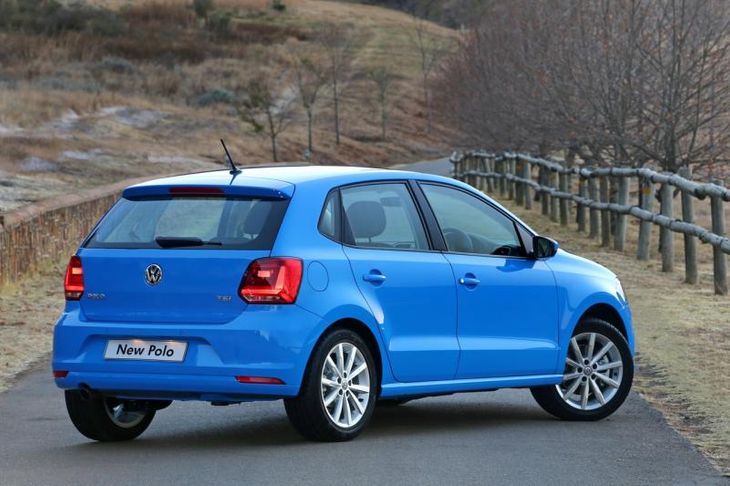
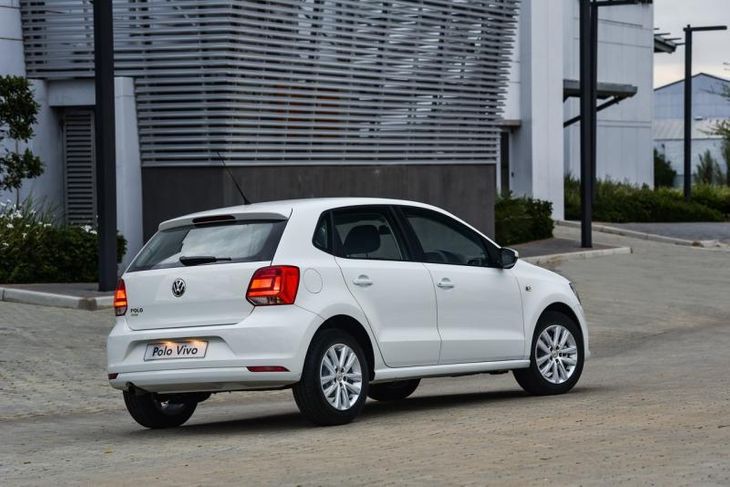
The rear design has not changed much from the previous Polo to the Vivo, other than the redesigned tail lights and the switch from a plastic badge to a sticker.

Cabin and Interior Differences

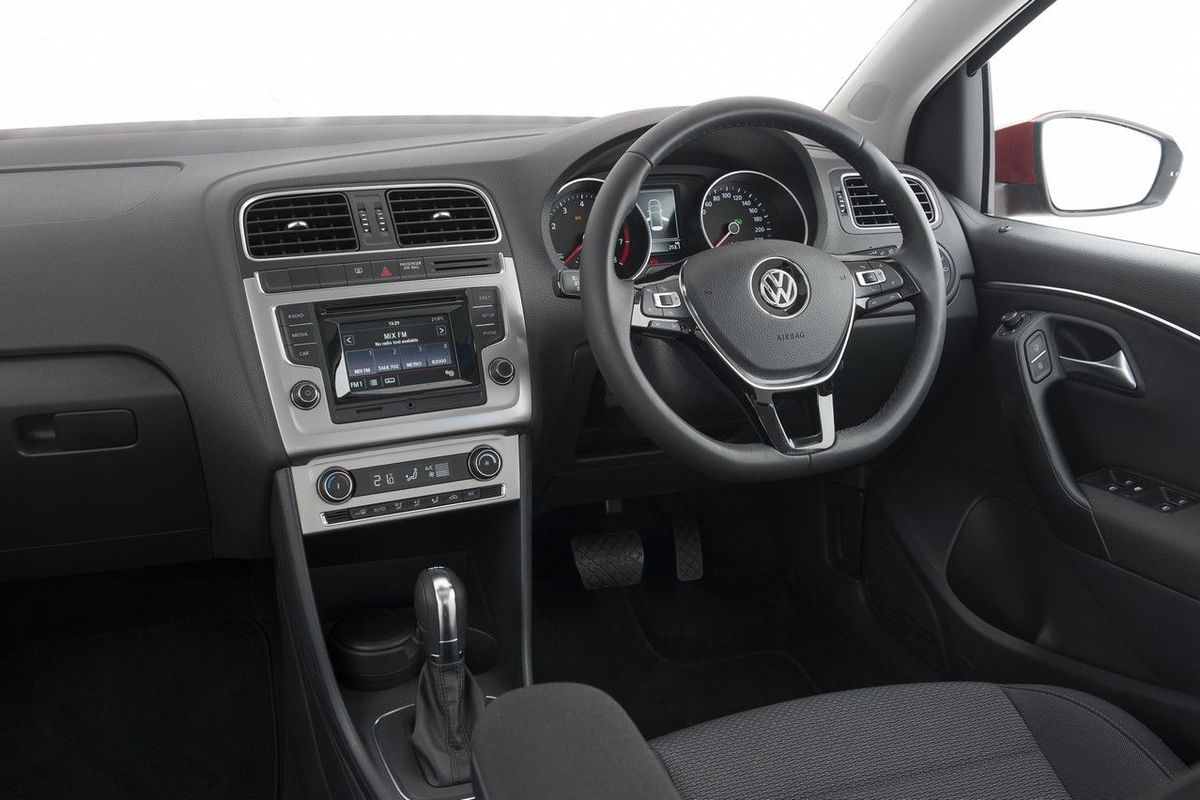
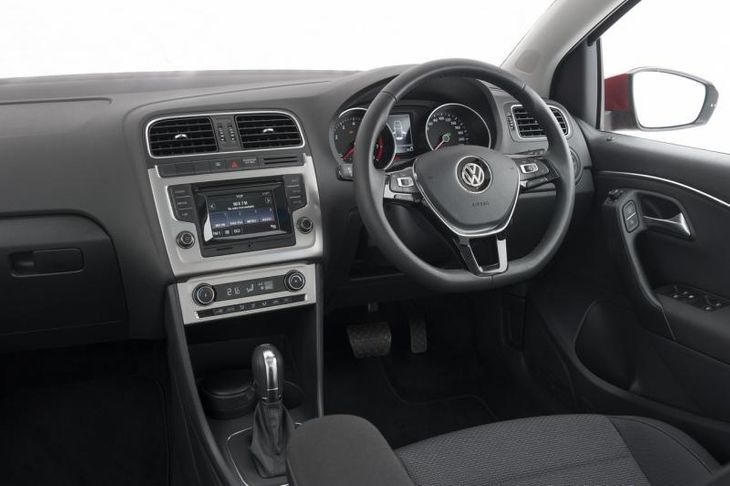
There are many differences between the cabins of the previous Volkswagen Polo and the new Vivo. There are no electric windows in the Vivo, the wing mirrors can only be adjusted manually, the steering wheel has fewer buttons, while the instrument panel does away with the tunnel effect dials. There are also different materials used in the trim and upholstery.

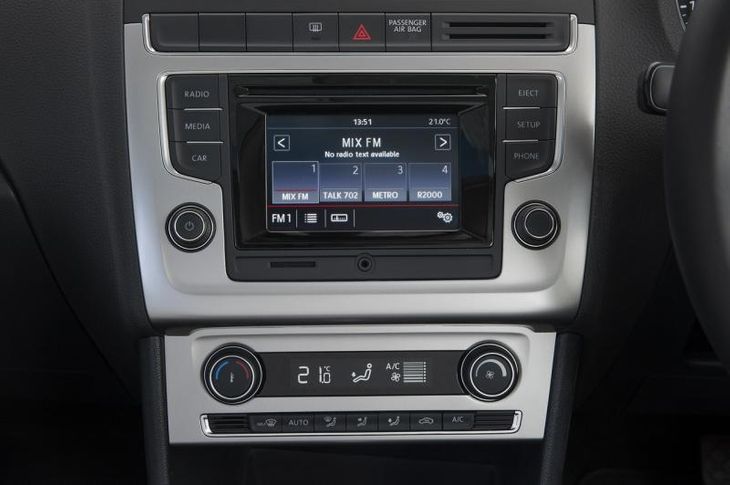
The infotainment system in last year’s Volkswagen Polo is bigger and more comprehensive than the one offered in the new Vivo. Despite its smaller screen and reduced features, it still gets the basics right and boasts an SD card rear, aux input and USB port. 

From this comparison, you can see the outgoing Polo has more features than the Vivo. There are also many changes which you can’t see unless you pull the cars apart.

We suspect that the new Vivo has a bit less sound-proofing material, for instance. Despite the removal of components such as rear electric windows, the Vivo still feels like a quality offering and represents a big leap forward for the budget car segment as a whole.

Engines and Transmission

The Volkswagen Polo is powered by a 4-cylinder, 1.2-litre turbopetrol engine offering 66 kW with 160 Nm of torque. Top of the range models in the new Polo lineup get an 81 kW and 175 Nm version of this engine. The range also included a 1.0-litre turbo offering 81 kW and 200 Nm, which was introduced towards the end of its lifecycle. The 1.4 and 1.6 naturally-aspirated engines were also available on the entry-level models and were carried over through to Vivo. This Polo saw the dual-clutch DSG transmission make its debut.

The Vivo makes do with naturally-aspirated engines from the predecessor, however, these have been optimised for improved fuel consumption. Kicking off the range is a 55 kW/130 Nm 1.4-litre Trendline, followed by the same engine albeit with a tad more power. It’s called the Comfortline and it features 63 kW and 132 Nm. The next step up is the 1.6-litre 77 kW and 153 Nm, which is available in both manual and automatic. Finally, a turbocharged engine makes its debut in the Vivo range, with a 1.0-litre turbocharged mill boasting outputs of 81 kW and 200 Nm. In terms of transmission, a manual gearbox is available as well as a Tiptronic automatic.

Frequently Asked Questions

Is the Volkswagen Polo Vivo a good car to buy in South Africa?

The Vivo has a strong reputation in South Africa and is a consistent top-seller. It is often considered a reliable, affordable, and practical choice for everyday driving, with a strong focus on build quality. Its popularity also means there is a good market for used models and parts are readily available.

Where is the Volkswagen Polo Vivo manufactured?

The Volkswagen Polo Vivo is proudly manufactured in South Africa at Volkswagen’s plant in Kariega (formerly Uitenhage), Eastern Cape.

What are the engine options for the Volkswagen Polo Vivo in South Africa?

The Vivo range in South Africa is available with several engine options, including naturally aspirated 1.4-litre and 1.6-litre petrol engines. The top-of-the-range GT model features a 1.0-litre turbocharged TSI petrol engine.

What is the Volkswagen Polo Vivo’s safety rating?

The Vivo has a 4-star Global NCAP safety rating for Adult Occupancy Protection and a 3-star rating for Child Occupancy Protection. Key safety features include driver and passenger airbags, ISOFIX mounting points, and in some models, Electronic Stability Control (ESC) and side airbags.

Related Content 

VW Polo Vivo (2025) Specs & Price 

Reviews 

Volkswagen Polo Vivo (2018) Review

Volkswagen Polo Vivo GT (2018) Review

Volkswagen Polo Vivo GTS (2016) Review

General

Fuel Efficiency Tips for Your Vivo

5 Used SUVs To Buy For the Price of a Vivo

5 Alternatives to the New Vivo

Toyota Auris to make Geneva Debut


Toyota will be showing off an all-new Auris hatchback at the 2018 Geneva Motor Show. Here's what we know so far.

Thanks to this teaser image, we can see the new Toyota Auris' shape. Usually, the Geneva Motor Show is dominated by the European brands, but Toyota is determined to steal some of the limelight. The new Auris is Toyota's shot at the tough C-segment hatchback market, which is dominated by the Volkswagen Golf, Ford Focus, Opel Astra and Renault Megane.

Toyota's products have often been accused of having plain styling, but then the C-HR came along and proved the critics wrong. We're hopeful that the new Auris has at least a few of the C-HR's striking elements. Given its love for hybrids, we'd be surprised if we didn't see a new Auris powered by a petrol engine with an electric assist. 

Along with the new Toyota Auris, the Japanese manufacturer has confirmed that it'll be revealing a sportier vehicle. According to the press release, there will be "a modern racing concept which signals its commitment to bring the brand’s most iconic sports car back to the market.” Does that sound like a Toyota Supra? That sounds a lot like a Supra. Also, expect to see the new Aygo.

Further Reading

Updated Toyota Aygo Headed for Geneva

Toyota Yaris 1.5 Sport (2018) Review

Toyota RAV4 Updated in South Africa

Toyota C-HR (2017) Specs & Pricing

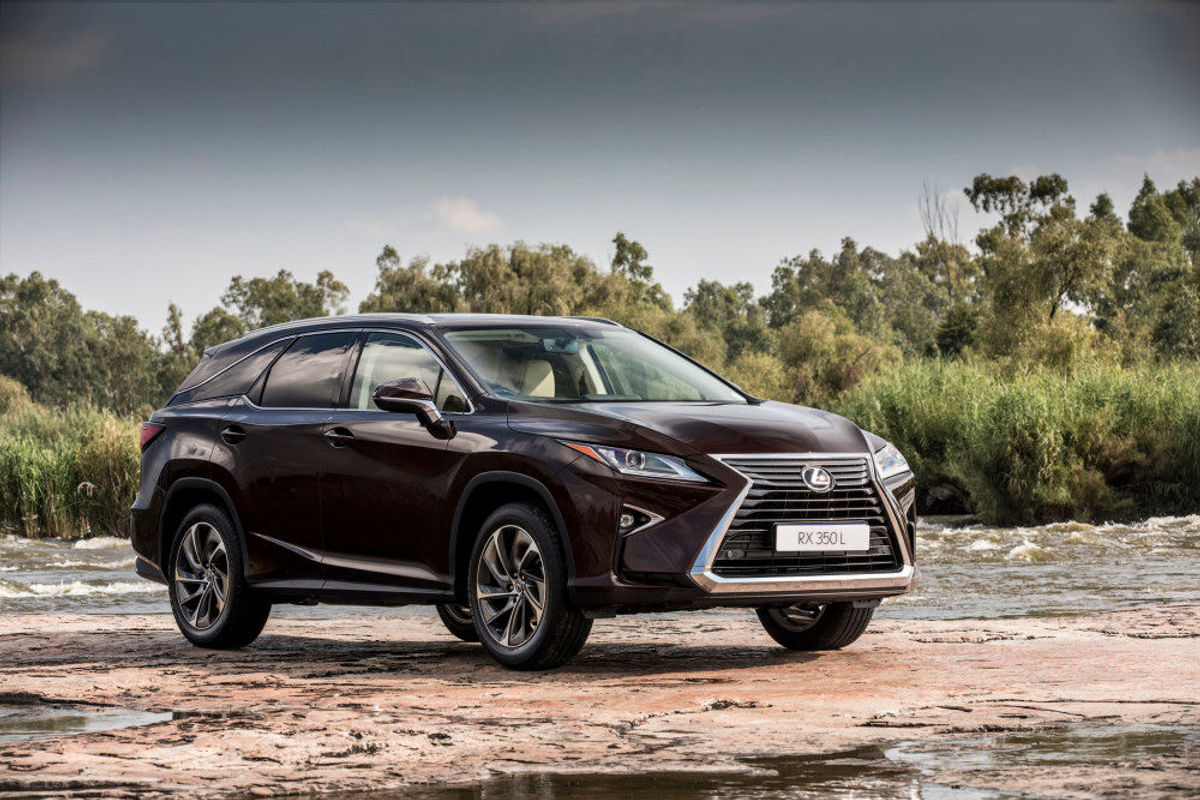
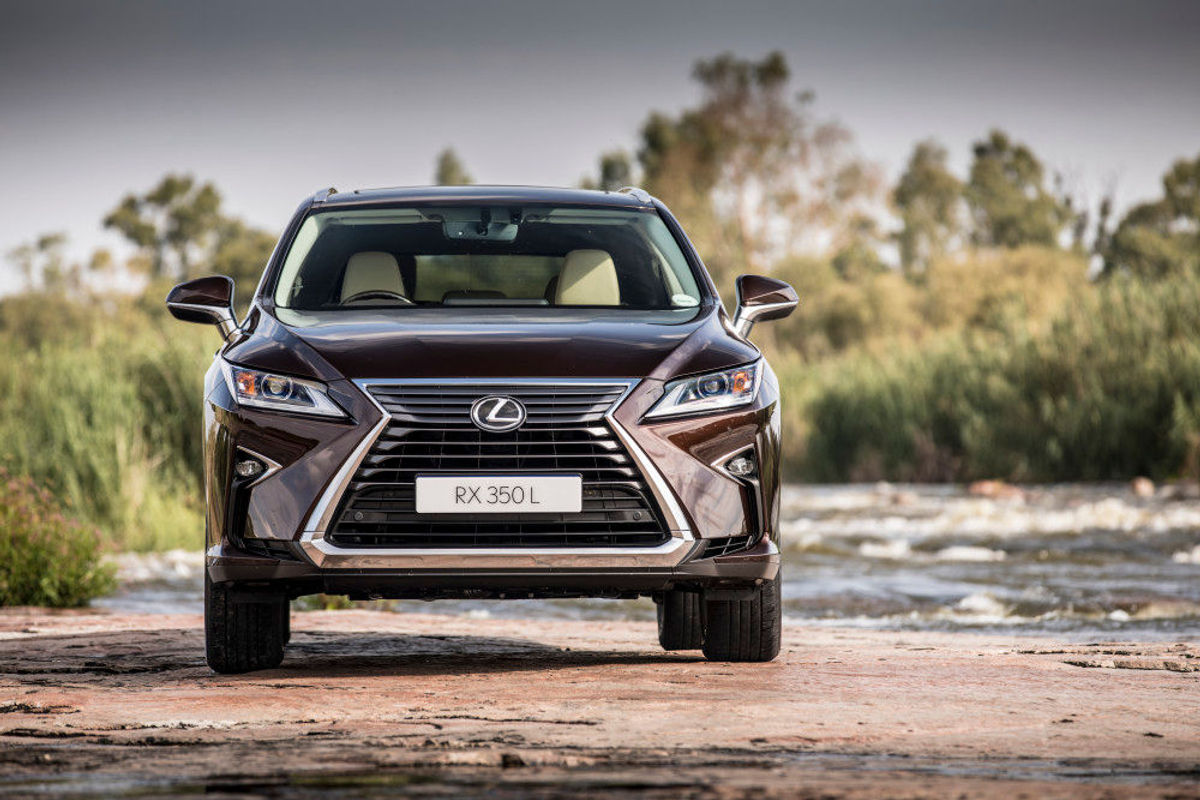
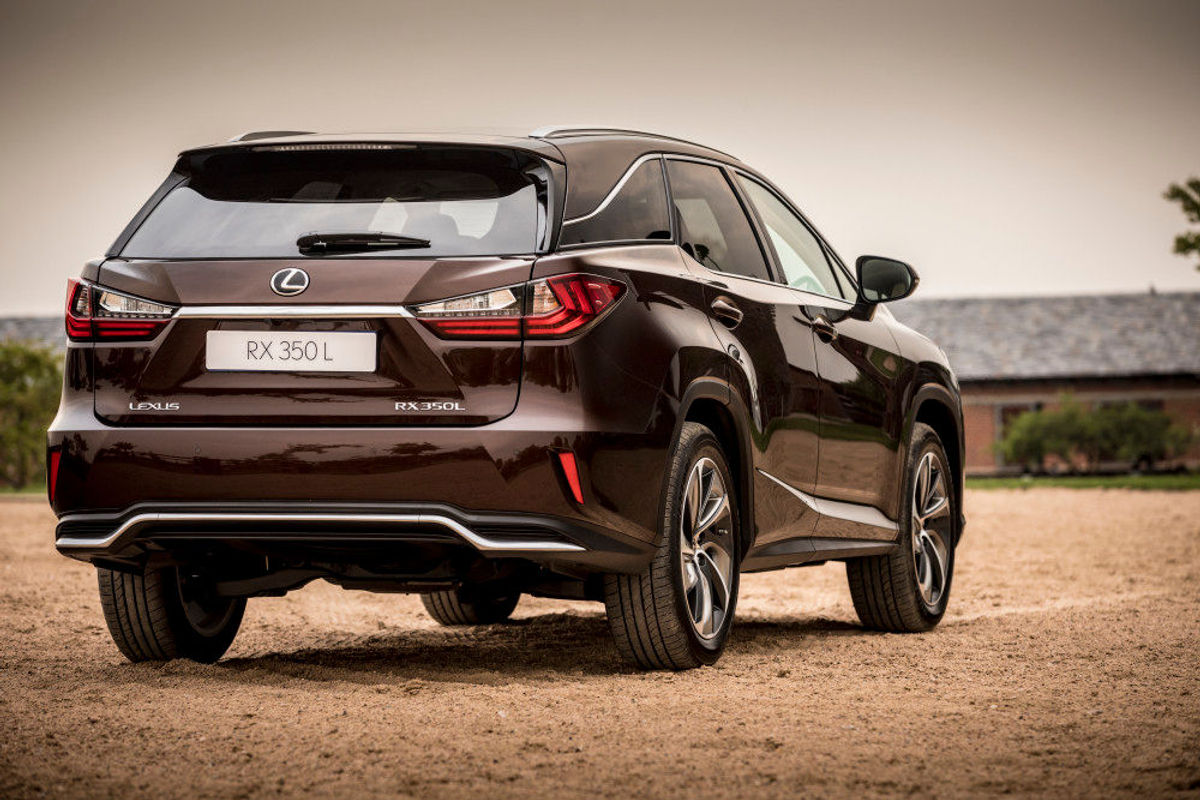
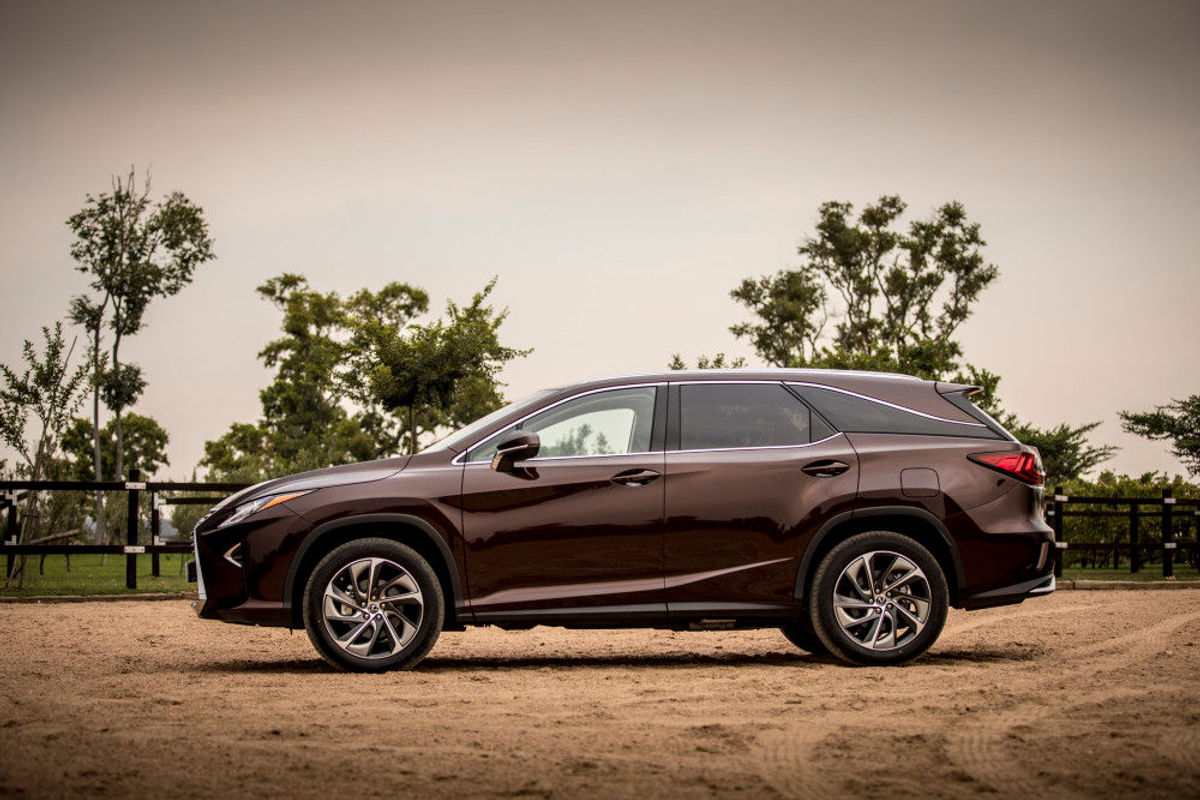
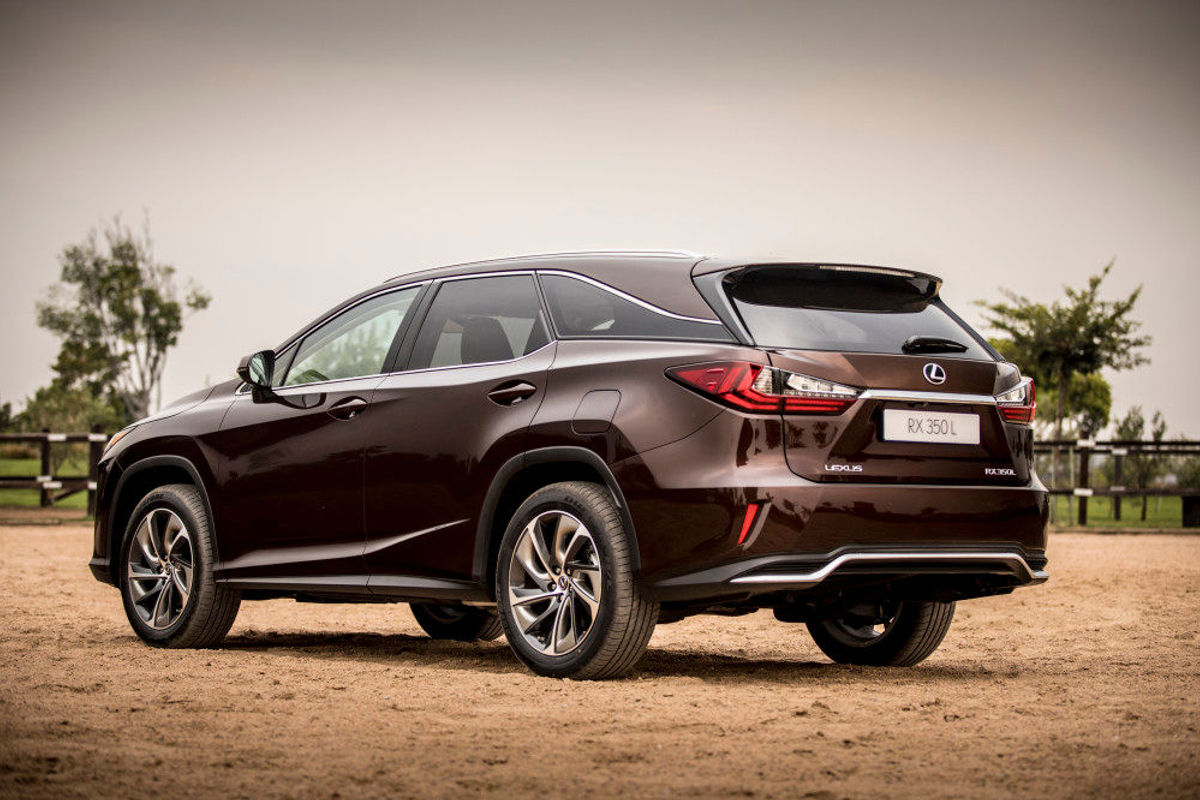
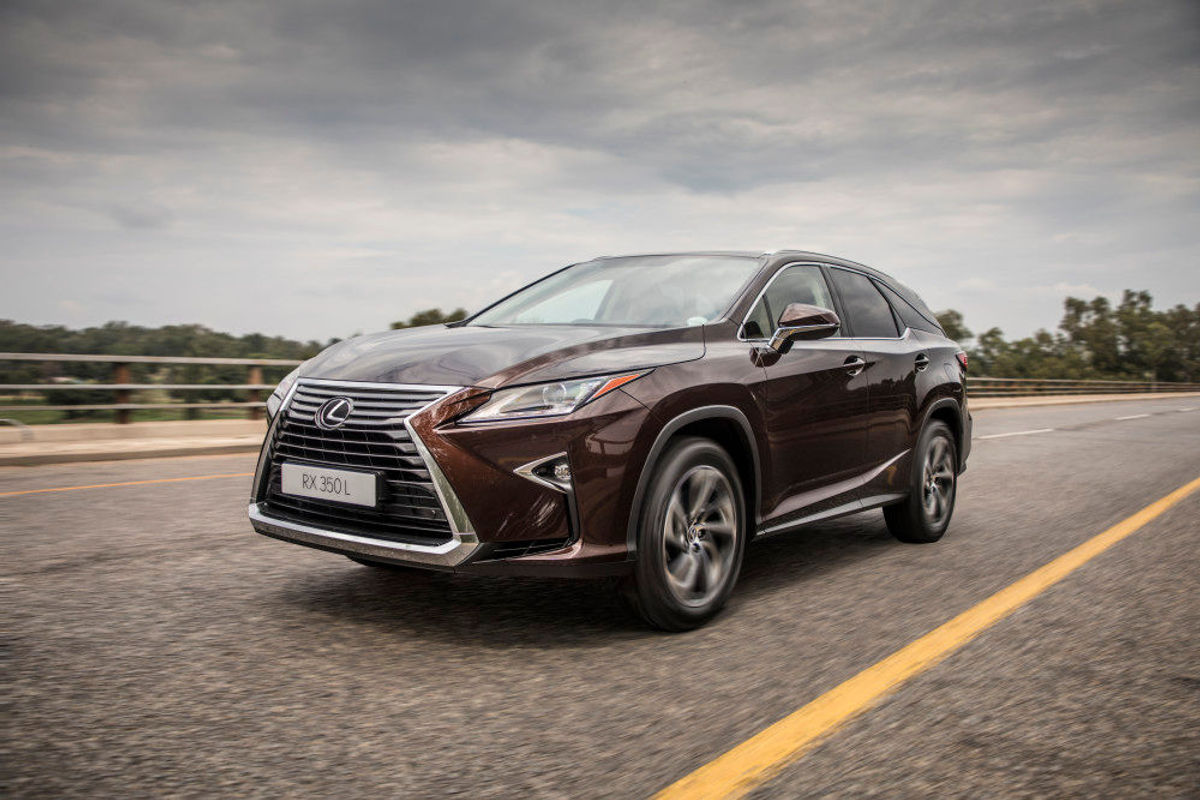
Lexus RX 350L in SA (2018) Specs & Price


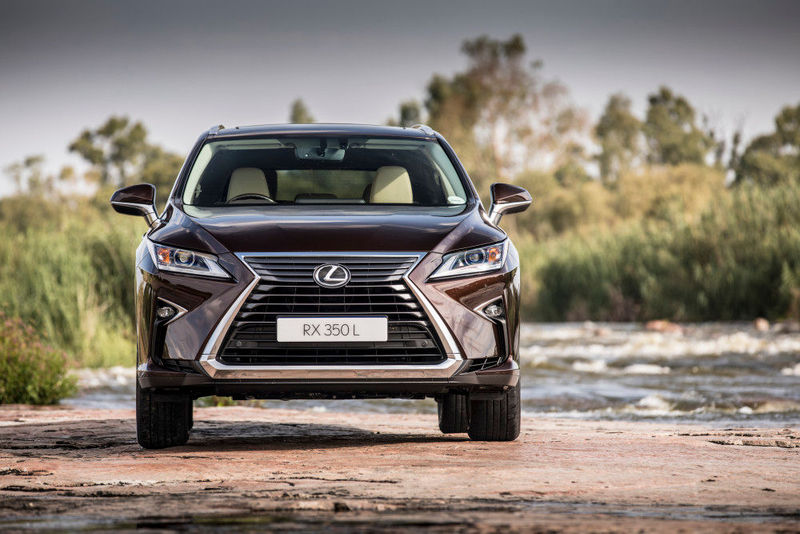
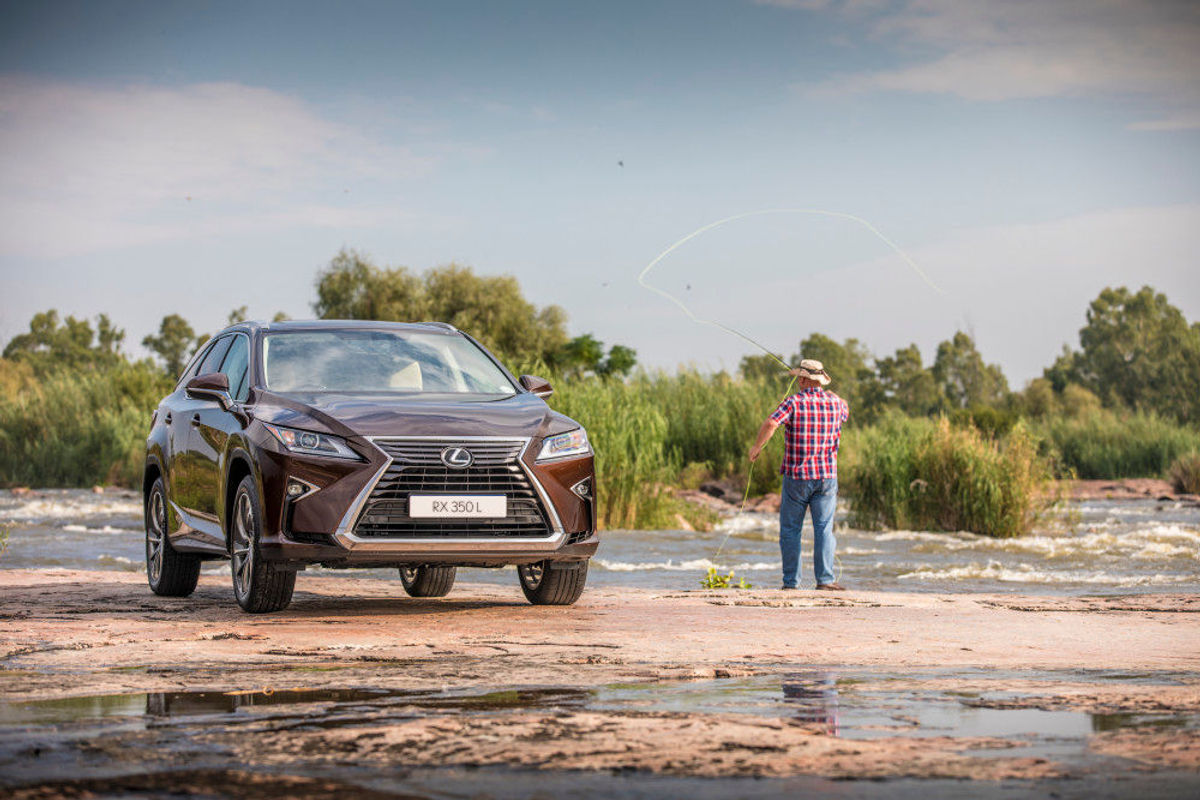
Lexus has introduced a new 7-seater version of its RX luxury SUV in South Africa. Herewith specification and pricing details for the newcomer… 

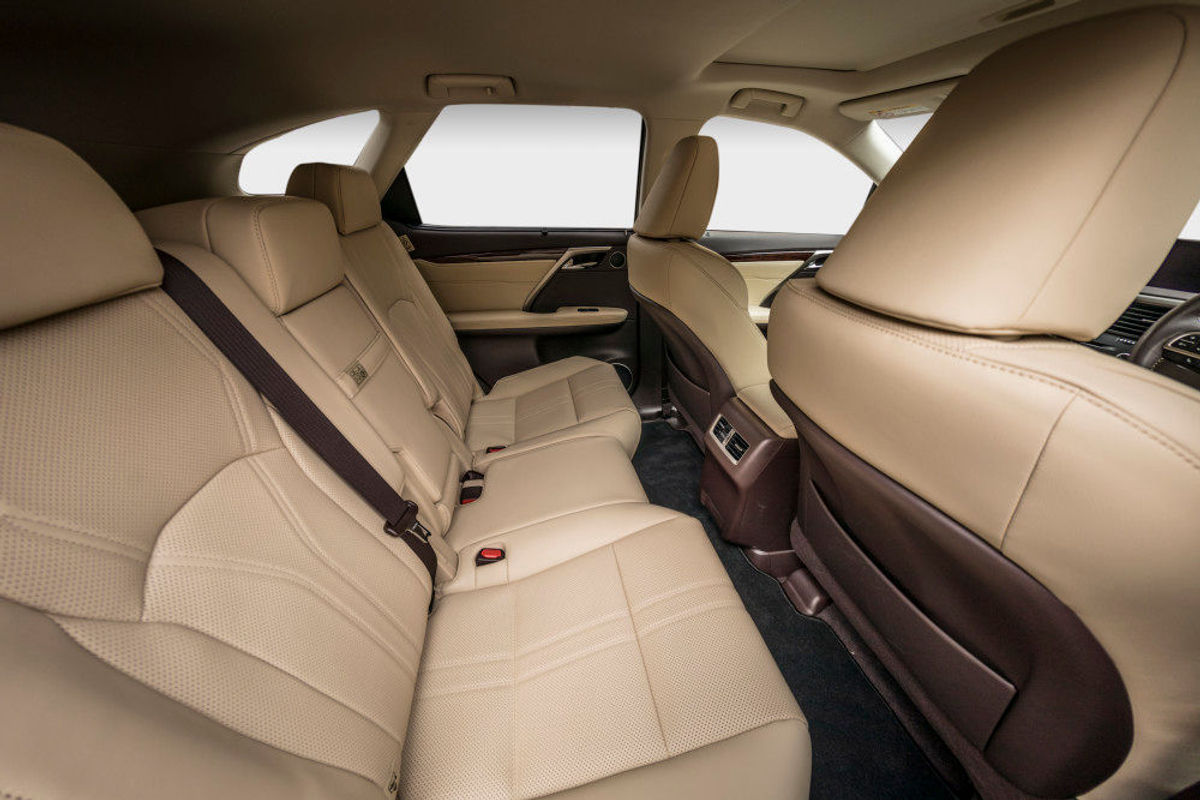
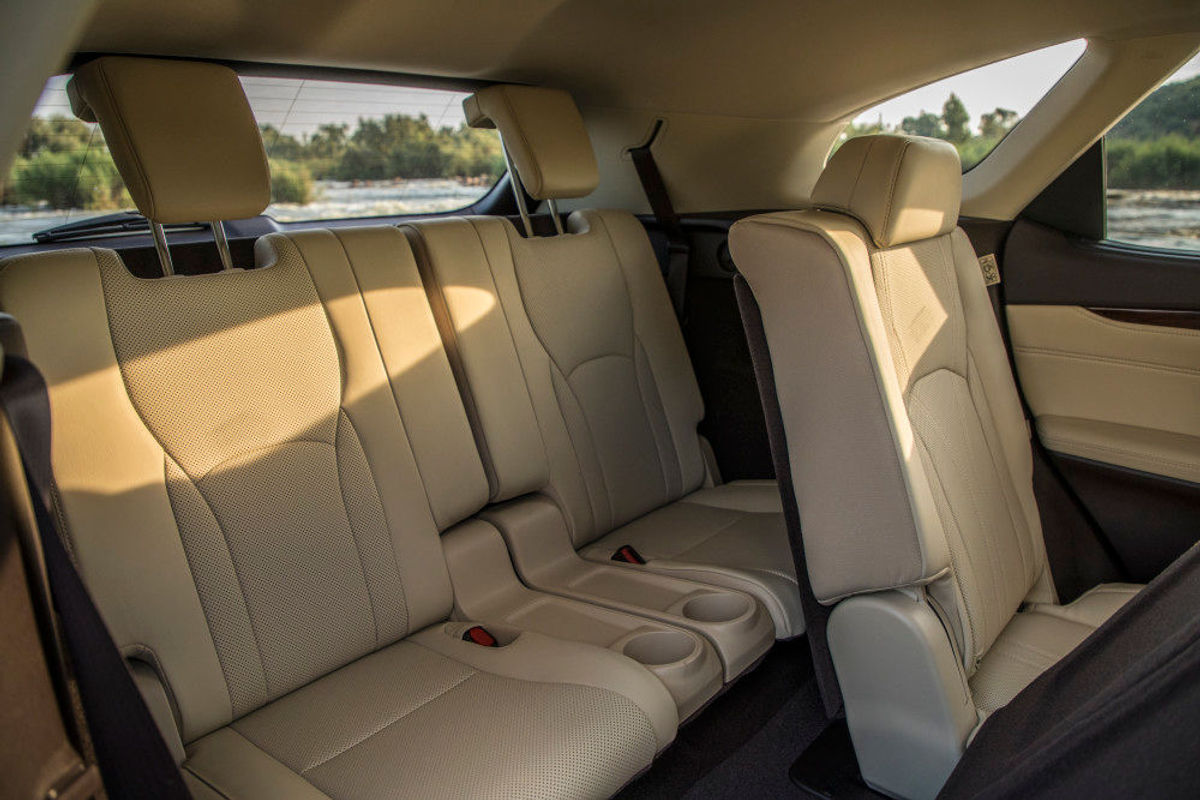
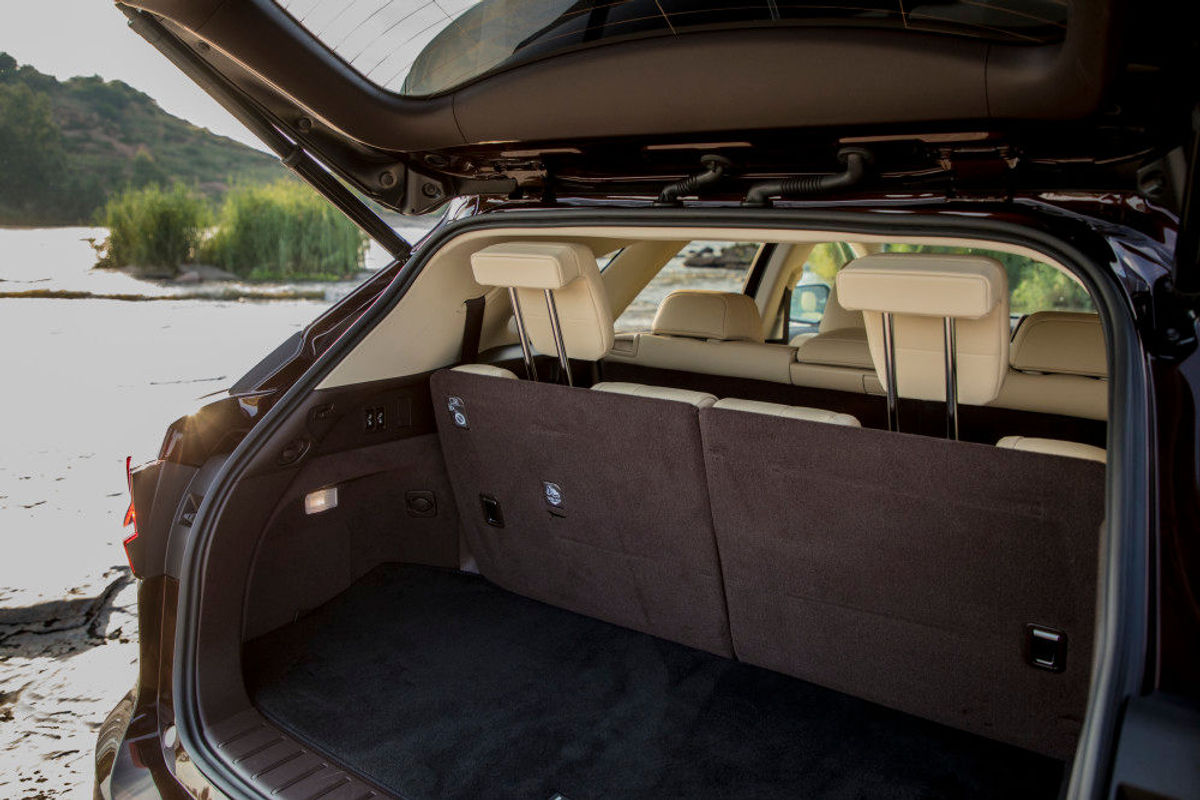
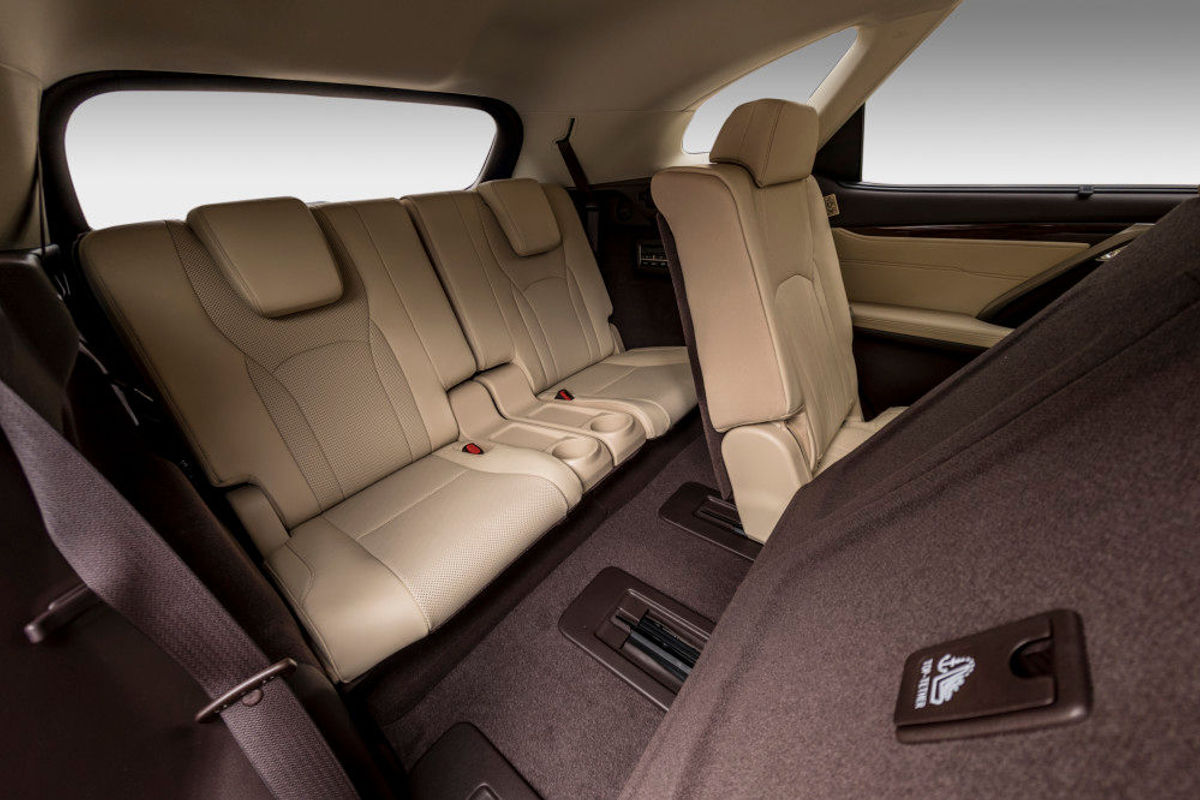
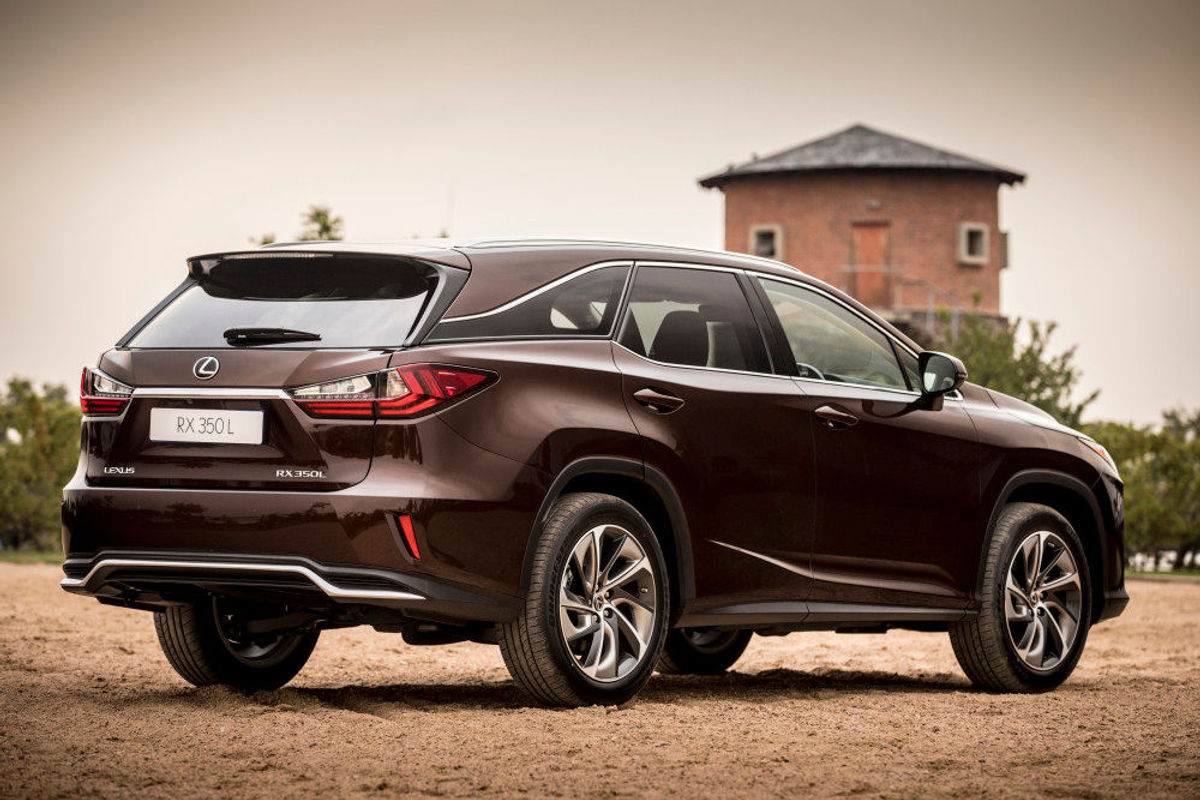
Shown at the LA Motor Show late last year, the Lexus RX L SUV offers additional flexibility thanks to an electrically-powered third row of seats. Lexus extended the RX’s body length by some 110 mm and steepened the rear windscreen to afford third-row passengers sufficient headroom as well as class-leading luggage space, according to the firm.  


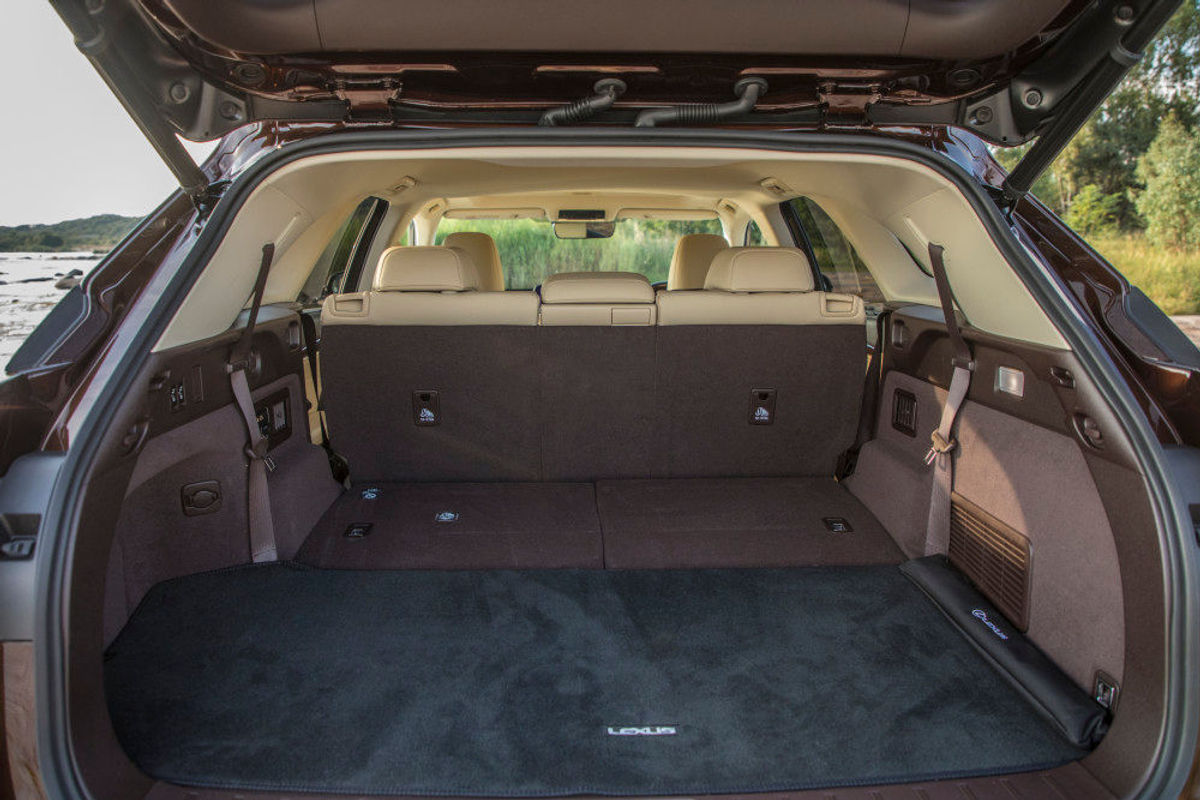
The RX 350L can accommodate 7 while still offering a sizable load bay. It doesn't look cramped back there, does it?

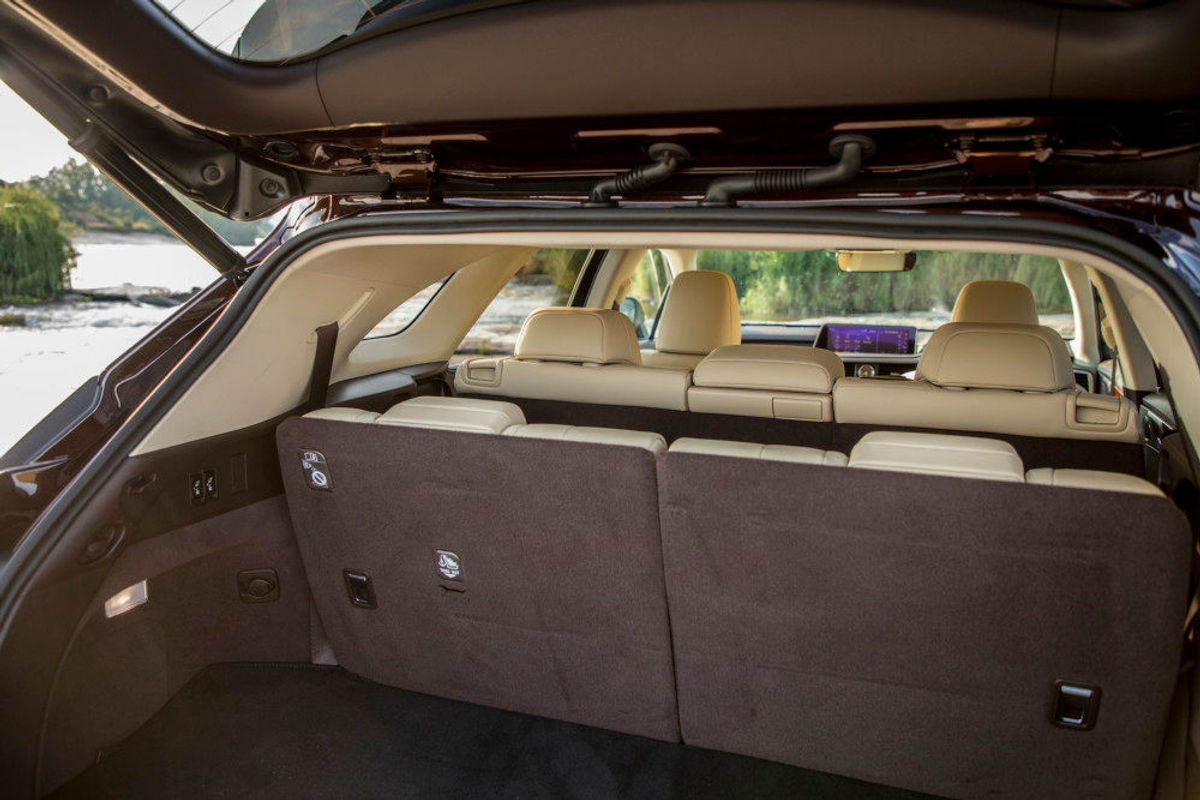
The third row of seats are split in a 50/50 configuration which can also accommodate child seats as well as adults. With the seats stowed away, a total of 432 litres of space is available. A stowable luggage protector and covered side rails are also included. Passengers can access the third row by using one-touch levers to slide and fold the second row forward. The slide length of the second row has been extended further forward by 45 mm. The RX L offers 3-zone climate control to ensure passenger comfort and there are convenient cupholders for rear passengers too. The tailgate is electrically operated for added convenience. 

Engine Choice


The V6 RX 350L with 216 kW and 358 Nm is now available in SA.

The RX 350L is offered in the form of a V6-powered RX 350L. The RX 350L is fitted with an 8-speed automatic transmission and a 3.5-litre V6 petrol engine with 216 kW and 358 Nm of torque. Lexus’ Dynamic Torque Control AWD system aids fuel consumption by engaging the front wheels under normal driving conditions but is also able to send up to 50% of torque to the rear wheels when required.

Key Features


The RX 350L is equipped with a host of luxury features.  

In terms of safety, the RX L is equipped with a full suite of airbags, including full-length side curtain airbags that offer protection all the way to the third row.

Key exterior design details include LED headlights, daytime running lights and front fog lights, 20-inch alloy wheels, roof rails and rear privacy glass.

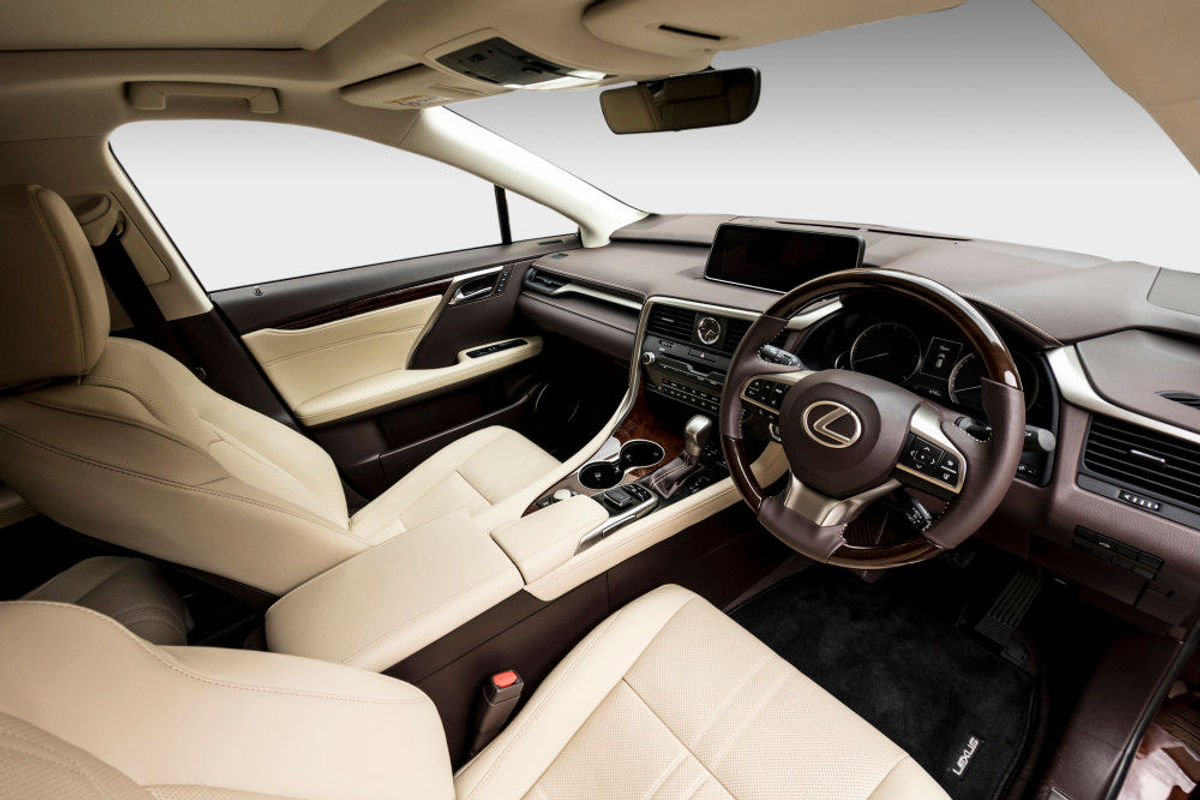
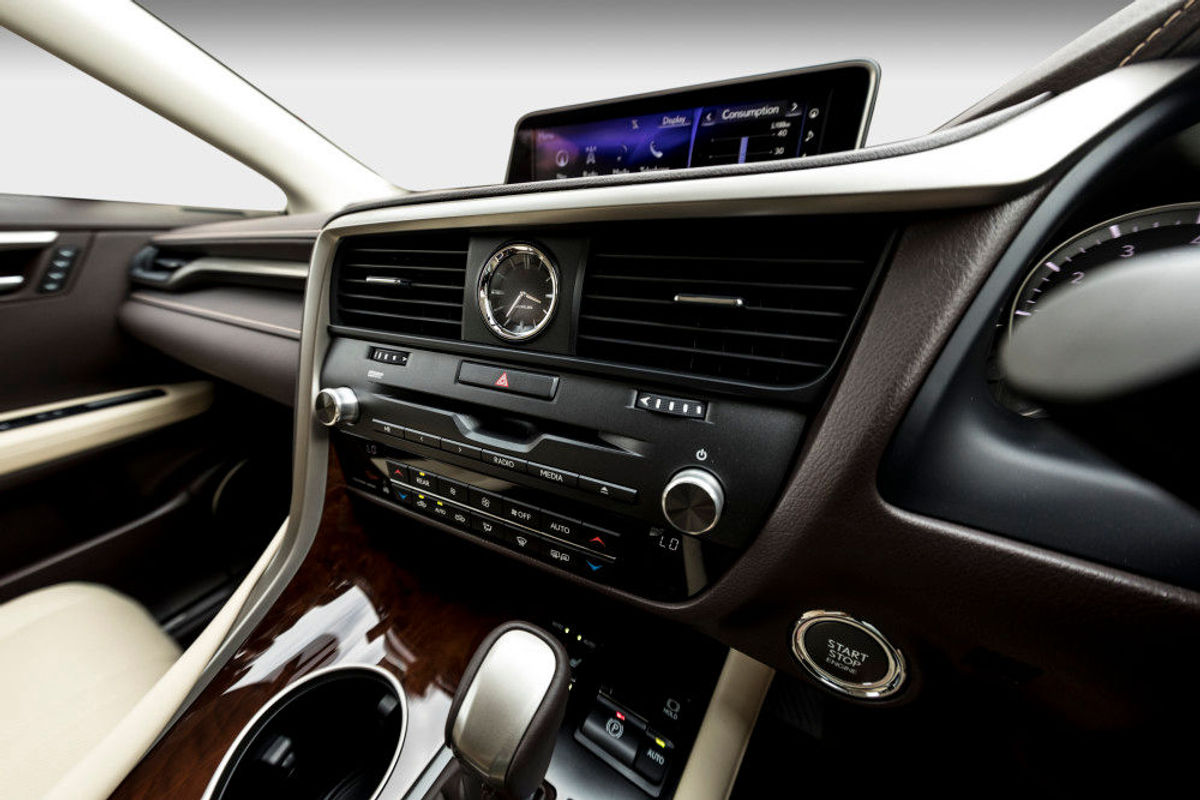
On the inside, the RX 350L features a 12-inch audio display screen, navigation, 12 speakers and 10-way power adjustable front seats with heating, ventilation and driver seat memory. The second row of seats are upholstered in leather while the third row features synthetic covering. The RX 350L also features a moon roof instead of the usual panoramic sunroof and second-row passengers also have access to 2 5V USB sockets in the central armrest for charging devices.  

Lexus RX – Price in South Africa

RX 450H – R1 222 600

RX 350L – R949 300

RX 350 – R916 600

The Lexus RX is sold with a 4-year/100 000 km warranty and 4-year/90 000km maintenance plan.

Buy a Lexus RX on Cars.co.za

Related Content

Lexus RX350 EX (2016) Review

Lexus RX450h SE (2016) Review

Lexus CT, RX and LX get Specification Update

Lexus LC500 (2017) First Drive [with Video]

Lexus LC 500 (2017) Launch Review

Lexus RC 350 F-Sport (2015) Review

Lexus IS 350 F-Sport (2017) Review

Lexus IS200t EX (2017) Quick Review