There's some good news for motorists in South Africa as it looks likely that the petrol price will drop in March. Here's how much it will be expected to drop by.
Thanks to a combination of a strong-and-stable Rand exchange rate over the past 10 days and a reduction in international fuel prices, it looks like we'll be heading into a new month with a fuel price drop. According to the Automobile Association (AA), "The Rand was trading at around R12.00 to the US dollar at the start of February 2018, and has gradually strengthened to an average level approaching R11.80 for the month. Over the same period, international fuel prices dropped sharply. Although they have subsequently climbed, the increase has been moderate enough for South African fuel users to see some benefit."
The AA estimates that the petrol price will drop by up to 38 cents a litre, while diesel could drop by as much as 47 cents. The AA also adds this interesting titbit of info at the end, "if the Rand maintains its current stable trend against the US dollar, the main driver of fuel price changes in the near future will be international petroleum prices," meaning our currency is becoming stronger and more stable.
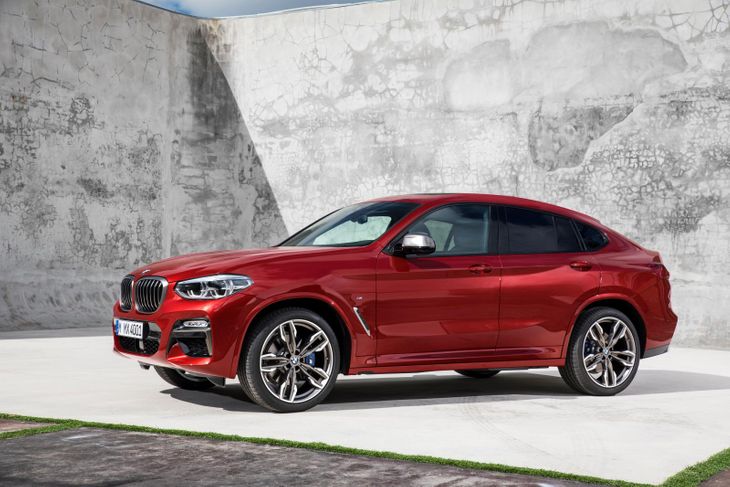
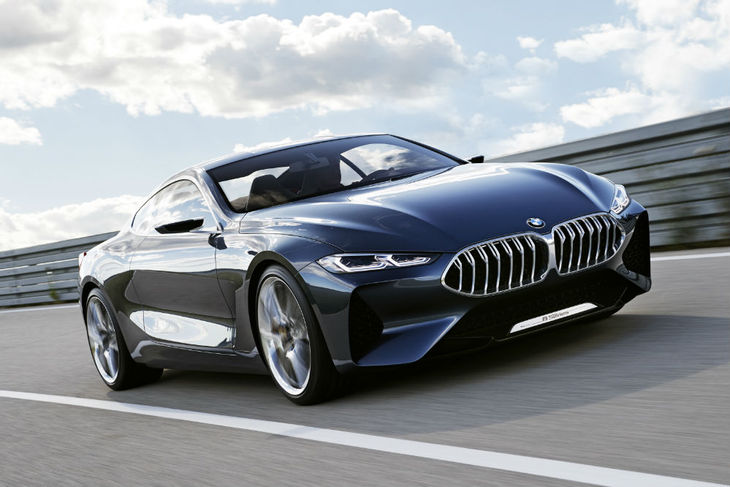
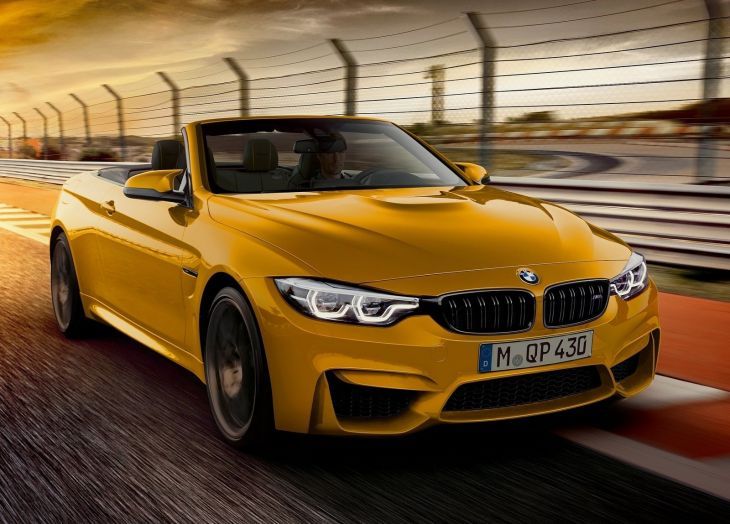
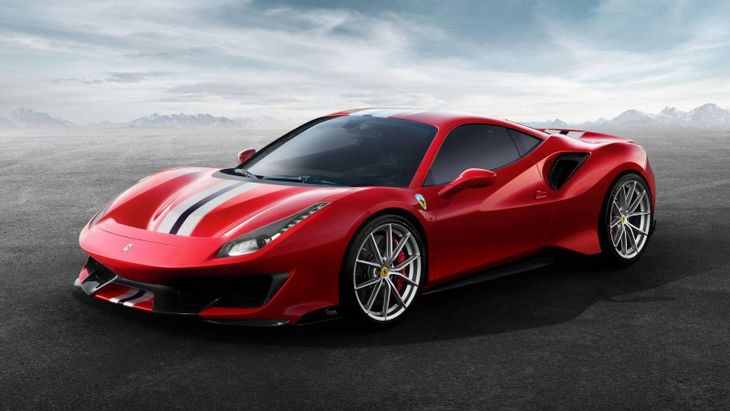
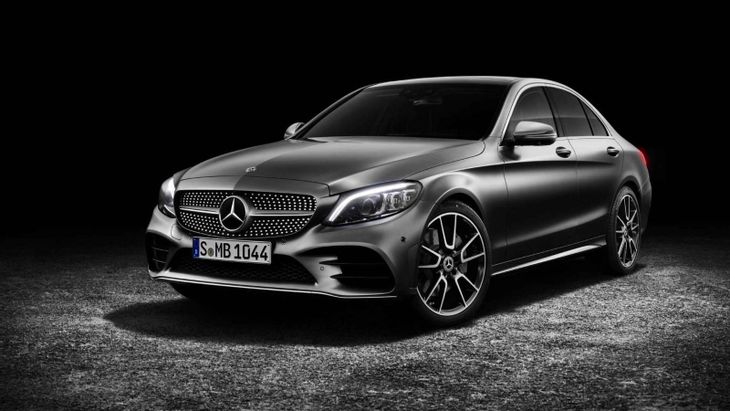
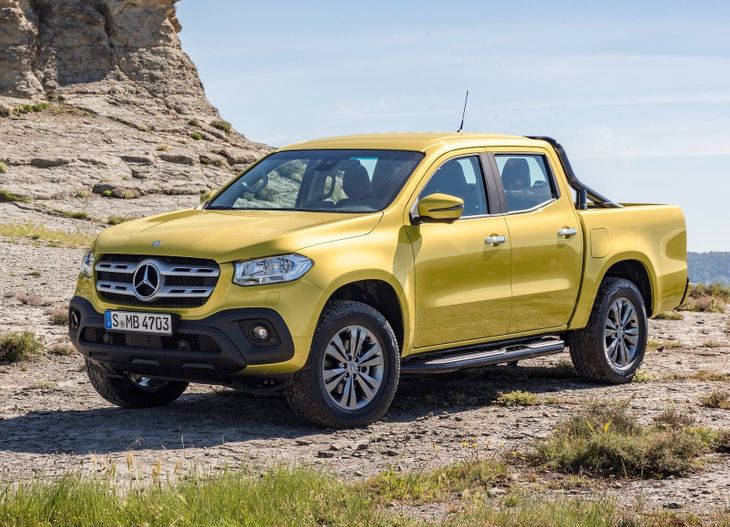
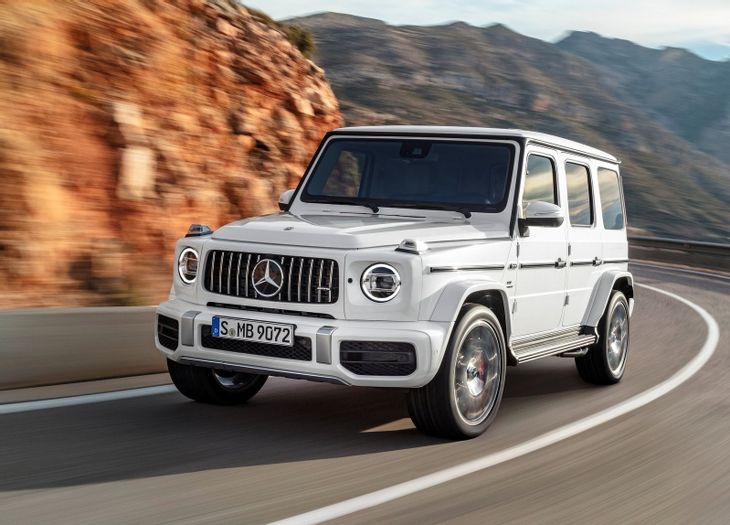
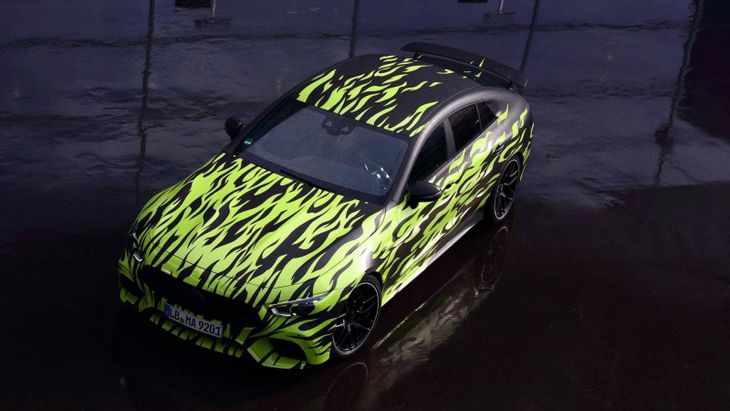
The Geneva Motor Show kicks off in March 2018 and we will be there! Take a look at some of the cars that we are looking forward to scoping out in the metal next week.
The annual Geneva Motor Show runs from 8-18 March 2018. It is one of the biggest motor shows on the calendar and this year’s show will be jam-packed with exciting new machinery on display.
Take a look at some of the cars that we will be checking out at the show…
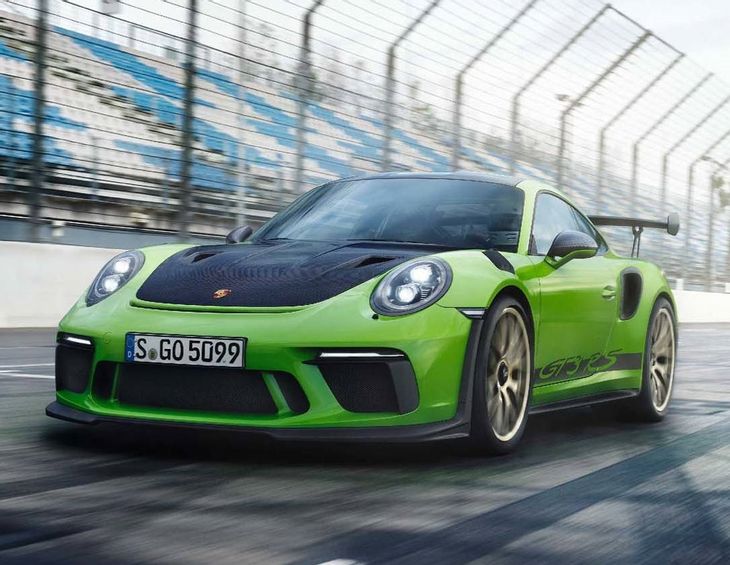
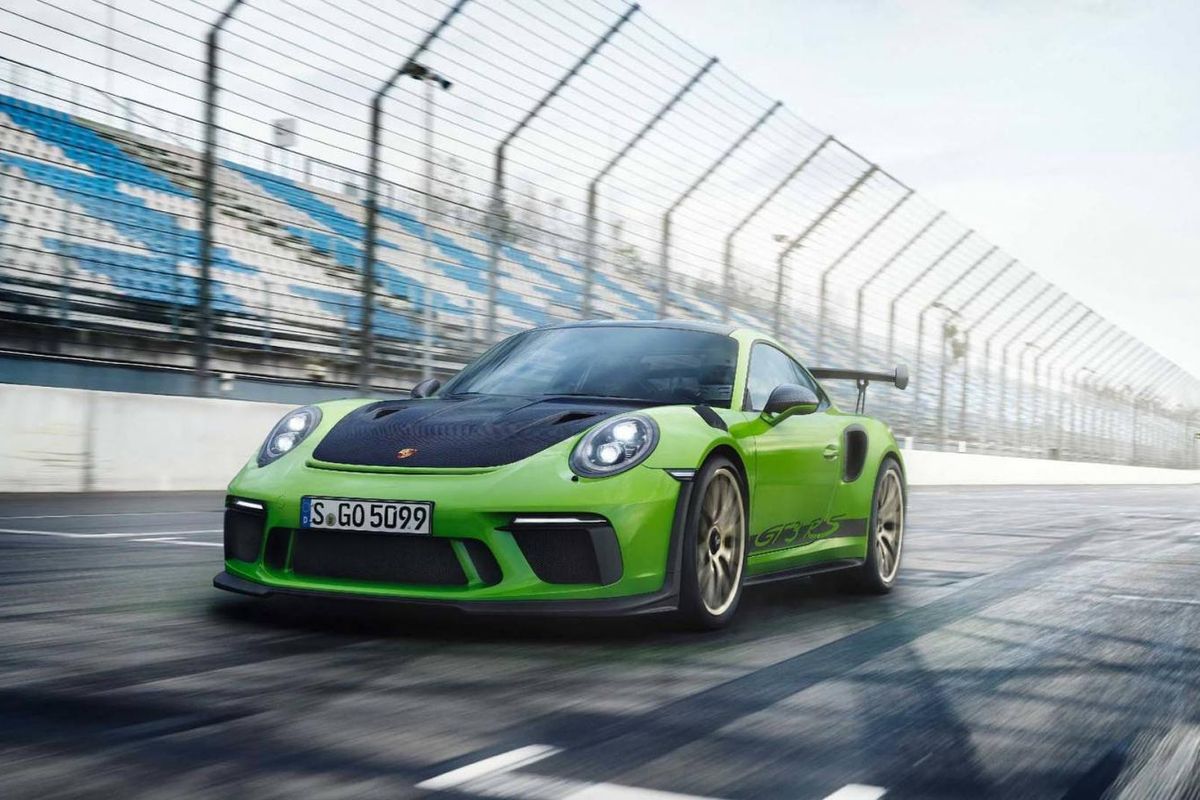
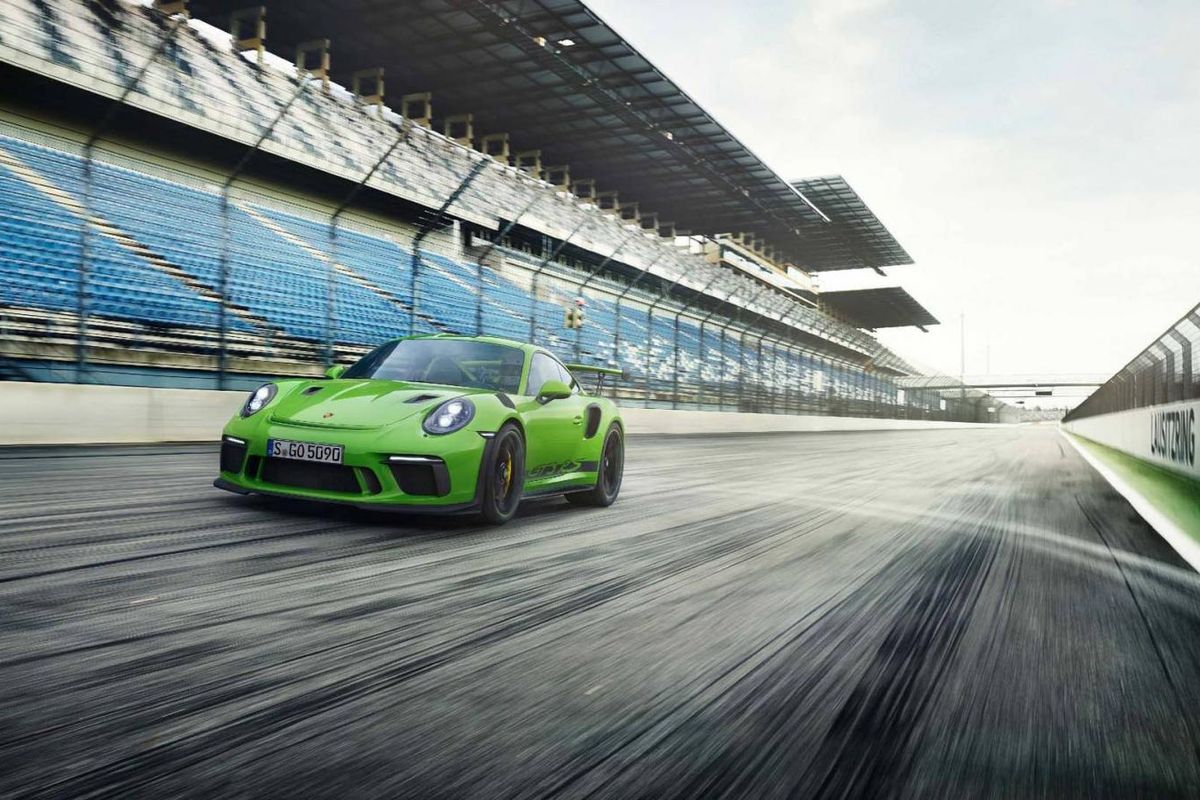
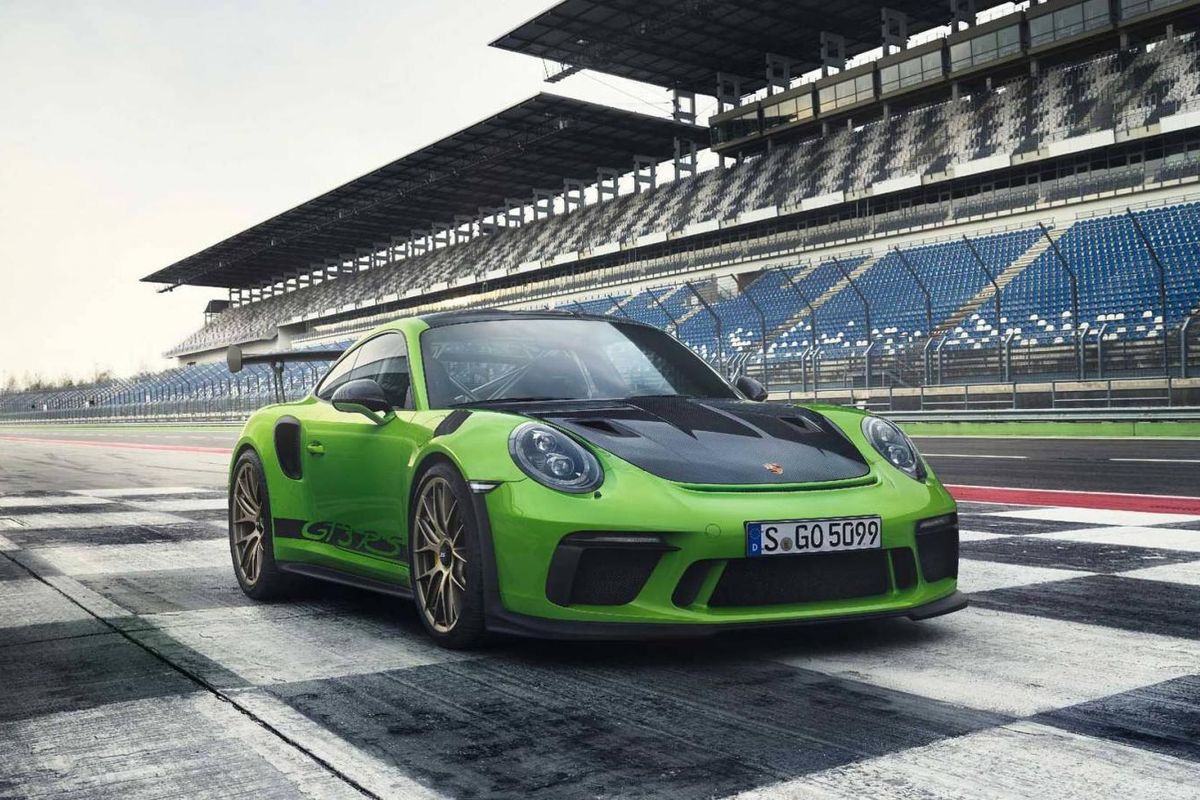
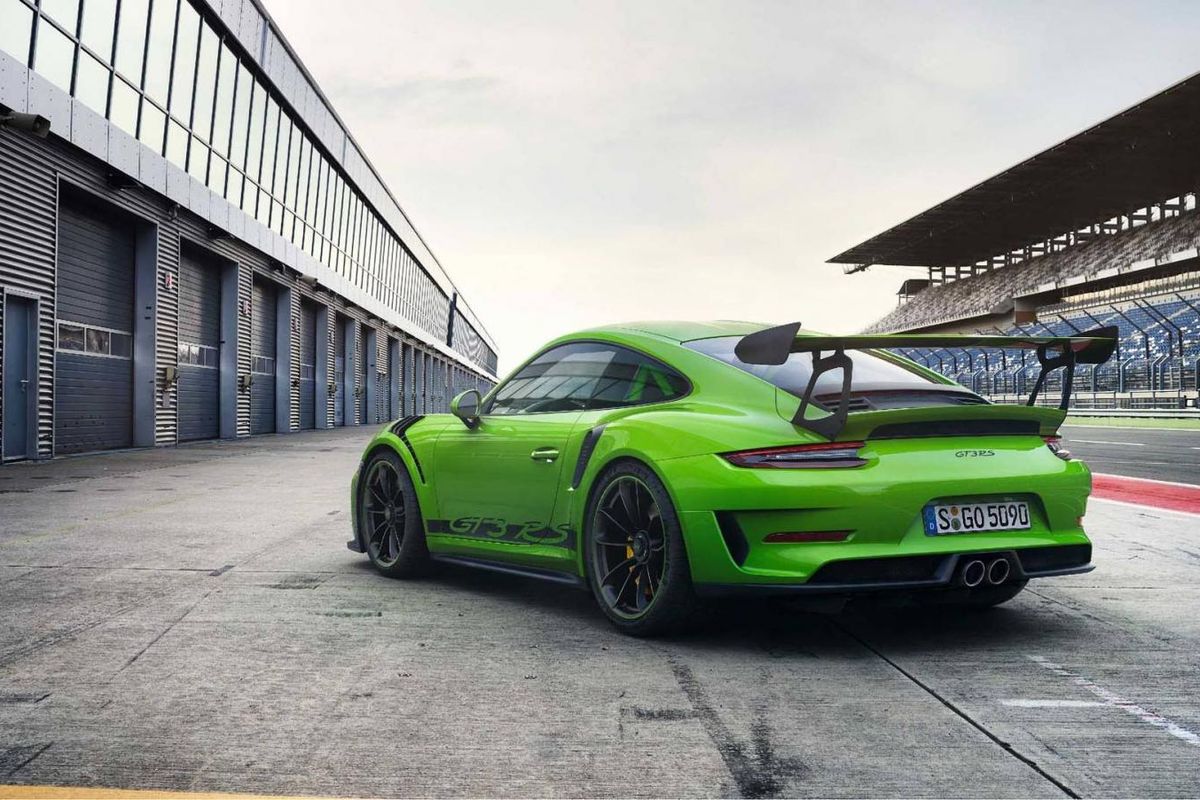
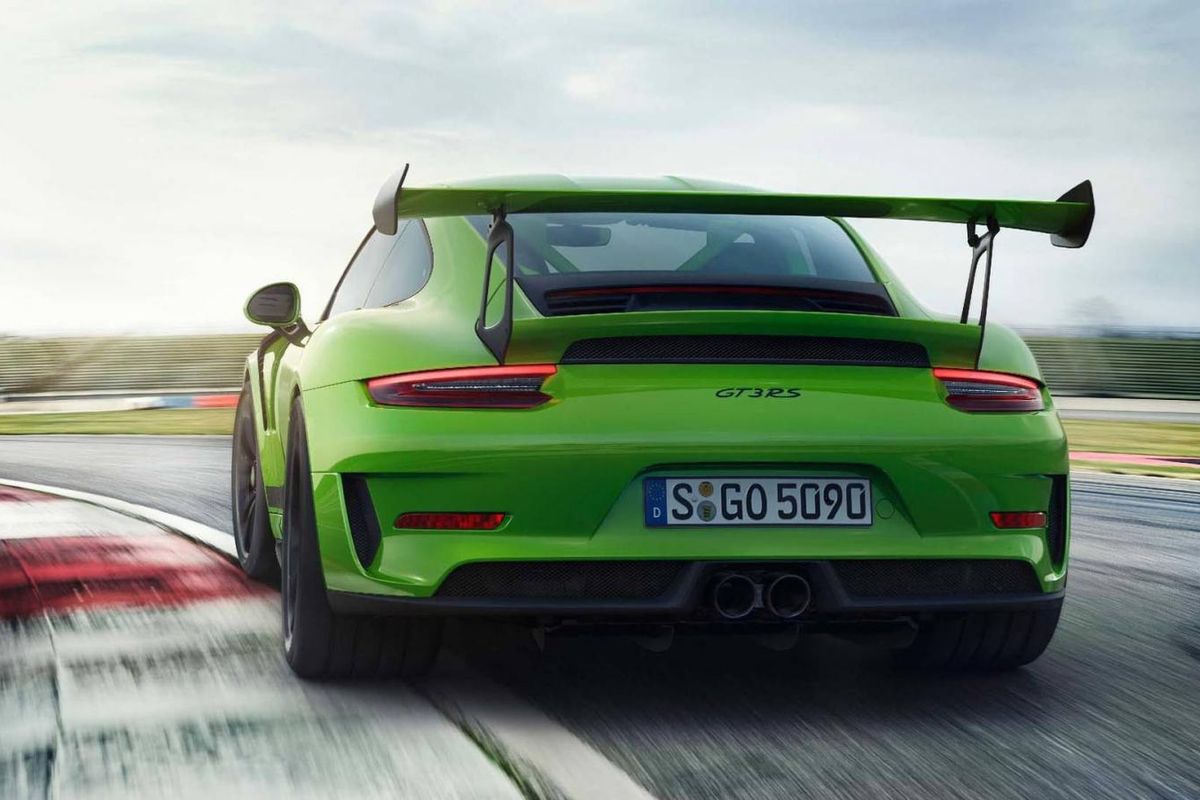
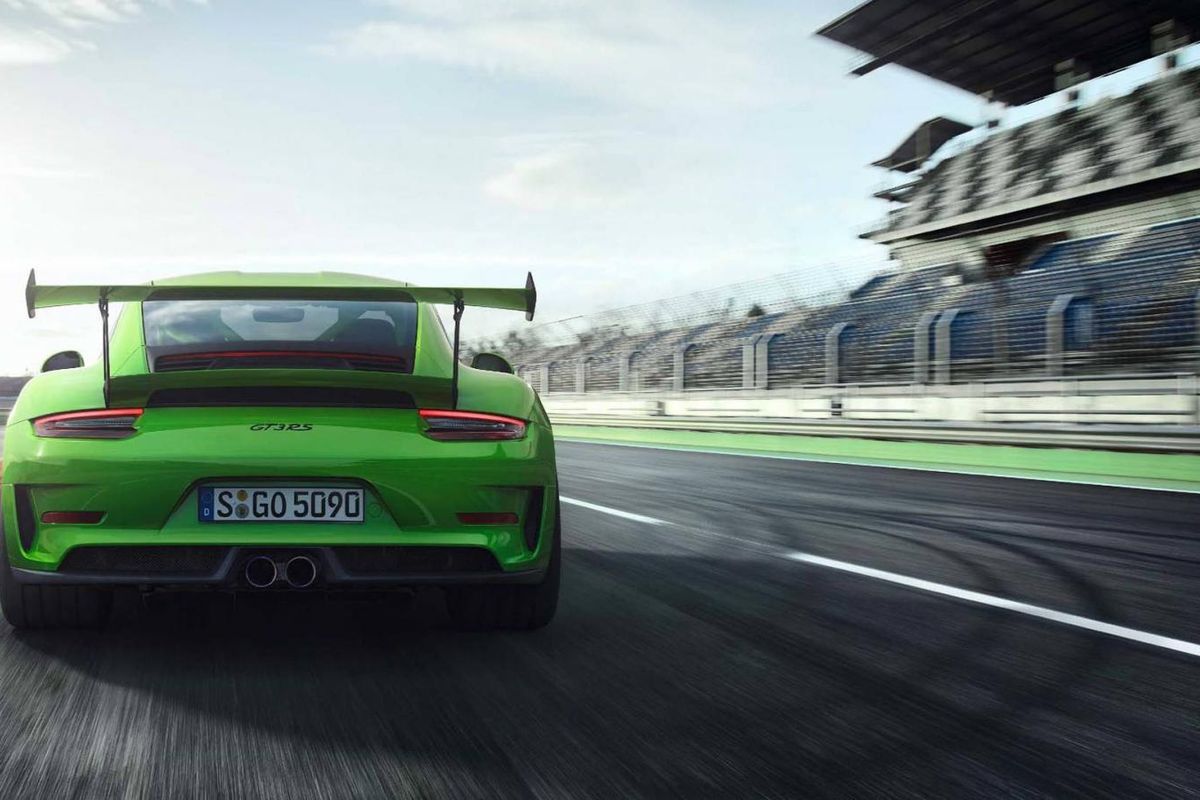
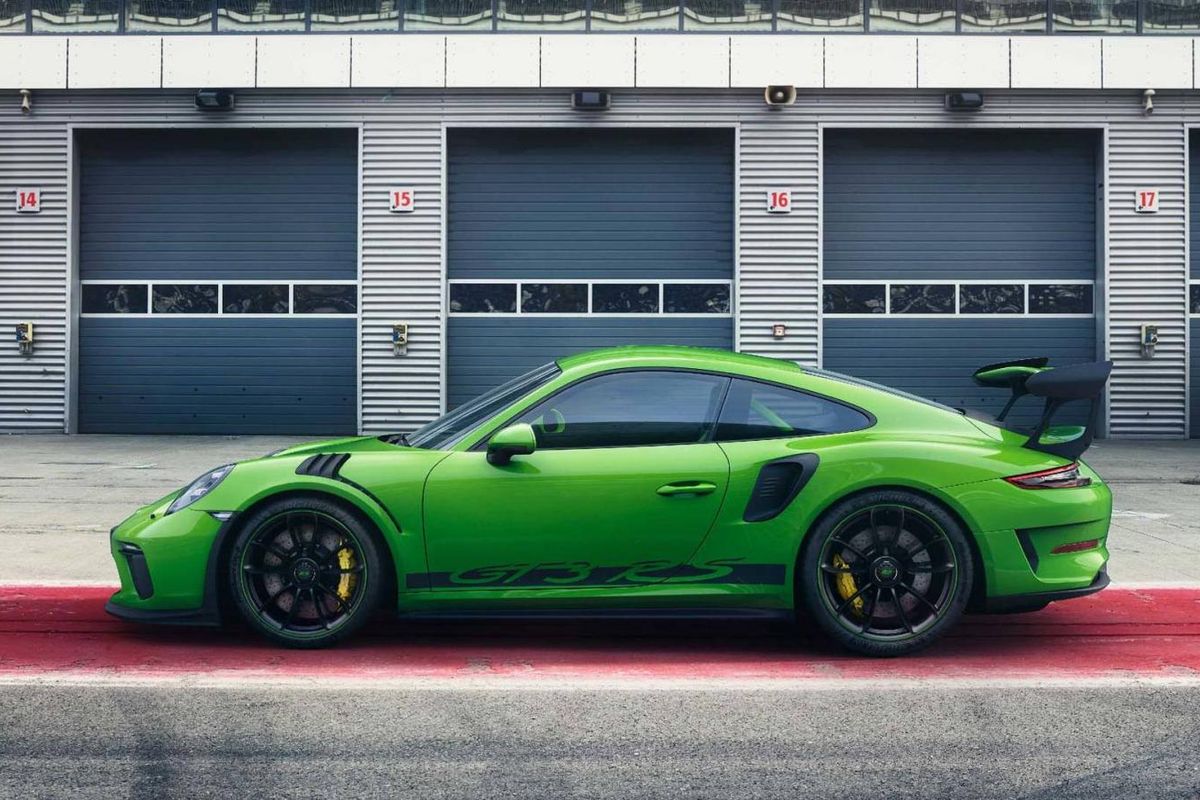
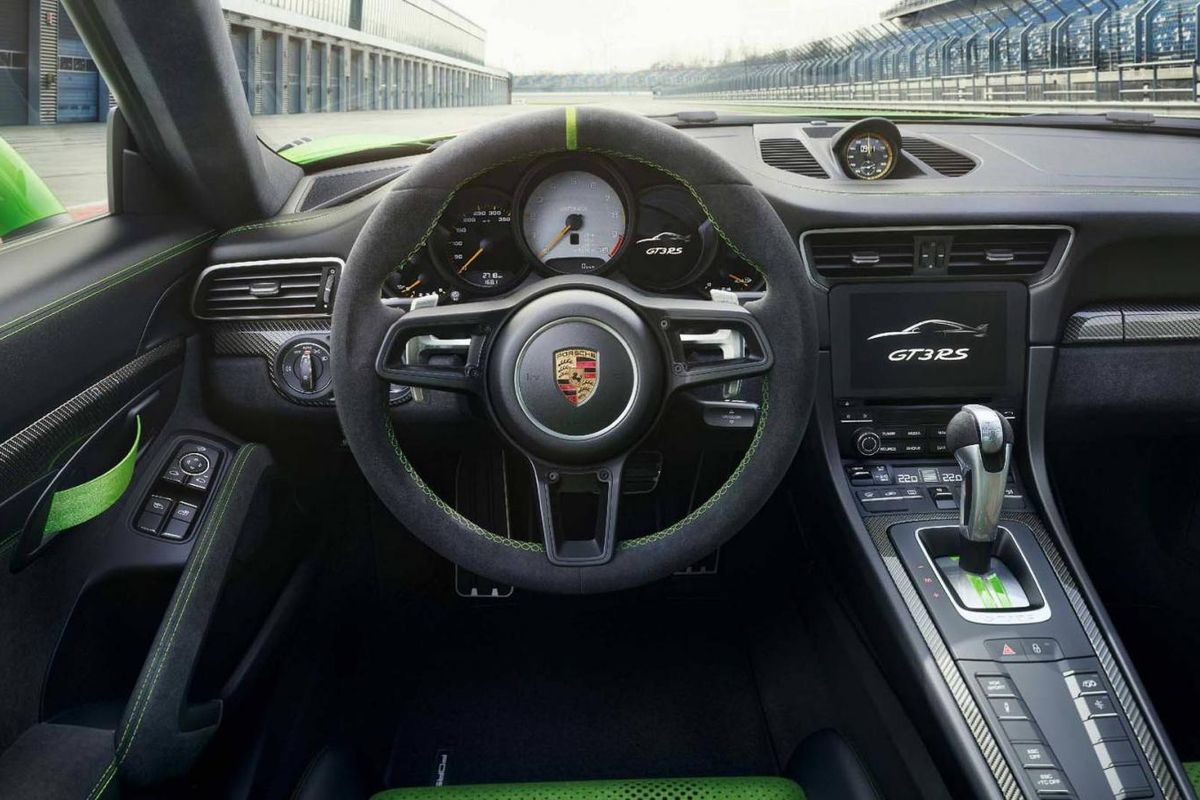
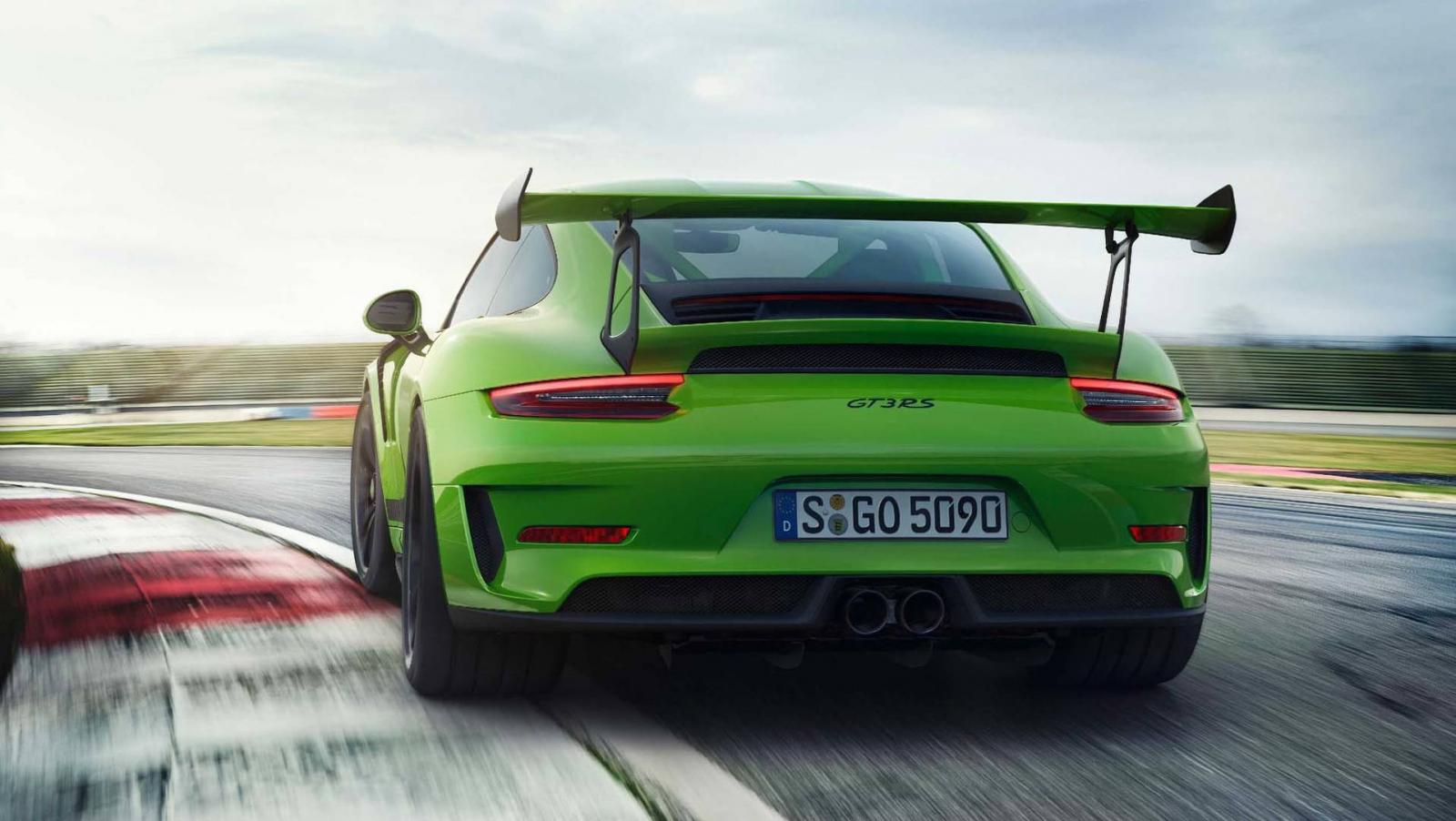
The Porsche 911 GT3 RS has been revealed and will make its debut at the Geneva Motor Show next month.
Feast your eyes on this latest Porsche 911 GT3 RS. Isn’t she gorgeous? Enough of that then, let’s get into the numbers…
A high-revving, naturally-aspirated 4.0-litre engine with 383 kW does service in the 911 GT3 RS. With the rev limit at 9 000 rpm and using a specially-calibrated 7-speed PDK transmission, the 911 GT3 RS will rocket from zero to 100 kph in 3.2 seconds and forge on to a top speed of 312 kph.
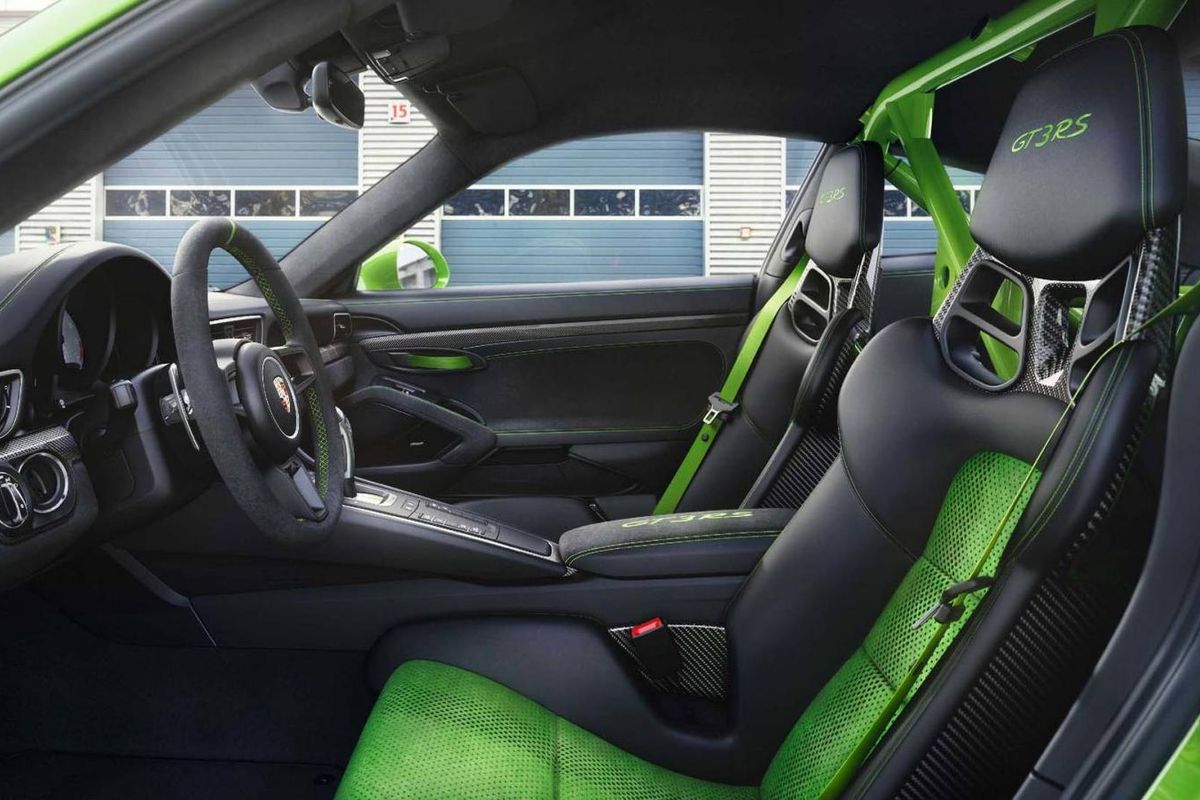
This track weapon features a large, rigid fixed rear wing as well as recalibrated rear axle steering to maximise dynamic ability and precision. The body itself is weight-optimised but other weight-saving measures have been employed on the inside in the form of lightweight door panels with storage nets and opening loops, reduced sound absorption and a lighter rear lid. Carbon bucket seats are fitted to provide ultimate lateral support.
The 911 GT3 RS offers 15 kW more than the previous 911 GT3.
The lightweight, 20-inch front wheels are shod with newly developed 265/35 sports tyres while the larger 21-inch rear wheels wear 325/30 tyres.
Track enthusiasts can opt for a Clubsport package at no extra cost which includes a roll-over bar, a manual fire extinguisher, battery disconnect switch and a 6-point safety belt. An optional Weissach package will also be offered to reduce weight even further. This package includes additional carbon components for the chassis, interior and exterior as well as optional magnesium wheels. The weight of the 911 GT3 RS can be reduced to 1 430 kg in this configuration.
According to Porsche, orders are open, even though the model will only officially launch in Germany in April 2018. Pricing for the 911 GT3 RS starts at €195 137, which is approximately R2 831 000.
Volkswagen has confirmed that it will produce a convertible version of its T-Roc compact SUV in 2020.
Volkswagen will be producing its first SUV convertible in 2020 in the form of the T-Roc convertible. Volkswagen has invested more than €80 million in its Osnabrück plant in Germany where the T-Roc convertible will be built. The investment will ensure modernisation at the plant as well enhancing production technology, assembly and logistics. The plant is expected to produce 20 000 units per year and other products produced here include the VW Tiguan and Porsche Cayman.
Dr. Herbert Diess, CEO of the Volkswagen brand, says: "Volkswagen is evolving into an SUV brand. The T-Roc is already setting new standards in the compact SUV segment. With the cabriolet based on the T-Roc, we will be adding a highly emotional model to the range. I am especially pleased to note that we can count on the Osnabrück team's decades of experience with convertibles. The Osnabrück plant now has bright prospects for the future."
SUVs are a great money spinner for Volkswagen and by 2020, the brand aims to have 20 SUV models on offer worldwide. VW predicts that its SUV sales will account for as much as 40% of all its sales by 2020.
The T-Roc compact SUV has already launched in Europe and is expected to arrive in South Africa sometime in 2019.
Volkswagen Polo 1.0TSI Highline AT (2018) Video Review
The 6th-generation Volkswagen Polo has arrived and, according to a few dealers we've spoken to, the Wolfsburg-based brand's new compact hatchback is already flying off showroom floors.
This is an important car in South Africa for two reasons. Firstly, all right-hand-drive Polos for the entire world will be built right here in SA, which is great for our economy, and secondly, the Polo and its cheaper clone, the Polo Vivo, are consistently the bestselling cars in the country. Yes, South Africans love the Polo. So, will this new Polo live up to expectations?
In this video, we explore the price of the new VW Polo, the 3 spec levels (Highline, Comfortline and entry-level trendline) discuss the 4 engines now available in the range, the boot space and take a detailed look at the interior.
Old vs New Polo?
Also, if you are interested to know what the differences are between the old Polo and this new Polo, we brought old and new together to highlight the changes for you. Watch the video below to learn more!
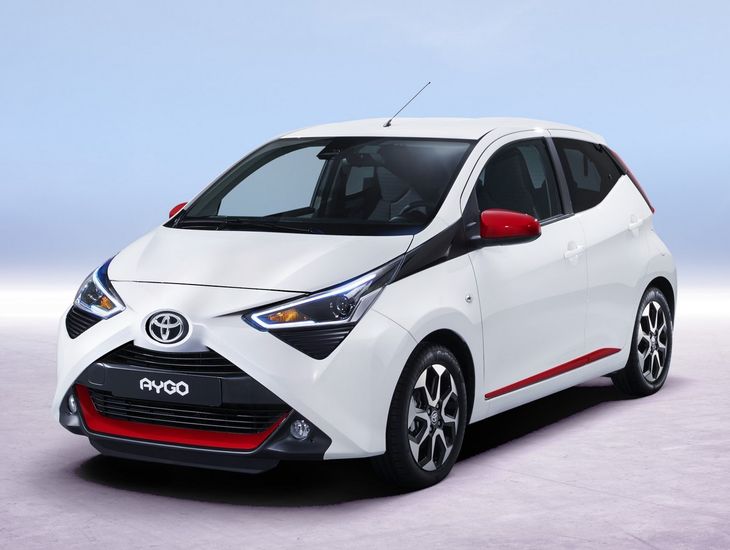
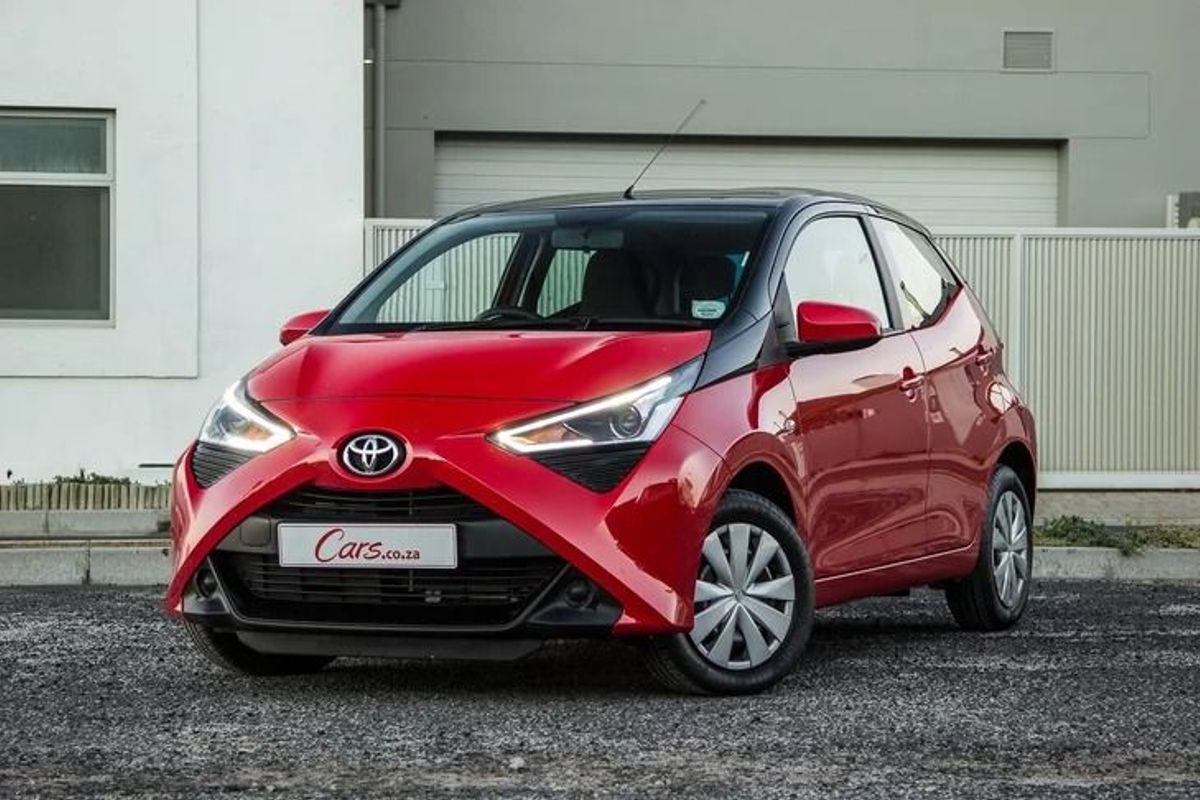
Toyota’s quirky Aygo budget car has received a makeover and the updated model will be shown at the Geneva Motor Show early next month. See what’s changed below…
The Toyota Aygo arrived in South Africa in 2015 and has sold relatively well locally. The model has now been updated and is due to make its debut at the upcoming Geneva Motor Show next month.
Exterior changes are rather subtle and the facelifted Aygo wears a revised face which notably includes reshaped headlights and recessed accents placed below them to create what Toyota refers to as a “more powerful, three-dimensional architectural element”. The familiar X-motif remains. The Aygo also features revised taillights and rides on 15-inch alloy wheels while new exterior colours will be offered such as Blue and Magenta.
Toyota has not provided photographs of the interior just yet, but the latest Aygo will have a restyled instrument cluster. Cloth is the main upholstery used in the Aygo and will be offered in Quartz Grey and Piano Black. Partial leather seats are offered on higher-spec derivatives and Toyota is expected to offer 2 special edition models too. The 7-inch touchscreen infotainment system is still a highlight in the cabin.
As for the engine, it too has been upgraded, ever so slightly. The facelifted Aygo is powered by a 3-cylinder, 1.0-litre petrol engine that now produces 2 kW more power with 53 kW while torque is down by 2 Nm to 93 Nm. Fuel consumption is claimed at 3.9 L/100 km.
The arrival of the facelifted Aygo in South Africa is expected in the middle (Q2/Q3) of 2018. We will keep you updated as more information becomes available.
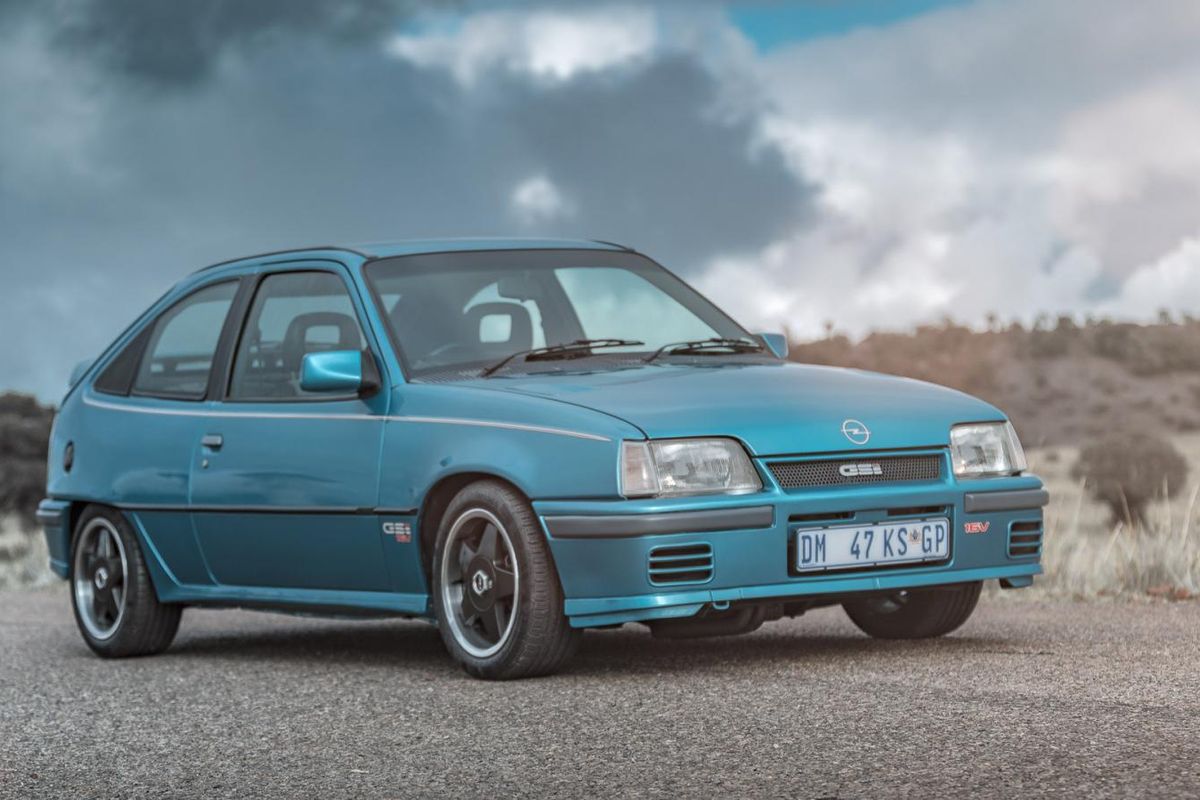
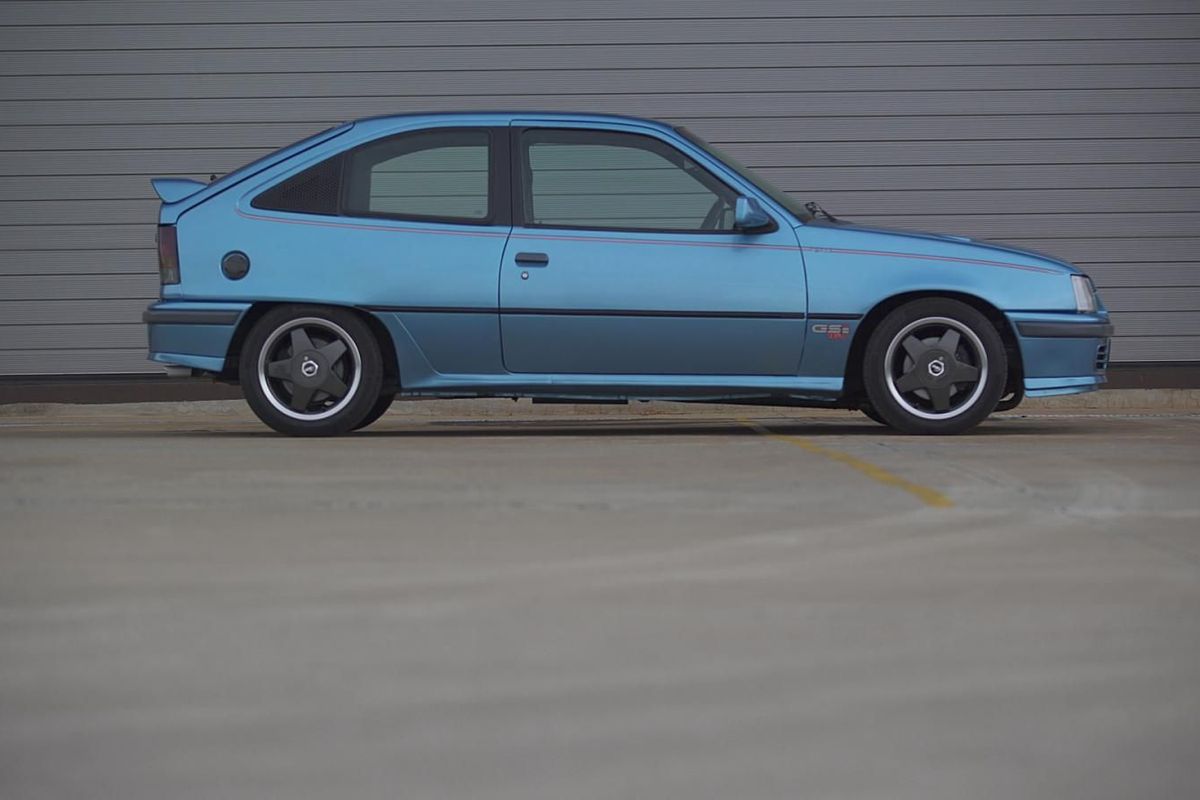
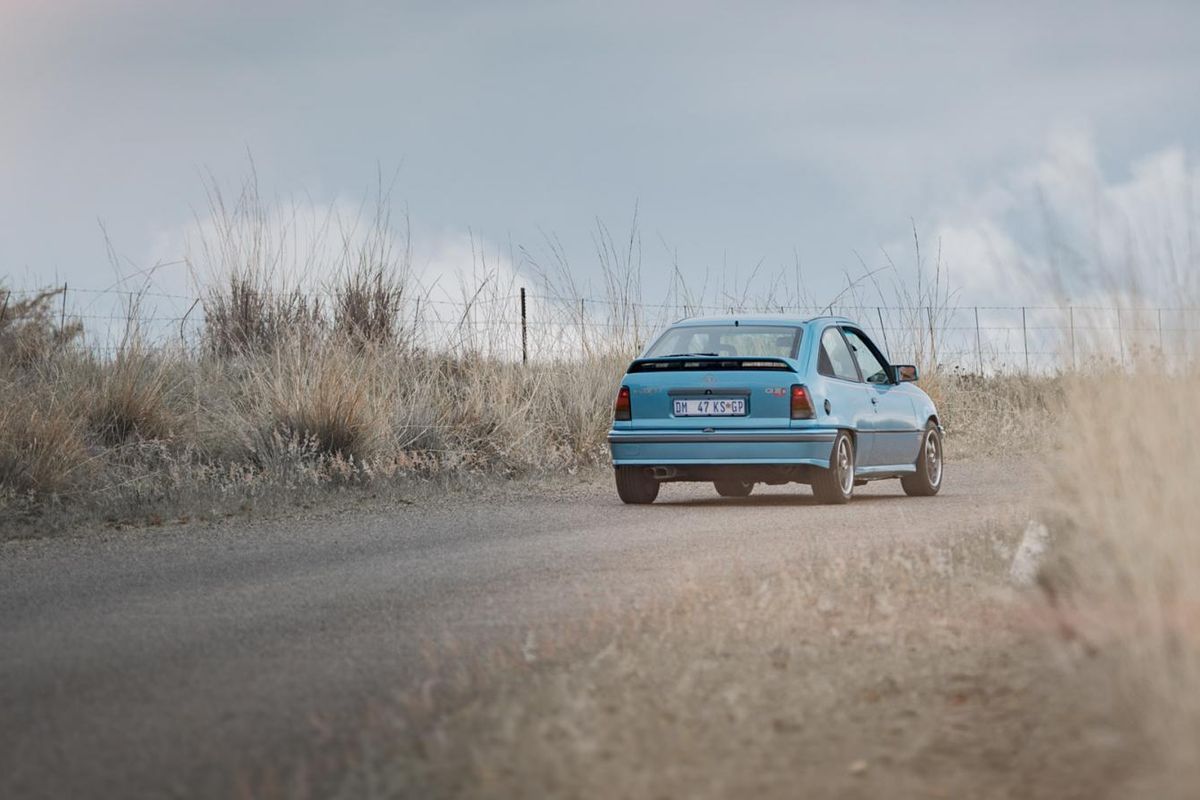
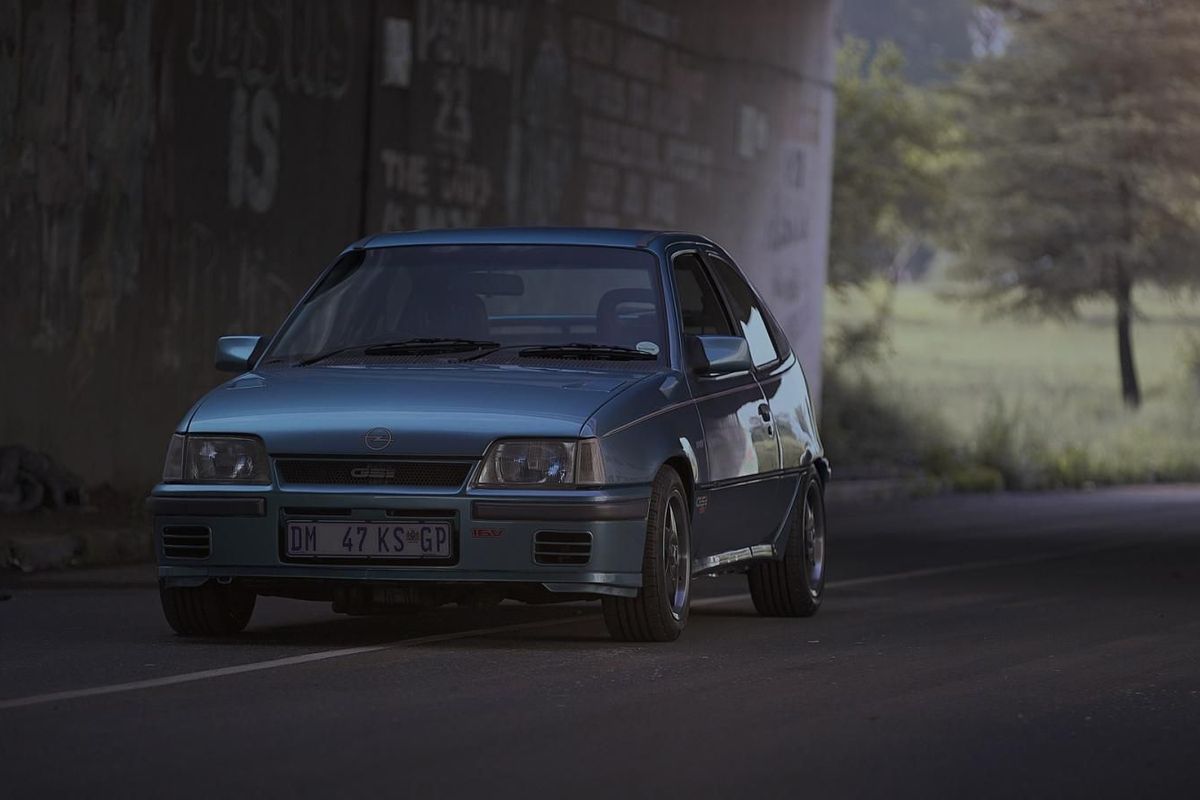
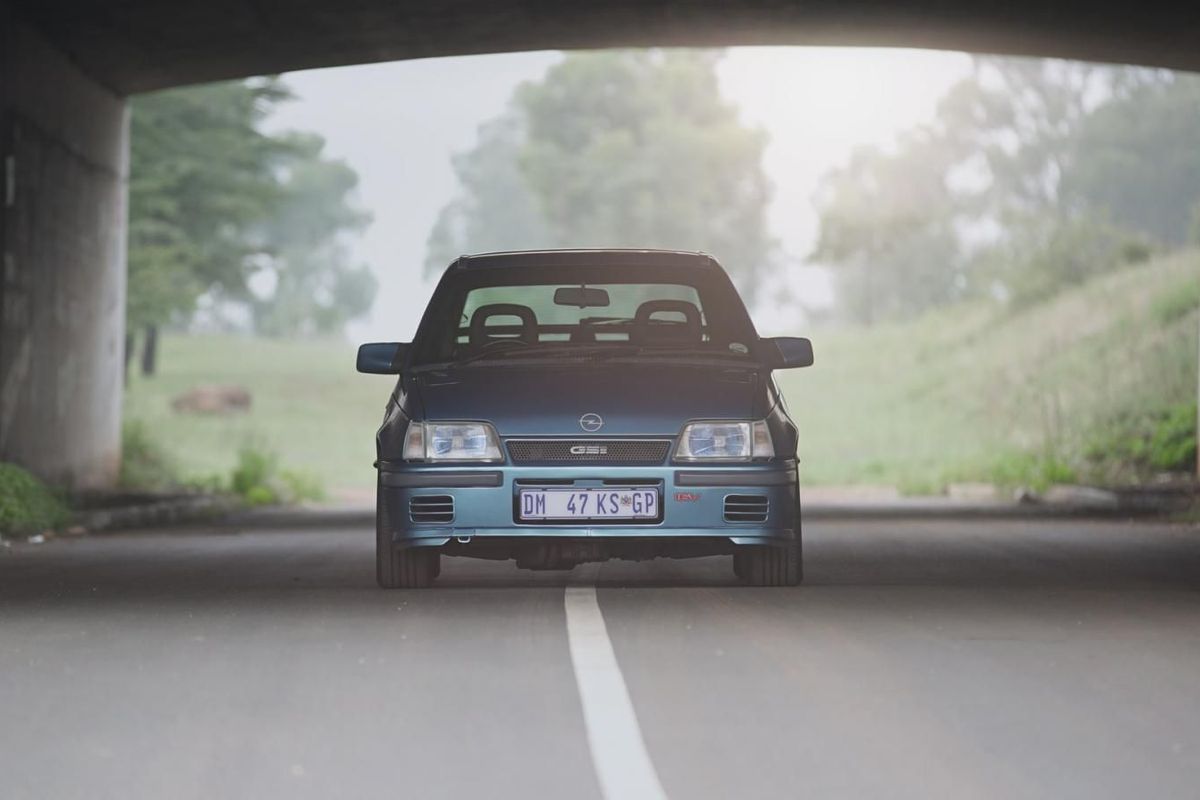
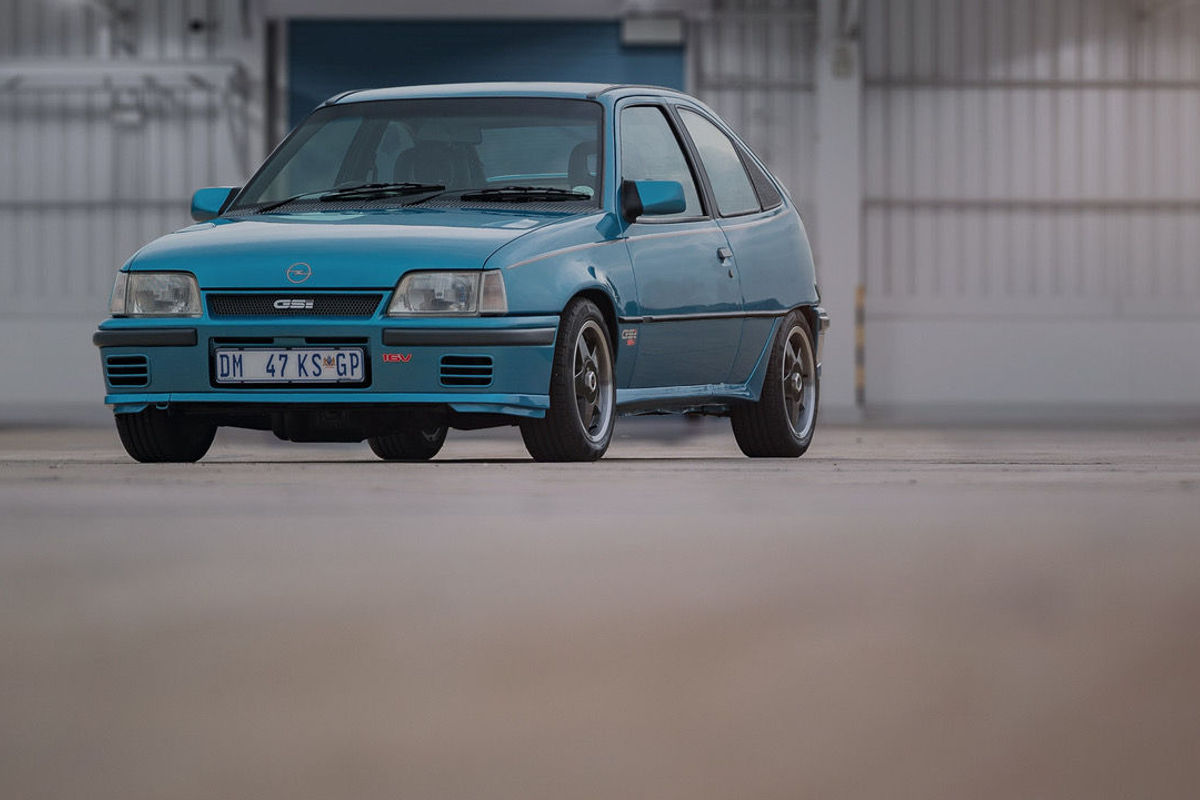
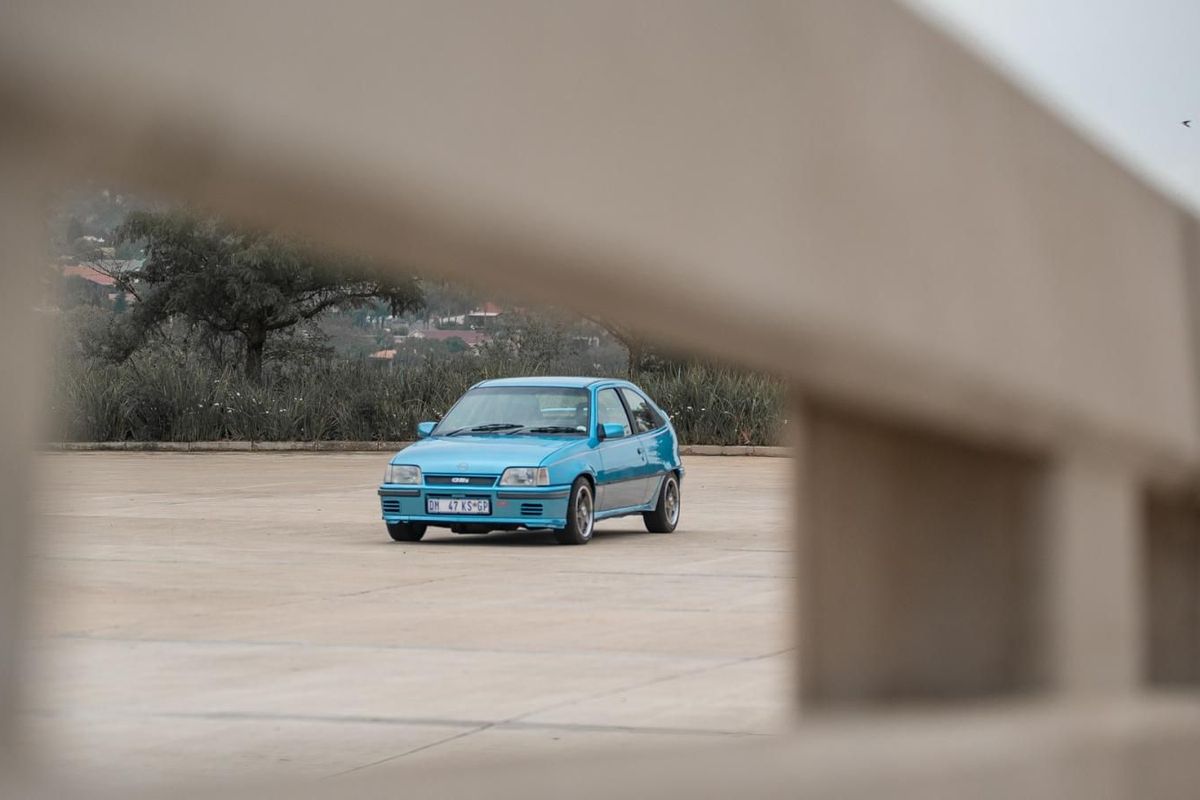
The unique-to-SA Opel Kadett Superboss: SentiMETAL Ep5
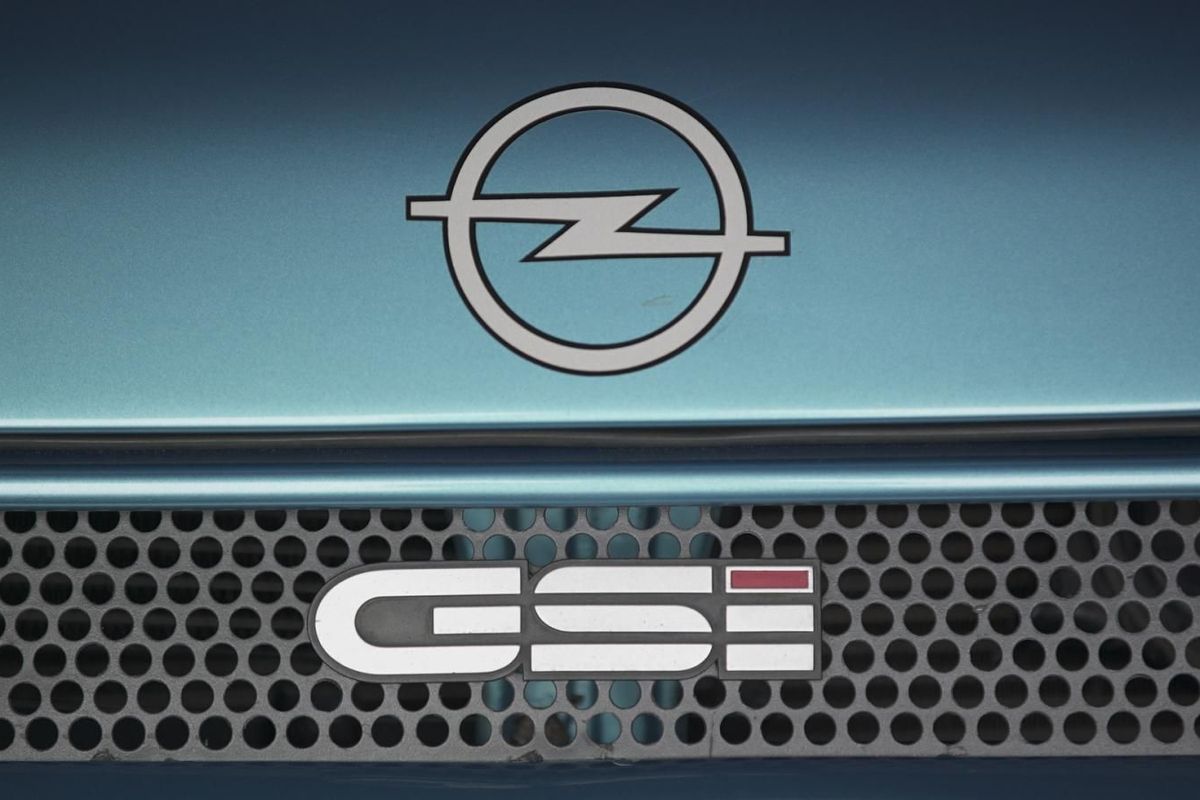
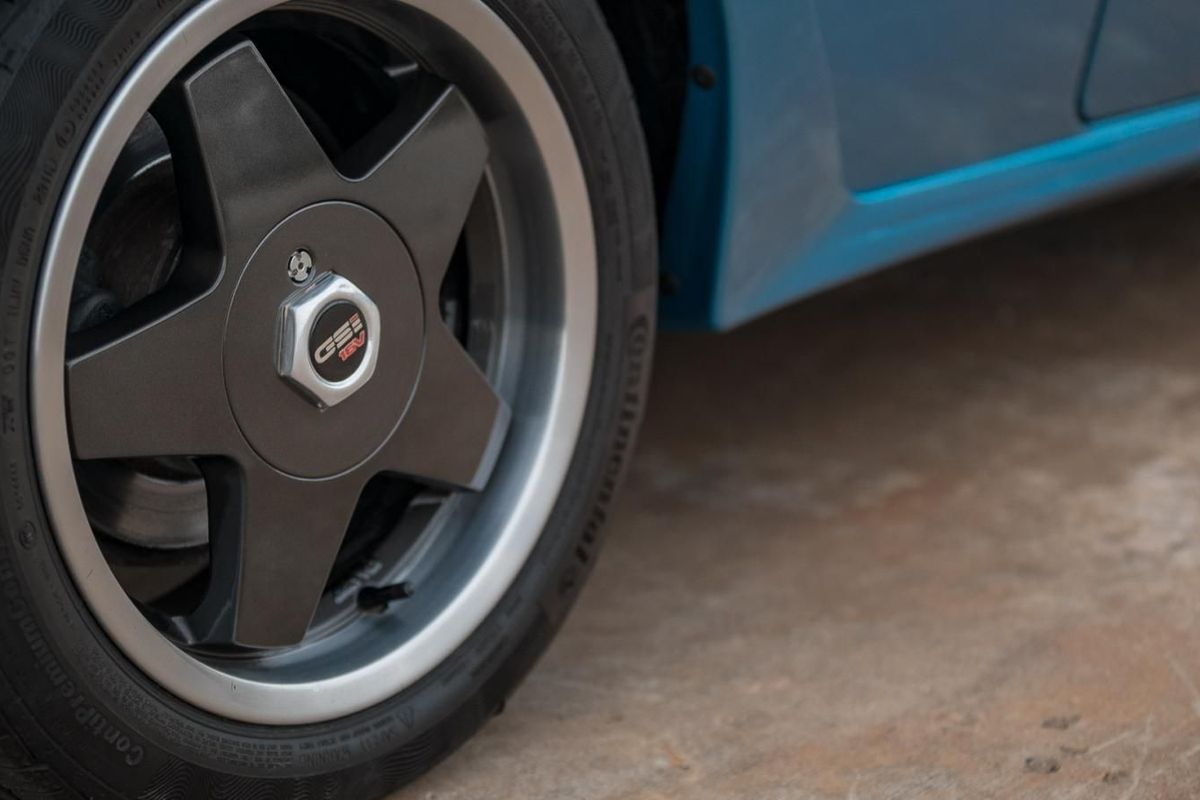
"Born on the racetrack" is an often-used term when it comes to high-performance cars, but few road machines can rightfully lay claim to that description. The Opel Kadett GSi 16V S, better known as the "Superboss" is just such a machine. Developed with the single purpose of annihilating the iconic BMW 325iS in local Group N racing, it has become an enduring South African legend.
For the 5fth episode of SentiMETAL, we travelled to Roodepoort to meet Werner Meyer, an ex-Porsche technician who now specialises in restoring Superbosses. In recent years interest in the Superboss has exploded, in line with increasing values for all South African specials.
"I searched for this car for 11 years," says Werner, "because I wanted this specific colour, the rare Estoril blue." When he discovered his Superboss in Kimberley it was in bad shape, but his expertise in restorations paid off, as years of hard work has resulted in this, quite possibly the cleanest Superboss in the country.
"A lot of people think the Superboss was just a small upgrade from the Big Boss," says Werner, "but I don't think so. Of course, the Superboss had a magnificent engine underneath the bonnet as a solid starting point – the famed "red-top" Opel 2.0L 16V engine was highly tuneable. In the Superboss the compression ratio was upped and 276-degree Schrick cams were added, among other additions and tweaks (including a Promotech control box).
Still, 125 kW may not raise an eyebrow these days, but the Superboss made the most of what it had, because Opel also stripped out a lot of luxuries, and then added a rarity for those days, a limited-slip differential developed by South African specialist Andre Verwey. The resultant power-to-weight ratio was excellent, and it put the power down very well, too.
Consequently, the Superboss was near-unbeatable on the track, particularly in the hands of the famed Mike Briggs. Although BMW introduced the 325iS to combat of the might of the Big Boss in 1991, Opel rolled out the black Alluette-wheeled Superboss to improve the odds in the yellow racing cars' favour and it duly won Class A of the South African Group N championship in the hands of Briggs in 1991 and 1992.
For Werner, his Superboss has become part of the family. "Even my family-in-law assisted with this car… friends too. It will stay part of the family."
Sit back, turn up the sound, and imagine the glory days of Superboss vs Gusheshe (325iS)!
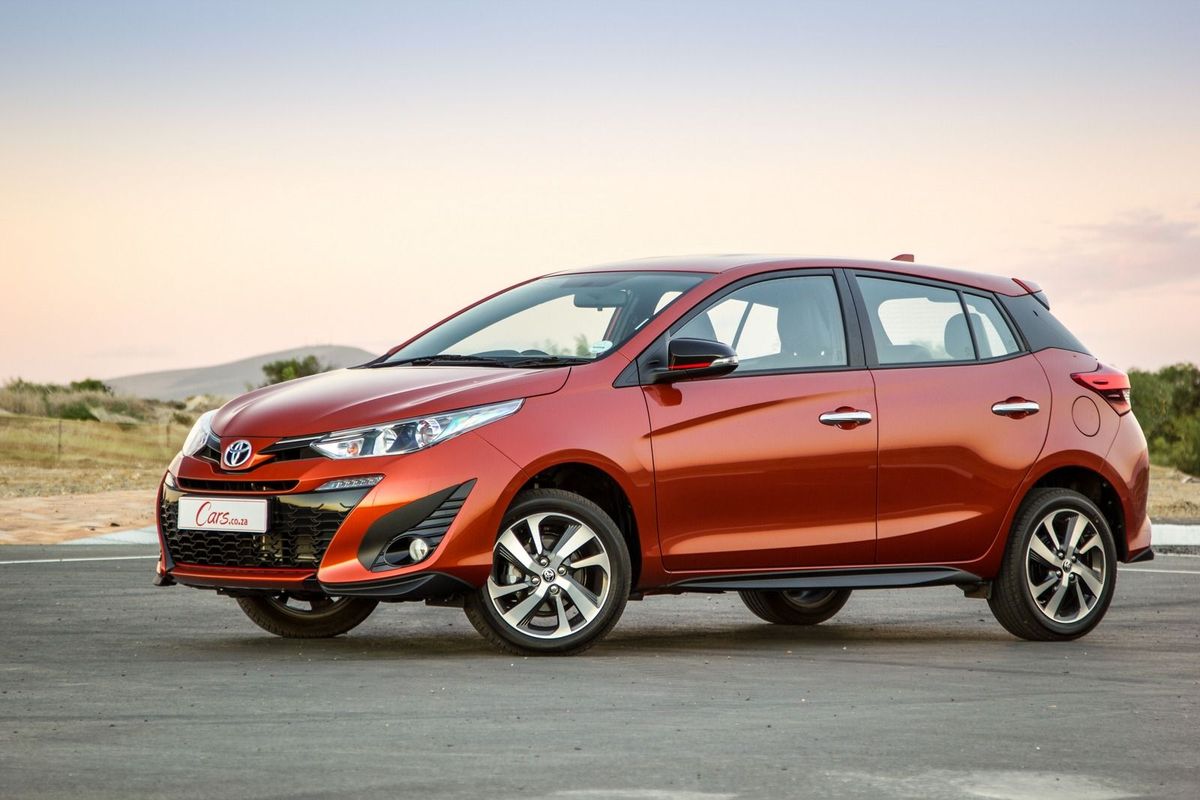
The Yaris used to be one of the bestselling compact hatchbacks in the new vehicle market, but its popularity has waned. Now Toyota South Africa has introduced a new version, which is built in Thailand… will it change the Yaris’ fortunes for the better?
We like: More space, better infotainment system, willing engine, good ride quality.
We don’t like: Cheap interior materials, horrid turning circle, lack of reach adjustment on steering column.
Alternatives
The standard choice: The Volkswagen Polo is SA’s best seller and the new model has just arrived in 2018. It may be at the upper end of B-segment pricing but it’s an excellent, modern hatch that doesn’t have any major flaws.
The #CarsAwards category winner: The Mazda2 is a solid, dependable choice in this segment. It is keenly priced and an excellent drive. Most models lack stability control, however.
For some flair: The Renault Clio offers good value for money with a well-kitted car that looks good and returns excellent fuel economy. The interior trim quality may not quite be up to the Mazda and Polo’s level.
Toyota's customers wanted something sportier and bigger, Toyota SA responded by bringing in this Thai-built Yaris.
It’s an interesting question because the Yaris received an update midway through 2017 with the launch of the Yaris Pulse. Safety was improved and it seemed a more-than-decent value proposition, that's why it was selected as a #CarsAwards finalist in the 2017/18 awards programme.
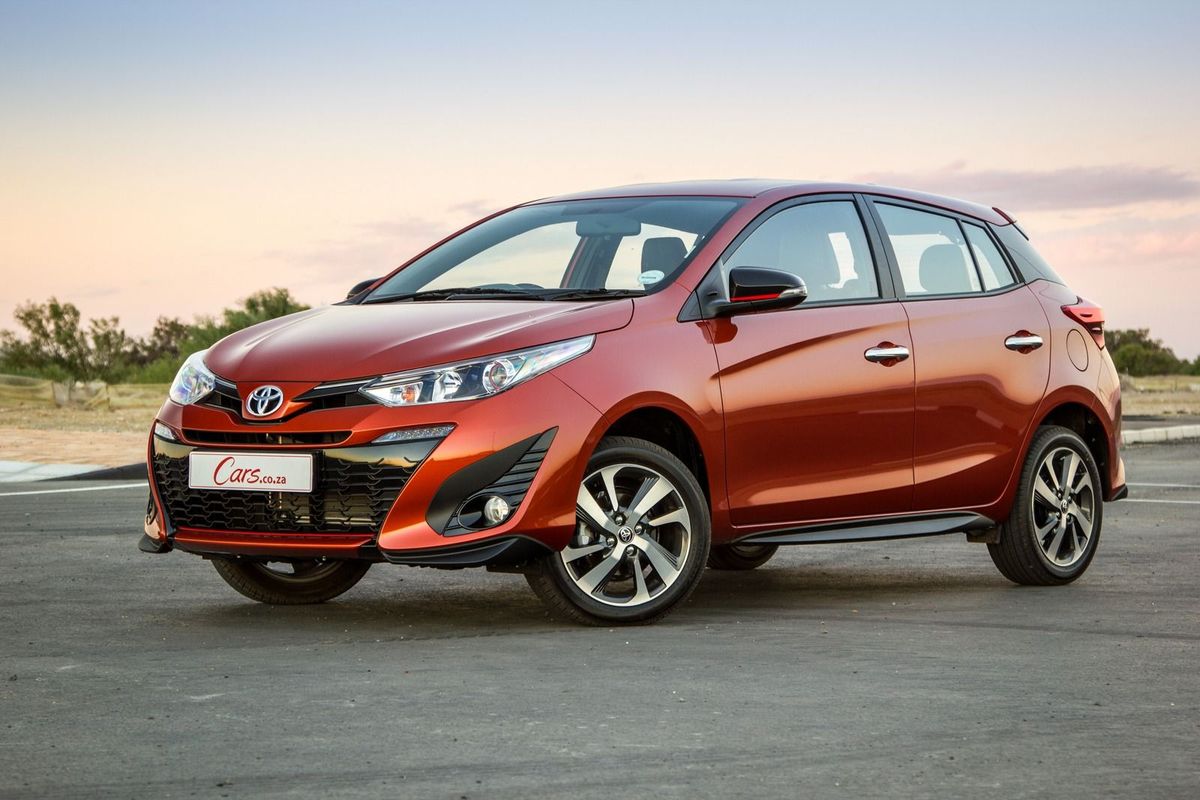
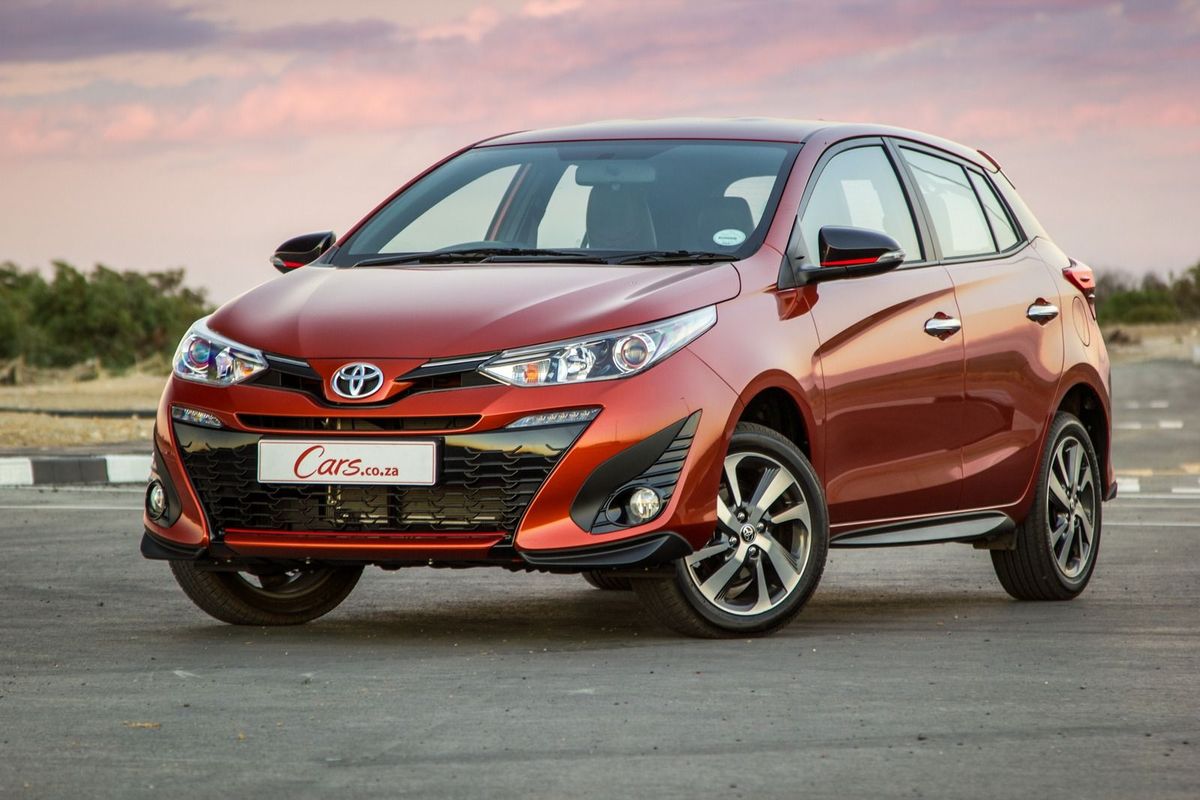
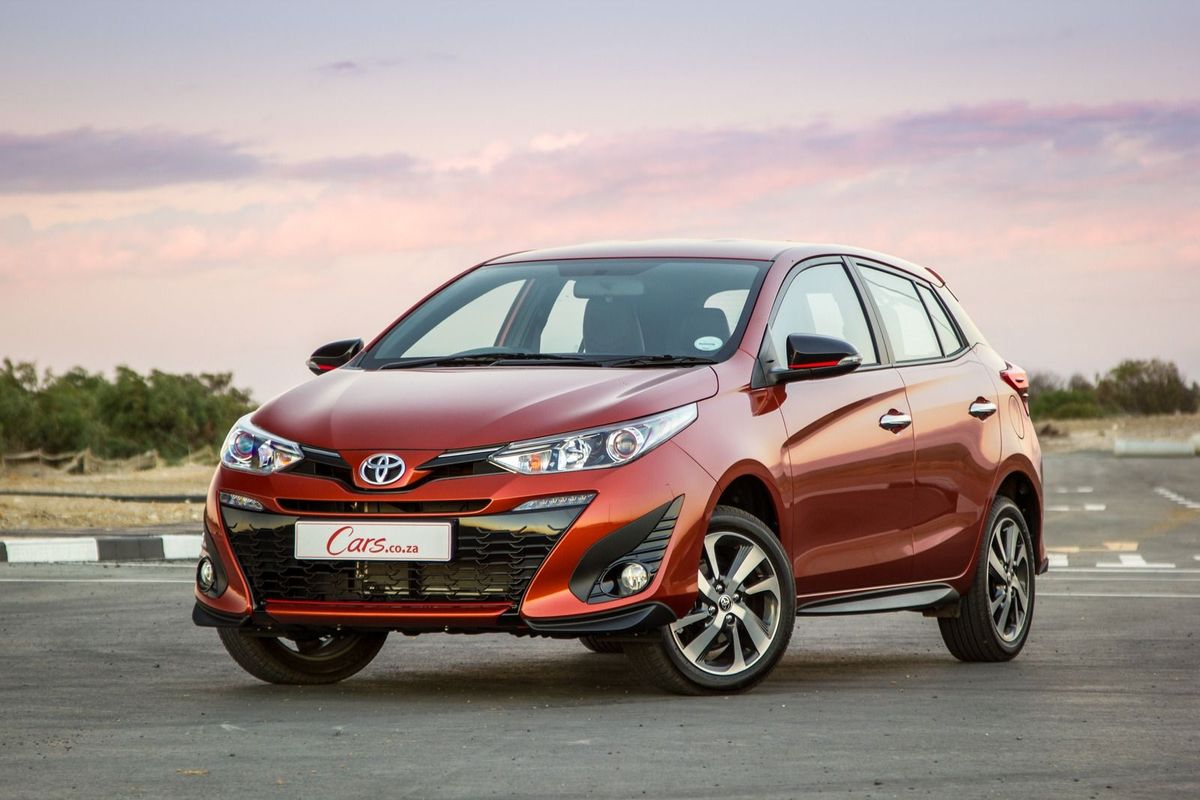
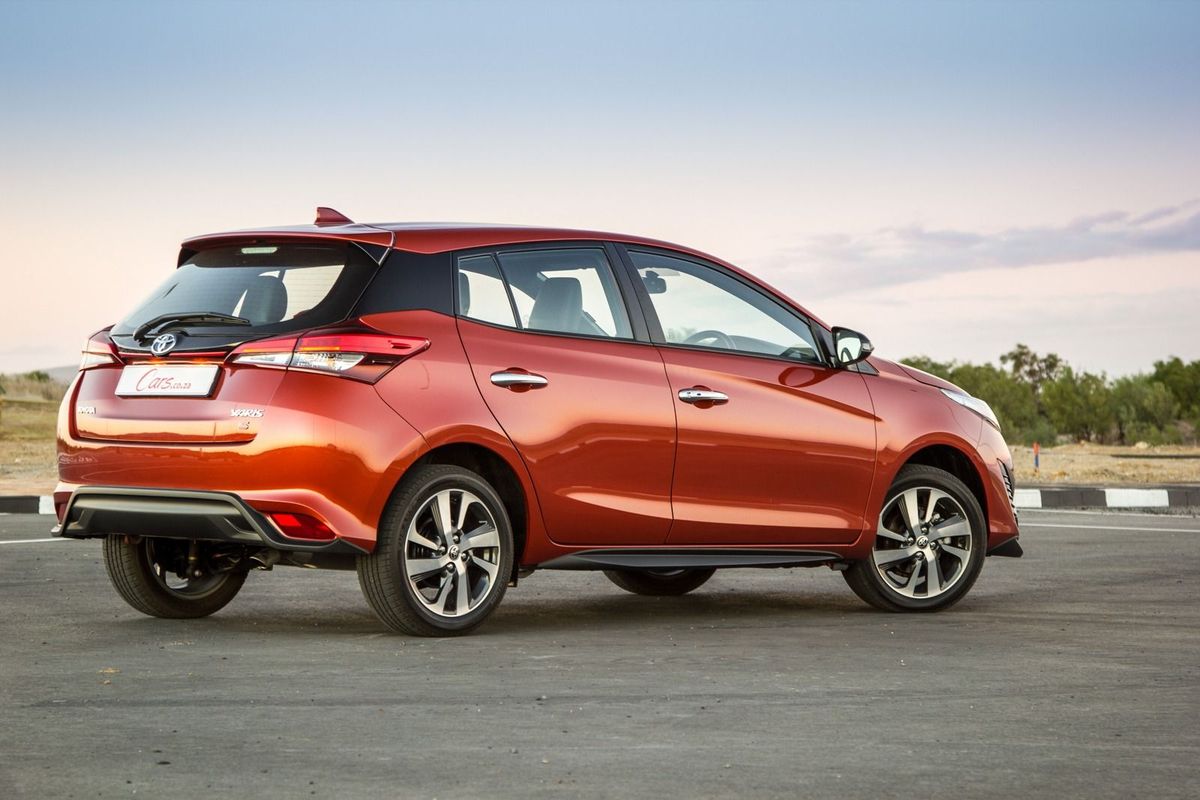
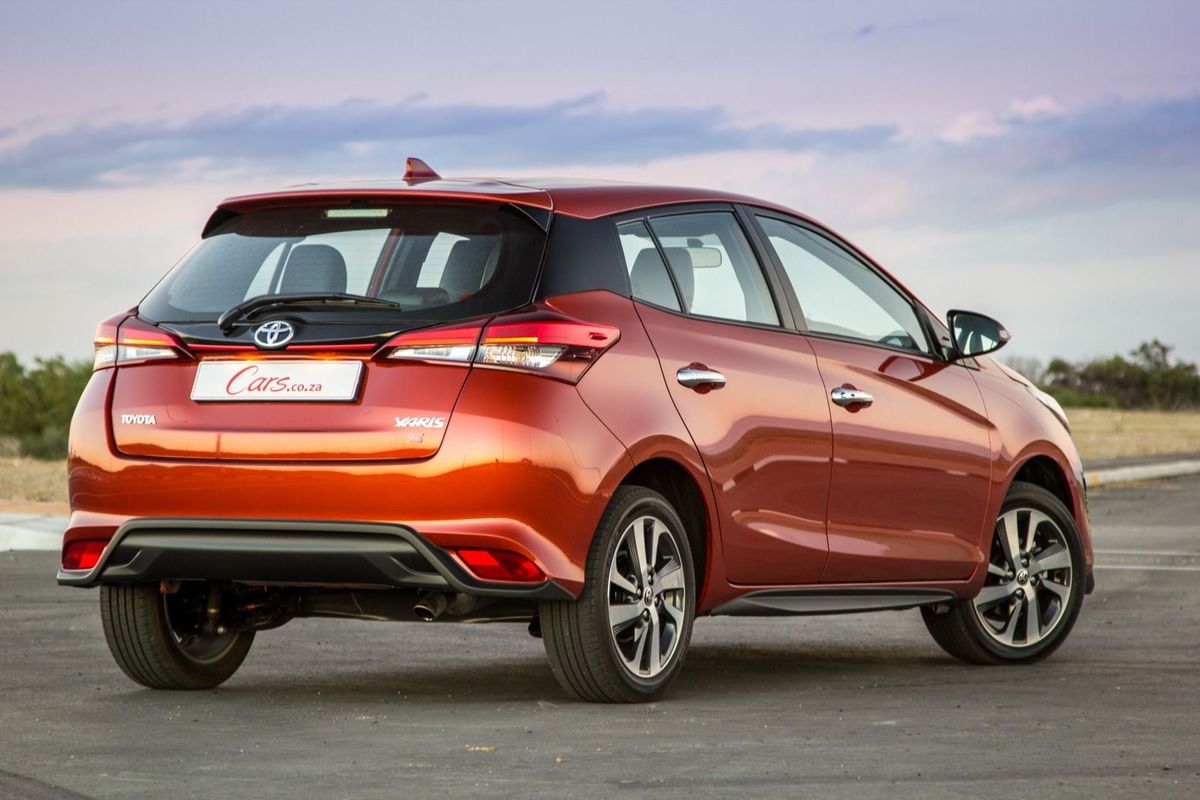
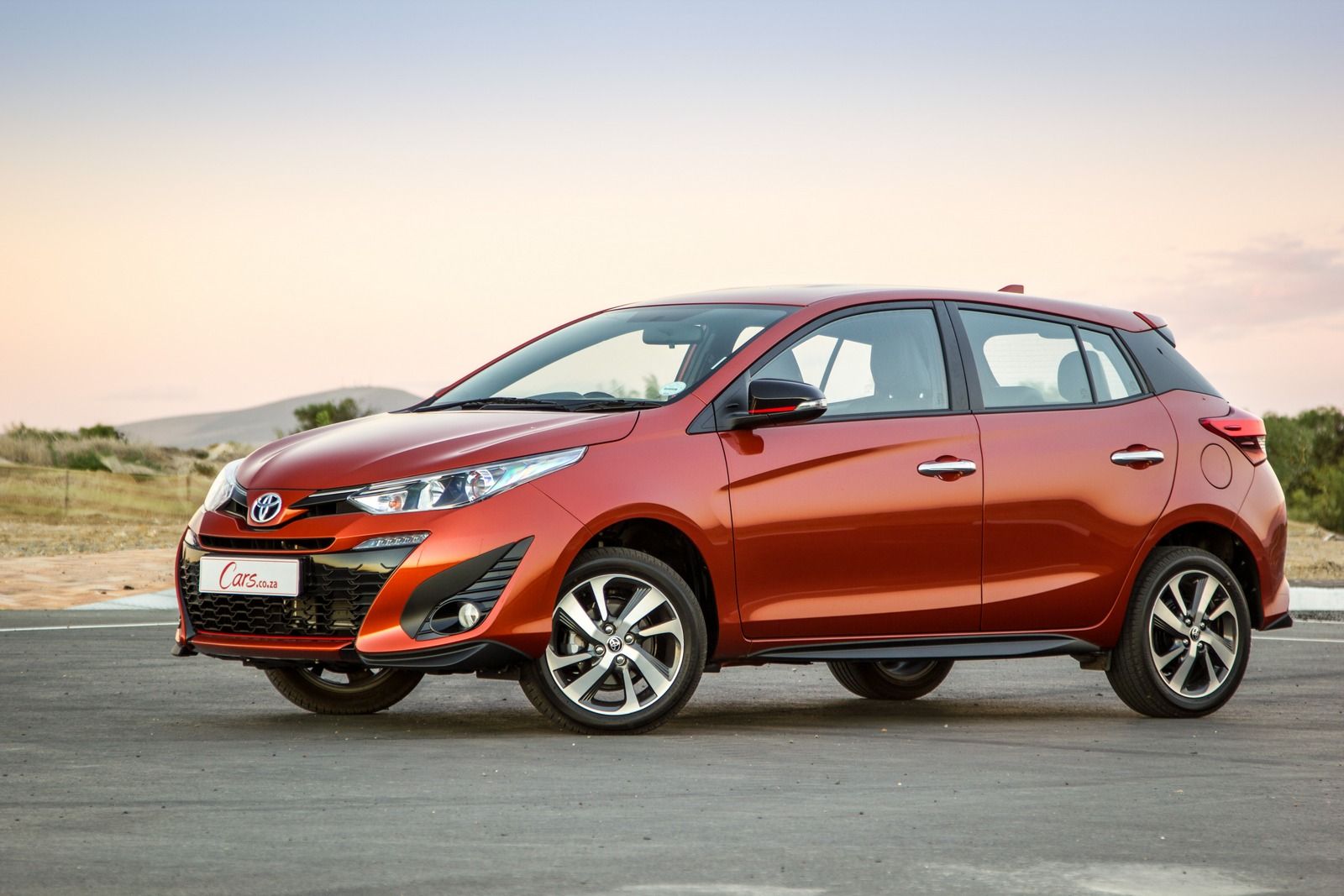
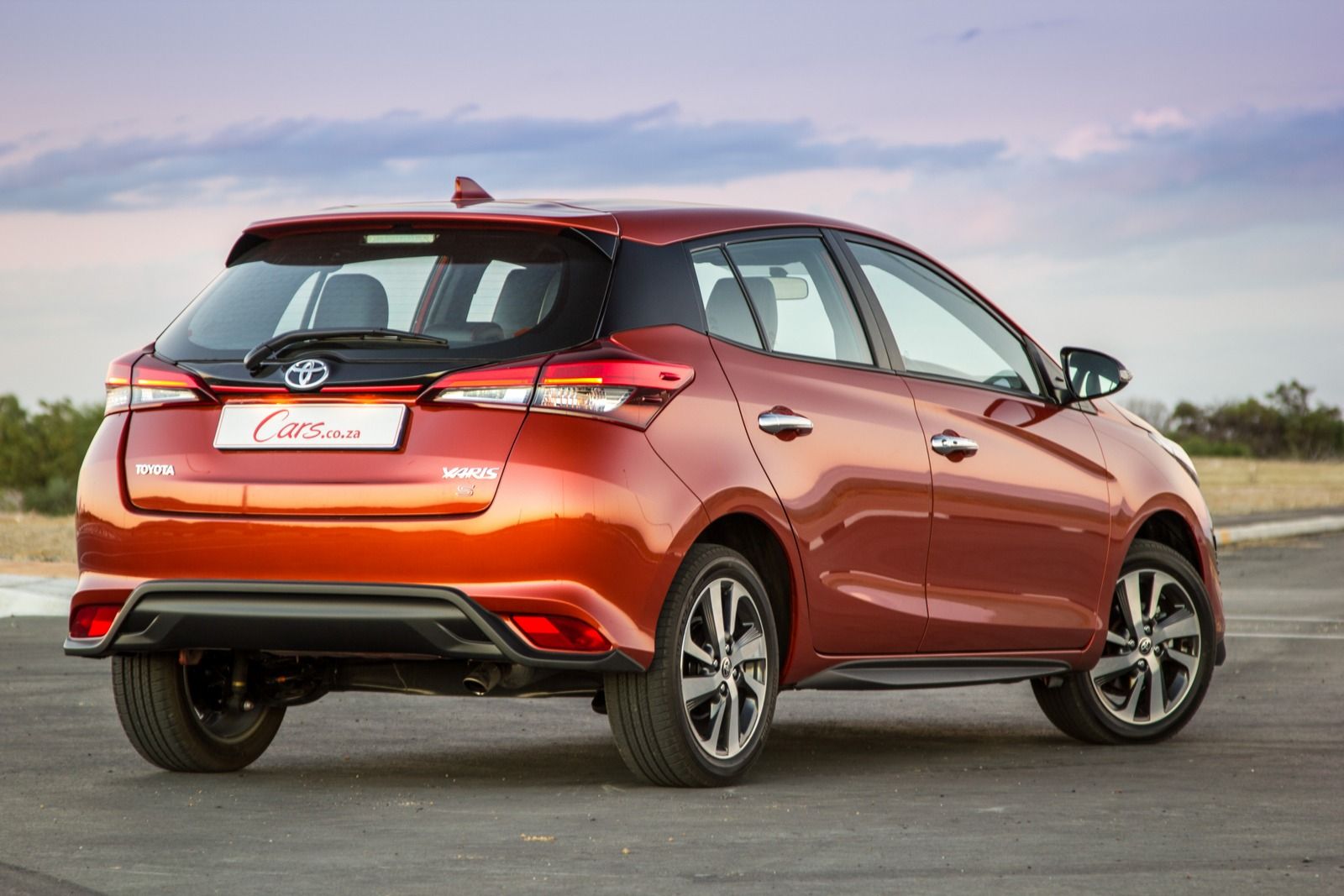
This 2018 Yaris can’t be thought of as a new Yaris – it runs on the same chassis as before. The major difference is that it’s now imported from Thailand instead of Europe, and with that comes a few distinct changes. The body design is clearly different with the front-end featuring winglets that run down the wheel and surround the foglight. It looks like a bigger car and indeed it is some 163 mm longer and 5 mm wider. Toyota suggests that customers of the previous model were looking for a sportier look to improve the appeal of the product and that's exactly what the newcomer offers.
There’s still a 1.5-litre naturally aspirated engine under the bonnet, but it’s now the only choice of engine and it comes with either a 5-speed manual or a continuously variable (automatic) transmission.
How does it fare in terms of…
Kerb appeal?
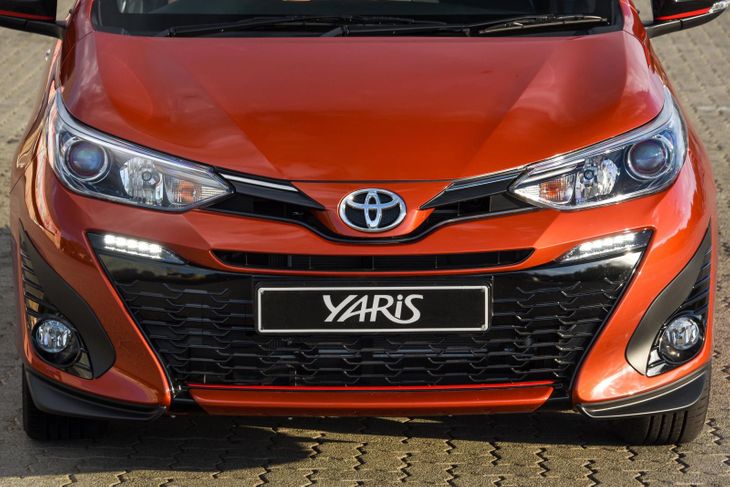
Is this the face of a large Manta Ray, found off the coast of Thailand? The previous Yaris' anodyne looks have been banished.
A major factor of success in this segment is appealing to the younger, early-20s generation with an eye-catching design. The Yaris that has now left us was attractive, but perhaps not to everyone’s taste. Toyota believes this Thailand-made model is more grown up with sporty looks and a less polarising design.
An aesthetic critique is subjective, yes, but the Yaris looks chunkier and has a more substantial presence. The front-end design gives it an aggressive face, even with the winglets that look like they were traced from the face of a Manta Ray. It would be a stretch to say this Yaris has classic looks that will stand the test of time (like those of the Polo or Clio IV), but there is no danger of it blending into the scenery…
Running around town?
The 1.5-litre engine under the bonnet does develop more torque than the outgoing model with the peak outputs now sitting at 79 kW and 140 Nm. This compares well with the other similarly-sized naturally aspirated engines from Mazda and Kia, but lacks the torque of the modern turbocharged petrol units in the Polo and Clio, for example.
It is quite a responsive engine though, with adequate power delivery for town and freeway speeds. The accompanying manual gearbox is typical Toyota with its "easy-fling" shift action that syncs gears quickly.
The engine remains responsive with decent tractability. The ride is supple and comfortable.
Fuel consumption is claimed at 5.9 L/100 km for this manual model and, as we have experienced with most naturally aspirated engines, they tend to get closer to their claimed economy figures than their turbocharged counterparts. We achieved a commendable 6.6 L/100 km during our test.
One particular thing that became apparent during our test (we did not notice it at the car's media launch) was the surprisingly large turning circle (for a small hatchback). It makes parking in shopping centres tricky and there’s nearly no way you could pull off a U-turn without having to reverse and 3-point turn your way out of your position.
Practicality?
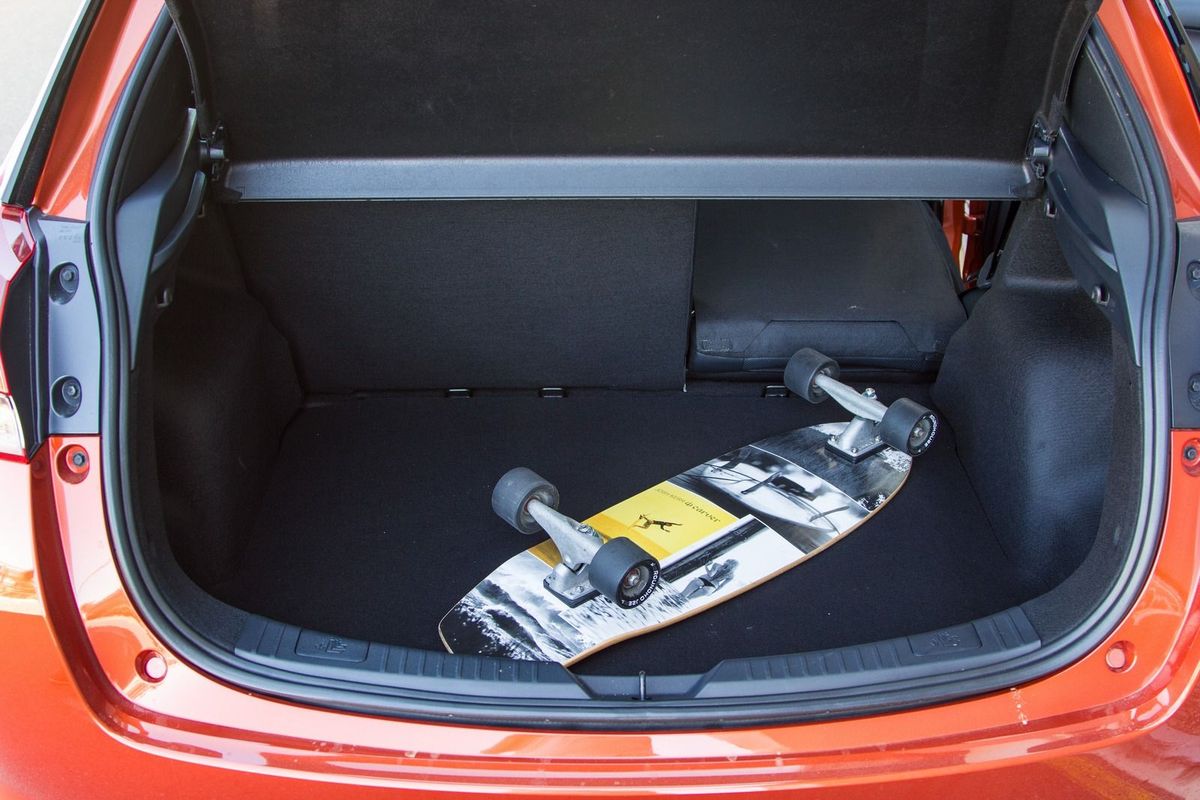
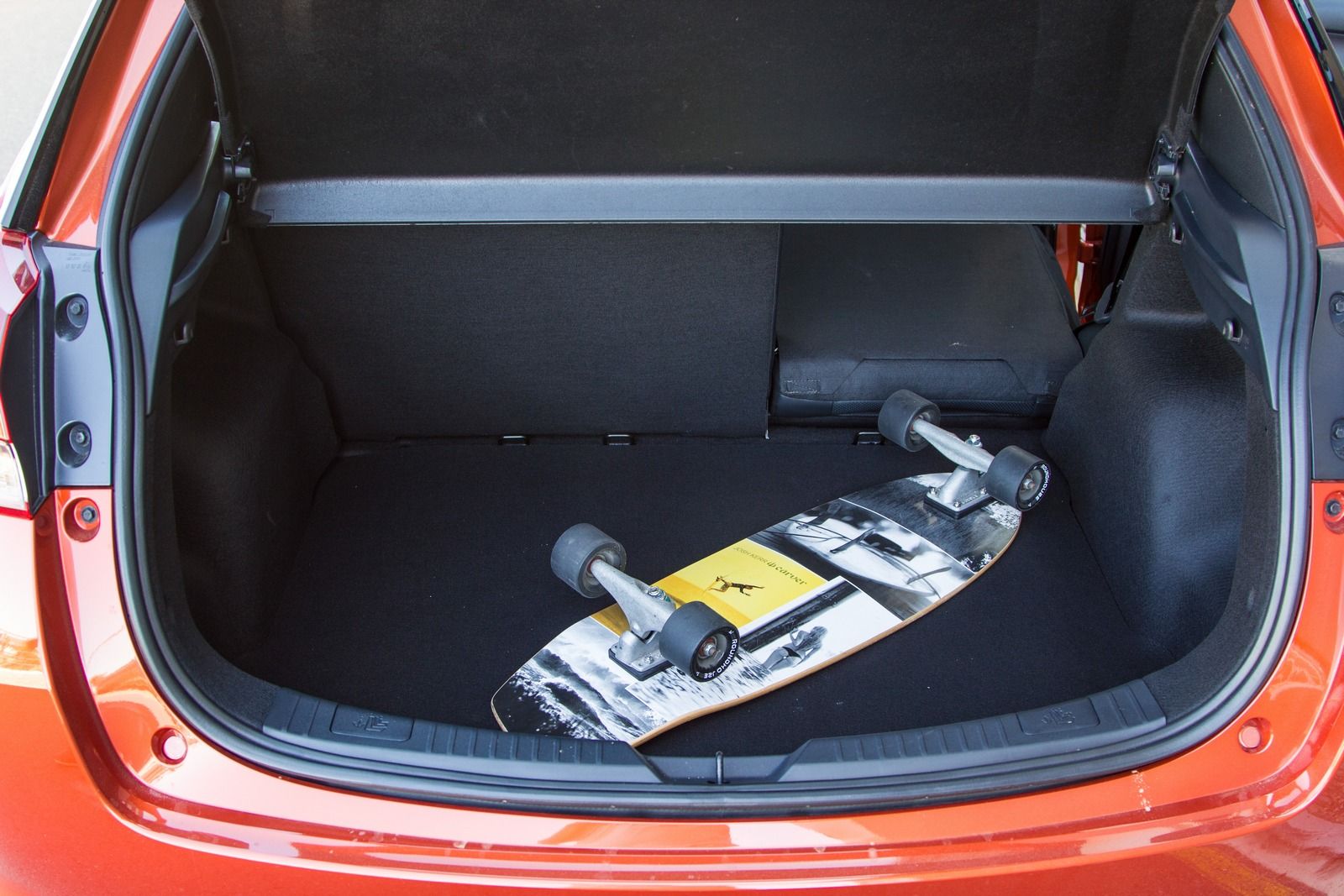
The Yaris has grown 163 mm in length, which benefits luggage space. It’s up 8% over the previous model (to 310 litres) and that's par for the B-segment, but 40 litres smaller than the new Polo. Rear legroom is good, but headroom around the sides is diminished by the large curving roof. It seems the Yaris nameplate has grown in the same way that Minis are "not so Mini" anymore.
The claimed luggage capacity has increased to 310 litres; the rear aperture can easily swallow an upside-down skateboard, among other things.
The front of the cabin could have done with a few more storage spaces to hold oddments like keys, which get relegated to the cupholders in the case of the Yaris. There appears to be a slot alongside the handbrake to hold a phone, but all it does is turn your phone into a projectile every time you have to use the brakes.
The centre console is quite small but the door pockets are large enough to fit big bottles that won’t squeeze into the cupholders.
Ride quality?
As with its siblings in the Toyota stable, the Yaris rides really comfortably. Its chassis is more-than-capable on bumpy terrain and cushions speedbumps and potholes well. What's more, the body doesn’t roll excessively in corners or roundabouts and remains flat and stable when changing direction.
At freeway speeds the Japanese hatchback remains poised – even the gusty Cape Town wind didn’t have much of an effect on it. Some of its competitors can feel a bit floaty at higher speeds, but the Yaris remains planted and rides positively. The steering has a slight dead-spot around the centre, where nothing happens, which can lead to a few over-corrections when maintaining your lane.
Interior ambience?
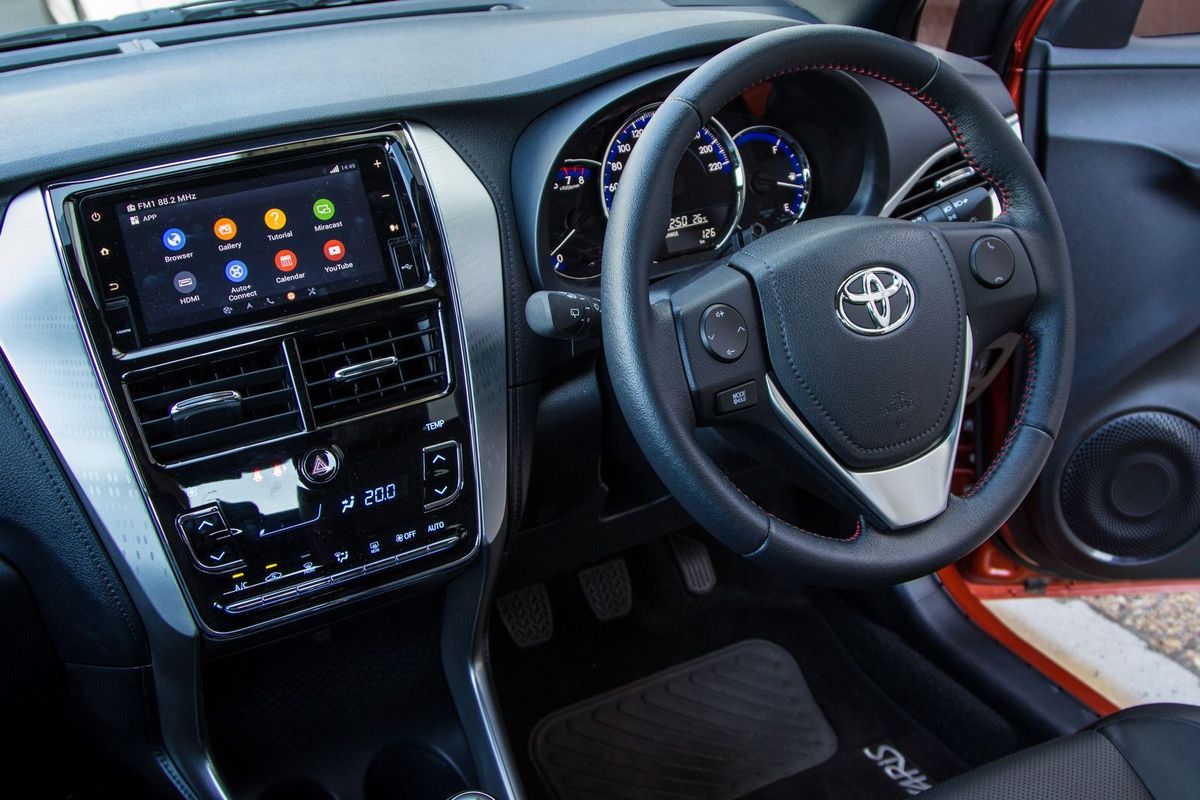
The previous Yaris may not have been the best at incorporating modern technology, but the cabin materials were at least of a soft-touch variety and relatively upmarket. Unfortunately, this Thai Yaris does not feel very premium inside, apart from the leather upholstery offered in this S model… The plastics are hard and scratchy, although we have no reason to doubt their durability. Furthermore, the dash on the front passenger's side features faux stitch marks on it, which is a bit silly, while the steering wheel appears to be covered in leather, but the material doesn't quite feel as if it was sourced from a cow.
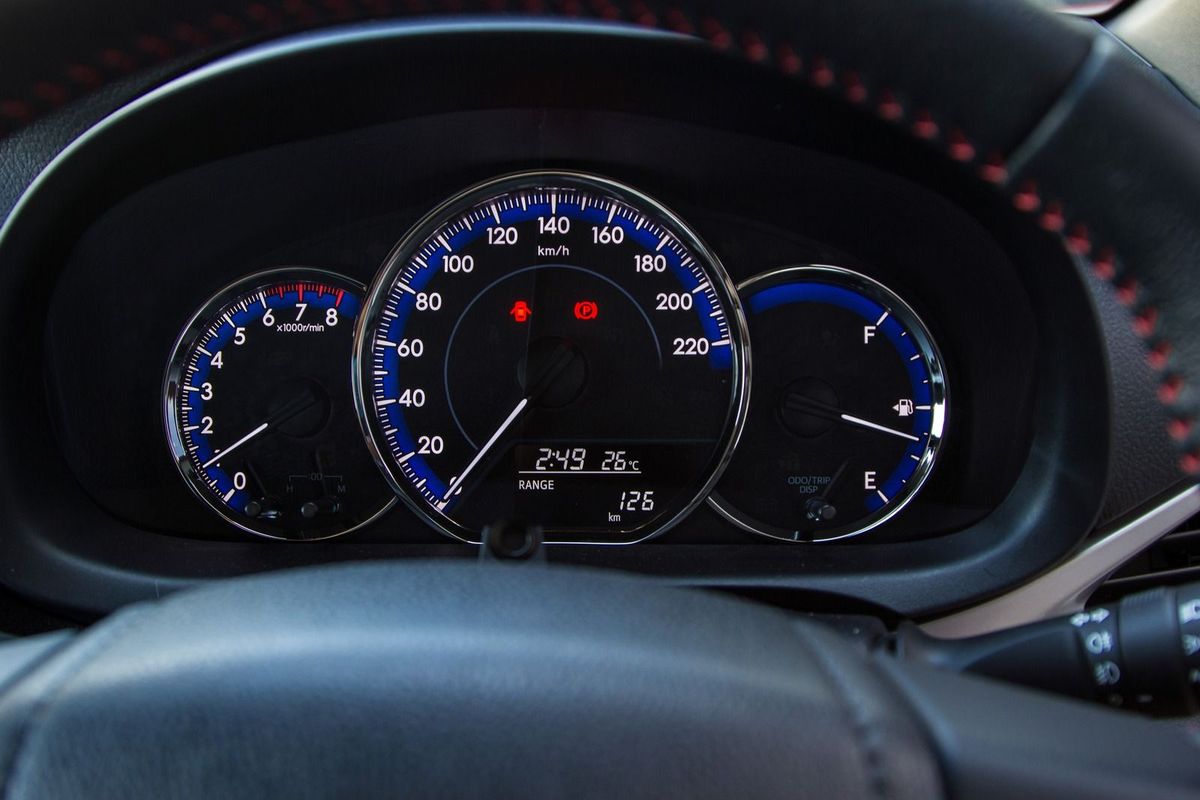
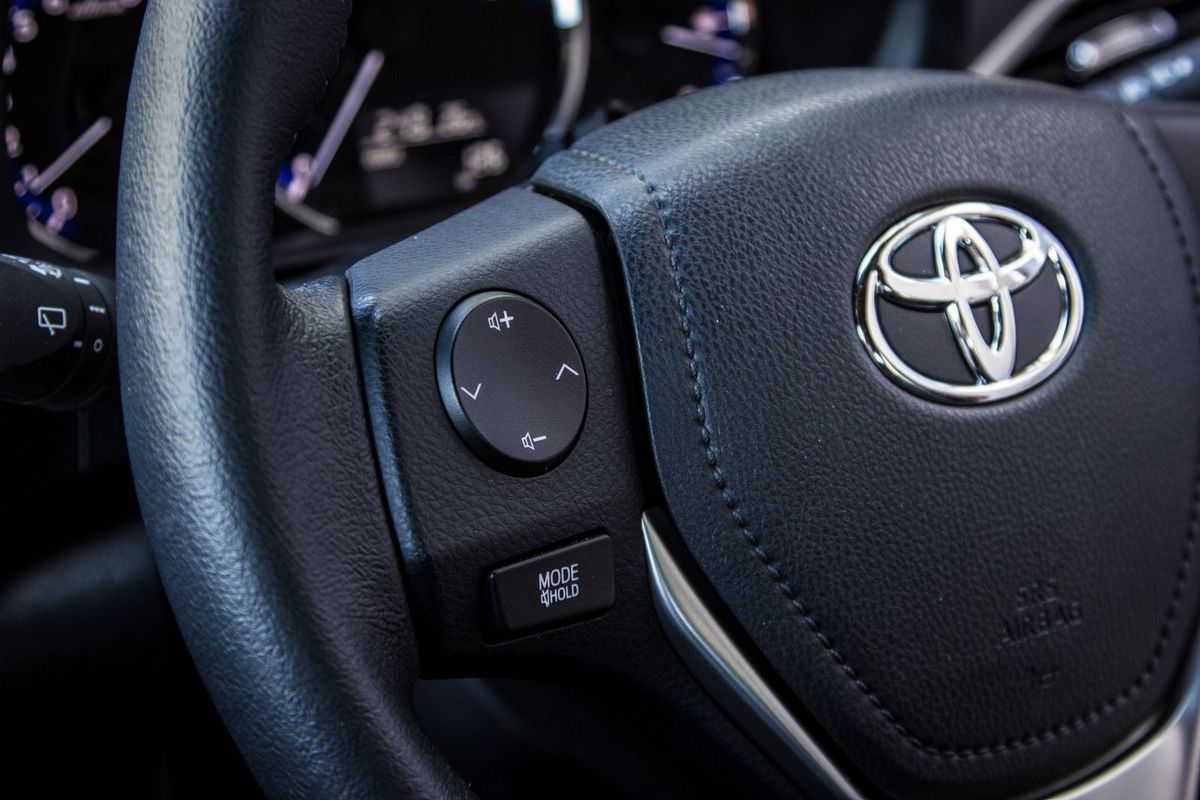
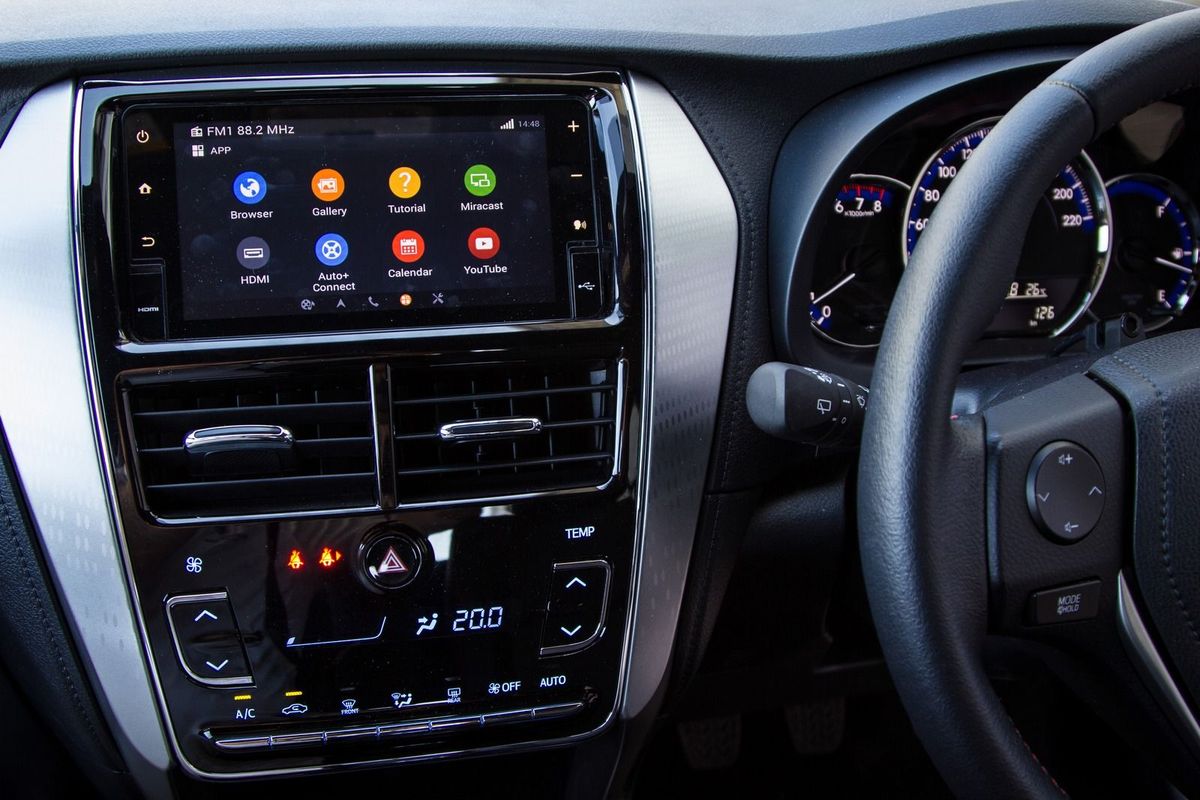
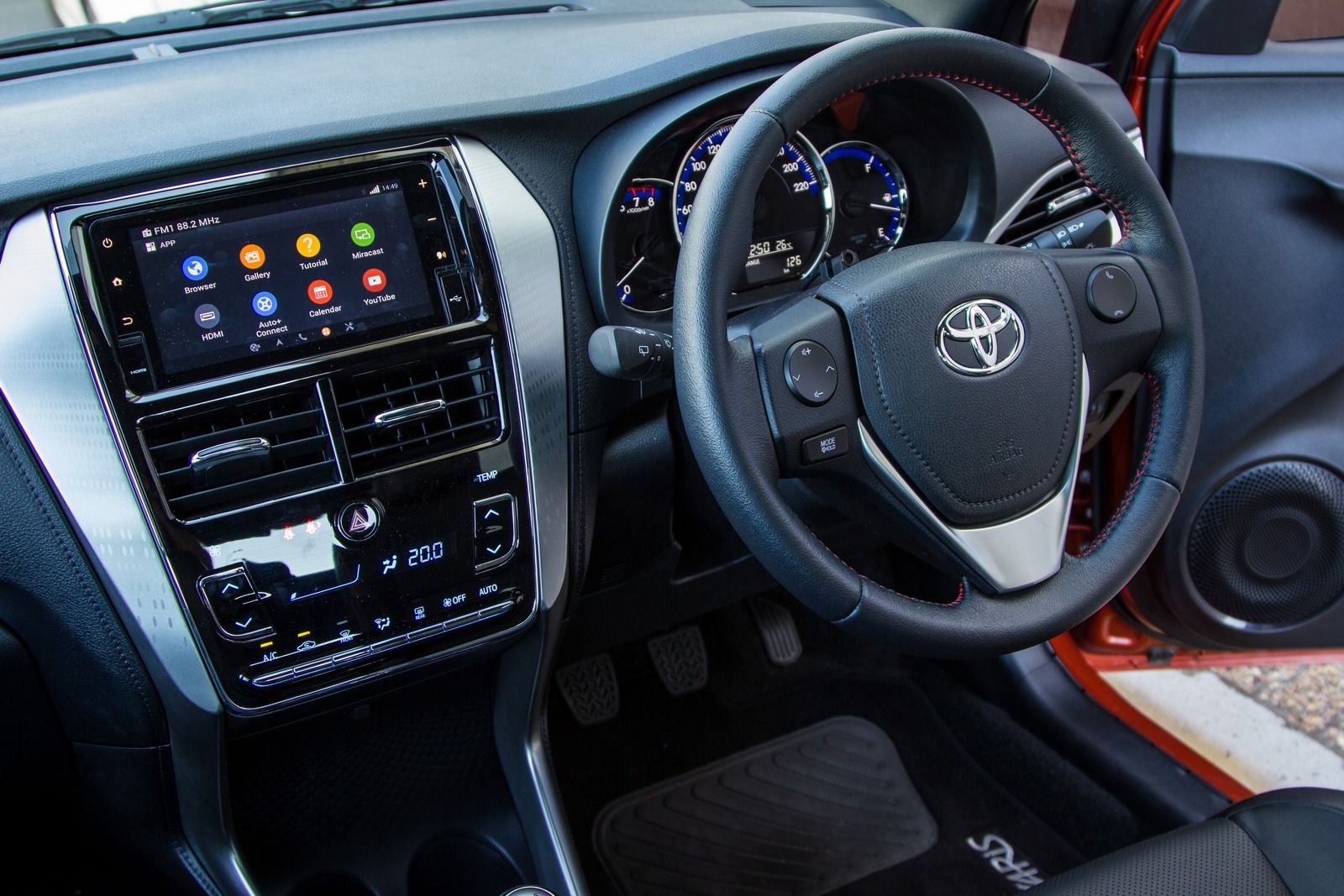
The infotainment system has much-improved tech. No reach adjustment on the steering wheel is a pain, however.
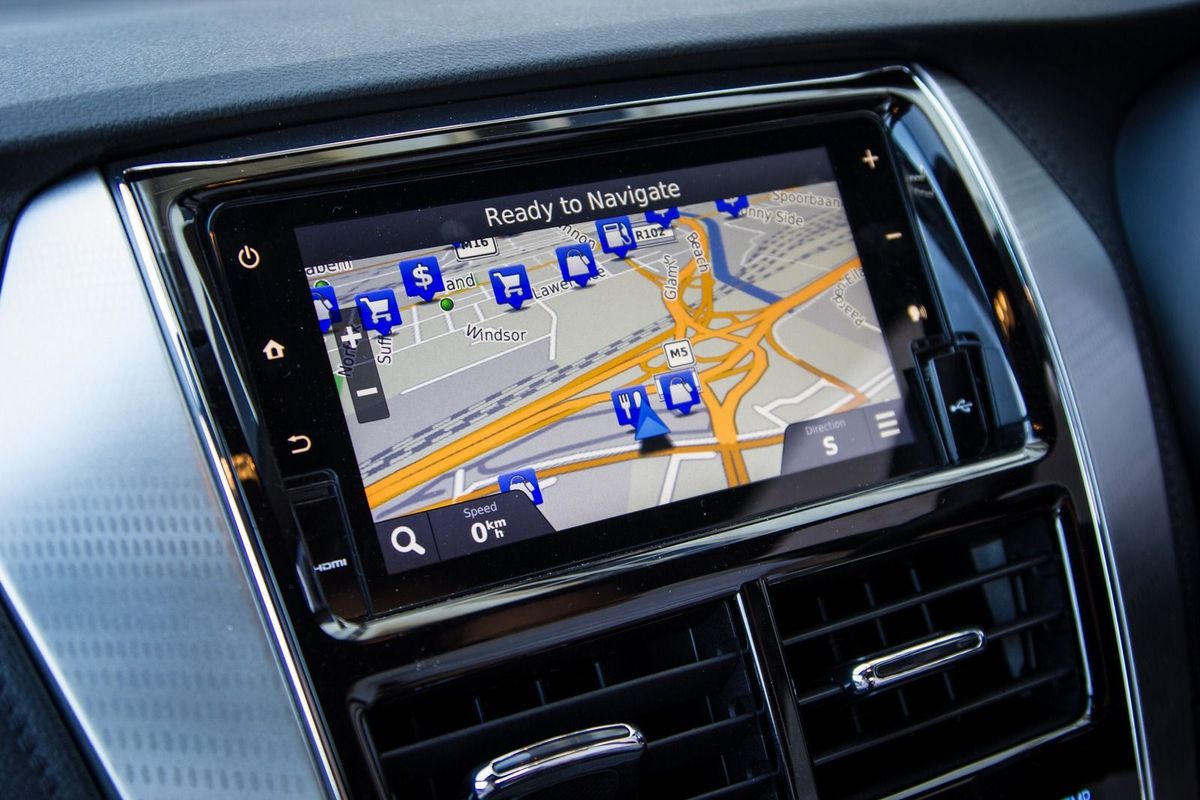
The driving position is difficult to get right because the steering wheel does not have reach adjustment (yes, really!), but at least the capabilities of the infotainment system are much improved. Apple Carplay and Android Auto are available (as are USB and HDMI ports). There's navigation, but it’s not the easiest system to use and the sound system is middling, so don’t expect much volume/clarity when you crank it up.
Safety?
After adding stability control to the Pulse last year, it’s good to see that Toyota has stuck with it for this model too. The S also comes with ABS, EBD and hill-start assist. All models are equipped with driver and passenger airbags, while the Sport derivative on test here further has side, curtain and driver knee airbags.
The automatic headlights appear to be the most sensitive we have ever tested. In fact, it seems they can be activated by the smallest of shadows, so if you happen to be driving down a tree-lined road or past buildings where there are lots of shadows, the Yaris constantly switches the lights on and off. We can only imagine how this strobe-light effect must confuse motorists in oncoming traffic…
Pricing and warranty (Feb 2018)
An entry-level Yaris Xi starts at a reasonable R230 500 and the Xs manual version appears to be the sweet spot in the range (in terms of value for money) at R253 400. Our test unit is the top-spec Sport, which costs R286 000. All Yaris derivatives are sold with a 3-year/45 000 km service plan and a 3-year/100 000 km warranty.
Verdict
Apart from the looks and tech upgrades, it's difficult to suggest this Yaris is fundamentally better than the previous version.
We can’t see how this Yaris represents an improvement over the previous model. Bar different looks, a few more Nm of torque and an updated infotainment system, there are some notable detractions. The interior doesn’t feel as premium as the competition and there are a few niggles like the turning circle, non-reach adjustable steering wheel and constantly activating lights that may annoy prospective buyers.
At R286 000, you can get a Volkswagen Polo Highline that's hard to fault and, for a couple hundred (if that) extra rands a month, you can spec it into a much more premium product than the Yaris could ever be. There may be buyers who won't be particularly concerned about the Yaris’ niggles, but after trying out a few of its competitors, they may notice that the Yaris doesn't match up with the best in the segment.
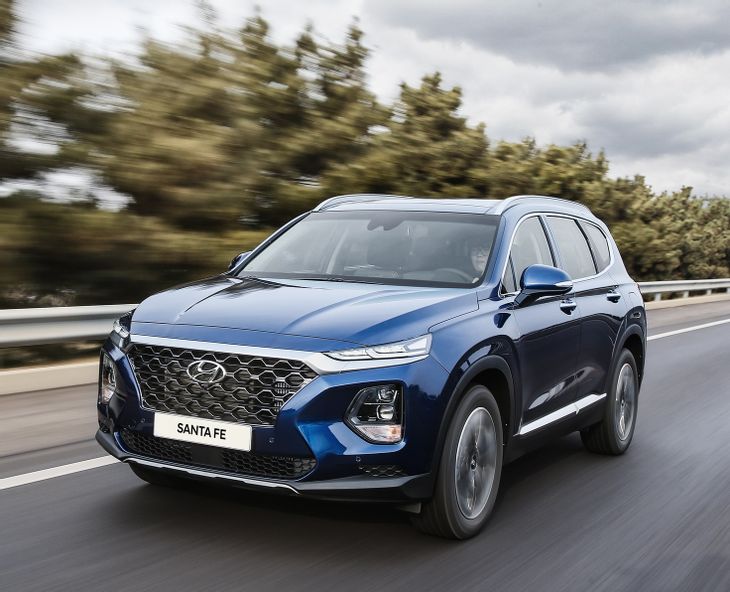
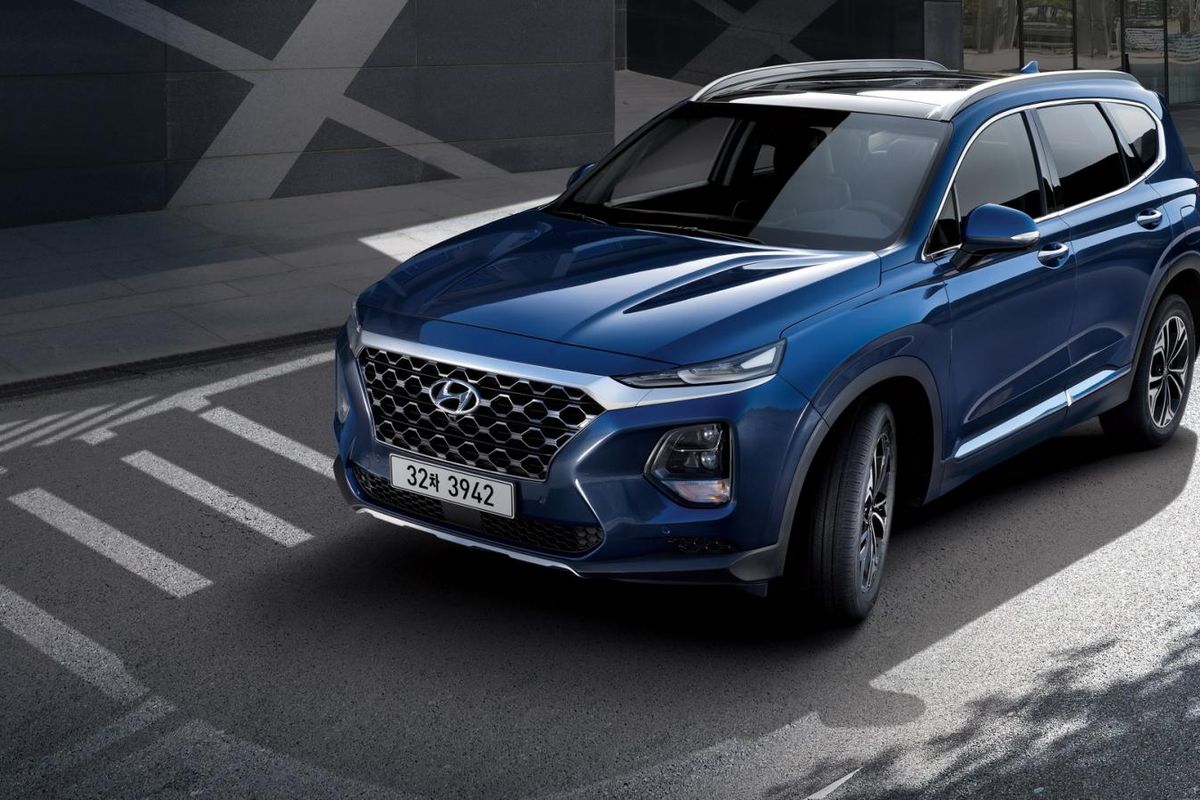
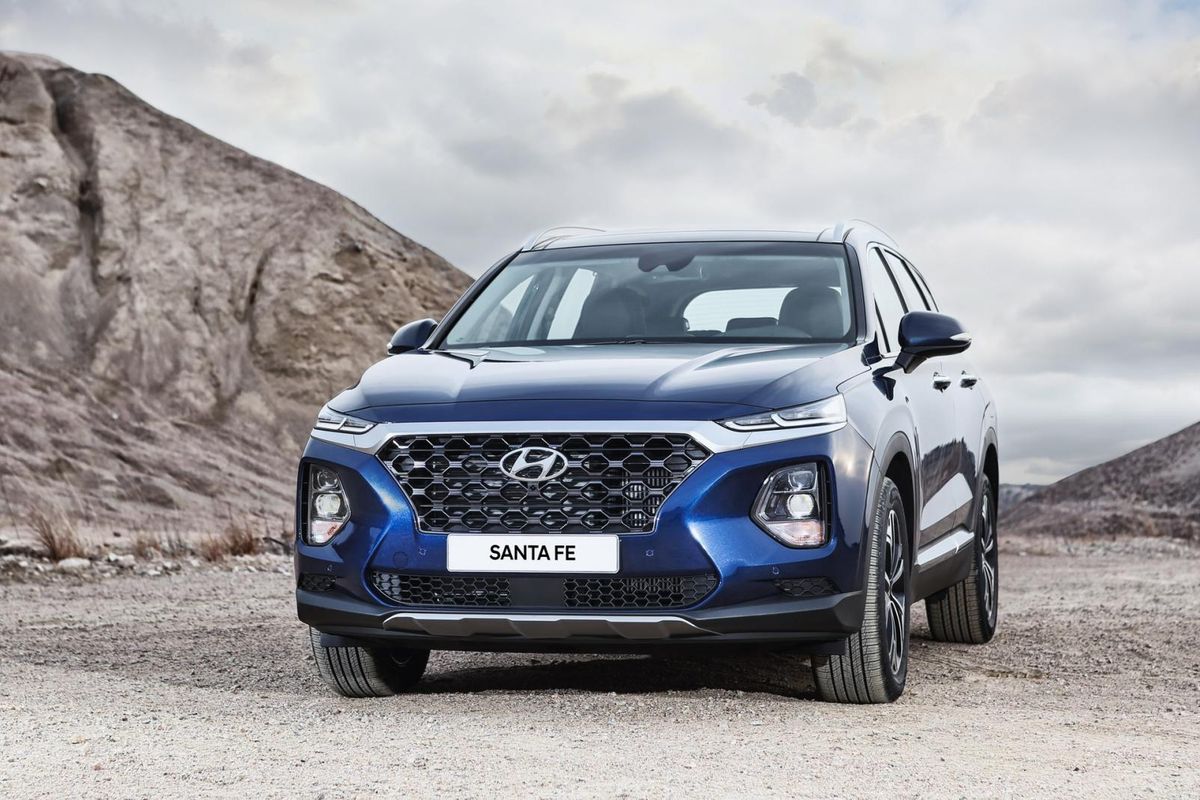
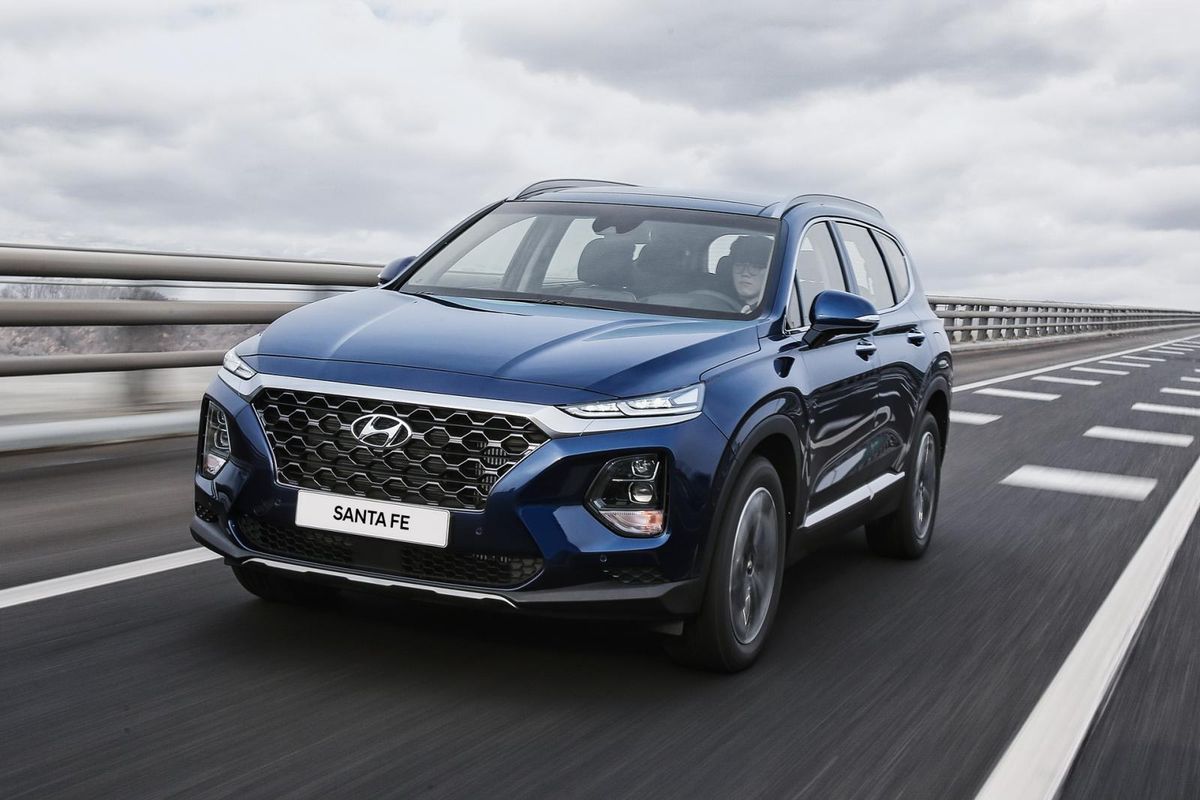
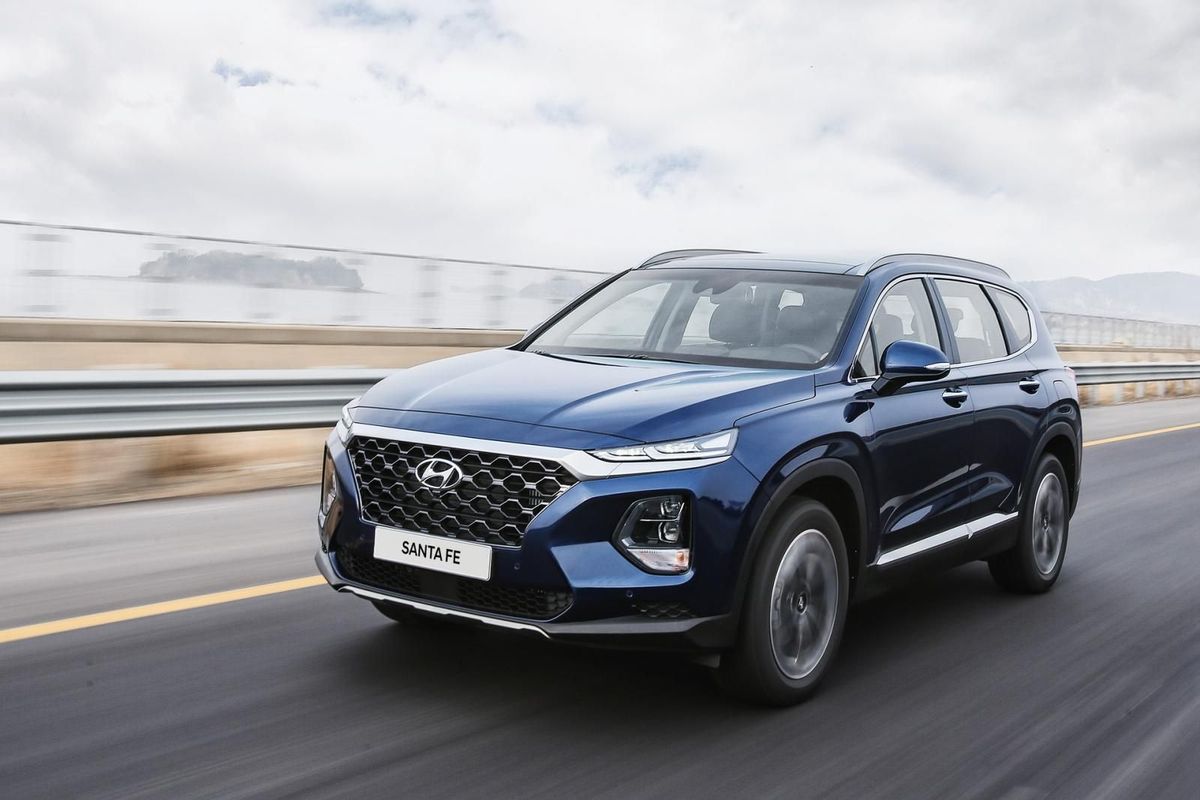
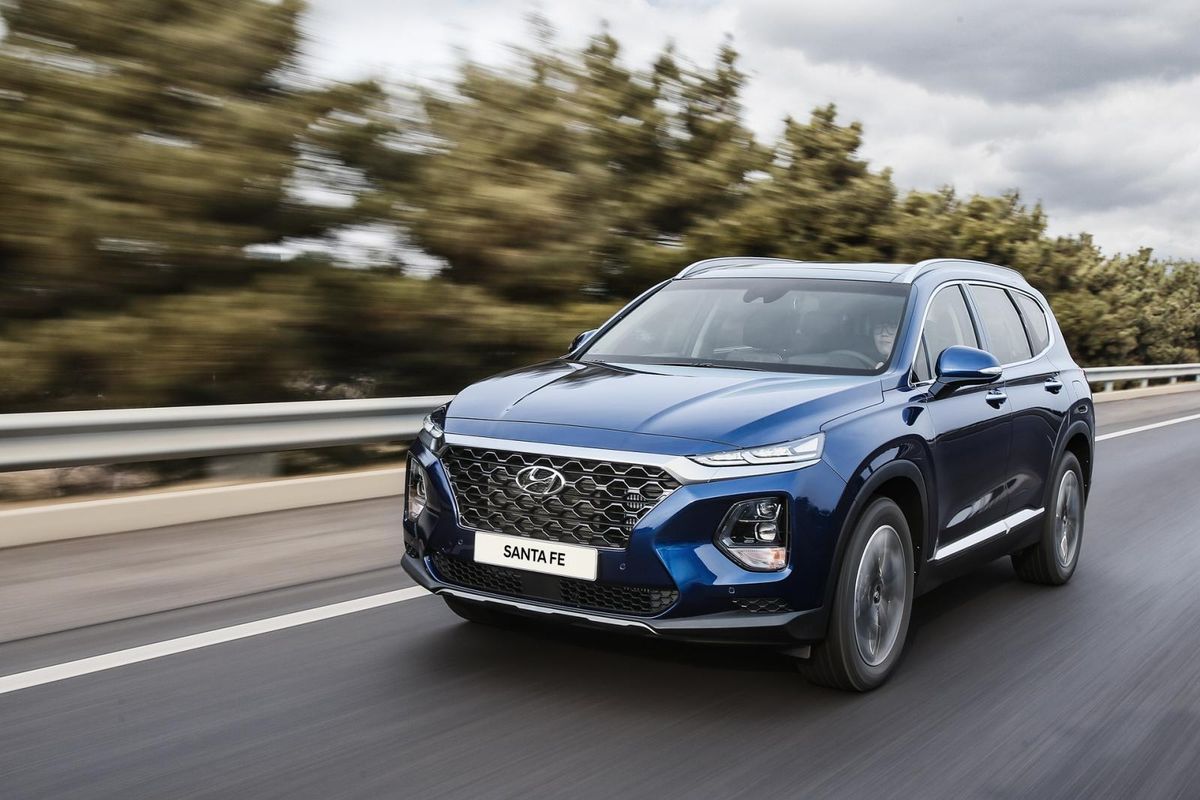
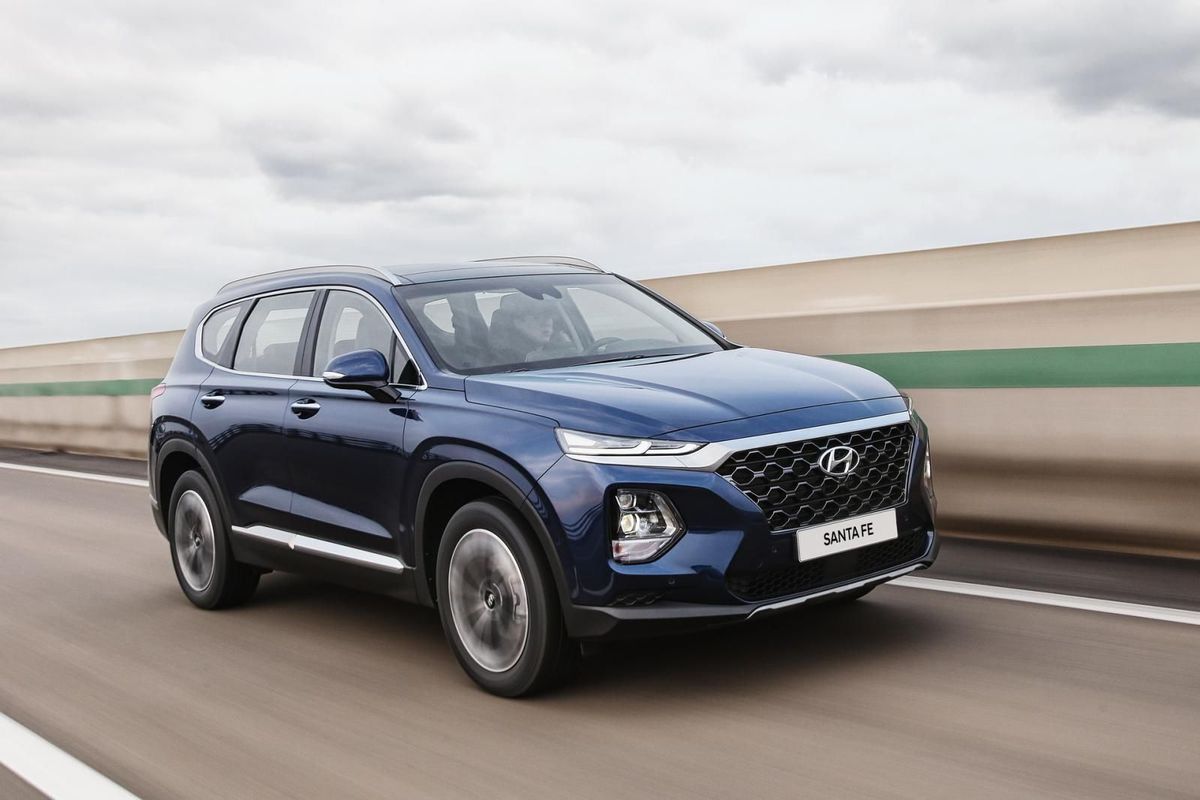
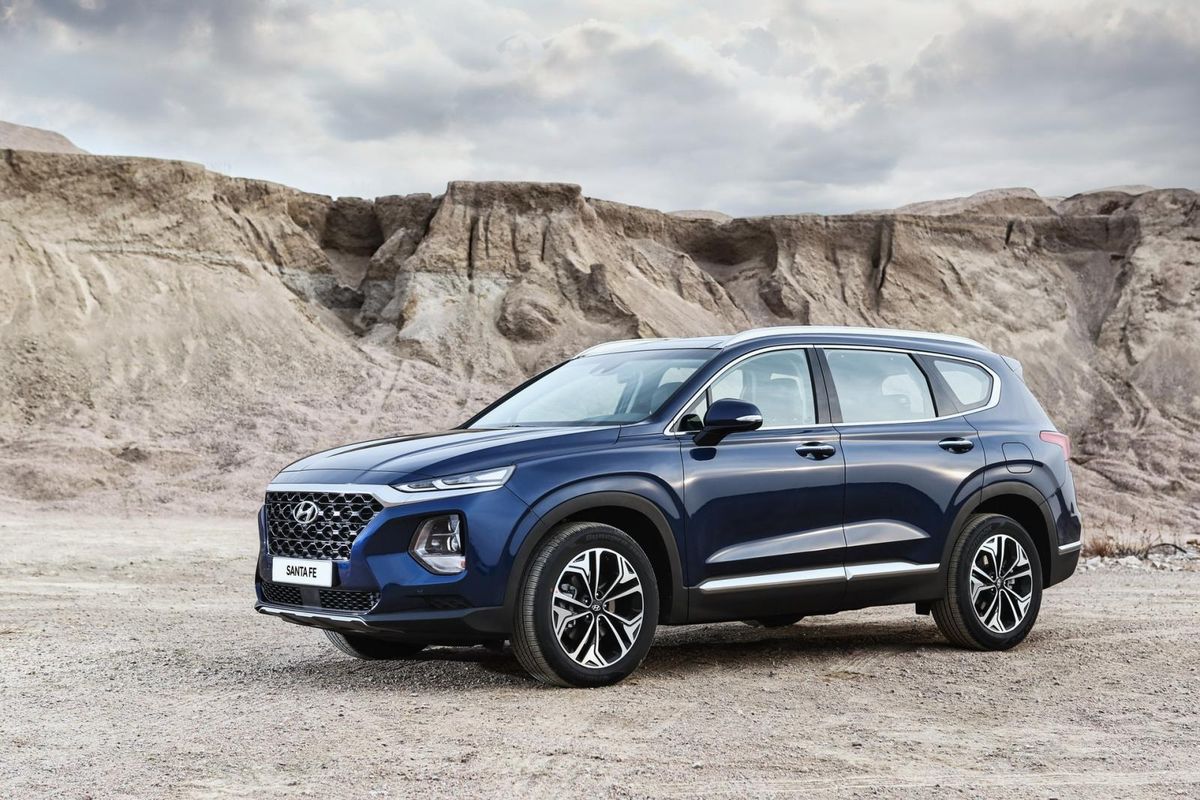
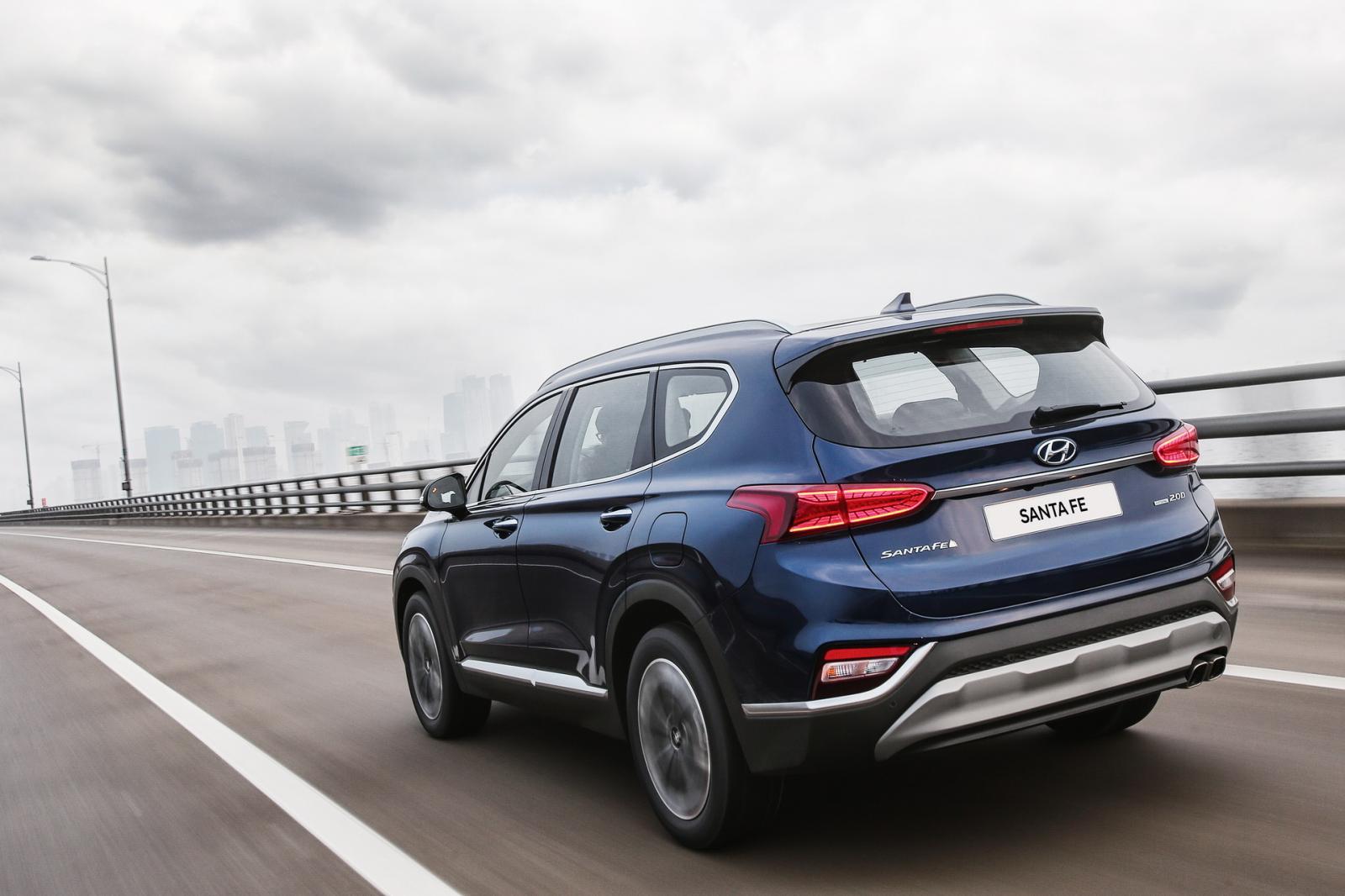
The fourth-generation Hyundai Santa Fe has been revealed in South Korea. Do you like what you see?
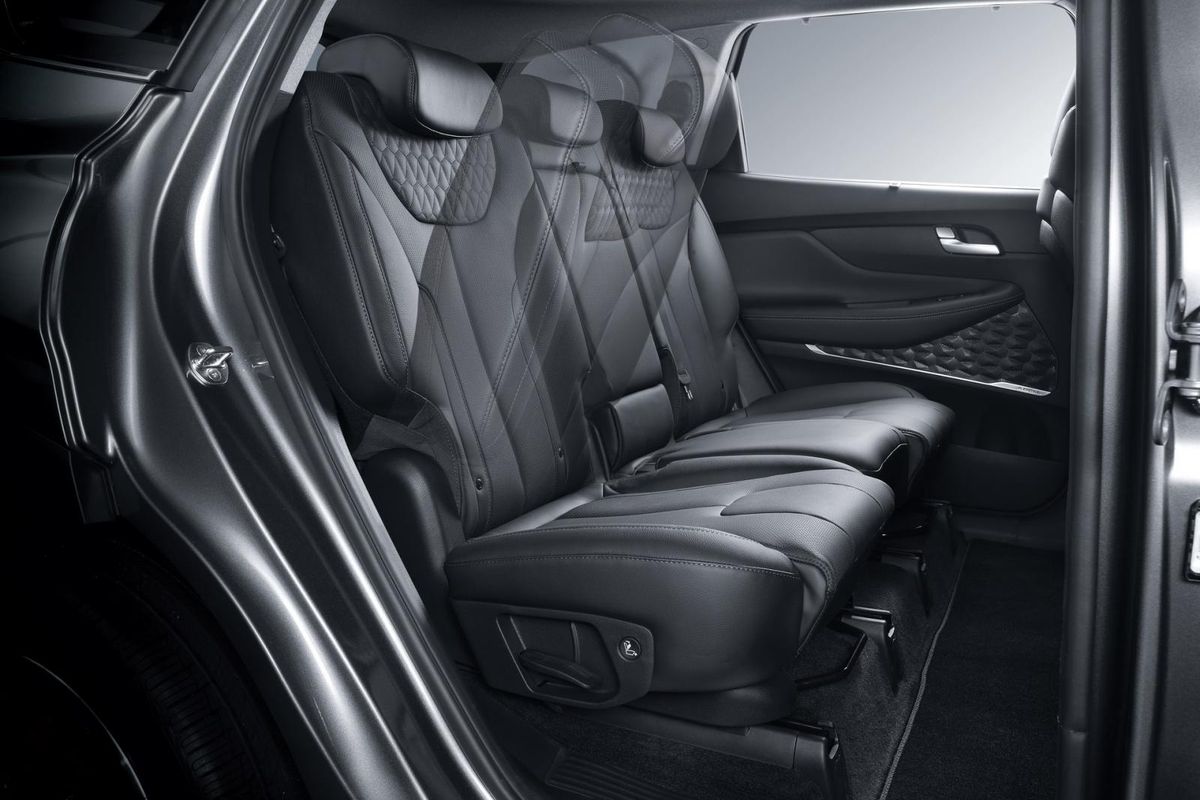
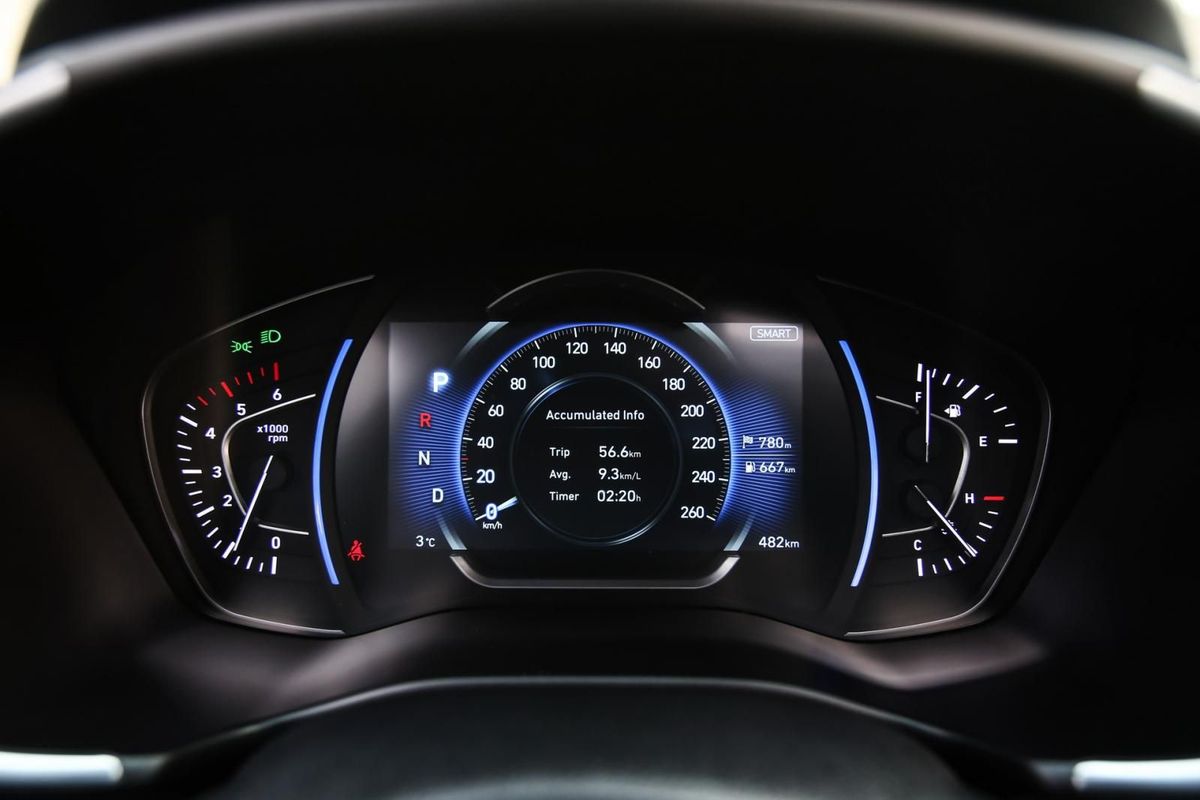
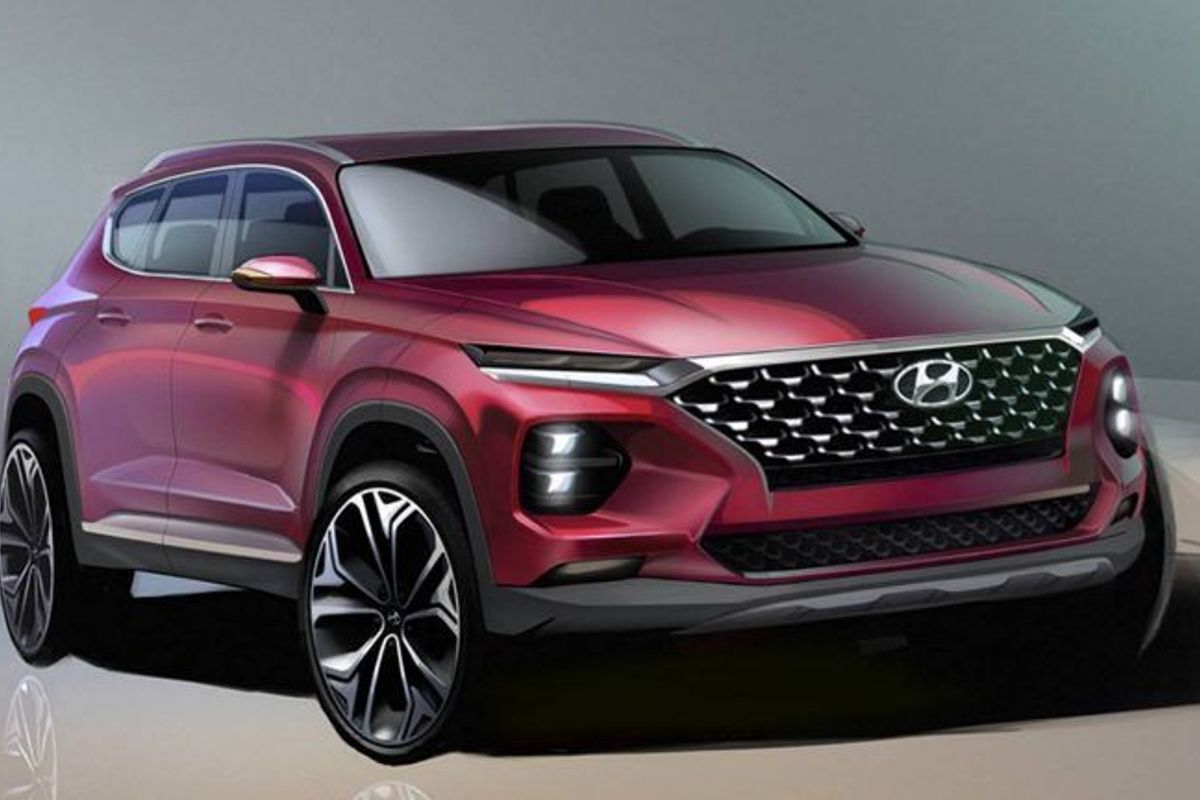
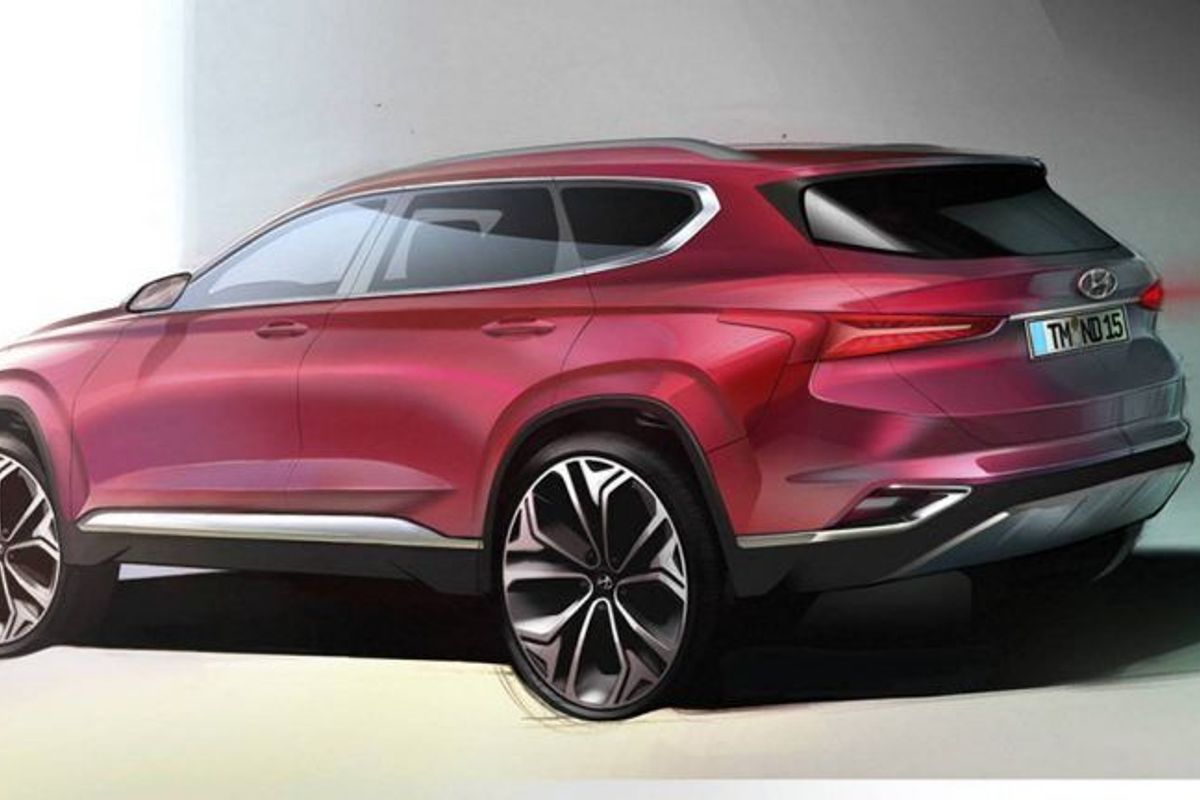
After being teased with design sketches and a low-res image, the new Hyundai Santa Fe has now been revealed. The Hyundai Santa Fe can be had as a 5-seater, 7-seater and there's even an 8-seater version.
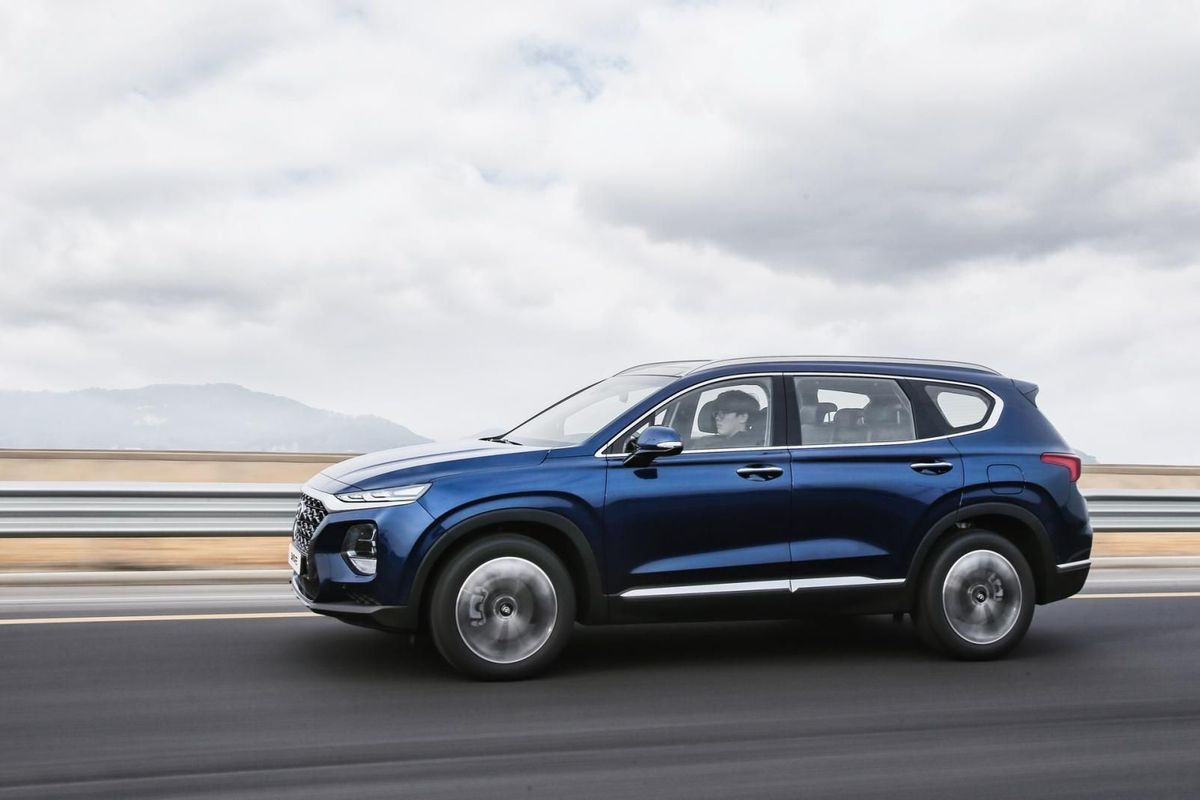
The new Santa Fe is larger than the outgoing model and is now 70 mm longer, 10 mm wider and the wheelbase has grown by 65 mm. The vehicle is 4 770 mm long, 1 890 mm wide, 1680 mm tall with a wheelbase measuring 2 765 mm.
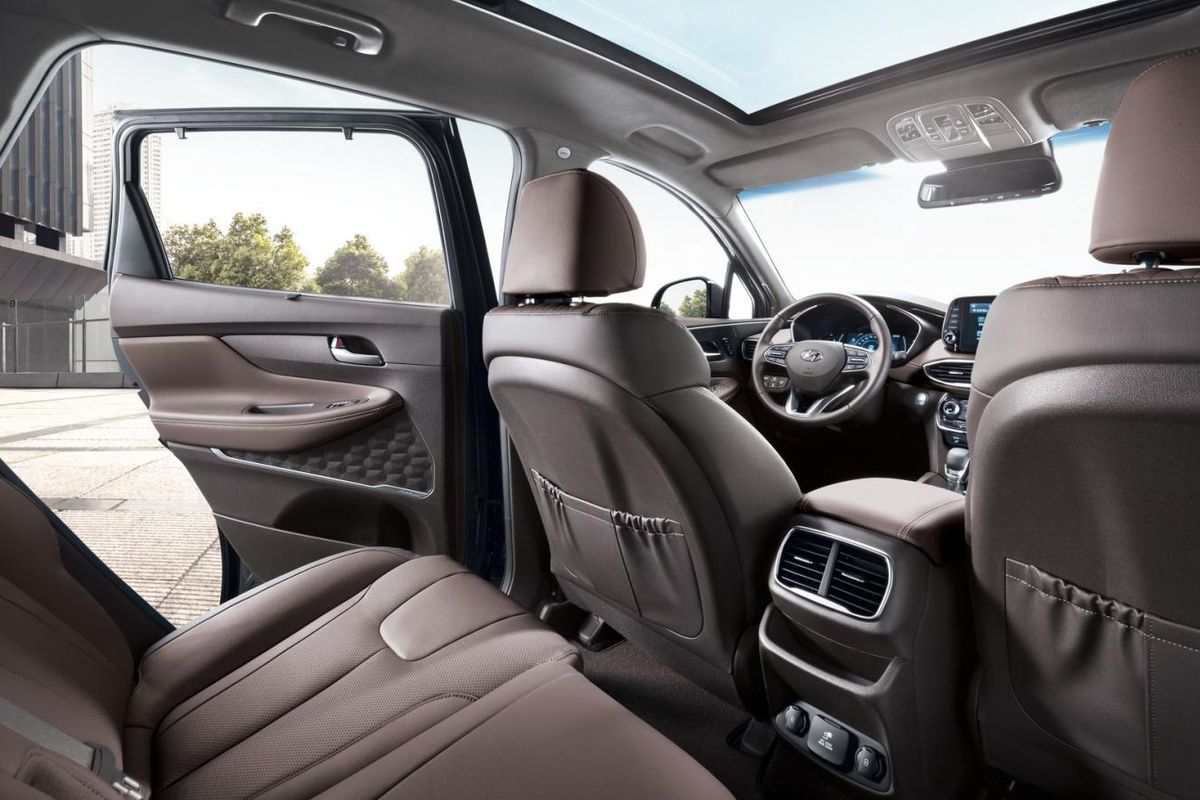
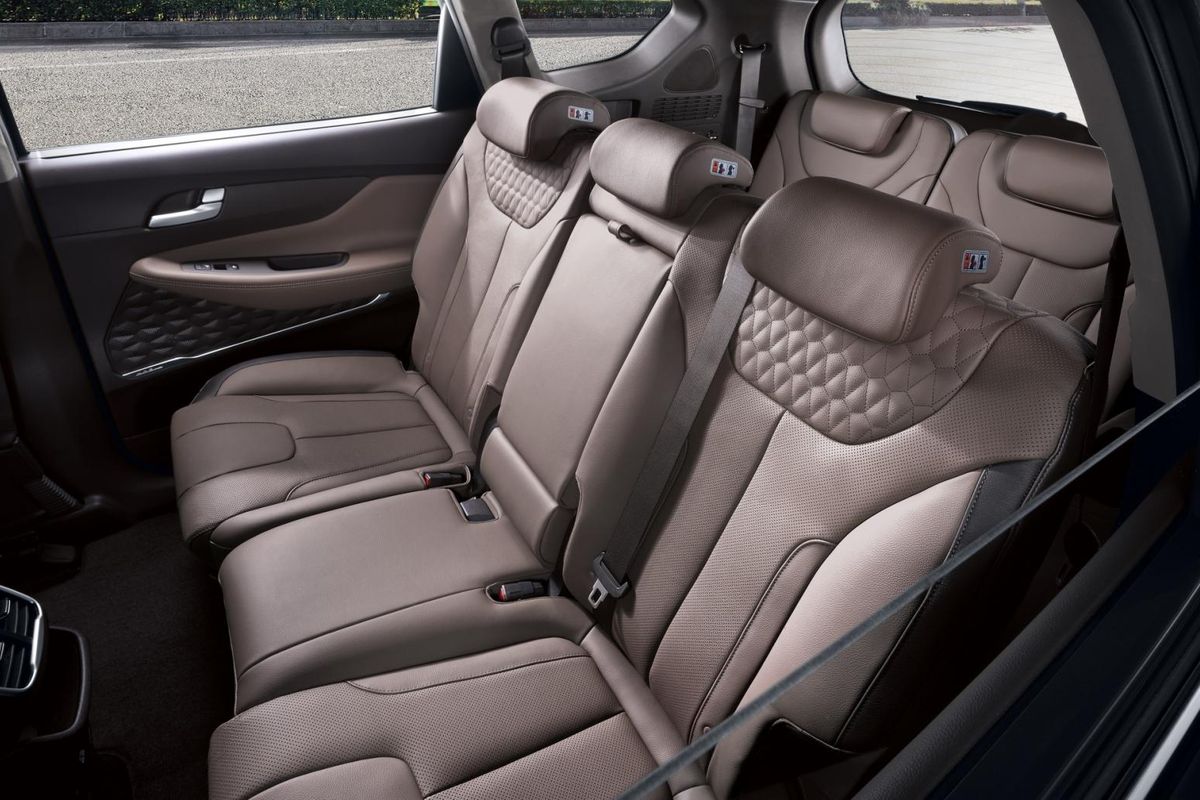
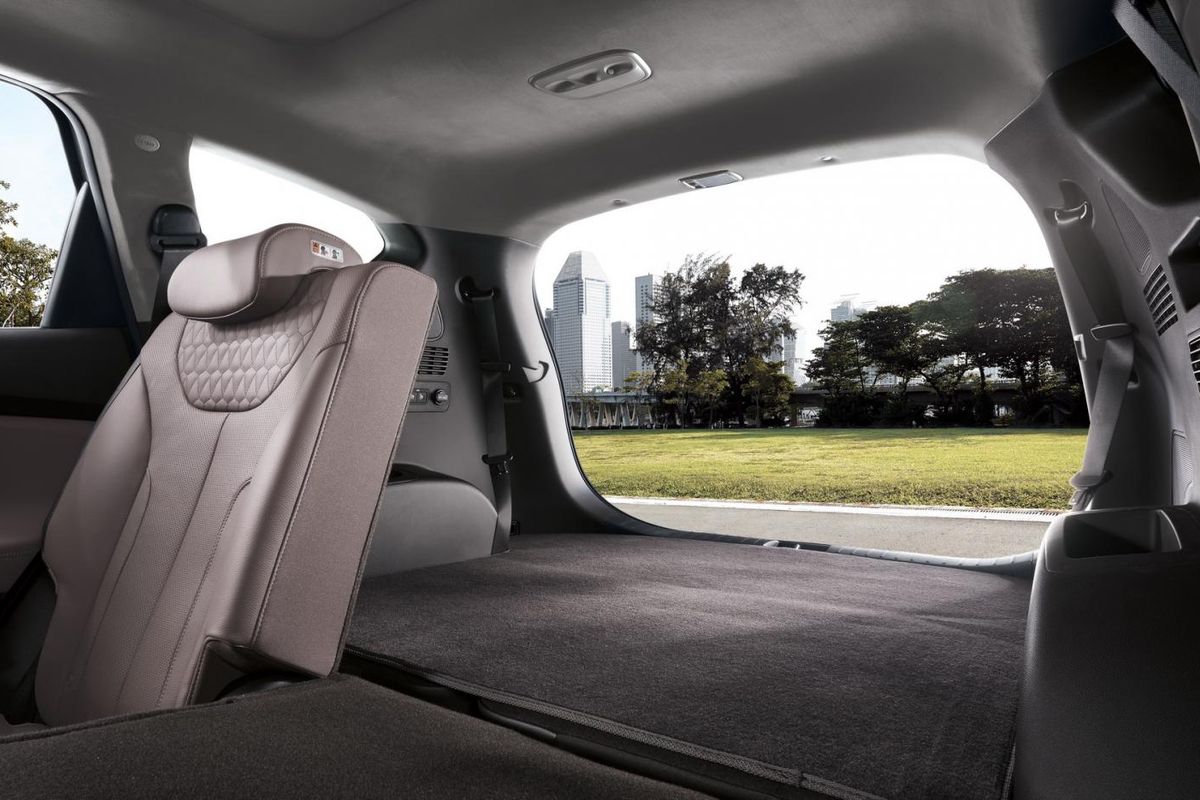
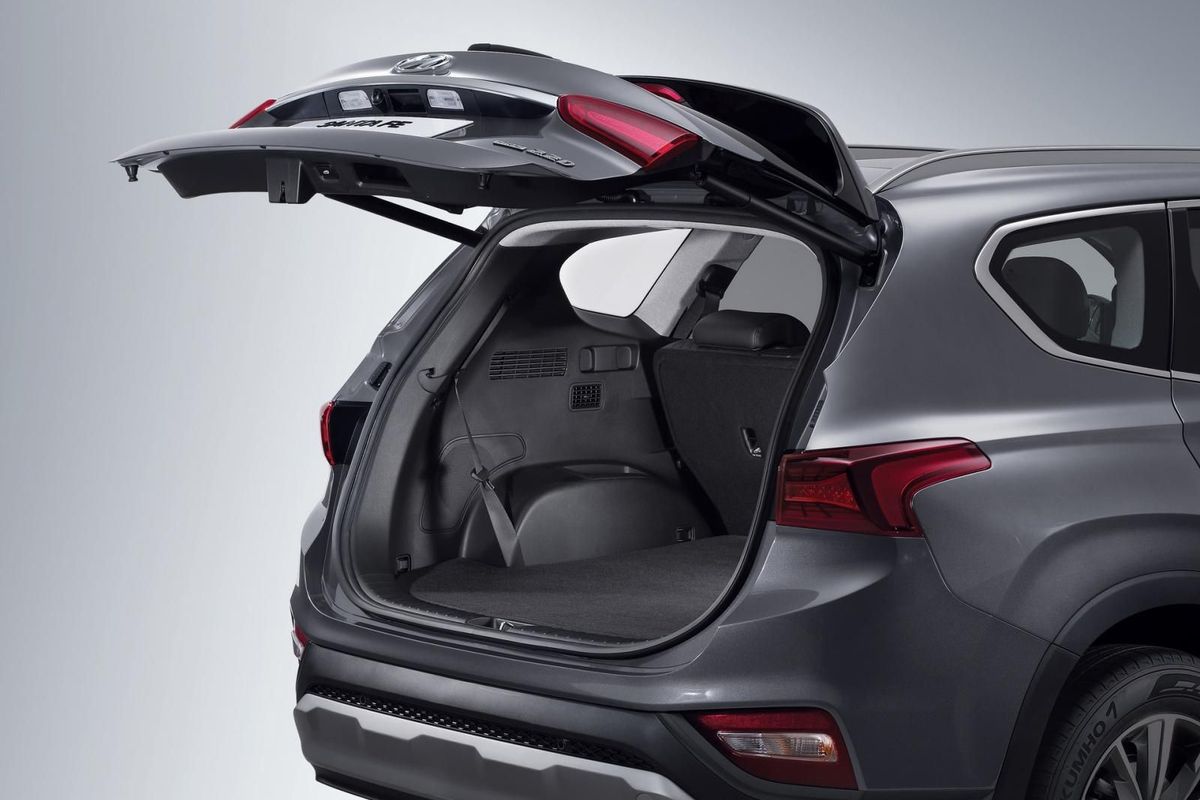
As you would expect, interior space has improved with the 5-seat Santa Fe now offering 625 litres of luggage space compared with the 585 litres of the previous generation Santa Fe. In the 7-seat Santa Fe, 130 litres of space is available behind the third row of seats.
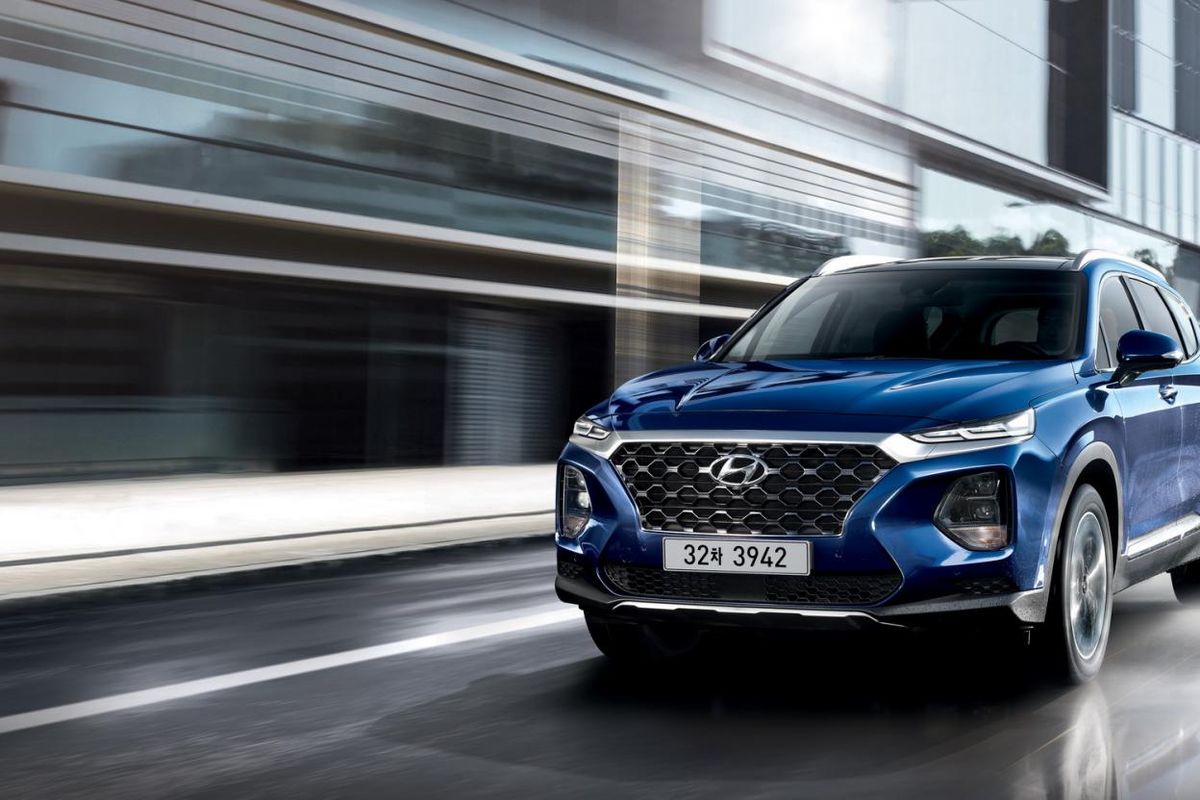
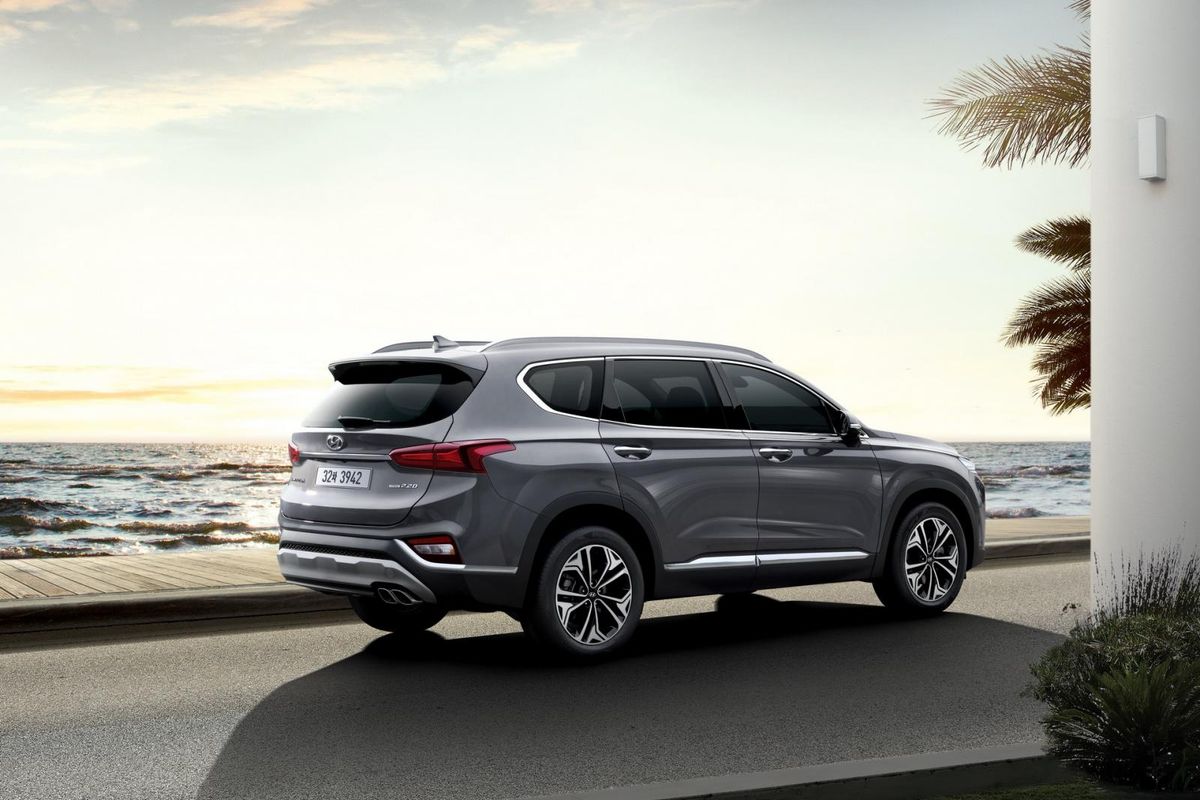
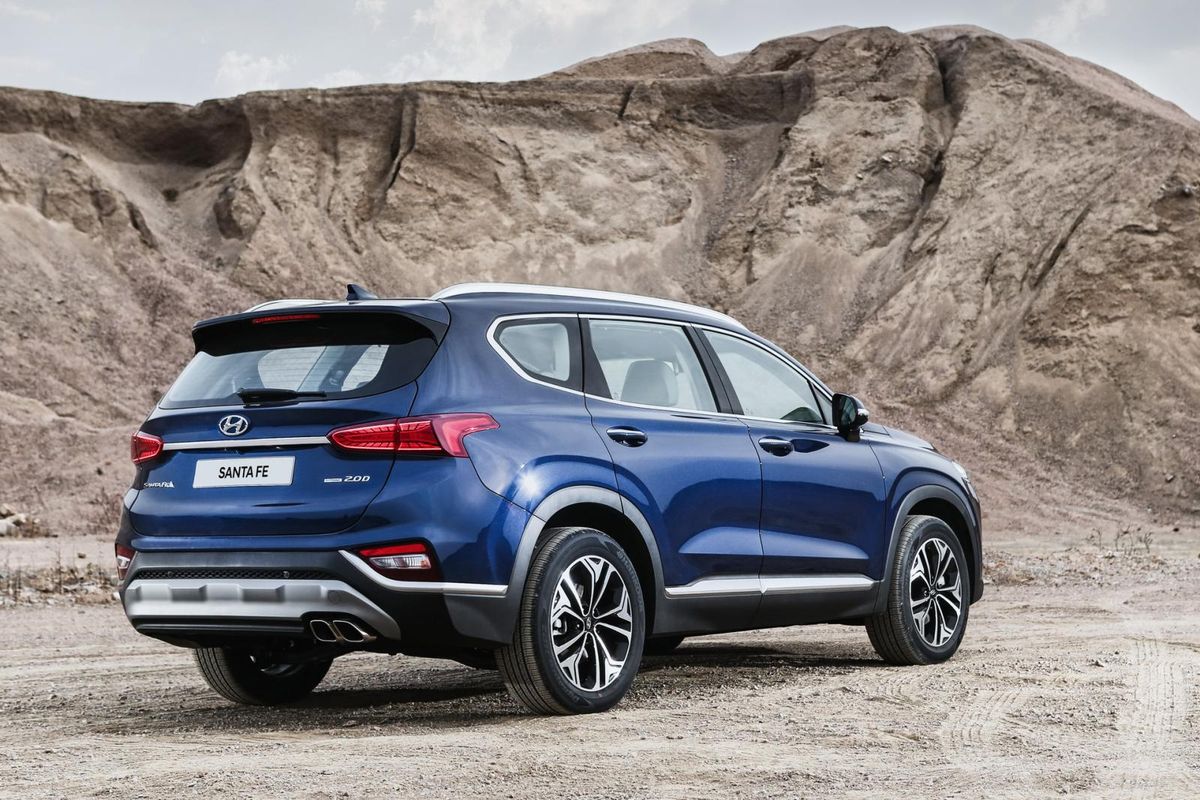
The new Santa Fe borrows its styling from the smaller Kona SUV which we saw at last year's Frankfurt Motor Show and it looks far more assertive as a result. The new Santa Fe wears the company's new 'cascading grille' flanked by slim headlights as well as large, shapely light clusters that give the model a more prominent stance. The pronounced, squared-off wheel arches further add a dash of ruggedness.
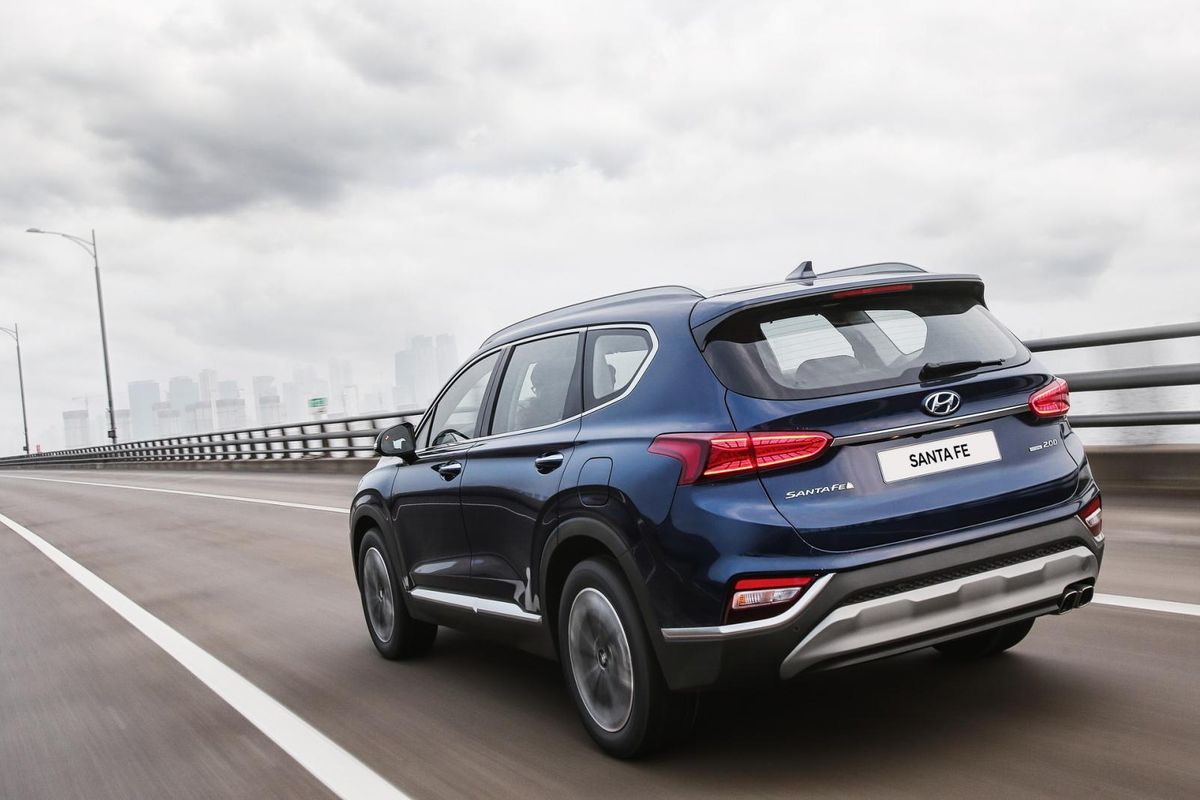
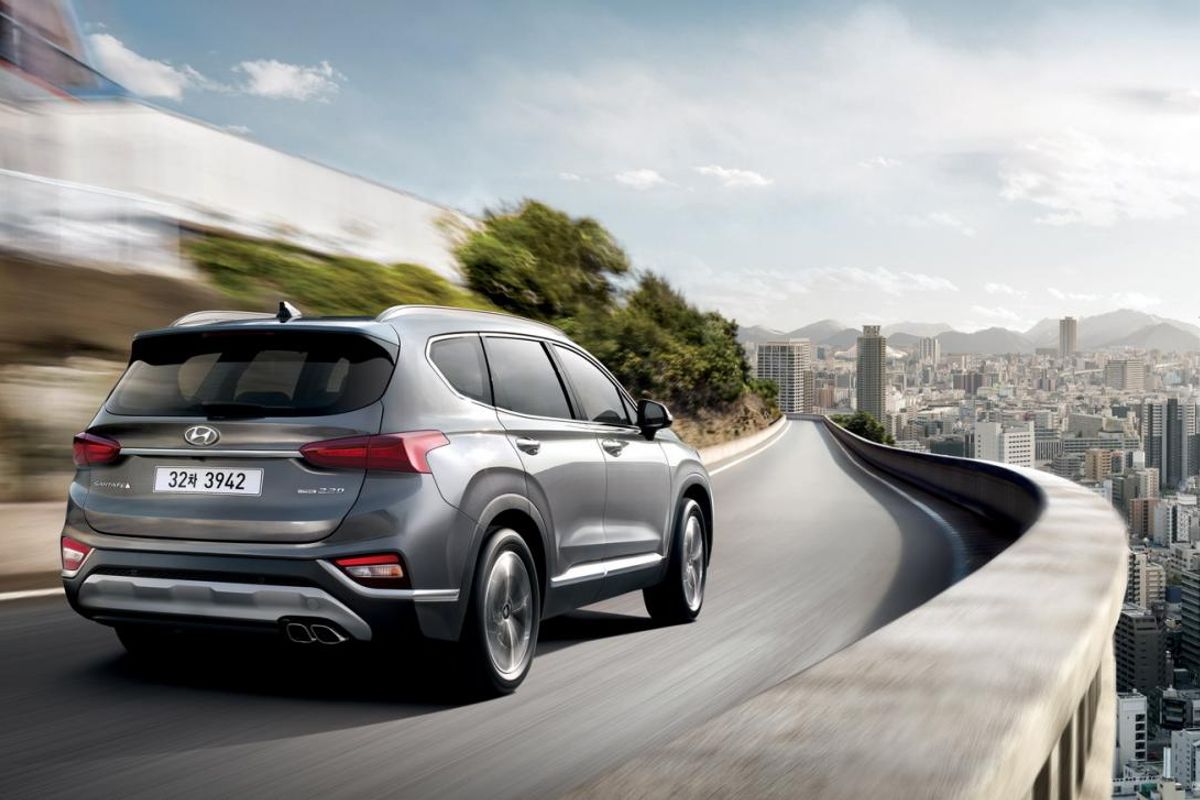
Newly shaped tail lights and chrome work with a silver diffuser, rear spoiler and angular rear windows are seen at the rear. Overall, we think the new Santa Fe's styling is a significant improvement over the outgoing model.
A much-improved design elevates the Santa Fe's presence on the road.
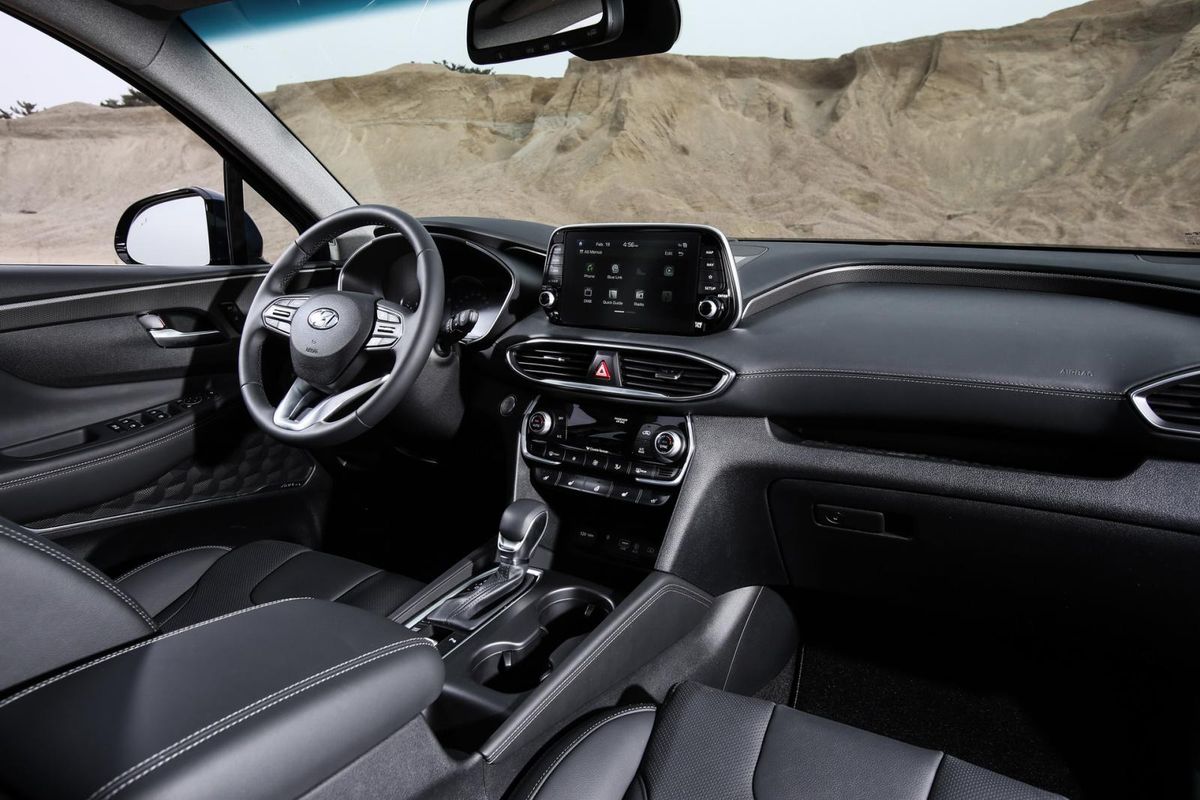
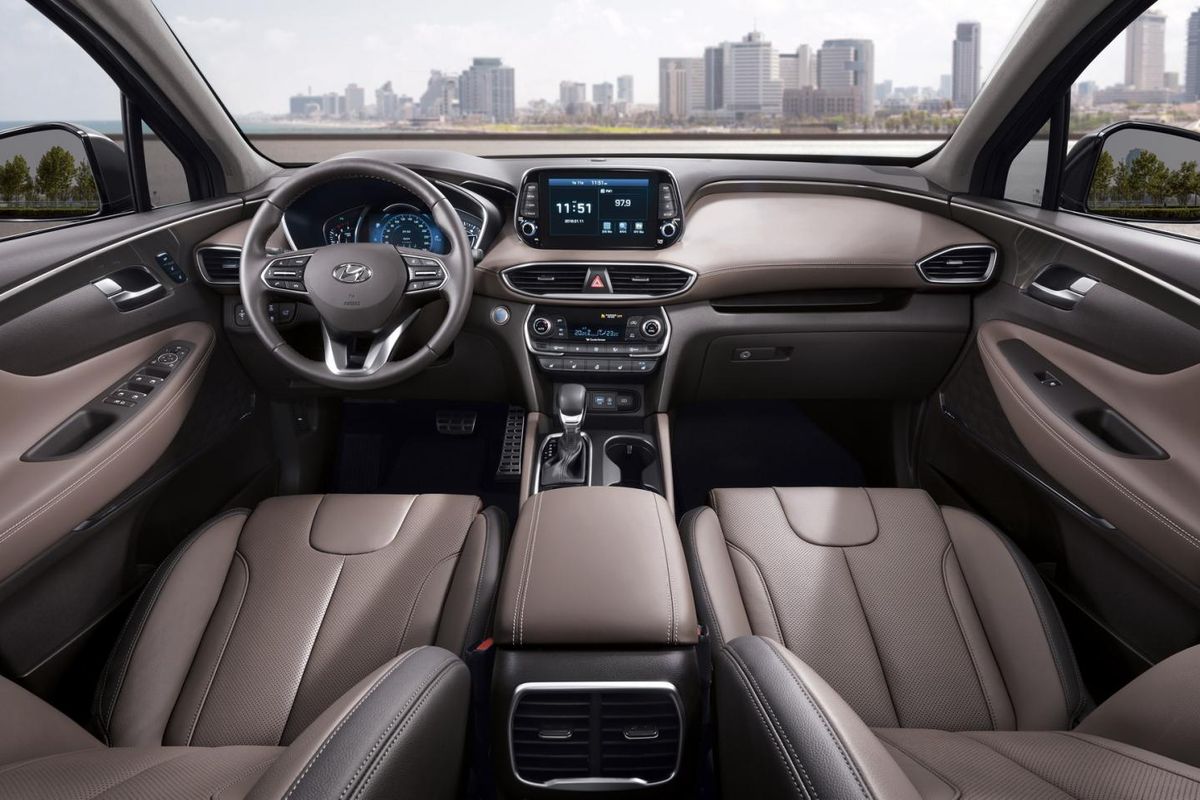
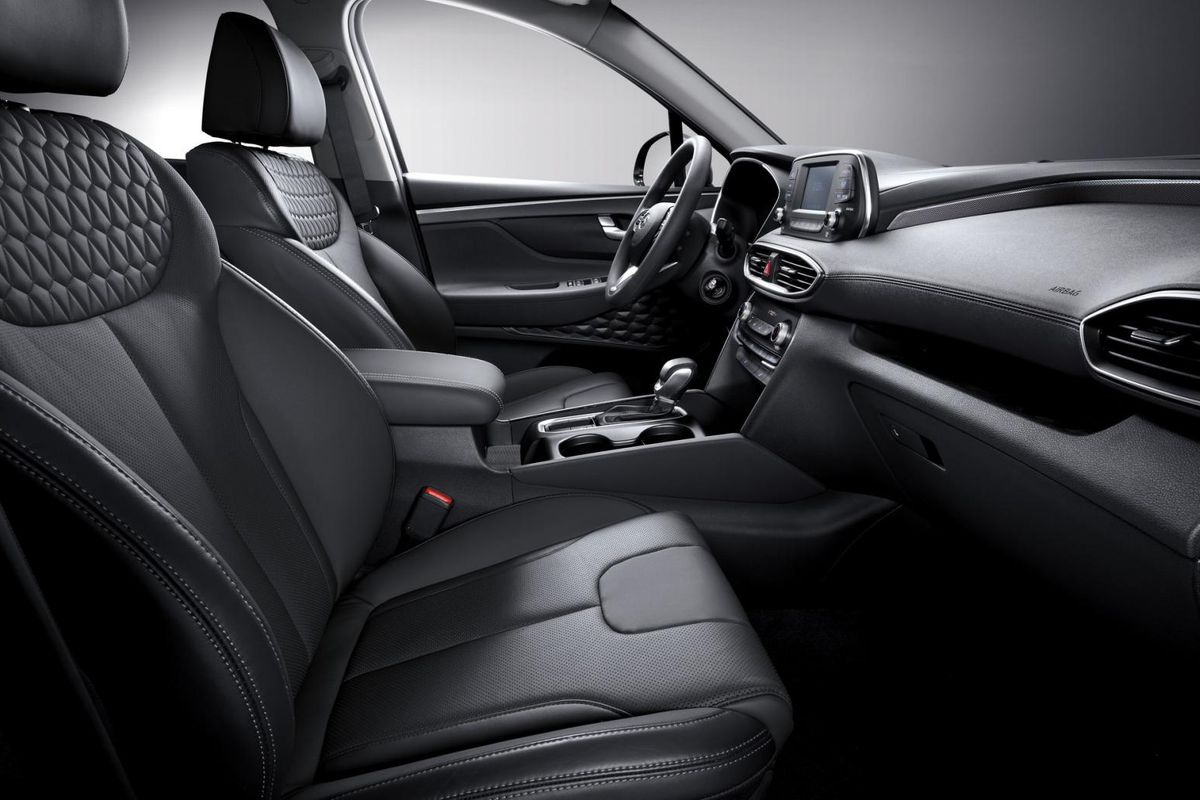
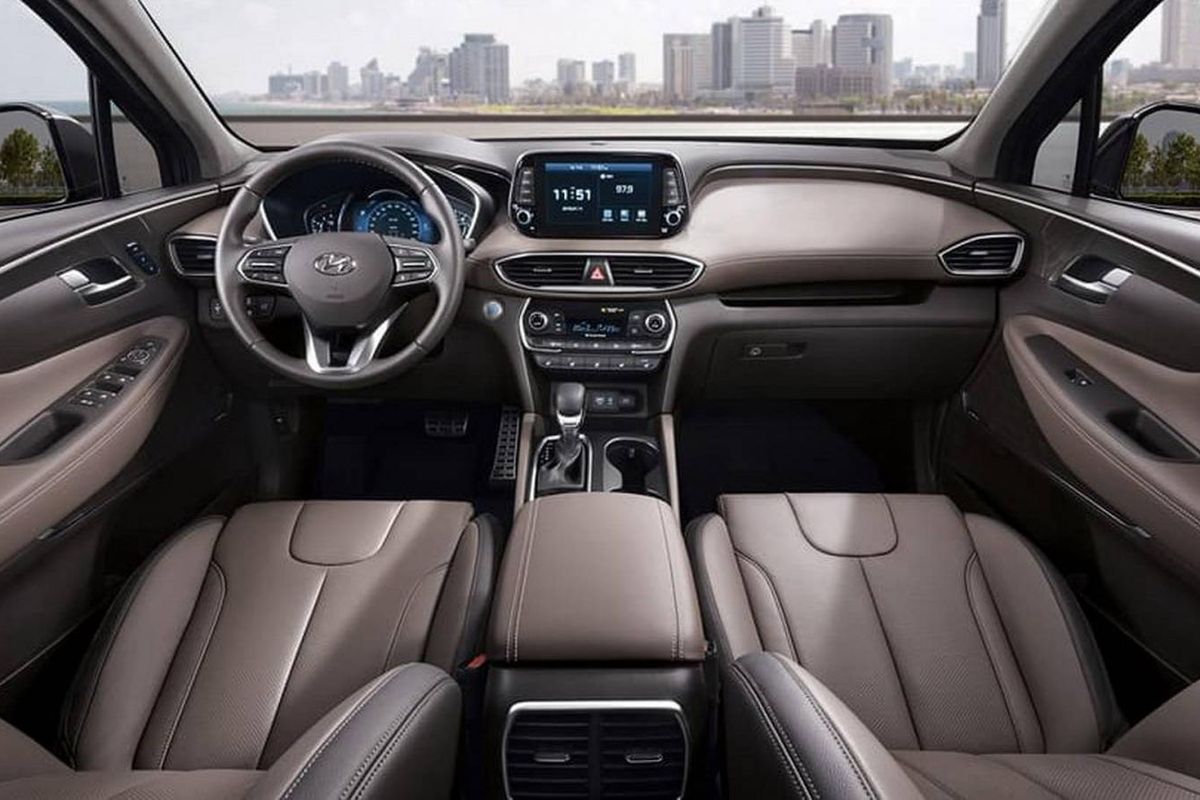
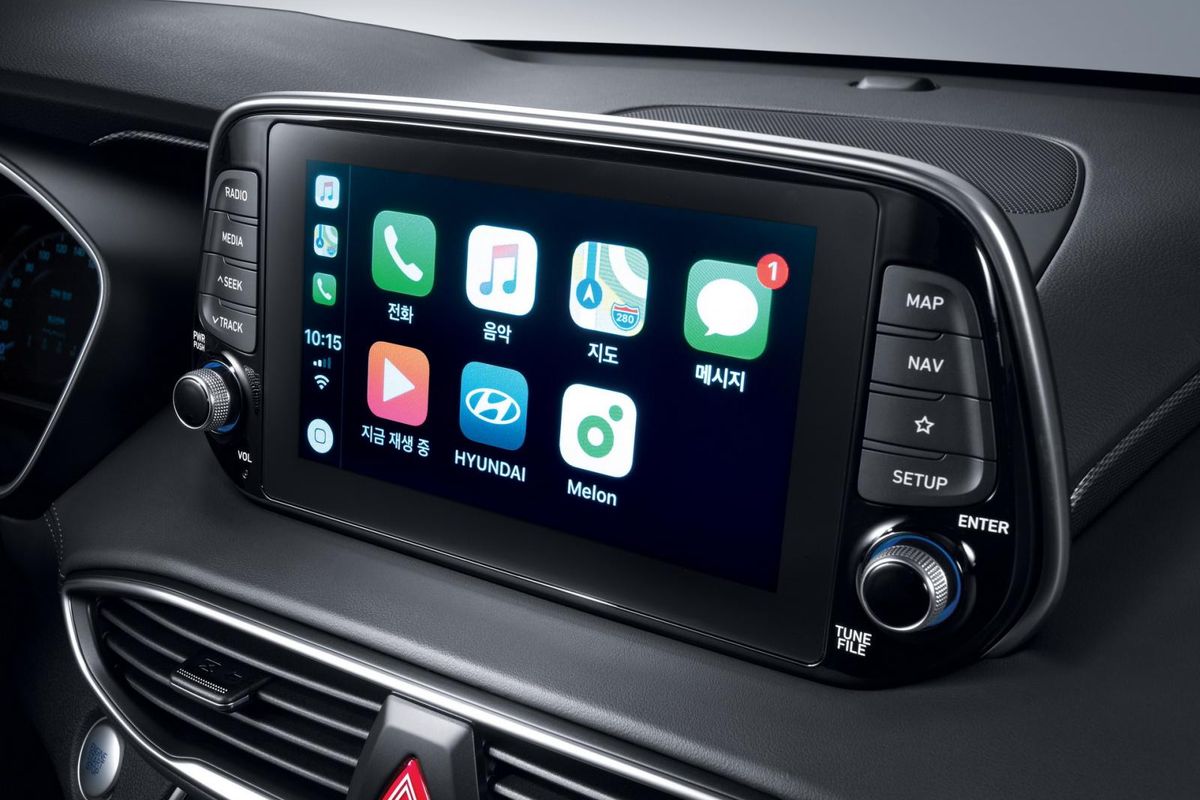
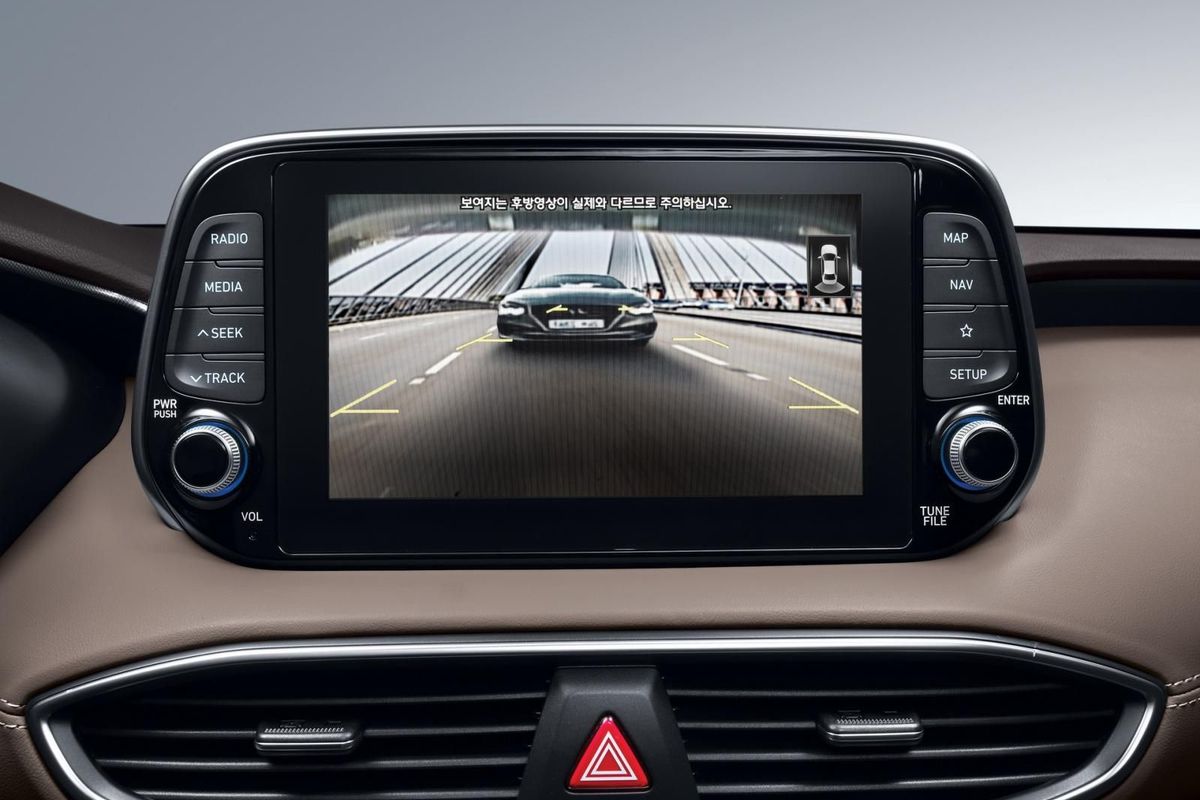
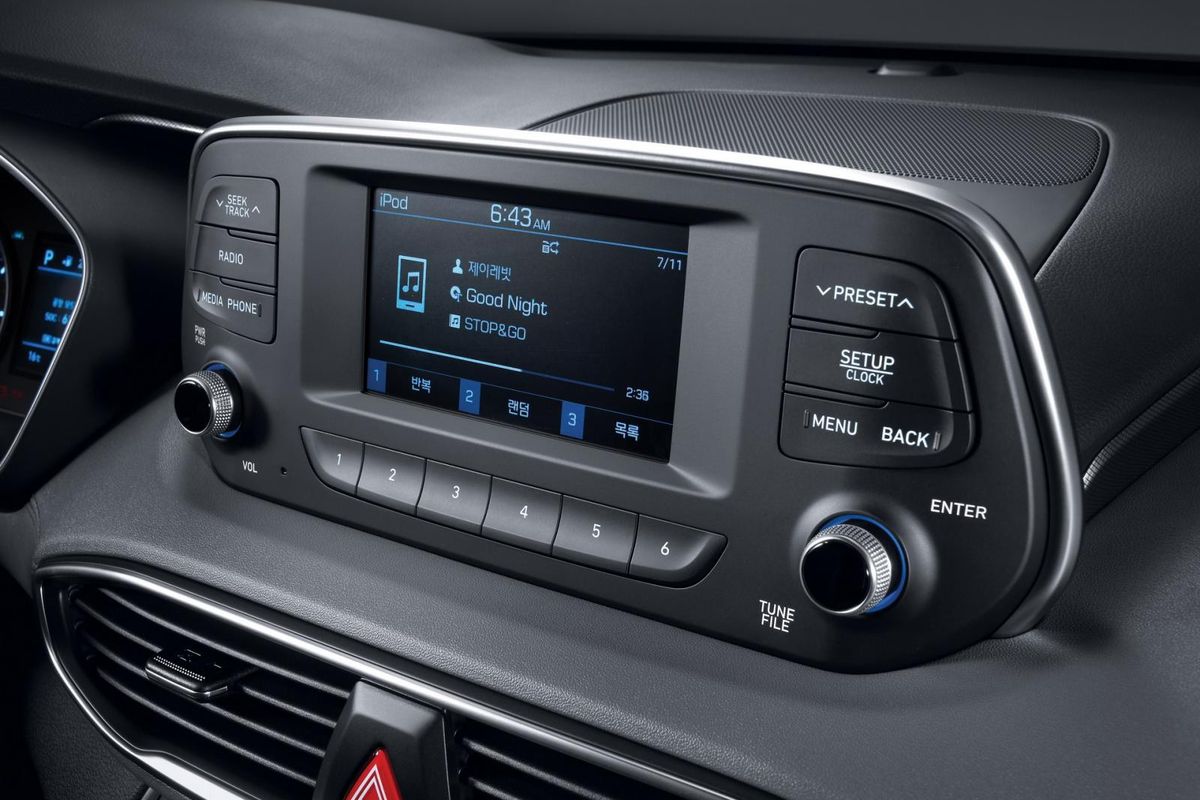
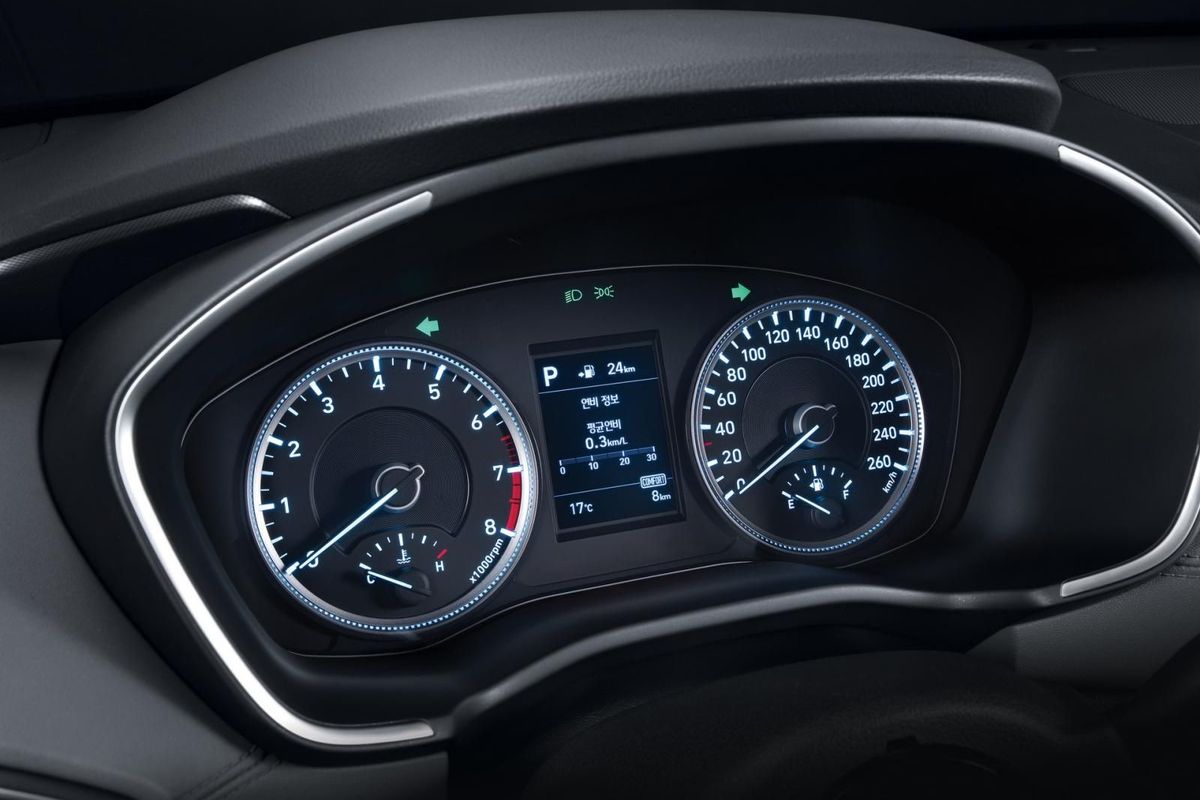
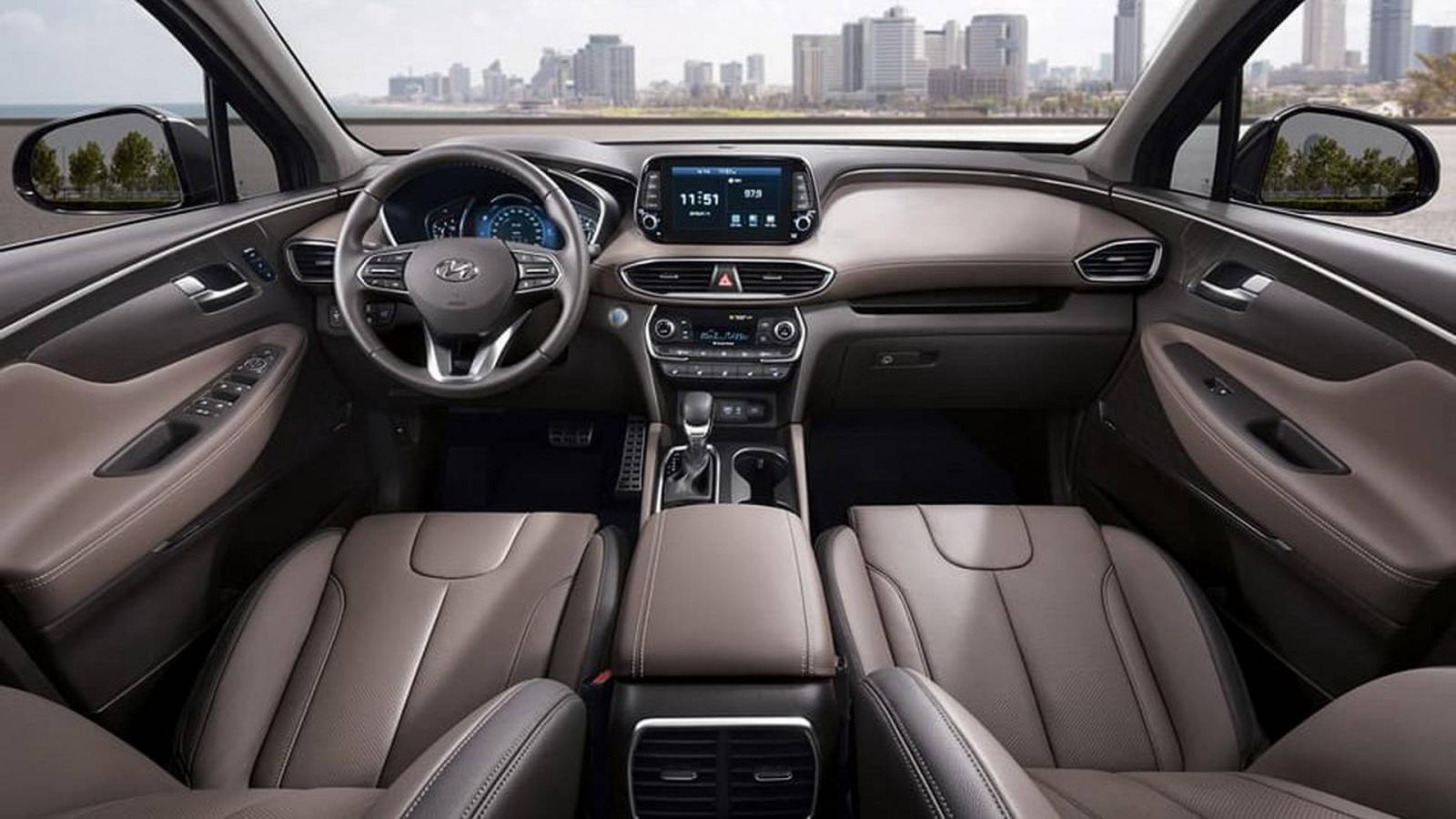
As for the interior, it too has been redesigned with higher quality materials used and features the same infotainment system seen in the Kona, with the screen rising from the centre console. A wireless smartphone charging pad, as well as Apple CarPlay and MirrorLink, will also be offered. Key safety features to be included are forward collision warning, lane departure warning, frontal collision avoidance, high beam assist and Safe Exit Assist which warns the driver if he/she is about to open a door onto a passing car and will lock the door in an effort to prevent an unnecessary accident. Are you prone to forgetting that you have passengers in the back? Well, the new Santa Fe will also offer Rear Occupant Alert to remind you that you have company when you exit the vehicle.
A significantly improved interior design with higher quality materials boosts comfort while also offering a wide range of technology features.
The new Santa Fe will be powered by 3 turbocharged engines including a 172 kW / 353 Nm 2.0-litre turbopetrol, 136 kW /402 Nm 2.0-litre turbodiesel engine and a larger 2.2-litre turbodiesel with 148 kW and 441 Nm. All Santa-Fe' derivatives will be equipped with an 8-speed automatic transmission and for the first time, will feature an electronic 4-wheel drive system called HTRAC. The new Santa Fe is expected to make its public debut at the upcoming Geneva Motor Show in March 2018. We will keep you in the know as soon as more details become available, so stay tuned!
The 2017/2018 Budget Speech was delivered this week and it's not good news for motorists. Read about the increases here.
According to the Automobile Association of SA (AA), the 52 cents per litre increase in the General Fuel and Road Accident Fund levies, are "of great concern." The increase is 11% on top of the current levies and will come into effect on the 1st of April 2018. Worse news still, VAT has been increased from 14% to 15%. The Minister of Finance, Malusi Gigaba, announced that the General Fuel Levy will increase by 22 cents from R3.15 to R3.37 (7% increase), and the RAF Levy will increase by 30 cents from R1.63 to R1.93 (18% increase).
Despite the AA doing its best to urge the government to be mindful of hikes to the levies as the poor will be hit the hardest, the government is pressing ahead regardless. “At the time we also argued that any increases should be in line with inflation which, we note today, is at its lowest since March 2015 at 4.4%. Instead, the increases are sizable, and more than double current inflation,” says the AA.
Using current fuel costings for both inland and coastal, the increases now comprises 38% and 39% respectively for a litre of 93 unleaded petrol. Right now, a litre of unleaded 93 octane costs R13.90 for inland customers, which will now increase to R14.42. For coastal motorists, the current price for 93 unleaded is R13.49, which will increase to R14.01. However, as we know, the fuel price is volatile, so the actual amount we're likely to pay may change.
This big increase of 52 cents per litre pretty much decimates the 30 cents gain in January 2018, but there's a glimmer of hope as we go into March 2018 as the AA predicts a decrease of 28 cents, due mainly to the Rand gaining in strength.