Volvo XC40 (2017) International Launch Review

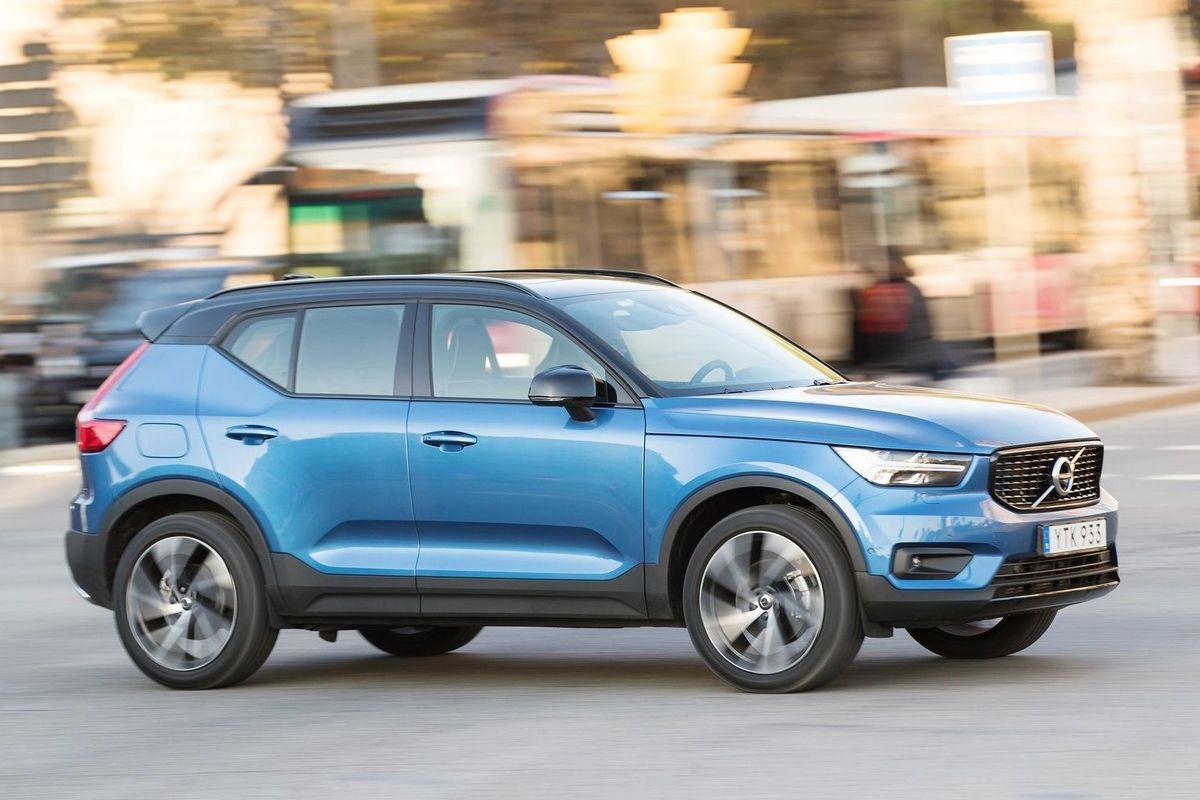
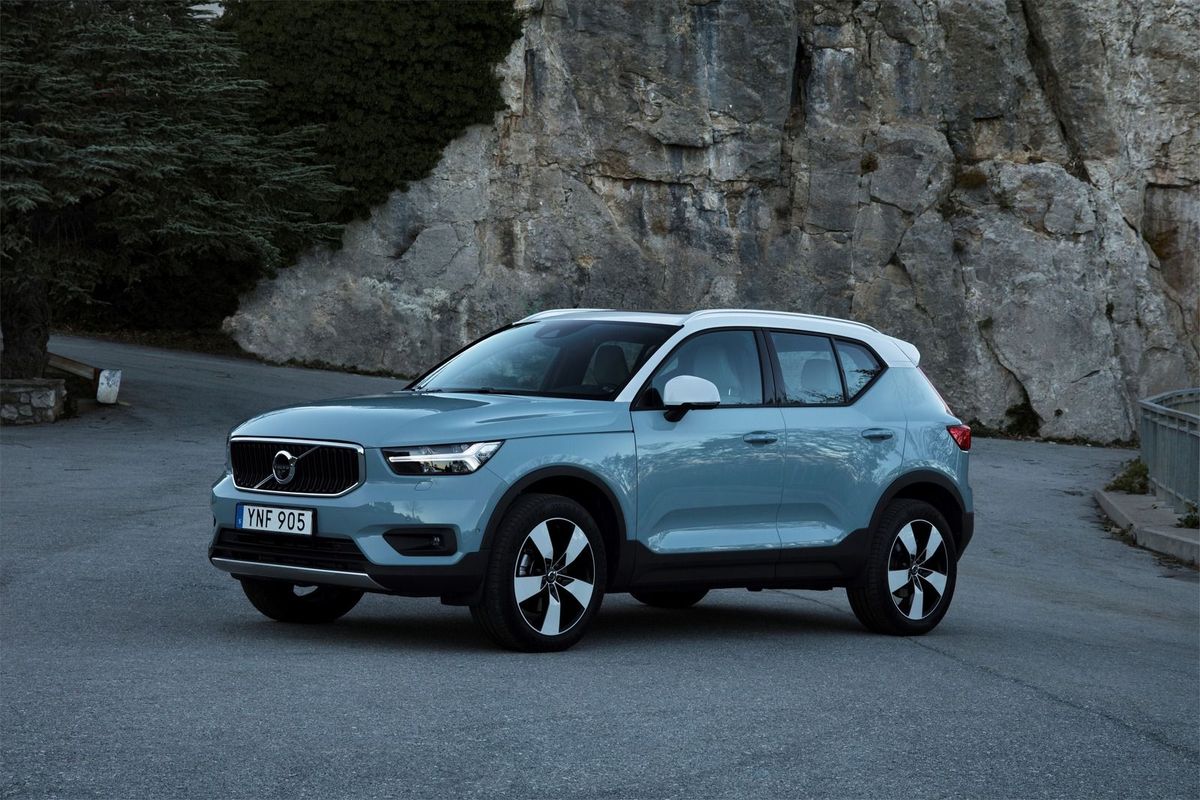
Swedish luxury marque Volvo is knocking hard at the door of the Audi Q3 and BMW X1 with its new XC40 SUV. It’s set to land in SA in April 2018 and, if initial impressions are anything to go by, it should set the cat amongst the pigeons when it arrives. Cars.co.za Road Test Editor, Ashley Oldfield headed to Barcelona to sample Volvo’s newcomer.

What is it?

The XC40 is a compact SUV/family car, but more in the vein of an Audi Q3 or BMW X1 than a Mazda CX-5 or Volkswagen Tiguan. Why? Well, because it’s more stylish and premium-positioned than the aforementioned family cars; it tugs at your heartstrings rather than your measuring tape. That’s not to say it’s an ornament, however… Volvo has made sure it has covered as many bases as possible with its new XC40.

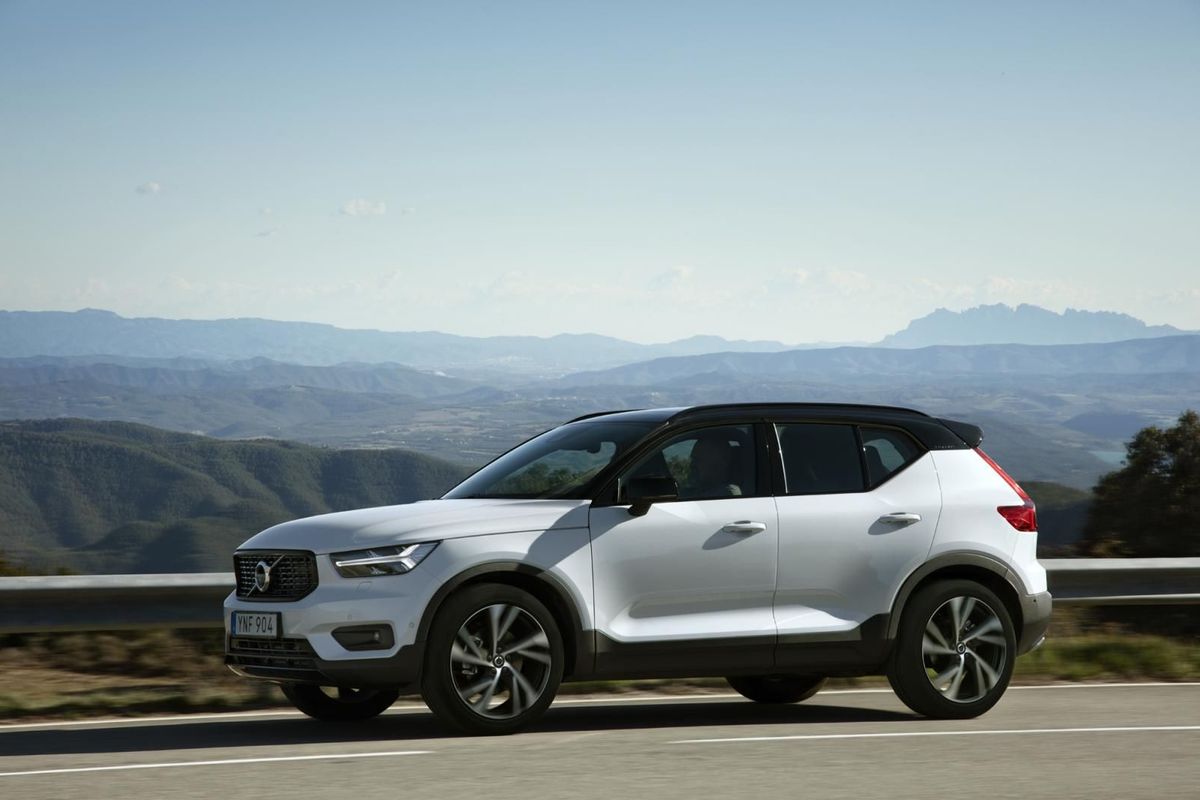
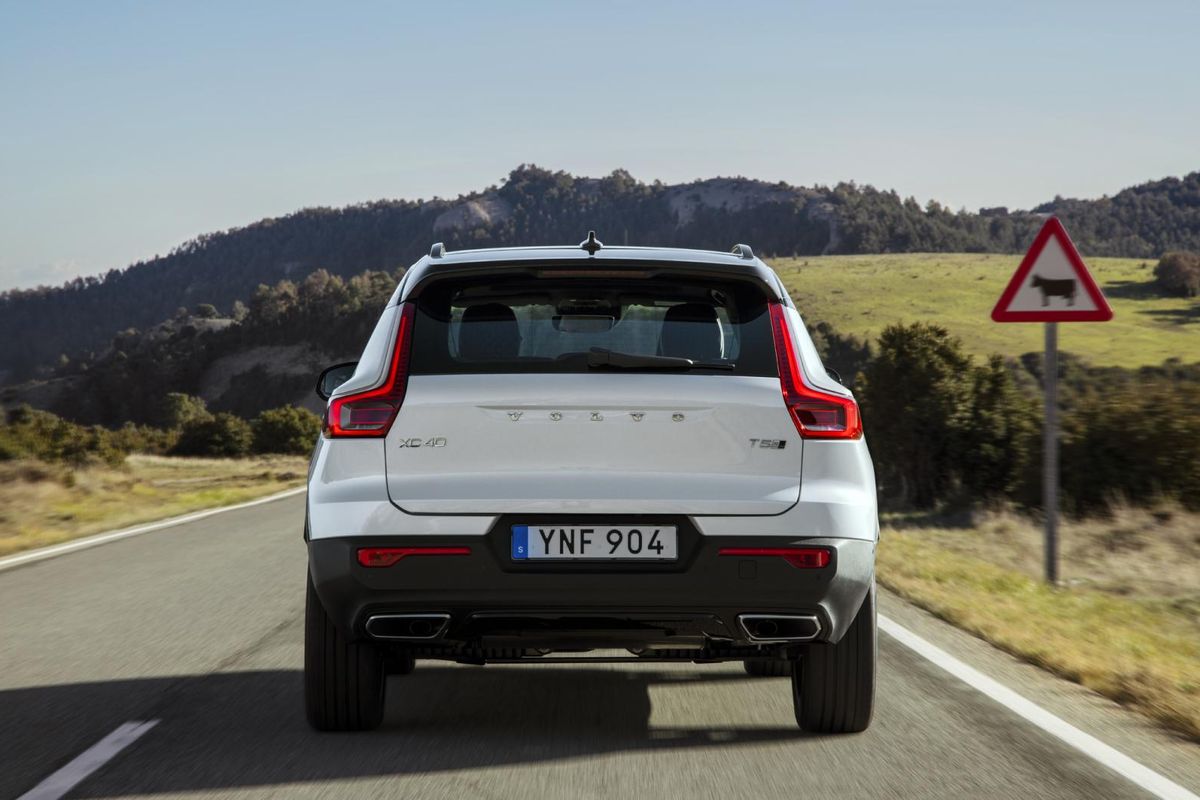
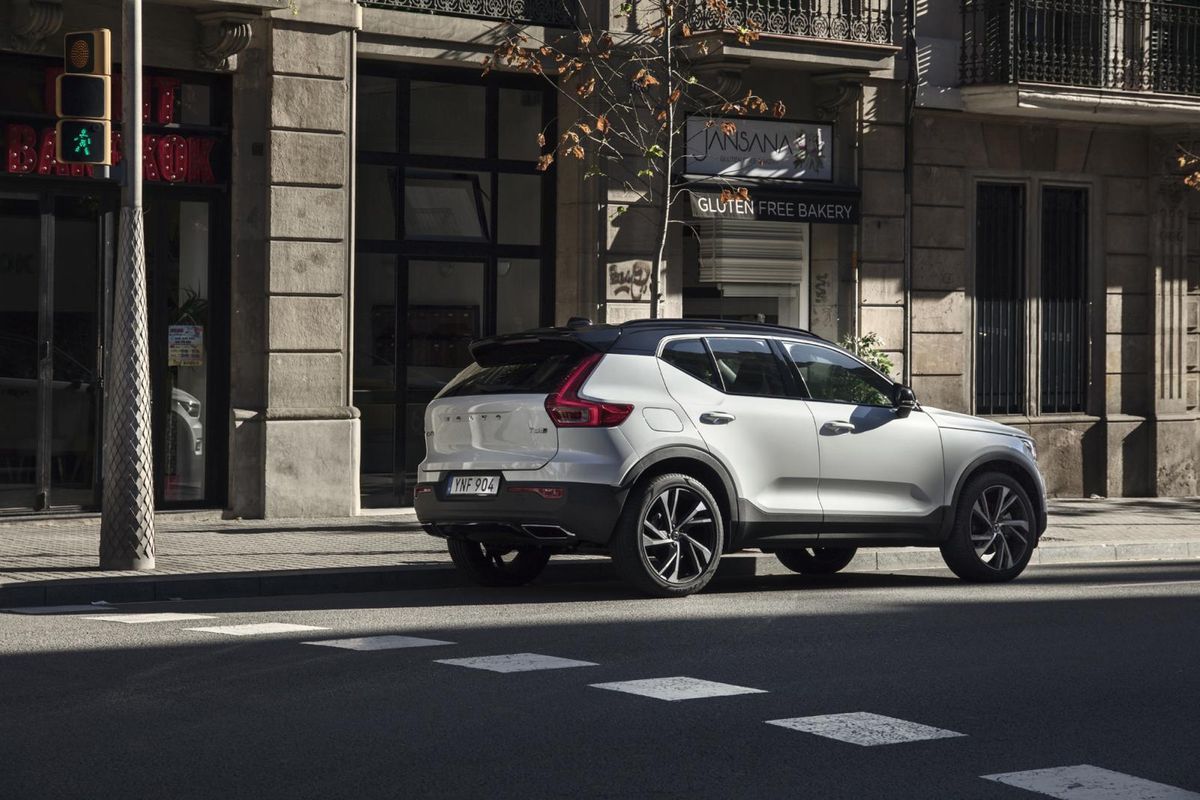
It rides on an all-new platform, one smaller than those of the XC60 and 90-Series cars, but carries engines over from those model ranges as Volvo currently only produces 2.0-litre, 4-cylinder engines. Couple this with a super stylish body that grabs your attention as it drives by with an interior nicked from the new XC60 and you have the makings of an intriguing product, especially when you consider it's entering a fast-growing segment.


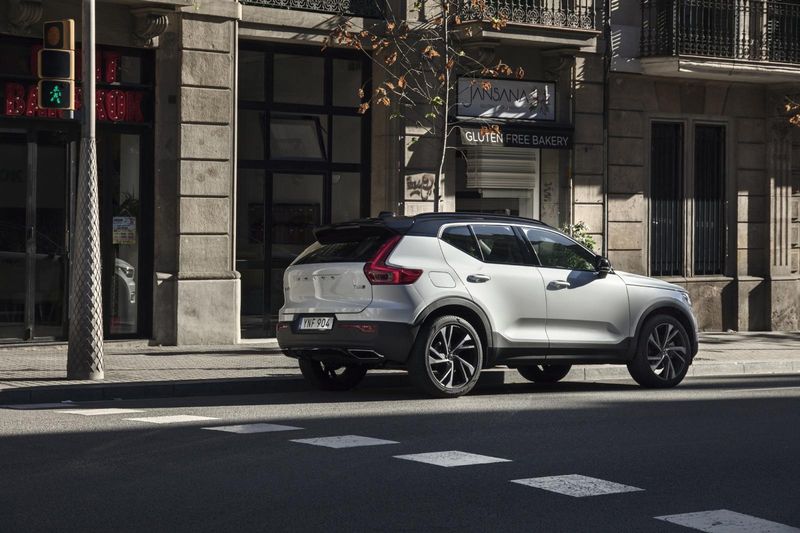
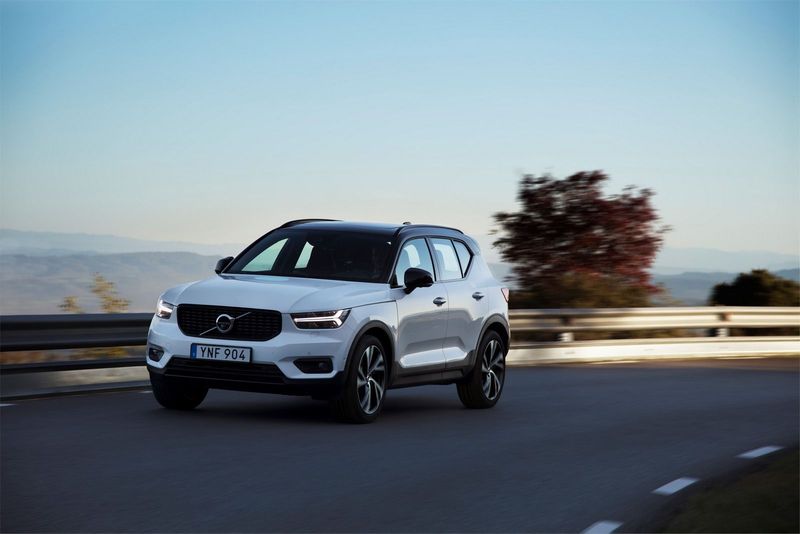
Stylish and premium. The XC40 is well proportioned and looks especially good on 21-inch wheels.

Powering up

The engines are familiar, and at launch, there will be a T5 2.0-litre turbopetrol with 185 kW and 350 Nm of torque and a D4 2.0-litre turbodiesel with 140 kW and 400 Nm of torque. To begin with, both are equipped with all-wheel-drive and an 8-speed automatic transmission. Front-wheel-drive models will join the lineup in time as will hybrids and electric only models.

The turbopetrol, as you can see by the figures has plenty of power and imbues the XC40 with a racy feel as you zip around town. It’s prone to a bit of wheelspin after excitable throttle inputs and the fuel economy that takes a bit of a hit if you plan on driving quickly. Claimed fuel consumption on the petrol is just over 7.0 L/100 km and in the real world, you’re likely to remain just under 10 L/100 km.

The better engine, as we’ve seen in the XC90, V90 CC and XC60 is the turbodiesel. The power delivery suits the SUV driving style and fuel consumption remains excellent (5.2L/100 km), no matter how heavy your right foot is. It also picks up from pull away and rolling stops quicker than the petrol, making it a more user-friendly engine.


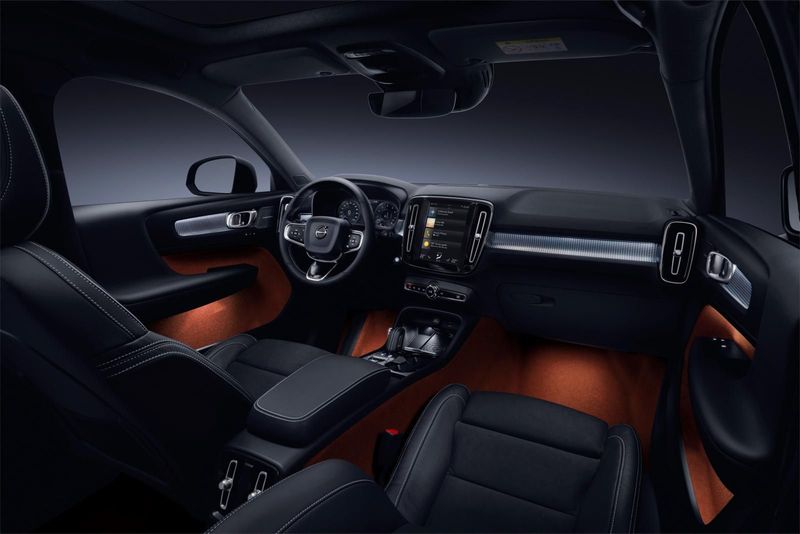
Lava red interior trim colour is new. Overall the cabin is stylish and well thought-out ergonomically.

Neat tricks

We’ve credited Volvo with designing some of the most beautiful and intuitive interiors since the introduction of the XC90. The XC40 follows suit. The test units we drove came with suede and leather combination seats and suave black carpeting and trim. The metallic-looking (they are actually plastic) trim inserts in the fascia add a posh feel to the cabin and the Sensus Connect touchscreen and functionality is pulled straight from the XC90.

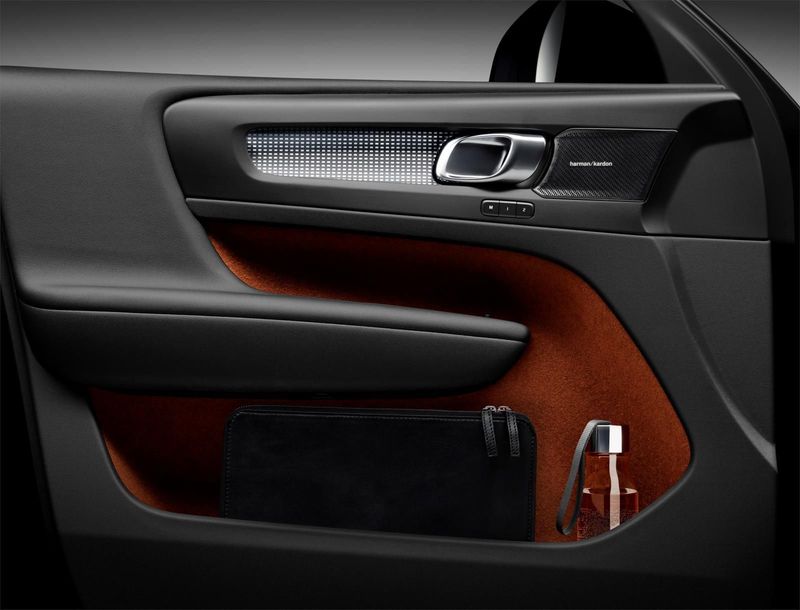
A few introductions to the spec includes the wireless charging cradle in front of the gear selector and a removable bin that pulls out of the centre armrest. The speakers have been pulled out of the door panels, which makes space in the door pocket for larger items like a laptop and drinks bottle.


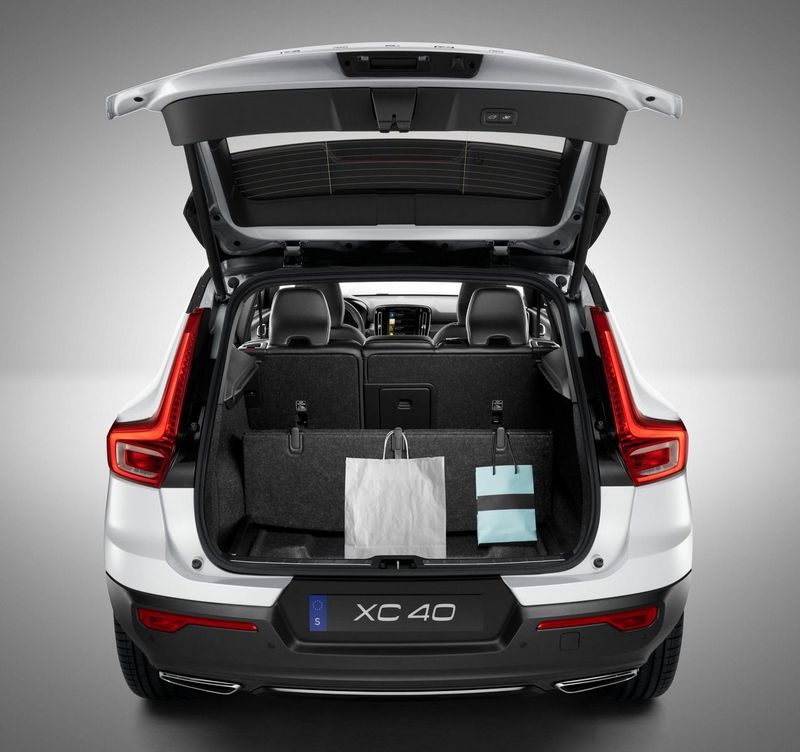
The floorboard in the load bay doubles as a shelf to hang shopping from. A parcel shelf can be stored underneath too.

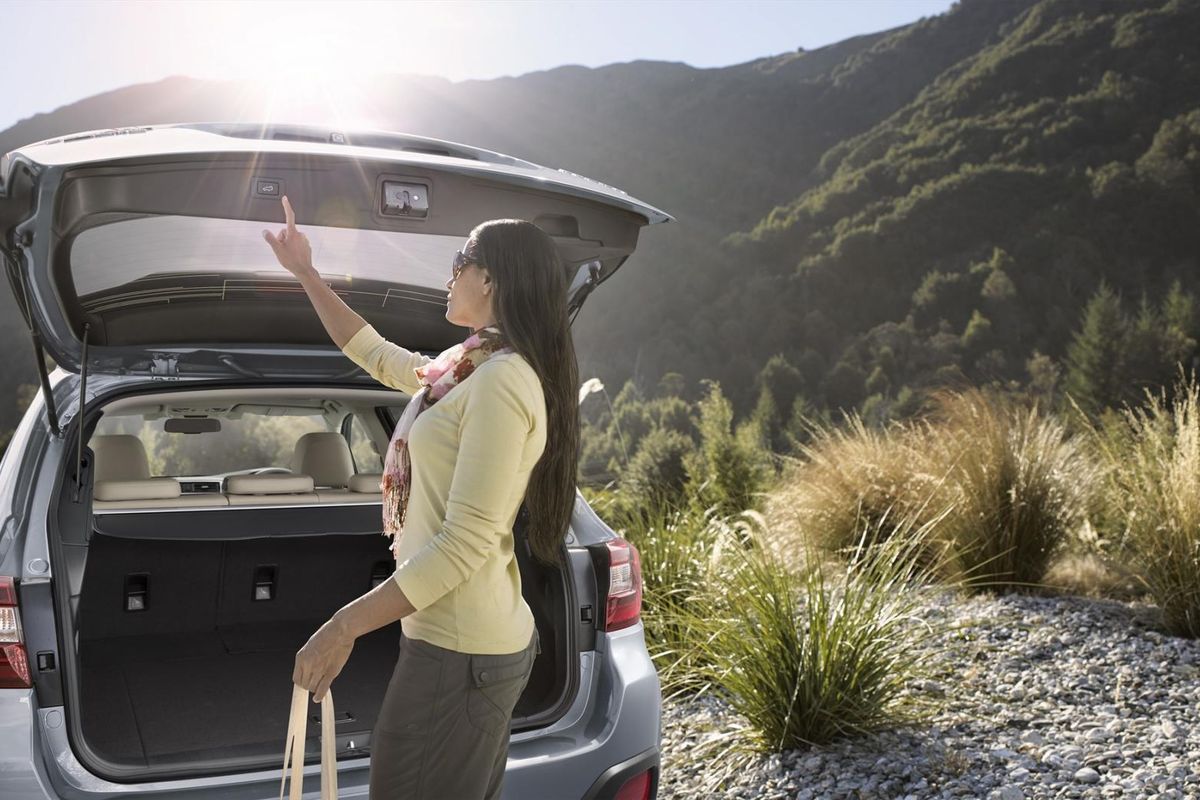
There are a few more tricks in the XC40’s arsenal as you open up the electric tailgate. The floorboard lifts up and hooks into place to create a tight storage space so shopping doesn’t roll around but also acts as a shopping bag holder. The parcel shelf can also be removed and stored away underneath the boot, rather than in your garage like it often does.

In terms of outright size, the XC40 has a 460-litre luggage bay that expands to 1 336 litres with the rear seats folded flat. Rear passenger space appears to be in line with other cars in the segment and the Volvo passed the "sit behind yourself" industry standard test with enough knee and headroom to spare for a 1.81-metre passenger.

Ride and drive

With the XC40 riding on an all-new platform, the Volvo engineers eagerly awaited feedback on "how the car feels" after we'd put the newcomer through a few bends and "wrung its neck" down a freeway. The XC40 feels great and the engineers didn’t seem relieved or even pleased to hear it – it was almost expected. I would go as far to say that it rides even better than the XC90. The big SUV is known for its long-haul comfort, but can be a tad thumpy and clunky over smaller, more jarring bumps. The XC40’s shorter wheelbase and more standardised suspension setup (Macpherson front, multi-link rear) soaks up everything, from potholes to speed bumps and even a bit of gravel. It’s supremely comfortable and this while riding on the optional 21-inch wheels. The 19-inch wheels with a 50-profile were even better.


The new CMA platform has improved the ride and comfort levels from the bigger 90 series cars we've driven.

The XC40 isn’t a sports SUV like a few of its competitors are purported to be. It handles its heft well/doesn’t fall over in the corners, but it doesn’t reward you over a mountain pass or get you excited to whip the Volvo through a sinewy section of asphalt. The focus, and rightly so for an SUV is about comfort and poise, and that’s exactly what the XC40 does well. If I had to nit-pick (we have to – ed), the steering is a little light and vague due to the electric steering setup, but it can be better weighted with individualised drive modes that alter the steering, engine and gearbox’s response.

Safe, as you’d expect

Volvo is renowned for building safe cars, not just in terms of being in a crash but also in preventing a crash. New additions to the XC40 include an automatic braking function for cross-traffic alerts. If you reverse out and don’t see a vehicle approaching from the side, the vehicle will now brake itself if it believes a collision is likely. City Safety is also available as is the likes of adaptive cruise control, semi-autonomous driving and blind spot alert.


By removing the speakers in the doors, there's more storage space in the side door pockets.

Summary

Volvo’s products continue to improve and global sales certainly show that the Swedish firm is making waves on the sales charts. It hasn’t, however, managed to gain the same sort of traction in South Africa, yet. The reason for this is two-fold. Firstly, the XC90, while being award-winningly good, competes in a very small segment where local buyers are particularly brand-snobbish, where nothing other than a Range Rover, Mercedes-Benz or BMW badge will do. The other reason is that the latest cars introduced by Volvo have been station wagons and sedans (V90 CC and S90), a dying breed at the moment.

This new XC40 has the credentials to disrupt its segment. It outdoes the competition in the looks department, competes strongly on the engine front and has enough practicality and ride comfort to tempt even the most hardened German-brand driver to nod in appreciation. The proof, it appears, is in the pre-orders. Volvo SA says more than 100 pre-orders have been received thus far and the arrival of the XC40 is still months away. That’s more than any product it has ever launched. It arrives in April 2018 and the good news for Volvo is that its best-seller, the XC60, will follow a few months after.

Indicative pricing

No official pricing has been announced yet. Volvo SA has estimated the XC40 will land in SA from just under R500k with higher-spec models climbing towards R650k.

Related content

Volvo XC40 Headed for SA (2017) Specs & Price

Volvo XC60 (2017) Launch Review Video

Rendering: Audi Q3 (2018)

2015 Audi Q3 Facelift Revealed

BMW X2 (2018) Revealed

Updated Subaru Legacy (2018) Specs & Price

Subaru has updated its Legacy sedan which now features revised styling, a fresh interior design and offers a host of new driver assistance systems. See specification and pricing below…

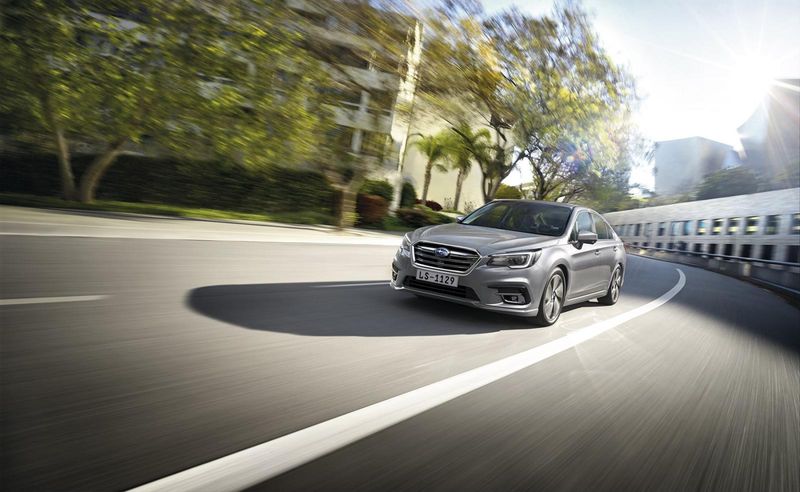
Subaru recently updated its Outback crossover and its Legacy sedan has now received a round of updates too. Much in the same vein, The Legacy’s exterior styling has been refreshed while its interior design and material quality has also been improved. Subaru’s new EyeSight driver assistance technology has also made its way into the Legacy.

Exterior updates


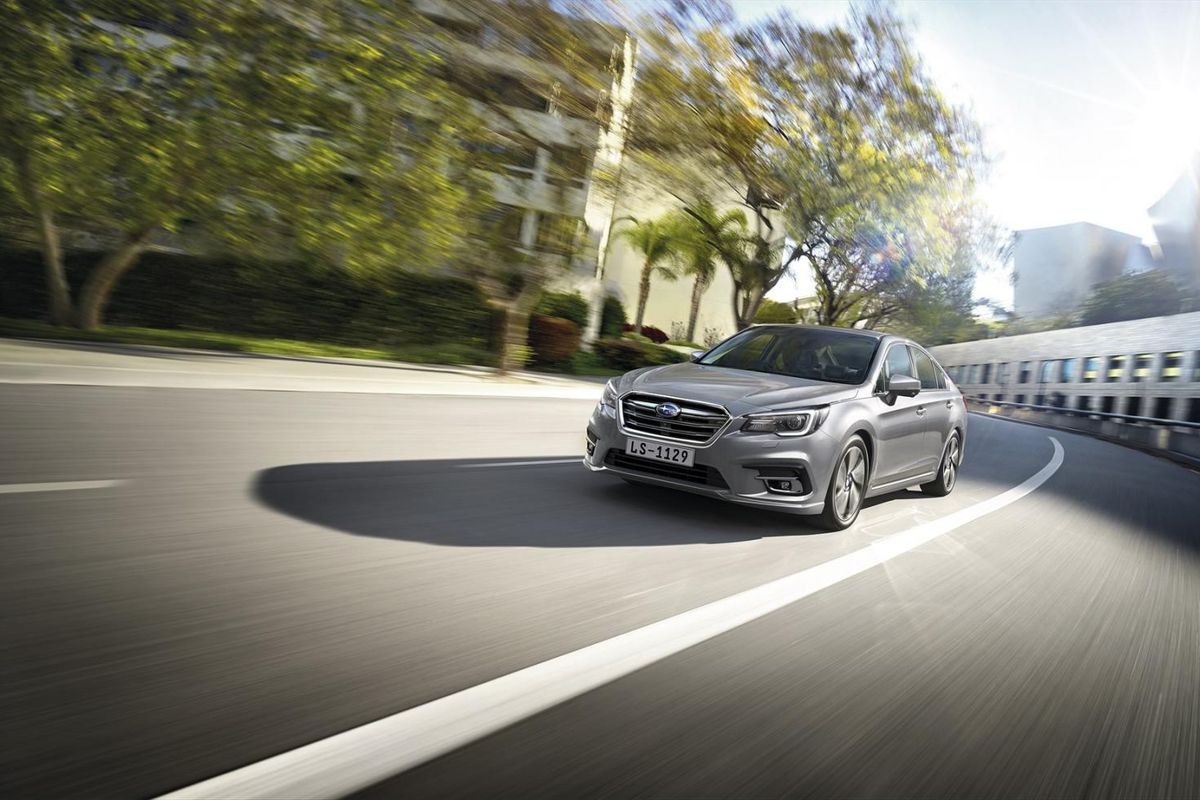
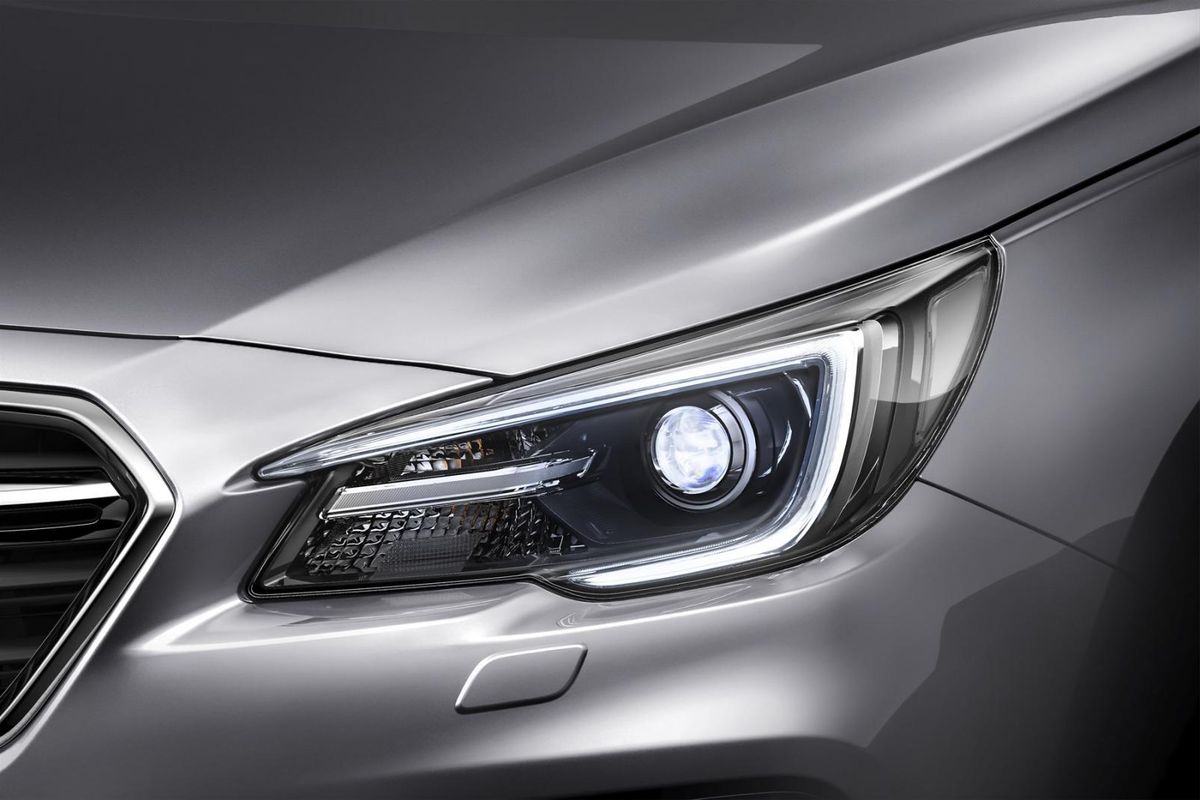
A revised front-end with newly styled headlights and grille improves the Legacy's presence on the road.

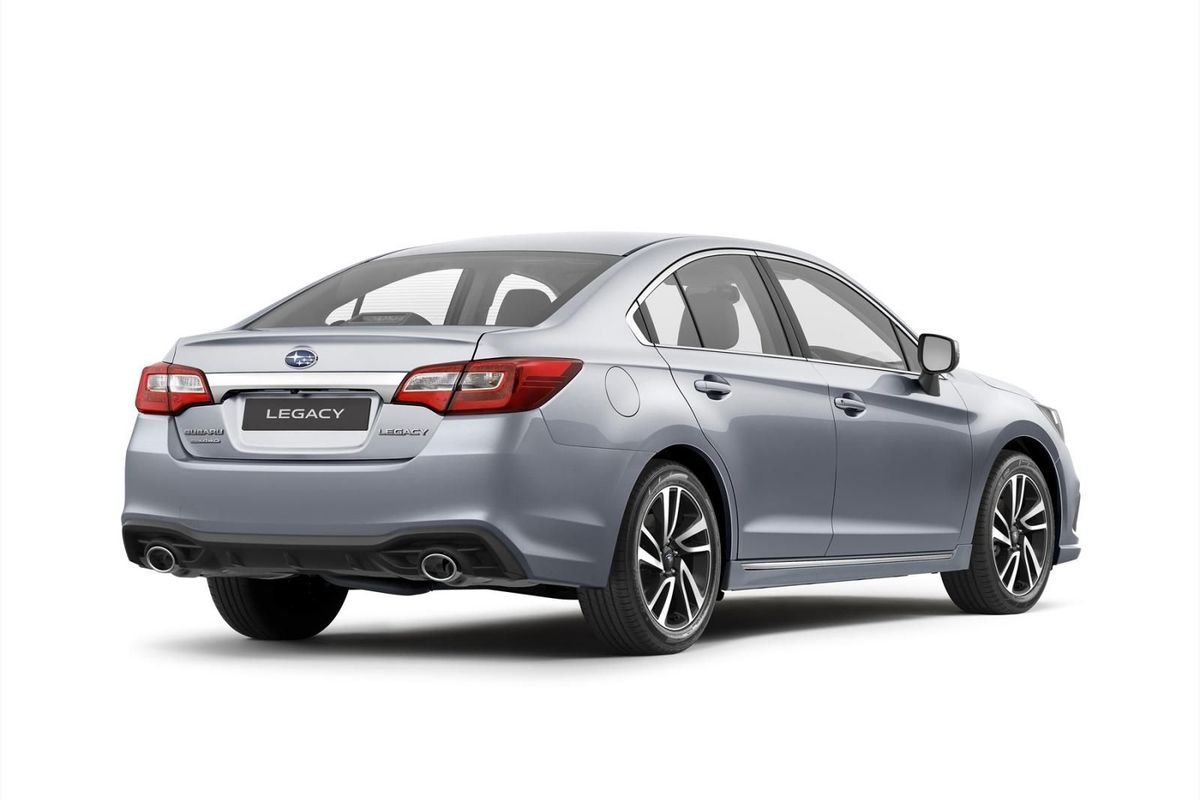
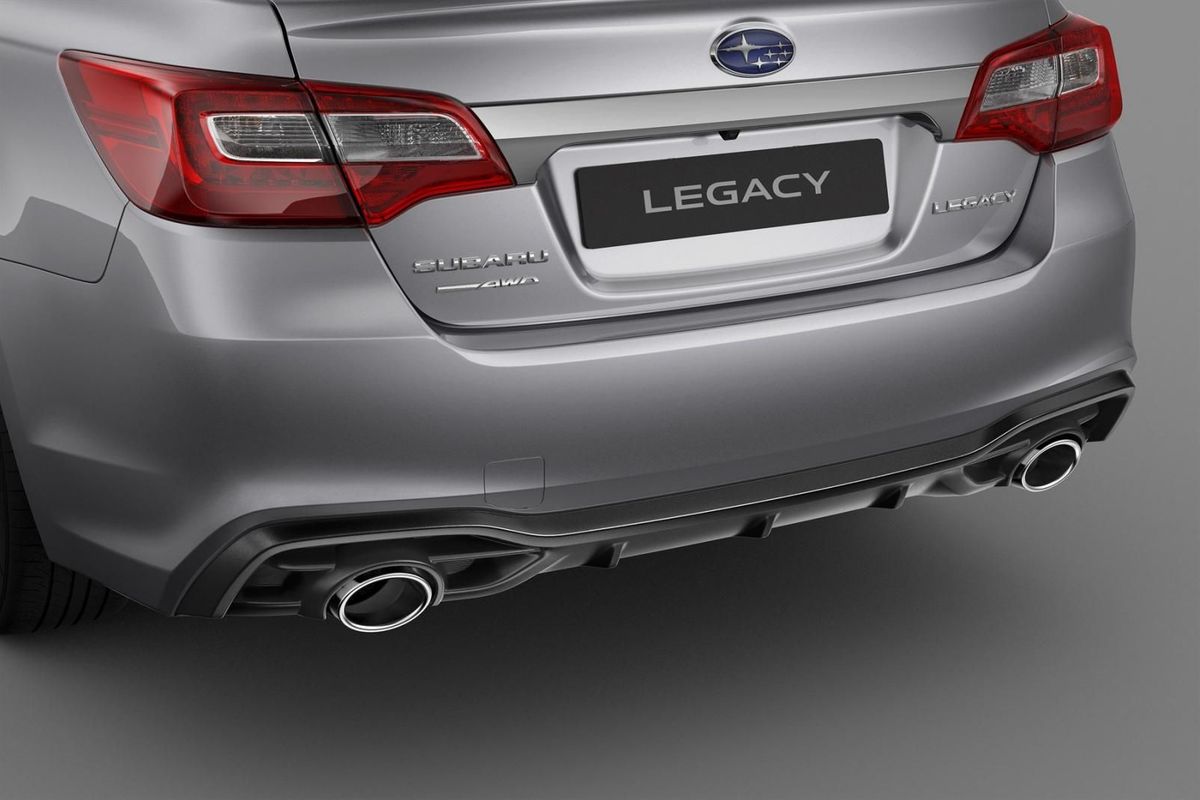
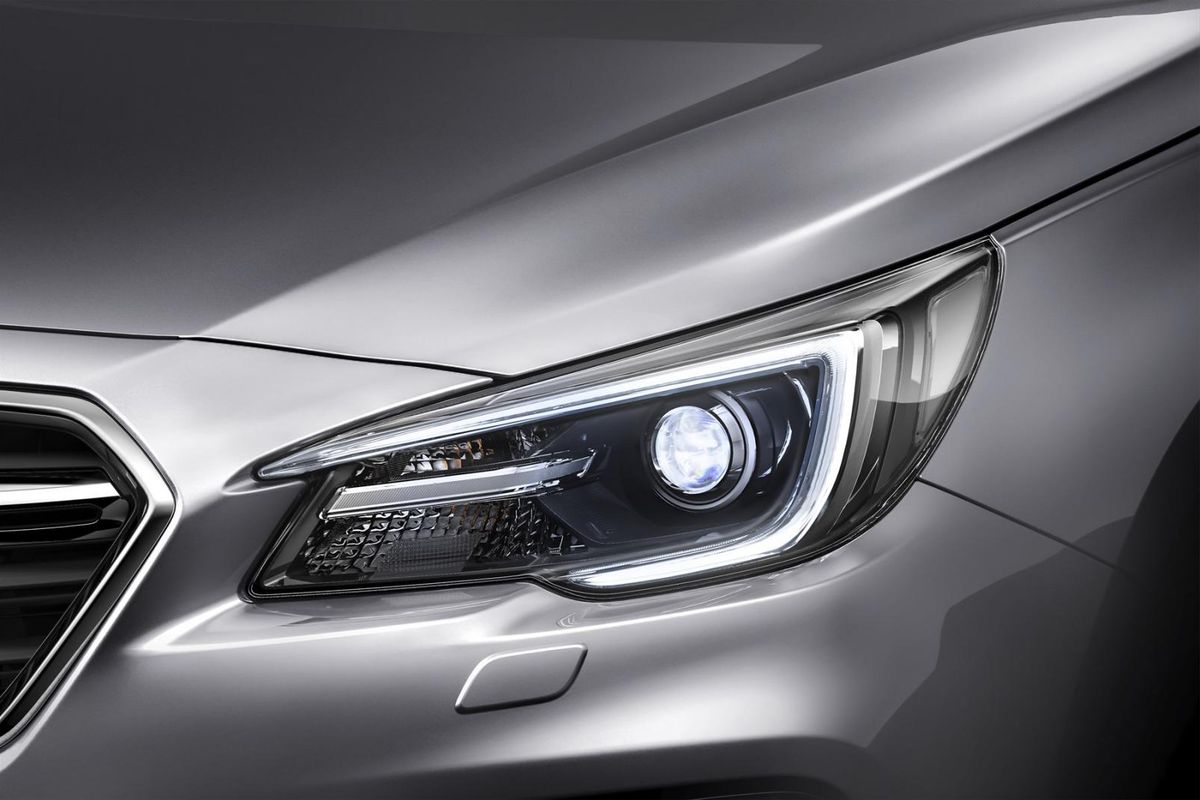
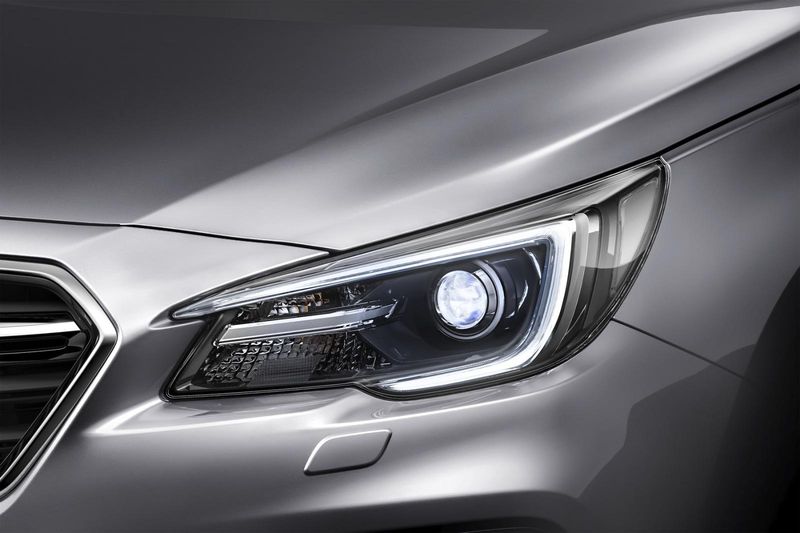
The front-end of the Subaru Legacy has been revised and includes a sharper headlight design with C-shaped daytime running lights with the lower grille now sitting lower and wider than before. The hexagonal grille features less chrome and the fog light surrounds have also been revised. A new two-tone rear bumper is fitted with an integrated exhaust system.

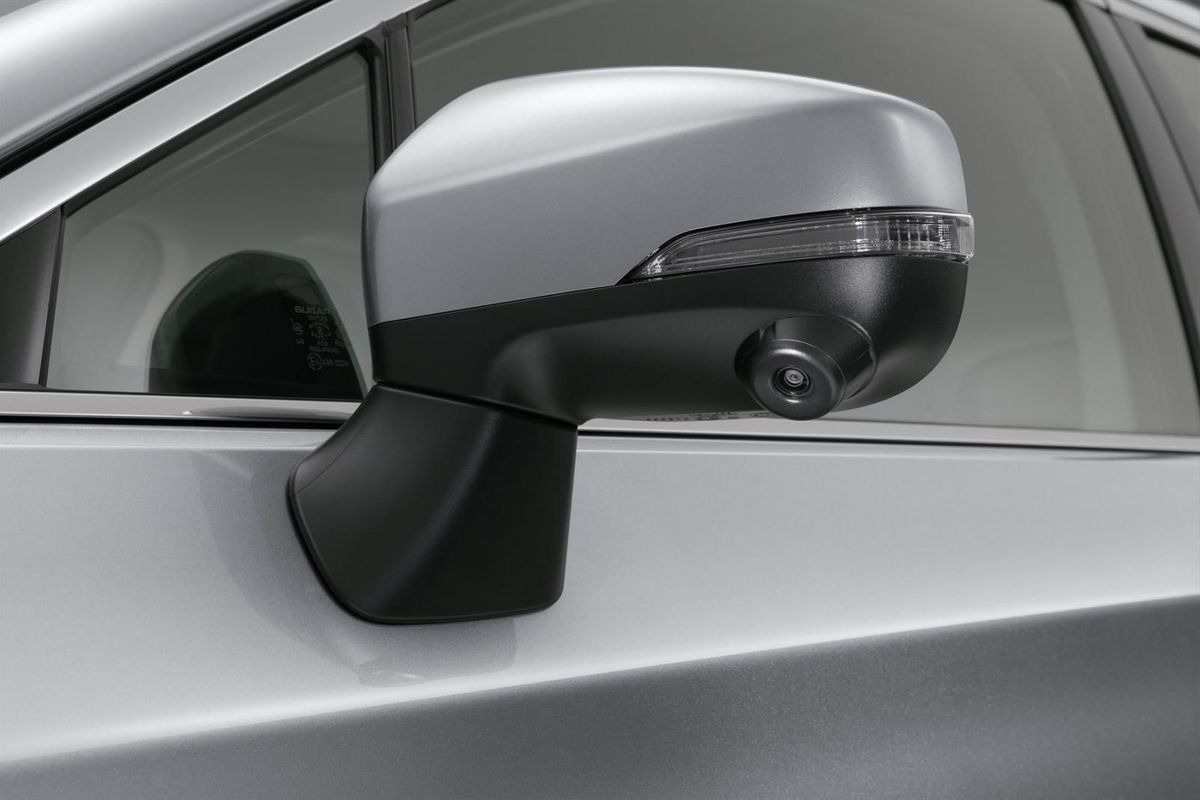
The side mirrors also feature integrated indicators and side cameras. The Legacy rides on new 18-inch turbine lightweight alloy wheels and 2 new exterior colours are on offer and these include Magnetite Gray Metallic and Crimson Red Pearl.

Interior updates


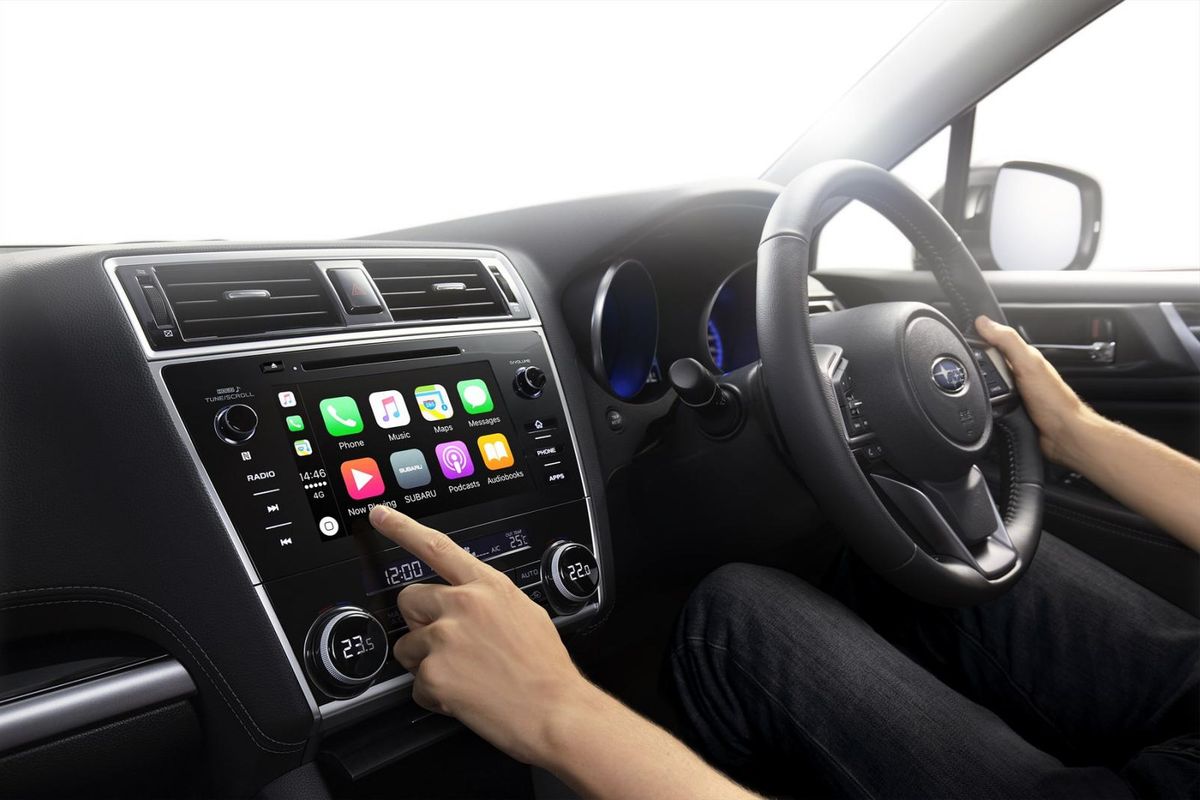
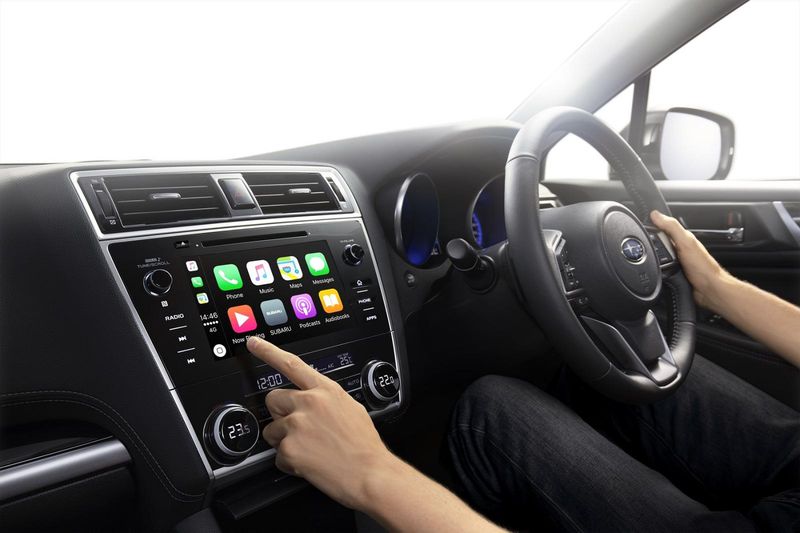
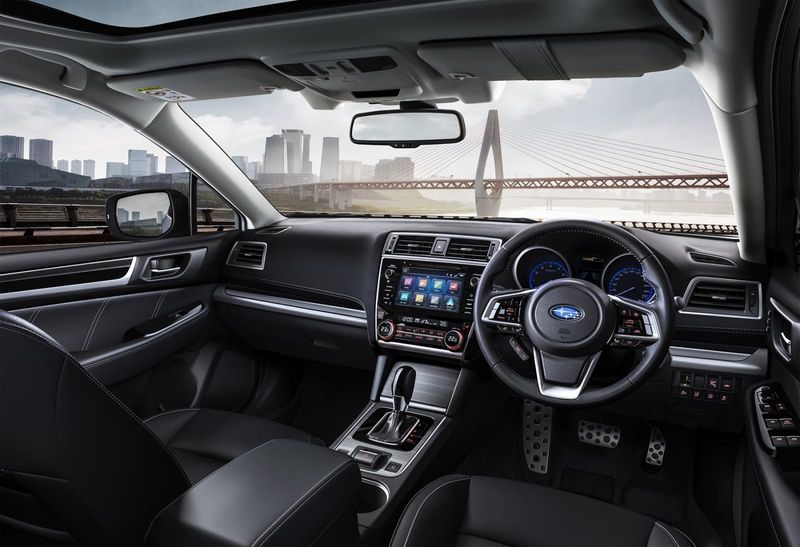
A new-7inch touchscreen infotainment system is a highlight in this updated Legacy.

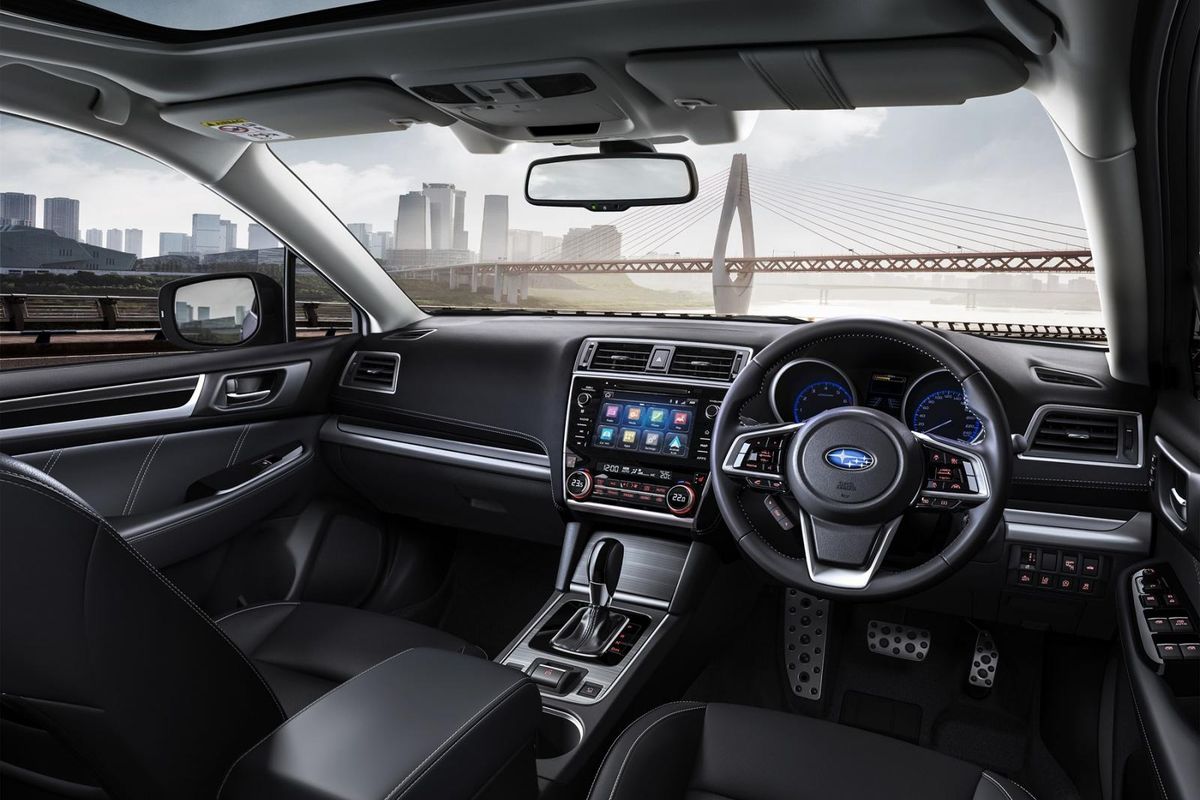
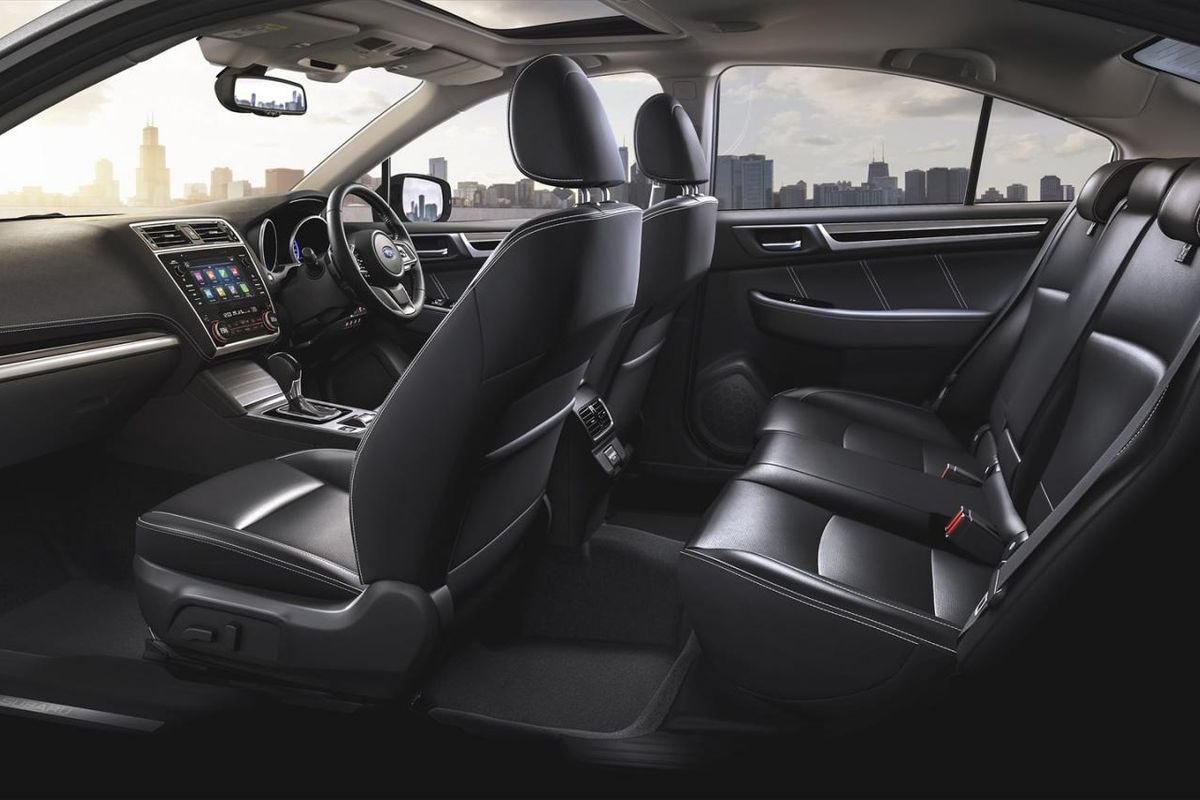
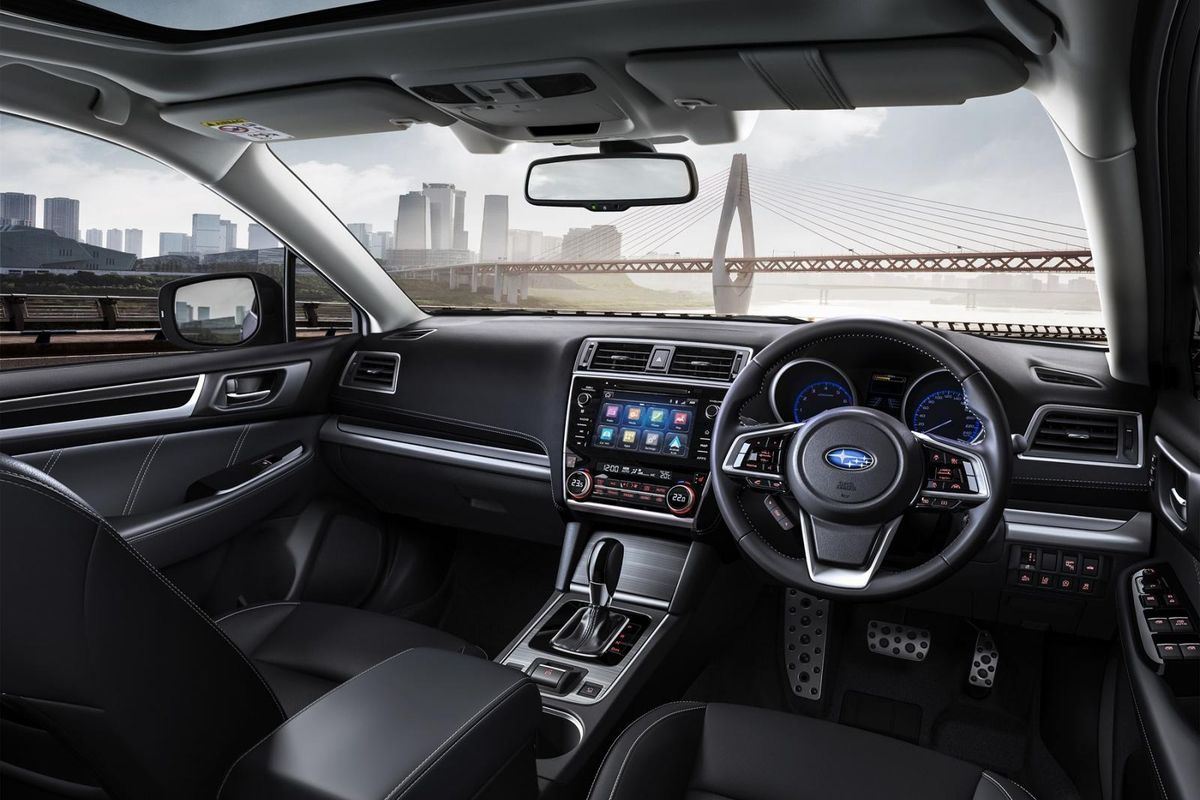
The Legacy’s interior gains higher quality materials in the form of high-gloss black trim and silver detailing seen on the door panels and dashboard. A new multifunction leather steering wheel and updated instrument cluster is fitted.

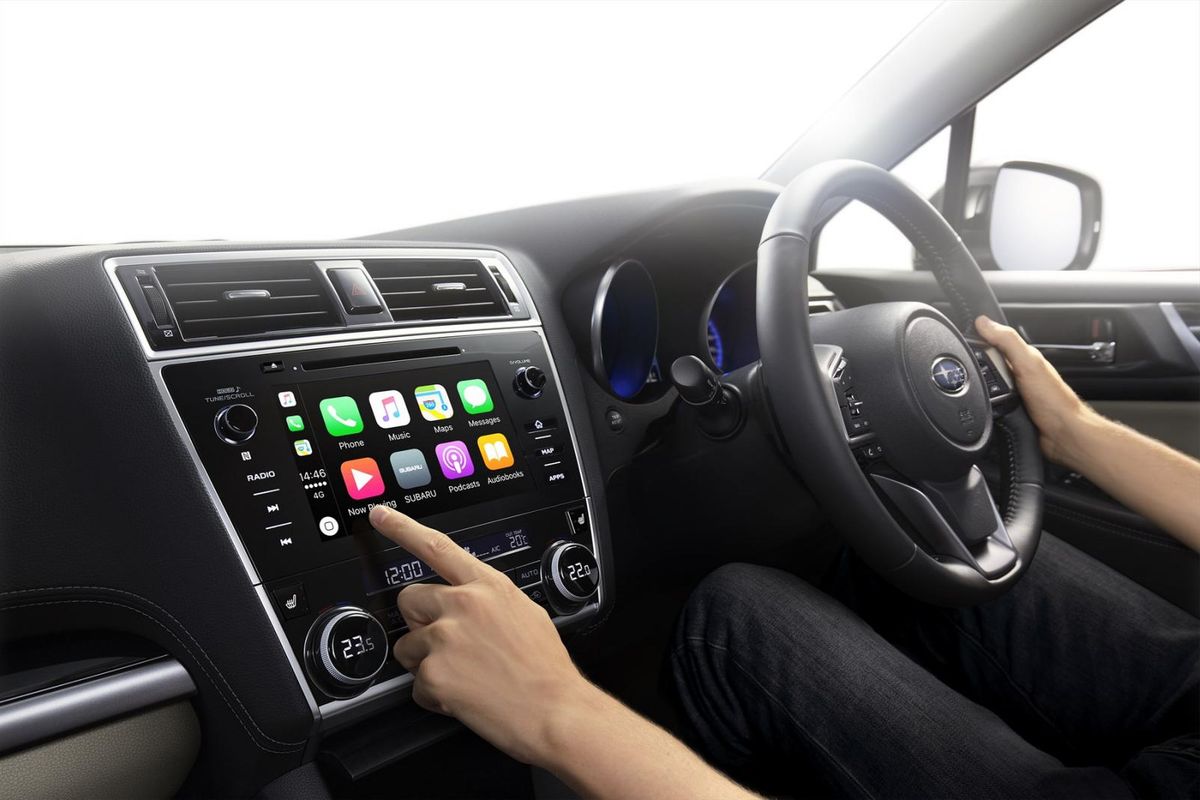
There’s also a new 7-inch touchscreen infotainment system which offers Apple CarPlay, Android Auto and satellite navigation.

Smaller changes include revised controls and layout for the dual-zone climate control system, which has also been enhanced for improved cabin comfort.

Engine power

The all-wheel drive Subaru Legacy is powered by a 3.6-litre Boxer engine with 191 kW and 350 Nm of torque that’s mated to an improved Continuously Variable Transmission (CVT).  

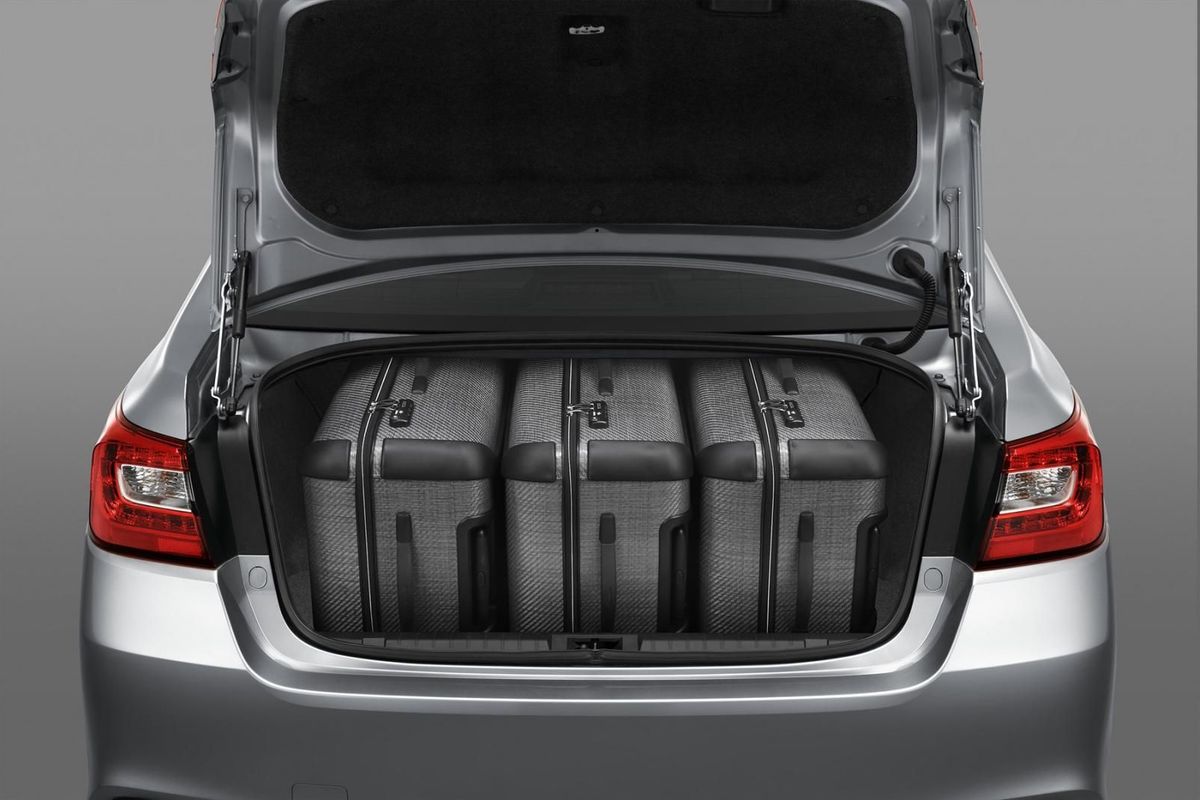
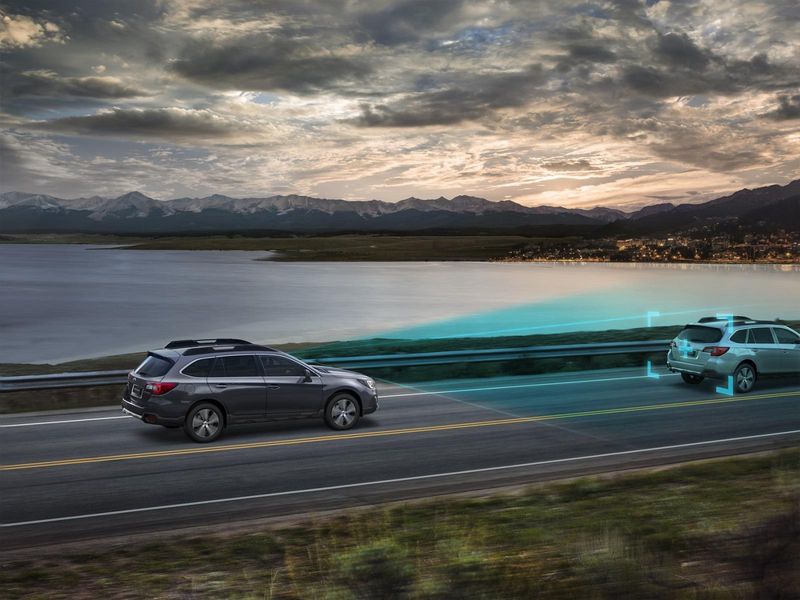
Subaru has also tweaked the steering, brakes and dampers in an effort to improve ride quality. Safety has been beefed up too with the inclusion of EyeSight Driver Assistance technology which includes stereo cameras that provide a front view of the car and scan ahead for obstacles and obstructions. Also included is Adaptive Cruise Control, Pre-Collision Braking, Pre-Collision Throttle Management, Vehicle Lane Departure and Sway Warning. Steering Responsive Headlights (SRH), Blind Spot Detection and front, rear and side cameras provide additional visibility. 7 airbags are standards as are ISOFIX child seat anchors.

Subaru Legacy – Price in South Africa

Legacy 3.6R-S ES – R619 000

The Subaru Legacy is sold with a 5-year/150 000 km warranty and a 3-year/75 000 km maintenance plan, which can be extended up to 5-year/150 000 km.

Buy a used Subaru Legacy on Cars.co.za

Related Content

Facelifted Subaru Outback (2018) Specs & Price

Subaru Legacy 3.6 R-S (2015) Review

Subaru Impreza 2.0 Lineartronic CVT (2017) Review

Subaru XV 2.0i-S ES (2017) Review

Subaru Forester 2.5 XS (2018) Quick Review

New Cars in SA for 2018


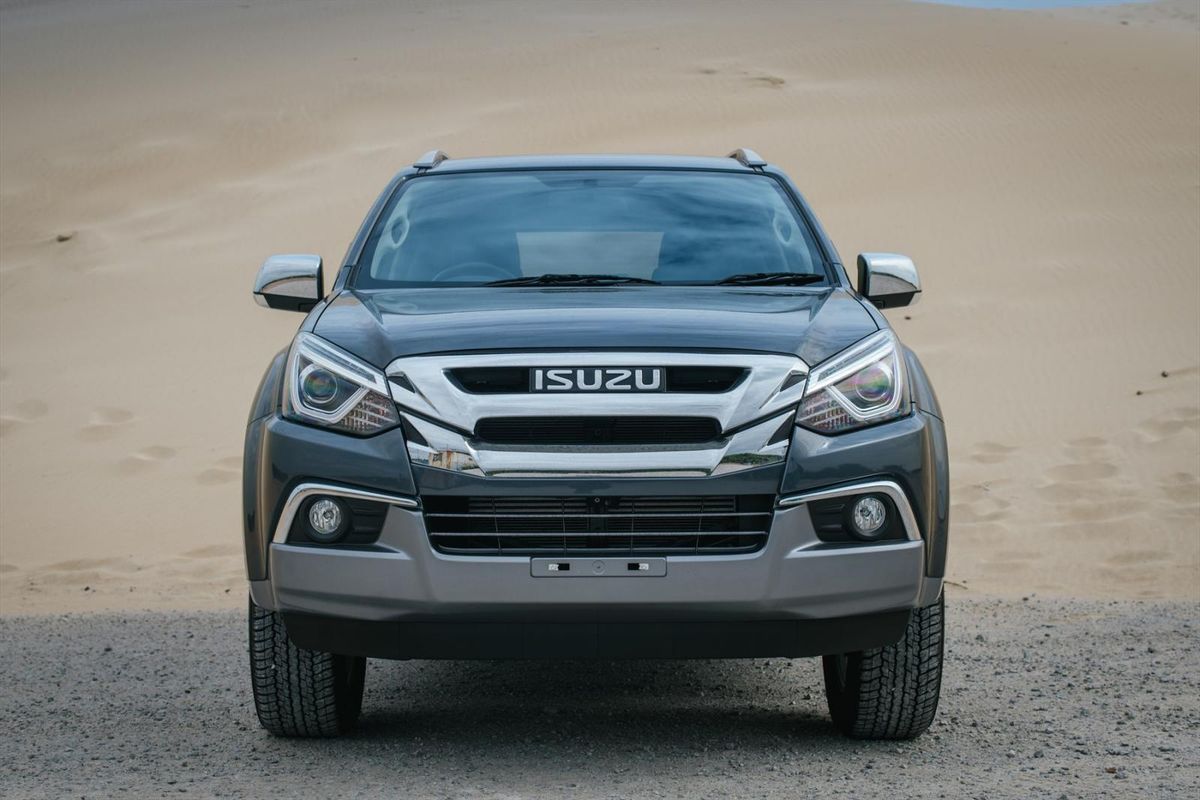
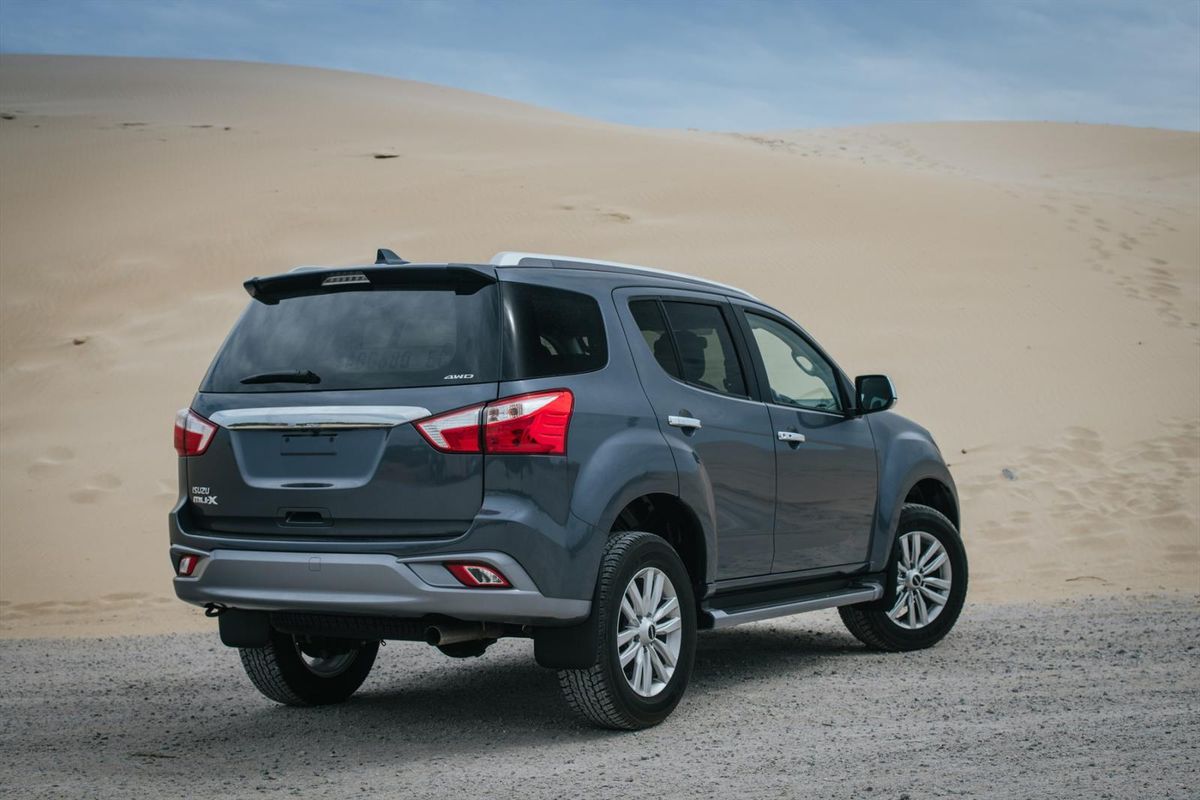
Isuzu MU-X confirmed for SA: 3 Rivals It Needs to Beat

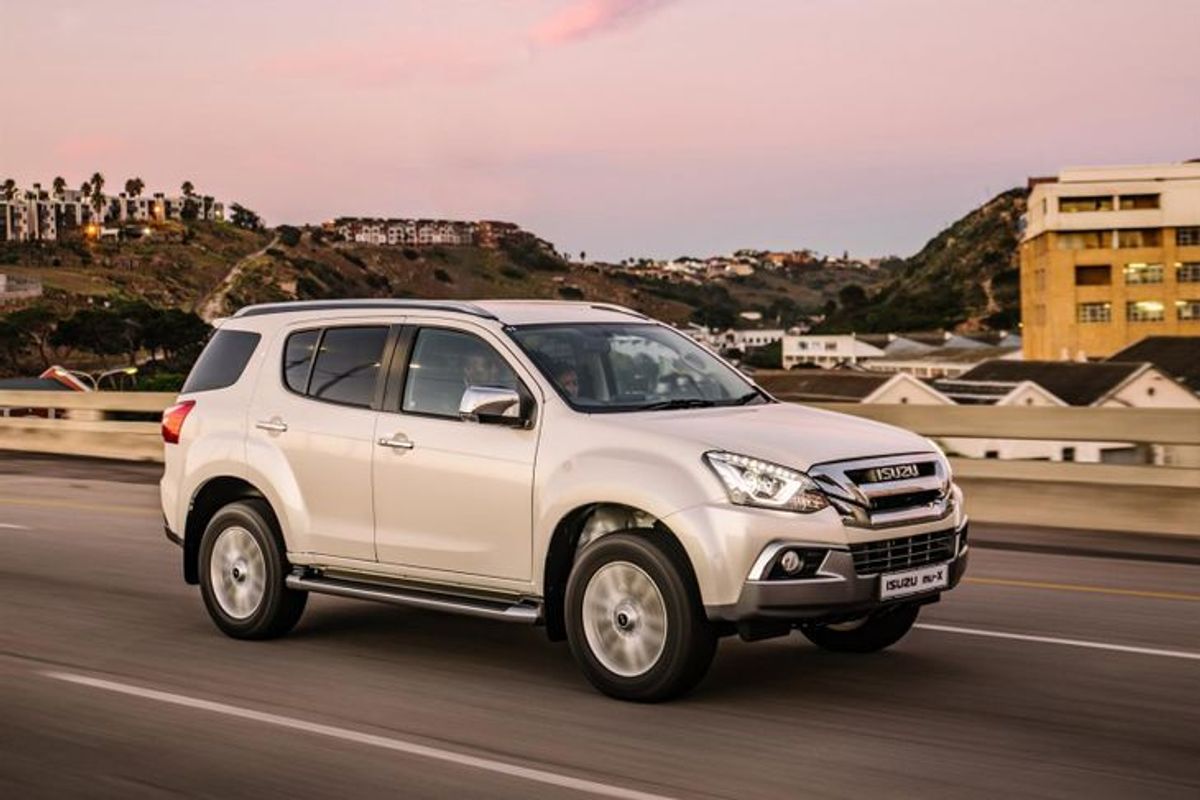
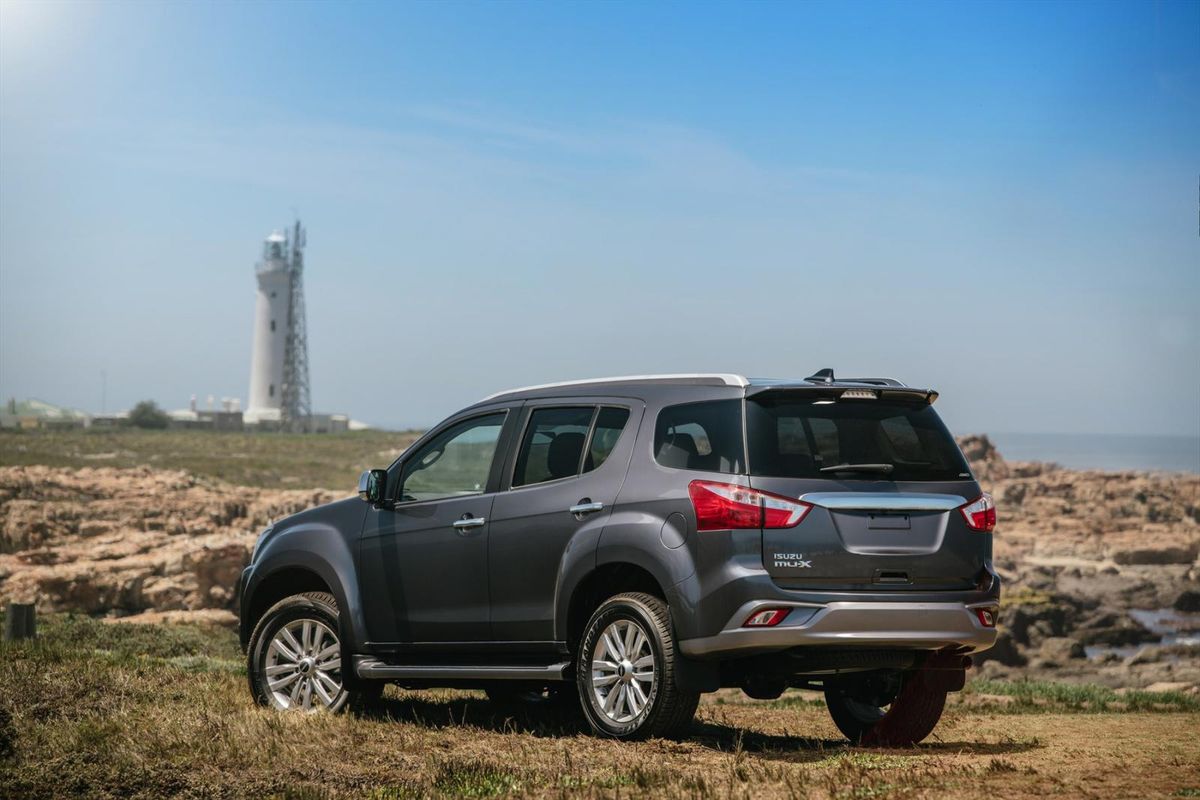
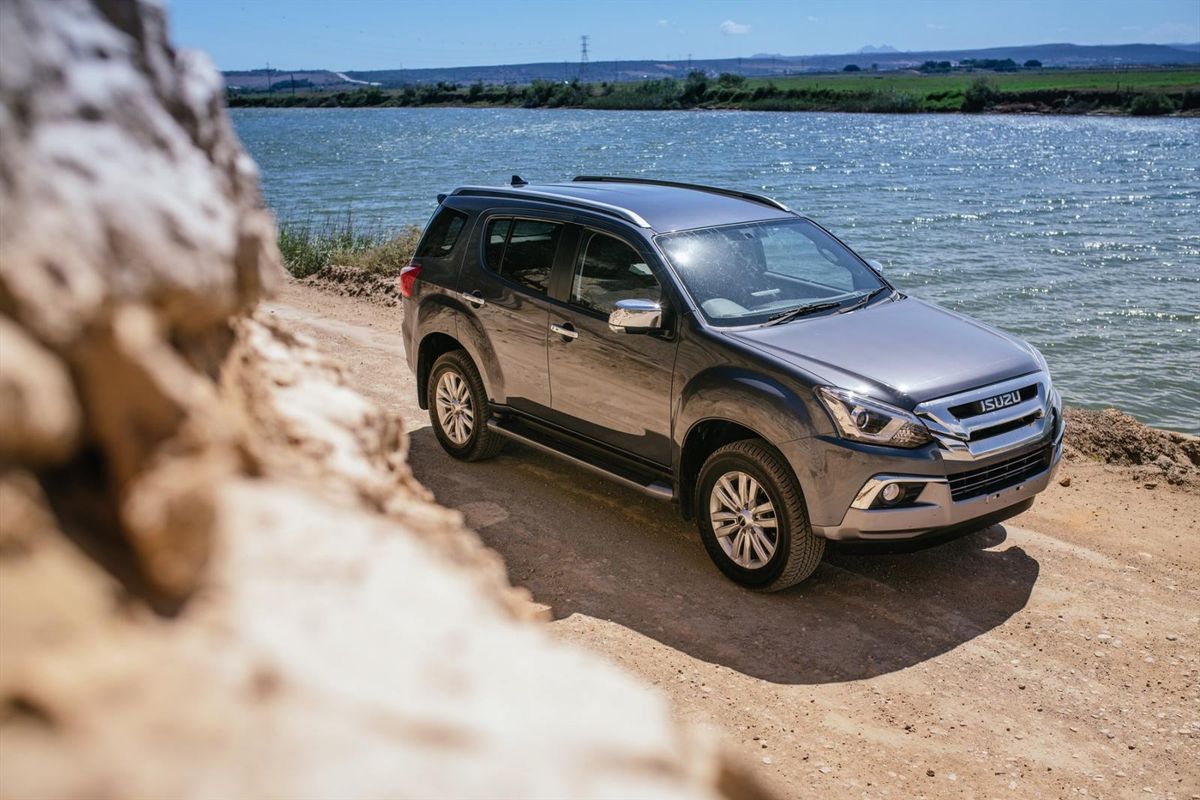
Isuzu South Africa plans to introduce the Isuzu MU-X (Fortuner competitor) during the second half of 2018. Take a look at what you can expect from the MU-X, as well as a summary of its well-established competition in the popular segment.

With General Motors exiting the South African market at the end of 2017, Chevrolet and its capable but poor-selling Trailblazer SUV is no more. Isuzu, however, has taken over GM’s operations at the Struandale plant in Port Elizabeth, where it produces its KB pickup for both the local and other African markets.

As Isuzu works to set up at least 90 standalone dealerships across South Africa, the Japanese LCV and truck giant has confirmed that its KB-based MU-X 7-seater SUV will be introduced in South Africa in the second half of 2018, which should bolster the Japanese brand during this transitional phase. The MU-X, however, will not be built in South Africa, but will rather be imported from Thailand.

Moreover, local specification and engine offerings have yet to be finalised. In Australia, the mu-X is powered by a Euro-5 compliant, 3.0-litre turbodiesel engine with 130 kW and 430 Nm of torque, which is unlikely to be offered in South Africa due to our poor fuel quality.

However, it is likely that the familiar, albeit detuned, 130 kW/380 Nm 3.0-litre turbodiesel engine that currently does service in the Isuzu KB will be offered in the mu-X if it arrives and it might even be paired with a 6-speed automatic transmission, unlike the 5-speed automatic used in the KB. The MU-X is also likely to be offered in both 4×2 and 4×4 guise. The 4×4 derivatives will feature the KB’s familiar "shift-on-the-fly" gearing system that allows for easy transition between 2H, 4H and 4L.


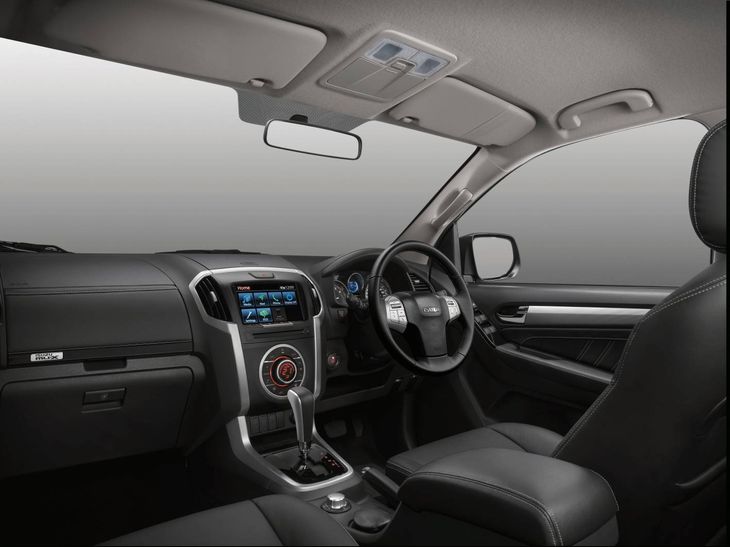
The interior of the Isuzu MU-X is rather workmanlike, but it's robust and should withstand everyday abuse with relative ease. 

As for the MU-X’s interior, it’s utilitarian in design, which might fall short of the competition, but it should prove to be well-suited to cope with the abuse it will face on a typical South African family adventure holiday. Space for front and second-row passengers is adequate and the MU-X offers 878 litres of space when the third row of seats aren’t in use. When they are in use, load volume reduces to 235 litres. With the entire rear passenger area used for load carrying purposes, a capacious 1 830 litres is at your disposal.

Our Australian correspondent Matt Campbell, drove the range-topping MU-X which was also fitted with a touchscreen infotainment system and a roof-mounted, 10-inch DVD player, but we can only hope that these nifty features will be offered in our market.  

Provided that Isuzu can offer the MU-X with competitive pricing and a reasonable amount of standard specification, we believe that it could sell relatively well in South Africa – at the very least better than the departed Chevrolet Trailblazer. Let’s take a look at 3 of the Isuzu MU-X’s key rivals in South Africa.

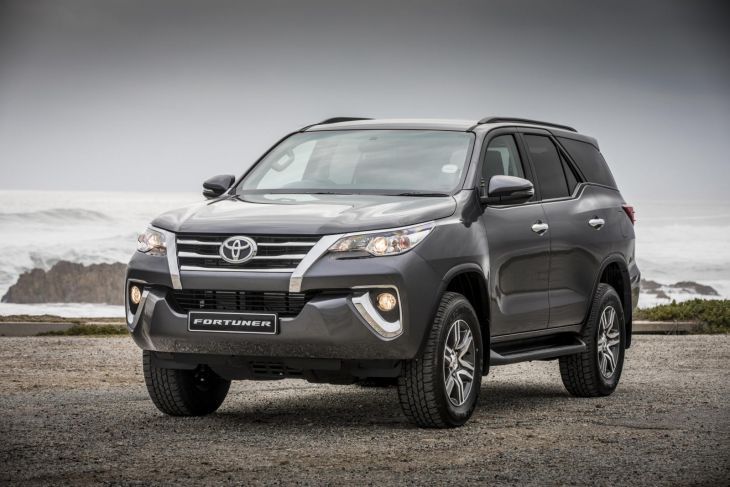
Toyota Fortuner

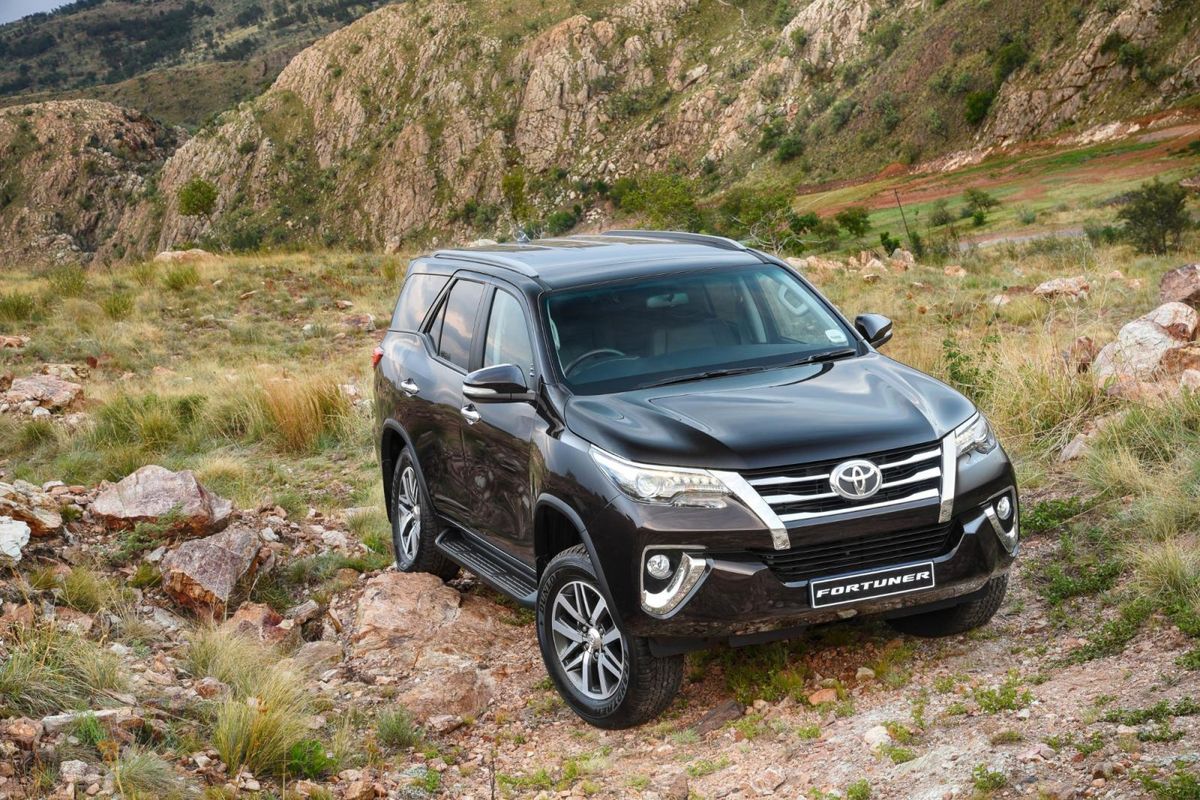
By far the most popular 7-seat SUV in South Africa, the Toyota Fortuner has found favour with thousands of local buyers and continues to sell strongly on a monthly basis. The Fortuner is offered with a choice of 4 engines including the popular 130 kW/420 Nm 2.8-litre turbodiesel, the 100 kW/400 Nm 2.4-litre turbodiesel, the 122 kW/245 Nm 2.7-litre petrol and the 175 kW/376 Nm 4.0-litre V6 petrol. The Fortuner is available in both 4×2 and 4×4 guises; manual and automatic transmissions are offered.

In terms of luggage space, we suspect (but stand to be corrected), that the MU-X’s load bay will offer more space than the Fortuner. In the Fortuner, the third row of seats fold away to the sides of the load bay, impinging on the utility space. In the MU-X, the seats fold into the floor leaving the load bay unobstructed, which means the MU-X may have more "usable" space.

Pricing for the Toyota Fortuner starts at R448 900, going all the way up to R682 400 for the V6 derivative. It’s worth mentioning that the Toyota Fortuner 2.8 GD-6 4×4 Auto scooped the win in the Adventure SUV category of the Cars.co.za Awards – powered by WesBank.  

Buy a Toyota Fortuner on Cars.co.za

Also see:

Extended Test: Toyota Fortuner 2.8 GD-6 4×4 Automatic [with Video]

Toyota SA contemplating "Baby Fortuner"

3 Reasons Why Toyota Fortuner is #CarsAwards Finalist

Buyer's Guide: Rugged 7-Seat SUVs

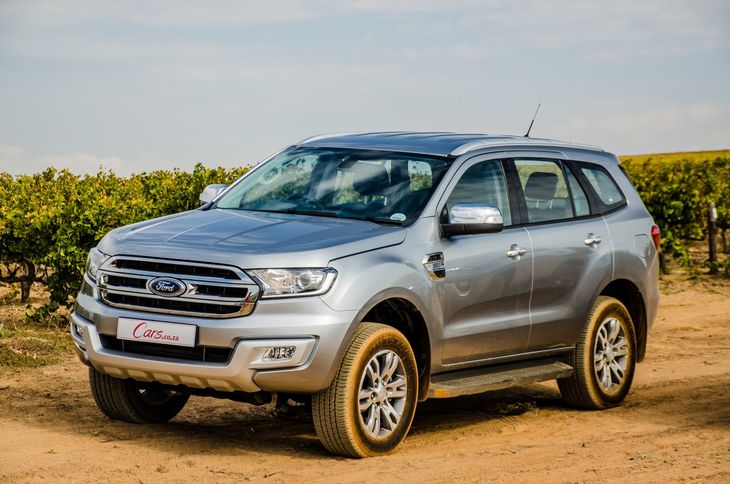
Ford Everest

The Ford Everest is a popular alternative to the Fortuner and it too sells well on a monthly basis. The Everest is offered with a choice of 2 engines including the 118 kW/385 Nm 2.2-litre turbodiesel and the larger, more powerful 147 kW/470 Nm 3.2-litre turbodiesel. Both 4×2 and 4×4 derivatives are offered with manual and automatic transmissions available to buyers.

In terms of loading capacity, the Everest is slightly more spacious than the Isuzu mu-X with a load capacity of 1 050 litres with the third row of seating stowed in the boot floor. Furthermore, with all the seats folded flat, the Everest offers up to 2 010 litres of space.

Pricing for the Ford Everest starts at R459 900 and goes up to R706 900 for the top-spec Everest 3.2 4WD Limited, which was a finalist in the Adventure SUV category of the Cars.co.za Awards – powered by WesBank.  

Buy a Ford Everest on Cars.co.za

Also see:

Off Road in the New Ford Everest 4×4 Video Review

Toyota Fortuner vs Ford Everest (2016) Comparative Review [Video]

Comparative Review: Ford Everest 3.2 4×4 XLT vs Toyota Fortuner 2.8 GD-6 4×4 6At

Ford Everest 2.2 XLT Automatic (2017) Quick Review

3 Reasons Why Ford Everest is #CarsAwards Finalist

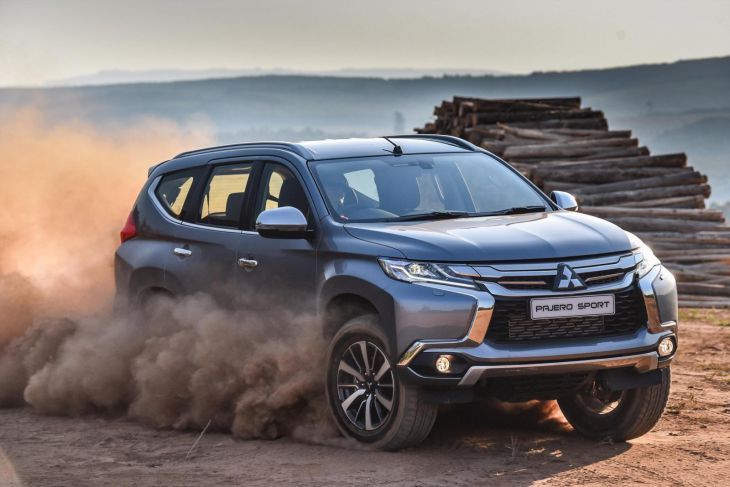
Mitsubishi Pajero Sport

Mitsubishi introduced its all-new Pajero Sport to market last year and although it doesn't sell as well as the Fortuner or Everest, it’s still a formidable and more affordable rival in this segment. The Pajero Sport is offered as a 4×2 or 4×4, both powered by a 133 kW/430 Nm 2.4-litre turbodiesel engine. An automatic transmission is fitted as standard.

In terms of load space, the Pajero Sport offers 813 litres with the third row of seats stowed and only 193 litres with all the seats in use. That means that the Isuzu MU-X offers more load space than the Pajero Sport.

Pricing for the Pajero Sport starts at R569 995 for the 4×2 version while the 4×4 version is priced at R599 995. The Pajero Sport 2.4 D4 4×4 was also a finalist in the Adventure SUV category of the Cars.co.za Consumer Awards – powered by WesBank.

Buy a Mitsubishi Pajero Sport on Cars.co.za

Also see:

Mitsubishi Pajero Sport 2.4 D4 4×4 Auto (2017) Review

Mitsubishi Pajero Sport Arrives in SA

3 Reasons Why Mitsubishi Pajero Sport is #CarsAwards Finalist

South Africa’s Top-Selling Cars in 2017

With the books closed on 2017, we can finally rank last year's top-selling vehicles in South Africa. 

What was the top-selling passenger vehicle in South Africa in 2017? And which bakkie ruled the roost? Have SUVs shot up even higher the sales charts? These are all questions that detailed sales reports from Lightstone Auto can help us answer. Be prepared for a few surprises!

Note: Accurate sales figures for 2017 for neither Mercedes-Benz nor BMW are currently available, so absent from this list are traditionally strong sellers such as the C-Class and the 3 Series. Totals include dealer, rental, government etc. sales.

Top 20 Passenger Vehicles 2017

1. VW Polo Vivo hatch & sedan 28402
2. VW Polo hatch & sedan 22575
3. Toyota Etios 14686
4. Toyota Fortuner 13696
5. Toyota Corolla Quest 12333
6. Ford Fiesta 11446
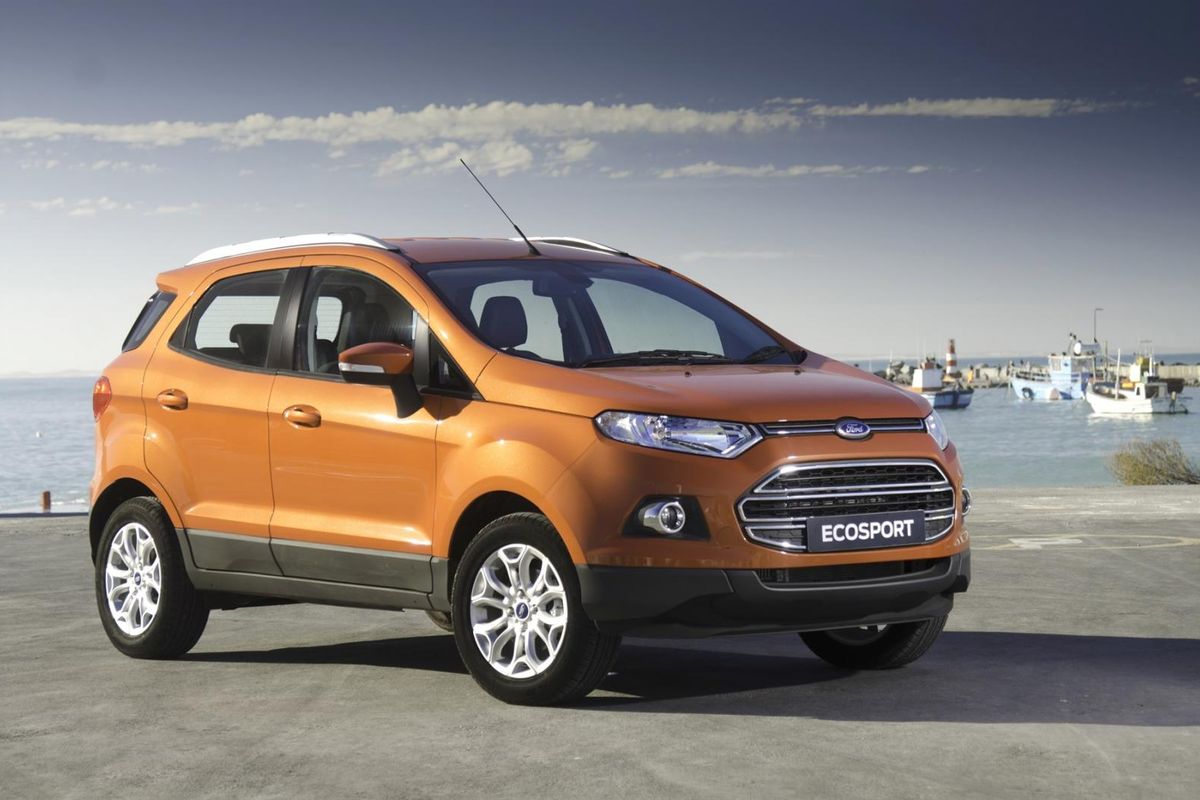
7. Ford EcoSport 9920
8. Kia Picanto 8136
9. Renault Kwid 8027
10. Toyota RAV4 7622
11. Toyota Corolla 6470
12. Volkswagen Golf 7 6161
13. Hyundai i20 5971
14. Ford Everest 5751
15. Kia Rio 5724
16. Hyundai Tucson 5703
17. Hyundai Grand i10 5327
18. Toyota Avanza 5321
19. Renault Sandero II 5006
20. Datsun Go 4687


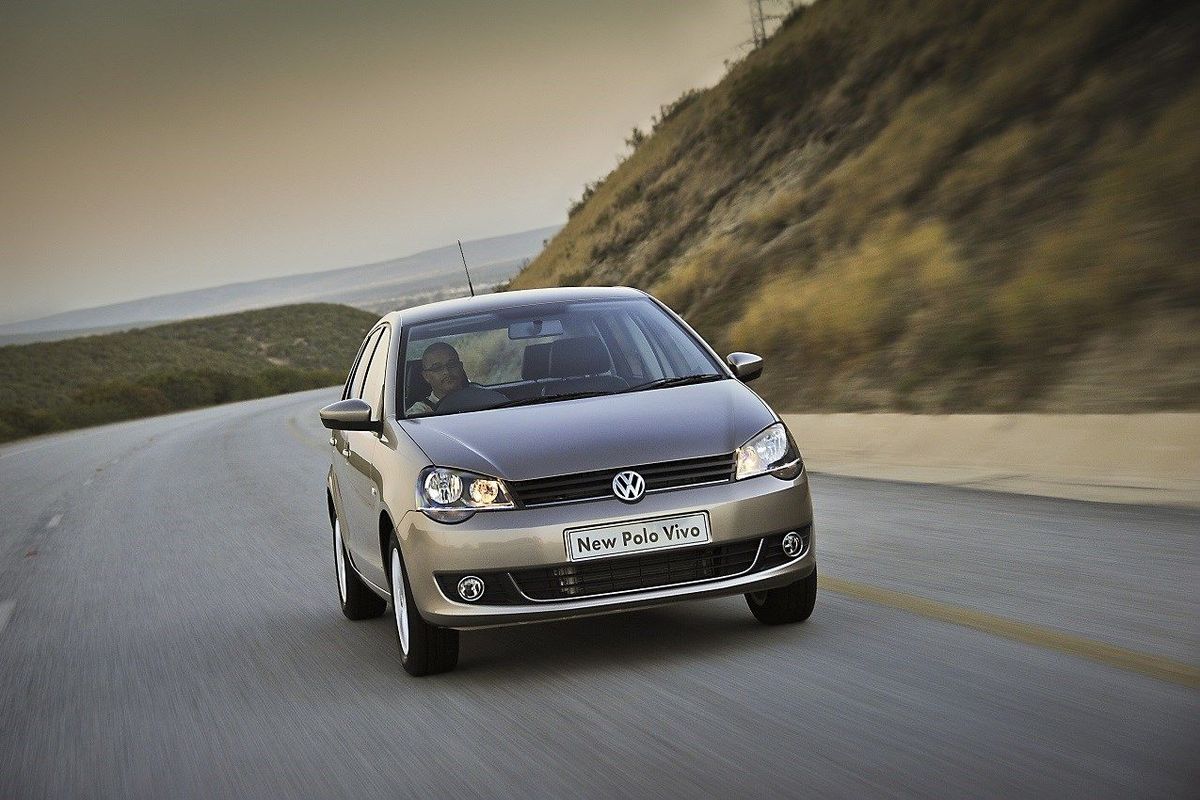
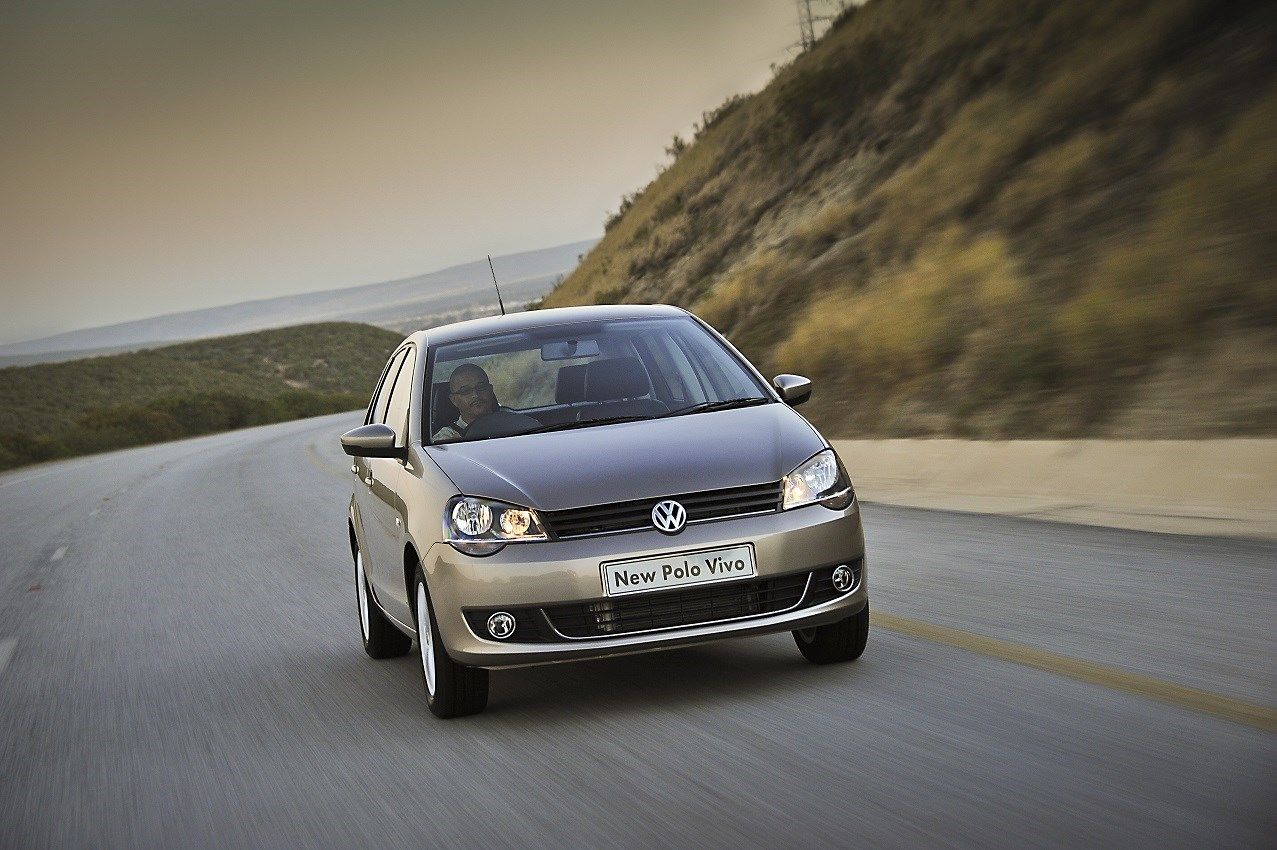
The now-retired VW Vivo was South Africa's top-selling passenger car in 2017.

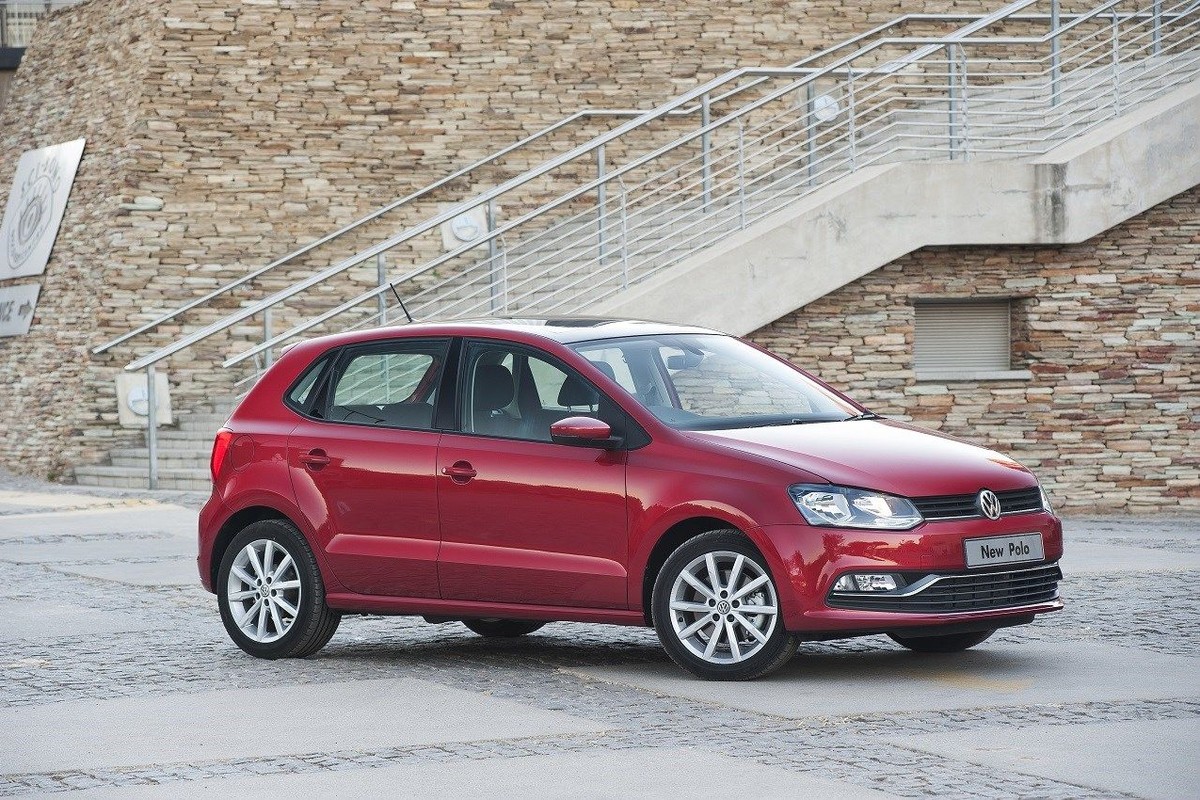
From the above list it is clear that Volkswagen is on an exceptionally good wicket, seeing as it claimed the 2 top spots with vehicles that have already been replaced this year. We doubt they'll be toppled… The Toyota Fortuner is South Africa's favourite SUV and the RAV4 has outsold the Corolla, once the darling of South African families.

Top 10 Light Commercial Vehicles 2017

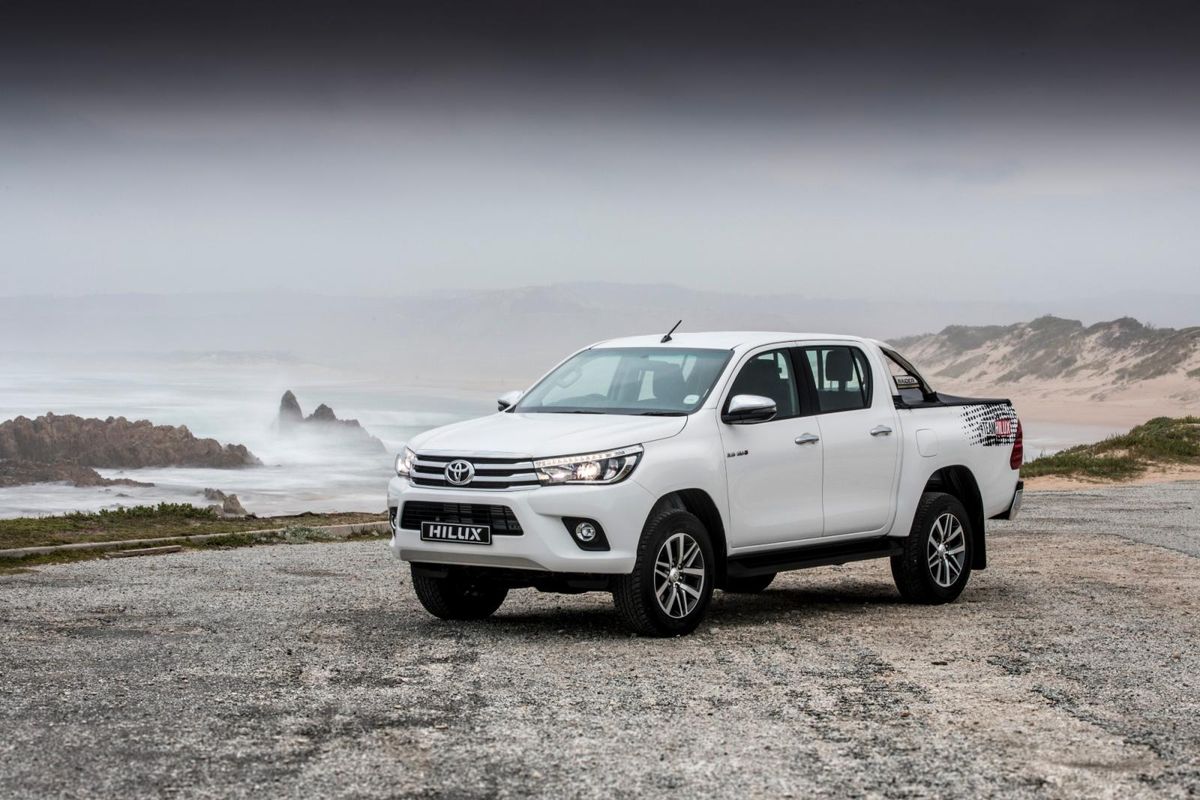
1. Toyota Hilux 36422
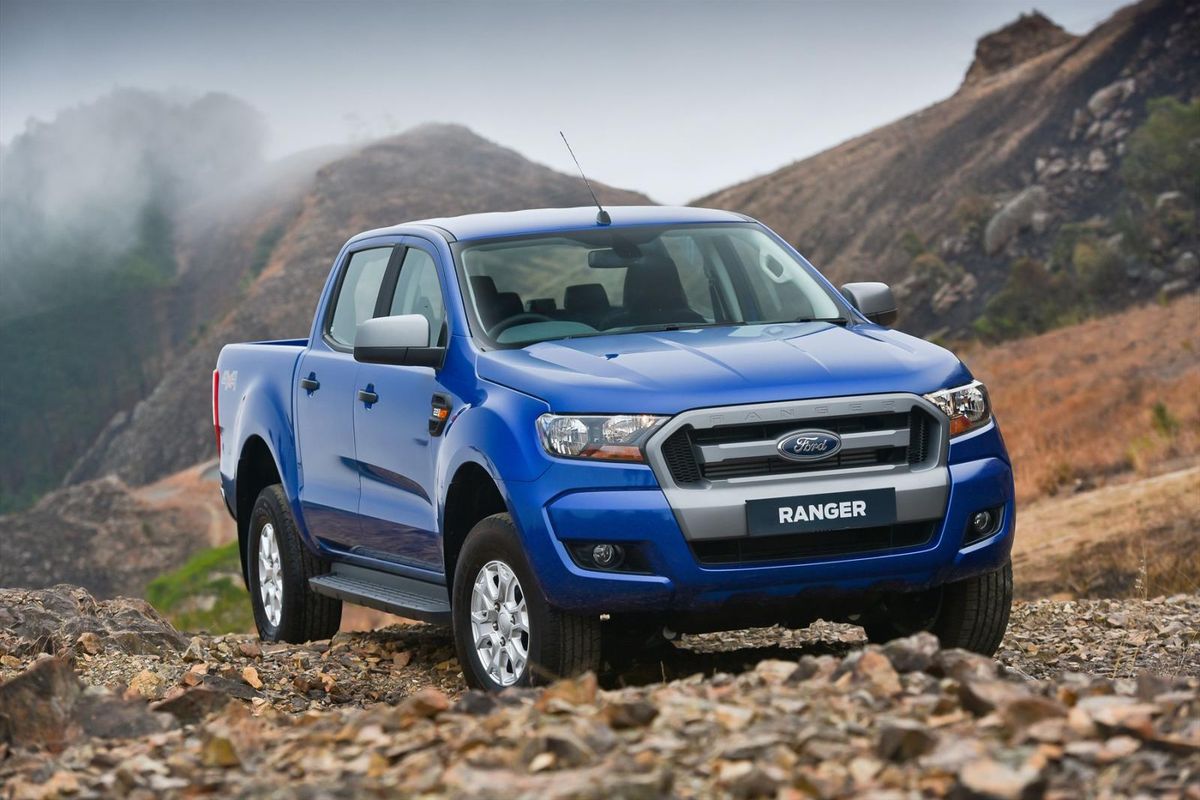
2. Ford Ranger 32786
3. Toyota Quantum 15694
4. Nissan NP200 15074
5. Isuzu KB 14255
6. Nissan NP300/Hardbody 13604
7. Chevrolet Utility 7544
8. Hyundai H100 3398
9. Volkswagen Amarok 2946
10 Toyota Landcruiser P/U 2682


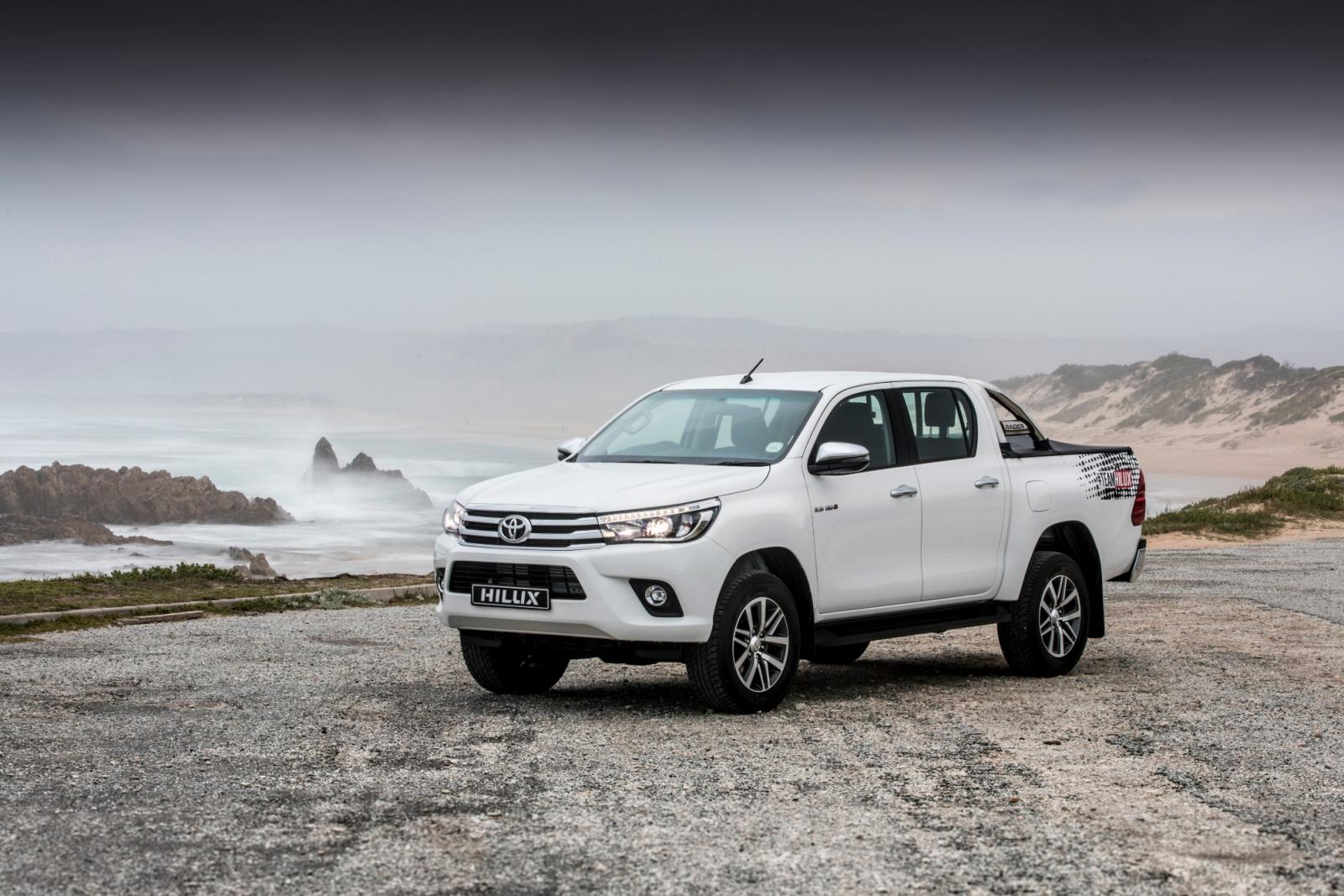
The Toyota Hilux was again the top seller in the LCV market.

No real surprises on the LCV front. While Ford may rule the roost when it comes to individual derivative performance (see table below), as an overall range the Hilux emerged on top (again) in the overall sales charts. Isuzu will have to work exceptionally hard to get back to challenging the top spot.

Top 10 Model Derivatives 2017

1. VW Polo Vivo hatch 1.4 Conceptline 8717
2. VW Polo 1.2 TSI Comfortline 66kW 8086
3. VW Polo Vivo hatch 1.4 Trendline 63kW 7809
4. Toyota Corolla Quest 1.6 7393
5. VW Polo 1.2 TSI Trendline 66kW 6355
6. Renault Kwid 1.0 Dynamique 6297
7. Toyota Etios 1.5 Sprint 5dr 5841
8. Ford Ranger 2.2 TDCI XL Double Cab  5357
9. Nissan NP200 1.6 8V Base 5308
10. Ford Fiesta 1.4 Ambiente 5dr 4650


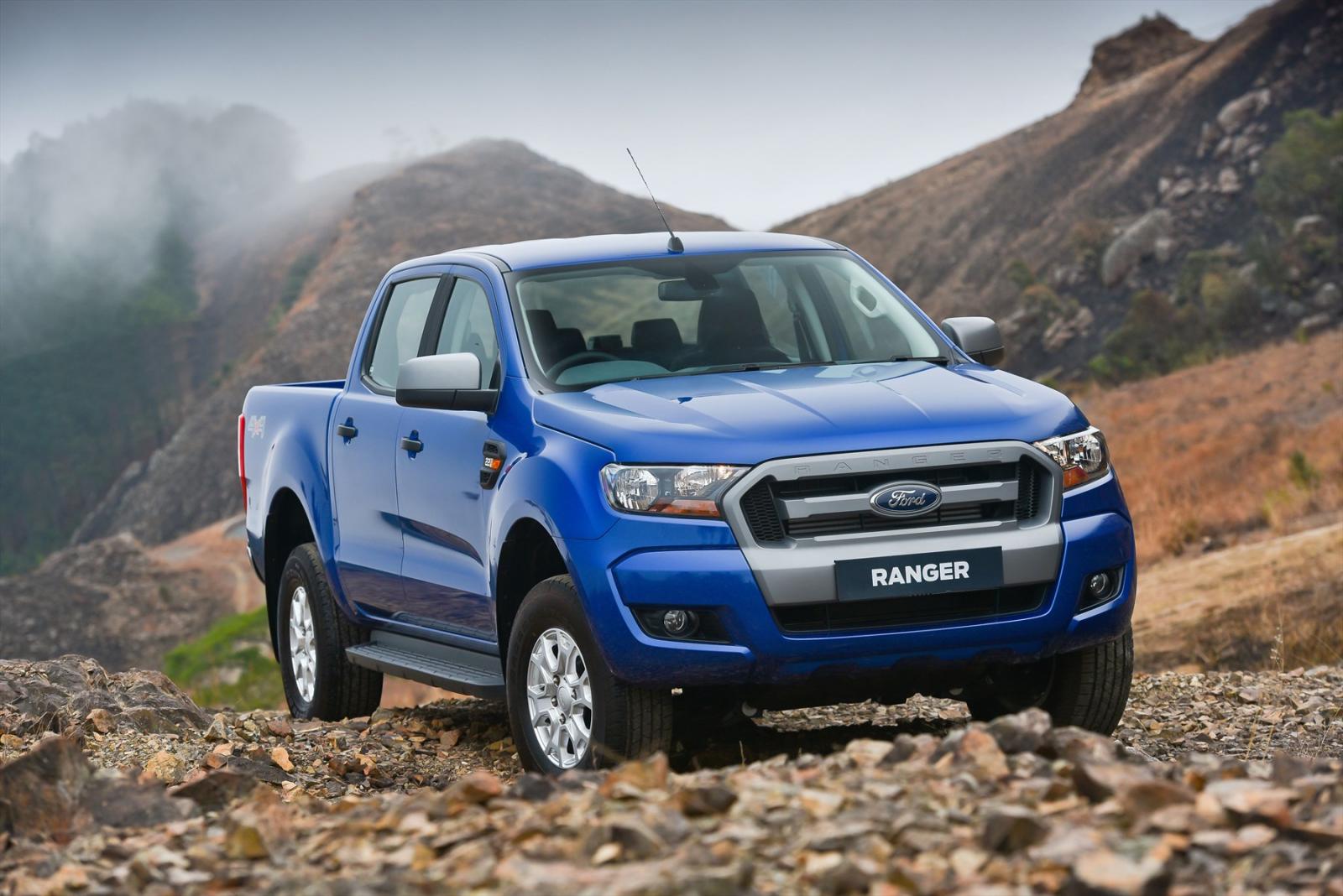
The Ford Ranger, in 2.2 TDCI XL Double Cab form, is massively popular in South Africa.

It's utter dominance for VW in this table, but impressively, a derivative of the Ford Ranger has made it into the top 10 of the combined charts.

You may also be interested in:

New car sales for 2018

All the winners from the 2017/18 Cars.co.za Consumer Awards – Powered by WesBank

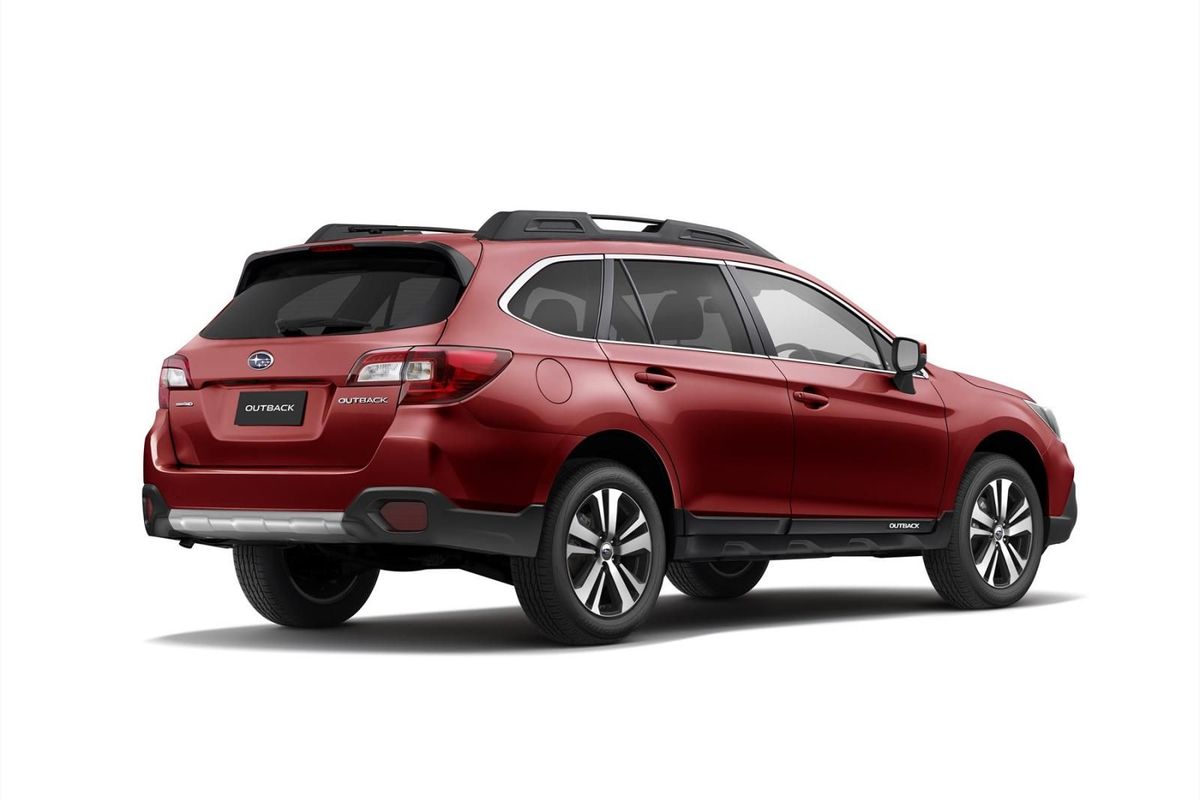
Facelifted Subaru Outback (2018) Specs & Price

Subaru has facelifted its Outback crossover and the updated model range is now available in South Africa. Take a look at what you can expect in terms of specification and pricing for the Outback below…

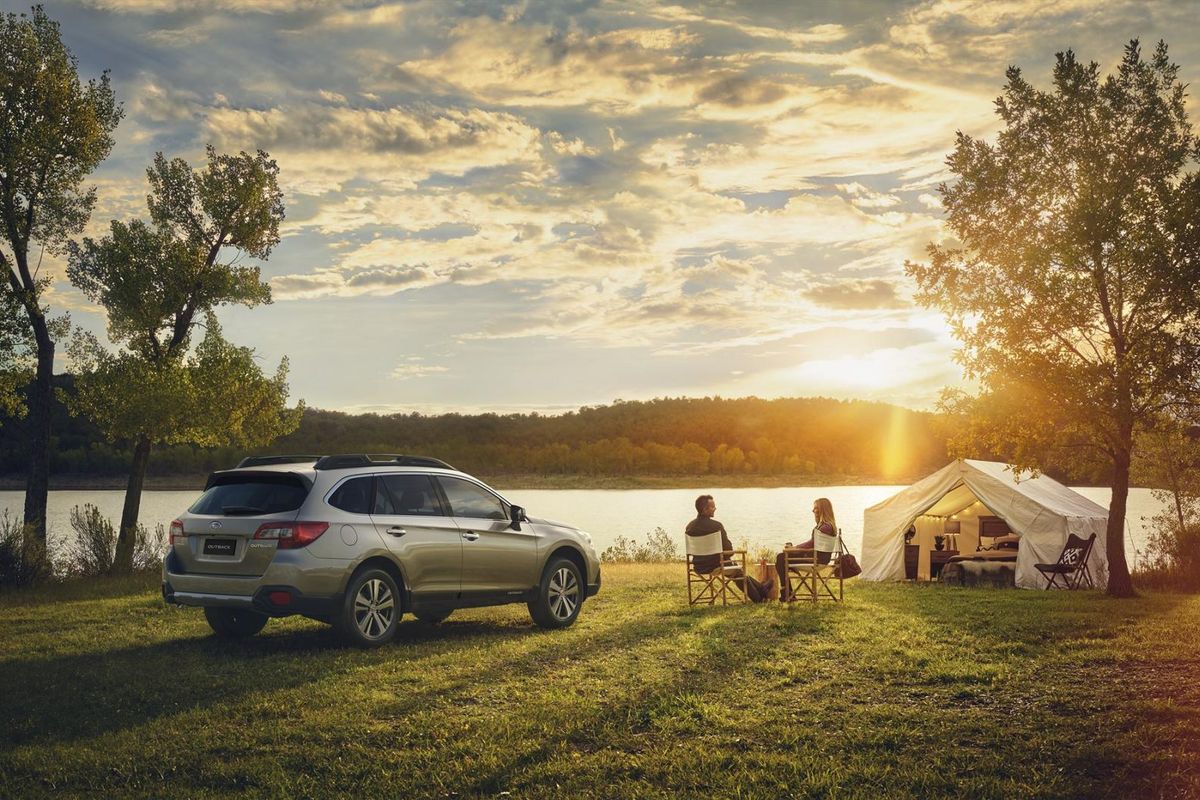
Subaru South Africa had a successful year in 2017 with 10% year-on-year growth and the brand is kicking off 2018 with the introduction of the facelifted Outback crossover which is now available at Subaru dealerships nationwide.

Ashley Lazarus, Marketing Manager of Subaru in South Africa said, "When it was first introduced in 1994, the Outback was one of the first cars to be equipped with All-Wheel drive, deeming it the original cross-over, and has since remained true to its core as an authentic cross-over.”

“Globally, the Subaru Outback represents the spirit of adventure for which the brand is known; a go-anywhere capability, with a premium interior and technology to complement any lifestyle. Few vehicles in the segment can match it's 512 litre cargo space, extended to 1 801 litres with seats folded down. It's a no-compromise vehicle to meet the needs of customers who demand all-round excellence and prefer car-like driving dynamics over that of an SUV" he concludes.

Let’s take a look at what’s changed…

Exterior styling changes


Most of the changes to the Outback are seen at its front-end. The headlights have been mildly revised. 

The Outback now wears a revised, edgier bumper design with toned-down fog lamp surrounds and protection from the elements is provided by larger front cladding. The 3-blade grille is still present but the first blade is finished in chrome while the 2 remaining blades are finished in matte black. A camera for the new Front View Monitor is also housed in the grille.

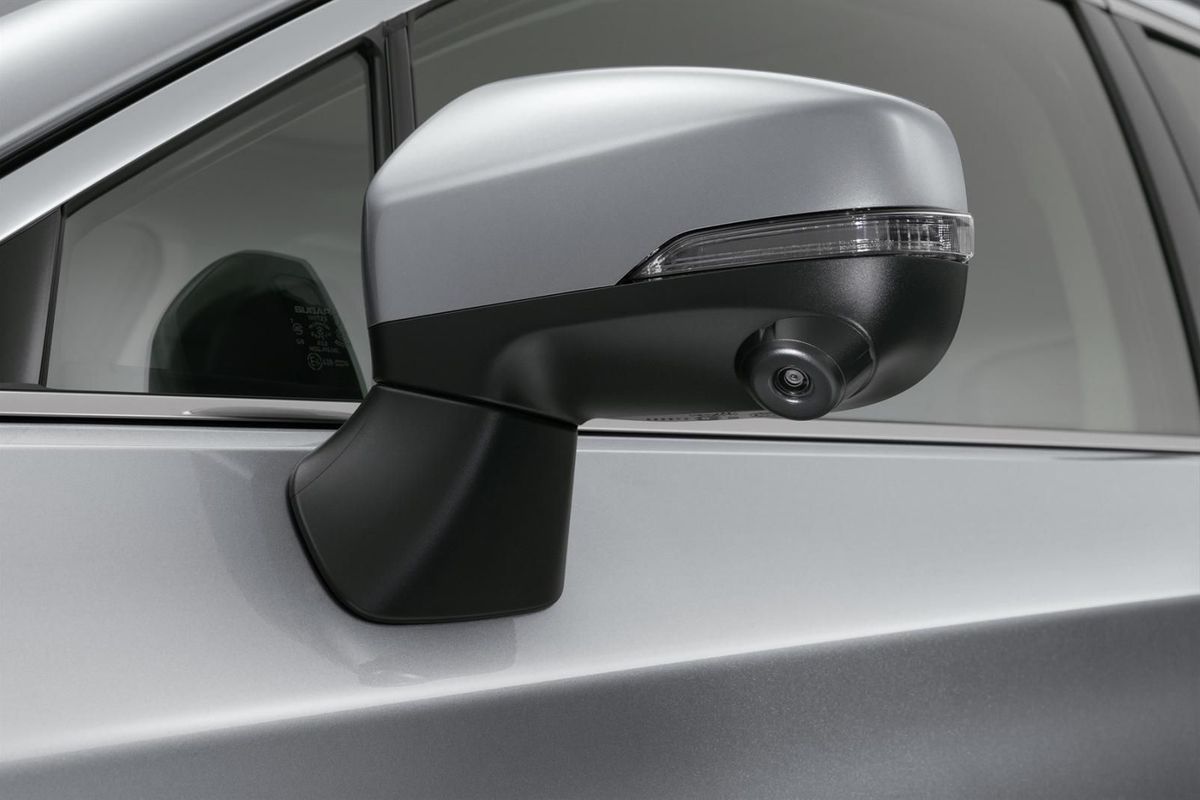
The C-shaped Hawkeye headlights have been slightly revised and the side mirrors now feature integrated turn signals and side cameras for added safety while parking or off roading. New 18-inch alloy wheels round off the look and they are finished in contrasting two-tone high-gloss silver with black inlays.

There are also 2 new colours to choose from and these include Crimson Red Pearl and Wilderness Green Metallic.

Interior updates


Interior quality has improved substantially and a new 7-inch touchscreen infotainment system is a major highlight. 

The cabin design has changed somewhat with new panel inserts in piano black with silver surrounds which add some contrast. This detail is seen on the instrument binnacle, centre console and air vents.

A new leather steering wheel with multifunction controls is now fitted and they control functions for the infotainment system, EyeSight system and the multifunction vehicle display screens.

The Outback is also fitted with a new 7-inch infotainment system with a touch-sensitive panel that provides access to all entertainment, connectivity and satellite navigation functions. The system also offers Apple CarPlay and Android Auto functionality.  A 7-speaker Harman Kardon sound system is also fitted.

Rear passengers now have access to 2 additional 2.1 Amp USB ports in the rear console to charge smartphones and tablets. The climate control panel has also been updated with new soft-touch control dials and updated controls and graphics.


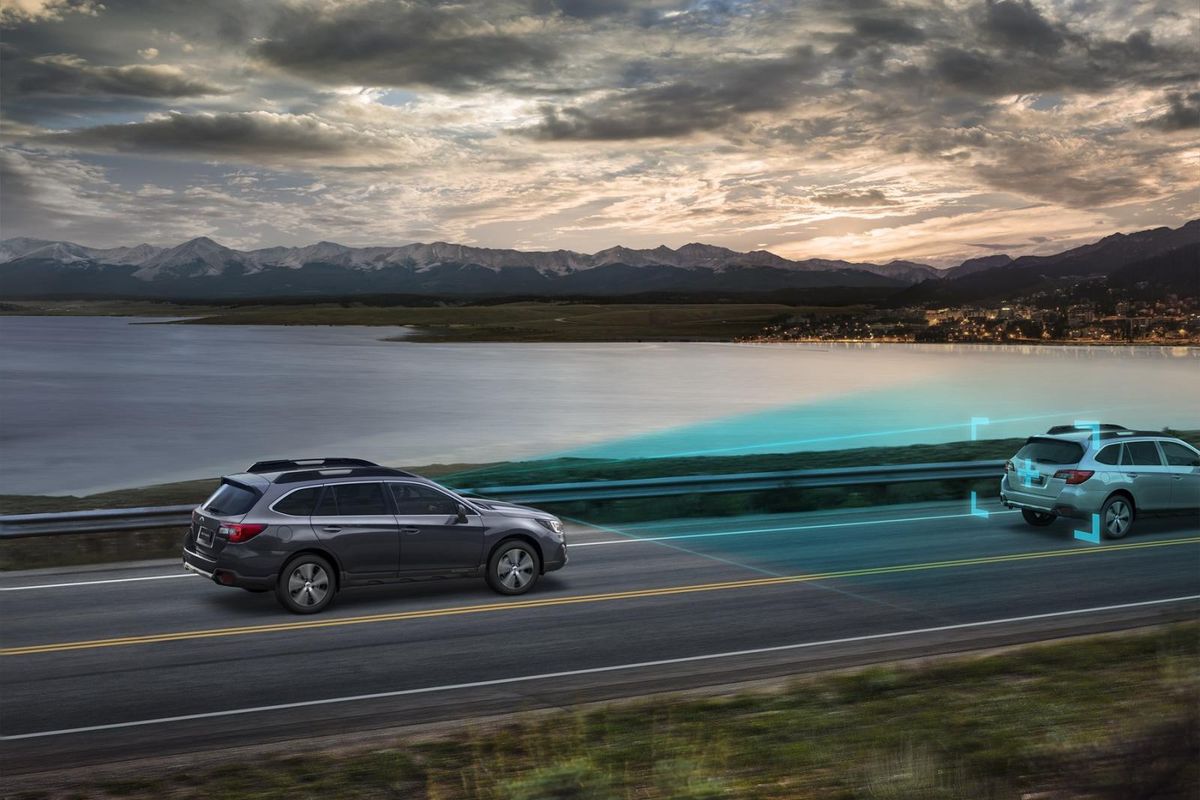
A host of EyeSight safety features are offered on the Outback. 

Features under the EyeSight banner include stereo cameras that provide a front view of the car and scan ahead for obstacles and obstructions. Also included is Adaptive Cruise Control, Pre-Collision Braking, Pre-Collision Throttle Management, Vehicle Lane Departure and Sway Warning. Blind Spot Detection and Rear Cross Traffic Alert is also fitted as standard.

Steering Response Headlamps (SRH) and automatic locking doors are fitted, with the latter activated from 20 kph.  

Engine Choice


All-wheel drive capability and torque vectoring provide optimum traction on various terrain.  

Engines for the Outback remain the same as before with the 2.5-litre, 4-cylinder Boxer engine doing duty with 129 kW and 235 Nm of torque. Subaru claims a fuel consumption figure of 7.7 L/100 km for this engine.

A 3.6-litre, 6-cylinder Boxer engine with 191 kW and 350 Nm of torque is also offered with average fuel consumption claimed at 9.9 L/100 km.

Both engines are paired with a Continuously Variable Transmission (CVT) with 7-speed manual mode and paddle shifters located behind the steering wheel. The CVT has been reworked to provide a smoother response.

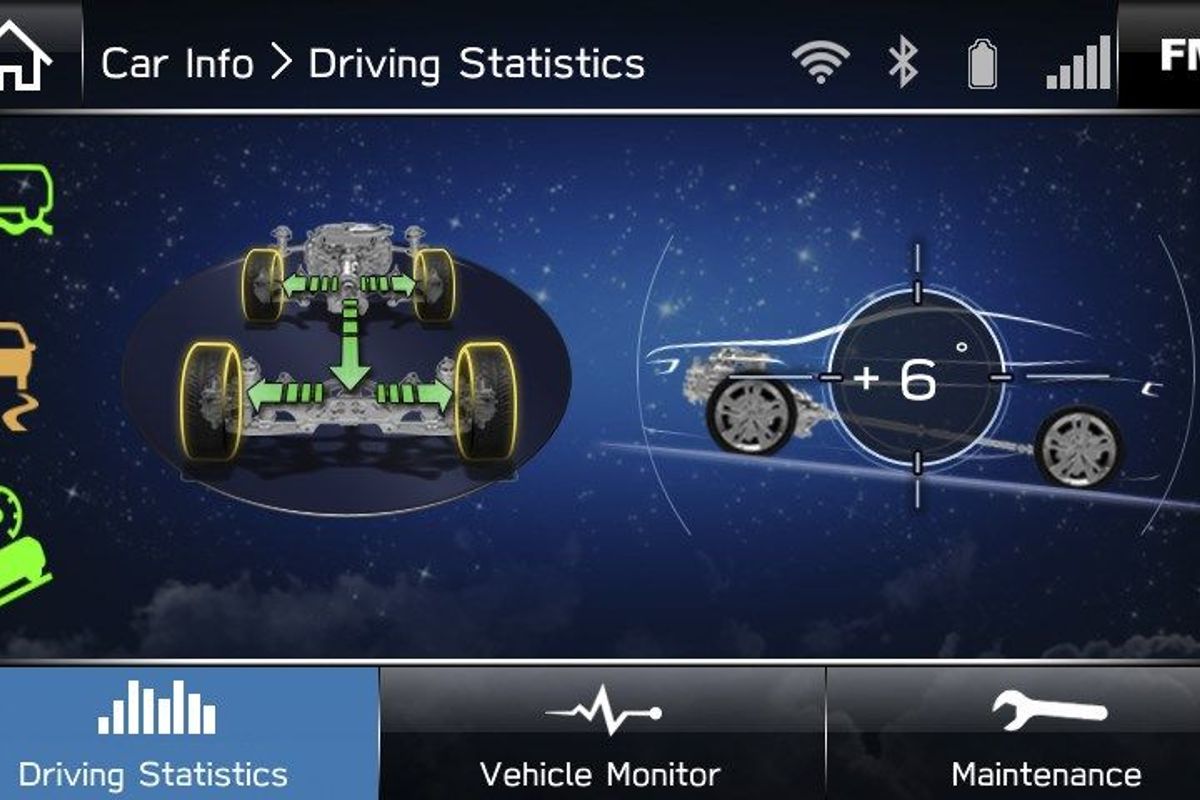
The Outback features all-wheel drive and active torque vectoring to aid in enhanced performance on various terrain and with an electronically-controlled continuously variable transfer clutch, the Outback can transfer torque to the wheel that needs it most in difficult terrain. Furthermore, the Outback is also equipped with X-Mode which further manages the all-wheel-drive system, engine output and enhances the stability control for maximising traction when the going gets really tough. Hill Descent Control is also activated when X-Mode is operational to maintain constant vehicle speed on a downhill.

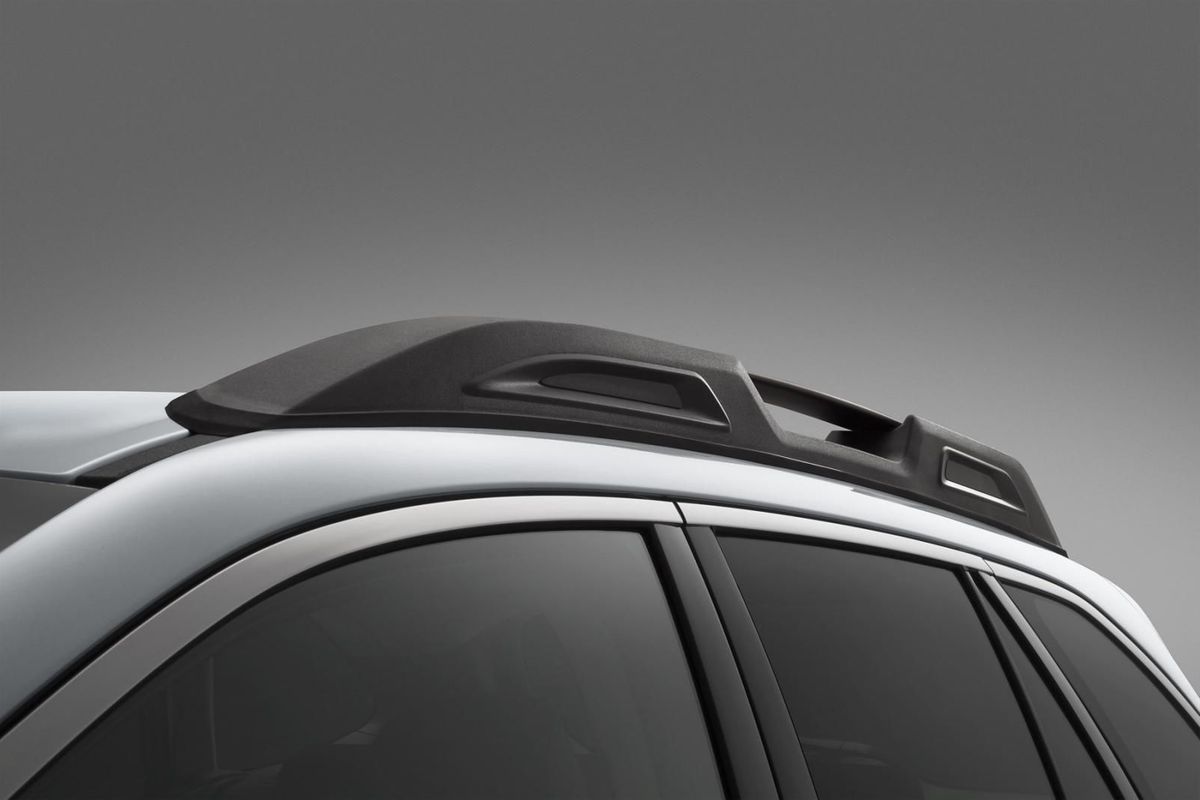
Retractable crossbars are also fitted to load equipment such as skis, bikes, kayaks and whatever other sporting paraphernalia you need to transport.

Improved comfort

Subaru has also improved Noise, Vibration and Harshness (NVH) by installing sound-insulating glass for the front and side windows as well as thicker insulation on the rear wheel wells. The air-conditioning has also been enhanced to deliver improved air circulation inside the vehicle.

Ride quality is said to have been improved too with revised dampers, steering and brakes.

Subaru Outback – Price in South Africa

Outback 2.5i-S ES – R579 000

Outback 3.6R-S ES – R649 000

The Subaru Outback is sold with a 5-year/150 000 km warranty and a 3-year/75 000 km full maintenance plan. Customers can extend the maintenance plan up to 5-years / 150 000 kms.

Buy a Subaru Outback on Cars.co.za

Related Content

Do you suffer from anti-stationwagonism?

Subaru XV 2.0i-S ES (2017) Review

Subaru Forester 2.5 XS (2018) Quick Review

Subaru Forester 2.0 XT (2017) Video Review

Subaru Impreza 2.0 Lineartronic CVT (2017) Review

Cars Coming to SA in 2018


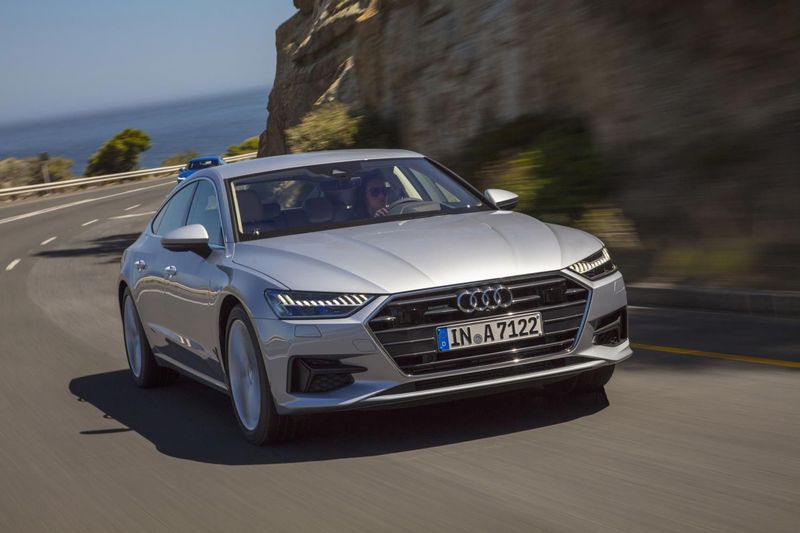
Audi A7 Sportback (2018) International Launch Review

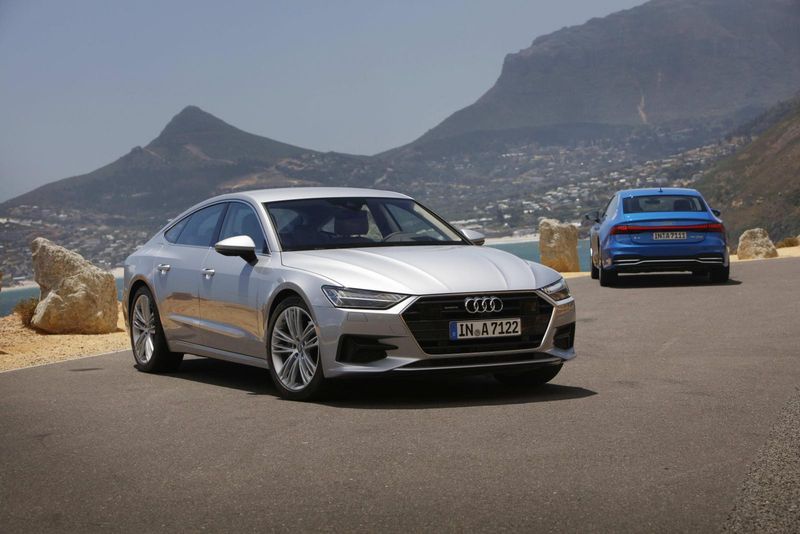
Audi has launched its big GT cruiser, the A7 Sportback. We attended the international launch in Cape Town and took it for a 2-day spin around the Cape mountains to see how good it really is. Read on…

Audi is making a habit of labelling its cars as GT cars. The A7 has always been a Grand Tourer, but the A5 is now also regarded as a GT mile muncher due to its slightly softer and comforting setup. The A7 is bigger, more distinctive and features a bunch of new chassis and interior tech that makes it THE true GT car within the Ingolstadt stable. The good news is that the A7 Sportback is expected to arrive in South Africa in Q3 of 2018.

What’s new?

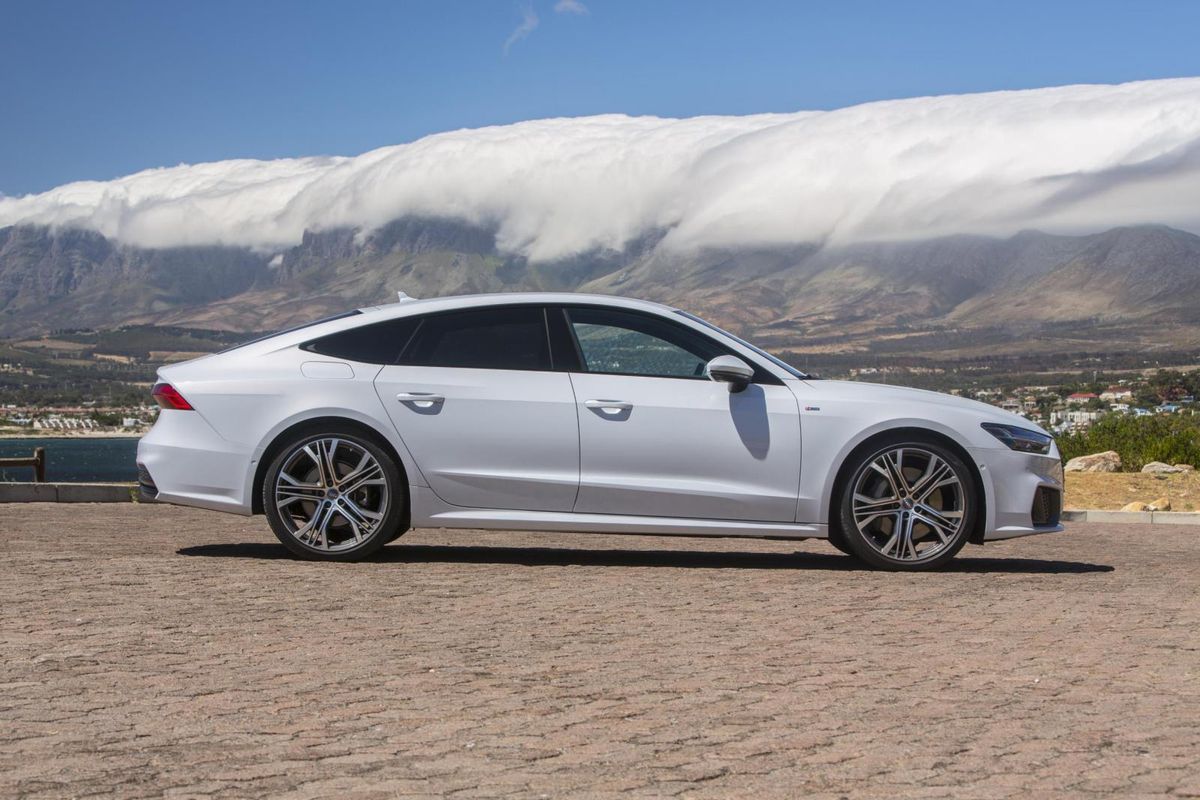
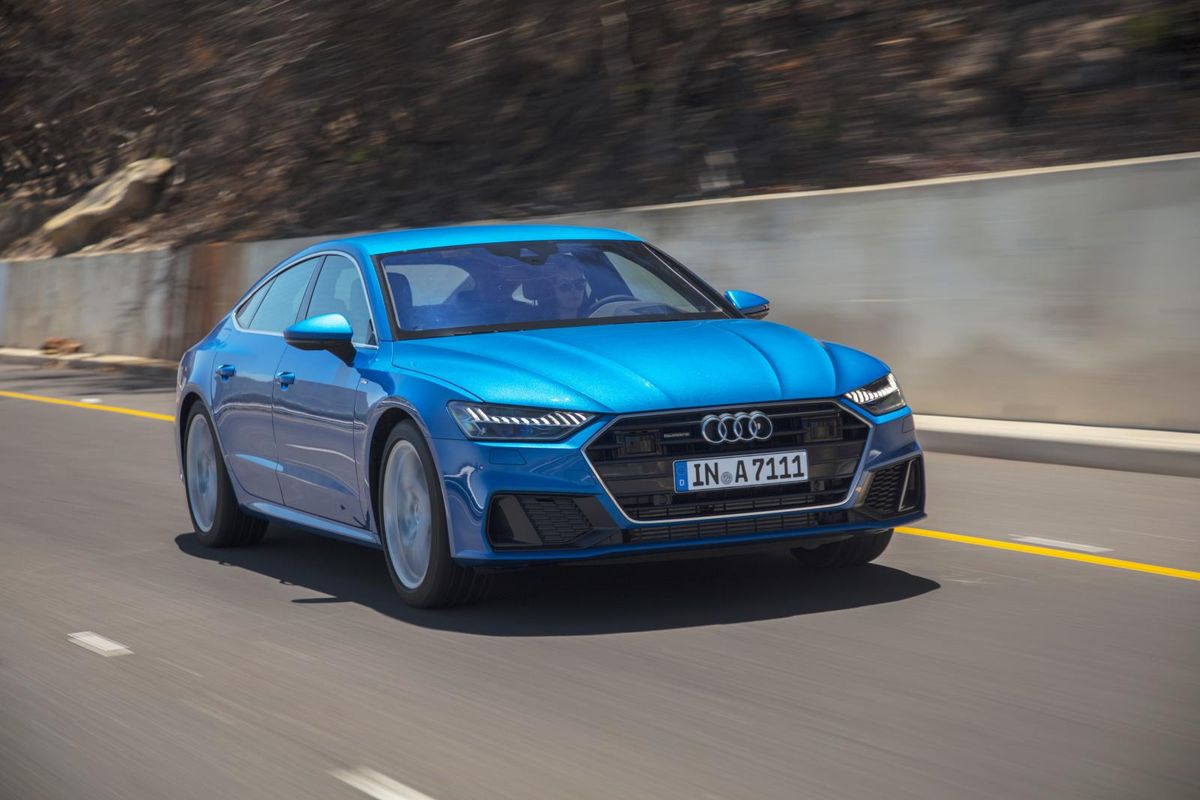
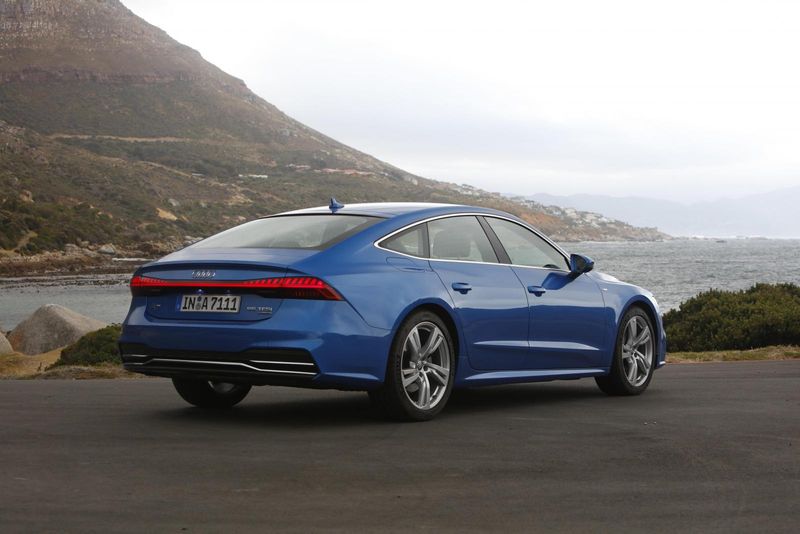
The design has been refined with a more sloped roofline and a rear-end that doesn’t look as droopy and sad as it did before. Many loved the A7’s design and it was certainly the most recognisable model in the range, but I wasn’t a fan. This new A7 looks more resolved and has a more natural 4-door coupe look to it.

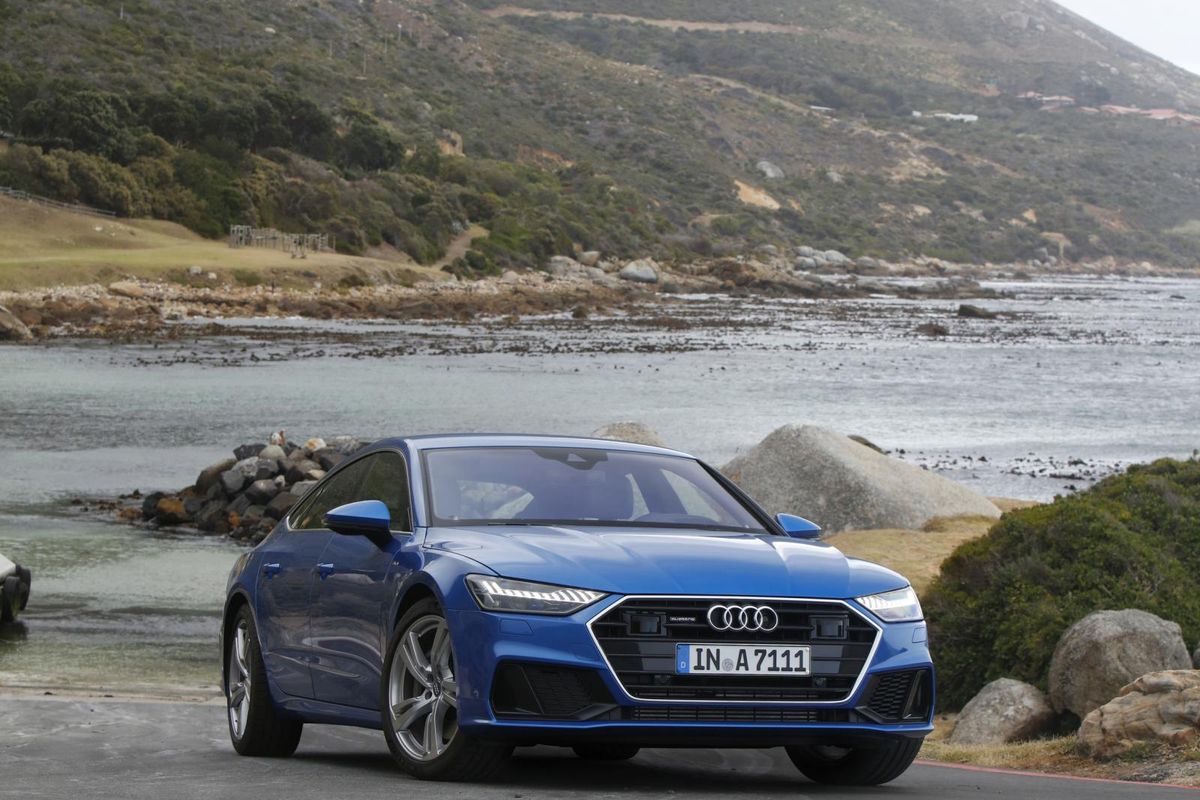
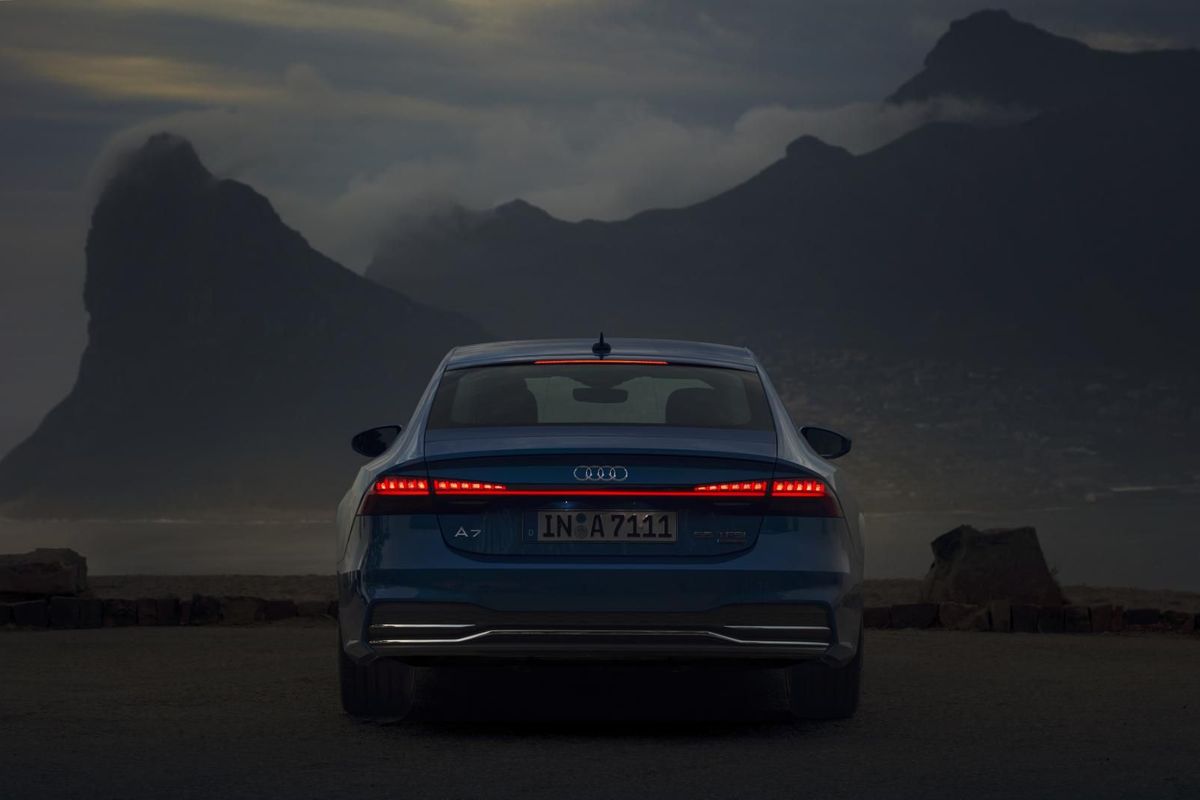
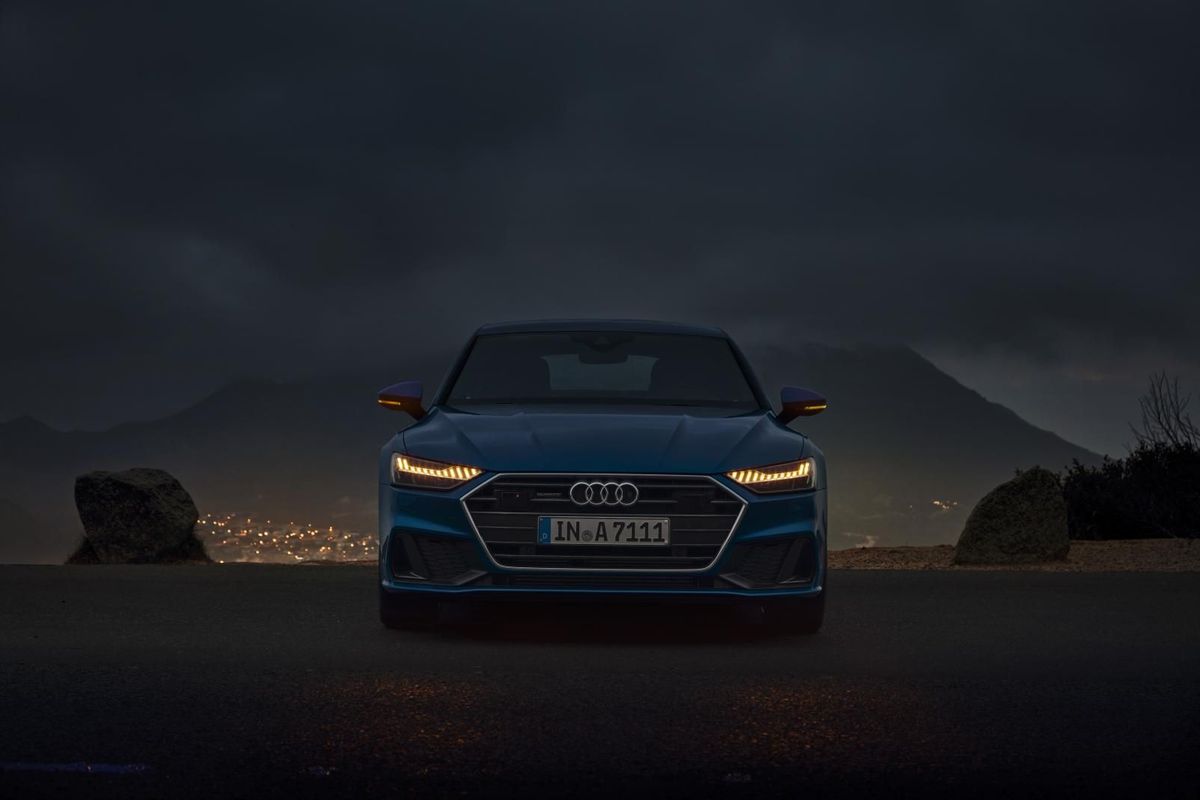
The lighting clusters are incredibly detailed now and the front lights feature 12 individual light strips that create a piercing visage. The rear lights have similar strips but it also features a blade that stretches the width of the rear. It’s very distinctive at night when the lights are activated.


The new rear light blade extends the whole width of the rear end. Individual light strips are distinctive at the front and rear.

The chassis has been stiffened to improve road holding ability and comfort while a new 4-wheel-steer system has been included as an option for this new model.

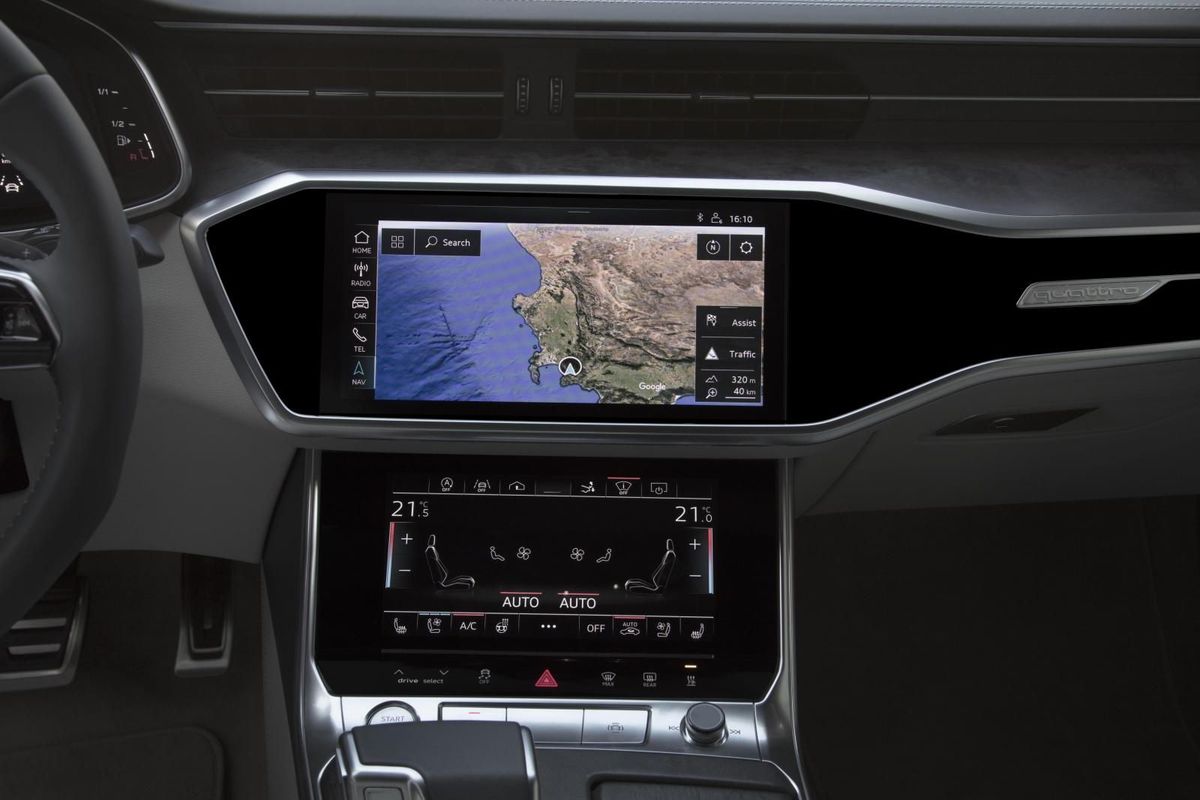
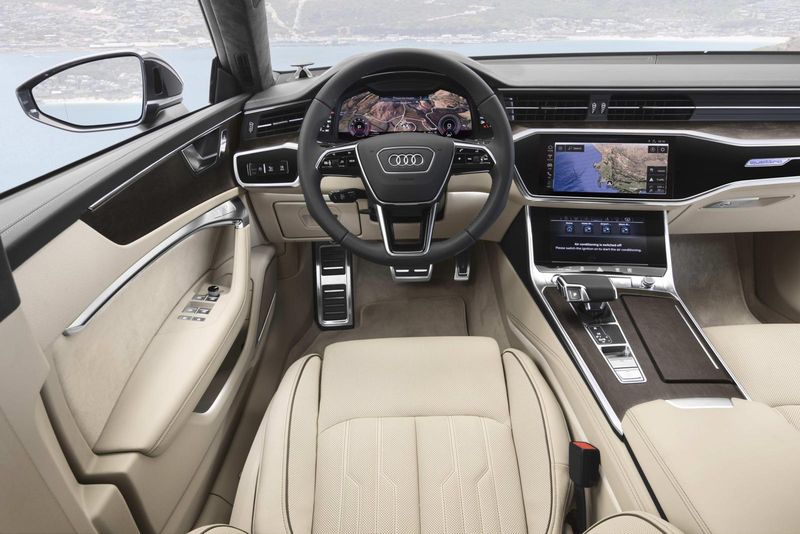
Finally, the interior features Audi’s new infotainment system that removes the rotary knob in the centre console and replaces all functions with 2 touchscreens. We first saw this on the A8 last year, but this is our first real test of the system, but more on that later.

The engines?

There are 2 of them, a petrol and a diesel. Both are 3-litre V6s and have been used elsewhere in the Audi stable. The 3.0-litre V6 TFSI turbopetrol is the same unit from the S4 and is tuned to develop 250 kW and 500 Nm of torque. It makes use of a 7-speed S-Tronic gearbox. This dual-clutch gearbox has been specially calibrated to deal with a high torque load and on our drive, it seemed particularly well-suited to the A7. It shifts quickly up the gears and kick down shifts take no more than a quick breath before it engages and thrusts forward.


Engines are punchy but it's the diesel that shines. Pity we won't get the full power of the EU6 motor when it arrives in Q3.

The turbodiesel is an updated and EU6 compliant version of the Q7's 3.0 TDI. Audi had to ship in its own diesel to run this engine in South Africa and our local Audi importer will have to make a plan in order to tweak this engine for our low-quality diesel come local launch. It’s a pity, as with the 8-speed Tiptronic (normal automatic) gearbox paired with this engine suits the GT nature of the A7 perfectly. With a hypothetical range of over 1000 km and with 210 kW and 620 Nm of torque, it wafts the A7 along briskly enough with waves of torque to spare for overtakes and corner exit surges. There is still room in the range for more engines, so you can expect S7 and RS7 models to follow shortly after its local launch.

The drive

The new A7 has plenty of options to tailor the drive to exactly how you want it. The only thing you can’t do is turn it into a pointy sportscar. There is a sports suspension option and an air suspension option, which is the best combination of comfort and sportiness. Then there’s the new 4-wheel-steer system that steers the rear wheels in the opposite direction to the front wheels at speeds under 60 kph – this improves low-speed turn-in. Above 60 kph the rear wheels then steer in the same direction as the front wheels, making it more stable at higher speeds.

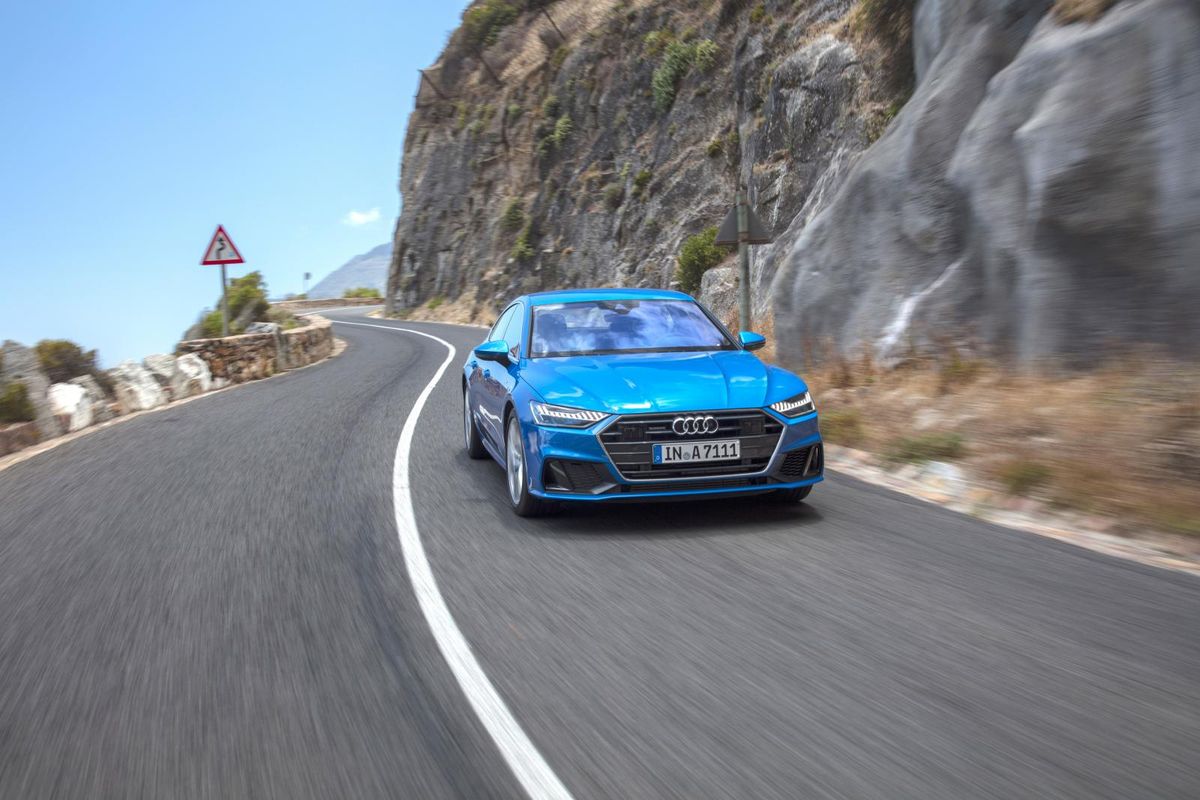
Despite being a large sedan, it’s nearly 5 metres long, the suspension does a phenomenal job of keeping the A7 flat and agile through corners. It doesn’t whip from side to side like a Porsche Cayman Or TT RS, but it does respond quickly to steering inputs, making for an engaging cruiser through sweeping bends. It's excellent, at say, a long sweeping pass more than a tight and twisty Chapman’s Peak or Franschhoek Pass.


The cruiser nature of the A7 lends itself to long sweeping bends as opposed to tight and twisty passes.

When driving the A7, you never get the feeling that you need to hustle it or grab it by the scruff of its neck. It’s been built to for more grown-up enjoyment, the type where you sit back in the leather seats, press a few buttons to engage an activating massage and then tuck into dispatching a few postcodes instead apexes and kerbs.

The interior

The highlight of the A7 for me is the new interior, it really moves the game on and makes the other German interiors look like they’re made from wheelie-bins. It was a big decision to move away from the MMI rotary knob system but the 2 touchscreen system that replaces it, is excellent. Not only does the cabin look fresh and modern but its infotainment and basic functions are easier to access.

Your seat and heat functions are on the lower screen while the rest of the functions take place on the top screen. The touch system requires a good prod but there’s haptic feedback and a polite acoustic click to let you know you’ve selected something.


The top quality interior with the new dual touchscreen system is impressive. The cabin is the highlight of the new A7.

Selecting a destination requires you to spell out the address or place on the lower screen with your finger, drawing the letters. You can also do this with voice command if you have the patience and succinct speech that voice recognition requires.

The rear legroom appears to be more than adequate and even though the roofline is more sloped for this A7, head and shoulder room has not been reduced.

Overall the sense of occasion when you slip into the seats of the new A7 is unrivalled. The surfaces are all smooth and soft to the touch, the shut lines are perfect and the design is upmarket and modern. It certainly adds to the appeal of a premium product like the A7.

Verdict


Another well-executed GT car by Audi, improving upon the design spectacle of the previous generation.

The A7 is billed as a stylish GT car and it does exactly what it says on the tin. It’s not going to break any speed records and certainly not any lap times. It’s a capable car when the road swerves around a mountain but its strength lies in the comfort and ease at which it puts the driver on every journey.

The engines and gearboxes deliver adequate performance and there will be faster models still to come.

The design both inside and out is what makes the A7 special. It’s the one Audi you can easily recognise as it passes by and the new segmented light option makes it even more distinguishable. The interior sets it apart from the competition. At this high end of the game, there is usually very little to separate the brands, but Audi has found a way to trounce the competition with its modern, uncluttered and beautifully crafted interior.

It is due to go on sale across Europe from mid-2018, but local models are pencilled in for Q3 of 2018 with pricing undecided as of yet. We will keep you informed as more details regarding local specification and pricing become available. 

Related content

Update: New Audi A7 Sportback Revealed [w/Video]

Audi A8 (2018) Revealed [with Video]

BMW 640i GT (2017) Launch Review

All-New Mercedes-Benz CLS Breaks Cover

Searching for a used Audi A7?

Start your search here

Mitsubishi Eclipse Cross (2018) International Launch Review

Mitsubishi reached its car-manufacturing centenary last year, the same year in which it became the third member of the Renault-Nissan-Mitsubishi Alliance, which is currently recognised as the largest automaker in the world. The Alliance is a Franco-Japanese strategic partnership which – each are quick to point out – is neither a merger nor a series of acquisitions. UK correspondent Wayne Gorrett reports from the UK launch.

The three companies are joined together through a cross-sharing, economies-of-scale agreement which will see Mitsubishi provide plug-in-hybrid and proven 4×4 technologies to Nissan-Renault which is expected to provide platforms to shape Mitsubishi’s expansive future product portfolio.

The Eclipse Cross crossover has been in development by Mitsubishi for some time and none of its parts are a product of the Alliance – including the engines and transmissions. As a result, it is likely that the Eclipse Cross will be the last ever all-Mitsubishi Mitsubishi.

The Eclipse Cross is the first production car from the drawing board of Mitsubishi’s designer-in-chief Tsunehiro Kunimoto (ironically head-hunted from Nissan/Infiniti 3 years ago) and rides on a re-engineered Outlander chassis. It is positioned between the company’s internationally bestselling Outlander SUV and the smaller ASX crossover.

Introduced at the Geneva Motor Show last year and built for all world markets at the Mizushima facility just outside Okayama, Japan, the Mitsubishi Eclipse Cross looks distinctive enough to stand out from established rivals like the Nissan Qashqai, Peugeot 3008 and Volkswagen Tiguan.

Mitsubishi South Africa confirmed that the arrival of the Eclipse Cross to South African shores is scheduled for the end of February 2019. They also confirmed that it will slot between the smaller ASX and larger Outlander in the SA line-up. Incidentally, the next iteration of the ASX will be smaller and the Outlander larger, which will better accommodate the dimensions of the Eclipse Cross in the line-up.

Exterior Styling


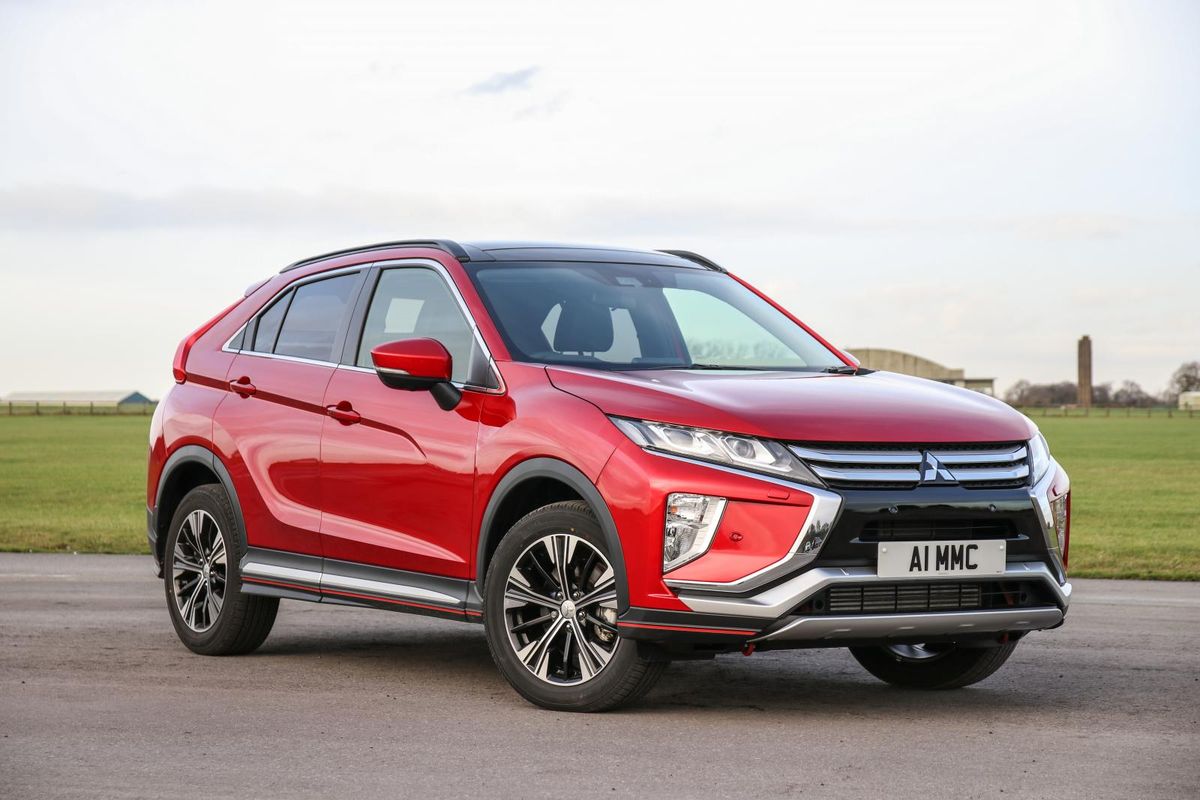
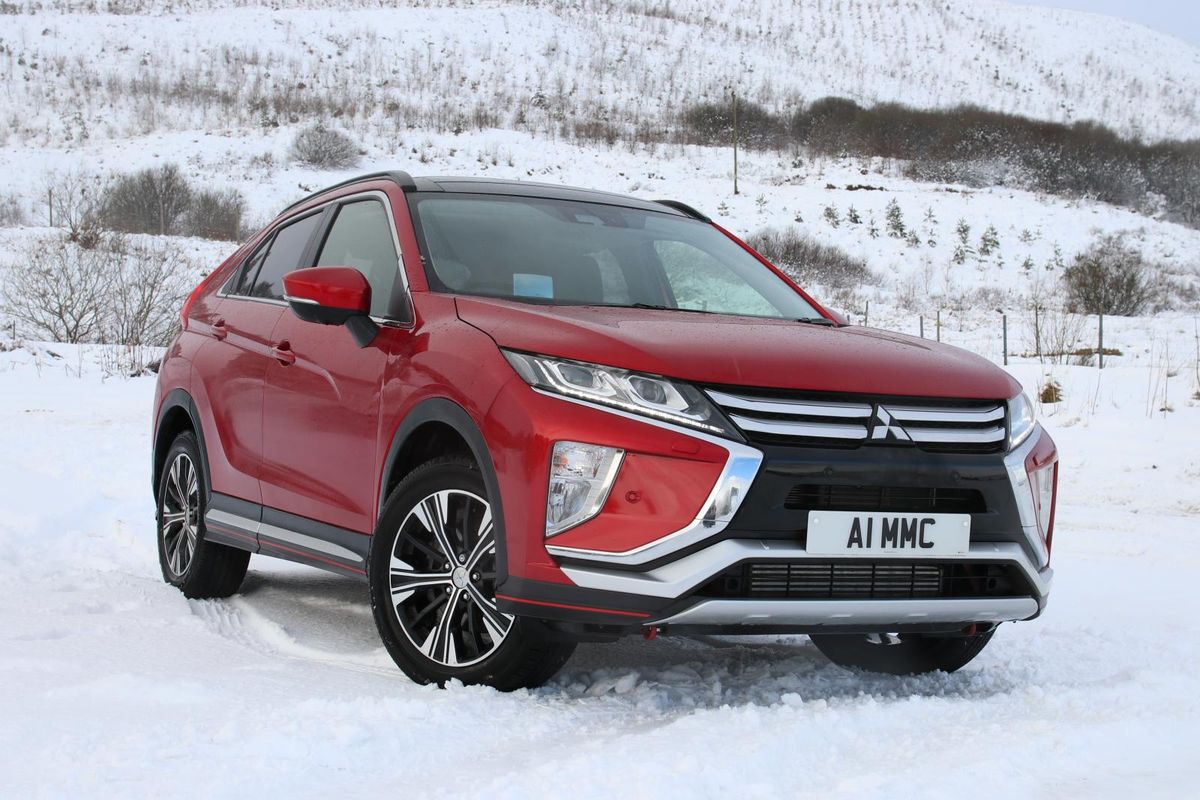
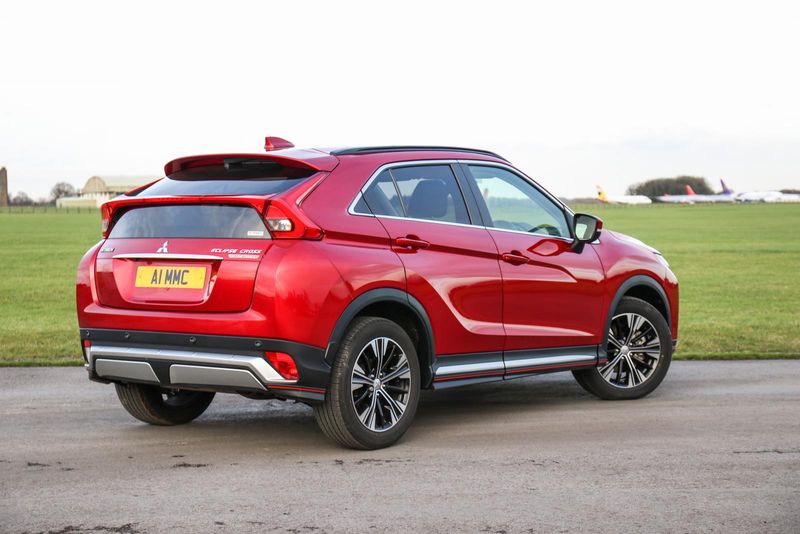
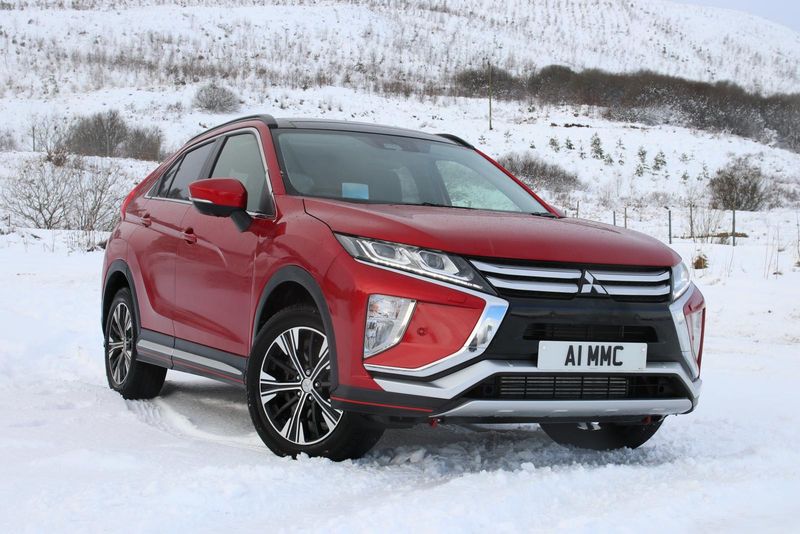
The Eclipse Cross cannot be labelled as boring from the outside. Much like the Toyota C-HR, there are lots of angles.

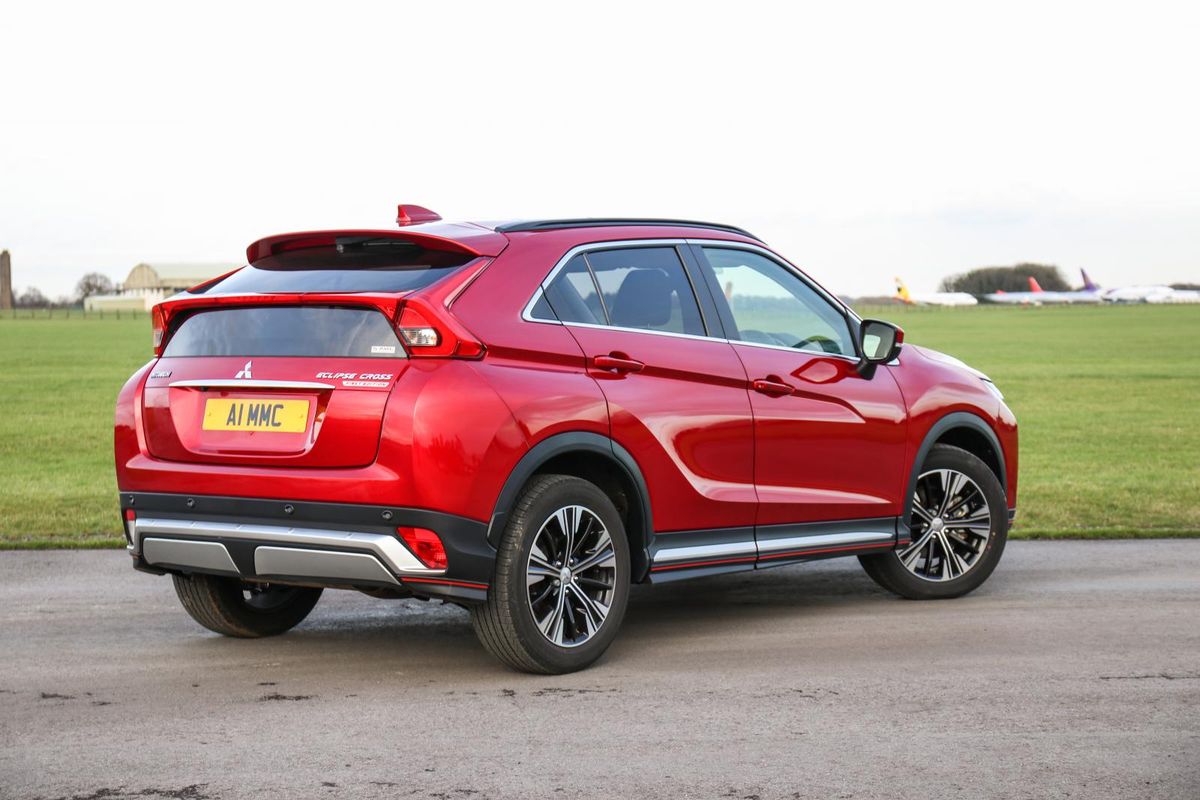
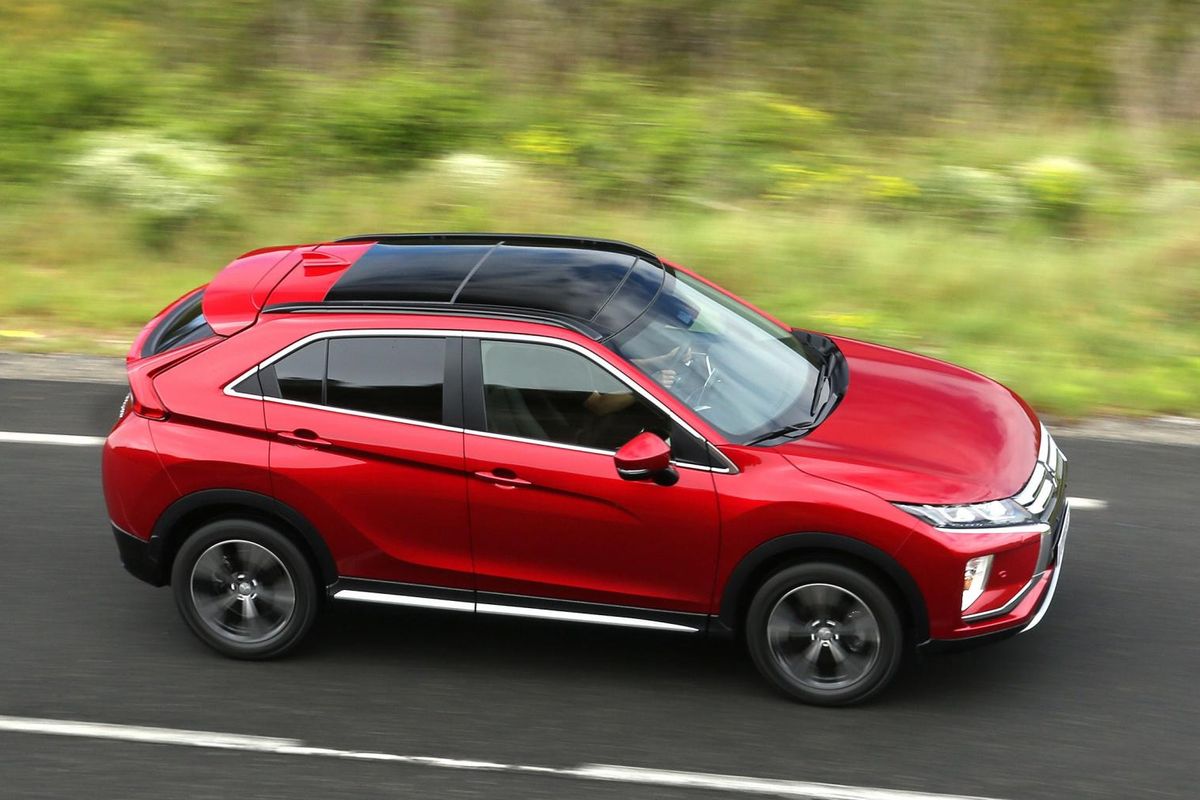
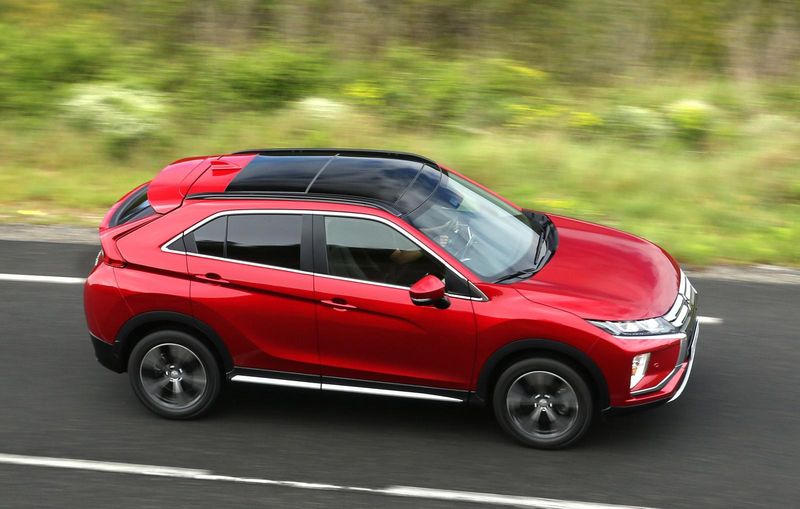
The eye-catching Mitsubishi Eclipse Cross is more adventurously styled than most of its rivals. A car of two lateral halves, it blends rugged, 4×4 lower body styling with a more coupé-like upper body. There’s a splash of chrome detailing on a rather bold front along with LED daytime running lights.

At the rear, the Mitsubishi has a short overhang and a hatch that features the rear windscreen split by a full-width light bar. Visually, there’s a lot going on and the sharp, angular lines are so severe as to perhaps divide opinion. However, the Eclipse Cross undoubtedly looks unique and refreshingly different in a torrent of crossover mediocrity.

The Interior

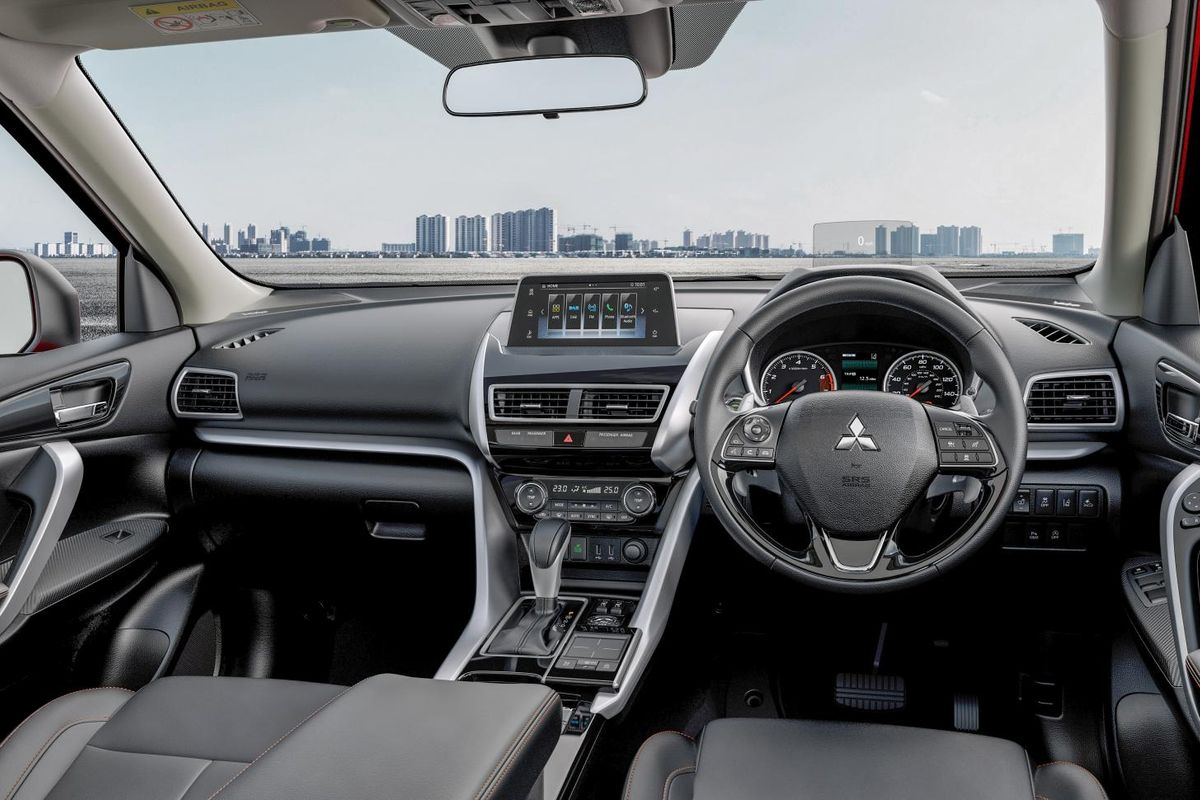
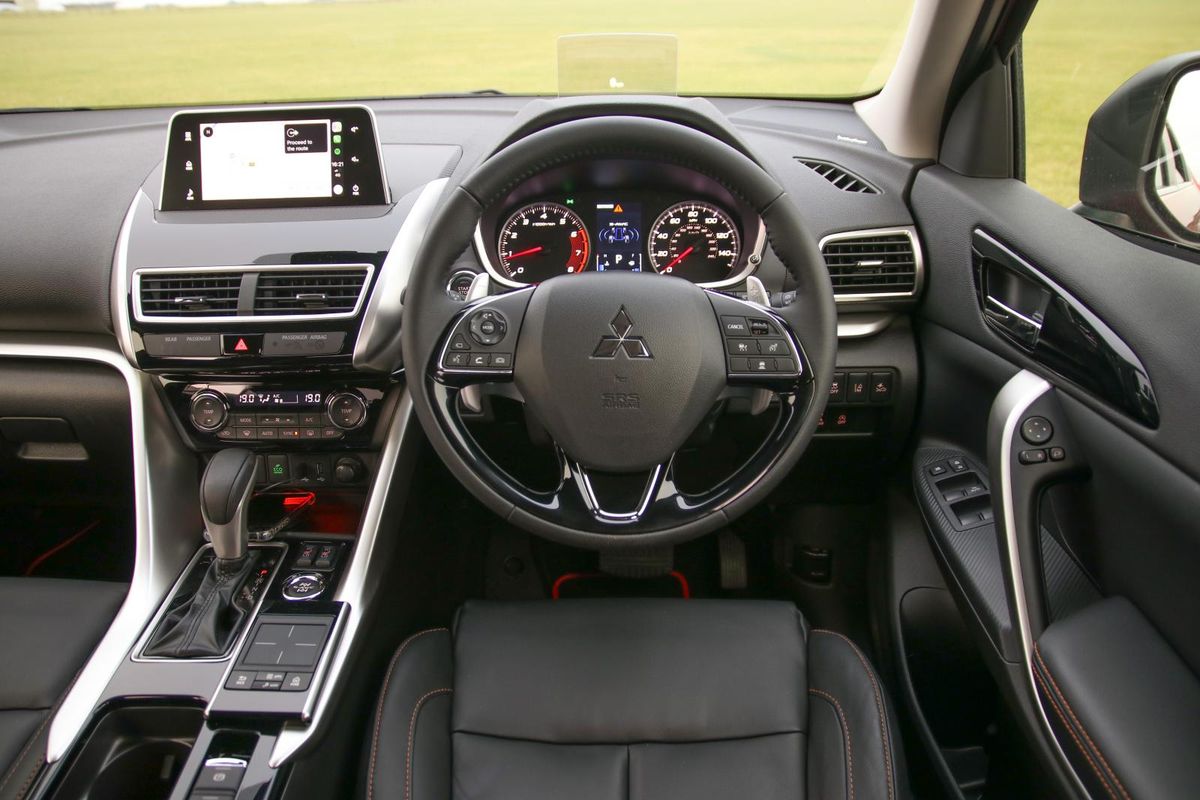
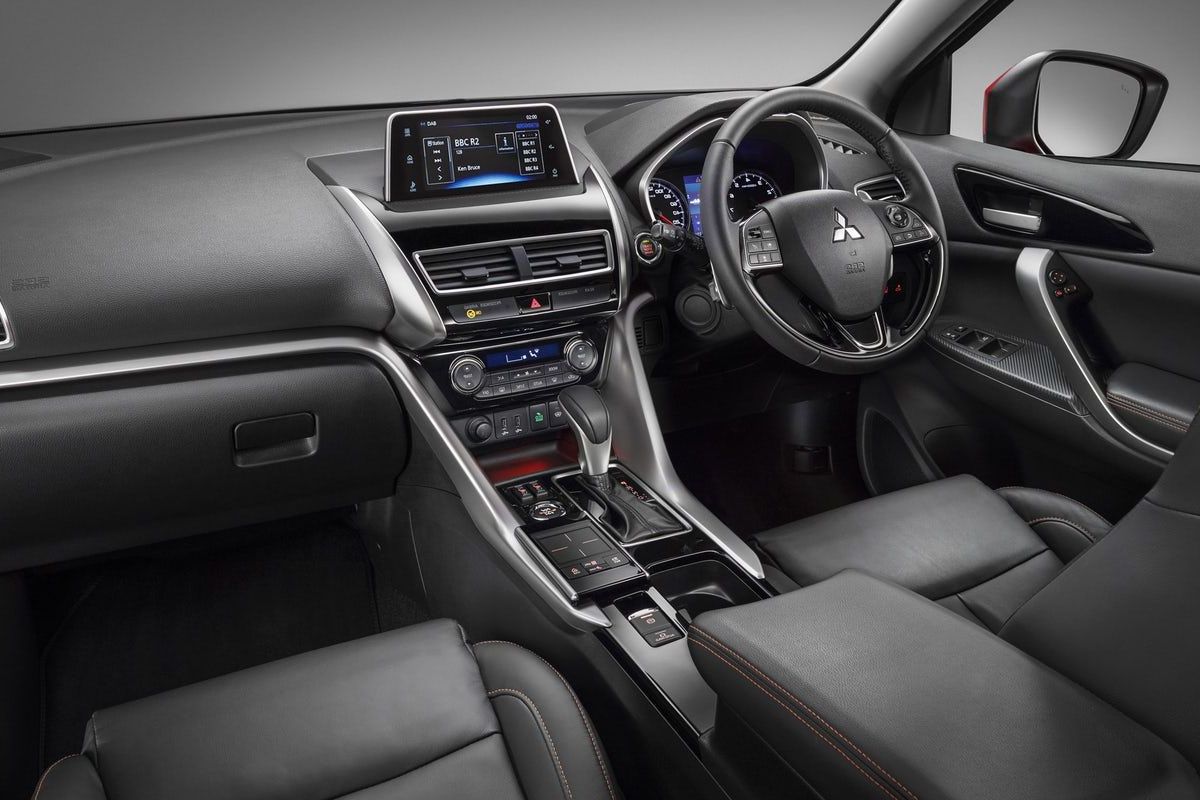
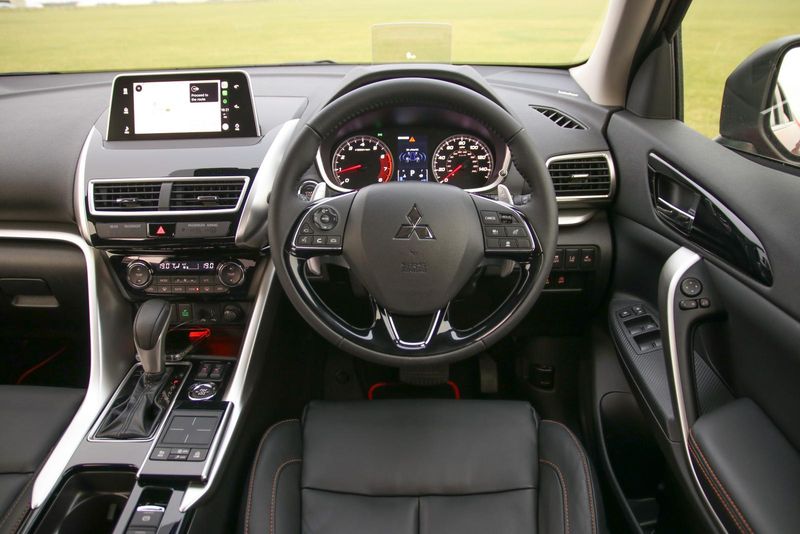
The striking exterior continues to a more sober degree to the interior. Much attention has been given to material quality, which is several rungs above the Outlander and a full-length fireman’s ladder over the ASX. Soft-touch plastics cover the critical touch zones of the cabin, while more durable and utilitarian plastics are deployed lower down. The soft-touch switchgear feels high quality but the more frequently used buttons are relegated to the lower, darker part of the dashboard, requiring drivers to avert their eyes from the road, until such time as they get used to it.


A proper infotainment system is a welcome upgrade. South African spec is yet to be confirmed, but we would like to see something this well-kitted.

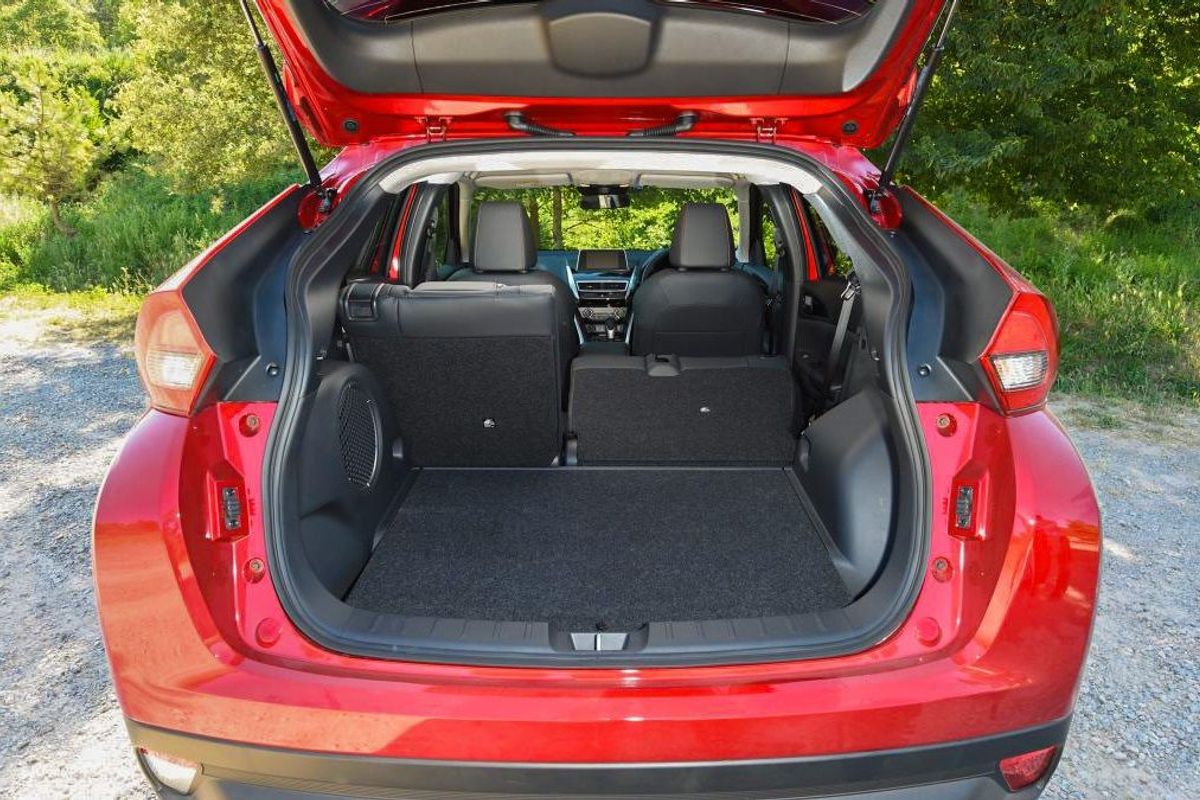
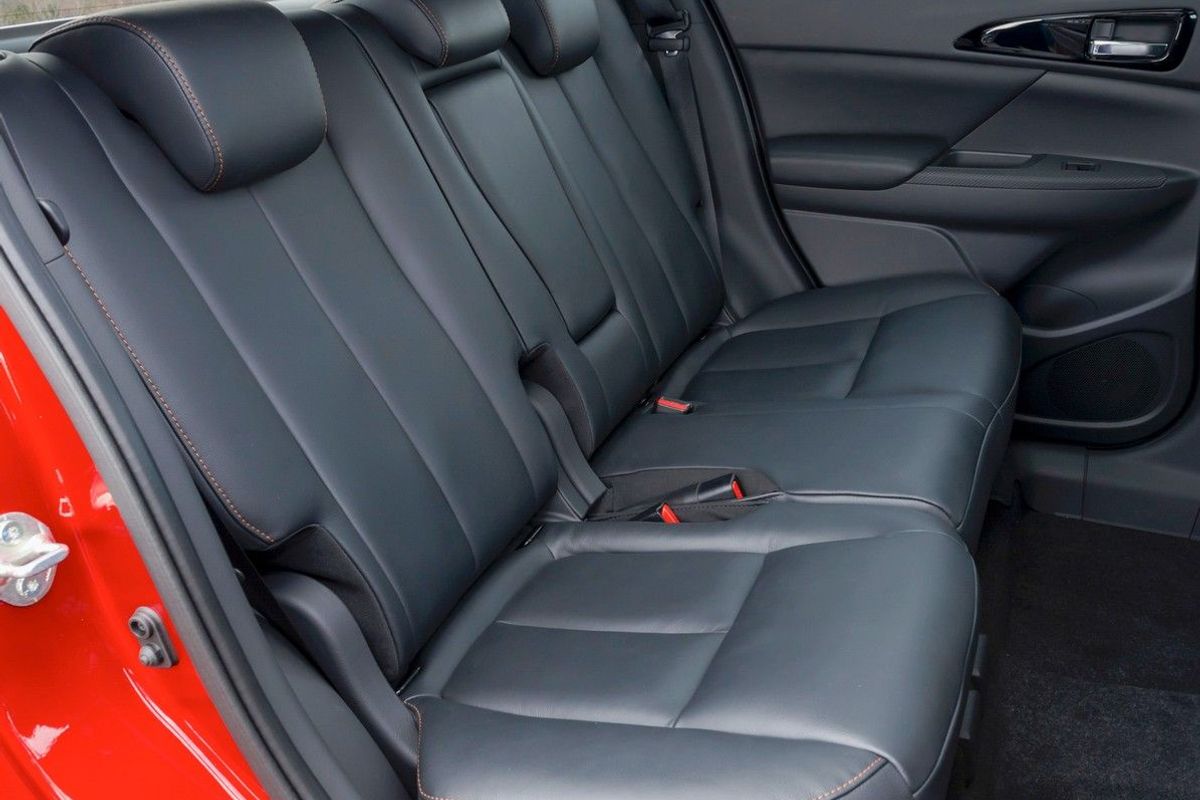
The exterior styling is great news for individuality and driveway appeal, but its curvaceous shape does have something of an impact on overall practicality. Front and rear passengers have leg and elbow room to spare, but your luggage will be feeling a tad too cosy in the boot. Rear passengers gifted with height in excess of 5ft 10 inches will find their hair rubbing against the headliner thanks largely to the sloping roofline.

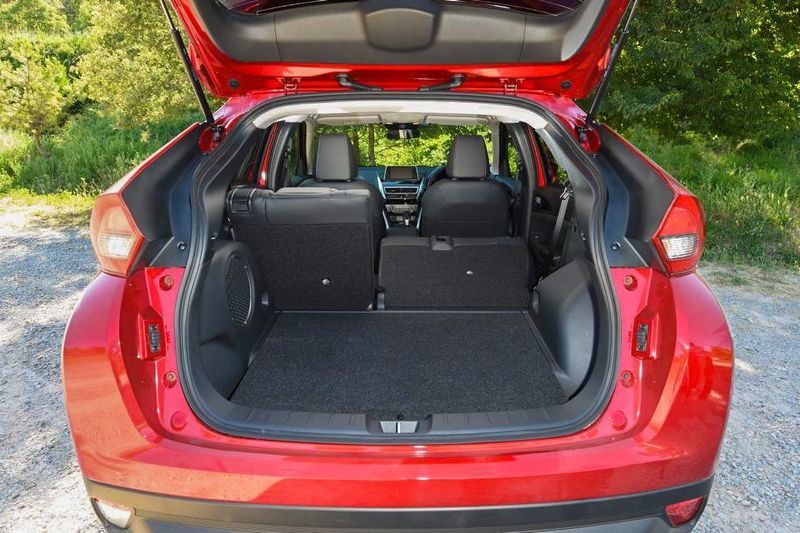
The Eclipse Cross is a five-seater only and the rear seats can slide 20 cm back and forth to alternate as desired between extra rear legroom or more boot space – which ranges from 341 to 448 litres. By comparison, the new Peugeot 3008 has a permanent 520 litres. However, both front and rear furniture is noticeably more comfortable than either the ASX or Outlander.

A decent driving position is easily and quickly found, from which forward visibility is good and there are plenty of handy storage spaces around the cabin for the families’ daily detritus. The split rear windscreen means there’s a solid line straight through your main rearview mirror that could distract, but the side mirrors are rather prominent, which helps when changing lanes on the motorway.

Prices, Trim Grades and Equipment


Mitsubishi loves to throw a big sub-woofer in the back of its cars. Even so, the Eclipse Cross is still competitive on boot space.

In the UK, the Eclipse Cross range comprises of three primary trim grades (‘2’, ‘3’ and ‘4’) and one ‘First Edition’, which will be limited to 299 cars in honour of the new model. At this point, Mitsubishi South Africa has yet to make decisions on trim grades, engines and transmissions, but a South African ‘First Edition’ Eclipse Cross is unlikely which is a pity given that it’s based on the top-spec ‘4’ with even more kit and an exclusive, super high-quality red paint job.

South African drivers familiar with the ASX crossover will be equally familiar with its three current trim grades of GL, GLX and GLS so there’s little cause for Mitsubishi to deviate from those familiar trims on the new Eclipse Cross.

Entry-level ‘1’ trim grade here in the UK is very well equipped with standard kit such as 16-inch alloys, Smartphone audio with Apple CarPlay and Android Auto, DAB & 6 speakers, rearview camera, touchpad controller, cruise control, climate control, auto lights and wipers, LED daytime running lights, privacy glass, front collision mitigation, lane departure warning and seven airbags including curtains.

Understandably, no prices are yet available for the South African-bound Eclipse Cross but, as an indication, UK prices for the new Mitsubishi crossover start from £21 275 (R350 000 est.) for the manual petrol model in entry-level ‘2’ spec, to a palatable £27 900 (R450 000) for the top-spec ‘4’ with all-wheel drive and the CVT transmission.

Satellite Navigation, Audio and Infotainment


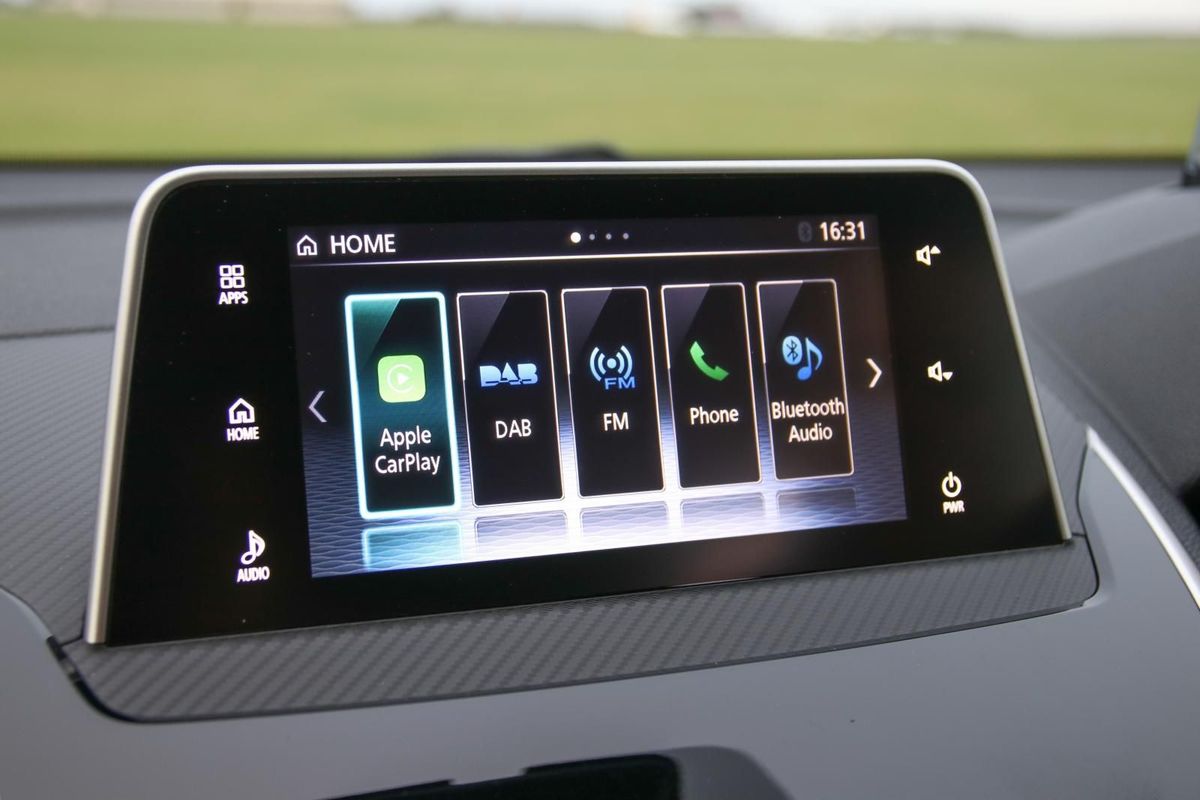
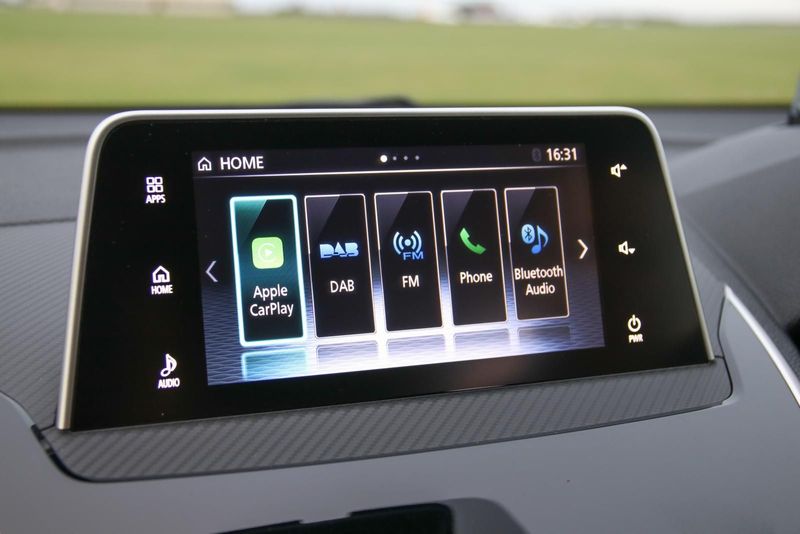
The infotainment system can be operated by touchscreen or a touchpad in the centre behind the gearstick.

Standard on the UK-spec Eclipse Cross is the seven-inch touchscreen display which sits atop the dash BMW-style. It looks smart and is adequately responsive to the touch. There’s a trackpad controller on the centre console, but I found it rather fiddly in the short time I was with the car so used the display itself to select the functions I needed. Heating and air-con controls are actual buttons, unlike in the Peugeot 3008 – an important safety feature.

There is no satellite navigation on the Eclipse Cross, which does however support Apple CarPlay and Android Auto, which some buyers will prefer over a conventional in-car sat-nav. However, if you don’t have a compatible phone then you’ll be stuck without navigation, plus you’ll have to fork out for data charges to your phone carrier when you need to go somewhere unfamiliar.

Engines and Drivetrains

The UK-spec Eclipse Cross will launch this month with just the one all-new 1.5-litre petrol engine – the development of a 2.2-litre diesel engine is nearing completion and is expected to follow later this year. Both engines are wholly designed and engineered by Mitsubishi and were in the pipeline before the Alliance was agreed.

The 4-pot, 1.5-litre, turbocharged petrol engine is available with a 6-speed manual or an eight-step CVT ‘gearbox’ via a superfluous pair of flappy paddles. It has an output of just under 124 kW and garners 250 Nm of torque. Those figures may seem a little humble, but this terrific little engine is willing and sounds rather neat when pressing on.


SA will definitely see the 1.5-litre petrol unit and we would hope for the 2.2-litre turbodiesel when it becomes available too.

The impending 2.2-litre diesel will be paired only with a conventional torque-converter automatic gearbox (not the CVT) and all-wheel drive will be standard. No technical details for the diesel are available at this time. A hybrid model is also expected to arrive sometime in the near future.

Manual petrol cars are front-wheel drive only but all-wheel drive is available in the UK model mix and includes a home-grown system called ‘Super-All Wheel Control’ (S-AWC), which controls torque delivery to each wheel, sending power where it’s needed most. There are 3 selectable driving modes (auto, snow and gravel) to change how the vehicle responds according to prevailing surface conditions.

Because of the distant timeline for the introduction of the Eclipse Cross to the South African market at the end of the year, it is hoped that the 2.2 diesel will be available and be included in the introductory SA line-up.

Ride and Handling

On the road, the Eclipse Cross felt light and exhibited crisp handling through the bends with hardly any discernible body lean to speak of, although exceptionally crusty surfaces did tend to make the rear-end fidget a little, but not alarmingly so like some in this class. Those comfortable seats take the edge off harsh surfaces and the exceptionally well-engineered McPherson strut front and multi-link rear suspension setup maintain smooth progress when pressing on.

The 1.5-litre petrol linked to the manual gearbox delivers a surprisingly good turn of speed and the quick and direct steering means it’s actually pretty good to drive on a sweeping road. There’s not much feedback through the wheel, but that’s common to crossovers in this class. The Mitsubishi is not as good to drive as the Peugeot 3008 or the Ford Kuga, but it’s not far off the mark by any means.


The manual model feels nippy and responsive where the automatic can struggle more when pushing on. Stick to city driving and the auto works better.

Unfortunately, the electronic eight-step CVT ‘gearbox’ paired with the petrol engine takes a sizeable bite from the driving experience enjoyed by the manual ‘box. Mitsubishi was at pains to point out how much development has been put into the new CVT transmission and sure, it does feel better than most CVT’s I’ve experienced in recent years, but it still takes a partly deaf set of ears and an extraordinary level of patience to become remotely happy with it.

If you only ever drive in the city, the CVT will probably work well but put your foot down and the revs soar noisily as the gearbox resists the need for a higher ratio. It’s common to so many CVTs, and while manufacturers say they are efficient, they just aren’t enjoyable to drive.

Fuel consumption could generously be described as unexceptional with the petrol engine returning 5.5 L/100km in front-wheel drive manual guise, rising to 5.8 L/100km from the all-wheel-drive CVT. While the engine performs to impress, those numbers are surprising given that it’s a newly-developed engine for world markets currently demanding engines be leaner and greener.

When the all-new 2.2-litre diesel becomes available this should address those shortcomings via greater economy and much lower emissions – especially appealing to fleet managers – while the front-wheel-drive model should also be cheaper to run.

Safety and Reliability

Euro NCAP awarded the Eclipse Cross a full 5-star safety rating when tested in November last year. It scored 97% for adult occupants, 78% for child safety, 80% for pedestrian safety and 71% for safety-assist equipment fitted as standard. While not top of the class, they are nonetheless highly respectable figures.


The rear seats can slide back and forth to provide more legroom or more boot space.

Available safety tech includes adaptive cruise control, auto city braking, lane departure warning, blind spot warning, rear cross traffic alert and auto high beams. A set of cameras allows a bird’s-eye view of the car when you’re parking using the 7-inch screen on the dash, which is a huge help in tight spots. The adaptive cruise control can go right down to a standstill, which holds the car when you’re in traffic until you press the accelerator pedal and it moves up to match the speed of the car in front automatically.

Summary

Uniquely different styling aside, the most notable aspects of the Eclipse Cross are its interior quality and comfortable ride. With a touch of irony, it feels almost French in terms of ride quality and overall, is a broadly significant step in the right direction for the Japanese carmaker.

Its all-wheel-drive capability and on-road dynamics will undoubtedly disappoint off-road enthusiasts, but they are not the target audience. South African families looking for a civilised, safe, comfortable and spacious compact crossover will soon have an all-new contender to consider in the Eclipse Cross, from a brand with true 4×4-pedigree.

With the imminent technological benefits resulting from the sensible Renault-Nissan-Mitsubishi Alliance, Mitsubishi’s stars are shining brighter than ever before.

Related content

Cars Coming to SA in 2018

Update: All-New Mitsubishi Crossover Revealed

Ford Kuga 2.0TDCi AWD Titanium (2017) Review

Comparative Review: Mazda CX-5 2.2DE AWD Akera vs Hyundai Tucson 2.0CRDi Elite [with Video]

Facelifted Nissan Qashqai (2018) Launch Review

Nissan has introduced the facelifted Qashqai crossover in South Africa and we had the opportunity to drive the updated range in Johannesburg this week. Take a look at what the latest Qashqai has to offer.

The Qashqai is a serious money spinner for Nissan and perhaps it should be called the "CashCow" because it has been such a huge success in South Africa and across the world. Since its introduction in back in 2007, more than 30 000 Qashqais have found homes in South Africa while over 3.3 million units have been sold globally.

The Qashqai’s success is entrenched in key strengths that make it attractive to buyers and these include practicality, efficiency, performance and value-for-money. These qualities have ensured the Qashqai’s success in a booming crossover segment where rivals such as the Hyundai Creta, Ford EcoSport, Toyota RAV4, Honda HR-V, Opel Mokka and Renault Kadjar, to name a few, are all vying for segment share.

In a bid to keep the Qashqai fresh and in the game, Nissan has launched an updated version that features new, attractive exterior design details and a revised interior. More than this, a smattering of new safety technologies is now also offered. Let’s take a closer look at what this latest Qashqai has to offer.

Visual changes


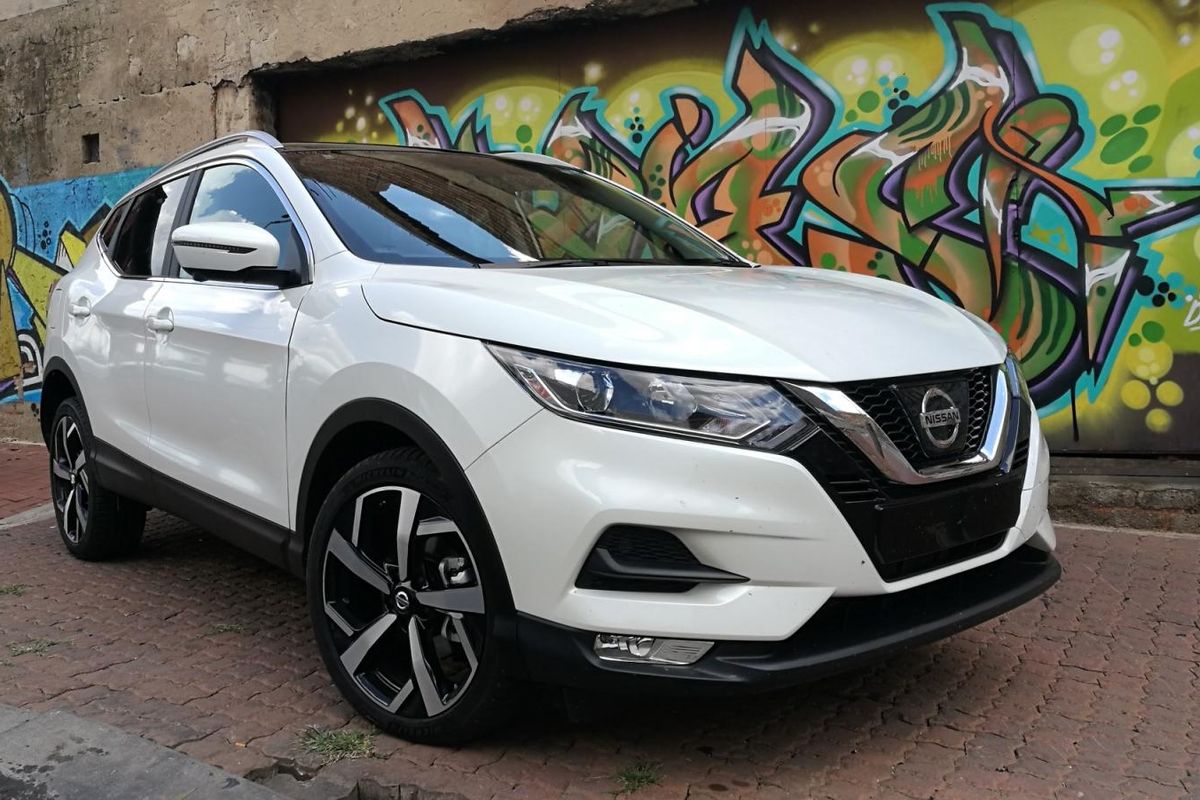
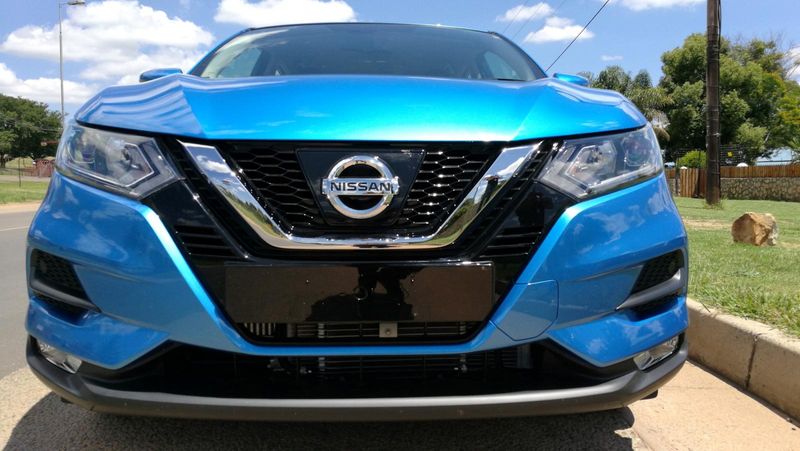
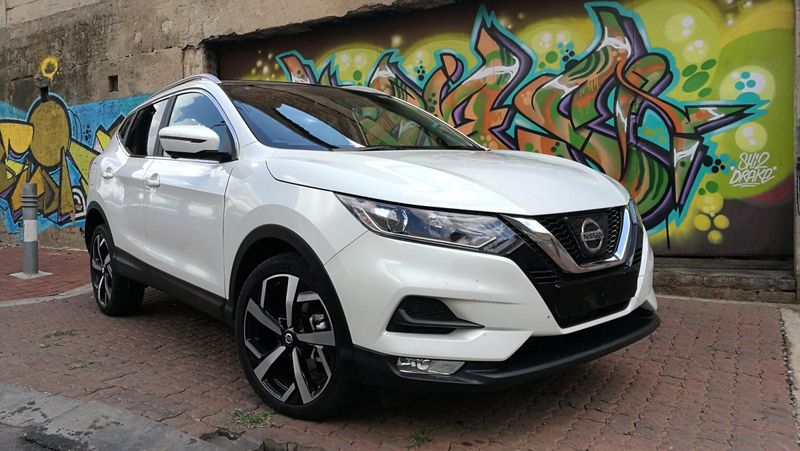
New headlights and a re-worked grille give the latest Qashqai a more assertive presence on the road. 

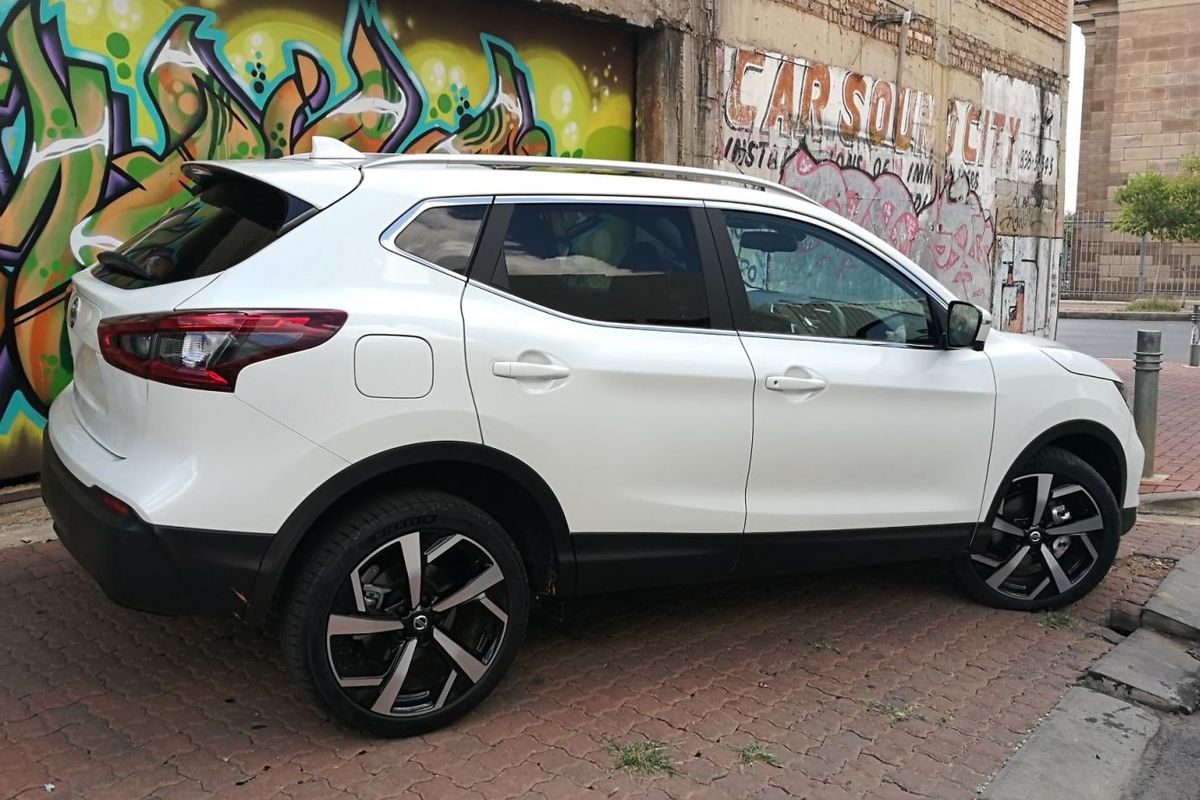
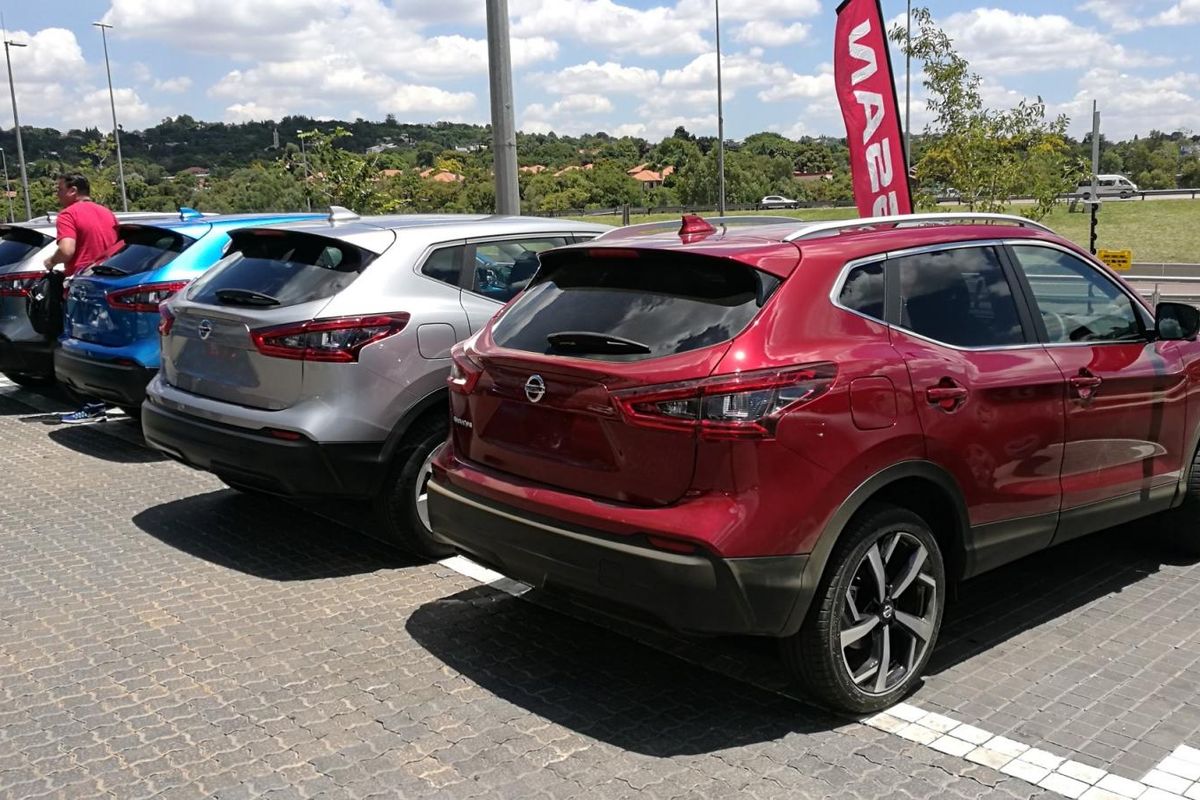
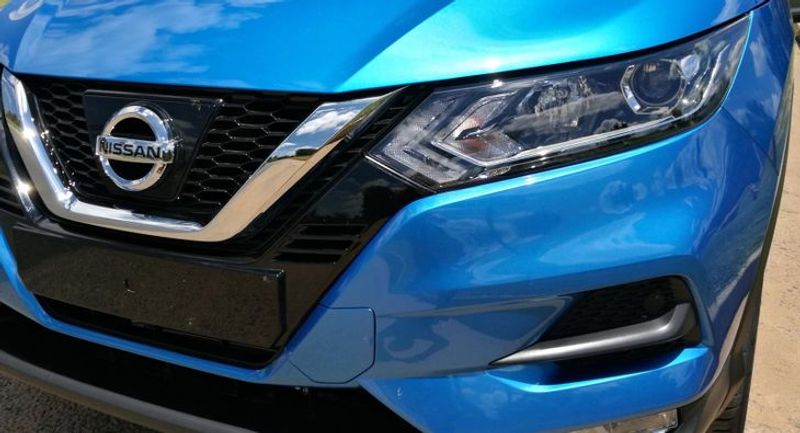
From the outside, the Qashqai’s visual appeal has improved with a dashing front-end that incorporates newly designed headlights with attractive boomerang daytime running lights and a revised clamshell bonnet that beefs up its road presence significantly. Nissan’s "V-Motion" grille has been re-interpreted for this facelift and both the front and rear bumpers have been reworked. The taillight design is also new and now features a 3D effect and the look is rounded off with new 17- and 19-inch wheel designs. We like the look of this facelifted Qashqai. Would you agree? 

You can read more about the changes to the facelifted Nissan Qashqai here!

What’s the interior like? 


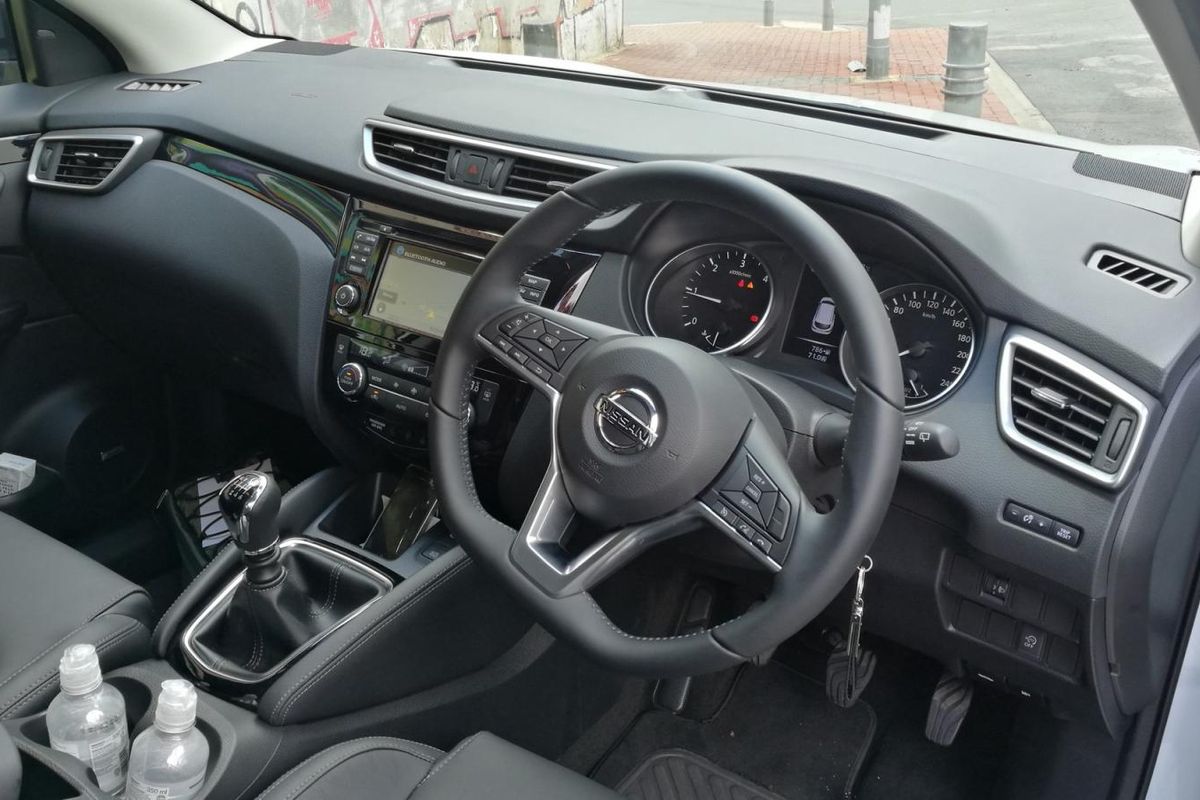
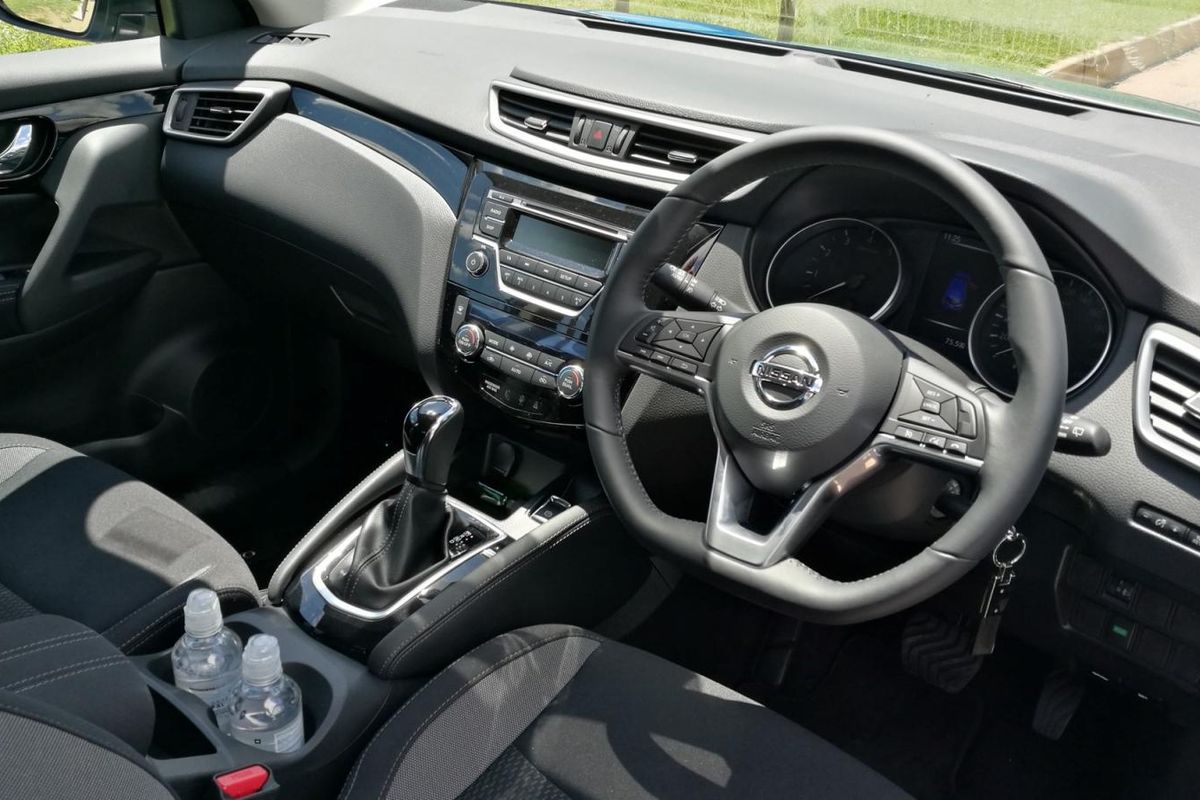
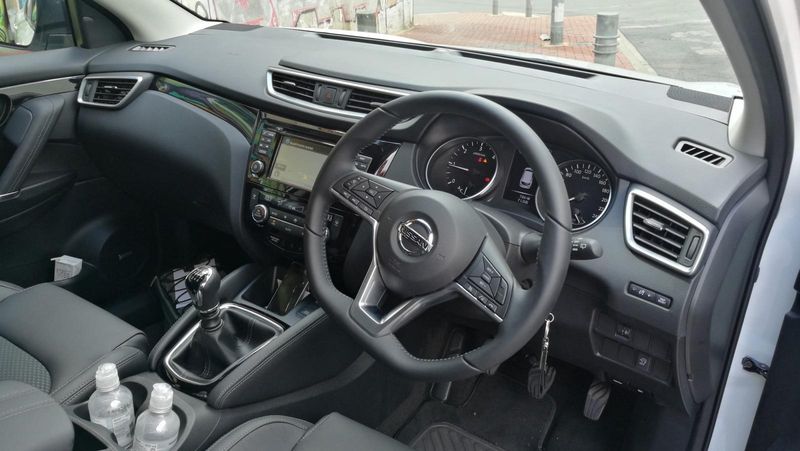
A new flat-bottom steering wheel with 4-way controls is one of the highlights in the facelifted Qashqai.

The new D-shaped steering wheel feels pleasingly tactile and it now comes equipped with 4-way remote toggles that make it easy to adjust the audio system, cruise control and Bluetooth settings. The seats are new too and offer added support, which we found to be pleasingly comfortable on the launch drive.  

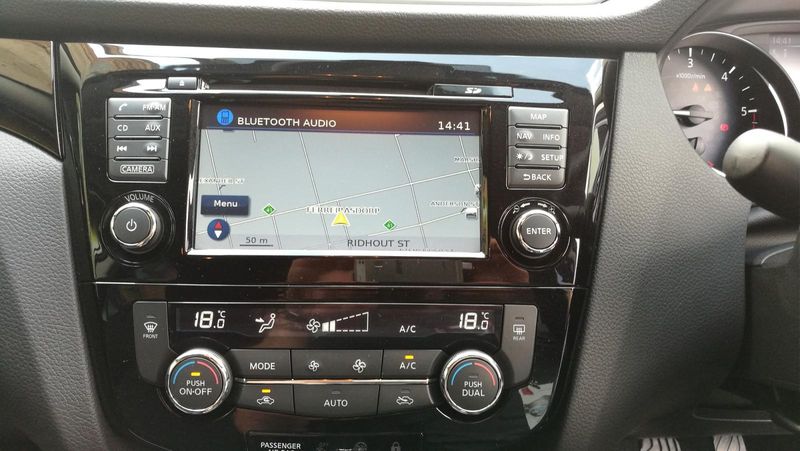
Nissan has also improved the interior material quality with better finishes on the door panels, air-vent surrounds and gear lever. The touchscreen infotainment system found in the top-spec Tekna derivative now has a new and improved layout along with integrated navigation and is accompanied by a potent 7-speaker BOSE sound system to keep you entertained. Entry- and mid-level derivatives are equipped with a more rudimentary Bluetooth-capable system, which is very easy to use. 


An updated touchscreen offers integrated navigation on the top-spec Tekna derivative. 

The big news for this facelift is the introduction of a host of useful safety features under the banner name Nissan Intelligent Mobility (NIM). The features were recently introduced to the new X-Trail and Patrol and have now been extended to the Qashqai. They include Blind Spot Warning, Emergency Braking, Forward Collision Warning, Around View Monitor, Cross Traffic Alert and Moving Object Detection. These features not only improve safety, but they also make city driving more manageable. However, these features are only offered on the top-spec Tekna derivative. 


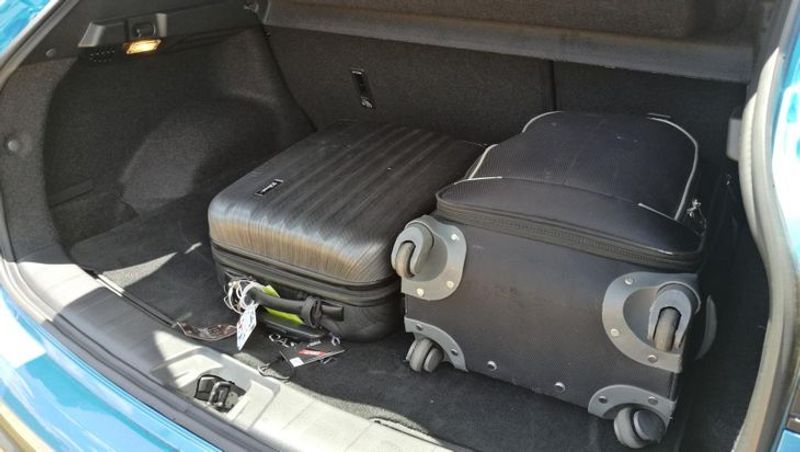
There's ample space in the loading bay and the 60:40 split rear seats allow for further space expansion if required. 

In terms of practicality, the Qashqai has a sizeable loading capacity of 480 litres that expands to 680 litres with the 60:40 split rear seat folded down. Space for rear passengers is good with a reasonable amount of leg-, head- and shoulder room. There is also ample storage space dotted around the cabin, including 2 cup holders for the driver and front passenger.

What’s it like to drive?

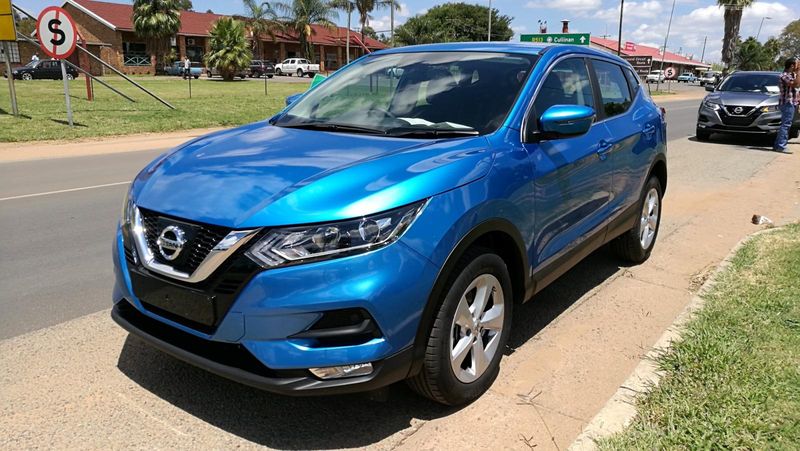
Our launch drive started at OR International Airport behind the wheel of a striking Vivid Blue Qashqai 1.2T Acenta CVT. This is perhaps the most intriguing colour for the Qashqai and it's no surprise that it features prominently in all the marketing material for the Nissan.


The Qashqai 1.2T Acenta CVT offers average performance. We prefer the manual…

The Qashqai is well-known for delivering a comfortable ride and Nissan has improved matters further by re-tuning the dampers and stiffening the anti-roll bars in an effort to improve both damping and handling, which appears to have made a noticeable difference. Through the application of additional sound insulation road and wind noises have been reduced, resulting in a quieter cabin overall, while engine noise seems markedly improved as well. The Qashqai offers a very comfortable drive indeed.

The steering is nicely weighted and provides good feedback and responses to driver inputs. In terms of performance, this turbocharged 1.2-litre petrol with peak outputs of 85 kW and 190 Nm of torque offers adequate pulling power. Coupled with the CVT, the motor can feel a bit sluggish on uphills, but it's not terrible. Overtaking manoeuvres will require some planning as the CVT takes its time to build the necessary momentum.

Many buyers might be sceptical about driving a CVT, but this CVT is not the worst we have encountered and when driven with a measured approach it actually performs well, just don't expect rapid acceleration. If you are not a fan of a CVT, then the 6-speed manual transmission is your best bet. 

In terms of fuel consumption, Nissan claims a figure 6.2 L/100km and during our launch drive, the trip computer returned an acceptable 7.5 L/100km with very little effort. 


The range-topping Tekna derivative is well-equipped with features and is the one to have, if your budget will allow. Priced at R434 000.

We also had the chance to drive the top-of-the-range Qashqai 1.5 DCi Tekna featuring leather upholstery, electric heated seats and a glass roof. This derivative is only offered with a 6-speed manual transmission with outputs of 81 kW and 260 Nm. It's a well-refined engine and with more torque than its petrol-powered sibling, it feels a bit thriftier too. 

The manual transmission is relatively smooth-shifting but the gear throws are quite long. The manual does, however, afford you the opportunity to get the most performance from the engine on those uphill sections or when you need to overtake swiftly. Tractability in the higher gears could be better, however.

Apart from this engine's impressive refinement, it's efficient too. Nissan claims a fuel consumption figure of 4.2 L/100km and we achieved a figure as low as 4.9 L/100km on our drive, which is commendable. 

Final thoughts


The facelifted Qashqai should remain a top-seller for Nissan despite a crowded crossover segment. 

The Qashqai's stylistic and interior improvements are bound to resonate well with buyers looking for a stylish and well-equipped crossover. The Qashqai's keen pricing, particularly in the entry-level and mid-grade offerings, will further ensure that the Qashqai's popularity remains intact. 

Although the new NIM safety features are welcome, it's a pity that they are only offered in the top-spec Tekna derivative. These features are sadly not offered as options on the Visia and Acenta derivatives, so if you want these convenient safety features, you will have to fork out for them. So much for democratising safety…

Overall, we like this latest Qashqai and if we had to choose our pick of the range based on our findings at the launch, we would go for Qashqai 1.5 DCi Acenta Plus manual, or if your budget can stretch that far, the 1.5 DCi Tekna will surely provide many happy kilometres with most of the bells and whistles you could ever want.

Further peace of mind comes in the form of Nissan's 6-year/150 000 km warranty which is not to be scoffed at. We think the Qashqai is worthy of consideration and it should be near the top of your shopping list for small crossovers.

We will have the facelifted Nissan Qashqai on test soon so look out for a thorough evaluation in the near future. 

Nissan Qashqai – Price in SA (February 2018)

All prices include VAT.

1.2 T Visia  – R334 900

1.2 T Visia + Alloys – R346 700

1.2 T Acenta – R367 000

1.2 T Acenta CVT – R381 000

1.2 T Acenta Plus CVT – R394 000

1.5 dCI Acenta – R394 000

1.5 dCI Acenta Plus – R407 000

1.5 dCI Tekna – R434 000

The Nissan Qashqai is sold with a 6-year/150 000 km warranty and a 3-year/90 000 km service plan and 24-hour roadside assistance.

Buy a Nissan Qashqai on Cars.co.za

Related content

Nissan Qashqai (2018) Specs & Pricing

Nissan Qashqai (2018) International Launch Review

First Look: Facelifted Nissan Qashqai

Nissan Qashqai 1.5dci (2014) Review

Cars Coming to SA in 2018
Design Sequels: 4 That Missed the Mark & 4 That Broke the Mould

One of these is a Korean hatchback that was launched in 2013 with the entry-level derivative priced at R229 000 and the other is the latest 2019 Mercedes-Benz A-Class set to retail for at least twice the price. What the heck happened here? Calvin Fisher investigates…
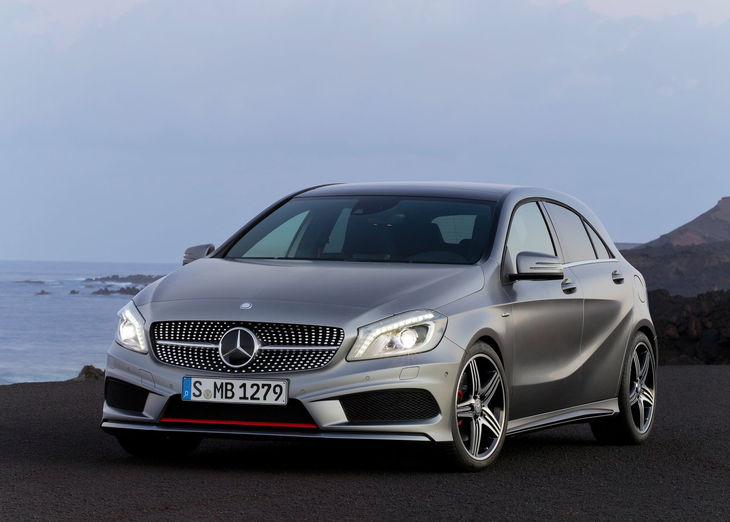
Mercedes-Benz recently released images of its new A-Class premium hatchback and the public's reception has been lukewarm at best. The reason is simple: well, it looks a helluva lot like the car it replaces and if we're quite honest from certain angles (most notably the rear 3-quarter) it resembles the 2013 Kia Cerato. Now there’s no need to sharpen your pitchforks, this conversation is all about styling. It’s true that the new A-Class is a techno tour-de-force and that the more rakish implementation of its previously blob-like lamp clusters both fore and aft bring it more in line with the rest of the Mercedes-Benz portfolio, but it hasn’t moved the game on at all.

We expect this kind of behaviour from Audi and Volkswagen, even Porsche – in truth the entire VAG group has been the biggest culprits when it comes to lazy design departments. More’s the irony then that the man driving Kia’s (and to a lesser extent Hyundai’s) design revolution is Peter Schreyer, who is an ex-Audi designer. His CV reads something like this; original Audi TT, Kia Cadenza and Soul. Of the Teutonic-Three, Mercedes-Benz had arguably been the leader with stylistic changes, followed by BMW and then languishing in last place the Audi saloons, which could be bought with little distinction between each model per metre. Like a curtain. Let me elaborate.

Here are 4 examples of famously safe sequels:

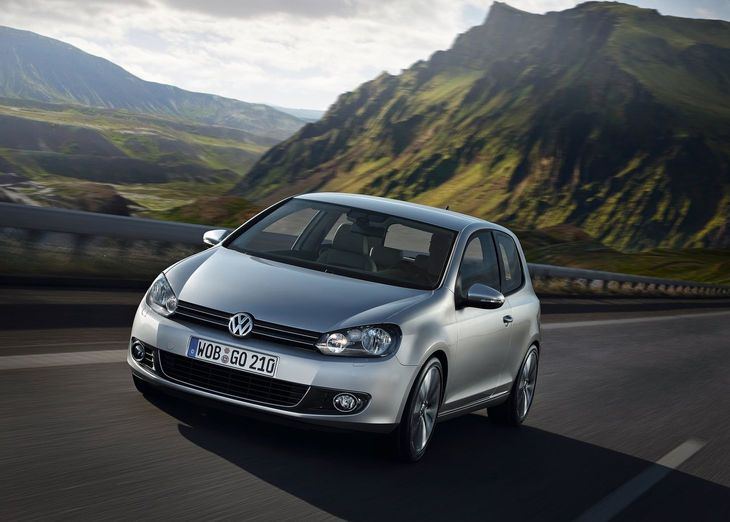
VW Golf 6

When the 6th iteration of the VW Golf was released in 2009 it was a litmus test for how the public would receive the barest of reskins. Turned out we loved it, despite sharing most of its profile with its predecessor, the beloved Golf 5. It wasn’t a bad car by any definition and resolved some of the quality issues of the Mk5, but it would set a new precedent that it quickly delivered with the Mk7, which, yet again, bore a striking resemblance to the Mk6. Predictably, the Mk7 was also brilliant.

Search our listing for a Golf 6

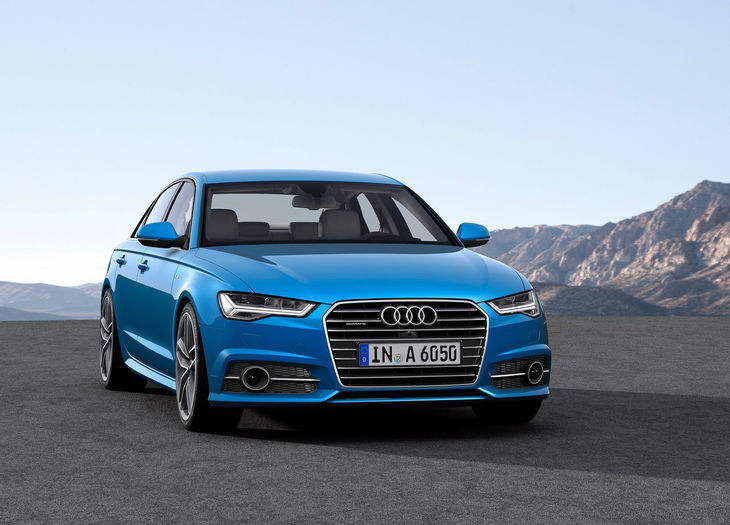
Most Audis

I know it’s troll-like to tease Audi for its cookie-cutter designs. But it’s not bad enough that for an extended period of time A4s and A6s and A8s felt like little more than exercises in using a photocopier’s copy and enlarge button, but then came new A3s that looked like old A3s and A4s that needed to be parked alongside the cars they replaced in order to discern any marked improvements. Even the latest TT looks a lot like the previous model, which – to be fair – looked nothing like the timeless Mk1.

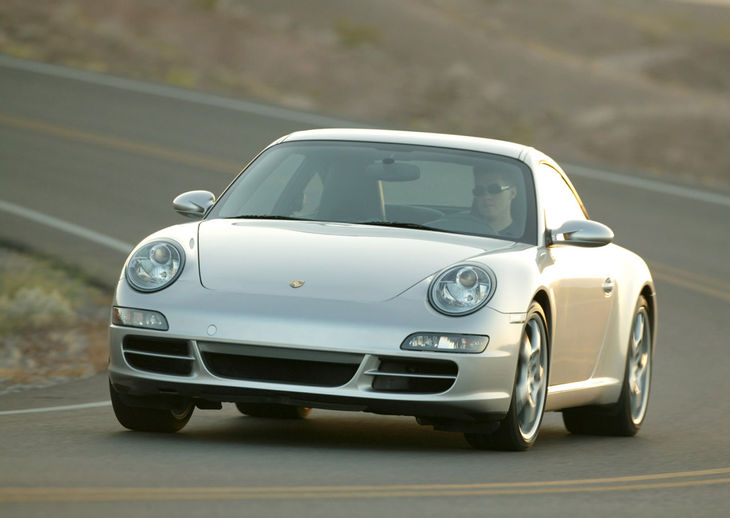
Every Porsche 911 ever

The 911 series has to be the most famously lazy design evolutions ever. In the space of 5 decades, the slippery cab-forward teardrop profile has done little more than grow. It’s also the one example that inspired the fanboy rhetoric of "it’s an evolution, not a revolution".  

Search for a Porsche 911 here

Mitsubishi Evolution

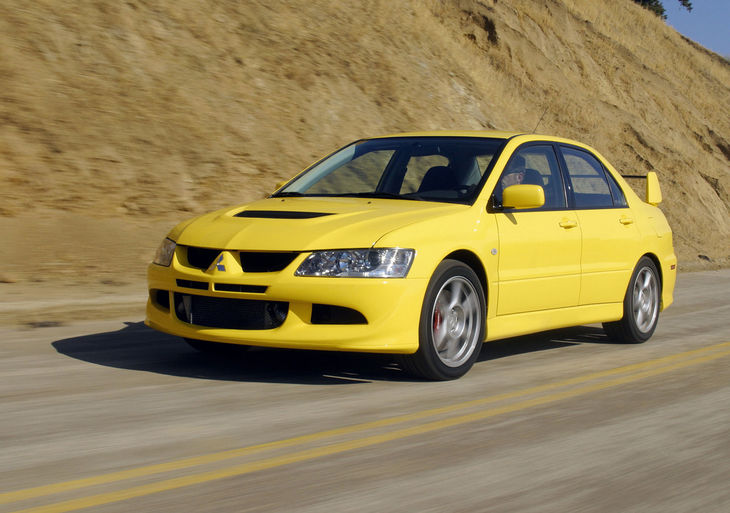
At some point during the Nineties, Mitsubishi started churning out its rally star – the Evo – with the barest of cosmetic changes, as if the Japenese brand just wasn't interested. You’d need to have a trained eye to spot the differences between a Mk2 or Mk3 Evo, and similarly the difference between a 5 and a 6, or an 8 and a 9. The Evo X marked the biggest lane change for the design department and, sadly, that’s where the lineage would end. Maybe playing it safe was a better strategy after all.

4 Cars that threw their predecessors' body-styles under the bus

The last one might surprise you…

2008 Subaru WRX STI

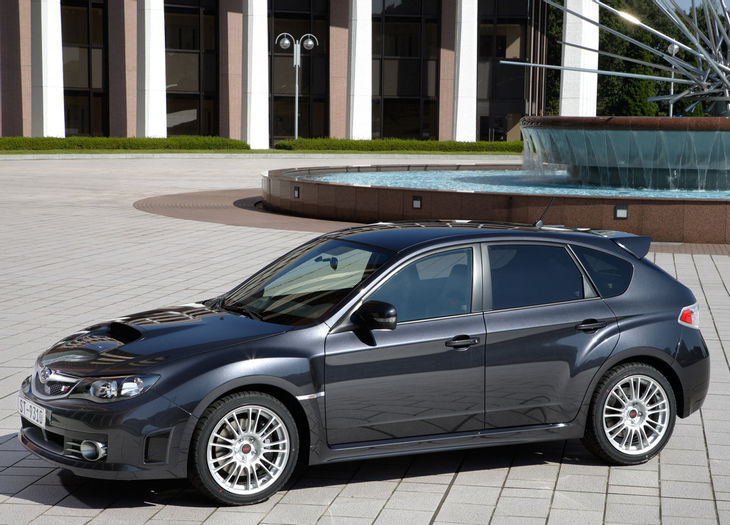
Please note, I didn’t set out to include one of rallying’s biggest rivalries with the Mitsubishi Evo and Subaru WRX STI, it just sort of happened that way. In 2008, Subaru shocked us all by transforming its bewinged Impreza STI sedan into a… demure hatchback. There was a unanimous outcry and within a year Fuji Heavy Industries course-corrected and gave us the sedan we wanted. Crisis narrowly averted.

Search for a used Subaru Impreza here

2011 Hyundai Elantra

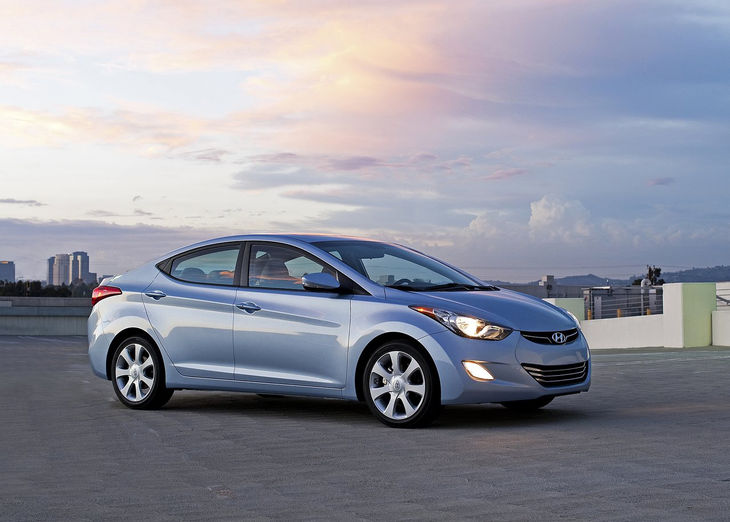
Allow me to set the scene. It was 1996 when South Africa’s shores first received the Honda-aping Elantra and Accent sedans. Neither were attractive (they were downright ugly), but they were affordable and reasonably well made. They remained unattractive and affordable for at least 3 more generations until 2012 when the Mk5 Elantra was released. Looking nothing like what had come before and sharing a "fluidic" new styling language with the rest of the new range of Hyundais. It looked as if it was designed by a European design house, drove well, and spearheaded the Korean brand’s now-excellent line-up of passenger cars.

Search for a used Elantra here

2012 Kia Picanto

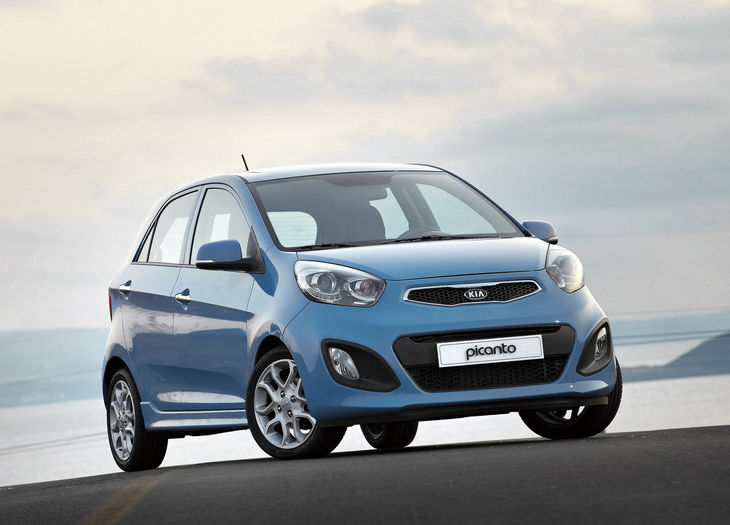
Much like it’s sister company, Kia was playing catch up with the rest of the world, but at an alarming pace. Peter Schreyer was their secret weapon and the 2012 Kia Picanto was one of his creations. Replacing the podgy Mk1 of 2004, which in itself was no bad attempt at a budget hatchback, this latest iteration was refined and with European styling penned in Frankfurt. It was such a stylistic success that I can’t help but feel that it still haunts the styling of the 2017 Mk3.

Search for a used Picanto here

The 2013 Mercedes-Benz A-Class

Well, isn’t that ironic? The car that inspired this column replaces the car most famous for reinvigorating a pre-existing badge. When the 2012 Mercedes-Benz A-Class arrived it was sent to erase any memories of its predecessor, the mommy-centric, too-tall (Just Google the Elk Test) A-Class of 1997. With the new car, suddenly the A-Class was transformed into an appealing premium hatchback and was further blessed by the gods of tuning at Mercedes-AMG, as you can bet the 2019 model will be too.

Search for a used A-Class here

Well there you have it, and it wasn’t meant to devolve into a bout of Germany versus South Korea but it has somewhat. What do you think? Have I missed any glaring examples?

Related content: 

5 Cool Tech Features of New Mercedes-Benz A-Class

The 2017 Frankfurt Show: So, who got it right?

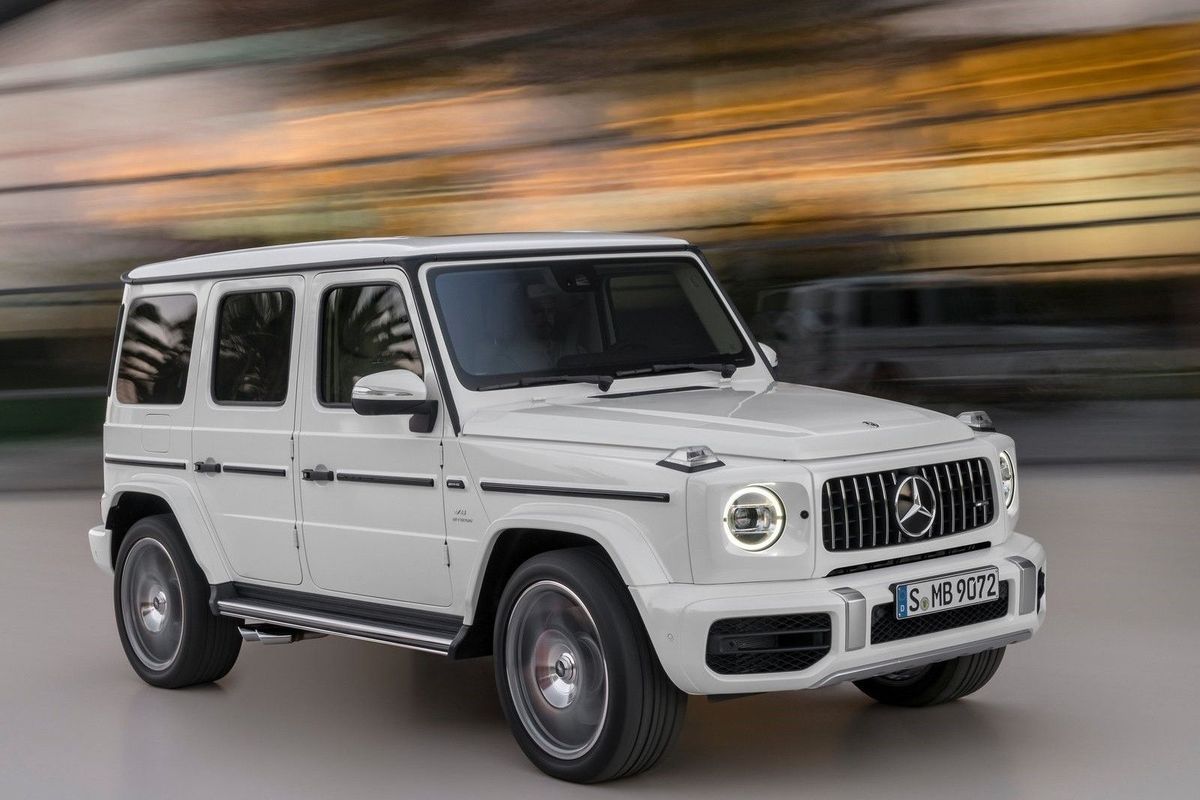
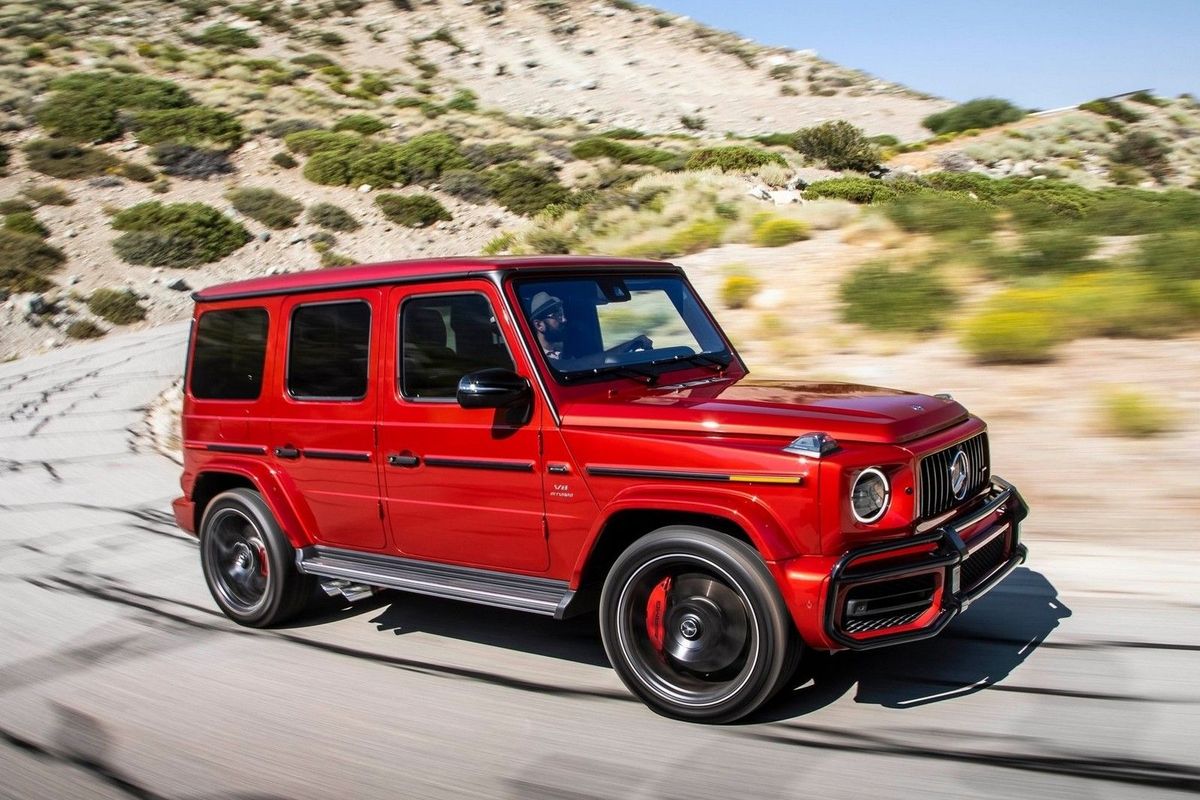
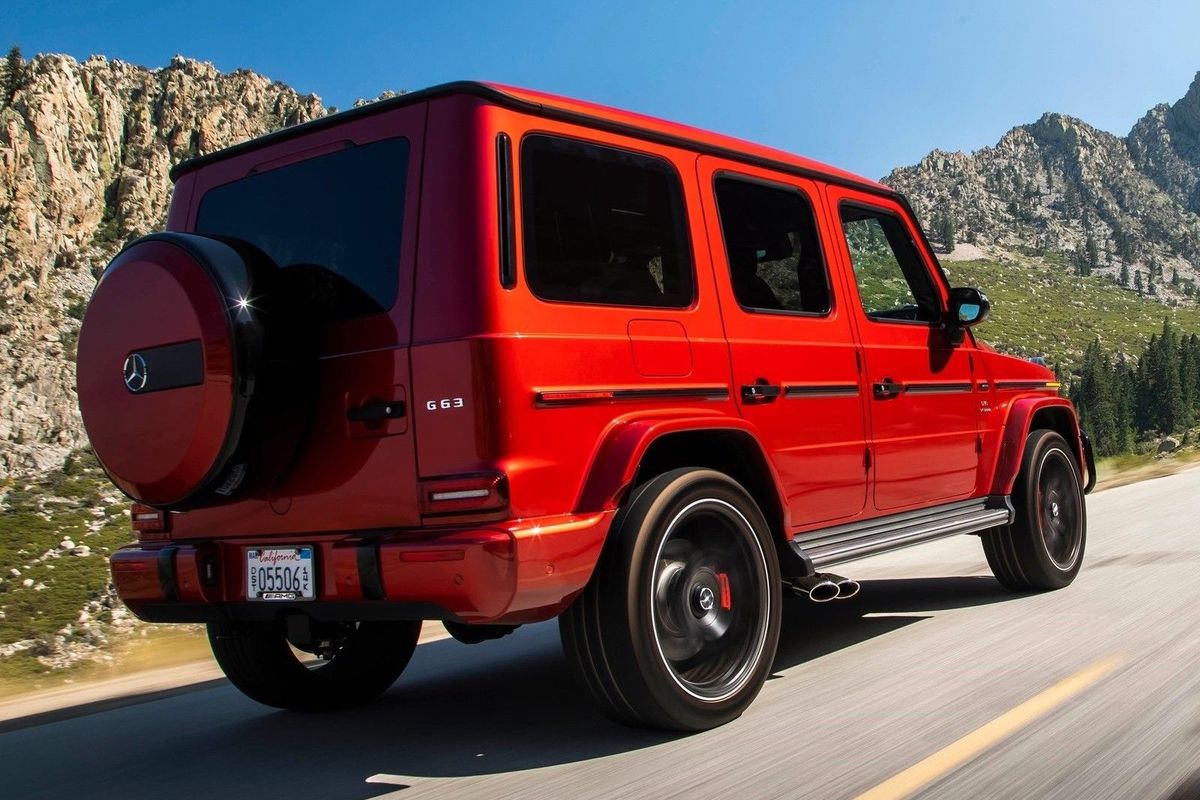
Mercedes-AMG G63 Announced, Now With 4.0 V8 Biturbo

The new Mercedes-Benz G-Class was recently unveiled at the beginning of 2018, at the Detroit Motor Show. That was the mainstream model and it was only a matter of time before the performance nutters at AMG got hold of it. Here it is, the 2018 Mercedes-AMG G63. Here are all the facts and details you need to know.

The headline here is the introduction of the widely-used 4.0-litre V8 biturbo motor in the G-Class. It replaces the ageing 5.5-litre V8 biturbo engine and in this application, the 4.0-litre produces a monstrous 430 kW and 850 Nm. 0-100 kph is claimed at 4.5 seconds – impressive for a military-grade SUV with the aerodynamic properties of a box. With the AMG Driver's package fitted, it'll run to a top speed of 240 kph. 

One of the most important aspects of this engine is its economy and efficiency technology. It features cylinder deactivation to save fuel. In the partial-load range, cylinders two, three, five and eight are deactivated, which significantly lowers the fuel consumption. The combined fuel consumption is 13.2 L/100 km.

The V8 biturbo engine drives all four wheels through the AMG Speedshift TCT 9G gearbox, with a front/rear torque split of 40:60. The suspension of the new Mercedes-AMG G63 has been redesigned by AMG and features coil springs all-round, with the front axle having an independent, double wishbone suspension; while a rigid axle with a five-link suspension is used at the rear. AMG Ride Control adaptive damping is fitted as standard, which will aid ride comfort. There are three settings: Comfort, Sport and Sport+.

"The new AMG G63 brings driving performance to the segment of unadulterated off-road vehicles in unexpected form. It was important for us to tie in with the original character on account of the cult status the G63 enjoys with our customers and fans. The vehicle has nevertheless reached a completely new dimension in terms of technology with the 4.0-litre V8 biturbo engine as well as in combination with the off-road characteristics, the agility and the vehicle dynamics achieved", explains Tobias Moers, CEO of Mercedes-AMG GmbH. "This applies to the entire G-Class model series. Mercedes-AMG is responsible for their suspension and chassis development as well as V8 competence."

The new Mercedes-AMG G63 will be shown to the public at the 2018 Geneva Motor Show, with a market launch scheduled for June 2018.


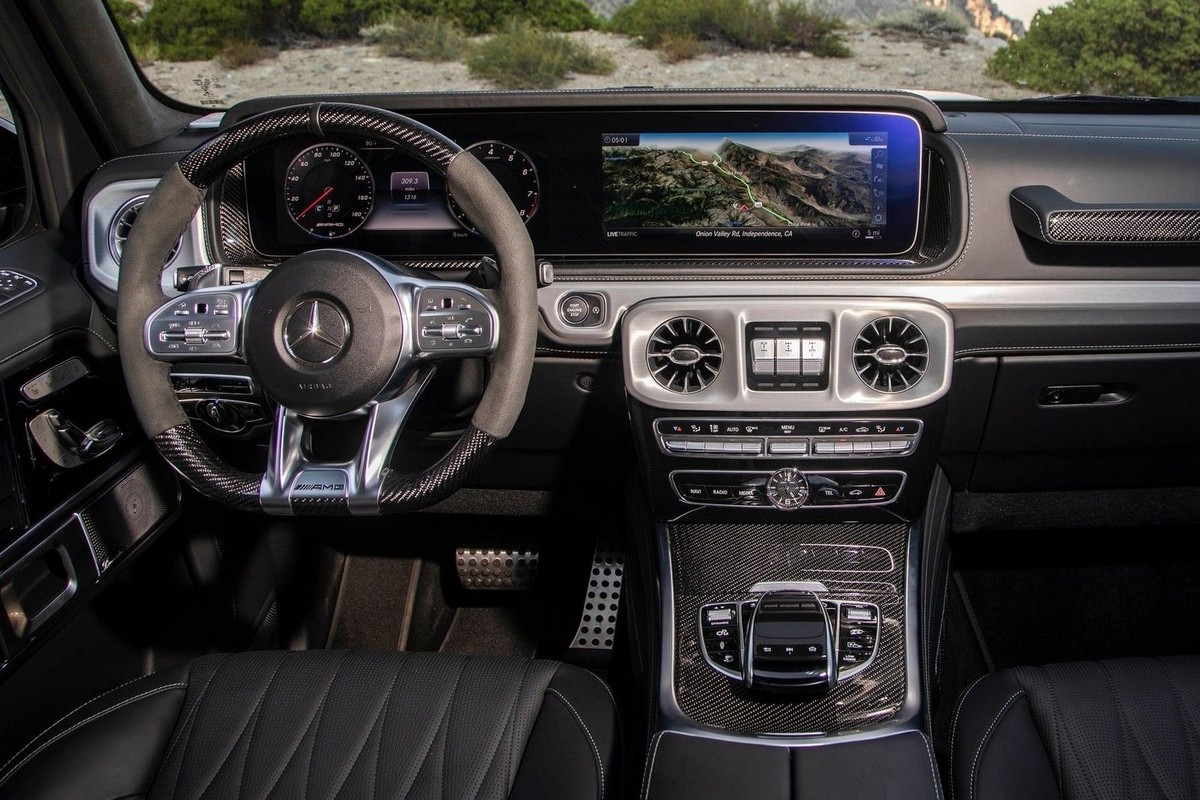
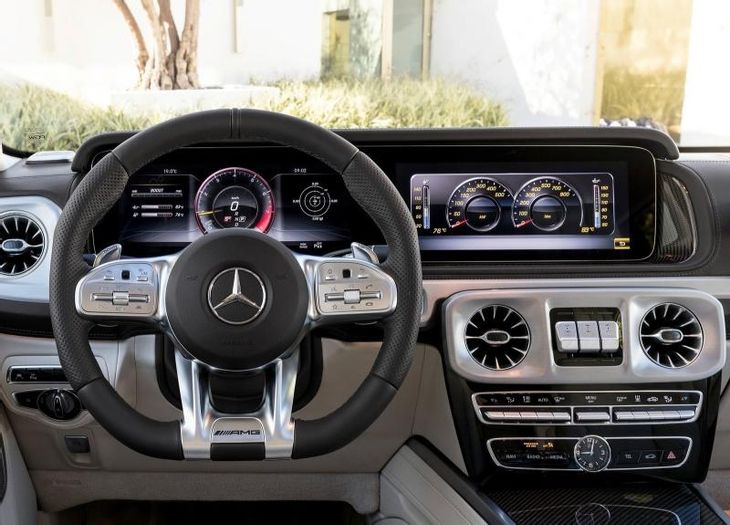
The key feature of the G63 cabin is the digital dashboard.

Further Reading

New Mercedes-Benz G-Class Shown

New Mercedes-Benz G-Class Interior Shown

Mercedes-Benz G-Class Bakkie Spied

Five Questions: Klaus Hartmann (Mercedes-Benz G-Class)

Update: Mercedes-Maybach Reveals G650 Landaulet (Video)

Mercedes-Benz E-Class 4×4² All-Terrain Might Actually Happen

Cars Coming to SA in 2018