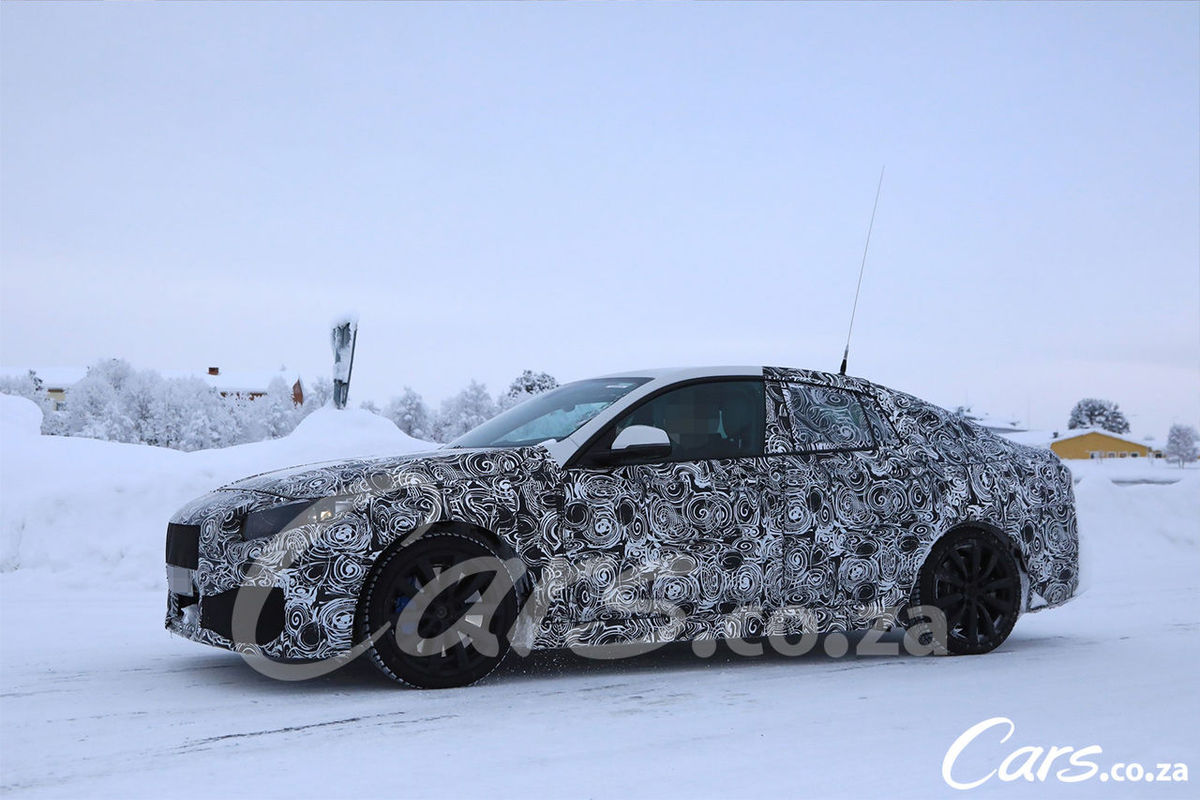
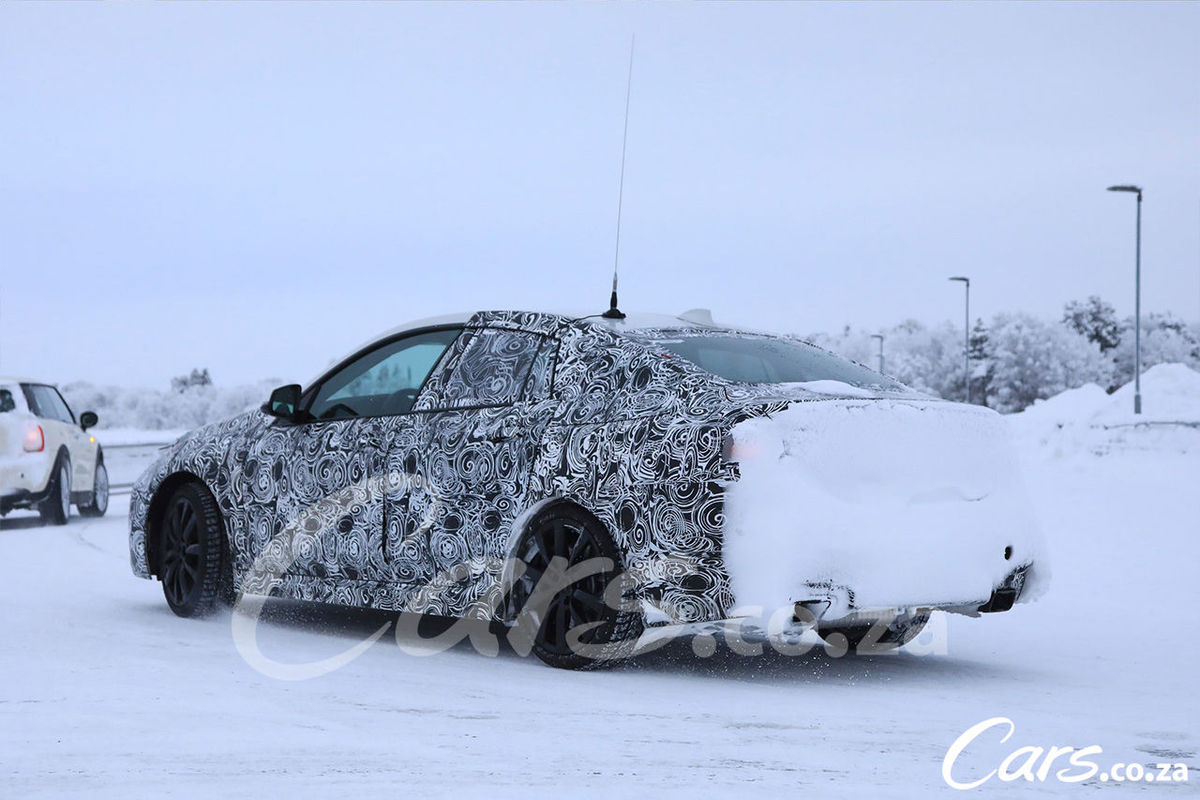
The 4-door version of the 2 Series has been spotted wearing camouflage and a rather basic trim level. What's it all about?
Much is going to change if you're a current BMW 1 Series or 2 Series fan. The next generation cars, set to arrive around 2019/20, will usher in a raft of changes set to send shivers down the spine of enthusiasts. The model shown in the spy pics is the 2 Series Gran Coupe, a 4-door variant of the 2 Series. It will run on the same platform as the next generation 1 Series that for the first time will be front-wheel-drive. Certain models will get all-wheel-drive but there are no plans for a rear-driven small BMW in the pipeline.
While the model in the pics is heavily camouflaged and clearly an entry-level model, it doesn't look particularly exciting or shapely. BMW plans to style it so it more closely resembles the classic 2002. We'll have to wait and see what happens once it drops the camo.
The 2 Series Gran Coupe will go head-to-head with the likes of the Audi A3 Sedan and the Merc CLA in a more direct manner – they will all be front or all-wheel-drive. BMW's unique selling point is thus lost, but it's too early to judge how it will fare against the other 2 rivals. What it does do, is make current owners of the 2 Series likely to have a bit of a collector's item on their hands a few years down the line.
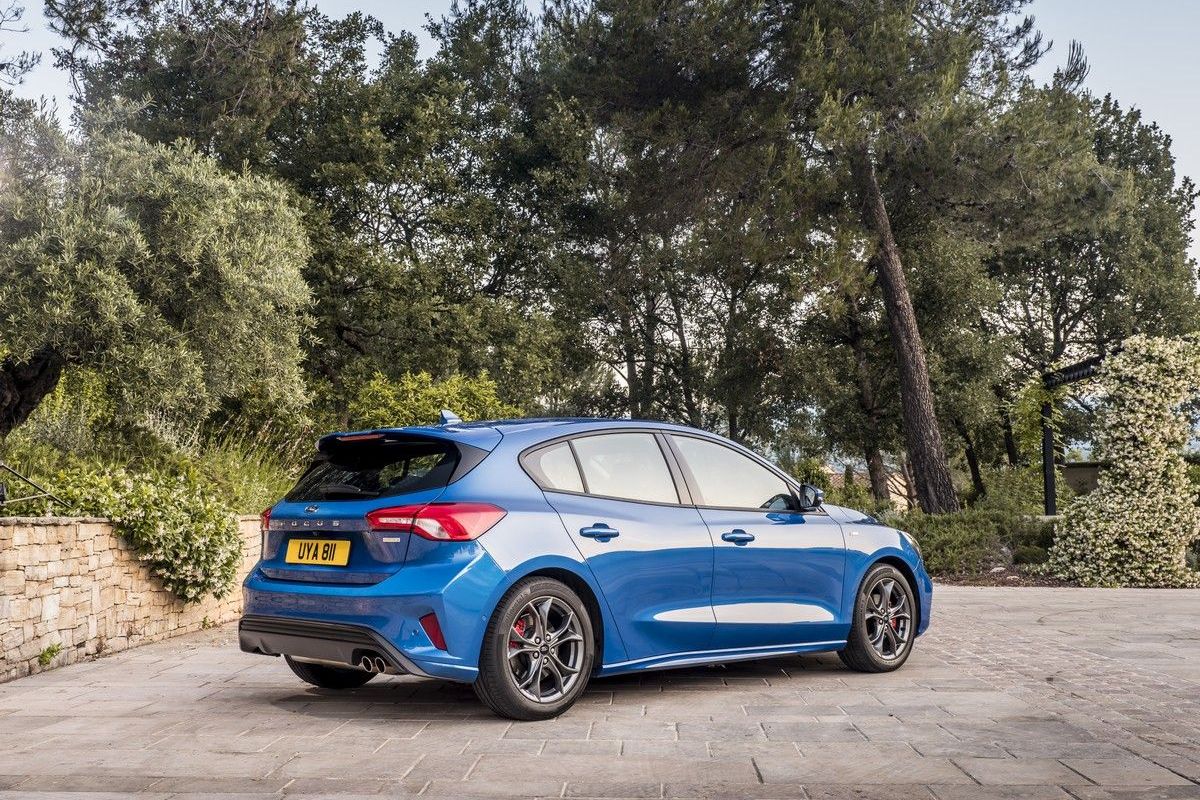
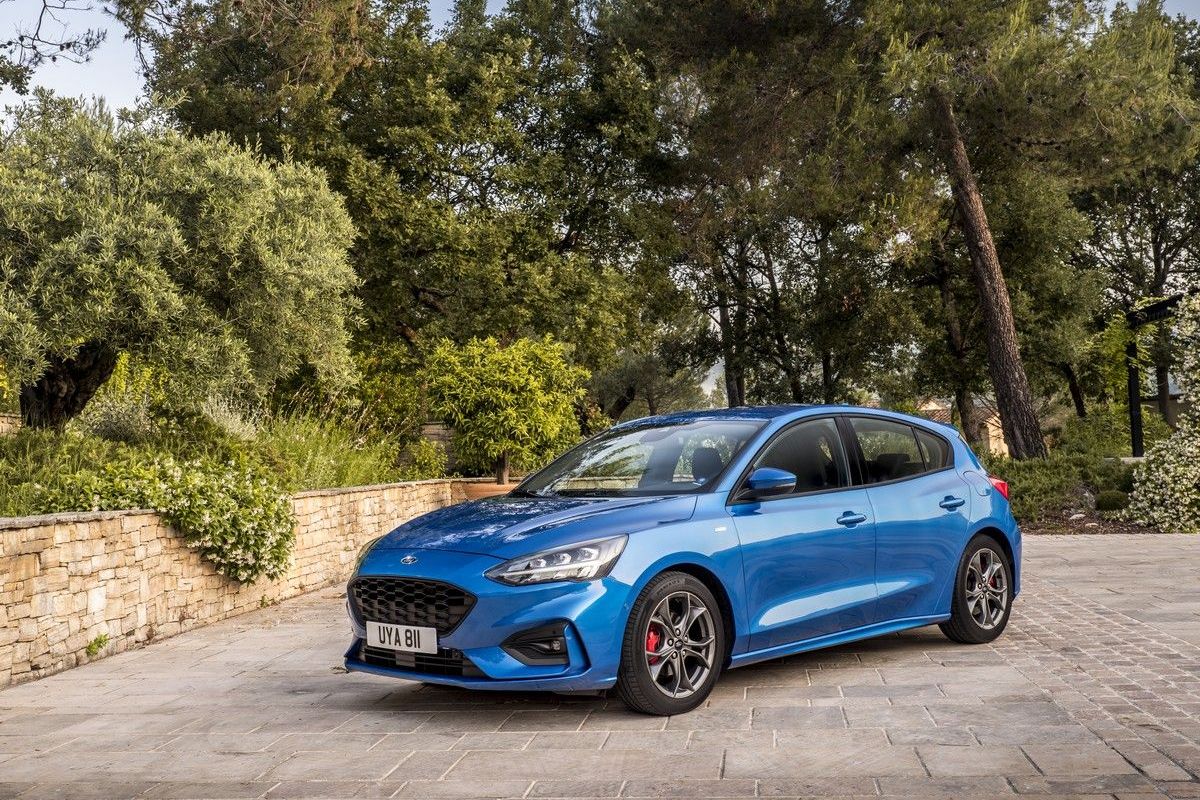
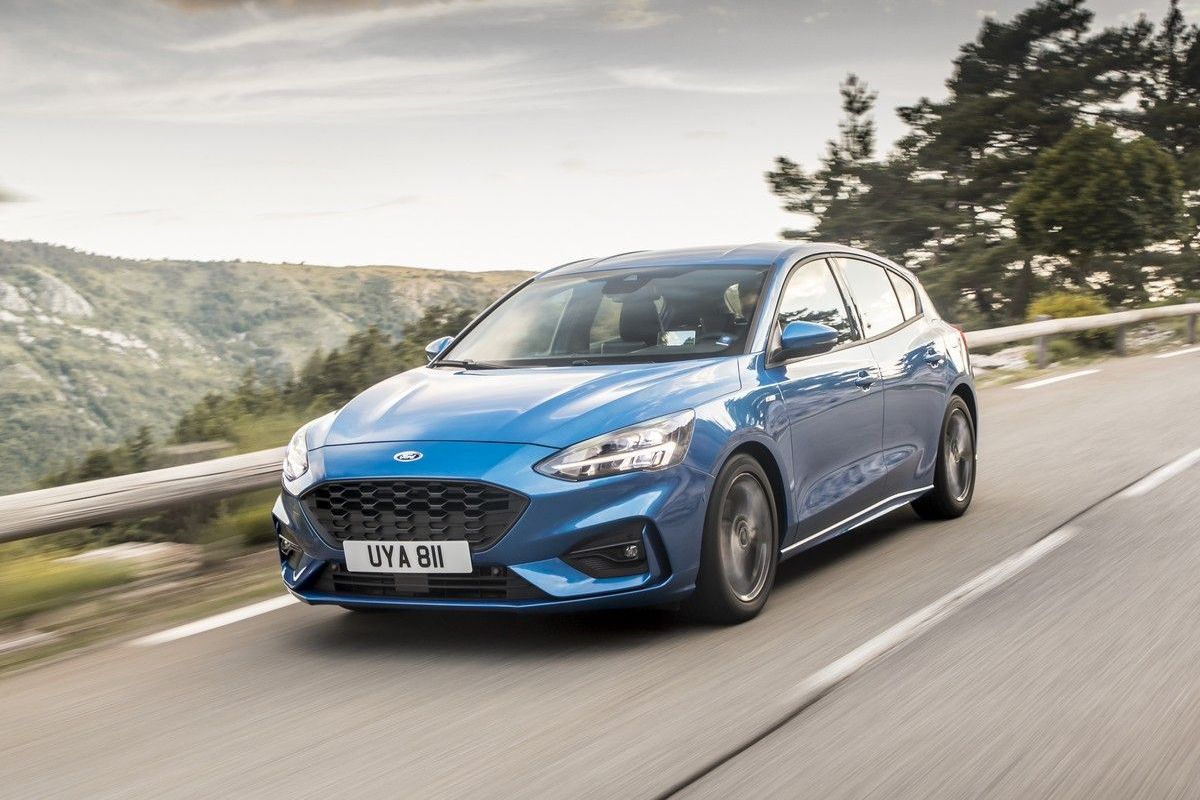
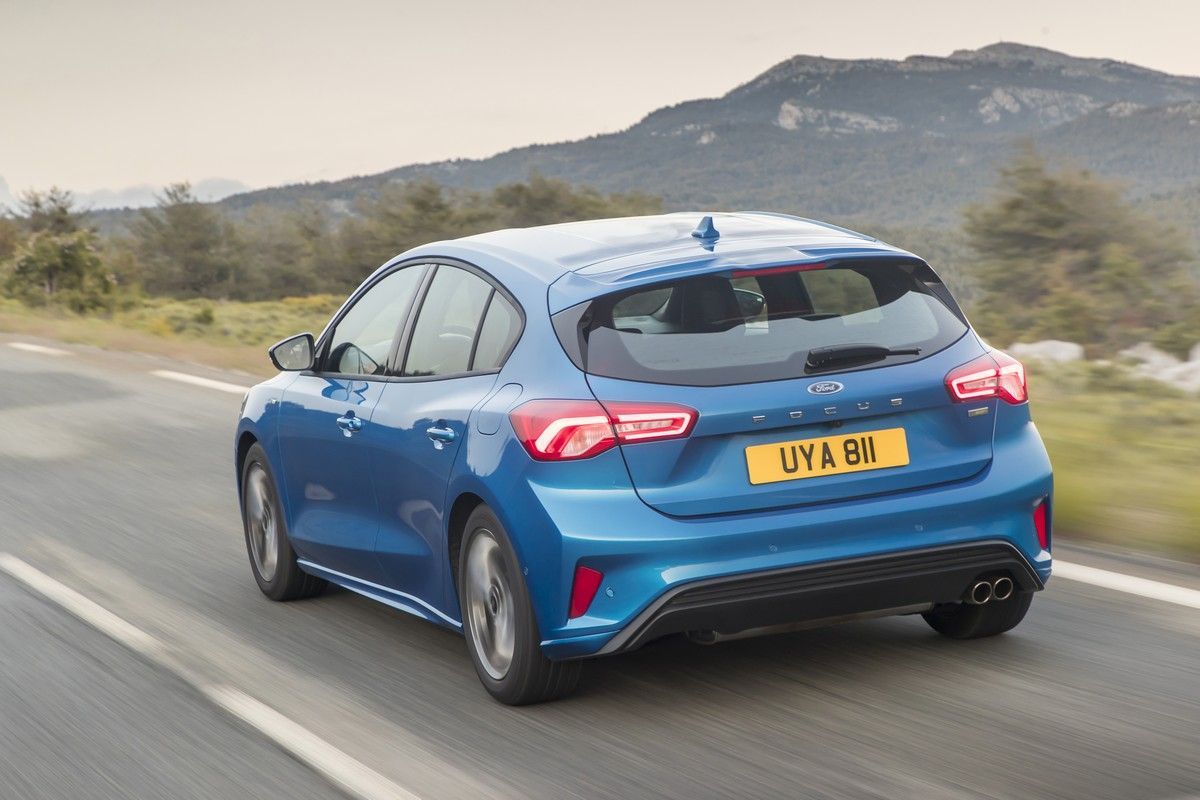
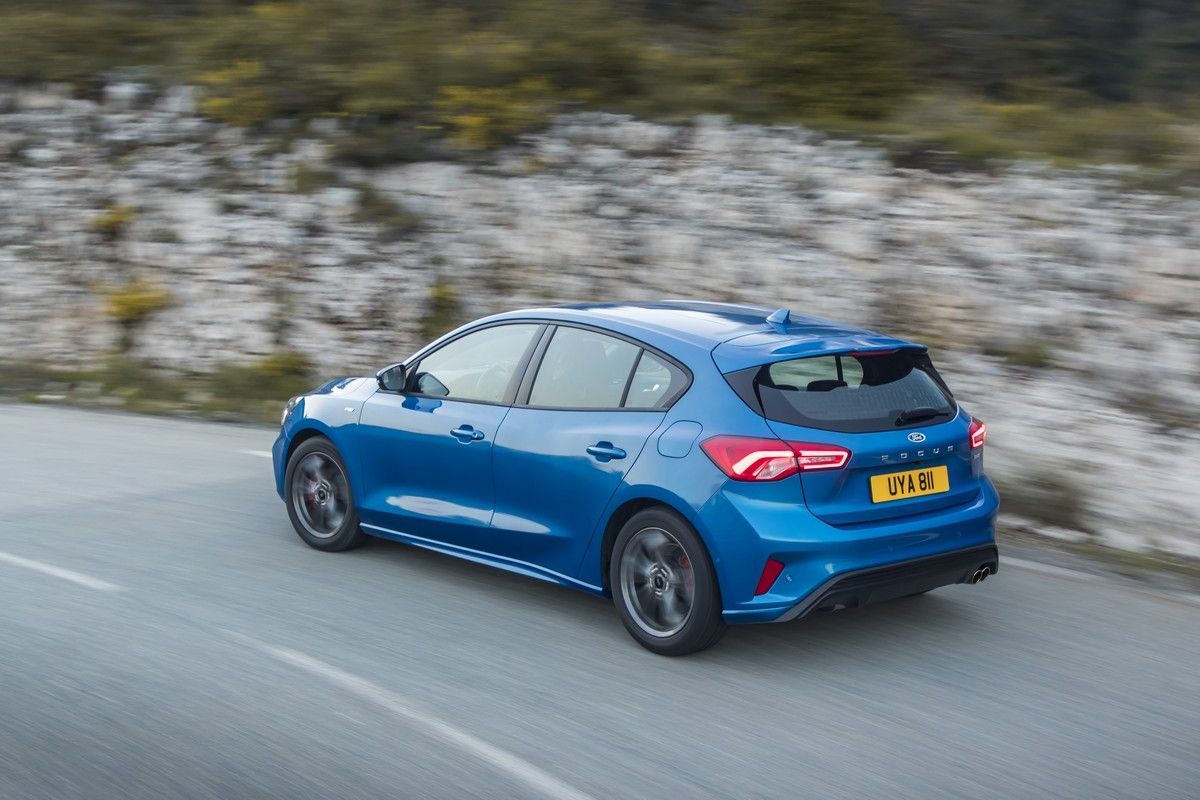
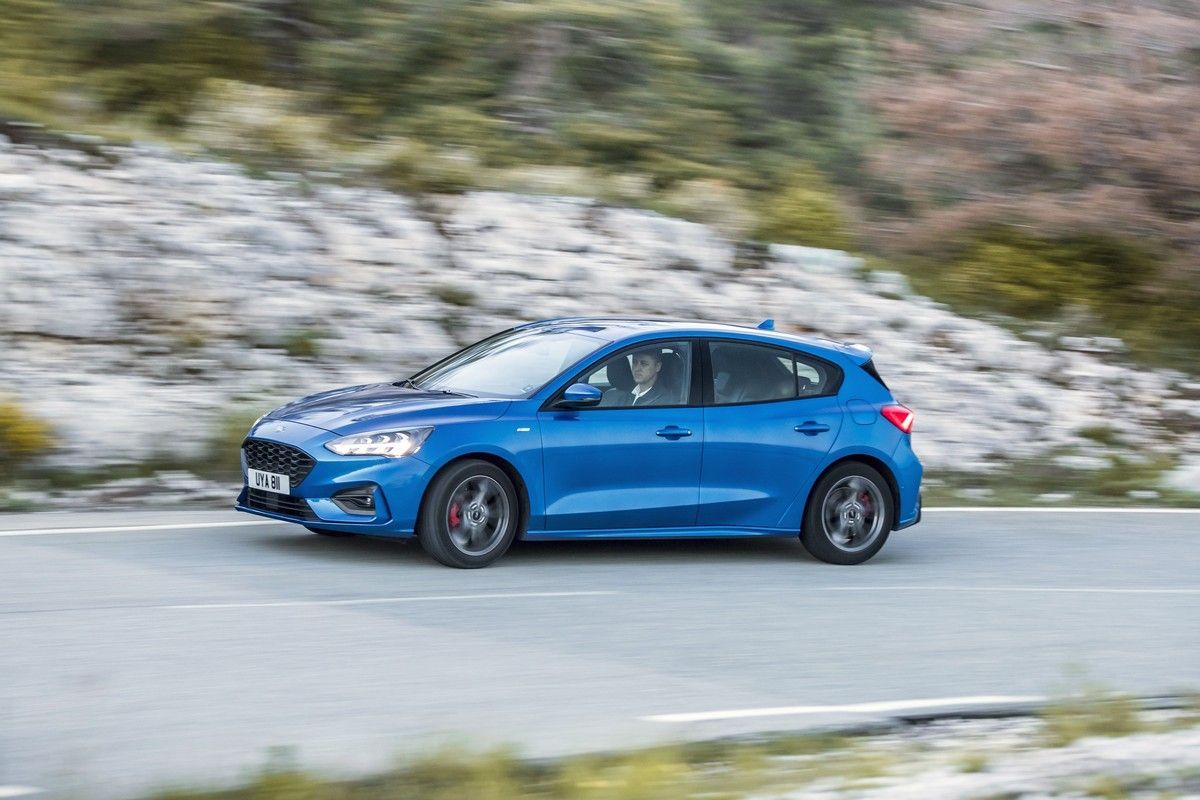
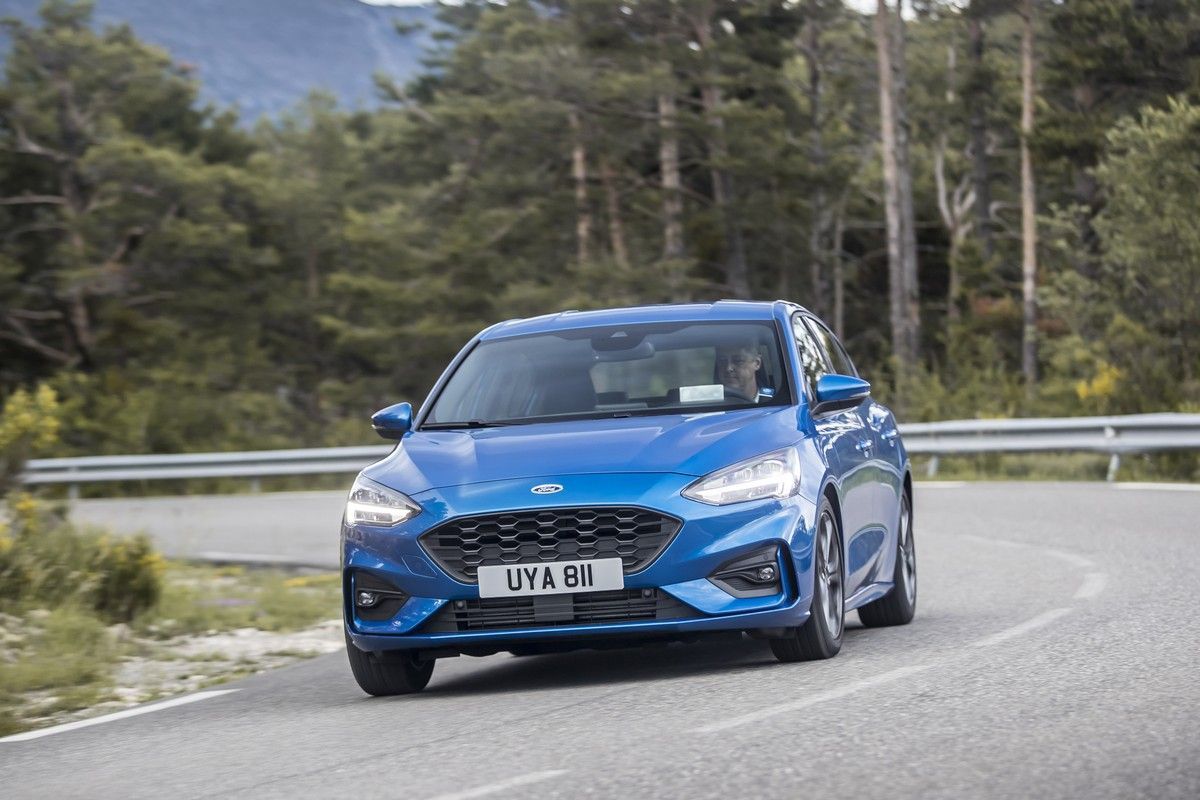
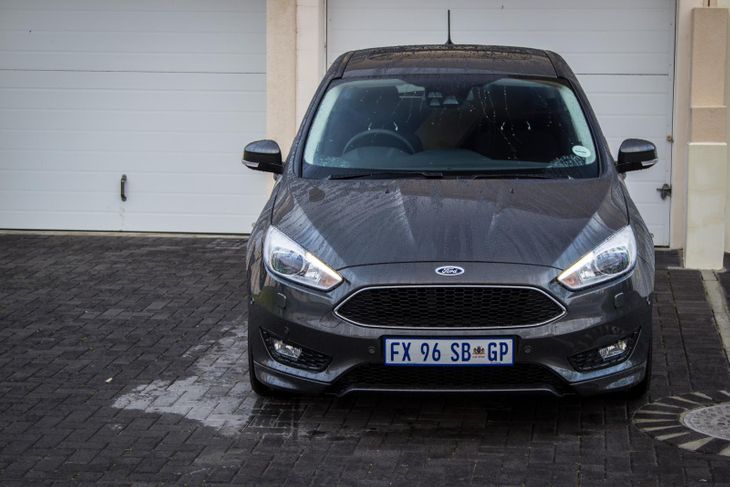
Ford Focus hatch 1.5T Trend auto (2018) Quick Review
A long-serving model often represents the best value in the twilight of its product cycle, by which time most quirks have been ironed out and several features have been bolted on. In automatic guise, the Ford Focus 1.5T Trend looks a veritable bargain at R336 900. It requires a Driver Assistance pack to be really feature-packed, but even after adding that option it still undercuts the opposition.
We like: A well-sorted product, willing performance, Option Pack 2 worthwhile
We don’t like: Middling build quality, ergonomic drawbacks, short(ish) warranty & service plan
Alternatives:
A Korean veteran – As is the case with the Focus, the Kia Cerato 2.0 EX Auto is nearing the end of its production life. What it lacks in terms of flair and high-end features (it does have auto lights, self-dipping mirror and folding side mirrors, however) it makes up for with leather trim and a 5-year/unlimited km warranty, plus it matches the Opel and Renault’s 5-year/90 000 service plan.
Upper-mid-spec Mazda – The Mazda3 2.0 Individual Auto is the most affordable rival to the Ford, but whereas it matches the Kia’s specification, with the addition of keyless entry and push-button start, dynamic stability control, a torque vectoring system and a sunroof, its 3-year unlimited warranty and service plans no longer seem that competitive… unless you’re planning to cross the continent in your car in the first 3 years of ownership.
Enjoyable Astra – While the Opel brand forges a new path after the departure of former parent company General Motors, the 1.4T Enjoy Auto remains one of the best propositions in the Astra range. The package includes 17-inch wheels, a host of standard driver assistance features, the intuitive Intellilink R.4.0. 7-inch touchscreen interface and the Astra comes with a 5-year/120 000 km warranty.
Sporty-looking Renault – Although the Renault 97 kW turbo GT Line Auto (R368 900) seems too expensive on the face of it, it rivals the Ford in terms of aesthetics and price if options 2 and 3 are specified on the latter. From Alcantara-trimmed seats with contrast stitching to the 8.7-inch touchscreen with Bluetooth, voice control and nav, the Renault certainly looks the part and its 5-year/150 000 km warranty is an advantage.
As the test unit was specified with Option 3 – the Trend Styling Pack – it featured bi-xenon headlamps with LED running lights.
What’s new?
Ford recently applied a few updates to its Focus premium compact hatchback range (including a redesigned grille and upgraded interior; although it is more of a "model year" update than a comprehensive facelift, it sees the Blue Oval make the voice-controlled colour touchscreen Sync3 interface (with navigation) and a host of driver assistance features available in its mid-sized hatchback package. However, considering that the Focus has been a fixture in the South African market since 2011, how much charm is left in a design that is at least 7 years old? Does the Focus feel long in the tooth and should you probably spend your money elsewhere? Let’s find out.
We like:
Distinguished appearance
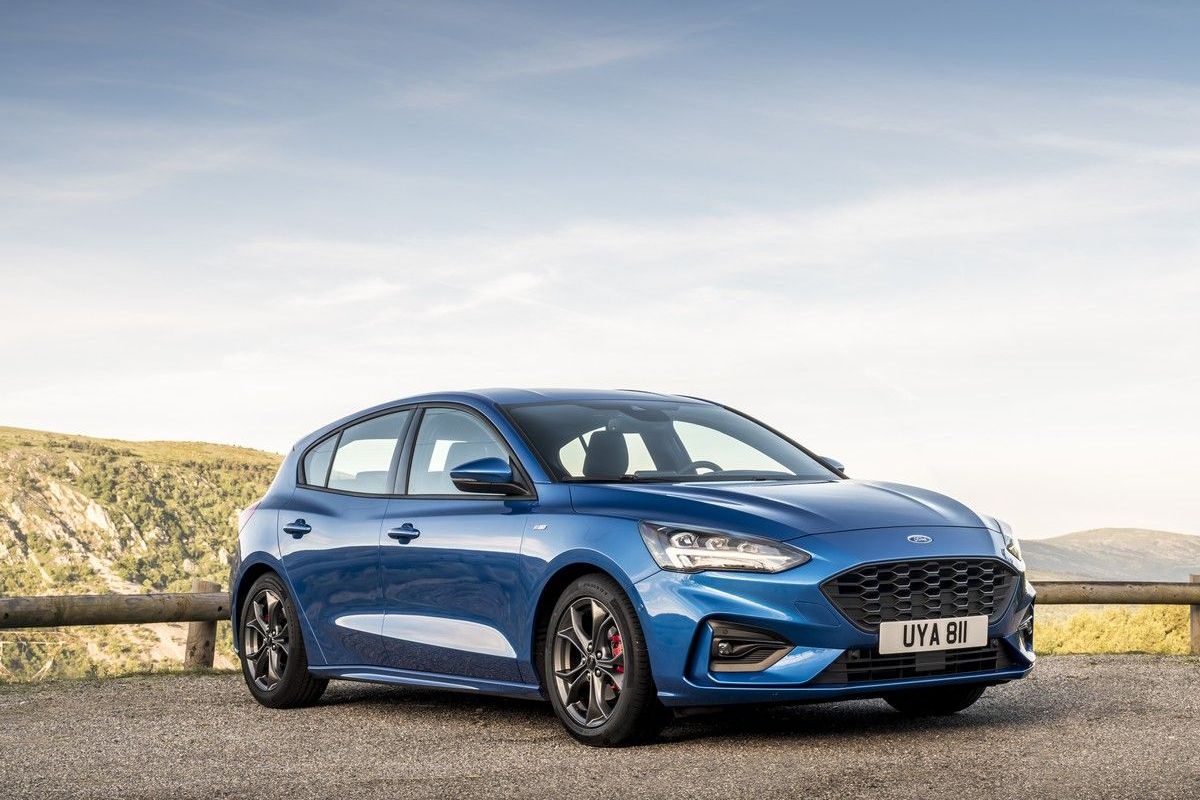
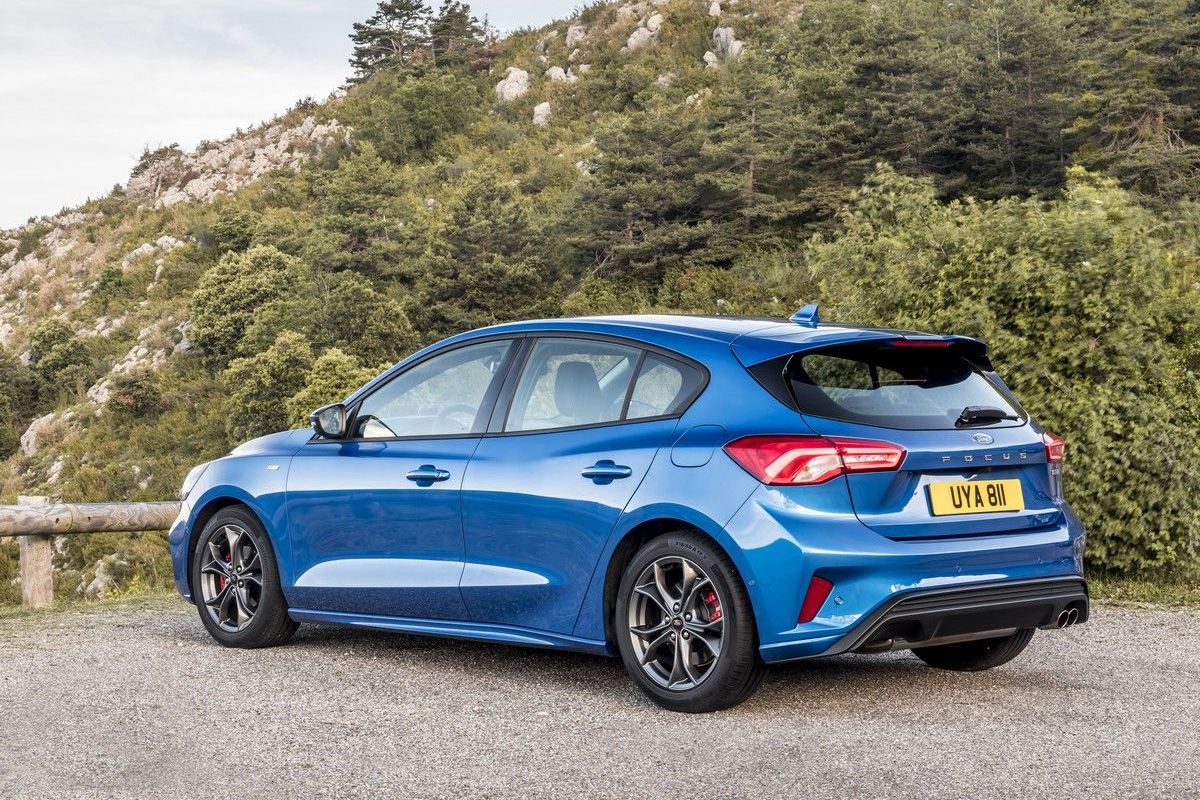
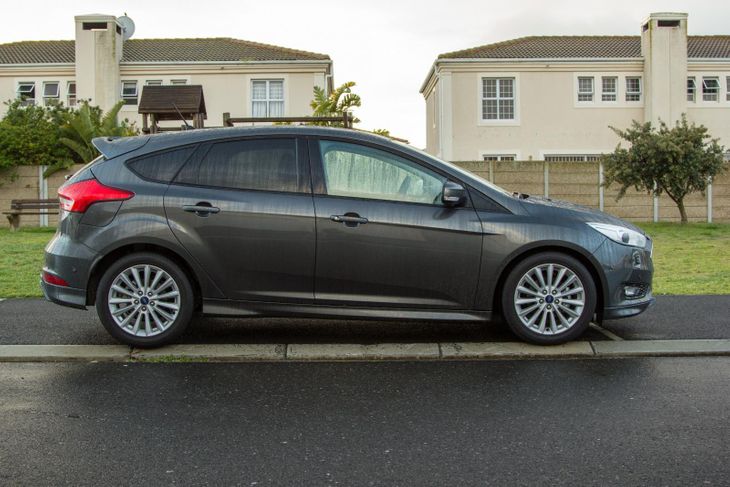
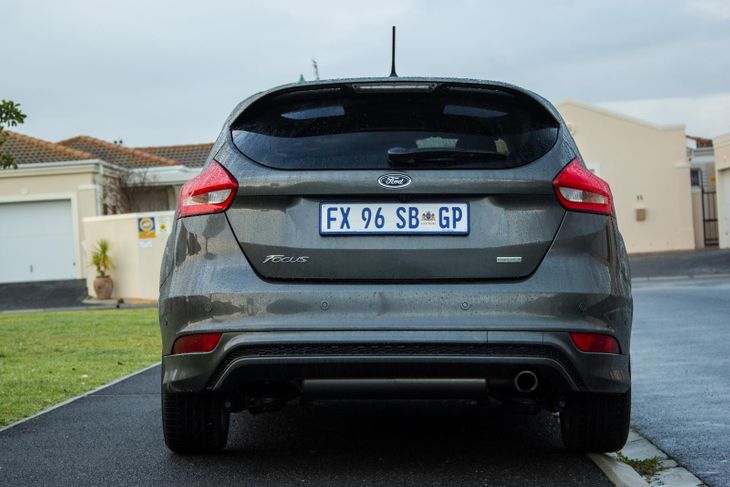
In a segment of the market that’s characterised by less-than-adventurous exterior executions (ones that are less likely to date quickly, in other words), the Focus is a case study. Its front end appearance is now more generic (in line with that of the new Fiesta and, to a lesser extent, the recently discontinued Fusion), yet the addition of Option 3 – the Trend Styling Pack – gives the “old timer” appreciably more kerb presence, courtesy of bi-xenon headlamps (with LED running lamps, plus wash and auto-levelling functions), an ST-like rear spoiler and handsome 17-inch alloys. A tilt and slide sunroof completes the Focus' accomplished look.
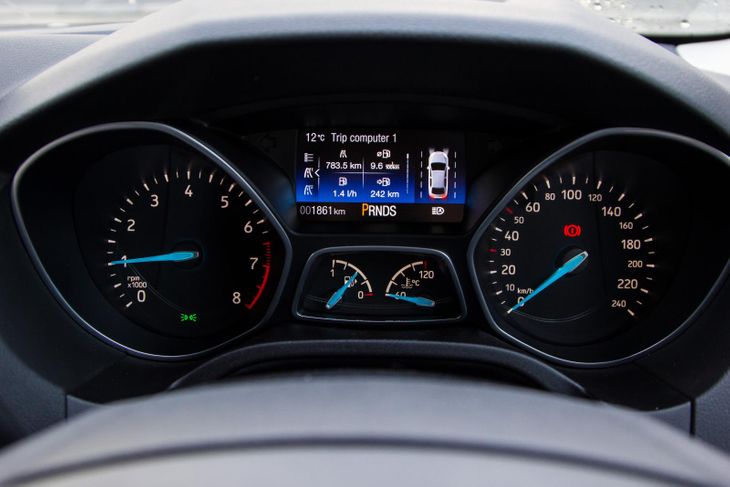
The light blue needles are typical of Ford instrument clusters and this binnacle looks contemporary and neat as a pin.
Still a rewarding car to drive
Although most critics have never regarded this generation of Ford Focus a class-leading product (the Ford Focus Hatch 1,0T Trend was famously named the Best Compact Car in the (inaugural) 2015/16 #CarsAwards, we hasten to add, that is not to say that the Blue Oval's mid-sized hatchback doesn’t have notable strengths that are still as relevant today as it was when it was launched all those years ago.
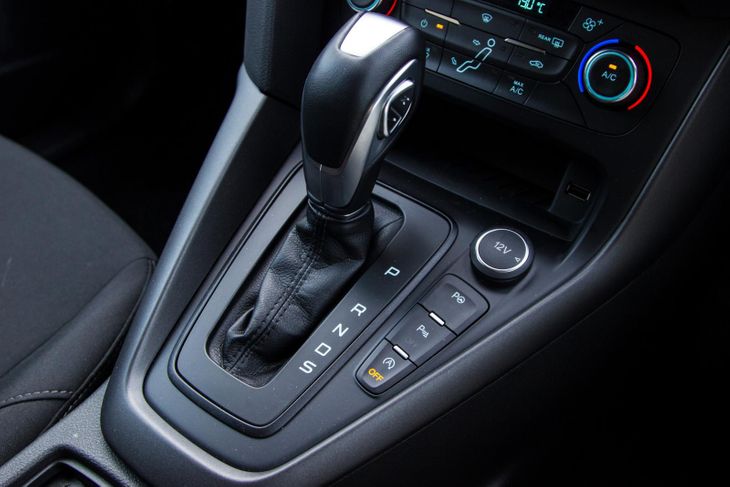
The Focus still offers a very good ride/handling balance, for example, and, in terms of overall occupant comfort and practicality, it does not need to stand back to its rivals very much – if at all. It also offers the most powerful engine (at the price) in its class:132 kW, with a fistful of peak torque (240 Nm, which is narrowly pipped by the Astra, but available over a wider range: from 1 600 to 5 000 rpm). That wad of torque offers good flexibility in terms of cut-and-thrust driving conditions, and the 1.5 Trend’s automatic (dual-clutch) transmission delivers crisp, prompt shifts that render the need to change gears manually largely superfluous.
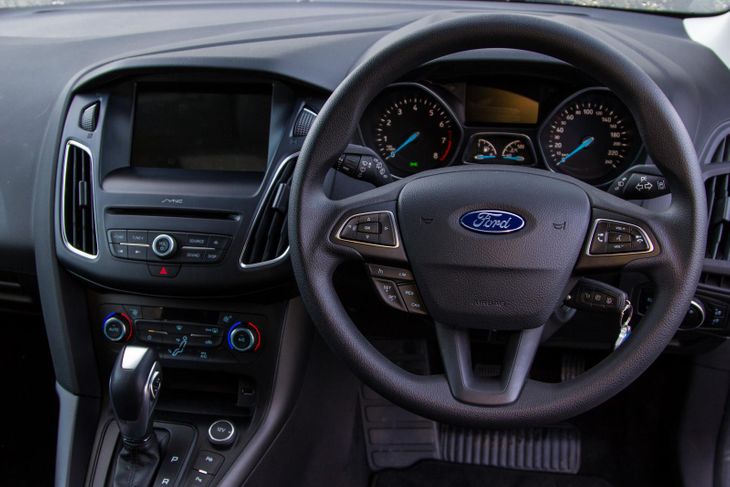
A newly designed steering wheel brings the interior up to date. Note the Active Park Assist button underneath the 12V power outlet.
In terms of fuel consumption, that aforementioned performance advantage does result in a slight penalty. The Focus’ claimed average fuel consumption (6.1 L/100 km) is lower than that of the Kia Cerato but a trifle more than those of its rivals, but, as ever, one’s driving style will make all the difference, especially considering that small capacity turbocharged engines respond worse to lead-footed driving than naturally aspirated motors – that's in our experience, anyway.
Worthwhile Driver Assistance package
Although this derivative’s asking price is keen (it's R13 800 less than its cheapest rival listed here, the Mazda3), its best features come as part of an Option 2 package, which, at R16 900 (as quoted by a dealer) seems very much worth the additional outlay. Indeed, the Trend Driver Assistance package includes automatic headlamps and wipers (with follow-me-home lighting), auto-dimming rear-view mirror, a reverse-view camera (not a common feature in this class) and park distance control all round.
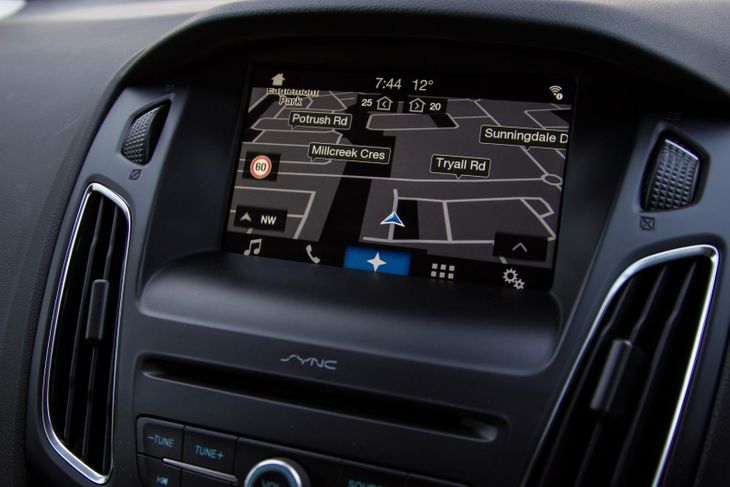
However, it’s the chunky Sync3 infotainment interface, with its colour TFT touchscreen and Bluetooth, voice control and navigation functions that really lifts the Focus’ user experience. And, to make the Ford even better suited to nipping in and out of parking spots in the hustle and bustle of intra-urban motoring, Active Park Assist can steer the car into parallel or perpendicular spaces that are just 20% longer or wider than the car. Park-Out Assist, in turn, helps you manoeuvre out of a parallel space.
Ford's Sync3 interface (with navigation) is one of the best infotainment setups in the market, but reaching the screen requires a bit of stretch.
For daily commuters, lane departure warning and -keeping aid systems can be particularly helpful on congested freeways, with Active City Stop helpful to keep a lookout for unexpected road hazards. With all these systems that come part of the Option 2 package, it seems almost compulsory to tick its box on the options list.
We don’t like:
Looking good costs money
As prudent as the additional specification of the Option 2 package may seem, the aesthetic and feature updates that come with Option 3 (for an extra R19 800, as quoted by a dealer) require more forethought. That’s because, if you want to go for both options, it would elevate the asking price of this derivative to in excess of the Golf 1.4TSI Comfortline, of which the R Line version is the champion of the premium hatchback category of the 2017/18 Cars.co.za Consumer Awards – powered by WesBank.
The 1.5 Trend Automatic looks like a "junior ST" derivative by virtue of its tailgate spoiler and 17-inch alloy wheels.
However, selecting the Trend Styling Pack on its own could be warranted if you’re only looking to spruce up the look of your Focus. The package includes bi-xenon headlamps with LED running lights and a washing system and auto levelling, heated and electrically folding side mirrors with puddle lamps, a tilt/slide sunroof and rear spoiler, handsome 17-inch alloys and, as for the interior, the provision of dual-zone climate control. If your budget is tight (and whose isn’t?), perhaps count your pennies and select the Trend Driver Assistance package and forego the Trend Styling Pack? The majority of our testers suggested that would be the best course of action…
Impossible to hide from time
Although we found the 1.5 Trend Automatic a thoroughly satisfying source of everyday transport, its late-product-cycle update is only partially effective, because, in effect, some new-fangled technology has been transplanted into an older architecture that was not conceived to accommodate it. Here is an example: the Sync3 touchscreen is located in a recess in the fascia that requires a bit of a stretch to reach. Evidently, that spot would have located a non-touch-variety display monitor in previous years…
Shifts can be manually actuated via the toggle situated to the right side of the transmission lever knob; the transmission seems sweetly calibrated to the motor.
Secondly, as much as we appreciated the contemporised instrument panel and ergonomically optimised new steering wheel, the Ford’s interior still underscores the Blue Oval’s initial objective to produce an “affordably luxurious interior” for this generation of the Focus. That is to say that it looks and feels smart, but in way that is more solid and hard-wearing than plush. As the mid-sized/premium hatchback segment moves progressively upmarket, the Ford seems more on par with the Opel in terms of fit and finish than with the class-leading Volkswagen, for example. Given the Astra and Golf 7.5’s youthful advantage, however, this not a major gripe…
Price and after-sales back-up
Although the base price of this derivative is R336 900, with the additions of the Trend Driver Assistance and – Styling packages, its asking price would be approximately R373 600. Bear in mind that whereas the Ford has a 4-year/120 000 km warranty (better than those of the Mazda and Volkswagen), the Kia, Opel and Renault offer plans valid for 5 years. Similarly, the Ford has a 4-year/80 000 km service plan, which is better than the Mazda's, but its rivals’ plans are valid for 5 years/90 000 km.
The inoffensively styled Focus remains a competent package and if specced astutely, offers several nice-to-have features.
Verdict
It’s understandable that many customers overlook models that are near the end of their product cycle when shopping for new vehicles, because car brands’ marketing focus is understandably on the latest and (sometimes) greatest vehicle introductions. The Ford Focus remains underappreciated and although it offers good value in base specification, the plethora of nice-to-have features that come part and parcel of Option 2 (Trend Driver Assistance package) really sweeten the purchasing proposition.
The only question that remains is one that generations of car buyers have grappled with: Is it worth buying a car that will be replaced by a fancier (and probably more expensive) successor in the near future? It depends if you need to be as fashion-conscious in your choice of vehicle as you are about which smartphone you use… At the time of this review’s publication, the 1.5 Trend Automatic (with Option 2) offered more than most users of mid-spec and -sized hatchbacks will need. It’s well worth a look.
Honda South Africa has launched its all-new Civic Type R at the Dezzi Raceway in Durban. We attended the launch and sampled the fire-breathing newcomer both on track and public roads in the vicinity. Is the Type R as good as the hype suggests, or should you look elsewhere for your hot hatch thrills? Let's find out.
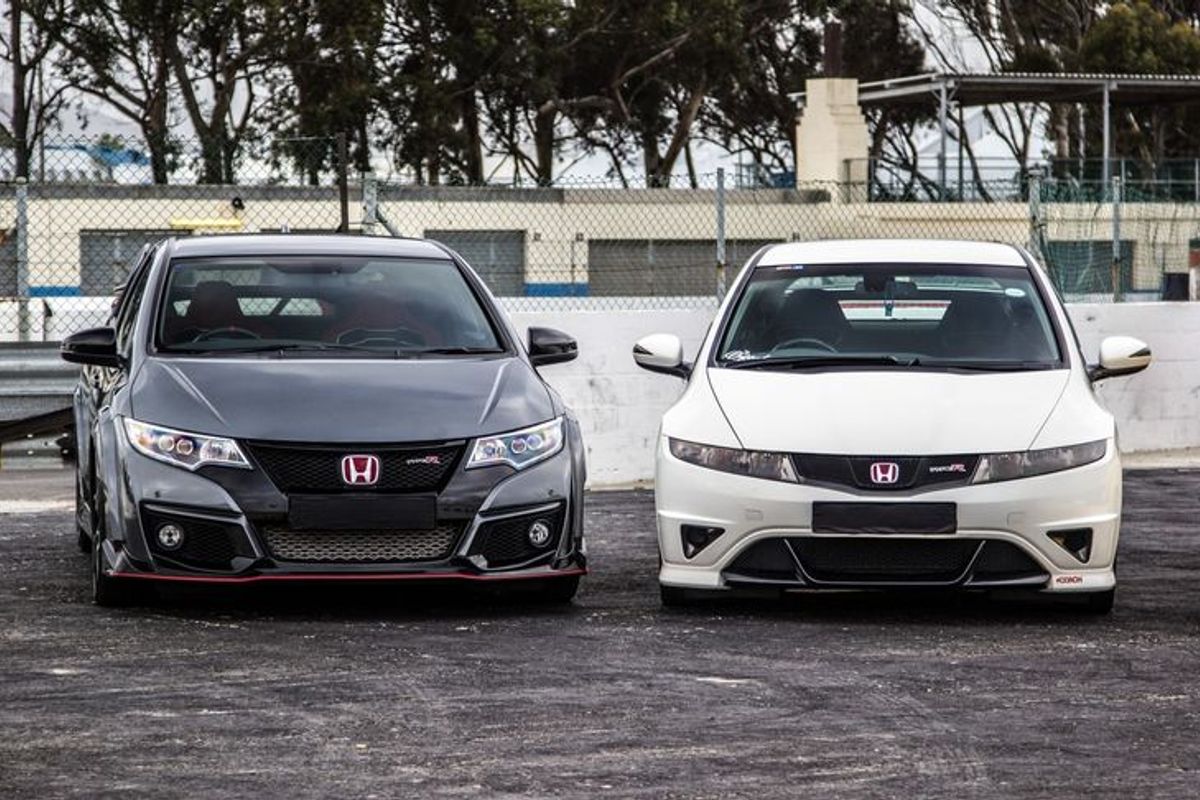
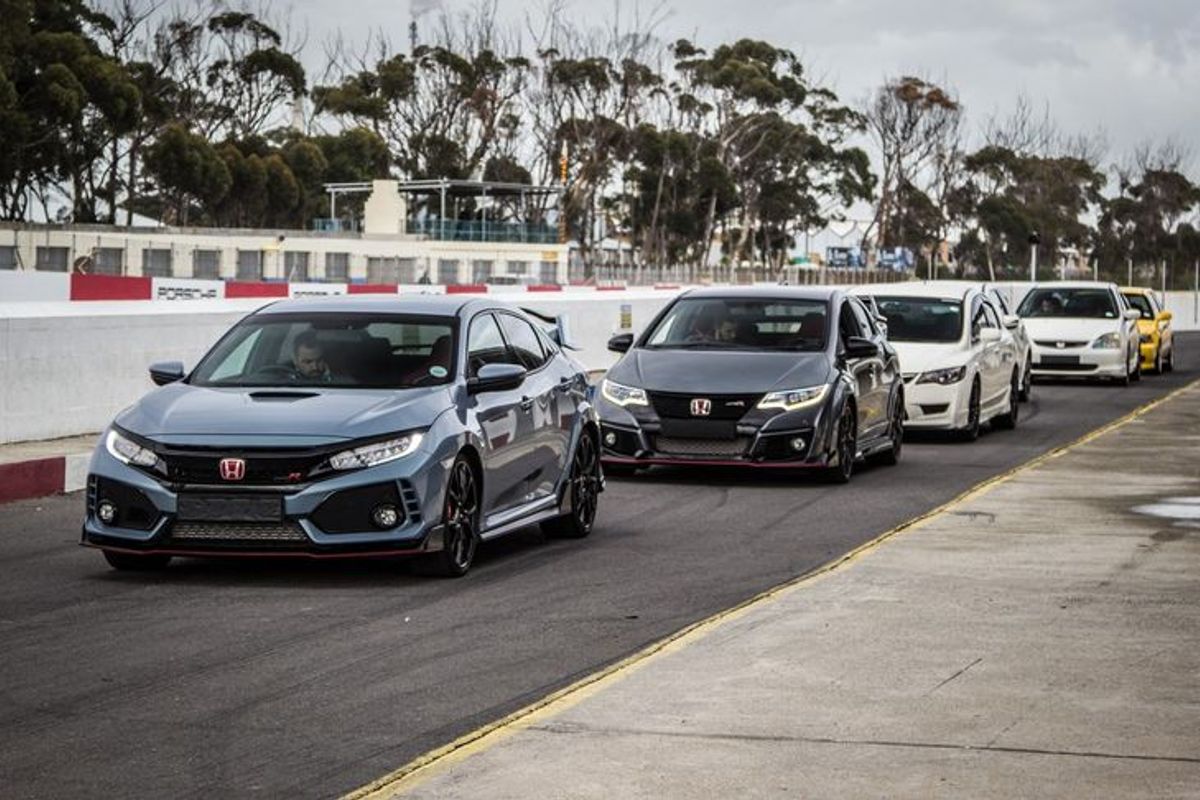
Honda South Africa used to be synonymous with sporty, fun-to-drive compact sedan and hatchbacks, but the brand is much more buttoned-up these days. It's easy to understand why – the performance segment is but a tiny part of the market and there's much more potential for volume sales in the entry-level budget cars and family SUVs ( Honda launched the family-friendly BR-V and CR-V in 2017, for example). There's also been a new Civic launch, which saw the debut of the marque's first turbocharged motor, however, the only thing sporty about the sedan was the Sport badge slapped on its rear. As for the previous Honda Civic Type R, it offered a whirlwind drive on the track, but while we were enthralled with its circuit-cutting prowess, commuting in one was an uncomfortable affair; the ride quality was just too harsh.
The timing is perfect then, for the all-new Honda Civic Type R to make an entrance. The hot hatchback market has seen some new arrivals and 2018 looks set to be a cracking year for this segment. In South Africa, the Honda Civic Type R has landed first, while an all-new Renault Megane RS is due in the next few months. Frustratingly, the Hyundai i30 N is still not confirmed for SA and overseas reports suggest that the Korean firm has produced a winner. The Volkswagen Golf GTI range should be expanded with a Performance Pack derivative at some point in 2018, which plugs the gap nicely between the standard car and potent all-wheel-drive R model.
To be fair, the Honda Civic Type R has always been a left-field choice in the hot hatch market. After repeatedly shunning turbocharged motors in favour of high-revving naturally-aspirated screamers, the previous generation Type R debuted with a rapid 2.0-litre turbopetrol motor under its bonnet. It was just a pity that even a short drive from home to the fast-food drive-through tended to be a white-knuckled affair…
2018 Honda Civic Type R: What's changed?
2018 will see a proper hot hatch battle take place as new models are launched. In SA, Honda's Civic Type R is out the blocks first.
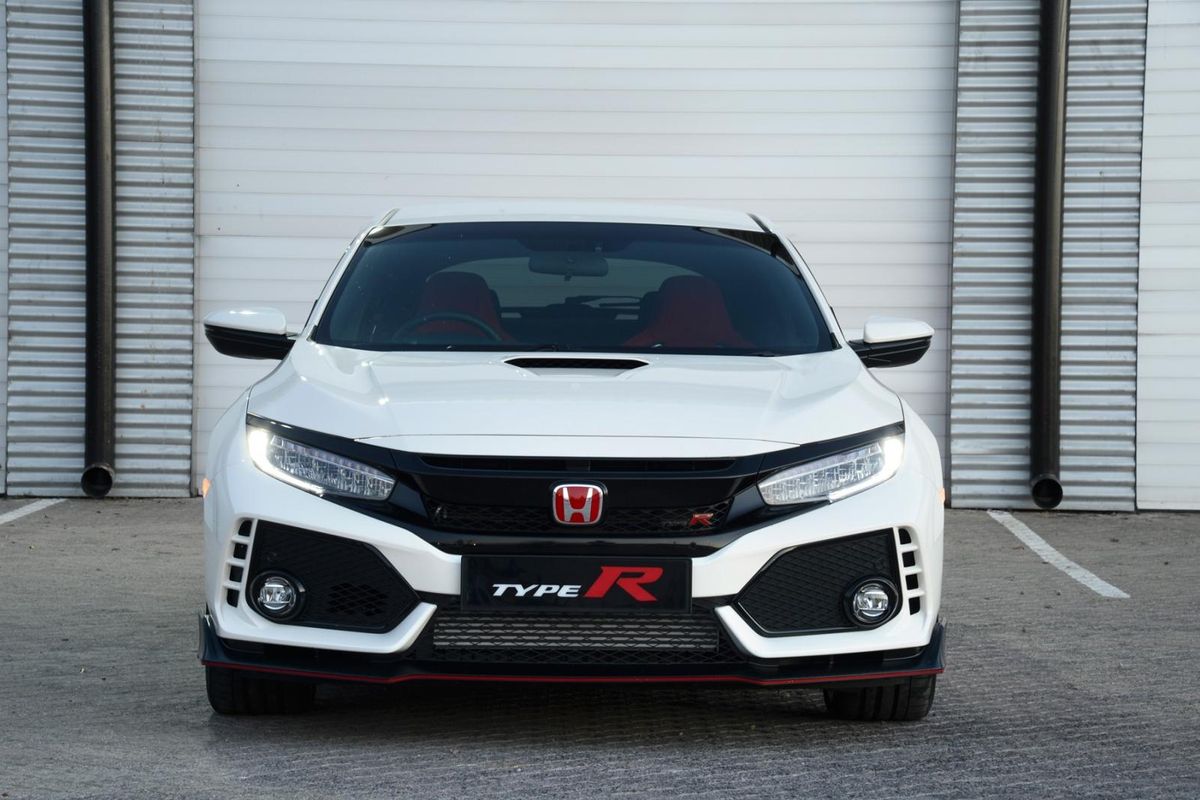
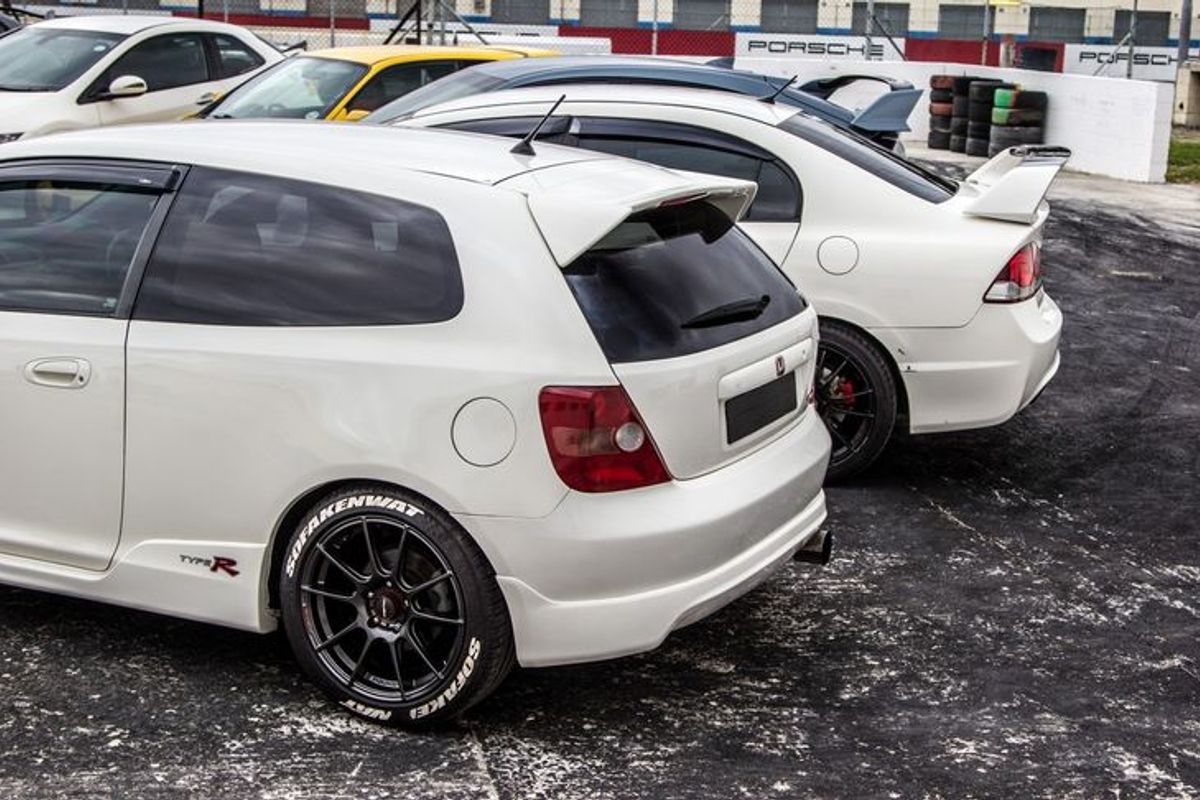
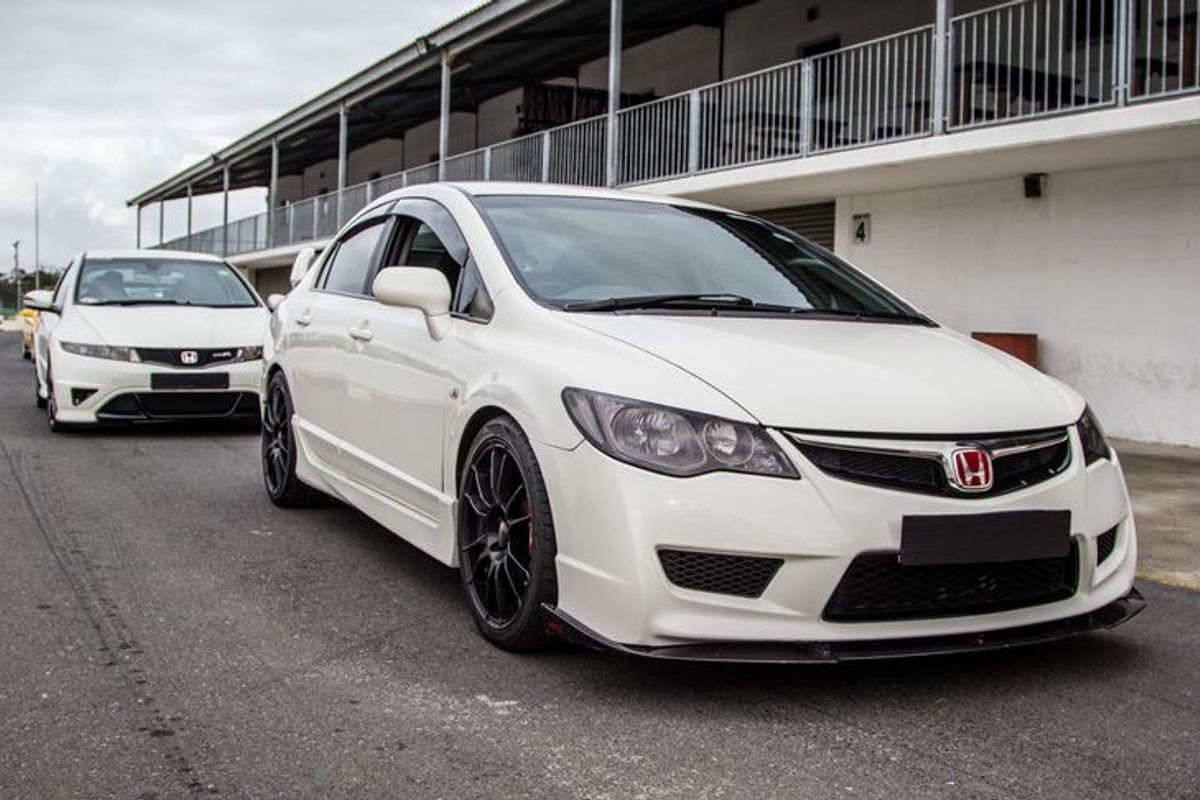
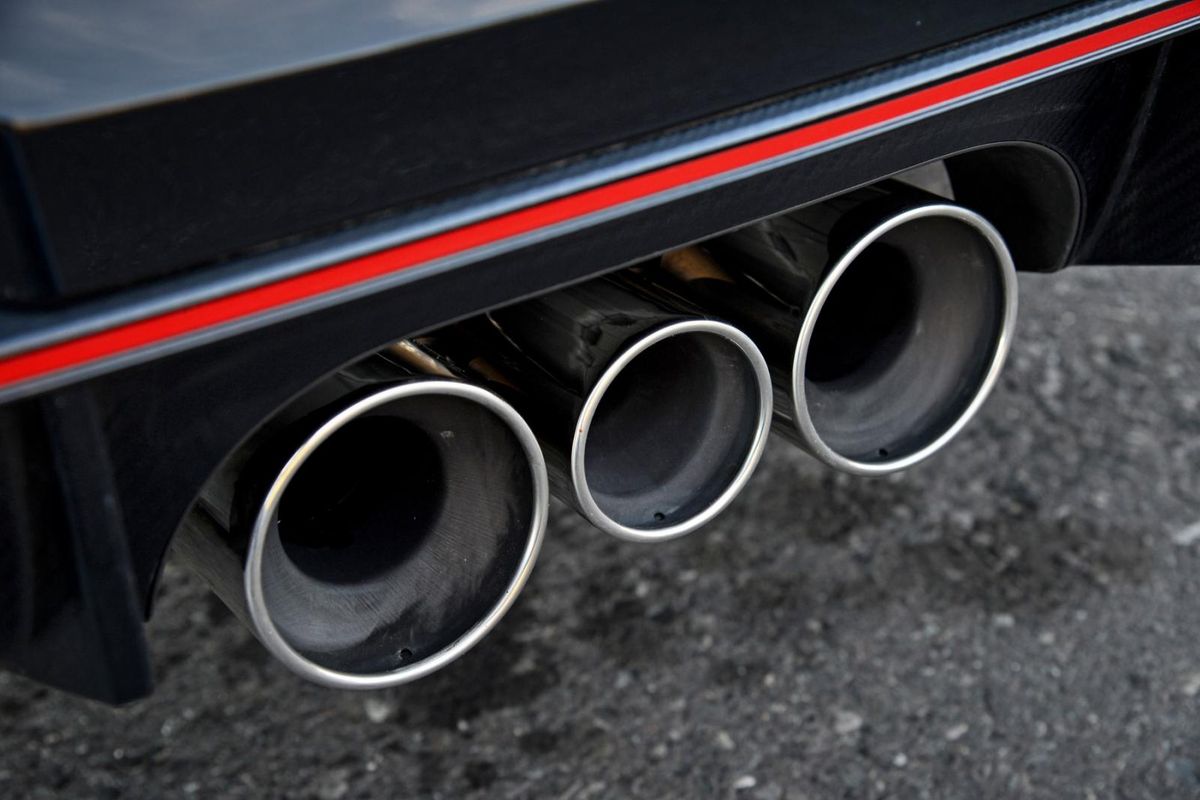
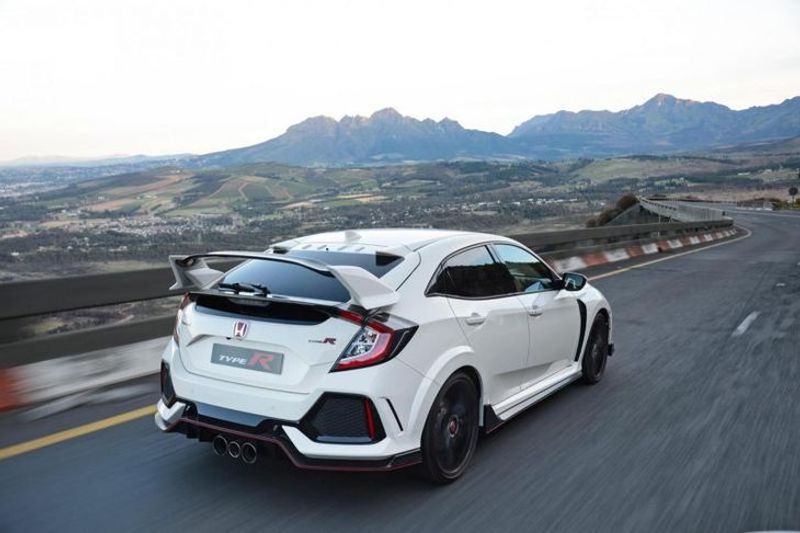
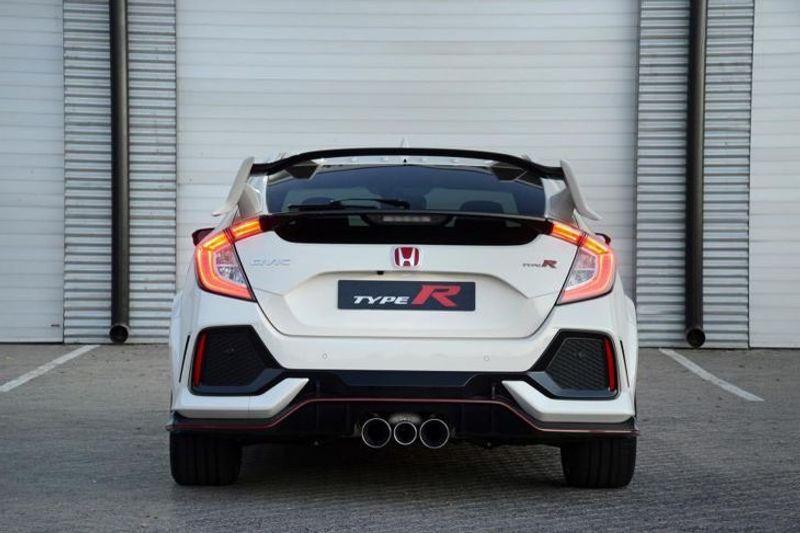
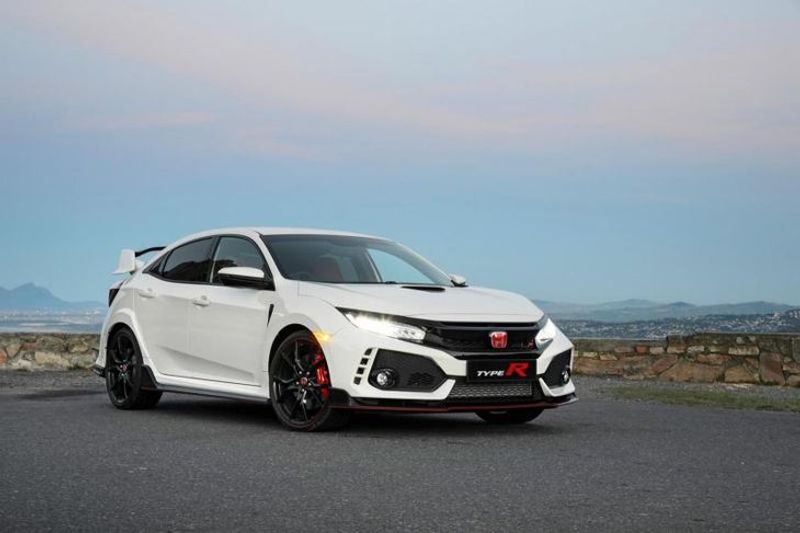
A lot, actually. Just look at it. With its assortment of wings, spoilers and go-faster parts, the Type R is outrageously wild. Few cars are as head-turning and polarising. Some will adore the Honda's looks, while a mature audience will detest its Fast and the Furious image. We get that hot hatches have to be all-rounders, but this has meant that some have become a bit soft. Younger buyers are image conscious and want to show that they've bought the car of their dreams. On looks alone, and in the right colour (Championship White, please), the Type R won't look out of place as a poster on a teenager's bedroom wall. Our favourite bit has to be three pipe exhaust setup. It's not just for show: thanks to clever "plumbing" the car is quiet enough to tiptoe through the suburbs, yet emits a fighter jet-like whoosh upon full throttle.
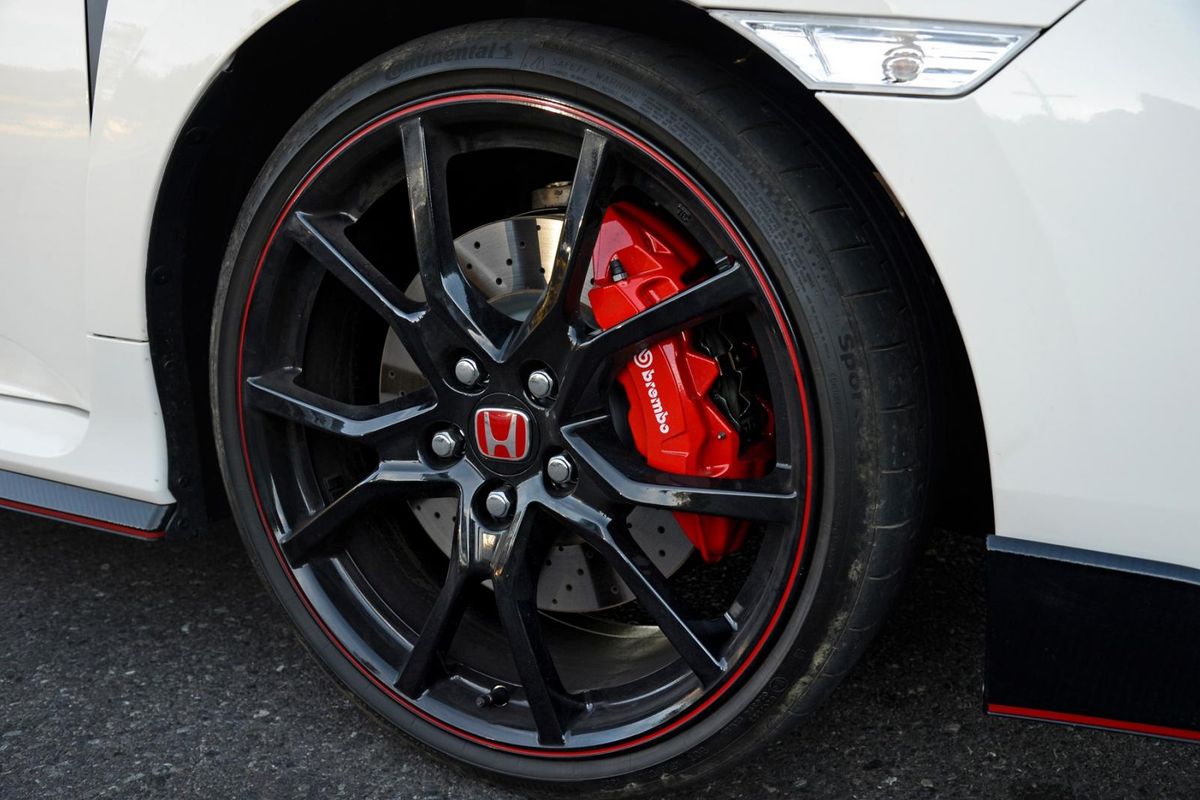
Looks aside, a lot has changed under the sheet metal. The new body is stiffer and overall weight has been reduced, and the new car is longer and lower than the outgoing model. There's a big focus on aerodynamics and the wings all serve a purpose, some of them facilitate cooling, while others aid road-holding. Furthermore, there's a trick suspension setup with an all-new adaptive damping system. With the new Comfort mode, you can, in actual fact, live with the car on a daily basis and not have your spine realigned each time you drove over an uneven patch of tarmac. The new car also features a new power-steering setup, which is calibrated to each of the three driving modes (comfort, sport, Race). The new Honda Civic Type R rides on 20-inch alloys wrapped in 245/30 R rubber.
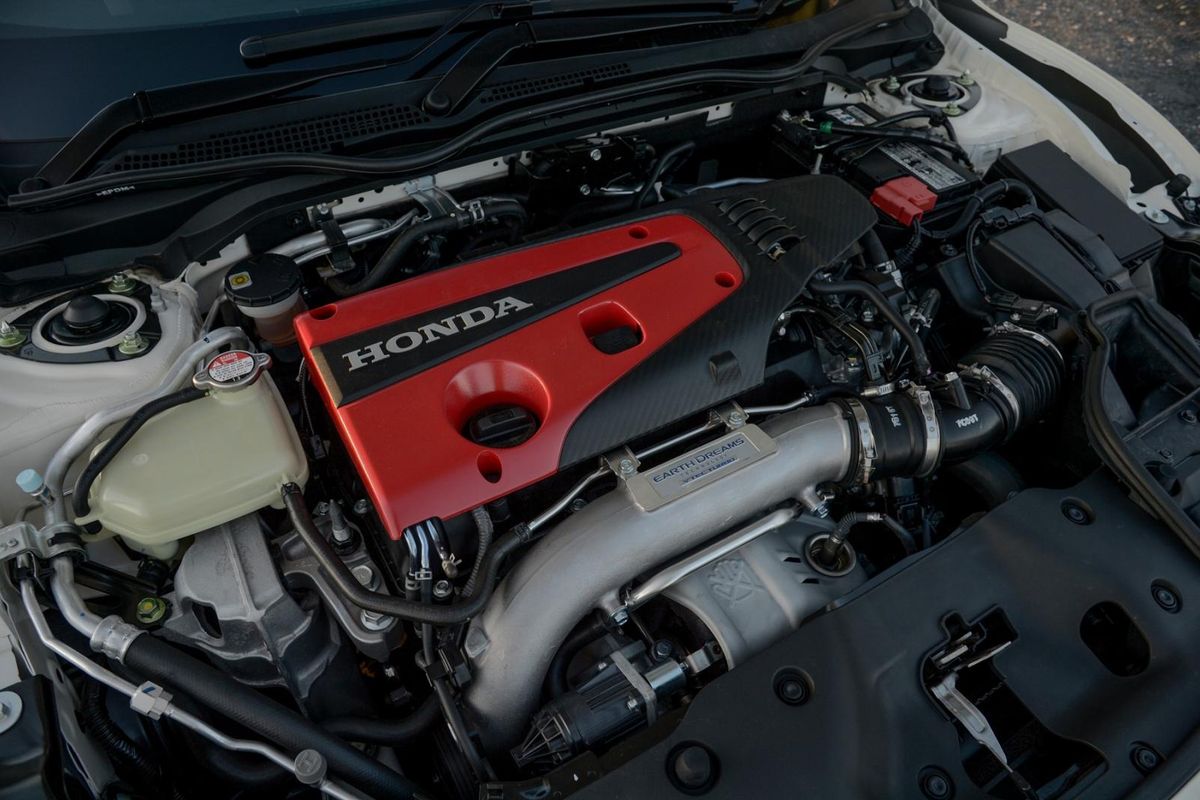
Power comes from a turbocharged 2.0-litre 4-cylinder motor, which produces 228 kW and 400 Nm. The car is front-wheel driven and the gearbox is a 6-speed manual, which features rev-matching tech to flatter the novice, while on the other side of the coin, experts can exploit the helical limited-slip differential when attacking the twisties. The motor is essentially the same as the outgoing car, but a number of refinements have been applied and the engine is now a tad more efficient and responsive. Honda claims its new Civic Type R can blitz from 0 to 100 kph in just 5.8 seconds and it'll run onto a top speed of 272 kph.
Three pipe arrangement is not just for show as it improves noise
A plethora of features
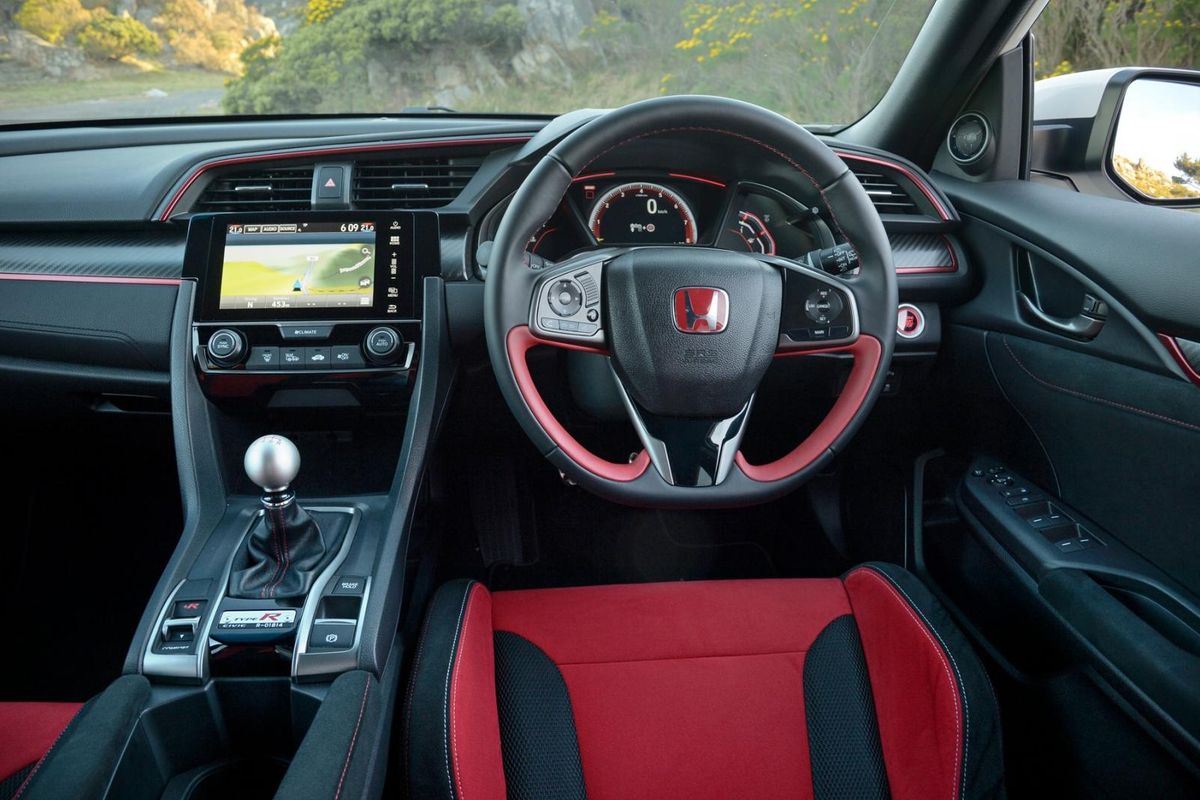
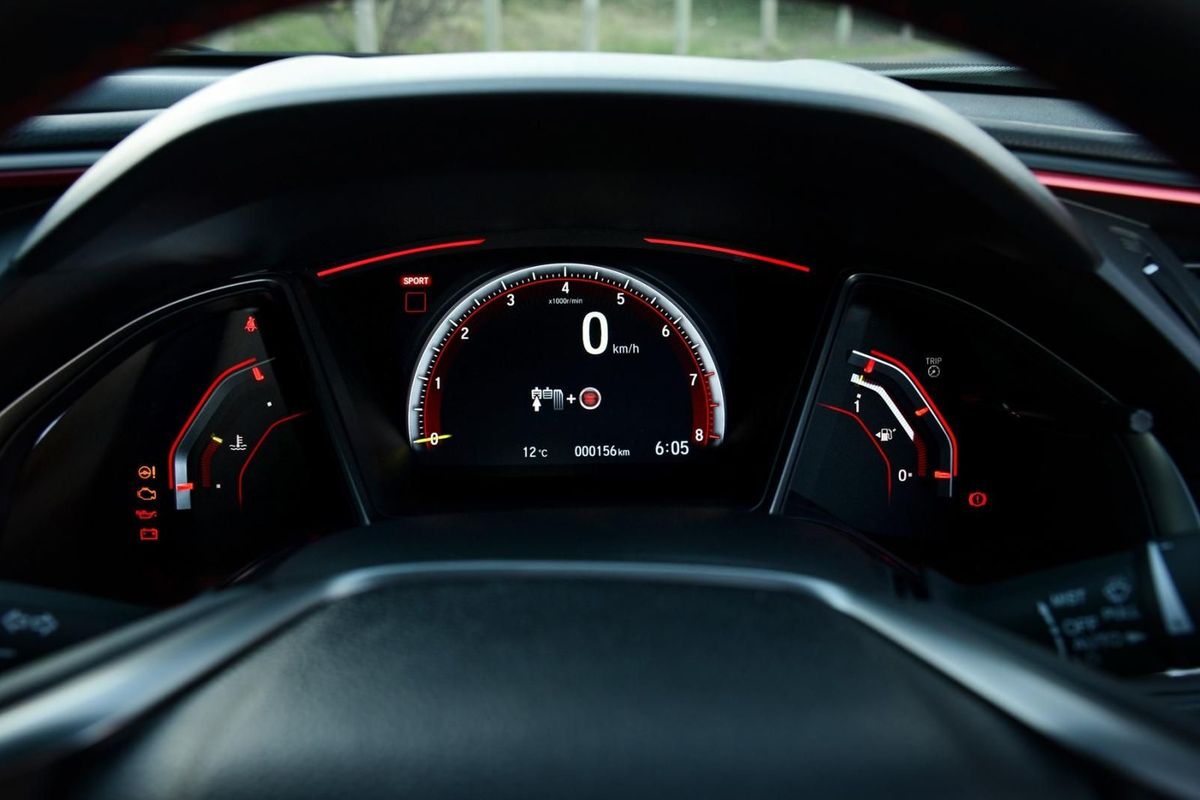
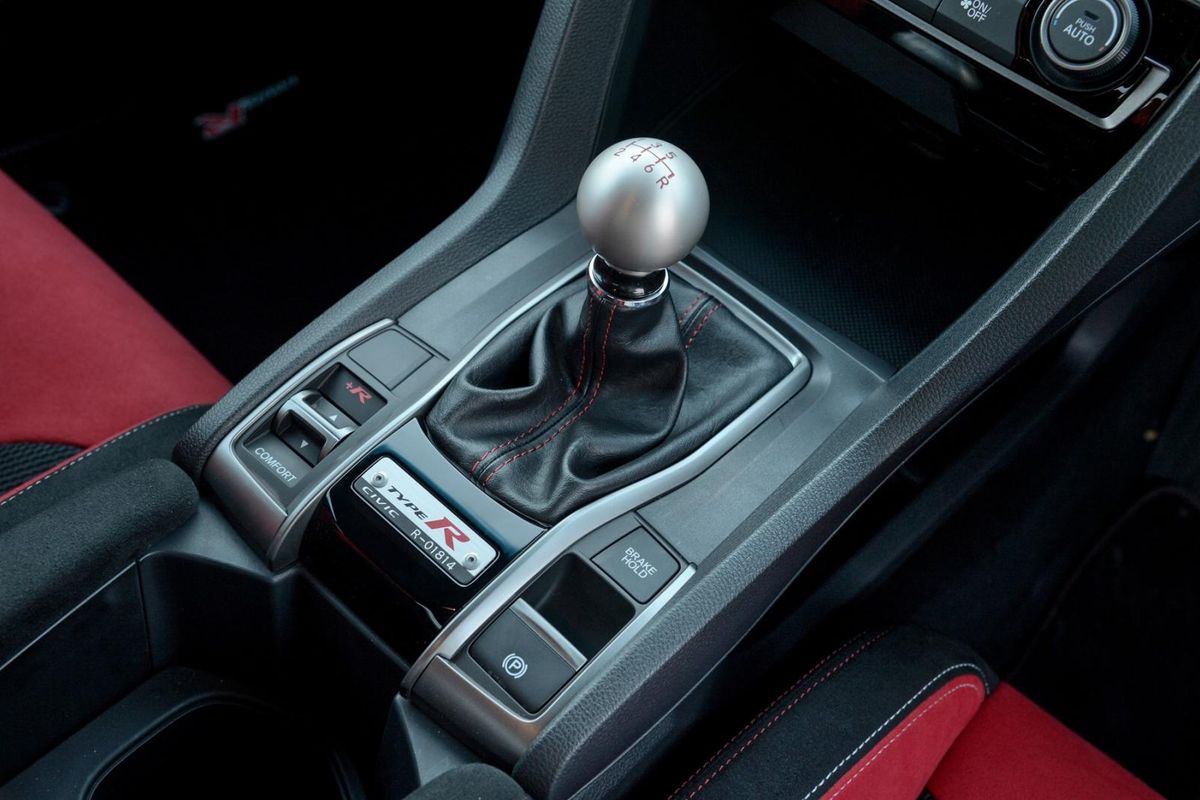
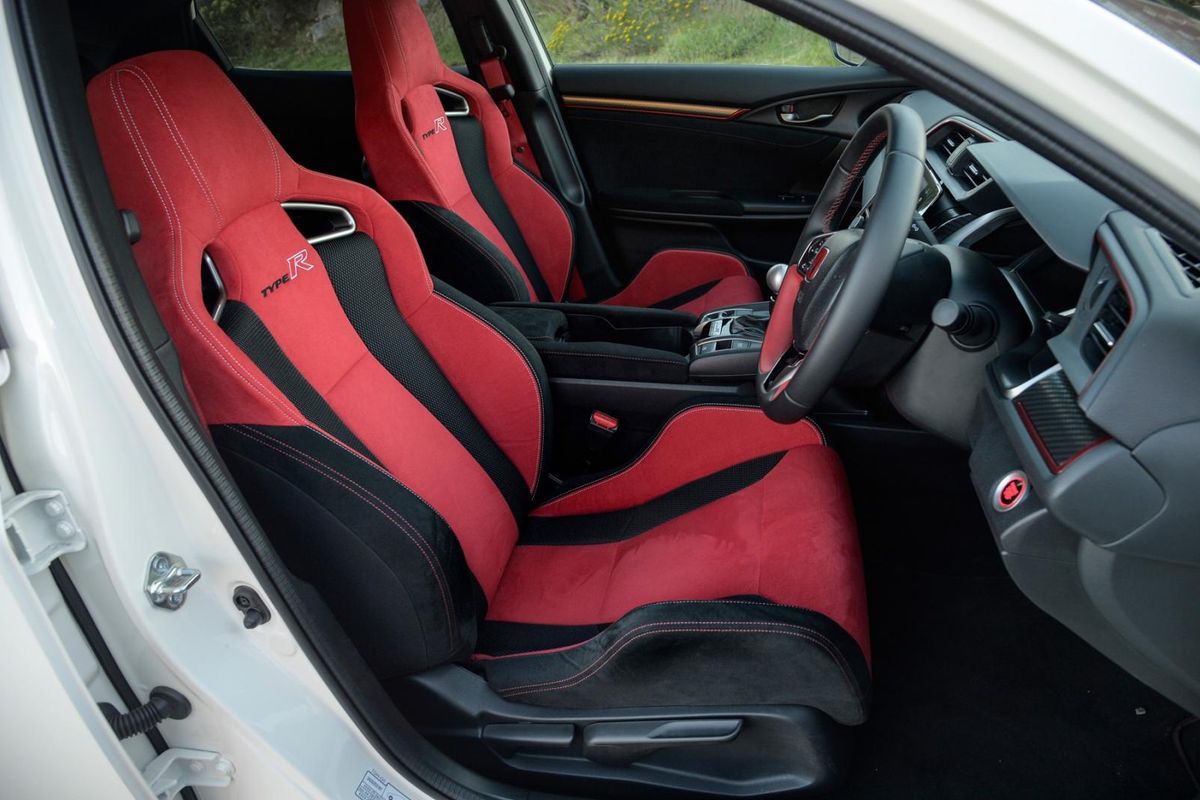
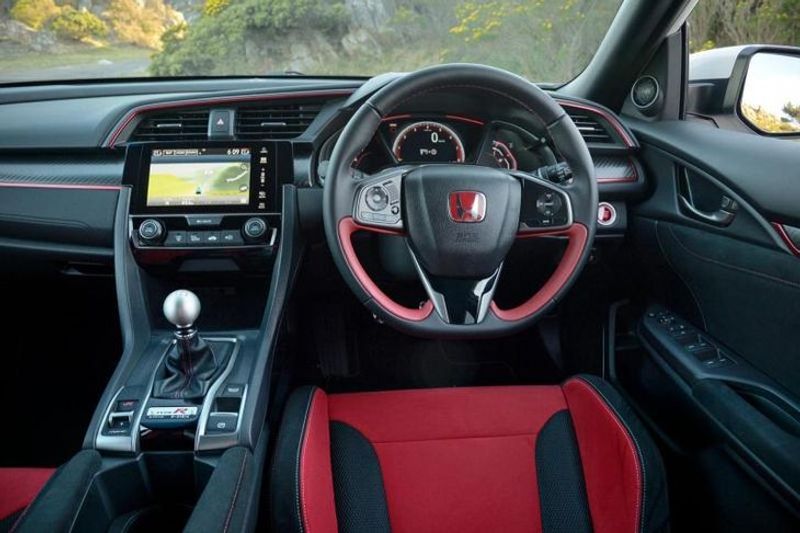
Honda's new Civic Type R comes packed with features, which you'd expect when buying a flagship model. The front seats are wonderfully supportive and are of the racing-bucket variety, plus the cockpit is adorned with a beautifully crafted aluminium gearknob and a thick, ultra-direct steering wheel. The dashboard features a comprehensive 7-inch setup that displays info such as gearshift indicator, turbo boost pressure gauge, G-force meter, and lap-time recorder. The 8-speaker sound system features USB ports and HDMI connectivity (it's also Apple CarPlay compatible), while integrated satellite navigation, a reverse-view camera with park sensors, auto lights/wipers and the dual-zone climate control system sweeten the deal. In terms of safety, the Honda Civic Type R has an uprated Brembo braking system with ABS anti-lock control, including electronic brake force distribution (EBD) and emergency brake assist (EBA). Hill Start Assist (HSA), six airbags and Vehicle Stability Assist (VSA) are also standard.
The Civic Type R pilot seat. Manual gearbox and quick steering make for a delightful combination
What's it like to drive?
We had the opportunity to sample the Honda Civic Type R on a variety of roads and the current front-wheel-drive Nurburgring record holder did not disappoint. The first leg of the journey was on a national highway and with Comfort mode engaged, throttle response was toned down and you could be fooled into thinking you're behind the wheel of a faster-looking Honda Civic Sport. The car's on-road refinement came as a pleasant surprise as did the ride quality, which was admirable given the Type R's low-profile tyres.
With the damping set at its softest, higher-speed compliance was impressive. It took us a few moments to get the perfect clutch-to-throttle modulation, but once we were in the groove, shifting cogs was a pleasant affair. It's great to see that Honda has not forgotten how to deliver incredibly snappy shifts; each ratio goes neatly into the next.
As we turned off the highway and took some back roads to get to the track, we selected Race mode. The throttle becomes ultra responsive, the dampers adopt a firm attitude and when you're pressing on, that gearshift action is magical. The engine's power delivery is superb, with a little pause as the turbo pressure builds around the 1 800 rpm mark. Then once boosting, the Type R's motor flings you towards the horizon with the engine showing no sign of letting up until you hit the limiter. Snatch the next gear and repeat. It's staggering how well the car pulls in-gear… the engine feels as if it gets stronger from 5 000 rpm.
With its outrageous aero kit and three pipes, the Honda Civic Type R is a visual masterpiece
Once we arrived at the Dezzi Raceway near Port Shepstone, we had the opportunity to really put the car through its paces. Dezzi Raceway is a fascinating setup as it combines some exciting off-camber corners and the elevation changes ensure a guaranteed thrill of a ride. The Honda's stability and grip are to be commended as it was only when you're trying too hard that you encounter a bit of understeer and hear the tyres squealing in protest. We loved the sharp turn in and direct steering, and the massive Brembo brakes are exceptional at bringing the car under control when you pile into a corner too quickly. We actually enjoyed coming into a corner faster than usual as we could exploit that limited slip differential's prodigious grip halfway through the corner and power out at the limits of adhesion.
Verdict
The new Type R addresses its predecessor's shortcomings and expands on its skillset. The result is a sensational driving weapon
The new Honda Civic Type R has addressed its previous model's major shortcoming and expanded on its established strengths. Sure, at the price, a Volkswagen Golf R is likely faster and easier to drive in a straight line, but it isn't even a comparison when it comes to scything through corners and for driver involvement. The manual gearbox may be on borrowed time thanks to the ease of use and convenience of the dual-clutch gearbox, but when it's mated to something properly engineered for driving fun, its demise is postponed for a while longer.
Usually, hardcore track-orientated cars are one-trick ponies and almost impossible to live with on a daily basis. However, you could drive the Type R to work and back day in and day out in Comfort mode, with the engine barely boosting. Pricing is competitive too, with the newcomer just fractionally more expensive than the outgoing car, yet it offers so much more, plus you won't need to have a chiropractor on speed dial.
Right now, a day after the launch, we're still a bit giddy over the power delivery and sheer fun factor, and the overall feeling is that this is one ballistic road-legal weapon.
It's an out-the-park strike from Honda, which needs a credible halo model. The timing could not have been better either as 2018 will see more rivals make their debut. We can't wait to put the Honda Civic Type R up against the new Renault Megane RS and its other rivals at some point in 2018. Given how well it has been received at launch, we'd be so bold to say our early money is on this bewinged warrior from Japan.
Honda Civic Type R Price in South Africa
The new Honda Civic Type R comes in some sensational colours. We'd pick the traditional Championship White in a heartbeat and you can see how striking this car looks in the photos. However the Sonic Grey Pearl and Rallye Red are also beautiful on the eye. The vehicle comes with a comprehensive five-year/200 000 km warranty, as well as a five-year/90 000 km service plan and a three-year AA Roadside Assistance plan. Scheduled services are at 10 000 km intervals.
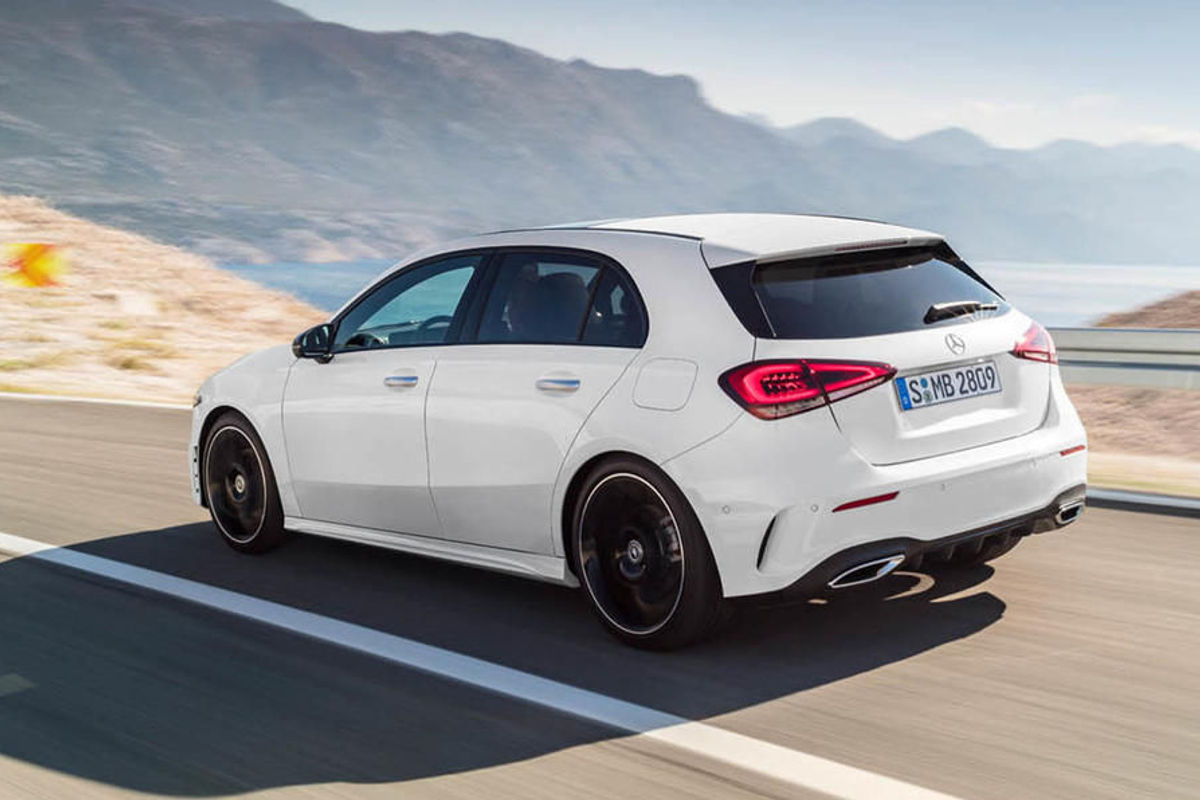
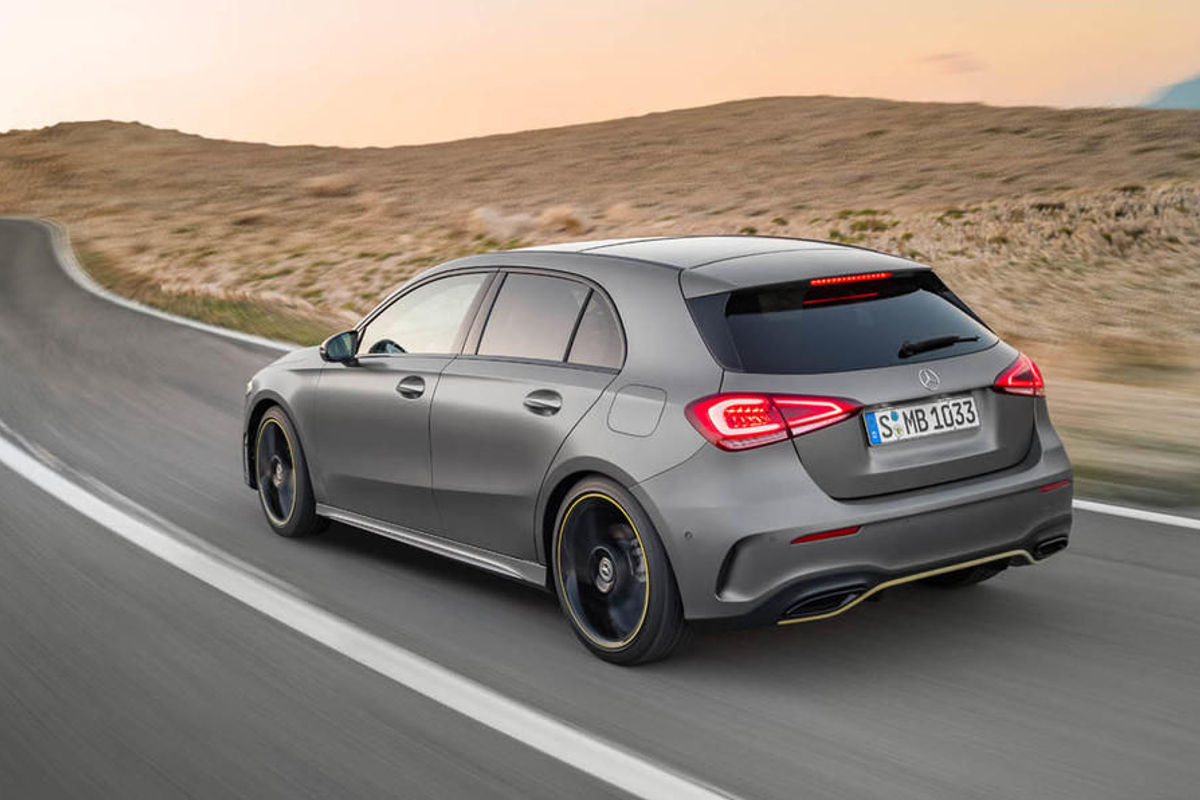
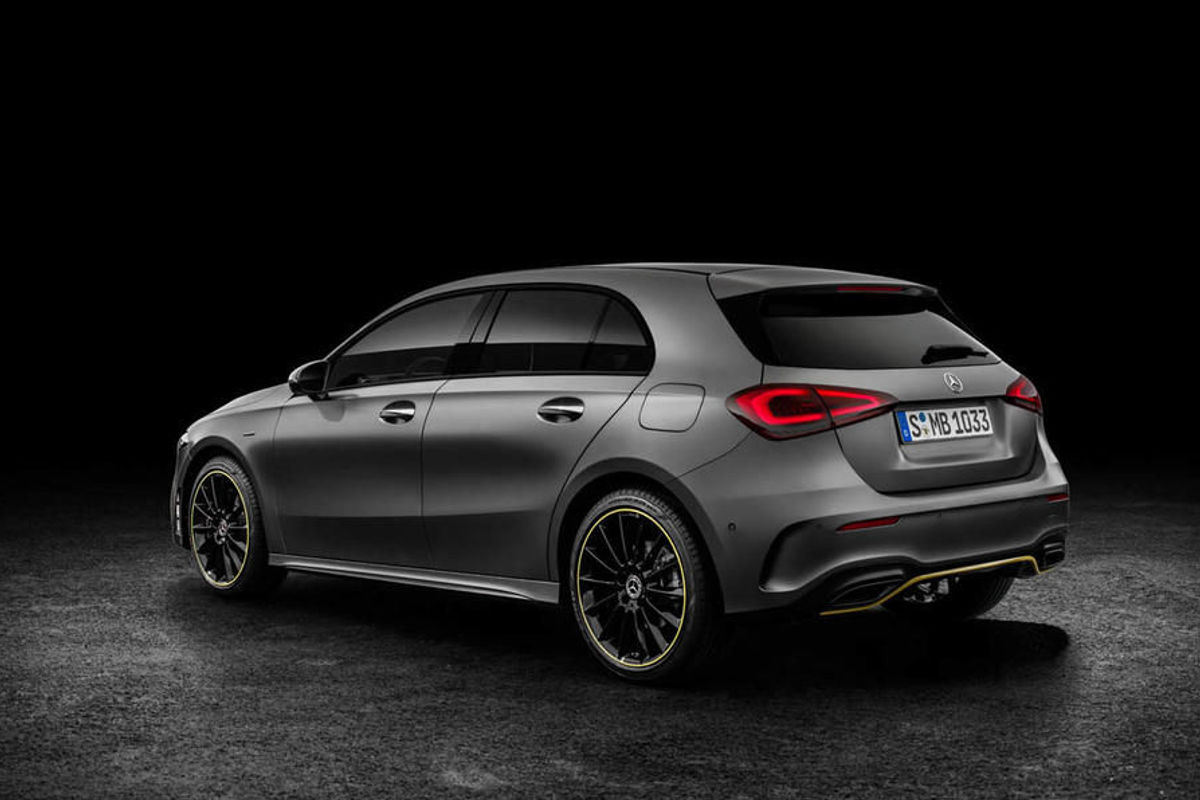
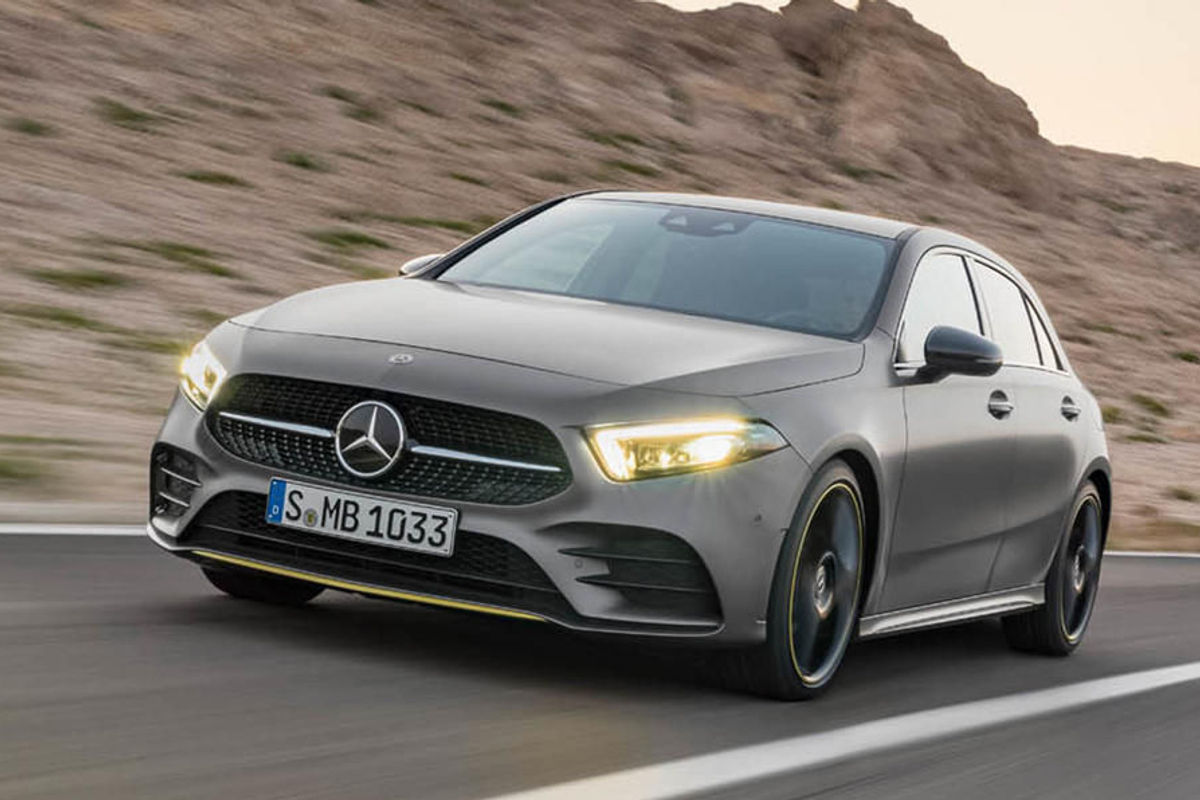
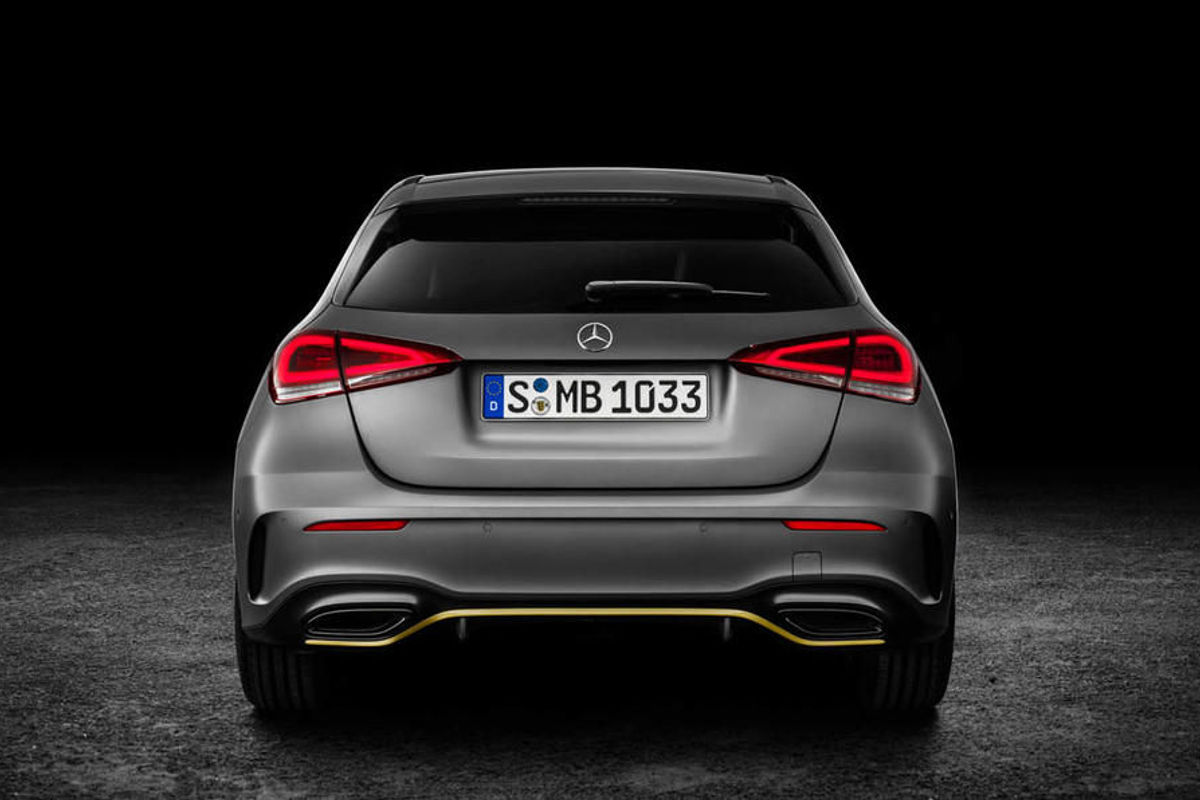
After months of teasing, spy shots and leaks, we're finally getting a look at the official details and photos of the all-new Mercedes-Benz A-Class hatchback. The newcomer brings new levels of luxury and tech into the segment, and it will make its public display at the 2018 Geneva Motor Show. Let's unpack what the newcomer is all about.
The stylish Mercedes-Benz A-Class hatchback has been replaced by an all-new model. The new car forms part of a massive assault on the compact market by Mercedes-Benz as the brand plans to launch many new products by 2020. Expect to see new/revised versions of the B-Class, CLA, CLA Shooting Brake and GLA SUV. We can also expect to see an A-Class sedan as well as an SUV, rumoured to be called the GLB. Don't rule out an electric model either.
As for the new Mercedes-Benz A-Class, there have been massive changes both inside and out. The new car rides on a modified platform used by its predecessor, but the dimensions have been increased. The car features a 30mm longer wheels and the front track is wider by 14mm. The car's overall length is up by 120mm and now sits at 4 419mm, while it is wider and higher too. Practicality receives a boost as the boot is now bigger too. The bigger size now means that the A-Class can now be fitted with 19-inch alloys.
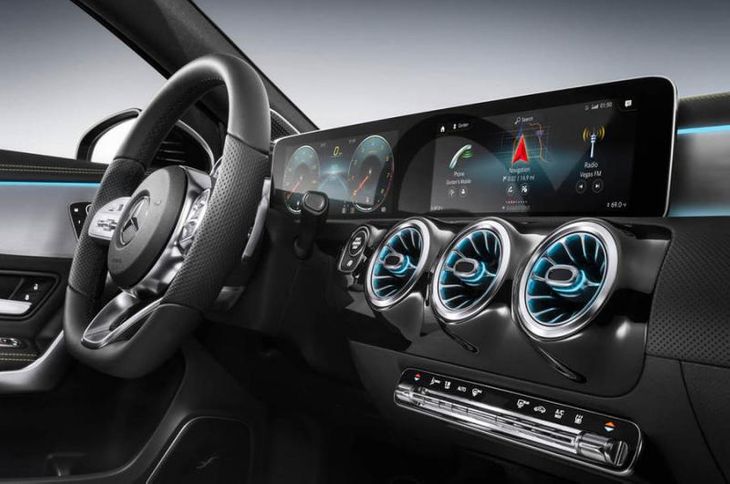
The new Mercedes-Benz A-Class styling has many cues already seen on the all-new CLS and the car features all-new LED lights. The big news is in the cabin, where Mercedes-Benz has applied most of its resources. The interior draws design influence from the latest E-Class and even the S-Class, adopting the impressive, 2-screen widescreen cockpit. There are 5 turbine-inspired air vents, much like that found on the E-Class and the multifunction steering wheel is much like that seen on the latest S-Class. There will be 3 screen options available, depending on the model and equipment fitted. The base model will get two 7-inch screens while higher-spec derivatives will combine a 7-inch and 10.25-inch screen or two 10.25 inch screens. As on the E-Class, one screen serves as the instrument cluster, while the other screen accommodates the infotainment system and other vehicles functions.
The new Mercedes-Benz A-Class cabin, featuring the dual screen setup
Technology is the key word when it comes to the new Mercedes-Benz A-Class. Safety systems straight from the flagship S-Class make their debut into the hatchback. The car's cameras and radar will be able to scan the road 500 metres ahead and it'll be able to recognise pedestrians and cyclists. There will be a fair degree of autonomy too and the car will prevent bumper bashings by applying an automatic brake. It can automatically follow the traffic in front of it.
When it comes to engines, the all-new Mercedes-Benz A-Class has the option of three four-cylinder engines. There's an A200, A250 and an A180d. The A200 motor is a reworked and improved version of the 1.4-litre turbo petrol, while the A250 has a turbocharged 2.0-litre motor. It'll be the fastest of the three cars and is claimed to hit 100 kph in just 6.2 seconds. Finally, there's a diesel engine using the Renault-Nissan Alliance 1.5-litre powerplant. The engine range will be expanded to include more petrol versions as well as a more potent diesel motor. Of course, let's not forget the fiery AMG version either. The A200 comes with a six-speed manual gearbox, while the other models make do with a seven-speed dual-clutch unit. The nine-speed transmission is expected to debut in some A-Class models later this year. Also for the new Mercedes-Benz A-Class is a new 4Matic four-wheel drive system.
The outputs of the new Mercedes-Benz A-Class engines is as follows:
A200 (120 kW 250 Nm; with 7G-DCT dual clutch transmission combined fuel consumption 5.1 l/100 km, combined CO2 emissions 120 g/km) or six-speed manual transmission (combined fuel consumption 5.6 l/100 km, combined CO2 emissions 133 g/km)
A250 with 7G-DCT dual clutch transmission (165 kW, 350 Nm; combined fuel consumption 6.0 l/100 km, combined CO2 emissions 141 g/km)
A180 d with 7G-DCT dual clutch transmission (85 kW, 260 Nm; combined fuel consumption 4.1 l/100 km, combined CO2 emissions 108 g/km)
We'll have more details about the features, performance, and availability of the new Mercedes-Benz A-Class as more information comes.
New car sales in South Africa got off to a sluggish start in January 2018 according to the National Association of Automobile Manufacturers of South Africa (NAAMSA). Take a look at how the South African new car market performed below…
Aggregate new car sales registered a notable decline of 8.9% during January 2018 but exports recovered substantially with a gain of 22% compared to the same period in 2017. New passenger car sales declined by 11.6% while Light Commercial Vehicle (LCV) sales also experienced a decline of 2.1%.
The decline of new car sales is largely attributed to a 33.5% drop in rental sales as pointed out by Ghana Msibi, Executive Head for Sales and Marketing, WesBank Motor Division, “This decline in rental sales is a seasonal trend, and naturally follows the massive growth in the rental channel last year. While the rental channel is an important contributor to the new vehicle market, we anticipate this sales slump to level out rather than set the tone for the year.”
New car sales summary for January 2018
Aggregate new vehicle sales of 45 888 units down by 8.9% (4 498 units) compared to January 2017
Passenger car sales of 32 642 units down by 11.6% (4 266 units) compared to January 2017
LCV sales of 11 689 units down by 2.1% (251 units) compared to January 2017
Exports sales of 14 212 units up by 22% (2 561 units) compared to January 2017
Top 5 best-selling car brands in SA for January 2018
Toyota – 11 893 units with 25.9% market share of 25.9%
Volkswagen – 7 070 units with market share of 15.4%
The outlook for the medium term is largely positive and provided that further downgrades are avoided, economic growth could recover above 1.5% in 2018 and if this is the case, new vehicle sales could expand above the projected 2% to as much as 4% in 2018. Furthermore, the strengthening of the Rand will serve to reduce inflationary pressure and unlock consumer disposable income.
Positive, recent political developments and improved business confidence will further aid economic growth provided that government can commit to disciplined fiscal management and limit government expenditure while also ensuring that State Owned Enterprises are subjected to strict governance and operate according to sound business principles.
“The political outlook is favourable following the ANC’s December conference, which has changed the macroeconomic outlook for the country. The Rand has already strengthened, allowing new vehicle price inflation to continue slowing,” said Msibi. “OEMs are now in a position to continue offering marketing incentives that stimulate sales, with the result being positive consumer sentiment – and that’s excellent news for the new vehicle industry.”
The Legendary Francois van Coke on Come Drive With Me
Renowned for his powerful live performances, epic vocals and huge stage presence, Francois van Coke has cemented himself as a South African rock icon. We interview him for Come Drive With Me – Episode Four.
As lead singer and songwriter for both Fokofpolisiekar, Van Coke Kartel and now his solo projects, Francois has been performing in one way or another for over 14 years and has no plans to slow down anytime soon. In this episode of Come Drive With Me, we pick him up in a Range Rover Velar, where he happily discusses how he came up with his stage name, how to survive OppiKoppi, why he loves his bakkie so much and he advises Ciro on how to start a beer company.
If outright performance is what you are looking for in 2018, then check out these 5 cars that are bound to scratch your performance itch…
There’s a wide range of new product headed for South Africa, including some potent machinery that will satisfy the needs of buyers looking to light up the tar. Here are 5 performance cars to look out for this year…
Aston Martin Vantage
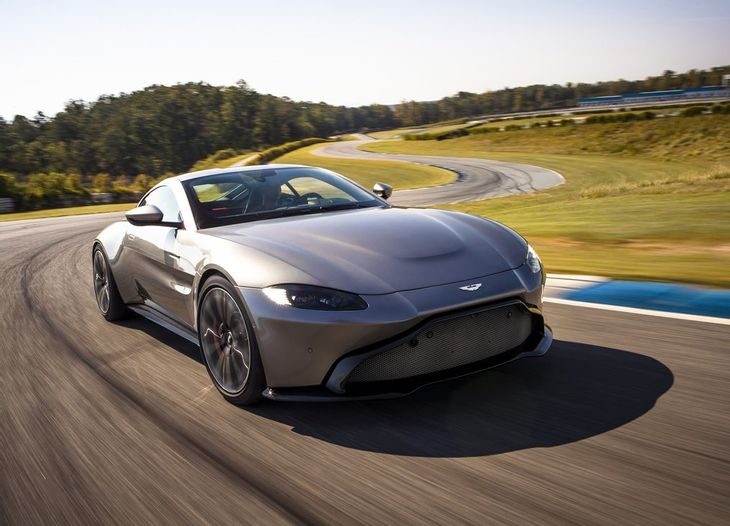
An all-new Aston Martin Vantage is expected to make an appearance this year and it looks phenomenal. It will be powered by a 4.0-litre twin-turbo V8 with 375 kW and 685 Nm of torque. An 8-speed ZF transmission will propel the Vantage from zero to 100 kph in about 3.6 seconds before reaching a top speed of 313 kph. Its date of arrival in South Africa is yet to be confirmed, but it’s definitely a car to look out for in 2018.
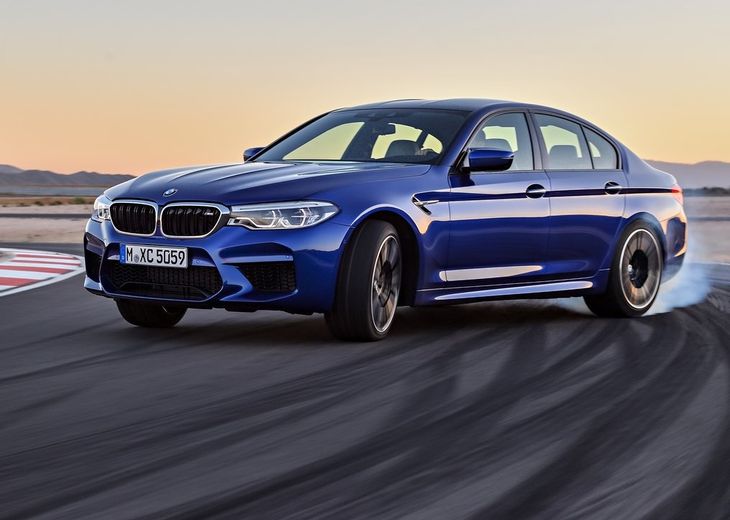
The highly anticipated BMW M5 is due to arrive in South Africa in March 2018. Enthusiasts can look forward to a 4.4-litre twin-turbocharged V8 engine with 441 kW and 750 Nm of torque that will, for the first time in the M5, power all four wheels using an 8-speed automatic transmission. The driver can, however, choose to direct power to the rear wheels exclusively too…
The new M5 will reportedly decimate the zero to 100 kph sprint in 3.4 seconds before tapping out at its electronically limited top speed of 250 kph. There will be an M Driver’s Package on offer that will increase the top speed to 305 kph…
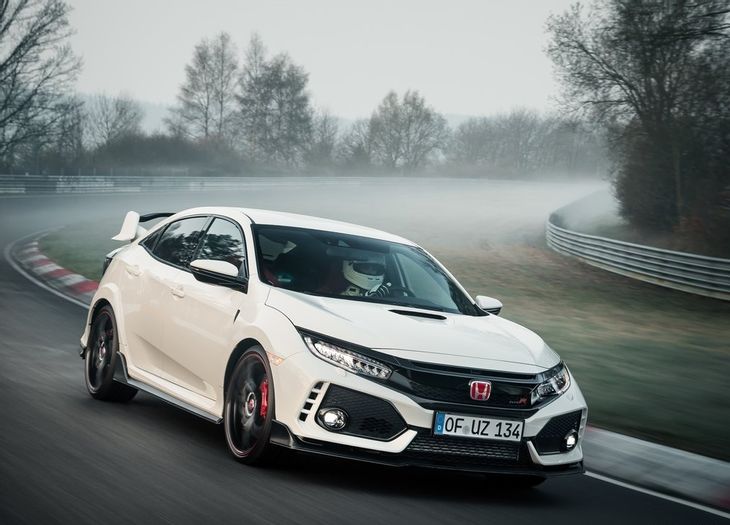
The new Honda Civic Type R has arrived in South Africa and it is better than ever! It's 16 kg lighter than the model it replaces and is powered by a turbocharged 2.0-litre petrol engine with no less than 228 kW and 400 Nm of torque with an enhanced 6-speed manual transmission directing power to the front wheels. The Civic Type R is claimed to take 5.7 seconds to sprint from zero to 100 kph before reaching a top speed of 272 kph. The Civic Type R is priced at R627 900.
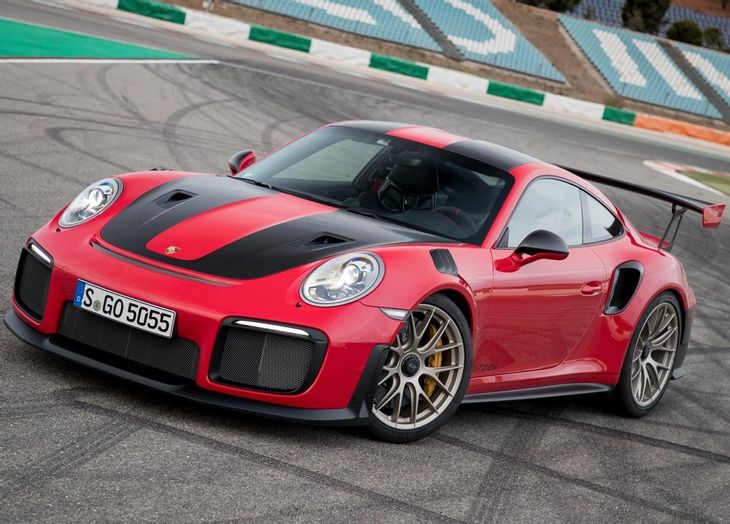
The fastest and most powerful road-legal 911 to date, the 911 GT2 RS will make landfall in South Africa early in 2018. It’s by far the fastest car on this list and will use a twin-turbocharged 3.8-litre flat-six engine that develops a mammoth 515 kW and 750 Nm of torque that will allow the Porsche to accelerate from 0 to 100 kph in an eye-watering 2.8 seconds before reaching its top speed at 340 kph using a 7-speed PDK transmission. The 911 GT2 RS is expected to arrive locally in limited numbers.
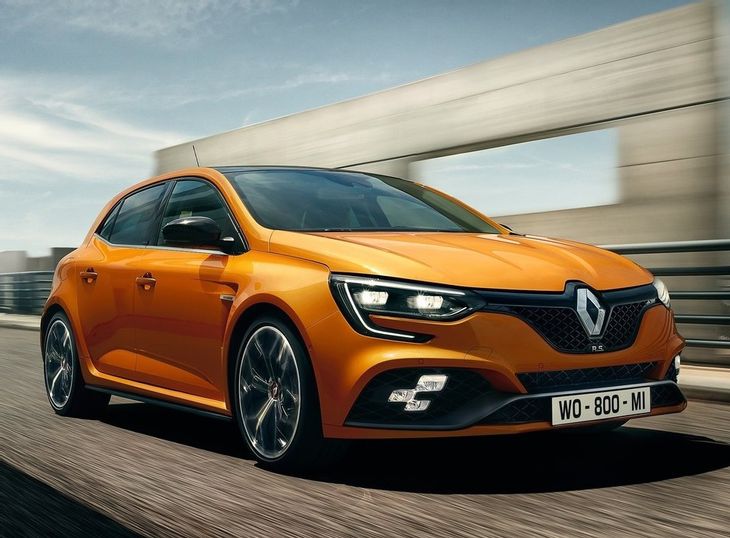
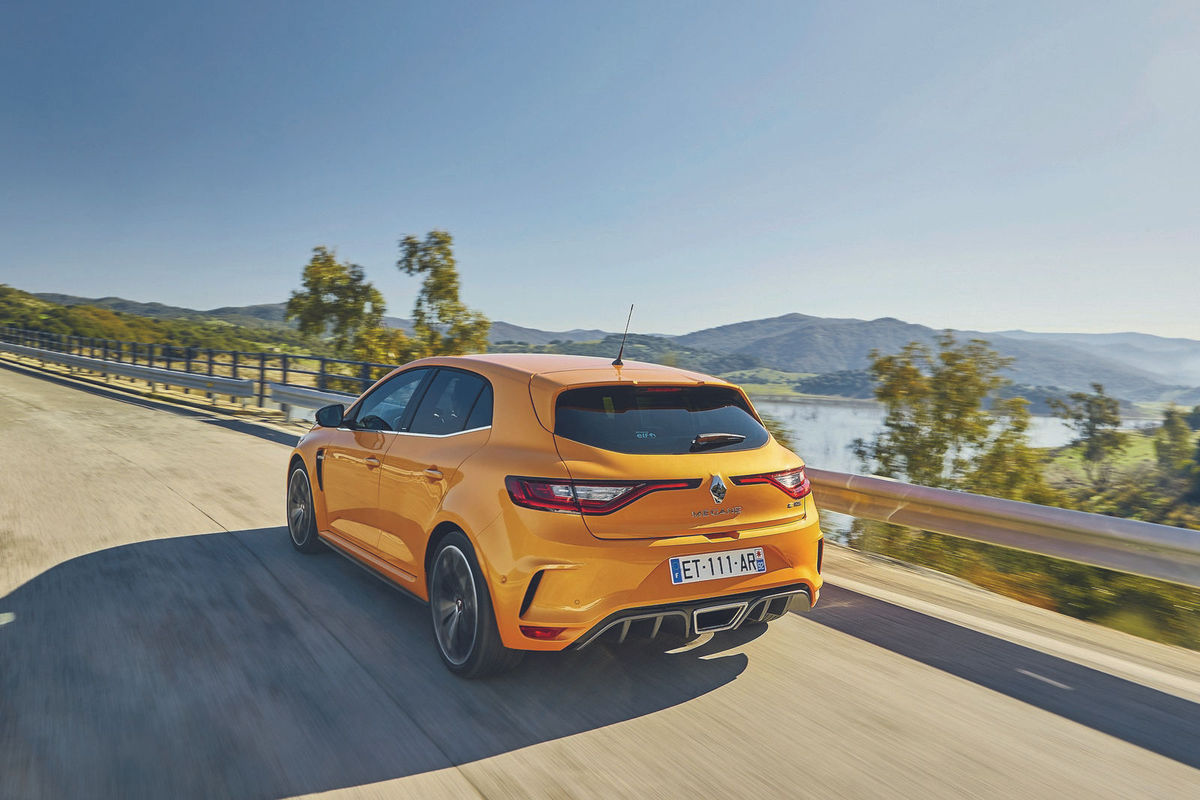
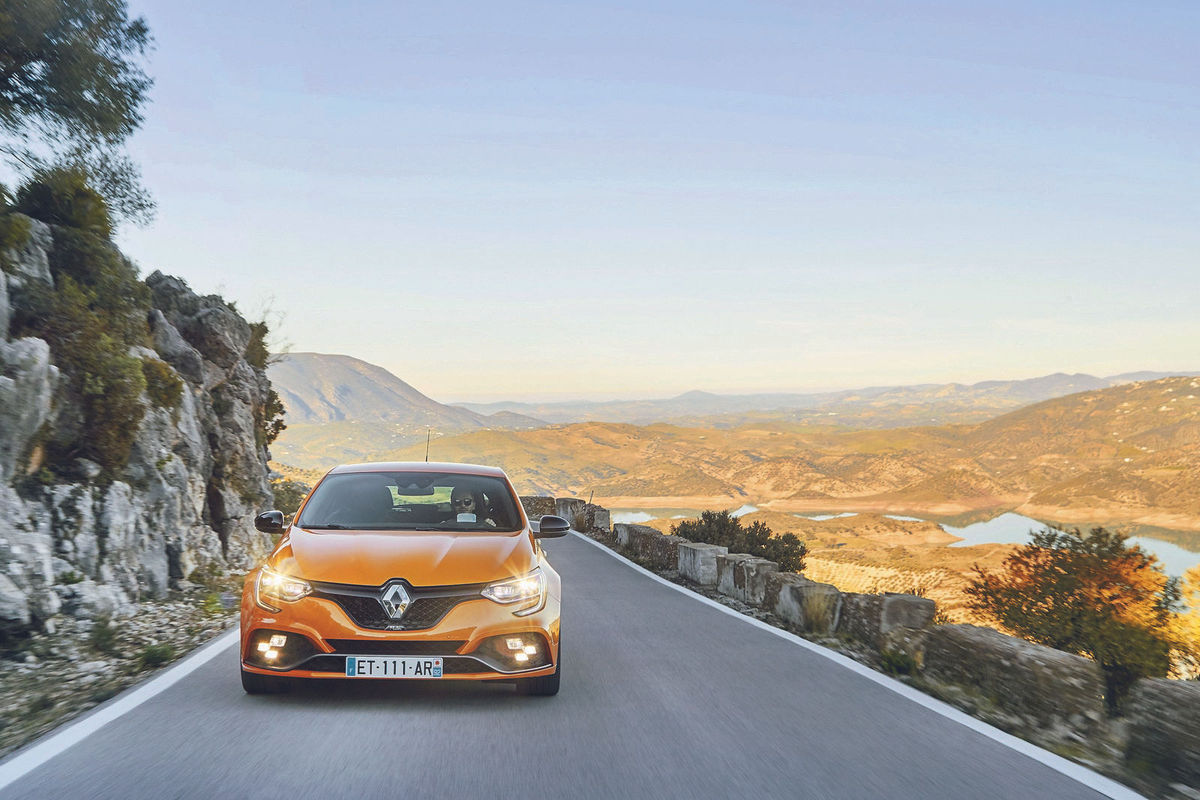
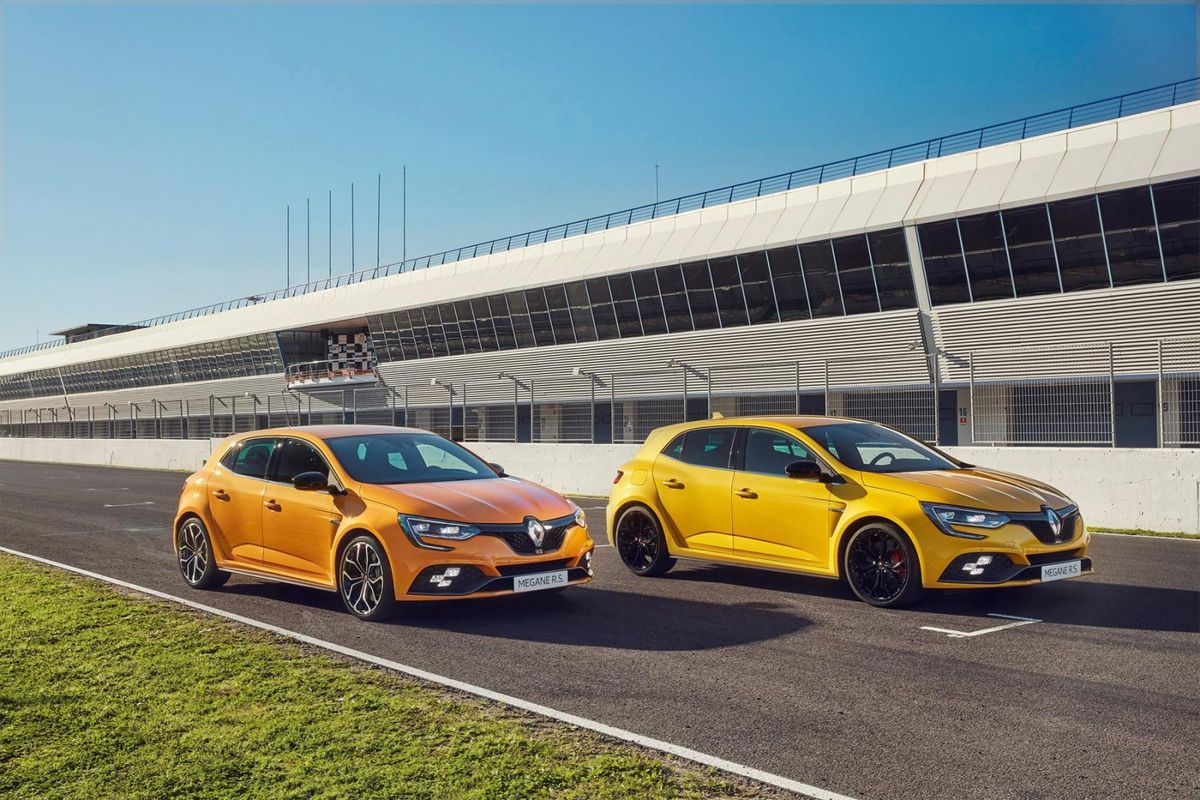
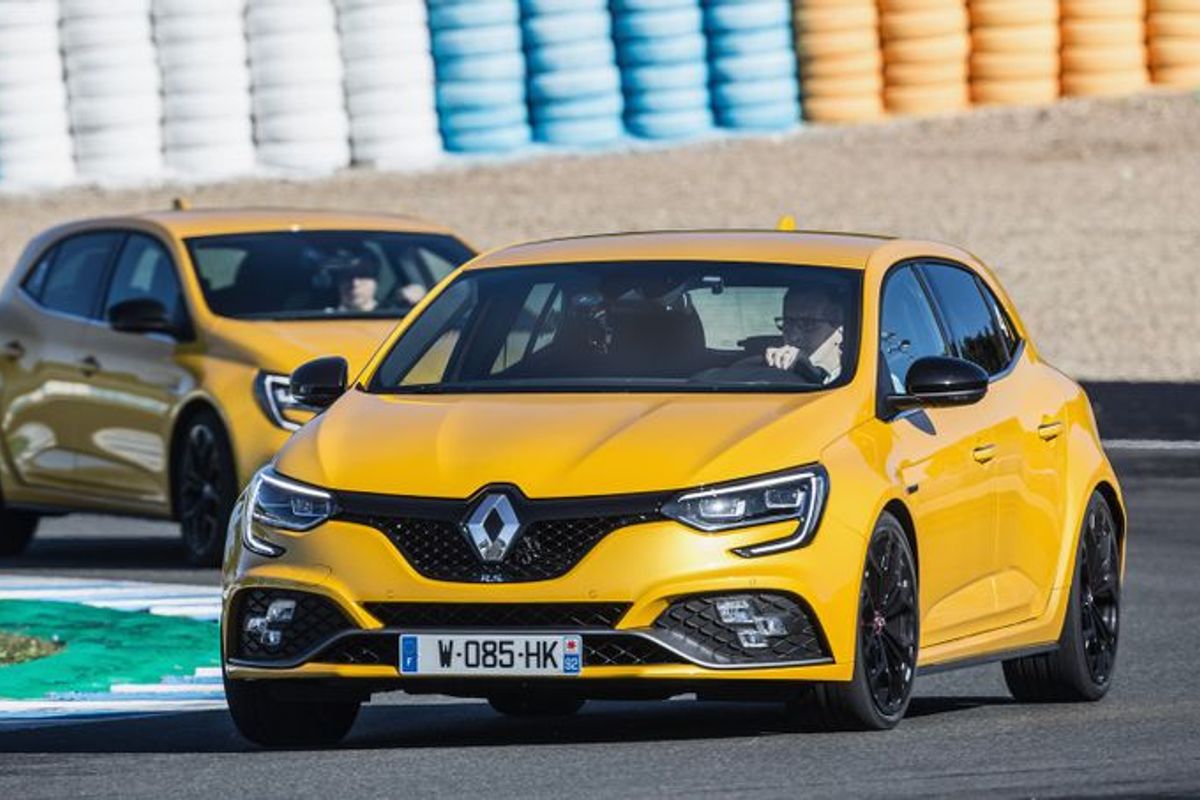
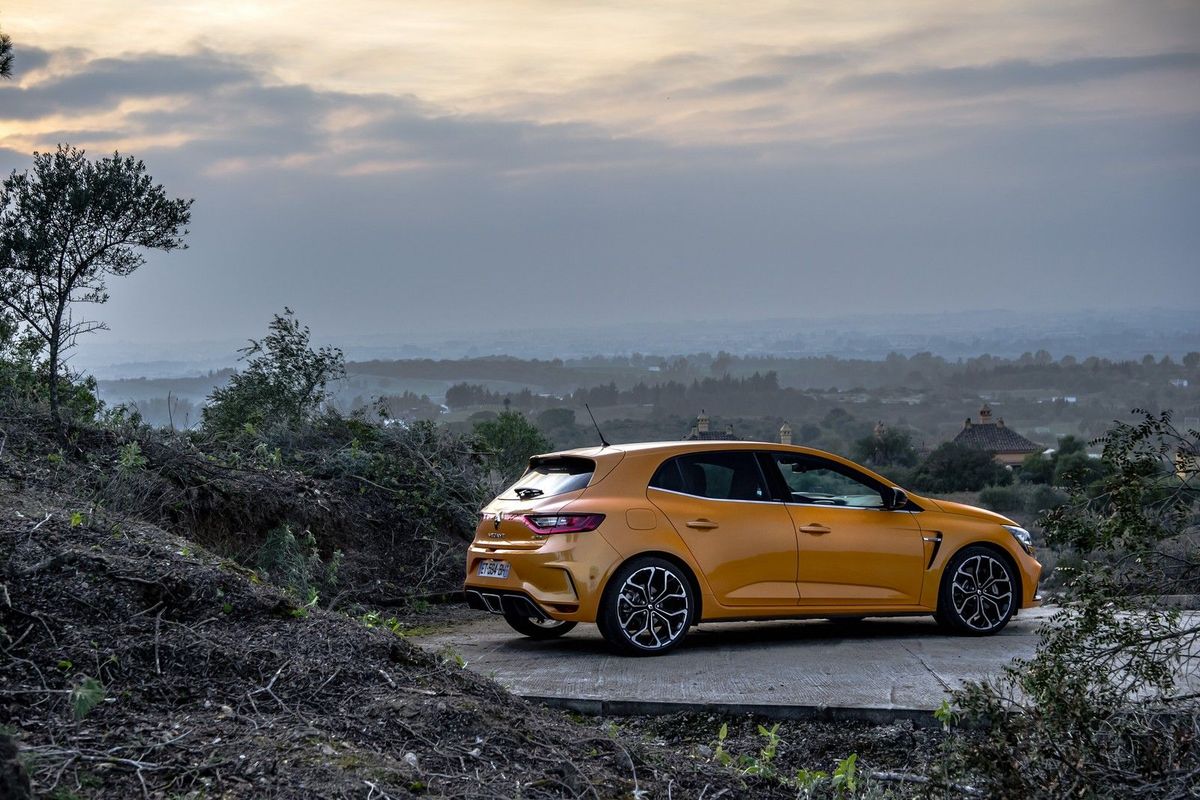
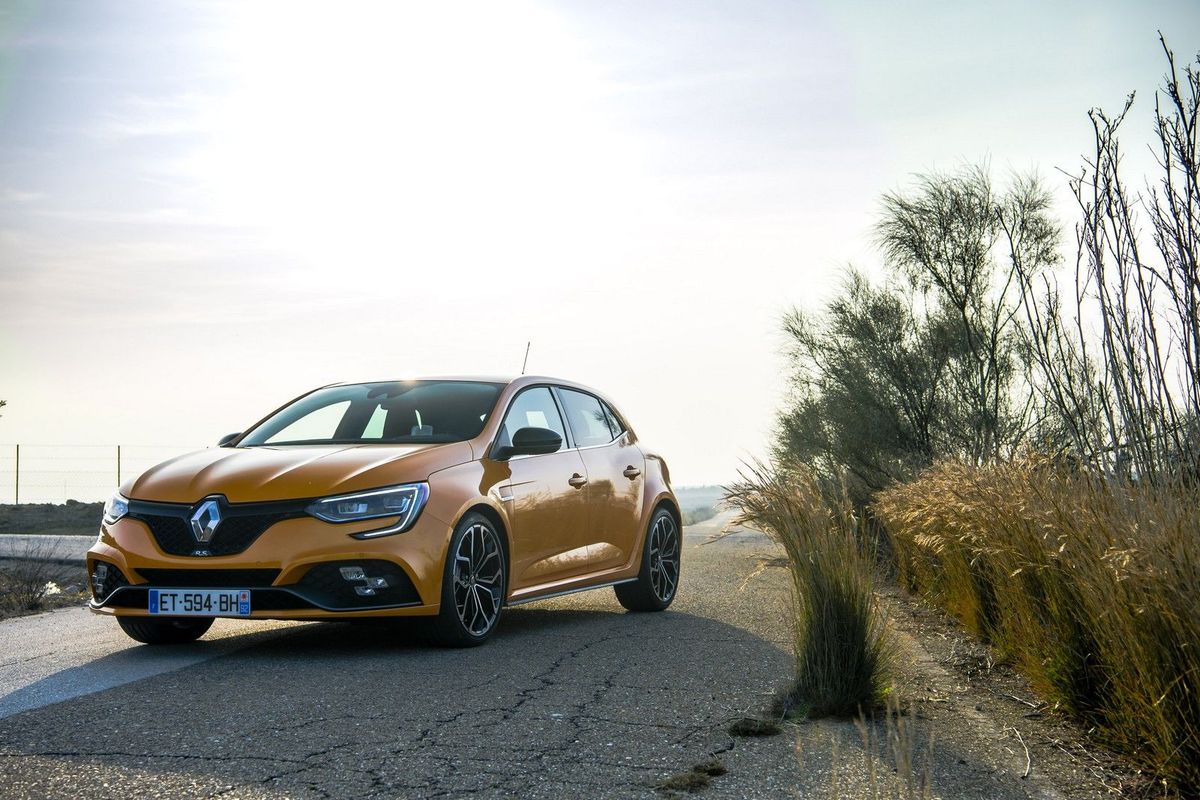
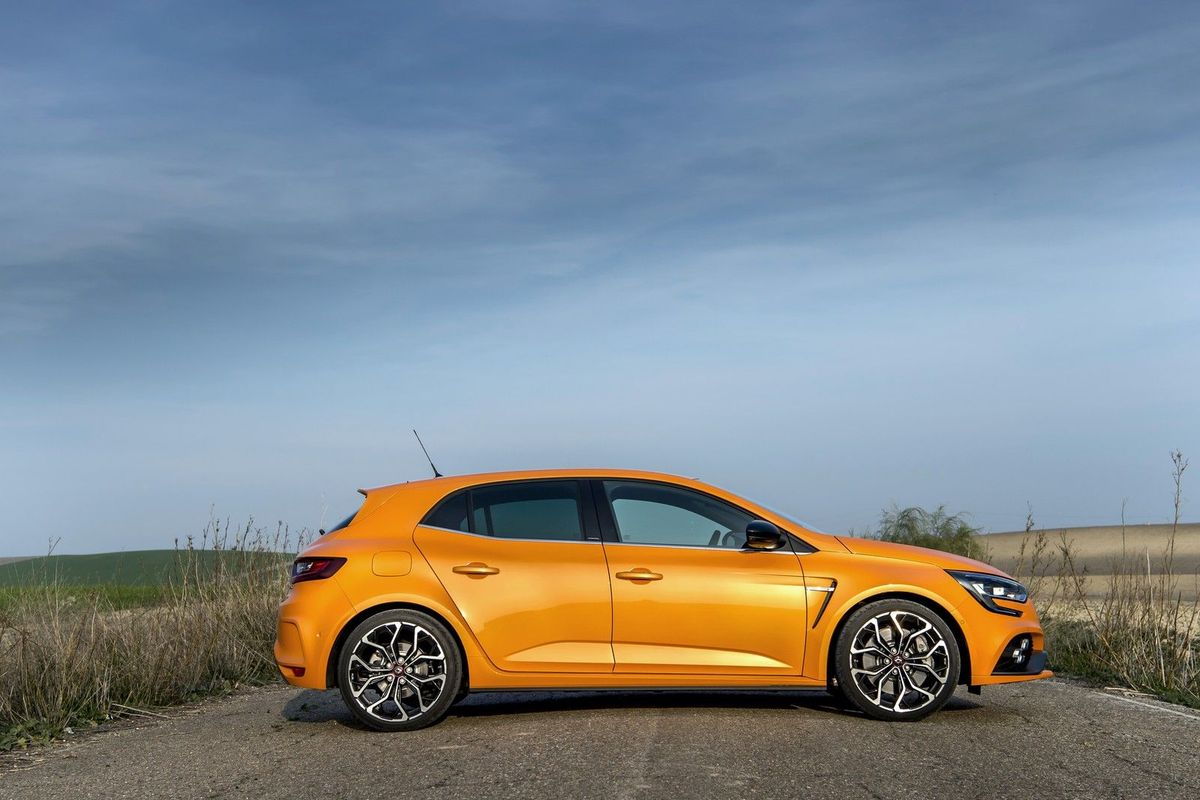
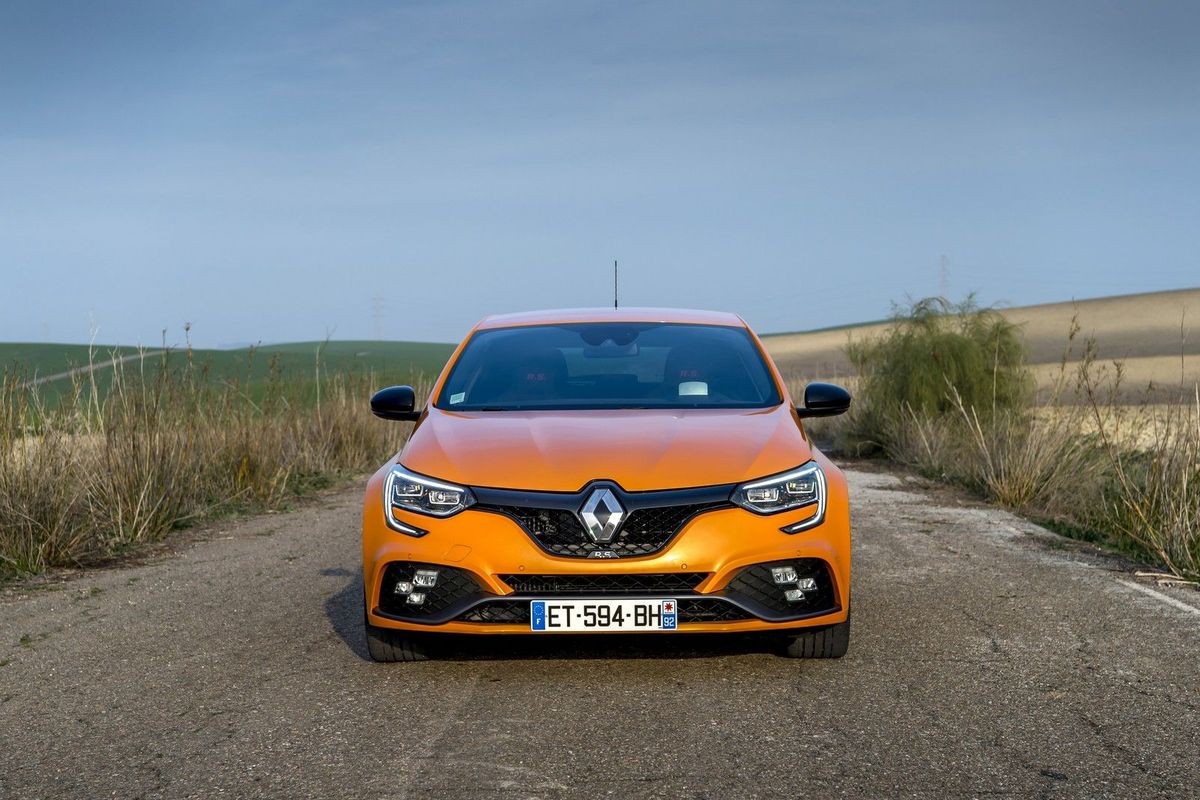
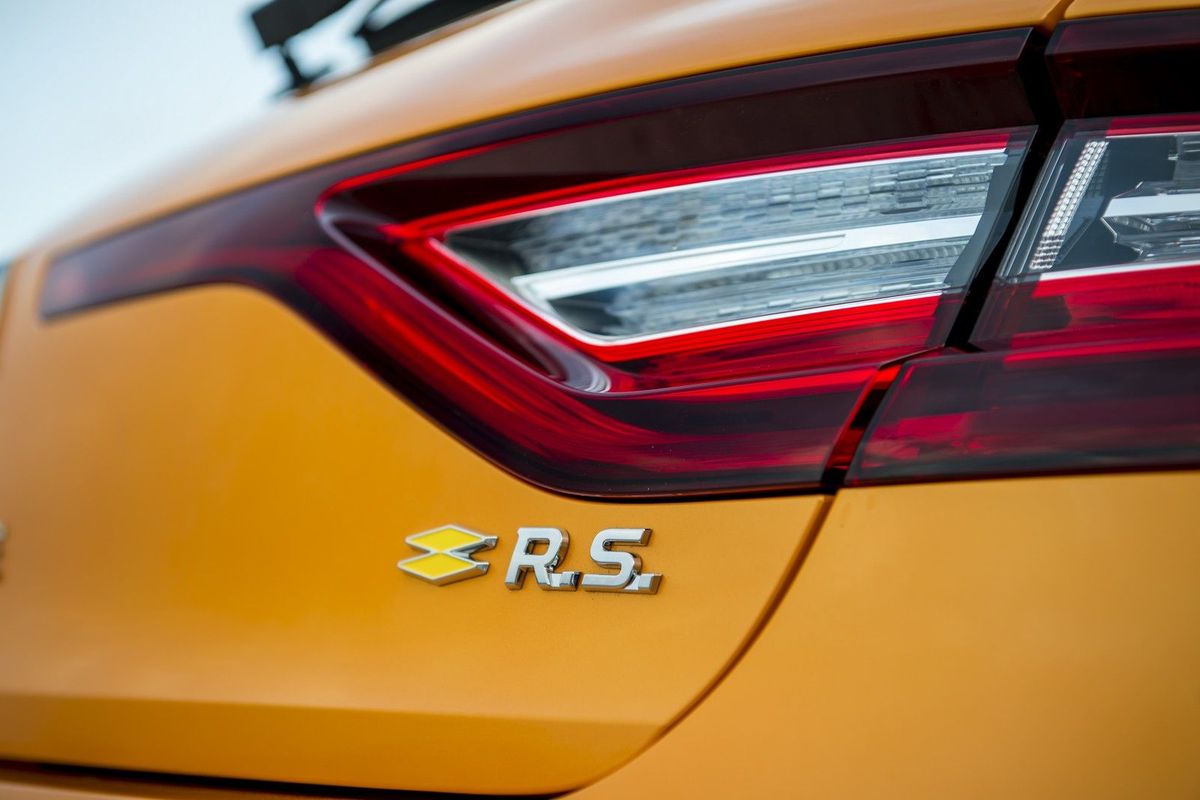
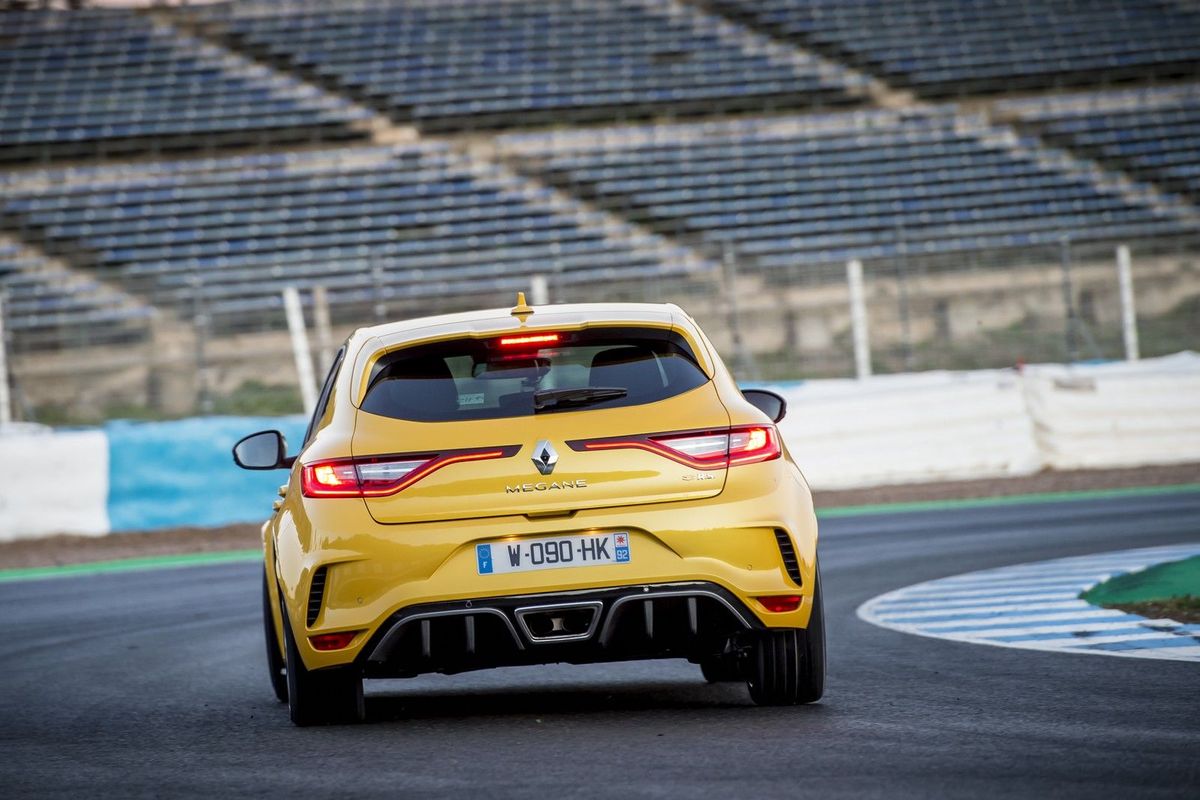
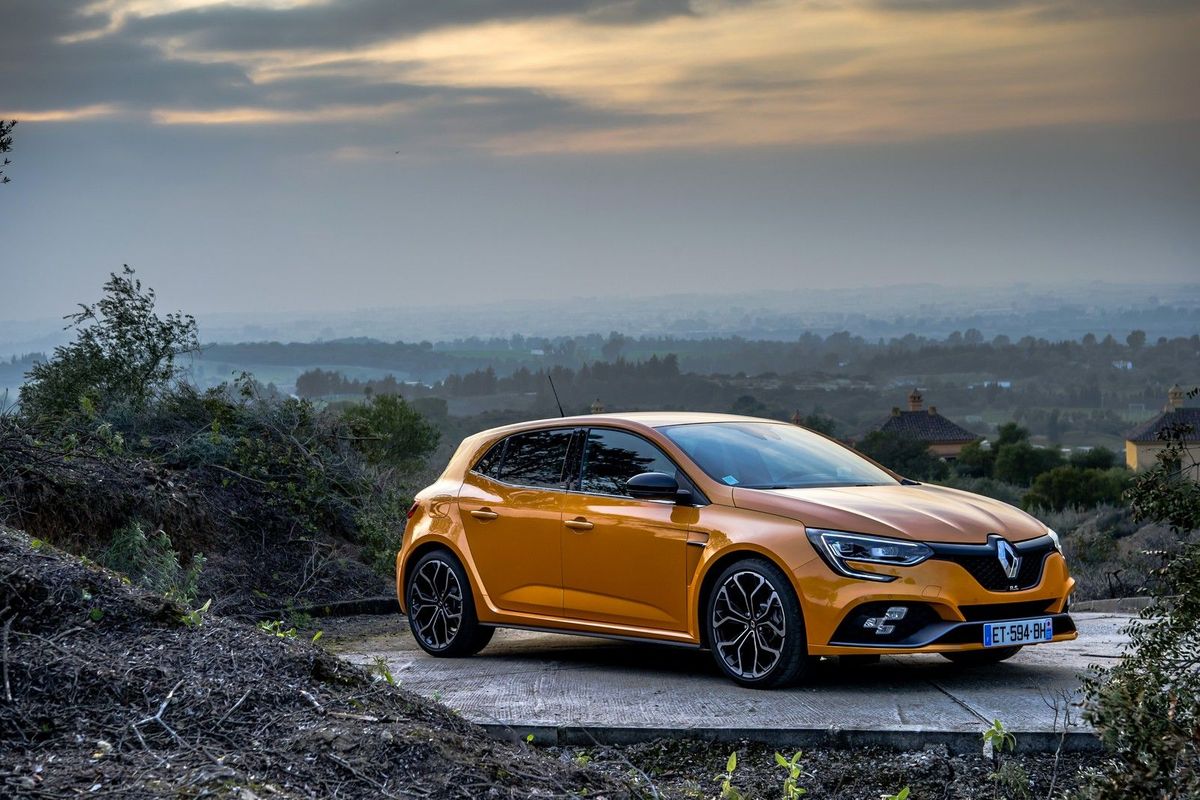
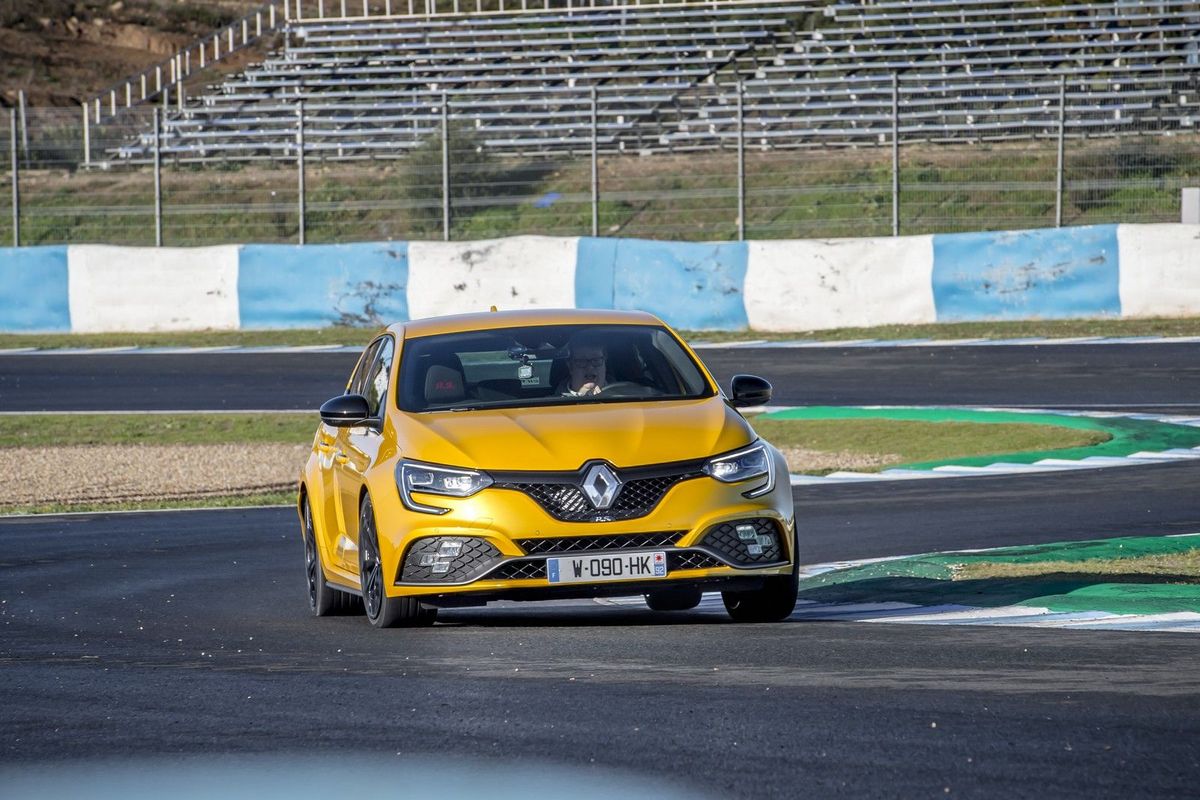
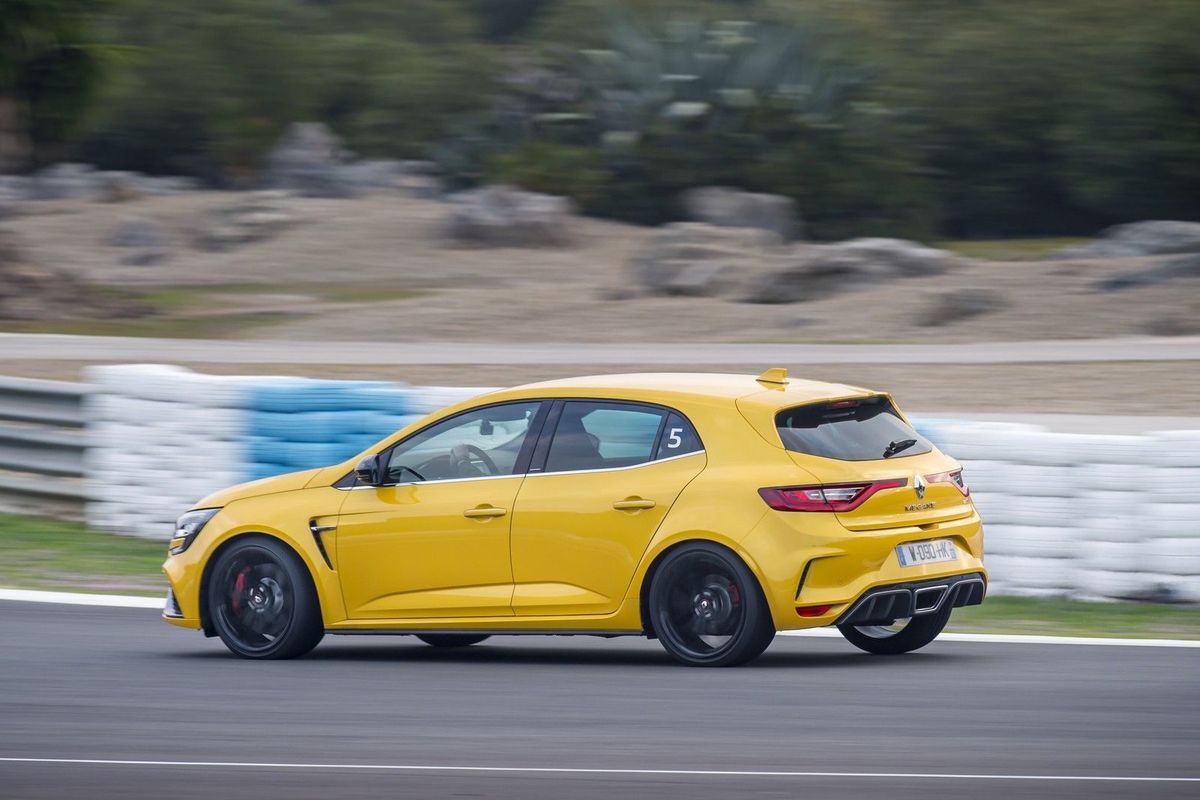
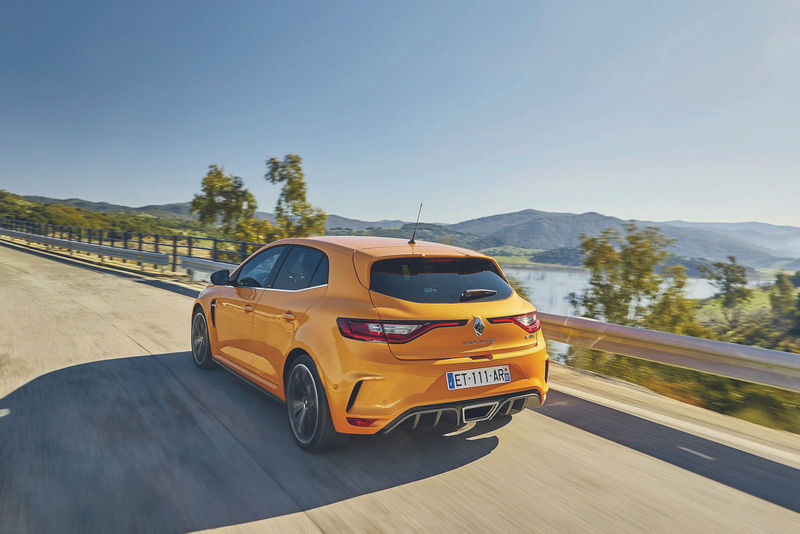
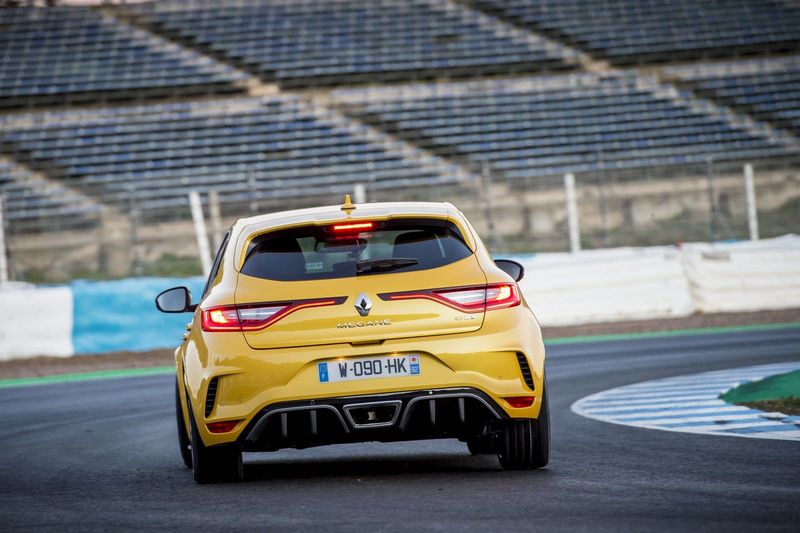
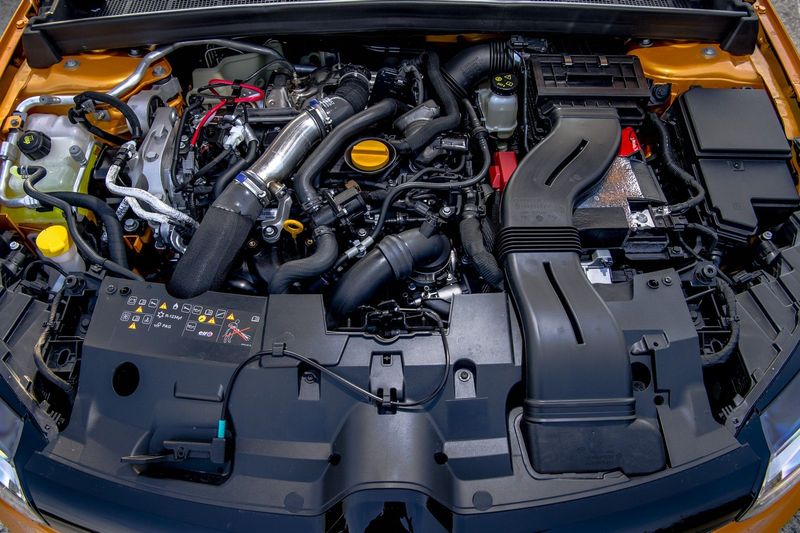
The new Renault Megane RS is expected to arrive in mid-2018 and it’s bound to thrill hot-hatch enthusiasts with its new turbocharged 1.8-litre engine with peak outputs of 205 kW and 390 Nm of torque. The Megane RS Sport and Cup versions are expected to arrive first with the more powerful Megane RS Trophy following later in 2018 or 2019. Buyers will, for the first time, have the choice between a 6-speed manual or 6-speed EDC transmission. The Megane RS is said to be capable of sprinting from 0 to 100 kph in 5.8 seconds.
Renault Megane RS 280 (2018) International Launch Review
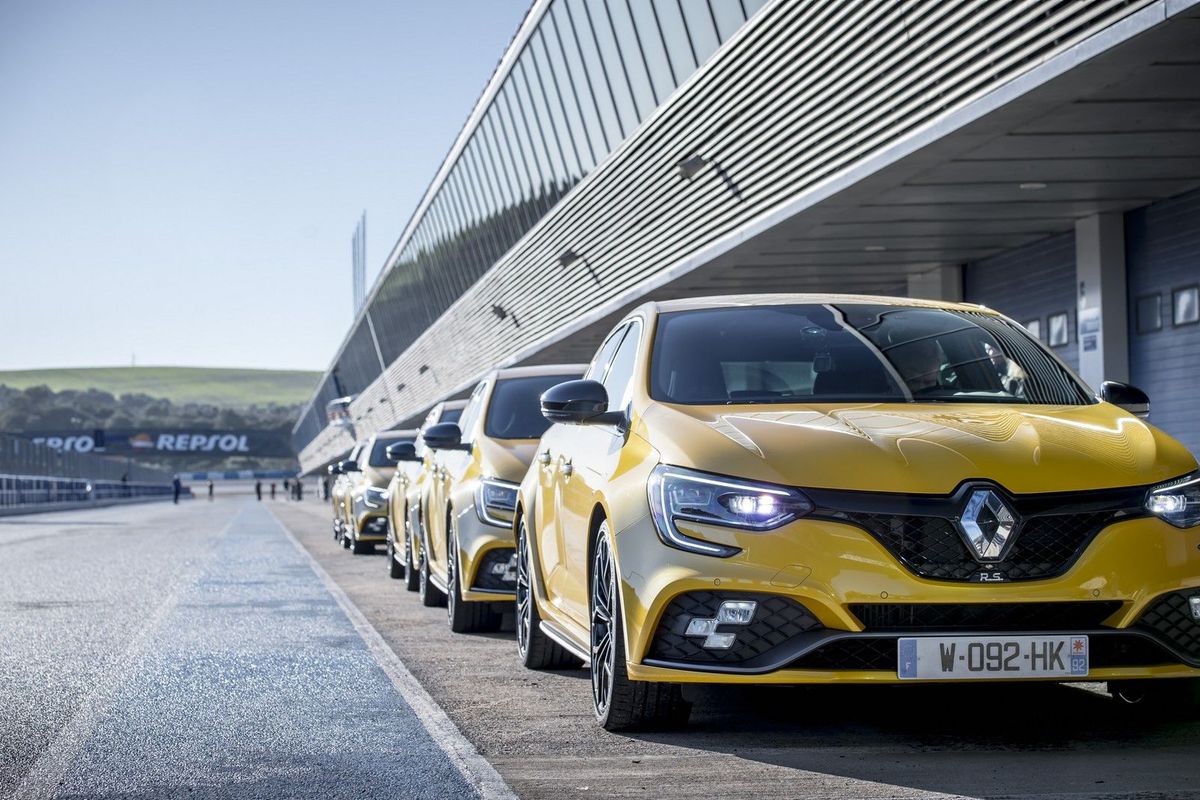
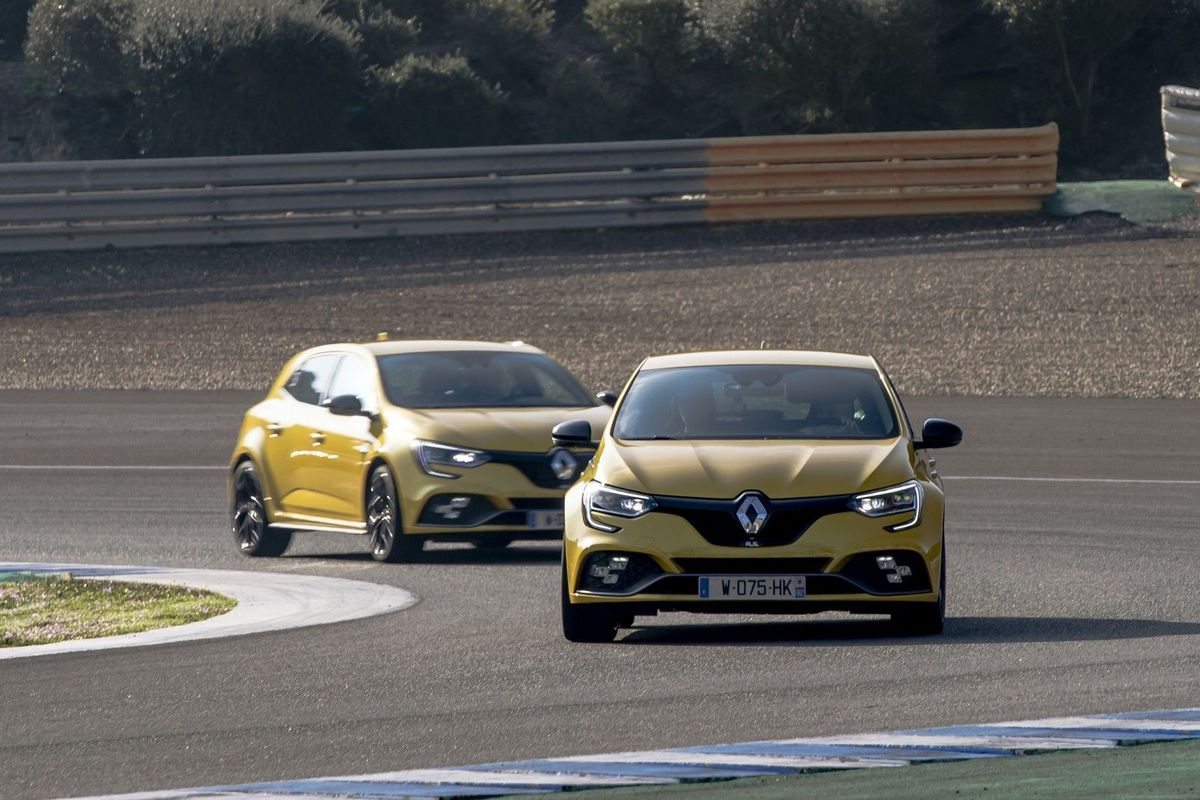
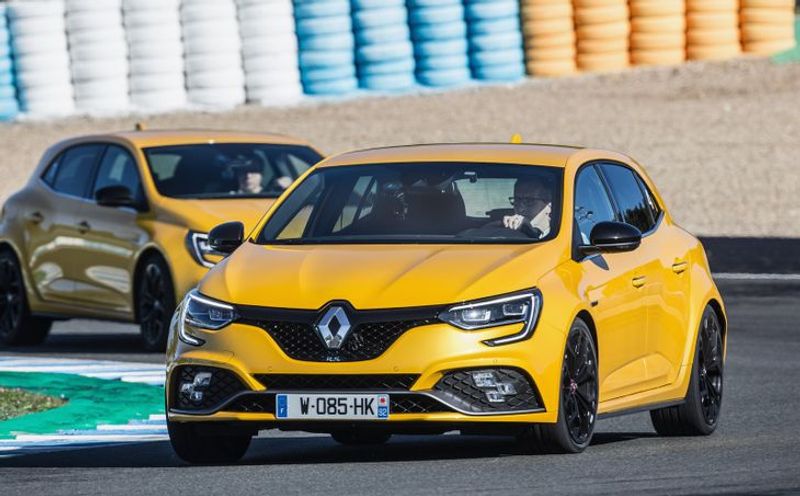
The race for front-wheel-drive records at the Nurburgring seems to be a major boasting point for hot-hatch manufacturers. The long-time record holder – RenaultSport – has a new hot contender, the Megane RS 280. Cars.co.za contributor, Matt Saunders, drove it at the international launch in Spain…
Few performance cars have been lavished with a more consistent tide of praise by hot hatchback aficionados than the Renault Mégane RS. This car has bossed the fast front-drive niche for most of its life, having appeared with that memorable ‘bustle–back’ styling in 2004 and promptly set new class benchmarks for driver involvement and handling poise.
But it’ll take something to reclaim that familiar old perch now, with the new Honda Civic Type R having become a brilliant driver’s car in its own right, and the Volkswagen Golf GTI and four-wheel-drive Ford Focus RS suddenly making competition in the segment seem little less fierce than that which Renault has been coming up against in Formula 1 of late.
For that reason and others, you could call the launch of this new Mégane RS something of a watershed moment. Can the firm that brought us the flawed Clio RS 200 rediscover its sparkling form of old?
Has RenaultSport still got what it takes?
For so long, Renaultsport owned the top spot in the hot-hatchback world. The competition has since improved, can the new Megane compete?
Whatever it was that made so many of its hot hatchbacks so good for so long – has Dieppe still got it or is it lost forever? Meanwhile, has Group Renault’s Alpine A110 sports car, brilliant as it may be, swallowed up so much valuable engineering attention and resource that what could be considered Renault Sport’s most important model has been left undernourished?
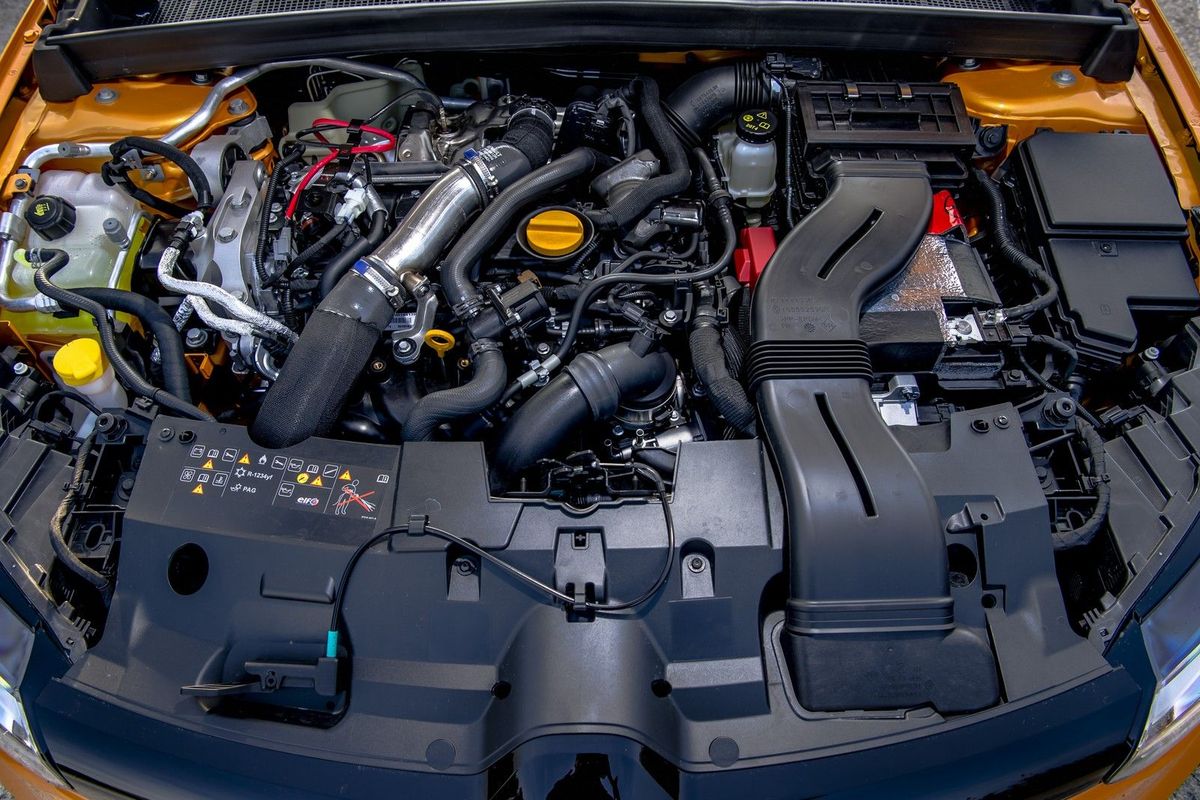
It’d be understandable. But forgivable? I’m not so sure. Some good news would definitely be welcome – and maybe we’re about to get some. Although it retains front-wheel drive, the fast Mégane has been through an overhaul that would seem every bit as thorough and attentive, on paper, as that of any of its rivals. It has a new 1.8-litre turbocharged engine that’s smaller and lighter than the old car’s 2.0-litre yet delivers more power and torque than the Mégane 275 bowed out with – and it can be partnered with a choice of six-speed manual or dual–clutch automatic gearboxes.
Unlike in the Clio RS 220 Trophy, then, you needn’t be stuck with two paddles if you don’t want them. Told you there was good news. For suspension, the Mégane RS sticks with struts up front and a torsion beam at the rear, but its front configuration has new geometry and retains RenaultSport’s PerfoHub technology, which reduces kingpin angle offset and therefore better resists torque steer and bump steer.
New chassis tweaks
With 4-wheel-steer up to 100 kph, the Megane RS has a distinct advantage over its traditional rivals.
The RS rides 5 mm lower than a Mégane GT and has axle tracks widened by 45 mm up front and 30 mm at the rear. The chassis features two key technical departures: a four-wheel steering system and a set of rally-style hydraulic suspension bump stops. In a more familiar vein, you can have the Mégane with a slightly softer Sport suspension tuning (partnered with an electronic brake-actuated torque vectoring system) or firmer Cup settings. With Cup, you also get a Torsen mechanical slippy diff configured for greater lock-up under power and less drag effect on a trailing throttle than the outgoing Mégane 275’s GKN slippy diff was configured for.
Enlarged, 19-inch wheels fitted with Bridgestone tyres and uprated lightweight brakes with aluminium hubs are options on Cup–spec cars. Prices are still unofficial but are tipped to start at R550k with models hitting showrooms from mid-2018. We probably wouldn’t have chosen a 2-pedal Mégane RS with Renault’s EDC transmission for our first taste of the car, but, as it transpired, we hadn’t had access to one with a manual gearbox as these words were written, or one with Cup suspension, so impressions of those configurations will have to wait until later. At least it’s probably fair to suggest that if the Sport-level dual-clutch car hits the right notes on driver appeal, we can have plenty of reason for optimism about the stature of the other versions.
Questionable insides
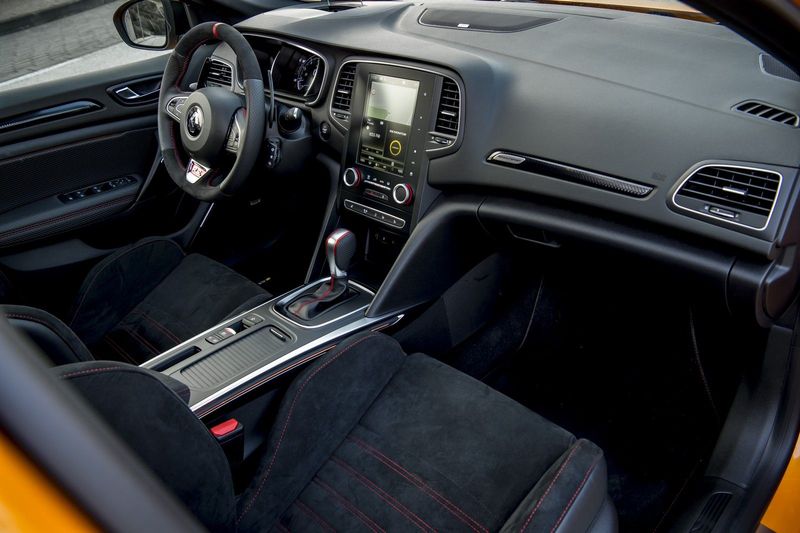
The seats are a sporty touch, but like the previous generation, the interior is still very grey and bland.
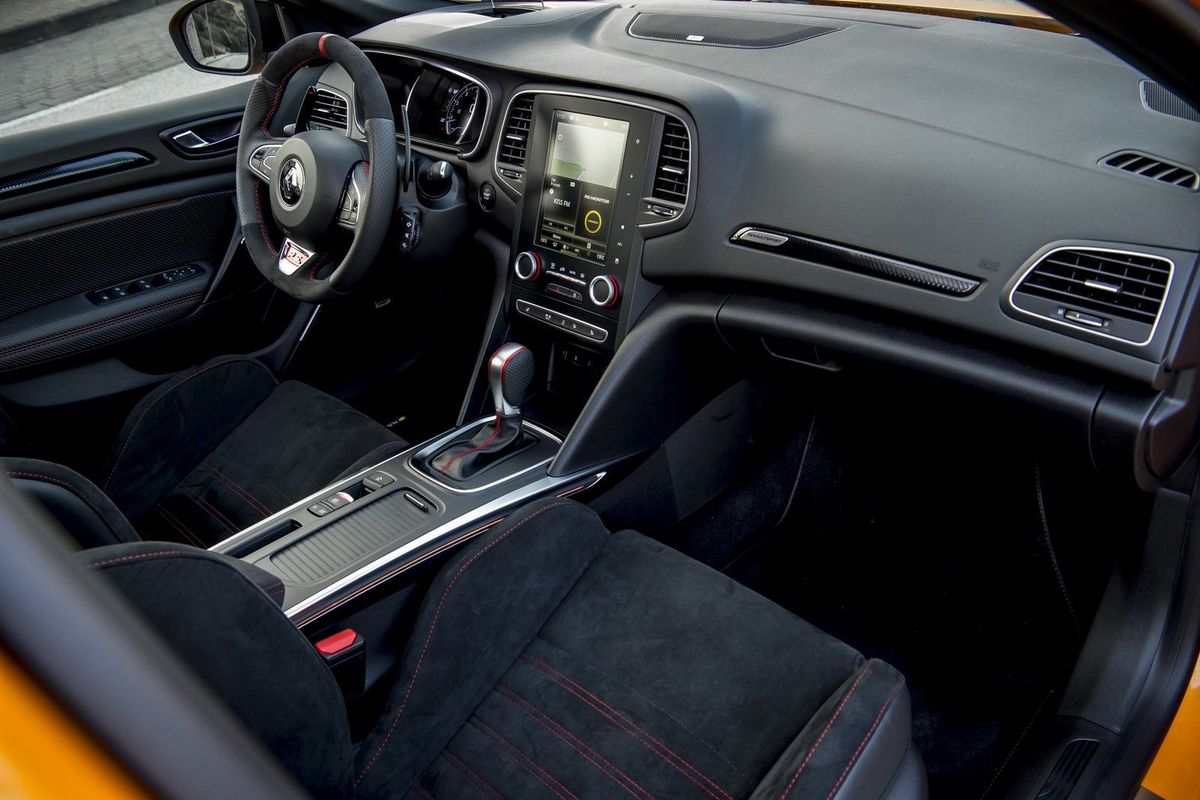
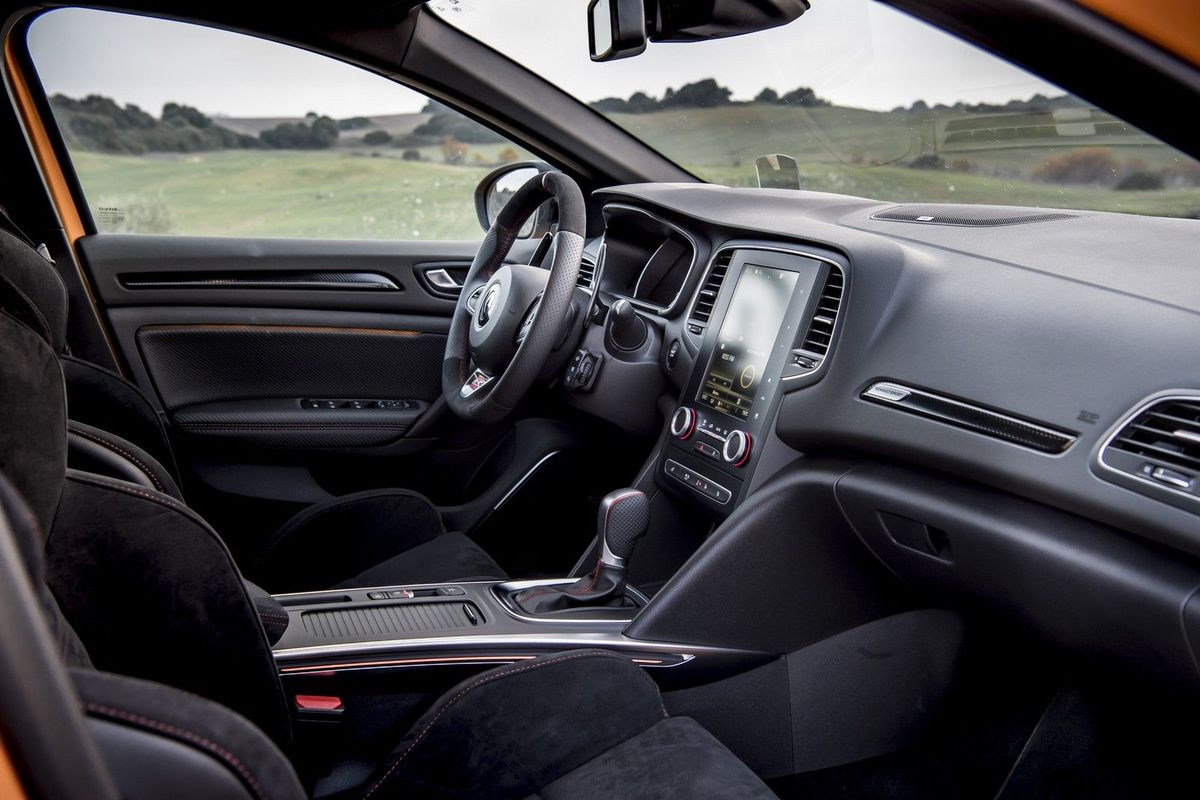
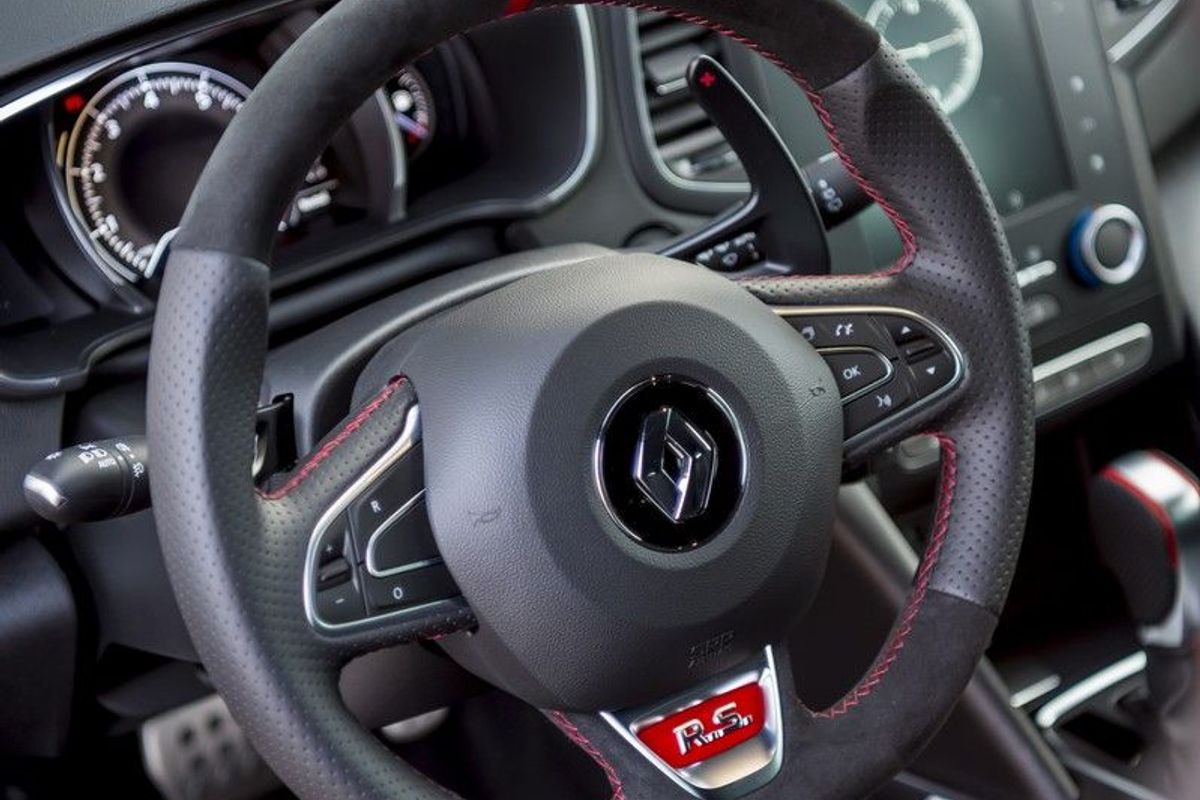
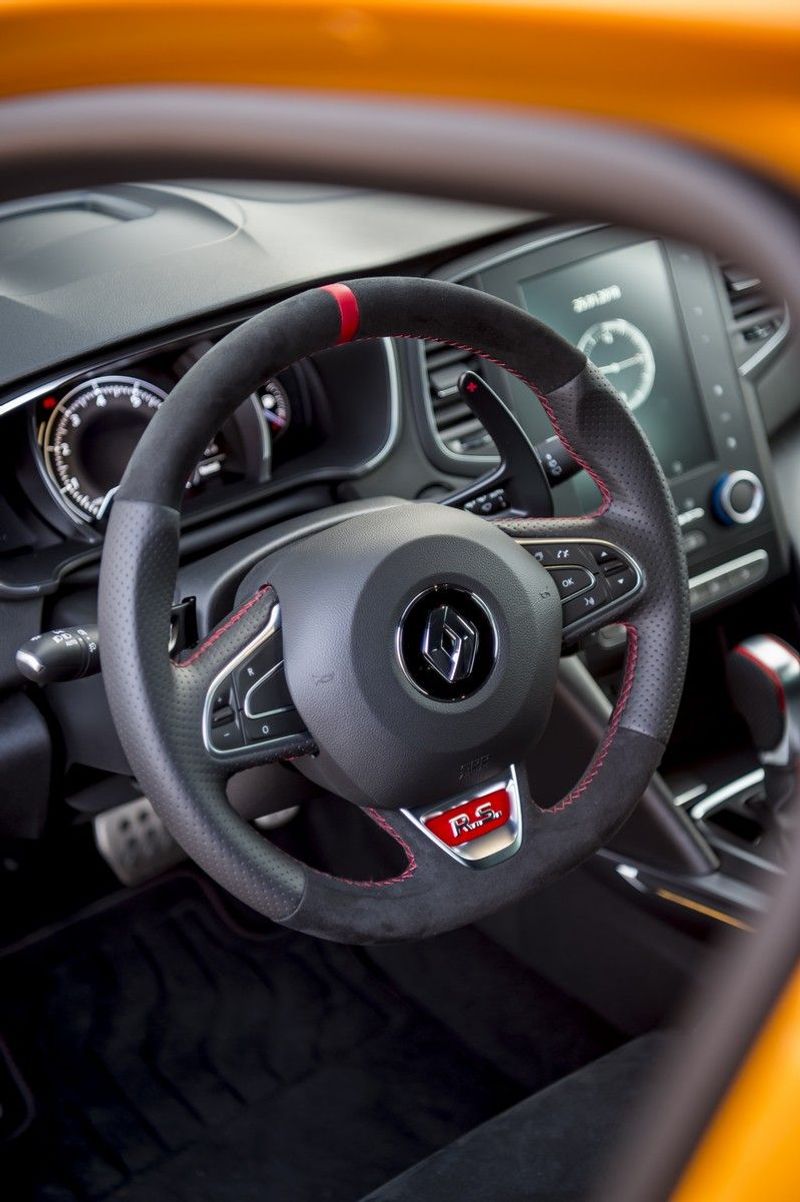
The current Mégane’s cockpit makes for a decent departure point for a performance treatment, albeit one with some minor frustrations. The RS 280’s Alcantara sports seats are good and supportive, and the driving position they grant is also good by class standards: you don’t sit uncomfortably high and the controls are well located in front of you. Renault Sport’s attempts at enriching the cabin materials are mixed, though. The RS’s red-striped seatbelts and red trim accents are bright and effective but its part-Alcantara sport steering wheel has fairly ordinary-feeling leather where your hands rest on the grips (at quarter to three) and soft suede at six and 12 o’clock where you seem to touch it less.
Equally odd are the part-analogue, part-digital instruments, which consist of a square digital screen made up mainly of differently themed analogue rev counters and a digital speedo but whose available screen space is drastically curtailed by oversized analogue fuel level and water temperature gauges to either side of it. A bigger screen, with temperature and fuel information shown when needed (or at least scaled to your preference), would have been a much more intelligent layout.
Those shift paddles?
Details, perhaps. Still, they matter, especially since details also initially prevent you from enjoying this car’s driving experience as much as you might, at least until you become familiar with the task of driving around them. Chief among those is the positioning and action of the shift paddles for the Mégane RS 280’s EDC gearbox. Oh dear, I know, the same record. But having been criticised so strongly for the Clio RS 200’s flimsy feeling paddles, it’s amazing that RenaultSport should have repeated almost exactly the same offence with that car’s new bigger brother.
The paddles feel better on the Megane but are still mounted to the column. Thankfully, it can also be ordered with a manual.
The Mégane’s shift paddles have better haptic feel than the Clio’s, to be fair, and the ‘crushed cornflake’ action is notable by its absence. But they remain awkwardly placed on the steering column (displaced upwards by Renault’s trusty old column-mounted audio remote control) so they’re a slight stretch for your fingertips every time you need to grab a gear. They also lack that solid, defined action that’d tell you beyond question when you’ve successfully selected the next gear. As they are, they feel light and woolly and it’s easy to half-pull one, then tug it again just to be sure, only to find you’ve accidentally upshifted twice.
Renault’s EDC gearbox itself does a respectable job of managing the car’s gear ratios and gives you something more like that close control you want over the driving forces going into the front wheels than the Clio RS 200’s gearbox ever managed. It’s much quicker on the upshift than on its way down the ’box, though, and nothing like as smooth or judicious with its shift timing in ‘D’ as the better ‘flappy-paddle’ hot hatches with which you might compare it.
Smaller engine any better?
And what about that critical new mechanical oily bit that gearbox is connected to: the engine? On this evidence, I’d say it’s strong enough; competitive with the prevailing standard for the average full-sized hot hatchback, certainly. But as a replacement for the old Mégane 275’s blown 2.0-litre engine, I’m not sure ‘better than average’ makes it worthy. Because although the Mégane RS 280 has abundant real-world on-the-road performance, it’s not thanks to its engine. The motor is torquey and free-ish revving but also sounds a bit ordinary, suffers a little with iffy throttle response throughout the accelerator pedal travel and doesn’t breathe in and keep hauling with anything like the high-range urgency of a Civic Type R’s 2.0-litre. As hot hatch engines go, it’s just all right.
Gone is the 2.0-litre Darth Vader sounding engine, replaced with a 1.8-litre that lacks the same sort of emotional clout.
Now guess what’s better than all right. The Mégane’s chassis: yup, better than all right. Balls to understatement: it’s sensational. The car steers faithfully, with useful weight and plenty of feel. But the deftness, suppleness and fluency of its ride is outstanding on bumpy roads, and is somehow set off against first-rate, progressive body control in a combination that no rival hot hatchback could match, I’d wager.
But better still are the Mégane RS 280’s true showstoppers: totally absorbing handling agility, brilliant cornering balance and a flair for playfulness that might even make a Type R seem straight-laced. The Mégane RS 280’s four-wheel steering system contributes tellingly to all three, and to greatest effect when you use Renault Sport’s Race driving mode, which raises the threshold speed at which it switches from steering against the front wheels to steering in the same direction as them. In most four-wheel-steered cars, this happens at around 60 kph. In the Mégane RS 280 – and in Race mode, remember – you get a counter-steered rear axle all the way up to 100 kph. And so the car turns in with amazing alacrity and carries big mid-corner speed so effortlessly on a balanced throttle.
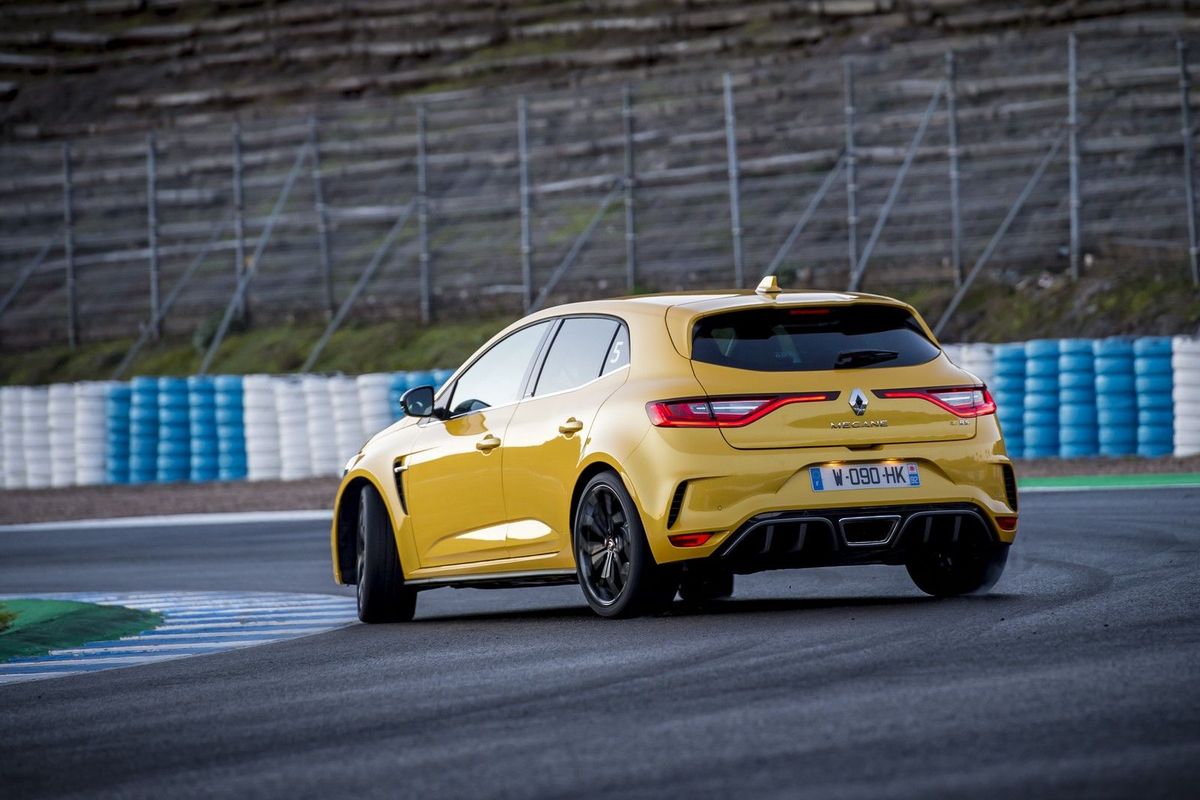
On a trailing throttle, meanwhile, you’ll be amazed by how easily you can just flick it into delicious little neutral-steered drifts, the rear wheels effectively guiding the back of the car ever so delicately into the slide. That’s an incredibly enlivening influence on the driving experience of a front-driven performance car at fairly low speeds, when the bends you’re tackling are tight, clear and well sighted.
Where does it rank?
We shall reserve ultimate judgement until we have driven the Cup chassis version.
And where does that leave the Mégane RS 280? Pretty plainly, it’s staggeringly good in some ways, ‘alright’ in others – and not without the odd frustration. In this form, it wouldn’t cut it for me next to better, slicker and more complete dual-clutch options from the Volkswagen Group stable. But that’s not the end of the story. Because although I’m not convinced this car has the engine it really deserves, the paddle-shift gearbox is an option you need not have. Meanwhile, the handling could yet prove itself capable of hitting even greater heights in Cup specification than it has already in Sport trim.
If it does, how much will a slightly ordinary engine and some curious fixtures and fittings really matter to a devoted petrolhead? Could this be yet another landmark new affordable performance car, set to cut short the Civic Type R’s reign as the front-wheel-drive Nurburgring champion? I’d suggest the possibility is very real indeed. Perhaps RenaultSport didn’t let all of its best engineers don those new-season Alpine polo shirts, after all.
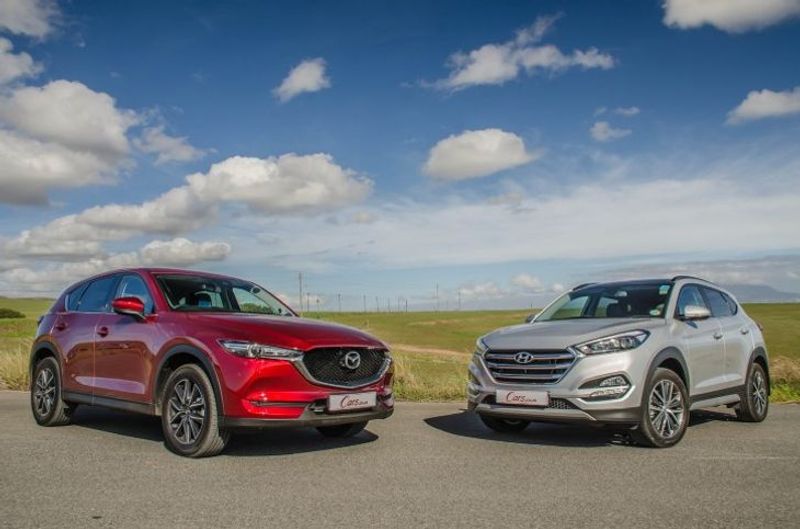
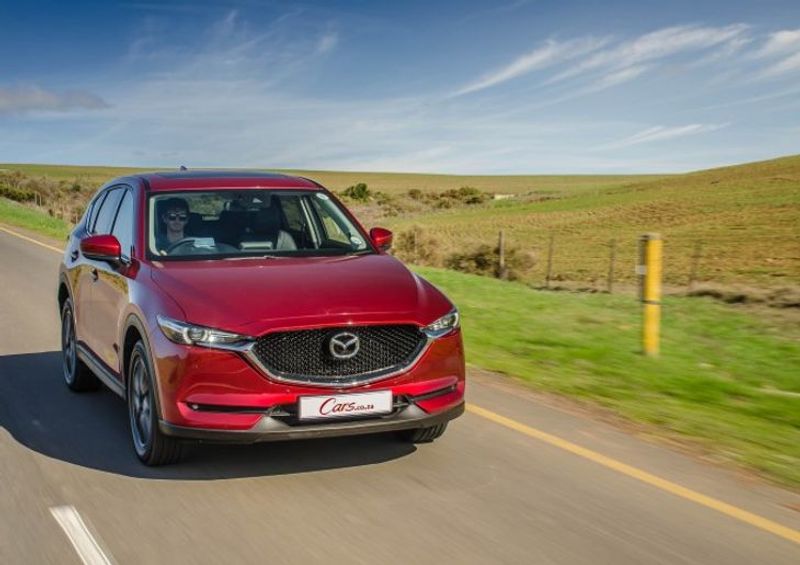
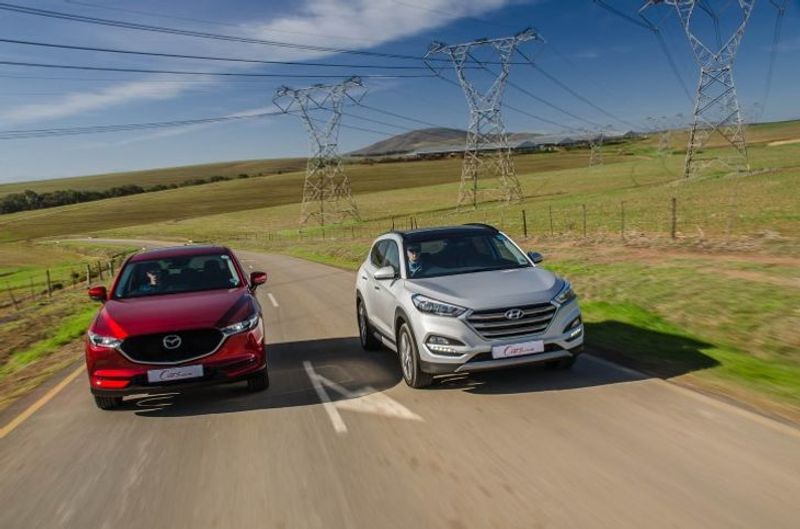
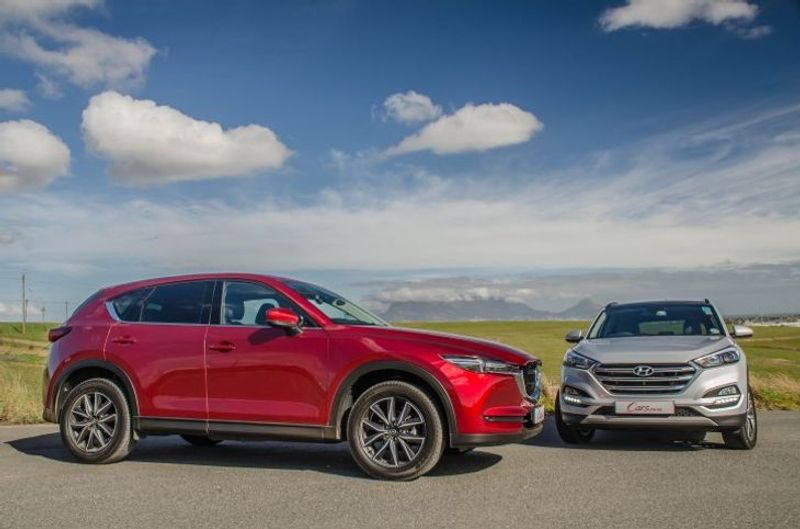
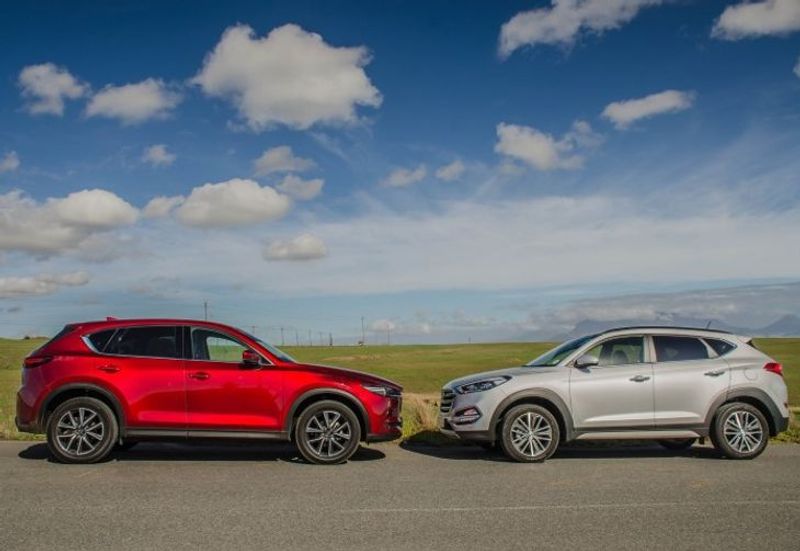
The Hyundai Tucson is currently the best-selling compact family SUV in South Africa, but the latest Mazda CX-5 is a strong product and we brought these two segment heavyweights together for a comparative assessment. Does the handsome Hyundai Tucson have what it takes to best the suave Mazda CX-5? Take a look at our findings for the answers…
At a glance
Mazda CX-5 2.2DE AWD Akera
Hyundai Tucson 2.0CRDi Elite
Price:
R561 700
R539 900
We Like:
Exterior and interior styling, practicality, performance, ride quality, spaciousness, comprehensive comfort and safety features, value for money
Exterior styling, solid interior build quality, performance, comfy ride quality, good rear passenger space, big boot
We Don’t Like:
Ride might be too sporty for some, shorter warranty
Could be more practical, average specification, bland interior design
What are we comparing?
The Hyundai Tucson is currently the segment leader, but the new Mazda CX-5 is a strong rival with attractive styling and features.
The compact family car/SUV segment is hugely popular (and crowded) in South Africa and according to Hyundai, the Tucson has been a consistent top-seller since its launch in 2016. The CX-5 has been a late bloomer; it too has sold well locally, but a new CX-5 arrived in May 2017, bringing with it a host of improvements in terms of design, refinement and safety. The CX-5 2.5 Individual was also recently crowned as the winner in the Family Car category of the Cars.co.za Consumer Awards — powered by WesBank, which is a significant achievement.
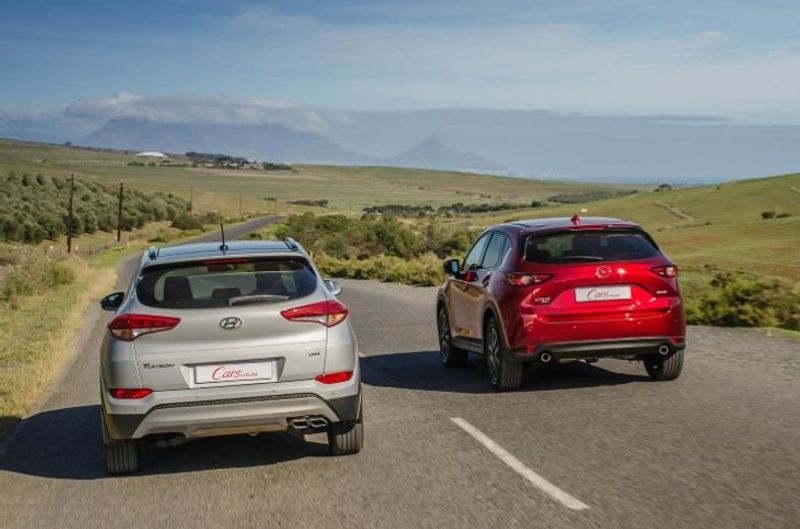
For this comparative review, we stack the Hyundai Tucson 2.0CRDI Elite derivative against the equivalent Mazda CX-5 2.2 DE AWD Akera to determine which car is the better buy. Both are range-topping derivatives that are powered by turbodiesel engines mated with automatic transmissions. The Korean offering is admittedly R17 600 more affordable than its Japanese rival, but keep in mind that whereas the former is front-wheel drive, the latter offers the added practicality (and safety) of a four-wheel drivetrain. Let’s see how they stack up!
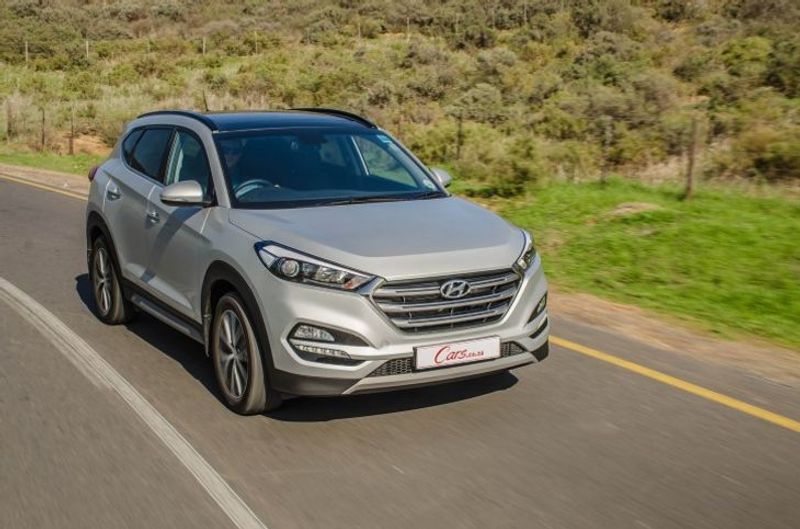
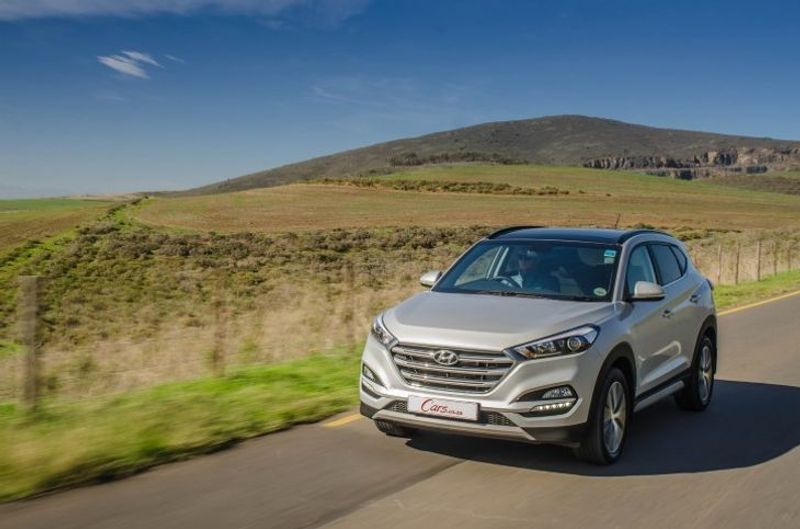
The Tucson’s bold front-end styling has proven popular with buyers looking for a compact SUV.
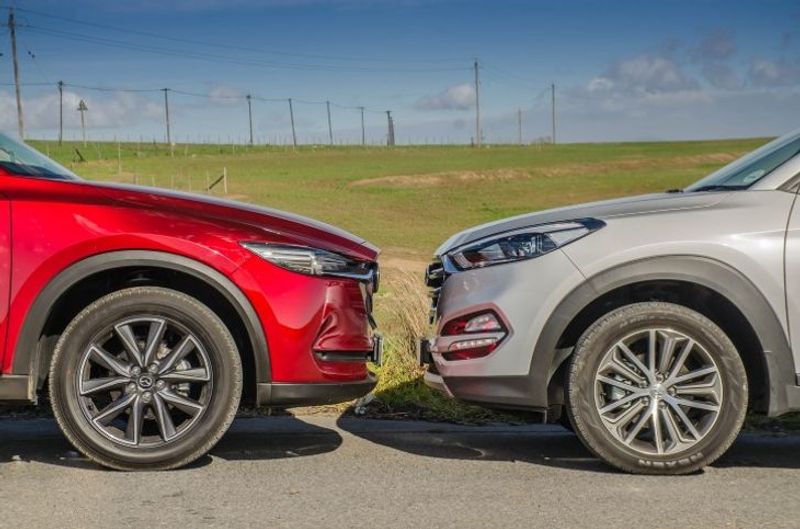
The Tucson stands out from the crowd by virtue of a bold hexagonal grille and a wing-shaped bar in the bumper that incorporates its LED daytime running lights. The front-end is further enhanced by LED-adorned headlights. Riding on 17-inch alloy wheels, the Tucson’s square-jawed, yet overall sleek, appearance is accentuated at the rear with sporty touches such as a satin chrome-look diffuser in the rear bumper and a twin exhaust system. It’s a good-looking car and this fact has undoubtedly helped it achieve sales success in the local market.
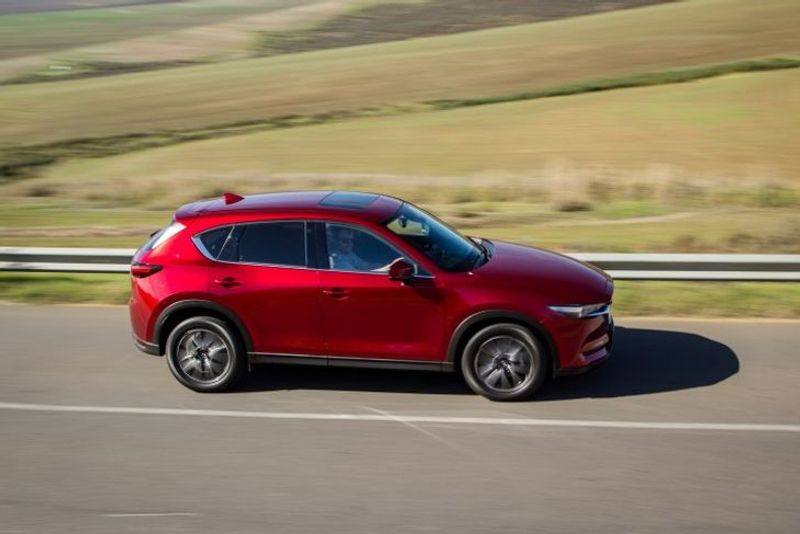
The new Mazda CX-5 brings a sharper, more sophisticated look to the road with a redesigned grille and headlights.
As for the new CX-5, an angled, recessed 3-D grille is a major attraction and it gives the car a purposeful look with a chrome bar extending beneath characteristically slim adaptive LED headlights. The reshaped taillights are leaner, accentuating the CX-5’s voluptuous rear end with 2 tailpipes rounding off a rather dashing, sophisticated-looking product. The CX-5 also rides on larger 19-inch alloy wheels.
Verdict: You are welcome to pick your favourite, but in our test team vote-off, the CX-5 came out on top as the better-looking car.
Performance and Refinement
Mazda CX-5 2.2DE AWD Akera
Hyundai Tucson 2.0CRDi Elite
Engine
2.2-litre turbodiesel
2.0-litre turbodiesel
Power
129 kW
131 kW
Torque
420 Nm
400 Nm
Transmission
6-speed automatic
6-speed automatic
Fuel Consumption (claimed)
6.0 L/100km
6.7 L/100km
0-100 kph
9.5 seconds
9.3 seconds
Top Speed
206 kph
201 kph
Based on their manufacturers’ claimed figures, the Tucson and CX-5 are closely matched. The CX-5 offers more torque from its slightly bigger engine and is slightly more fuel efficient. Comparatively, the Tucson offers a smidge more power and it’s marginally thirstier. However, the way in which the products deliver their performance is noticeably different.
Push the engine start button and the Tucson’s 2.0-litre turbodiesel comes alive with a hearty diesel thrum that’s noticeably audible in the cabin. Acceleration feels brisk when you put your right foot flat to the floor and we found the transmission to be relatively smooth and responsive to throttle inputs.
The Tucson and CX-5 are closely matched on paper and both deliver good performance and reasonable fuel economy.
Quick and punchy overtaking manoeuvres are easily achieved on the highway and only a hint of turbo lag is evident. For the most part, the Tucson’s engine adapts well to your driving style, whether it be more spirited or relaxed. The driver can choose between 2 driving modes, ECO and Sport, depending on your intentions, whether it be saving fuel or extracting the most from the engine. Overall, the Tucson is a strong performer with good acceleration and admirable all-around ability. It must be said, however, that the Tucson’s engine is not as refined as it could be. The engine emits a fair amount of noise and it exhibits some diesel clatter, but with that said, it’s by no means overbearing. During our test, the Tucson returned respectable fuel consumption figures and we averaged in the region of 8.3 L/100km.
In the case of the CX-5, it too has an engine start button, but at startup, the engine is quieter and far more refined. Engine noise is less intrusive inside the cabin and the engine doesn’t clatter under harder acceleration. Much like the Tucson, the CX-5 accelerates with fervour when pushed and the transmission is quite slick in snapping through its gears with minimal turbo lag. The engine and transmission seem to be well matched.
The CX-5 is more refined than the Tucson with less engine noise and better performance delivery.
Similarly, overtaking is a no-fuss affair for the CX-5 and the additional torque helps give some added oomph when it’s needed. Apart from its practical benefits, with all-wheel drive, the CX-5 also feels more effective in its power delivery and it certainly feels sportier. Interestingly, although the CX-5 claims to be more efficient than the Tucson, we found it to be a bit thirstier, returning an average figure of 8.7 L/100km. However, with more attentive driving, we are sure that the CX-5, and the Tucson for that matter, are capable of lower fuel consumption. Spirited driving will, however, increase consumption, naturally.
Verdict: In terms of performance capability, the Tucson and CX-5 both deliver responsive acceleration and good overall performance in both city and highway driving situations. However, we feel that the CX-5 has the edge over the Tucson because it delivers its performance in a more refined manner.
Ride Quality and Handling
Both the Tucson and CX-5 deliver a comfortable ride, but the CX-5 is slightly firmer with a more sportier feel.
Apart from the previously mentioned engine noise entering the Tucson’s cabin under harder acceleration, Hyundai has done a good job of insulating the cabin from other audible interference such as wind and road noise and the cabin is fairly quiet when cruising along at highway speeds. The suspension errs on the side of comfort and the Tucson negotiates bumpy surfaces well without being crashy or uncomfortably intrusive.
Steering feel is positive and slightly on the heavier side, encouraging control on behalf of the driver. The Tucson corners with confidence and its wide stance give it a solid and planted feel when pushing on. Overall, the Tucson’s handling is best described as ‘confidently capable’ and its forgiving ride quality is definitely one of its key strengths.
Mazda has gone to great lengths to improve the ride quality of this new CX-5 and the improvements are to be appreciated. Along with its more refined engine, the cabin is quieter and almost free of any interference from wind and road noise. The larger wheels do become marginally noisier on rougher surfaces, however, but it’s easily forgivable.
Ride quality in the Tucson and CX-5 is excellent, but the CX-5 feels delivers a more refined ride.
Like the Tucson, the CX-5’s ride quality is pleasingly comfortable but the suspension is slightly firmer, which complements its sportier disposition. Even so, the CX-5 still copes very well on rugged tar and imperfections are ironed with seemingly little effort. The key difference in ride quality, however, is that the CX-5 seems to glide over tar with a premiumness that the Tucson can’t quite match. It’s worth noting that the chassis of this new CX-5 is more rigid than before, which effectively improves its handling and we found the CX-5 to be particularly good at cornering where it’s both stable and willing, even at speed. Also, you may, or may not, be pleased to know that the steering feel of the CX-5 is lighter than that of the Tucson.
Verdict: The ride quality and handling ability of the Tucson and CX-5 are difficult to fault. Both deliver a comfortable ride over varied surfaces and both feel reassuringly capable in corners. Ultimately, the judgment will depend on the characteristics you favour more. If you want a weightier steering feel and a little more forgiving ride, then the Tucson is a good bet.
Alternatively, if you prefer a sportier and slightly firmer sprung SUV with a lighter steering feel, then you can’t go wrong with the CX-5. As for a verdict, we prefer the setup of the CX-5 and like the premium feel of its ride.
Practicality
Mazda CX-5 2.2DE AWD Akera
Hyundai Tucson 2.0CRDi Elite
Length
4 450 mm
4 475 mm
Width
1 840 mm
1 850 mm
Height
1 680 mm
1 660 mm
Ground clearance
185 mm
172 mm
Luggage capacity
442 – 1 914 L
488 – 1 478 L
Fuel tank capacity
58 L
62 L
The Tucson will have to sit in the back seat for practicality because this is where the CX-5 shines rather brightly. Yes, the CX-5 does have the smaller luggage bay, but when you fold the seats down, the volume of the load area is capacious. For the mountain bikers who don’t want to take a wheel off, the CX-5 will swallow your bike whole. But to be fair so does the Tucson, it’s just not as big. More so, the CX-5 has a clever luggage cover and conveniently placed levers in the load bay to drop the 40:20:40 split rear seats. In the Tucson, you have to walk around to each side of the car to fold both seats down via 2 levers, it’s rather tedious. The Tucson carries a full-size spare wheel and has a 12V socket in the load bay. Comparatively, the CX-5 carries a tempory-use spare steel wheel instead.
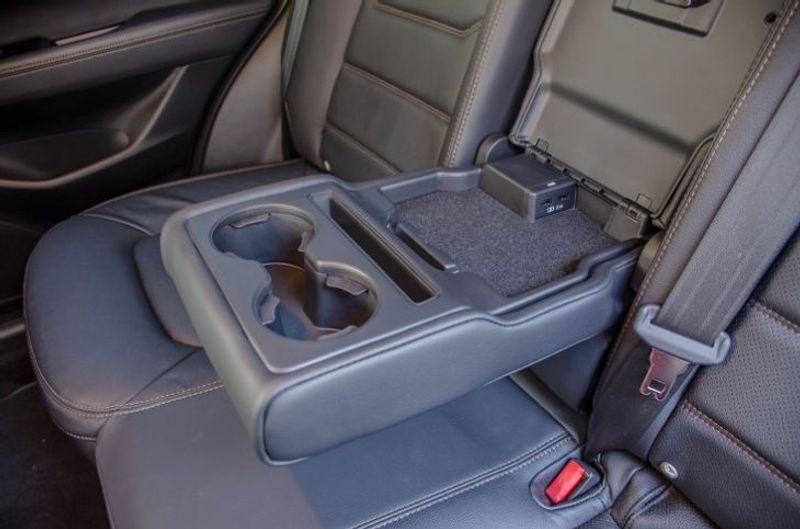
The CX-5 is equipped with a useful charging station with 2 USB ports for rear passengers, amongst other practical features.
The CX-5, unlike the Tucson, goes further by offering an electronic tailgate that’s useful when your hands are full of shopping bags. But that’s not all. Although both the CX-5 and Tucson have a rear centre armrest with 2 cupholders, the CX-5 ups the ante with a nifty smartphone charging station with 2 USB ports. Rear passenger space in both vehicles is quite generous for 2 (ideal) to 3 (pushing it) adults, should be comfortable with little to complain about. The Tucson does offer slightly more legroom though, but the CX-5 fights back with a 2-stage rear seat reclining feature, for added comfort on longer journeys.
Both cars have bottle holders in all the door mouldings and the driver and passenger have 2 handy cup holders in the centre tunnel. Additional storage space can be found ahead of the transmission lever as well as in the centre console or glovebox.
Verdict: Where the Tucson can be regarded as average in terms of practicality, the CX-5 bests it by going above and beyond with thoughtful features that take its practicality up a few notches. The CX-5 is, therefore, a clear winner in the practicality stakes.
Interior comfort features
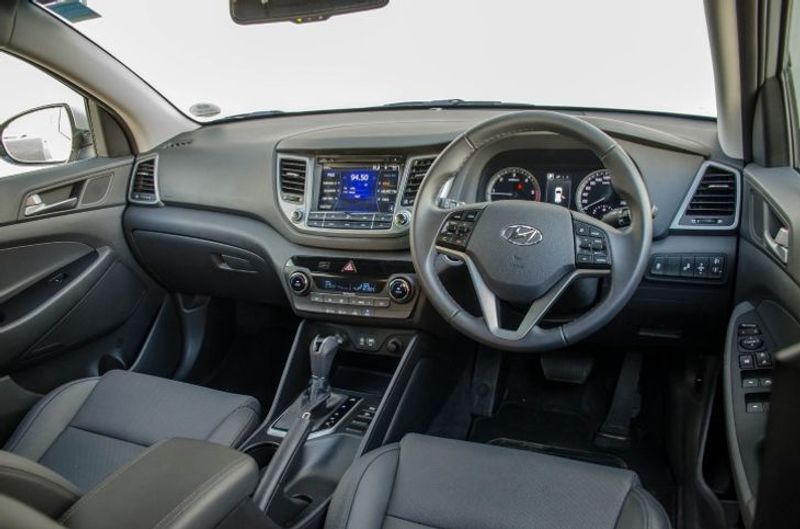
The Tucson’s interior is grey and perhaps uninspired in terms of design appeal, but it very well-built and sturdy.
The Tucson features a predominantly grey interior with hard-wearing plastics being the order of the day and the seat upholstery is made from synthetic leather and the electrically adjustable seats are adequately comfortable. The driver’s seat also has lumbar support. The cabin feels indestructible but the design and layout lacks inspiration. Perceived build quality is very good, however.
The Tucson’s steering wheel has mounted cruise control, audio and telephone controls and it’s adjustable for rake and reach. Infotainment comes courtesy of an optional (R15 000) 8-inch touchscreen display and it offers basic functions such as a radio, Bluetooth functionality, DVD/CD player, Mirror Link and navigation, but for some reason, this test unit’s navigation was not operational. Although basic, we found the system to offer adequate functionality and it’s easy enough to use. A USB and auxiliary port is also fitted as well as a 12V socket.
Other key features on the Tucson include a larger panoramic sunroof, dual zone climate control air conditioning, electric windows and electrically adjustable folding side mirrors.
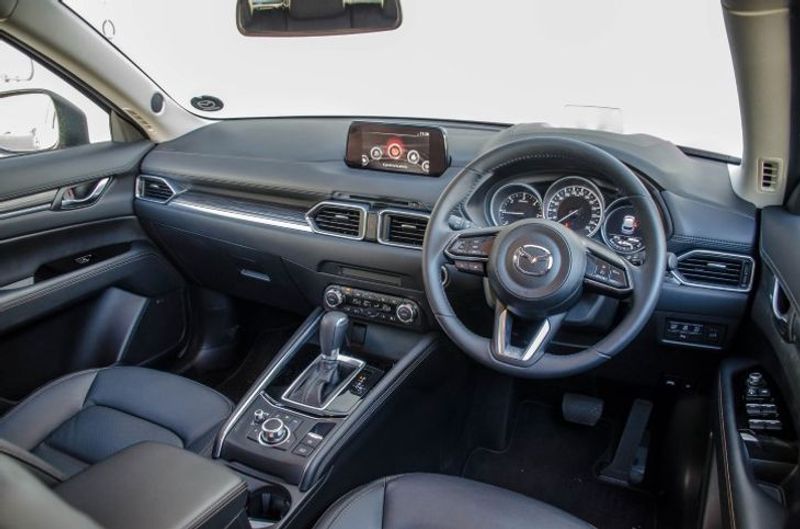
The CX-5’s interior feels and looks more upmarket with quality finishes and an attractive overall design.
The CX-5, on the other hand, takes a sophisticated approach in terms of layout and design. Soft touch surfaces dominate the predominantly dark/black cabin and it feels far more modern and stylish with appealing wooden-like inserts seen on the dashboard and door inserts that give the interior a premium feel. Perceived build quality is very good but unlike the Tucson, the CX-5’s interior is minimalist and is far more appealing in terms of design and layout. Comfortable, genuine leather upholstery is fitted and the front seats are electrically adjustable with lumbar support.
The steering is also adjustable for rake and reach with mounted Bluetooth, cruise control and audio controls. In terms of infotainment, the CX-5 excels with an upright 7-inch display that’s operated using a rotary dial in the centre tunnel. The system offers Bluetooth functionality as well as navigation. A quality, 10-speaker BOSE sound system is also fitted along with a CD player and 2 USB ports and an auxiliary port in the centre console. Comparatively, the CX-5’s infotainment system is slick and more user-friendly than the system found in the Tucson. A 12V socket is also fitted should you need it.
Other features offered on the CX-5 include a head-up display, electric sunroof, dual zone climate control air conditioning, electric windows and electrically adjustable folding side mirrors.
Verdict: From an interior design point of view, the CX-5 is superior to the Tucson with its smart and aesthetically pleasing cabin. The quality of materials used is a cut above and although they share similar comfort features, the CX-5 looks and feels more premium inside. The CX-5 is the better-packaged product.
Safety Features
The Tucson’s safety offering has made it a popular choice in South Africa.
In term of passive safety features, both vehicles are fitted with 6 airbags, ABS with EBD, stability control and traction control. The CX-5 adds brake assist.
On the Active safety front, the Tucson comes with blind spot detection with lane change assist that helps you change lanes safely via a visual signal (located in the side mirrors) and audible alerts. Rear-cross traffic alert and hill start assist is also standard on the Tucson. Rear park distance control is accompanied with a reverse camera that appears in the rear-view mirror. The display is small though, making it difficult to judge your manoeuvres accurately. It would be far better to have the rear camera displayed on the main infotainment screen.
Comparatively, the CX-5 is equipped with lane departure warning which alerts you when you are veering out of your lane and is complemented with lane keep assist by adding slight torque to help steer the vehicle back onto the correct path. Lane keep assist is displayed on the updated heads-up display that also brings information such as speed and speed limits directly into the driver’s field of vision. Blind spot monitoring is also standard as is front and rear park distance control with a reversing camera displayed on the infotainment display.
Although both vehicles offer a good level of safety specification, the CX-5 is more comprehensively equipped.
Furthermore, the CX-5 offers Smart City Brake Support (SCBS) to help prevent or minimise low-speed collisions by detecting potential collisions up to 80 kph. This feature issues a visual audible alert when an imminent collision is detected and primes the brakes for quicker response when or if the driver applies the brakes. Another included feature is driver attention alert which ‘learns’ your driving habits and if your habits change, implying fatigue, an audible and visual alert will be issued, encouraging you to take a break. Both vehicles feature ISOFIX child seat mounts.
Verdict: Although both vehicles are well-equipped with passive and active safety features, the CX-5’s safety specification is more comprehensive. If safety is high on your priority list, then the CX-5 is the safer bet. Pricing and warranty
The new Mazda CX-5 pips the Tucson in all departments and offers buyers more value with a host of attractive features.
There is much to like about the Hyundai Tucson. It’s an attractive SUV that delivers good performance and a comfortable ride. Although it’s not as refined as the CX-5, it’s more than adequate for both city driving and those longer family excursions on the weekend. The Tucson offers a decent level of features as standard and even though its interior packaging and practicality offering is average, it ticks many of the boxes buyers are looking for in this segment.
The latest CX-5 is a strong product that seemingly does many things really well. Its engine is great to drive and its sportier driving feel should find favour with many buyers. Its premium ride and its equally premium interior is to be appreciated. The CX-5 is a feature-rich family SUV that offers a comprehensive list of standard comfort, convenience and safety features. Mazda really has lifted the bar with this latest iteration of the CX-5.
In terms of vehicle price, both vehicles are similarly priced, but based on our assessment above, the decision should be a relatively simple one. Simply put, the Mazda CX-5 2.2DE AWD Akera is the better car to buy based on its drivability, design, packaging and feature offering. It’s also a more refined and sophisticated product that will resonate well with image-conscious buyers. With that said, the Tucson’s packaging and feature offering can’t match that of the CX-5 but it does offer more peace-of-mind in terms of warranty and servicing. Nonetheless, we think the CX-5 is a clear winner and offers buyers far better value.
Cars.co.za contributor and #CarsAwards judge Juliet Mcguire gets to grips with Alfa Romeo's SUV, known as the Stelvio. Have the Italians done enough to secure a slice of the ultra-competitive Executive SUV market?
With SUVs topping sales charts across the globe, manufacturers are finding it impossible to resist trying to secure a slice of this lucrative market.
One of the latest entrants is Alfa Romeo. Hoping to make the most out of the Giulia's platform, the Italian marque has introduced the Stelvio, an SUV that borrows heavily, both technically and aesthetically, from its sedan sibling. In this video, we take an in-depth look at the newcomer, specifically the most affordable of the two variants available in South Africa, the Super Q4.