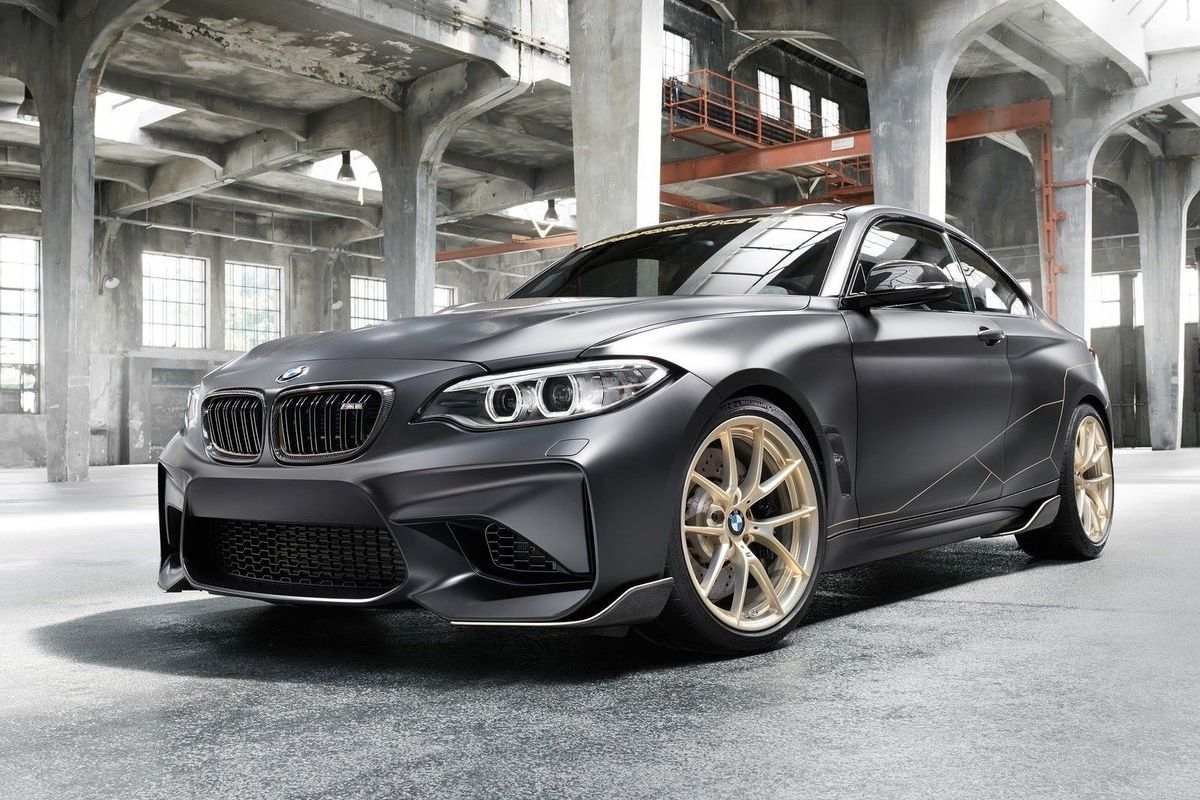
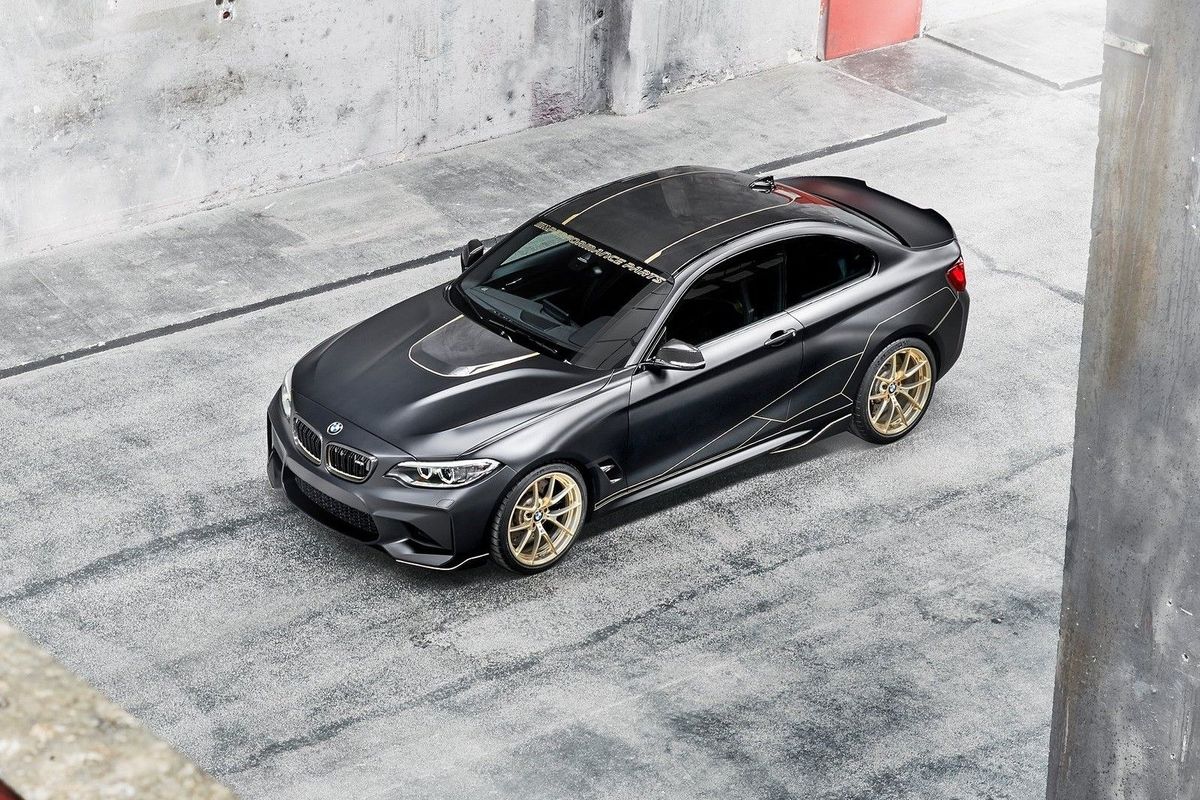
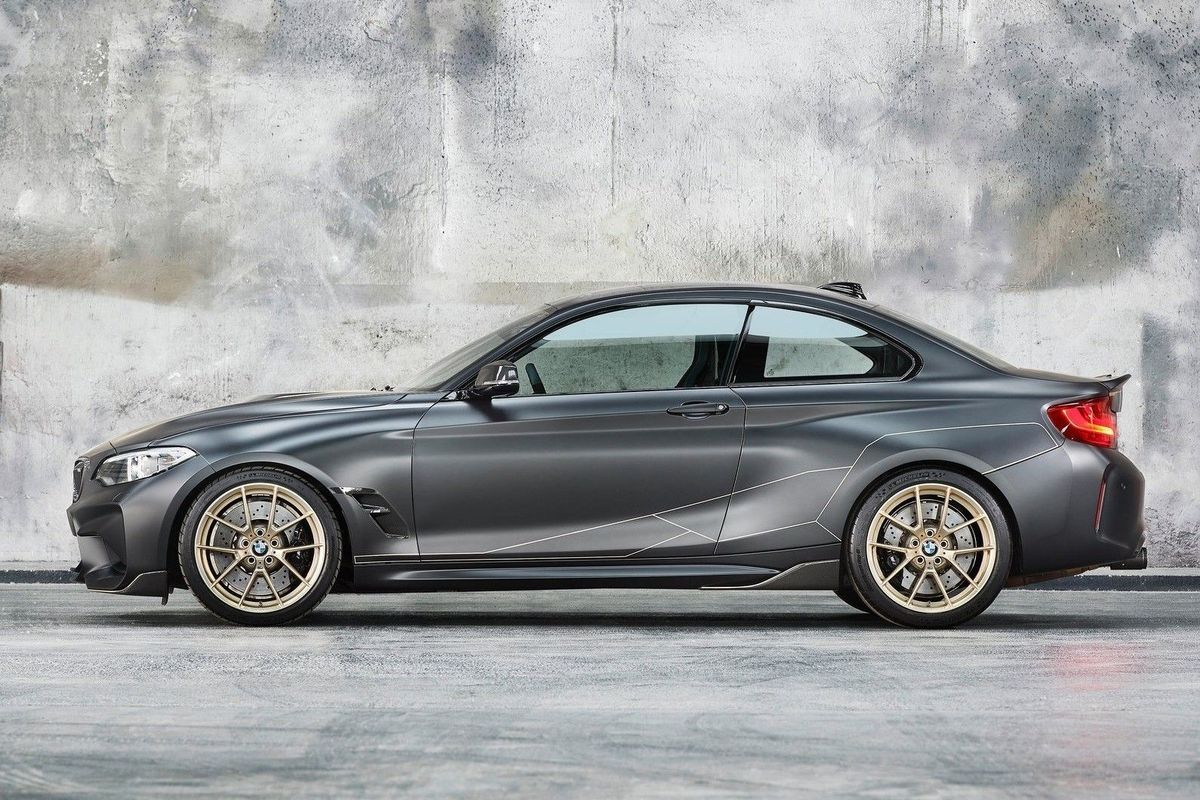
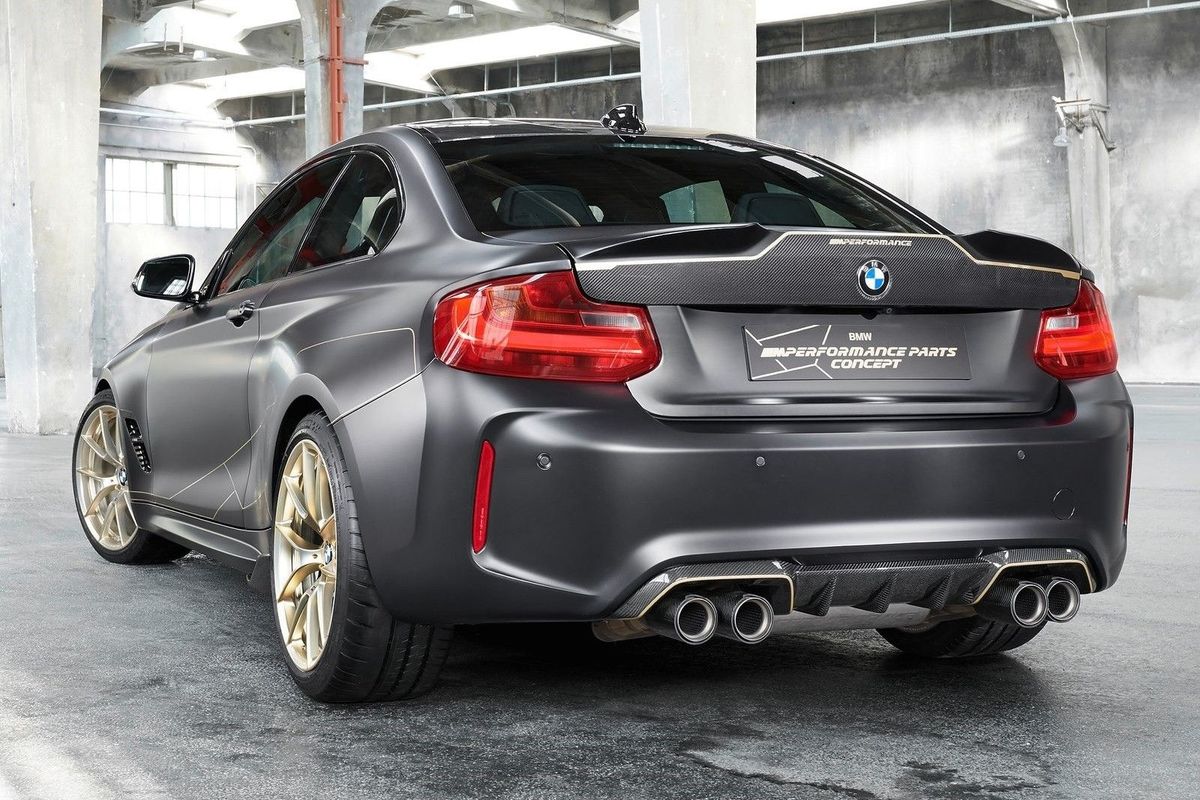
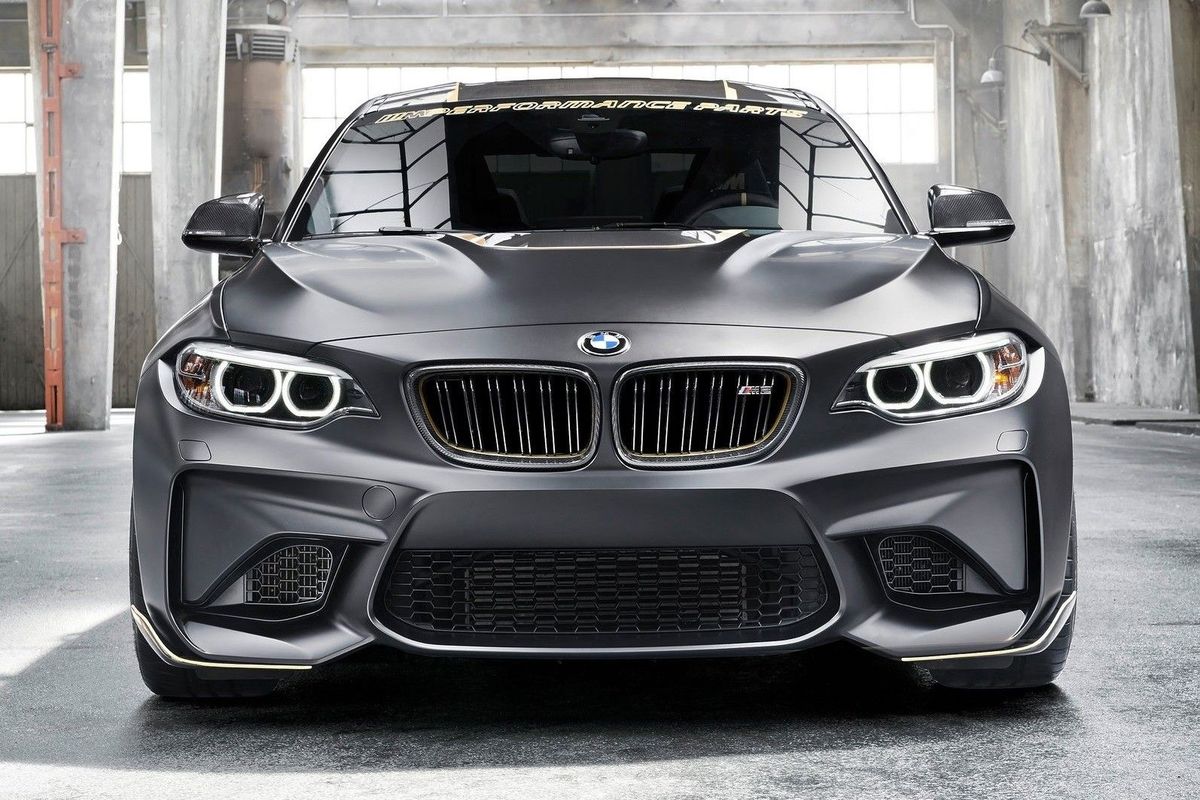
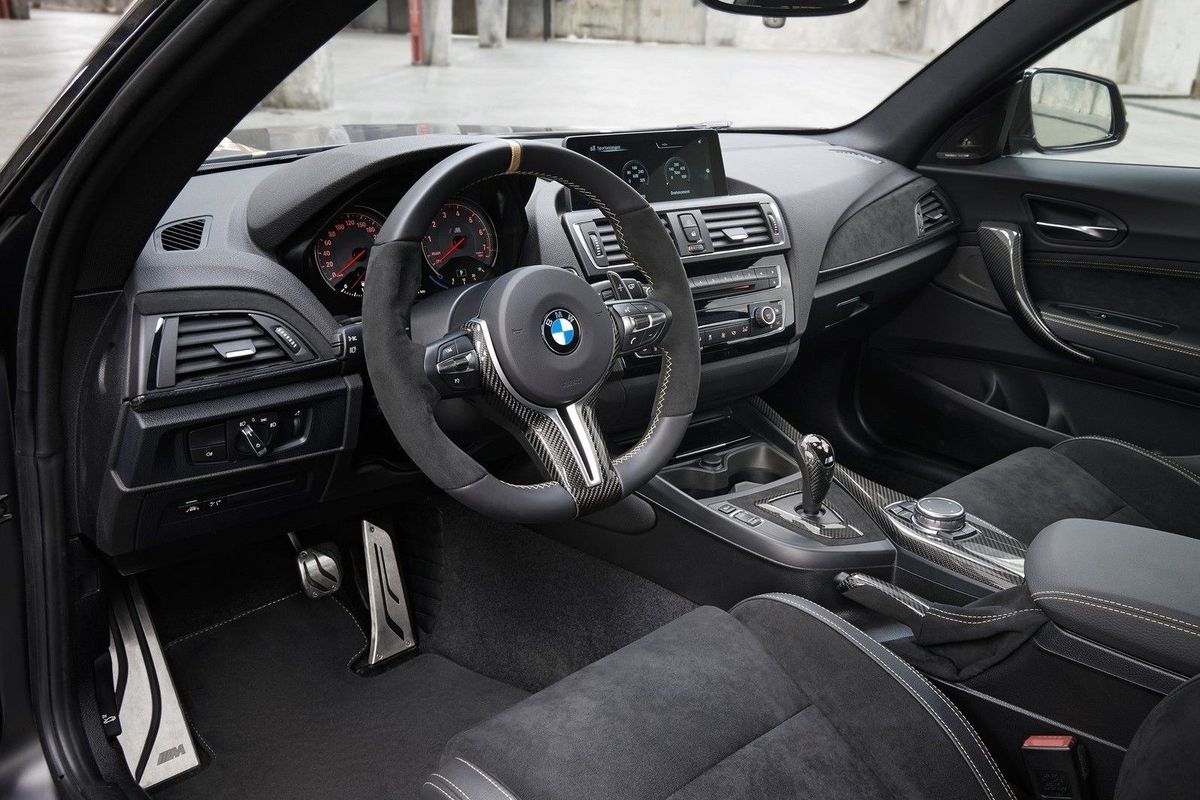
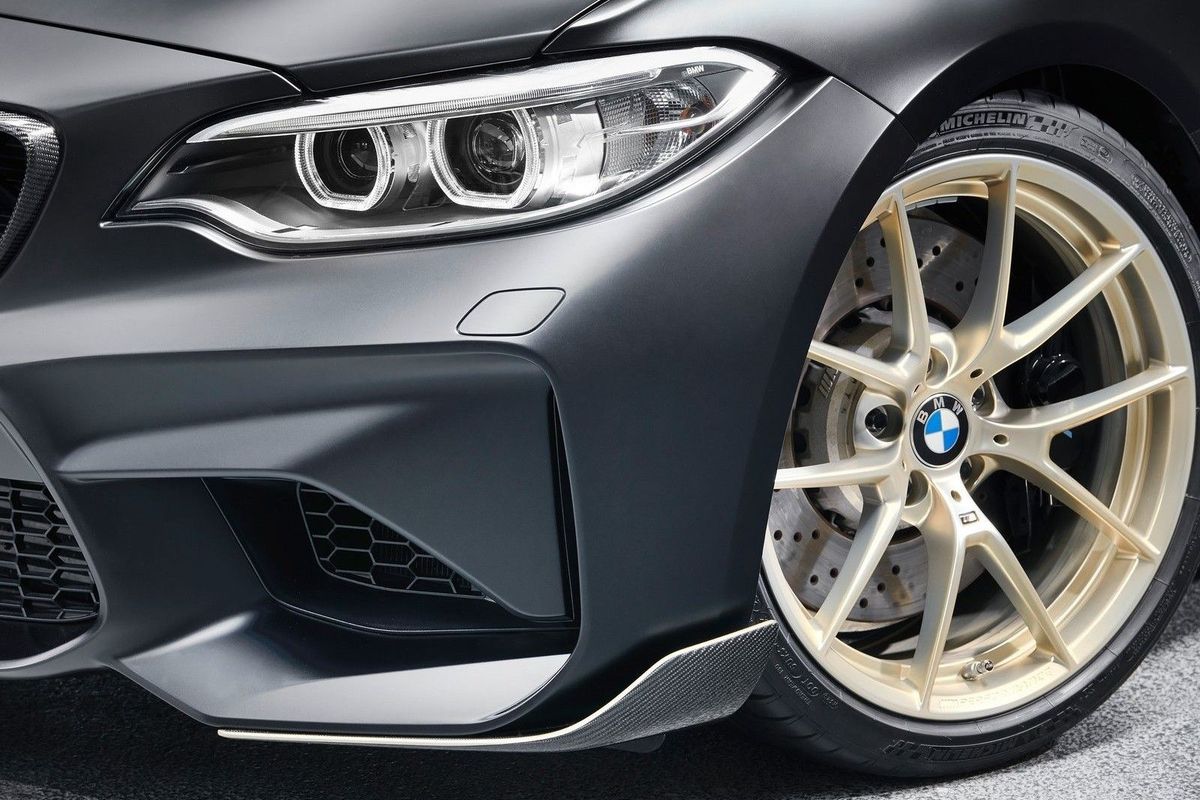
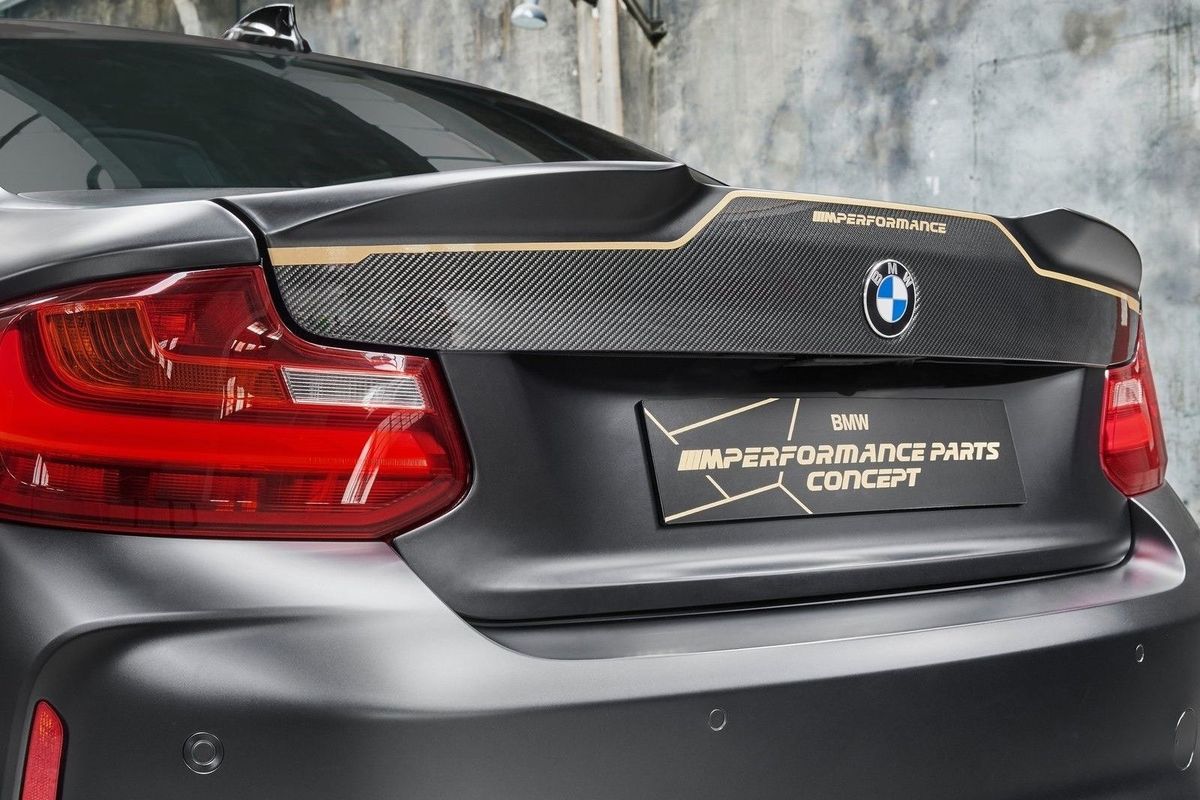
BMW has unveiled a new concept car. It's called the BMW M Performance Parts Concept and it showcases what's possible with the extensive use of carbon fibre, reduced weight and smart aerodynamics.
We're big fans of the BMW M2 compact sportscar. Not only does it deliver a pure driving experience, it's devastatingly quick in the right hands. It also bagged back-to-back wins in the #CarsAwards – Powered by WesBank. Our team would even to go as far as to suggest that out of the entire BMW M family, they'd opt for the M2. There's also a hotter and more focused (if that's even possible) BMW M2 Competition on the way with over 300 kW on tap.
However, BMW is keen to show off what can be done with the significant use of carbon fibre, weight saving and optimised aerodynamics. This is the BMW M Performance Parts concept, which takes the idea of the M2 and enhances it. Finished in a matte Frozen Black finish with extensive use of gold detailing, this BMW M2 looks mean and imposing.
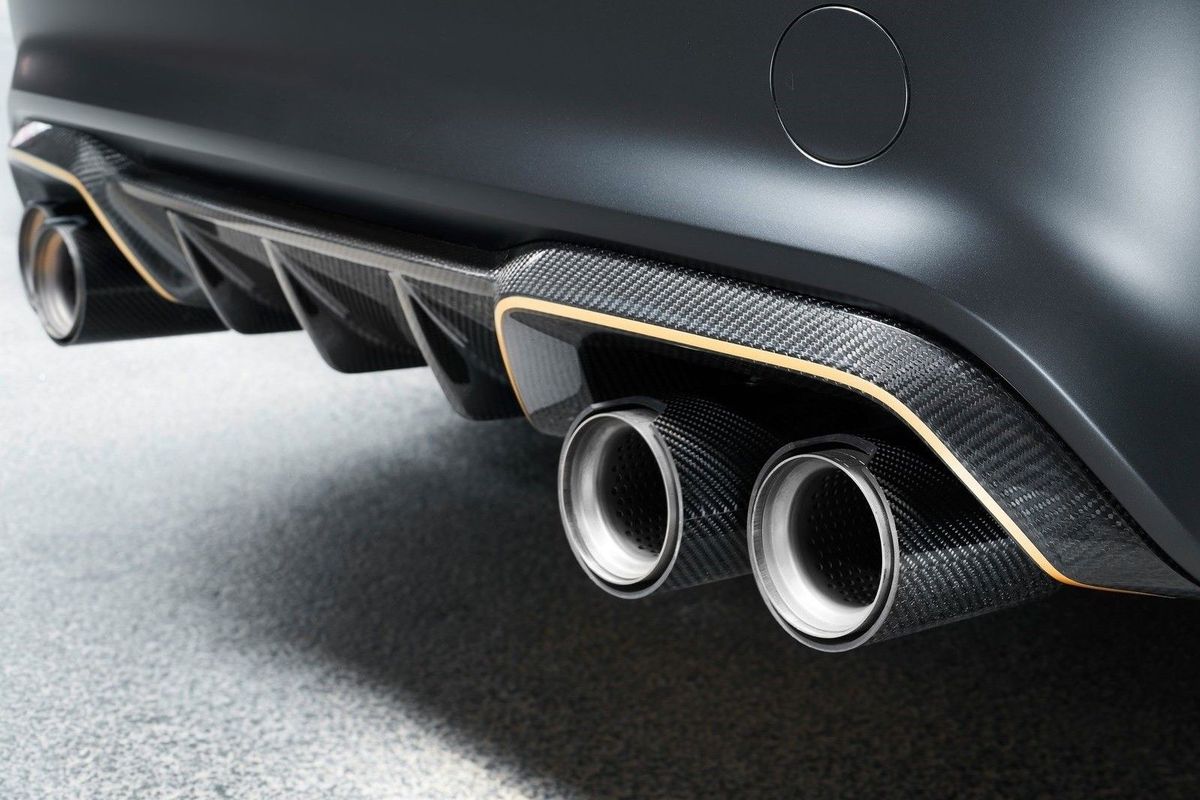
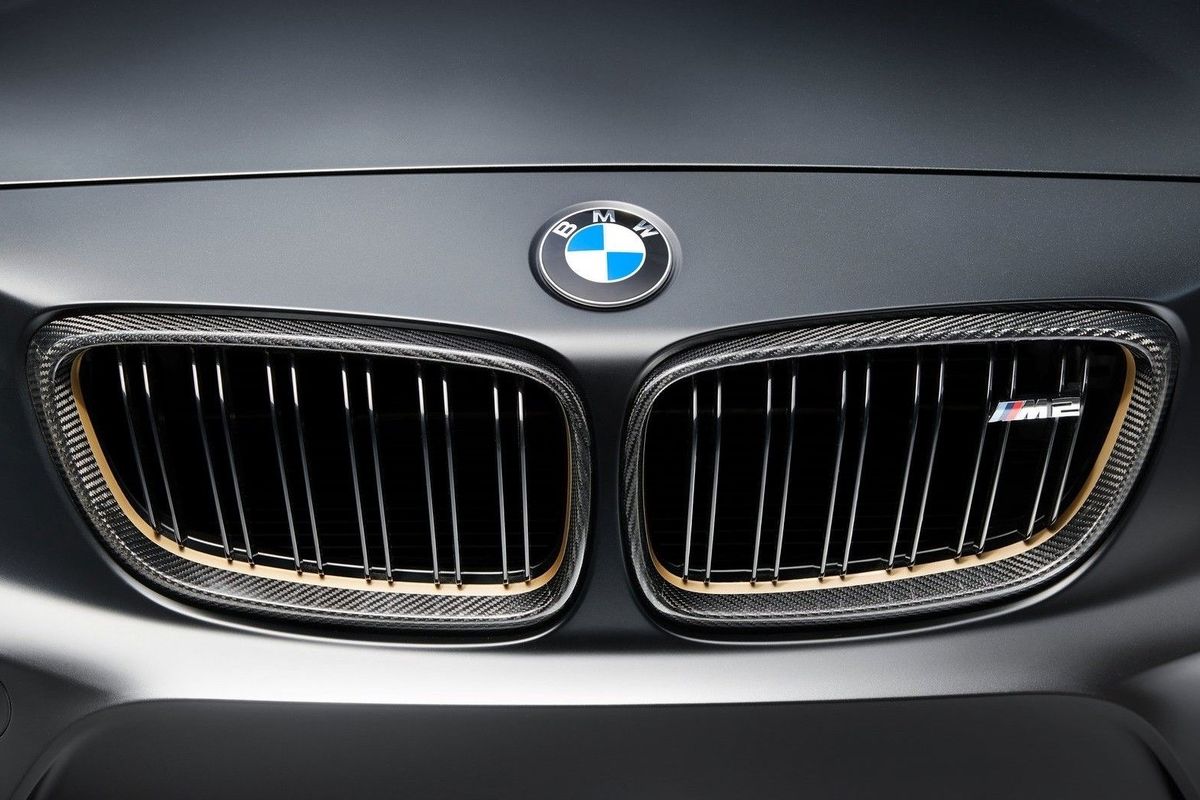
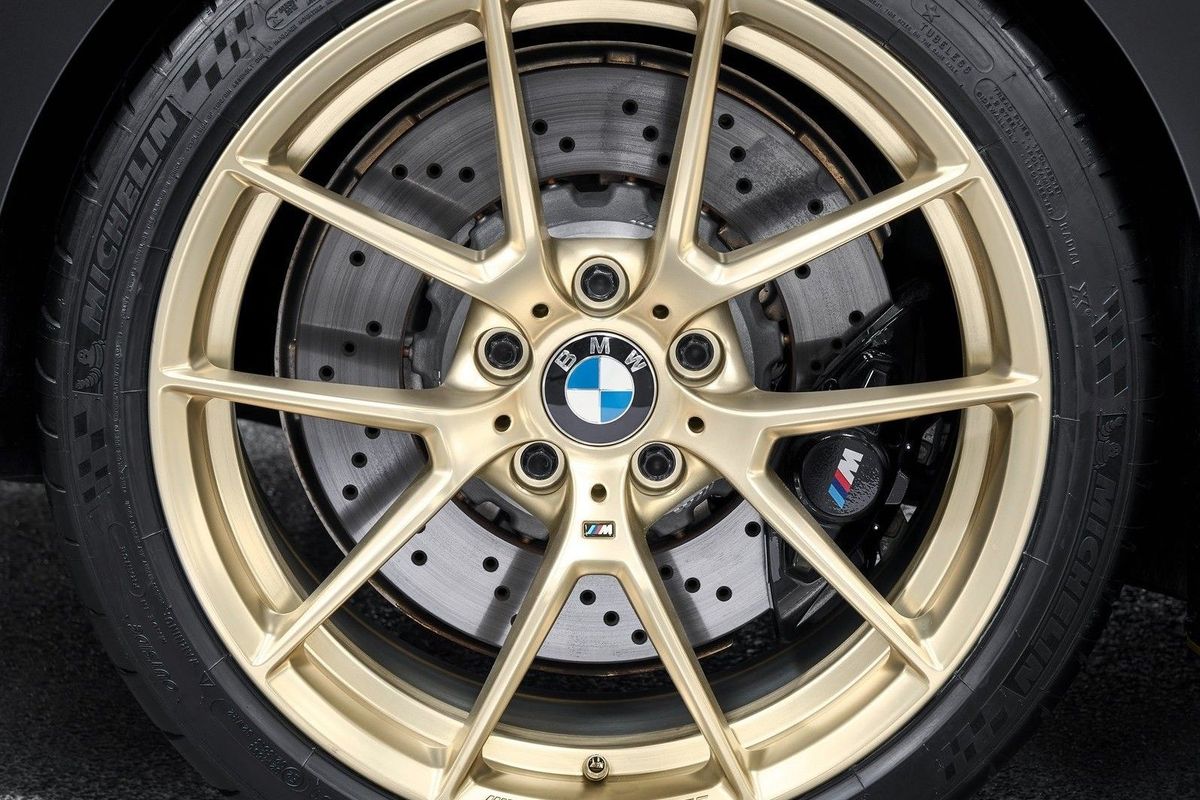
There's plenty of carbon fibre parts which serves two purposes. Firstly it looks awesome and secondly, it reduces overall weight. The front radiator grille saves 8kg, the front side panels each save 3 kg while helping with aerodynamics, the roof shaves a further 6 kg and the rear spoiler reduces weight by 5 kg. How nice are these wheels too? These are lighter-than-standard 19-inch M Performance forged alloys in a Frozen Gold colour, wrapped in Michelin semi-slick rubber. A further 6 kg is saved with these wheels. The obsession with weight reduction is even evident in the battery, which has been replaced by a unit which is 14 kg lighter.
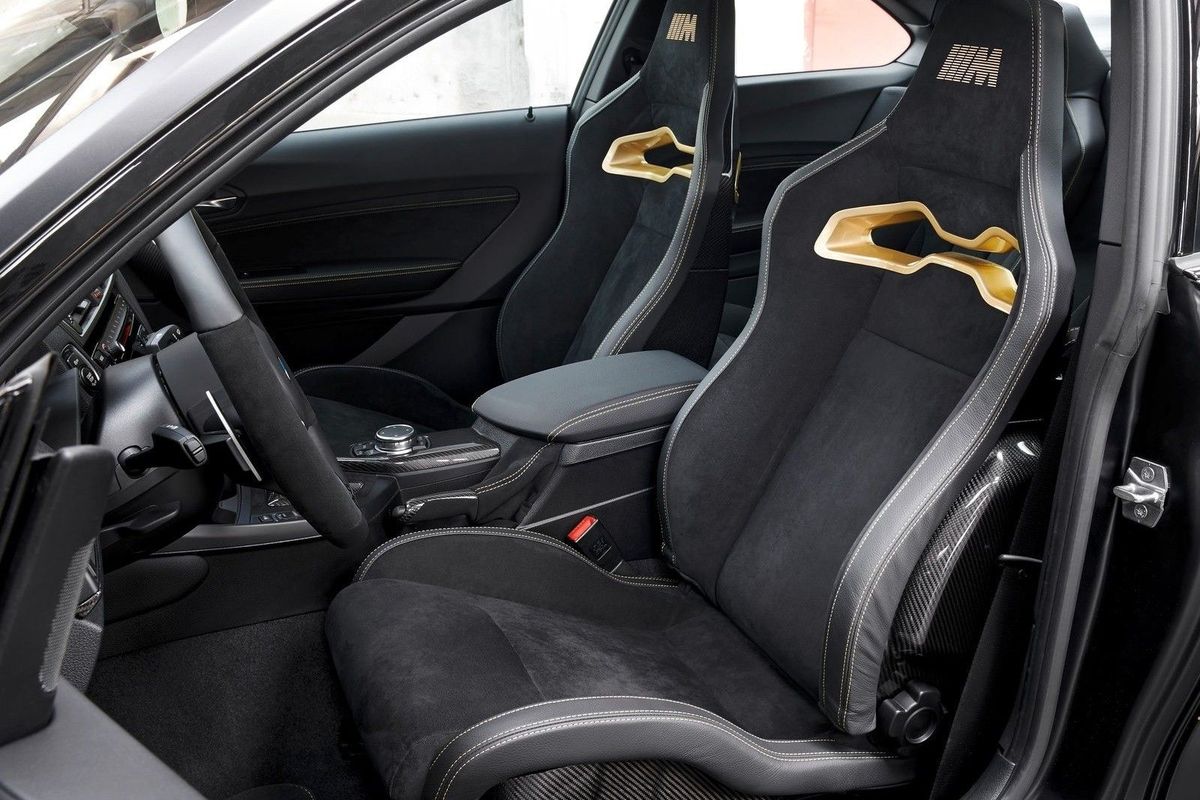
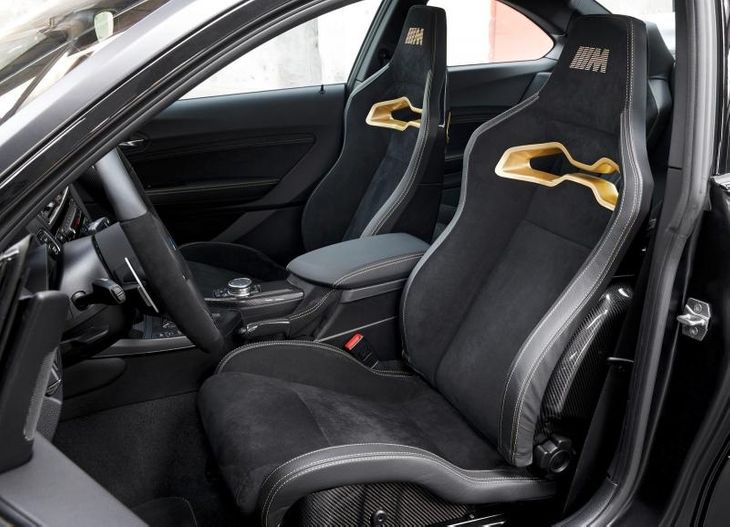
These seats are both beautiful to look and form a critical part of the weight-saving process as they're substantially lighter than the standard units
Inside, there's further focus on weight reduction and there are striking M Performance carbon fibre sport seats, an M Performance steering wheel as well as plenty of Alcantara and carbon fibre touches. The changes are not just limited to the cabin and exterior. Under the skin, the BMW M Performance Parts Concept features the M Performance suspension. The car is 20 mm lower, the dampers are independently adjustable to 12 different compression stages and 16 different rebound stages
While this car is strictly a concept, we're happy to report that you'll be able to purchase these optional parts for your new BMW M2, while some options can be retrofitted. The vehicle will be showcased at the 2018 Goodwood Festival of Speed.
In our opinion, these are the best car interiors to be launched in the past year. Whether it’s for striking design, lavish materials or futuristic elements, these 5 interiors have piqued our interest the most.
Most people will judge your car by the intricacies of its exterior design, but it’s the inside of the car where you spend the most time with your car. Over the past few years, there has been a distinct shift towards touchscreens and multi-screen layouts. This has resulted in more cabin space, fewer buttons and cleaner looking interiors.
You can look at 2017's favourite interiors here. The French manufacturers continue to improve on eye-catching design and feature prominently while Audi’s two-tier screen still wows us and gets the nod of approval all around.
Take a look at what we think are the best interiors of 2018 (thus far). Let us know what your favourite interiors are in the comments section below.
Jaguar I-Pace
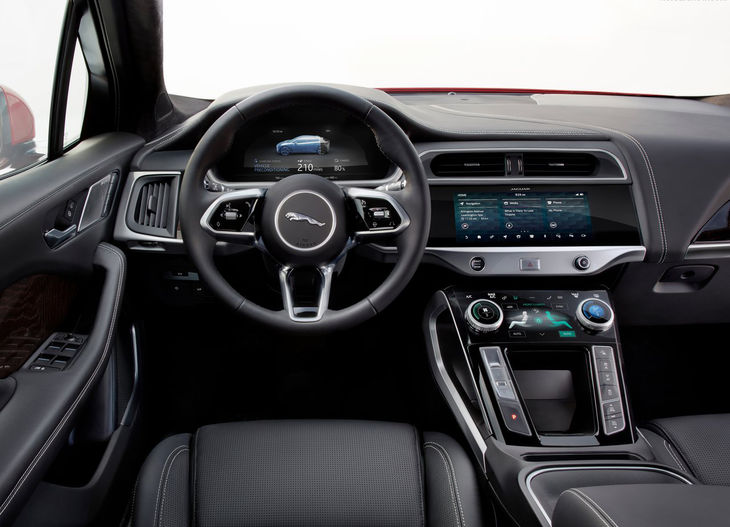
Scheduled to arrive in SA during 2019, the all-electric Jaguar I-Pace not only pushes the boundaries of electric mobility but also interior design. There's a new steering wheel design for the I-Pace with a unique digital instrument cluster with electric-specific graphics.
The centre stack features 2 touchscreens, just as we first saw on the Velar. Both flat screens look modern and appealing while the surrounds have been cleverly used as extra storage space.
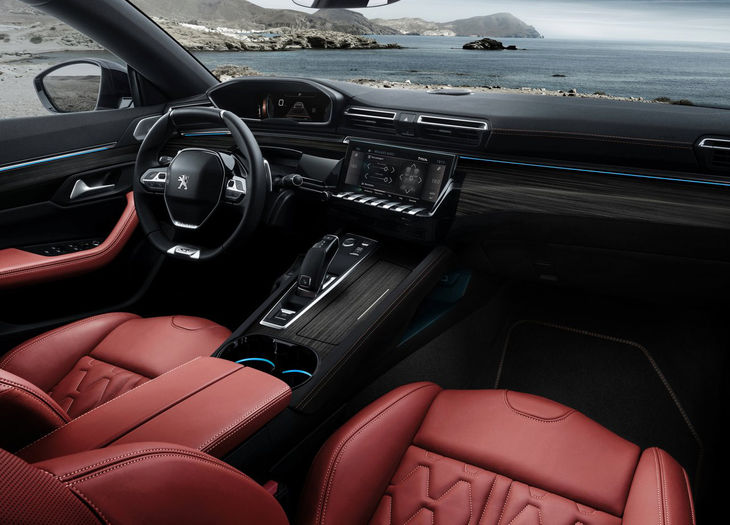
Peugeot is continuing its impressive push into the premium market. The 308 and 3008 have impressed with quality materials and clean design. The 508 takes it one step further with fancy woodwork and blue LED lighting. It looks very suave and almost something you might find on the deck of a fancy yacht. The steering wheel looks a little bigger than the aforementioned models, which may please some who didn’t like the PlayStation-style small wheel.
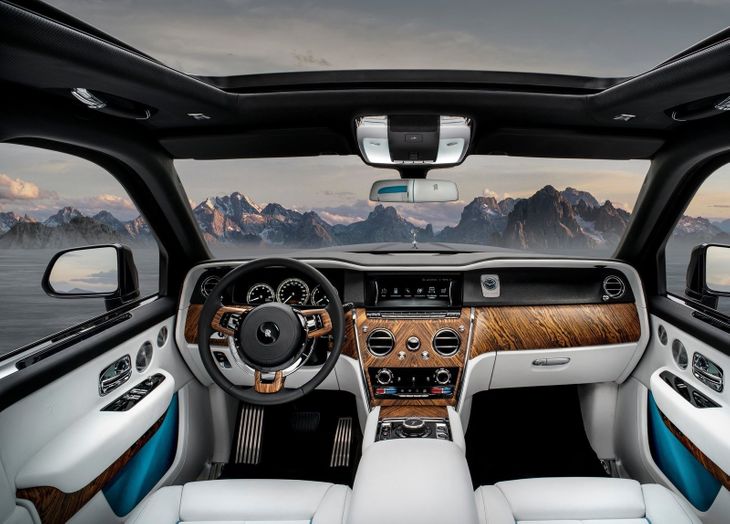
While the exterior of the new Rolls Royce SUV has left many a fan shaking their head in disbelief while the interior exudes confidence and tradition. The Cullinan hides its modern, tech-savvy systems under the veil of classic wood trim and analogue dials (they are actually digital renderings). It's classically understated with just the right amount of ‘runway bling’ that says classy rather than over-the-top.
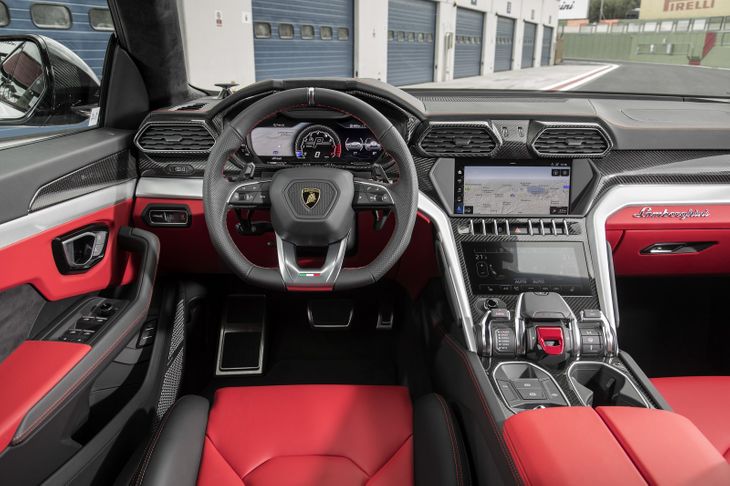
For all of its wild exterior angles and corners, the interior of the Lamborghini uses a fair amount of regulation Audi kit. The dual-screen layout is plucked from the A8/A7/Q8 range and the steering wheel and door panels are very familiar to Audi owners. It’s the extra touches that Lamborghini adds that really spruce up the design. The 2 thruster-like levers that adjust driving mode and suspension settings make it feel like a 2-seater cockpit in a jet. The latched start button hiding under the red switch, the carbon honeycomb air vents, all of these little things bring that typical Lamborghini flavour to what is a quality interior.
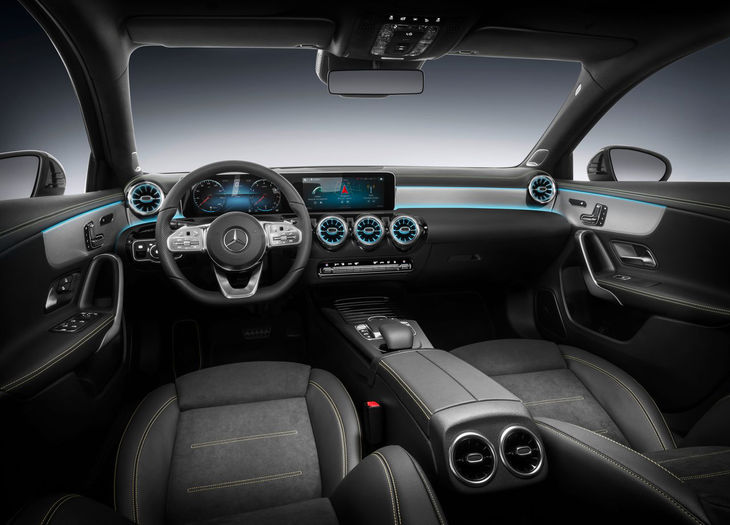
Mercedes-Benz has been getting its interior designs spot on for the last few years. The longevity of the materials has come into question but they do look particularly good. The facelifted A-Class benefits from the huge skateboard screen that we first saw on the E-Class a few years back. The inclusion of LED lighting around the air vents and dashboard gives it a futuristic ‘TRON’ feel to it. The steering wheel is also a key upgrade metallic buttons replacing the plastic ones of the current generation. Overall, for what is its entry-level model, the A-Class has a very stylish and premium looking cabin.
Vintage South African GP Alfa Romeo under the hammer
This rare racer from the '30s didn't have a particularly happy outing in South Africa in its heyday, but could it make a return to local shores?
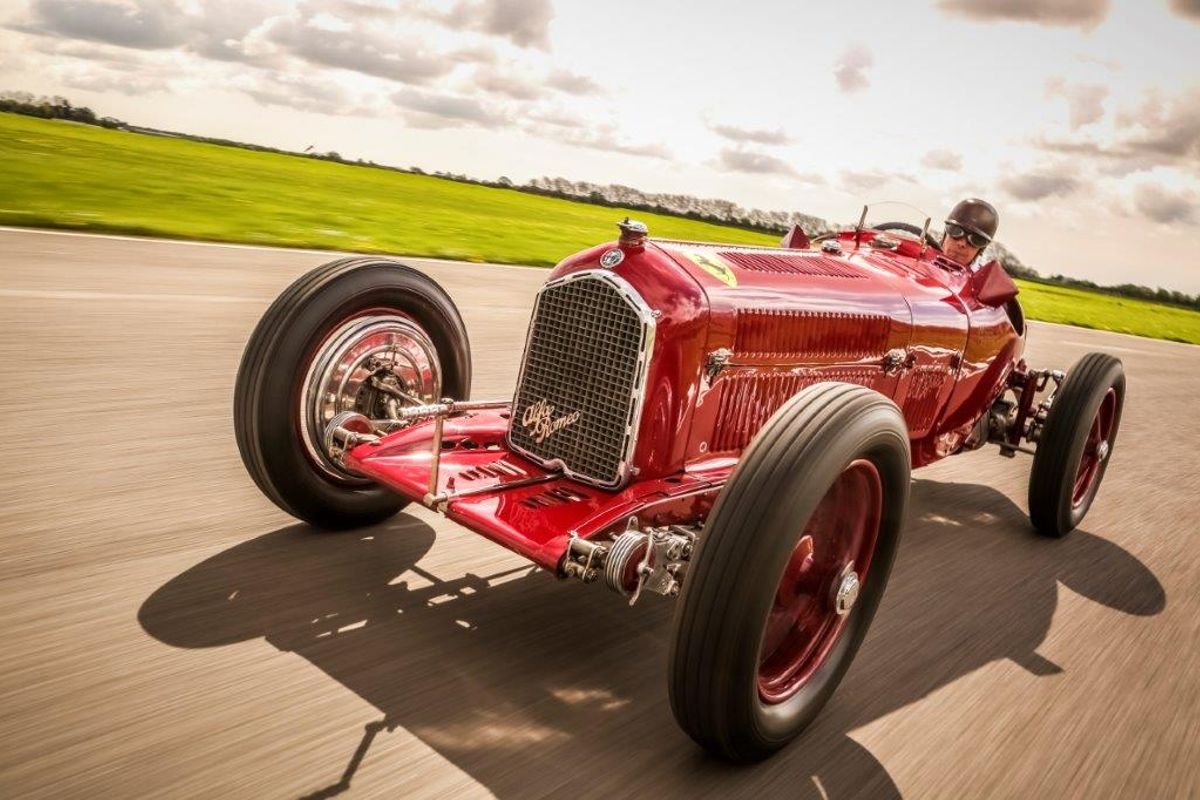
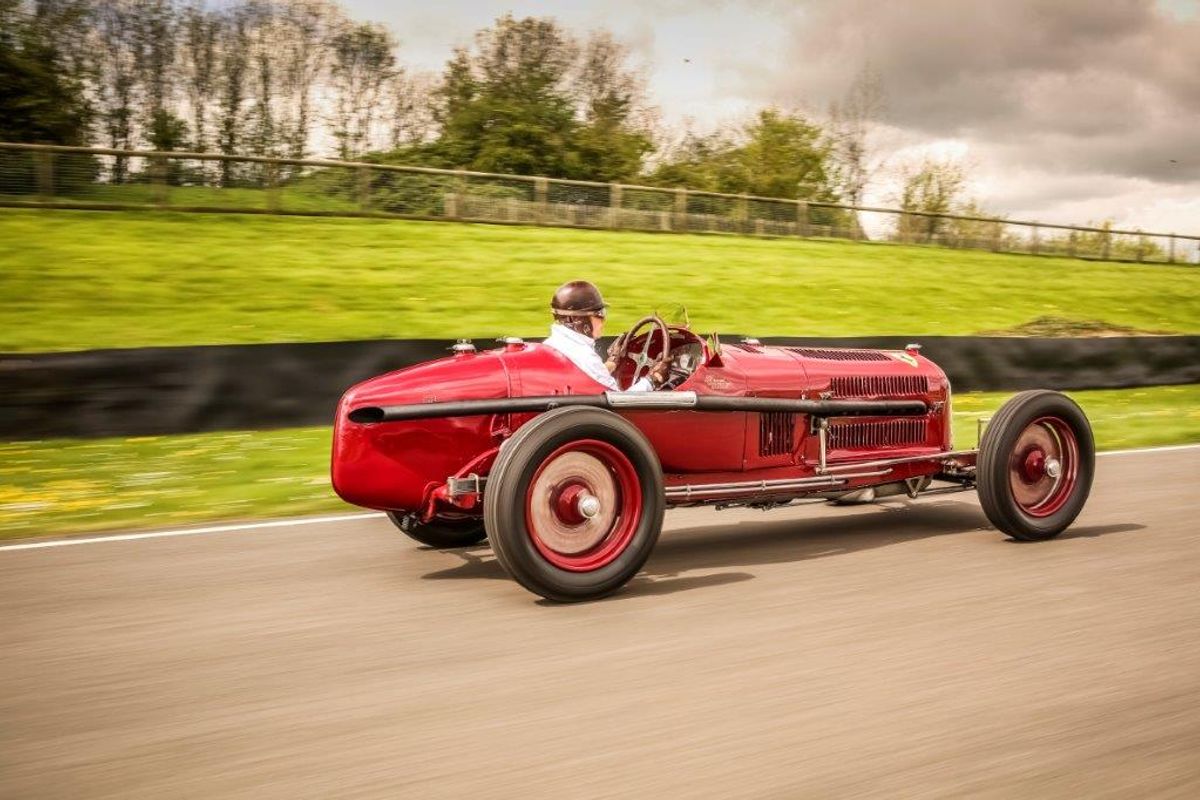
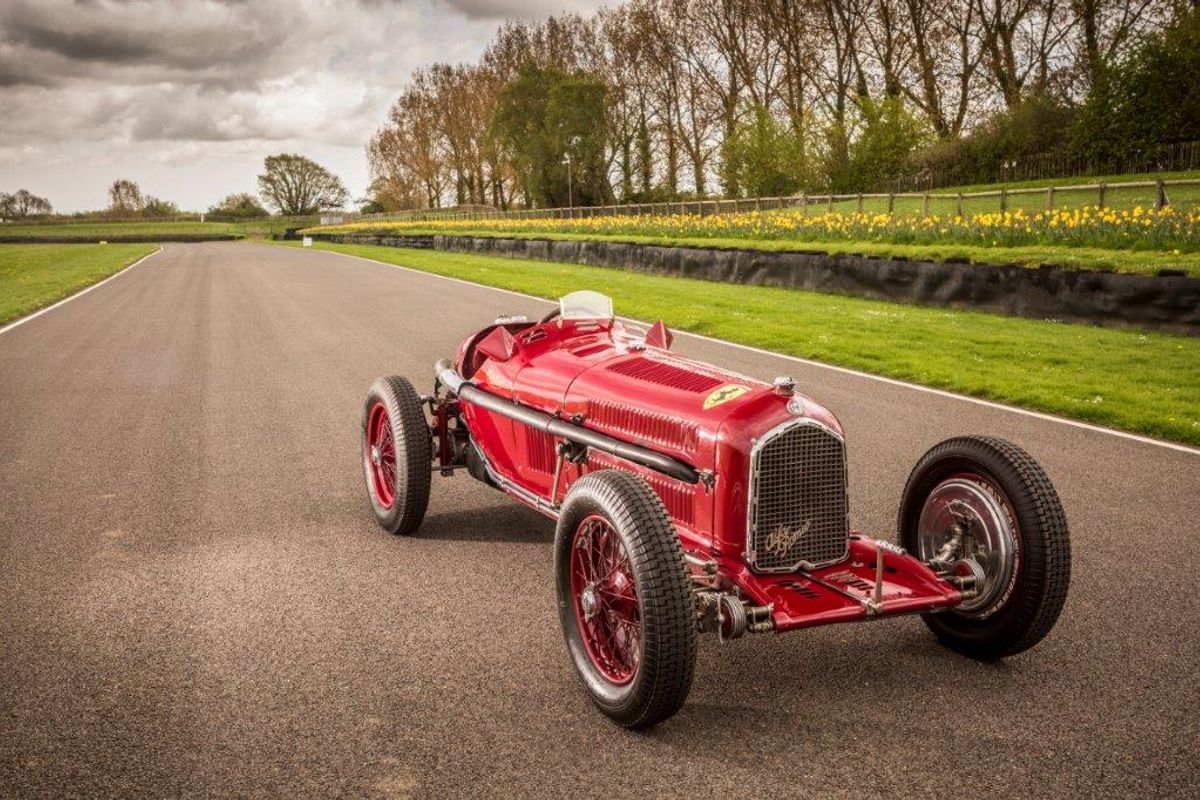
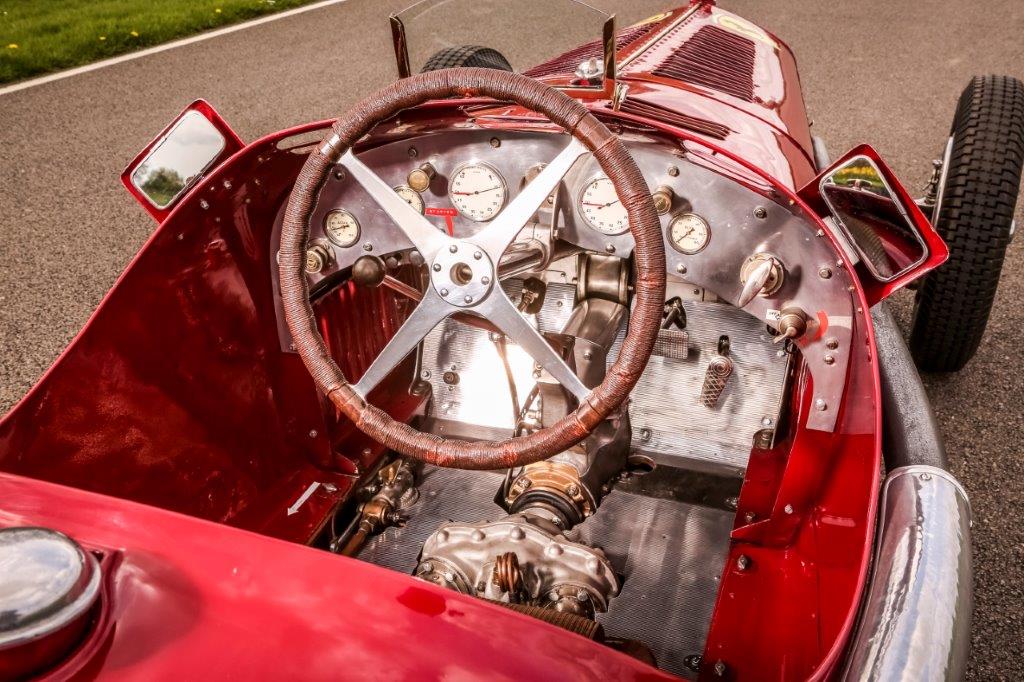
Bonham’s is about to offer this Alfa Romeo P3 Tipo B Monoposto at auction at the Goodwood Festival of Speed this weekend, with an invitation to the new owner to return the car to South Africa in November for the South African Historic Grand Prix Festival in East London. When the car previously raced in the SAGP in 1936, it didn't have a happy outcome…
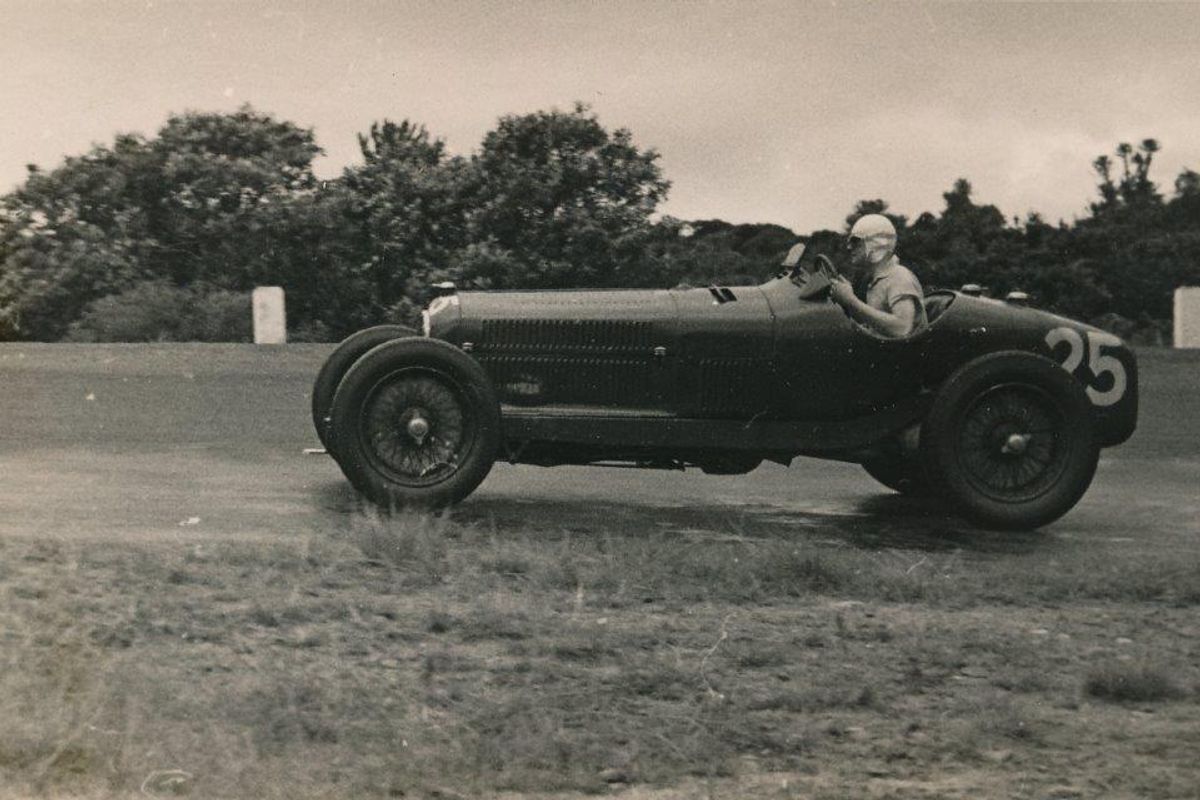
The 1936 South African Grand Prix in East London was only the second such event and drew some pretty exotic machinery, including 2 Bugatti Type 59s, a Type 35 Bugatti that would win the race in the hands of Dr. Mario Massacurati, an Alfa Romeo 8C Monza, Maserati 8CM, and this car: Richard Shuttleworth’s then 1-year old Alfa Romeo P3 Tipo B Monoposto.
Richard Shuttleworth in the Alfa Romeo P3 at East London in 1936 just before his high-speed accident.
Photo credit: Frank Hoal Collection
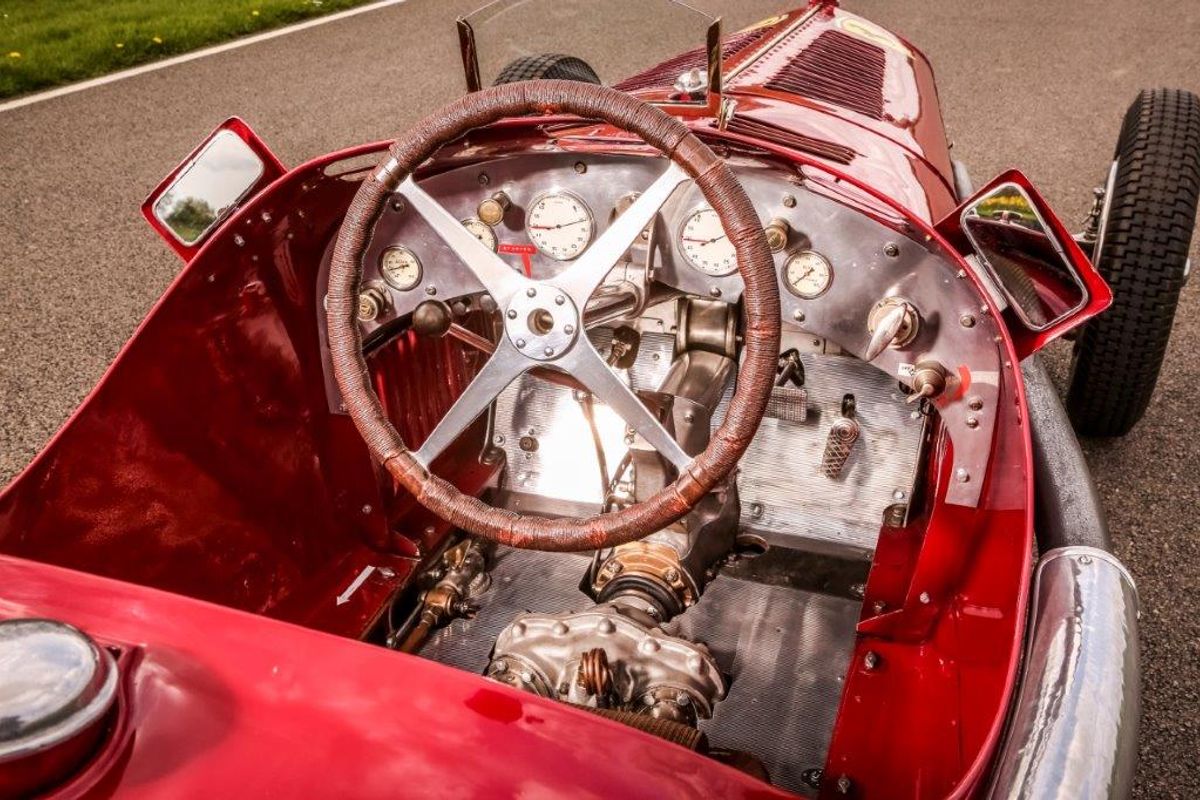
In those days, the Alfa was a cutting-edge racer: a straight 8-cylinder twin overhead cam-twin supercharged engine, split differentials at the back, and single-seat configuration, the latter extremely rare at the time. Weighing just 750kg, it was also very fast. Alfa Romeo built just 12 of these grand prix machines in 1934, but this particular Monoposto was a thirteenth car built by Scuderia Ferrari and supplied to Shuttleworth for the 1935 racing season.
Shuttleworth won the inaugural Donington Grand Prix in a busy season of racing and hillclimbing before heading down to South Africa. The second SAGP was run over 18 laps on the 12-mile Prince George Circuit in East London. It didn't end well for Shuttleworth. Travelling at high speed on the coastal section, a gale-force crosswind gusting off the ocean caused Shuttleworth to lose control of the Alfa. The car somersaulted and Shuttleworth was thrown out to sustain serious head and leg injuries.
The P3 Monoposto was the first genuine single-seat racing car. Shuttleworth's car is a Tipo B.
Fellow entrants contacted the country's then leading head-injury specialist, 1 200km away in Johannesburg, who chartered an aircraft for himself, his assistants and equipment, and set off for East London to attend to the unconscious Shuttleworth. The doctor eventually arrived in East London by car after his plane developed engine trouble and had to land en route. He successful brought Shuttleworth round for the first time since his crash. Shuttleworth only returned to England 4 months later and would never race again.
Shuttleworth had his crash-damaged Alfa returned from South Africa to the Scuderia Ferrari workshops in Modena, Italy where he had it rebuilt during the winter of 1938-39. Now it is on offer again and would be a stunning addition to any car collection. With a little bit of luck, it could even be seen on our shores again…
SA Historic GP Festival 2018
The South African Historic Grand Prix Festival has assembled nearly 20 pre-war cars from 25 November to 2 December, including some of the actual grand prix cars that raced in East London between 1934 and 1939. One can only hope that Shuttleworth’s Alfa Romeo P3 might also return to the Indian Ocean circuit, hopefully without the drama.
Get your tickets early for this momentous event and experience some of the most valuable racing cars in the world first hand. Tickets are available at www.sahistoricgp.com and you can follow the event on Facebook – SA Historic Grand Prix Festival.
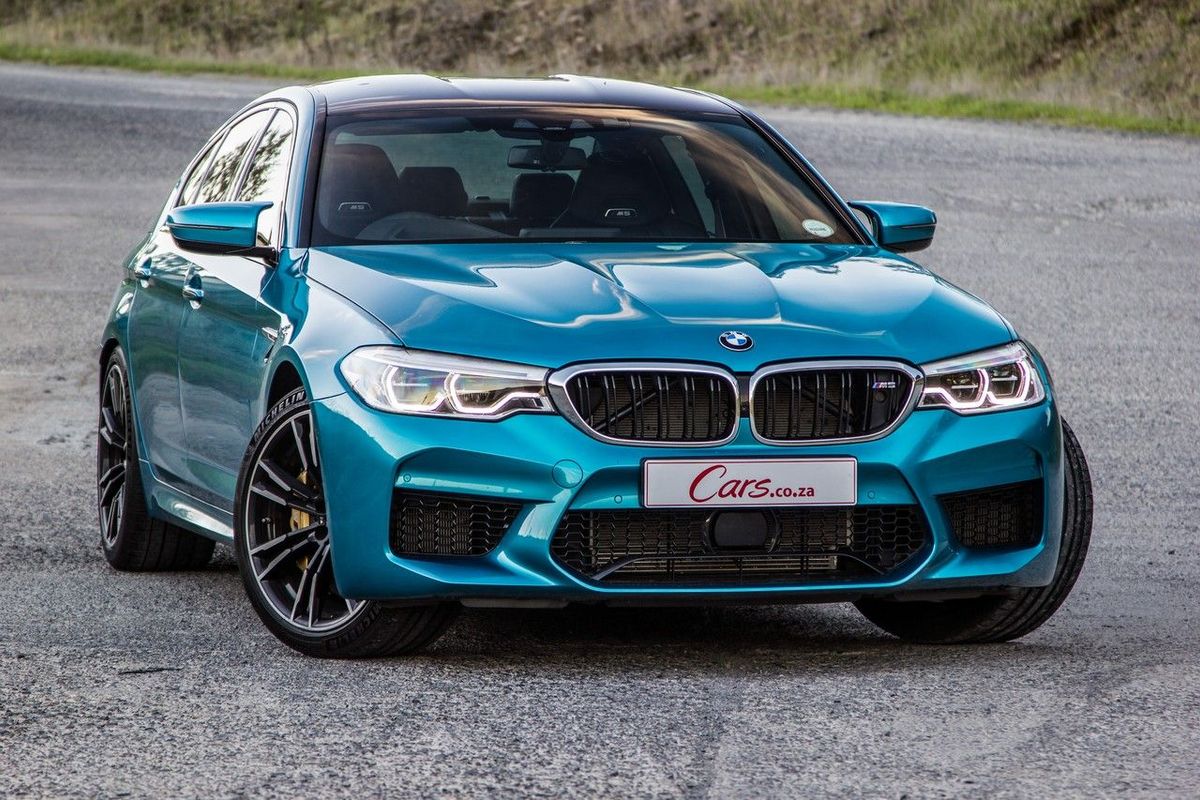
We knew the new BMW M5 was going to be one fast car, but just how fast is it exactly? We look at how 21st-century technology allows a German four-door sedan to decimate out-and-out supercars from just a few years ago.
The 2018 BMW M5 F90 is a radical departure from what we've come to know and love about the M5. For the first time, all-wheel-drive has been introduced into the mix and, combined with a sophisticated launch control system, is capable of devastatingly quick acceleration times, both in-gear and off the line.
For the record, the 2018 BMW M5 is powered by a 4.4-litre twin-turbocharged V8 motor, pushing out 441 kW and 750 Nm. Officially, BMW M says it'll accelerate to 100 kph in a claimed 3.4 seconds while 0-200 kph is dispatched in just 11.1 seconds. What's really scary is that this is fundamentally a luxury four-door sedan. It's also staggeringly easy to spring off the line too, with just a few buttons pressed to dial up its launch control system.
All you have to do is keep your right foot buried and the steering wheel straight – the car will take care of the rest. No longer do you need to delicately balance clutch or accelerator, and risk either getting bogged down or wheel spinning your power away. Launch control delivers perfect launches consistently and you should be able to pull off repeat performances every time. What's terrifying though is there's a BMW M5 Competition on its way, which is even more powerful and more track-focused.
BMW M5 Launch Control in Action
Acceleration
5 supercars slower than the BMW M5 in a straight line
Many of these cars are still exceptionally desirable and many petrolheads would choose these over a BMW M5 based on looks and exclusivity alone. We're not knocking them in any way, but rather highlighting how the technology of launch control and all-wheel drive is capable of such incredible performance.
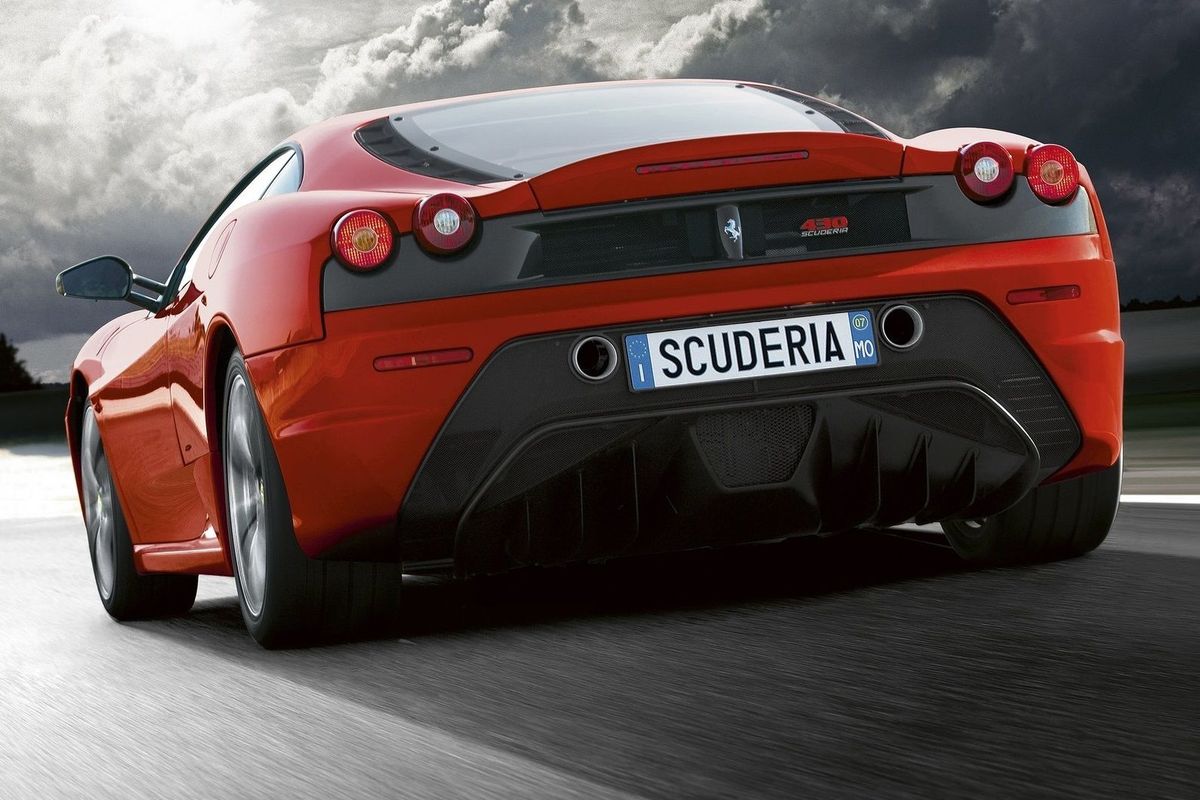
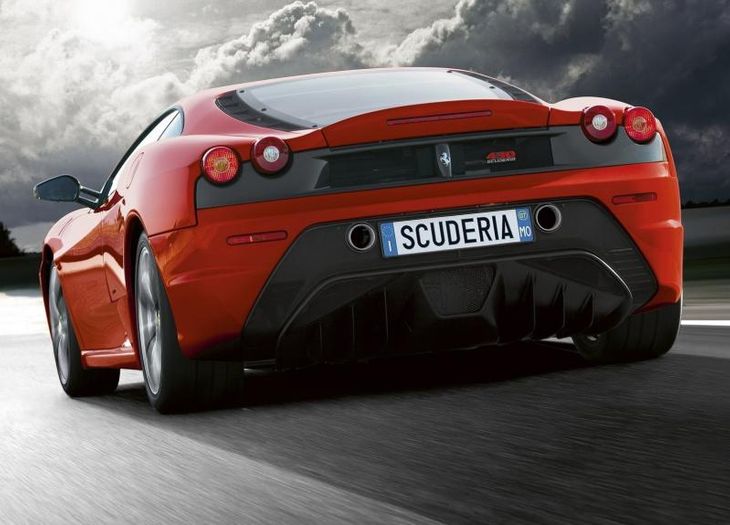
2008 Ferrari F430 Scuderia (0-100 kph in 3.6 seconds)
The hardcore and track-focused Ferrari F430 is one quick customer. Its screaming naturally-aspirated V8 revs past 8 500 rpm. It packed a 380 kW punch and Ferrari claimed it could lap its Fiorano test track in the same time as the Ferrari Enzo. Sadly, despite its potent engine and light weight of just 1 250 kg, it's no match for the new M5 in a straight line.
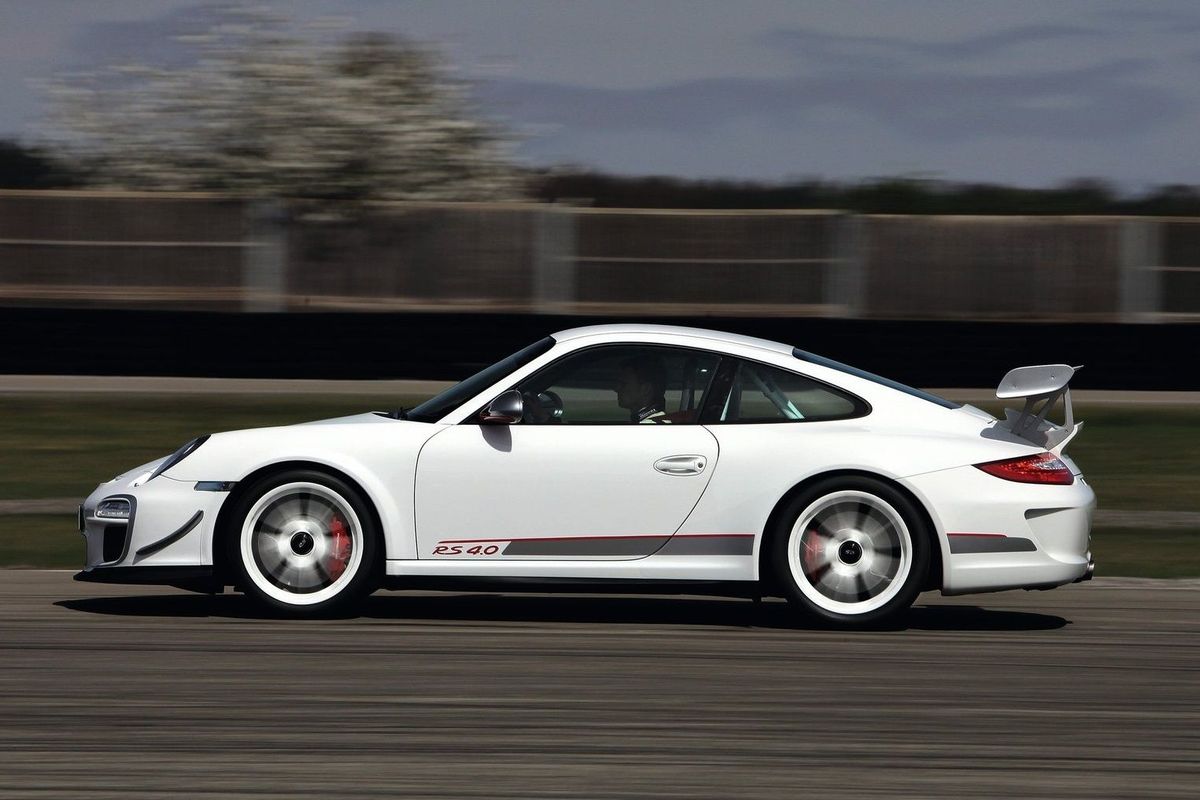
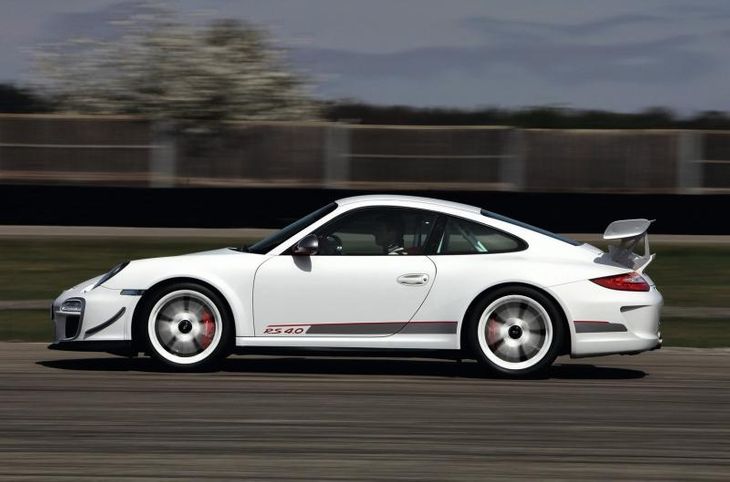
Arguably one of the most desirable Porsche 911 models ever, the 4.0 promises powerhouse performance from its flat-six motor. Bored and stroked out to 4.0-litres, the engine produces 368 kW, with a maximum rpm of 8 500. It is more of a track-orientated car, as opposed to a straight-line specialist and its Nurburgring time of 7:27, attests to this. Still, in a lights-to-lights dash, the M5 comes out on top.
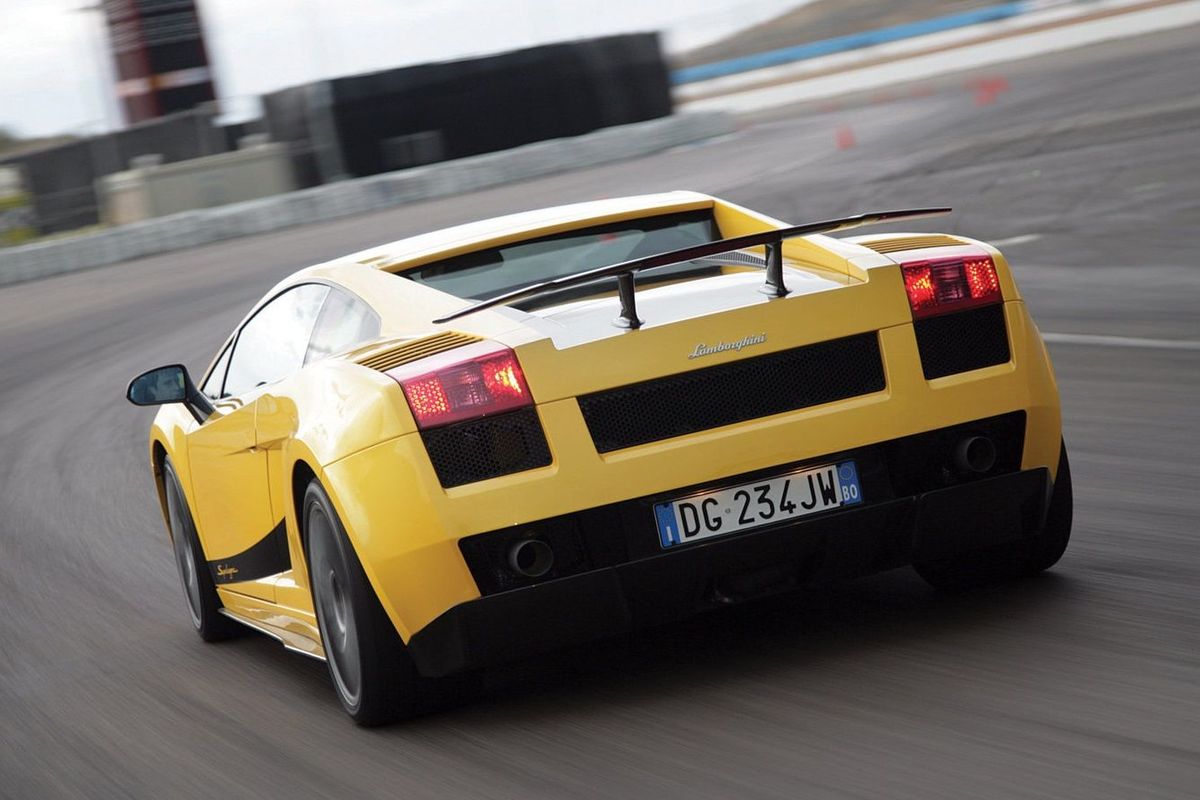
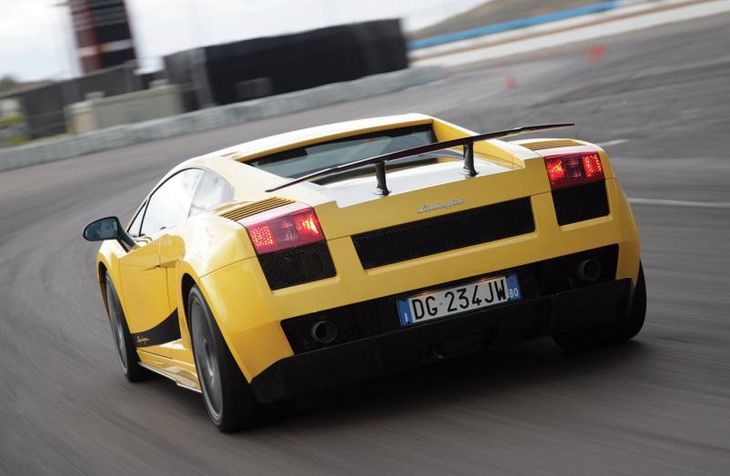
2008 Lamborghini Gallardo Superleggera (0-100 kph in 3.8 seconds)
What world do we live in where a BMW sedan can see off a Lamborghini in a drag race? Despite its high-revving naturally-aspirated 5.0-litre V10 with 395 kW, all-wheel drive and low weight, 0-100 kph is breached in only 3.8 seconds, which is not enough to hold a candle to the BMW M5.
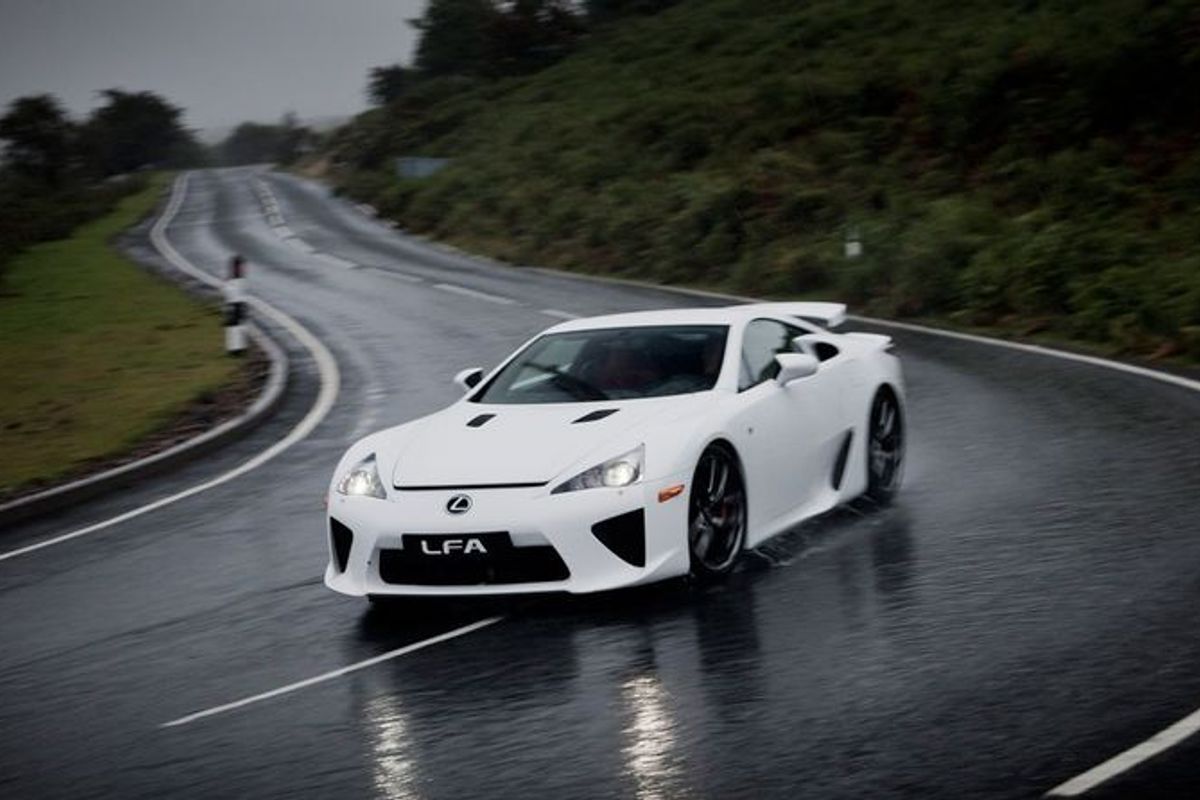
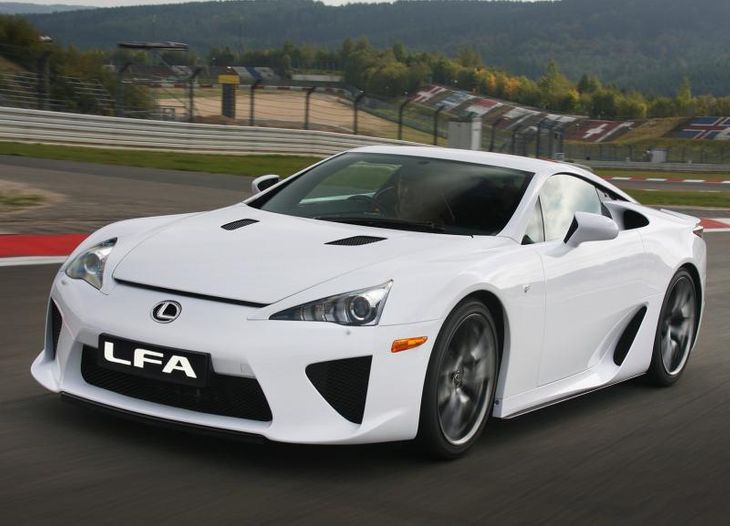
2011 Lexus LFA (0-100 kph in 3.7 seconds)
One of the finest cars ever made, the Lexus LFA brought new levels of performance and technology to the market when it was launched back in 2011. With a lightweight 4.8-litre V10 motor pushing out 412 kW and 480 Nm, it was quick and could reach 100 kph in a claimed 3.7 seconds. It also had one of the most delicious sounding engine notes. You could actually buy 2 and a half M5s for the original list price of an LFA.
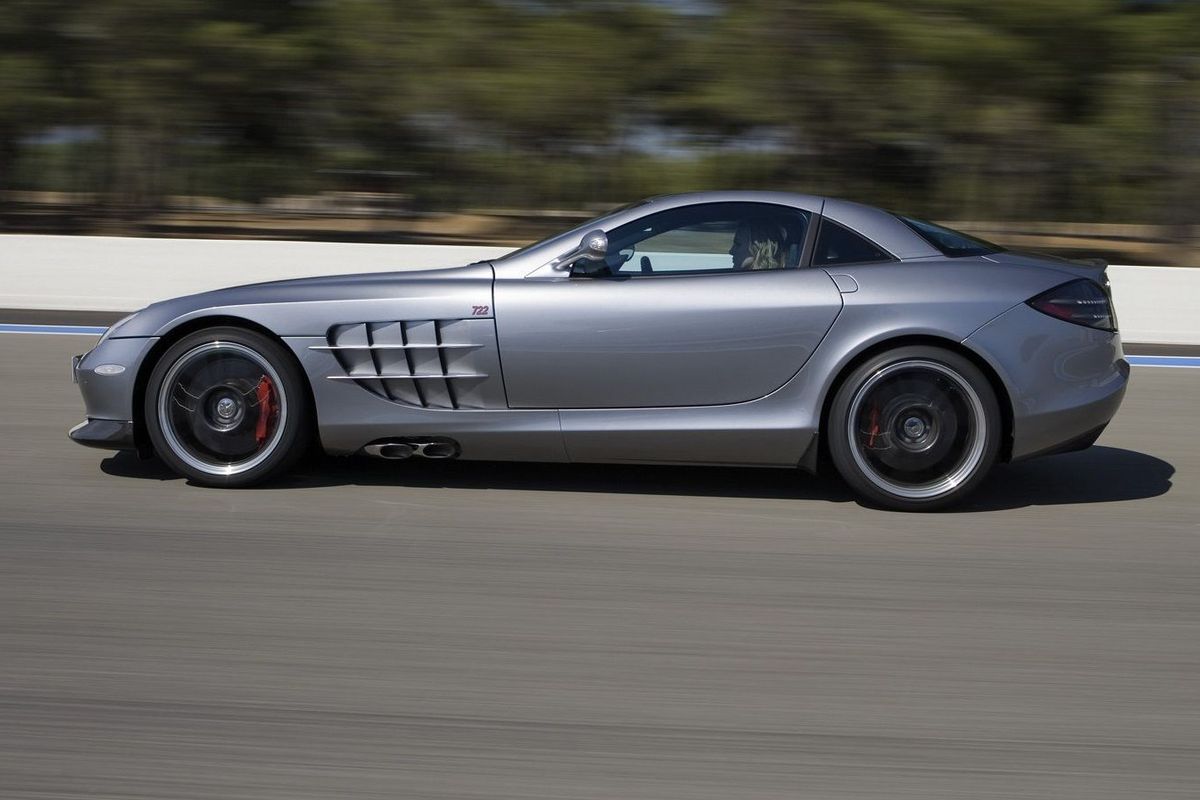
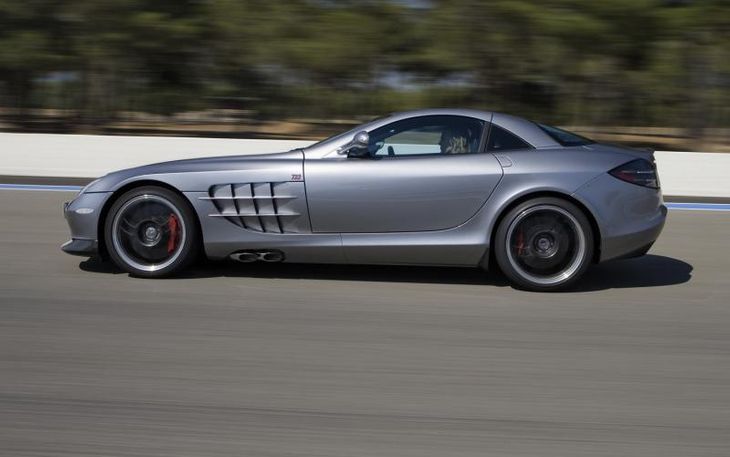
2007 McLaren-Mercedes SLR 722 (0-100 kph in 3.6 seconds)
The supercharged 5.4-litre V8 engine packs a 478 kW and 820 Nm punch and despite these big numbers, it can only manage a 0-100 kph time of 3.6 seconds, probably due to a lack of traction as it is rear-wheel drive only.
Track Performance
5 Supercars slower than the BMW M5 on the Nurburgring
The Toyota Hilux Dakar edition is a limited edition bakkie kitted out with some exterior and interior accessories. We drive it through puddles and mud in this video review.
Special edition bakkies can be brilliant, but they can also be bad. Check out this list of special edition bakkies gone wrong for some entertaining attempts at selling old stock.
The Hilux Dakar features a restyled front end that Toyota is likely to continue using for the rest of this model's lifetime. There are also loads of Dakar decals for you to spot as you wander in and around the bakkie.
It is limited to just 5 000 double cabs and 1 500 Xtra cabs.
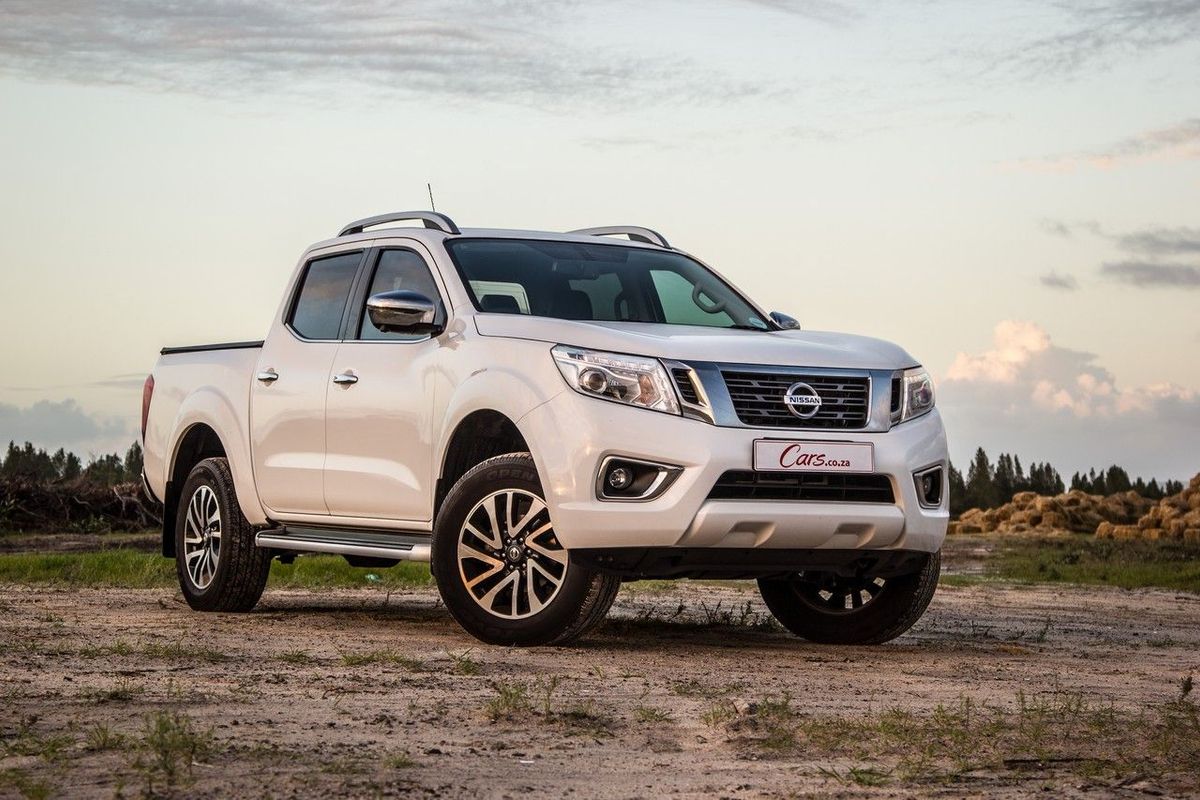
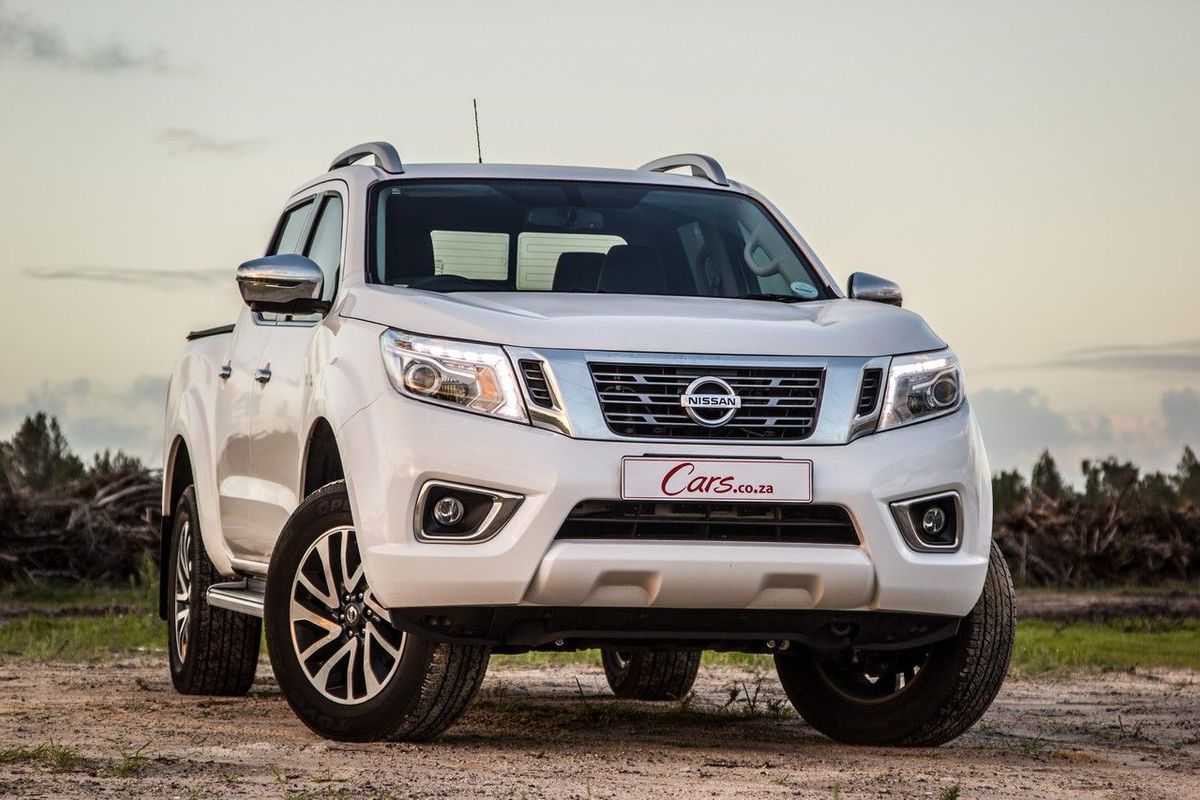
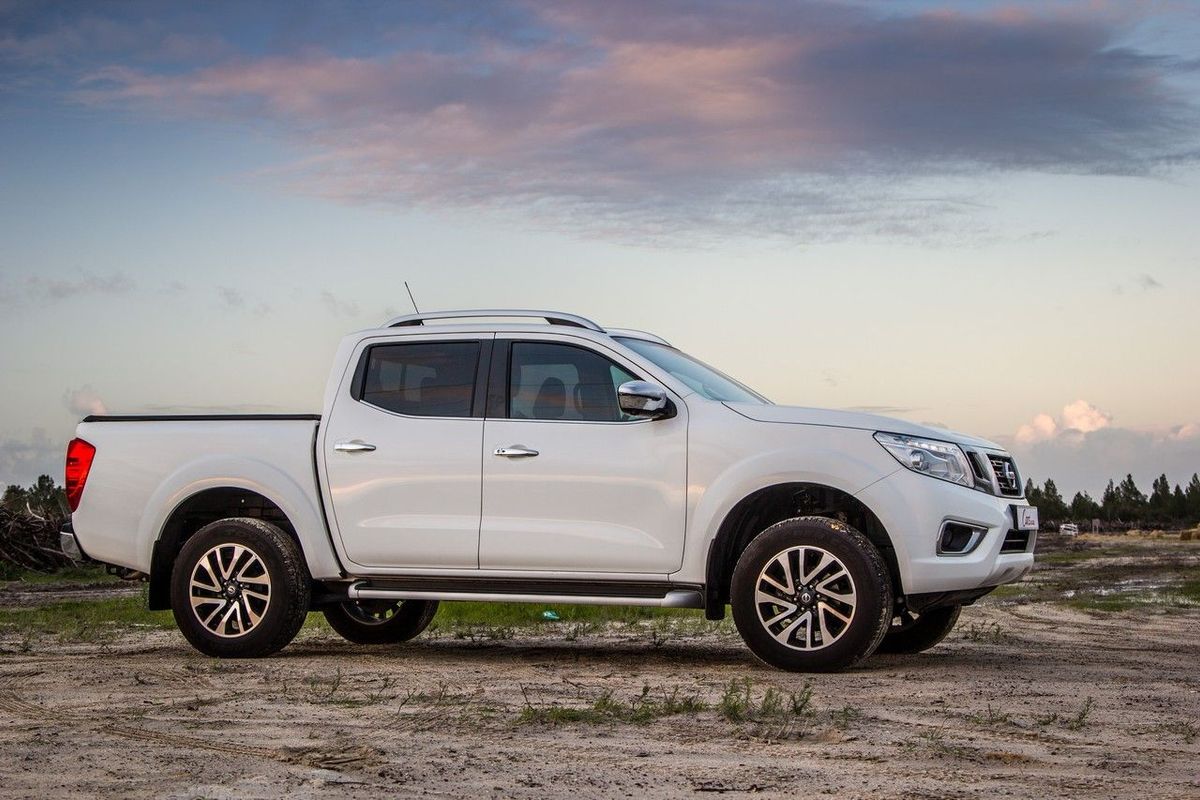
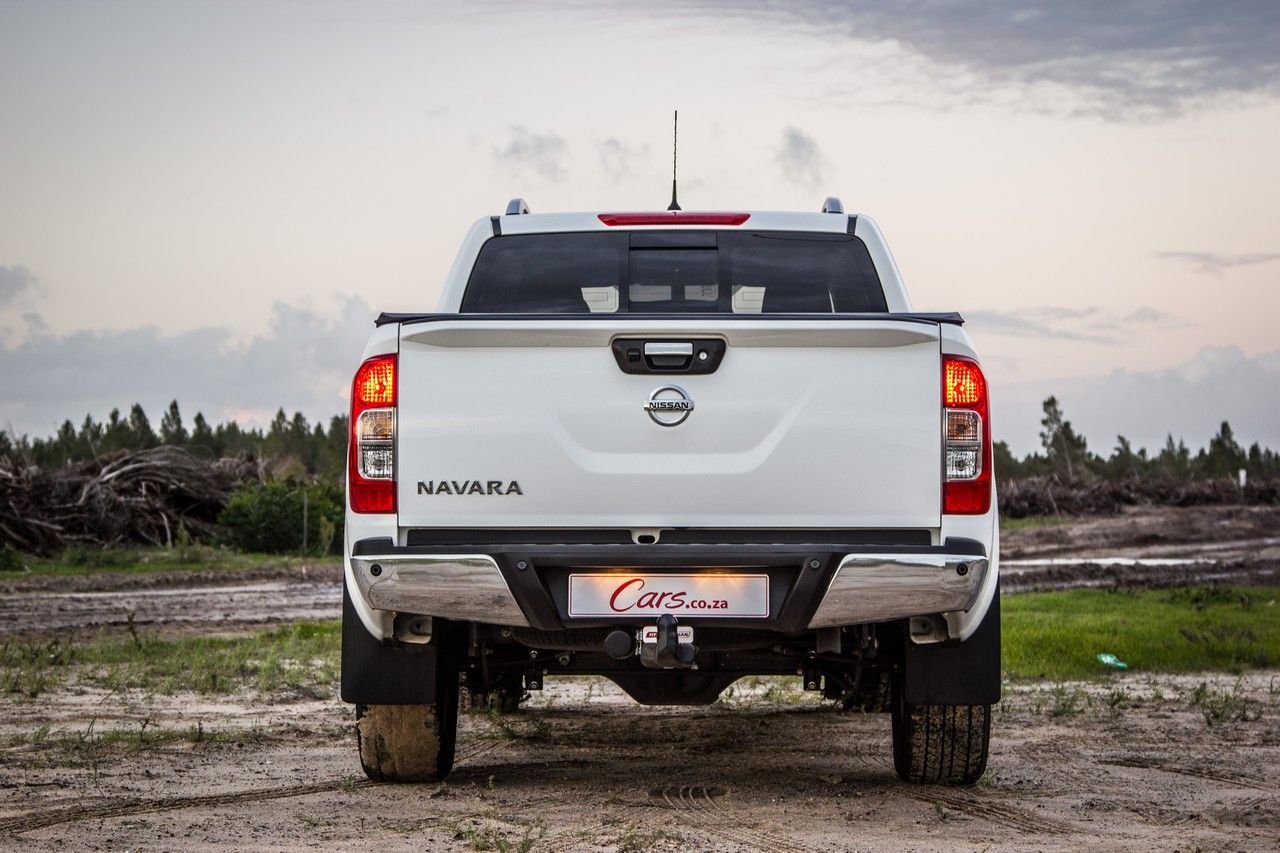
Nissan Navara 2.3D Double-Cab LE Auto (2018) Quick Review
Since its introduction Nissan’s new Navara has not quite set the sales charts alight, but this new 4×2 automatic derivative is the best variant we’ve tested thus far.
We like: Fuel economy, build quality and top-end features
We don’t like: Not as spacious in the rear as some rivals, pricey, outdated infotainment system
Alternatives (click on car names to view specs and request test-drives)
Ford Ranger 3.2 Double-Cab XLT Hi-Rider Automatic: Priced similarly, the brawny Ford has slightly more power and torque, but its engine is neither as refined nor as frugal as the Nissan’s. The Ford, however, majors on cabin space and has a better infotainment system, too.
Toyota Hilux 2.8GD-6 Raider Double-Cab Dakar Automatic: You can of course save money and opt for the standard Raider version, but this Dakar edition really looks the part for not much more. Its engine appears down on power on paper but performs very well in the real world. Feels unstoppable off-road. Now with navigation but its infotainment system is fiddly to use.
Volkswagen Amarok 2.0BiTDI Highline Auto: You can’t get a V6 Amarok at this price level, but the high-spec 2.0 BiTDI version remains appealing for its blend of cabin design/finish, on-road comfort and cruising efficiency, mostly courtesy of that superb 8-speed ‘box. It’s pricey, however, slightly down on power and you’ll need to spend extra to get some of the features its rivals offer as standard.
With private use of Double-Cabs as family cars or leisure vehicles on the increase, it makes only sense that self-shifting variants would become more popular. In recent years, that has indeed been the case – according to data provided by Lightstone, total automatic double-cab bakkie dealership sales were a meagre 3 350 units in 2010. And last year? Well, it was up to 21 304, of which less than a thousand were Nissans.
It's also clear that not all leisure-vehicle shoppers require four-wheel drive, and so the Japanese marque has added 4×2 automatic variants of its Navara to the local line-up. Like the 4x4s, the rear-wheel drive Navaras are available in SE and LE specification, and it’s the latter that gets our test treatment here. The main benefit? Well, it’s obviously cheaper, but it’s also lighter (by just over 100kg), which should have a positive impact on performance and fuel efficiency. But, it would appear Nissan has been fiddling with other bits as well…
The Good
Standard Specification
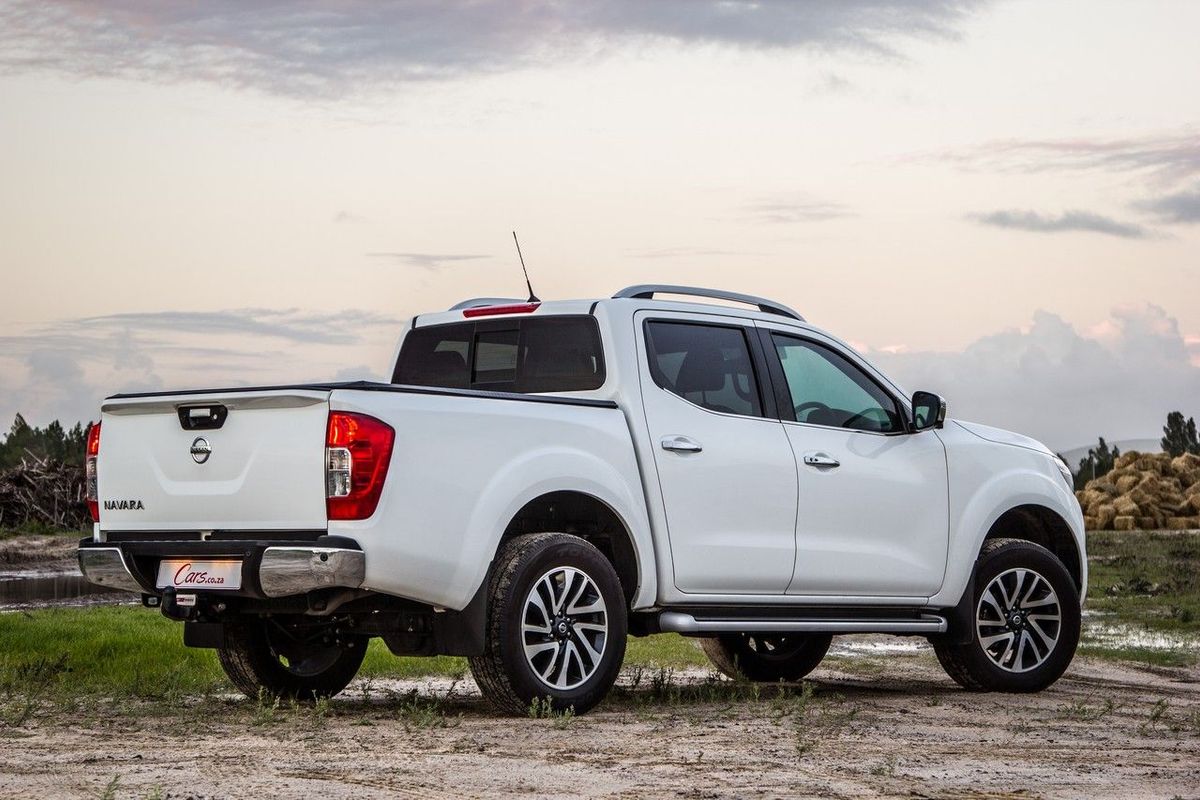
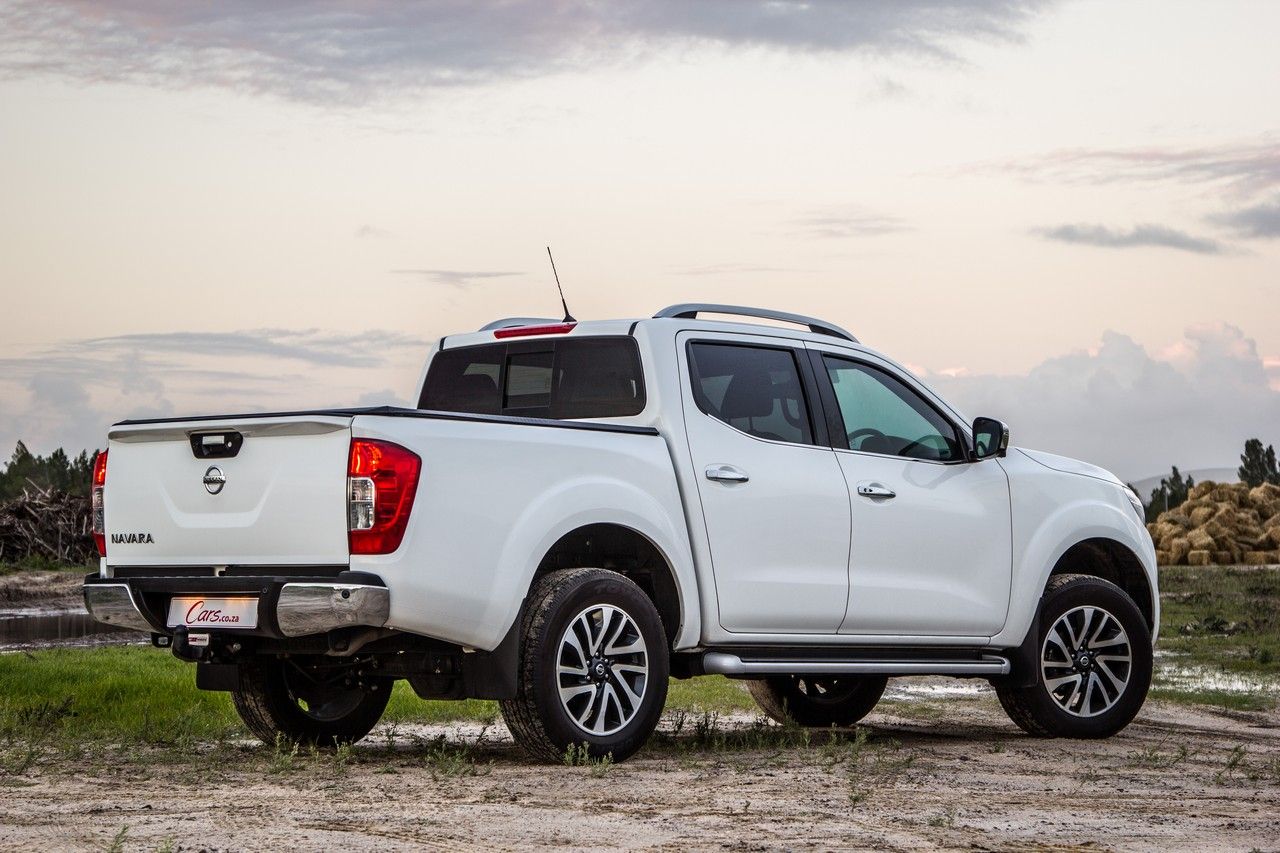
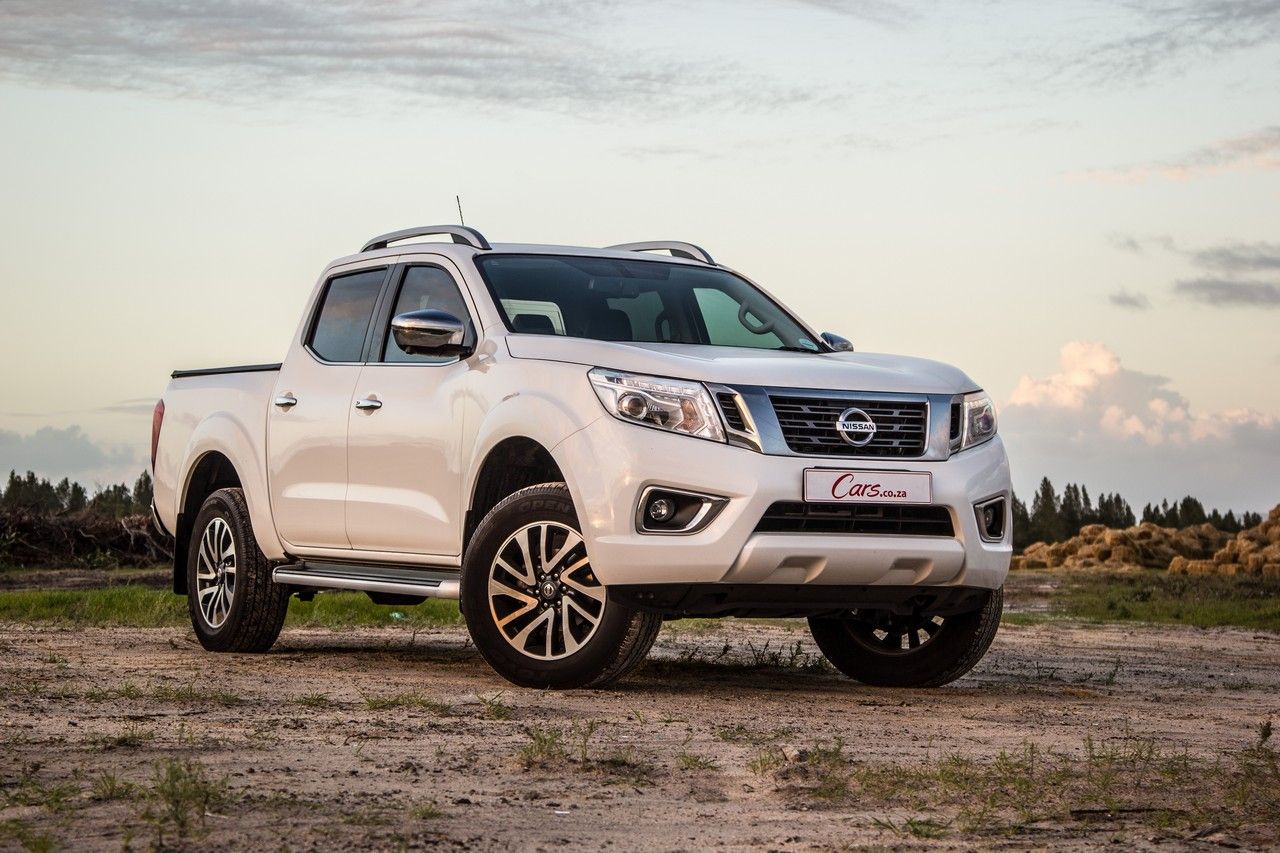
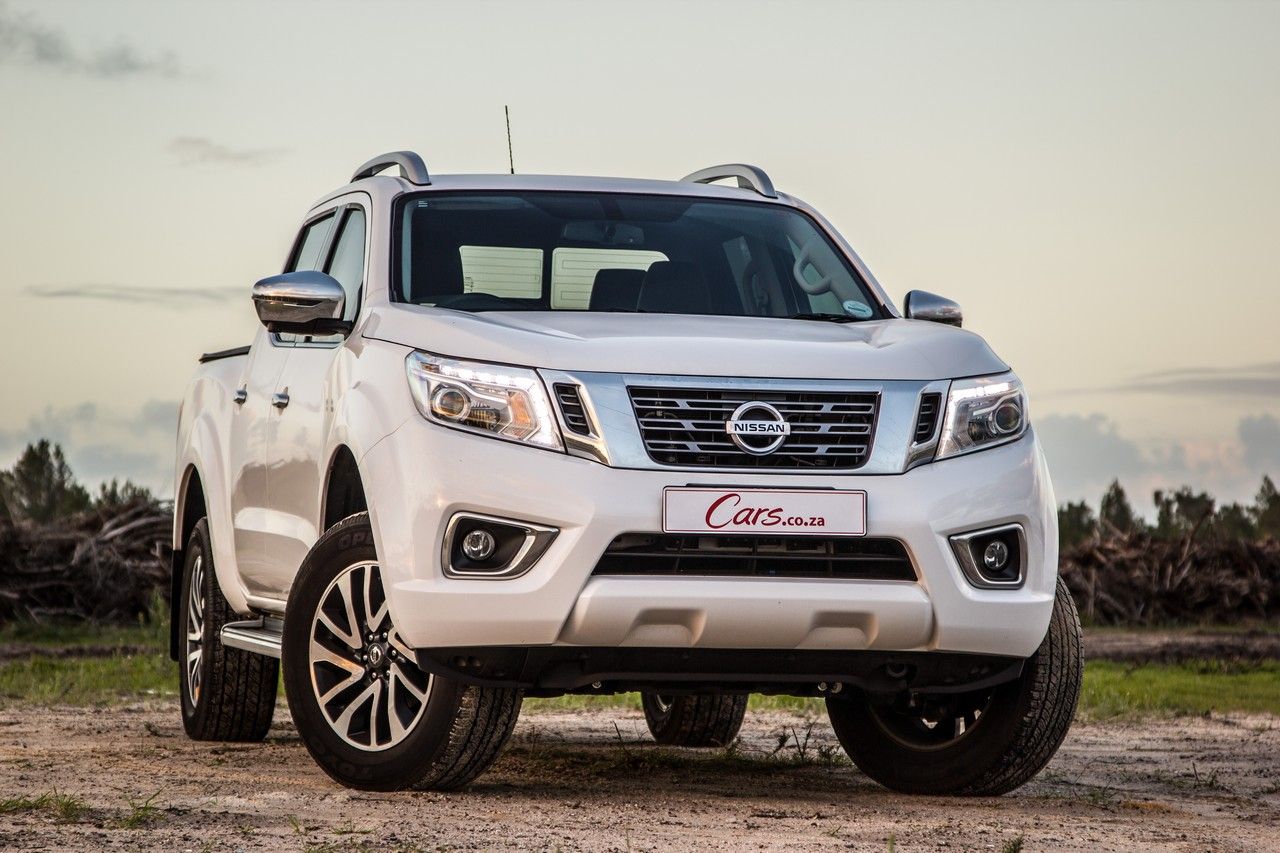
The LE derivative can be identified by its 18-inch alloy wheels and standard roof rails.
The Navara’s LE specification level is comprehensive. In terms of the exterior aesthetics and features, you get roof rails, 18-inch alloys (as opposed to 16-inchers on the SE), the Utili-track tie-down system in the loadbay and power-folding exterior mirrors.
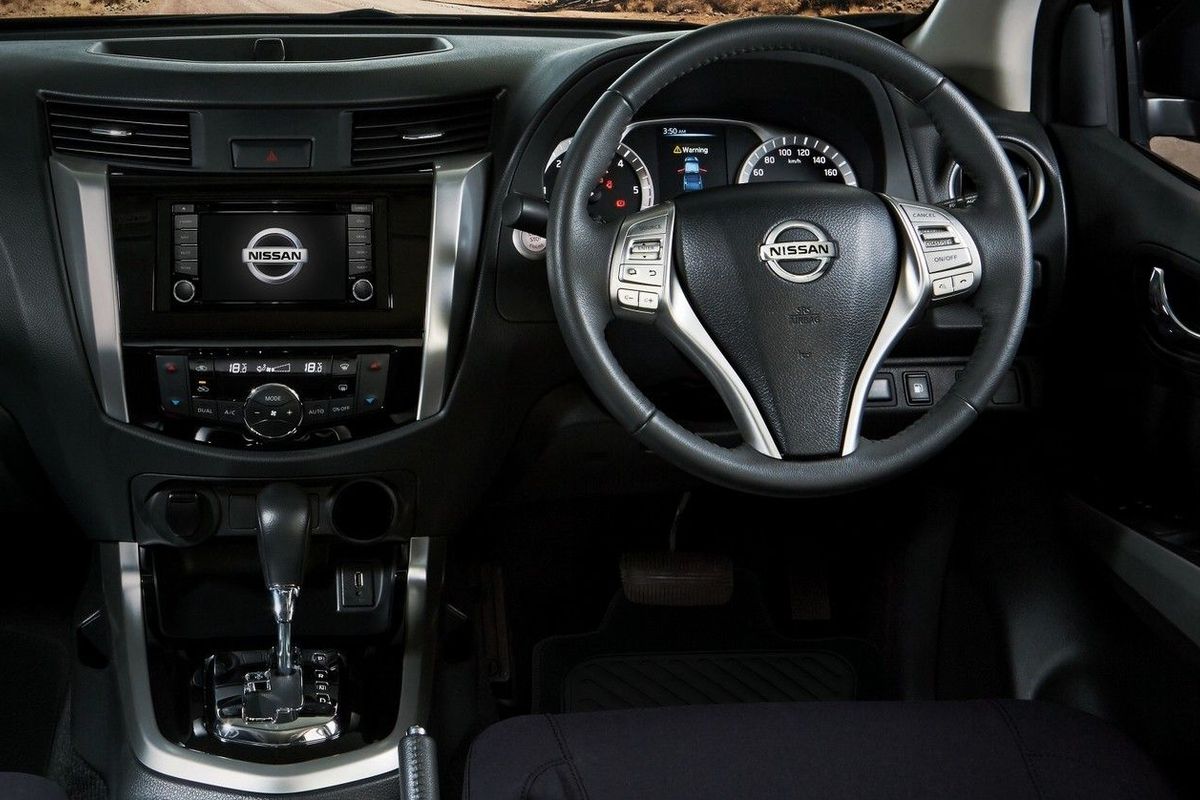
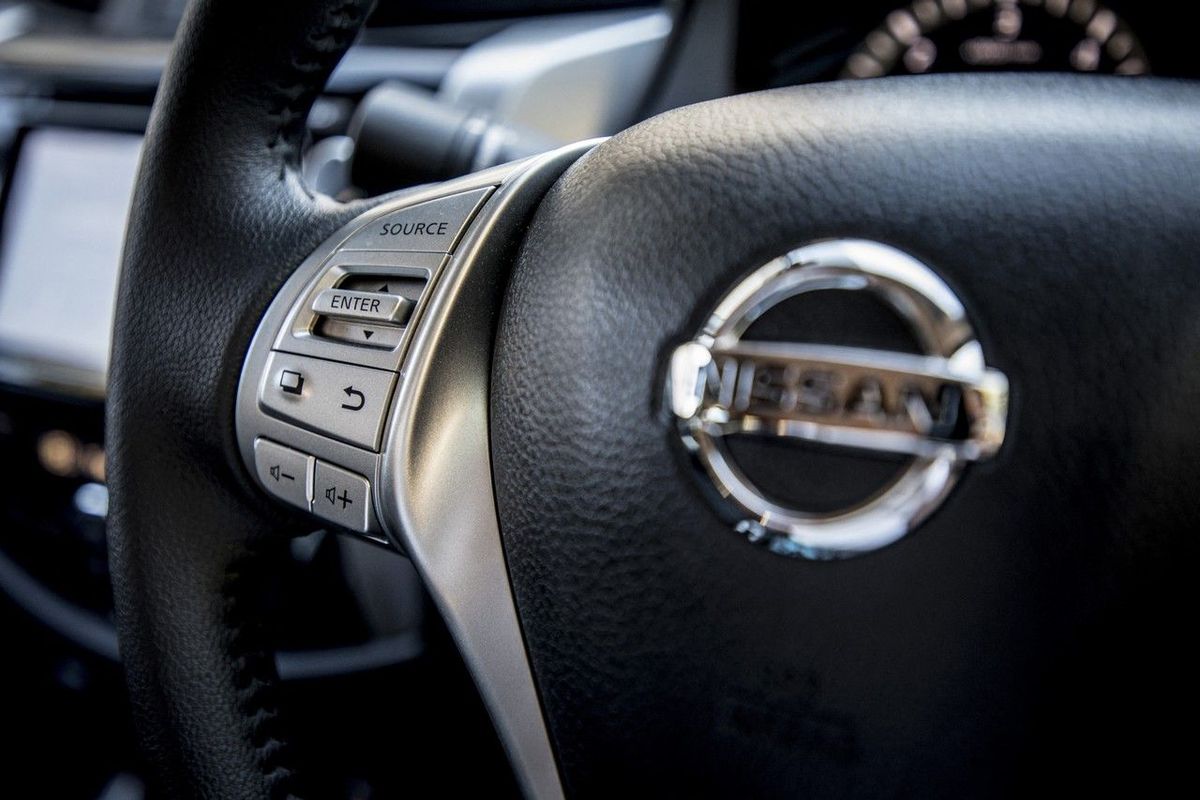
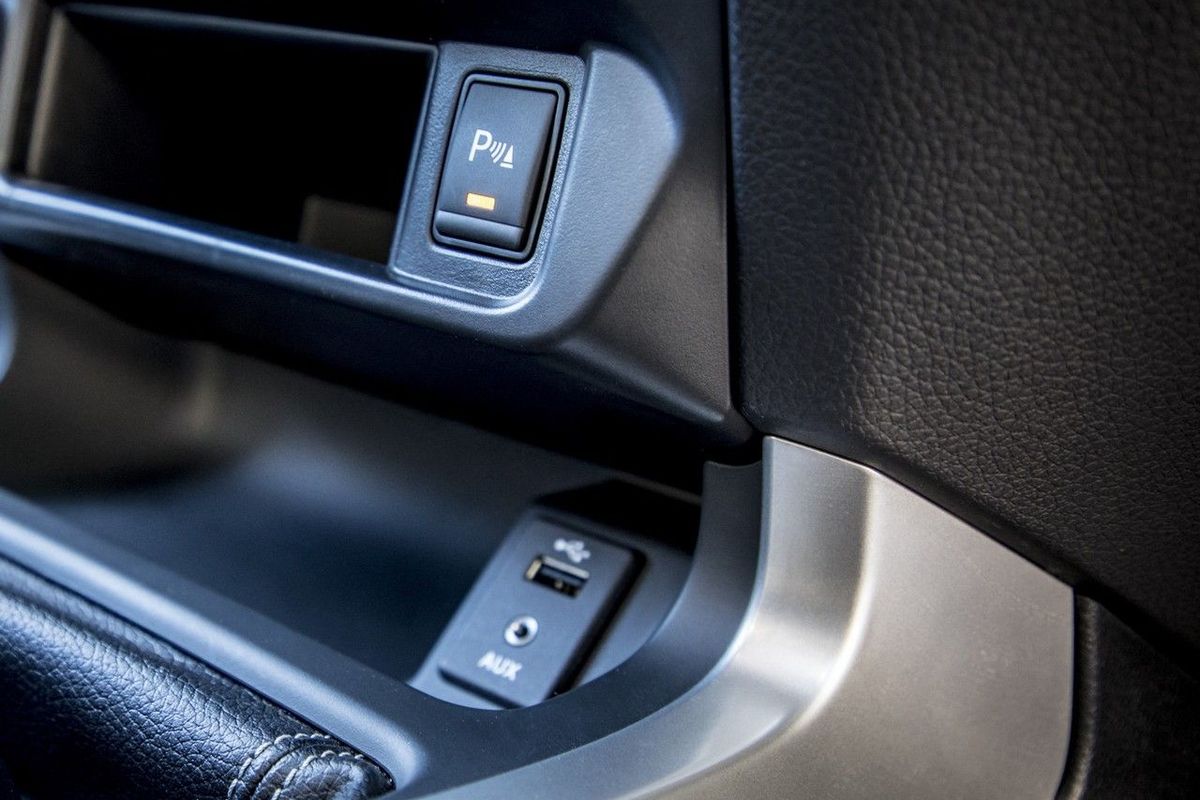
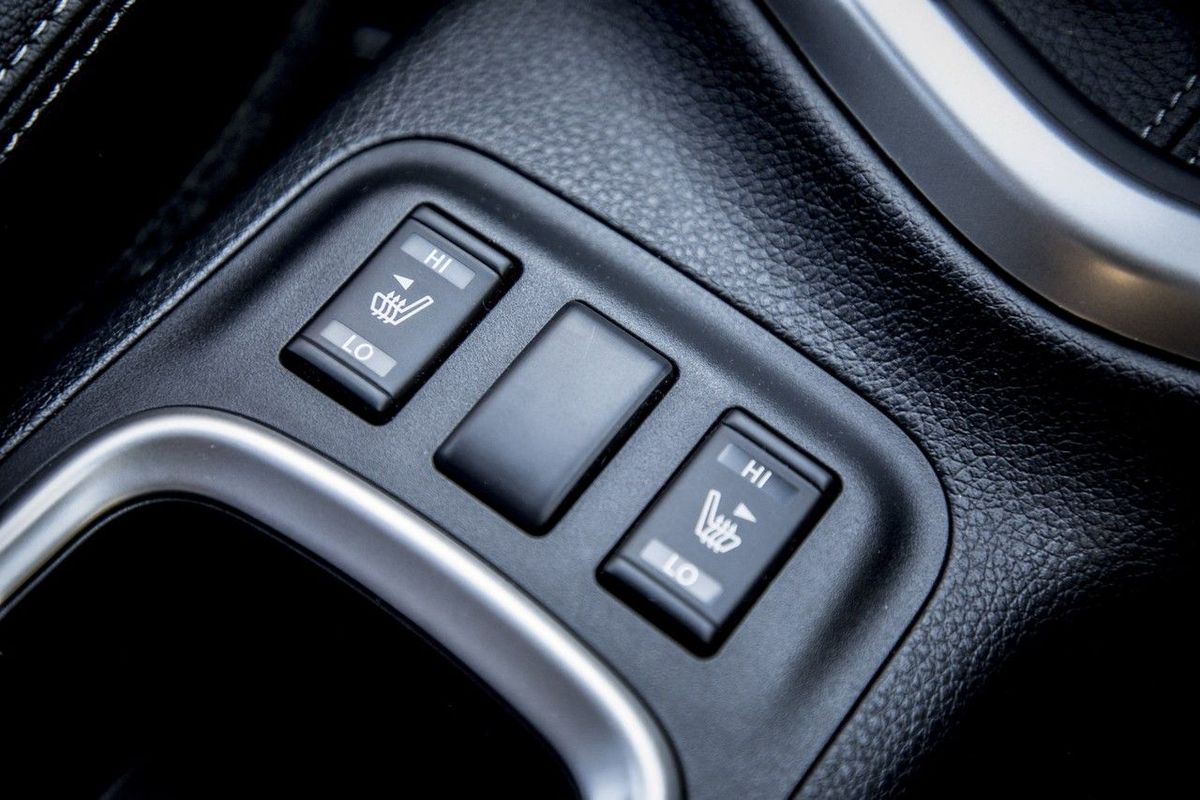
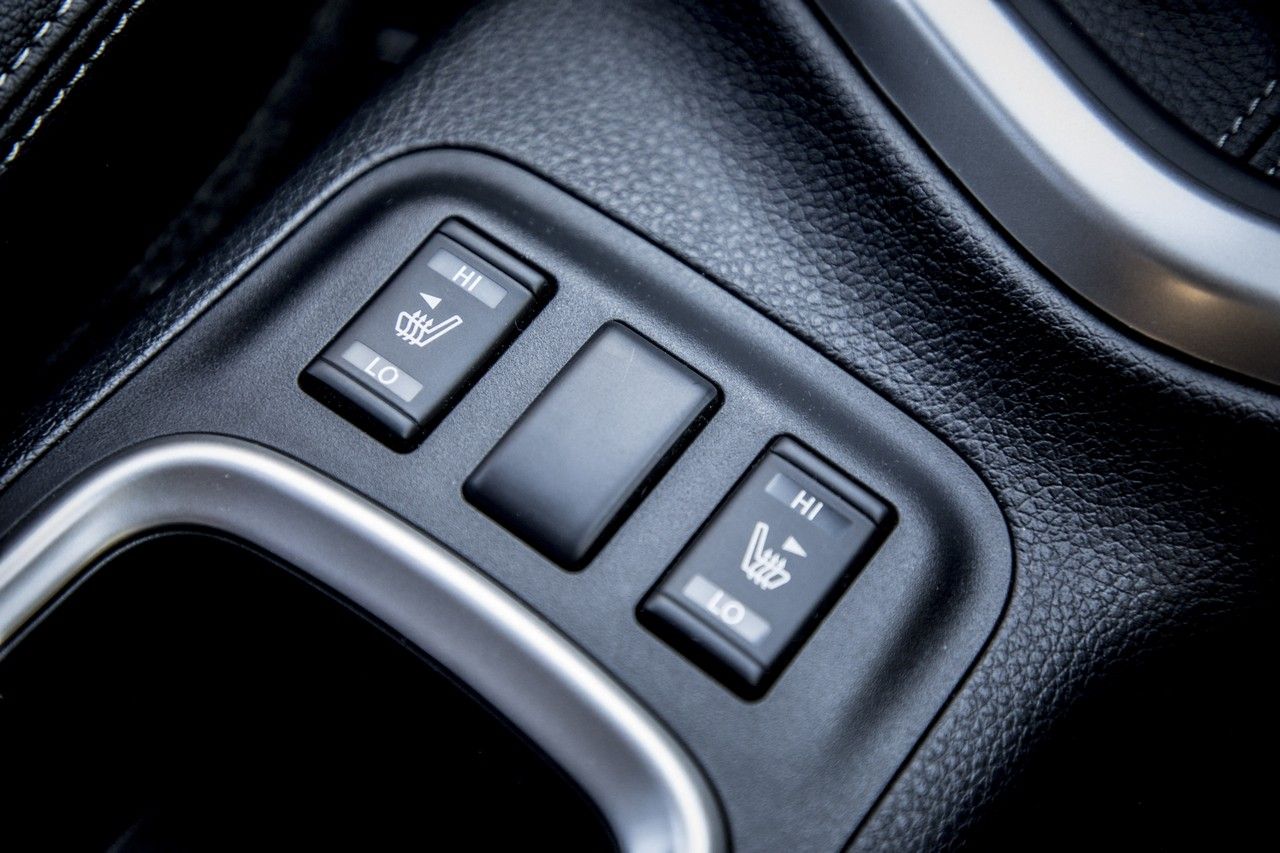
Inside, the list of additional features is even more extensive. Included as standard are leather upholstery, heated front seats (a rarity in this segment), around view monitor (as opposed to rear-view camera in the SE), electrical adjustment for the driver’s seat, dual-zone climate control, keyless entry and push-button start, among other smaller additions.
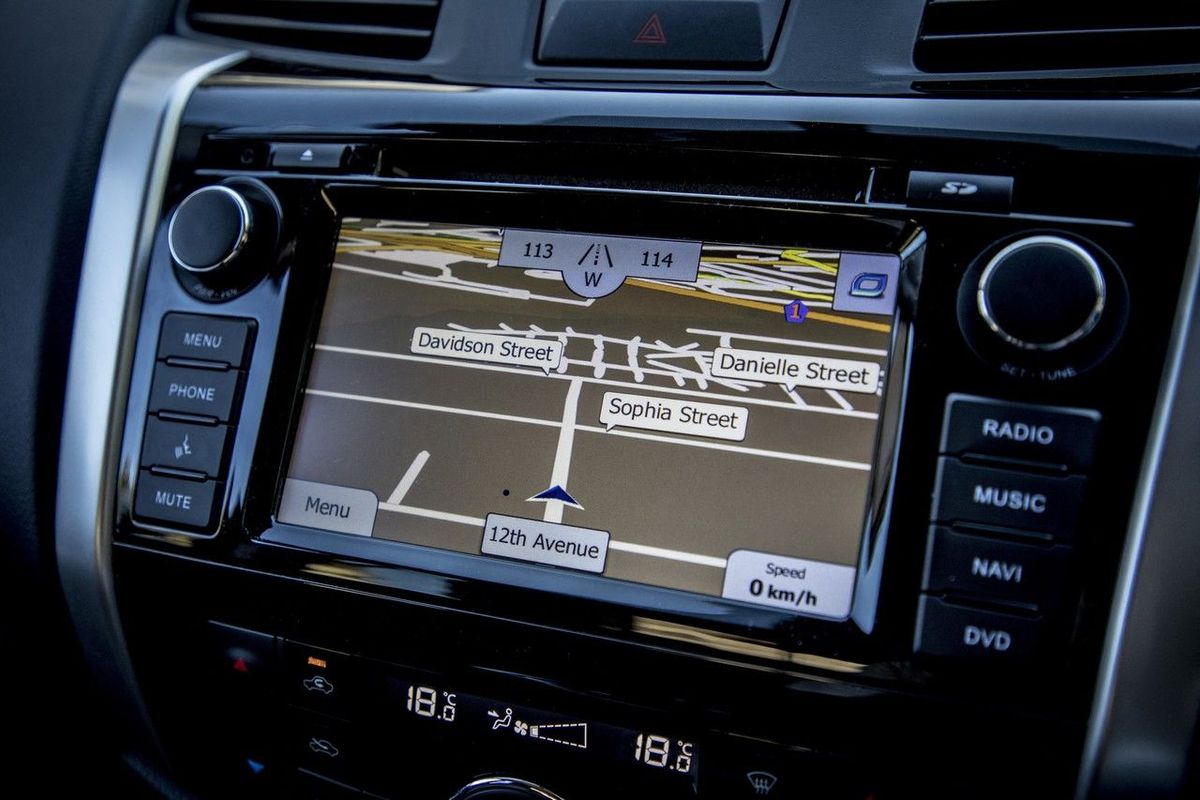
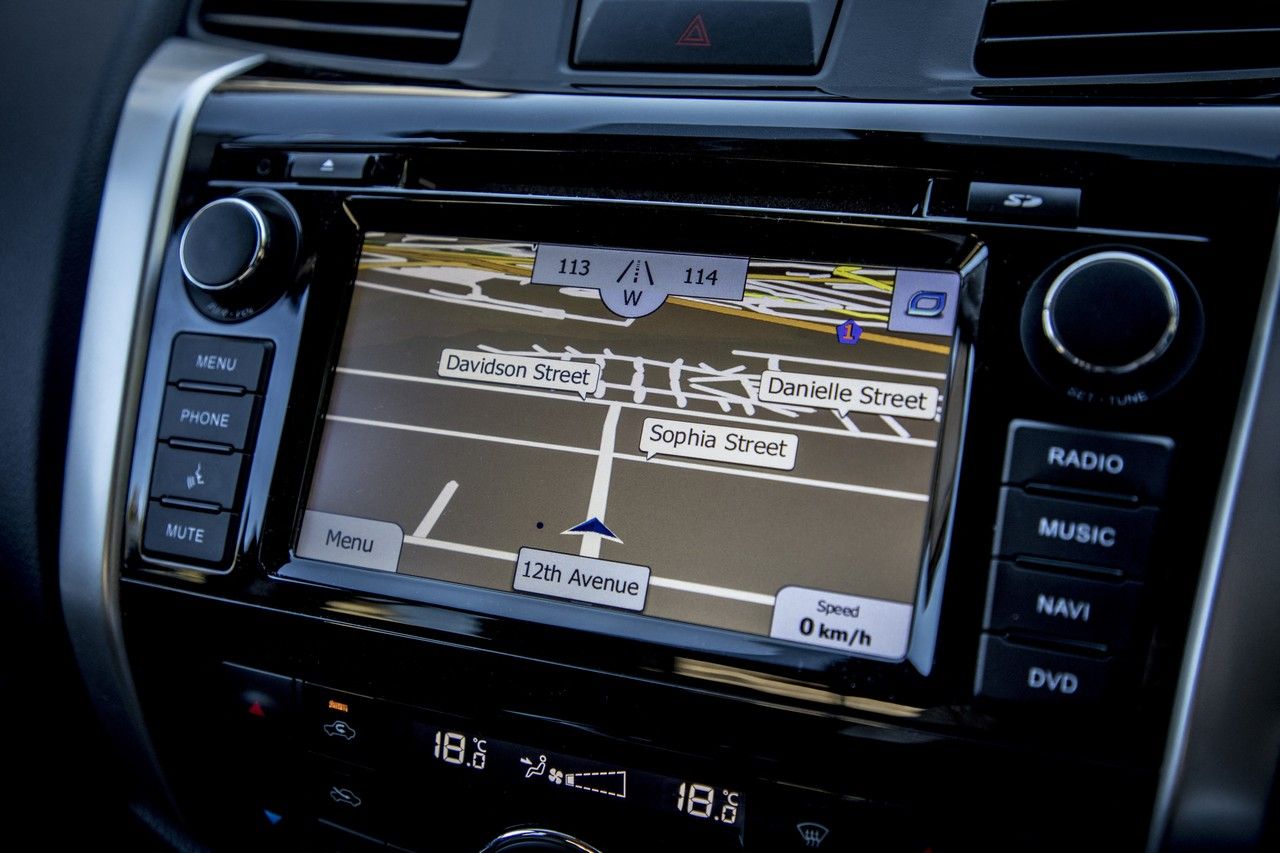
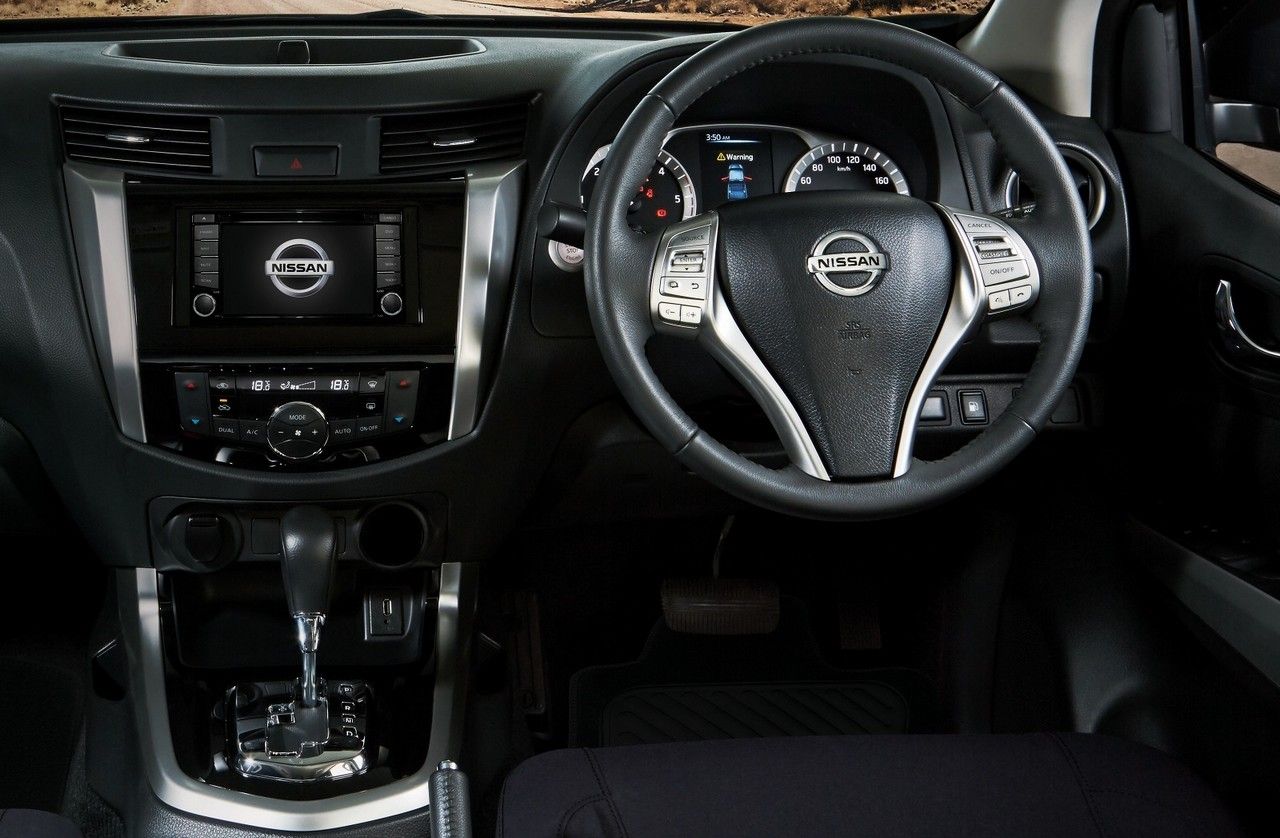
The standard infotainment system features navigation but no Apple CarPlay or Android Auto.
But that’s just what’s over and above what’s fitted to the already comprehensively specificied SE – don’t forget that touch-screen navigation (not the most user-friendly system, to be honest), cruise control, no fewer than 7 airbags, stability control and auto lights are also part of the deal.
If we had to nitpick we’d say that the infotainment system could be better – it lacks Apple CarPlay and Android Auto functionality, and the virtual buttons on the screen are small and numerous. We’d also have liked reach adjustability for the steering column.
Powerful, refined and efficient
The Navara's twin-turbodiesel engine delivers a great blend of responsive performance and efficiency.
The Nissan’s twin-turbocharged 2.3L 4-cylinder diesel engine is one of its strenghts. Its power of 140kW and particularly the 450Nm of torque compare well with its bigger-engined rivals. The torque is also nicely spread over a range of 1 500 to 2 500rpm, and the engine is well-matched with its 7-speed automatic transmission. It is a pretty long-legged cruiser as well…
Around town the Nissan feels relatively responsive for such a big, heavy vehicle (more so than, for example, a Ford Ranger), and its efficiency potential is clear. We achieved a real-world average of around 8.5L/100km (this is the Ranger’s “claimed” figure) and excellent for this type of vehicle.
Better ride than the 4×4?
This 4×2 test version offered marginally better ride comfort than the 4×4 version tested earlier.
We previously tested an early example of the 4×4 derivative (read that test here) and noted that while the much-vaunted coil-sprung, 5-link rear suspension brought small but worthwhile improvements in terms of cornering stability and a reduced tendancy to bounce when unladen, ride comfort was not exactly class leading.
This 4×2 version, however, seemed improved with a more supple overall ride (without a load) and greater refinement (including noise insulation). We don’t necessarily believe it is now class-leading, but it appears that the lower unsprung weight of the 4×2 has had a positive effect. It should be even better in the SE version with its plumper tyres.
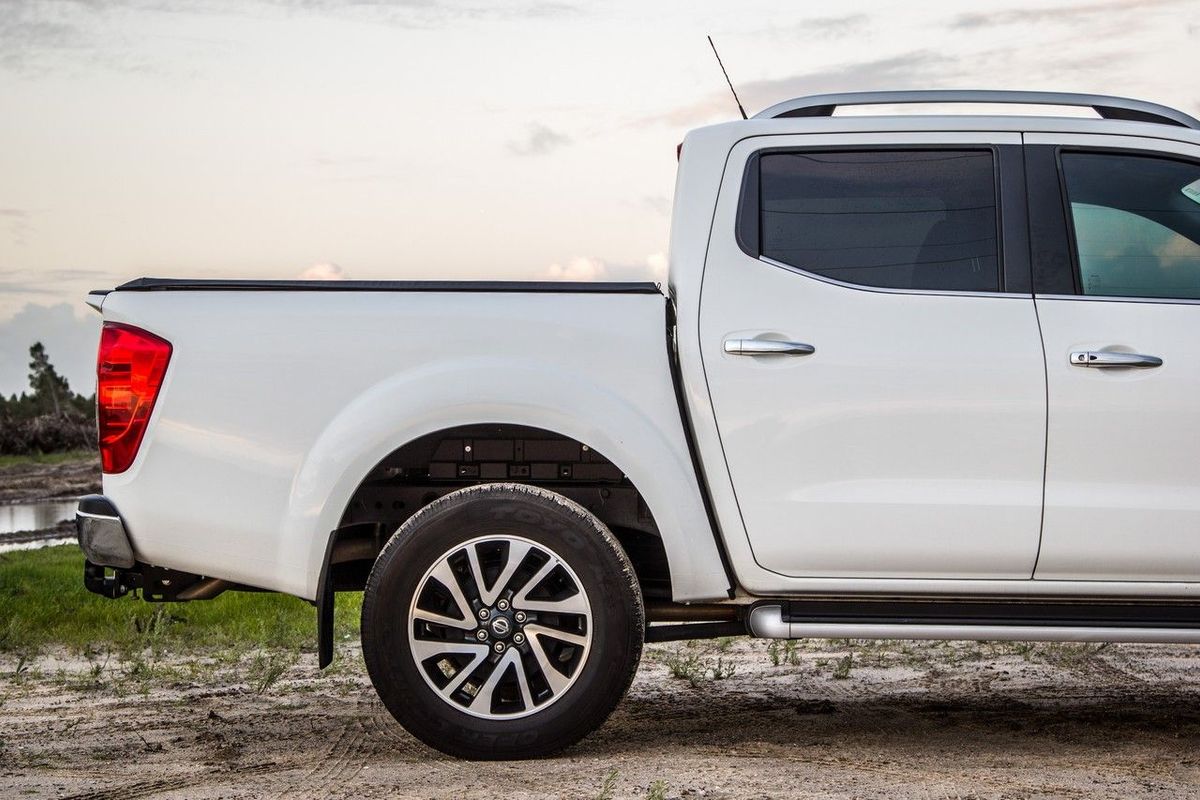
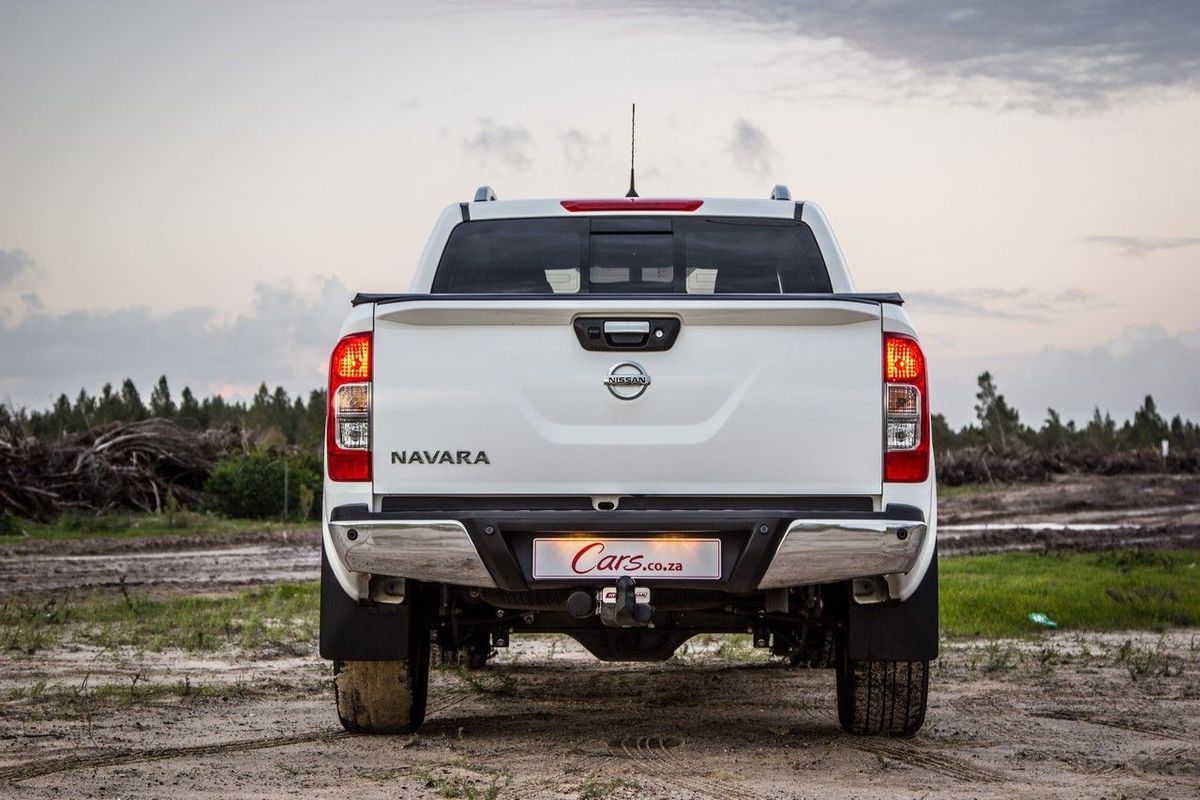
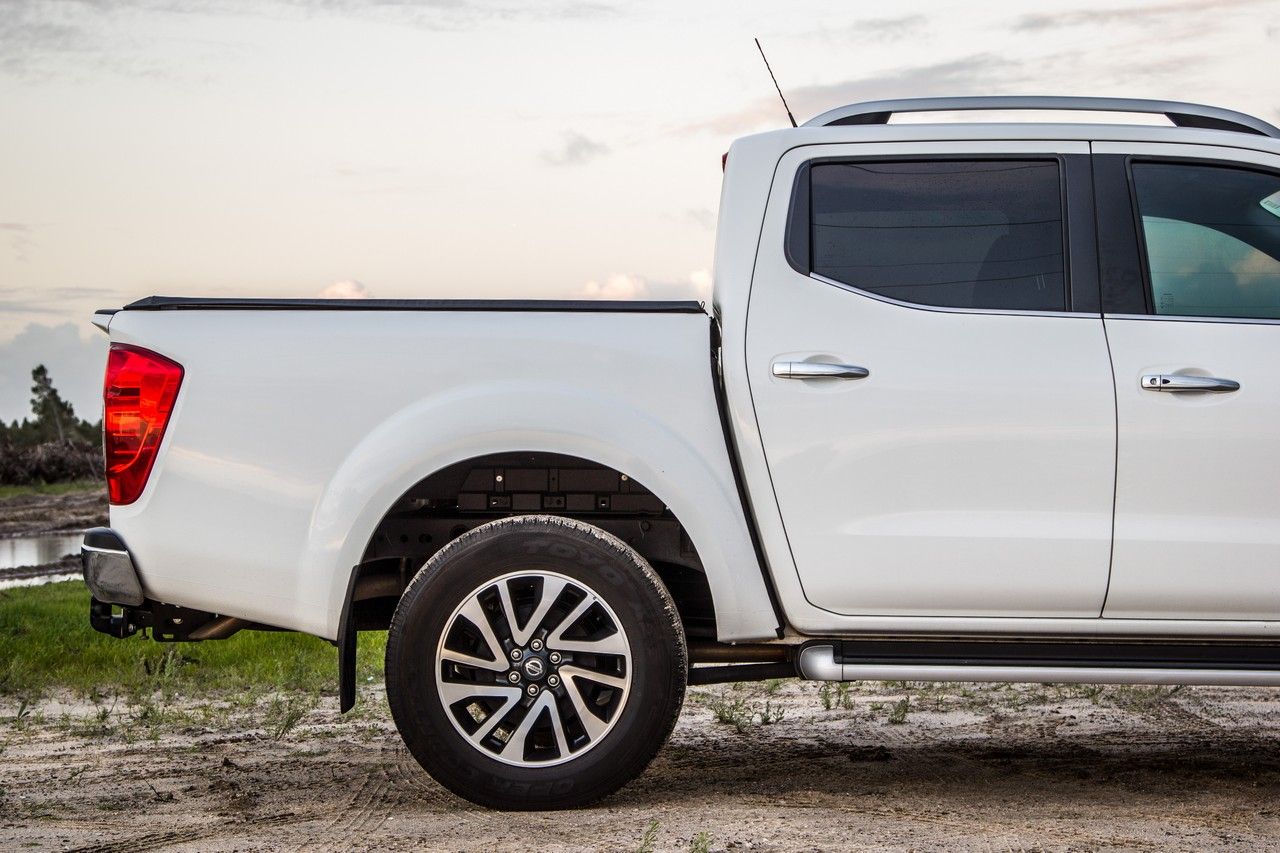
Tow bar and tonneau cover are optional extras but sliding rear window is not.
Note, however, that even though this is ostensibly a “soft” double-cab aimed at weekend activities rather than serious work, the Navara 4×2 Auto can still tow 3.5 tonnes (braked) and also has a very useful payload rating of 1 030kg.
Given that this Navara is not targeted at serious off-roaders or the commercial market, and is therefore rather likely to find itself used in an urban environment, it’s also worth noting that the Navara is slightly more compact than its major rivals. Modern double cabs have become gargantuan and can be quite intimidating to park, but the Navara is noticeably easier to manoeuvre.
The (Not so) Good
Cabin execution
Loaded with features and generally comfortable, but lack of reach adjustment for steering wheel is a drawback.
What is frustrating about the Navara is that, on paper, it appears to tick so many boxes. In reality, however, there are some shortcomings… rear cabin space is about average for this segment, for example. In front, the steering wheel offers very limited adjustment, the infotainment system’s shortcomings have been noted already, and a few more rubberised, grippy surfaces wouldn’t have gone amiss, either. Nitpicking? Probably… but this is a cut-throat segment.
Pricing and Warranty
Heated front seats are standard, and a real luxury treat in this segment.
The Nissan Navara 2.3D Double-Cab LE Automatic sells for R556 900 (July 2018) and is backed with a superb 6-years/150 000 km warranty as well as a 3-years/90 000 km service plan. Service intervals are scheduled for every 15 000 km (or 12 months).
It’s worth noting that Nissan started offering special deals on the Navara almost immediately from launch (an indication of just how tough this segment is these days), so it’s always worth checking out our New Car Specials page to see whether there are savings to be had.
Verdict
Nissan has a solid contender in the Navara, but it needs to find a way to make South Africans "desire" a Nissan bakkie again.
We suspect a major part of the Navara’s initial struggle to achieve success is simply related to brand momentum within the segment. Toyota, Ford and, of late, Volkswagen, have been far more consistent in their efforts in recent years and have created really desirable personas for their products, for different reasons. Nissan’s Navara, at first glance, lacks a stand-out feature to build such a strong marketing campaign on, but there’s nevertheless much to admire here. We particularly rate the engine, but Nissan has focused on the theoretical suspension advantage, which is debatable.
Nevertheless, this particular variant could be the pick of the range, but the more affordable SE version could also be worth a look as it's around R90 000 cheaper and not exactly shy on features. If you’re a Nissan man (or woman), you’re unlikely to be disappointed by the Navara, and if you’re brand agnostic, then we can still comfortably recommend you giving this particular derivative a closer look.
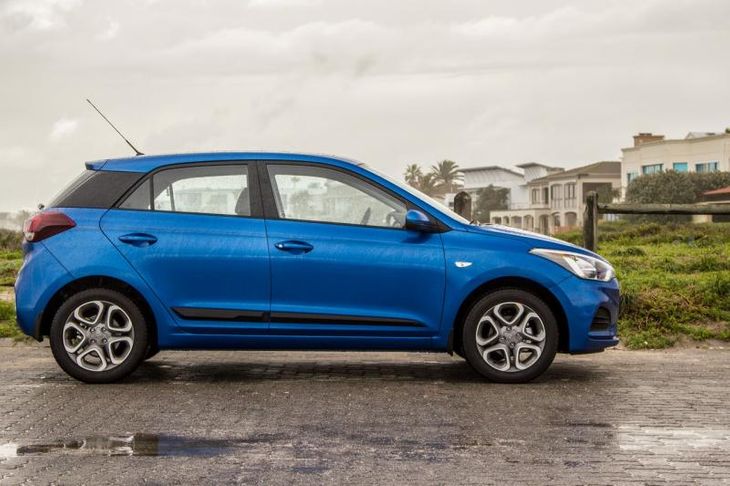
Hyundai South Africa has refreshed its i20 range for 2018. Introduced into the mix is an all-new Active crossover derivative, but we believe that the bulk of i20 sales will come from lower in the range. We get behind the wheel of the Hyundai i20 1.2 Fluid, tested here in manual guise.
We Like: Spacious, good build quality, great warranty and service plan, plenty of features.
We Don’t Like: Below par on safety specification, needs a modern punchier engine.
Alternatives
The popular choice: Consider the Volkswagen Polo 1.0TSI Comfortline. The new Polo is an excellent product and this derivative offers 70 kW and 175 Nm from its turbocharged 1.0-litre petrol engine. However, it’s warranty and service plan are not as comprehensive. Tick optional extras carefully.
Latest from Ford: TheFord Fiesta 1.0T Trendhas been recently overhauled and brings turbocharged engines across the range. The infotainment system is a treat and it happens to be one of the nicer and more enjoyable cars to drive here. However, it's more expensive than the Hyundai.
French value: You can hop into the Renault Clio 88 kW Turbo GT-Line which offers 88 kW and 205 Nm of torque from its 1.2-litre turbopetrol engine. If you're wanting a touch of performance, then the Clio is a worth a look.
Japanese class: Consider the Mazda2 1.5 Individual. It lacks the outright punch offered by its turbocharged rivals, but outputs are still decent at 82 kW and 145 Nm developed by its naturally-aspirated engine. The Mazda’s cabin is both modern and well-built with a generous amount of standard specification.
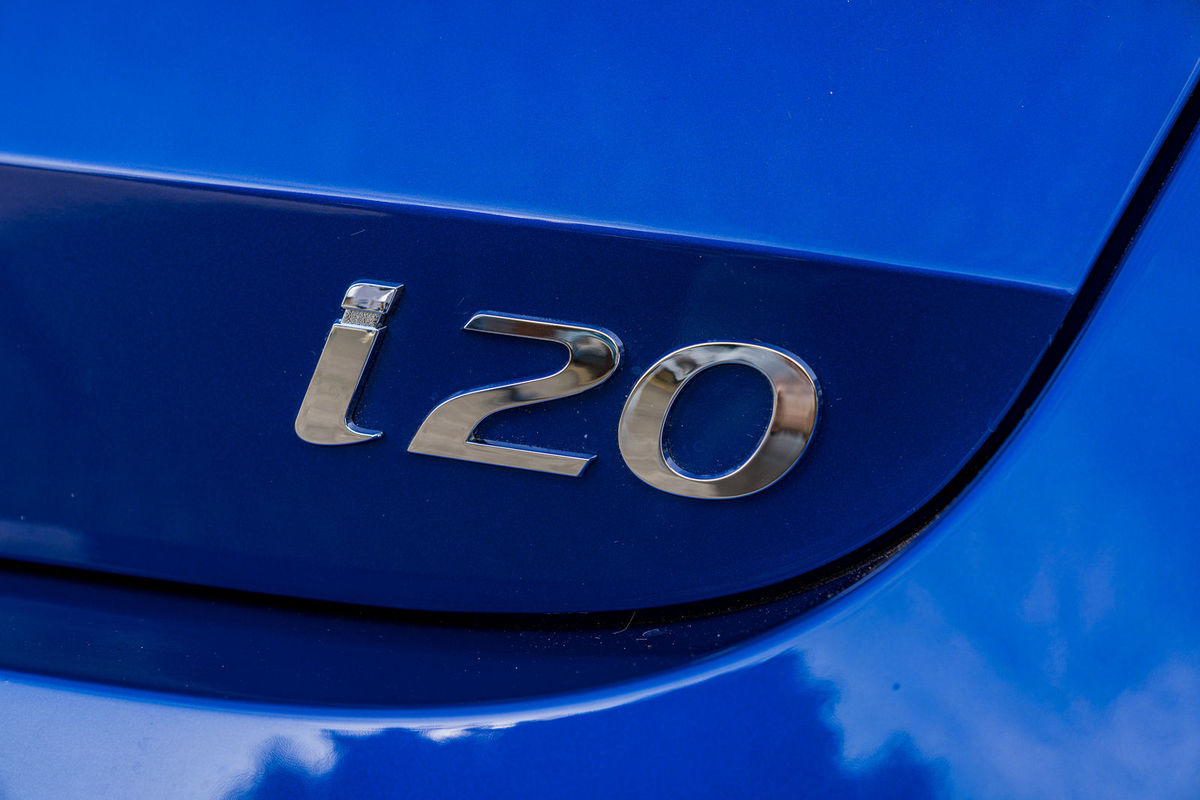
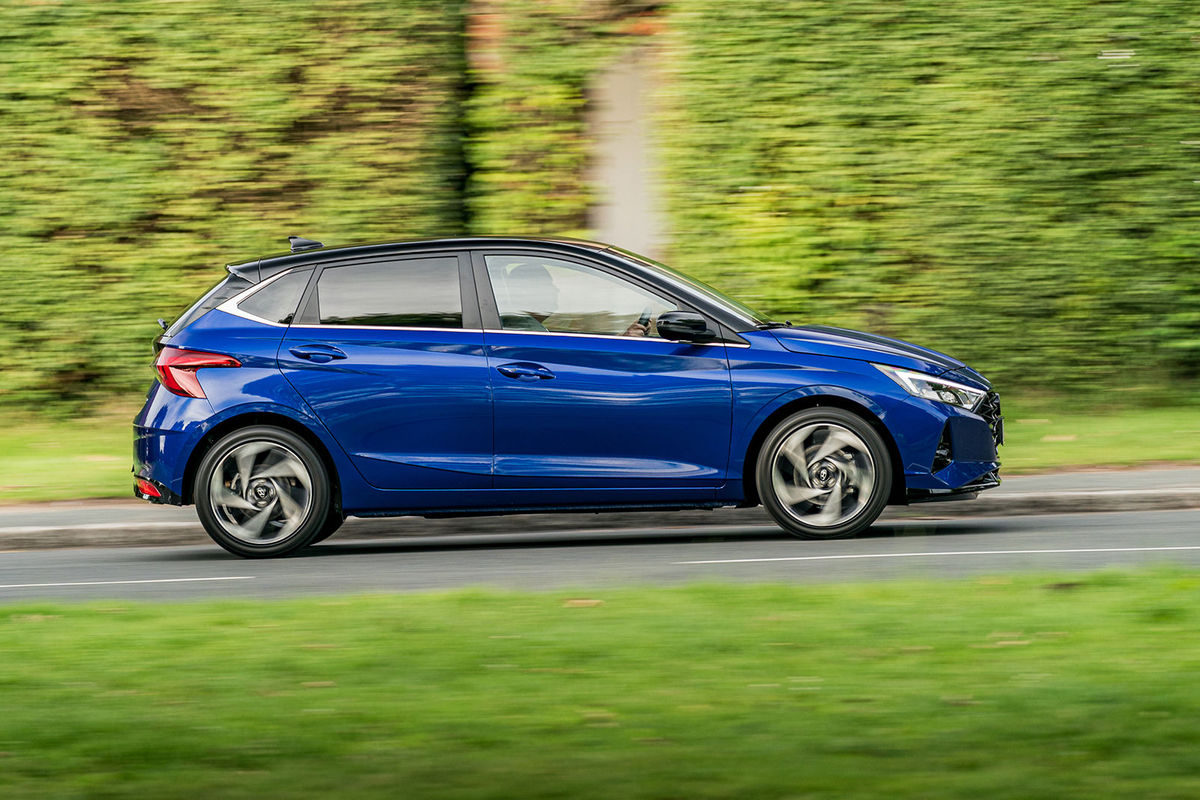
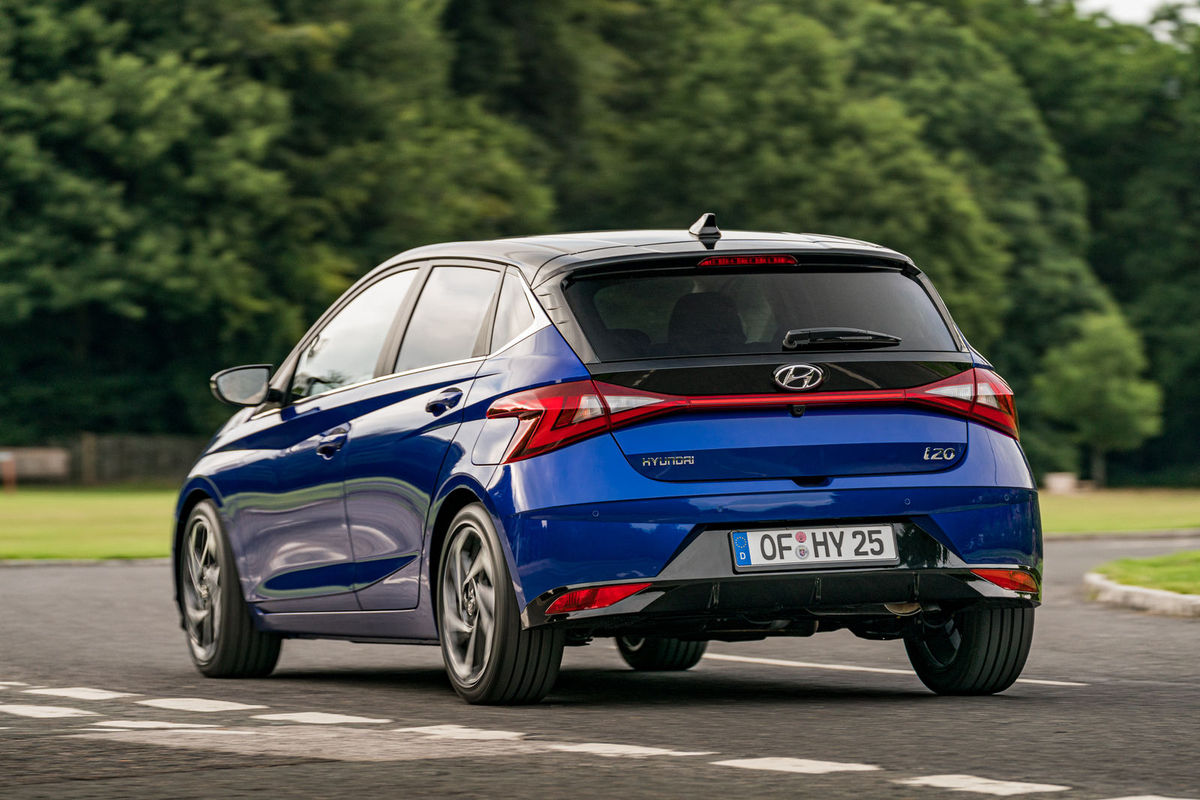
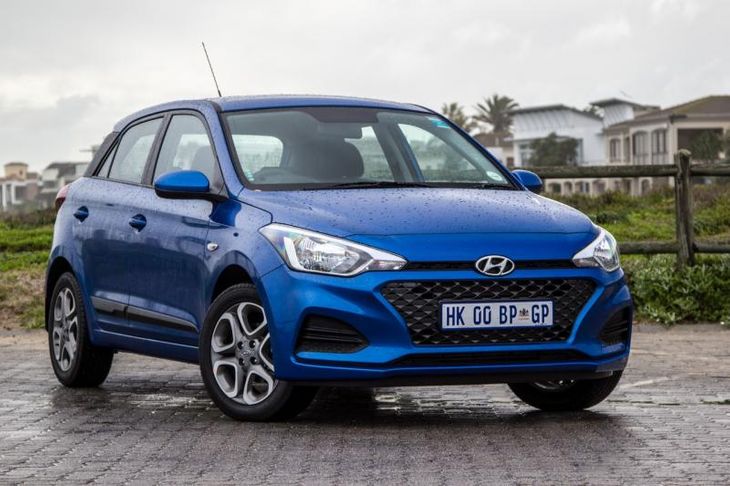
The Hyundai i20 is one of the more popular cars from the Korean brand and it has been facelifted for 2018.
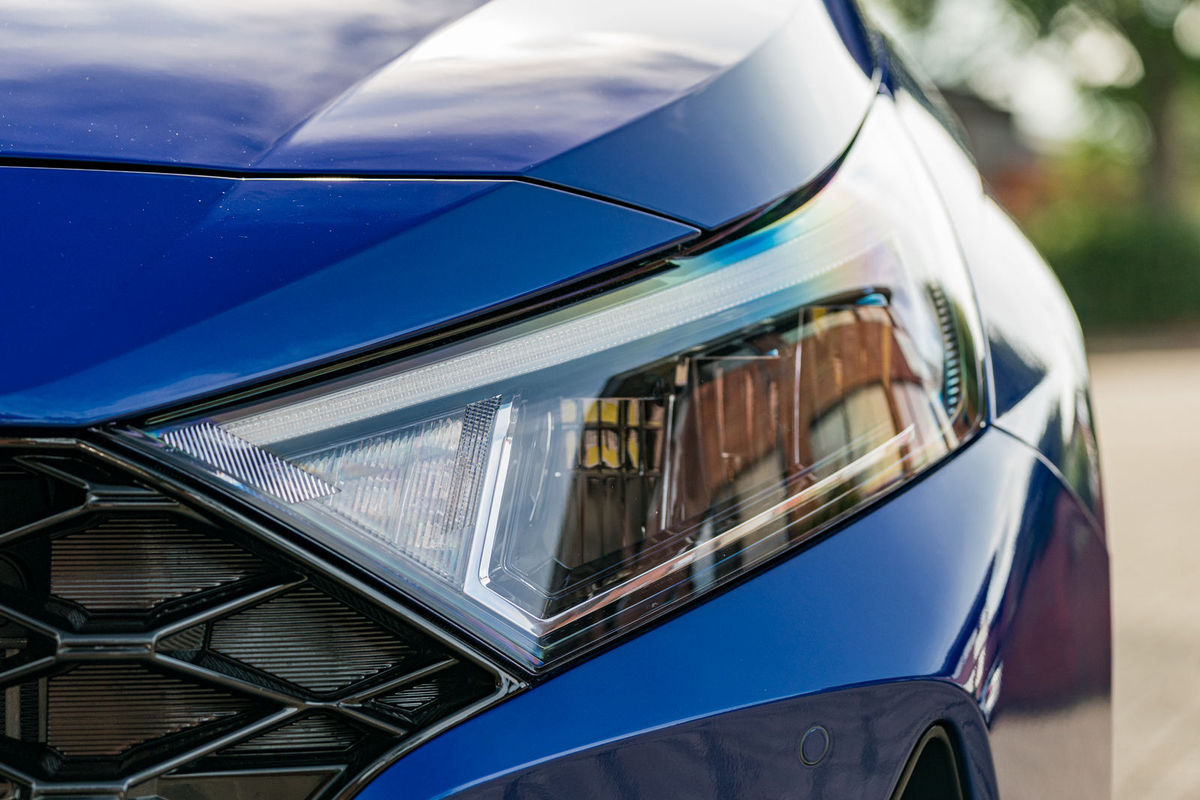
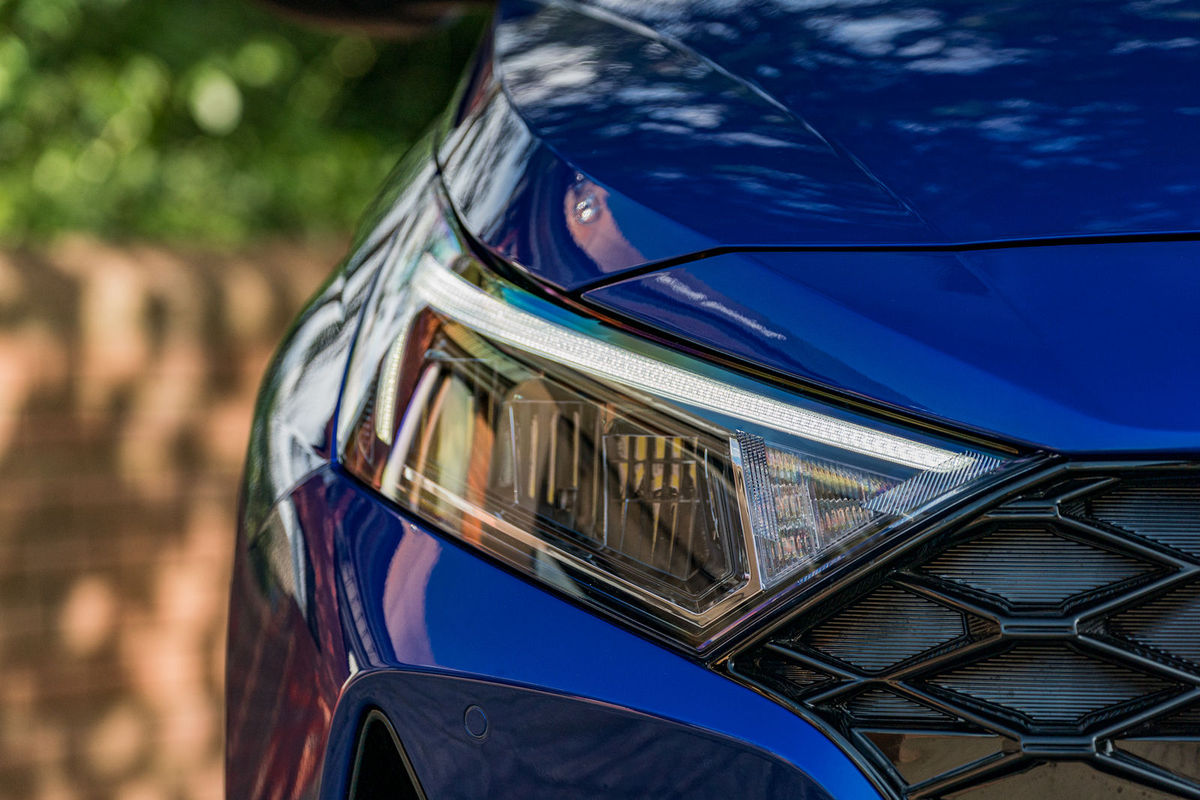
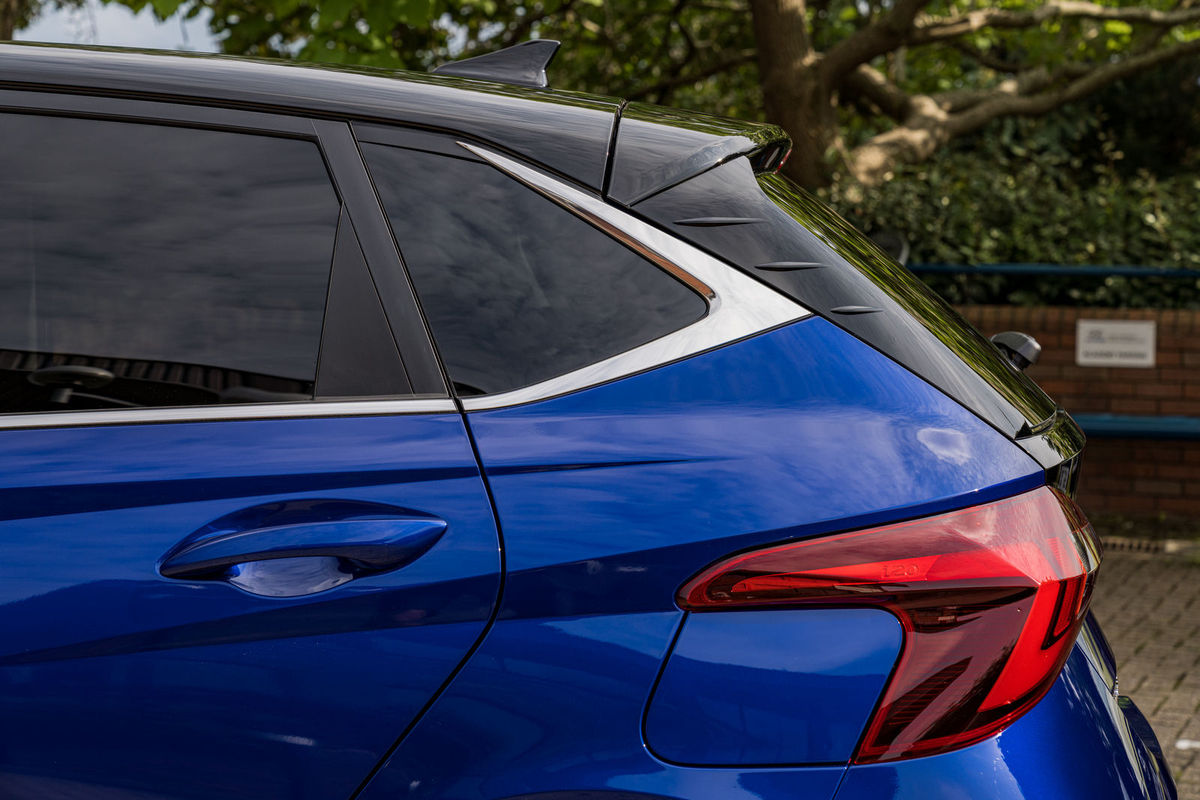
With almost 90 000 units sold in SA, the Hyundai i20 has been a success story for the Korean brand. Hyundai South Africa recently introduced a facelift for this model which brought along some changes, both visually and in terms of specification. The facelifted Hyundai i20 plays in an ultra-competitive space, with many products vying for a slice of the compact hatchback pie.
The B-segment hatchback market sees the likes of the Renault Clio, Ford Fiesta, Mazda2, Toyota Yaris, Kia Rio and Volkswagen Polo battling it out. Despite it not fundamentally changing mechanically, the packaging change, value-for-money proposition and a comprehensive warranty and service plan stand it in good stead.
Tested here is the second cheapest Hyundai i20 available, the 1.2 Fluid, fitted with a manual gearbox. Is it any good? Let's find out…
How does it fare in terms of…
Performance and refinement?
The Hyundai i20 1.2 Motion is powered by a 1.2-litre, naturally-aspirated four-cylinder motor. It offers out 61 kW and 115 Nm, with power driving the front wheels via a 5-speed manual transmission. A 4-speed automatic is available for those who don't wish to change gears themselves. The powertrain is one area where we think the Hyundai i20 lags a little behind its competitors. Whereas its rivals have mostly adopted punchier turbocharged engines, the Hyundai i20 has stuck to tried-and-tested naturally-aspirated engines.
We're not saying it's a bad engine, it's just not as powerful or tractable as its blown rivals. Despite getting on in years, the 1.2L Kappa motor is a smooth operator and only ever sounds strained in the upper reaches of the rev range. Having driven the new i20 in a variety of situations, we can report that it consumed 7.6 L/100 km during its stay with us. If you pride yourself on smooth driving and gradual throttle inputs, you could no doubt reduce that figure into the 6s, which is only average in the segment.
The 5-speed gearbox is more than up to the task of sliding through the cogs. It's refreshingly light in action, which helps in heavy traffic and makes the constant clutch-in, clutch-out motion a cinch. It's easy to use, which is a good thing as you'll be using it often if you're in a hurry or wanting to overtake on a highway. See, while the performance is adequate in an urban environment, overtaking on a highway requires some quick changes and some hard revs. With that said, if you are looking for perky performance, you won't find it in this 1.2 Fluid, but it's still a sensible offering which provides just enough shove to be a competent daily runner.
Ride and handling?
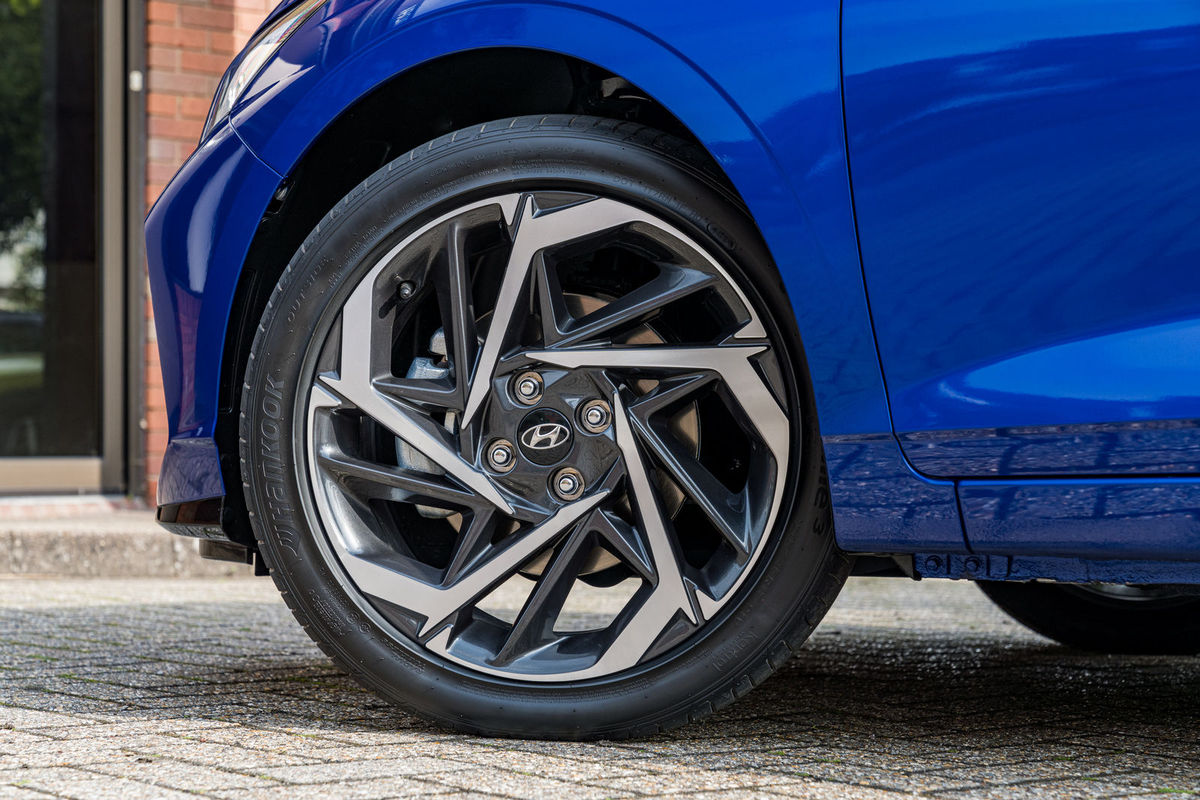
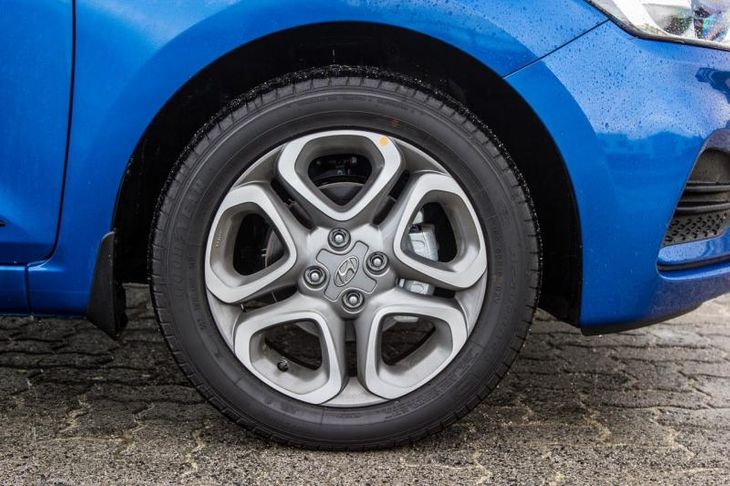
The Hyundai i20 rides on 16-inch alloy wheels which offer reasonable levels of comfort.
The Hyundai i20 has never been regarded as a sporty or entertaining drive, with the Koreans sacrificing driving enjoyment in favour of ride quality, low NVH and comfort. Sure, the petrol heads amongst us may laugh at it, but the masses in the buying market opt for more sensible facets of motoring. Some may class the Hyundai i20 as a boring drive, but we'd prefer the words 'solid' and 'dependable'.
The clutch/gearbox and steering wheel action are light to operate but we did note that the i20's electronically-assisted steering is not the most generous when it comes to feedback. There's a fair degree of body roll when you're pressing on, but there's an air of easiness and simplicity, which will please owners who are after a sensible set of wheels. Levels of grip are high and the vehicle feels stable and composed, irrespective of speed. Hyundai SA claims to have reworked the front and rear suspension, and we found the ride comfortable with a touch of firmness on bumpier roads.
Practicality?
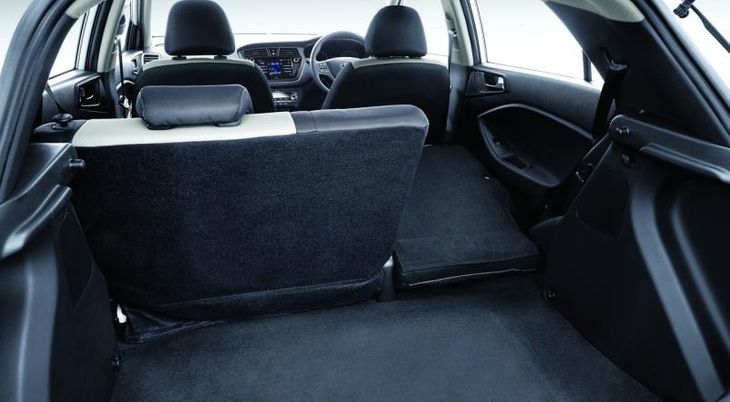
The Hyundai i20 has a generous boot and is surprisingly practical.
Despite the Hyundai i20 being a B-segment hatchback, cabin space is surprisingly good. It feels roomy with good personal space between the driver and passenger. Taller drivers will appreciate the height-adjustable seat that improves the headroom in a small car. The steering wheel is adjustable for rake and reach, meaning you can attain that perfectly comfortable driving position. Sitting behind yourself is a sure way of testing rear passenger comfort and the Hyundai i20 passed this test, with a 6ft1 driver (185 cm).
Rear passengers should be comfortable in the back of the Hyundai i20, but headroom is a squeeze for taller folk. Boot space is rated at 285 litres which is on par for the segment. With the rear seats folded in the 60/40 split, you can access just over 1 000 litres, or one 29-inch mountain bike carried with ease. For the front passengers, there are numerous cupholders and storage bins for keys and phones.
Interior and features?
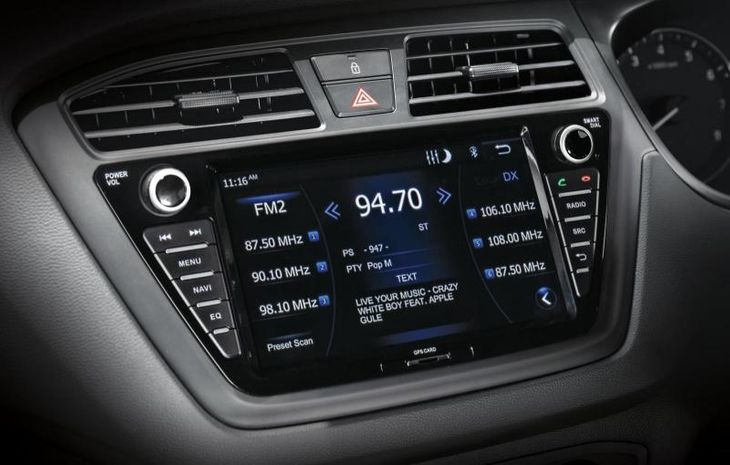
The touchscreen infotainment system is crisp with nice graphics, but it'll take some time to get used to.
The dashboard has gained some soft-touch materials, giving the i20 a bit more of an upmarket look and feel. One of the key changes for the facelifted Hyundai i20 was the introduction of a proper infotainment system for the entry-level 1.2 Motion. This touchscreen setup requires some getting used to – at first glance, it's not the most intuitive, but customers will soon get the hang of it.
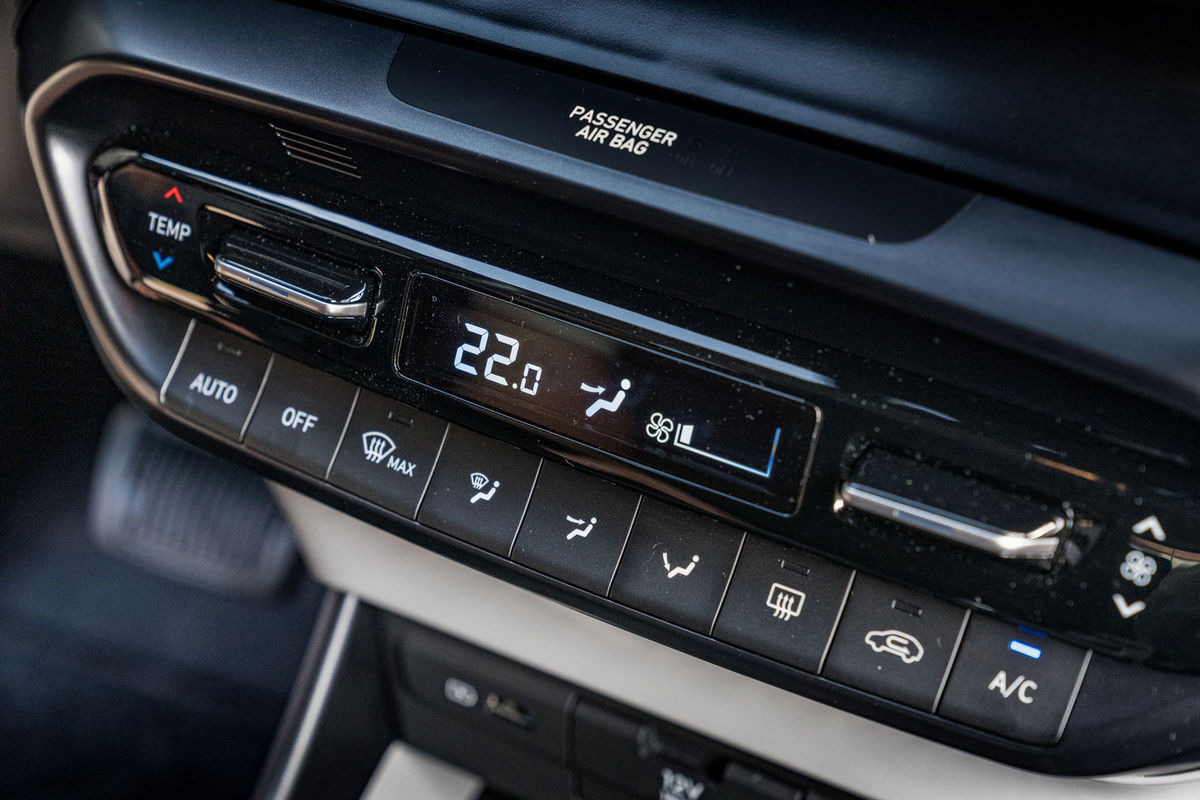
The vehicle comes with USB and Aux inputs, however, the USB is not powerful enough to completely charge a mobile phone. There's Bluetooth connectivity too, with controls on the steering wheel. The sound system has 4 speakers and 2 tweeters, and there's radio/CD/MP3 functionality. There are electric windows at the front, while the rear makes do with manual winders. The air conditioner is basic and manual in operation.
Hyundai i20 Price in South Africa
The Hyundai i20 Fluid is priced from R241 900. All derivatives are sold inclusive of Hyundai's excellent 5-years/150 000 km warranty (and additional 2-years/50 000 km powertrain warranty), while 1.2L derivatives come with a 2-years/30 000 km service plan, extended to 3-years/60 000 km for 1.4L offerings. Roadside assistance is also part of the deal, for 5-years/150 000 km.
The Hyundai i20 facelift quietly goes about its business and offers commendable value for money in a segment which is edging closer to premium status.
With the B-segment pushing pricing into the R300k range for models like the Polo and Fiesta, it's great to see that there's still value to be found without compromising on features or that dreaded cost-cutting / buying-down feeling. While many will look to the Volkswagen Polo and Ford Fiesta, the reality is that both of these models have simply become too expensive meaning buyers will look elsewhere to find a decent set of wheels. That's where the 1.2-litre i20 comes in…
Specification and practicality are good in the facelifted Hyundai i20, and while we'd like to see some form of traction control or stability control, we realise that this would have an effect on the list price. We found the engine acceptable if not entirely inspiring, offering just enough power to see it keep pace in an urban environment. It does need to be worked hard on a national highway to keep pace. Luckily the gearbox and clutch action is light and quick to keep the engine on the boil. Factor in that ultra-comprehensive warranty and generous service plan for additional peace of mind and it looks like the Hyundai i20 sales will continue at a steady pace.
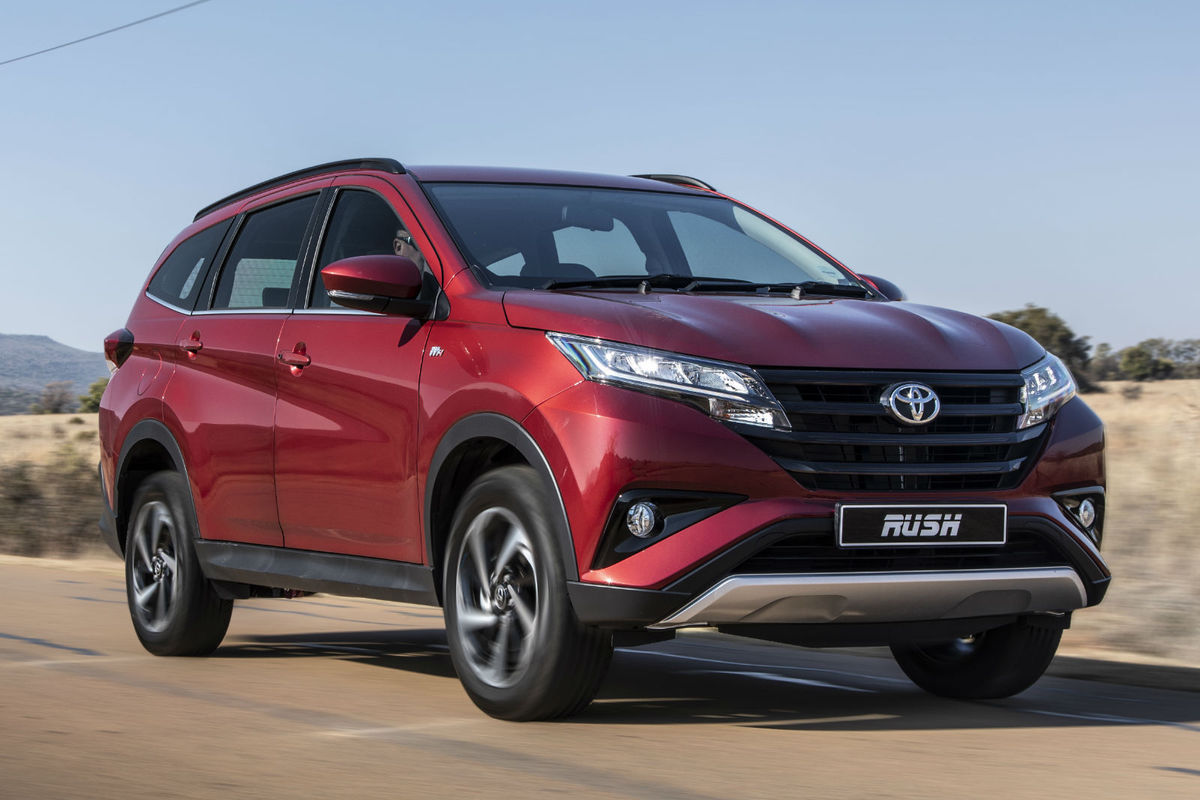
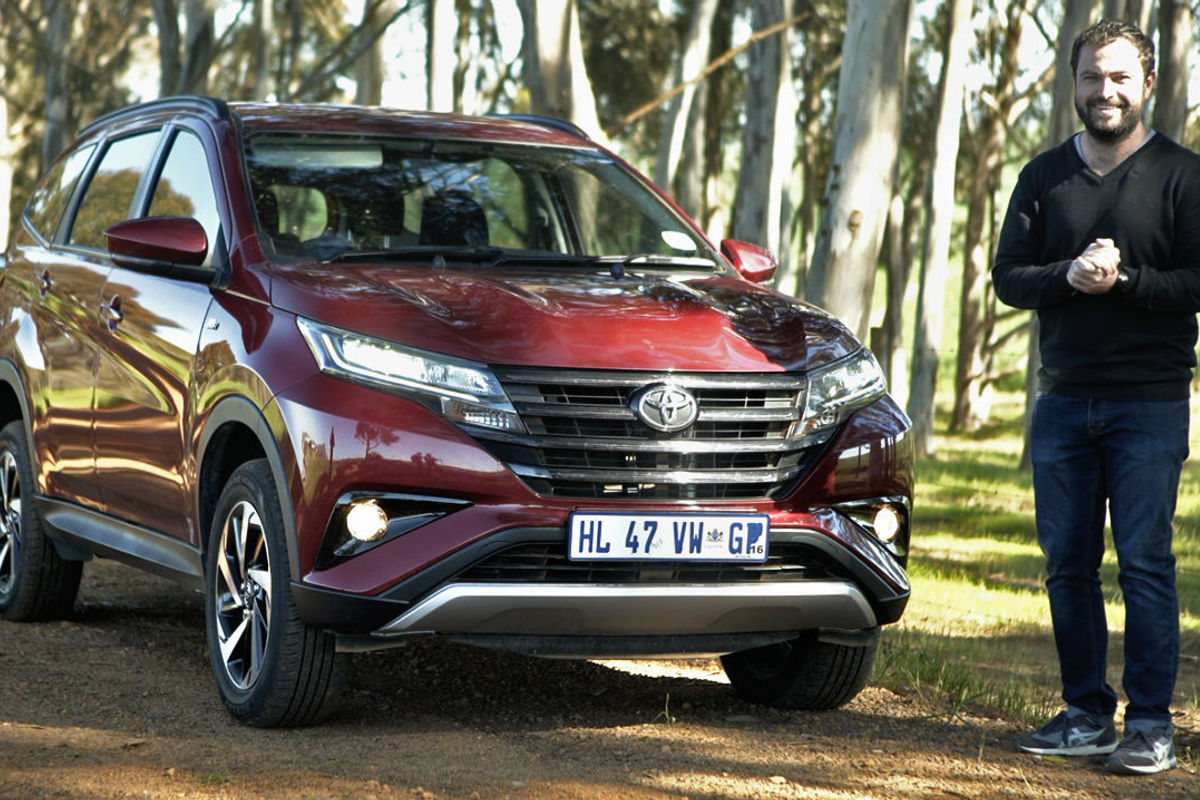
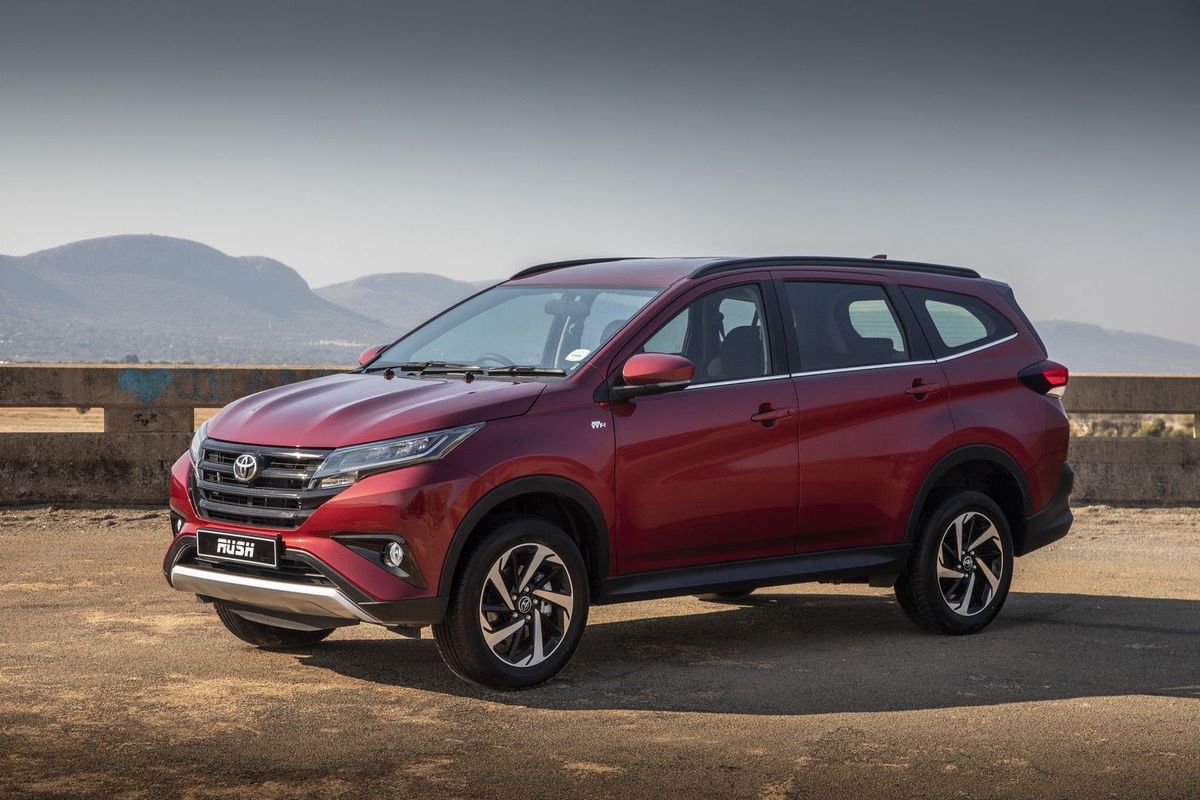
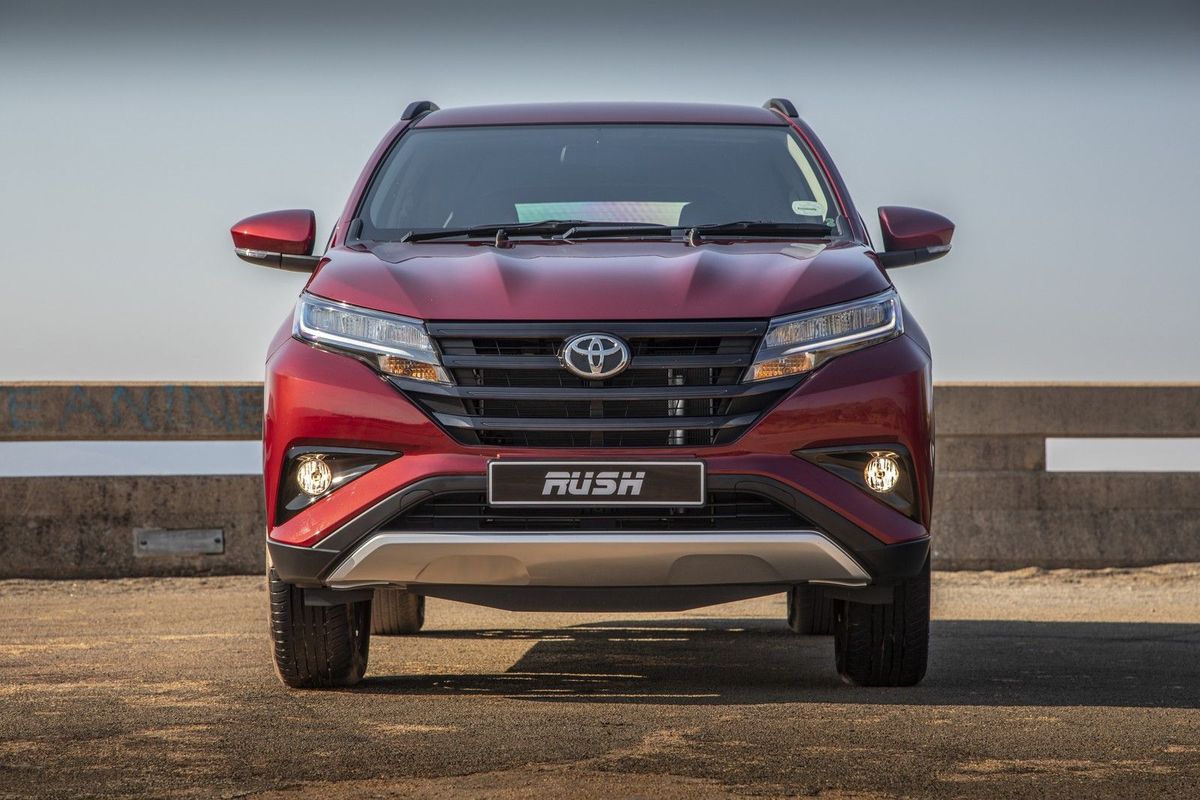
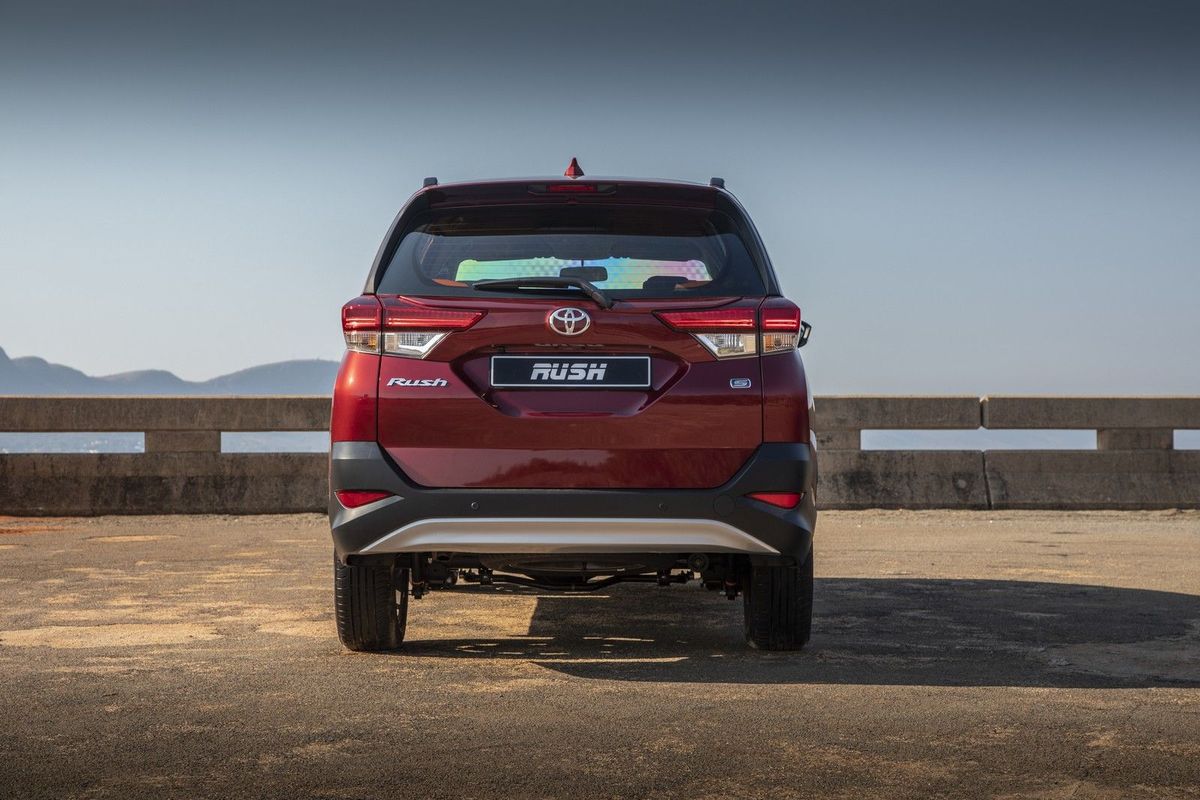
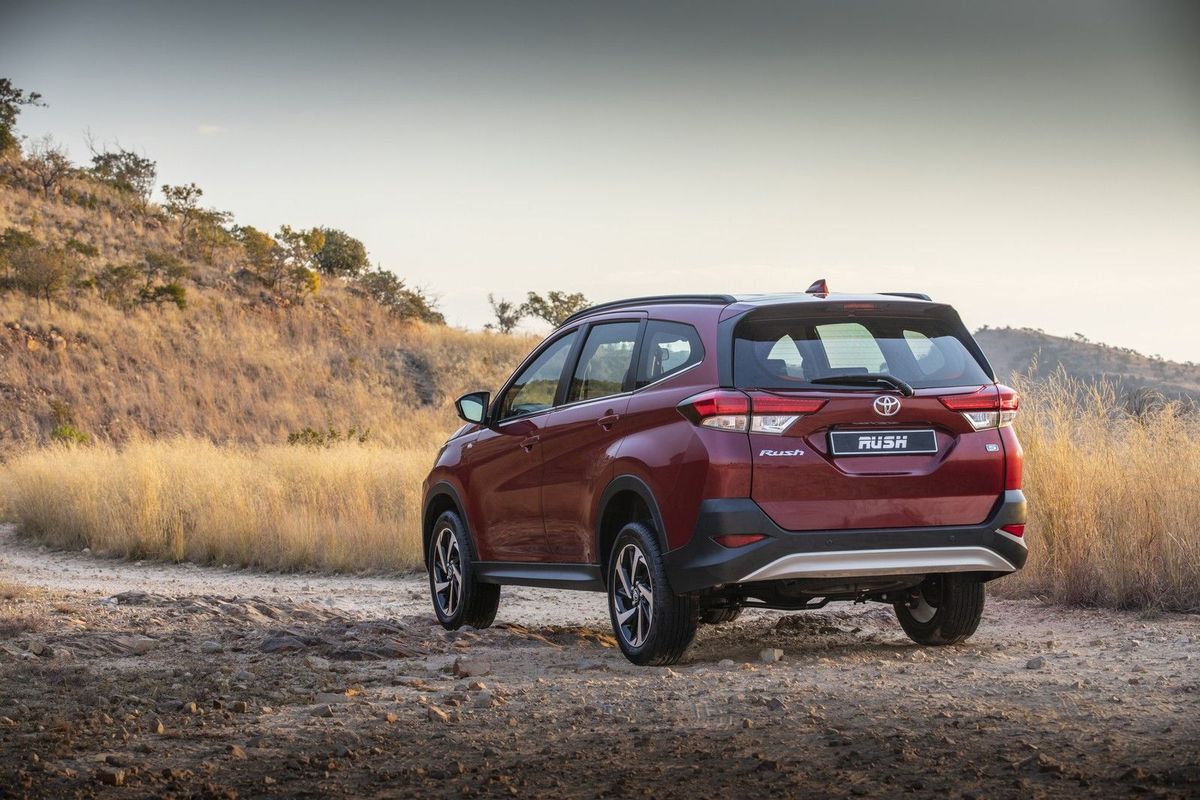
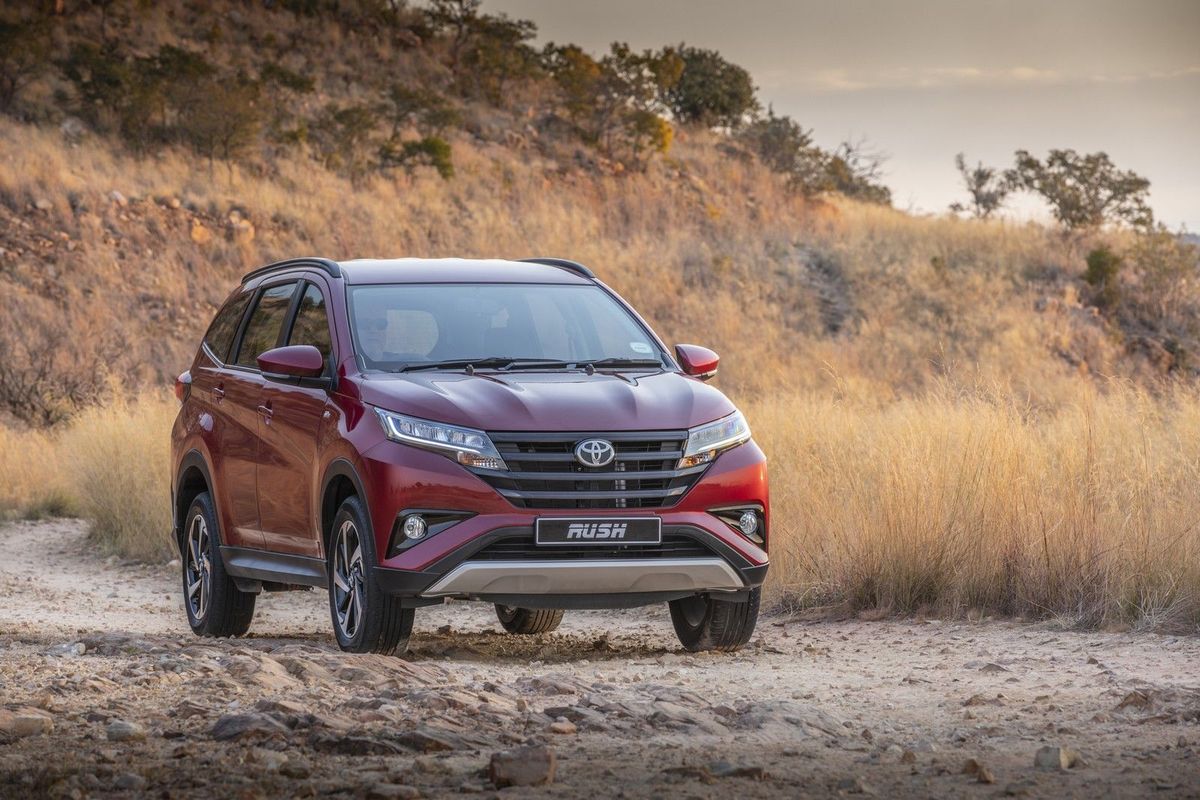
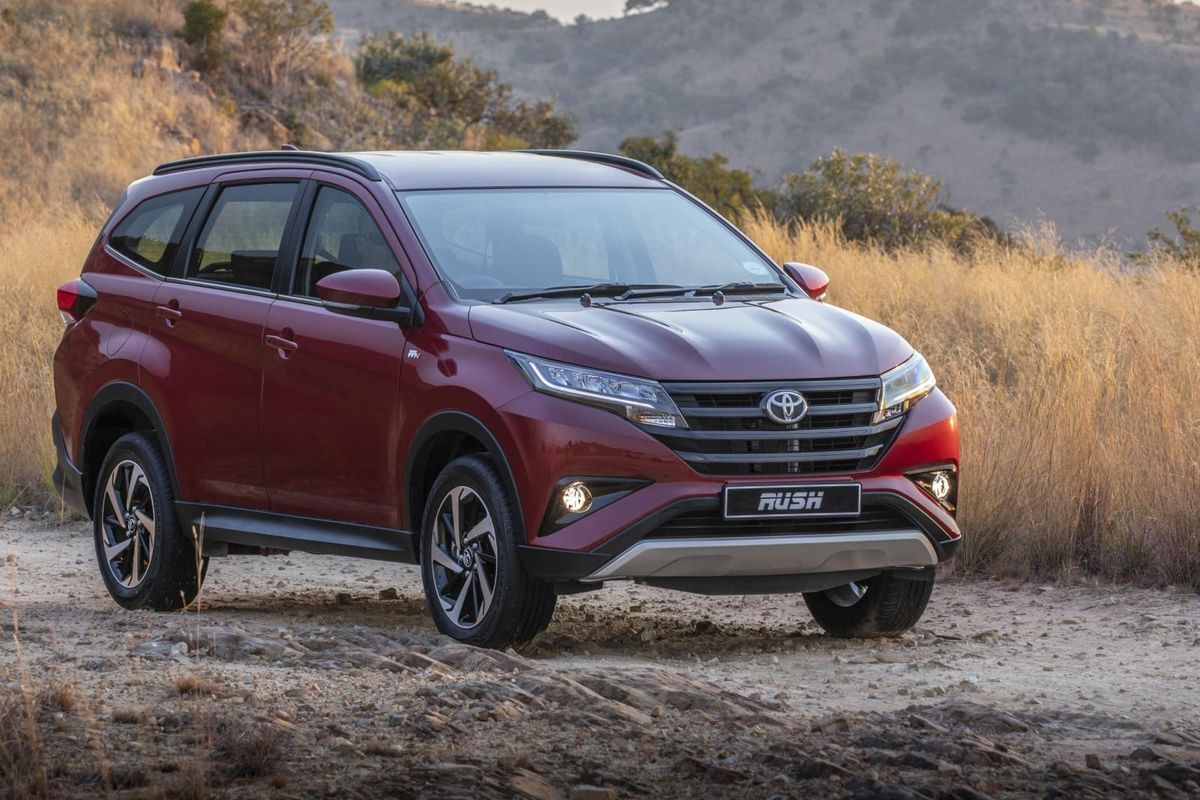
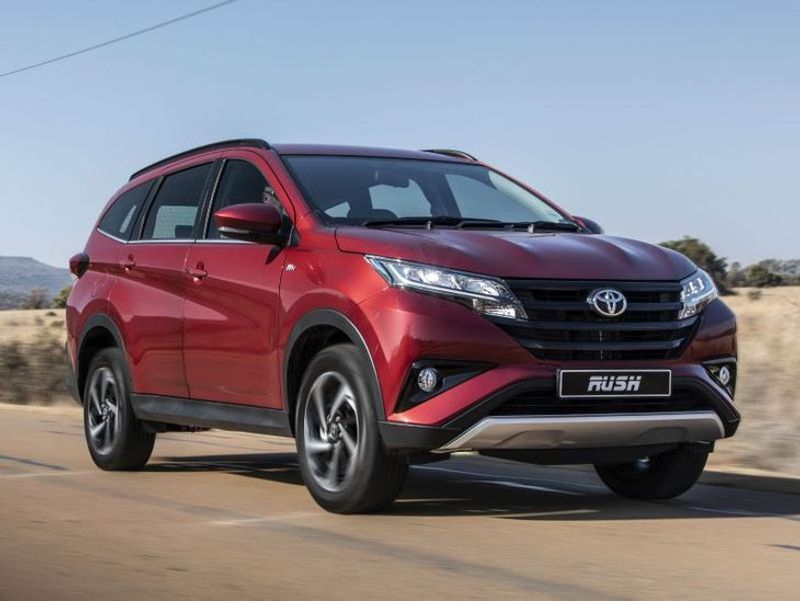
Toyota – a brand renowned for introducing budget-oriented people carriers in the local market – has launched the Rush. The Indonesian-made newcomer is poised to find favour among financially-constrained consumers seeking a vehicle with excellent space and practicality. We attended the local launch of the newcomer to assess its merits.
Toyota South Africa's portfolio is diverse and comprehensive. There's a vehicle catering to everyone's needs, or is there? Given the B-segment SUV's rise over the past few years, Toyota has decided to introduce a second practical SUV to the segment. Currently, the 7-seater brigade consists of the Toyota Avanza, Honda Mobilio/BRV and Suzuki Ertiga. The new Rush will tangle with the likes of the Ford Ecosport and Renault Duster as a more family-oriented, dual purpose vehicle.
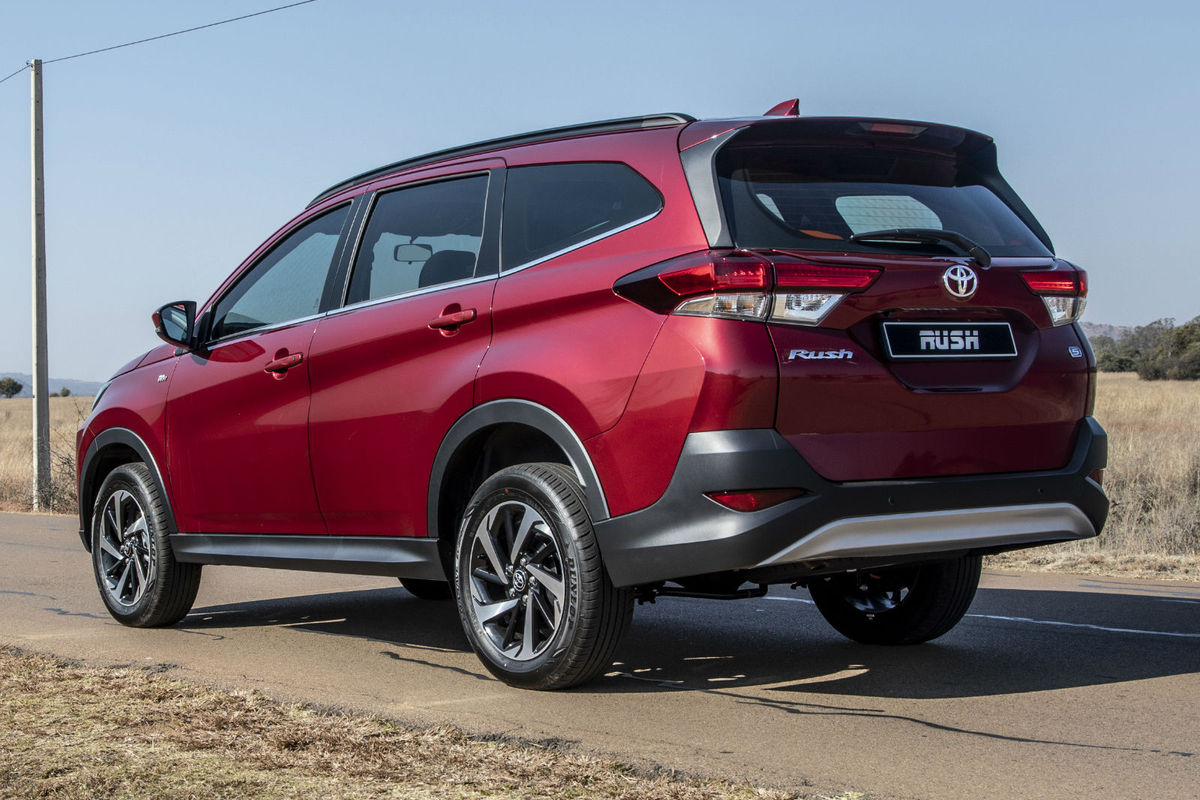
Introducing the Rush, a 5-seater compact SUV made in Indonesia. Keen-eyed observers will note uncanny similarities between the 2018 Toyota Rush and the latest version of the Daihatsu Terios. The South African market Rush is a 5-seater only, whereas the Indonesian variants offer a 7-seat option. Market research, according to Toyota South Africa, has shown that our market favours a 5-seat setup and a huge luggage bay, as opposed to 7 seats and a reduced cargo area. We would have preferred having the option of putting in the 3rd row of seats for a nominal fee, as there may be customers who require the extra passenger carrying capacity.
The Toyota Rush is powered by a 1.5-litre naturally-aspirated four-cylinder motor. On paper, it delivers 77 kW and 136 Nm, and you have the option of either a 5-speed manual gearbox or 4-speed automatic transmission. The Toyota Rush is rear-wheel driven and appears to be quite frugal too, with a claimed economy figure of 6.6 L/100 km. The automatic is said to consume 6.7 L/100 km.
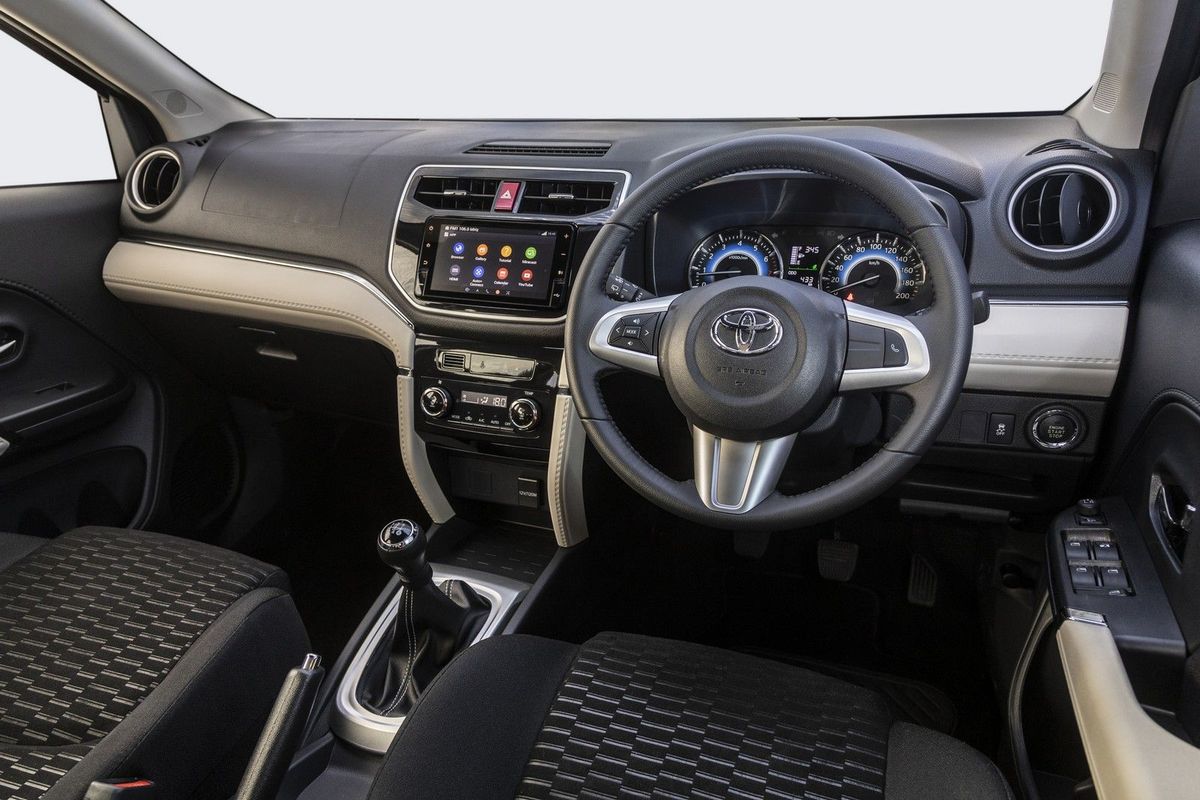
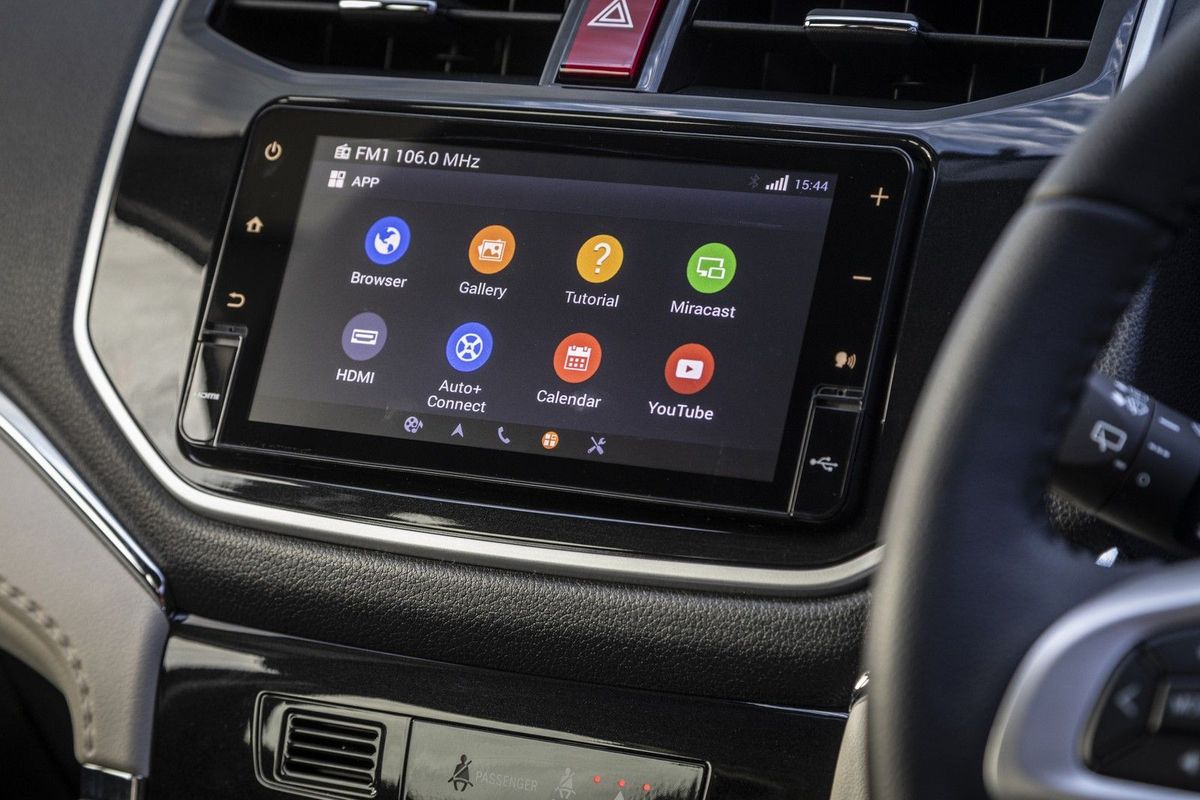
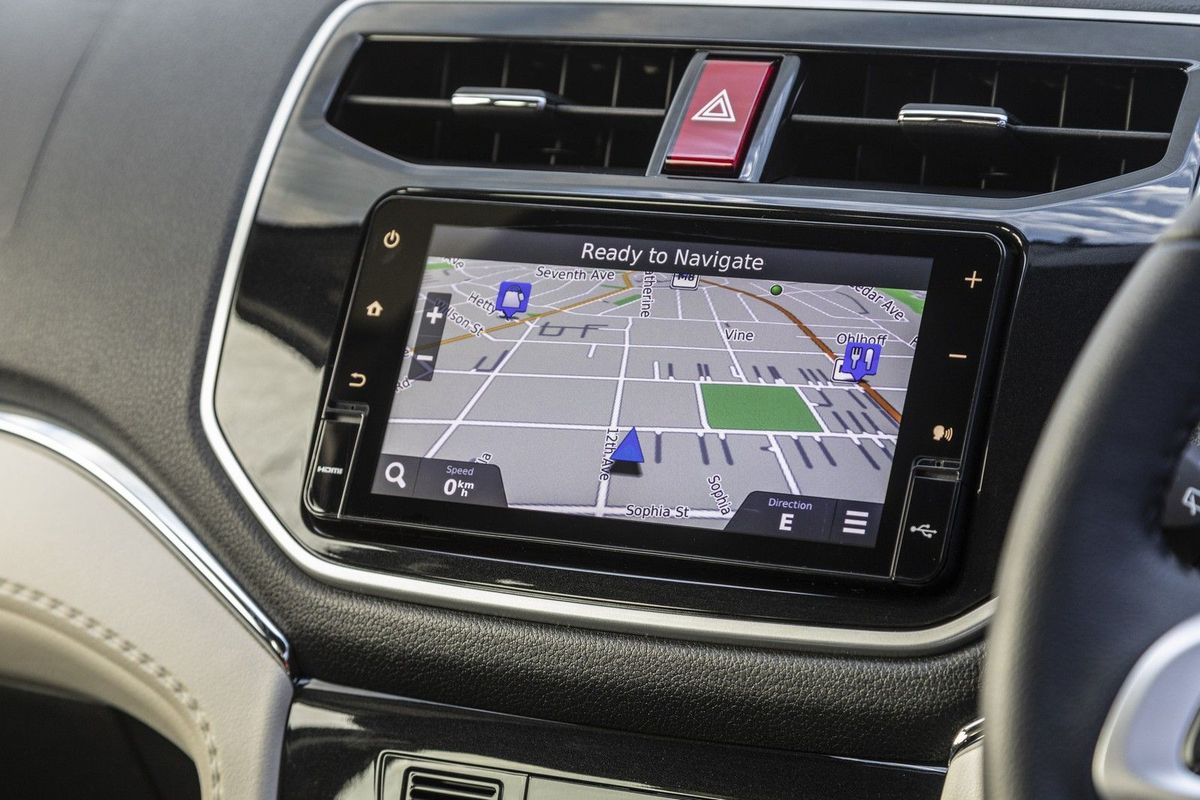
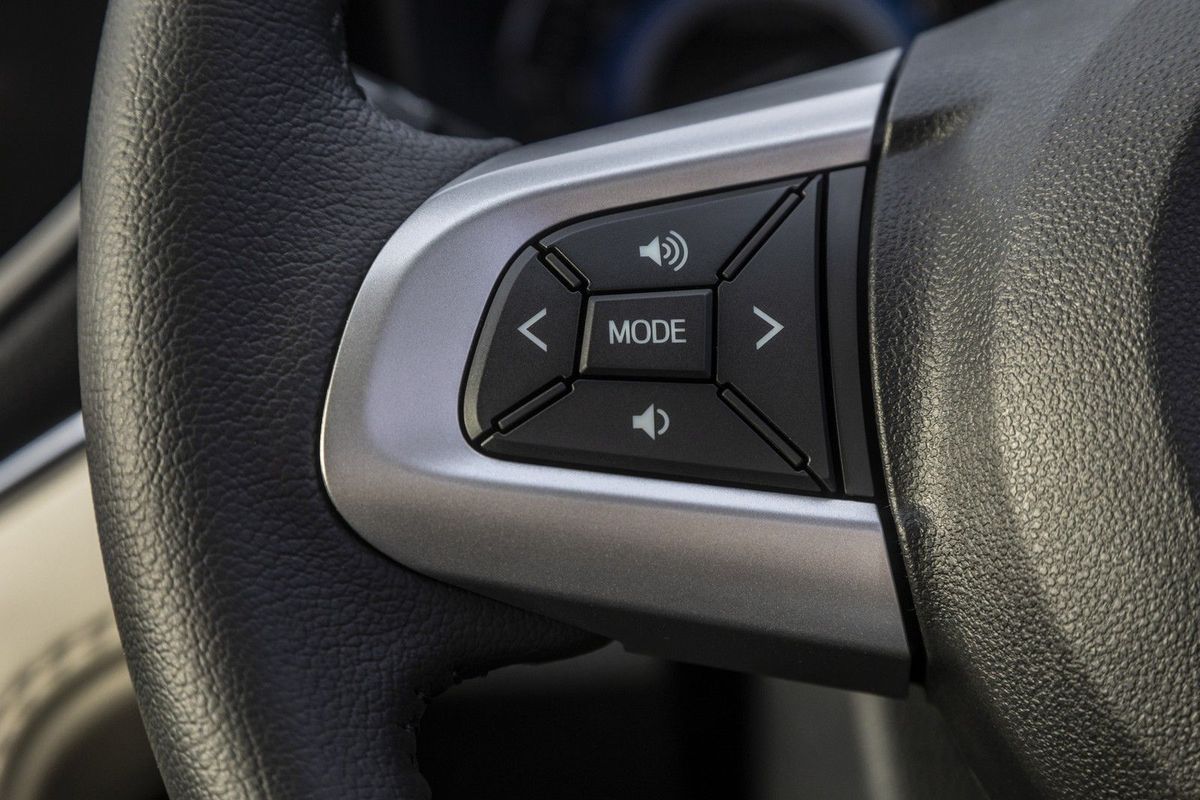
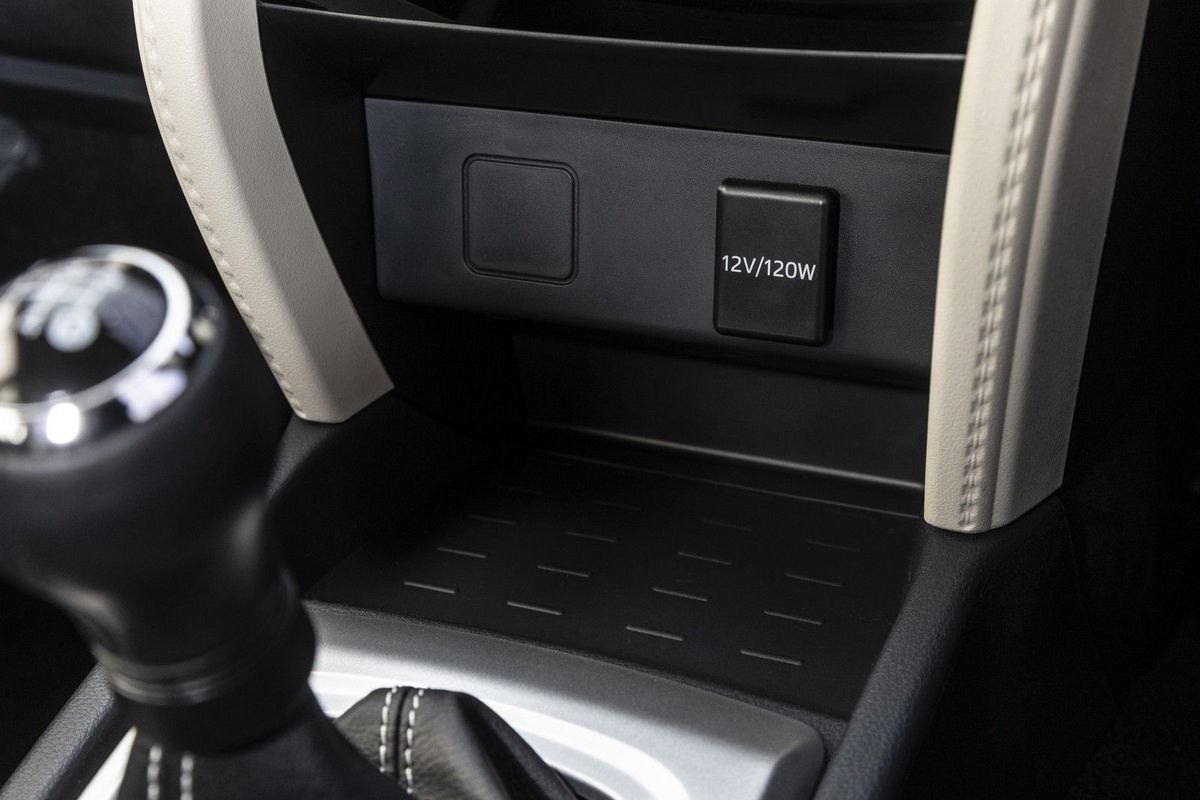
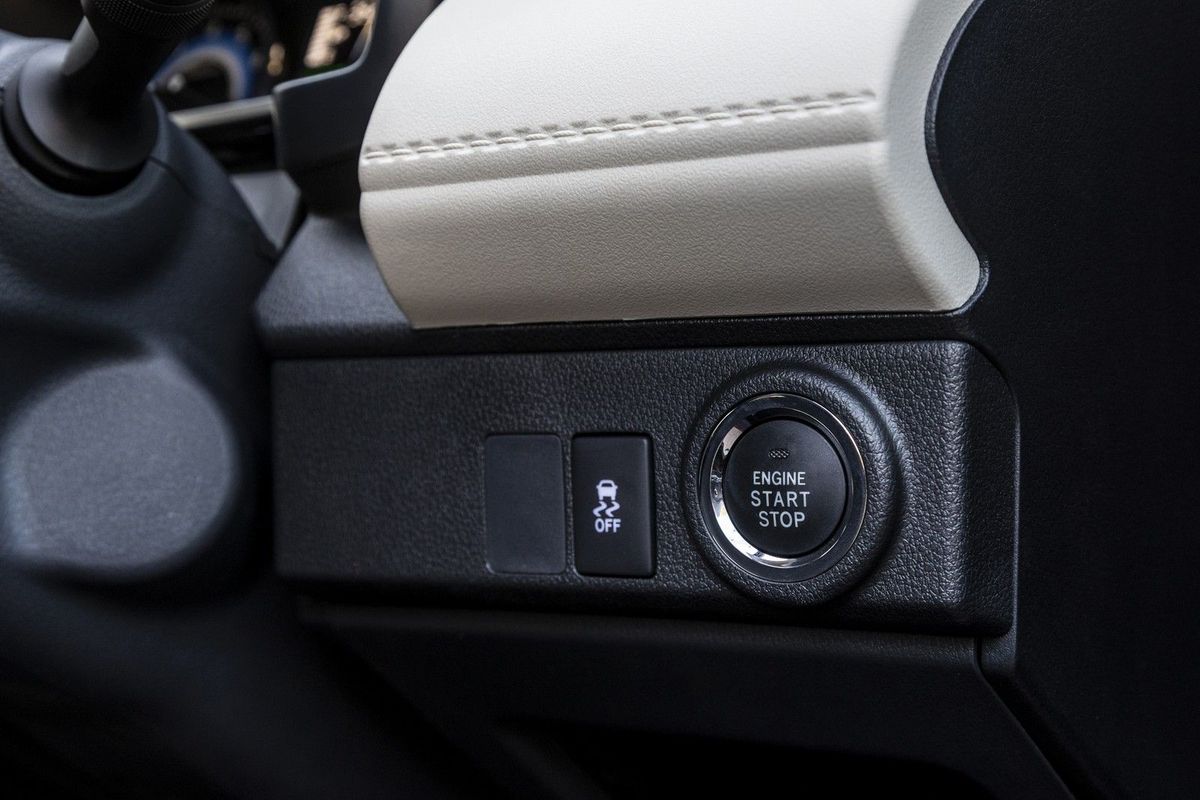
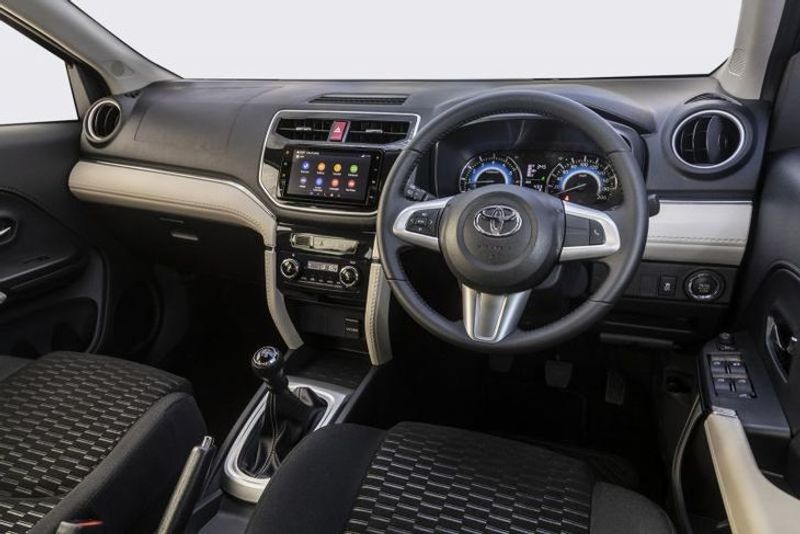
The Rush comes with a 6-speaker, touchscreen audio system with USB and Bluetooth functionality, Android Auto Plus Show, Apple CarPlay and navigation. Dual-zone climate control and a 12V socket is also seen on the lower section of the dashboard. The 3-spoke leather steering wheel is only rake-adjustable and comes equipped with mounted controls. Apart from the features already mentioned, the Rush is also equipped with electric and retractable side mirrors, auto-off LED headlights, an integrated reverse camera with park distance control, keyless entry and a push-start ignition. In terms of safety, a total of 6 airbags are fitted as well as ABS, Vehicle Stability Control (VSC) and Hill Control Assist (HCA).
What is it like to drive?
The Toyota Rush drives well, but the lack of a sixth gear makes for a noisy highway ride.
What the Rush isn't is a 4×4 vehicle. Sure, it has an excellent ground clearance of 220 mm along with 31-degree approach and 26.5-degree departure angle, but it lacks all-wheel drive for that final off-road stamp of approval. Interestingly enough, our launch route took us through Addo Elephant National Park, near Port Elizabeth, which had many gravel roads in varying states of quality. We can happily report that the Toyota Rush was more than adequate in this environment and there's an air of solidity about its ride.
While some may scoff at the idea of a compact normally-aspirated 1.5-litre engine powering something as big as a Toyota Rush, but the reality is that a combination of short gear ratios and low mass means that performance is not sluggish. There's plenty of go in the first 3 ratios and around town we were happy with the performance. Things go awry when you're on the national highway. See, that final gear ratio is too short and at 120 kph, the engine revs noisily at 4 000 rpm, far from ideal for cruising. The Rush needs a 6th gear, just to keep the noise and fuel consumption down.
The specification and safety equipment is good, but the driving position for taller folk is a little awkward.
The ride quality was fair on some of the more well-worn sections of road in and around Port Elizabeth and Uitenhage, despite the Rush riding on attractive 17-inch alloy wheels. The steering is light but it could do with a touch more weighting to give it a more solid feel. Vehicles like this typically have a cheap feel both to the cabin quality and drive, something which Toyota has managed to work around, despite it being very reasonably priced. The driver's seat is height-adjustable, but some drivers might feel it won't go low enough and, because the steering column is rake-adjustable only, the driving position is a bit awkward, or at least one that tall folk won't be completely comfortable with.
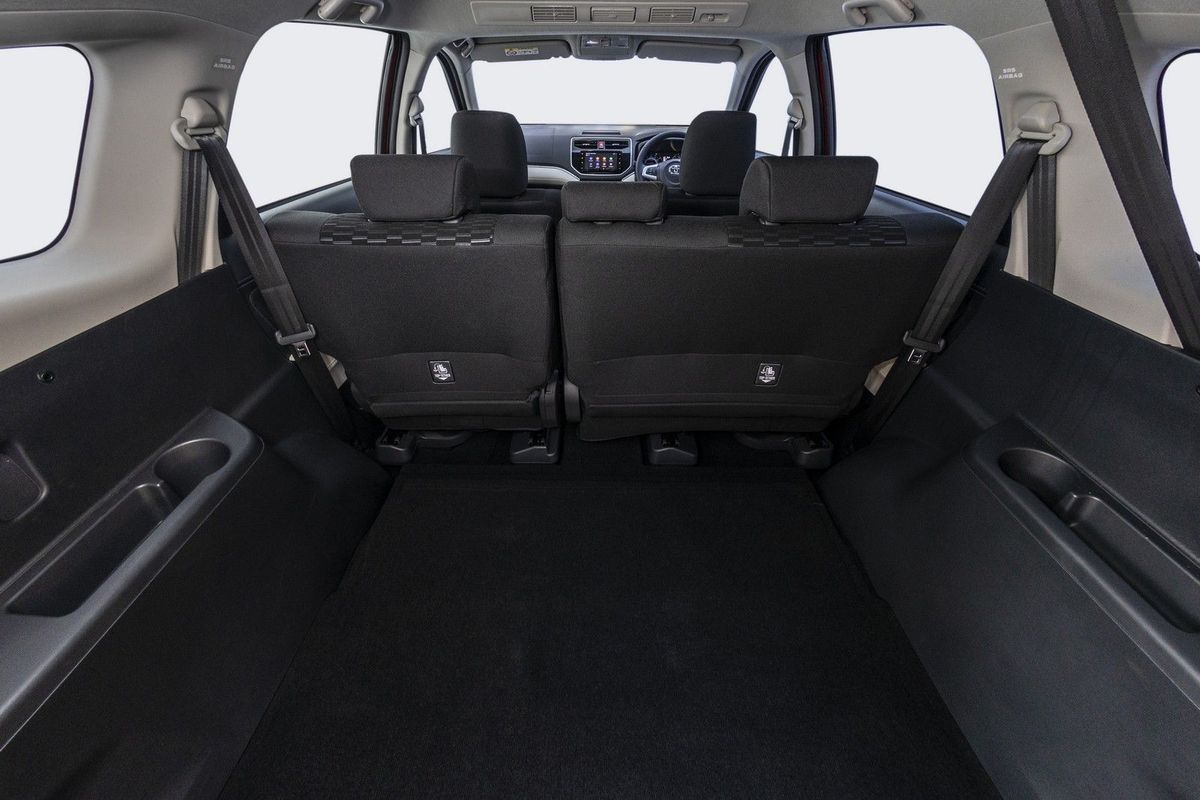
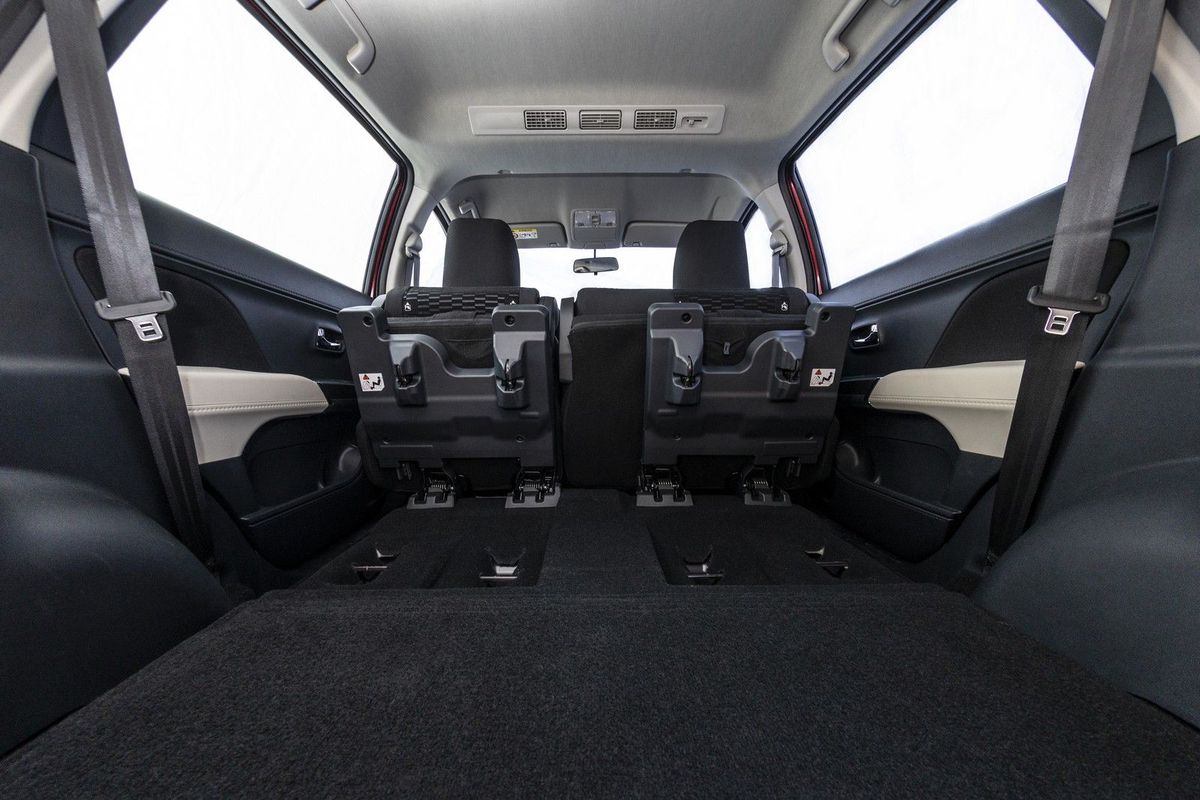
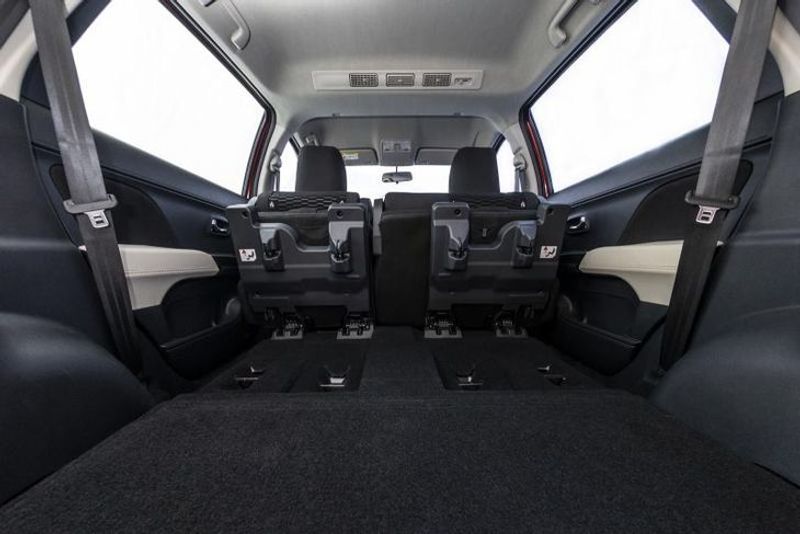
The cavernous boot grows even bigger with the second row of seats folded down. Toyota Rush panelvan, anyone?
Final Thoughts
The budget small SUV/crossover market may be a tiny segment, but that hasn't stopped Toyota from adding a 2nd (Avanza-based) vehicle into the segment. Those looking for a well-priced family-oriented 5-seater with renowned reliability is the target market, as well as the Uber market, to some extent. Do you remember the runaway success that the keenly-priced, commercial vehicle-based Condor achieved more than a decade ago? The Rush is in the same mould, although, of course, it is a far less rudimentary vehicle and certainly not stripped out, in terms of its specification.
The luggage bay of the Rush, for example, is by far one of the biggest we've seen on a vehicle of its type – it even surpasses that of its RAV4 family car sibling. Should you need even more space, fold the seats down, which converts the Rush into a makeshift panel van. We wish it came with that 6th gear at the top. The noise level on highway cruising is irritatingly high, but the car's short gear ratios in an urban environment mean it does not feel as underpowered as its figures suggest. Our final gripe is the seating arrangement, give people the option to put in the 3rd row of seats for a nominal fee. Overall, we can't be too picky at this price point. R299 999 puts you behind the wheel of a well-specced, solid and capable family SUV.
Toyota Rush – Price in SA
The Rush is sold with a 3-year/100 000 km warranty and a 6-services/90 000 km service plan, with intervals every 15 000 km.
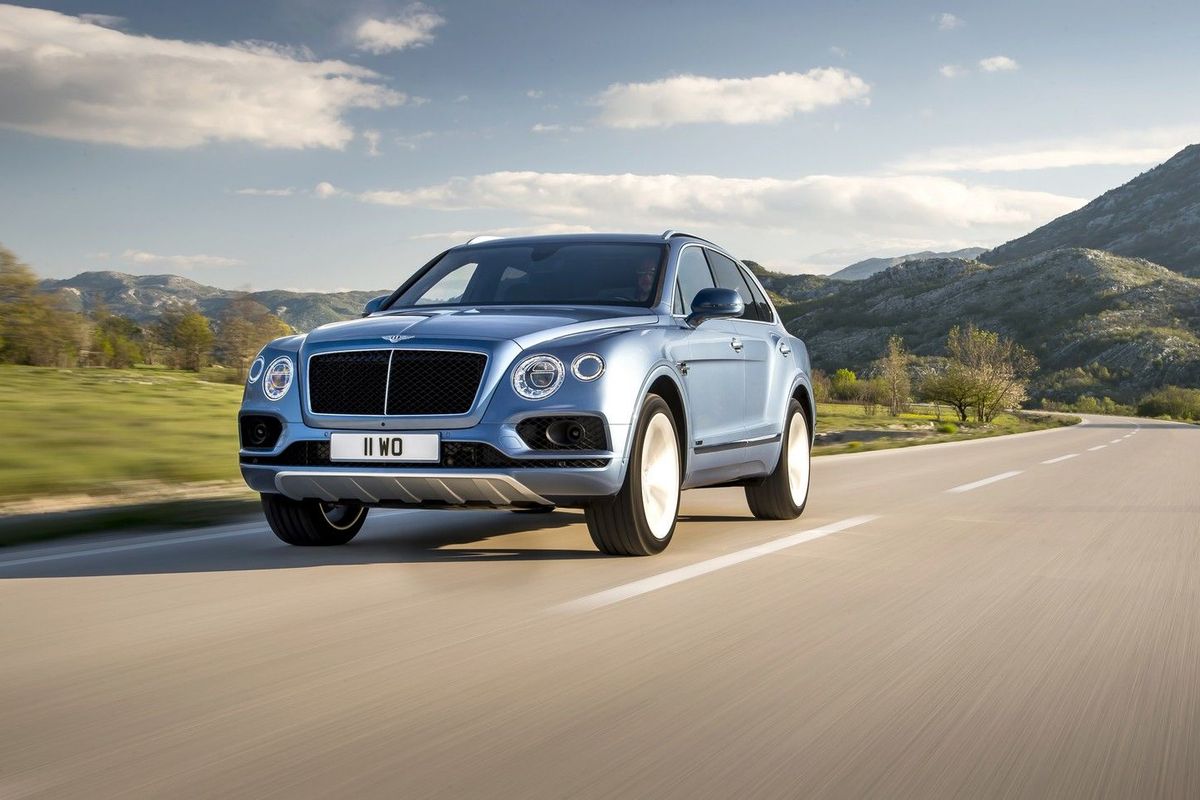
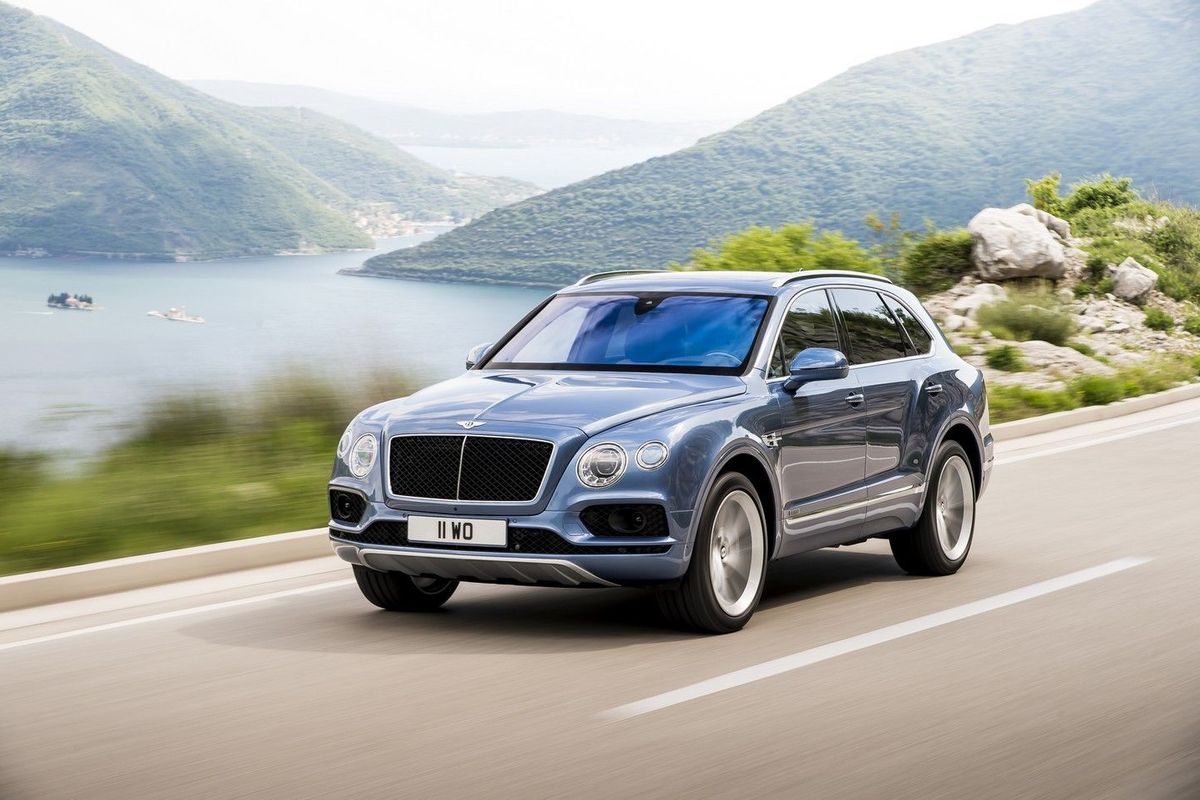
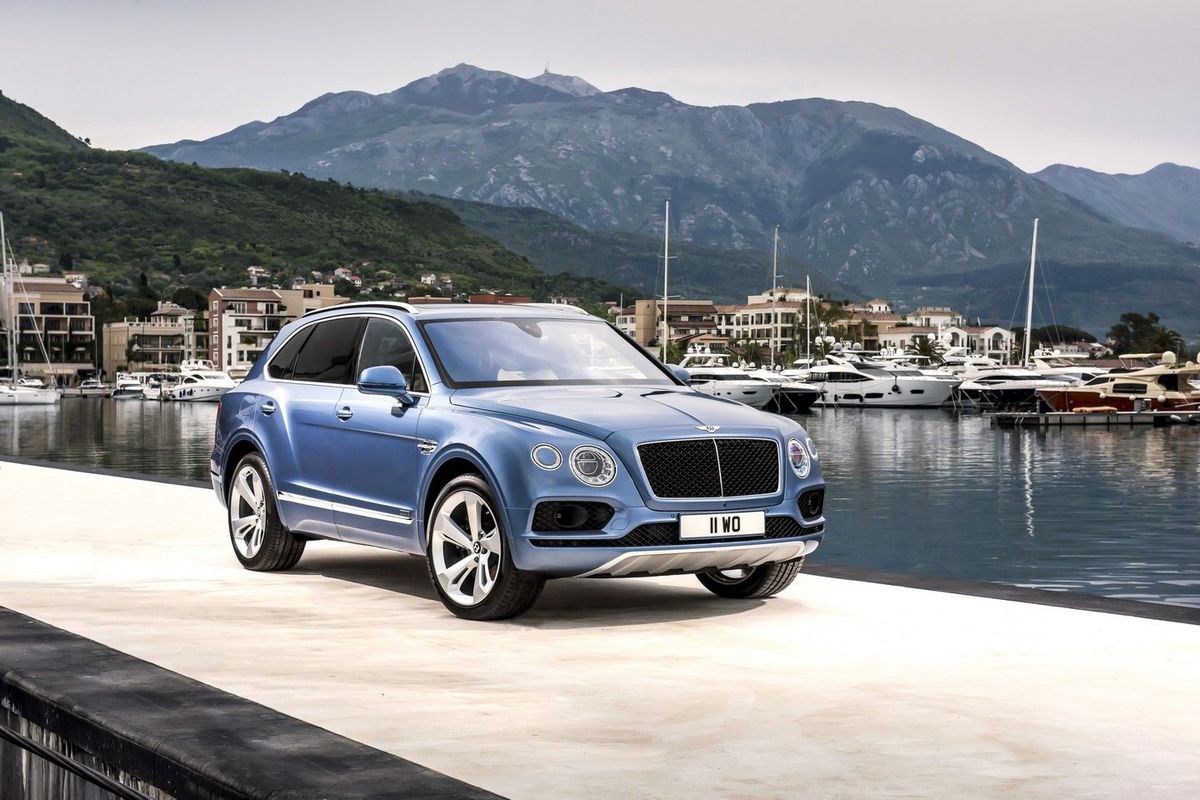
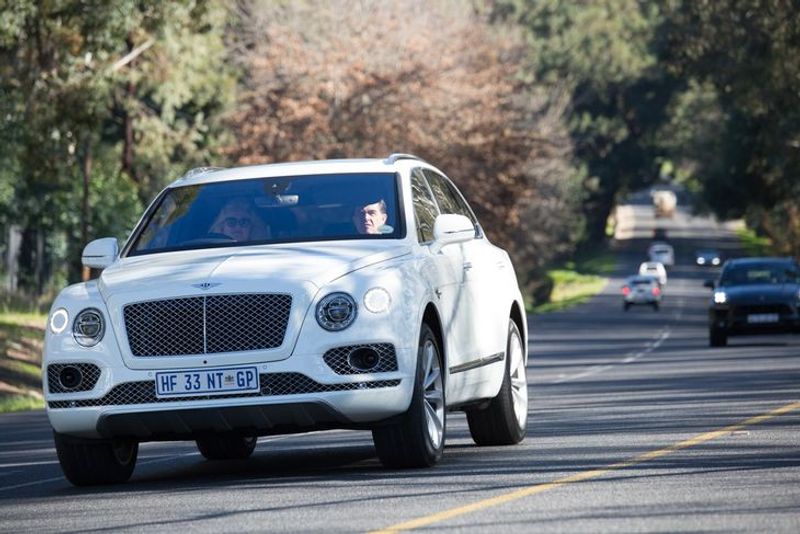
The local introduction of the R2.95-million Bentley Bentayga Diesel took place in the Cape Winelands recently and we savoured our first opportunity to drive the British first-class SUV on home soil.
First-class SUVs. Forget for a minute about Q7s, GLEs, X5s, F-Paces, Range Rover Sports, XC90s, Touaregs, Cayennes and other large luxury off-roaders you've spotted on our roads. Sometimes they’re inelegantly parked up on kerbs, other times they swarm around private schools and swish shopping malls or, perhaps to your chagrin, they're clad in black, adorned with blue lights and wilfully speed past you in traffic. Forget too about the off-roading behemoths that have been glammed up, such as the Land Cruiser 200, Lexus LX570, Mercedes-Benz G-Class and Nissan Patrol.
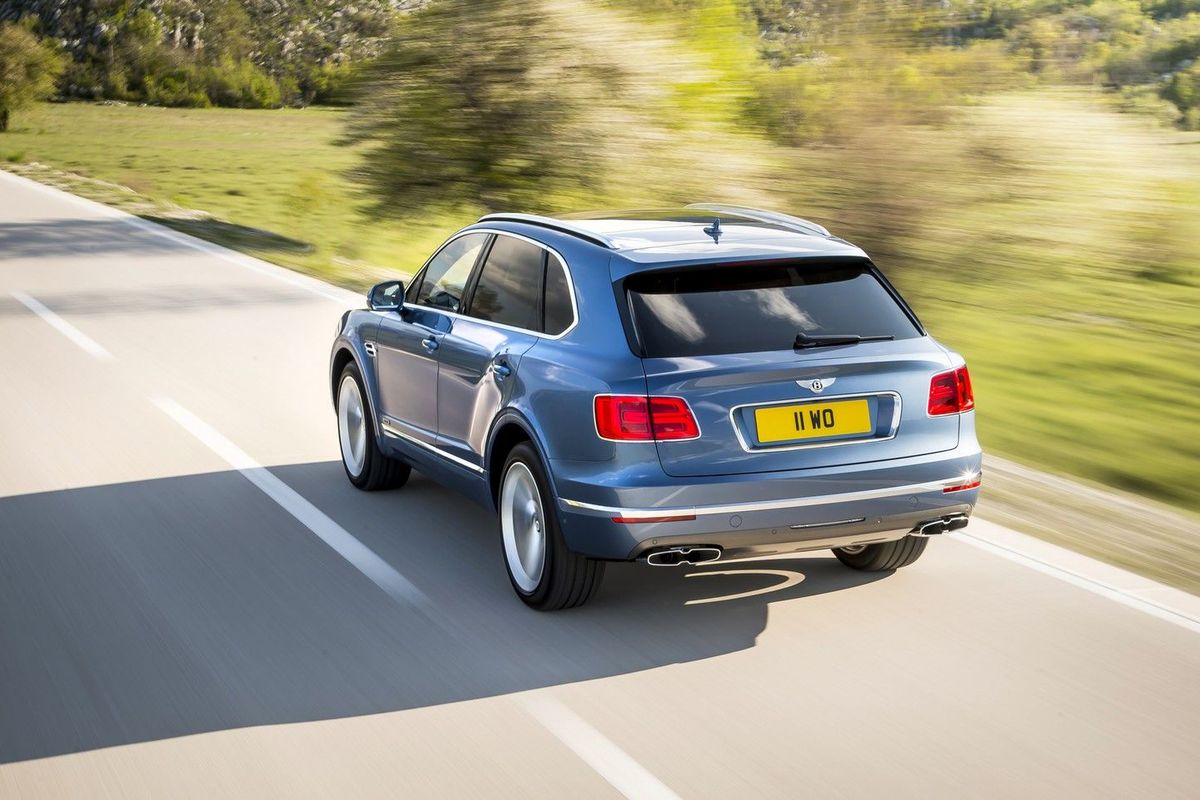
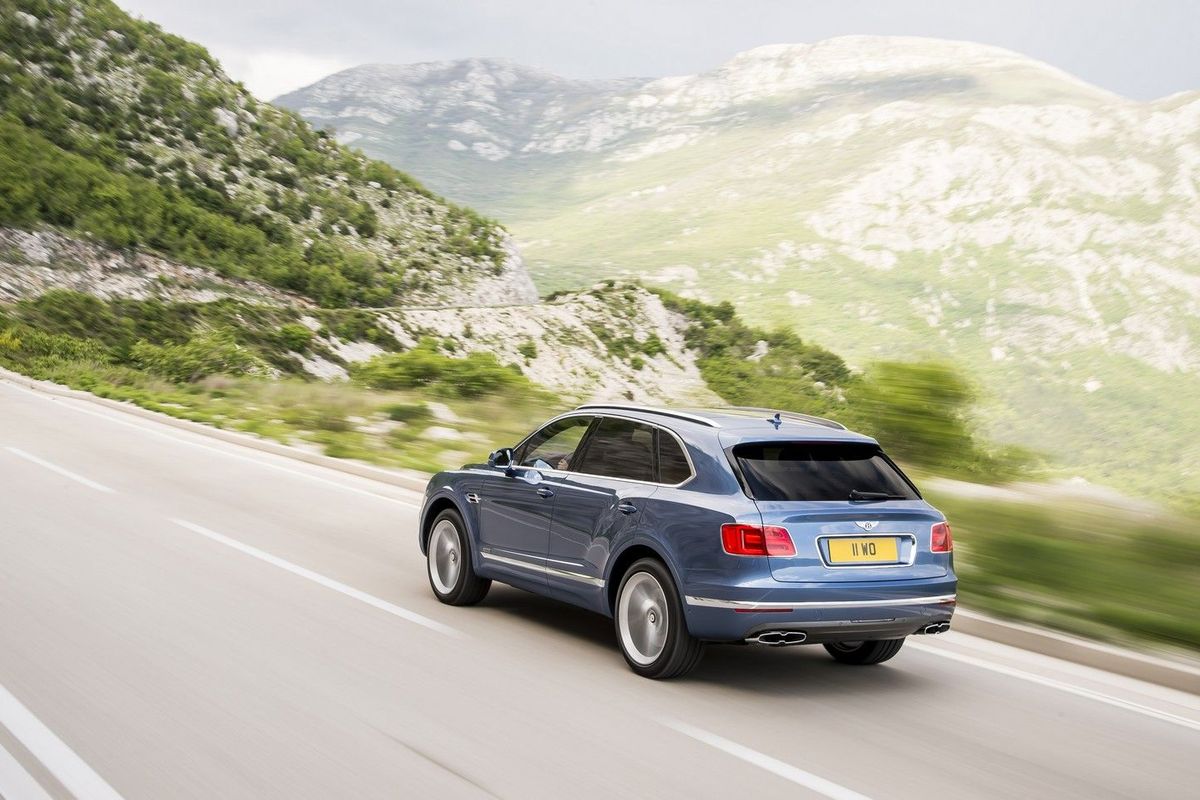
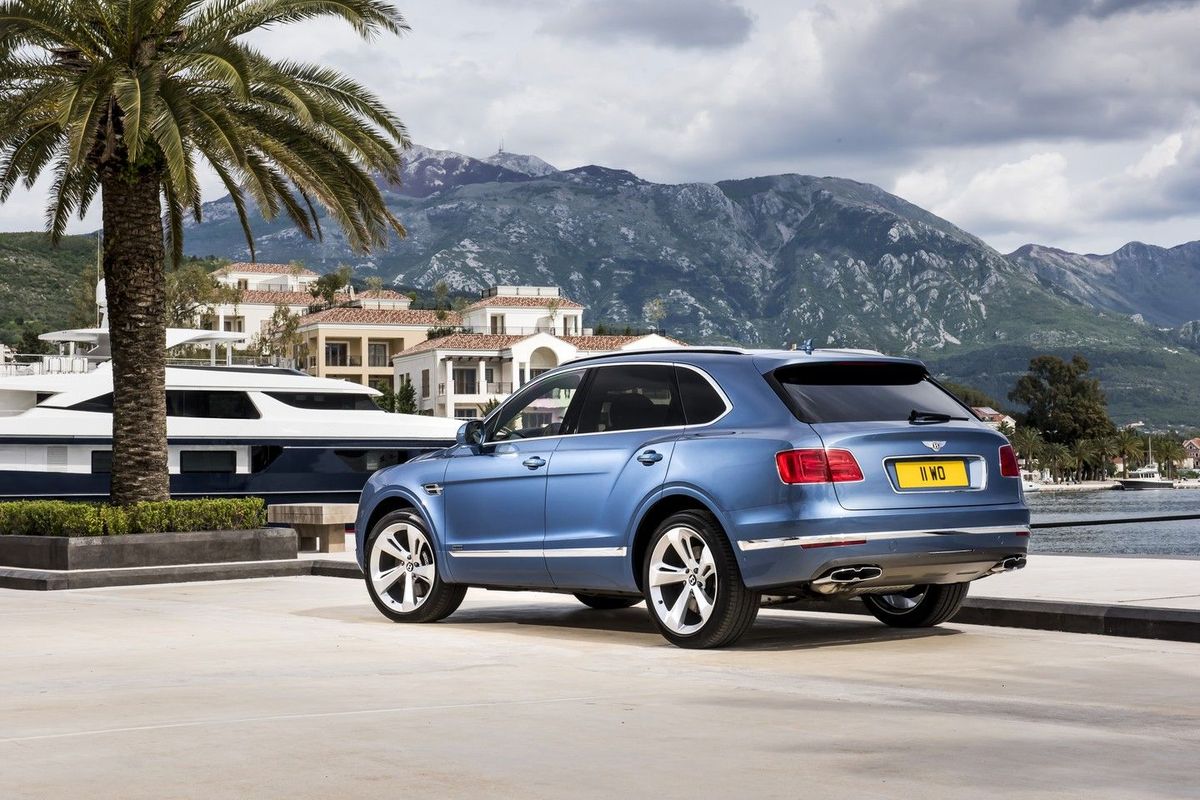
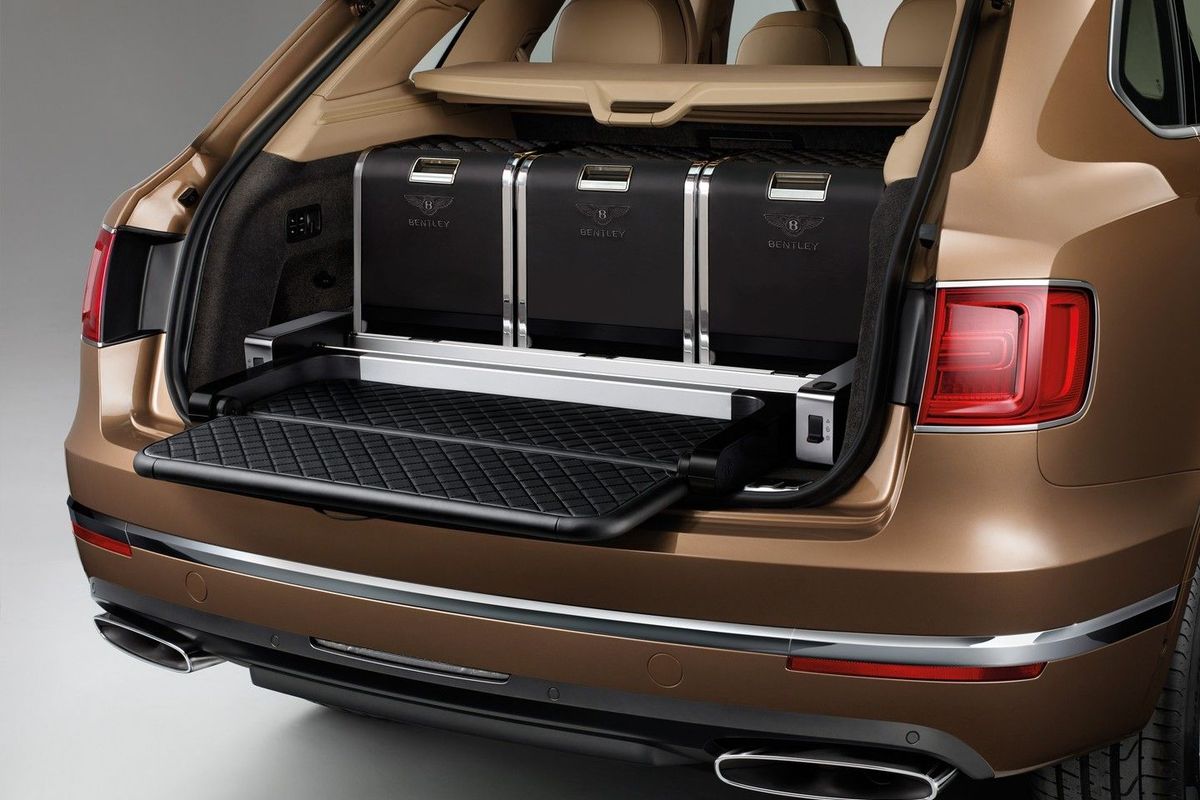
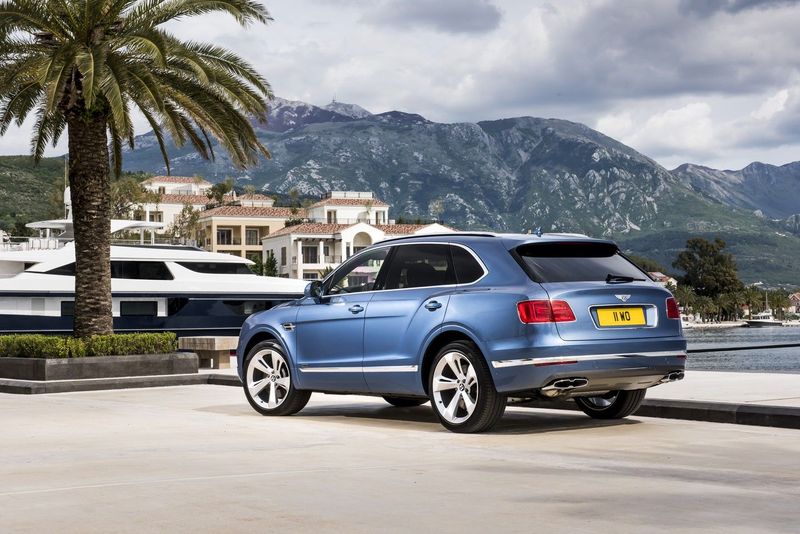
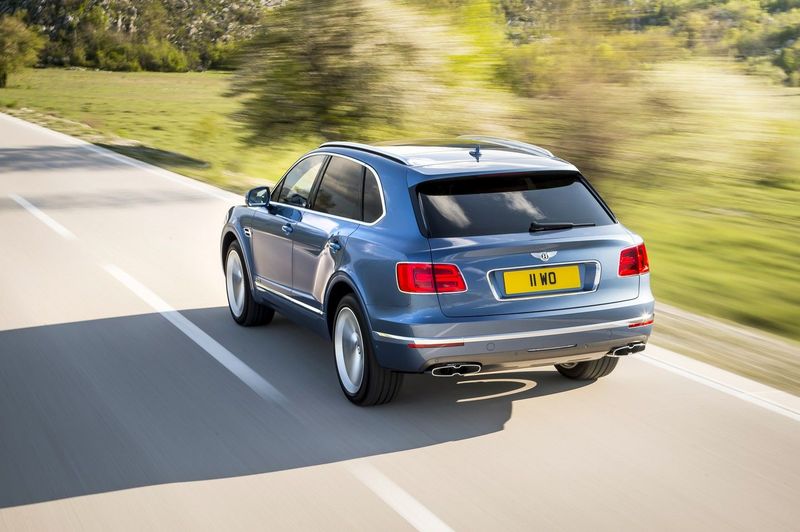
The most impressive aspect of the Bentayga's rear aspect is arguably its beautifully-fluted dual exhaust ends.
Vehicles such as the Range Rover, Lamborghini Urus, Rolls-Royce Cullinan and, yes, Bentley Bentayga fall into a loftier category: First-Class SUVs. Maserati’s Levante sits on the fringe, the flagship new G-Class may well earn its place in the group and Aston Martin and Ferrari will soon get their 20-inch wheels wet (but not too wet, for heaven’s sake, man) in this segment. These vehicles are worth comfortably as much as 2, 3 or more of the aforementioned, forgive us, cooking-variety premium SUVs, despite the fact that they are not fundamentally better at being hopped-up luxury cars.
Better than the sum of its parts?
All of which suggests that one cannot apply conventional criteria to appraise vehicles in the First-Class SUV league, because if you did, they’d be preposterously overpriced and not worthy of further consideration. No, a First Class SUV needs to be impressive in the most literal sense of the word; it has to embody and express a sense of rarefied luxury, the kind of exclusivity only reserved for people for whom spending money is a trifling object. It’s a hackneyed expression, but oh-so-darn appropriate in this case: “above all, it must seem decidedly better than the sum of its parts.
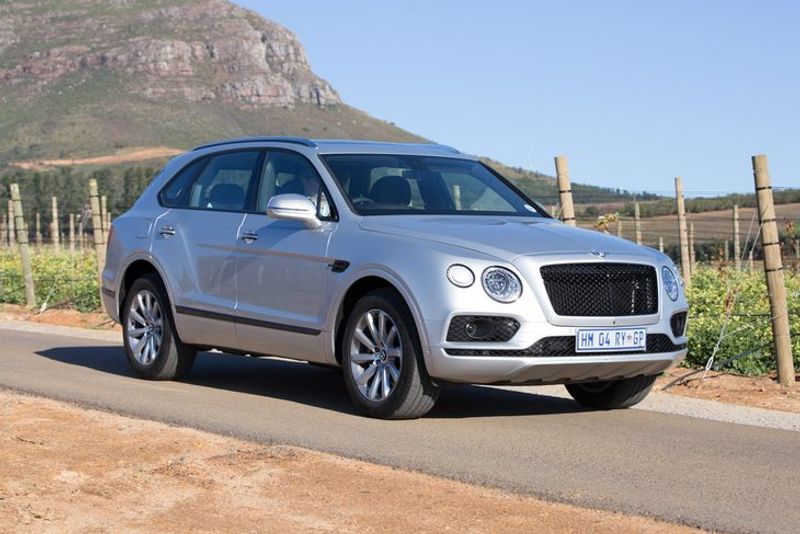
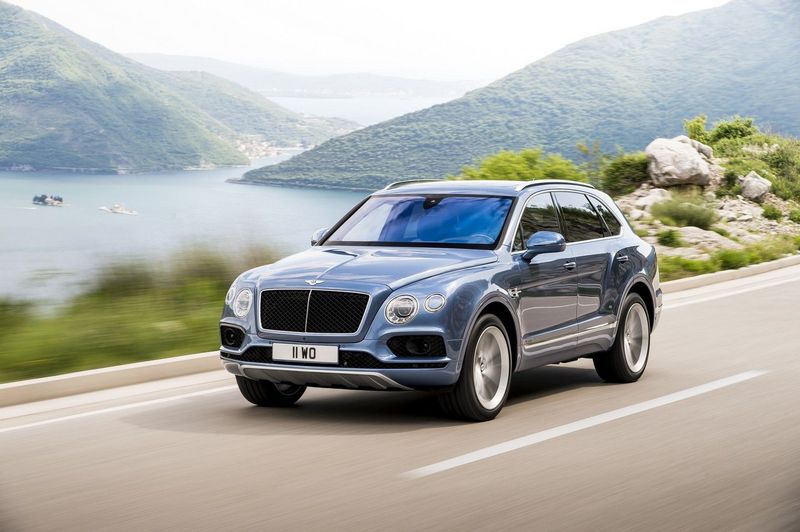
This particular launch unit, photographed on a wine farm outside Stellenbosch, came equipped with Blackline specification.
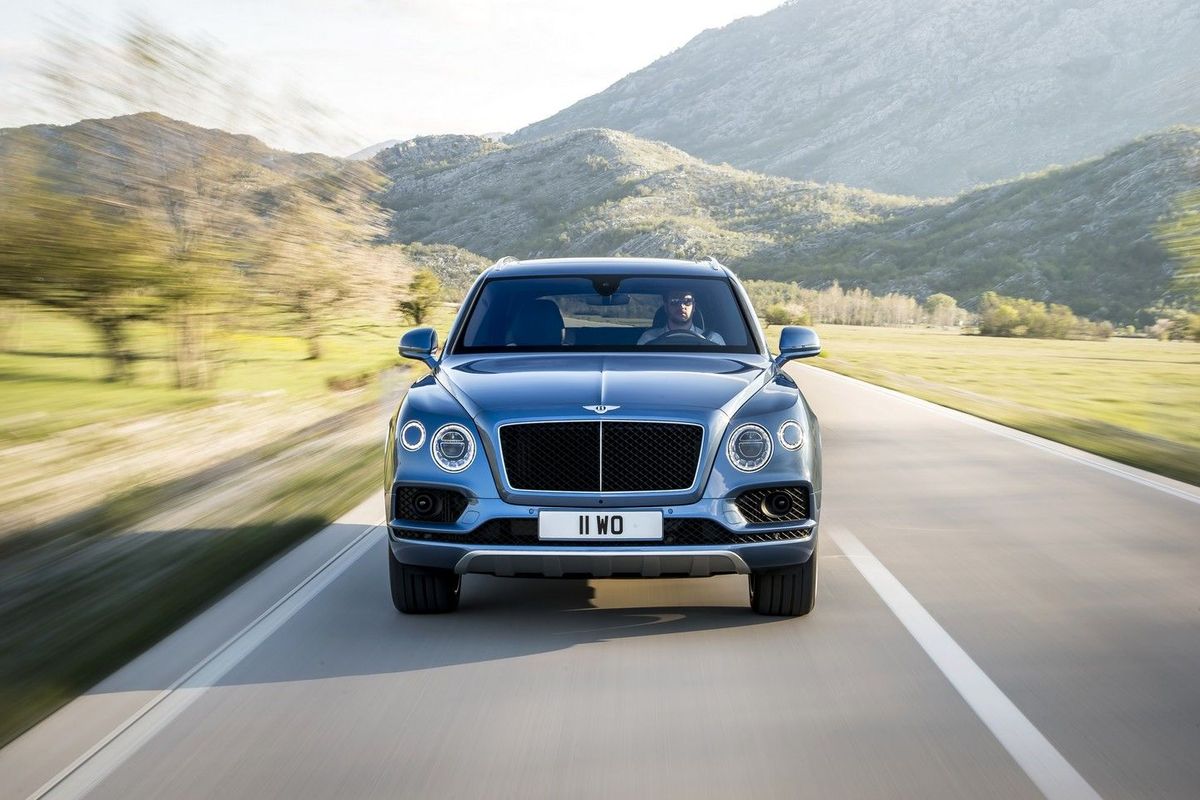
It is with that in mind that we won’t expend too many characters expounding the Bentayga’s controversial looks. Kudos to Bentley for endowing its SUV with familial design elements; it's instantly recognisable as a product of Crewe, but even though it looks better in the metal than in photographs, its exterior execution is a somewhat hit-and-miss affair, the rear aspect, for example, is regrettably generic. The most neutral thing one could say is that the Bentley looks very expensive, which, given its base price of R2.95-million, is wholly appropriate and probably all that matters in this case.
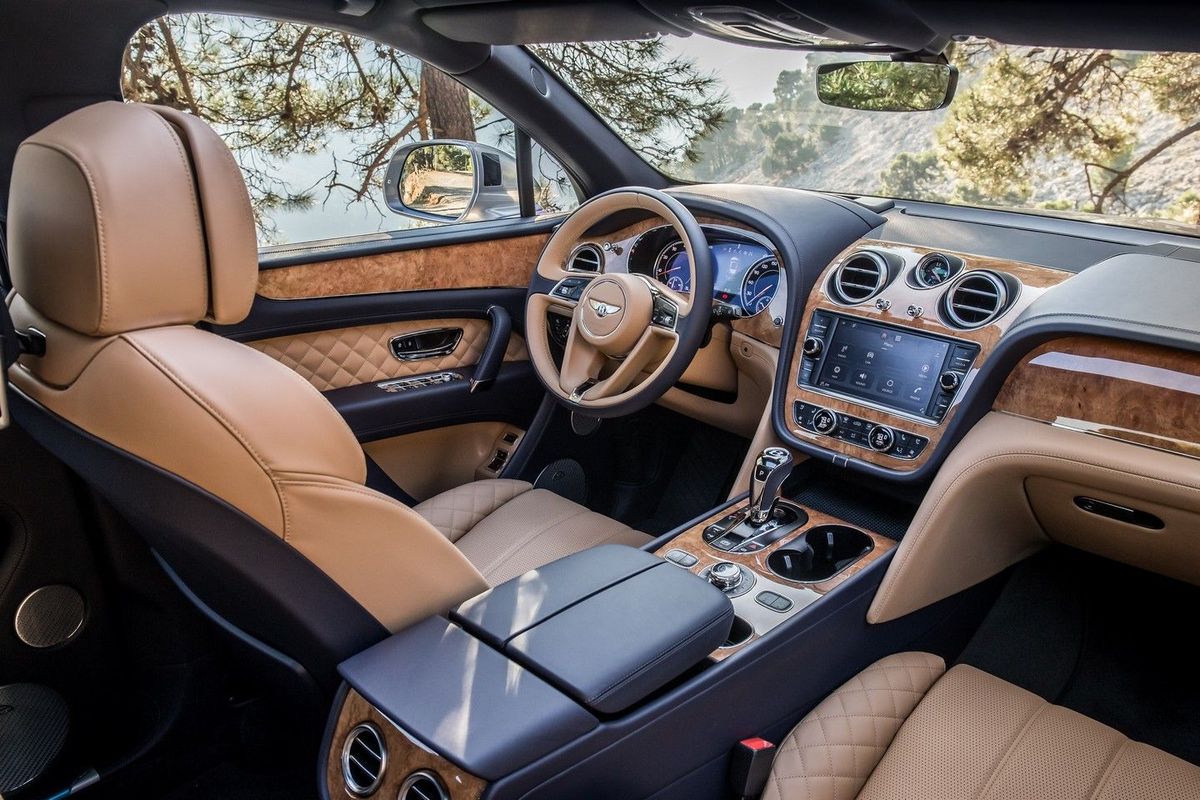
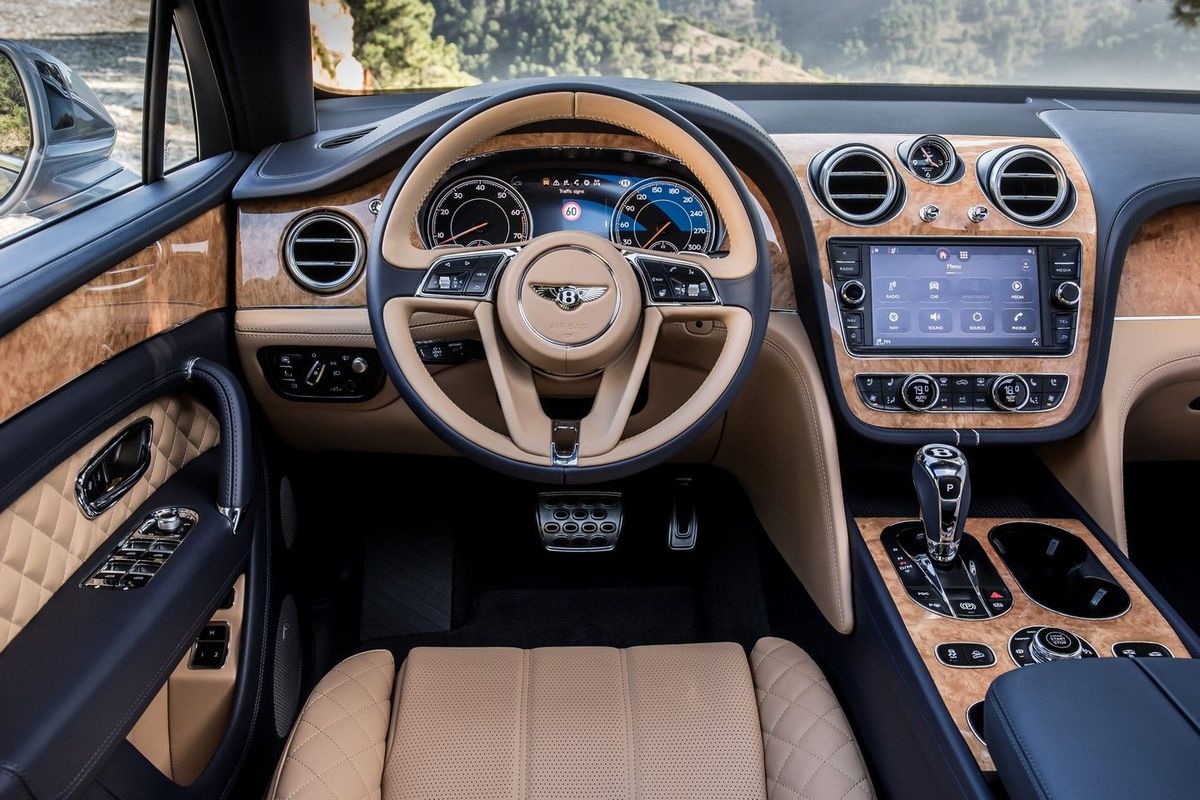
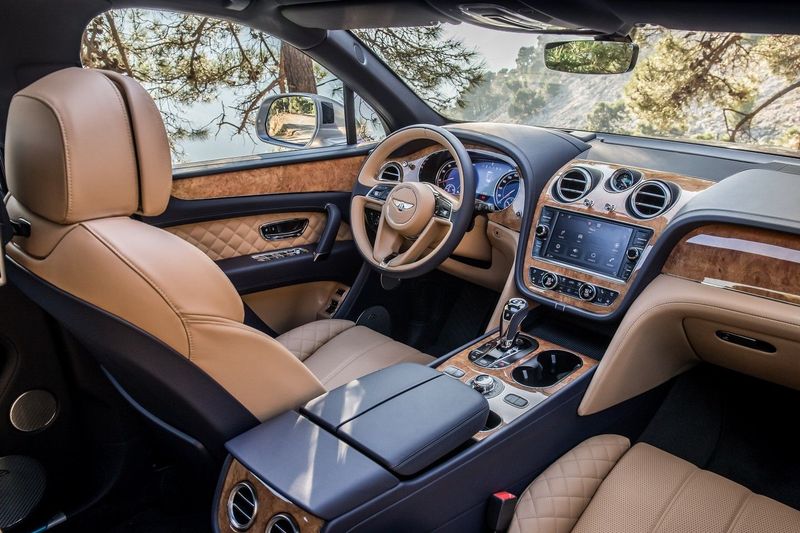
It gets better, however. The largely-aluminium-panelled Bentayga is based on the Volkswagen Group’s MLB platform and therefore shares its architecture and general packaging with well-known German premium SUVs – it’s a characteristic that has a genuine mechanical benefit, but more about that later. Apart from some familiar-looking minor controls (such as the steering wheel buttons), however, the Bentayga’s interior looks bespoke, utterly sumptuous, painstakingly detailed and, suffice to say, warmly inviting.
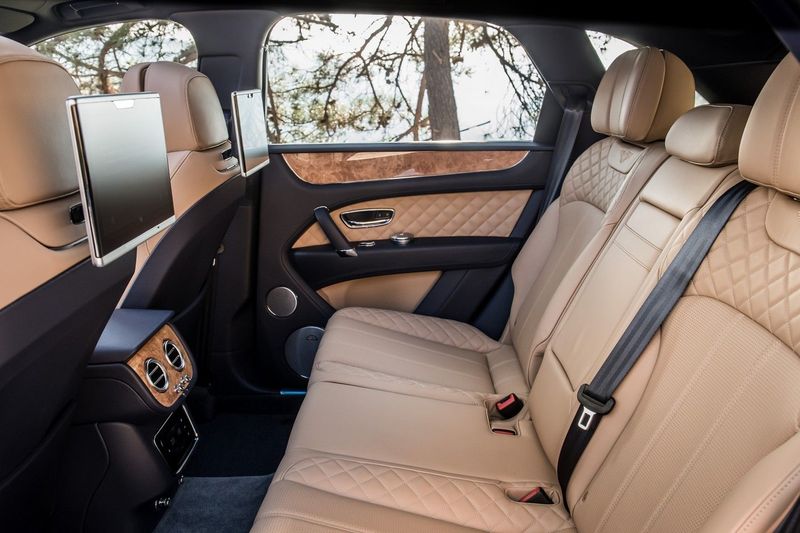
Expansive, yet intricately fashioned wood veneer is complemented by quilted leather trim in the Bentayga's exquisite cabin.
Opulent accommodation
There are swathes of supple hand-stitched leather, expanses of polished wood veneers with profound natural patterning, chrome-finished organ-stop ventilation controls and rotatable half-spherical outlets… crikey, even the infotainment system, although evidently derived from a VW-family-shared unit, has a sophisticated “Bentley font” and distinctive menu system. The raised driver’s seat is so instantly cossetting that one feels that adjusting the captain's chair in any directions apart from fore and aft would be a crude insult to the diesel Bentley’s tender sensibilities. Similarly, the transmission lever and centre console-mounted drive-mode roundel are beautifully weighted and exquisite in their simple elegance.
Meanwhile, at the heart of the Bentayga is a 4.0-litre tri-turbodiesel (2 exhaust-driven turbochargers and one electrically-powered one, courtesy of the integral 48V electrical system) that produces peak outputs of 320 kW and 900 Nm, the latter of which is available from 1 000 to 3250 rpm. Peak numbers of interest are 0-100 kph in 4.8 secs, a 270-kph top speed and, astonishingly, a claimed consumption figure of 8.0 L/100 km.
With the full wallop of torque (900 Nm) available as low as 1 000 rpm, the Bentayga lacks little in terms of overtaking shove.
The motor is characterised by supreme refinement, comparatively eager throttle responses, and, as the figures attest, a wallop of pace that presents itself with but a polite prod of the metal-trimmed accelerator pedal. So much effort was ostensibly devoted to damping the motor’s diesel chatter that you’re only really aware of it while standing in close proximity to the vehicle when it’s idling.
Moreover, it’s not so much the effortlessness of the sophisticated Volkswagen Group turbodiesel motor’s performance (it often threatens to steal the show entirely!) and the unobtrusive shifts of the velvety 8-speed automatic transmission that denote this Bentayga as a respect-worthy member of the “Winged B” family… The newcomer’s on-road demeanour also positively exudes a reassuring “Bentleyness”…
The Dynamic Drive active damping system endows the Bentley with a largely unflappable ride quality.
In other words, whether you’re trundling through a quaint rural town, striving down a freeway or ushering the 2.5-tonne British juggernaut over a serpentine mountain pass, it remains poised and well composed as it carries momentum. The ride quality is pliant, yes, but there is nothing ponderous about the way the SUV responds to swift, eager steering inputs. When the Bentayga thrusts forward or is made to brake purposefully, there is no uncouth pitching motion; if you corner quickly, a hint of lean/yaw, and (perhaps) a tyre chirrup, are all you’re likely to experience.
Specify it to your heart's content
The Bentayga Diesel is not a sports first-class SUV per se; this model is available in W12 and V8 petrol derivatives (the latter overseas) for those who require more urgency, but it arguably offers the best blend of performance and efficiency in the range. Given the prestige of the Bentley badge, its asking price of R2.95-million does not seem that stratospheric (considering that a comparable Range Rover Autobiography SDV8costs R2.74-million), but then consider that some features that would be standard on some premium SUVs, let alone first-class cars, still need to be added.
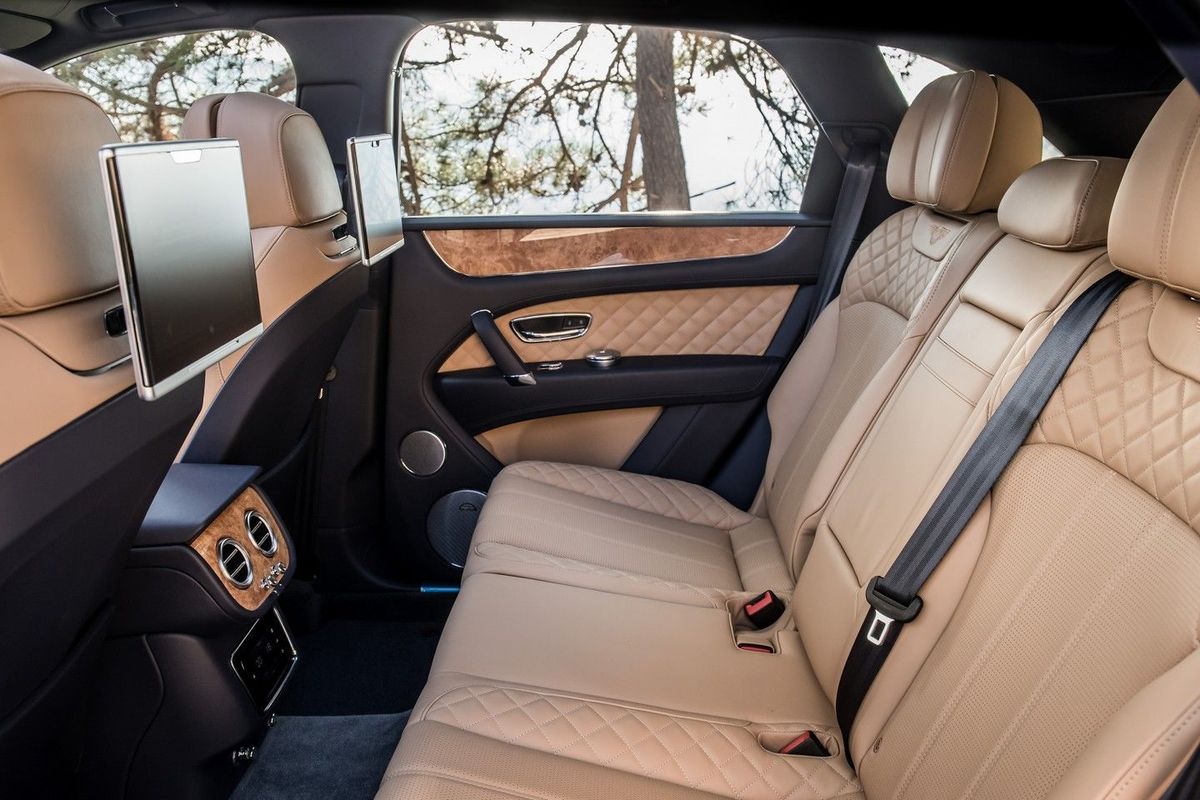
A rear-seat entertainment system is available and the aft climate control console is operated by a touchscreen.
The Dynamic Ride active anti-roll bar system, which facilitates the Bentayga’s superb body control, is an extra-cost option, as are adaptive (radar-guided) cruise control, head-up display, infrared night vision, lane- and traffic assist systems and other safety/driver convenience equipment, including top-view cameras and automatic parking function.
Having said that, volume-selling premium marques cannot offer buyers the opportunity to personalise their cars in the way that Bentley and a few other exclusive car brands do. The Bentayga can be configured as a 4-, 5- or 7 seater; there are 15 standard colours for the leather trim and carpets and you can choose between 5 standard colour splits (or specify a dual-tone colour split) and match the luggage bay's trim hue, if you’d like. A selection of wood veneers is available, as are a variety of stitching and embroidering options and numerous bespoke fittings and accessories.
The Bentayga occupies a tiny place in the market, yet Bentley's first turbodiesel derivative nonetheless does its maker proud.
Summary
At almost R700k less than the most affordable Flying Spur sedan, the Bentayga Diesel has quietly become the new entry point to the Bentley brand in the South African market. Whether it has enough kerb- and road presence to appeal to the exotic tastes of the well-heeled, who’d otherwise buy mid to high-end Range Rovers to complement the first-class saloons and supercars that they already have in their garages, is a moot point: only the opinions of those who can afford one really matter. The Bentayga does have its shortcomings, principal of which is a lengthy options list and less than generous rear legroom, come to think of it, but it does not feel like a badge-engineered Bentley, at least not obviously so. In a sliver of the new car market where Range Rovers and Levantes end and Rolls-Royce (and whichever exotic brands will follow) begin, it does have its place…
This BMW X4 M prototype was spotted doing some performance testing at the Nurburgring recently and the newcomer will give the X4 range a massive performance boost. Here's what you need to know and what the forthcoming BMW X4 M will sound like.
The performance SUV market continues to grow and this time it appears that BMW will be launching an X4 M. Spotted at the Nurburgring was a prototype BMW X4 M undergoing performance testing. The all-new BMW X4 was recently launched and we got a taste of what's to come as we got behind the wheel of the new M40d. However, this new X4 M model takes things up a notch.
The step up from X4 M40 to X4 M will be considerable, and the new car is set to get a revised chassis with a sportier suspension setup, tweaks to the steering and the fitment of bigger brakes. In terms of engines, we think the BMW X4 M will use the current S58 motor, which is a 3.0-litre straight six motor based on the mill which powers the current M3 and M4. Outputs are estimated around the 340 kW mark and thanks to a combination of xDrive and launch control, it should be able to hit 100 kph in under 4 seconds.
In terms of rivals, this new BMW X4 M will be going up against the Mercedes-AMG GLC 63 and the Audi SQ5. It is expected that this powertrain will also spawn an X3 M derivative.