Peugeot 3008 1.6 GT-Line Auto (2017) Review
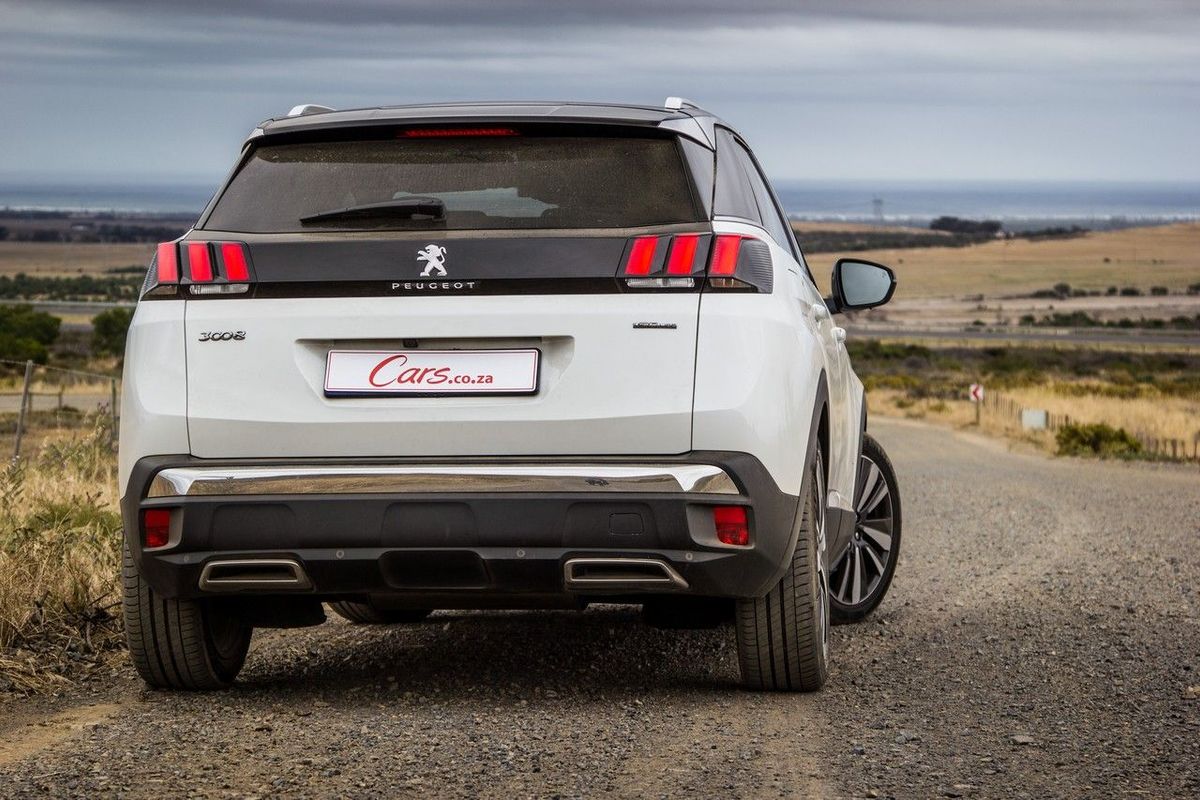
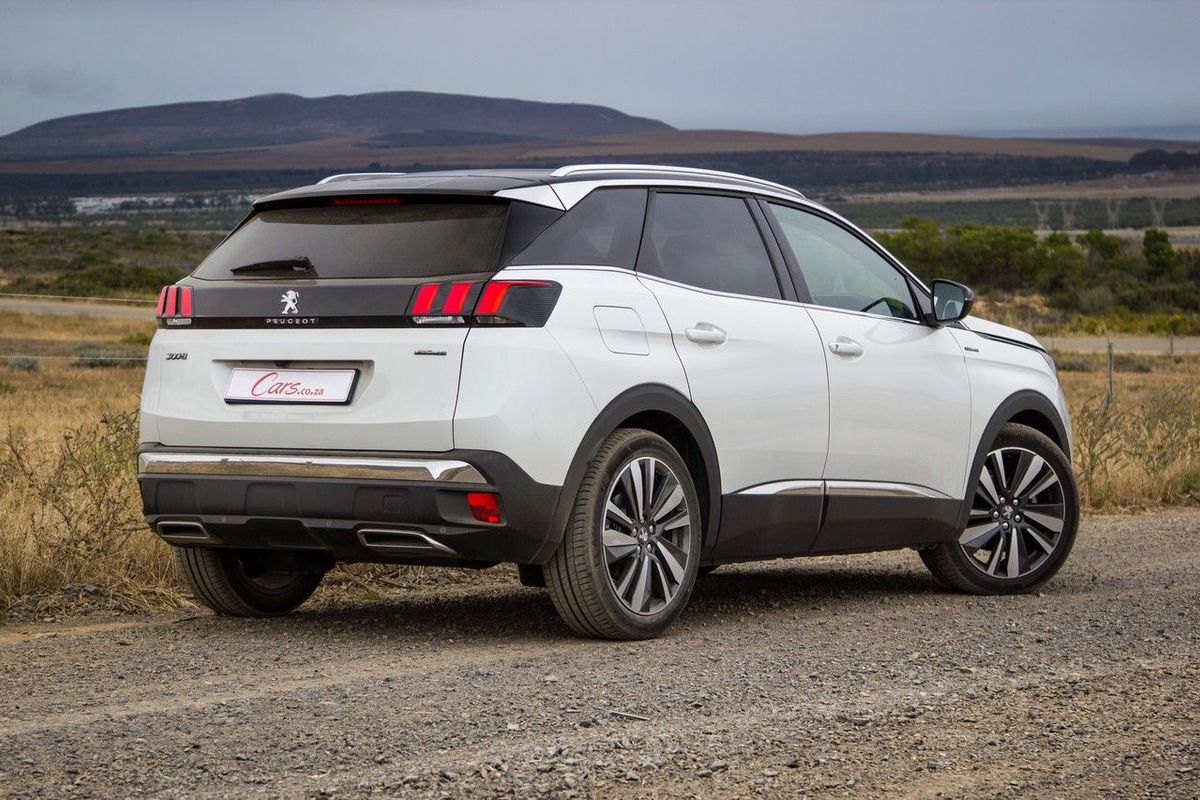
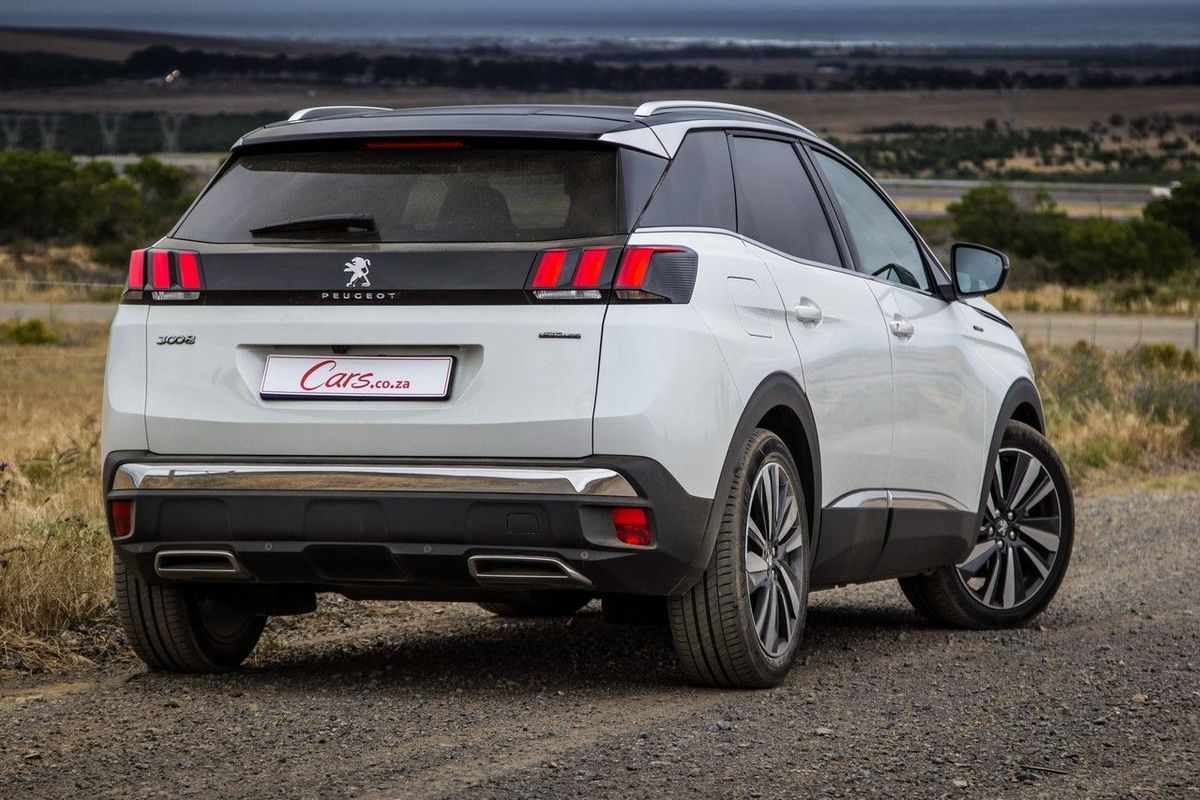
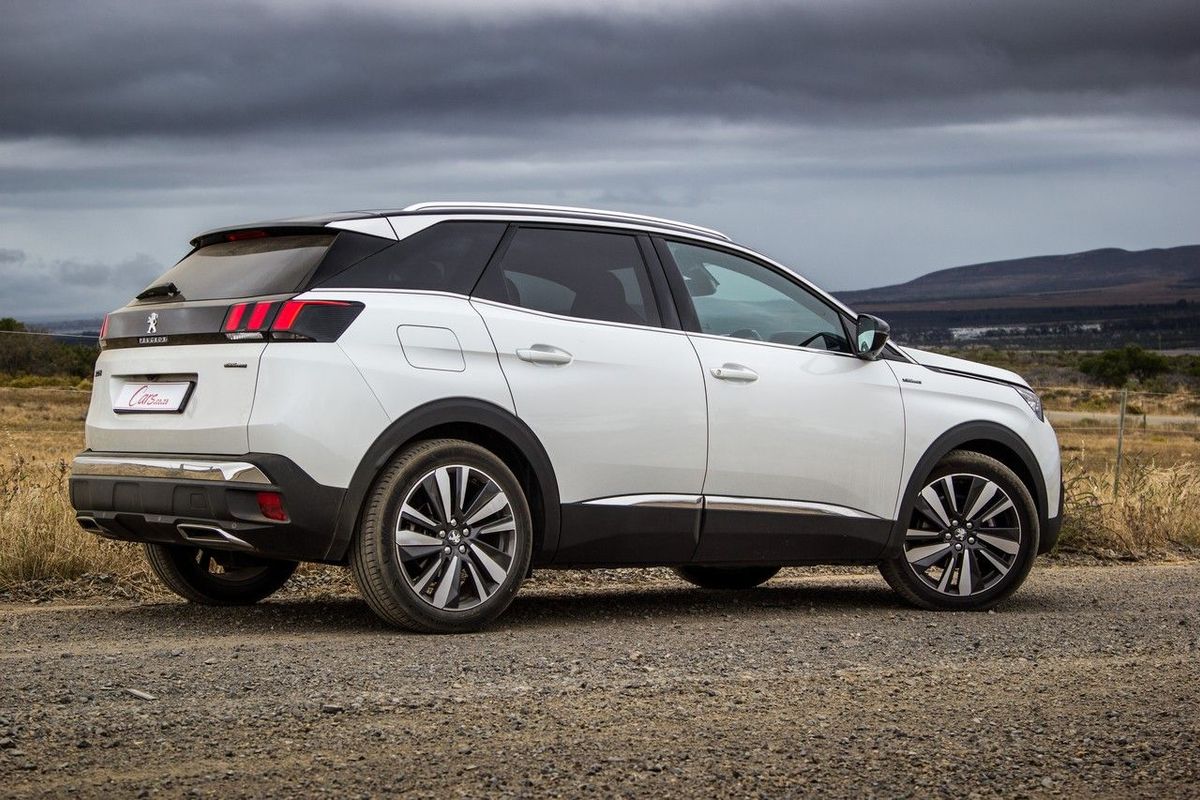
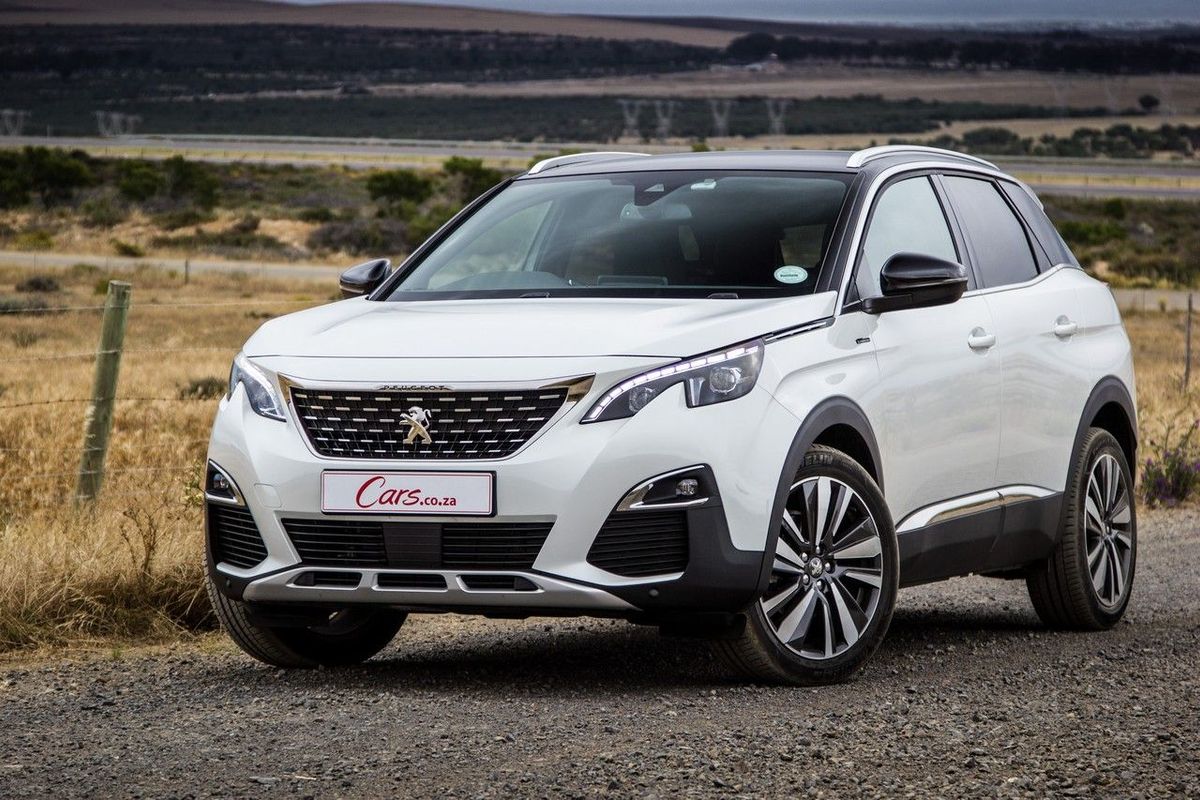
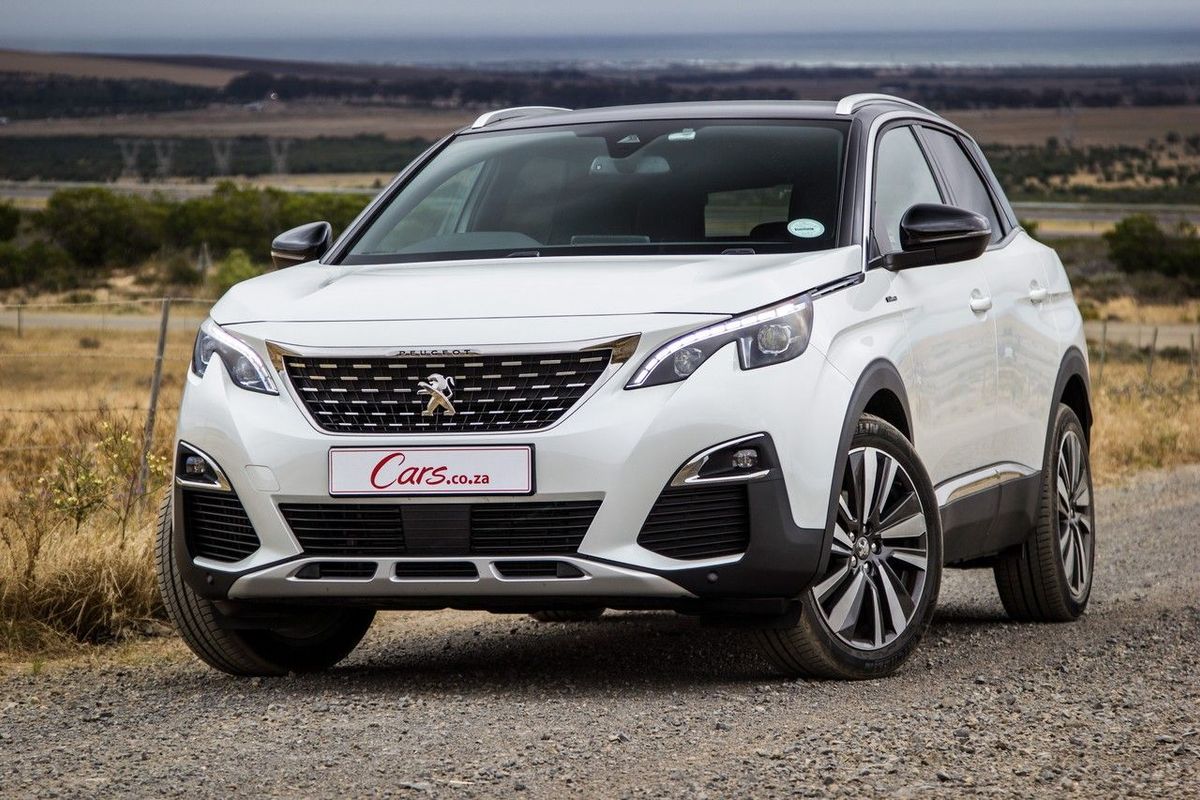
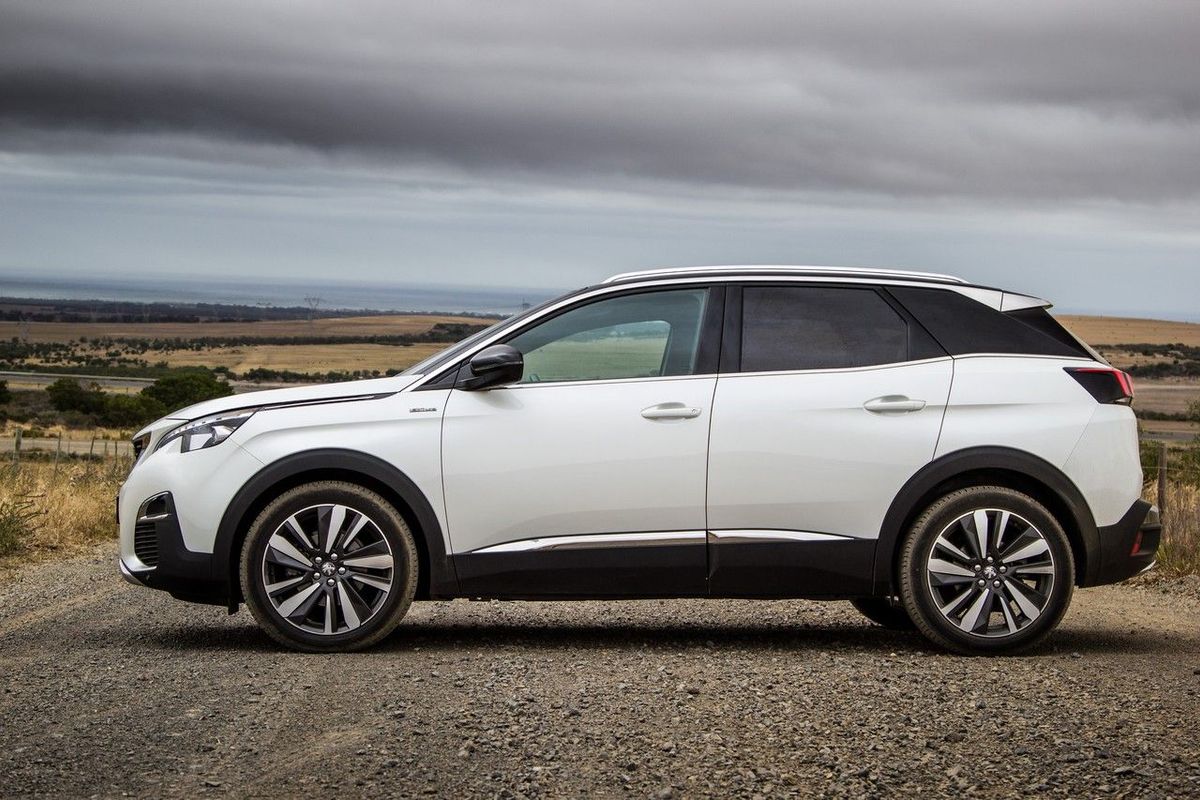
Having undergone a fairytale transformation from frumpy MPV to svelte, stylish family car/compact SUV, the Peugeot 3008 ushers in a new era for Peugeot, both locally and internationally. We review the Peugeot 3008 in 1.6-litre THP GT-Line auto specification.

We like: Progressive cabin design, punchy-yet-frugal powertrain, pretty looks, generous specification

We don’t like: Cramped rear legroom for adults

Alternatives

  • The 2016/17 #CarsAwards champion: The Volkswagen Tiguan 1.4TSI Comfortline R-Line auto is a jack of all trades. It combines superb packaging with refinement and the R-Line kit sweetens the deal considerably. That being said, you pay for this class excellence as the Tiguan comes with less standard specification than the Peugeot.
  • Oriental style: Mazda's CX-5 is a 2017/18 #CarsAwards finalist alongside the Peugeot 3008 and it's a superb offering. The 2.5 Individual's only letdown is its naturally-aspirated motor which doesn't offer as much low-end kick as the Peugeot's turbo motor. A commendable and accomplished product nevertheless.
  • Foe from the Blue Oval: Despite the controversies around the previous generation Ford Kuga, the upgraded model still represents excellent value for money and remains a solid source of comfortable and practical family car motoring. The 2.0T AWD Titanium derivative also boasts the most powerful engine out of these three.

This segment is especially jampacked and we can also suggest: Toyota RAV4, Hyundai Tucson, Kia Sportage, Nissan X-trail, Renault Kadjar, Audi Q3, BMW X1.

Compare the Peugeot to the Mazda CX-5 and Volkswagen Tiguan here. 

Compare the Toyota RAV4 to the Hyundai Tucson and the Ford Kuga here.

What is a Peugeot 3008?
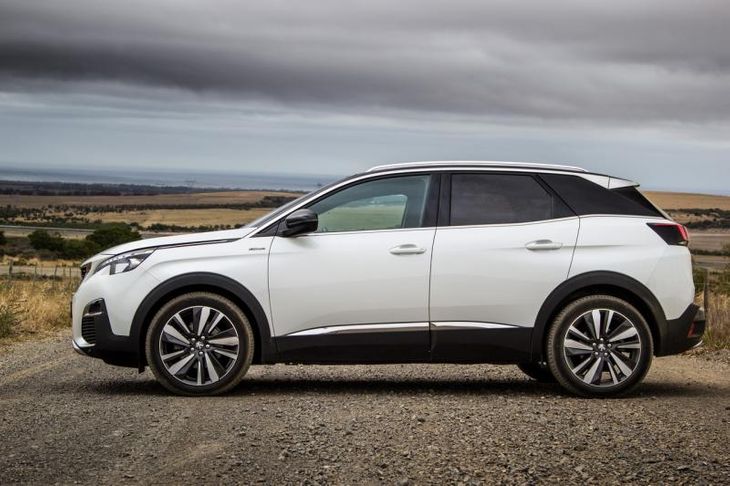

The new Peugeot 3008 is a radical departure from the previous generation model. It's bold and brave, and Peugeot should be commended

The Peugeot 3008 is the first of a new generation of products from the French manufacturer. With sibling company Citroen departing the South African market (at least temporarily), PSA is backing the rejuvenated Peugeot brand to further the French firm's interests in the local market. Peugeot has battled over the years with questionable levels of parts availability, low service standards and woeful resale values, but with this new 3008, the brand's fortunes could change. Many of Peugeot's products, such as the 208, 2008 and 308 are solid propositions, but with this new 3008, we see a big leap forward… Peugeot's trying to gatecrash the upper end of the family car segment, but with so many vehicles and brands all vying for our attention, has it got enough going for it?

How does it fare in terms of…

Design & Packaging?
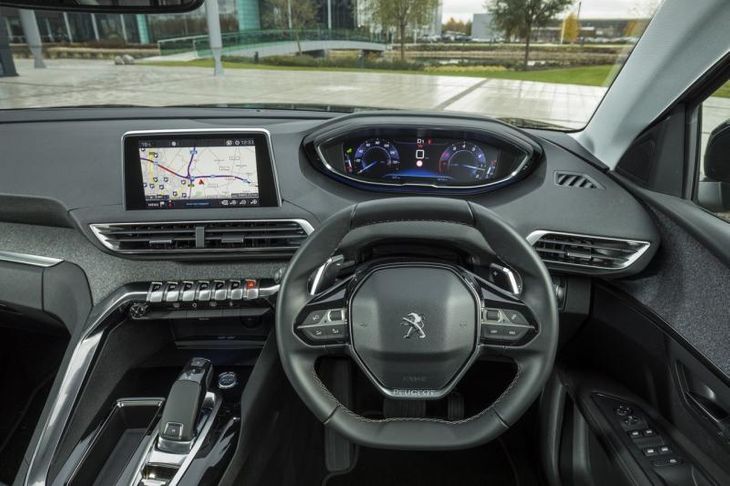

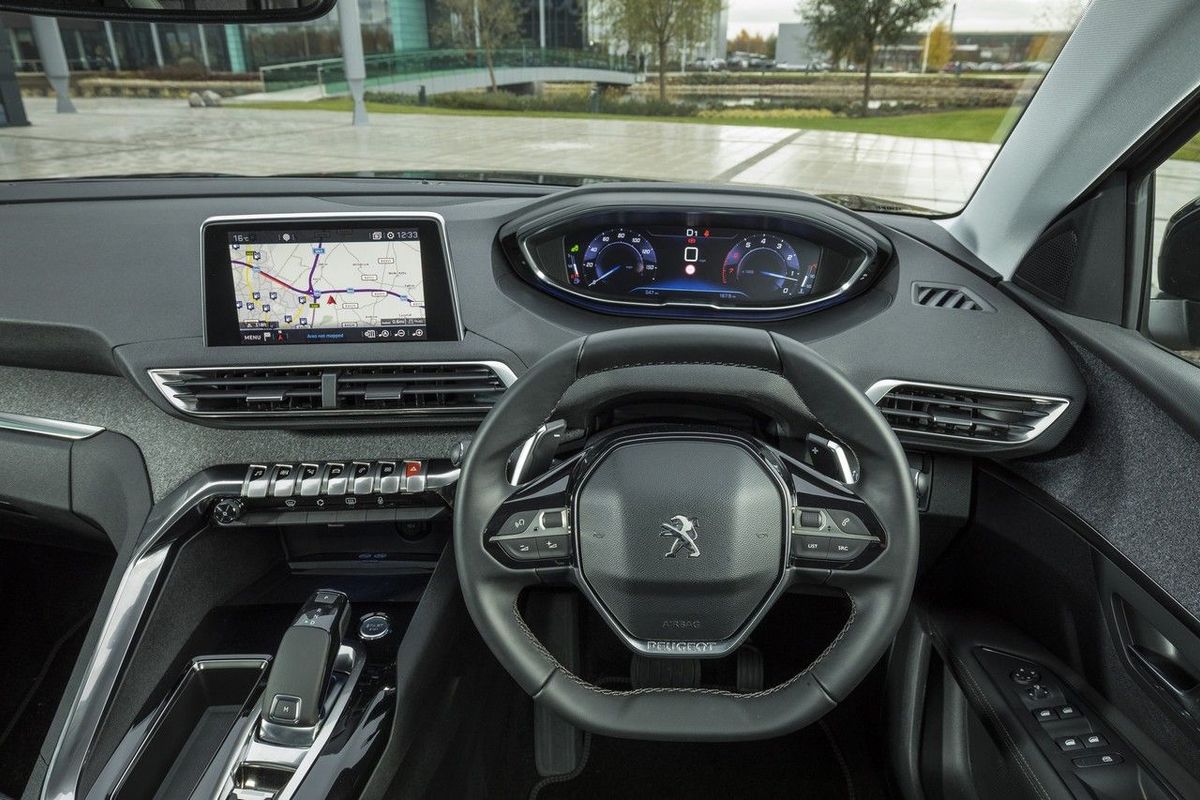
The highlight of the Peugeot 3008 has to be the digital infotainment system. Note the small steering wheel.

First impressions count for a lot and, aesthetically speaking, the 3008 looks graceful, elegant and modern. Things get even better when you get in behind the wheel and notice the crisp, intuitive and futuristic digital interface. The Peugeot i-cockpit takes what we know and expect from a digital display and enhances the concept into something straight from a sci-fi film.

The user experience takes some time to get used to, but this author had the benefit of being on the international launch of the 3008 so by the time the local test unit arrived, he was already familiar with its layout. And, what a layout it is! With very few buttons and the master controls mostly situated on the steering wheel, the digital interface offers a plethora of information, or you can switch to a wonderfully minimalistic readout. There are themes and colour combinations too; the system is arguably a benchmark for digital dashboards.
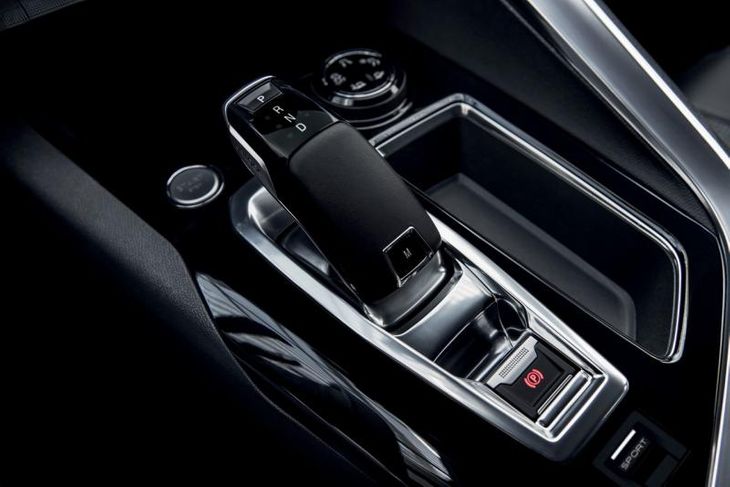

The attention to detail is impressive and the cabin feels modern, yet well built

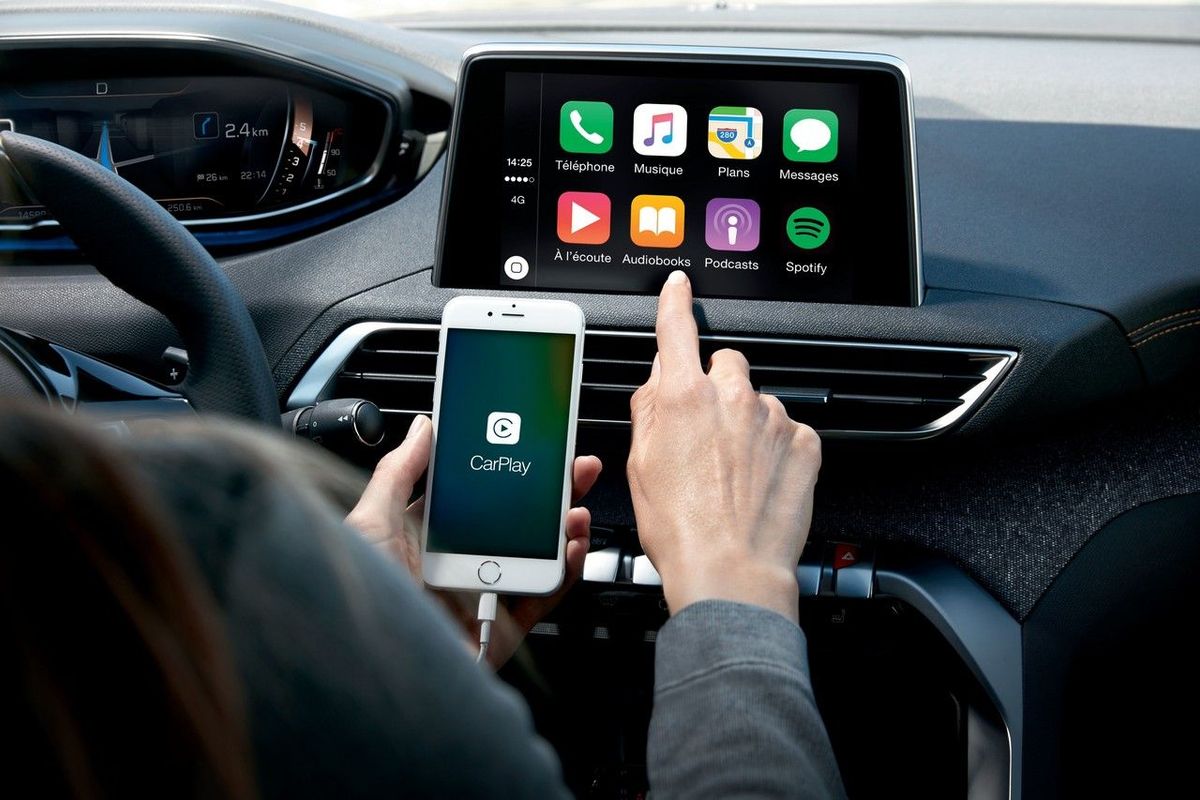
The level of onboard specification is good, especially considering the derivative's near-R500 000 price point. In terms of creature comforts, we made use of the refrigerated glovebox and the audio, phone and cruise control toggles on the compact multifunction steering wheel. The audio system features 6 speakers and there are USB/Bluetooth/Aux connectivity options. Climate control is standard too, as are LED headlights that come on automatically, daytime running lights, automatic wipers as well as front/rear parking sensors with reverse camera. 

The 3008 is, after all, a European Car of the Year winner so few people will be surprised that it offers many of the safety features that high-end family cars/compact SUVs are renowned for. The test unit featured standard ABS & ESP with ASR in the traction control department, as well as a full complement of 6 airbags. 
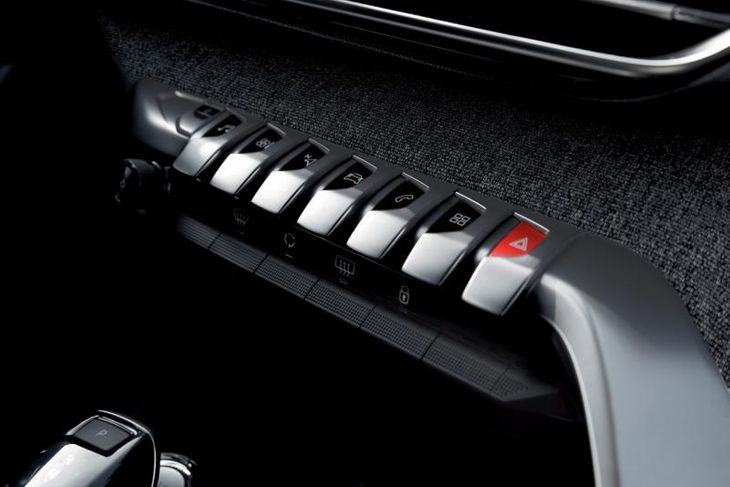

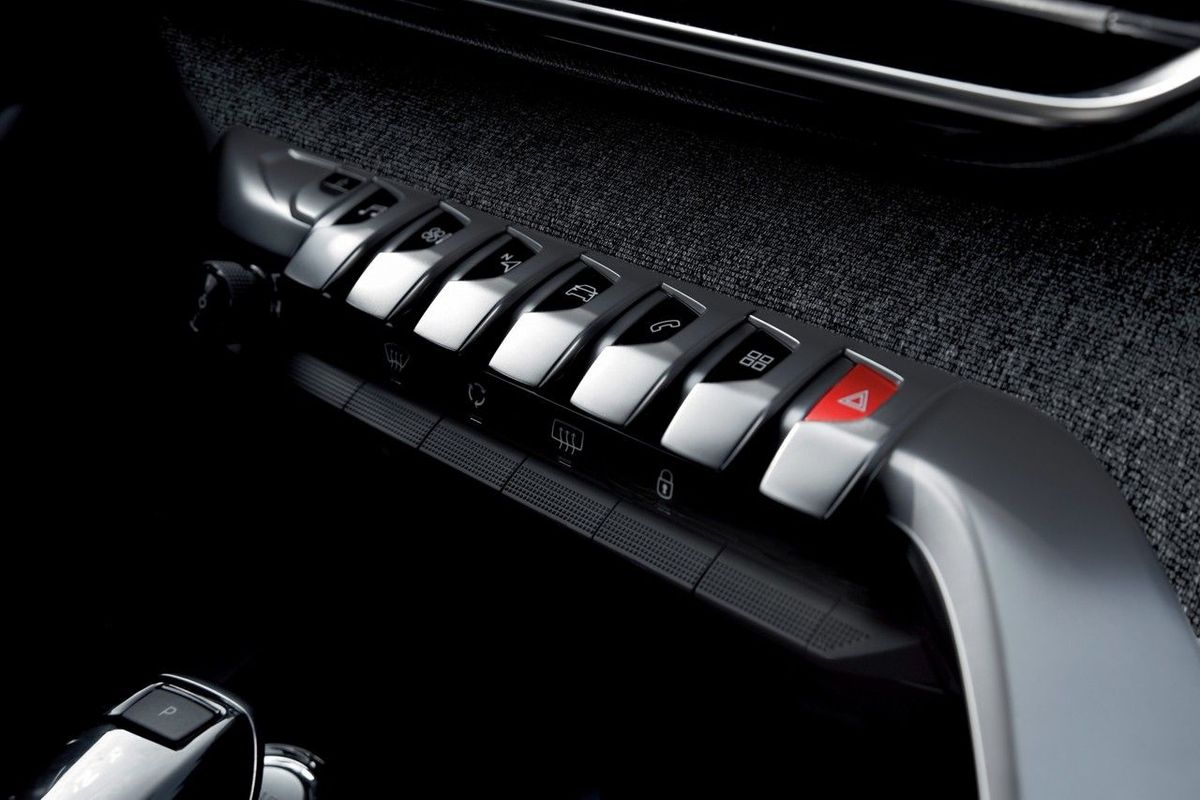
These aircraft-style metal switches are crisp and stylish

Performance & Efficiency?

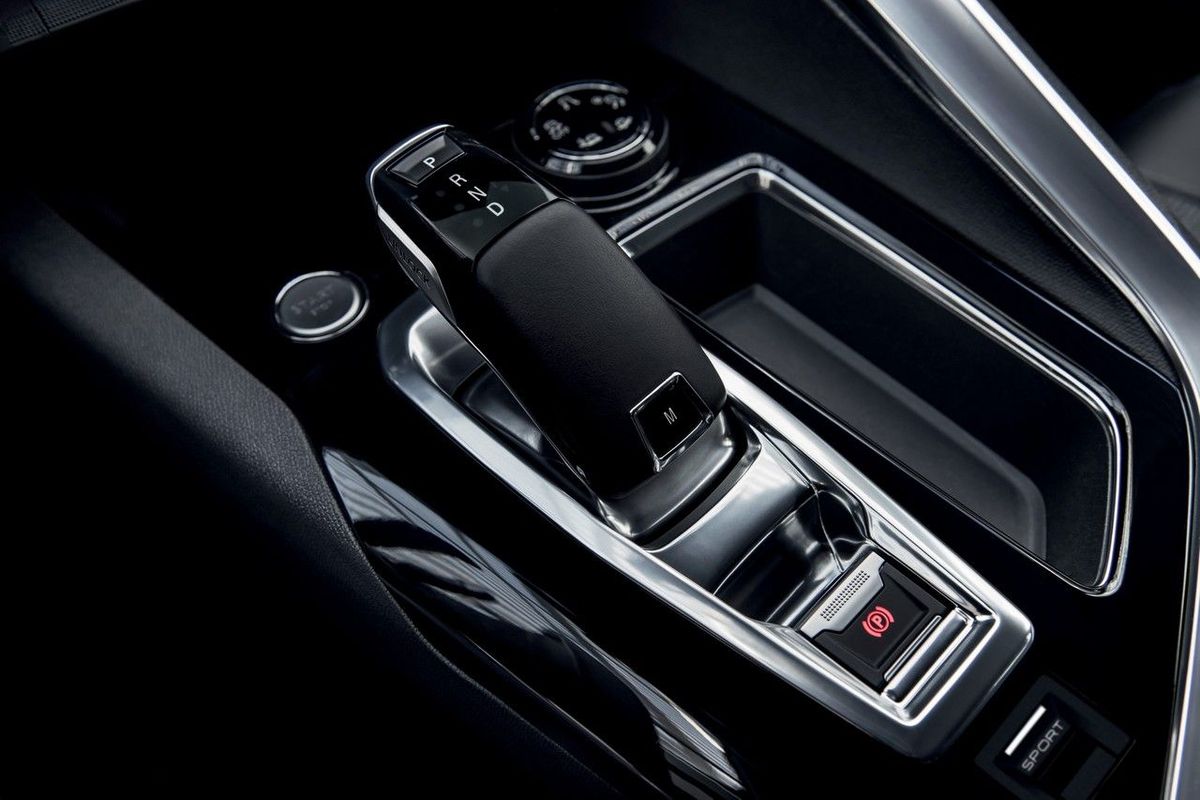
Powering the Peugeot 3008 is a 1.6-litre turbocharged 4-cylinder petrol engine mated exclusively with a 6-speed automatic transmission. It's a punchy-yet-refined powerplant we're familiar with and, in this application, it pushes out a healthy 121 kW and a useful 240 Nm of torque. We've experienced this engine in the 308 premium compact hatchback and were enthralled by its power delivery and refinement. We know that this motor is good and had high expectations of it when stuck into a 3008. 

Despite its SUV-flavoured/offroader looks, the Peugeot is front-wheel driven and makes do with trick traction control and hill descent control when you need to venture offroad. Despite Peugeot's claims that this model consumes just 7 L/100 km, we saw an indicated figure of 8.4 L/100 km, but that is fair given it was driven in both urban and rural environments. 
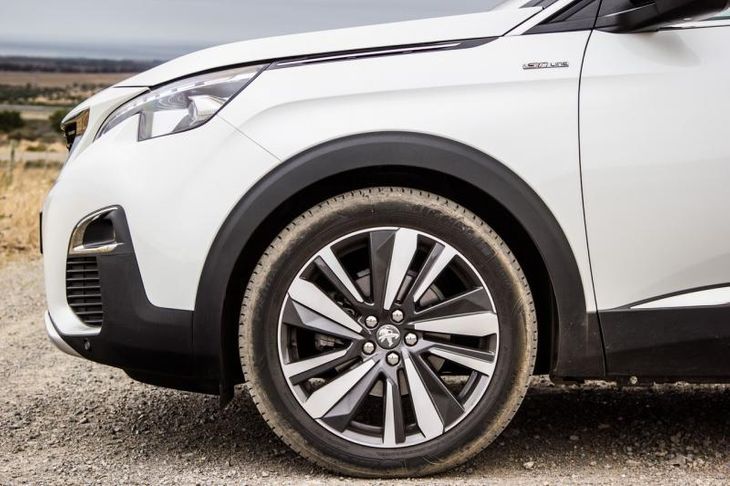

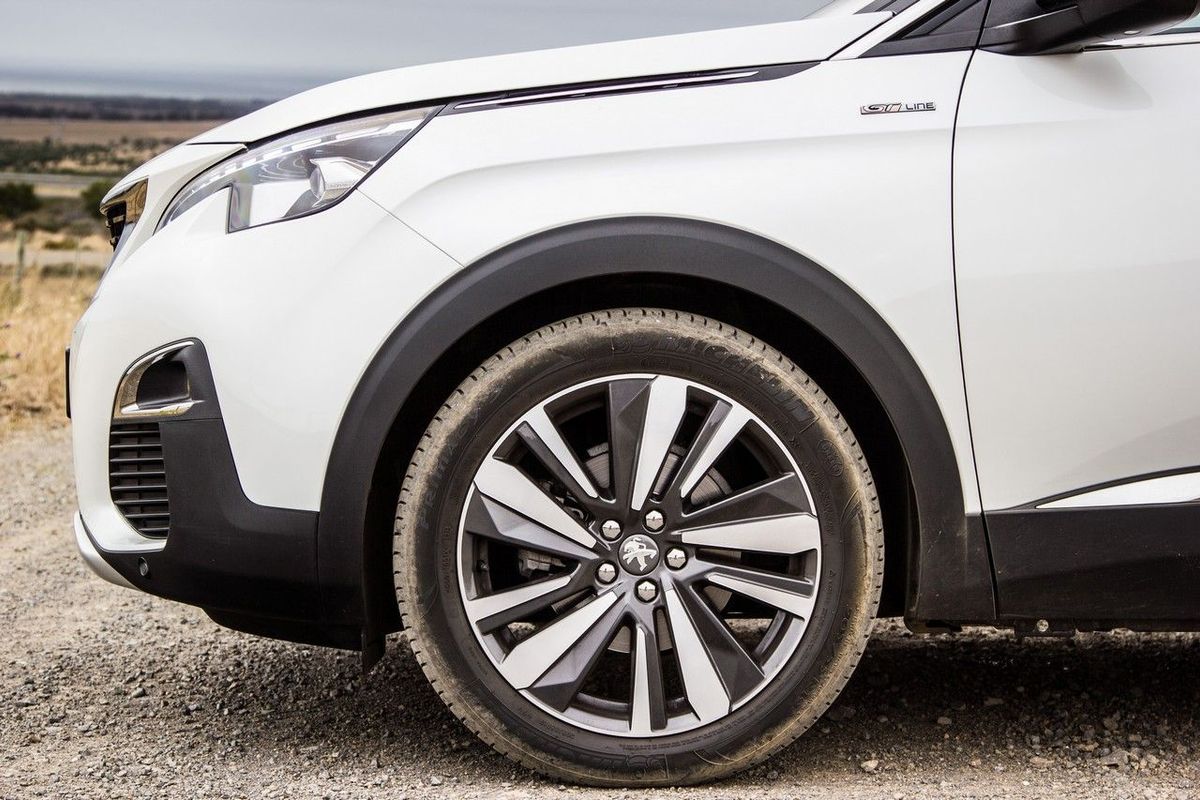
Despite riding on big wheels with low-profile tyres, the ride of the Peugeot 3008 was comfortable and smooth

Ride & Handling?

The Peugeot 3008 rides on the EMP2 platform which underpins a number of PSA products as well as the Opel Grandland (note the German marque is now owned by PSA). The platform is lighter and stronger than its predecessor, and the result is that the Peugeot 3008 feels well assembled and solid. Marginal build quality used to be regarded as a major Peugeot bugbear, but amazingly, the award-winning 3008 feels like there's been an injection of painstaking manufacturing and refinement know-how… and it is most welcome. 

The 19-inch wheels deliver a firm ride quality, but fares better on smooth roads. We felt comfortable and cosseted thanks to the supportive leather seats and thanks to some surprisingly good NVH refinement, there was precious little road and wind noise entering the cabin. The platform feels engineered for some spirited driving and the Peugeot 3008 doesn't wallow like some family SUVs. Instead, it has an air of poise and thanks to its unnaturally small steering wheel, it can feel lively to pilot briskly. Speaking of steering, you'll love how direct it is.  
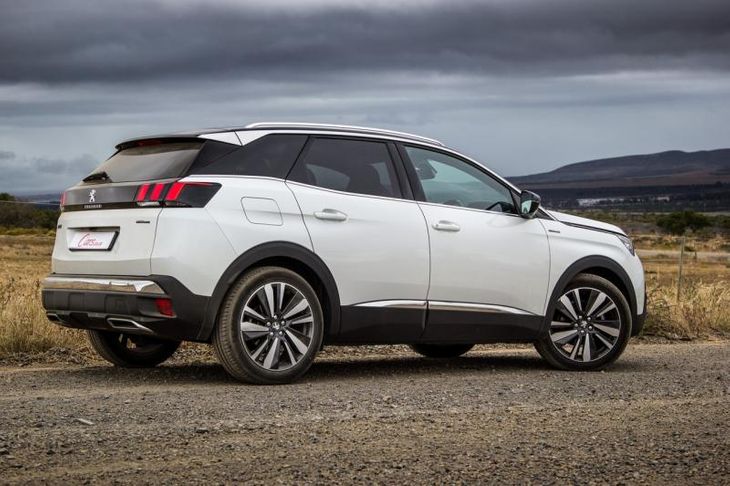

At this price of R520 000, the Peugeot is playing in a distinctly premium segment of the market. Can it garner enough sales to make a success?

Pricing & Warranty

The Peugeot 3008 range starts from R414 900, with this GT-Line retailing for R519 900. The price includes a 3-year/100 000 km warranty and a 4-year/60 000 km service plan with the option to upgrade to a full 5-year/100 000km maintenance plan. A 3-year/100 000 km Roadside Assistance and a 12-year anti-perforation warranty are also included.

Verdict
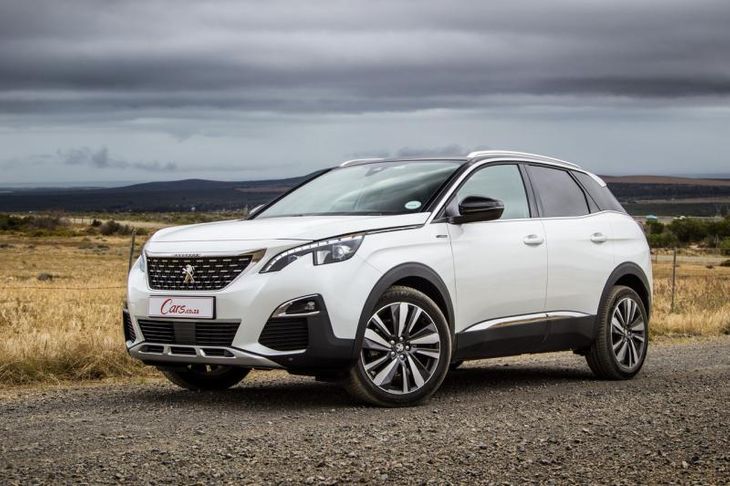

Well done Peugeot, the 3008 is an excellent product. For those wanting more space, you can wait for the 5008 which will arrive midway through 2018

Without hesitation, we can happily say that the Peugeot 3008 is an excellent product that makes a compelling argument in the cluttered family car/compact SUV segment. The transformation from so-so MPV to near class-leading SUV has been incredible and the car community should be watching Peugeot closely, especially in terms of the brand's cabin executions. We say near class-leading because it's not perfect. The rear passenger legroom is tight when you're transporting four tall adults, something which the 2016/18 #CarsAwards-winning Volkswagen Tiguan does effortlessly. Also, one excellent product will not change Peugeot SA's fortunes and resale value overnight, so we're going to have to watch how it progresses. The range will be expanded in 2018 and we'll see a frugal diesel-powered 3008 reach South Africa.

That being said, the 3008 is Peugeot's finest product in quite a while and, if you were to be swayed by the newcomer's sharp styling, exceptional cabin and refined drive, we wouldn't blame you in the slightest. With that in mind, it's no surprise that the Peugeot 3008 is a finalist in the 2017/18 Cars.co.za Consumer Awards – powered by WesBank.

You may also be interested in:

Peugeot 3008 (2017) Video Review

3 Reasons Why Peugeot 3008 is #CarsAwards Finalist

New Peugeot 5008 Unveiled

Peugeot Citroen Realigns Strategy in SA
Interested in buying a new / used Peugeot 3008?

Browse through stock here

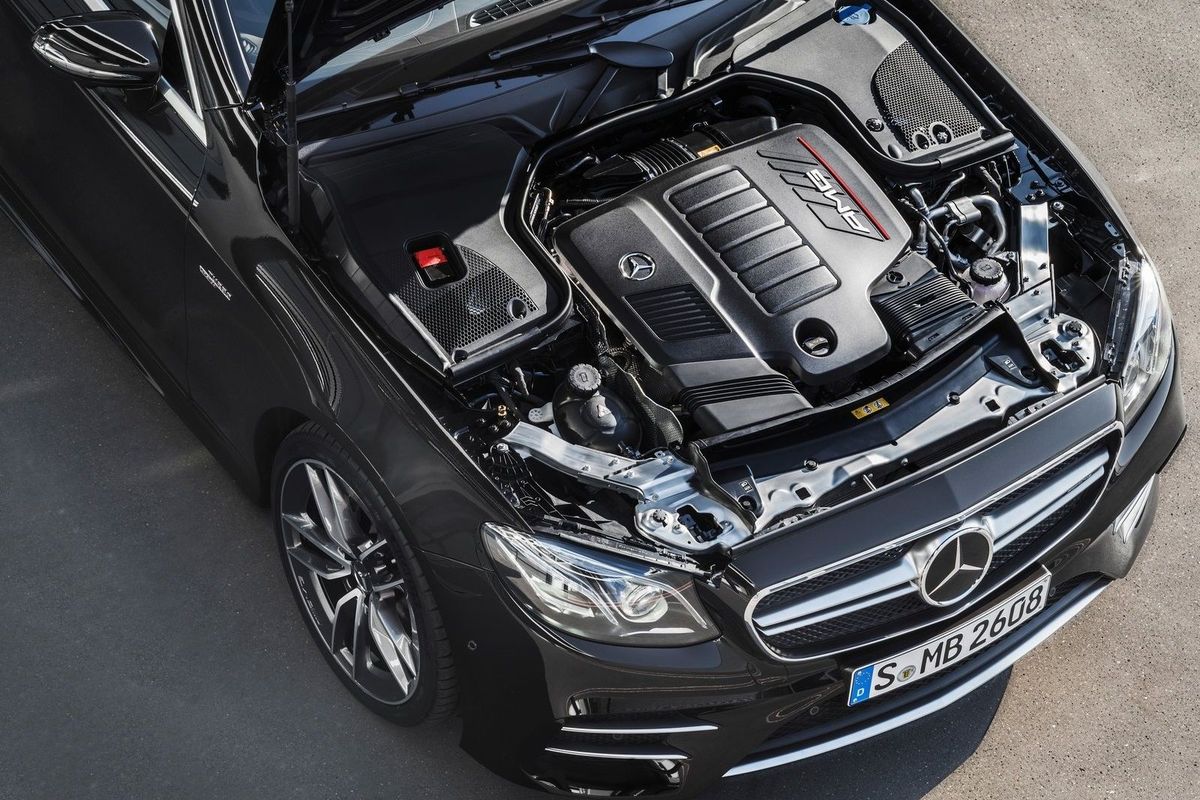
All-New AMG 53 Engine is Official

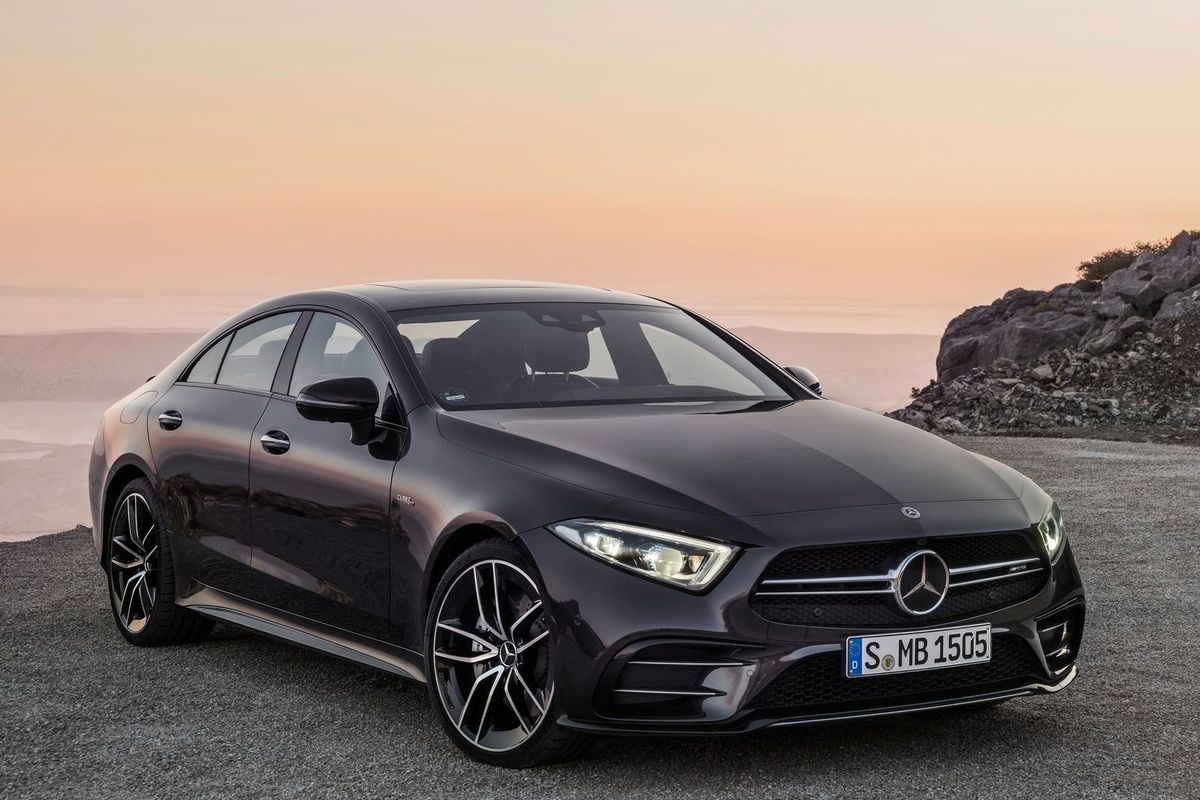
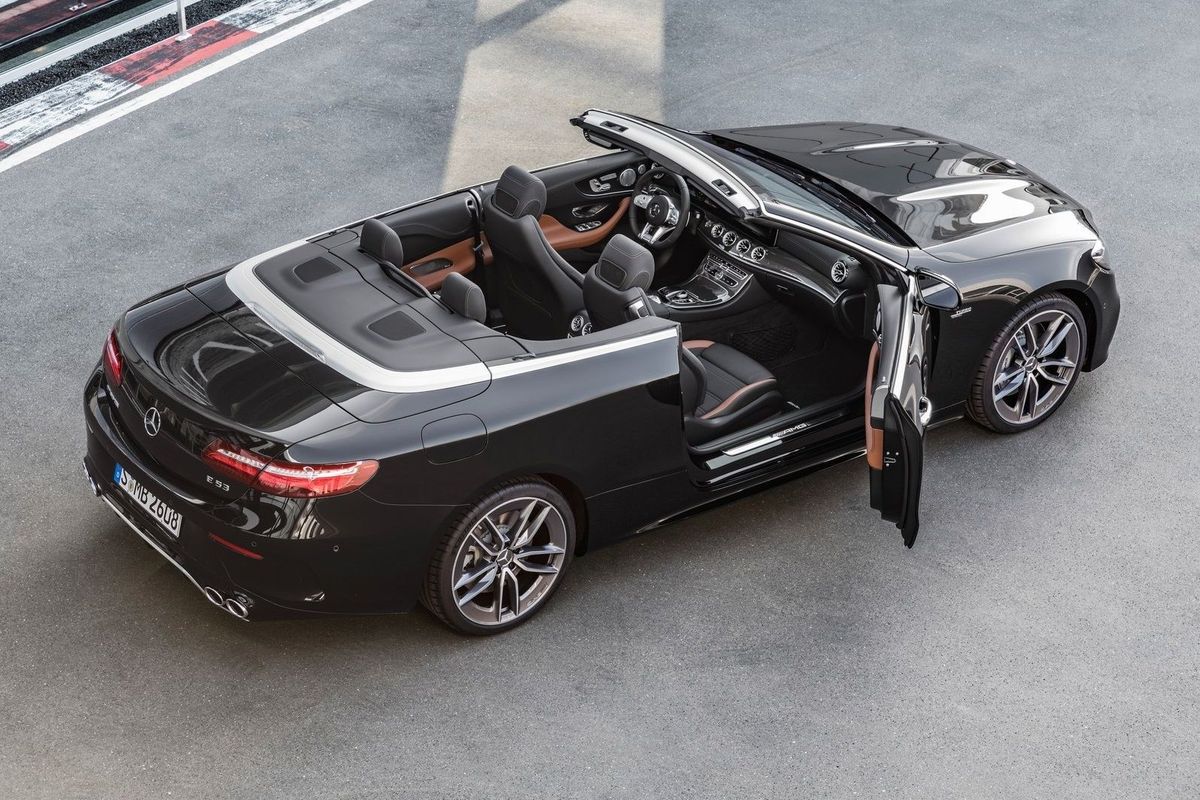
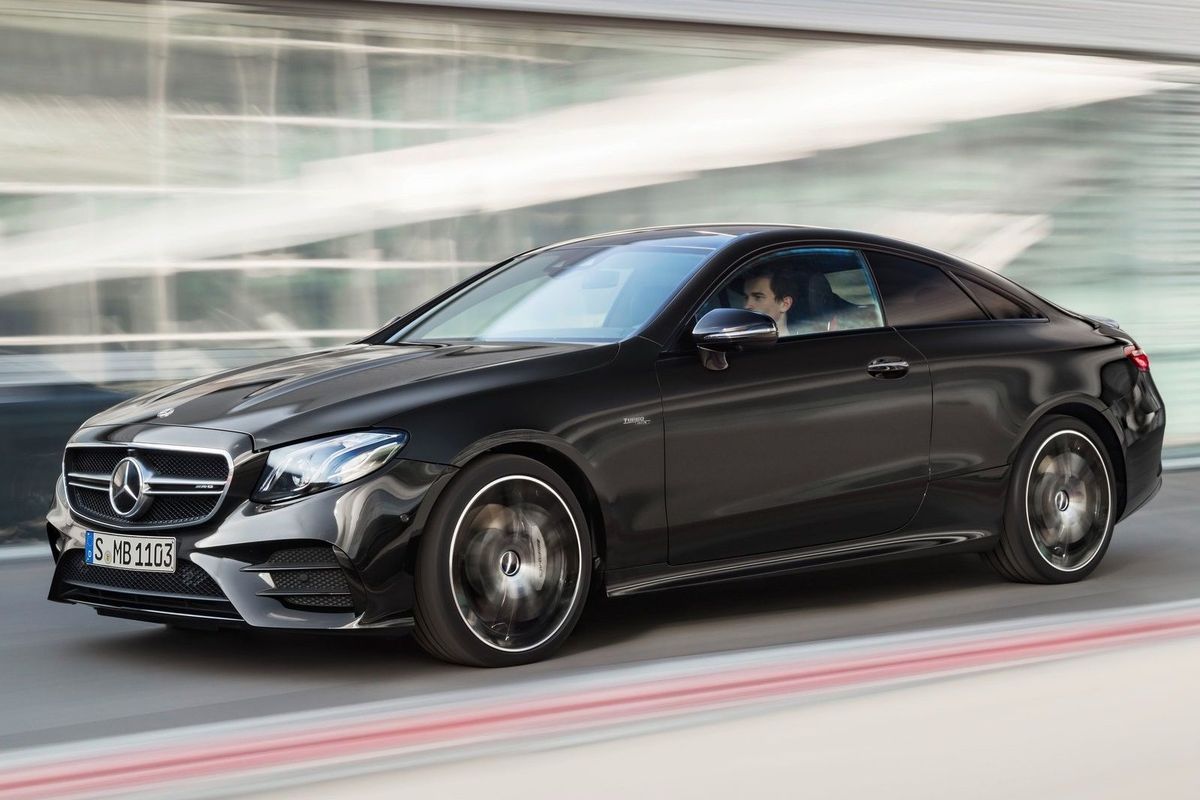
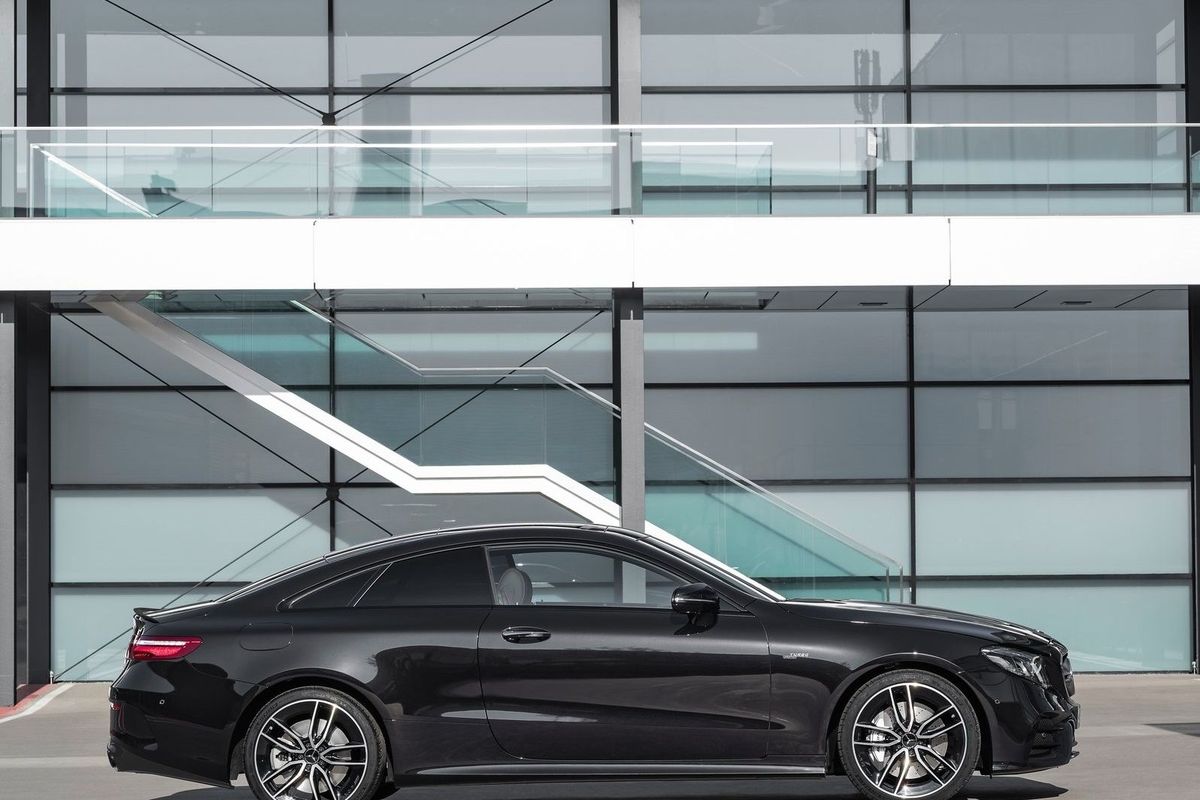
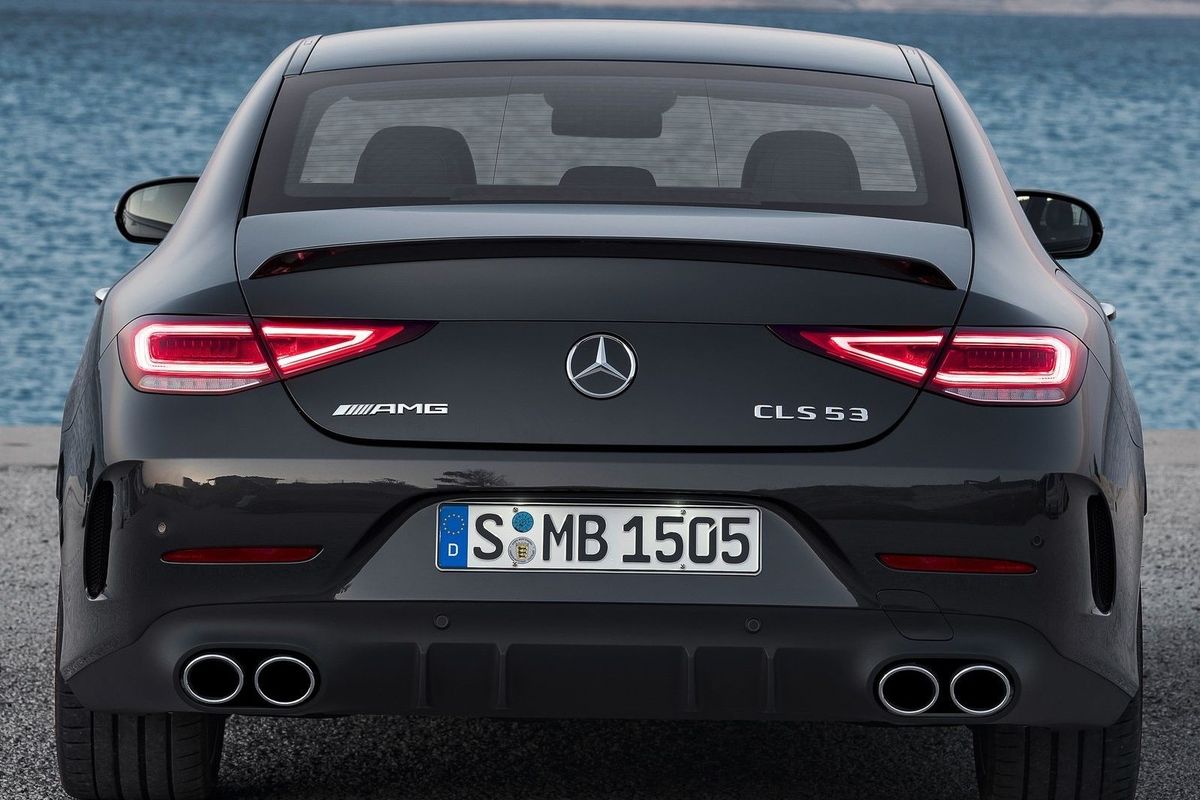
It was rumoured for quite some time and now it's official. AMG has a new powerplant and it comes with a 53 designation. The cars to receive it are the E-Class coupe and convertible, as well as the recently launched CLS. Let's check it out.

While it may come with an AMG badge and be all about performance, the new motors are actually hybrids. Let's get the numbers out: 320 kW and 520 Nm from a 3.0-litre turbocharged 6-cylinder in-line engine. The turbochargers feature an exhaust gas turbocharger and an electric auxiliary compressor, while the EQ Boost starter-alternator is capable of 16 kW and 250 Nm, which in-turn feeds the 48V onboard electrical system. The powerful engines are also efficient, with a claimed consumption figure of 8.4 L/100 km and combined CO2 emissions 200 g/km. Performance is brisk, with the CLS 53 4Matic+ capable of 4.5 seconds to 100 kph and with the AMG Drivers package, it'll rocket onto a top speed of 270 kph.

"With the new 53-series models, we are extending our portfolio in a first step towards a hybridised future with a leading-edge combination of sporty design, performance and efficiency. The basis for this is a contemporary drive configuration in the form of a six-cylinder in-line engine with electric auxiliary compressor, EQ Boost starter-alternator and 48 V onboard electrical system. The very spontaneous response to accelerator pedal input, the precision and the design focusing on driving dynamics are hallmark features of AMG As such we are providing an additional lifestyle-oriented customer group with a further attractive offering from Affalterbach", explains Tobias Moers, Chairman of the Board of Management of Mercedes-AMG GmbH.

The new AMG 53 range comprises the CLS 53, E53 coupe and E53 convertible. All vehicles come with 4Matic+ all-wheel drive as well as the AMG Speedshift TCT 9G transmission.

Watch the new Mercedes-AMG CLS 53 in action

Further Reading


All-New Mercedes-Benz CLS Breaks Cover

Spy Shots: Mercedes-AMG's 4-door GT (GT4)

Driven: (2014) Mercedes-Benz CLS

Mercedes-Benz CLS 63 AMG S (2014) Review

Drag Race: Mercedes A45 AMG vs CLS 63 AMG S

Want to buy a Mercedes-Benz CLS?

Browse new and used stock here

Global Vehicle Sales (2017) Highlight Reel

Who were the big movers and shakers in the motor industry in 2017? Well, go right back to the beginning of the invention of the automobile and you'll find your answer. Obviously, there were some other hits over the year, Lance Branquino breaks down some rather interesting worldwide results. 

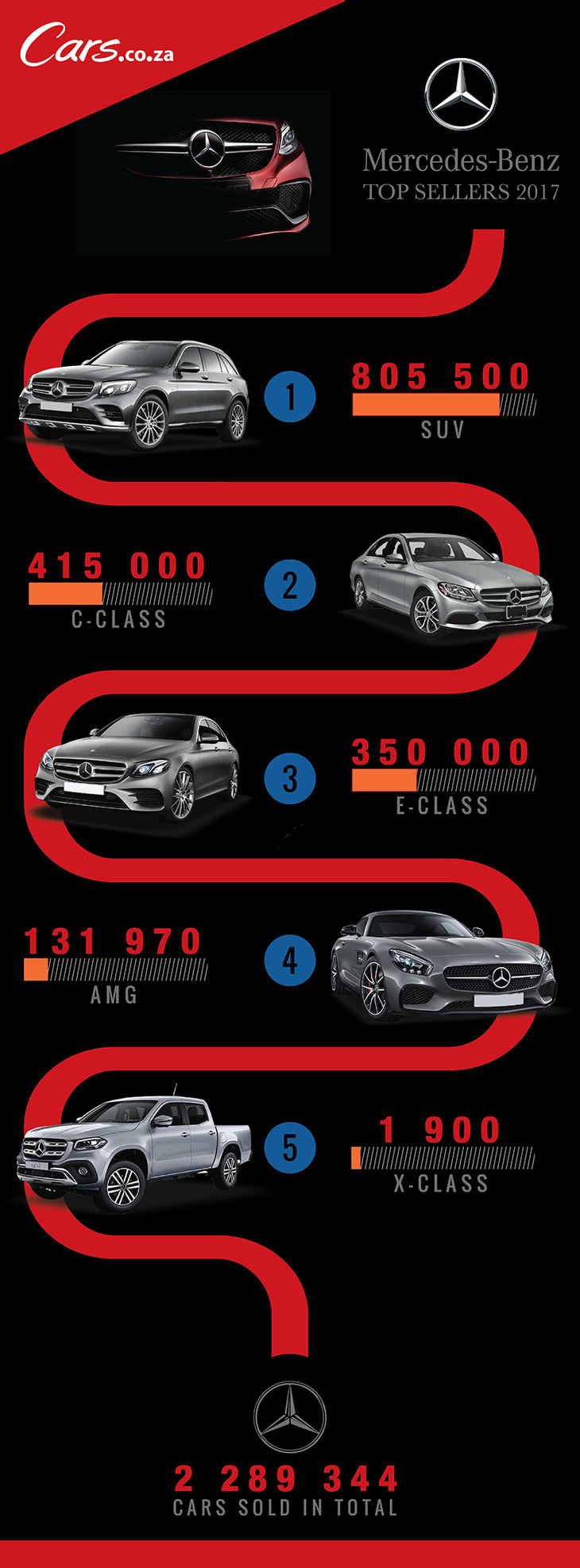
In a year when the world’s automotive experts and industry analysts obsessed about a Californian company – Tesla – which managed to sell a little over 100 000 cars, Mercedes-Benz casually went about having its best year of customer deliveries ever, with 2 289 344 units sold. And not a single one of those could be classed as an entry-level motoring purchase.

VW bested Toyota as the absolute global sales leader for automobiles last year, with a margin of some 350 000 cars between the German company’s 10.7m units and Japan’s best effort of 10.35m. Most extraordinarily, VW’s 2017 sales grew by 3.8% year-on-year, even in lieu of the U.S. diesel emission scandal. Proof that popular hysteria rarely correlates with purchasing activism.


VW is still not feeling the effects of Dieselgate and the group became the number one selling manufacturer in 2017.

Many of VW and Toyota’s numbers for 2017 were comprised of affordable A- and B-segment cars, and despite Audi, Bentley, Lamborghini and Porsche, and for Toyota, Lexus, contributing handsomely, there is no questioning the status afforded to Mercedes this January. It has rightfully claimed its place as the most successful premium car brand, measured by total vehicles sold.

To become the most popular luxury car brand Mercedes did not embark on a global price discounting strategy. It simply flooded the market with a diversity of product. By the end of 2017 Mercedes marketed an immense portfolio of products, nearly 30 strong. There is no other premium car brand with such variety and the numbers are fulfilling a destiny set in motion by Mercedes, a decade ago, when it committed to becoming bolder in its customer targeting and vehicle design.

In total Mercedes assembled and delivered nearly 2.3m vehicles. A considerable number, yes, but it’s meaningless without scrutiny. Of greater interest is learning which vehicles sold best, enabling a consensus prediction of where the market is going – instead of where you imagine it’s trending towards.

Electric doesn’t matter – yet

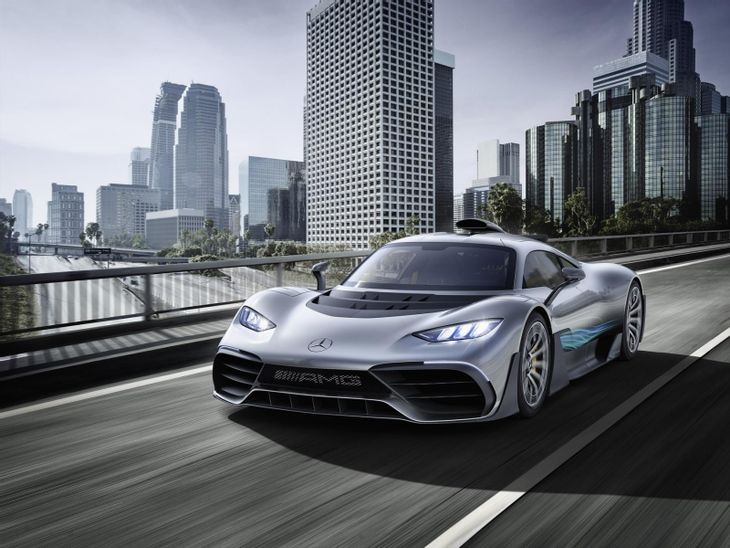
The statistical evidence is overwhelming. Mercedes-Benz’s subdivision of all things related to going very fast, powered by unleaded fuel, sold more cars than Tesla did. In 2017, new owners welcomed 131 970 AMGs to their private garages. None of them with battery power, not even the slightest whim of hybridisation available – unless you are one of the chosen few, destined to own a Project One.


AMG doesn't really do hybrid performance cars unless it's one of the very few that got their hands on this Project One.

AMG’s rampant success does contextualise quite how insignificant Tesla is at its project of transforming global emissions with electrification, whilst competing exclusively in the premium domain of that definitive legacy brand: Mercedes. Tesla’s made a habit of quoting performance figures for its cars, but people who like going that fast, aren’t interested in driving a battery powered car.

SUVs are everything

There’s absolutely no surprise in the rise of SUVs as a preeminent requirement for any successful premium automotive business. Companies which have a majority of their product mix in SUVs and crossovers have done astoundingly well.

Volvo sold 571 577, its most profitable year on record, whilst Jaguar Land Rover (JLR) also achieved unprecedented success, with 621 109 units. Both those entities have been reinvigorated by their offering of large, luxury SUVs. The risk, though, for JLR, is its reliance on diesel engines for its large SUVs.


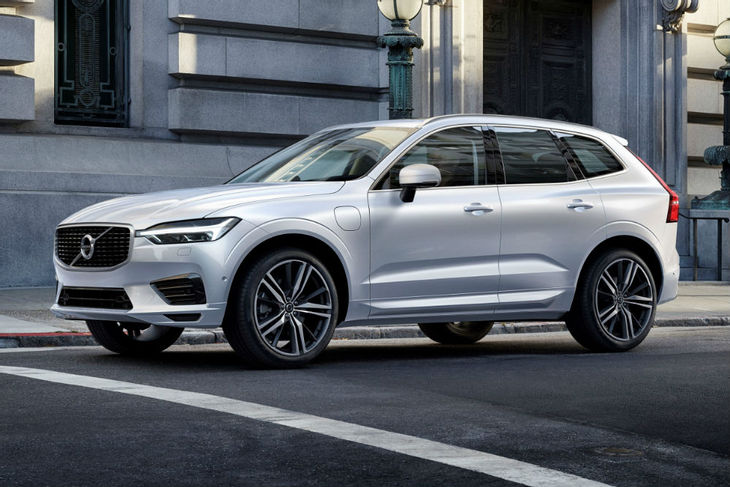
Volvo too had its best year on record in 2017. It's also perfectly placed to meet future legislation prioritising hybrids.

Anti-diesel legislation is being scripted apace in Europe and North America, Jaguar and Land Rover’s traditionally most important markets, which could force JLR into an expensive, and unforeseen, powertrain development cycle far earlier than anticipated. Volvo, conversely, with its hybridized SUVs, is in an excellent position to capitalise on the execution of the anti-diesel lobby, globally.

For Mercedes, it’s sales success was no different. SUVs totalled 805 000 of total sales volume, accounting for 35% of all Mercedes-Benz product delivered. Odds are that 2018 could reinforce that SUV sales percentage, and possibly see it swell, as the iconic Geländewagen has benefited from a huge re-engineering investment.

But is the most popular premium car, an SUV?

Despite the importance of SUVs, what is telling about Mercedes-Benz's record sales statistics from 2017, is that the imminent end of the four-door sedan could be a rumour greatly exaggerated.

The most popular model, globally, for Mercedes, remains its C-Class; which had a very healthy 2017 with 415 000 sales. Evidently, many luxury car buyers still prefer an E-Class to any equivalent SUV too, with the archetypal four-door luxury Mercedes having sold 350 000 units.


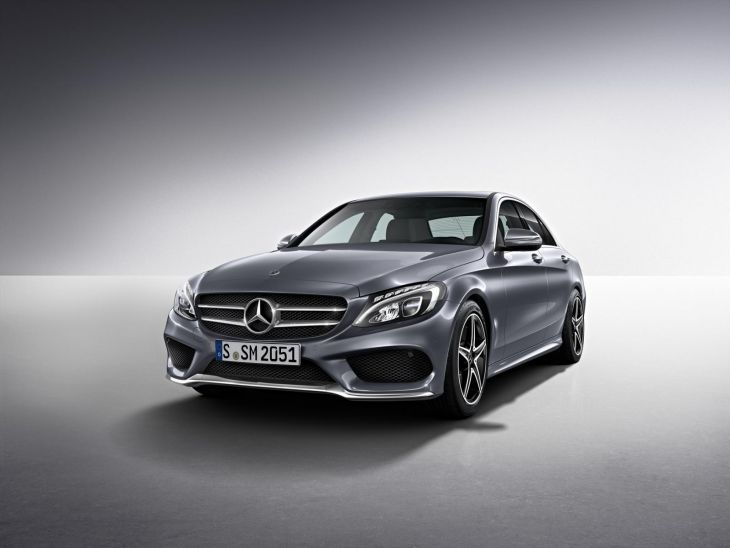
The C-Class still topped Merc's best-selling list. The E-Class too, showed that sedans aren't dead just yet.

It’s true that much of the supporting demand for such impressive volumes in both C- and E-Class sourced from China, where four-door cars, especially long-wheelbase versions, are terrifically popular. Mercedes has expertly played to this market with its mid-sized luxury sedans, whilst also producing a swathe of SUVs and crossovers to leverage the momentum in established markets such as North America, where luxury cars are being swiftly replaced by luxury SUVs.

Good news for SA?

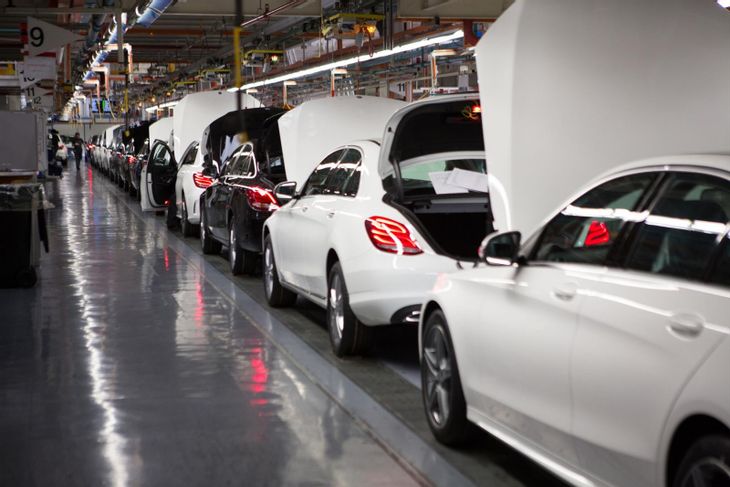
Is any of this significant to South Africans? Well, yes. The continued robustness of C-Class sales, ranking it as the most popular of all Mercedes-Benz’s products, is nothing less than crucial for the East London economy. On the banks of the Buffalo River, a fair portion of the world’s C-Class production is built for export, creating necessary employment and downstream small business stimulus, without which, East London would be in a world of economic bother. Strong C-Class demand is a great benefit to people of the Buffalo City municipal region.


With East London being a major exporter of the C-Class, hopes are that the sedan will continue to sell well.

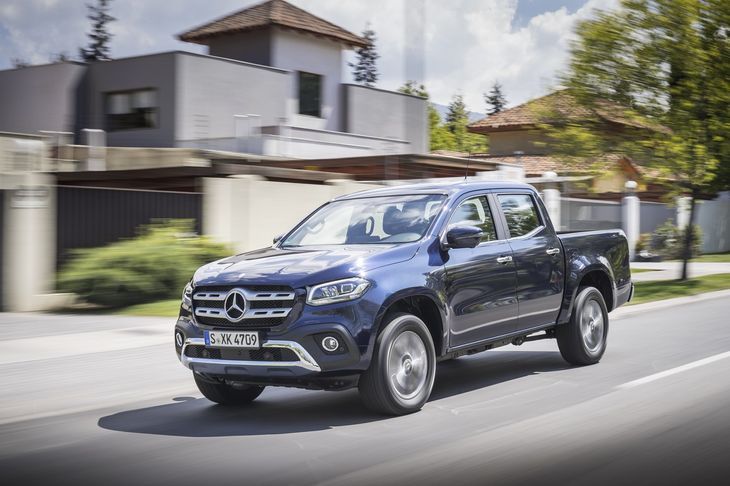
Beyond the fundamental economics of Mercedes-Benz’s local manufacturing being an advantage to South Africans, there’s was also a small number, which nobody appeared to notice, of special significance in the 2017 sales statistics. X-Class. Mercedes might only have sold a nearly imperceptible 1900 of its new double-cab bakkies last year, but these were debut deliveries, to the European market.

All the most significant double-cab markets are outside of Europe and once X-Class production successfully ramps-up, the most keenly anticipated bakkie of 2018 could add handsomely to Mercedes-Benz’s sales this year. There is no other premium brand marketing a bakkie and the strategy for Mercedes is undoubtedly to gain market share and sales momentum where its traditional rival, BMW, cannot.

Although X-Class is not confirmed for the world’s largest bakkie market, America, the commitment of Ford in bringing its Ranger ‘back home’ to the United States, makes a compelling case for ‘compact trucks’, what South Africans would class as a standard bakkie, is becoming a vibrant new segment Stateside. If Mercedes was to deliver X-Class to American customers as a response to Ford’s reintroduction of Ranger, the sales volumes could be massive, gifting the three-pointed star brand a margin of sales superiority that would be nearly impossible for BMW to gain on – unless it diversified into a bakkie of its own.


Merc will hope to extend the gap to rival BMW with the X-Class, a market where BMW does not compete.

Bakkies aside, the profit pony for Mercedes-Benz has inarguably been AMG. The performance division sold 131 970 of its cars and none of them have thin margins. A tremendously clever enterprise, delivering customer satisfaction with excellent scaling due to a range of modular turbocharged engines, AMG’s 33% growth is not only hugely beneficial to Mercedes-Benz’s business but also, to its brand image.

It was a stellar year for Mercedes in 2017, but the numbers disprove some public perception too. We believe that SUVs are cannibalising sedans. But the C- and E-Class sales indicate otherwise. Trends are crucial, and doubly so for Mercedes, because it commands the world’s most substantial automotive R&D budget, spending R160m per day on making its next-generation vehicles, the best they can be.

Decisions on how that R&D spend is allocated, investing in future technologies, is greatly determined by what is selling best. After breaking down the numbers from the world’s most popular premium car brand, the conclusion is that C-Class sedan is going to be with us for quite some time yet. Which is great news for anybody living in East London.

Related content

New Car Sales Summary for December 2017

SA's Unsung Off-Road Sales Hero

2017's New Cars: How They Fare in Terms of Sales

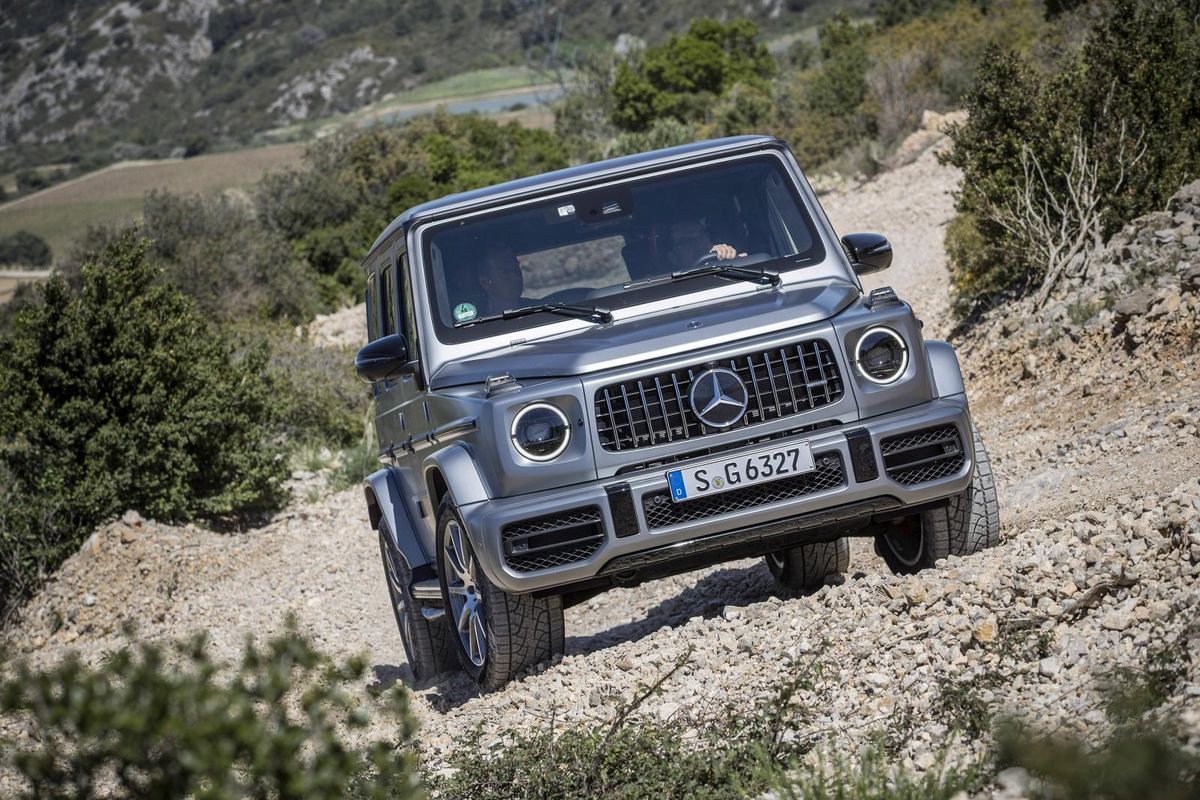
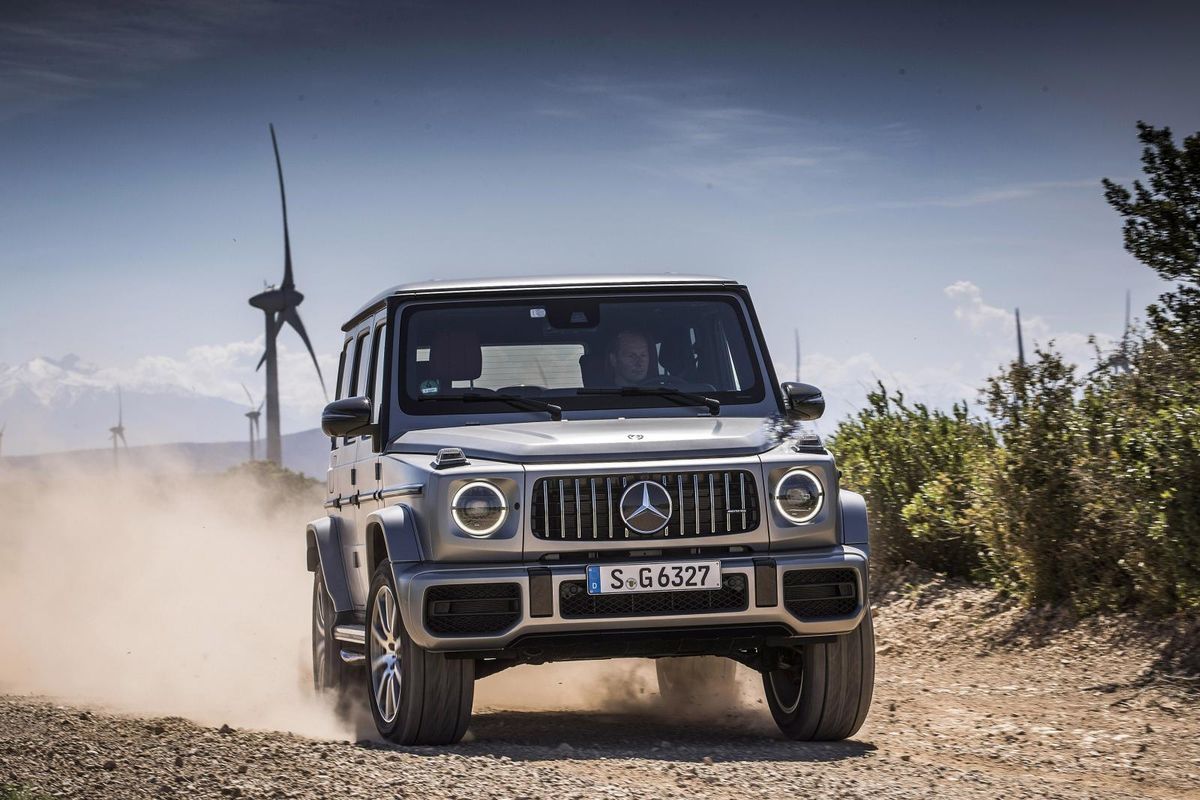
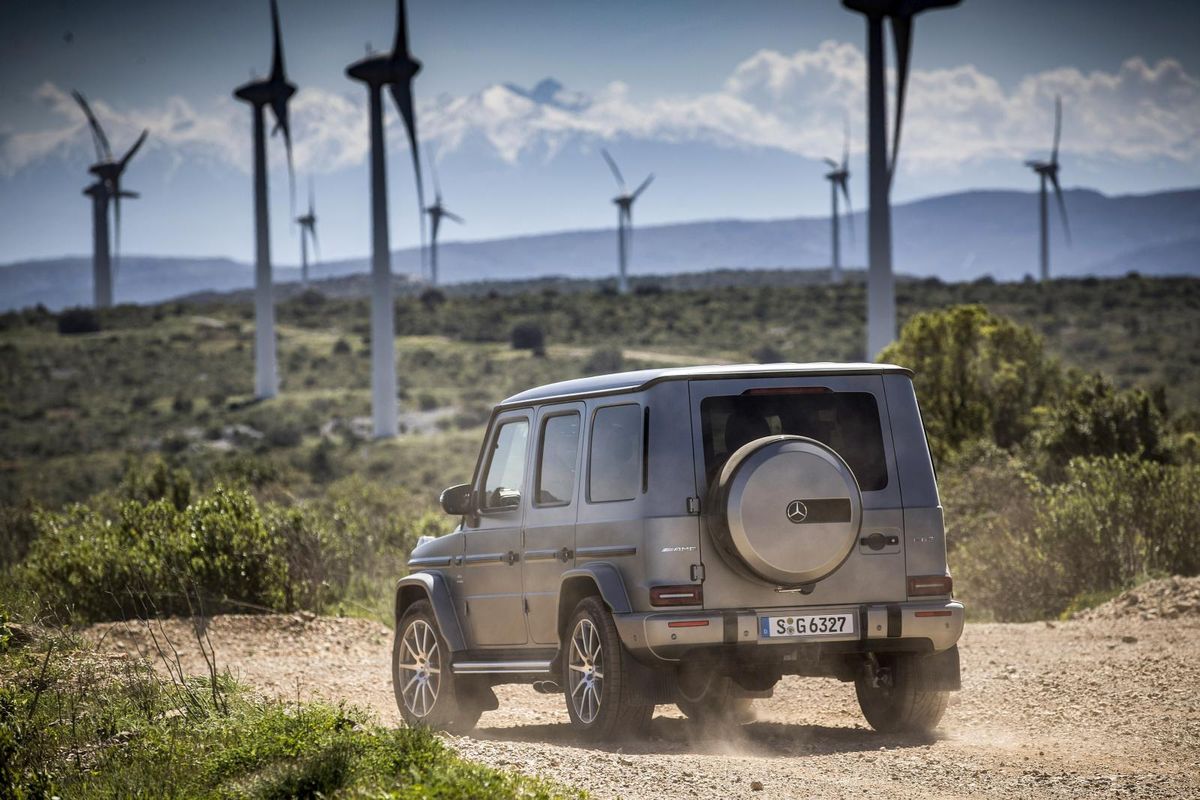
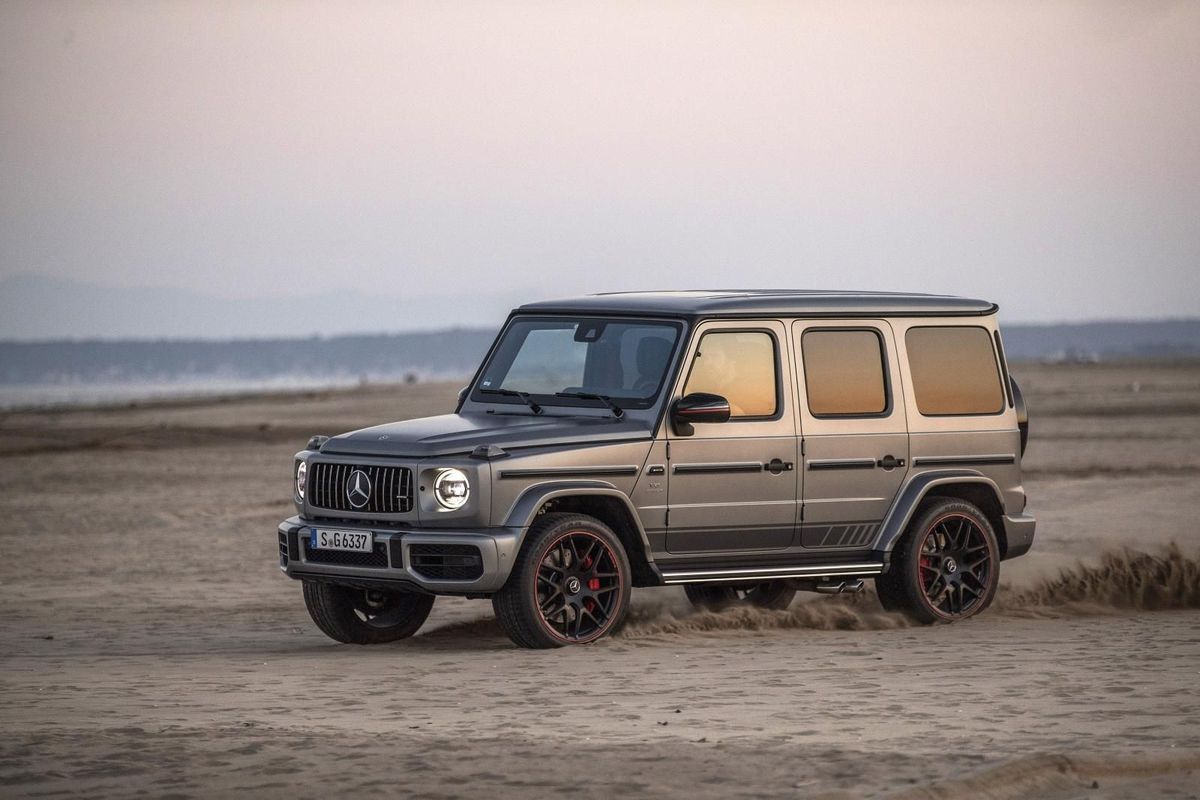
New Mercedes-Benz G-Class Shown

The new Mercedes-Benz G-class has been revealed at the 2018 Detroit Auto Show! Take a look at the details…

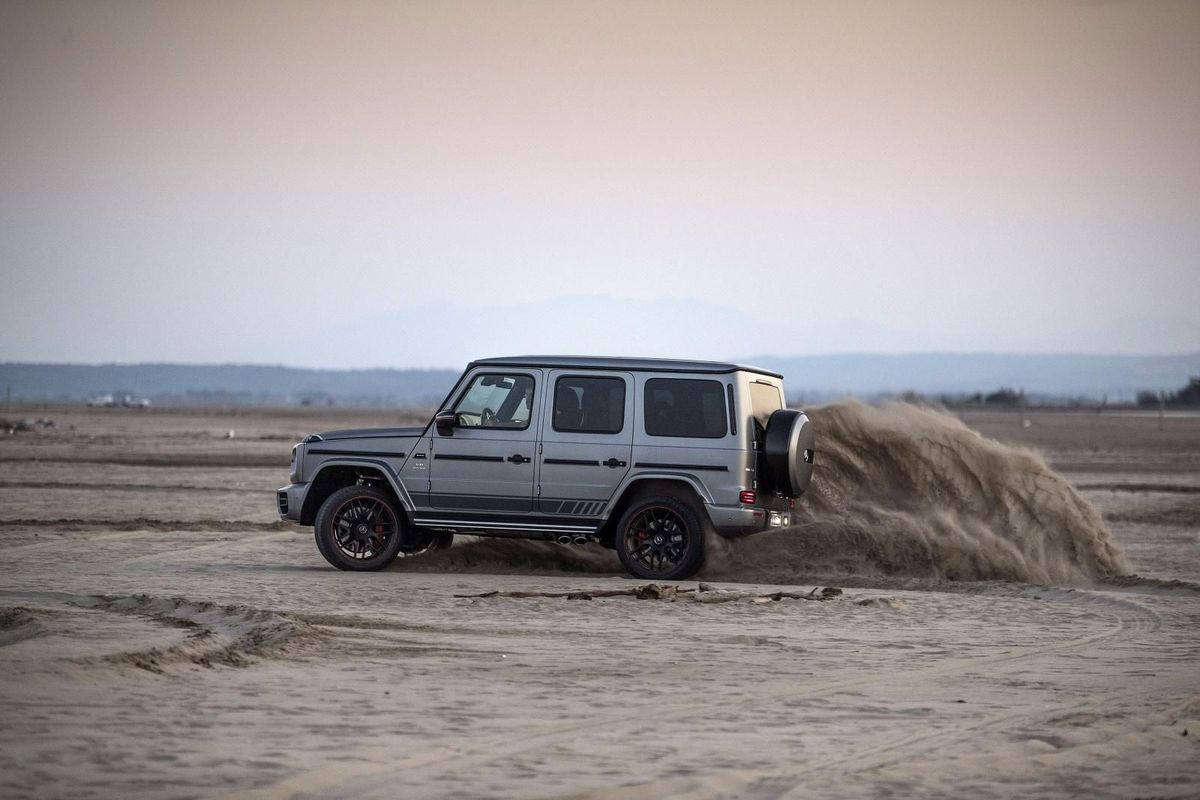
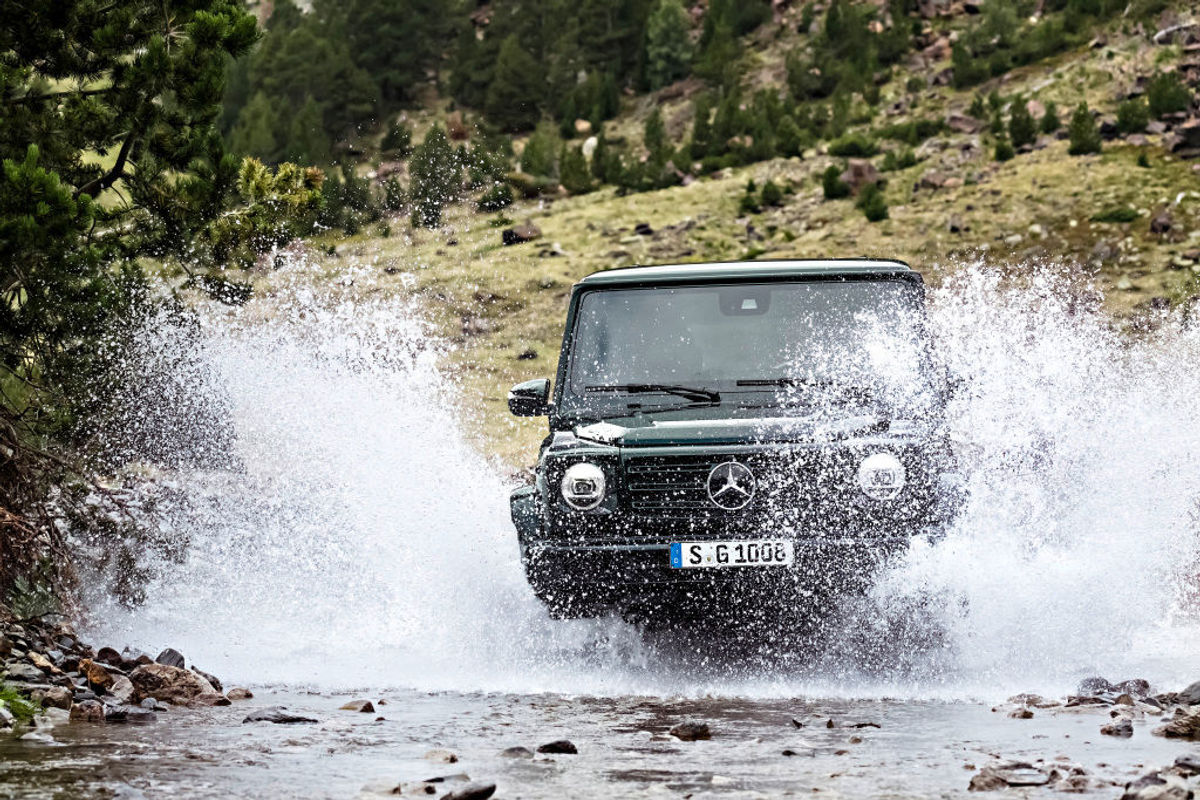
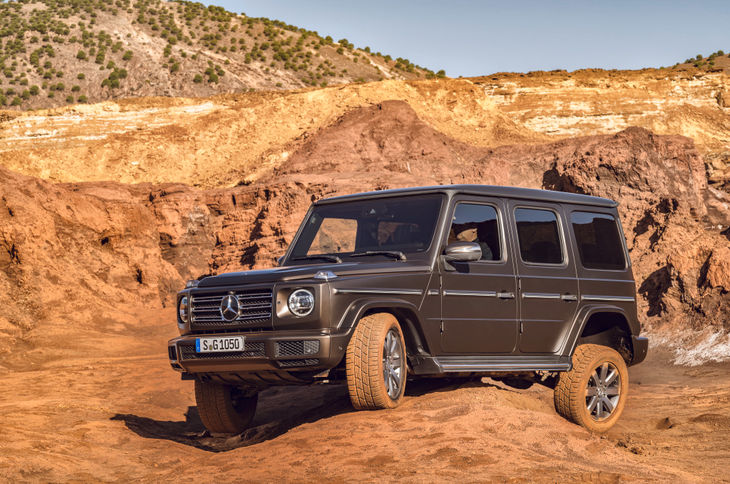
We've been fortunate enough to experience the Mercedes-Benz G-Class in a multitude of hardcore scenarios, but the pinnacle has to be the near-impassable mountain track known as the Schockl in Austria. Of course, it just has to be the testing ground for these road-legal tanks too. The 5.6 km route up a 1 445 metre mountain features tough 60% gradients and lateral inclinations of up to 40%, making it a critical test for only the toughest of off-road vehicles. To allay fears that it's watered down, the Germans have gone up and down the mountain repeatedly, to the tune of 2 000 km. 'Benz claims it does the route with 'noticeably more control and comfort.' 

It could be called the most hardcore offroad vehicle in Merc's arsenal, perhaps only surpassed by the iconic Unimog, but the goal for the new G-Class was to make it even more potent when it comes to the dirt. Due to standard ladder-type frame setup, the three 100-percent differential locks and low-range off-road 'box, the new G-Class is a potent rock climber. The new suspension is a combined effort from Mercedes-Benz G GmbH and Mercedes-AMG GmbH, and comprises an independent suspension with a double-wishbone front axle in combination with a rigid rear axle.

Offroad Capability

  • Slope climbing ability of up to 100% on suitable surfaces
  • Ground clearance between the axles, 241 millimetres, plus 6 millimetres maximum fording depth now 70 centimetres in water and mud passages, plus 10 centimetres
  • Driving stability at angles of 35°, plus 7°
  • Angle of departure: 30°, angle of approach: 31°, plus 1°
  • Breakover angle: 26°, plus 1°
  • Suspension travel: Front axle: Spring/rebound travel of 85/100 millimetres; rear axle: Spring/rebound travel of 82/142 millimetres

The new Mercedes-Benz G-Class now features an offroad mode called G-Mode which comes into play as soon as one of the three diff locks or low range has been activated. G-Mode will then 'adapt the adjustable damping of the chassis and the steering as well as the accelerator characteristic which avoids unnecessary gearshifts and ensures maximum off-road capability.' 

Key styling details


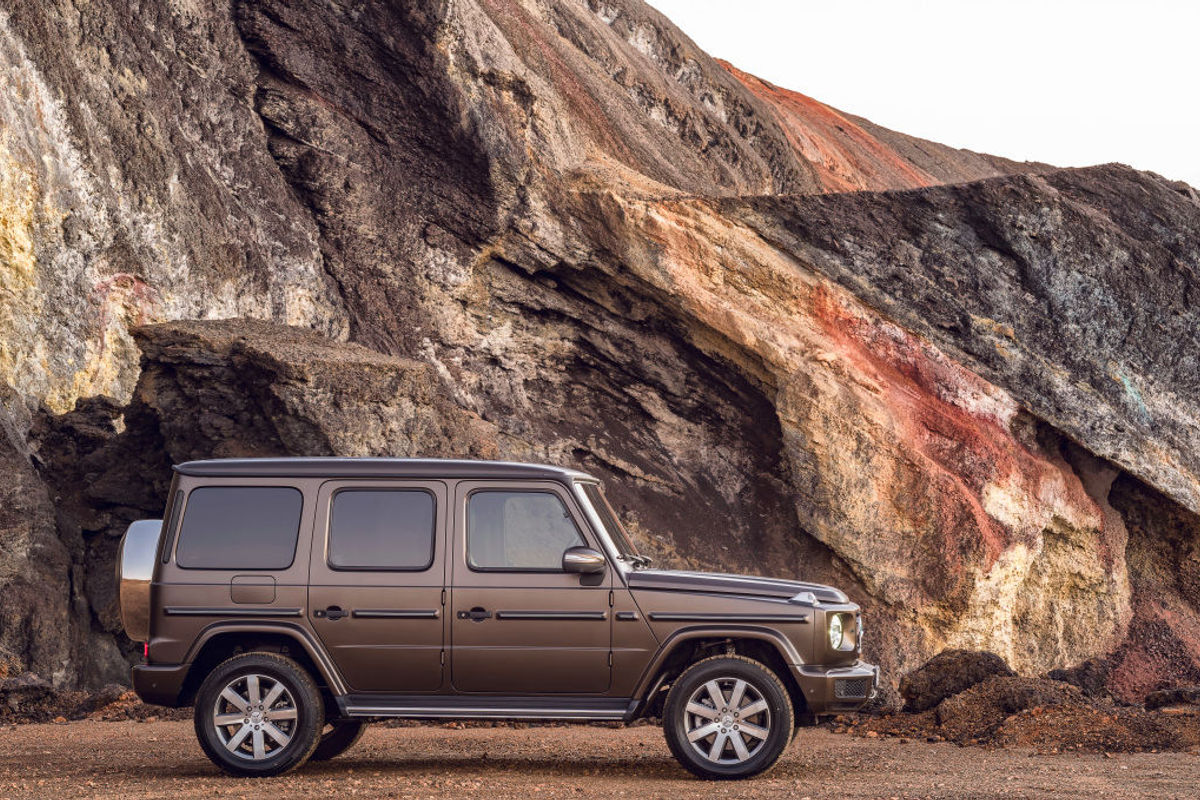
The latest iteration of the G-Class retains its iconic offroad ability but now offers more comfort and technology.

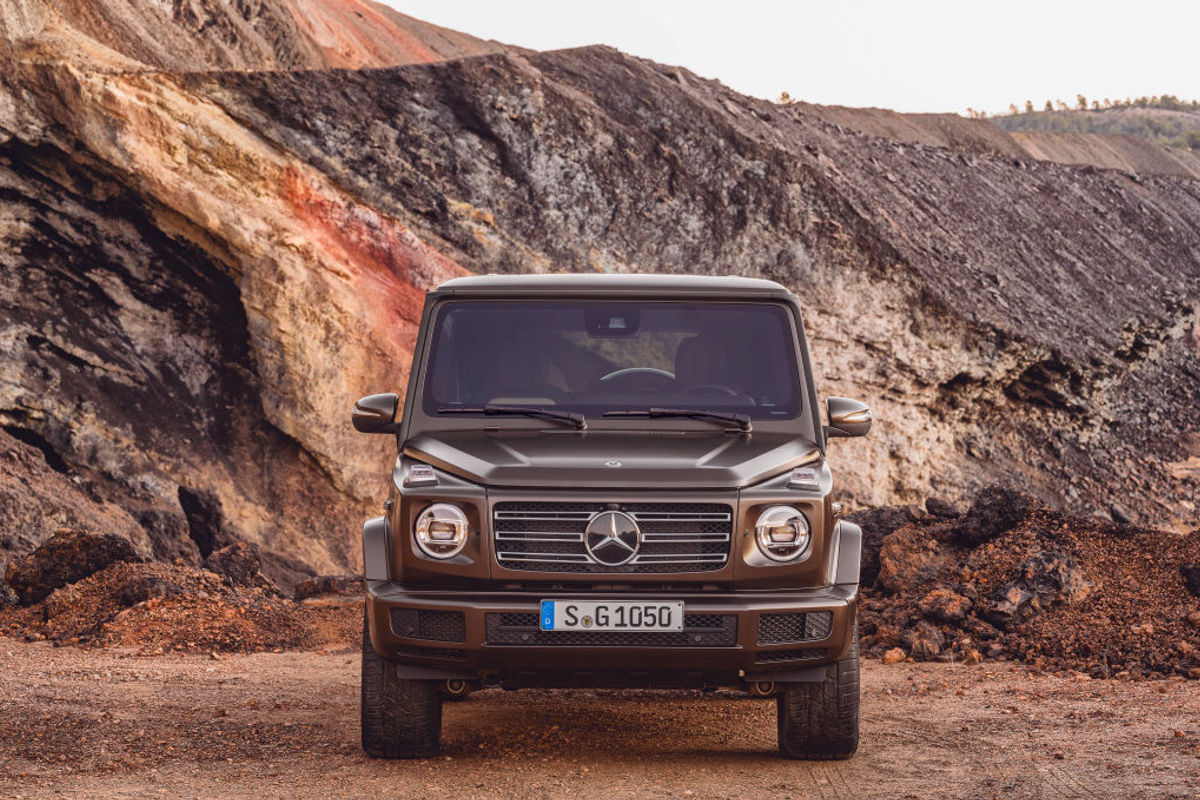
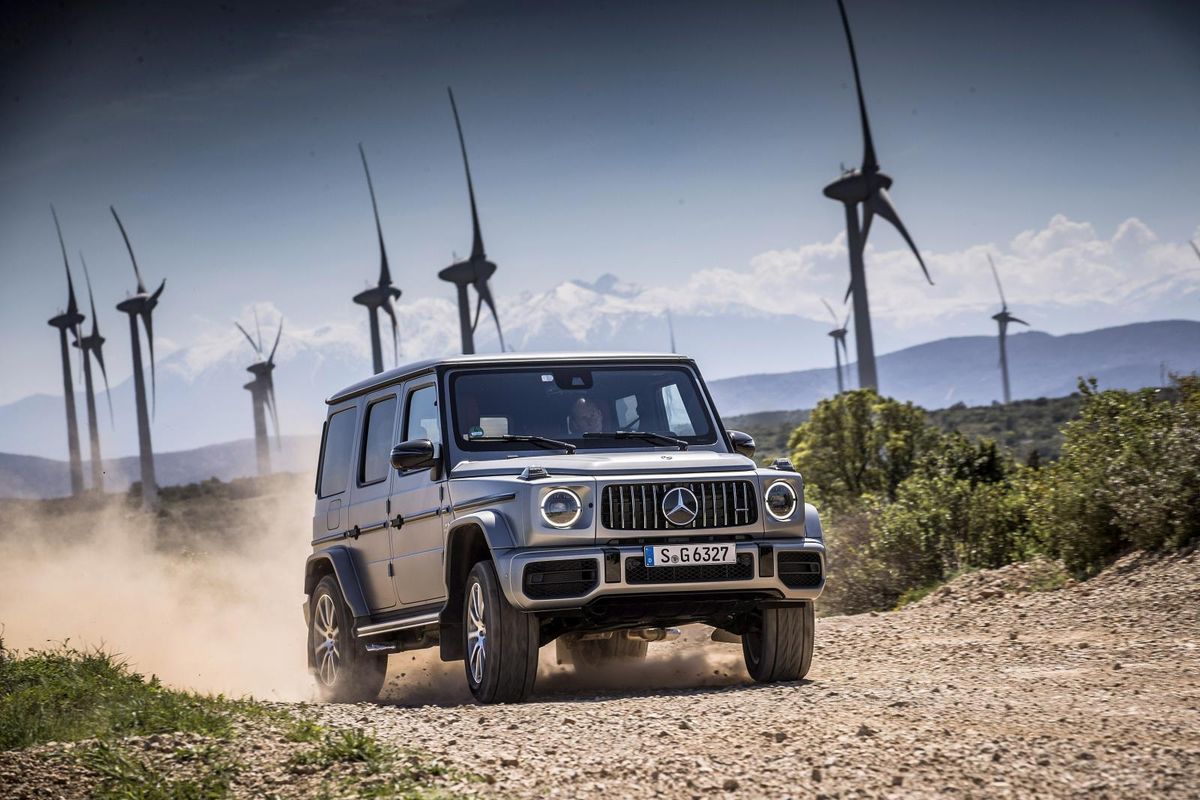
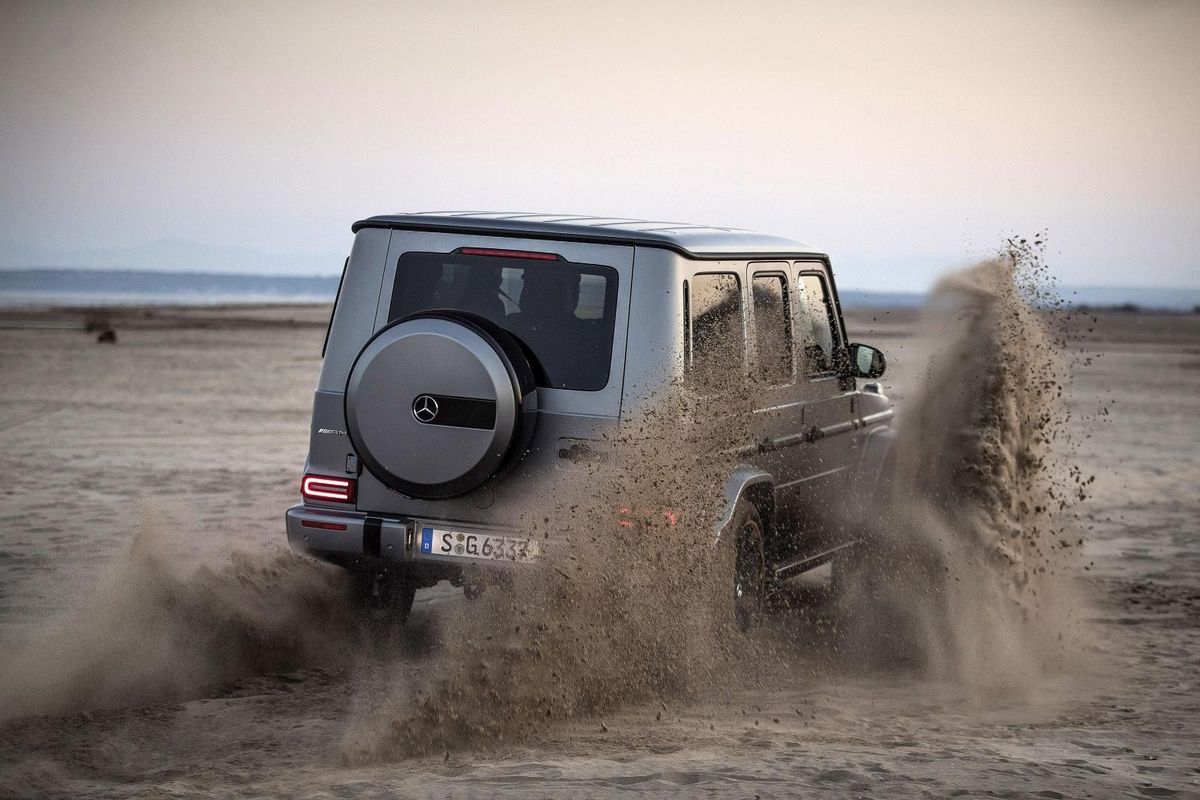
Mercedes-Benz has retained the familiar boxy shape of this latest iteration but it stands 53 mm longer and 121 mm wider than its predecessor. It's also some 170 kg lighter due to the use of aluminium. The new G-class wears a familiar grille which is complemented with newly-shaped round headlights while the bonnet takes on a more sculpted, refined look. The new rounded front bumper adds to its front-end design while also improving aerodynamic performance. The rear-end features a new taillight design and a spare wheel is still mounted on the tailgate. Overall, the new G-Class looks far more sophisticated. 


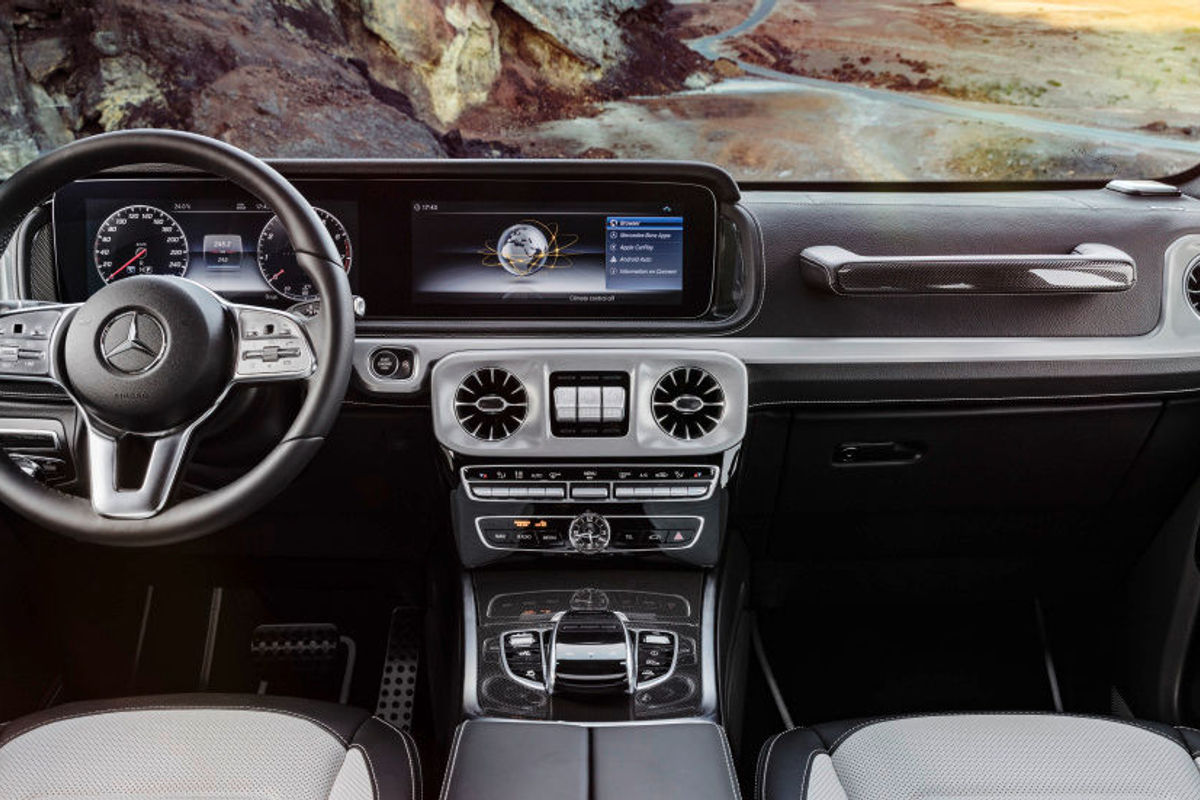
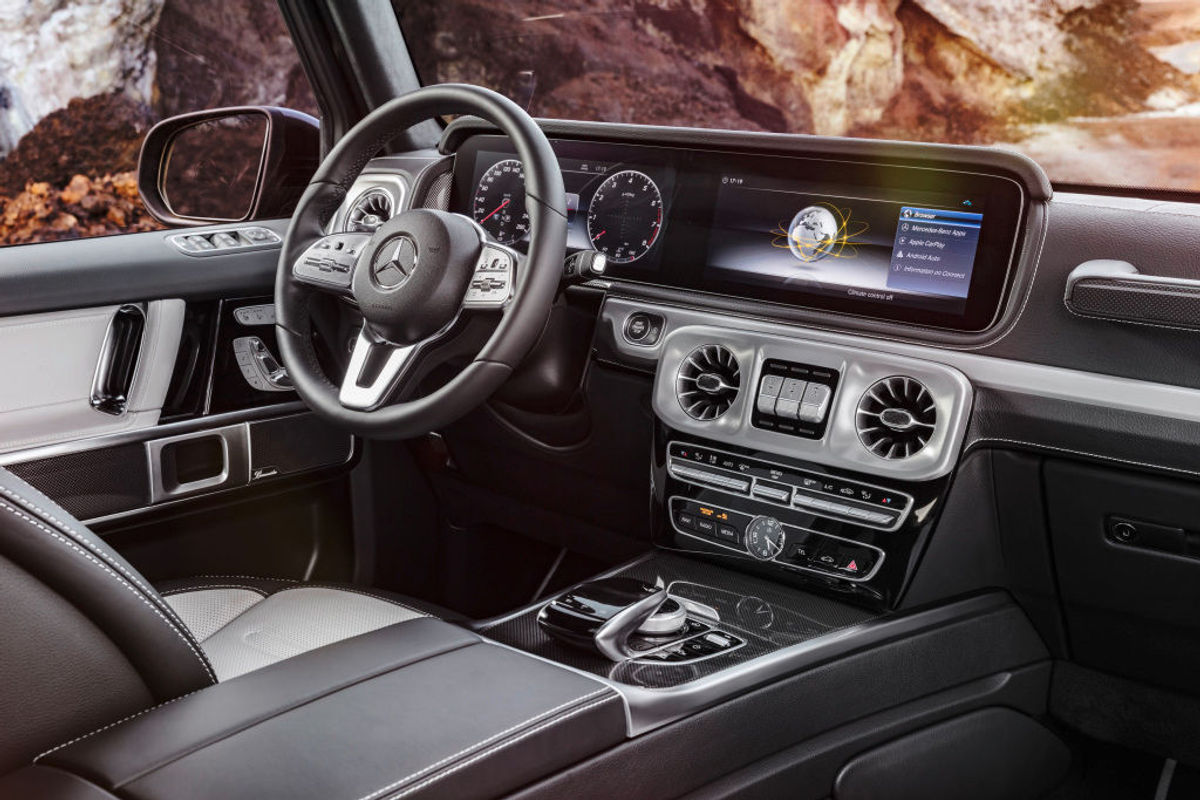
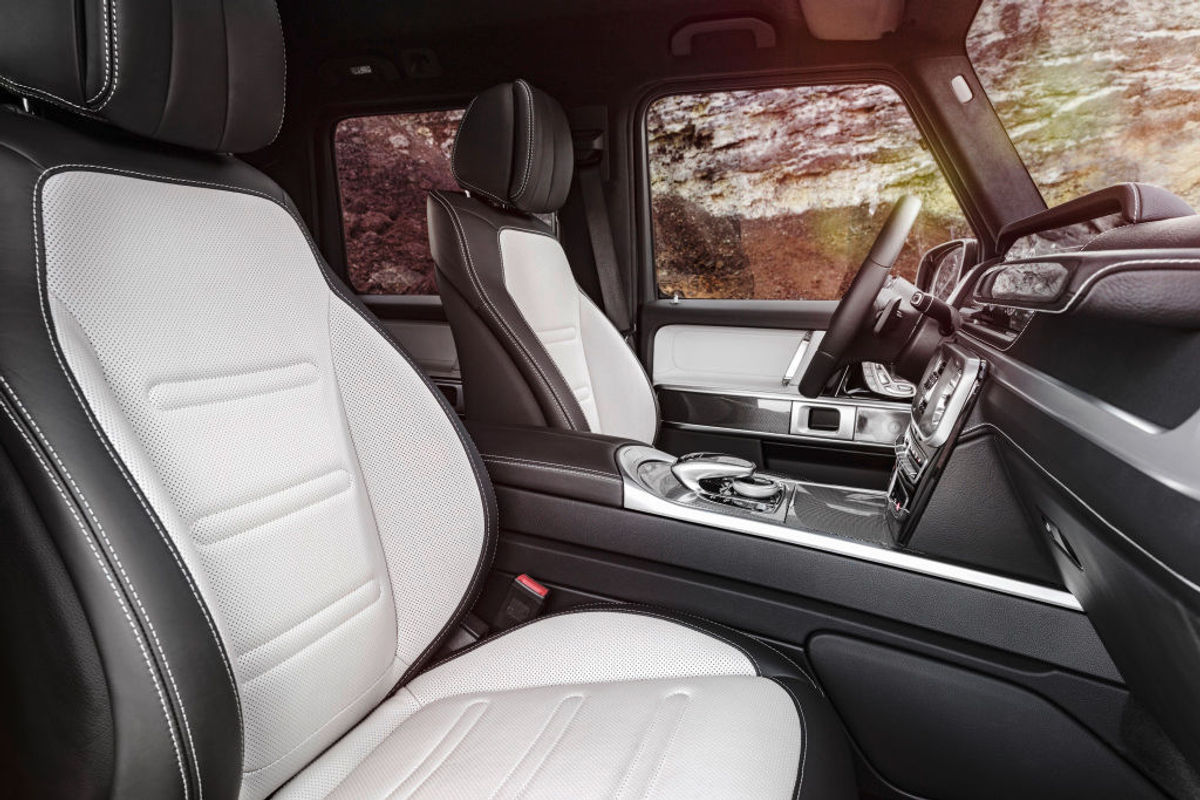
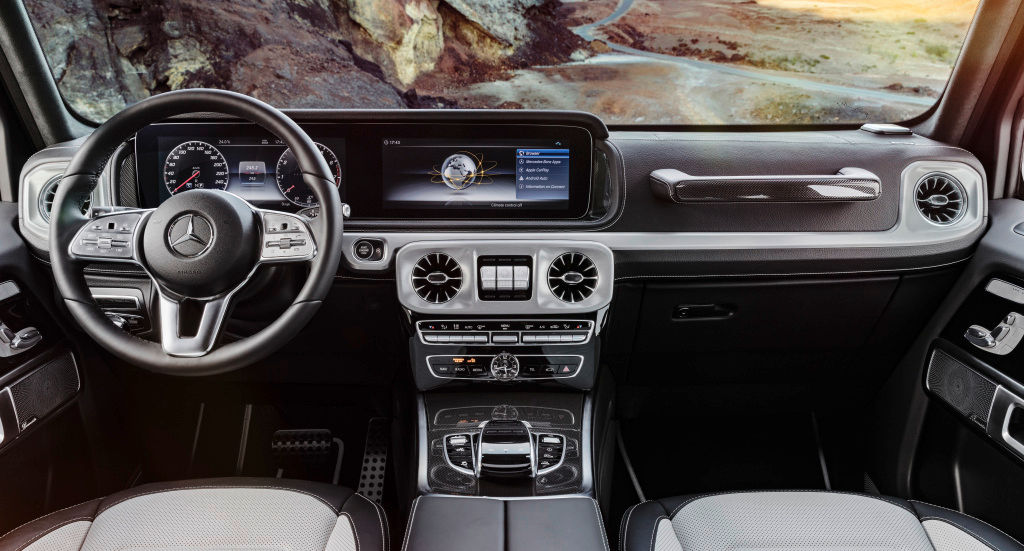
The interior of the G-Class has been redesigned and features a host of new technology including a Widescreen Cockpit. 

The interior, however, is where the most significant change has taken place. The cabin design is new, yet familiar, and the G-Class is kitted out with premium materials such as metallic accents, wood and carbon fibre finishes. Perhaps the most noticeable feature is the Widescreen Cockpit, much like that seen on the E-Class and S-Class, which comprises two high-resolution 12.3-inch screens making up the instrument cluster and infotainment system. The G-Class is also fitted with a new steering wheel, heated seats, 7-speaker sound system and a host of new storage compartments for added convenience. 

Thanks to its larger footprint, the G-Class also offers improved space for passengers as well as reduced NVH, making it far more comfortable than the model it replaces. Rear passengers now benefit from an additional 150 mm of legroom, which is substantial. As you can expect, a wide range of options are on offer for the G-Class and some key options include a 16-speaker Burmester surround sound system, designo leather upholstery, heated seats with ventilation and massage function (Active Multicontour Package) and Nappa leather interior finishing as part of the Exclusive Interior Plus Package. 

Engine Power

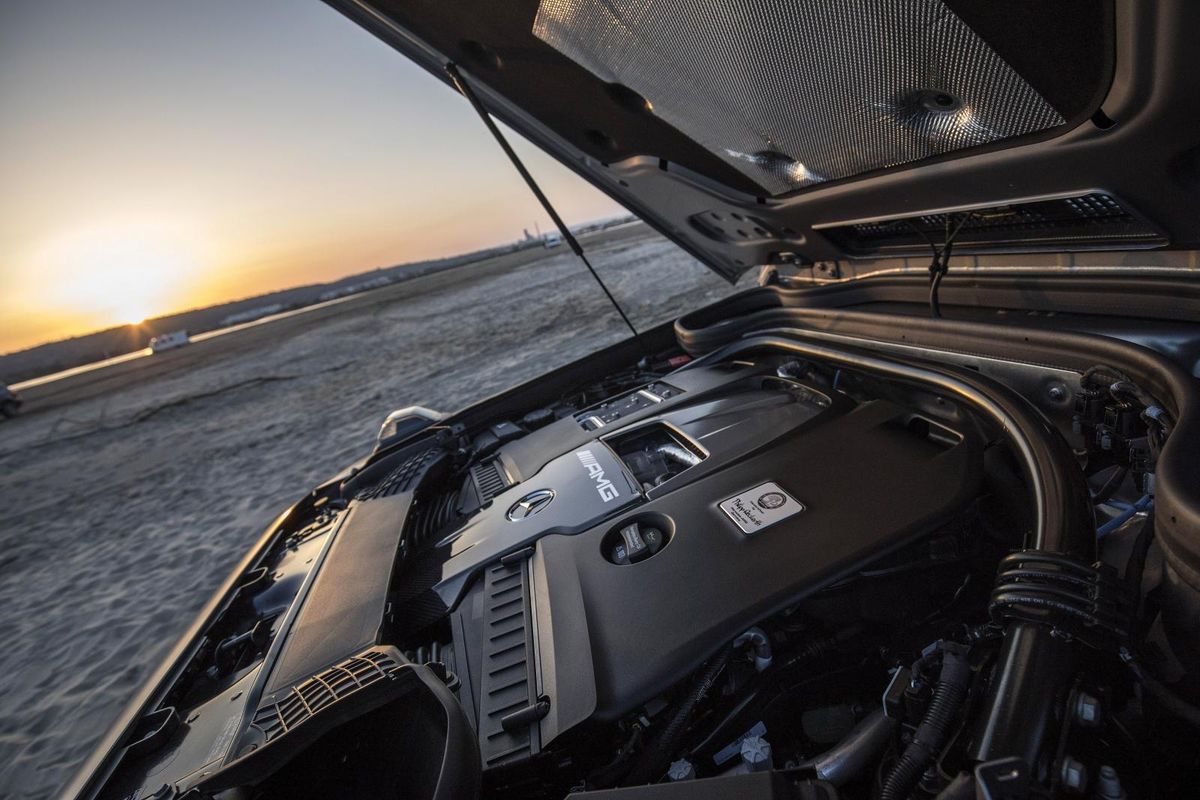
The new G-Class (G500) will be powered by a 4.0-litre V8 engine at launch that develops 310 kW and 609 Nm of torque in conjunction with a new 9-speed automatic transmission which has been calibrated specifically for the G-Class. Fuel consumption is claimed at 11.1 L/100 km. 

The new G-Class can be expected in South Africa later in 2018. Naturally, we will keep you updated when local specification and pricing details become available.  

Buy a Mercedes-Benz G-Class on Cars.co.za

Watch the new Mercedes-Benz G-Class in action


Related Content

New Mercedes-Benz G-Class Interior Shown

Mercedes-Benz G-Class Bakkie Spied

Five Questions: Klaus Hartmann (Mercedes-Benz G-Class)

Update: Mercedes-Maybach Reveals G650 Landaulet (Video)

Mercedes-Benz E-Class 4×4² All-Terrain Might Actually Happen

Cars Coming to SA in 2018

Motoring tech of the future – CES 2018

Another instalment of the Consumer Electronics Show (CES) in Las Vegas has come and gone, and for yet another year it was dominated by automotive brands. Cars.co.za tech correspondent Nafisa Akabor takes a look at some of the coolest concepts and motor tech out of CES 2018.

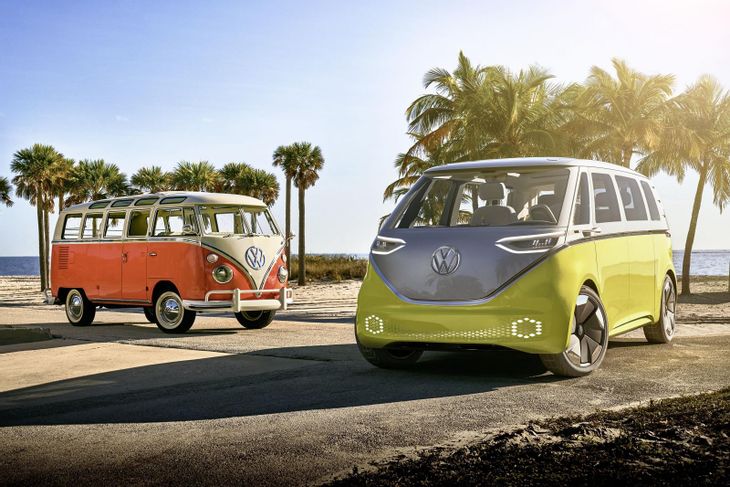
Volkswagen I.D. Buzz

Remember the old VW Bus? VW is making an autonomous version of the vehicle called the I.D. Buzz, that will be both smart and electric. It first appeared as a concept in 2017, but now we have more information. Through its partnership with Nvidia, the AI-enabled vehicle will use deep learning technology to learn about driver and rider preferences. The dashboard will have touchscreen controls instead of buttons or knobs, and will feature augmented reality features and laser scanners. The vehicle can be unlocked with a smartphone, and the seats inside can be rotated for more space through the tracks on the inside. The vehicle has been confirmed to go into production and expected to reach dealerships by 2022.

Mercedes-Benz MBUX

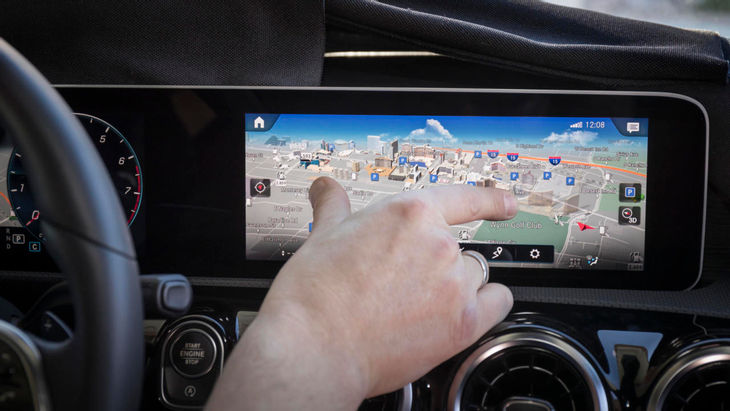
An interesting update from Mercedes-Benz is its new intelligent multimedia system MBUX – Mercedes-Benz User Experience, which will go into production in 2018. Using artificial intelligence, the system will learn and adapt to the driver to create what the company calls an “emotional connection between the vehicle, driver and passengers.” The dashboard features a high-res widescreen cockpit operated via touch, a navigation display with augmented reality with intelligent voice control and speech recognition, activated by the keyword “Hey Mercedes”. Unlike your regular smartphone voice commands, the system understands indirect speech like “I am cold” in order to change the temperature. MBUX will arrive in the 2018 A-Class this year. South African dates TBA.

Byton electric SUV

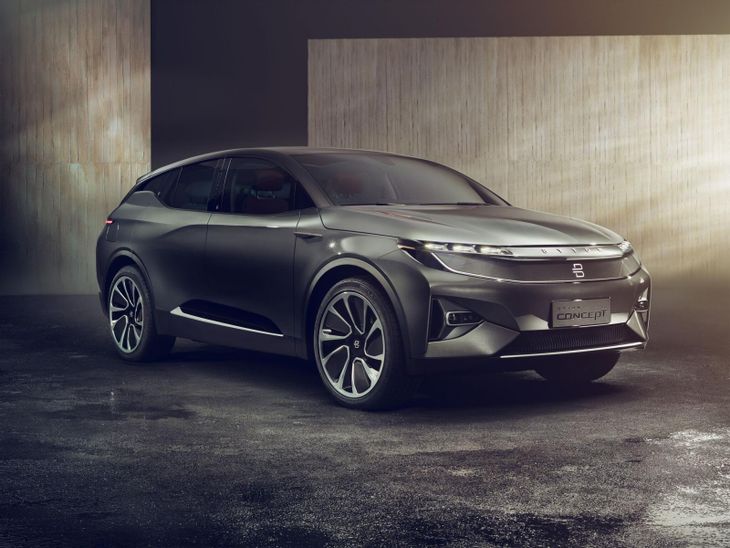
Chinese company Byton is making a play in the electric vehicle space with a concept SUV designed by former Apple and BMW employees. The name Byton comes from “Bytes on Wheels” and features a huge touchscreen that stretches across the dashboard. The screen or “digital lounge” as it referred to, can be accessed via touch or voice commands, or gestures and shows video clips, maps, calendars, health data and driver profile. Two additional screens are available to passengers in the back. According to the company, the Byton can do 0-96 kph in five seconds and will offer level 3 autonomy when it comes out. It is expected to cost $45 000 (est R600 000).

Ford Transport Mobility Cloud

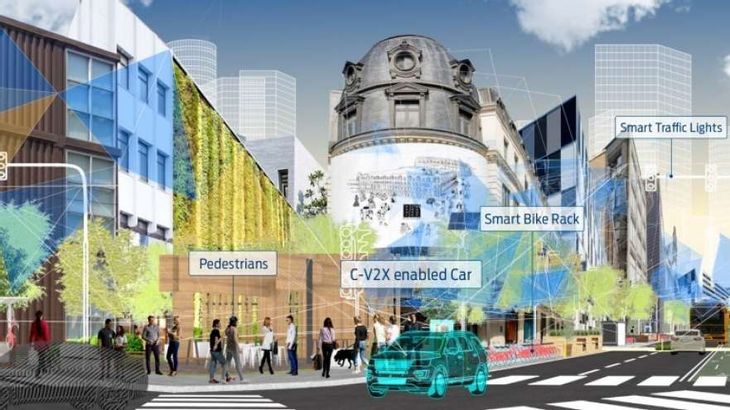
Ford announced a new platform for autonomous vehicles and mobility services called Transport Mobility Cloud, in collaboration with Qualcomm which partners like Domino’s Pizza or Lyft can tap into. It is essentially an operating system that will help cities create safer environments with features that allow vehicles to communicate with other vehicles (V2V); pedestrian devices (V2P); and road infrastructure, traffic signs or construction zones (V2I). Ford also announced that Waze will be available on SYNC 3, operated through the vehicle’s touch screen and voice commands. Productivity is also getting a boost with WebEx through SYNC 3, offering web conferencing on-the-go.

Toyota e-Palette

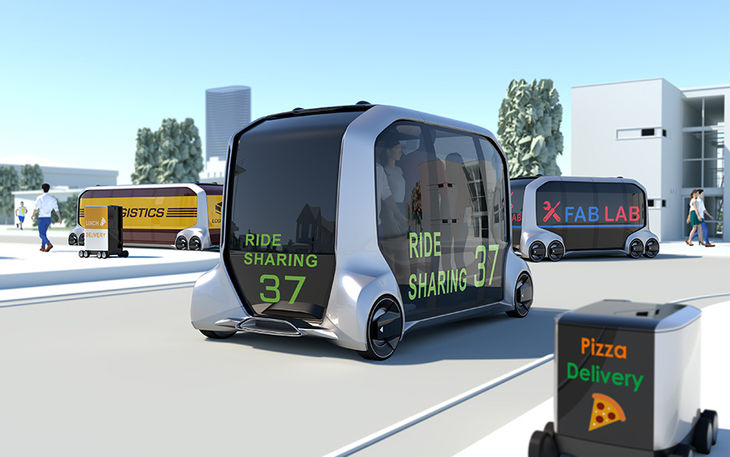
Toyota unveiled a concept called the e-Palette, a futuristic-looking self-driving store that is a pod with eight wheels. The box-shaped vehicle is aimed at businesses to better serve customers, using Toyota’s proprietary Mobility Services Platform (MSPF) for connected mobility solutions. Launch partners include Amazon, Pizza Hut, and Uber. The automated and electric vehicle will allow third-party companies to install its own automated driving system and will make use of Toyota Connected services. The e-Palette Concept comes in three sizes depending on purpose-built specifications, varying from 4-7m in length. According to Engadget, Toyota plans to make use of the e-Palette at the 2020 Olympic and Paralympic Games in Tokyo.  

Hyundai Hyperconnected Car

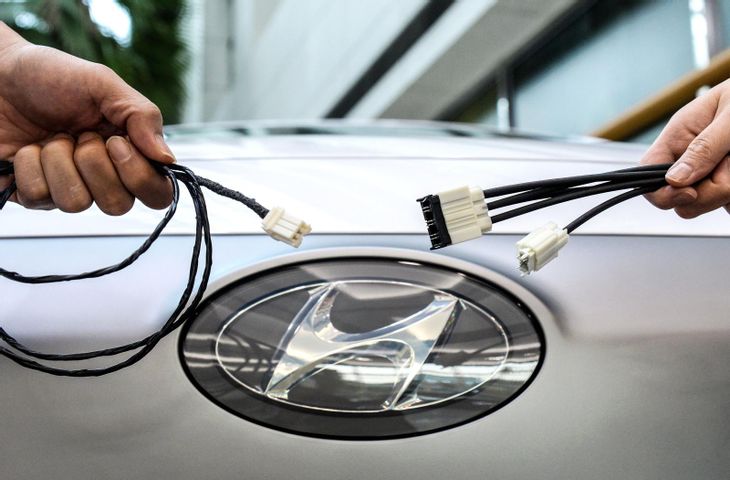
Hyundai and Cisco announced the production of the hyperconnected car that will feature a new in-vehicle network in their premium range of cars for 2019. It will feature 1Gbps Ethernet connectivity; with the platform being secure and highly configurable, all meant to drive innovation inside the vehicle. It will offer flexibility to design and build new services, provide ‘over-the-air’ updates, and bring new capabilities quicker to the market. Its Software Designed Vehicle (SDV) architecture offers multi-layer security, end-to-end networking, and high-speed services. Wait, are we still talking about a car or a PC? The two companies believe they can work together to ‘disrupt the auto industry’.

Nissan Brain-to-Vehicle Technology

Nissan unveiled its new Brain-to-Vehicle (B2V) technology that allows your car to read your mind but more to enhance the driving experience. The company says that the B2V technology promises to speed up reaction times for drivers and will lead to cars that keep adapting to make driving more enjoyable. This is the result of Nissan’s research into brain decoding that allows for predictions, like catching a sign that the driver’s brain is about to initiate a movement or the detection of driver discomfort. The tech allows for the action to begin quicker, or for AI to change the driving configuration. A world first, and would be interesting to see how Nissan uses this in their upcoming vehicles.

Garmin Speak Plus

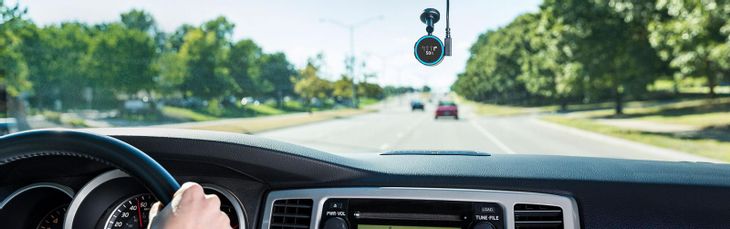
We’ve surely all had a Garmin at some point, and what makes us interested in the company’s CES unveiling is how it has transformed to offer a better user experience. The Garmin Speak Plus has Amazon Alexa integration so you can control just about everything like navigation, music, news, sports, etc. We’re most excited about the built-in dash-cam that automatically records drives but also provides driver assistance features like forward collision and lane departure warnings. Alexa will also check your calendar, the weather, create to-do lists, and control smart home devices. It pairs with your smartphone via Bluetooth. It is currently available for pre-order at $199. Meanwhile, we’re patiently waiting for Amazon to bring Alexa to South Africa.

Alexa, Everywhere

Speaking about Alexa, more car manufacturers have announced integration with Amazon’s voice-activated assistant, which has already made its way into living rooms, kitchens, and bedrooms. Toyota and Lexus will integrate Alexa into select vehicles from 2018, compatible with infotainment systems on the Entune 3.0 and Enform 2.0, respectively. Prior to this, Ford (SYNC 3), Hyundai (Blue Link) and Volkswagen (Car-Net) have already announced support for Alexa inside its vehicles. Again, we're patiently waiting for Alexa to launch here as more home appliances also announce support for it.

Related content

Cars Coming to SA in 2018

5 Cool Crossovers Coming to SA in 2018

New Kia Cerato Sedan Headed for NAIAS

6 High-Performance SUVs Coming to SA in 2018

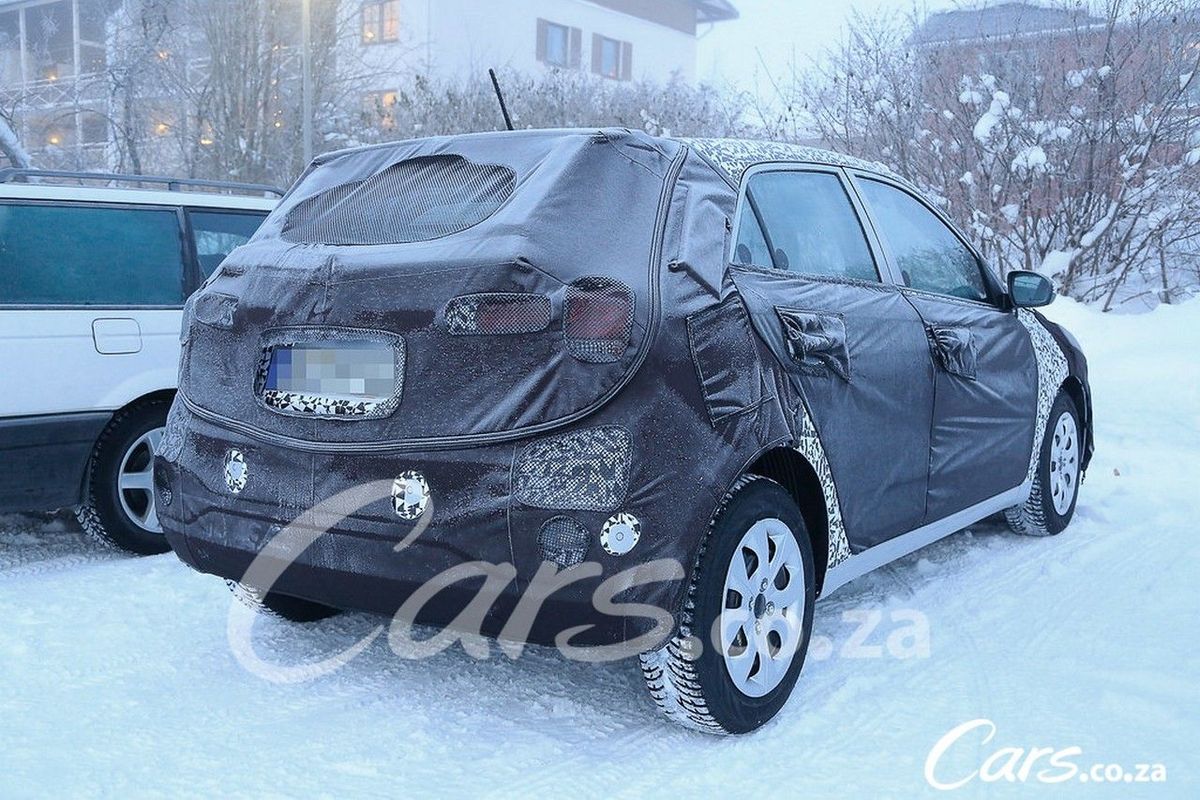
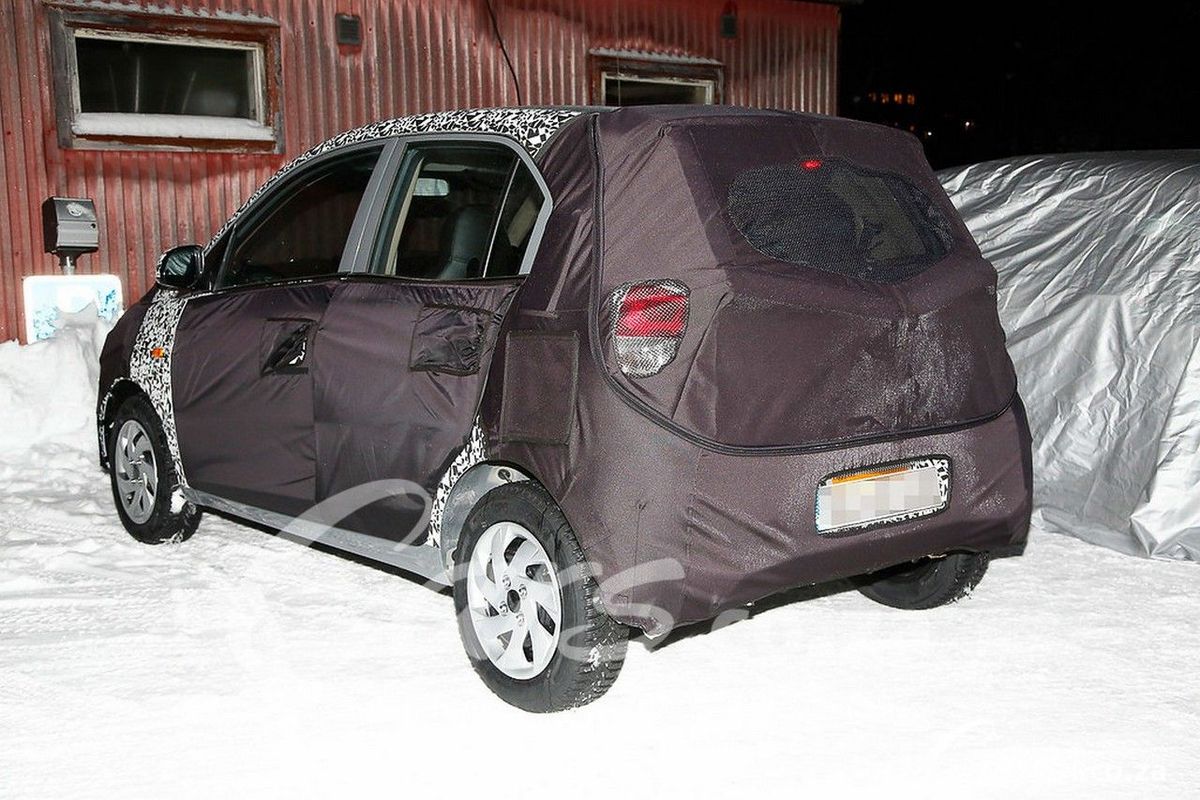
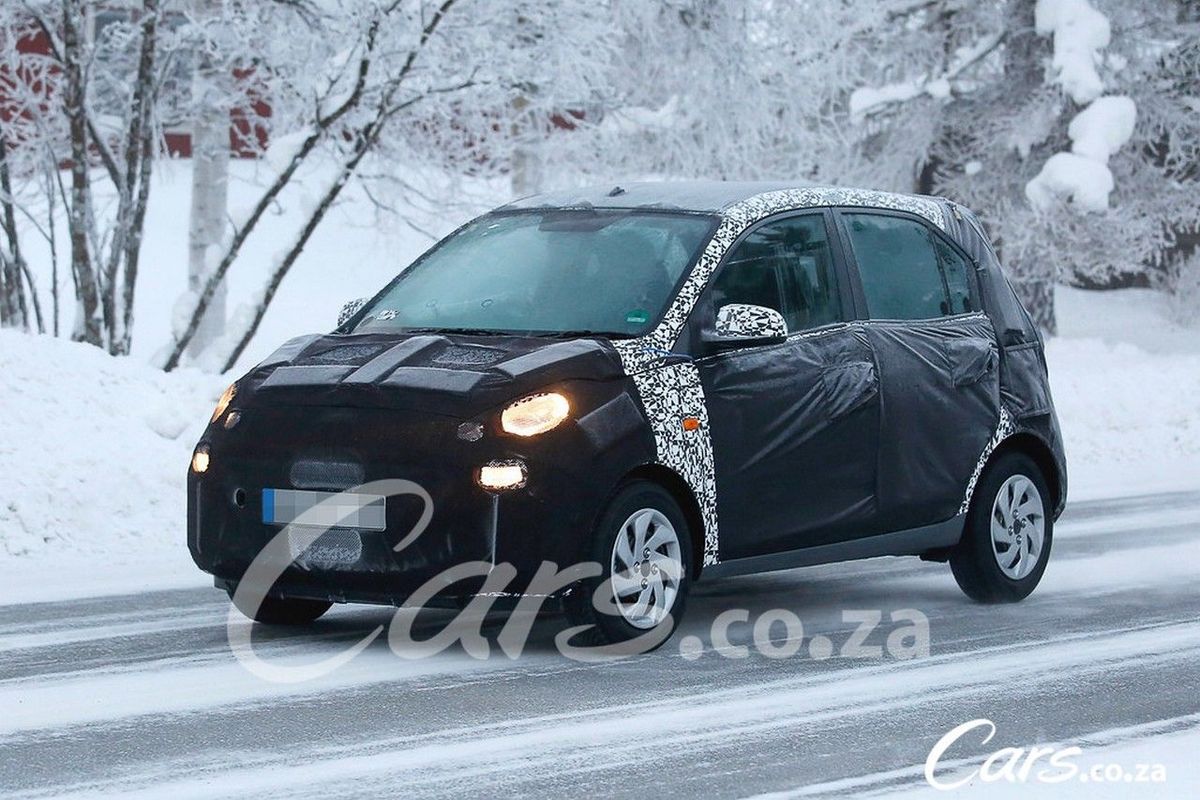
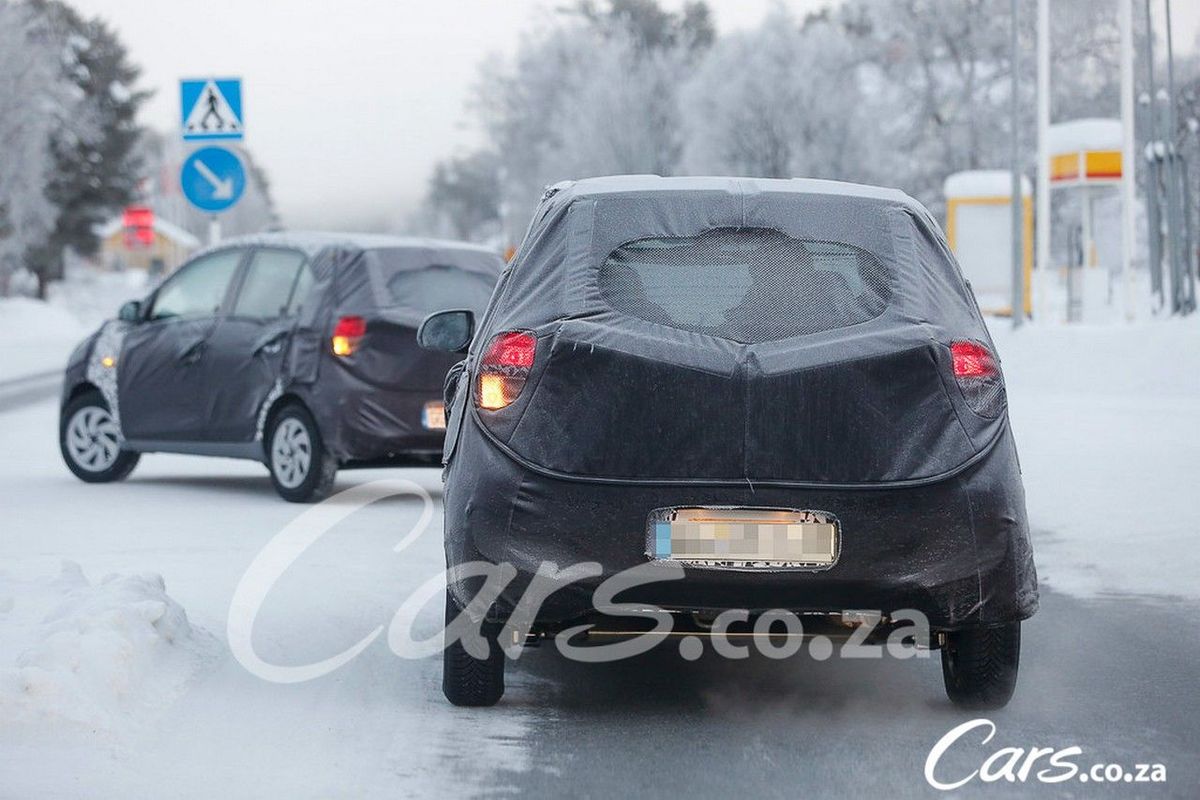
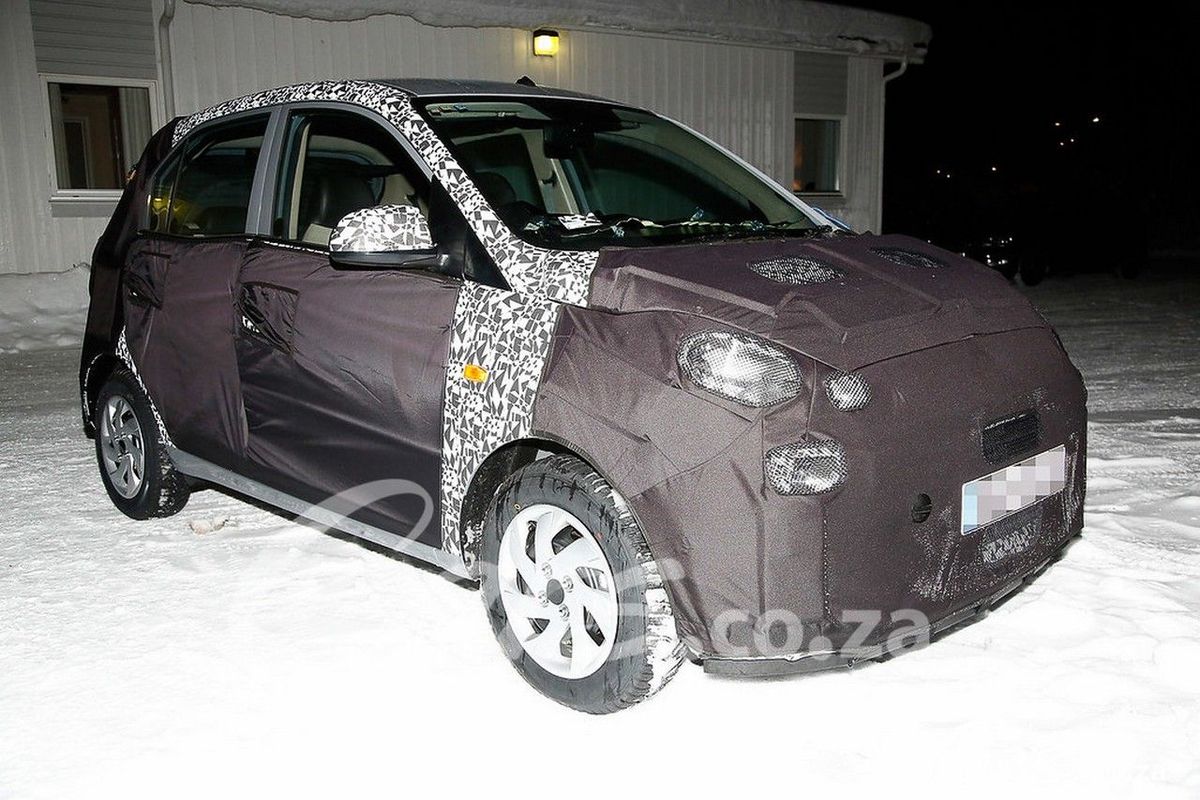
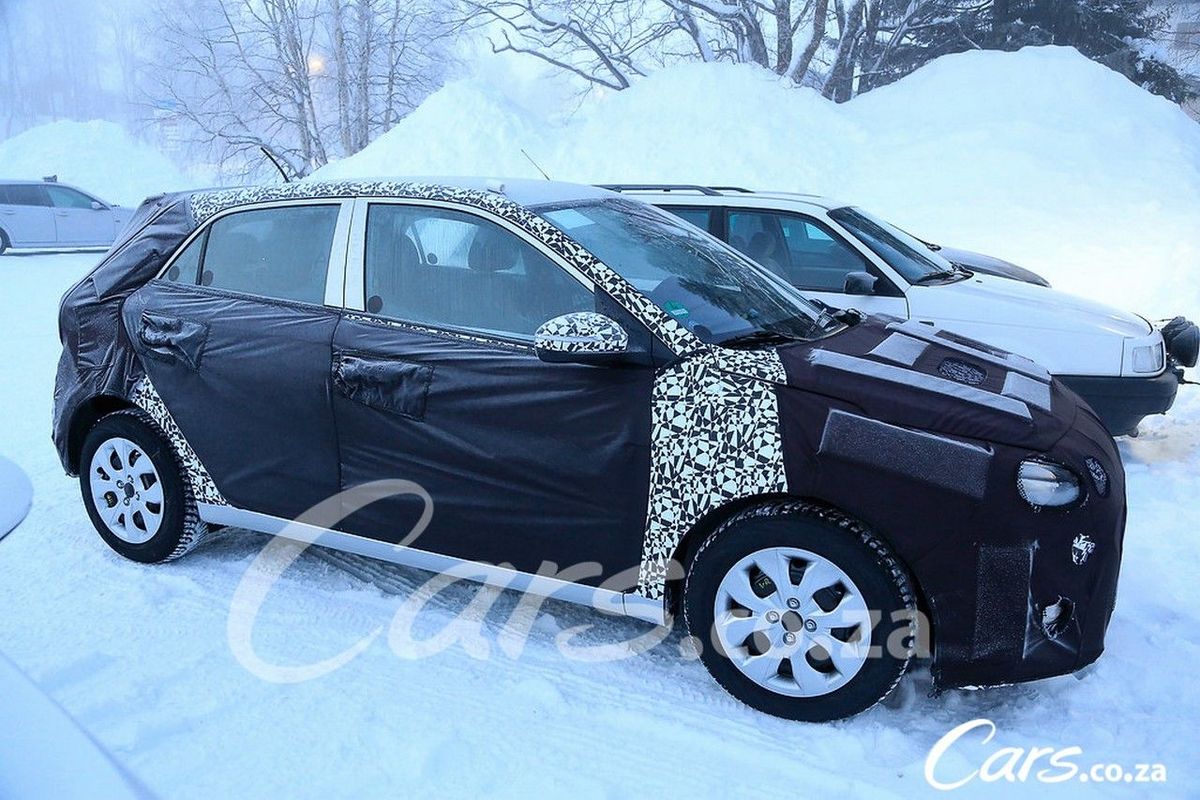
Spy Shots: Hyundai Atos, i10 and facelifted i20

Hyundai will be replacing a few of its small compact cars this year and as these spy shots reveal, we're looking at a new Atos, i10 and facelifted i20.

Picture credit: S. Baldauf/SB-Medien

A brace of compact Hyundai cars were spotted testing in the frozen winter of Europe. It looks like the next-generation Hyundai i10, a facelifted i20 as well as what appears to be the Hyundai Atos Prime. The Atos was a popular model in our market due to its affordability and ease of use. The i10 and i20 also found favour in our market and tallied up commendable figures. The 3rd generation Hyundai is estimated to come to market as a 2020 model year product, with the i20 facelift will likely come to SA in 2018 and features a redesigned front and rear. 

The South African market will see Hyundai launch the Grand i10 in February 2018 with the Hyundai i20 Facelift landing in the second quarter. Globally the updated Hyundai i20 will be revealed at the 2018 Auto Expo in India in early February.

Further reading:

Is this the new Hyundai H1?

Cars Coming to SA in 2018

12 Well-Specced Cars Under R250k in SA
Hyundai Kona SUV Teased

Hyundai i30 N (2018) International Launch Review

Hyundai Creta (2017) Video Review

Want to buy a Hyundai?

Click here to browse new and used stock

Subaru Forester 2.5 XS (2018) Quick Review

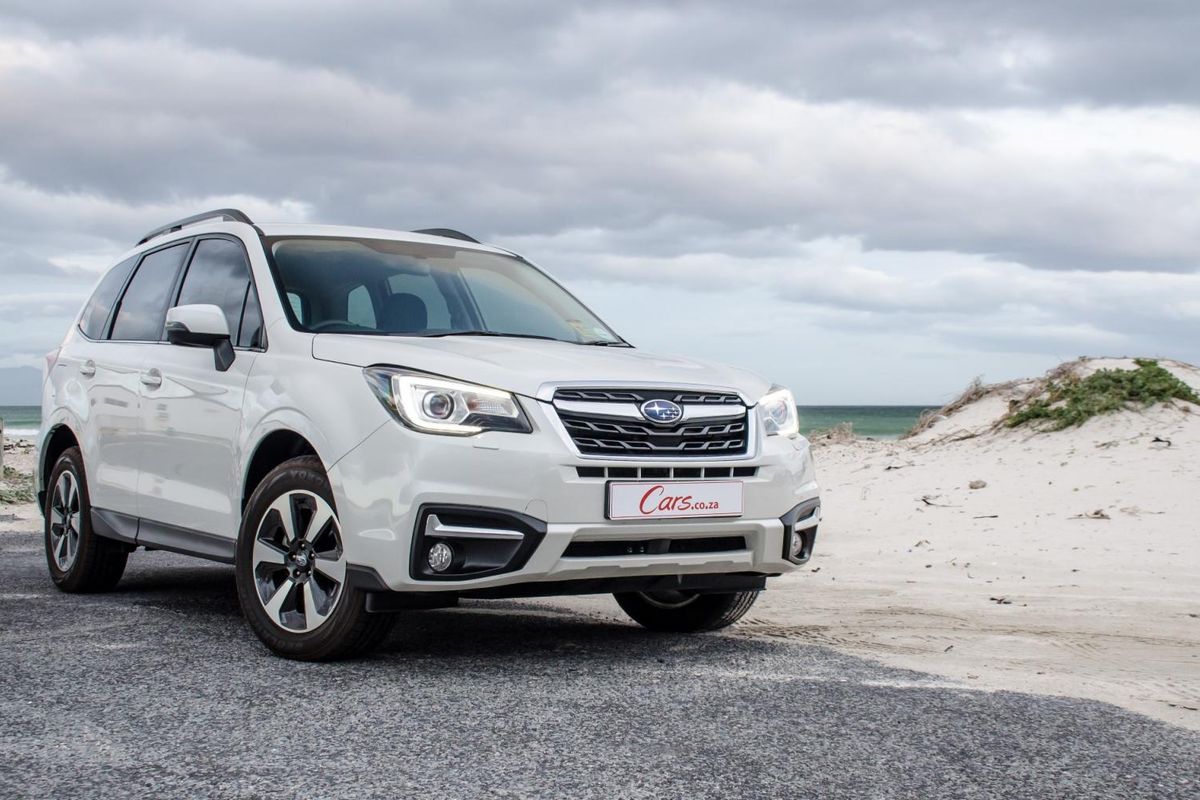
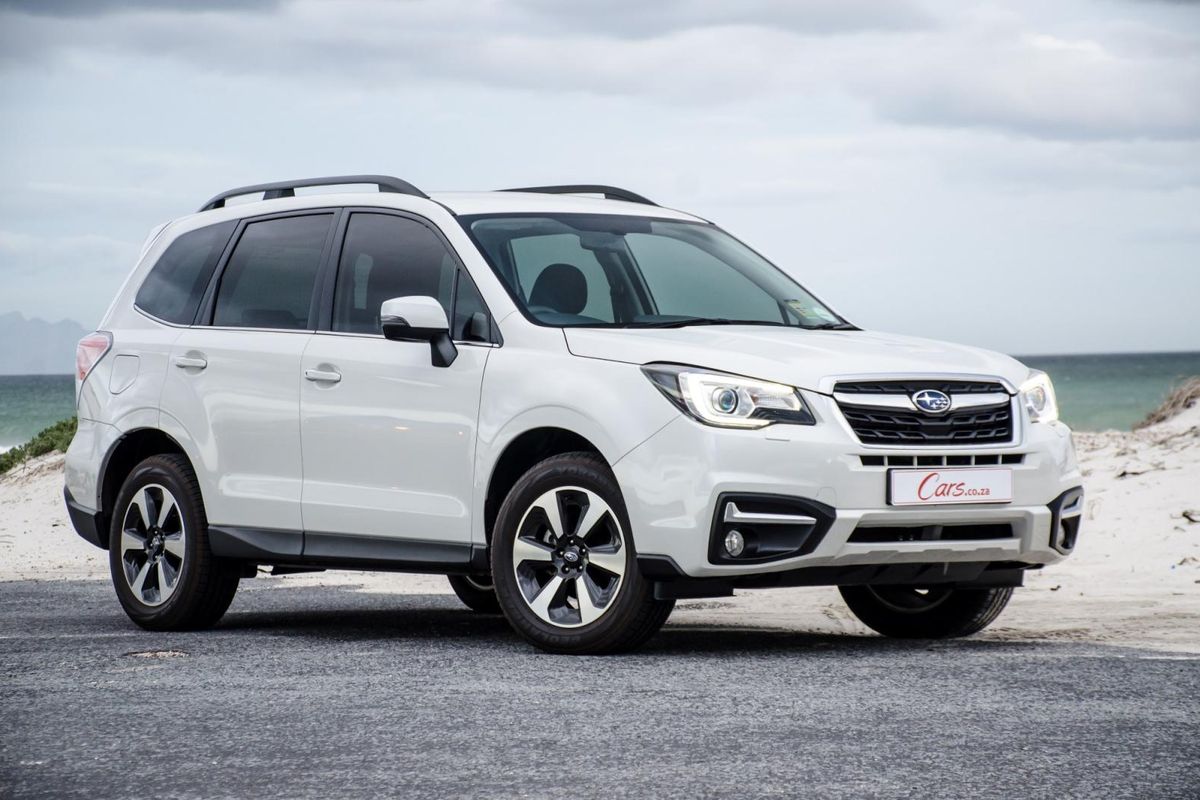
In a segment of the market where all-wheel-drive capability is mostly reserved for top-of-the-range models, the mid-spec Forester 2.5 XS represents a strong value proposition. Although the model is in the twilight of its product cycle and lacks a few nice-to-have features, its hewn-from-solid character and general practicality are hard to ignore.   

We like: admirable build quality, on-road comfort, easy-to-load spacious boot

We don’t like: sluggish powertrain, middling spec, ageing infotainment system

Alternatives:

  • Another AWD contender: Although the Toyota RAV4 2.5 AWD VX is also a long-serving product, it too offers all-wheel-drive ability in a part of the market where front-wheel drive derivatives dominate. Admittedly R40 000 more expensive than the Forester, it additionally offers, inter alia, leather trim, seat heating, a blind spot detection system and a power tailgate.
  • A newcomer laced with safety spec: Not only is the Mazda CX-5 2.5 Individual (R495 600) an attractively styled, well-made product, it comes generously equipped with features. For approximately R20 000 more than the 2.5 XS, what it lacks in terms of all-wheel-drive ability is countered by a standard sunroof, Bose 10-speaker audio system, lane departure and keeping system, city braking function, blind spot monitor, driver alert detection, head-up display and navigation.
  • The Korean twins: As is customary, the Kia Sportage 2.0 EX Plus and Hyundai Tucson 2.0 Elite offer excellent value at R469 995 and R469 900 apiece. Both two-wheel-drive contenders offer leather seats (electrically adjustable at the front), keyless start and folding side mirrors, but the Kia has automatically activated lights and wipers, auto-dipping mirror and navigation, while the Hyundai features a panoramic sunroof and blind spot detection. A 5-year unlimited warranty is standard on the former; 7-year mechanical cover on the latter.

Compare the Forester with its Toyota RAV4 and Mazda CX-5 rival

Compare the Forester with its Kia Sportage and Hyundai Tucson rivals


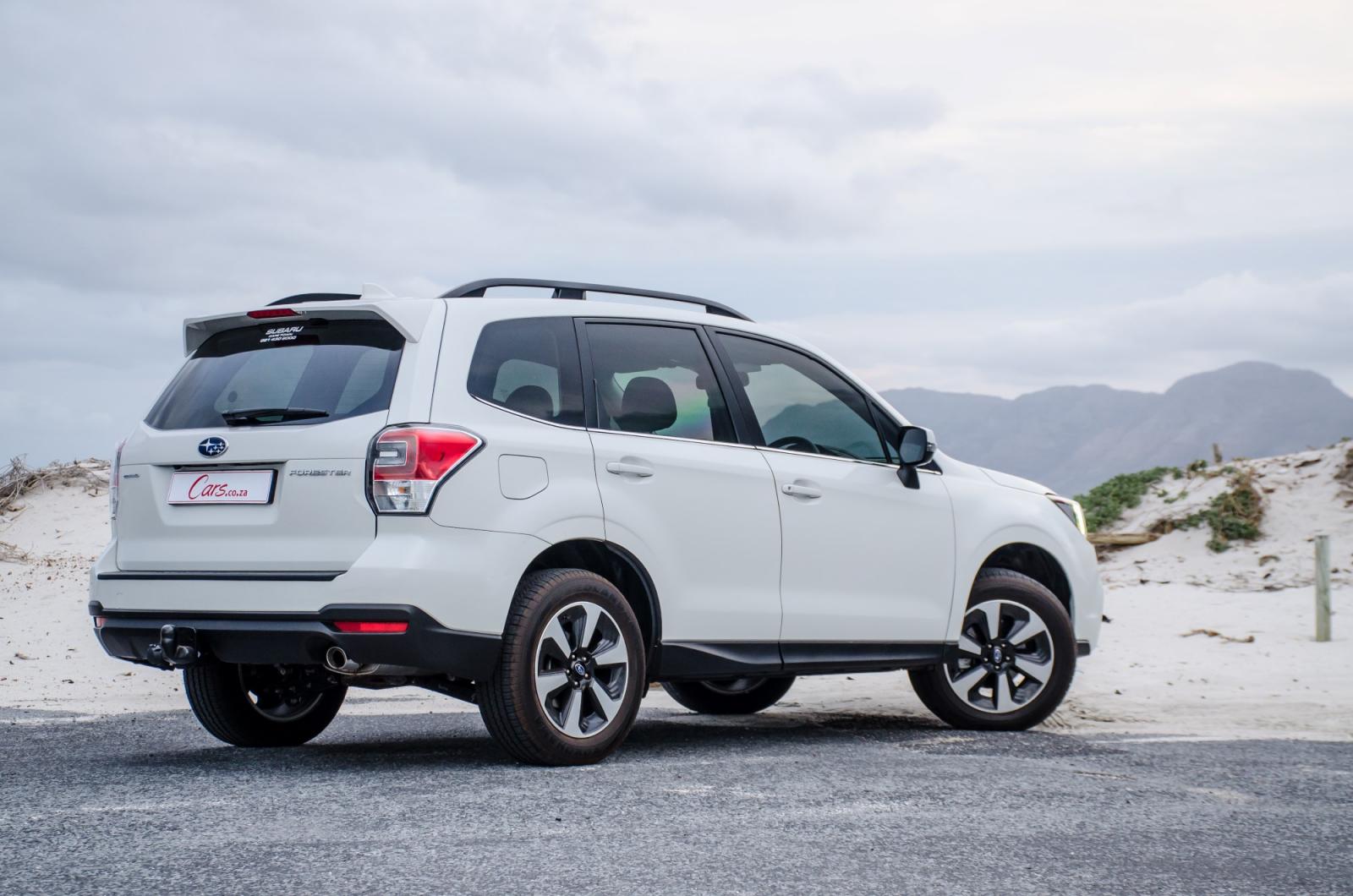
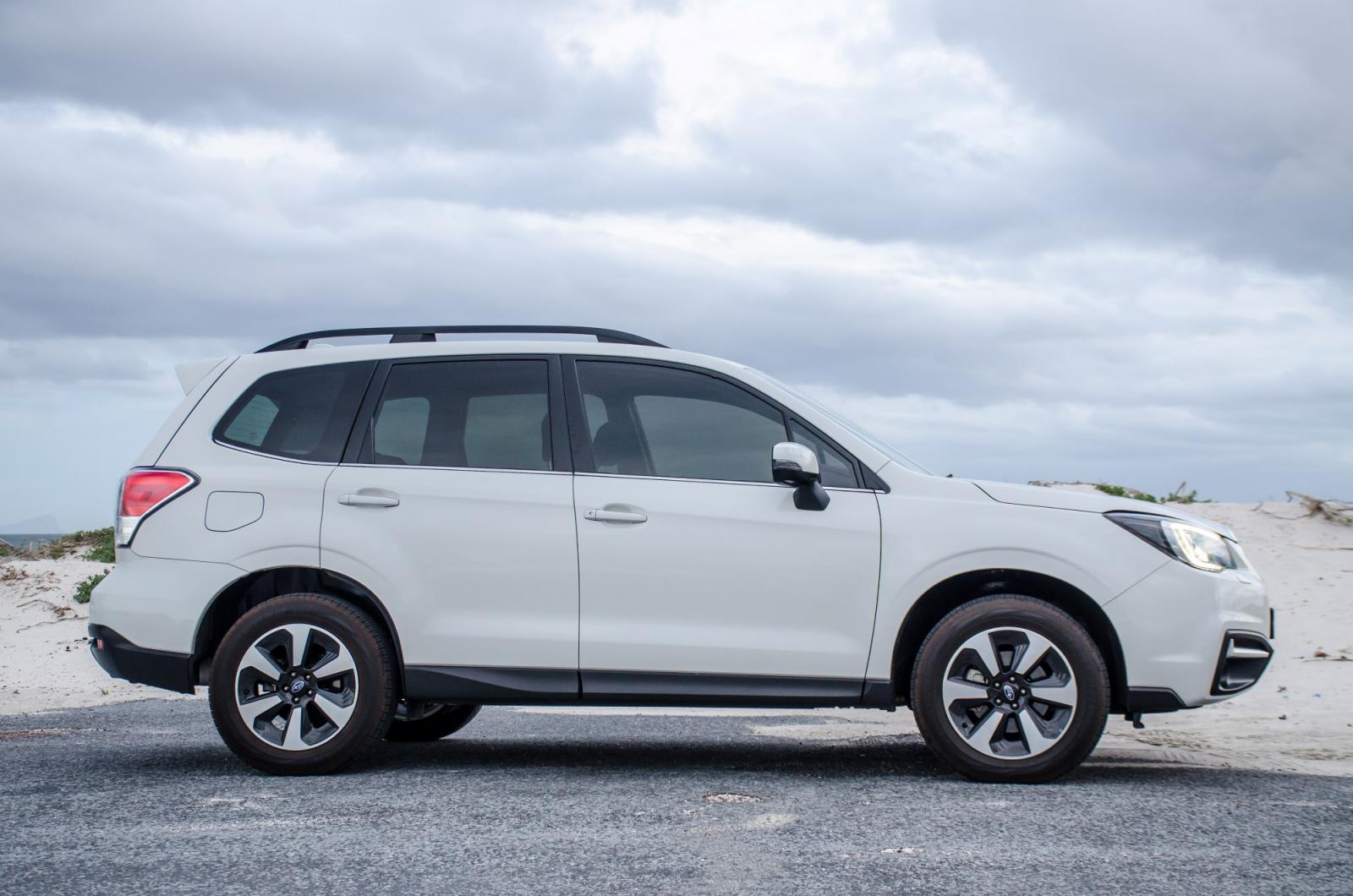
With plump 17-inch tyres and 220 mm of ground clearance, the Forester's more of an off-roader than most of its rivals.

The middle child

Whereas we conducted an extended test and compiled a video review of the Forester 2.0 XT last year, the flagship now costs in excess of R600 000 (January 2018). Therefore, we thought it appropriate to take a closer look at one of the best-selling derivatives in the range – the 2.5 XS, which costs approximately R120k less. As is the case since the facelift in 2016, the 2.5 XS features a revised bumper and headlight treatment, steering-responsive headlamps, an upgraded touchscreen audio system, improved cabin insulation (to lower NVH levels) and upgraded cabin surfaces for a more premium feel.

The Good:

It exudes solidity & quality

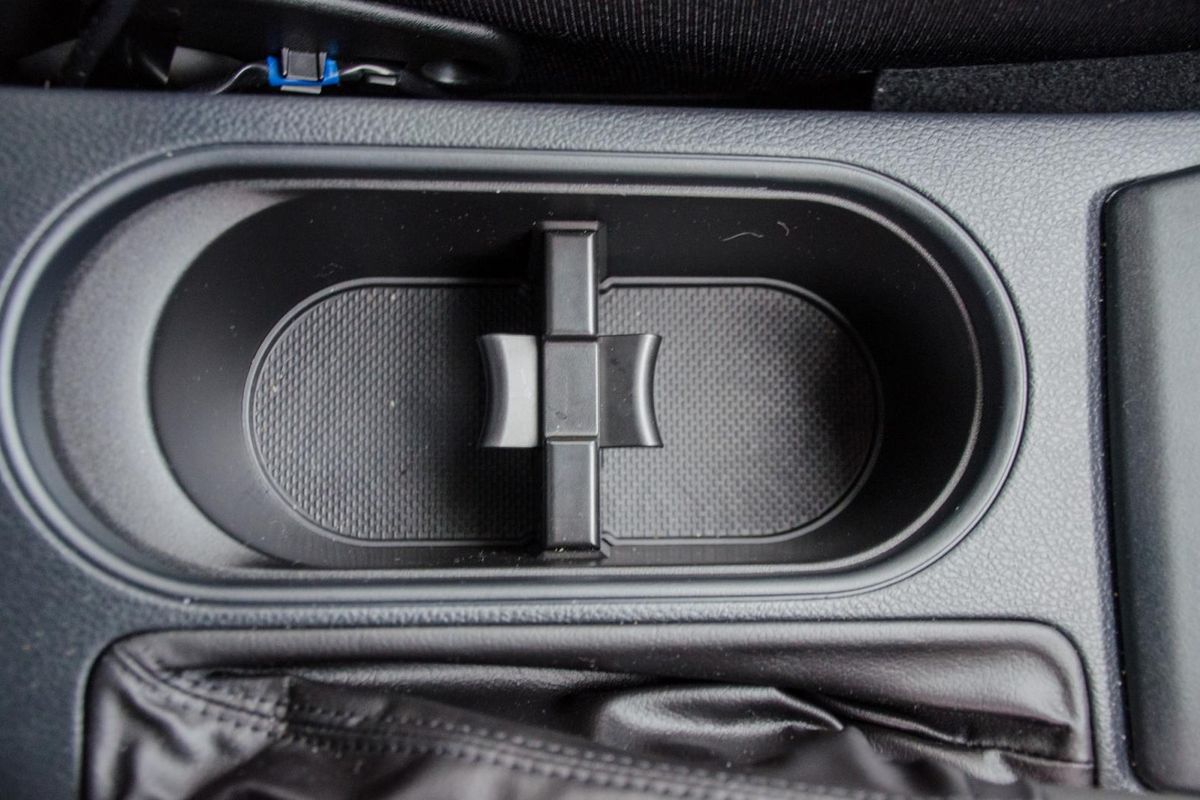
Whether it can be attributed to the reassuring thrum of its boxer motor, the loping gait of its absorbent suspension setup or just the moreish thunk with which the Forester’s doors and tailgate close (or a combination of those attributes), the 2.5 XS is the embodiment of quality manufacturing. The cabin is well insulated from the wind at higher speeds and as for general fit and finish, the trim panels join together precisely and the finishes look smart, if more workmanlike than glamorous. The driver’s seat is 8-way electrically adjustable, which makes it easy to find a comfortable position behind the wheel, while dual-zone climate control and keyless entry (and start) functions add modicums of luxury. Although the Forester’s not the newest vehicle in the market it doesn’t compare badly with its rivals in terms of space: rear passenger leg- and headroom are quite fair. And, as for the luggage bay…   


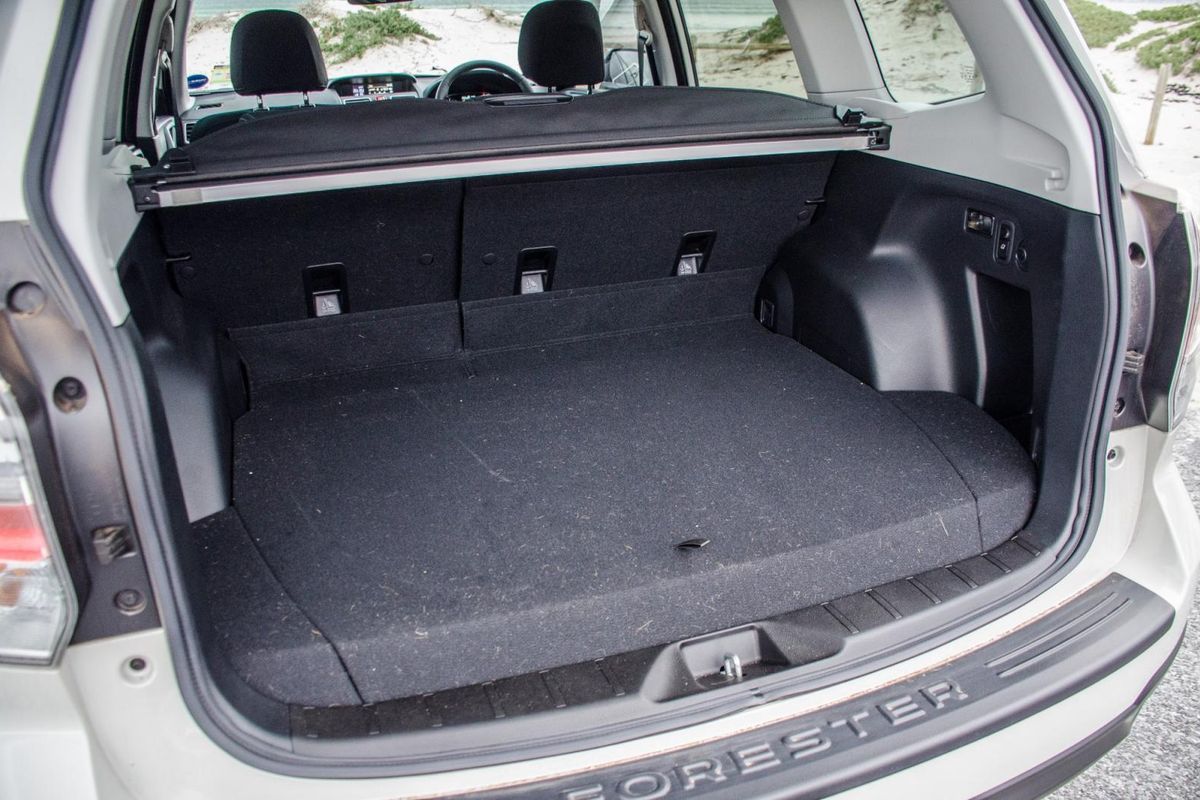
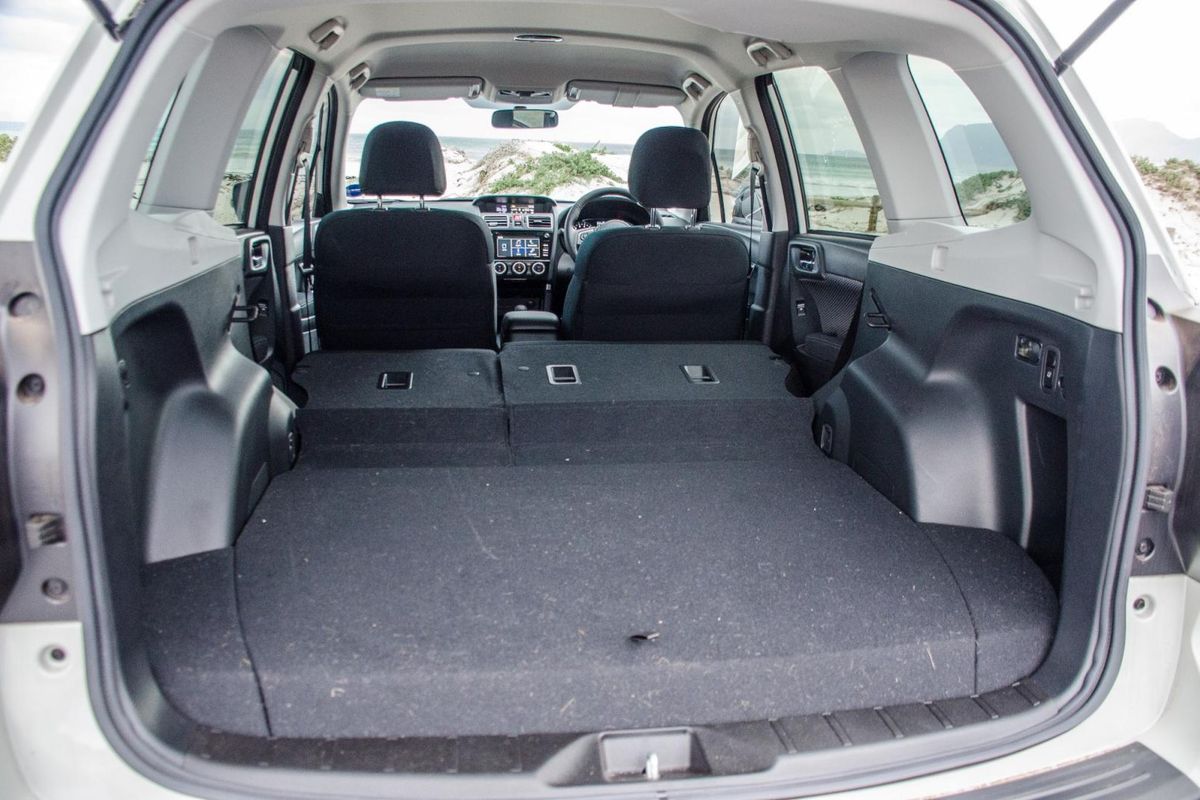
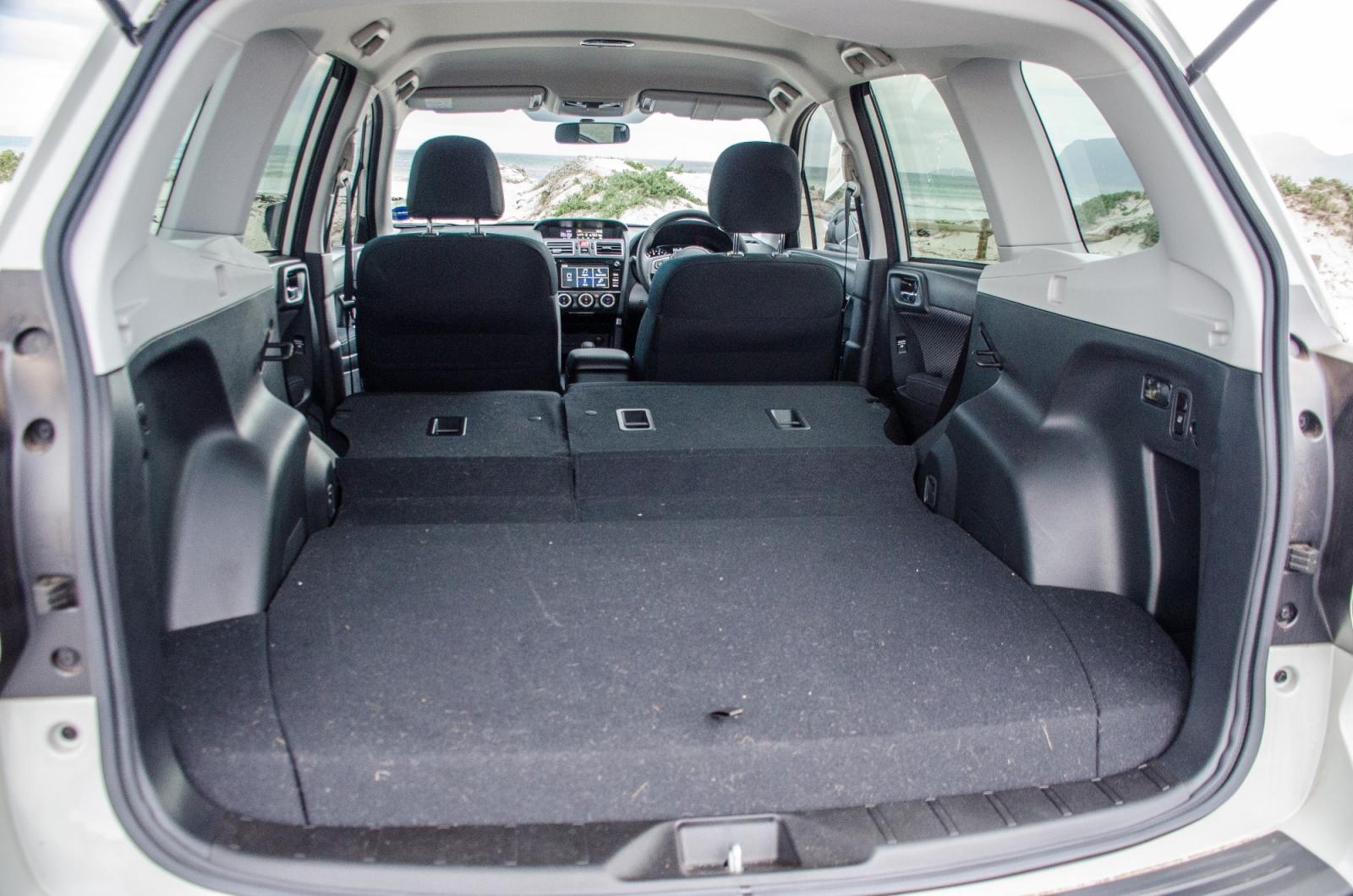
The rear seatbacks fold forward at the pull of a pair of levers to reveal a flat loading surface and acres of utility space.

Practicality's excellent  

The Forester must be one of the best go-to options for prospective lifestyle-oriented family car/compact SUV buyers. With the rear seats up, the 2.5 XS’s loading capacity is 488 litres and, when they're lowered, utility space expands to 1 557 litres, but there’s more to it than that… The Subaru’s aft 60/40 split seatback can be dropped via levers in the luggage bay or by pushing buttons on the rear seats, the last feature of which is very nifty.  

Apart from practical adornments in the forms of cargo hooks and tie-down anchors, the shape of the Subaru’s load bay is almost perfectly rectangular, which means that once something gets through the aperture, it should fit no matter how far forward you have to move it. Surfboards fit length-wise, for example, and, if you must, a pair of 29-inch mountain bikes can be fitted without the need to take either of their front wheels off.


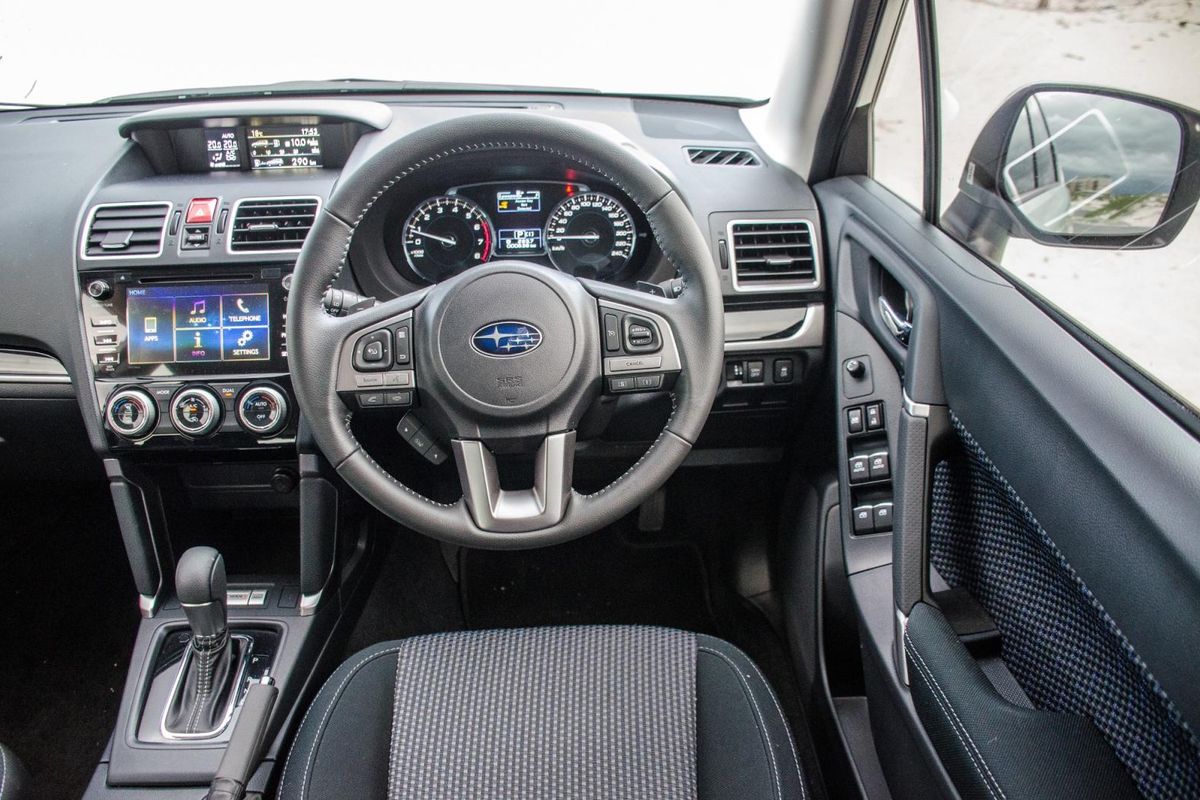
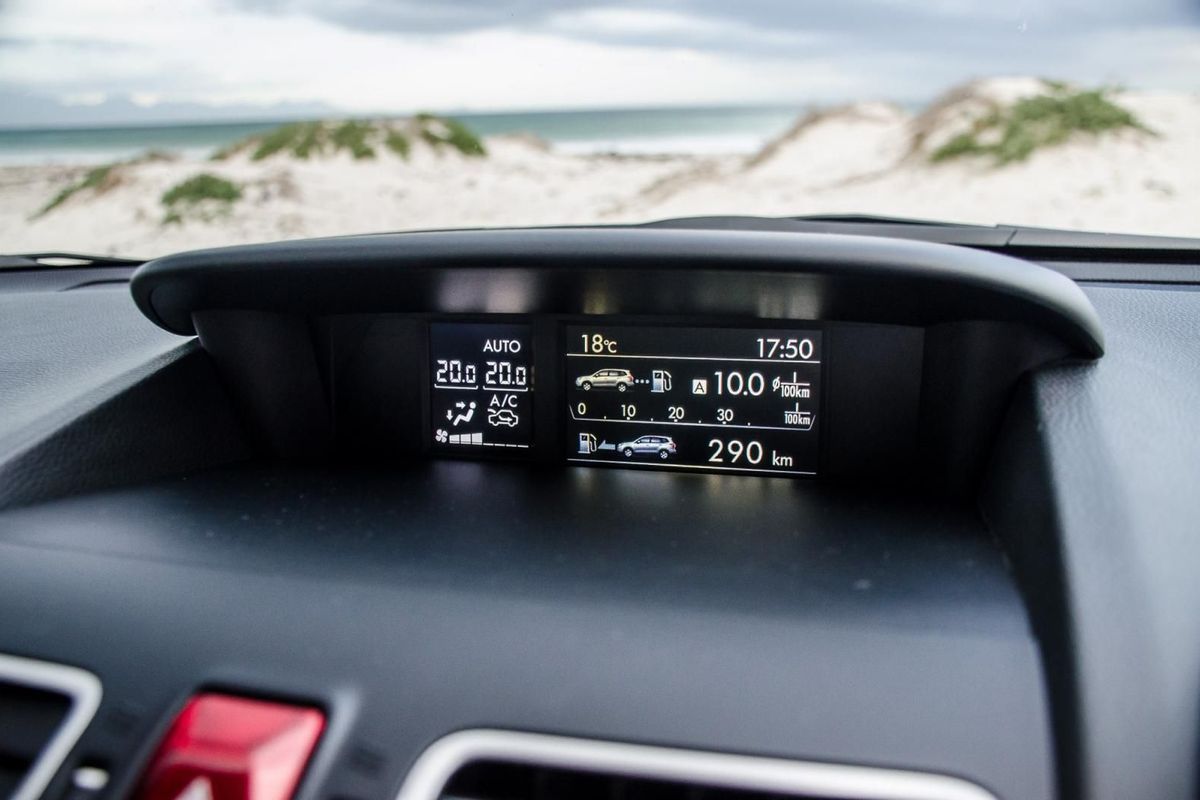
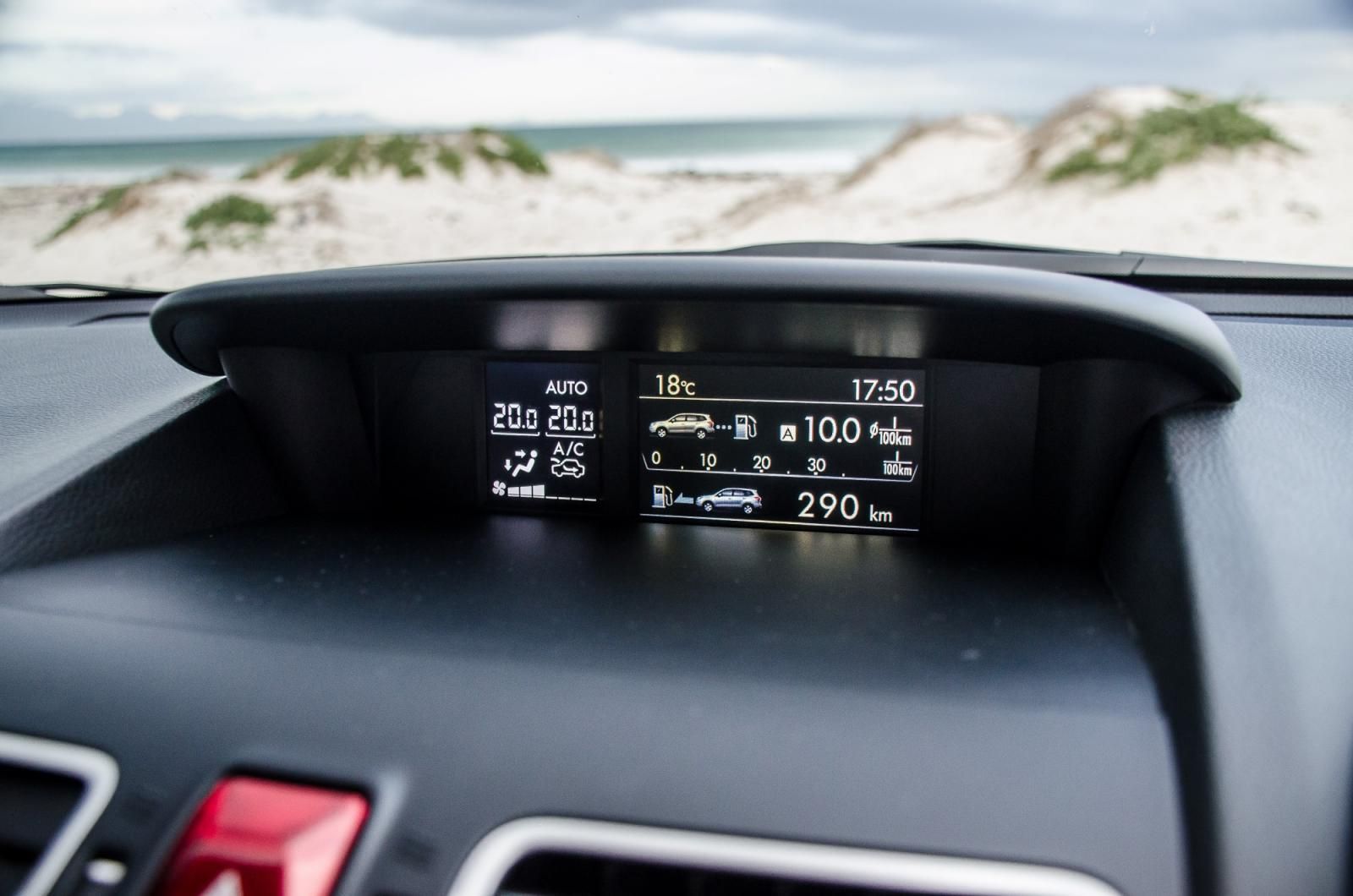
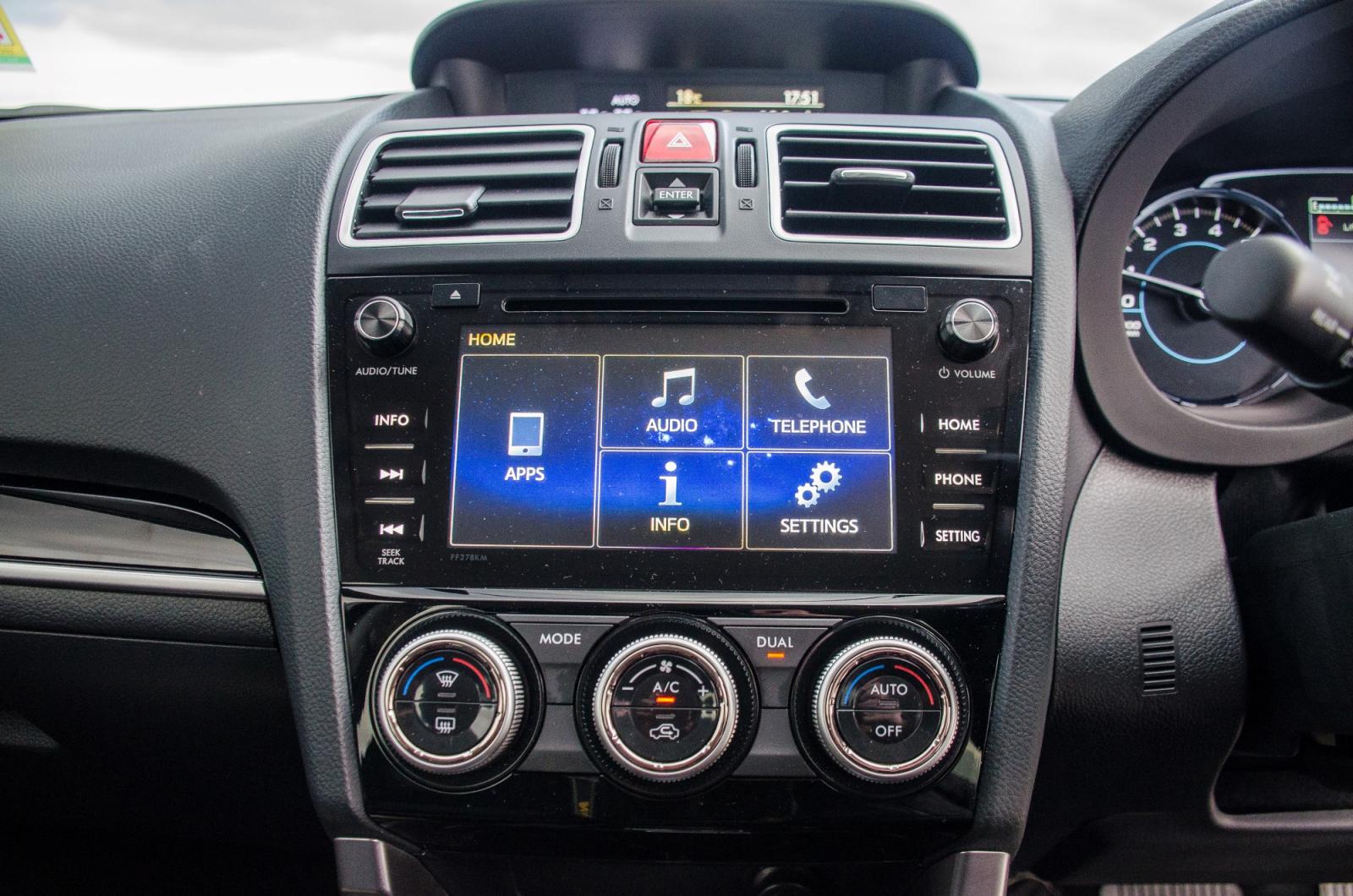
The small LCD information panel on top of the dashboard feels a bit passe in the touchscreen infotainment era…

Genuine off-roading ability

Although there are other (mostly more expensive) family cars with all-wheel-drivetrains, the measure of off-road ability availed by those products is relative to road-biased tyres (often with low profiles), relatively low riding heights (best suited to general intra-urban motoring) and protrusions of vehicle overhangs… Suffice to say that the majority of such AWD models will cope with slippery road conditions (dirt and wet surfaces) without a problem.  

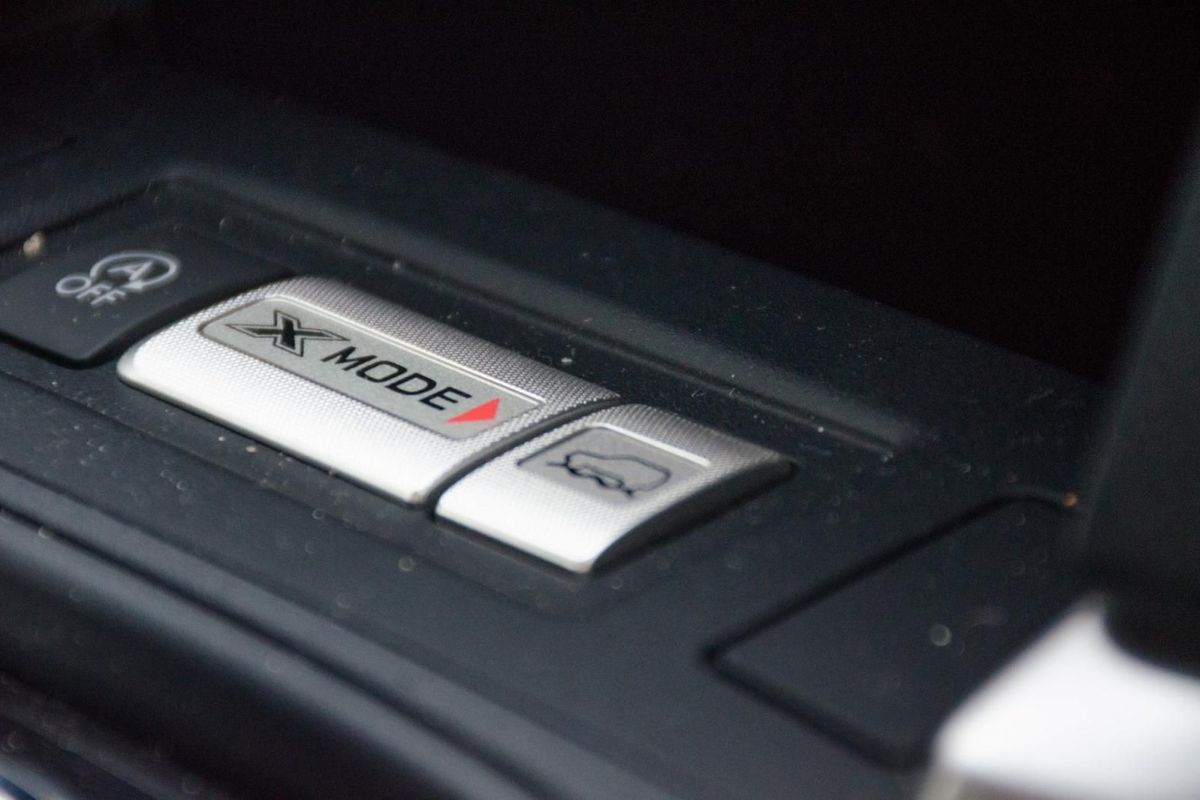
However, when there is uncertainty about how challenging an off-road excursion might become, the Forester engenders a belief that no matter how rugged the terrain is, it will come out the other side unscathed. Obviously, without low-range, it has off-road limitations too, but courtesy of permanent all-wheel drive, 220 mm of ground clearance and the selectable X-Mode driving mode, the Forester can tackle an average 4×4 trail with ease.  


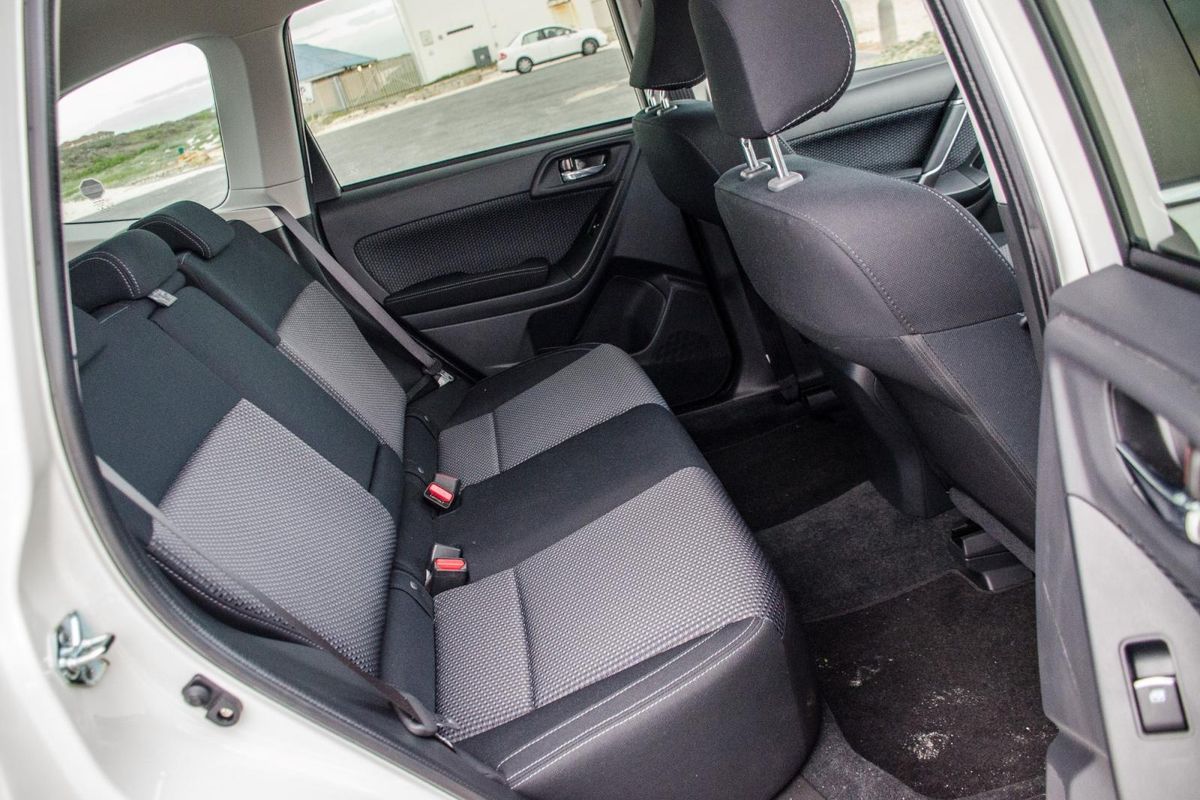
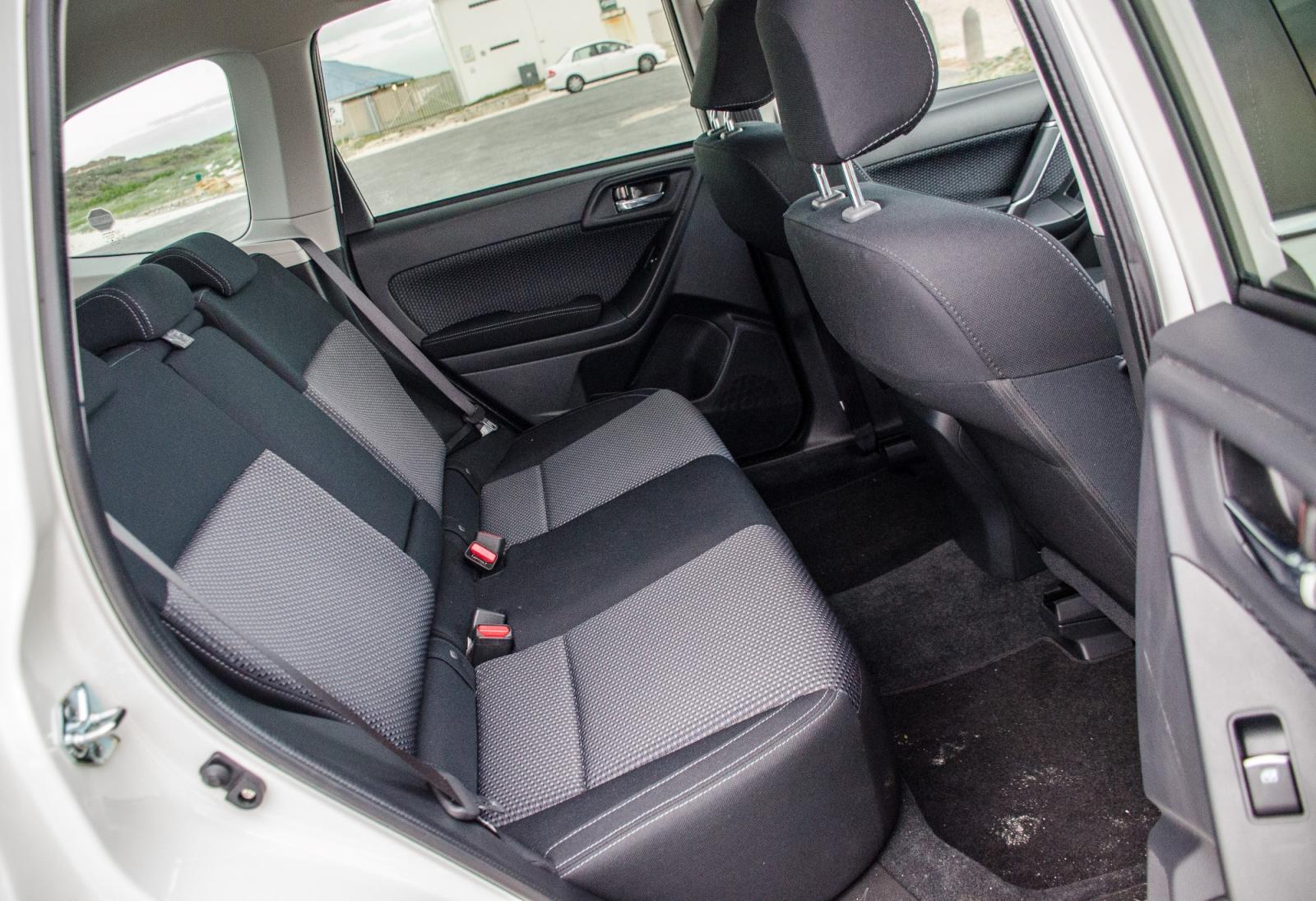
One area in which the Forester still feels fresh is at the rear, where legroom and headroom contribute to great passenger comfort.

The Not-so-good   

Ageing engine/transmission combination

The 2.5 XS’s 2.5-litre horizontally-opposed (flat or boxer) 4-cylinder petrol engine is well proven and, in this application, comes equipped with SI-drive technology, which allows the user to switch between Economy and Sport driving modes. Should they engage manual override (Sportshift) mode, the behaviour of the continuously variable transmission can be manipulated by inputs to the steering wheel-mounted shift paddles for a sportier feel.

However, as sonorous as the engine is, its outputs of 126 kW of 235 N.m (the latter of which occurs at a relatively high 4 100 rpm) are now middling. To put it another way, the 2.5 XS feels a mite sluggish in cut and thrust traffic compared to some of the smaller capacity turbocharged engines, which deliver their maximum shove at low revs. This languid torque delivery compels the CVT to frantically vary its ratios to keep the motor at its peak operating engine speed when a brisk turn of pace is required… and driving enjoyment ebbs as a result.   


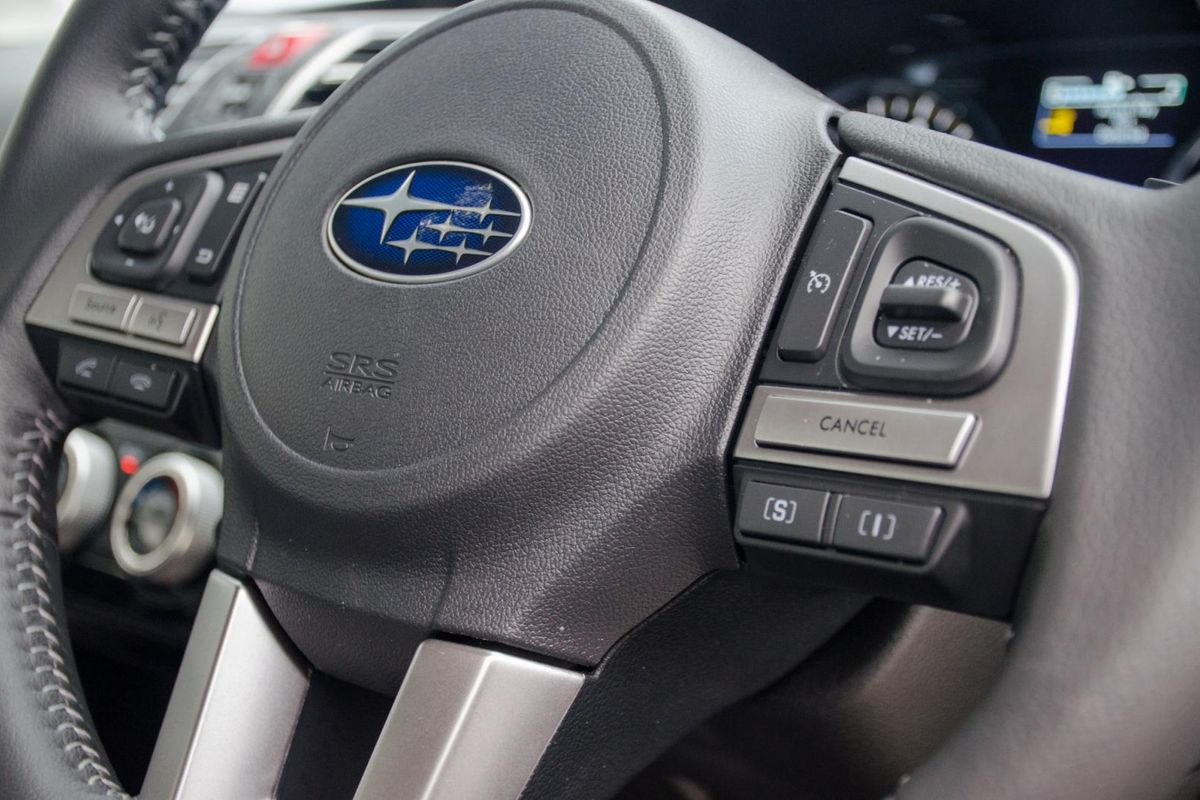
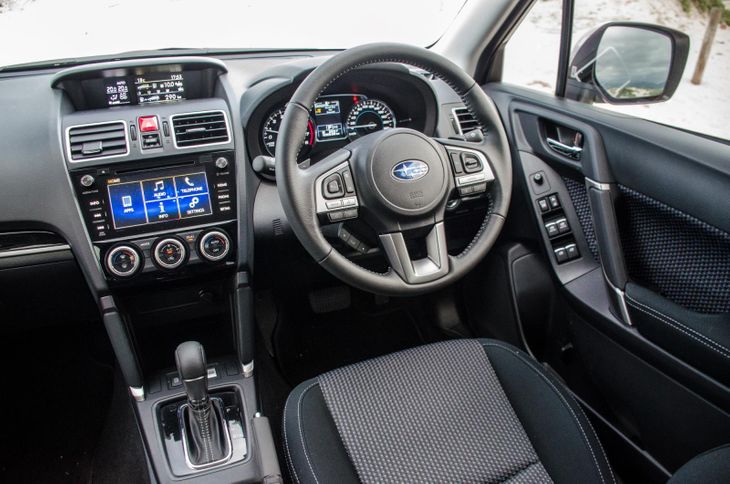
Shift paddles seem superfluous on an SUV that's more comfort- than performance oriented. Note the SI toggles on the multifunction steering wheel.

As ever, an erratic driving style will be punished by mediocre fuel consumption. Subaru claims an average of 8.1 L/100 km for this derivative and we saw an indicated figure of just over 10 L/100 km during the review period. Admittedly, the 2.5 XS spent more time ambling about inner Cape Town than its 2.0 XT sibling did during its extended test (9.6 L/100 km), but the former didn’t work as hard (in terms of being loaded up with passengers and cargo).    

Less-than-class-leading specification

If buyers are looking for a more-than-capable 4×4 family car first and foremost (and would, presumably, care little for panoramic sunroofs, self-dipping rearview mirrors, folding side mirrors, leather trim and other nice-to-have “fripperies”), the 2.5 XS offers much in the way of features that “no-nonsense outdoor adventurists” may require. By general family car standards, however, a look at the alternatives list atop this review reveals that rear parking sensors, blind-spot detection, auto lights and wipers are missing from the Subaru’s fitted-as-standard list. In fact, the Mazda CX-5 2.5 Individual’s vast array of driver assistance systems makes the Forester’s LED headlamps (with cornering function) seem a bit piecemeal.


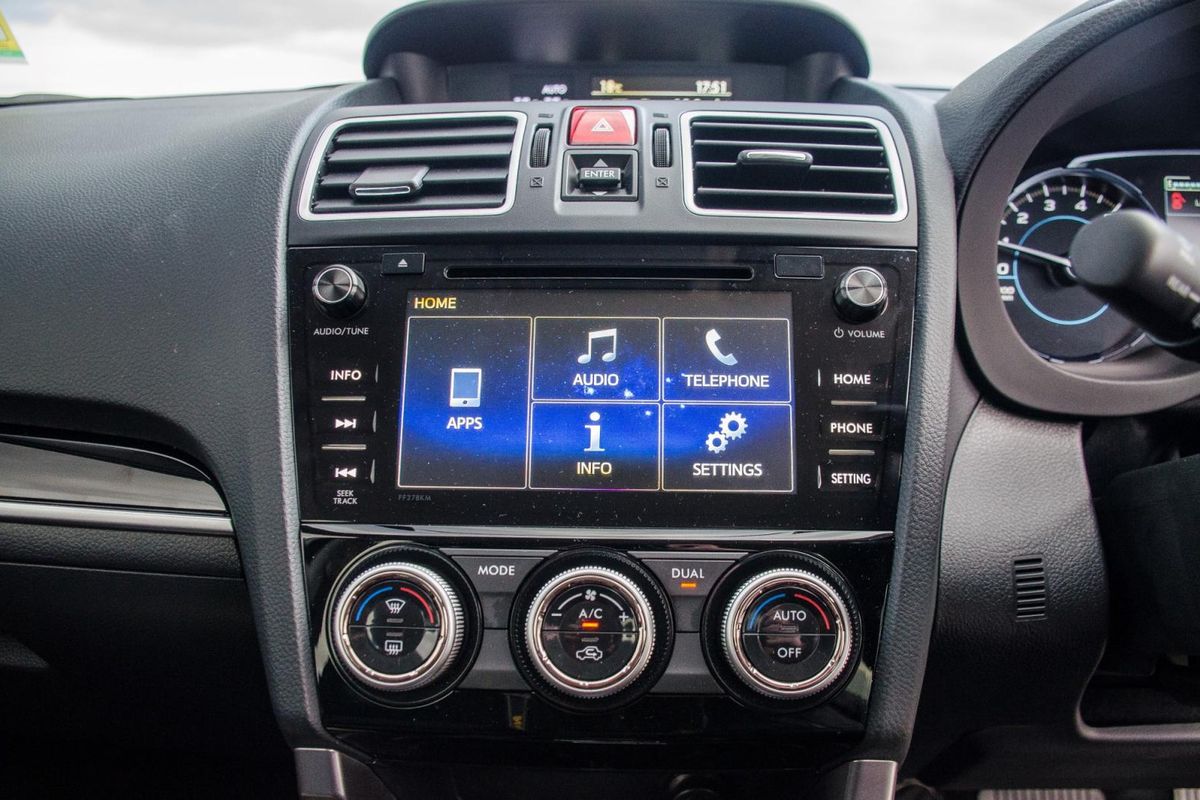
Although the touchscreen looks smart enough, its functionality is somewhat limited… that's often the case with older models.

The infotainment system betrays the model’s age as well, unfortunately… it has a chunky, colourful touchscreen interface, supports Bluetooth connectivity/audio streaming and is augmented by auxiliary and USB ports, but other than that it’s a pretty bare-bones system with no navigation function. Fortunately for brand loyalists, the Apple Carplay and Android Auto compatible infotainment system in the latest XV and new Impreza models, let alone the camera-assisted Subaru Eyesight driving assist system, bode well for future Foresters.   

Pricing and warranty

The Subaru Forester 2.5 XS is priced from R497 000 and is sold with a 3-year/75 000 km maintenance plan and 5-year/150 000 km warranty. Service intervals are 15 000 km apart.


The middle-of-the range 2.5 XS might not be the last word in luxury, but it incorporates the finest Forester attributes.

Verdict

As much as we were impressed with the 2.0 XT version of the Forester, the 2.5 XS represents a not insignificant saving of around R120 000 over the flagship model. As this review has made abundantly clear, in early 2018 Subaru lags behind most high-end family car contenders in terms of onboard technology and creature comforts (perhaps it always has…), but the Japanese marque holds the edge insofar as off-road systems and outright 4×4 ability is concerned – even if a low-range transfer case is now but a distant memory. If the performance deficit and the relatively sparser equipment list compared to the 2.0 XT can be forgiven (we strongly suggest it could), the 2.5 XS (sluggish powertrain and all) is a strong prospect.   

Why? Well, it's not surprising that this derivative is the most popular Forester in terms of sheer sales numbers… It feels solid from the moment you get in and ensconce yourself behind the steering wheel and the sensation just builds from there. When driven in a measured driving style, the Forester will dispatch long-haul journeys (while loaded to the hilt with passengers and their paraphernalia) without breaking a sweat and traverse even the roughest of dirt roads all day long. Then, if mild off-road ability would be required, the Subaru holds the ace over any rival priced near it. 

There are drawbacks to the Forester's packaging, most of which are related to the advanced age of the product. If the modern conveniences of newer crossover-flavoured family cars are important to you, there are better-specified options in the front-wheel-drive brigade, no doubt about that. However, according to the Cars.co.za Consumer Satisfaction Survey (in conjunction with Lightstone Auto) Subaru owners are very happy with the after-sales service provided by the brand, not least the driving pleasure offered by its cars. Now that the manufacturer warranty of 5-years/150 000 km has been extended to all Subaru products, it seems unlikely the Forester will ever need to be any greater than the sum of its parts.  

Watch our video review of the 2.0XT derivative:

Related content:

Extended Test: Subaru Forester 2.0 XT [With Video]

Comparative Review: Mazda CX-5 2.2DE AWD Akera vs Hyundai Tucson 2.0CRDi Elite [with Video]

Toyota RAV4 Updated in South Africa

Ford Kuga 2.0TDCi AWD Titanium (2017) Review

Hyundai Tucson Sport (2017) Quick Review

3 Reasons Why Volkswagen Tiguan is #CarsAwards Finalist

Interested in buying a Subaru Forester?

Find a new/used example on Cars.co.za

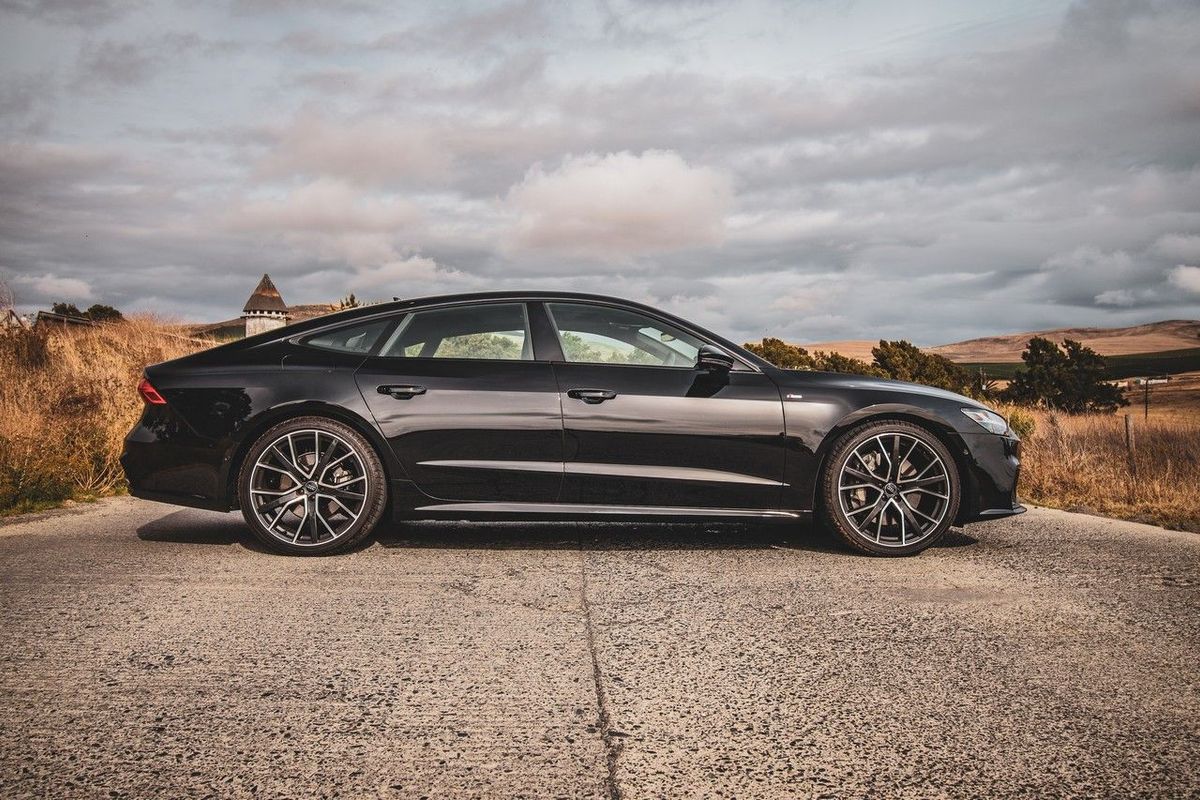
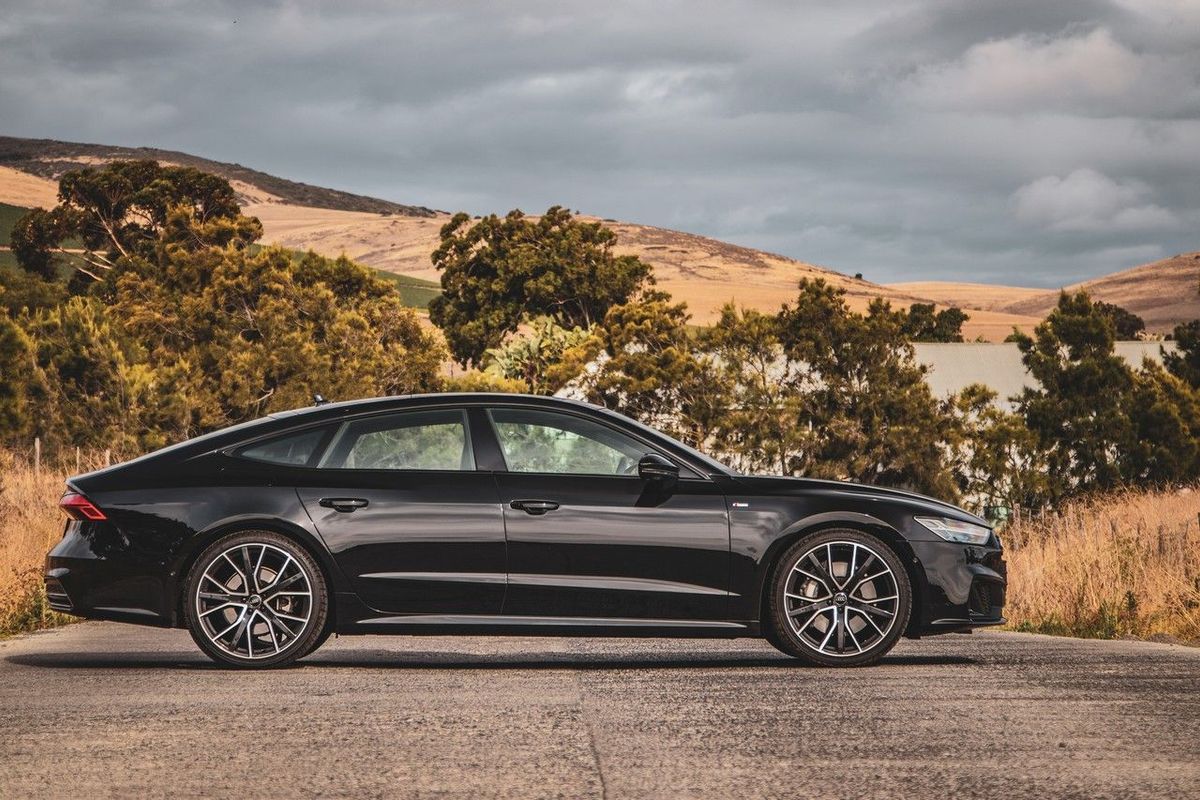
Sleek Audi A7 Sportback Headed for NAIAS


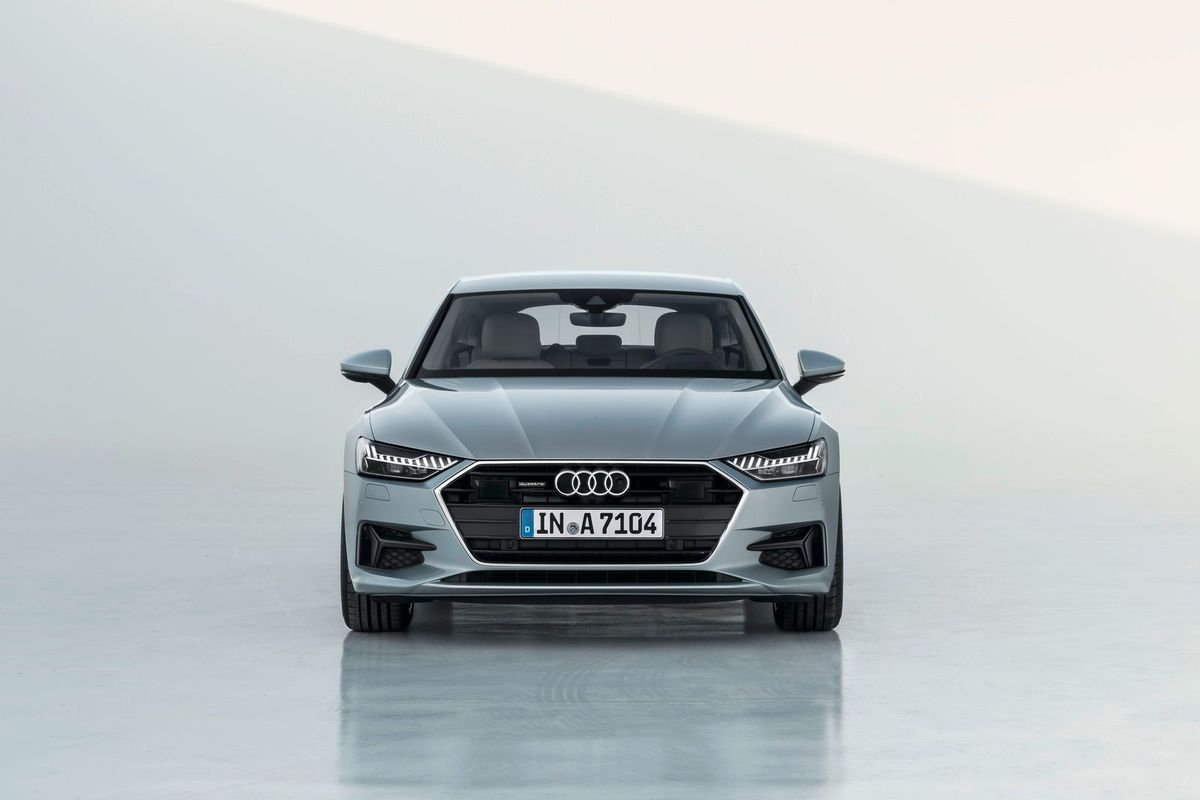
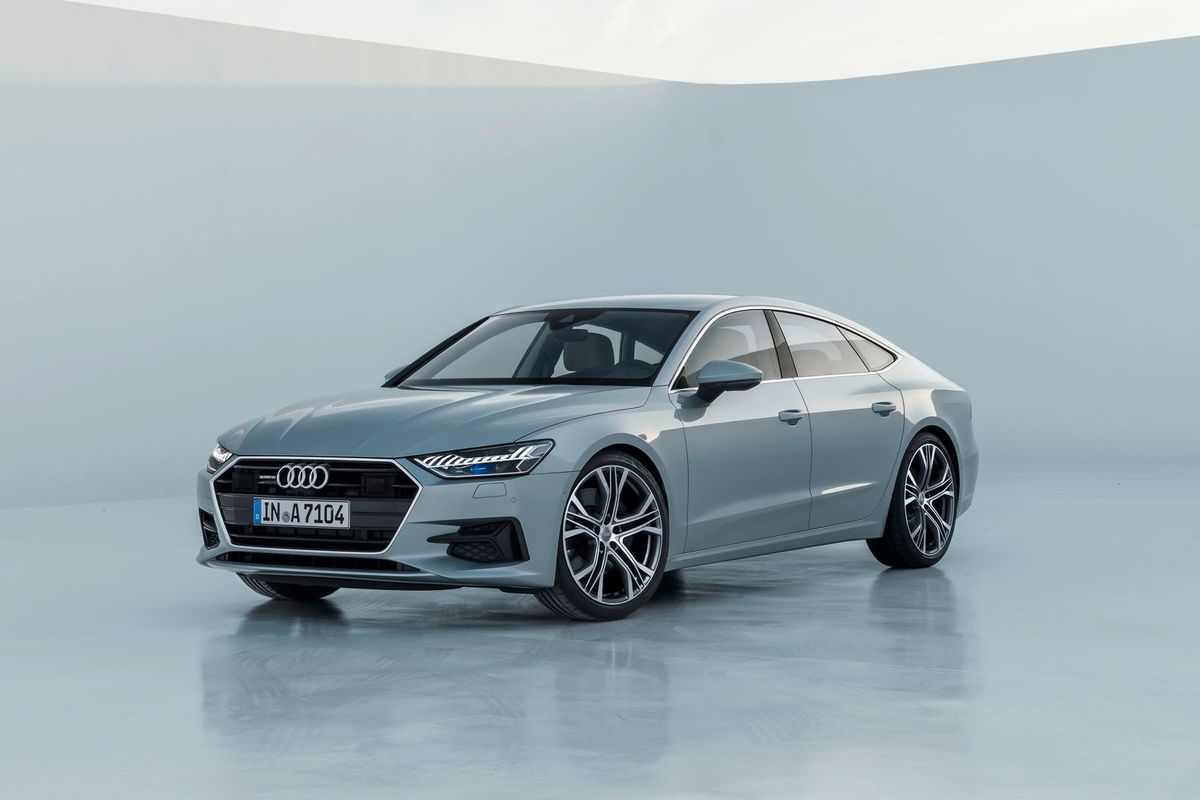
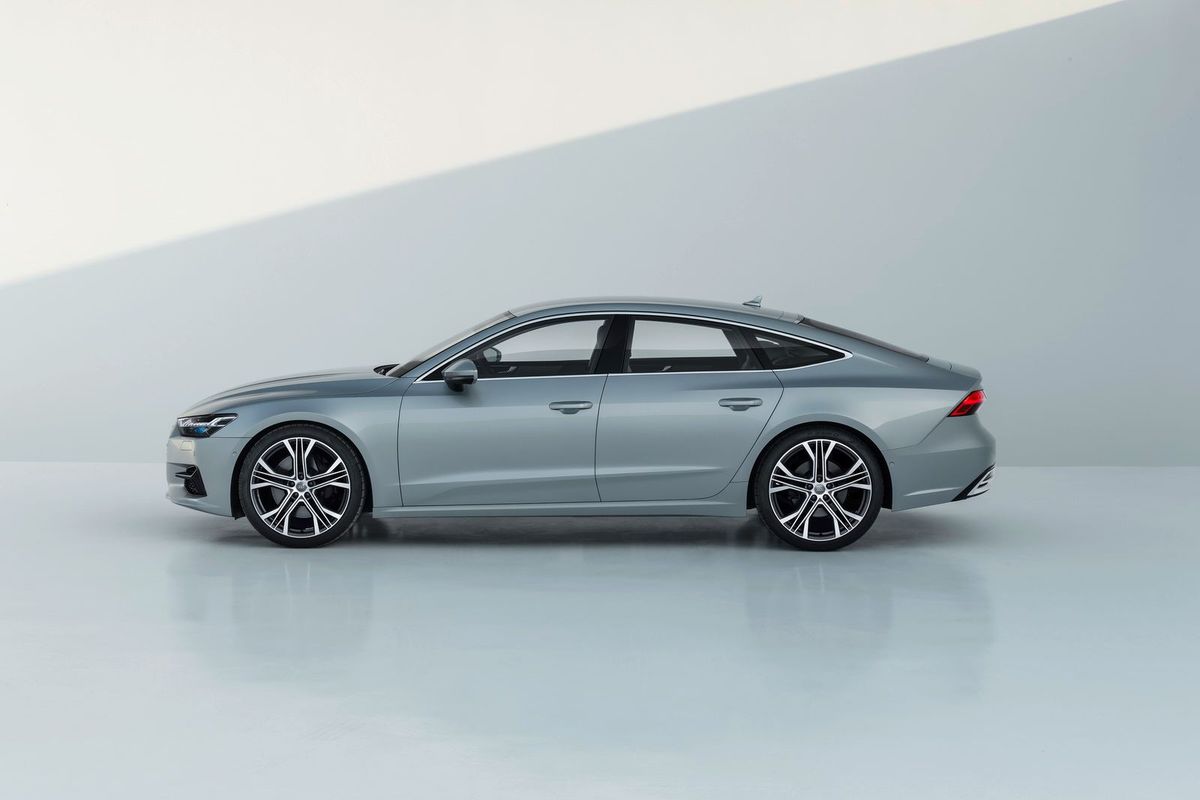
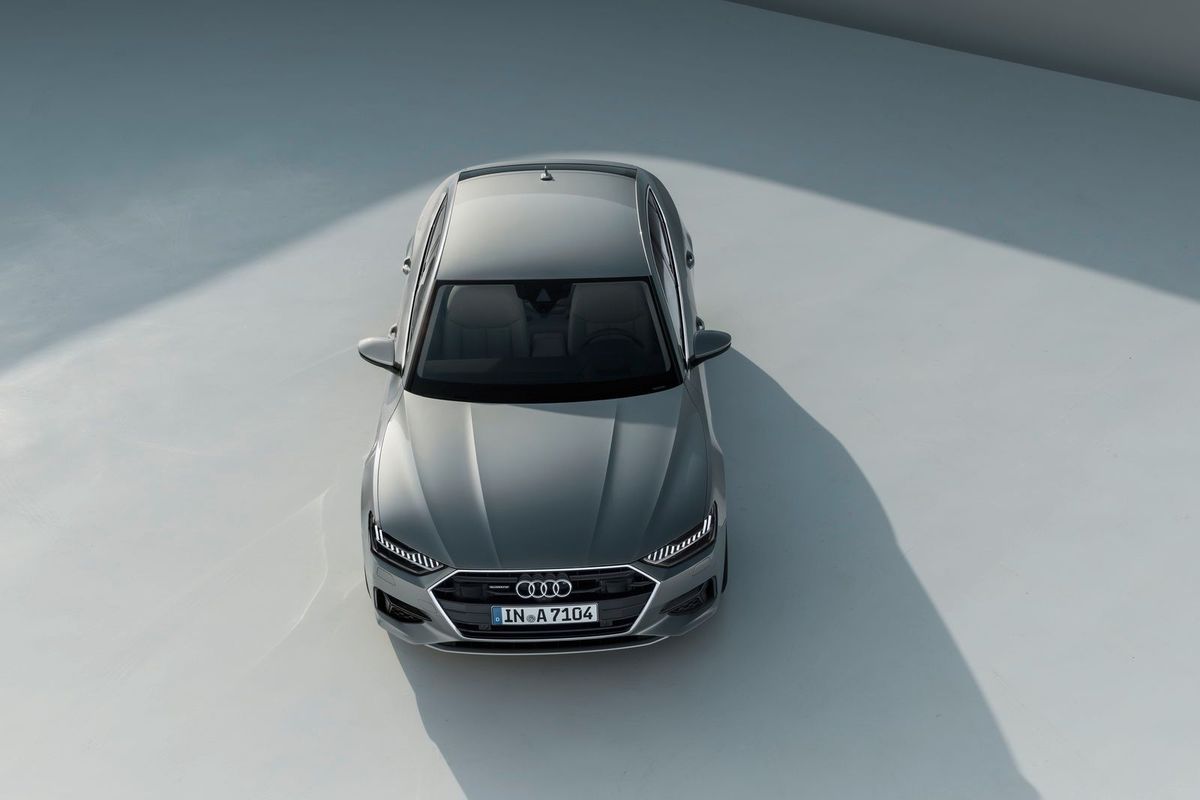
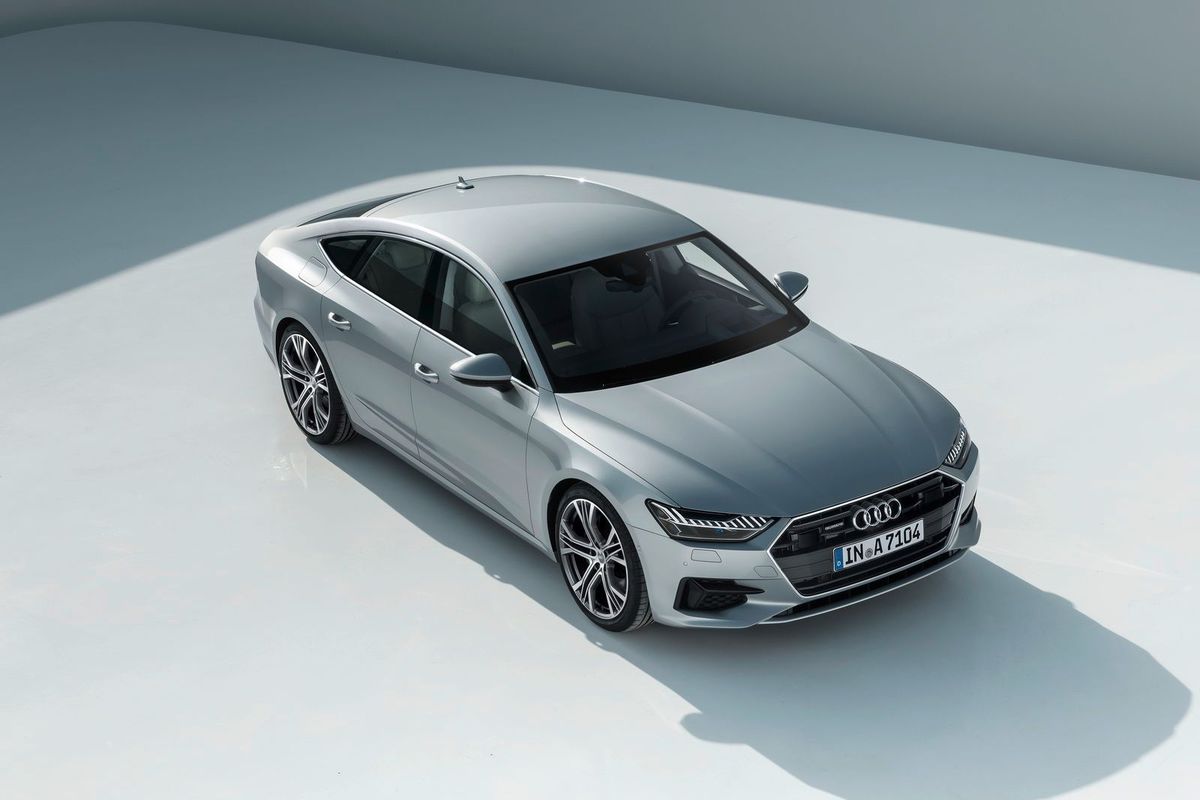
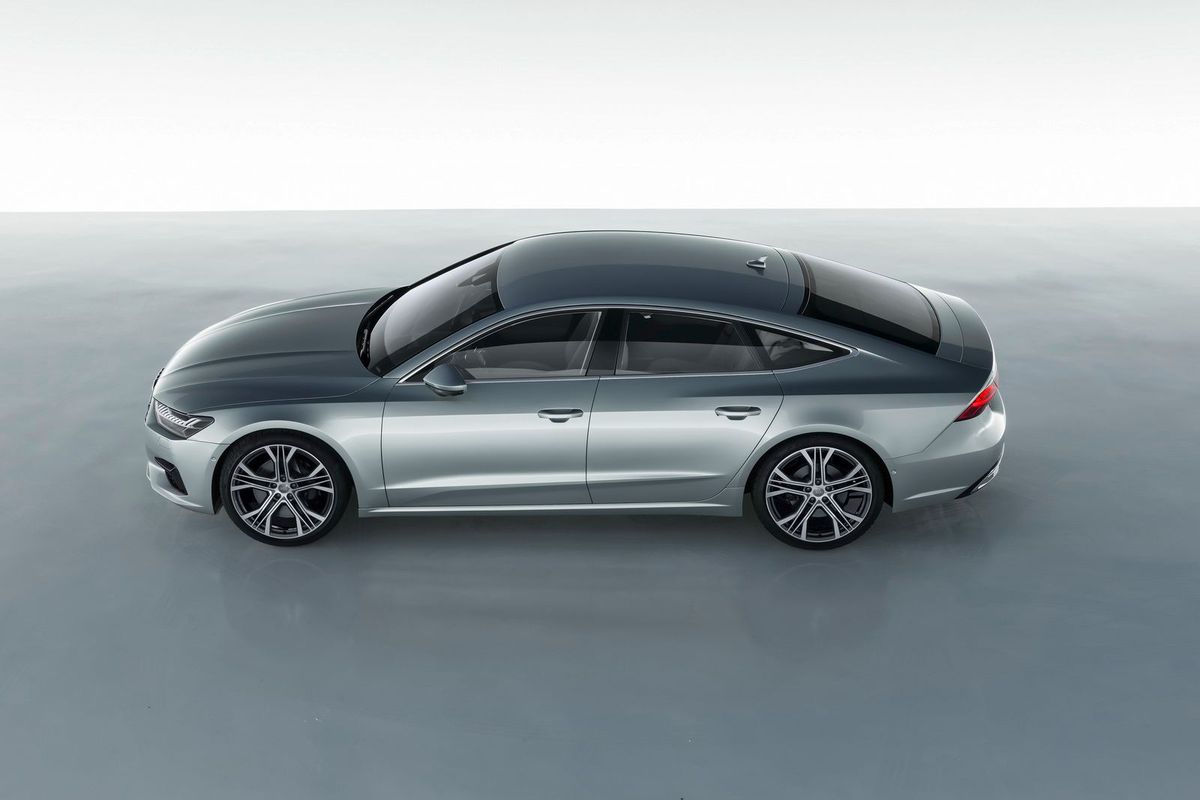
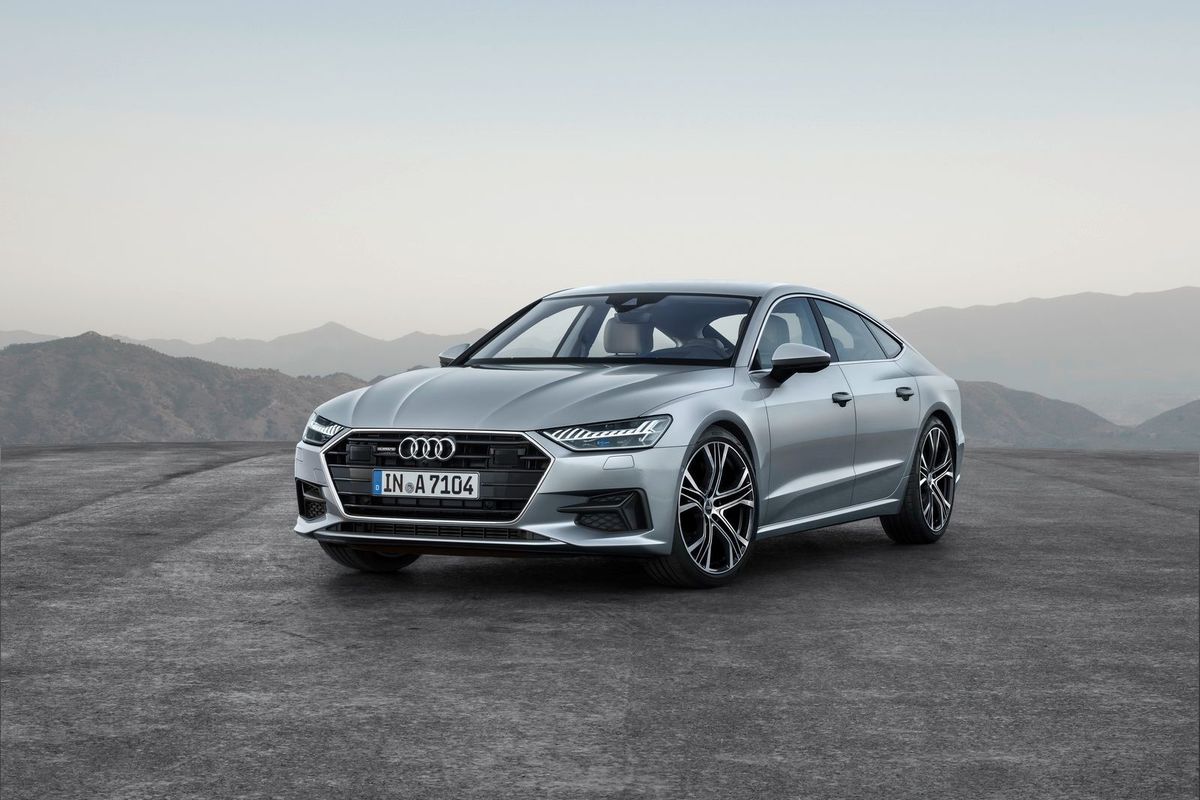
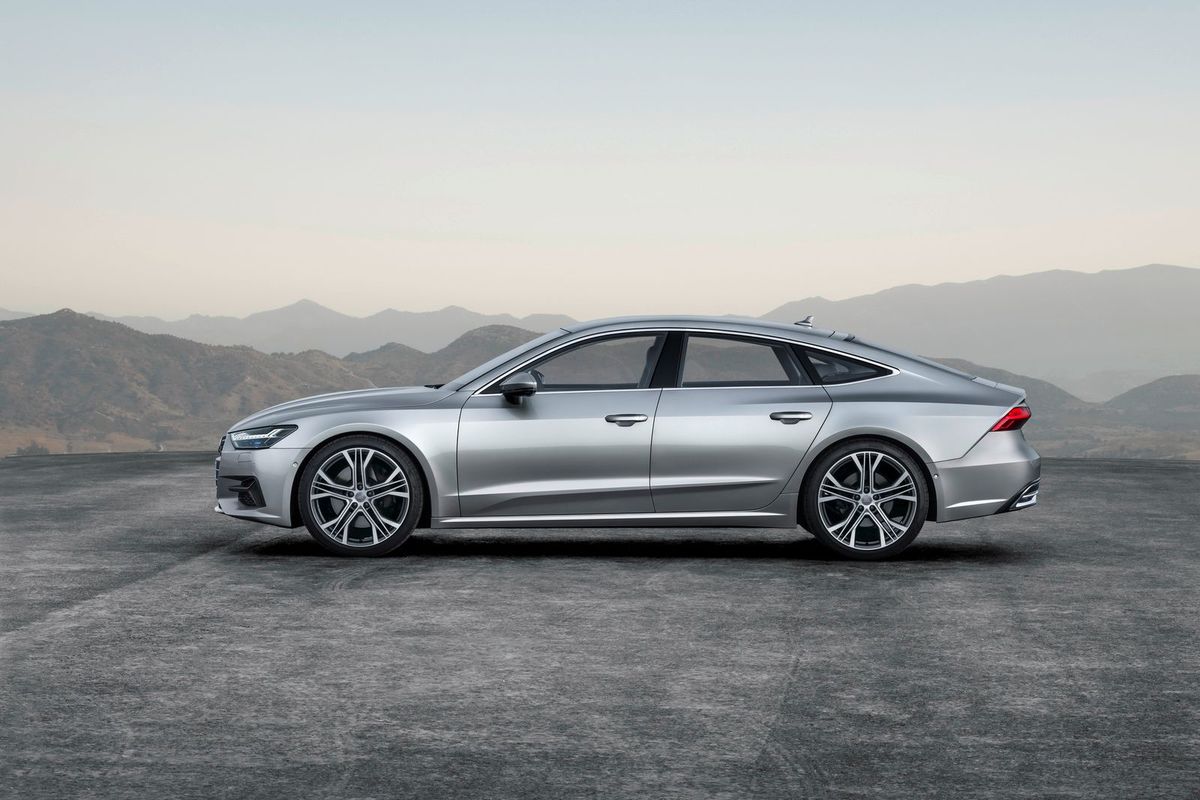
Audi is using the upcoming North American International Auto Show to showcase the new second-generation A7 Sportback and it looks great!

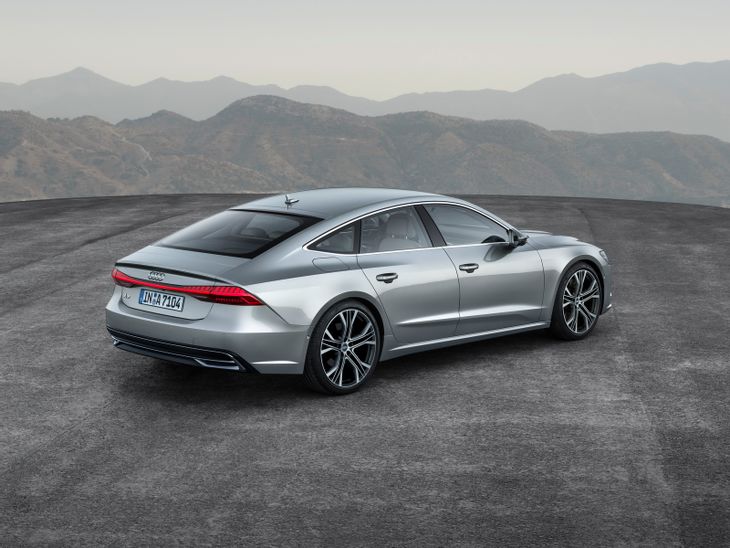
Audi’s new 4-door coupe will land stateside next week and will be followed by its international launch which is due to take place in scenic Cape Town at the end of January 2018. Although Audi says that the new A7 Sportback is under consideration for the South African market, we suspect that it will become available locally later this year. Based on these images, we hope it does…

Key details


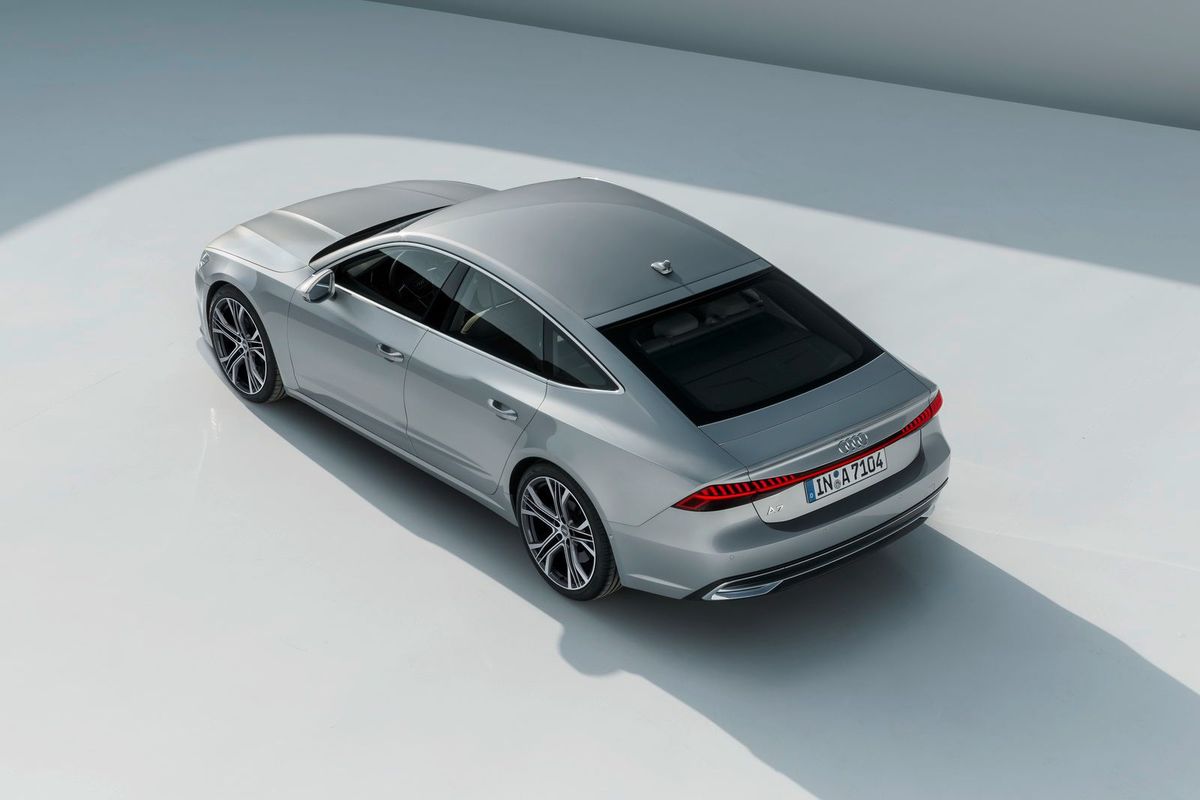
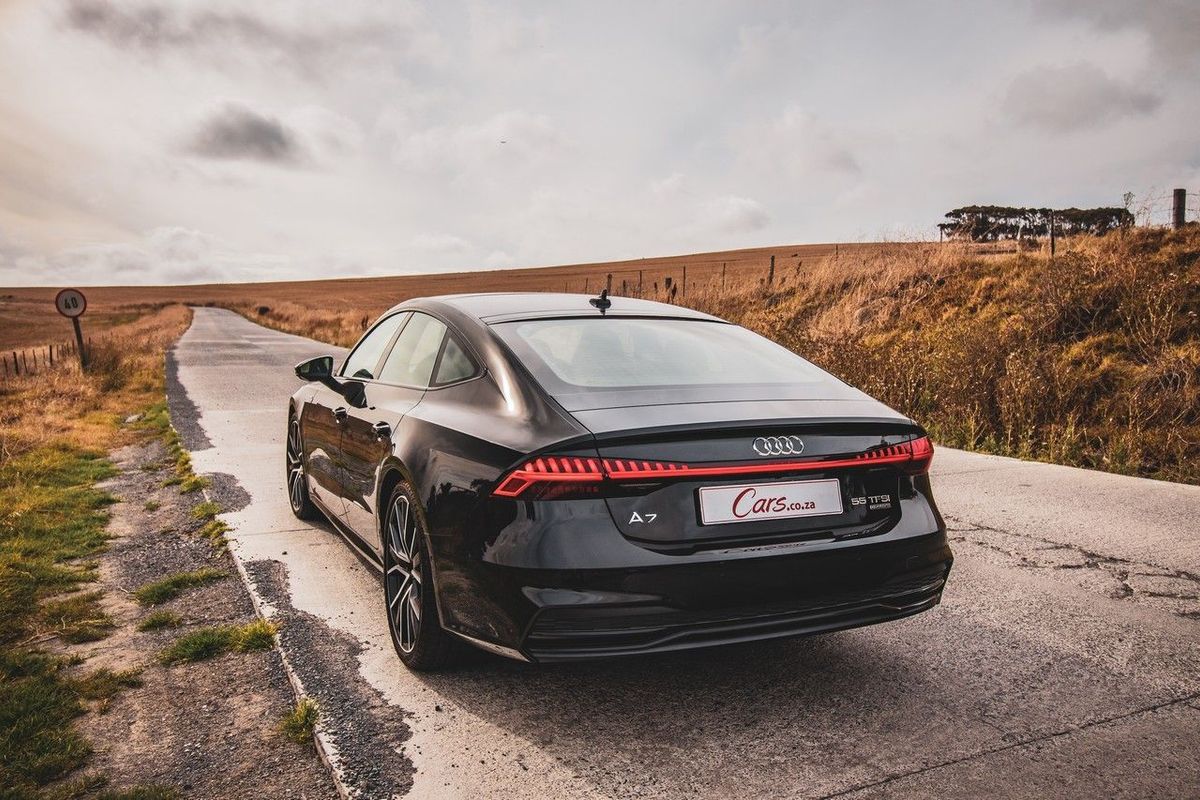
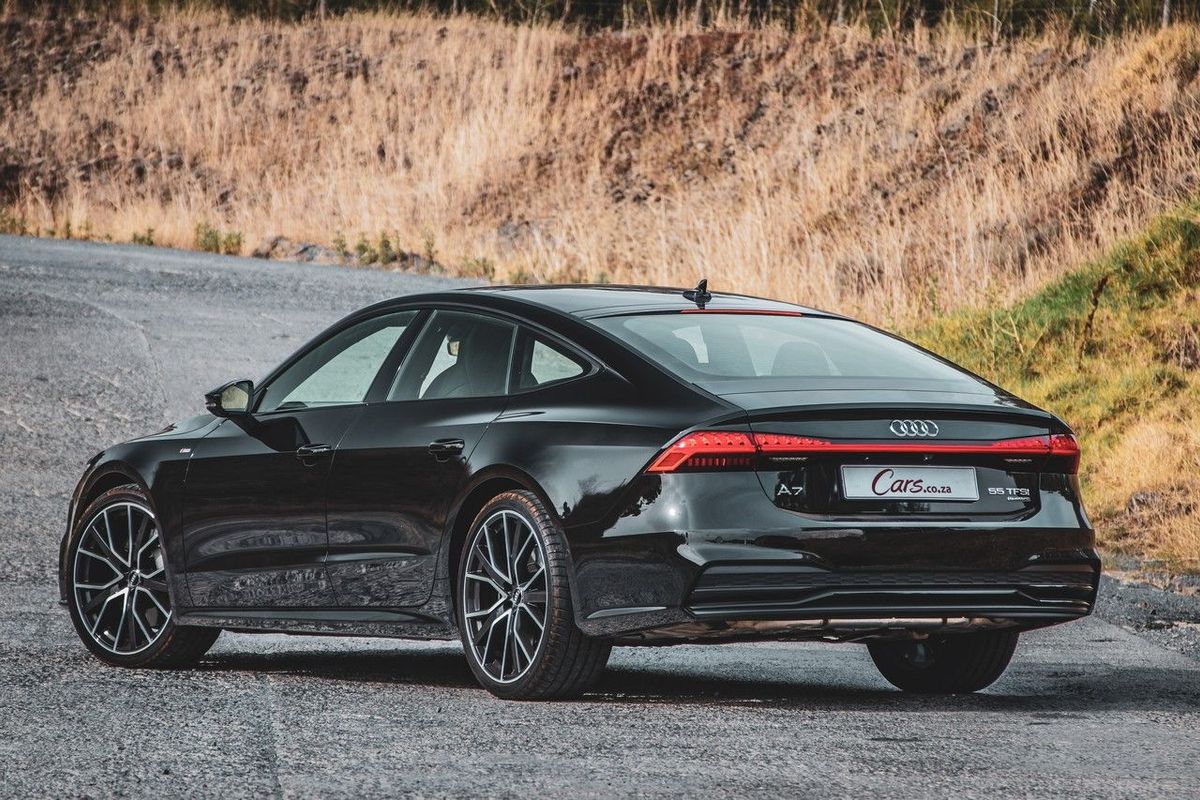
A tapering rear-end with an animated light unit extends the width of the A7 Sportback with 13 vertical LED light segments for maximum effect.

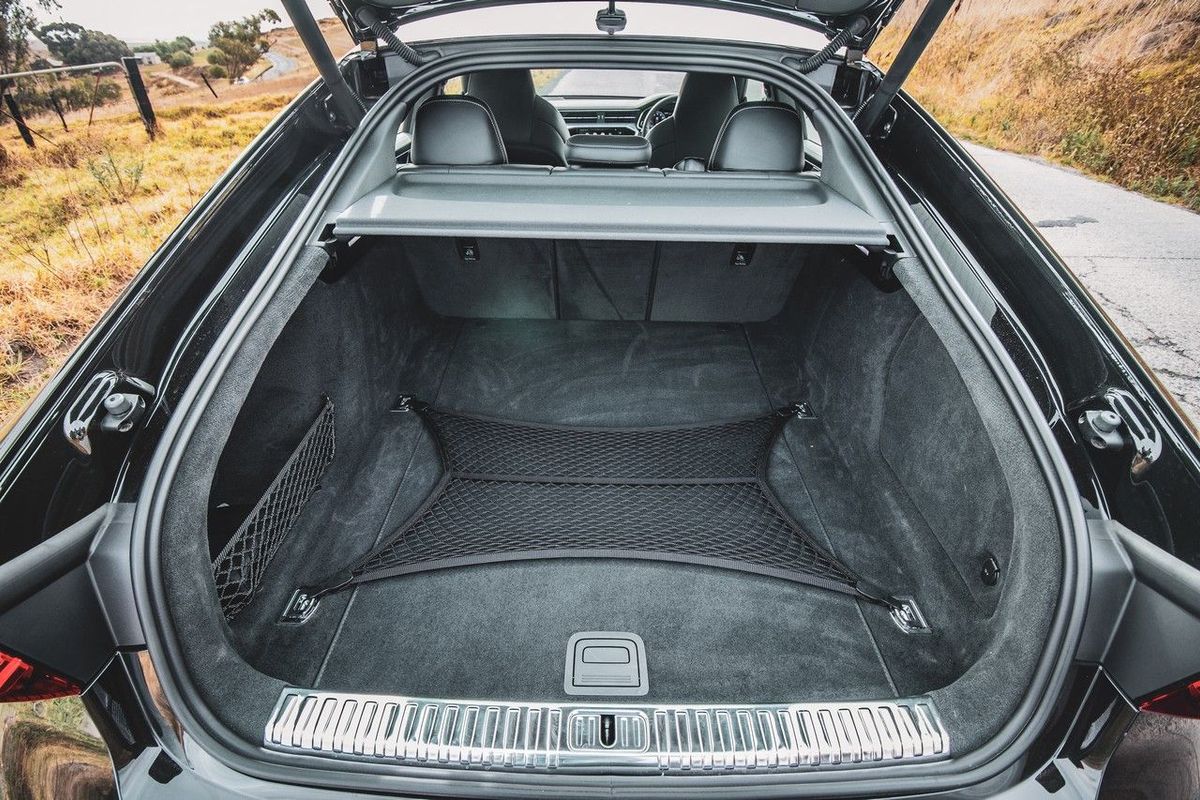
The new A7 Sportback draws design inspiration from the Audi Prologue Concept which was shown at the 2014 Los Angeles Auto Show in 2014 and features sculpted bodywork and a sloping roofline, giving it an undeniably tantalising silhouette. Despite its shape, interior space, particularly head and legroom, is said to be improved compared with the outgoing model.

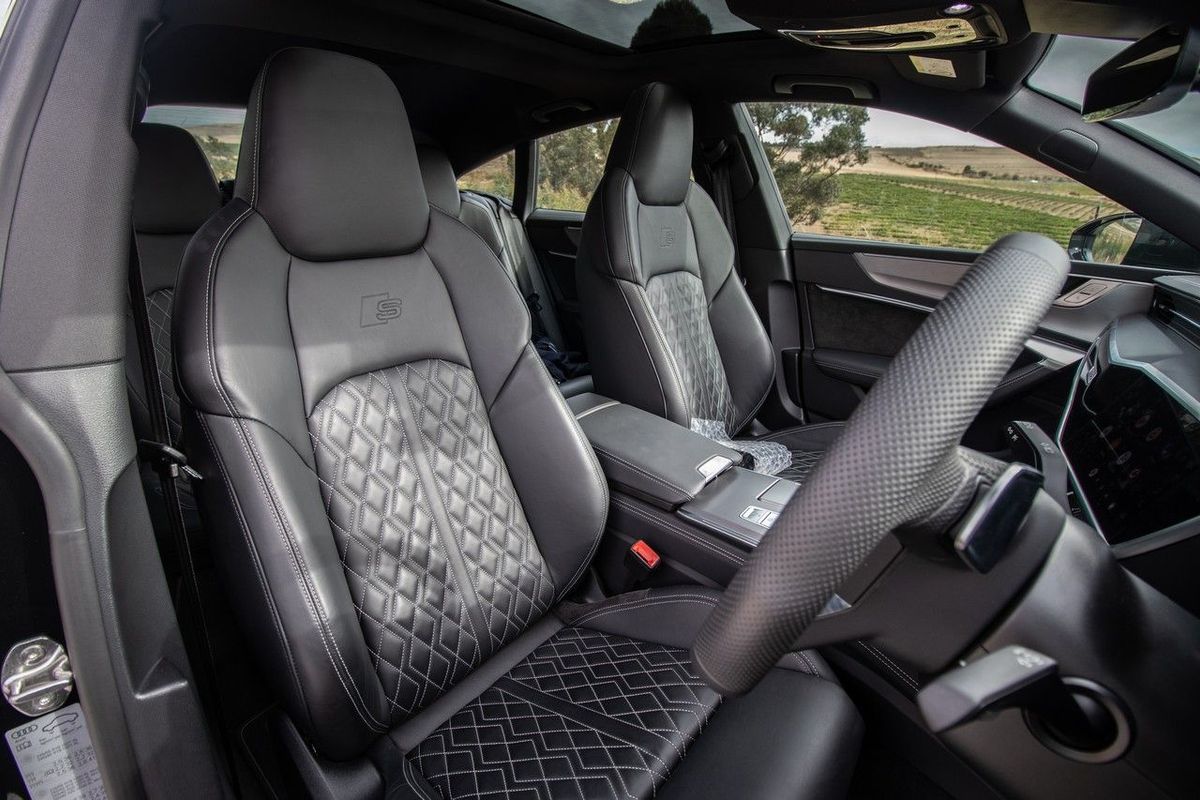
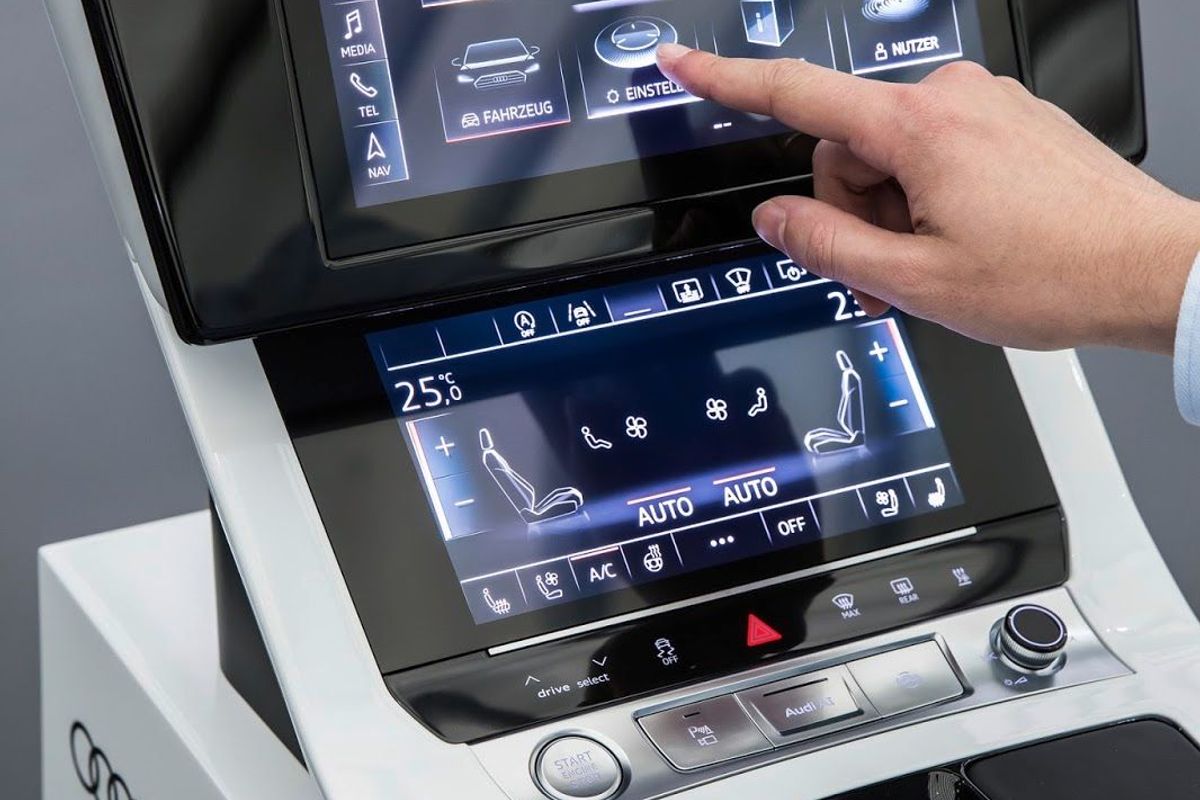
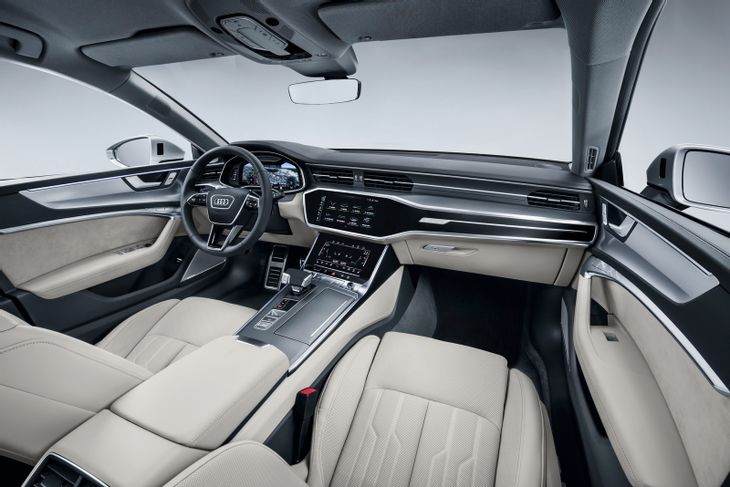
The interior is mostly a digital affair with Audi’s latest MMI infotainment system fitted, comprising 2 large touchscreens that serve as the interface for all vehicle functions and Audi’s Virtual Cockpit enhances the interior ambience even further. The upper 10.1-inch touchscreen houses the infotainment system while the lower 8.1-inch touchscreen takes care of in-car functionality. As a result, very few buttons are present inside the new A7 Sportback and it will certainly appeal to tech-savvy buyers.


A plush cabin will offer high levels of comfort as well as a smattering of technology. A nice place to be…

The new A7 Sportback will initially be powered by a turbocharged 3.0-litre V6 engine with outputs of 250 kW and 500 Nm of torque. It will use a 7-speed S tronic transmission in conjunction with quattro all-wheel drive to achieve a claimed zero to 100 kph sprint time of 5.3 seconds before arriving at a top speed of 250 kph. Audi will then introduce a range of petrol and diesel option in 4-cylinder and 6-cylinder guise.

As you would expect, the new Audi A7 is packed with the latest driver assistance technology including AI Traffic Jam Pilot, Audi’s first Level 3 autonomous system seen on the new A8. Using camera’s and sensors, the system will take control of the vehicle on the highway and initiate functions such as braking, accelerating and steering without input from the driver. The new A7 will also be able to autonomously negotiate parking spaces. Familiar features such as adaptive cruise control will also be offered.

We will keep you updated as more details become available, so stay tuned!

Watch footage of the new Audi A7 Sportback below!

Buy an Audi A7 on Cars.co.za

Related Content

2017/18 Cars.co.za Consumer Awards – powered by WesBank; Finalists

Update: New Audi A7 Sportback Revealed [w/Video]

Cars Coming to SA in 2018

Drag Race: Audi RS3 vs Mercedes-AMG A45

Classic Battle of the Brands: M2 vs RS3 vs A45

Audi to Change Vehicle Naming Structure

Audi RS5 (2017) Launch Review

Audi R8 V10 Spyder (2017) Quick Review

Audi RS3 Sedan (2017) Quick Review

Audi TT RS (2017) Launch Review

Audi RS3 vs BMW M2 (2017) Track Race

Audi RS3 vs BMW M2 (2017) Drag Race

Audi RS3 Sportback & Sedan (2017) Specs & Price

Audi RS4 Returns with V6 biturbo power [Video]

Rendering: Audi Q3 (2018)

Audi SQ5 quattro (2017) Review

Audi Q5 2.0 TDI quattro (2017) Video Review

Audi Aicon: A Look At The Future From Audi

Audi R8 goes Rear-Wheel Drive with RWS version

Limited Edition Renault Clio RS 18 Coming to SA
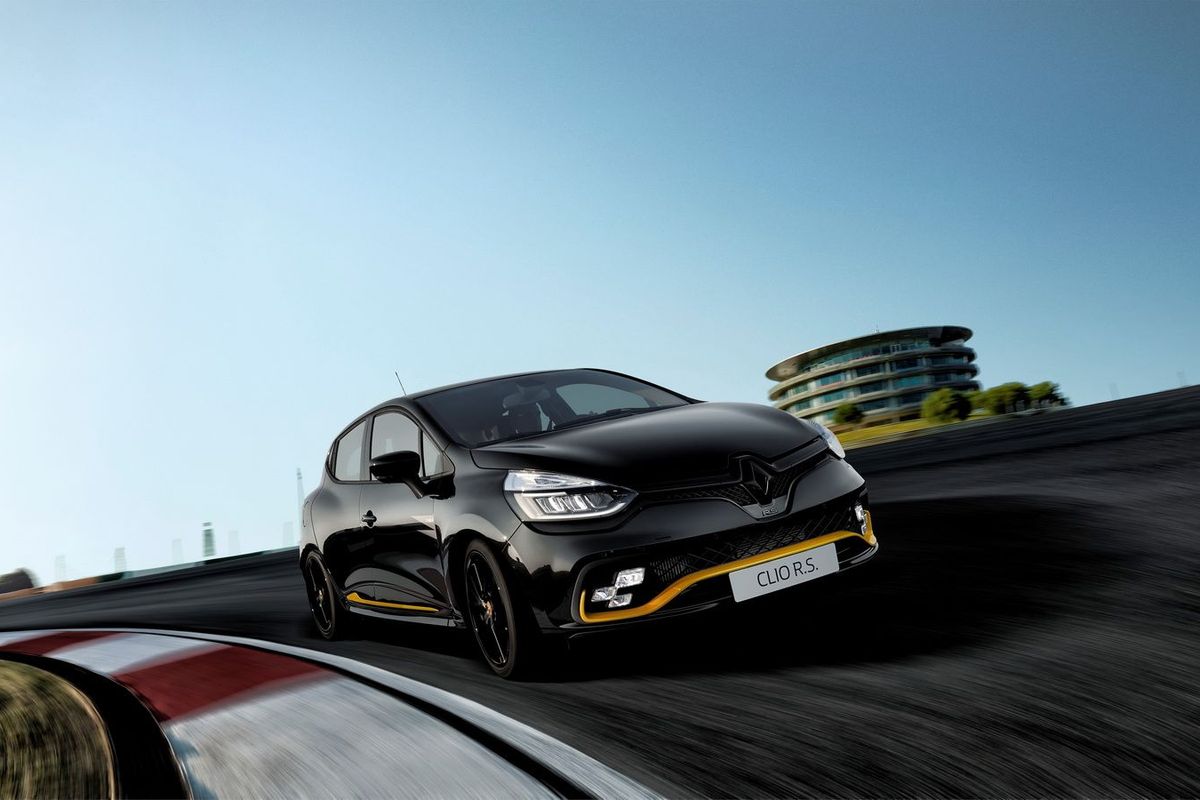
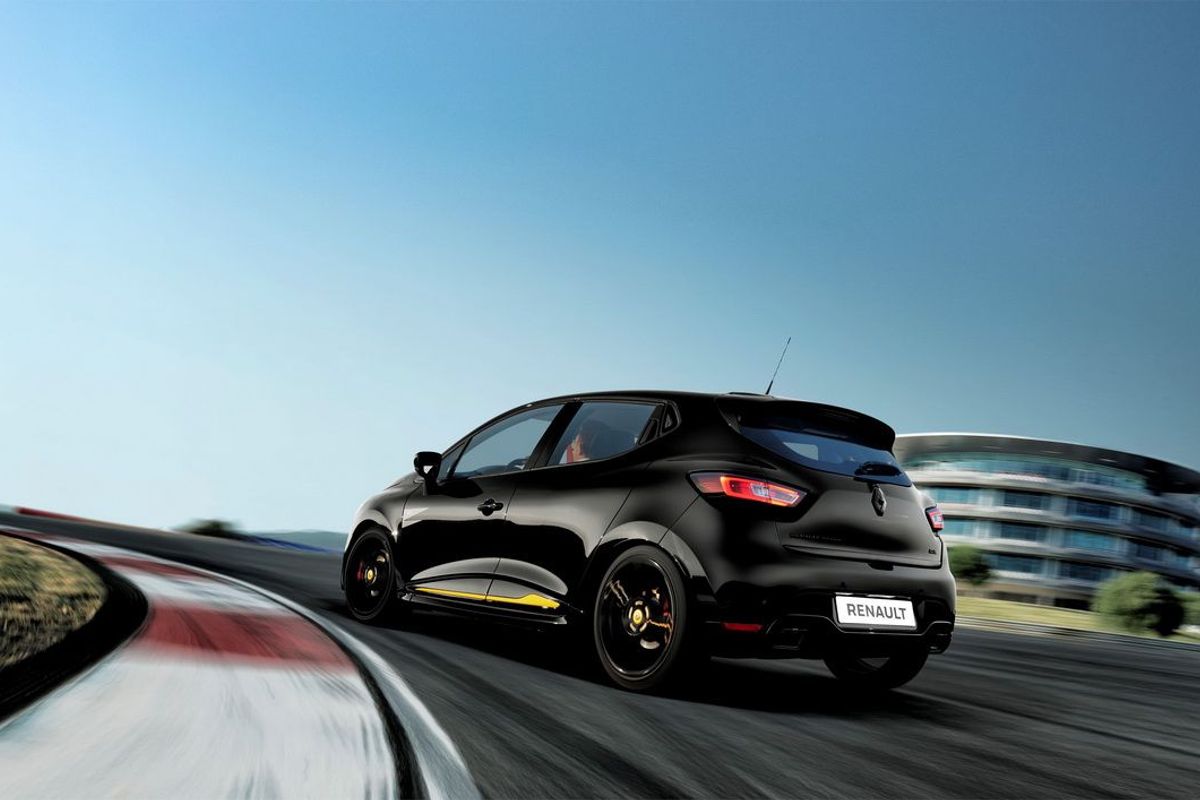
Renault South Africa will introduce a limited edition Clio RS in South Africa in the second quarter of 2018. Meet the Clio RS 18!

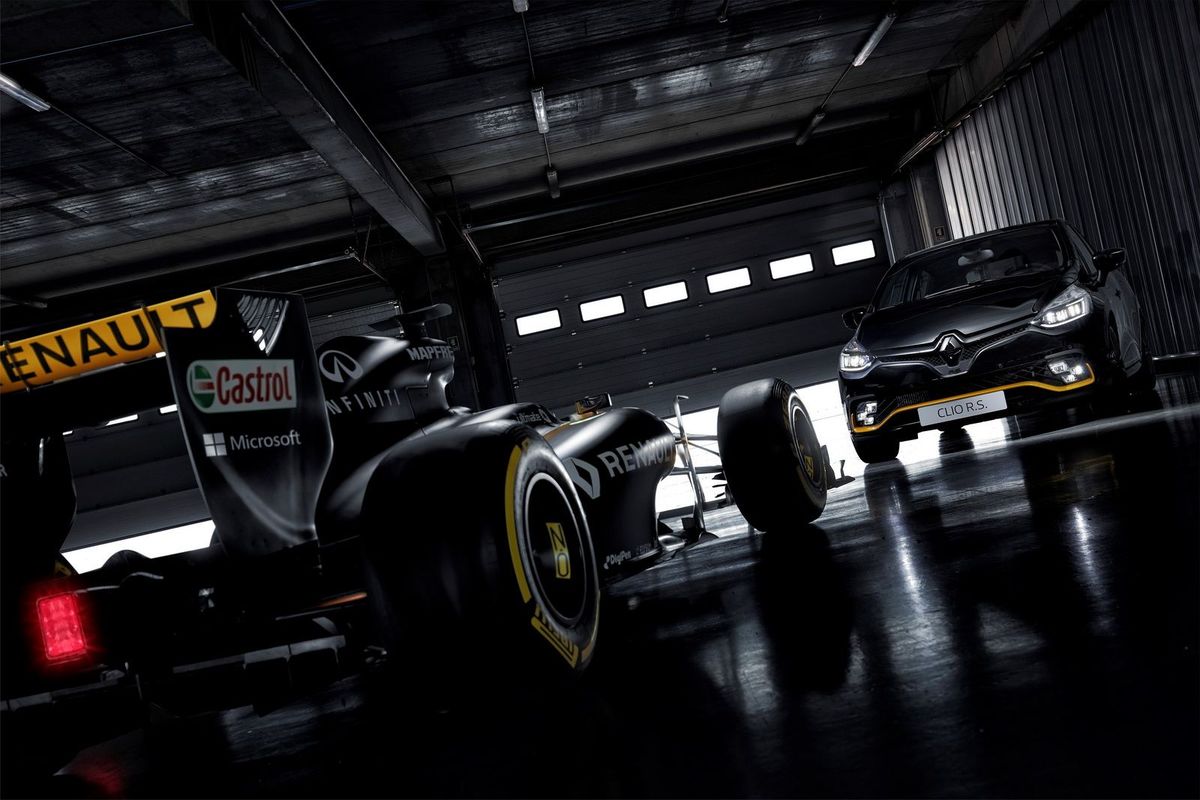
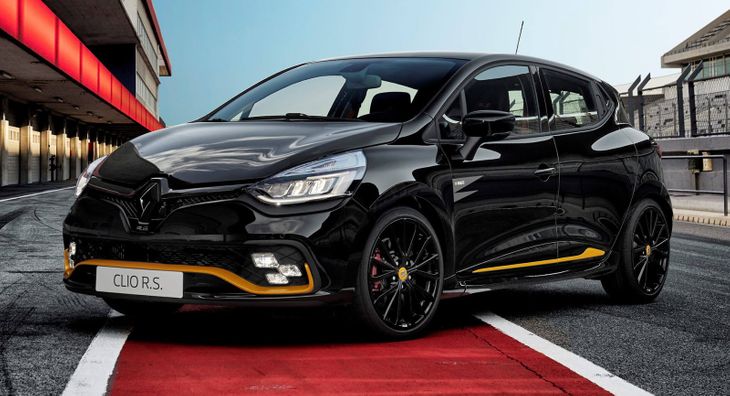
The Renault Clio RS 18 is named after the 2018 RenaultSport F1 team and is based on the Clio RS 220 Trophy EDC. It employs the same 1.6-litre turbocharged petrol engine with 162 kW and 280 Nm of torque which powers the front wheels via a 6-speed dual clutch transmission. With a sorted chassis, this Clio RS will dispatch the sprint to 100 kph in about 6.6 seconds before reaching a top speed of 235 kph.

Key details


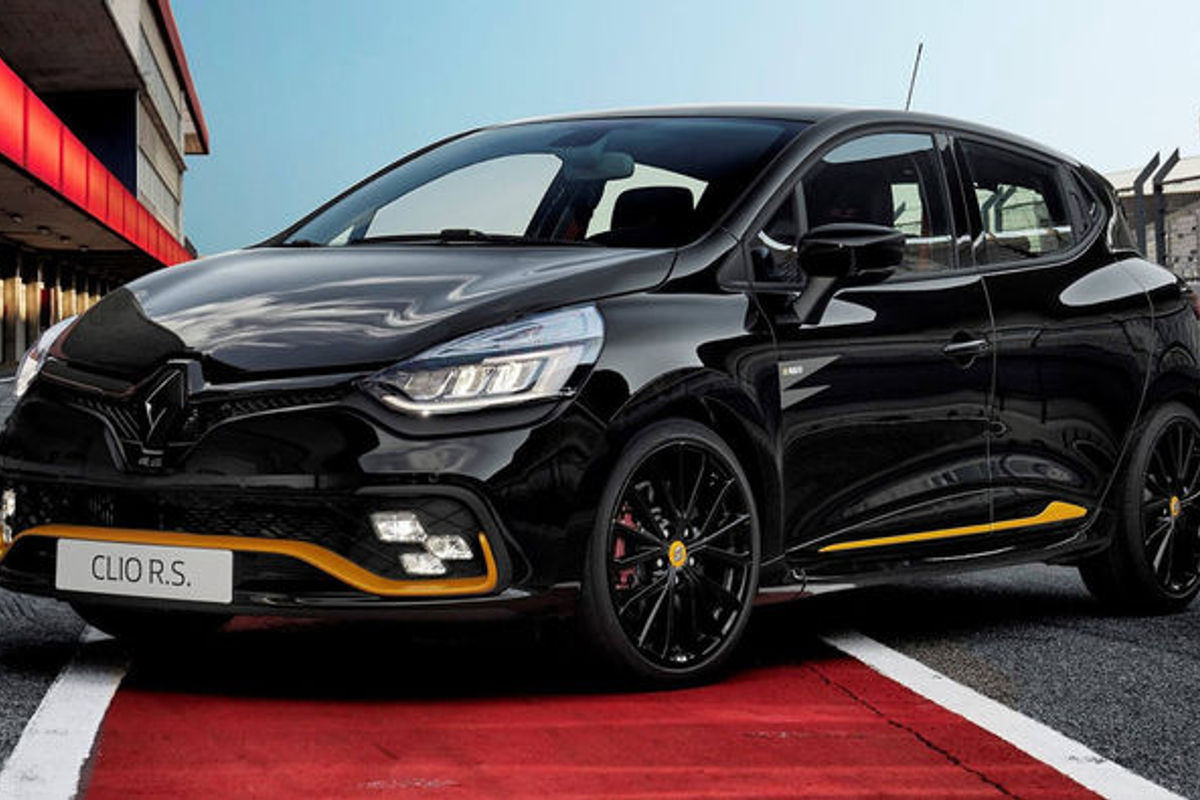
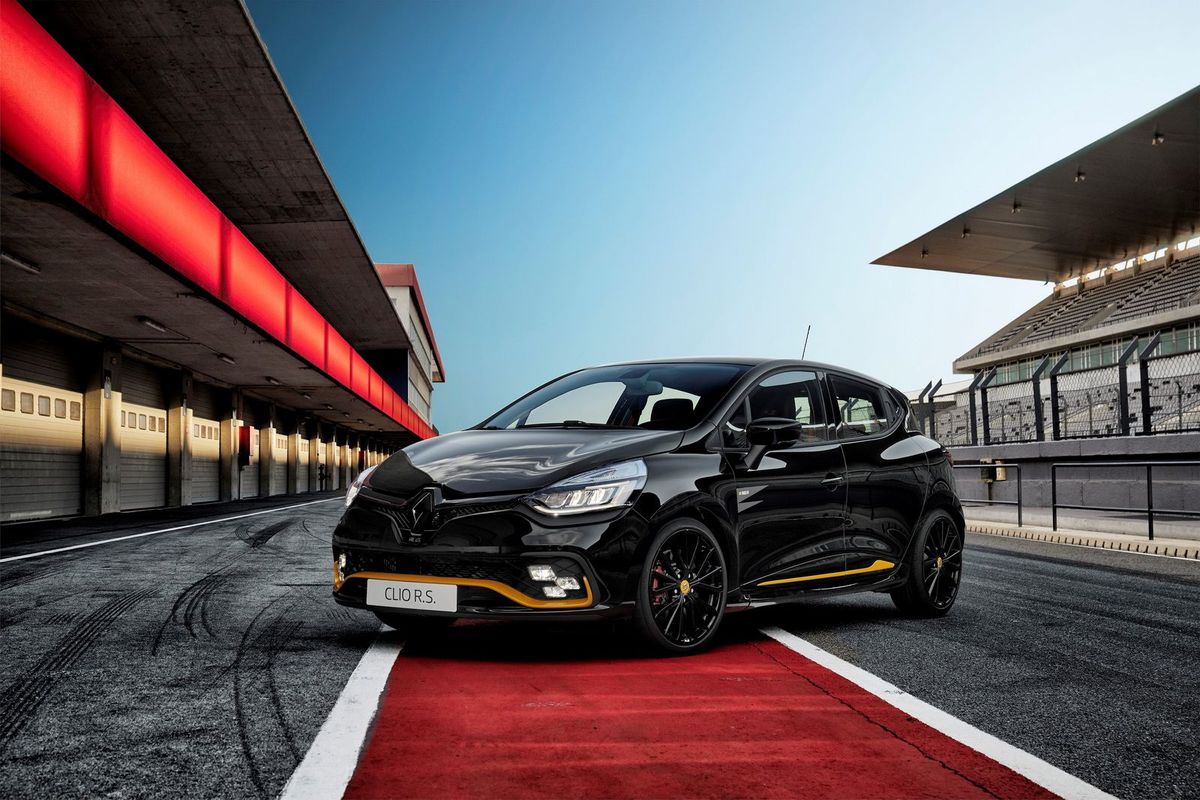
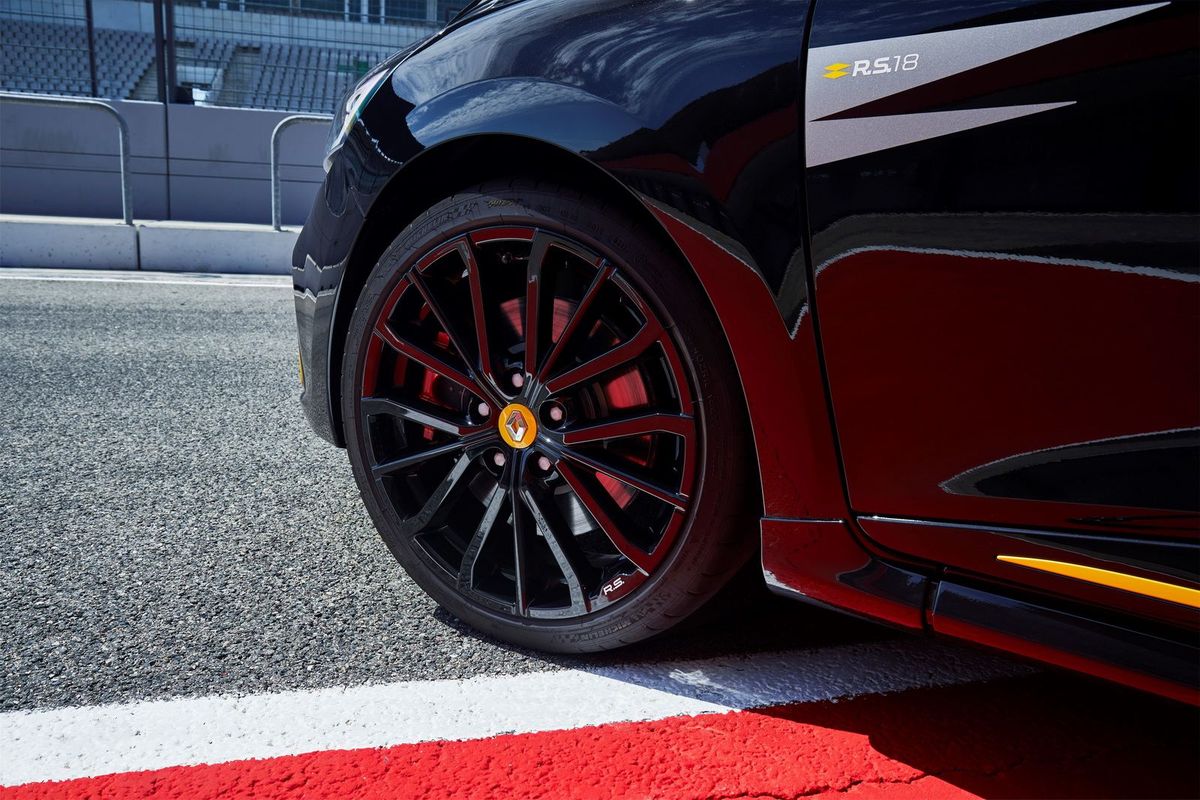
With its F1-inspired styling, the Clio RS 18 combines head-turning looks with respectable performance credentials.

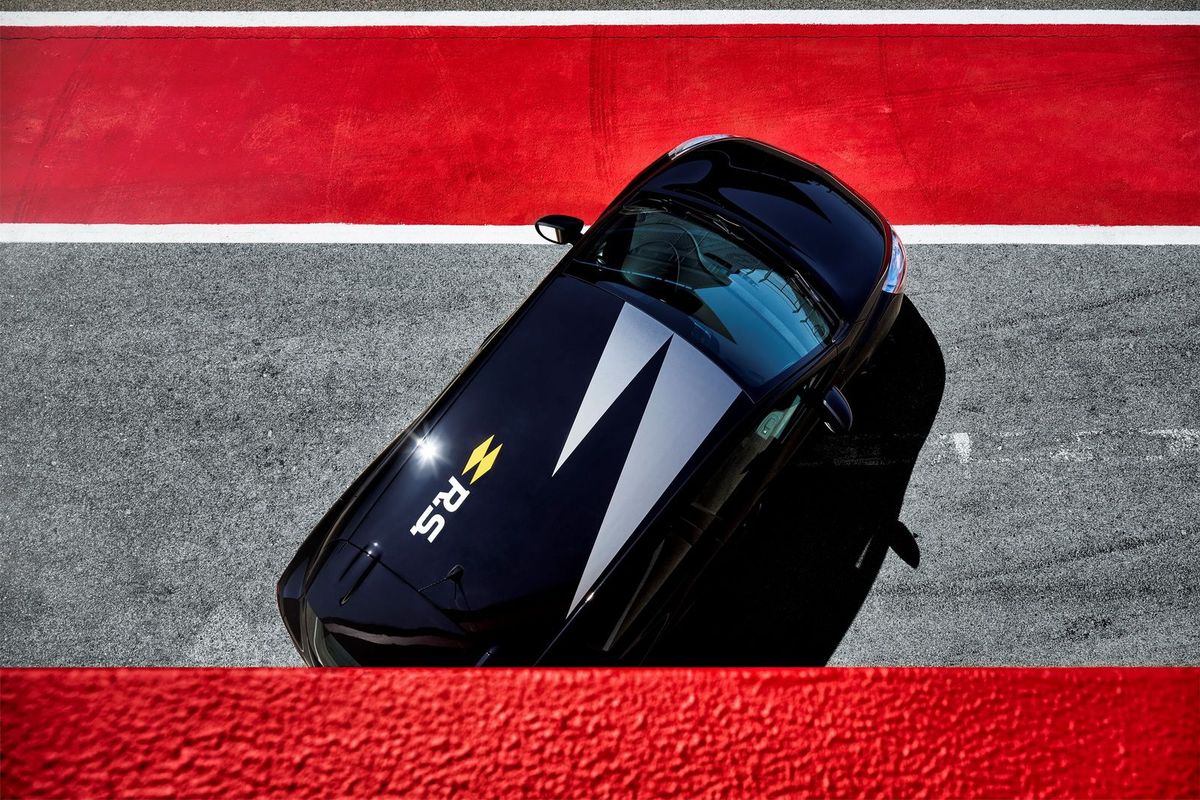
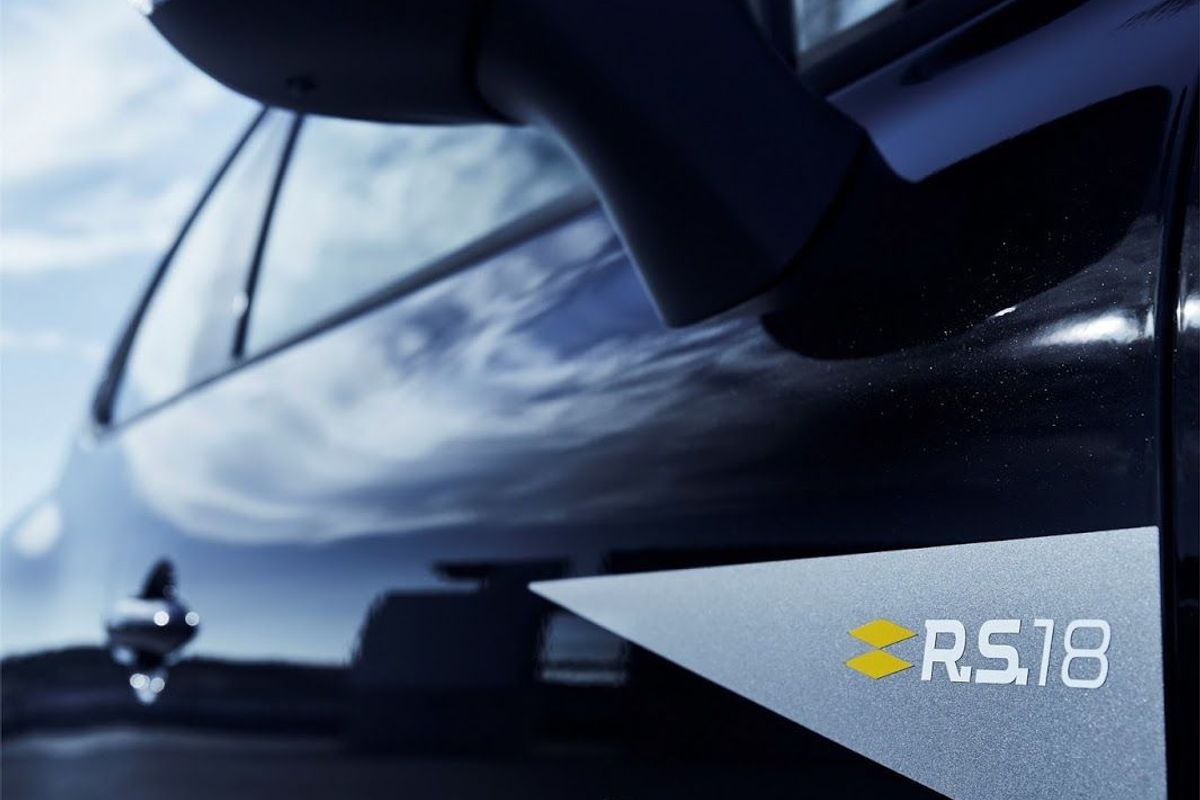
However, the Clio RS 18 sets itself apart with black and yellow livery inspired by Renault’s F1 car. Other details include bespoke badging on the front doors, grey decals, black Renault and RS logos and a rear diffuser finished in black. An Akrapovic exhaust is also fitted which delivers a sportier soundtrack.

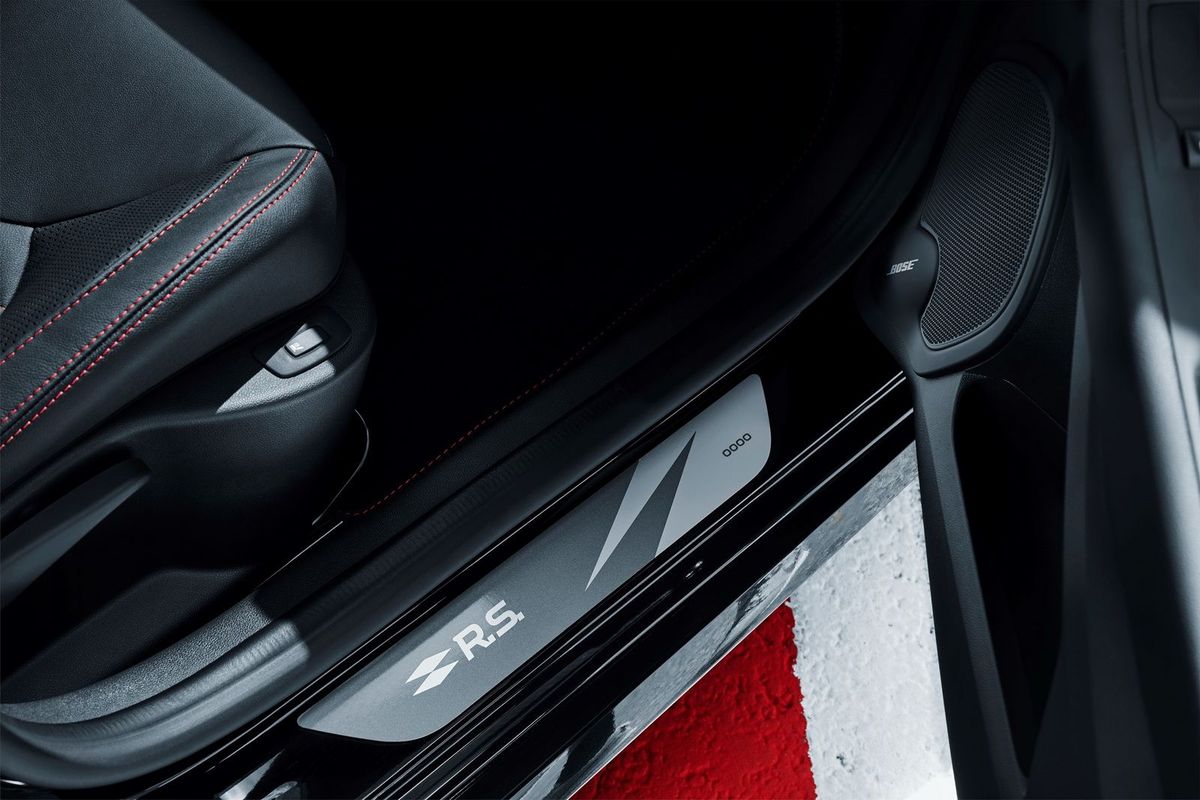
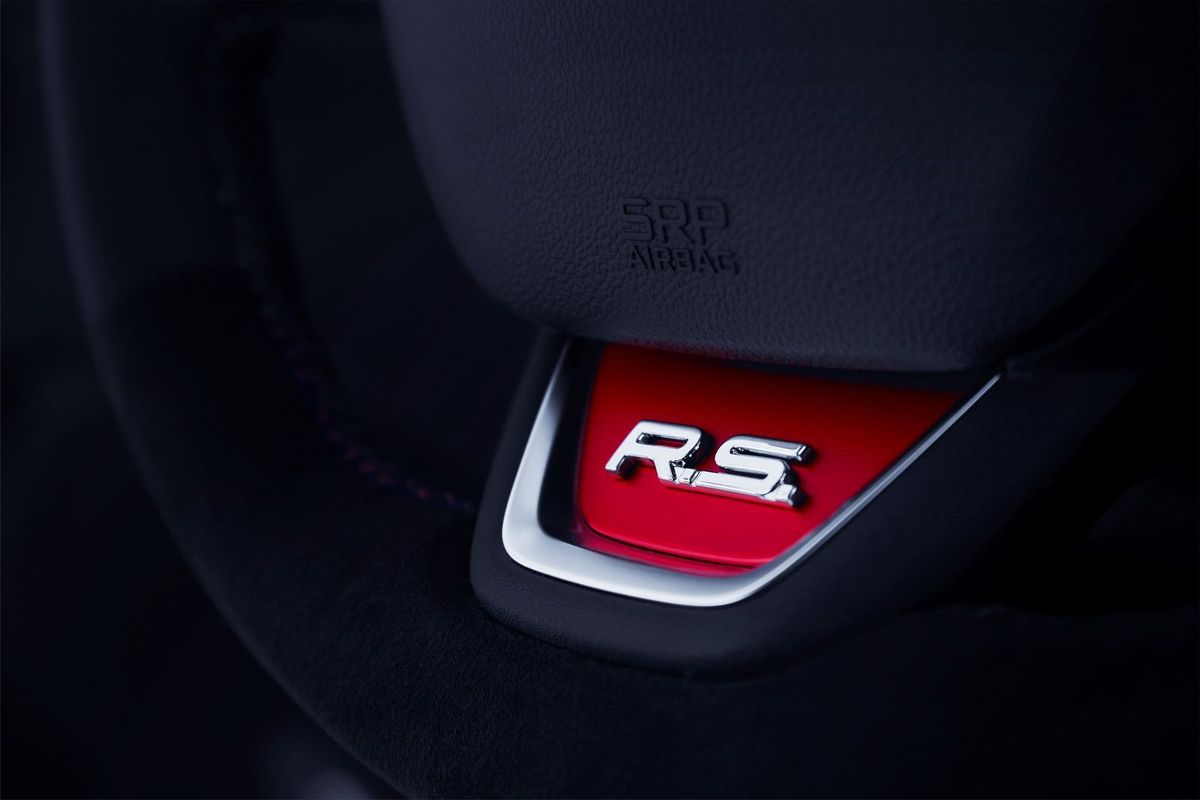
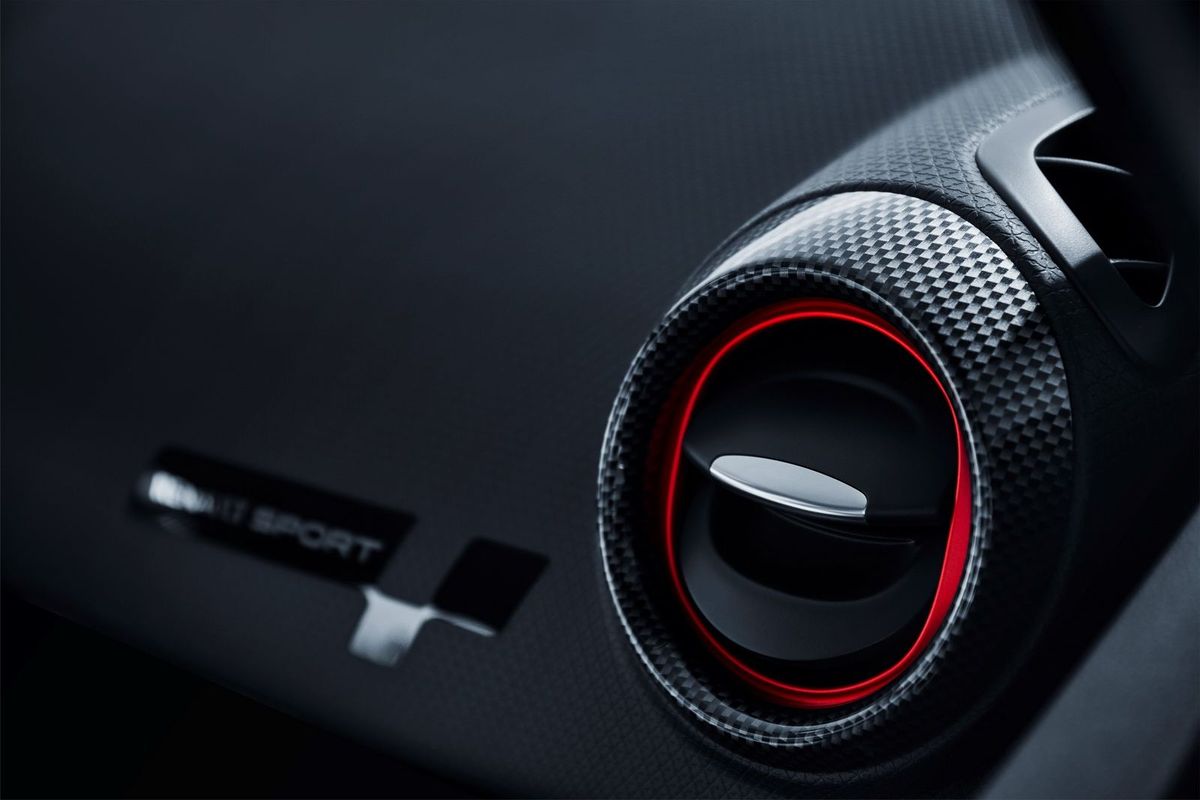
On the inside you will notice the numbered RS sill plate, RenaultSport carpets, a leather and Alcantara wrapped steering wheel and air vent surrounds with a carbon fibre look.

It's also worth mentioning that the Clio RS 220 Trophy is a finalist in Fun Car category of the Cars.co.za Consumer Awards — powered by WesBank

Pricing of the Renault Clio RS 18 has yet to be confirmed but we will keep you informed as soon as further details are announced.

Buy a Renault Clio RS on Cars.co.za

Related Content

Renault Clio RS 220 EDC Trophy (2017) Quick Review

3 Reasons Why Renault Clio RS Trophy is #CarsAwards Finalist

Renault Clio GT-Line & RS Trophy (2017) Video Review

Hillclimb Shootout: Ford Fiesta ST200 vs Renault Clio RS200 Lux [with Video]

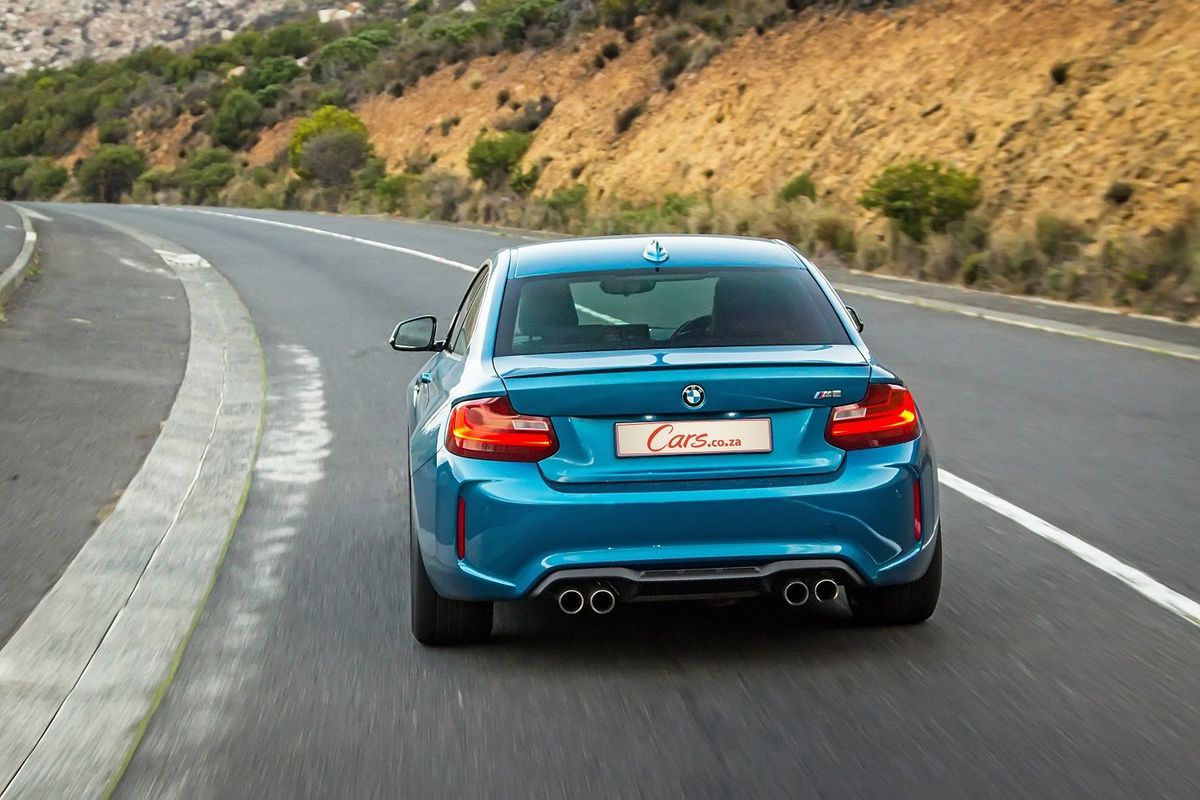
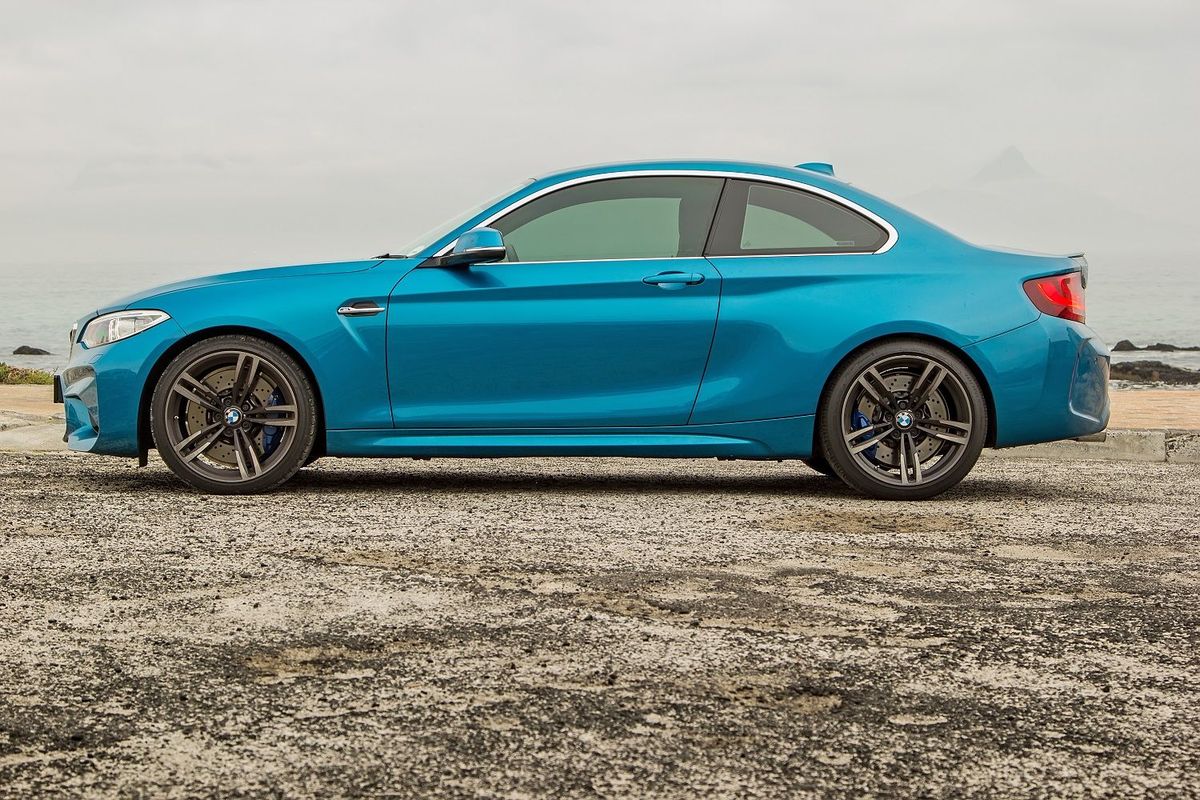
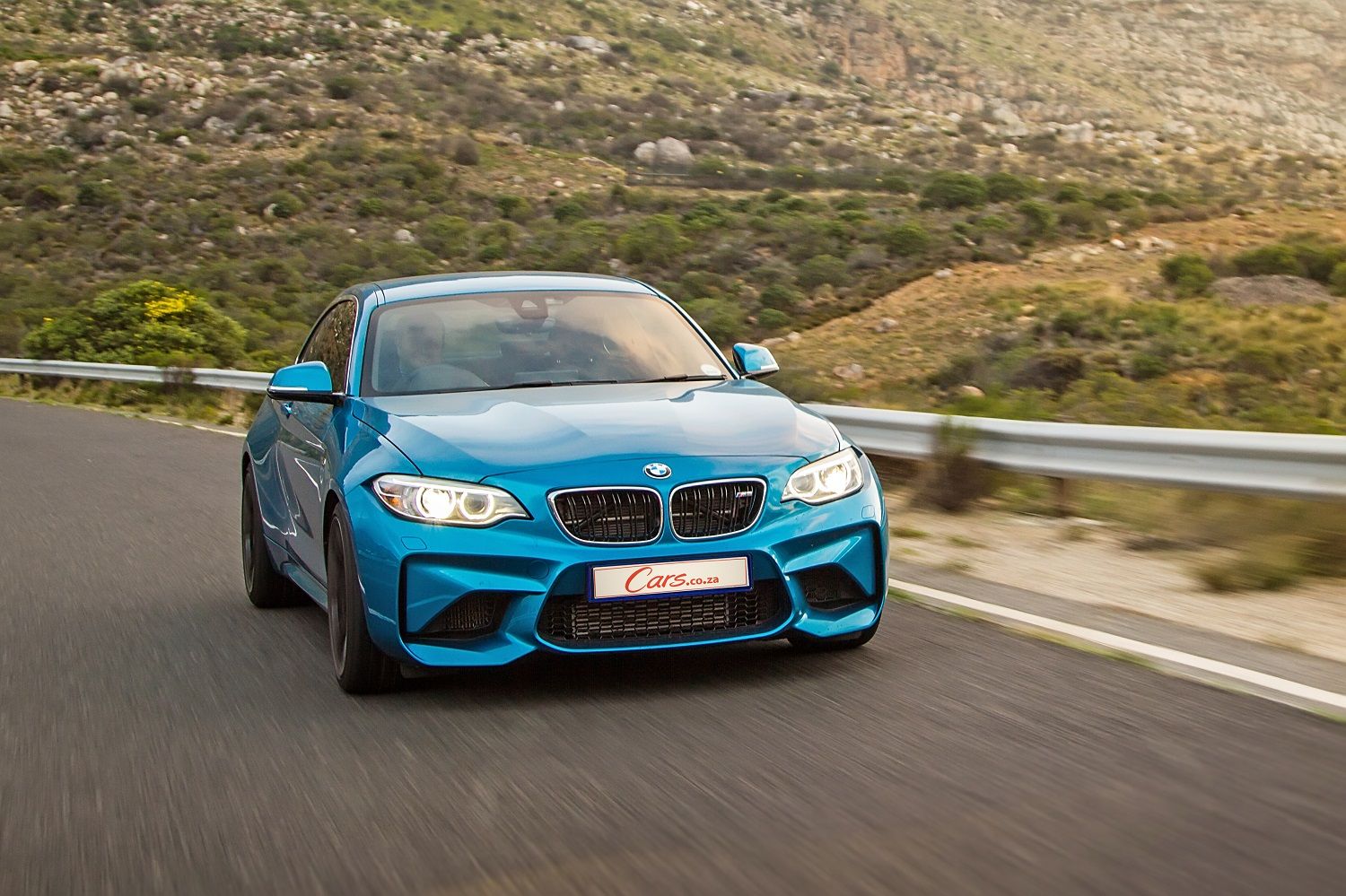
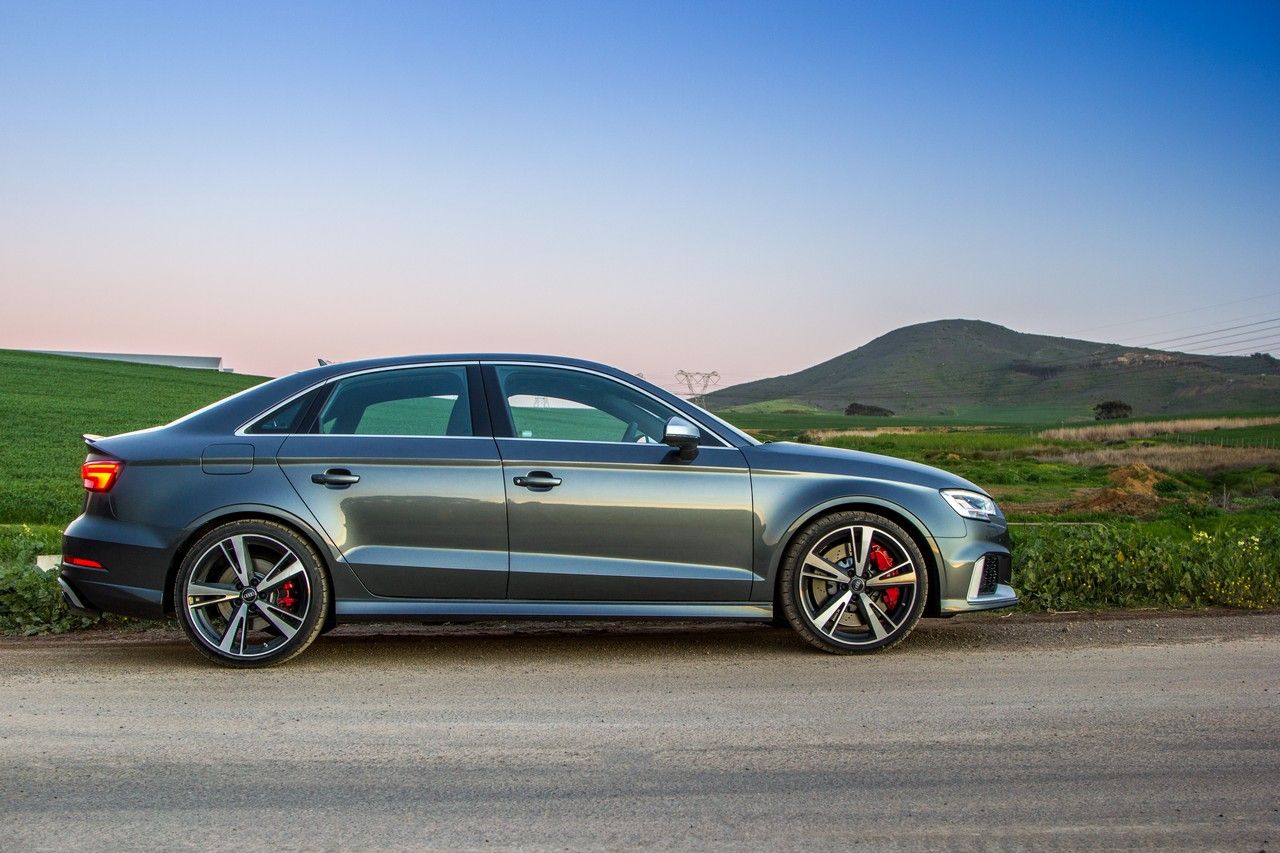
Classic Battle of the Brands: M2 vs RS3 vs A45

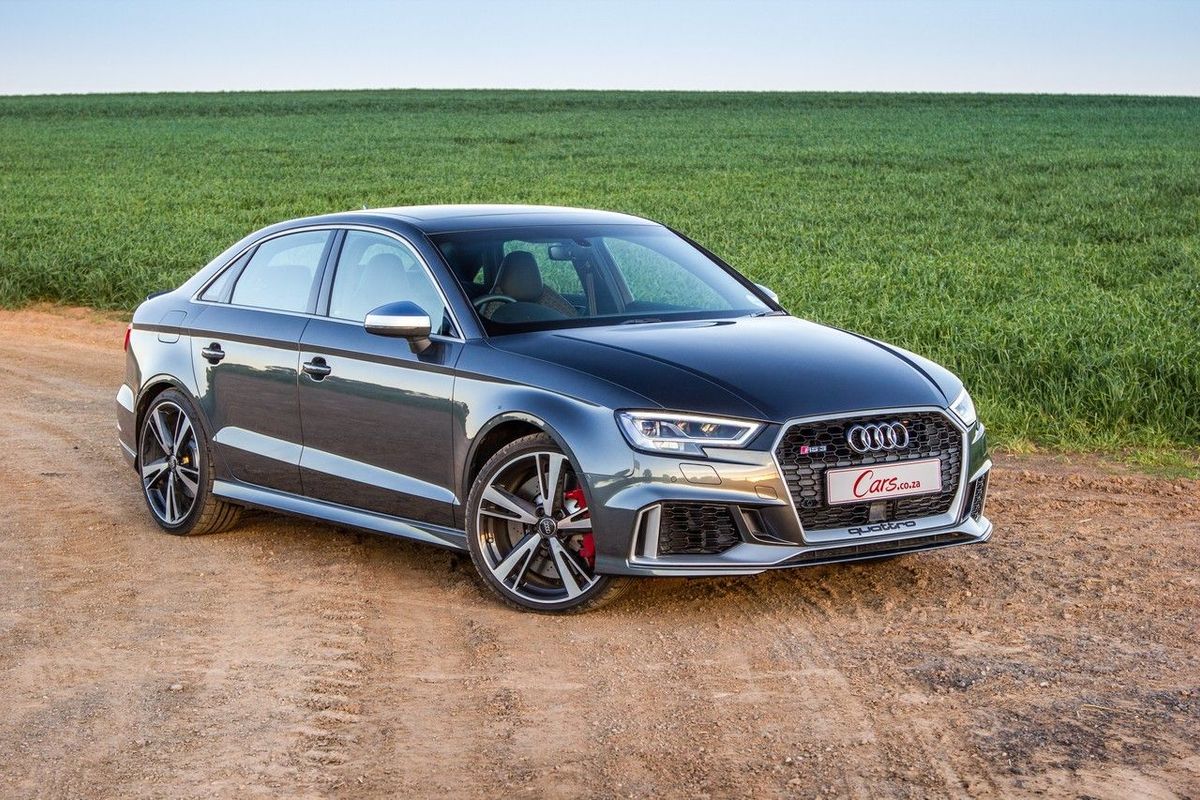
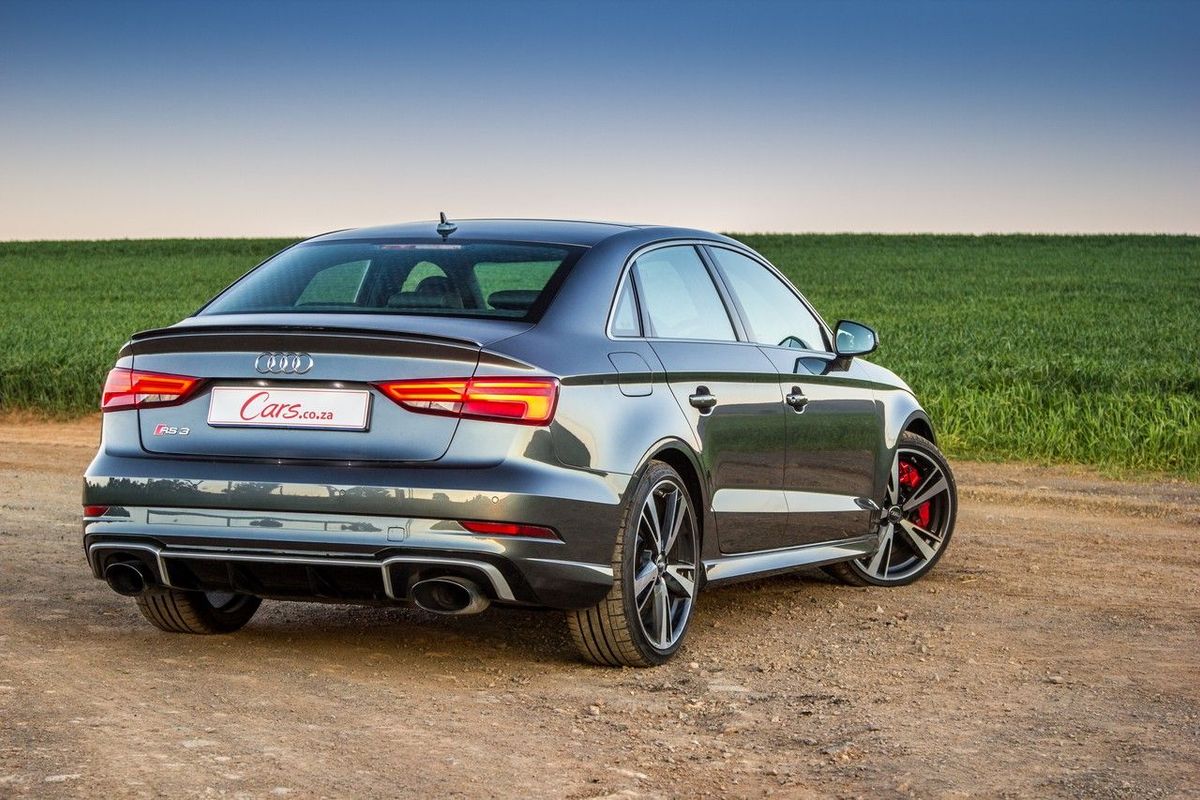
It's no surprise the German luxury marque trio produces the performance benchmark models in the premium compact car market, but the BMW M2, Audi RS3 and Mercedes-AMG A45 achieve their on-road feats in subtly different ways – which makes it very difficult to pick one over the others. 

This all began with Audi and BMW. In 2011, these Bavarian manufacturers introduced two vehicles that would change the (previously known as) "hot hatch segment" forever. Audi went into its archives and channelled the 5-cylinder turbopetrol engine made famous by the Ur-Quattro and proceeded to drop it in an A3 Sportback. This was no ordinary 2.5-litre motor either – it produced 250 kW and allowed the car to sprint from zero to 100 kph in 4.6 seconds. Fitted with a Quattro drivetrain and dual-clutch transmission, the RS3 was a hyper hatch!

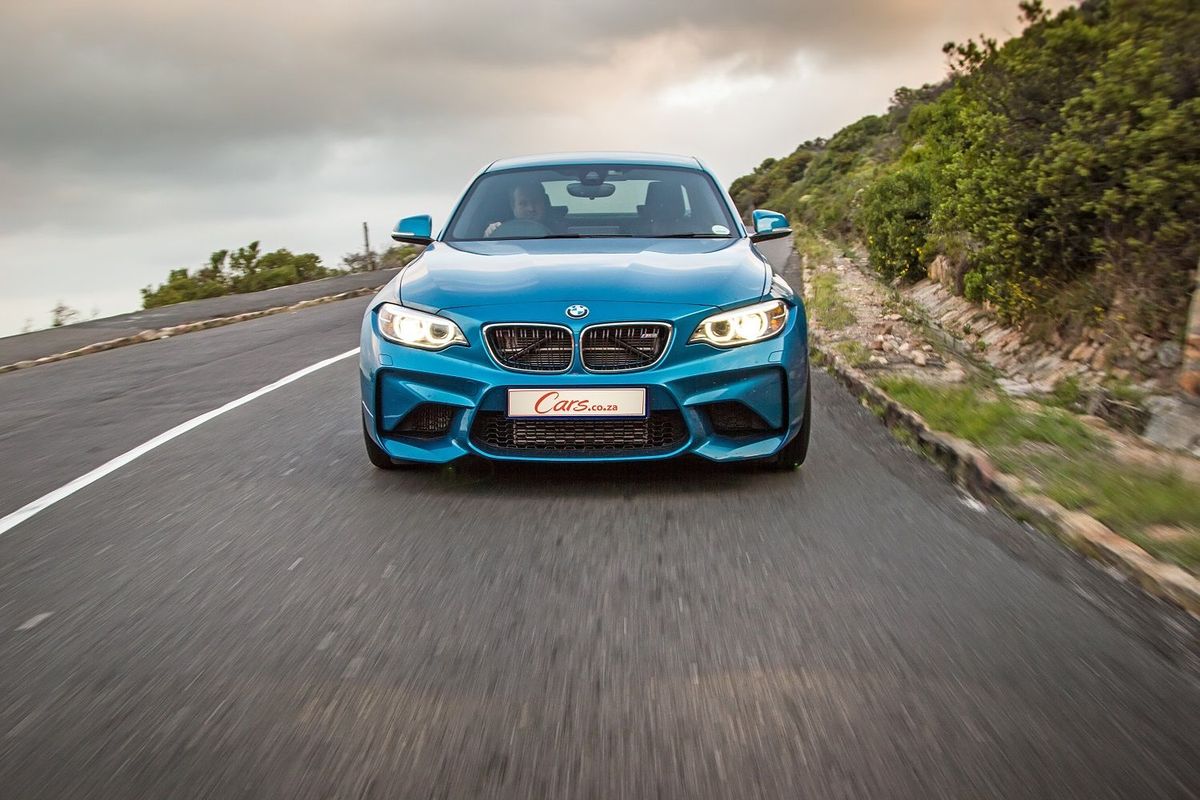
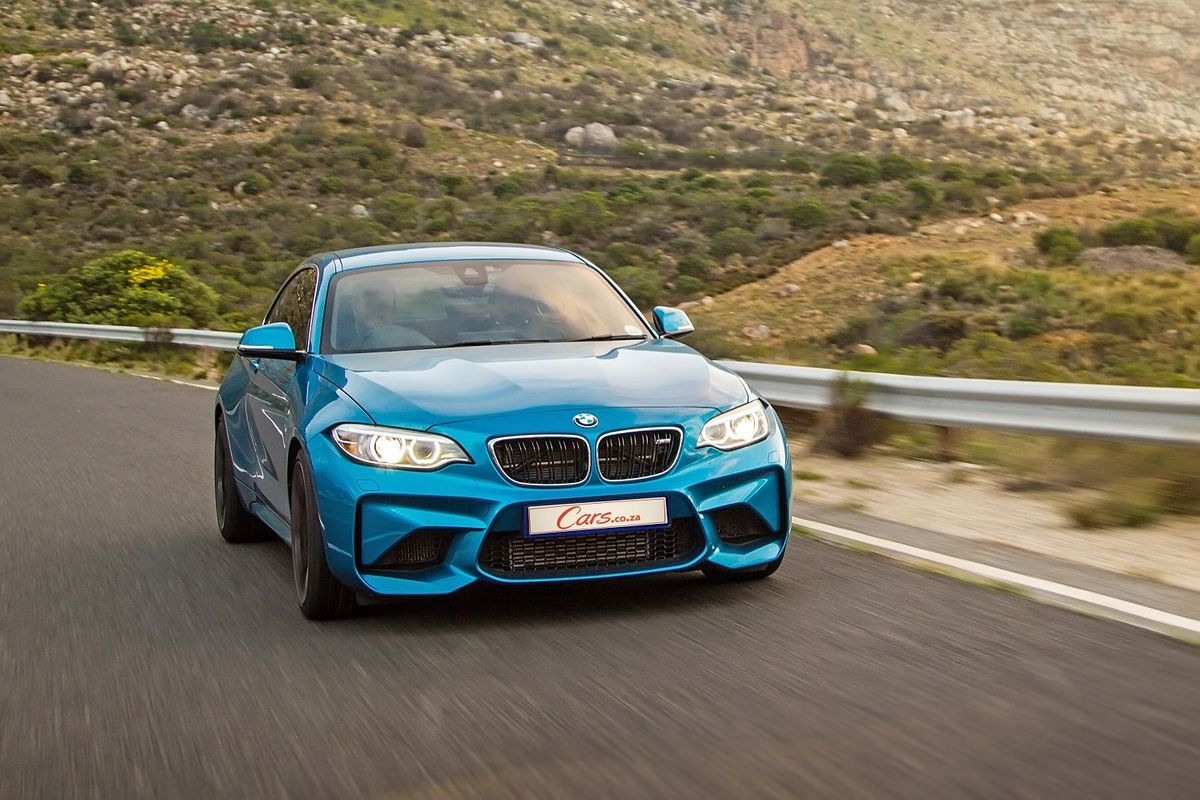
BMW, on the other hand, used the body of a 1 Series coupe (the E82, for the anoraks), which created confusion as to whether this car should be compared to other (5-door) hot hatches or not. The motoring fraternity thought to themselves, “why not?” and did it anyway. This specific 1 Series borrowed the E92 M3’s diff, which was connected to a manual gearbox and attached to a 250 kW 3.0-litre twin-turbocharged engine. The result? A BMW 1M which was capable of reaching 100 kph in 4.9 seconds.  After that, all hell broke loose…


The spirited 1M laid the foundation for the lauded M2, which we tested in mid-2016. The car has since been facelifted. 

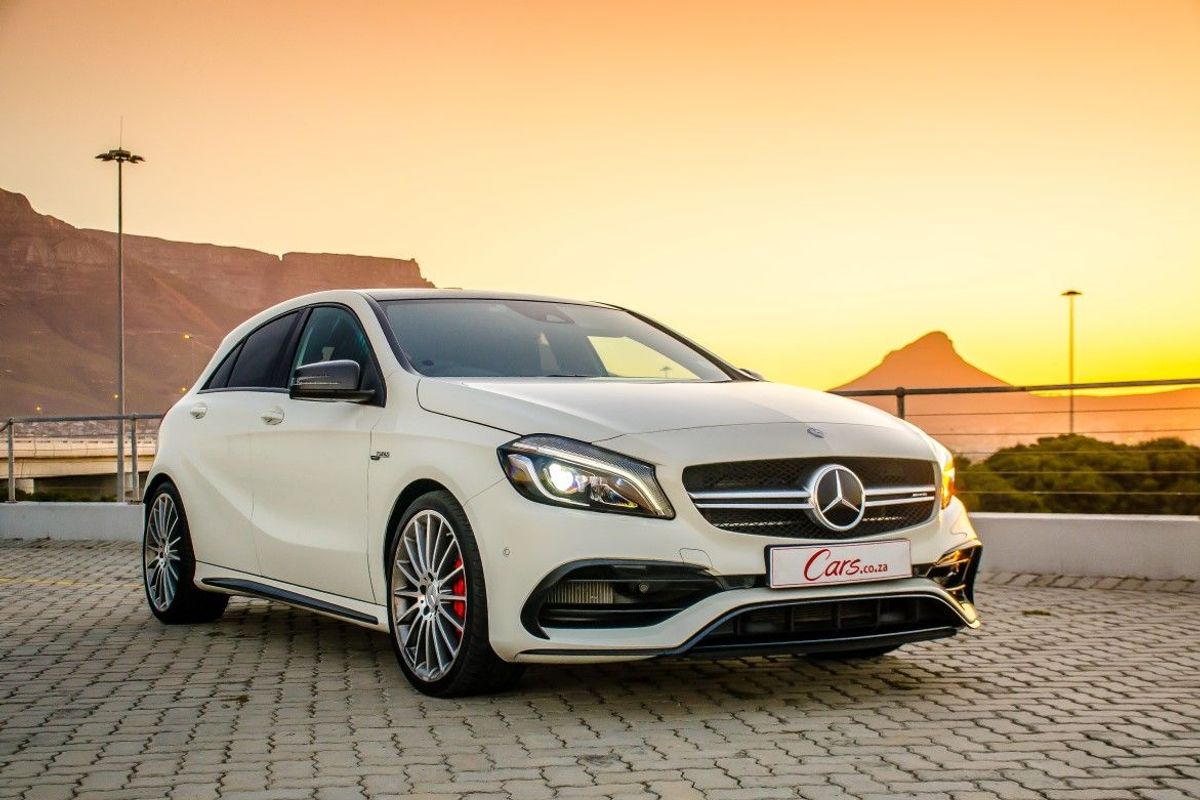
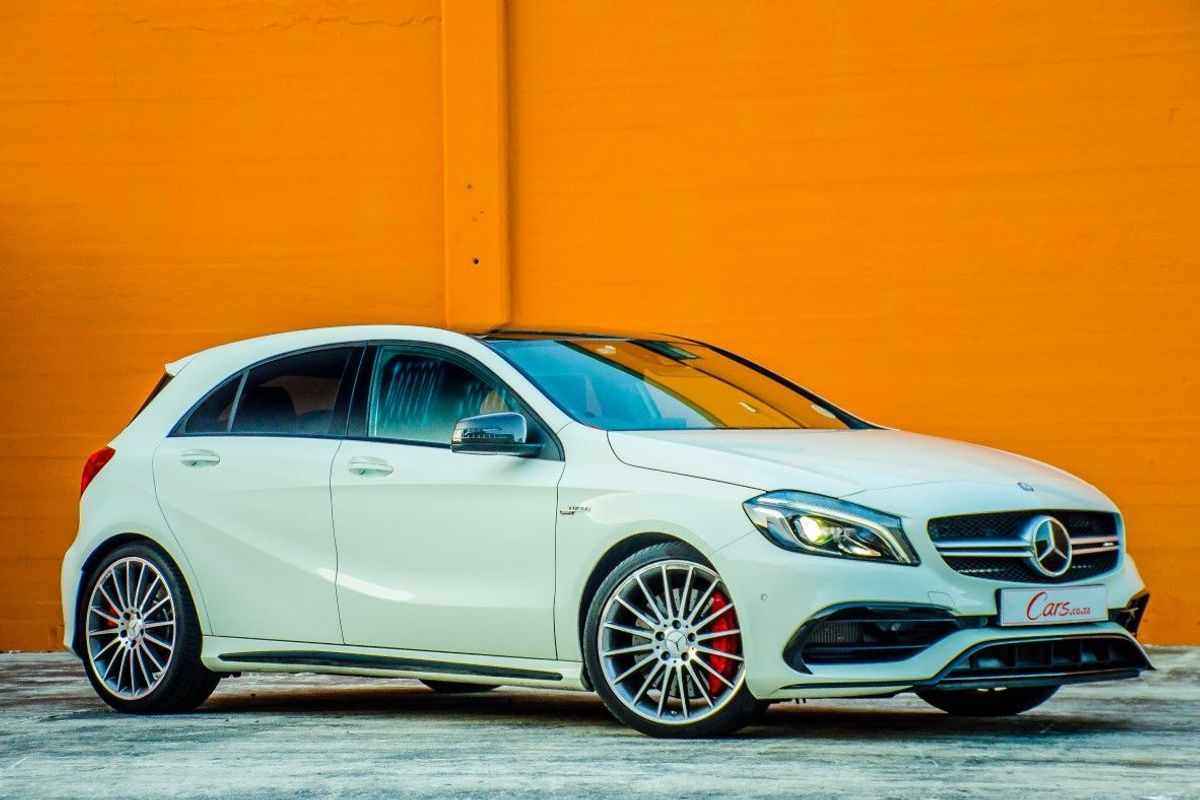
Mercedes-Benz (or Mercedes-AMG, to be exact) weren’t about to be left off this race, so in 2013 the good folks in Affalterbach took an A-Class body, bolted a highly strung 265 kW 2.0-litre turbocharged engine into it and waited for the next brands' move. The A45 has always been an interesting vehicle. Some love it, others loathe it, but either way it has proved that less can be more. Yes indeed, since the inception of the hyper hatch(back) segment, there has been a back and forth from the German brands, with all of them trying to “one-up” each other.

In 2018, we find ourselves with a 294 kW Audi RS3 Sportback and Sedan. BMW’s recently facelifted juggernaut remains the M2, which produces 272 kW (but there may be even hotter versions in the pipeline) and the A45 AMG makes a healthy 280 kW. Zero to 100 kph times of under 4.5 seconds are claimed for all these vehicles and some say the Audi RS3 will dip under the 4.0-second mark depending on the circumstances. That's ludicrous isn’t’ it? What’s even more difficult is finding a definitive answer to which one is best? Let’s try anyway.


The RS3, in sedan guise, is a finalist in the Performance Car category of the 2017/18 Cars.co.za Consumer Awards – powered by WesBank.

What makes them tick?

Each of these cars has a unique attribute to it. The BMW is the only rear-wheel-drive car and, dynamically it feels very different due to the fact that its front end merely grips and steers, which means you can turn in sharper. Coming out of a corner is where the trick lies because the scrabbling rear wheels can either make you look like a driving hero… or a rank amateur.


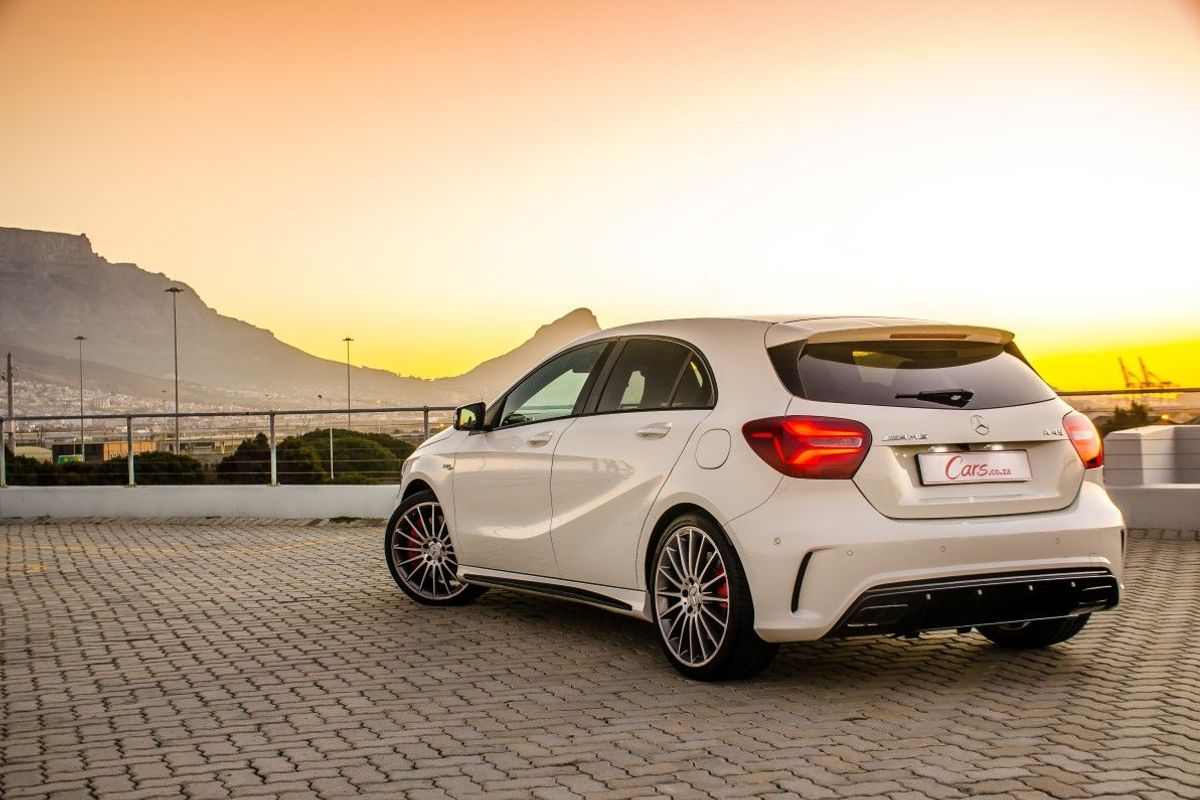
The A45, powered by the most powerful 2.0-litre engine in series production, makes a bold statement, but is a little too brash for some tastes. 

That being said, the M2 does possess immense grip despite its setup, so if you get it right, you can post sensationally fast lap times around a circuit. The chassis of this vehicle is one of the most balanced you can get in the BMW stable. The M2’s engine has always been a topic for conversation as it’s the only M vehicle that doesn’t have an independently built engine. Rather, it shares many similarities with the M240i’s engine and only offers 22 kW more, which begs the question, is the M2 worth the extra money? That’s a conversation for another day.

Watch the BMW M2 take on the RS3 on the drag strip at Killarney:

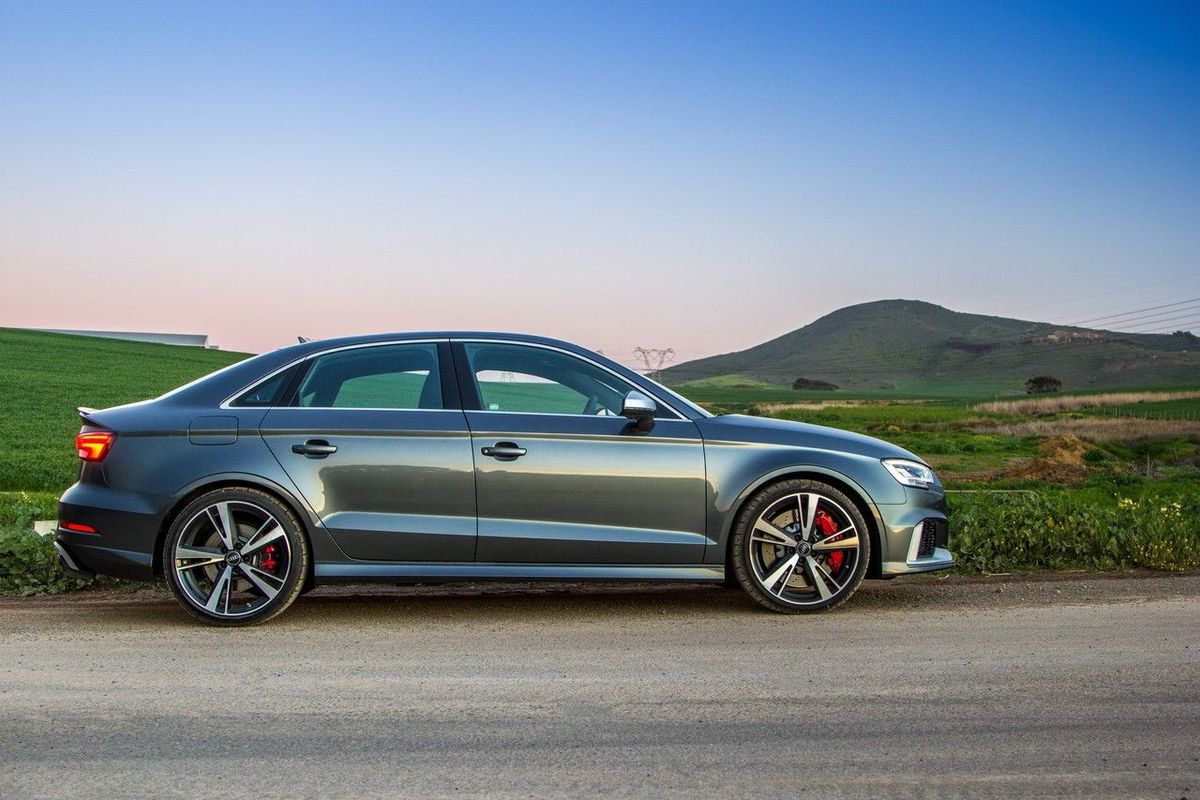
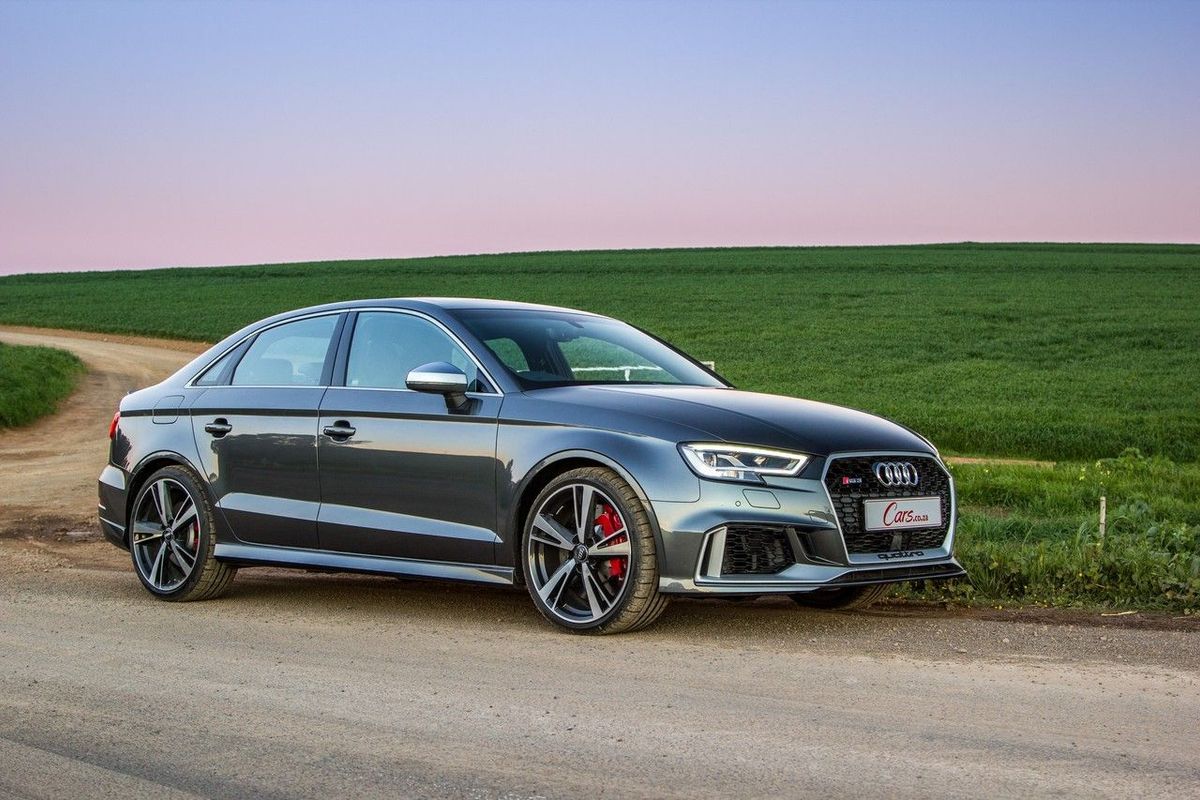
The recently facelifted RS3 hatchback/sedan duo has thrown a major spanner in the works. The 1st iteration of the 2nd-generation car was good, but Audi wasn't happy with being “just” good. Quattro GmBh decided to give us more power: an extra 24 kW, to be exact. That may not seem like a lot but judging by the ferocity of this car, it feels like a lot. The new RS3’s engine has got to be the best Audi has ever produced… it's the engine equivalent of full-fat butter. Its performance is compelling (to say the least) and the rich, creamy exhaust note it emits when driven in anger adds a flavour to this car that you can’t easily get elsewhere.

RS3 is the most user-friendly

Dynamically, the RS3 has widely been criticised for being nose heavy. This may be true at times, but when respect is given to the front-end (by limiting entry speed into a corner), the Quattro system can promptly catapult you out of a corner, often faster than you ever imagined. The RS3 feels more comfort orientated compared to its rivals, so it does give more play under extreme directional changes. However, it’s still a comprehensive package and that engine…oh, that engine.

Now for the most controversial vehicle here. Not only does the Mercedes-AMG A45 look like it wants to fight you, it sounds like it too. With an exhaust note loud enough to be mistaken for a volley of heavy artillery fire, it sure knows how to make an appearance. When fitted with the aero kit it looks fantastic. Where the A45 falls behind, however, is displacement. Having a smaller engine, its ability to sprint to 100 kph is on par with its rivals on paper, but after that, it seems to die out while the others keep going and going and going.

Watch the A45 take on the RS3 in a "traffic light drag race" below:

Where the A45 makes a comeback is in the way it handles. On the road, the car is firmly sprung. That damping plays to its advantage on a circuit as it handles tight chicanes very well and overall, it holds a slight edge in terms of outright manoeuvrability. It too features all-wheel-drive, but Mercedes’ system feels more agile than Audi’s Quattro system.

So, which one will you take home?

Hopping in and out of each vehicle makes this decision even harder. The BMW is the most fun and its ride comfort is fair. Being a coupe, it’s also the least practical of the three, but you can live with it every day (with ease, in fact, provided you don’t have more than one adult passenger). The Mercedes AMG A45 has got the hardest ride quality, but it’s also quite entertaining when driven with maximum intent. People also tend to notice the A45 a lot, giving the car massive kerb presence. The RS3 is the plainest and can easily be mistaken for a "lowly" S3 until you accelerate and the sound of angels singing escapes from exhausts. The RS3 is also the most comfortable car and its practical too, especially if you opt for the sedan.

Pricing for all three will also set you back over R1 million after you specify some options. So, what will it be then? The answer lies in what YOU want. None of these cars are bad cars. In a perfect world, one would have the dynamic ability of the M2, the engine from the RS3 and the looks of the A45. Or you could save yourself a couple hundred thousand and buy yourself a Ford Focus RS, BMW M140i or a facelift Volkswagen Golf 7 R derivative. These super hatches aren’t too far off their more powerful colleagues and they still manage a 0-100 time of under 5 seconds. Forget a spanner, I've now thrown a whole toolbox in the works.

Related content:

3 Reasons Why BMW M2 is #CarsAwards Finalist

Audi RS3 vs BMW M2 (2017) Track Race 

3 Reasons Why Audi RS3 is #CarsAwards Finalist

Audi RS3 Sedan (2017) Quick Review

Mercedes-AMG A45 4MATIC (2016) Review

Track Race: Audi RS3 vs Merc-AMG A45 vs Honda Civic Type R vs BMW M2 [Video]

BMW M2 vs Mercedes-AMG A45 vs Audi RS3 vs Honda Civic Type-R: On-track analysis (Video)