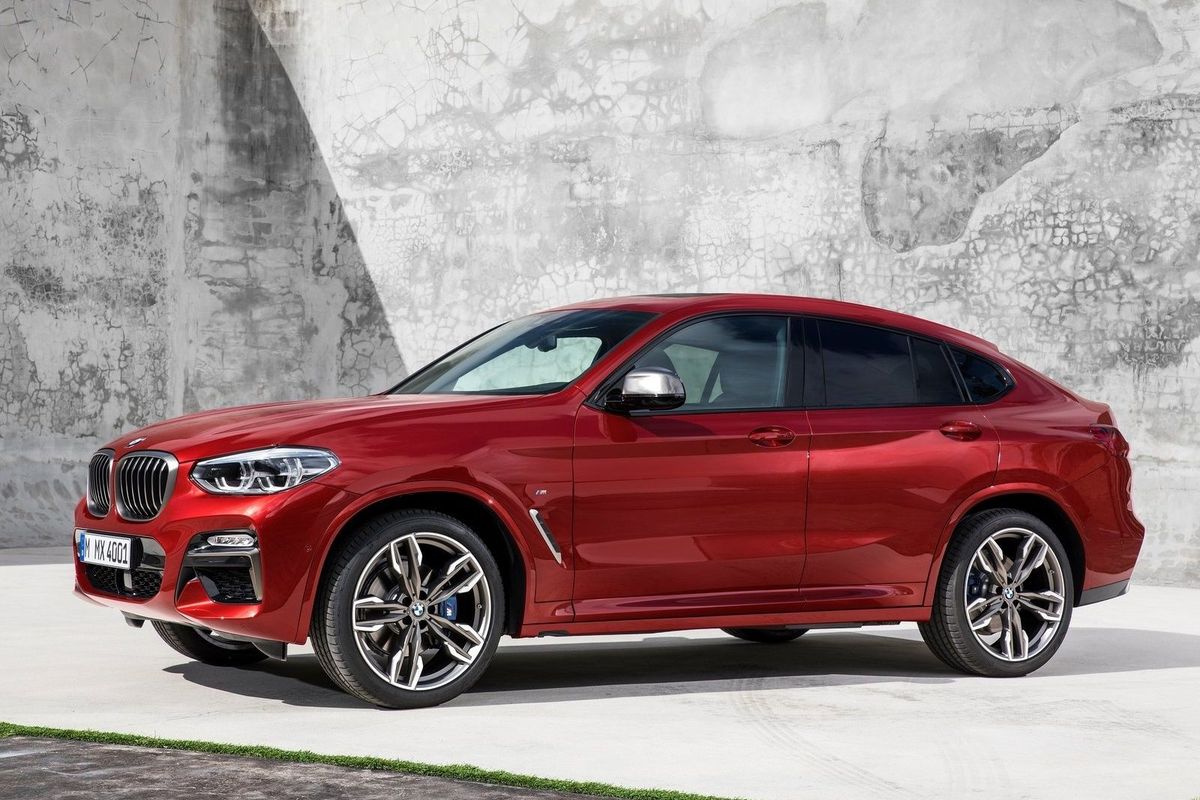
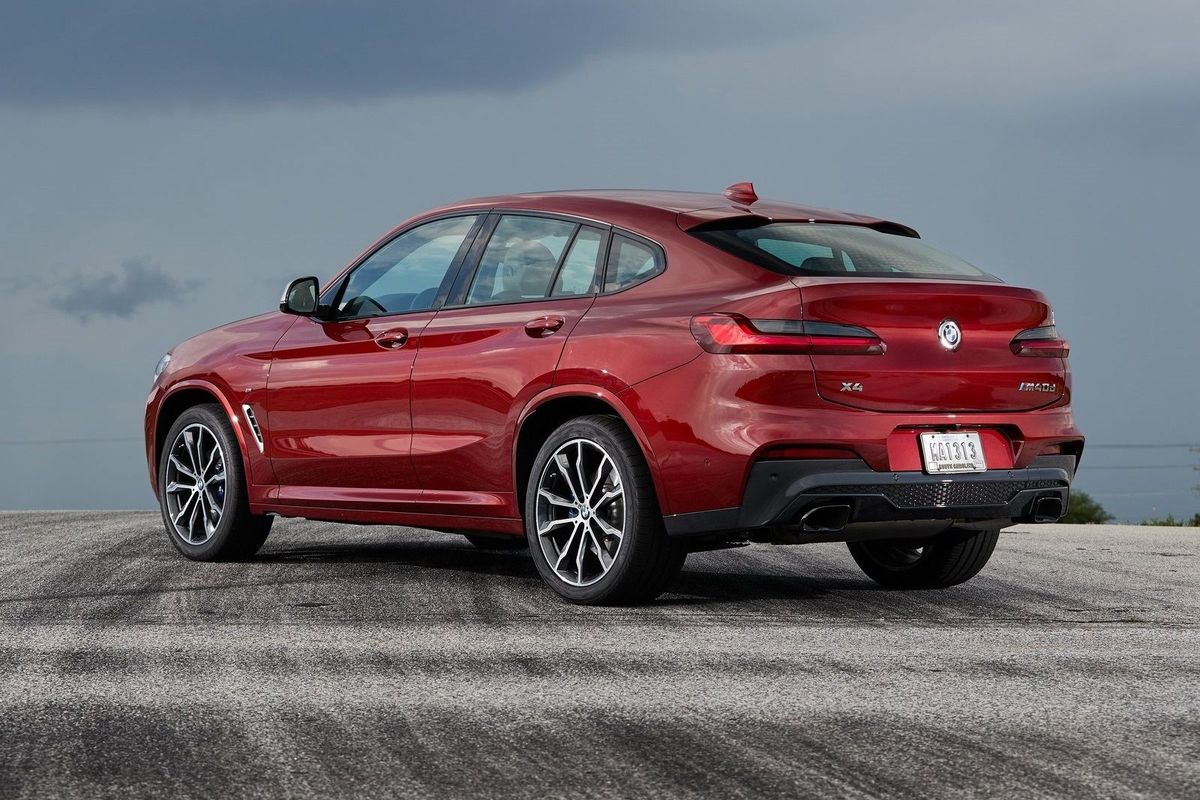
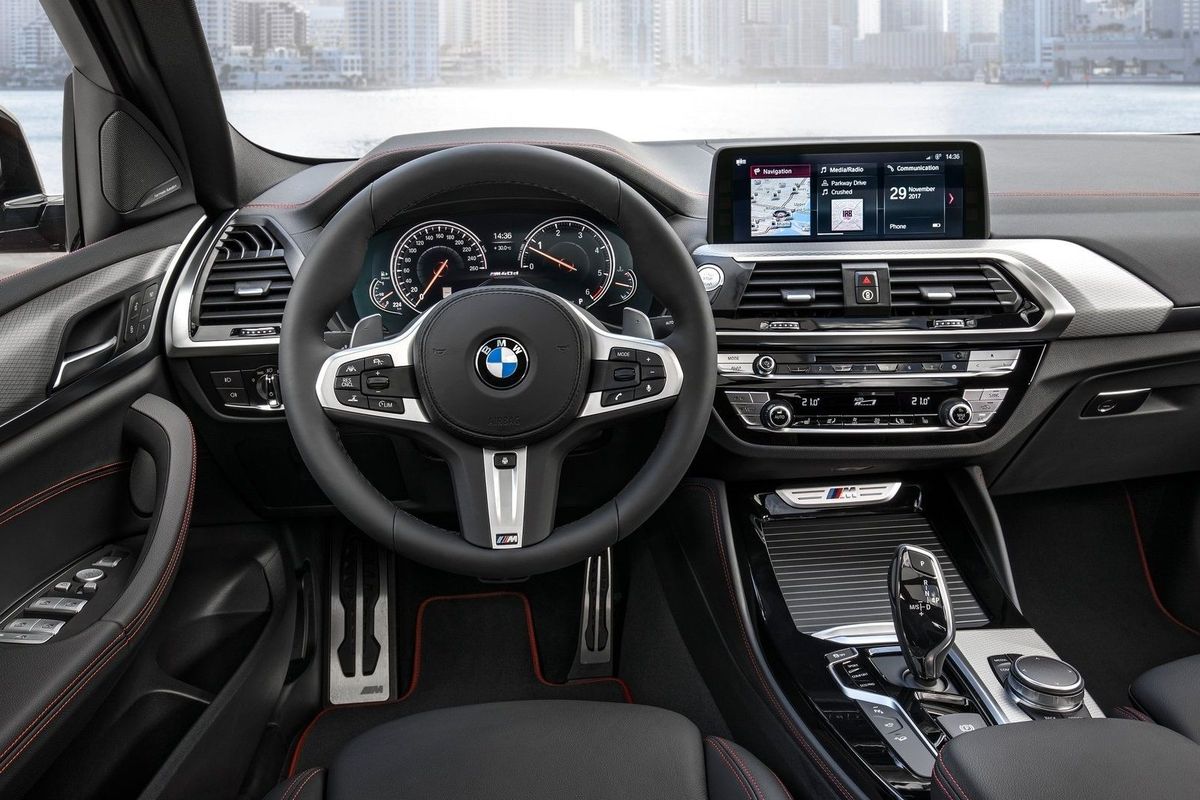
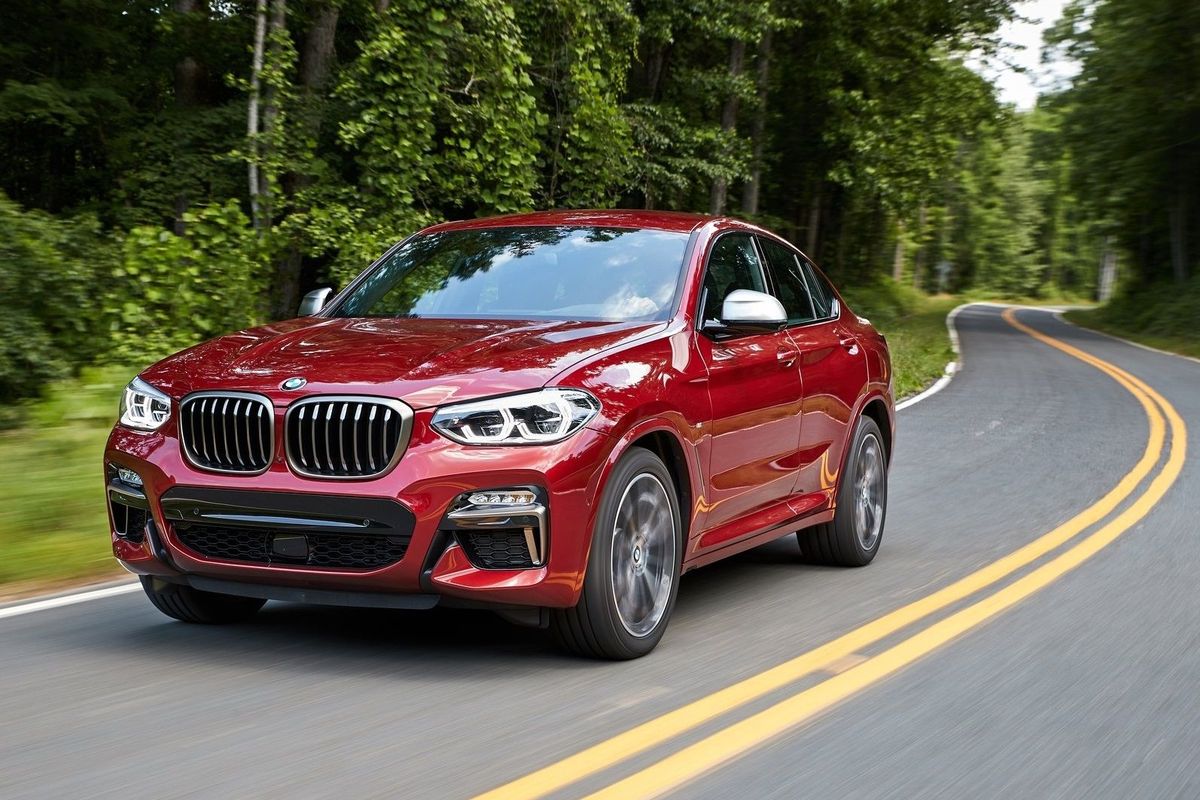
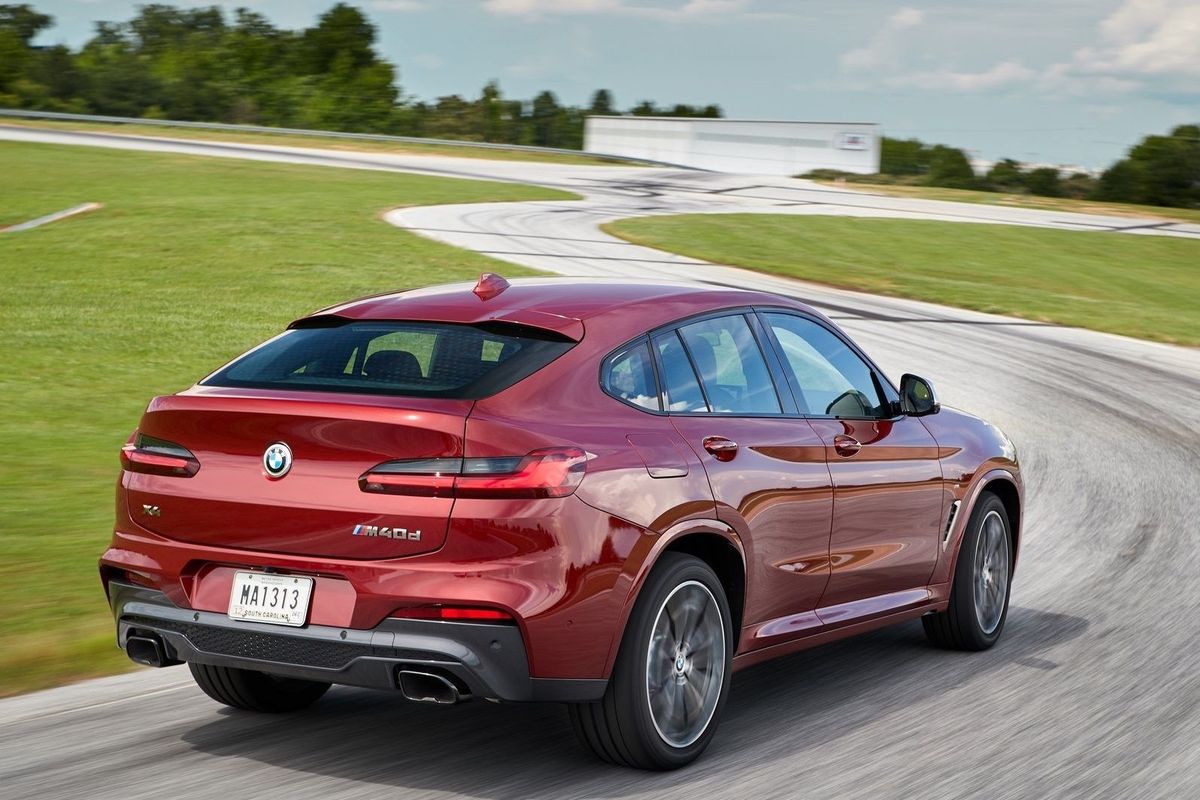
BMW recently celebrated the launch of its second-generation X4 in Greenville, South Carolina, USA, and we made the trip to experience the latest SUV from the Bavarian brand. Watch the video!
For this generation, BMW is doubling down on a format it invented, that of the SUV Coupe, which seems to have found enough buyers to justify its existence. Coupled with the latest generation petrol and diesel engines, a revised drivetrain and the latest version of xDrive, the X4 may be based on the X3, but in many ways, it offers a very unique experience.
In this video, we drive the new X4 on some beautiful back roads through the forested hills of South Carolina, as well as on BMW's own Spartanburg test track, and lastly on a skidpan, where the X4 offered up the biggest surprise of the day.
The new BMW X4 is expected to arrive in South Africa in September 2018.
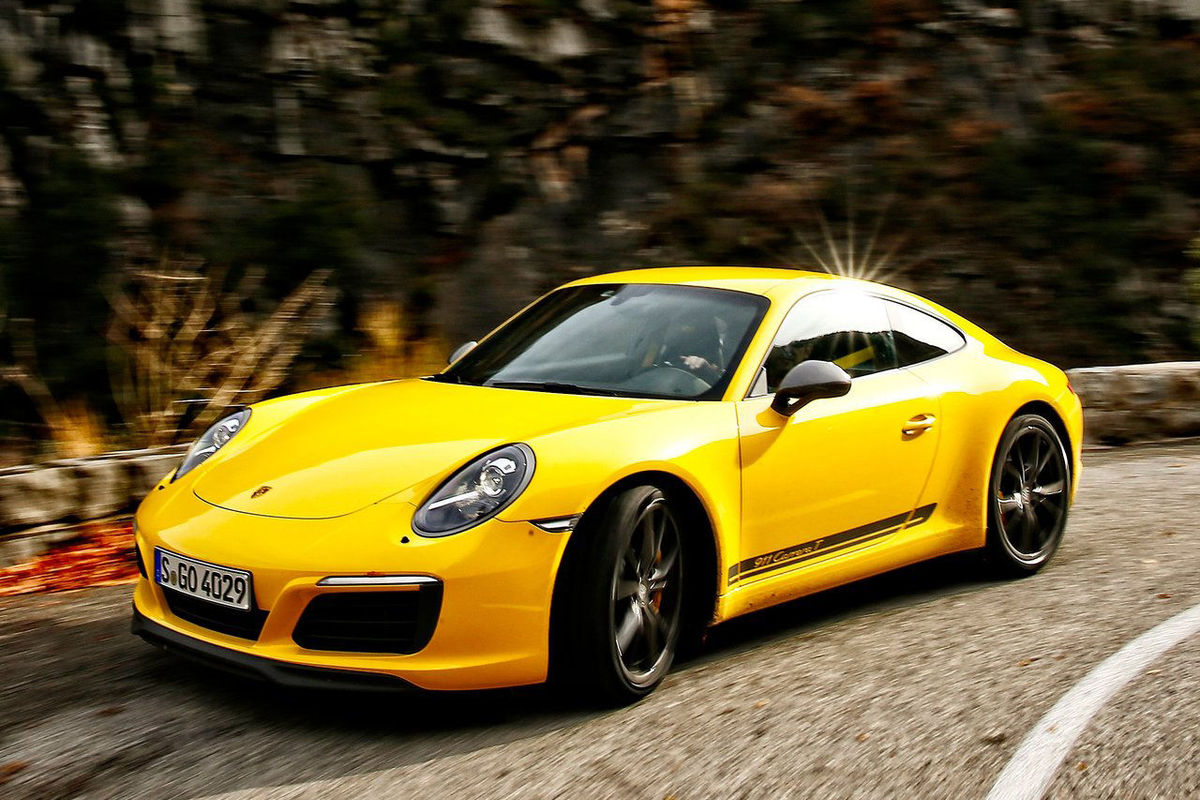
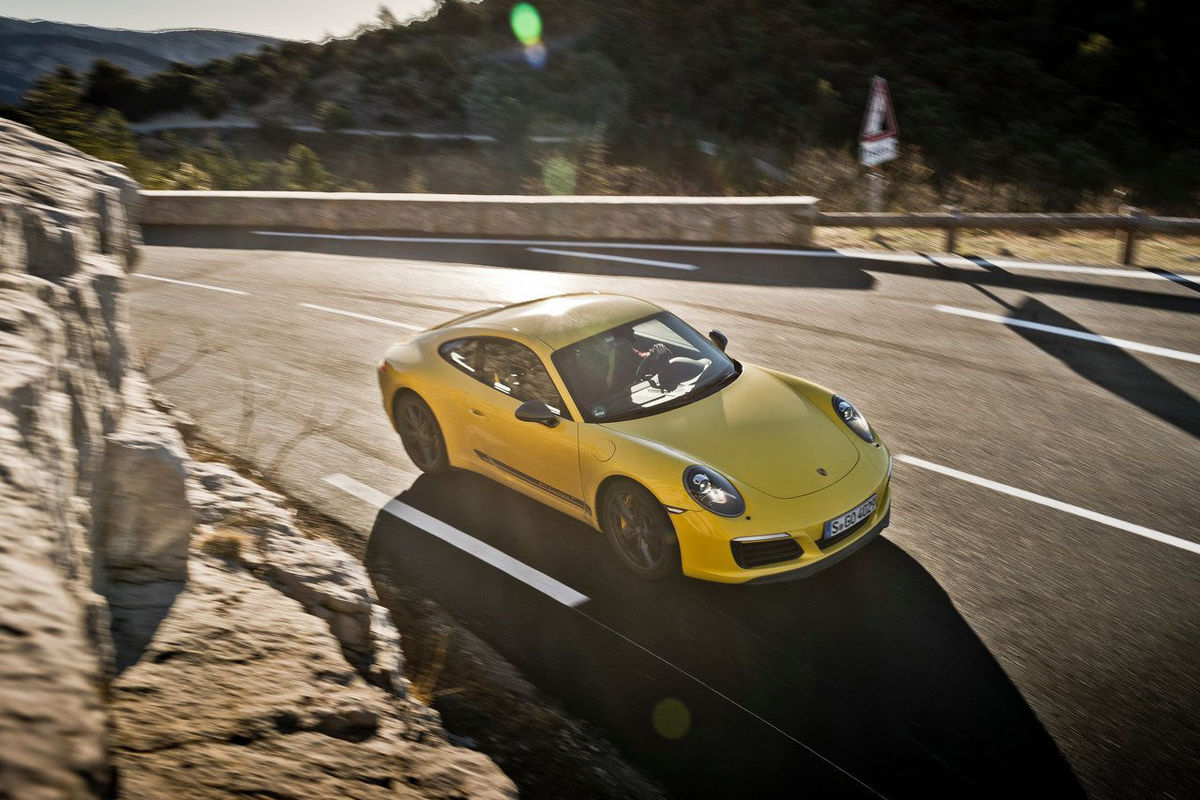
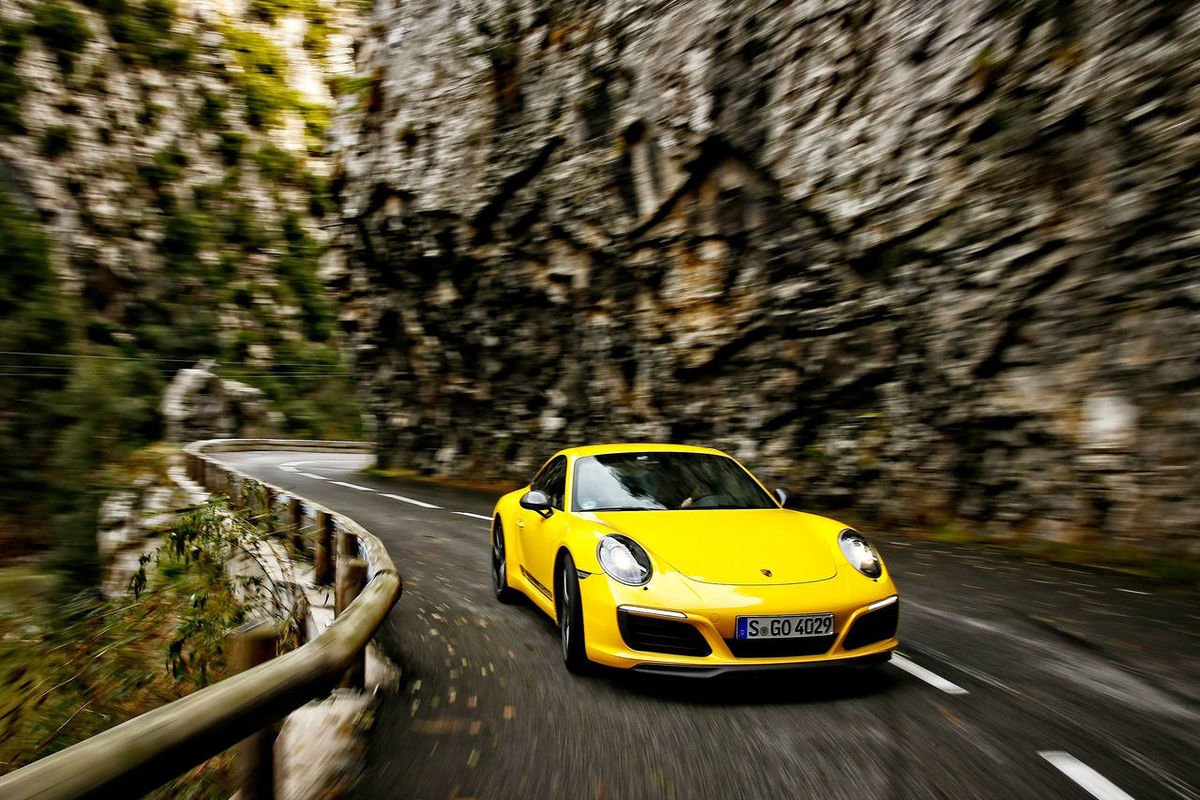
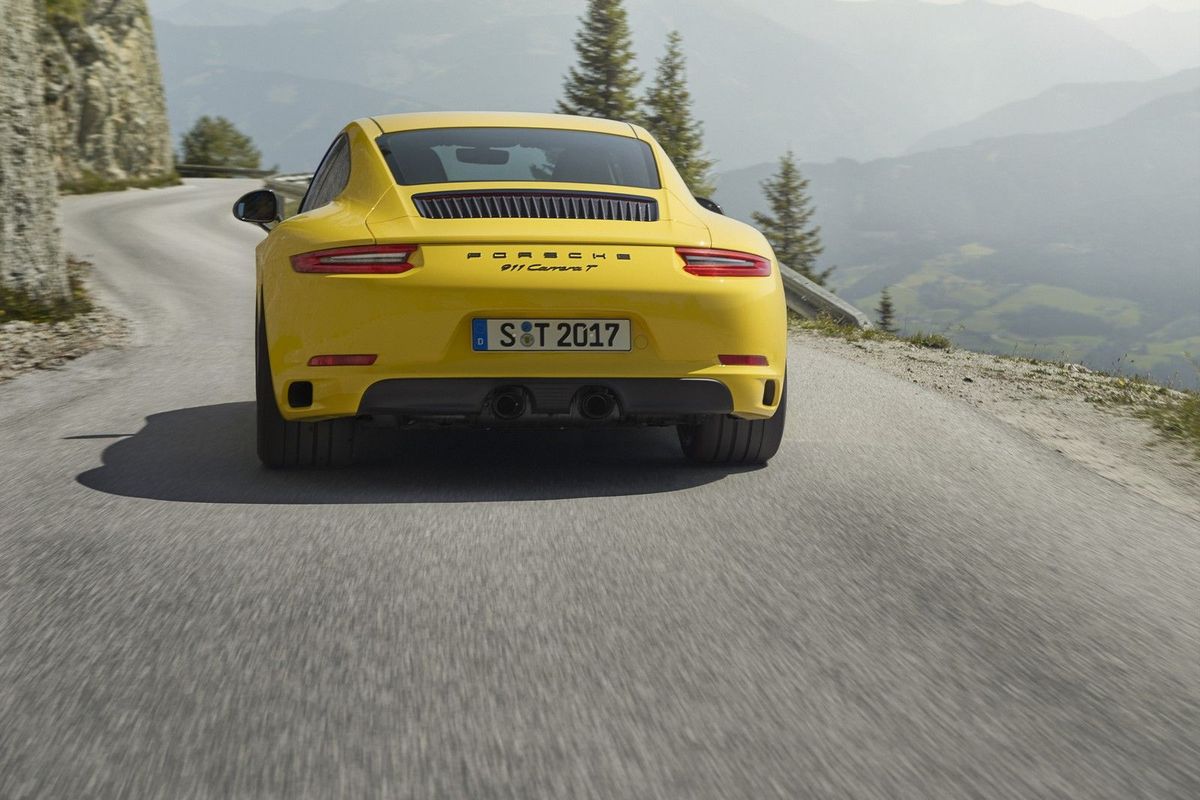
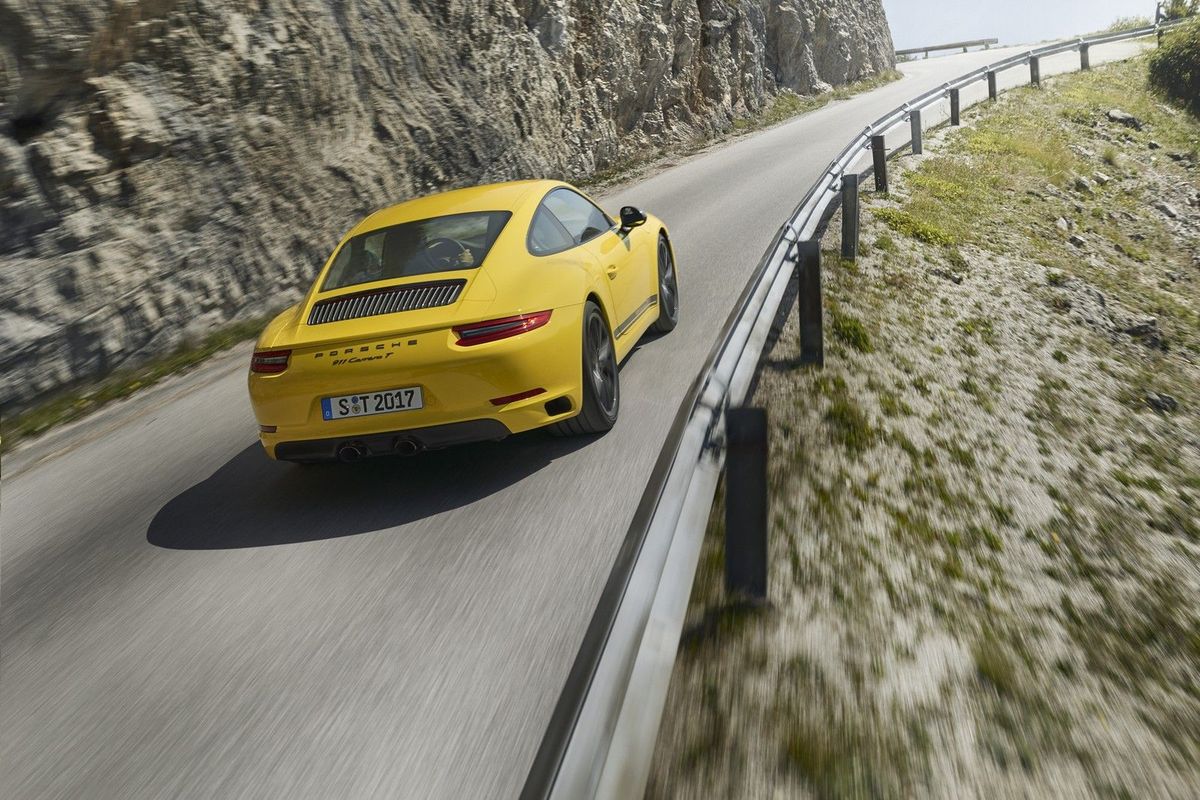
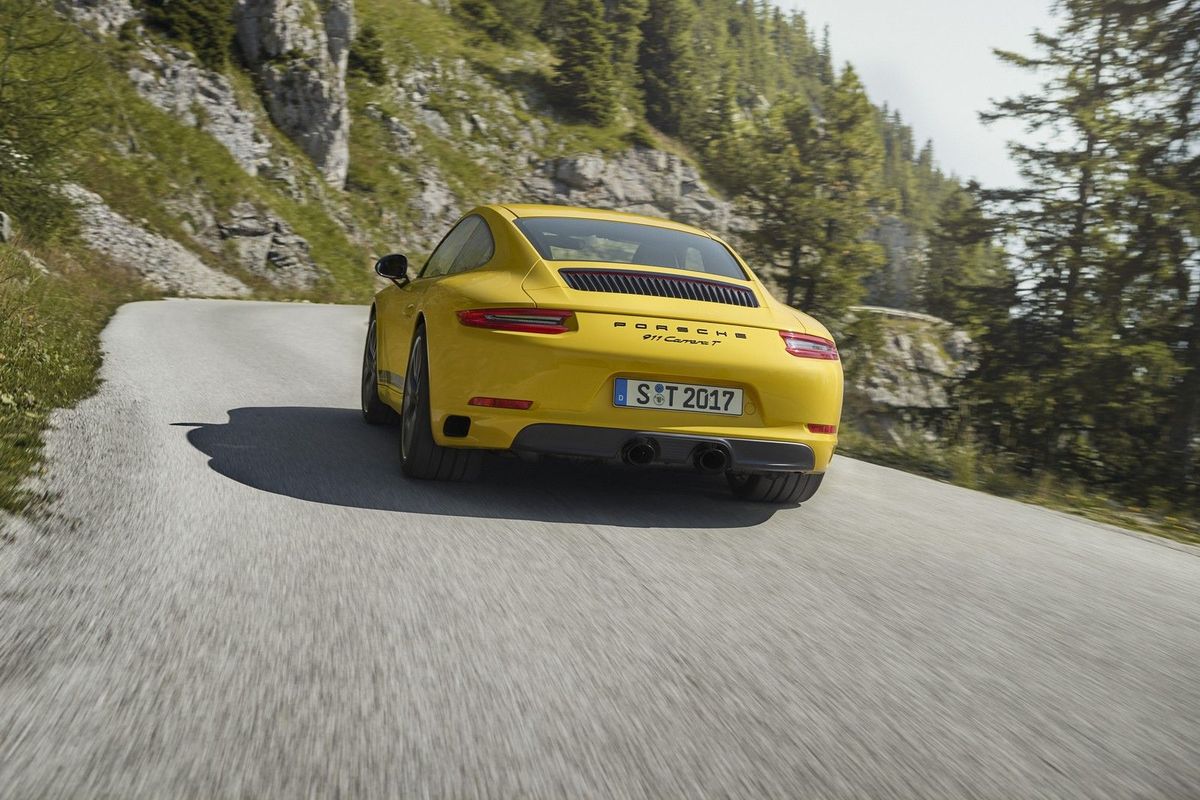
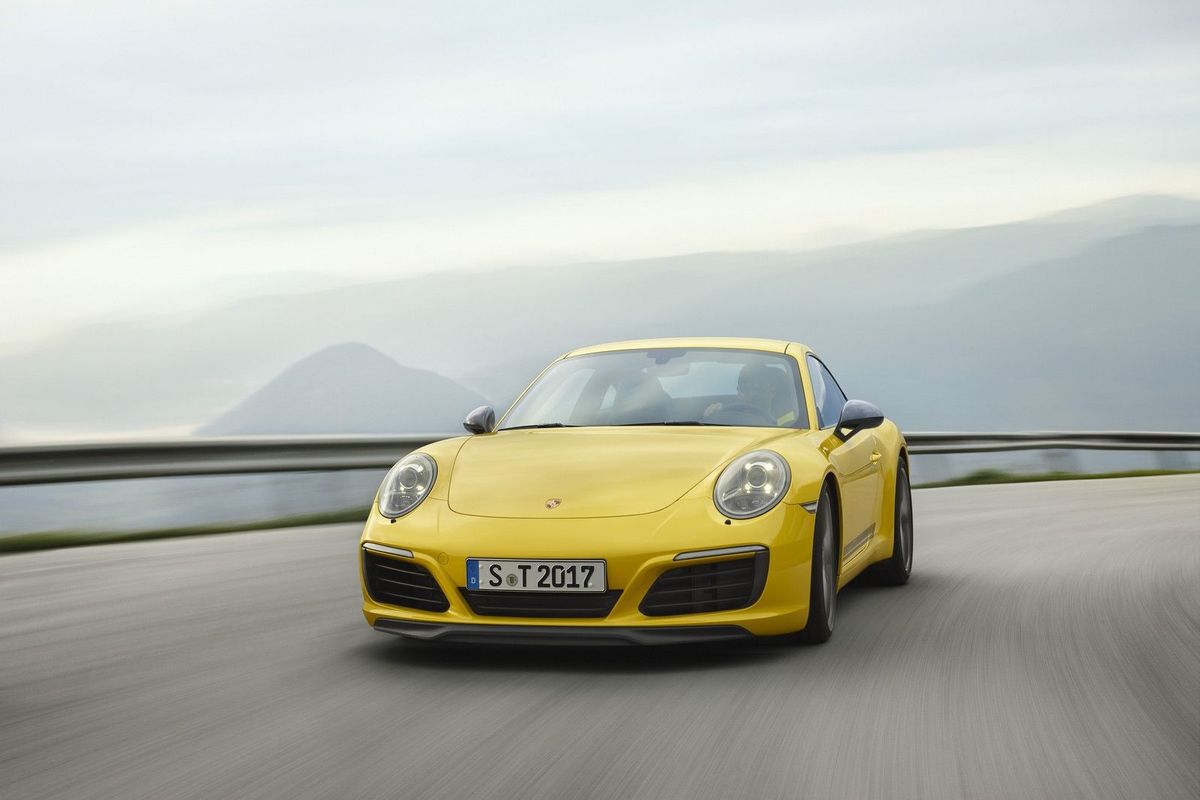
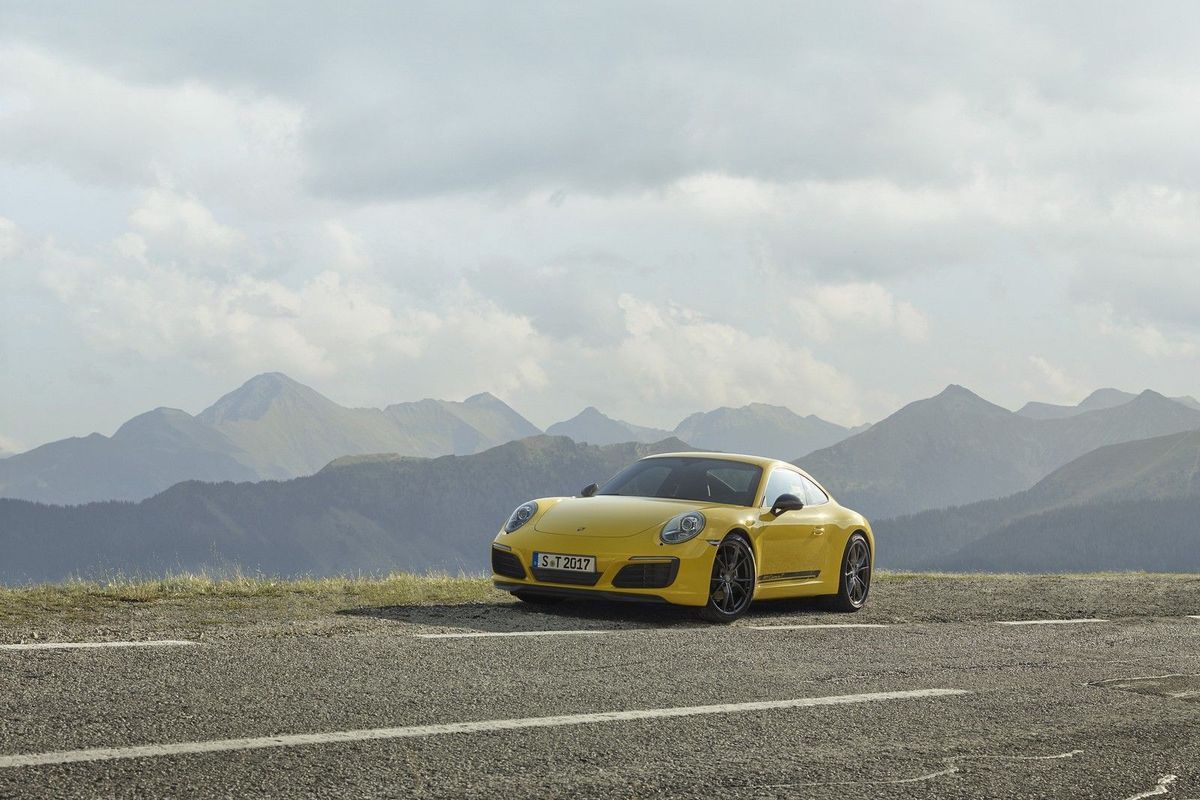
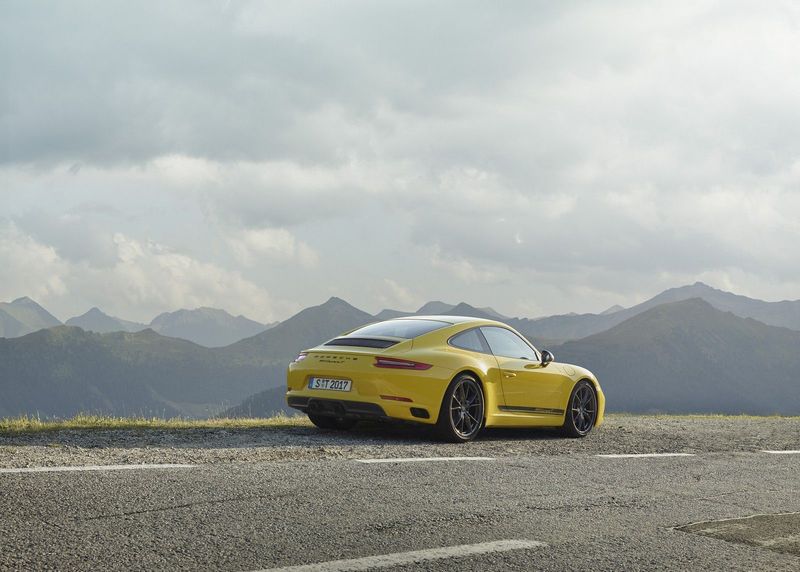
Porsche claims the 911 T is the value-for-money derivative of the 911 range and it's said to offer an undiluted driving experience. The Cape roads were very wet, but we spent a solid 500 km behind the wheel of Porsche’s newest 911.
What is it?
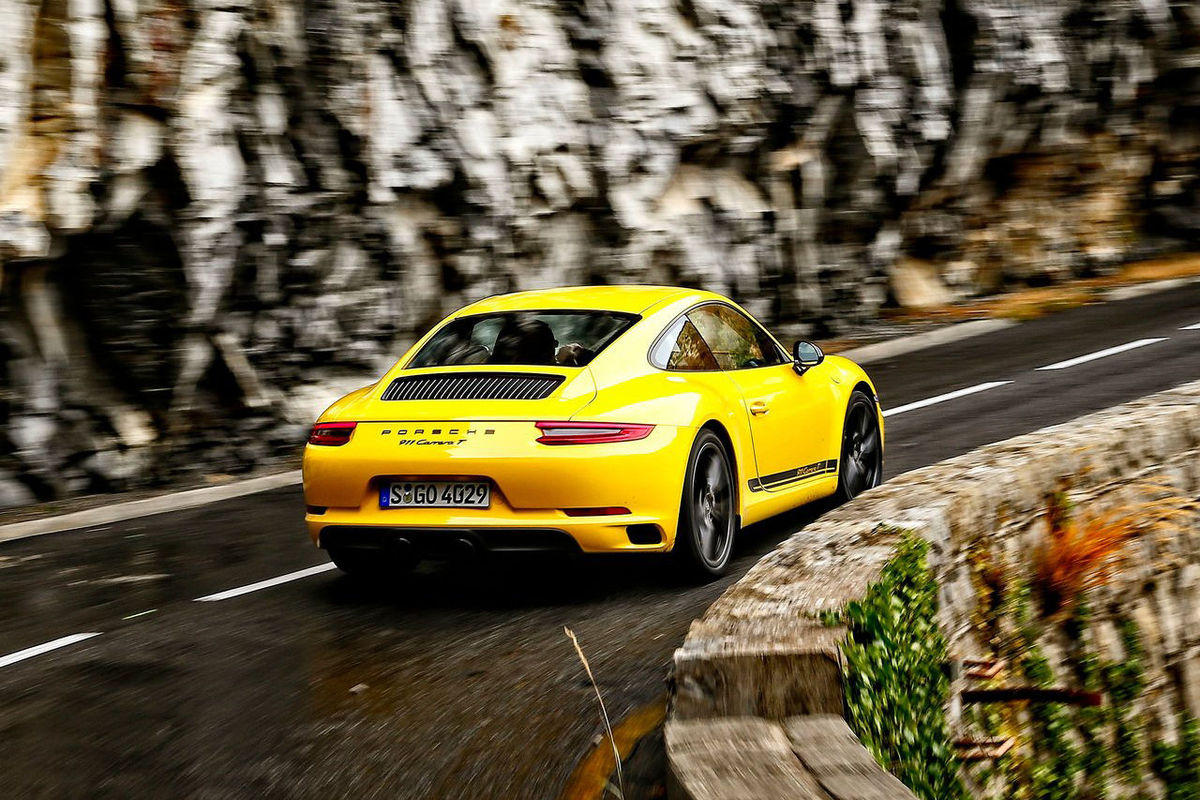
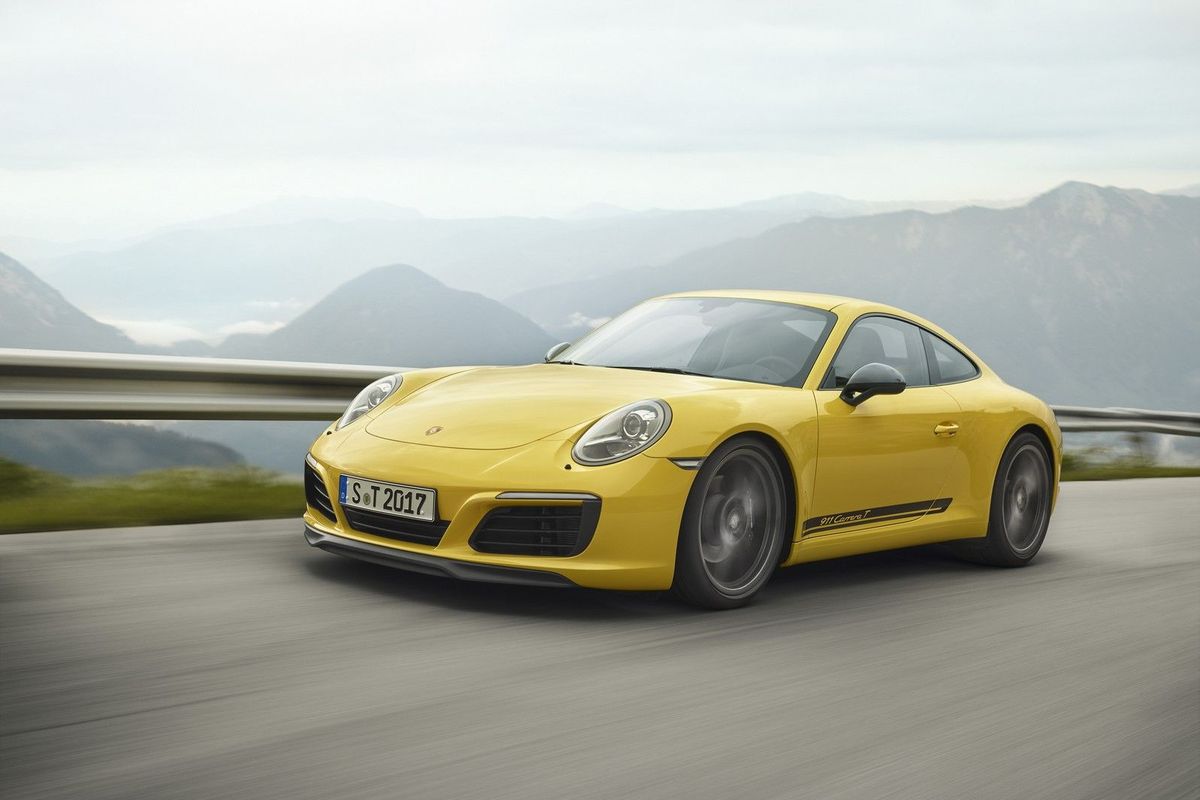
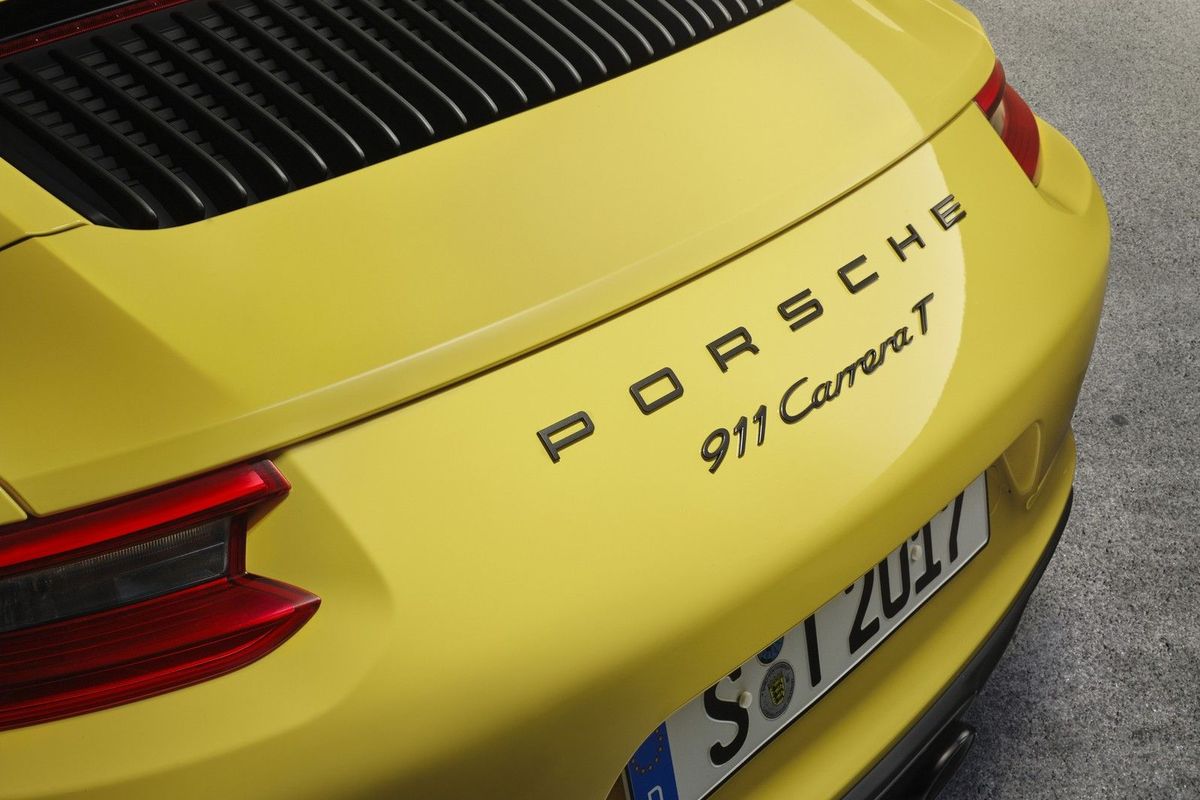
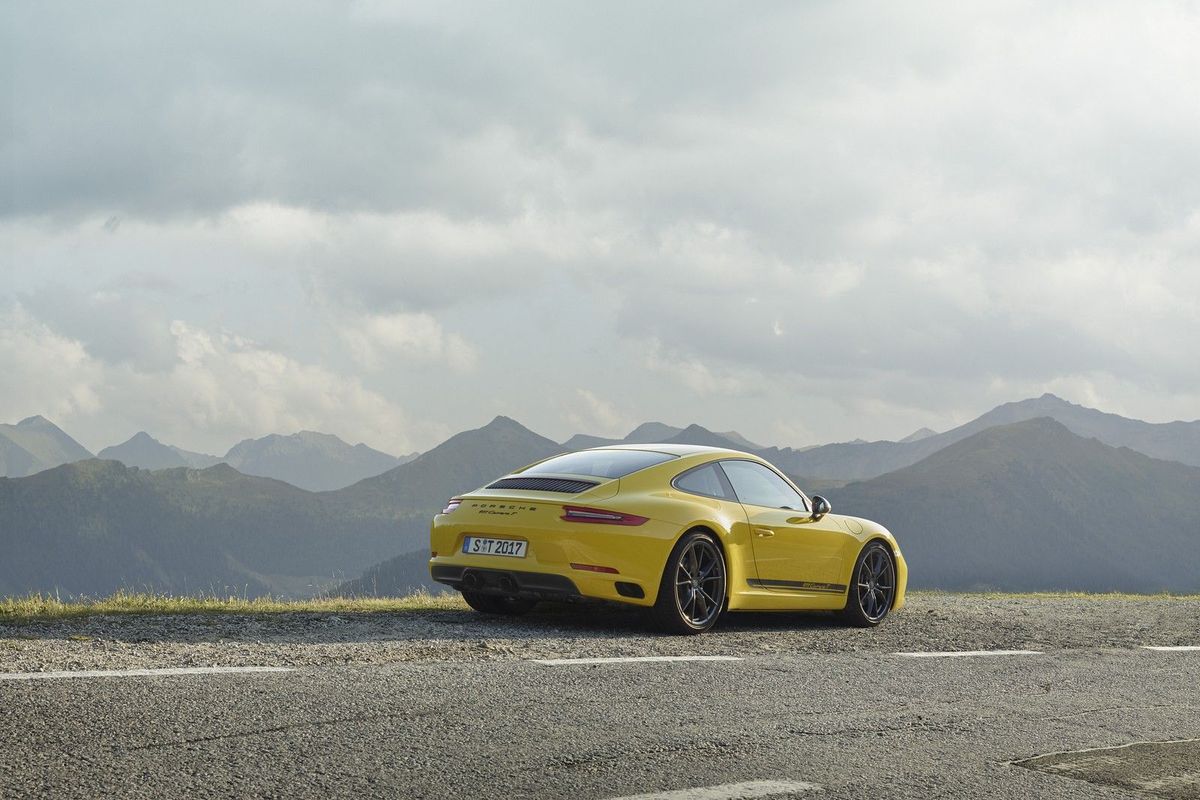
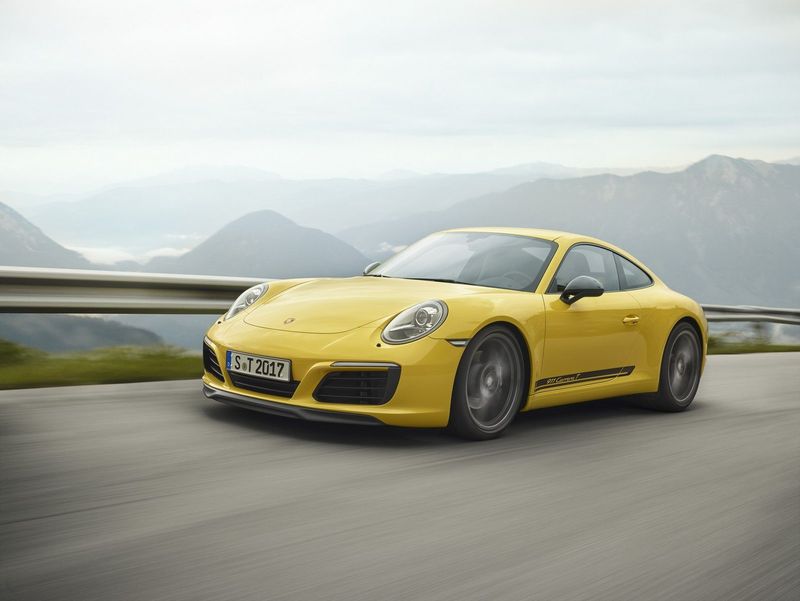
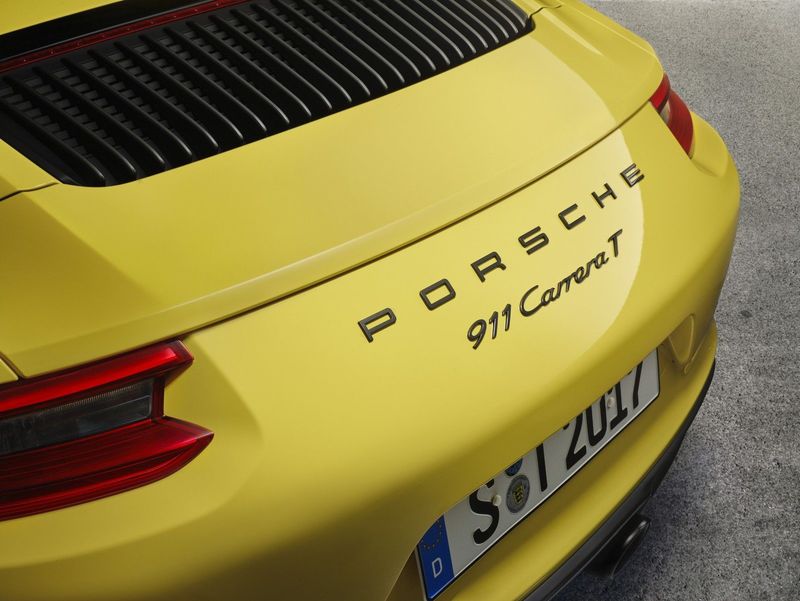
The 911 Carrera T features a slightly different front splitter and the more obvious badging down the side.
There are very many types of Porsche 911 to choose from, including versions with 2-wheel-drive and 4-wheel-drive; some are wide-bodied, quite powerful, very powerful, insanely powerful and then there are ones that come equipped with roll cages. So, where does this new 911 T fit in?
The T designation dates back to 1968, when Porsche needed to sell more 911s so the Zuffenhausen-based firm took spec out of its now-iconic sportscar to reduce the price. Even the engine got a cut in power, making it the least powerful 911 ever to go on sale.
The new 911 T doesn’t go quite that far, it uses the same 3.0-litre turbocharged flat-6 engine from a standard Carrera with 272 kW and 450 Nm. From there, Porsche picks and chooses bits from the options list that it believes will provide a less-is-more driving experience.
It includes a 20-mm lowered sports suspension, Sport Chrono Package optimised for weight reduction and a sports exhaust system. A few other neat tricks make the 911 T special too. The door handles have been replaced with fabric loops, the rear side windows are made from lightweight glass and the sound absorption material has been reduced to a minimum. The rear seats are removed, but are a no-cost option to install, all of which adds up to a 20-kg weight reduction over a standard Carrera derivative.
Mechanically there’s a shorter-ratio (and throw-action) 7-speed manual gearbox (the PDK's ratios are unchanged) and it uses a mechanical rear differential. The headline (claimed) figures are 0 to 100 kph in 4.5 seconds for the manual and 4.2 for the PDK. Top speed is said to be 290 kph.
Driving it in the rain
The less-is-more philosophy has led to a 20 kg reduction in overall weight.
The biggest storm to hit the Western Cape in years made things a little tricky at the launch, but we set off in the manual model first, aiming for Gansbaai via the famed Franschhoek Pass. The 7-speed manual is a bit of a gimmick with 7th gear only really there as an overdrive gear to reduce fuel consumption at freeway speeds. It’s also a little tricky to work back down the gearbox, you may find yourself hooking 3rd gear instead of 5th when shifting from 6th. Might a standard 6-speed 'box not have been better?
The shorter ratios and shorter throw make for an involving experience as the 911 T eagerly accelerates from a standstill. Despite the fussiness of the 7-speed design, working the manual transmission feels like the right way to drive a car like this. The reason you buy a 911 is to involve yourself in the best-possible driving experience and the manual does just that. Don’t add the rear seats back in either, the sound from the exhaust is more audible without them and not having rear seats means the Porsche will never be encumbered by the extra weight aft passengers would add.
On a wet day, I can’t say I missed the extra power offered by a Carrera S, as the 911 T felt just perfect for the conditions. The best aspects of the 911 are brought to the fore with the 911 T: it feels agile and light as you sweep from side to side over a mountain pass. There’s an abundance of grip and feel from the chassis, even as we dipped into puddles mid-corner, the Porsche held fast, as if asking you to load more g-forces onto it.
In this spec, you get the absolute best out of an "entry-level" 911.
The 3.0-litre turbocharged units revs right the way to 7 500 rpm before the electronics intervene. The engine doesn’t have a distinct turbocharged feel to it and delivers linear acceleration right up until that mark. What’s great is that as you stab at the throttle after a shift, you get a pulse from the sports exhaust that howls back a beautiful flat-6 bark. Porsche has made this engine sound and, critically, feel like a non-turbo unit, which is good.
The steering is a good example of a well-sorted electronically assisted steering setup; it provides adequate weight and feel. The standard Sports Chrono package means you get the rotary knob on the wheel that allows you to change driving modes quickly. The rotary knob also comes with a thumbable push-to-pass style button that gives you everything the car has to offer in a 20-second blast – great for those quick overtaking moves.
Final thoughts
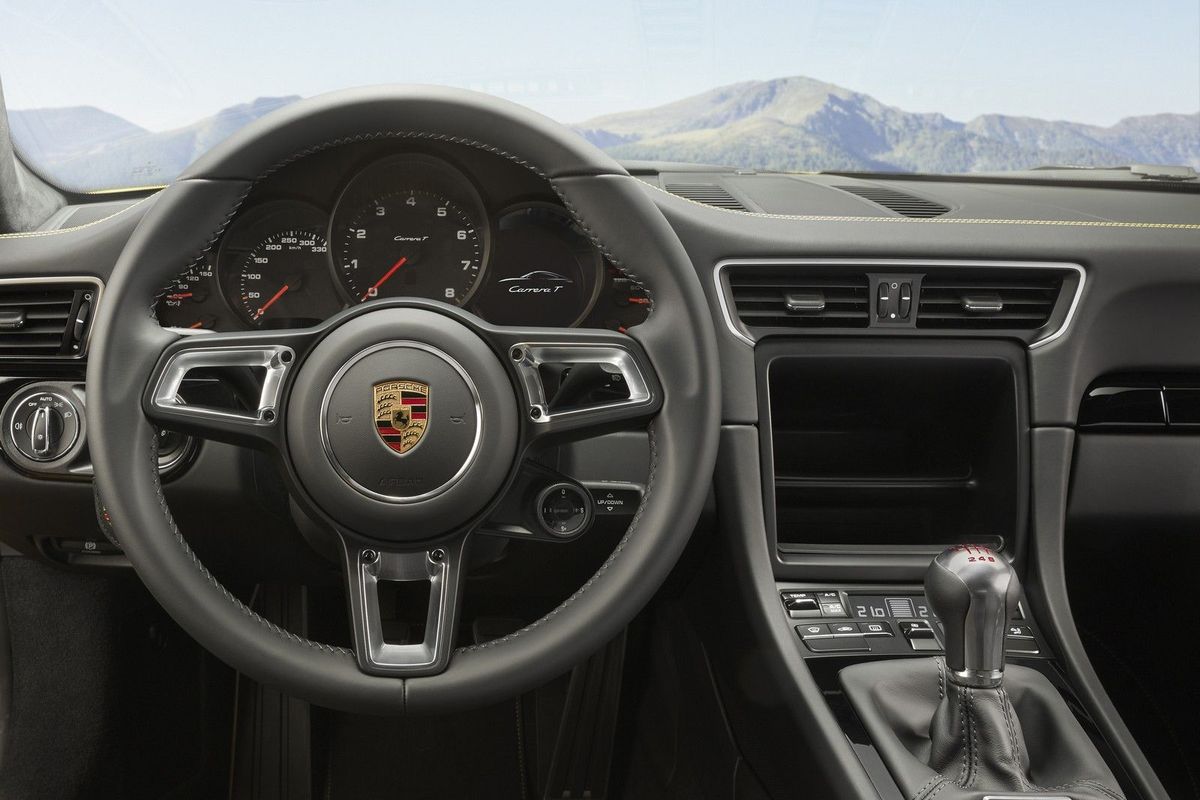
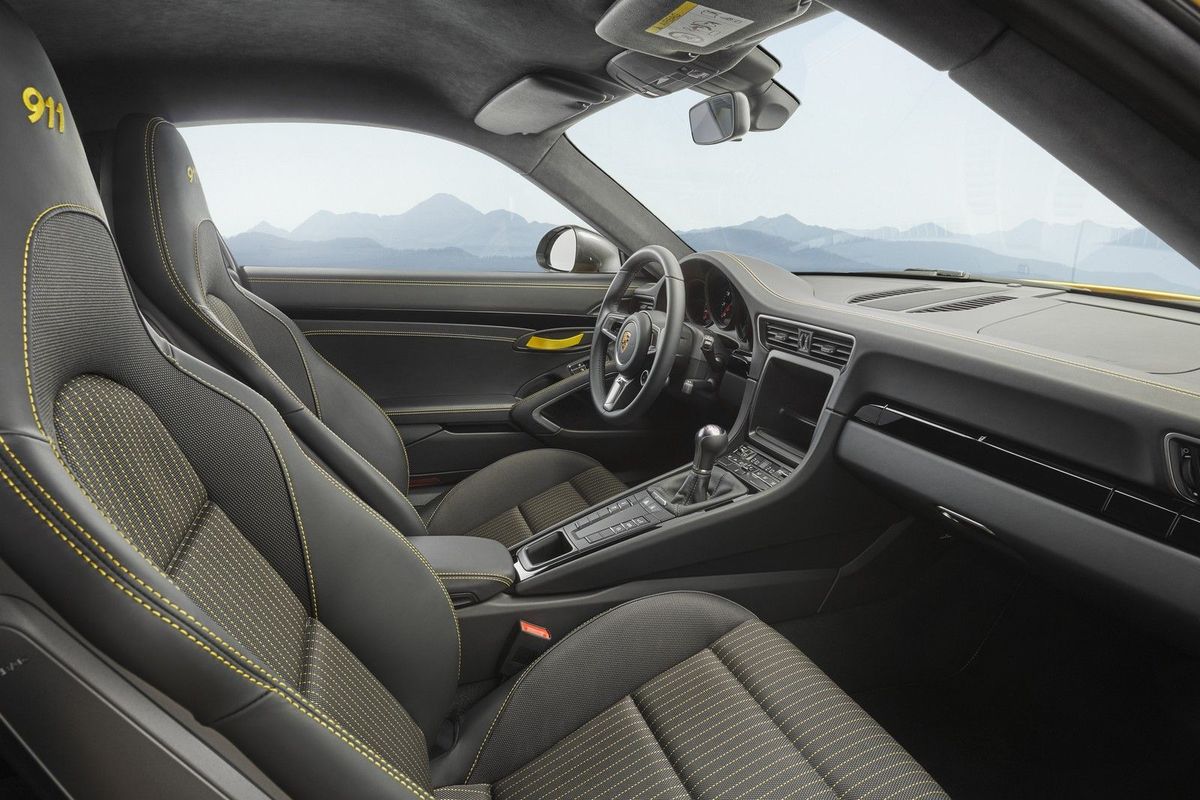
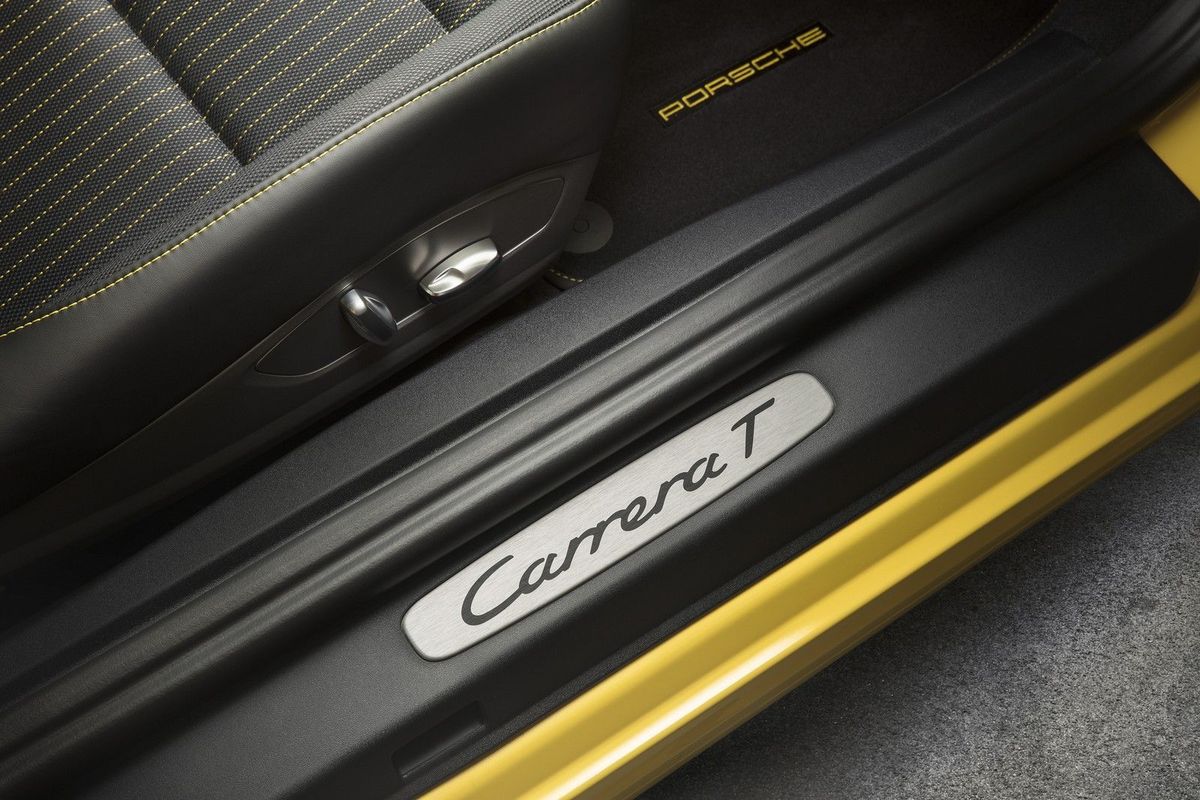
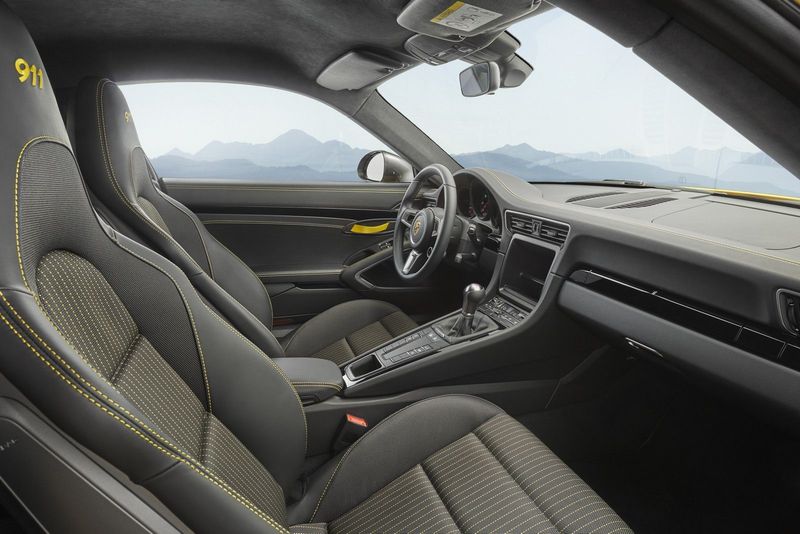
Sport-Tex seat centres are unique as are the fabric door handles.
The 911 Carrera T is Porsche’s way of showing you how you should spec a 911 to exact the best driving experience. The firm adds in (and takes away) a few things that you can’t spec onto a standard Carrera, so you (the buyer) can’t match it exactly if you go into a Porsche dealership. Even if that sounds slightly cynical, it does make a lot of sense to choose a 911 that best describes what the car should be – a lightweight driving machine. If you add in the Sports Chrono package, sports suspension and all the other goodies to a standard 911 Carrera, it ends up being a little more expensive than this 911 T.
At R1 536 000, the 911 T is around R35 000 more affordable than the more powerful Carrera S and more than R100k more expensive than a standard Carrera. I never felt that I needed more power during the whole day behind the newcomer's tiller, although the weather may have played a part in that. The extra kit offered in the 911 T is certainly a pull factor over a base spec, if more powerful, Carrera S.
If you look at possible competitors to the 911 at this price, the most obvious rival is the Jaguar F-Type 400 Sport, a great sportscar in its own right, but a little on the tubby side and that makes it a little less agile than the 911. You could also consider something like a BMW M4 Competition, Merc-AMG C63 or Audi RS5, but with those, you’ll never be able to replicate the feel, balance and precision of a sportscar designed to be a sportscar first.
A barrage of new products have already been introduced in South Africa this year and the popular compact hatchback segment, in particular, is flourishing with newcomers. Here are 6 new compact hatchbacks that are worth looking at…
New Volkswagen Polo
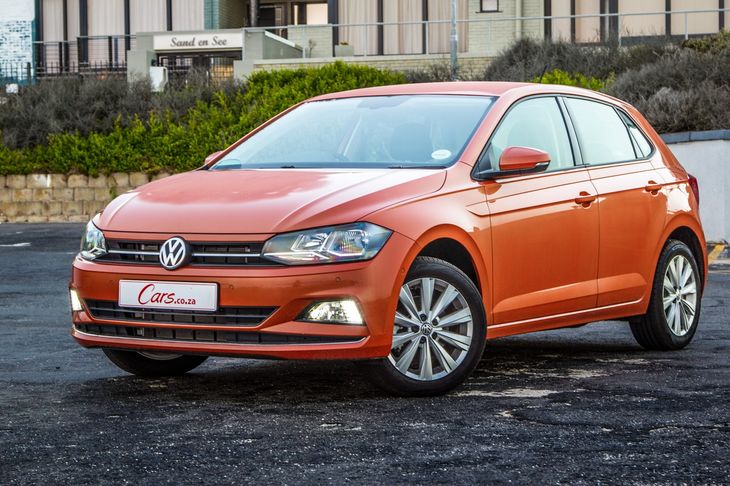
The new Polo arrived earlier this year with larger dimensions, a more spacious cabin and a new look that will ensure its sales success on local soil.
The Polo hatchback is powered by a 3-cylinder, 1.0-litre turbopetrol engine offering 70 kW and 175 Nm of torque in Trendline and Comfortline guise. The Polo Trendline features a 5-speed manual transmission while the Polo Comfortline makes use of either a 5-speed manual or 7-speed DSG. The Polo Highline however, is powered by the same engine but outputs are bumped up to 85 kW and 200 Nm of torque and buyers have the choice between a 6-speed manual transmission or a 7-speed DSG.
The range-topping Polo GTI was launched recently and its power comes courtesy of a 2.0-litre engine with 147 kW and 320 Nm and is mated to a 6-speed DSG.
Pricing for the new Polo hatchback starts at R235 900 while the Polo GTI is priced from R375 900.
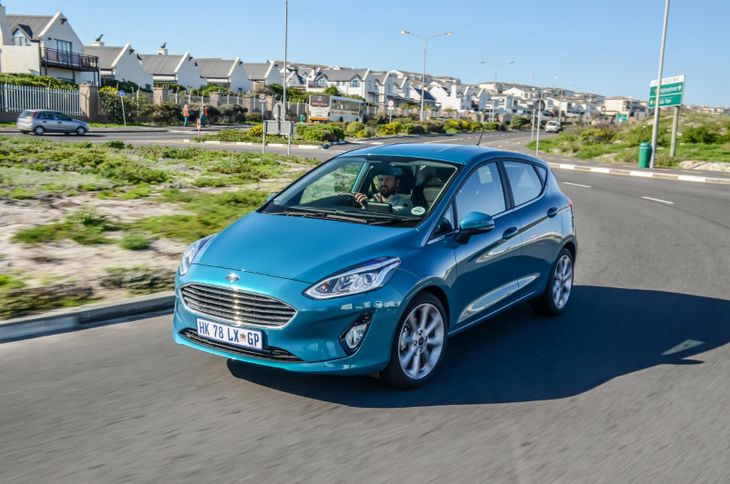
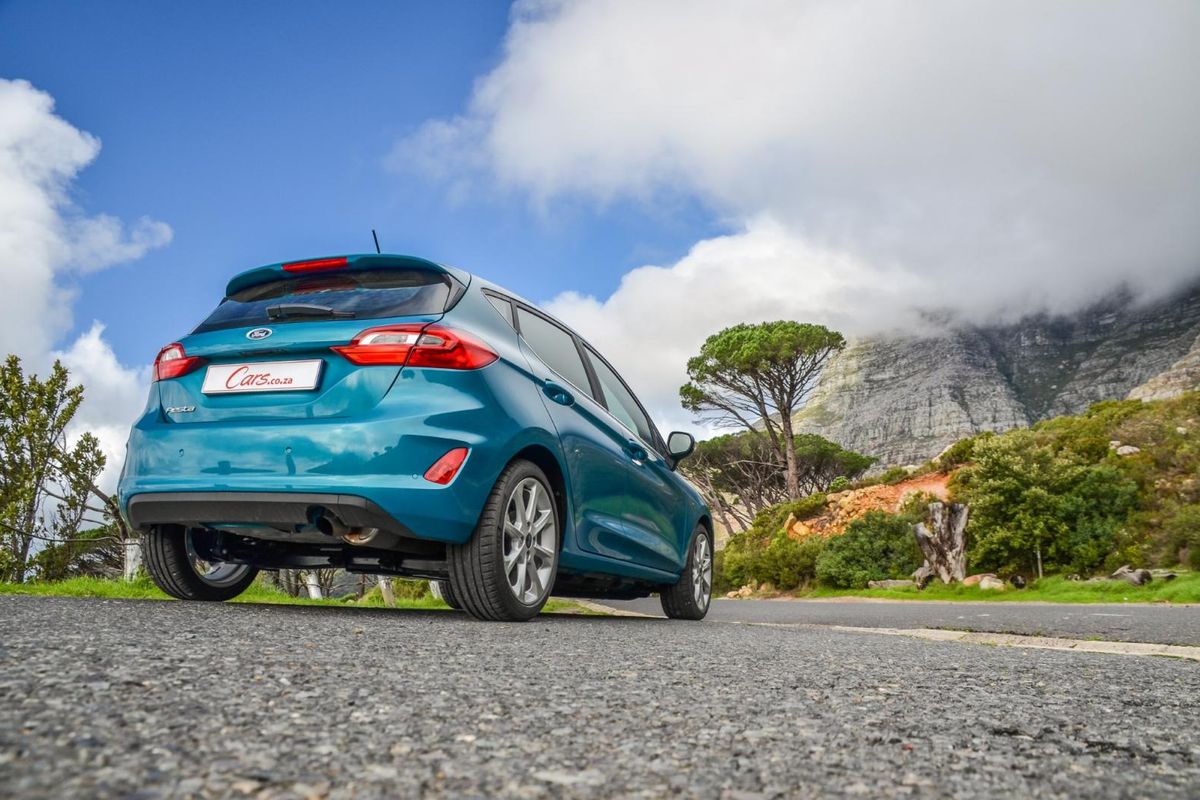
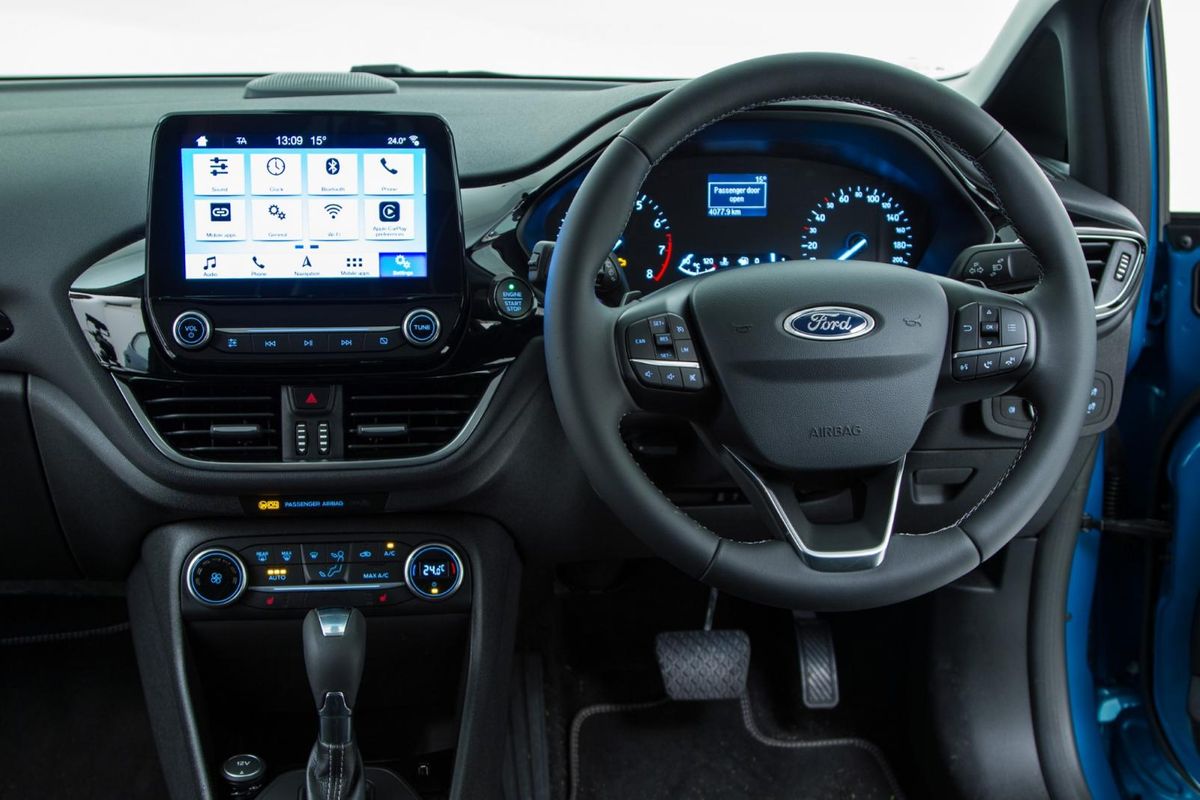
The new-look Fiesta is in South Africa and its freshly designed interior with a centre mounted tablet-style infotainment system represents a major improvement over the previous model.
The new Fiesta is offered in either Trend or Titanium trim. A 3-cylinder 1.0-litre EcoBoost engine with 74 kW and 170 Nm is offered with either a 6-speed manual or 6-speed automatic transmission. The more powerful Fiesta Titanium offers 92 kW and 170 Nm and is mated to a 6-speed manual transmission. A 1.5-litre turbodiesel with 63 kW and 215 Nm of torque with a 6-speed manual transmission is also offered.
The range-topping Fiesta ST will employ a 3-cylinder 1.5-litre turbocharged engine with cylinder deactivation for the first time with 147 kW and 290 Nm of torque powering the front wheels through a 6-speed manual transmission, but its arrival in South Africa has yet to be confirmed.
Pricing for the Ford Fiesta starts at R261 900 while the range-topping Fiesta 1.0T Titanium automatic is priced from R310 600.
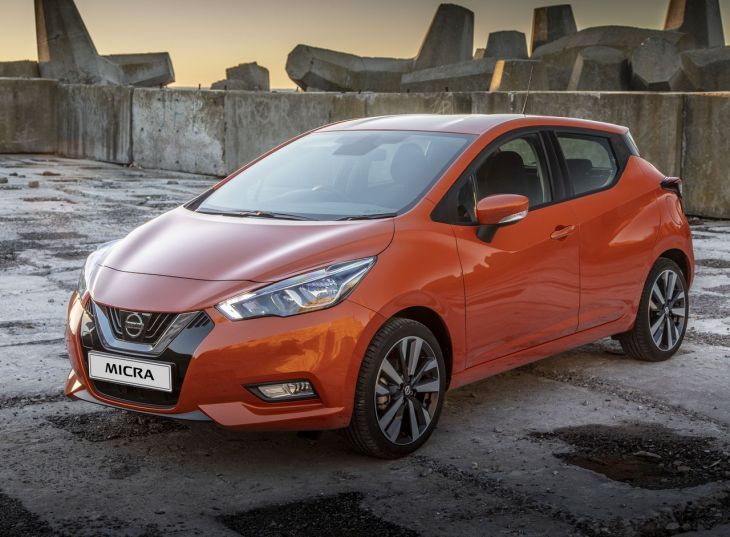
A new, more upmarket Nissan Micra has arrived in SA and it now features attractive exterior styling and a stylish and modern interior design. The Micra is available in 3 trim levels including Visia, Acenta and Acenta Plus.
The new Micra is fitted with a punchy 3-cylinder, 0.9-litre turbo petrol with 66 kW and 140 Nm and is currently only offered with a 5-speed manual transmission.
Pricing starts at R233 500 and goes up to R272 400 for the range-topping Micra Acenta Plus derivative.
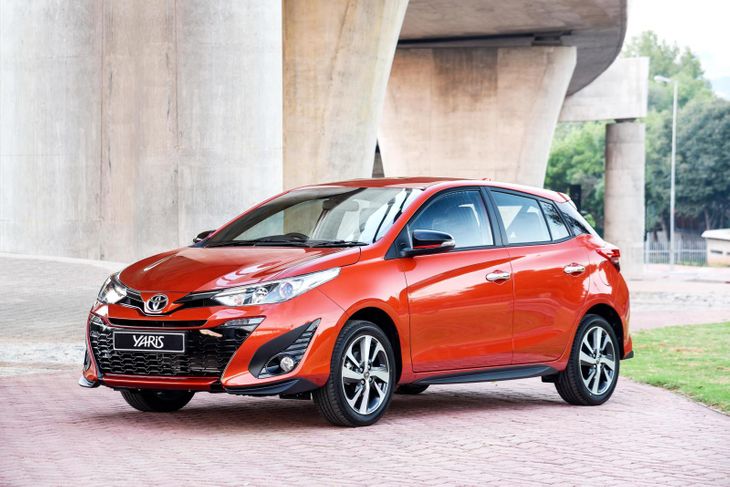
Toyota introduced a new, Thailand-built Yaris to market earlier this year featuring assertive exterior and interior styling. A naturally-aspirated 1.5-litre petrol engine does service under the bonnet with 79 kW and 140 Nm of torque and is offered with a 5-speed manual gearbox or CVT. Trim levels include the entry-level Xi, XS and S, while the Cross derivative adds a higher ride height and some cladding for more rugged visual appeal.
Pricing for the new Toyota Yaris starts from R233 100, going up to R288 700 for the Yaris 1.5 S.
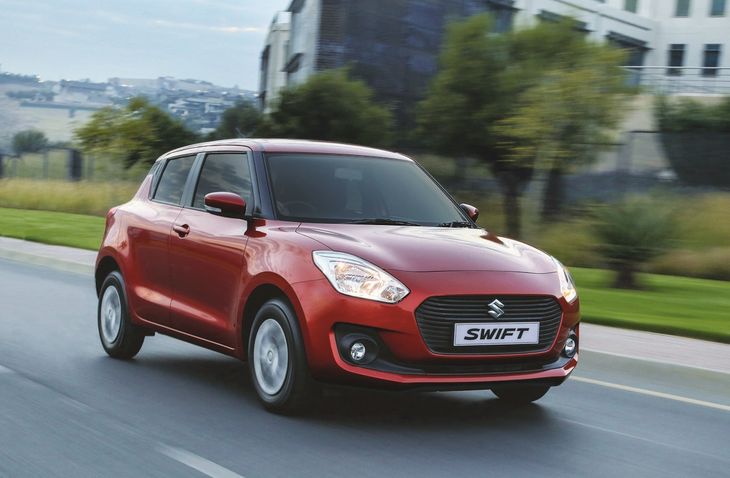
The Swift is one of Suzuki’s best-sellers on the local market and the all-new Swift recently made landfall in SA. The Swift is powered by the familiar naturally-aspirated 1.2-litre petrol engine now with 61 kW and 113 Nm and can be had with either a 5-speed manual or 6-speed automatic transmission.
The Swift Sport, however, will now feature a turbocharged 1.4-litre petrol engine (previously a naturally-aspirated 1.6-litre) with 103 kW and 230 Nm and mated to a 6-speed manual transmission. The Swift Sport can be expected in South Africa in Q2 of 2019.
Pricing for the new Suzuki Swift starts at R159 900 with the Swift GL automatic priced at R189 900.
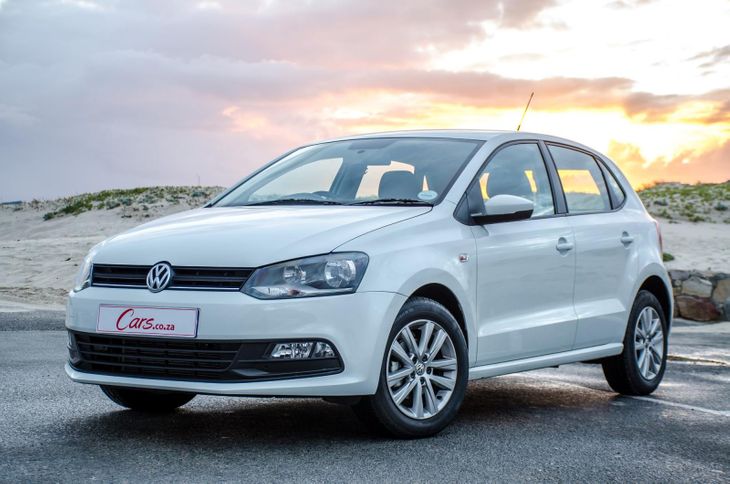
The new Polo Vivo is based on the previous generation Polo and has been re-packaged to serve budget-conscious buyers.
The Polo Vivo is offered in either Trendline, Comfortline or Highline trim, while buyers looking for a higher ride height and rugged appeal may want to consider the Polo Vivo 1.6 Maxx. The range is headlined by the turbocharged Polo Vivo 1.0 TSI GT with 81 kW and 200 Nm of torque mated with a 6-speed manual transmission. Naturally aspirated 1.4-litre petrol engine offers either 55 kW / 130 Nm (Trendline) or 63 kW / 132 Nm (Comfortline). A 1.6-litre petrol engine is also offered with 77 kW and 153 Nm and can be had in manual (Highline) or automatic guise (Comfortline).
The new Polo Vivo is priced from R179 900, going all the way up to R245 000 for the Polo Vivo 1.0TSI GT.
Motorists are in for another hike in fuel prices in July 2018. Details below…
The upward trajectory of fuel prices in South Africa continues as the Department of Energy announced increases which will take effect on Wednesday, 4 July 2018.
During June 2018, the Rand weakened against the US dollar from R12.51 to R13.29 while the price of Brent Crude oil decreased over the same period from $77.00 to $74.00. The decrease in the oil price prevented further increases and cushioned consumers by as much as 20 c/l according to the Department of Energy. International prices of petroleum products also decreased over the period.
Nonetheless, the following fuel price adjustments will take effect on 4 July 2018:
Petrol 93 Octane: up by 26 c/l
Petrol 95 Octane: up by 23 c/l
Diesel 0.05% Sulphur: up by 26 c/l
Diesel 0.005% Sulphur: up by 24 c/l
The Automobile Association of South Africa (AA) warned, “We do foresee further fuel price hikes, driven by South Africa's weak economic position and potential fallout from trade tariff disagreements between the USA and other nations. Combined with lower wage hikes and the increasing cost of living, the expenses of commuting by private car might spiral beyond many motorists' reach. Commuters who would never previously have considered public transport or carpooling may soon have no option.”
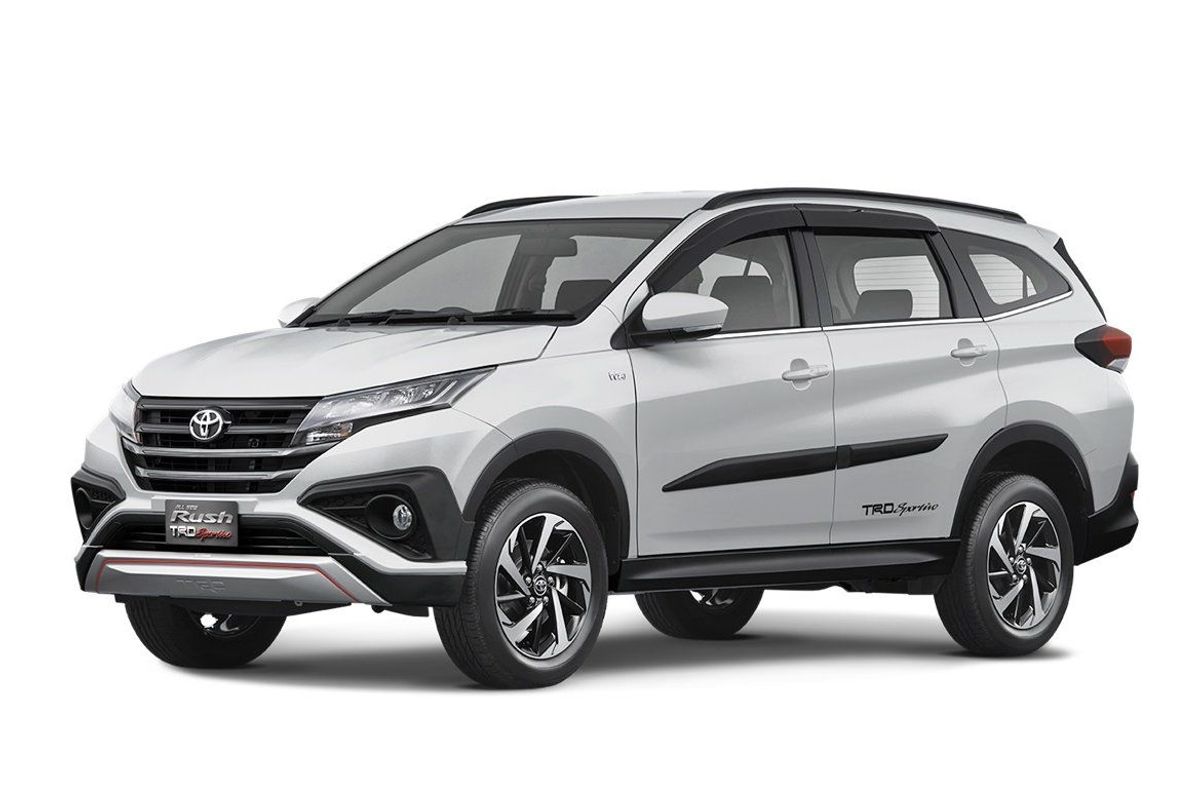
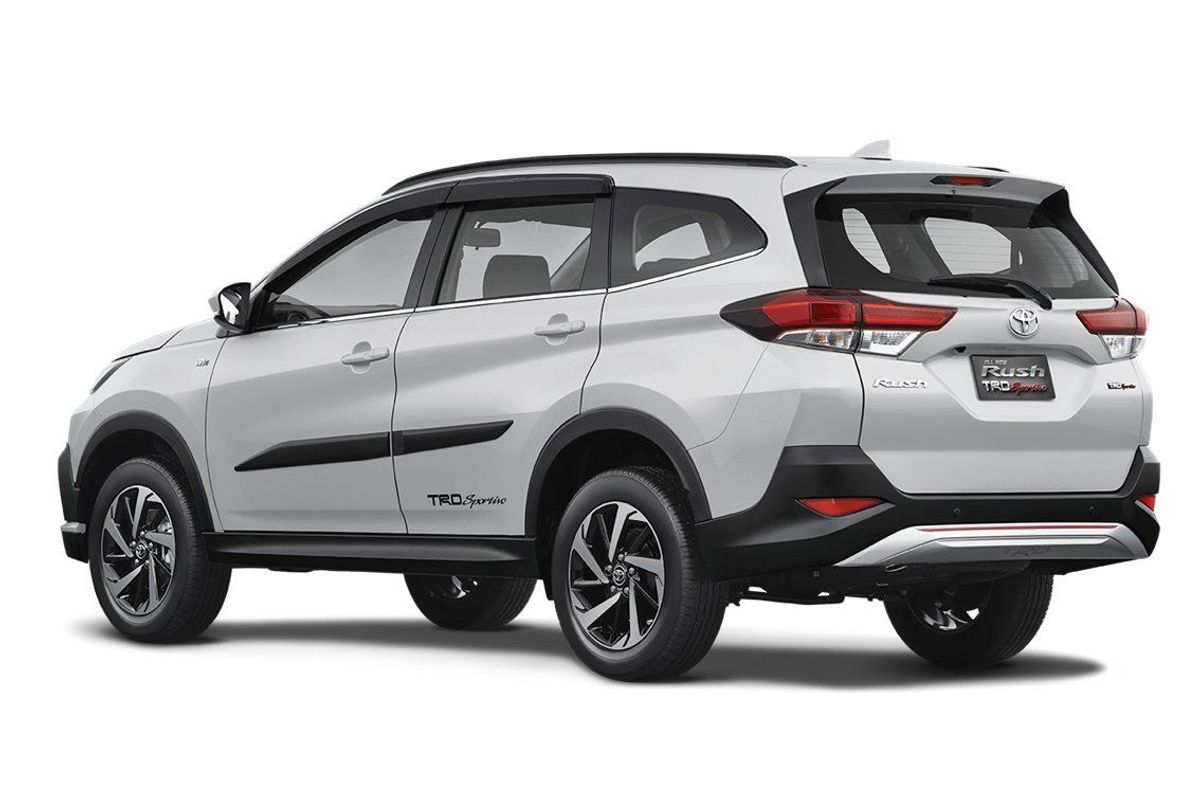
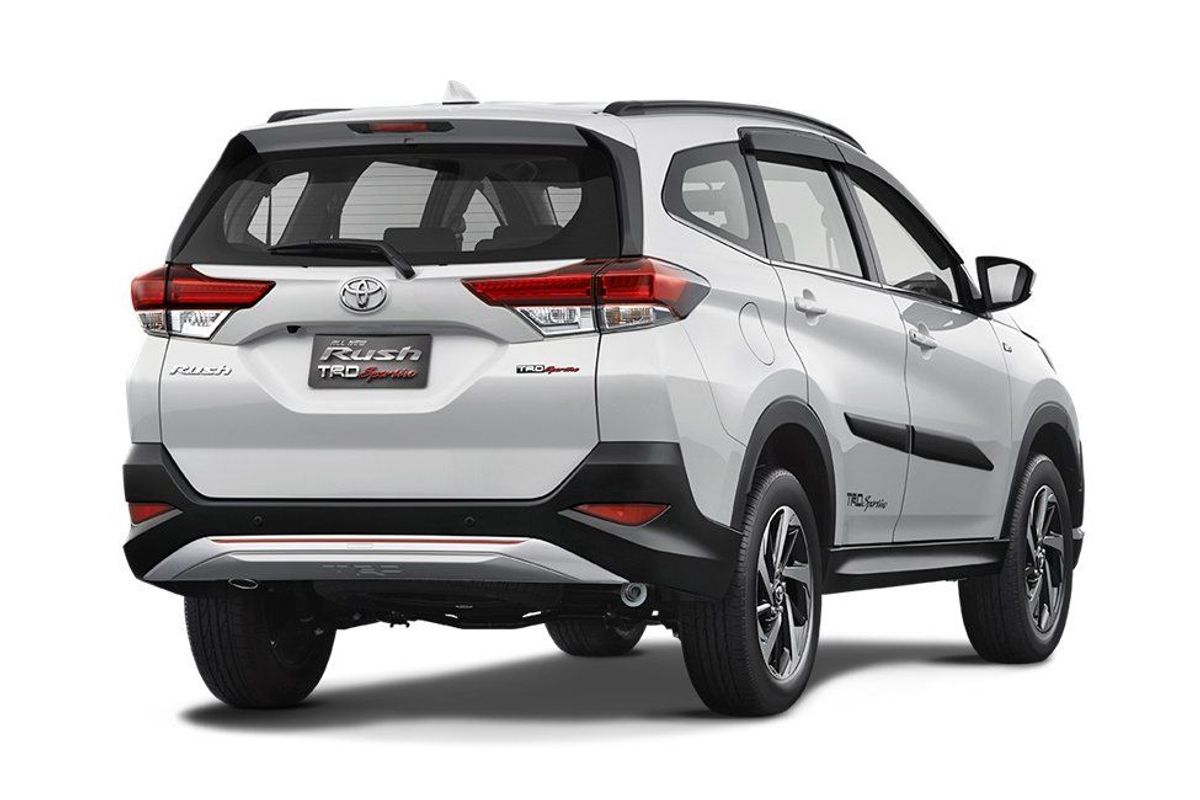
Toyota has launched a budget-positioned compact SUV – but clad in an eye-catching SUV package – in South Africa this week.
Few local motorists will know that the Daihatsu Terios, a small SUV that was discontinued from the local market in 2015, was the sister product of a model named the Toyota Rush (even though Daihatsu is no longer represented in South Africa, the brand belongs in the Toyota stable). Following the sighting of the consignment of Rushes by Cars.co.za journalist and photographer Gero Lilleike, the Terios has, in fact, made a “comeback” in the form of the 5-seater Toyota Rush which is now available in South Africa.
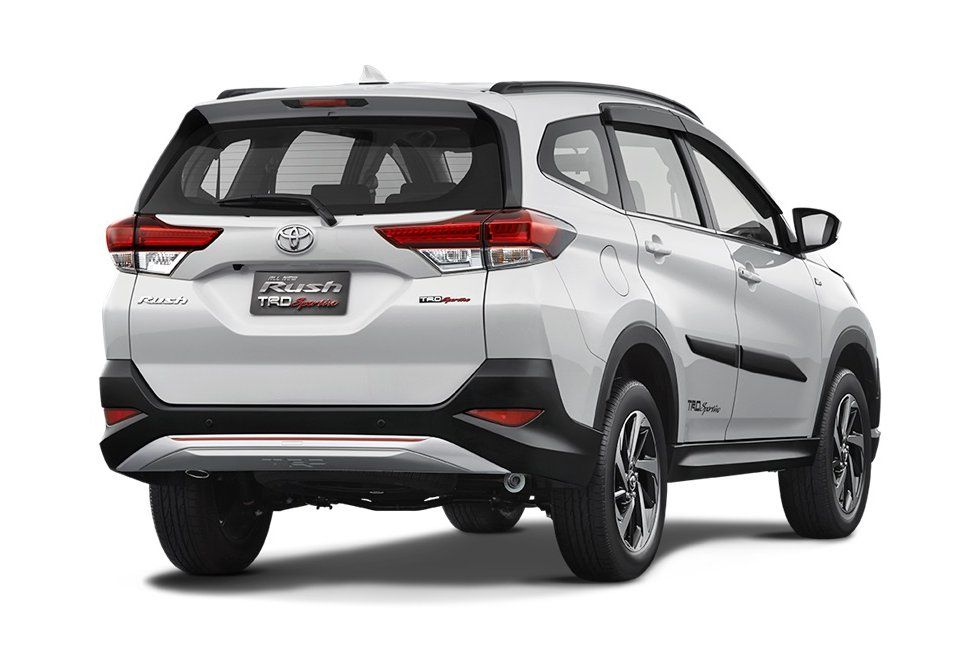
Sporty black cladding, distinctive tail lamp clusters and a raised ride height give the Rush a rugged look.
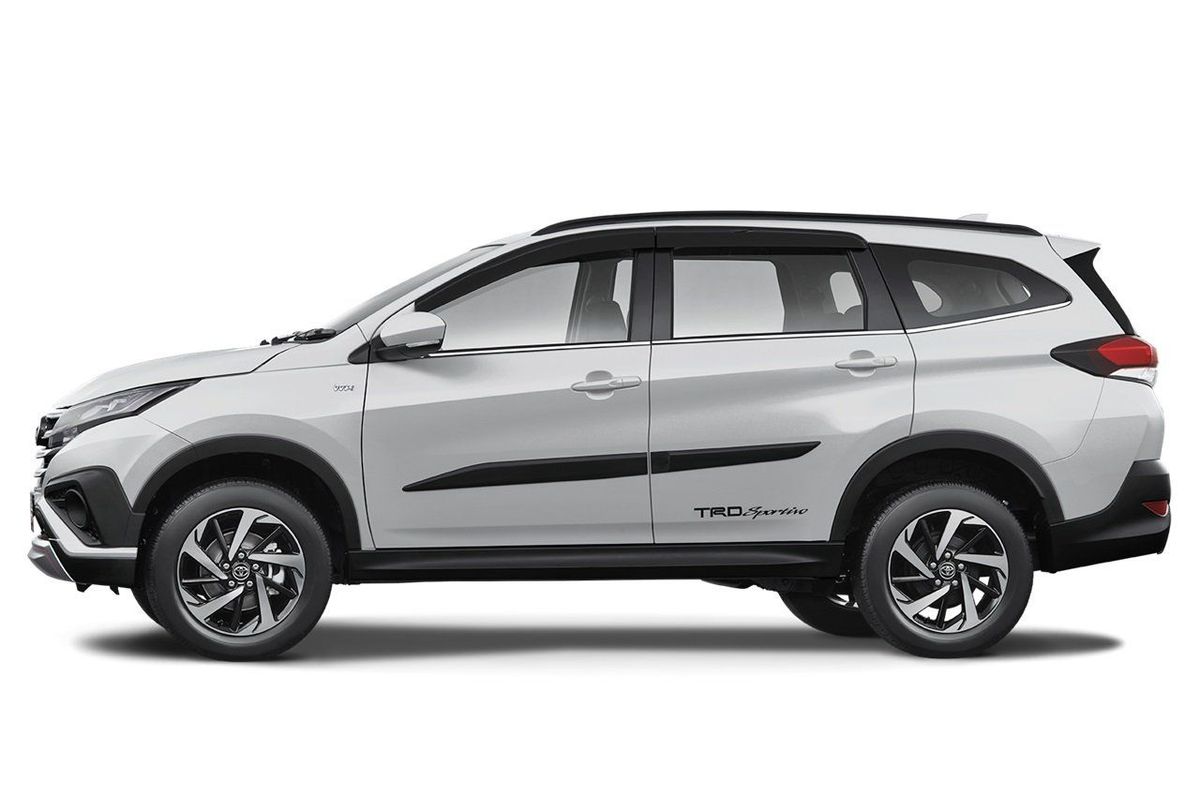
The Rush is 4.435 metres long, 1.695 metres wide and 1.705 metres high with a ride height of 220 mm and surprisingly, a maximum wading depth of 600 mm.
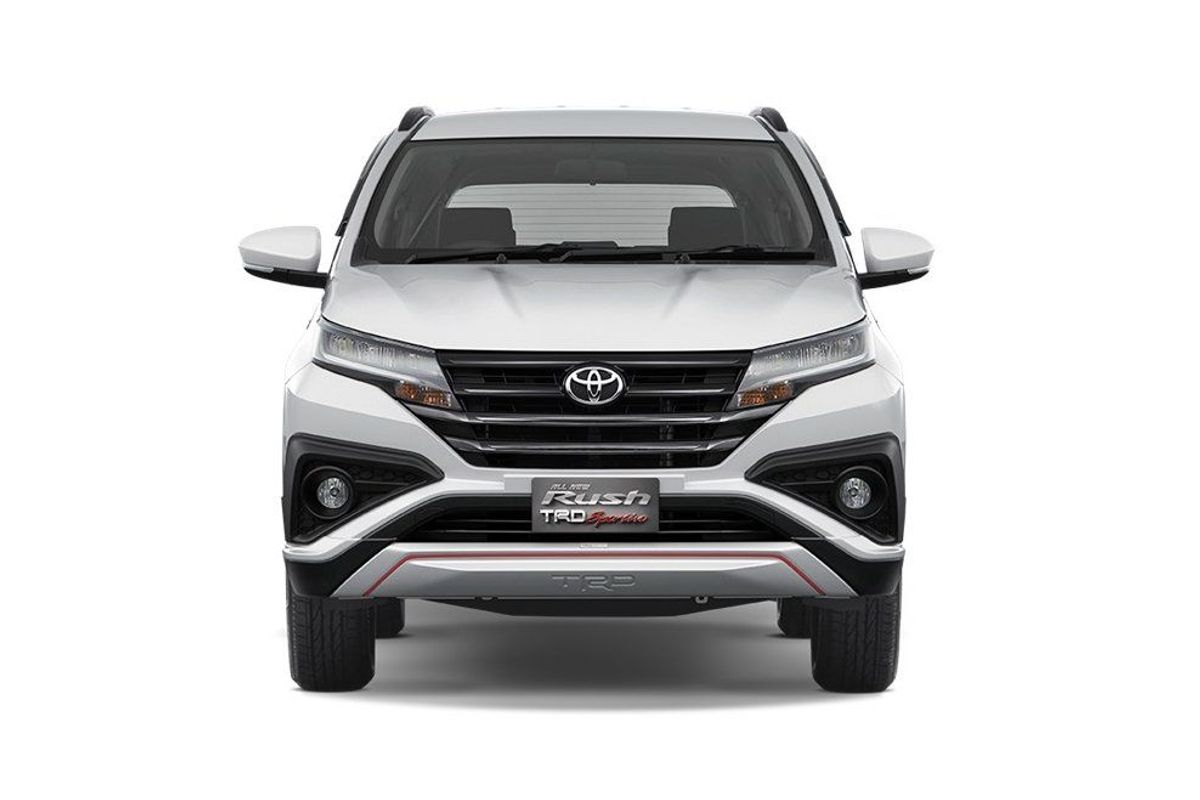
Apart from the fact that the Rush offers family car buyers the practicality of a large 609-litre load bay and seating for 5, many will be attracted to its “Baby Fortuner” appearance. Shown here in TRD Sportivo spec, the Rush’s front view is dominated by a large grille flanked by LED daytime running lamps and a high-set bonnet. The profile view admittedly looks a bit more generic, but flared wheel arches and black cladding make the newcomer appear purposeful. The Rush features 17-inch alloy wheels, electric mirrors with integrated indicators and LED tail lamps.
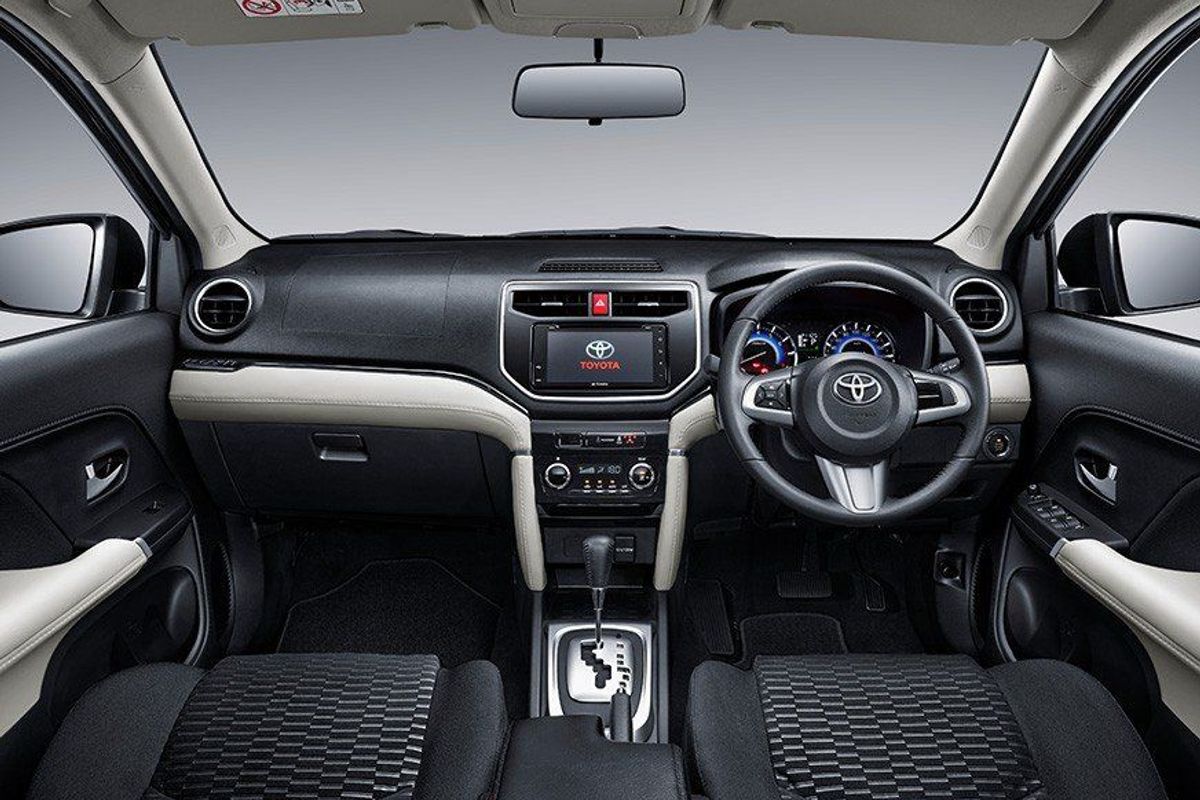
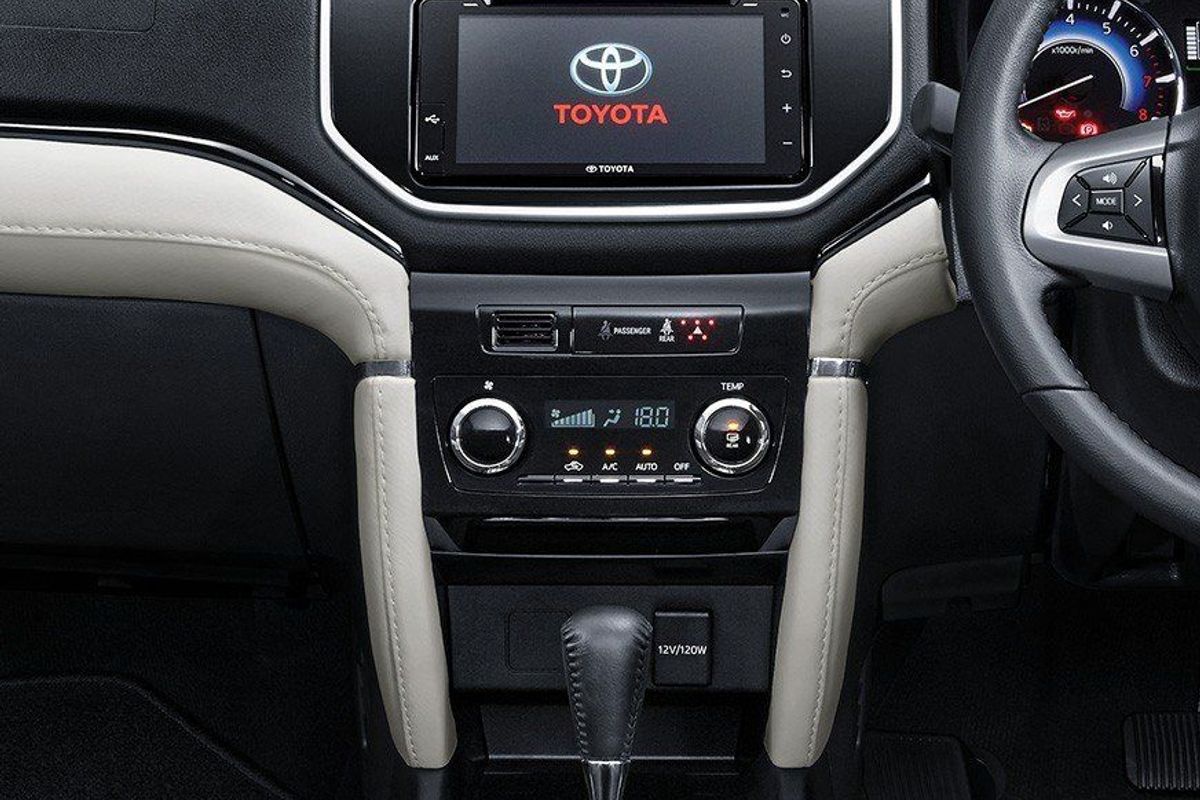
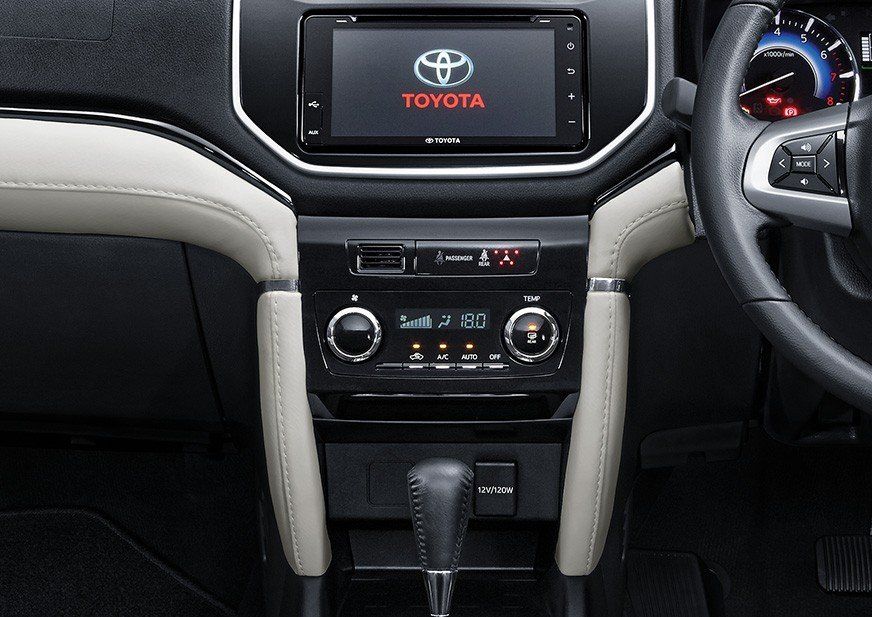
The top-of-the-range automatic version of the Rush features automatic climate control.
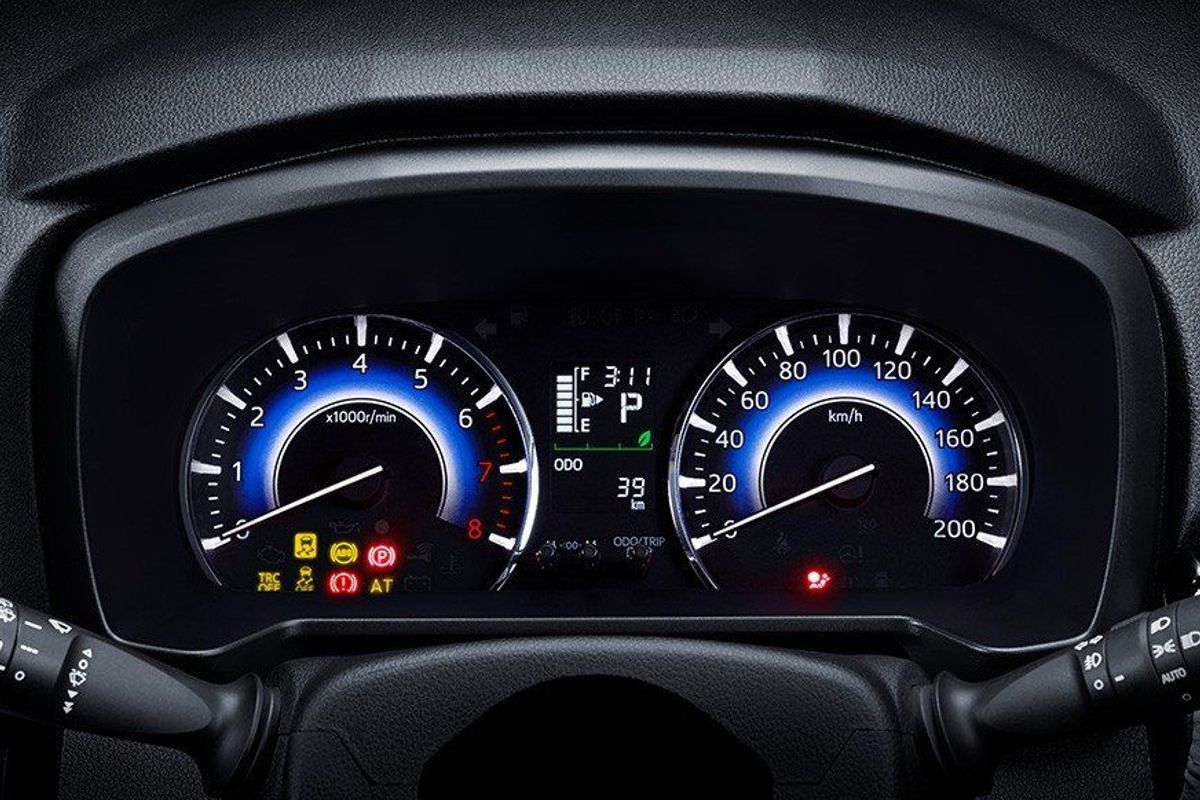
Inside, the cabin features a black-and-beige trim combination and familiar Toyota fascia architecture, replete with a 7-inch touchscreen-operated audio system, automatic climate control, keyless entry, start-stop button and two 12V outlets. Bear in mind that the South African-spec Rush will probably have a different trim specification but we will get definitive details from the launch.
The Rush is powered by a 77 kW/136 Nm 1.5-litre petrol motor paired with either a 5-speed manual or 4-speed automatic transmission that drives the rear wheels, as is the case with the Avanza. Safety features include ABS with EBD, 6 airbags, vehicle stability control and hill start assist.
The Rush certainly makes a case for itself as a compact family car/small crossover that offers more practicality at a lower price point than the C-HR.
Toyota Rush Price in South Africa
Toyota Rush High MT – R299 900
Toyota Rush High AT – R313 500
The Rush is sold with a 3-year/100 000 km warranty and a 6-service/90 000 km service plan.
Pricing for the forthcoming BMW X4 has been announced and it will be arriving in South Africa as early as September 2018.
The new BMW X4 has changed considerably when compared to its predecessor. It rides on a new platform which is bigger, but critically, lighter. In terms of dimensions, you're looking at a vehicle which is 81 mm longer and 37 mm wider. It'll have better handling than the model it replaces, thanks to a lower centre of gravity and wider track.
The South African market will get four variants of X4. Kicking off the range ix the xDrive20i and for the diesel fans, there's an xDrive20d. A potent M40i and M40d are also confirmed. It is important to note that all BMW X4 models come with eight-speed automatic gearboxes and all-wheel drive. We'll have final confirmation on specification when the vehicles land in South Africa.
Volkswagen Polo GTI Video Review (2018) | Bigger Engine, More Fun?
The new VW Polo GTI features a new engine and new chassis. Volkswagen has even made the claim that this new Polo GTI will be more fun to drive than a Golf GTI. We find out just how fun it is at Killarney Raceway.
Let’s get straight to the good news: the most important feature of the latest Polo GTI is the price tag. By building this model in Uitenhage, South Africa, Volkswagen will sell the latest generation Polo GTI for less than the version it replaces.
The list price has come down from R387 500 to R375 900, which is remarkable in and of itself and virtually unheard of in South African motoring.
We took the new 2018 Polo GTI to the Killarney racetrack to stretch its legs and find out if the detuned 2.0-litre motor borrowed from the Golf GTI, paired with the all-new chassis, provides the kind of drive you'd expect from the GTI nameplate.
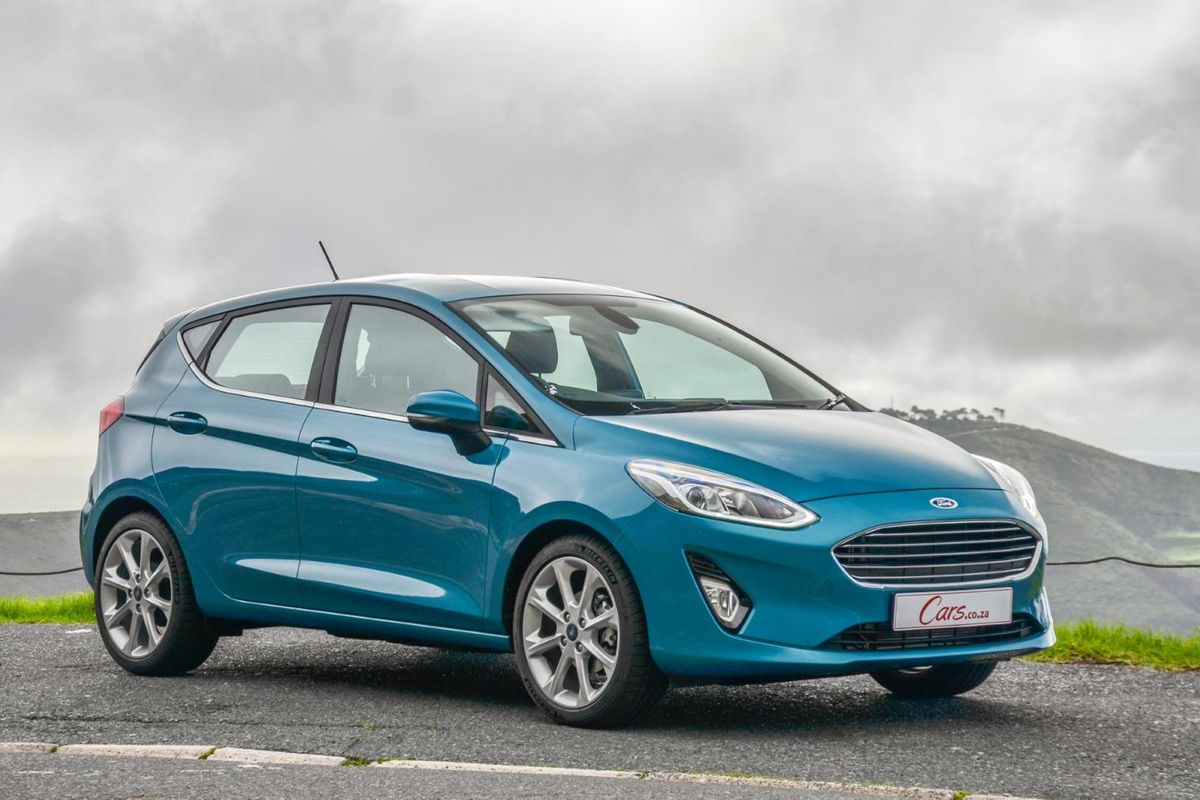
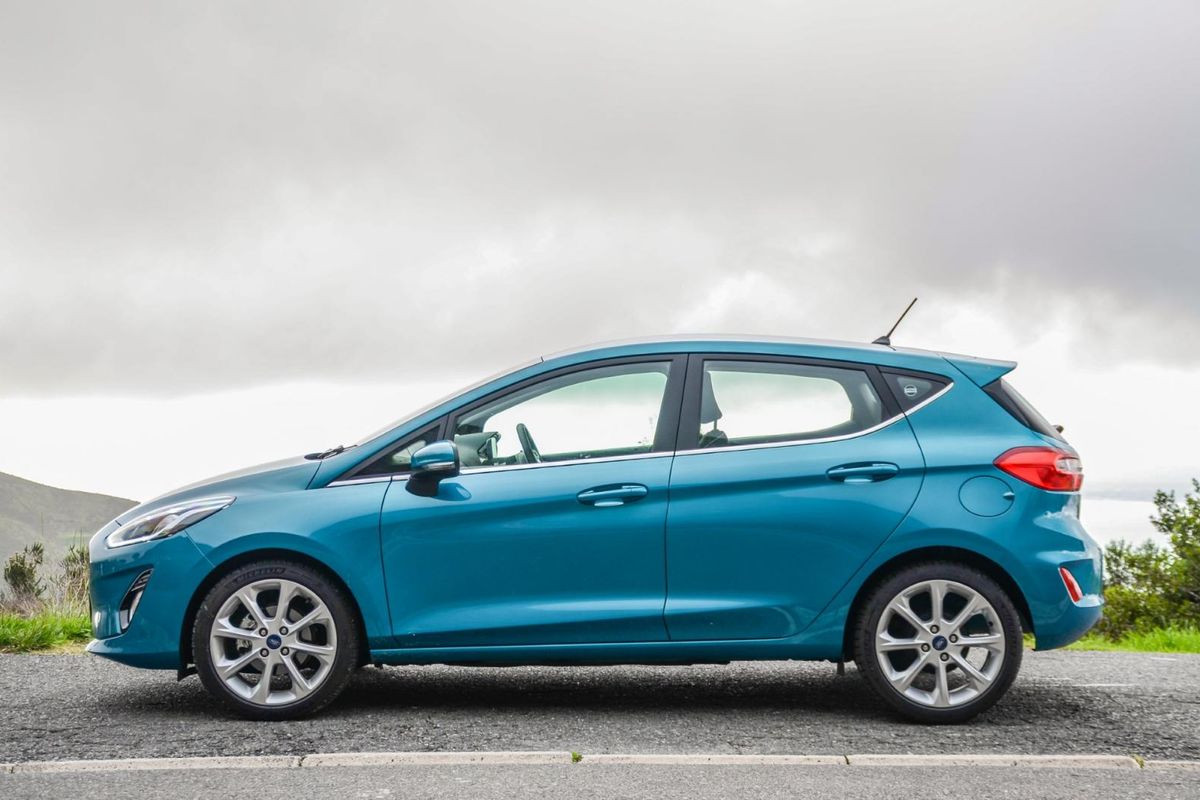
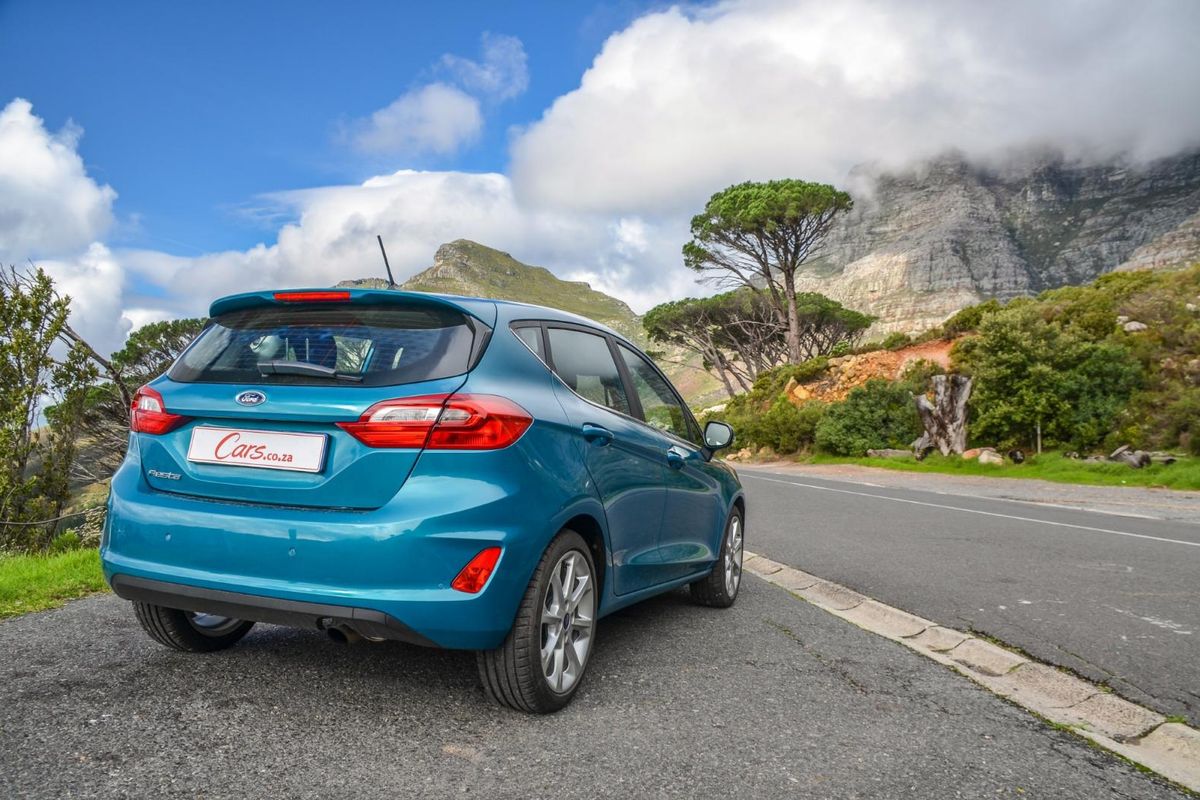
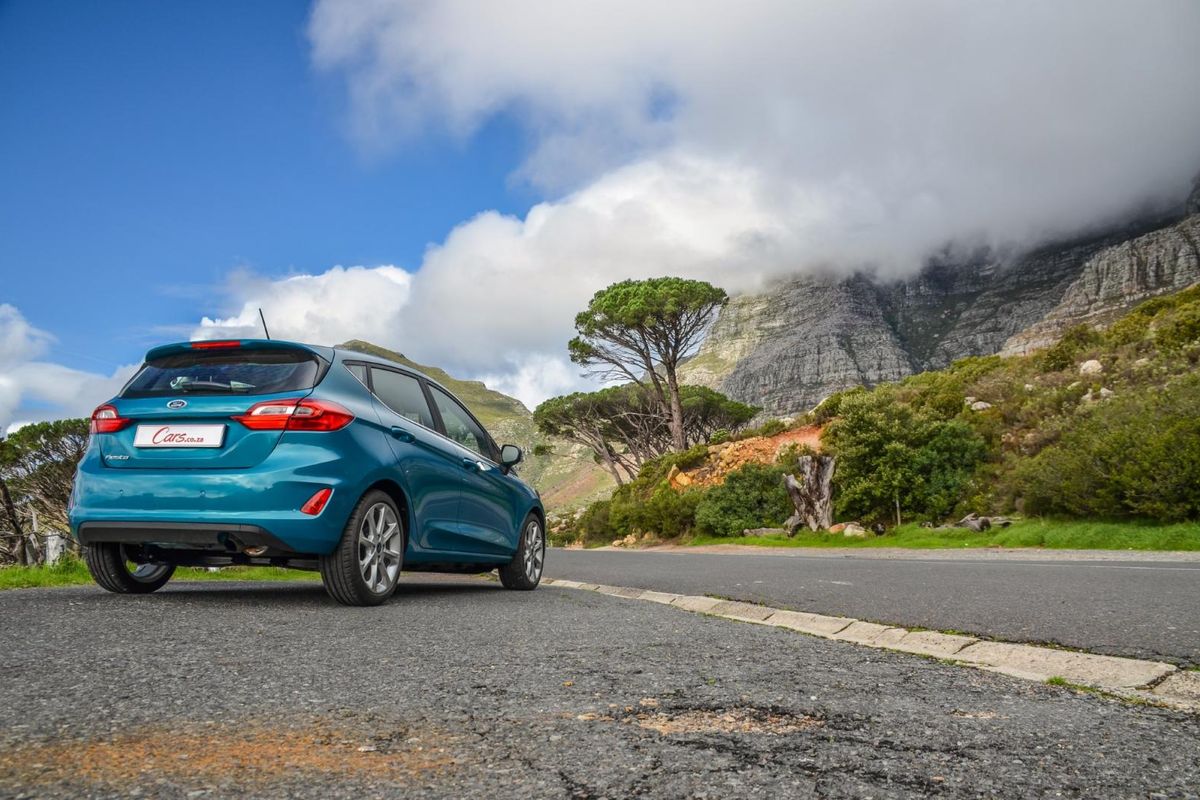
The new Ford Fiesta has finally made it to South Africa – not only does it look more attractive, but its interior represents a significant improvement over that of its predecessor. We recently tested the range-topping 1.0T Titanium automatic derivative to find out if this new Fiesta lives up to the hype… and whether you should consider buying it.
We Like: Styling, SYNC3 infotainment, lots of standard features, ride and handling, warranty and service plan, good overall value
We Don’t Like: Disappointing transmission, rear passenger space and practicality could be better, middle-of-the-road interior quality
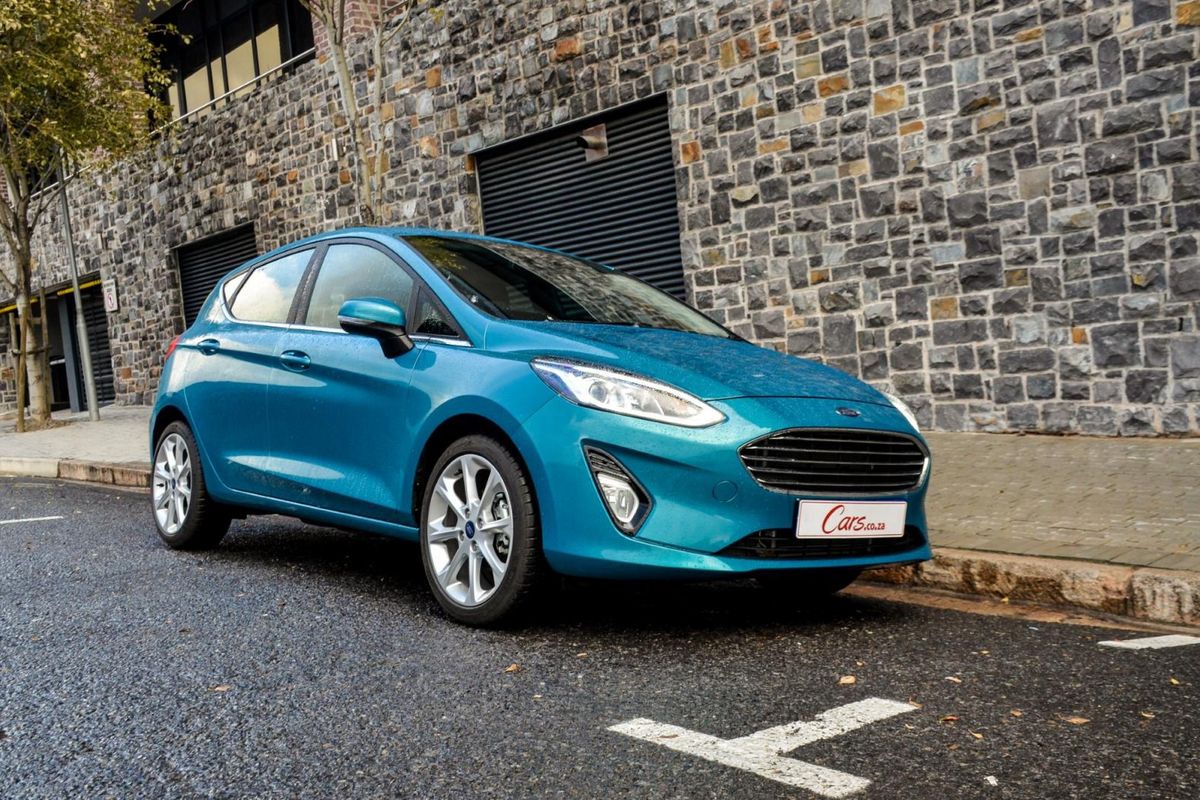
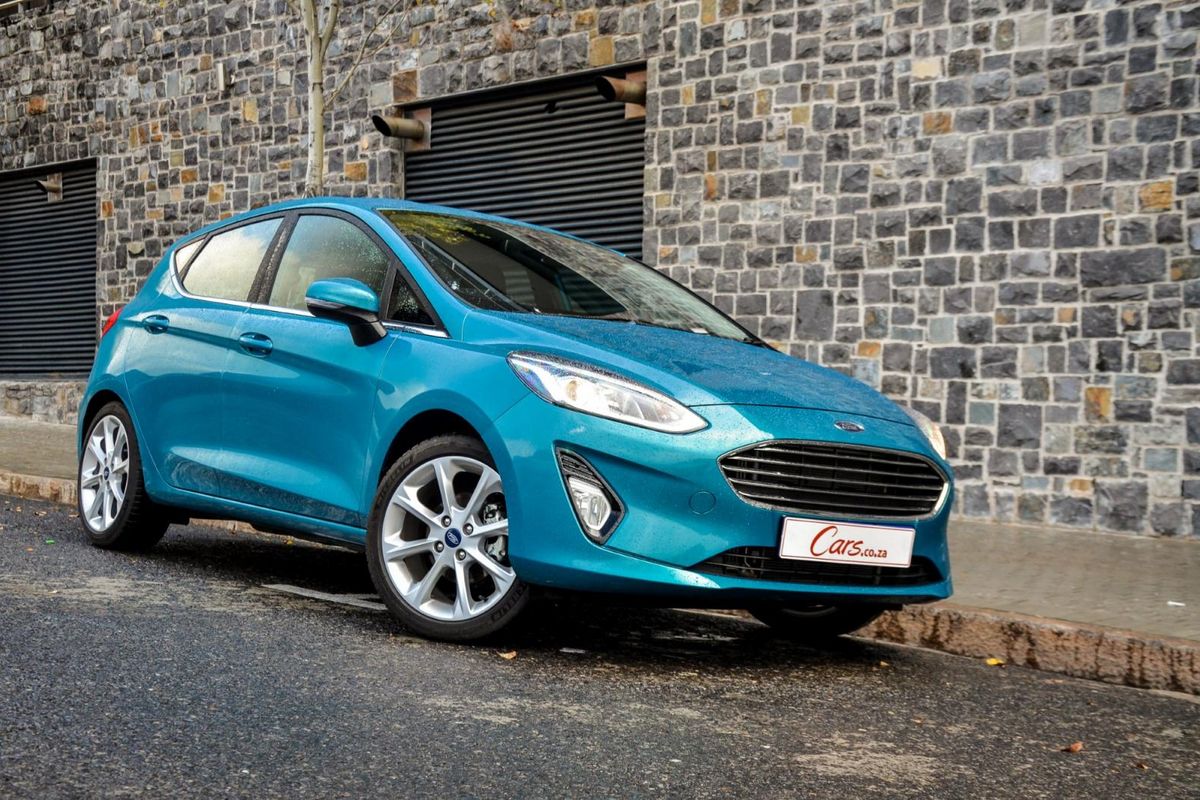
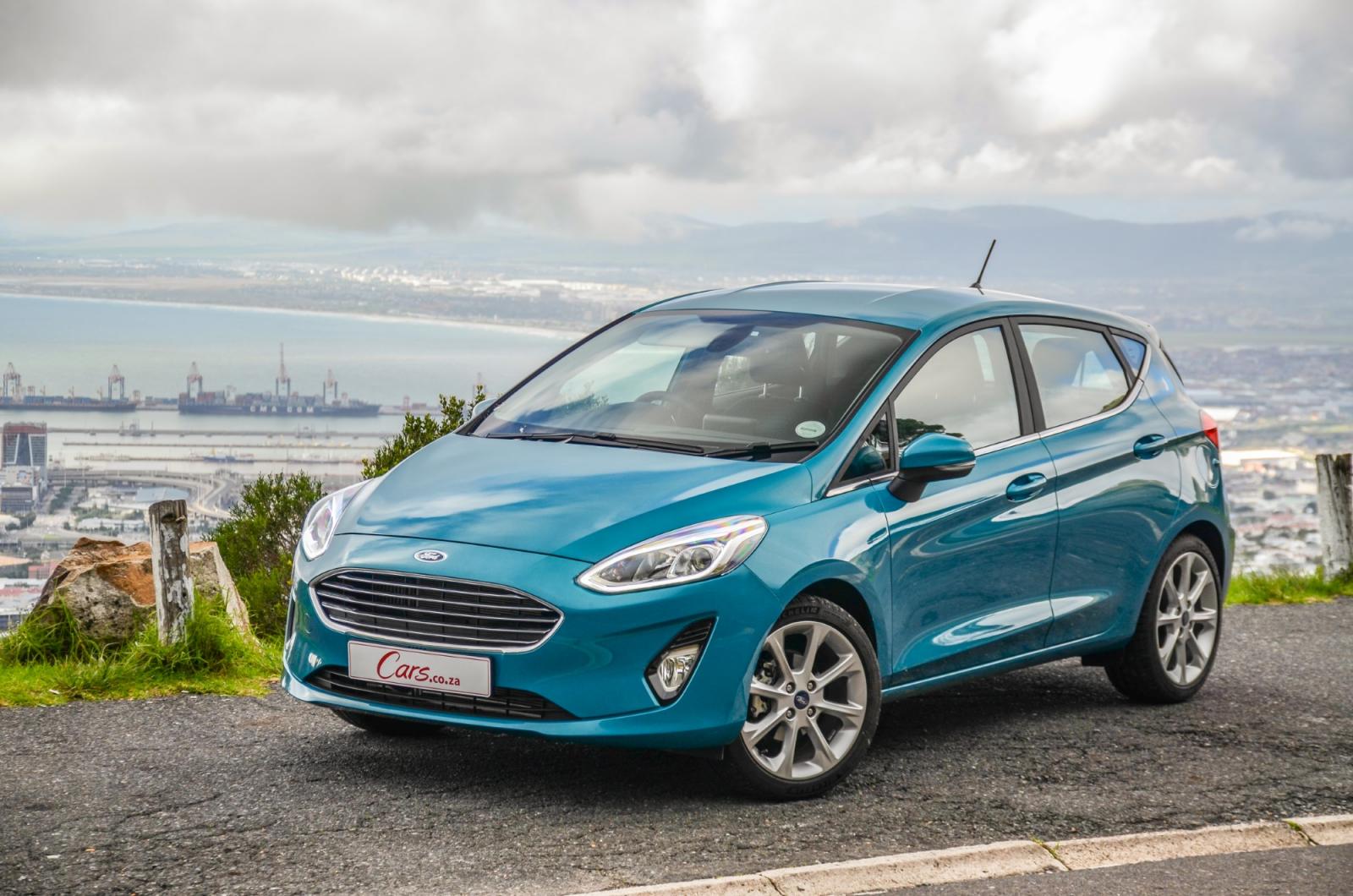
A refined design and hugely improved interior will please Fiesta fans.
Alternatives
The archrival: Consider the Volkswagen Polo 1.0TSI Highline automatic, priced at R302 200. The new Polo is an excellent product and this derivative offers 85 kW and 200 Nm from its turbocharged 1.0-litre petrol engine. However, it’s not as generously specced as the Fiesta and its warranty and service plan are not as comprehensive either. Tick optional extras carefully.
French value: For R40 700 less, you can hop into the Renault Clio 88 kW Turbo GT-Line priced at R269 900, which offers 88 kW and 205 Nm of torque from its 1.2-litre turbopetrol engine. It too comes generously specced with most of the features offered in the Fiesta. If your budget can’t stretch beyond R300k (but you still want good value for money), then the Clio is a worth a look.
Japanese class: Consider the Mazda2 1.5 Individual Plus auto priced from R292 000. It lacks the outright punch offered by its turbocharged rivals, but outputs are still decent at 82 kW and 145 Nm developed by its naturally-aspirated engine. The Mazda’s cabin is both modern and well-built with a generous amount of standard specification including leather seats, which makes it a good value proposition. However, its load bay is smaller than the Fiesta’s (280 litres).
The new Fiesta's styling, inside and out, is a significant improvement over the previous model.
The Fiesta is a (B-segment) compact hatchback that has proven popular with buyers in South Africa over the years and the latest version, with its larger dimensions and refined styling, aims to shake up the segment where it competes with notable rivals such as the new Volkswagen Polo, Renault Clio, Mazda2, Opel Corsa, Kia Rio, Hyundai i20, to name but a few.
While it still rides on the proven, but now stiffer, chassis of the previous generation, Ford has gone to great lengths to enhance the Fiesta’s fun-factor while also improving refinement, in-car technology and safety.
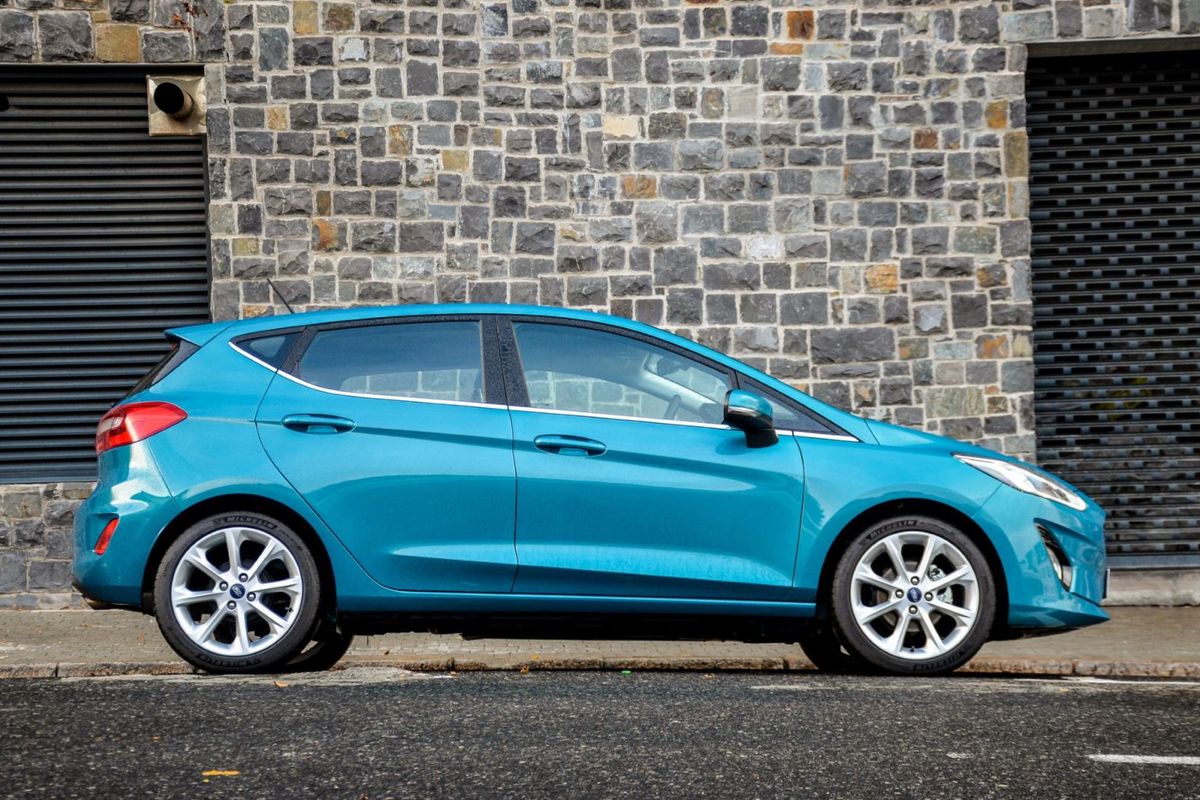
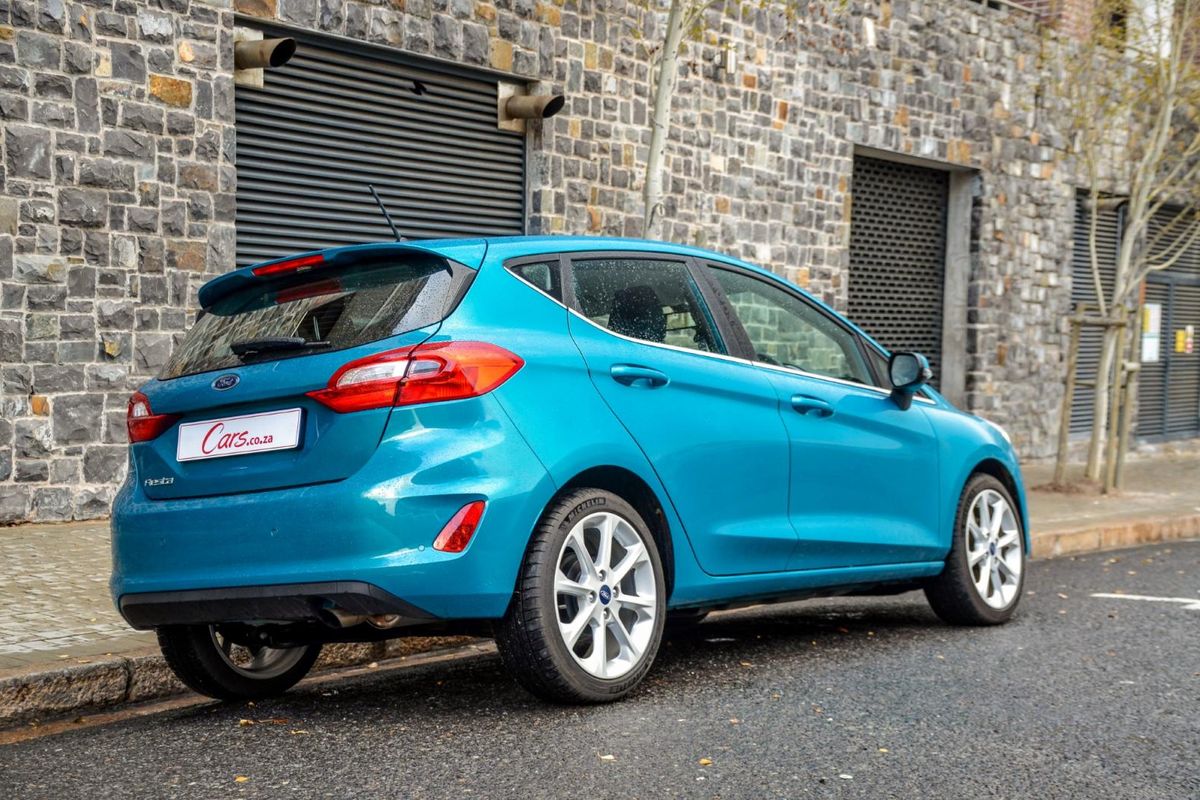
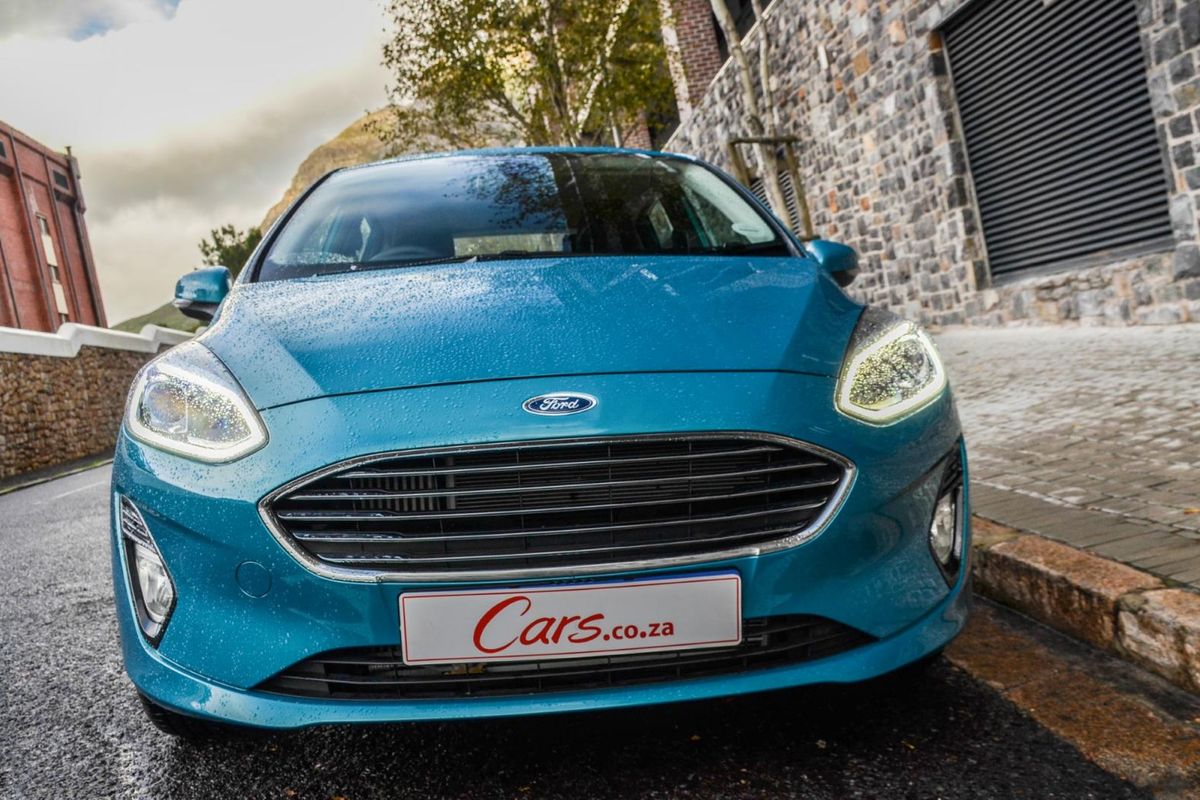
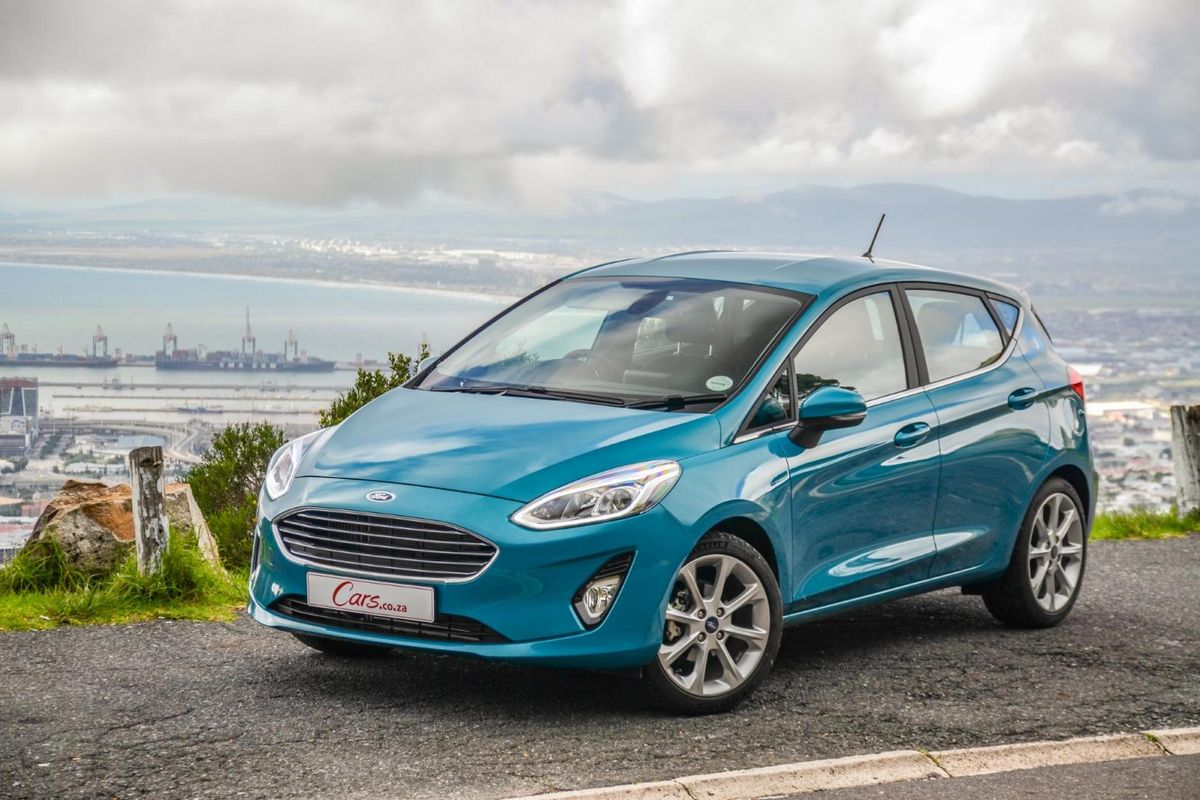
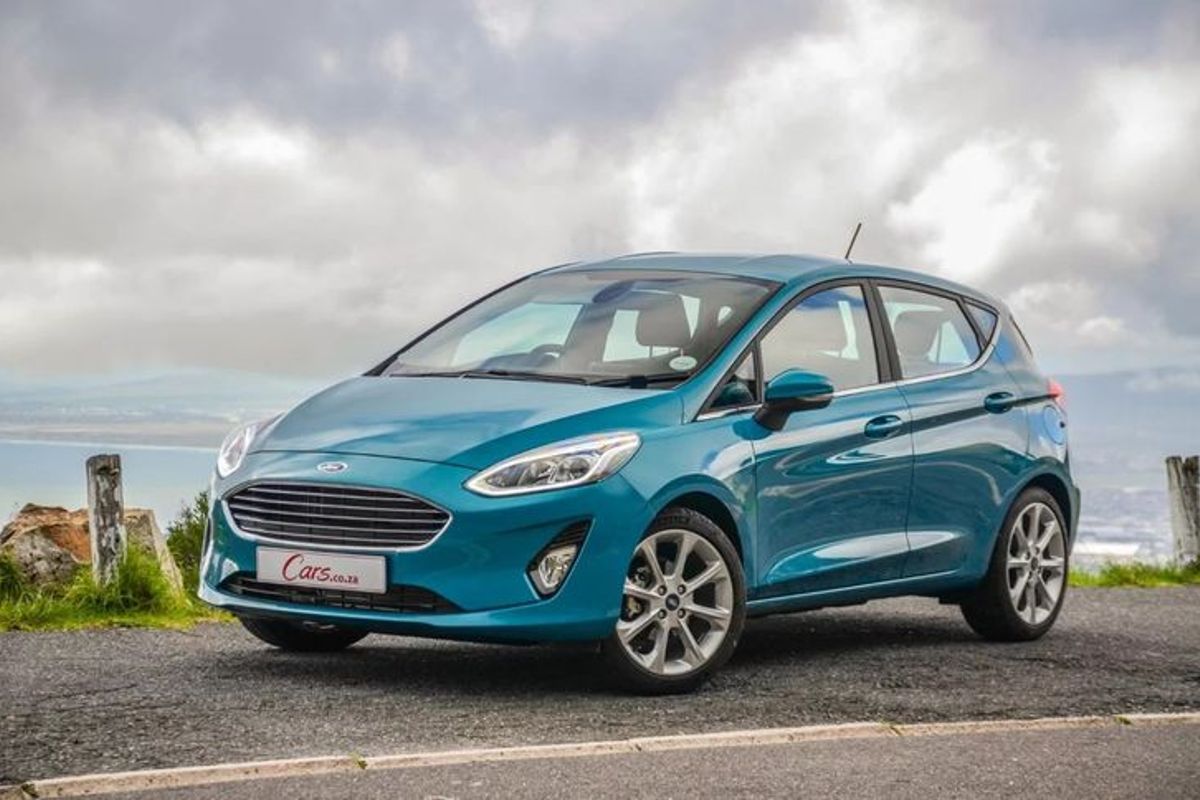
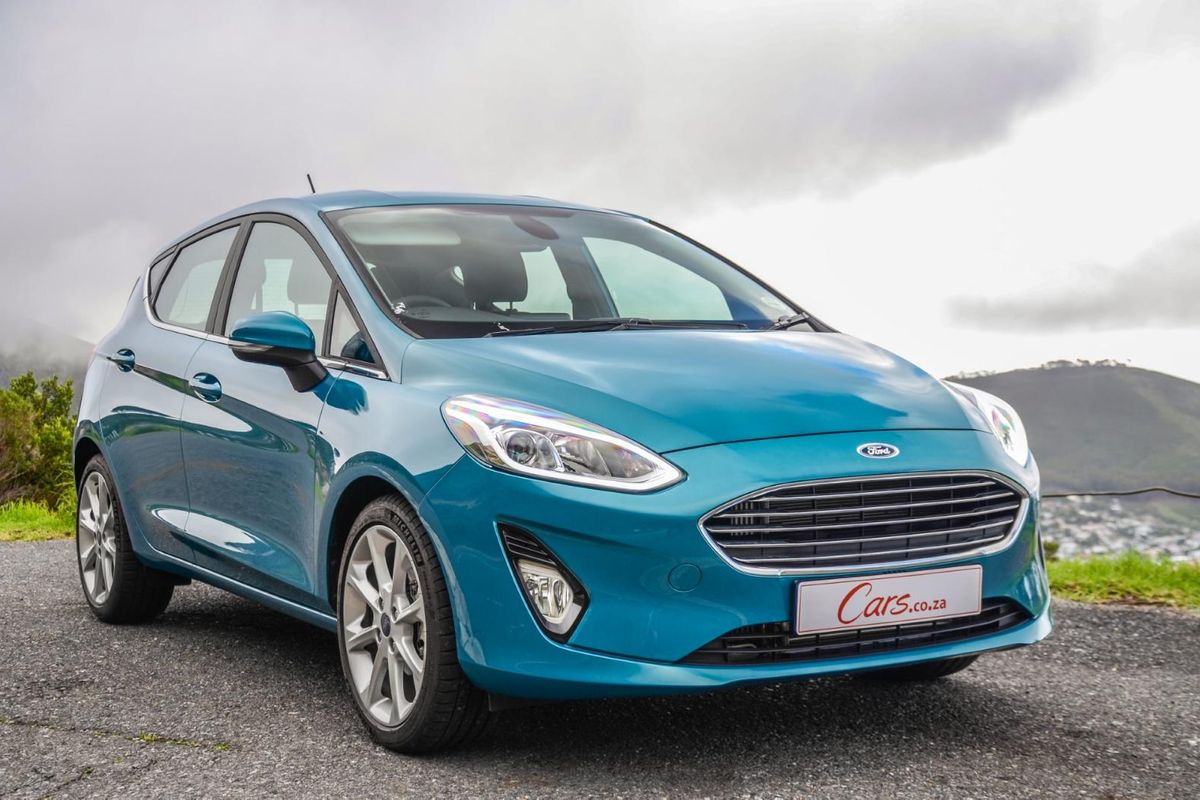
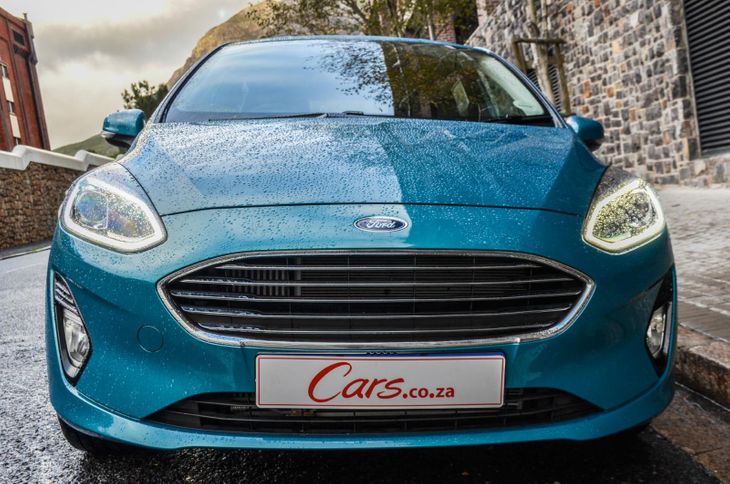
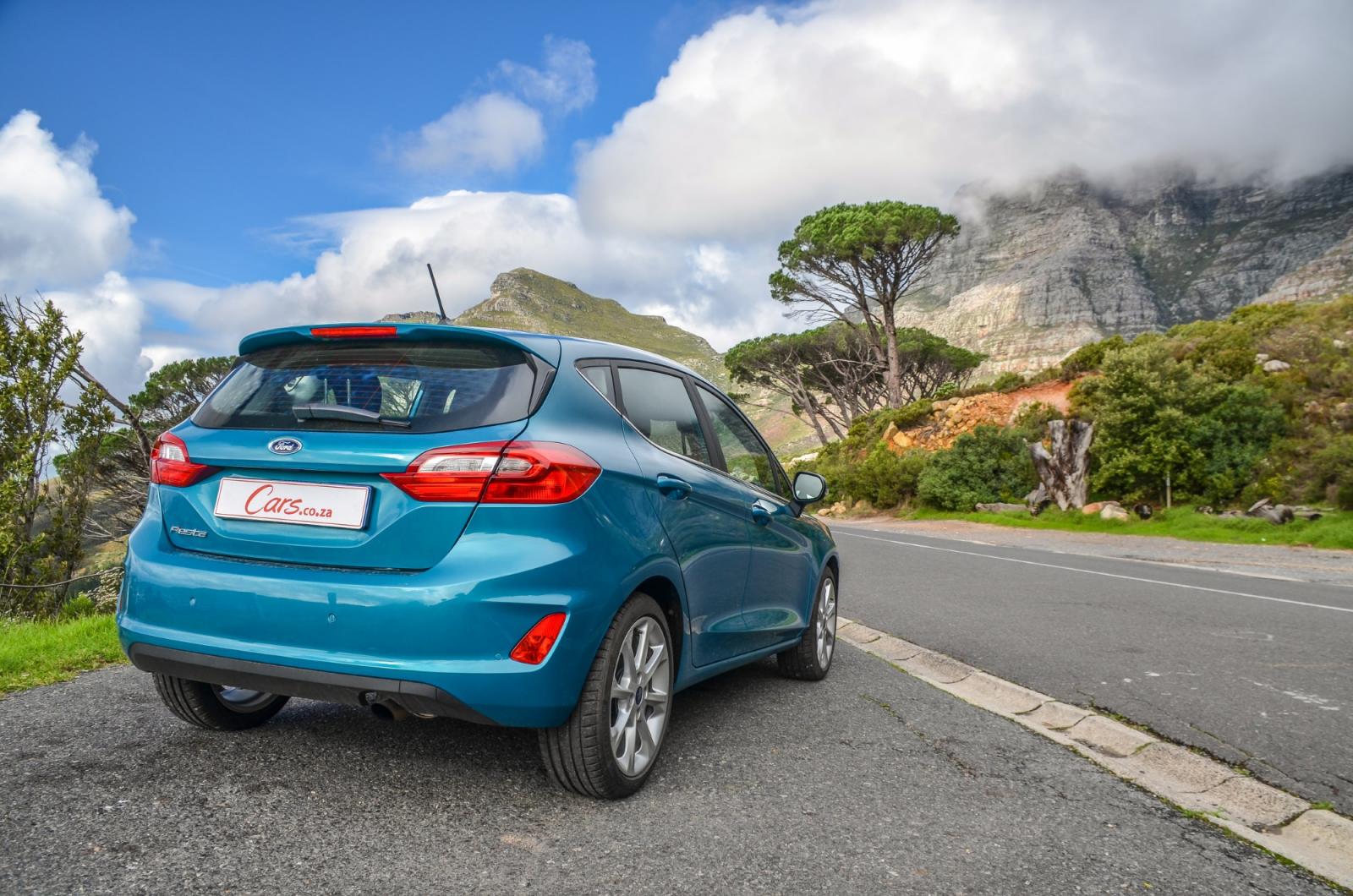
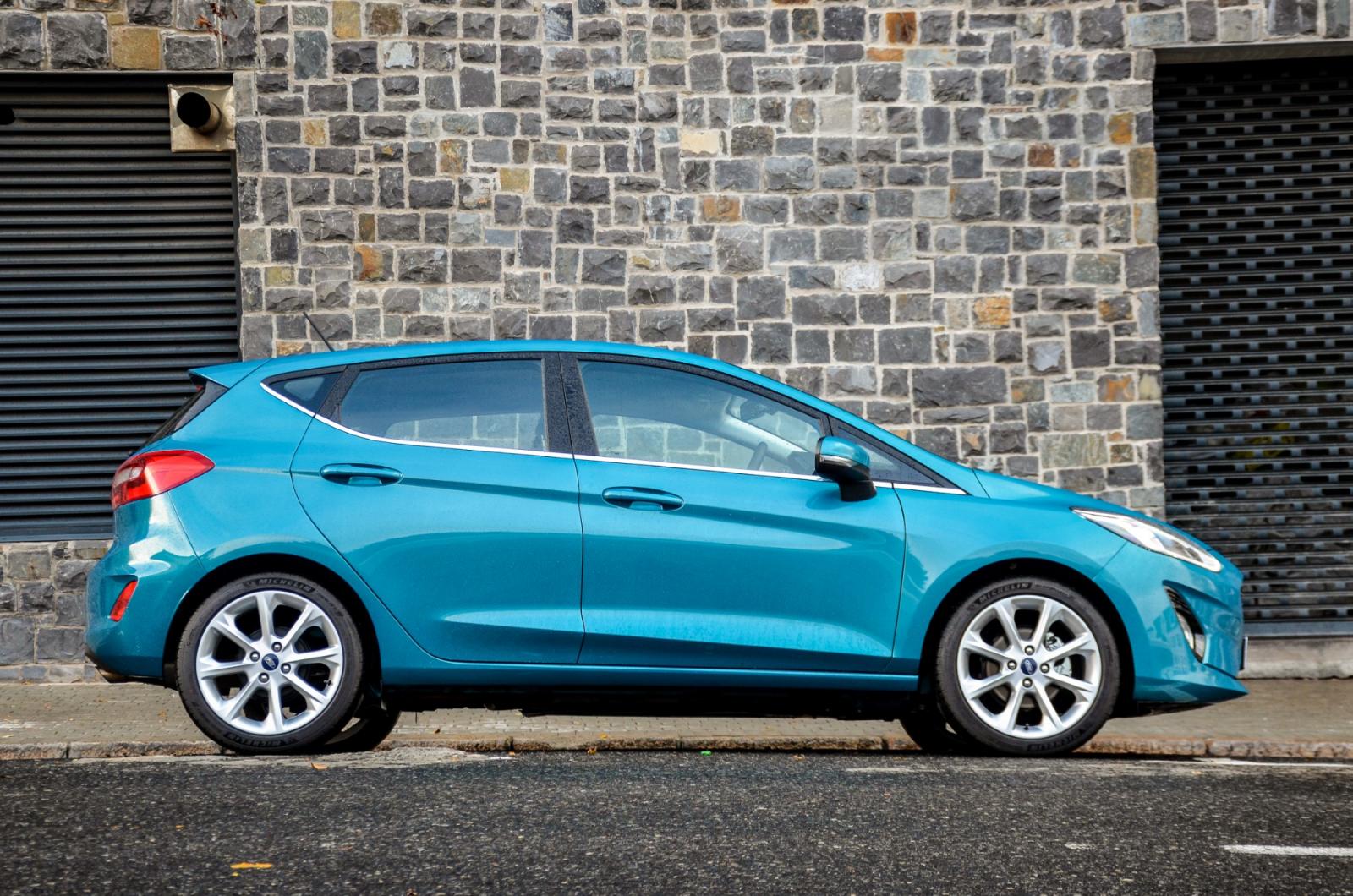
On test here is the range-topping Fiesta 1.0 Titanium automatic in metallic Blue Wave body colour and this derivative comes equipped with features such as automatic elongated headlights with LED daytime running lights, 17-inch alloy wheels shod with Michelin Pilot Sport4 rubber and a wide grille that’s finished in chrome to differentiate it from its lesser derivatives. This Fiesta is, in our opinion, the neatest-looking Fiesta to date…
How does it fare in terms of…
Performance and refinement?
While the Fiesta's overall performance is adequate, it lacks fizz in automatic guise.
In automatic guise, the Fiesta 1.0T Titanium's 1.0-litre 3-cylinder turbopetrol engine delivers 74 kW and 170 Nm of torque (the manual Fiesta Titanium offers peak power of 92 kW). It’s front-wheel-driven and makes use of a new 6-speed automatic transmission.
While the Fiesta is refined and delivers adequate performance, its quirks come to the fore when you drive it more spiritedly. We found the Ford performed best when driven with a measured approach, as the engine becomes noticeably strained when driven with more fervour. The throttle pedal is very responsive – but perhaps too responsive – because the 1.0T Titanium has a tendency to lurch if you don't apply smooth inputs.
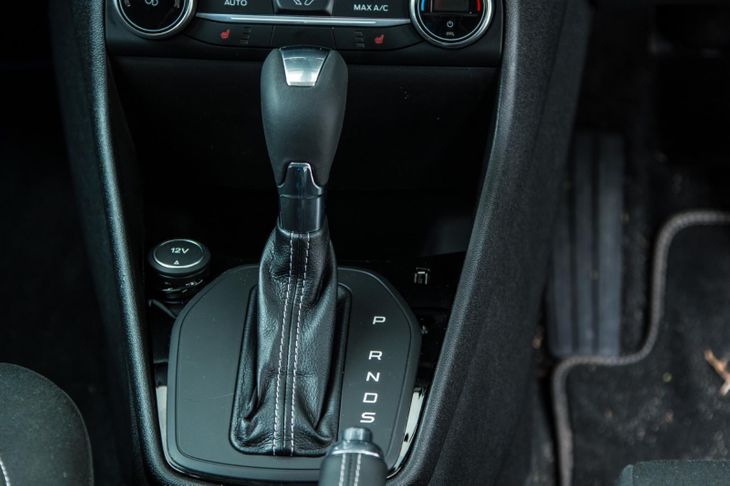
The automatic transmission was not as smooth or as responsive as we would have hoped.
Many will enjoy the convenience of the automatic transmission, but its shifts were not as smooth and seamless as we had hoped. In fact, when in sports mode, it didn’t feel entirely sure which gear it wanted to be in. There are steering wheel paddles, with which you can use to manually shift gears, but because the transmission is quite slow to respond to inputs, it was simply better to let the transmission change gears on its own.
In terms of shove, the Fiesta has enough to comfortably execute quicker overtaking manoeuvres and it accelerates to the highway speed limit with very little fuss. For the most part then, the Fiesta automatic offers average performance, but it’s not as fun to drive as we expected it would be.
The Fiesta has an encouraging claimed fuel consumption figure of 5.2 L/100 km, but it proved to be much thirstier during our test with a real-world average of 9.2 L/100 km, a figure that we could probably improve upon with more effort.
Ride and handling?
The Fiesta offers entertaining handling ability and its ride quality is excellent.
The Fiesta positively shines in terms of ride and handling, however! It remains admirably composed on the road and delivers an excellent ride quality that is both comfortable/forgiving on varying surfaces without ever feeling floaty or ponderous. What's more, noise, vibration and harshness (NVH) has improved significantly: the cabin is noticeably quieter while driving, something that both the driver and passengers will appreciate.
The Fiesta’s handling is a major highlight. With its stiffer chassis, planted underpinnings, sporty tyres and well-weighted and communicative steering, the Ford can be committed to corners with confidence. It feels agile and exhibits impressive front-end grip as it bites into a corner. In fact, Ford says that cornering grip has increased by 10% in this new Fiesta. In terms of handling then, the Fiesta delivers on its fun-to-drive promise…
Practicality?
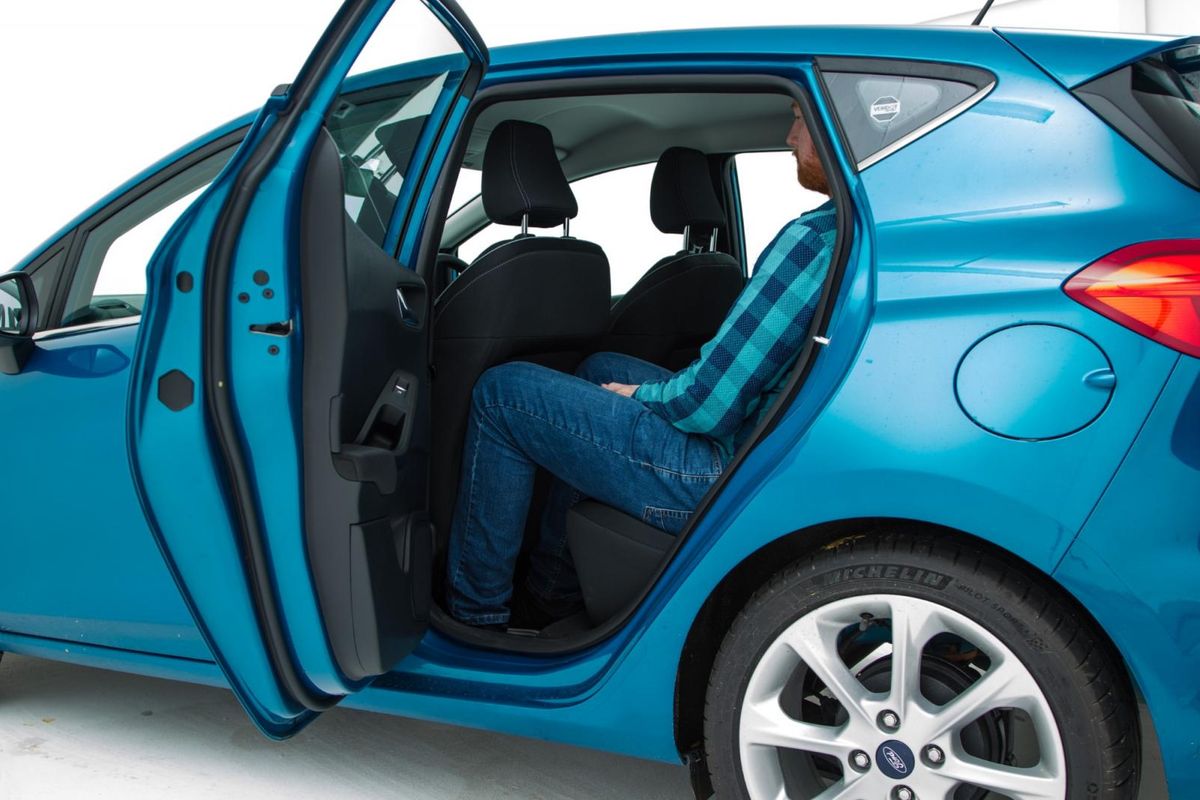
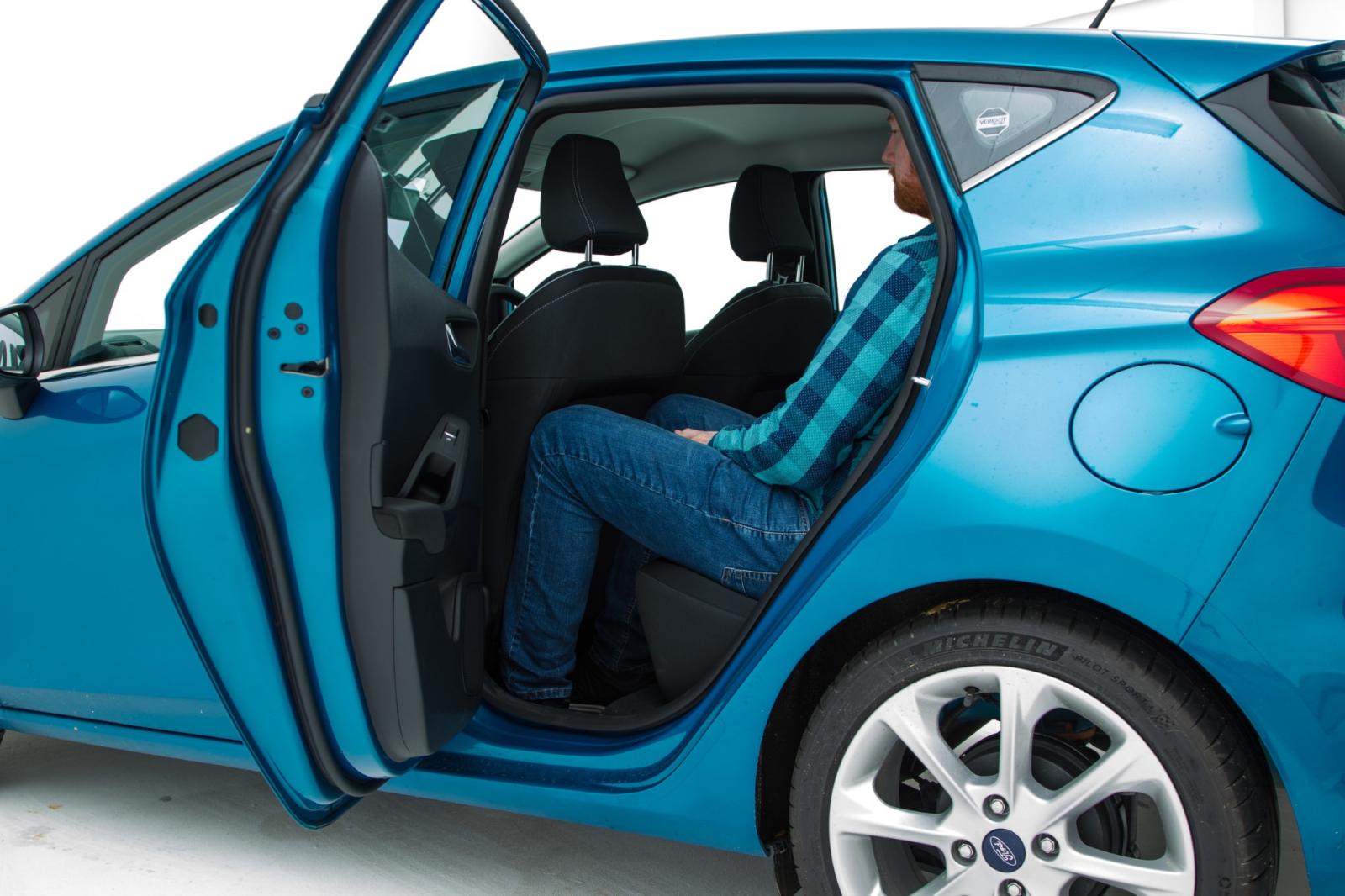
Taller passengers will find rear leg- and headroom to be a bit of a squeeze.
The Fiesta is average in terms of practicality. Its luggage bay has a claimed capacity of 303 litres, is wider than before and reasonably deep, with the 60:40 split rear seatback offering flexibility when you need to haul bulkier items. With the rear seats folded down, there is 984 litres of utility space.
Ford says that rear passengers are afforded 16 mm more knee room, but we found it to be quite tight when we conducted the standard sit-behind-yourself test. Taller adults will, therefore, struggle to get comfortable in the back, but it must be added the seats are reasonably soft and supportive.
In terms of in-car storage space, the new Fiesta now has an enlarged glovebox, as well as a 1.0-litre central storage bin that doubles up as an armrest for the driver, which is very nice. The door mouldings have space for small bottles and there is a pair of drinks holders for the driver and front passenger. There’s also ample space ahead of the gear lever to store your phone and other oddments.
Interior and features?
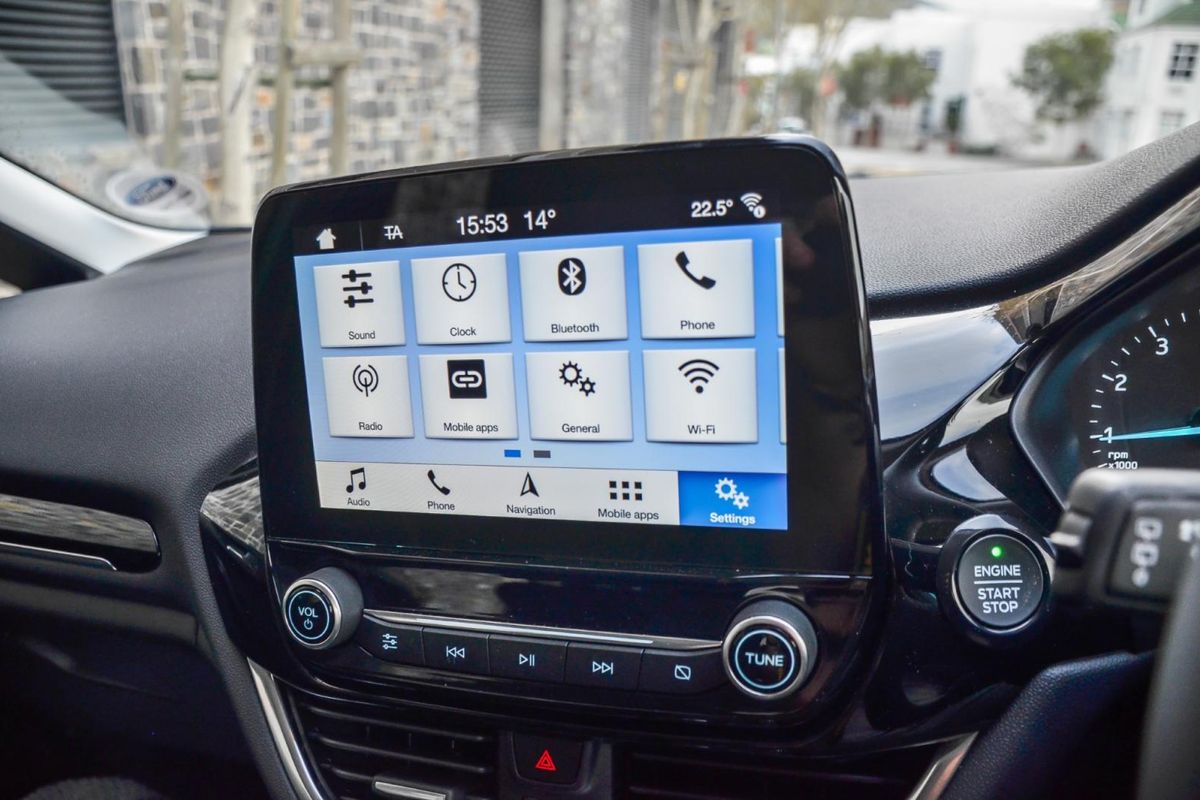
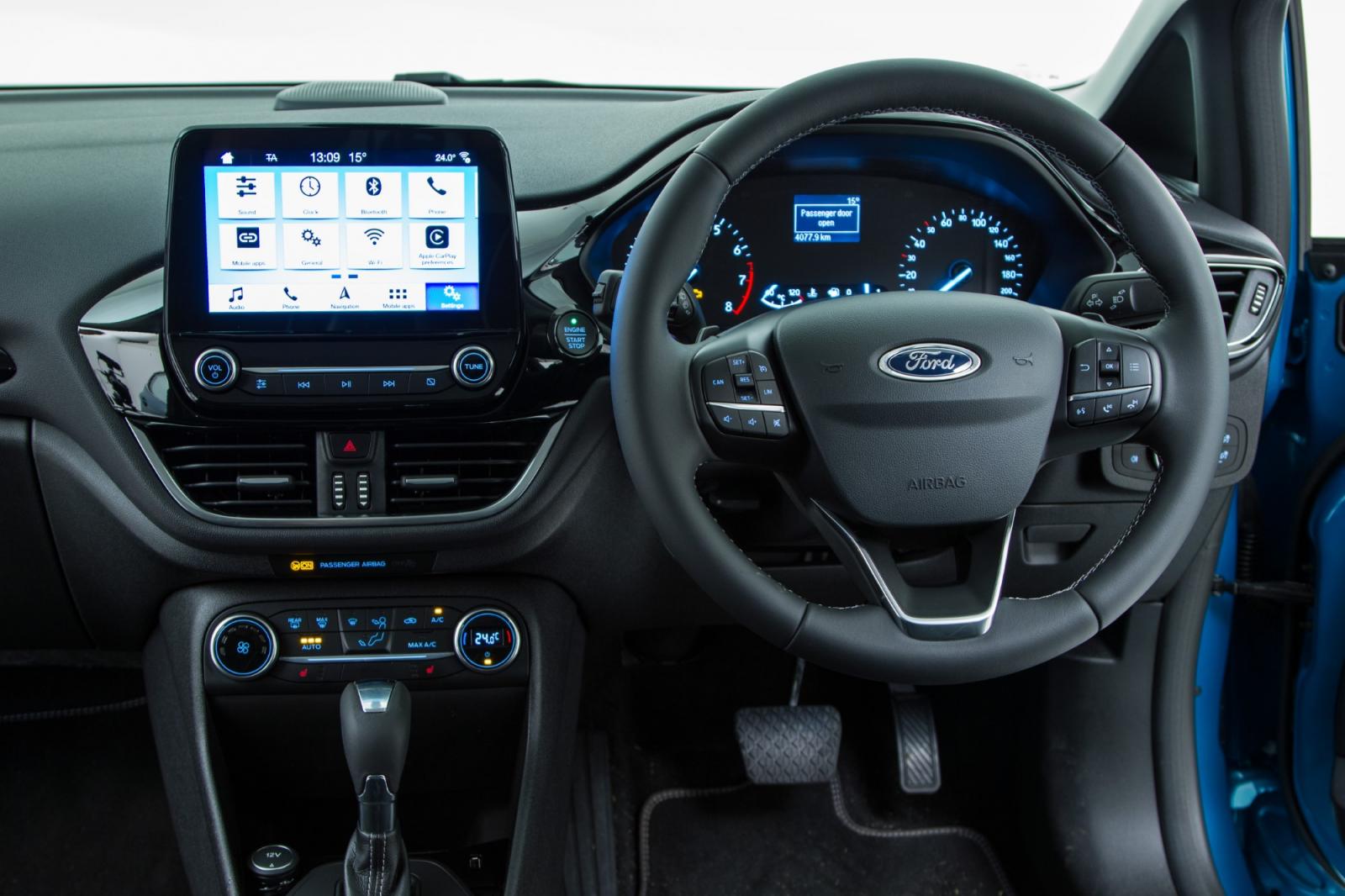
This Fiesta is packed with standard features and the 8-inch Sync3 infotainment system is a highlight.
The interior design of the Fiesta is a significant improvement over the previous version and it will appeal to youthful buyers especially. The multi-function steering wheel is well-sized and wrapped in plush leather and the column is adjustable for rake as well as reach. However, elsewhere, the interior offers a mixed bag of materials of varying tactile quality and although the build quality is generally good, it’s not class-leading. As a result, the Fiesta’s interior is middling. It’s not cut-price in any way, but it’s not all-out premium either and we don’t think it will age particularly well.
Nonetheless, this Fiesta’s value proposition is significantly strengthened when you delve into its extensive standard features list, which is notably generous. It comes crammed with standard features such as an easy to read (and use) "floating" 8-inch touchscreen infotainment system, with SYNC3, Bluetooth, voice control, navigation and App Connect. There’s also 2 USB ports, cruise control, climate control air conditioning, rear park distance control and heated seats. It’s also worth noting that automatic headlights and rain-sensing windscreen wipers are standard on the Fiesta.
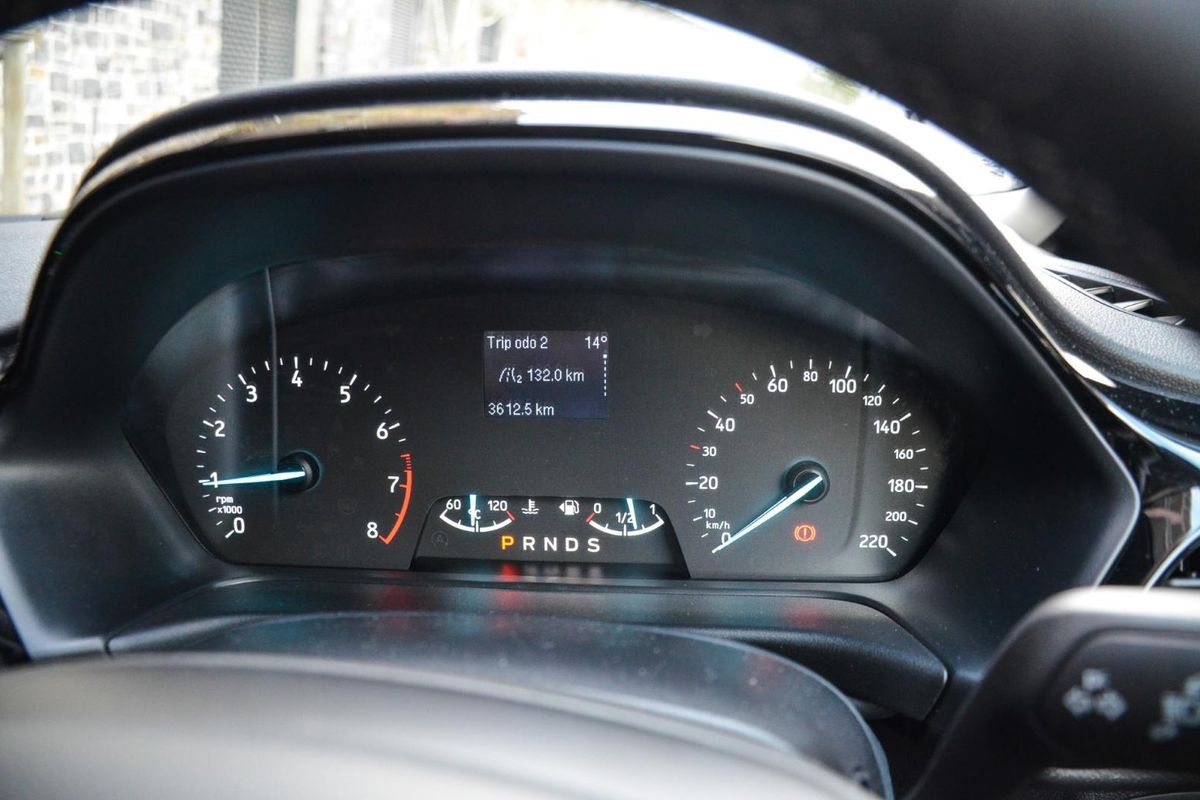
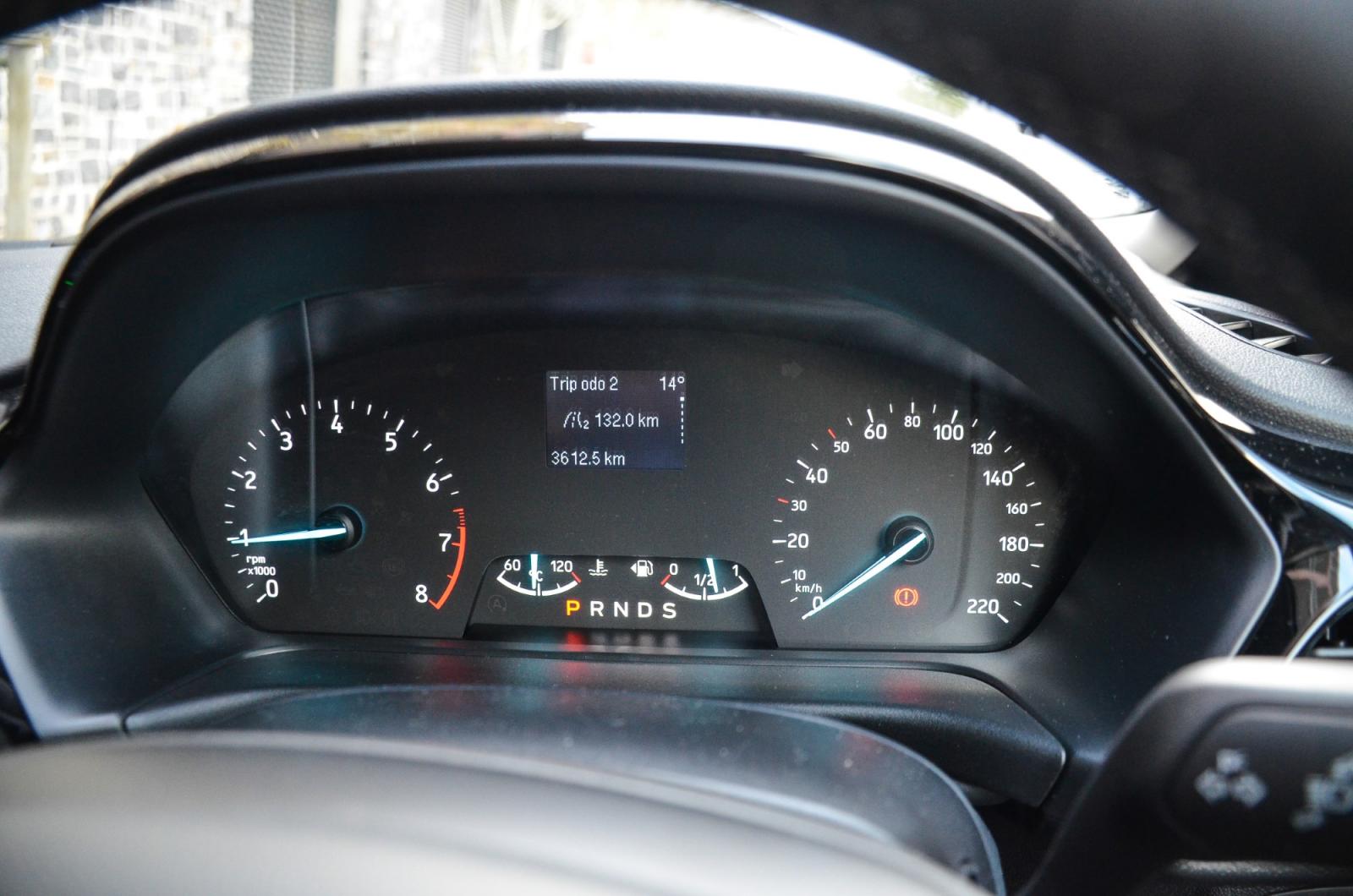
Interior quality is a mixed bag and we found the instrument cluster to be a bit bland-looking in this range-topping Fiesta.
Safety specification is comprehensive too and a total of 6 airbags, ABS with EBD, brake assist, electronic stability control with traction control, hill launch assist and ISOFIX child seat mounts are standard.
If it’s ultimate value for money you seek, then the Fiesta makes a strong case for itself.
Pricing and Warranty
The Ford Fiesta 1.0T Titanium automatic is priced at R310 600 and is sold with a 4-year/120 000 km warranty and a 4-year/60 000 km service plan.
The Fiesta automatic has its flaws, but it still offers good value if you can afford its price tag.
There is much to like about this new Fiesta, which is arguably the strongest rival to the top-selling Volkswagen Polo. Not only does it look good in the metal, we anticipate many buyers will find its "all-inclusive standard features list" difficult to resist. We found the newcomer's handling ability and ride quality particularly impressive; the Blue Oval's compact hatchback will adequately serve as a stylish and relatively practical daily runabout.
However, although it does a lot well, it’s not a perfect package. The somewhat erratic-shifting automatic transmission is perhaps the 1.0T Titanium's most disappointing feature and we feel that it ultimately detracts from the fun-to-drive, dynamic aspect of the Fiesta. After all, what’s the point of providing excellent handling when the transmission can’t adequately exploit the engine’s potential? For this reason, we can only hope that the manual Fiesta will be more entertaining to drive and we look forward to testing it soon…
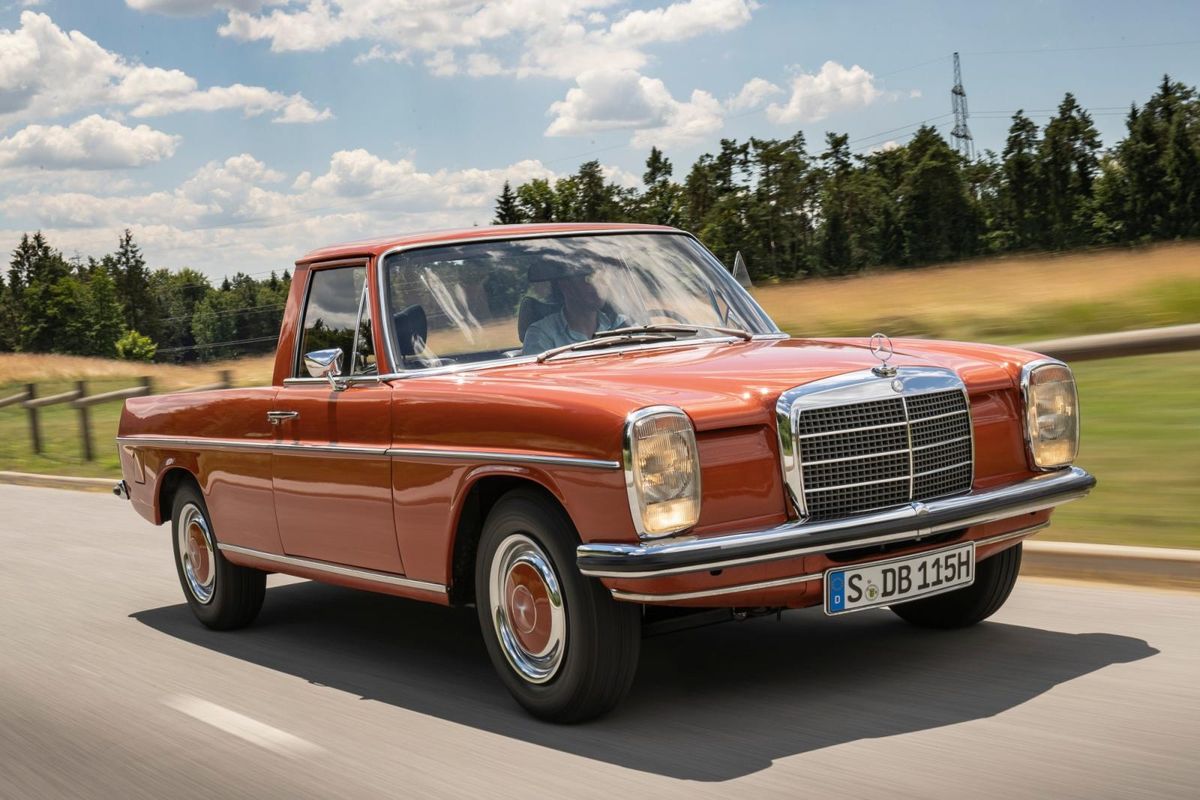
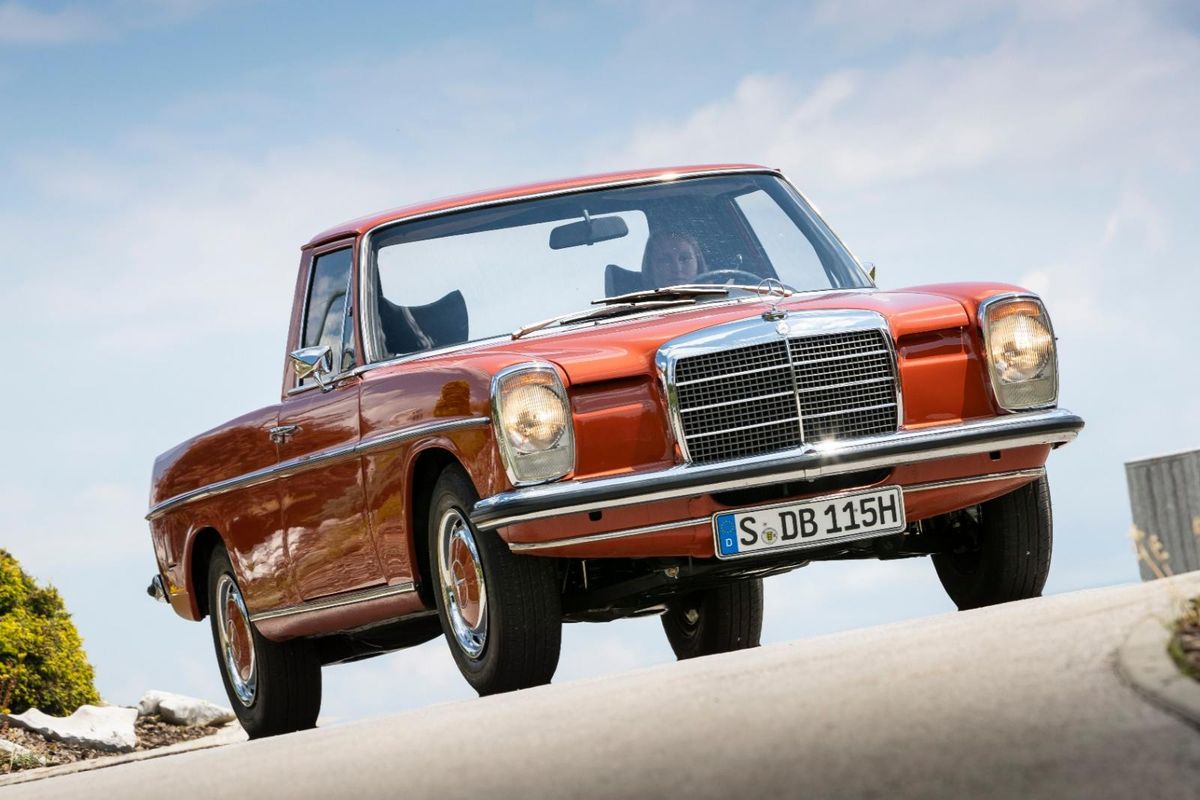
Mercedes-Benz brought its classic 220 D pick-up to the launch of the X350D in Slovenia and, surprisingly, allowed us to take it for a drive. So we did…
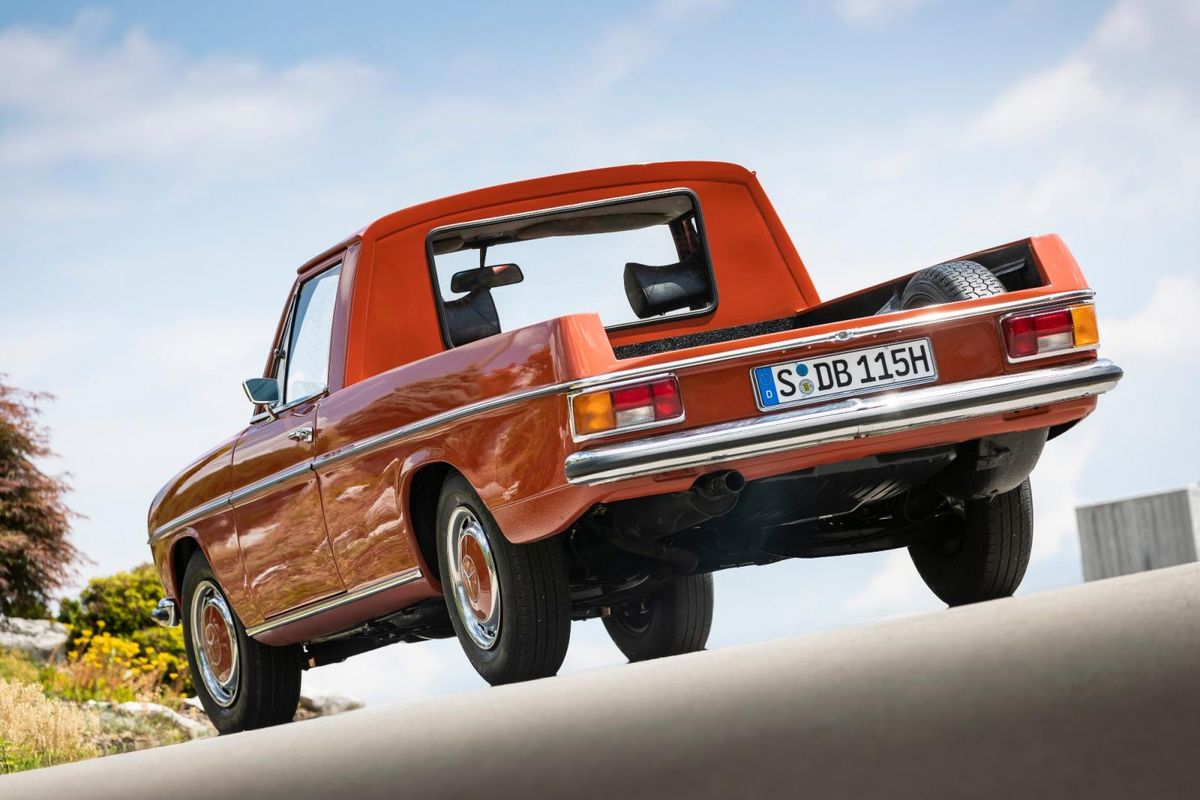
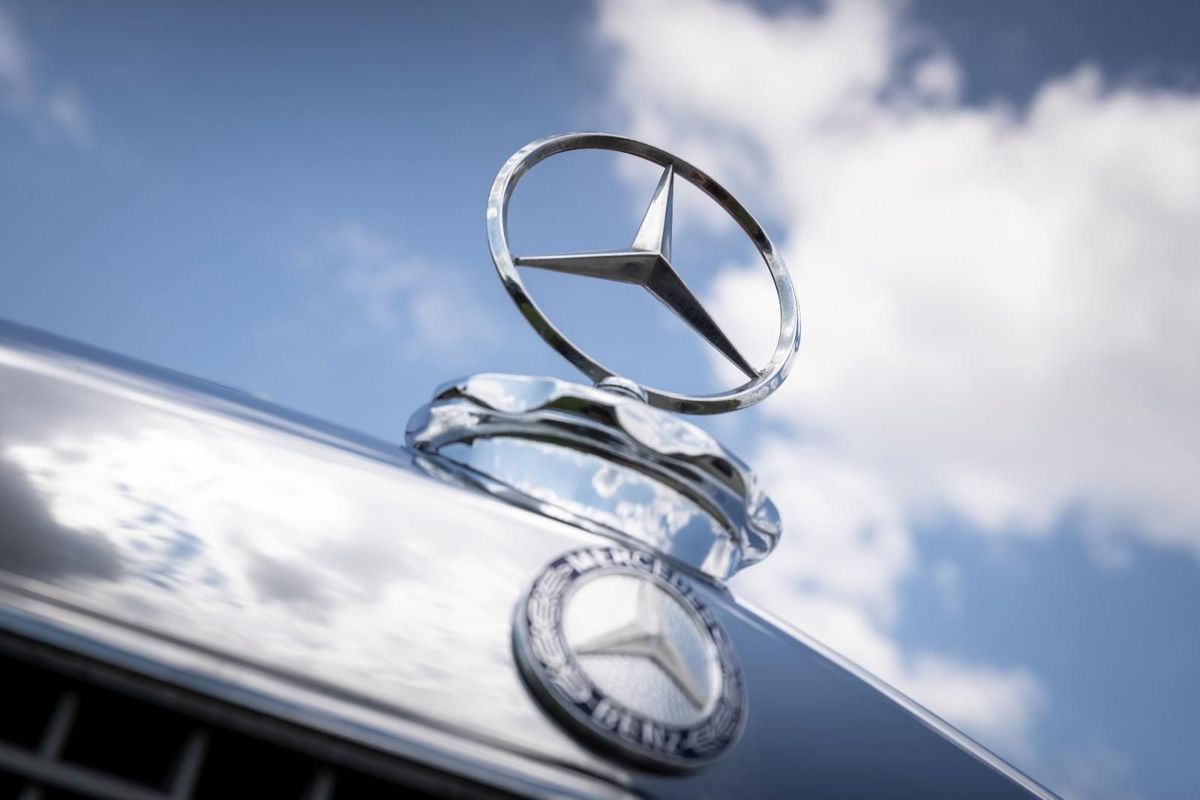
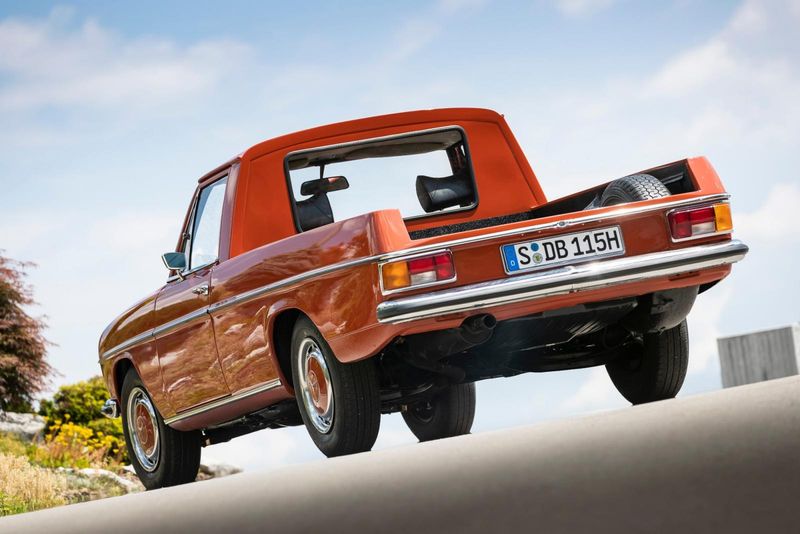
Through the years Mercedes-Benz has toyed with the concept of a pick-up a number of times. If you take into account some of the Sprinter variants or even the 6×6 version of the G-Class, you could argue that the X-Class is in fact not the first “bakkie” to wear the Three-Pointed Star. But arguably it was the Argentinian Mercedes-Benz distributor that made the first serious attempt at a Mercedes bakkie in the ’70s with this, the so-called “La Pick-Up”.
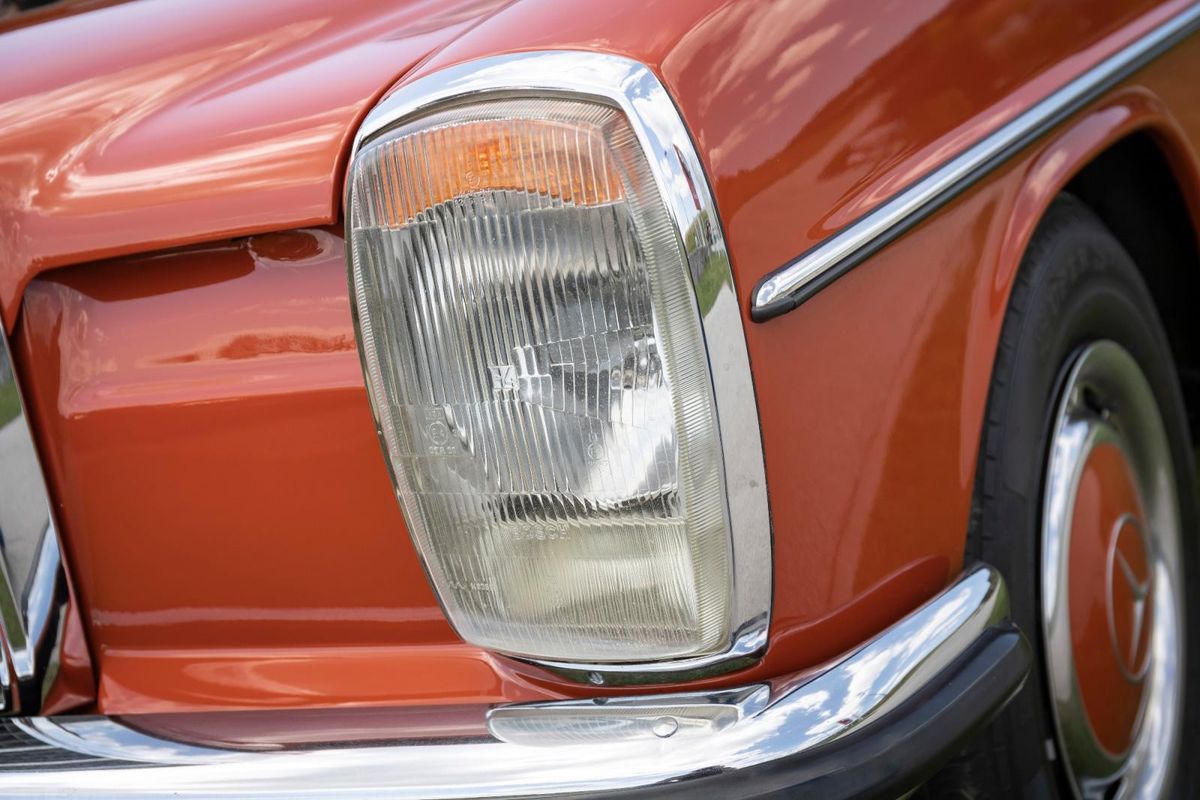
Recently Mercedes-Benz has brought a restored version of the W115-based La Pick-Up, of which around 6 000 were build using CKD kits, to X-Class events to build a sense of “heritage” around its new Amarok-rival. It did so too for our recent visit to Llubljana in Slovenia to drive the X350d and this time round, journalists were allowed to take it for a short spin. Happily, we got lost, so my drive was a bit longer…
A little background
The W115-based La Pick-Up was offered in single- and double-cab body styles.
In the early ’70s it was not allowed to import pick-ups or cars into Argentina, but it was permitted to build them using CKD (completely knocked down) kits. And so the local distributor imported CKD kits of the sturdy W115 sedan from Germany and converted them to pick-ups at the González Catán facility. It is said that around 6 000 of them were built (in single- and double-cab body styles) from 1972 to 1976 and somehow this particular example found its way back to Germany where it was used for hard work on the railways. When Mercedes-Benz found it in recent years, it was apparently close “to its end”, but a complete in-house restoration has brought back to life.
On the road
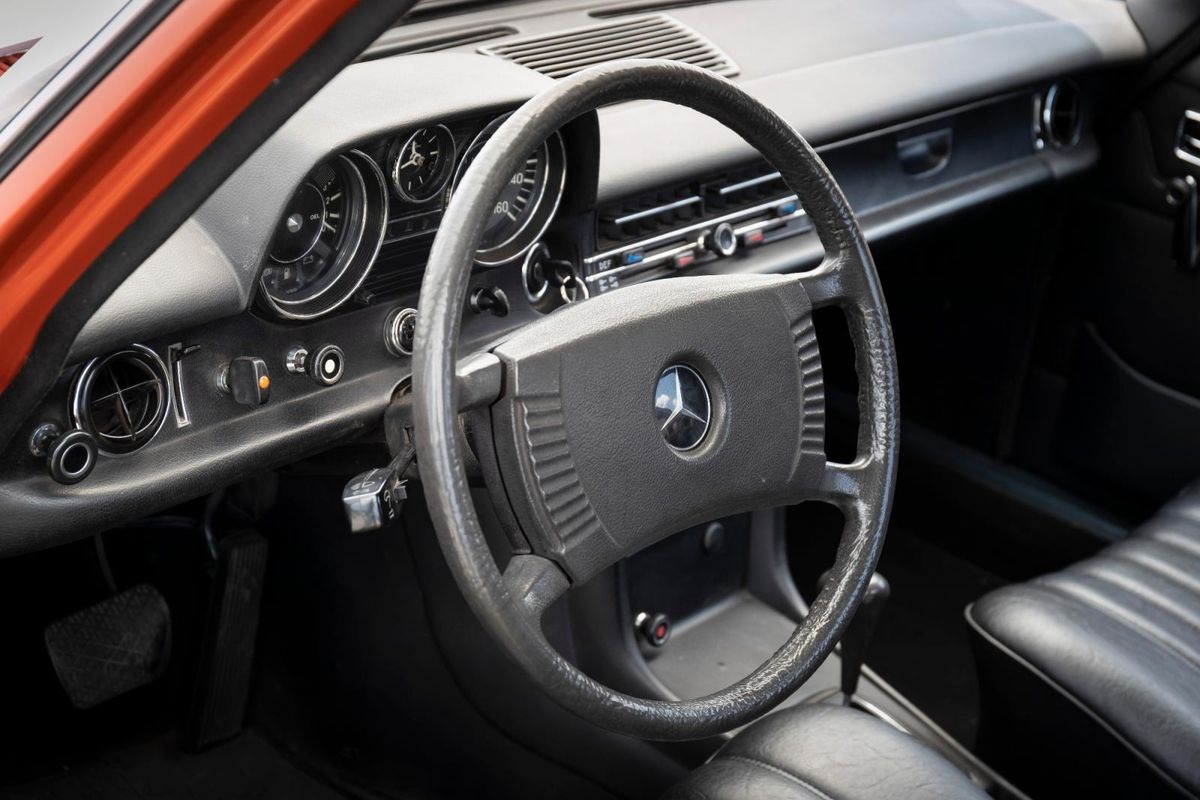
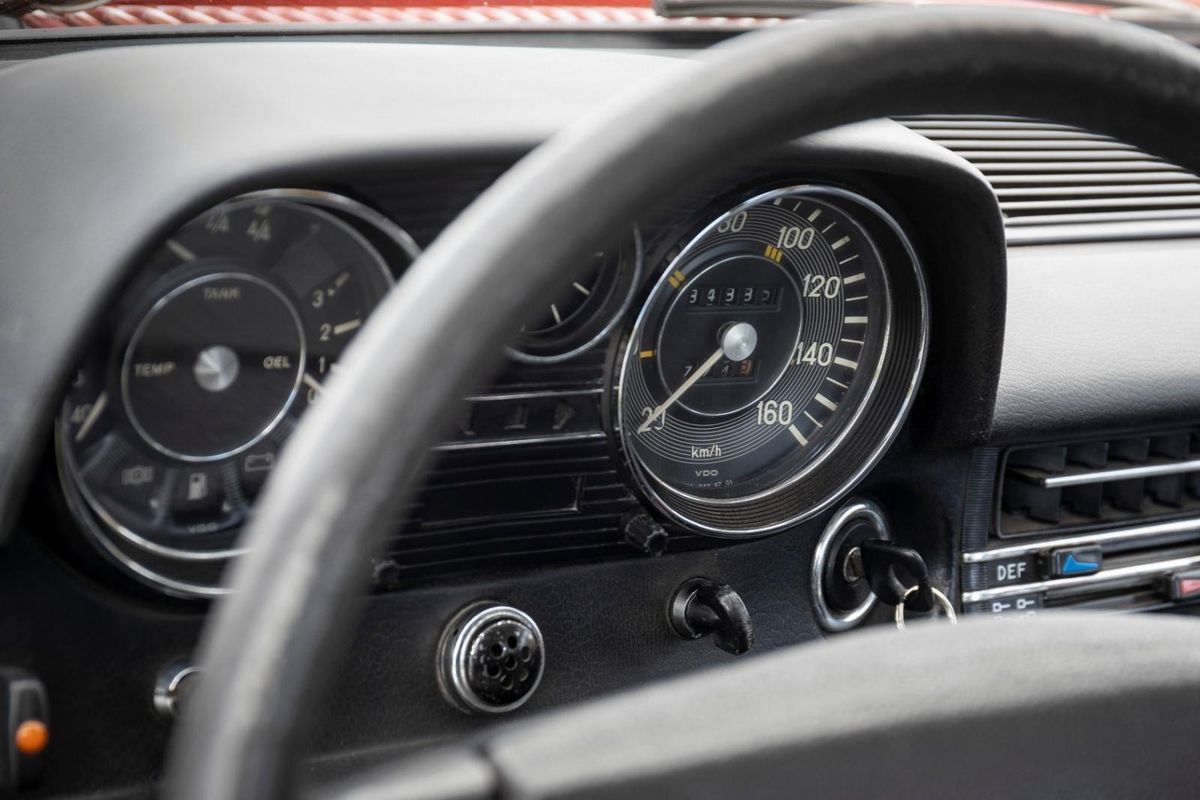
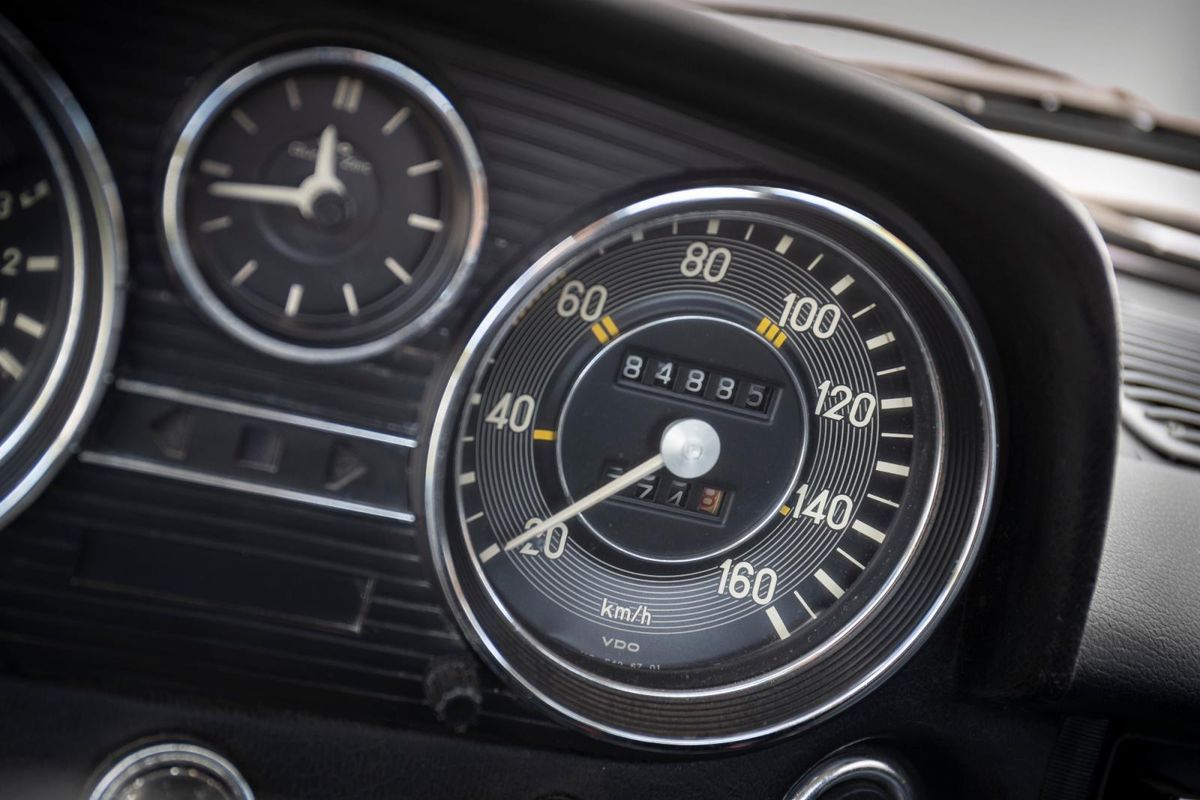
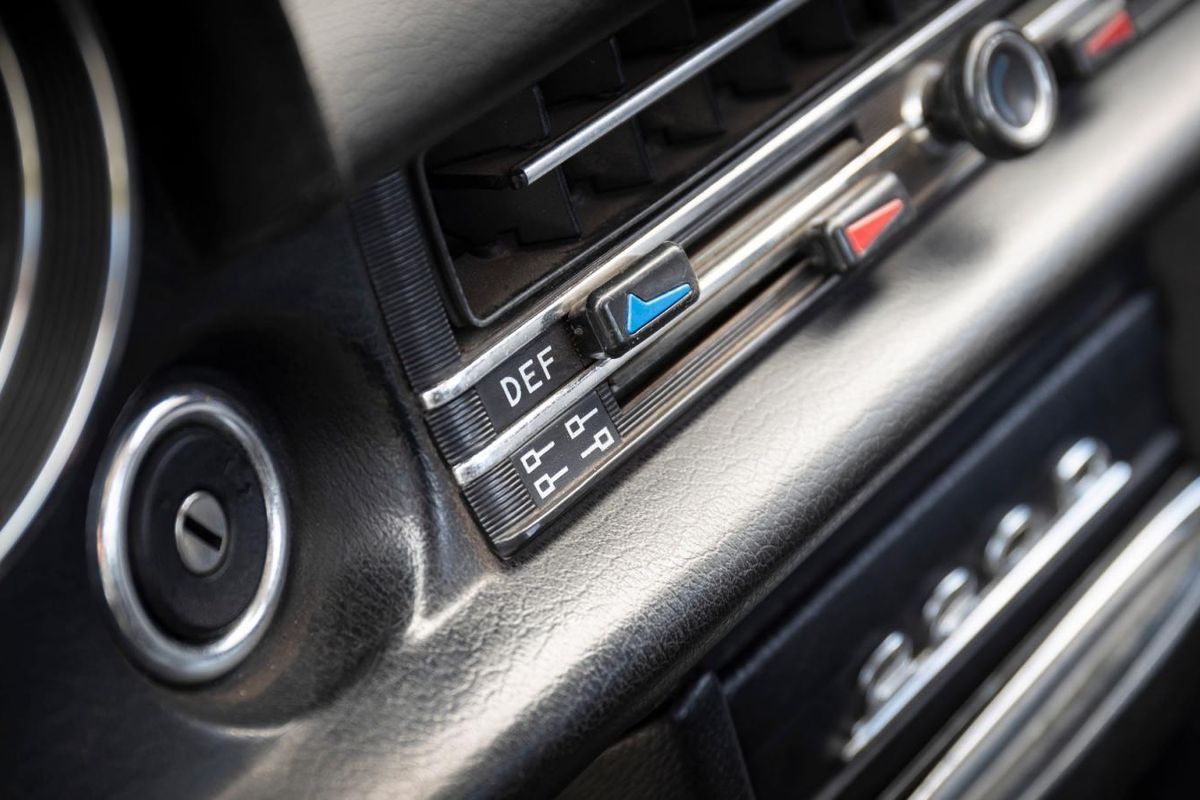
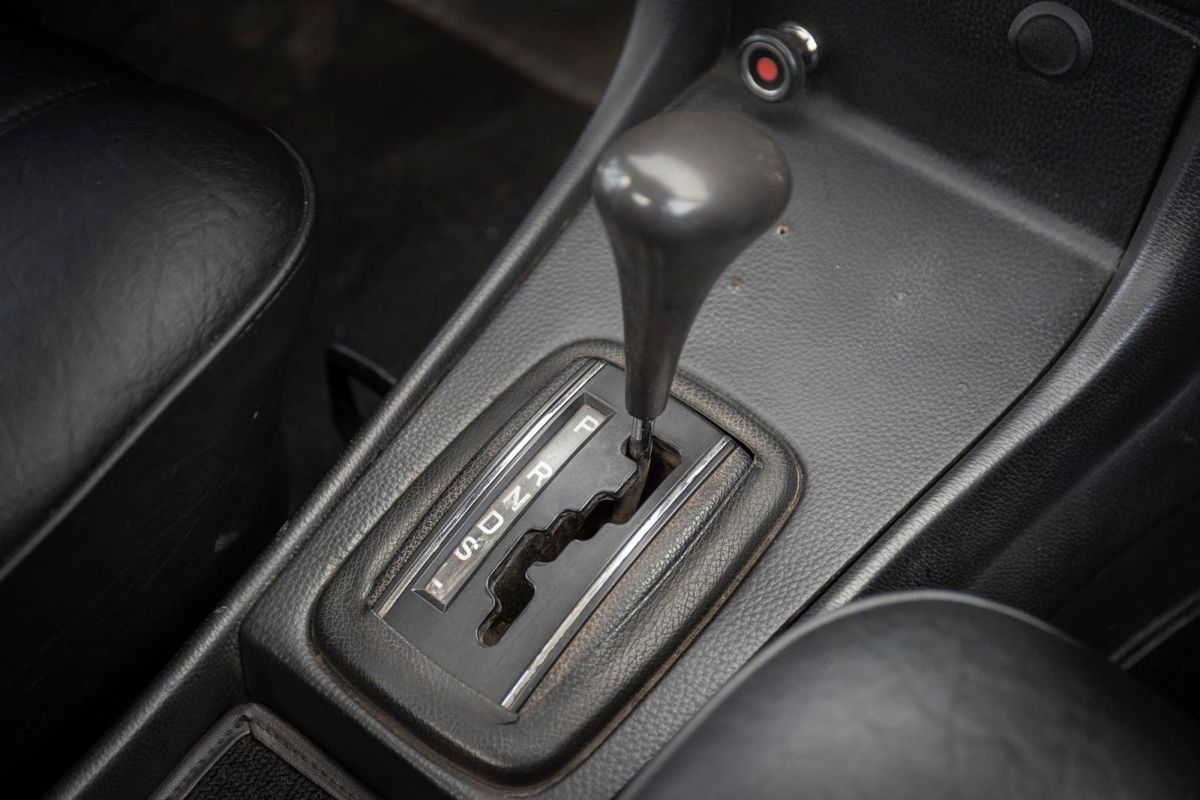
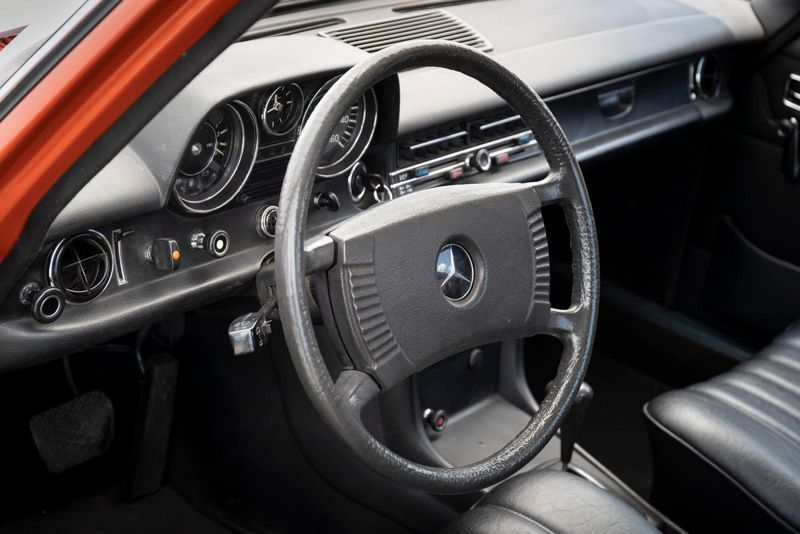
The cabin is pure W115, and even featured a 4-speed automatic transmission and a radio.
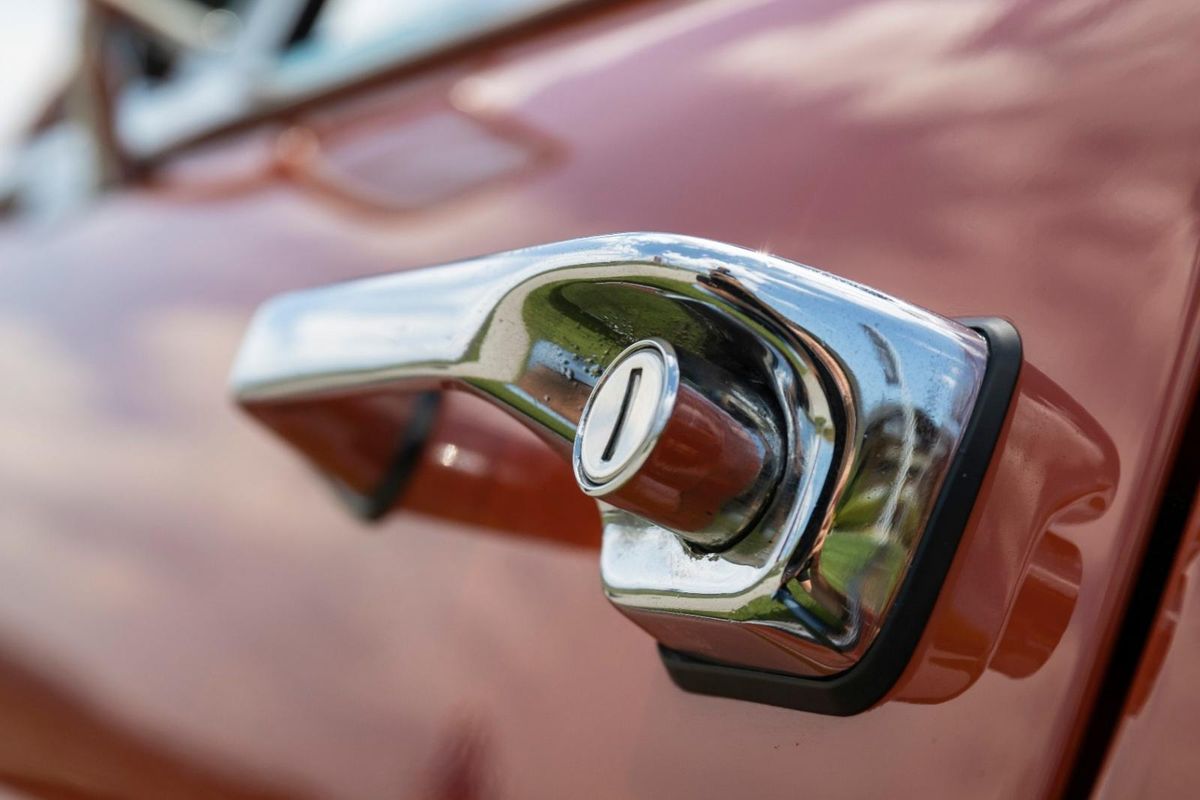
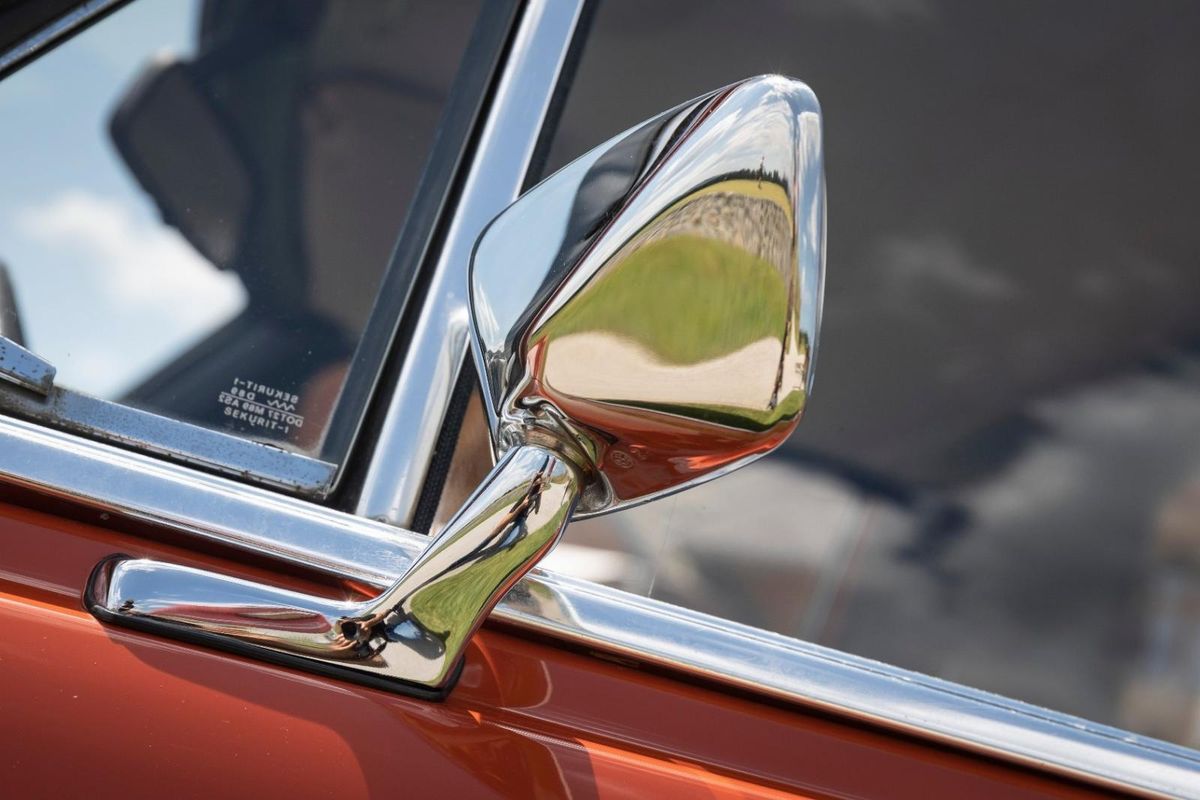
It is clear that this restoration was a no-expense spared one… the La Pick-Up’s body is blemish free and the doors shut with a very solid thud. It’s also very clean and neat inside… there is no trace of its history as a workhorse for Stuttgart’s SSB railway company. My first challenge, however, was to find a comfortable driving position. I’m 1.8m tall and with the chair pushed all the way back, I still felt a little cramped. Nevertheless, the La Pick-Up appears surprisingly luxurious at first glance. It even has an automatic gearbox! And you thought self-shifting bakkies were a new thing…
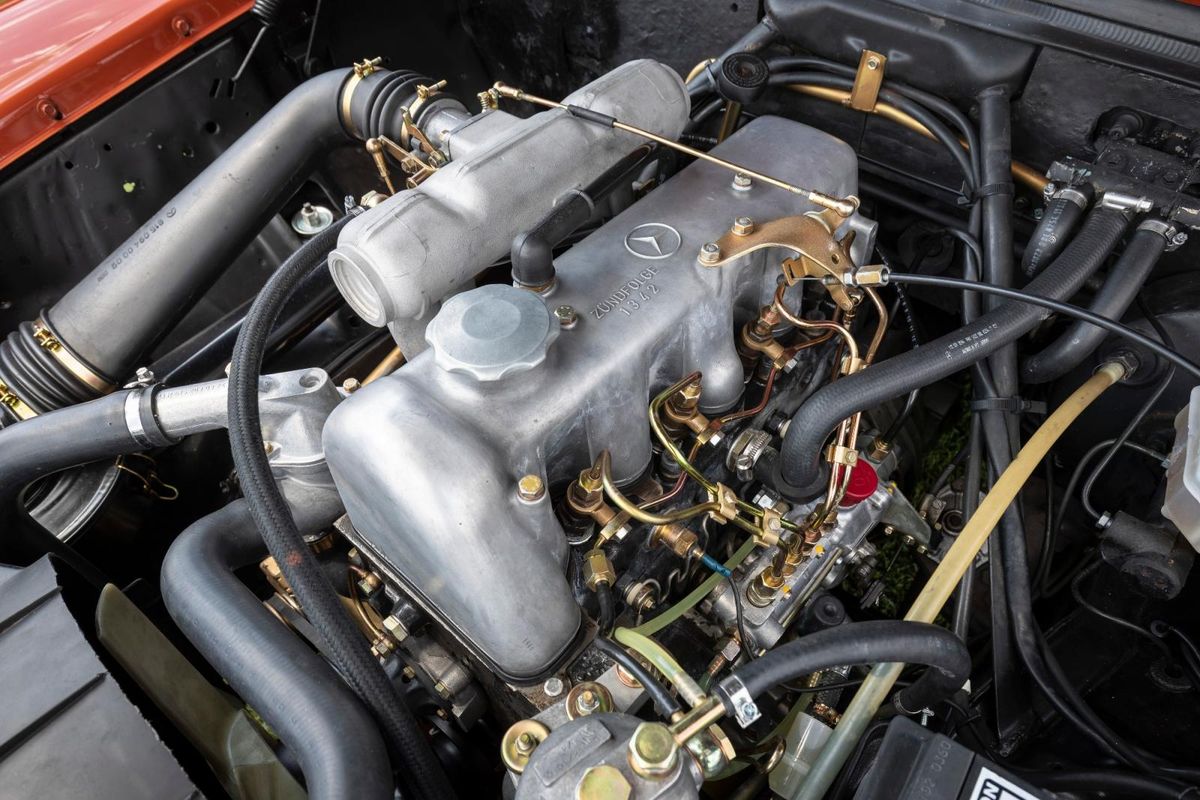
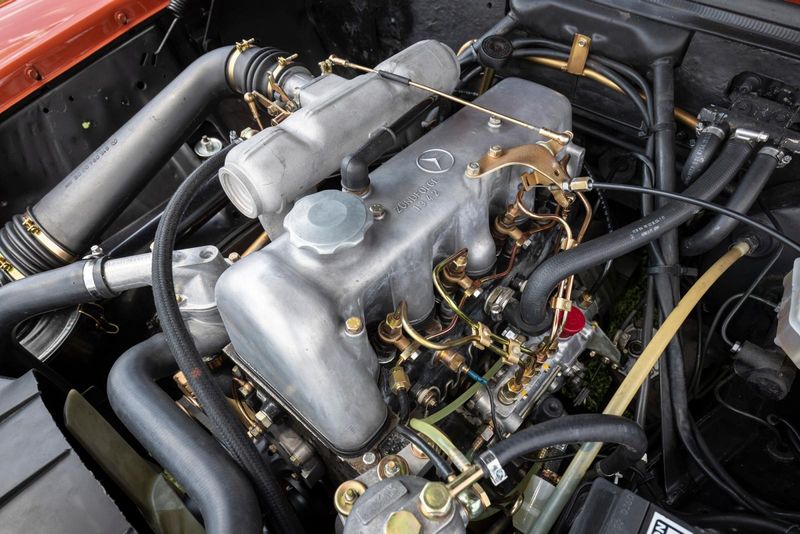
Fire up the ancient 2.2L diesel engine (21:1 compression) and you get the type of oil-burning clatter we haven’t heard for years. But… and this came as a rather big surprise… the engine is creamy smooth and torquey, feeling stronger than its 65 horsepower (just shy of 50kW) and around 125Nm of torque suggests. Still, when I looked down at the gearshifter and noticed an “S” I joked with my Mercedes chaperone that I was going to put it into “Sport” mode. Without cracking a smile he simply insisted… “No, no… this is not a race car!” The “S” mode simply locks it into the first 2 gears.
With less than 50kW and 125Nm of torque, the emphasis is on toughness and smoothness, rather than performance.
Dynamically the La Pick-Up also impresses. Like most older cars that were set up for comfort, rather than Nurburgring track times, the La Pick-Up irons out road humps and corrugations, and there’s not a hint of a rattle from the facia. The only aspect that requires constant attention from the driver (and this will be familiar to any classic car owners) is a slight tendancy to “wander”…
Slovenia is an achingly beautiful country, and as we headed out into the countryside, I couldn’t help but smile as its famous Alpine peaks reflected on the gleaming orange curves of the La Pick-Up’s bonnet. Here I was driving a fantastically bright, orange 2-door Mercedes-Benz without an AMG badge in sight… and having lots of fun.
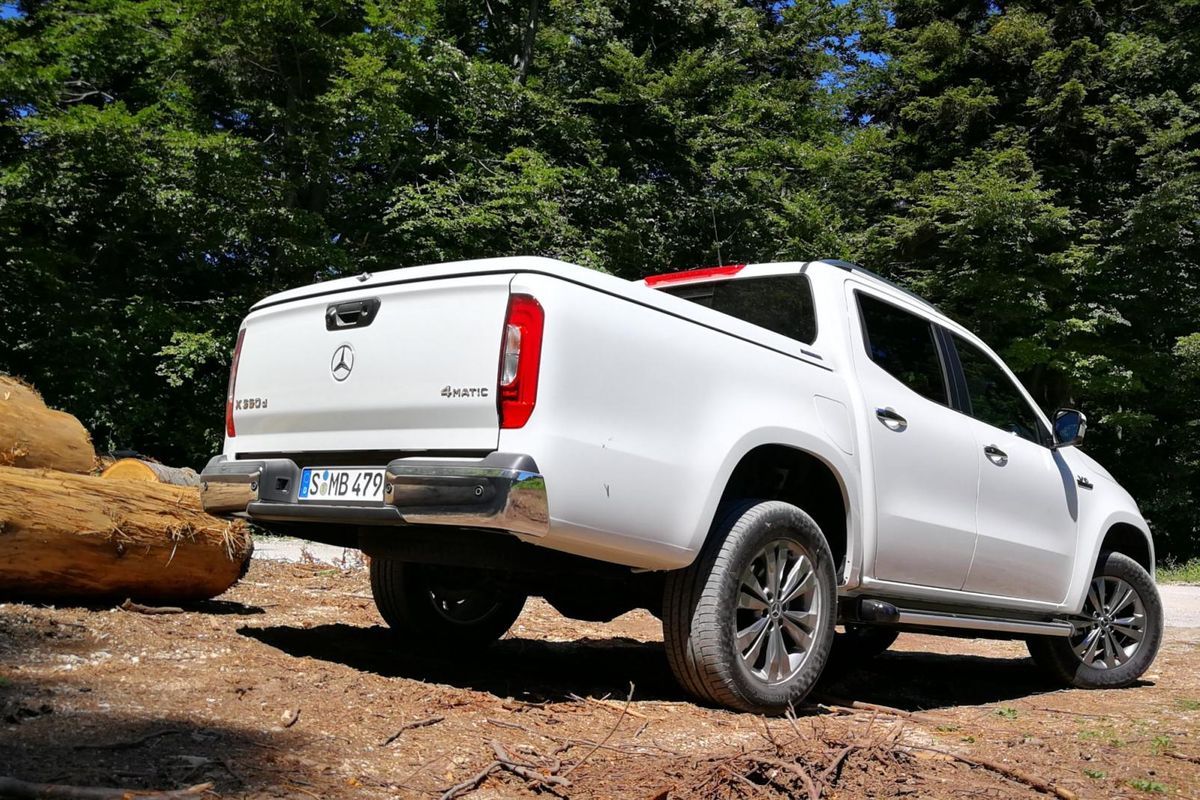
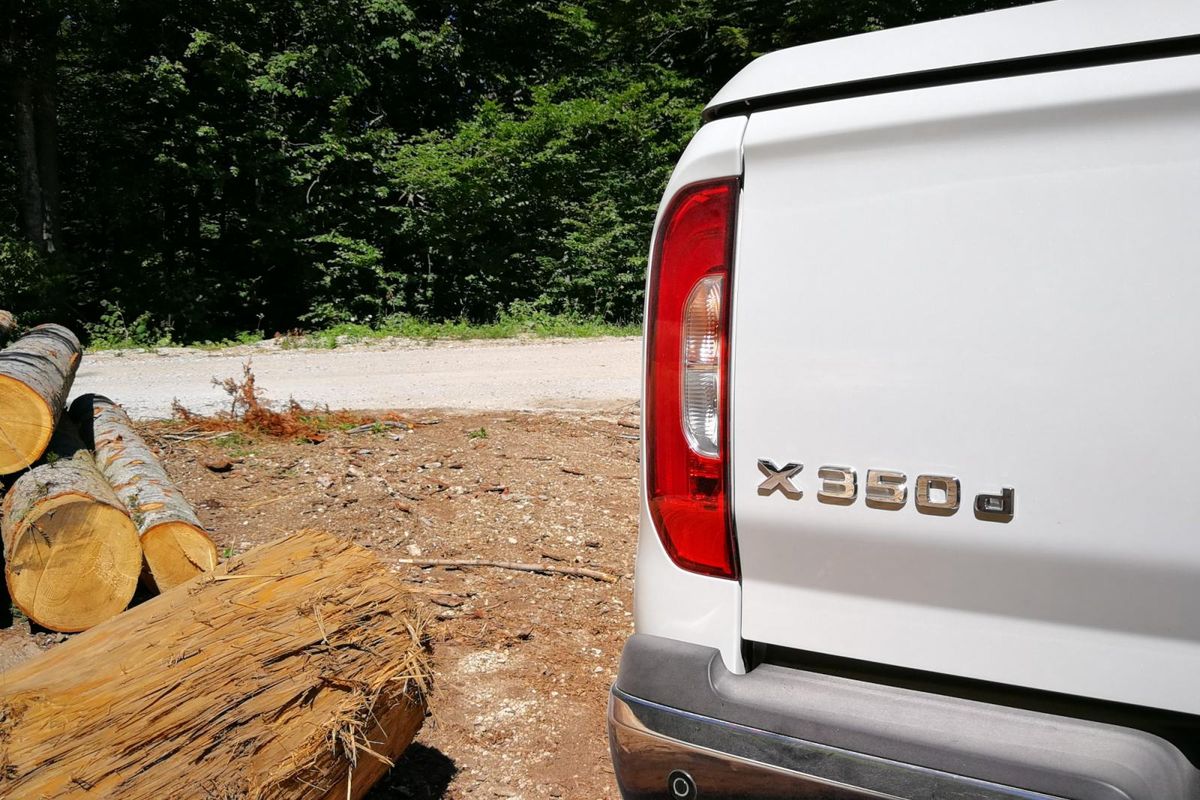
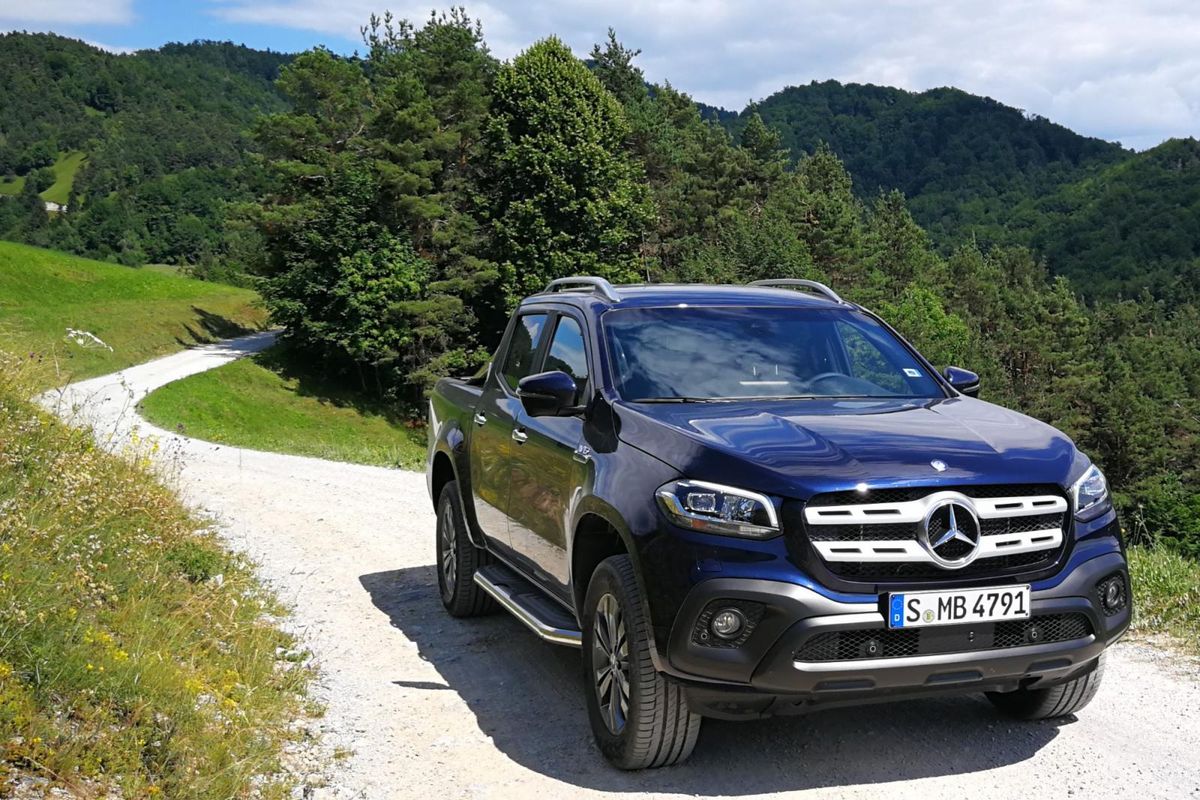
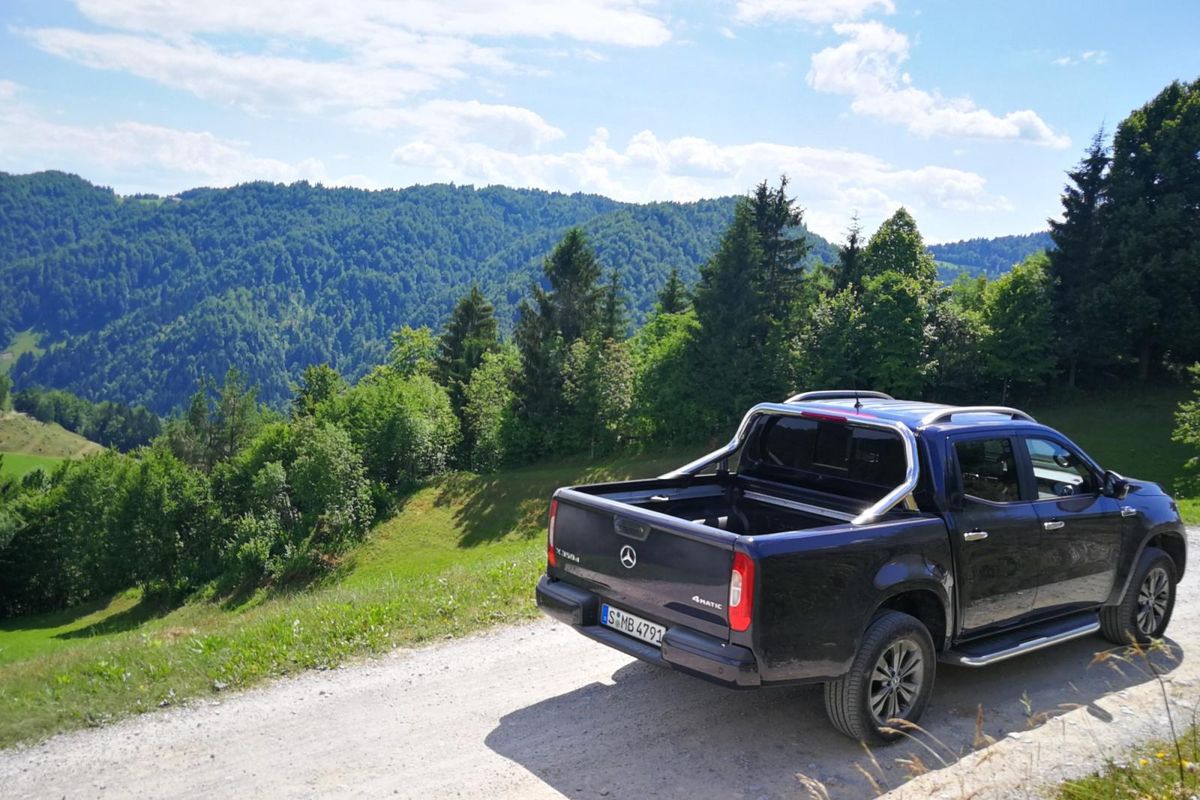
Mercedes-Benz X350d 4Matic (2018) International Launch Review
The debate about whether the Mercedes-Benz X-Class can justify its premium price tag has intensified with the arrival of the new V6 flagship derivative. We travelled to beautiful Ljubljana, Slovenia, to drive the newcomer on a variety of surfaces. Will it set a benchmark for leisure double cabs when it arrives in South Africa in the 1st quarter of 2019?
I think it's fair to say that reviews of Mercedes-Benz's much-hyped first foray into the double-cab bakkie segment have been lukewarm. While its brand appeal, refinement and interior "ambience" are undoubted showroom successes, pricing, cabin ergonomics and rear passenger space are rather large bugbears. The arrival of an even-pricier V6 version is unlikely to resolve any of those problems, yet our experience in Slovenia suggests that the flagship X-Class offers notable improvements in other areas of the package, ones that may yet make the X350d the pick of the litter.
Under the bonnet
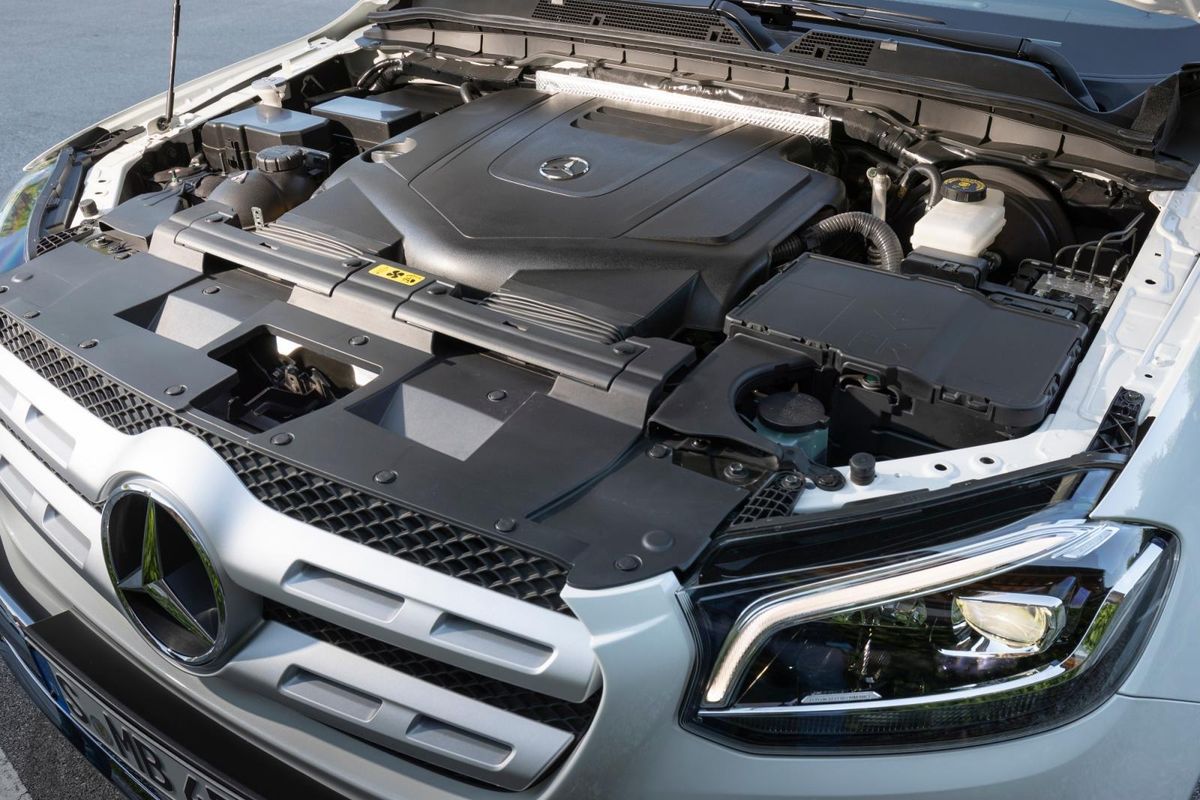
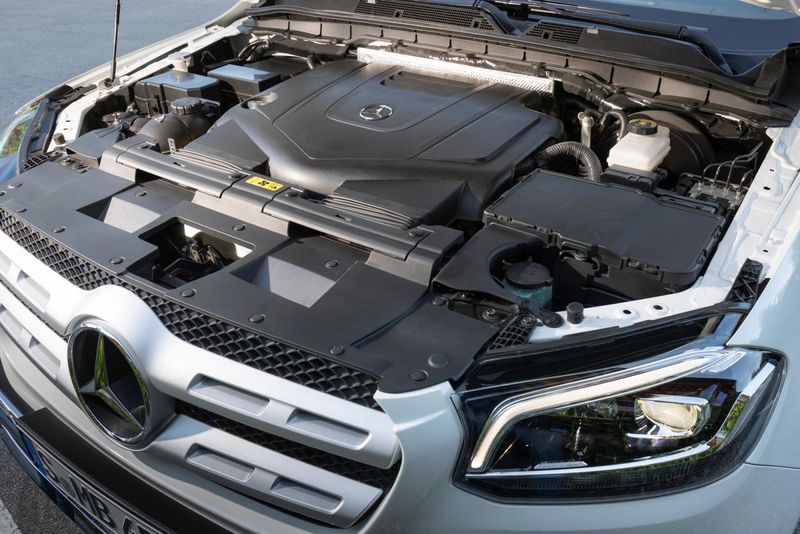
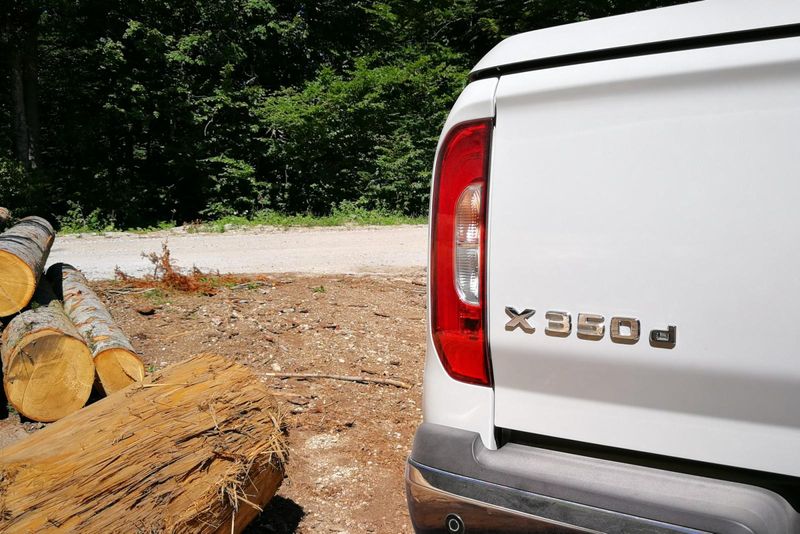
The X350d gets a Mercedes-Benz engine, a 3.0-litre turbodiesel V6 that pumps out 190kW/550Nm.
Well, as the name indicates, the new range-topper is powered by a turbocharged 3.0-litre V6 engine. But besides the higher peak outputs, it's also important to keep in mind that unlike the 4-cylinder unit used in the X250d, this V6 is not borrowed from Nissan, but is a Benz engine, and similar to the unit used in the GLE SUV. It pumps out 190 kW and 550 Nm of torque, the latter figure spread across a rev band of 1 400 to 3 200 rpm. These figures compare well with the upcoming 190 kW version of the Amarok V6, but the X-Class' deadliest rival does have more torque (580 kW).
Still, the extra shove that this new engine produces addresses one of the more minor issues we had with the X250d… In the smaller-engined X-Class, the extra weight that Mercedes-Benz added to the vehicle's underpinnings in its (successful) efforts to improve the bakkie's overall refinement and structural strength, the 4-cylinder engine's performance can, at times, feel underwhelming. Comparatively, the X350d feels stronger on the road than its 100 Nm advantage over the most powerful X250d suggests. Suffice to say it certainly feels far less troubled by sharp inclines.
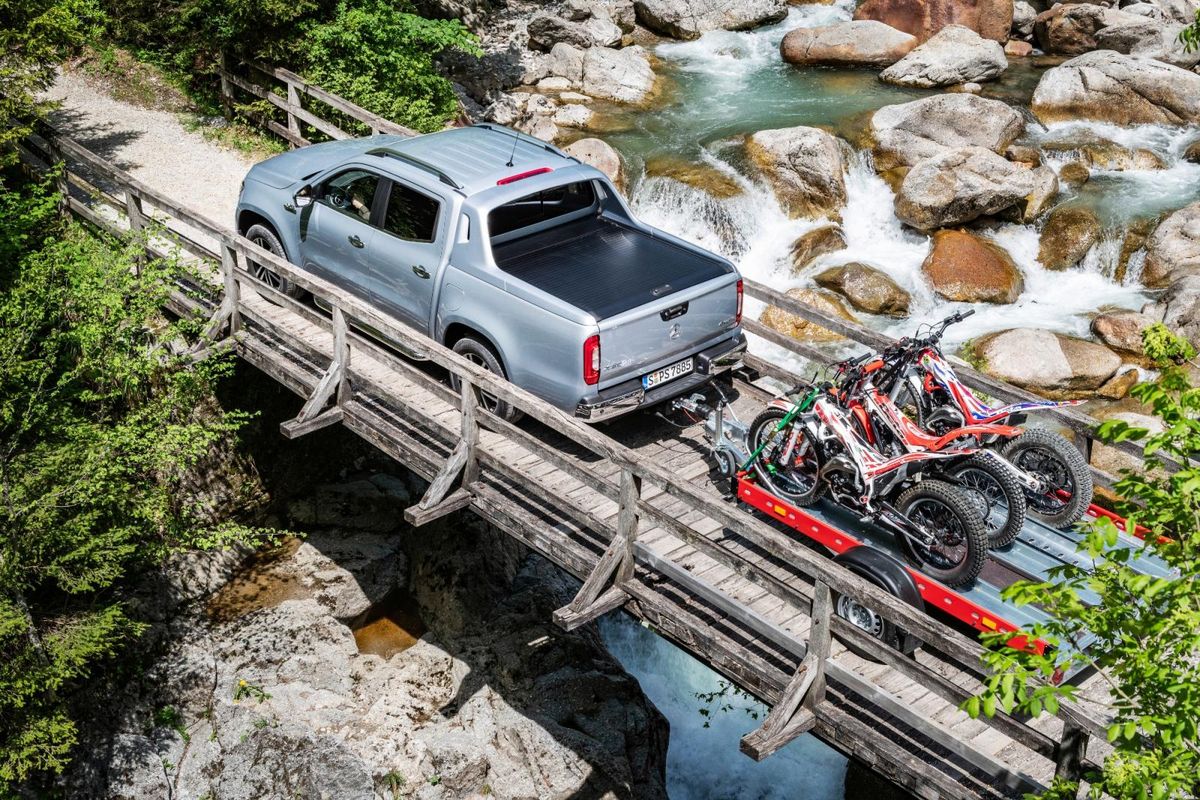
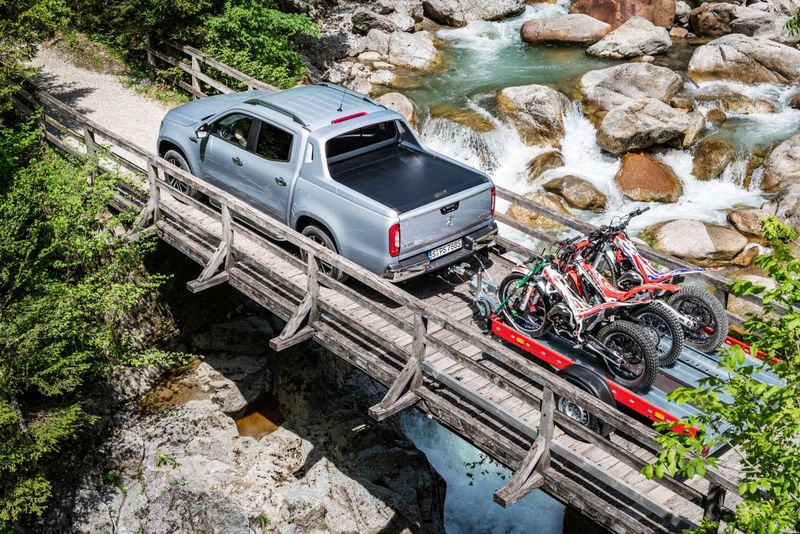
The tow rating may be the same as the X250d's, but the new V6-engined flagship should be far more comfortable in this role.
Interestingly, both the 4- and 6-cylinder X-Class derivatives have the same tow ratings (3.5 tonnes), but I'd definitely far prefer using the V6 for heavy-duty towing. Acceleration times and top speeds shouldn't matter much with bakkies, but nevertheless it's worth mentioning that the X350d can sprint to 100 kph in 7.5 sec and achieve a 205-kph top speed. Mercedes-Benz claims a combined fuel consumption figure of 9.0 L/100 km.
SUV-like drive characteristics
So, given the extra muscle (courtesy of a genuine Mercedes-Benz engine) and the exceptional refinement the X350d offers, the German marque is off to a good start in its attempts to justify what is likely to be a close-to-R1 million price tag for the new flagship X-Class. And, it gets better still…
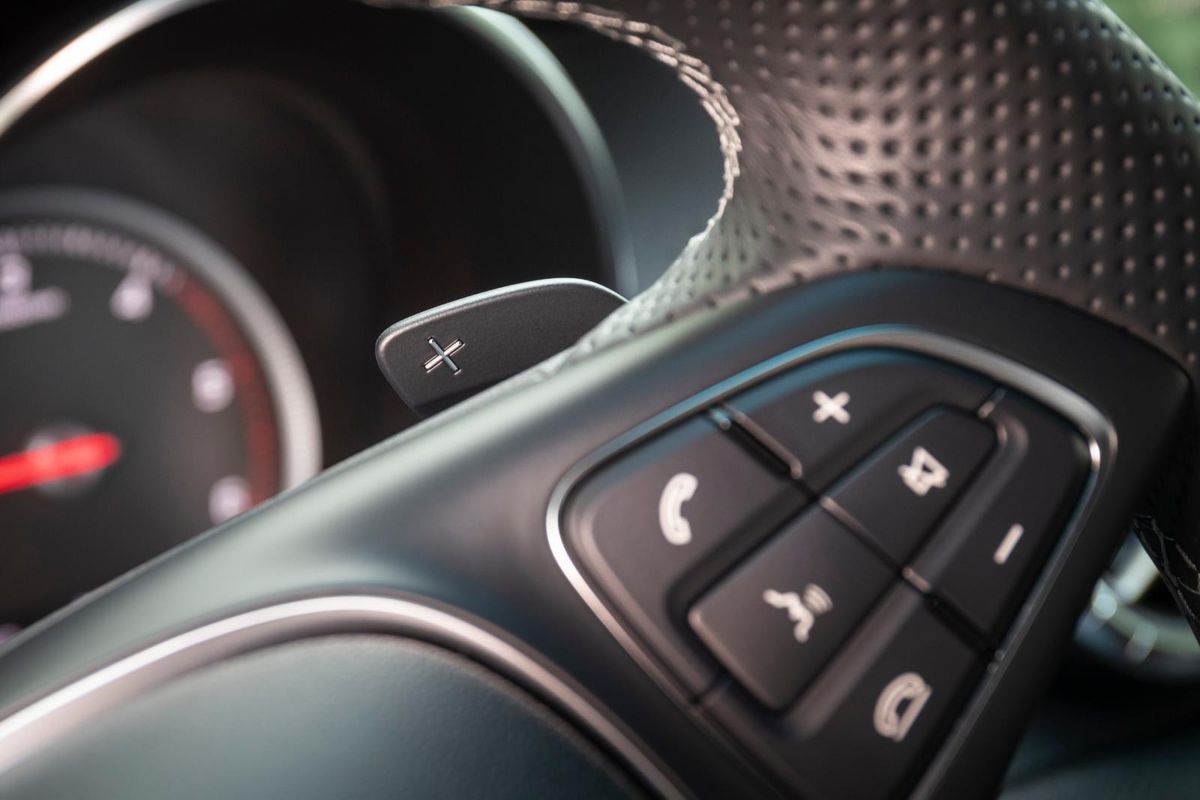
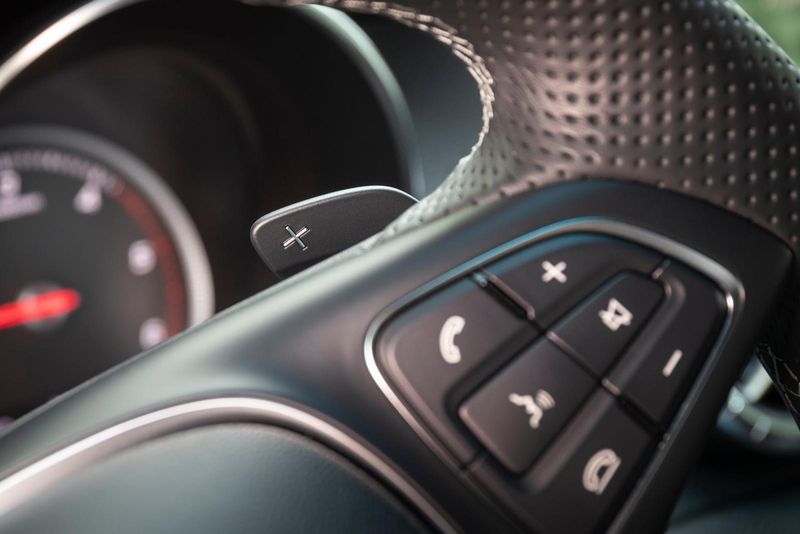
Steering wheel-mounted shift paddles are standard fitment on the X350d, but you're unlikely to frequently need them.
The engine is mated with Mercedes's 7G-Tronic Plus automatic transmission and, unlike the X250d, features 4Matic permanent all-wheel drive as standard. In its standard mode, the system channels 60% of torque to the rear wheels, but it will shift the percentage allocated to the respective axles as circumstances/conditions demand. A low-range transfer case is fitted (with 4MAT, 4H and 4L modes) and a rear differential lock is offered as an option.
As standard, the X350d also comes with Dynamic Select, which allows the driver to select distinct driving modes to suit his (or her) preference. This kind of system is not often found on pick-ups, and allows the driver to select from 5 modes; Sport, Eco, Off-Road, Comfort and Manual. Oh, and there are even 'shift paddles behind the steering wheel, should you want a more hands-on feel and shift gears manually.
In terms of ride quality, handling and refinement, the X250d is already an impressive machine, but this X350d's extra grunt, combined with the smoothness of its transmission, as well as the more SUV-like drivetrain set-up, elevates it to a level that we've come to expect from Mercedes-Benz. It puts in a far more impressive showing, full stop.
Behind the wheel
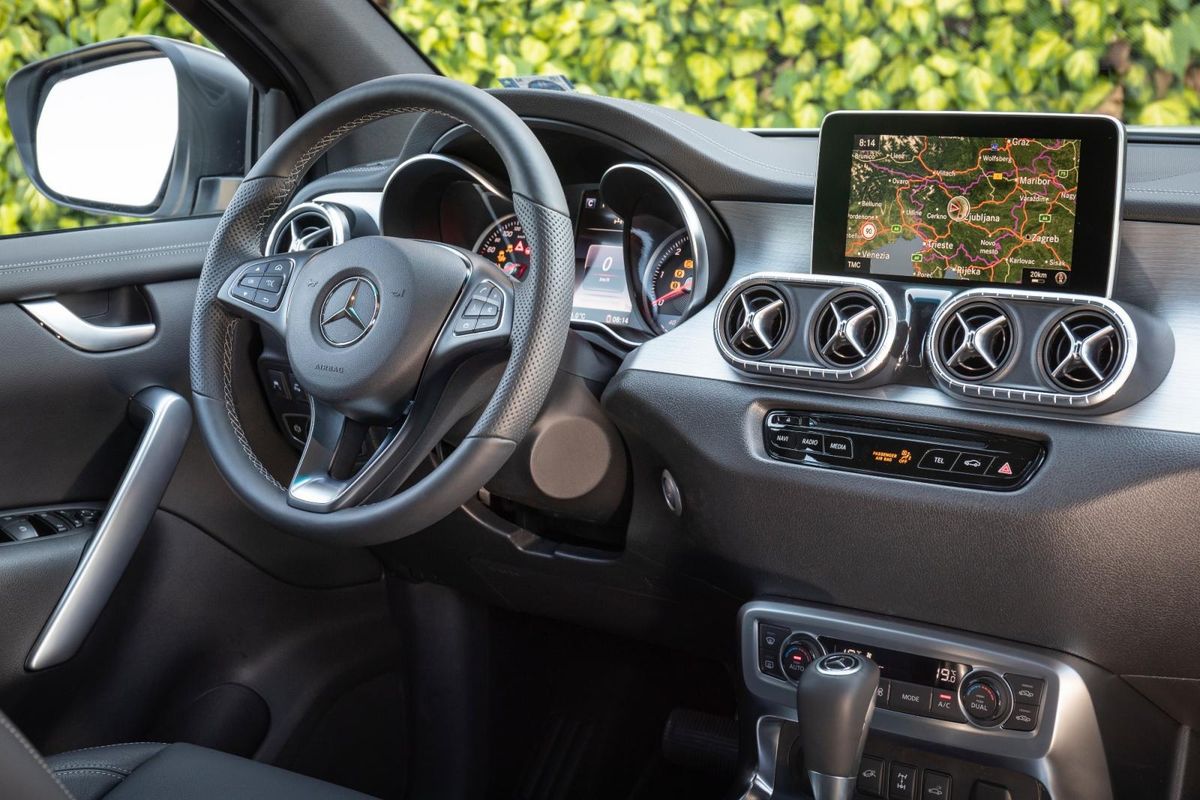
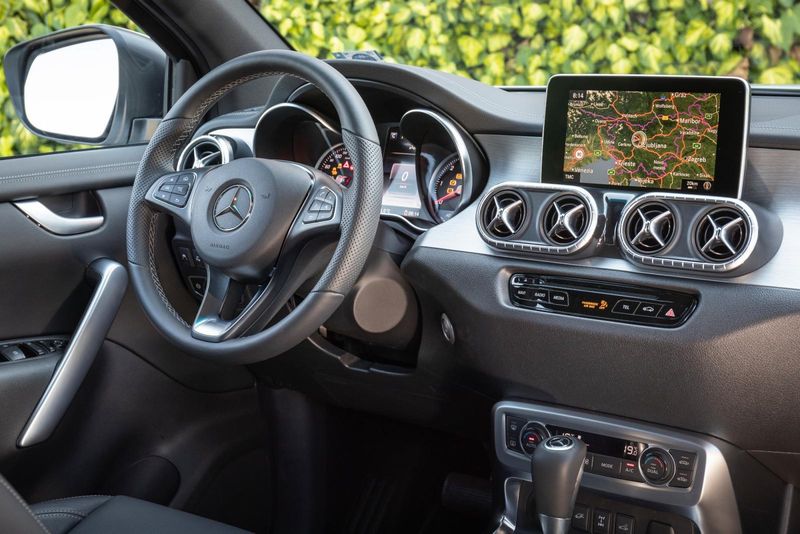
The X-Class fascia remains attractive to look at, but there are some major ergonomic flaws.
As we headed out onto the narrow Slovenian roads and aimed for the mountains and some gravel surfaces, a few things became apparent. Perhaps the first few X-Classes we encountered had rough edges, because, subjectively speaking, the fit and finish of the X350d appeared improved. It remains a visually appealing cabin, with many of the interfaces obviously borrowed from other Mercedes-Benz products – not a bad thing. In terms of material quality it remains a mixed bag, with some of the touch surfaces being up to Mercedes-Benz's usual standards and others… well, not.
Sadly, given the vehicle's price and the Mercedes-Benz badge on the nose, there are some… rather major… flaws, too. Firstly, the ergonomics are poor. The ventilation controls are mounted too low (in front of the gear lever), the steering wheel is only adjustable for rake and there's nowhere to put anything. The drinks holders in the centre console are small, and the storage box between the seats is puny. And yet, there's so much wasted space – the area above the HVAC (climate system) controls is empty and in front of the passenger there's another vast expanse of plastic.
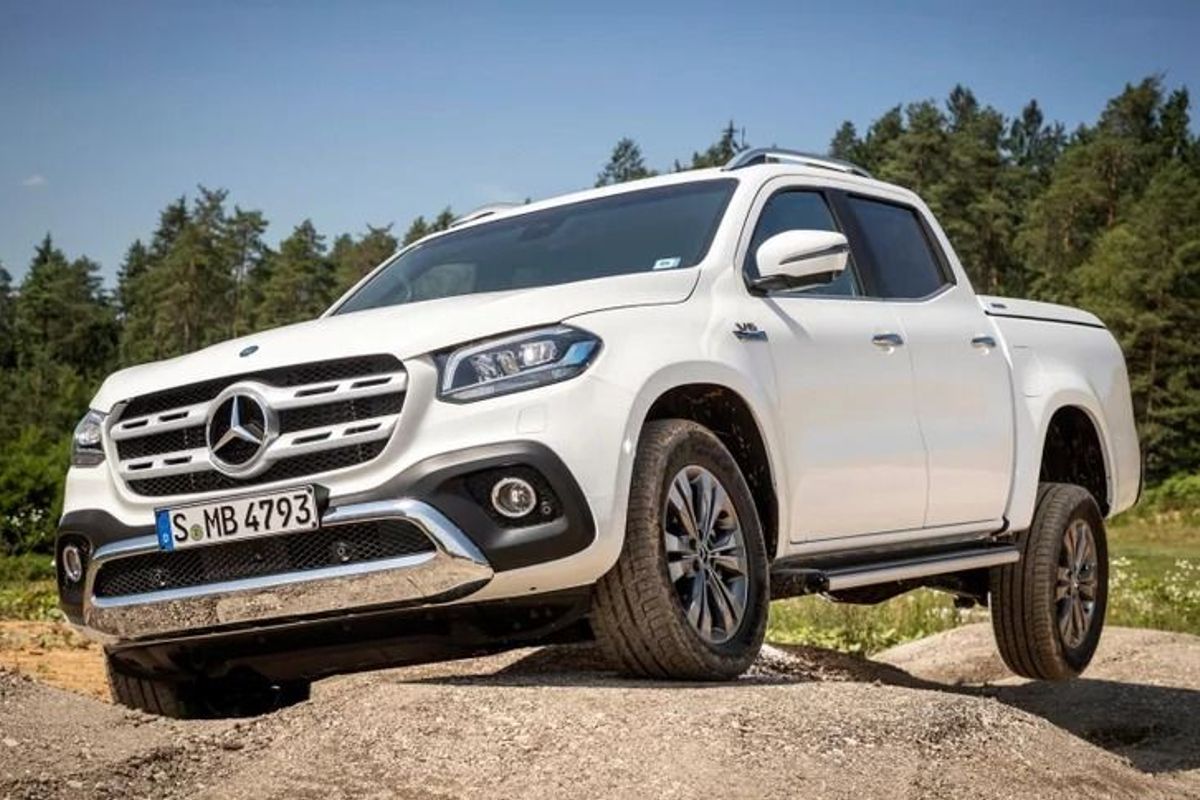
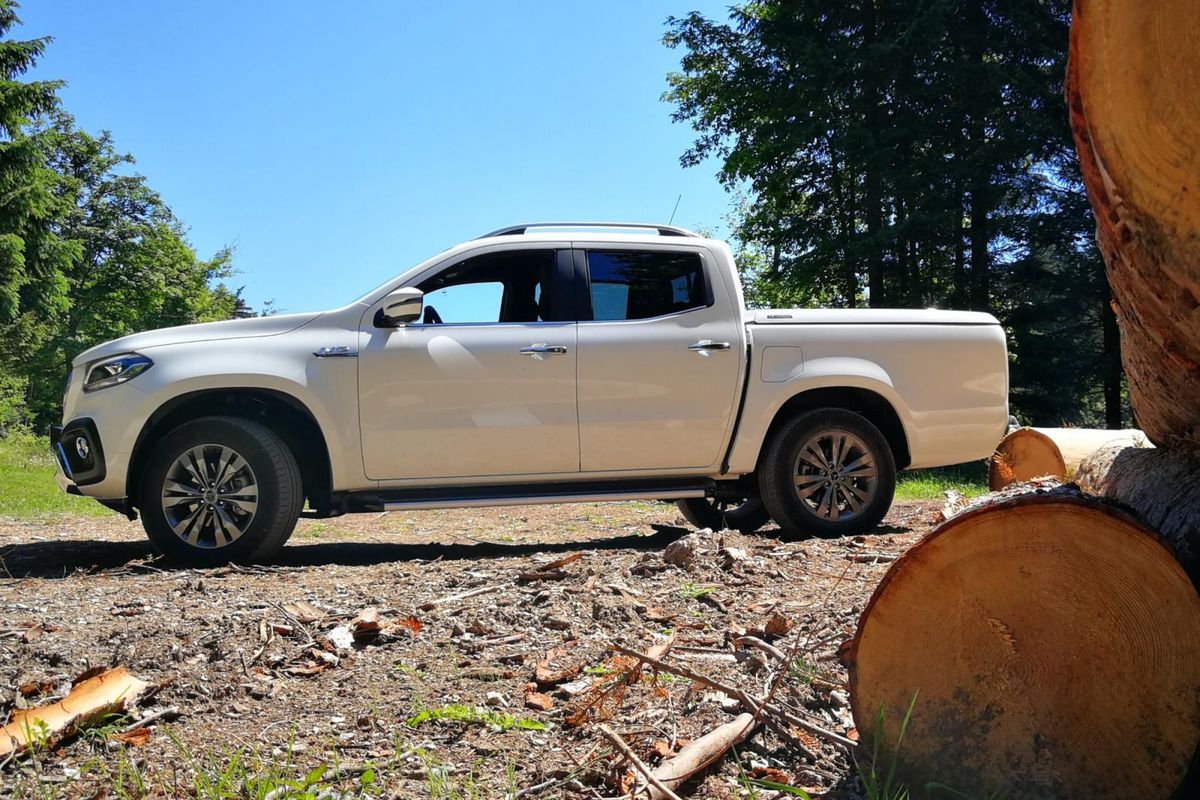
With up to 222-mm of ground clearance, 600 mm wading depth and up to 100% "gradeability" the X-Class puts in an impressive showing off-road.
In the rear, the legroom is average, but those seated in front are unlikely to complain – those Benz chairs are superb. We spent a significant amount of time on the road and driver (or front passenger) comfort levels are impressively high. Of course, the pliant ride quality furthers the X350d's cause: the 5-link rear axle and significantly fettled front-end (compared with the Navara), endow the X-Class with arguably class-leading ride/handling.
The hardest an X-Class is ever likely to work, besides towing the odd boat or horsebox, is to carry some leisure activity "stuff" on the back. And with a payload rating of 965kg, you can carry quite a lot of those…
Safety and Tech
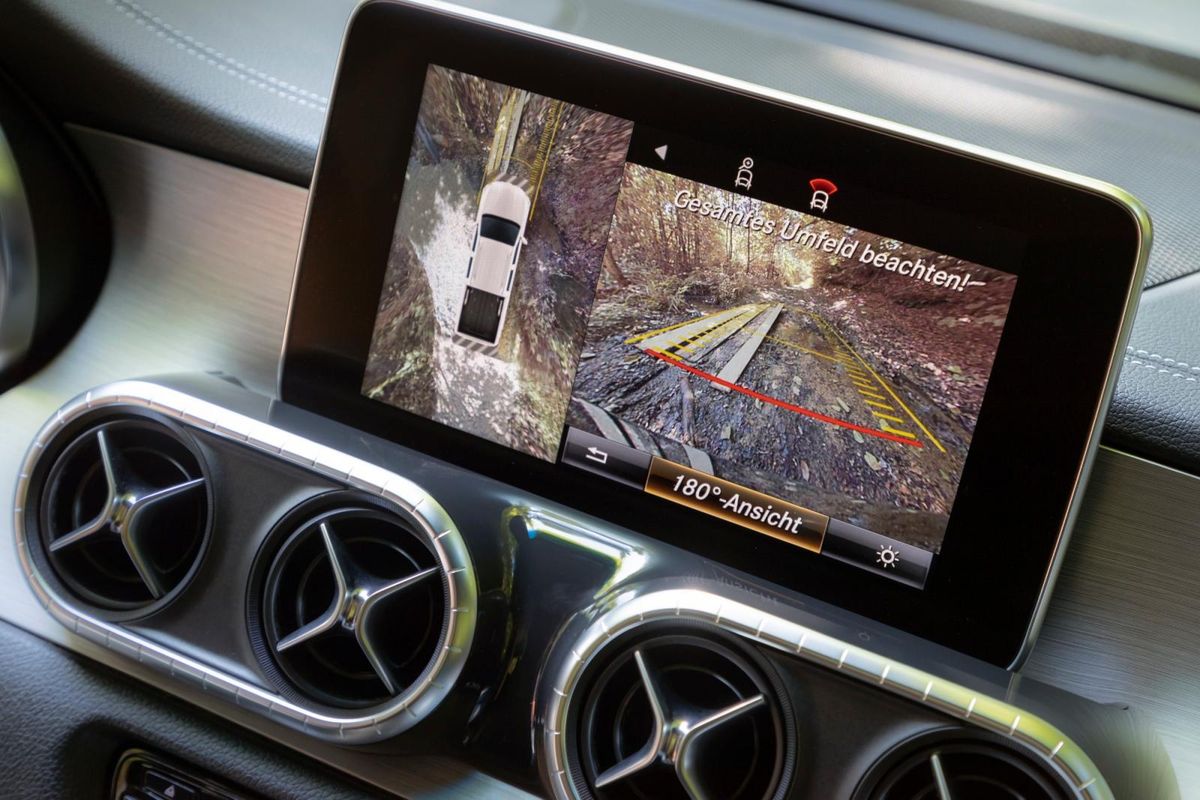
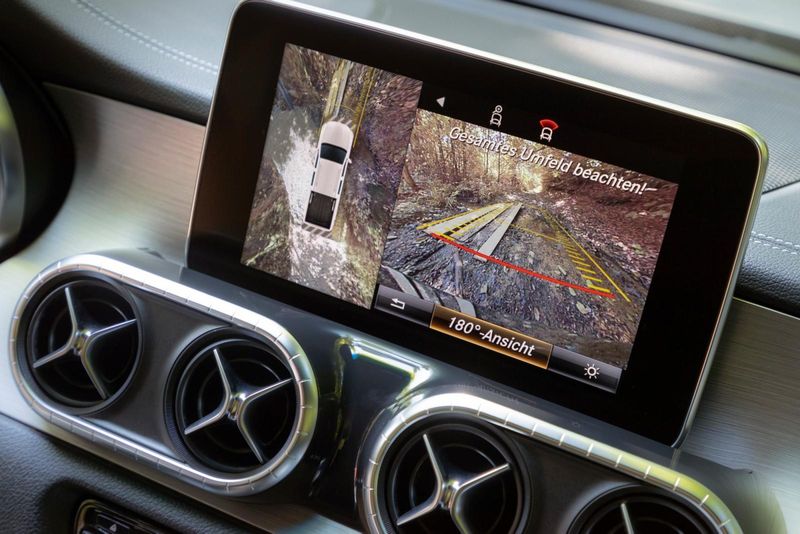
360-degree surround view is particularly helpful in off-roading conditions.
Although South African specification and final pricing have not yet been announced, we fully expect to see Progressive and Power trim packages to be offered, with the latter the more high-end option. A fairly comprehensive list of option boxes remain available to be ticked, whichever derivative you end up choosing, but standard safety specification is very good. Seven airbags are fitted, and Active Brake Assist, Traffic Sign Assist and Active Lane Keeping Assist are included. There's also ESP trailer stabilisation, a tyre pressure monitoring system, cruise control and LED headlamps. If you want a better view of your surroundings (particularly when parking or off-roading), there are rear-view cameras or even full 360-degree camera packages as options. On the comfort side of things, both derivatives feature keyless go and dual-zone Thermotronic air-conditioning as standard (at least they do in Europe).
Verdict
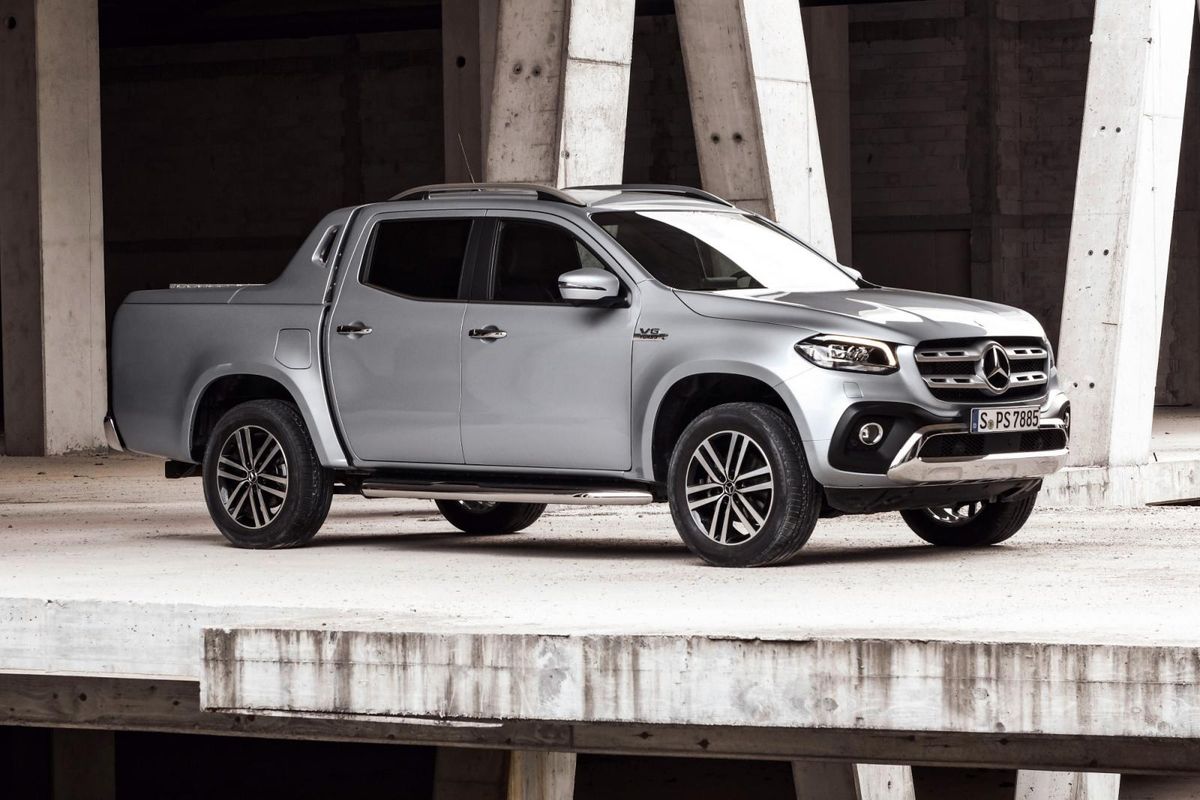
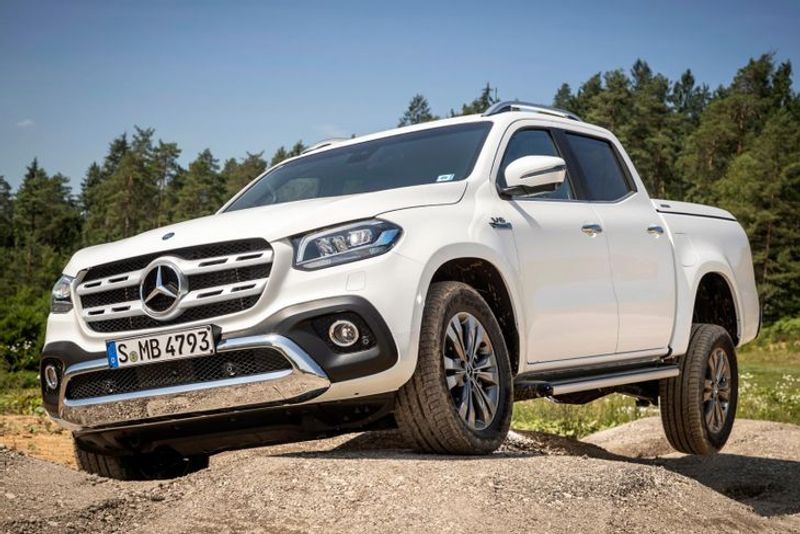
Visually, there's not much to distinguish the X350d from lesser X-Class models.
Mercedes-Benz expects the double-cab pick-up market to grow by about 800 000 units during the next decade. Plus, as these vehicles become increasingly sophisticated and car-like, they're likely to find further favour with private – as opposed to commercial – users.
This X350d appears to be a better fit at the top end of the market, than where the cheaper X250d sits (lower down) in the price list. To be frank, the X350d's characteristics are more in line with what consumers expect from a pick-up bearing the 3-Pointed Star on the nose – it further ups the refinement ante, now has the muscle to cope with its added heft and, in terms of features and drivetrain tech, makes the strongest case yet as a valid SUV alternative. It still has its flaws (the major ones are inherent to its cabin architecture), but the X350d is plainly the best-balanced Benz bakkie.