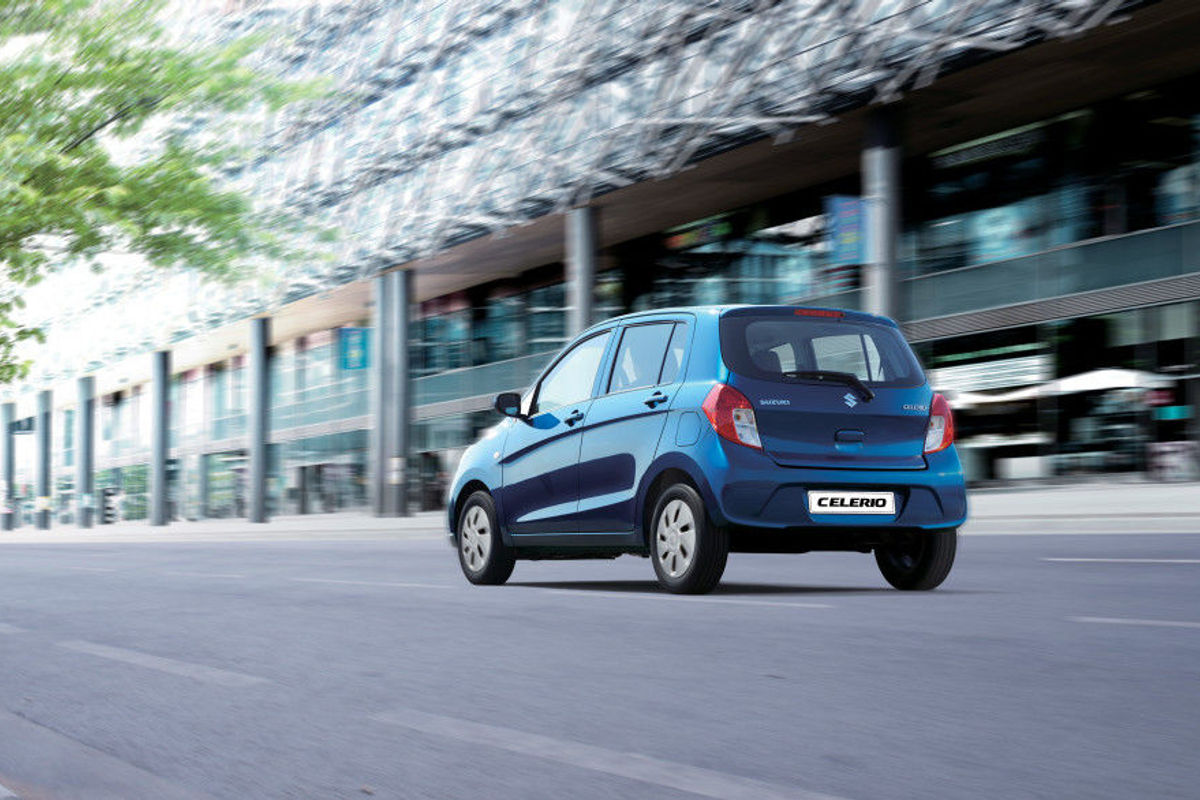
Suzuki has given its award-winning Celerio budget hatchback a visual update and buyers will be happy to know that pricing remains the same, starting from R136 900.
The Suzuki Celerio was the 2016/17 Budget Car champion of the Cars.co.za Consumer Awards – powered by WesBank and the model has now received an update with enhanced exterior and interior styling.
What’s changed?
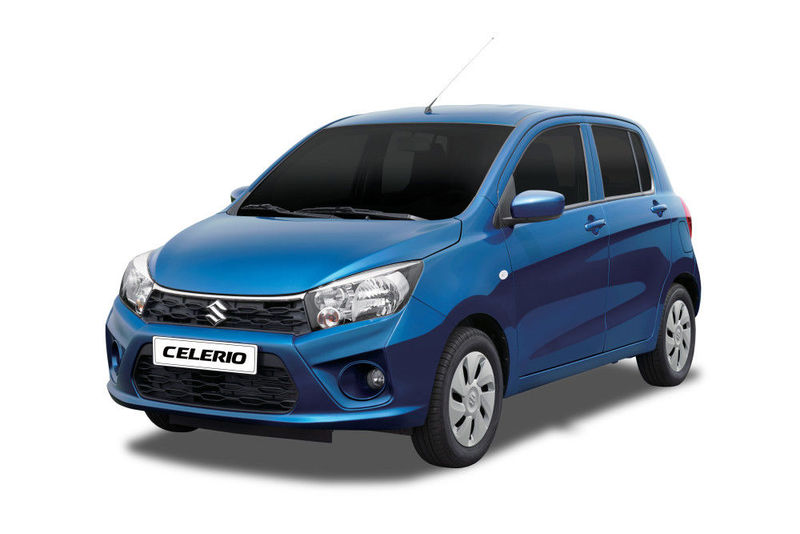
From the outside, the Celerio features a fresh front-end design with a redesigned bumper and a more pronounced blacked-out grille with a large Suzuki emblem taking pride of place. The design of the fog lights has also been reworked to blend with the headlights and shoulder line of the vehicle. A garnish strip is now seen at the rear to highlight the car’s width while the Celerio’s wheel covers have also been redesigned.
A subtle styling update gives the Celerio a refined look.
The top-spec GL derivative is differentiated with colour-coded side mirrors, door handles and chrome accents on the grille.
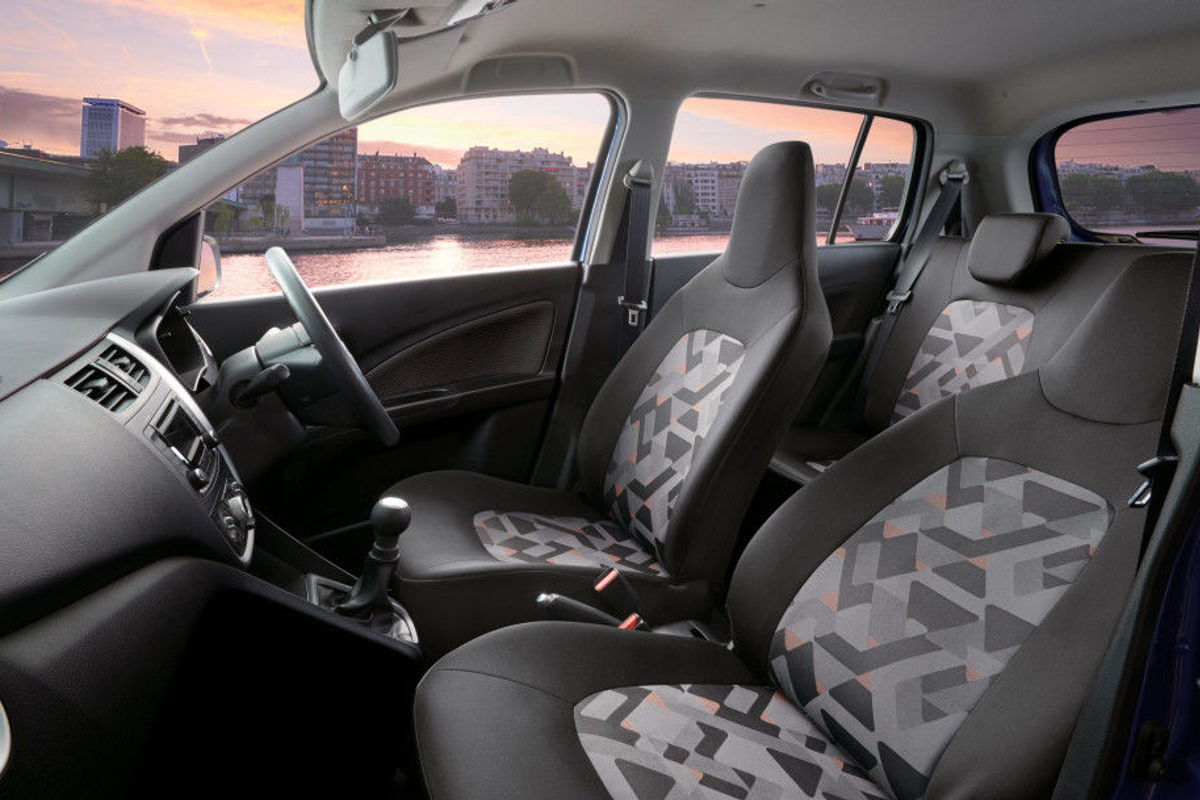
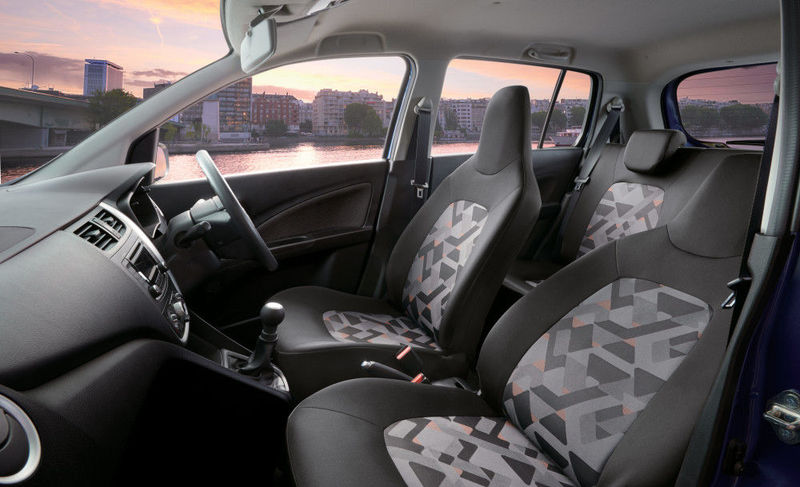
As for the interior, the dashboard now features a two-tone design with a lighter-coloured lower section which is also mimicked by the new upholstery which now features lighter patterned seat in-lays.
Standard features
The Celerio is offered in GA or GL specification. Both derivatives feature power steering, air conditioning with pollen filter, vanity mirrors, a security cover and shopping bag hook in the luggage area and a 12V accessory socket as standard.
New seat upholstery lifts the interior ambience with a youthful design.
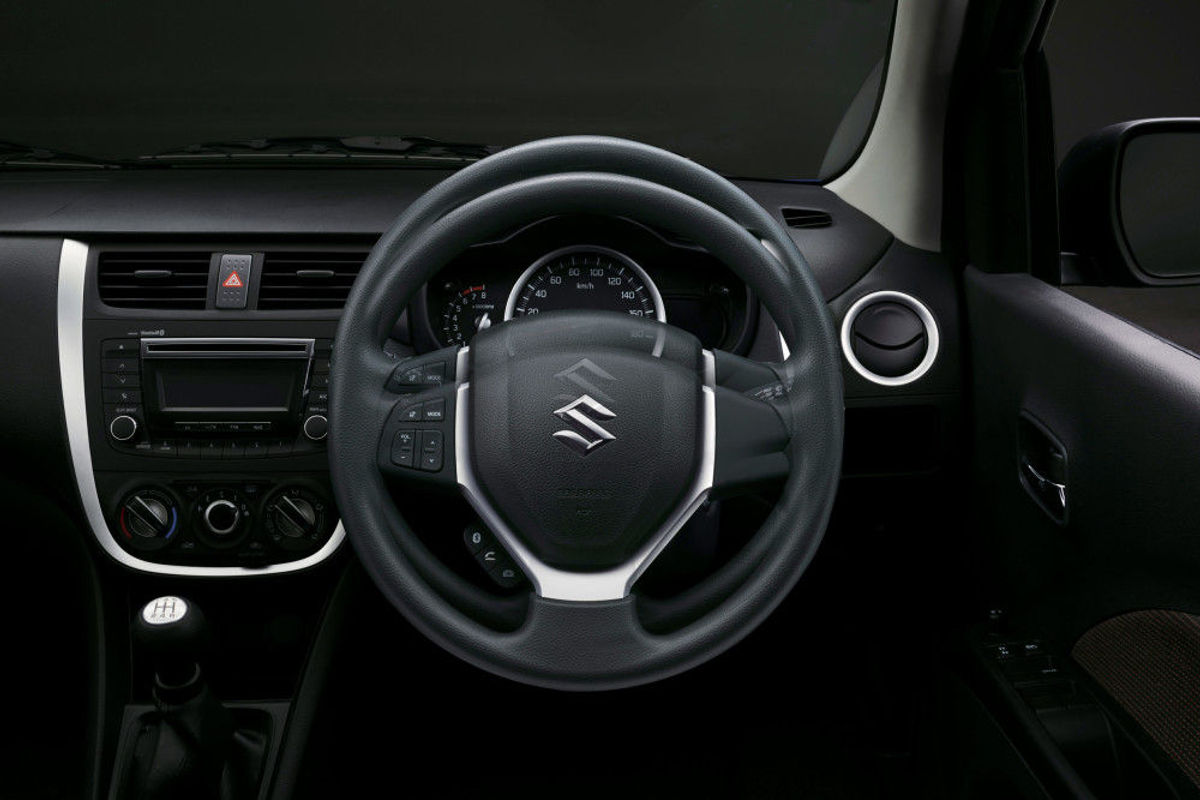
GL specification adds a Bluetooth-enabled audio system with phone integration and USB port as well as front and rear electric windows, remote central door locking, alarm system, tilt adjustment for the multi-functional steering wheel and electrically adjustable rear side mirrors.
The instrument cluster now features a tachometer and outside temperature gauge. Cloth inserts in the doors, a 60/40 split foldable rear bench seat and a day/night rear-view mirror is now also included in the GL specification level.
Engine power
The same, proven 1.0-litre, 3-cylinder petrol engine powers the Celerio and it offers 55 kW and 90 Nm of torque. It is offered with either a 5-speed manual transmission or a 5-speed automated manual transmission (AMT).
The Celerio returns low fuel consumption figures and Suzuki claims 4.6 L/100km for the automatic version, while the manual carries a claimed figure of 4.7 L/100km.
Suzuki Celerio – Price in SA
Celerio 1.0 GA – R136 900
Celerio 1.0 GL – R153 900
Celerio 1.0 GL AMT – R168 900
The Celerio is sold with a promotional 5-year/200 000 km warranty and GL models come with a 2-year/60 000 km service plan.
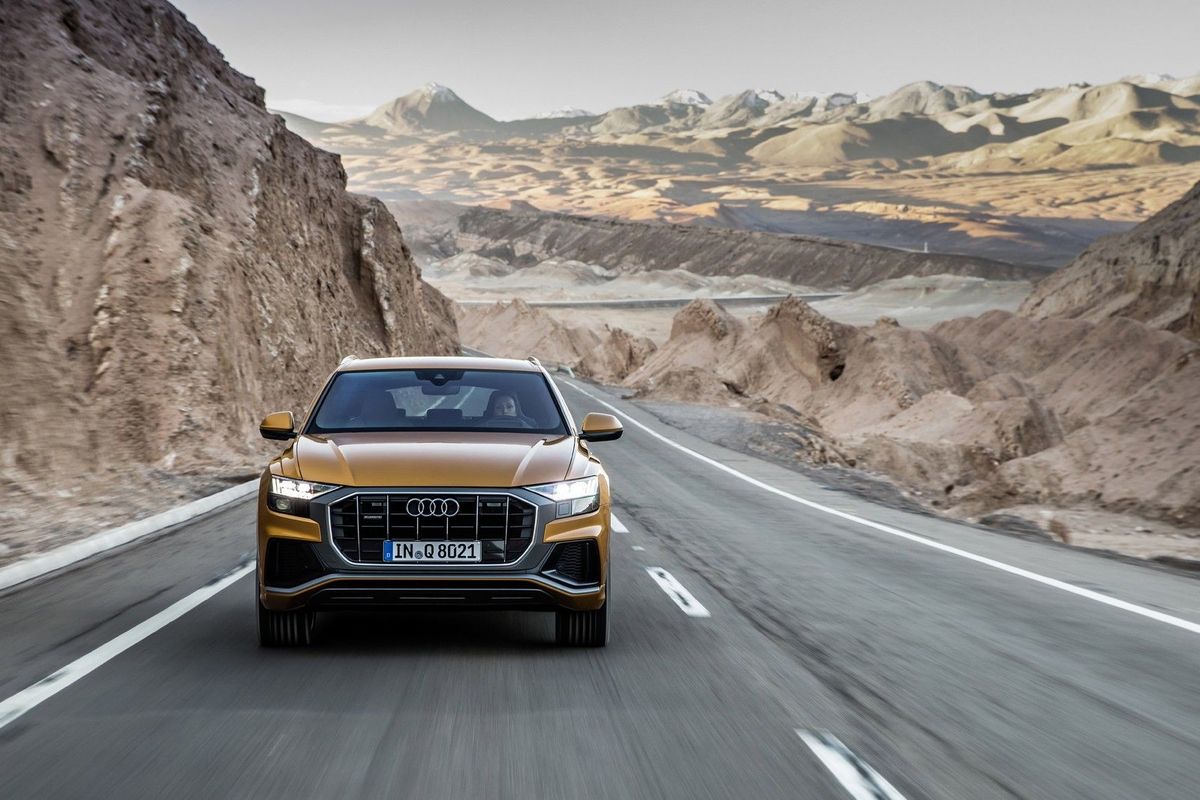
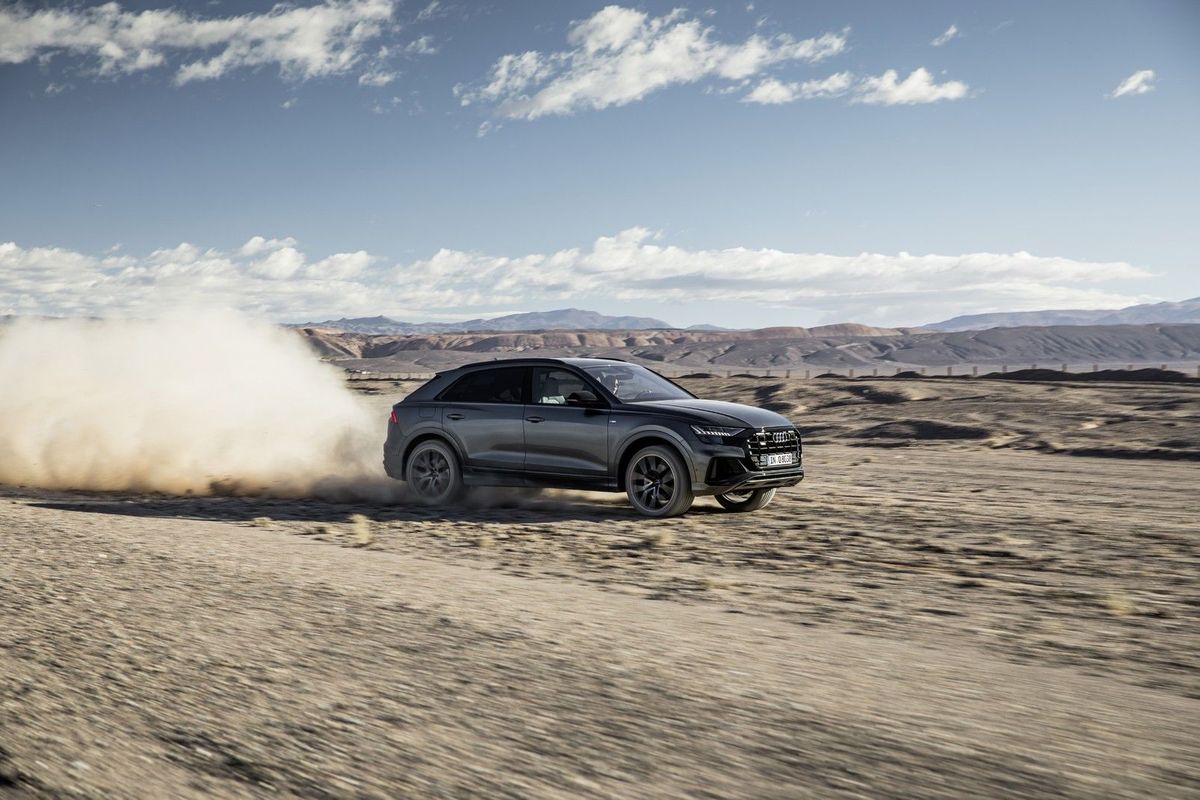
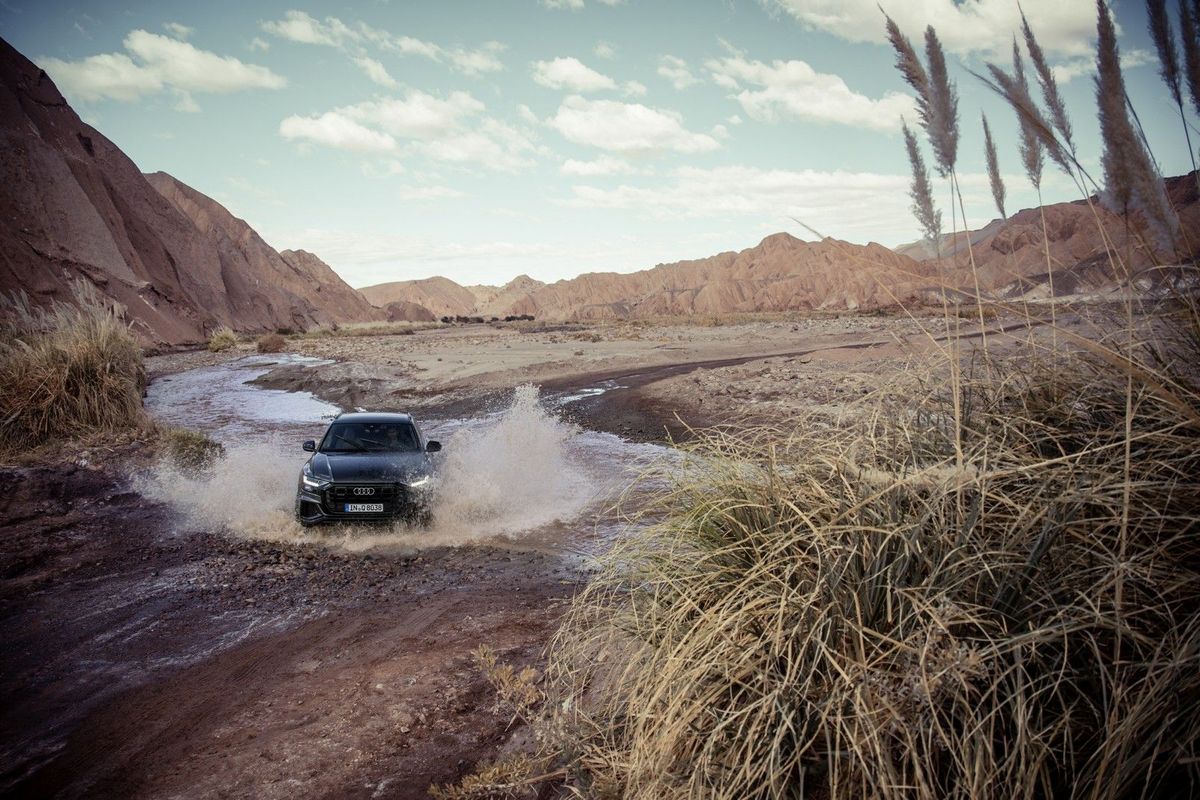
In creating the new Q8, Audi not only caps off its SUV family with a worthy range-topping model, but offers a different approach to BMW and Mercedes-Benz's coupe-inspired premium SUVs. The Q8 forgoes the dramatic sloping rooflines of the X6 and GLE Coupe in favour of a conventional – but still handsome – package that prioritises luxury over outright performance. Dave Humphreys headed to the Atacama Desert in Chile to sample the newcomer.
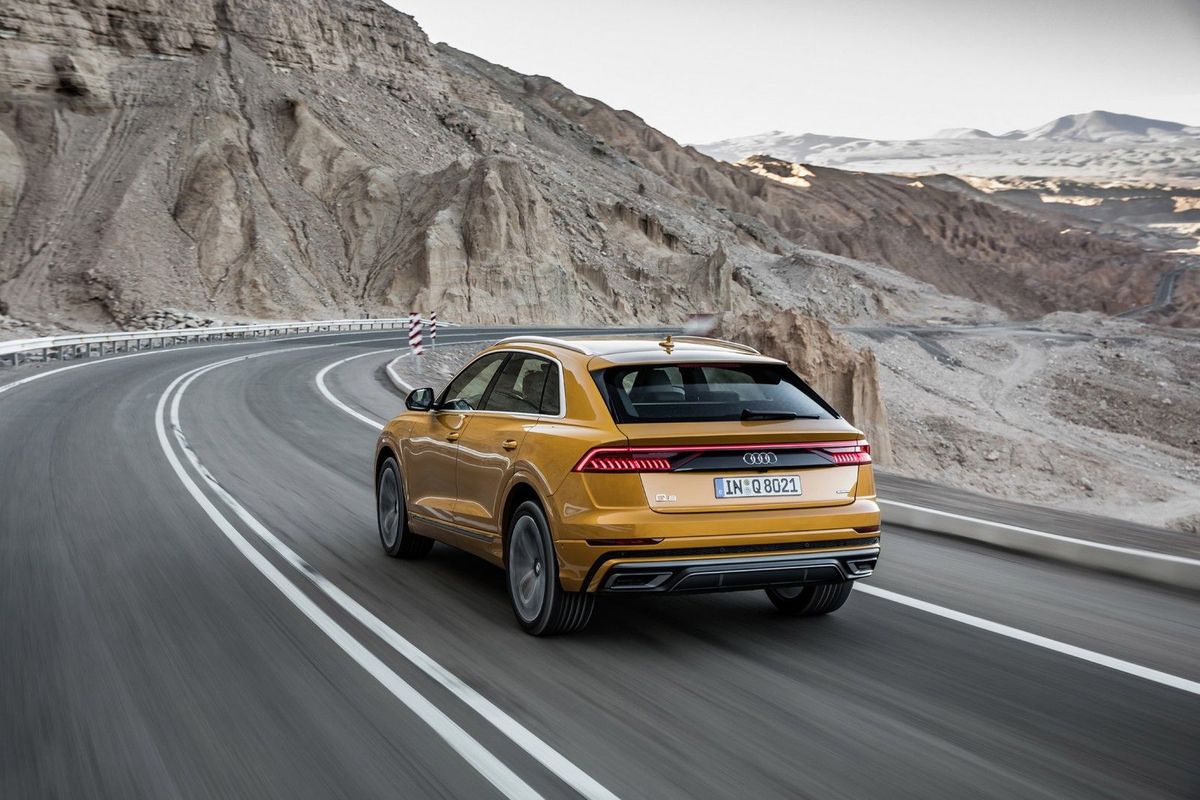
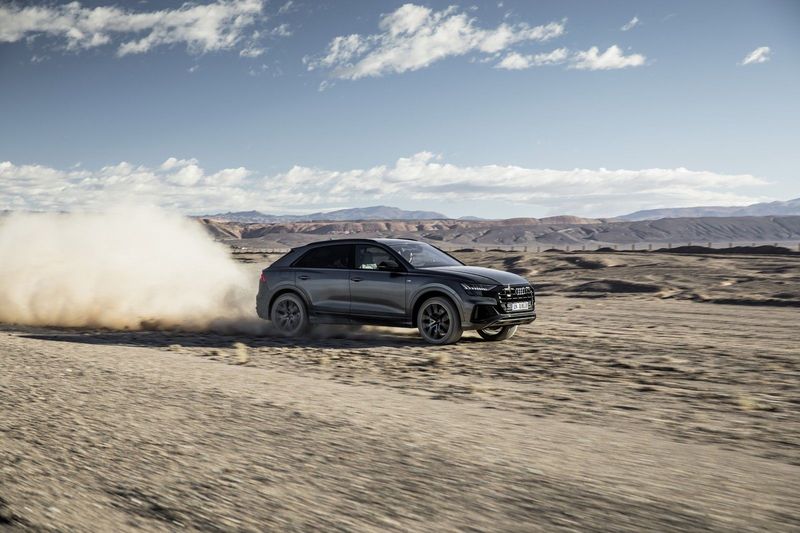
The new Audi Q8 cruises into the upper end of the SUV market with a sharp looking exterior design and comes dripping with technology. A mild hybrid system helps fuel economy, while the blown diesel engine delivers enough shove to keep this sharp-handling SUV engaging.
Audi Q8: Highlights
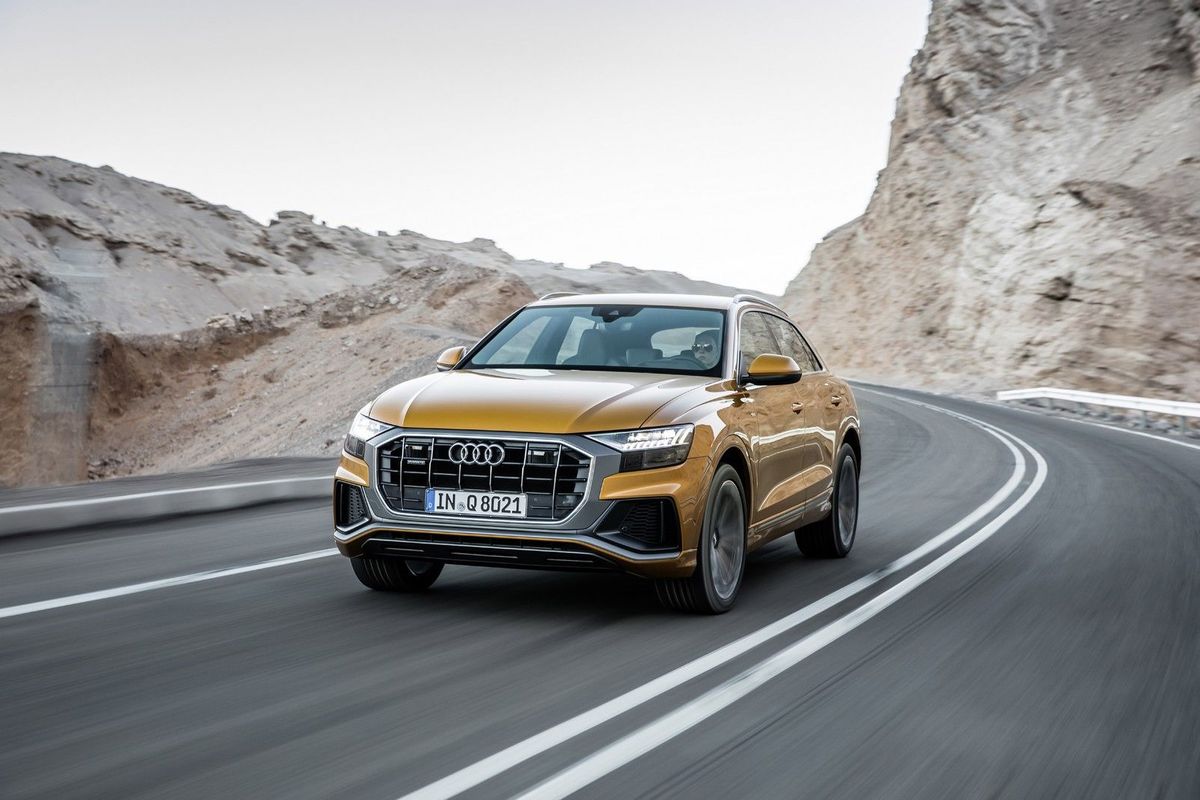
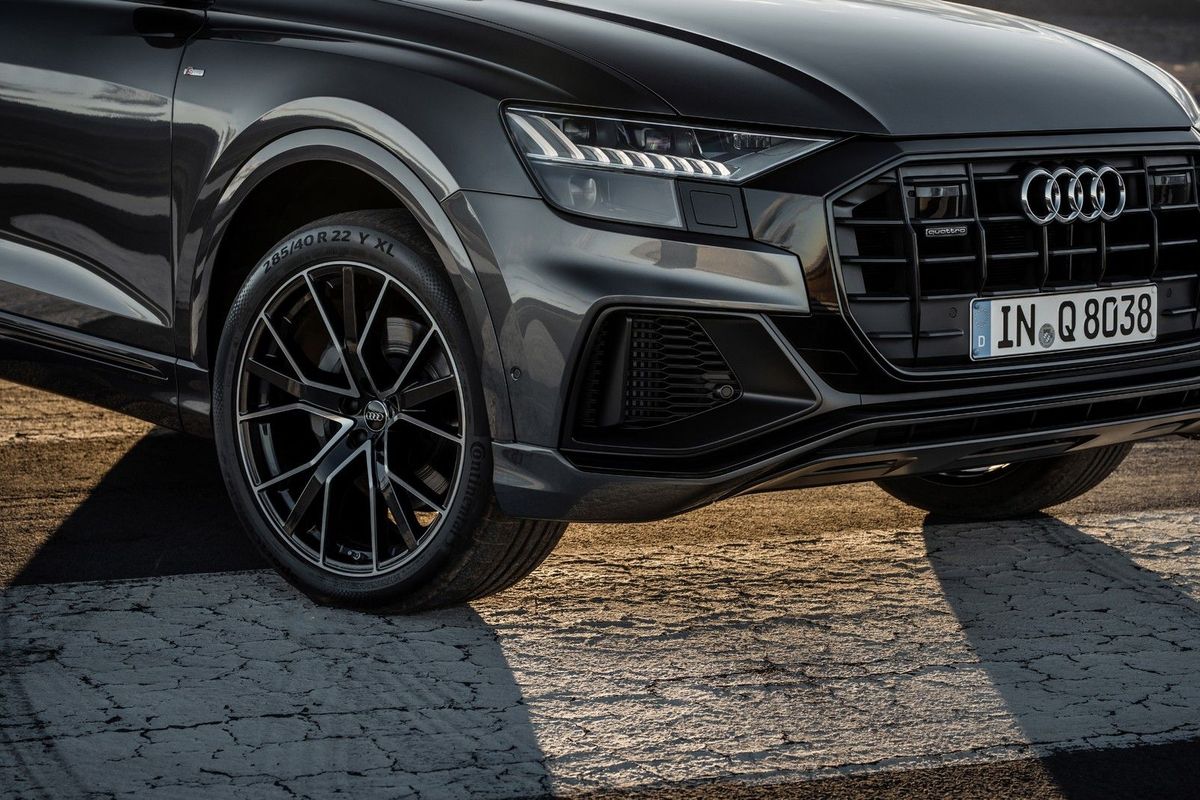
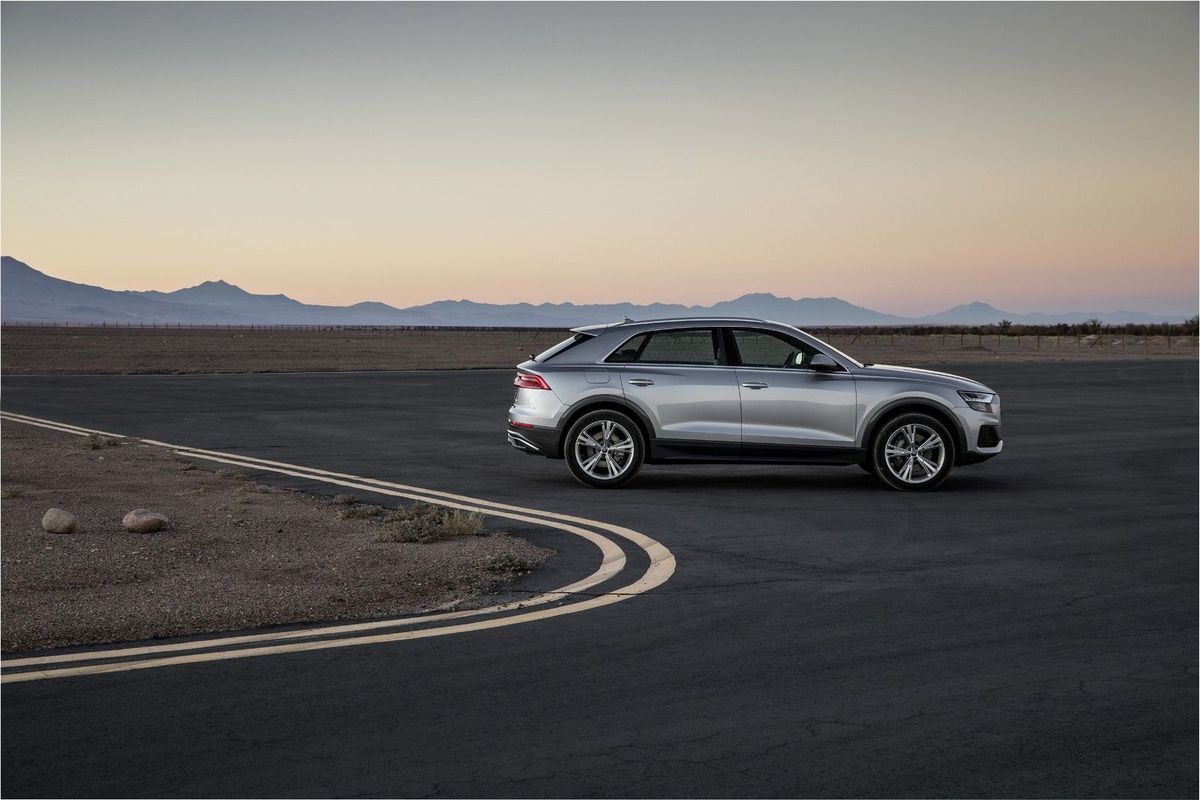
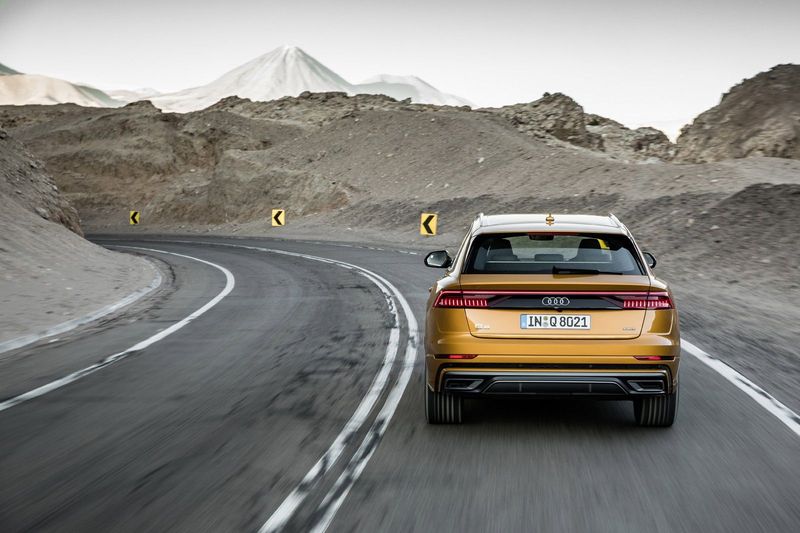
The Q8 builds on the conservative Q7 with a coupe-style roofline and 21- or 22-inch wheels.
As striking as the Atacama Desert in Chile is, even its spectacular scenery couldn’t take away from the design of the new Audi Q8. Succeeding the Q7 at the top of the company’s SUV pile (which now has very few gaps left in it), the Q8 makes up for the seven-seater’s somewhat bland looks. It might not have a coupe roofline like a BMW X6, but frameless doors, a very distinctive nose and nods to historical Audi models make for a more interesting package.
Not only is the Q8 lower than the Q7, but it’s also shorter in length and it’s wider. It’s anything but small though – its size is more noticeable when you see it parked next to something smaller like an Audi Q3. An 8-sided grille is the new face of the Audi SUV family and, depending on your specification choices, can give the car a more dramatic appearance – or less if that’s more to your taste.
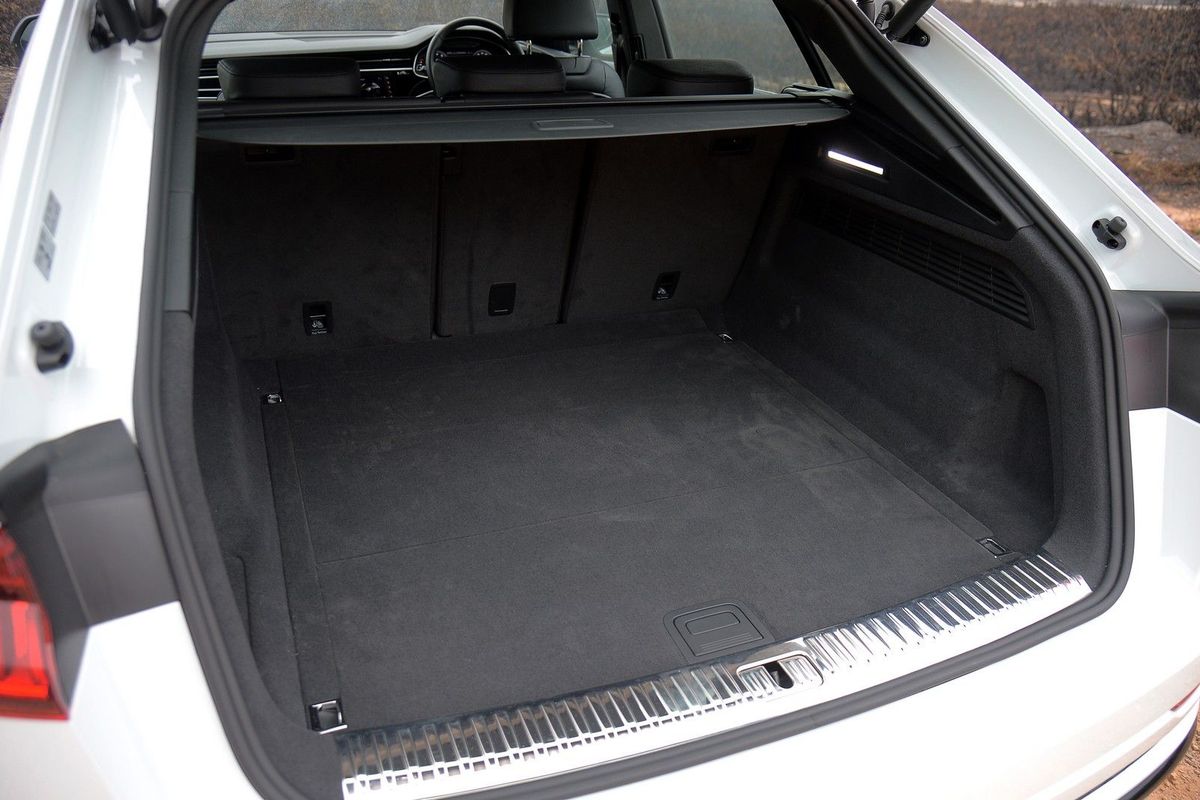
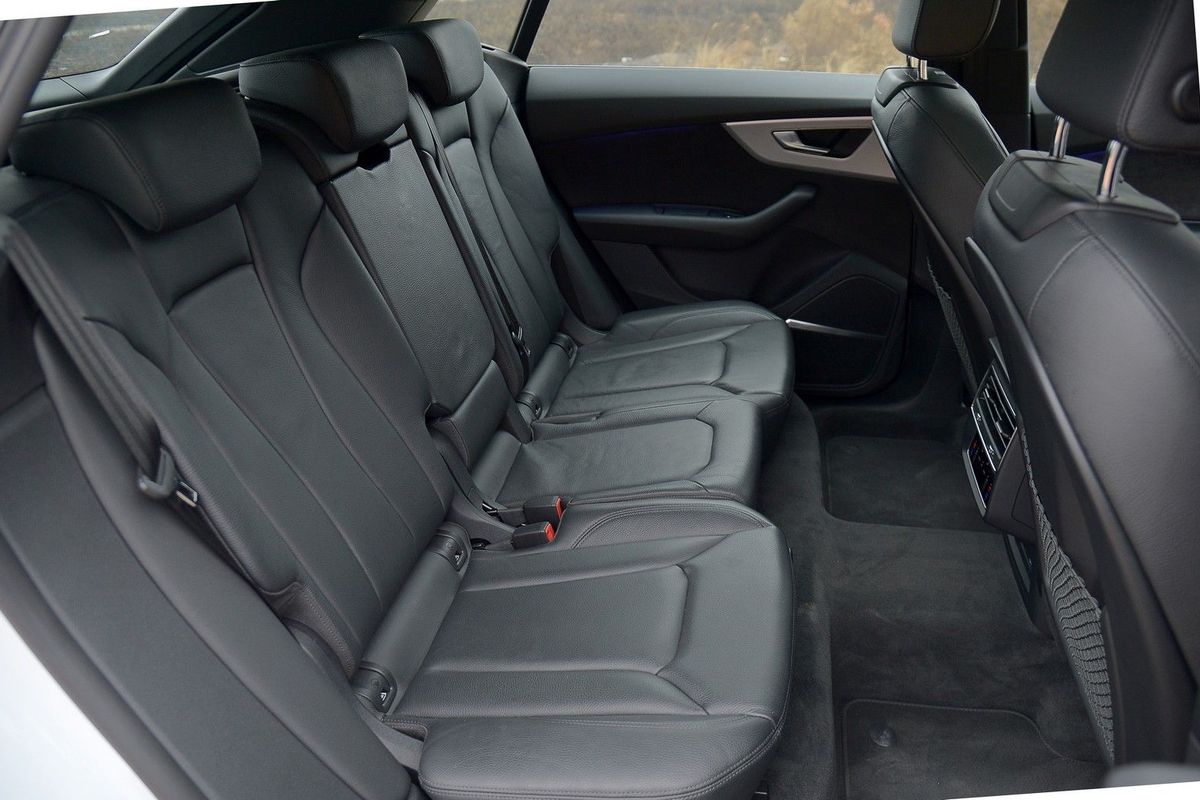
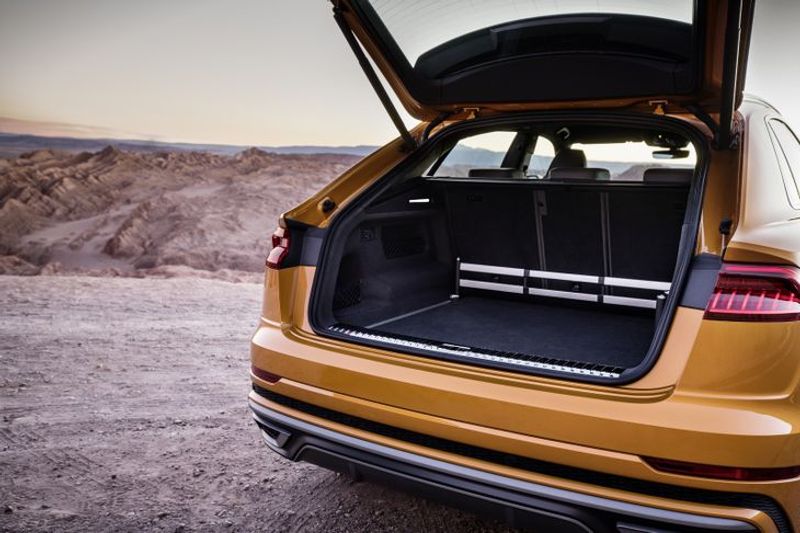
The boot is admittedly smaller than the Q7 and the Q8 only comes as a 5-seater.
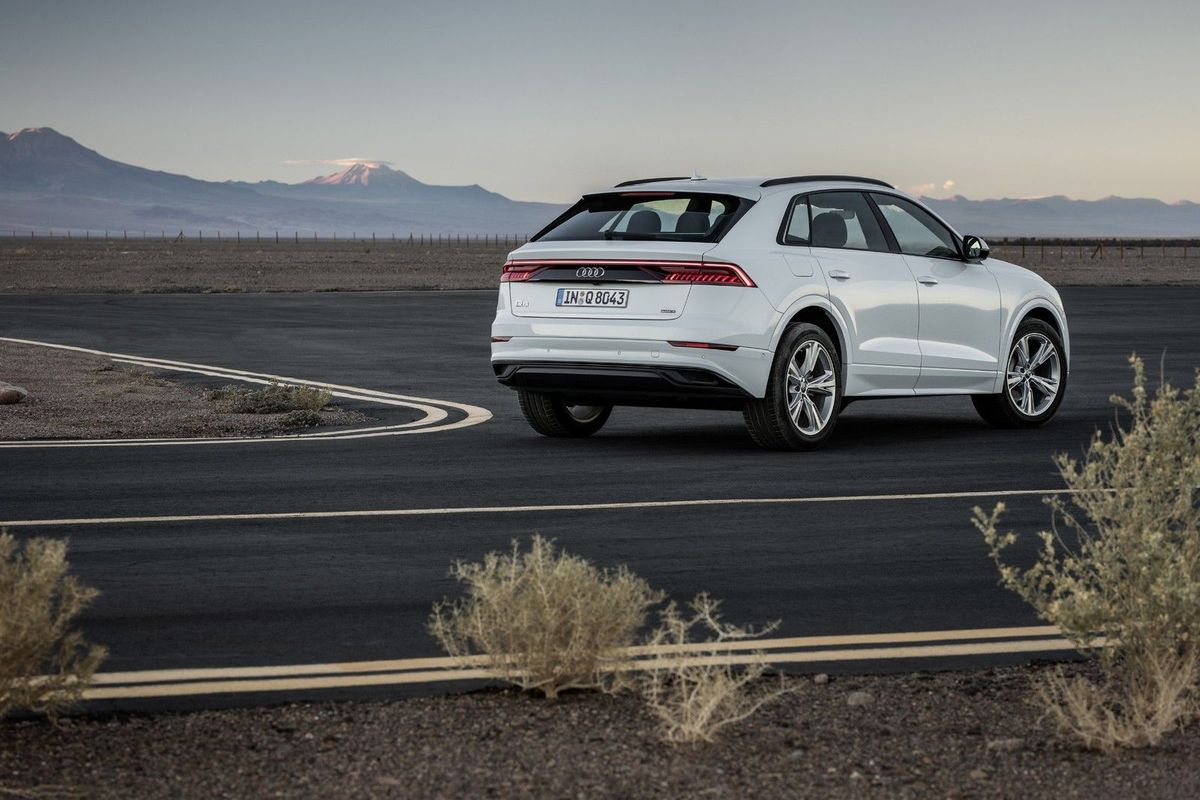
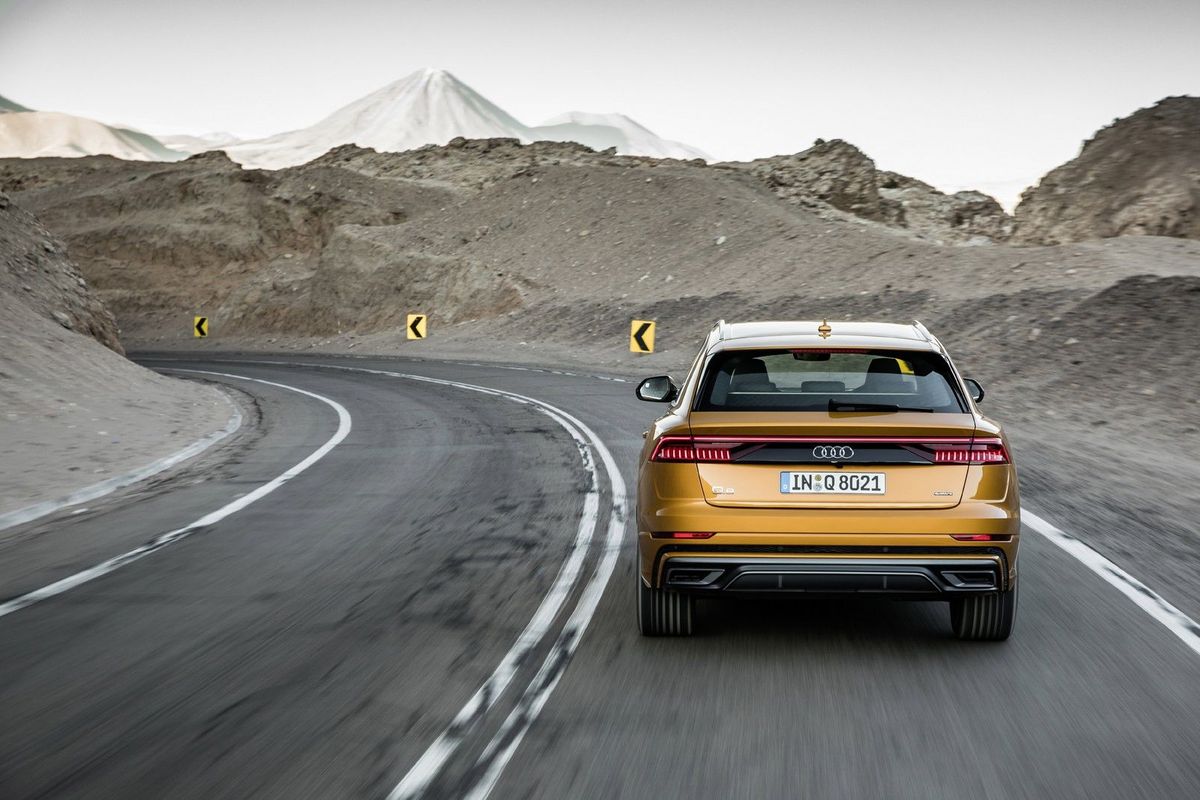
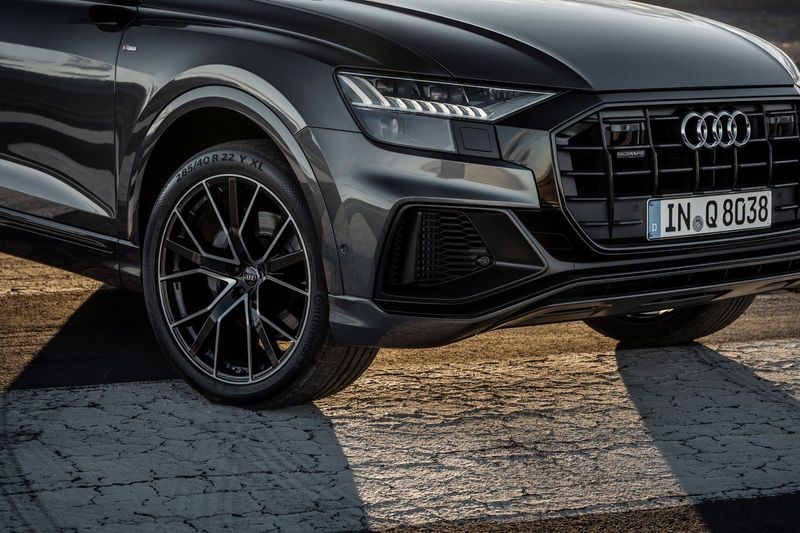
The Q8 wears 21-inch wheels without them looking oversized for the car. They fill the blistered arches that add to its beefy image, but are also a nod to the original Audi Ur-Quattro. The influence of that iconic car doesn’t end there, as around the back, the lights are joined by a black section that is another hat tip. The rear hatch lifts electrically to reveal 605 litres of boot space (over 250 litres less than the Q7), with the ability to expand to 1 755 litres.
Interior details
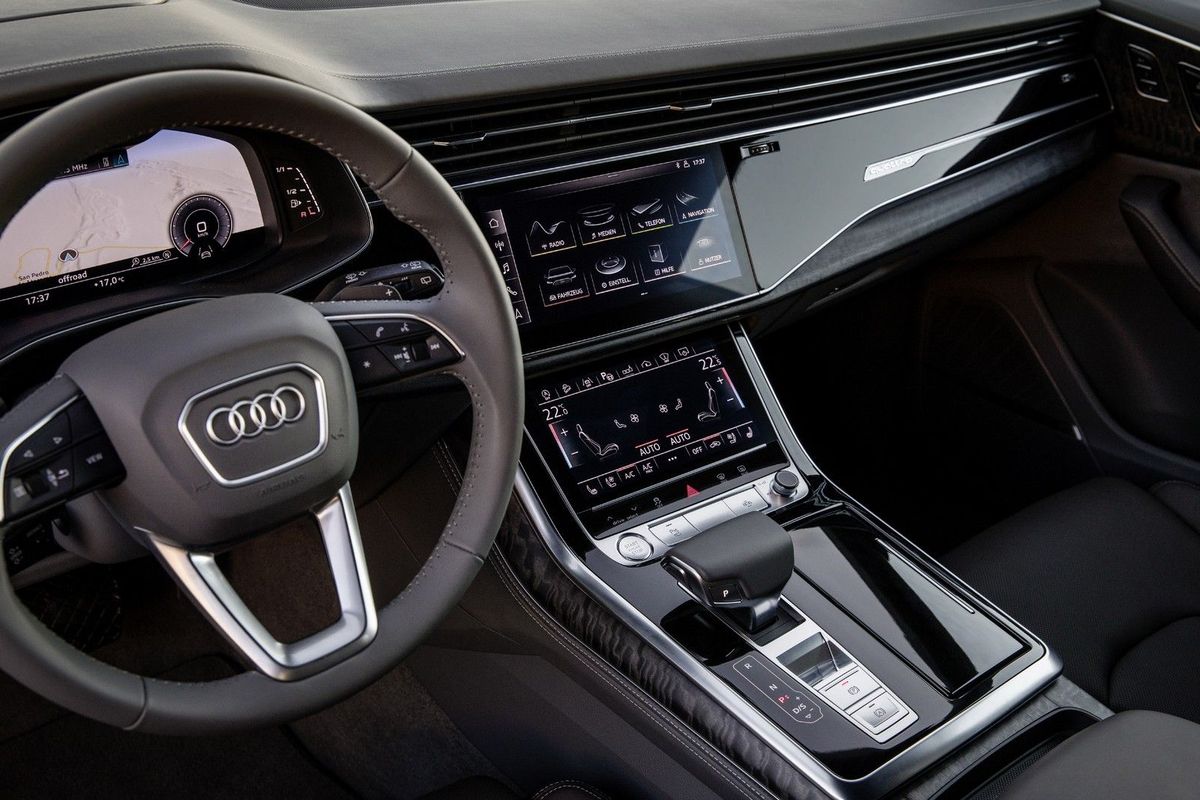
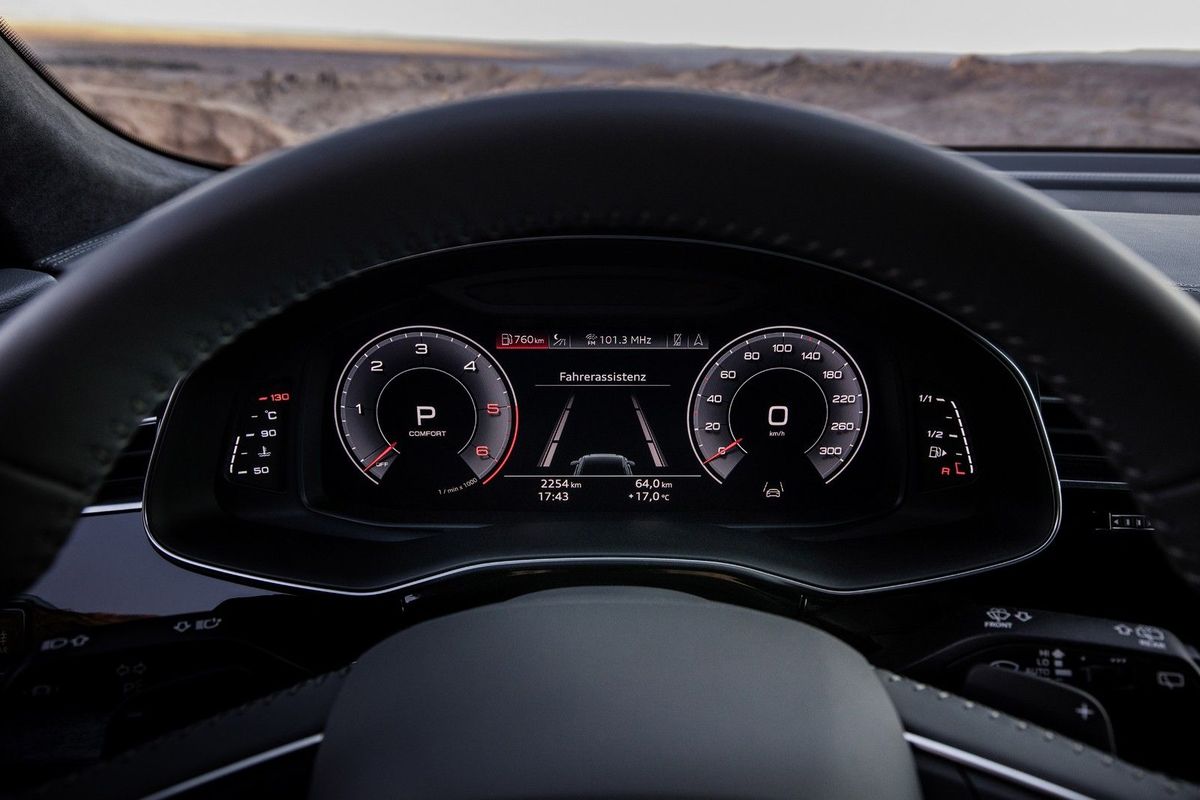
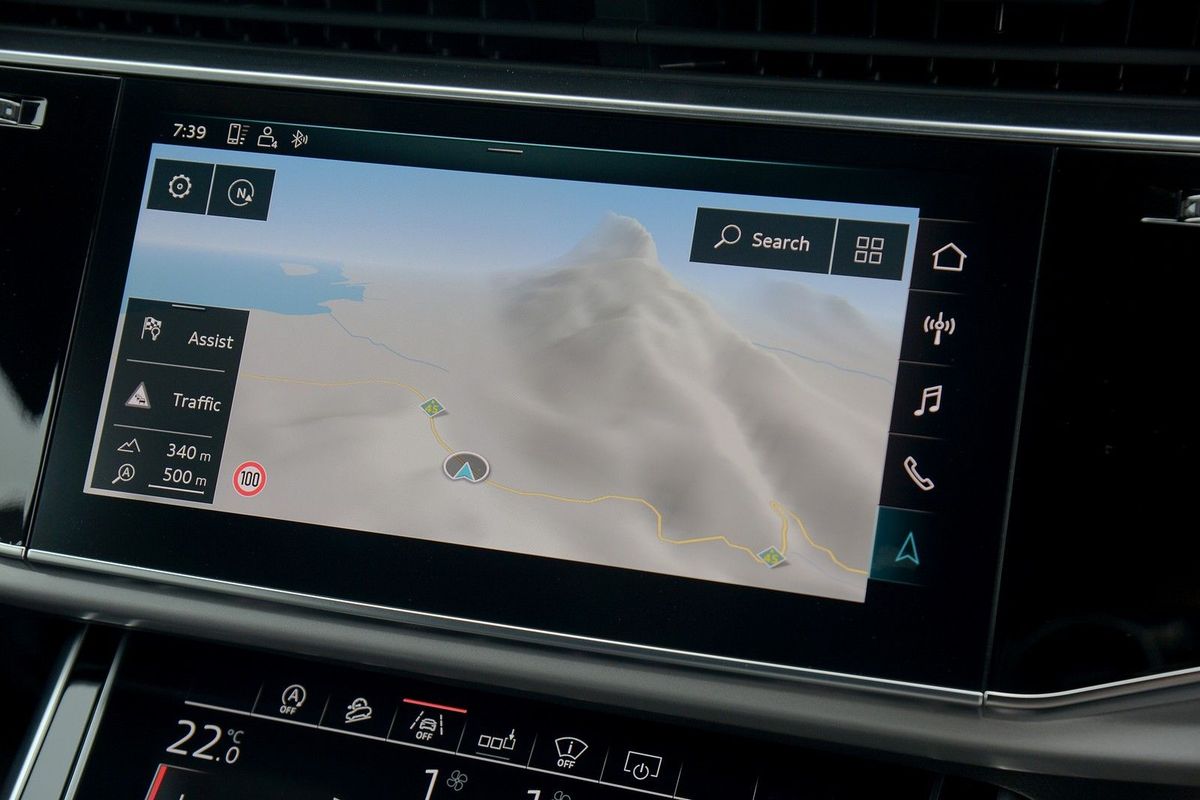
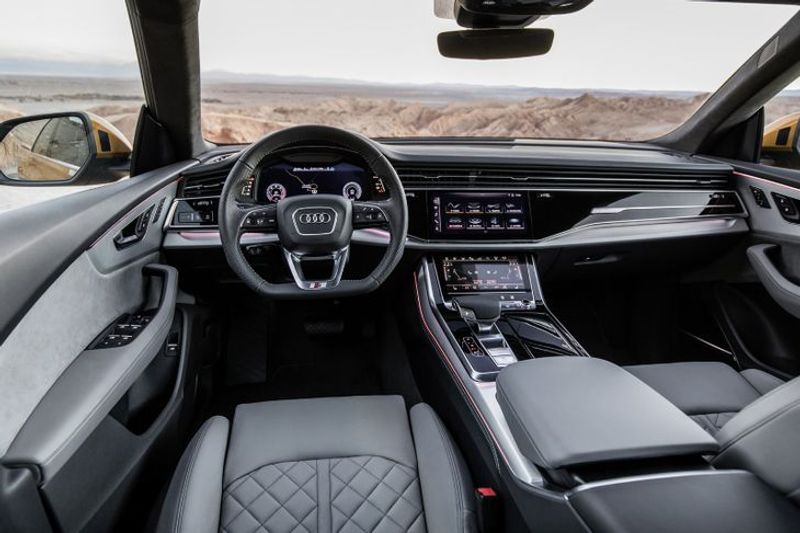
Just like the Audi A8, the Q8 has a dashboard that is almost entirely devoid of physical buttons. The 12.3-inch Virtual Cockpit digital instrument cluster is by now a familiar sight in Audi cars, and in the Q8 it gets some aesthetic updates. Better still is the dual screen setup of the centre console, comprising of a 10.1- and 8.6-inch stacked arrangement. The lack of physical buttons for some frequently used items is distracting at first, but the climate control adjustments in the lower screen use haptic feedback to make it easier to use without looking away from the road.
Interior is updated to host the new two-tier centre touchscreen system that debuted on the A8. It works excellently.
Very mild hybrid
Audi is keen to tout its mild hybrid system in the Q8, but it’s important to note that it doesn’t propel the vehicle, instead allowing for extended engine-off moments on the move – up to 40 seconds at motorway cruising speeds. In urban settings and in dense traffic the shutoff – and subsequent restart – of the engine are smoother and quieter than in previous systems.
The 210 kW motor lays on power smoothly and when driven without a great sense of urgency allows you to ride a consistent wave of torque without ever feeling that the 6-cylinder is having to work all that hard. Not even the higher altitude of our test drive had any noticeable impact on performance, although Audi did recommend switching to the Sport mode to maximise responses to driver inputs.
The new 8-sided grille, here in a dark black tint gives the Q8 more presence than the rest of Audi's Q cars.
All Q8s feature the latest 8-speed automatic transmission and the onboard Drive Select function to choose the most suitable setup for the terrain. That mild hybrid powertrain system should help to take the edge off fuel consumption over longer journeys, but the exact details of how much the six-cylinder motor drinks are pending final homologation under the new WLTP protocol (the new fuel consumption standardised test).
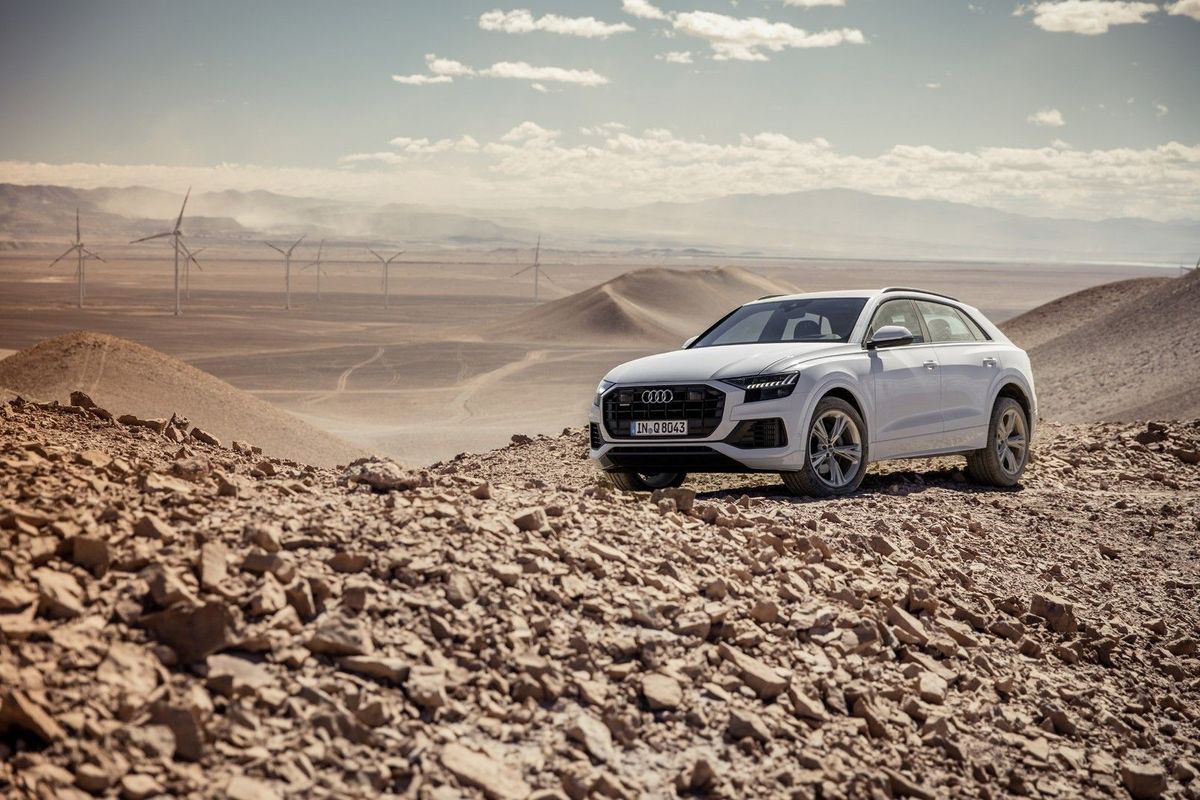
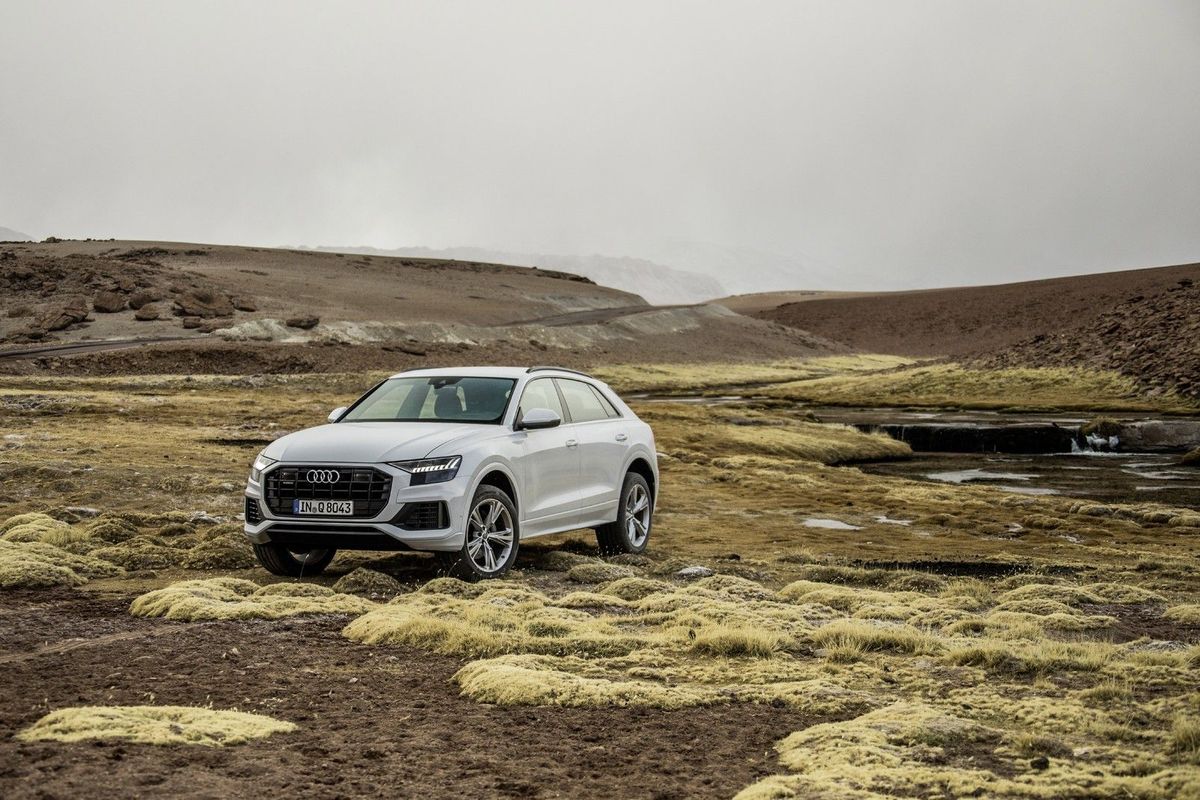
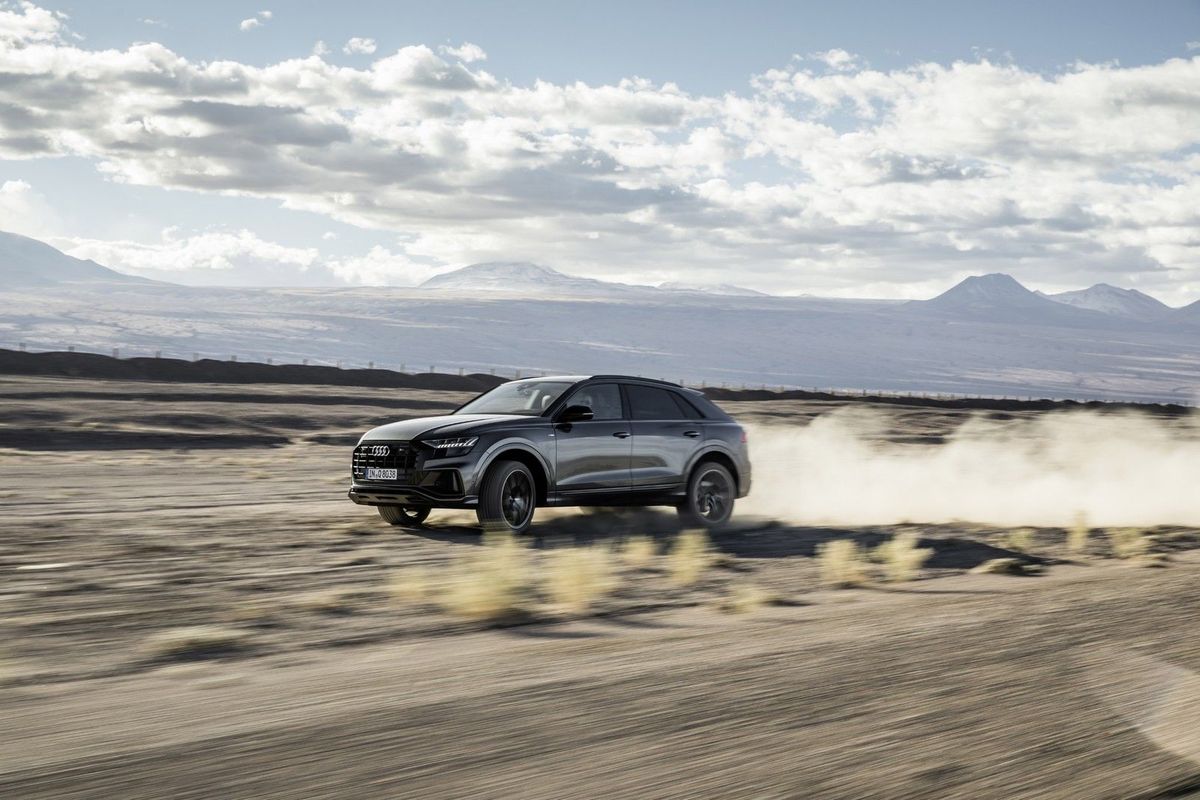
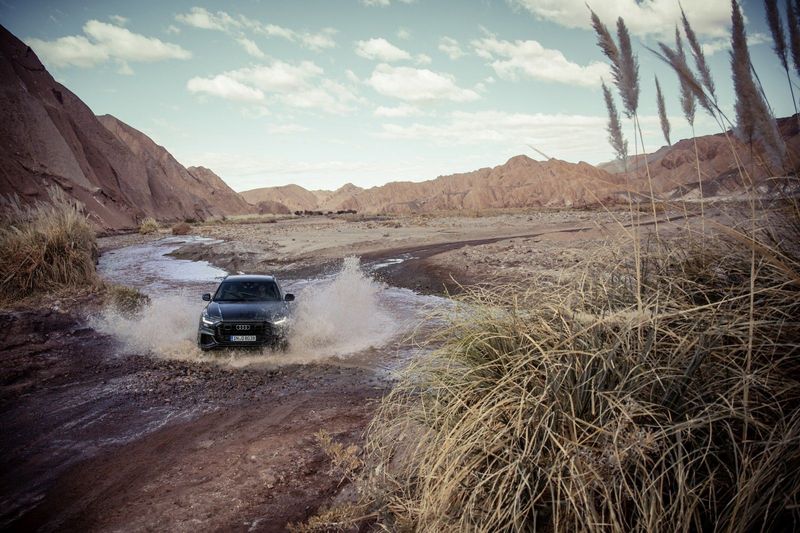
If you’re feeling more adventurous and want to hit the trails, the air suspension can lift the Q8 by 90 millimetres for added ground clearance. In more extreme cases the transmission can punt up to 85% of drive to the rear axle or 70% to the front, but for the majority of driving it sticks to a 40:60 front-to-rear split.
For the most part, the ride is compliant, although a drive in a car featuring the Sport version of the air suspension revealed a firmer ride irrespective of the chosen drive setting. Despite that, road noise and other exterior distractions are kept well at bay by the well-insulated cabin.
The new Q8 still has built-in quattro and with air suspension can raise 90 mm if off-roading is required.
Navigating narrower city streets is made easier with optional all-wheel steering. At slower speeds the rears turn up to five degrees counter to the fronts, reducing the turning circle and adding agility. When the speed builds up, the rear wheels work in phase with the fronts to provide more stable turning, like when changing lanes at higher speeds. Audi’s engineers have brought a better sense of feel to the steering of the Q8, something that has been lacking in its other SUV models.
Buyers also get their fair share of driver assistance and safety systems in the Q8, though there has been little mention of when we’ll see the autonomous technology that has already been previewed in the A8 saloon. All the functional systems are present, like parking assist and a neat trailer function that makes reversing incredibly simple.
Final thoughts
The LED strip that runs through the rear of the Q8 is a hat-tip to the legendary Ur-Quattro.
The timing of the Q8’s launch couldn’t come at a better time for Audi, with most of its closest rivals now well into their current model cycles, making this seem very fresh-faced. Not only does its design stand out, but buyers will be able to tailor very different looks to suit their tastes, which should give the Q8 broader appeal in the segment.
The driving experience is what we would have expected, with enough engagement to appeal to keener drivers, though there’s certainly room for more potent versions to come. Overall, it is a car that is not lacking in refinement, nor does it leave you wanting for much more.
Indicative pricing isn't yet available as Audi South Africa readies to launch the new Q8 before the end of 2018. Expect it to land at around the R1.3 million mark, matching the BMW X6 xDrive40d and Mercedes-Benz GLE350d Coupe…
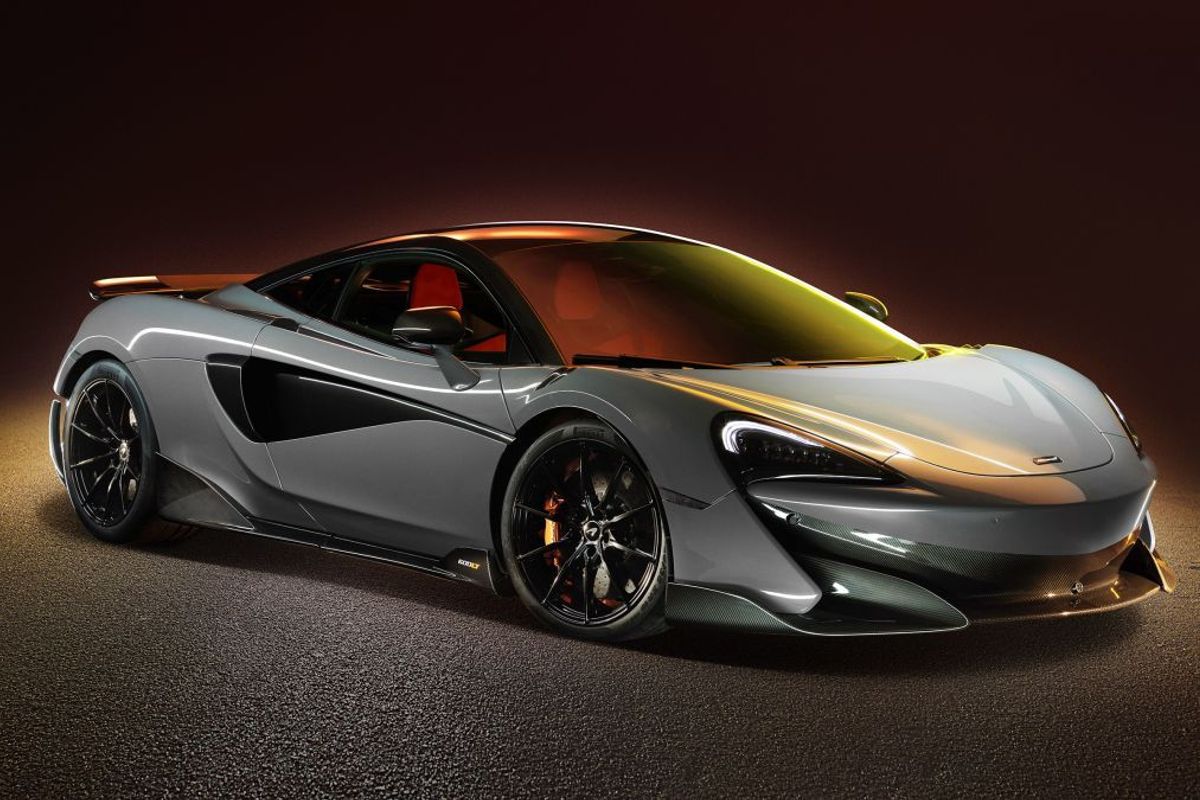
New McLaren 600 LT: Faster track-focused model announced
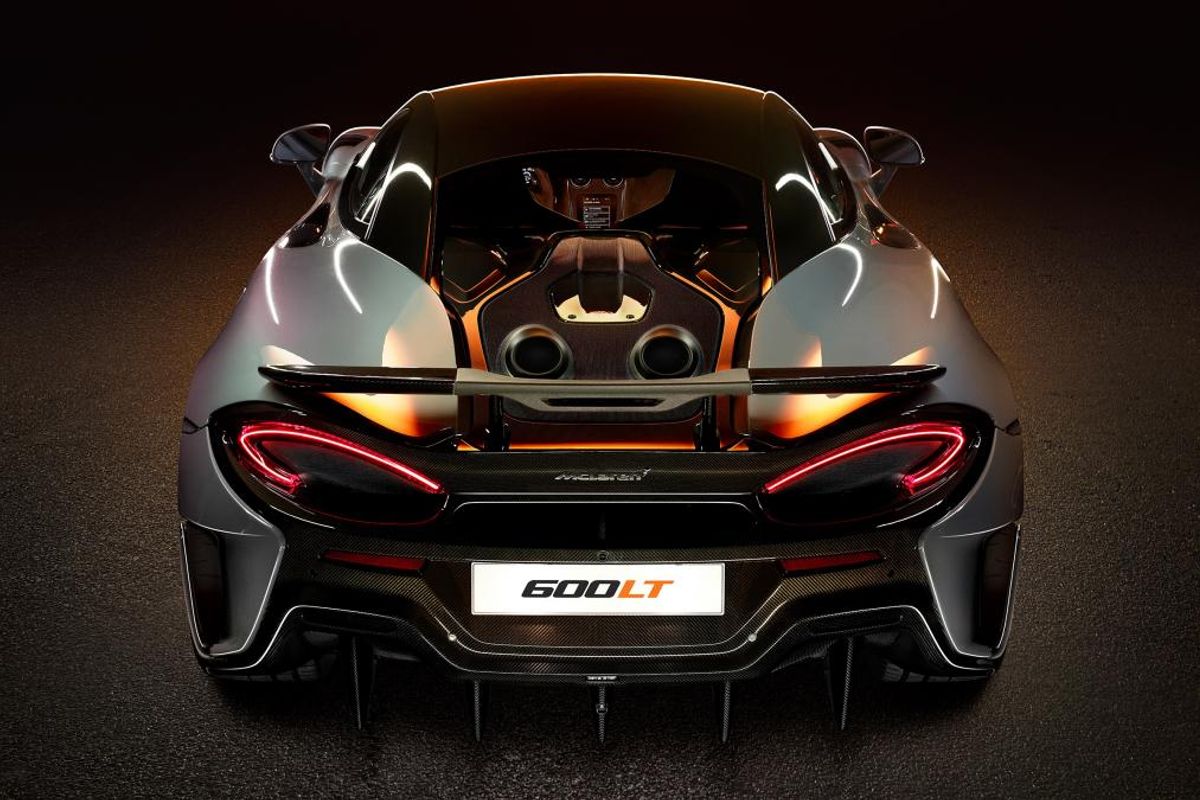
McLaren has taken the covers off a new model. It's called the McLaren 600LT and it's one very quick track-focused machine. Here are the details.
Mclaren is calling the new 600LT, "the fastest, most powerful and most track-focused road legal Sports Series McLaren." The LT stands for Longtail, an iconic name for McLaren and this new 600LT will be only the 4th model in more than 20 years. The original was the McLaren F1 GTR Longtail – lauded as one of the finest race cars ever.
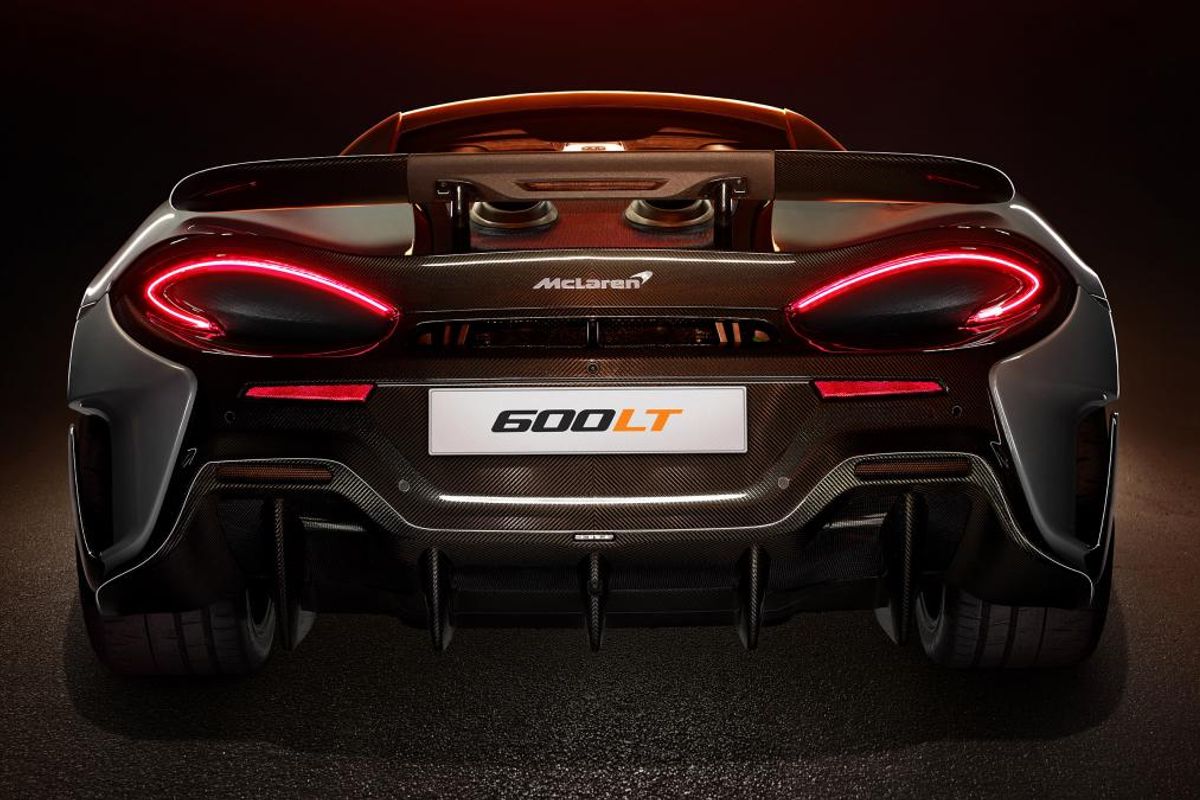
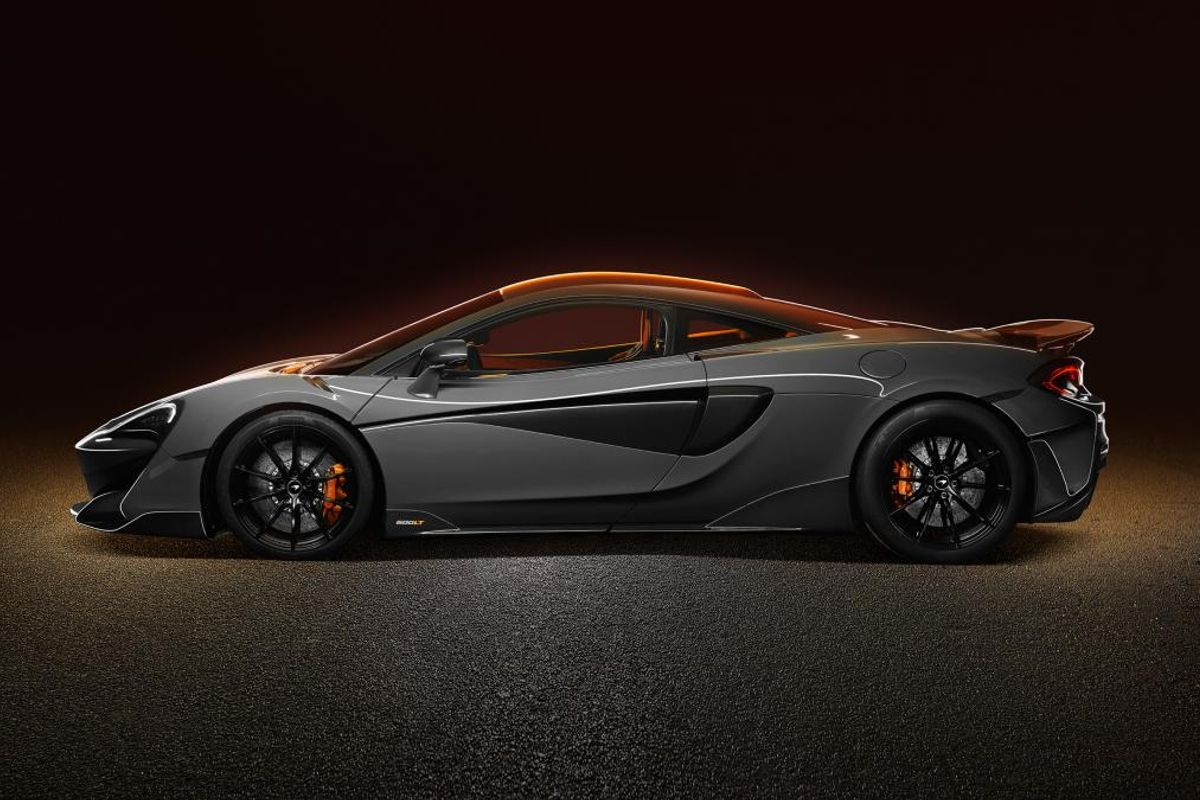
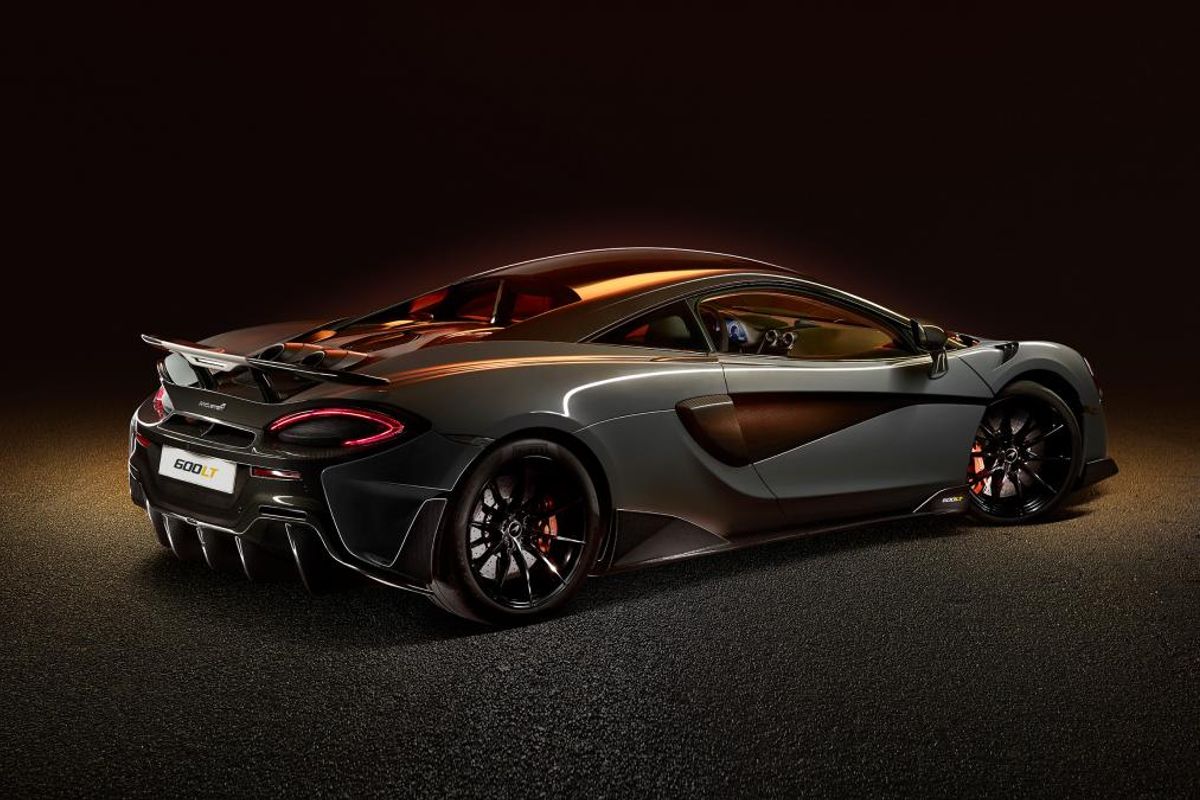
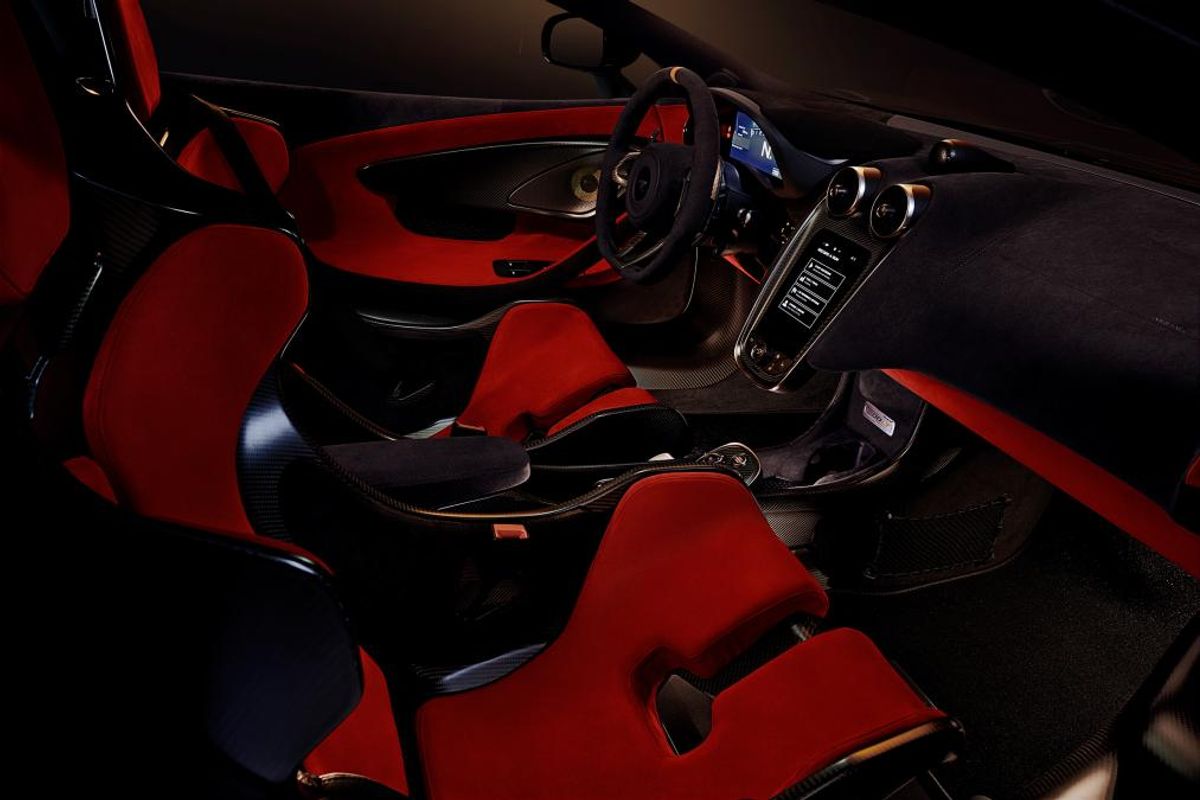
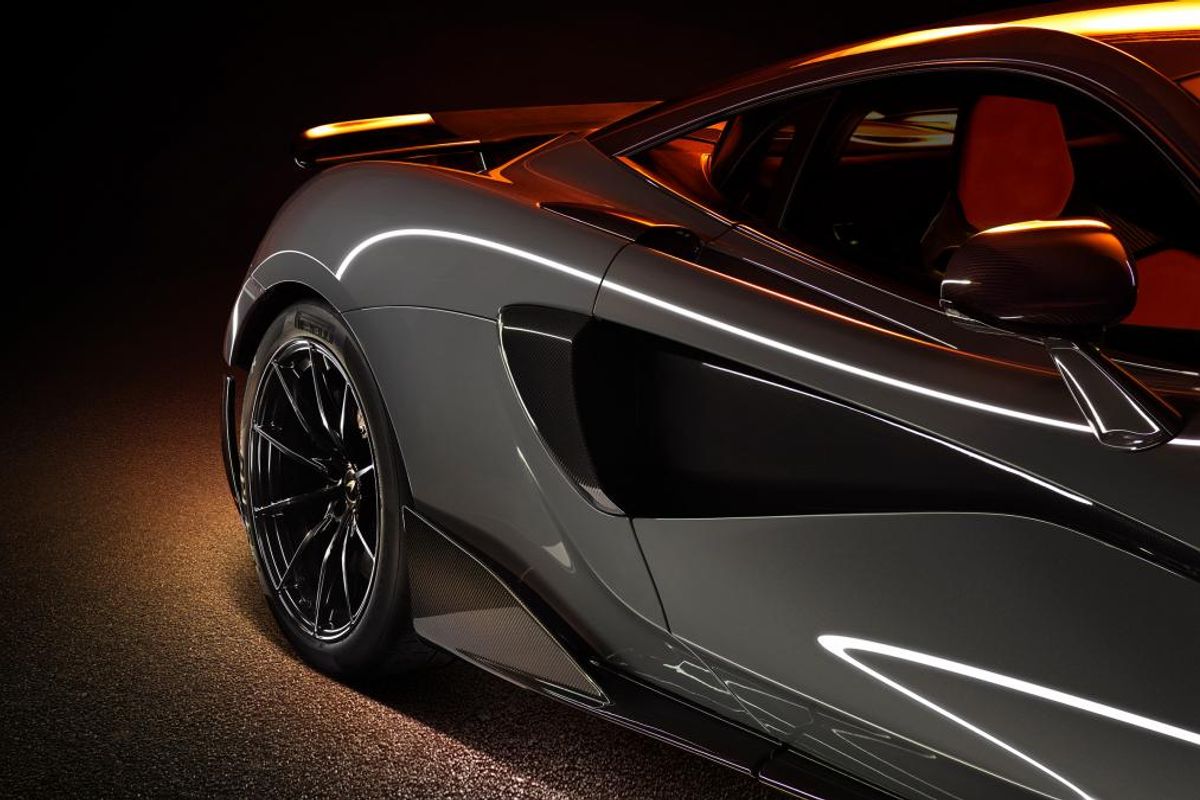
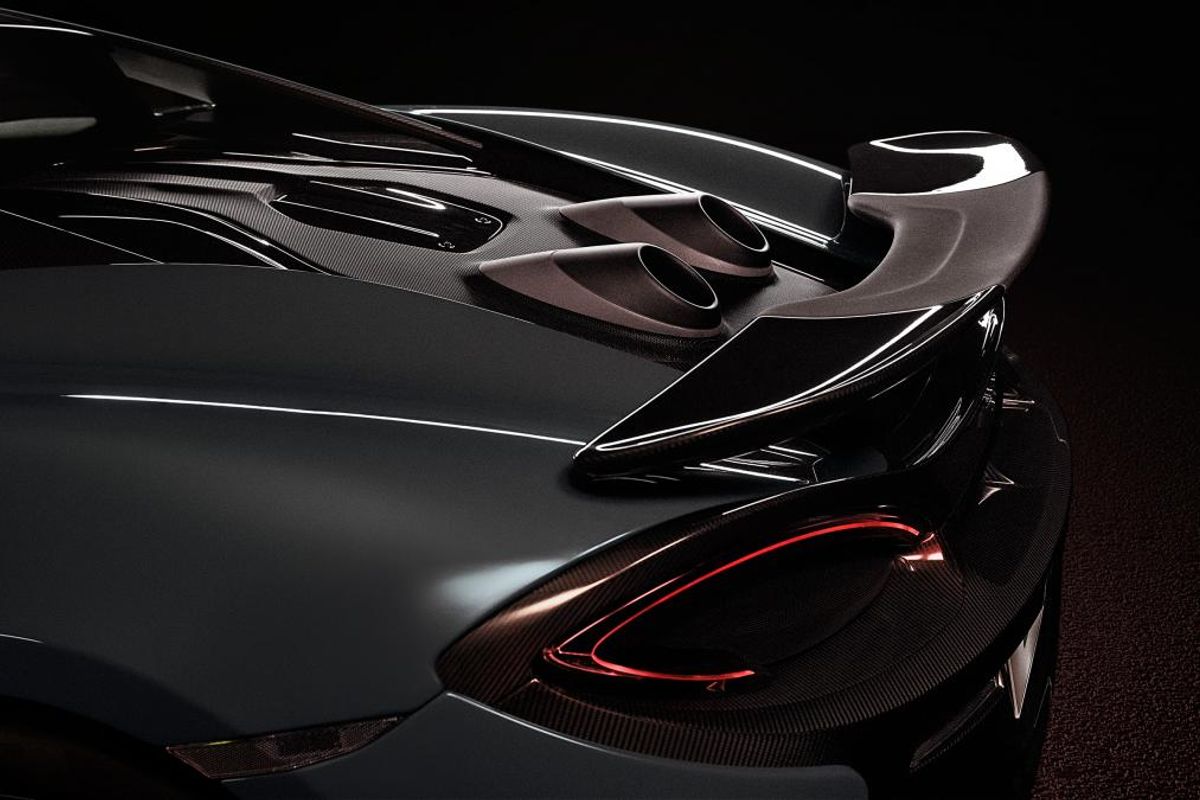
This new McLaren 600LT is built for high performance on racetracks. Based on the 570S Coupe, the 600LT is 74 mm longer, features an extended front splitter, lengthened rear diffuser and fixed rear wing. It has been on a diet too and has shed 96 kg. The aerodynamics have been reworked and there are unique top-exit exhausts, giving it a very special look. There's carbon fibre everywhere inside and out, and you can go to town with McLaren Special Operations (MSO) goodies to make it even lighter. The cabin is minimalist and features carbon fibre racing seats and lightweight Alcantara touches.
Under the engine bay lurks a twin-turbocharged 3.8-litre V8 engine which features an uprated cooling system and reworked exhaust system. Compared to the 570S upon its based, power is rated at 441 kW and 620 Nm, and thanks to its weight of 1 247 kg, it promises breathtaking acceleration. The 570S can only offer up 419 kW and 600 Nm. Claimed times are not given, but we'll be surprised if it doesn't go under 3 seconds to 100 kph.
The suspension and handling have been improved and there are forged aluminium double-wishbone suspension and lightweight brakes, track-focused Pirelli P Zero Trofeo R tyres, quicker steering; sharpened responses from the throttle and brake pedals; significantly firmer engine mounts and much louder exhausts.
Production of the new McLaren 600LT will be limited and it kicks off in October 2018. It is priced from £185,500 with taxes (UK) and given South Africa's love for the brand, we wouldn't be surprised to see a few examples make their way here.
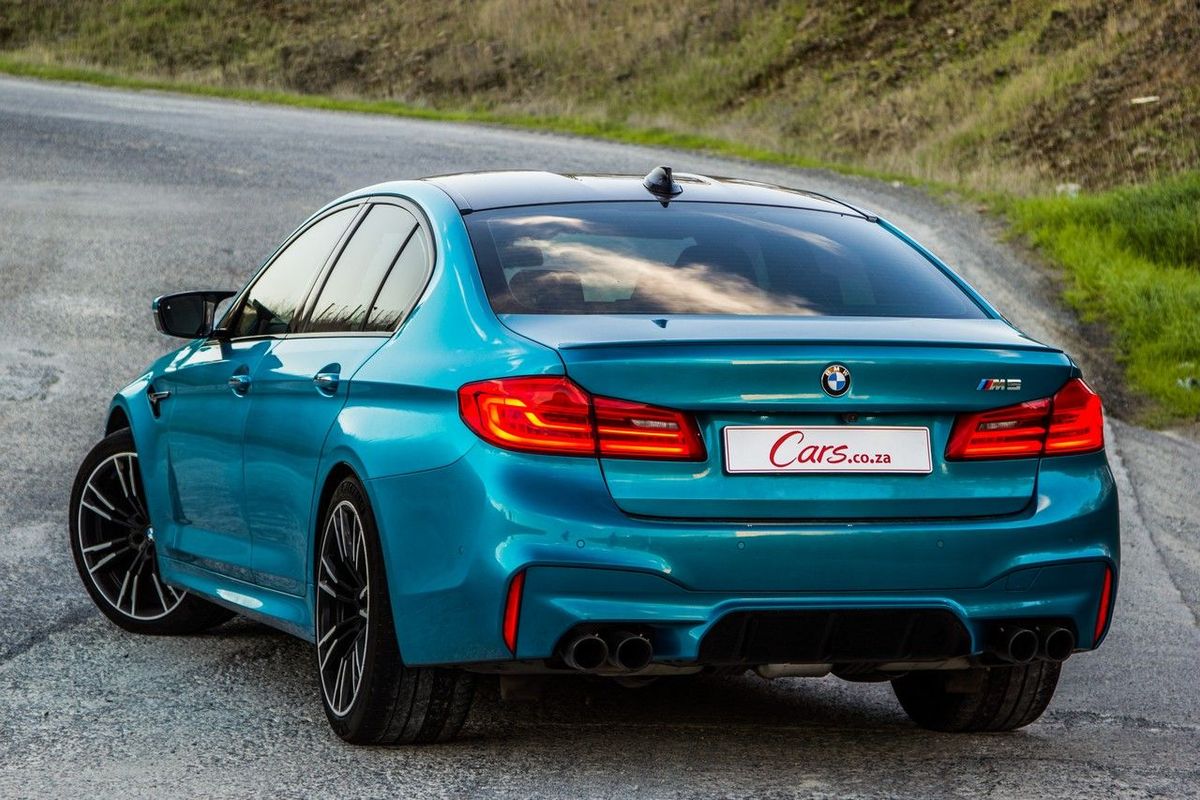
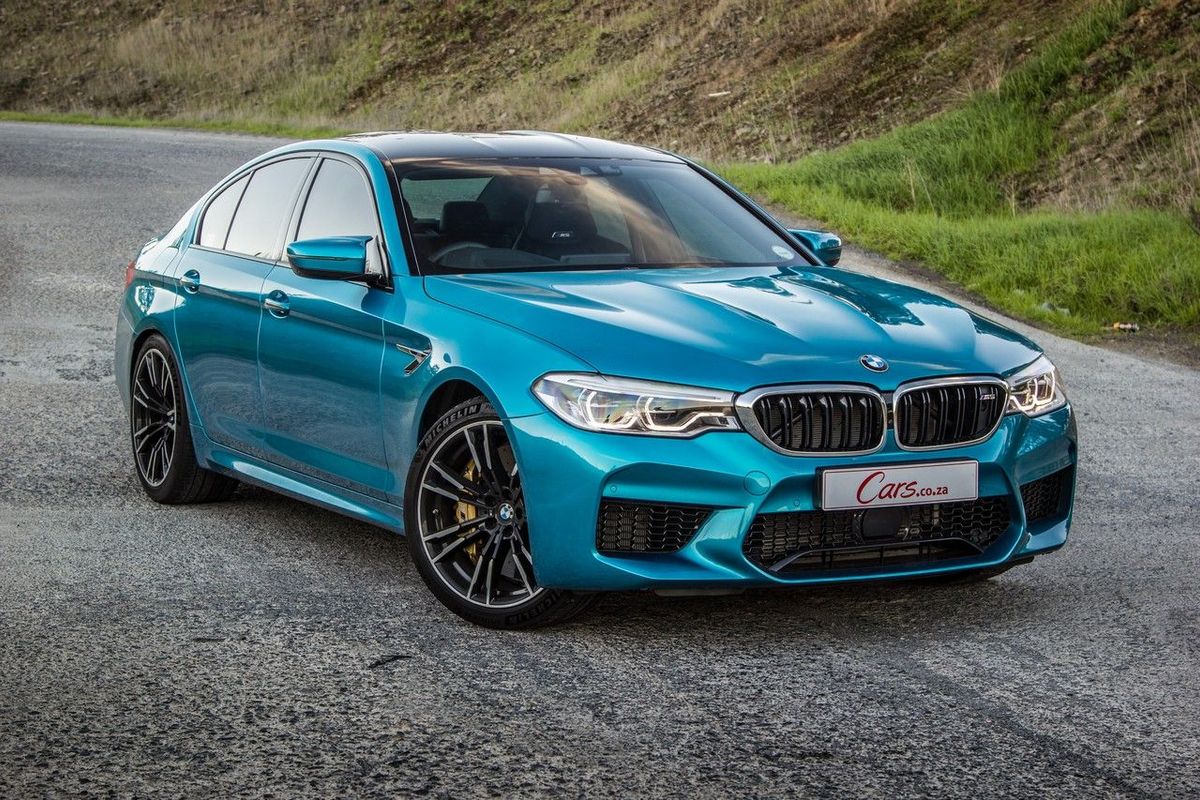
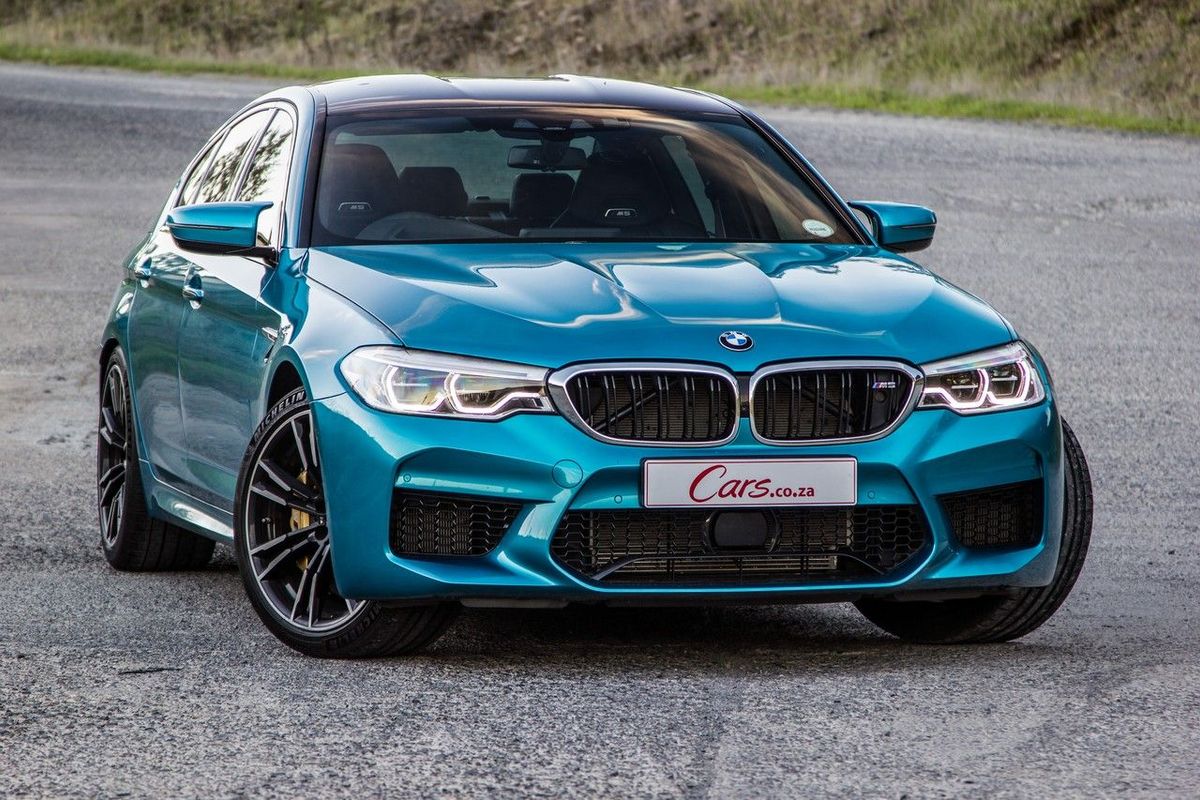
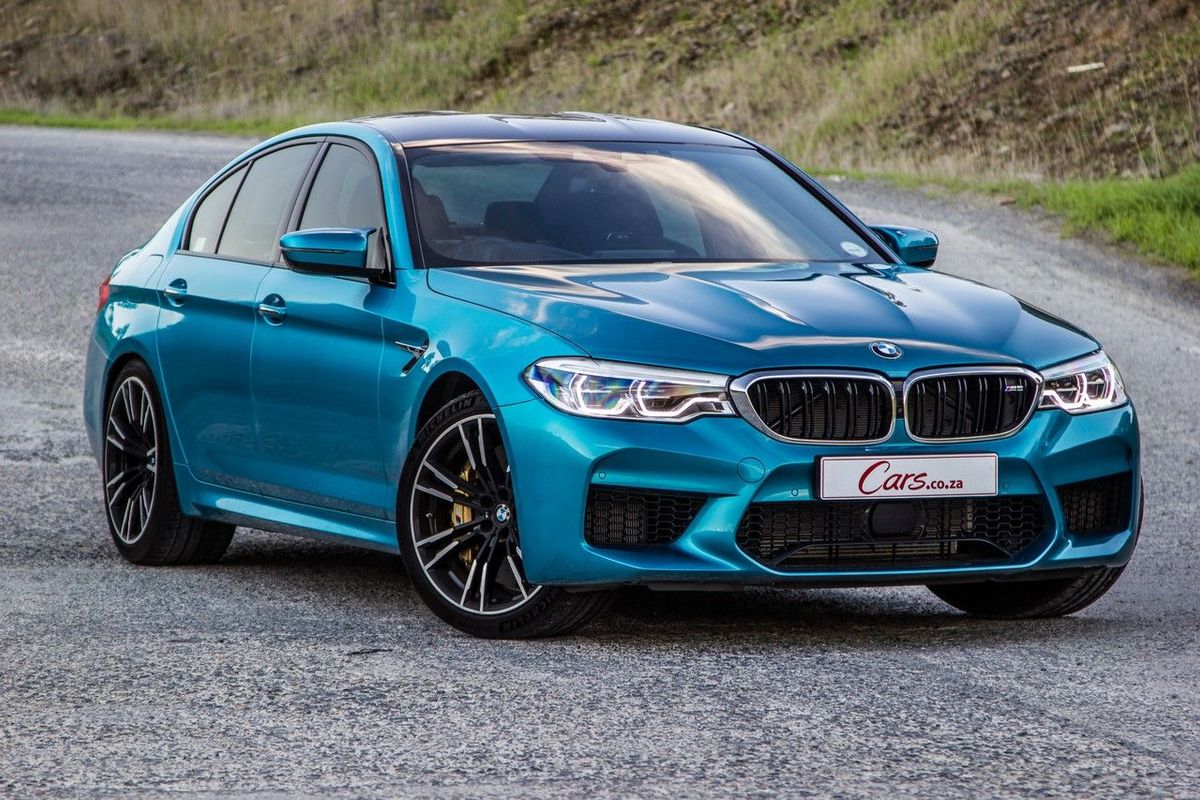
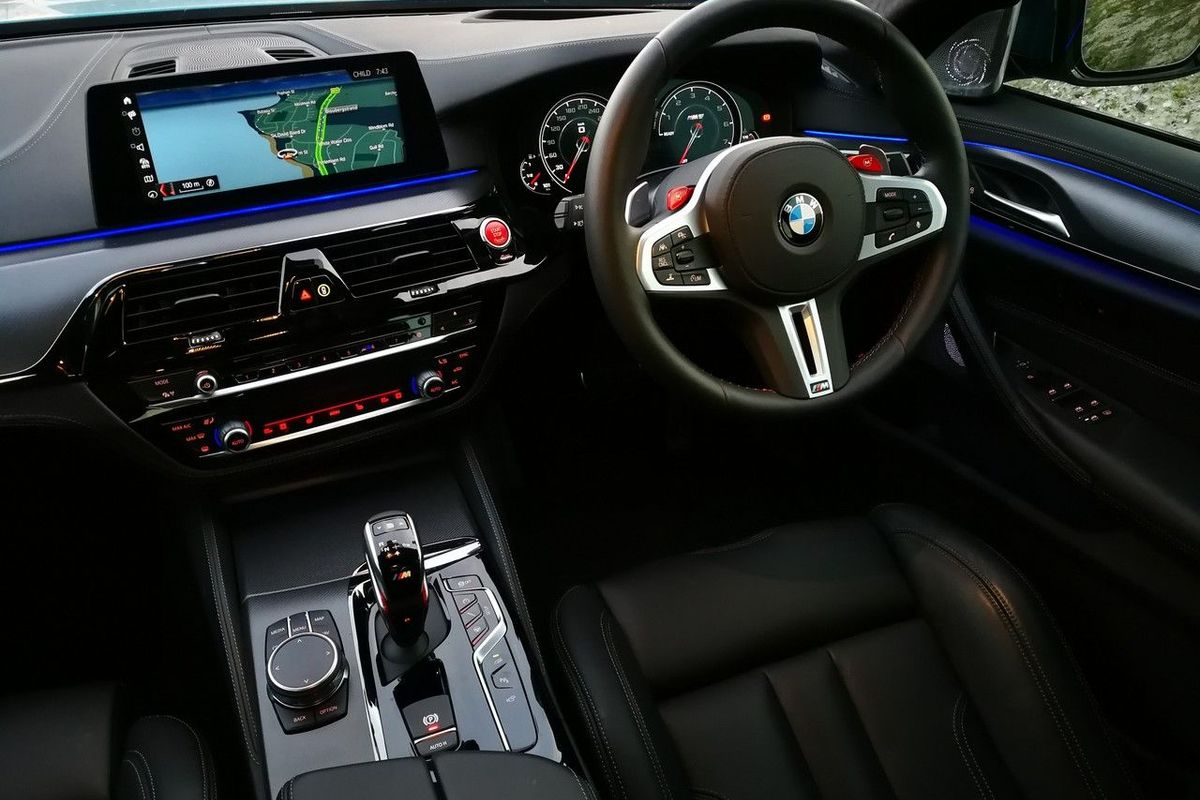
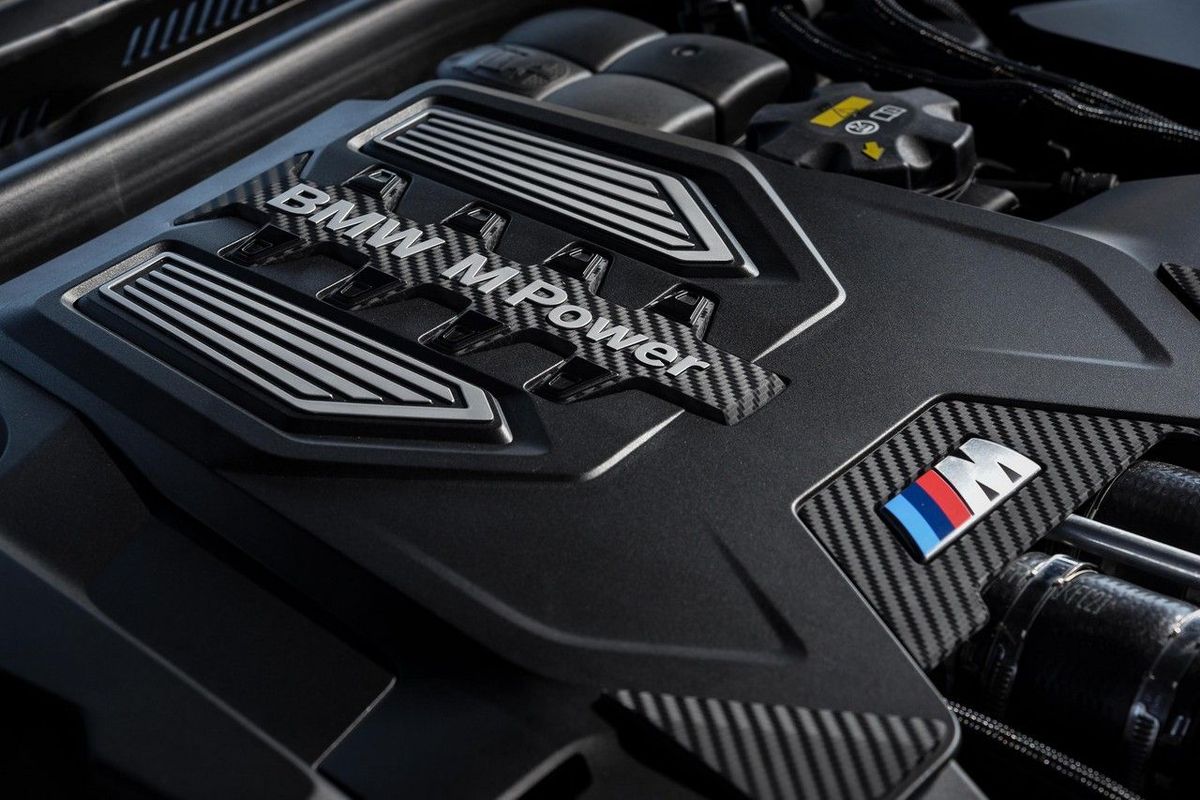
The all-new, all-wheel-drive BMW M5 is here. We conducted a comprehensive test of the 441 kW 'bahnstormer, including a sparring session with its Mercedes-AMG rival, to reach our verdict on the latest iteration of BMW's super saloon… As it becomes increasingly sophisticated, can it still deliver performances worthy of its iconic nameplate?
We like: Ballistic acceleration, all-wheel-drive grip, superb handling, easy to drive in whichever mode it's in, loaded with tech.
We don’t like: Needs a meatier exhaust note (bring on the M5 Competition!), understated looks.
Alternatives
The other ballistic Teuton: The Mercedes-AMG E63 is the key nemesis of the BMW M5. It features a more exciting cabin and we'd say it has a better-sounding exhaust too. It too boasts awe-inspiring all-wheel-drive performance capability.
How about a Porsche: The Panamera Turbo has come along in leaps and bounds. In its latest incarnation, it offers enough prestige to sway BMW and Mercedes-AMG customers, but the Turbo isn't as fast as its countrymen… and it's significantly more expensive.
A station wagon? The Audi RS6 Avant is still available for sale in South Africa and despite an all-new A6 being launched internationally, this model continues to endear itself to its fans. It's raucous and fast, but, as a wagon-only model, its appeal is limited.
Sedan too boring? What about an SUV? The SUV market is on fire at the moment and performance versions are proving popular. Take your pick from the BMW X5 M, Mercedes-AMG GLE 63 S, Jeep Cherokee SRT8 and Range Rover Sport SVR… all of which offer forced-induction V8 performance in combination with all-wheel drive.
The new BMW M5 is here and the key change is the adoption of all-wheel drive
As each successive BMW M5 comes to fruition, the "tweed-capped purist" must feel as if another part of their soul has been chipped away. You see, the BMW M way of life has typically followed this recipe: rear-wheel drive, a rev-happy naturally-aspirated motor and a manual 'box. In fact, many would say the last iconic BMW M5 was the 5.0-litre V8-engined E39, an absolute peach of a machine far greater than the sum of its parts.
The E60 version was a defining moment for the M5 family as it featured an F1-inspired 5.0-litre V10 engine, but it received a black mark against its name due to its SMG transmission. The North American market was fortunate enough to get a manual derivative, but the rest of us were stuck with the SMG single-clutch semi-automatic transmission. It wasn't the smoothest at slower speeds, often resulting in jerky progress. This also marked the start of the user-defined era as you could switch from already-potent 294 kW (400 hp) to the ballistic 373 kW (500 hp) at the touch of a button.
The F10 marked another new chapter in M5 lore as it introduced turbocharging into the mix. Some lamented the loss of the naturally-aspirated V10 with its glorious soundtrack, but in reality, the turbocharged V8 engine was a lot more flexible. You could access all that power quicker and it was devastatingly fast, both from a standstill and in terms of in-gear shove. Again, the North American market was the only one to get a manual gearbox as the rest of the world would make do with the improved 7-speed dual-clutch transmission. One major criticism of the car was the turbochargers neutered the soundtrack of the quad exhausts, something that wasn't quite rectified with the Competition and Pure Metal special editions.
And this brings us to the F90. The headline for the 2018 BMW M5 is the introduction of all-wheel drive and a conventional 8-speed (non-dual clutch) transmission. The official line from Frank van Meel, the boss of BMW M GmbH, is: “Thanks to M xDrive, the new M5 can be piloted with the familiar blend of sportiness and unerring accuracy both on the race track and out on the open road, while also delighting drivers with its significantly enhanced directional stability and controllability right up to the limits of performance when driving in adverse conditions such as in the wet or snow.”
In simple (non-corporate) language, that's to say you can have a great time driving the new BMW M5 quickly without the residual fear that it will ever "bite your head off". In other words, it's unlikely to catch you out as it approaches its adhesion limits. For purists, all-wheel drive is best reserved for Audi RS models, but for the rest of us, who want to feel confident enough to drive the new BMW M5 spiritedly in most conditions, this is brilliant news. Interesting trivia: Van Meel used to work at Audi Sport, so if there's anyone qualified to develop all-wheel-drive super saloon vehicles, it's him.
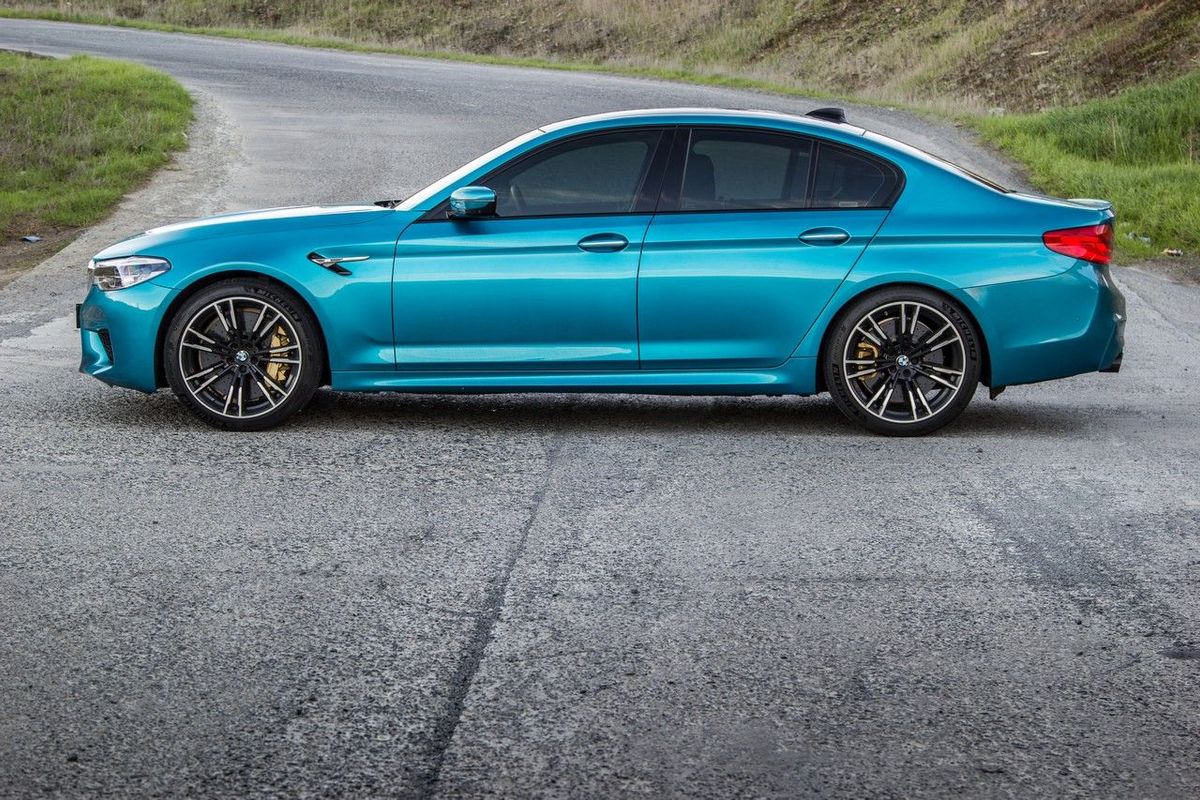
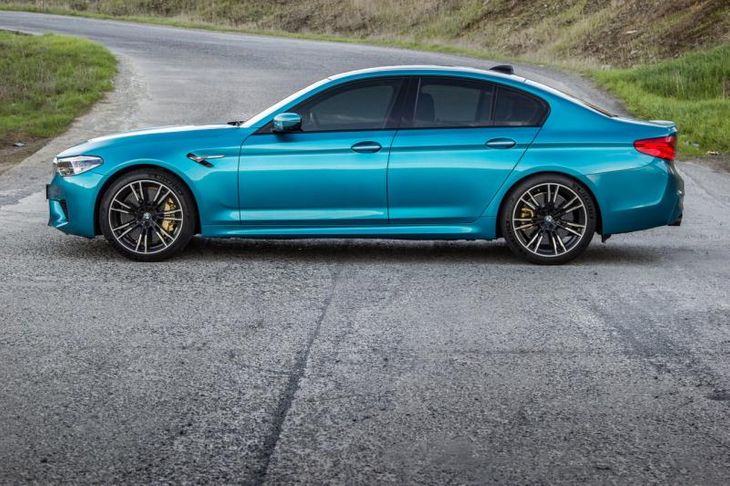
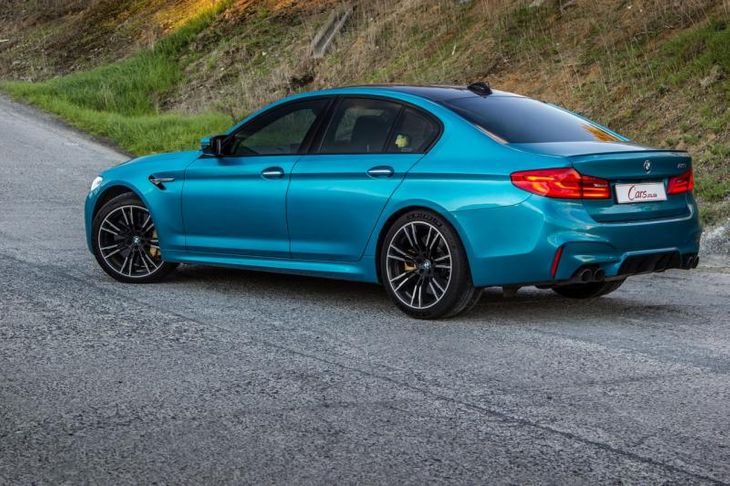
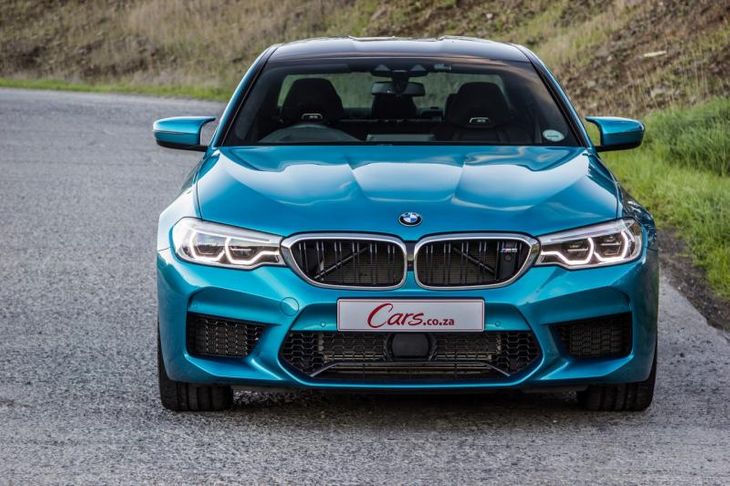
Snapper Rocks Blue is one of the best colours for the new BMW M5, but aficionados may prefer one of the more characteristic M colours.
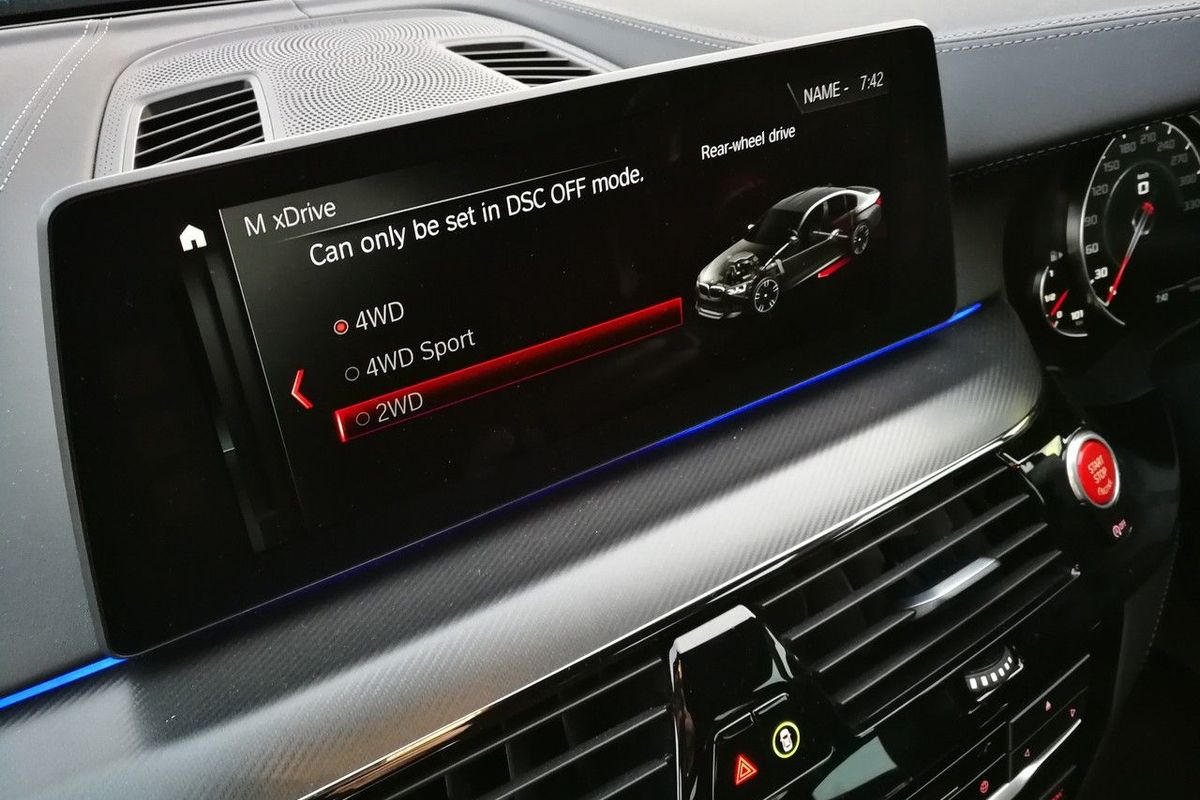
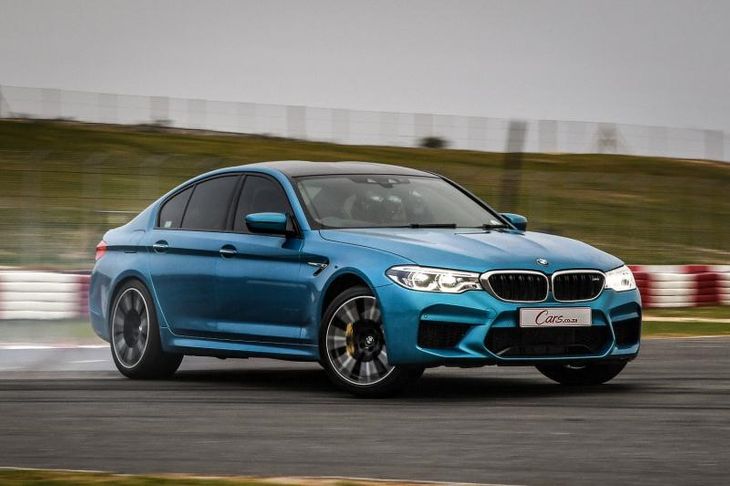
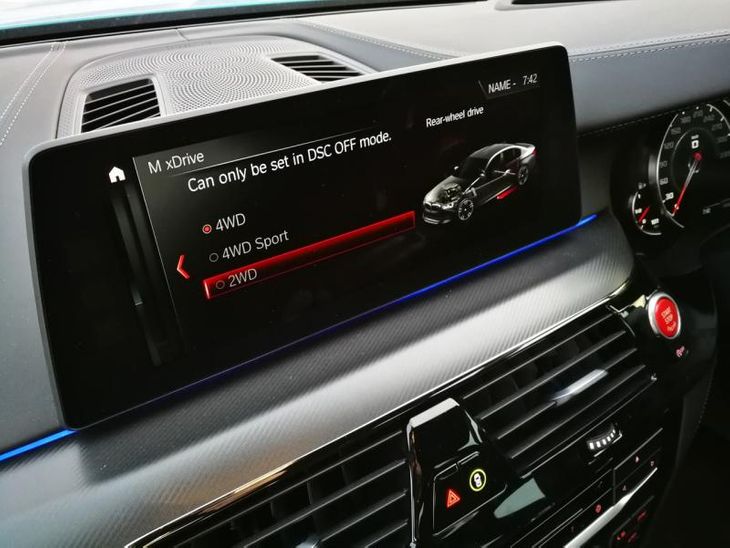
Mechanically, this all-wheel-drive system is not just a piece of tech nicked from the BMW X family. The M-specific all-wheel-drive system (M xDrive) has been developed purely for the BMW M5 and the best part is you can disable the front axle and make it a pure rear-wheel drive vehicle. Note, however, that this mode requires stability control to be completely disabled so you had better have your wits about you. On the other side of the coin, indulgent burnouts and graceful sideways drifts are just a stab of the right foot away. We've experienced this briefly and… it's addictive.
But for all of its sideways smokey craziness, we still need to evaluate the new BMW analytically and determine whether it's worth your attention.
How does it fare in terms of…
Space and practicality?
The seats are sporty and supportive, and rear legroom is fair. New M5 is both fast and practical.
The 7th-generation of BMW 5 Series is slightly longer and wider than before, but thanks to the extensive use of aluminium in the body panels, underpinnings and suspension have resulted in a car that’s lighter than its predecessor, which bodes well for improved performance, handling and efficiency. All of which is impressive, considering the additional weight added by the M xDrive mechanical components. And, lest we forget, there are many of the technological highlights of the BMW 7 Series that are now available in the 5 Series, several of which feature in the new M5.
For those who value practicality, the F90-generation M5 can still perform family sedan duties with aplomb. Rear legroom is fair for adult occupants, the boot is more than capable of swallowing 2 sets of golf clubs and there's ample headroom for everyone, except perhaps a Springbok lock forward. The seating position is generally good, although the driver is perched a little higher than expected. The M multifunctional front seats offer multiple avenues of adjustment, considerable lateral support… and there's an illuminated M logo in each of the headrests – which is a great touch.
Kerb appeal?
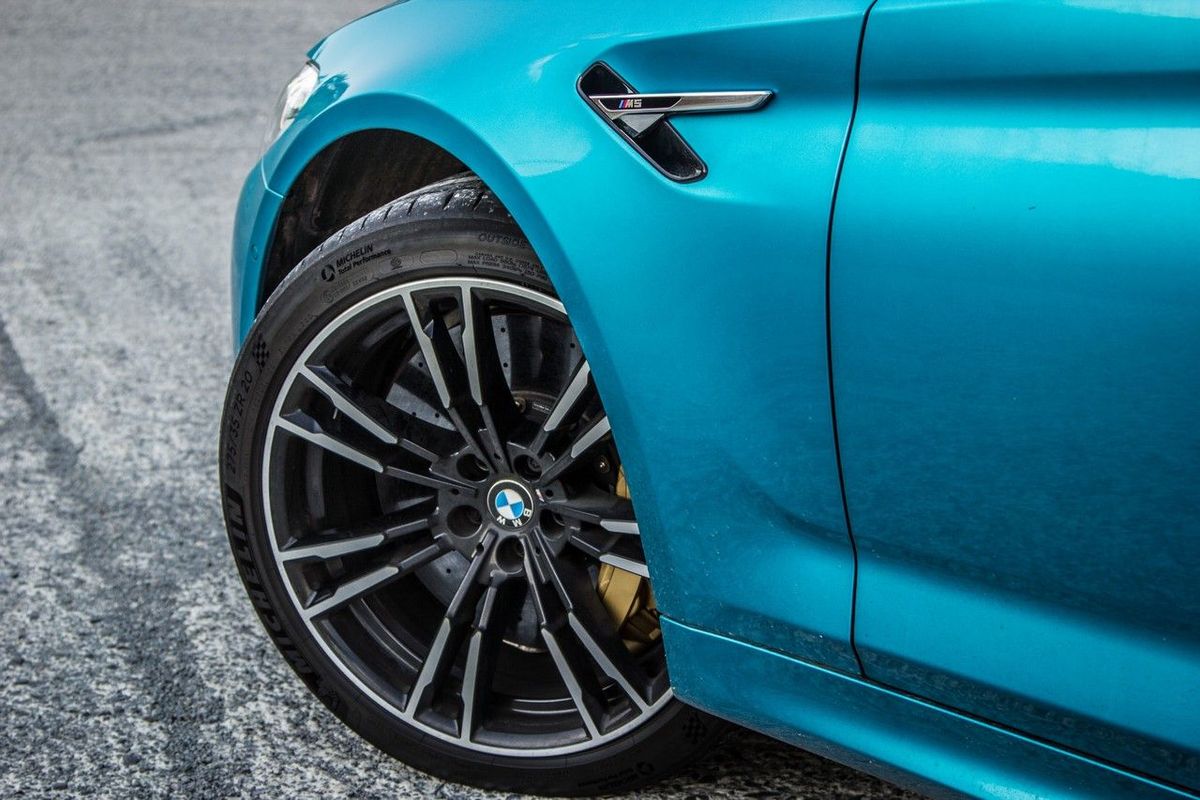
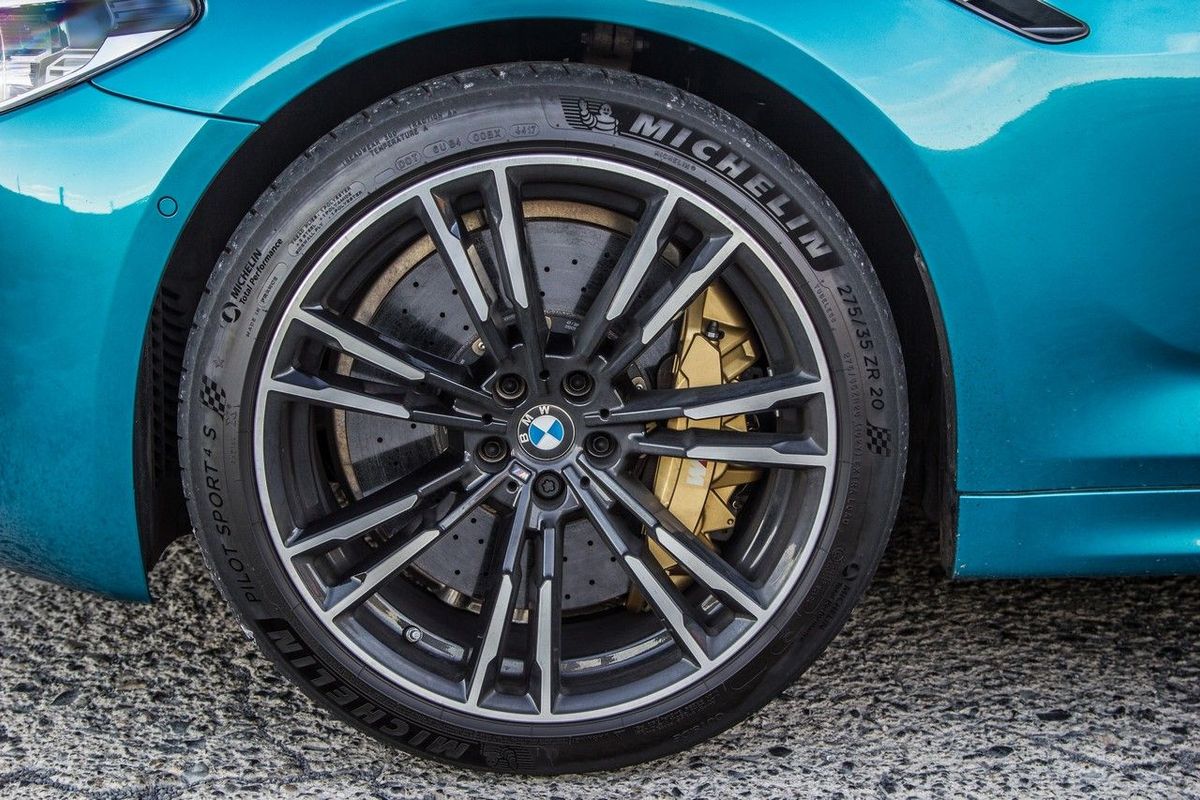
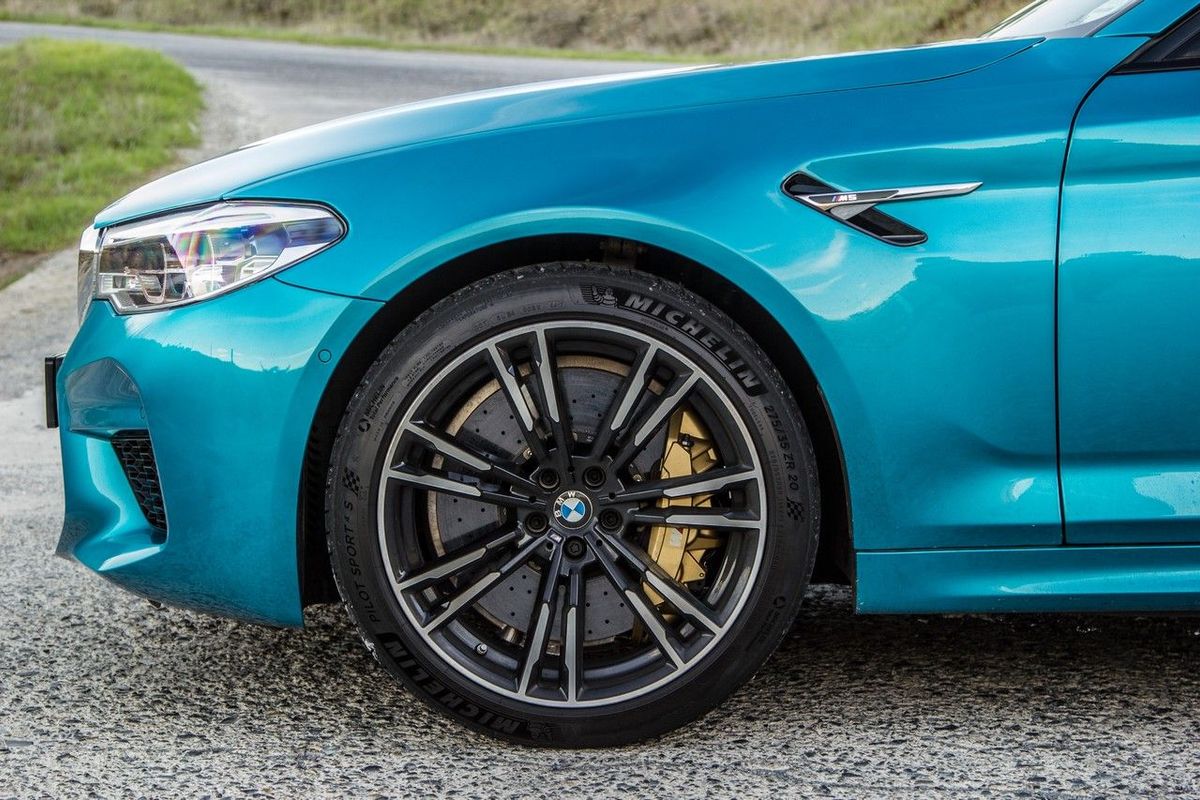
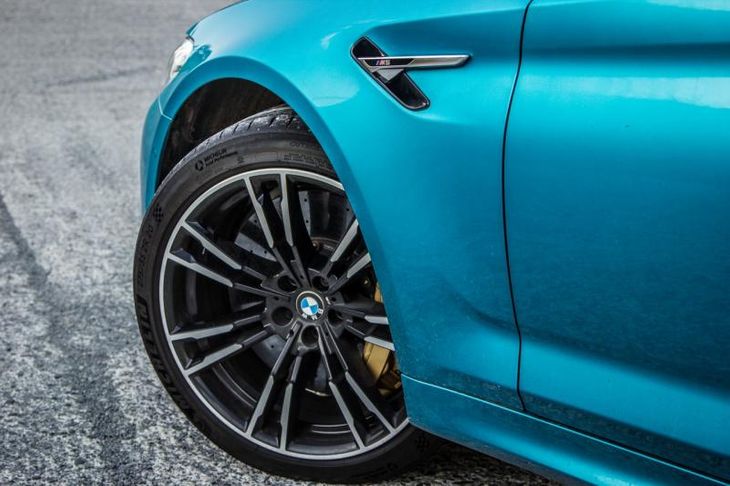
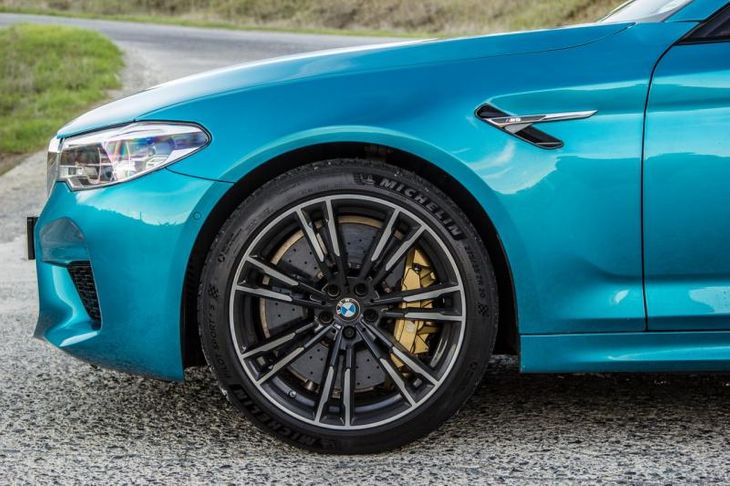
Even with its optional 20-inch alloys and Snapper Rocks Blue paint, we wish the new M5 had more presence
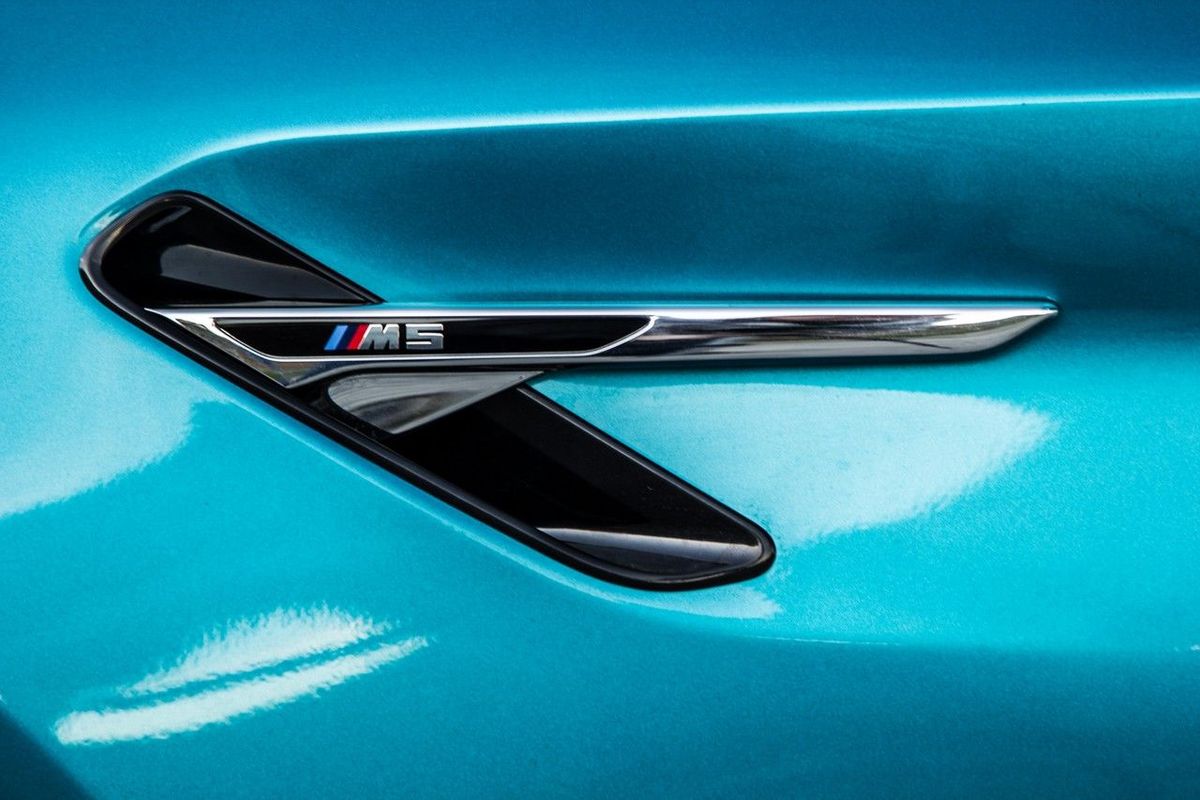
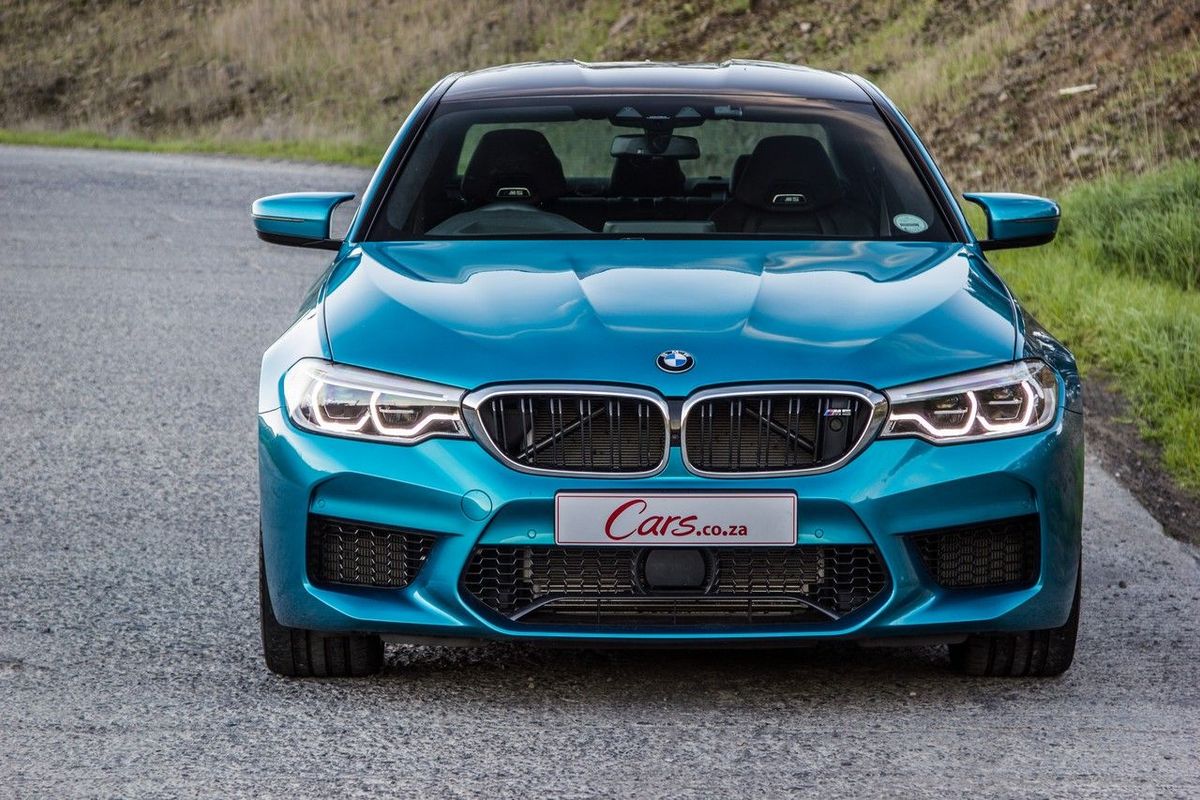
Our BMW M5 test unit came with a striking Snapper Rocks Blue finish, which is one of the finest colours to emerge from the BMW paint factory. Colour aside, you have to look closely for the telltale signs that you're staring at a 441 kW Bavarian 'bahnstormer. Sure, the big wheels are a giveaway, but the test unit's pretty 20-inch items are an extra-cost option. The carbon fibre roof, M-specific wing mirrors and subtle badges suggest that you're looking at something that's not a run-of-the-mill 5 Series. If you remove the vibrant paint scheme (opt for a more traditional white or silver), however, you're going to really battle to tell the car apart from something like an M sport-kitted 540i. Still, the two badges (in the grille and on the boot lid) do most of the talking. In fact, the one at the rear is bold, which is perfect: it's what most other road users will see as the M5 blasts past them…
Interior features?
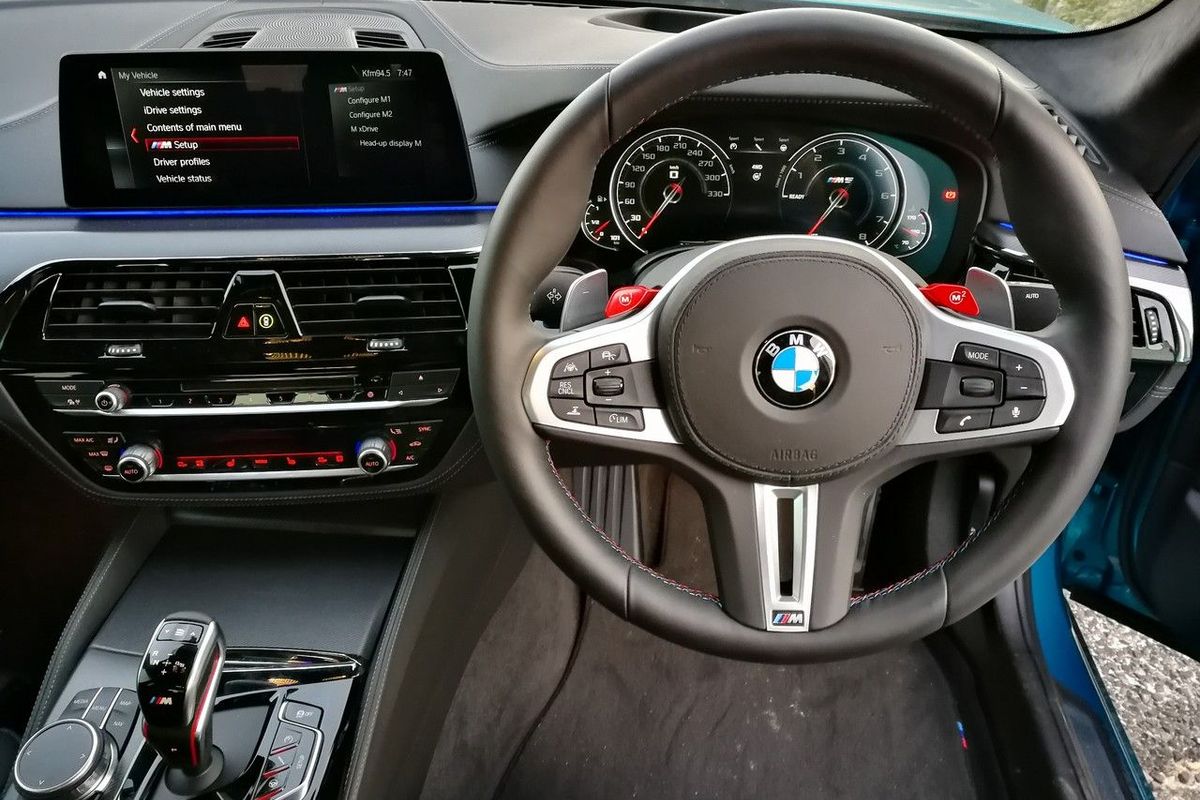
Customise to your heart's delight: Suspension in Comfort, Engine in Sport, Steering in the mid setting and Exhaust active was our preferred combination of settings.
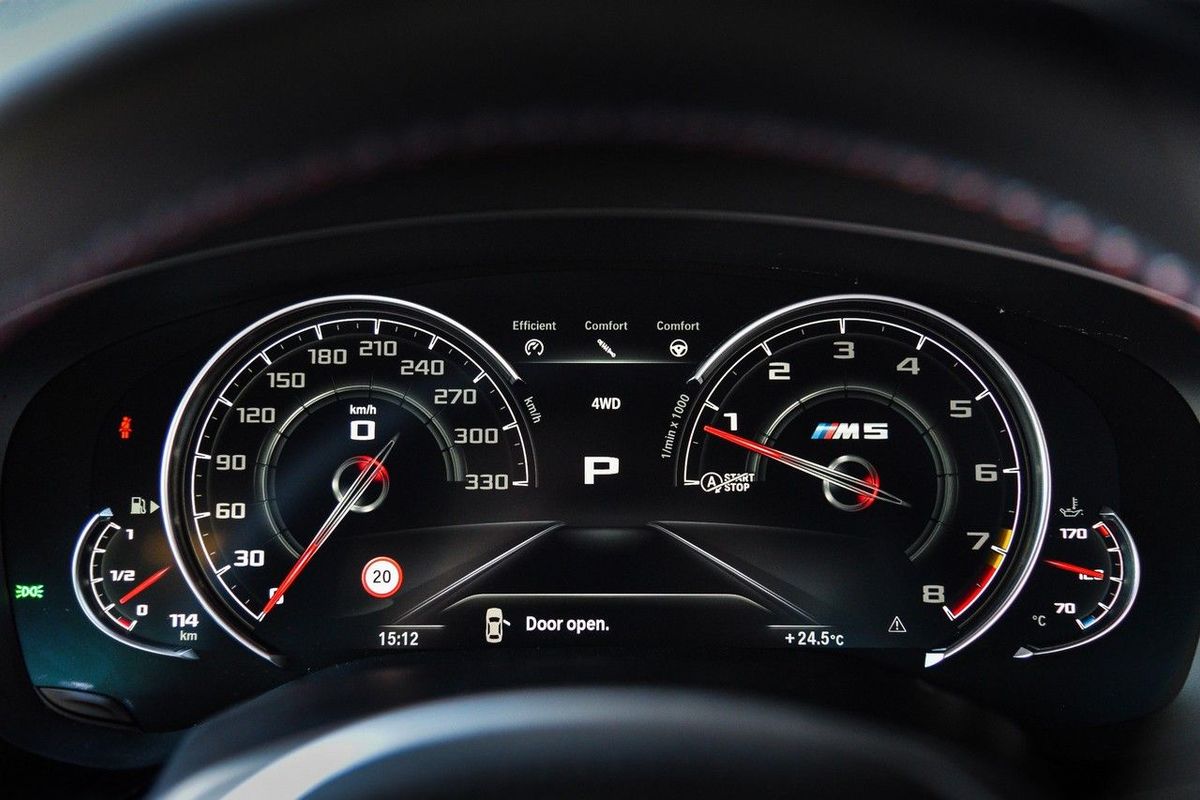
Being the flagship model in the 5 Series family means you get an awful lot of interior features as standard, but you can opt for some extra-cost options, some of which are certainly worth looking into, such as the uprated ceramic brakes, for example. BMW ConnectedDrive, Apple Carplay, satellite navigation with real-time traffic, a wireless charging pad, adaptive headlights, 4-zone climate control, infotainment with gesture control, 360-degree parking camera and tyre pressure monitors are just some of the features that come standard in the new BMW M5.
In terms of options, consider the M carbon ceramic brakes (R128 200), the semi-autonomous driving tech (R20 900 + R24 800), heated and ventilated seats (R9 800), front-seat massage function (R14 400) and perhaps the uprated Bowers & Wilkins surround sound system (R42 600).
Performance & Handling?
You can disable the all-wheel drive and switch to rear-wheel drive only, but you'll have no stability control. If you know what you're doing and not using a public road, magnificent drifts are possible. This image was shot at Killarney Raceway.
Now let's get down to business: what the M5 is like to drive. With the critical switch to all-wheel drive, a new transmission and a revised engine, the new BMW M5 was never going to be slow. Better yet, all-wheel drive doesn't just give the new M5 an incremental increase in pace, but rather a massive one, so much so that in a straight-line sprint, the previous generation would be resoundingly trounced. Let's examine the numbers in detail.
Power comes from a revised version of the 4.4-litre twin-turbocharged V8 mated with a conventional auto transmission. Outputs of 441 kW and 750 Nm may not sound dramatically higher than those of the previous generation (412 kW and 680 Nm), but thanks to the all-wheel drive, acceleration is much more savage. The claimed 0-100 kph sprint time is now down to 3.4 seconds, almost a full second quicker than the previous version.
Unlike some launch control systems, which hold the car dead still as the revs build, the M5's setup sees the Bimmer squirm uneasily as it attempts to control the rampant horses in its engine bay. When you release the brakes, there's a moment's pause before the electronics work in unison to sling forth 1 850 kg of BMW M5 with explosive force. The feeling is surreal; if you've never experienced it before, your body will have to deal with being mashed down in your seat. Is this what fighter pilots experience each time the steam catapult on an aircraft carrier fires their jets into the sky?
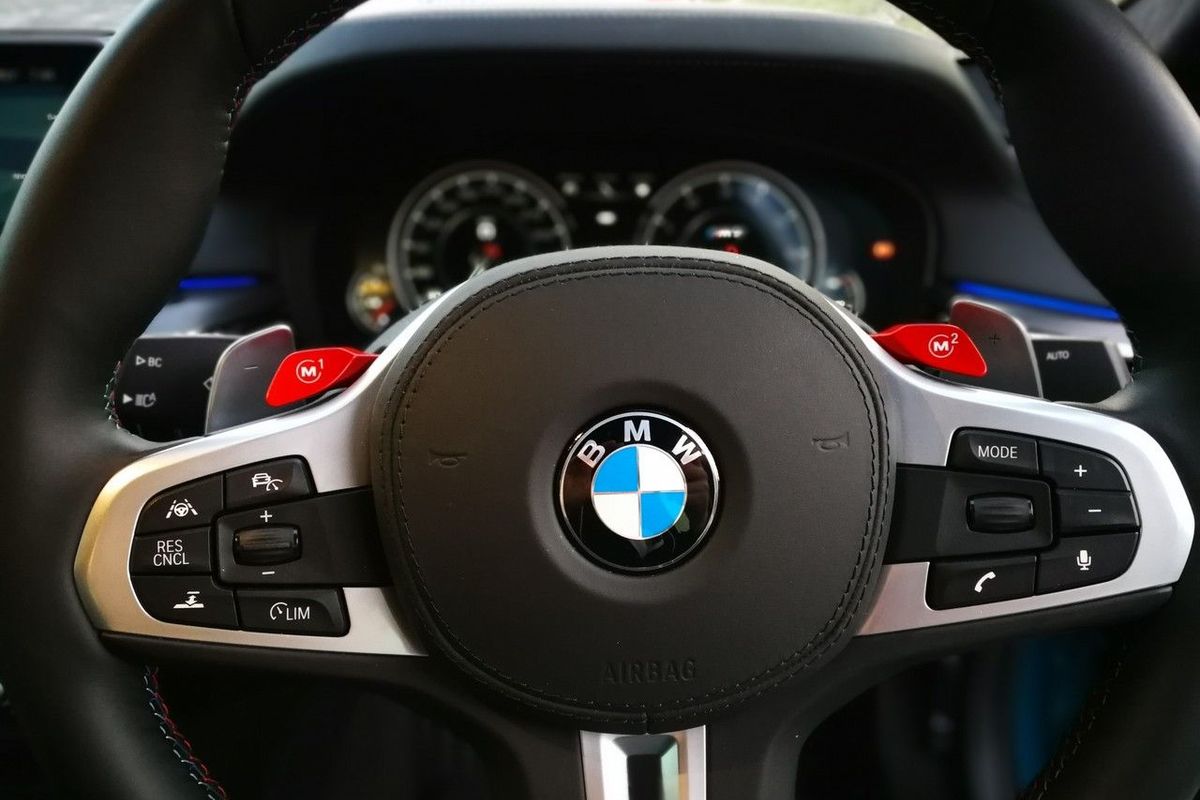
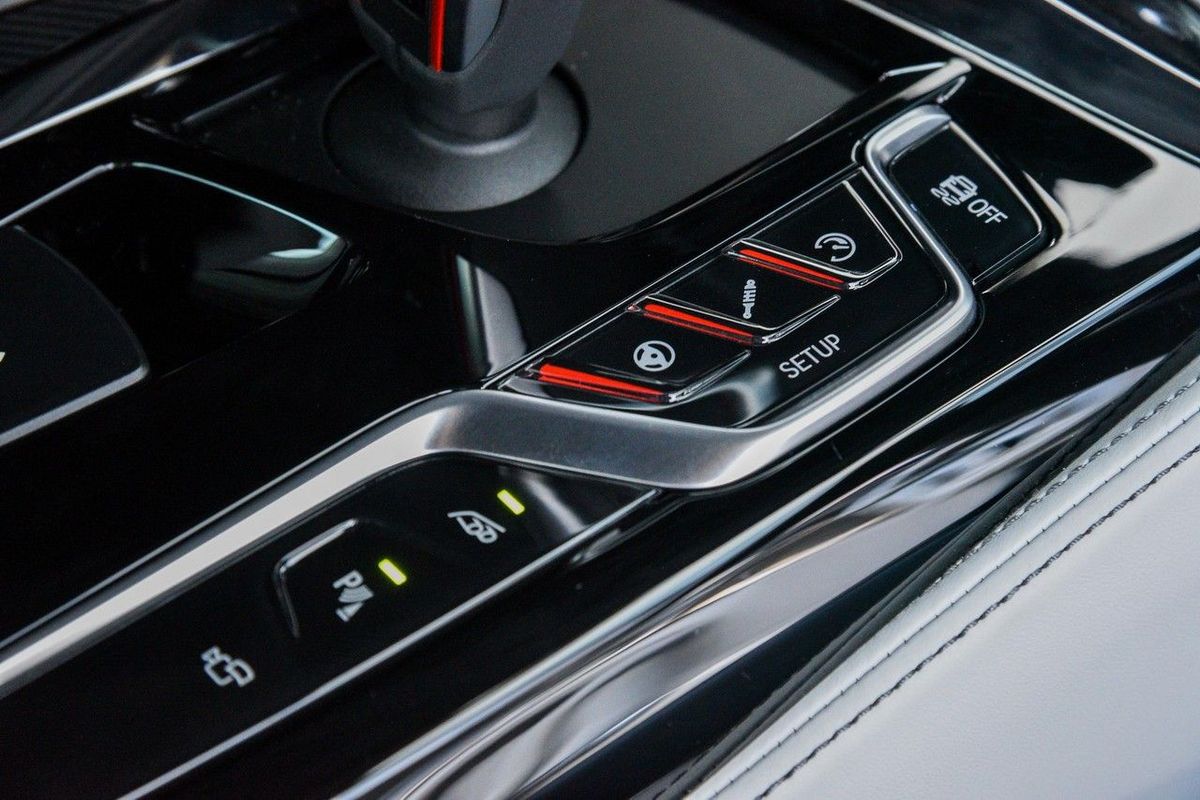
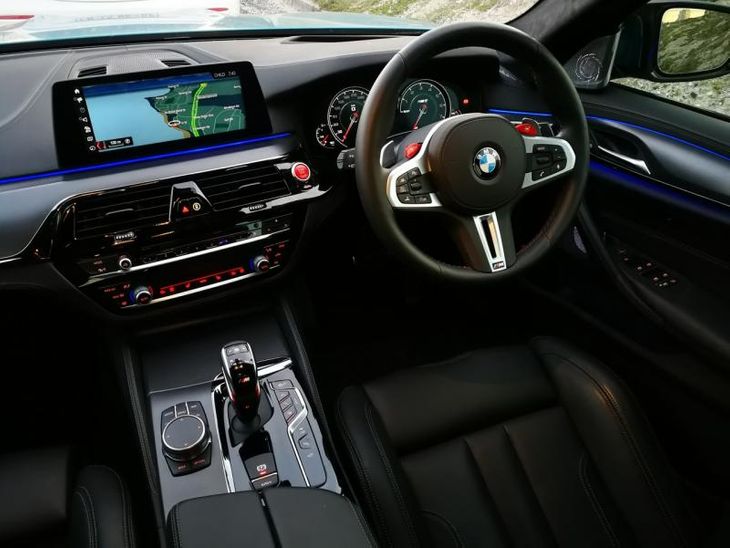
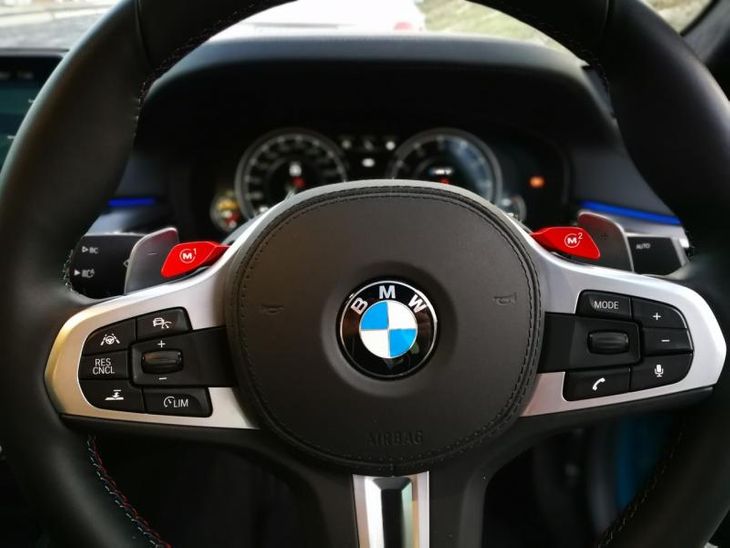
The two red buttons unlock the BMW M5's potential. We used M2 with discretion, because it was programmed to disables stability control.
So, we've discovered the Bimmer is brutally fast, but it is so much more than a straight-line charger. Thanks to an assortment of selectable settings, the car can be configured to suit a driver's mood, plus there are 2 red switches on the steering wheel that instantly maximise the car's potential.
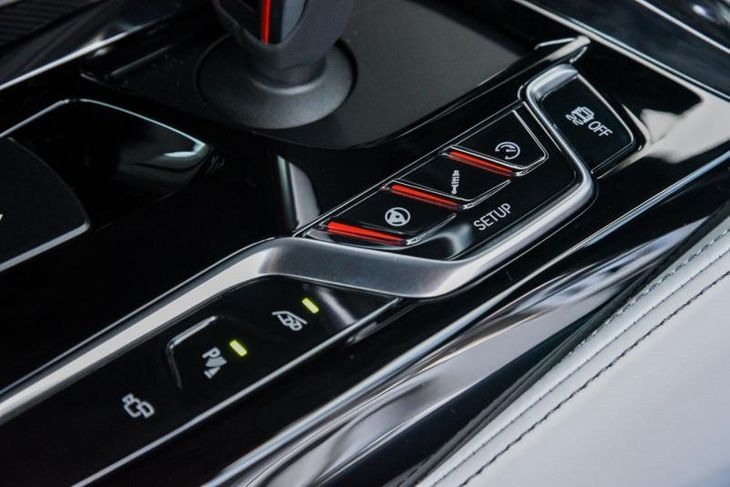
Given the breadth of its engine's abilities, the vast majority of vehicles in the M5's path can easily be overtaken in Comfort mode. However, if you extend your left thumb and press the red M1 switch – one seemingly reserved for supercar hunting – the M5 goes into its most aggressive setting, with the engine at its most responsive, suspension optimised for ultimate sportiness/dynamism and steering weighting at its heaviest. M2 button does all of this too, but turns off the traction control – not something we'd recommend unless you're headed to the relative safety of a race track.
If the road lends itself to testing the super saloon's handling prowess, the near-2-tonne Bimmer reacts decisively, provided the course isn't too tight (in that scenario, the M5 can feel every one of its kilograms; you may find yourself stomping the brake pedal incessantly). Although the jury's still out on the somewhat insular feel of the steering, the M5 turns in promptly and crisply. It's deceptively agile for a large car with admirable body control. Hamfisted manoeuvres in the old car would have had you sliding and fighting to keep it under control, but that wild rear-end is all gone… When you power out of a corner, the all-wheel drive, combined with a more linear power delivery, facilitates amazing traction and exit speeds.
Stopping power is immense too, by the way, but we'll ascribe that to the optional M carbon ceramic brakes – well worth looking into if you want to drive your BMW M5 enthusiastically for extended periods, when normal brakes may show signs of fading. Interestingly, both the M1 and M2 buttons are completely programmable so you could set M1 up for the most comfortable and docile settings and M2 for everything at its most expressive.
Ride and comfort?
Despite riding on the optional 20-inch alloy tyre, ride comfort is surprisingly good and we're impressed by the build quality
There's something mature about this generation of BMW M5. Sure, it can be absolutely devastating in its most aggressive mode, but its relaxed, docile nature (when you're not swatting everything aside this side of a Porsche 911 Turbo) is something we appreciate. See, while we all dream of driving to work on a de-restricted autobahn or an abandoned alpine pass, the reality is that you'll spend the overwhelming majority of your time drudging through traffic jams. This is where the car's 5-Series platform comes to play and comfort/ease of use is highly sought-after. The steering weight can be adjusted and at its lightest setting, rotating the tiller with one finger is entirely possible. You can even switch off the active exhaust, to avoid disturbing the neighbours. Cheekily, the default setting is active exhaust ON, which makes for grin-inducing cold morning starts.
The BMW M5 is quite happy to trundle in traffic at 60 kph with its semi-autonomous technology taking care of the following distance and making minuscule corrections to the steering to keep the vehicle within its lanes. The driver, at this point, doesn't actually have to do much but relax in comfort, thanks to those lovely front sports seats. With those raging horses safely tethered and the car's demeanour at its calmest, the M5 feels like a normal executive sedan, one that you could easily use to transport your family to its holiday destination. You'd only get a whiff of its capabilities when you overtake vehicles on the open road and even in its most docile setting, it's scary how easily the M5 drifts over the national speed limit.
We're glad to see this feature available, but be careful as there is no safety net!
Pricing and Warranty
The BMW M5 is available in two flavours: normal M5 and M5 First Edition. BMW says the South African consignment of M5 First Editions is sold out, but we'd bet that if you looked hard enough, one would turn up. There's also a faster and more agile M5 Competition model that will land in SA before the end of the year. The vehicle comes with a 2-year/unlimited kilometre warranty and a 5-year/100 000 km maintenance plan.
BMW M5 xDrive R1 762 807
Verdict
It's a new chapter for the BMW M5 and we're happy to embrace its all-wheel-drive tech, which offers more performance as well as provides a cosseting safety net.
While some will lament the adoption of all-wheel-drive in the BMW M5, the harsh reality is that the car is better for it. Its (considerable) performance envelope is far more accessible, the car is more manageable on the limit and critically, is safer when conditions change (few were brave enough to hustle the previous-generation rear-wheel-drive M5 in heavy rain, for example). The switch to all-wheel drive has also done the unthinkable: it's put Audi's RS division in a very awkward position. With all respect to M versions of BMW X models, the performance all-wheel-drive setup in the M5 is so multi-faceted it begs the question why generations of quattro-equipped RS Audis have felt less-than-engaging to drive? Of course, you can have a blast from the past and engage rear-wheel-drive for proper sideways tyre-shredding action, provided you can afford multiple sets of fresh rubber.
The battle between day-to-day comfort, technology and efficiency on the one hand, and living true to the ethos of the M5 on the other, will continue to rage on, but if this F90 is anything to go by, it appears that BMW will be able to satisfy both camps. It's exquisite to drive at full tilt when the road is clear, yet you'll be perfectly ensconced when commuting to work on a cold Monday morning. Our only gripe? We just wish it could be a tad louder.
Watch the Mercedes-AMG E63 S vs BMW M5 Drag Race Video:
108 Years of Alfa Romeo: Ten of its greatest (Gallery)
The iconic but often troubled Alfa Romeo brand turned 108 years old this week. To celebrate, let's have a look at ten of its most memorable. What's yours? Let us know!
Very much like Porsche, which celebrated its 70th anniversary recently, the famous Italian marque's history is rich with motorsport successes. In compiling this list, I've again focused on its road cars, but admit that at times the line is somewhat blurred when it comes to Alfa Romeo… So, what you'll find here are some of the brand's most famous cars, as well as those that have only recently started receiving the attention they deserve.
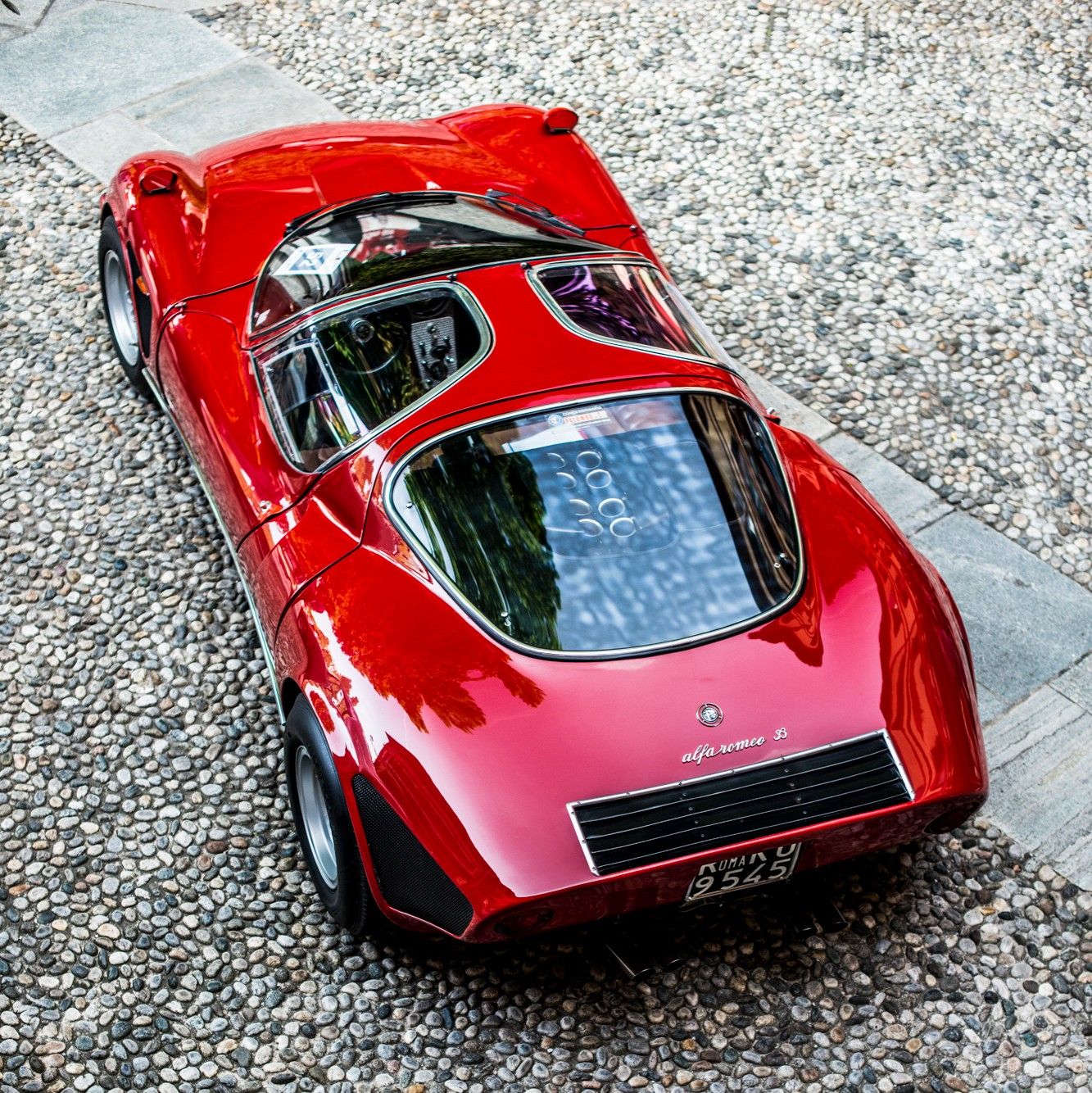
Alfa Romeo 33 Stradale
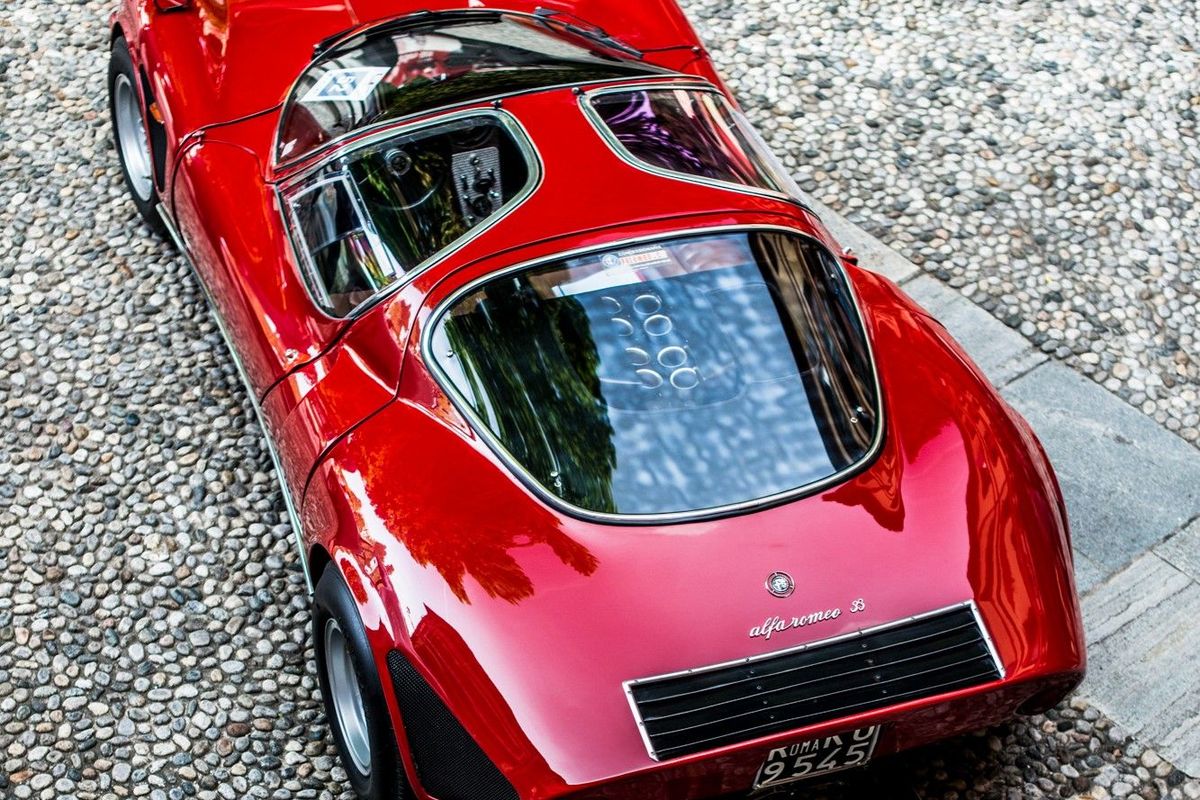
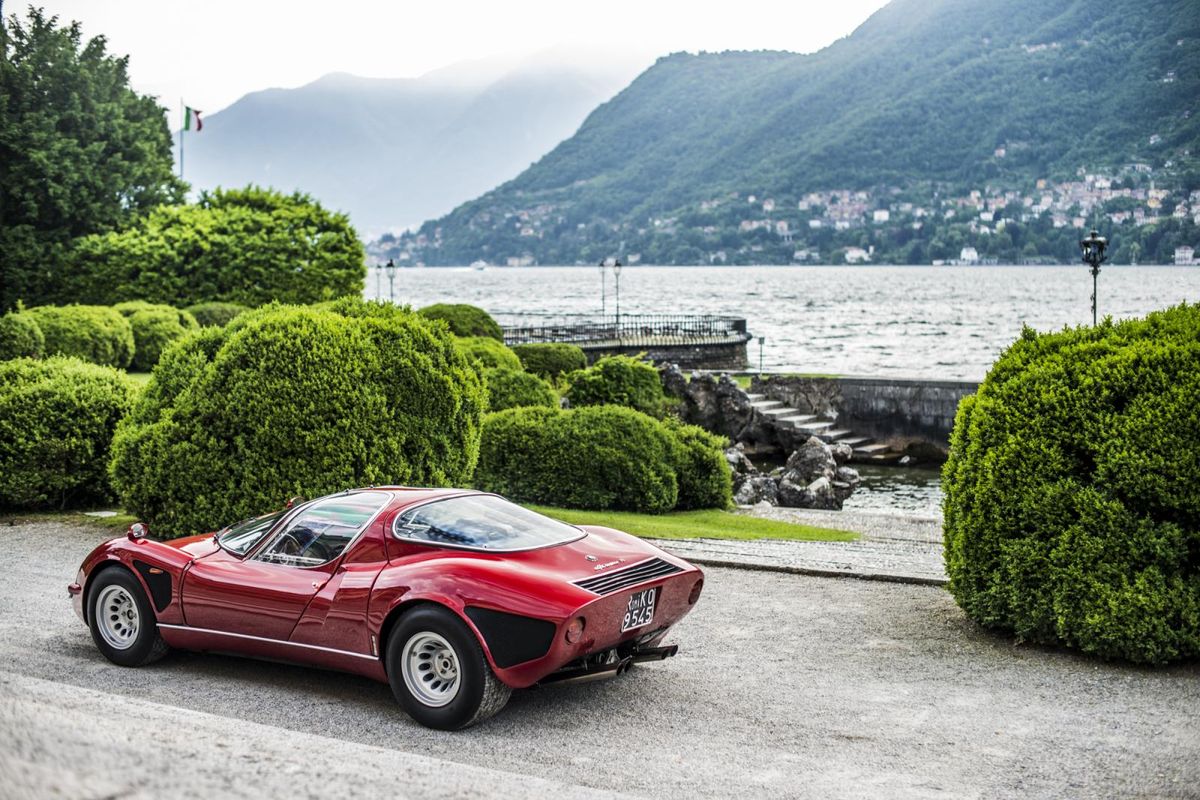
The Alfa Romeo 33 Stradale – a very rare '60s sports car.
My list kicks off with the 33 Stradale, simply for no other reason than it being – in my humble view – a piece of art… sculpture even. No ranking of the world's most beautiful cars would be complete without it. Still, there are other reasons… The Stradale was essentially a roadgoing version of the successful Tipo 33 sports prototype racers and featured a mid-mounted and highly tuned 2.0L V8 that pushed out around 170kW, giving the very compact 33 Stradale a top speed of 260kph. It certainly has pedigree.
At the time of its launch in 1968 it was the most expensive car on the market and only 18 were ever made. This makes the 33 Stradale incredibly desirable and valuable these days, with estimates being around the $10 million mark. They are hardly ever traded.
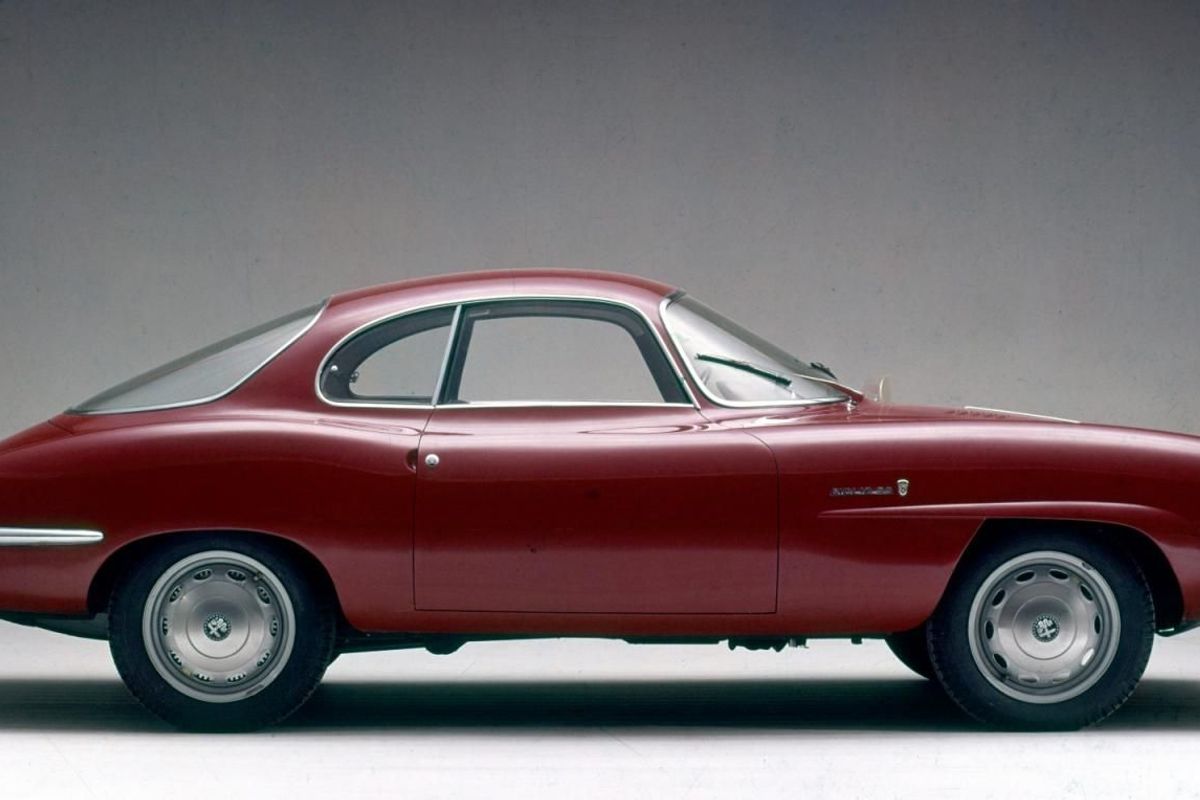
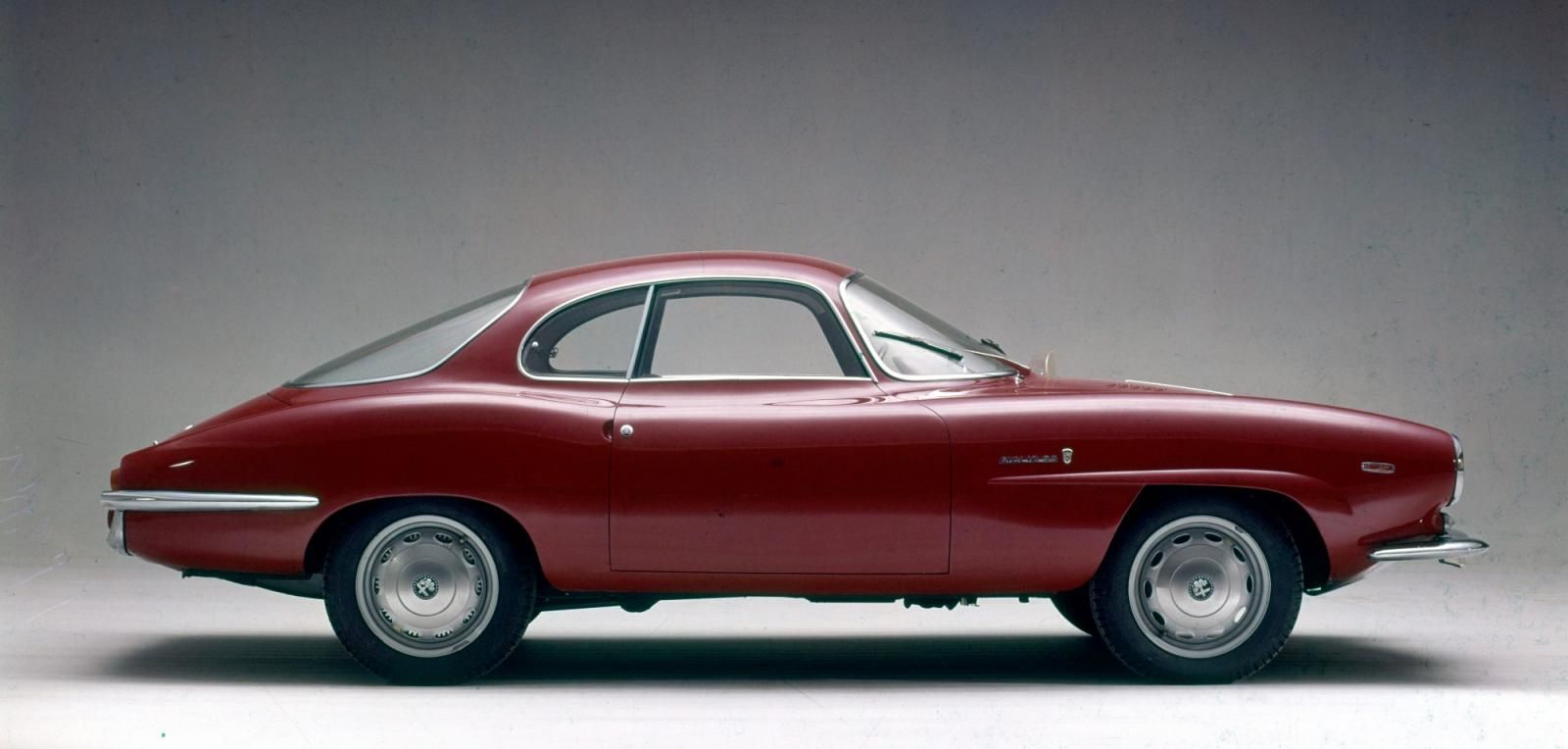
Alfa Romeo Giulia/Giulietta Sprint Speciale
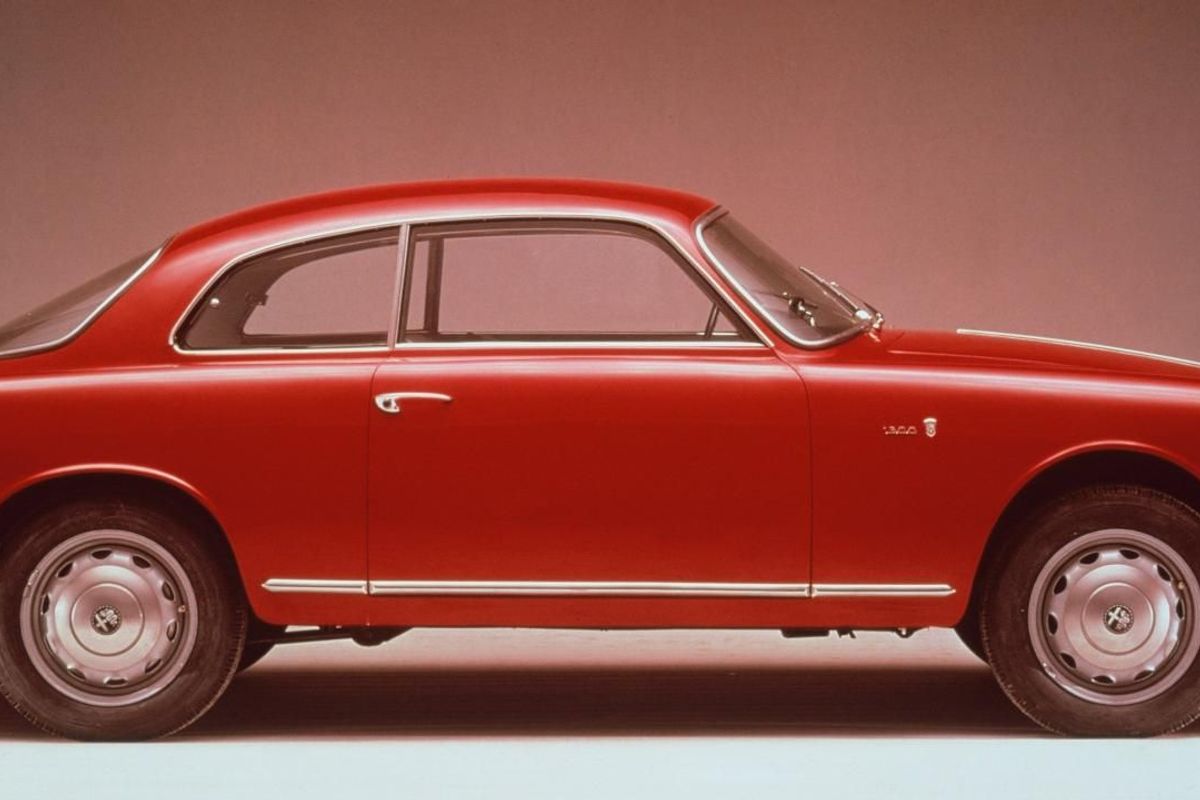
Strikingly effective aerodynamics for a car born in the '50s, Sprint Speciale boasts beautifully liquid lines.
First shown in prototype form in 1957, the Giulietta Sprint Speciale was initially built with FIA homologation in mind, and as such the first cars featured significant use of aluminium. Later mainstream production cars featured slightly revised styling and less of a focus on weight reduction, but still the zesty twin-cam 1.3L engine under the bonnet was strong enough to propel the SS's slippery shape to 200kph! The Giulietta SS boasted a drag coefficient figure of 0.28, not equalled by a production car until decades later.
Alfa Romeo upgraded the SS in 1963 by fitting a 1.6L engine and also changed the name to Giulia.
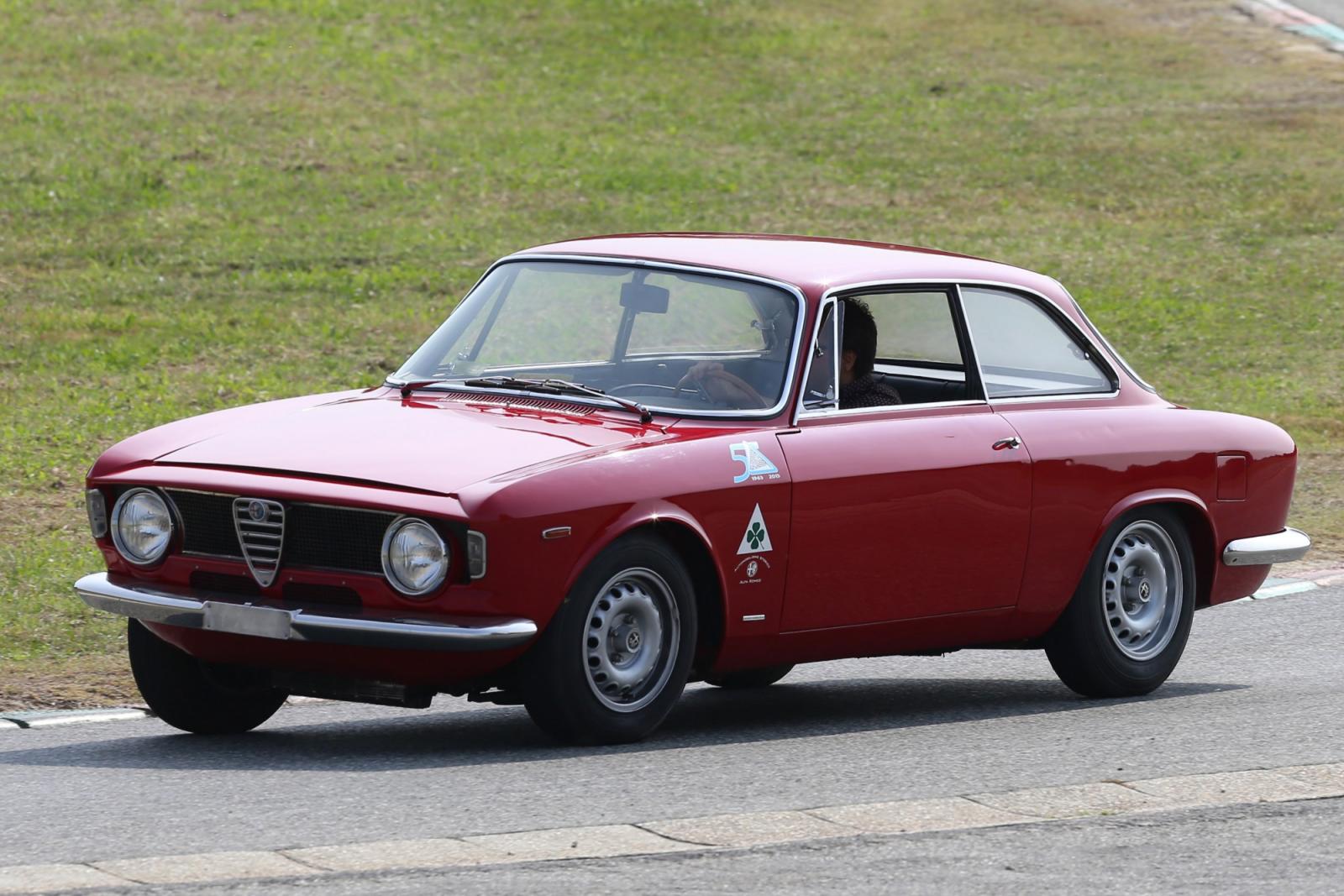
Alfa Romeo Giulia Sprint GTA
One of the great driver's cars of its era, the Giulia Sprint GTA's values have grown rapidly.
Again essentially developed for racing, the GTA was built for homologation purposes (Group 2 Touring category) and set up by Autodelta. Based on he Giulia Sprint GT, the "A" added to the nomenclature stands for "Alleggerita", which means "lighter". And it was much lighter indeed! With much of the steel in the car replaced with Peralumen 25 (an aluminium alloy), and other weight reduction measures applied, the GTA was around 200kg lighter than the car it was based on. This, combined with the revvy 1.6L twin-cam engine, gave the GTA thrilling performance and made it a dominant racer.
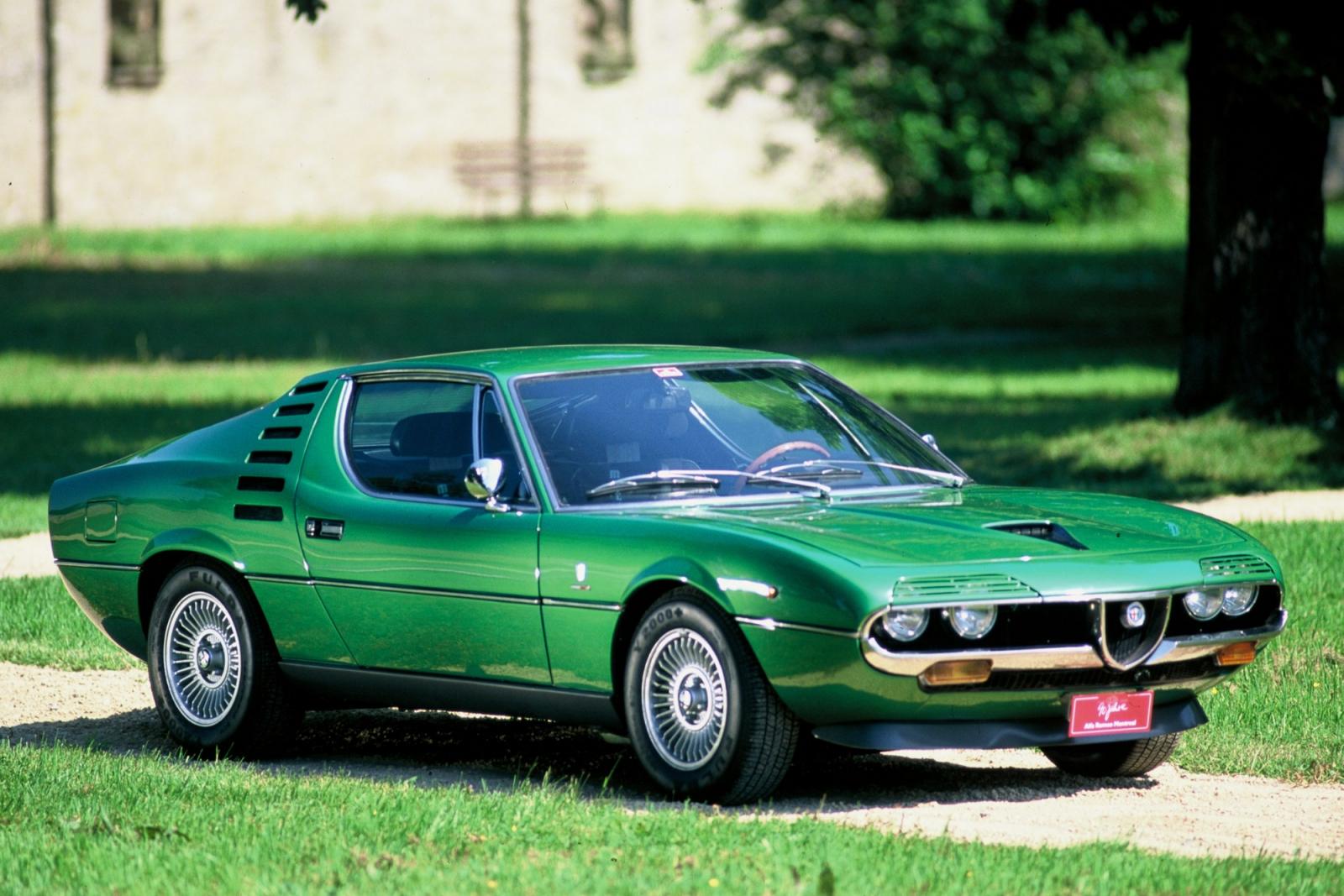
Alfa Romeo Montreal
Stunning Bertone-styled Montreal featured a 2.6L V8.
In the greater scheme of things the Montreal was neither a commercial success (3925 built from 1970 to 1977), nor did it introduce anything particularly new. It was largely based on the underpinnings of the Giulia GTV coupe and its engine was closely related to the 2.0L V8 used in the 33 Stradale, but with an increased capacity to 2.6 litres. The '70s fuel crisis arguably hit the Montreal's chances of success hard, and it cost more than a Jaguar E-Type or Porsche 911. However, it makes this list simply because of its gorgeous Bertone-penned bodywork, and because we can only imagine what that V8 sounded like when revved to 7 000rpm…
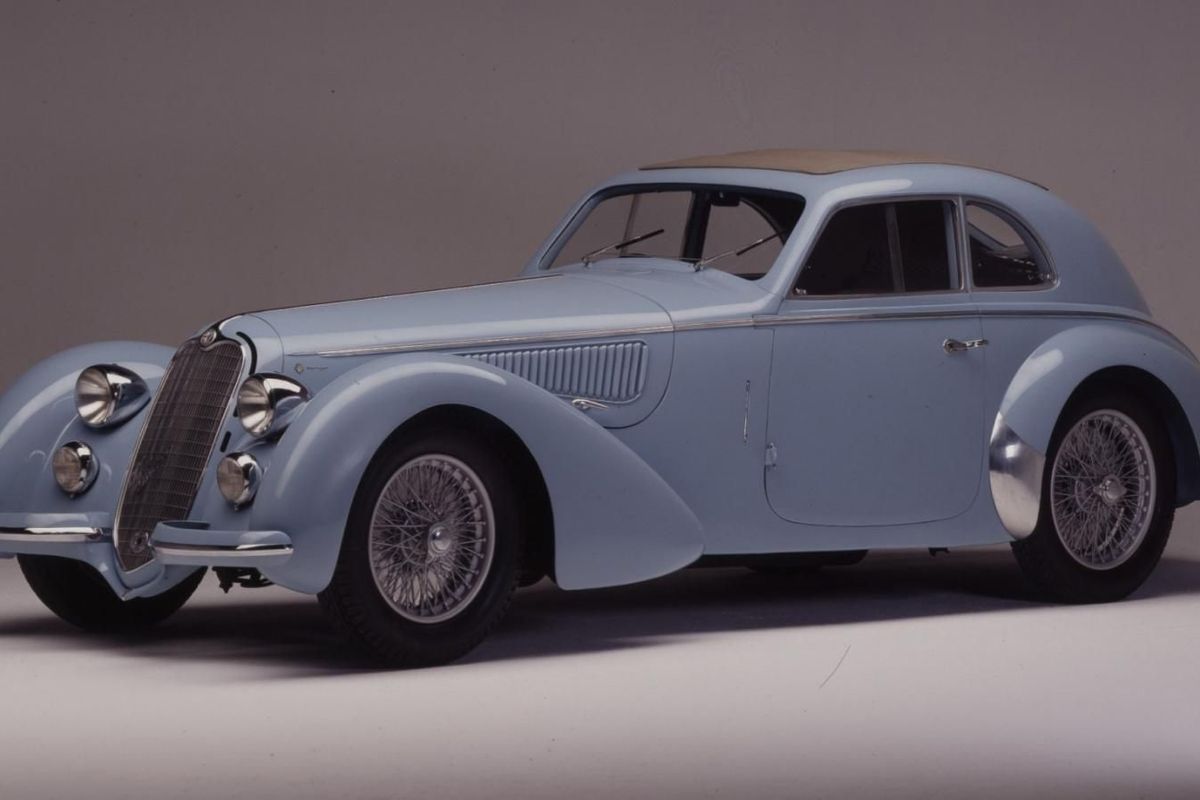
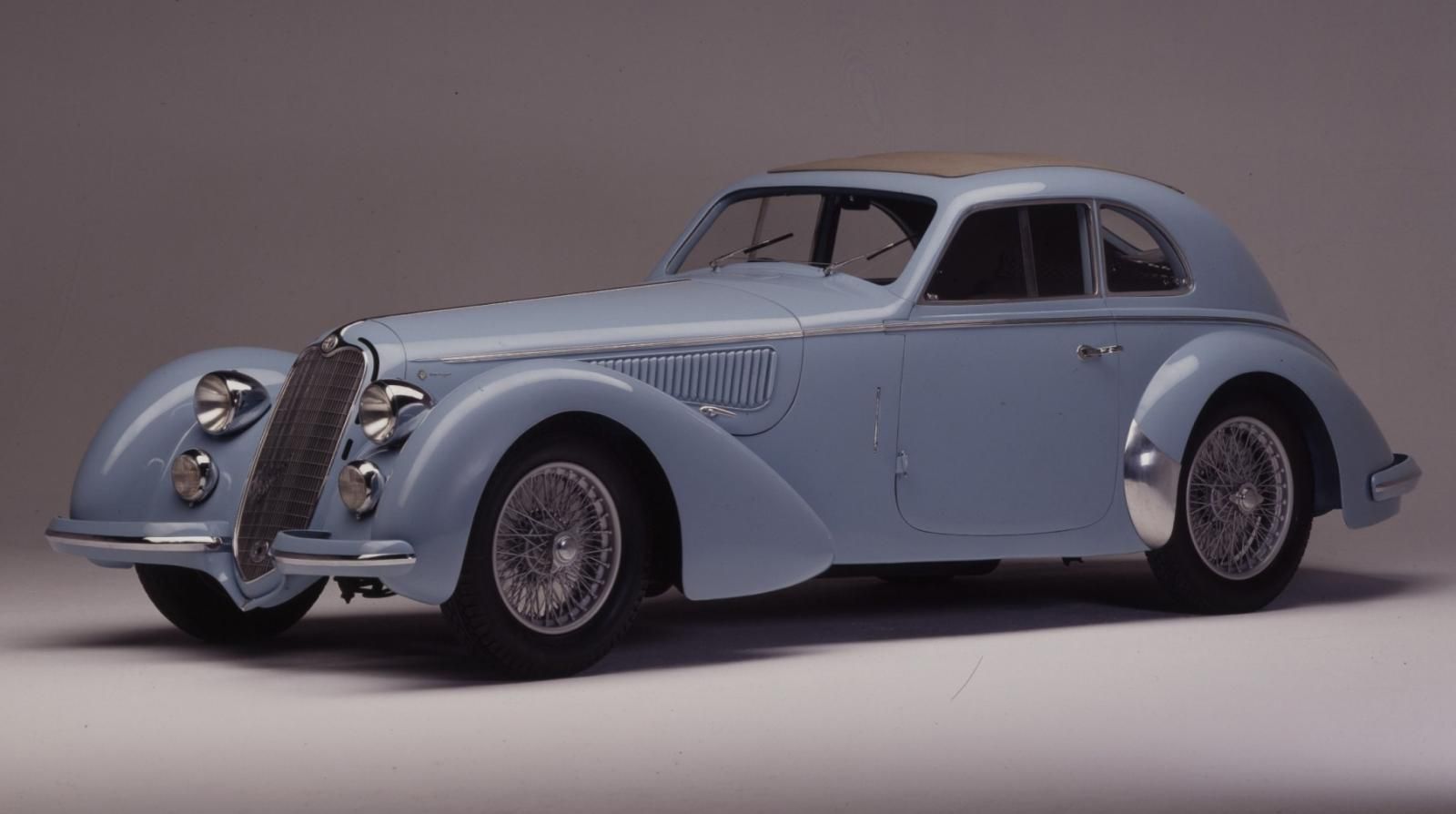
Alfa Romeo 2900 B
Beautiful but once again with a significant dose of racing in its DNA – the 8C 2900 B.
Alfa Romeo's straight-8 cylinder engine, again the work of Vittorio Jano, powered the brand to victory in numerous races in the '30s and also featured in the world's first genuine single-seater Grand Prix racing car, the Monoposto P3, from 1934. The 2.9L version of the engine used in the car above featured 2 Roots-type superchargers but was detuned for on-road use. Nevertheless, the 8C was one of the fastest and most stylish cars of its era and these days fetches obscene amounts of money on auction.
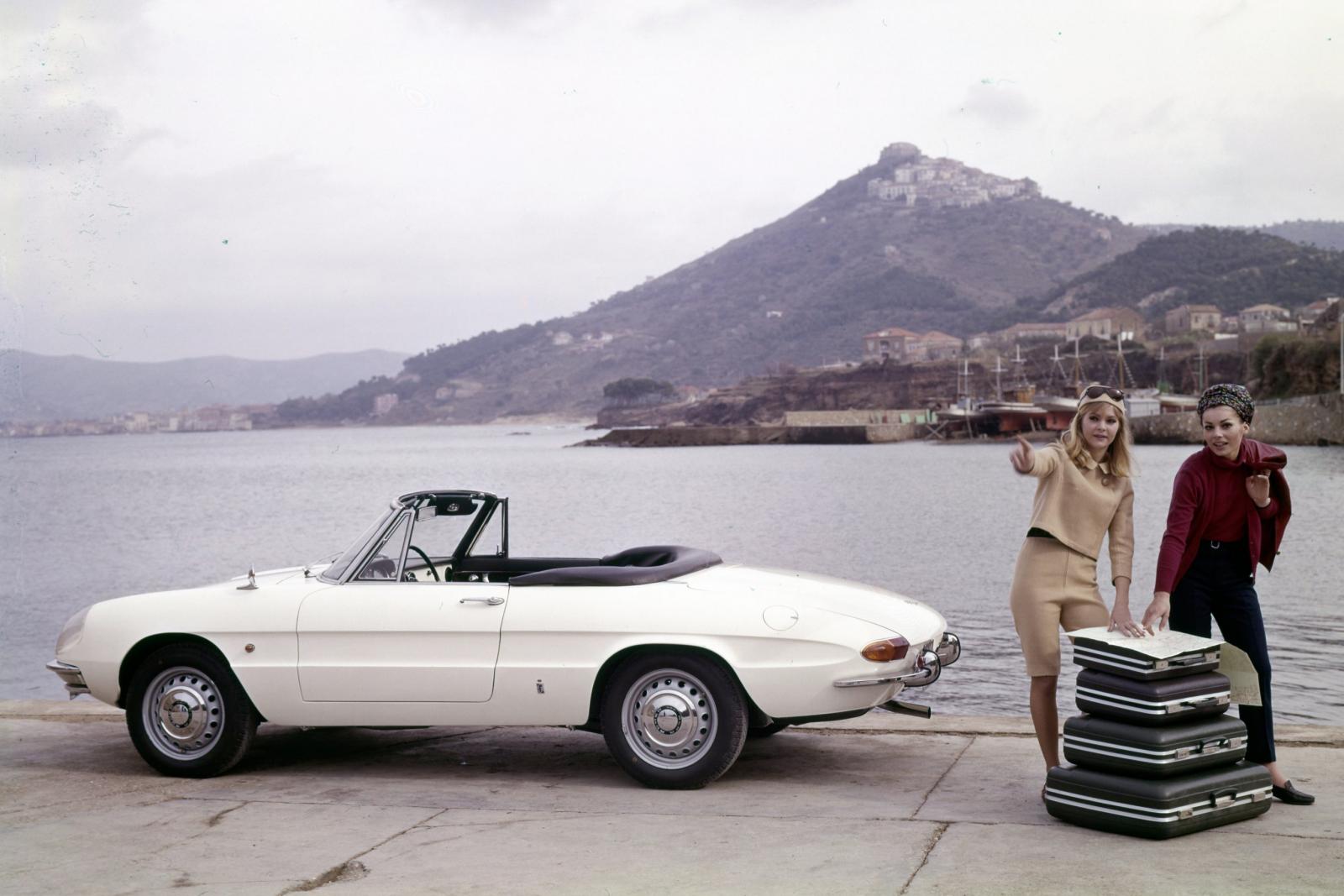
Alfa Romeo Spider 1600 "Duetto"
Probably one of the most recognisable Alfa Romeos to non-Alfisti, the famous Spider had a long and successful model life.
Alfa Romeo replaced the gorgeous Giulietta Spider with this, the famous Spider 1600 "Duetto" in 1966. It ended up having a very long model life (1966 to 1993) though received numerous facelifts and upgrades. The most beautiful version, however, remains the original boat-tail model penned by the great Battista Pininfarina (his last work). The car was propelled to world fame by the movie The Graduate, starring Dustin Hoffman and Anne Bancroft. In the movie the Spider symbolized the "Made in Italy" concept, and it remains a powerful image of its land of origin to this day. More than 120 000 Spiders were produced in its nearly 30-year model life.
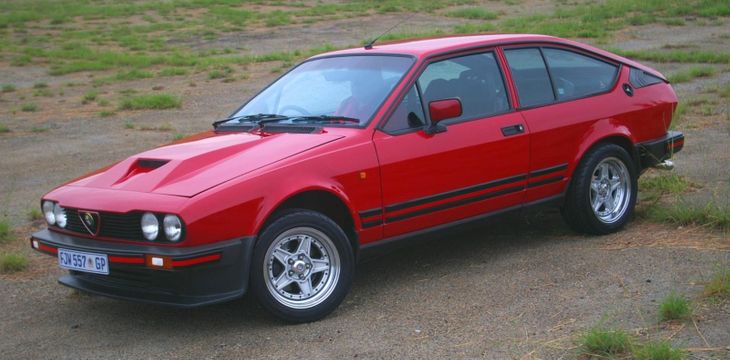
Alfa Romeo GTV6 3.0
A South African special, the GTV6 3.0 was, at the time, the fastest production car on local soil.
Now let's look at something homegrown and rather special, the legendary GTV6 3.0. A uniquely South African development, the GTV6 3.0 was born with the single purpose of winning on local racetracks where it competed against BMW in Group One racing. It was built in very limited numbers (just over 200). Powered by a 3.0L V6 even before Italy offered such an engine, the GTV6 3.0 had enough grunt to achieve a top speed of over 220kph and to blast to 100kph in around 8.3 seconds. These days it's a rare collectable.
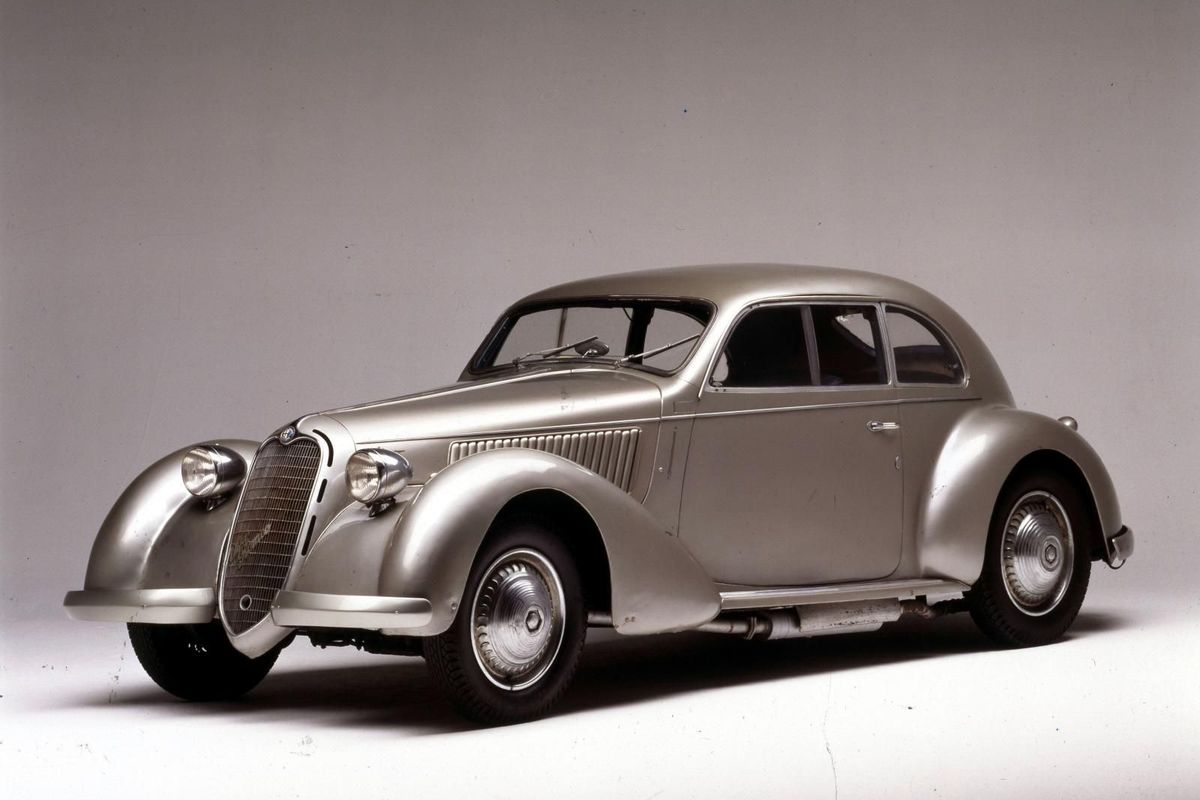
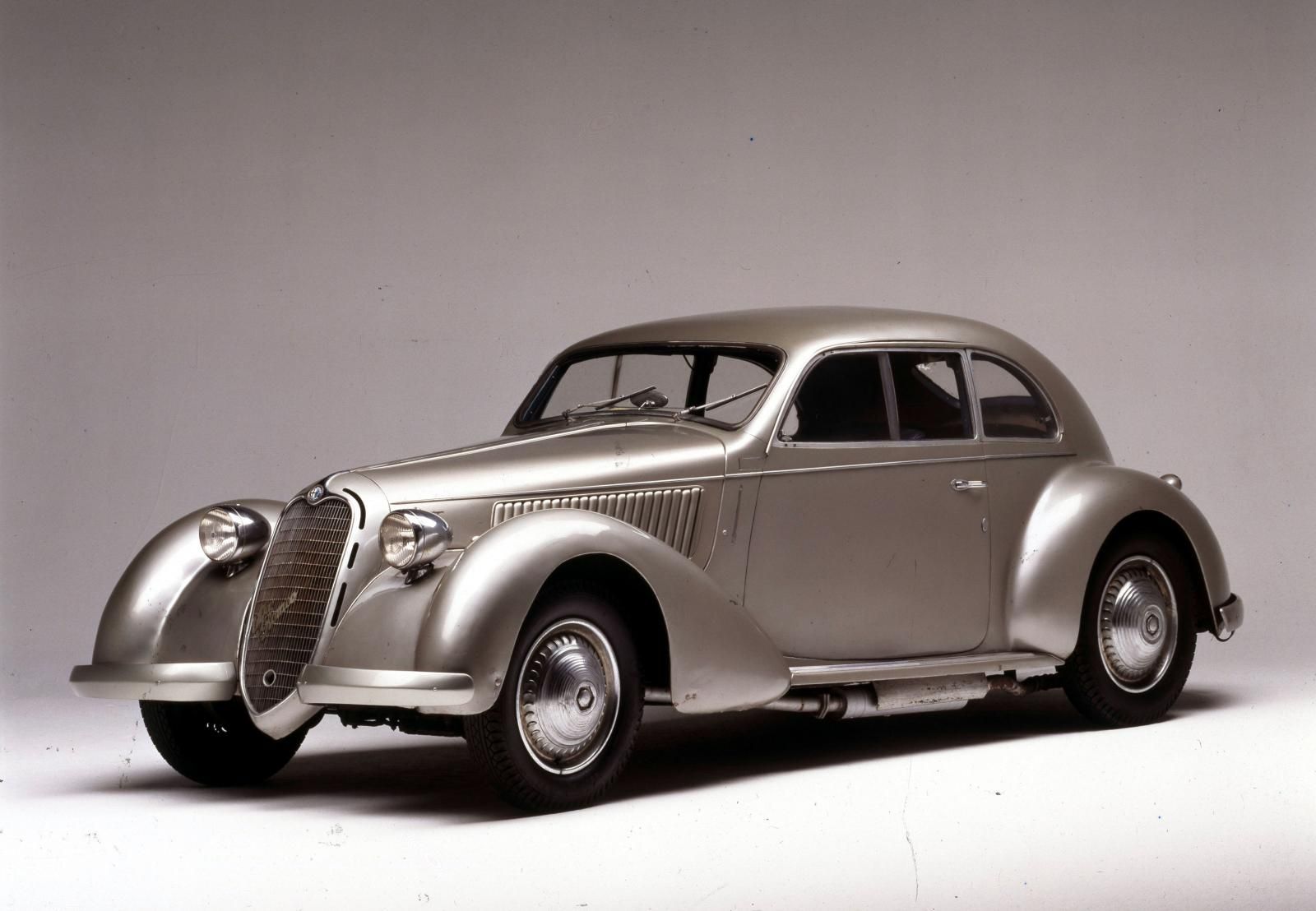
Alfa Romeo 6C Mille Miglia
The '30s 6C cars were developed to be more affordable alternatives to the 8C.
Yes, in the greater scheme of things the first-generation 6C cars also deserve a spot on this list. In fact, the first run of '30s 6C cars still used the chassis of its illustrious predecessor, but just look at the flamboyance and style of this Touring-bodied "B" chassis car. It was developed by the legendary Vittorio Jano as a more affordable alternative to Alfa's flagship 8C, and featured a brand new 2.3L 6-cylinder engine. The emphasis was on comfort and style, but the 6C 2300 also did well in the races, including at the 1937 Mille Miglia.
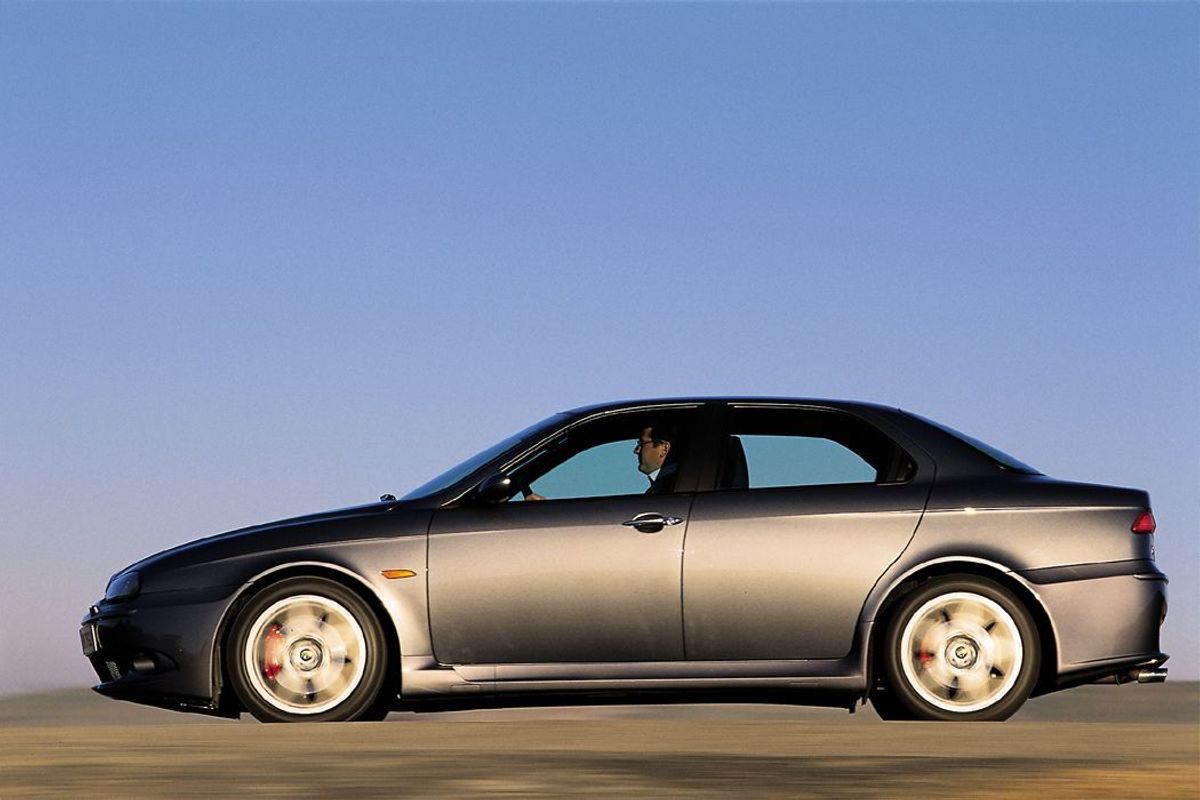
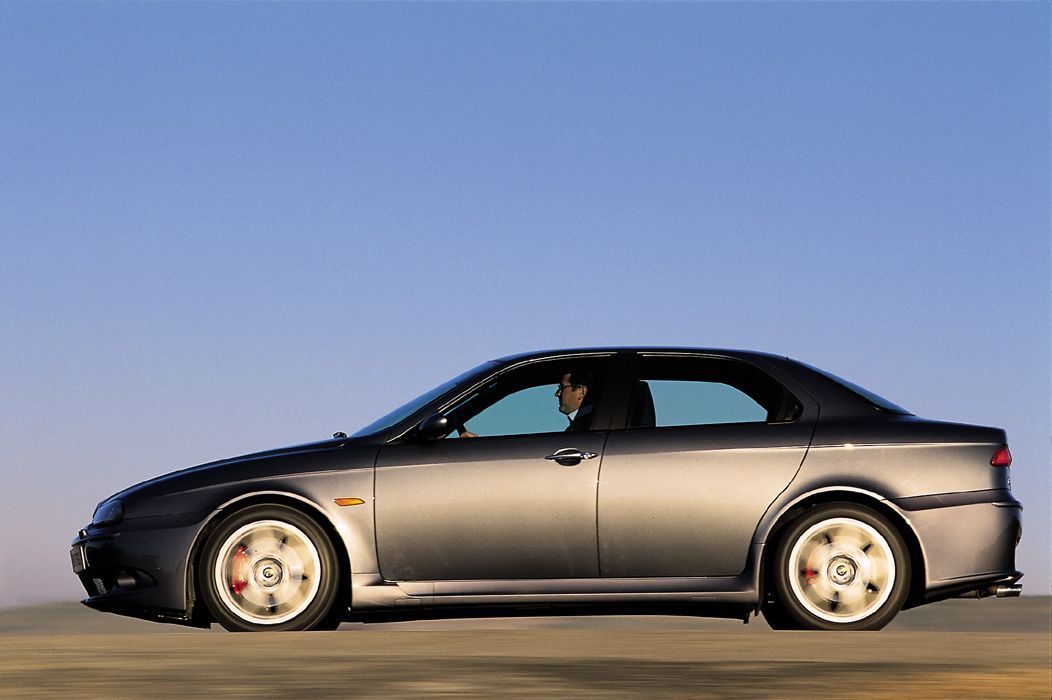
Alfa Romeo 156 GTA
In the late '90s the critically acclaimed 156 provided a glimmer of hope for Alfa Romeo.
There have been several cars in the past 3 decades that have been tasked with "saving" Alfa Romeo (the latest Guilia and Stelvio are also examples), and the 156, launched in the late '90s, was just such a vehicle. It simply had to succeed, and happily it was one that Alfa Romeo smashed out the park. It won the European Car of the Year title the year after its launch, and had (by Alfa's standards) a long and commercially successful model life.
The high point of the 156's development was of course the GTA, powered by the glorious Bussone 3.2L V6 engine. As far as "modern" Alfa Romeos go, it doesn't get much better than the 156 GTA, seeing as it managed to combine everything that made the brand so desirable, a stunning engine, enthralling drive and gorgeous looks courtesy of none other than Walter de Silva.
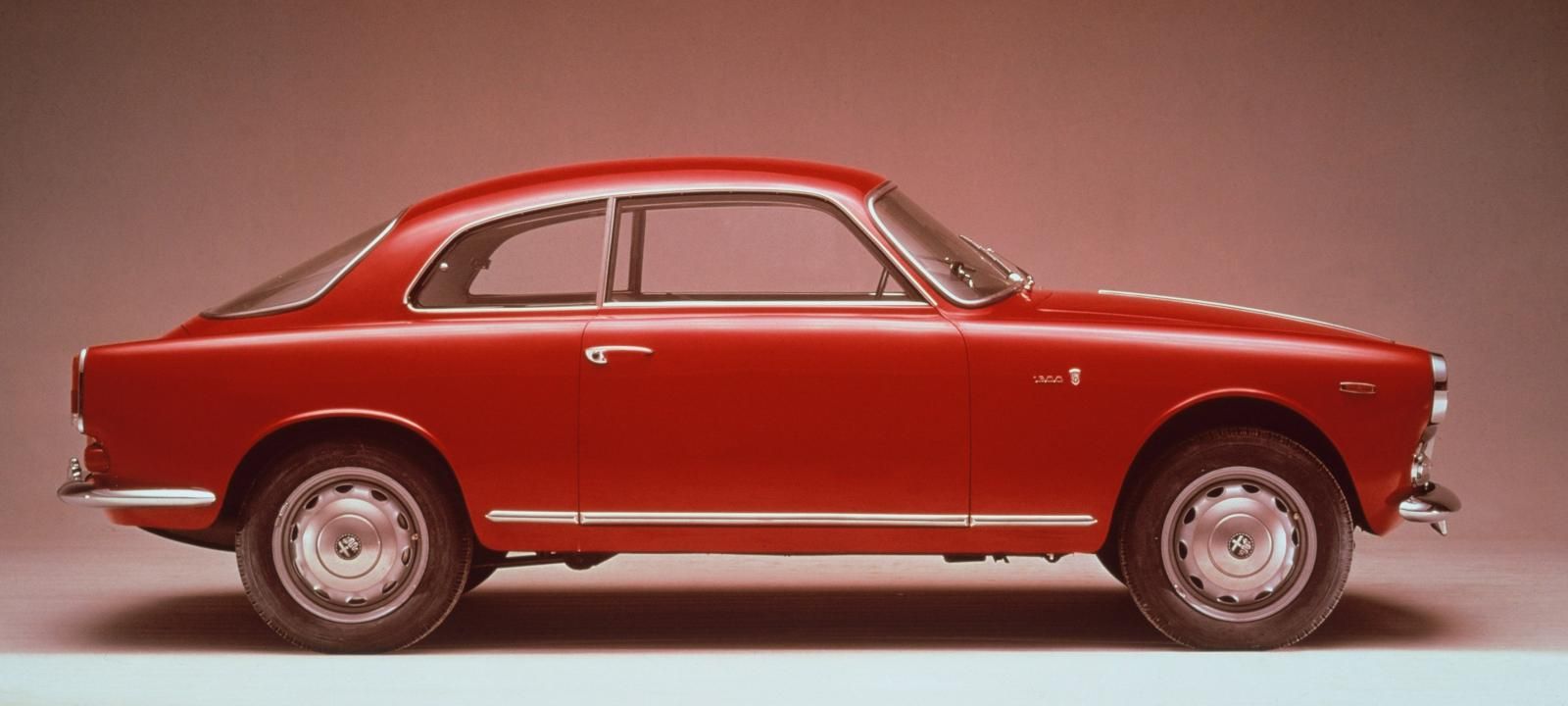
Alfa Romeo Giulietta
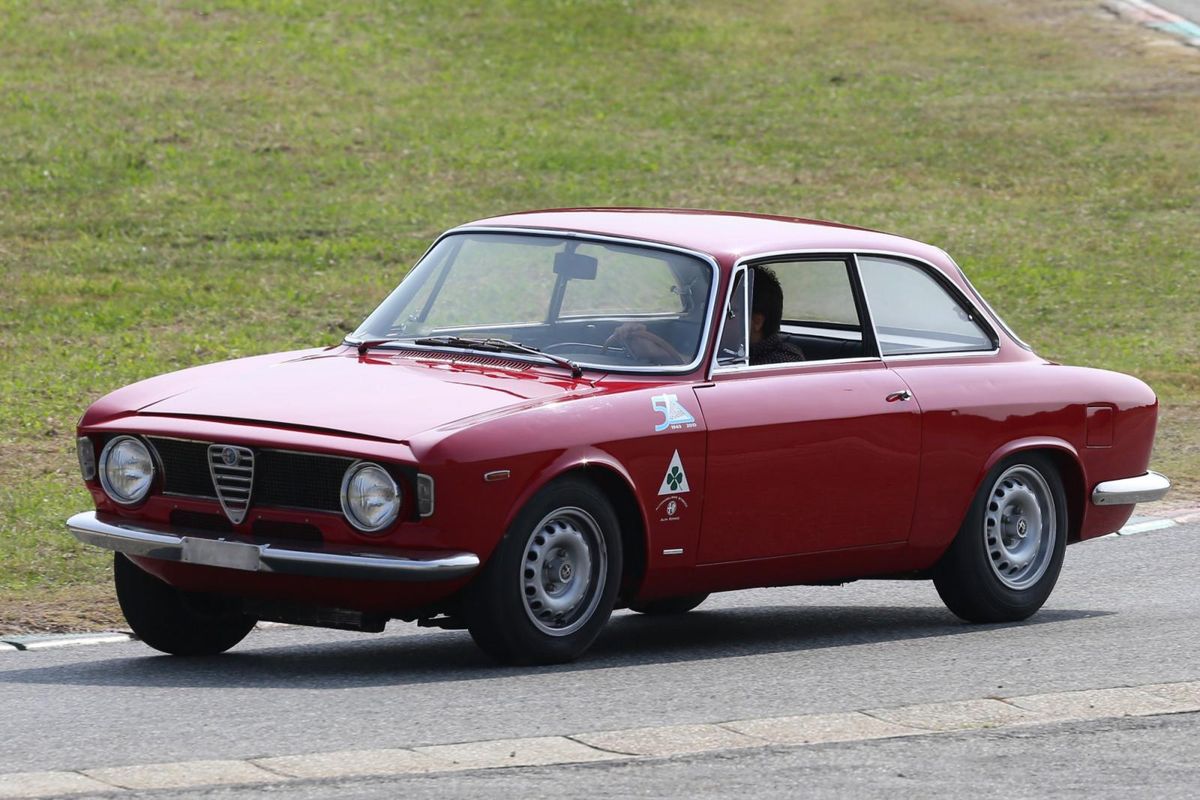
The Giulietta was Alfa Romeo's first successful small car.
Introduced in 1954, the Giulietta was Alfa Romeo's first commercially successful foray into the small car category. It was introduced first as the 2+2 Sprint Coupe (pictured above), powered by a 1300cc engine, and the sedan followed a year later. The Sprint, by the way, was designed by none other than Franco Scaglione of Bertone and was actually produced by the coachbuilder for Alfa Romeo. Nearly 180 000 Giuliettas (all body types) were produced in its 11 year model cycle.
Explained: Warranty vs Service Plan vs Maintenance Plan
If you are interested in buying a car that is new (or nearly new), there is a good chance that it will be covered by a warranty (of some kind) and possibly a service plan or maintenance plan (or balance thereof). These protect owners against unforeseen failures (and associated repair costs), but there are subtle differences between them.
A few years ago, motor management product company MotorHappy conducted a survey in which they discovered that 85% of South African motorists rate their understanding of their vehicles' after-sales plans as 2 out of 10 (one being defined as no understanding and ten being highly understood). It's staggering to think that out of 900 motorists, 50% didn’t know which plans their cars had or were unsure of what kind of after-sales support those aforementioned plans provided. And that statistic applies across the spectrum: it is not limited to gender, province or race.
With that in mind, it is clear that we need to familiarise ourselves with what it is we are signing up for.
What is a warranty?
Charl Grobler, manager of marketing and product planning at Suzuki South Africa, describes a warranty in an easy-to-understand way. He says: “A warranty is a manufacturer’s promise that the machine they’re selling you won’t give you problems, and they’ll cover it if it does…in other words, it is the manufacturer’s stamp of approval.”
In order to preserve your car's warranty, all repair, service and maintenance work must be carried out by franchised dealer workshops.
Before we discuss this topic further, note that virtually every vehicle is sold from new with a warranty that allows its owner to claim against the vehicle's manufacturer for failures or malfunctions that occur (during normal, general use) within a certain period or mileage limit (if something breaks unexpectedly, the dealer's workshop must repair it at no cost). The warranties only remain valid if vehicles are serviced or repaired by franchised dealers (those officially authorised to sell/maintain a brand's products) to prescribed specifications at preset time/mileage intervals.
Most manufacturers offer general warranties (that cover every aspect of the car, usually bar its tyres and sometimes friction material that can wear down prematurely due to hard use, such as brake pads and clutch components. However, some stipulate warranties for the body and paintwork separately (usually limited by a time period) and some, but not many, distinguish between plans that cover general failures and mechanical ones.
Here's an example. Hyundai was the first manufacturer in South Africa to offer a warranty as long as 7 years or 200 000 km, which of course appeals to many customers. But does it actually cover everything you expect? Well, Hyundai says that, in the engine, items such as the timing chain, cylinder block, head gasket, cylinder head and crankcase, to name a few, are covered. The turbocharger, water pump, flywheel and engine mountings also fall under the warranty, while the pressure plate and the torque converter are also covered in the manual and automatic gearboxes.
Warranties cover you against mechanical failures within a preset mileage/time period, unless they occur as a result of abuse.
Several other components in the transmission are also covered by the warranty, including the transfer case, universal joint, prop shaft, axle shafts, constant velocity joints and front and rear differentials. Front and rear hub bearings are also on the list of parts that enjoy the 7-year warranty cover.
However, steering components including the steering pump, suspension parts, all braking components, the exhaust system and electrical parts such as alternators and starter motors are covered by the general 5-year/150 000 km warranty, as is any other component of the car that could break or malfunction during the period. In other words, the last 2 years or 50 000 km of Hyundai’s big offer covers "major" mechanical failures only.
Lastly, note that warranties do not cover normal wear and tear, environmental damage (such as dents, dings, stone chips to the paintwork and cracked windscreens), damage due to natural disasters or hail, fire, damages that occur due to negligence, accidents or collisions.
Understanding the difference between minor and major services will take the stress out of budgeting for future vehicle maintenance.
What is a service plan?
A service plan covers all the costs involved with the regular servicing of your car as stipulated by the manufacturer. As Grobler explains: “A service plan pays for your car’s services – the labour and standard parts.” In other words, it covers the cost of all services done either annually or at a certain mileage for a particular period (the length of the plans depend on respective manufacturers and, often, the price class of the vehicle).
MotorHappy states that a common misperception is that a service plan is completely comprehensive. “If there is a ‘clink’ or a ‘tuk-tuk-tuk’ coming from your car, chances are that it’s not included in your service plan… if it occurs once the vehicle's (previously explained) warranty has already expired, then you will have to pay the bill for repairing the problem out of your own back pocket.”
The items that need to be replaced at the time of servicing has been determined by your manufacturer in order to keep your car running optimally. It includes items such as spark plugs, air filters, oil etc. Bear in mind that some things, such as brake pads, V-belts, brake linings etc are excluded from a service plan. According to Dealer Relations Manager at Motorite, Warren Fryer, items generally not covered by a service plan include:
Internal and external trim, bodywork and paint due to normal wear and tear.
All glass, tyres, wheels, wheel alignment, accessories, electrical wiring components.
Additional maintenance that may be required as a result of the vehicle being operated in severe or unusual conditions.
Additional maintenance that may be required as a result of:
Accident, damage, abuse or misuse or consequential damage as a result of such an action.
Failure to use the vehicle in accordance with the instruction contained within the vehicle service book.
Failure to ensure that the vehicle is properly, regularly and punctually serviced in accordance with the instruction and recommendation specified by the manufacturer.
In conclusion, remember that the key to keeping a service plan valid is the same as for a warranty: an approved dealer must work on your car and parts must be manufacturer-approved. If you do not adhere to these obligations, the manufacturer will void the service plan and the warranty.
Want to make sure your vehicle will be simple to sell on one day? Uphold a comprehensive service record and ensure scheduled maintenance is carried out to the letter.
What is a maintenance plan?
This is far more comprehensive than a service plan. It covers the labour and parts costs of servicing a vehicle, yes, but also the replacement of items damaged or worn out through wear and tear. Such things include brake pads, wiper blades, globes and fuses etc. It also covers such mechanical items such as the exhaust system, the engine, the clutch, gearbox and electrical components, but not tyres, alignment or windscreens.
Many luxury vehicles come standard with 4- to 6-year maintenance plans, but if you're thinking about buying such a car second-hand, always check whether your prospective purchase's plan is still valid (and for how long it will remain so), because that cost is built into the vehicle's retail price.
Many manufacturers also provide the option to upgrade a service plan to a maintenance plan – at extra cost. But do you really need it? Well, it depends on how long you intend to keep the car and "its initial cost – an expensive car will have more expensive parts, and a maintenance plan is a good bet in that scenario," says Grobler. "Most cars have their really big service at 90 000 km – that’s when things start to fail. If you’re planning on selling your car before it hits the 90 000-km mark, you probably won’t need a maintenance plan.”
Fryer, on the other hand, suggests: “If a vehicle already has an underlying warranty and service plan, and your budget allows, you may want to consider upgrading to a maintenance plan, which ensures that most expenses in terms of mechanical breakage, service costs and wear and tear costs would be covered within the duration of the plan.” As ever, upgrade costs are based on duration/mileage and usually charged in lump sums.
Buying/maintaining an older car does not need to be financial roulette, provided you take steps to contend with potential major breakdowns.
What is an extended warranty?
Not all of us can afford to buy a new or nearly new vehicle, but if your budget limits you to buying a car with a warranty that is about to expire, that does not necessarily mean you'll have to start worrying about costly mechanical failures the moment the plan is no longer valid. You could keep some money apart for vehicular eventualities, but some manufacturers and financial institutions allow you to extend your vehicle's warranty, service or maintenance plans. Much like purchasing insurance products, the extent of the bolt-on coverage depends on how much you're willing to spend.
The most general type of extended warranty is designed to kick in seamlessly once the manufacturer warranty has expired. It covers unexpected electrical and mechanical failures, but not service and maintenance work. Think of it this way: this is the kind of warranty that you want if you want to purchase cover against really-expensive-to-fix problems such as engine/gearbox failure (especially applicable to those buying older luxury cars). Bear in mind that there can be limitations (based on the car's model, age, mileage, service and maintenance history) so, as ever, do your homework.
What if you think that your car's existing warranty is insufficient? This is where a top-up/warranty gap cover comes in handy. It covers claims for things that do not fall under the standard warranty. Think of it as Gap-Cover in the medical-aid industry. MFC, a division of Nedbank, describes it as such: “Covers the gap between your major warranty claim amount, and the amount listed in "Claim Limits" section of your underlying Policy.”
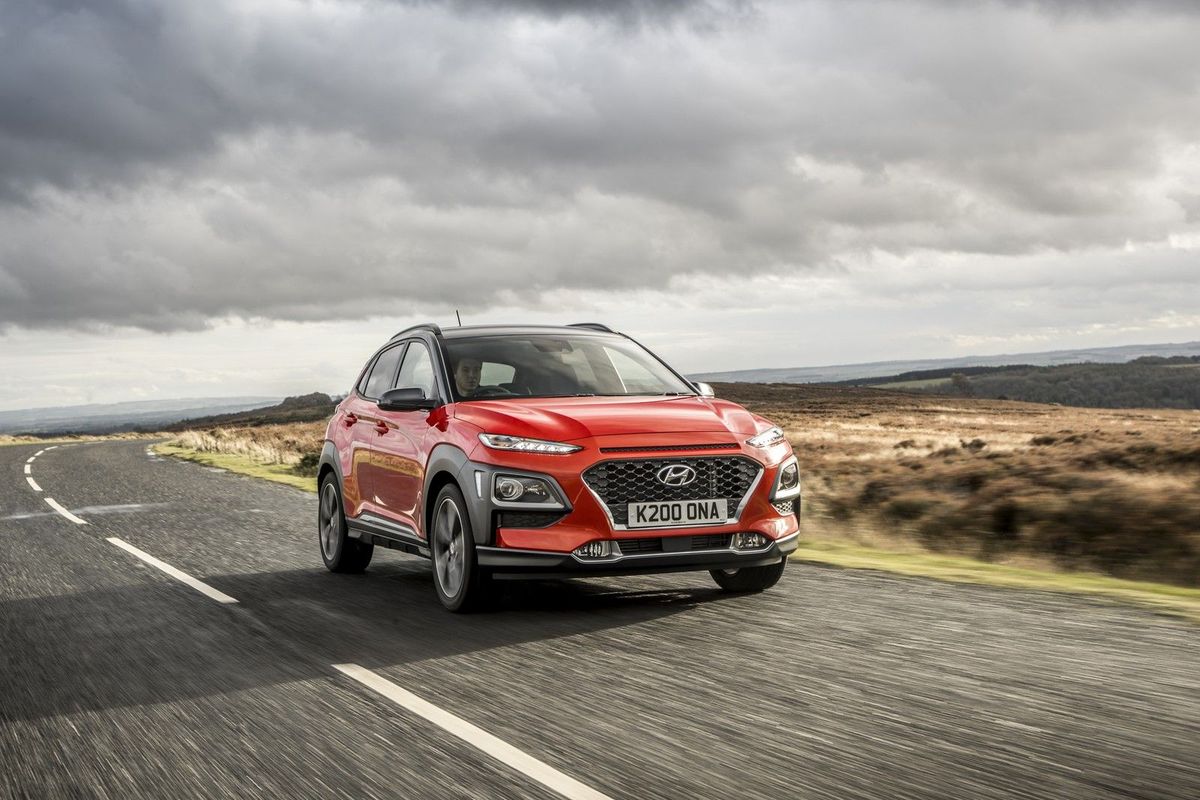
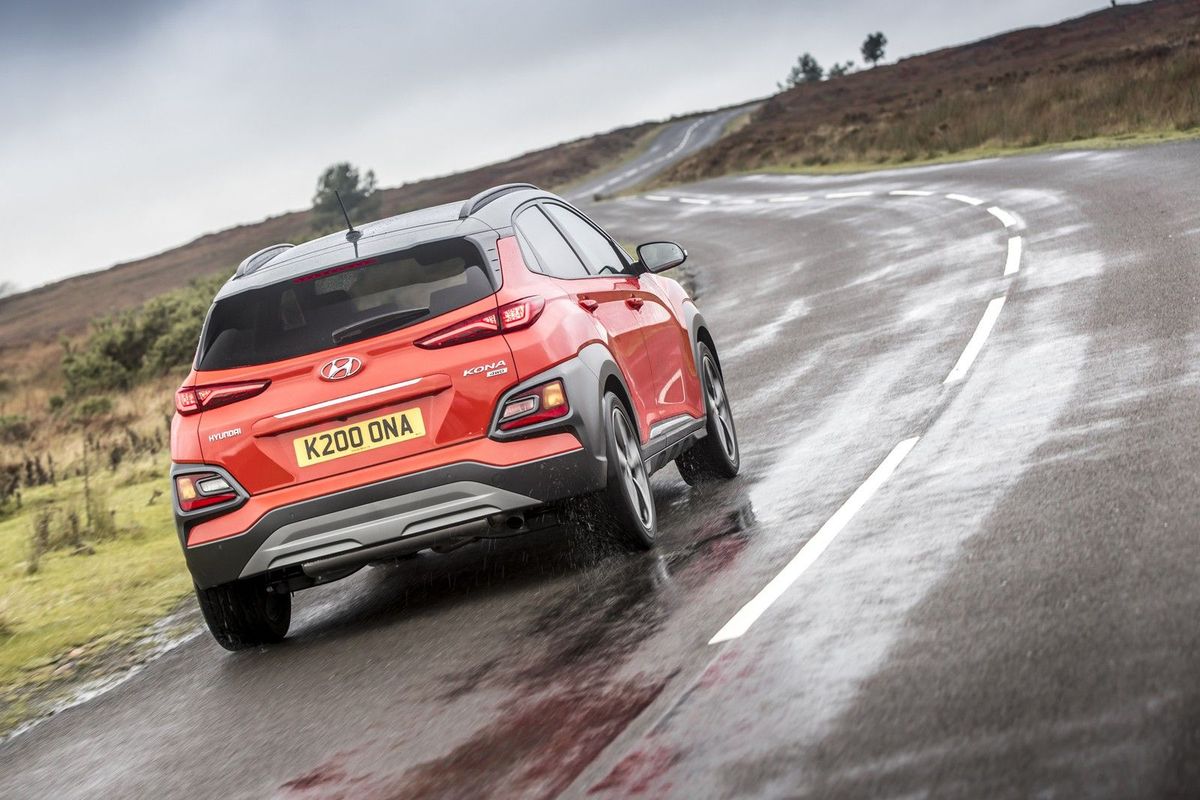
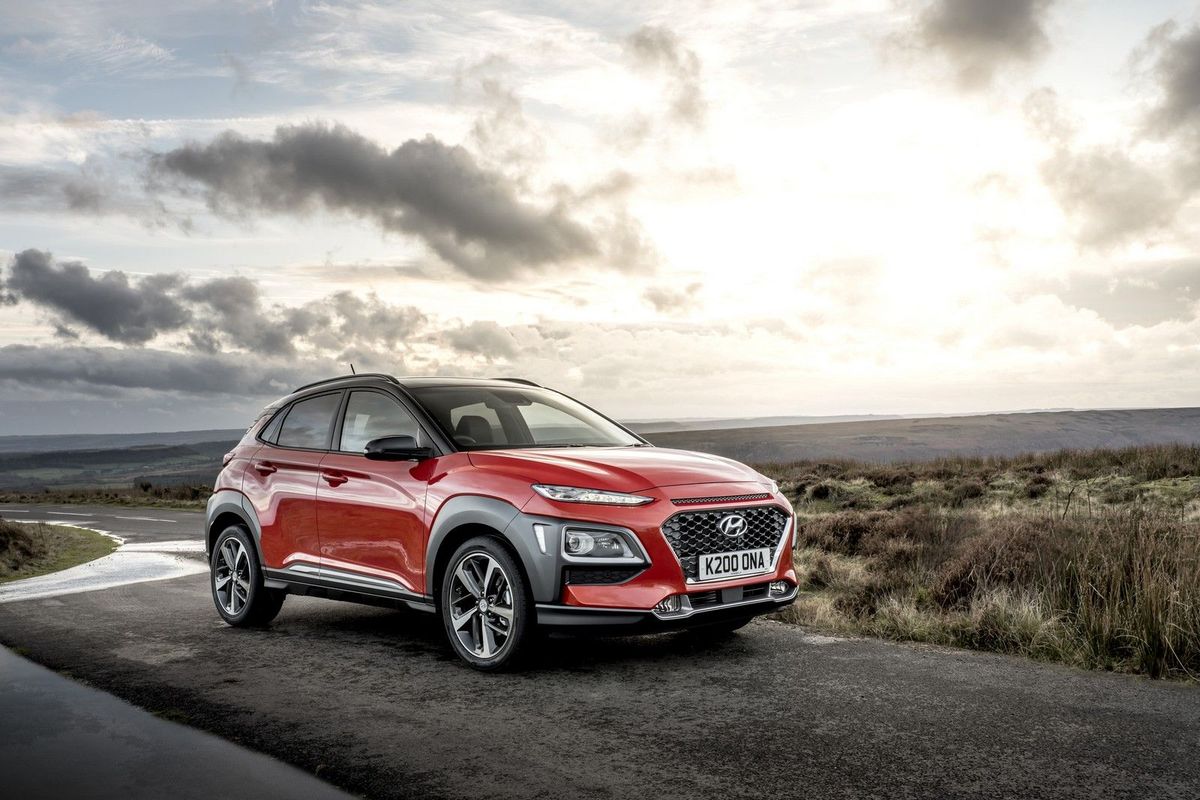
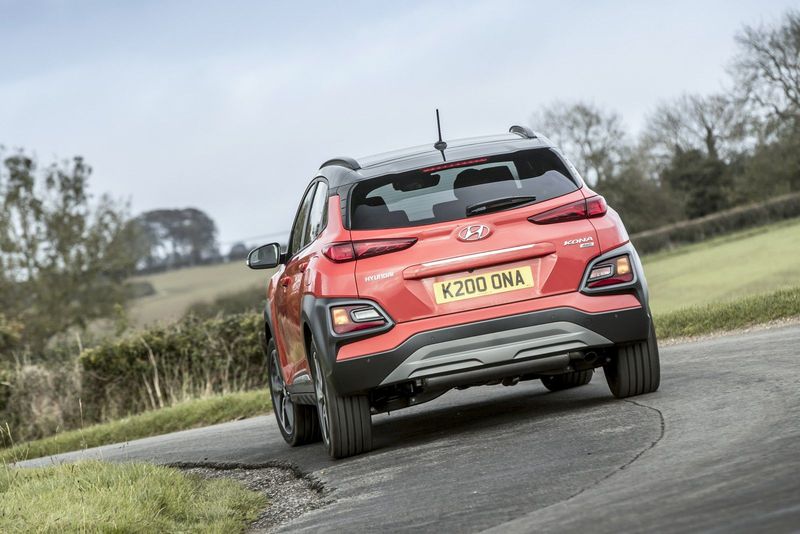
In October 2018, the Hyundai Kona will make a belated arrival in the already crowded South African compact family car/crossover segment. Sure, it’s good, but is that enough to be noticed in a game of automotive ‘Where’s Wally’? We sent UK correspondent Wayne Gorrett out for a quick test of the UK model to get an idea of what’s to come.
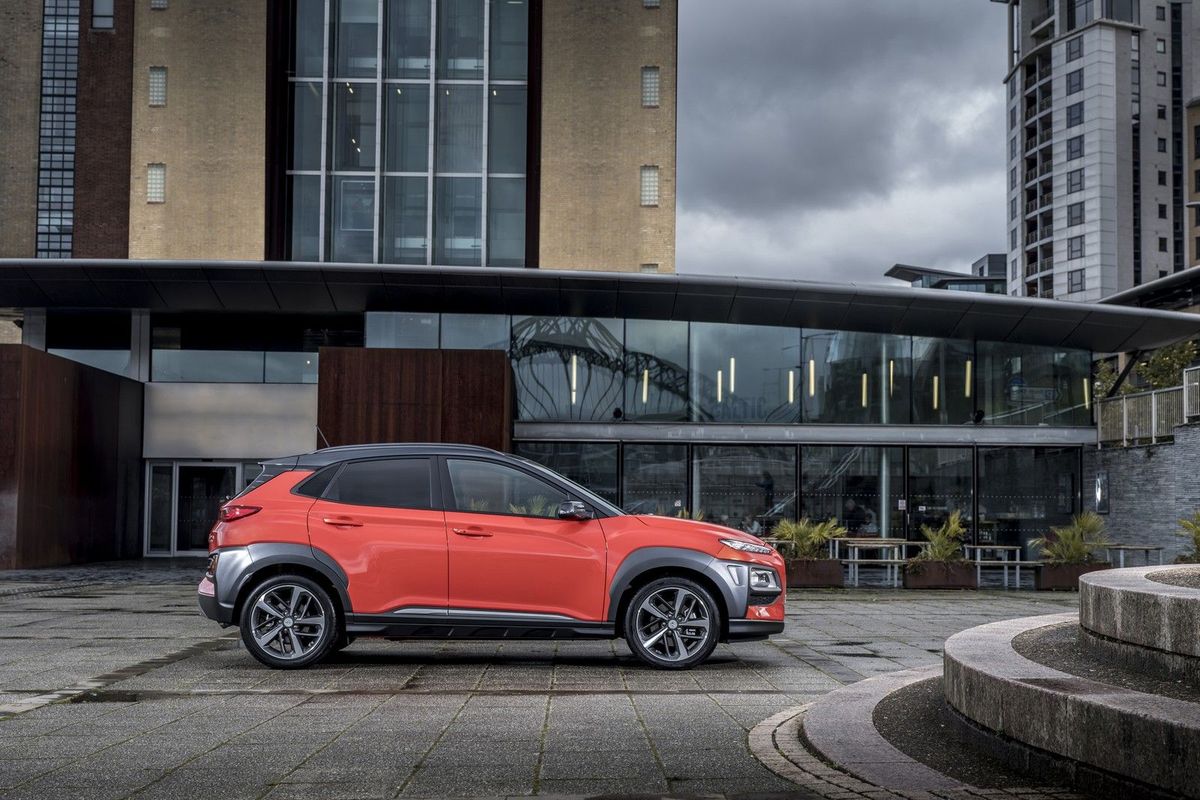
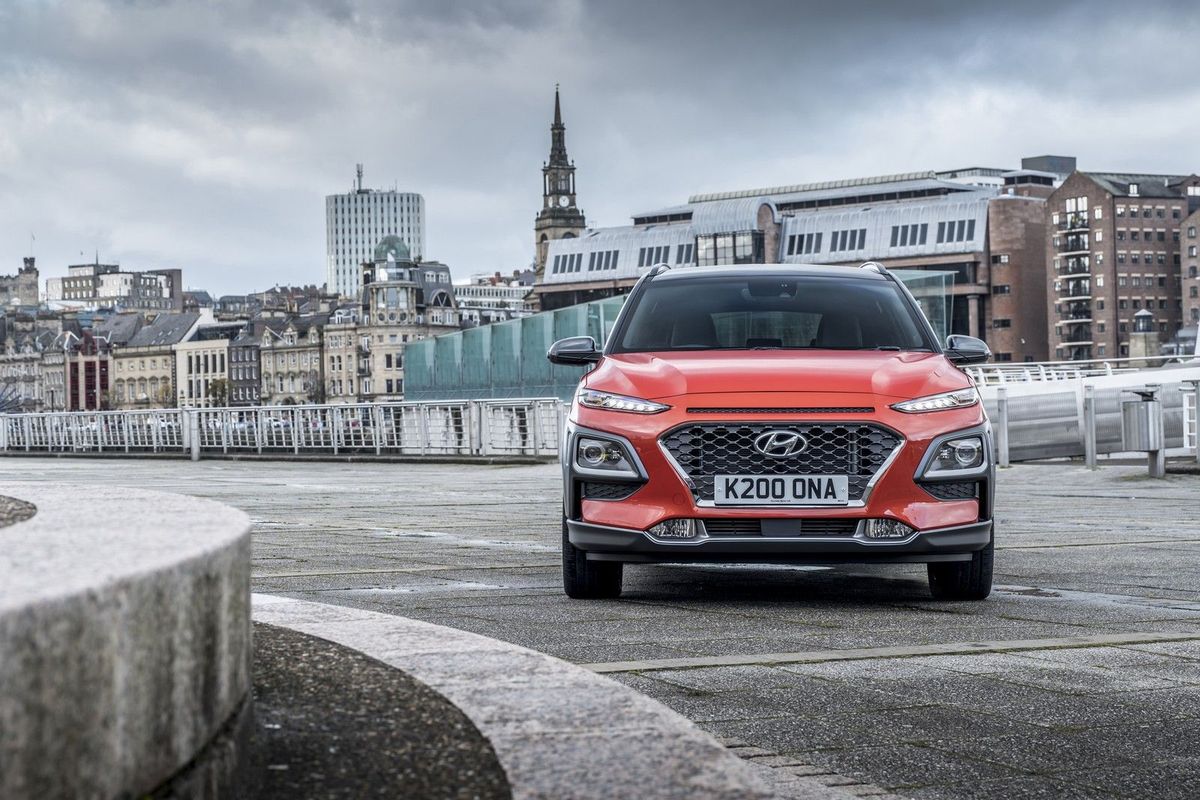
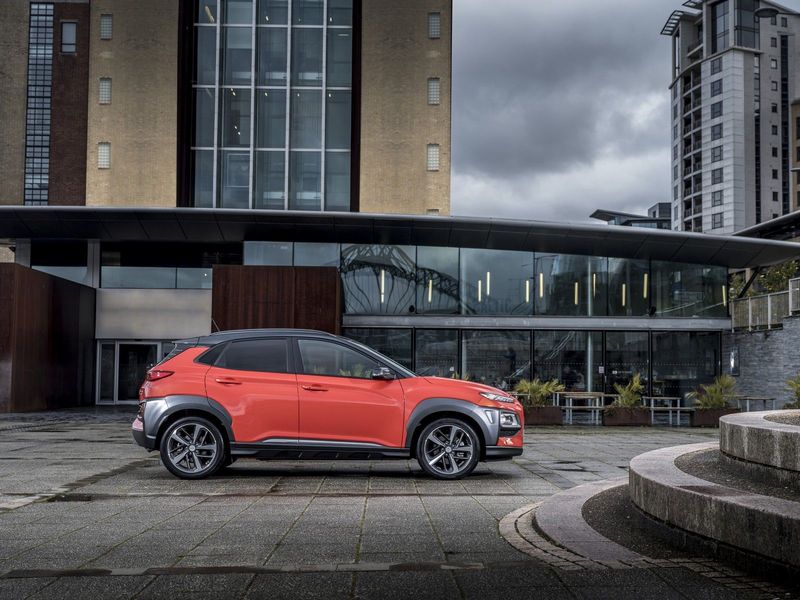
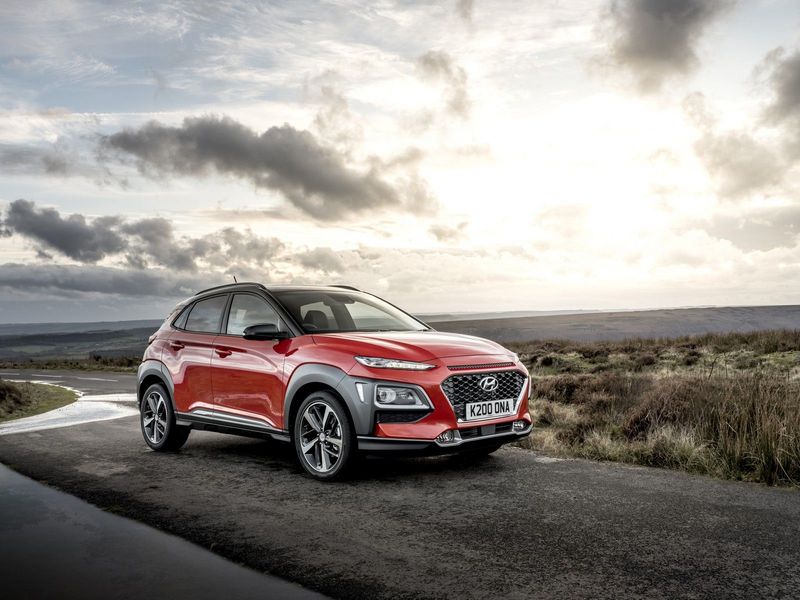
The Hyundai Kona is one of the more striking crossovers since the arrival of the Renault Captur a few years ago. Designed by Peter Schreyer, the man responsible for the Kia Stinger and the now-iconic Mk1 Audi TT, the i30-based Kona made its public debut as long ago as June 2017.
Hyundai Automotive SA has confirmed to Cars.co.za that when the Kona makes its local debut it will slot in between the Creta and the Tucson in the Korean importer’s local line-up. However, with derivatives in the Creta and Tucson ranges starting from R329 900 and R384 900 respectively, there is just a small R55 000 window in which to position the Kona to avoid clashing with its established stablemates. What are its prospects?
Exterior Styling
Plenty of black plastic cladding gives it that crossover look but it will only be available as a 2WD model in SA.
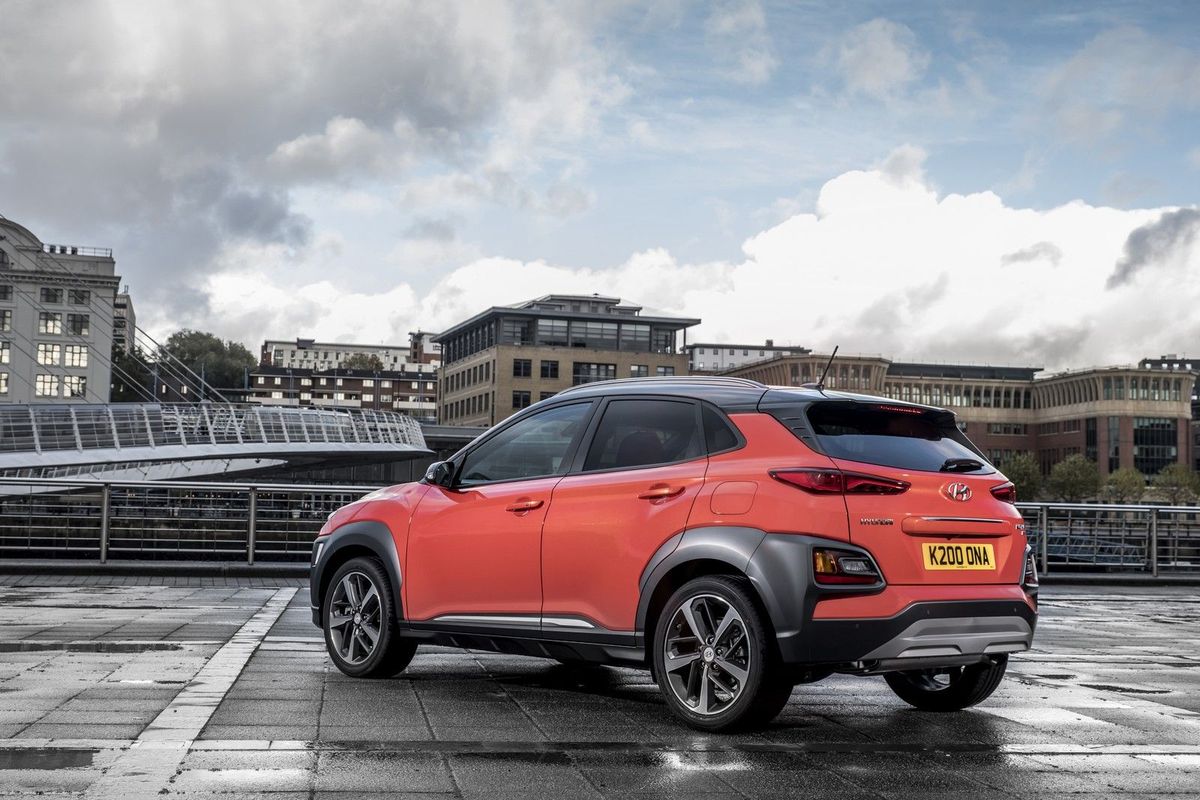
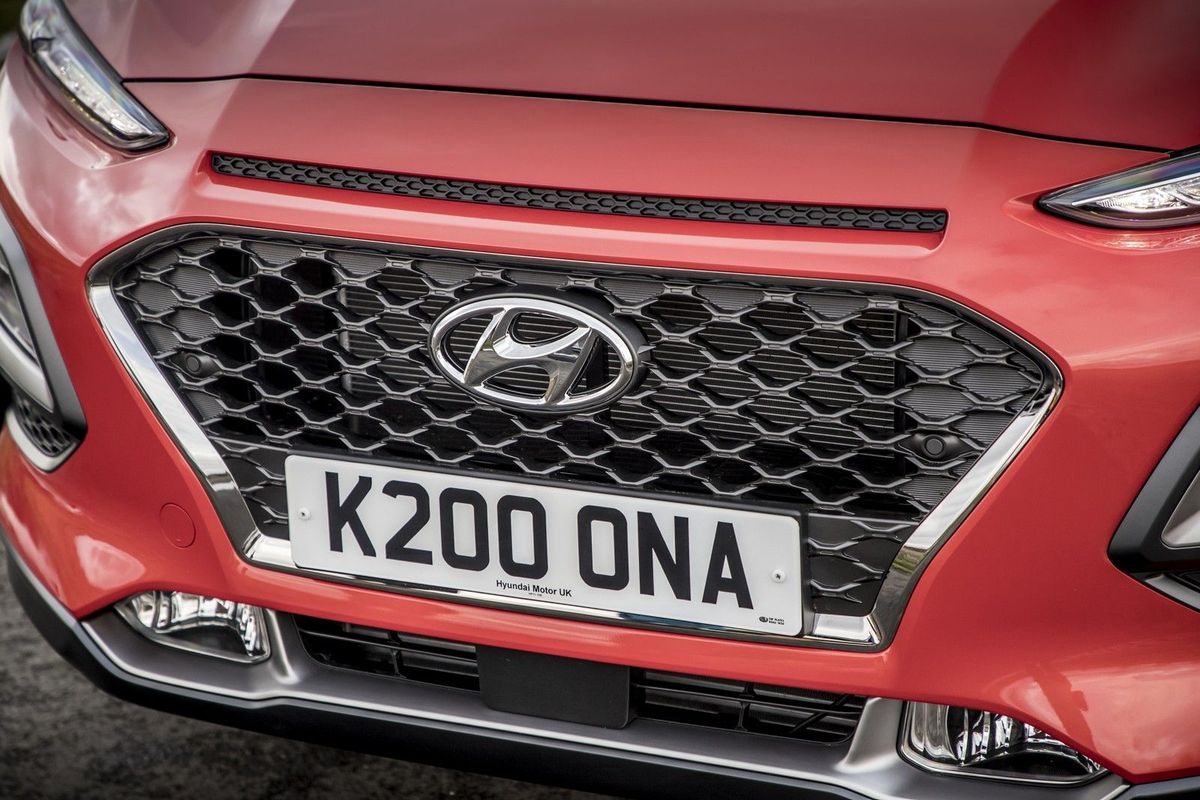
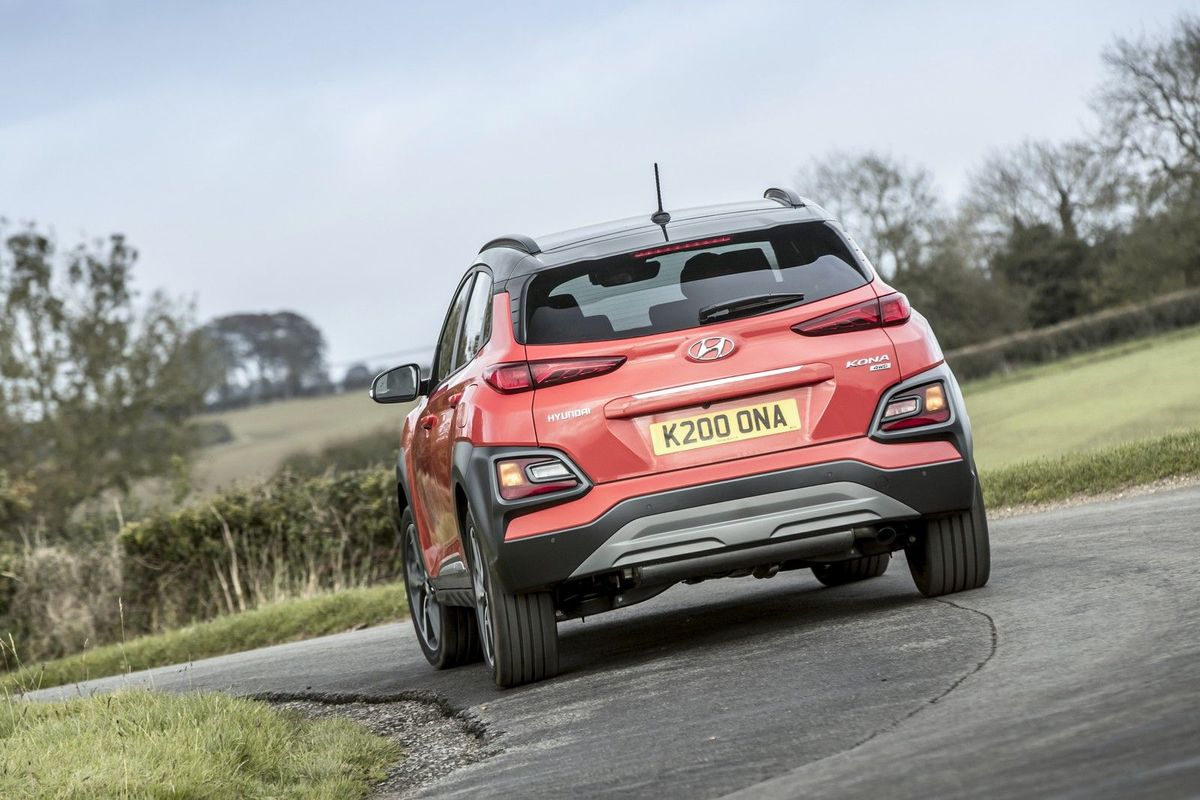
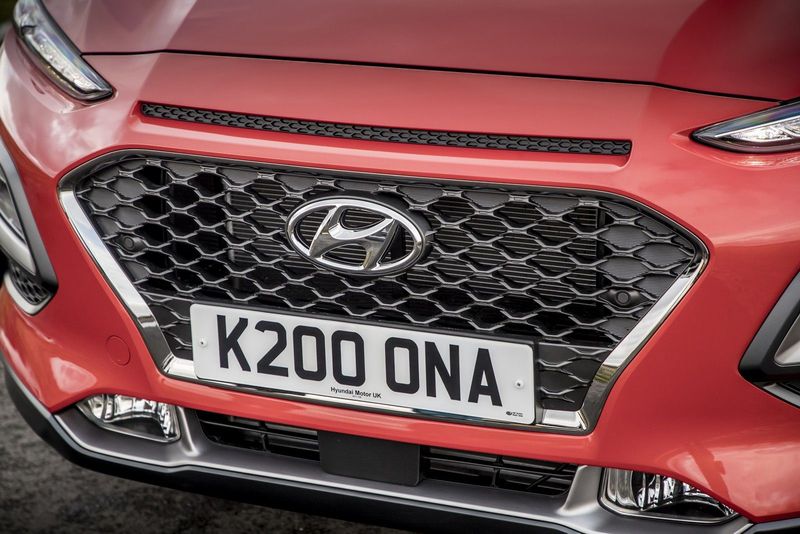
As appearances go, the Hyundai Kona stands out as it continues the current trend for dual lighting, with the LED daytime running lights sitting on top of the headlights. A roof-mounted rear spoiler complete with integrated third brake light, a pair of funky roof rails and extensive use of black lower body cladding all emphasise the robust, faux off-road look.
In the UK, the Kona is available in five neutral colours and four rather vivid colours, so your Kona can stand out even more. There are 3 contrasting roof colours and a selection of alloy wheels (ranging from 16- to 18-inch) is available.
The Interior
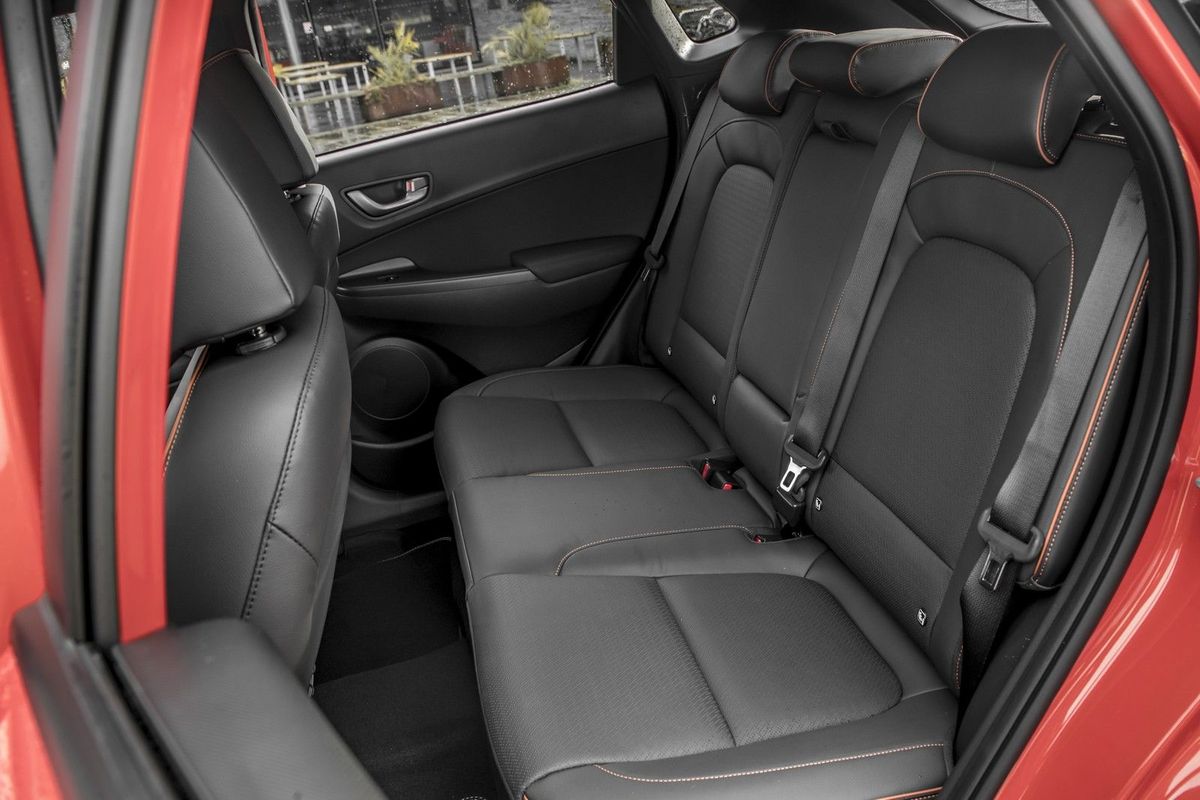
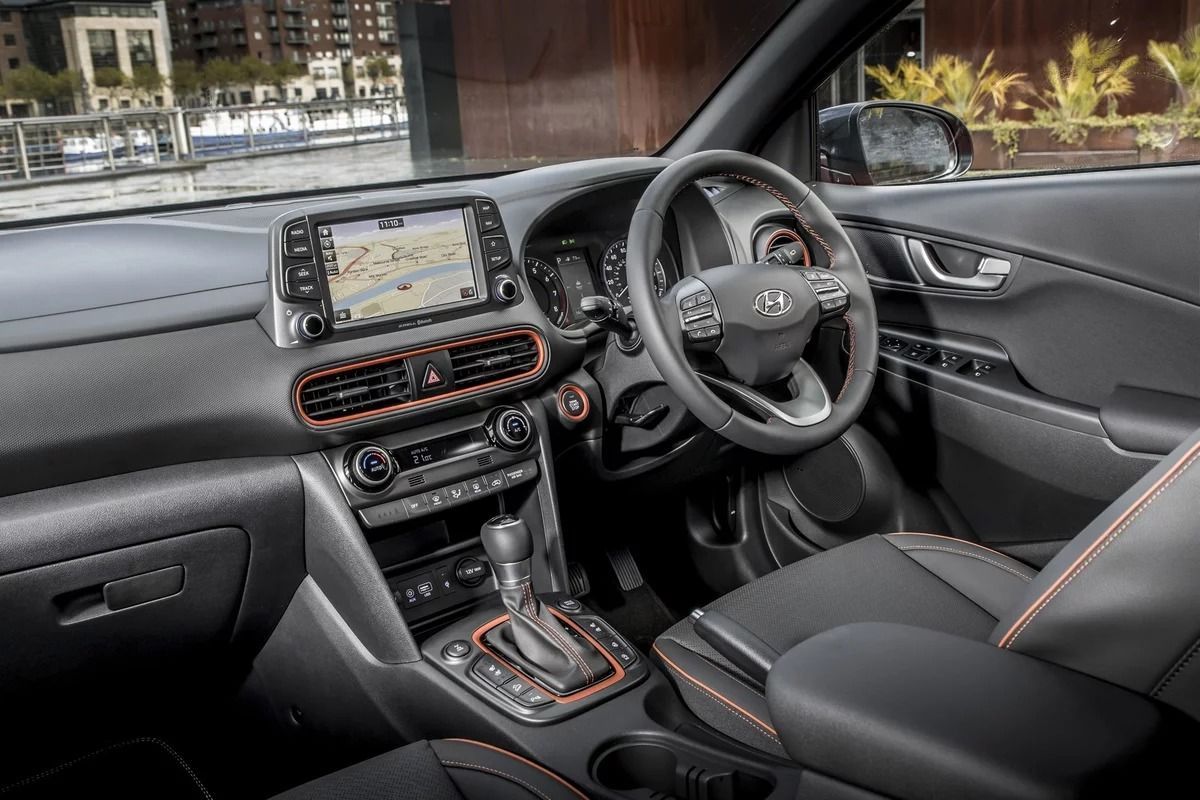
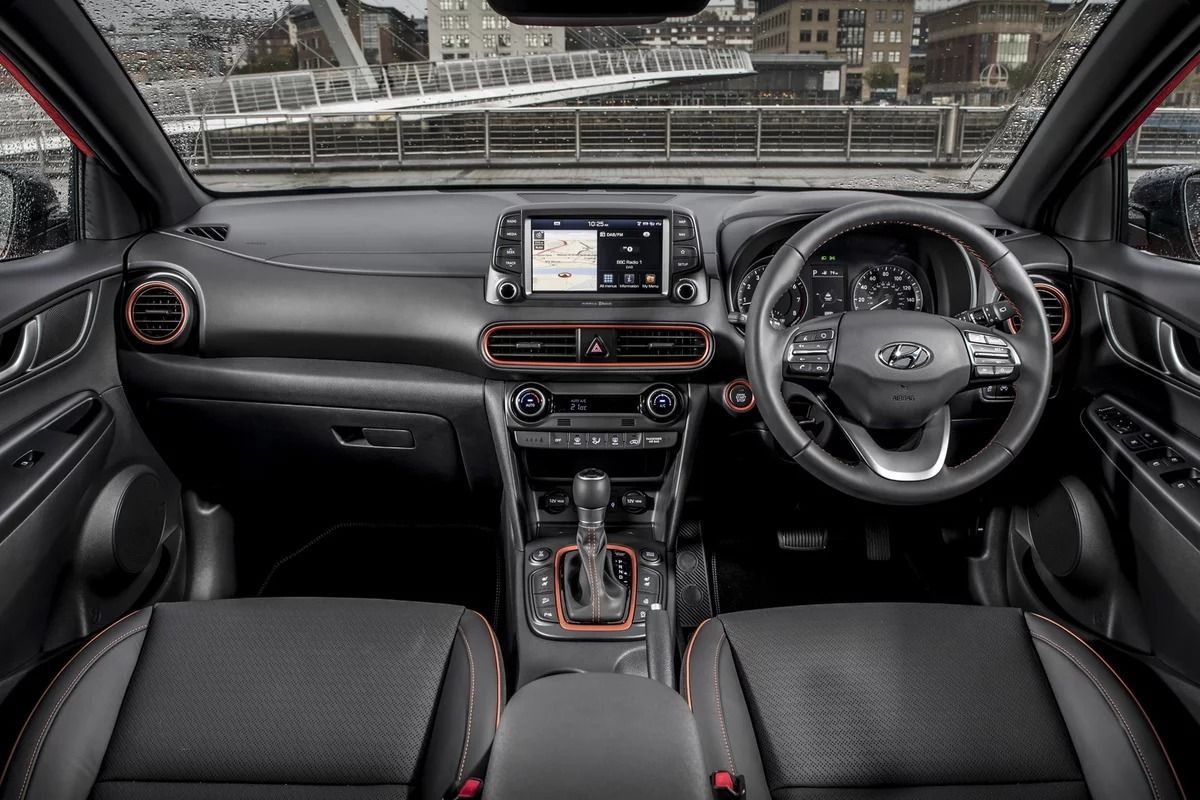
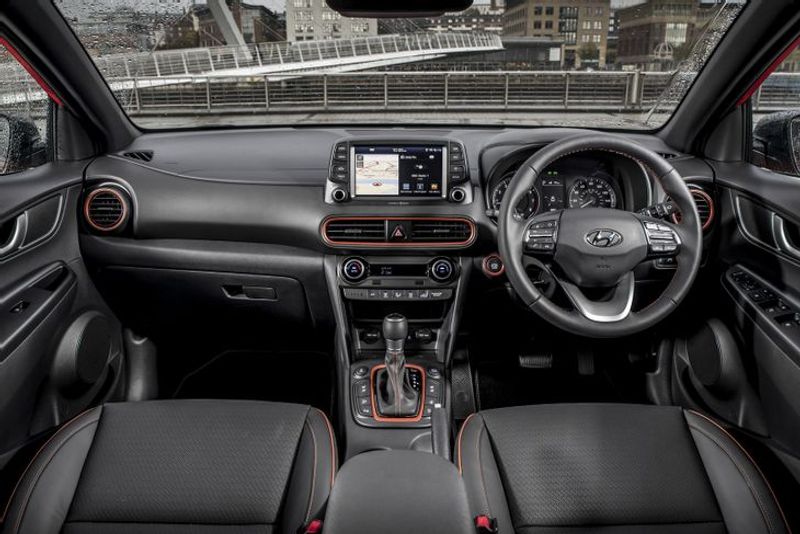
Although the Kona’s cabin layout and execution are not quite as “out there” as the exterior design, the newcomer manages to look pretty stylish inside. The use of colour-coded stitching on the steering wheel and seats and splashes of complementary body-coloured paint on the air vents, gear shifter and starter button surrounds, make it a little easier to forgive the cheap, shiny plastics swathed across the dashboard and door trims.
Not quite as exciting as the exterior but the insides appear to be well put together and ergonomically friendly.
If you’re expecting the lofty driving position you find in many crossovers, you will be disappointed. The driving position is still rather good, however, thanks to a good range of seat adjustment and a steering wheel that adjusts for both rake and reach.
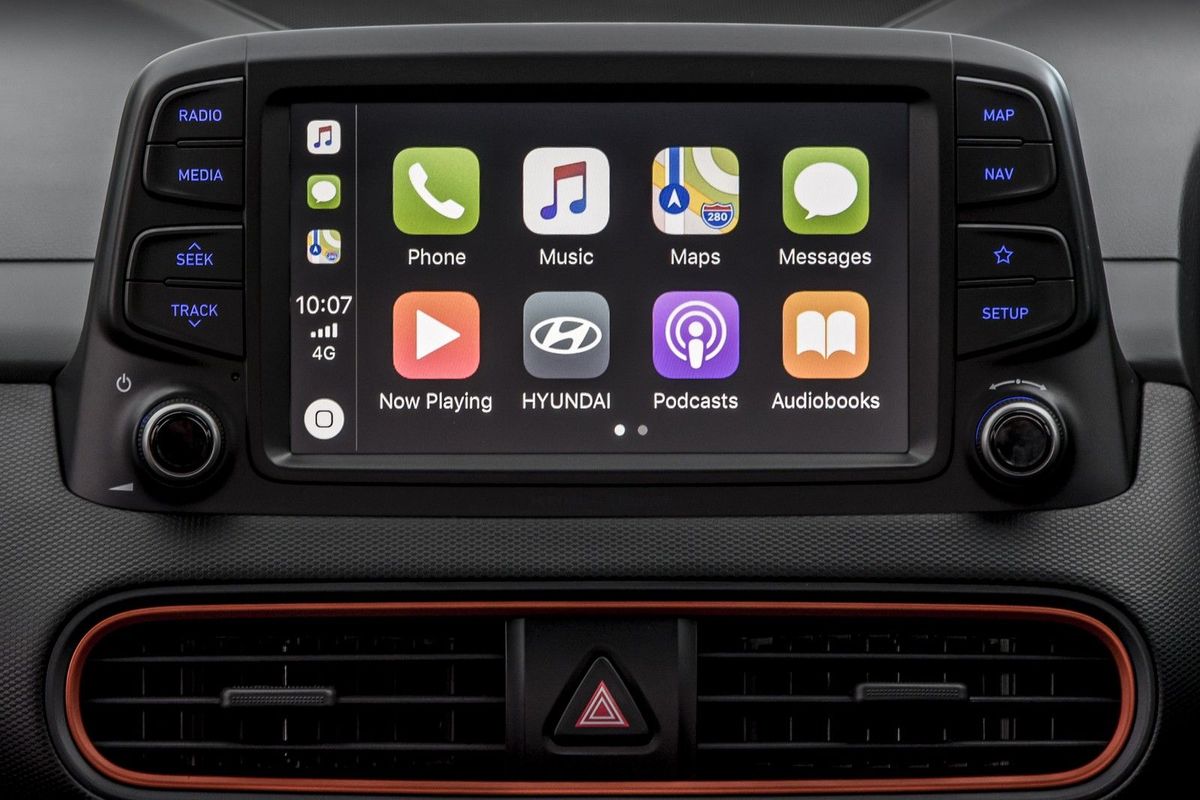
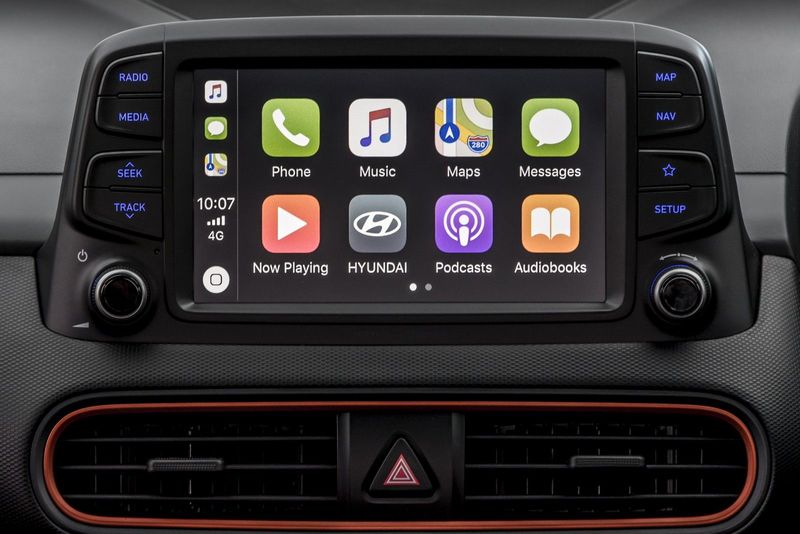
Like most cars in this sector, the Kona is available with an infotainment touchscreen located in the middle of the upper dashboard and, if recent experience with Hyundai products in South Africa is anything to go by, local models will probably sport an aftermarket-sourced unit, with navigation optional. Hyundai Automotive South Africa sales and operations director Stanley Anderson says that the Executive specification of the Creta and Premium spec of the (current) Tucson provide a good indication of what standard features we should expect on the Kona, these include automatic air-con, multi-function steering wheel, leather trim, electrically-folding side mirrors, a reverse-view camera/rear PDC and probably cruise control.
Shoulder room in the Kona may best be described as snug, but overall the car provides a decent amount of space for a quartet of grown-ups and an almost flat floor and elevated seating means you won’t need to sit sideways.
Hyundai’s infotainment system incorporates both shortcut buttons and touchscreen accessibility.
Storage for one’s daily detritus is adequate and includes cup holders, front door pockets, a decent-sized glovebox and a secret cubby under the central armrest.
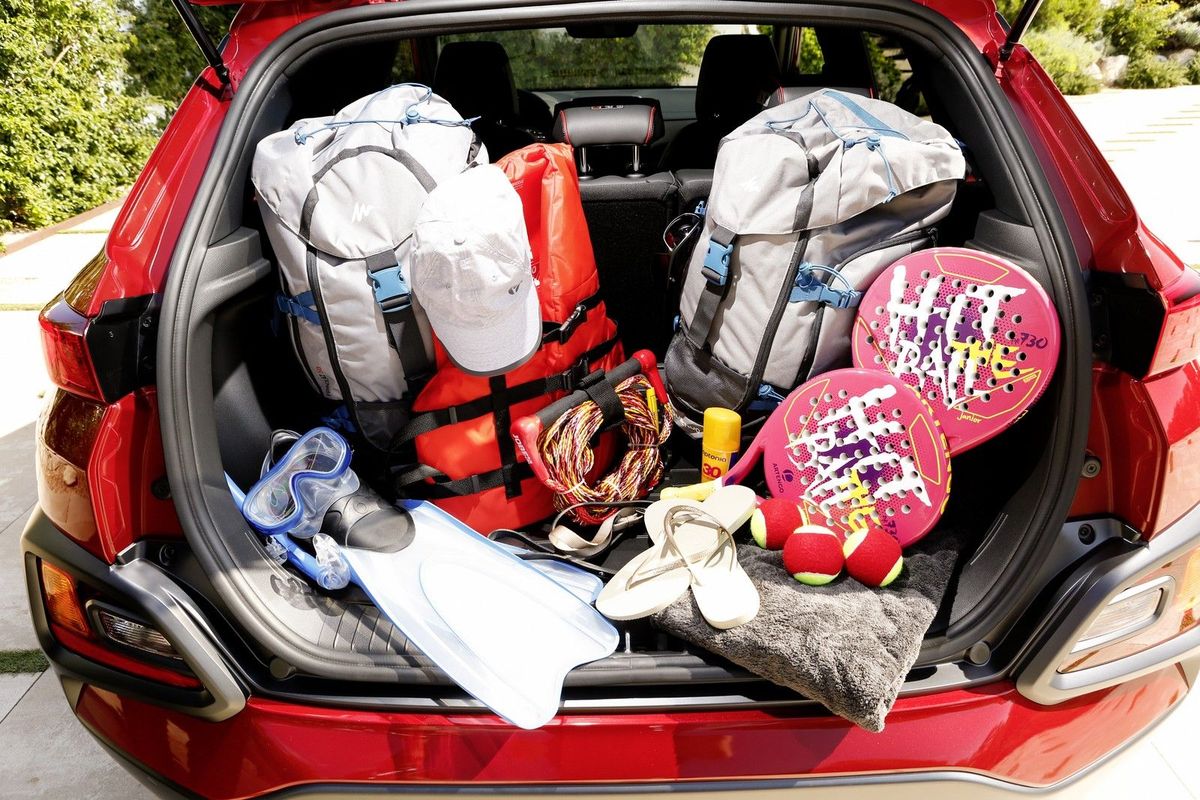
The luggage bay, at a claimed 361 litres, is a bit on the small side. If there’s only one or two of you, this shouldn’t be too much of a problem, as you’ll get most of your belongings safely stored under the cover. If you have small children, you should just about be able to fit in a baby buggy diagonally with a bit of space to spare. If you want to include the travel cot and a bundle of cuddly toys though, you’ll need to flip down one or both of the 60/40 split folding rear seatbacks to reveal 1 143 litres of cargo space, which is about average for its class.
Engines and Drivetrains
Hyundai Automotive SA has confirmed 2 derivatives for the local market. It will see the introduction of the brand’s first 1.0-litre, 3-cylinder turbopetrol engine. The second derivative is the tried and tested 2.0-litre naturally aspirated petrol, which will be exclusively available as an automatic. Both models are front-wheel-drive only.
Locally, a new 1.0-litre 3-pot and a 2.0-litre petrol will be the first models to arrive.
The diminutive 1.0-litre, turbocharged 3-cylinder unit offers 89 kW and a healthy 172 Nm of torque. Like many others in the current crop of 3-pot engines, it shows willing and is happy to keep up with quick flowing traffic. It tends to be a touch generous with the revs though when pushing on, with the resultant penalty in fuel consumption. It is paired only with the six-speed manual ‘box and 2WD.
Ride and Handling
The Hyundai Kona follows a familiar formula in this area of the market, delivering average performance and safe handling that isn’t intended to engage or entertain the driver. The result is a competent car – it doesn’t lean noticeably in corners and the steering has a decent sense of weight to it, but the Kona neither handles like a Mazda CX-3, nor soothes like a Renault Captur (when shod with its sportiest rim and tyre combo).
Handling appears to be safe but not exciting. NVH levels are excellent.
The 1.0-litre petrol comes with a 6-speed manual gearbox, which can feel a little clunky and the car understeers in a predictable manner when pushed hard through the twisty bits. While the Kona displays decent body control, the trade-off is a firm ride, while the vague-feeling steering does little to enhance the overall driving experience.
Better news is that the Kona is fairly quiet at motorway speeds, which is good, because the newcomer feels particularly adept at cruising and pootling around town, two things it was expressly designed for. As long as you don’t expect more, you shouldn’t be overly disappointed.
Safety and Reliability
The Hyundai Kona emerged from Euro NCAP’s rigorous crash-test regime with a creditable 5-star safety rating. Its adult occupant protection score of 87% narrowly beat its rating for child occupant protection, where it scored a solid 85%.
While these statistics mainly reflect the strength and design of the Kona’s structure, UK and EU models were rated highly for their standard safety equipment, too. It is hoped that South African buyers are afforded the same level of safety, although it remains to be seen if curtain airbags will be standard, Hyundai SA has at least confirmed that all models will have stability control, blind-spot monitoring and cross-traffic alert.
Stability control will be standard fare in the Kona, a solid step in the right direction for Hyundai SA.
The Hyundai Kona is an all-new car, making it impossible to give a definitive verdict on its reliability. However, the brand generally has a good reputation and positive experiences may be expected by owners. The very strong results attained in independent crash safety testing should inspire passenger confidence, too.
Summary
The Kona offers more visual appeal than the brand’s other cars, but delivers sensible competence across the board, rather than excellence in any one area. In terms of this author’s perspective of the UK market, the Kona’s place in the middle of the leaderboard is evident when you look what’s around it… other cars in the class trump or at least match the Kona for interior design, quality and versatility, economy and value-for-money.
Considering that the Kona is, by Hyundai Automotive SA’s own admission, not as ultimately practical as the wildly popular Creta, the importer doesn’t expect the stylish crossover to match its sibling’s sales figures. What is clear, however, is that the Kona will appeal to young upwardly mobile singles and dinks in a way that the Creta can’t. It certainly is a lot more fashionable than the conventional C-segment hatchback it is based on…
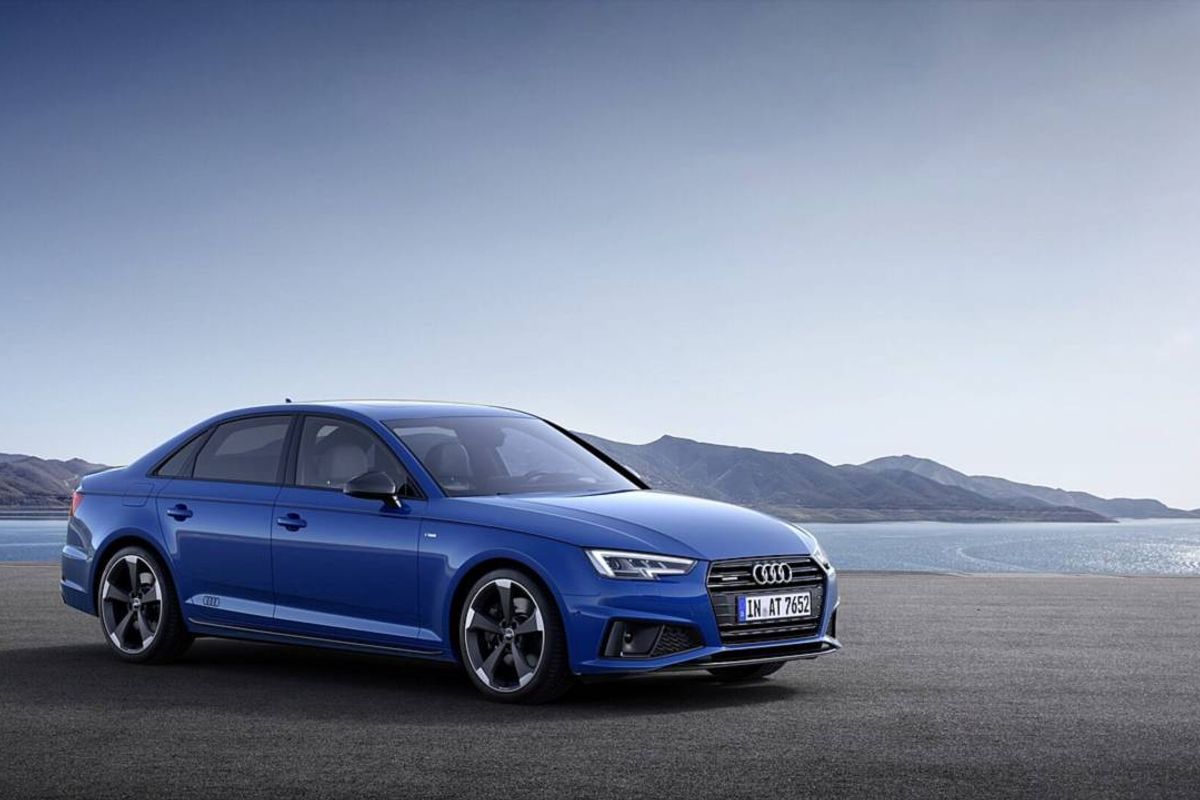
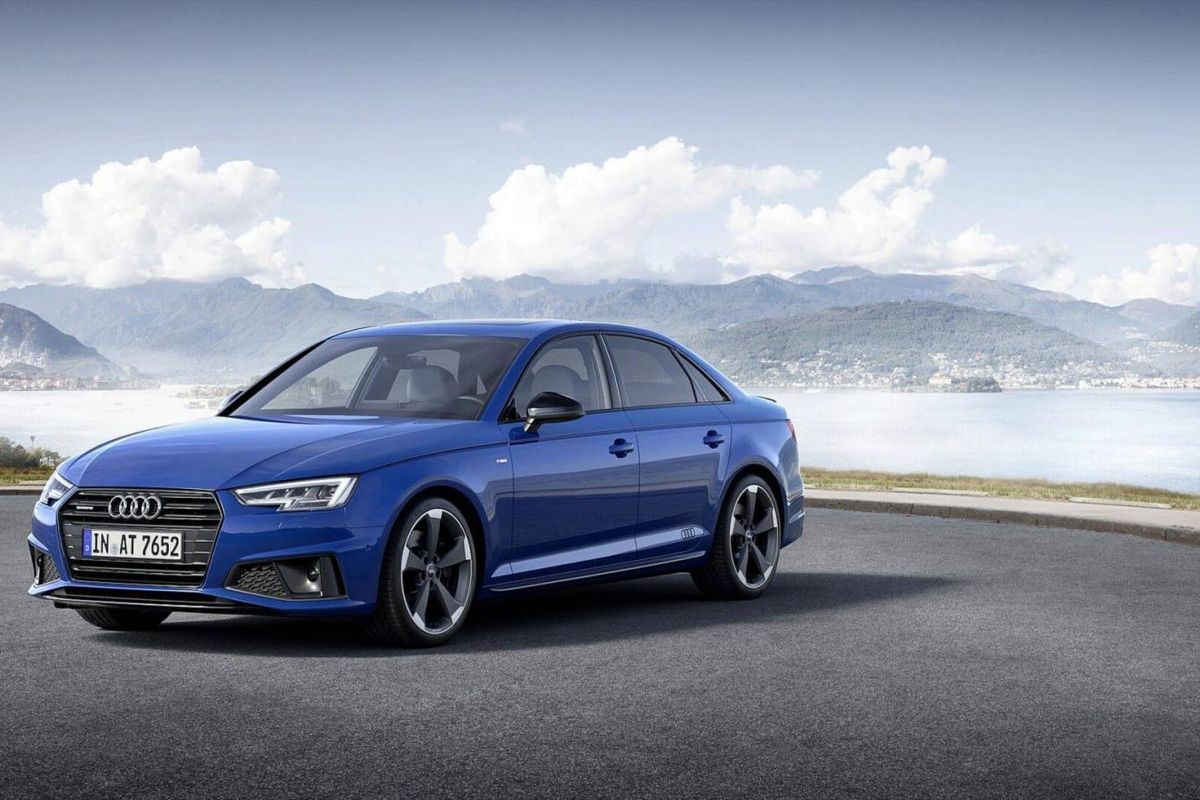
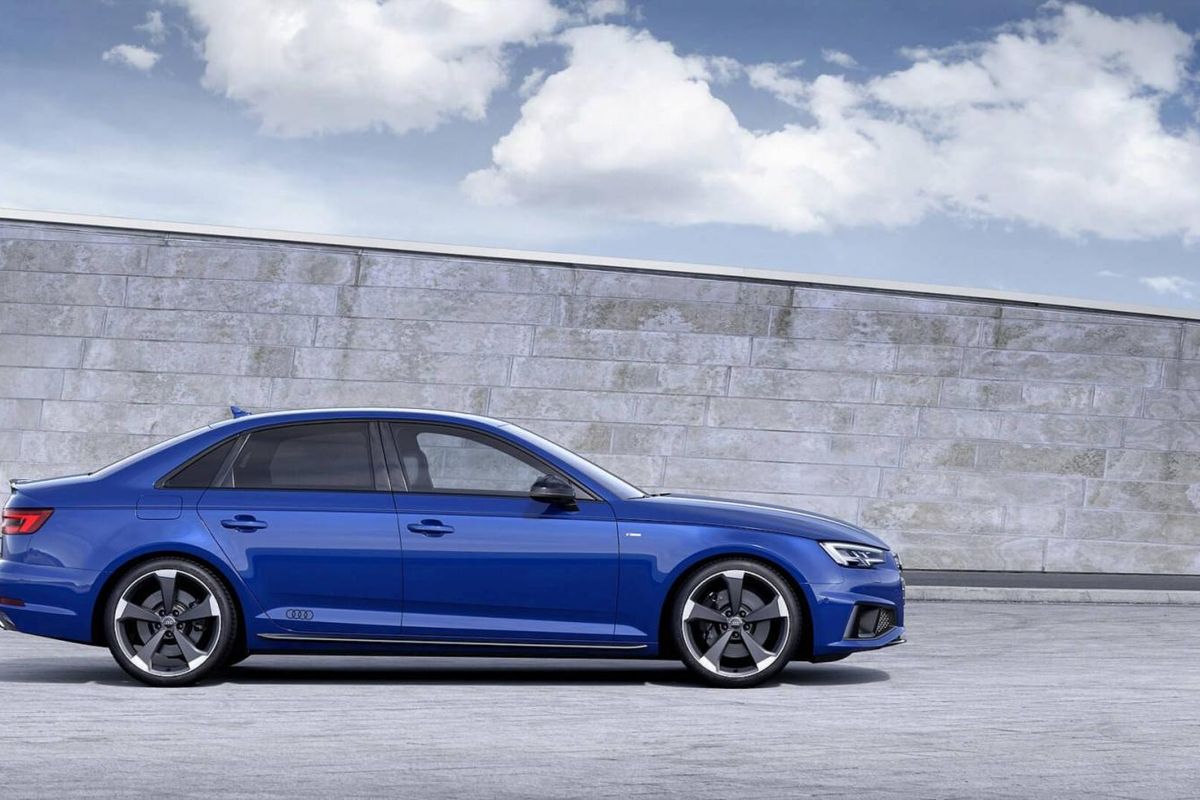
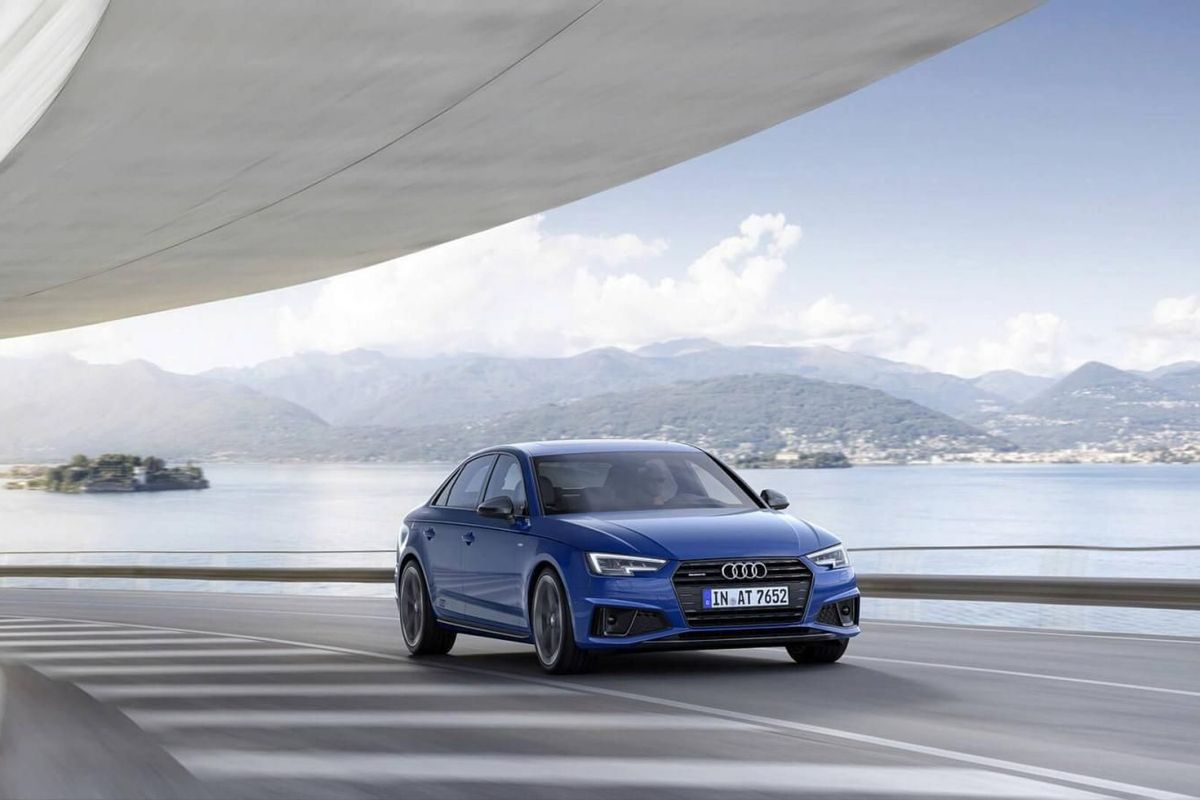
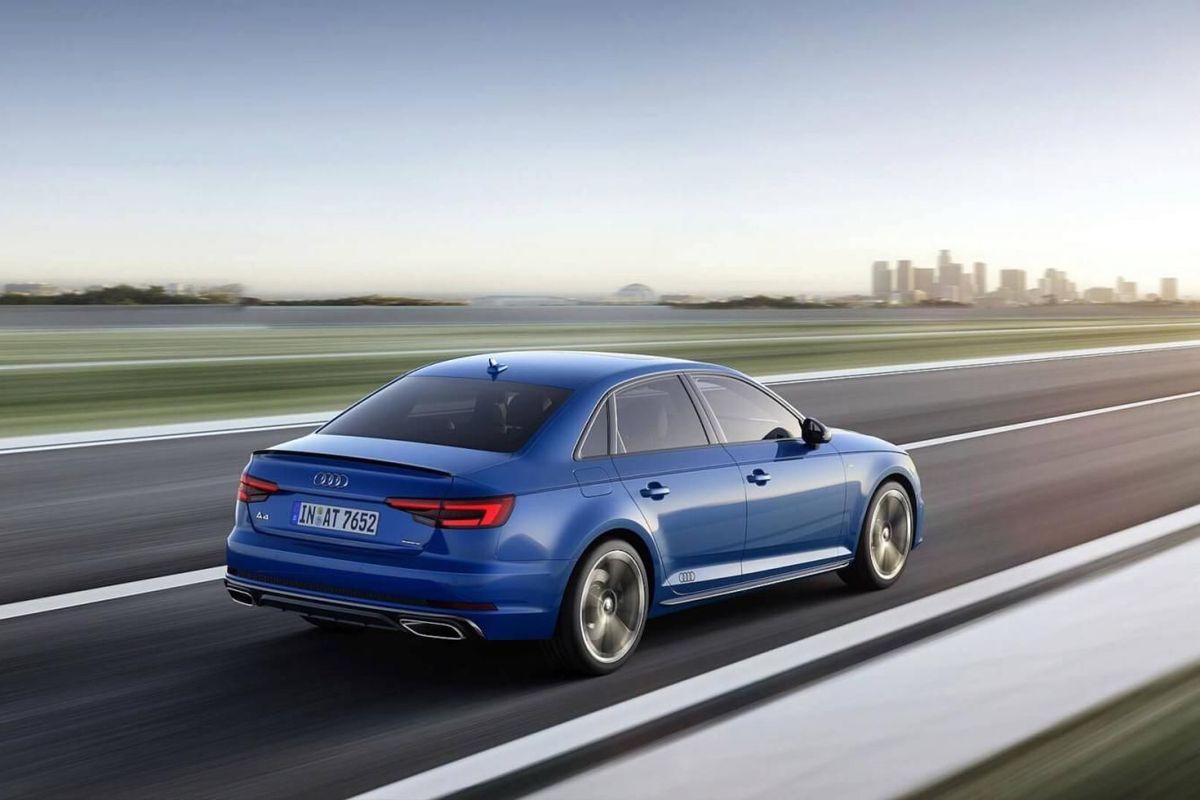
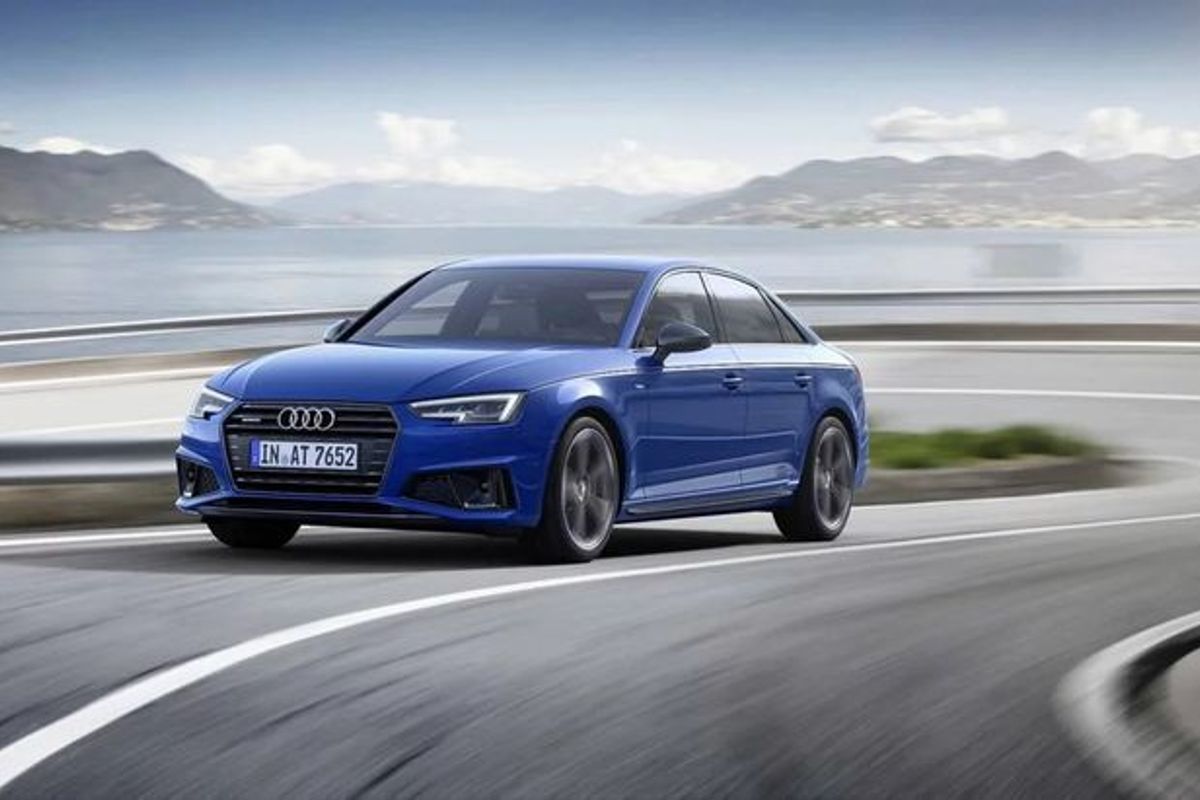
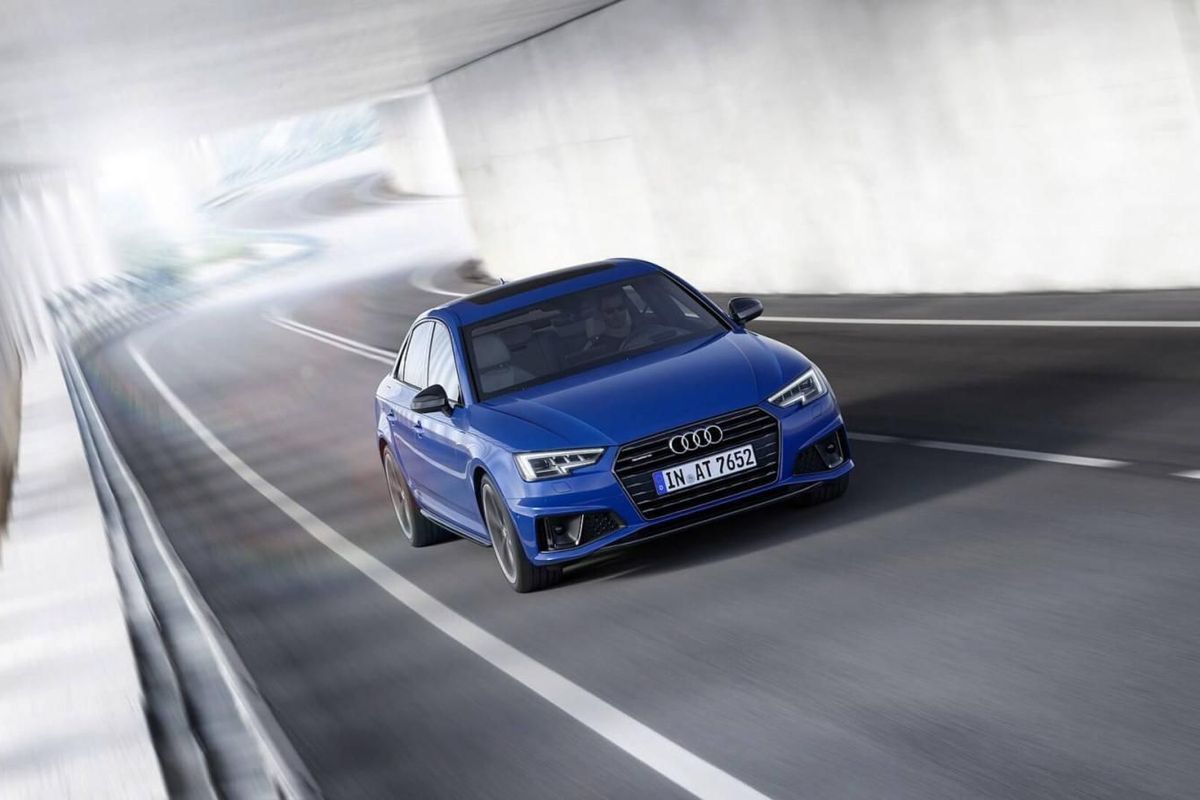
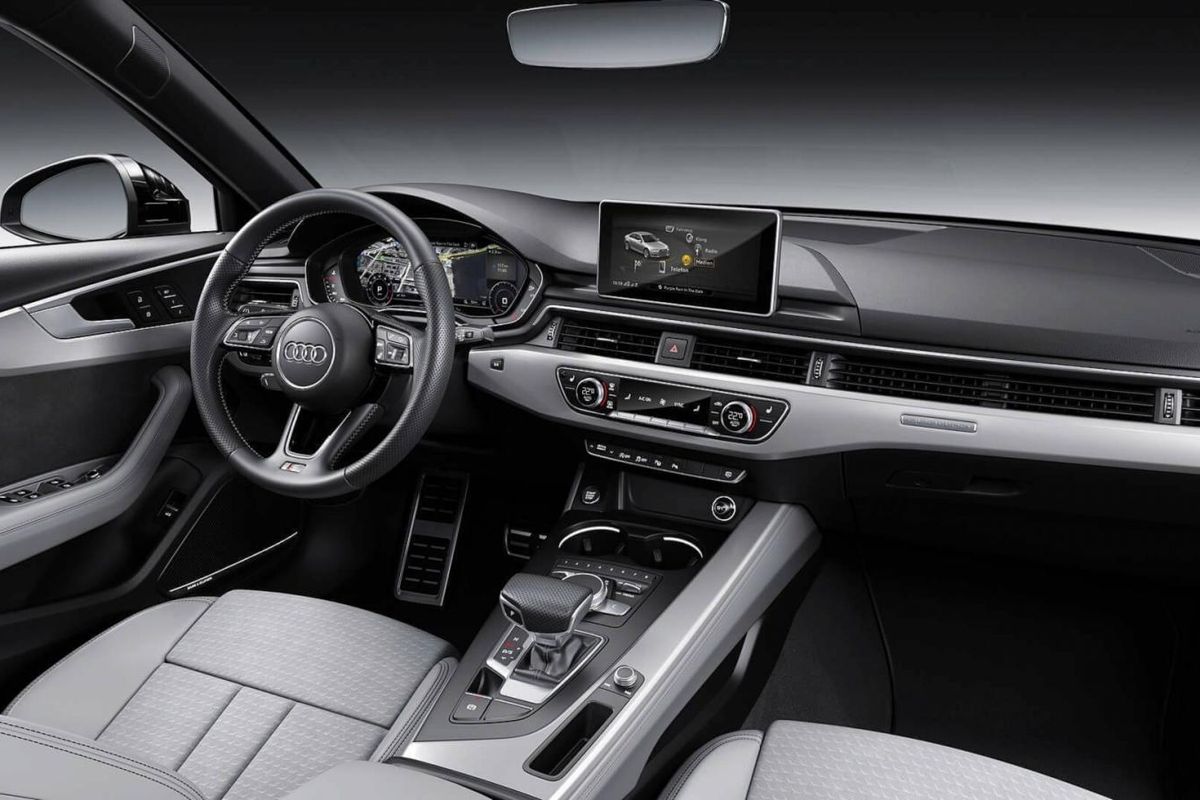
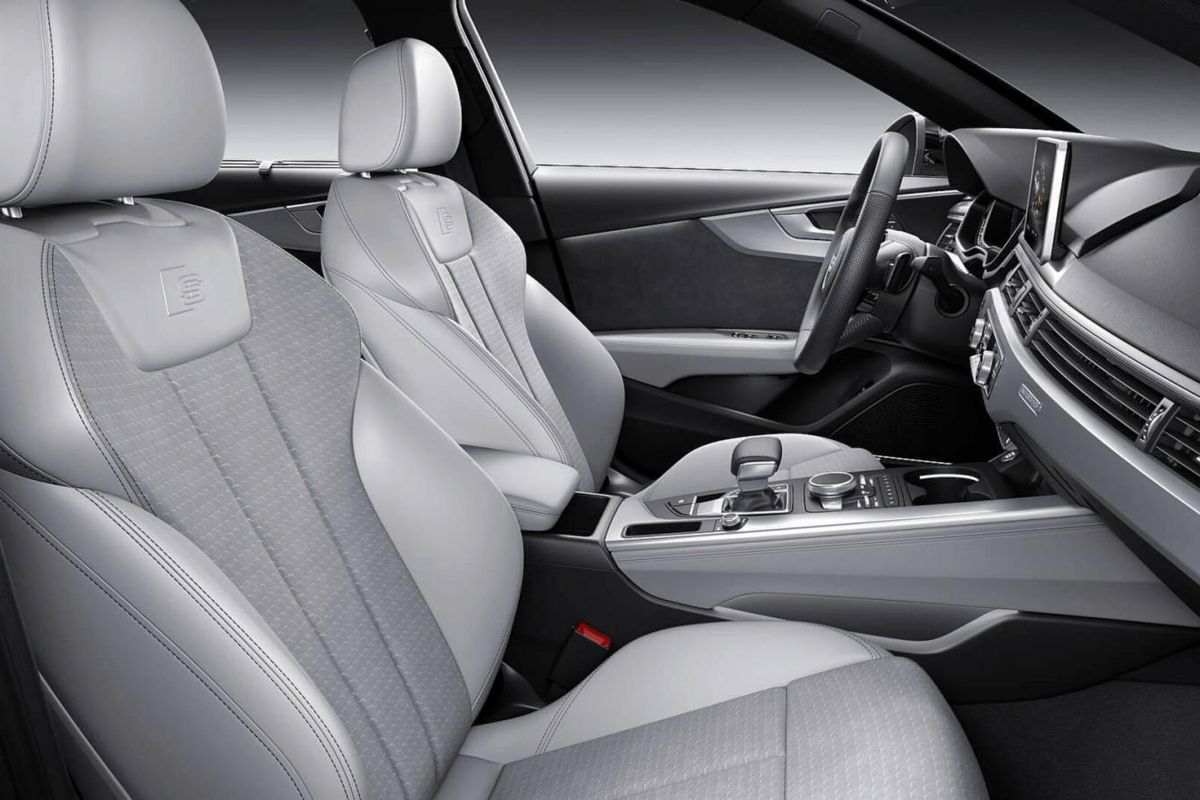
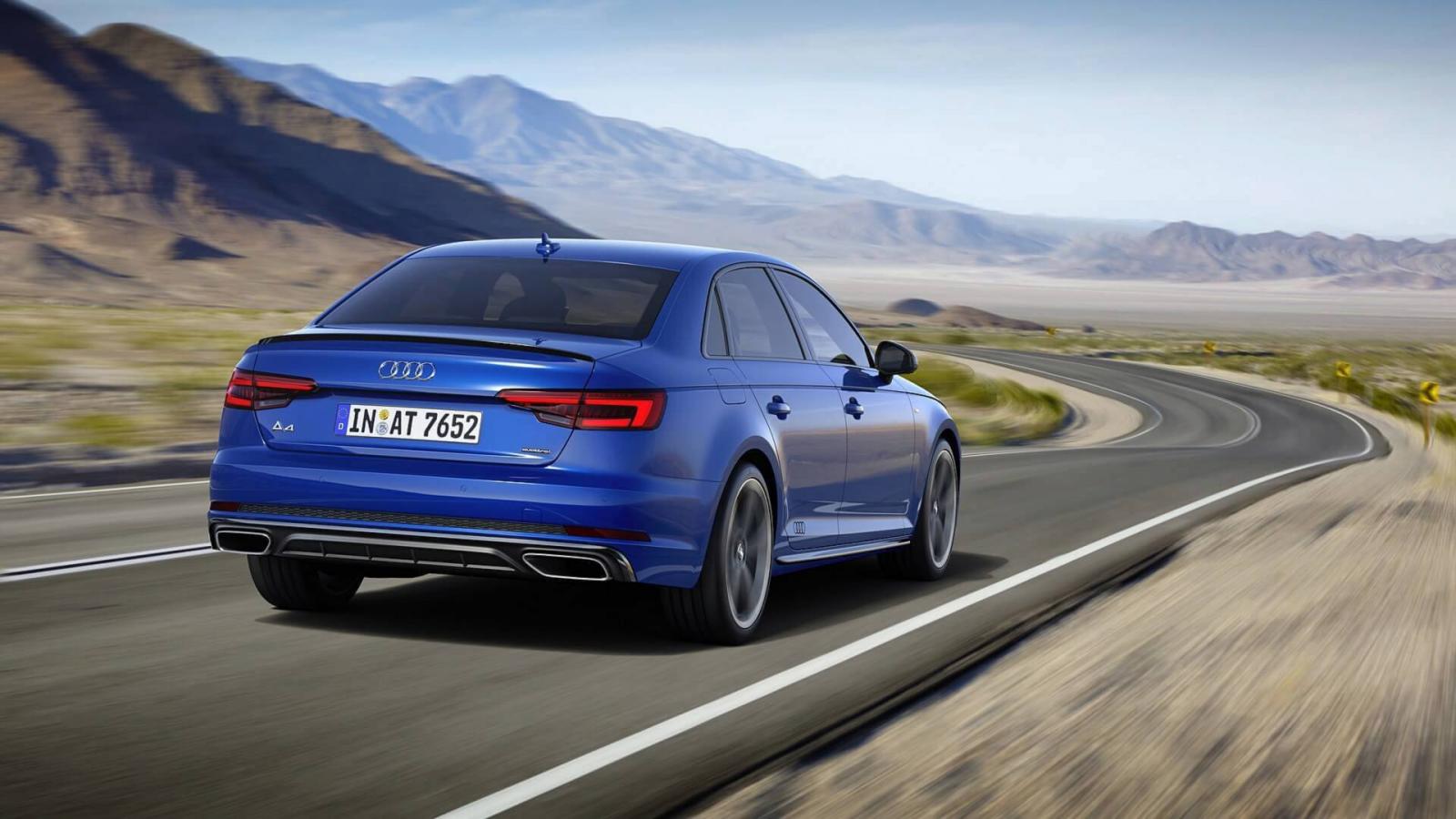
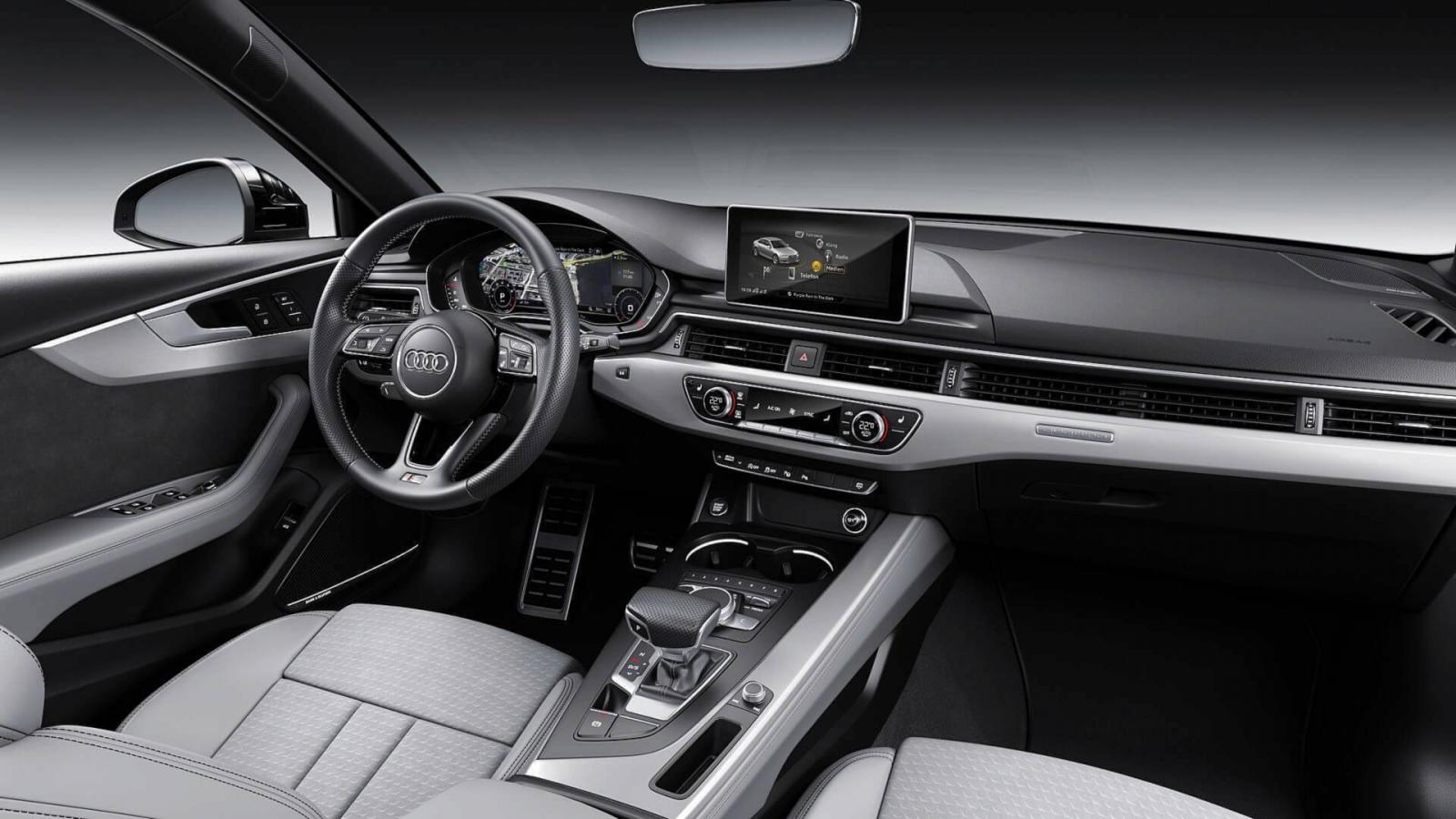
Audi has revealed a visual refresh of its A4 midsize sedan which now features a more striking exterior design which will be offered in South Africa in October 2018.
The Audi A4’s biggest rivals are the BMW 3 Series and Mercedes-Benz C-Class and while the current A4 is an impressive product, the Ingolstadt-based brand has implemented subtle changes to keep the A4 fighting fit. What you see here is merely a product refresh with the facelifted A4 only expected in 2020.
What’s changed?
A new S Line Competition trim gives the A4 a more assertive look.
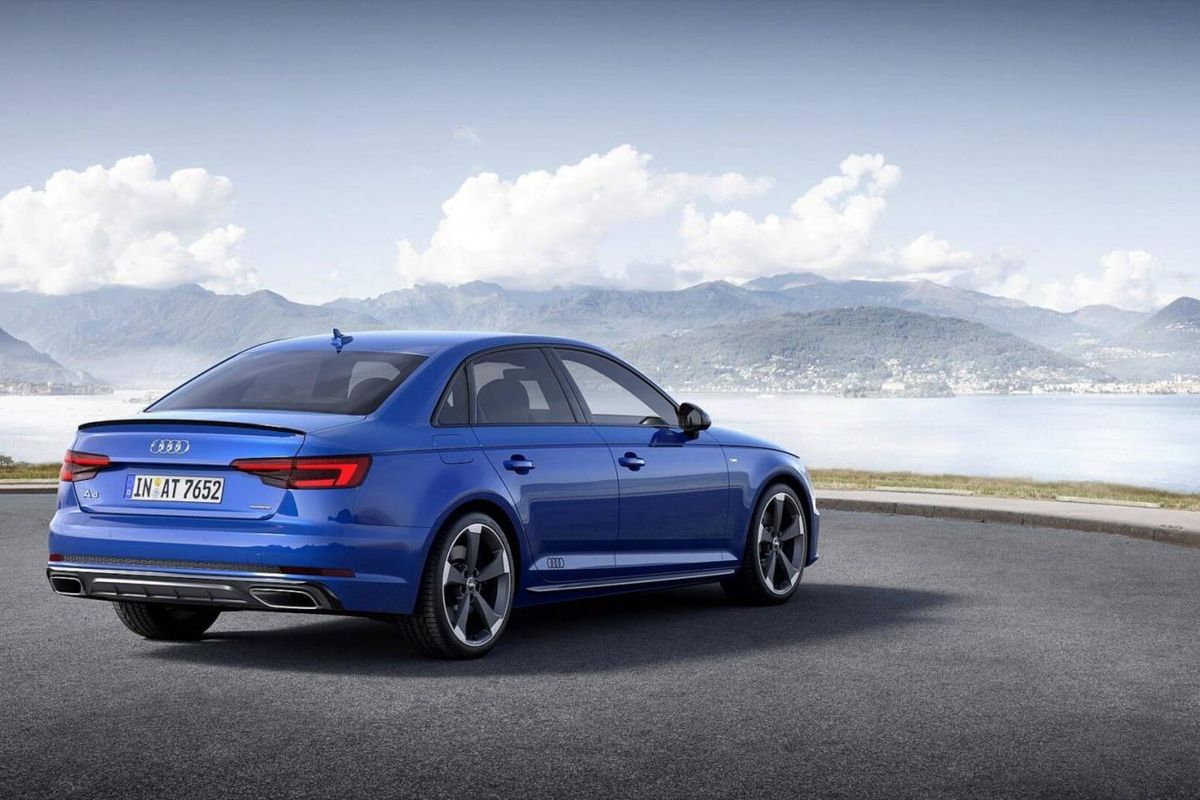
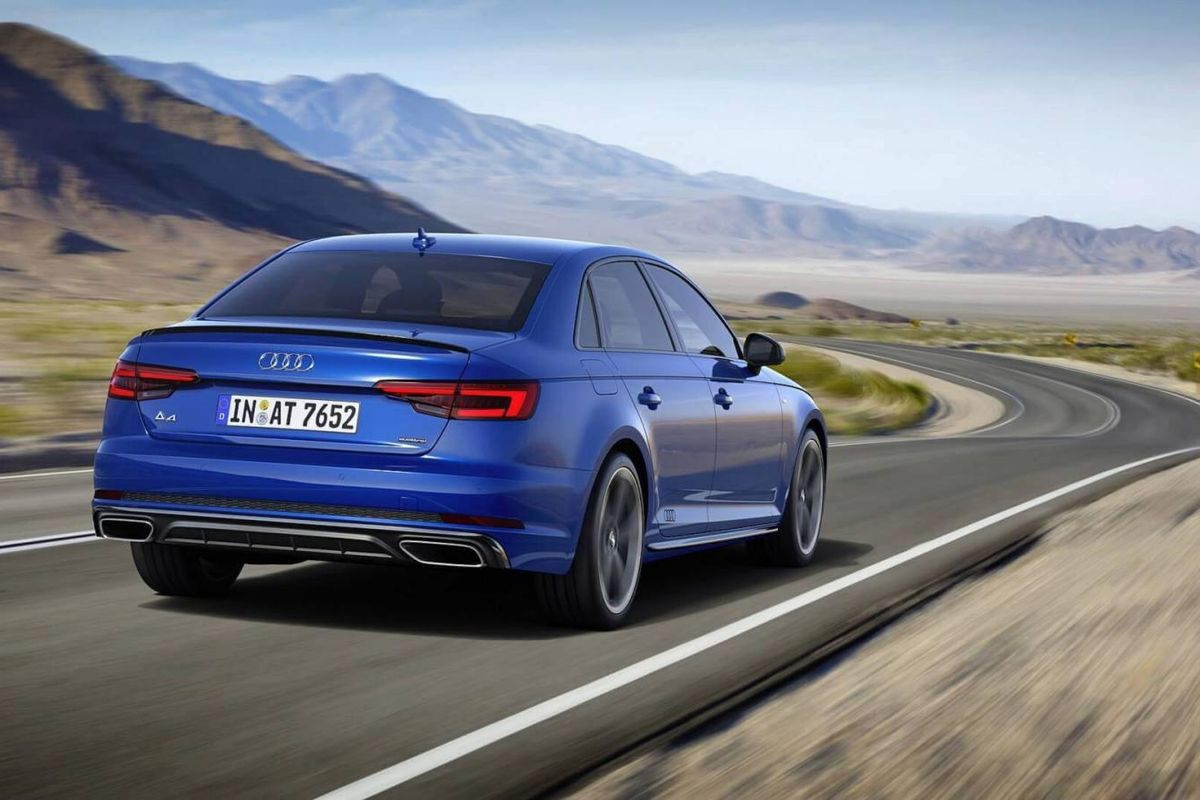
The exterior changes are subtle but nonetheless receives revised front and rear bumpers and new alloy wheel designs ranging from 16- to 19-inches. Also, Audi will offer the A4 with a new S Line Competition equipment line in addition to the Design and Sport offerings, each with their own grille design and pentagonal contours now surrounds the air inlets.
In S Line Competition guise, the A4 can be had in Turbo Blue paint finish and the grille features slats with a 3D look and the front and rear bumpers are sportier than the other trim lines. This bespoke model also features a blade on the lower front bumper as well as a stone-chip guard strip in selenite silver. Audi’s 4-ring logo, in either black or silver, appears on the lower section of the rear doors and it rides on Audi Sport 19-inch wheels with red brake calipers, sport suspension and comes equipped with full LED headlights.
The tailpipes are wider and trapezoidal in shape which replaces the previous round tailpipes and the diffuser area is now narrower than before.
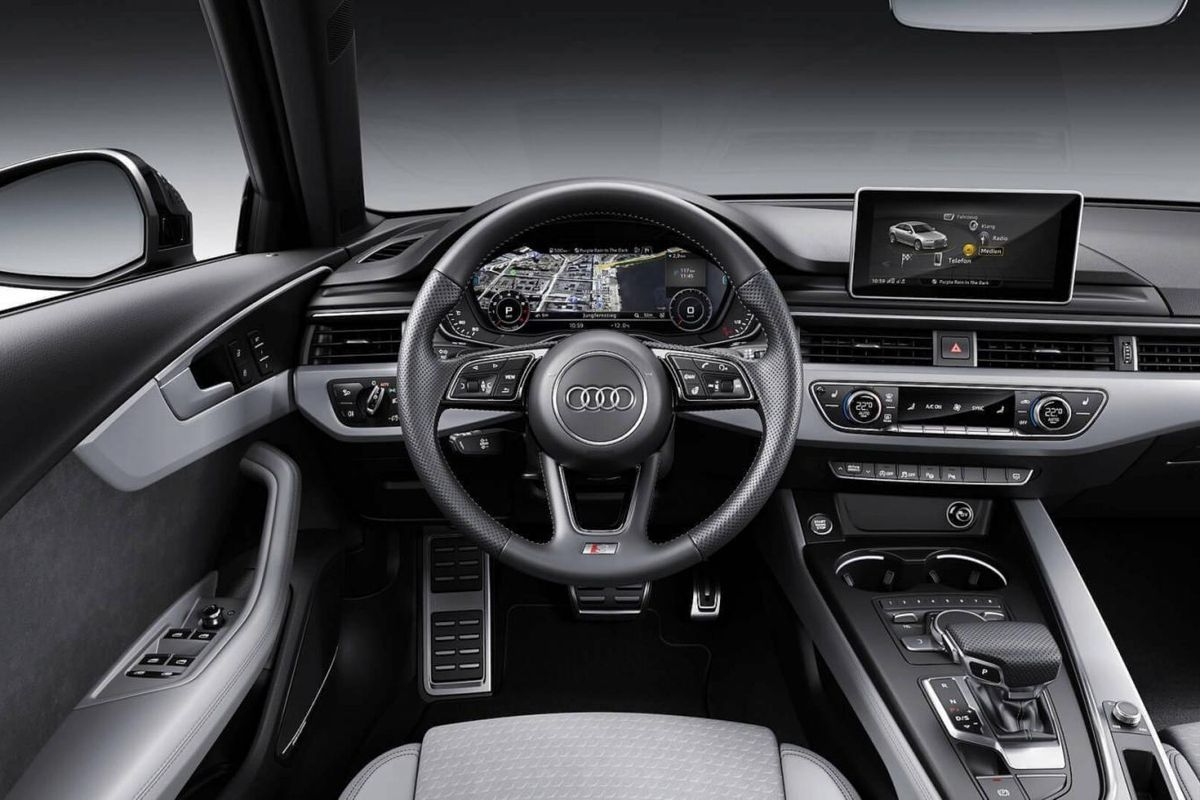
Sleek and modern, the A4's interior is arguably the best in its class and the Virtual Cockpit remains a highlight.
As for the interior, it’s much the same with Audi’s MMI system and Virtual Cockpit taking centre stage. However, the A4 S Line Competition adds carbon fibre inlays, a 3-spoke multifunction steering wheel and black partial leather sports seats. S sports are offered as an option and will be available in a range of colours.
In terms of engines, the current range of turbocharged petrol and diesel engines will remain unchanged. Currently, a 1.4-litre turbopetrol engine with 110 kW/250 Nm and a more powerful 2.0-litre turbopetrol with 140 kW/320 Nm does service in the A4.
There’s also a 2.0-litre turbodiesel engine on offer with 140 kW and 400 Nm of torque. All engines are mated with a 7-speed automatic dual-clutch transmission.
We will keep you updated as local specification and pricing details become available.
The hottest of modern-day hatchback rivalries resumes as the new Fiesta takes on the only slightly less new Volkswagen Polo.
Both the Ford Fiesta and the Volkswagen Polo are new for 2018. It's a rivalry that has gone on for over a decade in South Africa with the Polo winning out on sales but the Fiesta winning in value for money and driving satisfaction.
We pit the 2 remakes against each other with the top-of-the-range Fiesta 1.0 Titanium Auto against the Polo Comfortline R-Line Auto.
No sitting on the fence in this review, take a look at which one comes out on top.
Which brands and cars sell the best around the world? We take a look at how current buying trends are developing and which vehicles are milking sales globally.
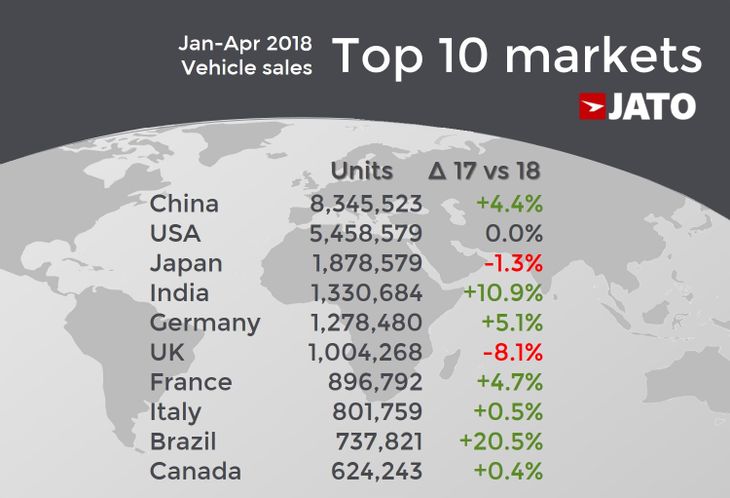
China is now the biggest car market in the world, and by some margin. For the first 4 months of 2018, it racked up 8.3 million vehicle sales. The USA is the second biggest, recording 5.5 million vehicle sales in the same period. Overall, January to April sales for 2018 are up 3.4% over the previous year, which is mostly down to continued global growth. Total sales for the first 4 months of the year reached 28.81 million units.
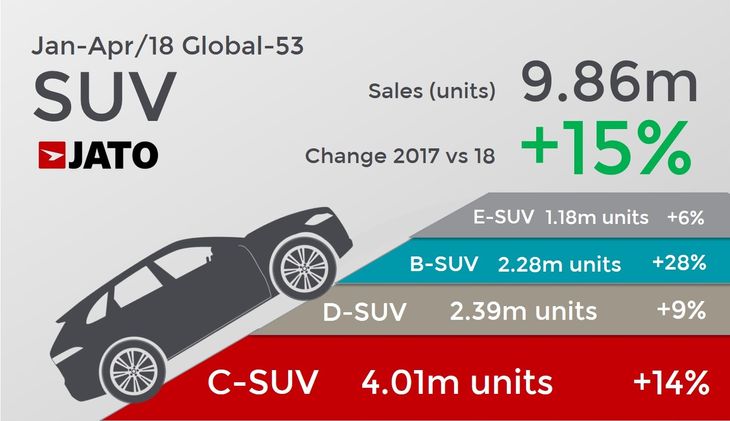
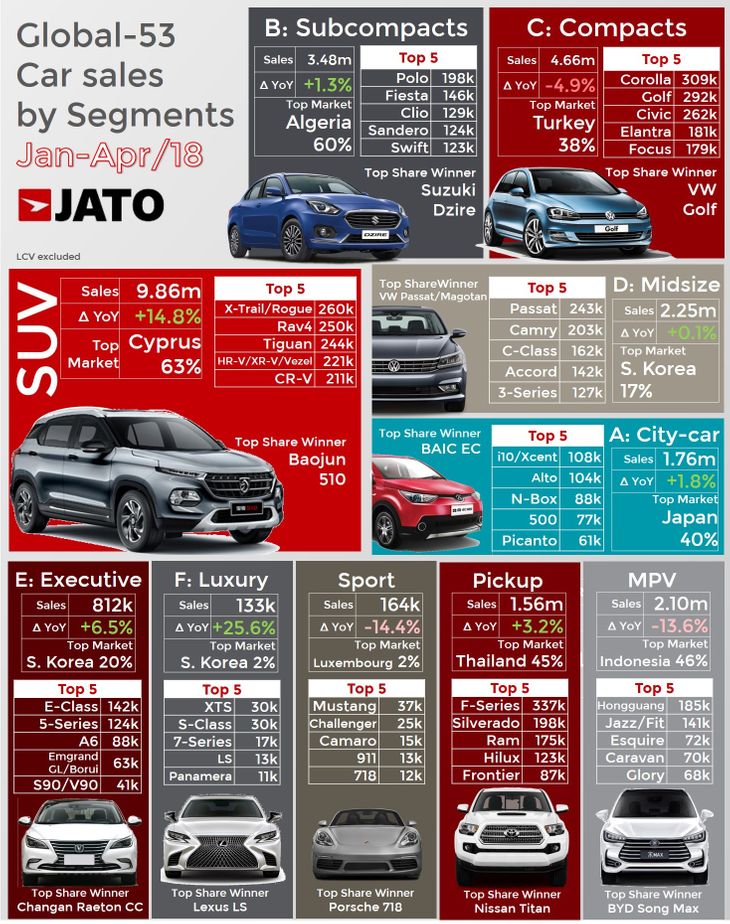
The rise of the SUV continues unabated as the segment notched up 34% of the global market share. That makes it the segment with the most combined sales. The Nissan X-Trail tops SUV sales but it’s followed closely by the Toyota Rav4 and Volkswagen Tiguan. The segment seems to be seeing intense growth in the compact SUV segment where vehicles like the Renault Captur, Volkswagen T-Roc, Nissan Kicks and Honda HR-V are big sellers. The rise in SUV sales has seen MPVs take the biggest hit losing 13.6% market share in the first 4 months of 2018.
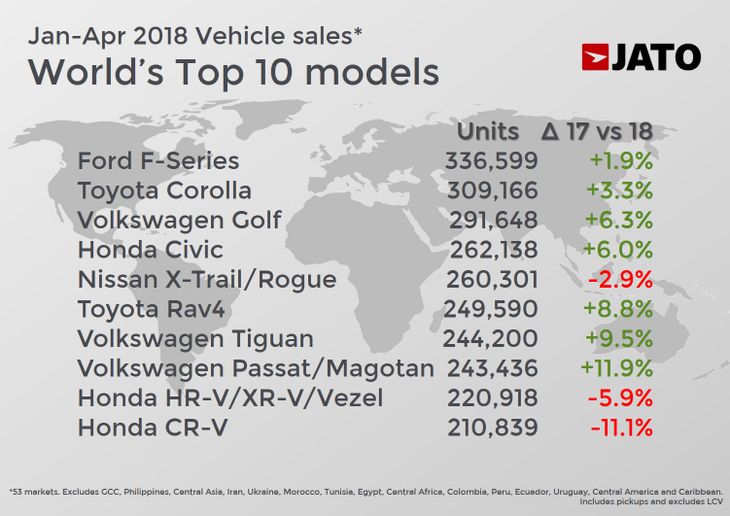
The world’s top-selling vehicle continues to be the Ford F-Series pickup, which dominates the American market, where it sells 85% of its volume. The big pickup has sold 337 000 vehicles so far this year. The top 10 is littered with Japanese cars and notably 3 different variations of Honda. This certainly brings to light the demise of Honda locally that has seen sales slowly dwindle away over the last few years. At number 8 is the Volkswagen Passat, which sells in large numbers as the Magotan in China, a market that seems to single-handedly keep the sedan market alive.
As for the big global rivalries, Mercedes-Benz appears to have the upper hand over BMW, outselling it in C-Class, E-Class and S-Class segments. Toyota and Volkswagen trade top spots in the compact and midsize segments, Corolla outselling Golf but Passat beating out Camry.
The Korean brands do a good job of locking down the small city cars with vehicles like the Hyundai i10 and Kia Picanto in the top 5 in the segment. Somehow the decade-old Fiat 500 continues to turnover useful numbers in the same segment.
Americans dominate the sportscar segment, showing the country’s purchasing power for more expensive vehicles. The Ford Mustang tops the leaderboard followed by the Dodge Challenger and then the Chevrolet Camaro. Porsche’s 911 and 718 follow closely behind.