You asked for it and we delivered. The latest Audi RS3 is an absolute beast out of the blocks so we have decided to put it up against one of the best launching cars in the business, the Merc AMG A45.
The drag race was conducted at reef altitude (1700m above sea level) and the strip was 300m long, as such we have not provided times for this race. The Rock Raceway was our destination and while not quite a quarter mile, it gave us a clear indication of who would win in a light to light Grand Prix.
Special Edition Toyota Hilux Models Released in Australia
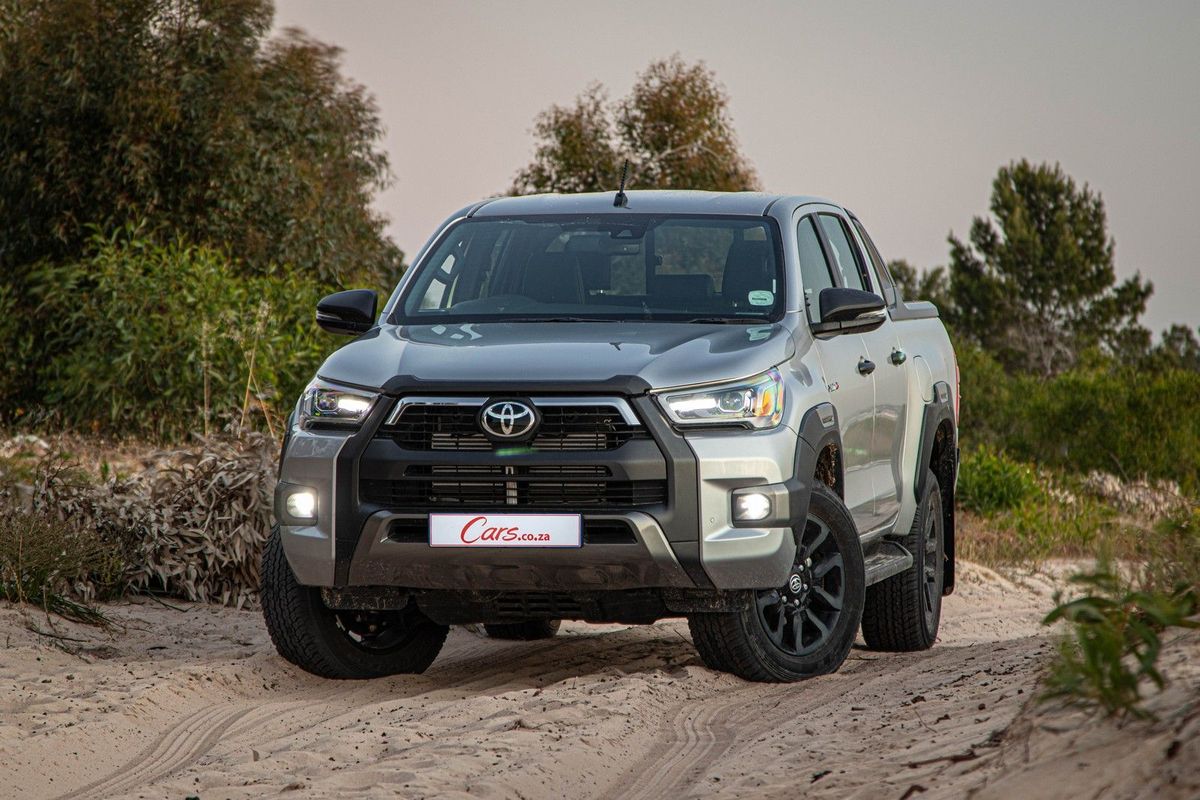
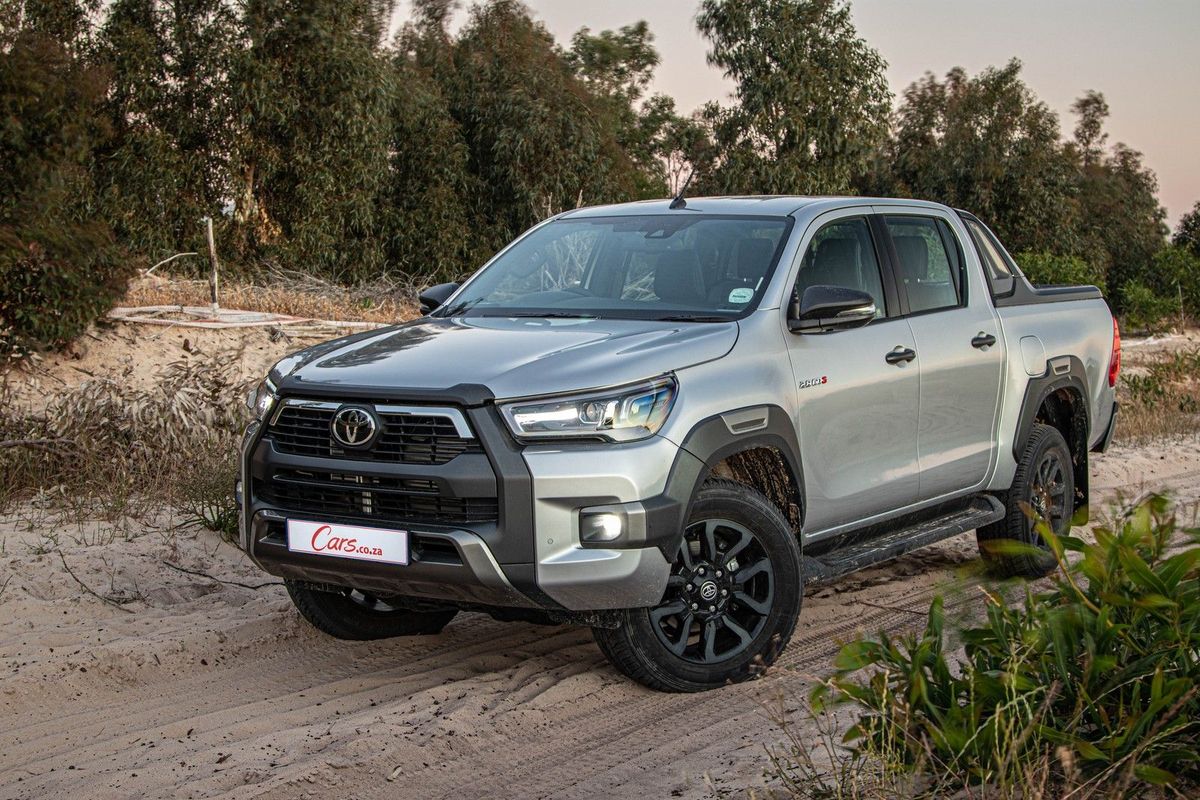
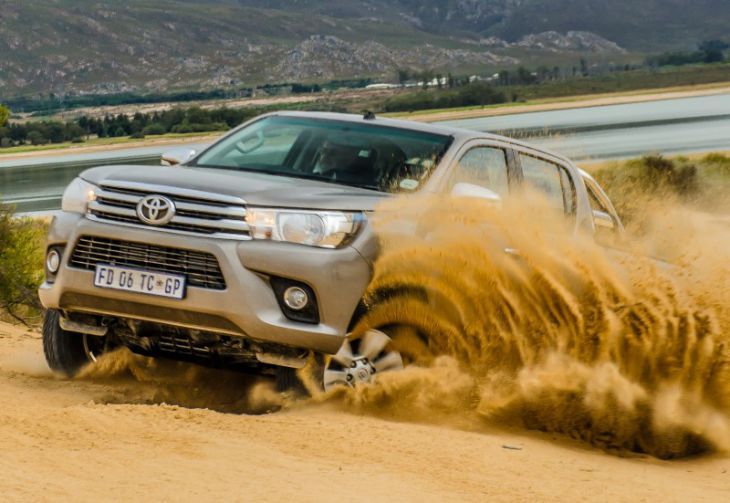
Officially, we are jealous. Toyota Australia has announced some sporty additions to its Hilux range. Let's meet the Toyota Rogue, Rugged and Rugged X… should Toyota Motors South Africa be persuaded to follow the example of their sister firm from Down Under?
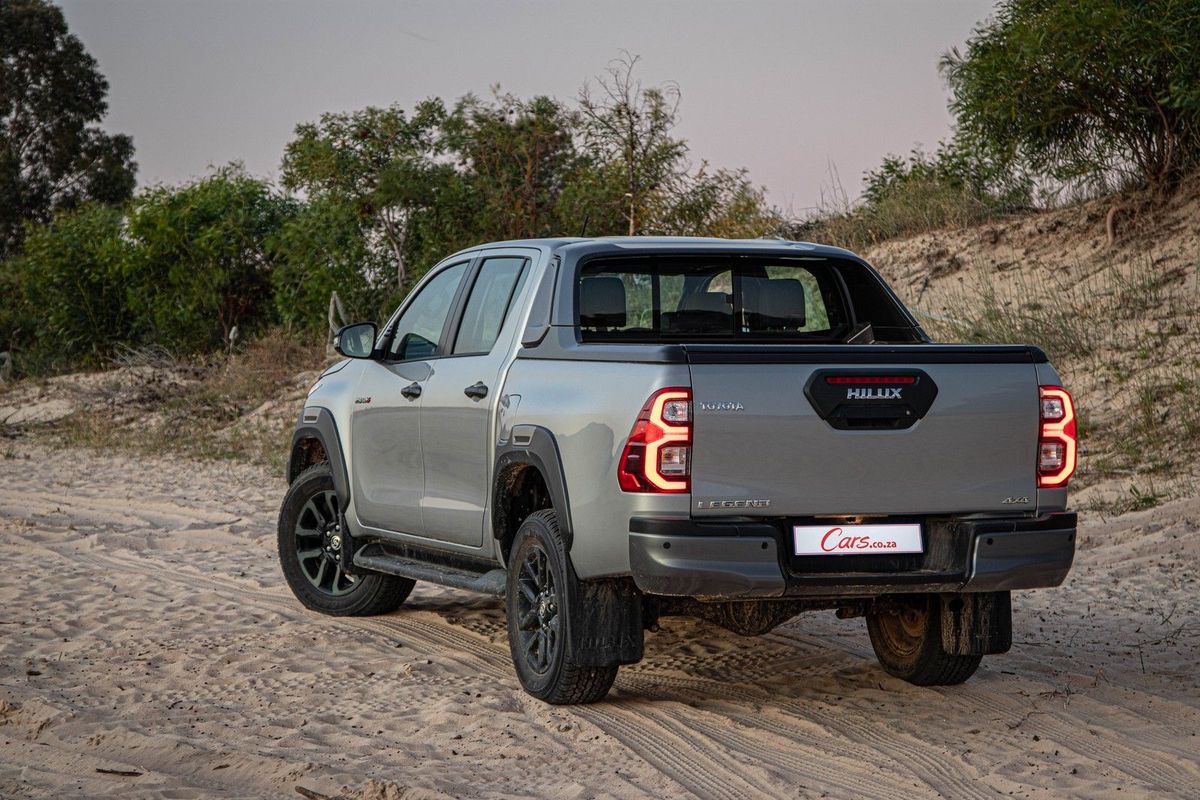
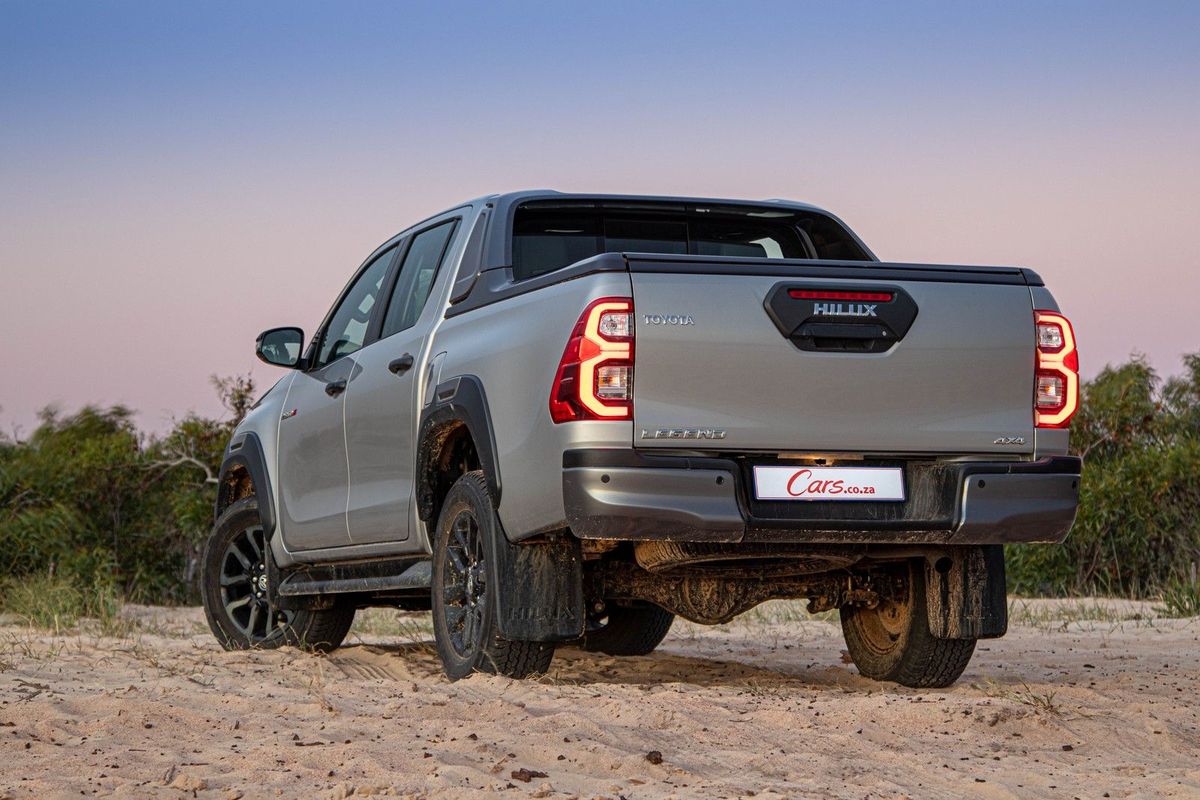
Based on the recently facelifted Toyota Hilux which was first seen in Thailand, these badass-looking Hiluxes are rivals to the market shifting from workhorse to a more image-sensitive lifestyle leisure application. Think of Ford and its Ranger Raptor/FX4/Wildtrak, and Isuzu with its Midnight/Serengeti editions. Interestingly, Toyota has used the opportunity to not just bolster the image of its Hilux vehicles, but also increase the bakkie's offroad protection, functionality and recovery.
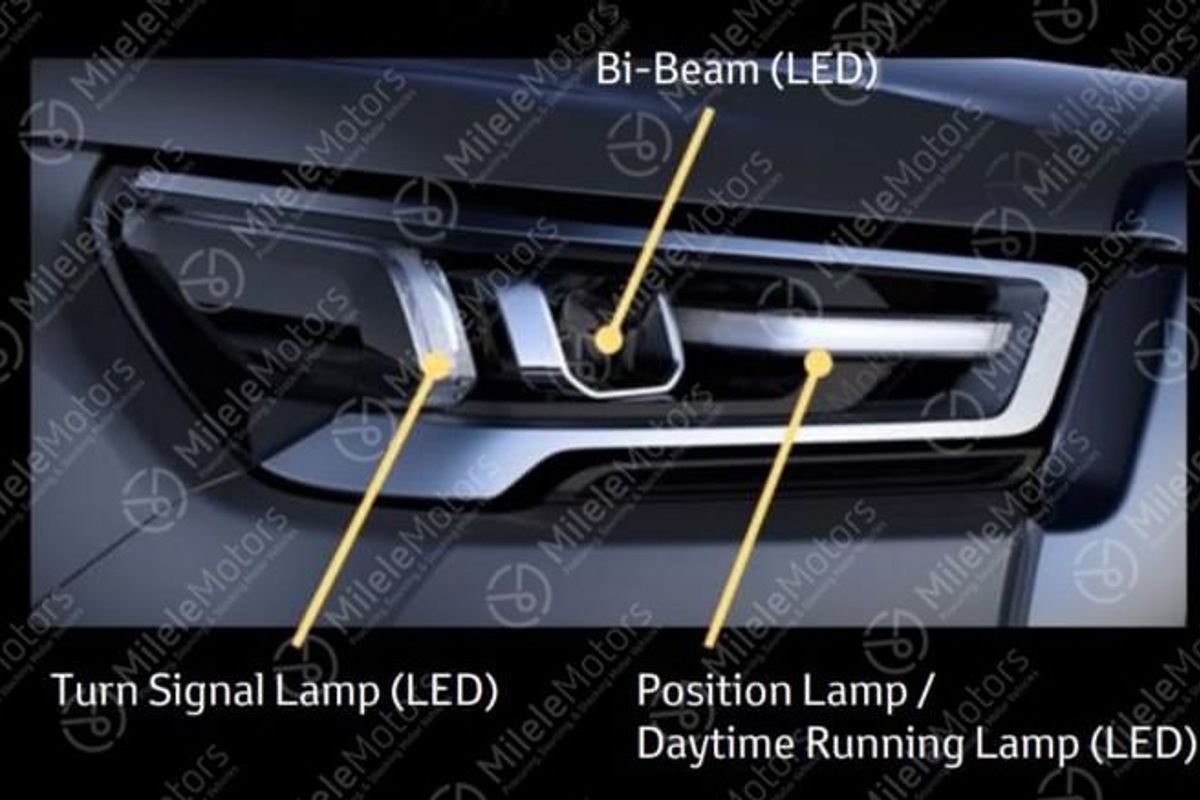
The Hilux Rugged X features a high-tensile alloy bash plate and a winch-compatible hoopless steel bull bar – both of which are compatible with the vehicle's airbags and other safety systems. There's a new black grille with a bold interlocking honeycomb design and gloss-black surround. It is also equipped with a snorkel for wading, LED driving lights, high-strength front and rear recovery points, rock rails, a load-carrying sports bar and other heavy-duty components.
The Hilux Rogue has a bold, aggressive image and wider appearance created by its hexagonal upper grille, fresh front bumper and heavily revised fog lamps, while the Rugged boasts a functional yet aggressive front-end design, including a premium steel bull bar.
Do you think Toyota South Africa should offer TRD kits or something like these derivatives for its South African customers?
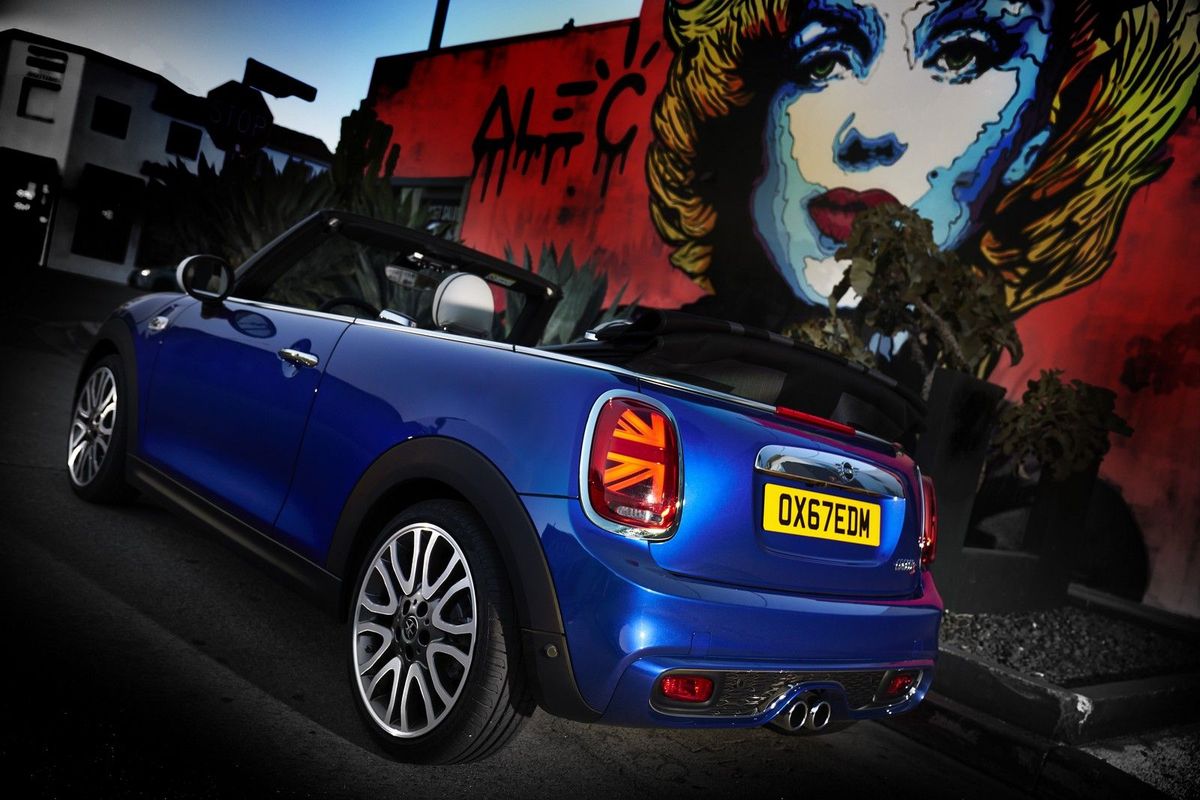
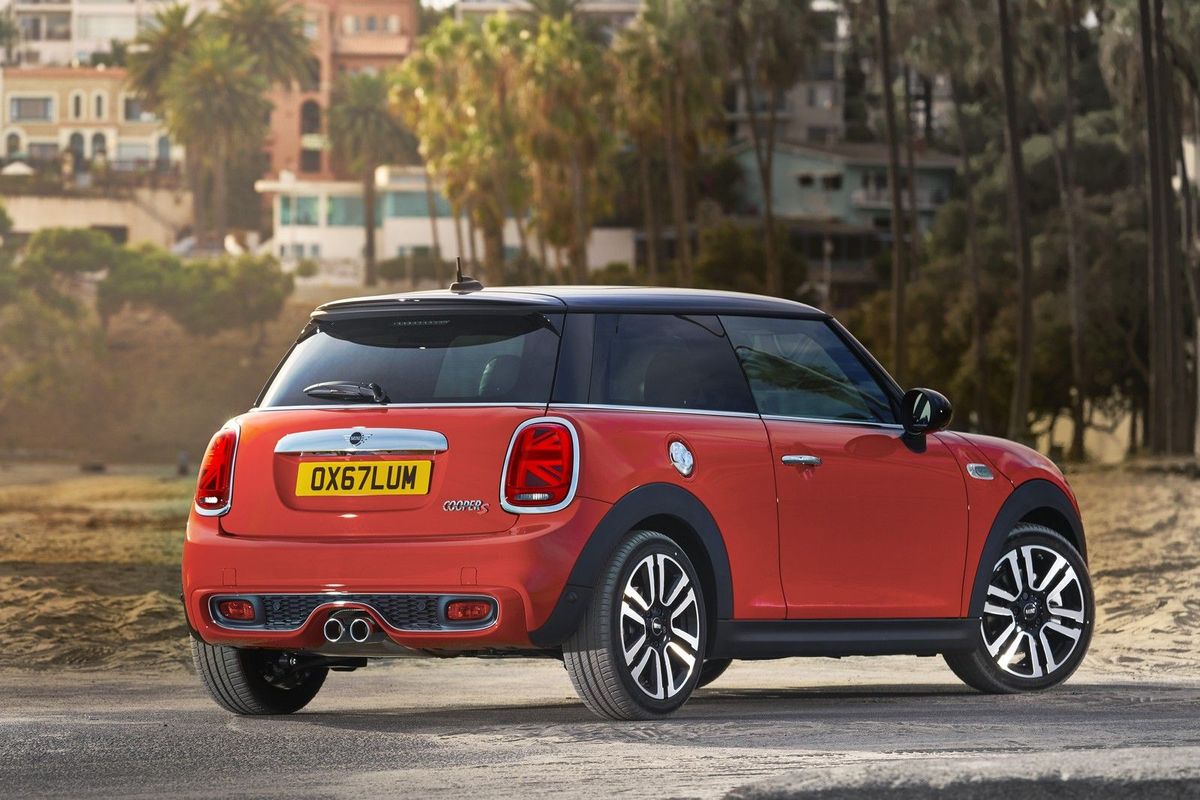
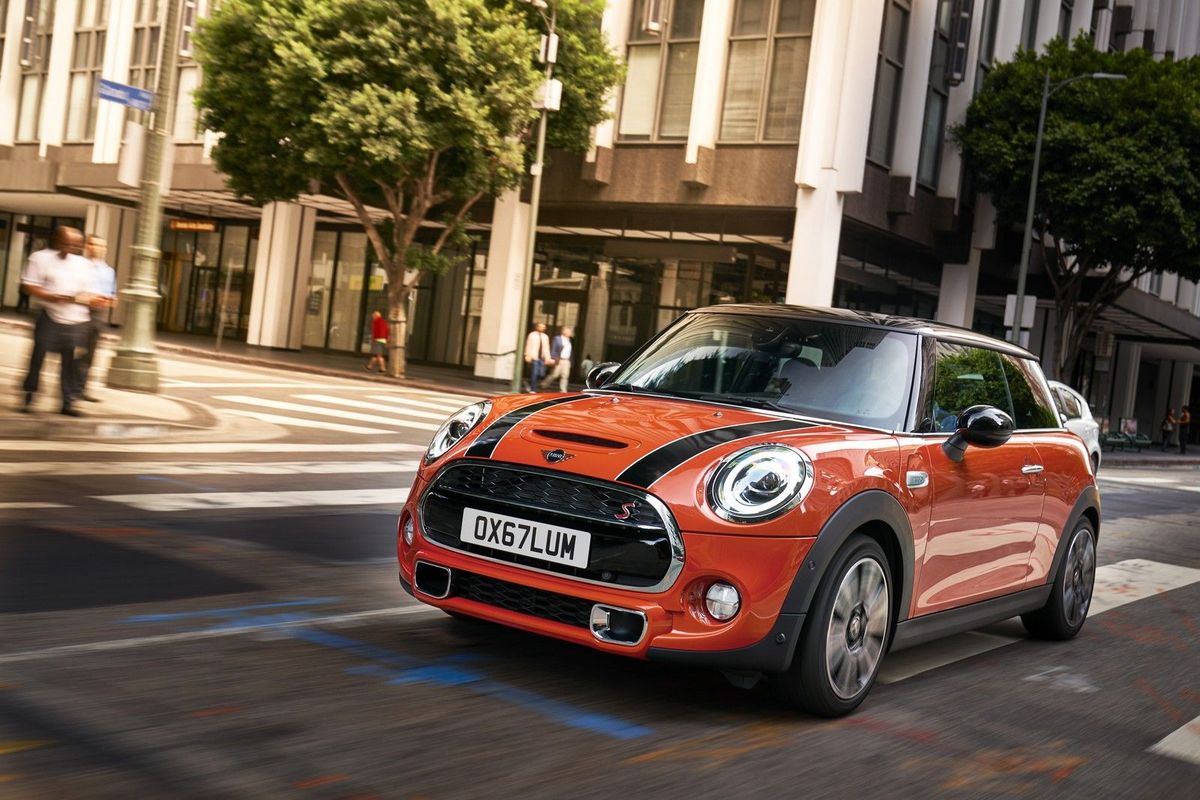
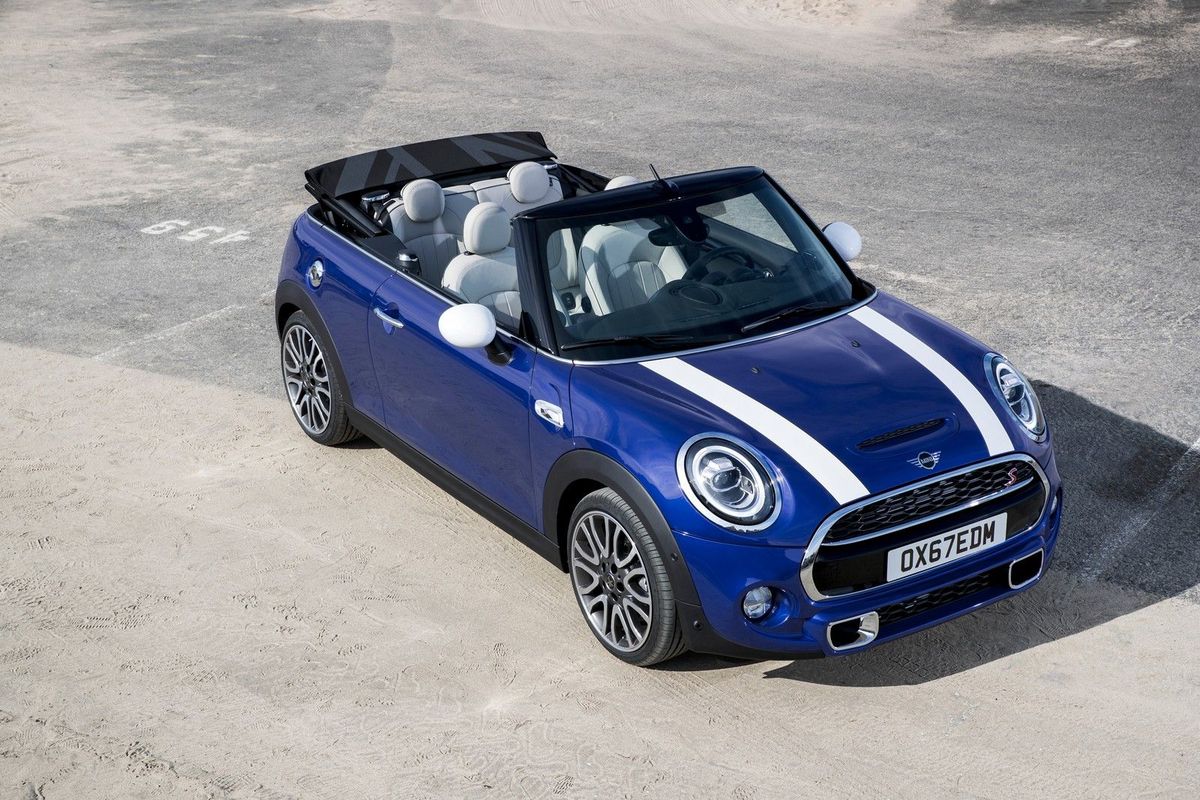
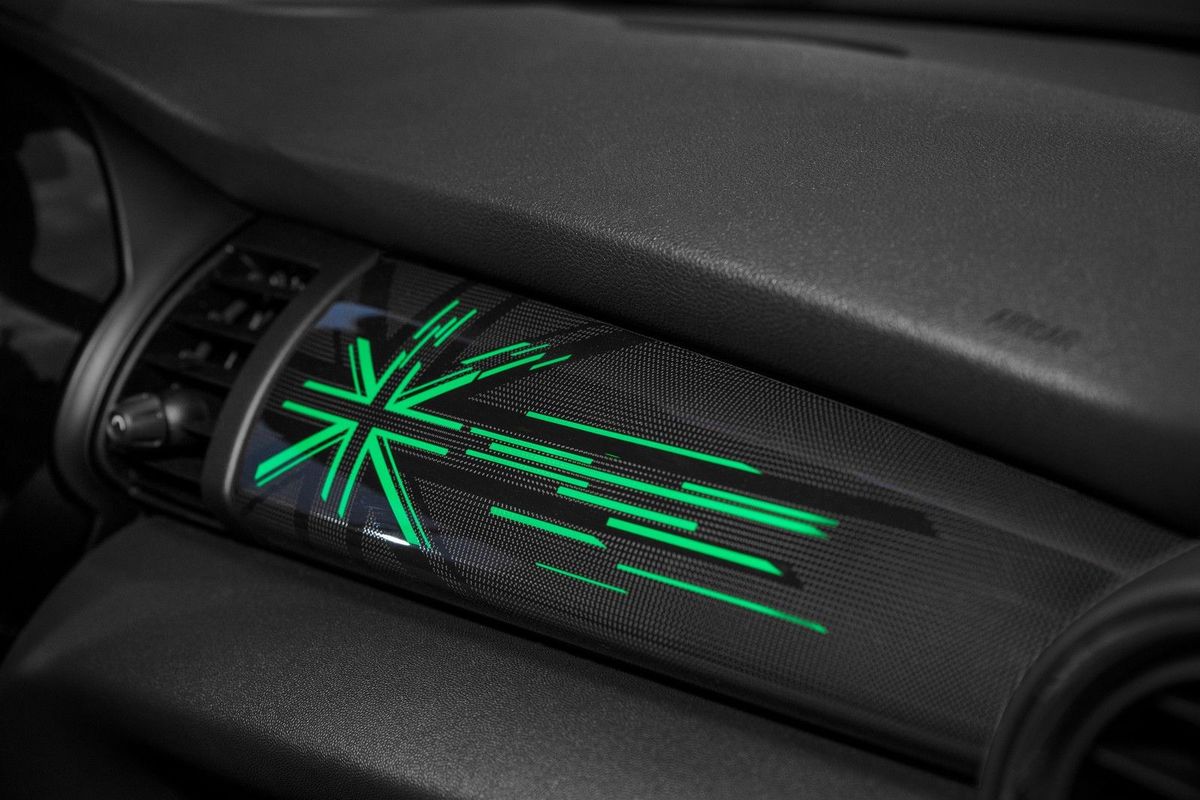
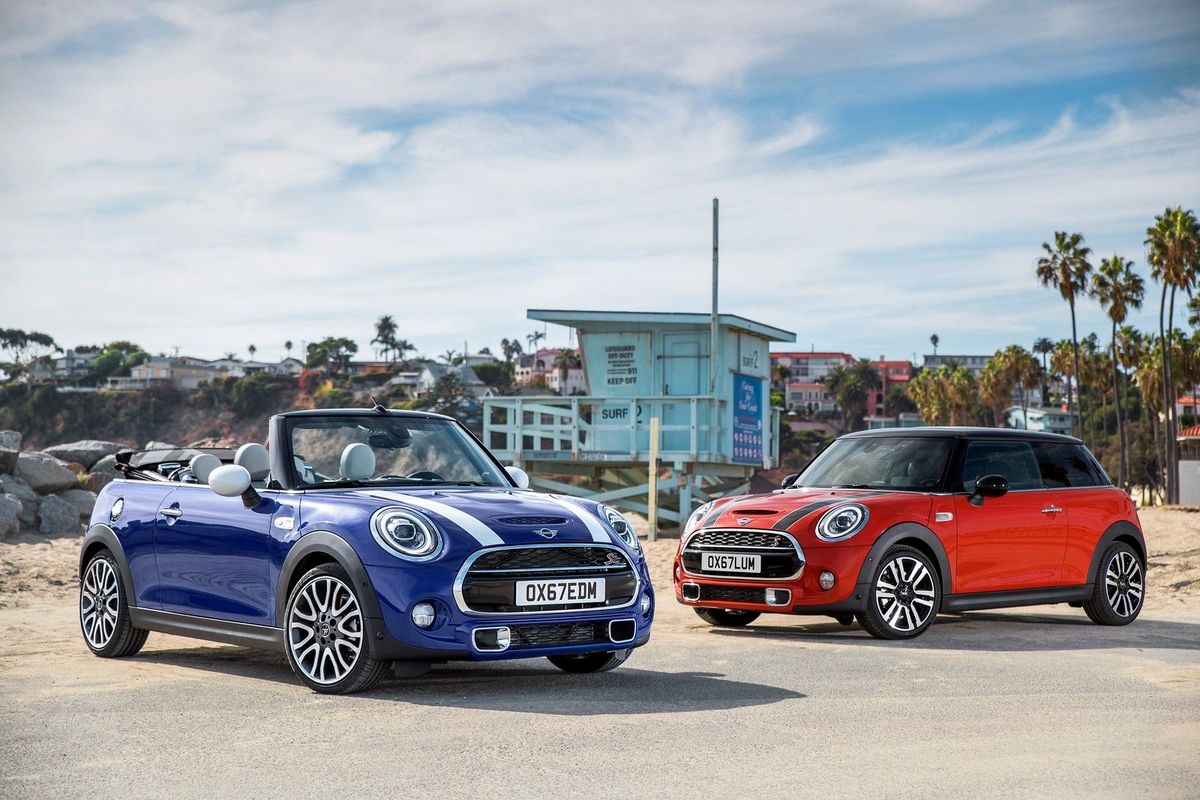
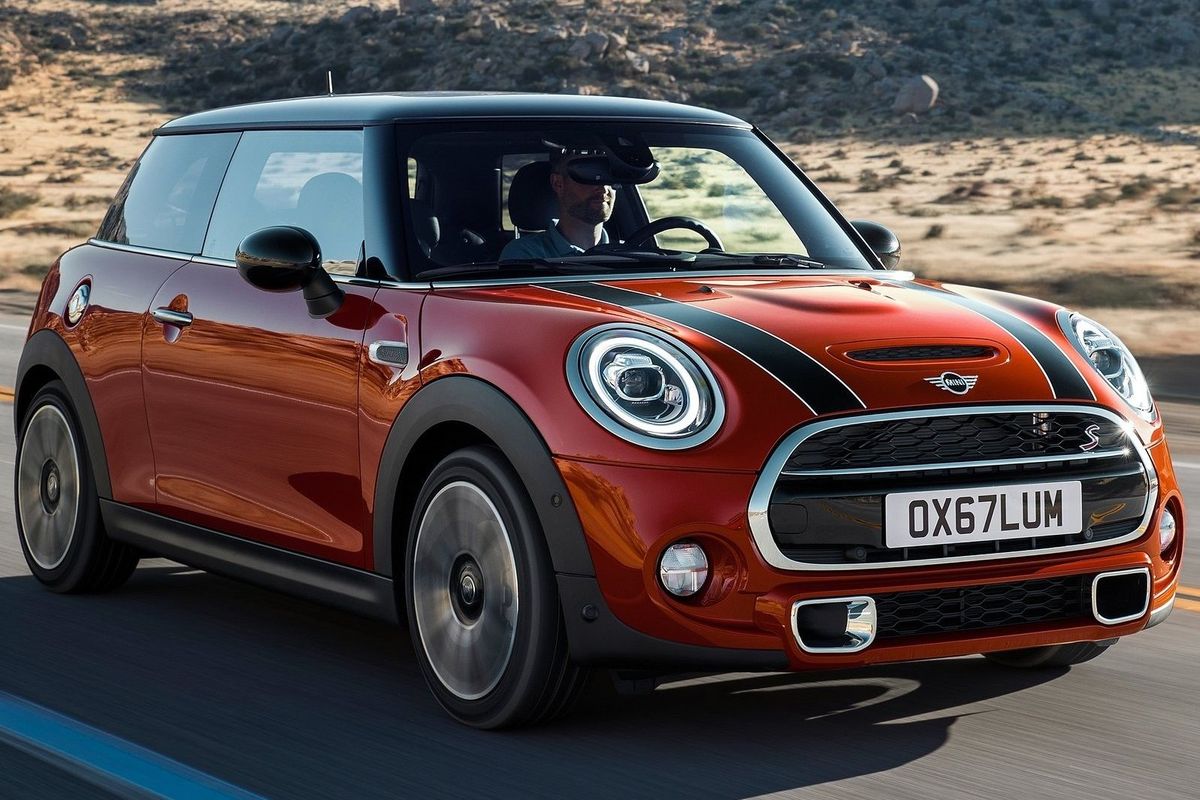
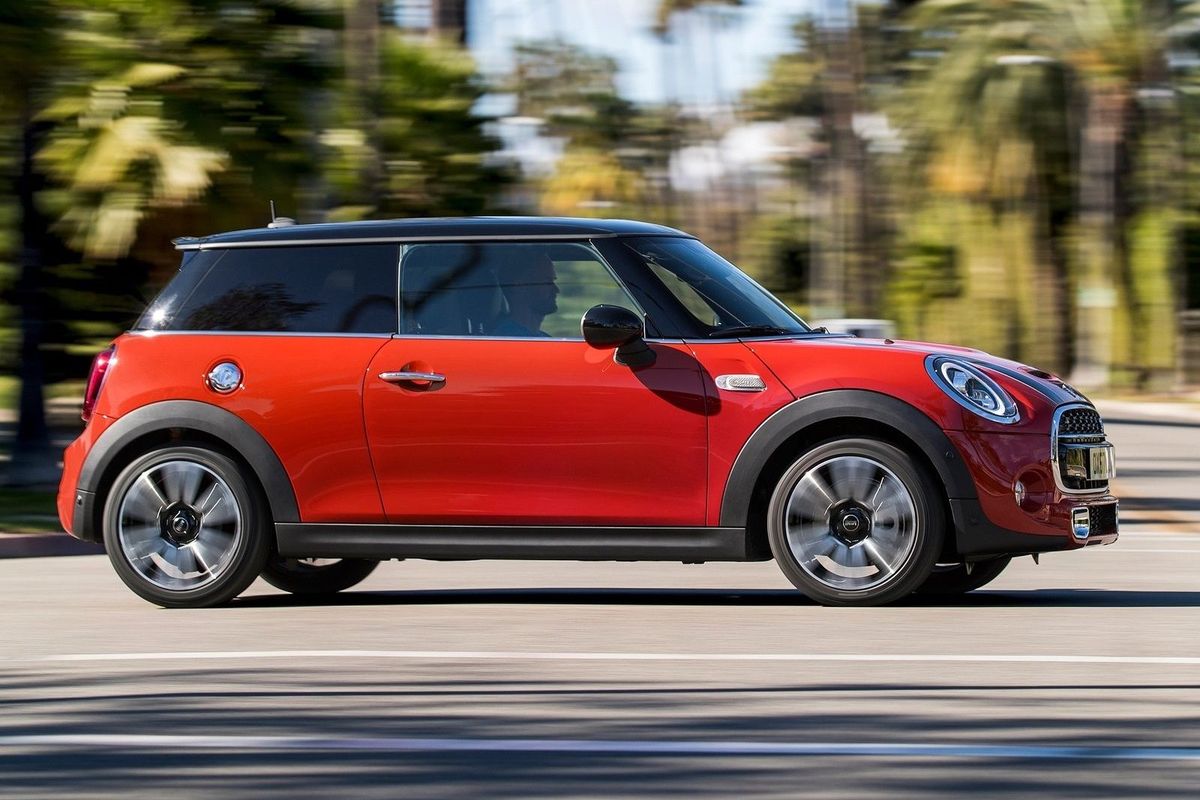
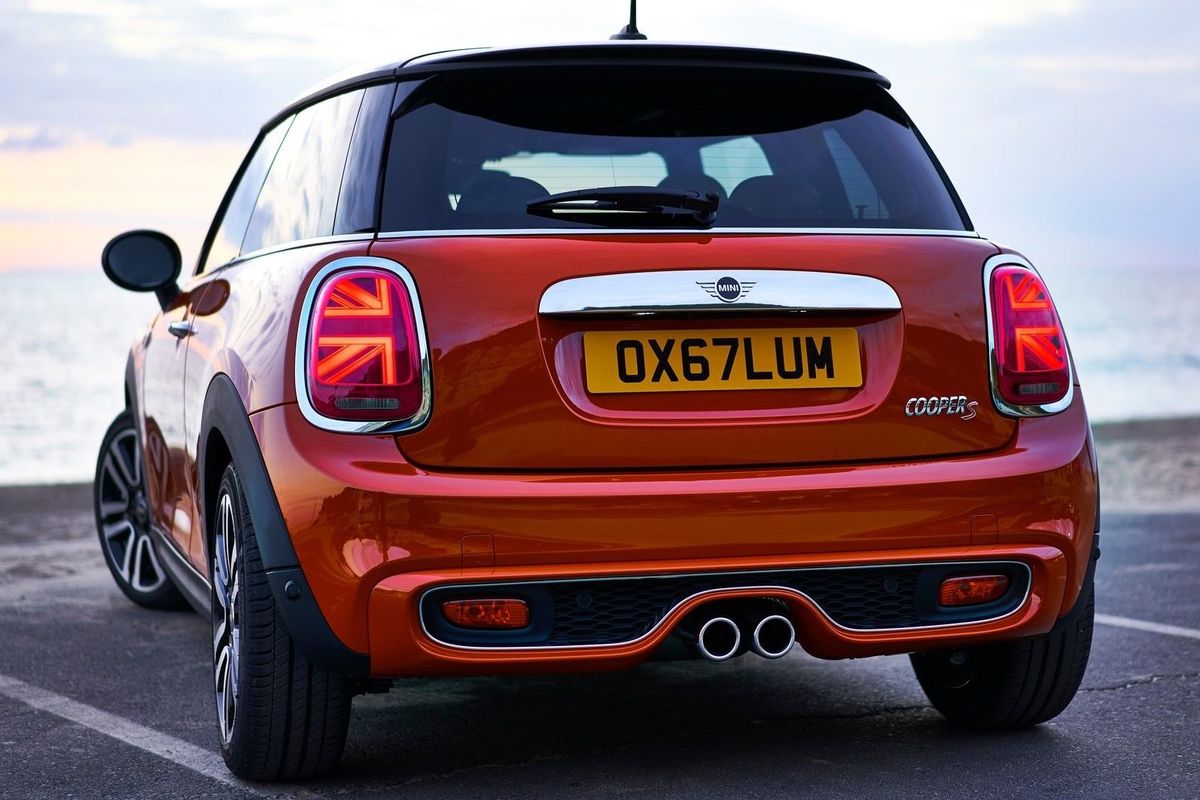
Mini has refurbished it 3-door and 5-door Hatchback and Convertible models for 2018. Check out the cool new tail lights!
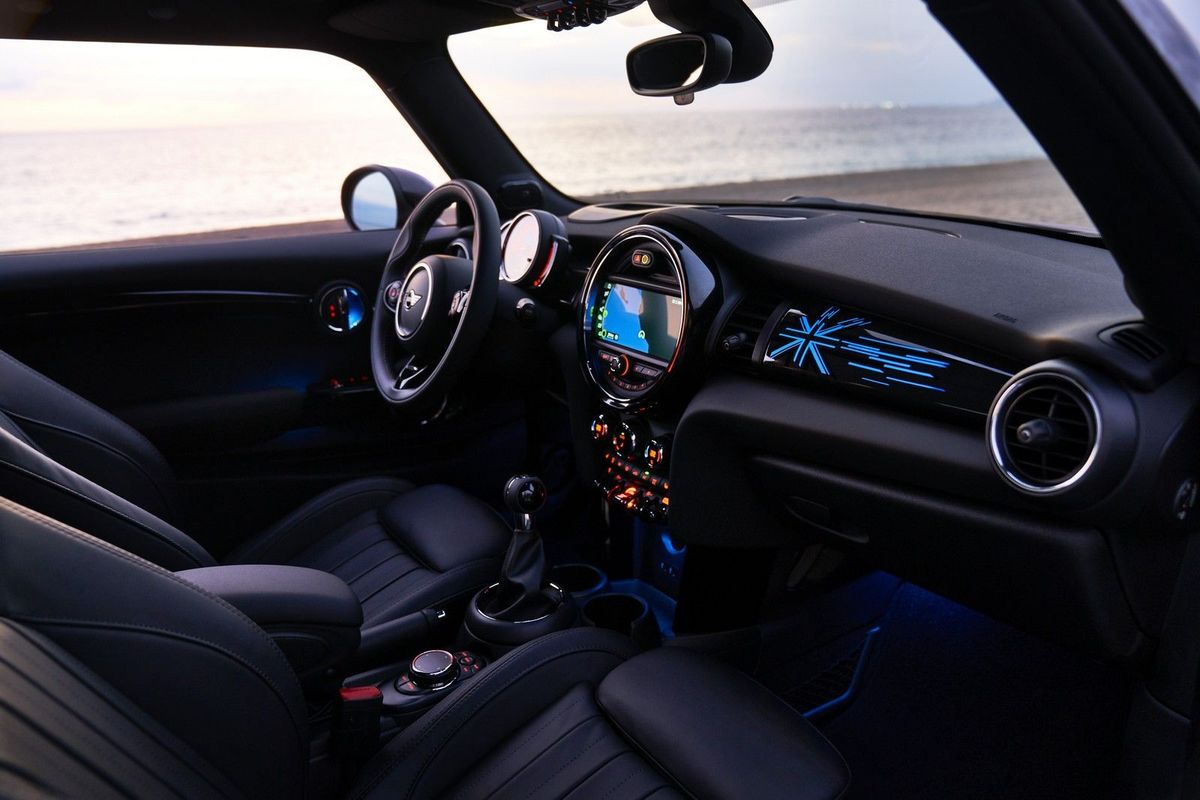
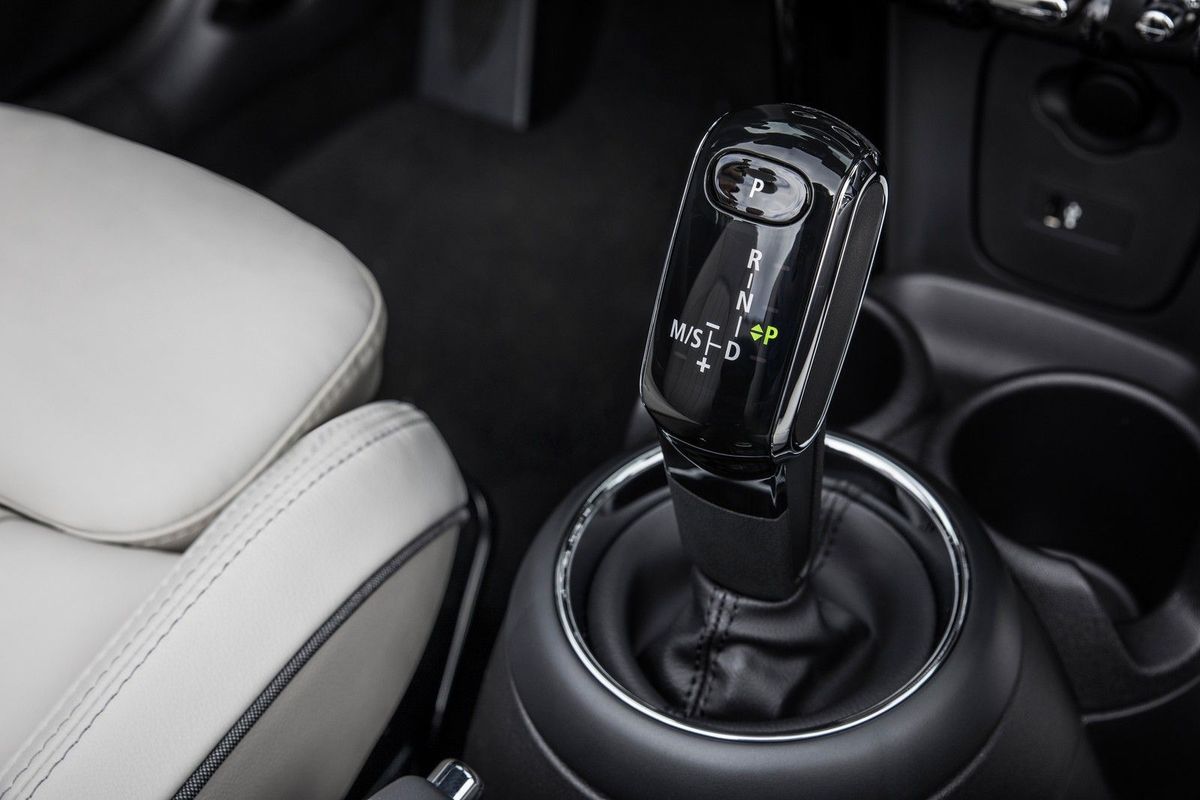
The update to the Mini is focused on a new rear light design, a tech upgrade to the interior and further options to individualise the buyer’s choice.
The rear lights are the most obvious design introduction with a Union Jack styled rear light design. The front lights now have the added benefit of Matrix technology for the high beam assist. It’s an optional extra but even the standard halogen headlights are upgraded to improve visibility in tricky conditions.
The Mini badge has had a logo rethink and is now flatter and more two-dimensional than before, this is how it will be produced for forthcoming models as well.
The customisation levels of the Minis is taken a step further with new leather trim options, different surfaces, interior colours, wheel options and puddle lamp projectors.
As for the engine lineup, all engines are a touch lighter thanks to lighter engine covers. The effect on fuel economy appears to be negligible, but Mini claims a five percent improvement in fuel economy and CO2 expulsion.
The Mini One no longer uses a 1.2-litre unit and will now use the 1.5-litre 3-cylinder that the normal Cooper uses. All models now have the option of a fast-shifting 7-speed dual clutch transmission. The Cooper SD, which we don’t currently get in SA now has the 8-speed Steptronic unit as standard.
The tech upgrade to the Hatch, Convertible and 5-door includes optional wireless charging, which is handy. The infotainment system also now includes Real-Time Traffic with updates via a mobile phone connection, internet access with news, weather and fuel price overview. There is also an optional preparation for Apple CarPlay.
Mini South Africa has confirmed these models will be introduced locally during Q2 of 2018.
According to the National Association of Automobile Manufacturers of South Africa (NAAMSA), the South African new car market struggled in December 2017 with declines recorded for new car sales and exports while light commercial vehicle sales reflected encouraging improvement. However, for the first time in 4 years, aggregate new vehicle sales recorded an improvement and for 2017, increased by 1.8% overall despite tough economic conditions. See all the details in our summary below.
The year 2017 was punctuated by subdued economic growth, low business and consumer confidence and political uncertainty, all of which created challenging conditions for the new car market in South Africa. A modest overall improvement of 1.8% or 10 039 units in volume terms compared to 2016 is therefore a welcome result considering all the challenges. Exports in 2017 recorded an overall fall of 4.6% compared to 2016, but is still the third highest annual export figure on record at 329 053 units.
Rudolf Mahoney, Head of Brand and Communications, WesBank said, “The new vehicle market’s positive performance for the last year was almost exactly in line with our forecast of 1.74% growth. This can be attributed to the Rand being resilient in the face of volatility and the South African economy performing better than anticipated. However, the economy is still underperforming and faces a long road to recovery.”
Furthermore, WesBank highlights that demand for new vehicles increased by 6.4% in December while demand for used vehicles declined by 0.2%. Overall demand for new vehicles increased by 3.0% for 2017 while demand for used vehicles declined by 1.5% overall.
The Toyota Hilux bakkie dominated sales in December 2017 against its main rival, the Ford Ranger. For the first time in what must be years, the Volkswagen Polo has dropped off the Top 5 best-selling cars list ahead of the introduction of the all-new Polo due this month. Toyota’s Corolla remains a strong seller but the big news is that the Renault Kwid racked up impressive sales to become South Africa’s fifth best-selling car for December 2017 with 1 140 units sold, even outselling the current Polo by 92 units. Go Renault!
New car sales summary – December 2017
Aggregate new car sales of 40 636 units down by 2.4% (1 008 units) compared to December 2016.
New car sales of 26 550 units down by 6.4% (1 804 units) compared to December 2016
LCV sales of 12 115 units up by 7.0% (790 units) compared to December 2016
Export sales of 17 374 units down by 7.1% (1 333 units) compared to December 2016
Note: The decline in export sales is largely due to the runout and new model introduction of the new Volkswagen Polo which will be launched in January 2018.
Top 5 best-selling car brands in South Africa for December 2017
1. Toyota – 9 958 units with 24.6% market share
2. Ford – 5 431 units with 13.4% market share
3. Volkswagen – 5 343 units with 13.2% market share
4. Nissan – 4 004 units with 9.9% market share
5. Hyundai – 2 336 with 5.8% market share
Top 5 best-selling new cars in South Africa for December 2017
Even though local financial markets responded positively to the 2017 ANC elective conference held in December 2017, there is still considerable economic and fiscal policy uncertainty, political challenges, risk of further credit rating downgrades and increasing geo-political tension that makes forecasting difficult.
NAAMSA, however, notes that indicators are showing that the South African economy is performing better than expected, despite low levels of business and consumer confidence.
Economic growth of about 1.9% is expected for 2018, barring further credit rating downgrades and this projection compares favourably to the approximate 1.0% economic growth of 2017. The upturn in economic growth is expected to support new car sales in the domestic market in 2018. NAAMSA predicts that the new car market will grow by about 2.0% in 2018 while LCV sales is expected to grow by about 4.0%.
With global growth projections of 3.7%, exports are expected to improve substantially in 2018. In fact, local export projections indicate expected improvements of 11.0% or 37 000 units for 2018 with total exports expected to reach 366 000 for the year. More so, domestic vehicle production is also expected to increase by about 8.0% from 588 000 in 2017 to 635 000 in 2018.
3 Reasons Why Volkswagen Golf R is #CarsAwards Finalist
What makes the Volkswagen Golf R a potent contender in the Performance Car category of the 2017/18 Cars.co.za Consumer Awards – powered by WesBank? We investigate…
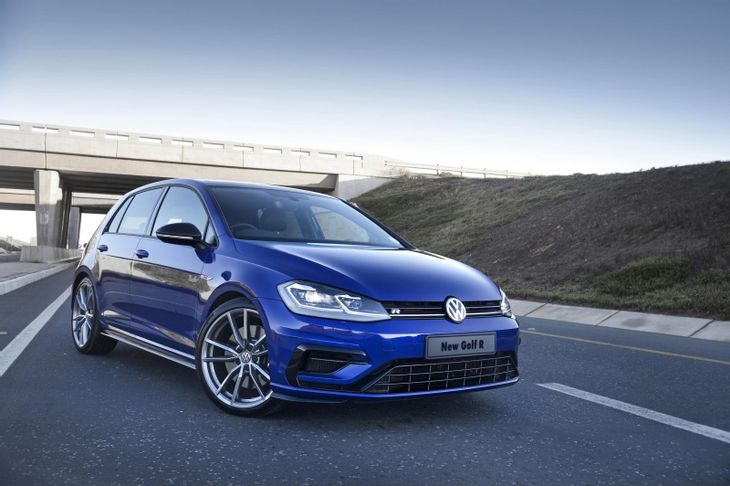
The latest generation Golf R (7.5) comes with a few visual tweaks and a slight power upgrade. The R and its all-wheel-drive system showcase just how fast you can make a popular hatchback rocket away from a set of lights. The R is here, amongst this high-powered crowd because it actually offers up similar performance figures but at a much reduced cost.
3 Reasons Why Volkswagen Golf R is #CarsAwards Finalist
1. It’s fast
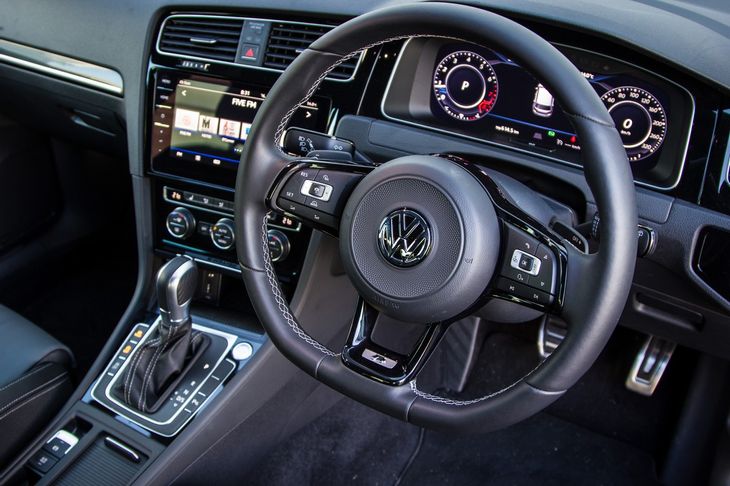
The Golf R’s local power output has been increased to 213 kW with 380 Nm of torque developed by its turbocharged 2.0-litre petrol engine. Slot the Golf’s DSG ‘box into sport mode and activate the launch control mode and let the system sort out the rest and it fires off the line like it’s been launched from a cannon. The way the Golf R gets off the line is simply mesmerising and it’s mostly down to its all-wheel-drive system. Zero to 100 kph is done with in just 4.6 seconds, that easily in the ballpark with the competition here.
2. Impressive handling
The Golf R sticks to the tarmac like it’s glued to the surface. The grip levels are impressive and only when pushed stupidly beyond its limits does it become overwhelmed and resort to understeering until the grip returns. The Golf R feels connected to the tarmac, giving good feedback through the chassis and its extremely stable when you stand on the brakes. It’s a car that’s easy to push but then when you back off and want to cruise, it still feels comfortable on a well sorted chassis.
3. Vrrr Pah goodness
The term ‘Vrrr pah’ was coined on Volkswagen’s exhaust pops and the new R doesn’t disappoint fans of the familiar VW burp. The engine note doesn’t provide a really thrilling soundtrack but the gearshifts always provide a smile-inducing crack as the DSG ‘box summons another shift.
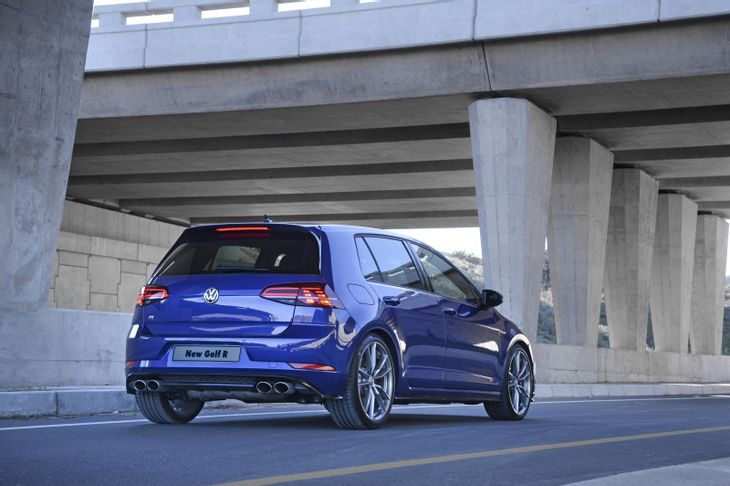
The new design incorporates a change to the front end that includes a fresh bumper design and LED headlight design. The rear LEDs have also been redesigned but the stance and bodykit of the Golf R is what makes it so attractive to buyers out there.
How does the VW Golf R perform against its Golf GTI sibling? Watch the drag race below to find out!
Have Your Say: Complete our survey!
Do you own a Golf R? We would love to hear from you! Tell us about your experience by completing our Ownership Satisfaction Survey. Your input counts for 50% of the final result!
Volkswagen has released a video highlighting its products and overarching strategy for 2018. Aside from the usual suspects, there are some surprises. Have a look!
The short video details some of Volkswagen's vehicles which will make a global introduction in 2018. While not all are confirmed for South African market introduction, like the Up! GTI, we can look forward to some of the SUV offerings like the Touareg and T-Cross.
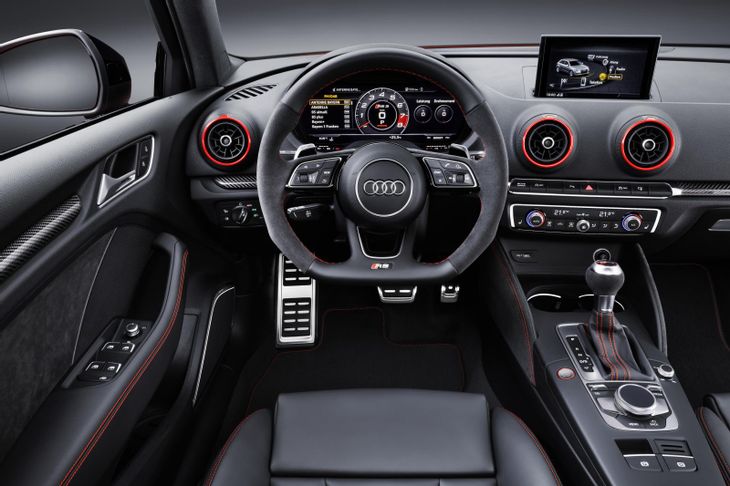
What makes the Audi RS3 Sedan a potent contender in the Performance Car category of the 2017/18 Cars.co.za Consumer Awards – powered by WesBank? We investigate…
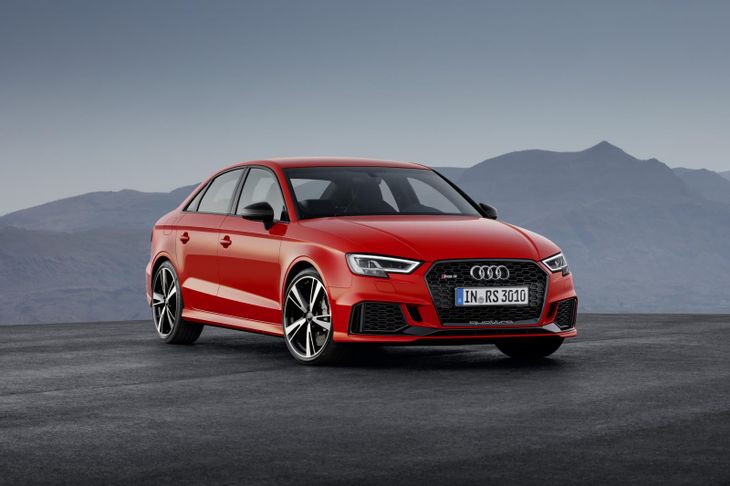
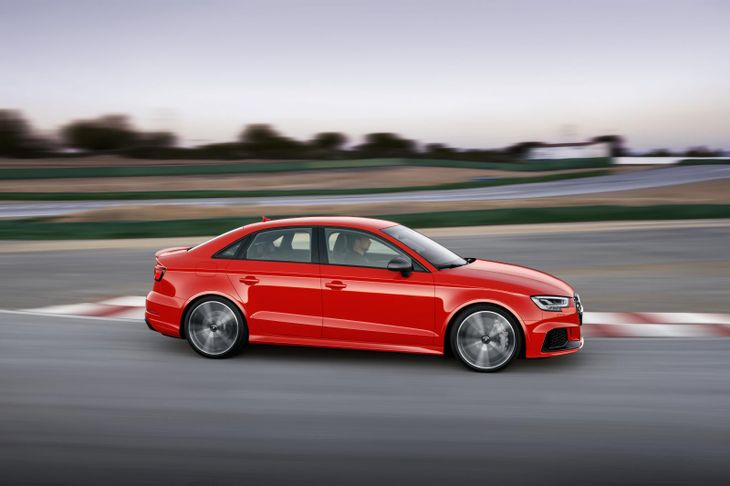
The Audi RS3 Sedan is a new introduction to the RS3 range and boasts a banging 5-pot motor that sets its sound apart from the competition. Audi has worked tirelessly at removing the ‘safe and predictable’ tag with this car, bestowing it with a raft of mechanical features meant to make it handle like a proper sportscar and even, slide the rear end a bit. Can the RS3 muscle its rivals to take the win in this category?
3 Reasons Why Audi RS3 is #CarsAwards Finalist
1. Enthralling powertrain
A 5-cylinder, 2.5-litre turbocharged petrol engine with 294 kW and 480 Nm does service under hood. From the moment you fire up the RS3, the pipes bark into life with a series of bangs and pops. It warns you that something viscous lays underneath the bonnet and that it may bite if not handled with care. It doesn’t sound quite as raucously loud as the Sportback, but delivers incredibly confident cornering talent. Zero to 100 kph is dispatched in 4.1 seconds, which compares favourably with its rivals in this category.
2. Capable handler
The RS3 is never going to throw the rear about like a purely rear-driven car, but with the new torque transferring system, it feels more like a rear-driven car than you would expect. 100% of the power can be sent to the rear wheels and power is sent forwards only to aid in traction and to improve cornering ability. It gives the Audi much better feel through the steering wheel and added agility to the front-end.
The RS3 feels amazingly planted and the grip levels beggar belief. Unlike other competitors, the RS3’s abilities are quite accessible, meaning most drivers will be able to get the most out of it.
3. Style master
The RS3 Sedan is Audi’s best shape, bar maybe the R8. The proportions seem to work best in this squashed, muscular saloon. It looks purposeful yet sleek, like it’s ready to attack on command. The RS3 features a few design tweaks, including new LED headlight units, a more angular surround on the single-frame grille, reworked bumpers (including a redesigned front blade and rear diffuser), a freshened taillight graphic and RS-specific spoiler lip on the boot lid. The RS3 is a real looker in the metal…
Watch the Audi RS3 take on the BMW M2 in our drag rance video below!
Have Your Say: Complete our survey!
Do you own an RS3? We would love to hear from you! Tell us about your experience by completing our Ownership Satisfaction Survey. Your input counts for 50% of the final result!
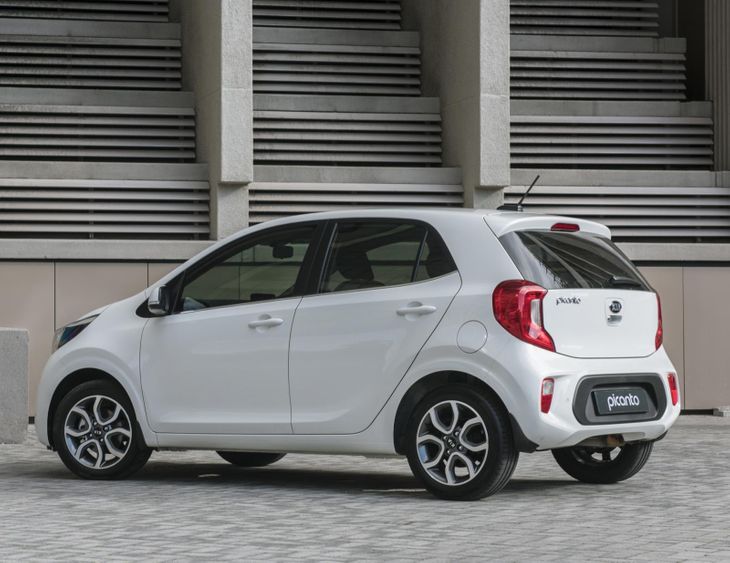
Kia South Africa is now giving buyers the choice of an automatic transmission for its range-topping Picanto 1.2 Smart derivative! Get all the details below…
The Kia Picanto has been a sales success locally with over 700 units sold on a monthly basis and the new Picanto, which launched in July 2017, will undoubtedly continue to woo buyers looking for a capable and affordable city runabout. It’s also worth mentioning that the Kia Picanto 1.0 Style is a finalist in the Cars.co.za Consumer Awards – powered by WesBank, which is further testament to the Picanto’s appeal and relevance in the budget car segment of the market.
Kia is now offering more choice in the Picanto range by offering the brand’s familiar 4-speed automatic transmission on the range-topping Picanto 1.2 Smart derivative, which was previously only offered with a 5-speed manual transmission. This derivative is powered by a naturally-aspirated 1.25-litre petrol engine with 61 kW and 122 Nm of torque. The new Kia Picanto 1.2 Smart Automatic is priced from R212 495.
The Picanto 1.2 Smart automatic offers driving convenience while offering a host of useful standard features.
Key features for the Picanto 1.2 Smart includes two-tone leather upholstery, electric windows and side mirrors, 15-inch alloy wheels, 7-inch touchscreen with Bluetooth functionality and Apple CarPlay and rear park assist with a reverse camera.
“The introduction of an automatic version of the Picanto 1.2 SMART is a direct result of market feedback. With urban congestion only getting worse, many customers are realising just how perfect the Picanto is for the daily commute to work. Our research among both current and prospective owners have confirmed this, and we’re confident that the addition of an automatic derivative of the Picanto 1.2 SMART will cement the Picanto’s position as a customer favourite” ” says David Sieff, Marketing Director, KIA Motors South Africa.
Watch our video review of the new Kia Picanto below!
Kia Picanto – Price in South Africa
Picanto 1.0 START Manual – R137 995
Picanto 1.0 STREET Manual – R152 995
Picanto 1.0 STYLE Manual – R162 995
Picanto 1.0 STYLE Auto – R175 995
Picanto 1.0 SMART Manual – R183 495
Picanto 1.2 START Manual – R153 995
Picanto 1.2 START Auto – R166 995
Picanto 1.2 STREET Manual – R168 995
Picanto 1.2 STYLE Manual – R179 495
Picanto 1.2 STYLE Auto – R192 495
Picanto 1.2 SMART Manual – R199 495
Picanto 1.2 SMART Auto – R212 495
The Kia Picanto is sold with a 5-year/unlimited km warranty and a 3-year/unlimited km Roadside Assistance. A service plan is offered as an option.
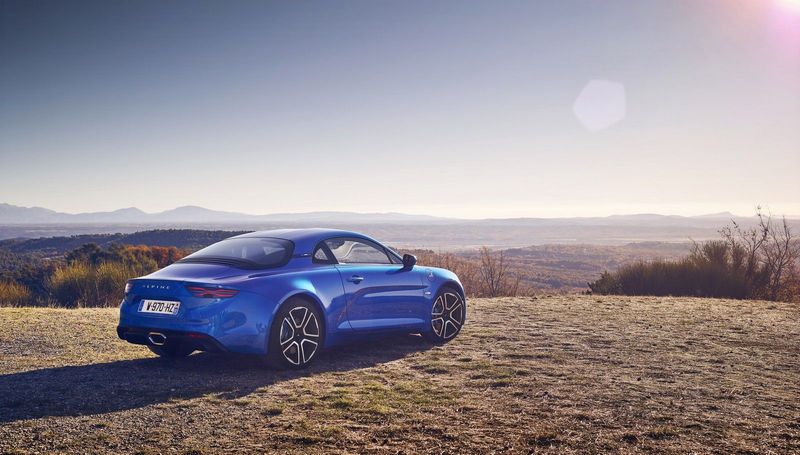
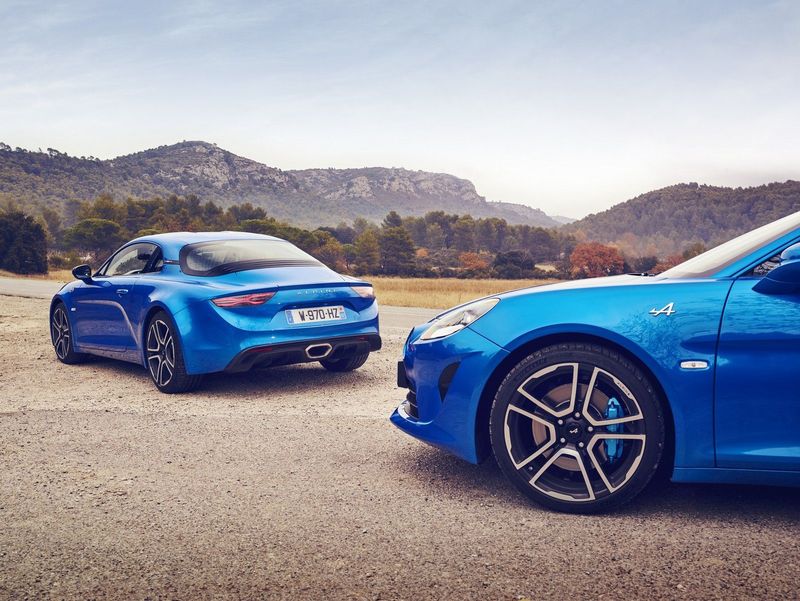
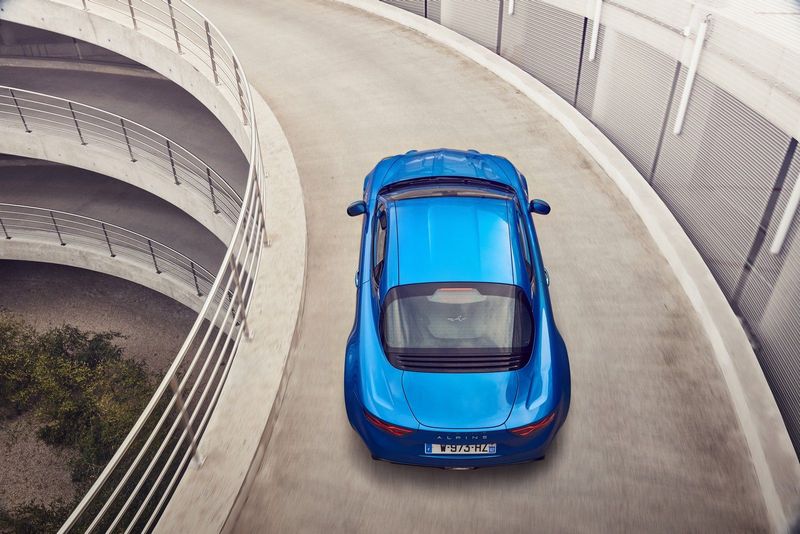
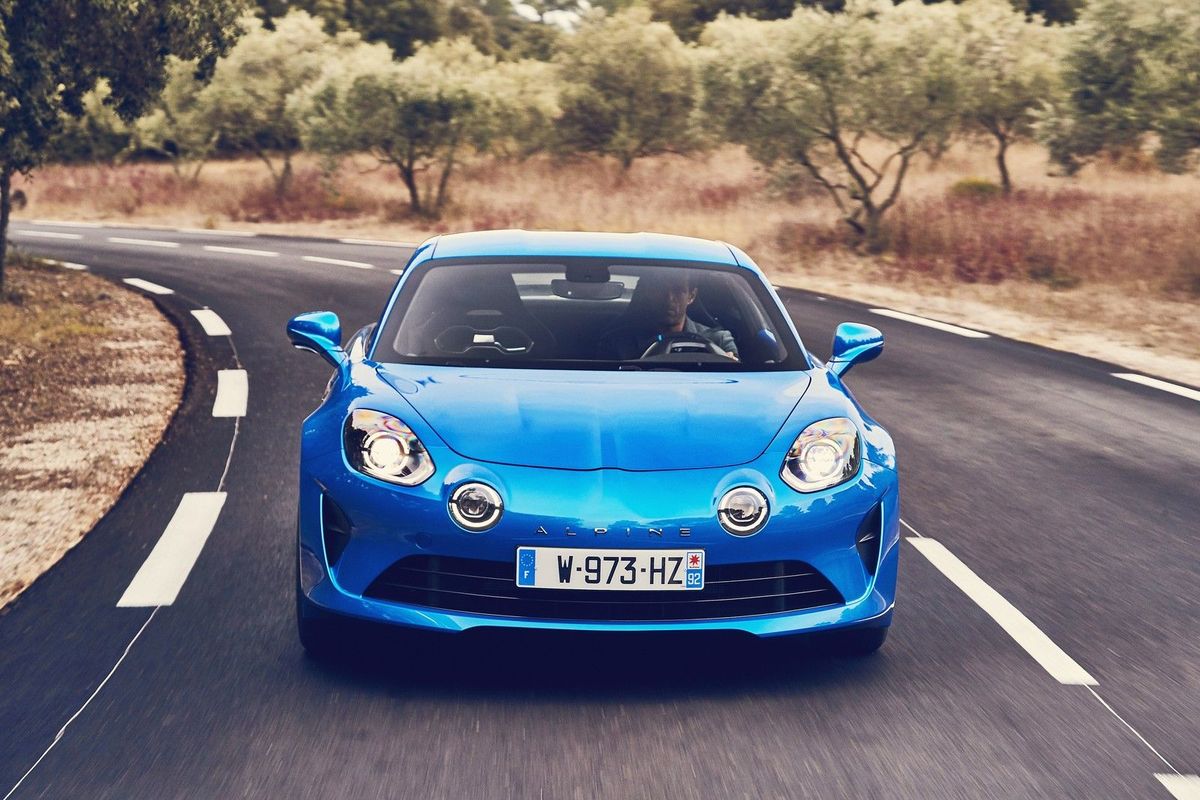
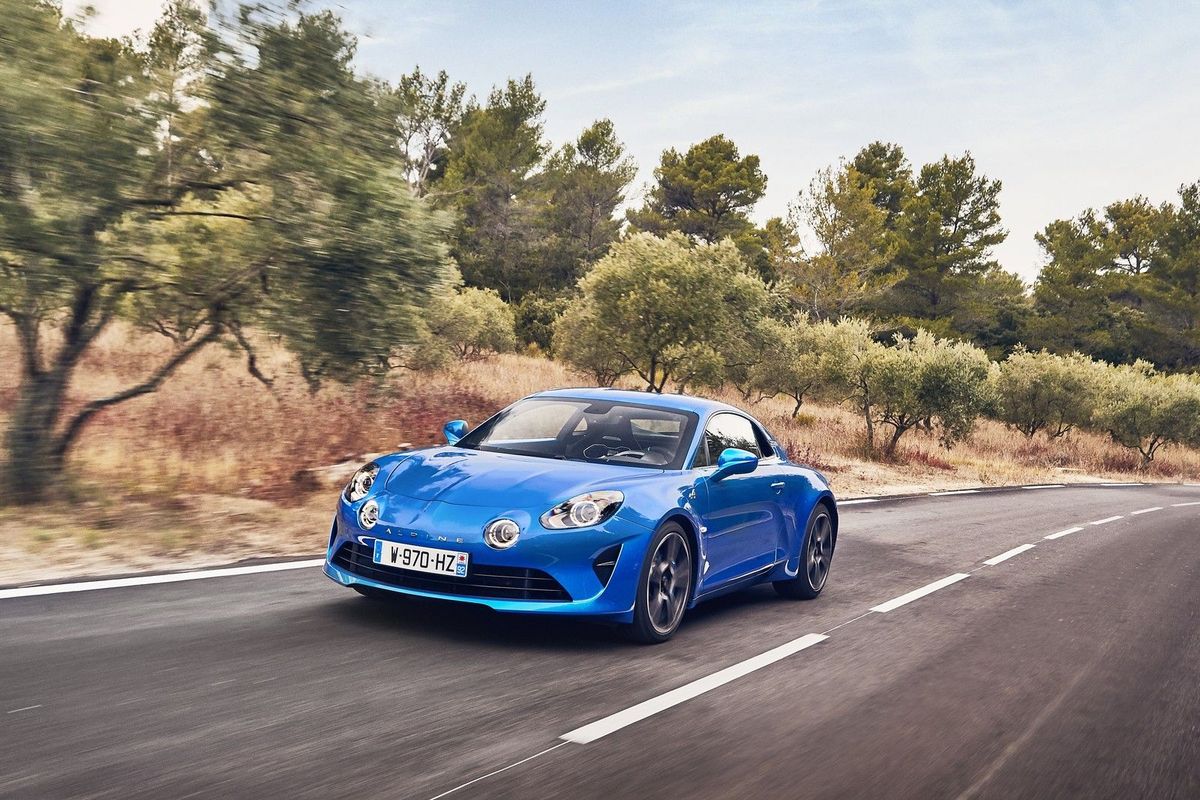
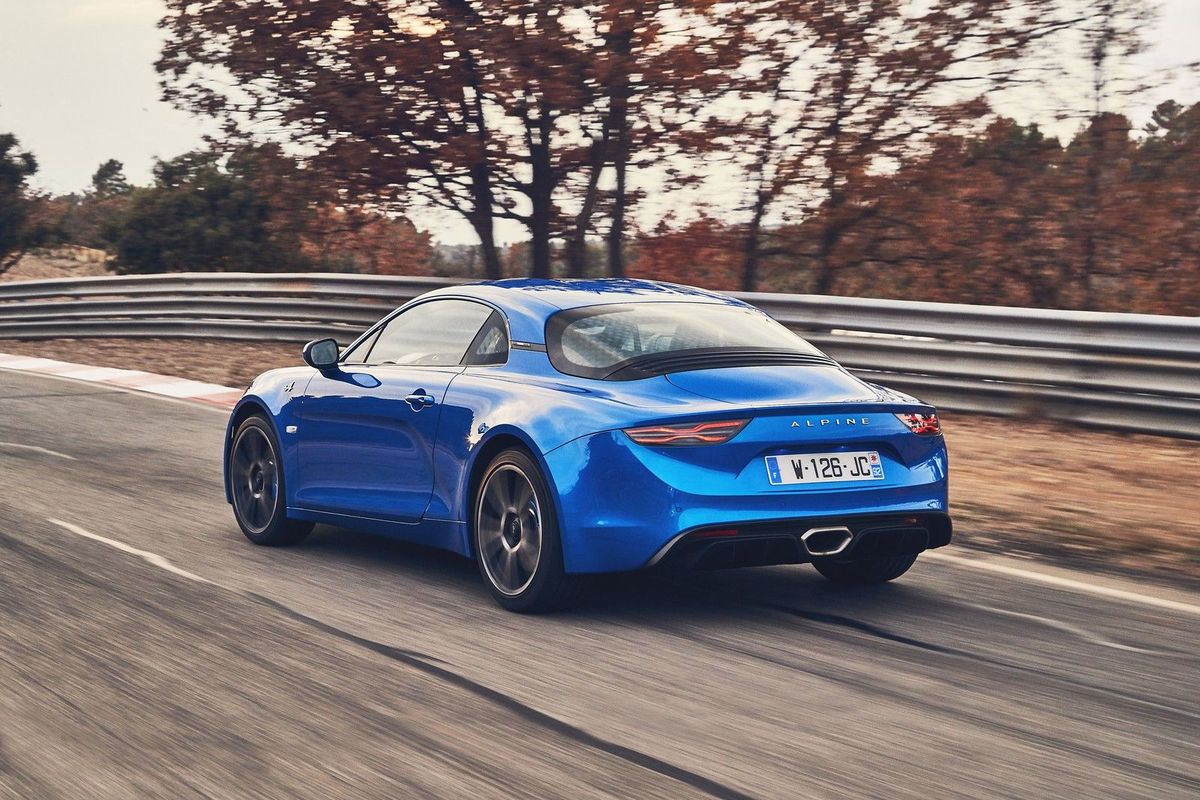
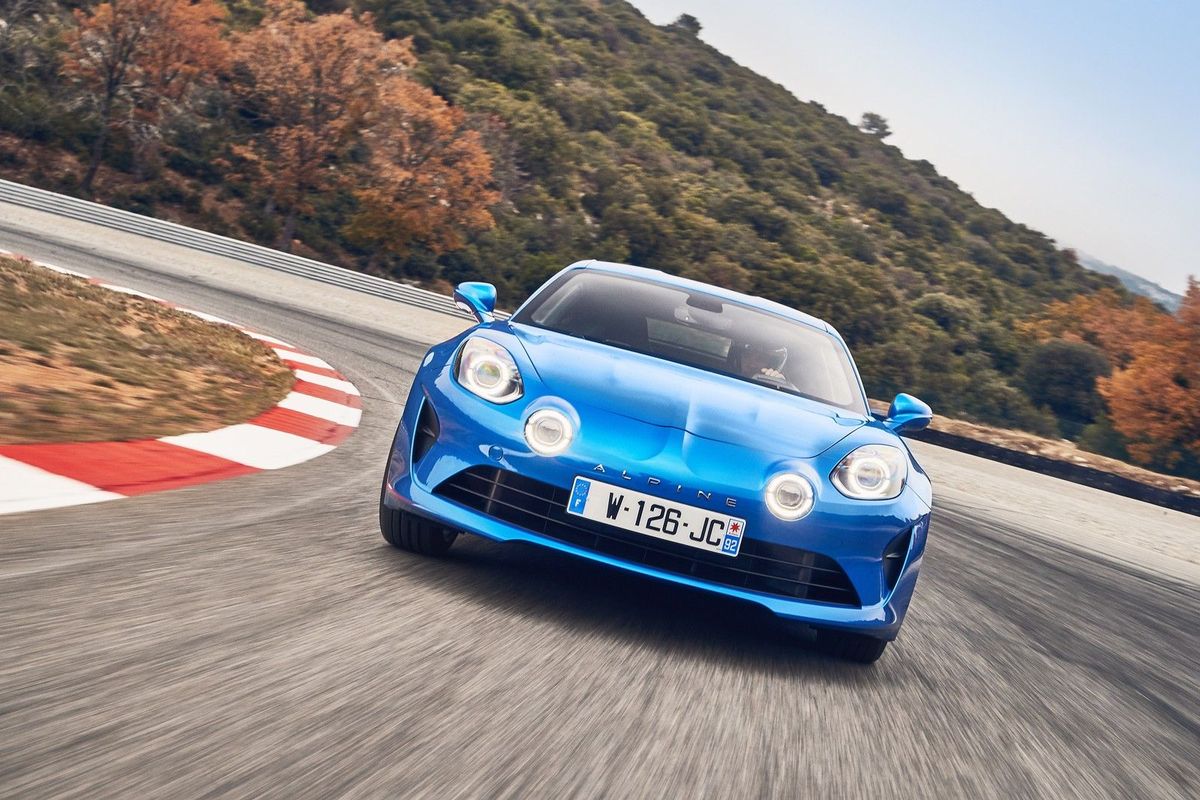
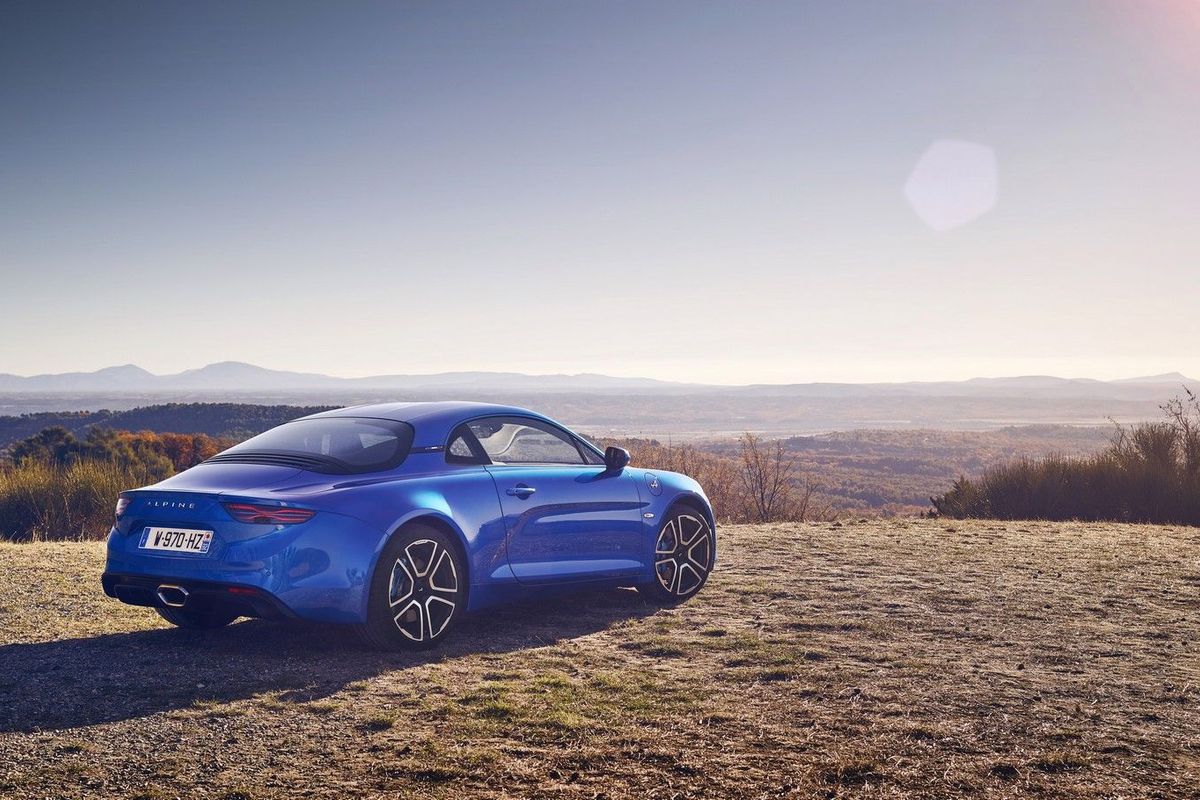
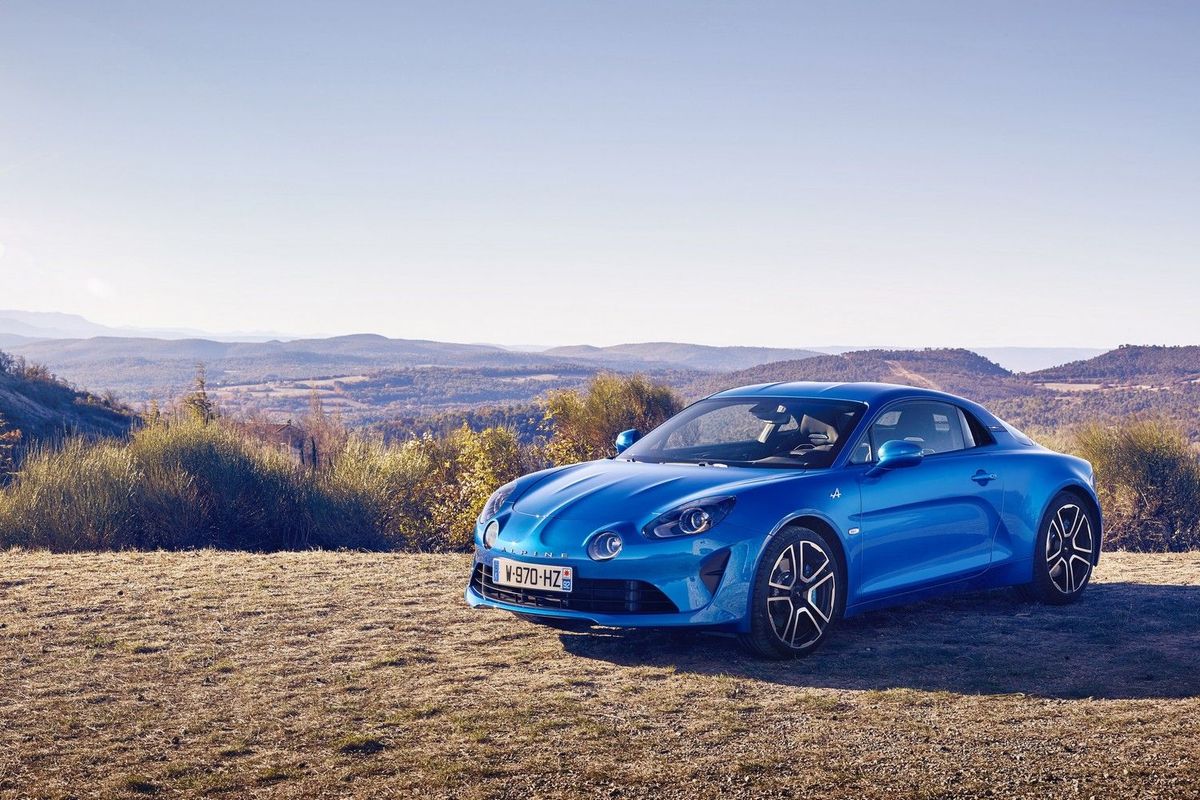
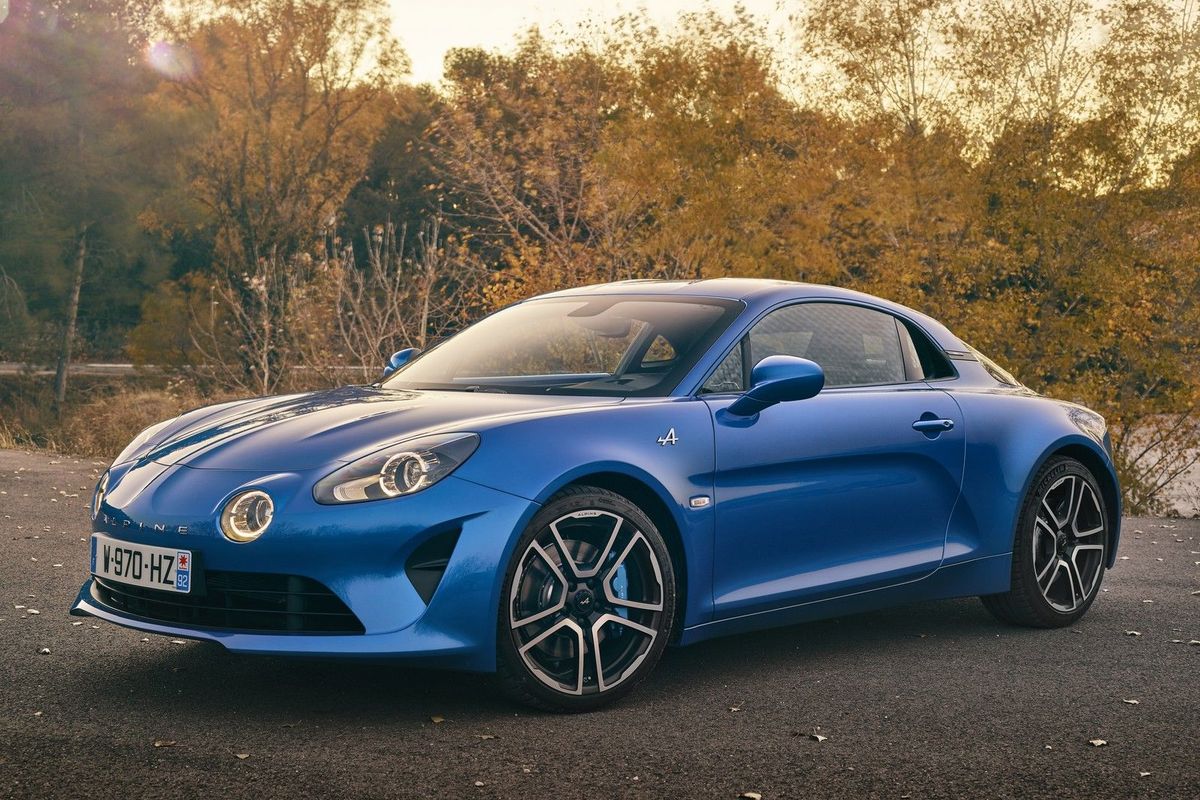
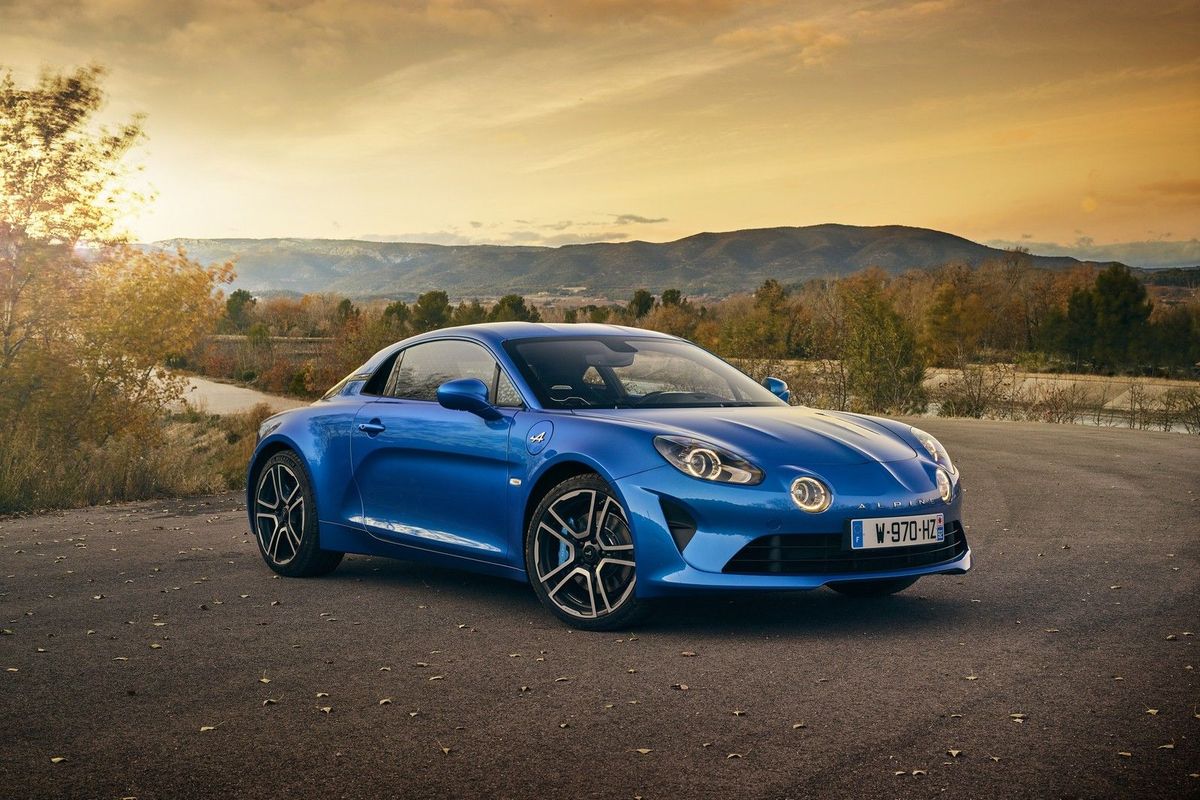
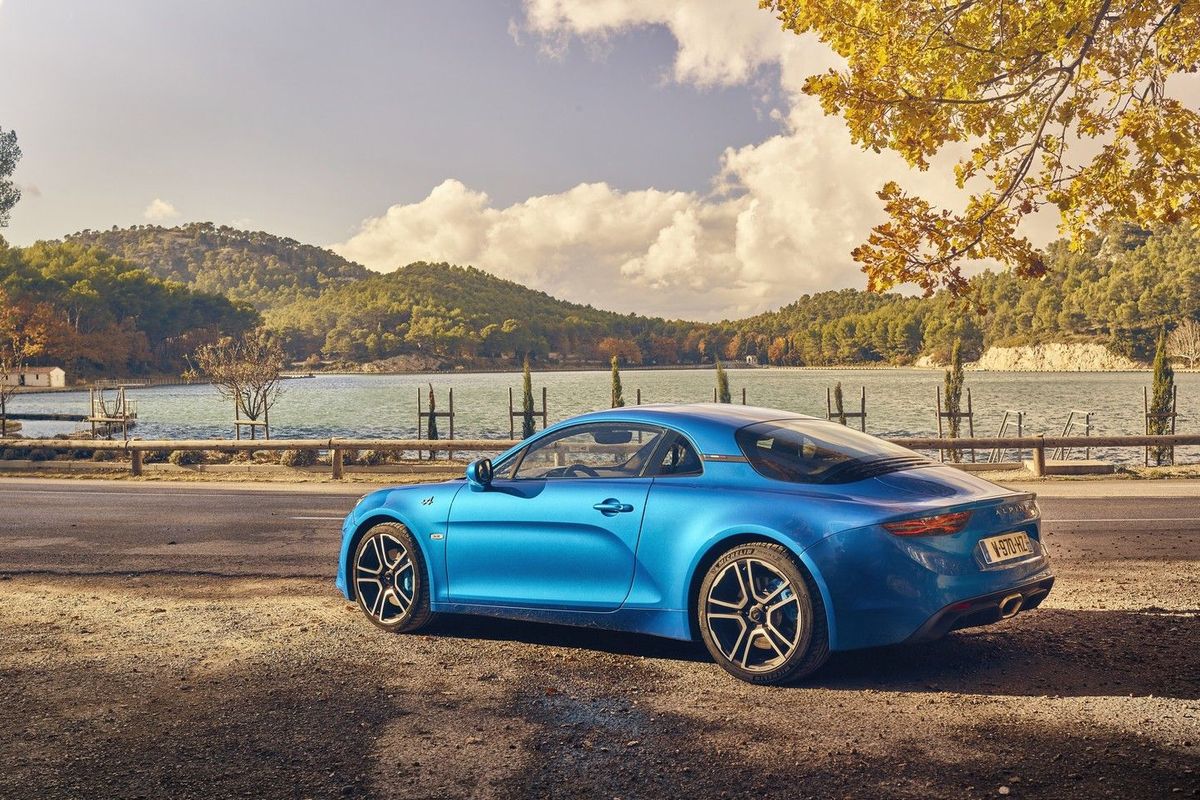
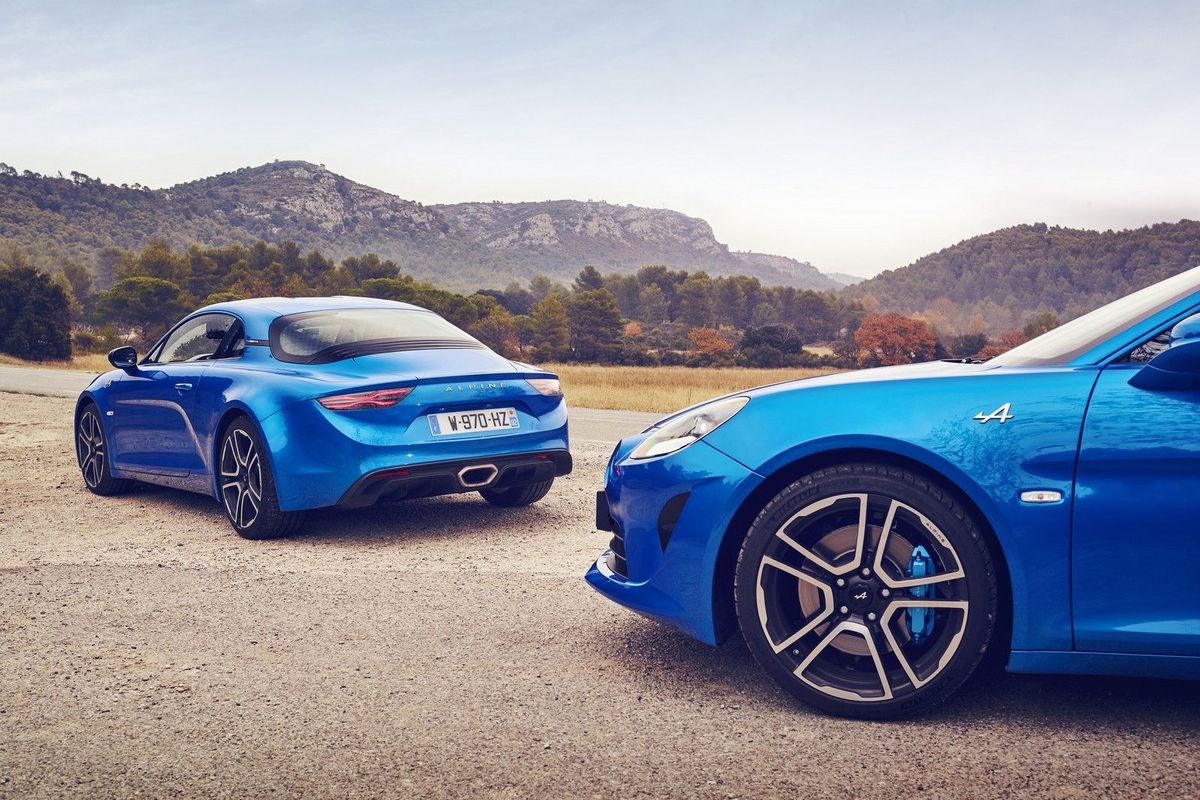
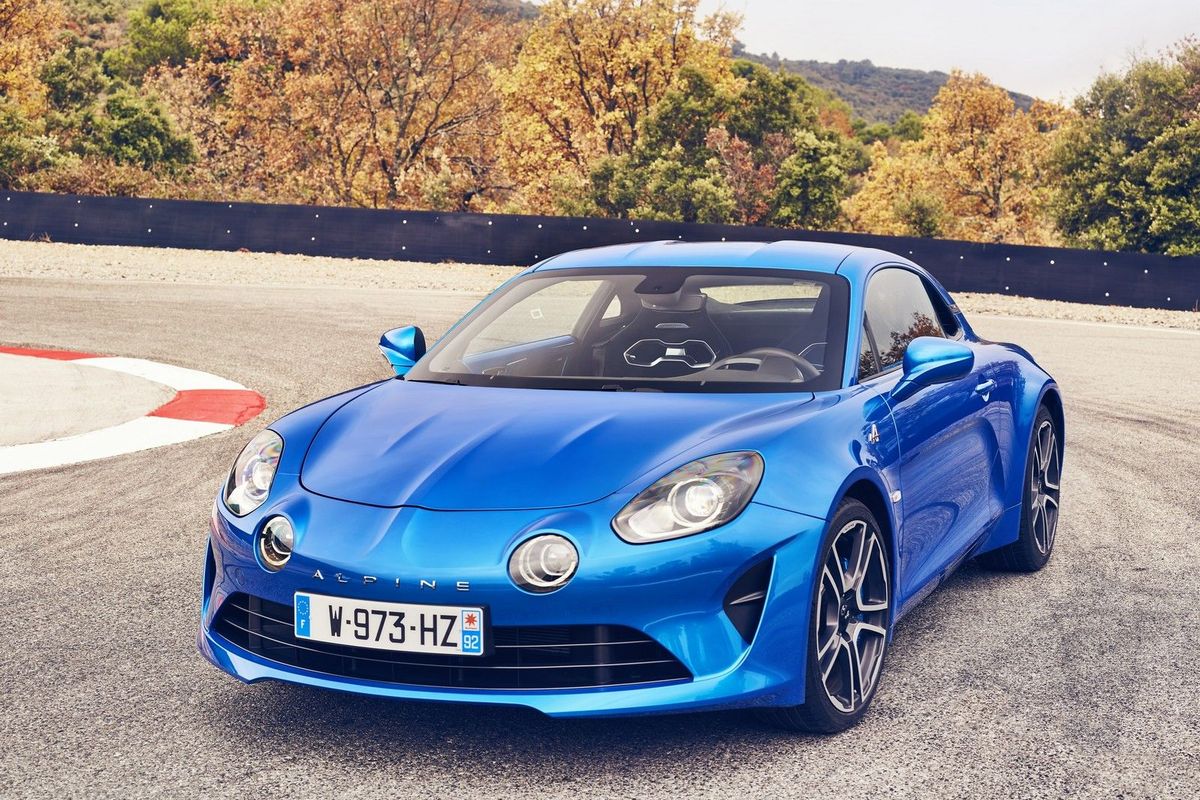
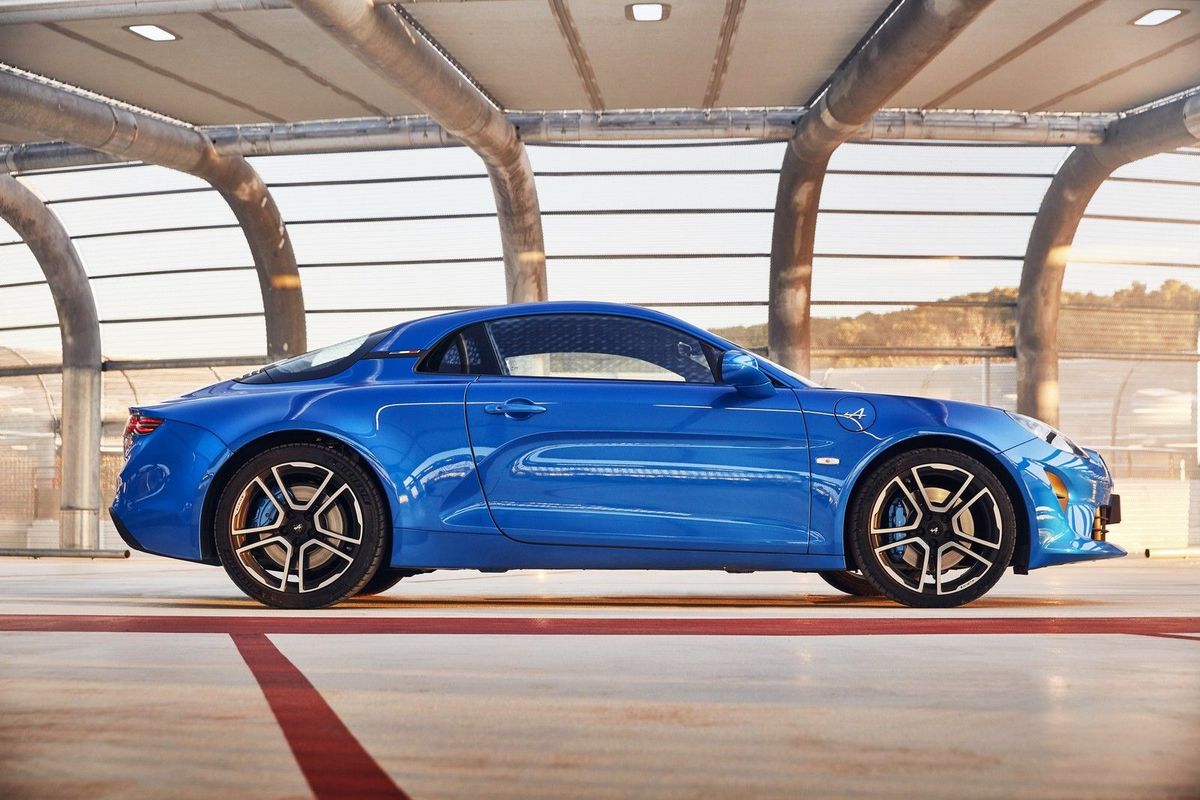
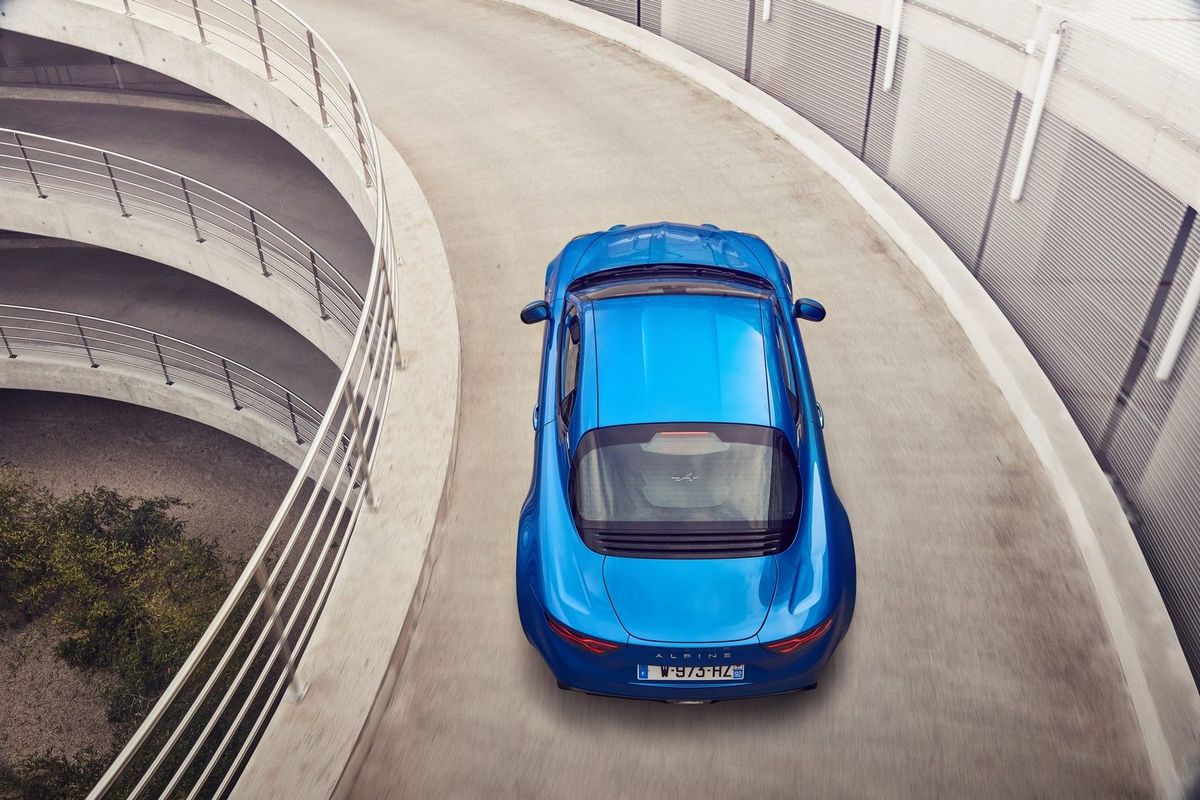
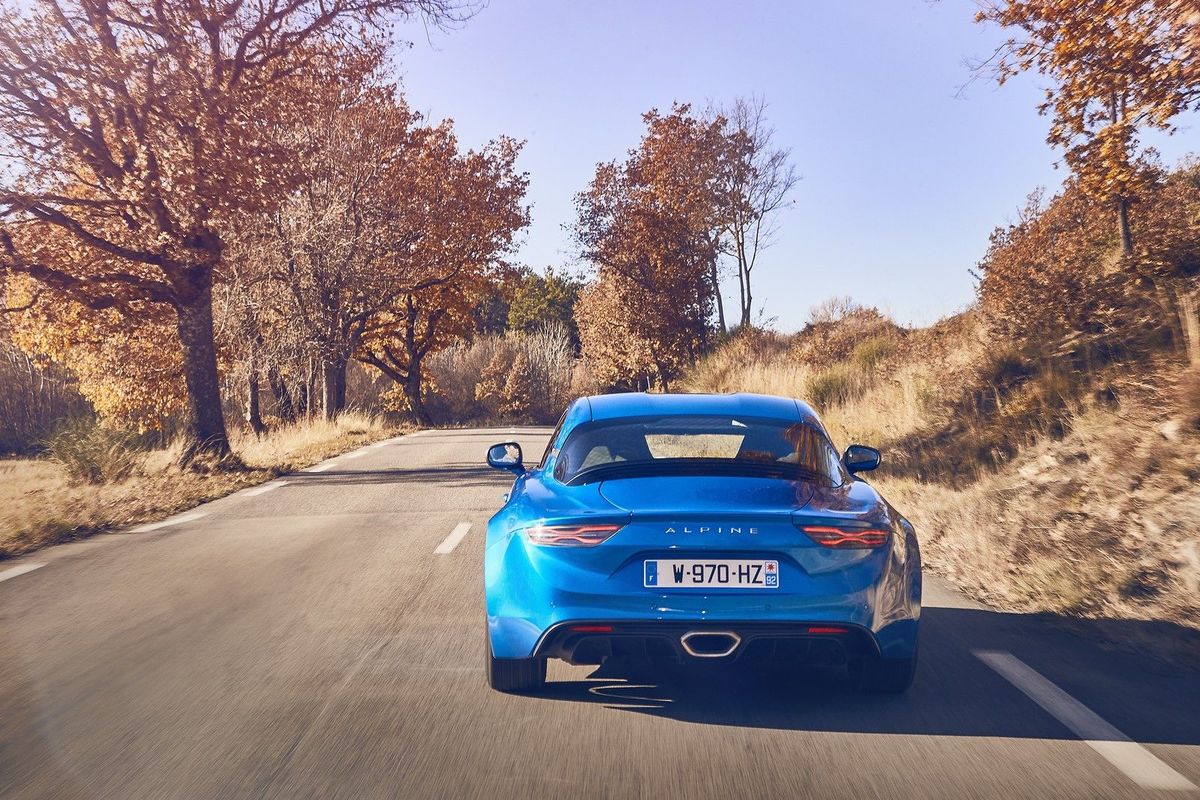
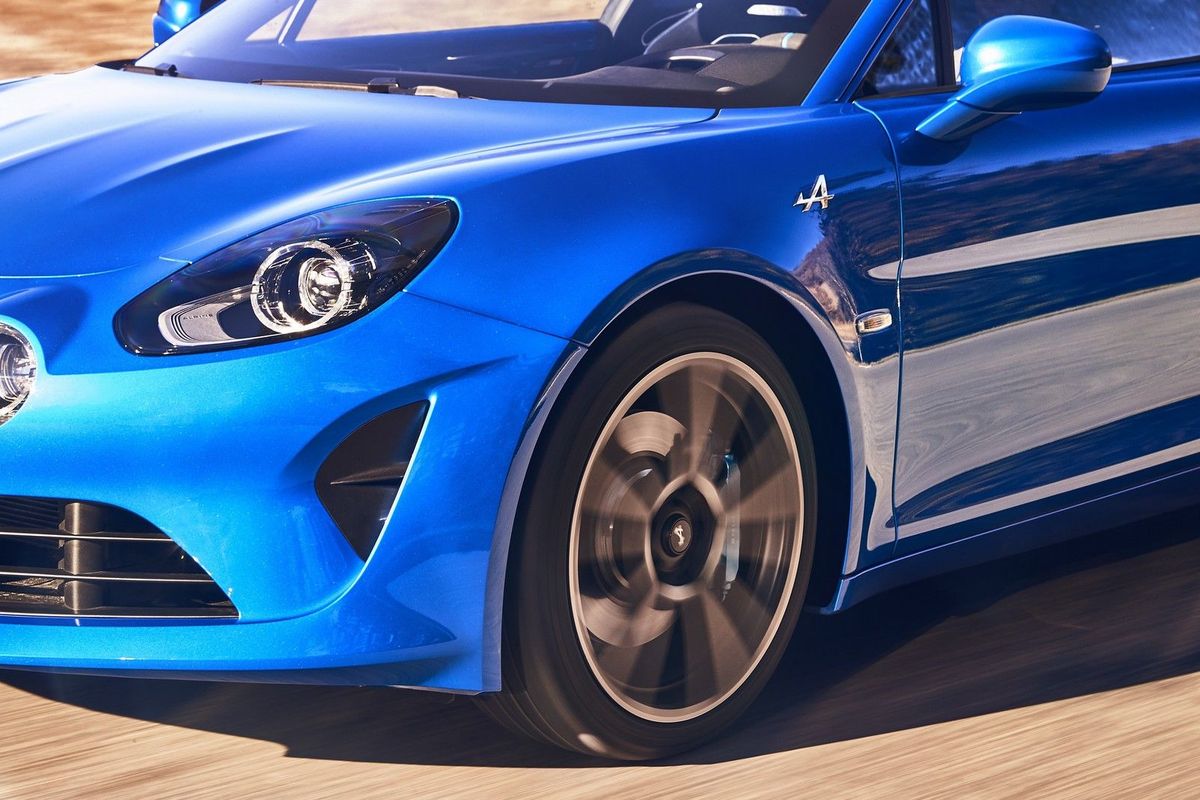
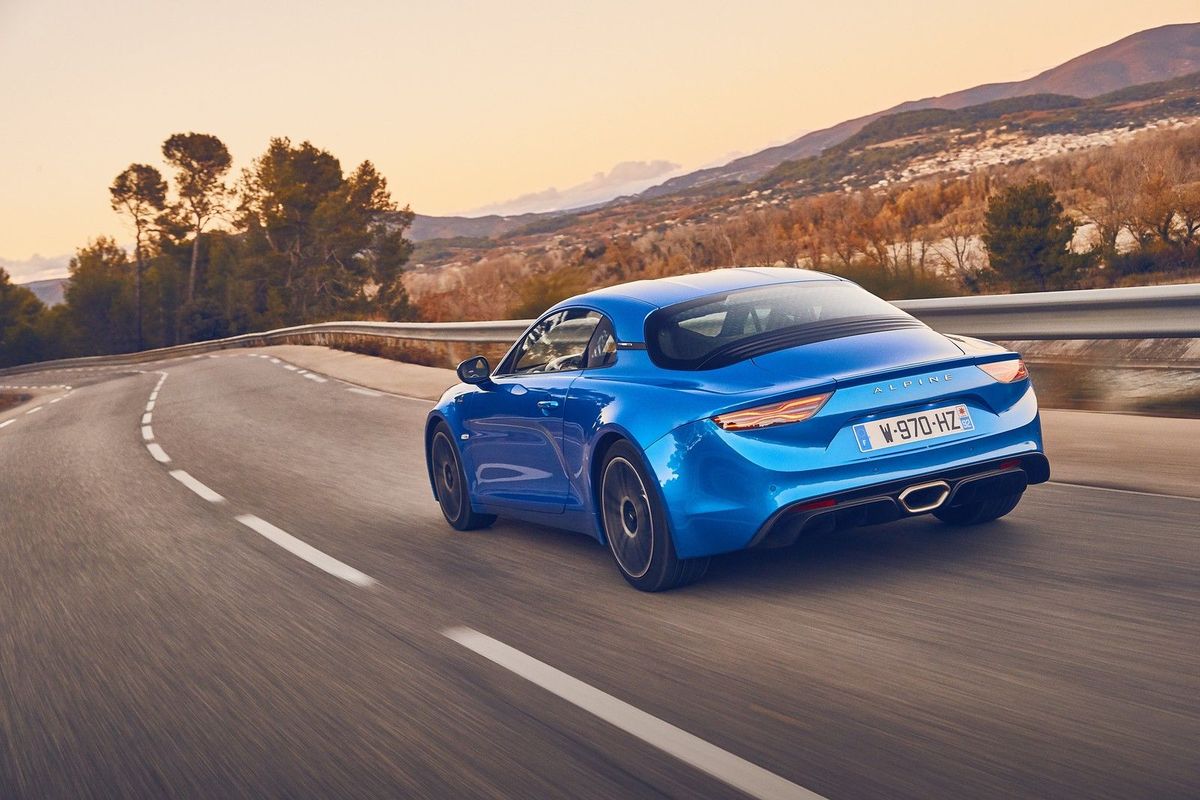
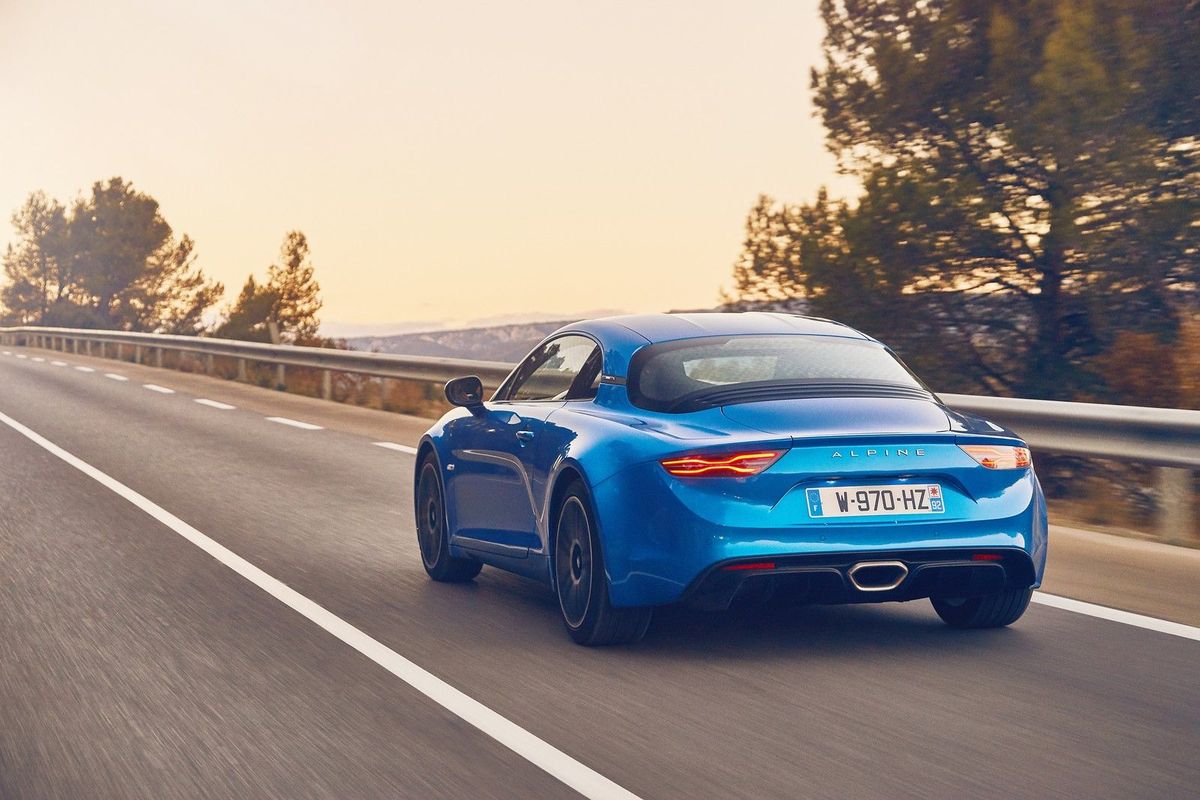
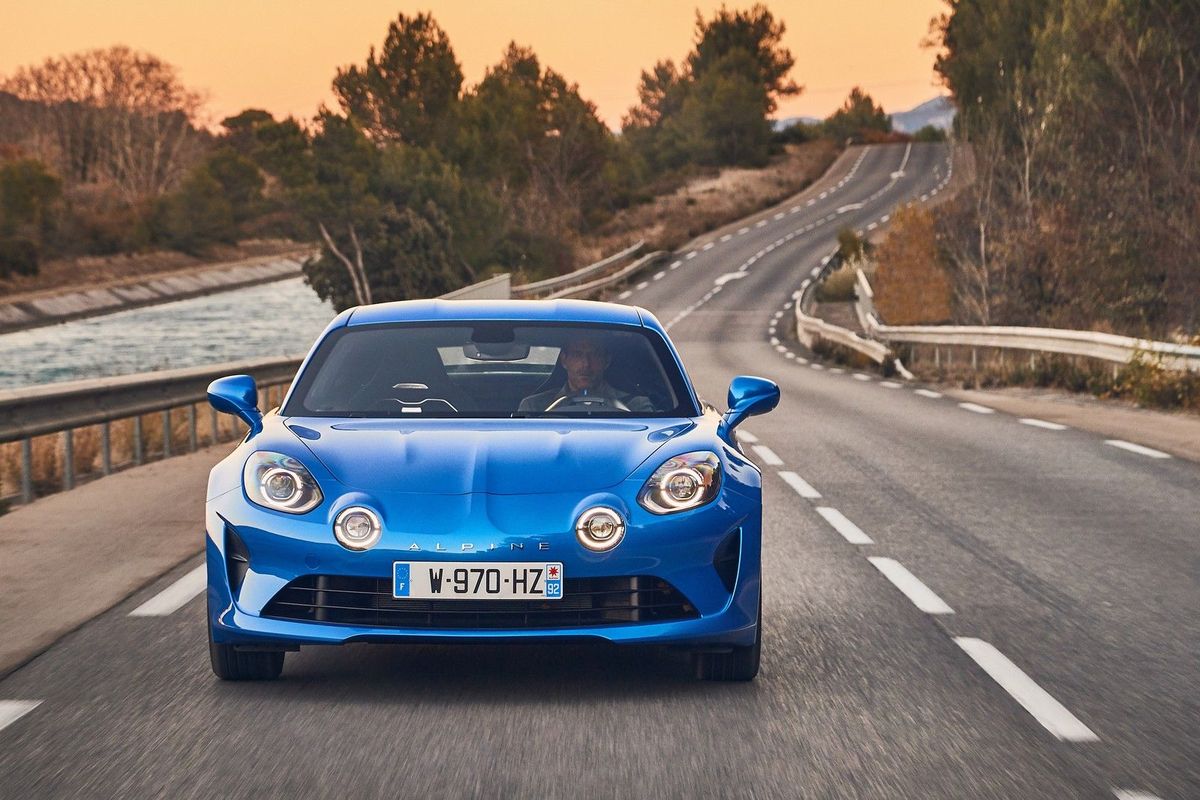
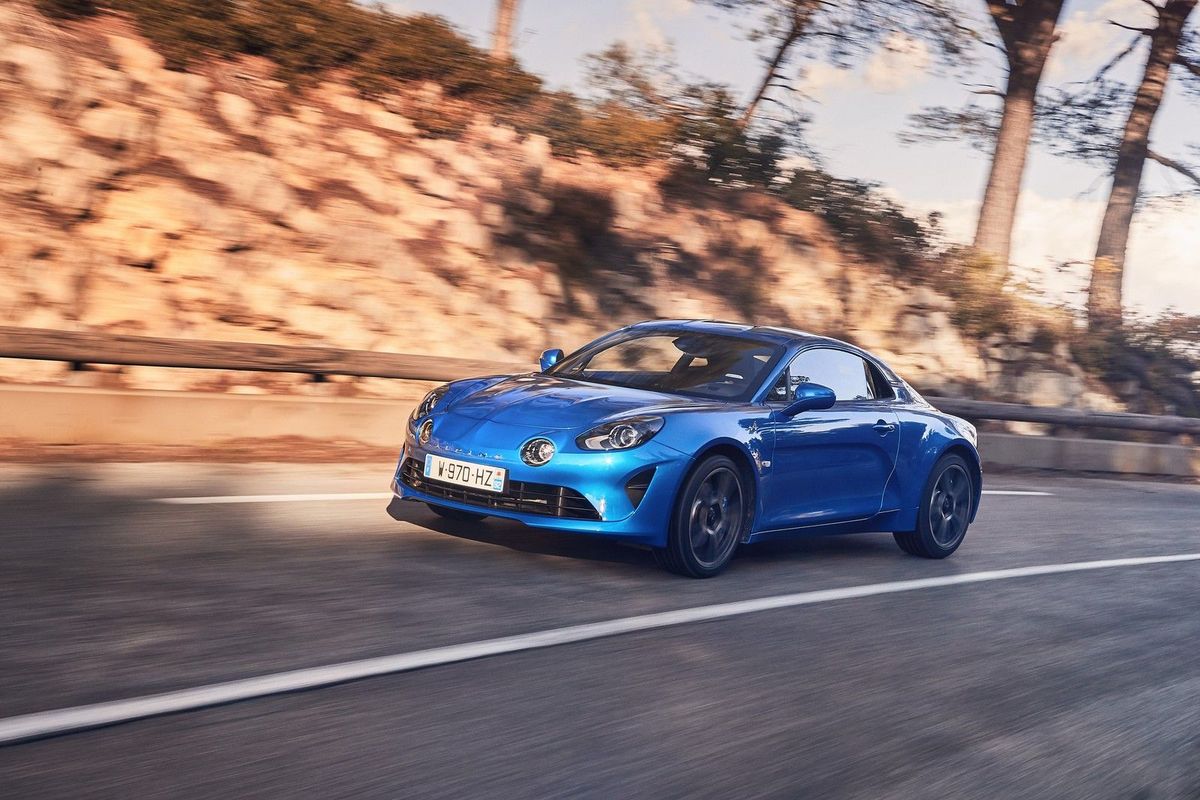
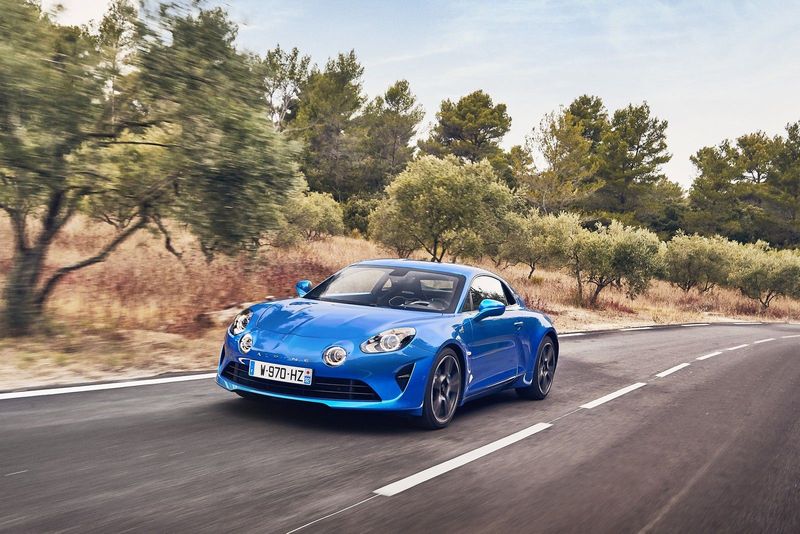
Renault's eagerly anticipated mid-engined Alpine A110 sportscar recently went into production for right-hand drive markets and is firmly in the French firm's sights for introduction in South Africa. Why should local consumers sit up and take notice? Because the A110 is being heralded as one of the best driver's cars in years. In fact, our UK correspondent Matt Prior thinks the Alpine could be a landmark sportscar…
Spoiler alert: the Alpine A110 is the best and most exciting car I’ve driven in ages. It is all kind of good things, this compact marvel, as refreshing and cheering to drive as a nearly-great car which has had its unfulfilled wishes granted without compromise.
It’s as joyful as finding a Toyota 86 has been given the power it always wanted or the latest Mazda MX-5 with seats in the right place and greater roll control. It is like an Ariel Nomad without hypothermia, a Smart Roadster Coupe with a terrific gearbox, a Lotus Exige with lighter steering, a Porsche 964 RS with driveline refinement or an original Honda NSX with repairable panels. Imagine those ‘I love that car but…’ moments, only with the qualifier removed. That’s how well Alpine has absolutely nailed this car.
A sportscar from France in the mould of the Alfa 4C, Porsche 718 Cayman and Jaguar F-Type 2.0.
Am I overegging it? I could be, but I hope not. The new Alpine A110 is quite something, even of itself, but it could be the start of something much, much bigger again, too.
What you’re seeing is the rebirth of a classic French brand, established in 1955 but which met its end under Renault ownership in 1995, presumed gone forever. But now Renault has brought it back, first with this small two-seat coupe, but its bosses name-check Mini when they’re talking about its future.
Not that they’re inclined to say much yet about that future, which will presumably involve some faster and less roofy variants. “We have decided to be undecided,” says Alpine boss Michael van der Sande, with the air of mystery of a man who has decided precisely. You suspect, then, that this is the start of something – a premium brand from the Renault-Nissan Alliance that, unlike Infiniti, might actually gain traction outside the USA.
Lightweight chassis
How could it not be something else? Surely it's too expensive to justify otherwise. The Alpeen-a-one-ten isn’t a platform-sharing special. It has a brand-new all-aluminium architecture, will be sold through specialist Alpine dealerships and requires the refurbishment of a good portion of Renault’s Dieppe factory, in Alpine’s home city, where Renault Sport Clios are still made and where the Renault Spyder and the Mk2 Clio V6 were produced. It’s an area that still thinks so wistfully about Alpines that local government has put money into completing the factory. Suppliers are to be found there, too; the location isn't just good for nostalgia, it’s good for business.
You might remember, too, that Caterham was involved in this for a while – from the project’s announcement in 2012 until Caterham pulled out with little explanation in 2014.
It's called the A110 after its predecessor and wights 1 100 kg. Coincidence?
The Alpine and Caterham derivatives of this architecture were to have the same glass area but relatively different bodies, but the Alpine has matured since Caterham upped and left. Caterham’s variant would have been even emptier inside and lighter still, but even so, the Alpine A110 tips the scales at just 1 080 kg, even with all of its fluids aboard. This Première Édition specification, which comprises the first 1955 cars built and which will take the first eight months of next year to build, weighs only 1 103 kg.
But still, 1 100kg is a heck of an achievement, today. “We will have the lightest, most agile car in whatever class we’re in,” says van der Sande. Whatever class you’re in, eh? Hmm. Anyway, steel wouldn’t have been light enough for this class, and you can’t make money by using carbon-fibre at this price point. A price point of around R900k, it should be noted. This car is Porsche 718 Cayman money.
So here we are, with an all-aluminium platform, made up mostly of extrusions, with pressed body panels dressing it and the odd forging for the engine and suspension mounts.
Weight saving tech
Weight has been shaved everywhere. Alpine has asked Sabelt to make seats so light that you have to get out spanners to adjust the height. The speakers weigh only 450g each, rather than a 1.5 kg norm. And the Brembo rear brake calipers have an integrated parking brake actuator, so there’s no need for an additional one. It’s electrically operated, too, because that’s lighter than having a manual bar and cable and so on.
Incidentally, that wasn’t a straightforward decision, because of the kind of people who are engineering today’s Alpine. They’re the kind of people who thought it would be quite nice to retain a manual handbrake, a ‘lever of fever’ for locking the rear wheels into hairpin bends. The boss himself owns an Alfa SZ and once built his own Caterham 7. You’d like these people.
Weight has been saved in reasonable areas so it's not entirely empty inside and out.
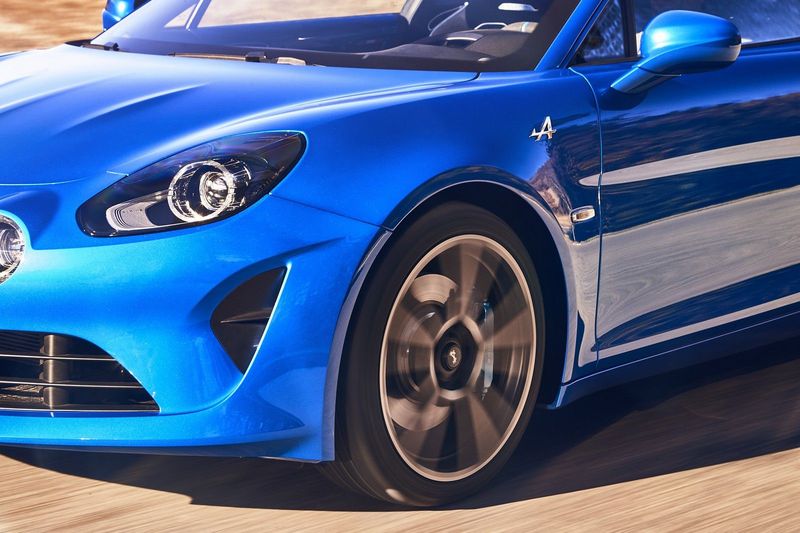
The suspension is unique to the A110, too: double wishbones, front and rear. Their presence means making everything fit into the car's 1.8-metre width is a pain. Wishbones occupy a fair amount of lateral space, and the engine has to be fitted transversely between the rear set, with the fuel tank sited between the front set. But it’s worth the effort: thanks to where the fuel tank sits, weight distribution is 44/56 front to rear, putting the centre of gravity square between the driver's and passenger’s respective hips. Tyre widths are 205 on the front, 235 on the rear; wheel diameter is 17-inch as standard on base Pure models, 18-inch on alternative Legende cars and this launch edition.
New turbo 4 pot
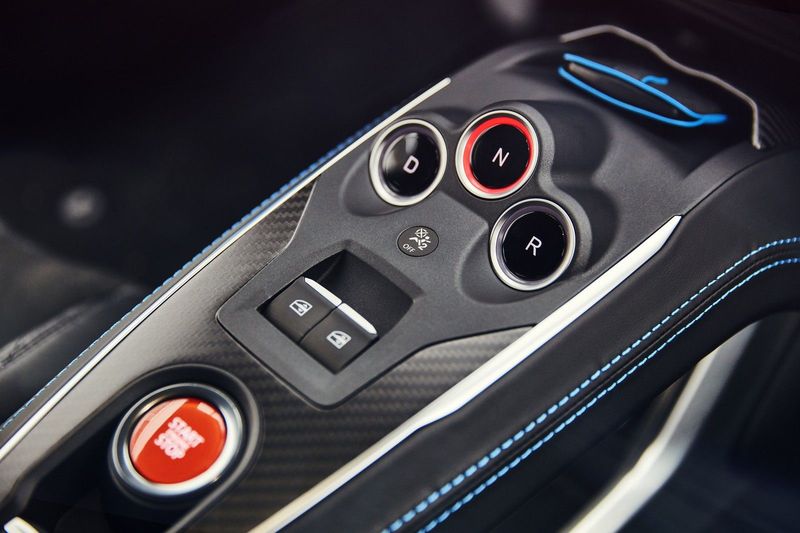
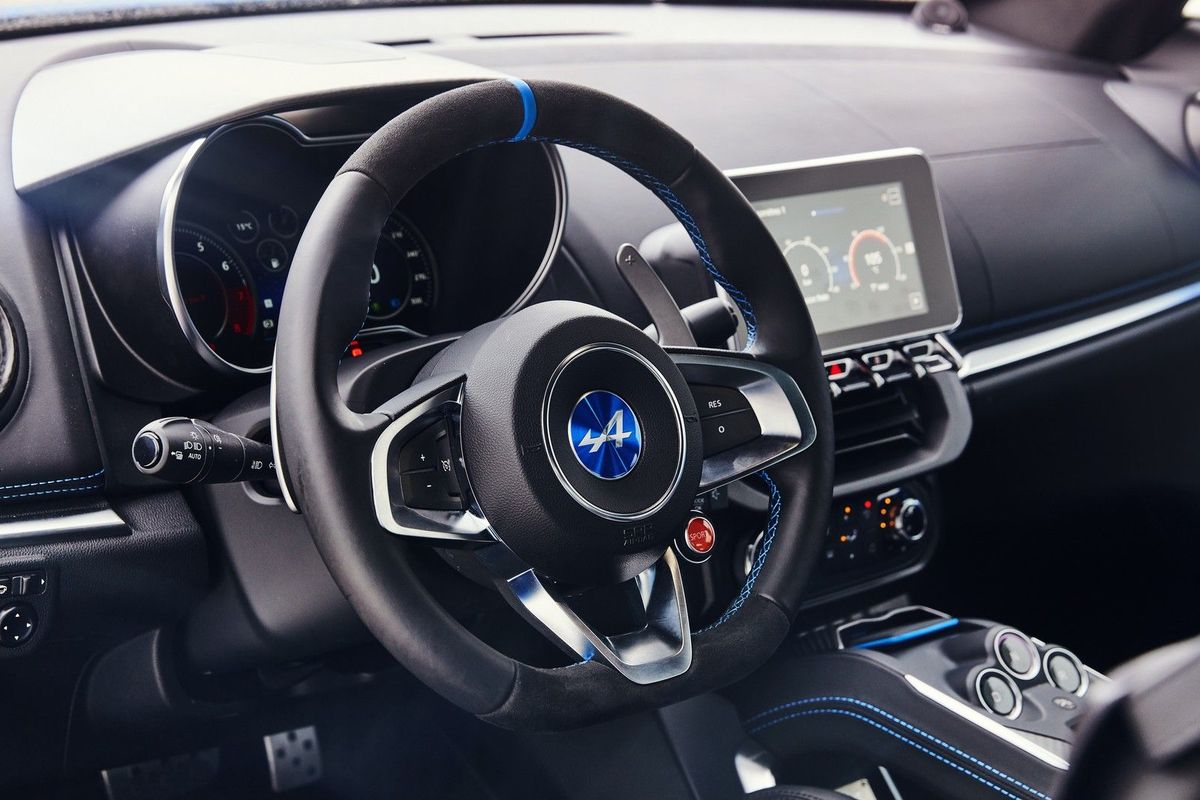
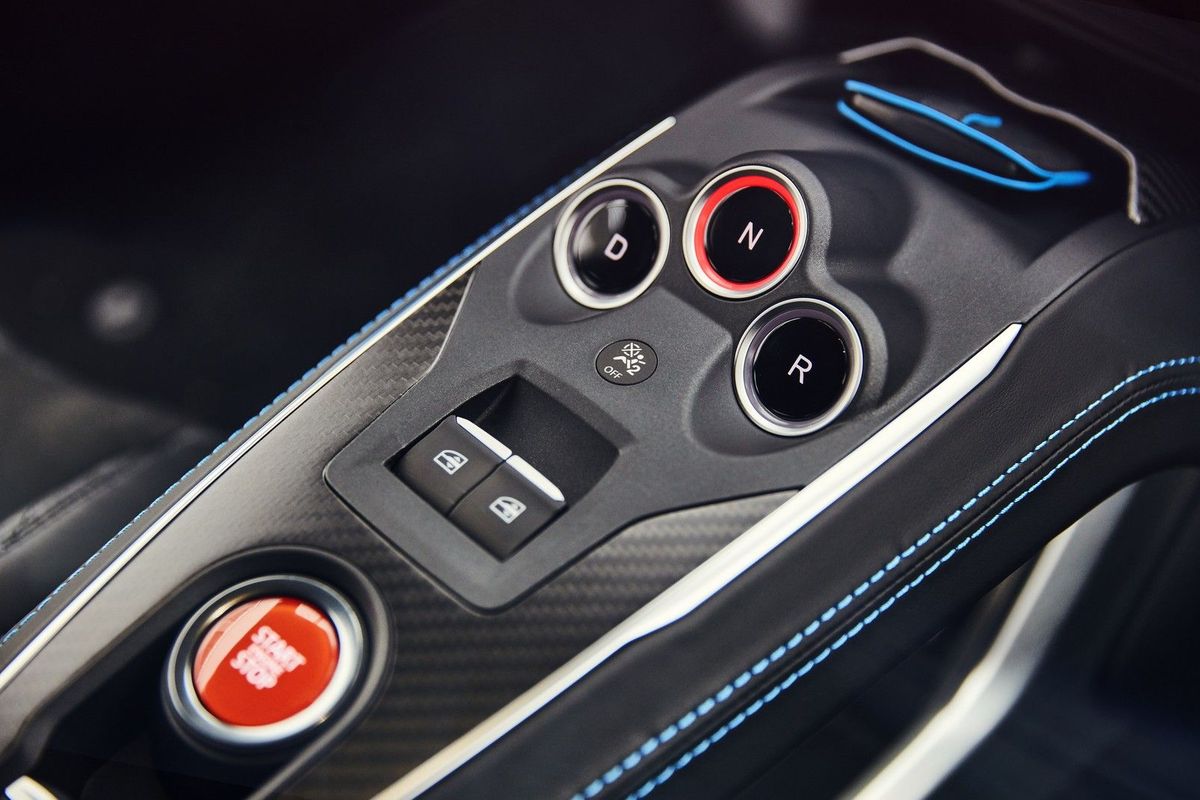
There’s a 1.8-litre four-cylinder turbo engine that makes 185 kW and drives through a dual-clutch automatic gearbox to the rear wheels. But why no manual? Two reasons. First, there wasn’t the money to do one, and second, there was no guarantee anyone would buy one anyway. So they spent the money making the Getrag DCT better than it is in, say, a Renault Sport Clio. It has wet clutches rather than dry ones, to improve refinement and response. As well as a relatively clean centre console, then, there are paddles fixed to steering column in an interior that is, compared with a Porsche 718 Cayman, for example, what, exactly?
Mid-engined with a balance of 44/56 towards the rear provides an excellent base from which to make a good-handling sportscar.
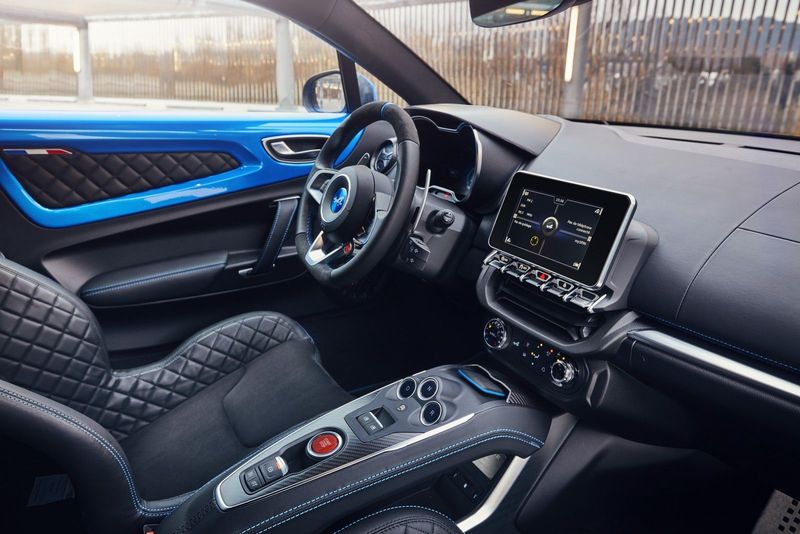
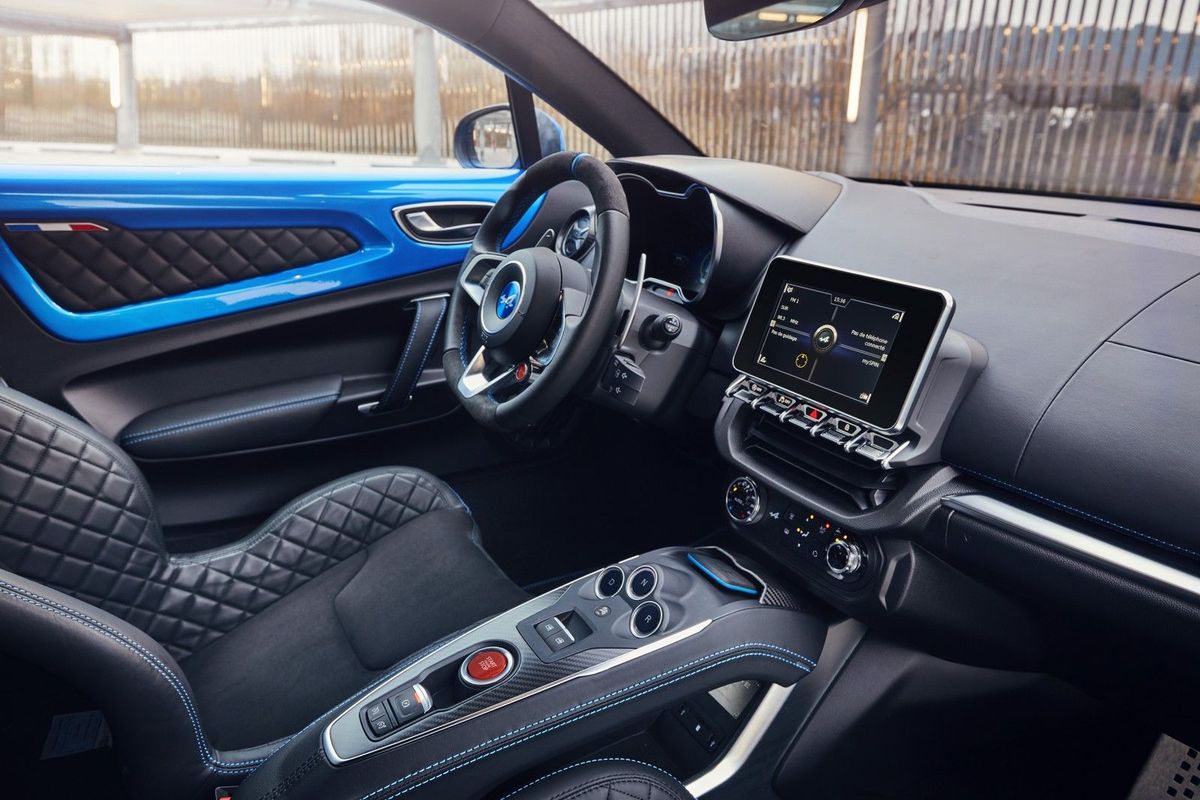
Well. Lower in perceived quality of materials, if we’re being honest. There are more brittle plastics, inevitably, because if you want to make a sub-1 100 kg coupé then them’s the breaks. There’s a reasonable-sized touchscreen, and maybe buyers will insist the A110 has its own infotainment system, but frankly, I’d prefer a mirror match with the smartphone all buyers will surely have anyway, and which would operate more effectively and save a few quid and kilos.
What's it like inside?
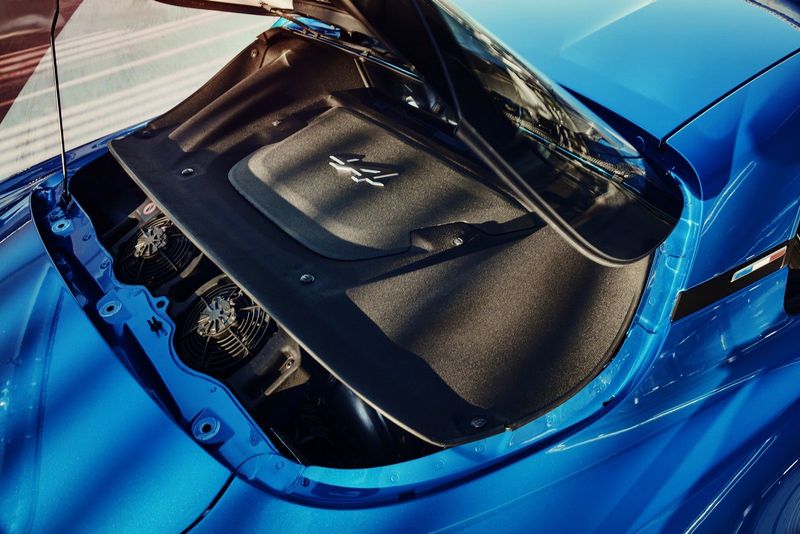
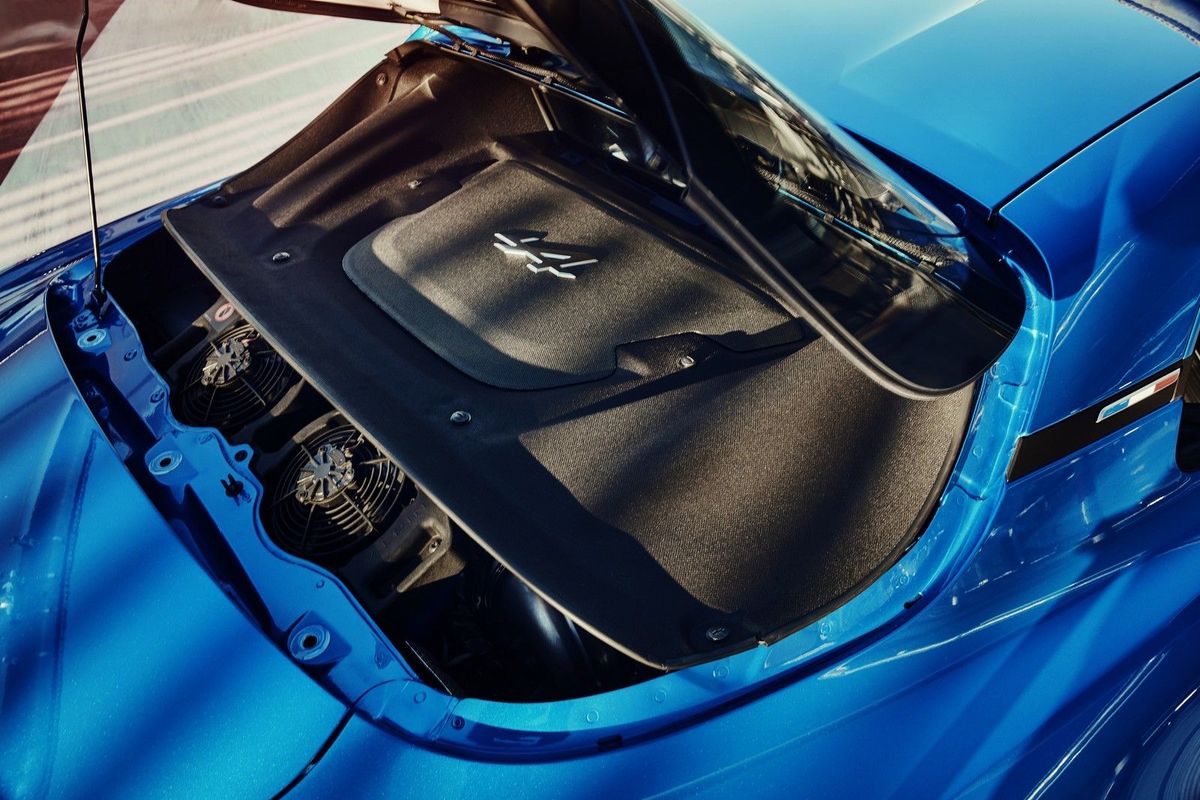
That the A110 is a small car – length 4 180 mm, width 1 798 mm and height 1 252 mm – means there’s minimal oddments storage inside, while the luggage compartments are small too. The rear is short because only the metal bootlid, not the glass hatch above the engine, lifts, while the front boot is shallow because the fuel tank sits beneath it. But, hey, you don’t complain that a motorbike doesn’t have a spare wheel; this is a 1 080 kg car, for heaven’s sake. Of course it’s little.
Interior isn't quite Porsche quality and weight-saving procedures mean there isn't any extra fancy tech.
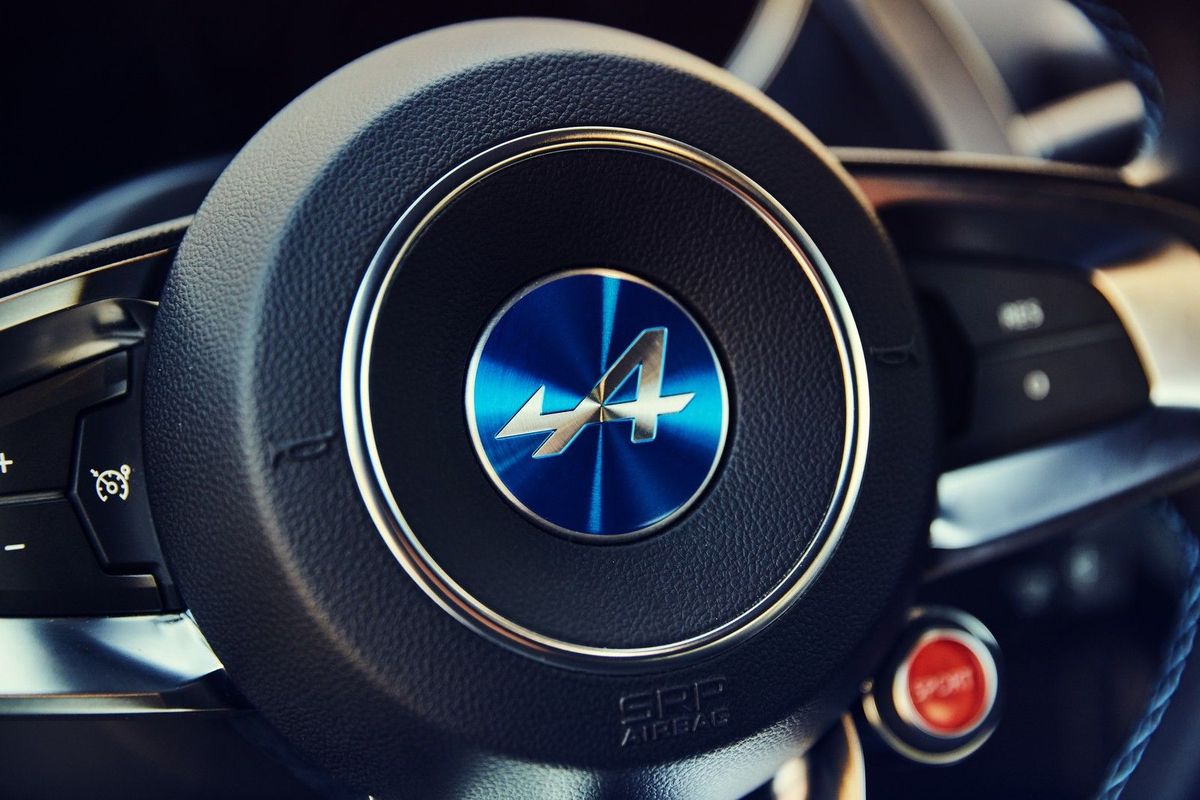
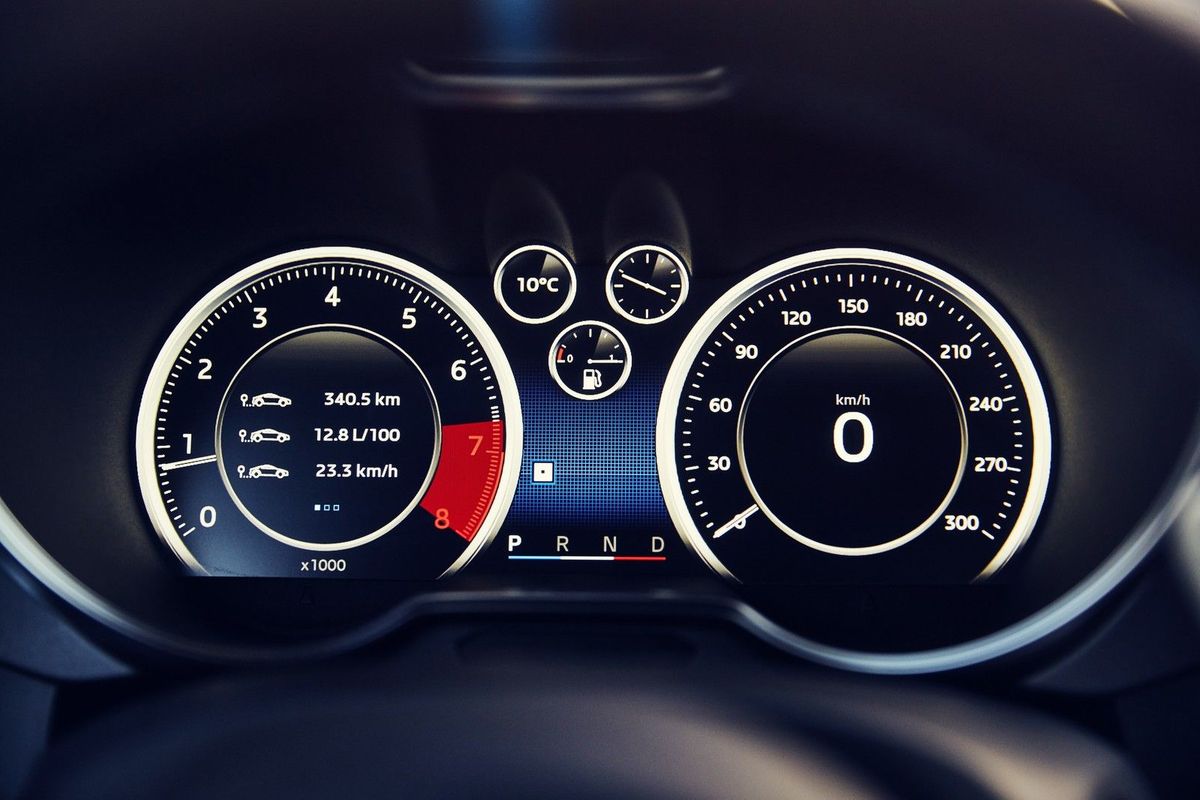
What it isn’t, is cramped. Even the tallest of my colleagues had no trouble finding sufficient room, which is more than you can say for a Jaguar F-Type, while the diddy steering wheel adjusts massively. It’s pleasing enough and features a button for the driving modes, which, fortunately, don't adjust the way it drives extensively. A short push gives you Sport mode, which increases steering weight, throttle and gearbox response and relaxes the stability control; an extended push puts it in Track and does all those things some more. There’s also an ESP-off button on the dash that does what it says.
The drive
None of these things, though, notably changes the way that the A110 goes down the road, because it runs on passive dampers that always do precisely the same thing: give it a ride that’s impressively absorbent yet supremely well controlled. This Alpine was never slated to have adaptive dampers, because they are heavy and so is the control unit, and so forth. And because Alpine engineers say that roll isn’t a bad thing. But the A110’s body is so light that you don’t notice much roll anyway, even on a circuit, while the soft springing and damping and hollow, relaxed anti-roll bars mean that it breathes and flows as it mooches down even some of the worst-surfaced roads we could find. There’s a hint of a modern McLaren in the way it glides and breathes, with uncorrupted steering and progressive, linear rates of lean.
It steers, too. Lightly, granted and, at first, you think, with less feel and precision than a 718. But there is road feel there, and accuracy; it’s just more discreetly telegraphed than in a 718, or an 86. At 2.2 turns between locks, it’s plenty fast enough, mind, and it really communicates on a circuit as cornering forces build.
Handling is what makes the A110 a future classic or landmark vehicle we will remember.
And at all times, the A110 is more agile than any competitor. On the road, its poise and willingness are as natural as they are addictive.
Does the car need a limited-slip differential? It doesn’t have one, relying instead on a (lighter) open diff and with inner-wheel braking to prevent a single wheel from spinning, but these systems can only do so much. In some hairpins, when that inside wheel gets unloaded, the A110 can spin a wheel up like a basic MX-5.
But when you have more lateral load applied – on track, for example – it certainly doesn’t need one at all. There’s a tiny bit of understeer if you look for it, accelerating under power or overloading the fronts under braking. But more subtly shift the weight balance as you turn and it’s a doddle to take the A110 from neutral to oversteer, at which point there’s easily enough power to ride out a slide a little, or a lot, with a divine handling balance and a supreme level of adjustability. I think I’d leave the diff alone.
Regardless of the driving mode, the A110’s engine develops plenty of zing and fizz. In the angrier modes, the exhaust delivers angrier pops, but in all there’s a touch of lag as revs build to the 6 750 rpm limit, which it fairly whizzes up to. Alpine says the A110 isn’t about outright speed and that lap times and straight-line pace don’t really matter when it comes to driving pleasure. Which is true, and refreshing to hear from a car maker, but this is still a car that covers the 0-100 kph sprint in 4.5sec and which has to be limited to 250 kph. Don’t for a moment think it’s slow. The seven-speed gearshift has been improved over the six-speeder in the current Clio. It shifts quickly and mostly cleanly, but there’s still an occasional feeling like it has pulled a neutral when you’re on the overrun and expect better engine braking than it delivers. It’s not a match for Porsche’s PDK.
No manual gearbox on the A110 but the dual-clutch 'box has been improved from the Clio RS significantly.
But I liked the car so much anyway that sometimes I found myself wondering if it wouldn’t matter if the gearbox were made of butter and the steering was joined with cheese strings; perhaps I’m just overlooking faults because it’s an 1 100 kg two-seater? I don’t think so. Remember the Alfa 4C. I expected that to be good too, but it only works on the smoothest of places. The A110 works all over the place. You don’t have to just get the ingredients right; you have to do the hard work too.
Final thoughts
What Alpine has done here, then, is nothing short of an utterly remarkable job. The A110 is a gem. In a land of lumpen rocks, it gleams like the brightest jewel. It takes the 86, MX-5, 4C and Lotus Elise templates and builds on them, melding their respective qualities into a wonderful blend of poise, comfort, agility, adjustability, desirability and beauty; is it just me who thinks this is a fabulous-looking car?
And all at, hmm, yes, R900 000, or thereabouts; it rather depends on what happens to the exchange rate by the time right-hand-drive A110s arrive early this winter. It’s a lot. But do the maths, given that they’ll sell a few thousand a year, and you wonder how they’d do it cheaper.
An Alpine or a Porsche? The answer isn't as simple as that, the Alpine outshines the Cayman in many areas.
Would you get out of your Porsche 718 Cayman for one, though? That, I suppose, is the question. The Porsche will be quieter, it has better gearbox response and there’s no argument that the Cayman has – especially with a limited-slip differential – its own compelling version of adjustable mid-engined poise.
But I think the A110 – and I didn’t expect to be writing this – has yet more ability again. It must be the reduced inertia, the reduction in mass and the utter honesty of its passive suspension and low, central centre of gravity that make it one of the most intuitive, rewarding cars on sale at any price.
Sometimes you drive a sports car – a Ferrari 458 Speciale, McLaren P1, Porsche 911 GT3 RS 4.0 or Ariel Nomad – and know that, somehow, you’re driving a landmark car. That’s the kind of feeling – even without considering the bravery of Renault to push the button on making it – the A110 gives me. Perhaps it really will be the start of something big. But even if it isn’t, the A110 is truly, wonderfully, special.
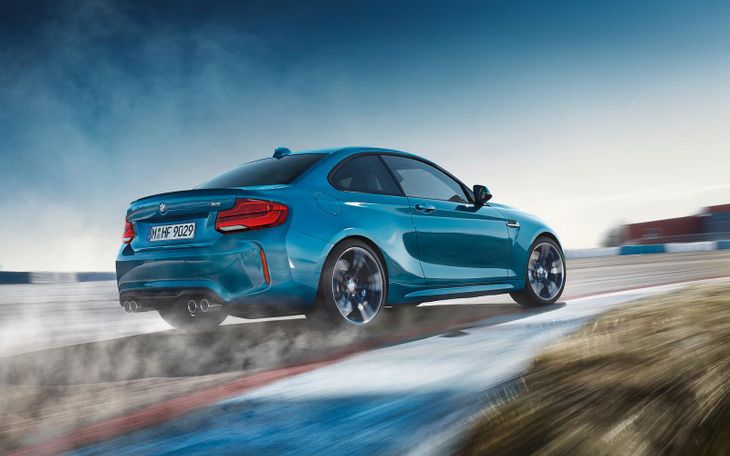
What makes the BMW M2 M-DCT a potent contender in the Performance Car category of the 2017/18 Cars.co.za Consumer Awards – powered by WesBank? We investigate…
The BMW M2 was easily one of the most talked-about introductions in recent times. It appears to have everything that any sports car aficionado would want. Muscular looks. Check. Exciting engine sounds. Check. Sizzling performance. Check. Engaging, smile-inducing handling. Double check! Will the M2 retain its champion status in this category?
3 Reasons Why BMW M2 is #CarsAwards Finalist
1. Engaging drivetrain
The M2 is powered by an engine that has “future legend” written all over it. Loosely based on the single-turbo N55 engine of the M240i, but with internals borrowed from the current M3/M4 and expertly tweaked by the masters at BMW’s M division, the M2’s six-pot delivers 272 kW and 465 Nm of torque, enough to blitz the benchmark 0-100 kph sprint in 4.3 seconds.
The engine is mated with BMW’s superb 7-speed M-DCT dual-clutch transmission. It’s a thoroughly engaging combination, and wringing the engine’s neck all the way to the red line is seriously addictive.
2. Proficient handler
A popular opinion of recent M cars is that to find an optimal balance between dynamic damping and overall ride comfort an adaptive active suspension is a must-have option, but it can be argued the M2 demonstrates that less can be more. Sure, expert pilots can toggle the steering settings and throttle sensitivity to their tastes – and even set the stability control system to facilitate indulgent (but-not-too-leery) tail-slide action – but, as a budding enthusiast’s driving tool, the M2 seems docile, as if well confident within its (sizeable) performance envelope.
One would expect that the relatively truncated wheelbase would make the M2 feel slightly on edge near the limits of adhesion, but its chassis palpably inhibits twitchiness. That, or perhaps the Bimmer communicates the interplay between its front/rear ends and terra firma so articulately (through the rim of the steering wheel and the base of the driver’s seat) that well-judged braking and steering inputs become almost instinctive to an absorbed M2 pilot.
3. Looks to match the go
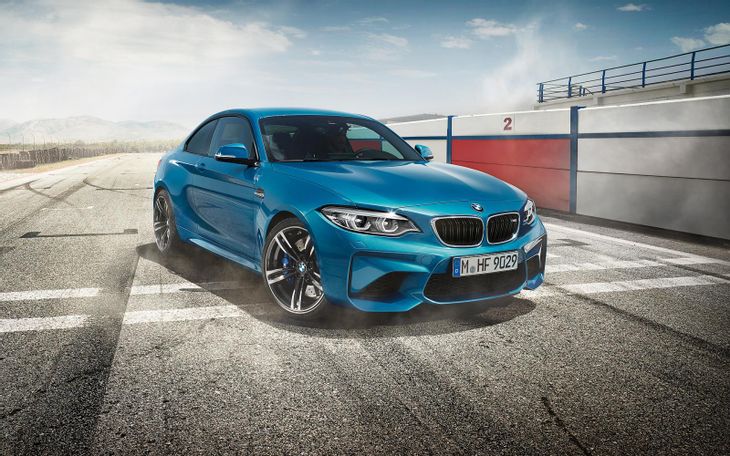
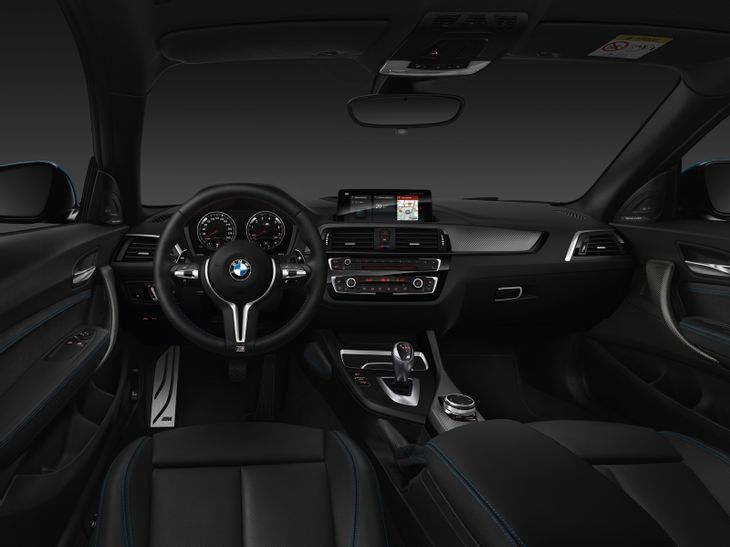
The M2 is pure mini muscle car, particularly in profile, and the aerodynamic addenda are eminently tasteful. The Long Beach Blue paint finish (one of only four colour options) lends the M2 a sense of theatre, which is helped by those eye-catching 10-spoke two-tone 19-inch rims and the quartet of burbling exhaust ends. The interior is derivative of the 1 Series/2 Series cabin, with “carbon-weave” trim, dashes of Alcantara (on the door cards) and contrast stitching being the most obvious supplementary adornments, apart from strategic M lettering. Oh, and then there’s the sound of the thing. You’ll struggle to get greater performance car music for less than R1 million.
Watch the BMW M2 take on the Audi RS3 Sportback in an epic track battle below!
Have Your Say: Complete our survey!
Do you own an M2? We would love to hear from you! Tell us about your experience by completing our Ownership Satisfaction Survey. Your input counts for 50% of the final result!



.JPG?tr=w-800)
.JPG?tr=w-800)
.JPG?tr=w-800)