Range Rover Velar P380 R-Dynamic HSE (2017) Review
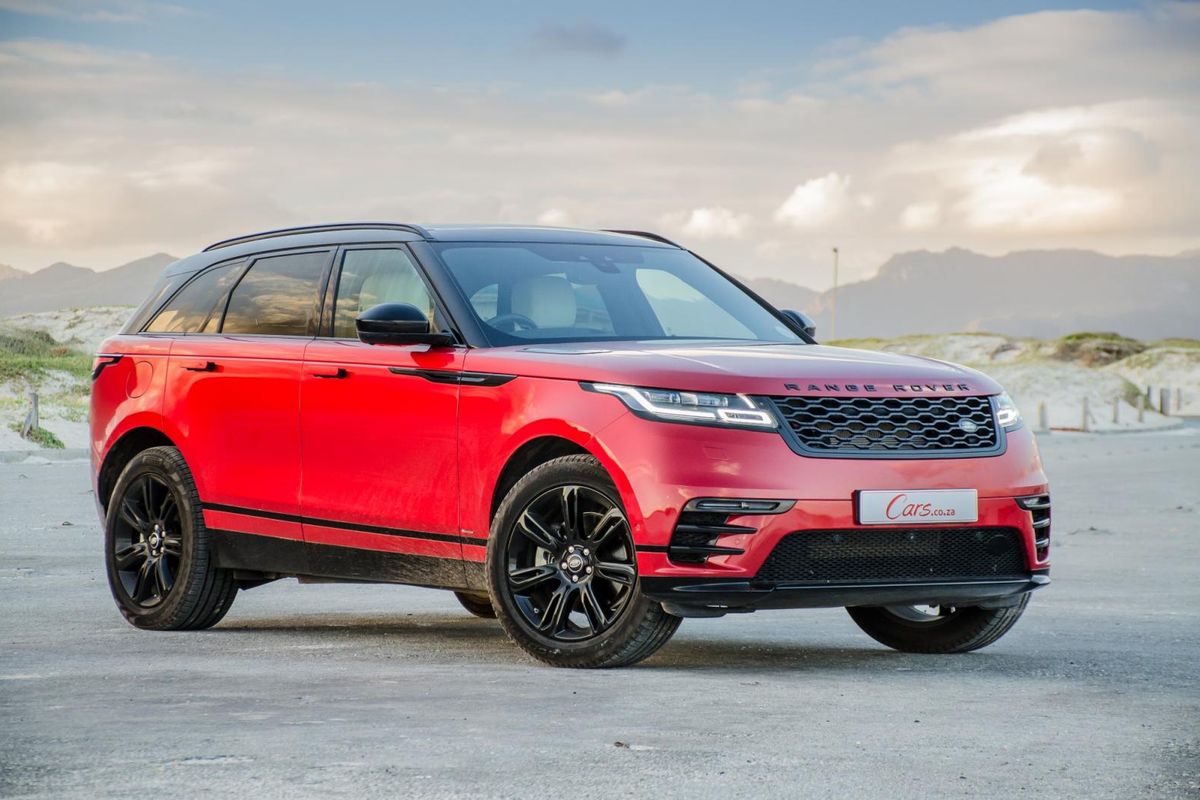
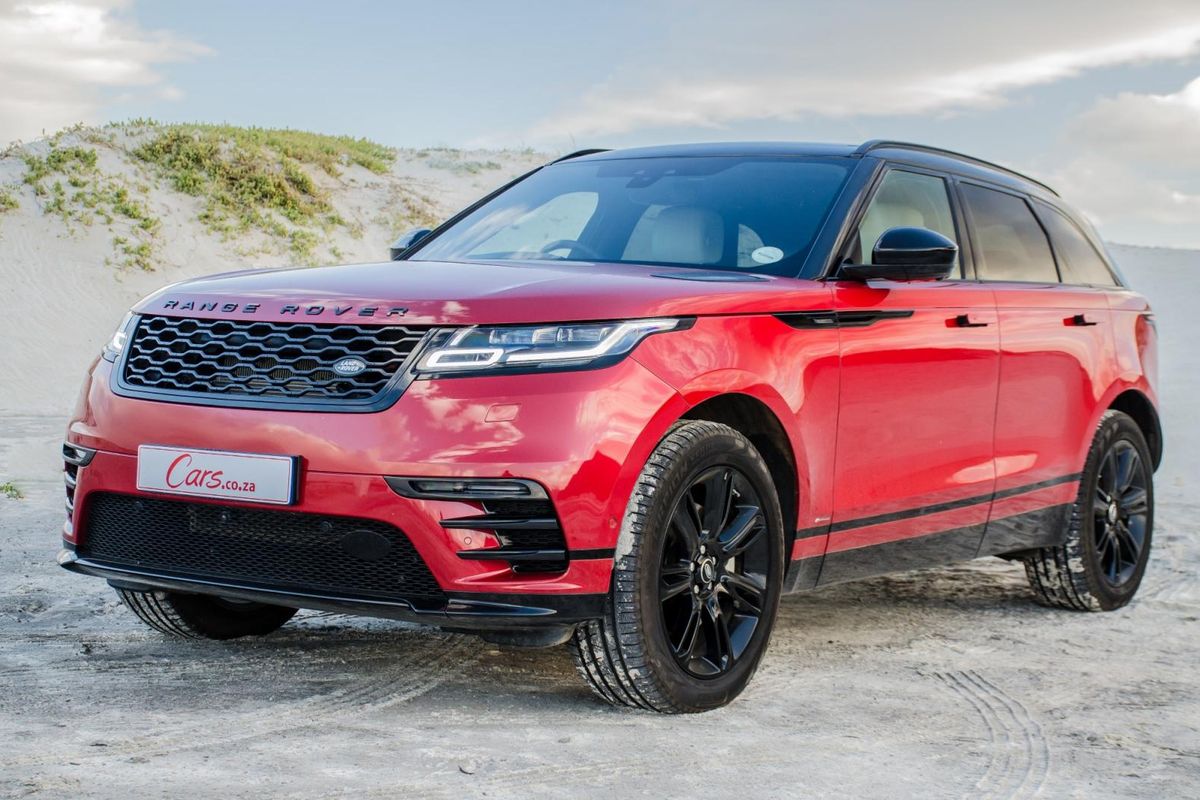
Using the same platform as the current World Car of the Year-winning Jaguar F-PACE, Land Rover has plugged the gap between the "boutique" ageing Evoque and the muscular Range Rover Sport. We tried the P380 R-Dynamic HSE derivative to find out whether it's worth the heady pricetag.

We like: Stunning looks inside and out, drivetrain refinement, special cabin environment

We don’t like: Firm low-speed ride, road noise, rear passenger space, high price

Alternatives

  • "Enemy from within": The Velar shares many of its underpinnings with the acclaimed Jaguar F-PACE, and in the case of the F-PACE 35t AWD S, the similarities extend to underneath the bonnets – they have the same engine. Still, the 2 cars are more different in character that you'd expect; in the case of the Velar, the desirability factor has been ratcheted up to the max. However, for a saving of around R200k (comparing base spec), it is worth considering the F-PACE, which isn't the current World Car of the Year without reason.
  • German bruiser: You may expect the Velar to be a more natural rival for the Mercedes-Benz GLC and its coupe sibling, but in terms of exterior dimensions the Velar more closely matches the bigger GLE. The Mercedes-AMG GLE 43 can be had for more than R100k less, and offers similar power and performance from its turbocharged 6-cylinder engine. But the GLE is an older-generation vehicle, which is abundantly clear when you step out of the German and into the Velar. The GLE is, however, more spacious.
  • Something even more road- and performance-biased: The Porsche Macan is often listed as a rival to the Velar, but that only really holds true if the attributes you crave most are performance, exclusivity and road-biased dynamics. The Macan GTS can be had for the same money as this Velar and offers similar power, but is faster and more dynamically adept. It is, however, a significantly smaller car.

Compare the Range Rover Velar P380 R-Dynamic HSE with the Jaguar F-PACE 35t AWD S and Mercedes-AMG GLE 43

What is a Velar?


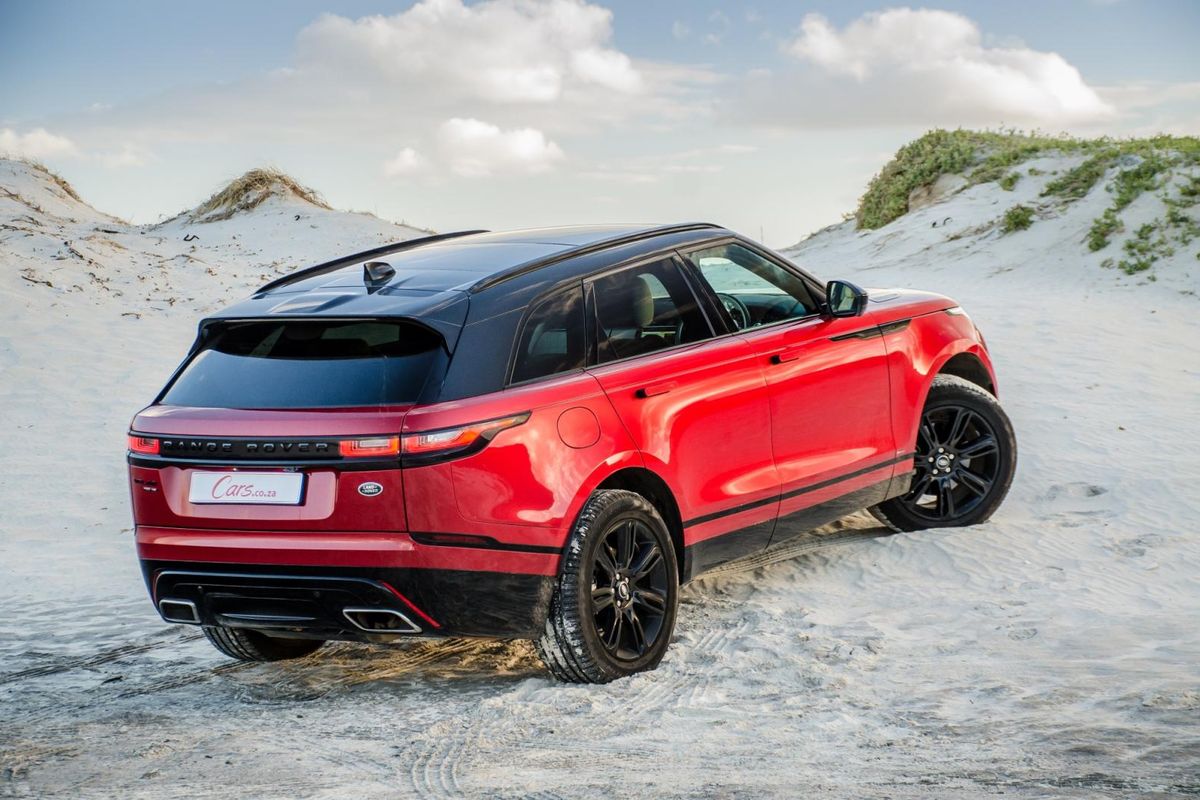
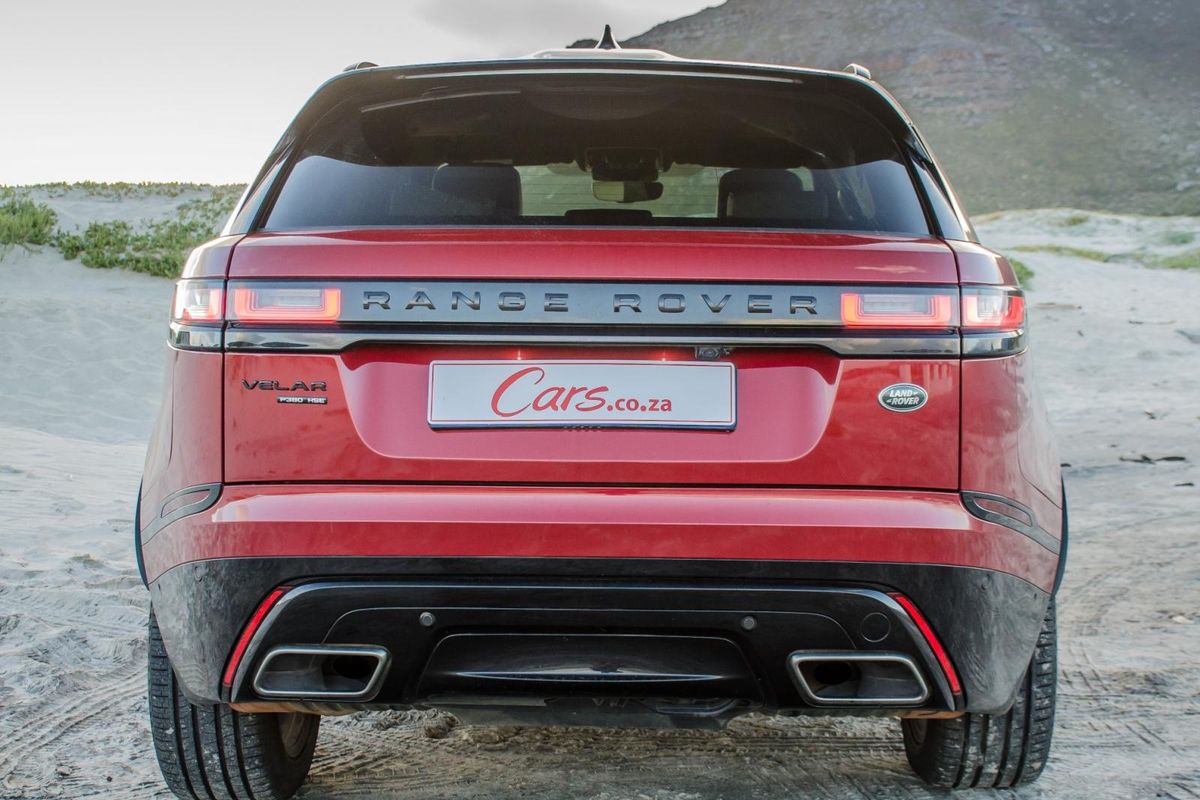
Undeniably desirable, the Velar turns heads wherever it goes. Note pop-out doorhandles that fit flush with the body once up and running.

Jaguar Land Rover is rolling out a major product offensive in the hope of capitalising on the much-improved reputations of its 2 brands (three, if you count Range Rover separately) and plugging any gaps in its line-ups. Perhaps predictably, given current market trends, most of the new products are SUVs, even for Jaguar. And perhaps ironically, it is the F-PACE, Jaguar's first-ever SUV, that is the platform for Range Rover's latest, the Velar.

Positioned to fit right in the middle of the chasm that used to exist between the Evoque and Range Rover Sport, the Velar is supposedly also the brand's most road-oriented model to date. The latter point may sit as uncomfortably with brand traditionalists, as the heady price will with shoppers that would like to consider something other than a German offering. Is the Velar a true Range Rover? Is it worth the outlay? Is there substance to its undeniably desirable style? These are pressing questions that only an in-depth assessment can answer…

How does it fare in terms of…

Design & Packaging?
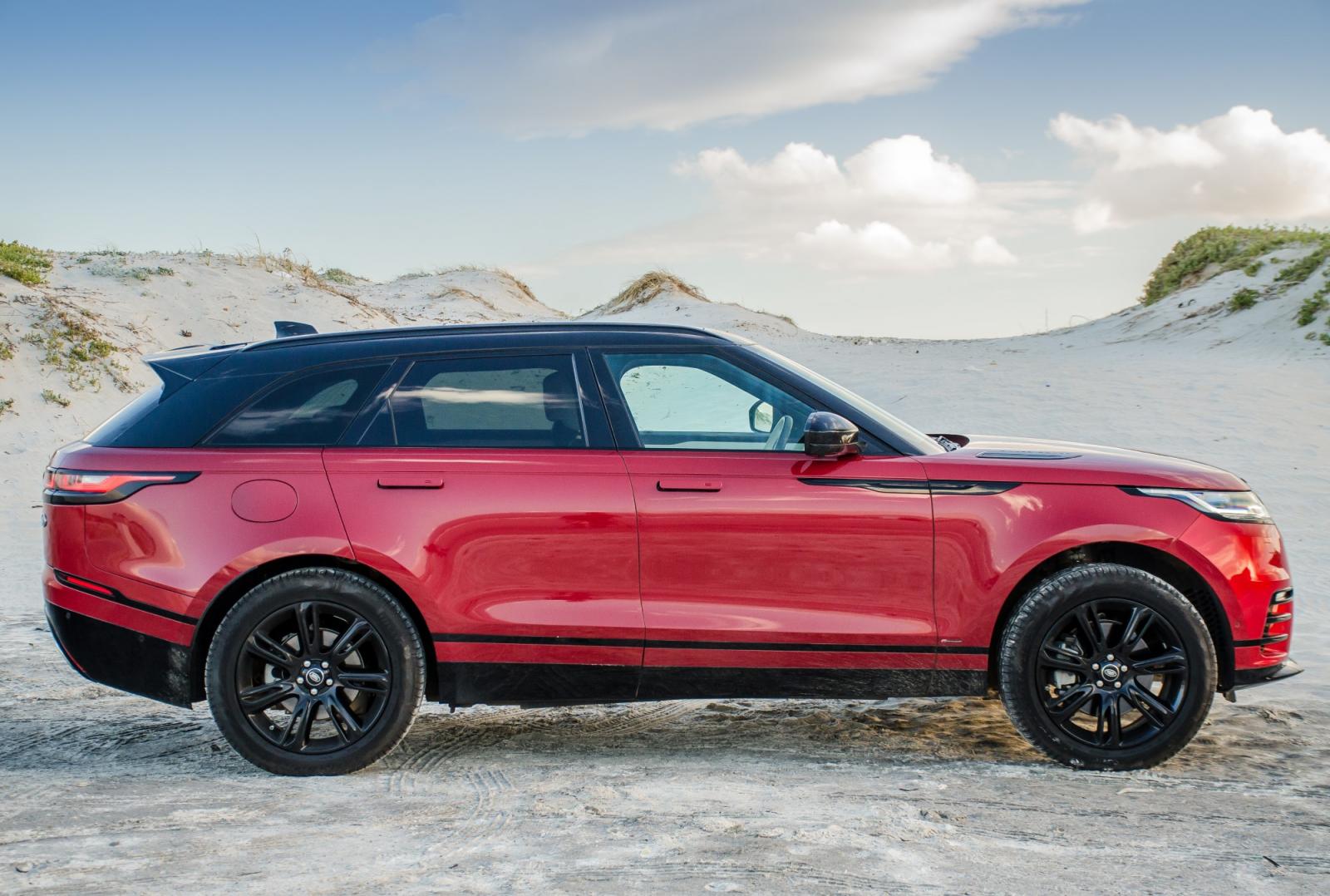

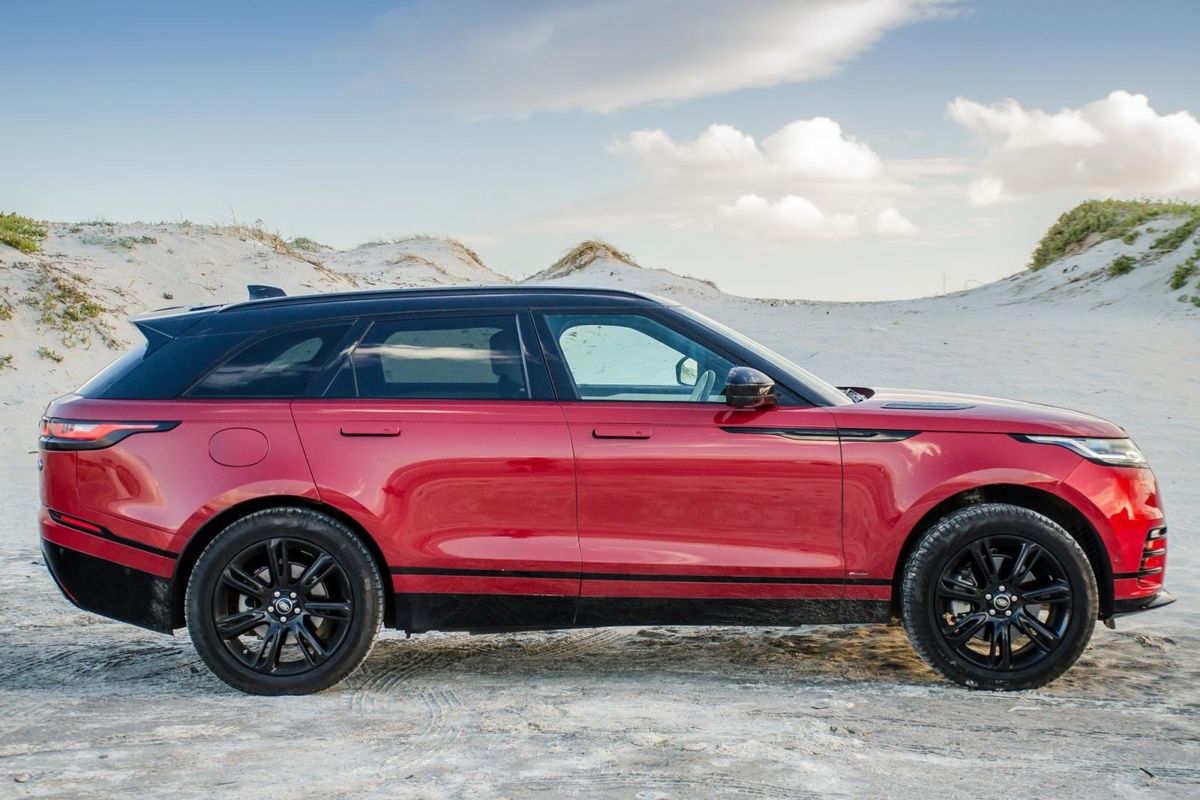
Sleek and sporty, the Velar arguably ushers in a new design era for Range Rover. 

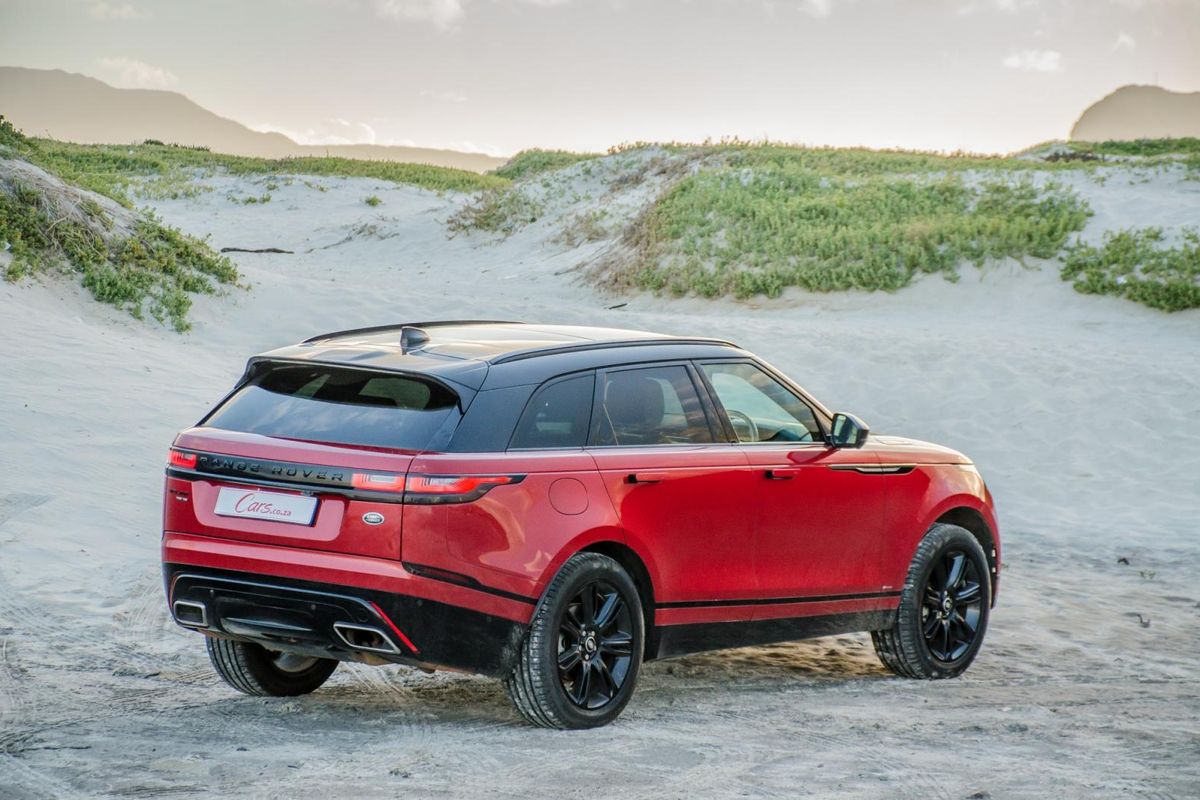
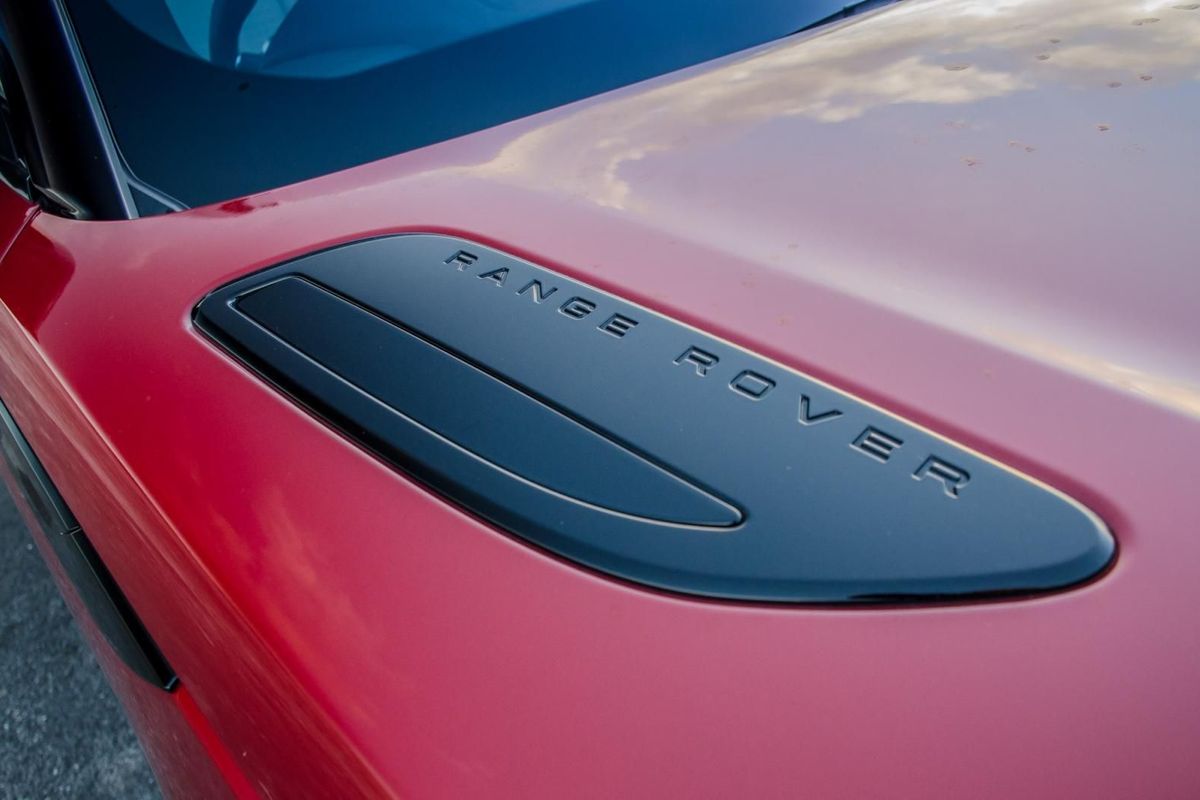
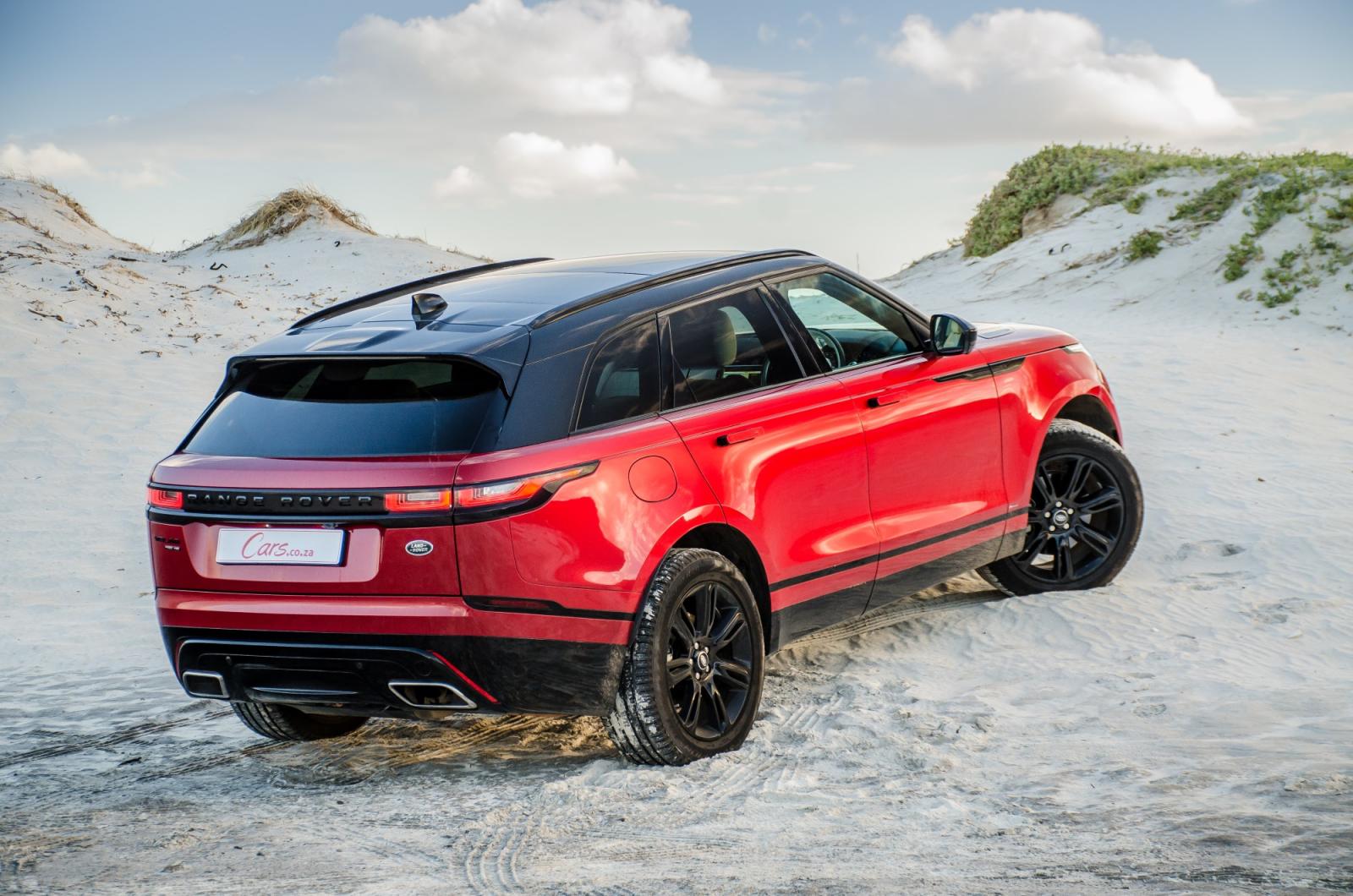
Beauty, as they say, is in the eye of the beholder, but even so, we've not met many onlookers that described the Velar as anything but stunning. There is not a trace of F-PACE in its overall design and to some, it almost looks like a concept car that has somehow made its way onto a production line without being diluted. It's a very smooth, polished shape overall, with very few protrusions – even the door handles fit flush with the bodywork!

The vehicle featured here is the R-Dynamic HSE, which means you get 21-inch wheels as standard as well as the smart Matrix LED headlamps. Our test unit also had the optional R-Dynamic Black pack fitted (R10 700) and a smaller 20-inch rim (no cost). If you want a sliding panoramic sunroof that will add just shy of another R25 000. 
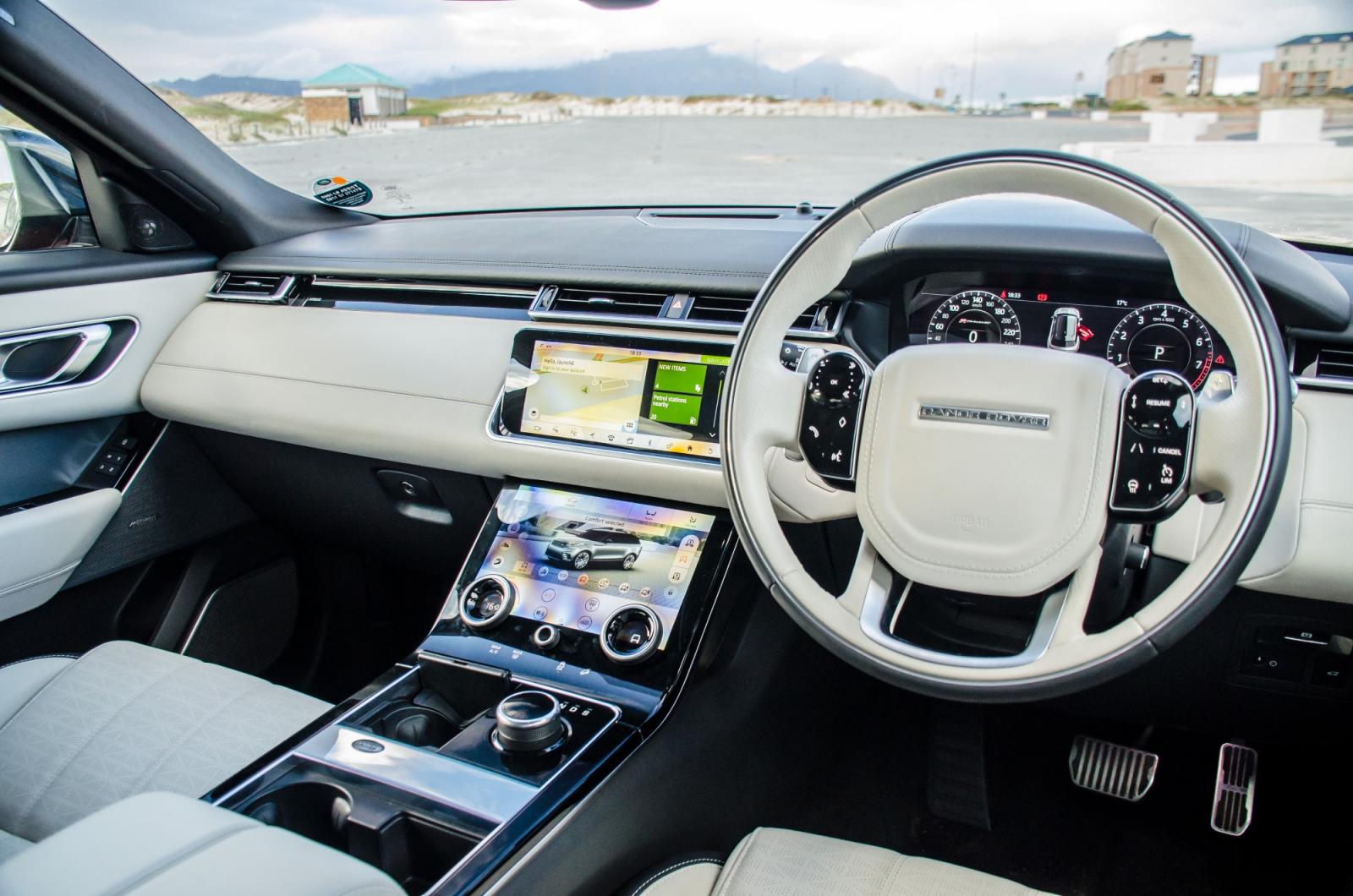

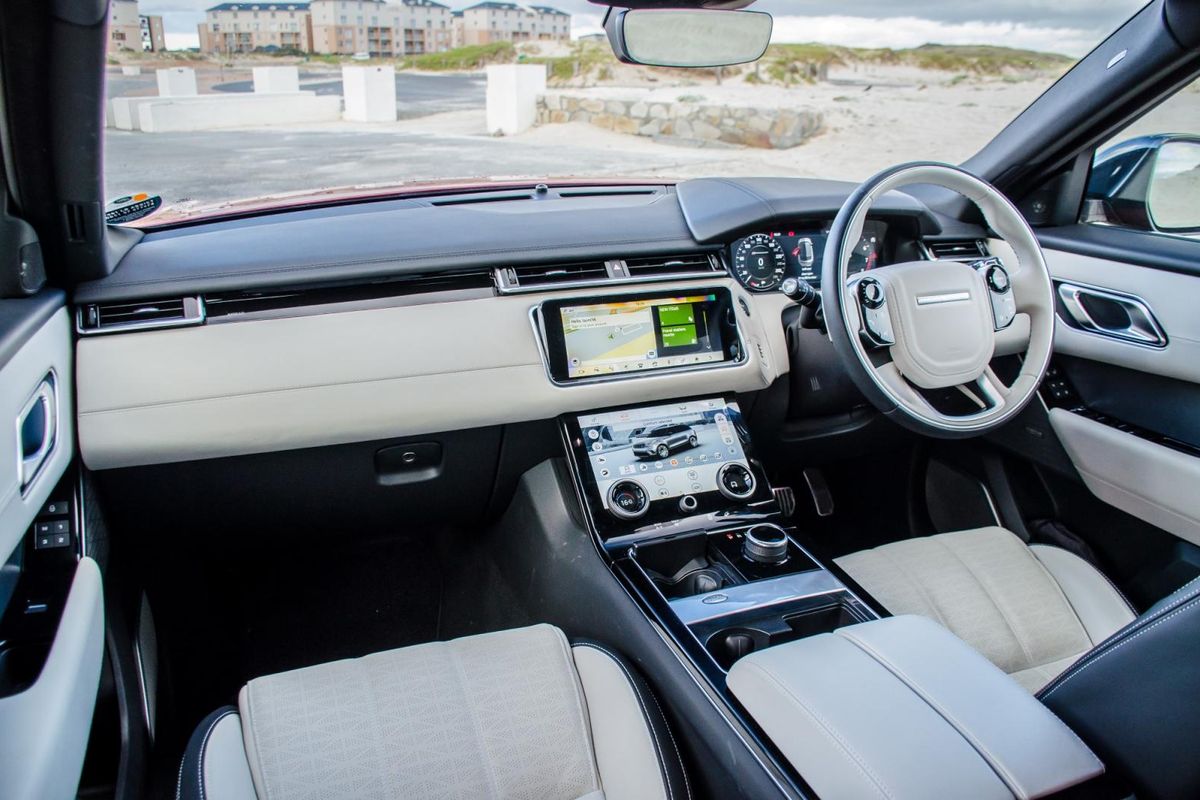
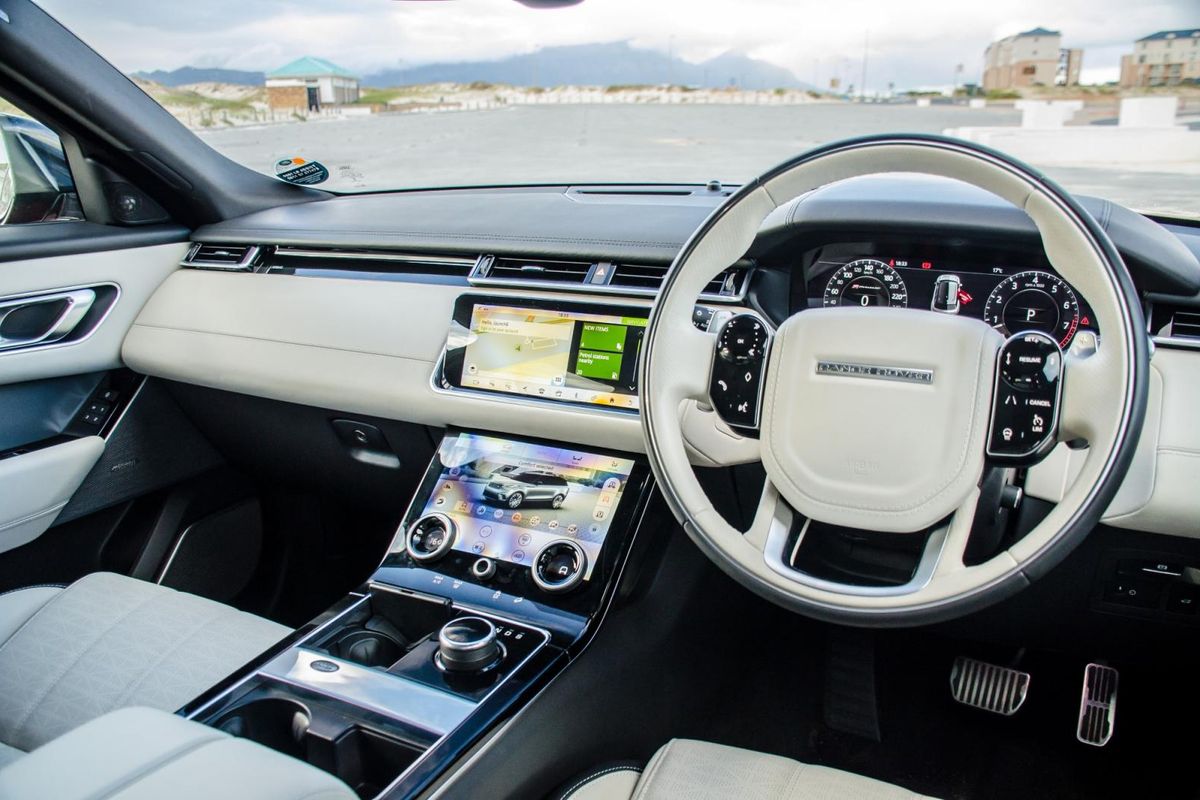
Is there a more striking cabin currently on the market? We don't think so. But there are practical drawbacks to this set-up.

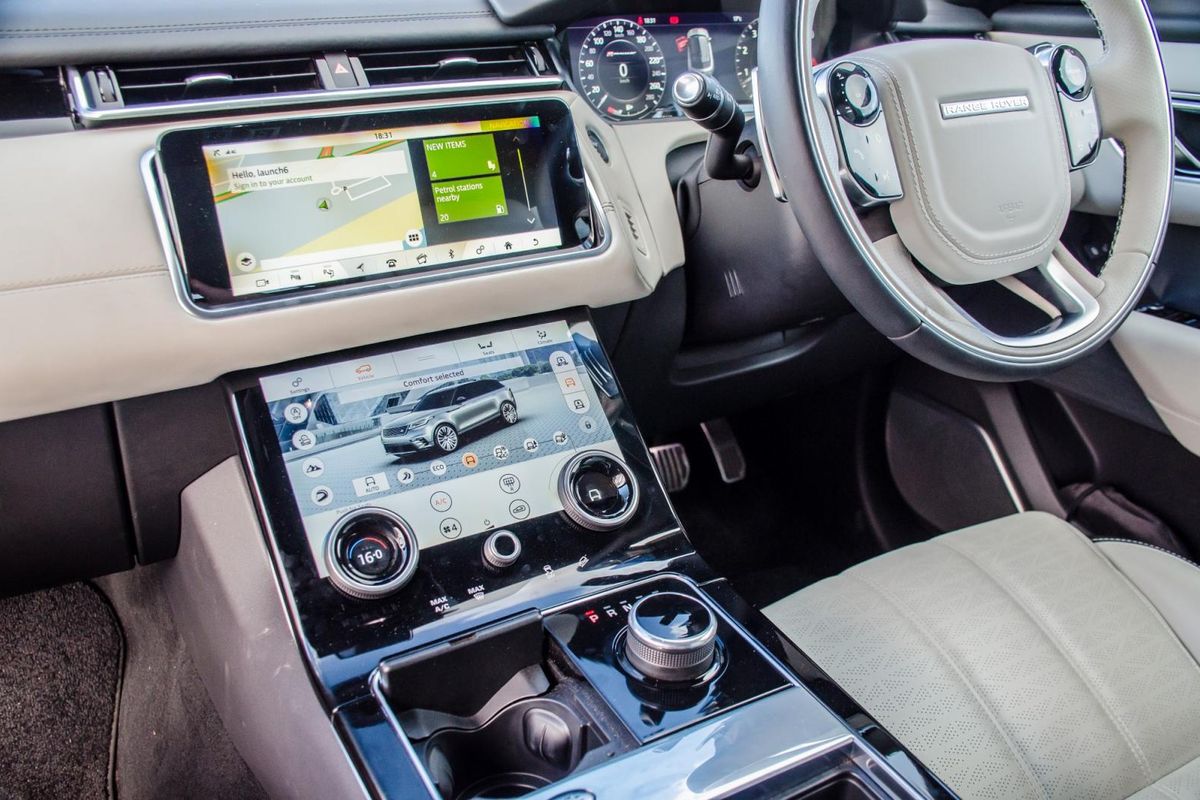
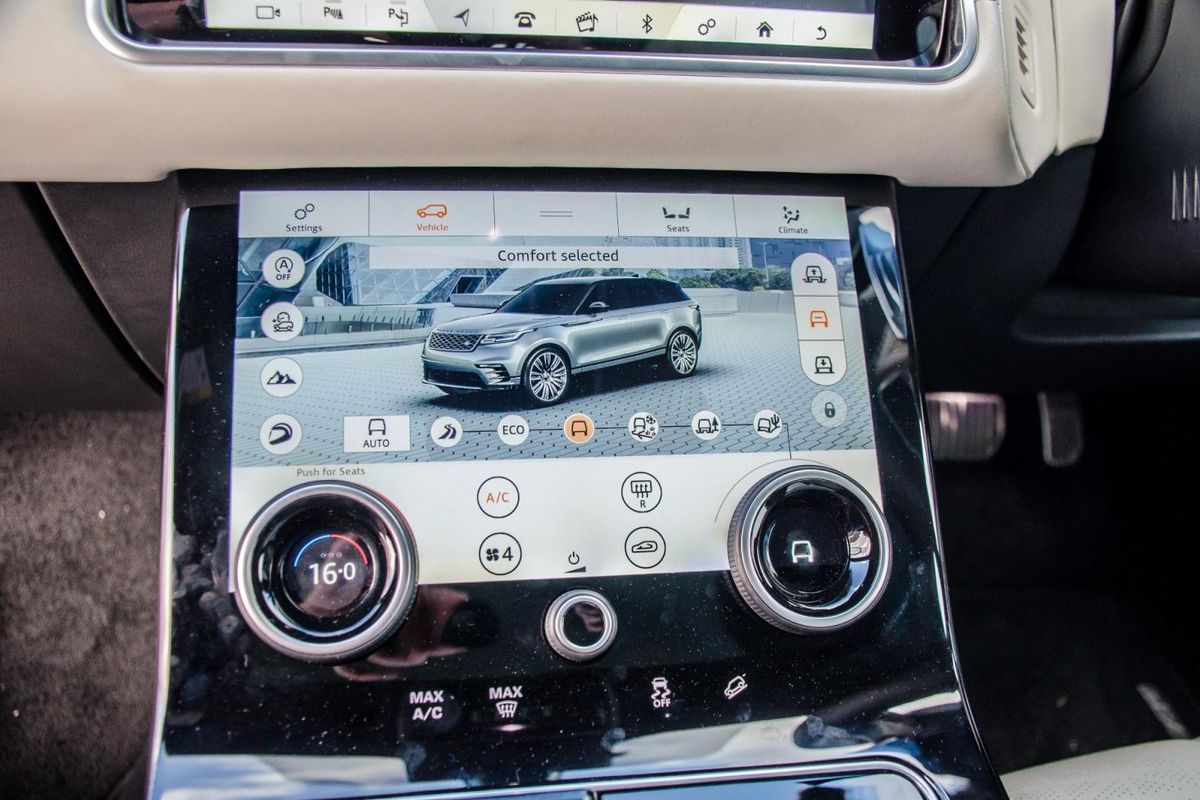
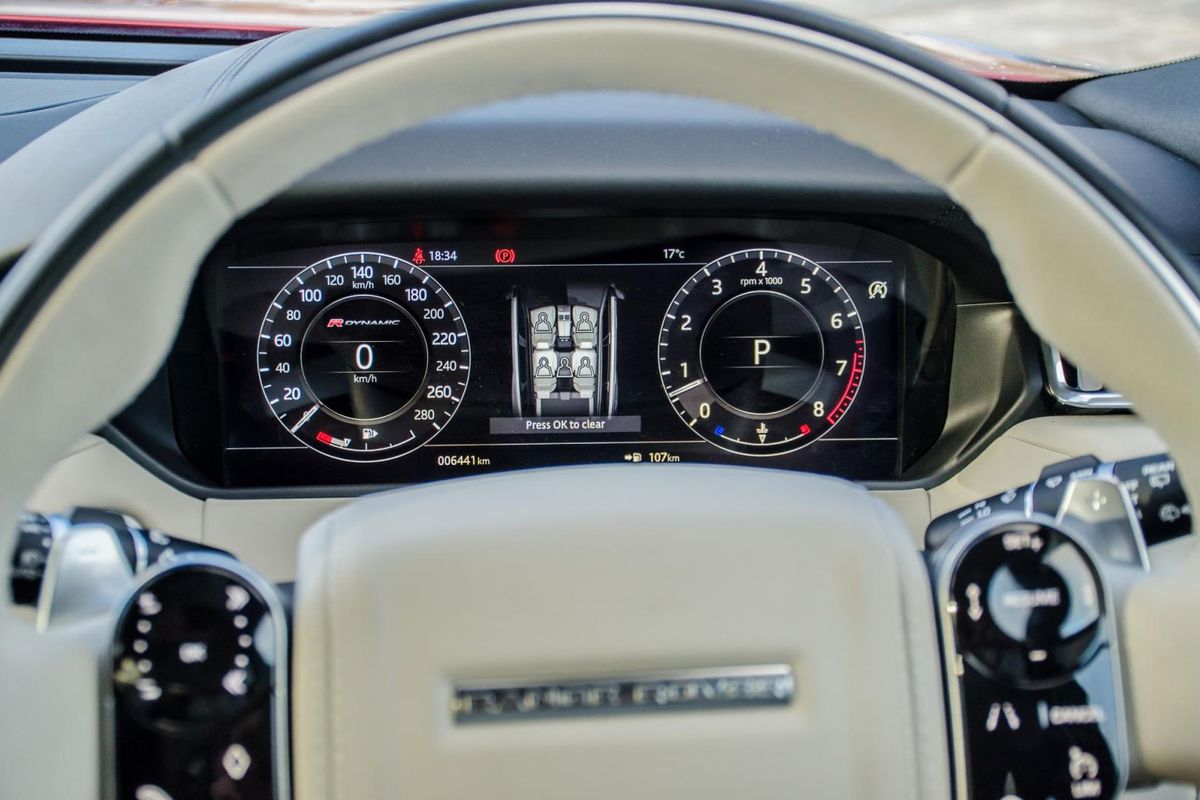
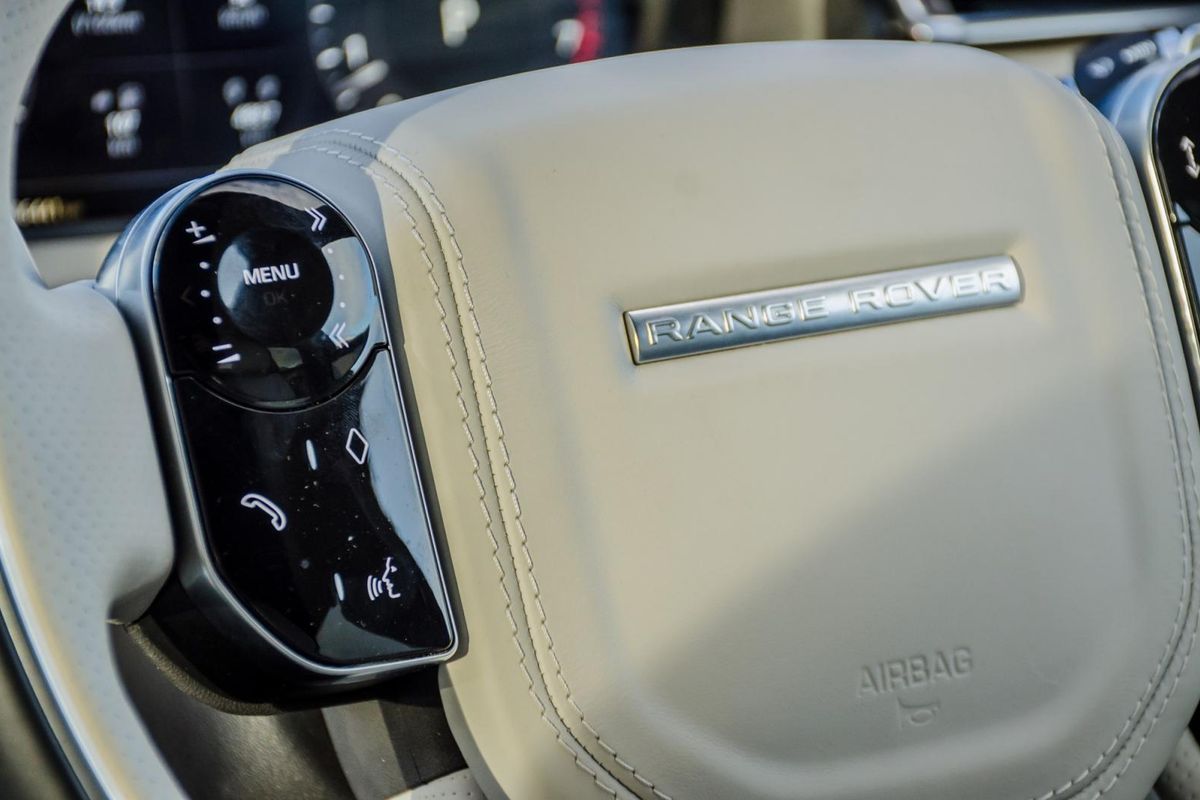
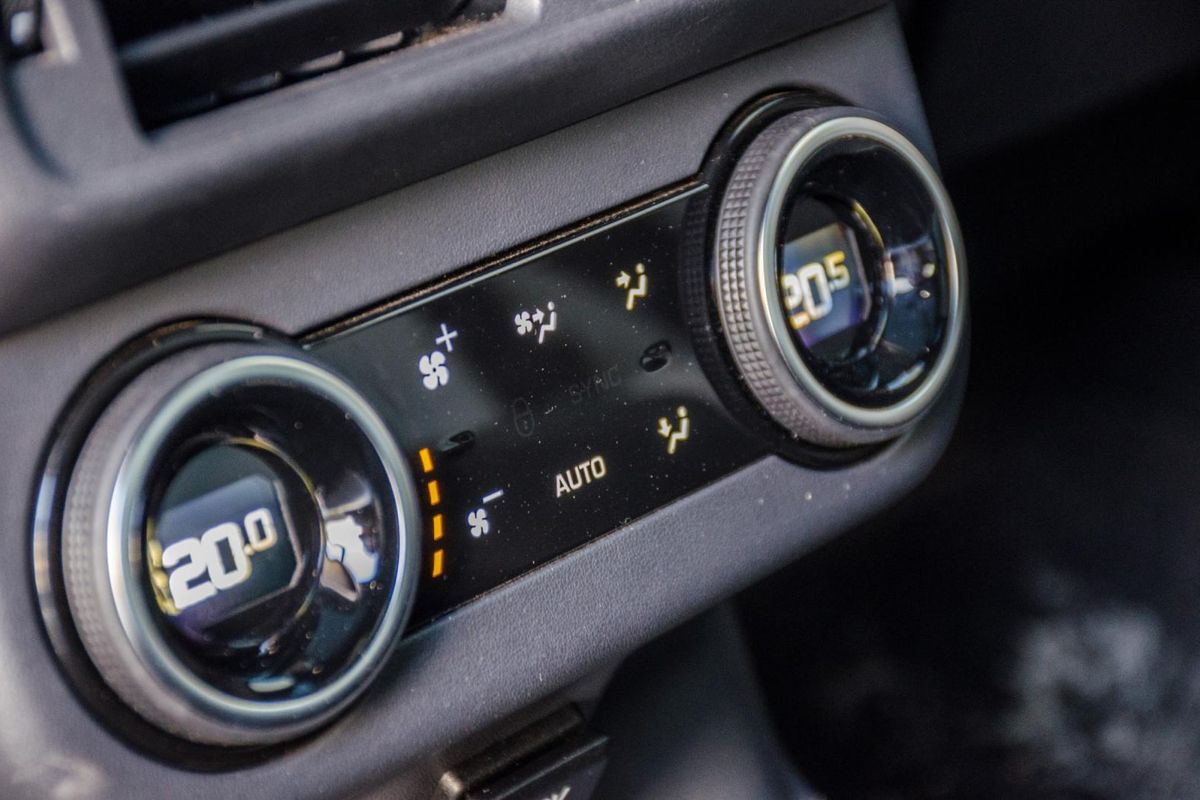
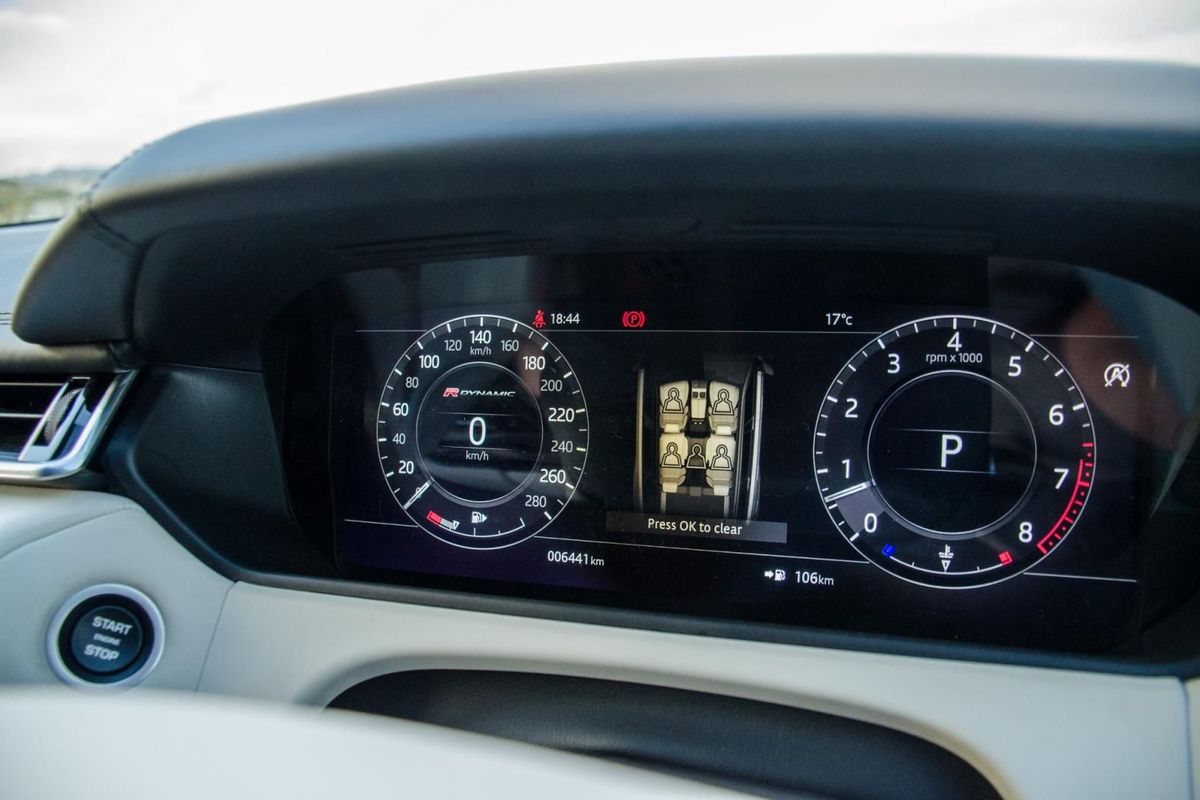
Inside, you get beautiful perforated leather upholstery as standard but what will undoubtedly catch the eye first is the striking fascia. Like the exterior, the surfaces are smooth and the absence of buttons or switches always a talking point when people get into the car for the first time. Besides the digital instrumentation, there are 2 large touchscreens that take up much of the centre "hang-down" console.

The upper screen of the 2 deals primarily with navigation and infotainment, while the one below it allows you to configure the car for prevailing driving conditions. For the first time, Terrain Response is no longer accessed through physical buttons/switches, but rather "virtually". The screens' displays are bright and crisp, and the layouts mostly logical, but they do require familiarisation, particularly when delving into sub-menus while driving. You may also have to start driving around with a cloth in the storage box between the seats (to wipe away fingerprints from all the glossy surfaces!).
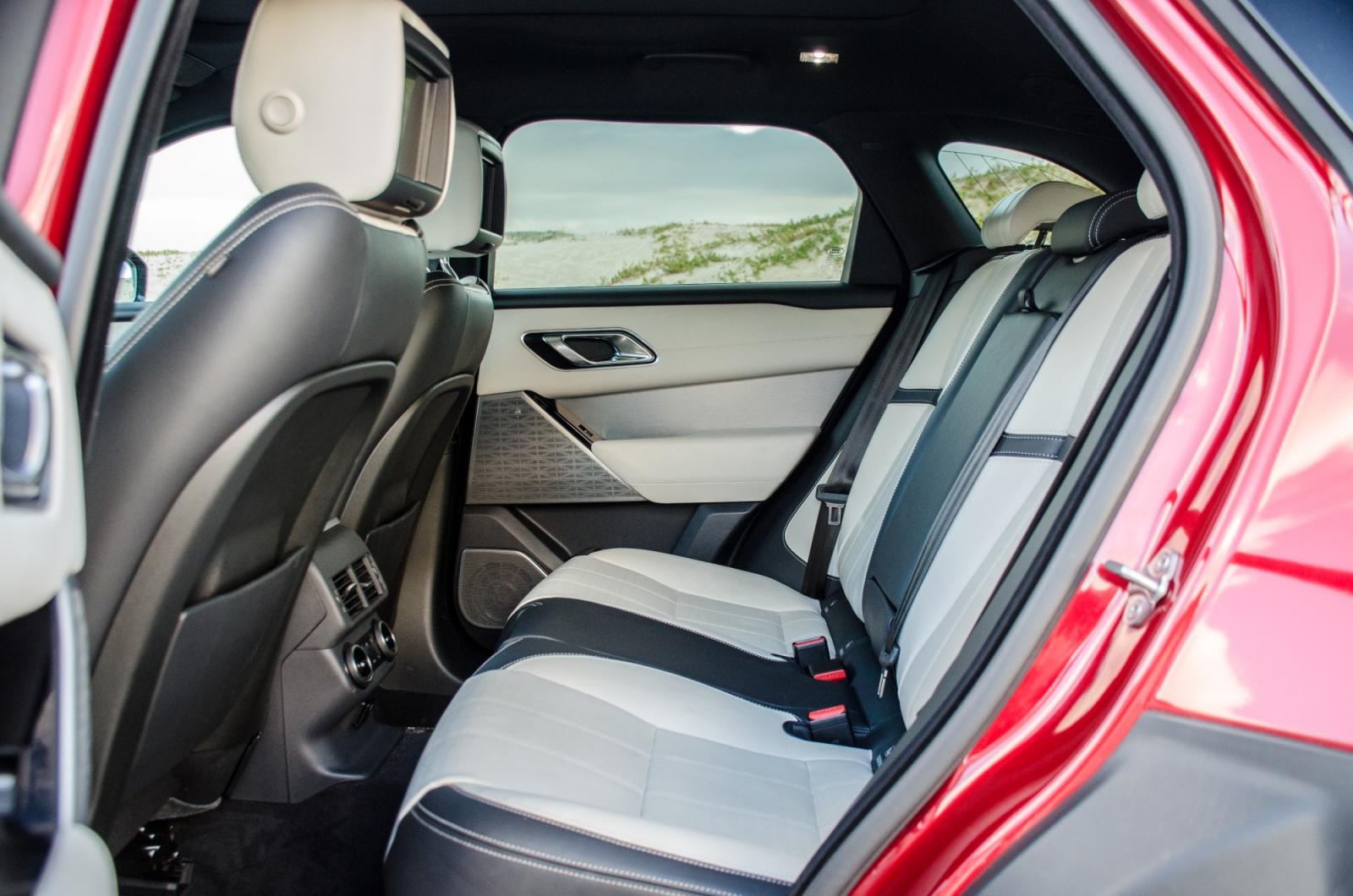

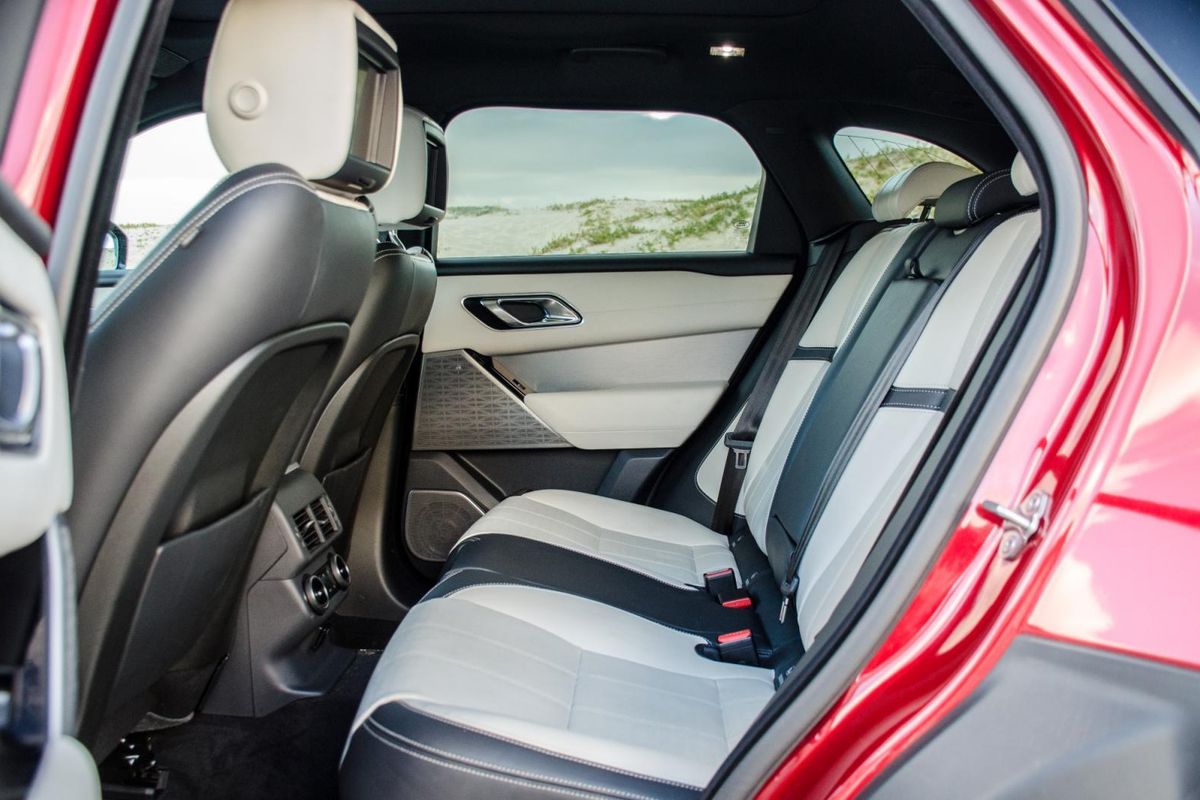
Rear legroom is arguably acceptable, but no more than that. Range Rover has prioritised luggage space instead.

With its narrow glass area and high transmission tunnel between the seats, the Velar has a very different, more "closed-in" interior ambience than other Range Rovers. In that sense, it feels cosier and sportier, but also less spacious. Still, you'll easily find a good driving position, because the driver's seat is multi-adjustable, and in the case of our test vehicle, 18-way adjustable, with massaging, heating and cooling functions. Even so, some of our testers still struggled to get comfortable in the front seats, particularly because the cushion is quite narrow and very firm where it meets the seatback – and no… it wasn't only the bigger members of the test team that complained.
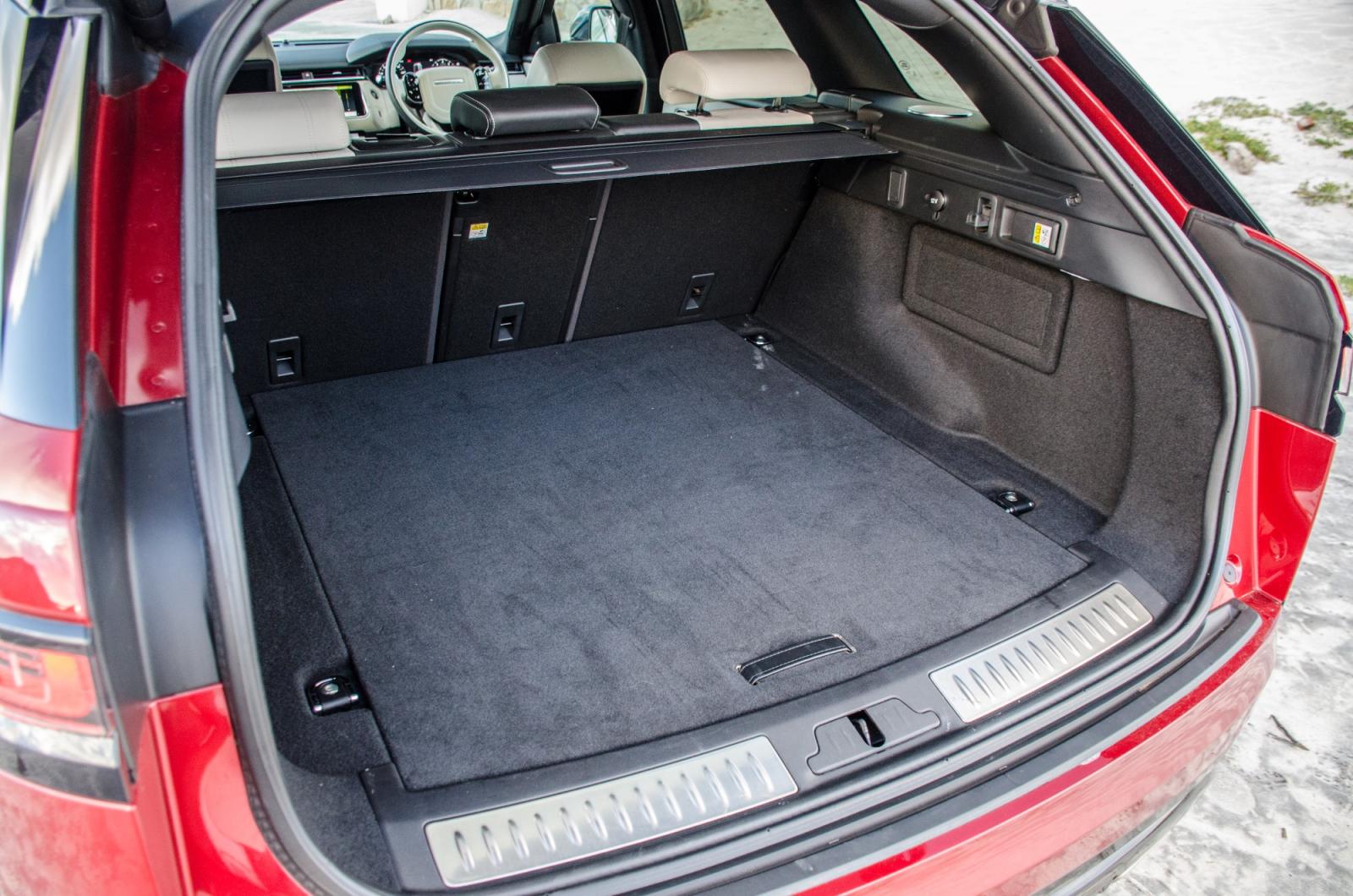

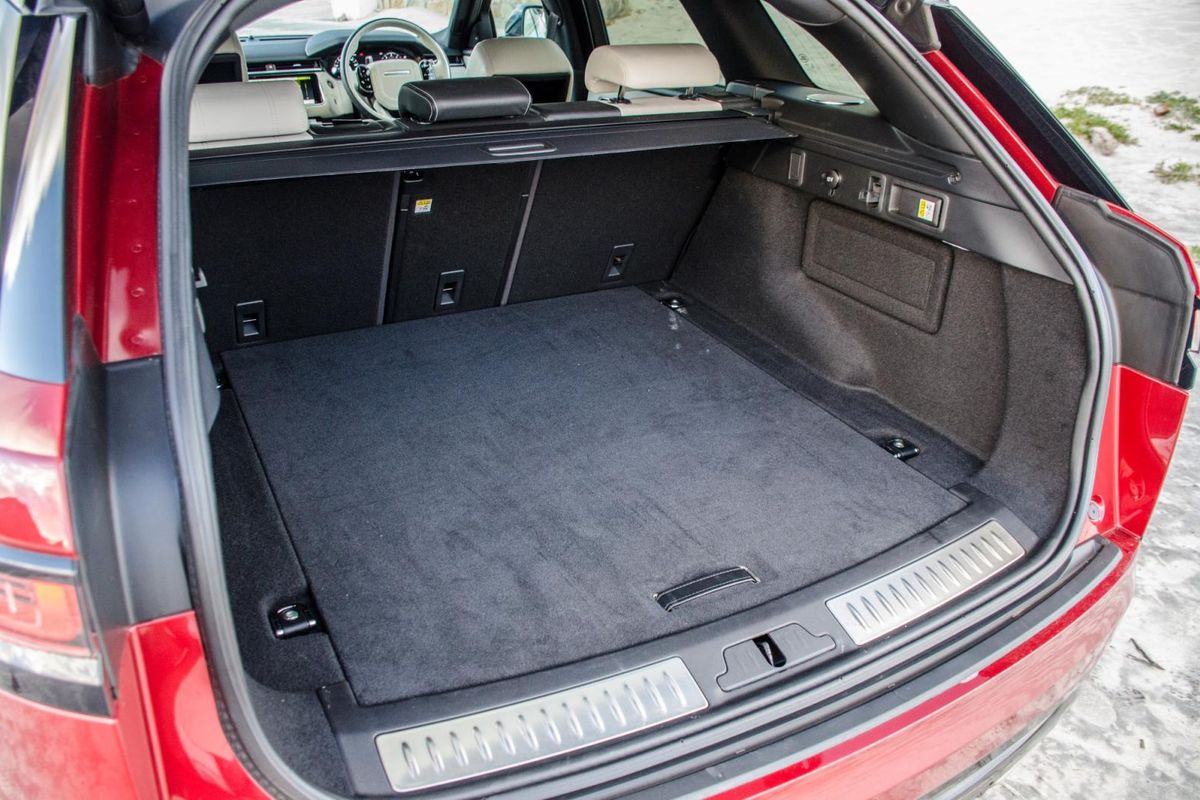
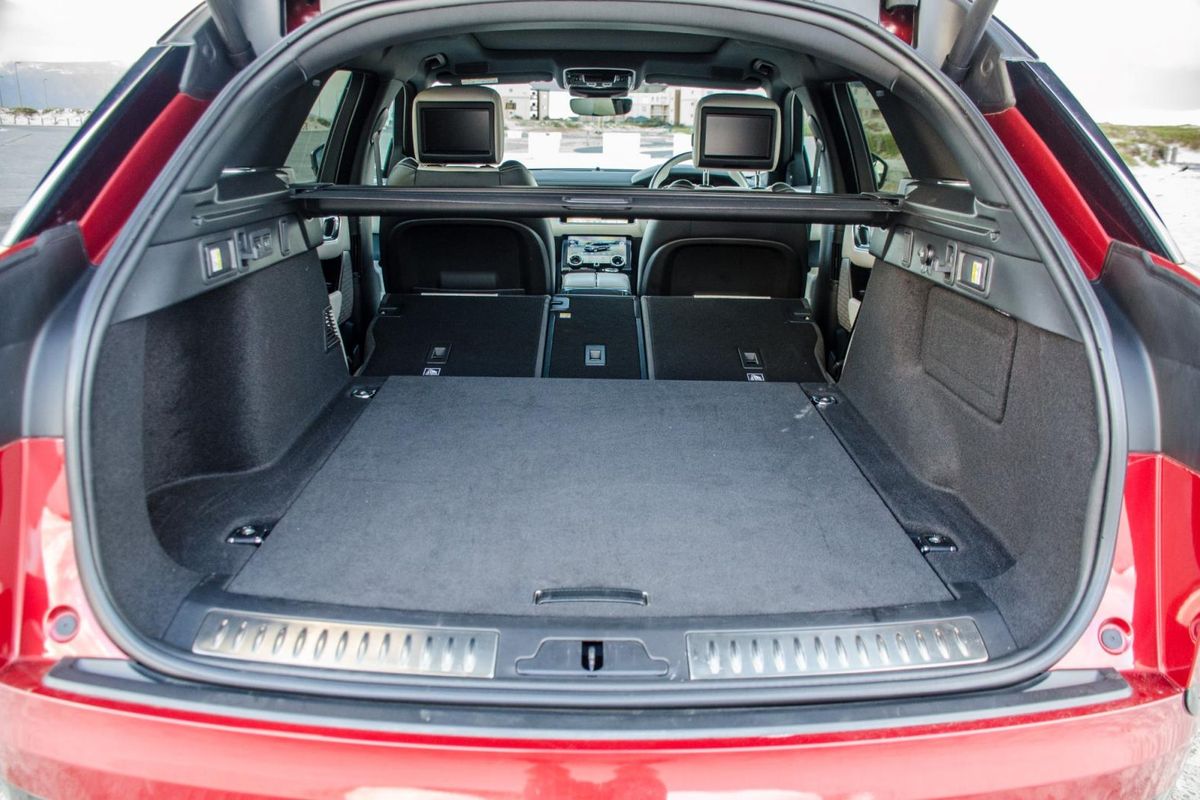
The load bay is commendably large, slightly bigger than what you'd find in the Jaguar F-PACE.

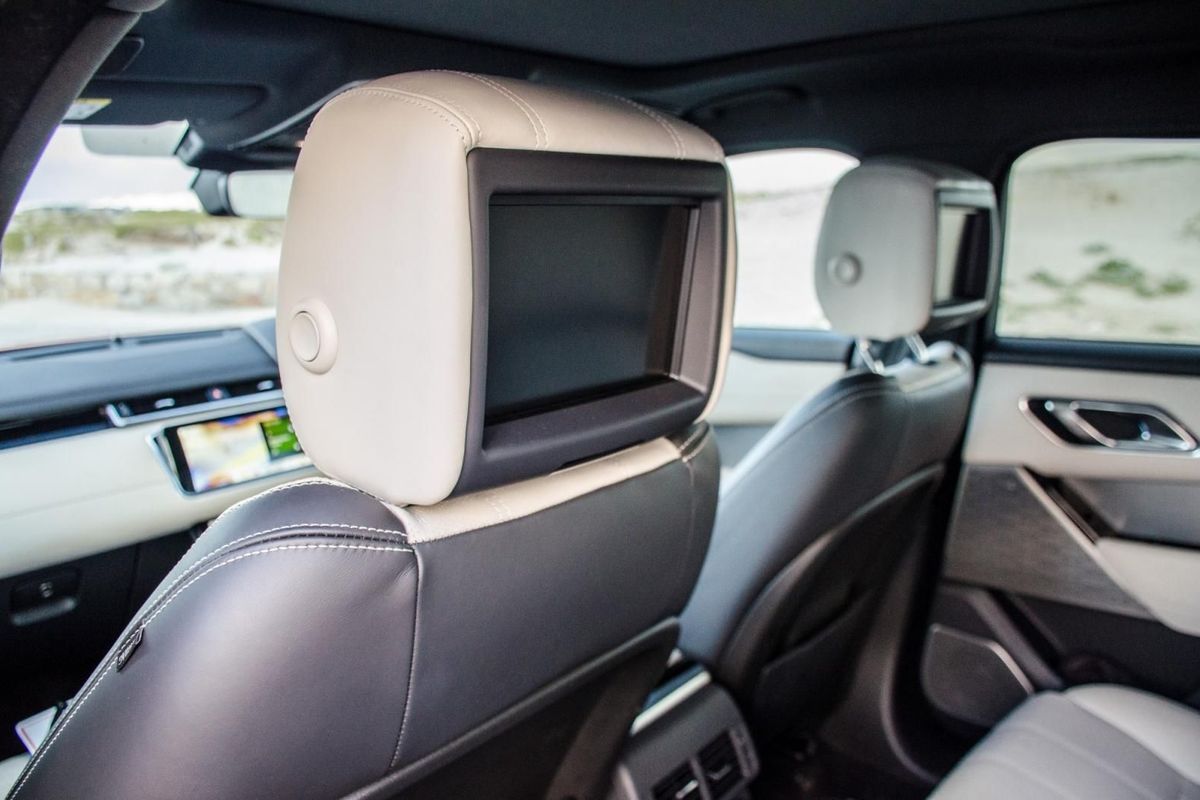
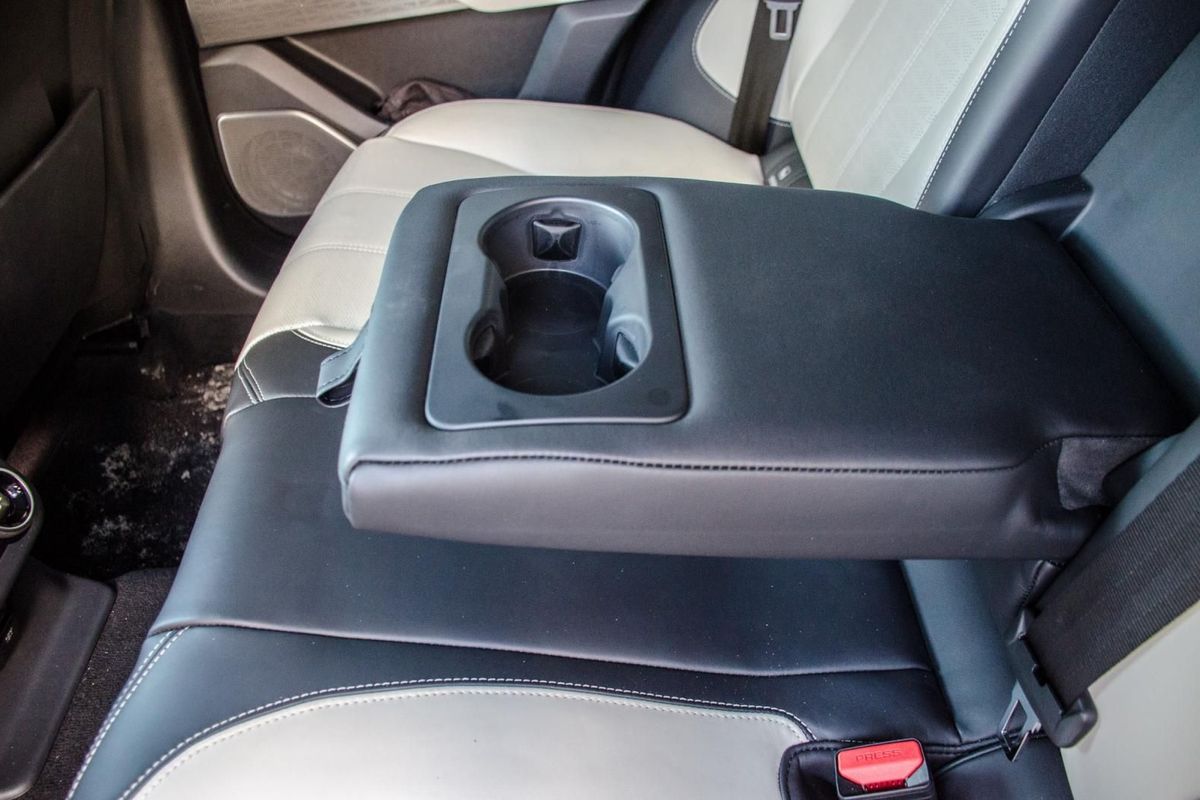
In the rear, the bunker-like ambience continues, further accentuated by the privacy glass fitted to the test vehicle. Rear legroom is no better than acceptable, and it is clear that Range Rover has prioritised luggage carrying ability at the cost of some rear occupant space, because the load bay is actually quite large (673 litres). The rear seats can be folded flat, in which case there's a commendably long cargo area on offer. Our test unit also featured a rear-seat entertainment system (R33 100) and electrically deployable towbar (R14 200).

Overall, then, the Velar prioritises style and modernity over practicality and typical, unquestioned Range Rover comfort. 

Performance & Efficiency?
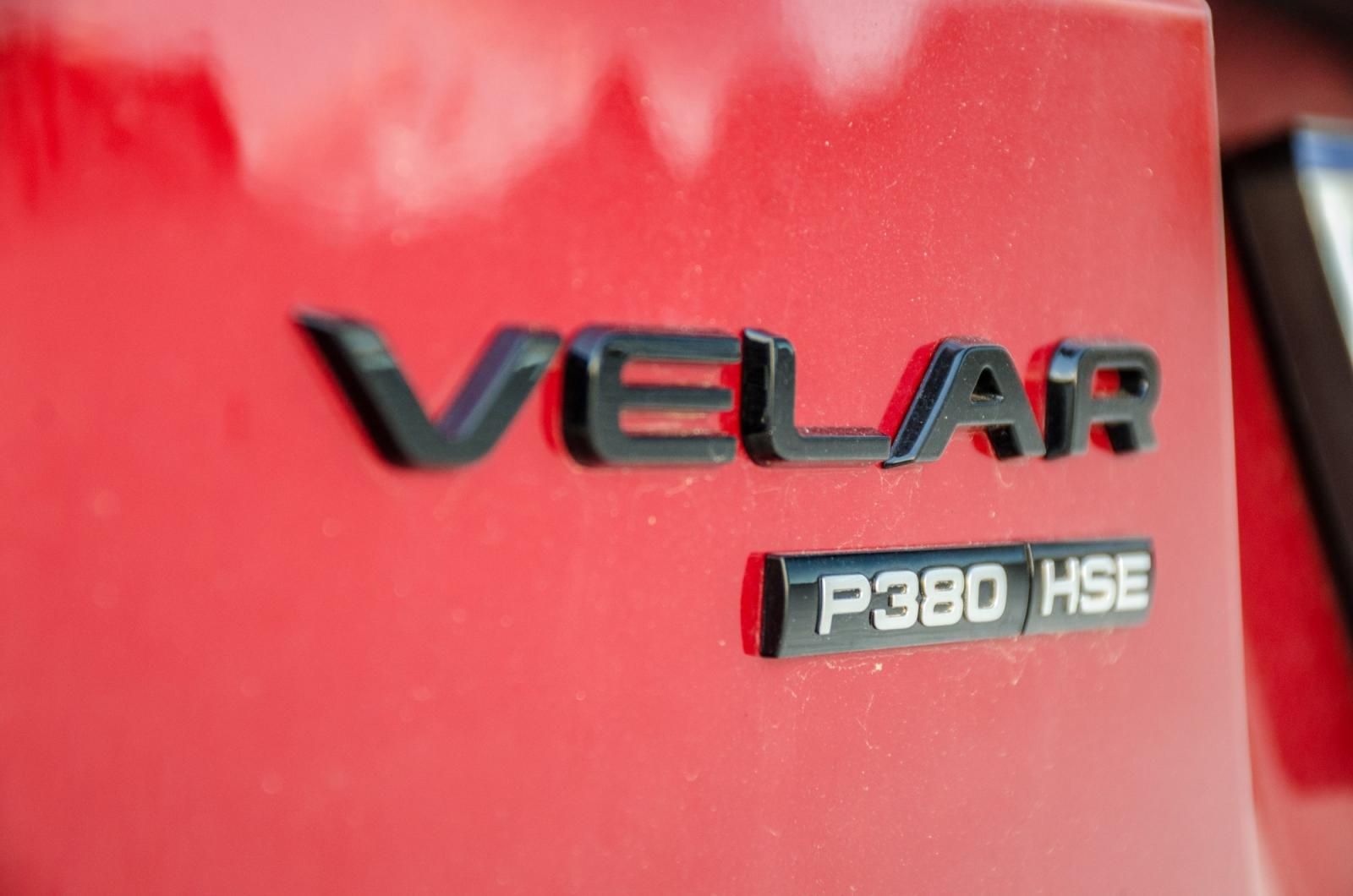

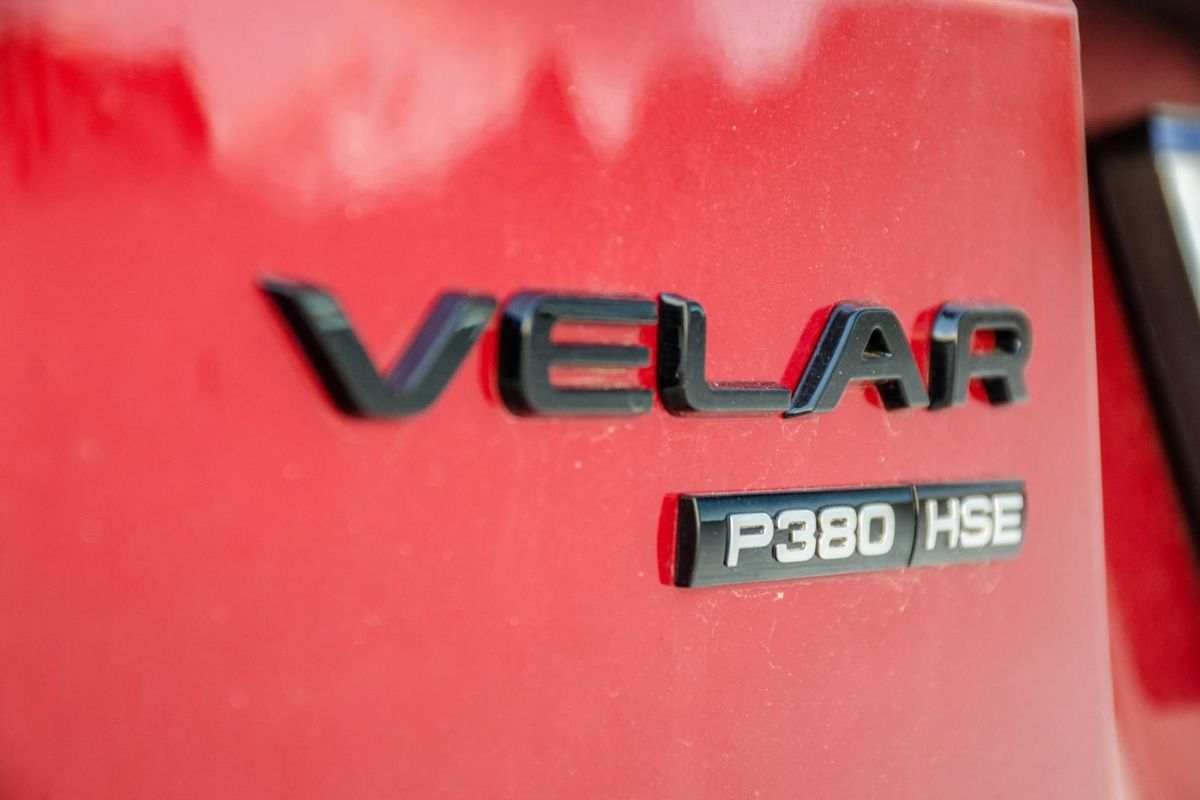
P380 badge means that this derivaive is petrol powered and rated at 380 horsepower (280 kW).

The Velar is powered by JLR's turbocharged 3.0-litre 6-cylinder engine that develops peak outputs of 280 kW and 450 Nm of torque. It is mated with an 8-speed automatic transmission and power goes to all four wheels, though primarily to the rear until traction has been lost there, in which case torque can be transferred automatically to the front wheels. So, it's quite different to a traditional Range Rover set-up, and there is no low-range transfer 'box even though the brand's Terrain Response system remains part of the package. 

It's an engine that endows the Velar P380 with admirable get-up-and-go and in typical JLR fashion, this SUV's keenness to respond to throttle inputs (or any inputs, for that matter), possibly makes it feel even faster off the mark than it really is. Nevertheless, a 0-100 kph sprint time of 5.7 seconds is good enough, as is the 250 kph top speed. Equally impressive is the refinement of the drivetrain. Although the engine can emit a pleasing sound when pushed, it is generally hushed when operating in the background and the gearshifts are swift and slick, too. 

Finally, Land Rover claims a combined cycle fuel consumption figure of 7.5 L/100 km, but achieving that figure was never going to happen in such a heavy, performance-themed car. Our average worked out to 9.8 L/100 km and if you're going to be mostly driving around town/city with it, you'll struggle to remain under 10.0 L/100 km.

Ride & Handling?
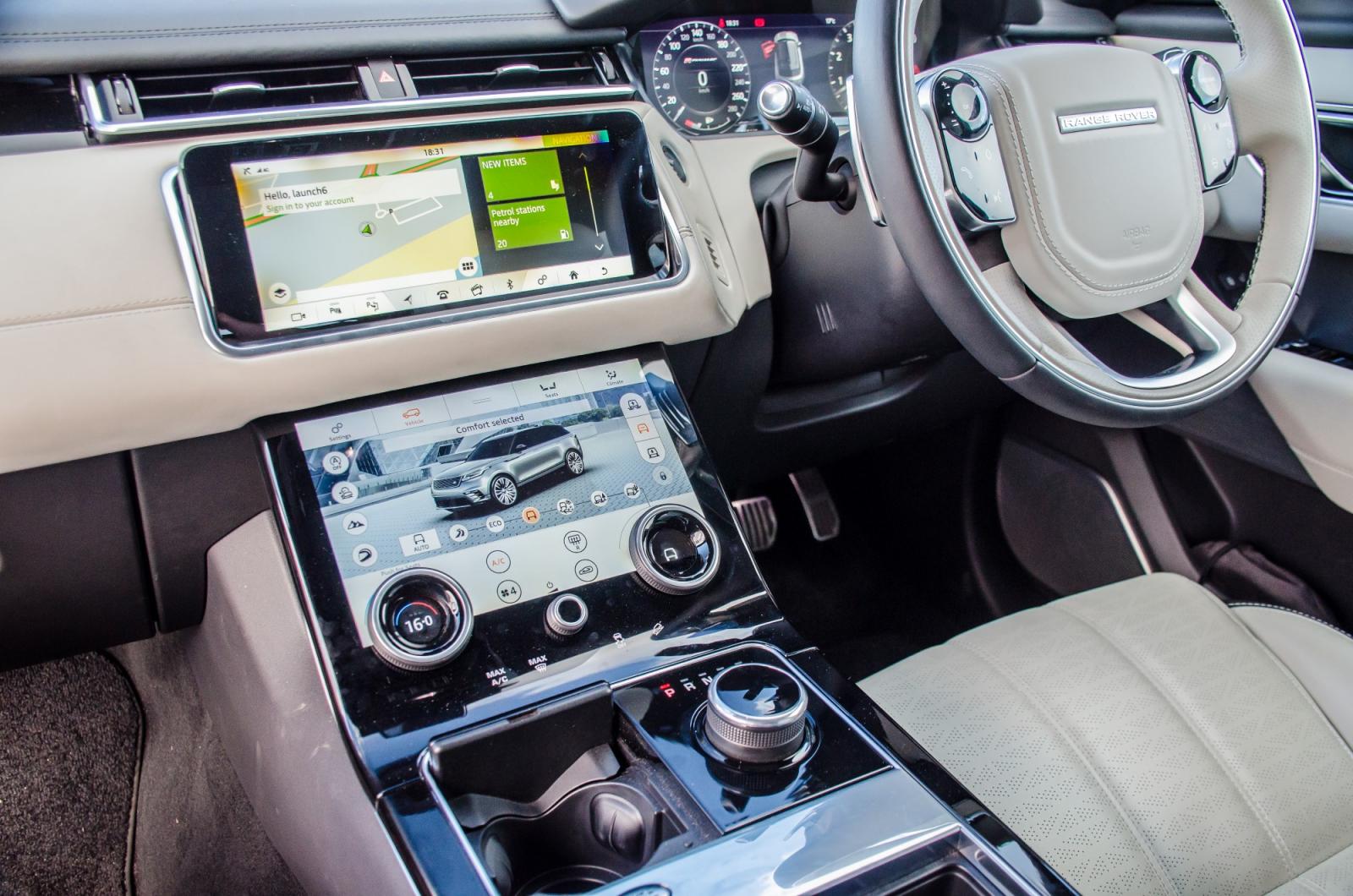

Most of the Velar's off-road functions are controlled via the lower of the 2 screens on the centre console. 

As mentioned before, the Velar rides on a similar aluminium-intensive platform as the Jaguar F-PACE. There are some other weight-saving materials, too, but nevertheless the Velar is knocking on the 2-tonne club's door quite loudly. And though this particular Velar feels sprightly to drive primarily because of the sensitivity of its controls, it also "feels" substantial, as a Range Rover should. Once up to cruising speeds it deals with road irregularities as if they're not there and there's the type of slight controlled "wallow" that most large, luxury cars display. So… it does feel like a Range Rover, and importantly, significantly more so than an F-PACE.

But there are some minor concerns. For one, the ride at low speeds is not as good as it could be. Then again, the combination of very large wheels with low-profile rubber, and air suspension, typically results in this kind of ride performance, so the Velar is by no means alone in this regard. Perhaps more worryingly is the degree of road noise that permeates the otherwise hushed cabin. Yes, our road surfaces are typically not as smooth as in Europe, but for a nearly R1.5-million vehicle, the Velar shouldn't allow so much of the noise in. 
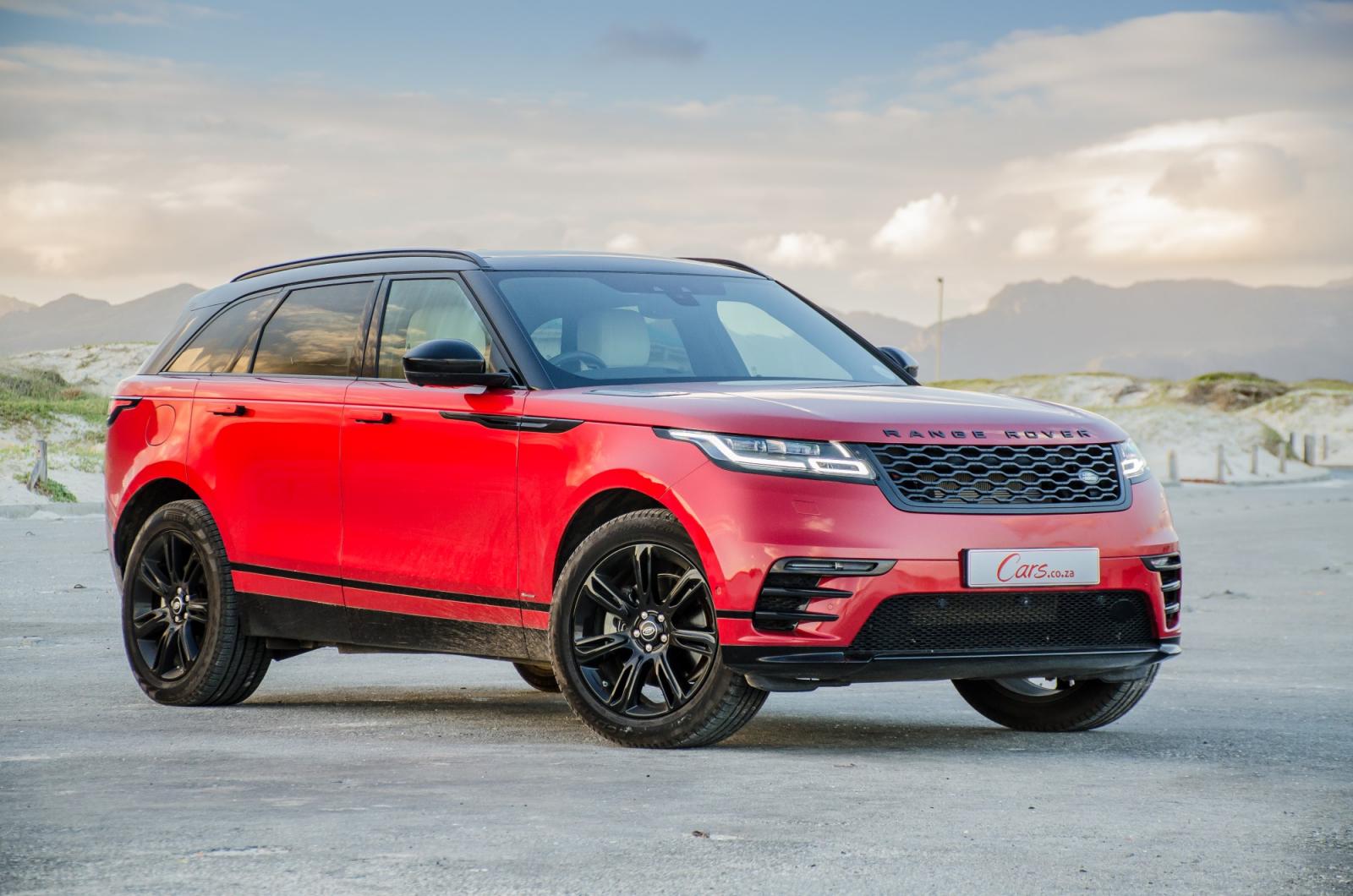

Range Rover says the Velar is its most road-biased vehicle yet. Nevertheless, good ground clearance and sufficient "soft-roader" capability remain.

Off-road ability? Seriously? Well, if you must… Range Rover calls the Velar the most road-biased car that it has made, which should tell you something. It also doesn't have low-range and while the all-wheel drive system could apportion power equally to the front and the rear, you can't lock it into that kind of distribution.

Still, Range Rover's clever Terrain Response system is fitted, and with the air suspension you can raise the Velar's ride height up to 251 mm. There's also 650 mm of wading depth (air suspension) and respectable approach/departure and breakover angles. Our test unit also featured the optional Terrain Response 2 system (automates selection of settings) and All-terrain Progress Control but, with this kind of (low-profile) footwear fitted you're unlikely to venture far off-road, and we suspect most Velars would hardly ever travel far out of the urban jungle. Still, a very decent amount of "off-roading" capability remains part of the package, even if it's unlikely to be used. 

It's also worth noting the Velar's tow rating – at 2 500 kg, which is 1 000 kg less than what is offered by a Range Rover Sport. So, clearly, if you want to tow yachts/horse boxes and occasionally go off-road… you're money is still better spent on the Sport.

Pricing & Warranty

The Range Rover Velar P380 R-Dynamic HSE sells for R1 367 616 (January 2018) before any options. The price includes a 3-years/100 000 km warranty and 5-years/100 000 km maintenance plan. The service intervals are set at 26 000 km (or every 12 months).

Verdict
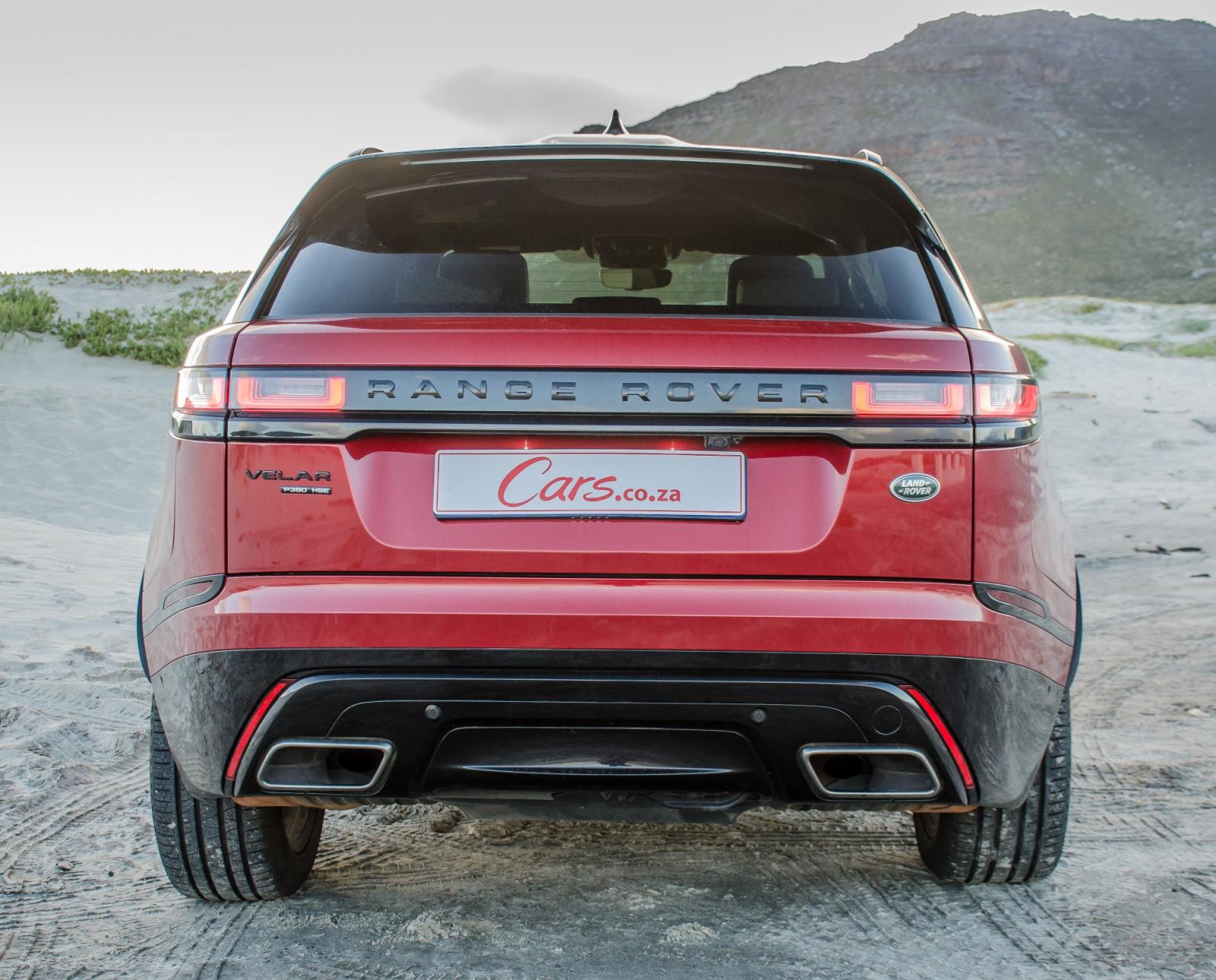

Is there a more desirable, similarly priced SUV on the market right now? Arguably not…

Considering the Velar R-Dynamic HSE's starting price of R1 367 616 (January 2018) one would rightly expect a long list of standard features. Whether that has indeed been achieved will depend greatly on what your expectations are when parting with that much cash… In any event, our test unit (as pictured) was loaded with so many features that the final price was well north of R1.5 million. And that's a lot of dough, especially when one considers that an (admittedly pre-options) Range Sport SCV6 Autobiography Dynamic can be had for similar money.

Priorities will dictate which model you end up going for, but what do you get for your cash when opting for the Velar, and this one in particular? We doubt that there is a more stylish, attention-grabbing SUV on the market right now and certainly not at this price level. Its stunning design extends to the interior, which in terms of sheer visual appeal is also unrivalled. The engine is excellent, nicely refined and powerful, and the ride quality (once up to cruising speed) is impressive too, and similar in character to what you'd expect from a Range Rover.

But, in some ways, the Velar may not appeal to traditional Range Rover folk. Its tow rating is comparatively low and some ultimate off-road ability has undoubtedly been sacrificed. And the interior is neither as practical, nor as comfortable, as one may expect given its price and features (standard or optional). The Velar is, in many ways, going to appeal to people who simply want a larger Evoque or something to turn heads in around town. That may well lead to some brand traditionalists pulling up their noses, but ultimately Range Rover is in the business of selling luxury, and quite often, luxury doesn't have to make all that much sense. Desirability is what matters in this particular case, and the Velar simply oozes that… 

You may also be interested in:

5 Cool Features of the new Range Rover Velar

7 Rivals the new Range Rover Velar has to beat

6 High-performance SUVs coming to SA in 2018
Interested in buying a new / used Range Rover Velar?

Find one to buy on Cars.co.za today by clicking here

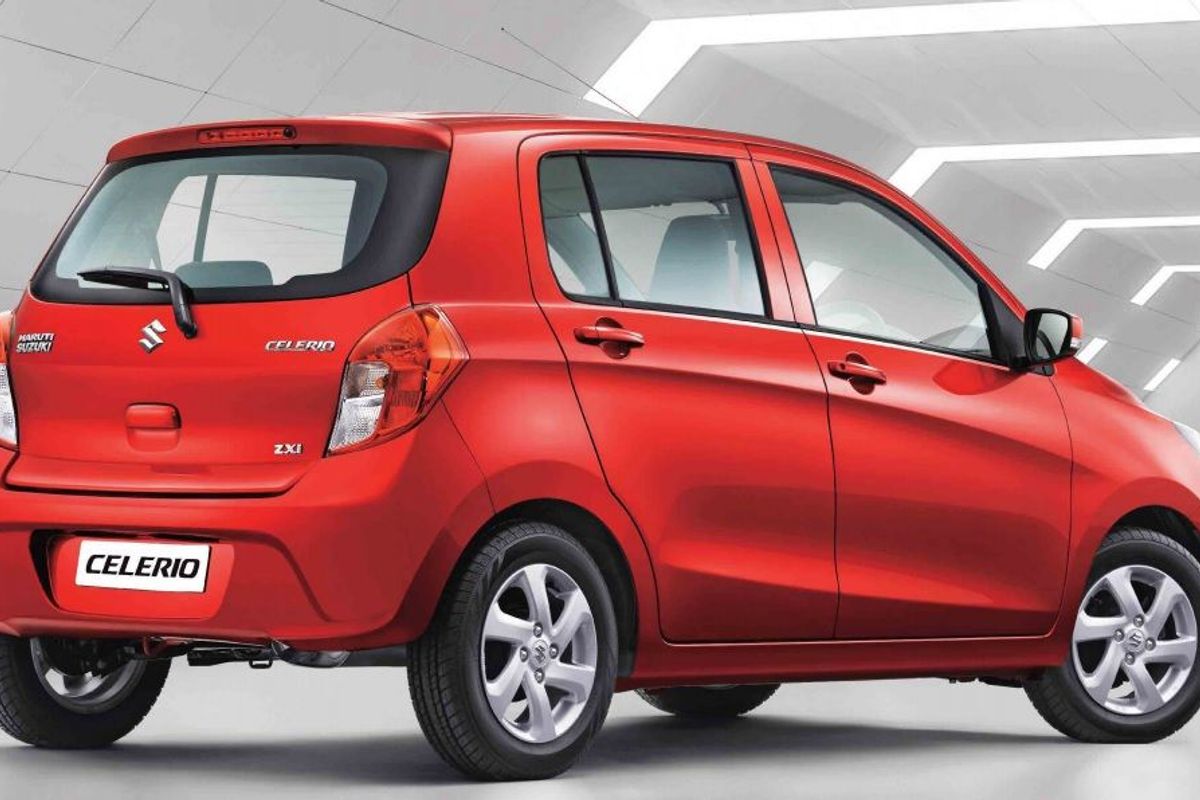
Facelifted Suzuki Celerio unveiled

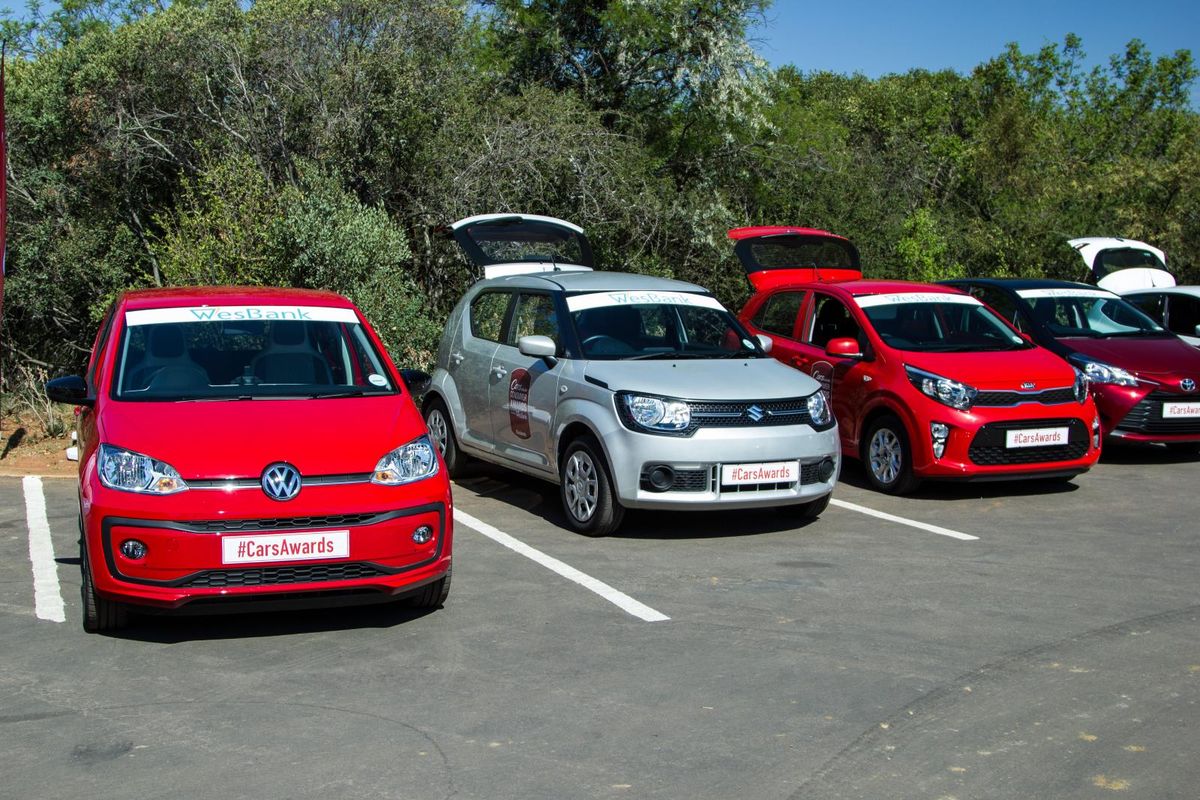
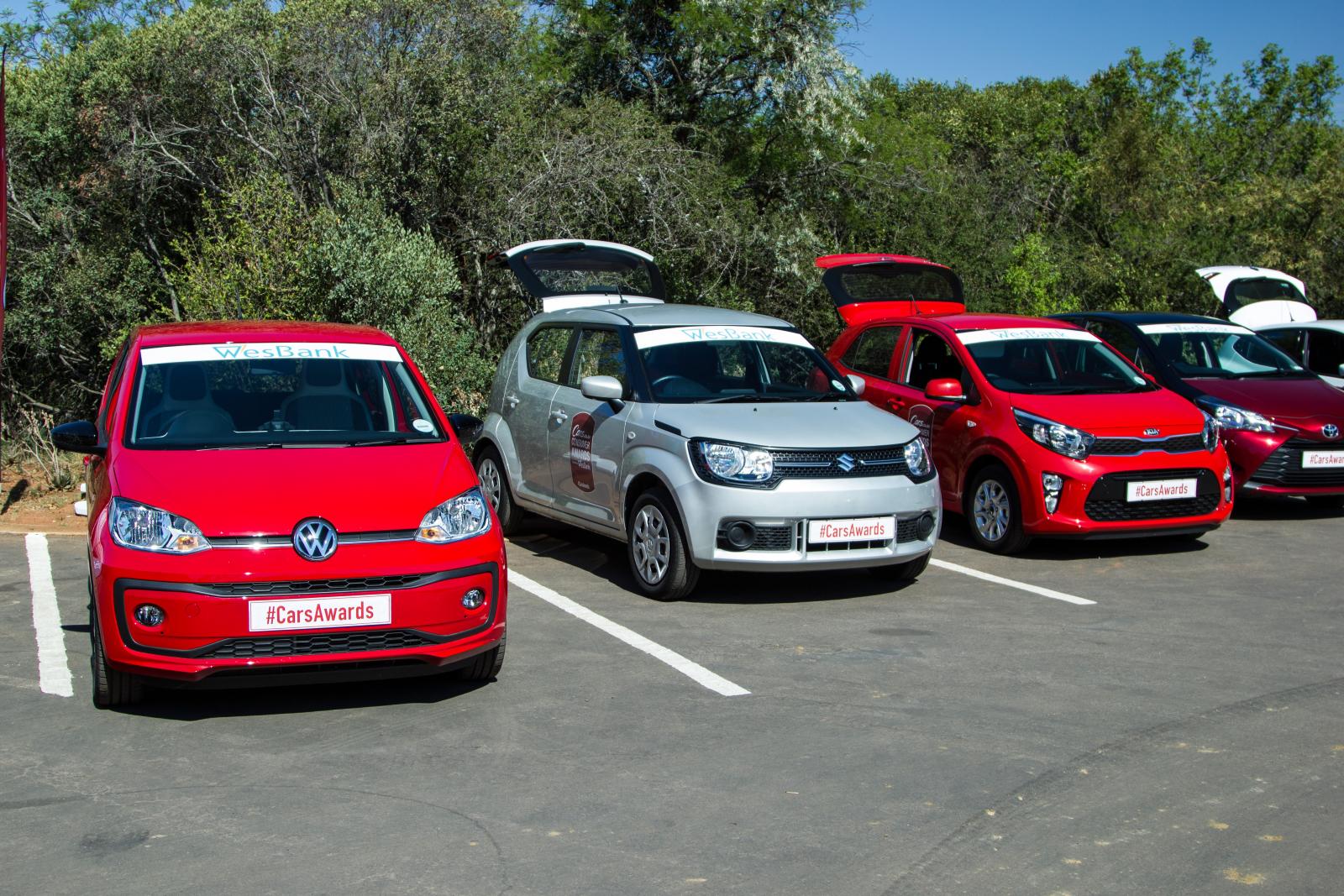
The reigning Cars.co.za Consumer Awards – Powered by WesBank, Budget Car of the Year, the Suzuki Celerio, is due for a small facelift in the first half of 2018. Here's what you can expect.

Suzuki's plucky little Celerio is a value-packed offering at the cheaper end of the market. Offering surprising spaciousness, combined with a decent list of standard features and Suzuki's strong reputation for reliability and good service, this budget hatch surprised at the 2016/17 Cars.co.za Consumer Awards – Powered by WesBank, by emerging tops in its category.

First uncovered on IndianAutosBlog, the Celerio is now due for a small upgrade which will most likely reach South Africa during the second quarter of 2018. Don't expect too much change, however, as it's only a minor facelift, mainly comprising restyled bumpers (front and rear), a revised grille and slightly reprofiled rear tailgate on the outside. Inside, it gets a few trim tweaks, too, but it remains to be seen whether the predominantly beige seat upholstery will also be offered in South Africa.

There will be no changes to the powertrain, with the willing little 3-cylinder, 1.0-litre engine set to continue. It delivers 50kW/90Nm in the 3 models currently offered. 

You may also be interested in;

Winners of the 2016/17 Cars.co.za Consumer Awards – Powered by WesBank

All the new cars coming to SA in 2018

5 Cheapest Automatic cars in SA (2017)

Looking for a new / used Suzuki Celerio to buy?

Find one on Cars.co.za today by clicking here

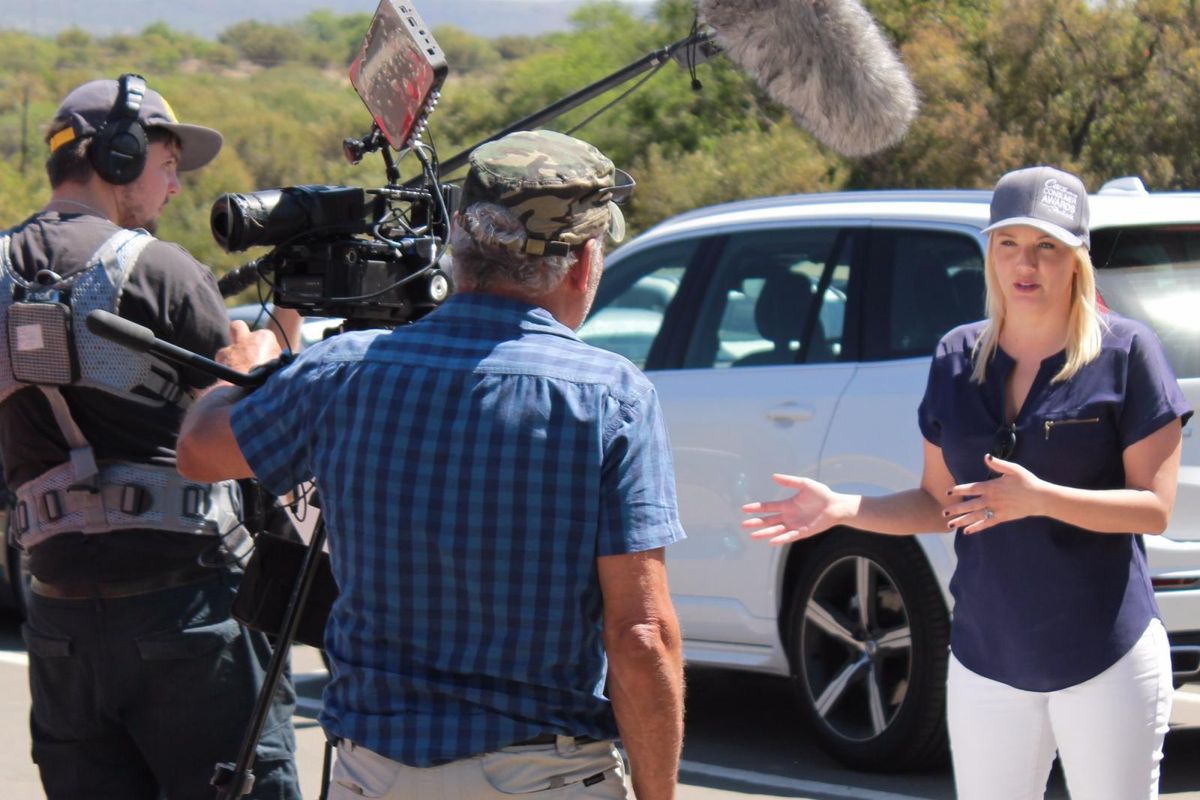
Meet #CarsAwards Judge Juliet McGuire

#CarsAwards judge Juliet McGuire is a regular in front of Cars.co.za's cameras and, with more than a decade of motoring journalism behind her, offers a wealth of experience. 

Juliet is a motoring journalist who sarted her career at CAR magazine more than 10 years ago after completing an honours degree in journalism at the University of Stellenbosch. She currently presents for Cars.co.za’s popular Youtube channel and contributes as a motoring expert to Women's Health, Marie Claire, Cosmopolitan, House & Leisure and Good Housekeeping. Juliet has a motoring slot on Cape Talk with John Maytham every second Monday and was a presenter for Tech Report which aired on ENCA. 

Where did your love for cars start? Who were the people and what were the cars that featured in your past and which helped spark the "petrolheadedness"?


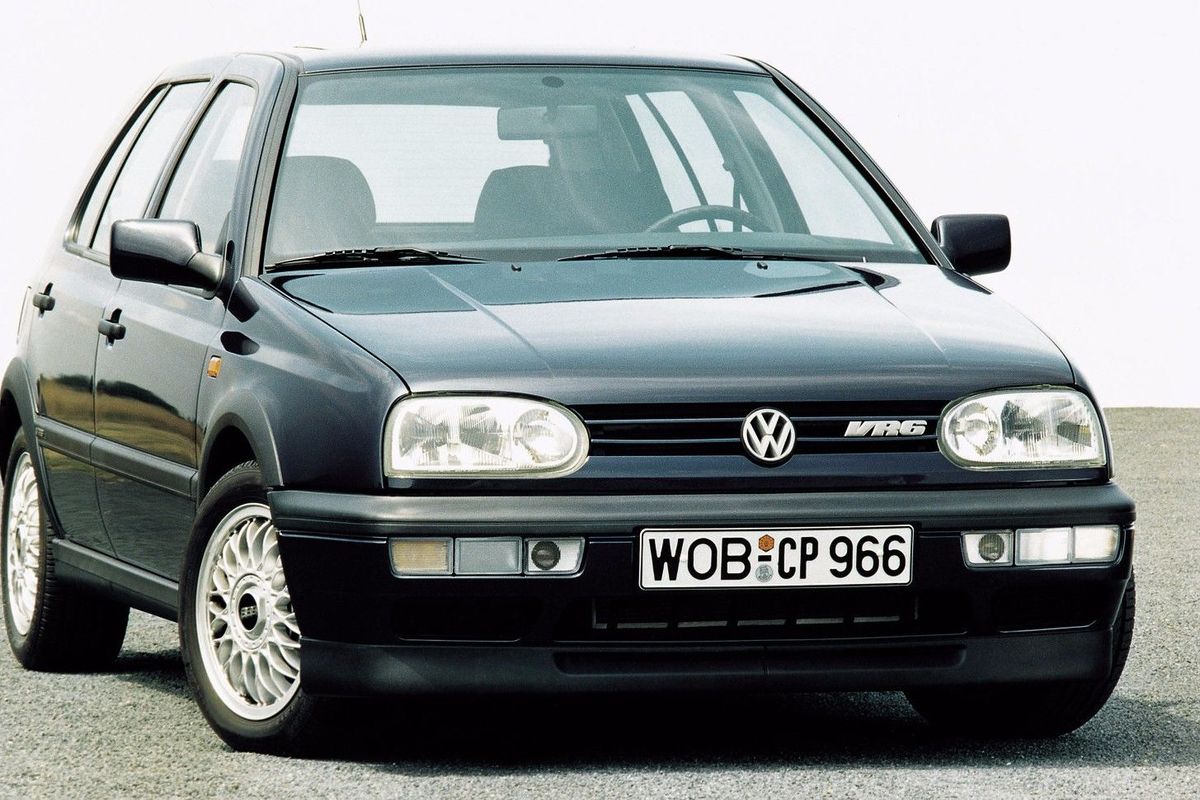
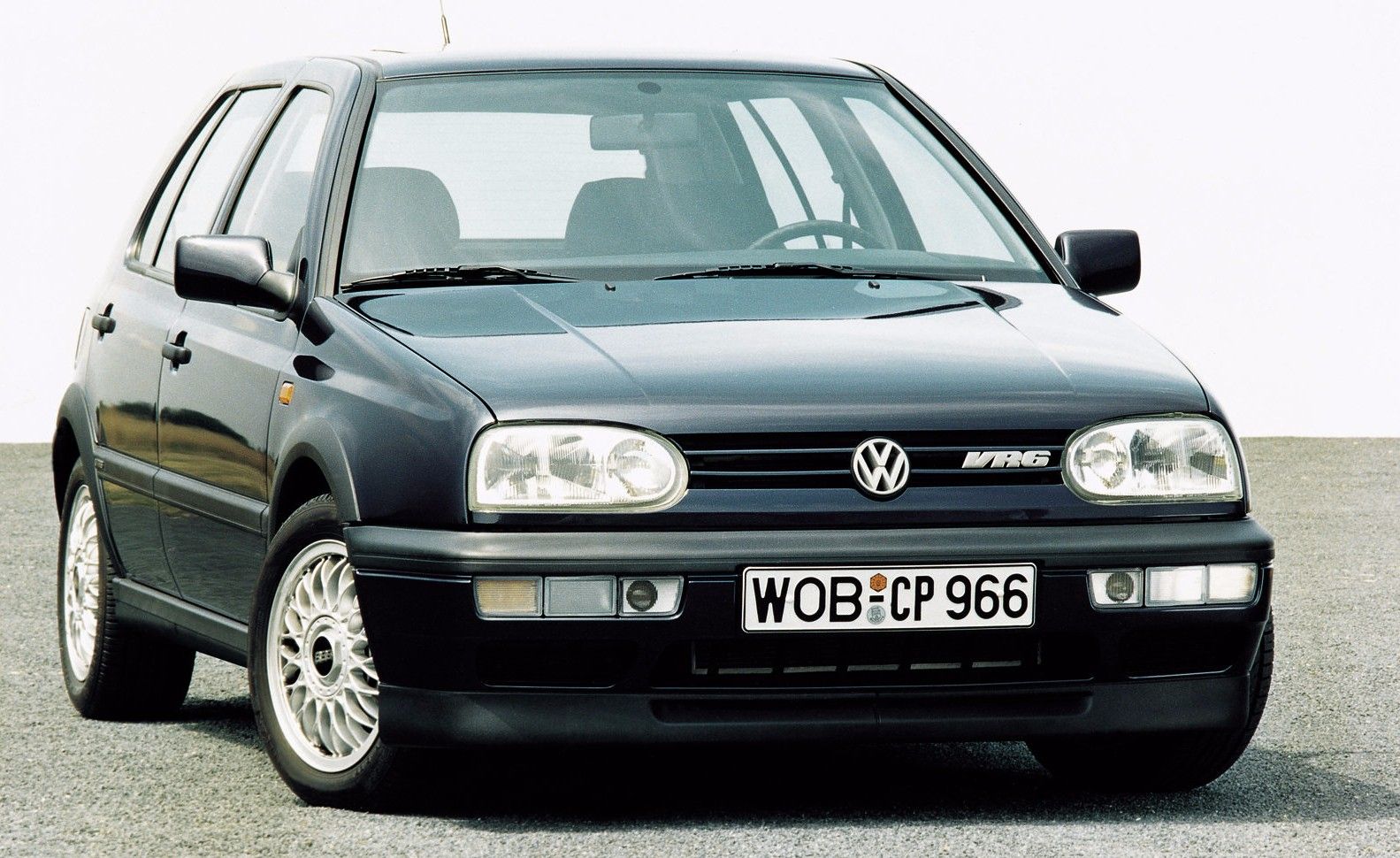
Juliet's first automotive love affair was with the Volkswagen Golf VR6.

When I was about 16 I dated a guy who was obsessed with cars. He spent a lot of time taking them apart and putting them back together. His love for car was very infectious. I always had an interest in cars from my Dad, but this was something different, this was passion! Like many South Africans, we loved Volkswagen and especially the Golf VR6. I remember thinking that one day I would own one. I never did buy it (my Dad didn't want me driving such a "fast" car) so I had to 'settle' for the GSX. 

What was your first car?

My very first car was a white 1,6 Citi Golf. It went like a bomb! 

What do you drive now?

I am lucky enough to not have to own a car due to always having a test car to drive, but the last car I owned was a Volkswagen Polo.

Tell us about your favourite motoring memory? 


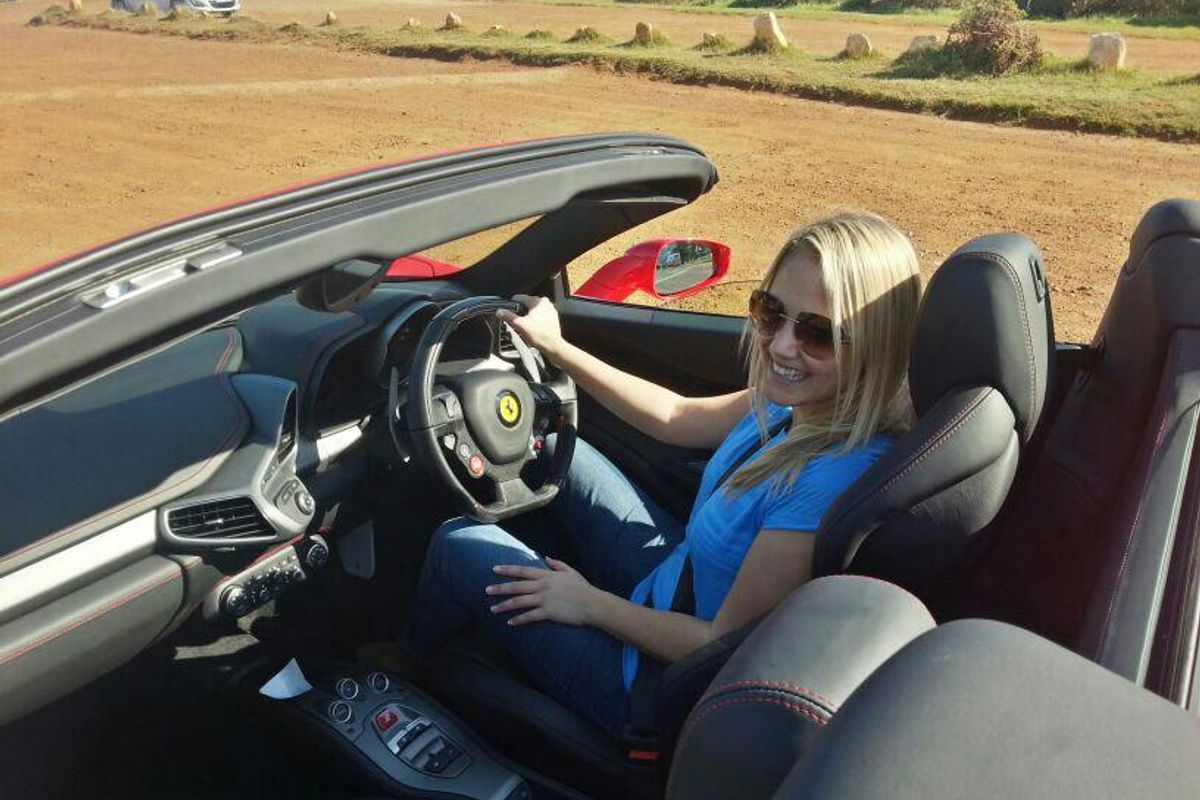
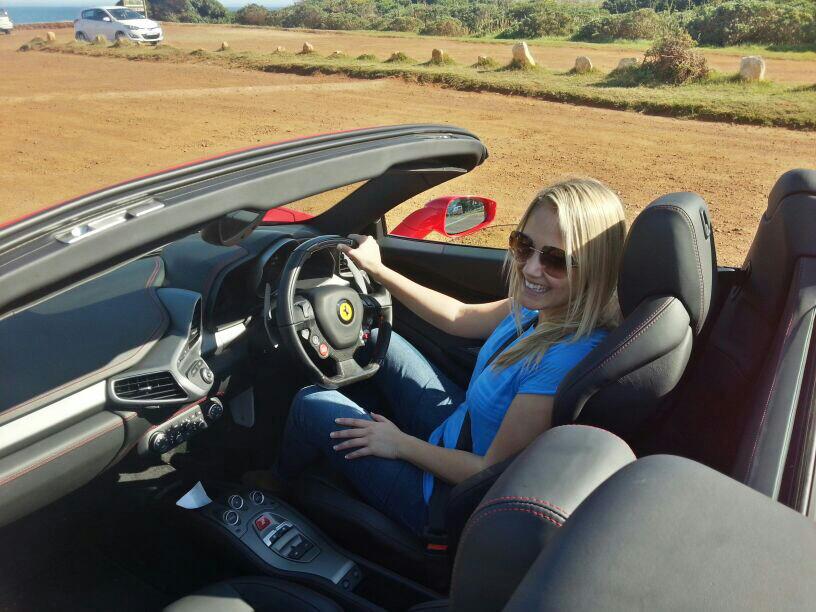
Juliet at the wheel of a Ferrari 458 Spider. (pic credit CAR magazine)

Being a motoring journalist means I have so many special memories to choose from. But one that stands out for me, and I think its because it was the moment I realised I had made my dream job a reality, was when I was still at CAR magazine. It was just before Hannes Oosthuizen left and as a goodbye we planned a day of driving Ferraris (the California, FF and 458 Spider). I took the 458 Spider along Misty Cliffs here in the Western Cape. The day was perfection and it was the first time I felt my confidence kick into gear. I wish I could have bottled that feeling, it was just pure joy! 

You have all the money in the world, what would be in your fantasy 2-car garage?

Audi Q5 for practical reasons, as it is my "every day" sort of car. And then for the fun weekend, coastal drives, the Porsche 911 GT3.

You were a judge in the Compact Hatchback category of the CarsAwards, what do you look for on the day of testing? What in your view makes a good Compact Hatch?


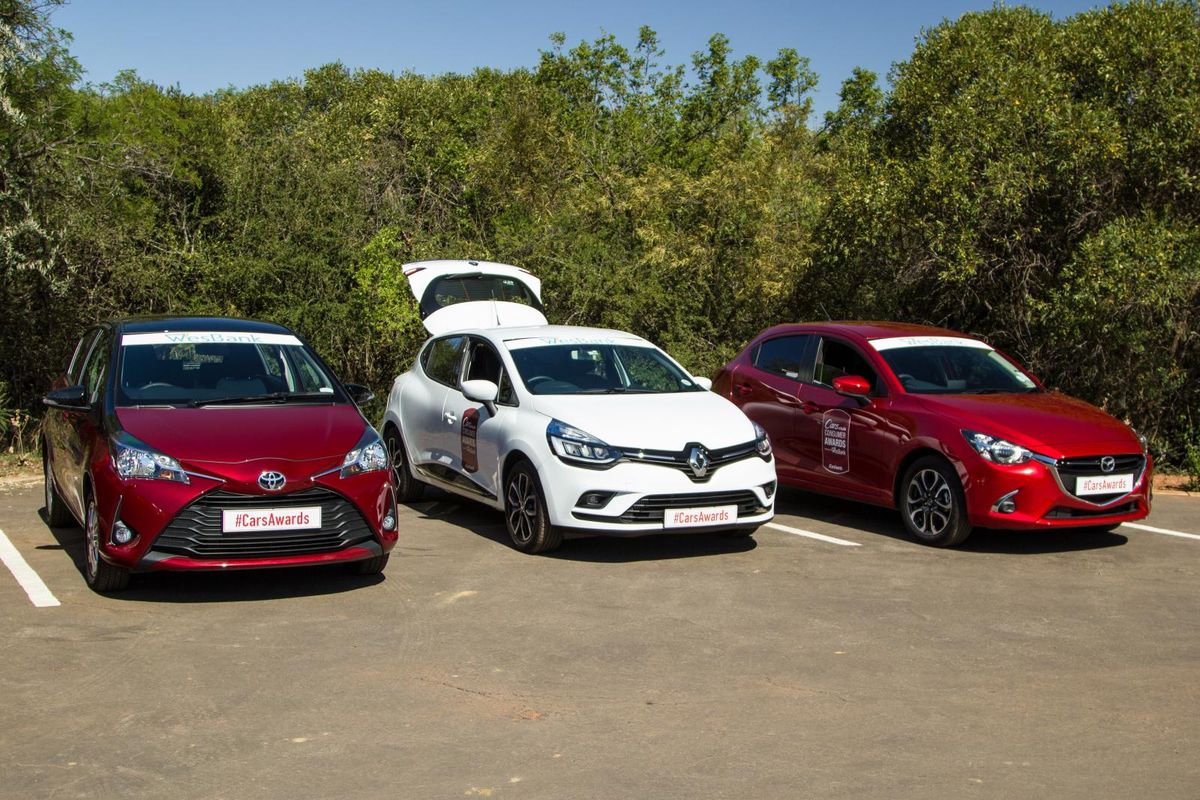
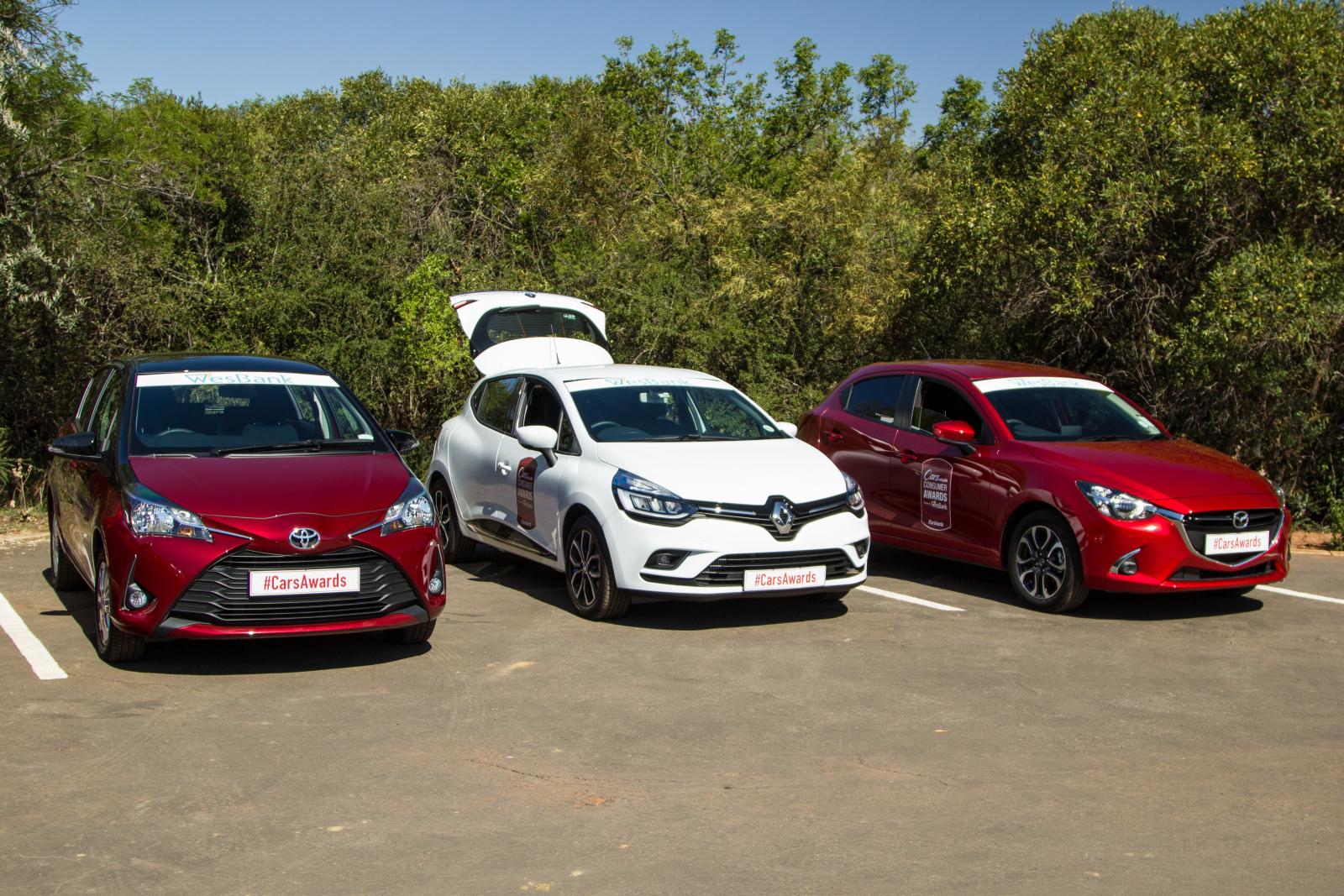
Juliet is a judge in the Compact Hatchback segment, featuring these 3 contenders from Toyota, Renault and Mazda.

This segment is an extremely competitive one and so quite a difficult one to judge. A good compact hatch has to do so many things for so many different people. It needs to look good, it needs to be practical, it needs to be economical and it needs to be affordable. On the testing day, the first thing is to look at the package as a whole and then once in the drivers seat, to put myself in the potential buyer's mindset. I want to feel how comfortable the drive is and how it handles each of the courses. Once I have driven all 3 back-to-back I then look at each package as a whole once again. Finally, I often base my decision on which I would confidently recommend to a family member.  

You may also be interested in;

Meet #CarsAwards Judge Wendy Knowler

Meet #CarsAwards Judge Khutso Theledi

The finalists in the 2017/2018 Cars.co.za Consumer Awards – Powered by WesBank

#CarsAwards – Gerotek turns up the heat

Meet #CarsAwards Judge Wendy Knowler

Consumer Specialist Wendy Knowler has been a judge in all 3 iterations of the Cars.co.za Consumer Awards – Powered by WesBank, thus far. She is as passionate about cars as she is about your rights as a consumer, as you'll shortly see…

Wendy Knowler is one of South Africa’s most authoritative and respected consumer journalists. In her 30-year-plus journalism career, Wendy has covered politics, fashion and just about everything in between on a variety of media platforms. For the past 20-odd years she has specialised in consumer journalism, including writing the In Your Corner column for The Times and presenting a weekly Consumerwatch show for East Coast Radio, as well as doing weekly consumer-related crossings on 702/Cape Talk, Radio 2000 and Voice of the Cape. She’s also had a lifelong love of cars, and spent 15 years test driving and reviewing 4-wheelers of all kinds for several media brands, including Independent Newspapers’ motoring supplement, Fair Lady magazine and East Coast Radio.

Where did your love for cars start? Who were the people and what were the cars that featured in your past and which helped spark the "petrolheadedness”?


On petrolheaded dad's lap in mom's 1964 Mini.

From my earliest memory – father was, and at the age of 90 still is, a petrolhead of note, and he had no sons, so when I as his elder daughter showed an interest at a very young age, he nurtured it. He had a series of performance cars but the one I remember most fondly was his yellow Ford Capri Perana V8.

What was your first car?

It was a 1978 Ford Escort.

What do you drive now?

A 12-year-old Subaru Forester.

Tell us about your favourite motoring memory 


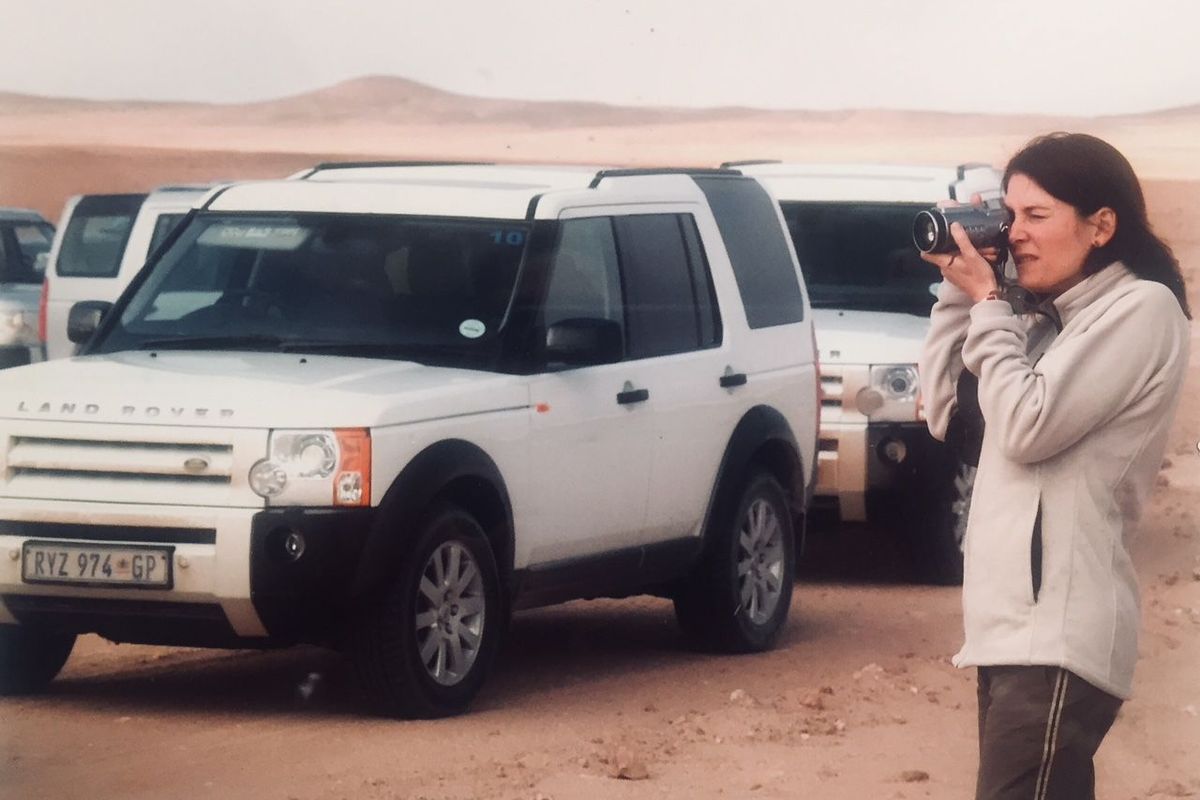
The South African launch of the Land Rover Discovery 3 in Namibia ranks as Wendy's favourite motoring memory.

Easy one this. It was 2005, on the South African launch of the Discovery 3 in Namibia. The Land Rover team took us to the famous sand dunes of Sossusvlei. Seven up, including an instructor, we got to put the magnificent machine to the test on those mighty dunes. I remember thinking “whatever I did to get to this moment in this place, I am truly thankful..!”

The most challenging part of the “course”, had us going down one dune then turning to the right and roaring up another, huge one. Two thirds of the journos didn’t make it up the first time, involving some hairy reversing. So it was with sweaty palms that I set off in the driver’s seat when it was my turn. I made it up on my first attempt, to cheers from the back seats. Best driving moment ever.

You have all the money in the world, what would be in your fantasy 2-car garage?


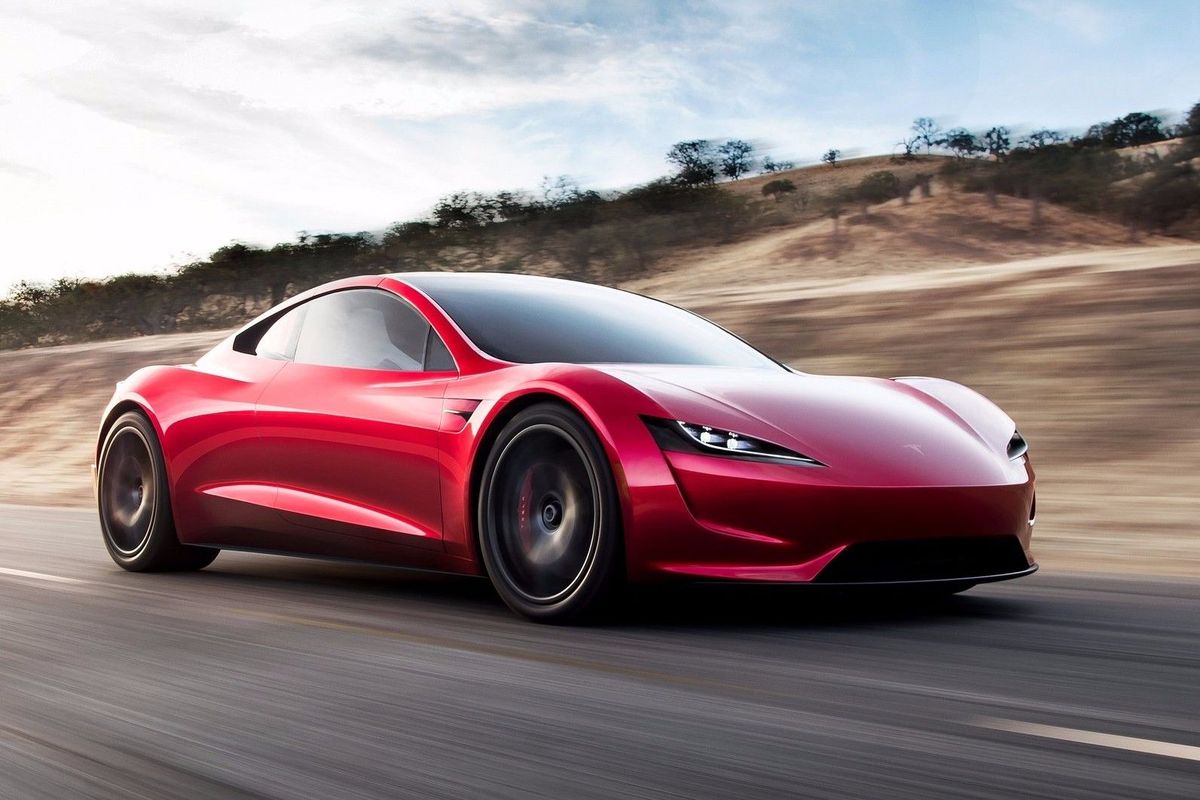
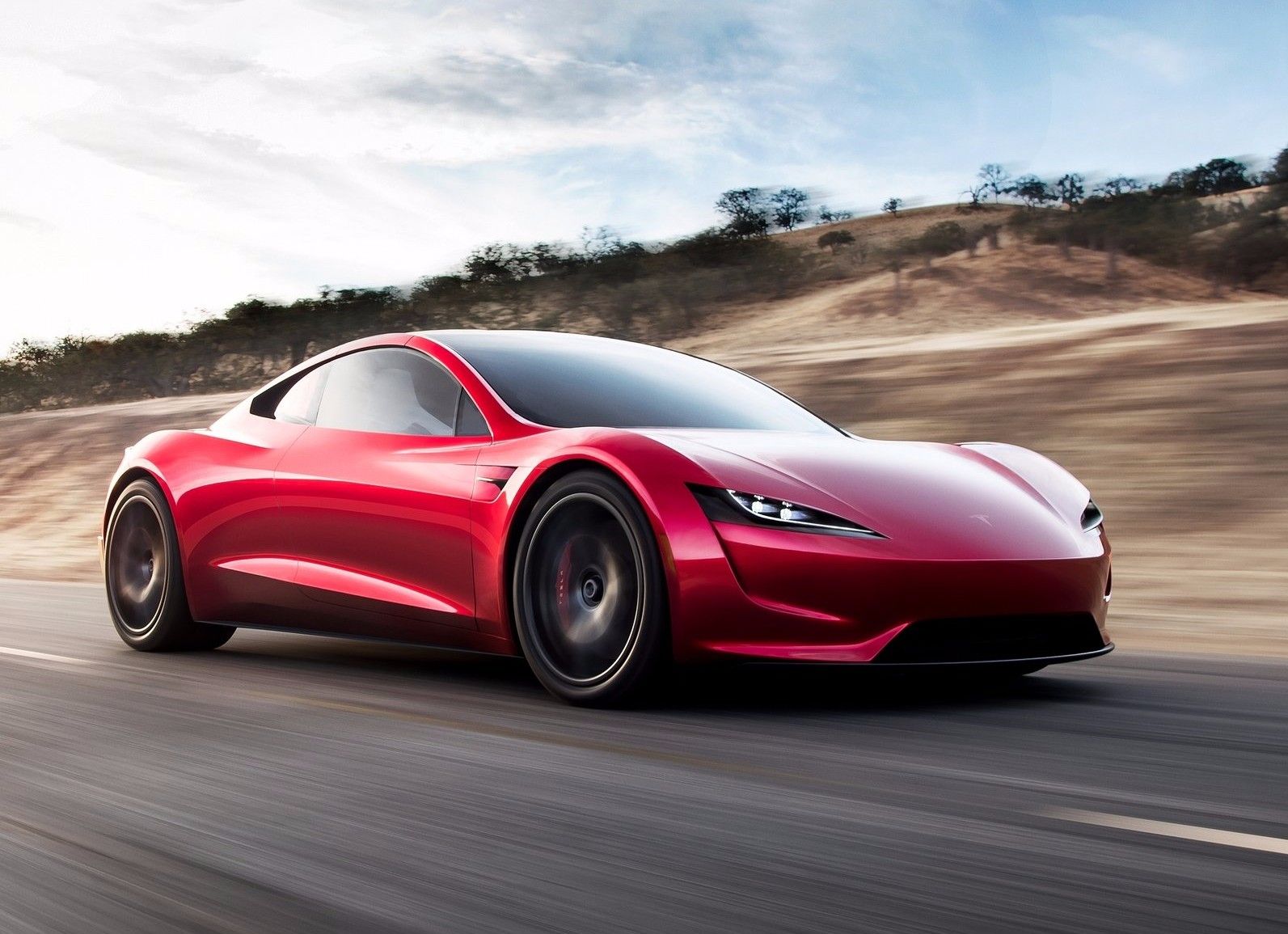
Wendy would love to park the new Tesla Roadster in her garage.
 

I am hugely into all things “green” so even with all the money in the world, I wouldn’t want a car that’s ridiculously thirsty. Soo… Land Rover Discovery Sport HSE and a Tesla Roadster (you did say fantasy).

You were a judge in the Budget Car category of the CarsAwards, what do you look for on the day of testing. What in your view makes a good Budget Car?


The Budget Car category is always fiercely contested. Wendy has been a judge in this category from the start of #CarsAwards.

Apart from price, naturally, I’d say the best safety features your money can buy – I admire manufacturers which put these unseen, unsexy features (especially traction/stability control) into cars in this most price sensitive of categories; fuel economy and a relatively decent-sized boot (just because you can’t afford a more expensive car, doesn’t mean you don’t have stuff to transport).

The only thing I’d like to add is I wish everyone about to buy a new car could put their top two or three choices through their paces, one after the other, at Gerotek, as we judges get to do. Sadly most base their choice on looks and price.

You may also be interested in;

Meet #CarsAwards Judge Khutso Theledi

#CarsAwards testing – Gerotek turns up the heat

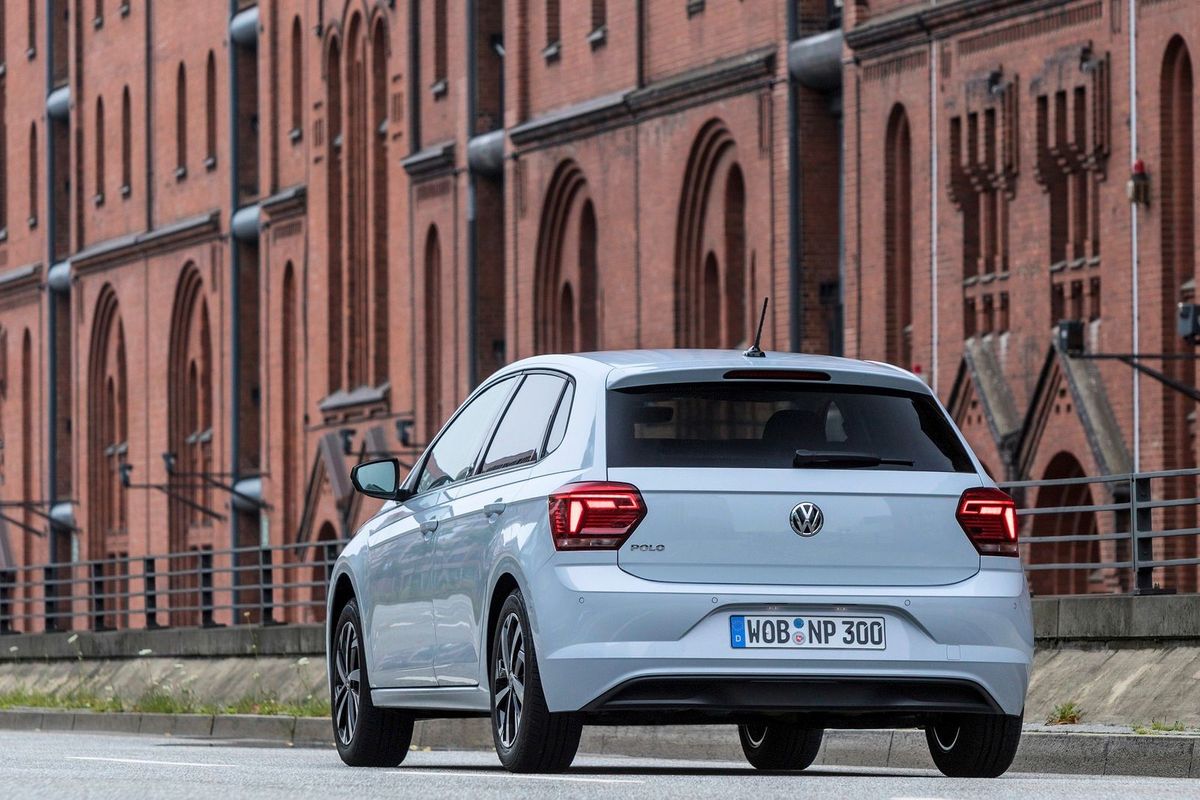
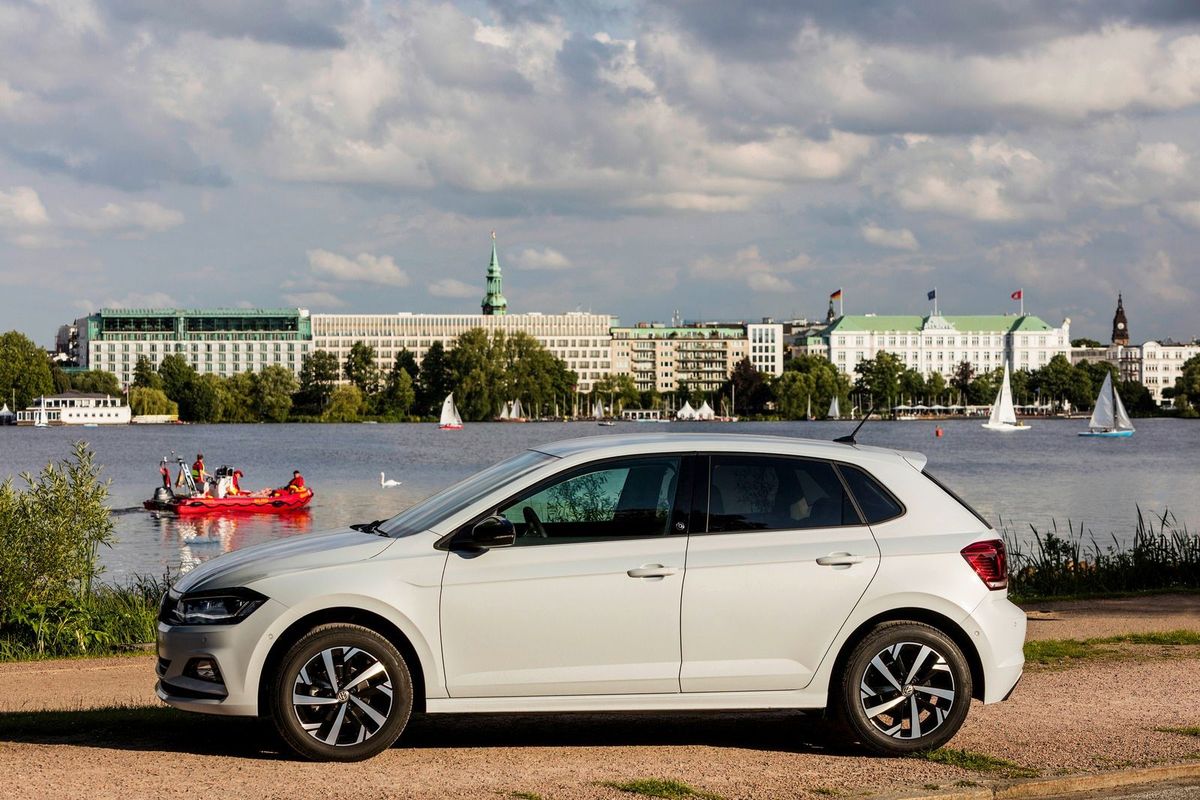
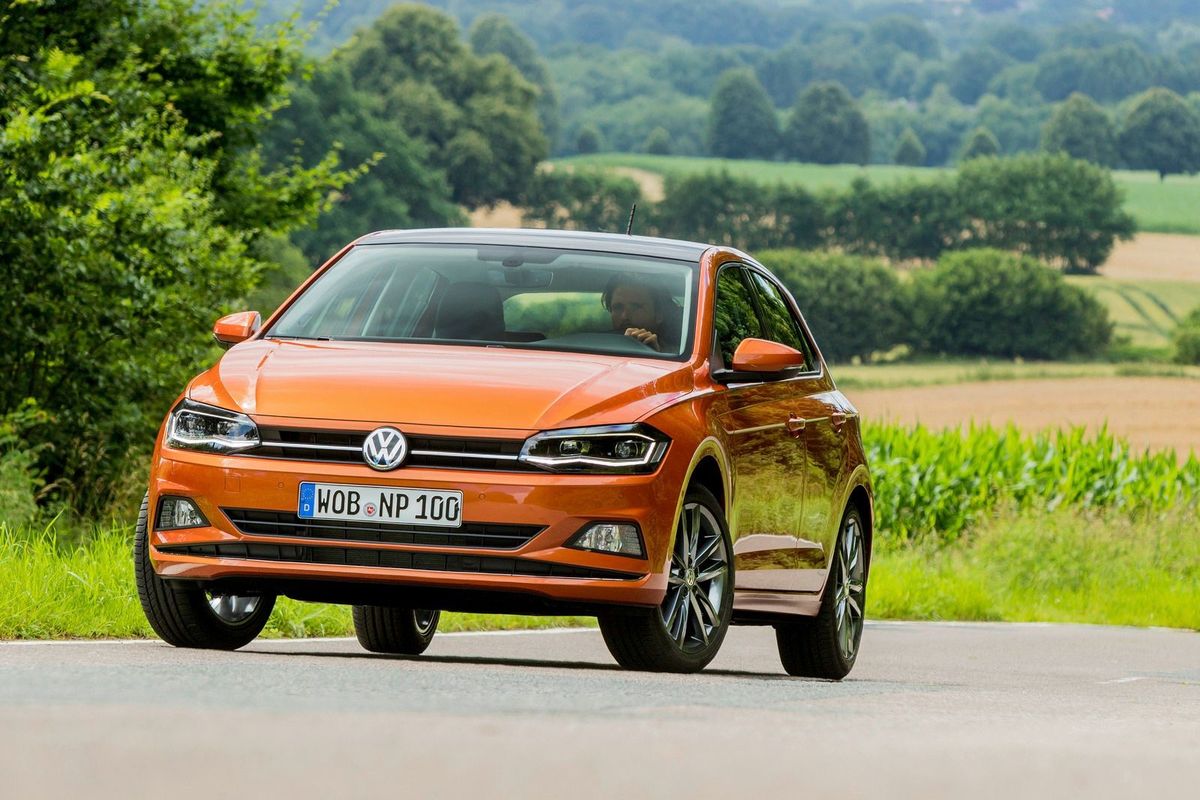
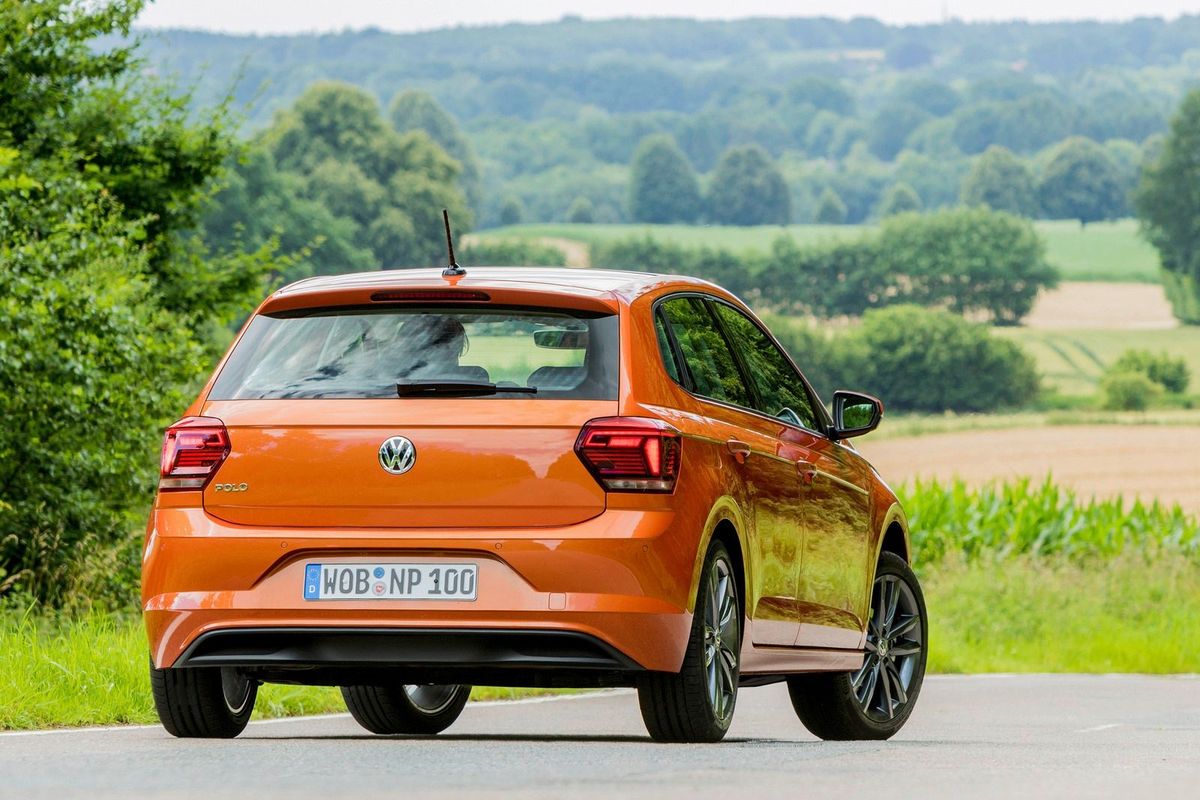
Volkswagen Polo (2018) International Launch Review

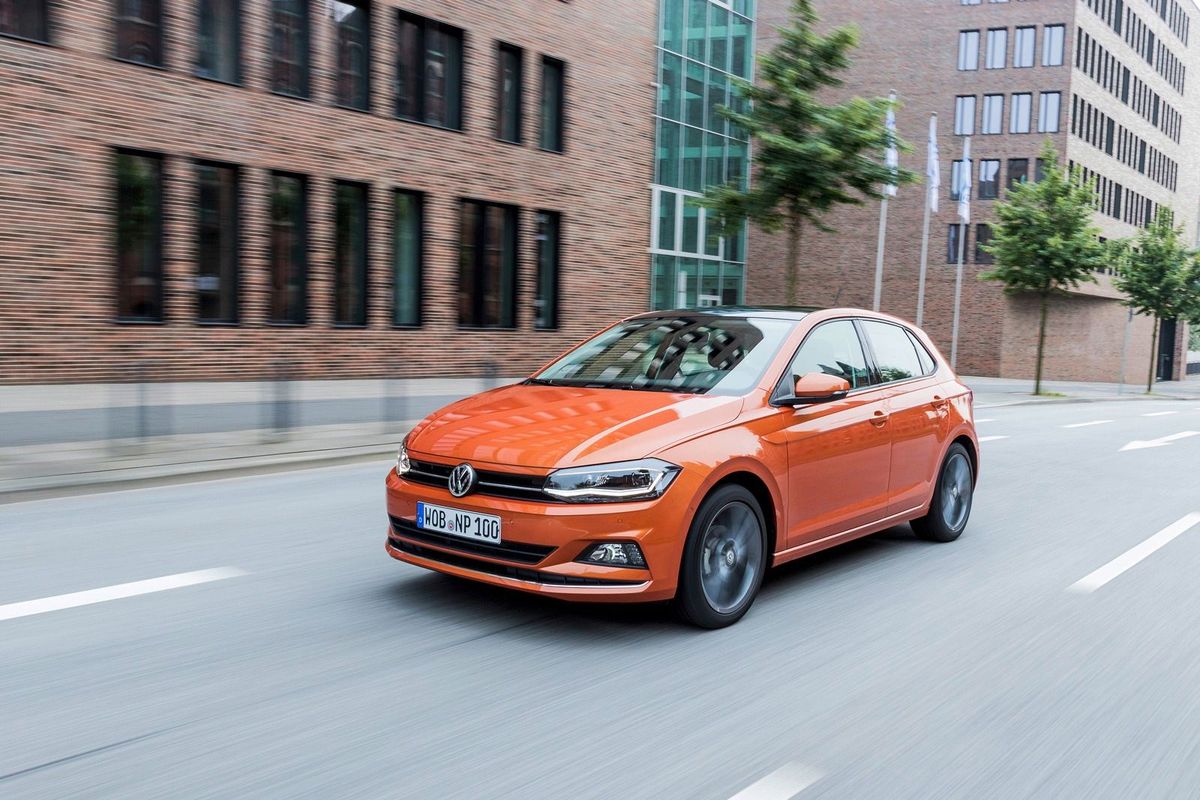
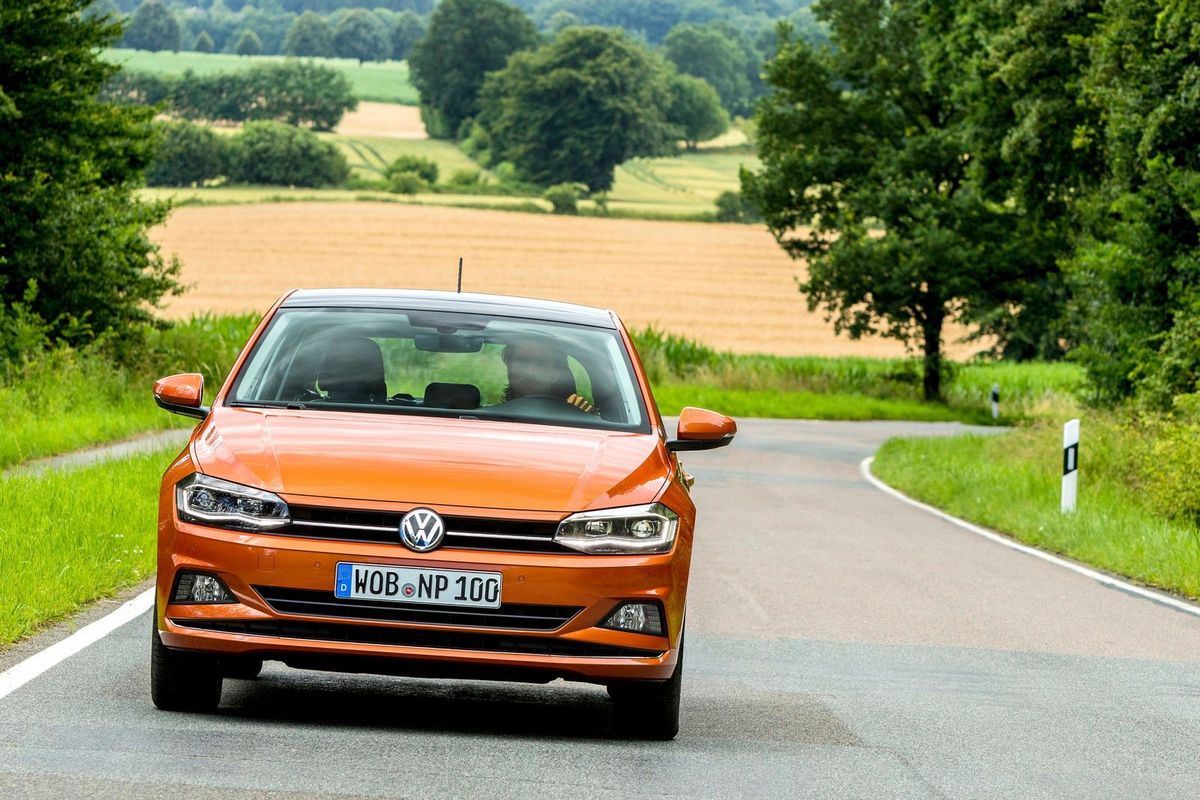
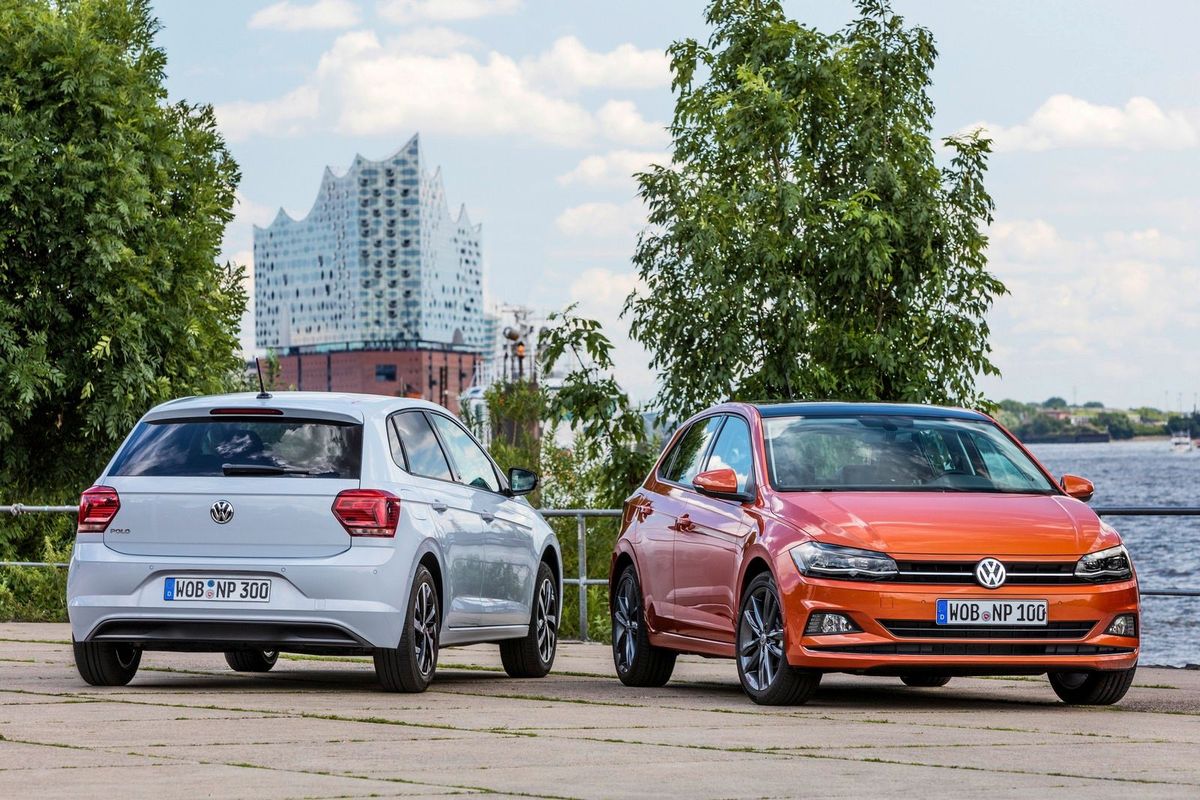
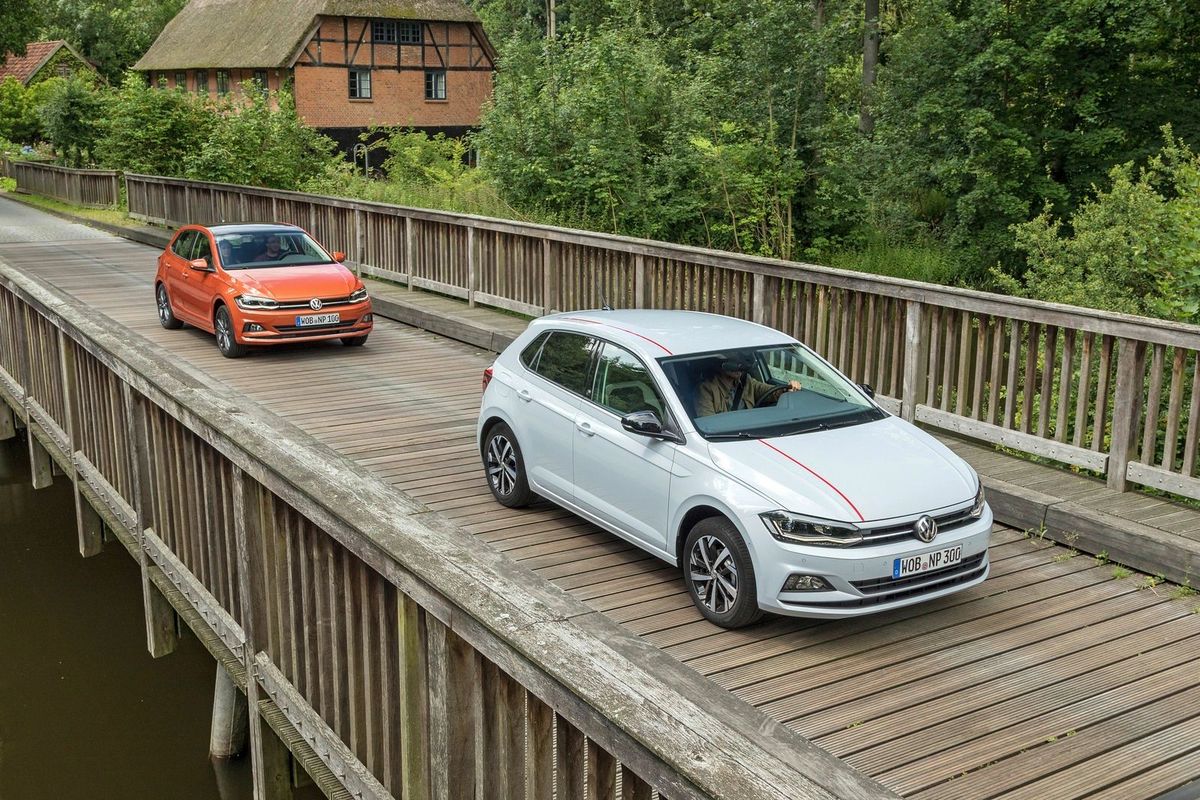
The 6th-generation Polo, which will be launched in South Africa at the end of January 2018, is bigger and more refined than ever before. But how does it fare compared with the latest Ford Fiesta and Renault Clio? Cars.co.za contributor Greg Kable recently drove the newcomer in Hamburg, Germany, and shares his thoughts…

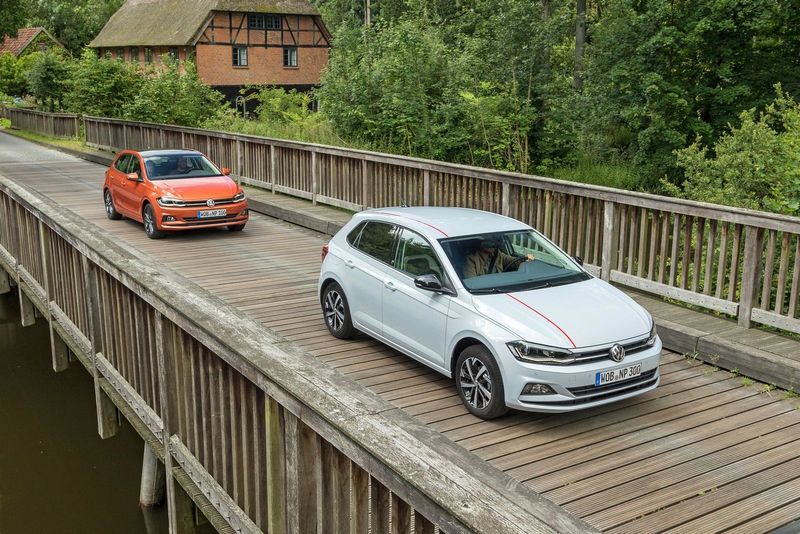
This Polo represents a big break from its predecessor. It has been conceived and developed anew from the ground up in a design and engineering programme with several other products in the group and production of the newcomer has already begun at Volkswagen South Africa's Uitenhage assembly plant (initially for the European market only). 

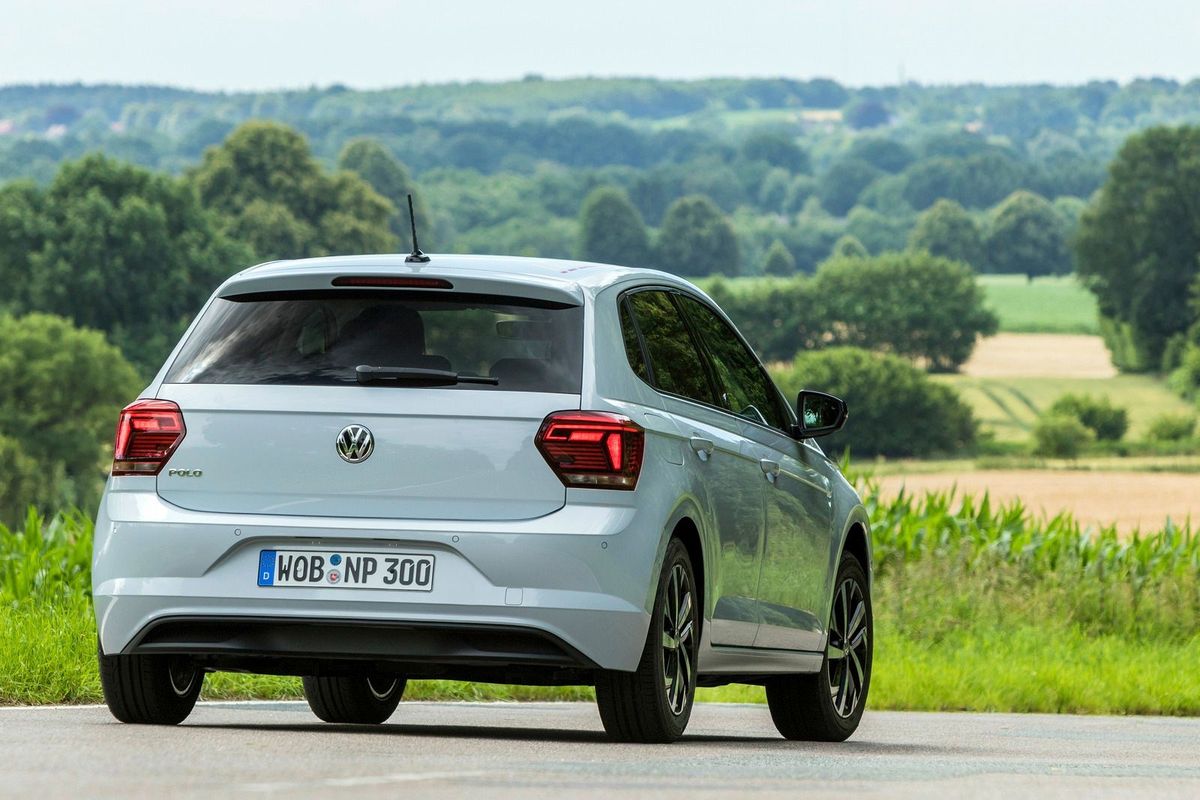
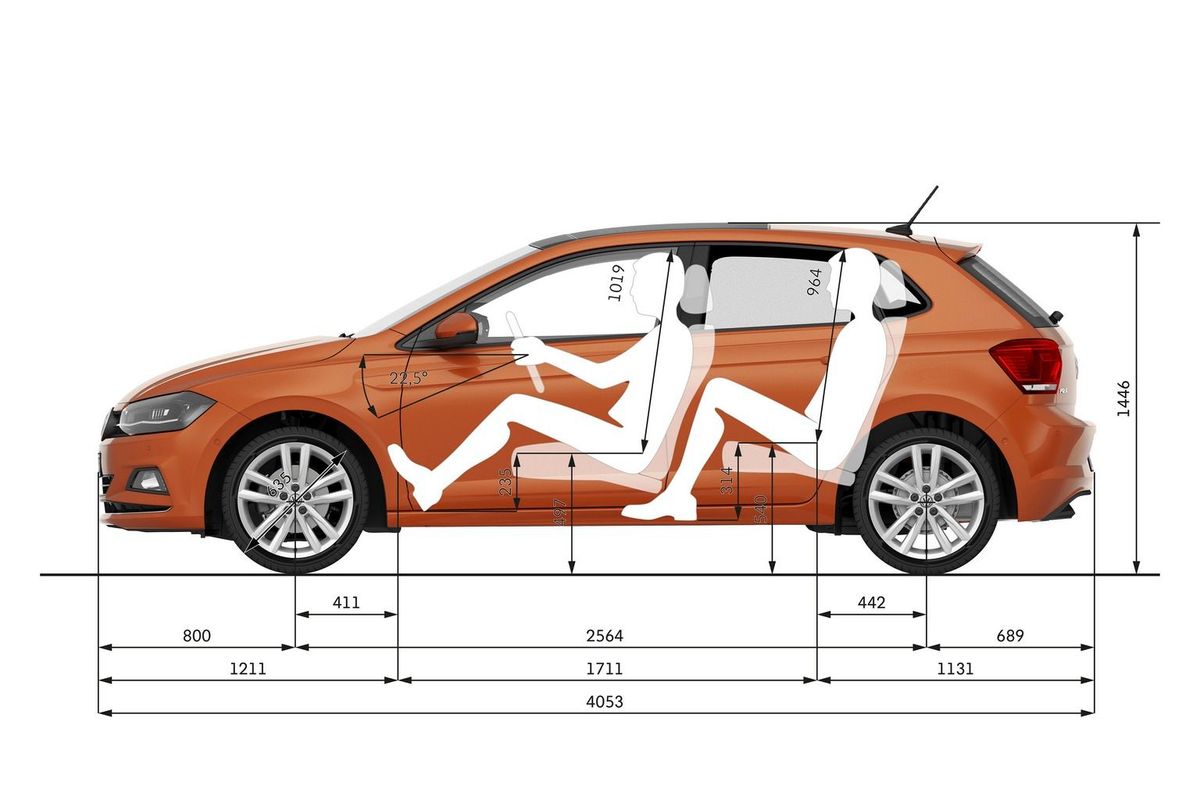
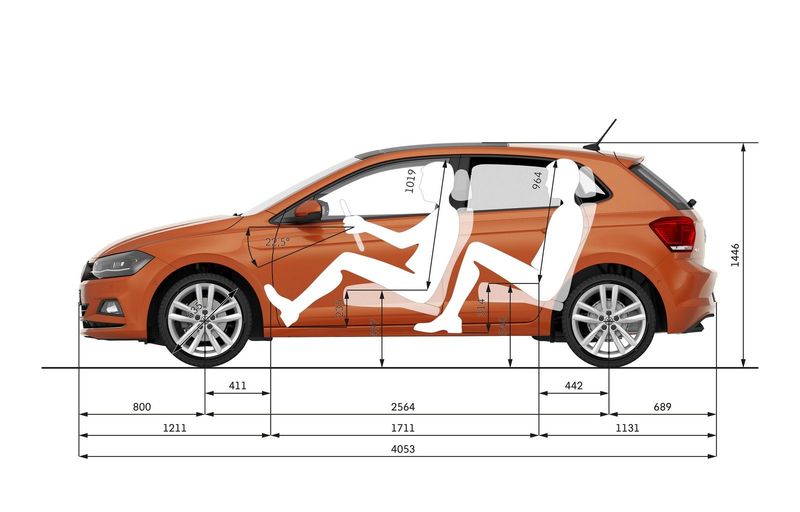
Based on the latest generation of the German manufacturer's MQB platform architecture, specially adapted for the compact car class, the new Polo has grown significantly: it is 4 053 mm long, 1 751 mm wide and 1 446 mm high. That makes it 81 mm longer, 63 mm wider and 7 mm lower than its predecessor. It has a wheelbase of 2 564 mm, 92 mm longer than the previous model, while the track widths are up by 62 mm at the front (to 1 525 mm) and 49 mm at the rear (to 1 505 mm), giving it a considerably larger footprint.


The dimensions of the new Polo make the newcomer much larger than its predecessor.

Many, many engine choices

Depending on the markets in which the cars are offered, buyers will have a choice of up to 6 engines in the launch line-up – the most powerful of which is the turbocharged 2.0-litre four-cylinder unit in the Polo GTI, which will enter production next year with 147 kW, which matches the Ford Fiesta ST, and a peak torque output of 320 N.m from 1 500 to 4 400 rpm.


Lots of different engine power outputs will be available from a 1.0-littre naturally aspirated or turbocharged petrol unit. There's a 1.5 turbodiesel in the range too.

The initial line-up comes with the choice of two naturally aspirated 1.0-litre multi-point fuel-injected 3-cylinder petrol engines, with 48 kW or 55 kW. The sweet spot in the range, though, is the new turbocharged 1.0-litre direct-injected 3-cylinder petrol unit, which serves up 70 kW or, as tested here, 84 kW in the 1.0 TSI.

There are also derivatives running Volkswagen’s new 110 kW turbocharged 1.5-litre 4-cylinder petrol engine (officials hint that it will likely come in 95 kW guise at a later date) and a 1.6-litre 4-cylinder turbodiesel unit with an SCR filter, offering either 65 or 70 kW. The engines are mated to either a 5- or 6-speed manual or optional 7-speed dual clutch automatic 'box.

What's it like?

Grown up – that description applies well to the new Polo. As well as gaining in size, it has improved in other areas, not least refinement, which is now very much the best in its class. Upcoming comparison tests will reveal if the car can top rivals such as the latest Ford Fiesta, Renault Clio and Nissan Micra for overall competency but, in isolation, it is a very convincing package that will appeal to a wide range of buyers.


Expect the new Polo to topple all in the segment in upcoming comparisons. It's that good.  

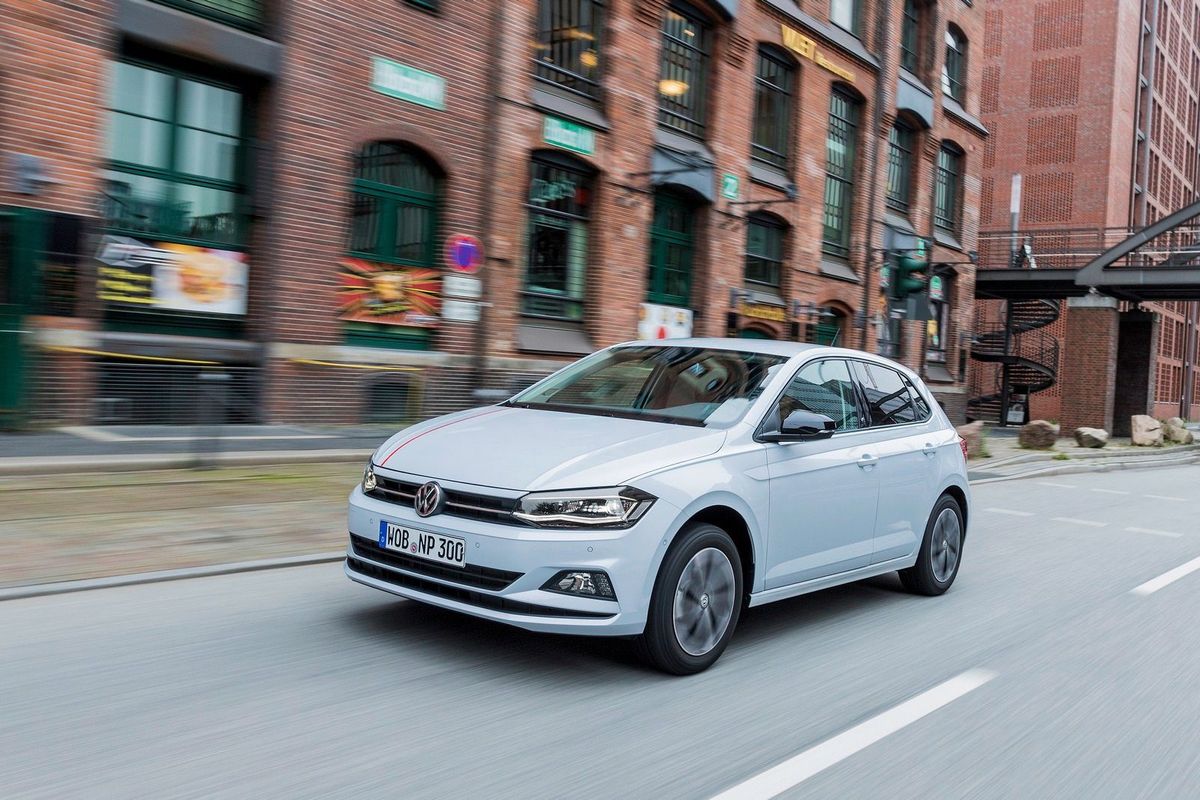
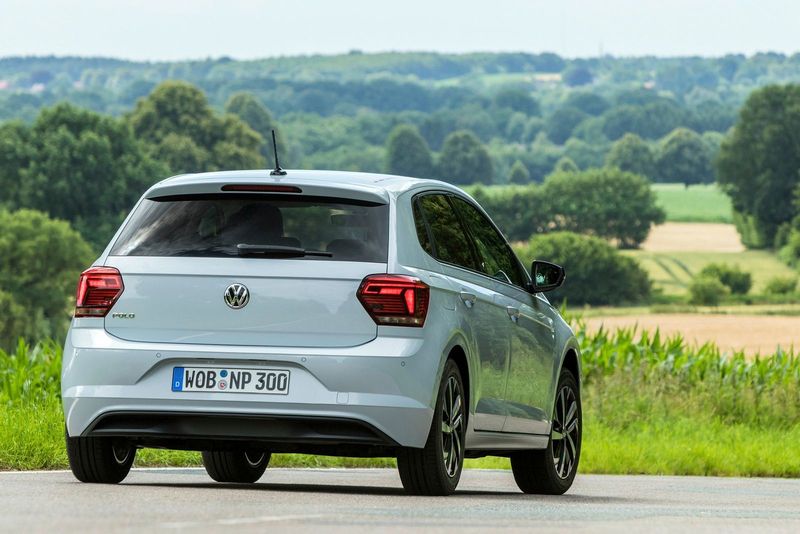
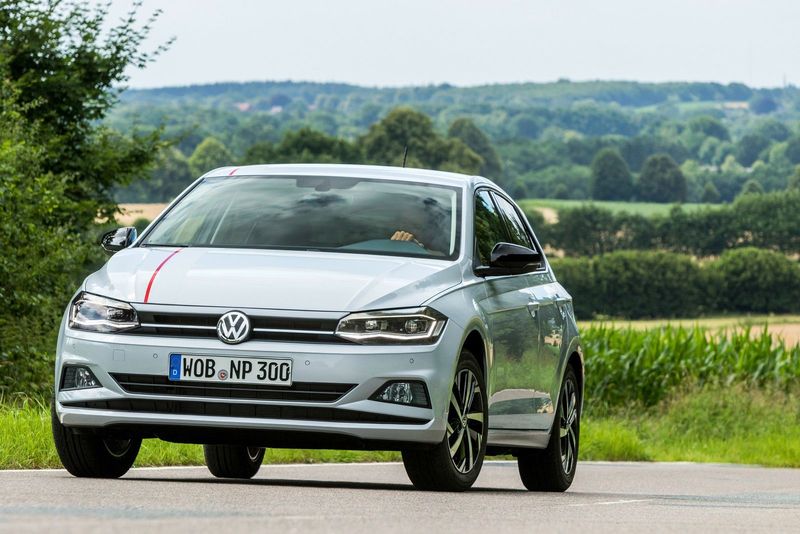
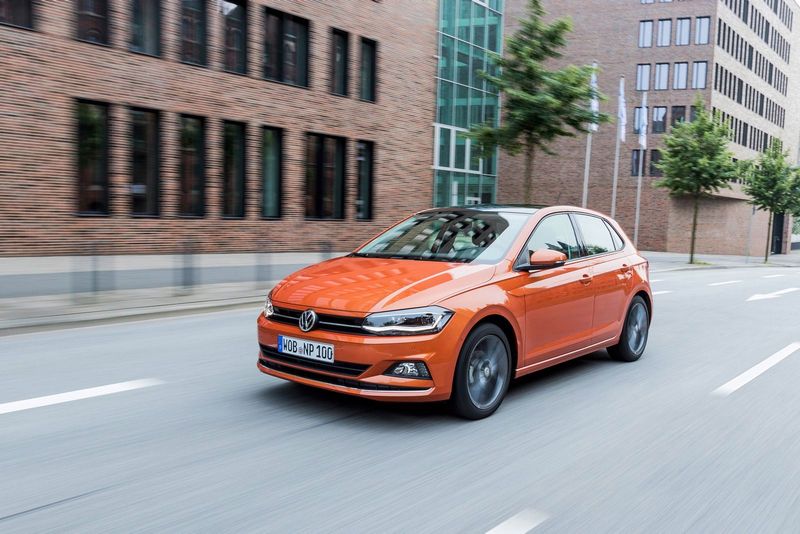
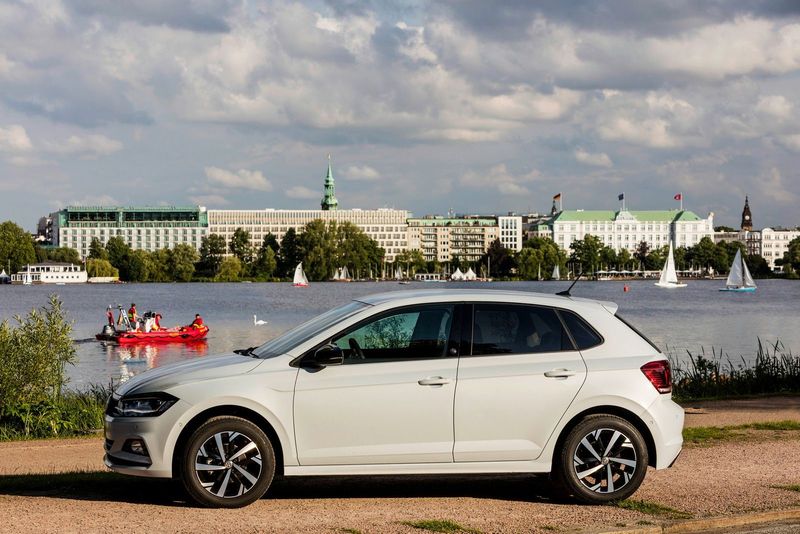
It is a smart and thoroughly modern-looking car, with interesting proportions, crisp lines and a confident stance. The key exterior design feature is a double swage line that provides the flanks with a more defined shoulder line. The body is constructed to a level of quality that shames many compact car rivals, with thin panel gaps, well-integrated features and exacting tolerances. You expect this level of fit and finish in the premium car ranks, but it is not a given at this end of the market. 

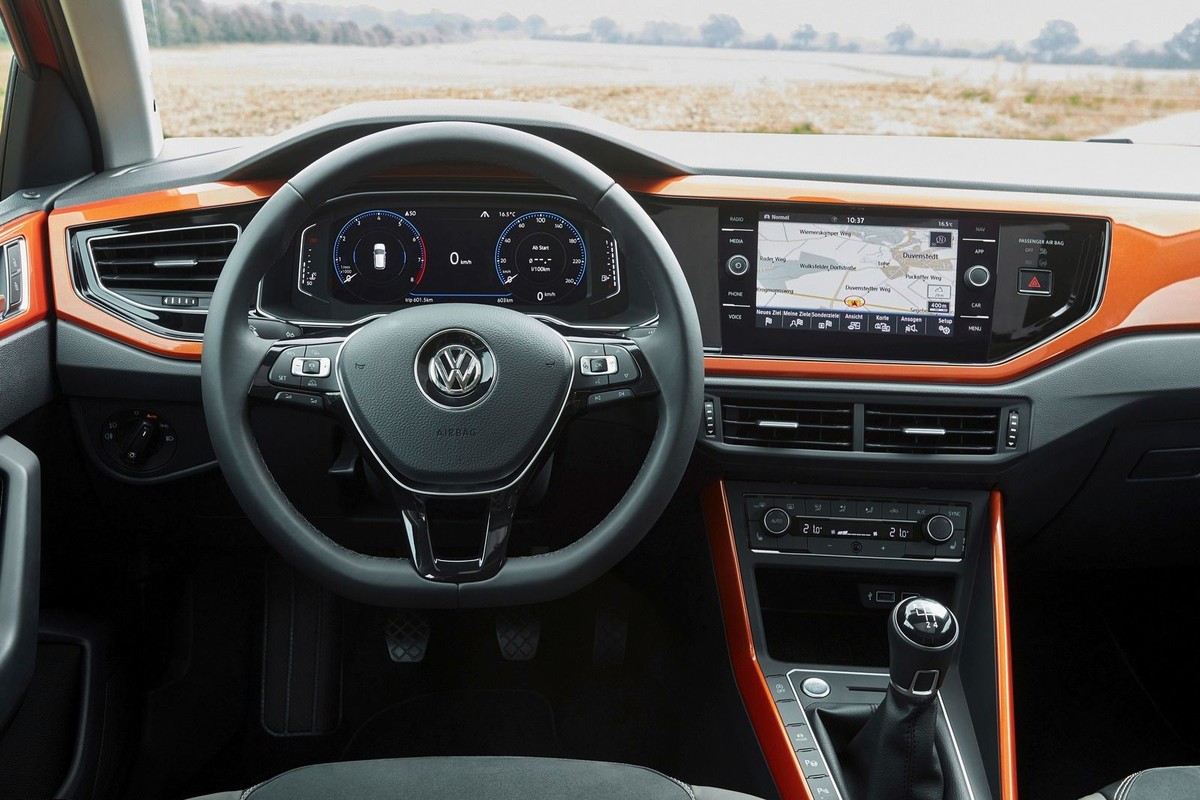
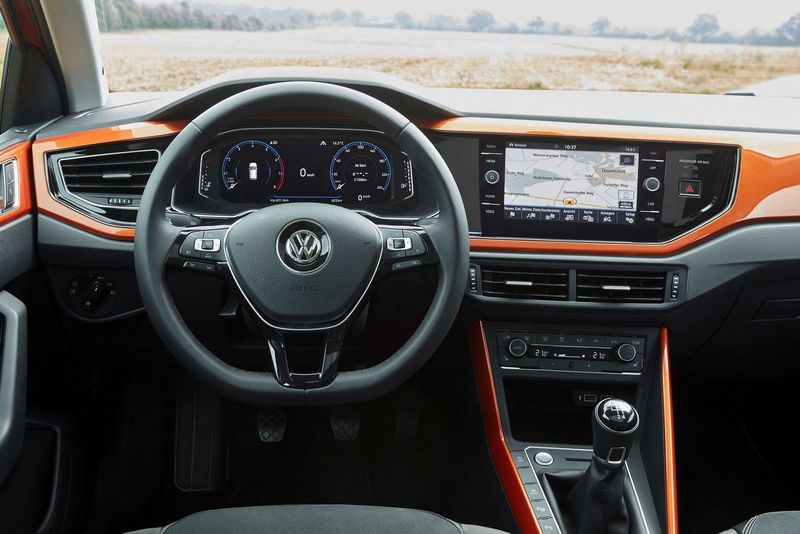
Inside, it delivers a nice balance between customary Volkswagen control simplicity and youthful design flare, with a contemporary-looking cabin dominated by a rather high-mounted dashboard. Available with a wide range of different trim elements and eight colour combinations, it features familiar analogue instruments and a 6.5-inch touchscreen as standard. VW’s 11.7-inch Active Info Display digital instrument system is available as an option, along with an 8.0-inch touchscreen.

The dashboard materials, in the top section at least, are soft to touch, with expensive-looking texturing. The seats offer a wide range of adjustment and are supportive with firm cushioning and good side support. Drawing on technology already introduced on the Golf, the new Polo comes with VW’s Front Assist, City Emergency Braking and Pedestrian Monitoring systems, a tyre pressure monitoring function and a hill holder function as standard.


Equipped with a lot of optional extras the new Polo's interior can match cars from segments above for style and technology.

Overall vision is less impressive, hampered by the relatively heavy rake of the windscreen and prominent surround of the instrument binnacle. That leaves a surprisingly narrow line of sight from the driver’s seat. The overall interior quality is also spoilt by some rather hard plastic surfaces, especially between the front seats within the centre console.

Separating from Golf

For a car billed as being conceived for the digital age, the lack of a USB port as standard in any of the three specification lines is a major oversight. Model hierarchy plays a role here, of course: too much equipment would push the Polo too close to the Golf, so Wolfsburg has consciously dumbed it down to keep a respectable distance from its larger sibling – while also making it more profitable.

The increase in external dimensions means there’s a greater feeling of space up front; the generous width of the footwells, improved shoulder room and excellent headroom being particular strong points. Accommodation in the rear has also increased, although with a higher waistline and shallower rear window you feel a little more enclosed than before. The Polo can accommodate five at a pinch, though VW admits it has been conceived more for four. It also offers a significant 71-litres more luggage space than its predecessor, at 351-litres.

How does it drive? 

The maturity evident in other areas is manifested in excellent on-road qualities. Delivering 84 kW at 5 000 rpm, the 1.0 TSI is nippy in nature, delivering determined acceleration on a loaded throttle in lower ratios. There is a hint of low-end turbocharger lag off the line, although the interruption is only fleeting. Once spinning freely, the new engine is smooth and willing through the gears. With 175 Nm on tap from 2 000 rpm through to 3 500 rpm, it also boasts a nice flexible nature that sees it pull taller gear at low revs out on the open road without too much fuss. The suppression of engine noise and vibration is vastly improved over the old Polo.


It's still not the most fun hatch in the segment but the ride refinement is excellent for a B-segment hatch.

The standard 6-speed manual gearbox is light and easy to operate, although it is notchy and has a tendency to resist when rushed through the gates. The optional 7-speed dual clutch (DSG) unit provides automatic shifting, but is sometimes a little hesitant on downshifts. Volkswagen claims a 0-100 kph time of 10.8 sec and 186 kph top speed.  

The adoption of the MQB platform has brought a significant increase in rigidity and stiffness over the old Polo. Volkswagen says stiffness has increased from 14 000 Nm per degree to more than 18 000 Nm per degree. The result is a supple and superbly controlled ride. Even on badly pitted bitumen with the optional 17-inch alloy wheels and 215/45 profile tyres worn by our test car, it proved outstanding. The combination of superb damping control and fine absorption qualities bring a new-found calmness to the chassis, making for relaxed traits, both around town and on extended motorway runs.

Light and precise electric power steering makes the new Polo impressively manoeuvrable in tight spaces and it feels right at home in city traffic. Dynamically, it is a clear improvement on the earlier Polo, thanks to the inherent qualities of its new platform and a reworked suspension featuring MacPherson struts up front and a thoroughly revised torsion beam arrangement at the rear. Compared with some rivals, though, it lacks the intrinsic character to make its handling truly entertaining.


The wider stance helps it grip better in the corners and prevent it from leaning over as much.

The wider tracks help the front wheels grip well, resisting the urge to push on even when hustled through a series of constant radius bends. The body movements are also nicely controlled, with progressive but never overwhelming lean. It achieves most of what you ask of it with unwavering efficiency, but it is, sadly, without great charisma.

Should wait to buy one?

The new Polo is a very good car, although not without its faults. Its styling is more expressive, the interior feels more upmarket and its increased dimensions make it more practical and accommodating. It also drives extremely well in combination with the 84 kW turbocharged 1.0-litre 3-cylinder, delivering a quiet and absorbent ride, with direct and precise handling traits.

It’s also a thoroughly well-built car with outstanding quality and the sort of finish to match any rival hatchback. In many aspects, it feels like a smaller Golf – very much a compliment for a car aiming to rise above the Fiesta, Clio, (Nissan) Micra, (Kia) Rio and (Opel) Corsa. You can detect the odd cost-cutting measure, most notably within the interior, although they are largely outweighed by the overall competence of the new Polo.

On the strength of what we’ve seen so far, the new Polo is surely set to continue the success of its previous generations.


Expect this new model to continue its streak as a top seller in South Africa and globally.

Quick specs

Volkswagen Polo 1.0 TSI

On sale: Q1 2018

Price: est. R280 000 (exact price TBC) 

Engine: 3-cyl, 1.0-litre turbopetrol

Power: 84 kW at 5 000 rpm

Torque: 175 Nm at 2 000 rpm

Kerb weight: 1 145 kg

Gearbox: 6-spd manual

0-100 kph: 10.8 secs

Top speed: 186 kph

Economy: 4.4 L/100 km (combined)

Related content:

Volkswagen Polo GTI (2018) International Launch Review

5 New Hatchbacks to Look Forward to in 2018
6 Rivals 2018 Volkswagen Polo Needs to Beat
Preview: 2018 VW Polo vs 2018 Ford Fiesta
Ford Fiesta (2018) International Launch Review

Volkswagen Polo 1.0 R-Line (2017) Quick Review (w/Video)

Renault Clio GT-Line (2017) Review

Opel Corsa (2017) Specs & Price

New Suzuki Swift (2017) First Drive

Want to buy a Volkswagen Polo?

Search for a used example here

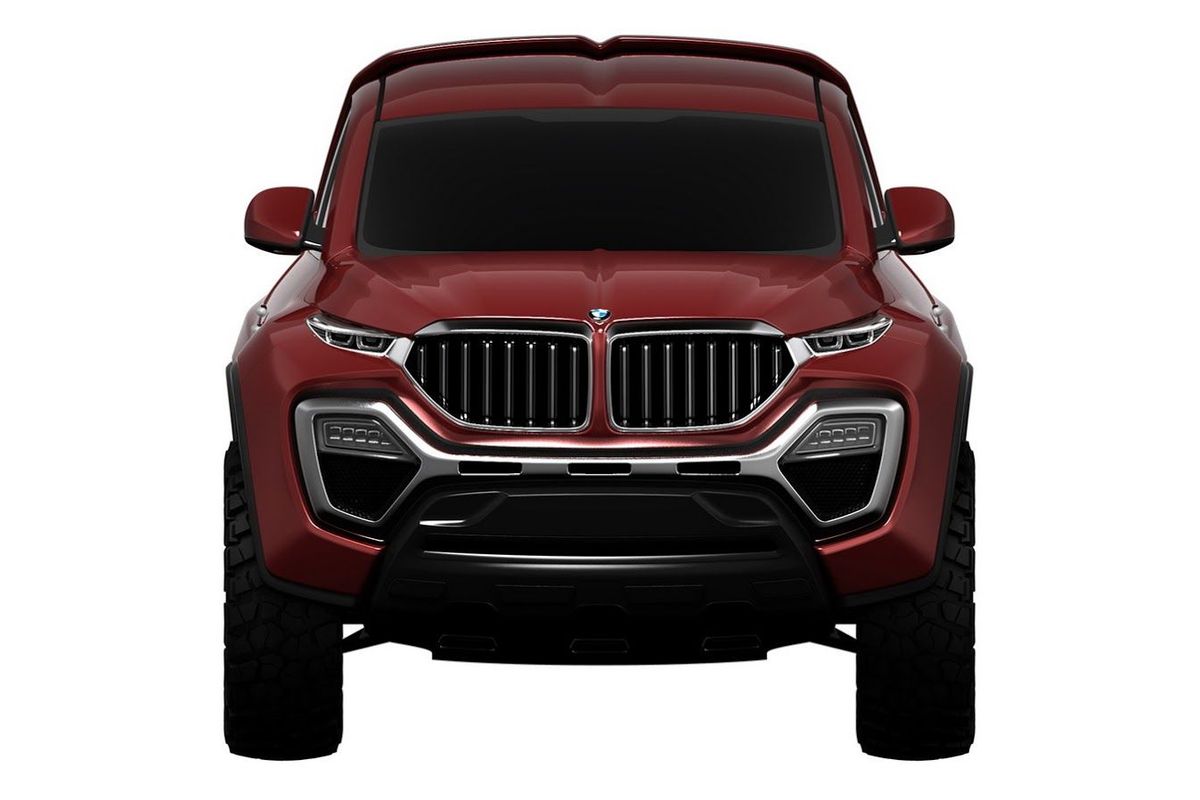
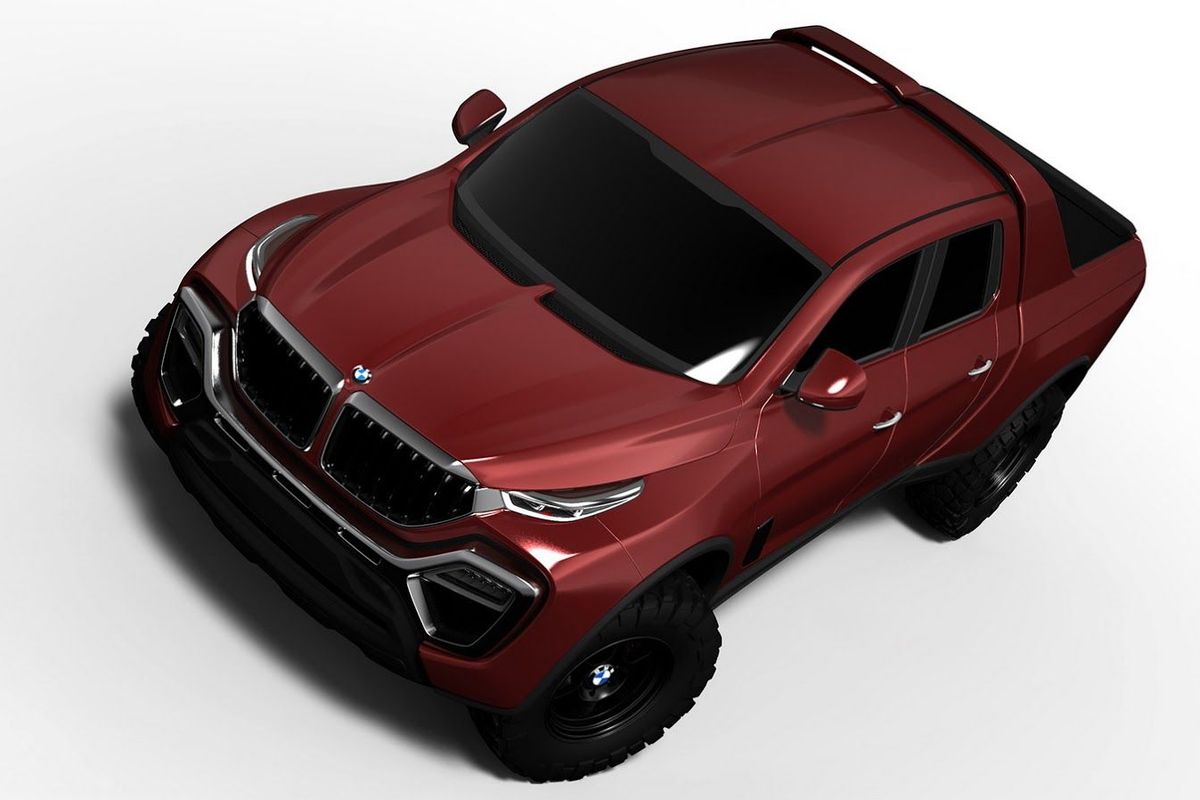
BMW and the future of the Double-Cab Bakkie

With the arrival of Mercedes-Benz's X-Class, the double-cab bakkie well and truly encroaches on the premium segment. What does this mean for a luxury brand like BMW? Could the Bavarian company be pondering the production of a double-cab, or like Mercedes-Benz, in partnership with an established player in the market?

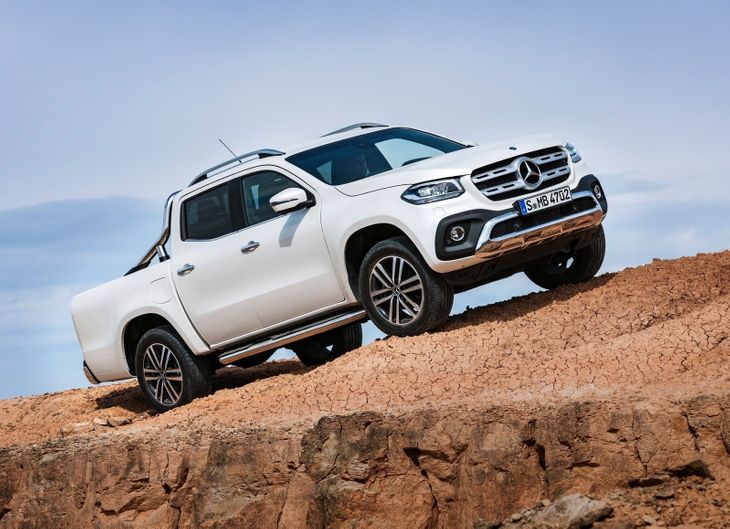
A genuine, showroom-bound BMW bakkie? It’s a bad joke, right? BMW builds dynamic, sporty cars that carry families not utility vehicles stuffed with lawn mowers and weeds. Just how did we go from sheer driving pleasure to a trip to the dump with a set of shears? Look no further than arch-rival Mercedes-Benz and its new X-Class pickup, for if the three-pointed star manages to conjure credible sales success from a tarted- and trinketed-up Nissan then the Bavarian carmaker will have no choice but to develop a bakkie of its own.


Is the X-Class a real Merc or, as some have put it, just a Navara in mascara?

Do you want to know why there’s a Mercedes-Benz pickup in the first place? Ah, that’s highly likely to be Germany’s fault. It was the Germans who invented motorised carriages, it was the Germans who first democratised the automobile with the Beetle and it was the Germans who, while most other makers focused on delivering practical, pragmatic, value-for-money vehicles to the masses, then got busy with the luxurification of the automobile in its ever-increasing number of guises. With a seemingly insatiable desire to dominate, regardless of how controversial, they began to rub a premium polish onto every conceivable genre from the previously humble hatchback to the mud-plugging off-roader.

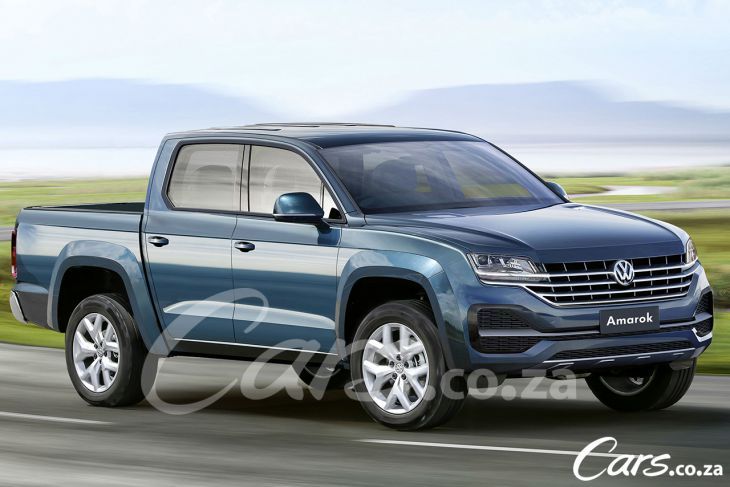
That’s why the last bastion of all-purpose pragmatism and darling of the working class, the double-cab pickup, has been targeted for assimilation. First came the (Volkswagen) Amarok, which tore up the traditional guidelines for bakkie cabin design, physical dimensions and mechanical refinement. Overnight, Toyota, Ford, Nissan and Isuzu were forced to think bigger, bolder and costlier with their Hilux, Ranger, Navara and KB/D-MAX. Then, industry rumours of a Mercedes-Benz pick-up materialised into the X-Class, a bolder, costlier reimagining of the latest, (larger) Nissan Navara. Volkswagen isn’t about to take its foot off the gas either, its next-gen Amarok will be more Touareg-with-load bay in terms of interior sophistication and exterior design (see an artist's impression below).


A recent rendering of the next Volkswagen Amarok suggests it will be more SUV-like to drive than utilitarian.

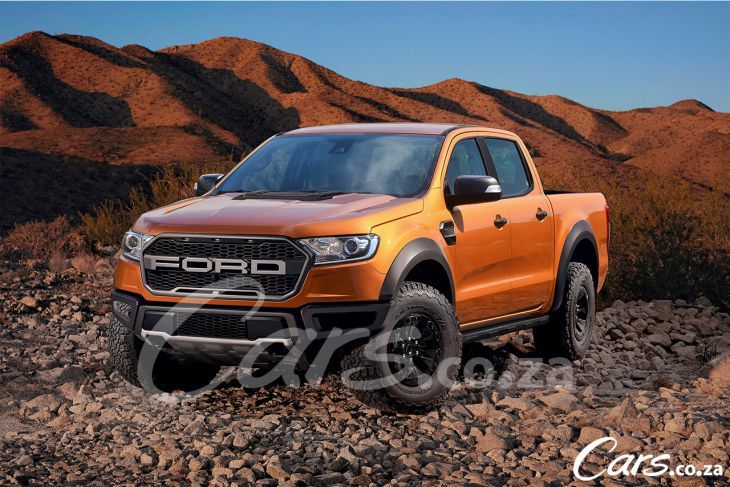
And the disease is spreading – even blue-collar Ford believes its range-topping Wildtrak isn’t bold enough or expensive enough, ergo the imminent introduction of the Raptor. Expect proper performance and genuine ability, but also expect them to be bought and used by posers – reflections of lifestyles that no longer fit with the original double cab ethos of a weekday workhorse, weekend family activity companion. Double-cabs should be affordable, reliable, tough, unassuming utility vehicles that ferry sandy, wet kids and dogs from the beach, carry garden refuse to the dump and tow trailers to remote getaway spots.

The idea of a luxury-brand, million-rand pickup seems foreign and far beyond the financial reach of the double cab bakkie’s traditional fan base. Yes that is the point, to mushroom the market upwards where the profits are, but the effect it will have on prices across the pickup world will be felt in the pockets of the people who need rather than merely desire double-cab bakkies.


Ford has already said it's building a Raptor version of the Ranger, could it look like this?

No matter the marketing spin, the reality is these so-called premium pickups will trade more on badge snobbery than any technical superiority or engineering innovation. As for their design, the X-Class is shackled to the Navara’s hardpoints in ways that cannot be hidden. Its blinged-up brashness may convince the image-conscious, but it’s probably not fooling Hilux man. Who works construction in a suit, anyway?

Given Mercedes-Benz’s almost instant reaction to BMW’s genre-busting X6 and X4, it is easy to imagine the Bavarian company's response to the X-Class – considering talk of a JV with Chinese giant GWM – might be a kidney-grilled, Hofmeister-kinked rebody of a Steed 7? A number of Australian publications quoted BMW executive Hendrik von Kuenheim as saying (at the 2017 Frankfurt Motor Show) that BMW would certainly consider building a pick-up, but if it did put a double cab into production, it wouldn't be as "disappointing" as the Benz (he criticised the X-Class' interior finishes). Shots fired, as they say. 

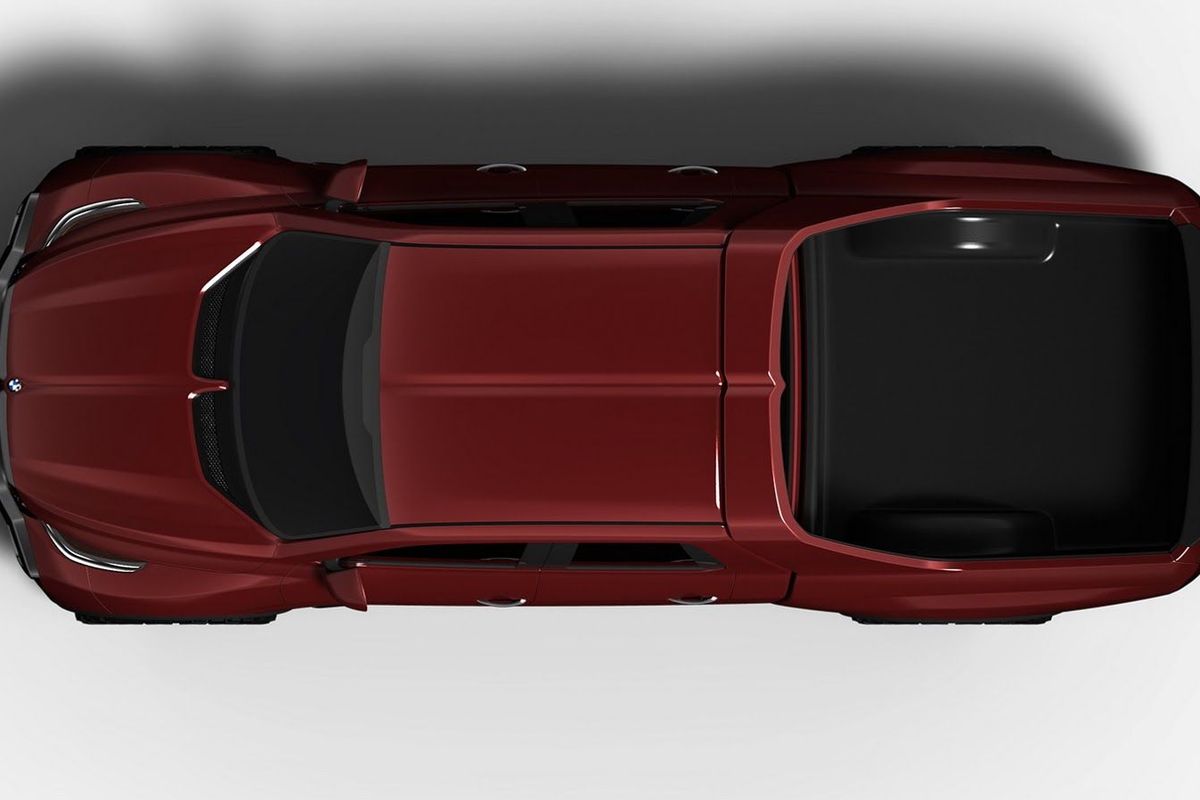
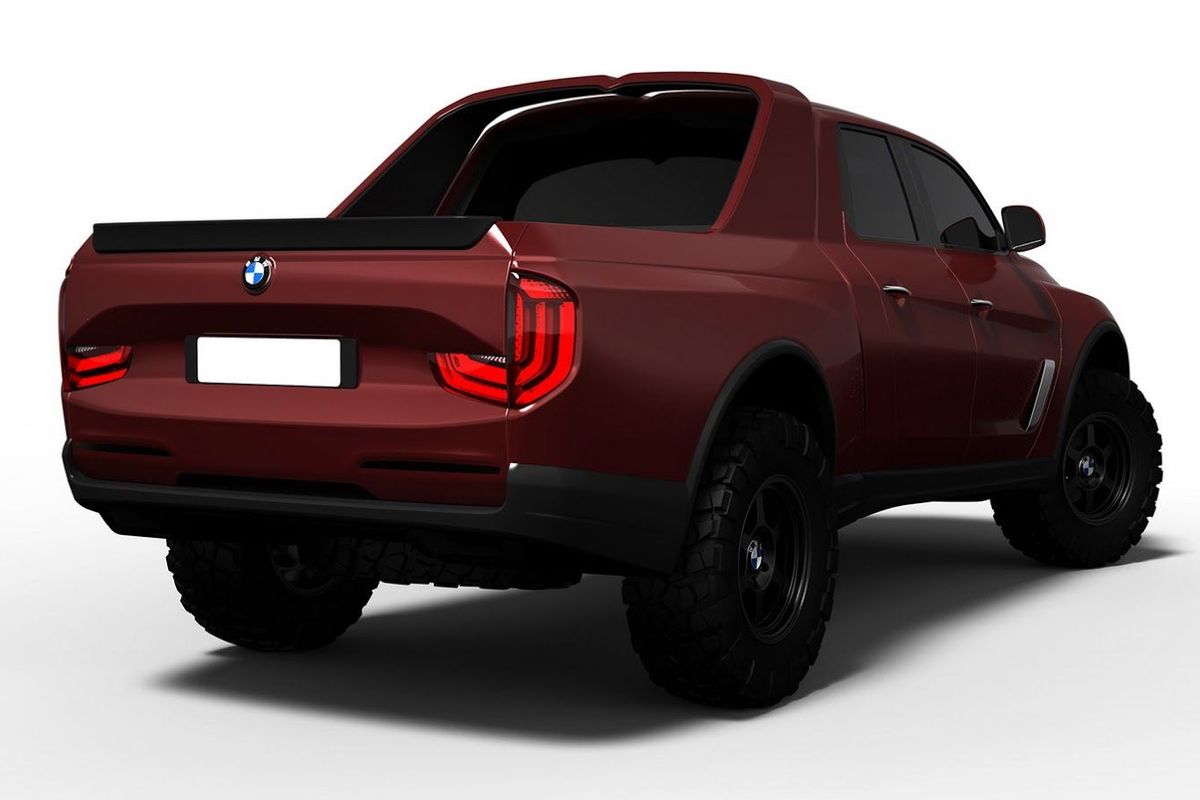
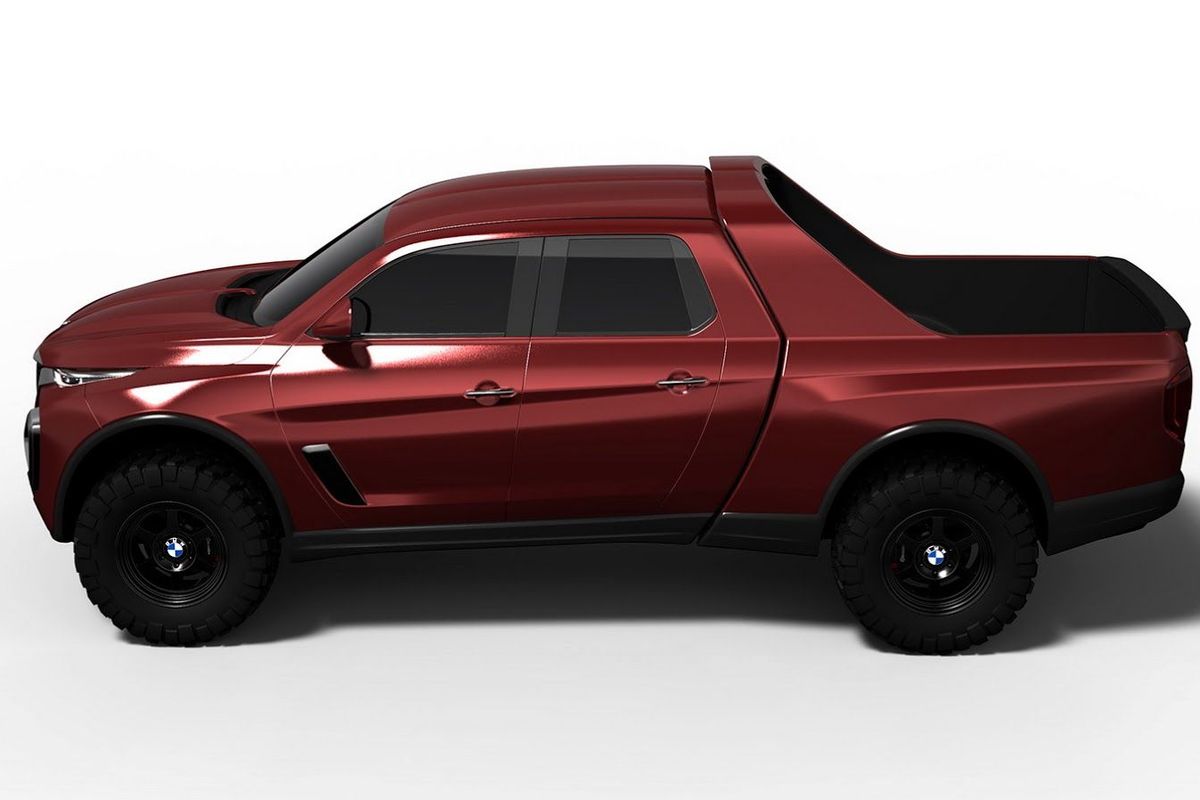
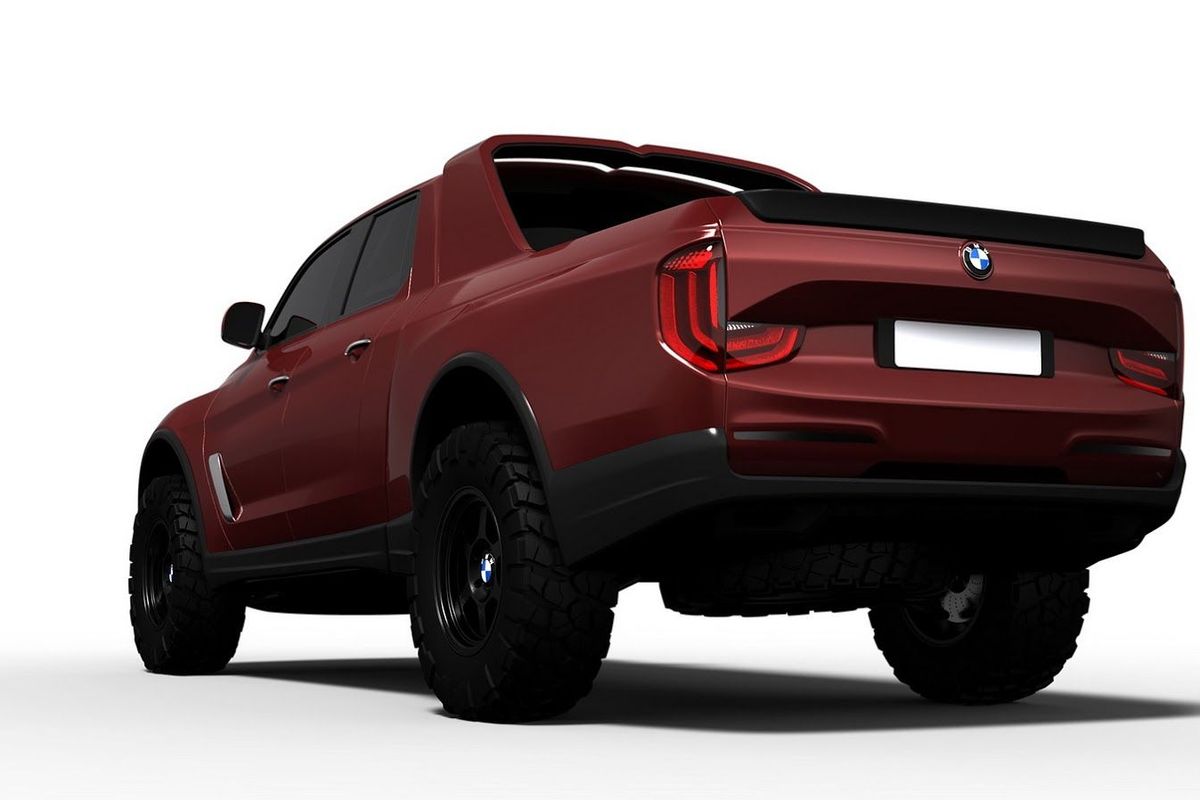
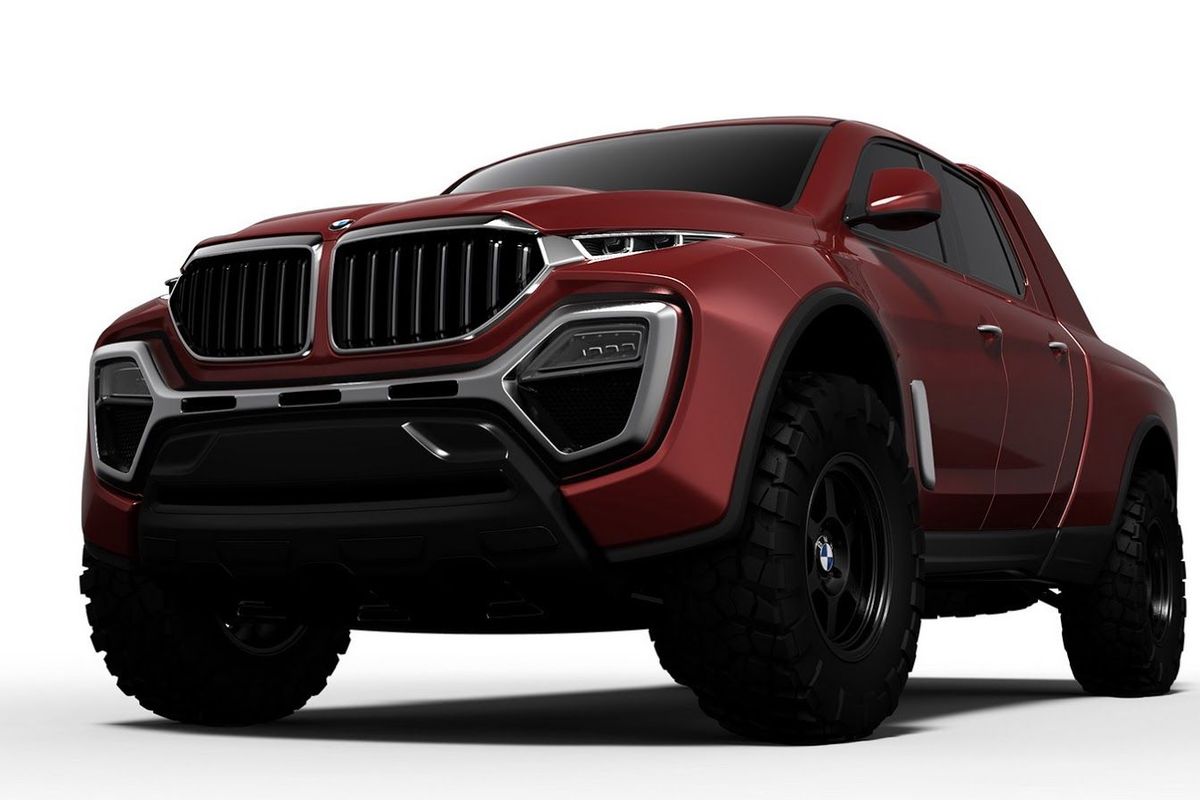
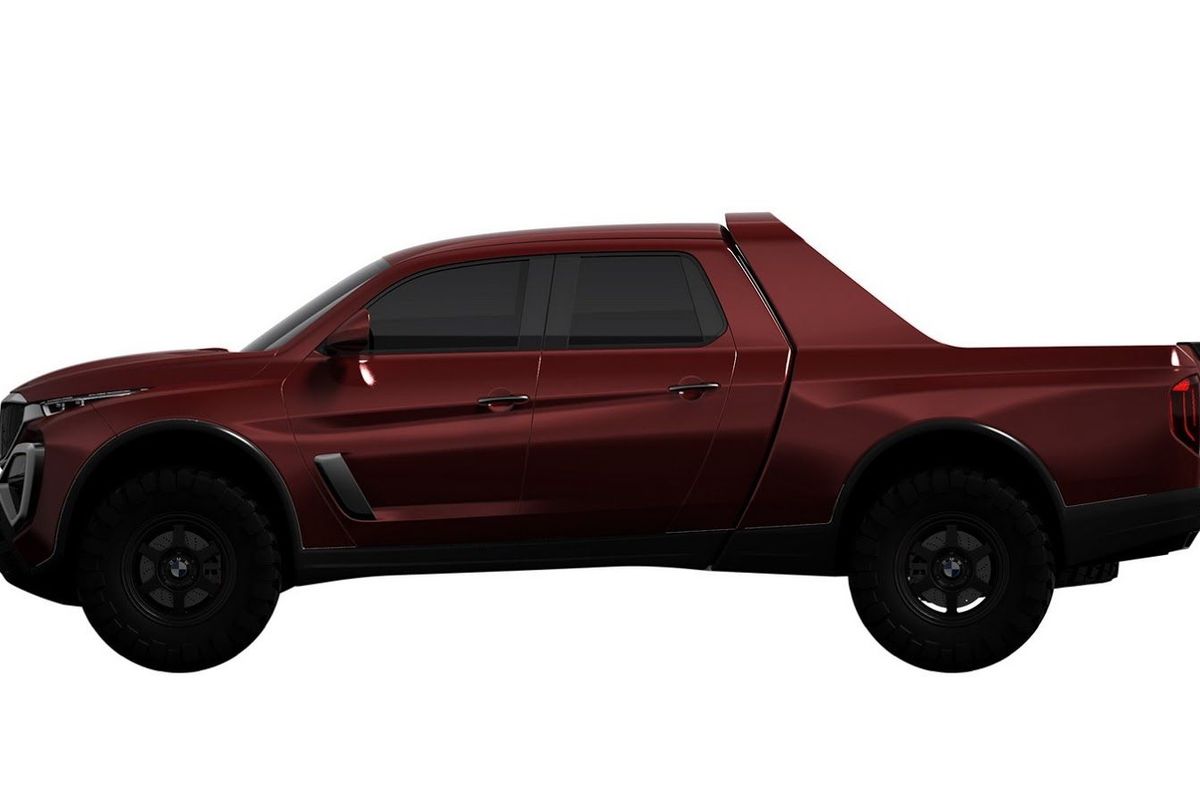
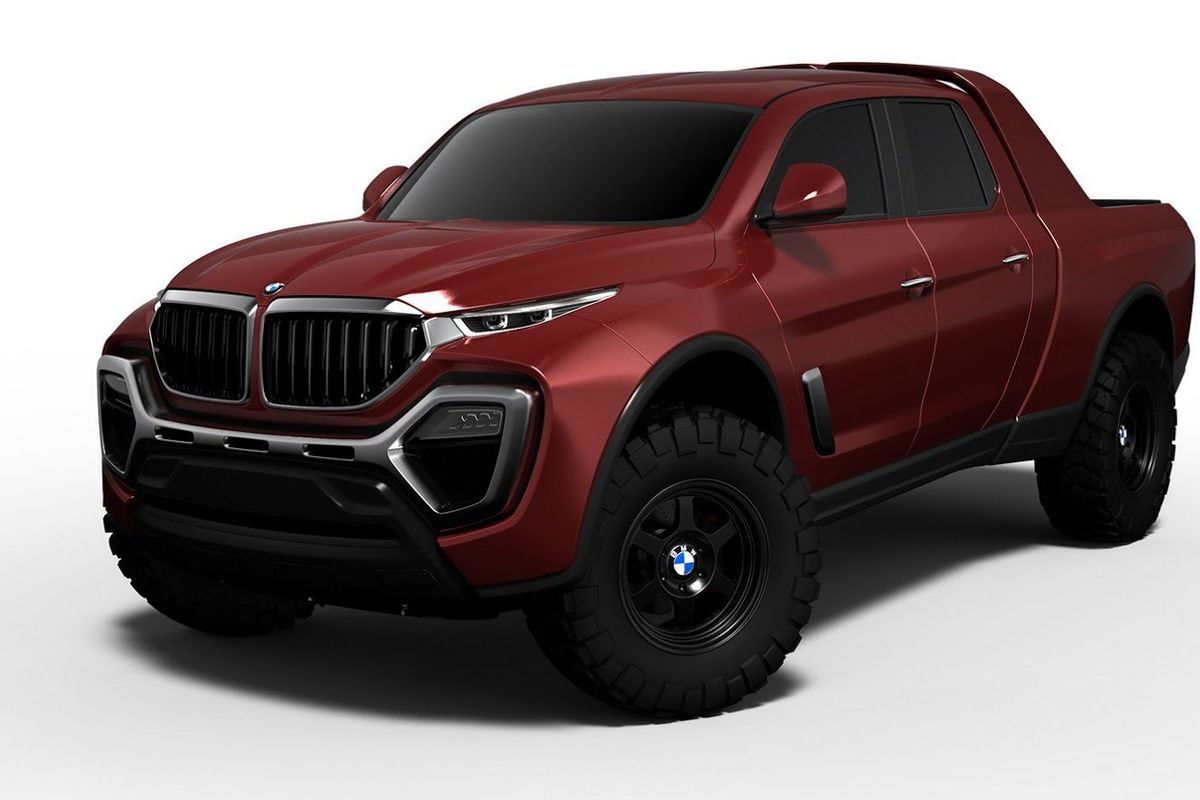
What will that Bimmer bakkie look like? Who knows, but Korean designer Taekang Lee’s BMW pickup concept pictured atop this article provides one answer. Think steroidal exaggeration of every traditional BMW style cue – cartoon kidneys smashed between ultra-mean headlights and an overly stylised bumper capping off a body too muscle-bound to be of much practical use. Too much? Have you seen the brand’s latest X7 concept? If anything, Mr Lee didn’t go far enough…

Related content

Bakkie Comparison: Nissan Navara vs Ford Ranger Fx4 [with Video]

Nissan Navara vs VW Amarok (2017) Which is better for off-roading?

Ford to Build Ranger Raptor in SA

Mercedes-Benz X-Class (2018) International Launch Review

5 Rivals the Renault Alaskan Needs to Beat

2017/18 Cars.co.za Consumer Awards – powered by WesBank; Finalists
#CarsRaceDay – Hillclimb Shootout [Complete Video Series]

In one of our most ambitious video projects yet, we worked with the city of Cape Town to close an incredible road in the farmlands beyond the Mother City. It's always been one of our favourite pieces of tarmac to test cars and now we had it all to ourselves. Next, we lined up 8 high-performance cars, fired up our very own race-ace Ashley Oldfield to drive them and staged 3 races, followed by his final, white-knuckled ascent up the hill in the McLaren 570S and then, we rank the octet of driver's cars from worst to best.  
Race 1: Fiesta ST200 vs Renault Clio RS200 Lux

The Fiesta ST200 is the most powerful official version of the current generation Fiesta that we'll receive in South Africa; sadly the popular Mountune version is not available in SA. It's a properly fun little rocket and it has the perfect rival in the Renault Clio RS200 Lux. Both cars have exactly the same power output, at 147 kW, and both cars weigh almost exactly the same, tipping the scales at 1 170 kg and 1 172 kg respectively. These were to be our first two runs of the day and it gave Ashley the chance to get to grips with our private racetrack before he brought the big guns out later in the day.


Related content:

Read the full comparative review: Ford Fiesta ST200 vs Renault Clio RS200 Lux

Ford Fiesta (2018) International Launch Review

Renault Clio RS 220 EDC Trophy (2017) Quick Review

Preview: 2018 VW Polo GTI vs 2018 Ford Fiesta ST
 

Race 2: Volkswagen Golf 7.5 GTI vs Toyota 86 High

The new Volkswagen Golf 7.5 GTI features a small power upgrade to 169 kW and a few exterior tweaks to the bumpers and lights. The inside has been revamped to feel more premium and it exudes a sense of luxury that's hard to match. We hadn't brought it to the hill to look at it though, we wanted to see how fast it could get to the top of our course. Its rival, the Toyota 86 is seemingly on a hiding to nothing – it can't match the GTI for power and lack more than 150 Nm of torque, which is a critical disadvantage when catapulting up a hill. However, it's arguably more fun to drive and represents what you could get yourself for R50k less than a GTI. Watch the battle:


Related content:

Toyota 86 High (2017) Quick Review

Volkswagen Golf R, GTD (2017) Track Comparison Video

Volkswagen Golf GTI (2017) Quick Review

Drag Race: Volkswagen Golf GTI vs Golf GTD [Video]


Race 3: Aston Martin Vantage N430 vs BMW M240i vs Jaguar F-Type 400 Sport

Then things got a lot more serious… In a battle of 3 pukka rear-driven sportscars, we have the outsider in the form of the BMW M240i with M Performance Parts, the bad boy Jaguar F-Type 400 Sport with its crackling exhaust pipes and jaw-dropping looks and, finally, an old-timer is back in the form of the Aston Martin N430 – an enhanced (again) Vantage with a V8 growl that should give you instant gooseflesh. Who will be fastest on the up-and-down hillclimb? The result was a lot closer than we expected…

Related content:

BMW M240i with M Performance Parts (2017) Video Review

Jaguar F-Type 400 Sport (2017) First Drive

2017 Jaguar Simola Hillclimb Highlights Video

Aston Martin Unleashes Ultimate Vantage AMR


The finale: We choose our best driver's car + McLaren 570S sets a time

In the not-to-be-missed last video of the series, we review the lap-time leaderboard and Ashley reveals, in ascending order, his favourite driver’s cars out of the ones he spurred up the hill. Then, he gathers all of his (considerable) driving skill to set a blistering time in the McLaren 570S, which promptly proves why supercars are in another league to fast road cars. The inaugural #CarsRaceDay has set a high benchmark for a follow-up event; what exotic machinery could we rustle up for the next one?


Related content:

McLaren 570S Spider (2107) Launch Review Video

Part 1: Audi R8 vs McLaren 570S with Drag Race

Part 2: Audi R8 vs McLaren 570S Track Race

Mercedes-AMG GT R (2016) First Drive

Top speed run: Chasing 300 kph in Jaguar F-Type SVR [Video]


Searching for a new/used car to buy?

Start your search on Cars.co.za!

3 Reasons Why Land Rover Discovery is #CarsAwards Finalist

What makes the Land Rover Discovery HSE TD6 a worthy contender in the Premium SUV category of the 2017/18 Cars.co.za Consumer Awards – powered by WesBank? We investigate…

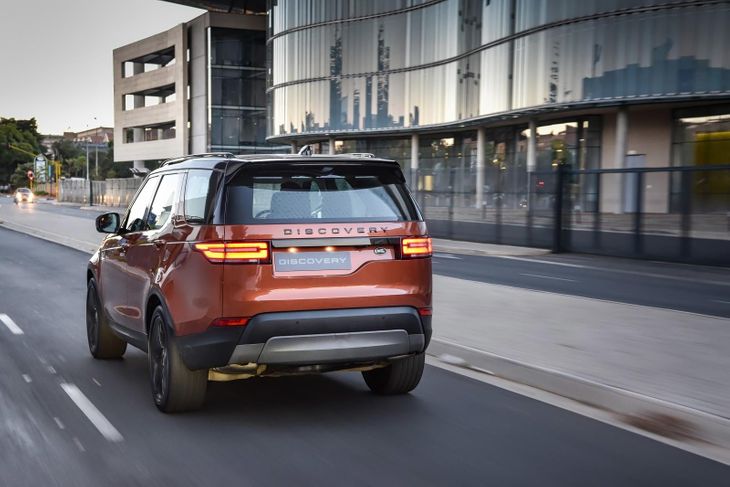
The new Discovery was introduced just in time to meet this year’s #CarsAwards deadline and it appears to have been worth the wait. The ‘Disco’ has always tried to market itself as a premium off-roader that can do it all. This new model brings Land Rover’s off-road capability and prowess but combines it with better-than-ever on-road manners. Can the Discovery conquer all to secure the win this category?  

3 Reasons Why Land Rover Discovery is #CarsAwards Finalist

1. Smooth power delivery

A beefy 3.0-litre V6 turbodiesel sits under the long bonnet of the Discovery. It appears to have been configured to deliver smooth and linear acceleration that enhances the consummate ease in which the Disco makes its way over any terrain. The engine pumps out 190 kW and 600 Nm of torque and there’s an 8-speed automatic gearbox that works at making sure the V6 is always in the sweet spot of the rev range, ready to deliver acceleration when called on. Land Rover claims an average fuel consumption figure of 7.8 L/100km.

2. Luxury and convenience galore

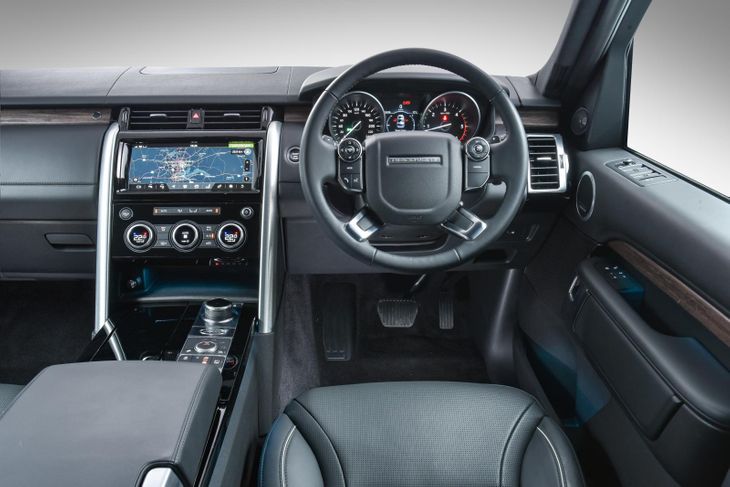
The Discovery exudes luxury and sophistication, you sit high up, overlooking most road users, cocooned in leather and soft touch materials. The interior of the new Disco has taken a big step in meeting modern connectivity requirements so there are USB ports that can be installed in every row of seats and if you select the option, you can fold all the seats down via the infotainment screen.

Making life as easy as possible seems to be the Discovery’s motto as it features luxuries like an electric towbar with reverse towing guidance, a 360-degree camera helps you manoeuvre the big beast into any spot and the individual cameras can be selected to help avoid or line up obstacles. There is not much this Discovery can’t do…

3. Impeccable road manners

The Discovery prioritises comfort above all else and the new model takes ride comfort to an all new level. Air suspension is standard on all but the S models and it’s the biggest upgrade to the new model’s ride. Whether it’s tarmac, washboard gravel or a rocky riverbed, the Disco covers the terrain in a level of comfort that’s unmatched by fellow off-roaders. The new Disco is expensive, but you are able to squeeze out reasonable specification with this HSE trim model.

Watch #CarsAwards judge, Juliet McGuire, review the Land Rover Discovery in the video below!

Have Your Say: Complete our survey!

Do you own a Discovery? We would love to hear from you! Tell us about your experience by completing our Ownership Satisfaction Survey. Your input counts for 50% of the final result.

What are the Discovery's rivals in #CarsAwards?

The 2017/18 #CarsAwards finalists: Premium SUV Category

Compare the Discovery's specs with the Volvo XC90 T8 Twin Engine R-Design and Audi Q7 3.0 TDI quattro

Related Content

Land Rover Discovery Si6 HSE (2017) Review

Land Rover Discovery (2017) Launch Review

Land Rover Discovery goes hardcore with SVX

#CarsAwards Finalists Testing: Gerotek turns up the heat

2017/18 Cars.co.za Consumer Awards – powered by WesBank; Finalists

BMW M4 DTM vs Mercedes-AMG GTR – Track Race

In Part 2 of this mega head-to-head shootout, we head to the full circle for a hot lap race between these two very special cars.

The Bimmer is certainly the underdog here, with less power but less weight. And while the Mercedes Benz battled to get off the line in the drag race, it's huge power will certainly help it here at the Killarney circuit, a track which does favour more horsepower, given the two very long straights and fast, sweeping corners.

Watch the drag race here: 

Notes on our track test:

– Track test conducted at sea level

– Ambient temperature: 38 degrees Celcius (it was crushingly hot that day!)

– Circuit length: 2.7km

– Fuel: 95 Octane unleaded

– Tyres: Michelin Pilot Sport Cup 2 (both cars, more wear on the BMW)

Related content

Audi RS3 vs BMW M2 (2017) Drag Race

Drag Race: VW Golf R vs Golf GTI [Video]

Part 1: Audi R8 vs McLaren 570S with Drag Race

More Mercedes-AMG GT Derivatives (2017) Specs & Price

3 Reasons Why Audi Q7 is #CarsAwards Finalist

What makes the Audi Q7 3.0 TDI quattro a worthy contender in the Premium SUV category of the 2017/18 Cars.co.za Consumer Awards – powered by WesBank? We investigate…

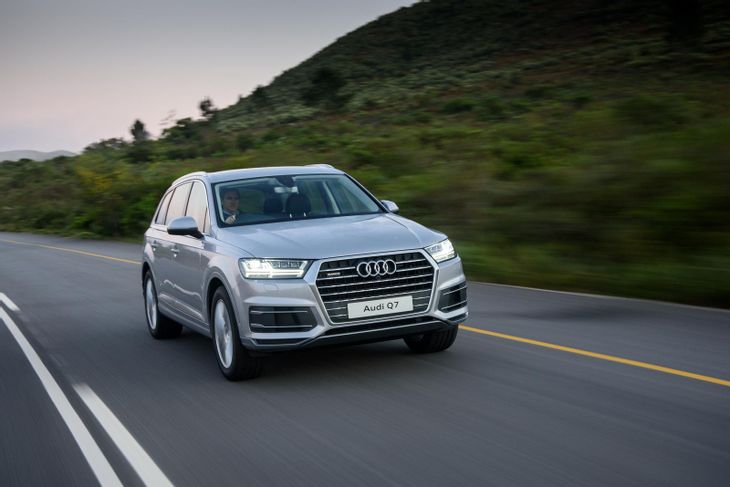
Audi took its time to get the second-generation Q7 just right. Based on our experience thus far, it’s certainly upped the ante in terms of important factors such as refinement and ride comfort. There are few cars, if any, in this category that deliver premium, luxury motoring with such efficiency and ease. Will the Q7 go all the way to secure a victory in this category?

3 Reasons Why Audi Q7 is #CarsAwards Finalist

1. Refined and efficient performance

Based on the Volkswagen Group’s new MLB-Evo platform, the Q7 is more than 300 kg lighter than its predecessor. You can feel it almost immediately. The lower weight, power delivery characteristics, Quattro all-wheel drive and slick 8-speed automatic transmission combine to deliver a very refined driving experience. The Q7’s 3.0-litre turbodiesel engine delivers a strong 183 kW and 600 Nm of torque, so even when fully loaded it can deliver excellent overtaking power when needed.

With less weight to lug around and efficiency improvements, the Q7’s engine is also impressively economical, with a claimed figure of 6.3L/100km being very reasonable indeed.

2. Top-notch luxury features

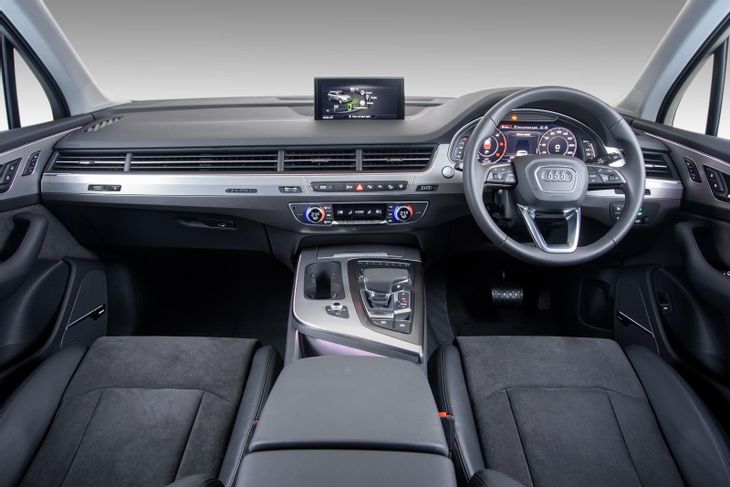
The Q7’s interior design is to be praised and in many ways its luxury stems from its refinement, not its features. Nevertheless, you do get most of the features you need as standard, including cruise control, navigation, auto wipers/lights, leather upholstery and even gearshift paddles.

You do have to pay extra for the “nice-to-haves”, however. Notable optional features include  4-zone climate control, Heads-Up-Display (HUD) system, a Bose sound system or, if you must, a Bang & Olufsen system. You can also treat yourself to optional memory function and heating for the seats.

3. Practical and spacious

The new Q7’s cabin is not just pretty to look at, but also very comfortable to sit in. Granted, you pay extra for options that include electrically adjustable sports front seats, Alcantara leather and a huge panoramic sunroof, but even so, we were mighty impressed with the interior. For one, it is notably better packaged than before. It offers more space throughout the cabin than its bigger forebear. Legroom in the second row is particularly generous, and though third-row seating is a offered as an option, Audi claims it’s bigger back there too. The load bay is claimed to hold 890 litres, which is commodious indeed.

Rear seat passengers have access to two 12V power points, ventilation outlets and the backrests of the seats offer a reclining function, too.

Have Your Say: Complete our survey!

Do you own a Q7? We would love to hear from you! Tell us about your experience by completing our Ownership Satisfaction Survey. Your input counts for 50% of the final result.

What are the Q7's rivals in #CarsAwards?

The 2017/18 #CarsAwards finalists: Premium SUV Category

Compare the Q7's specs with the Volvo XC90 T8 Twin Engine R-Design and Land Rover Discovery HSE TD6

Related Content

Audi Q7 3.0TDI Quattro (2015) Review

Audi Q7 vs Volvo XC90 Video Review and Comparison

Audi Q7 3.0TDI Quattro vs Volvo XC90 D5 Inscription (2016) Comparative Review [with Video]

#CarsAwards Finalists Testing: Gerotek turns up the heat

2017/18 Cars.co.za Consumer Awards – powered by WesBank; Finalists