Meet #CarsAwards Judge Khutso Theledi
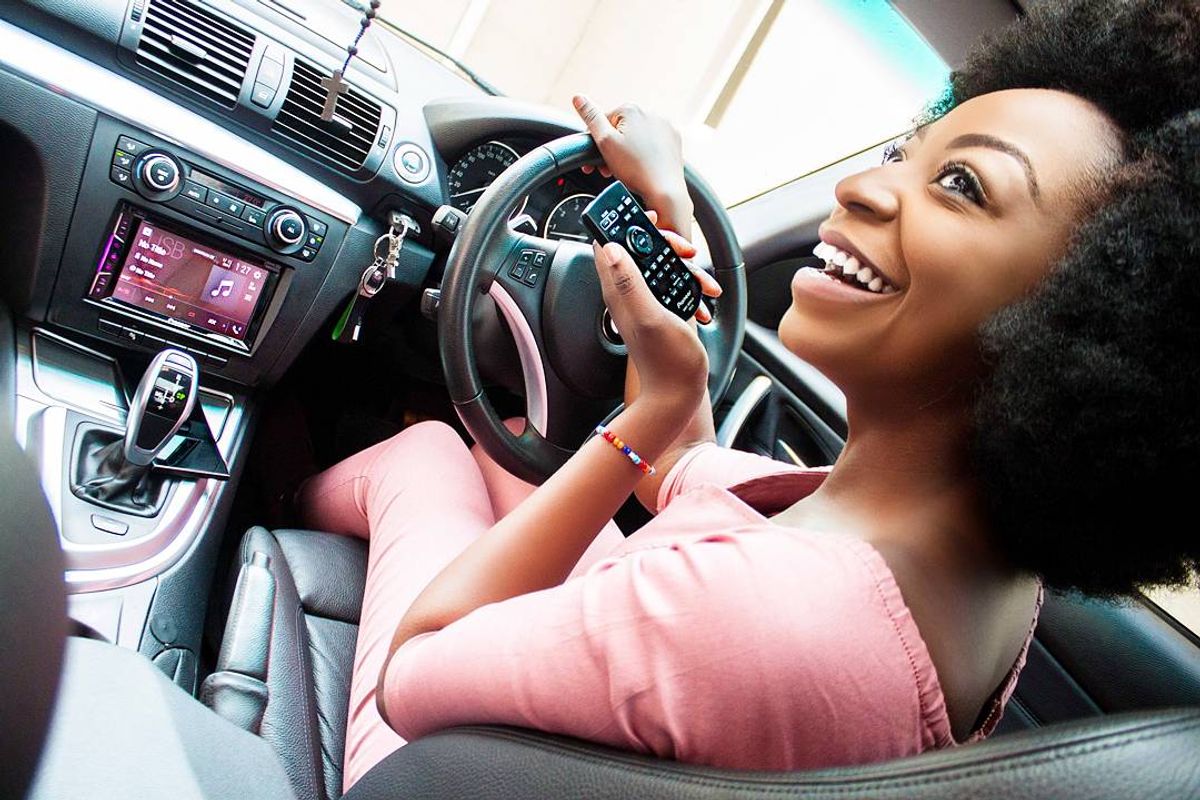
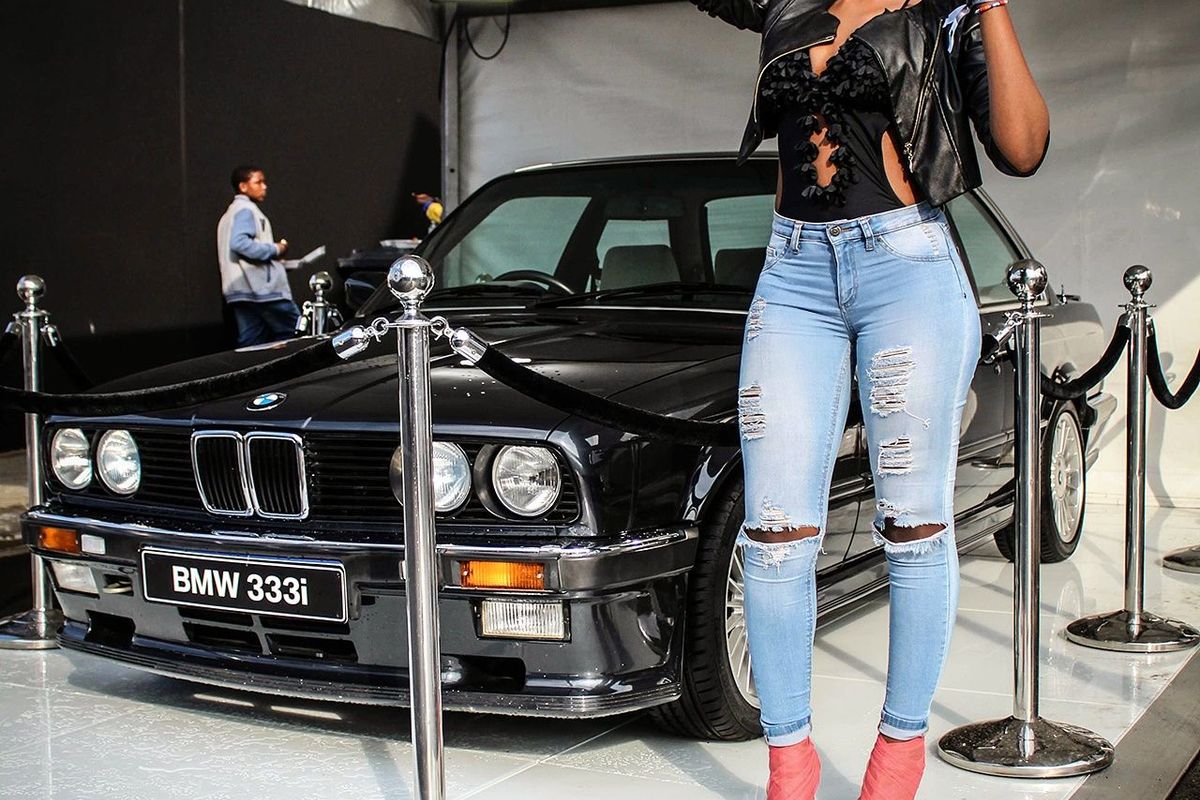
For the second year running YFM's Khutso Theledi has been a Cars.co.za Consumer Awards – Powered by WesBank, guest judge. What makes this passionate petrolhead tick? Let's find out!

Mpumalanga-born and bred Khutso Theledi was snapped up by YFM in 2012 while she was still completing her studies in Radio and Sound Engineering at Boston Media House. She was a co-host and traffic presenter for the breakfast show, "Flava In The Morning" with Mo Flava (2012-2014), and went on to co-host on Drive Time “The Freeway“ with Mo Flava (2014-2015). She stayed on Drive Time in 2015-2017 to co-host on “The Raw Rush” with Thulisa Kanzi while holding it down as the host of “Coupe De Grace” in 2015-2017. She hosts the R&B Hot 9 9 chart, and also steered your weekend afternoons on Charged up. Currently, however, she rides the airways during YFM's Krunch Time from 12:00 to 15:00 weekdays. We're sure her meteoric rise is nowhere near finished just yet…

In fact, Khutso is fast becoming one of South Africa’s most loved voices and media personalities and also happens to be a true petrolhead. She was the face and presenter for Kasi Car Culture & Celeb Rides and is also a qualified “spinning” lady. She spins cars for a hobby in the dusty streets of Midway, Soweto where they call her “Mary-Go-Round”. CNN Africa/Inside Africa produced a documentary feature on Khutso which took an inside look into her life and her hobby.
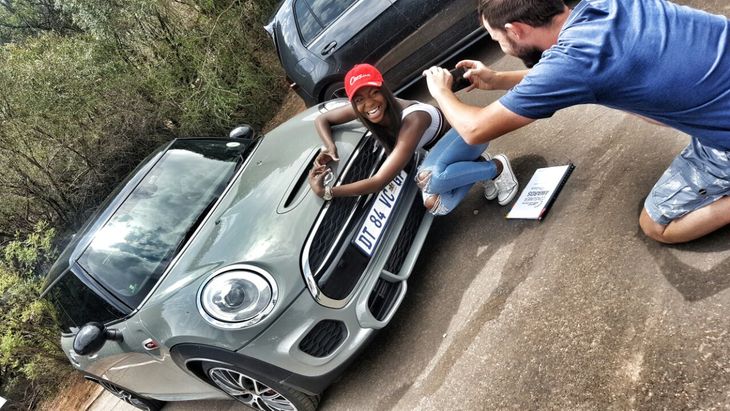

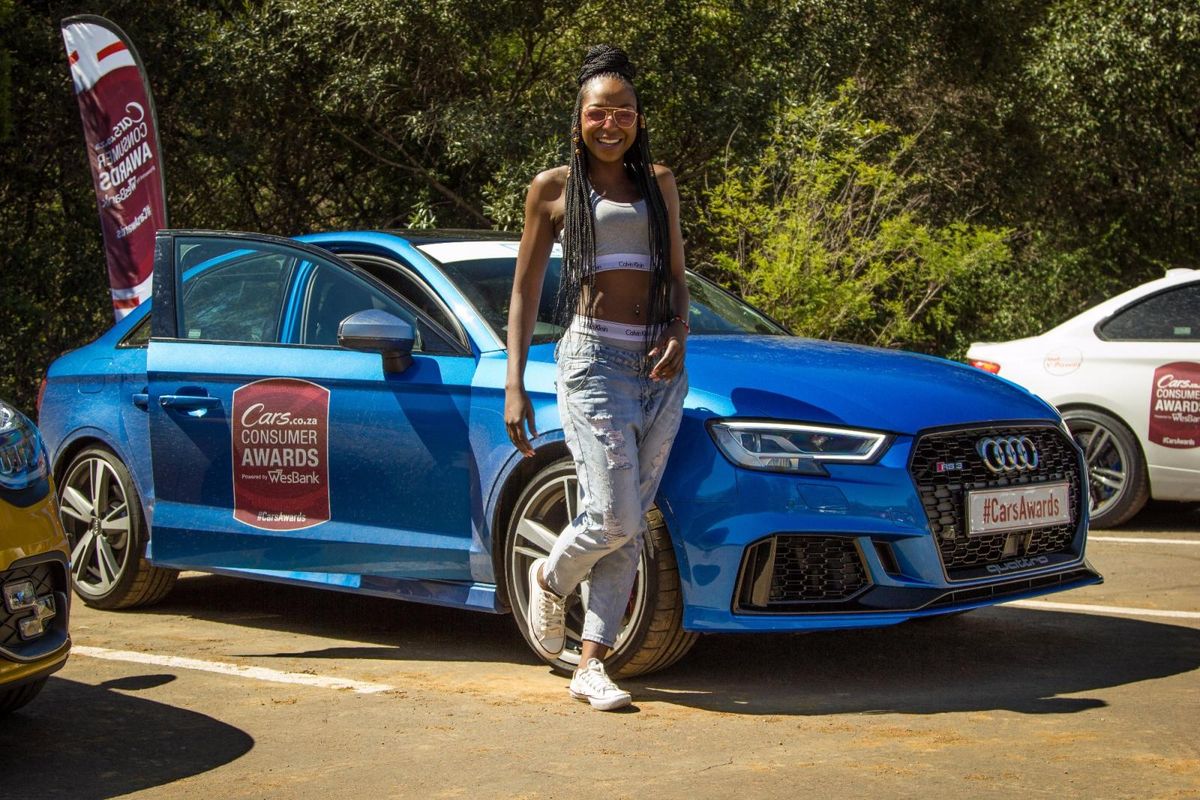
Khutso was a judge in the Fun and Performance Car categories of the CarsAwards, amongst others.

Where did your love for cars start? 

My love for cars started back in primary school. When my dad passed away, he left behind what I didn’t then imagine would become my dream car and not only that, but a car that would literally spin my world around until this day… his red "Gusheshe", a BMW 325i Coupe! Dad’s Gusheshe taught me what performance meant before I could even understand the meaning or feeling of a high-performance car. We would get so much attention from people whistling and turned every head when we drove past. That car will forever have a special place in my heart.

What was your first car?

My first car was a BMW 118i 3-Door auto.

What is your favourite motoring memory?

See Khutso spin a Gusheshe in this Top Billing interview.

My favourite motoring memory has to be the first time I got to spin a Gusheshe and the moment everyone witnessed me doing a figure 8 in 2013. That moment would not have happened if it wasn't for Pule (Soweto Drift Aacademy) as well as the amazing professional qualified spinners who equipped me with all that I know today about this type of motorsport.

The spinning journey all started with a phonecall from Pule, who called into the breakfast show I was co-hosting at that time with Mo-Flava on YFM. Pule asked Mo-Flava to come try out spinning, he said yes, and I wasn’t included in the conversation live on air, but I jumped at the opportunity and invited myself to try spinning as well. I walked onto a spinning ground for the first time, sat in the Gusheshe and started spinning and immediately felt like I was born to do it.

You have all the money in the world, what would be in your fantasy 2-car garage?
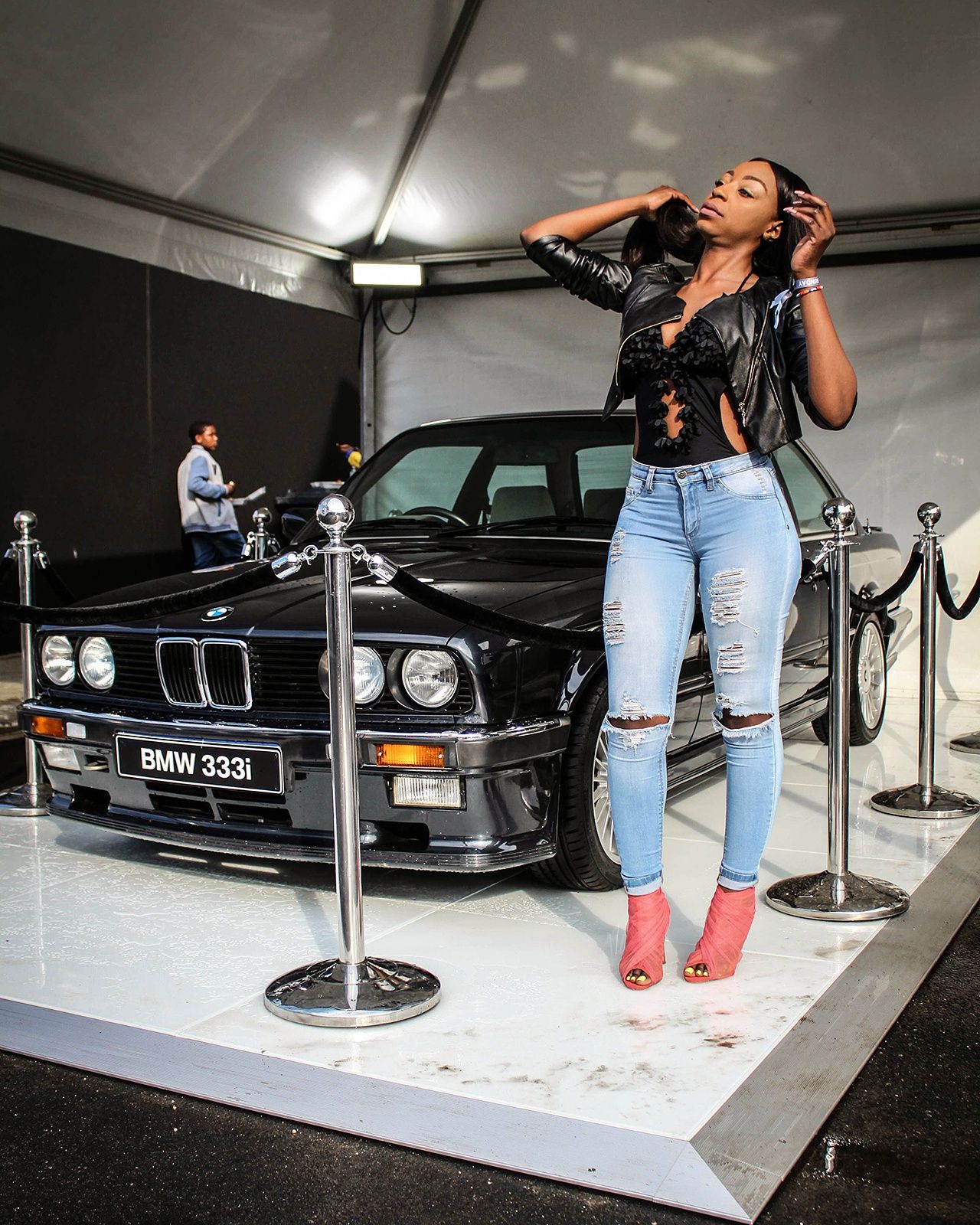

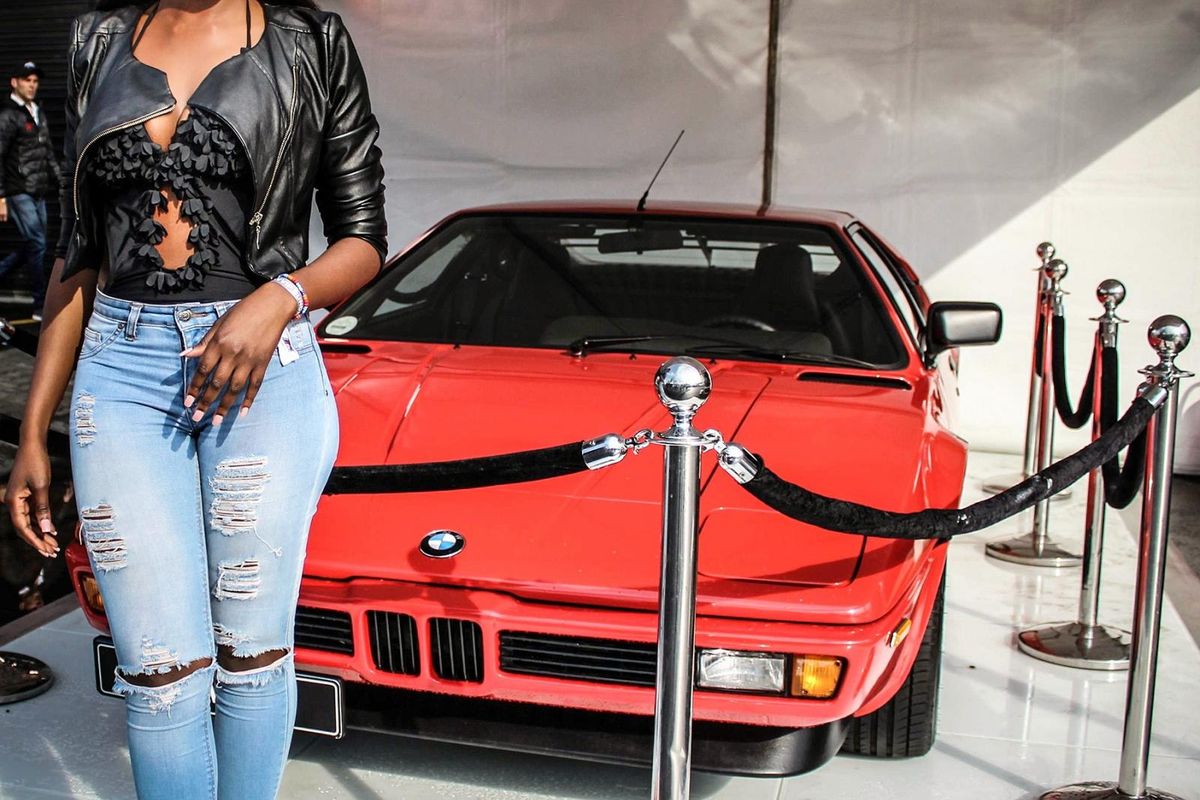
Khutso with one of her all-time fantasy cars, BMW's iconic 333i.

One of them, without any doubt, would be BMW’s iconic locally-developed (E30) 333i. The second is much tougher. As much as I would love to drive and own one of the world's most expensive cars (Lamborghini Veneno Roadster) I’d love to be realistic because these 2 babies should be in my garage before 2020… So the second car would be the 2018 Mercedes-AMG GT C Roadster.

Given your background in high-performance machinery, you are a judge in the Performance and Fun car categories of the #CarsAwards. What do you look for on the day of testing? What in your view makes a good Fun or Performance car?

Of course performance cars are built for speed and with speed, hopefully, comes great handling and braking systems. What I looked for on the day of testing was a car that hugged my body, and particularly direct and responsive steering. I like to feel "at one" with a car, especially sportier cars, so most importantly, I looked for a car that made it easy for me to "sync" with while having my adrenaline rush.

What is testing for #CarsAwards at Gerotek like?
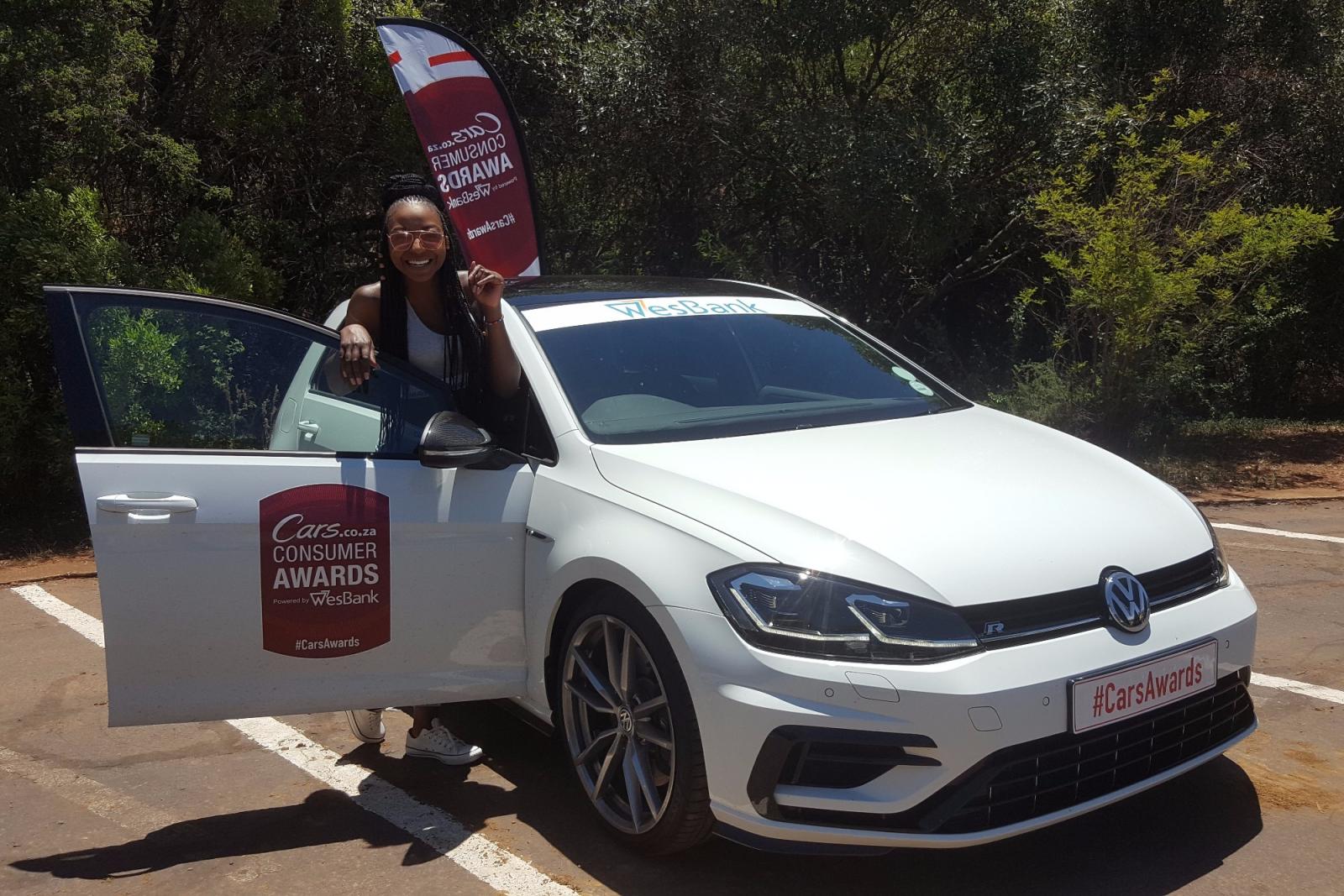

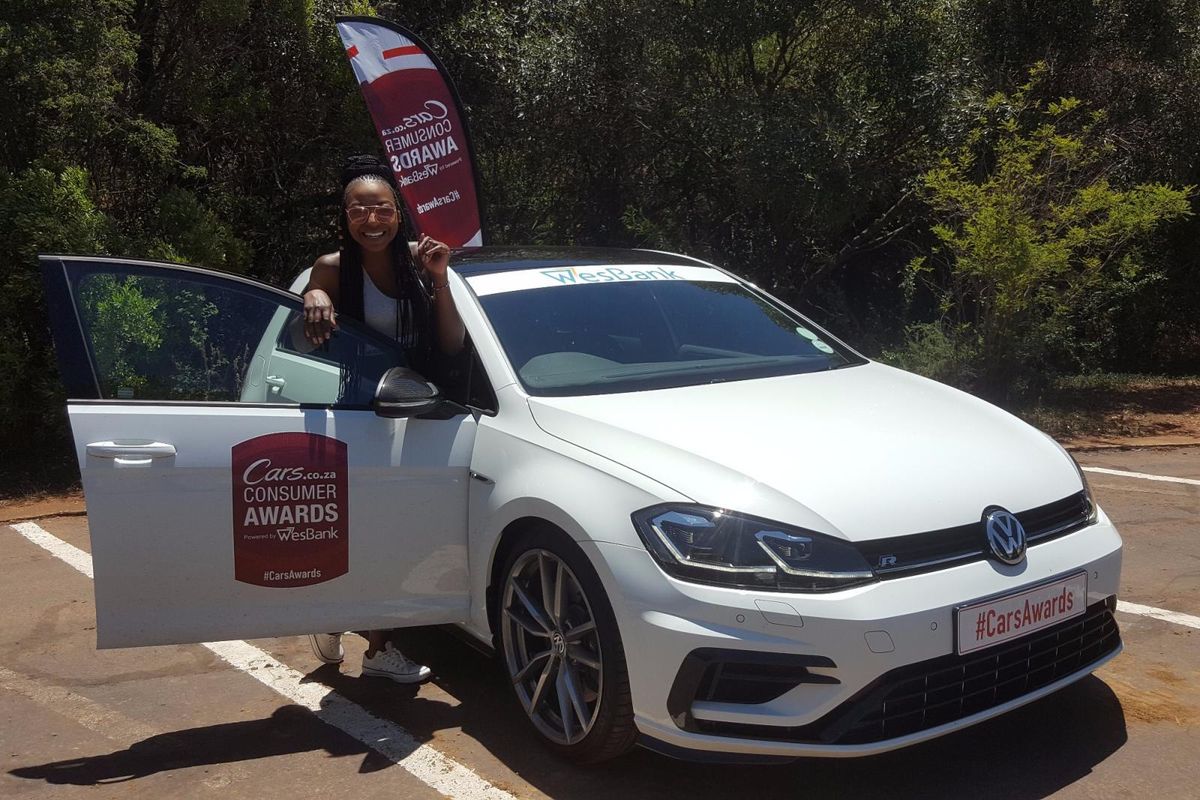
Khutso returns from giving the VW Golf R, a finalist in the Performance Car category, a proper shakedown.

Firstly, I want to commend the Gerotek team who are a pleasure to be around with and learn from. They are motivated and always helpful… How do they do it in that heat!? What makes Gerotek so unique to me is my favorite test route, the "Dynamic Ride and Handling" track. I wish all South African roads could be as fun as this amazing route which we use to assess the dynamic abilities of the cars. But Gerotek has it all, and it allows us to evaluate every facet of the finalist cars.

You can follow Khutso on Twitter here.

You may also be interested in;

CarsAwards testing: Gerotek turns up the heat

Khutso presents highlights of the 2017 Cars.co.za Consumer Awards – Powered by WesBank, event night (Video)

Goodbye Cross Polo, Hello Polo AllTrack

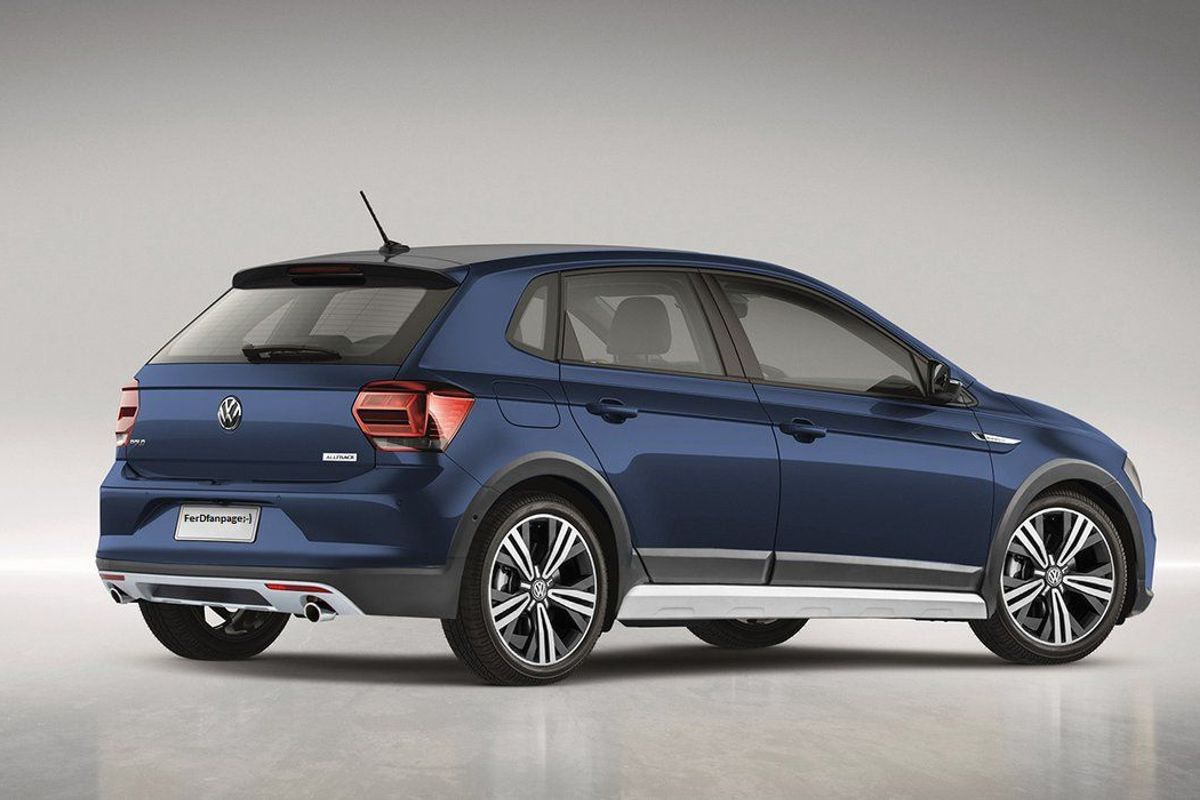
It looks like the Volkswagen Cross Polo is no more, as renderings of the Volkswagen Polo AllTrack have hit the Internet. Check it out.

The Volkswagen Cross Polo was a beefed version of the standard Polo with some rugged exterior features. The offroad kit gave it a bit of an SUV stance, but it was never sold as an actual offroad vehicle. It also featured roof rails and a nicer interior. It was powered by a diesel 1.4-litre four-cylinder engine with 77 kW and 250 Nm, giving it reasonable fuel efficiency. 

Now it appears that the Cross Polo badge may fall away in favour of Volkswagen's AllTrack badging. These pictures show a Volkswagen Polo featuring a chunkier body kit as well as AllTrack badging. Very little is known about the car, but we'll keep you posted as more details emerge.

Photo credit: Ferdfanpage

*Updated: It turns out that these photos were renders and not leaked photos.*

Related content:

6 Rivals 2018 Volkswagen Polo Needs to Beat

Preview: 2018 VW Polo vs 2018 Ford Fiesta

Ford Fiesta (2018) International Launch Review

Volkswagen Polo 1.0 R-Line (2017) Quick Review (w/Video)

Renault Clio GT-Line (2017) Review

Opel Corsa (2017) Specs & Price

New Suzuki Swift (2017) First Drive

Want to buy a Volkswagen Polo?

Search for a used example here

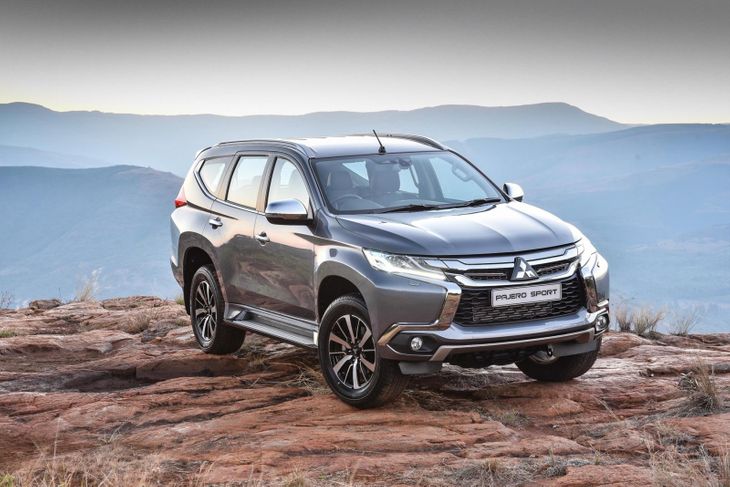
3 Reasons Why Mitsubishi Pajero Sport is #CarsAwards Finalist

What makes the Mitsubishi Pajero Sport 2.4 D4 4×4 a formidable contender in the Adventure SUV category of the 2017/18 Cars.co.za Consumer Awards – powered by WesBank? We investigate…
 

The new Mitsubishi Pajero Sport just made the cut-off date for #CarsAwards and it promises a value-for-money seven-seat off-road solution. Mitsubishi SA crams features and comfort into its products and the new Pajero Sport also brings serious off-road capability to this competitive segment. Is it enough to mount a challenge in this category?

3 Reasons Why Mitsubishi Pajero Sport is #CarsAwards Finalist

1. Refined performance

Mitsubishi has taken its new 2.4-litre diesel motor out of the Triton double-cab bakkie and plonked it inside the Pajero Sport. Power is rated at 133 kW and 430 Nm, and the vehicle is claimed to consume just 8.1 L/100 km. This engine is quiet and refined, and represents a marked improvement over the previous Pajero Sport. Furthermore, a new 8-speed automatic transmission is fitted too.

2. Explore in Comfort

Substantial work has been done on the Pajero Sport to ensure that its comfortable. Ride comfort and NVH levels have improved with enhancements to the suspension and body mounts.

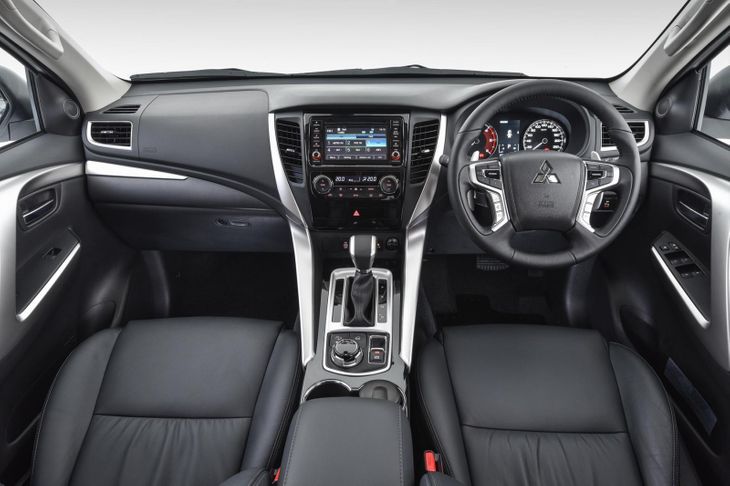
Comfort features such as the multifunction steering wheel (adjustable for rake and reach), and rear park distance control with rear-view camera make life easier. Other standard features include dual automatic air conditioning with rear temperature controls, electronic parking brake, cruise control and a Bluetooth-capable infotainment system with voice control.

3. Go-anywhere ability

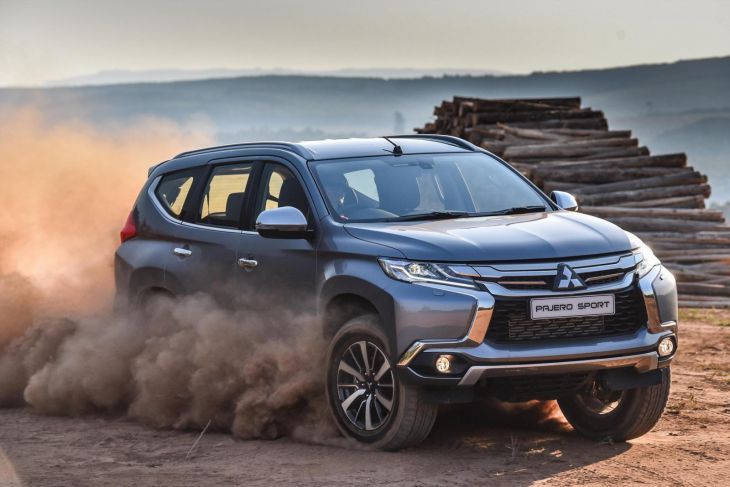
The Pajero name brings legendary off-road ability to the table and this Pajero Sport is no different. It’s very capable and it features Super-Select 4WD-II four-wheel drive system which includes Off-road Mode and Hill Descent Control. There are also driving modes for gravel, mud/snow and rocky terrain, while a lockable rear differential will help extract the vehicle out of tight spots. Buyers will find the ground clearance of 215 mm particularly useful in the rough.

Watch #CarsAwards judge, Juliet McGuire review the new Mitsubishi Pajero Sport in the video below!


Have Your Say: Complete our survey!

Do you own a Pajero Sport? We would love to hear from you! Tell us about your experience by completing our Ownership Satisfaction Survey. Your input counts for 50% of the final result.

What are the Pajero Sport's rivals in #CarsAwards?

The 2017/18 #CarsAwards finalists: Adventure SUV Category

Compare the Pajero Sport's specs with the Ford Everest 3.2 4WD Limited and Toyota Fortuner 2.8 GD-6 4×4 Auto

Related Content

Mitsubishi Pajero Sport 2.4 D4 4×4 Auto (2017) Review

Mitsubishi Pajero Sport 2.5 Shogun Auto (2015) Review

Mitsubishi Pajero 5-Door 3.2 DI-D GLS Legend II (2016) Review

Mitsubishi Pajero LWB (2014) Review

#CarsAwards Finalists Testing: Gerotek turns up the heat

2017/18 Cars.co.za Consumer Awards – powered by WesBank; Finalists

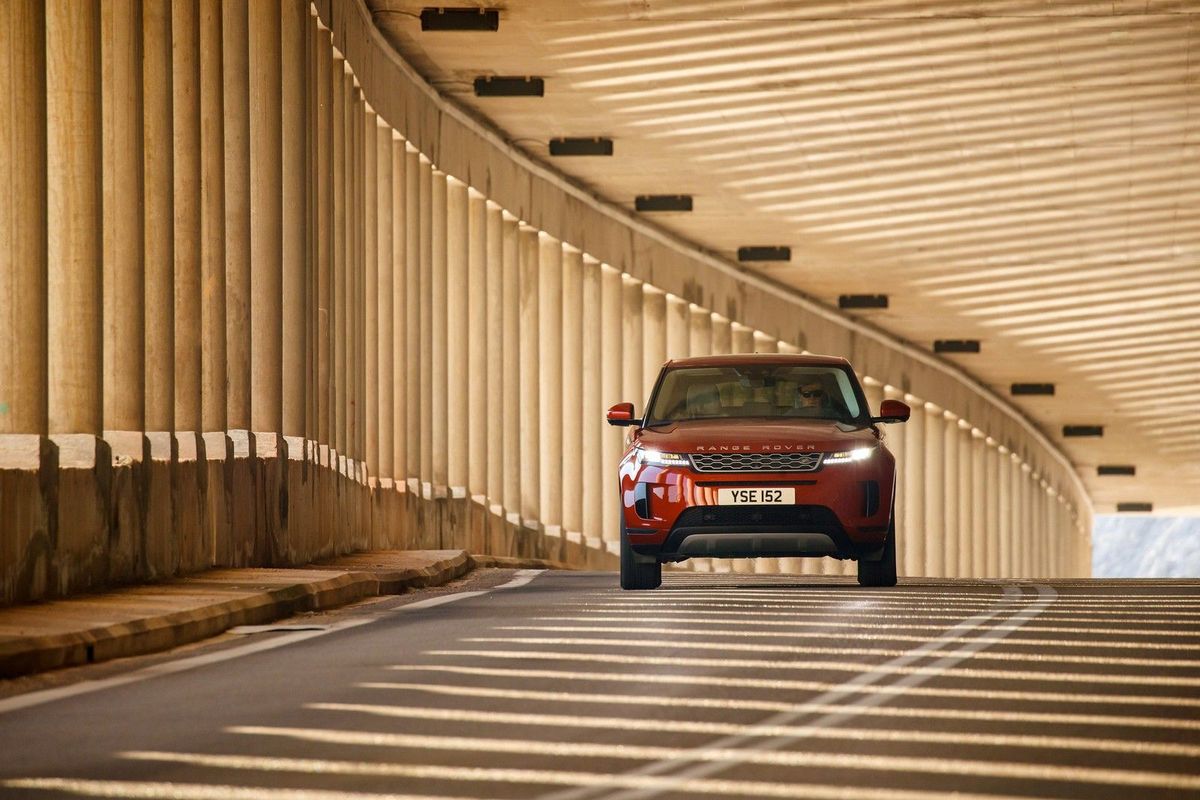
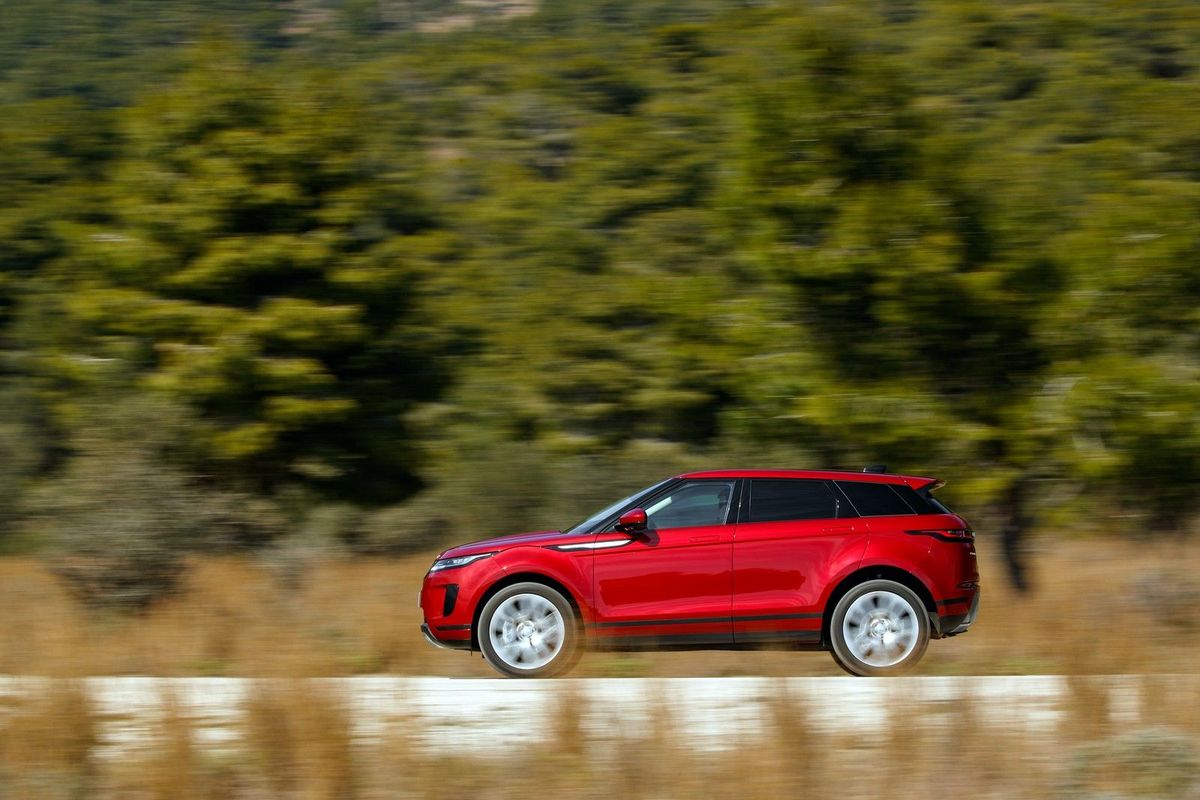
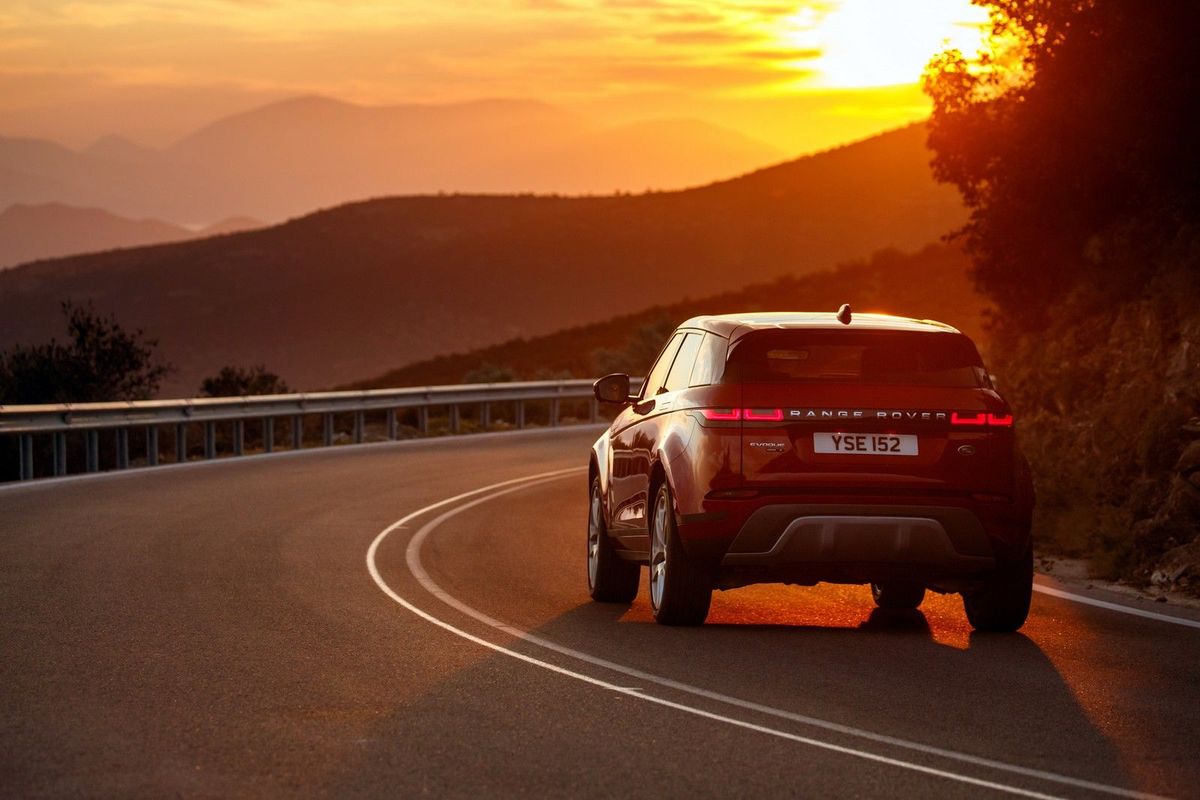
Spy Shots: New Range Rover Evoque

Our spy photographers have captured images of the next-generation Range Rover Evoque undergoing testing in the UK. Take a look at what the images reveal…

Picture credit: S. Baldauf/SB-Medien

The Evoque luxury SUV has been a huge sales success for Land Rover and nearly 10 000 units have found homes in South Africa since its launch back in 2011. Land Rover, however, is currently developing a new second-generation Evoque that will be based on an evolved version the current model’s D8 platform.

The Evoque, which represents the entry point into the Range Rover lineup, is expected to grow slightly in size which should result in increased cabin space and improved passenger comfort. Also, the new Evoque will probably inherit some styling cues from the recently-introduced Range Rover Velar, which should enhance the visual appeal of the Evoque even further.

Buyers will have a choice of front- and all-wheel drive derivatives and although there’s no word on what engines will be offered, we suspect carry-over from the current generation. There is, however, whispers of a mild hybrid powertrain being introduced as well as a plug-in hybrid version.

The new Evoque is expected to make its debut at the 2018 Paris Motor Show. We will keep you updated as more details emerge.

Buy a Range Rover Evoque on Cars.co.za

Related Content

Range Rover Evoque Convertible (2017) Quick Review

Range Rover Evoque Convertible (2017) Off-Road Review

Range Rover Evoque SD4 (2014) Review

Across Africa in the Range Rover Evoque and Land Rover Discovery (Video)

Range Rover Velar P380 HSE (2017) Video Review

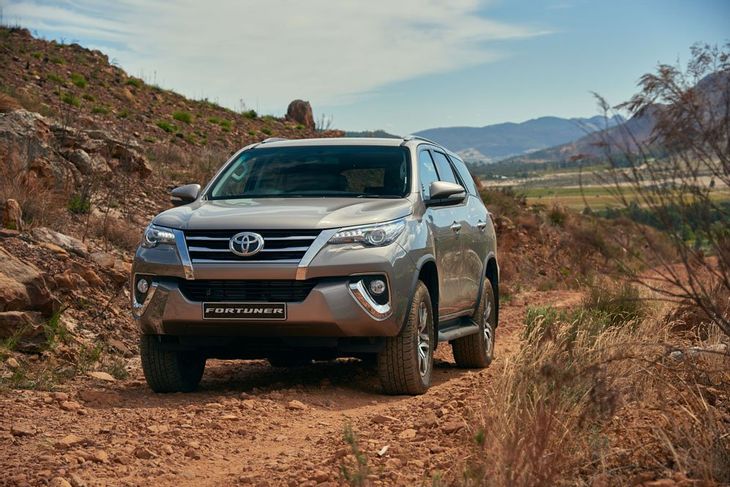
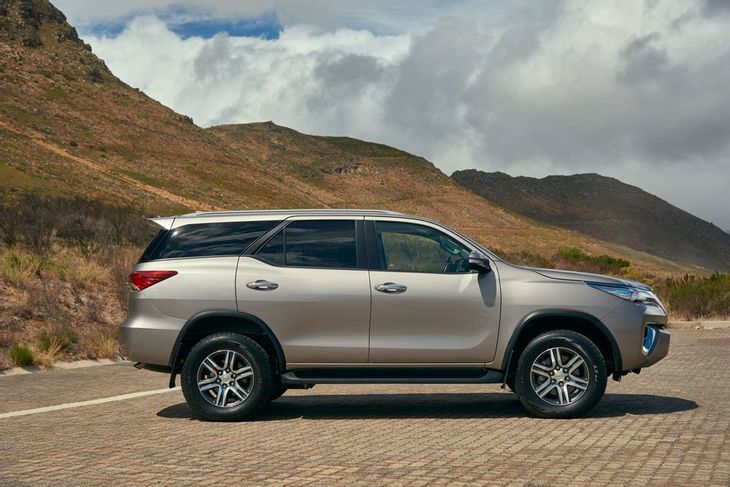
3 Reasons Why Toyota Fortuner is #CarsAwards Finalist

What makes the Toyota Fortuner 2.8 GD-6 4×4 Automatic a formidable contender in the Adventure SUV category of the 2017/18 Cars.co.za Consumer Awards – powered by WesBank? We investigate…

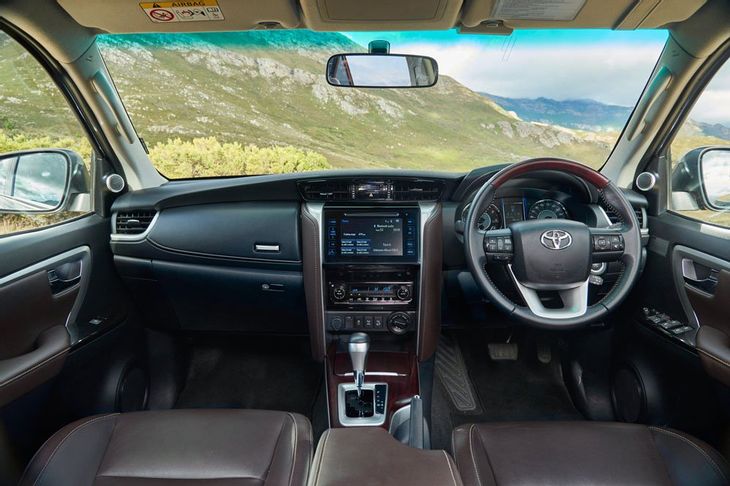
The Toyota Fortuner is one of the South Africa’s favourite vehicles. The new model continues its predecessor’s winning recipe of ruggedness and versatility, but adds a generous helping of sophistication, style, refinement and technology to the mix. Can the Fortuner go all the way to win this category?

3 Reasons Why Toyota Fortuner is #CarsAwards Finalist

1. Powerful and refined

This flagship Fortuner is powered the marque’s brand new 2.8-litre turbodiesel engine that develops 130 kW and 450 Nm of torque in this (6-speed automatic) application. It’s a very refined unit that doesn’t mind revving hard, and delivers its strong power in a sustained and fuss-free manner.

Toyota claims a rather conservative consumption figure of 8.5 L/100 km for this model. We say “conservative” because the Fortuner’s real-world economy is quite impressive, and not as far removed from the quoted figure as some other rivals. You should be able to achieve a range of around 900 km on a 80 L tank of diesel.

2. Practically spacious

The Fortuner is versatile and the seating can be altered depending on your requirements. Toyota claims that second- and third-row occupants have more space in the new model, and in reality this seems to indeed be the case. The second-row seating features a 60/40 split and features a slide function as well as reclining backrests. Third-row seating is split in half 50/50 and features a recline function. Both of the rows can be stowed with just one touch.

3. Comfortable and capable

The Fortuner is well-sorted in terms of comfort and Toyota’s focus on refinement has certainly paid off. The bodyshell appears to be well insulated against road, tyre and other noises, so the cabin is a very quiet place. The ride, too, has improved markedly, though it retains some of the trademark stiffness of its predecessor, which arguably, contributes to the edge it has in off-road conditions.

The first-generation Fortuner offered legendary off-road ability, and its successor leads from the front again. It offers excellent ground clearance and approach/departure angles, as well as a rear differential lock. Coupled with the responsive automatic transmission and good torque characteristics, the Fortuner hardly breaks a sweat, even in comparatively tricky off-road situations.

Watch our video review of the Toyota Fortuner 2.8 GD-6 4×4 Automatic below!

Have Your Say: Complete our survey!

Do you own a Fortuner? We would love to hear from you! Tell us about your experience by completing our Ownership Satisfaction Survey. Your input counts for 50% of the final result.

What are the Fortuner's rivals in #CarsAwards?

The 2017/18 #CarsAwards finalists: Adventure SUV Category

Compare the Fortuner's specs with the Ford Everest 3.2 4WD Limited and the Mitsubishi Pajero Sport 2.4 D4 4×4

Related Content

Toyota SA contemplating "Baby Fortuner"

Extended Test: Toyota Fortuner 2.8 GD-6 4×4 Automatic [with Video]

Toyota Fortuner 2.4GD-6 (2016) Review

Toyota Fortuner vs Ford Everest (2016) Comparative Review [Video]

Comparative Review: Ford Everest 3.2 4×4 XLT vs Toyota Fortuner 2.8 GD-6 4×4 6At

Buyer's Guide: Rugged 7-Seat SUVs

#CarsAwards Finalists Testing: Gerotek turns up the heat

2017/18 Cars.co.za Consumer Awards – powered by WesBank; Finalists

Fiat Panda 0.9 TwinAir Lounge (2017) Quick Review

Fiat's budget-oriented compact hatchback, the Panda, has re-entered the South African market, now powered by a plucky 2-cylinder turbopetrol engine. Does the revitalised Italian still have what it takes to be a force in this price-sensitive segment of the market?

We like: Charming, fun to drive, excellent driving position

We don’t like: Thirstier than expected, noisy

Alternatives

  • The #CarsAwards finalist: The Suzuki Ignis is a funky little city car which has impressed us with its fun factor and many features. It's ten grand cheaper than the Fiat and feels better finished. Thanks to some clever packaging, the cabin is more spacious than you might expect.
  • Go French: Renault Sandero Stepway offers a lot of space and features for the exact same amount of money as the Fiat. The engine is also small, but the extra cylinder makes it more refined.
  • Also worth a look: The Volkswagen Cross Up! brings that famous German build quality to the table and the refinement is right up there with the very best. The naturally-aspirated engine could do with a bit more shove though.

Compare the Fiat Panda to the Renault Sandero, Suzuki Ignis and Volkswagen Up here 

Facts & Figures

Price: R199 900 (December 2017)
Engine: 0.9-litre turbo petrol two-cylinder
Power/Torque: 63 kW / 145 Nm
Transmission: 5-speed manual
Fuel consumption: 4.2 L/100 km (claimed)
0-100 kph: 11.2 secs
Top speed: 177 kph
Boot capacity: 225-870 litres


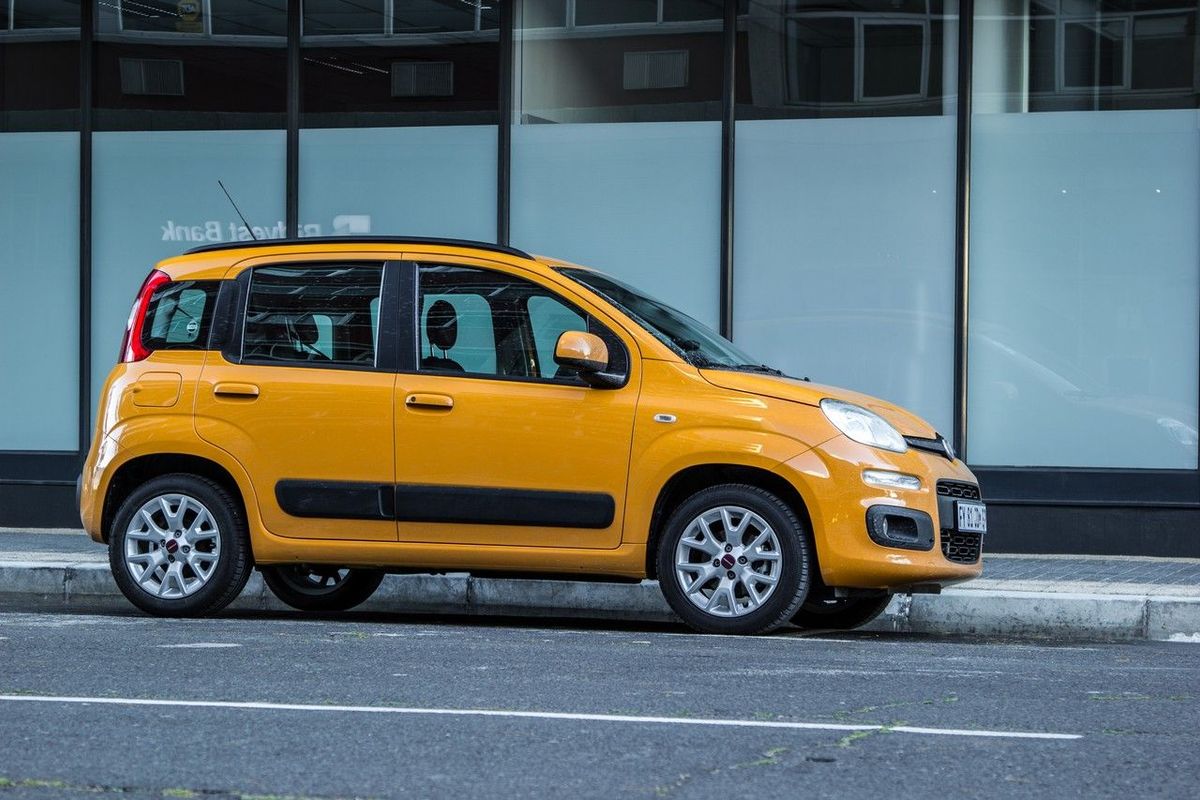
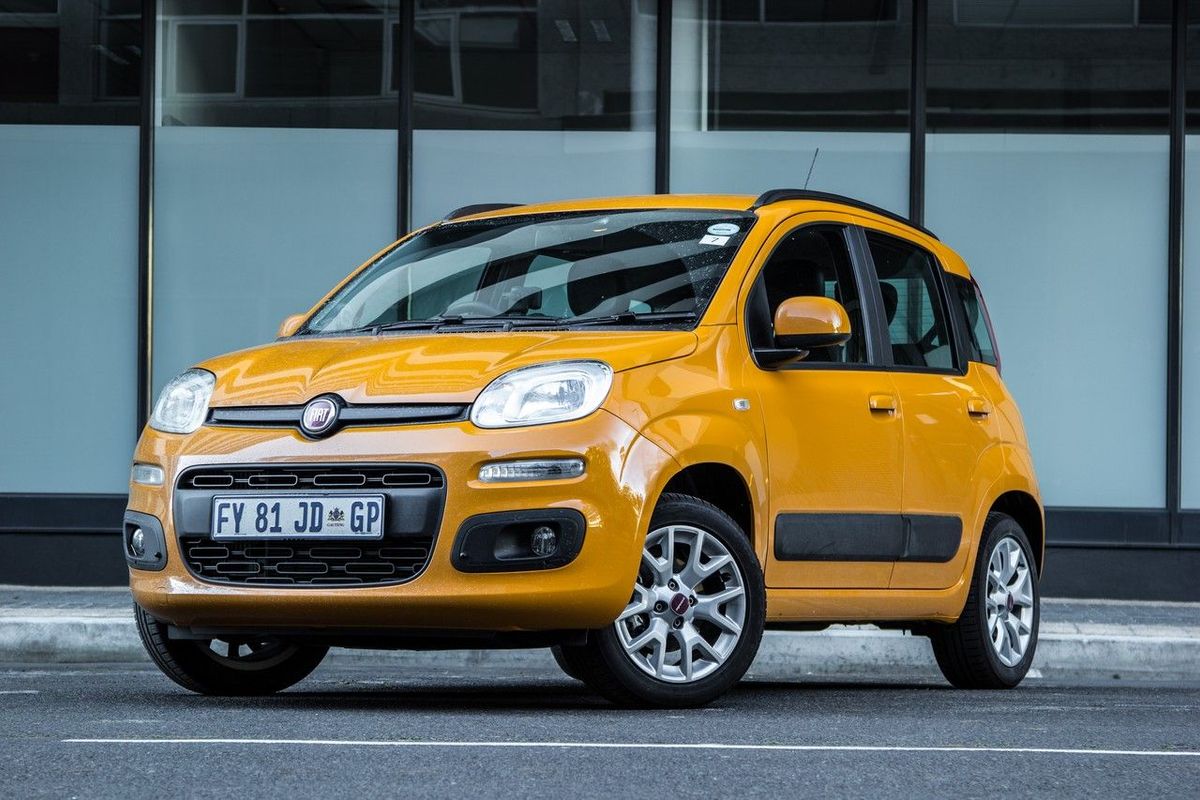
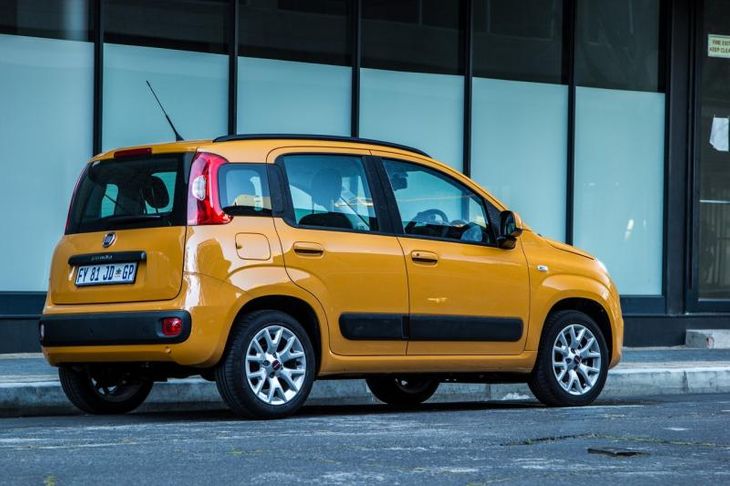
Not much has changed to the exterior execution of the revitalised Fiat Panda; we feel it needs a bright finish to look its best.

What is it?

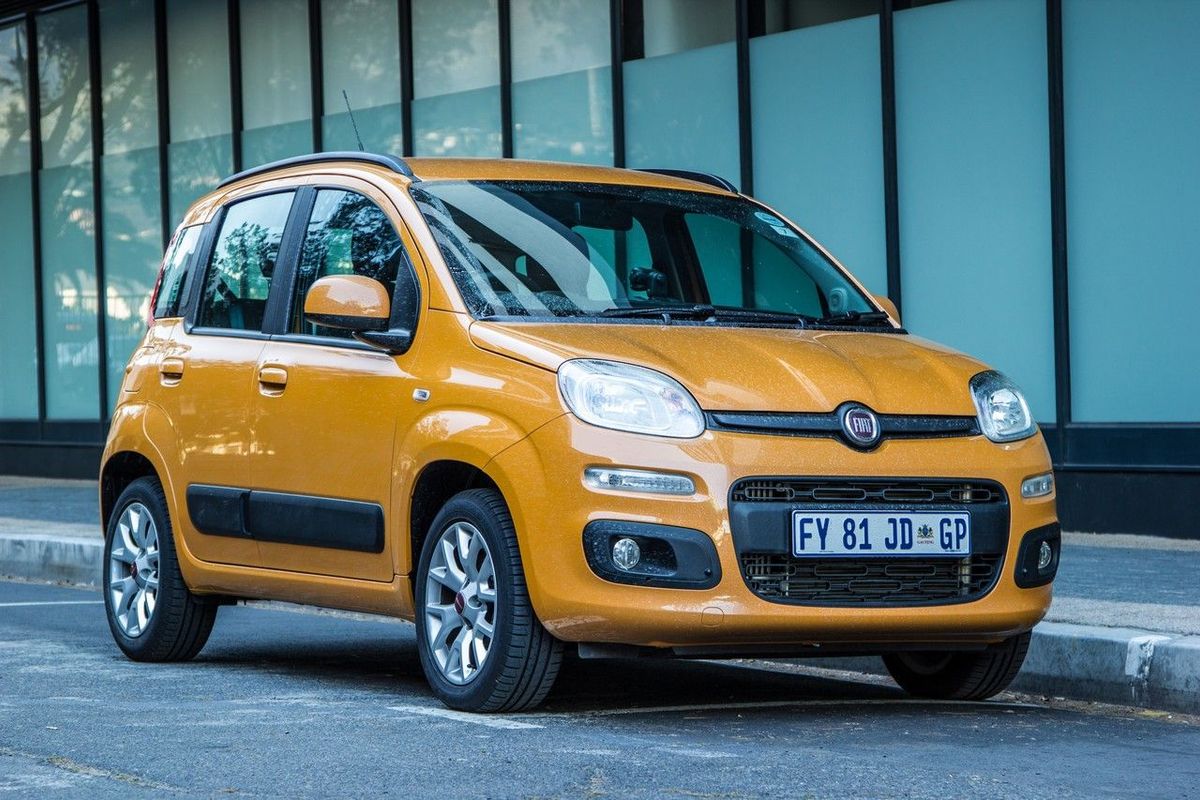
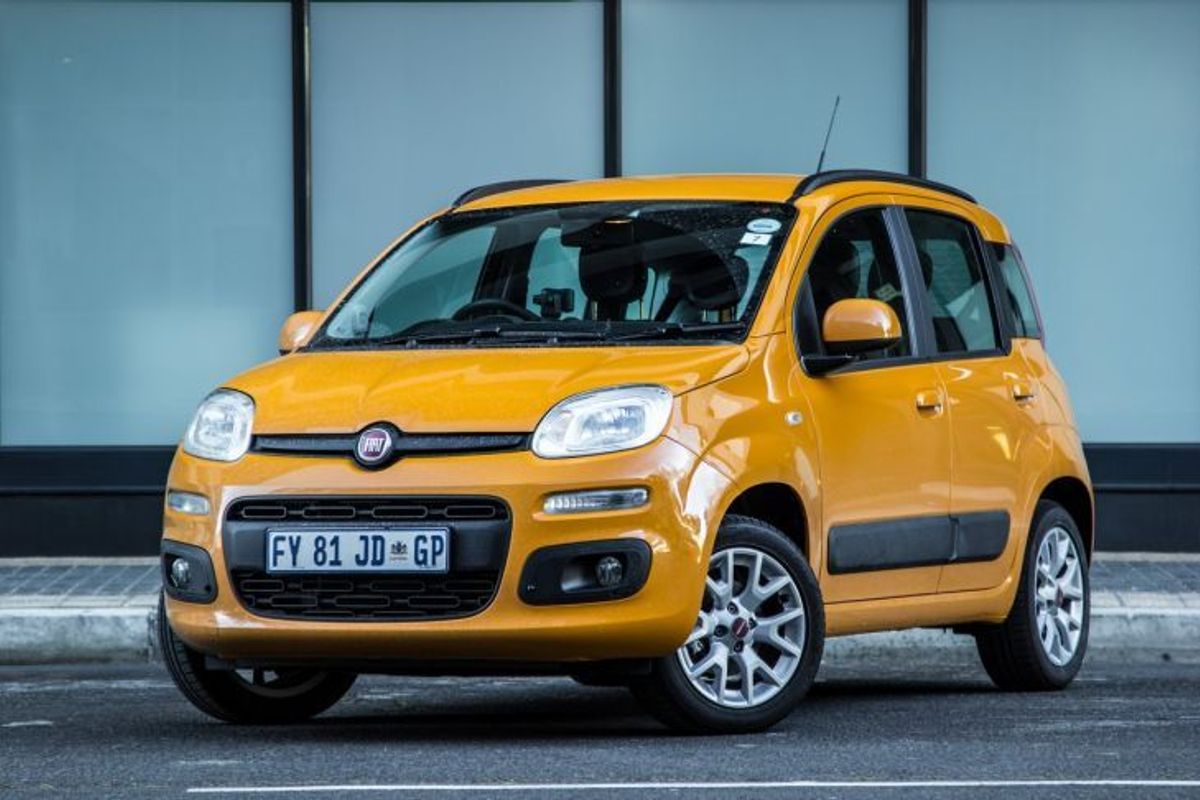
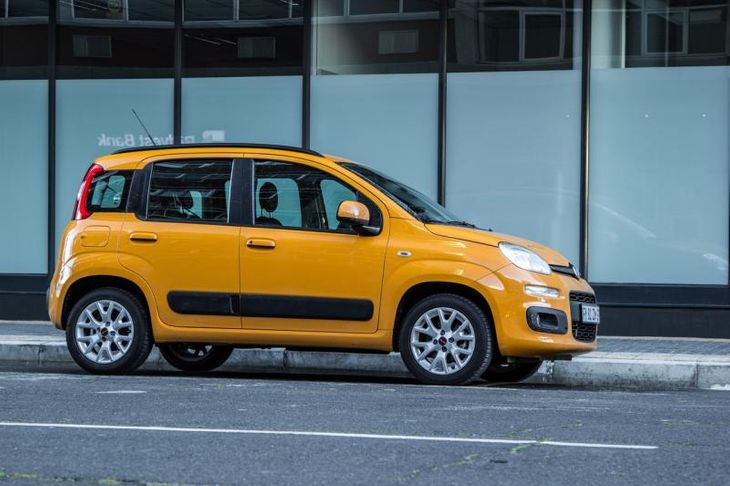
Having undergone a facelift, the underrated Fiat Panda has returned to the South African new vehicle market. All derivatives in the range, which includes fun-to-drive 4×4 versions, are powered by the 0.9-litre Twin Air engine. The goalposts in this fiercely contested segment have moved on significantly during the Fiat's year-long hiatus, but the Panda's cute looks and fun-to-drive attitude are ever-endearing and, in terms of dimensions, the Fiat Panda hits a clever sweet spot. It's compact enough to be classified as a small car, yet big enough inside to comfortably seat 2 adults up front and 2 children at the rear. It was cleverly priced, but 2017's volatile ZAR exchange rate has meant that the Fiat's price has nudged up.

The Good

The perky engine

We scoffed at the idea that a 2-cylinder engine could offer enough to move the Panda around at a credible pace, and boy, were we wrong. In this application, the Panda produces 63 kW and 145 Nm, which may not sound like much, but when you consider the low kerb weight of around 975 kg, the Fiat has a respectable power-to-weight ratio for a vehicle in this class. A 0-100 kph time of 11 seconds sounds acceptable and the car feels spritely enough to achieve that. However, there is a downside to this engine, which you can read about a bit later. 


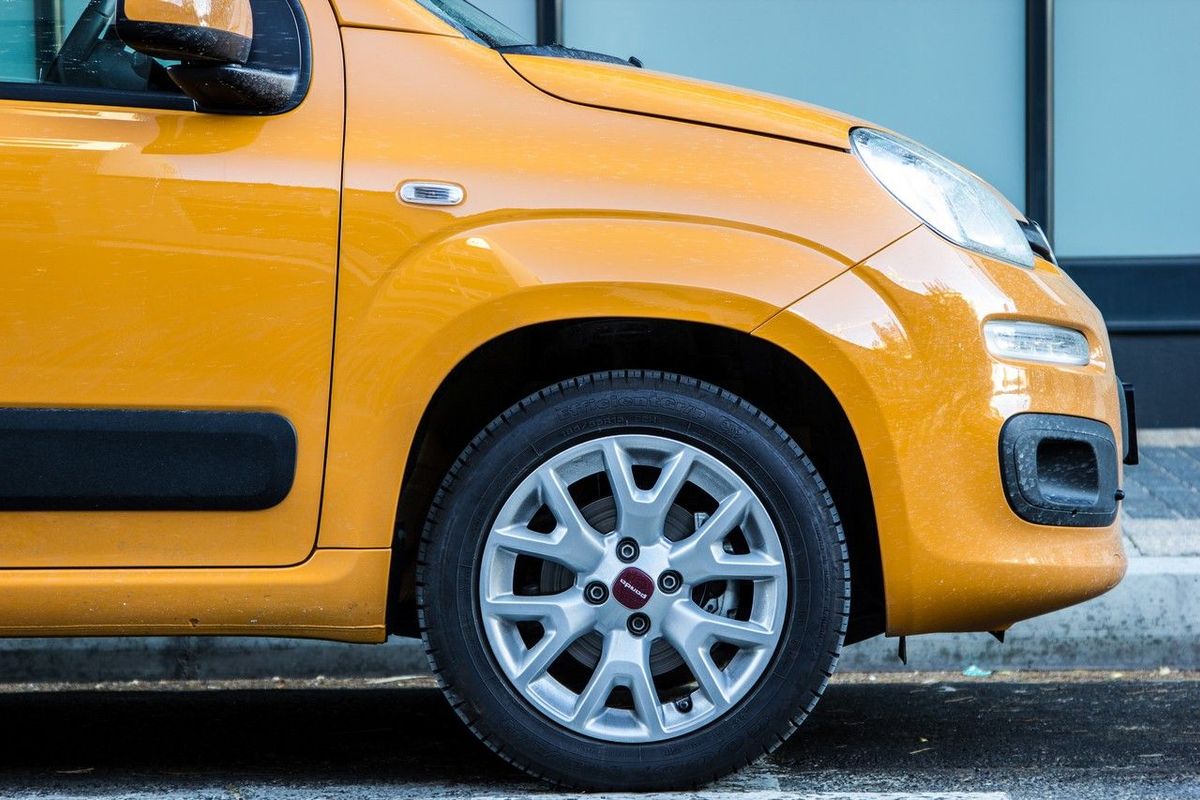
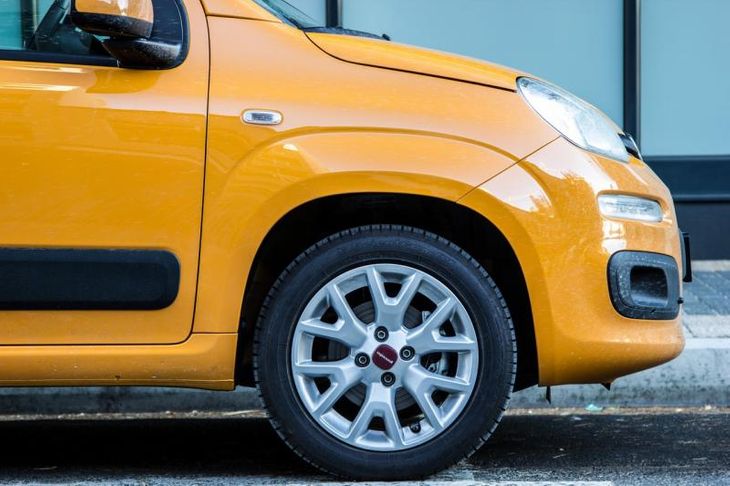
These stylish alloy wheels shod with reasonably chunky rubber deliver a fairly comfortable ride quality.

User-friendliness

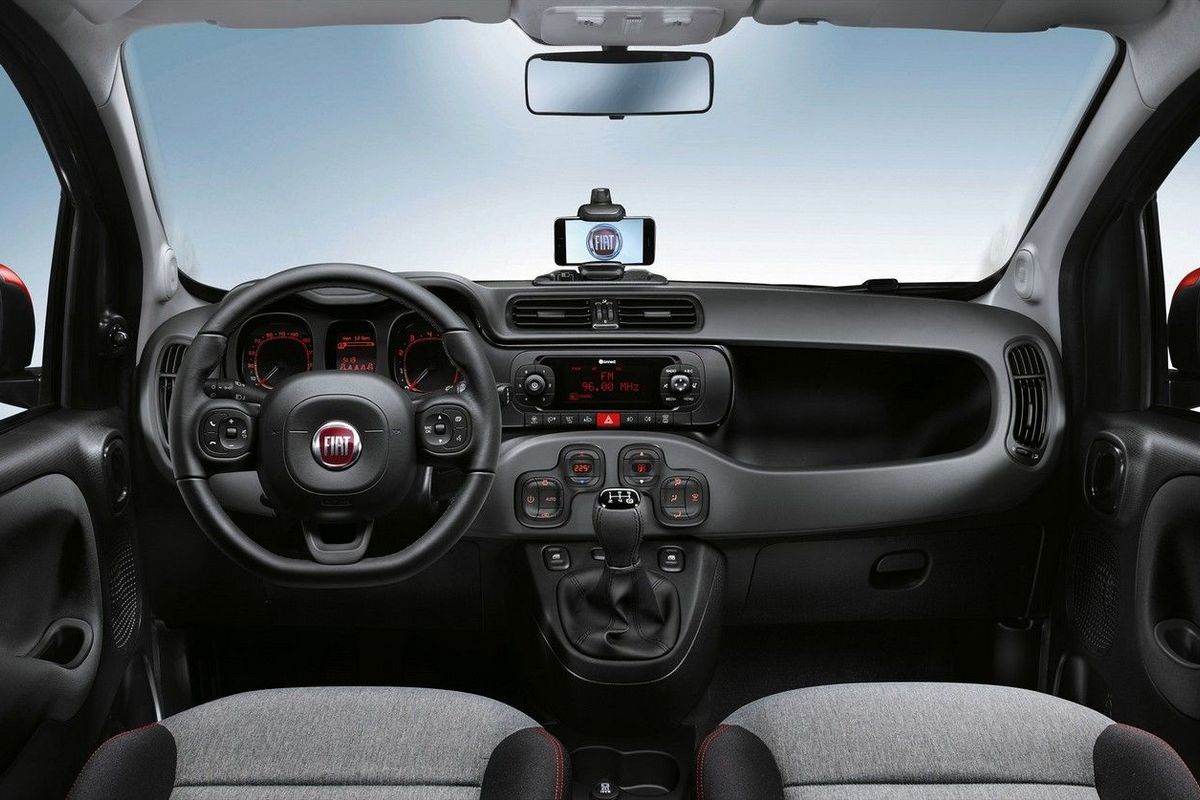
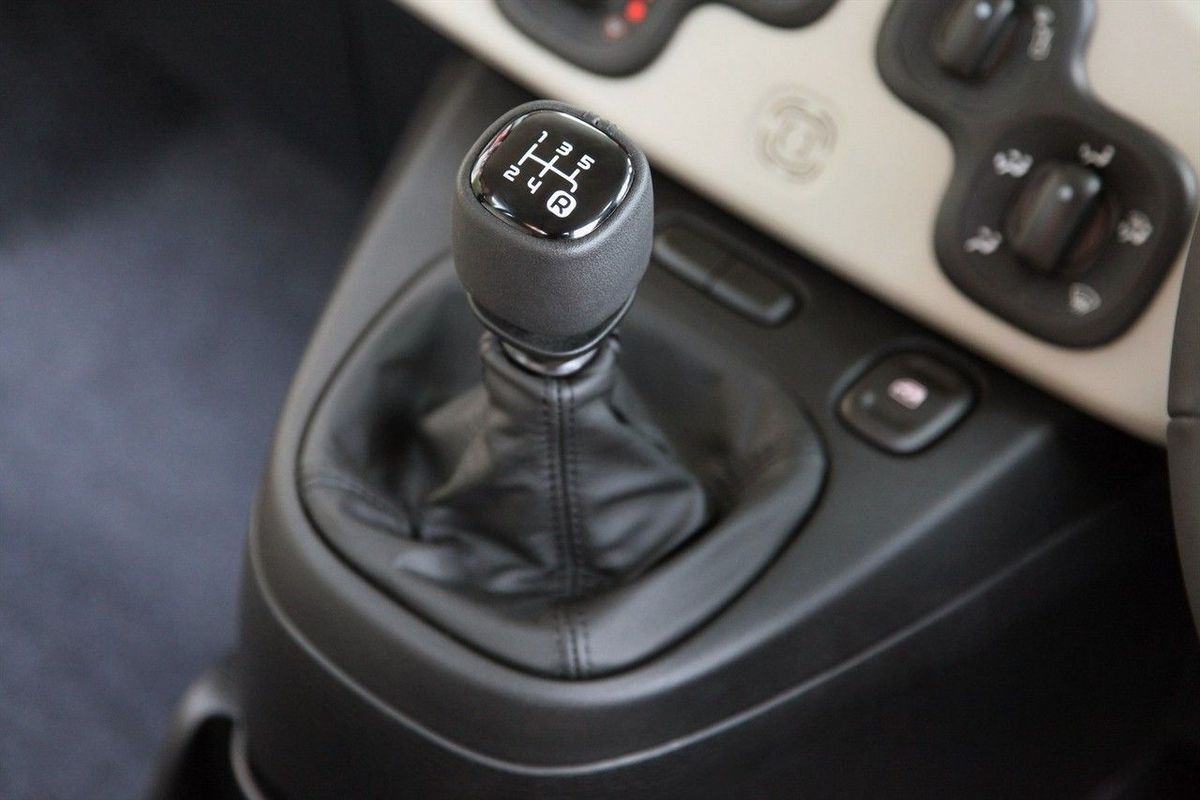
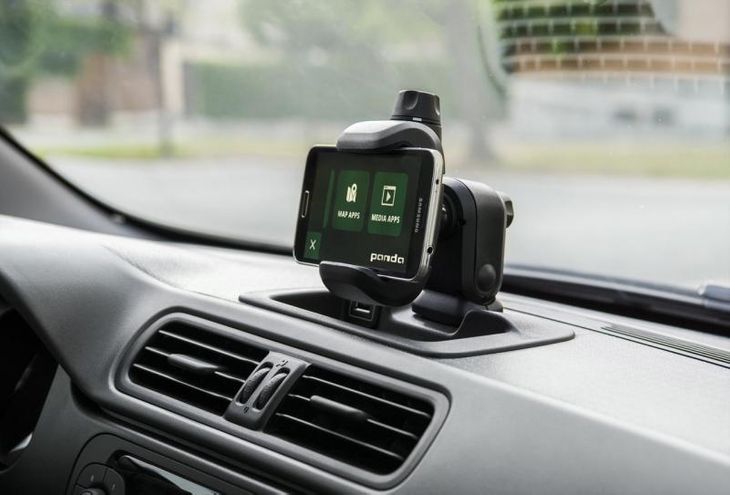
The Panda's quick steering and agility in the confines of a city are greatly appreciated and the Panda feels like it can turn on a R5 coin. The City functionality lightens the steering up so much so that it feels as if you can turn using one finger, which means that tight parking maneuvres pose no problems. We are also fond of the driving position as you sit quite high up, as opposed to a conventional lower-down hatchback position. The transmission is a 5-speed manual unit and shifts are effortless; each ratio slots in with ease. We loved the cell phone cradle (replete with adjacent USB charging port) located on the dashboard. Who needs a built-in and costly in-car GPS when modern smartphone apps are just as effective?


This little gadget is a godsend if you're travelling in an area that you're not familiar with; you can charge your device from here too.

Safety features

It's a rarity in this segment to find a car with stability control, but the Panda comes standard with it as well as ABS and EBD (with integrated hill hold function) and front- and side airbags. A tyre pressure monitor is also standard across the range and all (but the Easy) have front and rear parking sensors.  

The Not-so-good

Not as frugal as expected

We love the rorty Twin Air motor, but Fiat's economy claim for this derivative is too ambitious. Despite some carefully measured and frugal driving, we couldn't get the consumption readout to dip below 6.0 L/100 km. It was frustrating, but, given the compelling 'hit-me-with-your-best-shot' character of the turbocharged 2-pot engine, not entirely surprising. 

The motor also emits strange resonances that vary depending on which part of the rev-band it operates. At low revs, the powerplant hesitates and sounds like a diesel, until you breach the 3 000 rpm mark, where it gains a purposeful tone and builds a head of steam. Go past 4 500 rpm, however and the engine will suddenly feel strained.


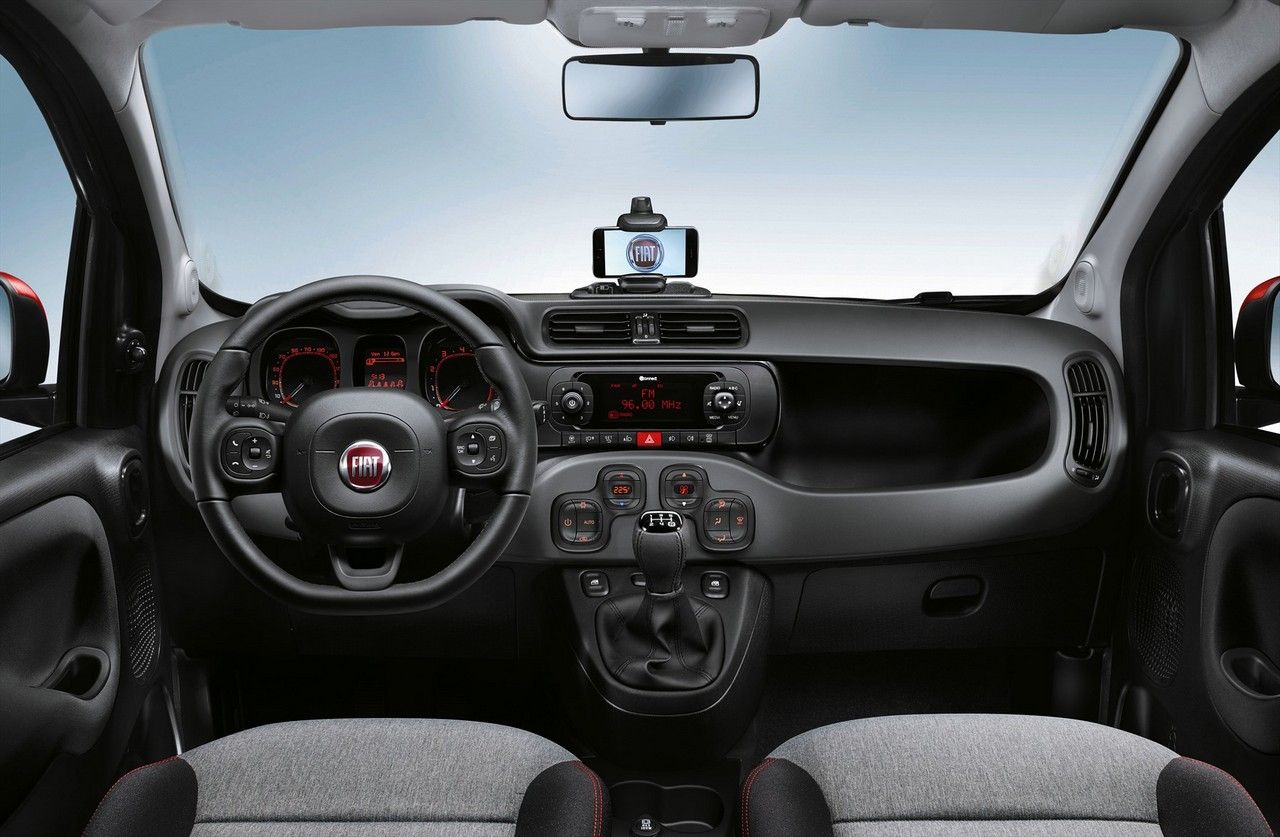
From the tinny sound the doors emit when they're closed, to the rough finish of the fascia trim, the Panda feels very basic.

Less-than-class-leading build quality

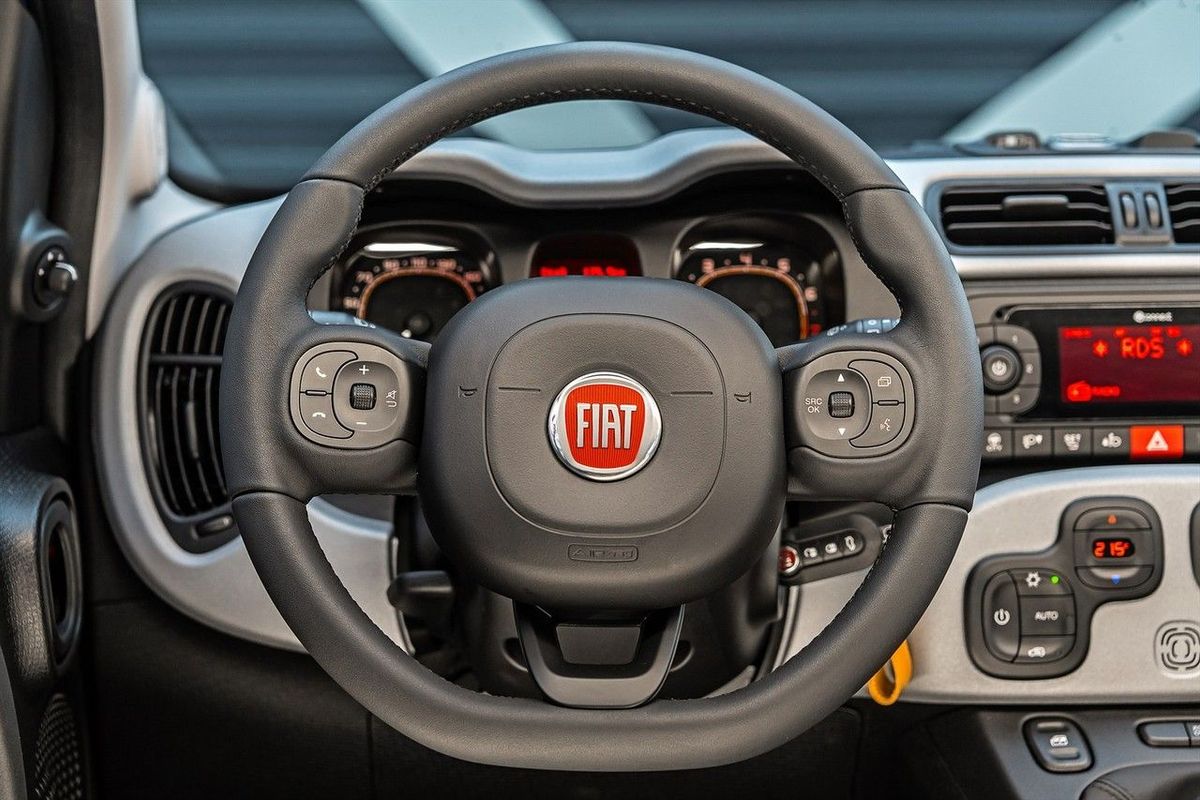
Be it as a consequence of the Panda being in the twilight of its product cycle (its overall design is, therefore, somewhat dated), or just extensive cost-saving measures, the quality of the Fiat's cabin materials and general fit and finish of the interior panels are marginal. In the Panda's defence, the leather-trimmed multifunction steering wheel, automatic air-conditioner, Bluetooth-equipped audio system (with auxiliary and USB inputs) all add to a luxurious specification, but the ultimate execution of the interior is a bit of a let-down. The black plastics feel a trifle cheap to the touch (the fascia trim has a rough finish to its edge, for example), the switchgear feels lightweight and the seat fabric screams to be clad in protective covers…

Price and warranty

The Fiat Panda range starts from R184 900, with this Lounge model featuring more standard features, coming in at R199 900. Fiat's new Panda range comes with a 3-year/100 000 km warranty and 3-year/100 000 service plan.

Verdict


Not much has changed when it comes to the Fiat Panda. The Twin Air engine is an interesting proposition; it'll take some time to get used to

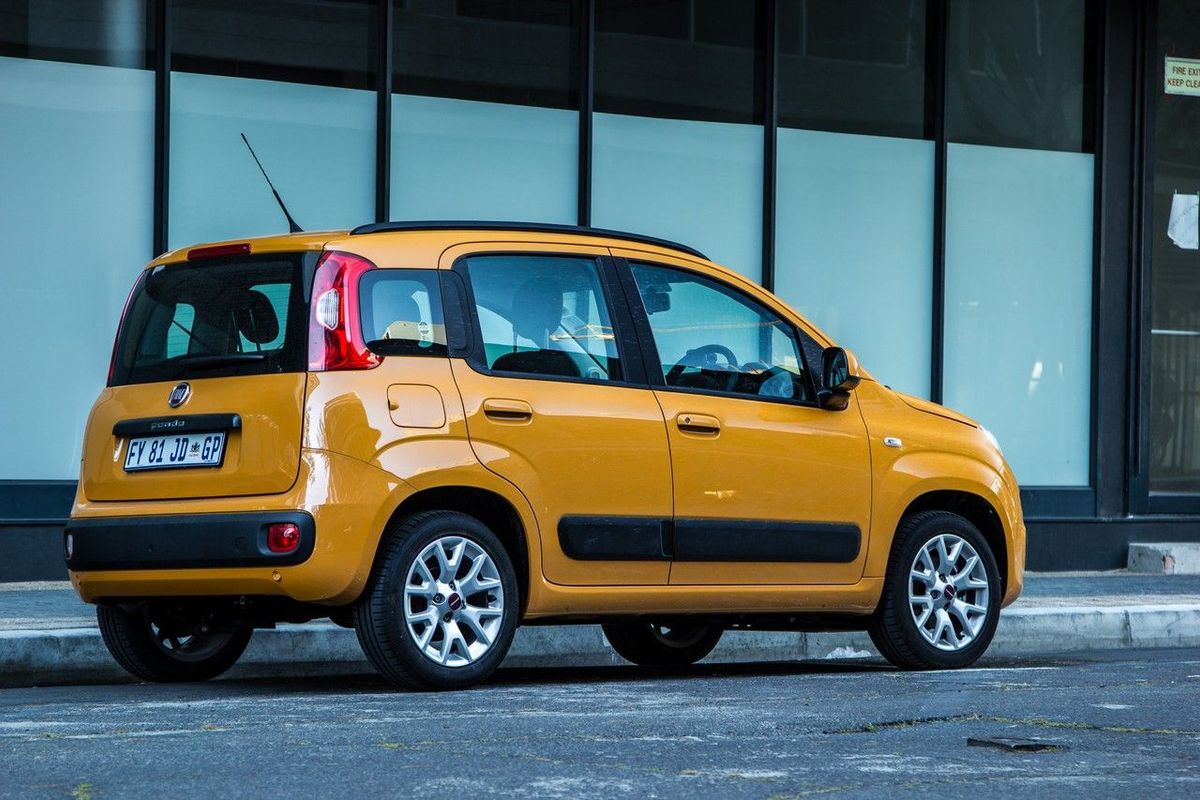
The Fiat Panda has always been a heart-over-head purchasing proposition and this latest incarnation of the Italian city-car proves no exception. It's brilliant in the confines of a city, where it scampers through traffic and is a joy to park. However, the engine's disappointing fuel economy and top-end coarseness and the cheap-and-cheerful interior are drawbacks. Overall it is a charming little car brimming with personality. There are some fun touches, like the door panels which are covered with tiny letters, all spelling out the word: "Panda". 

However, it's difficult to recommend the (admittedly well-specced) Panda over the cheaper and cleverly packaged Suzuki Ignis, or the spacious Renault Sandero Stepway. Those who do take the plunge will be rewarded with an easy-to-use city slicker that's backed up by a strong warranty and service plan. Sadly, it might be too little, too late for Fiat's plucky hatchback.  

Related content:

Fiat Panda In SA (2017) Specs & Price

Fiat launches cash-for-clunkers sales incentive

Fiat 500C 0.9 TwinAir Lounge Auto (2017) Review

Fiat Tipo Sedan 1.6 Easy auto (2017) Review

Fiat 500 Riva (2017) launched in SA

Fiat Fullback Double-Cab 2.5 Di-D 4×4 LX (2017) Review

Want to buy a Fiat Panda?

Find a new or used Fiat Panda on Cars.co.za

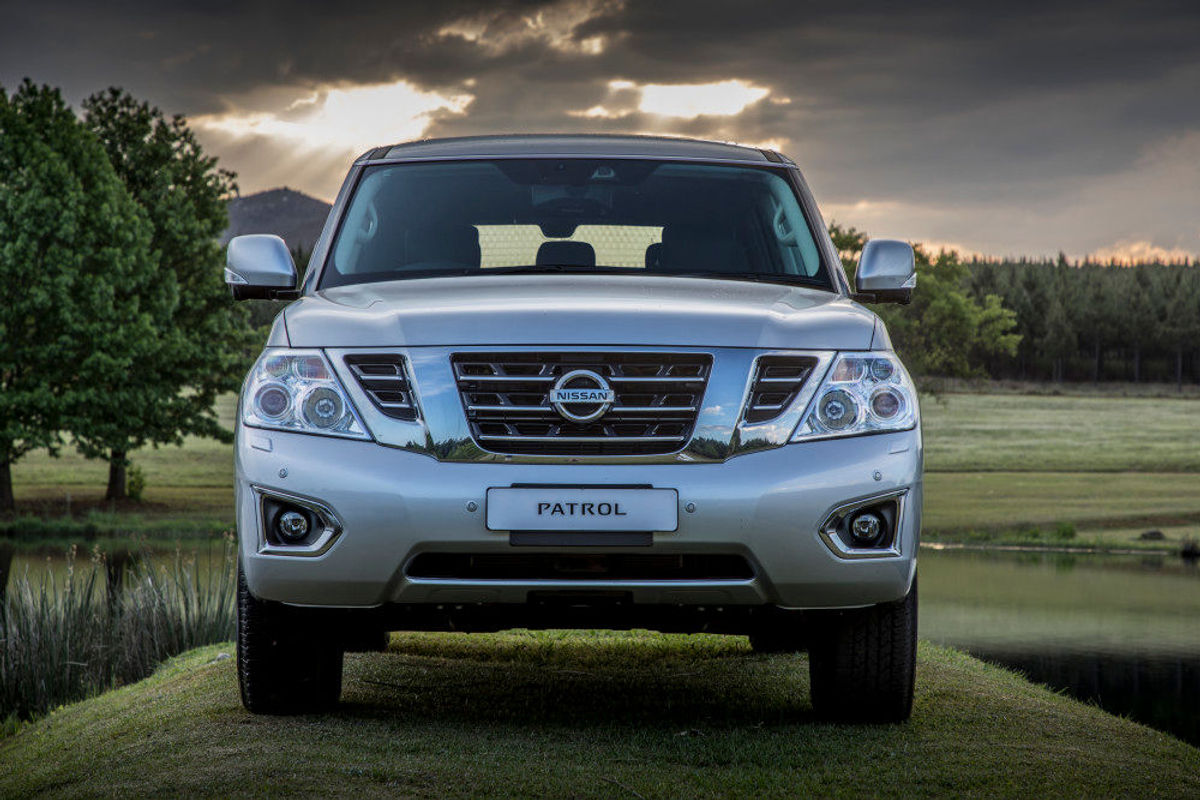
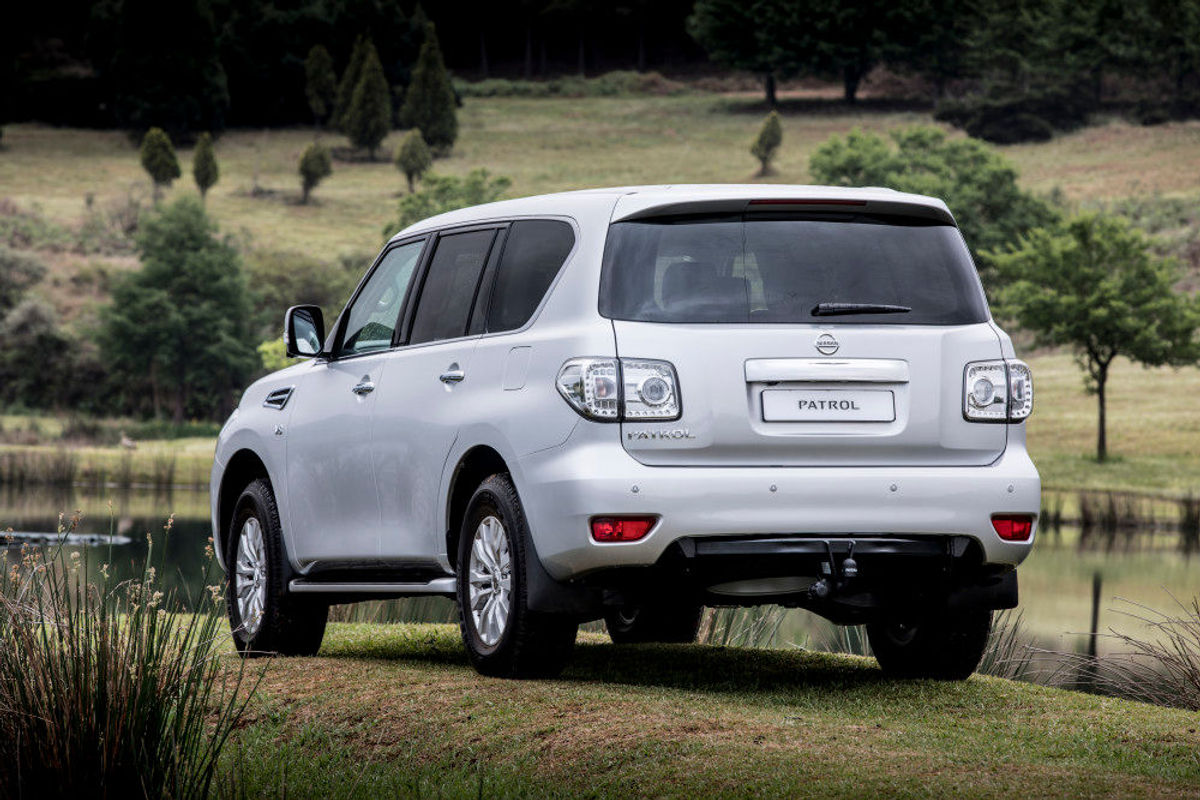
Nissan Patrol (2017) Launch Review

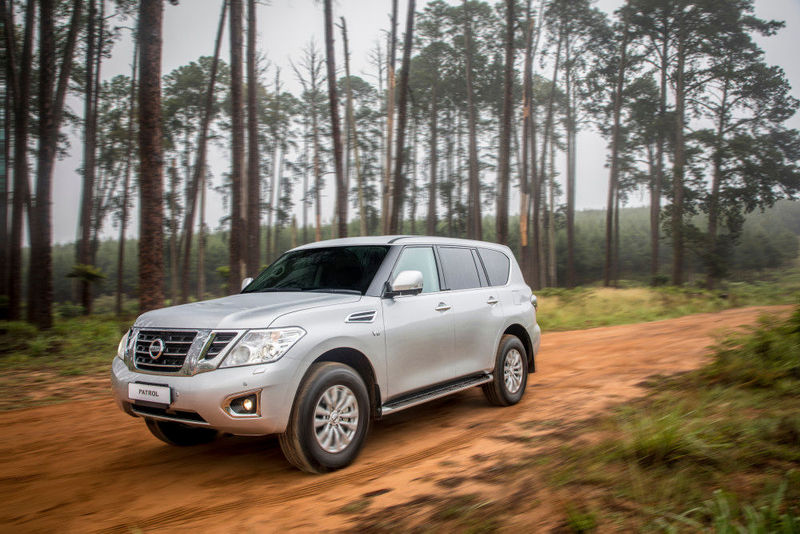
Nissan’s flagship 4×4 has finally arrived in South Africa! The Patrol is emboldened by a 66-year lineage, but with an equally intimidating sticker price.

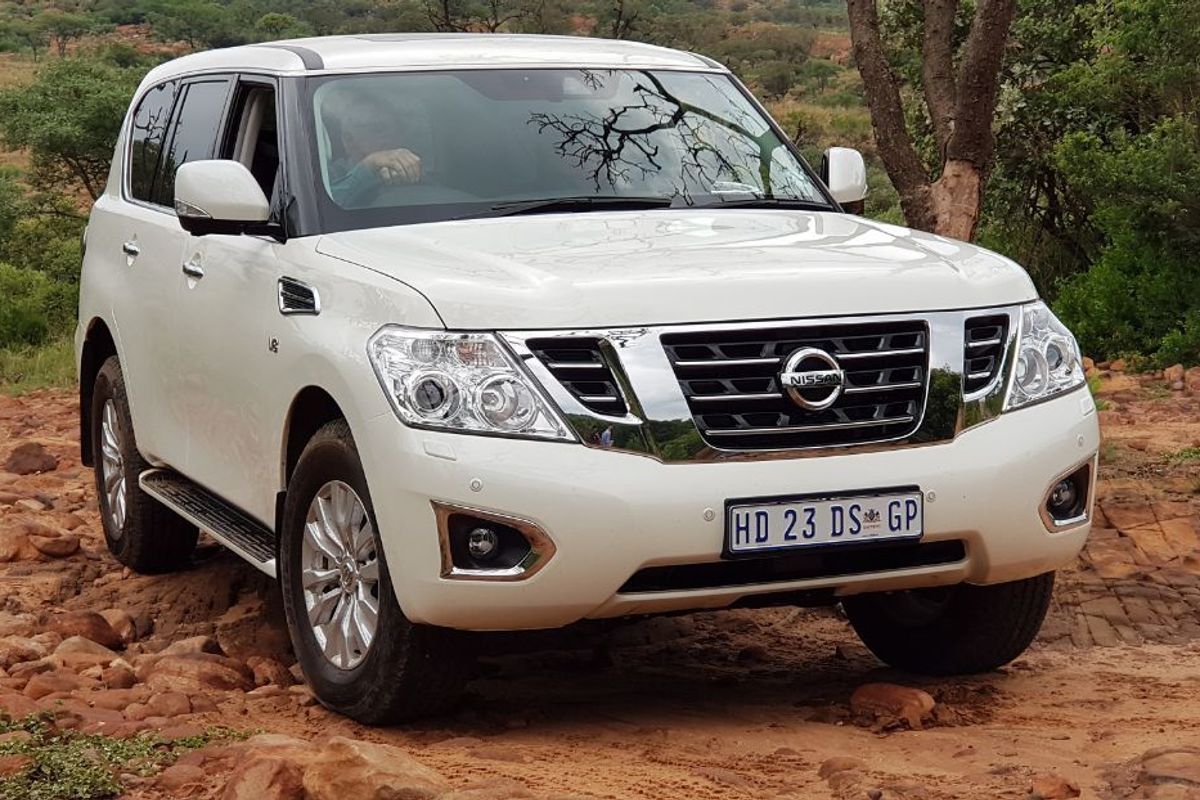
I'm going to skip ahead to the outrageous bit for the sake of some much-needed context. R1 299 000. That's what Nissan's flagship will cost you and I agree, that's a hell of a lot of money for a Japanese SUV. To be honest, it's a hell of a lot of Japanese SUV too, but then it's been just that for the last 7 years since it was rolled out in this guise internationally. Rolled out, and over anything in its way. Just the same as the Nissan Patrol claws its way out of treacherous terrain, I'm going to try to claw back some merit for this pricey 4×4. 

Indomitable legacy


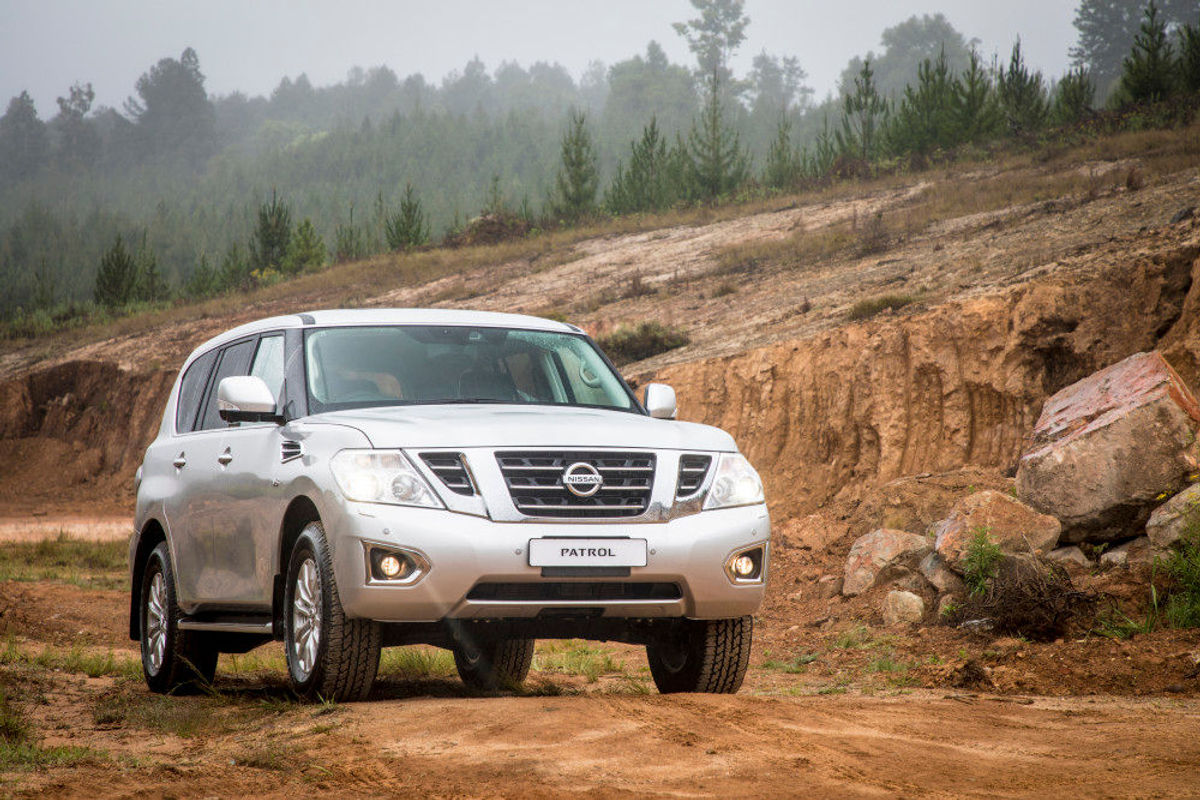
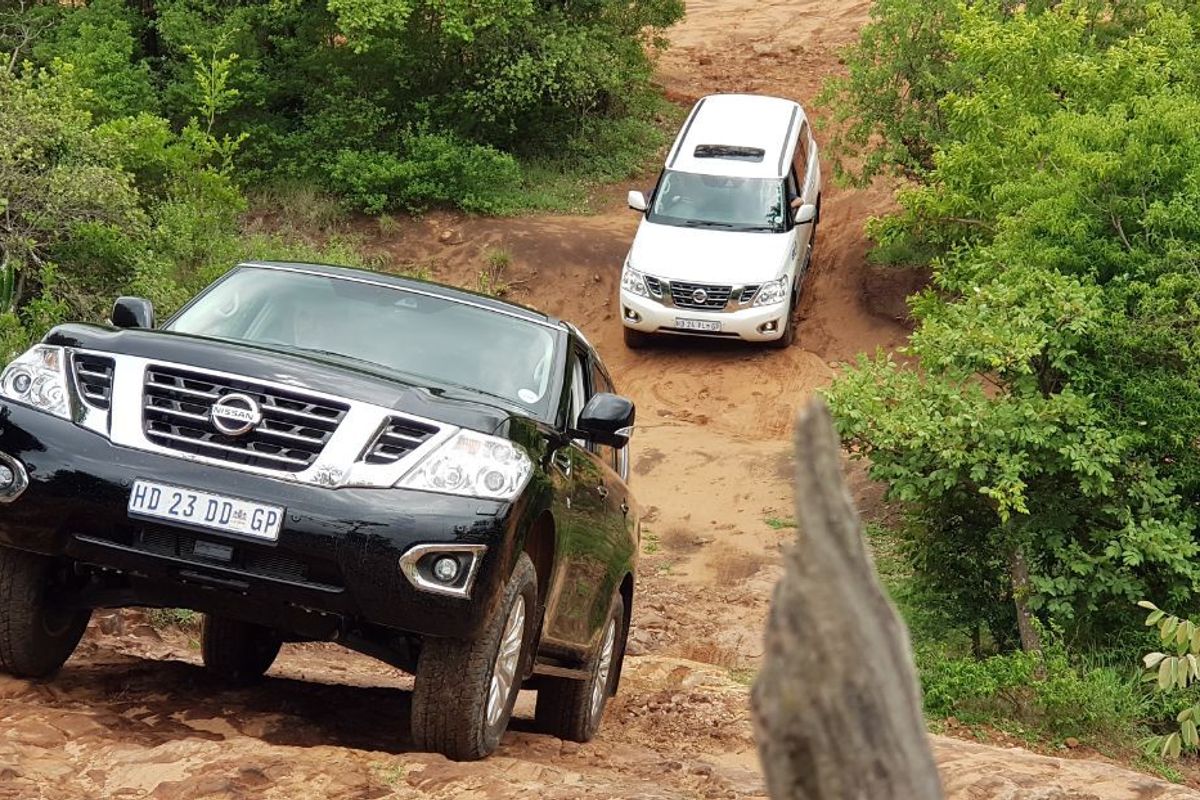
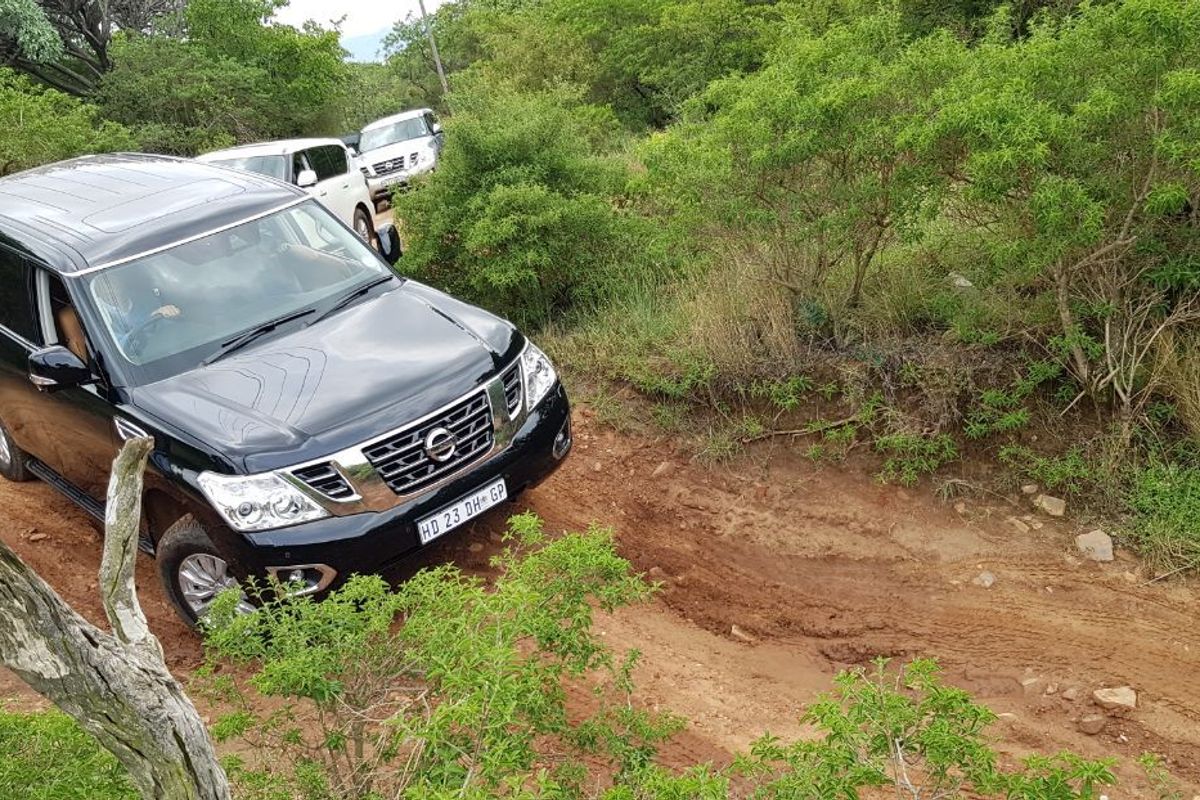
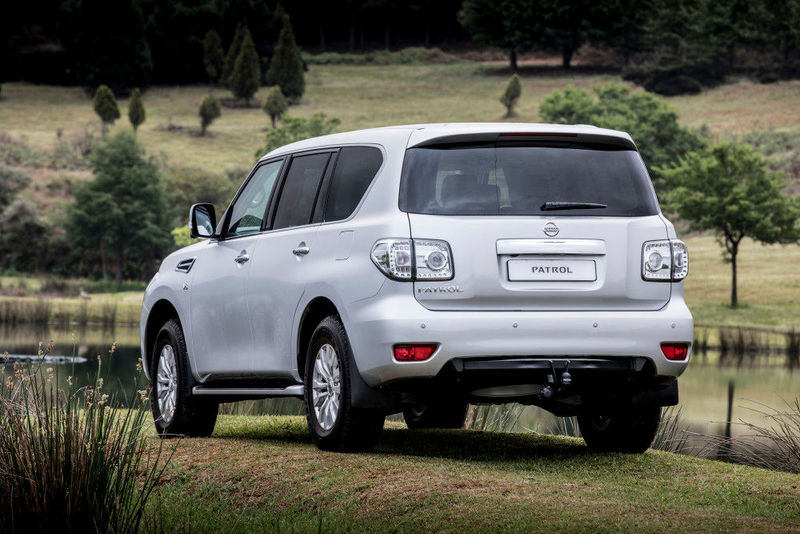
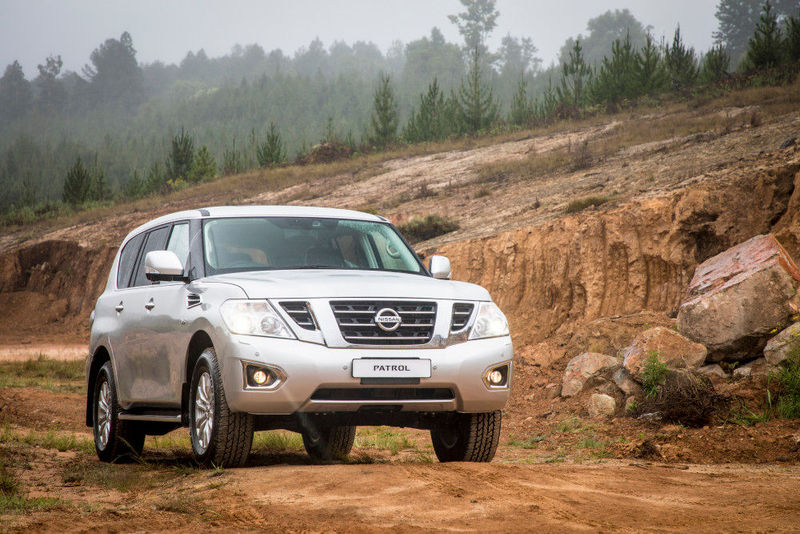
The burly Nissan Patrol offers proven offroad capability and it coped well in tough terrain on launch.

The Nissan Patrol has quite the legacy, a senior samurai with a lineage spanning 6 models and 66 years. This one is a proper force of nature. Braced with 298 kW and 560 Nm from a burly traditional, naturally-aspirated V8 measuring 5.6-litres in capacity. Top speed is a respectable 210 kph but one imagines the Patrol could achieve this through treacle if required, left to its own devices – with lethargic shifts of its 7-speed automatic specifically.

If that engine is its muscle, the sinew wired to its limbs must be the All Mode 4x4i with the full array of drivetrain modes (4H, 4L as well as diff-lock and limited slip differential) that enable its tenacity. There’s no fancy air suspension here, instead, HBMC (Hydraulic Body Motion Control) does the job of flattening any surface into a creamy soufflé.

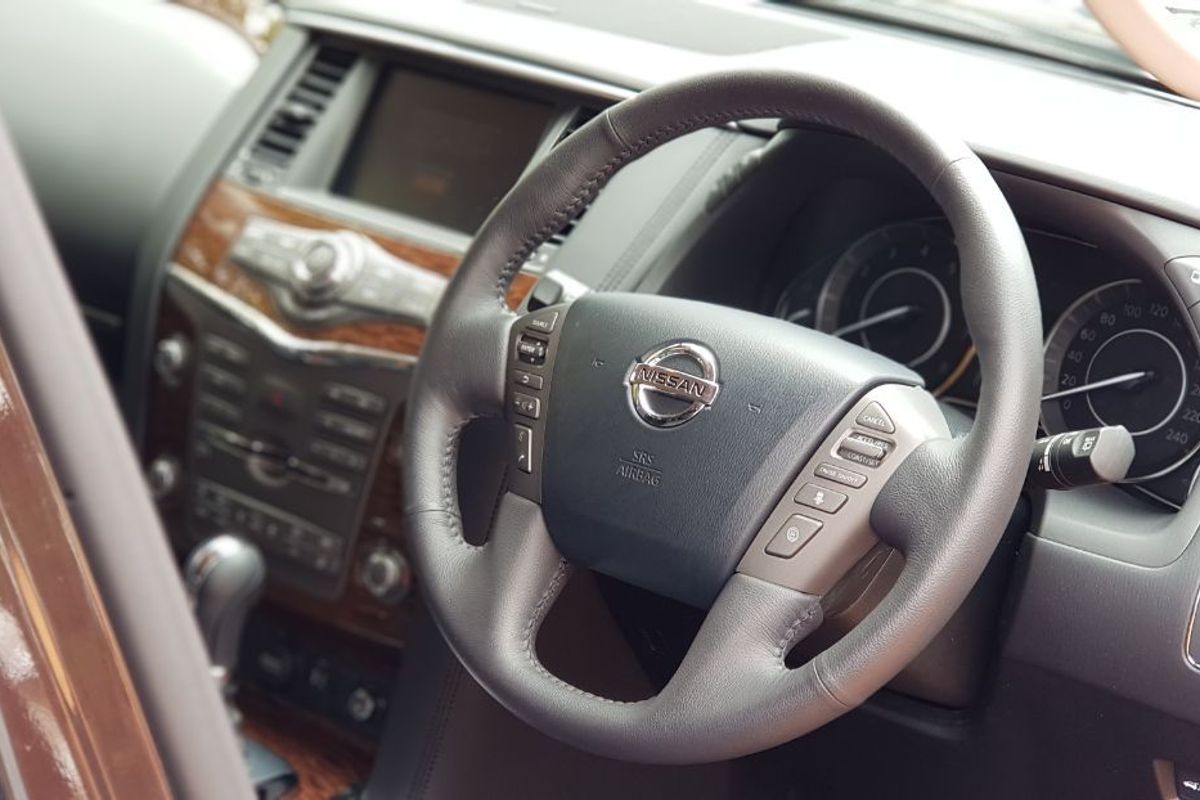
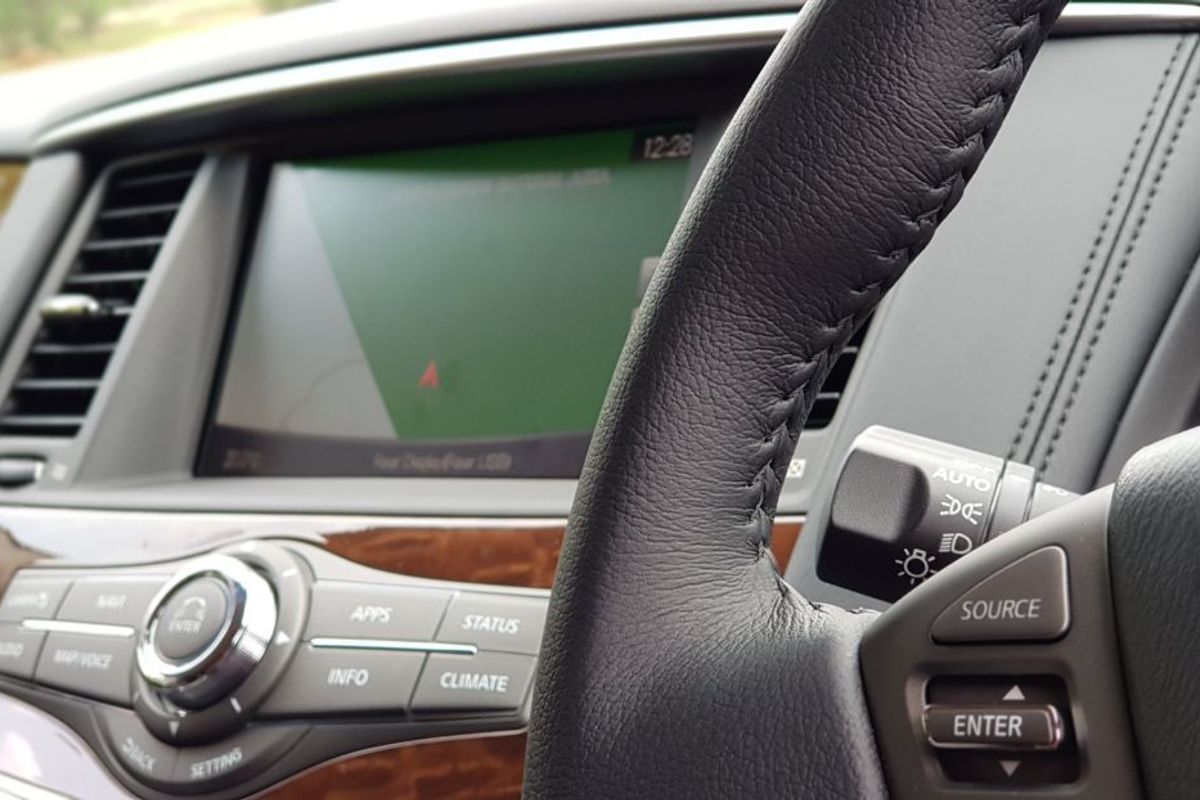
For its neural network, Nissan has employed its full Intelligent Mobility Suite of electronic aids and enhancers. I refer to blind spot warnings and preventive measures, lane departure warnings with intervention, intelligent cruise control and with this a raft of safety tech as well. Things like Intelligent Driver Awareness, 360-degree Around View Monitor (using all 5 cameras) plus the usual acronyms such as ABS, EBD and BAS (brake assist) and lest we forget, ye olde seat belts.

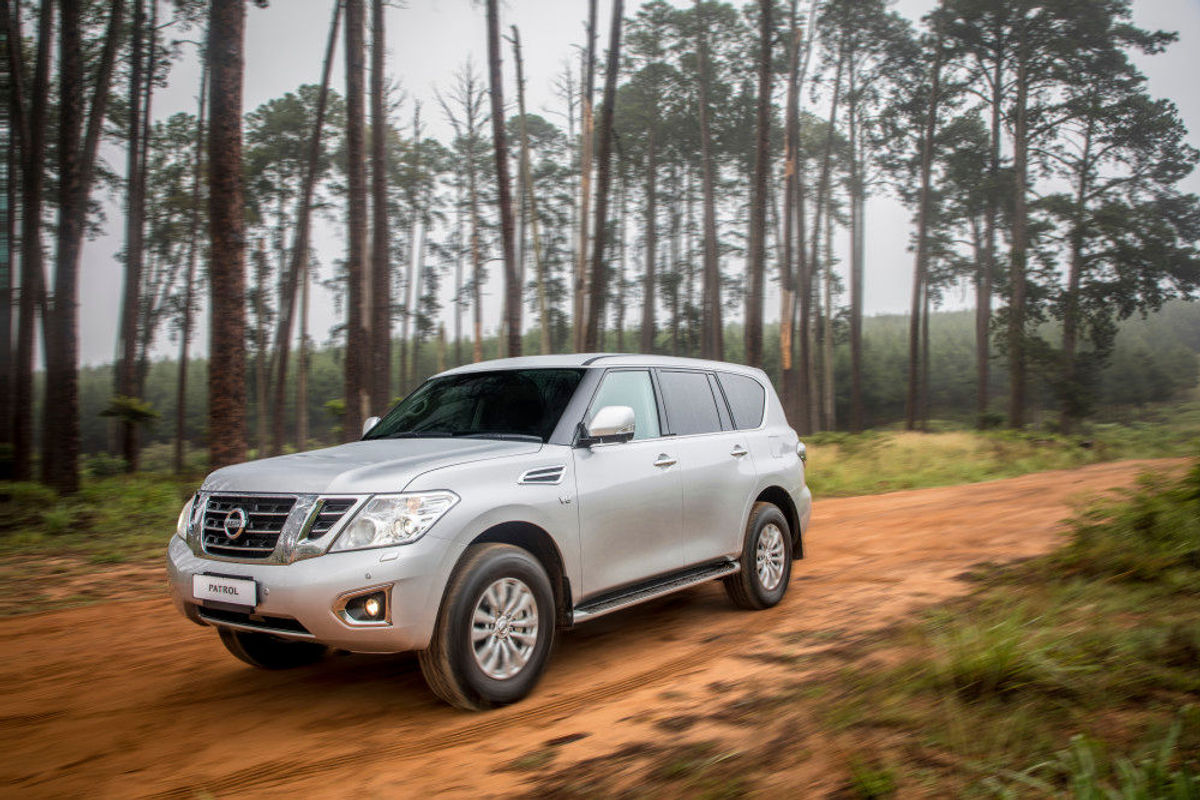
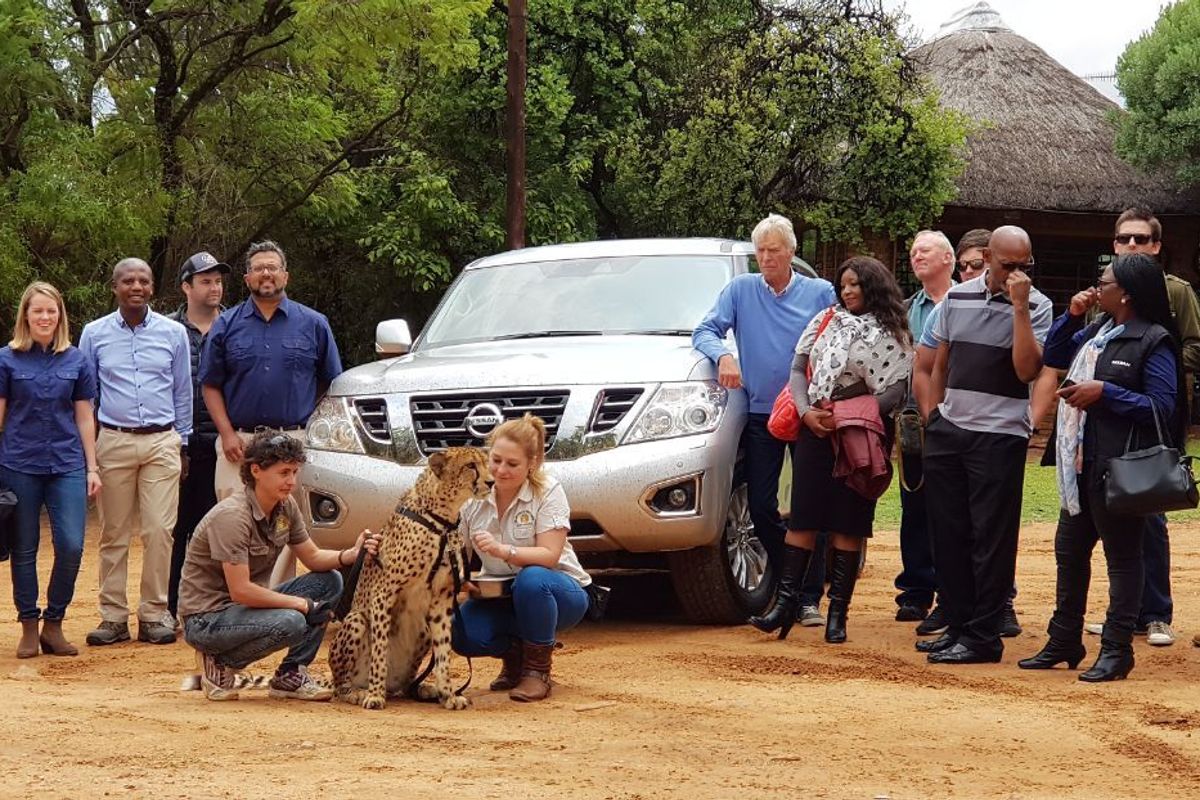
Armed with the aforementioned attributes, we aimed our Nissan Patrol north towards De Wildt Game Park and its 4×4 proving grounds for some extracurricular activities, but not before taking in the Patrol’s on-asphalt behavioural traits.


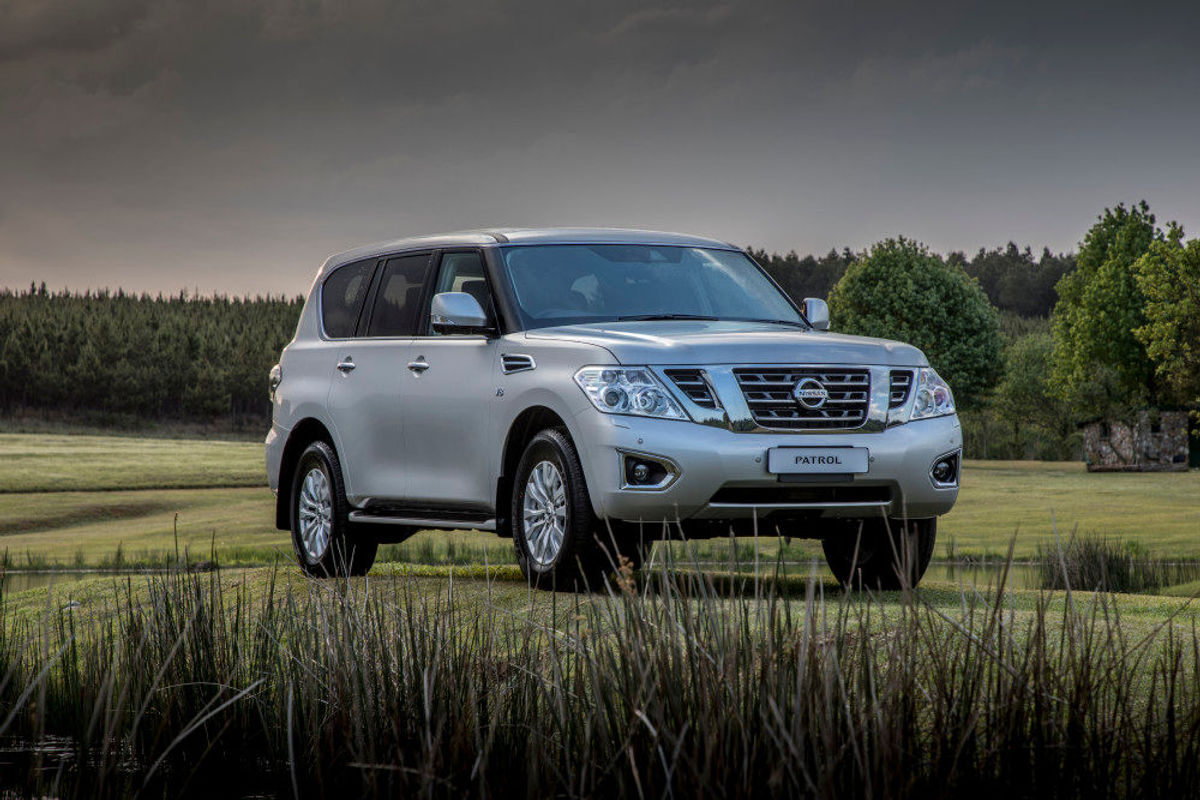
The Patrol comes with a hefty price tag, but justifies it with its sheer size and no-frills packaging. 

It feels as big as it is, a lumbering juggernaut with an uncharacteristically raspy soundtrack that handles precisely the way you’d imagine. That is, with some consideration from the driver. Comfort? Ask several of my passengers on the day who managed a good power nap or two during my several hundred kilometres at the wheel.

Yes, that 140-litre fuel tank might sound impressive now, but it’s filled with quick-burning petroleum which I incinerated at a rate of 16.0 L/100km. But then we pulled into the game park’s gravel road infrastructure and the Patrol began to make much more sense.

There’s a reason the United Arab Emirates love it. Yes, typically it is at home launching off towering dunes and at play in vast deserts, but there’d be none of that here on rather craggy gravel, pockmarked and loosened by the rain. Also, petrol is cheaper there. Way cheaper.

The Patrol, with its 272 mm of ground clearance (approach angle of 34.3 degrees, break-over of 24.4 degrees and departure of 26.2 degrees) advanced effortlessly. It descended and ascended absolutely everything with little more than a thumbing of the diff-lock selector on the rare occasion. I’m sorry. I have nothing to report. If you ever need to travel to the Gates of Mordor in supreme comfort, get a Nissan Patrol.

Luxury Vs Utility

If you're in the market for a luxury off-roader, then I'll admit you're spoilt for choice at this price point. Teutonic and British badges adorn countless full-size SUVs, luxury vehicles with varying degrees of off-road capability. But if you don't want a flashy BMW X5 or a Range Rover, and prefer something with the aerodynamic qualities of a concrete block with marginally more understated aesthetics, then there is really only one rival – the Toyota Land Cruiser.


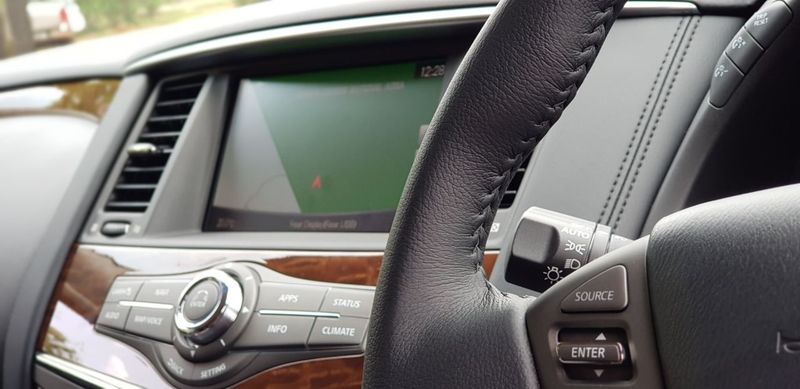
An 8-inch touchscreen with Satnav is fitted, as well as 2 screens for rear passenger entertainment. 

Align your expectations accordingly and you’ll better appreciate the Patrol for its brand of luxury, being wholly based on its utilitarian origins. There’s no flash. No rising gear knobs, no twirly in the sky augmented controls, but there is an 8-inch touchscreen with 2 more screens for the middle row.

It’s a 7 seater with a third row that can fit whole human beings, a Bose speaker system to entertain them, Satnav with 3D mapping and a powered tailgate. It also has a refrigerator between the front pews and sheer acreage of living space there and everywhere else. It also has a full-sized spare wheel, a 6-year / 150 000km warranty with roadside assistance and can tow 3.5 tons merrily.  Does that add up to R1.3 million? Only you can decide.

The sum of its parts


The Patrol is Nissan's Godzilla of SUVs…

If you’re still making up your mind as to whether or not the Nissan Patrol is worth your money, just stop. The first lot is almost certainly already spoken for, snapped up by long-standing enthusiasts that enjoy its no-frills aesthetic and it’s proven go-anywhere ruggedness.

Nissan representatives themselves admit that this is not meant to be a volume seller, but rather to represent the upper echelon and indeed the uppermost rank in their SUV lineup.

As for everyone else, you’ll have to ‘make do’ with premium machinery such as the new Land Rover Discovery HSE and BMW X5 and I suspect you’ll be perfectly happy in doing so too. The Nissan Patrol then, for when your love of V8 noises and tearing up twisted terra firma collide with a need for absolute comfort and a penchant for Japanese monsters. And you thought their other flagship deserved the name Godzilla?
 

Quick stats

Nissan Patrol 5.6l V8 LE Premium AT 4x4i

Price: R1 299 000

Power/Torque: 298 kW / 560 Nm

Fuel consumption: 14.4 L/100km

Top speed: 210 kph

Warranty: 6-year or 150 000 km warranty
Service Plan: 3-year / 90 000 km service plan (with intervals of 15 000 km)

Buy a Nissan Patrol on Cars.co.za

Related Content

Toyota Land Cruiser Prado (2017) Launch Review

SA's Unsung Off-Road Sales Hero

Land Rover Discovery (2017) Video Review

Land Rover Discovery Si6 HSE (2017) Review

Mercedes-Benz GLS 500 (2016) Review

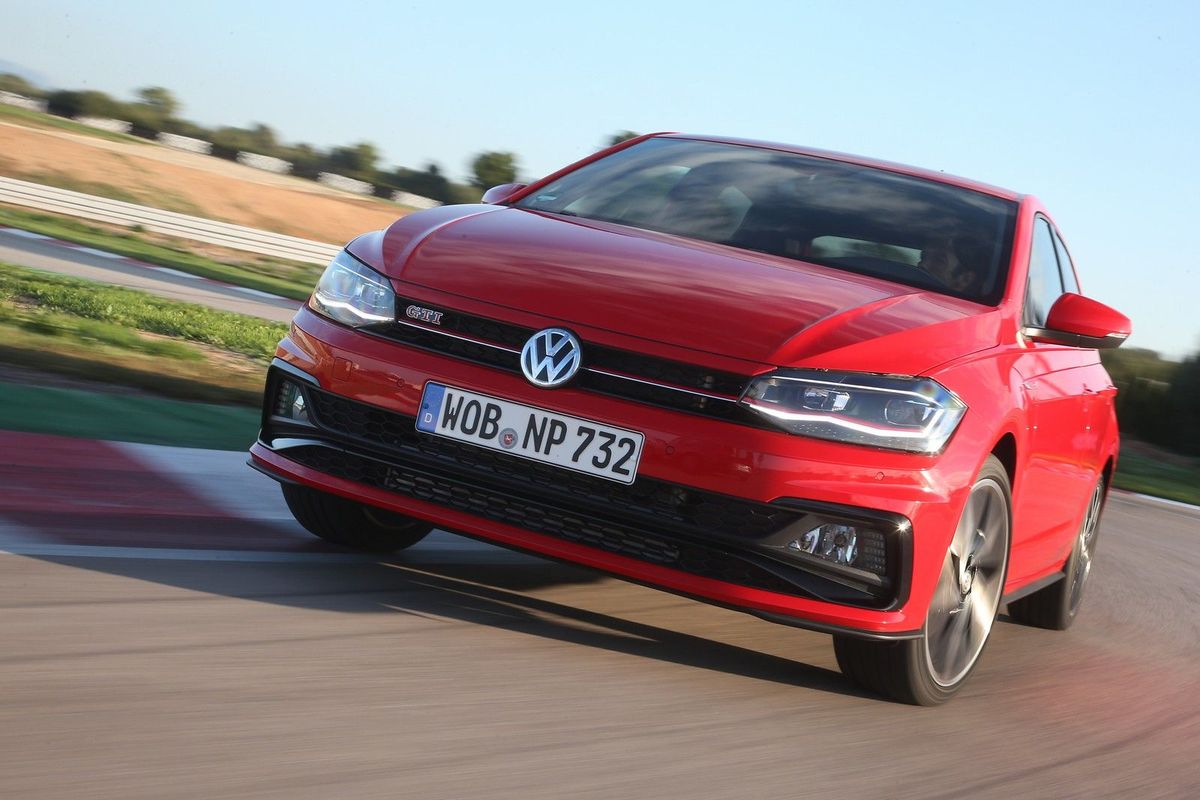
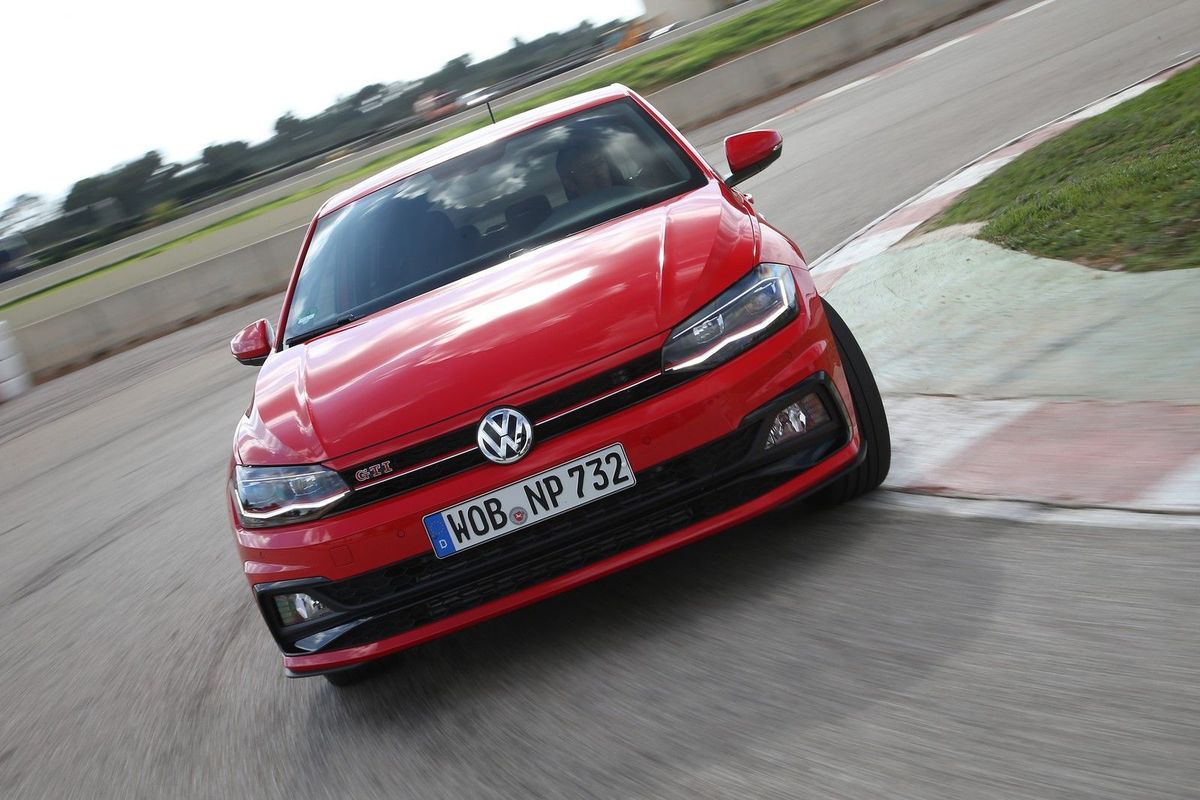
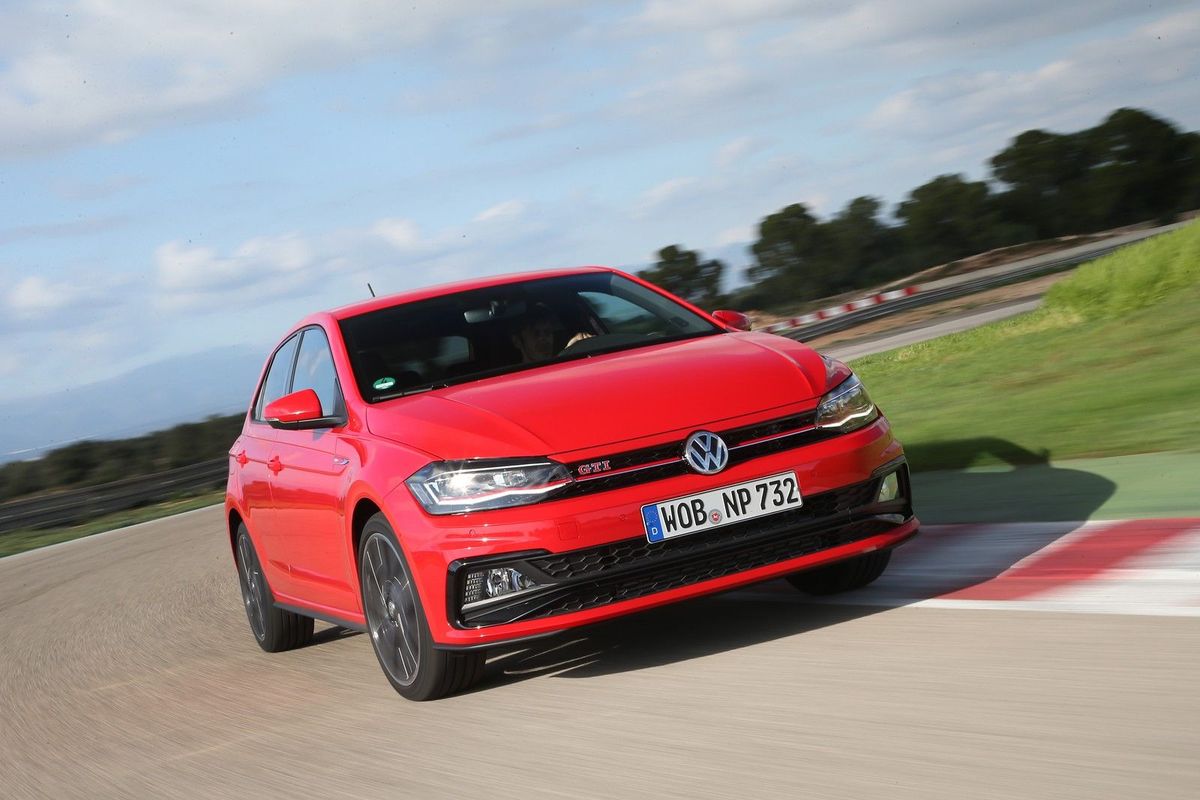
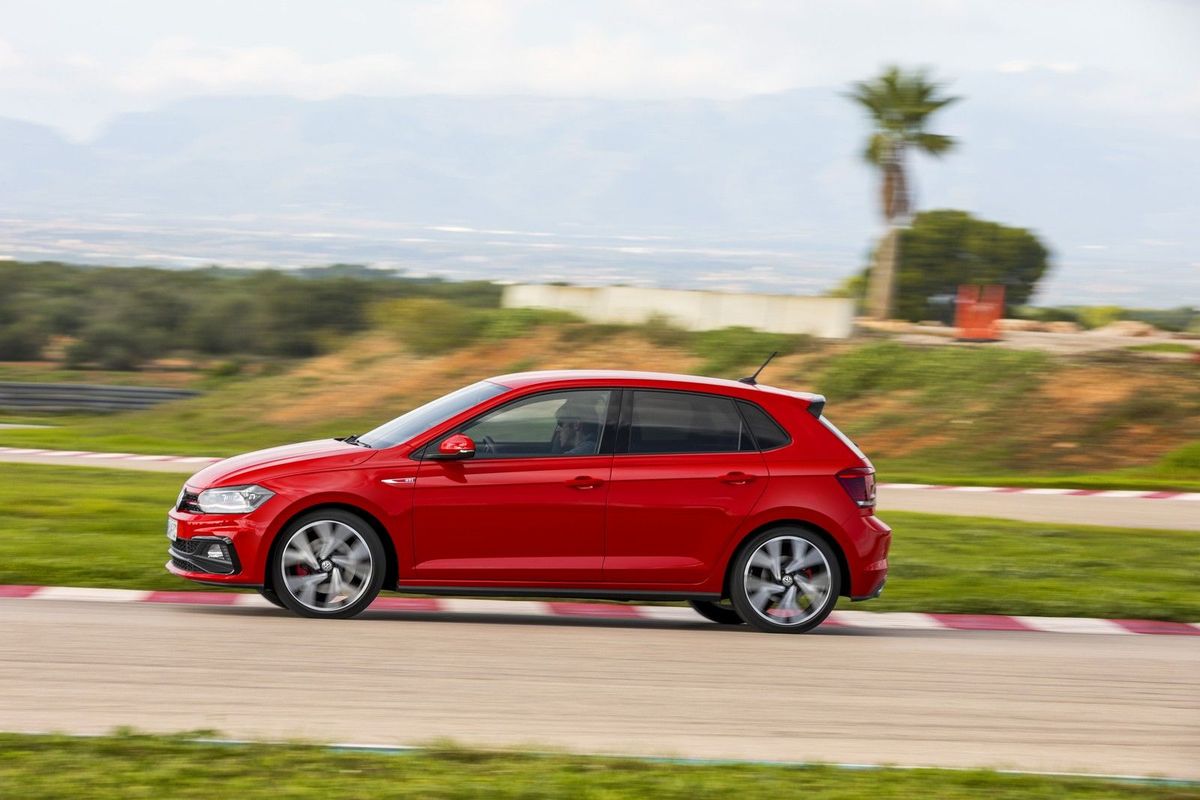
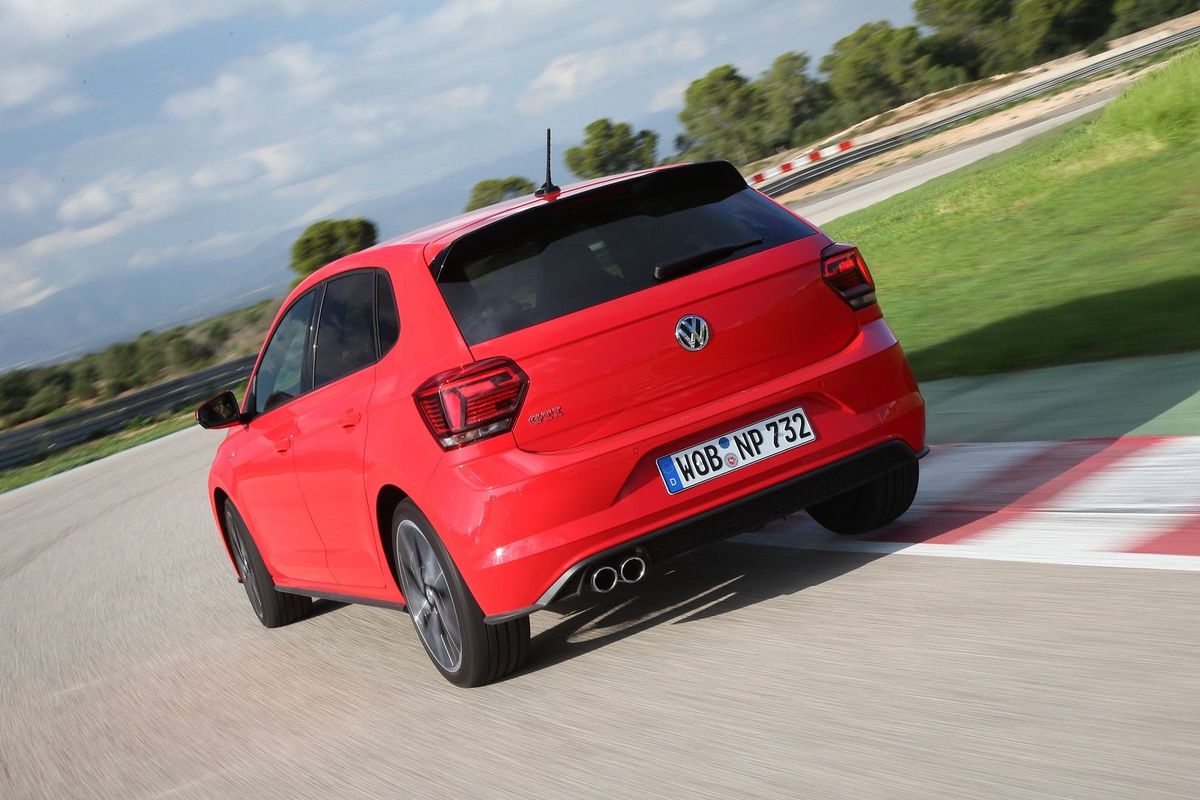
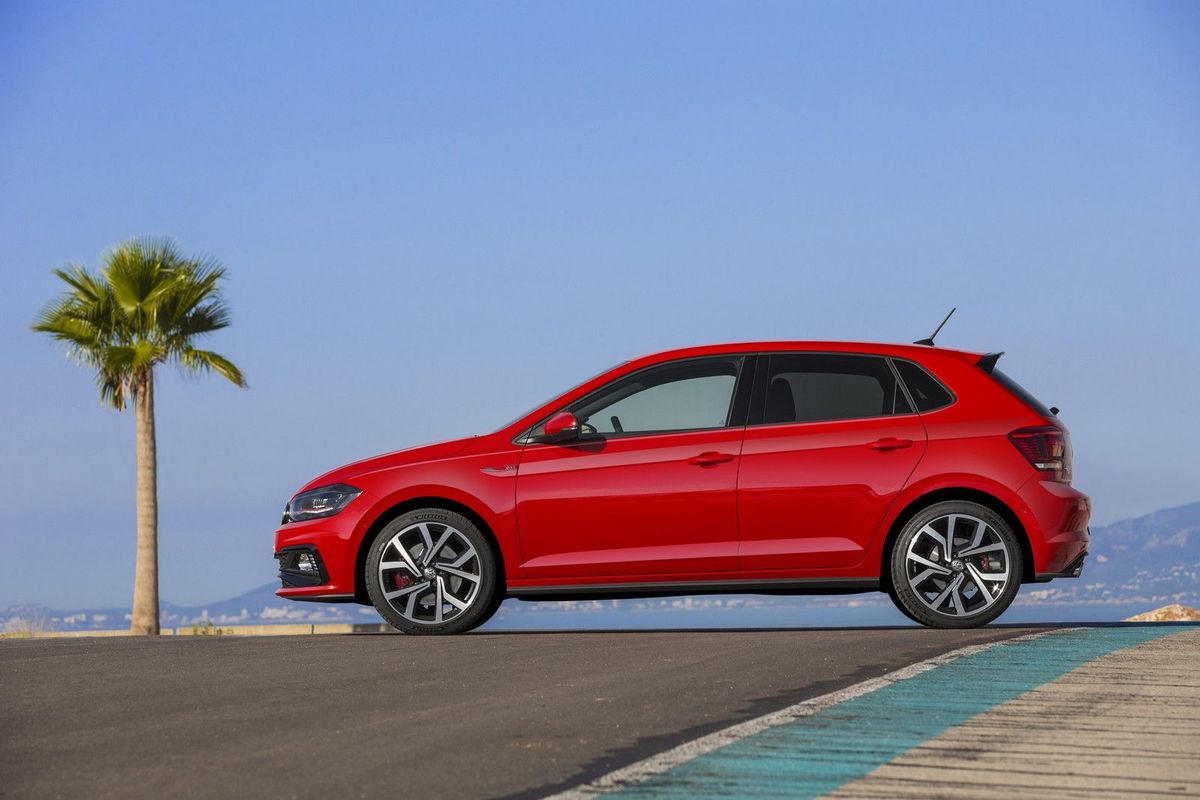
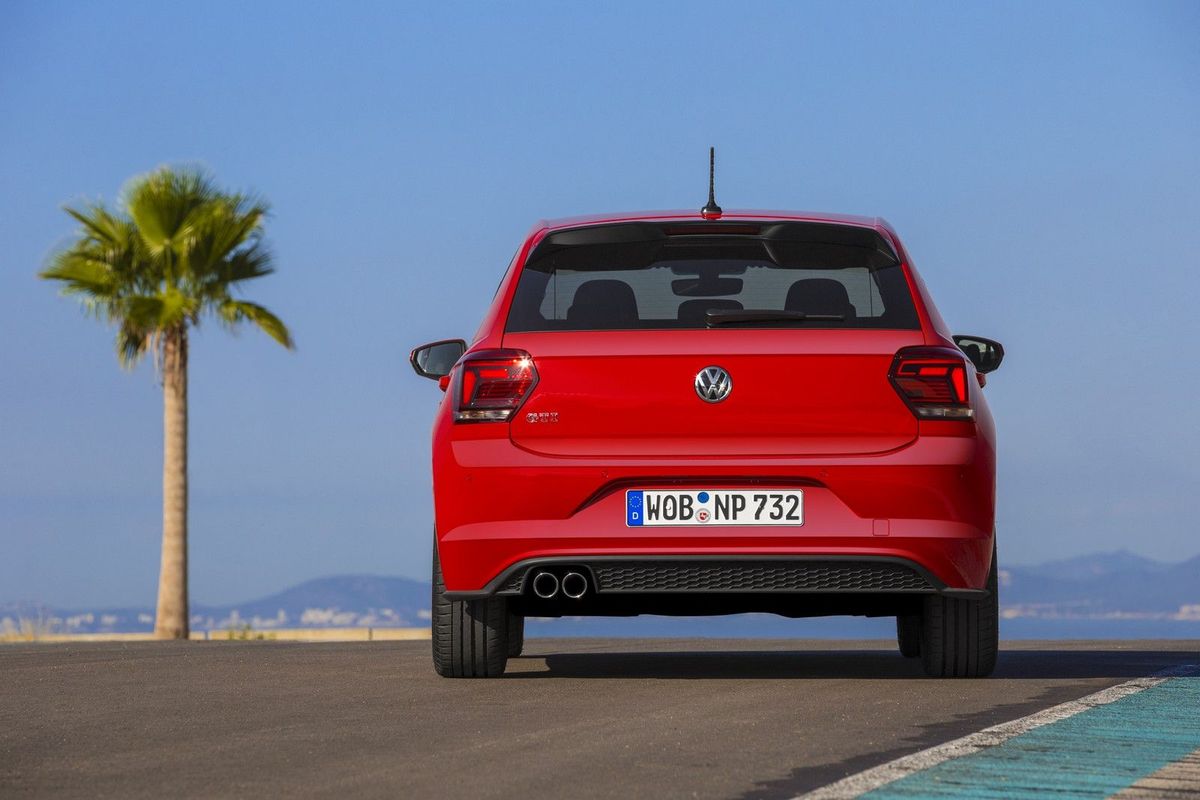
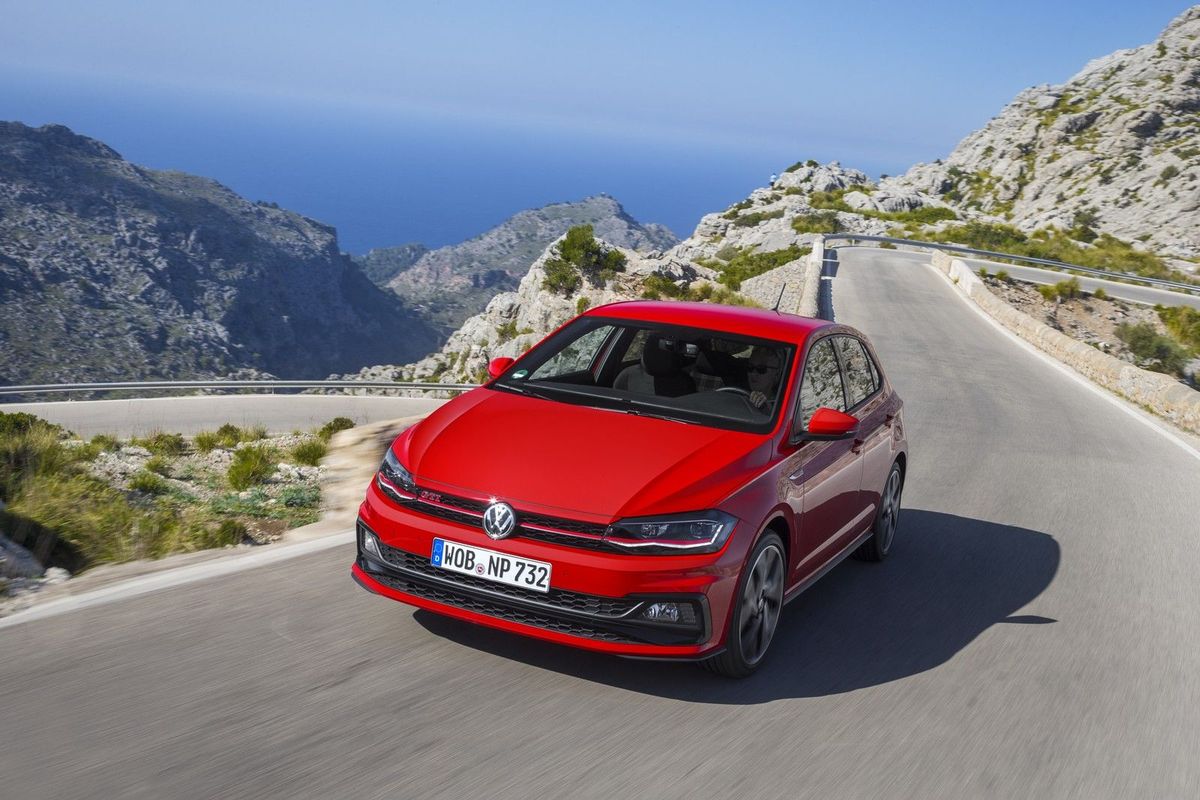
Volkswagen Polo GTI (2018) International Launch Review

Earlier this year, a high-ranking Volkswagen executive claimed the new Polo GTI would be "better to drive than a Golf GTI". We sent our international correspondent Nick Cackett to see if the Polo GTI (due in South Africa in Q2 2018) sets a new benchmark for small hot hatches.

We didn't get on all that well with the previous Volkswagen Polo GTI. It was worthy enough in a modest kind of way, but whereas its rivals made a punching bag of your adrenal gland, the Polo merely prodded at your reasoning, forever reminding you how economical and easy to live with it was.


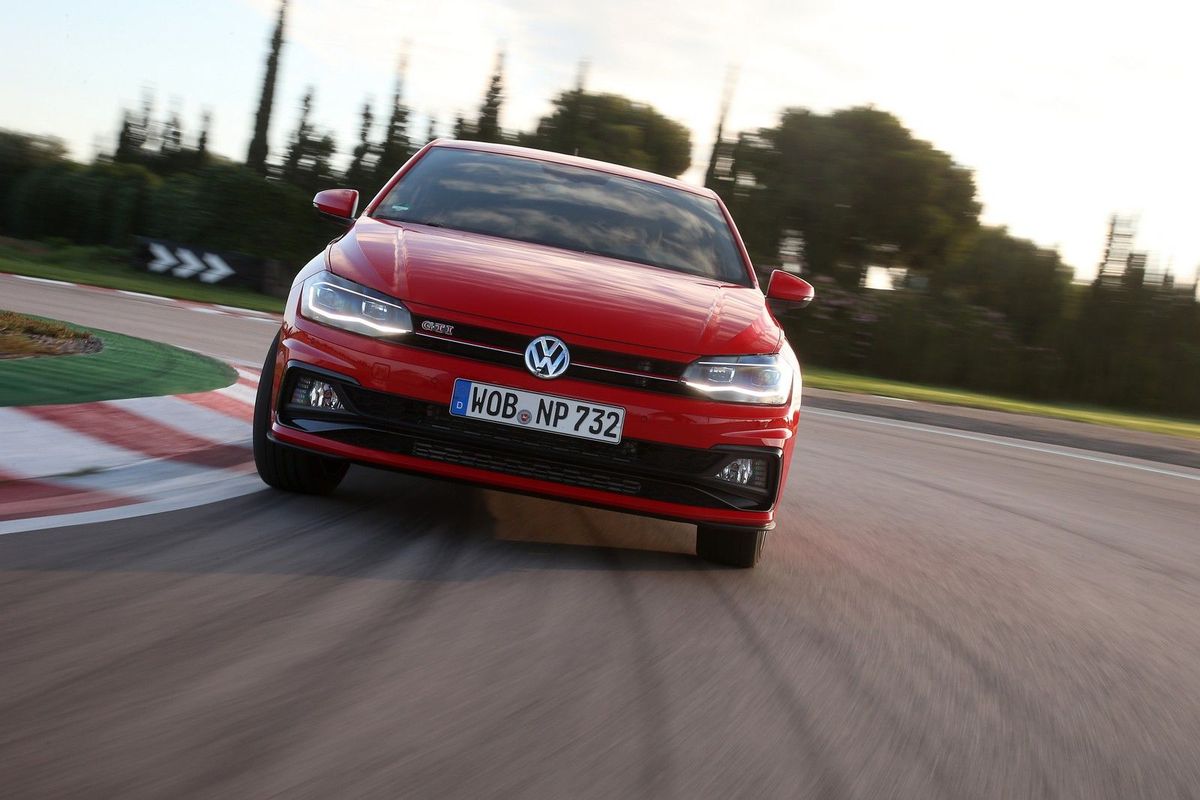
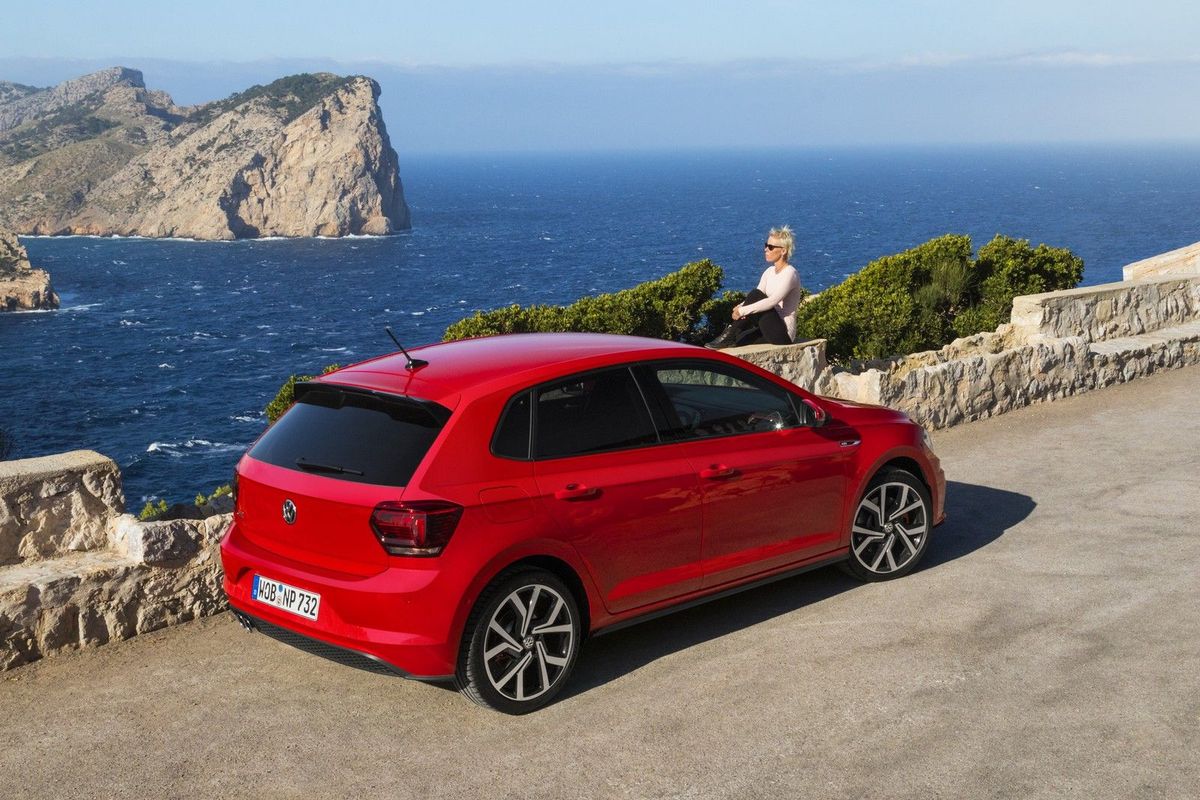
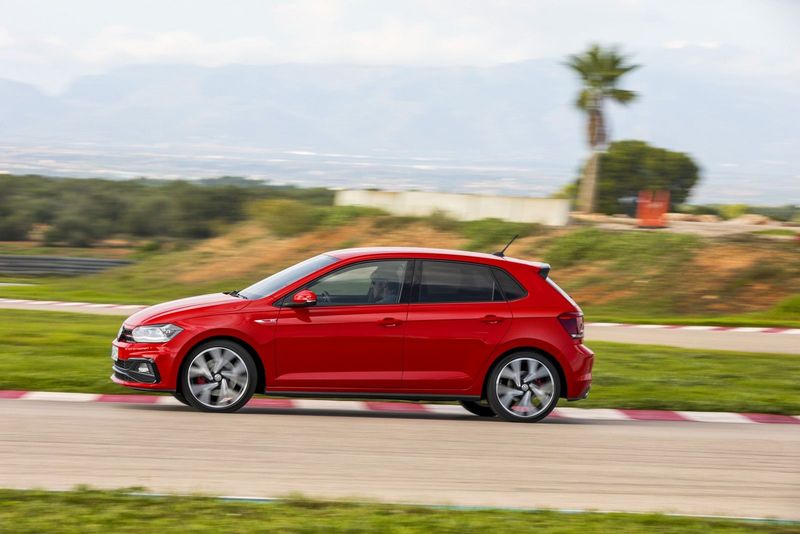
It's not shouty about being a GTI in the looks department, but there appears to be more drive lurking beneath the surface than before.

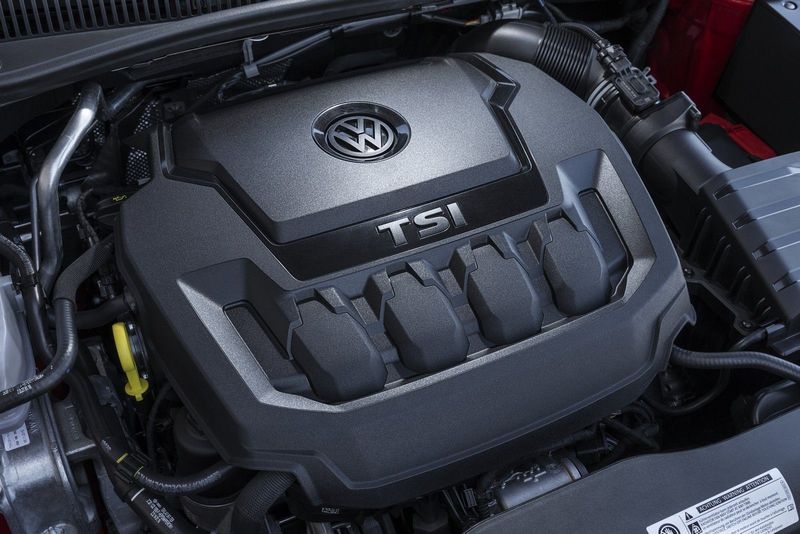
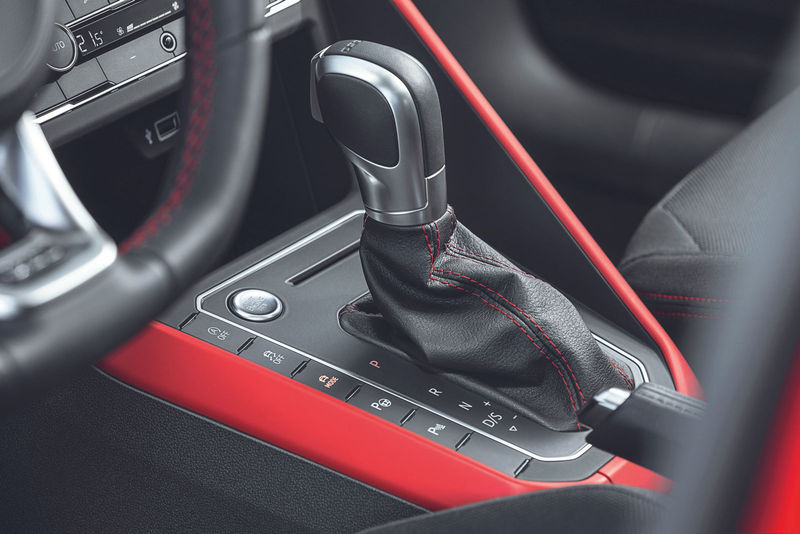
At the heart of its rationale was the GTI's predecessor's powertrain, a tedious combination of a DSG (dual-clutch automatic transmission) and a twin-charged 1.4-litre TSI that was its biggest fault, it being about as brawny and thrilling to tussle with as a tired budgie (the 1.8-litre turbocharged unit introduced with the facelift was better – ed). Consequently, the best thing about the new version is its wholesale replacement. You can still have a DSG as an option, but we urge you not to. Stick with the standard 6-speed manual, which is what we drive here.
Are the new bits any good?

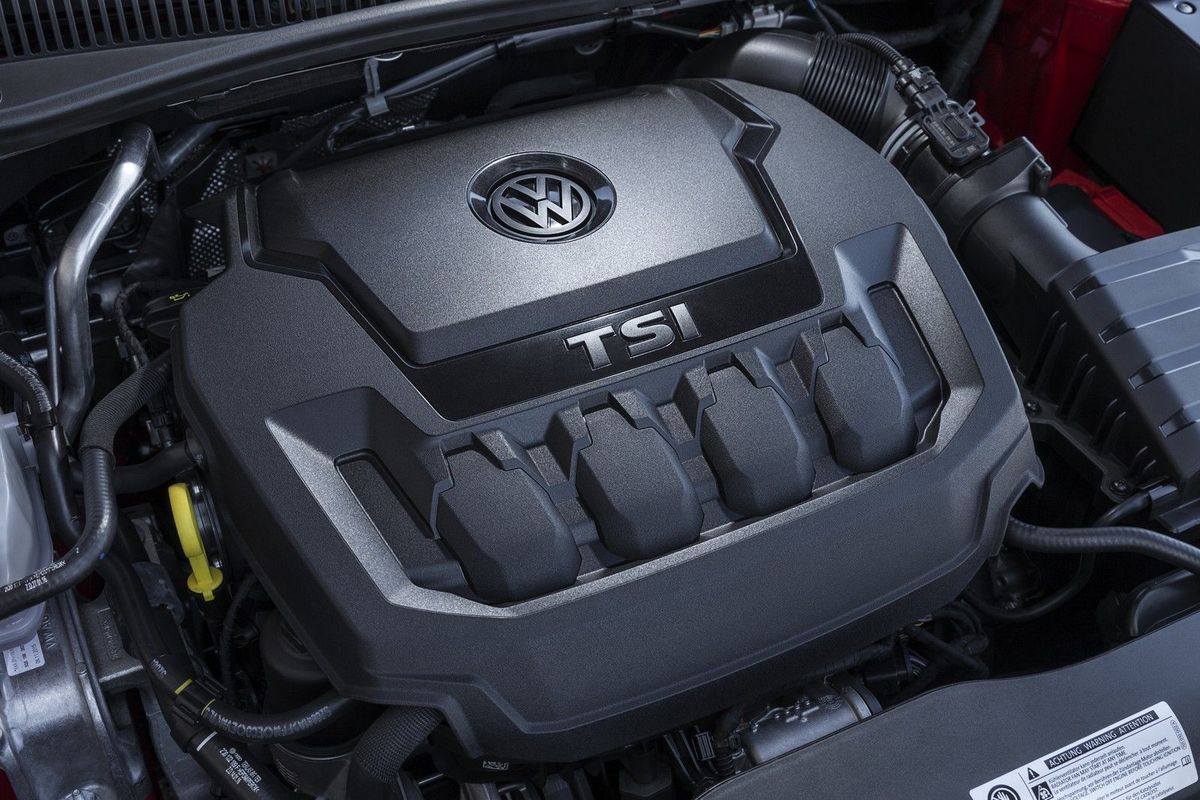
Attached to the new ’box is an all-new turbocharged 4-cylinder petrol engine. Better still, the 2.0-litre unit is a variant of the EA888 engine lineup, which features in other performance Volkswagen models (it fills out the engine bay of the Mk6 Golf R, for example). In Polo GTI guise it cranks out 147 kW from 4 000 rpm, and 320 Nm of torque from just 1 500 rpm.

Bucking the trend – VW has upsized the engine from a 1.4-turbopetrol to a 1.8-turbopetrol. In this new version a 2.0-litre is on duty.

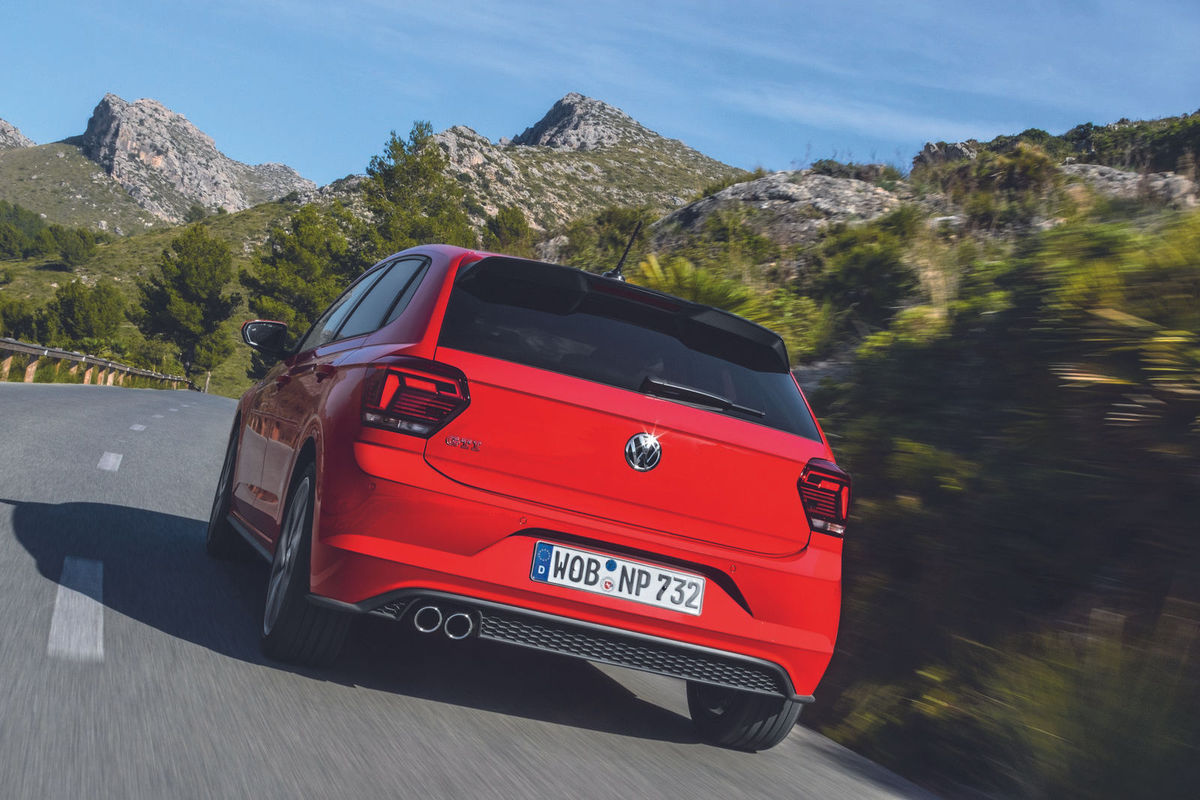
Volkswagen's reworked the chassis, too; stiffening up the anti-roll bars and tweaking the settings on a suspension that has the Polo’s ride height dipping by 10 mm at the front and 15 mm at the back. Looks-wise, the morph into shrink-wrapped Golf GTI is almost complete. It’s as chunky as a bar of hotel soap, with only the reduced track width really giving the game away.

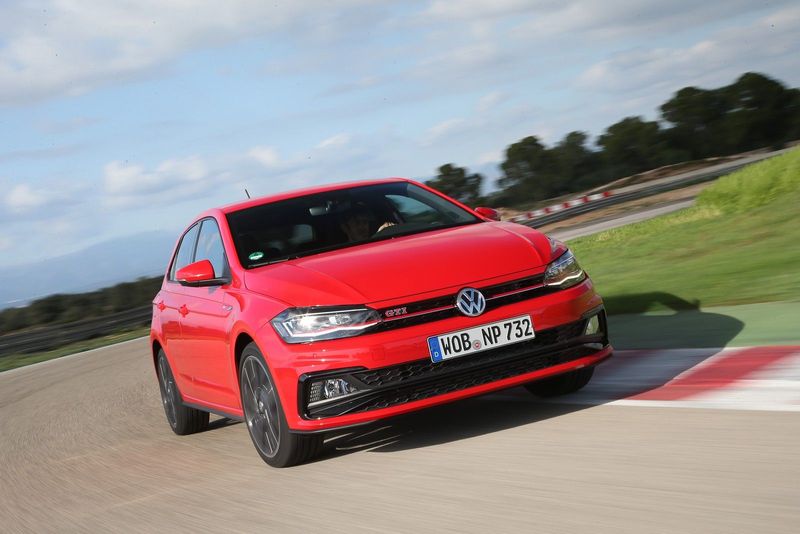
The bar was admittedly low given the spiritlessness of its (particularly pre-facelift) predecessor, but the changes have delivered much in the way of the hoped-for effect. This is a more rambunctious and modestly involving (from a driver's point of view) Polo.

Much as fitting a larger capacity engine helped the Mini Cooper S’ overall appeal, so the EA888 engine thoroughly enhances the Polo GTI package. There is a bigger presence and sweeter soundtrack for a start, and the get-up-and-go is satisfyingly brisk in a way that doesn’t immediately need to be stoked up with supplementary throttle inputs to feel quick.

But briskness there is, should you want it. Where the 1.4-litre TSI was all forced induction fizz and then laboured at the top end, its ultimate replacement has a much bigger… performance envelope; still inevitably muscular in the mid-range and more linear at high revs than peaky, but there’s now a decent payoff from the new 2.0-litre that makes it worth revving the GTI beyond 4 500 rpm.


The manual version produces the most fun-to-drive feeling, but will Volkswagen South Africa launch a stick-shift Polo GTI?

Does it handle better?

The sensation of having a more powerful, let alone flexible, engine under the bonnet feeds well into the handling experience too, because the so-called stability bias (neutral handling characteristic) that Volkswagen prefers to engineer into its non-R hot hatches requires vociferous throttle and steering wheel inputs to keep the driving experience interesting.

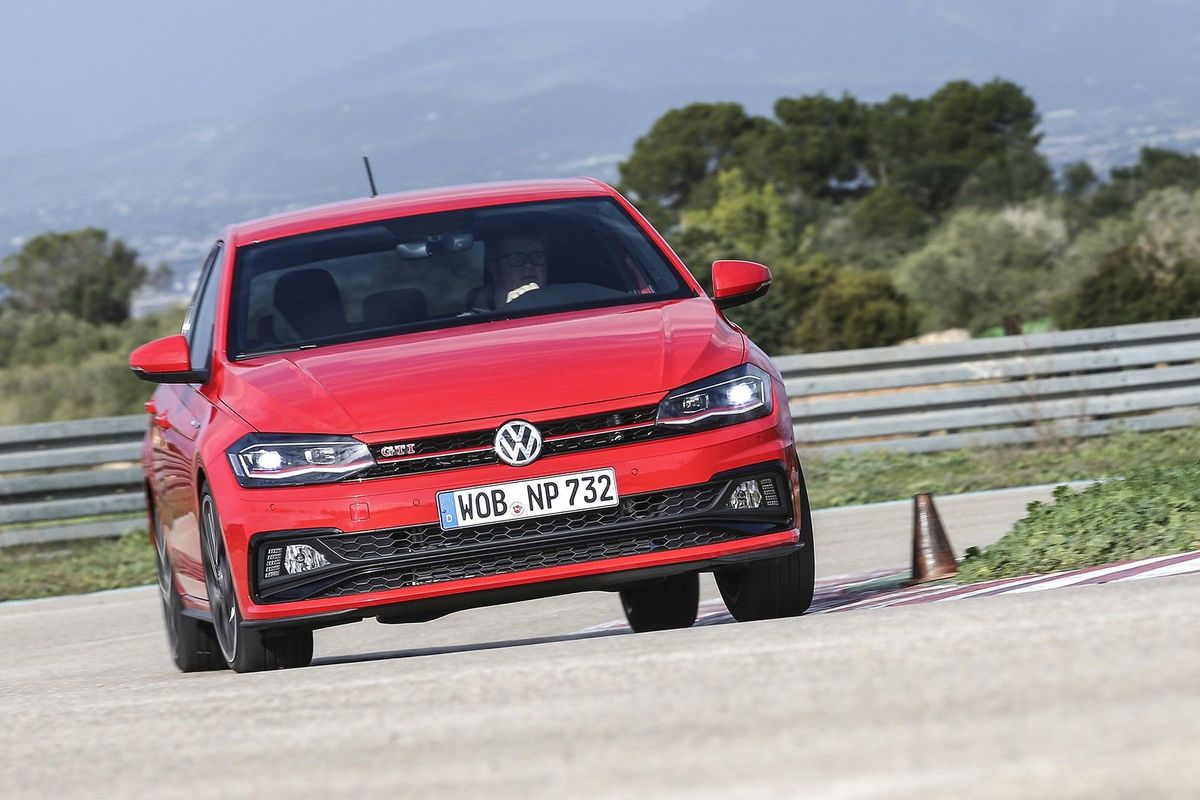
Previously, there was little to entice a driver to push a Polo GTI to its limits; now, with a lively powertrain, there’s more incentive to engage with the chassis’s ceaselessly high levels of grip. Opt for the Sport performance pack and you'll get a switch that allows you to firm up the damping just a little; press it and, together with the new anti-roll bars, the Polo indeed passes off a pleasing impression of its big brother – meaning that your favourite stretch of twisty asphalt can pass underneath you in a blur of crisp handling and typical-of-VW overall refinement.


The engine change and small chassis tweaks make for a much better driving thrill.

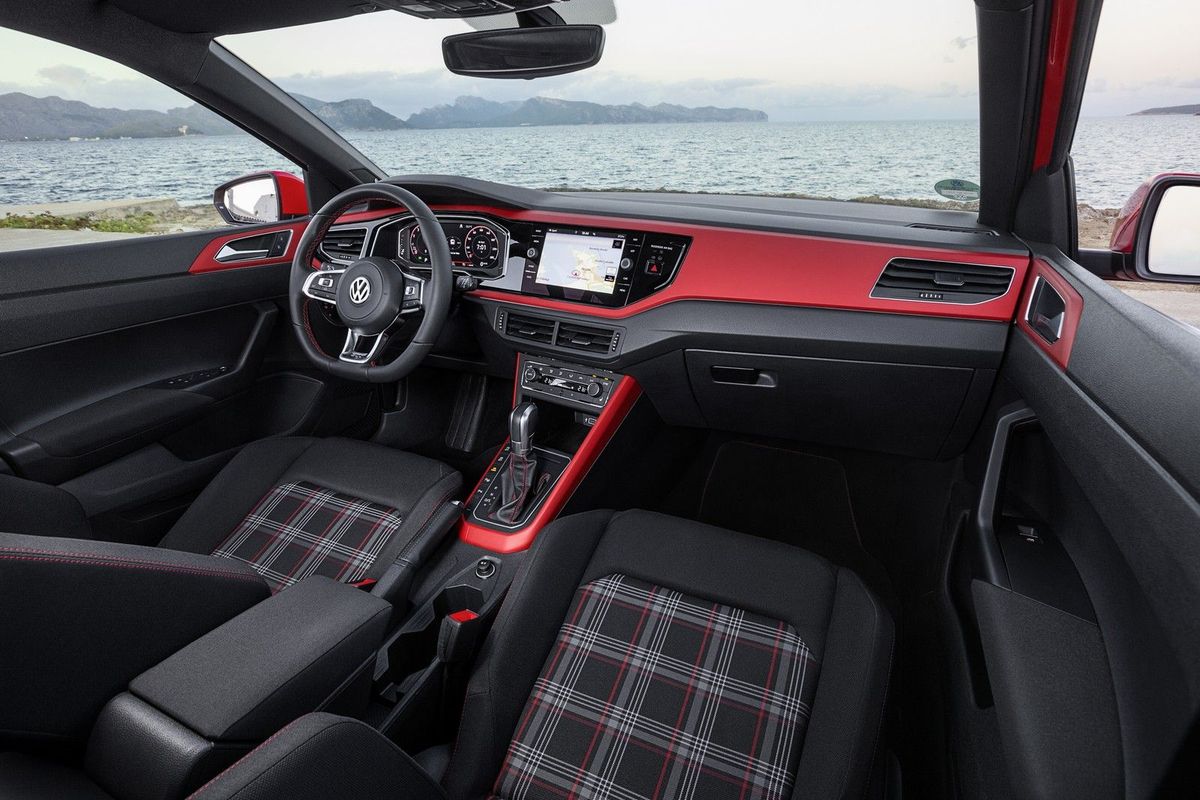
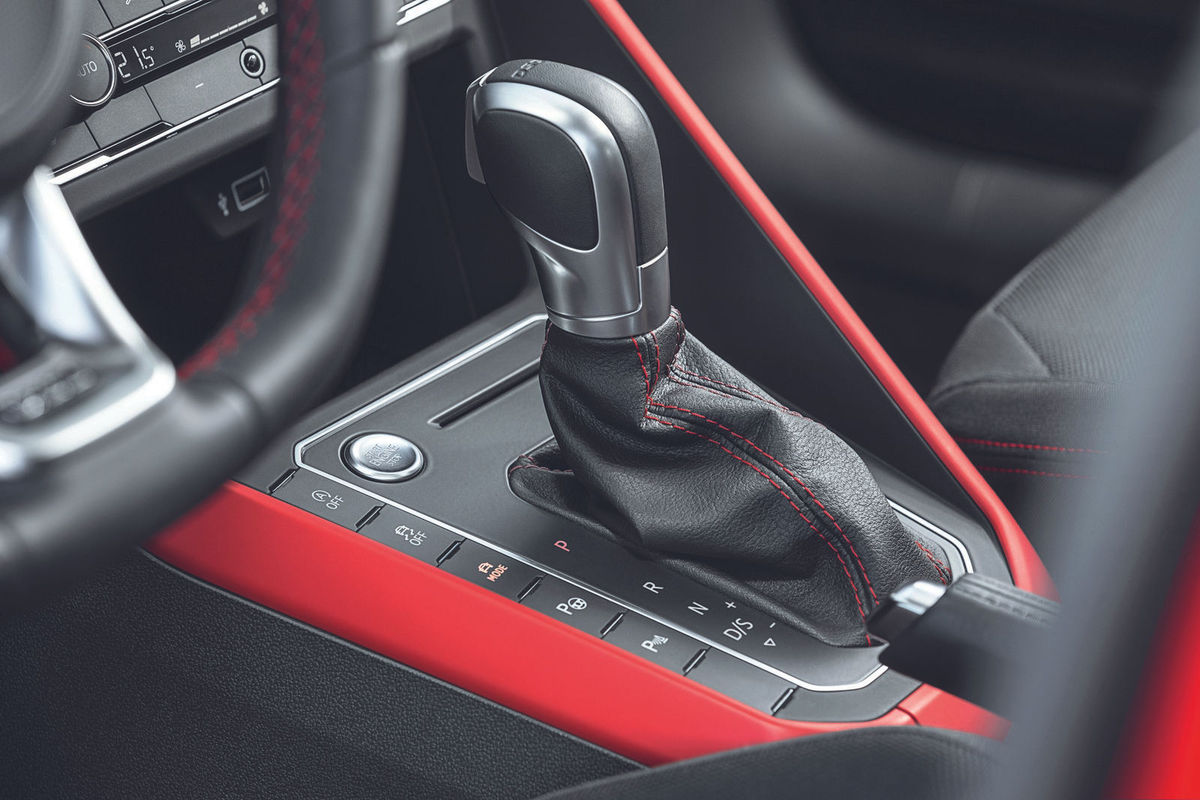
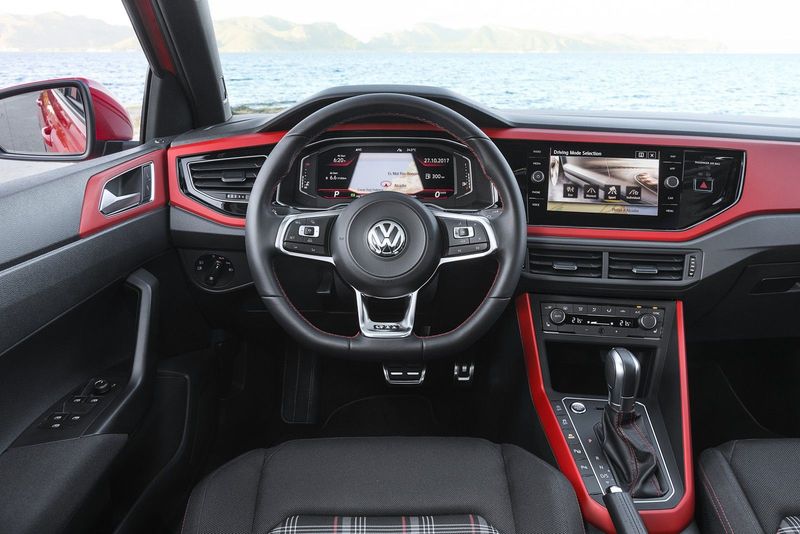
As the range-topping Polo, the GTI's exterior gets a pretty comprehensive specification with 17-inch alloy wheels, rear spoiler, twin exhaust ends and GTI styling pack. Underneath there is a sports suspension, which is 15 mm lower than the standard car, while inside there are sports seats, 6.5-inch touchscreen infotainment, Bluetooth…. oh, and a radio/CD player.


As with all VW products, the Polo feels like a well-put-together product, replete with quality finishes.

Summary

Overall, the driving experience is all very gratifying… Considering the inherent substance and practicality that come part and parcel of the new Polo package, it makes it easy to forgive the GTI derivative's typical inflexibility beyond the limit (you can’t turn the stability control off, and it wouldn’t matter if you could).

That ultimately, in our prejudiced book, leaves it still trailing the superheroes among the superminis. The Ford Fiesta ST 200 and 2017/18 #CarsAwards finalist Renault Clio RS220 Trophy both exciting in ways the Polo never begins to emulate – but we're more than willing to concede that they both exude a certain showiness that isn't everyone's cup of tea.

Considered from other angles, the appeal of the Polo's superb build quality, practicality and inviting interior all start to stack up, especially when if it manages to stay shy of R400k.

It's still an appeal-to-logic car, but all things considered, one could recommend the Polo GTI over either of those aforementioned rivals, because it is still the consummate all-rounder.

Related content

New VW Polo GTI: 5 things you need to know

Hillclimb Shootout: Ford Fiesta ST200 vs Renault Clio RS200 Lux [with Video]

Preview: 2018 VW Polo GTI vs 2018 Ford Fiesta ST

5 New Hatchbacks to Look Forward to in 2018

#CarsRaceDay – Hillclimb Shootout [Complete Video Series]

Searching for a used Polo GTI?

Start your search here

Downhill MTB Champ Andrew Neethling and the Nissan X-Trail

Andrew Neethling is a South African journeyman, champion, pioneer and ambassador of the downhill world cup mountain biking scene. He takes us back to where it all started at the foot of the Helderberg mountains.

Andrew has recently returned to where it all started – Helderberg, Somerset West, to open his own bike shop and build and maintain spectacular trails for all enthusiasts to use.

We spent some time with him and in this video, he breaks down what it was like in the early days when he travelled the world with his brother to races and building illegal trails to practice on. 

Now that he has come full circle back to where he started, what is he up to and what are his plans in SA?

Buy a Nissan X-Trail on Cars.co.za

Related Content

Nissan X-Trail (2017) Launch Review

Nissan X-Trail (2017) Specs & Price

The Journey Ep 1: Namibia

The Journey: 4×4 & Surfing in Transkei

3 Reasons Why Volkswagen Amarok is #CarsAwards Finalist

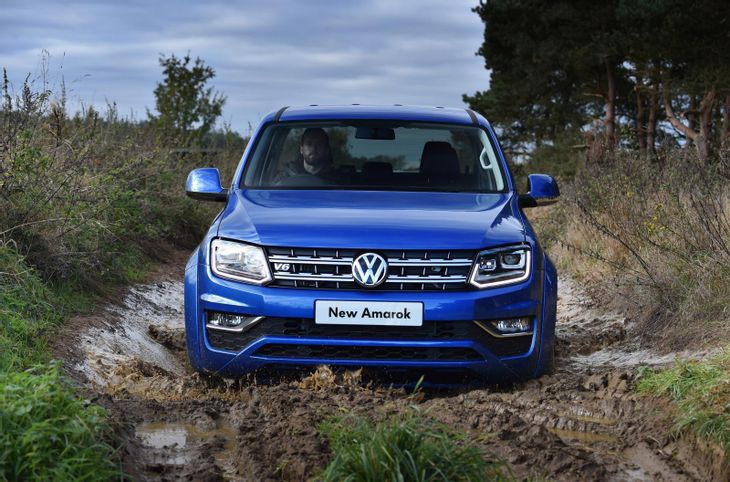
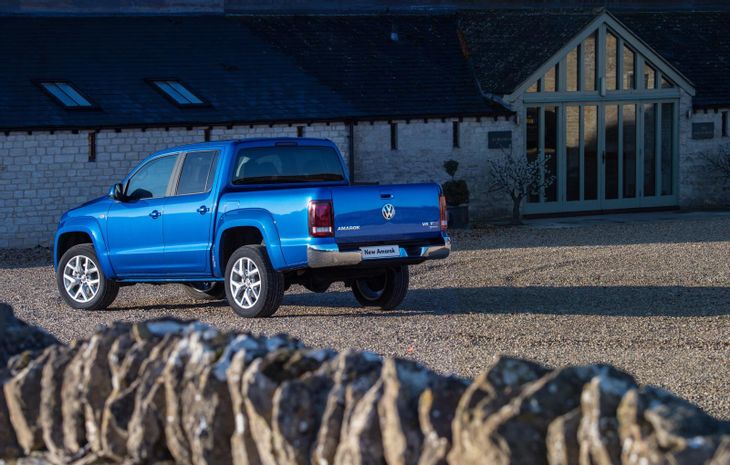
What makes the Volkswagen Amarok 3.0 V6 TDI 4Motion Highline Plus a strong contender in the Leisure Double Cab Bakkie category of the 2017/18 Cars.co.za Consumer Awards – powered by WesBank? We investigate…
 

The powerful Amarok 3.0 V6 TDI joins the leisure double cab bakkie fray offering upmarket lifestyle appeal and has leisure-oriented buyers in its crosshairs. The Amarok nameplate has built itself a sizeable following with South African buyers being particularly smitten with the Amarok in automatic guise. The addition of the Amarok 3.0 V6 TDI, however, has attracted much publicity since its introduction, but considering its lofty price tag, can the Amarok best its capable rivals?

3 Reasons Why Volkswagen Amarok is #CarsAwards Finalist

1. Powerful, refined performance

The source of envy in this latest Amarok 3.0 V6 TDI is indeed its engine. The 3.0-litre V6 turbodiesel engine is lifted from other Volkswagen Group products and delivers a class-leading 165 kW from 3 000 to 4 500 rpm and 550 Nm of torque, from 1 400 to 1 750 rpm. There is also an overboost function, which for short periods of time – such as when overtaking – lifts the maximum power and torque figures to 180 kW and 580 Nm. Performance is brisk by bakkie standards and this Amarok is mated with VW's excellent 8-speed automatic transmission and 4Motion permanent all-wheel drive system.

So, what does this all translate into on the road? Quite simply, the Amarok sets a very high new benchmark, not only for performance, but for responsiveness and refinement, too. Volkswagen claims a combined cycle consumption figure of 9.0L/100km.

2. Premium quality interior

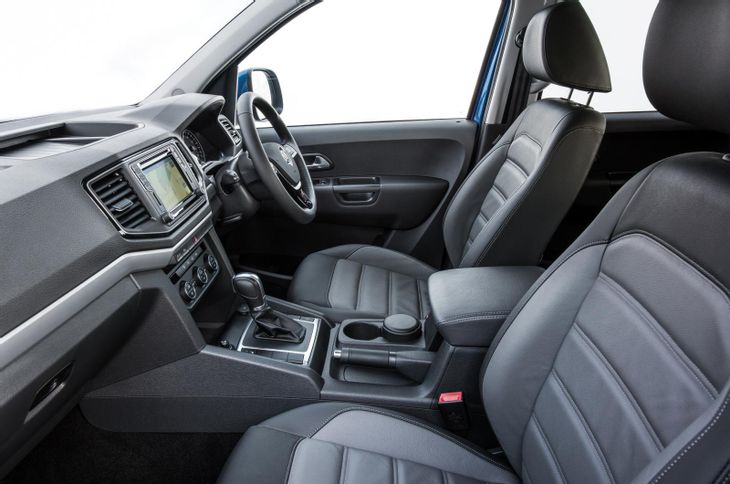
The Amarok’s SUV-like interior is arguably best-in-class with premium finishes and an upmarket look and feel.  Leather upholstery is fitted as standard on this Highline Plus derivative and the cabin is very spacious in the front, mostly because it is so wide and high. Both front seats are manually height-adjustable, and there really is no shortage of headroom. A Discover Media infotainment system that features satellite navigation and a neat touch interface with pinching/sliding functionality, Bluetooth and USB/Aux compatibility is fitted as standard. There is much to like about the Amarok’s interior…

3. Comfortable in all conditions

With its first gear set-up for off-roading and towing specifically, the Amarok doesn't need a low-range transfer 'box. It copes well in the rough and all you have to do is press the off-road button next to the transmission and the Amarok will alter the throttle calibration (by holding the gears for longer periods) and automatically engages hill descent control and activates the off-road ABS. Offroading in the Amarok is really easy and hassle-free!

More than this, one of the main factors driving the Amarok's success as a leisure vehicle in the bakkie segment has always been its relatively passenger vehicle-like ride quality. Compared with many of its rivals, it is simply the more refined, "supple" vehicle across a wider variety of surfaces.

Where the Amarok puts clear distance between itself and other bakkies, however, is in refinement. From the precision of the steering, to the smooth-shifting nature of the transmission, the exceptionally impressive NVH (noise, vibration, harshness) control, and its ease-of-use in off-road conditions, the Amarok really is a bakkie from a different league.

Watch our video review of the Volkswagen Amarok 3.0 TDI V6 below!

Have Your Say: Complete our survey!

Do you own an Amarok? We would love to hear from you! Tell us about your experience by completing our Ownership Satisfaction Survey. Your input counts for 50% of the final result.

What are the Amarok's rivals in #CarsAwards?

The 2017/18 #CarsAwards finalists: Leisure Double Cab Bakkie category

Compare the Amarok's specs with the Nissan Navara 2.3 D 4×4 LE Auto and Ford Ranger 3.2 Wildtrak 4×4 Auto

Related Content

Volkswagen Amarok 3.0 V6 TDI Highline Plus (2017) Review [with Video]

Cheaper 6-speed manual Amarok V6 coming to SA

Next-gen VW Amarok Range to Expand?

VW Amarok 3.0 V6 TDI: 5 Things We've Learnt

Nissan Navara vs VW Amarok (2017) Which is better for off-roading?

#CarsAwards Finalists Testing: Gerotek turns up the heat

2017/18 Cars.co.za Consumer Awards – powered by WesBank; Finalists