The Volkswagen Amarok V6 range in South Africa is set to expand in 2018 with the introduction of a more affordable model, equipped with a manual transmission. Here's what we know so far…
The Volkswagen Amarok V6 double-cab bakkie is the brand's top offering and a 2017/18 #CarsAwards, powered by WesBank. With the imminent arrival of the Mercedes-Benz X-Class and predictable tweaks to the Ranger and Hilux models, the Volkswagen Amarok portfolio is due to expand.
As it stands, there is a trio of Amarok V6 derivatives equipped with 8-speed transmissions, but no manual version, in the South African line-up.
With pricing starting from R692 600, the Amarok V6 goes all the way up to R778 900 for the Extreme flagship. This new derivative changes things up as it'll come to market at a lower price point, but equipped with a six-speed manual gearbox. We suspect that some features will be removed to make it a value-for-money offering.
We were alerted to this development when the vehicle was first confirmed for the UK market and it's claimed that it'll be available in Trendline trim and feature a selectable all-wheel drive system. Unlike its other V6 counterparts, which feature permanent 4Motion, this model is rear-wheel driven until the driver activates four-wheel drive mode. It's also claimed that the manual transmission model has allowed Volkswagen to make a low-range option available, which addresses some concerns from the hardcore 4×4 enthusiasts.
Power outputs have not been confirmed, but the UK version has outputs of 150 kW and 500 Nm, as opposed to the 165 kW and 550 Nm of local units. Performance is expected to be brisk for a bakkie, with a 0-100 kph time of at least 8.4 seconds. When contacted for comment, Volkswagen SA confirmed that the manual Amarok V6 would be released in South Africa, with an estimated time of arrival: around the second quarter of 2018.
The Peugeot 3008 has been transformed from a forgettable MPV to stylish and modern family car/compact SUV. It is exceptionally pretty, both inside and out, and is widely regarded as Peugeot's finest product in ages. #CarsAwards judge Juliet McGuire gets to grips with the newcomer.
The current European Car of the Year and 2017/18 Cars.co.za Consumer Awards finalist in the family car category is the Peugeot 3008 and it has really impressed us with its diverse skill set. Not only is the French family car striking to look at, but its cabin represents a huge leap forward in terms of technology and build quality. However Peugeot has a less-than-stellar reputation in South Africa and while the 3008 may be popular in Europe, it'll have to be exceptional to sell in our market.
There's only one engine available: a 1.6-litre turbopetrol with peak outputs of 121 kW and 240 Nm. A turbodiesel motor with 100 kW will make landfall in 2018. In this episode, regular contributor Juliet McGuire gets behind the wheel of the 3008 (in just below top-of-the-range GT-Line trim) to see if it's worth considering in the wildly popular segment of the market.
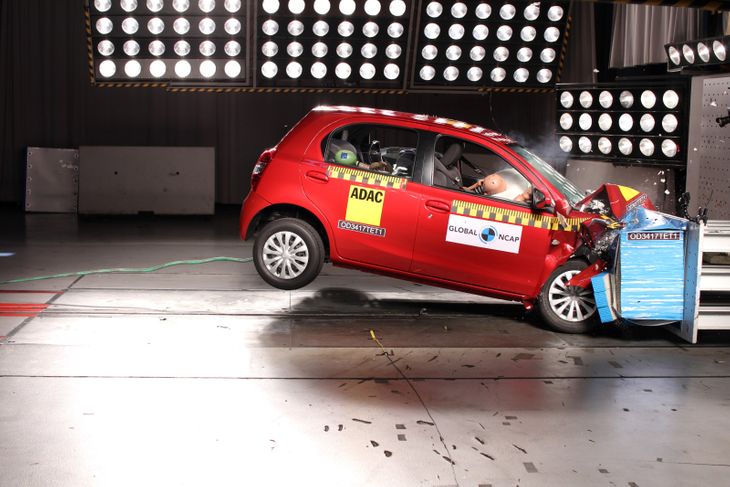
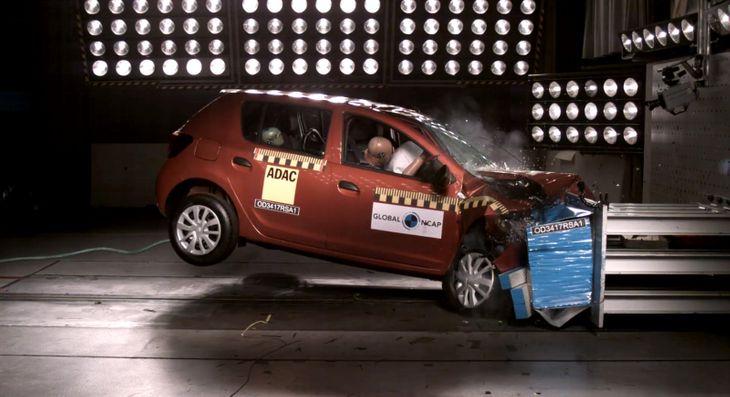
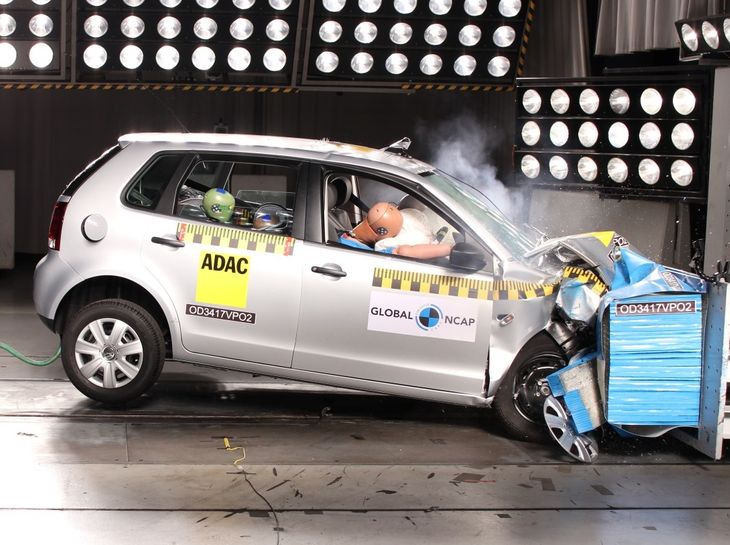
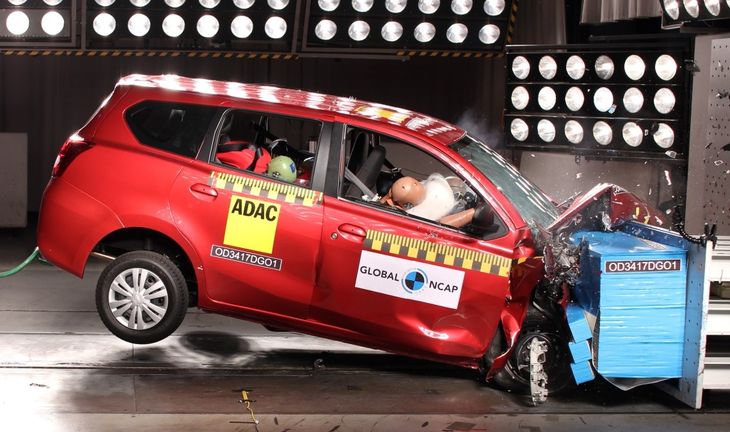
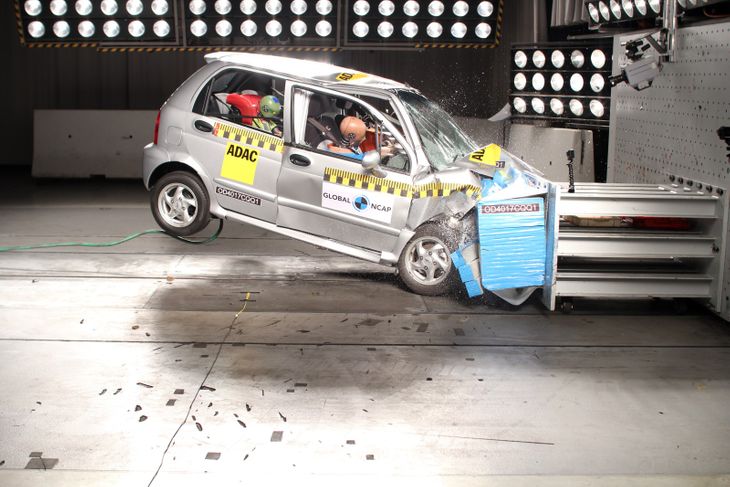
Global NCAP and the Automobile Association of South Africa (AA) have launched the first independent crash test assessment of some of South Africa’s most popular compact and small cars under the campaign #SaferCarsforAfrica. The results are scary…
If you think the safety offered by your car is not important, then maybe this news will change your mind! For the first time ever on the African continent, cars sold in South Africa have been subjected to independent crashworthiness testing in Cape Town by Global NCAP and the AA in an effort to highlight road safety and to give local consumers safety knowledge on the cars they buy. This move represents a major win for road safety in South Africa.
A total of 5 cars sold locally were subjected to the test to determine their crashworthiness. The cars subjected to the test were the Toyota Etios, Volkswagen Polo Vivo, Datsun Go+, Renault Sandero and the Chery QQ3.
Lauchlan McIntosh, Chairman of Global NCAP, said: “In 2016 the United Nations General Assembly adopted a road safety resolution which recognised the important role NCAPs play as a catalyst for improving vehicle safety standards. The UN has sought to encourage the spread of NCAPs across the regions and automotive markets of the World and today, in Cape Town, I am delighted that Global NCAP is helping to achieve that goal with the launch of the first ever crashworthiness programme for cars sold in Africa. Global NCAP has provided assistance to launch similar programmes in South America, India and the ASEAN region, programmes which have led to the delivery of safer cars into those markets over the last five years.”
Collins Khumalo, CEO of the AA of South Africa said: “The crash tests represent an important step in road safety in South Africa. We believe consumers have a right to know what the safety ratings are on the cars they want to buy. These results are critical to educating the public about vehicle safety, but, more than that, they empower road users to make informed decisions. In the same way emissions and green ratings are displayed on vehicles, we think safety ratings should also be displayed on vehicles, and we don’t believe this should be too much of a challenge to make happen.
“The involvement of Global NCAP, the FIA Foundation and Bloomberg Philanthropies in bringing these results to Africa, indicates how seriously our partners view road safety, and it is incumbent on us, as South Africans, to consider road, and vehicle safety, in the same way.”
David Ward, Secretary General of Global NCAP said: “It is good to see a four star result in these first ever African crash test ratings. However, it’s extremely disappointing that there’s a zero star car. Such a poor result shows why it is so important for countries like South Africa to fully apply the UN’s crash test standards.
“Consumers need clear, comparative crash test information to help inform their car purchase decisions. This is why Global NCAP supports the introduction of mandatory crash test labelling for all new cars sold in South Africa.”
The Results
Toyota Etios
The Toyota Etios performed the best with a 4-star rating for adult occupant protection in the frontal crash test at 64 kph. The Etios’ body structure was rated as stable and displayed good general adult occupant protection with seatbelts with pre-tensioners for both front passengers. The Etios achieved a 3-star rating for child occupant safety using child seats recommended by Toyota.
Renault Sandero
The Renault Sandero achieved a 3-star rating for adult occupant protection in the frontal crash test at 64 kph. The Sandero’s body structure was rated as stable with acceptable general adult occupant protection. The Sandero however, did not include seatbelt pre-tensioners. In terms of child occupant protection, the Sandero achieved a 4-star rating using child seats recommended by Renault.
Volkswagen Polo Vivo
As for the Polo Vivo, it achieved a 3-star rating for adult occupant protection in the frontal crash test at 64km/h. The vehicle structure was rated as stable, offering acceptable adult occupant protection. The car, however, did not include seatbelt pre-tensioners. The Polo Vivo achieved a 3-star rating for child protection child seats recommended by VW.
Datsun GO+
The Datsun GO+ performed badly, achieving a 1-star rating for its poor adult occupant protection, mainly in the driver's chest in the frontal crash test at 64km/h. The vehicle structure was rated as unstable with steering wheel movement. Even though a steering wheel airbag was fitted, a high compression to the chest of the driver dummy was recorded. There was no airbag for the passenger. The Datsun GO+ only achieved a 2-star rating for child occupant protection using the child seats.
Chery QQ3
The Chery QQ3 achieved a 0-star rating for its poor adult occupant protection mainly in driver’s head and chest. The vehicle structure was rated as unstable and collapsed in crucial areas during the impact. Injury impacts recorded in the dummy’s head and chest, in particular, led to this result. There were no airbags for the adult passengers. Chery did not recommend specific child seats, resulting in points lost for child occupant protection. The QQ3 was given a 0-star rating for child occupant protection, considering the vehicle’s poor readiness to safely accommodate the child seats.
Note: In the assessments, some of the child seats recommended by manufacturers were found to be incompatible with their vehicle’s belt system. In the Polo Vivo, Chery QQ3 and Datsun GO+ there was no three-point seatbelt on the rear centre seats and no way to safely install a child seat or transport a small child safely in that seating position. Only the Toyota Etios and Renault Sandero offer Standard ISOFIX anchorages for the outboard rear positions and three-point seatbelt for all passengers, facilitating minimum conditions to safely install a child seat.
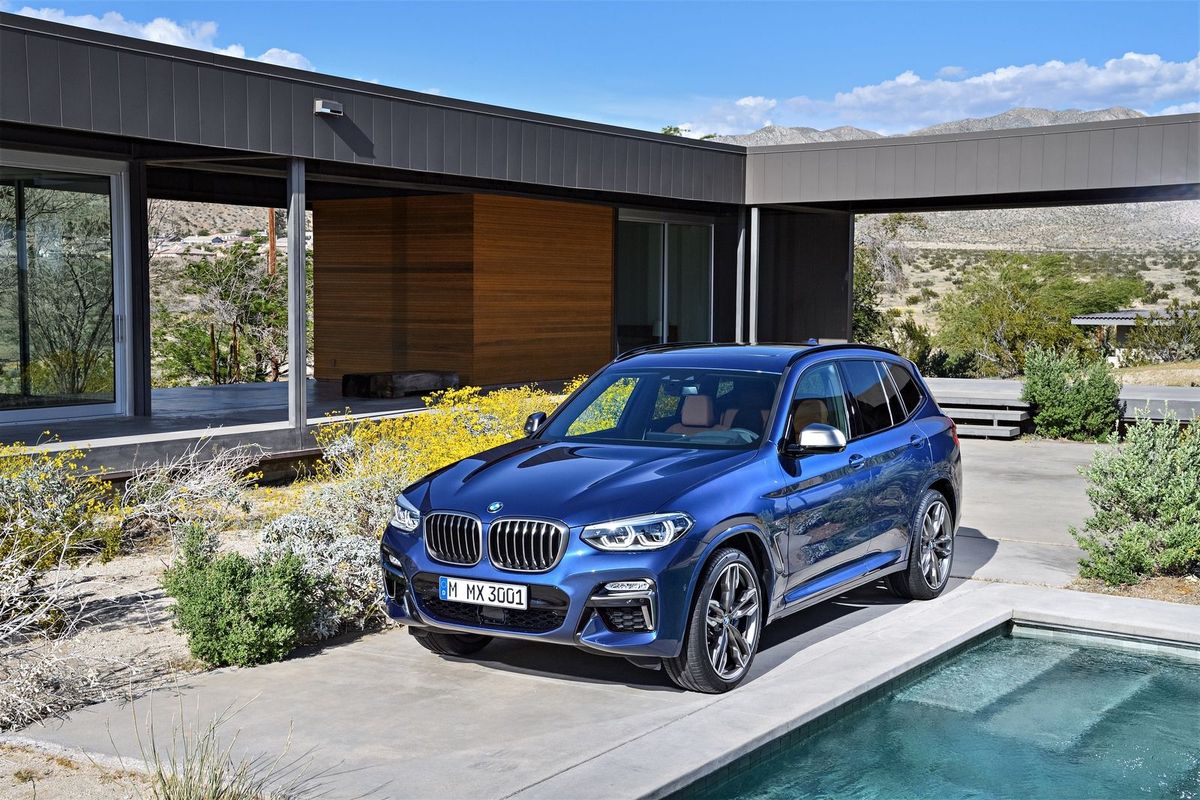
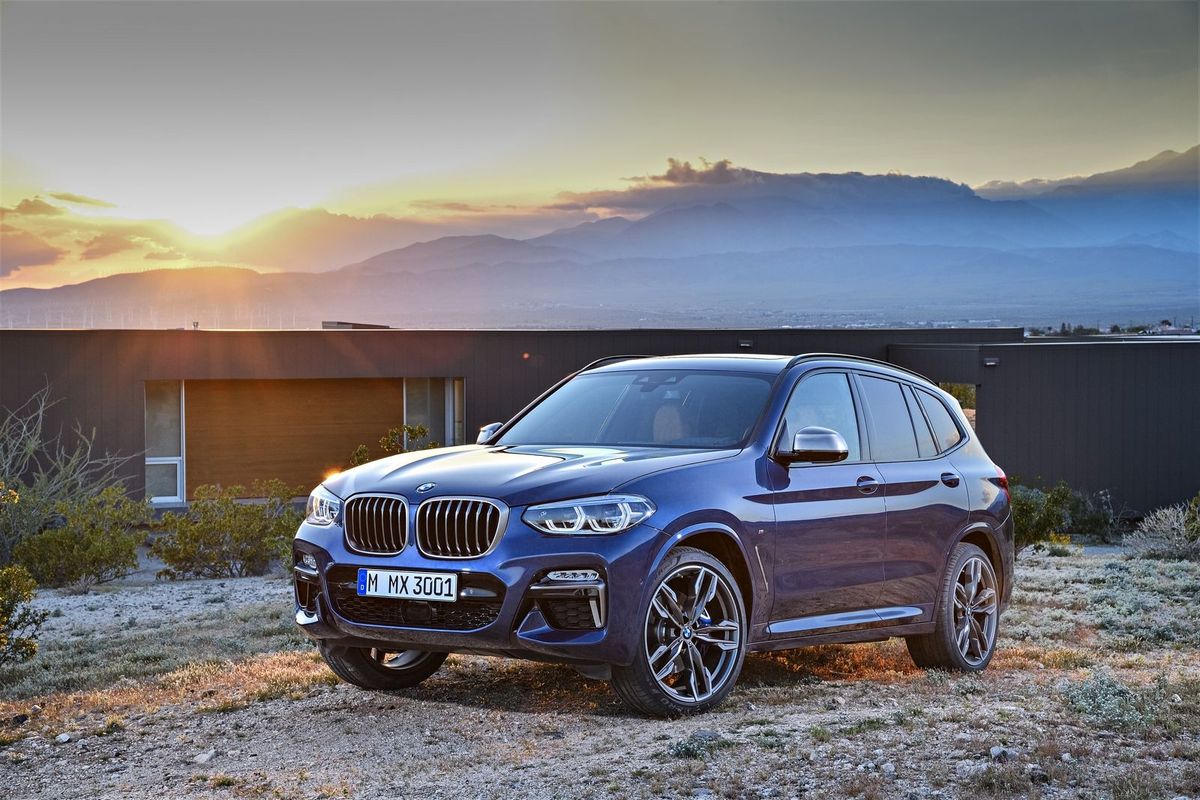
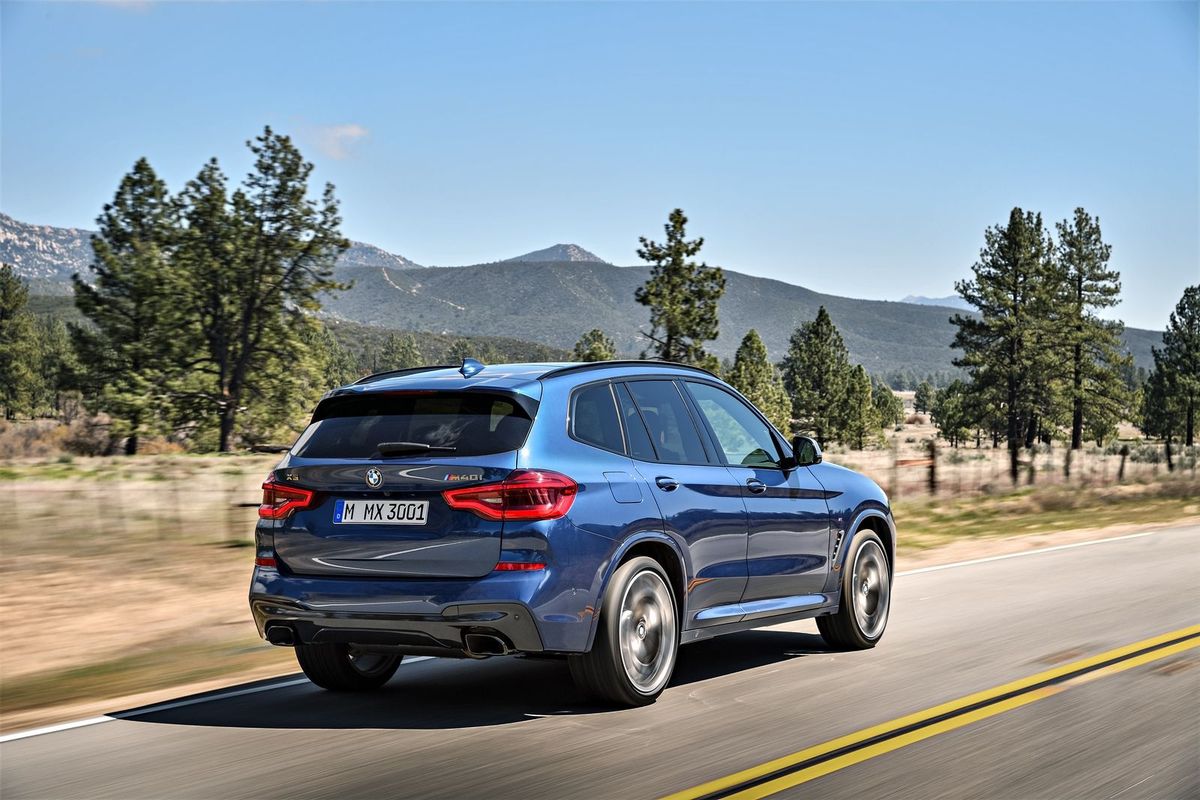
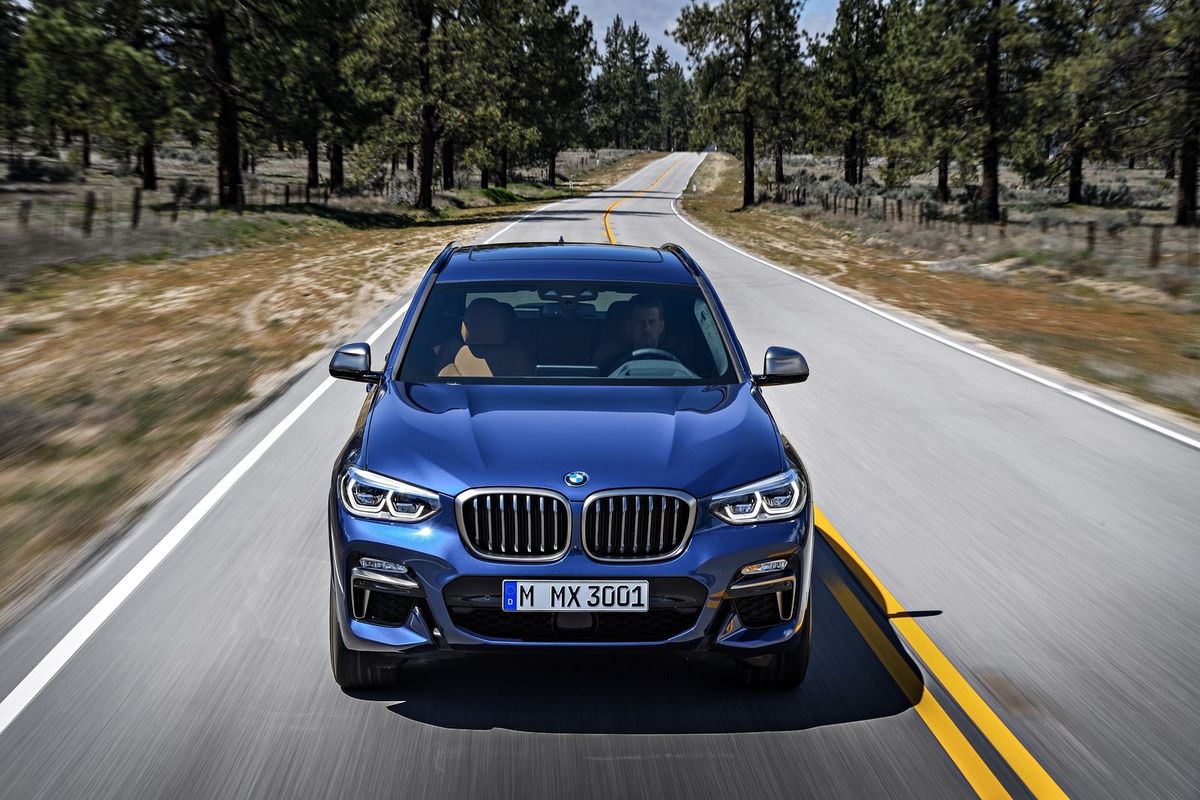
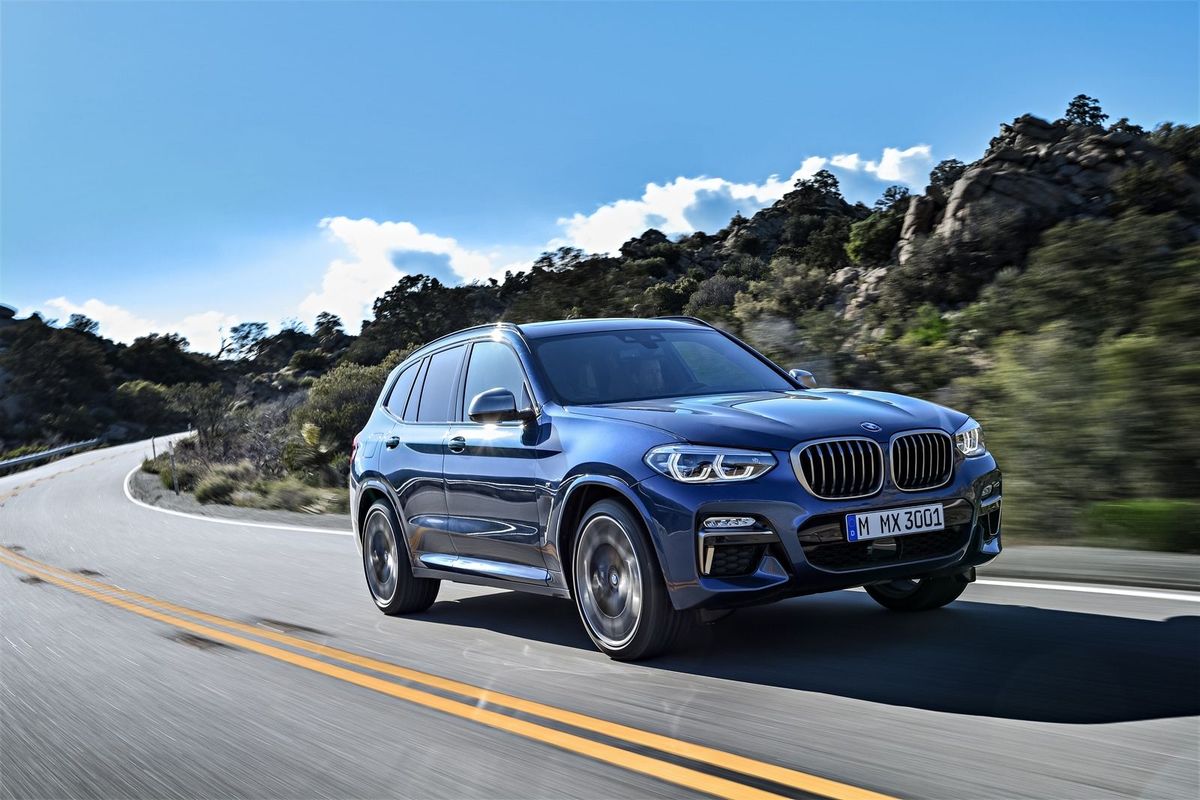
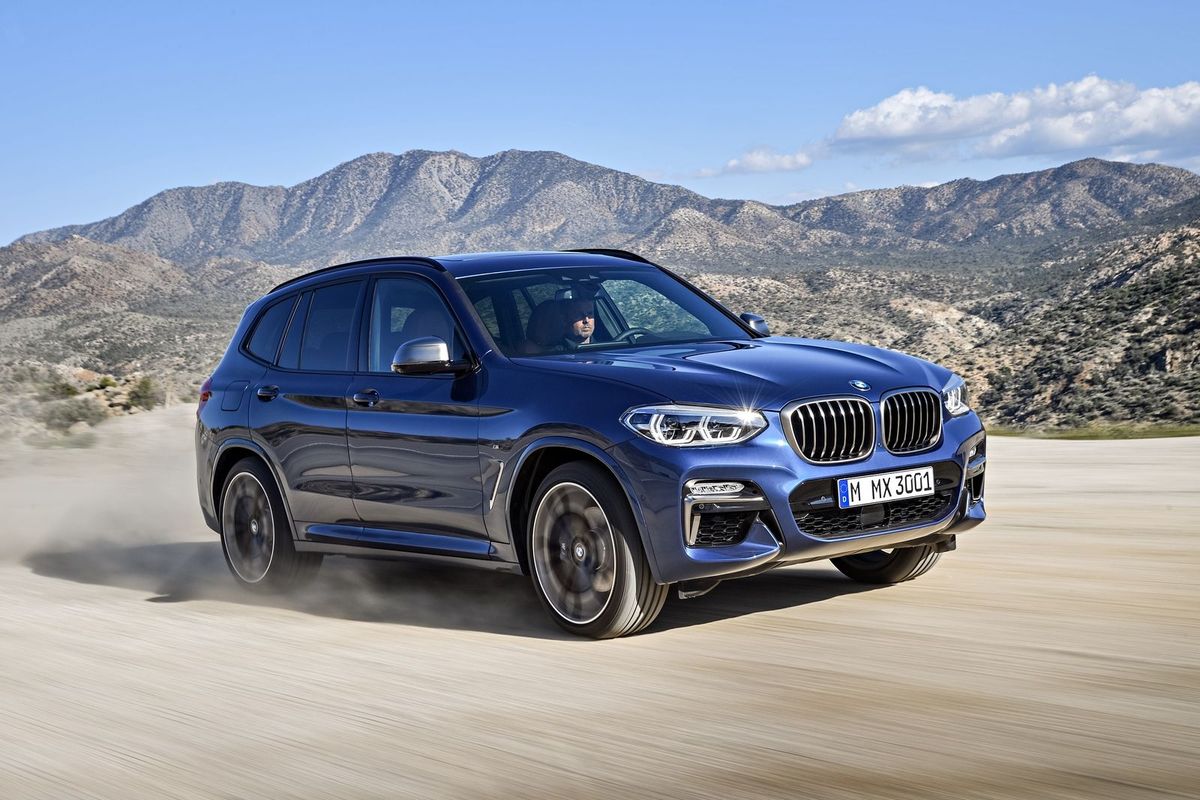
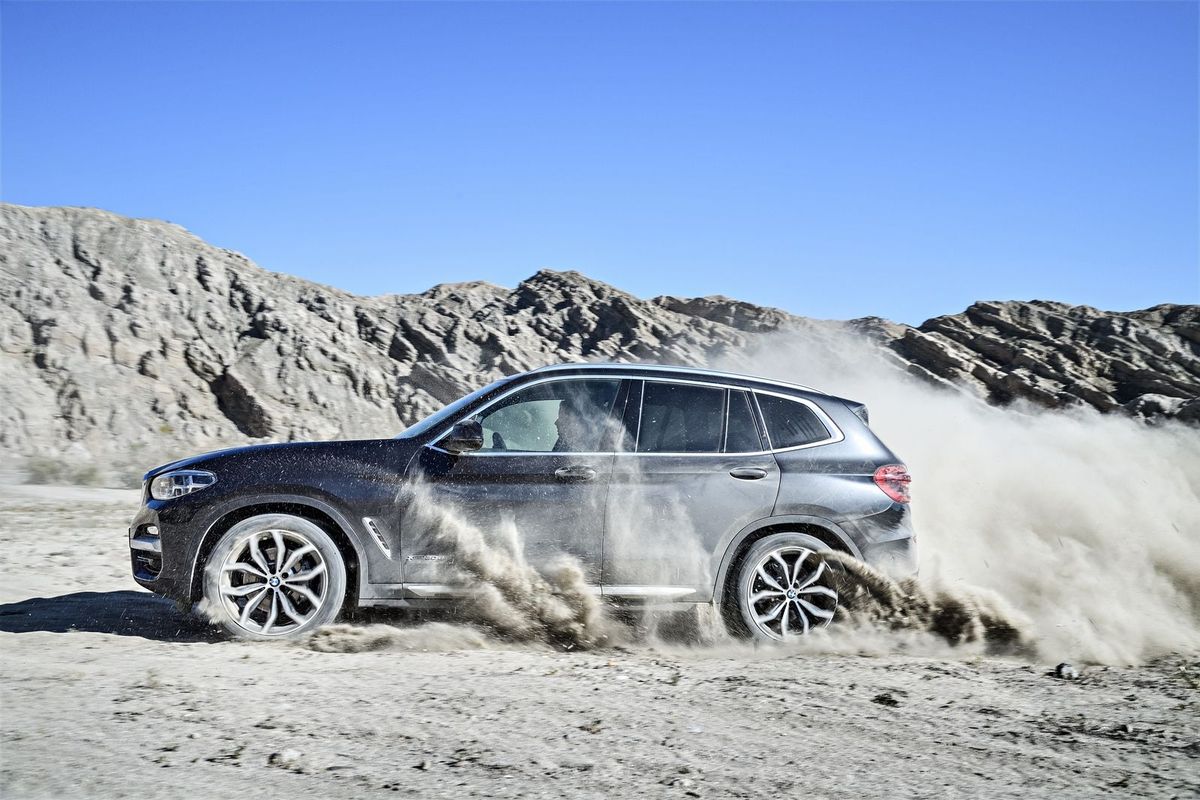
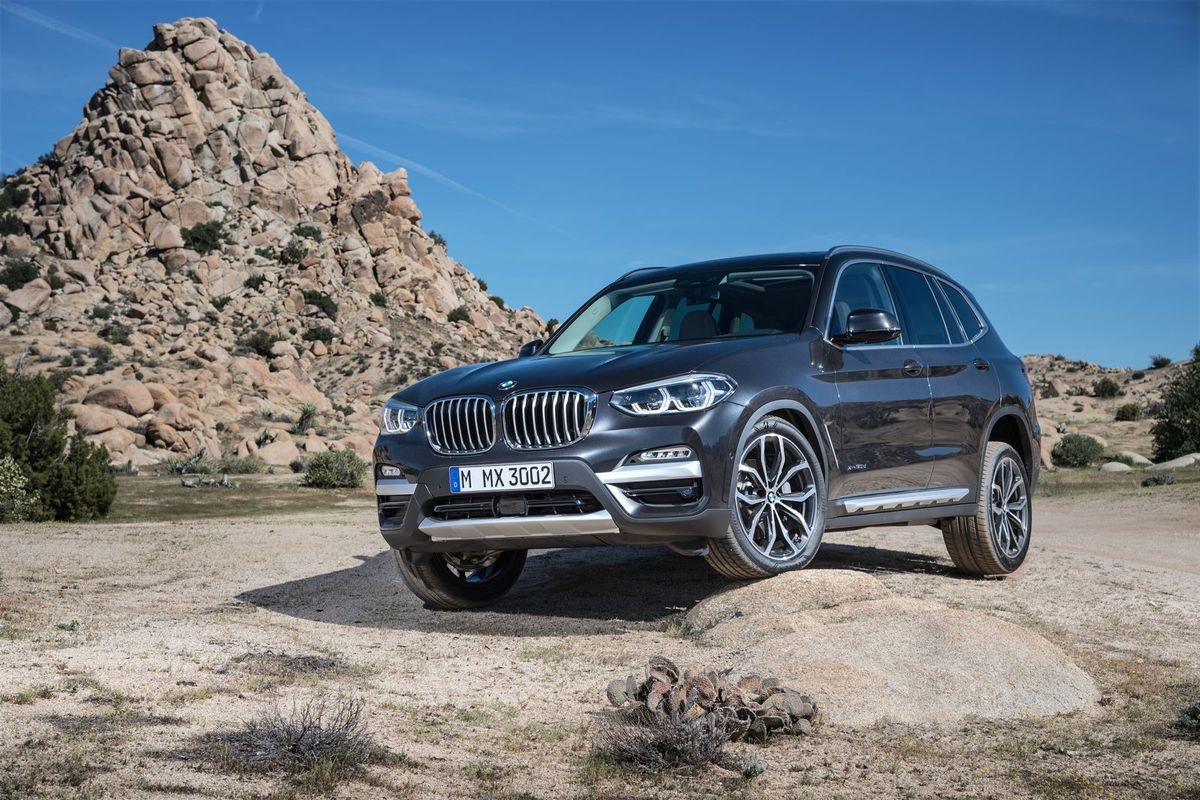
The 3rd-generation BMW X3 executive crossover/SUV will be produced at BMW SA's plant in Rosslyn from 2018. Pricing for this new model is now available thanks to BMW's website and we can share it with you.
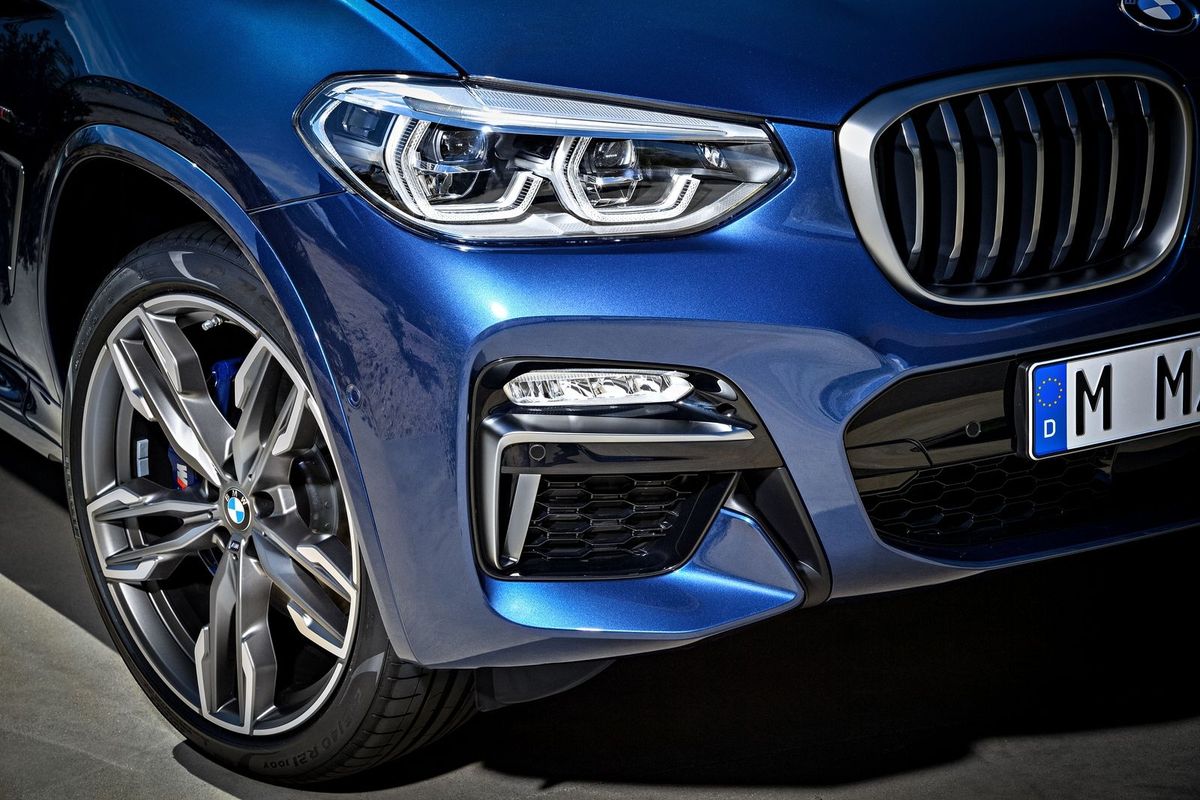
The BMW X3, as we have written before, will replace the current 3 Series as BMW South Africa's local production model. The new model has finally been revealed and, as expected, features a much more pronounced (read bigger) kidney grille. Front and rear LED lights have been designed to reflect a 3D look with a low rear roof spoiler giving it a coupe roofline feel.
It will be available in xLine, M Sport and Luxury line trim options while a unique Pythonic Blue colour is specific to the new X3 range.
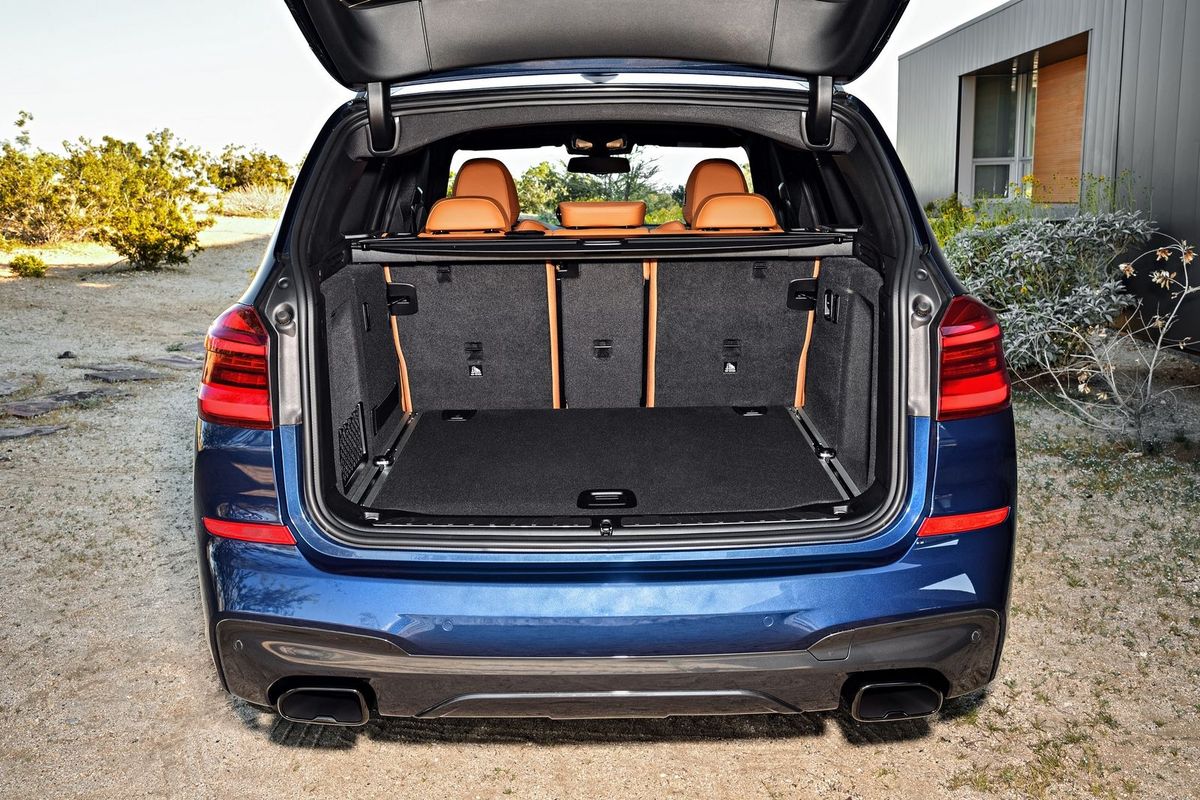
Size-wise the new model is longer by 78 mm and the wheelbase is longer by 54 mm. The luggage capacity has been kept identical at 550 litres, which should translate into more passenger space.
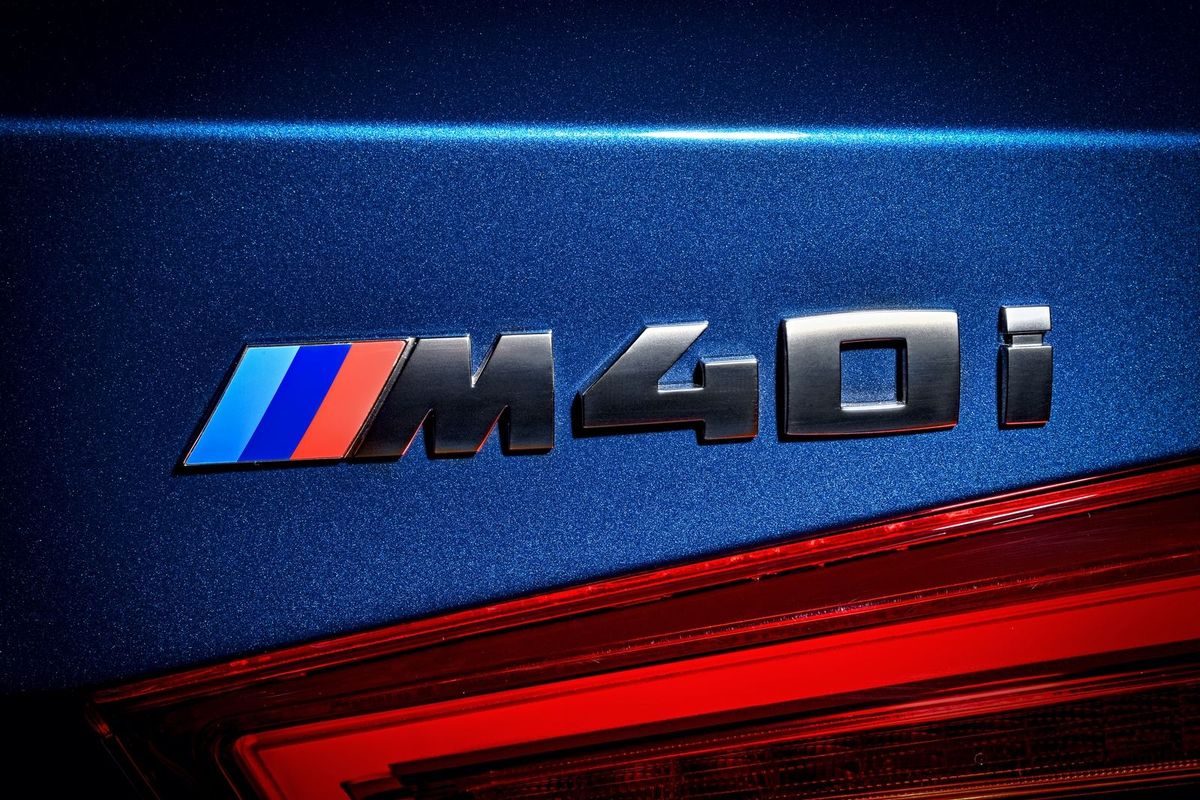
The engine range is as to be expected with downsized turbopetrol and turbodiesel engines on offer. The X3 M40i is fitted with a potent motor than produces peak outputs of 265 kW and 500 Nm of torque. The 3.0-litre 6-cylinder turbopetrol propels the range-topping X3 from standstill to 100 kph in just 4.8 seconds.
The rest of the range comprises an X3 30i with 185 kW using 7.4L/100 km, an X3 20d with 140 kW and 400 Nm claiming 5.4 L/100 km. The X3 30d has 195 kW and 620 Nm of torque and claims just 6.0L/100 km. All models appear to be fitted with an 8-speed steptronic gearbox.
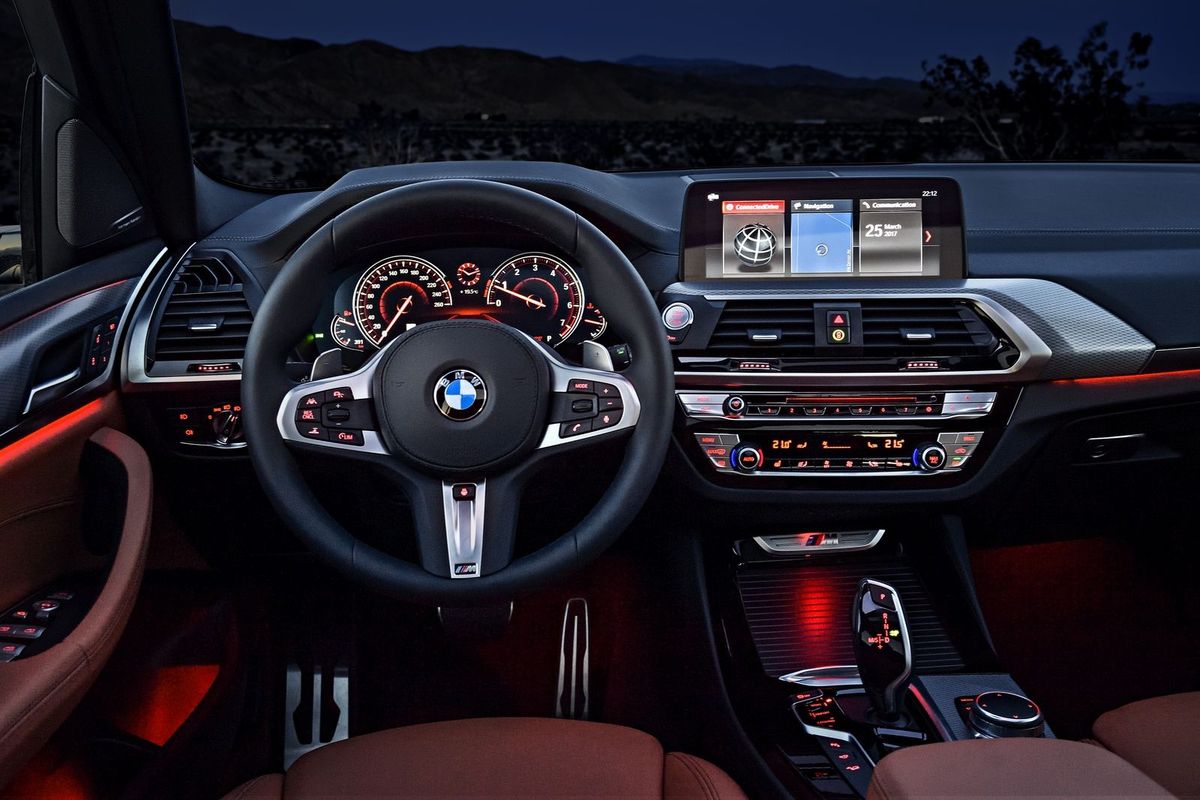
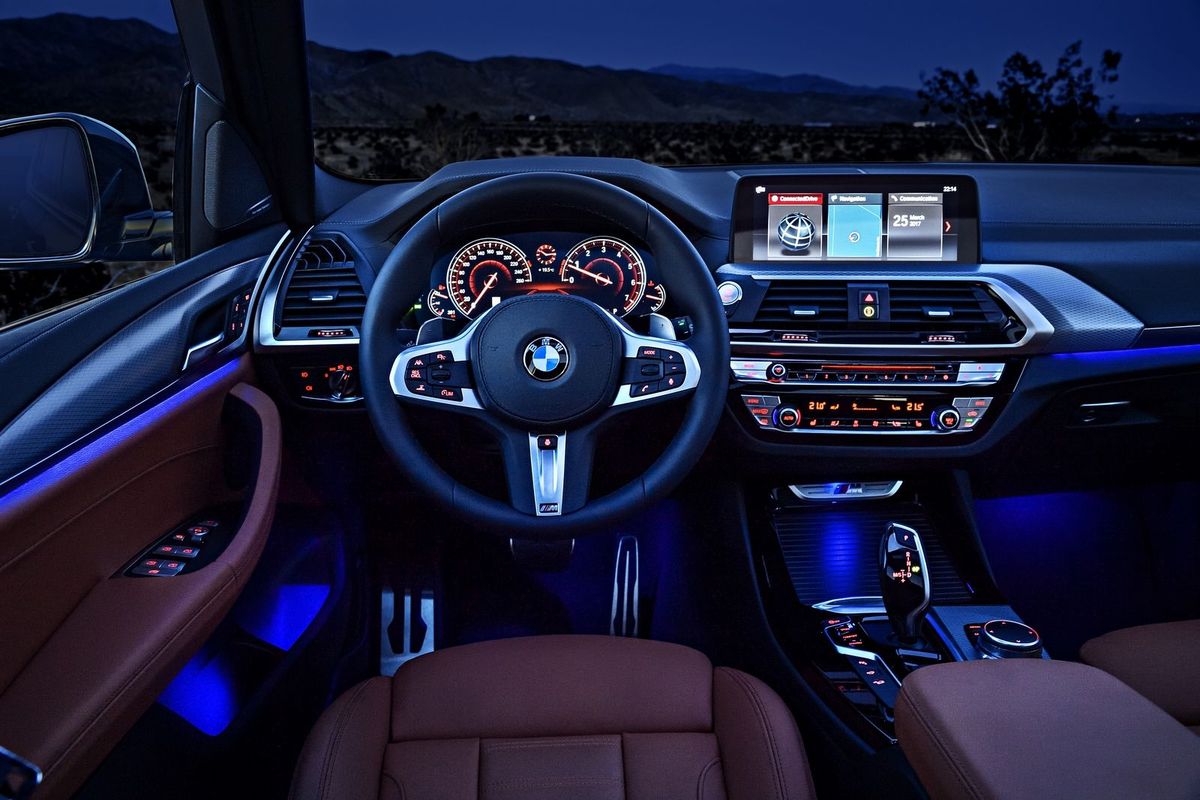
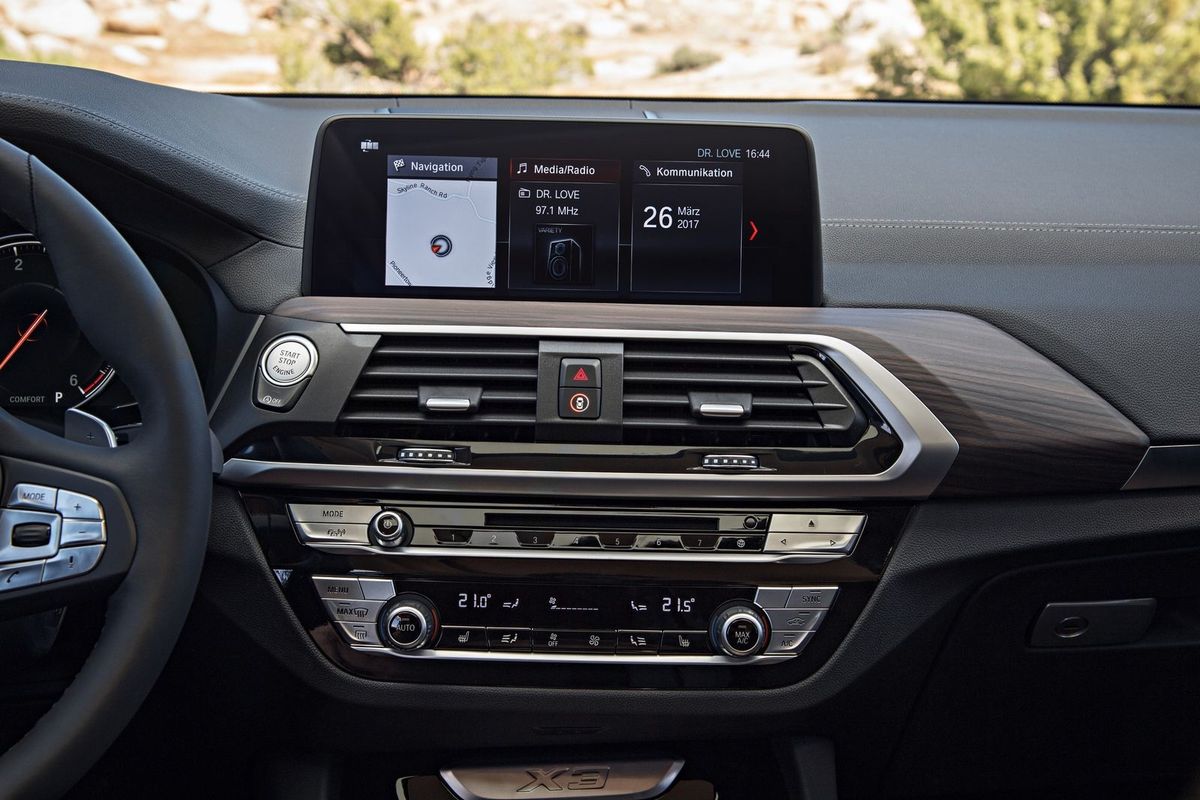
As expected weight has been shed with the new X3 over the old and it sits around 55 kg lighter now. Some of the trickle-down tech from the 7 and 5 Series has been installed in the X3 as it benefits from semi-autonomous driving, the latest version of active cruise control, gesture control and a more connected infotainment system.
The X3 will begin production in Spartanburg (South Carolina, USA) during July 2017. The South African built X3 will only begin production in April 2018. That means our first batch of X3s will be imported before local production takes over. Production of the current 3 Series at Rosslyn will cease in February 2018 and the all-new BMW X3 goes on sale in South Africa in November 2017.
BMW X3 Specs and Price in South Africa
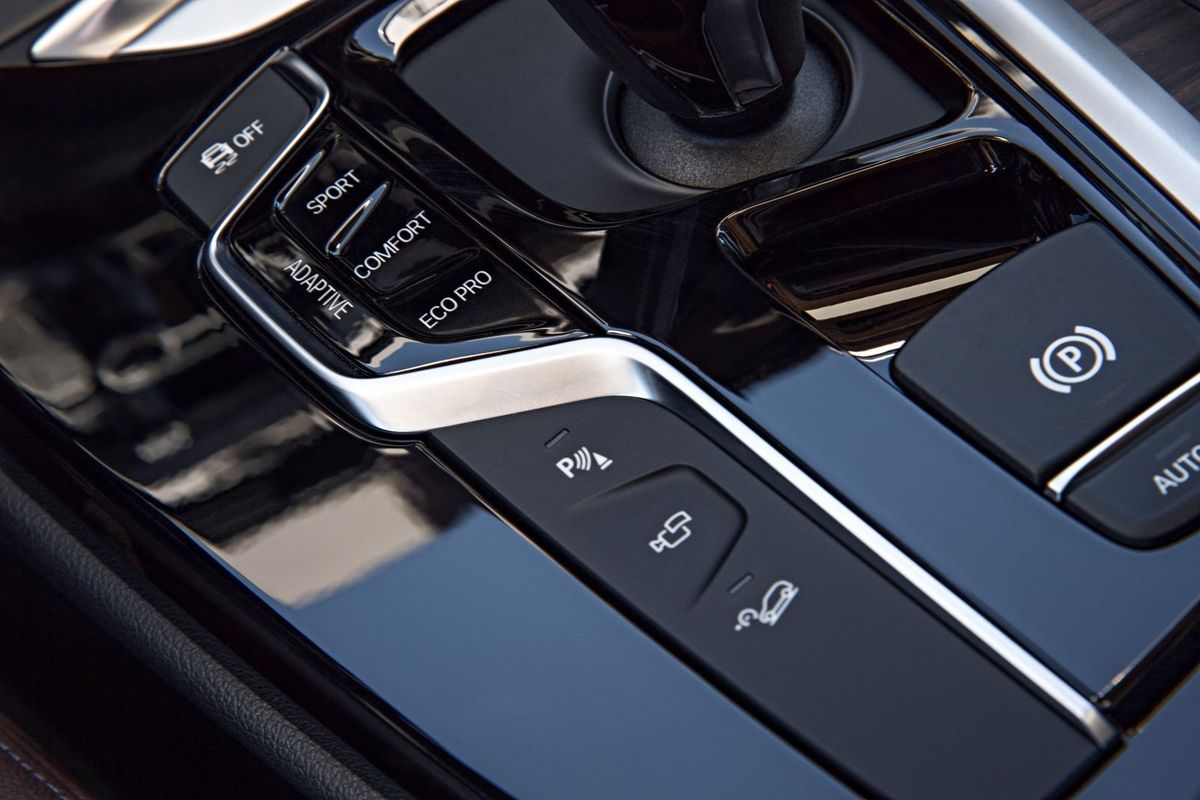
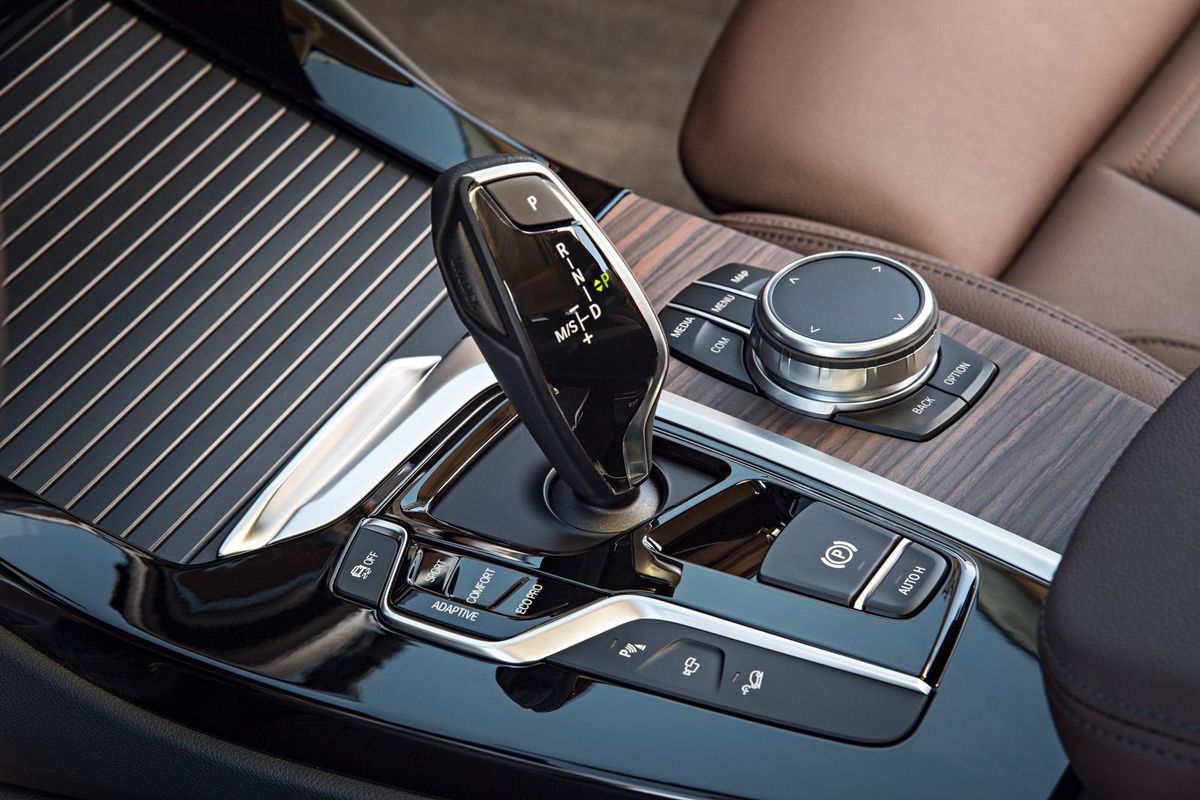
All BMW X3 models sold in South Africa come with BMW's all-wheel-drive system and all feature automatic transmissions. An 8-speed Sports Automatic Transmission is available as an option, except for the X3 M40i, where it is standard. There are 4 levels of trim: Standard, xLine, Luxury Line and of course the M Sport package. There are plenty of options to consider to truly make each and every X3 unique.
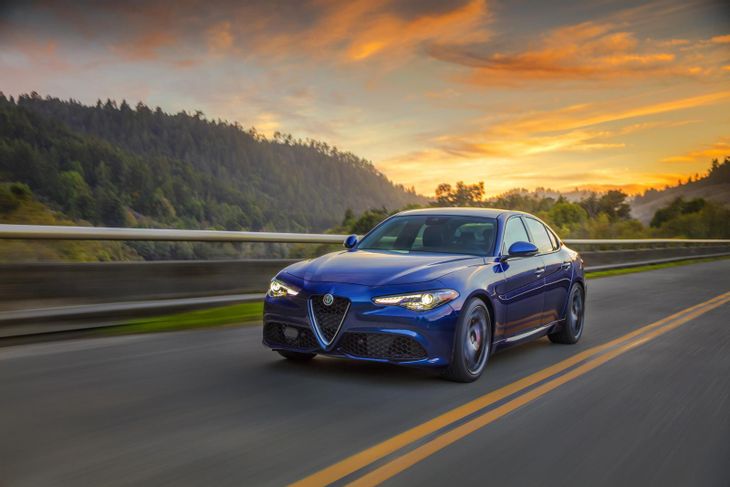
3 Reasons Why is Alfa Romeo Giulia is #CarsAwards Finalist
What makes the Alfa Romeo Giulia 2.0T Super a strong contender in the Business Class category of the 2017/18 Cars.co.za Consumer Awards – powered by WesBank? We investigate…
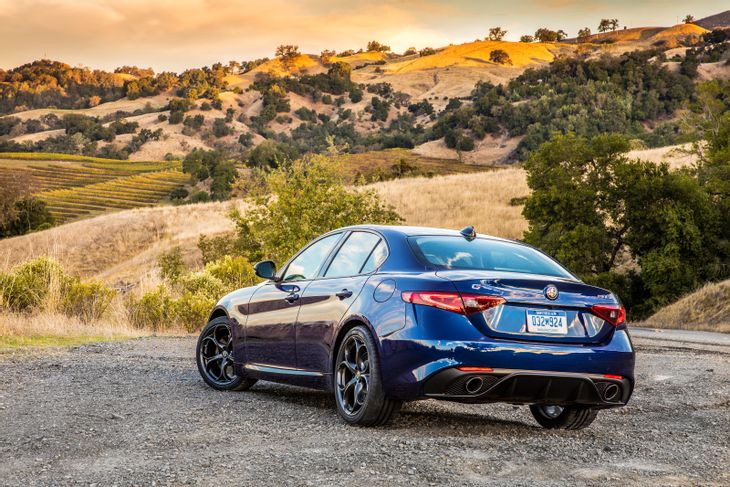
This is the car which Alfa Romeo is banking on for success in the 21st century. The Alfa Romeo Giulia adds some much-needed passion and personality into a rather Germanic segment. It’s unmistakably Alfa Romeo and it looks purposefully sporty at the front and shapely at the rear. It’s a competent product thanks to full-house specification and a wonderfully communicative chassis. Will it best its German rivals in the Business Class Category?
3 Reasons Why is Alfa Romeo Giulia is #CarsAwards Finalist
1. Refined and efficient
This new Alfa Romeo chassis and powertrain has pleased the pundits. A 2.0-litre turbocharged four-cylinder is on duty and it pushes out 147 kW and 330 Nm. Power goes to the rear wheels via an 8-speed automatic gearbox. It may be a bog-standard automatic but it has been mapped to feel like a sportier dual-clutch gearbox. It’s a refined and responsive setup.
Despite its performance capability, the Alfa Romeo Giulia is also fuel efficient and is claimed to consume just 5.9 L/100km.
2. Tech and safety galore
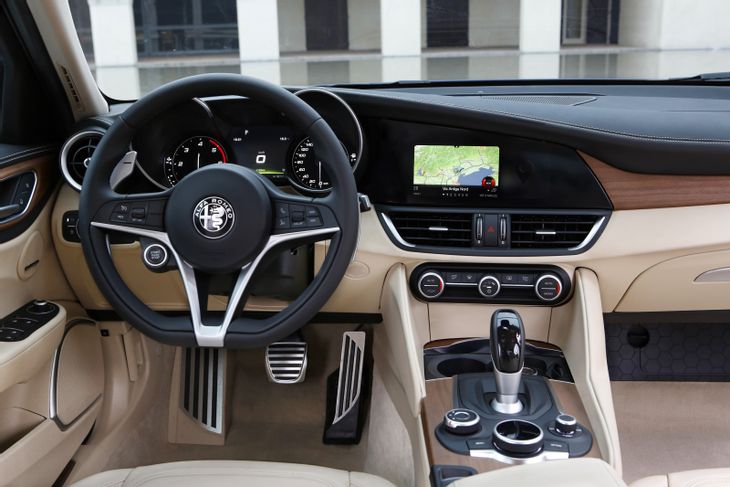
The Alfa Romeo Giulia comes to market with substantial tech as standard. Dual-zone climate control is a nice standard feature and the 8.8-inch infotainment system connects quickly via Bluetooth and USB ports – it's one of the better phone-to-car systems we’ve used. Navigation is available too.
One of the biggest drawcards of the Giulia is the safety spec. There’s a full complement of airbags and stability control systems, the Giulia features an integrated brake system, forward collision warning with autonomous emergency brake and pedestrian recognition, lane departure warning and cruise control with speed limiter. A blind-spot monitoring system, meanwhile, is an optional extra.
3. Driving bliss
The Giulia was conceived as a performance car first with the chassis designed and tweaked specifically for it. The engine moves the Giulia along effortlessly and is quick to respond to throttle inputs. There’s plenty of torque in reserve if you need to overtake at freeway speeds and acceleration from standstill to 100 kph is claimed at 6.6 seconds.
It’s great fun to coax through your favourite twisty section and provides astounding confidence to push and find the limits. Grip levels are high, thanks to the 17-inch wheels.
Watch our video review of the range-topping Alfa Romeo Giulia Quadrifoglio below!
Have Your Say: Complete our survey and WIN!
Do you own a Giulia? We would love to hear from you! Tell us about your experience by completing our Ownership Satisfaction Survey. Your input counts for 50% of the final result!
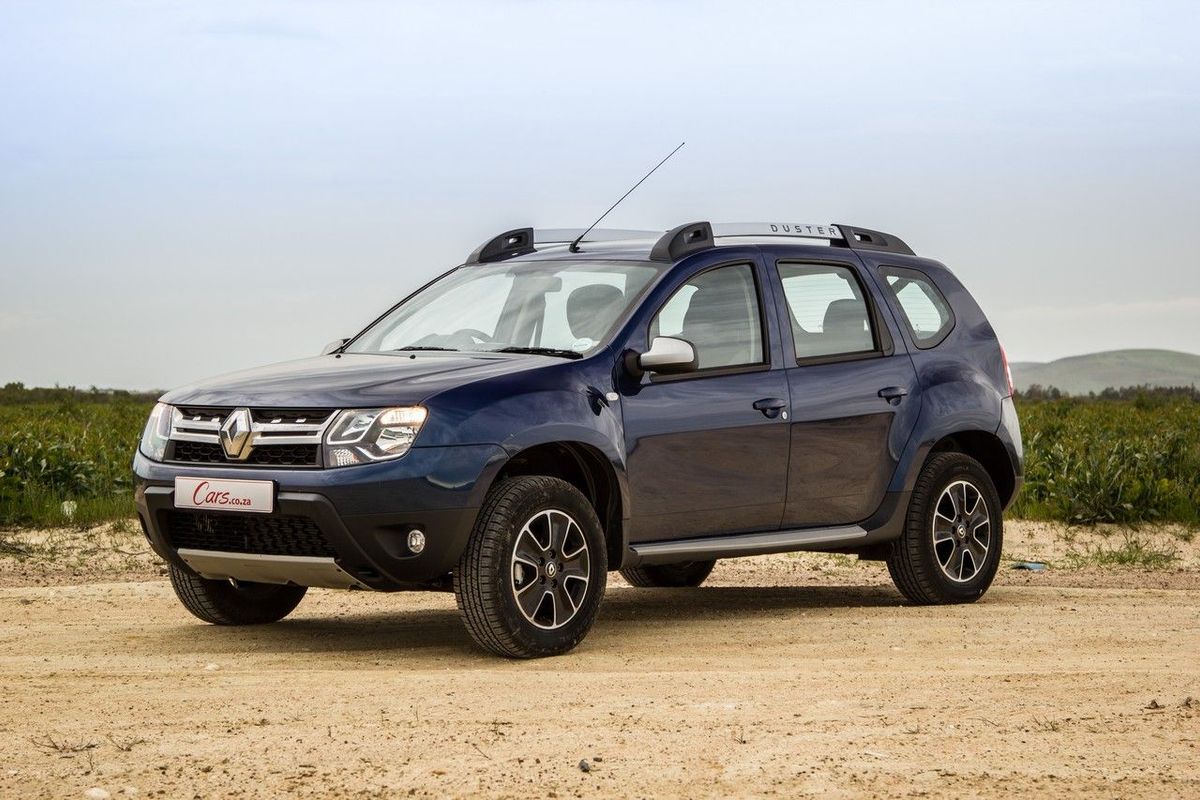
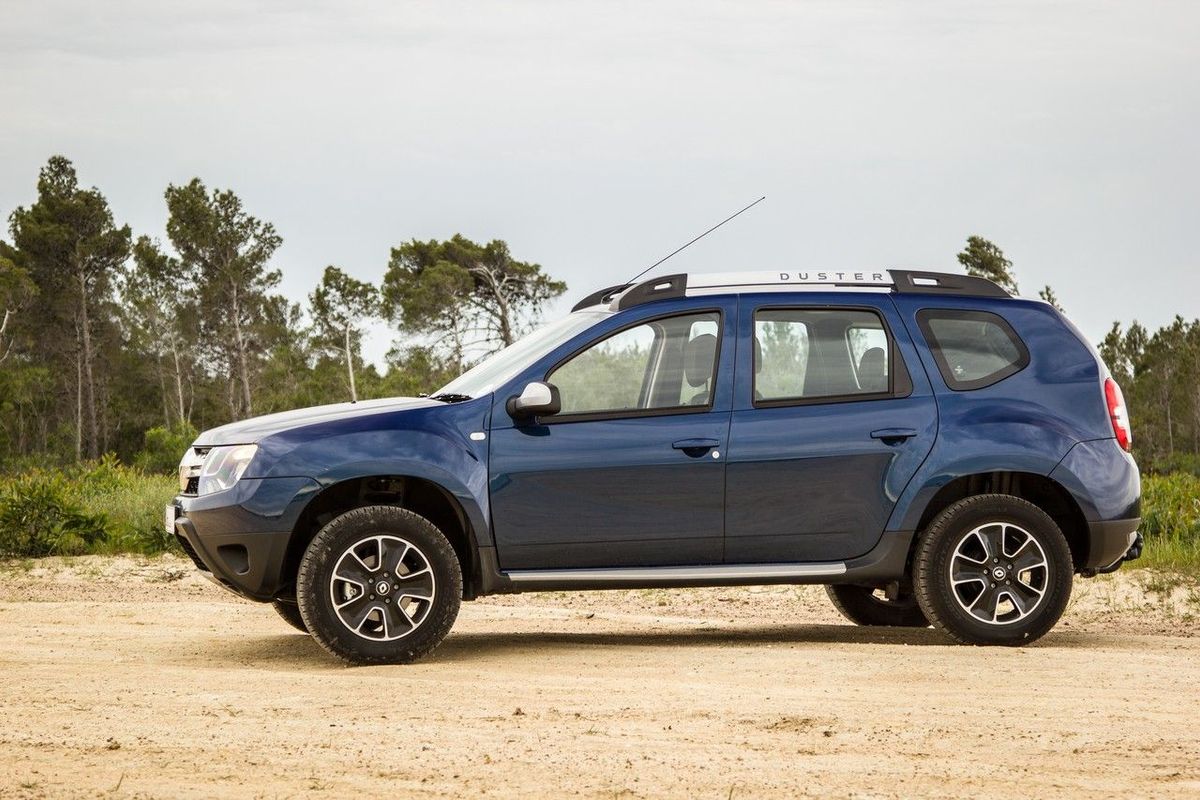
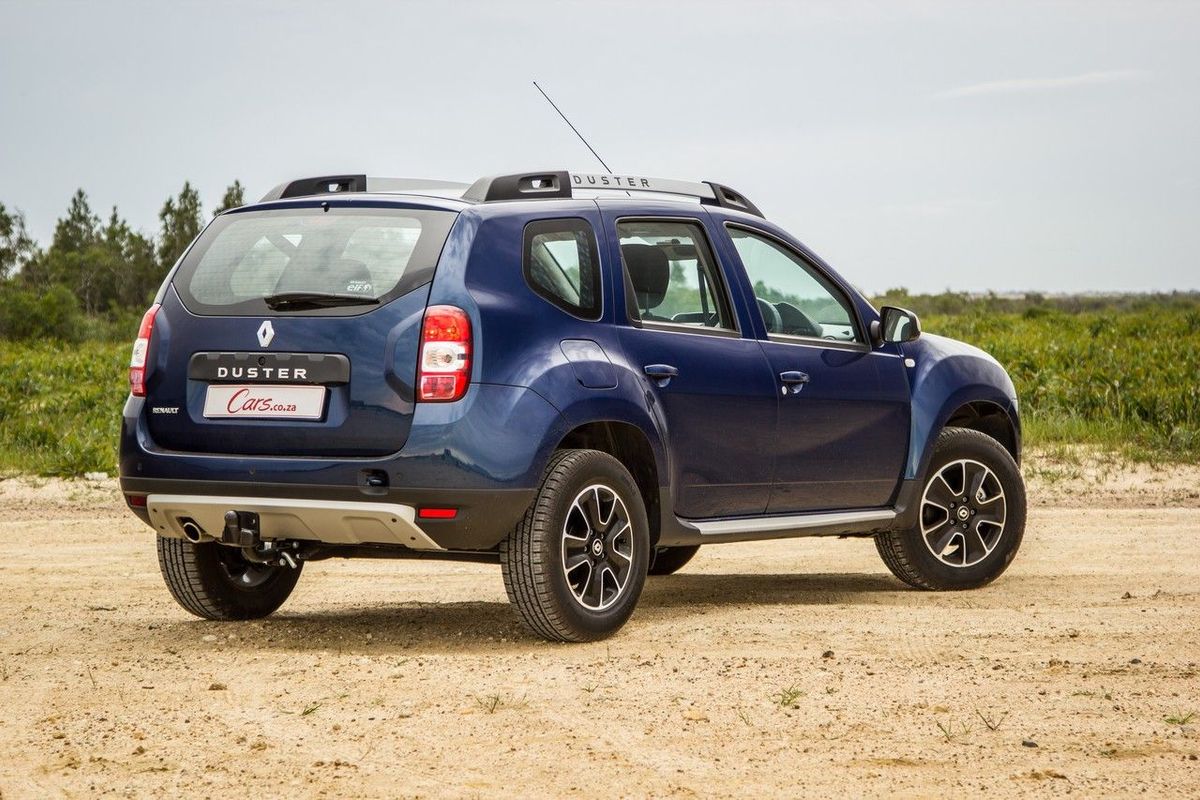
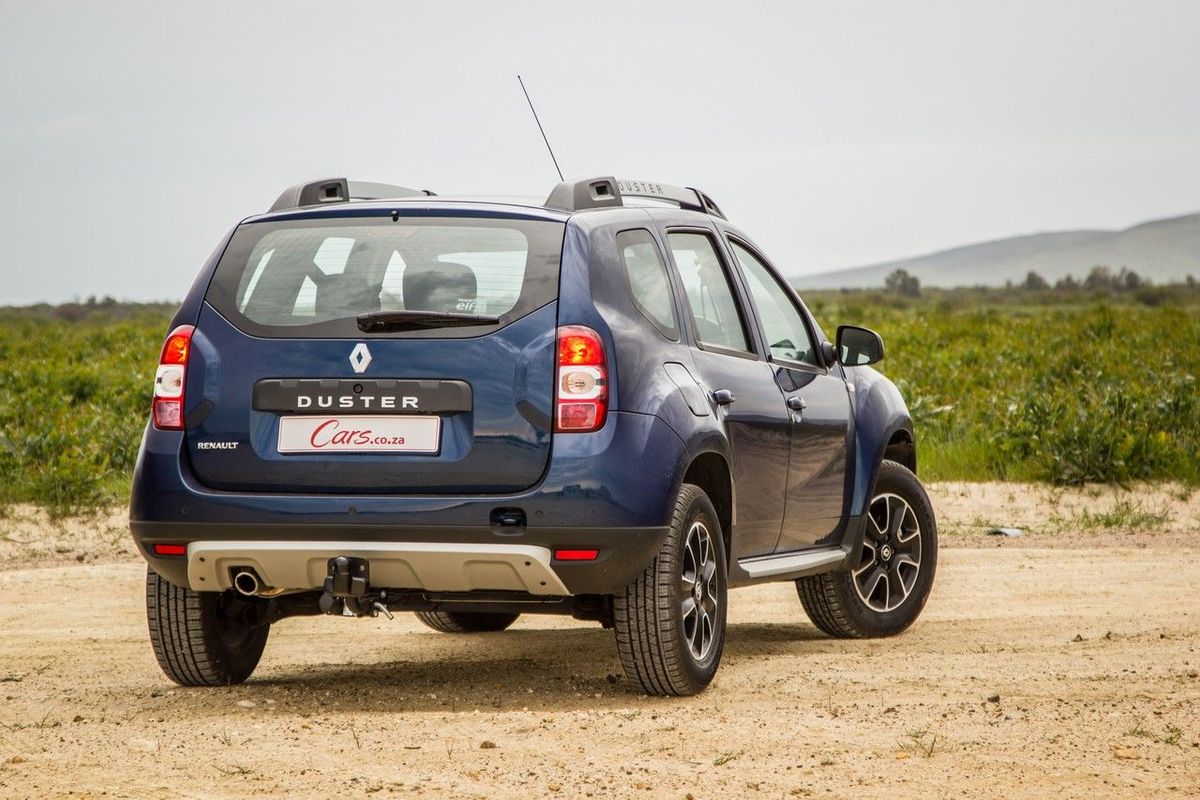
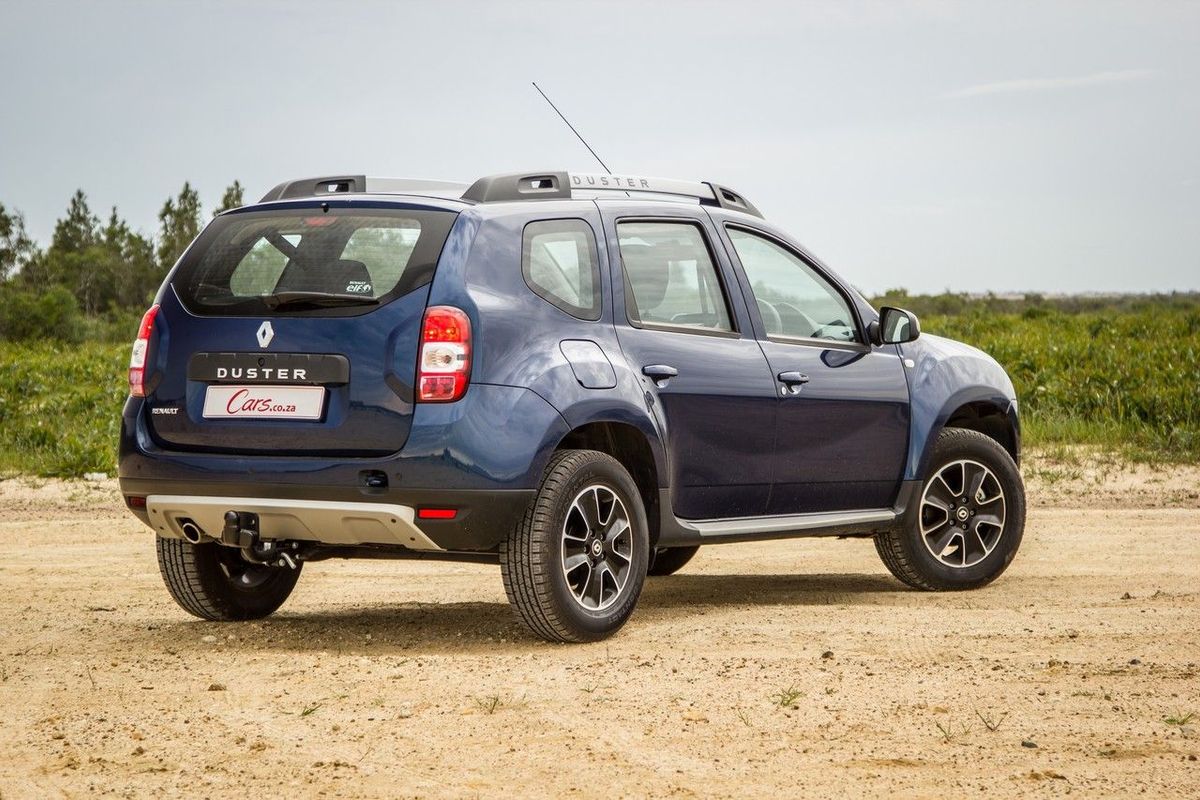
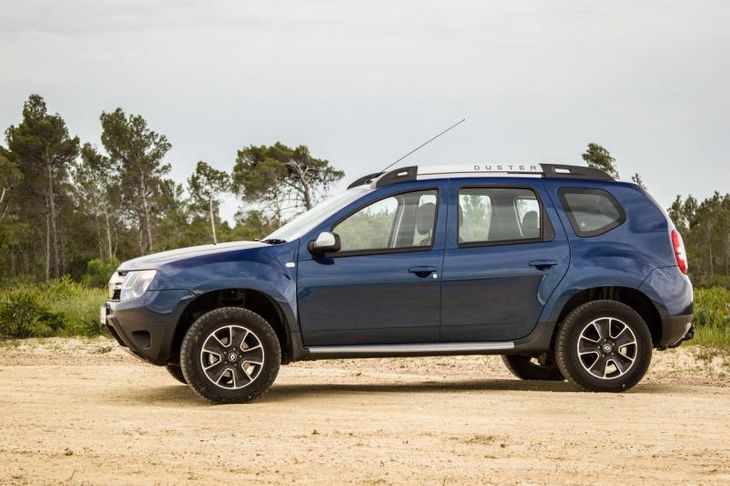
Renault Duster 1.5 dCi Dynamique EDC (2017) Quick Review
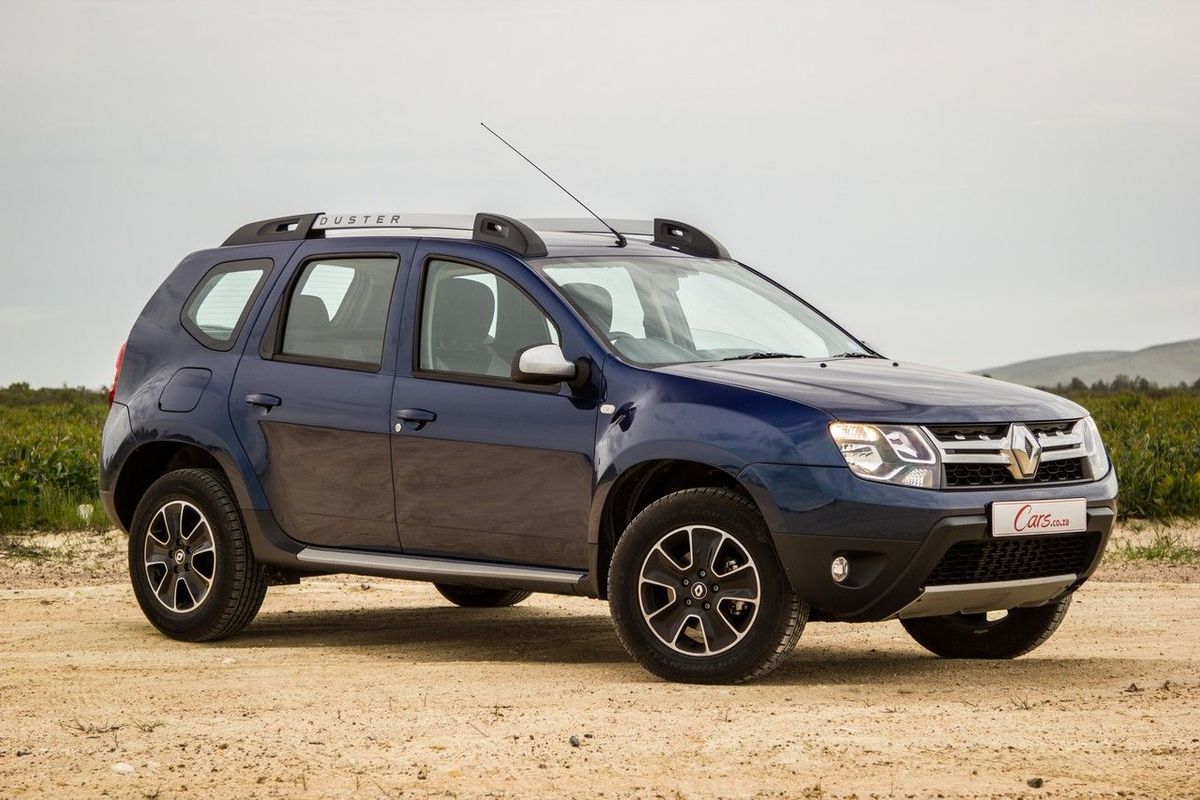
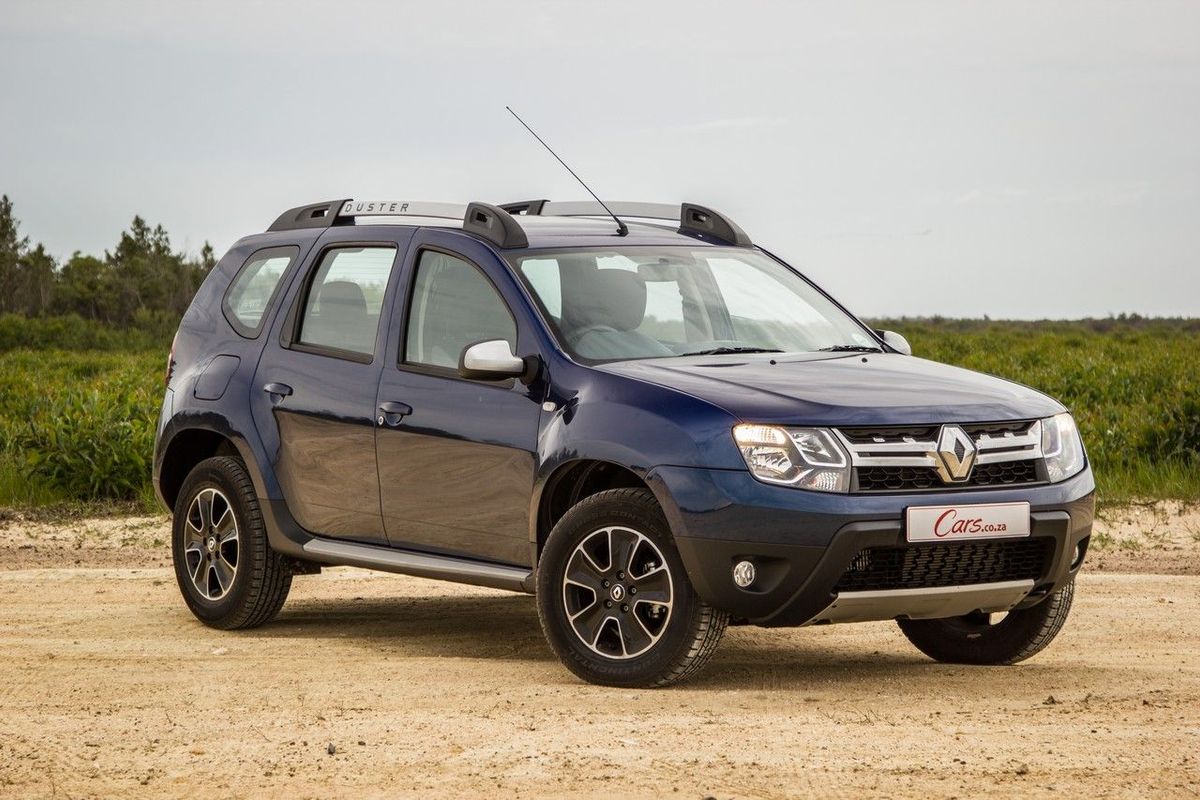
The Renault Duster was missing one key element from its line up. The lack of an automatic transmission was a big one, but finally, Renault has answered the call for a clutch-less option. We went for a quick drive in the Renault Duster EDC to see what it's like.
We like: Ease of use, good powertrain combination, generous specification as standard, spacious
We don’t like: Feels cheap in places, gearbox doesn't like bad traffic situations
Alternatives:
The award-winner: The Suzuki Vitara is a 2016/17 #CarsAwards champion that excels in terms of practicality and build quality, but its 1.6-litre engine is frugal, not punchy.
The popular choice: A revised replacement for the Ford Ecosport is imminent. It offers commendable driving manners but suffers from a cheap-feeling interior.
An MPV that became-SUV It may look like an off-roader, but the Honda BRV is essentially a Mobilio on stilts. It's the only vehicle here that can transport 7 occupants, however.
Only other turbodiesel automatic compact family car: top-of-the-range Hyundai Creta is spacious and reasonably equipped, but, comparatively, a lot more expensive.
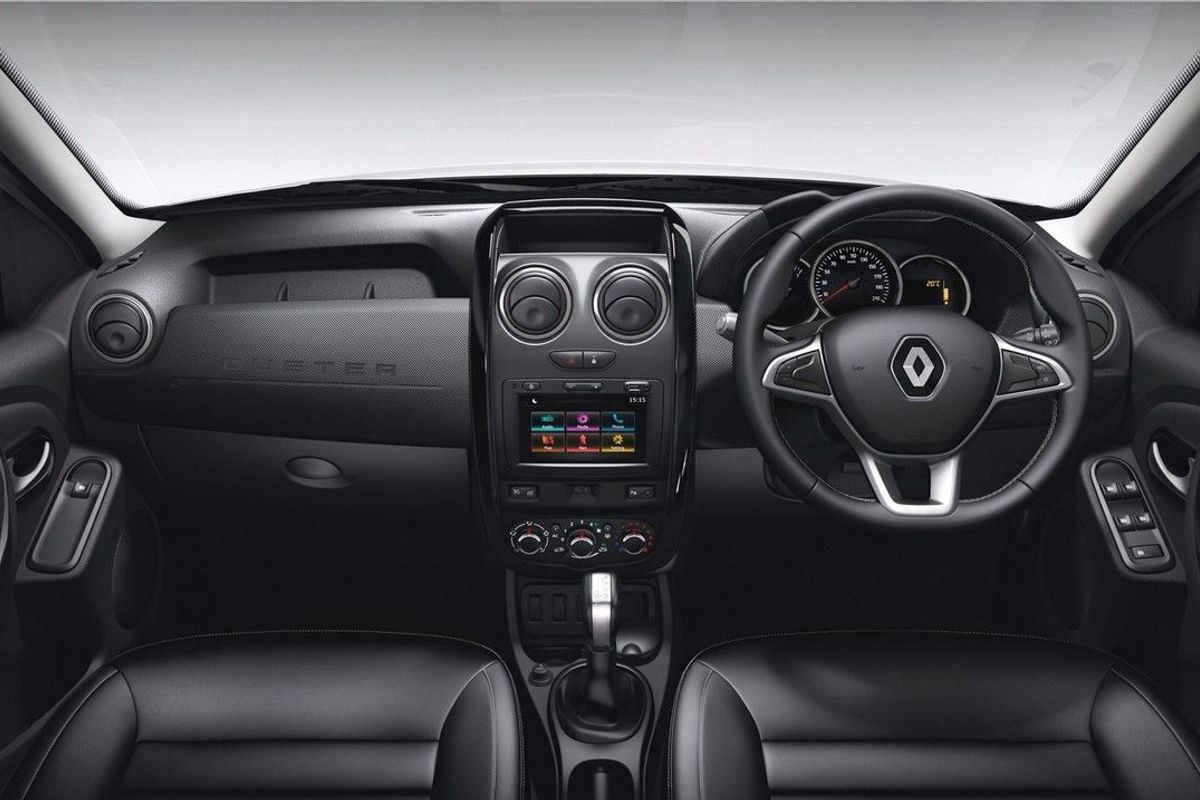
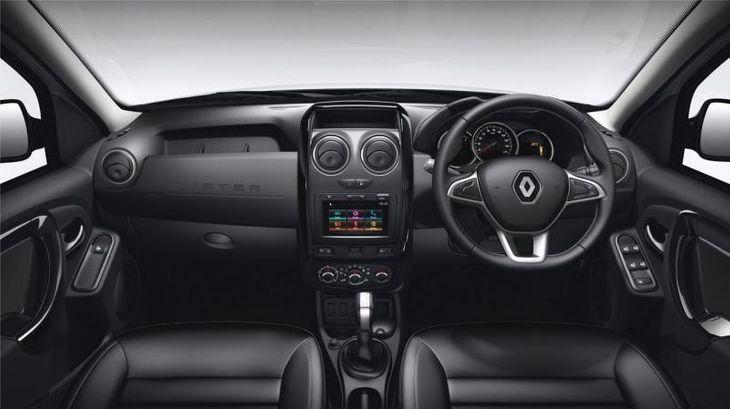
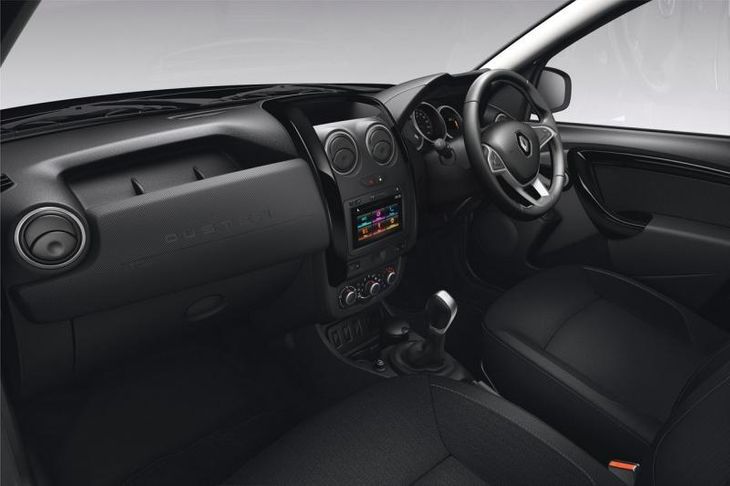
The Duster's infotainment screen displays a comprehensive menu, but it is placed a little too low for our liking.
What is it?
The Duster is a typical "honest vehicle" – it doesn't pretend to be what it isn't. It doesn't have aspirations of appealing to the upper crust, it doesn't claim to punch above its weight (unless you're looking for the 4×4 capability of the flagship model) and its value proposition is strong. Although the next generation Duster is due in the local market in 2018, we are enamoured with the current iteration, of which we've tested numerous versions: front- and all-wheel drive, petrol and diesel; we even did an extended test with the 4×4. The range offers a variety of options, but the one thing that was lacking was an automatic derivative. Now, finally, one has arrived – its equipped with an electronic dual-clutch transmission sourced from Getrag.
The Good
The smooth-shifting 'box
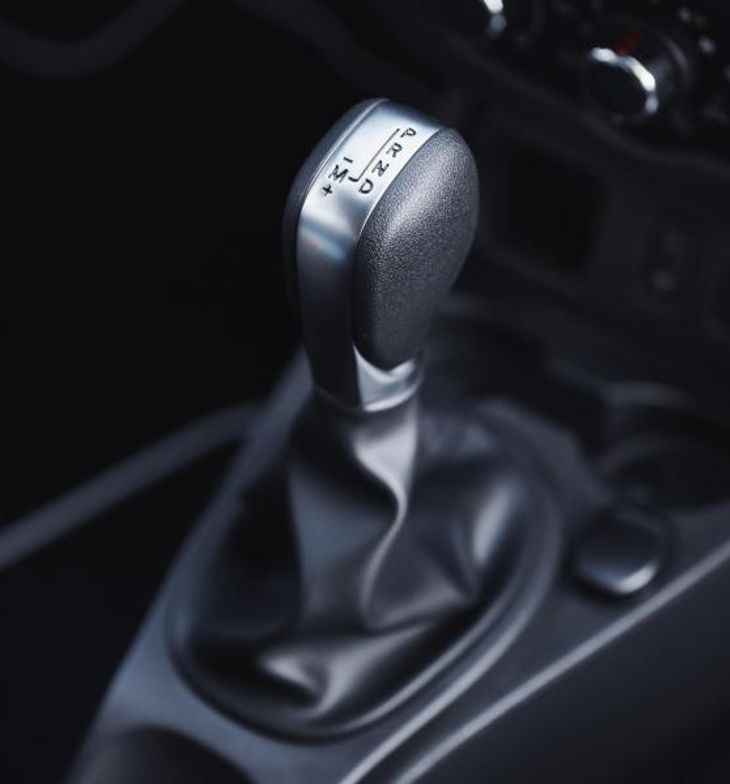
The 6-speed EDC transmission works well and provides smooth upshifts.
We were delighted to find that the Duster comes with an EDC, as opposed to the old-school, torque-converter automatic because dual-clutch 'boxes tend to offer quicker, smoother shifts and better efficiency. The tried-and-trusted powerplant and new transmission generally work well together. In free-flowing traffic and on the open road, upshifts are smooth and effortless, while downshifts are mostly unobtrusive. We say mostly as the final downshift from 2nd to 1st, when coming to a halt, always resulted in a tiny thud. We also noticed some jerkiness in bumper-to-bumper traffic. These are quirks we'd accept at this price point. You can, of course, switch the gearbox into a manual mode and swap cogs yourself in a sequential mode.
Value for money
One of the reasons we like the Duster (and probably the biggest reason it sells so well in the South African market), is that the plucky Renault, despite its advanced years, offers outstanding value for money. When you compare the range's derivatives directly against their rivals, it's hard to argue against the French car's bang-for-buck factor. There are very few compact family cars/baby SUVs with this much spec, features and safety under R300 000. The flagship 4×4's price tag does break through the R300k barrier, however.
With this 1.5 dCi Dynamique EDC derivative, you get satellite navigation, Bluetooth connectivity, cruise control, speed limiter, front fog lights, rear park distance control, aux/USB inputs, as well as remote steering wheel controls for radio/phone. With its thrifty 1.5-litre turbodiesel engine, you'll also be saving money at the pumps as it consumes very little fuel. Renault claims a fuel consumption figure of 4.8 L/100km.
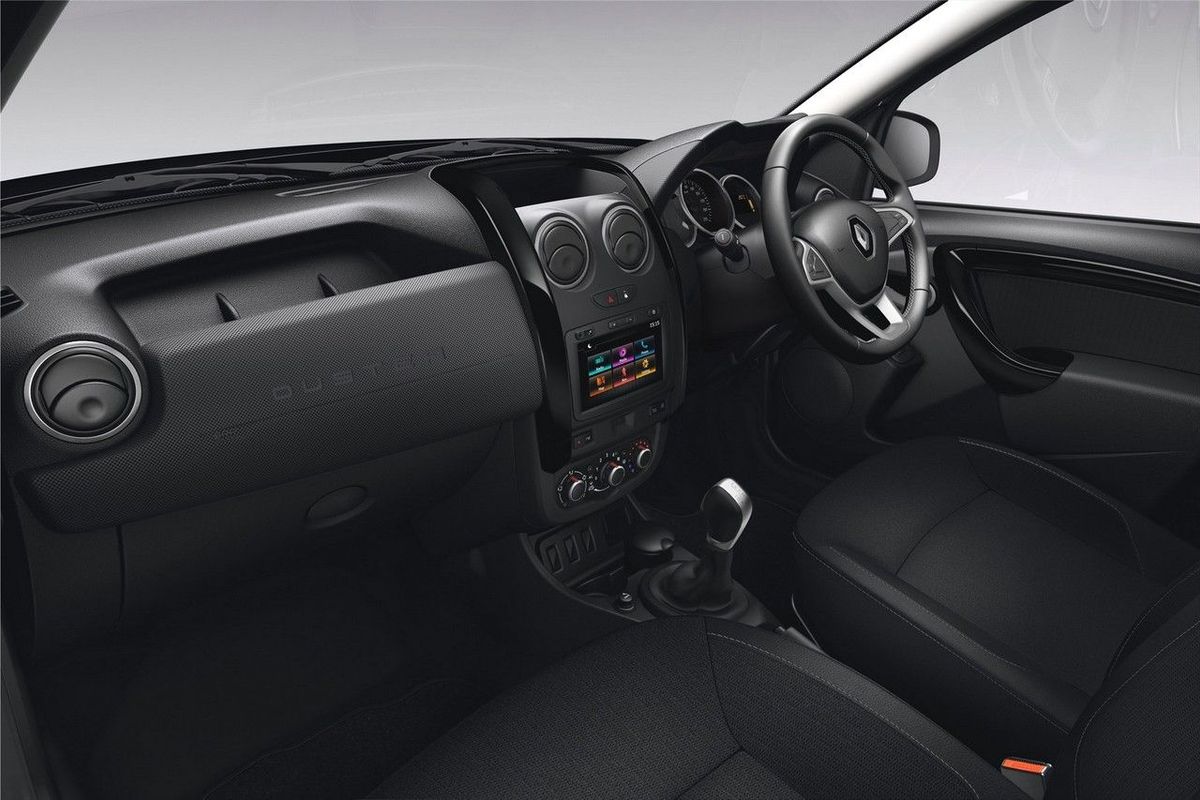
Although sturdy enough, the Duster's interior does have some cheap-feeling plastic finishing dotted around the cabin.
Practicality
It may look compact, but there's plenty of room in the Renault Duster. The Duster's spare wheel is cleverly located underneath the car, freeing up crucial space in the luggage bay. Renault claims the Duster can hold up to 475 litres of cargo with the rear seats up and 1 636 litres with the seats folded down. At the front, there are numerous little practical touches and places to put keys and coffee cups. The front passenger will enjoy the recess above the glove compartment and its an ideal spot to place that roadtrip-special bag of biltong.
The Not So Good
Build quality
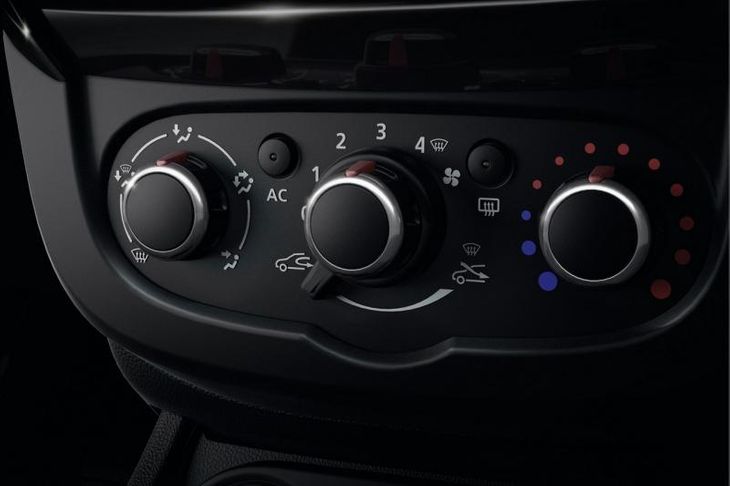
A basic air conditioning system does duty in the Renault Duster.
We adore the Duster for offering low-cost motoring for the masses, but while we can forgive it for ergonomic issues (such as awkwardly placed switches and the location of the touchscreen) we find it hard to defend some of its rudimentary interior finishes. There are some cheap-feeling plastics in various parts of the cabin and the fascia doesn't feel very sturdy, but the surfaces will probably be able to withstand the onslaught of children (and their grubby hands). The cloth upholstery feels durable enough, but you can get leather as an option.
Price and after-sales support
The Renault Duster costs R299 900 and it comes with a 5-year/150 000km mechanical warranty, a 3-year/45 000km service plan (with service intervals at 15 000km intervals) and a 6-year anti-corrosion warranty. The only two options available are metallic paint (R2 500) and leather seats (R10 000).
Verdict
Finally, the Duster range (a fixture of the South African market since 2013) is complete… it only needed an automatic model and Renault has closed the loop. To use that awful cliche (if you absolutely must – ed), there is now a Duster for everyone. We were impressed with the powertrain, despite the minor roughness in bumper-to-bumper traffic. It still rides and drives like a Duster, and space abounds in both the luggage bay and cabin. The engine may be getting on a bit, but it's still a capable motor. It's only when you're really pressing on that the rough turbodiesel clatter overwhelms the cabin. As for the ride quality, the Renault Duster is fairly refined (at the price point) and the car feels as well-sorted as a product of its age should.
With Dynamique spec, you get more than a fair number of mod cons and safety features for your money. The Duster has not lost any of its easy-to-live-with charm. As of now (November 2017) this derivative represents the best Duster in the range; consider the 4×4 only if you're looking to venture off the beaten track, but we warned: you're bound to miss the auto!
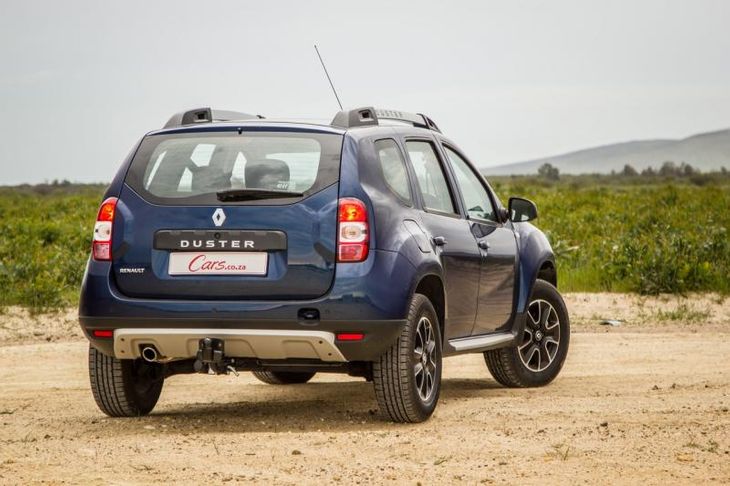
The Renault Duster range is now complete, thanks to the addition of an automatic transmission.
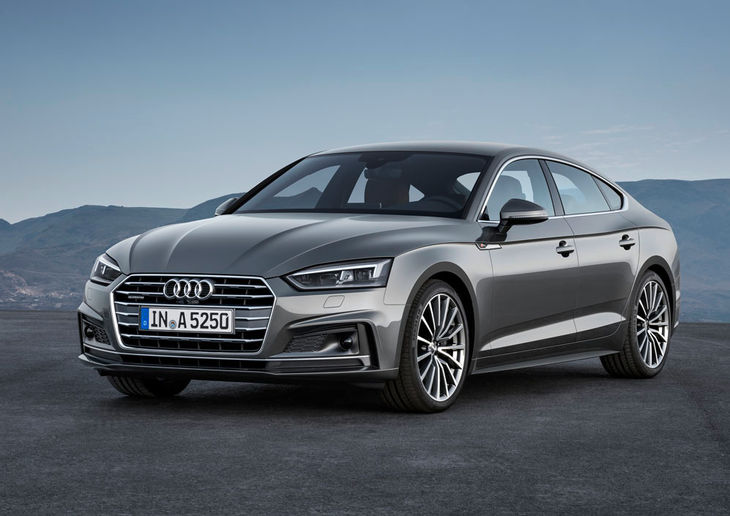
What makes the Audi A5 Sportback 2.0 TFSI Sport S Line sports a strong contender in the Business Class category of the 2017/18 Cars.co.za Consumer Awards – powered by WesBank? We investigate…
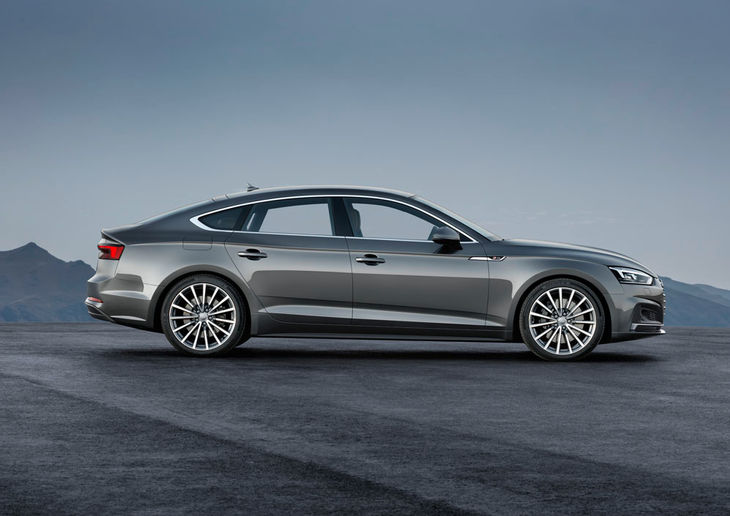
While the Audi A4 upon which it’s based can be described as an exercise in restraint, the Audi A5 Sportback brings plenty of good looks and flair to the table. With style and originality, the A5 Sportback offers impressive build quality, refinement and a punchy 2.0-litre turbocharged engine. Is this enough for the A5 Sportback to claim the win in the Business Class category?
3 Reasons Why Audi A5 Sportback 2.0 TFSI Sport S Line sports is a #CarsAwards Finalist
1. Refined star
With its 2.0-litre turbocharged engine producing 140 kW / 320 Nm and powering the front wheels via a smooth-shifting 7-speed dual clutch transmission, driving the A5 Sportback is a relaxing and refined affair. It’s fairly efficient too, with Audi claiming a fuel consumption figure of 5.5 L/100km.
2. Tech fest
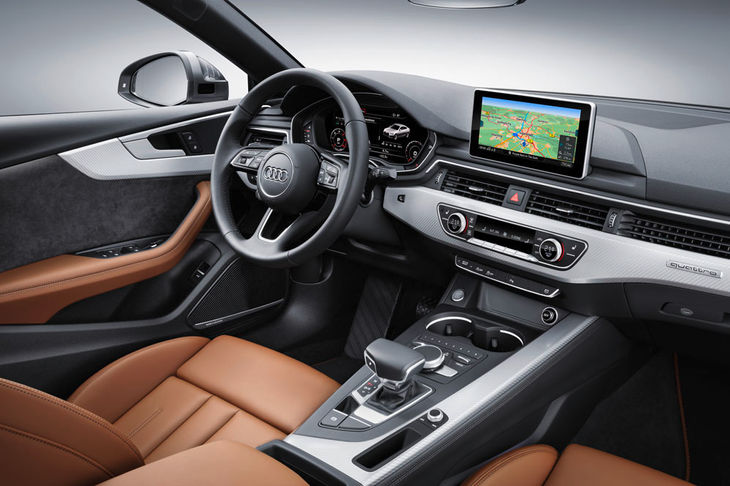
The cabin is where it’s at! The fascia has a neat, uncluttered layout, with the traditional big infotainment screen perched atop the centre of the dashboard. The infotainment selector is aided by a nifty piece of ergonomic design: you can rest your wrist on the transmission lever handle while you browse the menus. Audi’s Matrix headlights, heated and cooled seats, automatic parking, Virtual Cockpit digital dashboard and adaptive suspension will make your life safer, smoother and infinitely more comfortable and some of these options are well worth the extra spend.
3. Big on safety
The new A5 Sportback has much to offer in terms of safety. There are extra-cost features such as Audi active lane-assist, Audi pre-sense, side assist, as well as City Assistance and parking assistance packages, but the standard car includes systems such as Audi pre-sense city, secondary collision brake assist, ABS with EBD, stability control and a plethora of airbags. The optional City Assistance package is worthwhile, which will add a self-parking system and a reverse camera, Audi side assist, rear-cross traffic assist, Audi pre sense and exit warning systems.
Have Your Say: Complete our survey and WIN!
Do you own an A5 Sportback? We would love to hear from you! Tell us about your experience by completing our Ownership Satisfaction Survey. Your input counts for 50% of the final result!
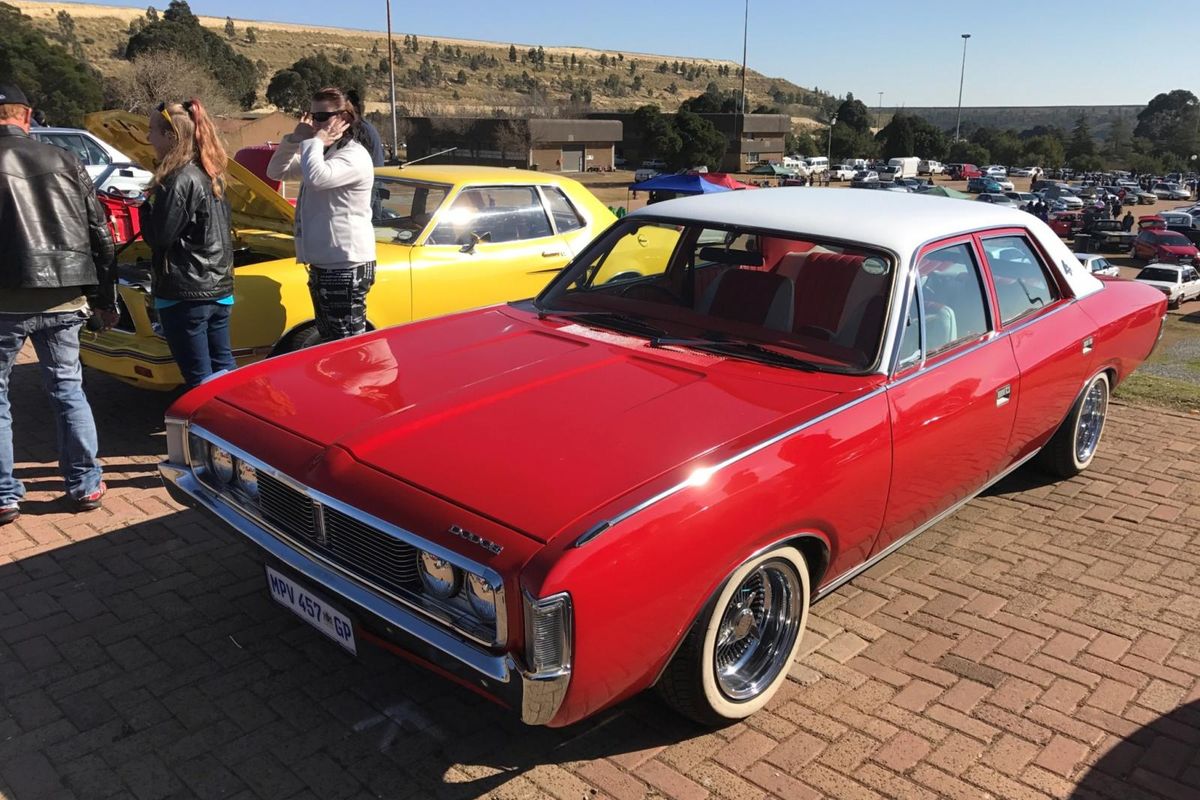
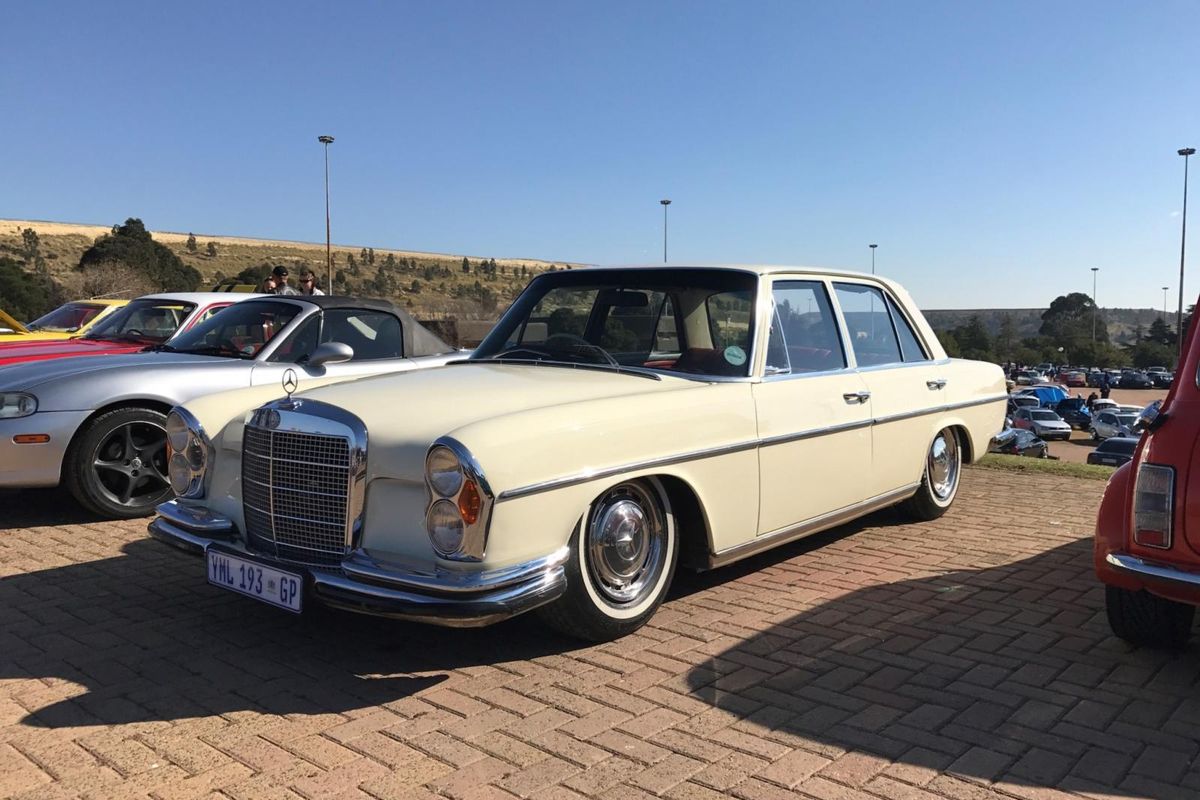
With the South Africa classic car scene still experiencing strong growth, organisers believe that the summer edition of the Classic Car Show, set to happen on 3 December at the Nasrec Expo Centre in Johannesburg, will be the biggest yet.
“The classic car scene never ceases to amaze me,” says organiser Paulo Calisto. “Every Classic Car Show we hold, the turn-out simply increases, and at each and every show there are dozens, if not hundreds of classic cars that I have never seen before.”
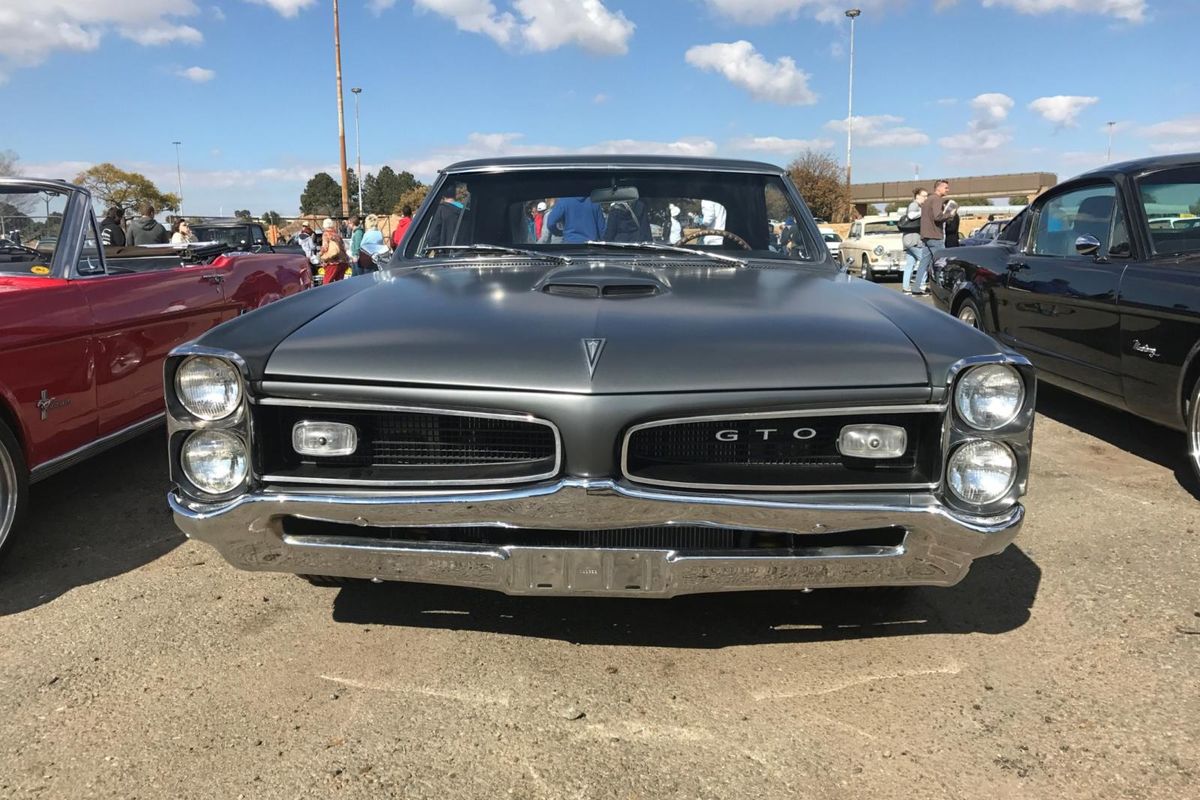
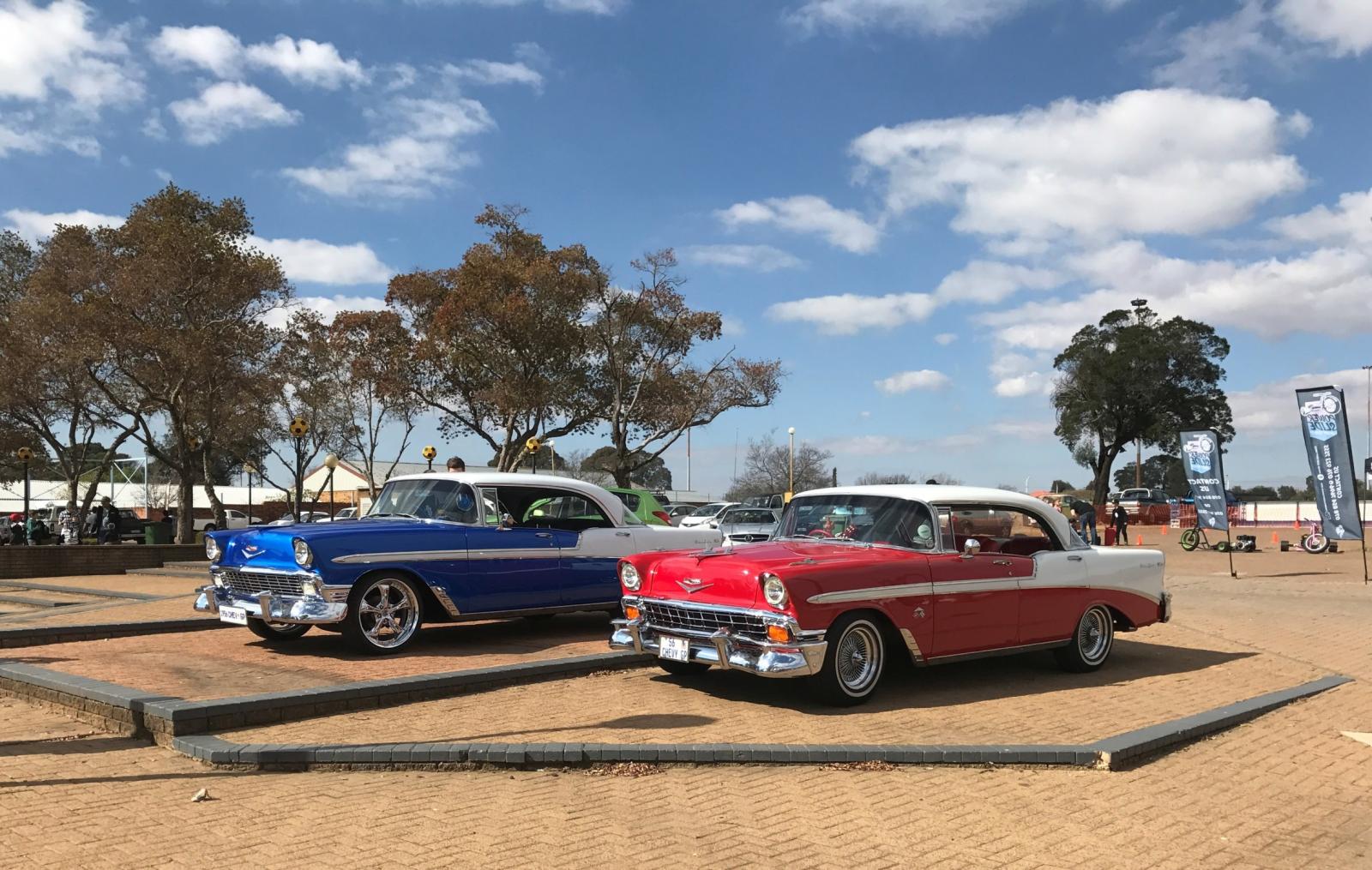
So, what can visitors to the show expect to see? What are the trends? Based on the huge presence of '55 and '56 Chevys at the mid-winter edition of the event, it is predicted that visitors can look forward to another impressive showing of resto-mod Chevys in December.
“I love the look of those Chevys, with their dropped suspension and wider wheels, but still being true to the classic restored philosophy,” says Calisto. “ It’s a trend that we hope to see more of at The Classic Car Show.”
Rivalling the Chevys will be a vast selection of other American machines, including Mustangs, Camaros and Plymouth Barracudas.
Resto-mod Chevys from the '50s are very popular at present. Expect to see a strong showing at the Classic Car Show.
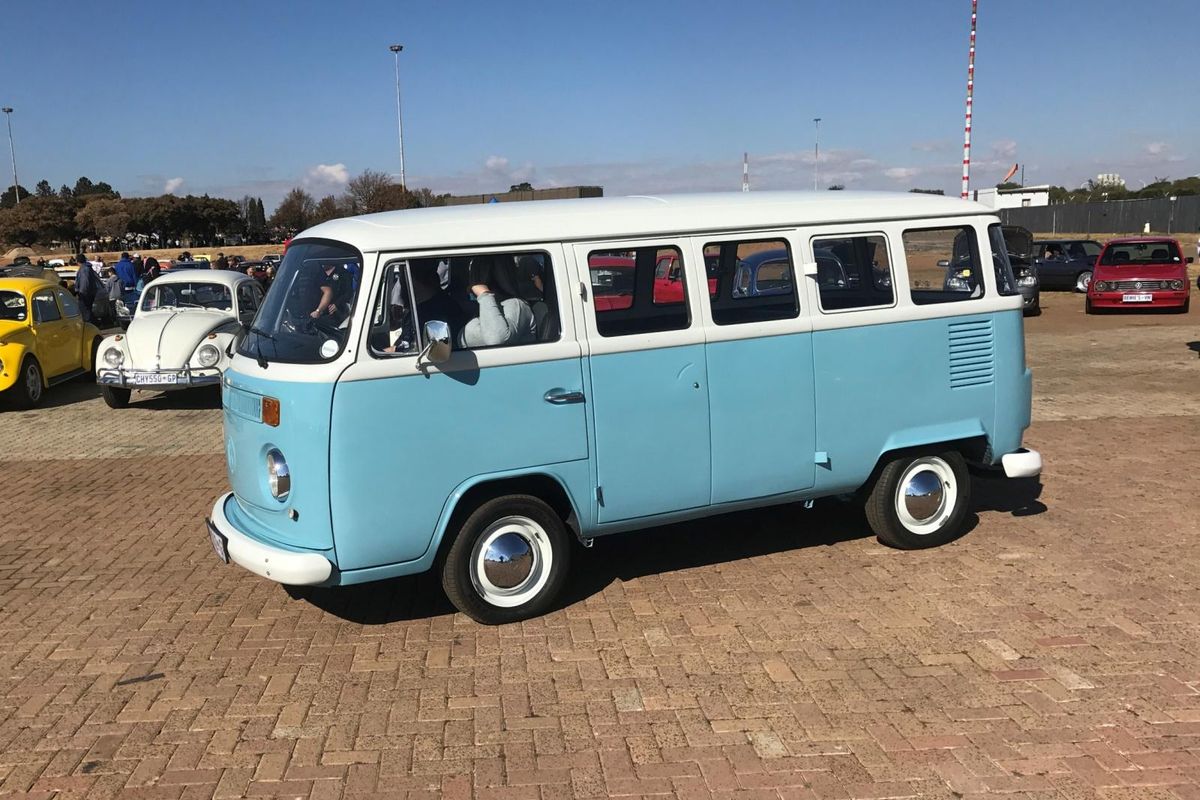
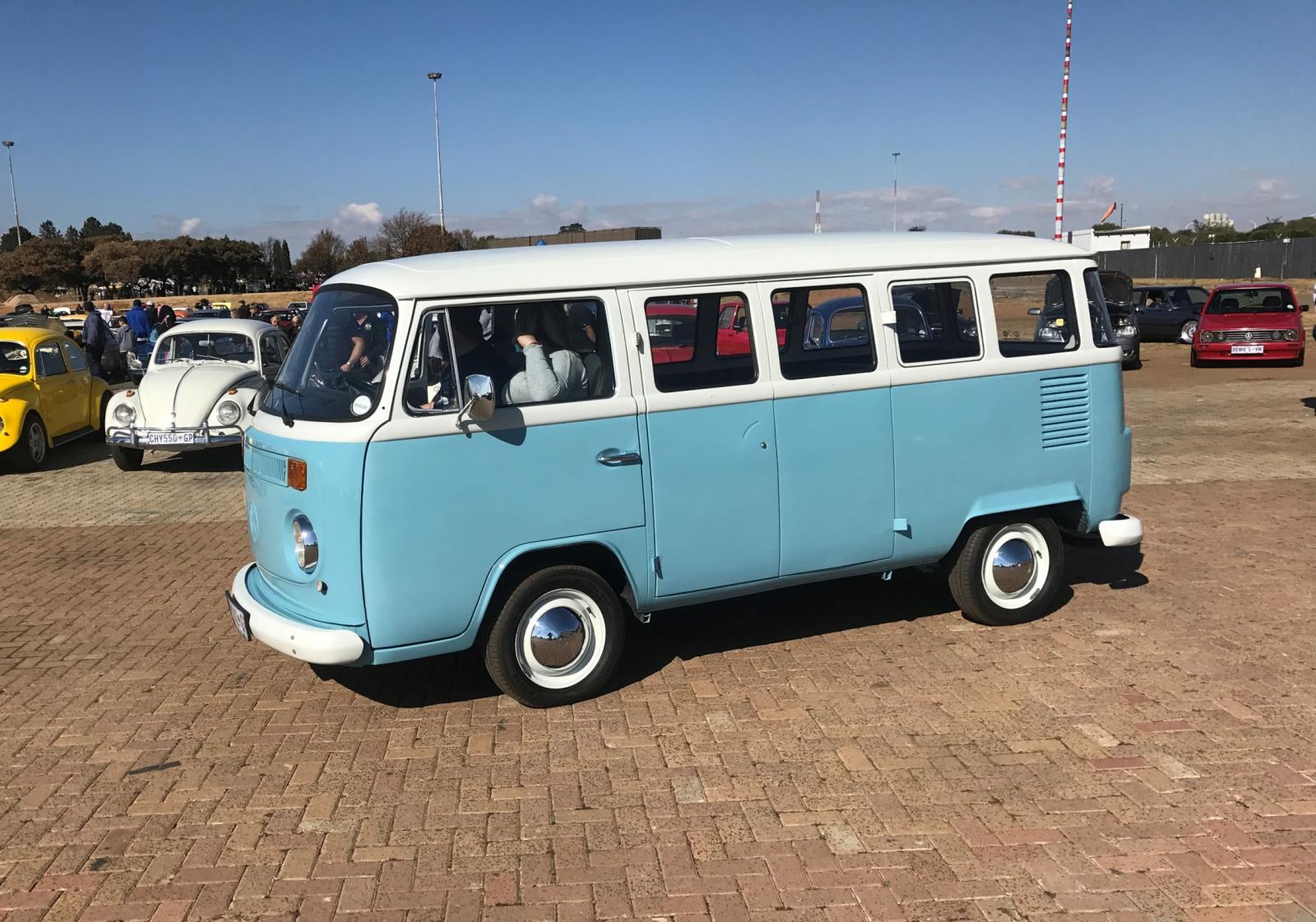
Fans with more European tastes in automobiles also have plenty to look forward to, with particularly the rise in popularity (and values) of VW buses (split and bay window versions) likely to contribute to a big variety of these iconic vehicles on display. Also expect lots of Minis, and if you like Fords, look out for rarities such as the Blue Oval's "German Cortina", the Taunus, in addition to various fast Fords from yesteryear.
Tickets and other attractions
“The entertainment we lay on for a day can’t be beaten in terms of pricing,” says Calisto. “Tickets are R60 for adults and children under 12 for R20, through Computicket. At the gate, tickets costs R80 for adults and R20 for children under 12.
Love the iconic VW bus? Expect to see a wide variety at the show, from the painstakingly restored to wildly modded.
“For that you get the best classic car show in Gauteng, as well as live entertainment, and a host of specialist stalls selling motor-related goods. This year we will also be hosting a special Jaguar-Land Rover display, and with new products like the Discovery, the Range Rover Velar and the new two-litre Jaguar F-Type sports car, this will be a huge attraction for all visitors.”
*As usual, owners of classic and special interest cars will be admitted free of charge, with the addition of one passenger. Extra passengers will be required to pay the usual entrance prices. Visitors will enter through Gate 5 at Nasrec, while classic car owners will be admitted through Gate 2.
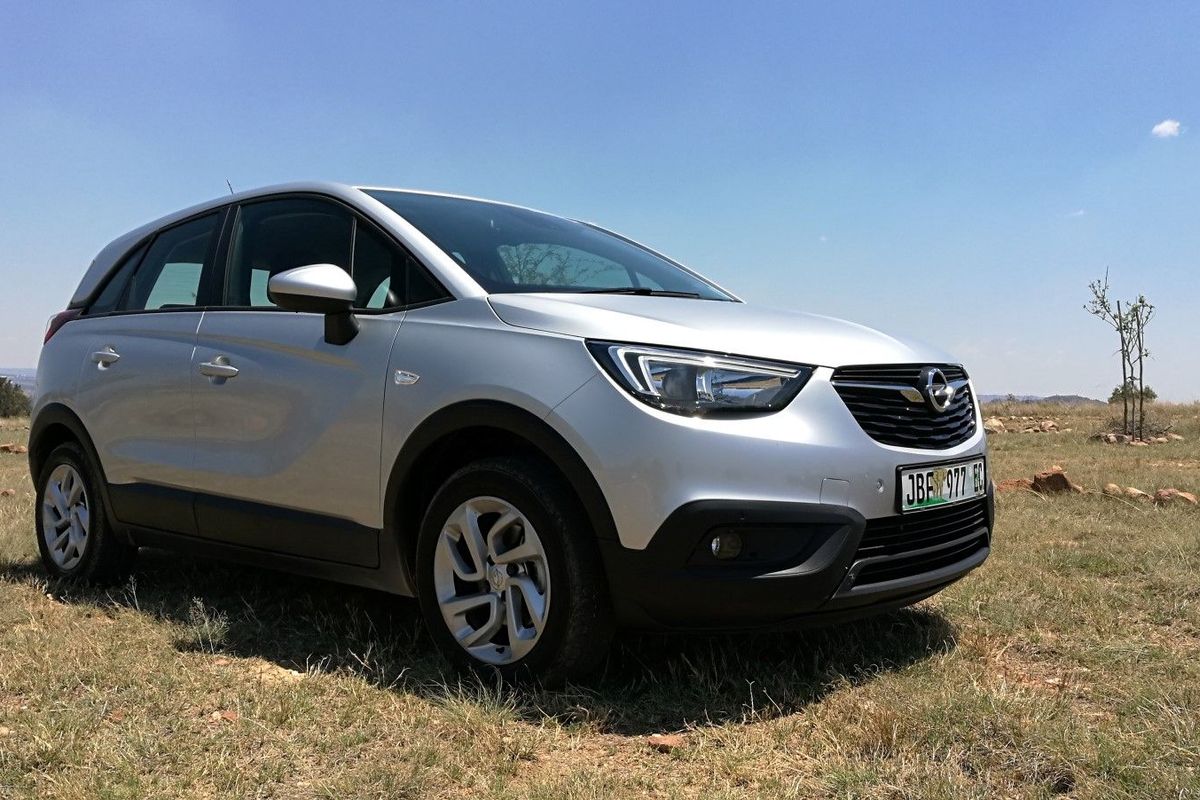
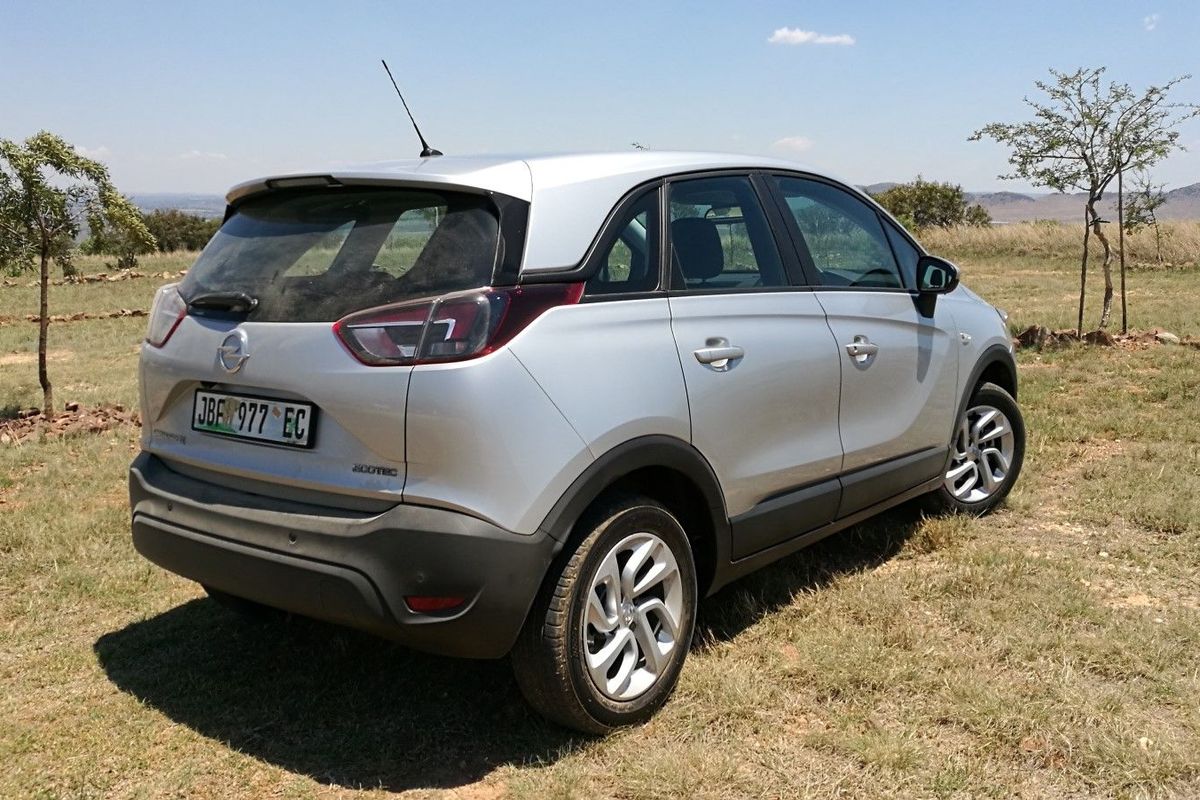
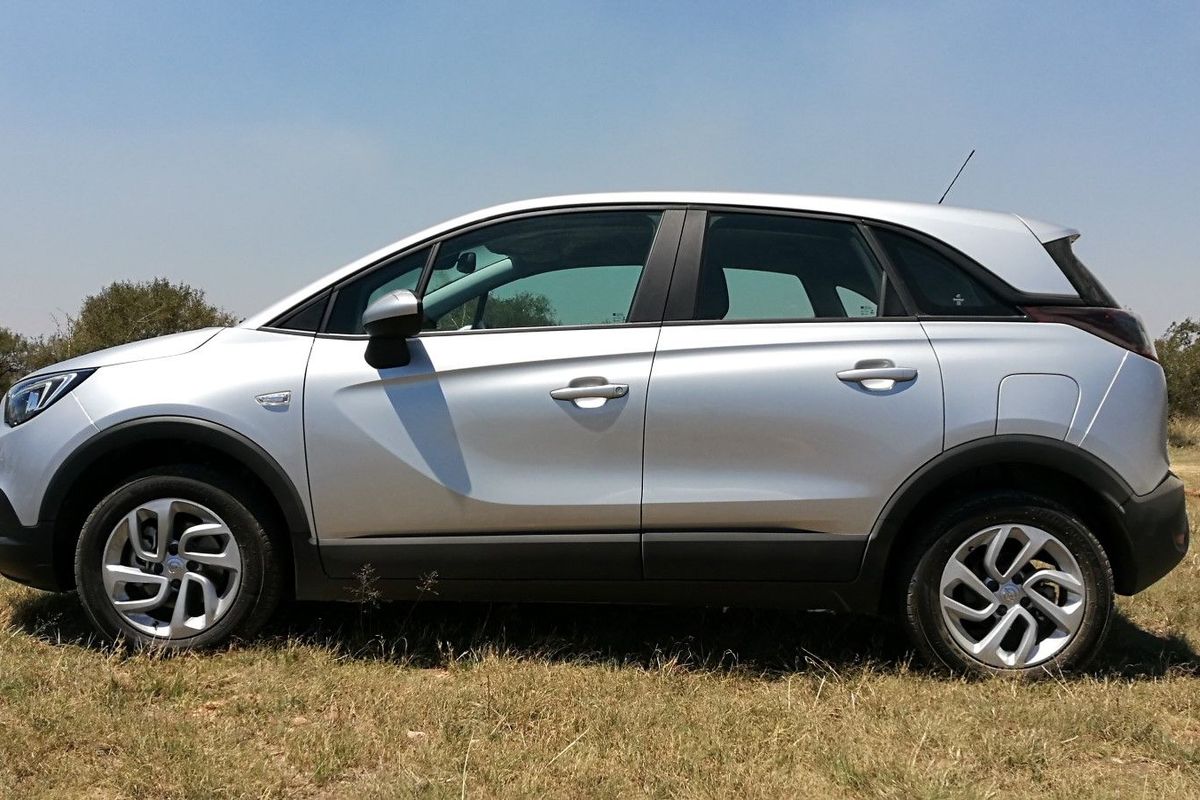
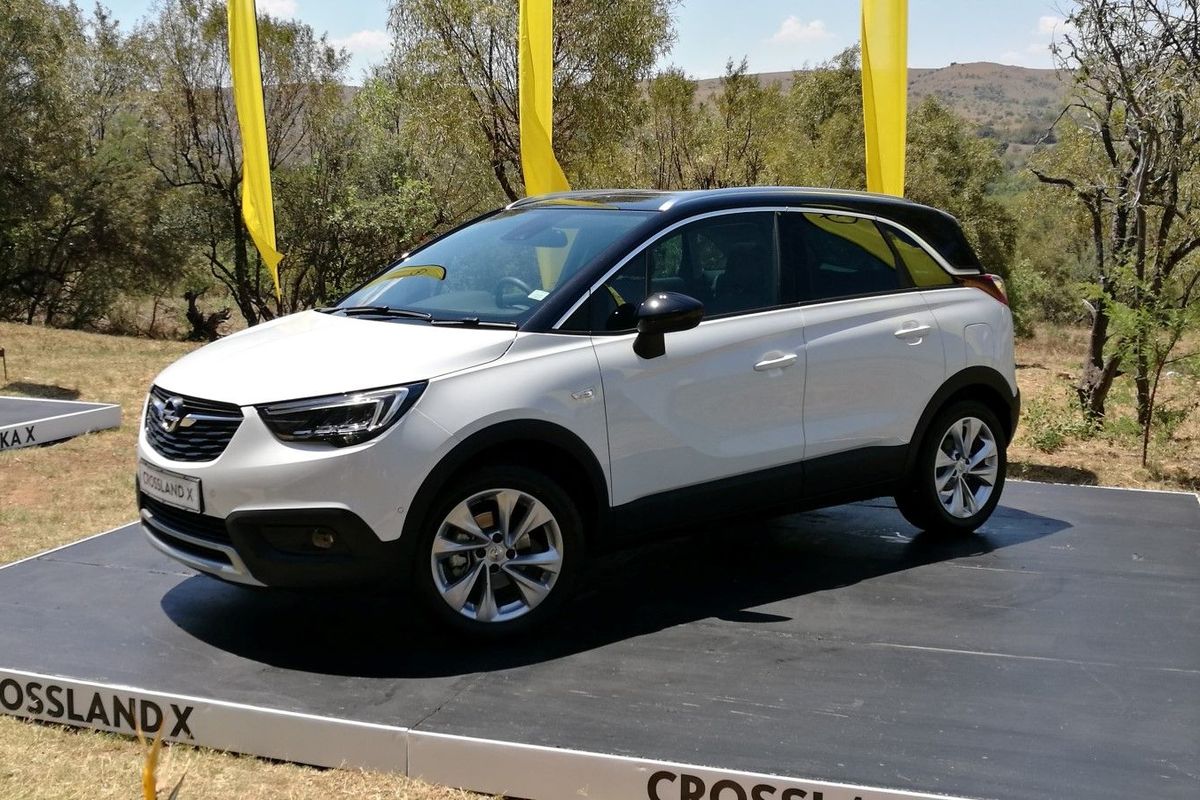
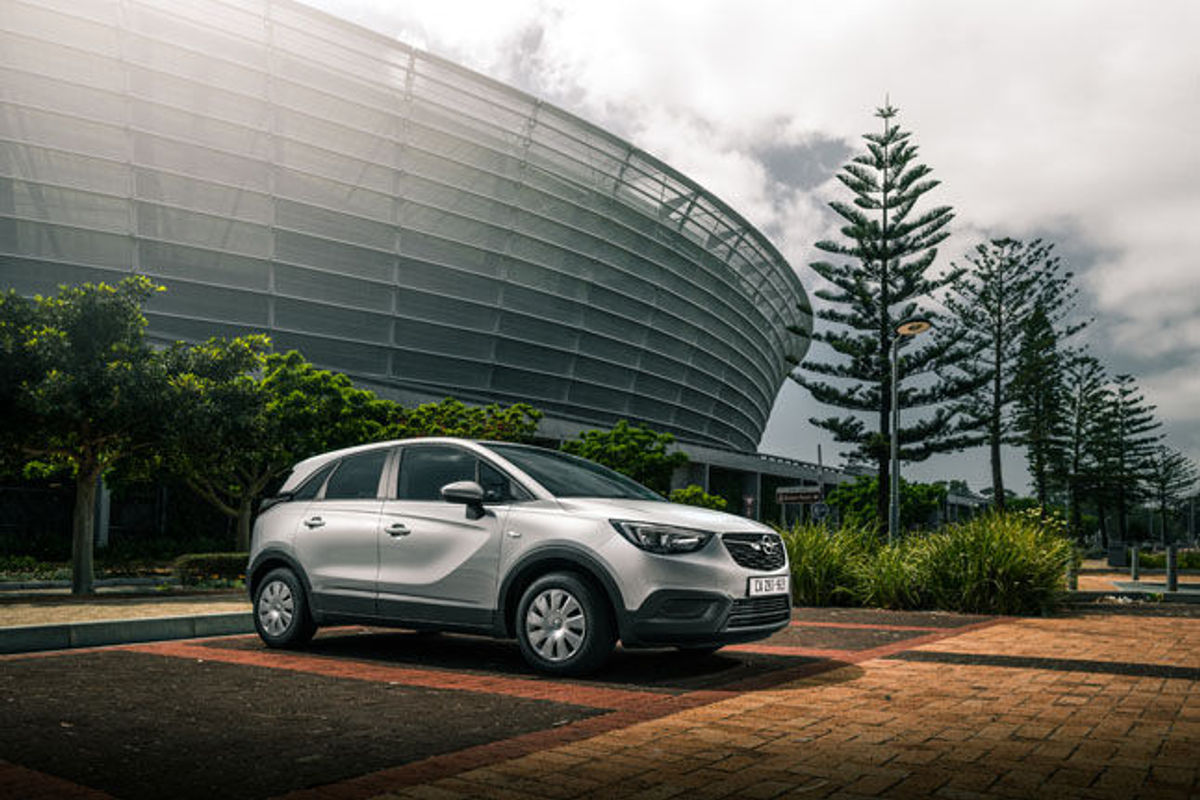
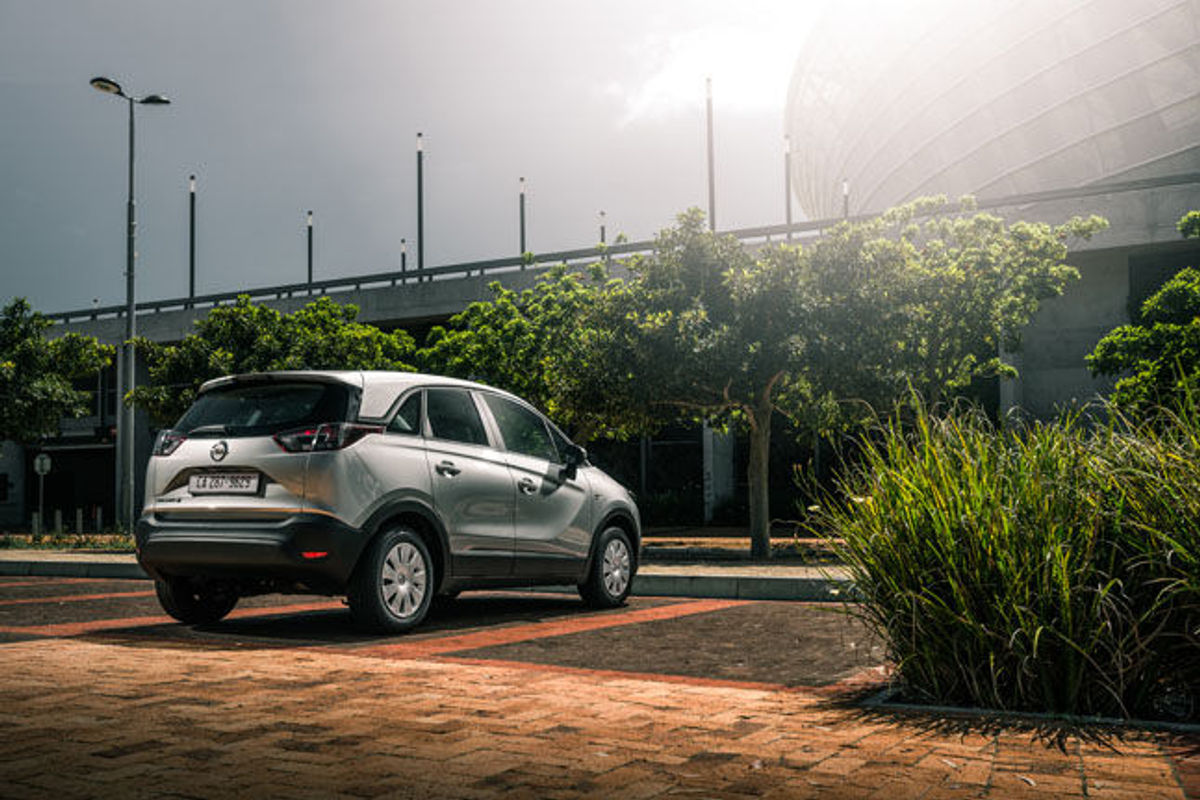
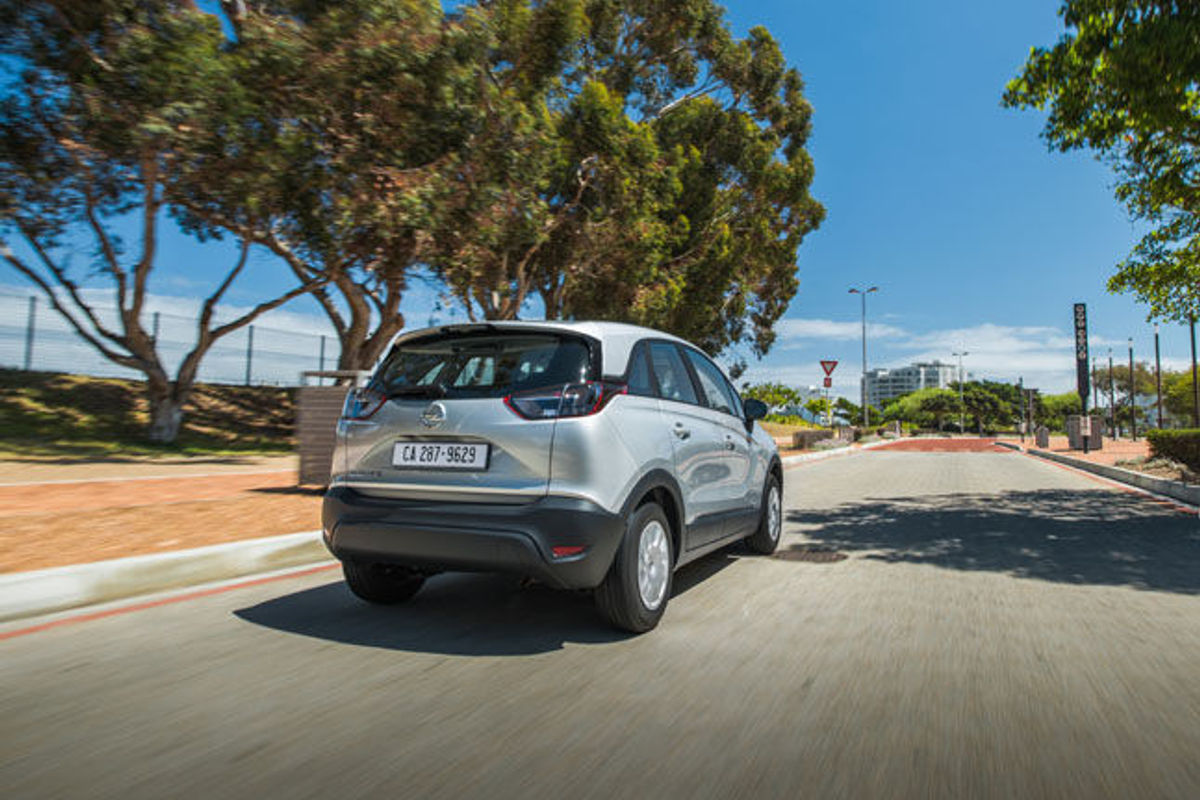
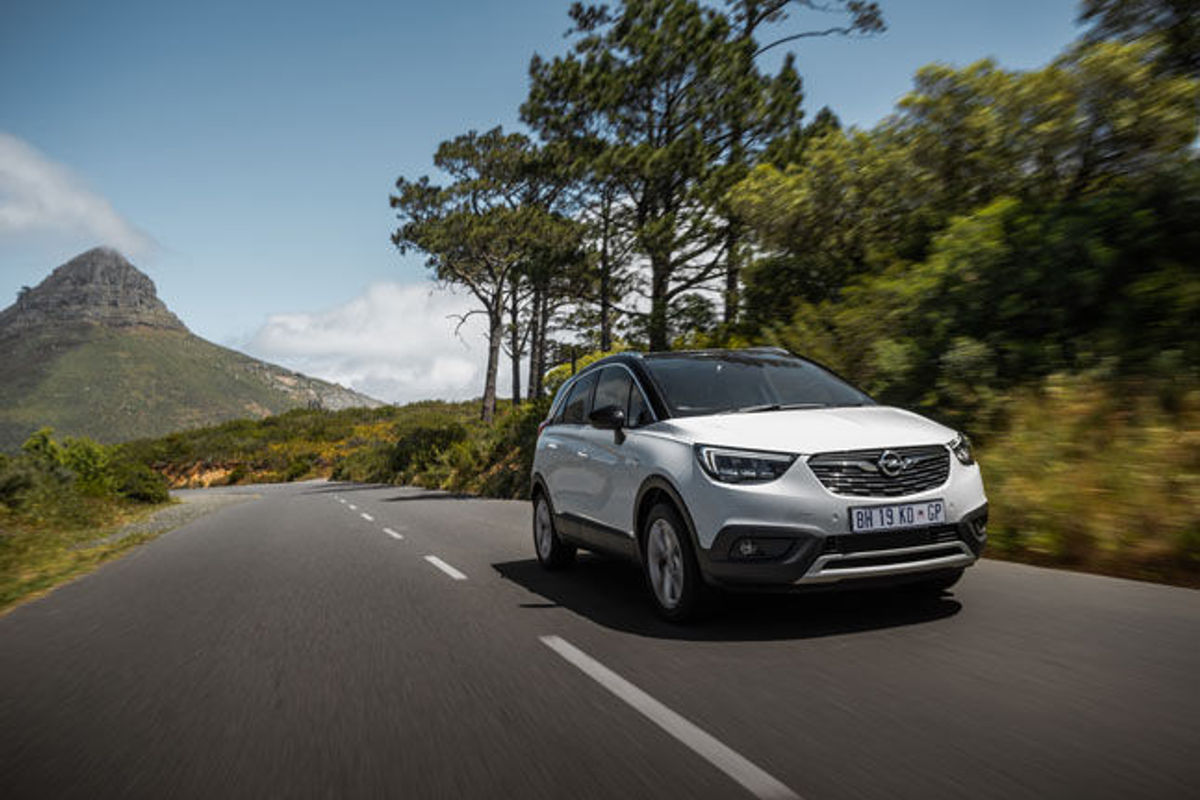
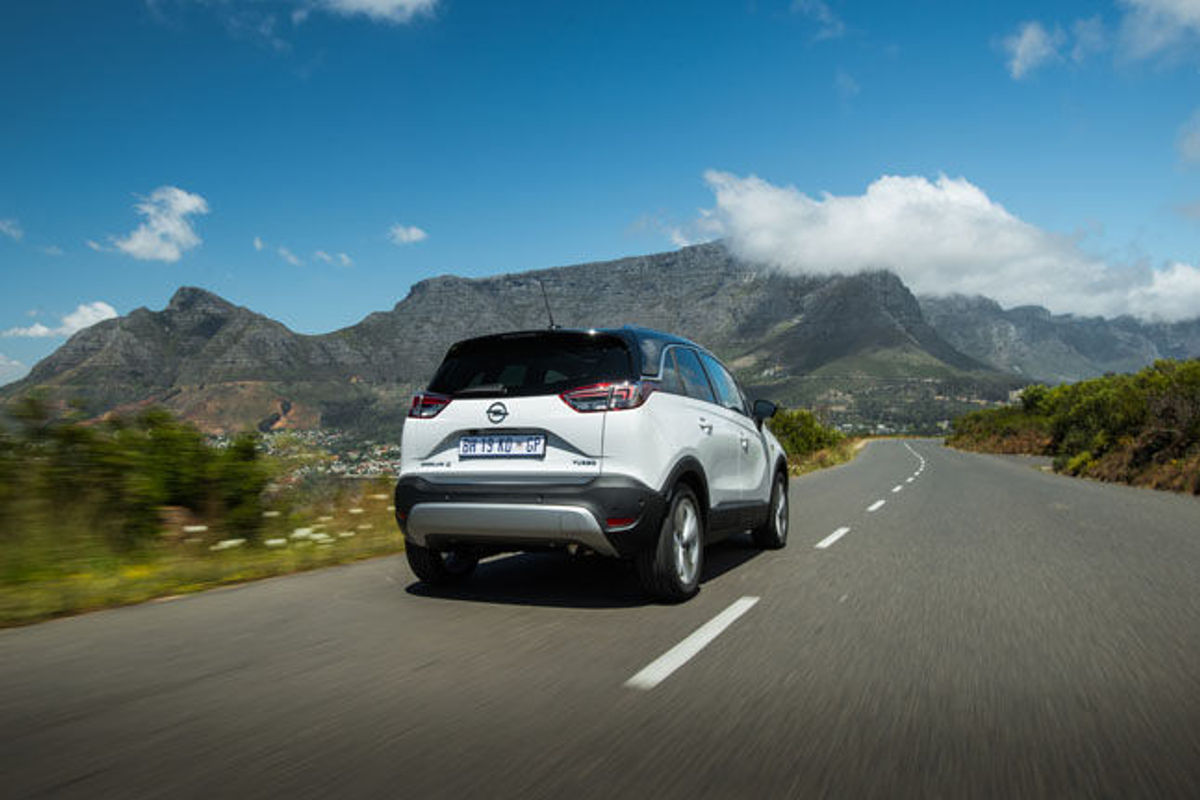
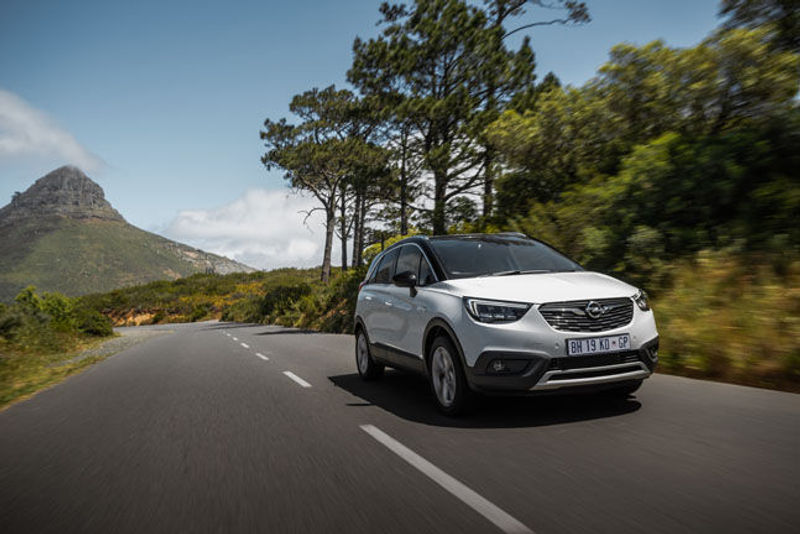
Opel has introduced a new member to its growing crossover/SUV family in South Africa and it’s called the Crossland X, slotting in beneath the Mokka X and will be joined by the new and larger Grandland X in 2018. Cars.co.za journalist, Gero Lilleike, headed to Johannesburg this week to drive the newcomer and to bring you this report.
Earlier this year, the French PSA group took ownership of Opel, which was followed by the announcement of General Motors’ exit from the South African market. Amidst the restructure, Opel, however, has committed itself to South Africa and as of January 2017, all Opel vehicles will be distributed locally by the Unitrans-owned Williams Hunt group.
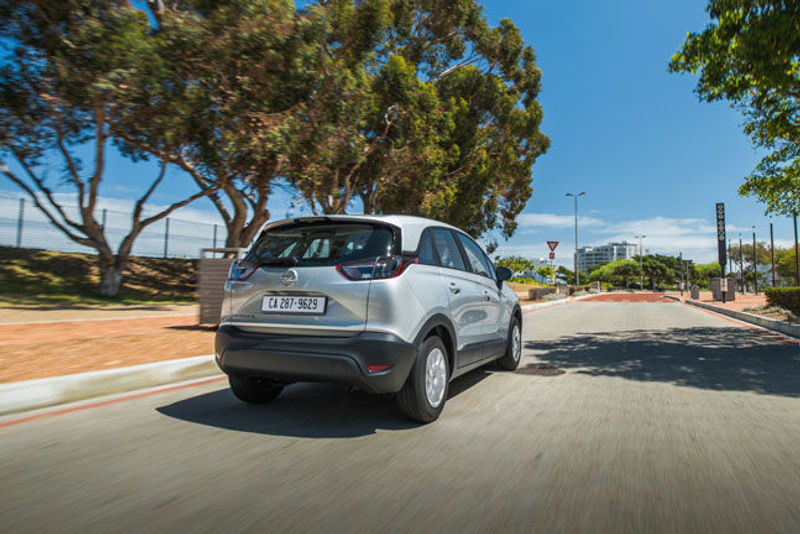
Despite the turmoil, Opel’s new product offensive continues and the latest addition to the local range is the Crossland X, a compact crossover with SUV appeal that's built to satisfy familial needs. The Crossland X, which sits just below the Mokka X, joins a competitive segment where it will compete against formidable rivals such as the Renault Captur, Suzuki Vitara (current #CarsAwards compact family car champion), Ford EcoSport, Hyundai Creta and Mazda CX-3, to name a few big-hitters. Aimed squarely at the upstart family buyer, the Crossland X is said to combine style, practicality and comprehensive safety. Let’s take a closer look…
What’s on offer?
The new Opel Crossland X will appeal to young families looking for a practical and safe city crossover with SUV appeal.
The Crossland X offering consists of 4 front-wheel drive derivatives with two 3-cylinder petrol engines on offer and the choice of manual and automatic transmissions.
The range starts with the entry-level Crossland X, powered by a naturally-aspirated, 1.2-litre engine with 60 kW and 118 Nm of torque and mated with a 5-speed manual transmission. Fuel consumption for this derivative is claimed at 5.2 L/100km.
The remaining 3 derivatives are powered by a turbocharged 1.2-litre engine with 81 kW and 205 Nm of torque and offered in either Enjoy or Cosmo trim levels. A 5-speed manual transmission is offered on the Crossland X Enjoy and Cosmo derivatives while the range-topping Crossland X Cosmo is mated to a 6-speed automatic transmission. Opel claims a fuel consumption figure of 4.8 L/100km for the turbocharged derivatives.
Key Features
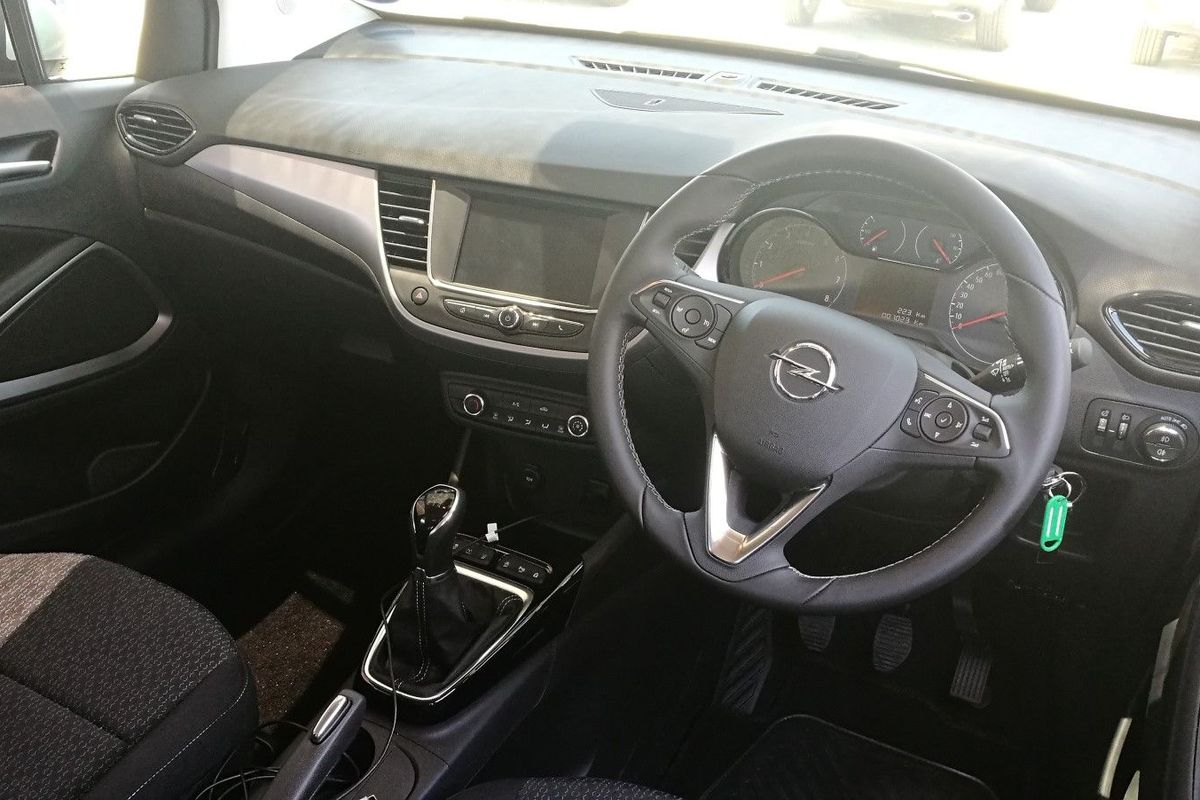
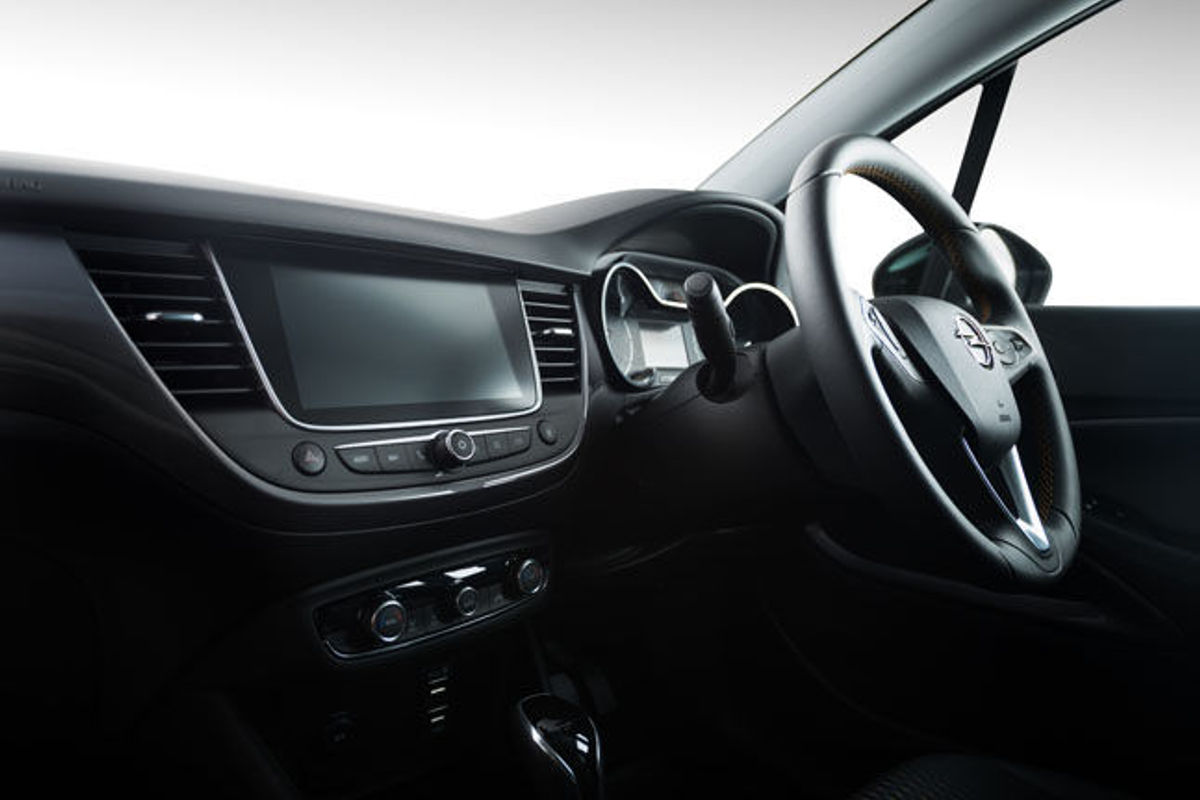
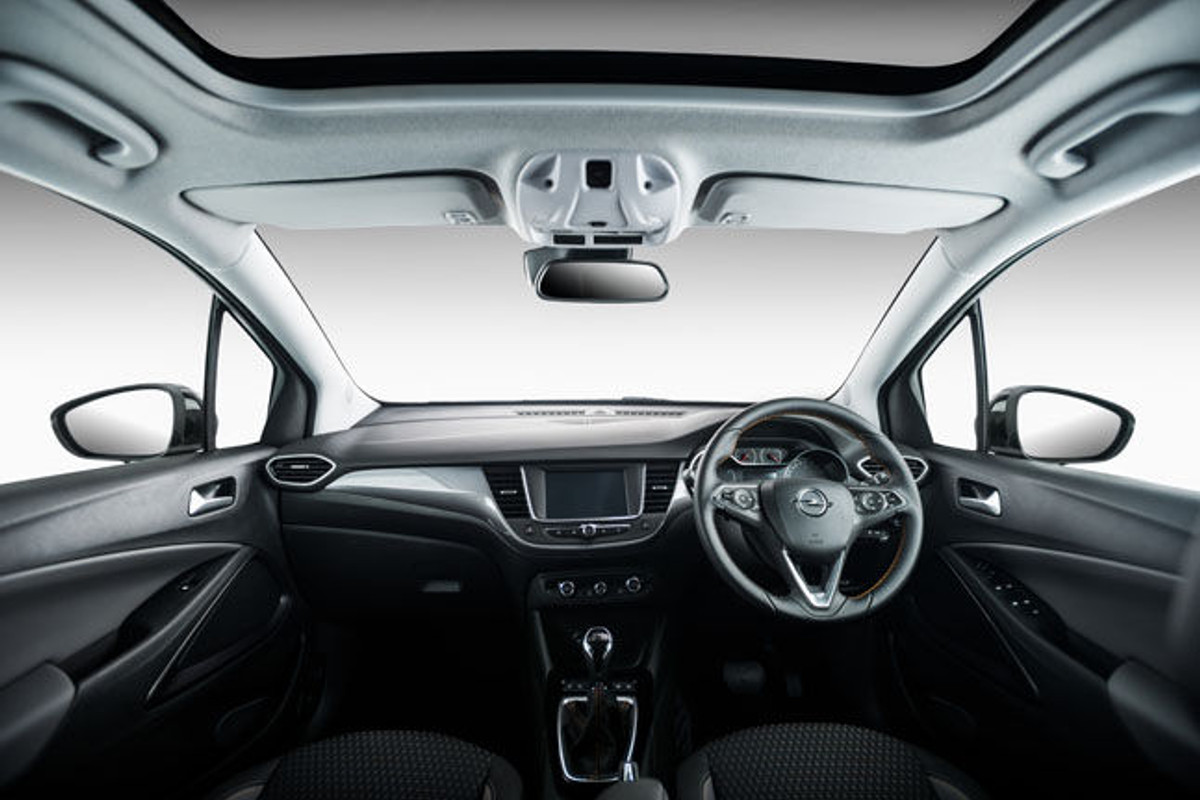
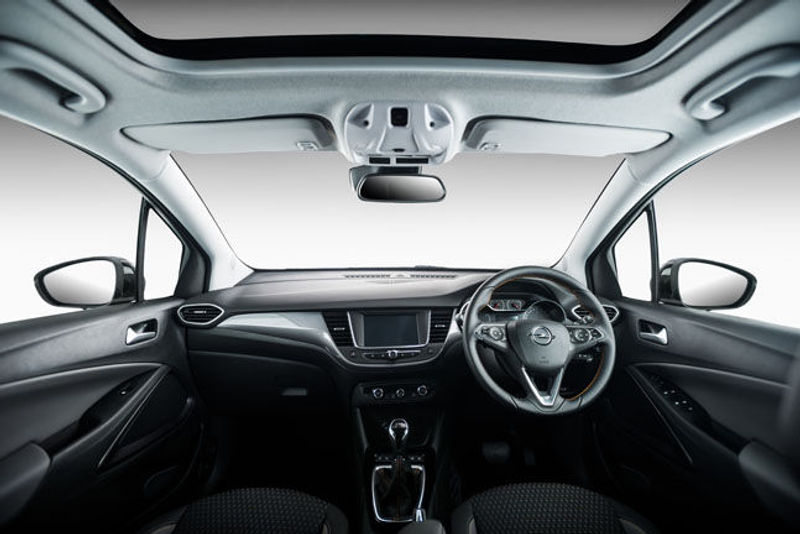
Interior build quality is good and 2 infotainment systems are offered depending on the derivative you choose.
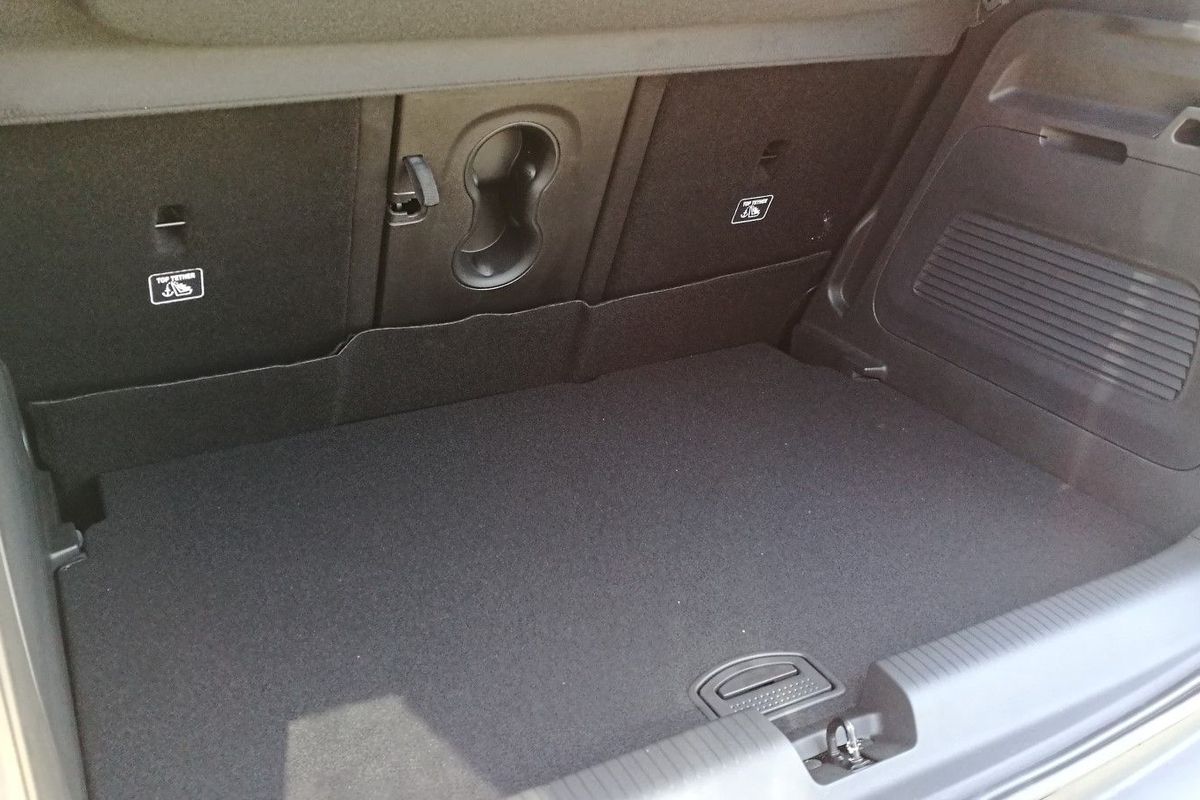
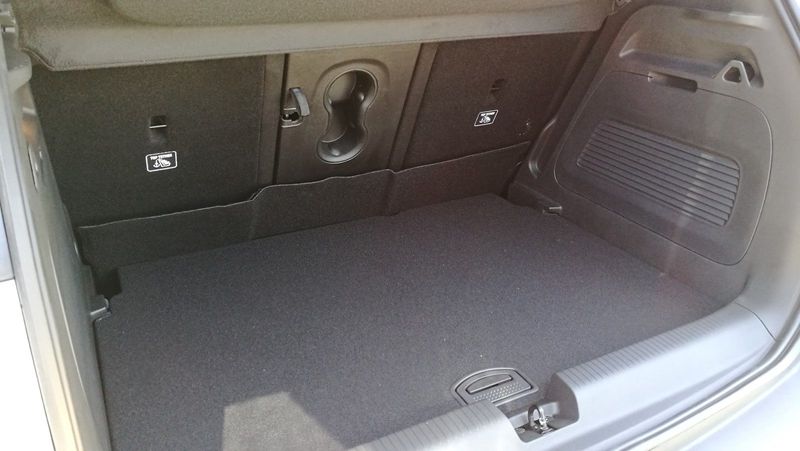
Positioned as a compact family crossover for life in the city, a key highlight of the Crossland X is its practicality. Standing at just over 4.2 metres and with a wheelbase of 2.6 metres, interior space is quite generous, particularly for rear passengers. The rear seats are split in a 60:40 configuration and the rear seats can slide forwards or backwards by as much as 150 mm, either providing generous rear legroom or making the load bay significantly larger, depending on your needs.
With maximum rear legroom in place, the load bay offers 410 litres of space and with the rear seats all the way forward, space increases to a useful 520 litres. By folding the rear seats flat, a total of 1 255 litres is available.
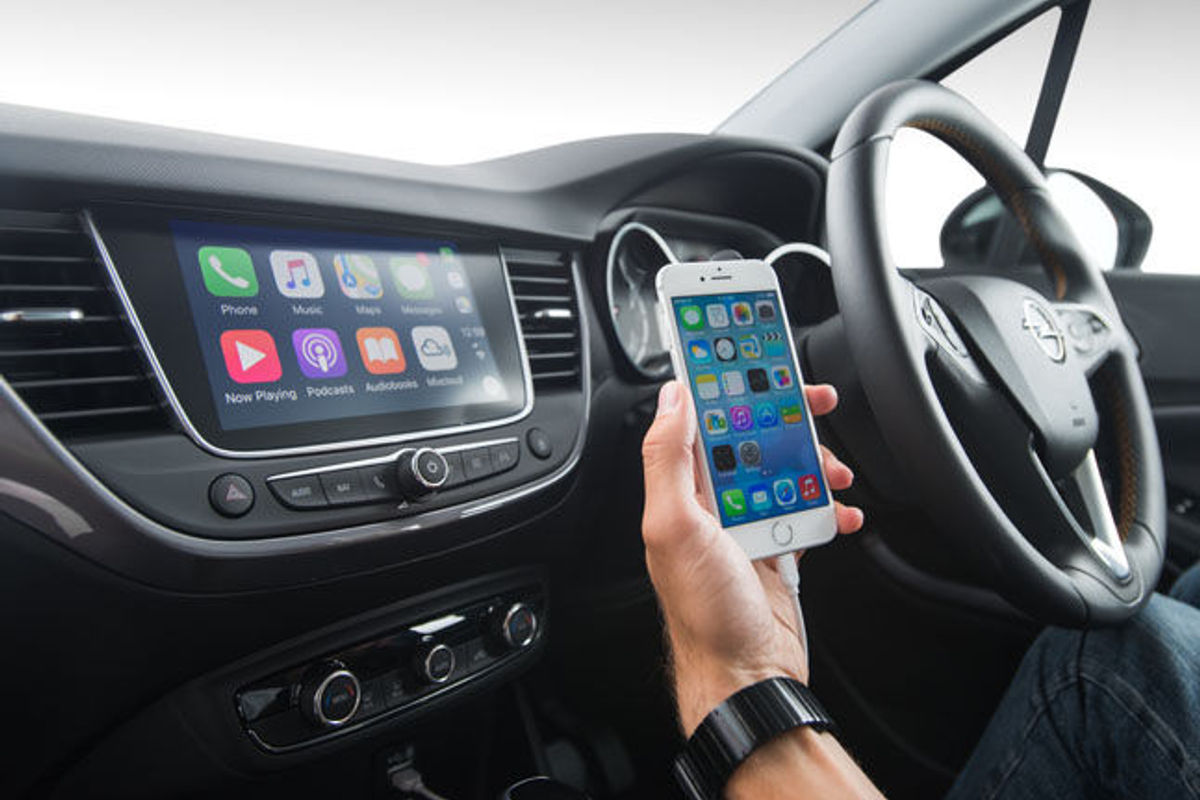
Up front, Opel is offering 2 infotainment systems, both with Android and Apple mirror functionality. The entry-level Crossland X and Enjoy derivatives are fitted with a 7-inch R 4.0 IntelliLink infotainment system that offers USB playback, Bluetooth and Apple CarPlay. You can also view film and pictures via USB.
Cosmo derivatives are equipped with an 8-inch Navi 5.0 IntelliLink infotainment system which adds features such as navigation, Siri voice control, 2 USB ports, embedded voice control and the ability to connect up to 10 phones. Both systems can be controlled either via the touchscreen or mounted steering wheel controls.
A flexible and expandable loading bay is offered thanks to clever 60:40 sliding rear seats.
Standard features fitted to the Crossland X include cruise control, hill start assist, LED daytime running lights, automatic headlights and traffic sign recognition. Enjoy and Cosmo derivatives are further equipped with rain-sensing wipers, rear view camera, automatic dimming rear view mirror, front and rear park distance control and front fog lights.
The range-topping Cosmo derivative can be further equipped with features such as adaptive forward lighting LED headlights with high beam assist, cornering lights, automatic levelling and LED taillights. Advance park assist, head-up display and a Safety Pack is also offered with automatic emergency braking, pedestrian detection, forward collision alert, driver drowsiness system and side blind spot alert.
Standard safety features include ABS with EBD, electronic stability control with traction control and a total of 6 airbags.
What’s the Crossland X like to drive?
The Crossland X 1.2T offers perky performance coupled with comfortable ride quality.
The launch route, although short, gave us the opportunity to test the Crossland X 1.2T Enjoy manual in both urban and highway settings.
We found the Crossland X to be reasonably comfortable to sit in and the height adjustable driver’s seat made it easier to find the optimal driving position. The soft-touch dashboard gives the Crossland X a premium quality, but we couldn’t help but feel a little underwhelmed by the interior design, which closely mimics that of the slightly larger Mokka X. Sure, it’s nice enough and is well constructed, but somehow the Crossland X lacked a sense of occasion and the interior design wasn’t really striking in any particular way.
We found the 1.2-litre turbocharged engine to perform adequately once the turbocharger kicks in, but the initial lag is noticeable. The engine is reasonably refined and the typical 3-cylinder thrum becomes more apparent under harder acceleration. The manual transmission is relatively smooth in operation and the throws through the gears are long and extended. The Crossland X displayed good tractability on long uphill sections of road and didn’t require continuous down-gearing to keep the car in its power band. Even in 5th gear, the Crossland X maintains good momentum, which was pleasing.
Ride quality is a major highlight of the Crossland X and even on the poor road surfaces in the vicinity of the Cradle of Humankind, it managed to soak up bumps and undulations with aplomb, delivering a comfortable, pliant ride. More so, road and wind noise entering the cabin was acceptable without being too intrusive. The steering is on the lighter side and perhaps a bit vague, especially when wielding the Crossland X through corners.
In summary
Overall, our initial impression of the Crossland X is positive and although it appears to be a middle-of-the-road offering, the combination of a competitive pricing structure and its well-specced, practical, spacious and no fuss interior will likely find favour with many buyers in this segment. It does, however, remain to be seen how the Crossland X is received by the buying public and how it will fare against its established rivals in this hotly contested segment.
We have yet to test the naturally-aspirated Crossland X and the range-topping Crossland X Cosmo automatic but we will hopefully have these derivatives on test in the near future, so look out for a thorough evaluation coming your way soon.
Opel Crossland X – Price in South Africa
Crossland X – R 265 000
Crossland X Enjoy – R 305 000
Crossland X Cosmo – R 345 000
Crossland X Cosmo Auto – R 360 000
The Opel Crossland X is sold with a 5-year/120 000km warranty and roadside assistance programme, a 5-year/unlimited mileage anti-corrosion warranty and a 3-year/ 60 000km service plan. Service intervals are at 15 000 km or 12 months for all derivatives.
For something with excellent quality: The new Mazda CX-5 is a great buy, but at this money, the only option would be the entry 2.0 Active auto. It has way less kit than the Haval, but it’s a smooth, fuss-free drive.
If space is a priority and kit not so: The Toyota RAV4 remains a local favourite on the sales charts. The 2.0 GX auto seems reliable and dependable if a little rudimentary inside.
If space isn’t a priority: The Nissan Qashqai is a little smaller than the Haval in terms of overall space, but it has reasonable levels of kit and a more modern, fuel-efficient power unit.
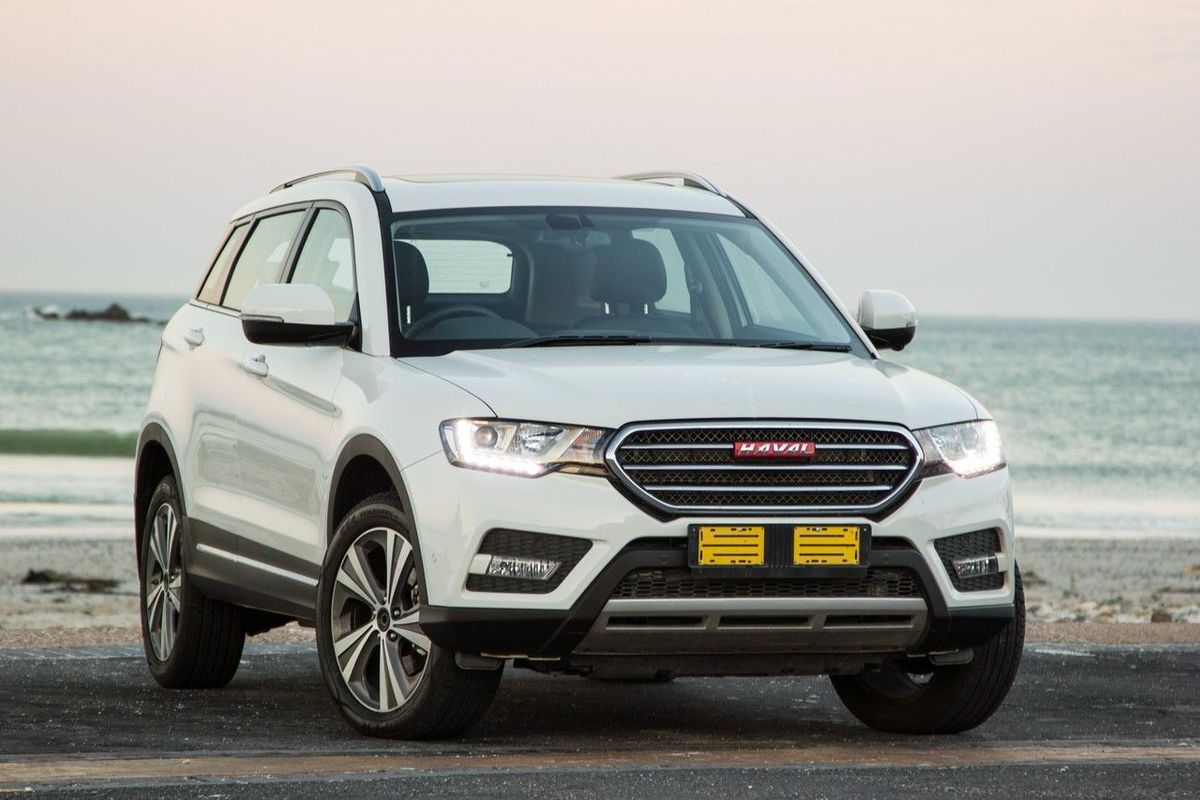
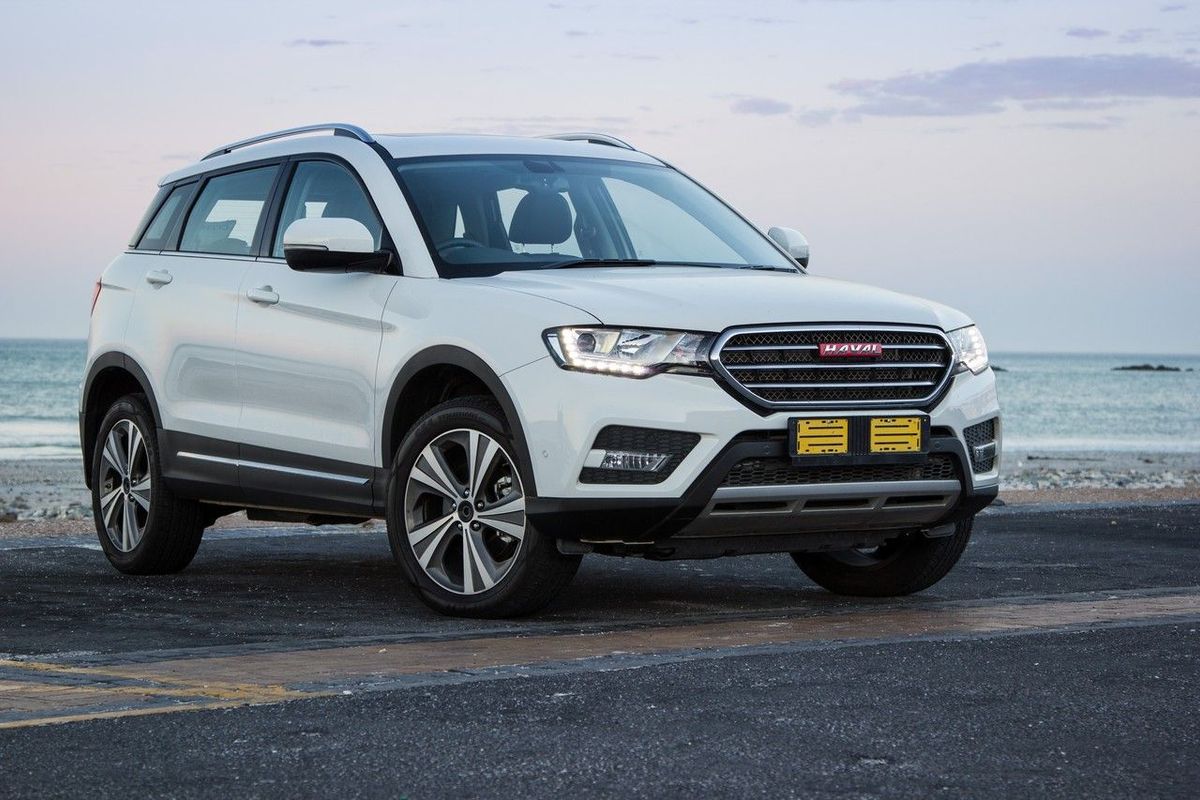
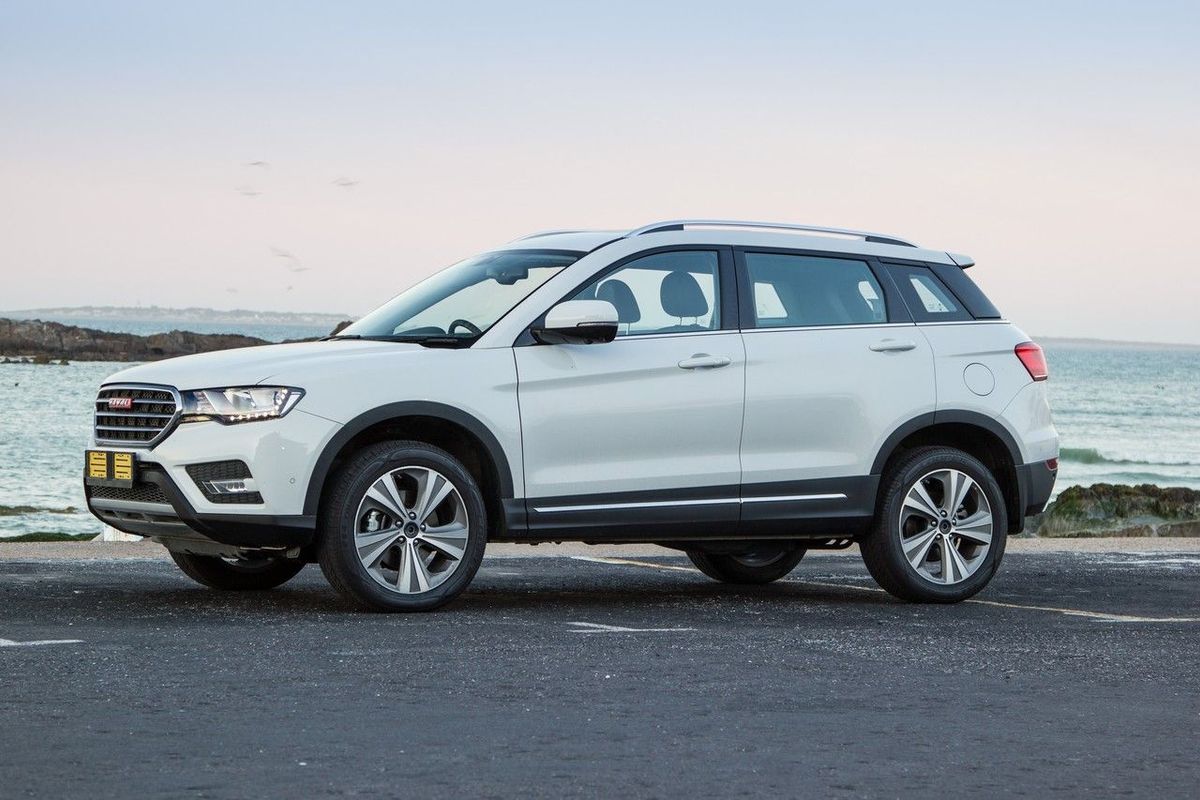
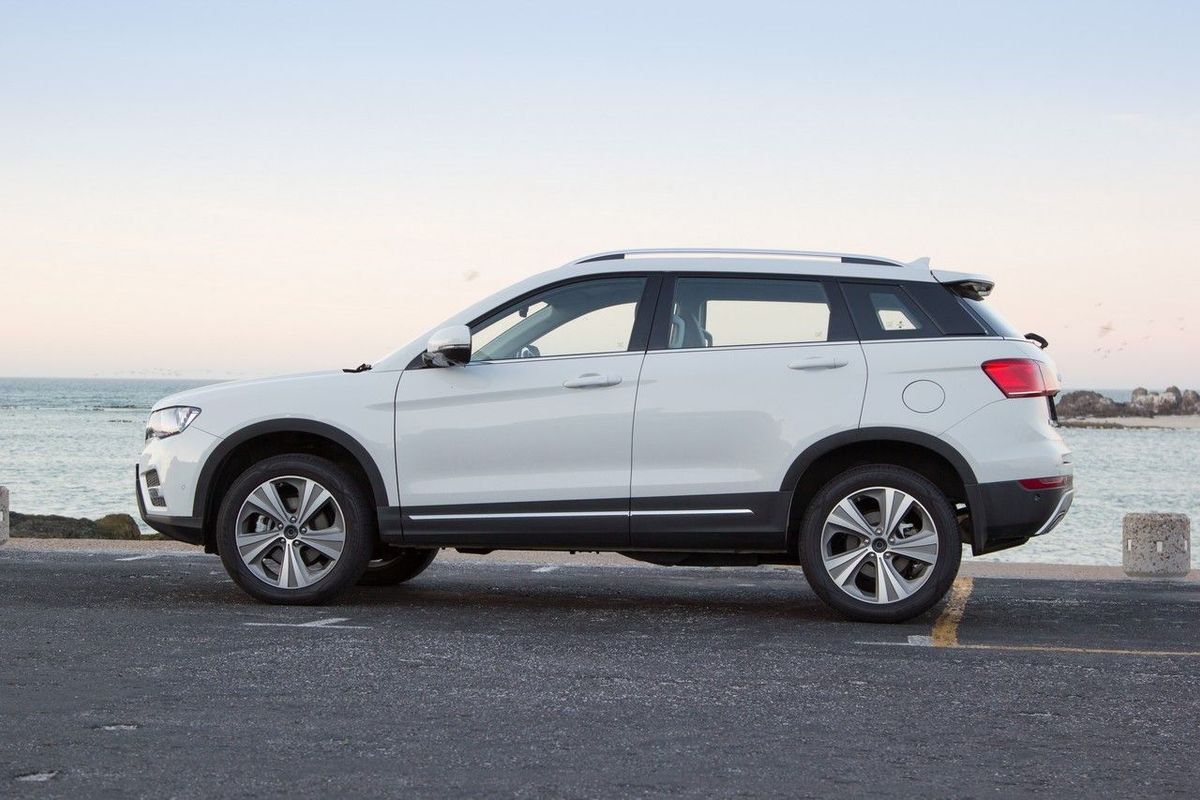
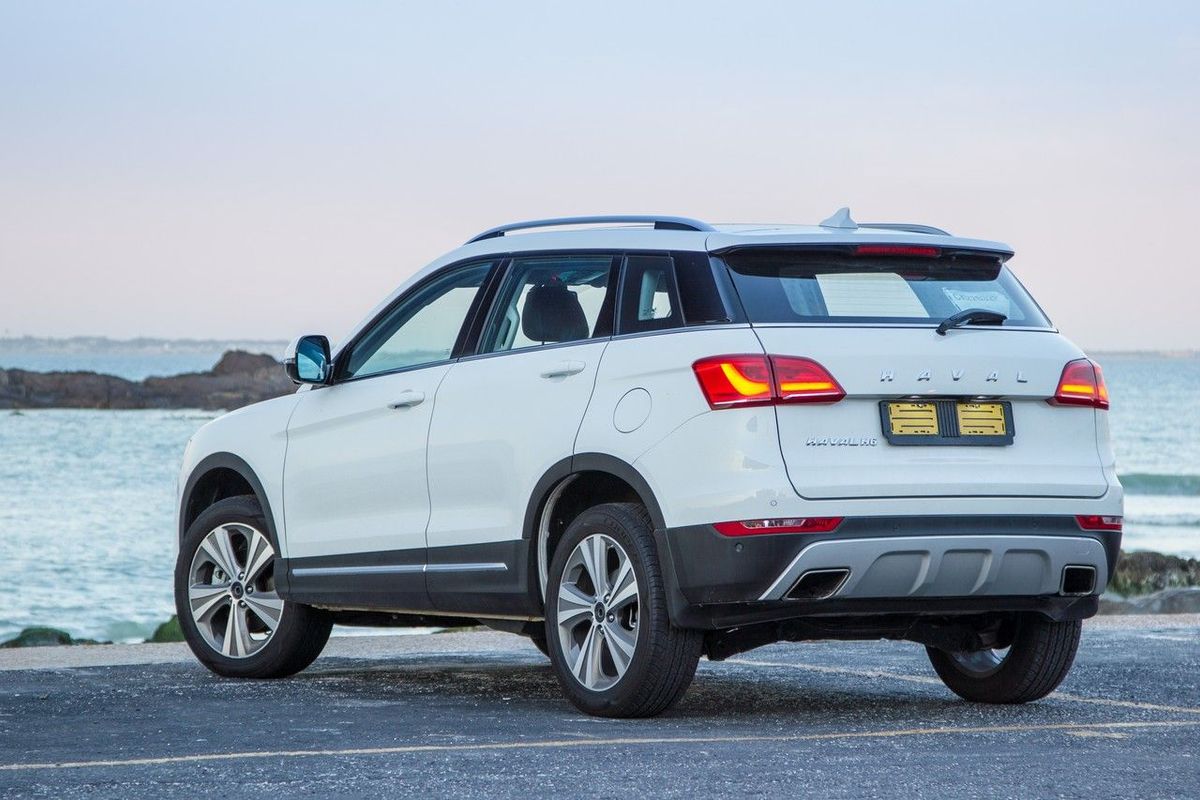
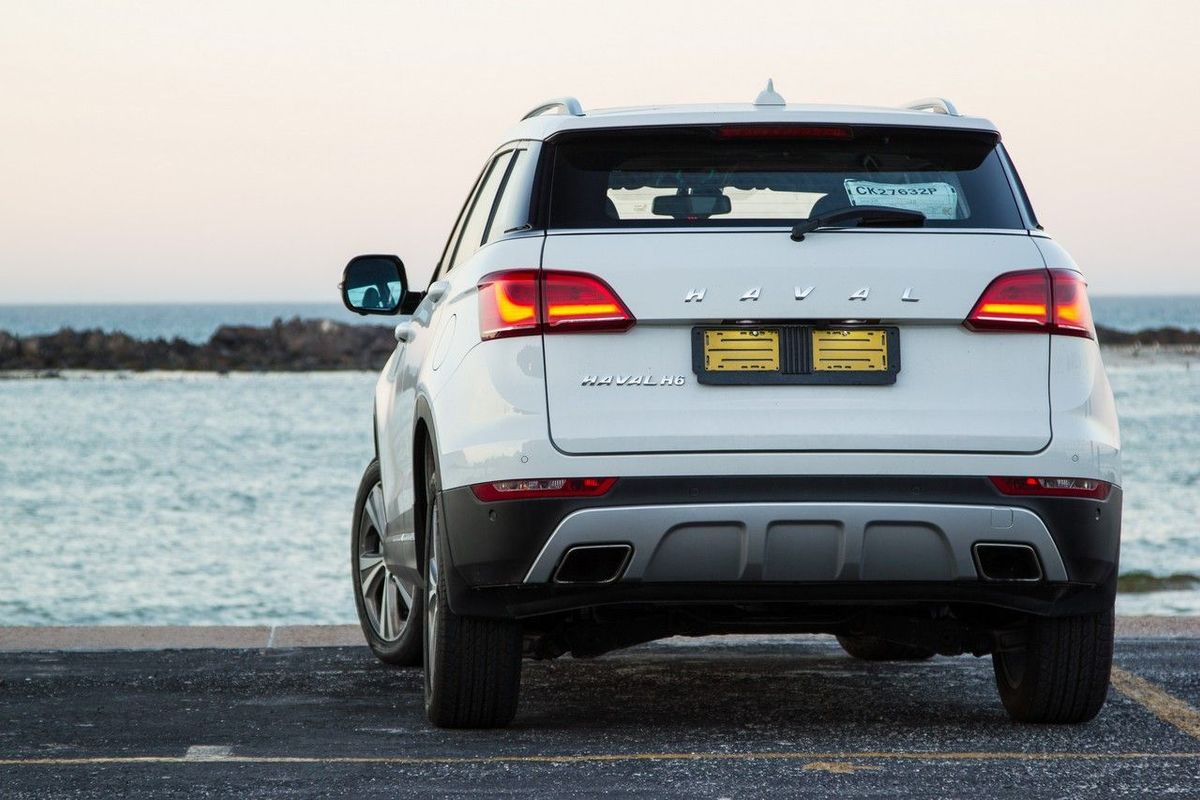
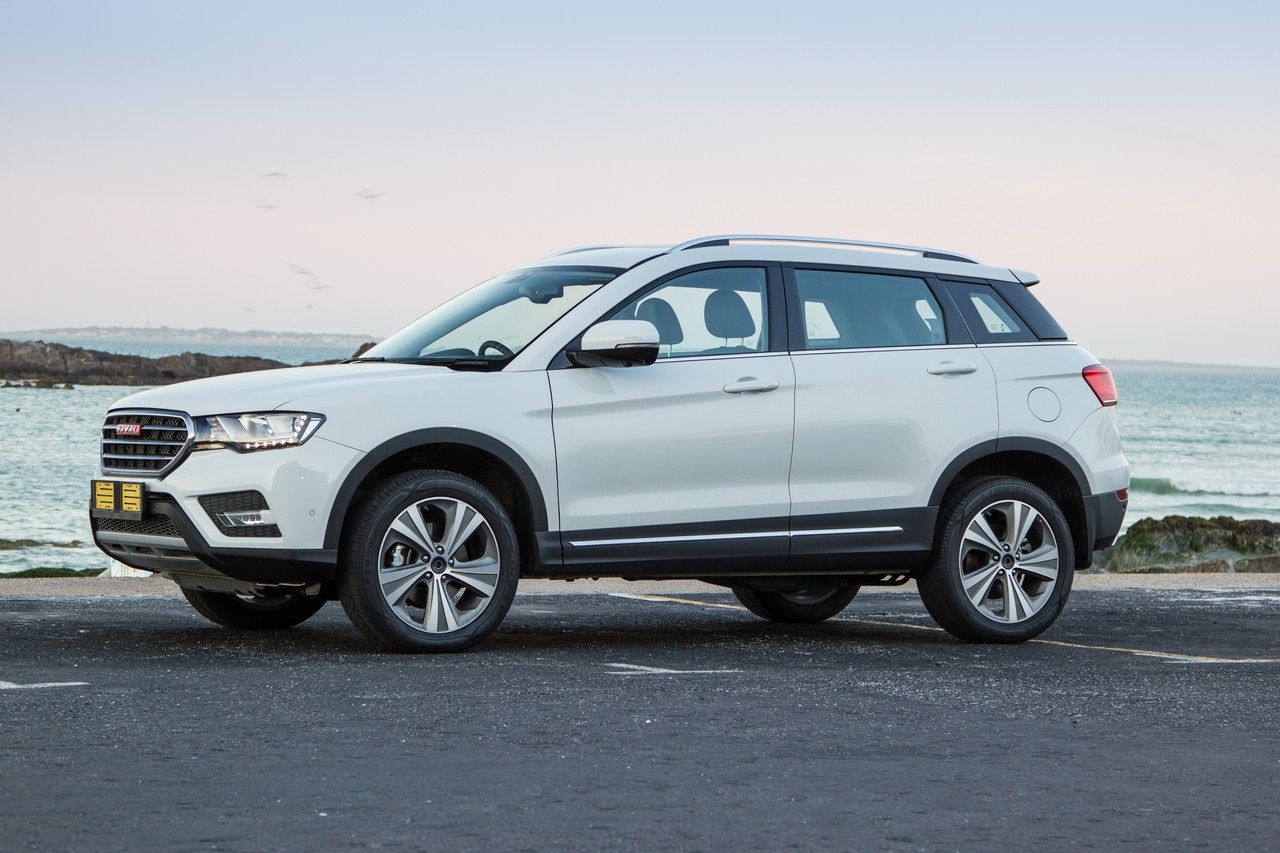
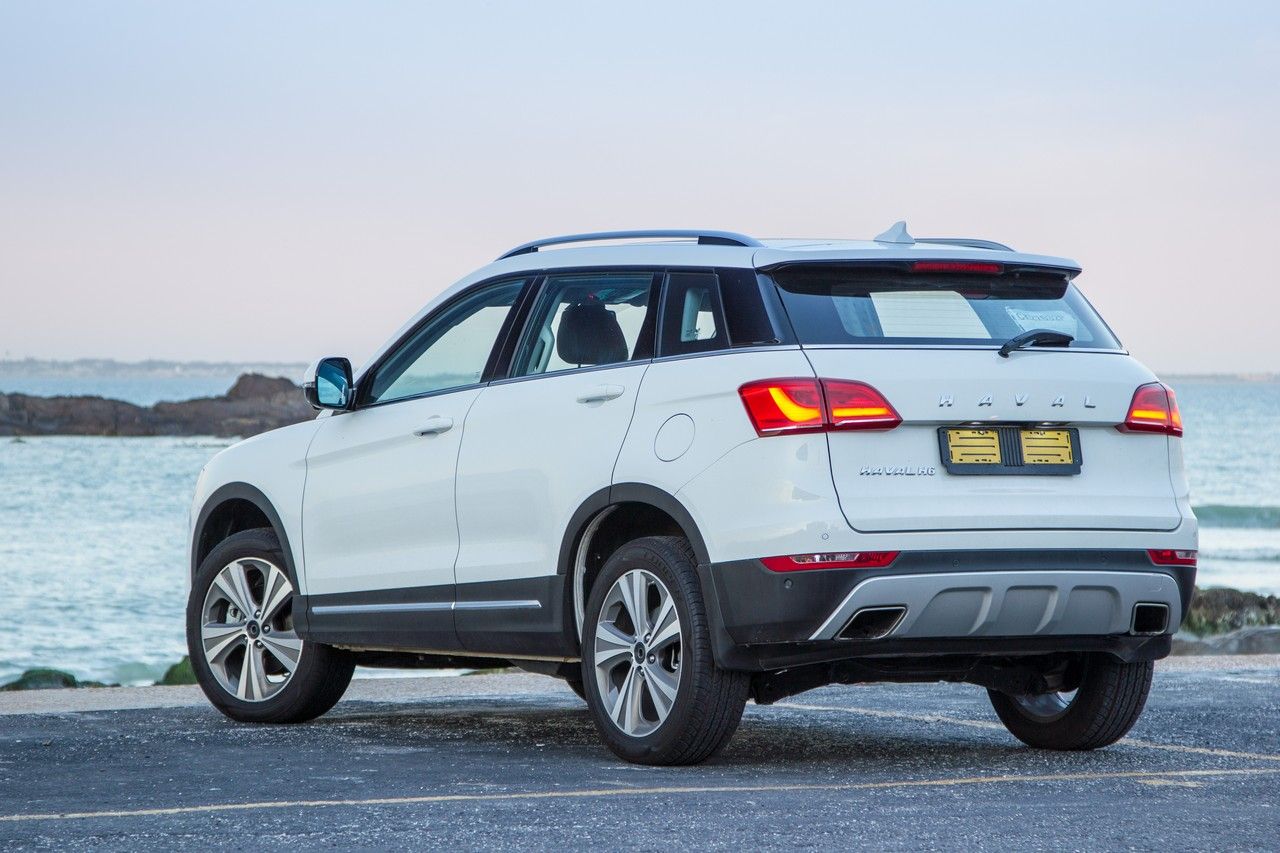
Quite a handsome SUV with no discernible copy-cat styling.
Haval formally established itself in South Africa as the premium SUV arm of GWM – the bakkie maker – in 2017. Now wholly owned by the Chinese parent company, the local distributor is said to be expanding to 40 dealerships and taking an aggressive strategy towards marketing and pricing its products on the local market. The first product, the H2, which we reviewed back in June 2017 was a good platform to launch from, the GWM M4 compact family car has been rebranded the Haval H1 and now this…
The sloped-back H6C competes in the medium-SUV (family car) category of the market. It’s about the same length and height as a Mazda CX-5 or Kia Sportage, but looks a little more compactly styled in the vein of a Honda HR-V or Hyundai Creta. Its price is certainly more on par with the top end of the compact family car market than the others and is packed with loads of gadgets and trinkets to prop up the value for money offering, but is it just smoke and mirrors or is there actual substance underneath the new H6C?
How does the Haval H6 fare in terms of…
Practicality?
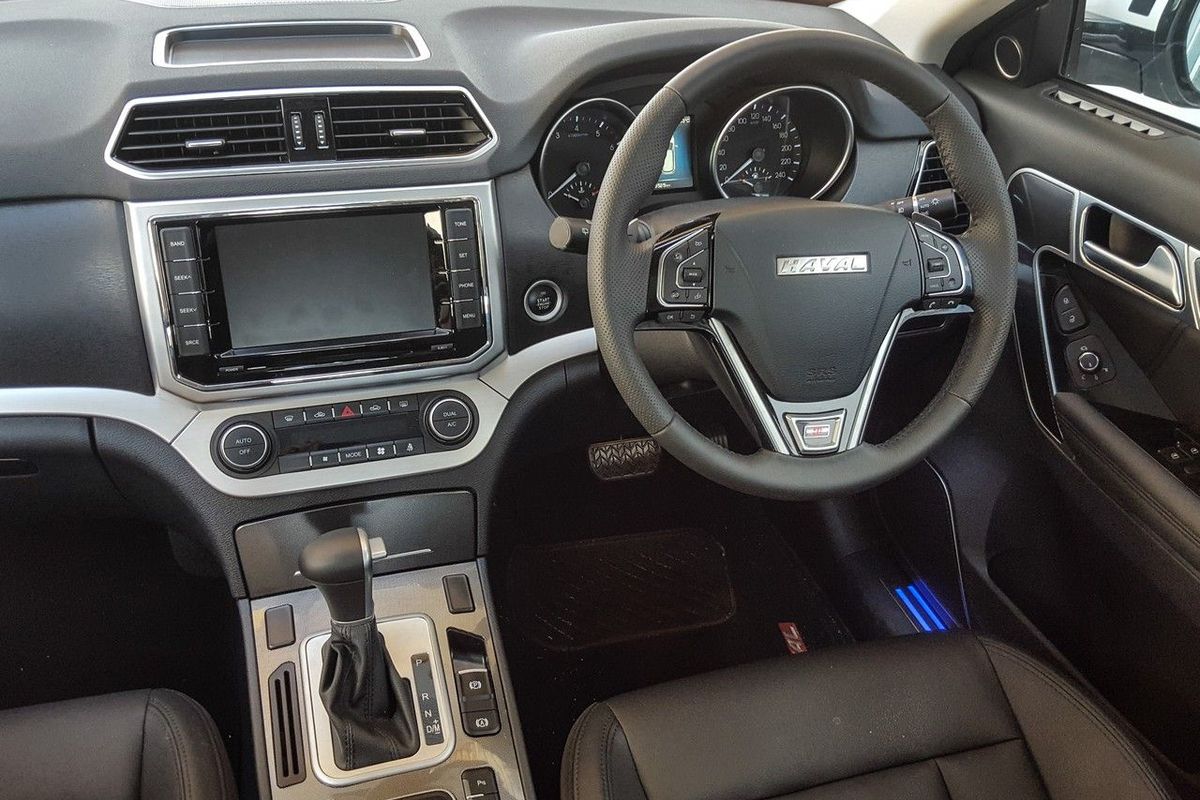
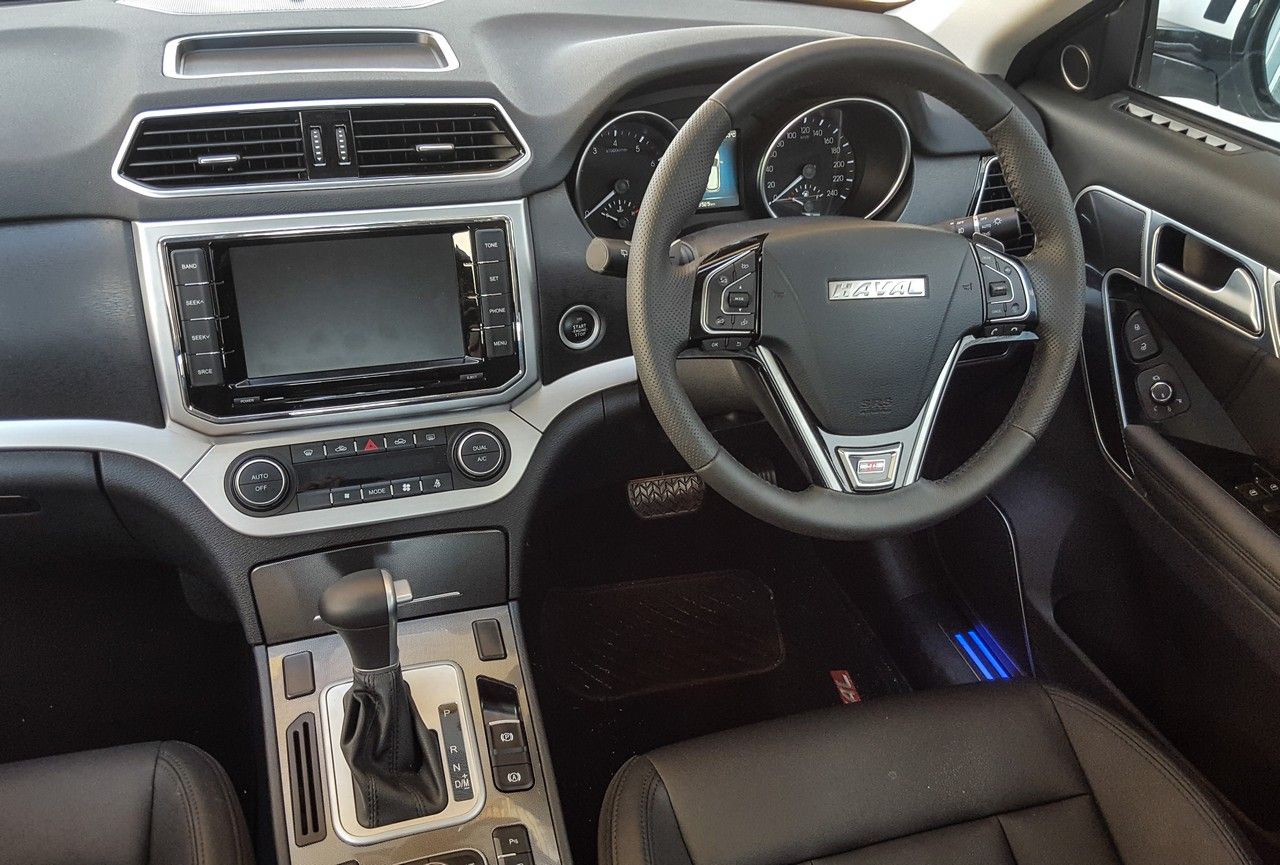
Upmarket interior has leather seats and steering wheel, dual-zone climate control and in the bottom right, blue mood lighting on the door sills.
At this end of the market, practicality plays a major role in purchasing decisions. The H6C is bigger than it looks and passenger space is very impressive. Rear passengers have loads of legroom, rear air vents and in the Premium model on test here, full leather seats (although it’s artificial leather).
Haval claims luggage capacity of 247 litres and utility space of 1 146 litres. Whereas the latter figure is reasonable, the rear-seat-up capacity is limited by the high sill (shallow depth) and the H6C’s sloping hatchback. The aperture could be wider too, which would help with loading more difficult items such as bicycles. On the upside rear legroom is generous, the split seatback folds flat easily enough and the keyless system means you don’t have to dig around for car keys when entering the car from any door.
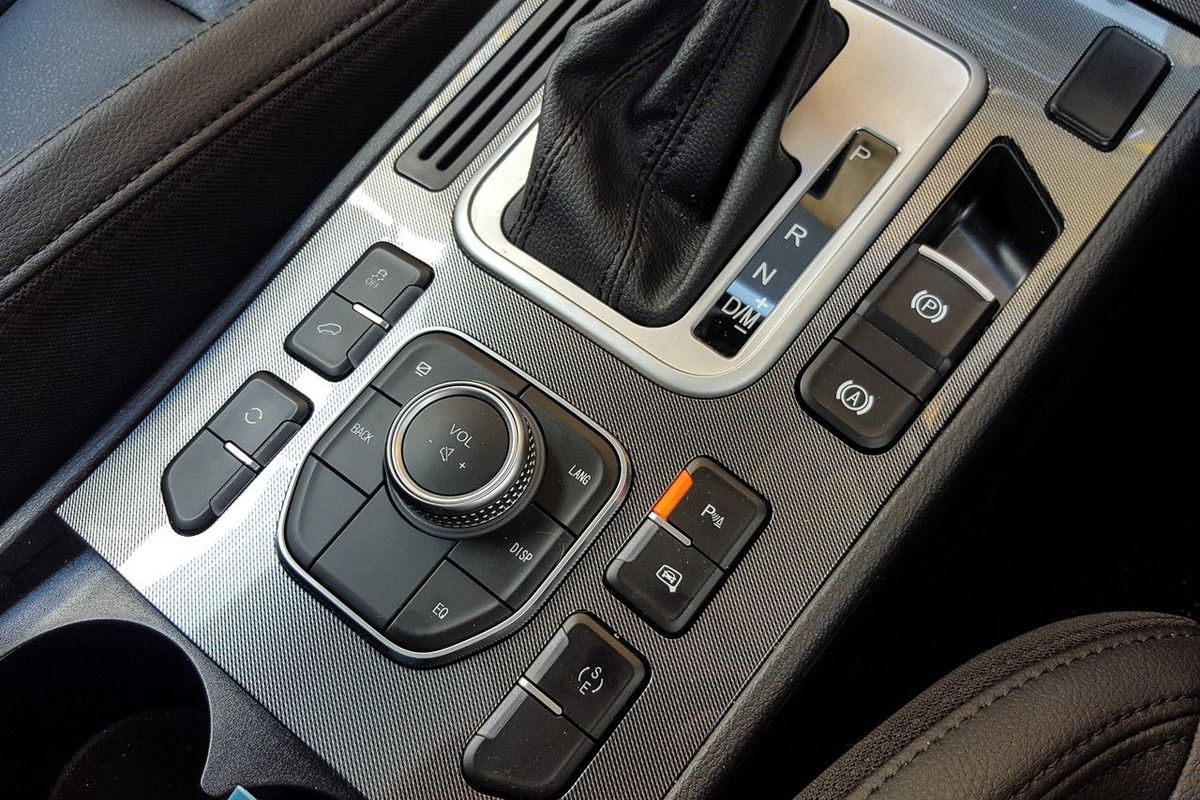
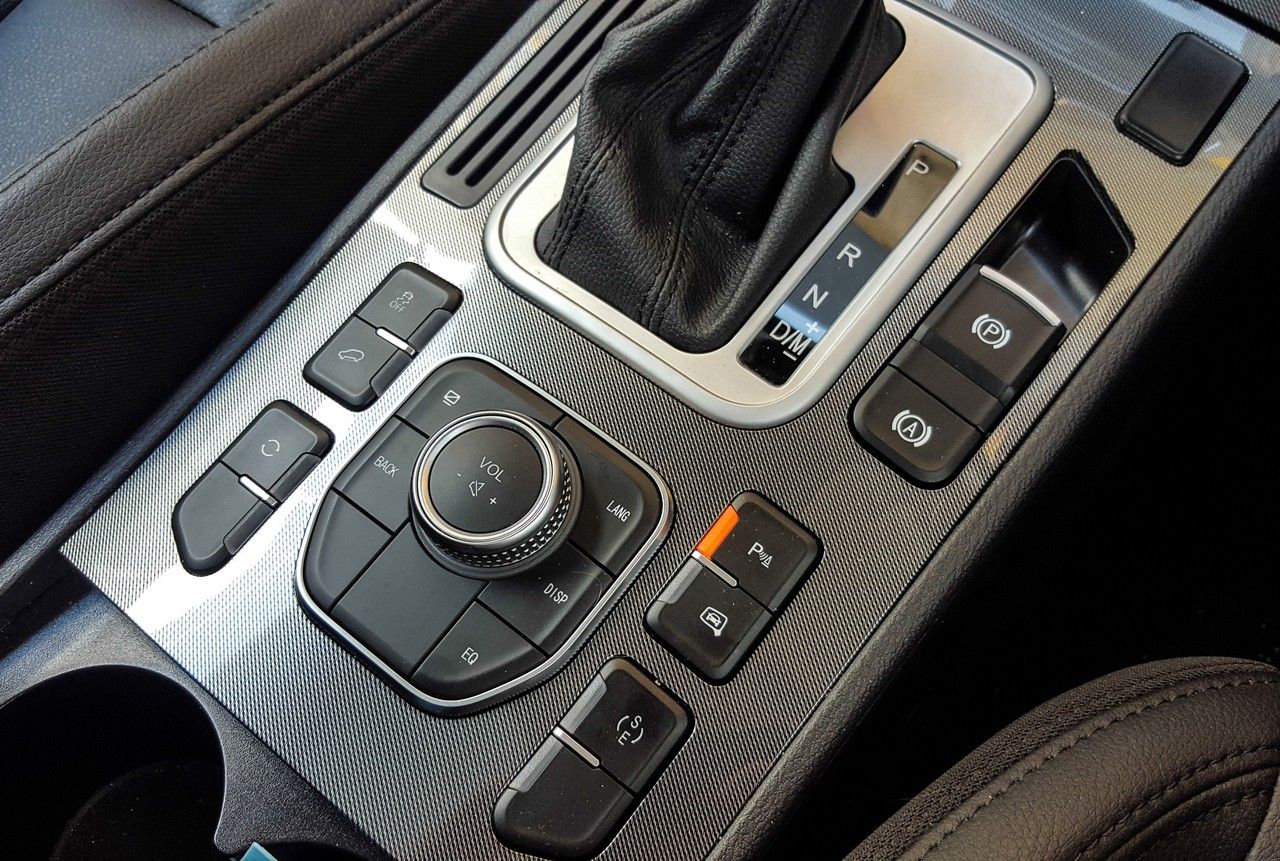
Up front, there are 2 cupholders a good-sized centre console and a flip-up ashtray compartment. The centre area is dominated by a rotary knob and surrounding buttons that control the infotainment system. This could all have been dispensed with as the infotainment system is a touchscreen and any other functions can be quickly performed by the steering wheel controls. This would have allowed for more space to throw keys, phone, wallet etc. rather than in the cupholders.
Features and cabin quality?
Rotary knob is mostly made redundant by the touchscreen and steering controls, this would be better as storage space.
You will struggle to find a better-specced SUV than this at this price range, or at R100k-200k more in fact. The H6 is loaded with upmarket goodies like 8-way electric seats, dual-zone climate control, switchable mood lighting, cruise control, front and rear park distance control with rear camera (not forgetting the side-view camera that we first noticed on the flagship H2), retractable mirrors and a bright red puddle lamp that projects the word “Haval” onto the ground when you unlock the car.
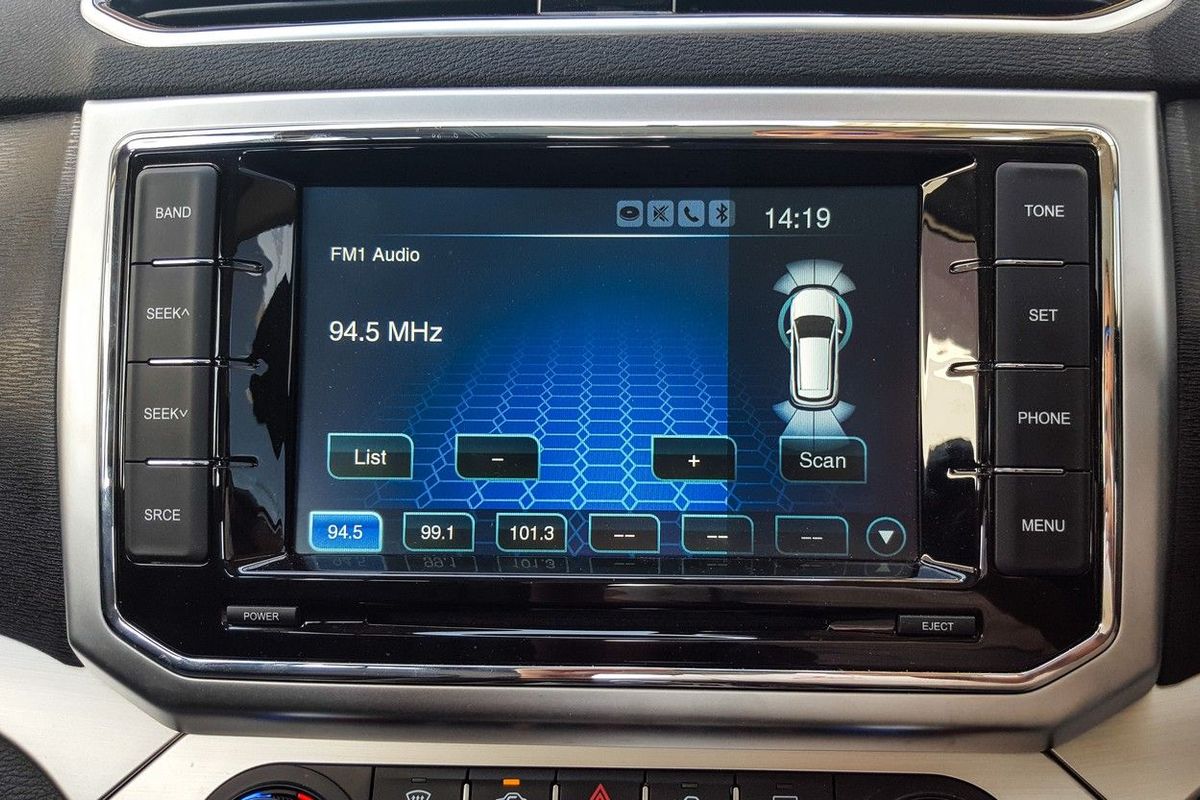
It’s certainly well equipped and even has some of those show-offy touches too with the mood lighting, puddle lamps and LED daytime running lights. The infotainment system is a little under-specced, unfortunately. For such a large touchscreen, it only really performs the function of a radio. It has Bluetooth and media playing capabilities, but beyond that, not much else.
As for the rest of the interior, it seems quite upmarket in a classy, restrained way. The silver trim on the doors are smooth to the touch and the leather trim inserts are quality, premium features. The dashboard surrounds are made up of soft-touch rubberised material and all the panels seem firmly held in place.
Drivetrain and ride refinement?
Ride quality is a step up from every other Chinese car and on par with certain competitors.
The H6C has quite a large motor if you consider the major downsizing trend in the market. Its 2.0-litre turbopetrol unit produces peak outputs of 140 kW and 310 Nm but doesn’t feel all that punchy. Acceleration has a gradual, linear feel to it and the 2.0 holds 120 kph with relative ease, but the constant overspeed beep when you push past that velocity is annoying.
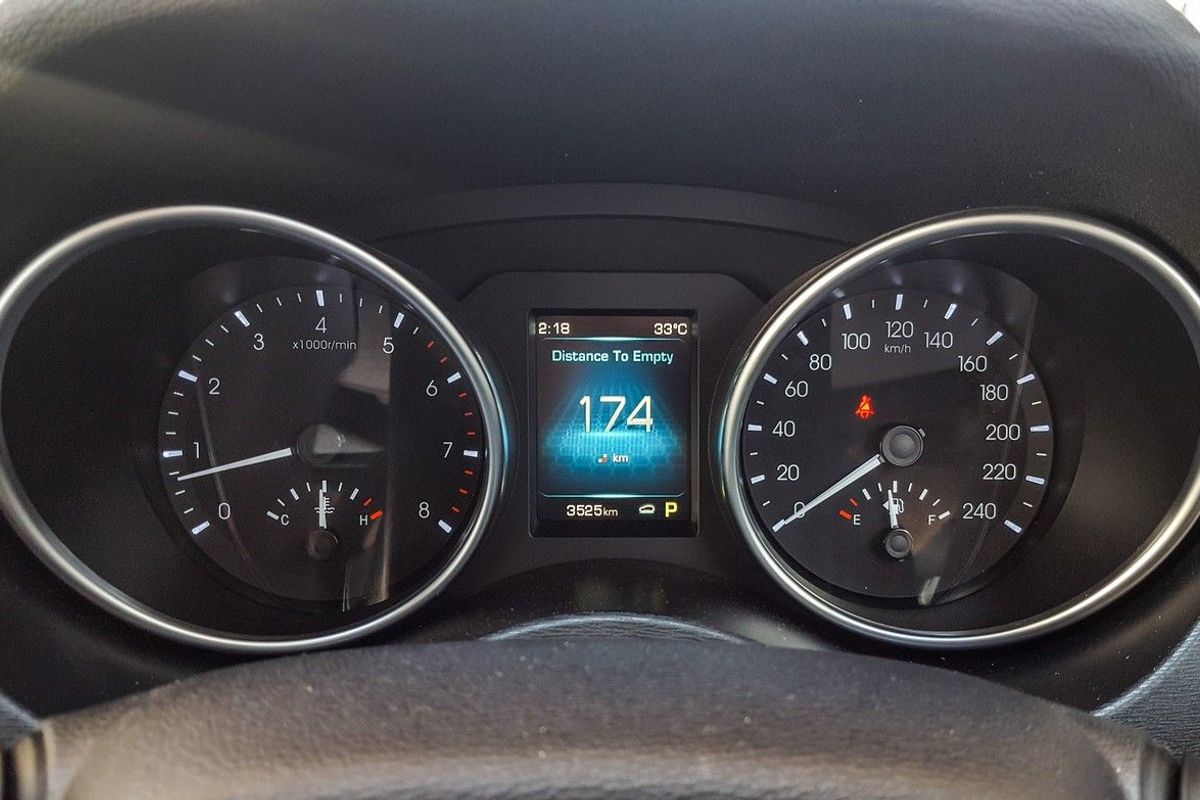
It’s not to say the Haval’s underpowered, just over-claimed. And the “leisurely” acceleration would be fine if the fuel consumption was decent, but given its indicated average of 11.7 L/100 km over the 1 000 km we tested the H6C, it seems quite thirsty. Despite that, the 6-speed automatic gearbox is a great match and shifts up and down the box with great comfort.
Ride quality has been one of the areas the Chinese brands have lacked in historically. Haval has worked hard with the H6C to improve comfort and NVH levels too. It rides quite firmly but it’s not overly so that it feels bouncy. It feels quite pliant over bumps and actually soaks up gravel roads really well. The steering is not overly light and it makes the Haval appear quite planted around bends taken at speed. As for general on-road refinement, the cabin is well insulated from wind, road and mechanical noise.
Safety?
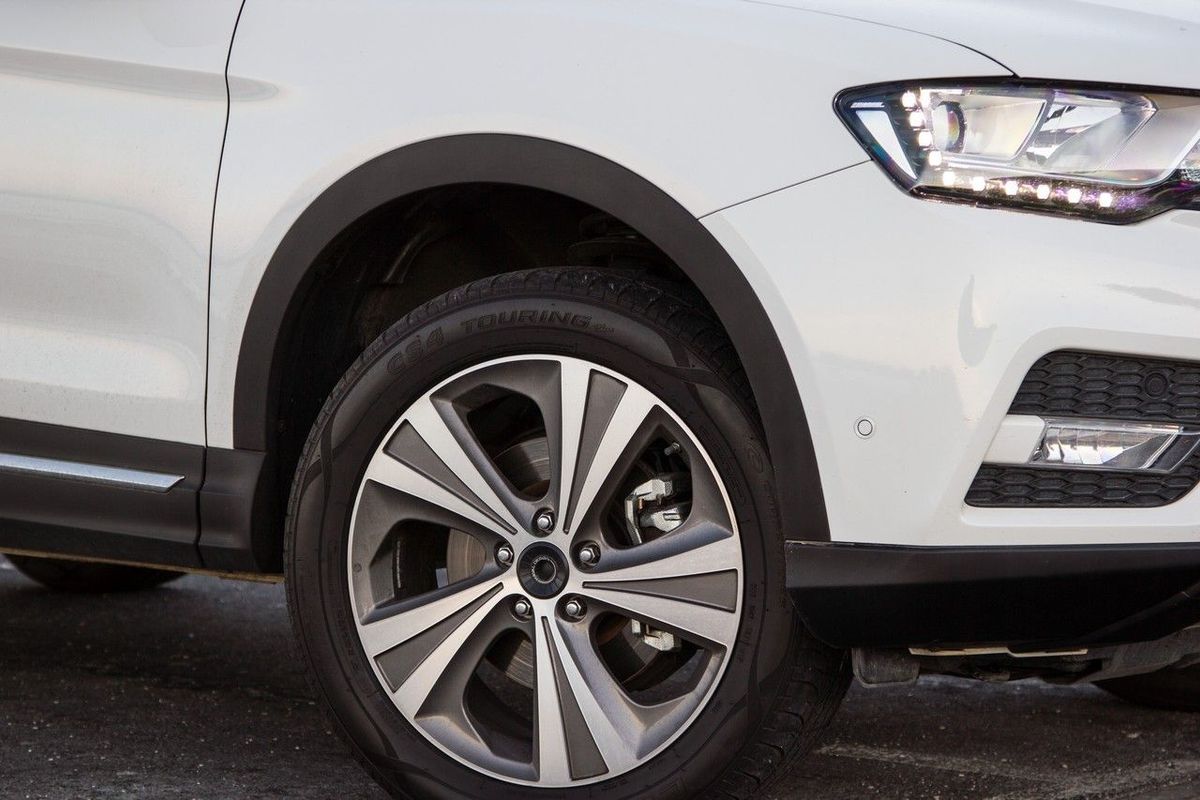
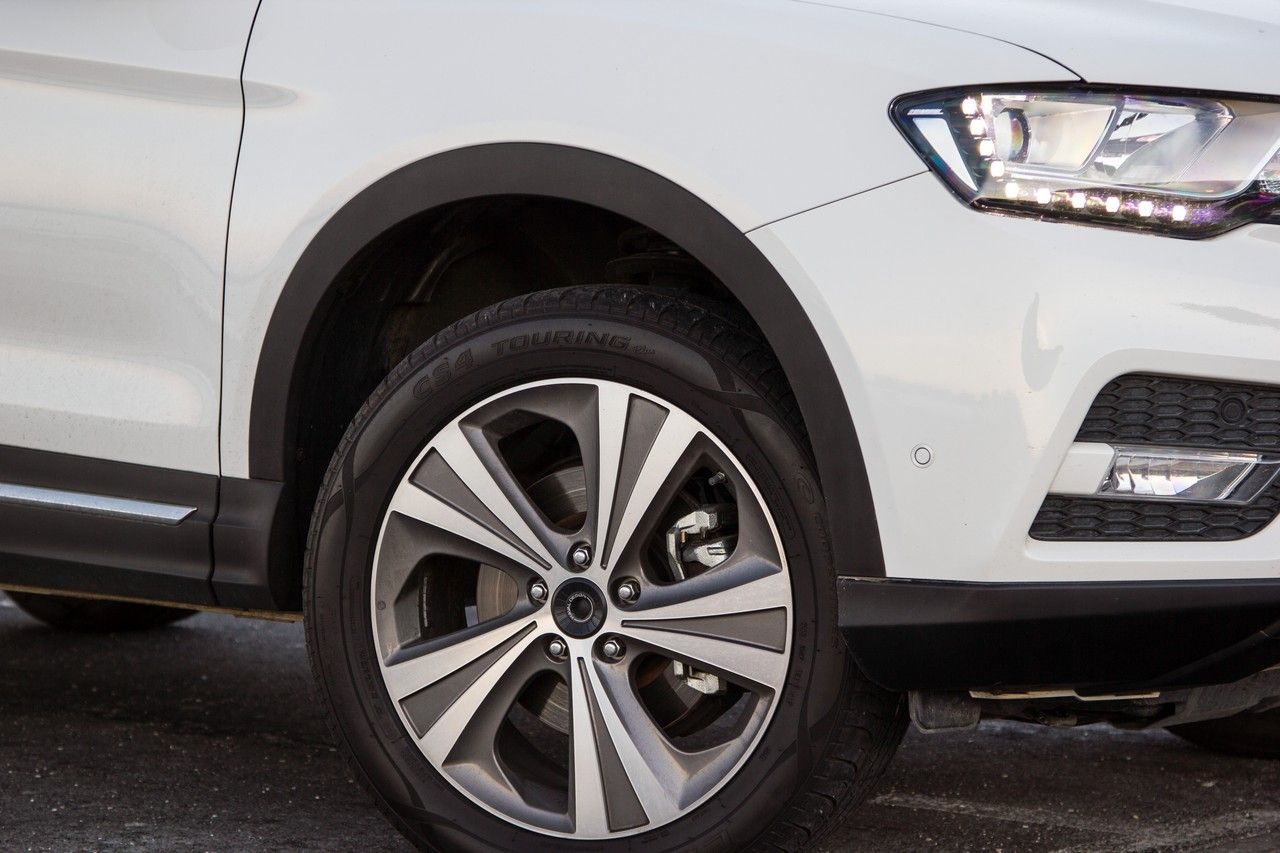
The H6 has excellent safety spec and loads of higher-end features such as LED daytime running lights, fog lights and 19-inch wheels.
Chinese cars have had a fair amount of negative publicity around vehicle safety and, in some cases, rightly so. Thankfully, the H6C has the right combination of safety features to meet a family’s requirements. Things like ABS, EBD, brake assist and stability control are all standard across the range and this derivative is equipped with 6 airbags as well.
Verdict
It remains to be seen if the H6C will be as instantly popular as its H2 has proved in the value-seeking compact family car/crossover segment. As Haval thrusts higher up into the premium sectors of the market, the brand may find that buyers are more discerning and quality, brand strength and practicality feature highly on their requirements lists. The H6C may offer loads of value at an unbeatable price, but buyers may want the reassurance from a known brand, even if it is in the shape of a lesser-specified product for R30-50k more.
As our recent comparative video featuring the H6C and Kia Sportage demonstrated, the Haval is a very good product. With a few minor refinements (get rid of all the beeps and put in a higher-end infotainment system) it could be a winning recipe. A more fuel-efficient engine would also attract more buyers to what is a capable, spacious-for-occupants SUV.
What’s more, the H6C offers tremendous spec- and safety levels at R389 900 (November 2017) and may entice buyers who are looking for something a little bigger than a Renault Captur, Suzuki Vitara or Hyundai Creta. It’s unlikely to pull many buyers from top-selling rivals in the cutthroat family car segment, but we don’t believe that’ll be the case for much longer.
Frequently Asked Questions about the Haval H6 in South Africa
What is the price of the Haval H6 in South Africa?
The price of the Haval H6 in South Africa varies depending on the model and trim level. The range typically starts from around R495,500 for the entry-level petrol models and can go up to R799,900 or more for the top-of-the-range Hybrid Electric Vehicle (HEV) and Plug-in Hybrid Electric Vehicle (PHEV) variants. These prices are subject to change and may vary by dealership.
What is the warranty and service plan for the Haval H6?
The Haval H6 comes with a comprehensive after-sales package. This generally includes a 7-year/200,000 km warranty and a 7-year/75,000 km service plan for petrol models. Hybrid and plug-in hybrid models also come with an additional 8-year/150,000 km warranty specifically for the high-voltage battery and components.
What is the fuel consumption of the Haval H6 in South Africa?
Fuel consumption for the Haval H6 depends on the engine type and driving conditions. The official claimed figures are around 7.4 L/100km for the 2.0-litre petrol models. However, real-world figures can be higher. The Hybrid Electric Vehicle (HEV) models are significantly more fuel-efficient, with a claimed consumption of 5.2 L/100km, which can be a game-changer for daily commuting.
What are the key safety features of the Haval H6?
The Haval H6 is equipped with a high-strength steel body and a wide range of advanced safety features. These include multiple airbags (up to 6 or 7, depending on the model), Adaptive Cruise Control, Autonomous Emergency Braking, Lane Keep Assist, and a 360-degree camera system on higher-spec models. These features help to provide a high level of safety for all occupants.
Is the Haval H6 a good car to buy in South Africa?
Based on reviews and market success, the Haval H6 is considered an excellent value-for-money option in the South African SUV segment. It offers a combination of modern styling, a feature-rich interior with a large touchscreen and advanced technology, and a comprehensive warranty. It is a strong competitor to established brands and is often praised for its comfort and generous list of standard equipment.