What Are Crumple Zones and How Do They Work?
What are crumple zones in cars? We examine exactly what these passive safety elements are and how they work to keep you safe.
Your car is designed to crumple. That might sound counterintuitive, but it’s one of the most important safety innovations in modern automotive engineering. Crumple zones, those specially engineered sections at the front and rear of your vehicle, are built to fail – and that failure could save your life.

Most drivers never think about these engineered deformation zones until they need them. Yet every time you get behind the ‘wheel of your vehicle, these silent guardians stand ready to protect you from the devastating forces of a collision.
See also: Car Safety Ratings – What They Mean and Why They Matter
What Crumple Zones Do
Crumple zones quite literally absorb and dissipate energy during a car crash/collision. These areas are designed to deform and collapse in a controlled way during an impact, absorbing the massive amounts of kinetic energy that need to go somewhere when your moving vehicle suddenly stops.

Unlike the rigid safety cell that protects occupants inside a car’s cabin, crumple zones are intentionally weak. They’re engineered to give way under pressure, creating a buffer that slows your vehicle down gradually rather than bringing it to an abrupt, bone-jarring halt. This controlled collapse is what makes the difference between walking away from an accident and facing serious injury.
See also: Your Complete Guide to Safe Towing in South Africa
The Science Behind the Safety
The physics behind crumple zones may not be rocket science, but it’s lifesaving. The principle relies on impulse and momentum, specifically, the relationship between force, time, and velocity during a crash.

Here’s the equation that could save your life: F_avg × Δt = m × Δv. By increasing the time (Δt) over which your vehicle decelerates, crumple zones dramatically reduce the average force (F_avg) your body experiences. This fundamental relationship explains why modern cars perform so much better in crash tests than their rigid predecessors.
During a collision, these zones don’t just absorb energy through deformation. They also redirect and distribute crash forces away from the passenger compartment, maintaining the structural integrity of your safety cell. This dual action – absorption and redirection – is what keeps the occupant area intact while the front or rear of the vehicle crumples.
See also: A Driver’s Guide to Cutting Fuel Costs

Engineering Materials for Maximum Protection
Modern crumple zones aren’t just bent metal waiting to fold. They’re sophisticated structures made from carefully selected materials, including high-strength steel, aluminium alloys, and advanced composites. Each material is chosen for its specific deformation characteristics under impact.
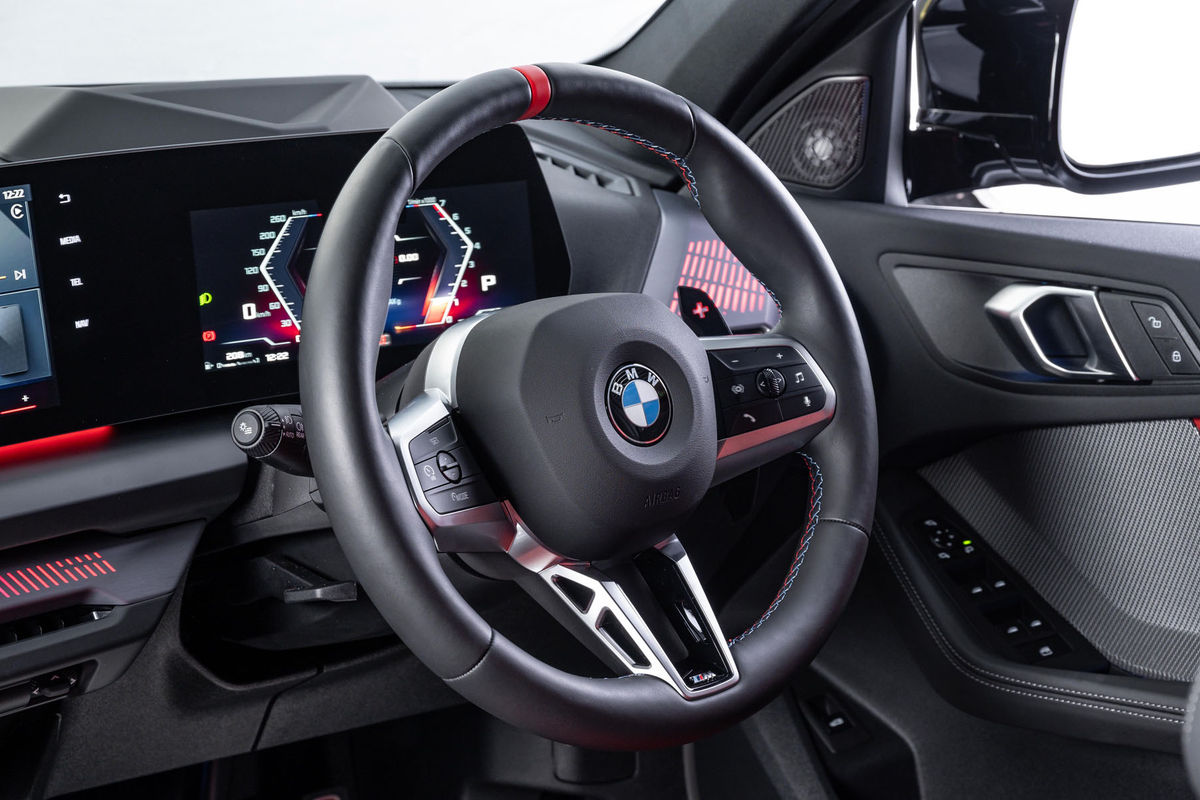
The design often incorporates frame segments that bend or collapse in predetermined patterns. Some vehicles even feature specialised components like collapsible steering columns that further reduce injury risk by preventing the steering wheel from being driven into the driver’s chest during a frontal impact.
Engineers spend countless hours testing these materials and designs to ensure they deform predictably. The goal is controlled failure – the zone must crumple just enough to absorb energy, but not so much that it compromises the passenger cabin’s integrity.
See also: Everything You Need to Know About Car Trackers in South Africa

Why Your Life Depends on Them
Occupant Protection
Crumple zones serve as your first line of defence against crash forces. By absorbing and dissipating impact energy, they significantly reduce the forces transmitted to your body. This reduction in force translates directly to reduced injury severity, often the difference between minor bruising and life-threatening trauma.
Passenger Cabin Preservation
While crumple zones collapse, they’re designed to maintain the integrity of your survival space. They act as a protective barrier, preventing intrusion that could crush or trap occupants. This preservation of the passenger compartment is what allows other safety systems to function effectively.

Safety System Integration
Crumple zones don’t work in isolation. They’re designed to complement your vehicle’s airbags and seat belts by managing the timing and intensity of crash forces. This integration optimises the performance of all safety systems, working together to protect you.
Modern vehicles with properly designed crumple zones consistently achieve better crash-test ratings than older, more rigid designs. These improved outcomes aren’t just statistics – they represent real lives saved on roads across South Africa and around the world.
See also: The Surprising Science of Car Colours: Safety, Theft, and Superstitions

Real-World Impact on Road Safety
The effectiveness of crumple zones becomes clear when you compare crash outcomes between modern and older vehicles. Cars from the 1970s and 1980s, which were built like proverbial tanks with rigid construction, often transferred enormous forces directly to occupants during crashes.
Today’s vehicles might look more damaged after an accident, but that visible damage represents energy absorption that didn’t reach the people inside. The crumpled metal is evidence that the safety system worked exactly as intended.
See also: Tyre Insurance – How to Protect Your Wheels and Your Wallet

Maintenance and Your Safety Investment
Most drivers don’t realise that crumple zones require no special maintenance – they’re passive safety systems that are always ready. However, structural damage from previous accidents can compromise their effectiveness. This is why proper collision repair using manufacturer specifications is so important.
After any significant impact, even if the vehicle seems drivable, these zones may have already done part of their job. A thorough inspection by qualified technicians can determine if the structural integrity remains intact for future protection.
See also: Car Mileage Myths: Why Numbers Don’t Tell the Whole Story

The next time you see a severely damaged vehicle after an accident, remember that the crumpled metal represents successful engineering. Those zones absorbed tremendous forces that could have been transmitted to the occupants instead. In many cases, that engineered failure is the reason people walk away from crashes that would have been fatal in older vehicles.
Your car’s ability to deform and break up in the right places, at the right time, in the right way, represents decades of safety engineering evolution. These hidden heroes work silently every time you drive, ready to sacrifice themselves for your protection if the worst should happen.
Find a new/used vehicle listed for sale on Cars.co.za