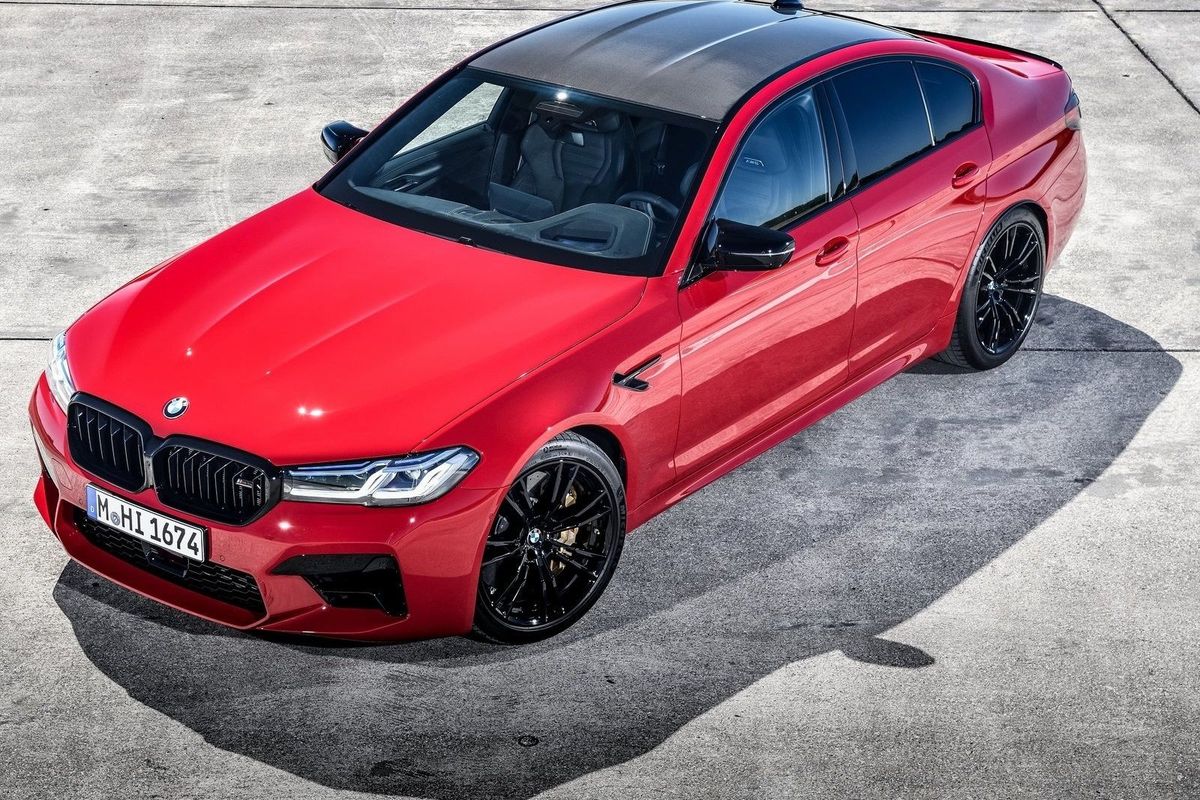
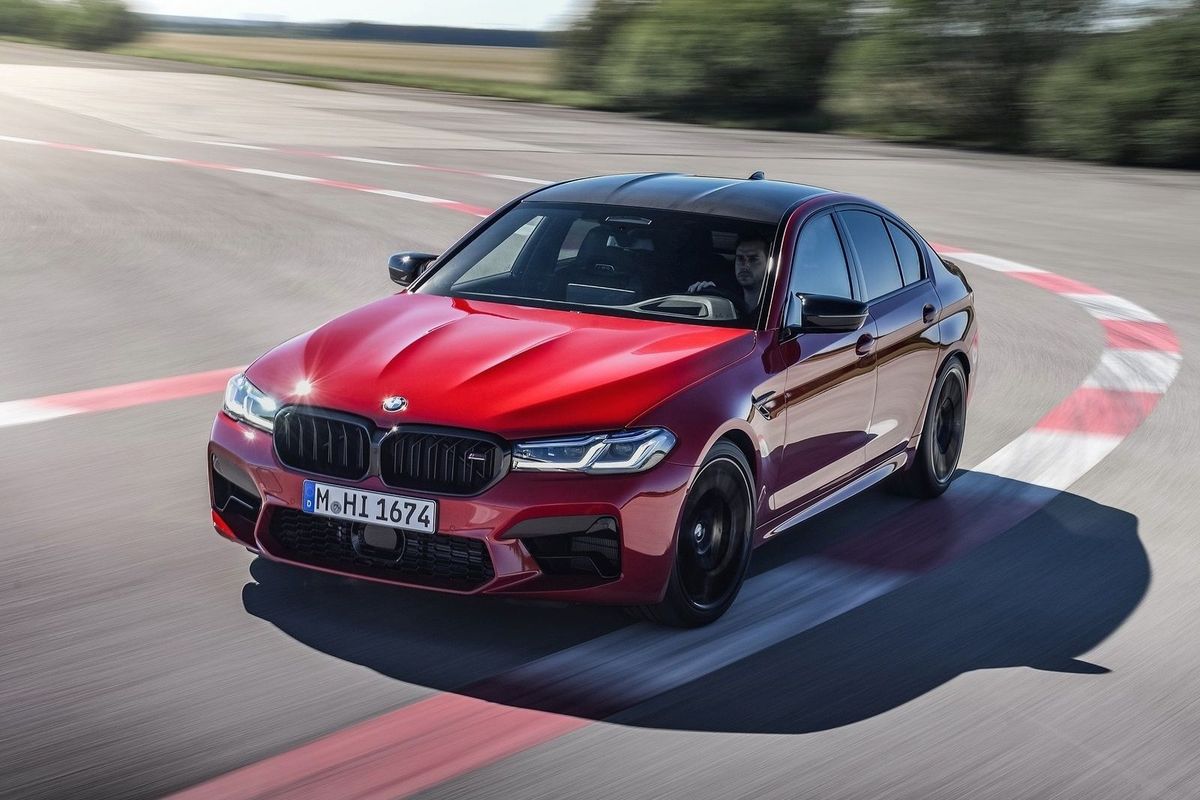
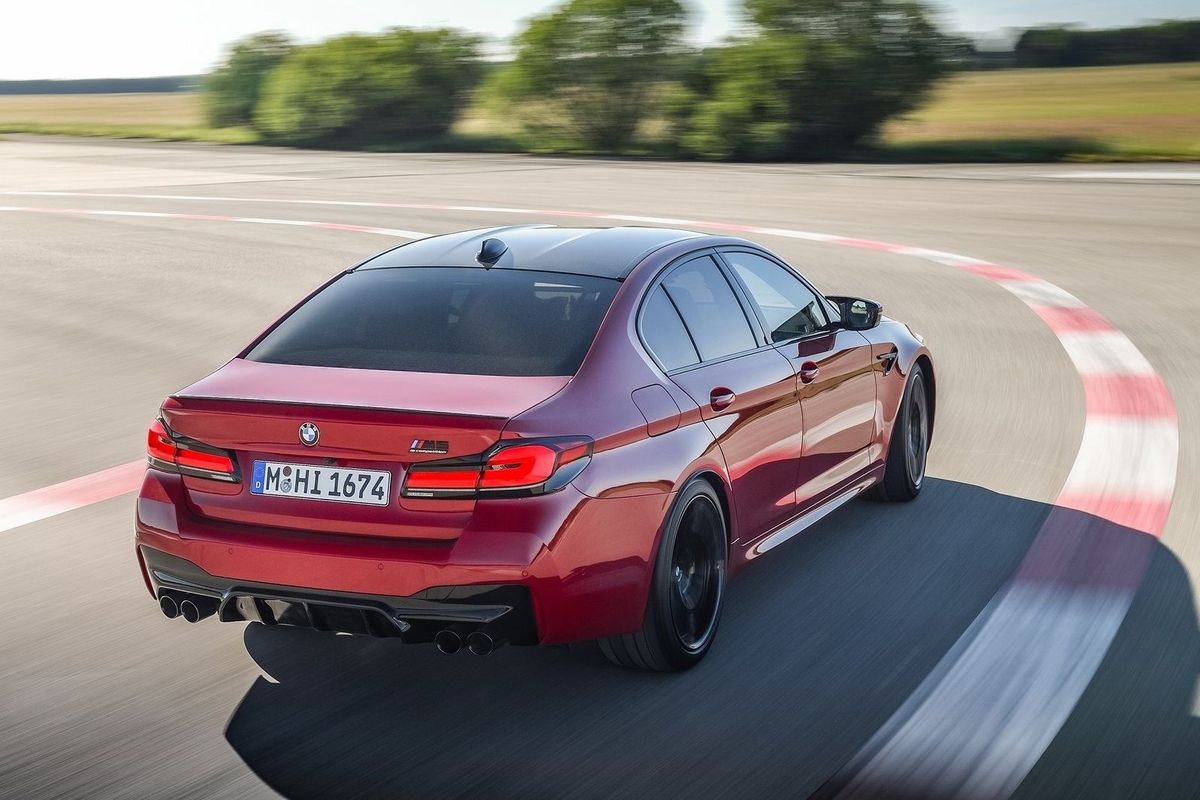
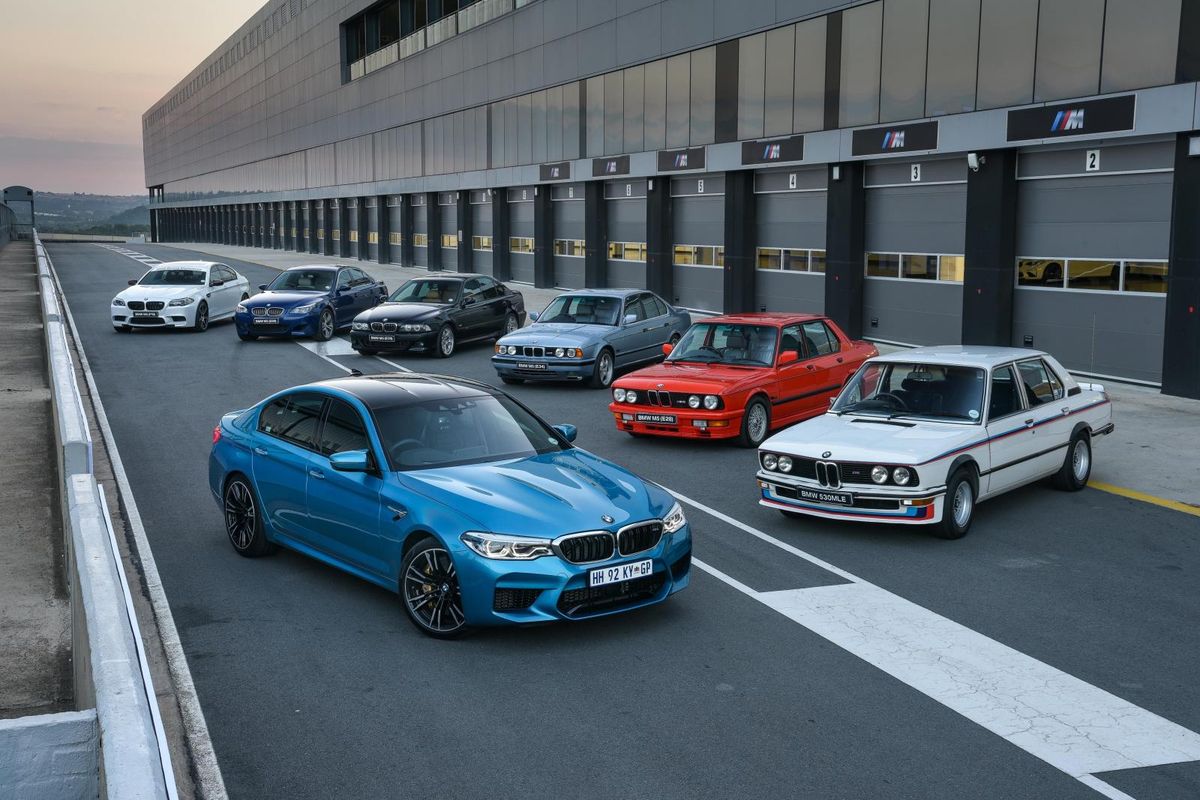
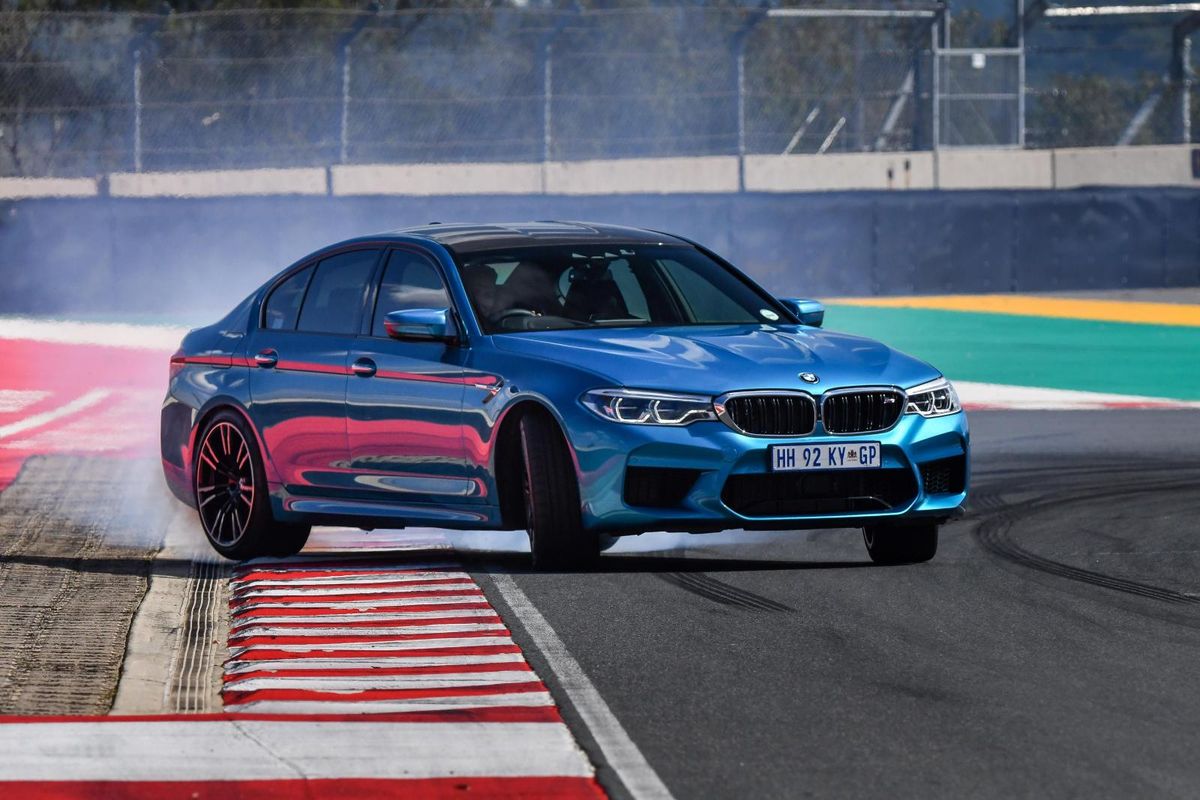
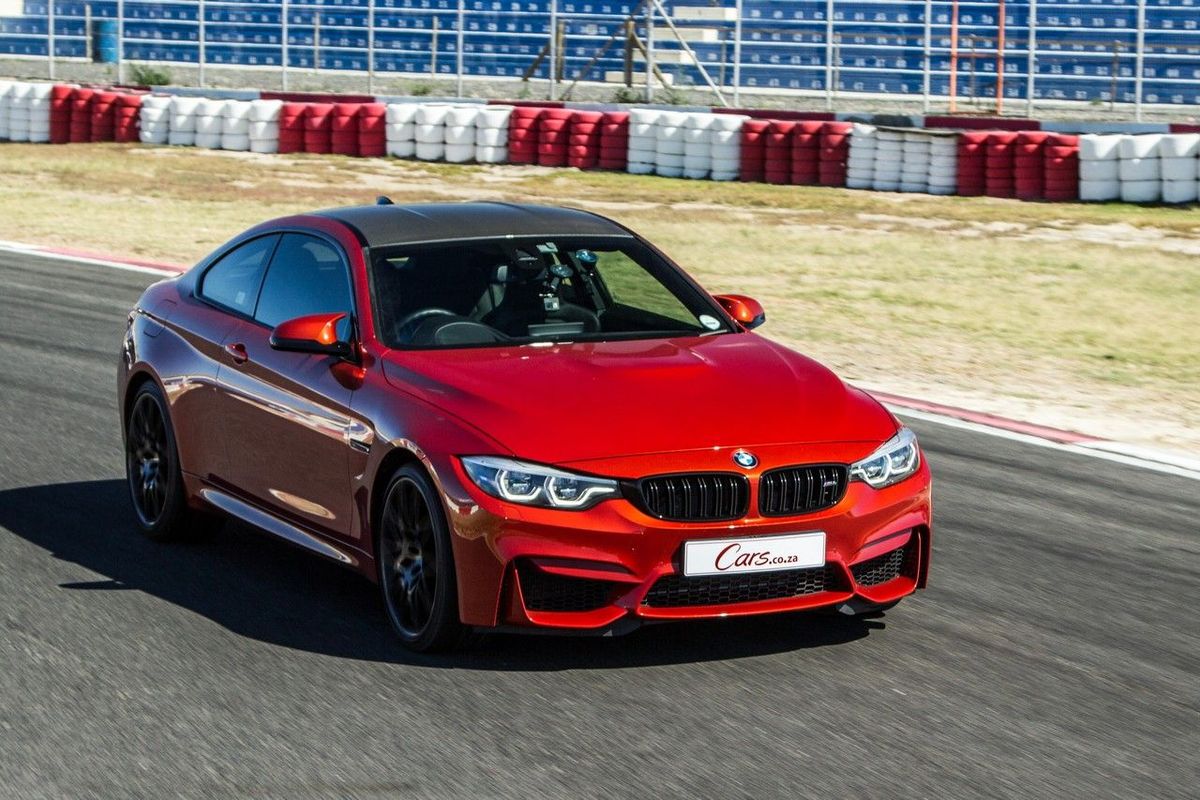
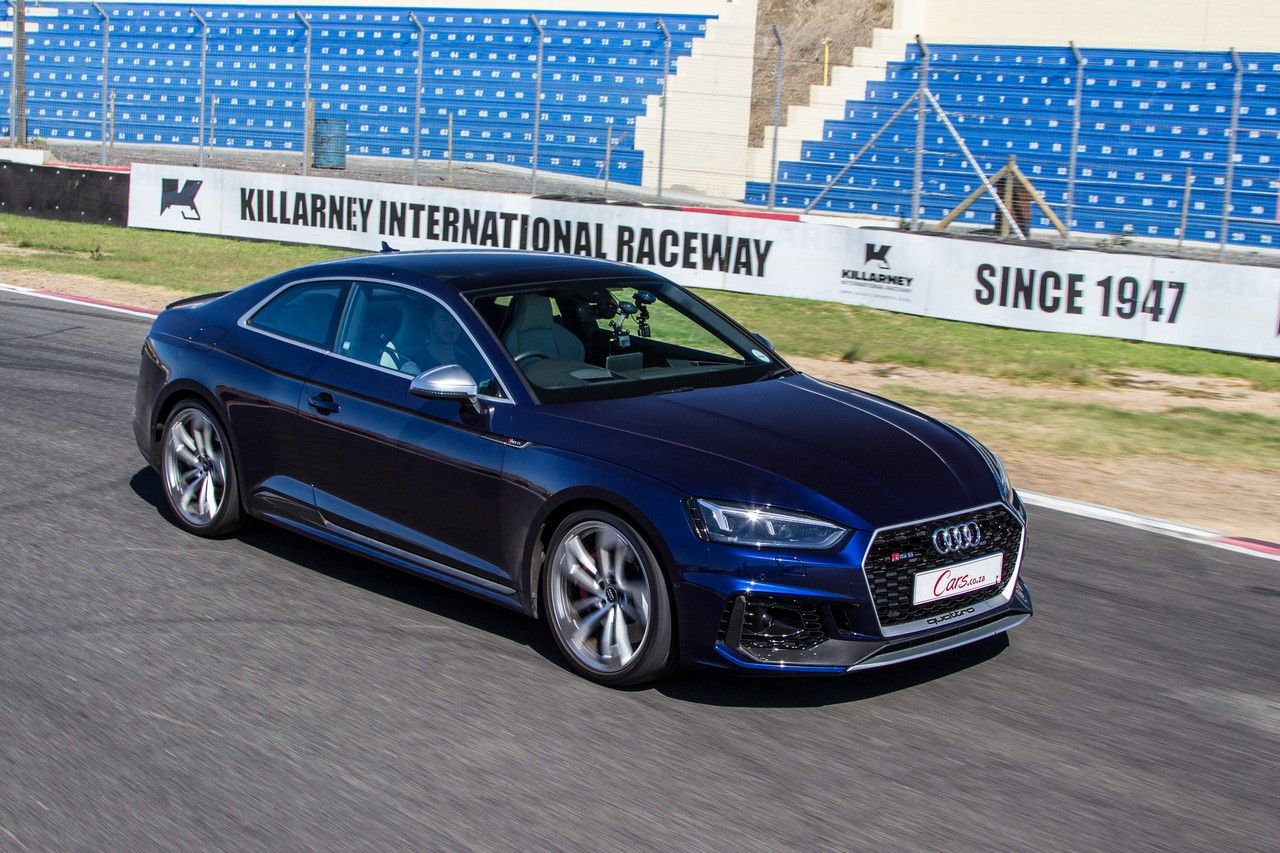
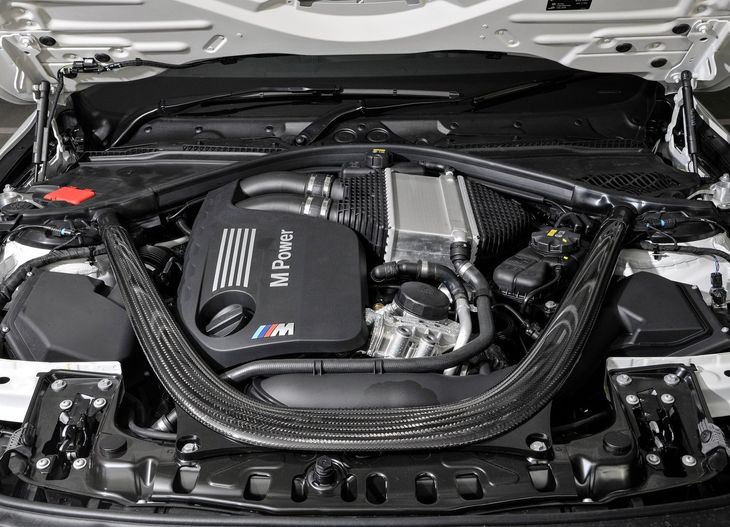
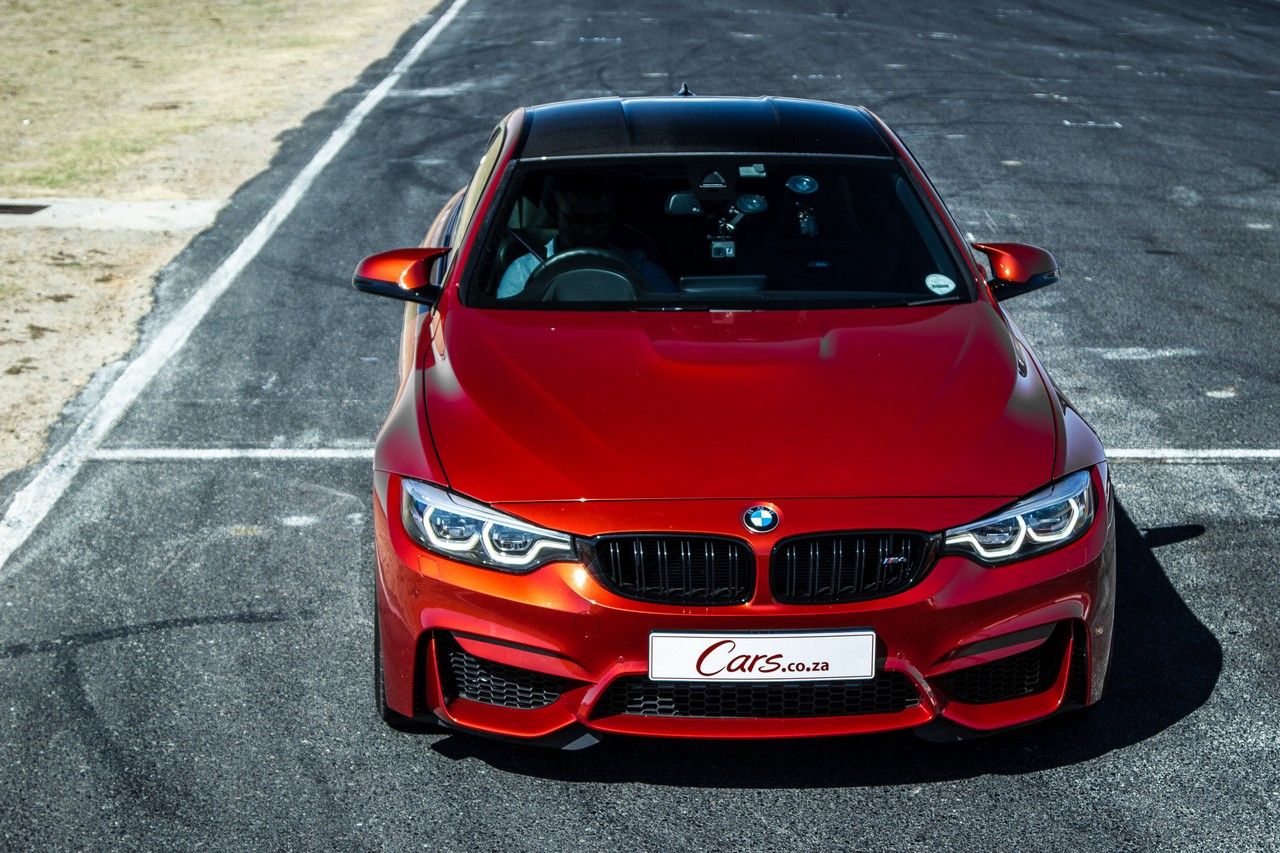
The F90 BMW M5 has officially landed in South Africa and we're driving it this week. In the meantime, here are the specifications and pricing for this German four-door 'bahnstormer.
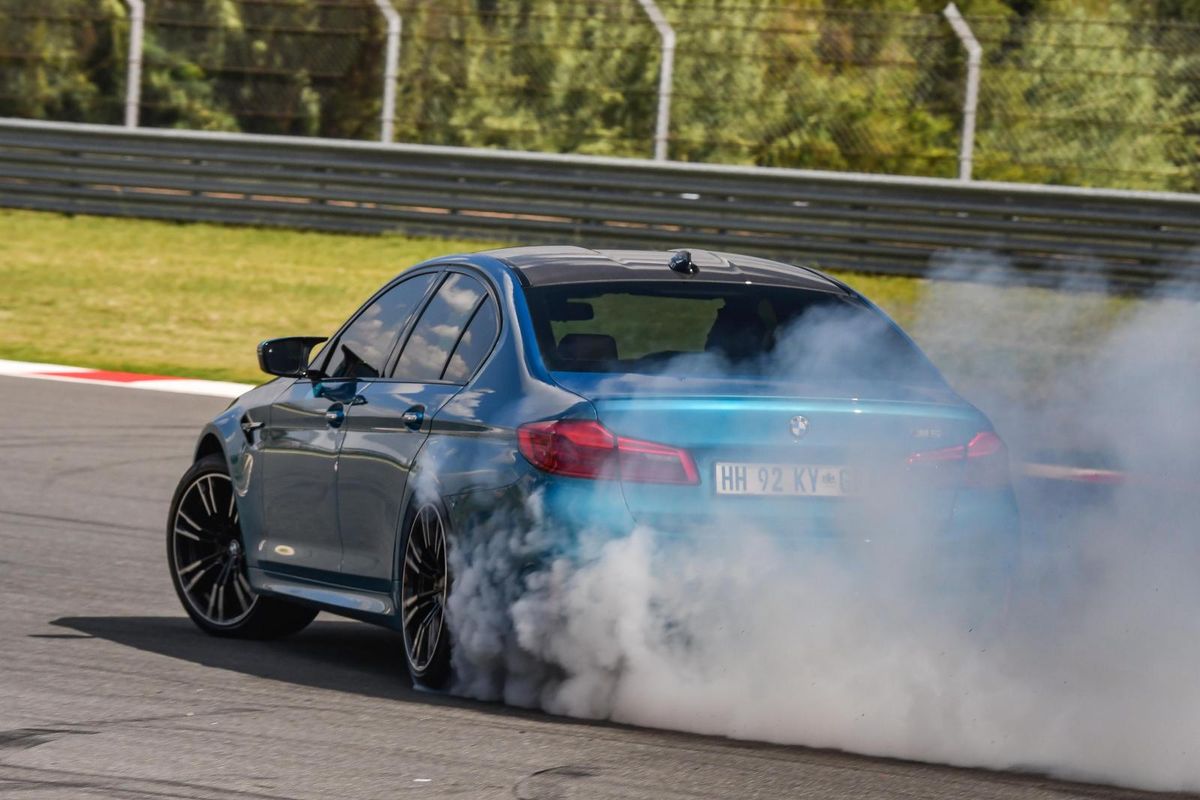
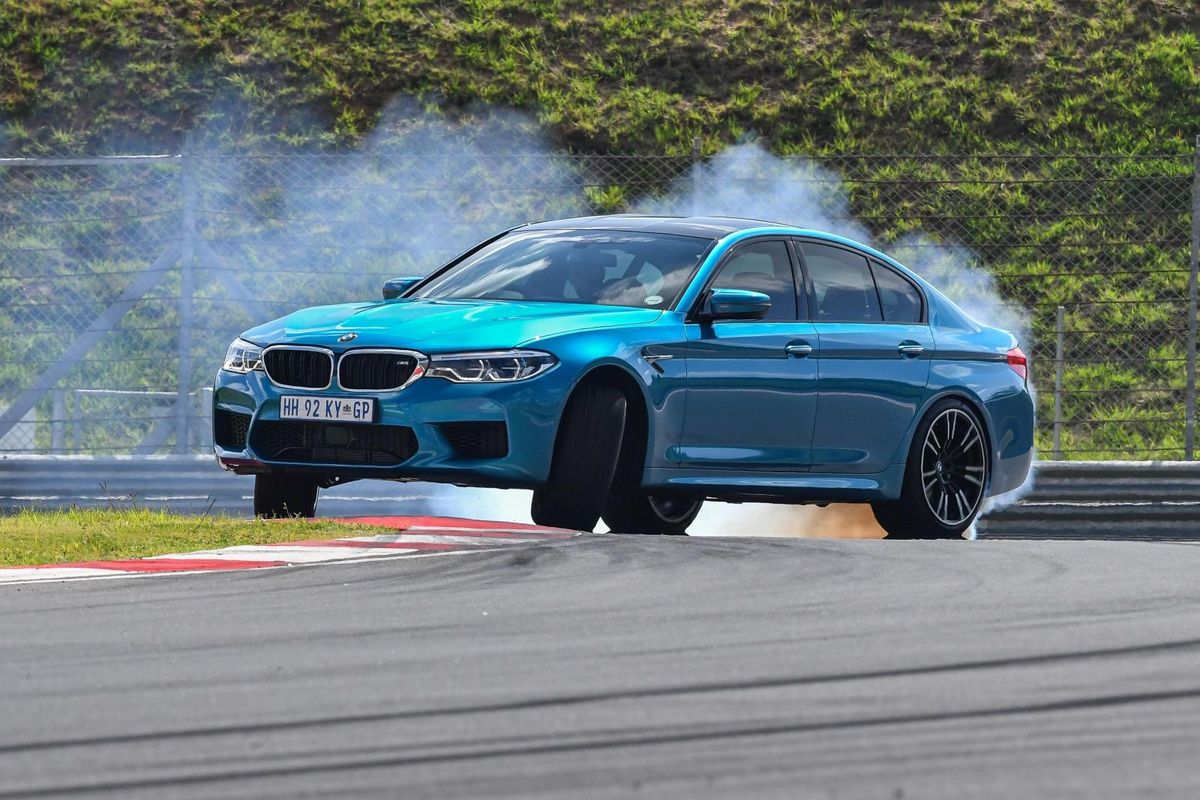
The sixth-generation BMW M5 goes on sale this week and while our tame racing driver Ashley Oldfield gets to grips with the Bavarian newcomer, here are some key details you need to know about this new vehicle. It's a new chapter for the BMW M5 as it's being offered with a newly-developed M xDrive (all-wheel drive). Interestingly, BMW says you can deactivate the front axle and send all the power to the rear wheels, making for spectacular burnouts or drifts as you can see in the photos. The primary advantage of all-wheel drive, however, is traction and with power going to all four wheels, ballistic acceleration is possible.
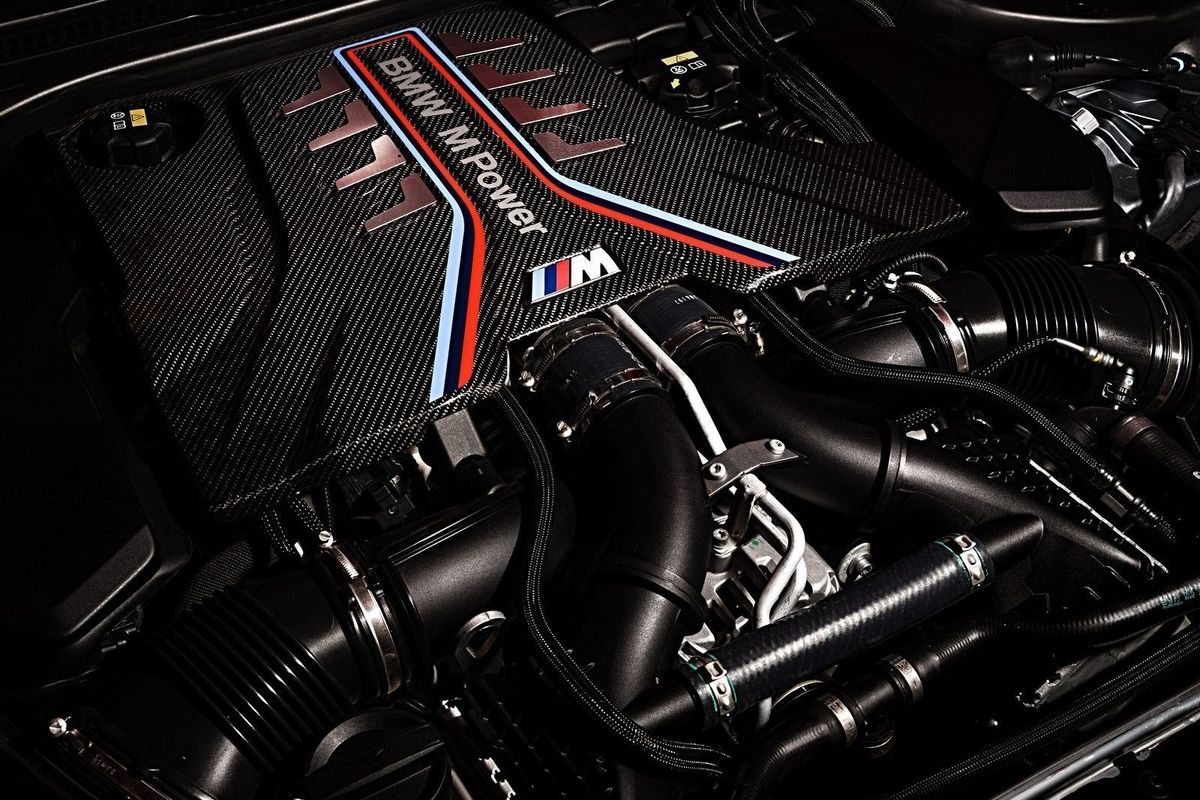
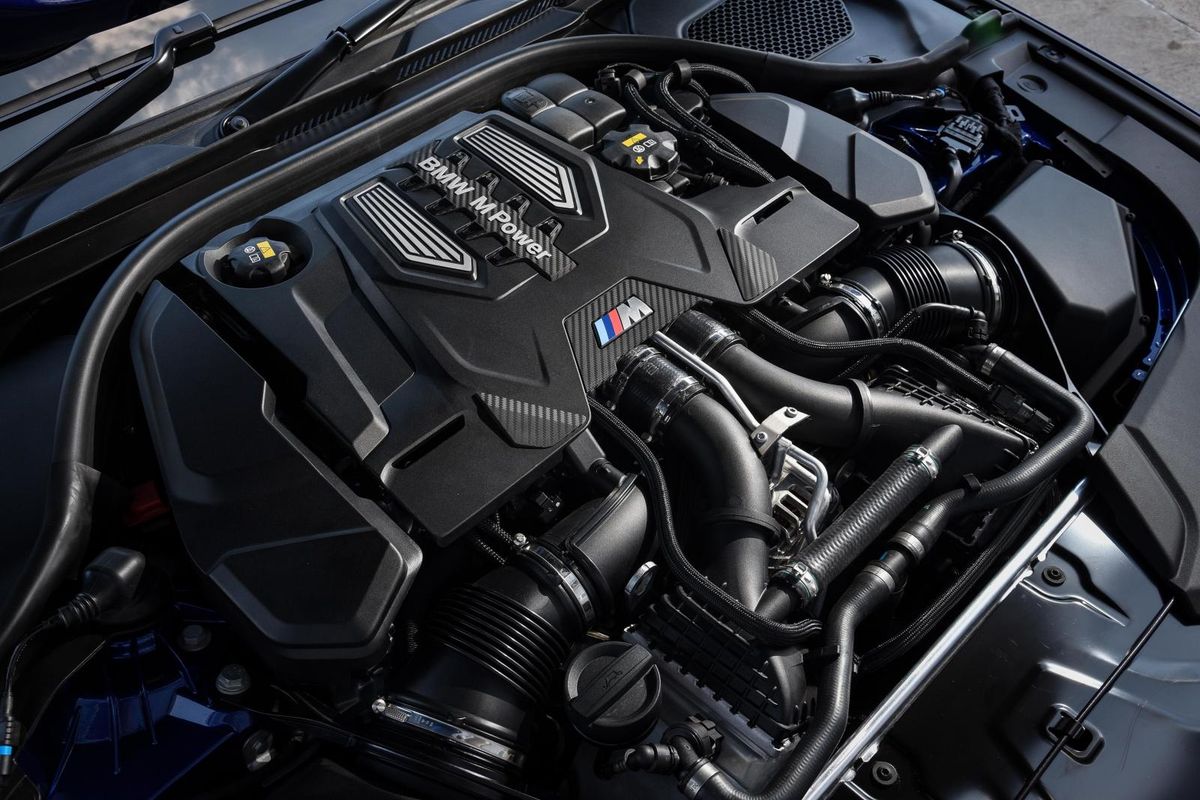
In terms of acceleration, the new BMW M5 is claimed to hit 100 kph from standstill in just 3.4 seconds, making it fearsomely fast. What's even more impressive is the fact that in 11 seconds, it'll be at 200 kph. Top speed is limited to 250 kph, but if you select an option, the limiter can be moved to 305 kph. The engine doing all the work is a revised example of the 4.4-litre V8 twin-turbo motor, however, in the latest application, it produces 441 kW and 750 Nm. The transmission is new and is an 8-speed M Steptronic unit with Drivelogic. Despite its ballistic performance, BMW says its new M5 will consume an average of 10.5 L/100 km.
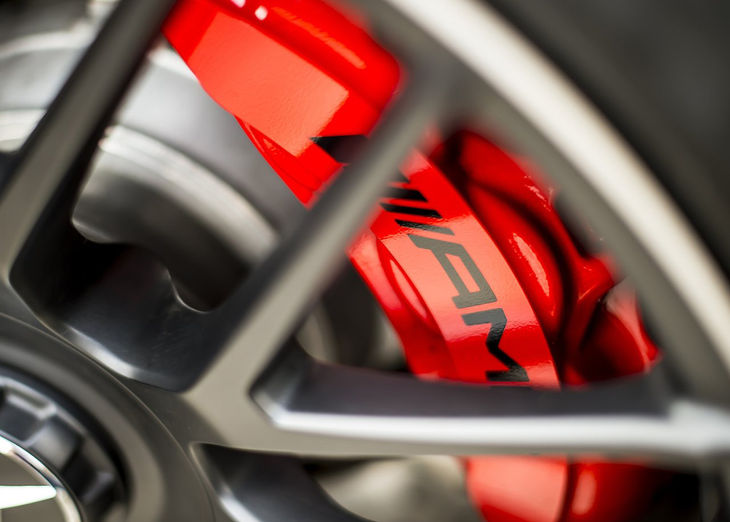
Thanks to tech such as a lightweight carbon fibre-reinforced plastic (CFRP) roof and a weight-minimised exhaust system, the new BMW is lighter than the outgoing model. You'll be able to spot the new BMW M5 thanks to its big bumpers which are functional as they funnel cold air into the engine, transmission and brakes, and take hot air out. Blue painted 6-piston brakes are on duty for big stopping power, but for real high-performance anchors, then best you look to the M carbon ceramic brakes which are lighter than the standard units and will provide the serious braking force.
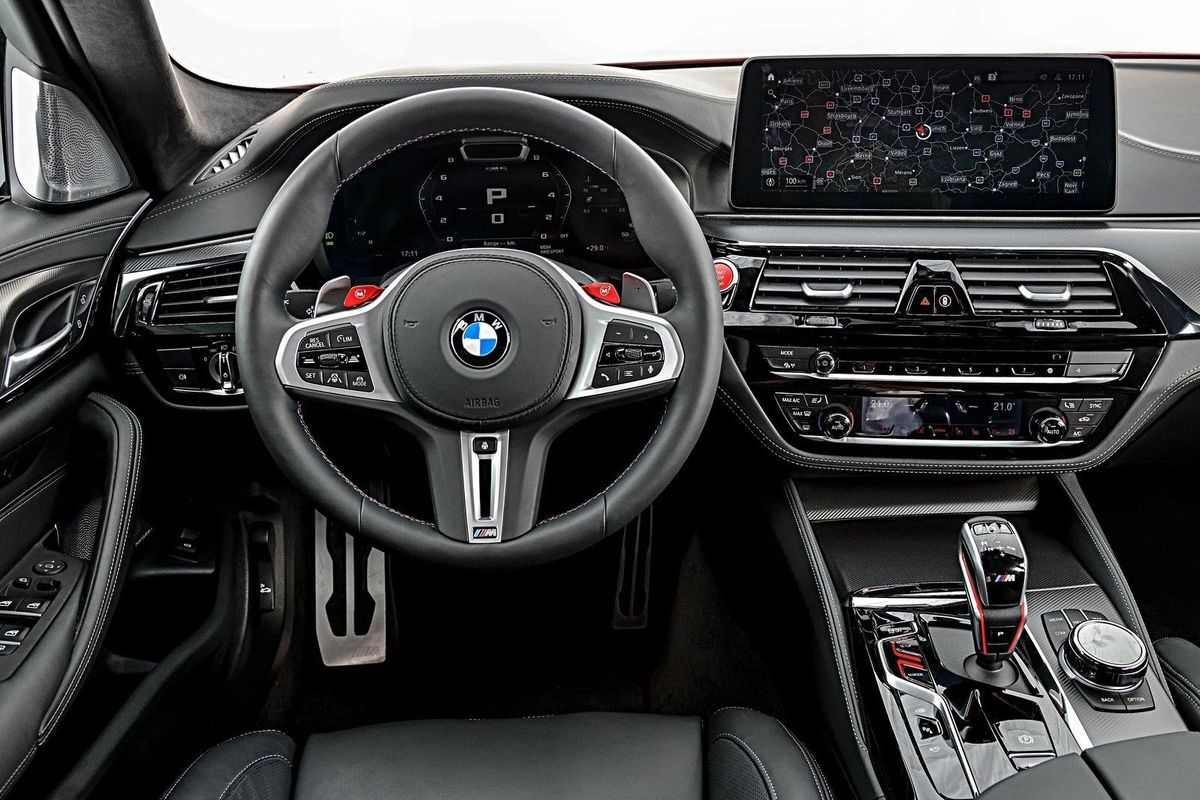
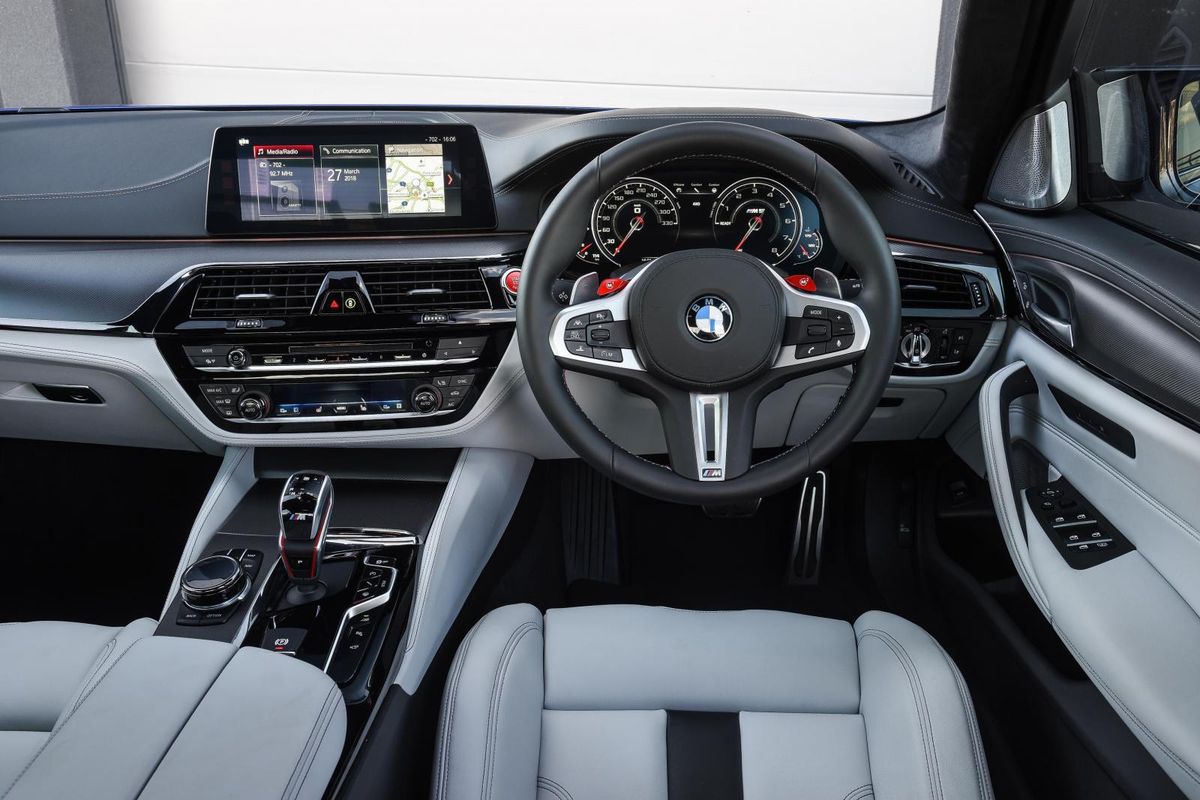
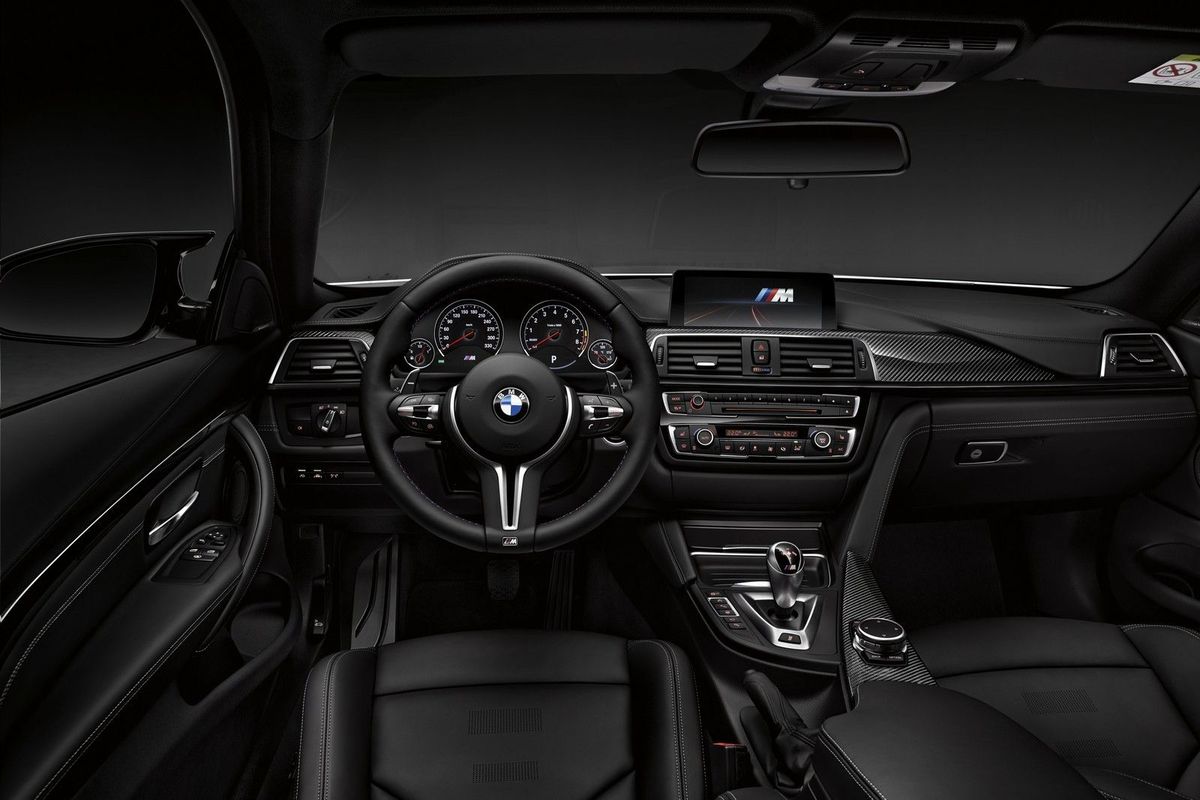
In terms of cabin features, the BMW M5 is generously specced and comes standard with M seats for the front two people. Leather upholstery is standard too. Being a BMW, you can go to town on the options and customise your M5 to your heart's delight. There are some matte paint finishes, for example.
We look forward to putting the newcomer through its paces soon! Check back for an in-depth driving impression in the coming days.
BMW M5 Price in South Africa
BMW M5 R1 762 806 (includes 15% VAT and CO2 tax).
The exclusively equipped First Edition costs R2,008,700 (includes 15% VAT and CO2 tax). There are five in South Africa and all have been sold.
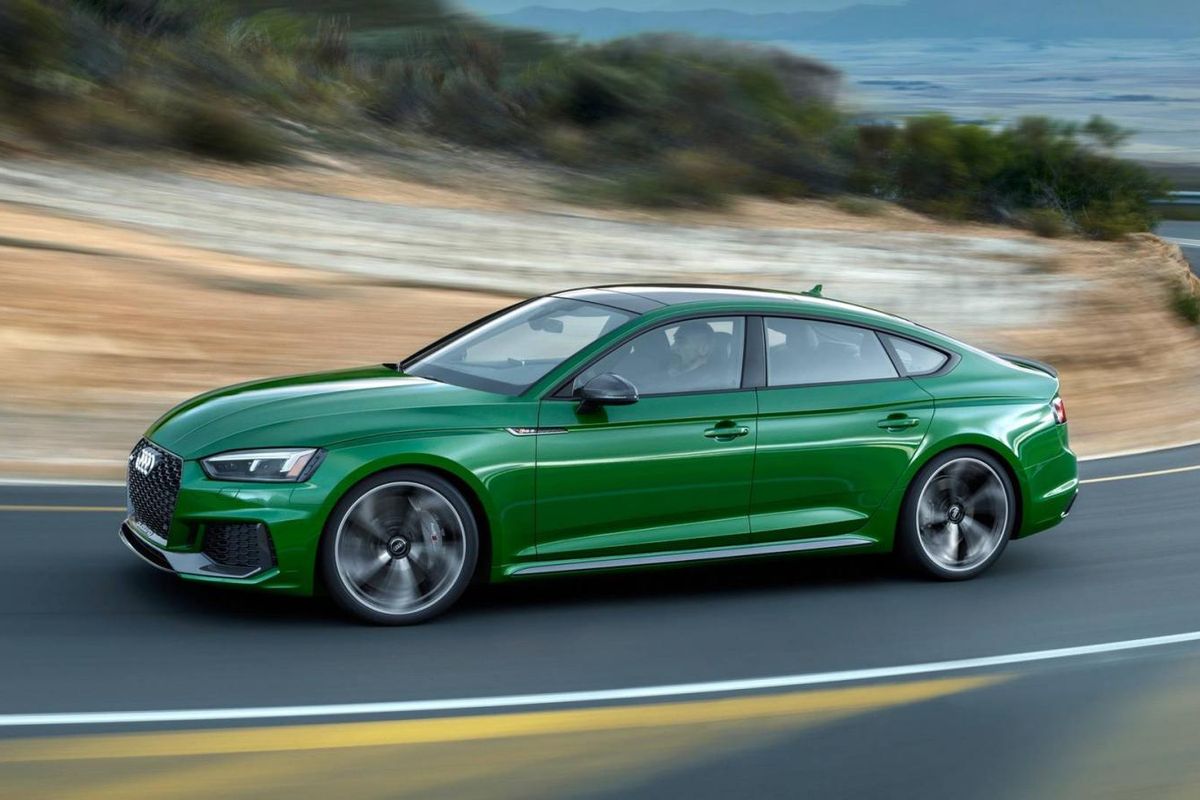
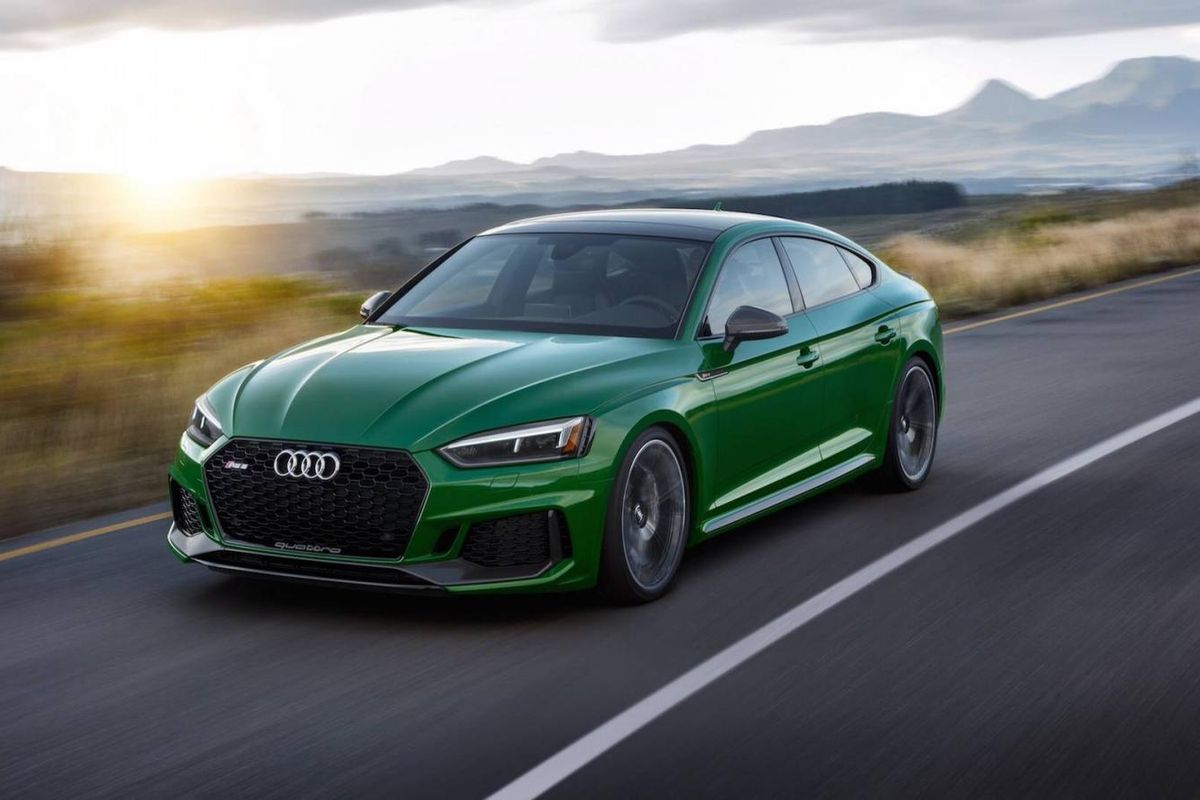
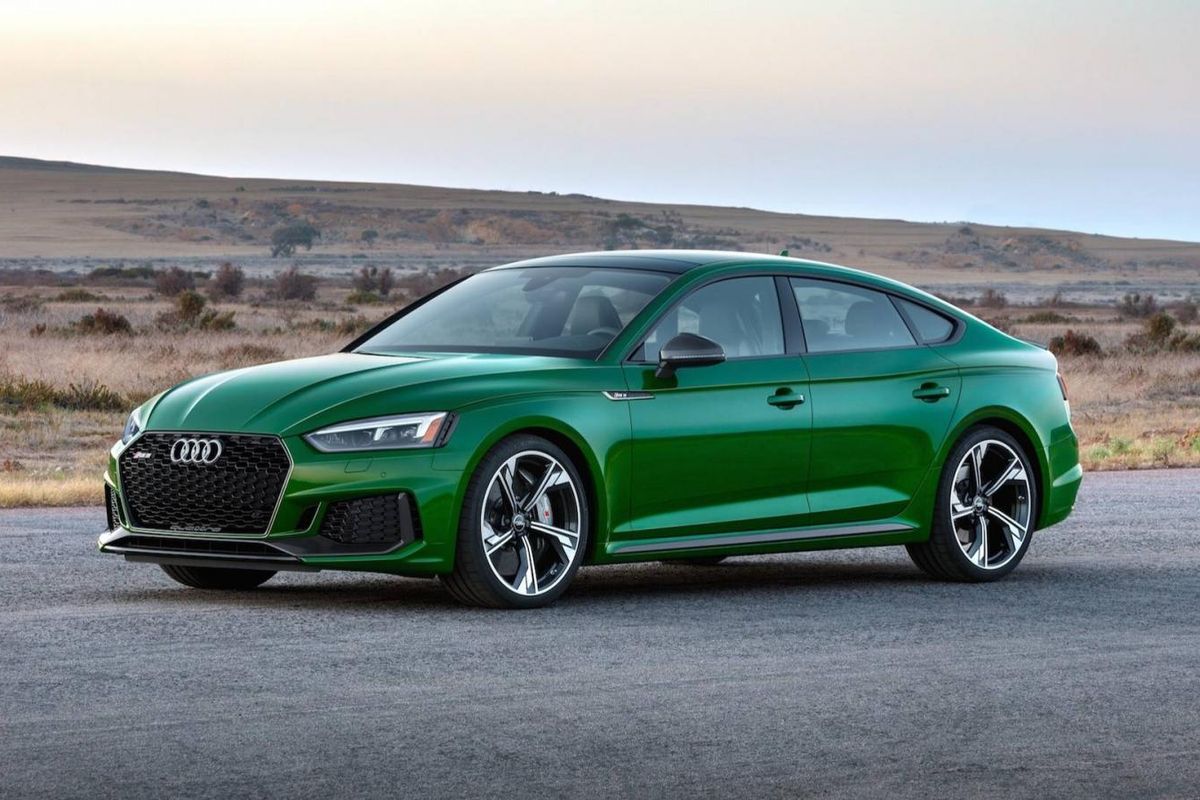
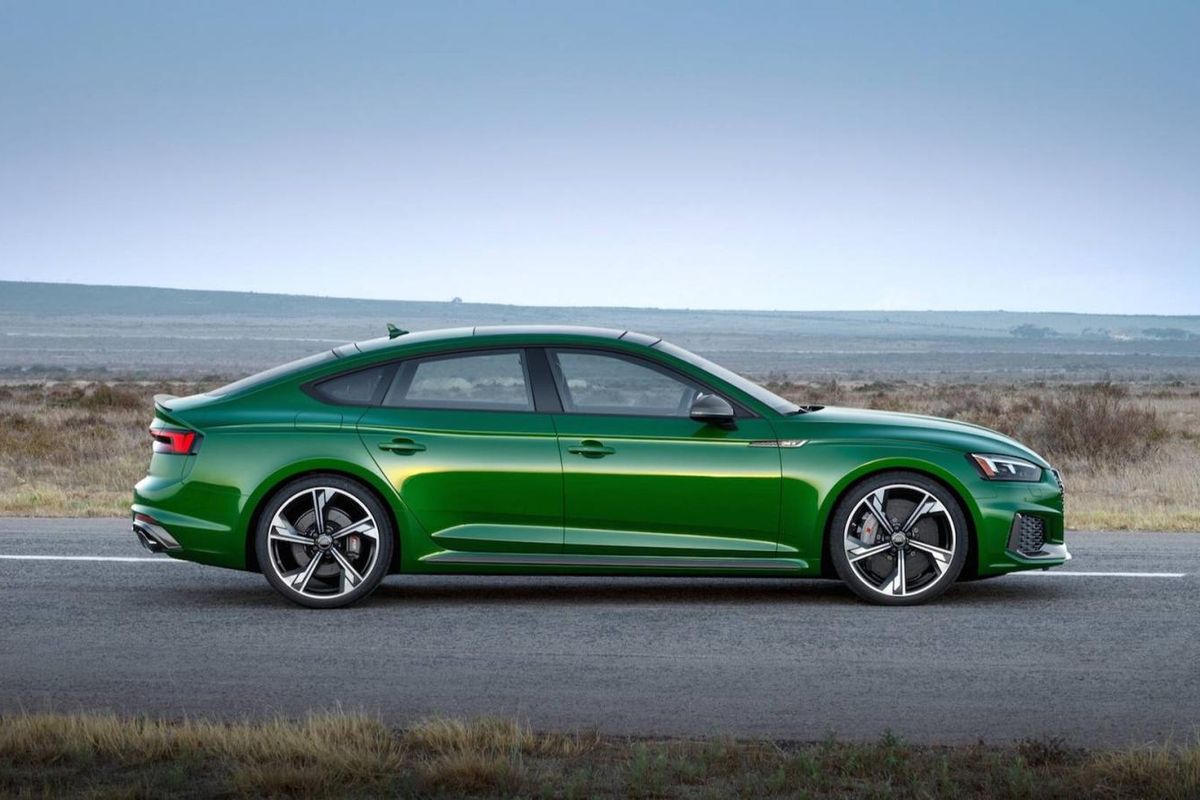
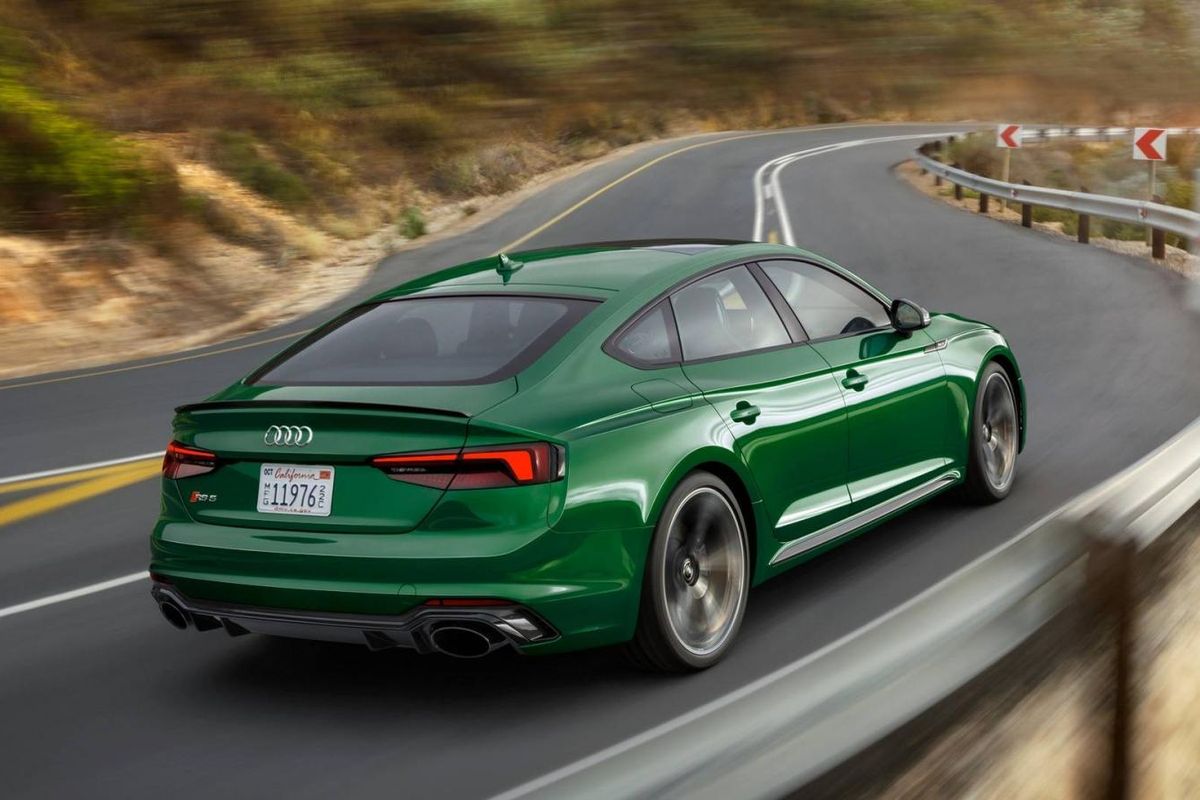
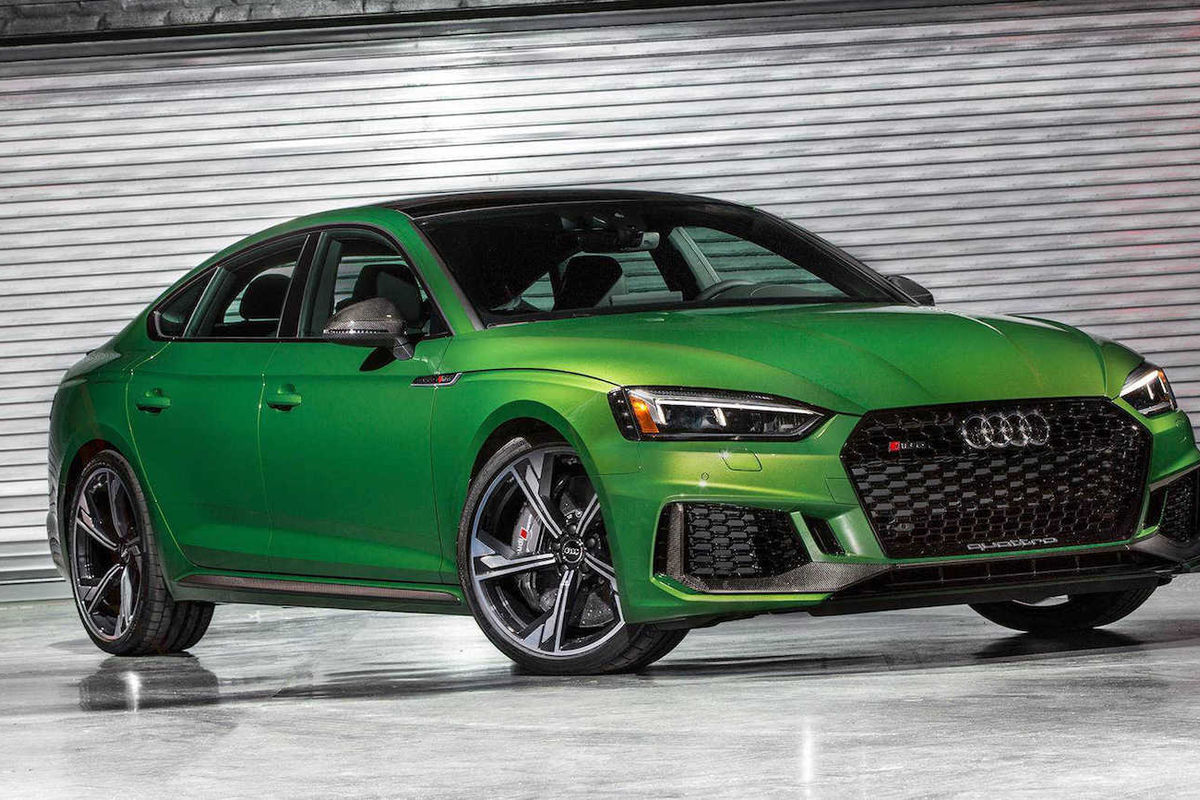
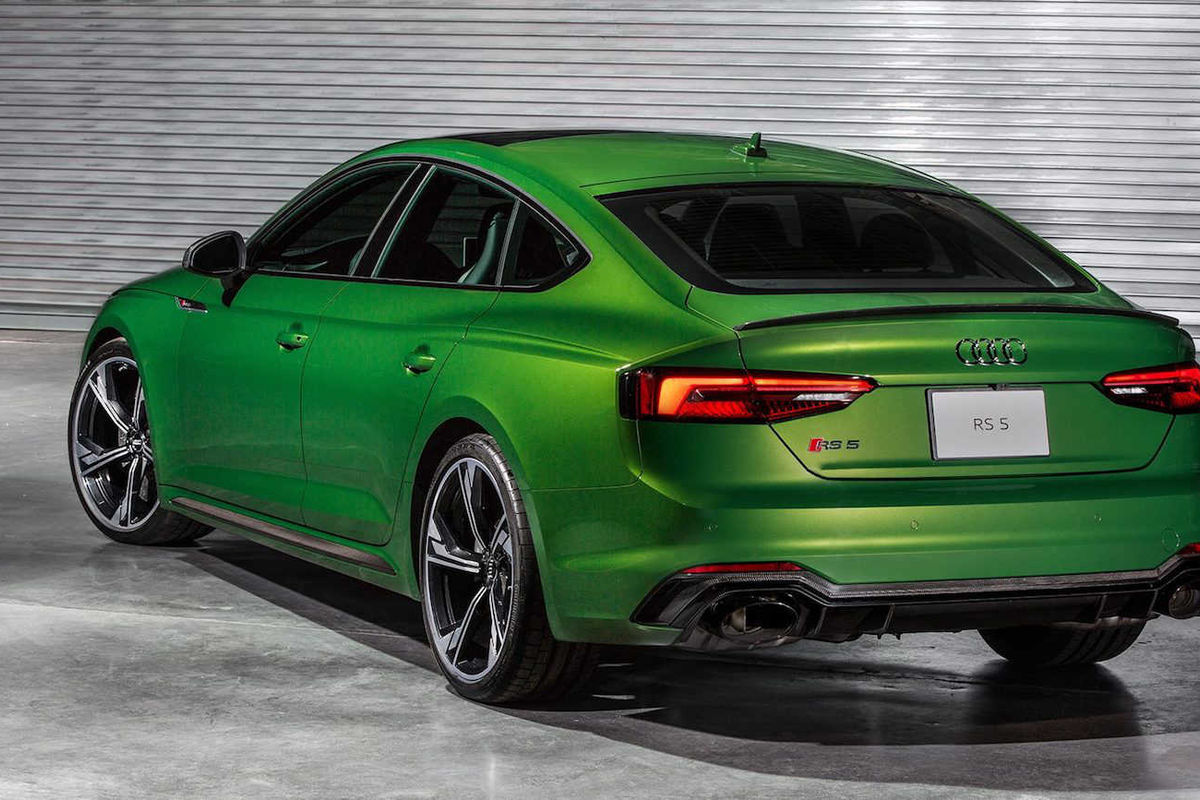
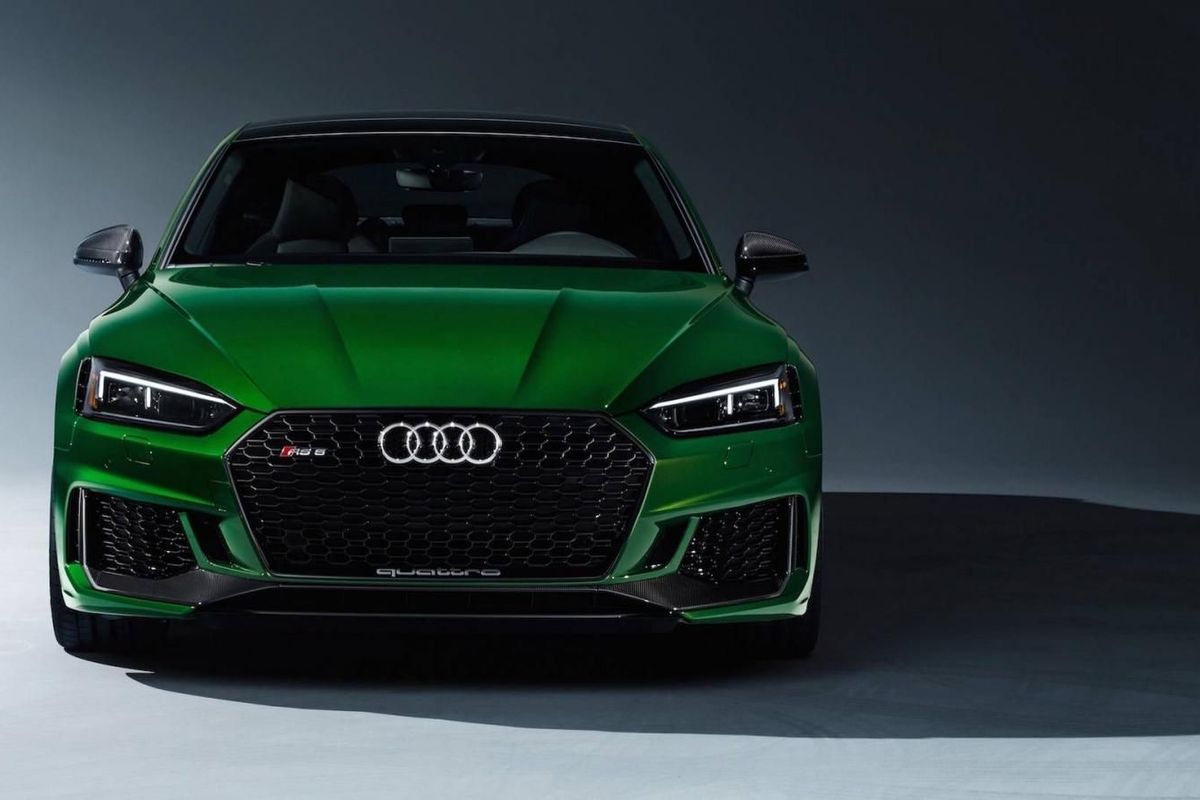
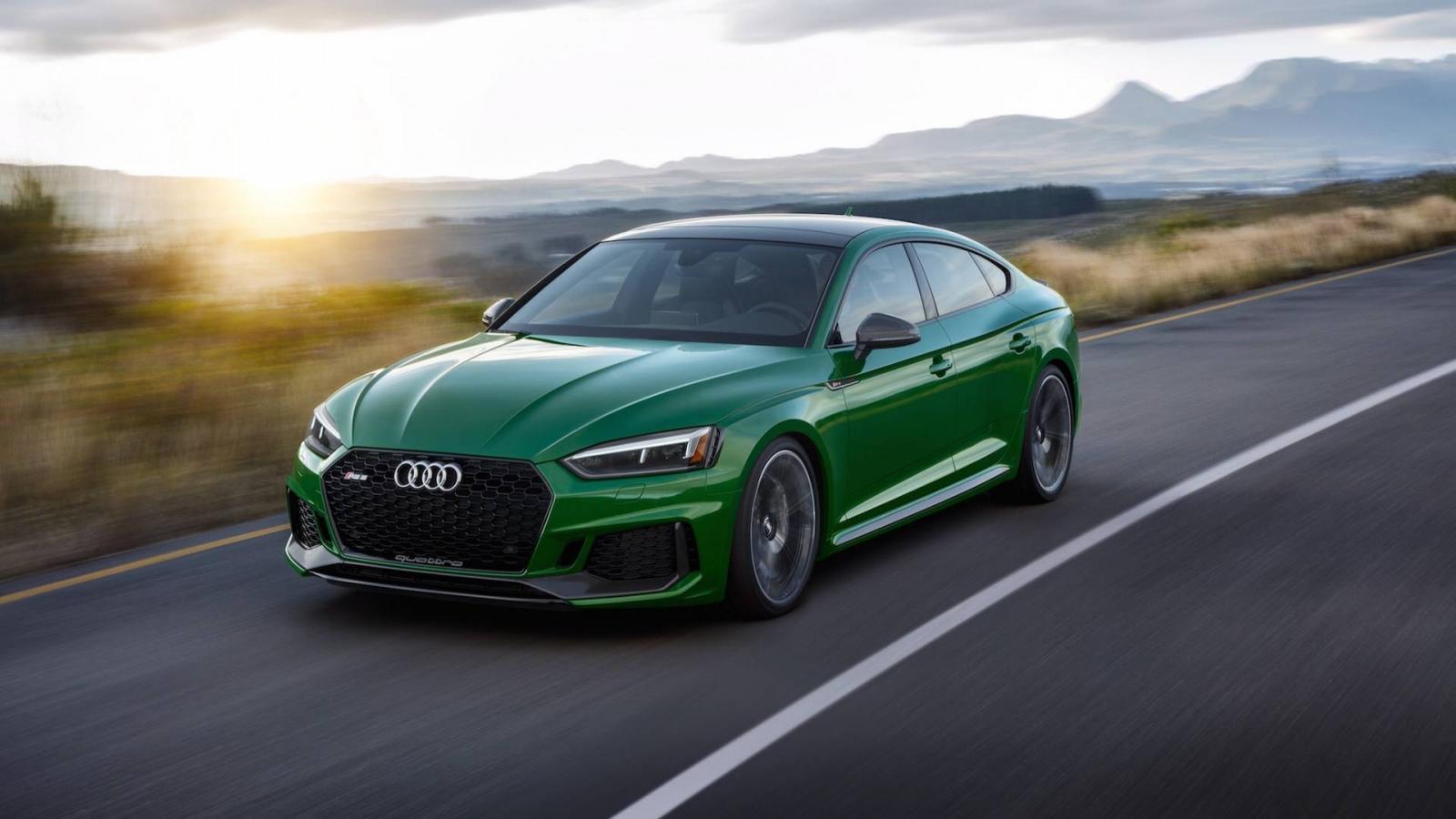
In other news, Audi has confirmed that the RS5 Sportback will be coming to South Africa towards the end of 2018 and the new model will be on display at the New York Motor Show this week.
The RS5 Sportback is more practical than the coupe version but still offers notable performance.
The RS5 Sportback features the same powertrain as its coupe sibling with power generated by a twin-turbocharged 2.9-litre V6 engine that produces 331 kW and 600 Nm of torque. An 8-speed automatic transmission and quattro all-wheel drive will ensure brisk acceleration which should see zero to 100 kph completed in about 3.9 seconds.
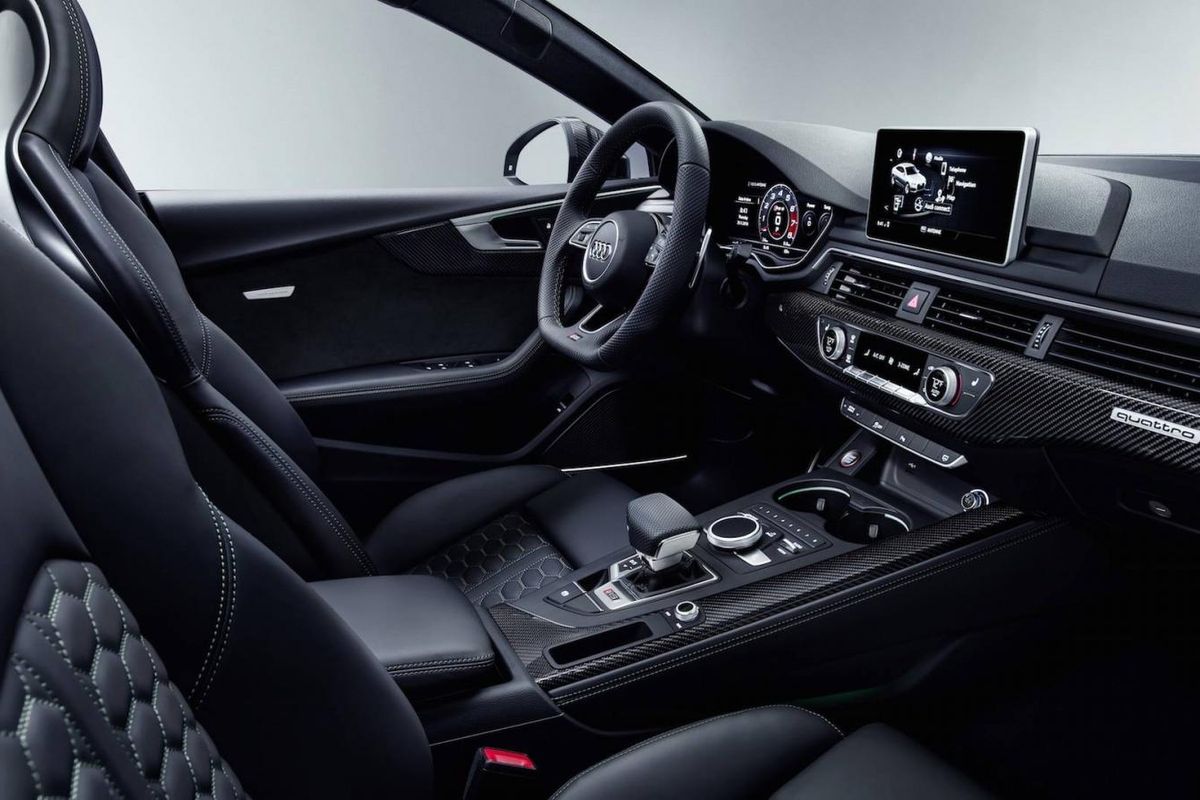
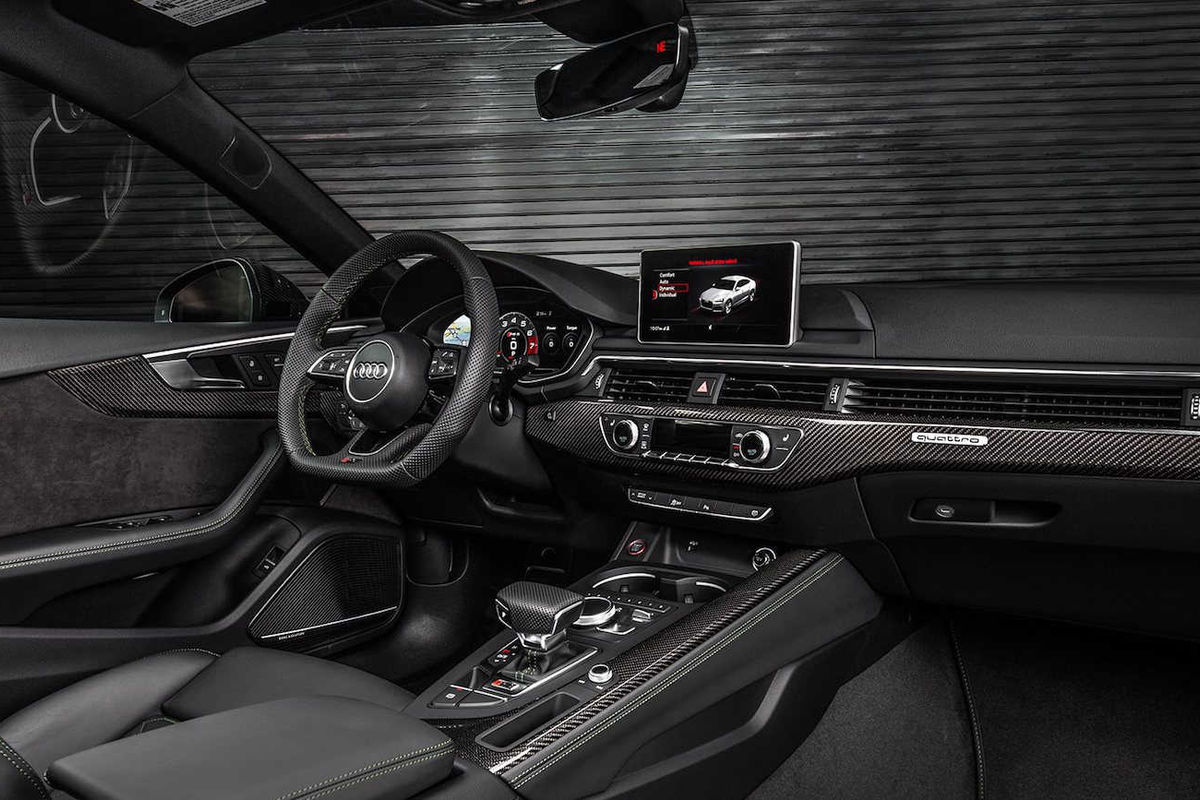
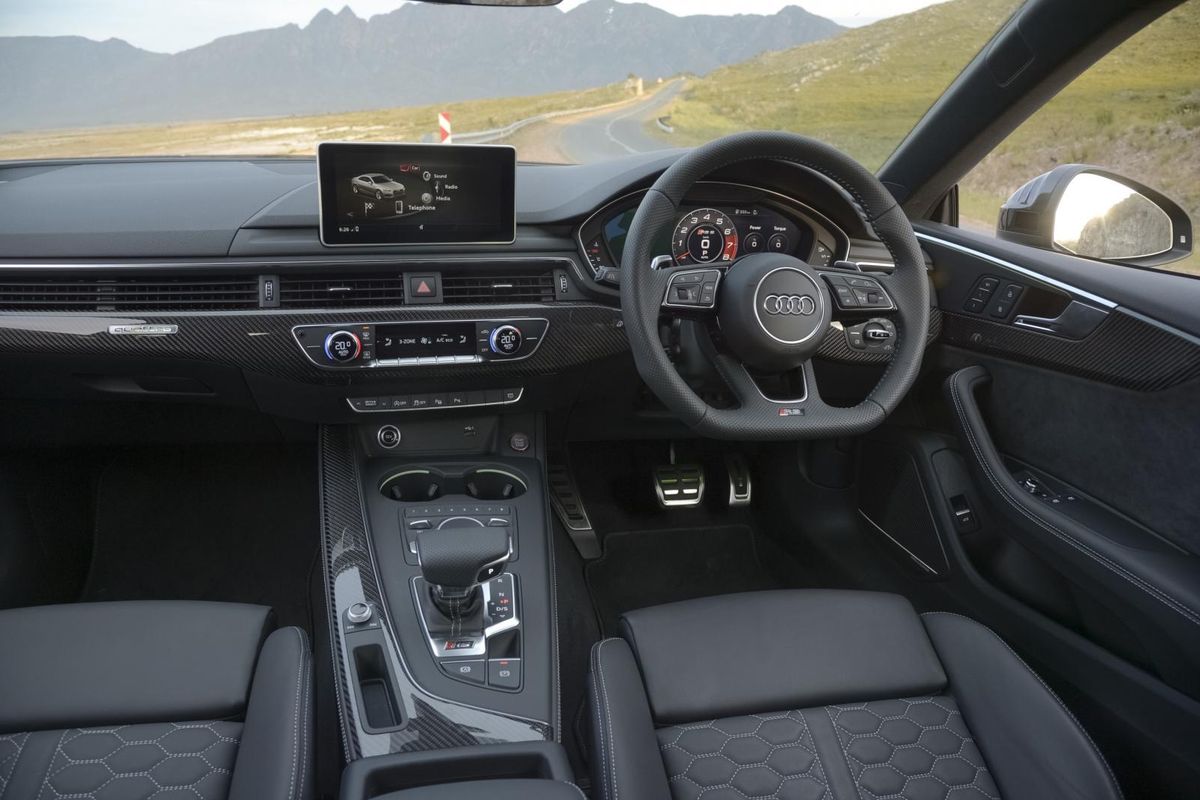
The interior is finished in black with ample seating for 5 passengers and is equipped with RS sports seats which can be had with an optional honeycomb pattern in Nappa leather. A flat-bottomed leather RS sports steering wheel with contrasting red stitching is also fitted along with Audi’s Virtual Cockpit.
The load bay offers 480 litres of space which increases to 1 300 litres with the rear 40:20:40 split rear seats folded down. Perfect for those who play golf or ride a mountain bike.
The RS5 Sportback is slightly larger than the RS5 Coupe and sits some 7 mm lower than the S5 Sportback. The Sonoma Green Metallic paintwork seen here will be offered as an exclusive option.
We will keep you updated as soon as local specification and pricing for the RS5 Sportback becomes available.
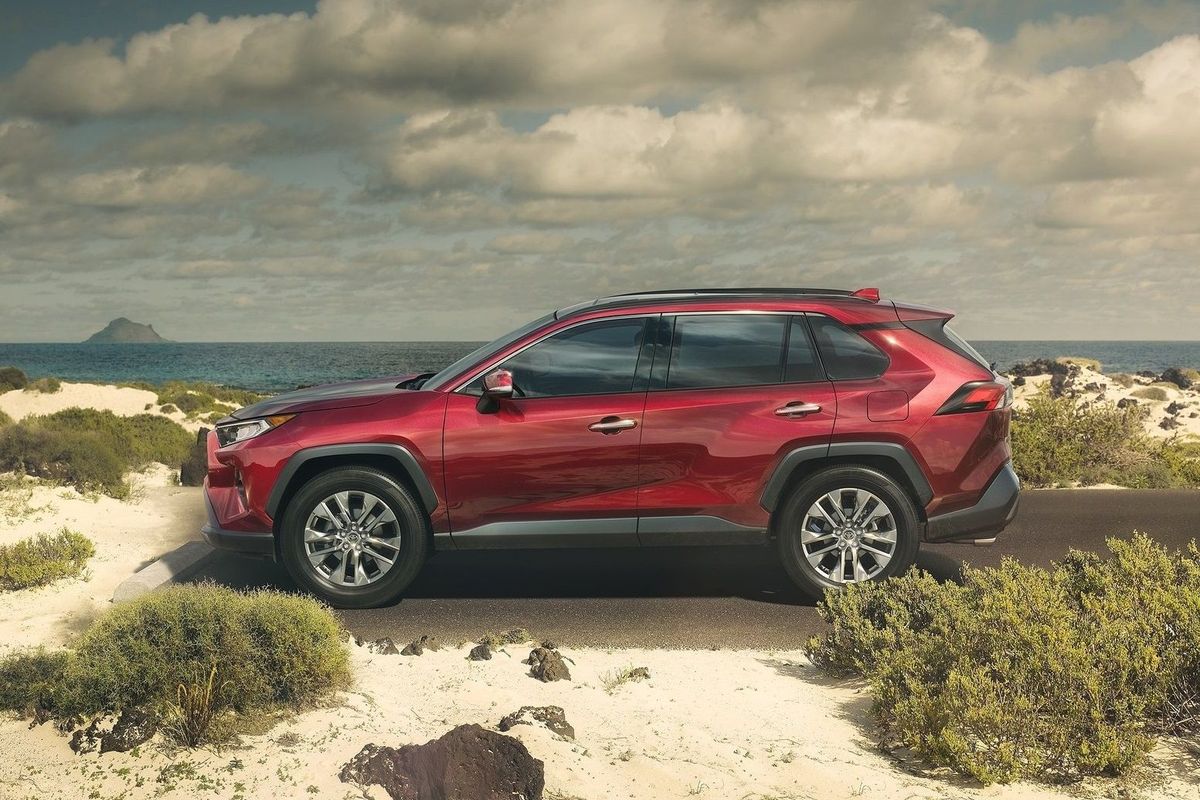
Toyota showcases all-new RAV4 SUV at New York Auto Show
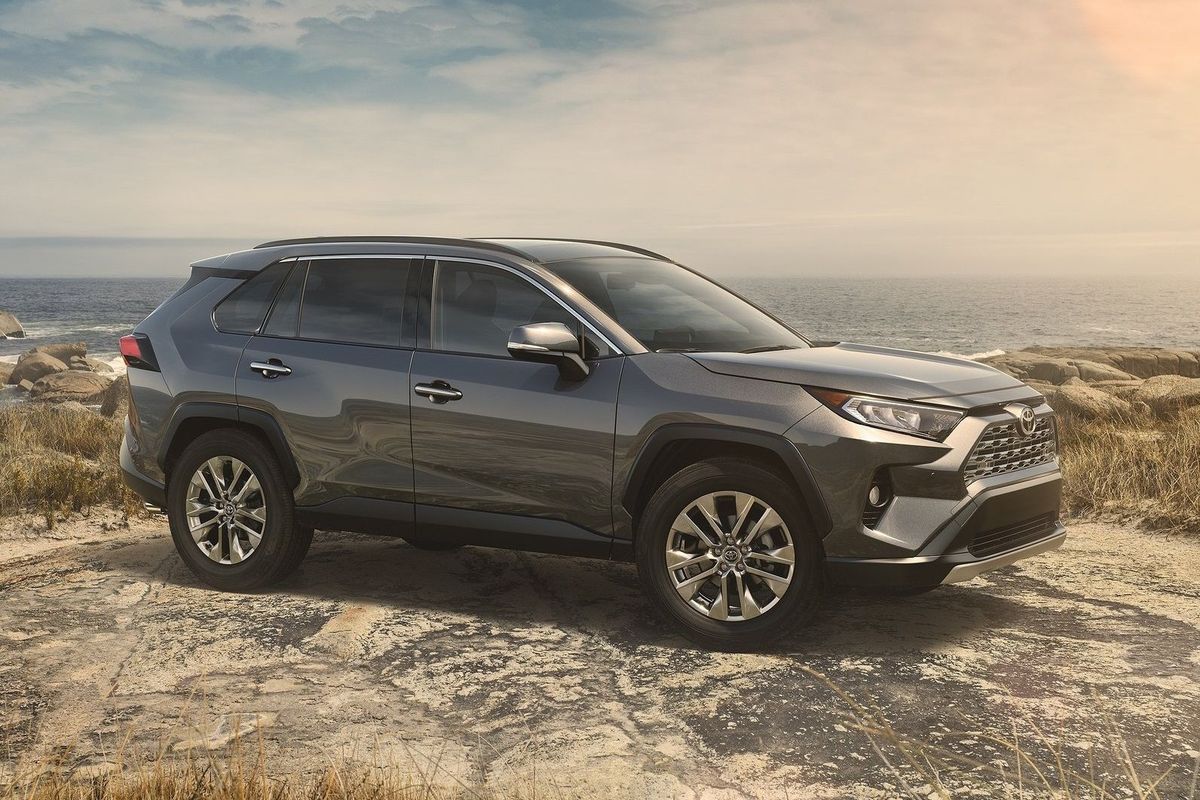
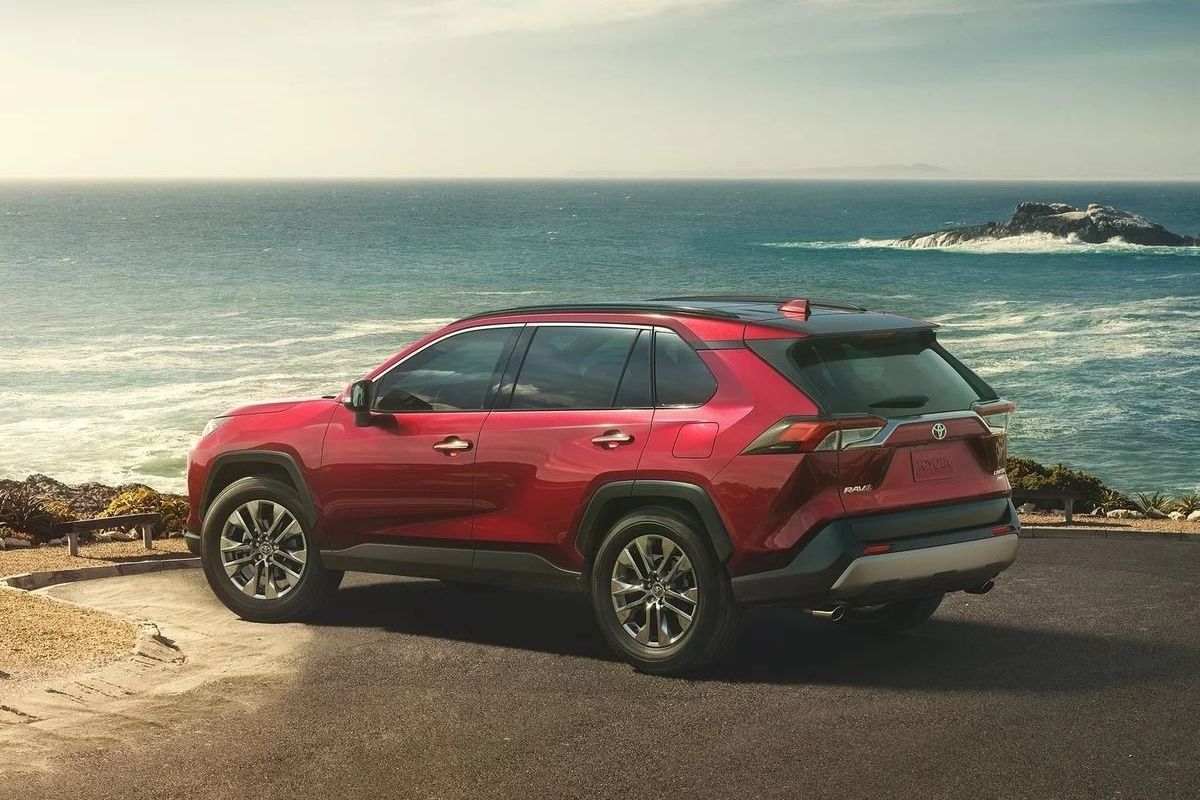
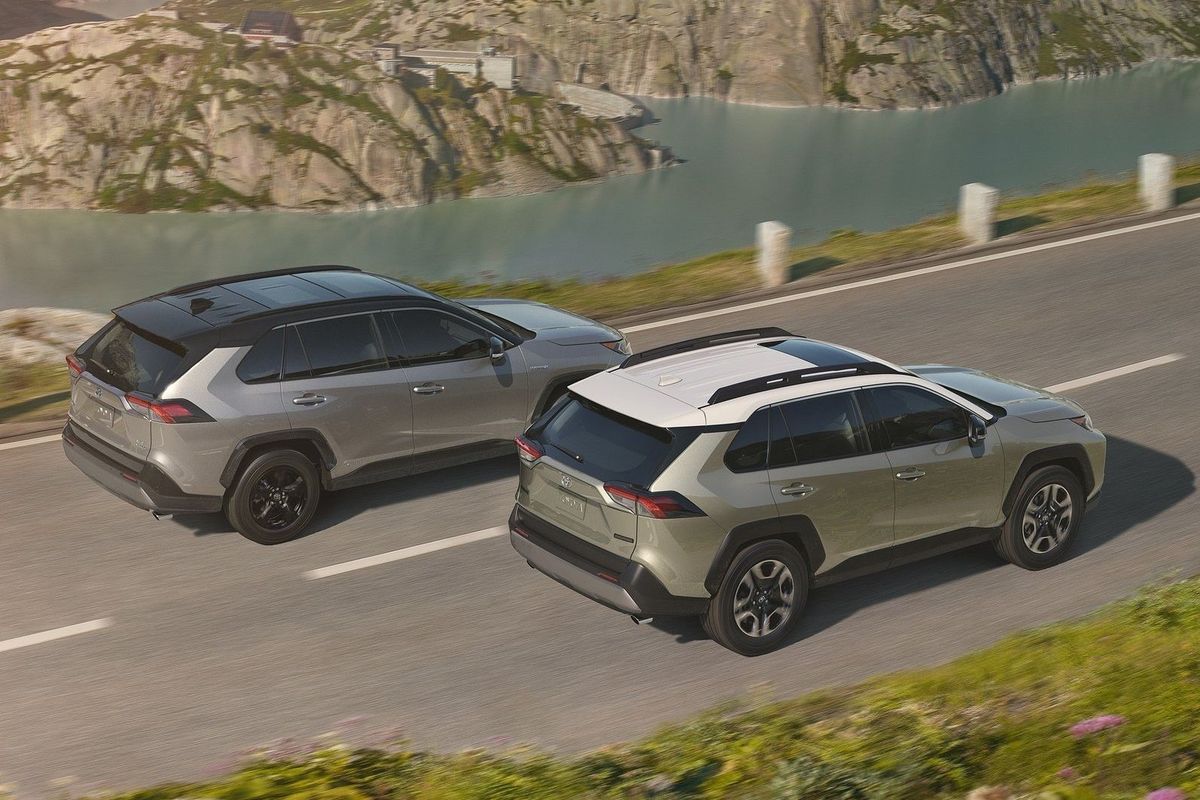
Toyota has used the New York Motor Show to showcase its new 2019 RAV4 SUV. Now in its 5th generation, the all-new Toyota RAV4 ushers in a complete design overhaul, new cabin styles and new technology. The big news is that it's confirmed for South African market introduction around the middle of 2019.
Toyota's RAV4 has been a popular model for the brand and it sells well both locally and internationally. This new model will be built on the new TNGA platform, which offers a longer wheelbase and wider front and rear tracks. For those who want to venture off the road, the front and rear overhangs are shorter. This new chassis is 57% more rigid than its predecessor and the ground clearance has been increased.
Internationally, 2 engines are available, but we'll let you know which models we'll get in South Africa. The first is a naturally-aspirated 2.5-litre 4-cylinder which is paired with an 8-speed automatic gearbox. The second is the same engine but paired with the Toyota Hybrid System II. This second engine is paired to a continuously-variable transmission. The new Toyota RAV4 also features Dynamic Torque Vectoring All-Wheel Drive, which can send 50% of engine torque to the rear wheels as well as distributing it to the left or right rear wheel for improved handling.
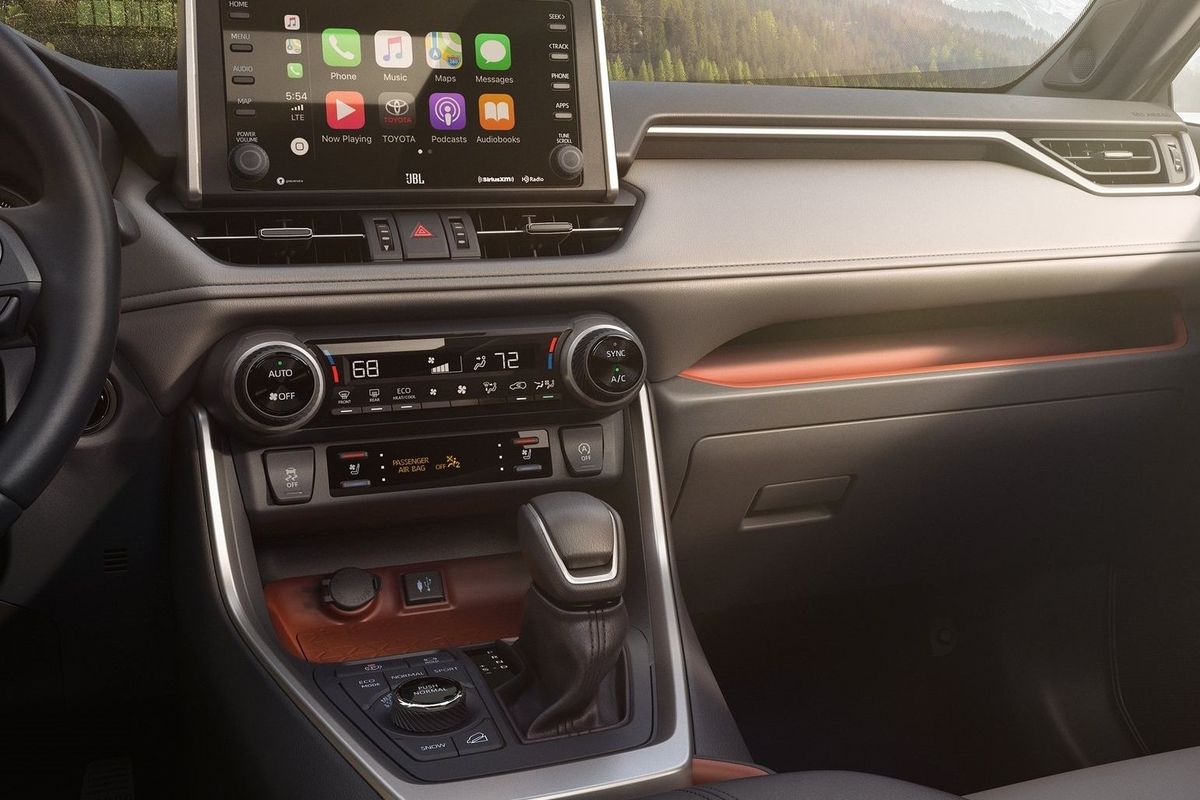
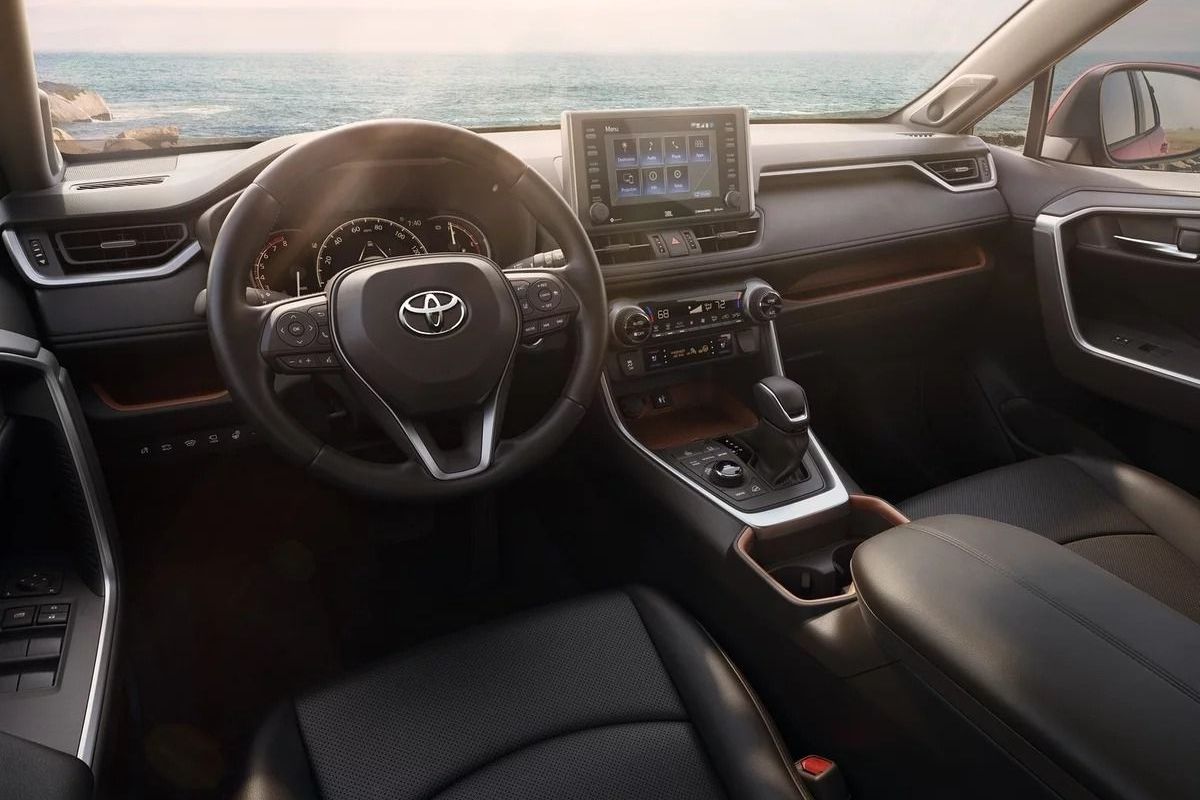
Inside, space is increased and Toyota claims that "rear seat passengers will appreciate the spacious back cabin and legroom." The big boot also features a 60/40 split for those who surf or ride mountain bikes. International-spec RAV4s feature Entune 3.0 multimedia including Wi-Fi Connect powered by Verizon, hands-free access to Amazon Alexa, and Apple CarPlay compatibility. There's a 7-inch touchscreen available, with an 8-inch touchscreen available as an option. The new RAV4 can be had with up to 5 USB ports and an optional wireless charging tray.
We'll have more details on the South African-spec Toyota RAV4 units soon.
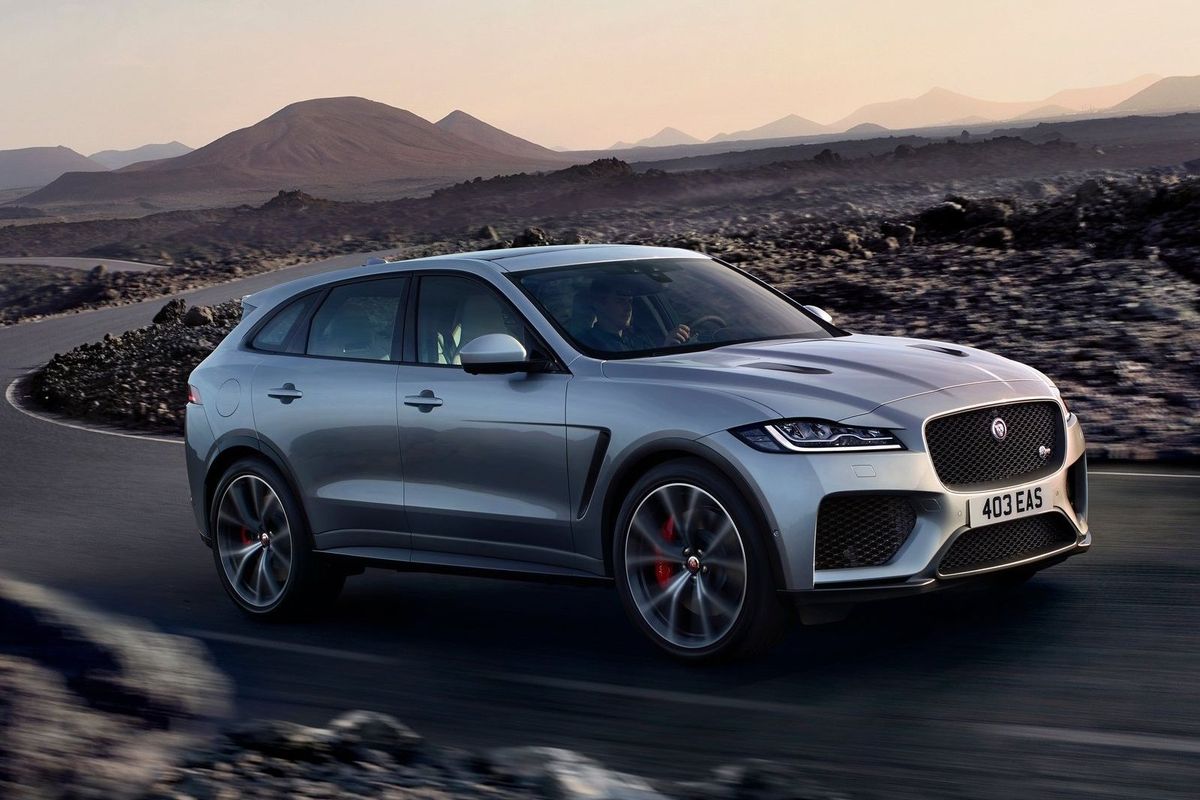
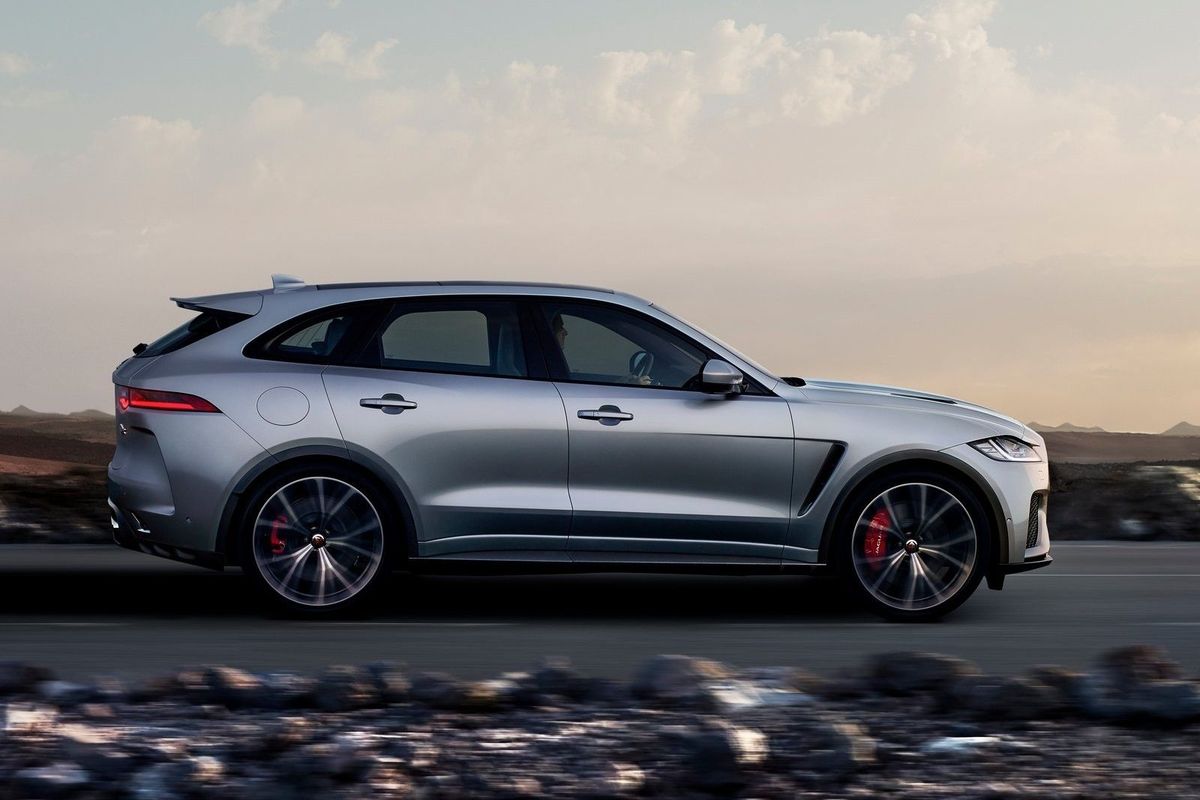
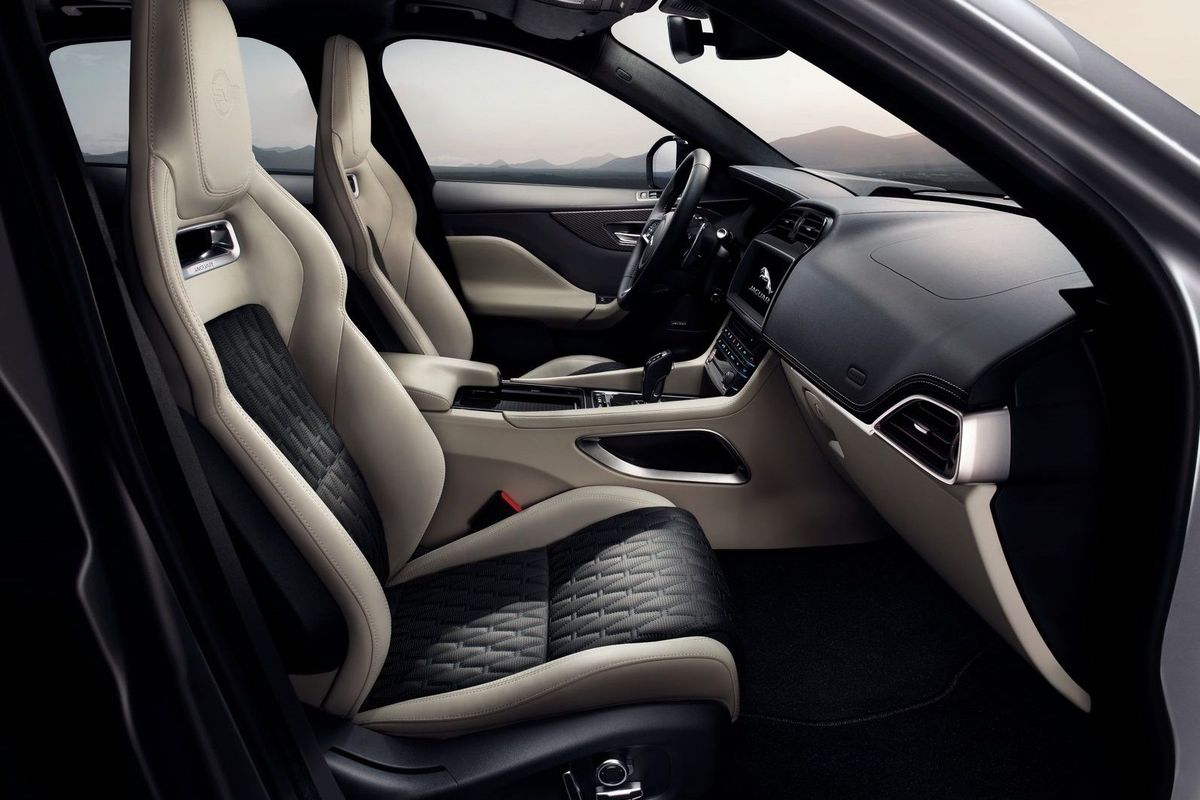
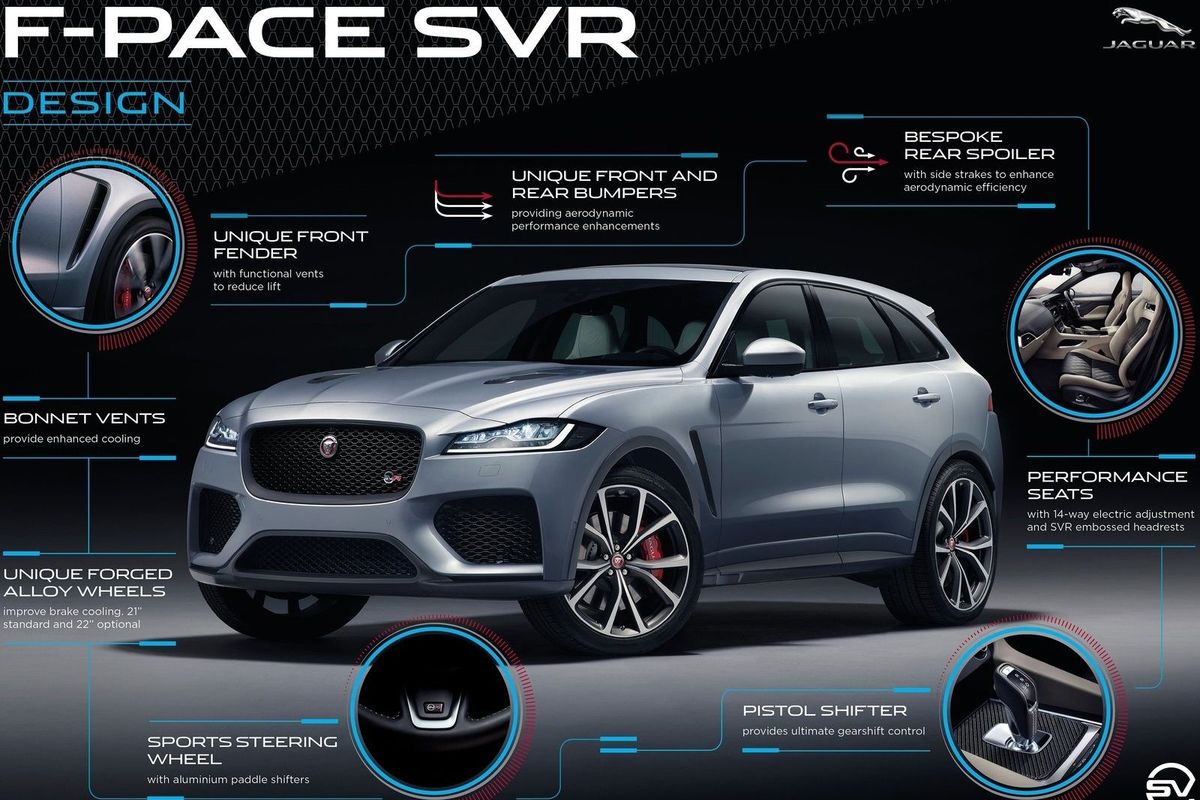
Jaguar's luxury F-Pace has received the SVR treatment and the result is one very quick SUV. It is confirmed for South Africa too! Here are some details.
As it stands, the current flagship Jaguar F-Pace makes do with a supercharged V6 engine. However, in SVR application, a 5.0-litre supercharged V8 with 405 kW and 680 Nm is fitted, which gives it enough grunt to hit 100 kph in a claimed 4.3 seconds and it'll go on to a top speed of 283 kph.
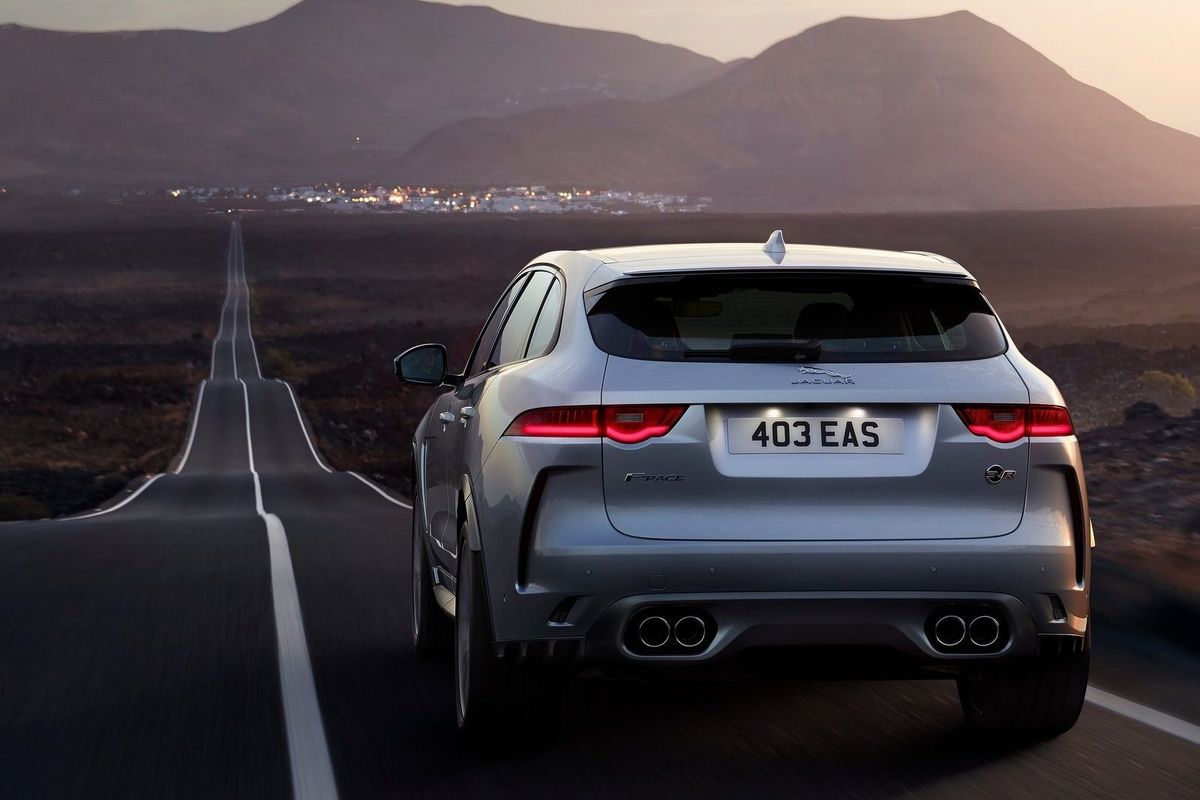
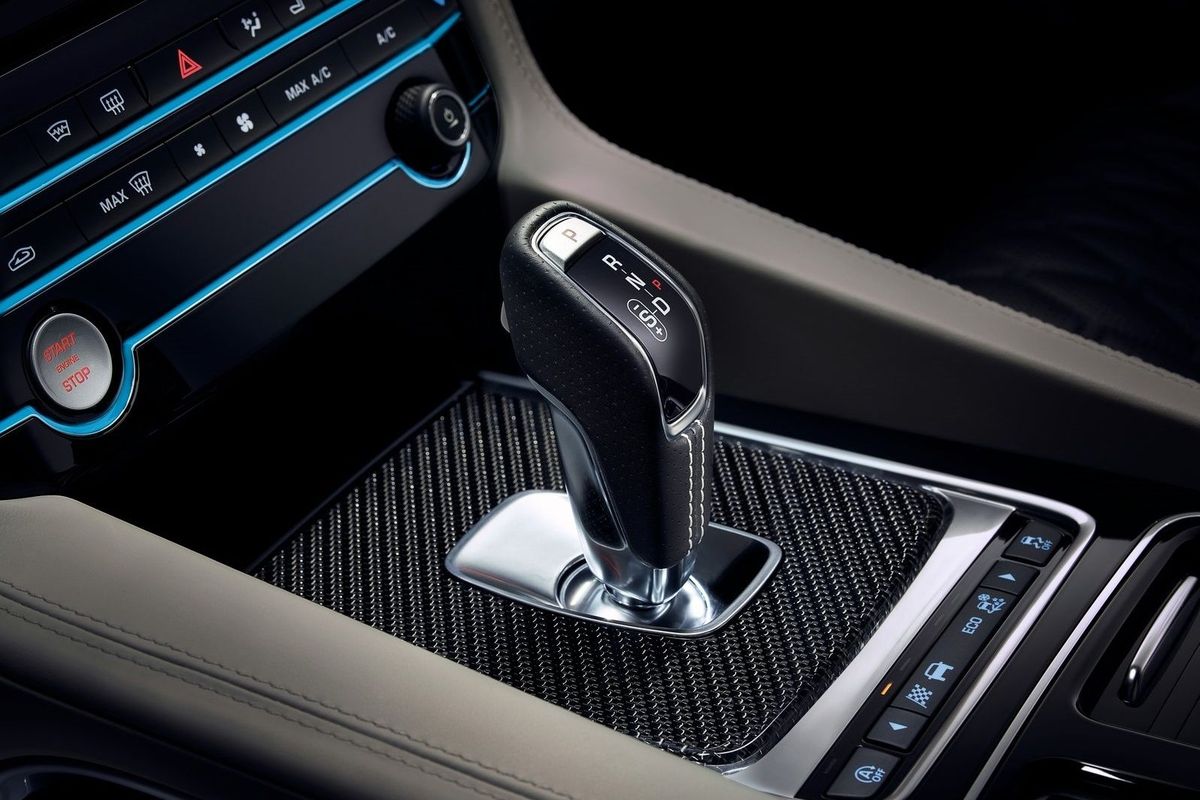
In terms of visual appeal, there are bigger air intakes at the front and numerous vents to draw hot air out of the engine bay. The rear features a unique spoiler as well as 4 fat exhausts. They're of the Active Exhaust variety, meaning you can switch from quiet and subtle to wake-the-neighbours levels of noise. There are new lightweight 21- and 22-inch forged alloy wheels too. In the cabin, there are performance seats with embossed SVR logos and an SVR-branded steering wheel.
It is coming to South Africa and Jaguar confirmed its F-Pace SVR will touchdown in the second half of 2018.
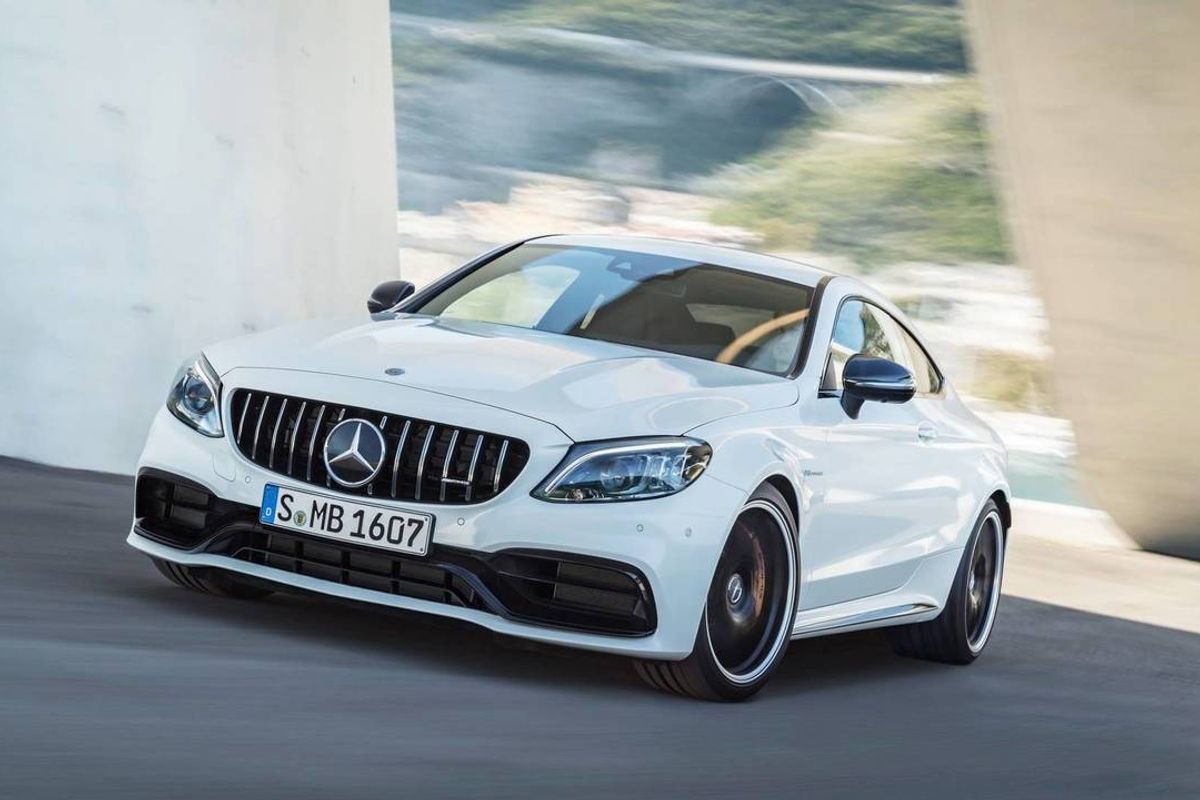
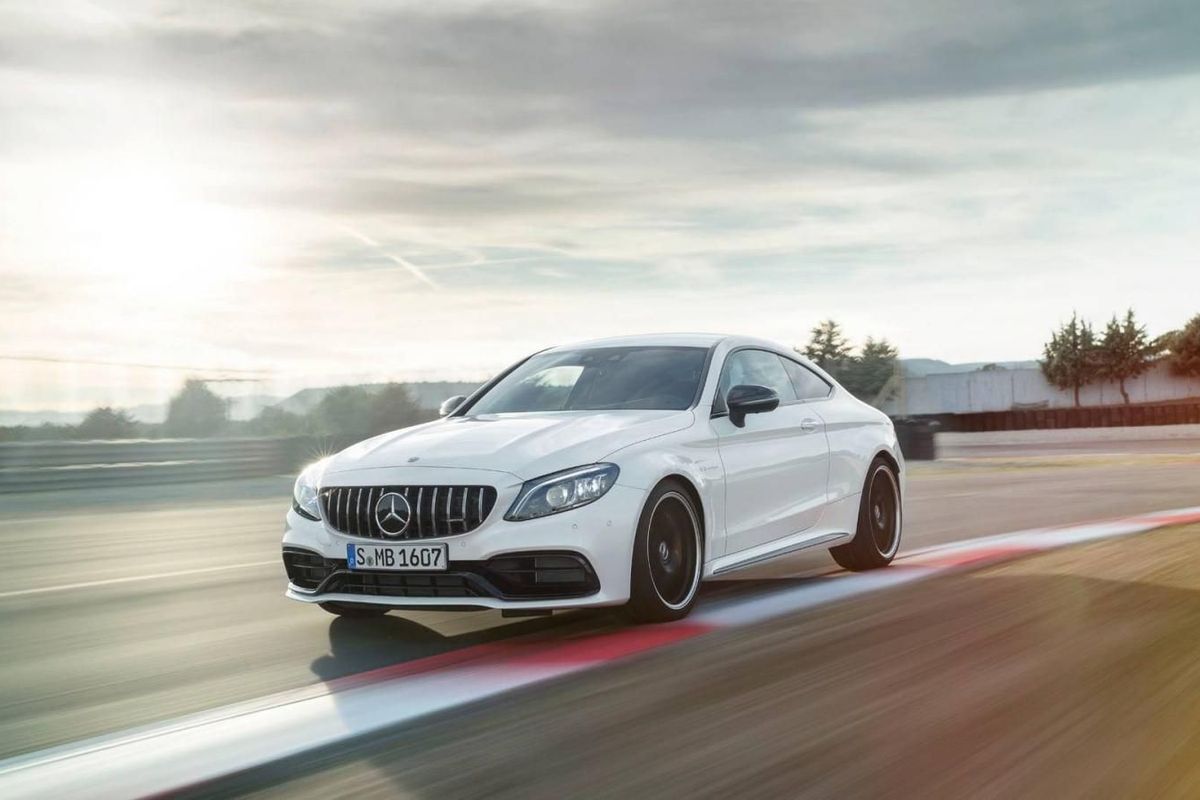
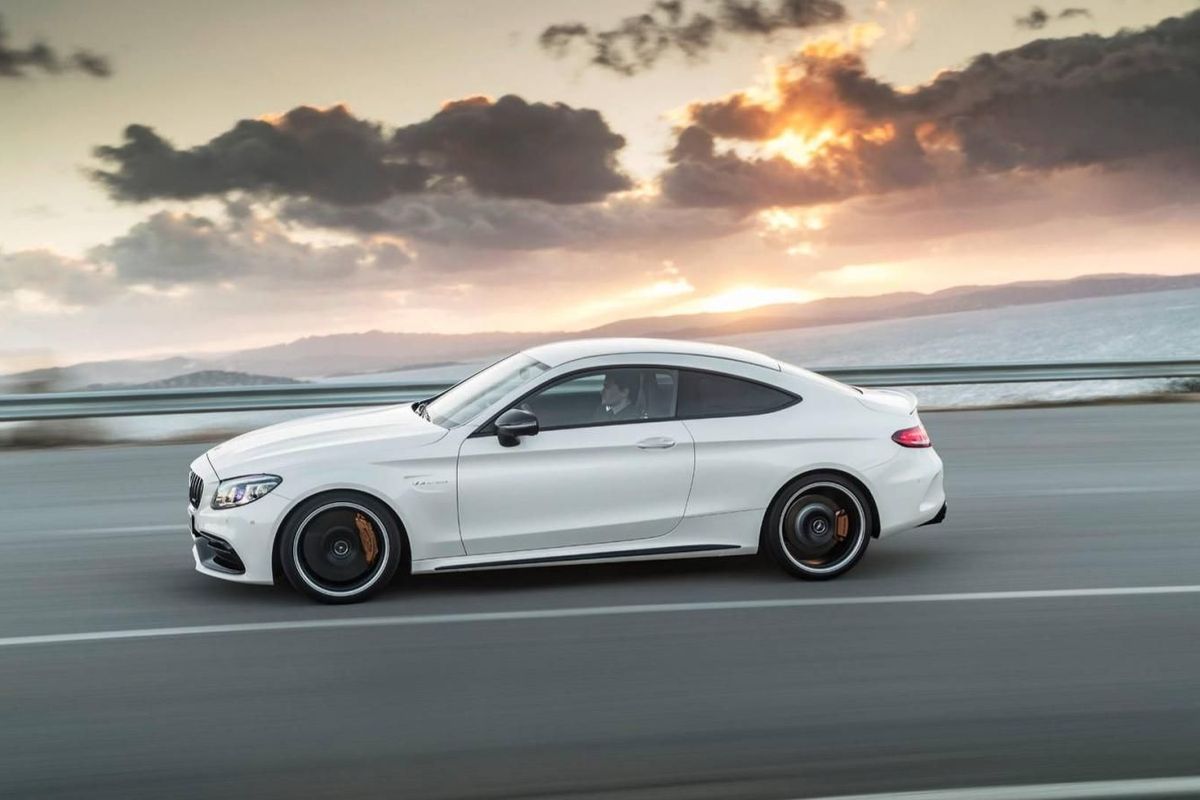
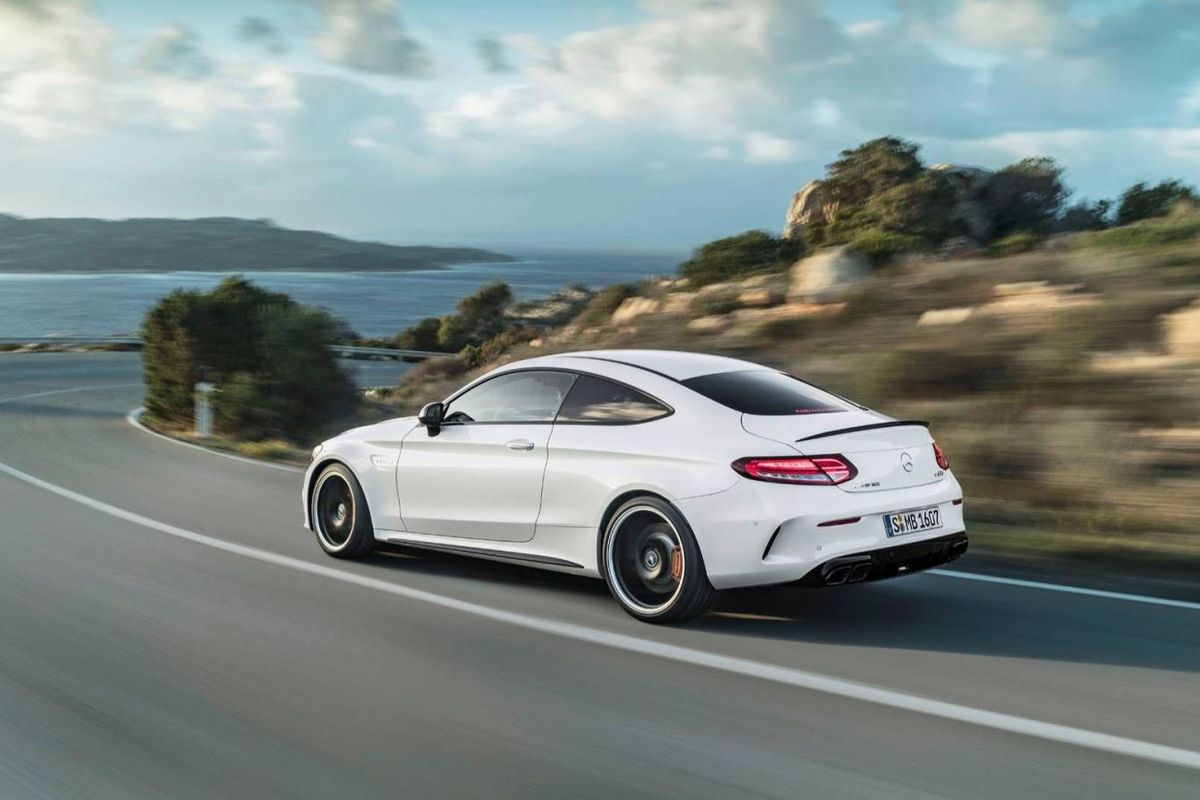
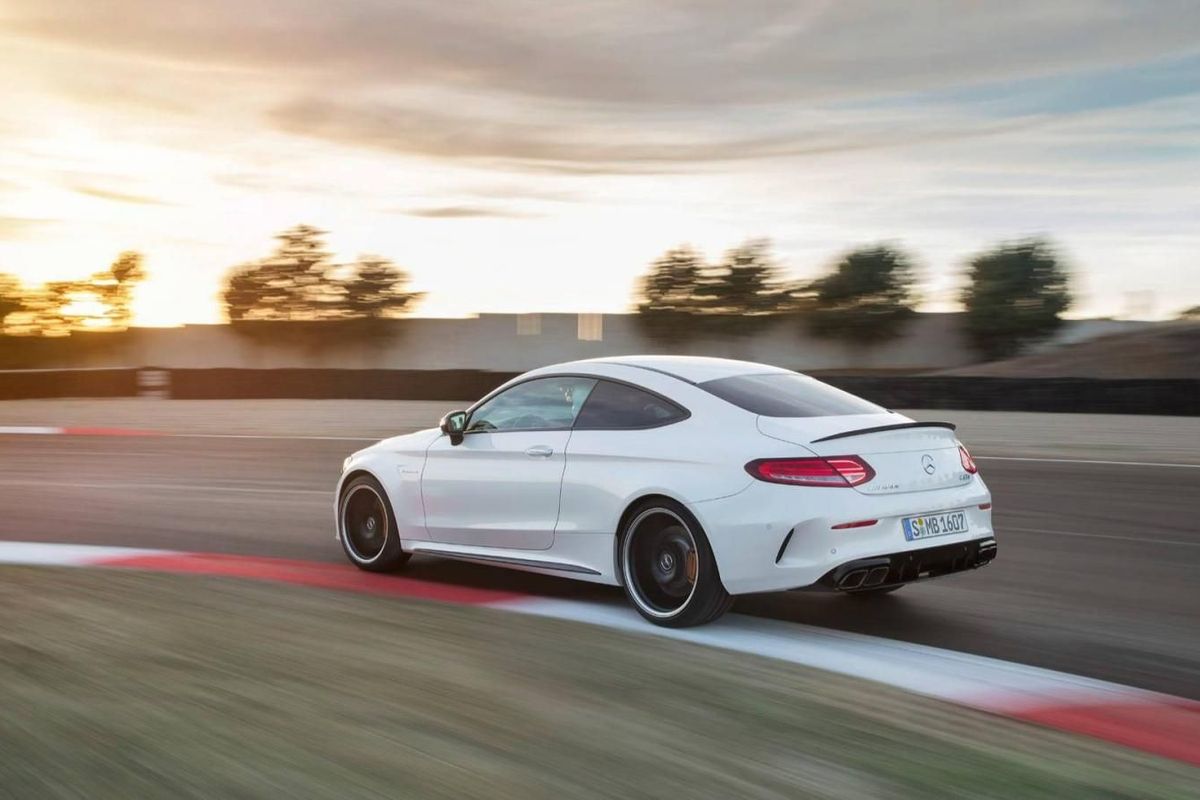
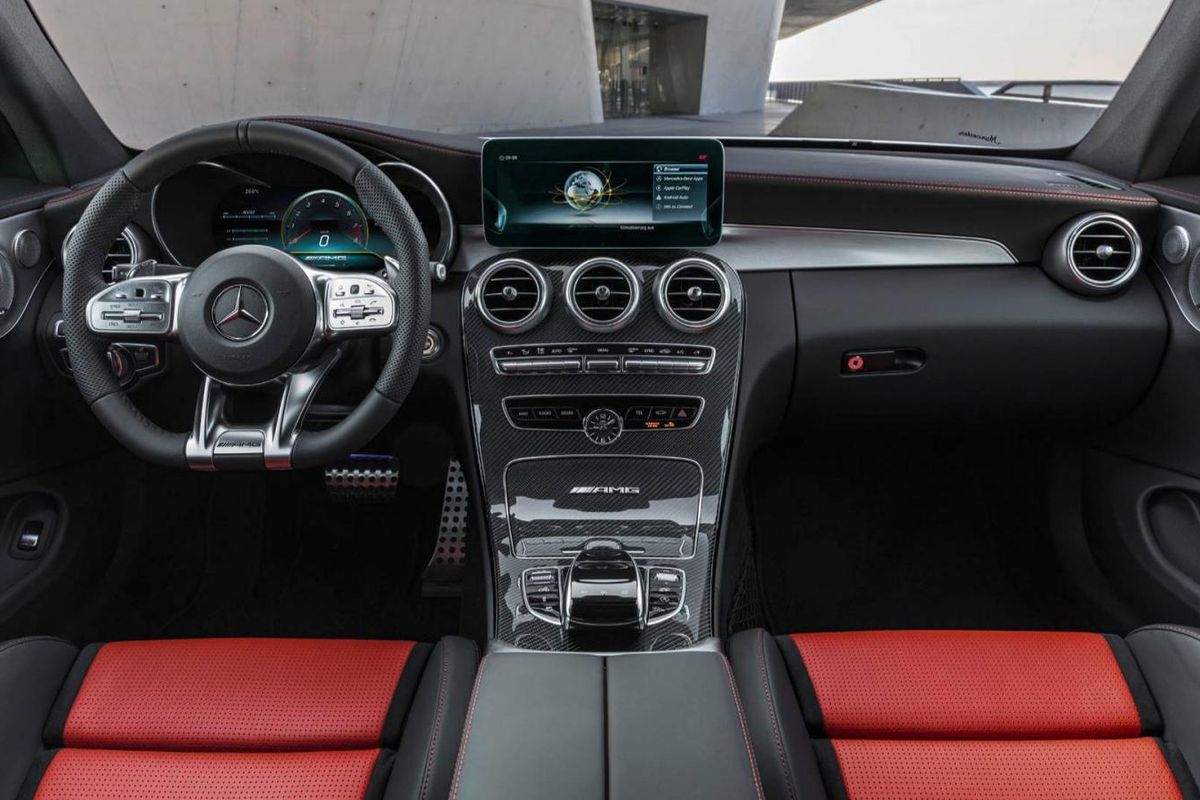
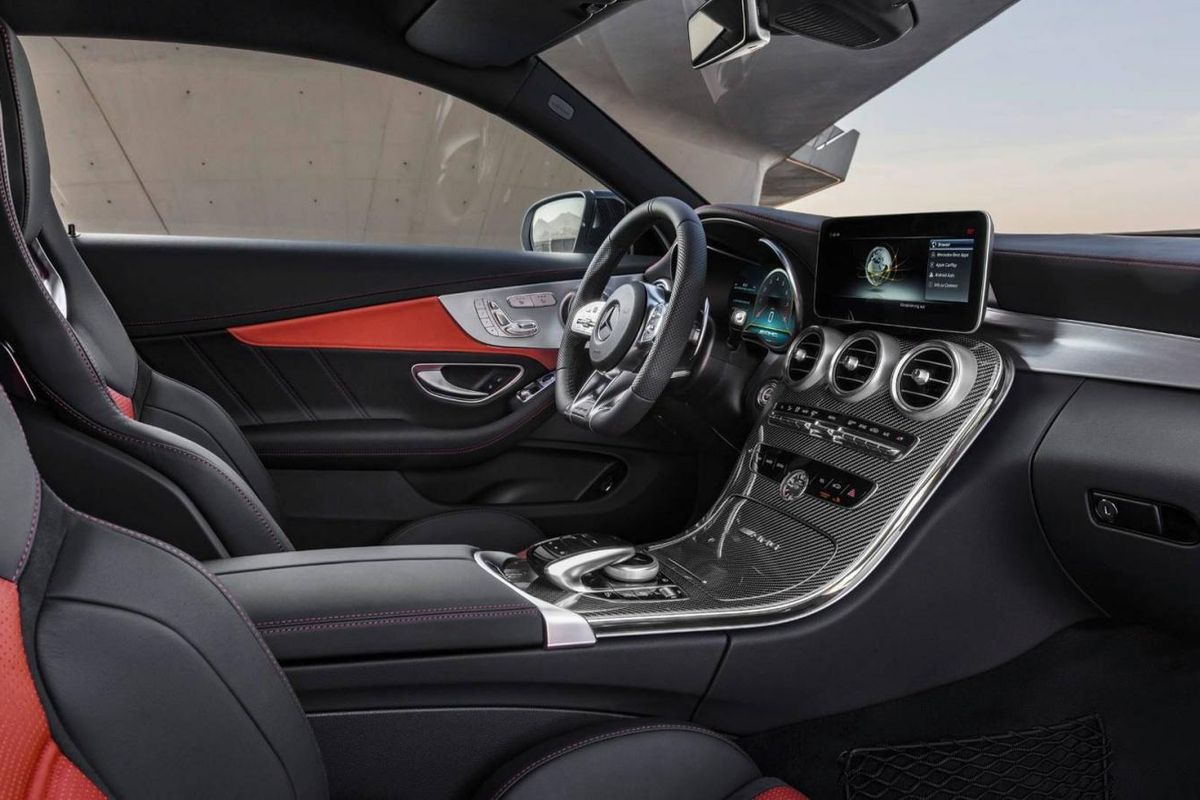
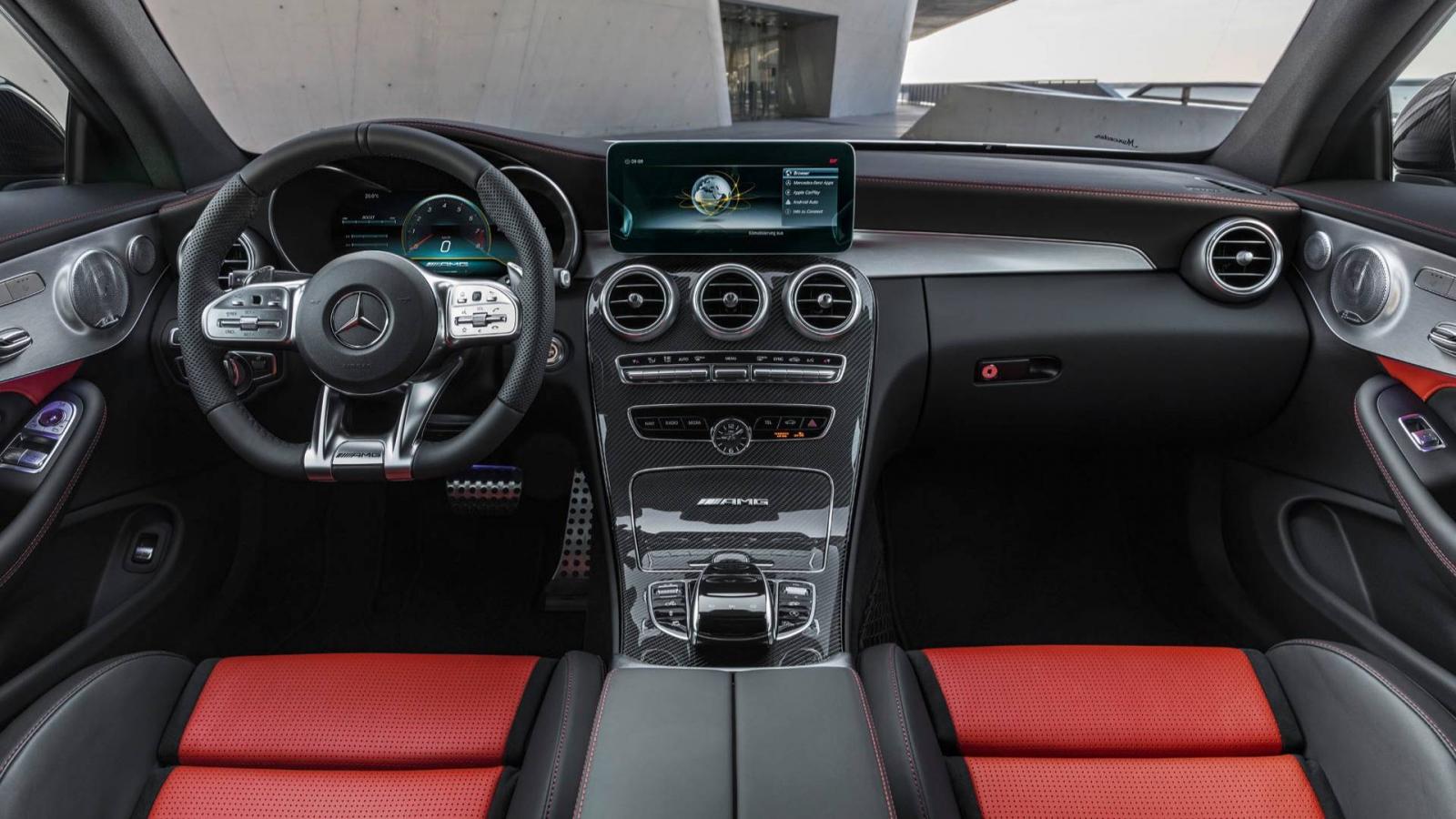
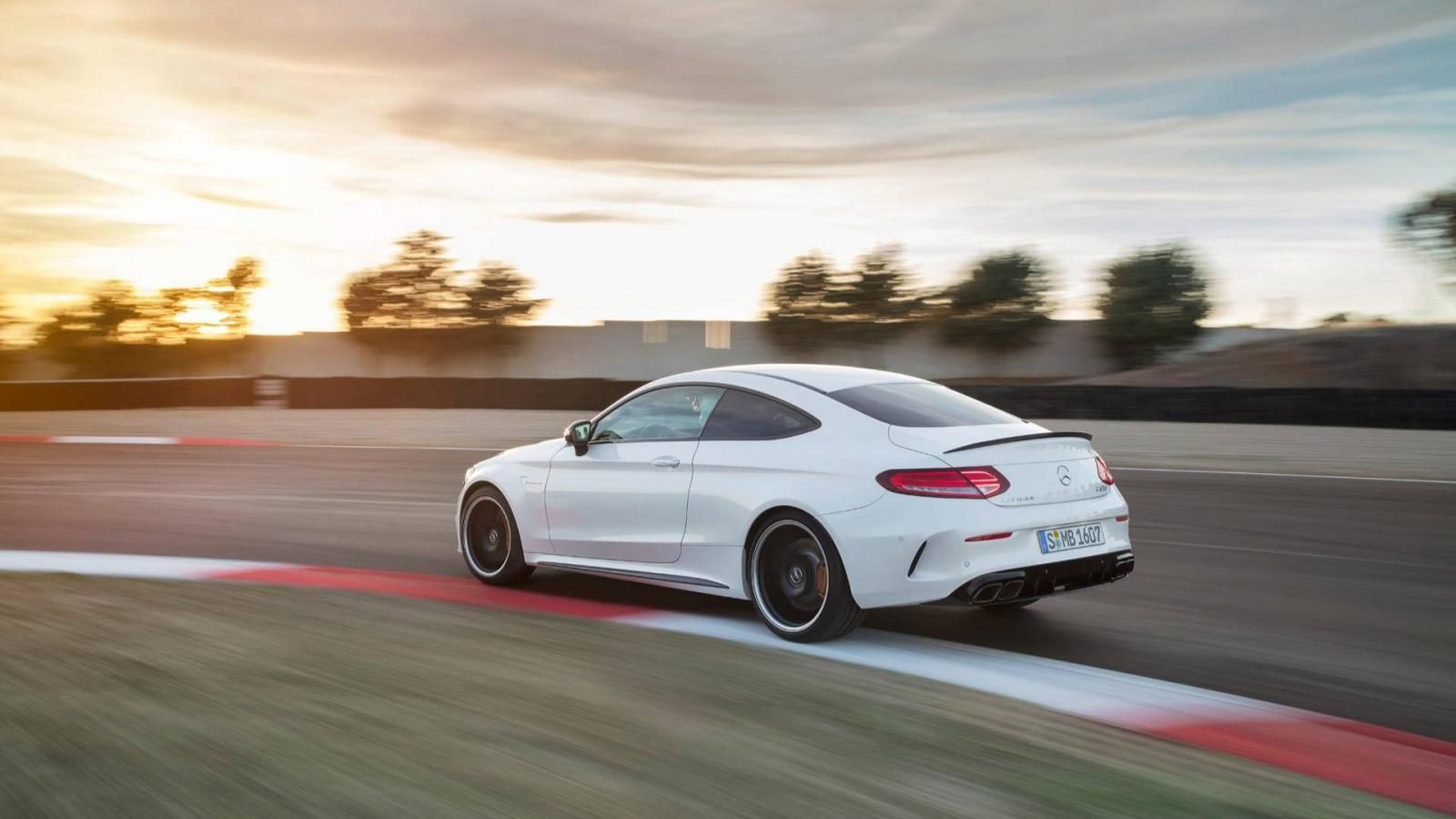
Details of the facelifted Mercedes-AMG C63 coupe has been revealed ahead of the New York International Auto Show which kicks off this week. Check out the details…
We saw the facelifted C-Class at the Geneva Motor Show recently and now Mercedes-AMG will be showcasing the facelifted C63 coupe, sedan and cabriolet in New York this week and although the changes are subtle, they are effective.
Key changes
The most prominent visual change is the now standard Panamericana grille which beefs up the appearance significantly. The outer air inlets and front bumper have been designed while the rear twin tailpipes with high-gloss chrome trim and rear diffuser have also been reworked.
The interior has been refined and a new AMG steering wheel is standard.
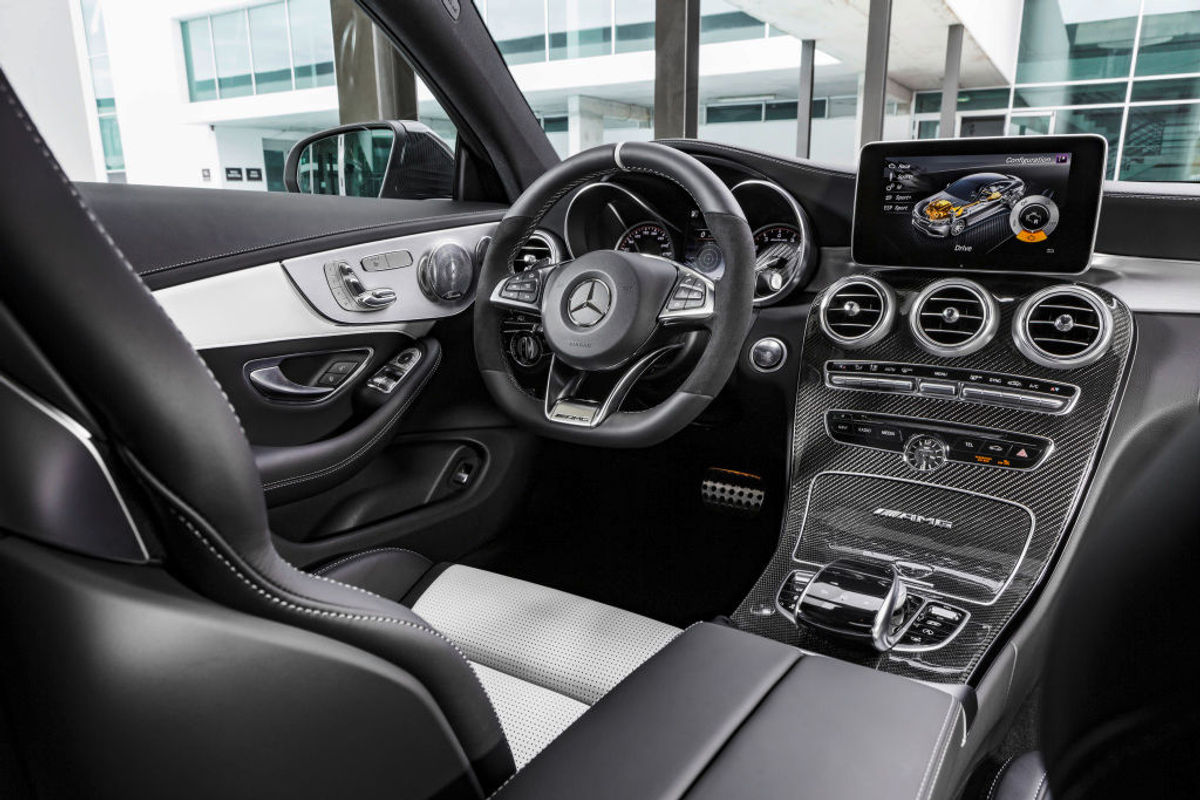
As for the interior, a host of new trim and equipment will be offered on the AMG C63 range. The model benefits from a new flat-bottomed AMG steering wheel wrapped in Nappa leather and fitted with new Touch control buttons. A fully digital 12.3-inch instrument cluster will be available as an option as well as heated and climatised AMG performance seats.
The AMG C63 is fitted with a 10.25 inch infotainment screen which takes care of communication and relays vehicle system information to the driver. The AMG menu provides additional information that will appeal to the performance-orientated driver and these include engine warm up, setup, G-force display, AMG Track Pace and engine data.
Engine power
Outputs remain the same but a new 9-speed automatic transmission is said to enhance the driving experience.
The biturbo 4.0-litre V8 engine continues to do service under the bonnet and outputs remain the same as before. In the AMG C63, it will offer 350 kW and 650 Nm while the more powerful C63 S will pack 375 kW and 700 Nm.
The big news, however, is that the previous 7-speed automatic is now replaced with a new 9-speed, wet clutch automatic. Acceleration performance remains the same with the C63 sprinting from zero to 100 kph in 4.1 seconds and the C63 S being slightly quicker at 4.0 seconds. Merc says that response is quicker and that the multiple downshift function will allow for “spontaneous bursts of speed”. Manual gear changes can also be initiated using the steering mounted paddle shifters.
A total of 6 drive programs are offered including Slippery, Comfort, Sport, Sport+, Race and Individual.
An AMG sport exhaust system is fitted as standard on the AMG C63 while the AMG Performance Exhaust System will be offered as an option.
The facelifted Mercedes-Benz C-Class is expected to arrive in South Africa in the third quarter of 2018 but the AMG C63 sedan, coupe and cabriolet variants can be expected early in 2019.
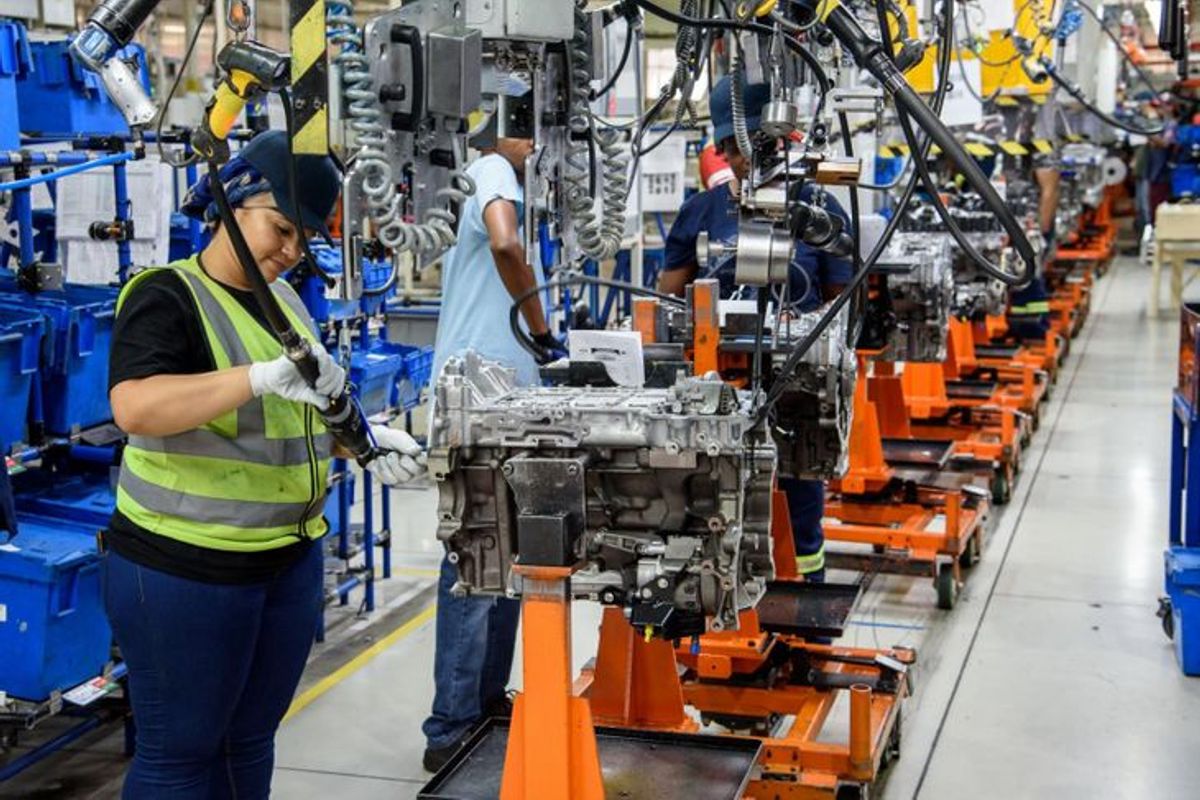
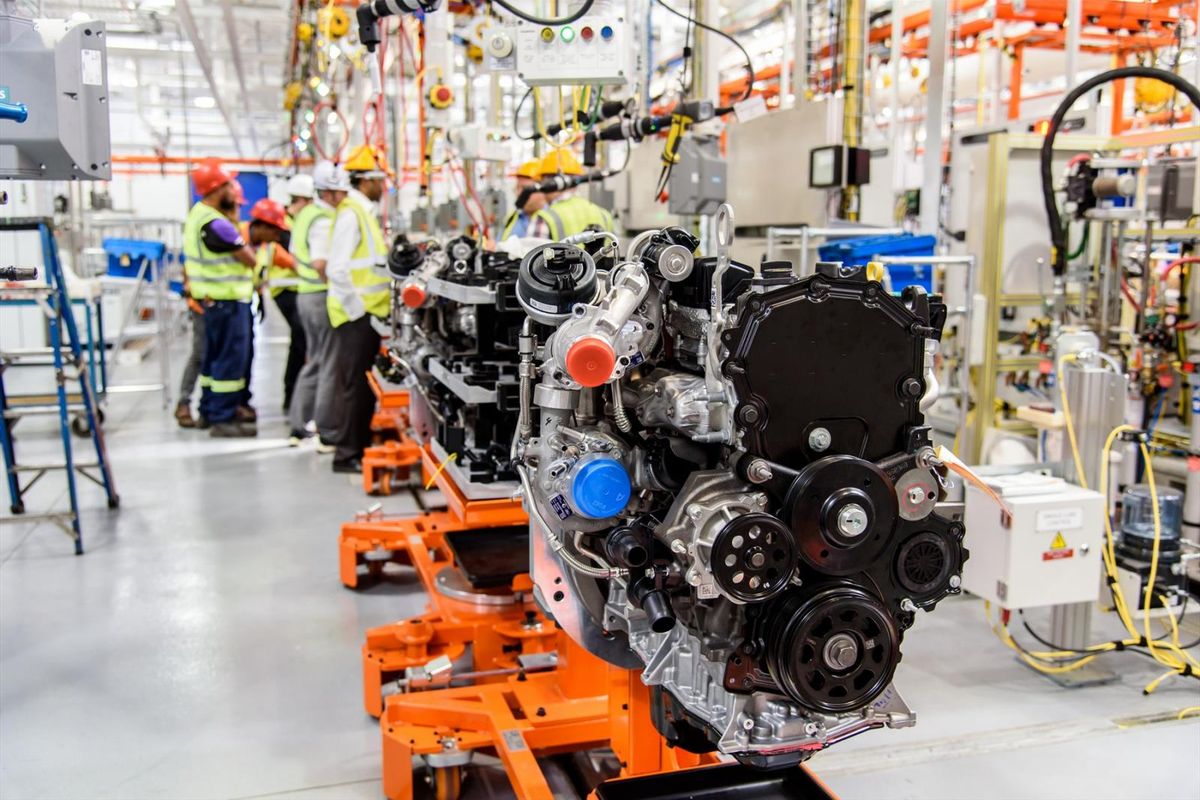
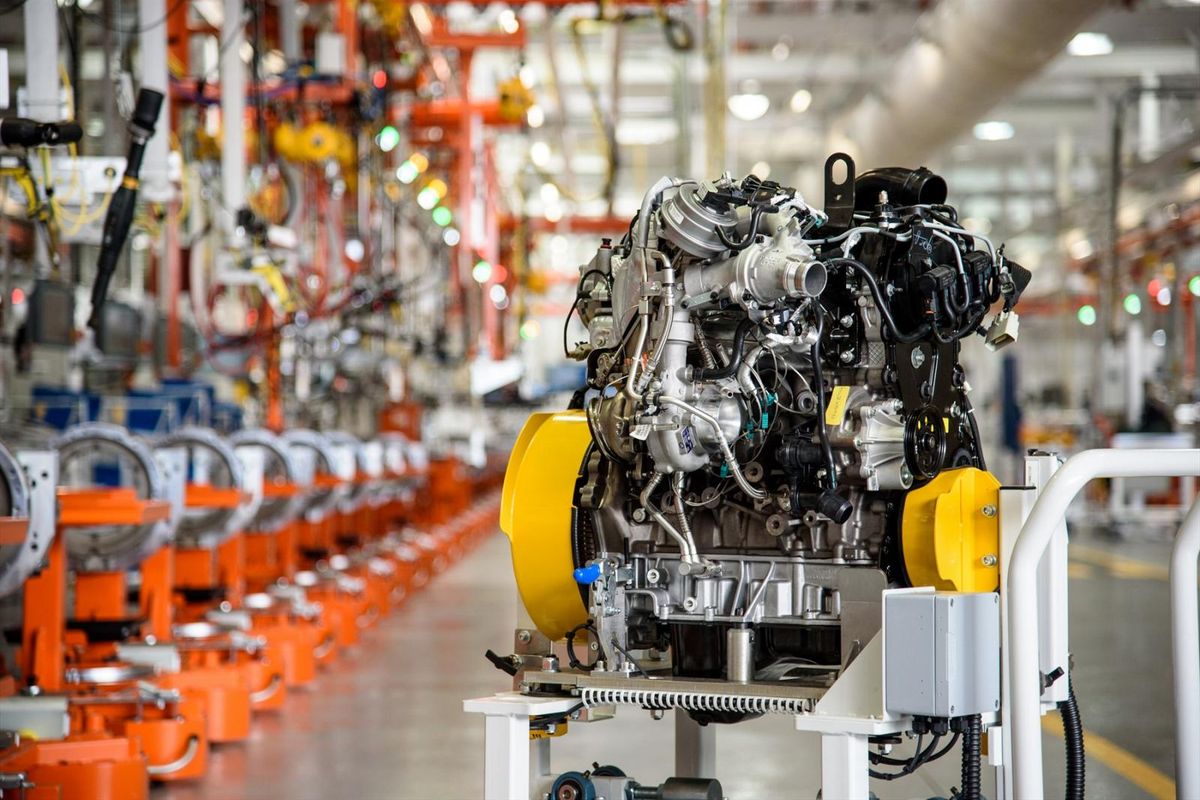
As part of its recent R3-billion investment to produce the Ranger Raptor in South Africa (which will go on sale in the local market by 2019), Ford has upgraded its Struandale engine plant in Port Elizabeth to produce the high-performance bakkie's new 2.0-litre 4-cylinder bi-turbodiesel engine and ramp up the production of the Duratorq TDCi engine used, inter alia, by the Ranger and Everest.
By Wezile Bonani
Installed capacity for the Duratorq TDCi program is set to increase from 254 000 machined component sets (cylinder head, block and crankshaft) to 280 000, while assembly capacity will grow from 115 000 to 130 000 engines per annum. In line with this, an additional shift will be added (to the 3 shifts working 5 days a week) and, by the time the additional 2.2-litre engine derivatives come online in the 4th quarter of 2018, Struandale will assemble a total of 56 variants of the Duratorq TDCi engine.
The 2.0-litre unit is only the 2nd diesel engine to go into production at the local plant with its new assembly hall, which measures 3 868 m2 in size, since 1964. The expanded Duratorq TDCi program will also see 22 new 4-cylinder engine derivatives exported to European markets, including for use in front-wheel drive Ford models.
Jacques Brent (Ford President, Middle East & Africa) also took the time to share a global summary and smart vehicle prospects in the pipeline for the brand. John Cameron (Plant Manager of Ford's Struandale Engine Plant) indicated that the plant was to become the machining home of the Duratorq engines utilised in the Everest, Range and Transit by virtue of the shared engine assembly. Other markets to benefit from the production capacity expansion include Italy, Russia and Turkey.
At the moment there is no indication if the popular 5-cylinder turbodiesel will be discontinued as it is still in demand, especially in our market. And, unfortunately, no details were shared on the power outputs for the upcoming engine derivatives, barring the Raptor with its impressive 157 kW and 500 Nm of peak torque.
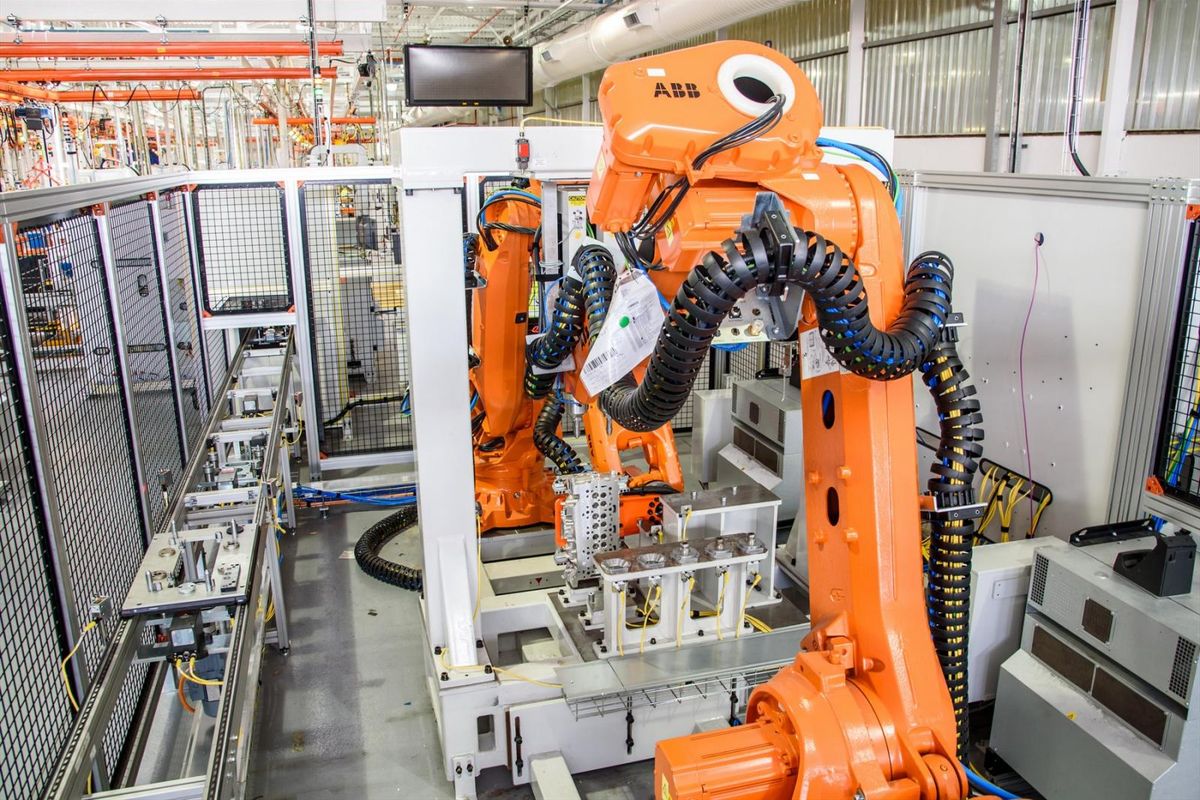
The new state of the art facility boasts some of the latest technical advancements, for example, tools have allocated areas for workstations and engines will be electronically monitored for the absolute best practice and high-quality standards the plant has been known for.
In conclusion, as a citizen of this wonderful city, while job creation is key, job security is just as pivotal as Ford has demonstrated by the addition of a new shift for the upgraded assembly line.
In the final instalment of our German Coupe drag race sequence, the Audi RS5 takes on the BMW M4 Competition Pack. Who will take the win?
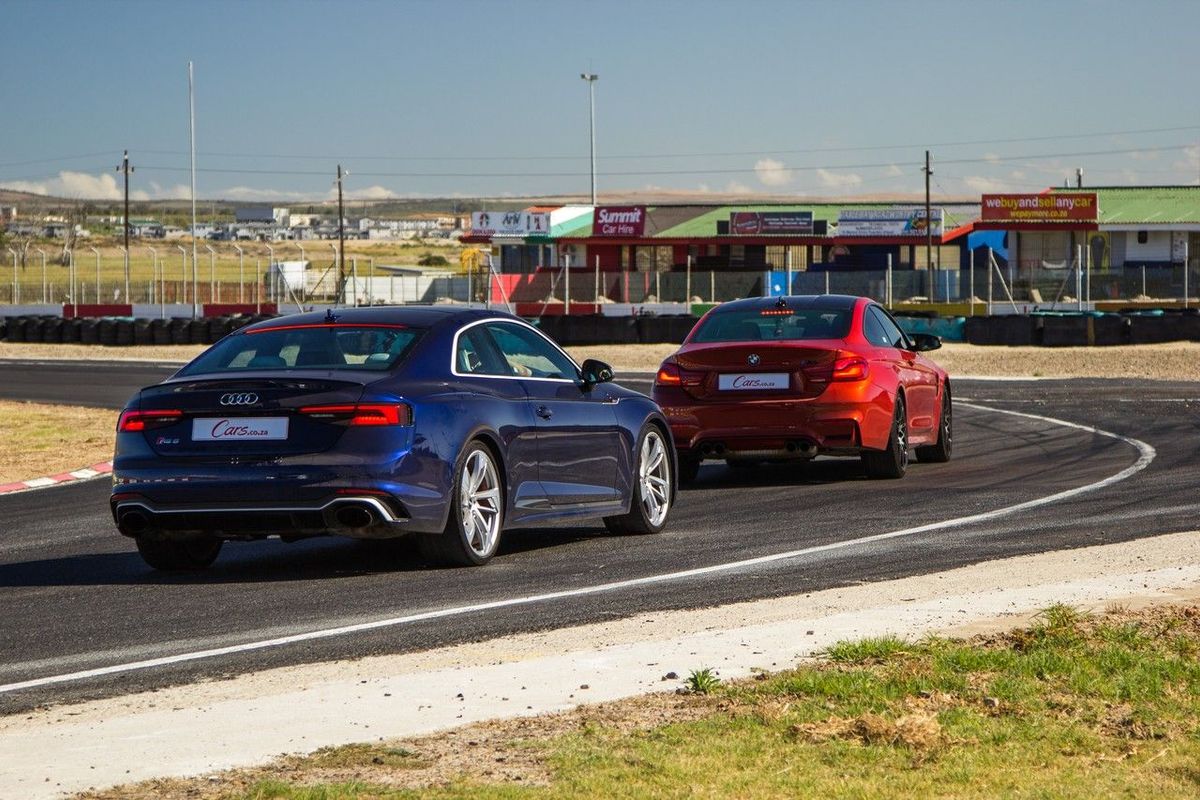
After taking on the Mercedes AMG C63 S Coupe, the Audi RS5 Coupe Quattro now goes head-to-head with the BMW M4 Competition Pack.
These two cars are about as close as it gets when it comes to power figures, with the Audi packing a bit more torque and a slightly quicker 0-100 time.
Of course, this is a battle of all-wheel-drive versus rear-wheel-drive, so the Audi should get the jump on the launch. But the Beemer had proved seriously quick all day…
Watch the C63 S vs BMW M4 Competition Pack drag race here
Read our comparison between the BMW M4 Competition Pack, Mercedes-AMG C63S and Audi RS5 here
Autonomous Cars: Why they aren’t working
The computing power required to make autonomous vehicles viable on public roads is readily available, so why aren't algorithms driving us everywhere? We consider a few of the technicalities around autonomous vehicles.
Big data is controlling our lives. The reality as depicted in the film Minority Report is slowly revealing itself in our everyday lives. Your GPS-enabled smart devices are serving you location marketing and -services in real-time. These alerts are occasionally handy, but mostly annoying and, philosophically… terrifying.
It’s very much the same technology that is driving the artificial intelligence (AI) transformation we’re being promised in cars. Soon, traffic will flow seamlessly, as thousands of cars, with millimetric precision, merge onto highways and lemming into cities from the suburbs each day. And there will be no more collisions either. Bothersome cosmetic damage crashes and awful, possibly life-threatening accidents can and will be avoided by the omnipotence of autonomous driving technology. These are the promises.
The truth is somewhat different, and sobering. Issues facing AI in cars are potentially crippling the cause of the self-driving machine. And definitions, in the tradition of all things futuristic, are opaque.
Artificial Intelligence in cars: Not all that new
The influence of digitisation on the car hasn’t been all Tesla, Google and Apple. AI isn’t new to the automobile and autonomous driving technology, even less so. When that automatic transmission anticipates your shifting pattern demands, due to having harvested kilometres of throttle mapping data as you drive, that’s AI.
When you were cruising down to the coast – as much of South Africa does over the holidays – and engaged cruise control, perhaps even a radar-guided system where you are not required to cover either throttle or brake pedal, that’s autonomous driving. It’s here, it’s happening – it’s hardly new. The issue is that we’ve become so beholden to the promise of technology having an infallible ability to solve problems, that there’s a lack of scepticism regarding the AI and autonomous self-driving project. A car is not a Smartphone. Its potential for causing physical damage and fatalities is greater by a factor of magnitude.
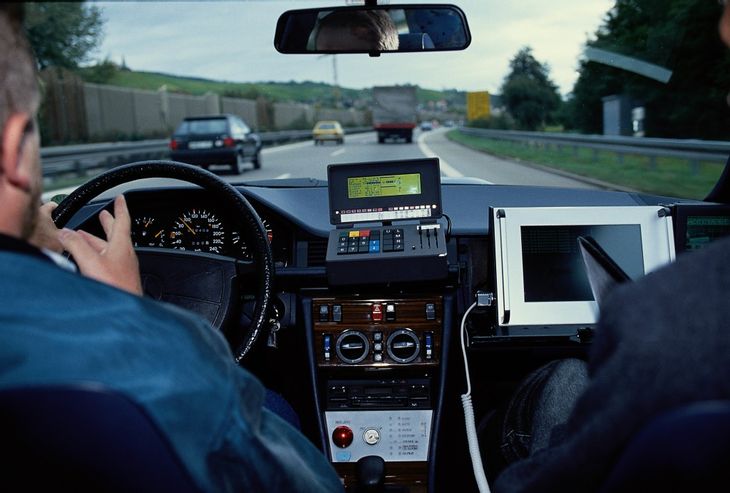
Original testing of autonomous cars started in the '90s with the Mercedes-Benz S-Class.
The first fully autonomous cars, capable of driving vast distances on public roads amidst other traffic, weren’t Silicon Valley start-up prototypes navigating through northern California. They were 3rd-generation S-Class W140s and the work of a gifted German robotics engineer, Ernst Dickmanns. In 1994, an autonomous S-Class successfully drove more than 1 000 km on the hellishly trafficked autoroute 1, which passes Charles de Gaulle airport, outside Paris, without hindrance or endangering others.
A bit more than two decades later, with exponential increases in computer processing power and cameras with far greater sensory capacity than anything available to Dickmanns in 1994, why does the concept of a viable, self-driving car remain on the horizon of delivery?
The problem: everyone else
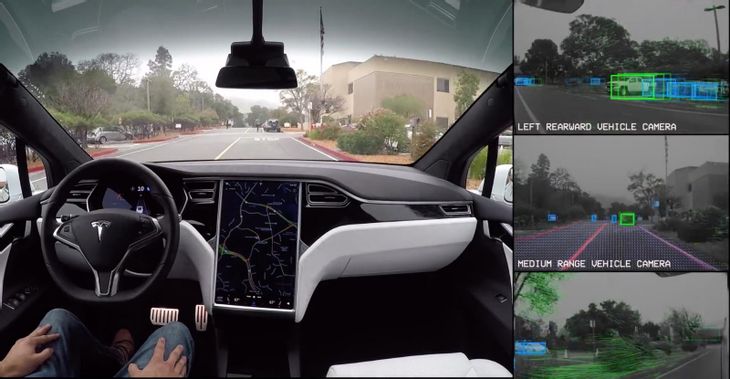
Tesla has been foremost in claiming that its cars are capable of fully autonomous driving. As a brand founded on principles of disruptive technology and peerless digital innovation, one would expect no less – but there are a great many things that Tesla’s autopilot cannot do.
Foremost amongst these, is operating with absolute safety. The closest engineering analogy to autonomous driving technology is the autopilot function in aviation – which is robustly tested and rarely has to contend with the complexity of multiple collision objects on its exact flight path. Driving on a road, there are collision prospects everywhere – all of the time.
Just as much as Bosch would never release a new, highly sophisticated ABS braking or ESP stability system to the market if a fatal accident had occurred while the system was being tested (during its developmental phase), Tesla’s claims for autopilot are at odds with the evidence. This system has failed – fatally – at least once, and it’s limited to the quality of data gathered by cameras and sensors to achieve safe autonomous steering, throttle and brake inputs. And that data is what its multitude of cameras can see – which are road markings and infrastructure.
In California, home to most of Tesla’s market and the world’s cutting-edge AI engineering, the road infrastructure is excellent. In many other parts of the world, it is not. Volvo’s championing its autonomous driving technology too, with testing being conducted with a fleet of XC90s in Gothenburg – a Nordic city with near perfect roads and obsessively obedient and disciplined drivers, cyclists and pedestrians.
One of the current pioneers of autonomous cars, Tesla has not been without incident.
Faded road markings and undefined shoulders are the undoing of autonomous driving technology. What works in San Francisco and Sweden will not be applicable to Soweto – or even Sandton. Compounding the issue of data sourcing – the huge disparity in road infrastructure and marking quality – is an even greater challenge: engineering into the autonomous algorithm a capability of human anticipation. There is speculation that a level of aggression will have to be integrated into autonomous driving systems to avoid cars remaining static if inconsiderate drivers refuse their merging behaviour on highways, or pedestrians choose to cross as they wish – in droves.
The detection range of autonomous driving system cameras, on Tesla’s Model 3, are at best 250 metres, within quite a narrow field of recording, and for fog and night driving, you’re relying on a radar system that has a maximum object detection range of 160 metres. In view of the exponential braking distances required as speeds increase, a margin measured in a 100 or 200 meters seems uncomfortably slight.
The autonomous ecosystem: an impossible dream
Volvo has promised a self-driving customer car by 2021. Most German premiums models have a credible level of semi-autonomous driving functionality already – and Tesla’s autopilot can do certain things, on a predictably unchallenging highway.
Therefore, a true autonomous driving experience, a car which will navigate city traffic, safely climb, crest and descend a technical mountain pass and drive itself on a gravel road in the Karoo is highly unlikely anytime soon. AI engineers have done a magnificent job of integrating systems and leveraging the latest camera, graphics card and sensor technology to saturate autonomous systems with a stream of decision making data. Their biggest encumbrance is something beyond the control of car companies. Unless there’s a massive infrastructure project to engineer all roads to a standard of autonomous driving function, with high-contrast road marking, the data stream will never be 100% reliable, and therefore, never 100% safe.
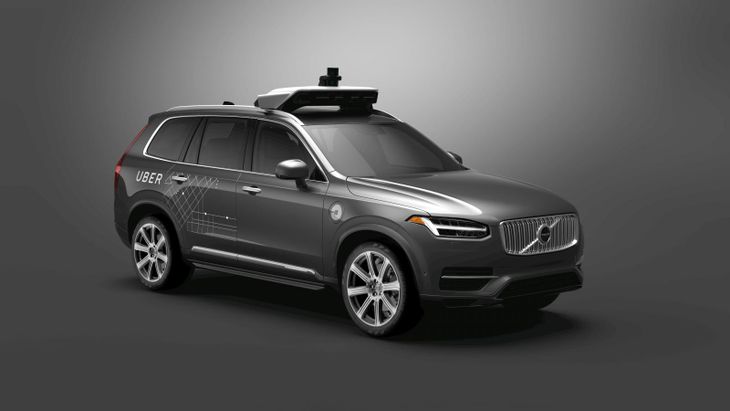
Volvo has promised self-driving cars for 2021, even partnering with Uber to speed up development.
The same logic applies to fellow road users: unless everybody has a car with 360-degree camera coverage and radar, the ecosystem remains imperfect and liability for collisions will have to reside with someone – which is the reason Mercedes-Benz never evolved those aforementioned autonomous W140s from 1994 into production. Globally, the insurance industry and local traffic legislators don’t know what to make of AI and fully autonomous driving, because all laws subscribe to some principle of a human driver being in control, and ultimately, responsible.
South African conditions are a headache
South Africa is especially symptomatic of all the issues enveloping and strangling the autonomous driving project. Our roads vary from amazing to abysmal. Average speeds are high and lane discipline low. Unlike many other parts of the world with quality highways enabling sustained cruising speeds, South Africa’s multi-lane roads are often randomly crossed by pedestrians or wildlife. None of those issues exist in California or northern Europe, where the world’s cleverest AI engineers are attempting to perfect a sovereign driving algorithm.
Could a car that will recognise the reduced braking surface friction of black ice in Russia, anticipate wildlife crossing at night in Namibia and safely navigate treacherously loose gravel corners on a Karoo mountain pass ever come to fruition? The onboard hardware unquestionably exists to execute all three, but there are millions of kilometres of real-world testing that will have to be done before algorithms governing the behaviour of autonomous driving sensors work in all conditions with absolute confidence.
The achievable end might be fully autonomous driving validation packages for each country, tailored to specific risk profiles, but that could be a cost too far for both the motoring industry and customers. A double-cab bakkie that's capable of merging with the morning N1/2 traffic, then trailing the car ahead of it all the way until it reaches the off-ramp to your office? That’s a laudable and achievable aim. But self-driving cars capable of driving you everywhere? Not soon. At all.
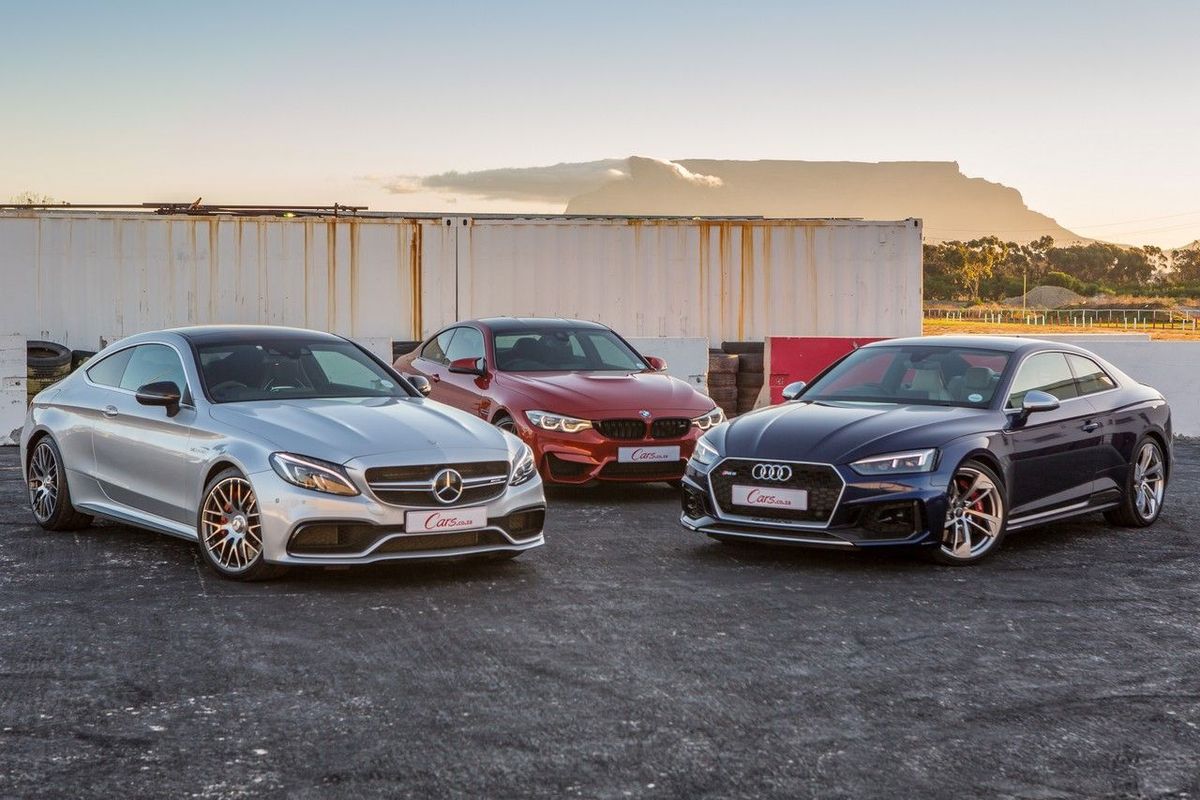
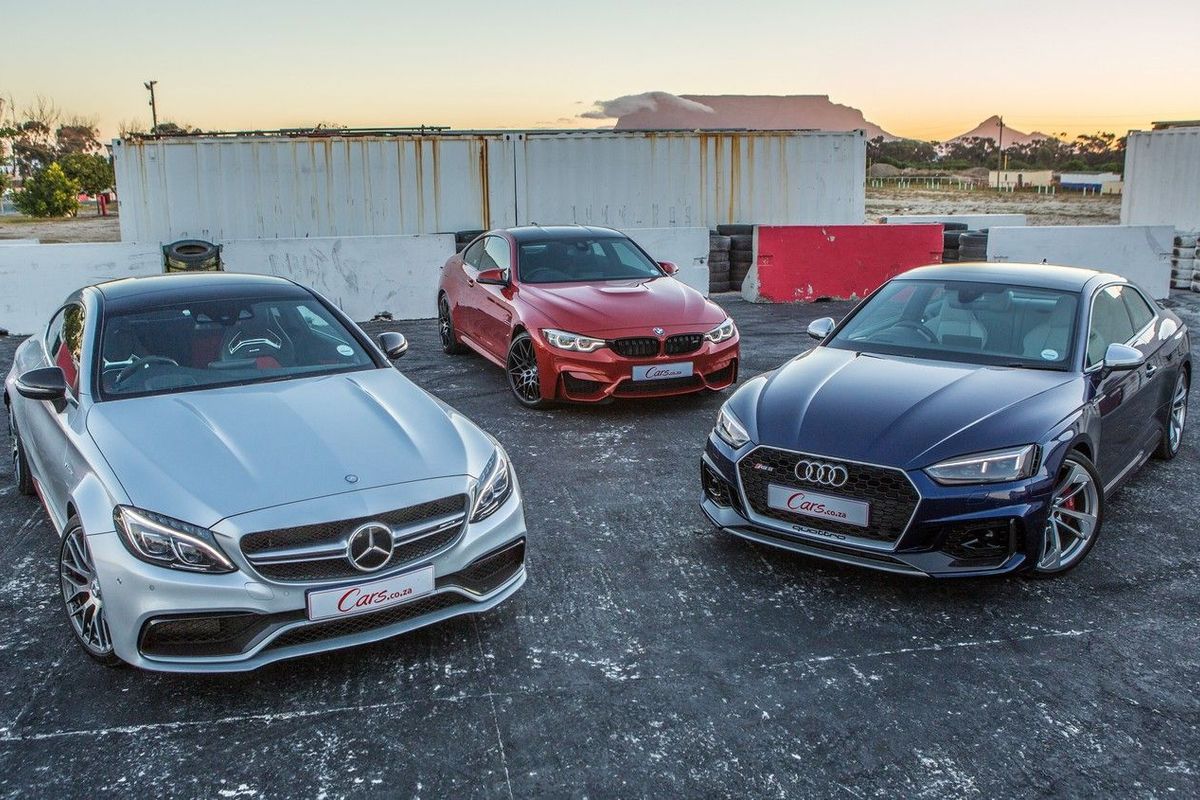
Audi RS5 vs BMW M4 Competition Pack vs Mercedes-AMG C63 S Coupe [w/Video]
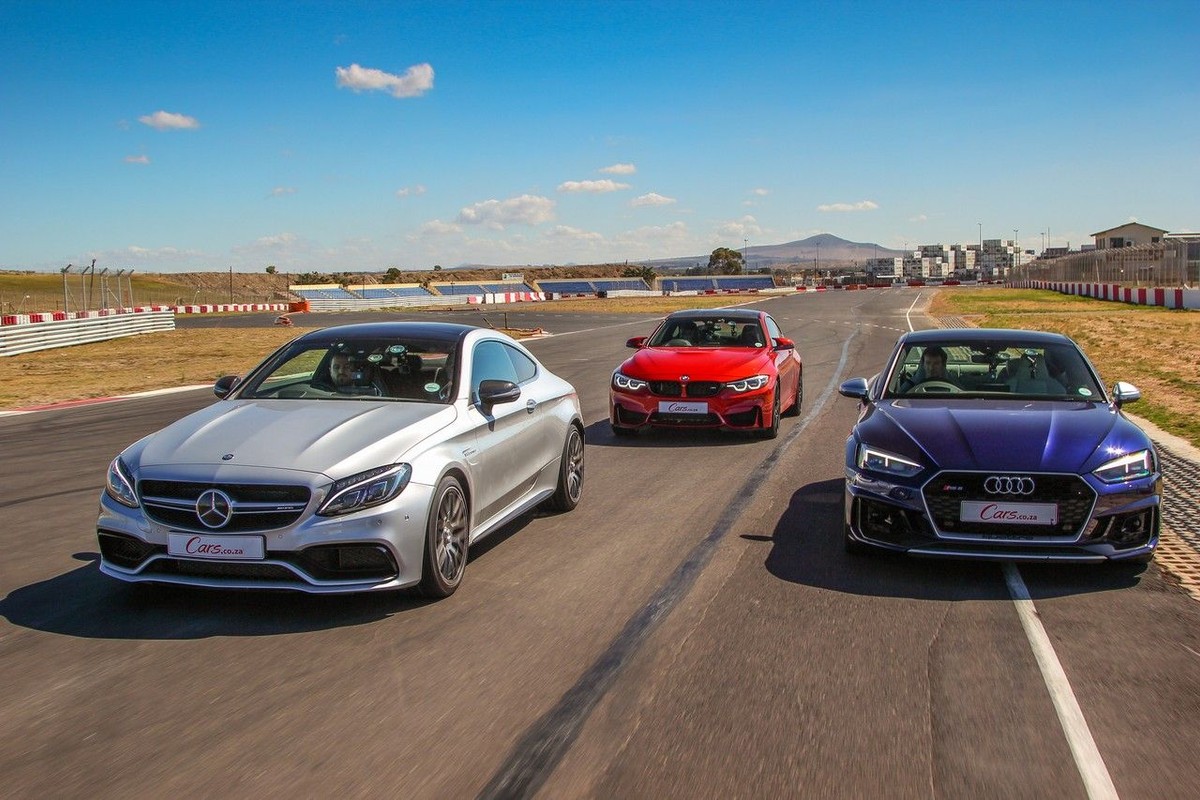
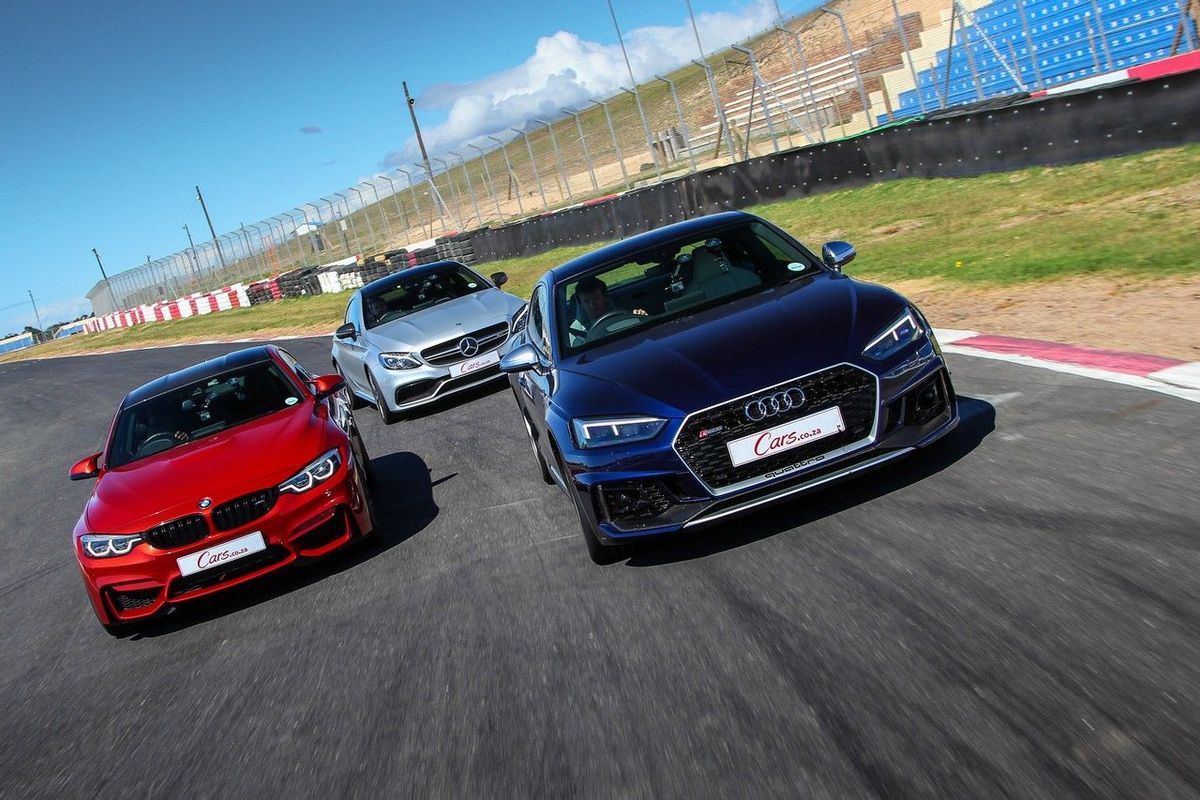
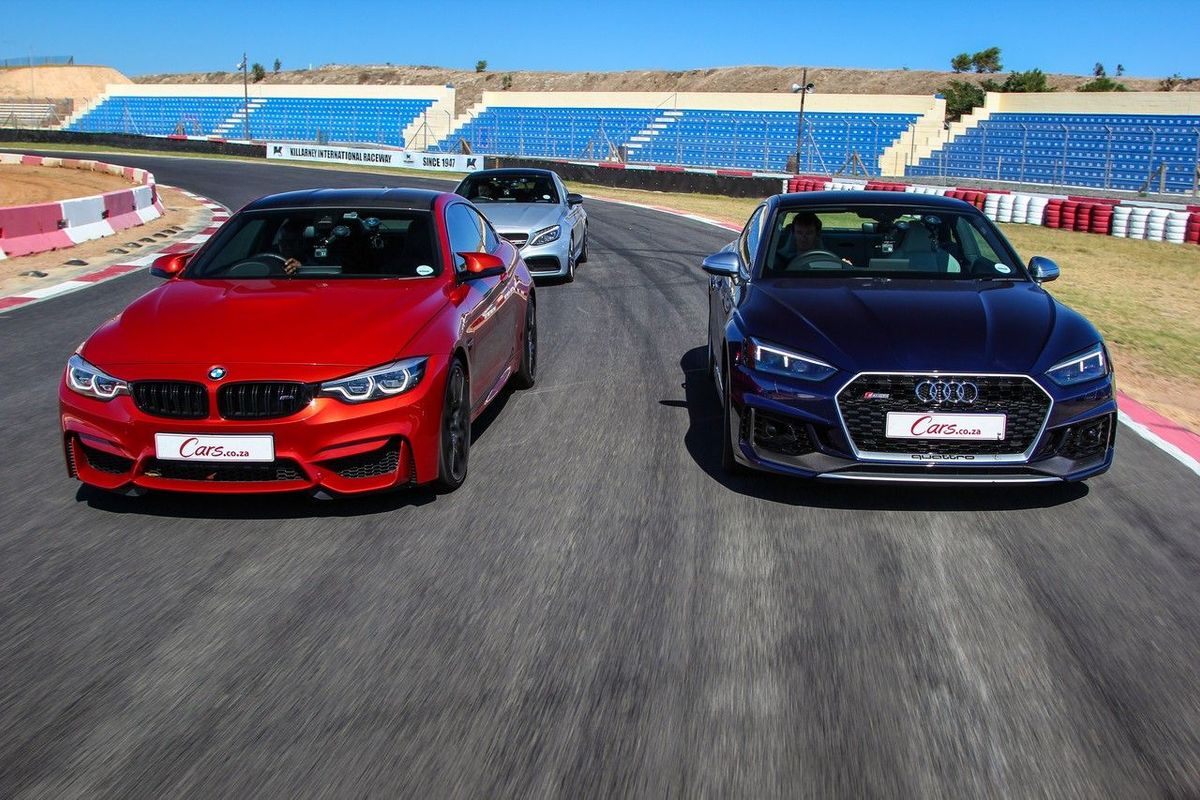
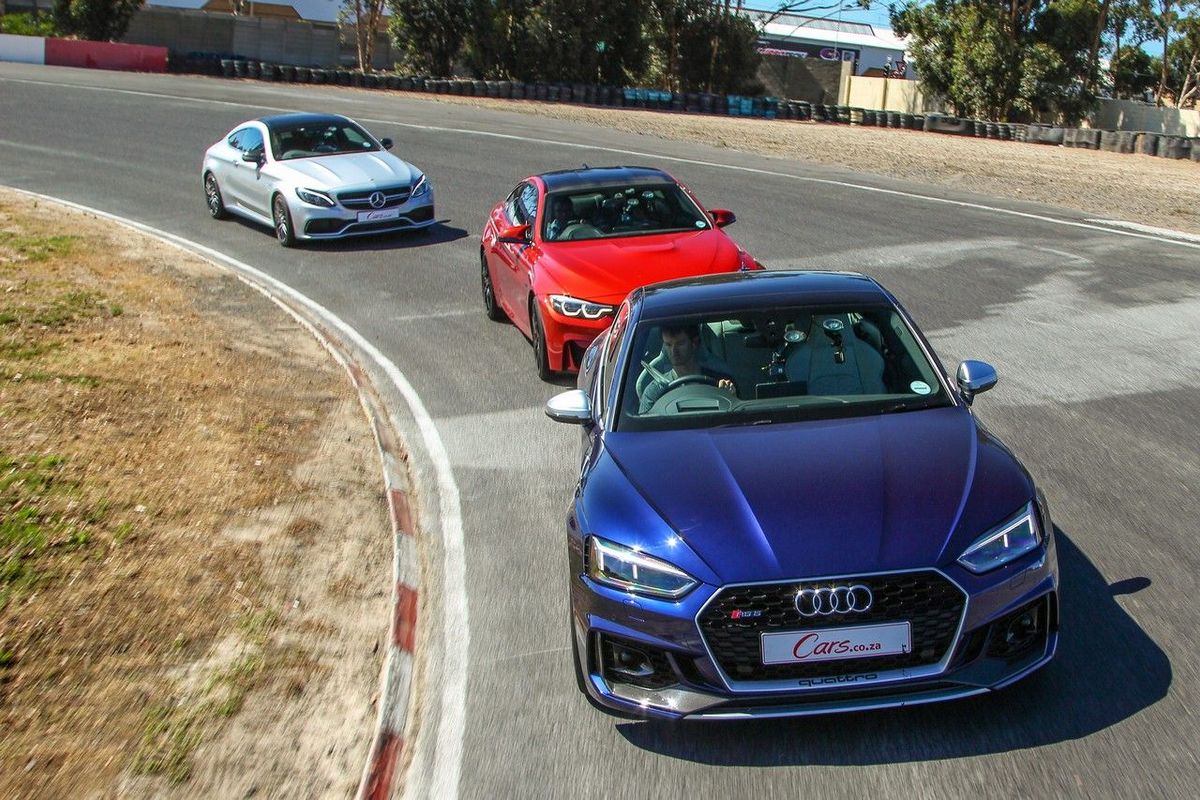
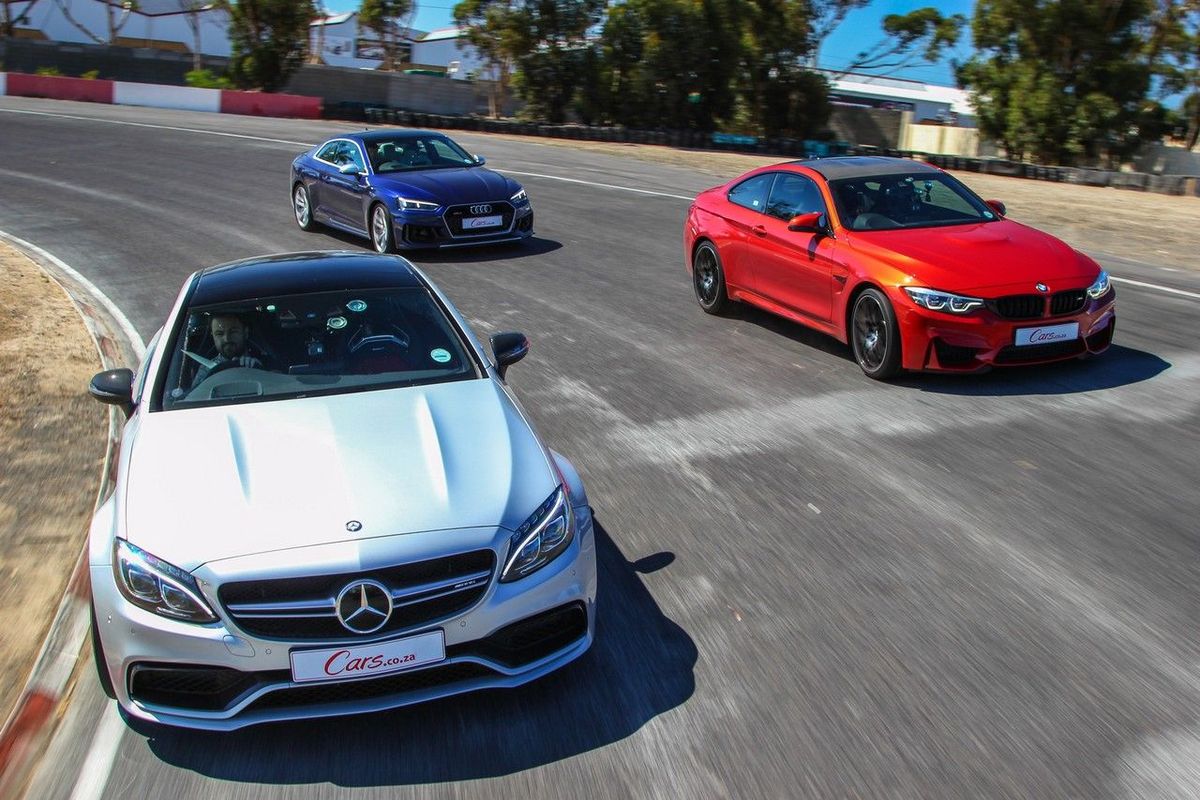
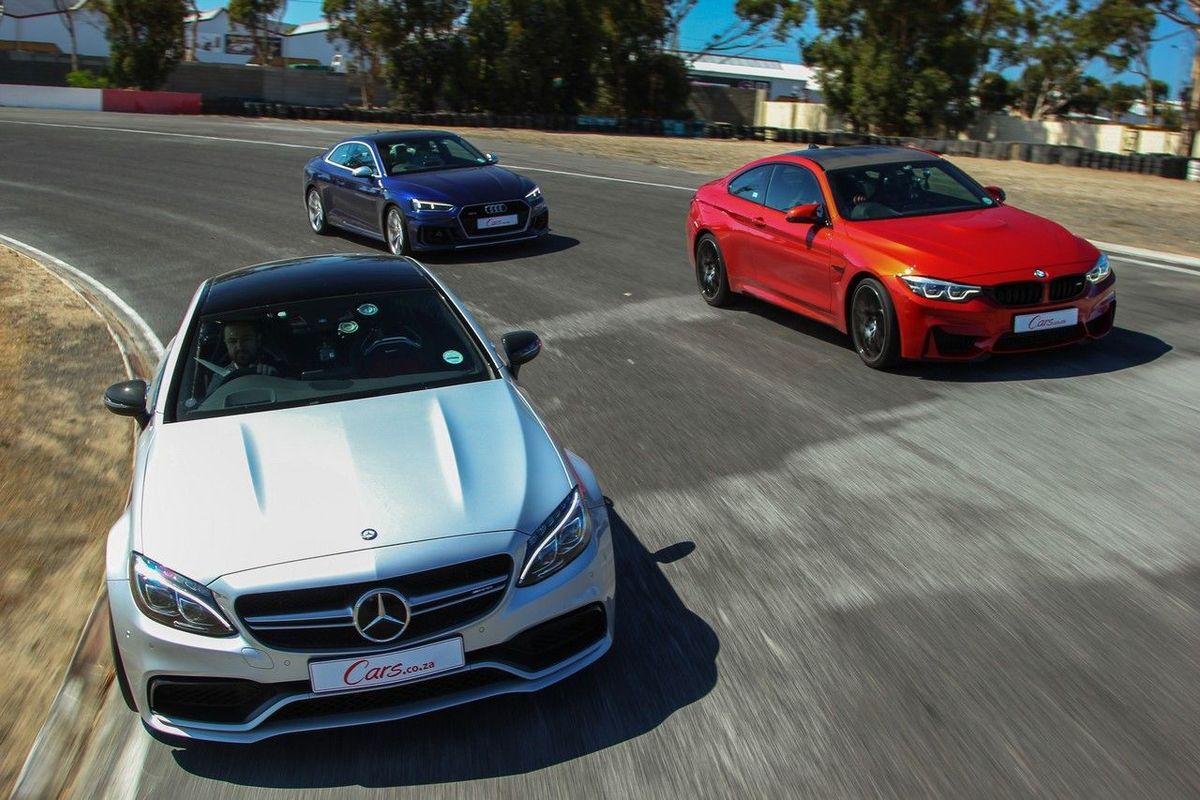
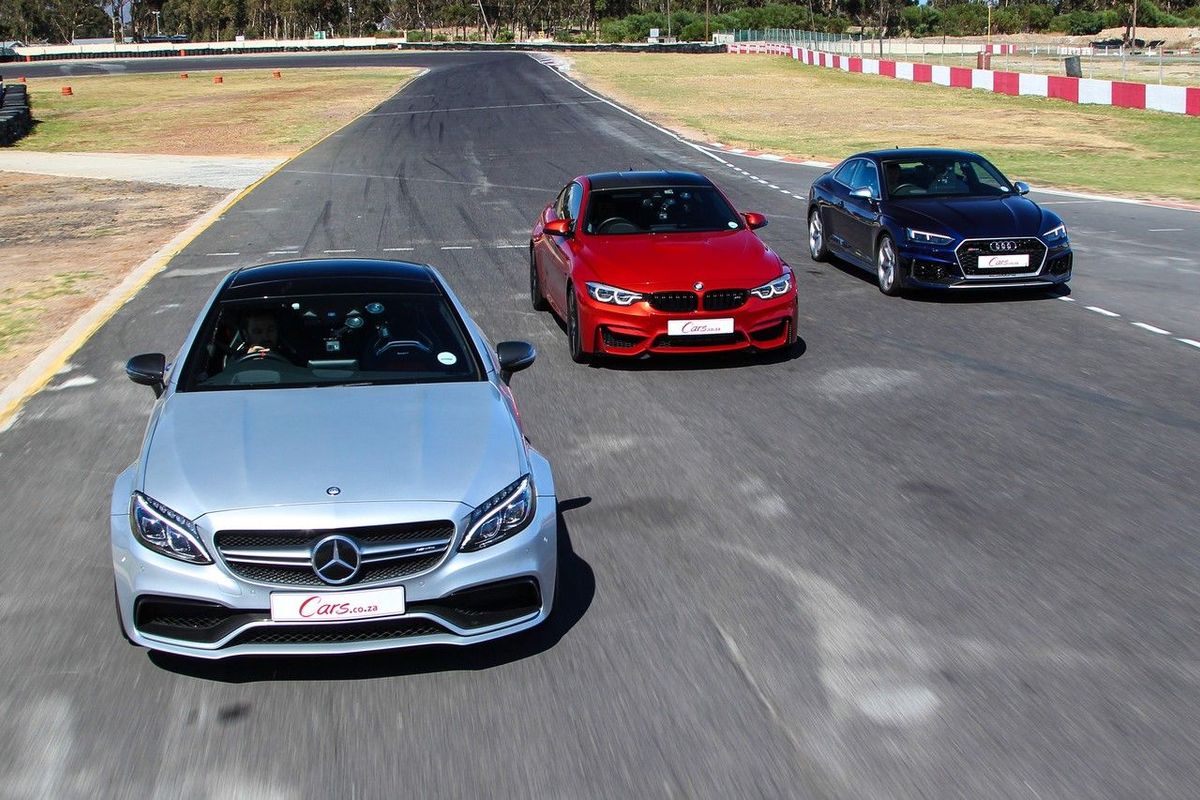
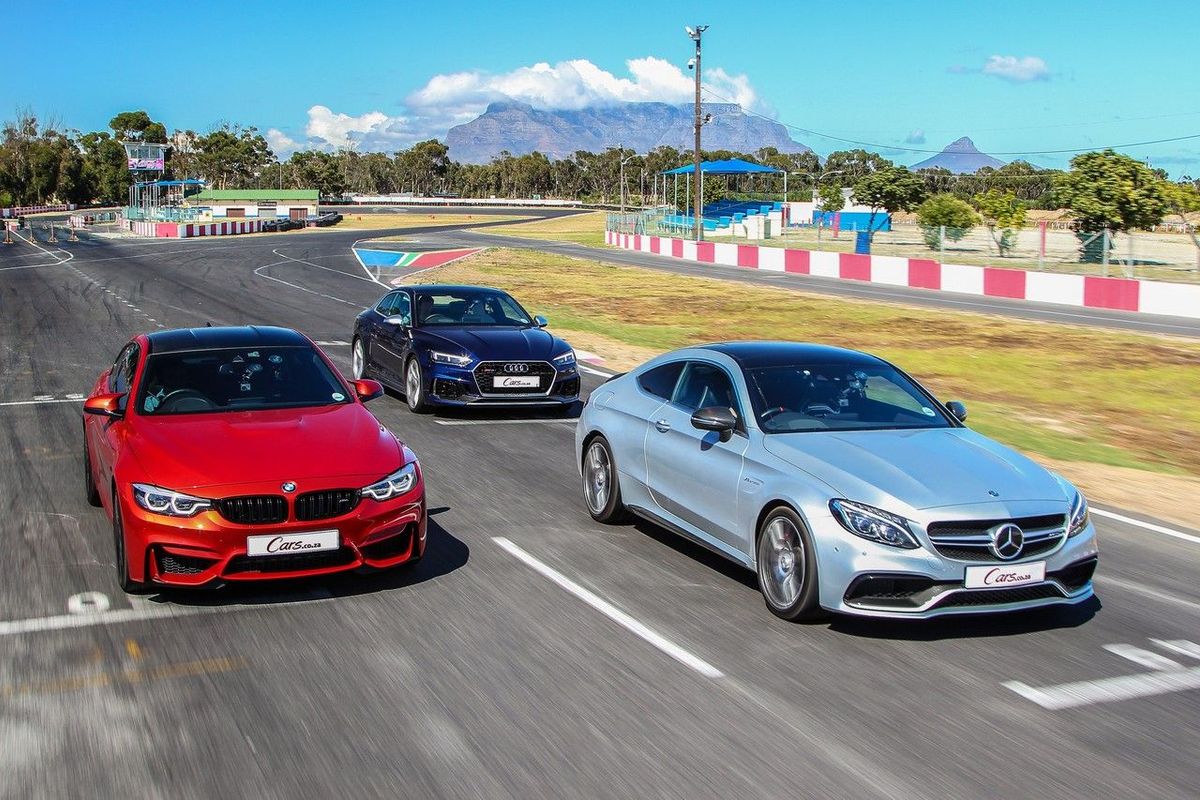
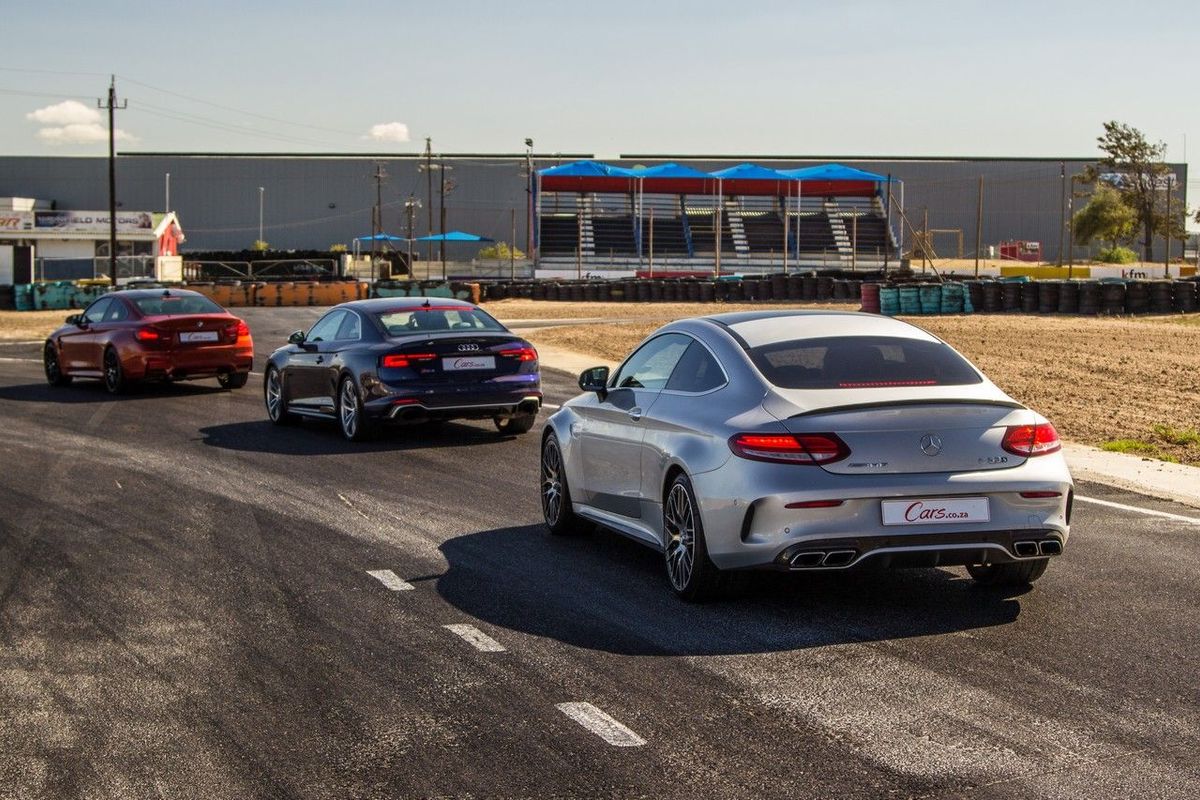
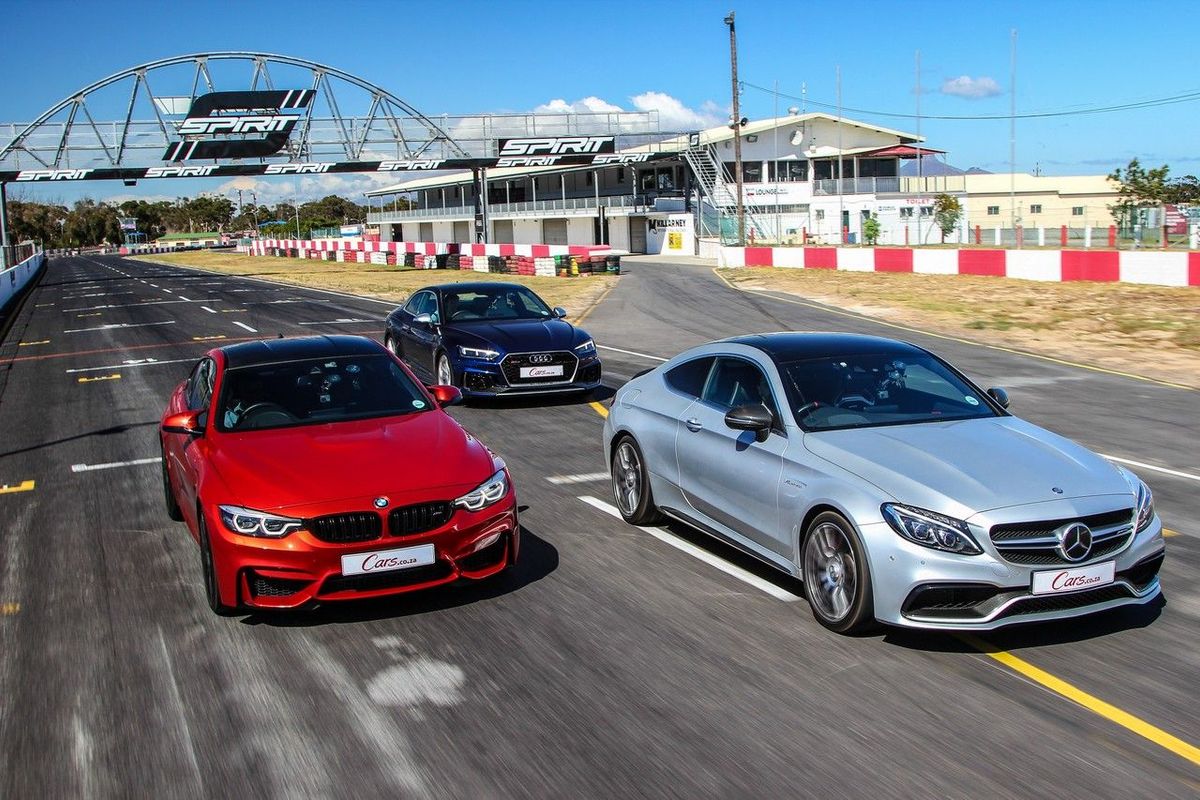
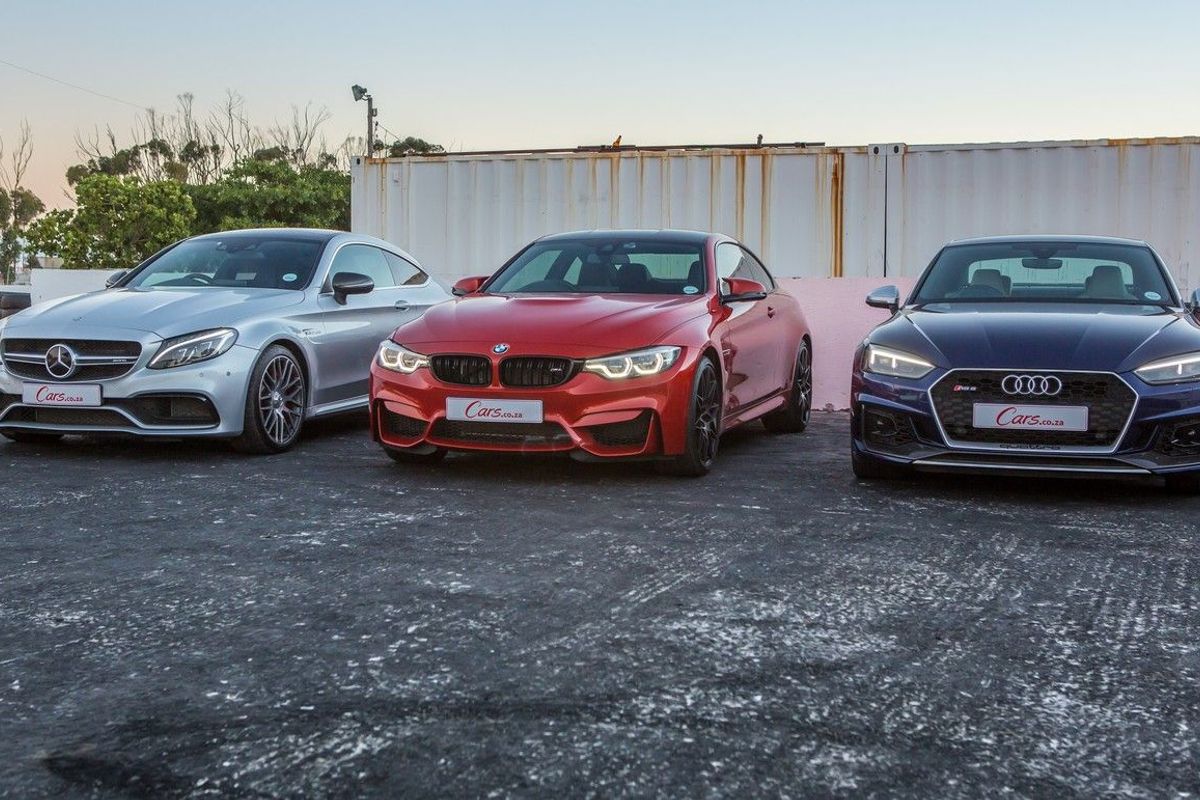
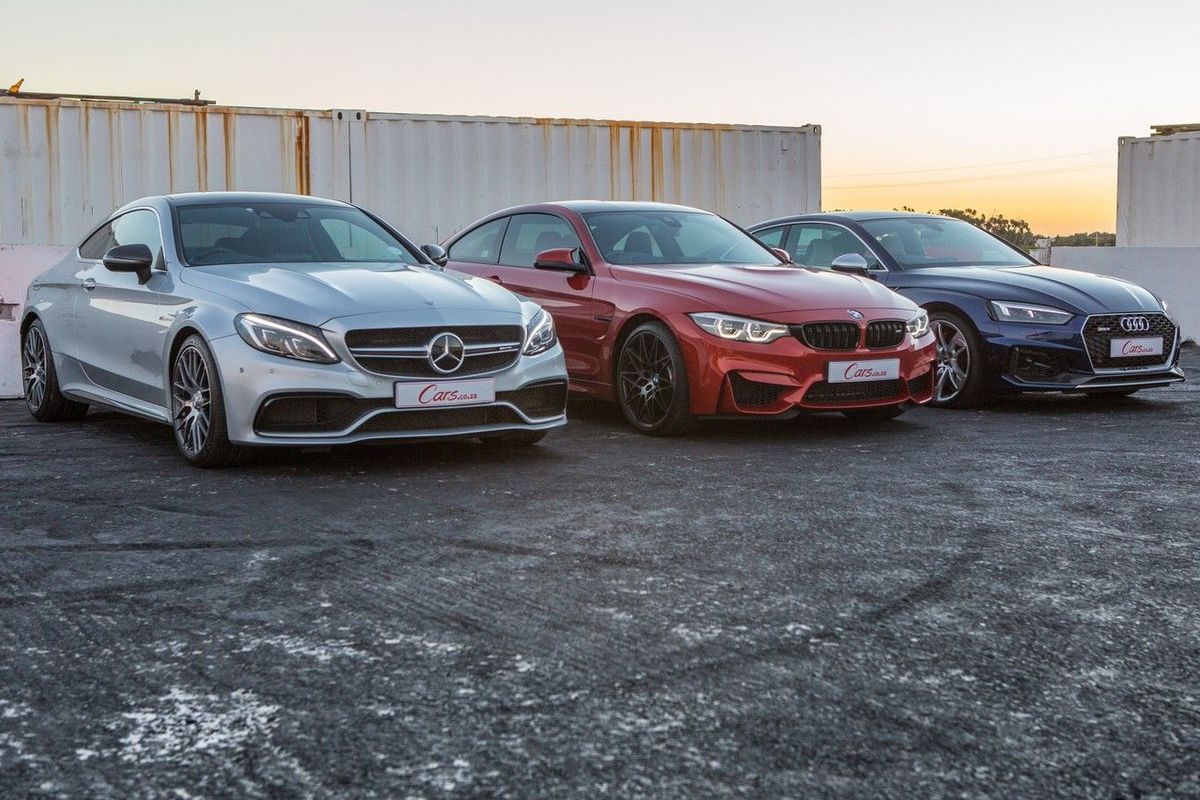
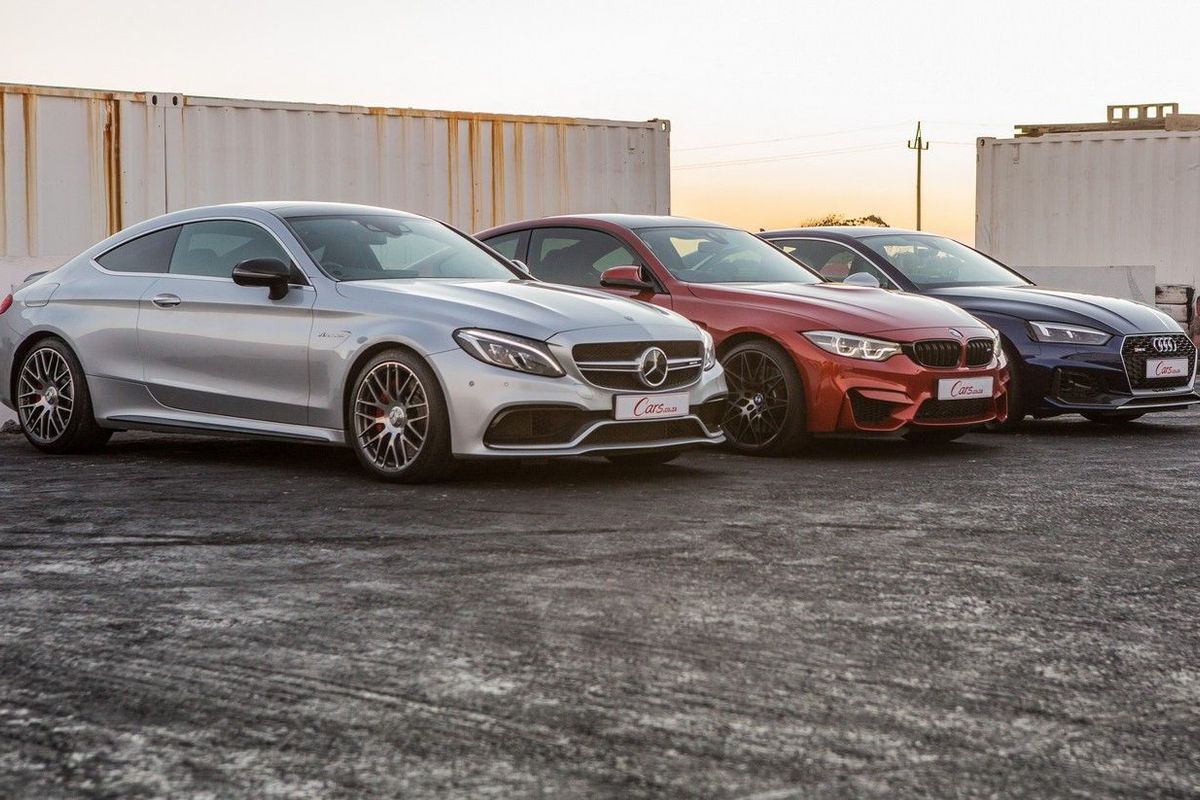
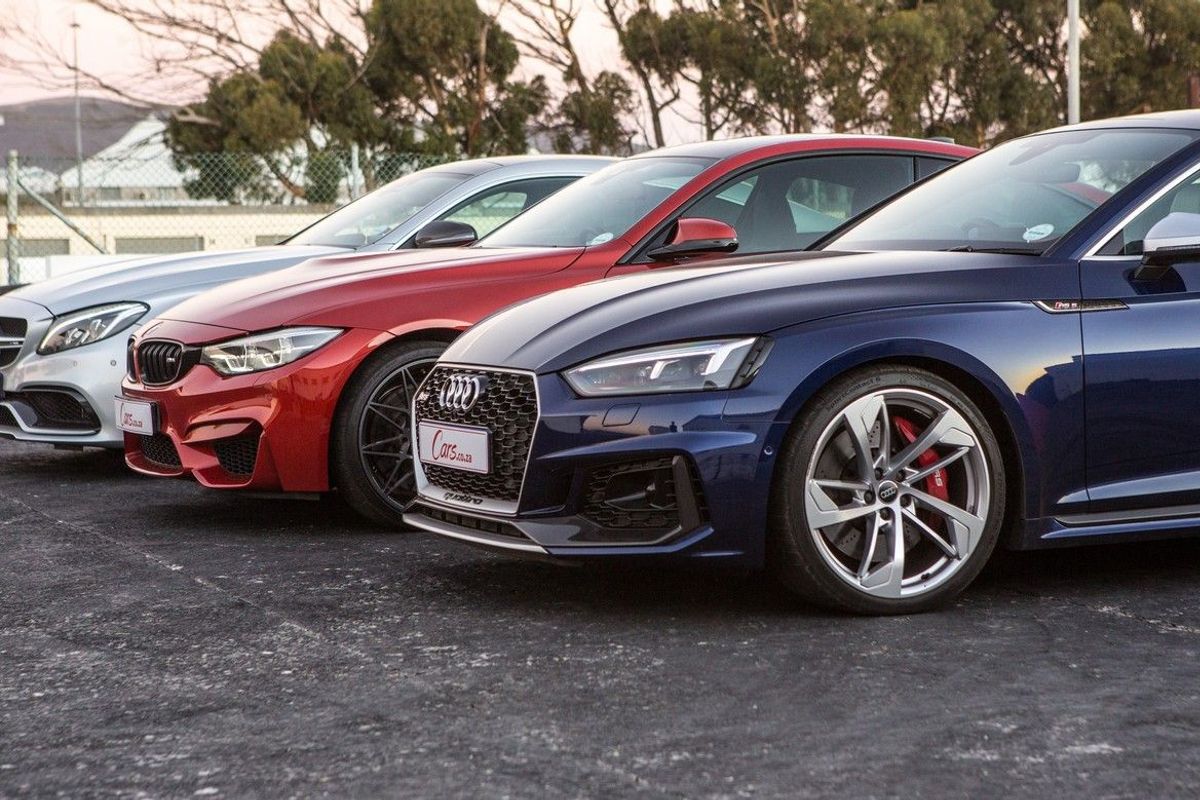
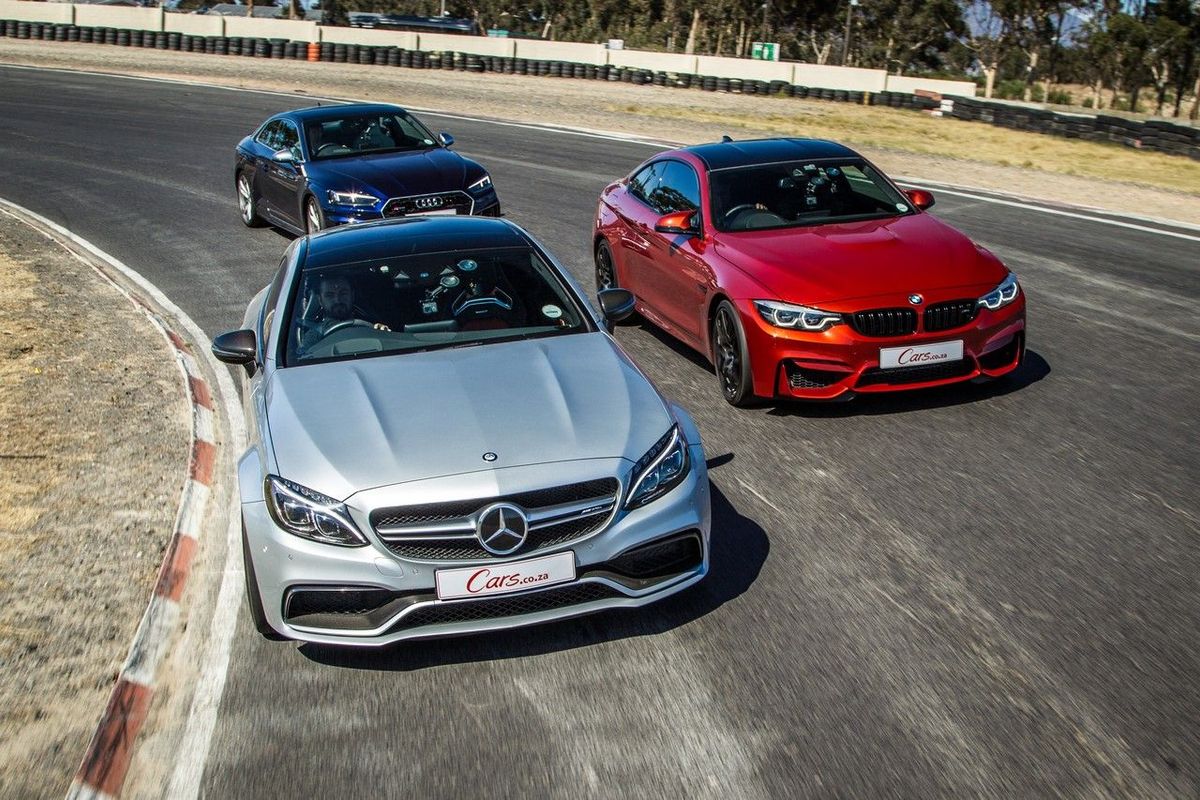
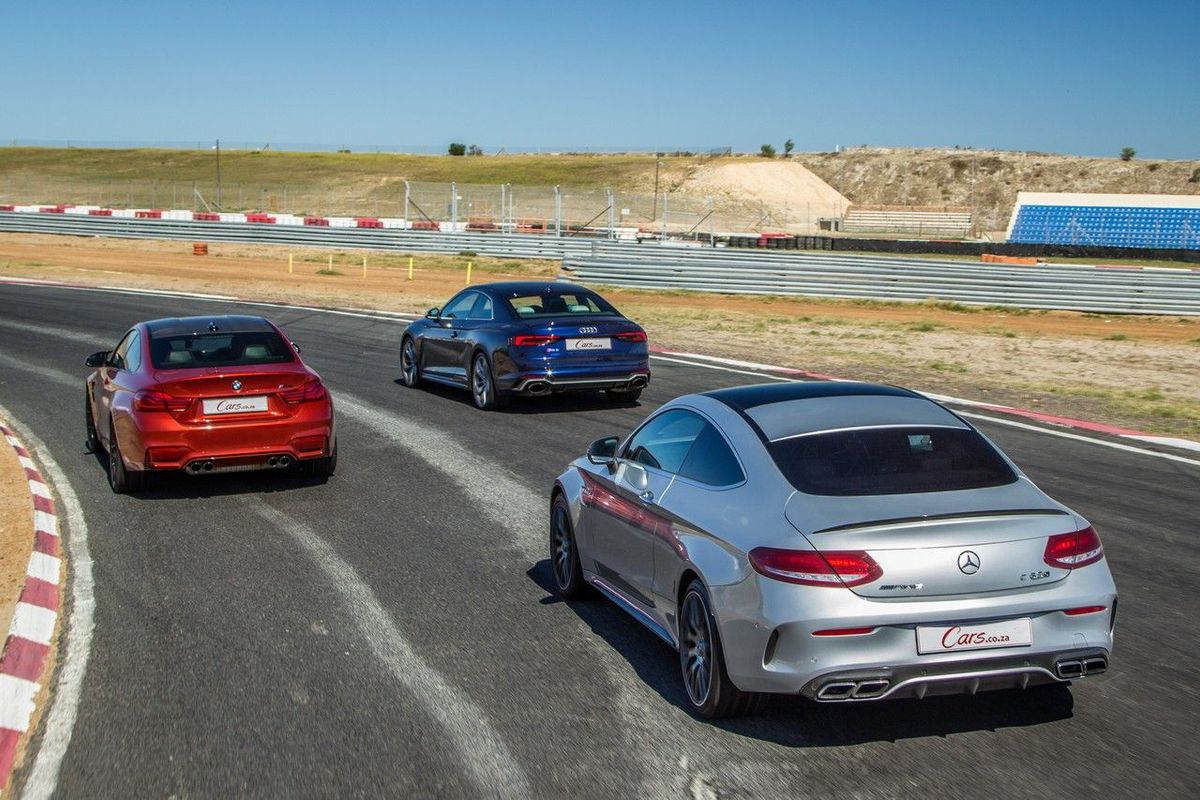
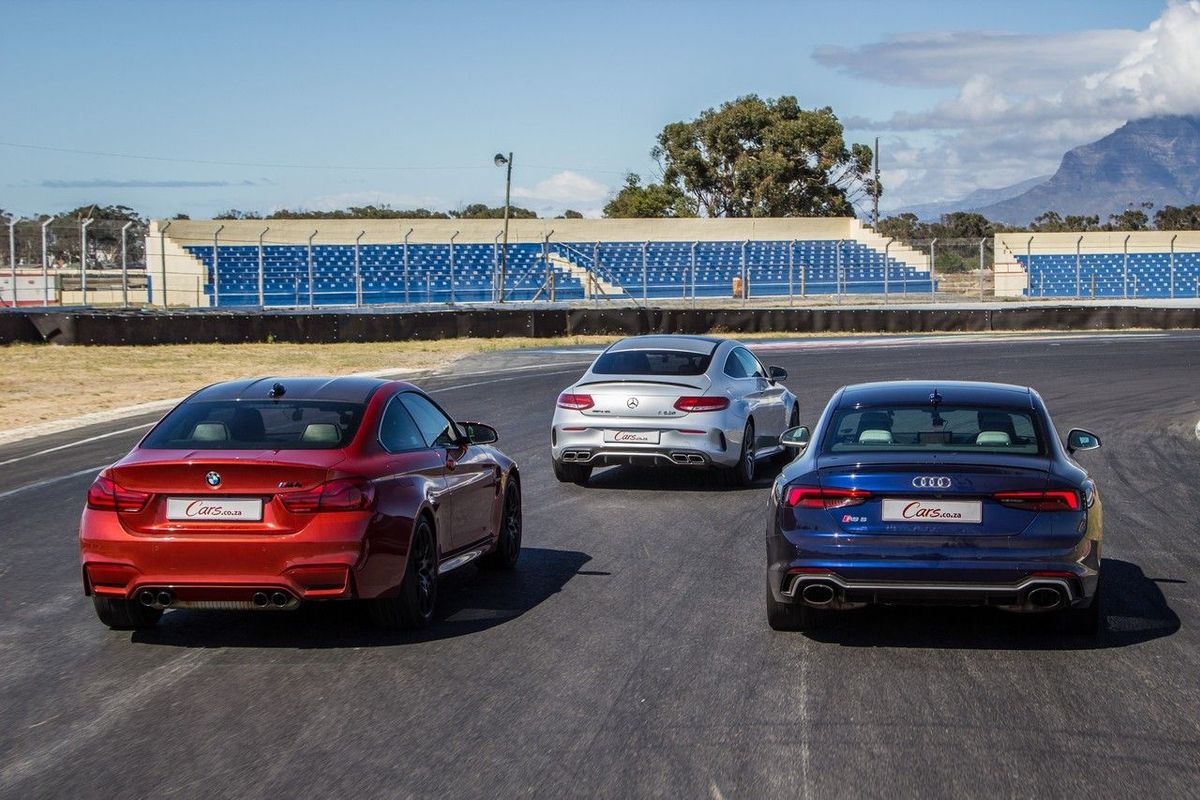
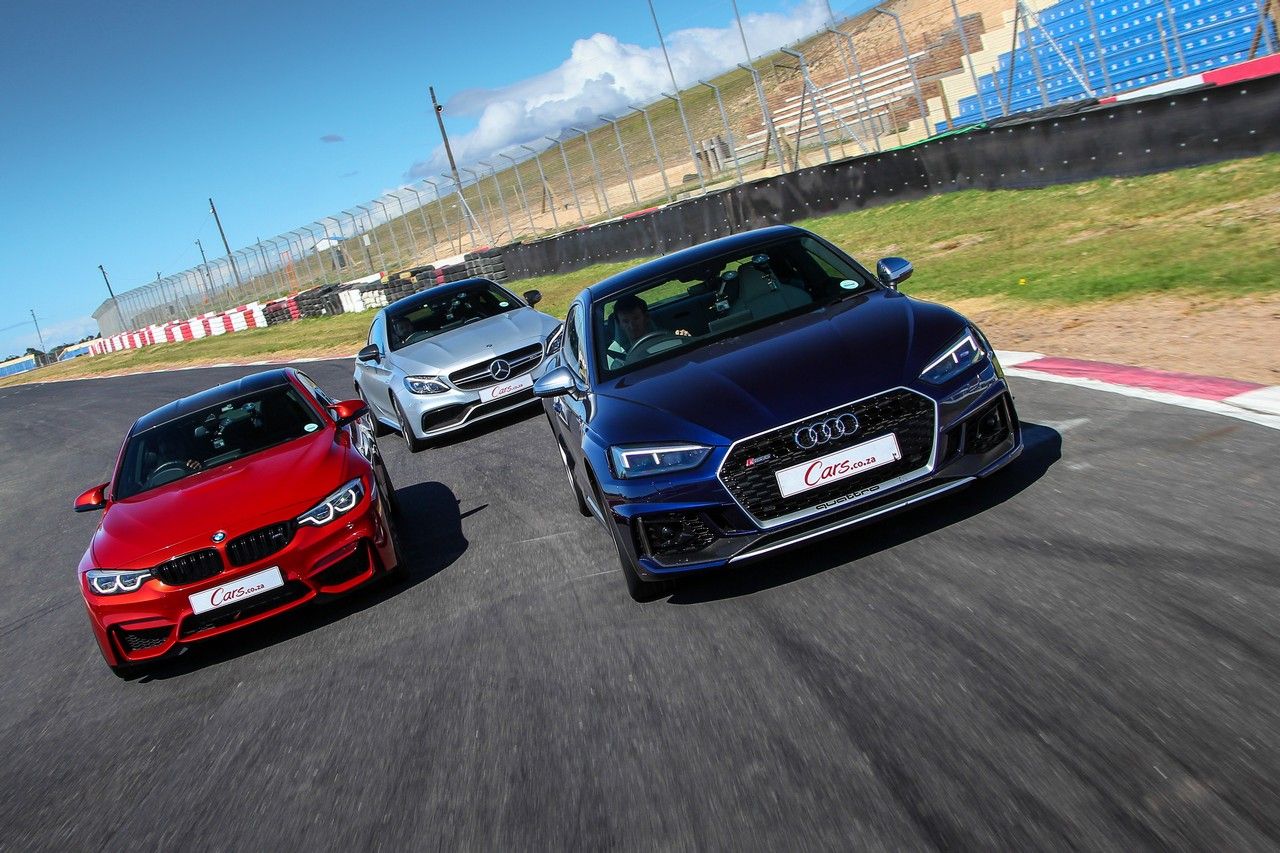
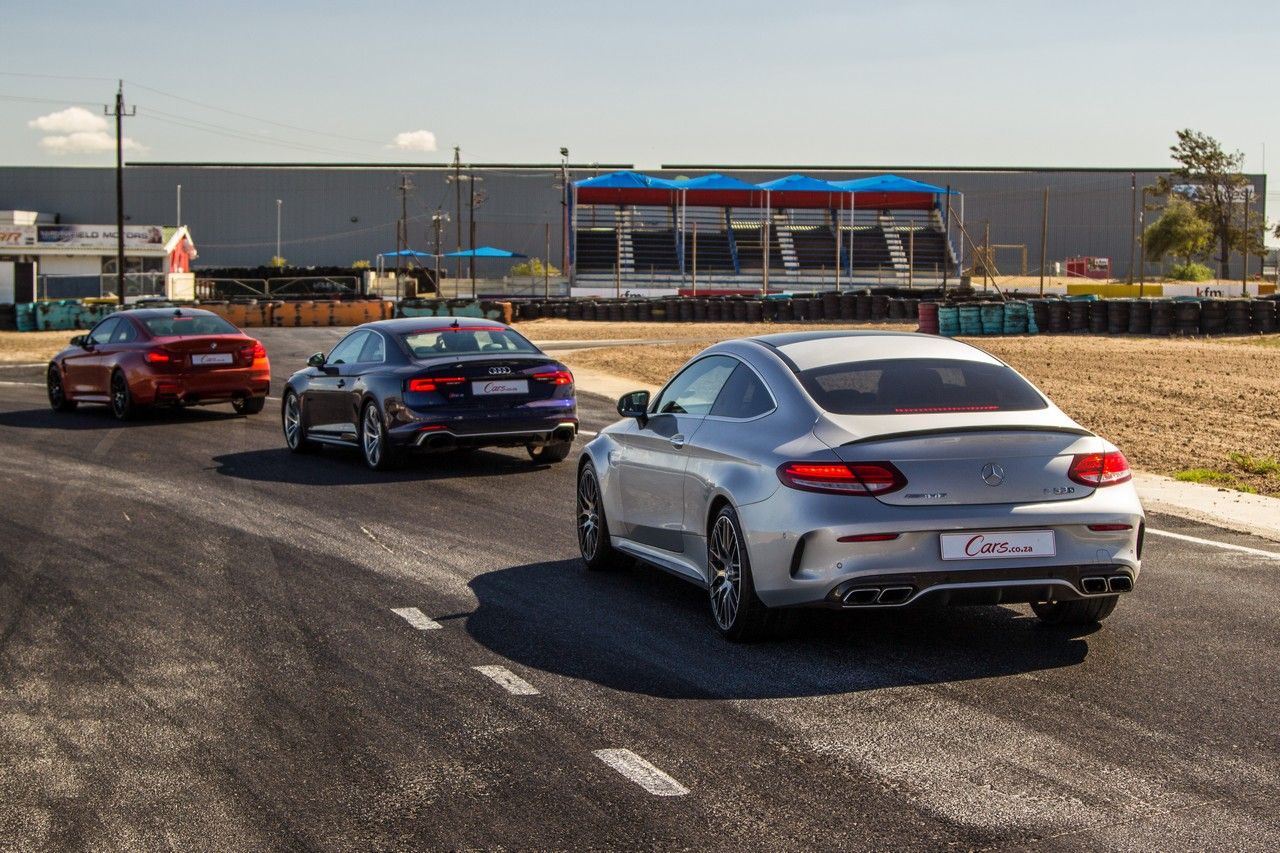
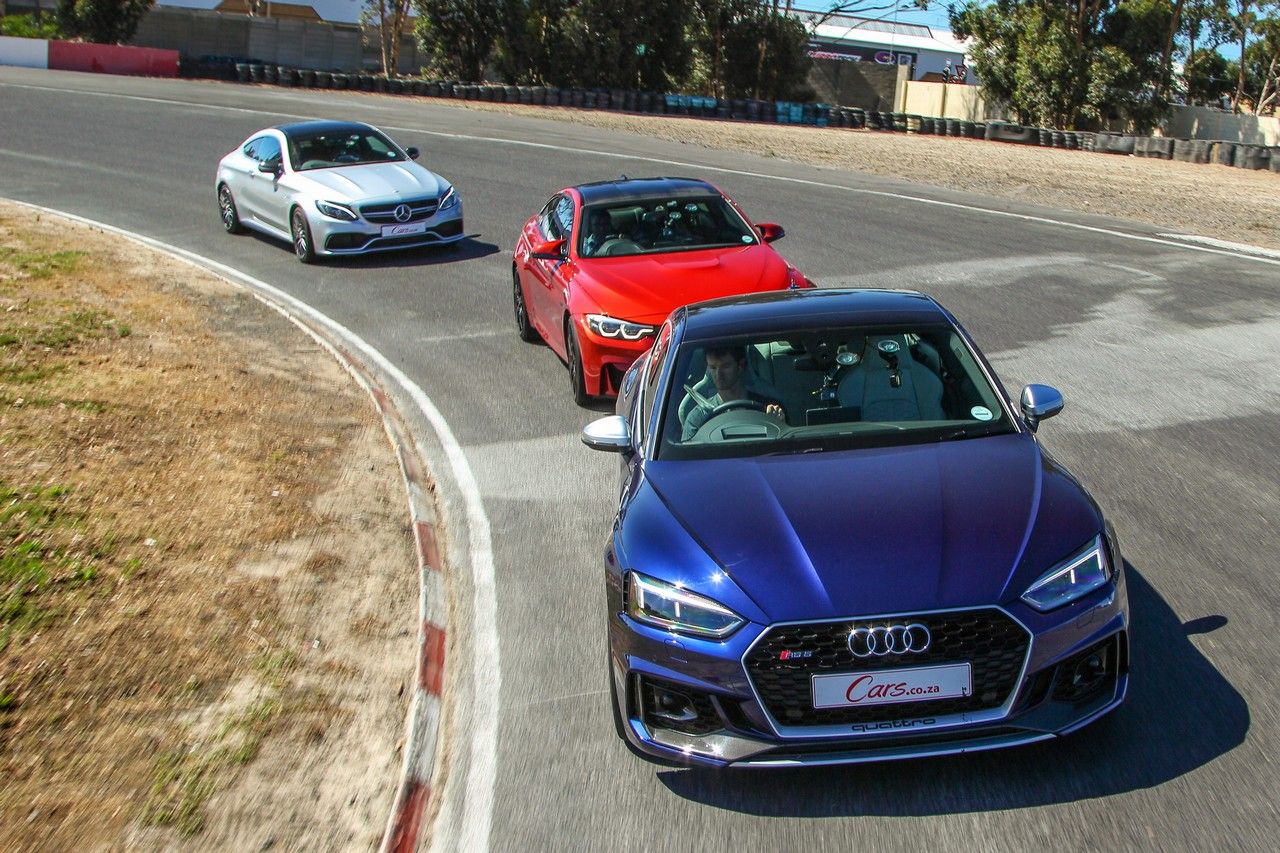
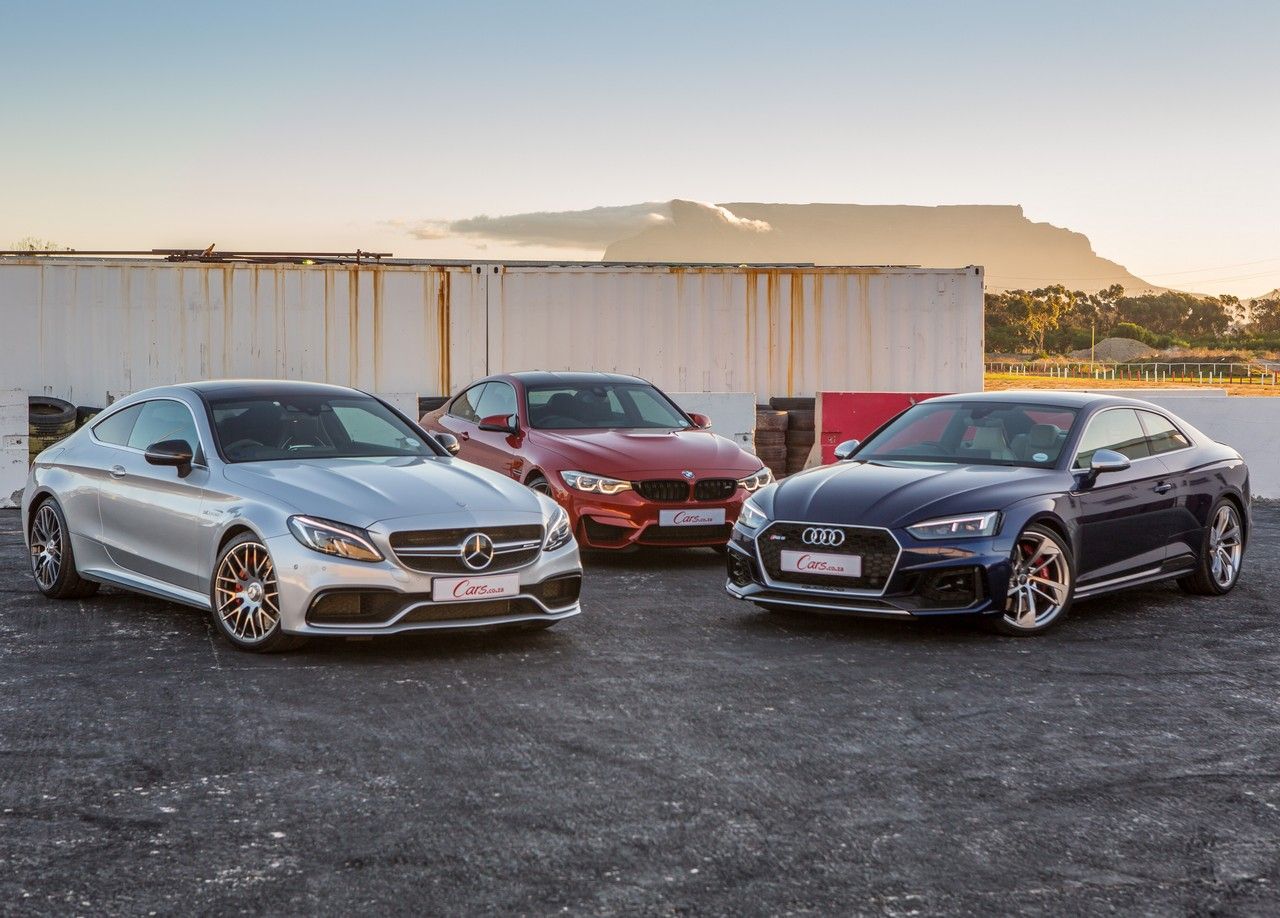
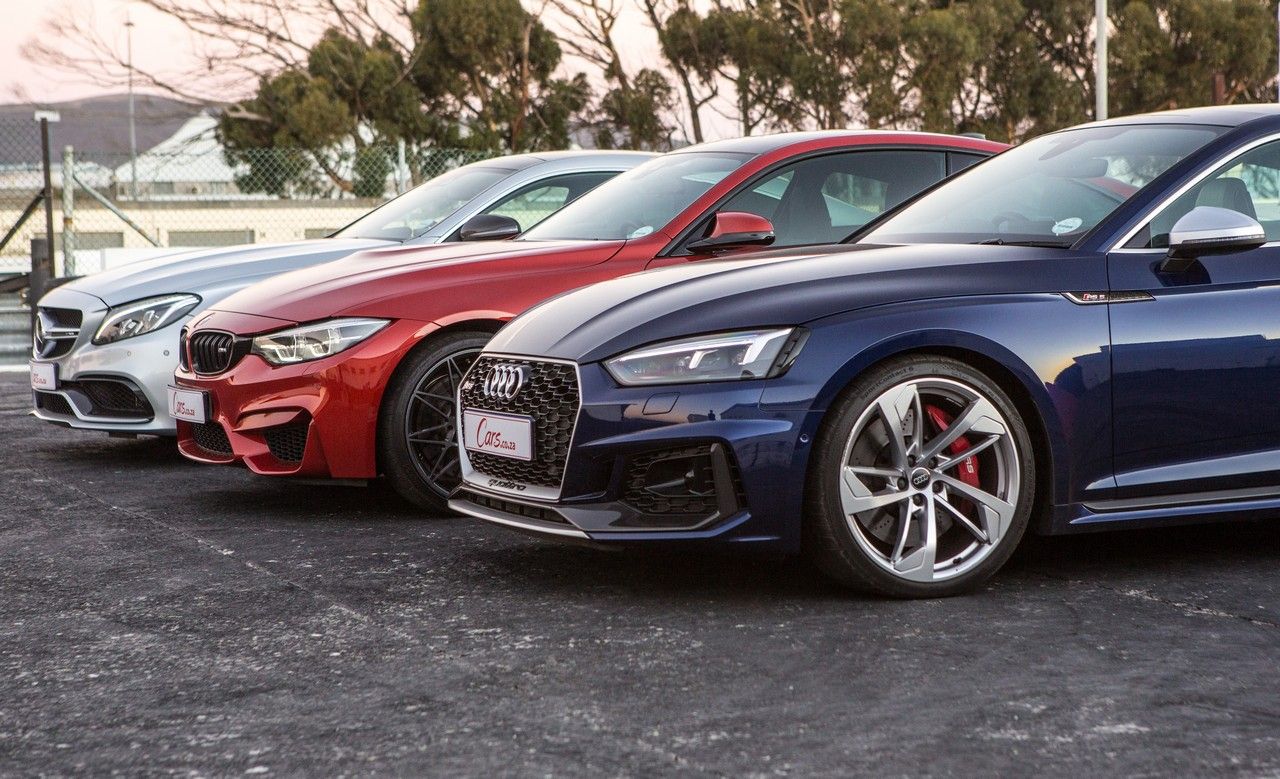
In the world of business class high-performance coupes, this trio rules the roost. Audi has the newest car and Benz the oldest (but most powerful) and BMW has added a Competition Pack to bolster the M4’s credentials. Which is best? We find out, on road and track.
Quick Specs
Audi RS5 Coupe
BMW M4 Competition Pack
Mercedes-AMG C63 S Coupe
Price
R1 285 500
R1 448 636
R1 519 246
Power/Torque
331 kW/600 Nm
331 kW/550 Nm
375 kW/700 Nm
0-100 kph
3.9 sec
4.0 sec
3.9 sec
Fuel consumption
8.7 L/100 km
8.3 L/100 km
8.9 L/100 km
Weight (claimed)
1 655 kg
1 585 kg
1 725 kg
Setting up
With each generation of these coupes, their engines develop more power, their suspensions become more adaptable and the electronics that allow these performance machines to corner at ever-loftier limits evolve further. The only thing that seems to go backwards is steering feel. Oh, how we miss a simple rack-and-pinion steering setup with hydraulic – as opposed to electronic – assistance.
Nevertheless, what we’re left with are 3 cars capable of dispatching 0-100 kph sprints in 4.0 seconds or less, achieving top speeds limited to 250 kph (or 280 kph, in the BMW’s case) and endowed with an endless array of settings and buttons so that their drivers can dial in the perfect driving experience for every circumstance.
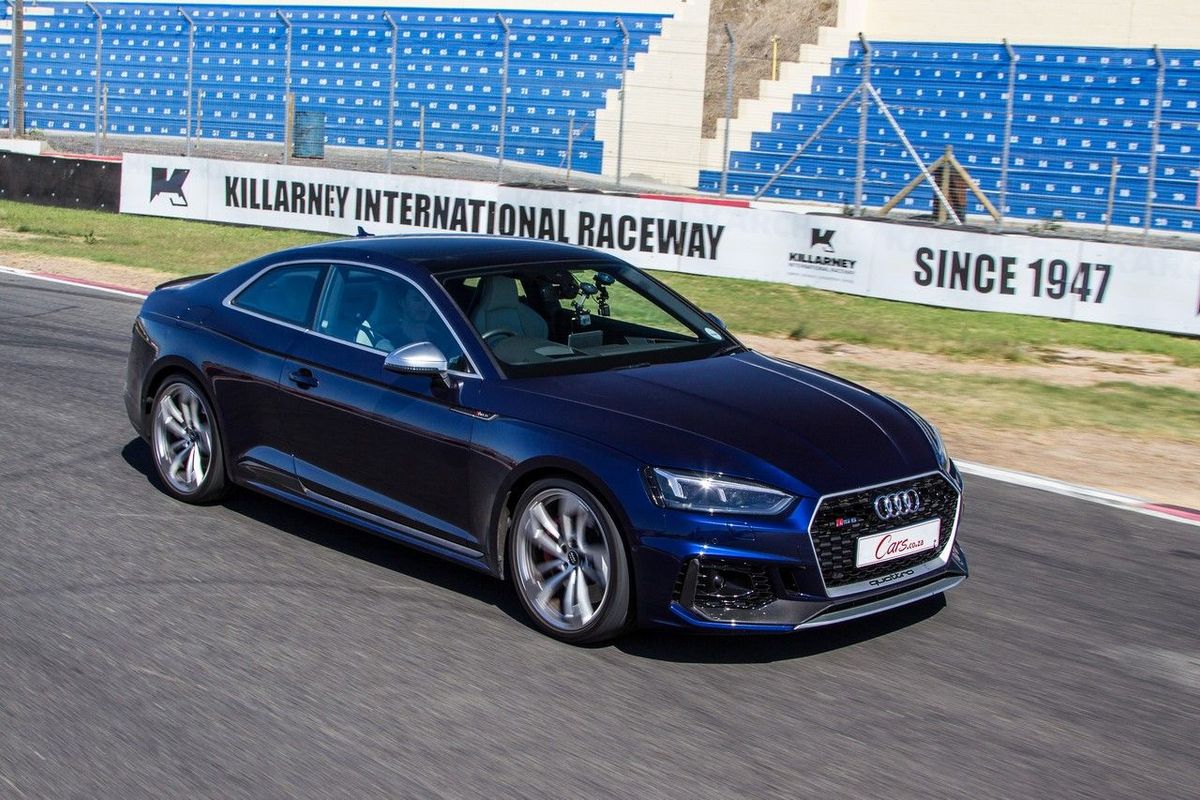
We start with the Audi. Why? Well, because A is the first letter of the alphabet. The RS5 is brand new, having been launched in South Africa at the end of 2017. It’s underlying chassis, from the A4, has improved its handling prowess and reduced some of that notorious understeer that front- and all-wheel-drive Audis seem to be perennially saddled with. Under the bonnet is a Porsche-developed 2.9-litre V6 twin-turbopetrol with peak outputs of 331 kW and 600 Nm of torque, and thanks to its quattro drivetrain, the RS5 is claimed to get from standstill to 100 kph in 3.9 seconds (which matches the Benz's stated time). Now with its smaller engine (previously it was a V8), the Audi is 60 kg lighter than before (most of the heft has been reduced at the front end), which should make it a little more pointy and agile on turn-in.
Each with over 300 kW and nothing slower than 4.0 sec to 100 kph.
Audi has also selected an 8-speed torque converter transmission for the RS5; no dual-clutch gearbox here (as fitted to smaller RS cars)… just a good old-fashioned auto. Torque converters have come a long way in terms of 'shift responsiveness' and, besides, they deal with higher loads of torque better than dual-clutch ‘boxes.
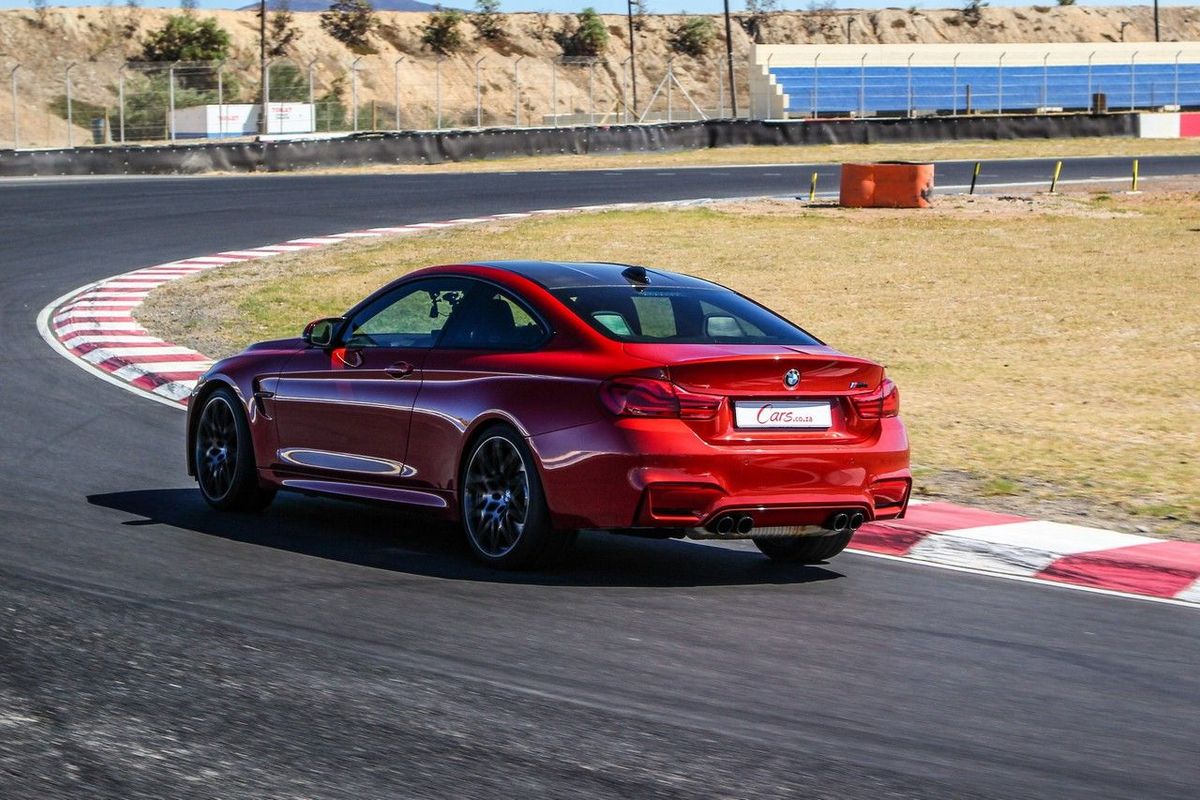
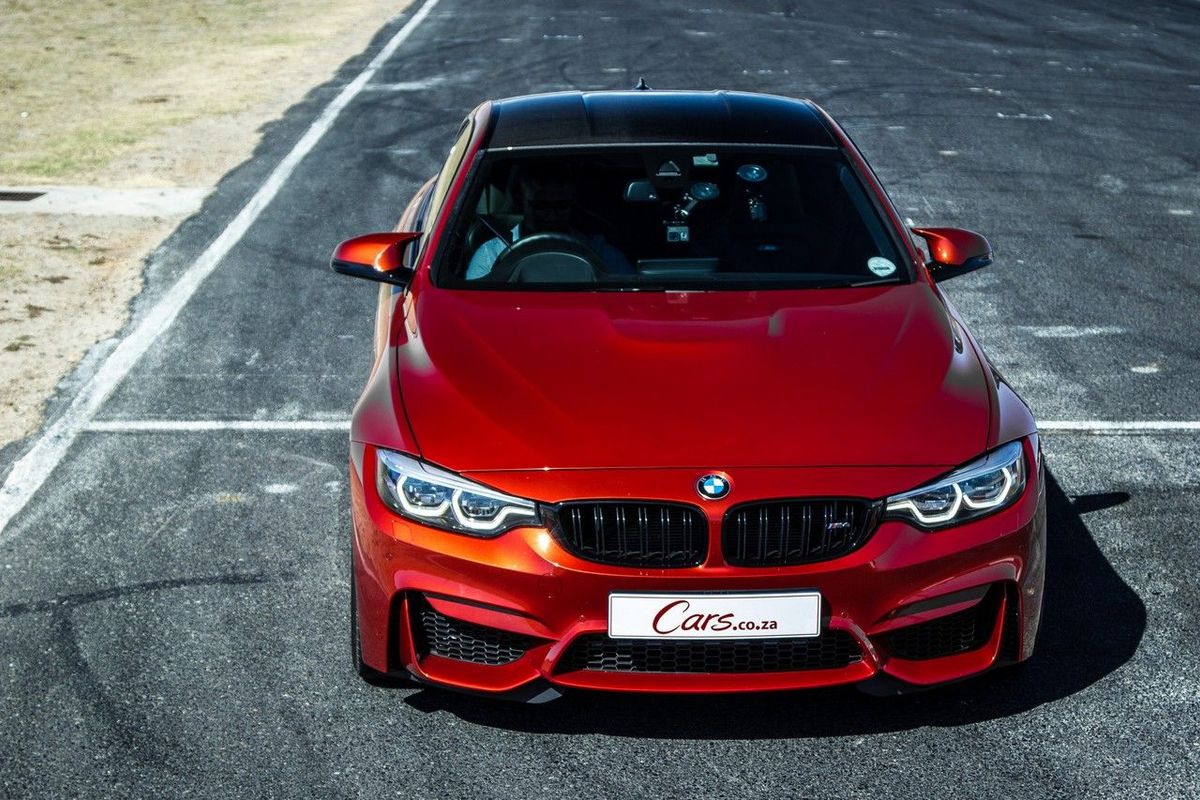
Next up is the BMW. The Competition Pack adds R135 000 to the standard M4 Coupe in order to tailor its handling and performance characteristics for track use. Power is increased from 317 kW to 331 kW and torque remains unchanged at 550 Nm. 0-100 kph is clocked in approximately 4.0 sec and the top speed's upped to 280 kph. The Competition Pack includes firmer suspension, thicker anti-roll bars, adaptive damping, a front splitter tuned for downforce and a rather grumpy performance exhaust.
The M4 Competition Pack uses a 7-speed M-DCT gearbox, which is a dual-clutch unit equipped with launch control and 3 selectable settings: for the speed at which the gearbox selects the next gear (up or down), throttle response/engine performance and suspension firmness.
The Benz's coupe lines and shouty exhaust attract the most attention, whereas the Audi goes about its business in a subtle way.
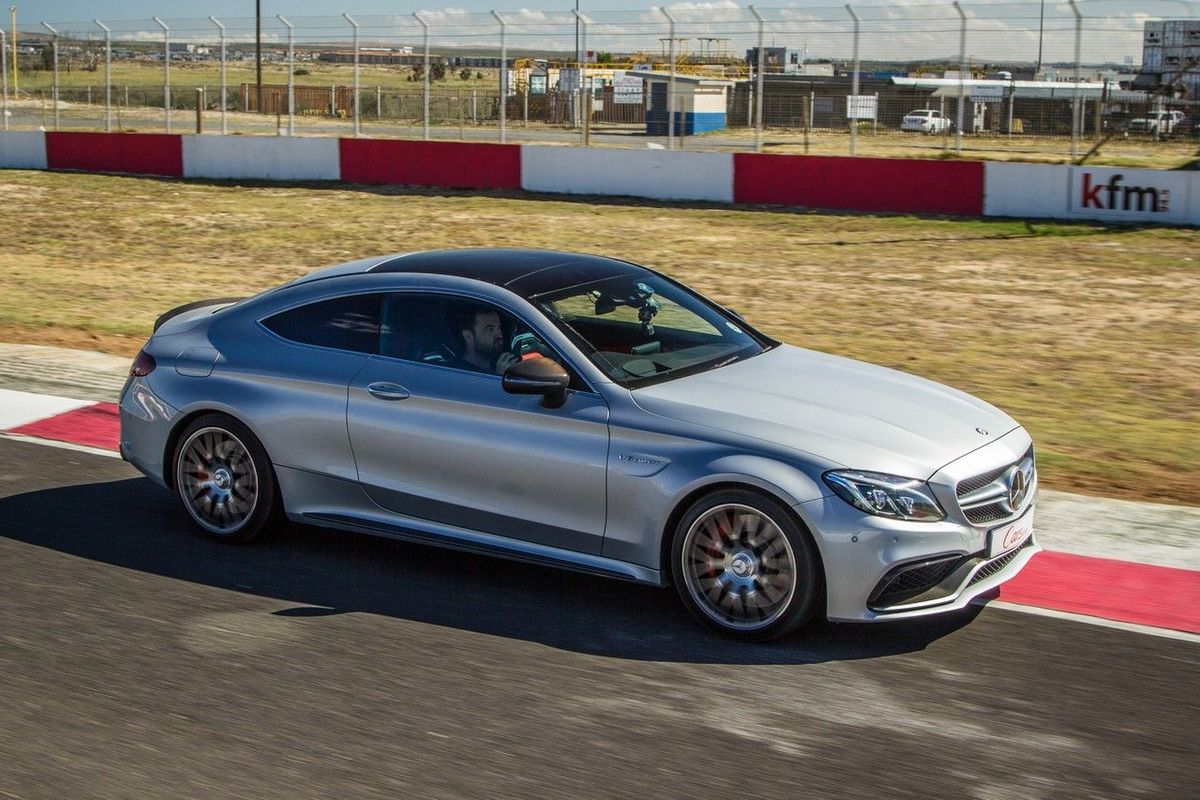
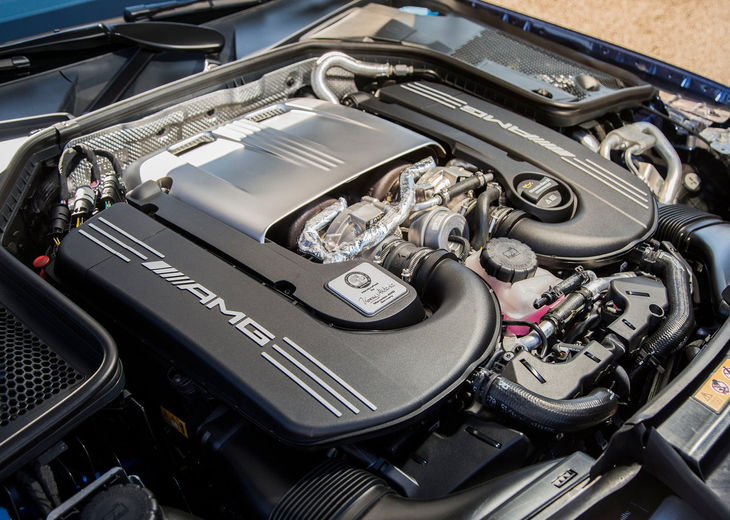
Finally the Mercedes-AMG. The C-Class chassis isn’t holding up in its old age (at least as well as we had hoped), but in true Mercedes-AMG fashion, the Affalterbach-based firm has lopped in a thumping 4.0-litre twin-turbo V8, which is the most powerful unit in this comparison. Lofy outputs of 375 kW and 700 Nm are directed to the C63 S' mechanical limited-slip rear differential and, conditions permitting, the Benz will do its utmost to catapult from 0 to 100 kph in 3.9 seconds, going on to a limited top speed of 250 kph. It’s the heaviest car here (by around 75 kg), so that may drown out its power advantage somewhat.
Doing the shifting is a 7-speed dual-clutch box with a race start mode and a traction control deactivation button that should only be pressed by either foolishly brave… or especially talented/experienced drivers.
The drag strip
Drag Race 2
Judging by the claimed numbers and previous history of our drag races, we expected the Audi to walk it and the BMW and Mercedes-AMG to be relatively close with possibly the Benz’s stronger engine helping it towards the end of the strip.
Ambient temperature was around 20ºC and, as usual, the Killarney surface was slippery around the start area of the quarter mile run. Yet more of a headstart for the Audi and its quattro system, right?
When lining up the Audi against the BMW, in a theoretical fastest vs slowest match-up on a slippery surface, which, in theory, should favour the all-wheel-drive coupe from Neckarsulm, things became confusing. The BMW has a very specific launch control system that’s extremely finicky, but if you get it right, you can adjust the rpm at which it launches with the cruise control switch. This wasn’t working, so we had to launch the Bimmer at a crazy 4 000 rpm.
In a drag race, we suspected the Audi would win followed by a tough duel between the M4 and the C63 S.
Go! The BMW immediately fights for traction, laying down rubber from its 20-inch Michelin Pilot Super Sport tyres. It squirrels its way down the strip hunting for grip before firing off a gear change that only upsets the balance, further loosening the rear end and introducing some sideways momentum. The Audi, despite cleanly launching off the line and not having to fight for traction, is only a half a car length ahead… This could be a close one. Finally, the BMW gains full traction midway through second gear and the fight is on for the finish line. Whatever BMW uses to measure the power on this M4 Competition Pack, it’s inaccurate and it should probably be tossed in the bin. The M4 mercilessly reels in the Audi as if the latter's a family hatchback, and dispenses with it by over a car length by the time the 400 metres is done.
It’s no fluke either, the BMW consistently beats the Audi and then decimates the Mercedes-AMG in the same fashion. The more rubber that goes down, the bigger the gap at the end of the quarter mile!
The V8 lurking under the bonnet of the C63 S. Still abides by the 1 man 1 engine rule at AMG.
The C63 S, by comparison, is a pain to launch off the line. Despite launch control, you still have to fiddle with the traction control settings to find out which setting is best for the current conditions. With traction control fully off and launch control engaged, the AMG performed the perfect burnout – it didn't move for 5 or 6 seconds as the competition made a break for it. The Benz is wild, untamed and an utter handful. When it eventually made a decent launch, the C63 S ran the RS5 close right up to the finish line; it clawed its way back to draw level with its rival, before ultimately passing it with a few metres to spare.
A proper upset for the books: The BMW romped to an easy win, with the Benz second and the Audi last. We were beginning to think someone had sent us a dud RS5.
To the track
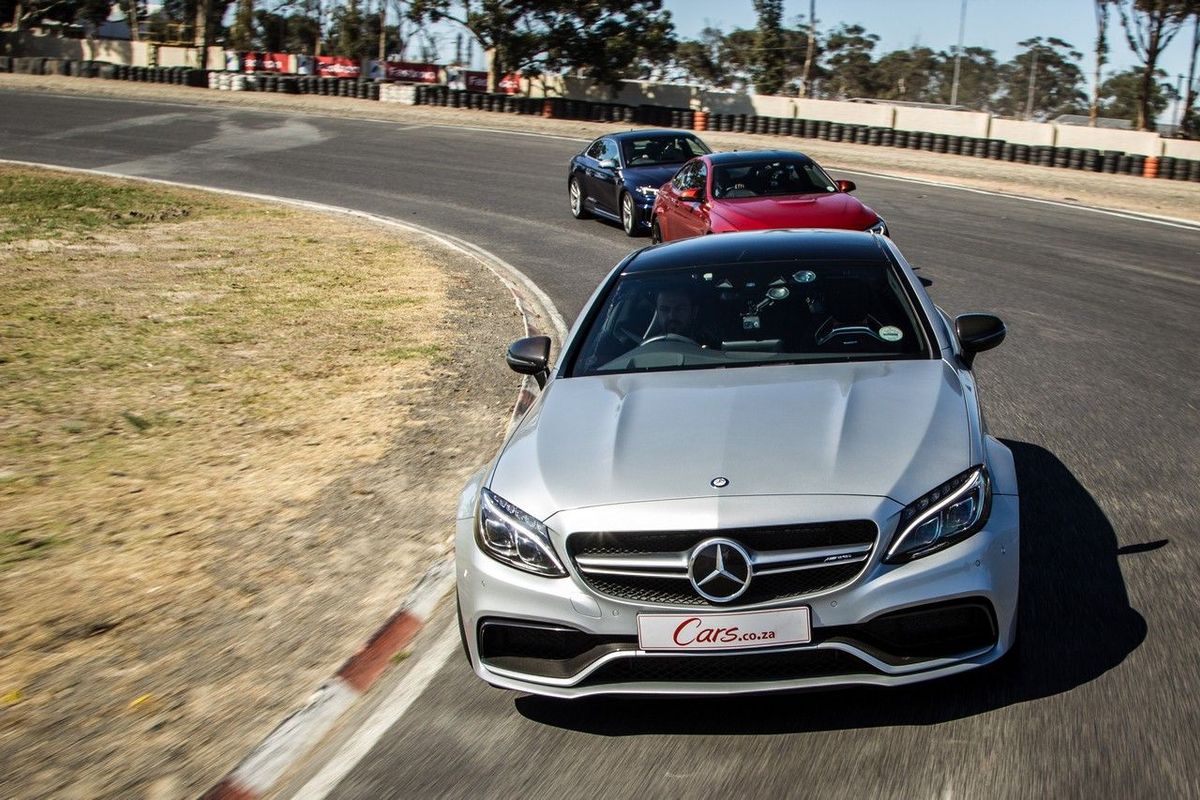
With the drag race results upsetting the order of things, the track results seemed a foregone conclusion. The BMW was sure to use its Competition Pack’s handling benefits to extend its margin over its countrymen.
With the temperature starting to creep up to the high 20s, the Audi was first to set its lap. The lightened front end of the RS5 has definitely improved turn in and front end responsiveness; the Audi feels quick to head into an apex and there’s even a hint of lift-off oversteer as you feather the brakes into an apex. Once into the apex, the RS5 is typically controllable. It’s all about spotting the exit and nailing the throttle; there's no need to worry about traction – the quattro system keeps the 600 Nm in line.
The RS5 is surprisingly agile on track with a nimble front end. There's a lot of body roll however when you throw some lateral G its way.
The RS5 does have a substantial amount of body roll as it tips into a corner, you can see this from the sidelines or as you follow it around a bend, the gap between the wheel and the arch is huge, it’s almost comical how much the RS5 leans, but it manages the yaw well. This is one of Audi’s most dynamic-feeling cars in a long time.
BMW’s M4 Competition Pack barks to life by virtue of its louder and tinnier exhaust pipes. Set traction control all the way off, gearbox ferocity to maximum, engine into sport plus mode, along with the suspension and steering in comfort. Any more than comfort on the steering and it just feels too darn heavy and artificial.
Competition Package of the M4 turns the wick up on the engine. It ups power from 317 kW to 331 kW – the equal of the Audi.
On anything but sticky new rubber the Competition Pack M4 is difficult to keep under control… it constantly wants to break away at the hint of a sharp throttle application. You sit much lower in the M4 than the other 2, the weight of the car is also lower, so it’s easier to feel what’s going on and it rolls less in the bends because of that. The lower centre of gravity makes it steady under hard braking and turn-in is precise and balanced. When exiting bends, things get tricky. You have to introduce the throttle carefully, cleanly and with small flexes of your big toe. You’re under constant threat that the rear is going to swing out and ruin a clean, precise lap. If you just want to have a wild time and slide the M4 about then it’s easy to hold a slide. What's more, excellent chassis feedback allows you to control long, drifty slides with the throttle.
As expected, the M4 Competition Pack dominated on the track. It has a twitchy rear but with a bit of throttle finesse, you can get a stellar lap out of it.
The AMG is the final car to complete a hot lap of Killarney. The engine needs to be given sufficient time to cool down as Mercedes-AMGs do tend to get hot and bothered on balmy track days, when they're prone to default into limp mode midway through a lap.
If ever there was a car that resembled a blunt weapon, it’s the Benz. It’s a sledgehammer in a straight line, but point it towards a corner and it has all the finesse of a burly front-row prop trying his hand at dancing in Swan Lake for the very first time! The centre of gravity is higher than in the BMW and you feel that when applying the power; the C63 S rocks from side to side as it scrabbles for grip and requires constant corrections through the wheel. Traction is hard to come by even when feathering the throttle in higher gears. This experience feels very old-school AMG and, unfortunately, galaxies removed from piloting that precision track tool that is the AMG GT-R. The C63 S was made to eat tyres, bellow white smoke and shout as loudly as possible. Do not apply within if you’re looking for a precise driving machine.
The brakes on the Merc were extremely good, considering it had to stop the most weight.
It’s no wonder that the BMW beats the Audi by nearly 2 seconds and the Benz by 2.1 seconds. Both the M4 CP and C63 S use their raw speed advantage down the straights to pull away from the Audi, which makes time up at the exit of corners because it’s able to get its power down easier than the rear-wheel-drive, tail-happy duo.
Back to the road
Track driving shows up every car’s limitations; it highlights aspects that everyday driving never would, but, then again, probably 99% of driving is done on the road at legal speeds and within a car’s limits. It’s here where the Audi is a class above the others: its suspension is more adaptable to a wider range of conditions, making the RS5 more comfortable for everyday use and, for quick spurts out of corners, there’s plenty of speed. Where it lacks a little, is in terms of the other 2's aural drama.
The BMW M4 in Competition Pack spec, with its firmer suspension and lower ride height, is much harsher during everyday use. It struggles on abrasive tarmac and when it traverses cat eyes at speed, it can feel like a wheel has fallen off. It’s not unbearable, but a long drive would test your patience in terms of road noise and bumpiness.
The Audi and Merc are more comfortable in an everyday road situation.
Meanwhile, the Benz's chassis is starting to feel a little dated. We praised the C-Class when it first arrived for its adaptable ride and classy cabin, but the game has moved on so much that neither its relatively pliant damping nor luxurious interior can be considered class-leading anymore. The interior creaks as you push and prod the panels and now feels a trifle plasticky compared to what's on offer in the Audi. The ride is firm – admittedly not as much as the M4's, but doesn’t quite match the RS5 for ultimate adaptability. The C63 S does have the most presence out on the road, it gets the most looks and its soundtrack, thanks to that sonorous V8, is most provocative.
Verdict
Judging by what you’ve read above, it would be easy to say the BMW is the winner. After all, it won the drag race and annihilated the others on track. It can be used every day, but there are some notable drawbacks, such as excessive road noise and discomfort on bumpy roads. The Mercedes-AMG is crazy; it seems it was let out of the looney bin so that it can bludgeon its way from 'light to 'light in a blaze of smoke, thunder and crackles from the exhaust pipe. It’s not a track car and it lacks the refinement for everyday use that the Audi has, but if it's entertainment you’re after, it’s certainly the one to have, just make sure you have a tyre sponsor signed up.
Each car has something different to offer, but the BMW remains the driving enthusiast's weapon of choice.
The track enthusiast’s choice is obviously the BMW, but where does that leave the Audi? It’s hardly slow, but it is solidly beaten by the Mercedes-AMG and BMW in a straight line. It’s not an awful handler on track, in fact, by virtue of a pointy front end and plenty of traction, it put in a track time that matched that of the Mercedes.
Ultimately, the Audi is the car you want to drive every day. It’s comfortable on long drives, in traffic and even when things get bumpy. Compared with ordinary business class cars, it's stupendously fast, yet doesn’t sacrifice everyday driving comfort… In fact, it feels like a grand tourer more than a performance coupe. Even if it lacks the visual and aural appeal of the other 2, it brushes them aside on build quality and interior appeal. If you can live without having the fastest track car, the Audi's the winner.
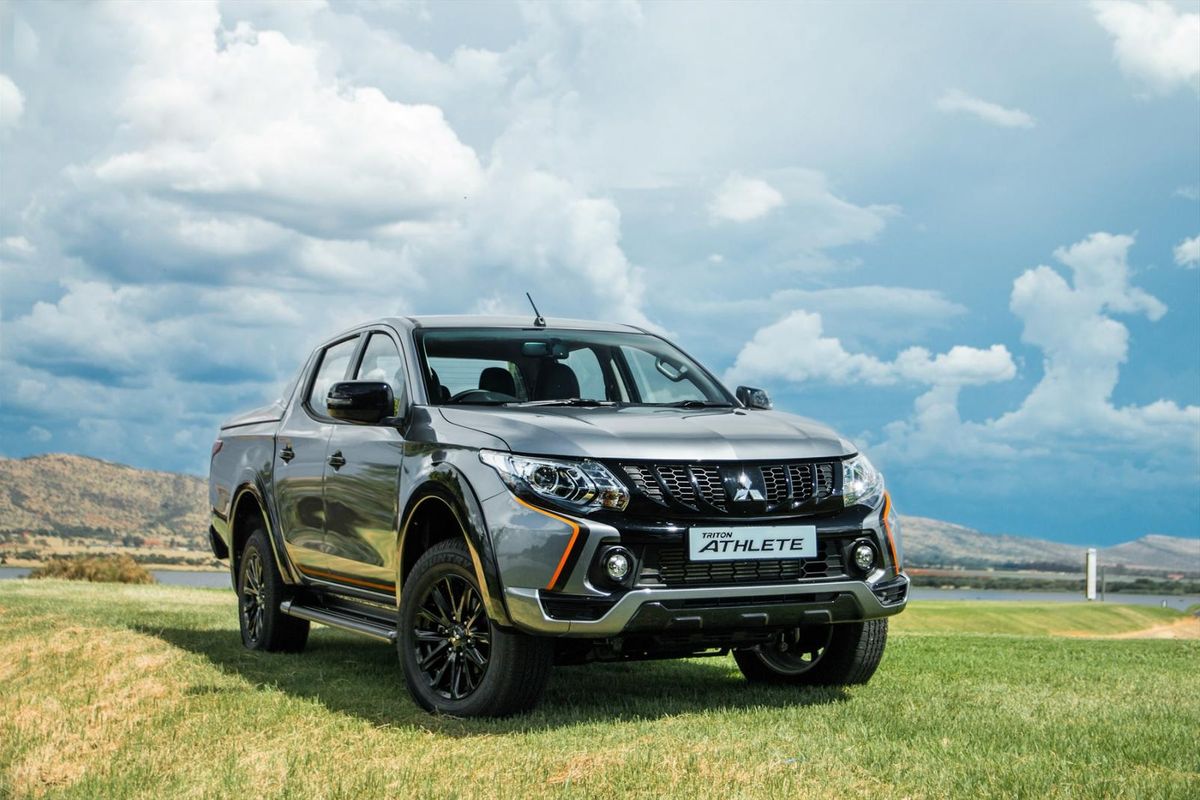
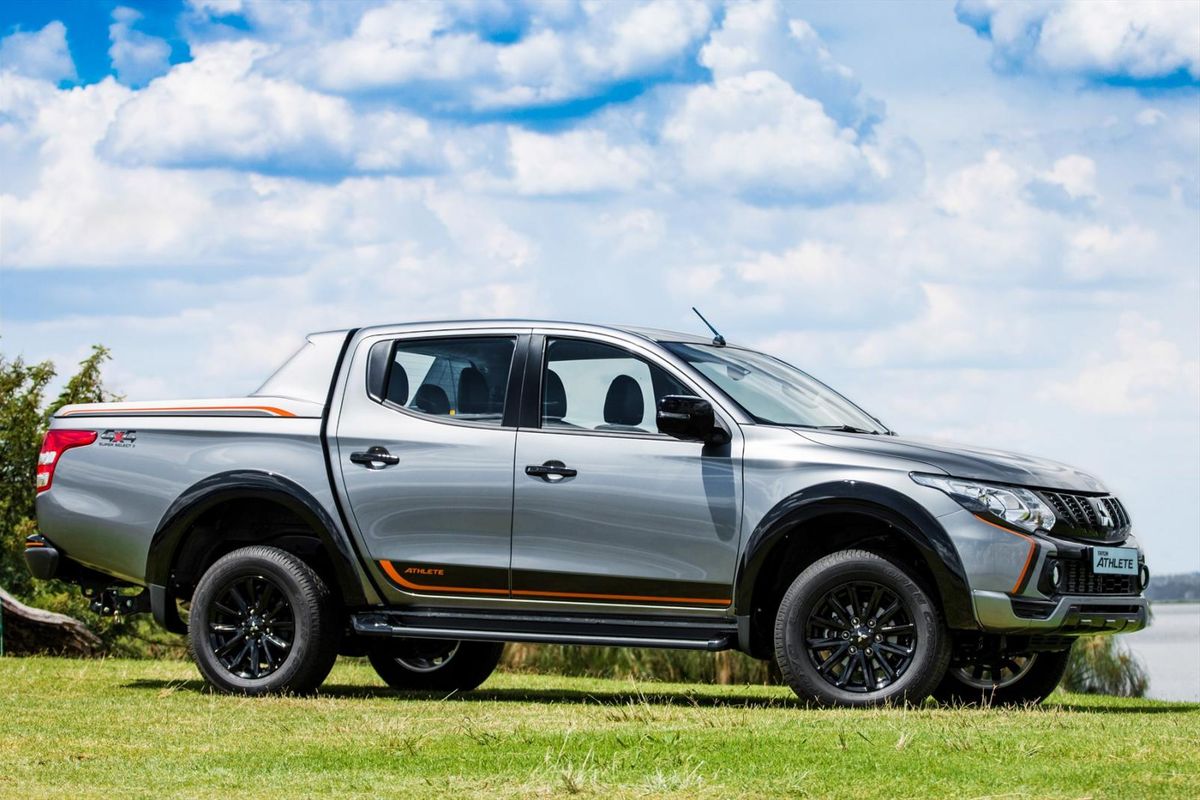
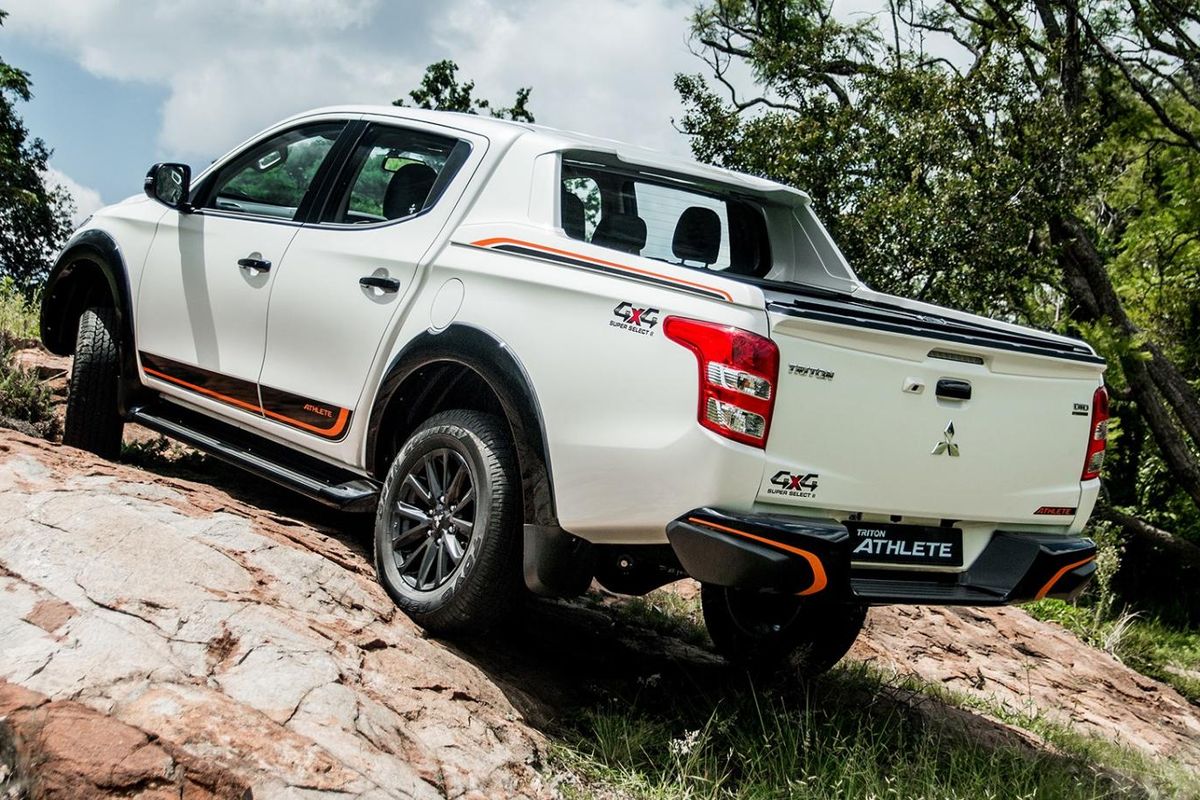
Mitsubishi is offering a special edition Triton Athlete in South Africa. Check out the details below…
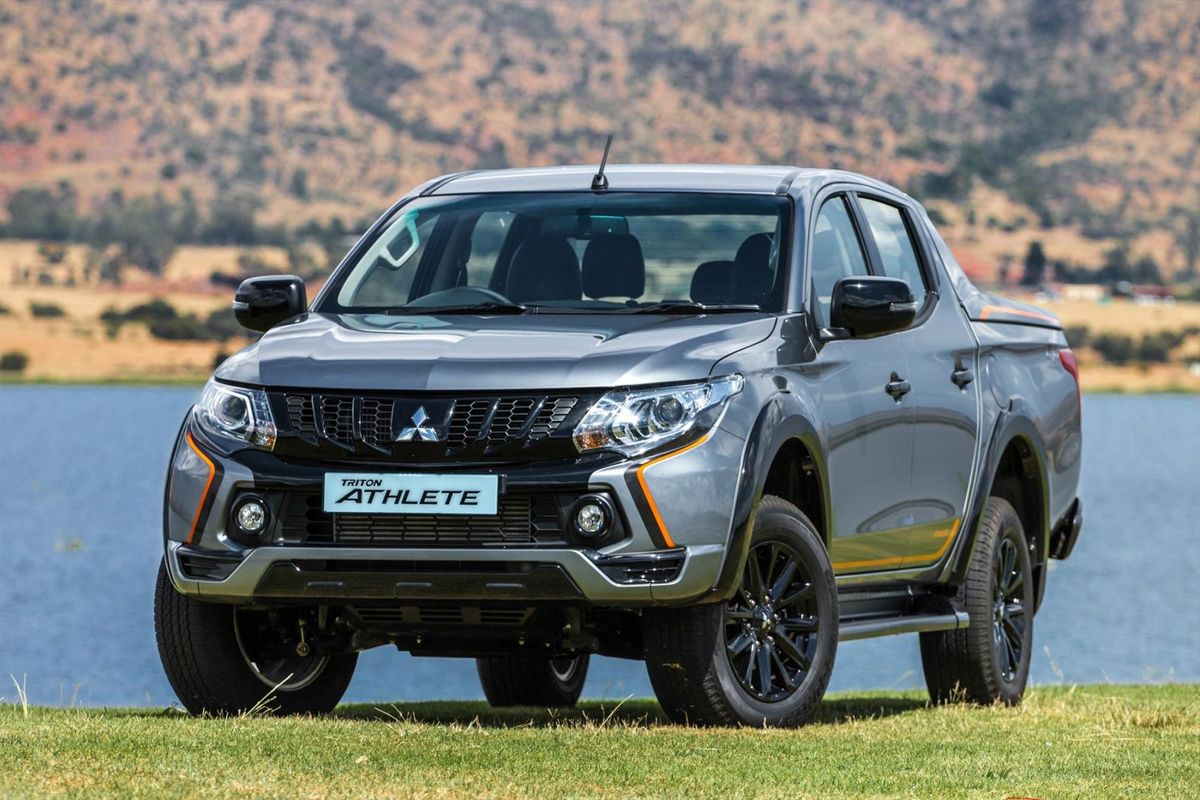
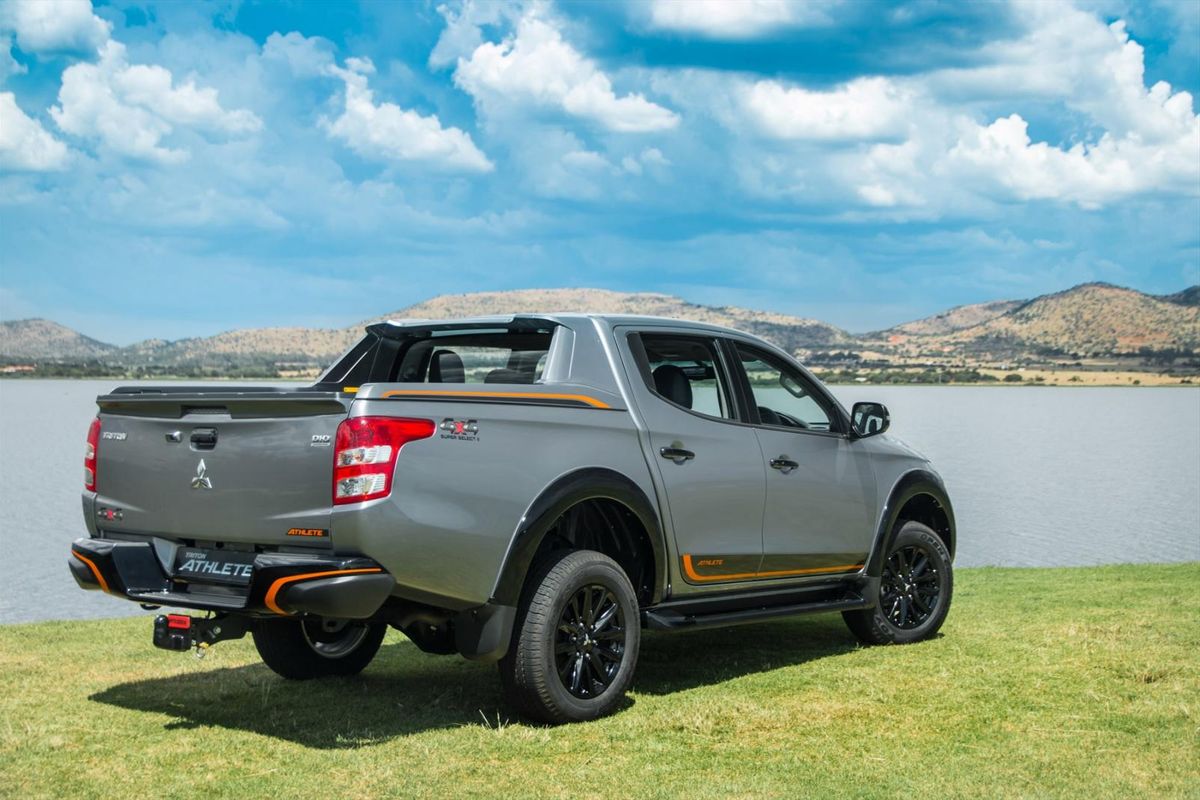
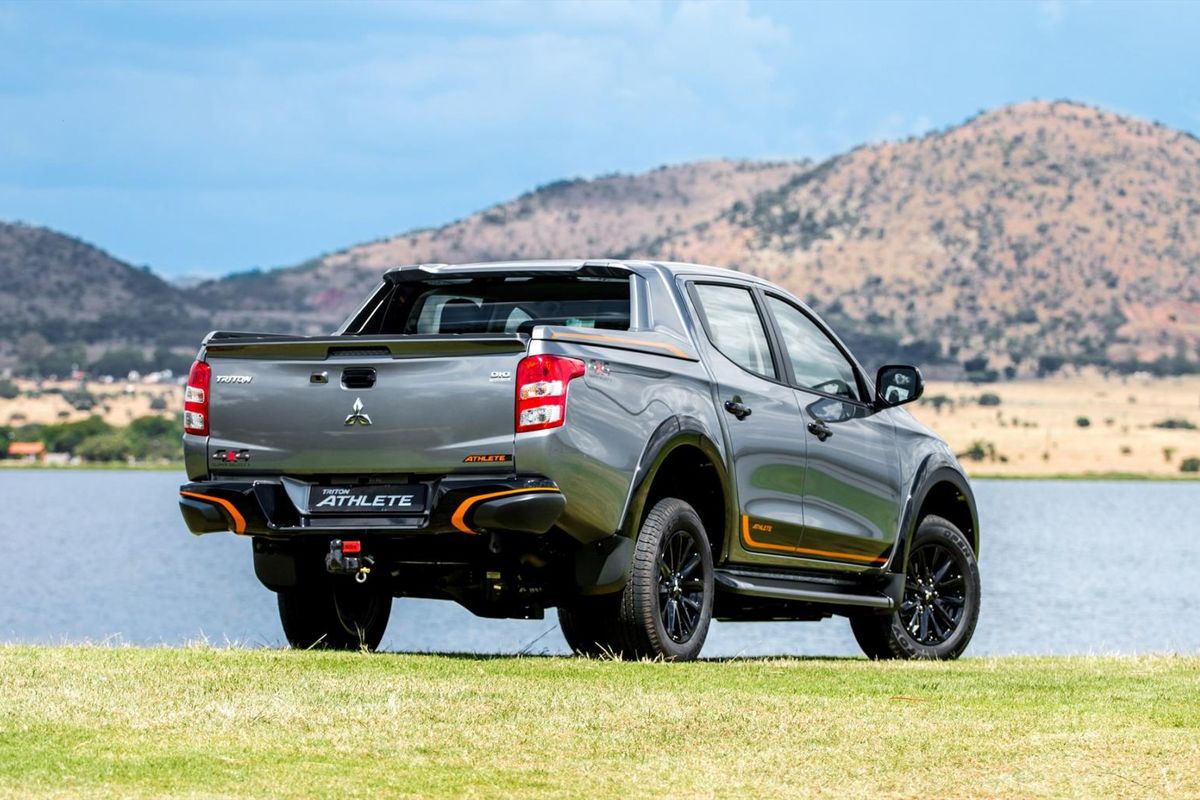
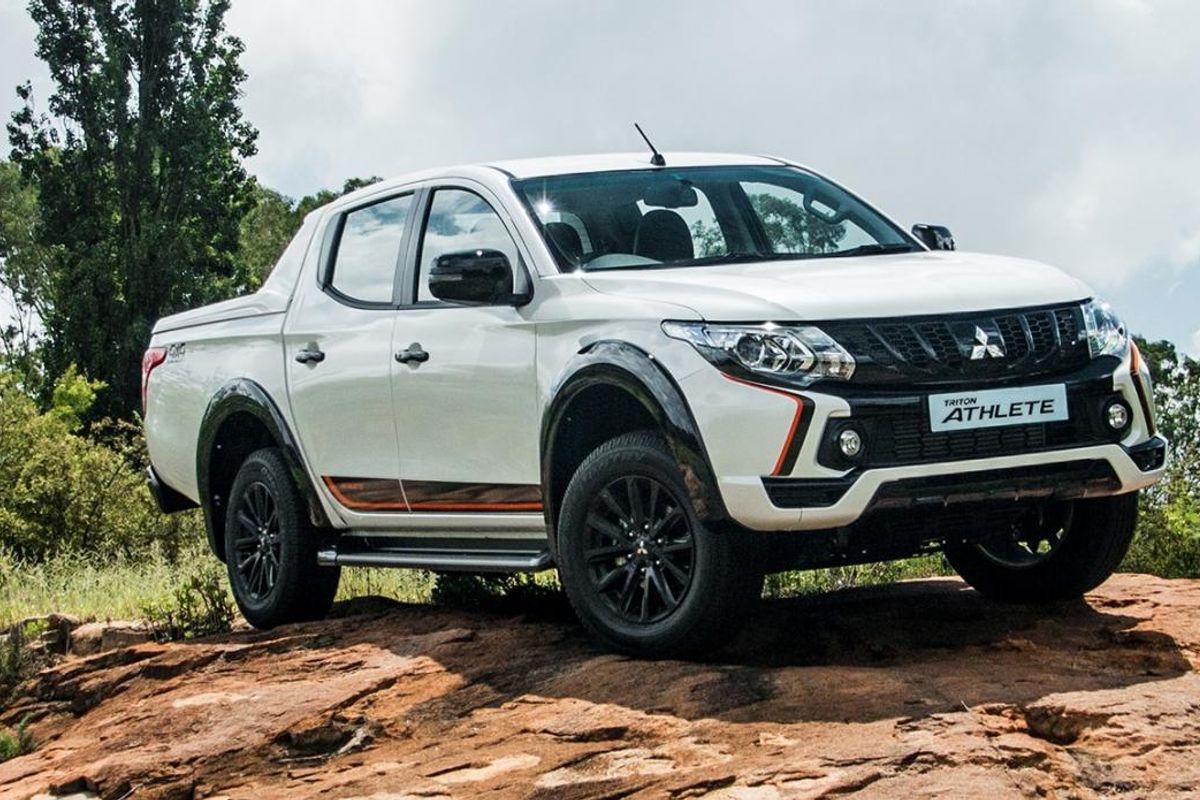
This special edition Triton athlete is based on Mitsubishi’s Triton 4×4 automatic and comes to market with flashy design details including a two-tone body kit with orange and black design details to give it a distinct look.
The Triton Athlete, which is imported from Thailand, rides on 17-inch black powder-coated diamond-cut alloy wheels and includes a sports bar, integrated tailgate spoiler and black mouldings for the side steps, exterior mirrors, door handles and bumpers. The Triton Athlete is available in White or Grey.
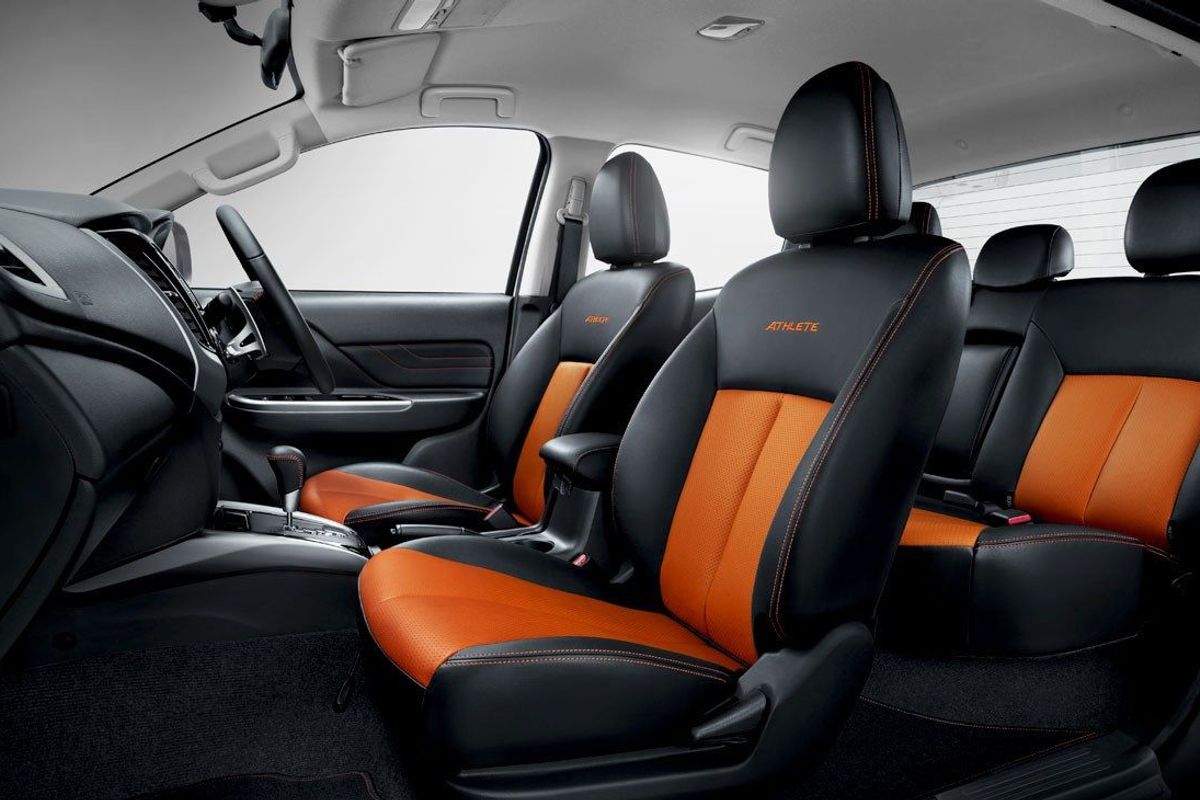
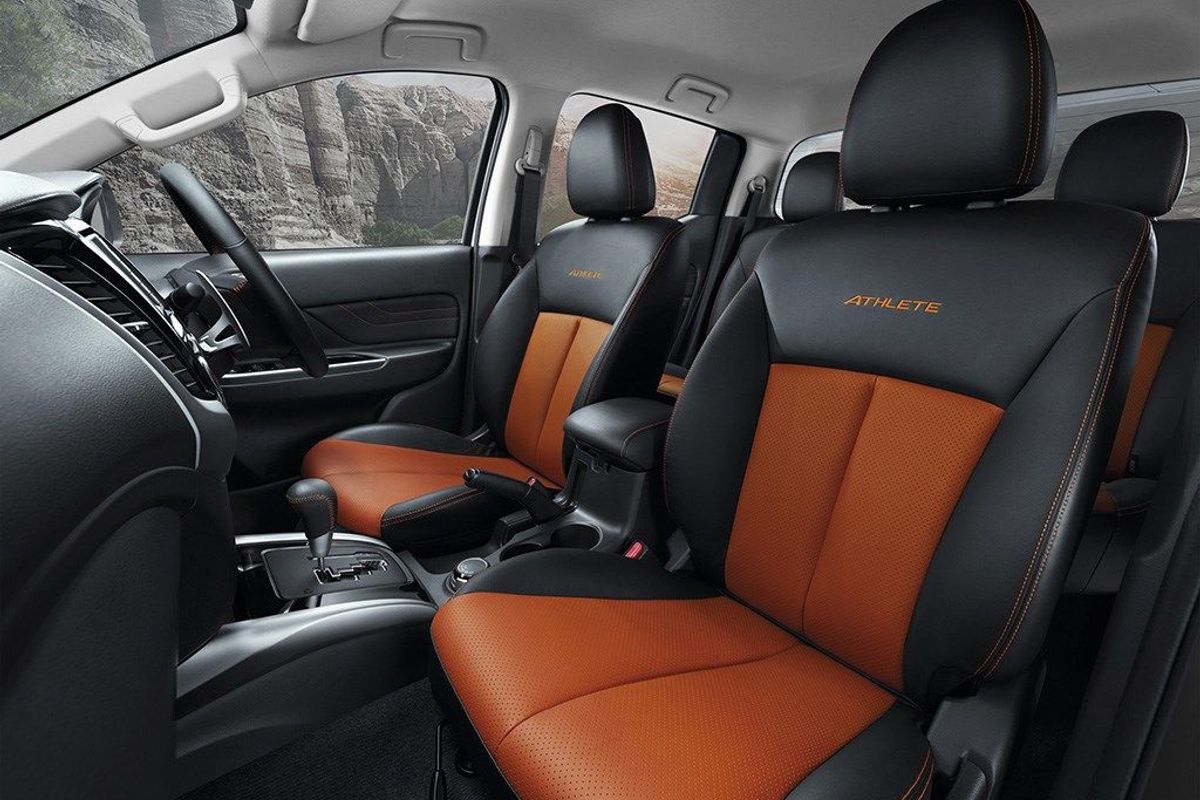
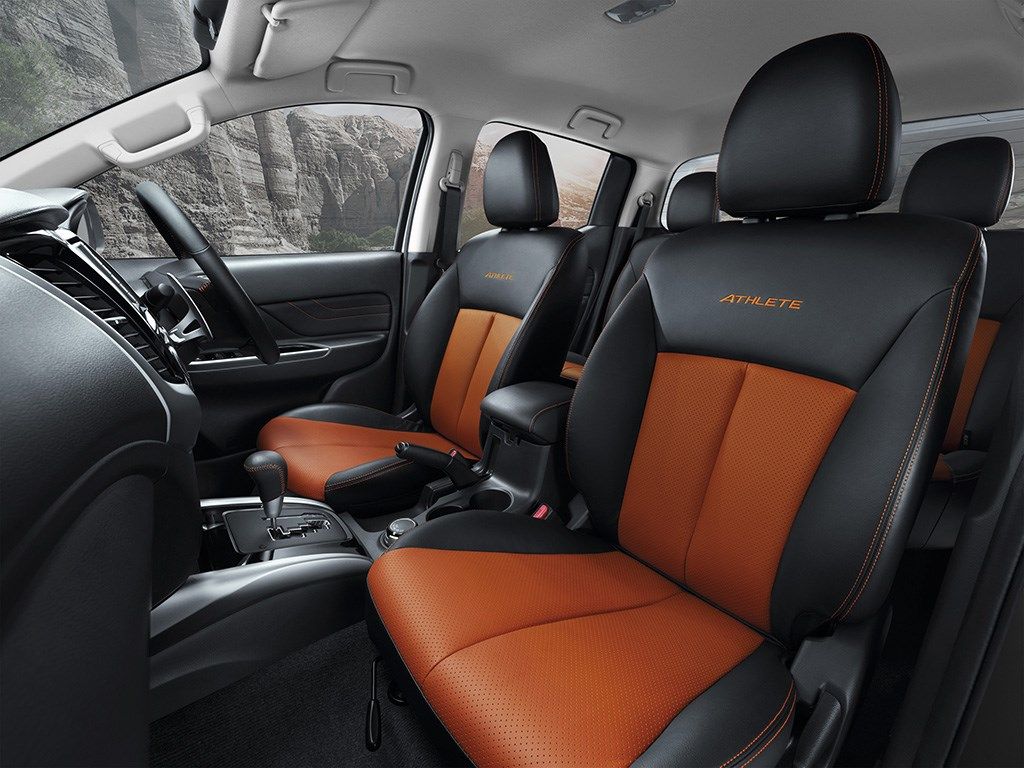
Bright orange and black leather seats create some contrast in the special edition Triton Athlete.
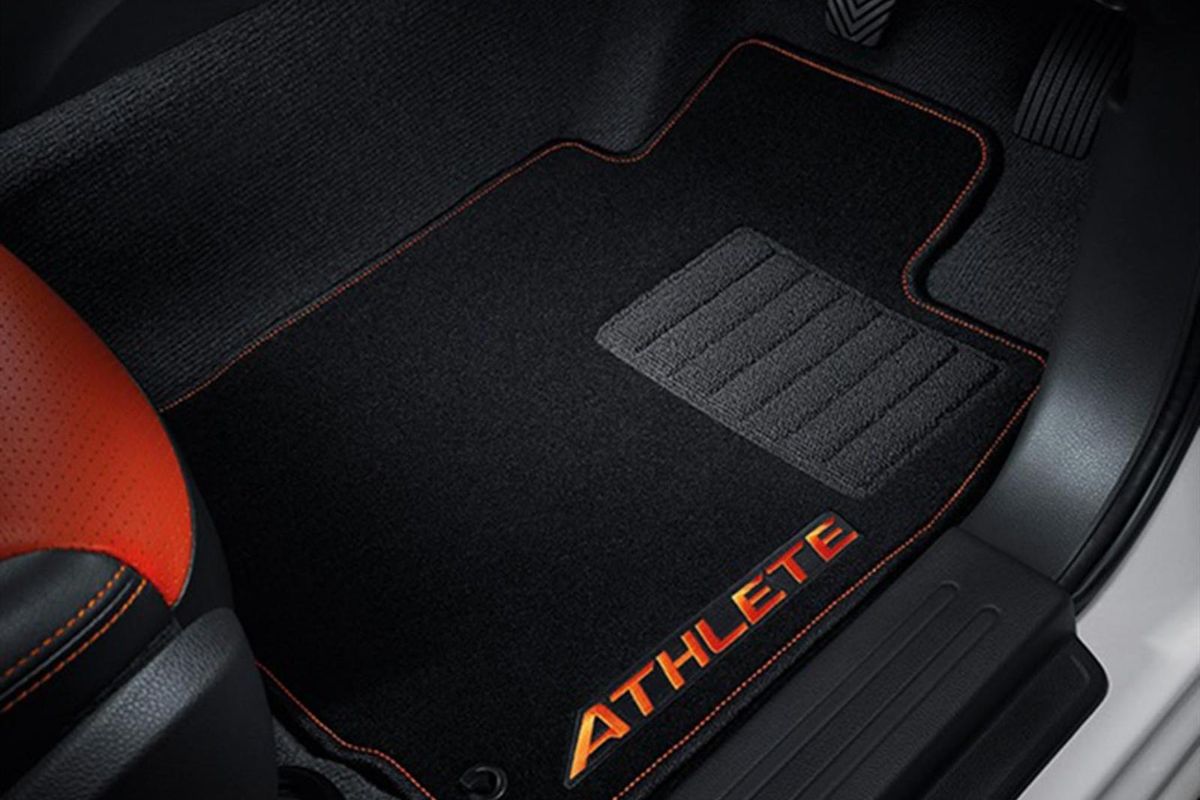
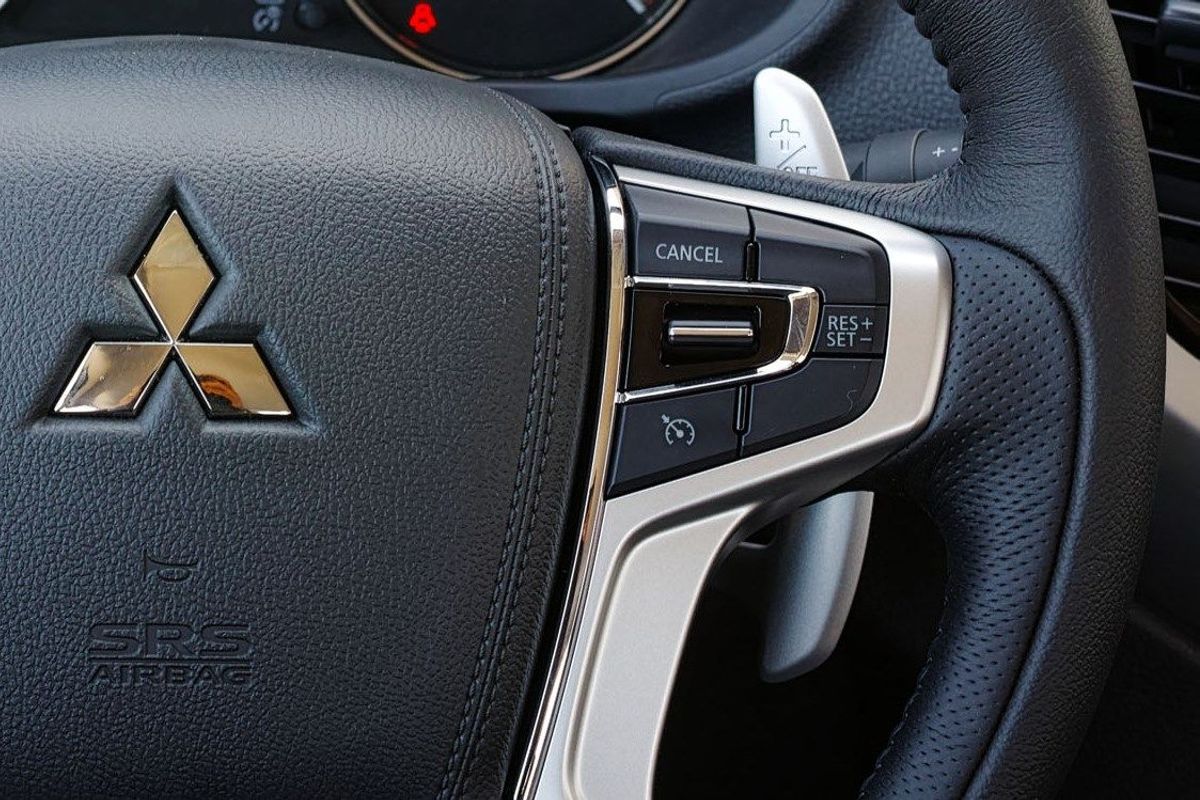
Key interior features include a two-tone interior design with orange and black leather seats and trim, multifunction steering wheel with shift paddles, upgraded instrument display, dual-zone climate control air conditioning and a smart-key system with an engine start button.
Safety specification on this Triton Athlete has been bumped up too and includes a total of 7 airbags, ABS with EBD, brake assist, stability control with traction control, hill-start assist and ISOfix child seat anchors. Moreso, its maximum towing capacity has been lifted to 3.1 tons.
Engine power
The Triton Athlete makes use of the familiar 2.4-litre turbodiesel engine with 133 kW and 430 Nm of torque. A 5-speed automatic transmission is standard as is Mitsubishi’s Super Select II 4WD system which will be useful in offroad situations.
Mitsubishi Triton Athlete – Price in South Africa
The Triton Athlete comes to market at R559 995 the same price as the range-topping Triton Double Cab 4×4 Automatic
The Triton Athlete is sold with a 3-year/100 000 km warranty and a 5-year/90 000 km. Service intervals are set at 10 000 km.