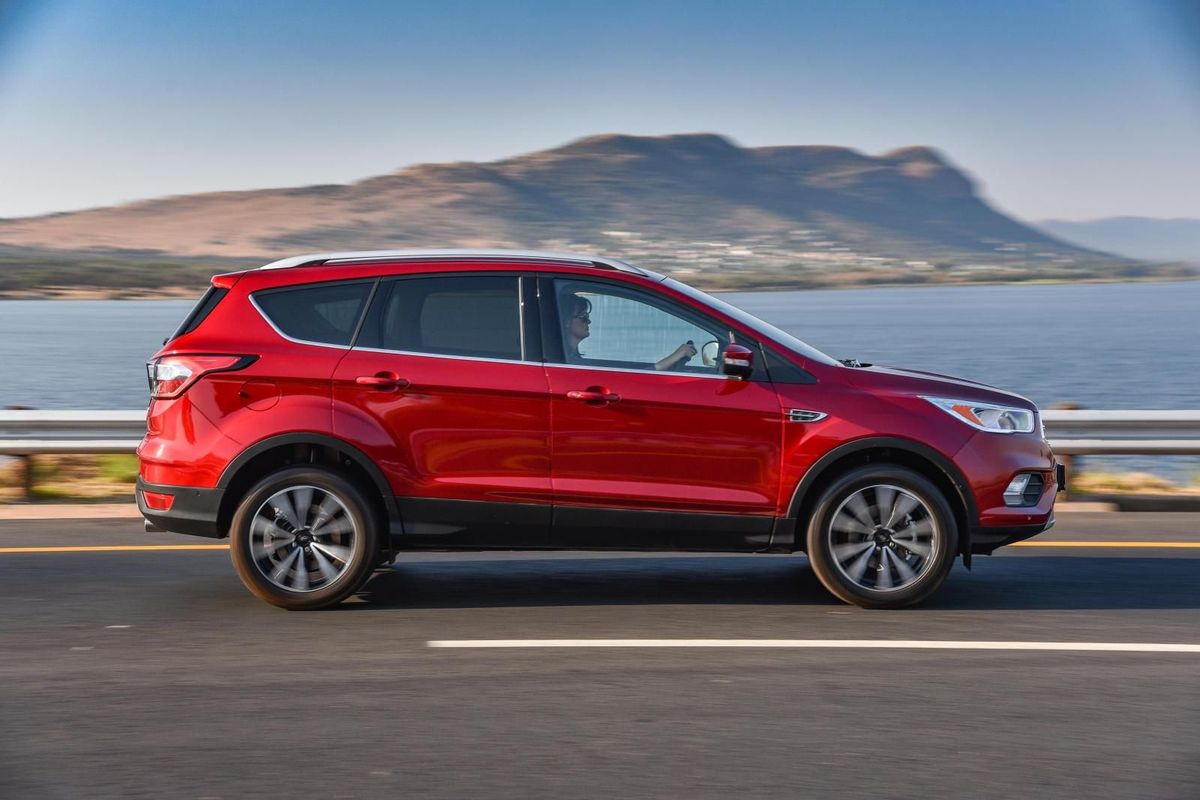
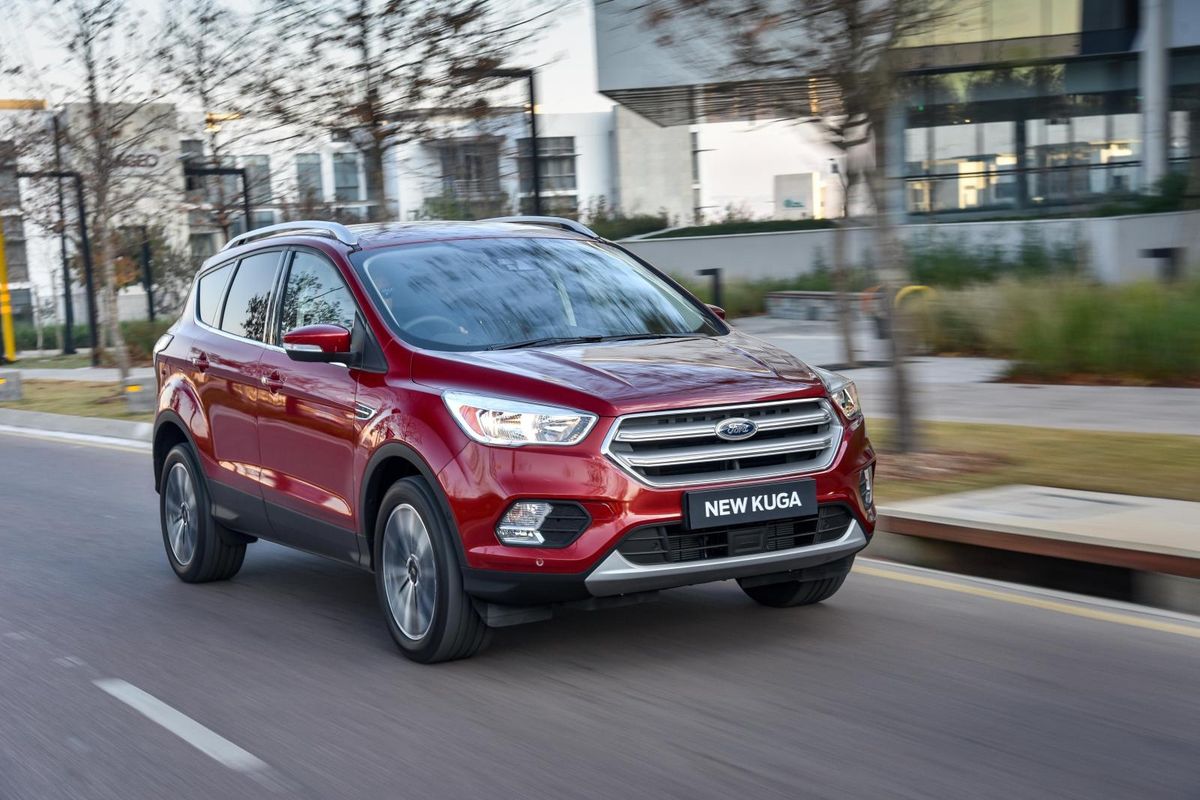
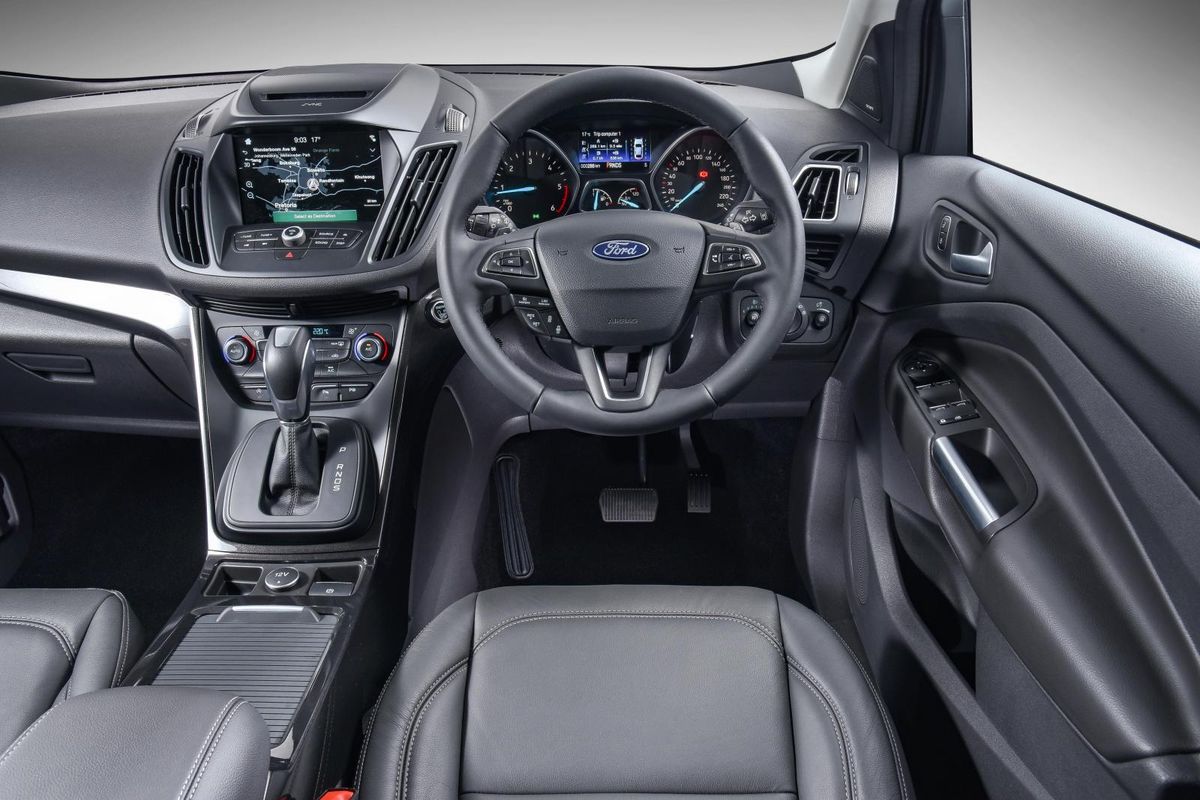
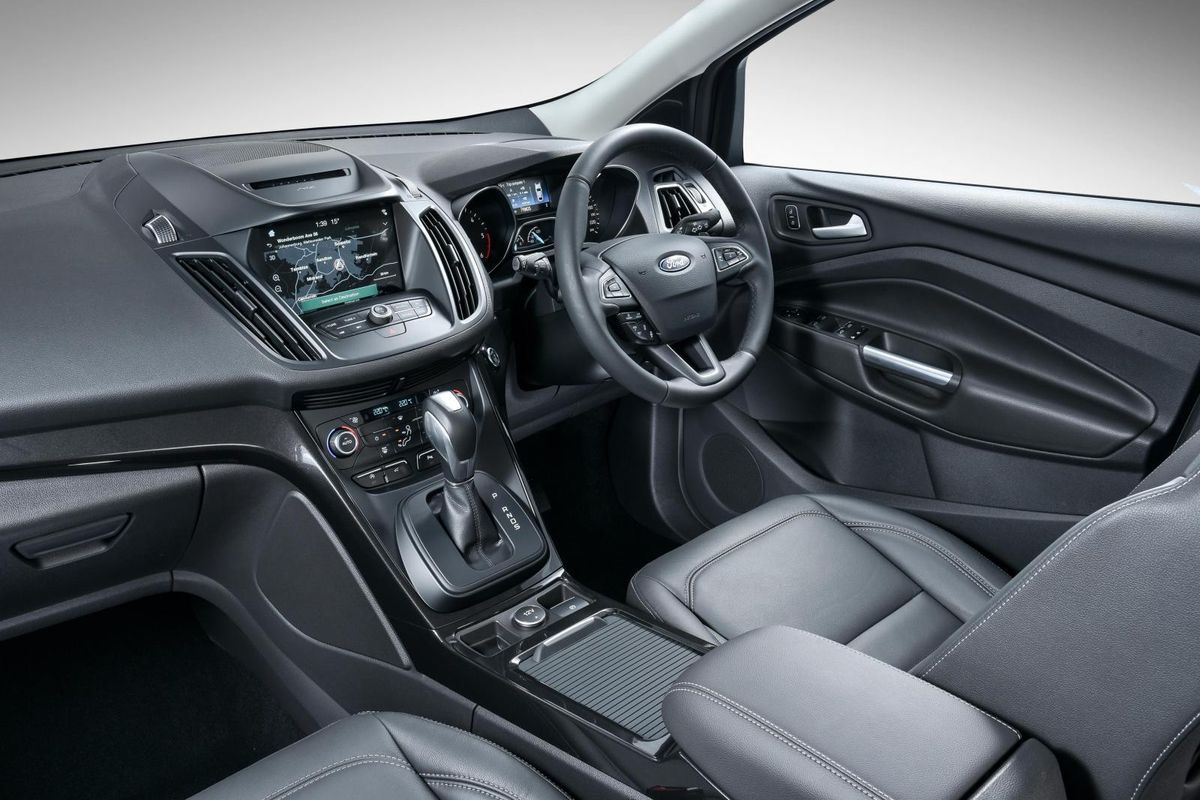
Subaru XV 2.0i-S ES (2017) Review
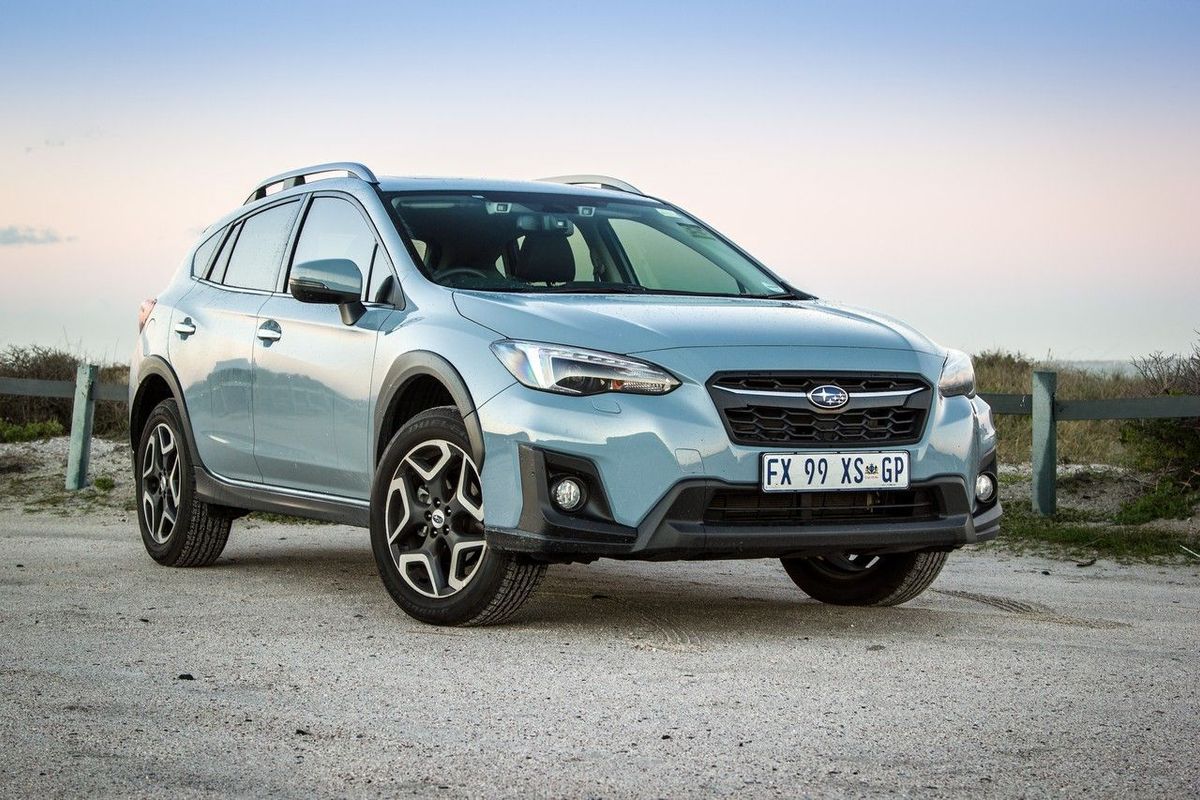
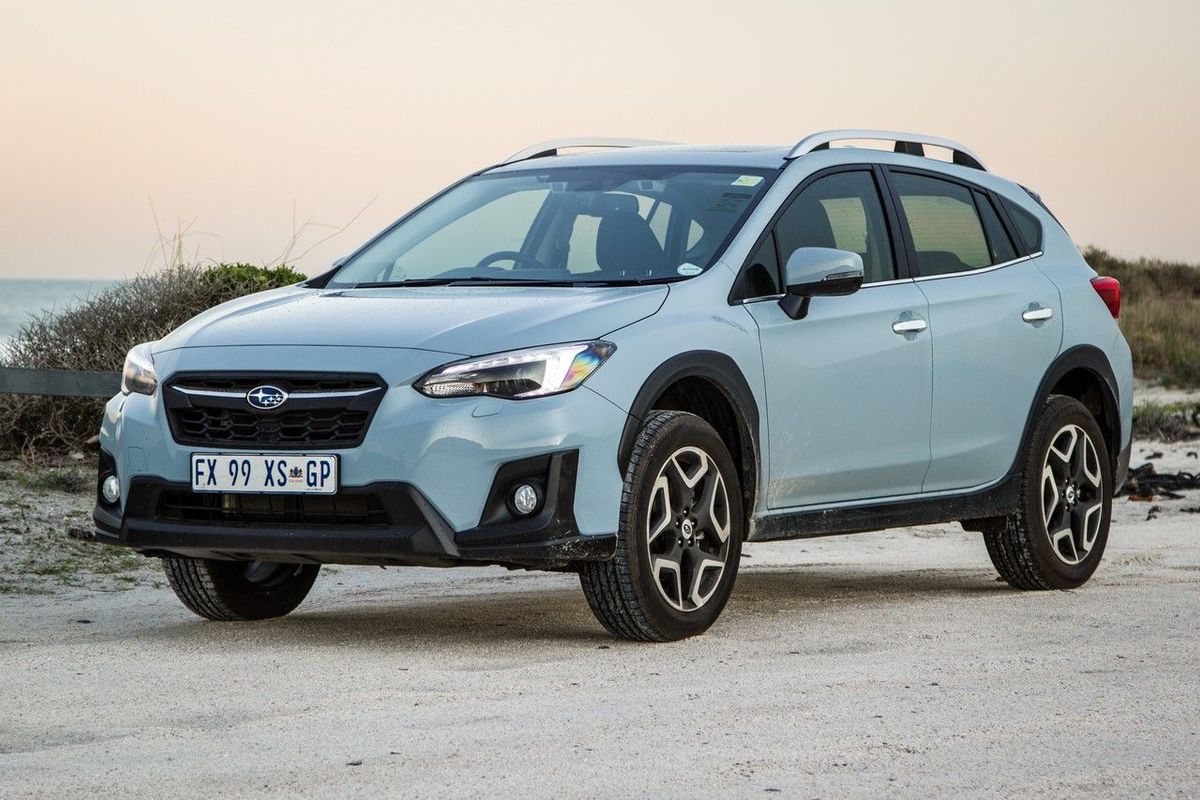
Subaru’s renewed product lineup starts with this XV. Have the great strides taken in terms of modernising the brand by boosting specification, technology and visual appeal turned it into a serious contender? We spent a few weeks with the top-spec model to see what it’s like to live with.

We like: Up-to-date infotainment, ride and build quality.

We don’t like: Relatively small luggage capacity and high loading height.

Alternatives:

For quirky appeal: The Mini Countryman is a relatively new model with desirable looks and engines. It doesn’t ride as well as the Subaru and you’ll need to add at least R100k worth of options to match the spec on the Japanese car.

For Swedish style: The Volvo V40 Cross Country is stylish enough to draw admiring glances on every street. It lacks the worry-free ground clearance to bolt down a dirt road but it has an excellent range of engines.

Compare the specifications of the XV, Countryman and V40 CC here

What is it?
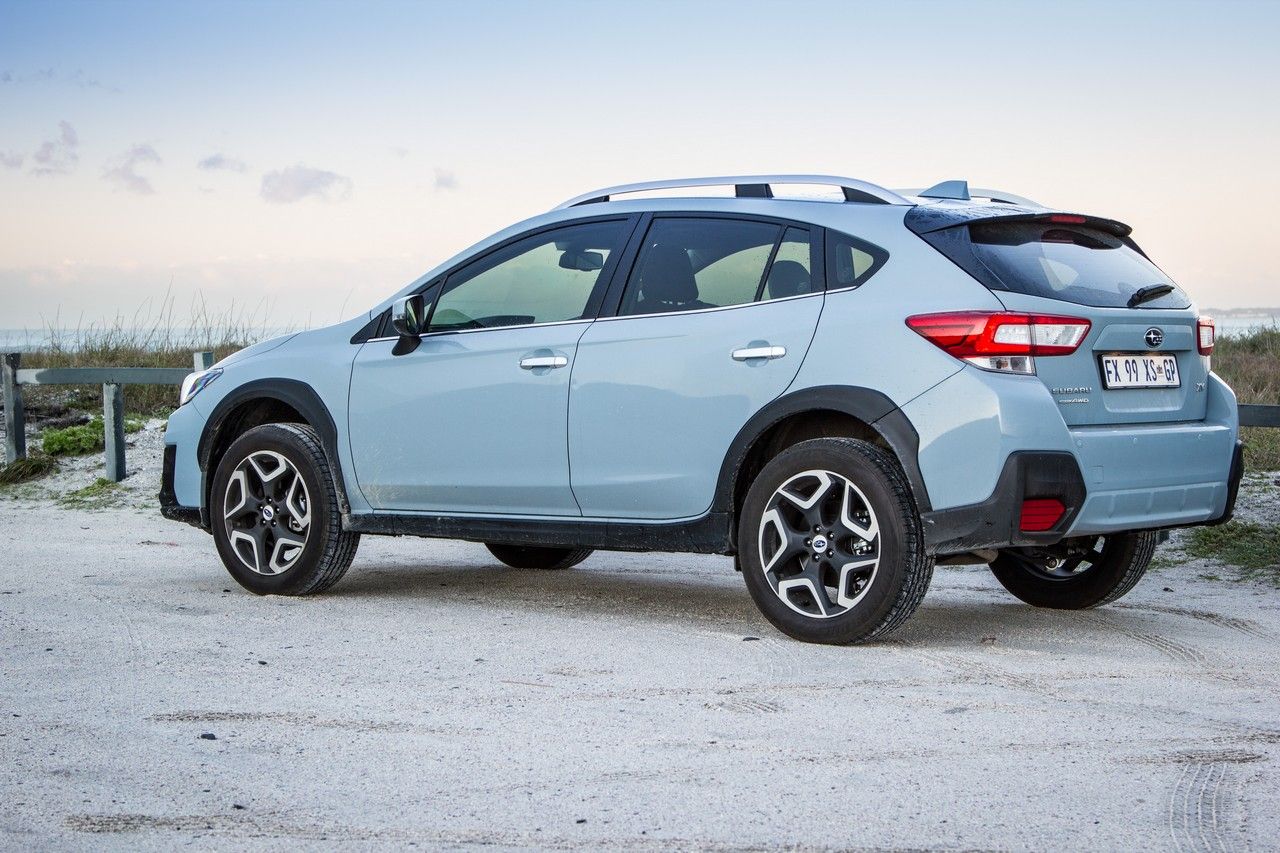

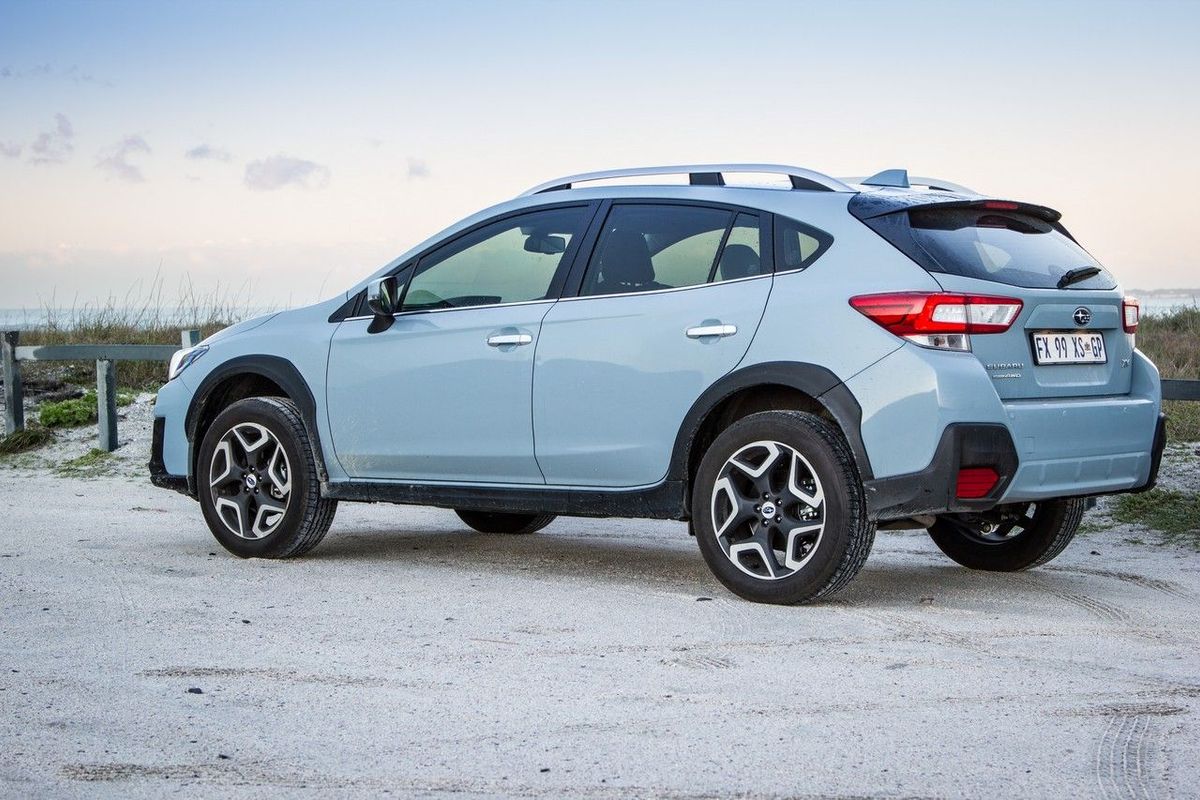
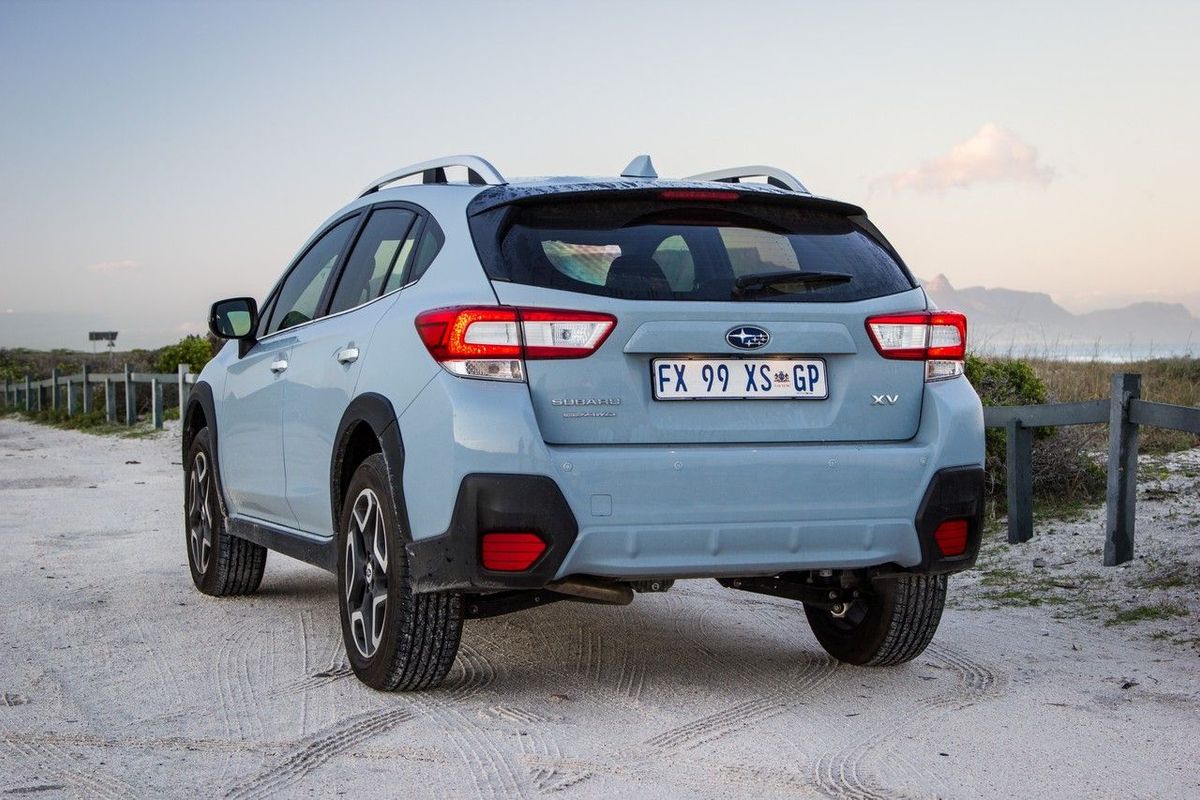
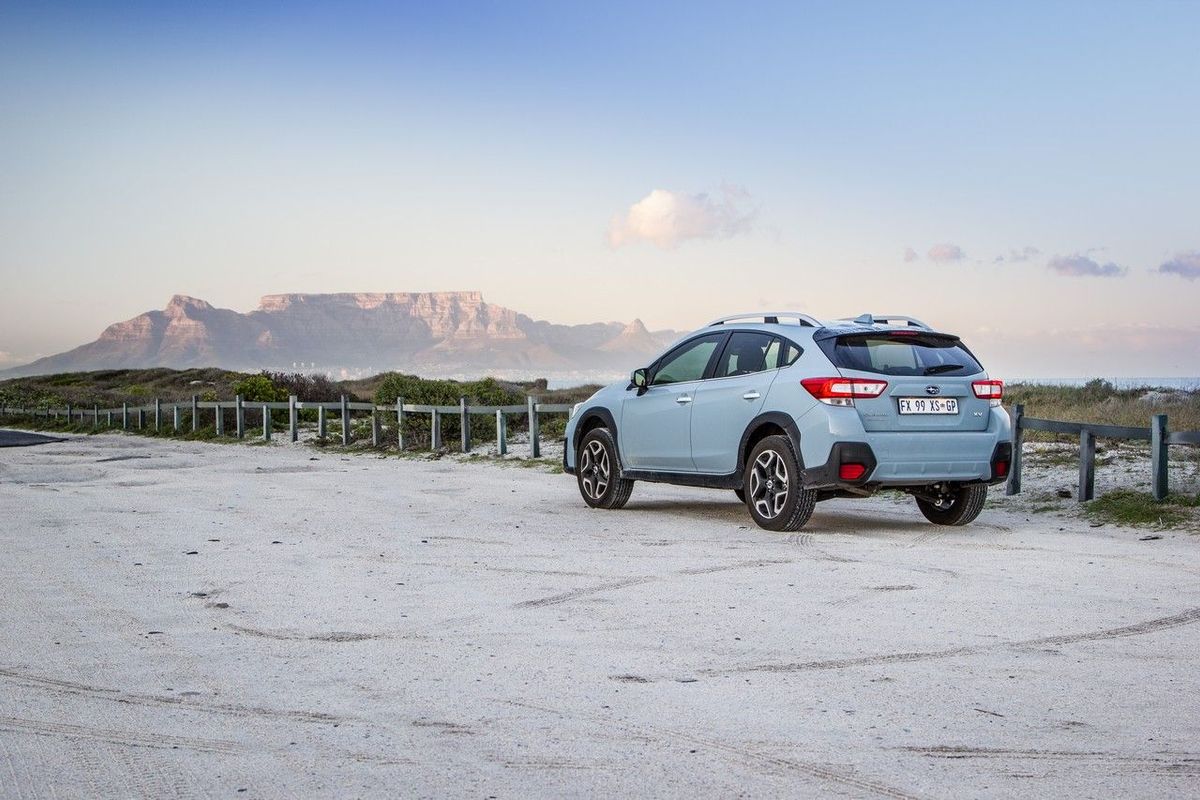
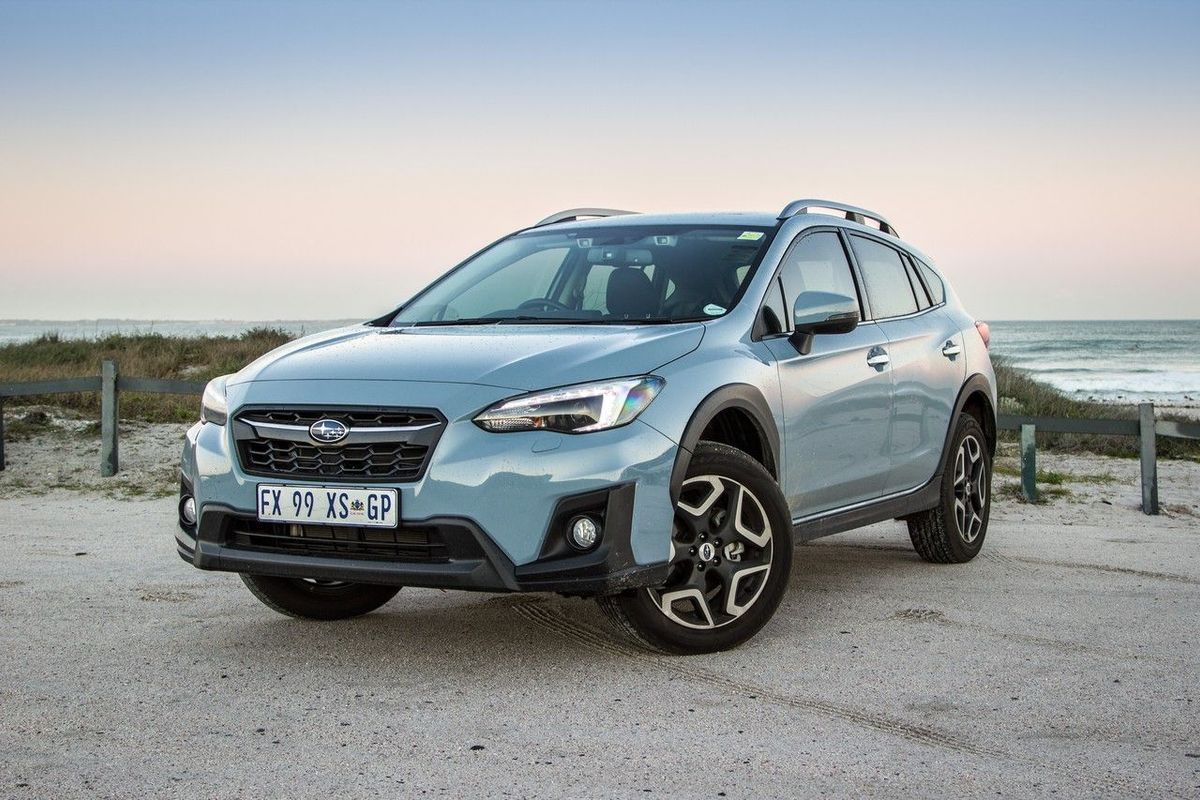
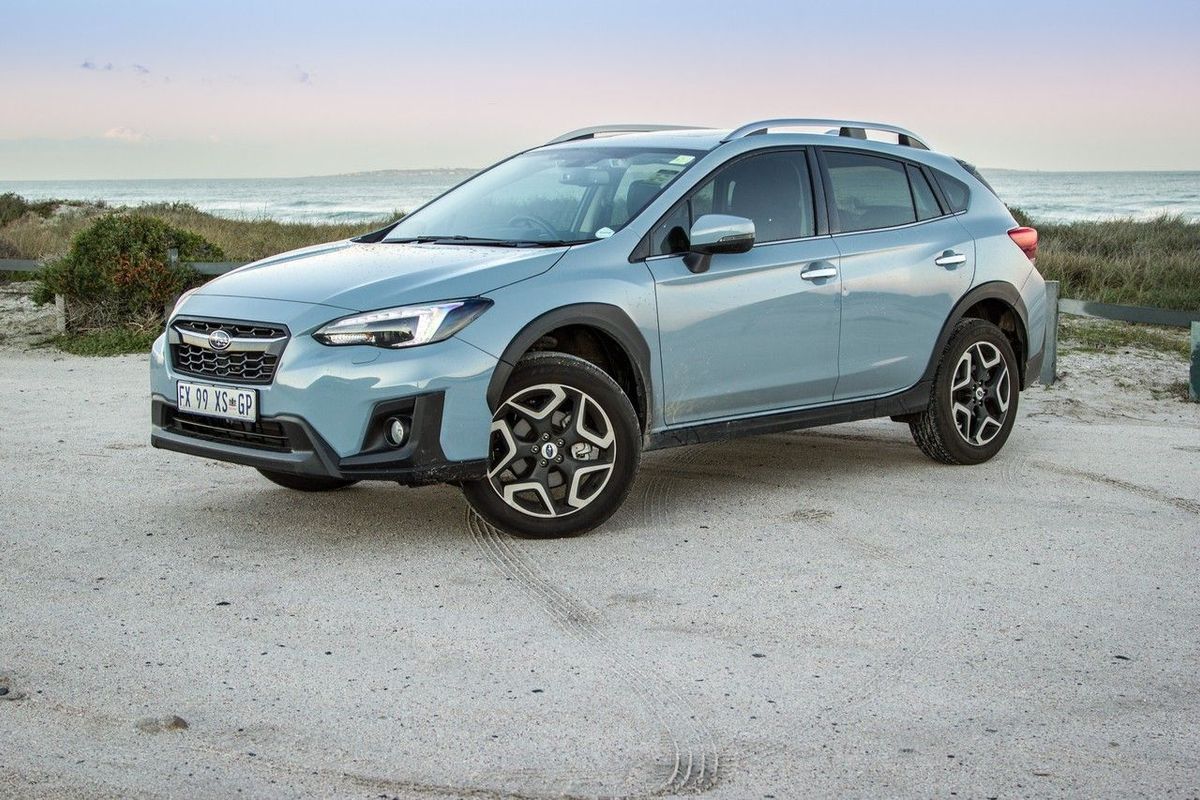
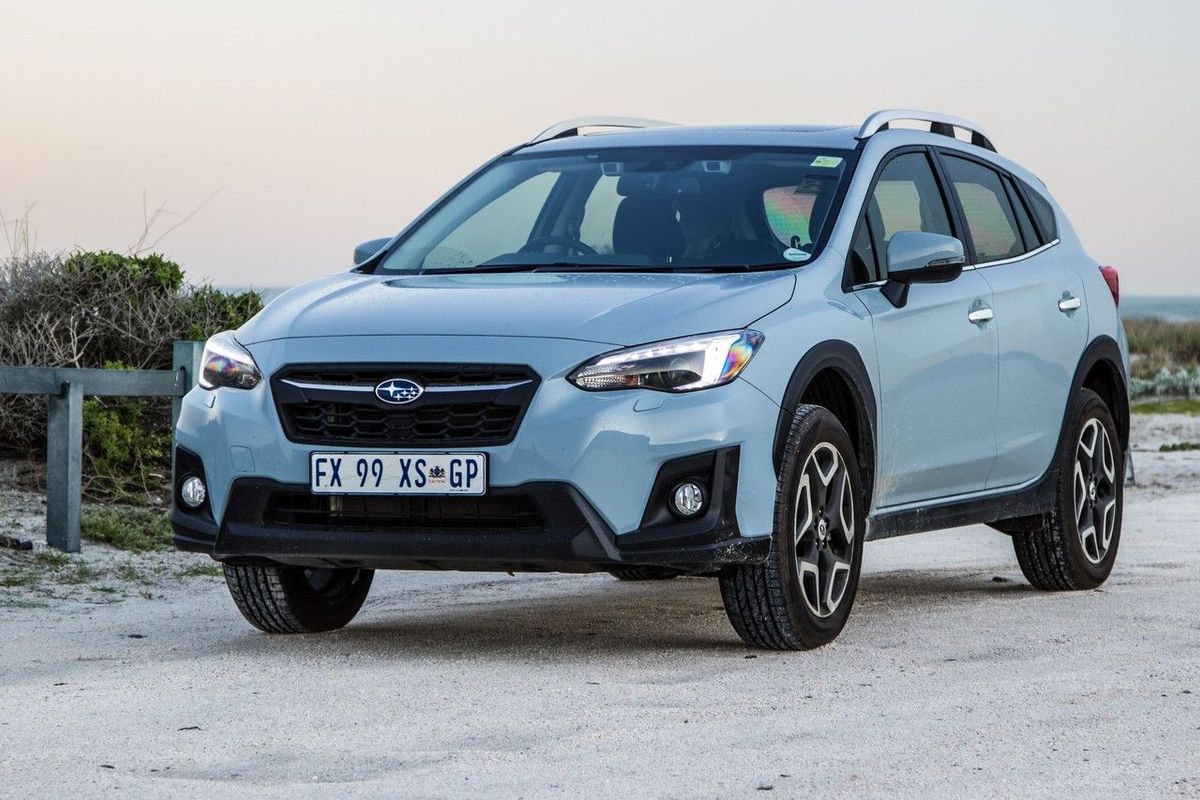
The new XV straddles crossover and premium hatchback segments with impressive upmarket feel and specification.

This is the second generation of the Subaru XV. It’s also the second car to be built on Subaru’s new global platform, first seen on the latest Impreza. Born from a desire to meet burgeoning demand for crossovers, the XV, as with the first-gen model, is a restyled, higher-riding Subaru Impreza hatch. The XV uses a new flat-four petrol engine that’s lighter and more powerful than before, the same weight-reduction tactic has been applied to the CVT gearbox. It now features an off-road mode that adapts its all-wheel-drive and other systems to deal with reduced traction situations more consumately.

How does it fare in terms of…

Ride and handling…

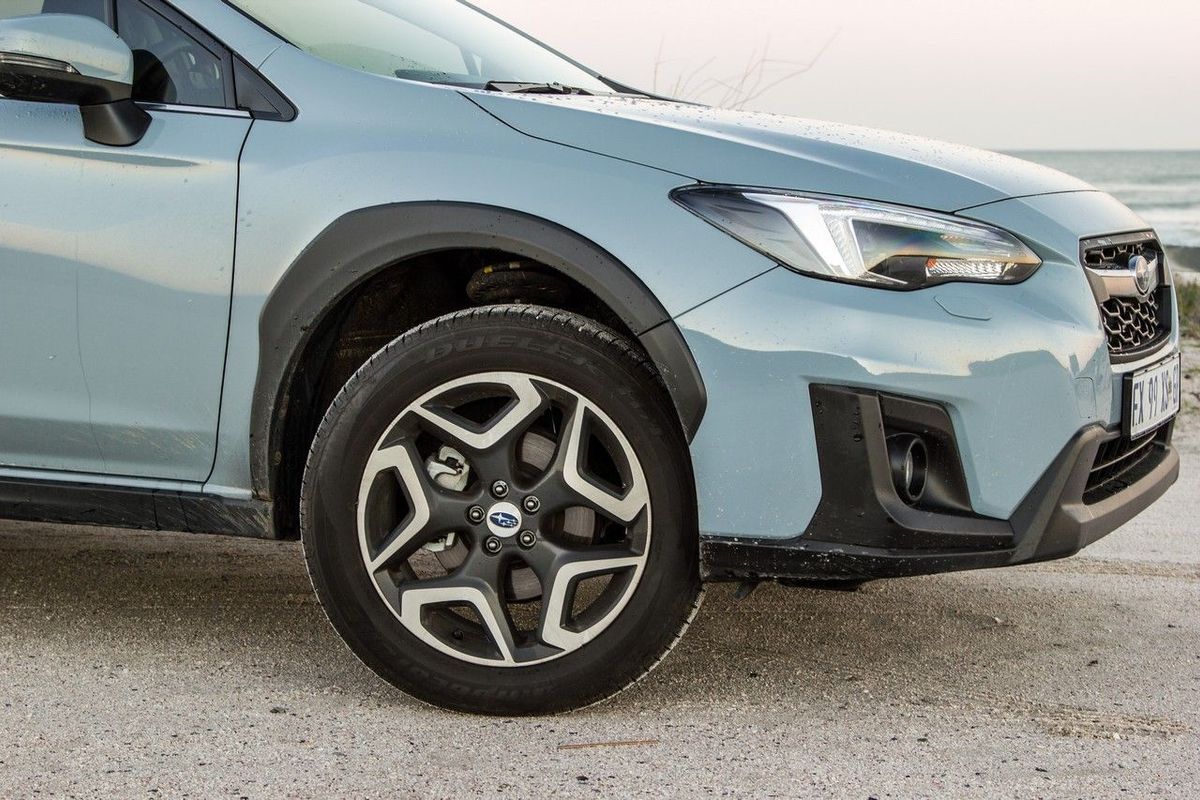
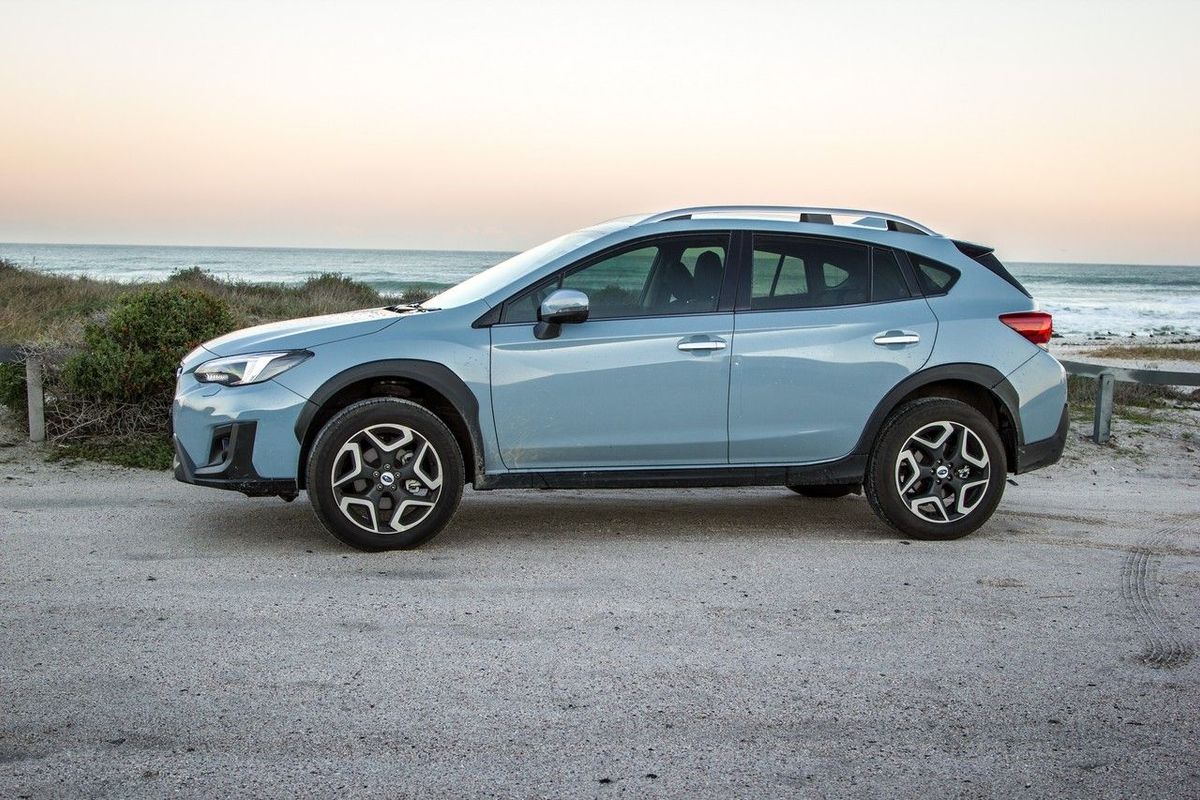
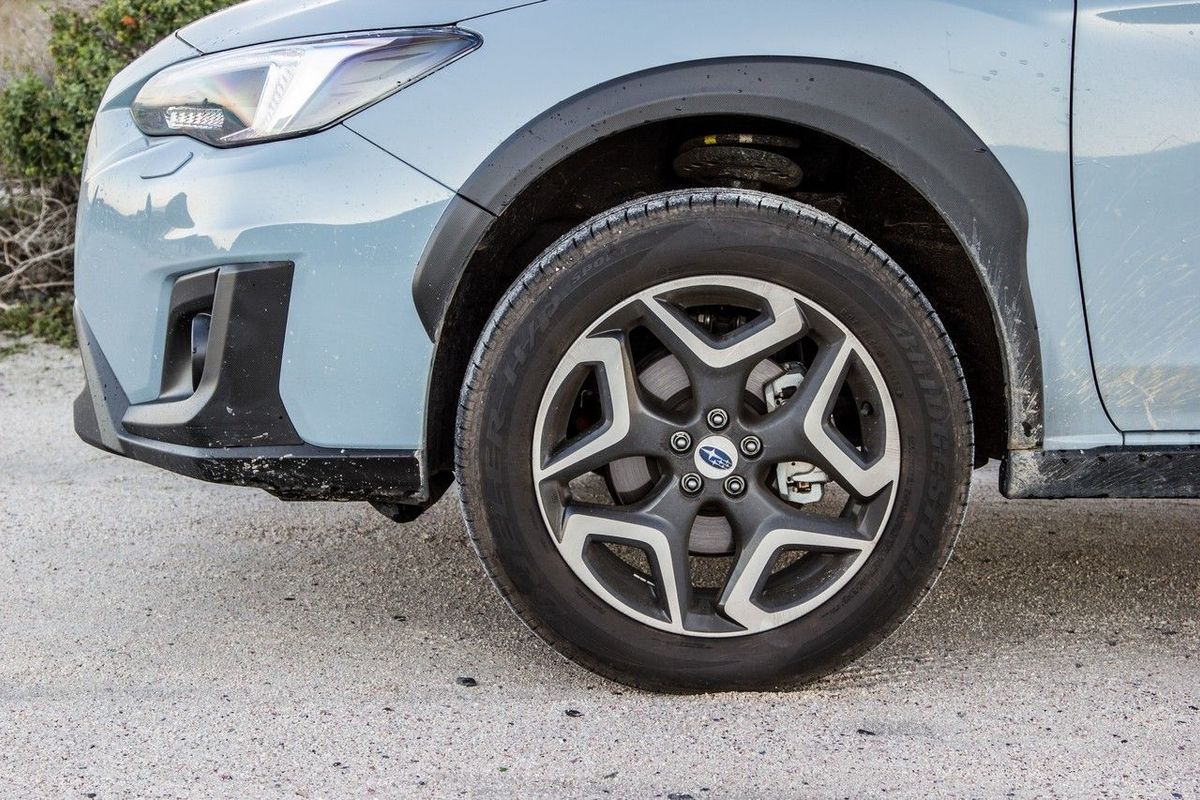
Subaru has always cleverly traded on its motorsport rallying heritage by equipping all of its passenger cars with all-wheel drive. As a result, its vehicles have generally felt sure-footed if a little stodgy and utilitarian. The new XV doesn’t feel like Subarus of old. In addition to being even better planted in faster corners, the new model rides with more sophistication than its predecessors. Even with the substantial 220 mm of ground clearance the XV’s drives more like a hatchback than a crossover.
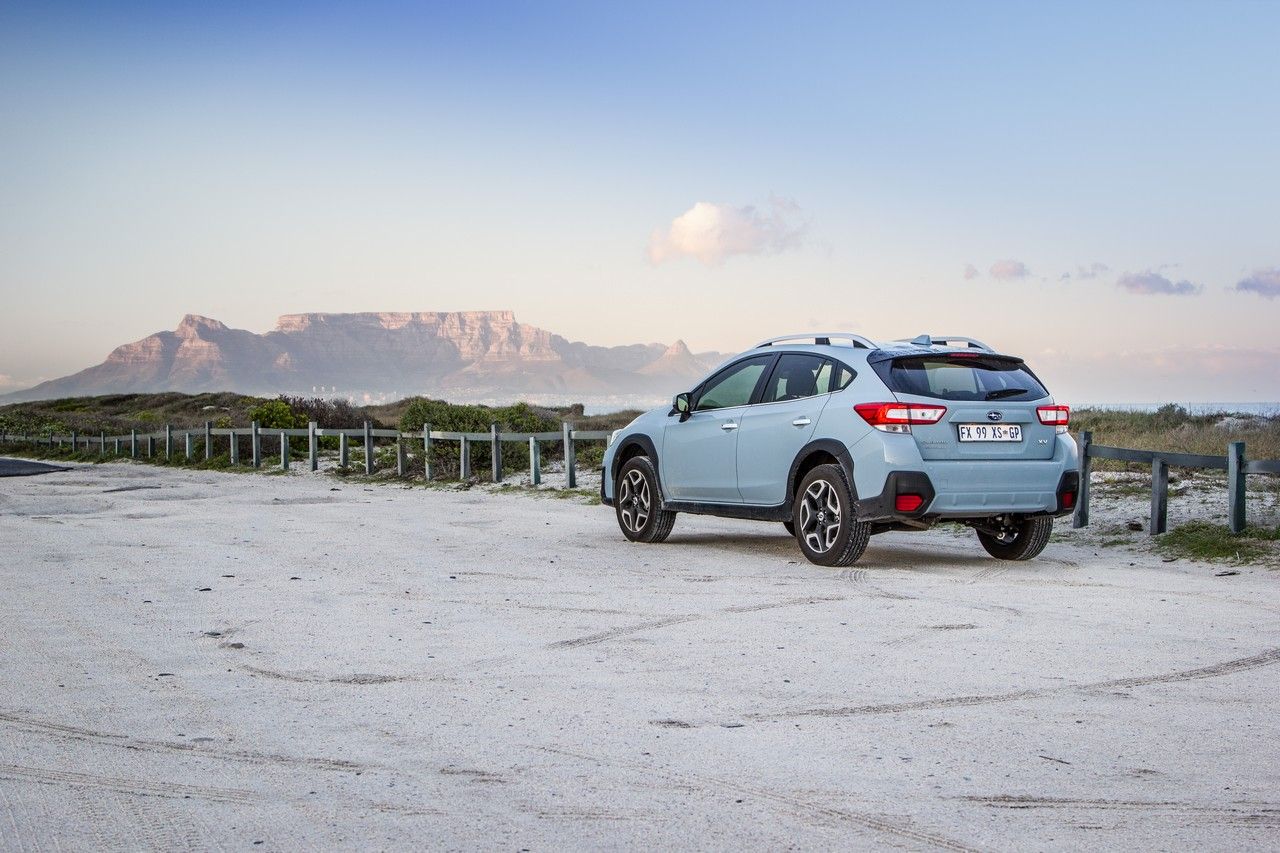

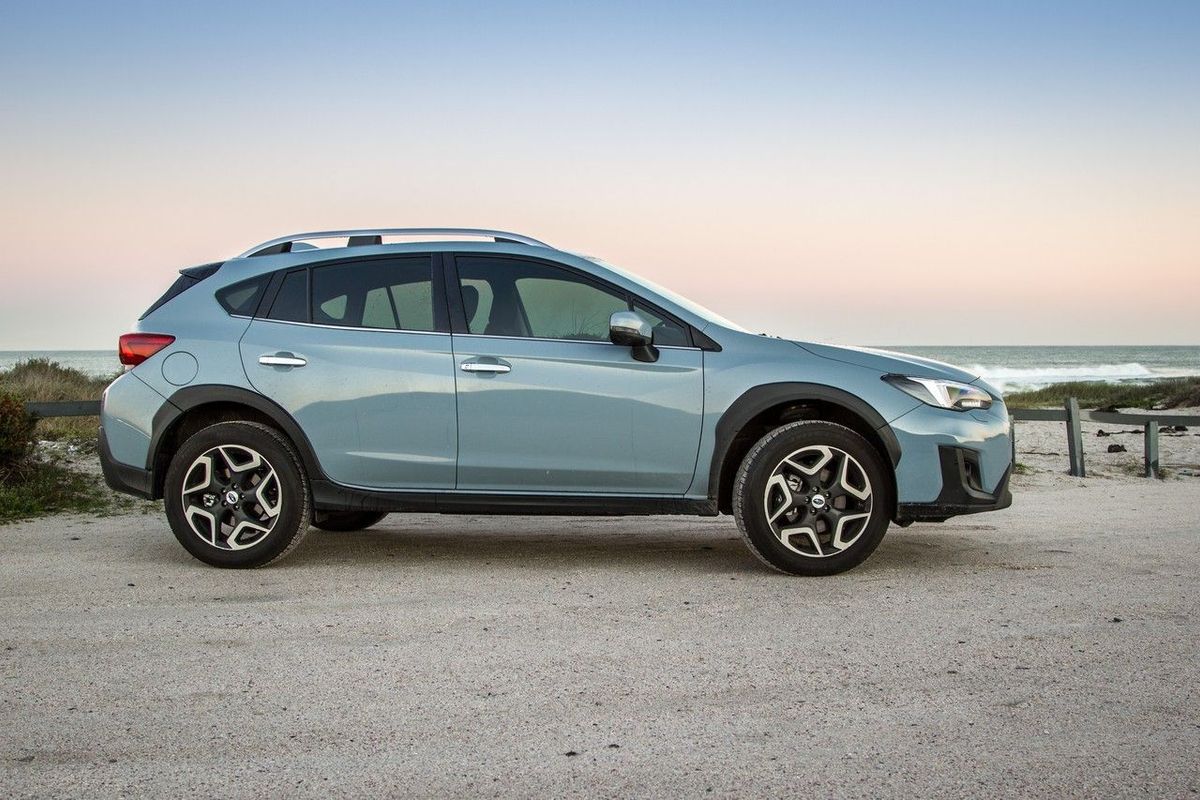
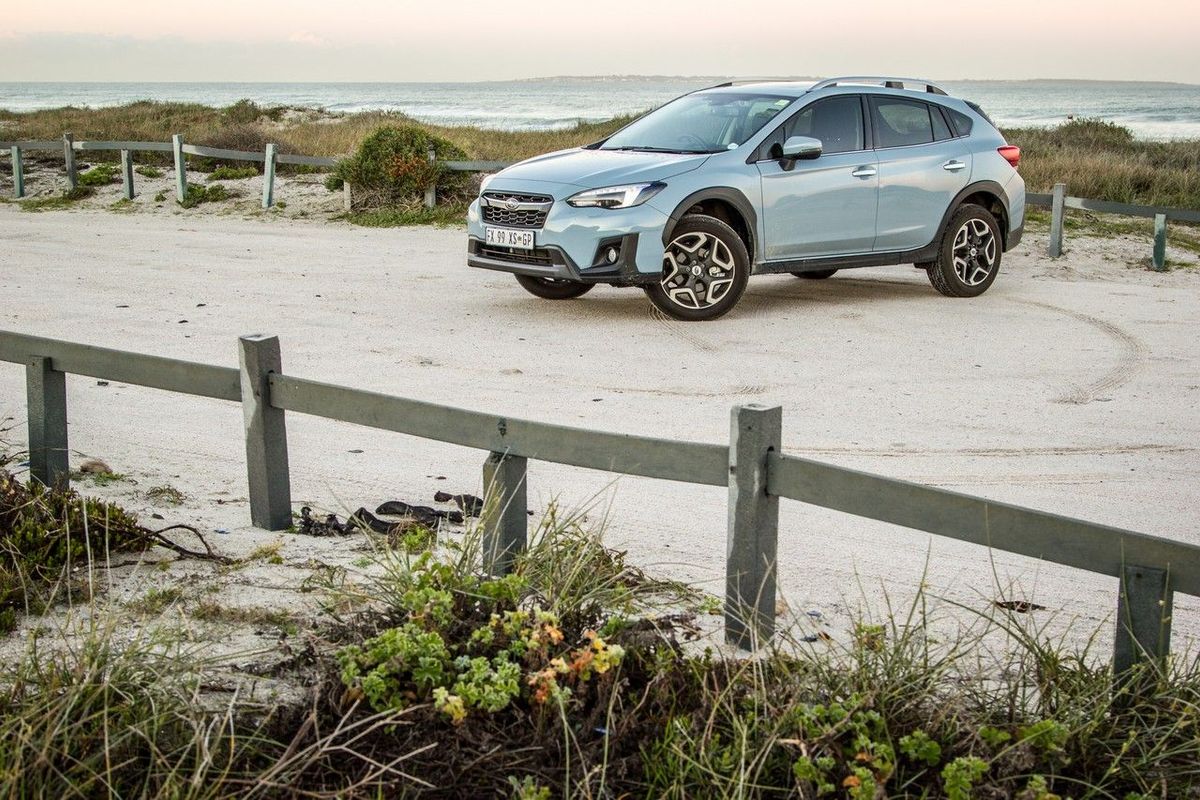
The XV's new platform makes it feel agile and well-damped. It feels sure-footed on road and gravel.

The new platform aids both comfort and handling. It rides bumps well and corners flat thanks to firm but perfectly damped suspension. It’s the best riding Subaru yet and certainly a match for some of the more premium products out there. It also rides on slightly higher profile tyres, which leads to less thudding and crashing over unavoidable potholes.

The implementation of Subaru's X-mode, which gives it a bit of off-roading bias, is a unique selling point for the XV. None of its direct competitors offer a real off-road mode complete with hill descent control. Normally, an off-road mode on a crossover is hardly ever going to be used, but if there was one brand on which it’s more likely to get use than any other, it’s a Subaru.

Practicality

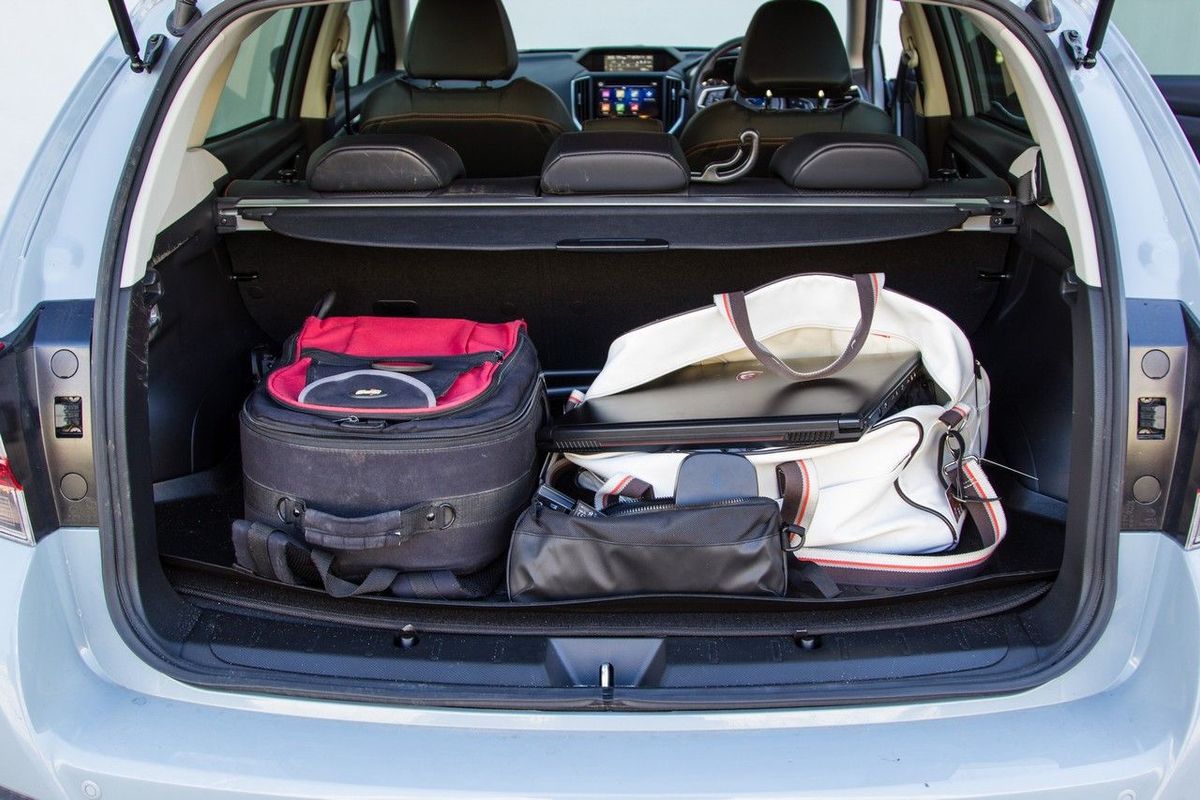
Positioned below the Forester, the XV isn't as large or as practical as its bigger brother. Despite a slight increase in capacity and a wider aperture than before, the boot is probably the XV’s weakest point. Due to the high ground clearance and short rear overhang, the loading height is quite high off the ground, meaning you have to give things a good lift to get them into the boot. It also reduces the amount of space you have to load above the parcel shelf, one of the key benefits of a hatchback. Boot capacity is listed as 310 litres, growing to 1 220 litres with the rear seats folded flat. Thankfully the shape of the boot is particularly square, so it did just managed to pass our usual test of ‘can it fit a large mountain bike whole’.
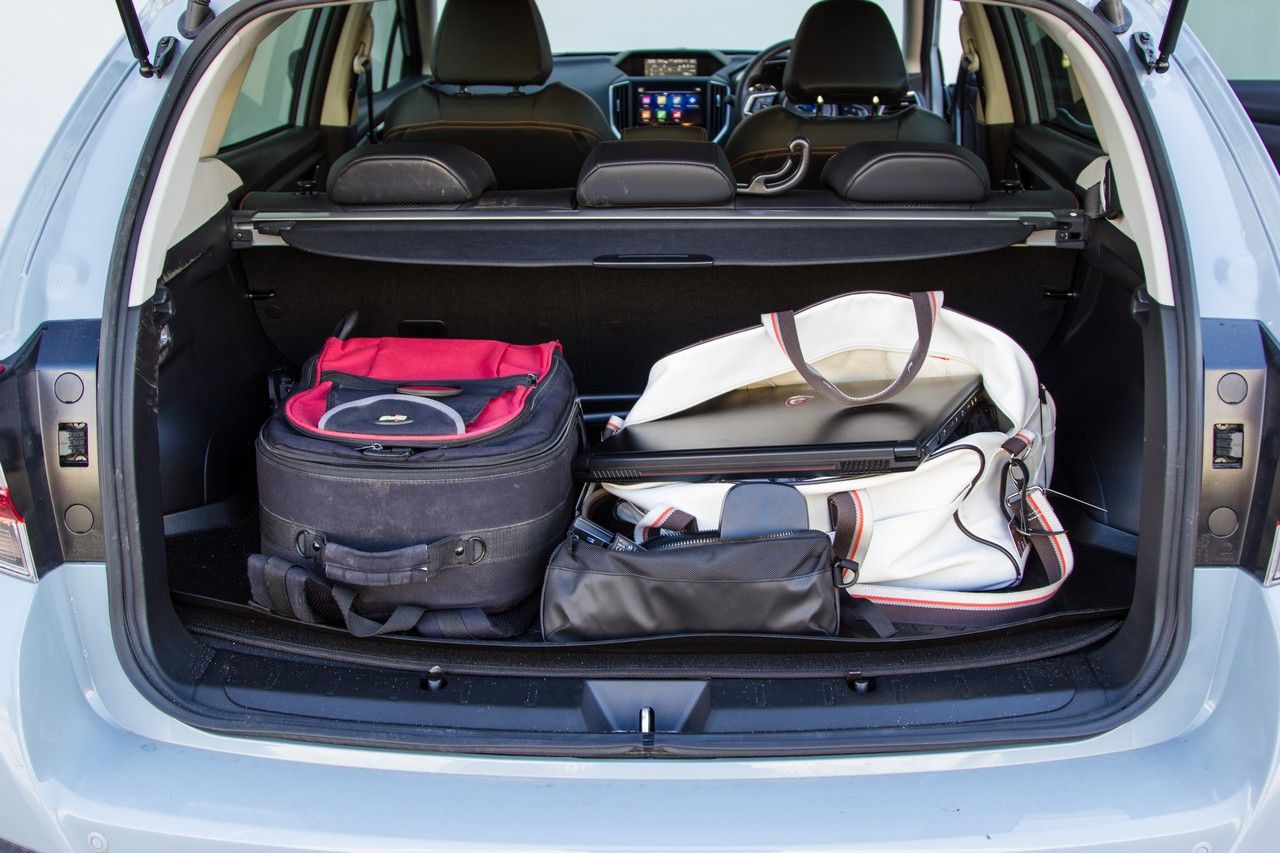

The boot is only 310 litres big and the loading level is quite high. The rubber floor accessory makes it very dog-friendly.

On the plus side, passenger space is better both front and rear and leather is standard on this top-spec model. There’s plenty of space within the cabin to store cups, bottles, keys and the like. Keyless entry solves having to grapple with shopping bags while digging into your pocket for the key. The roof racks fitted to our model here are also standard on the XV.

Engine performance

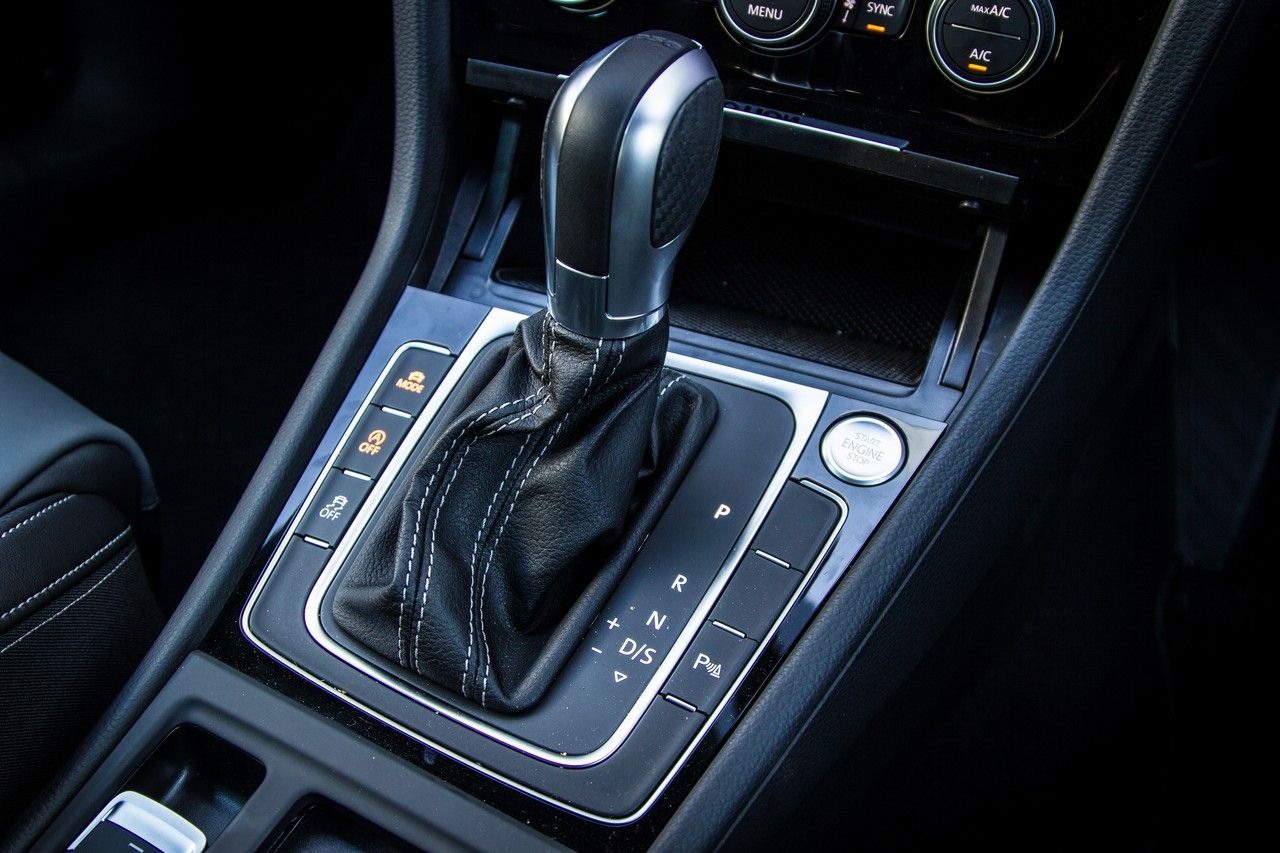
Subaru's re-engineered flat-four engine for this XV retains its 2.0-litre capacity and remains naturally aspirated. Power and torque outputs of 115 kW and 196 Nm respectively drive each axle evenly through a CVT gearbox. The new engine is some 12 kg lighter while the gearbox has shed 7.8 kg. The CVT also has a 7-speed manual mode initiated by flicking the paddle shifters behind the steering wheel.

As with all the CVTs we have driven, they work best when driven politely and not hurried. Subaru’s transmission is the best iteration of a CVT we've yet to test, with smooth comfortable acceleration at city speeds. But ask a bit more from the throttle pedal and the continuously non-variable drone whines away masking the sense of acceleration.
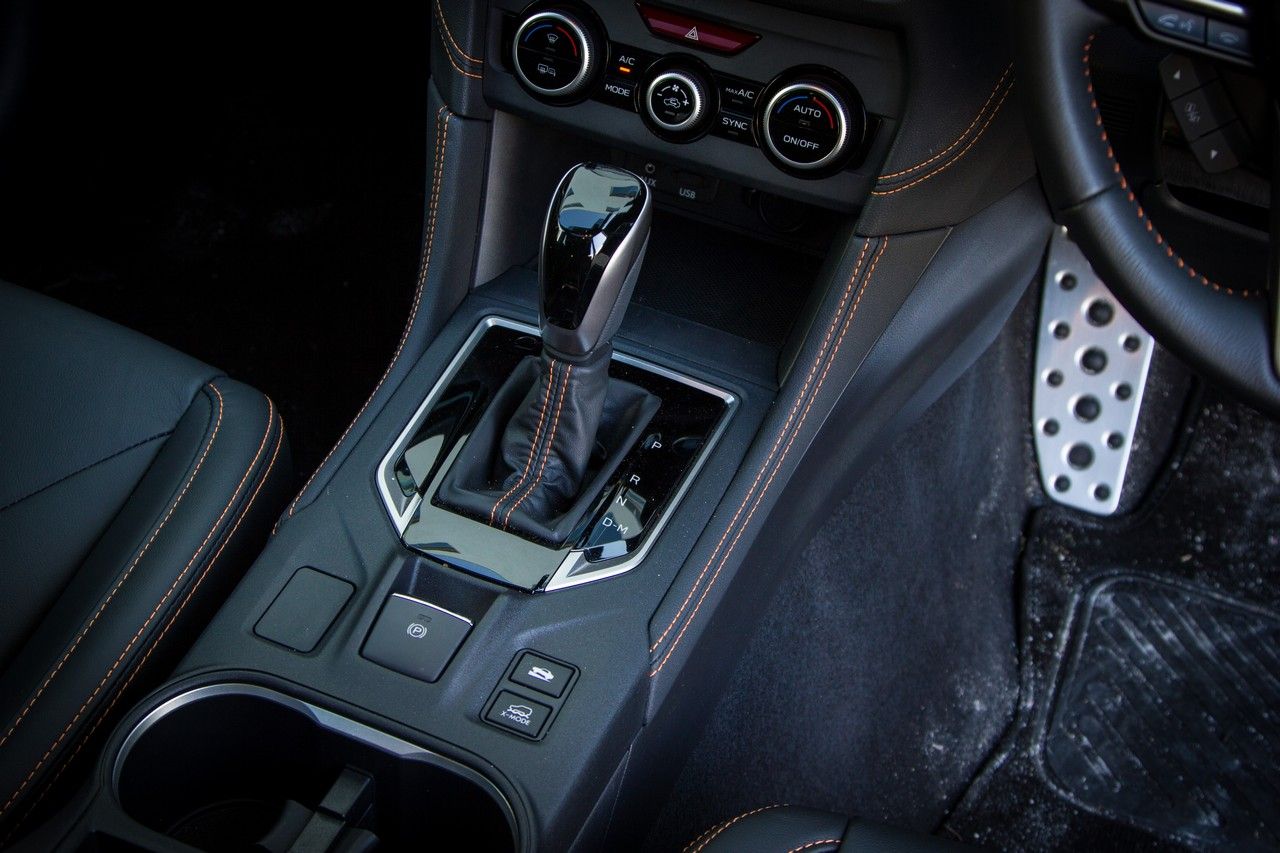

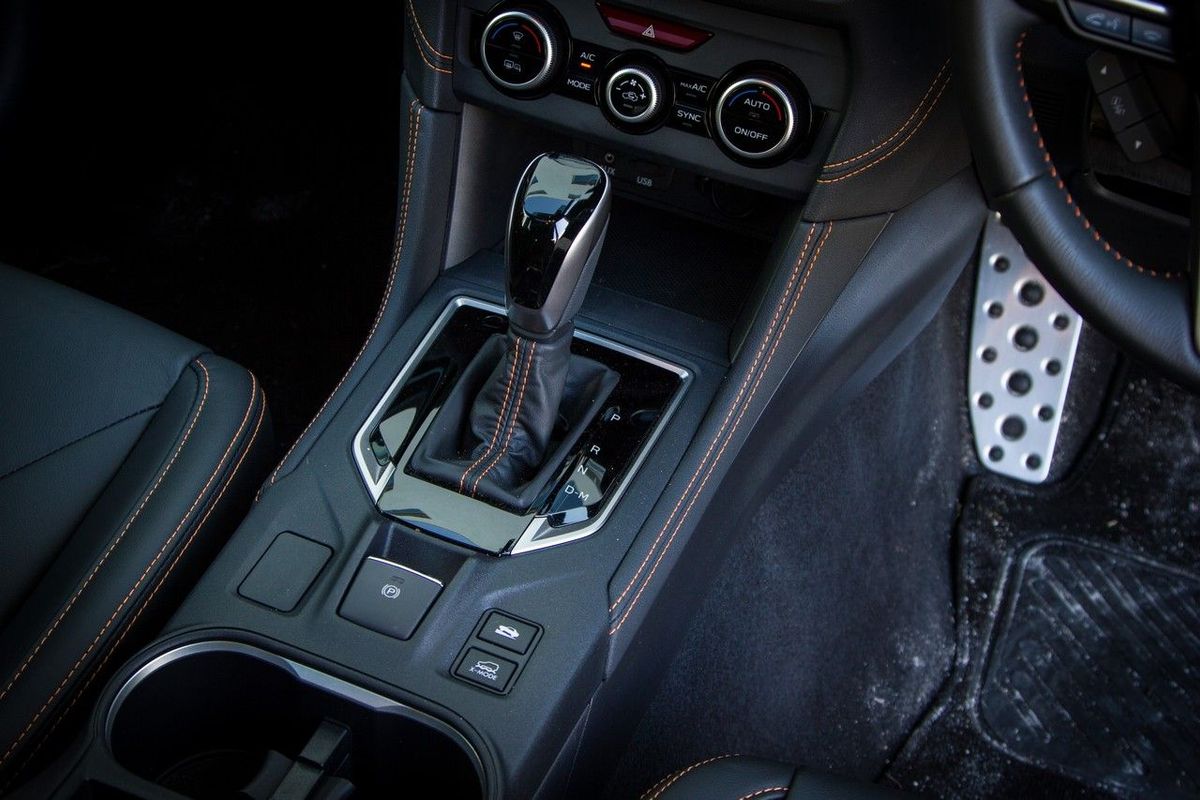
The CVT gearbox has a 7-step manual mode if required. X-mode with hill descent control is also available.

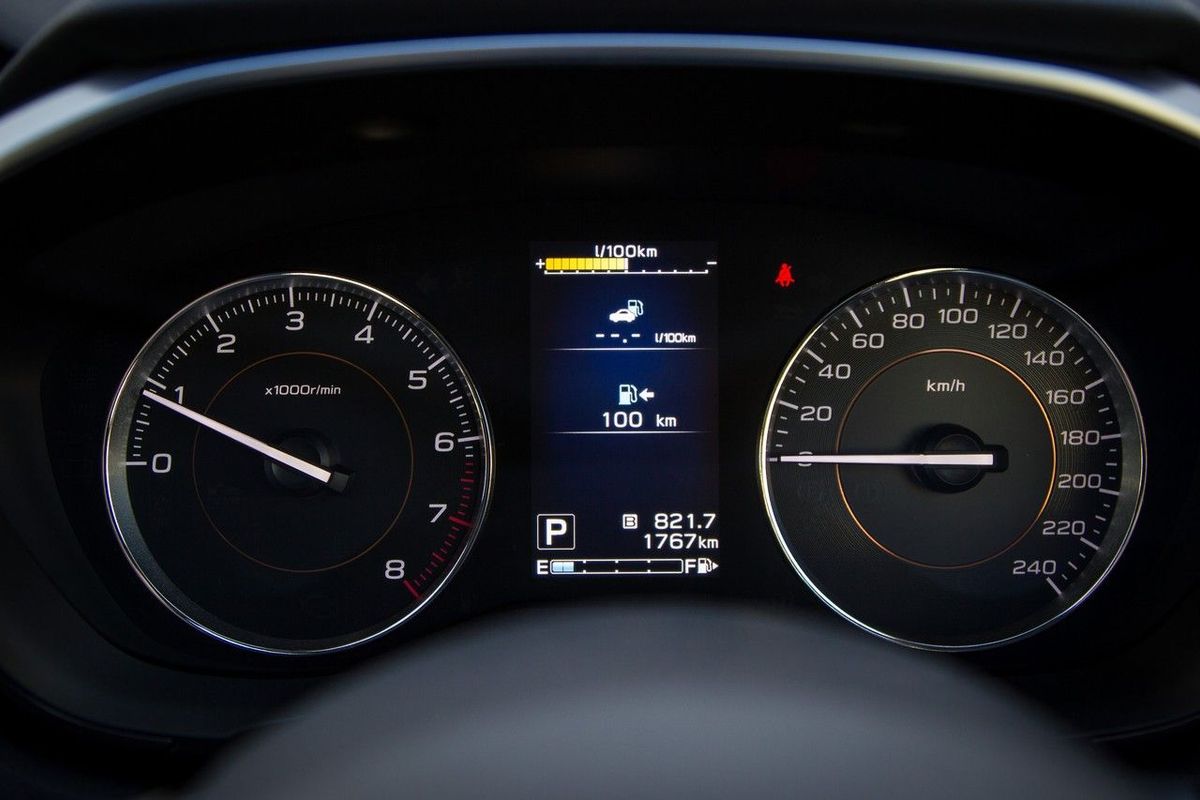
It handles freeway speeds well, although the dearth of immediate torque requires more space and planning to get by. Fuel efficiency has not always been a strong point for Subarus, but this model claims 7.3 L/100 km. Our 2 week and 1 000 km plus worth of mixed mileage returned a pleasing 7.6 L/100 km, around the same as we generally yield from a 2-litre turbodiesel.

Safety and tech

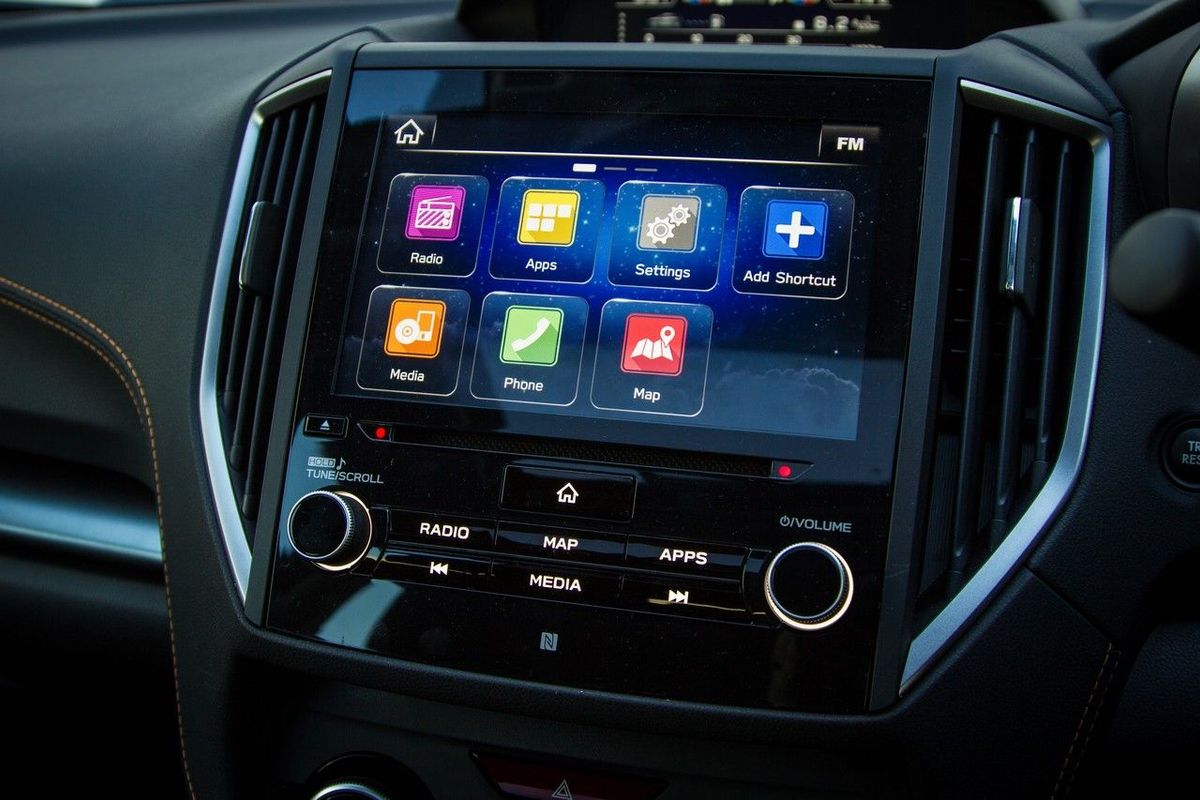
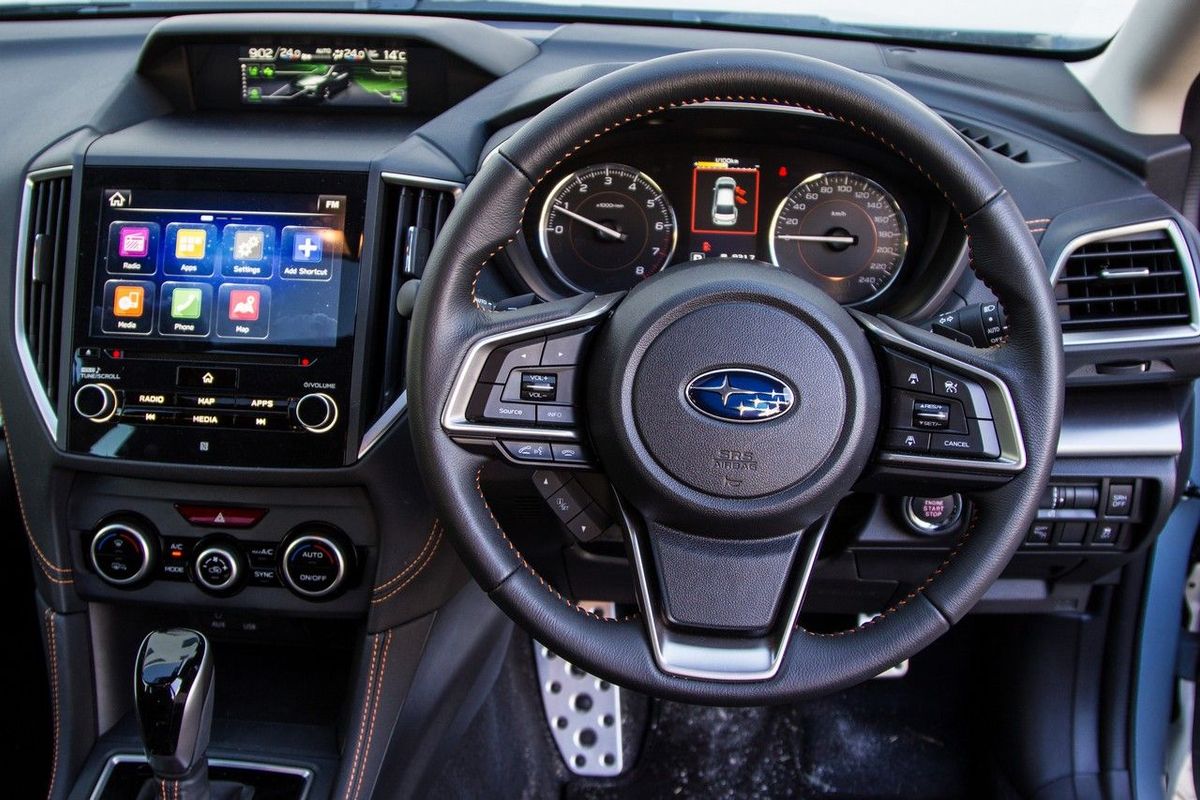
The easiest area to note Subaru’s improvement is in the safety and tech department. Starting with the infotainment system, the 8-inch touchscreen has improved resolution, is more touch-sensitive and processes inputs faster making it more of a pleasure to use. It is Apple Carplay and Android Auto capable and there’s a single USB and auxiliary jack. Navigation is included but with smartphone integration, it's easier to use a bit of data and get traffic alerts too.
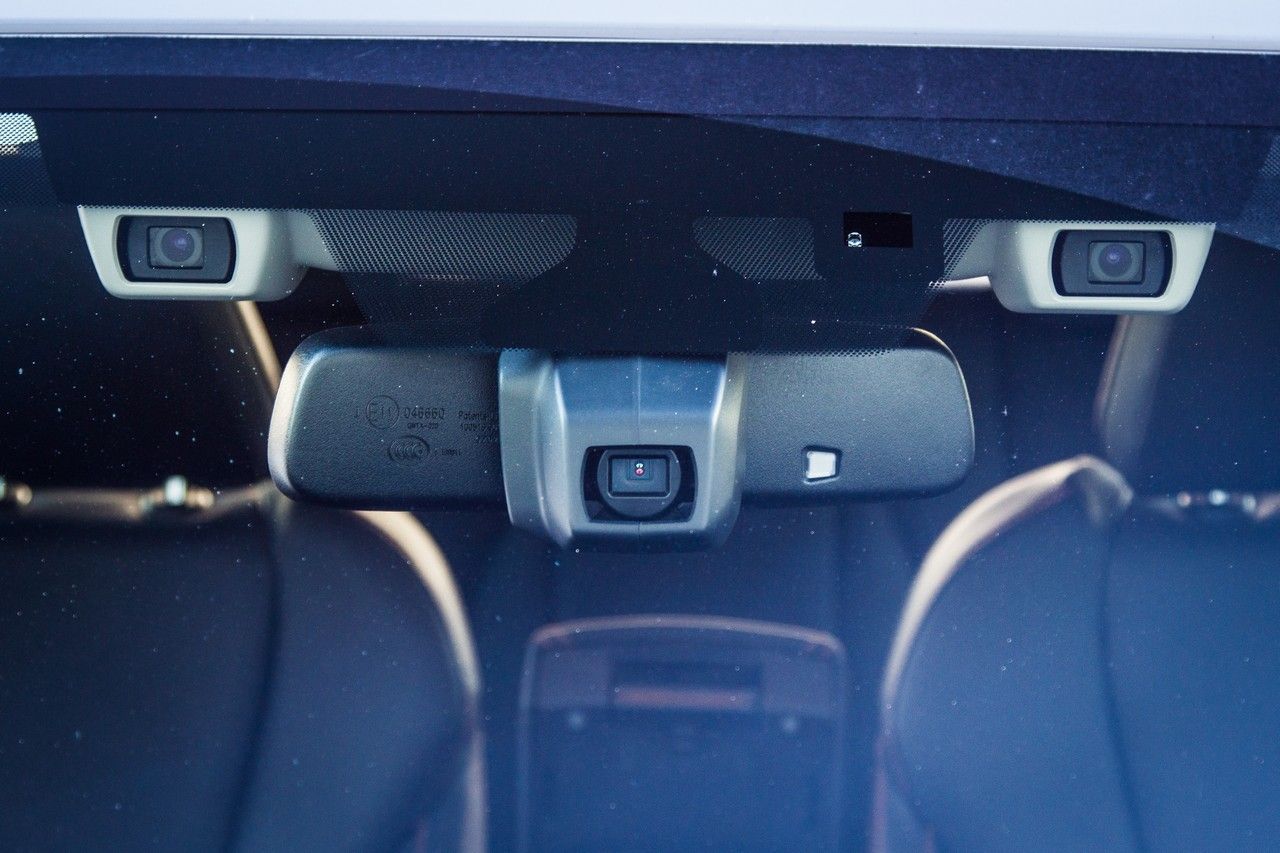

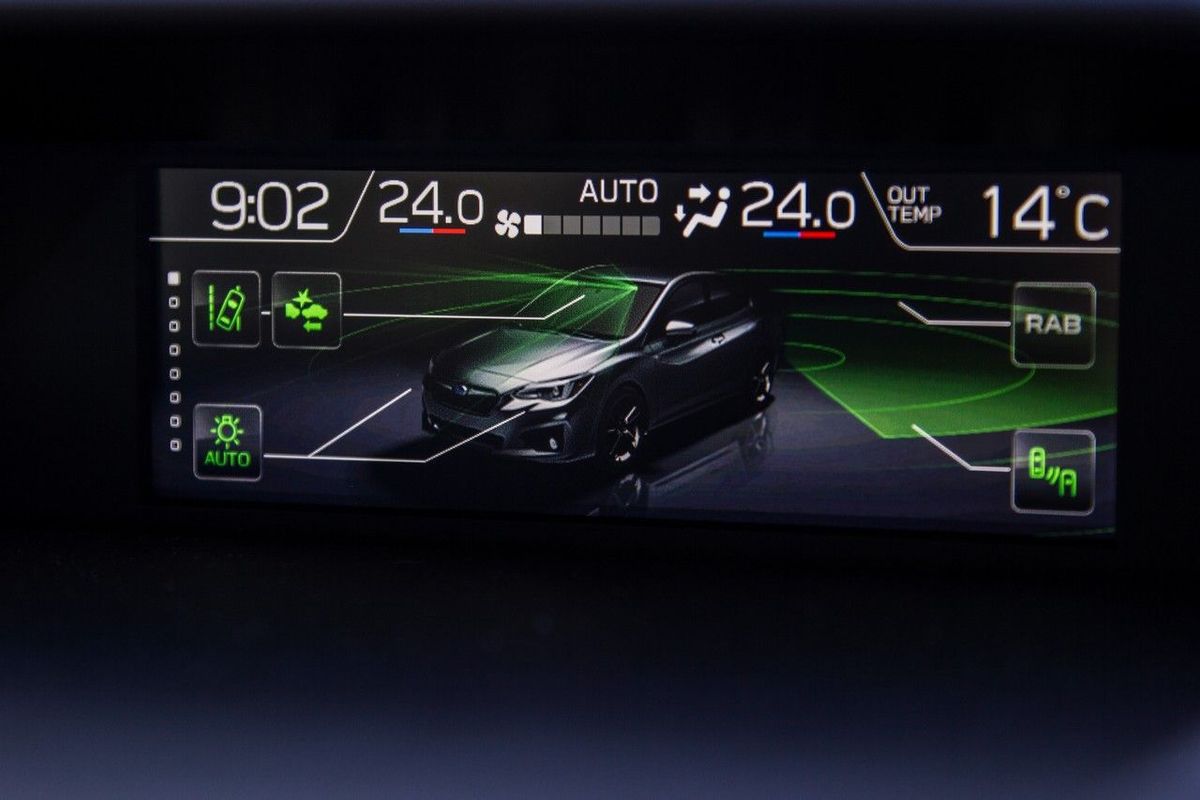
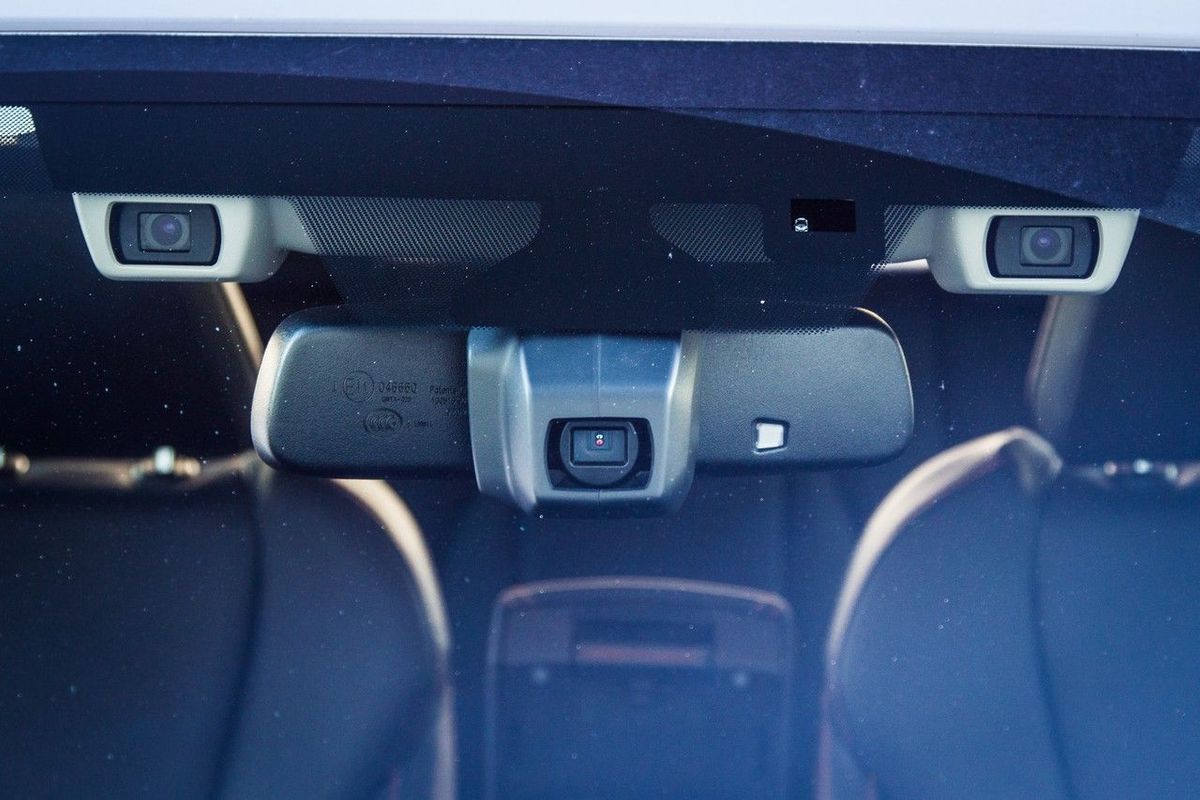
Subaru's Eyesight system uses multiple cameras at the top of the windscreen to reduce the chance of accidents.

The R440k XV’s party piece is that’s it is fully kitted with Subaru’s Eyesight safety pack – an impressive list of driver assistance features that includes turning headlights, high beam assist, blind spot detection, rear cross traffic alert and front and rear parking sensors. Adaptive cruise control, pre-collision braking and lane departure warning.are also standard on the XV, features that are usually optional extras on rival brands. 

The XV scored the highest ever rating on the Japanese New Car Assessment Program when it was crash tested. In terms of tech and safety, the XV appears to offer the most specification by some margin at this price point.

Pricing and warranty

Subaru markets itself as a premium offering, but by loading the top-spec ES model with plenty of kit, it's also very good value at just R439 000 (September 2017). It is sold with a 5-year/150 000 km warranty and 3-yer/75 000 km maintenance plan.
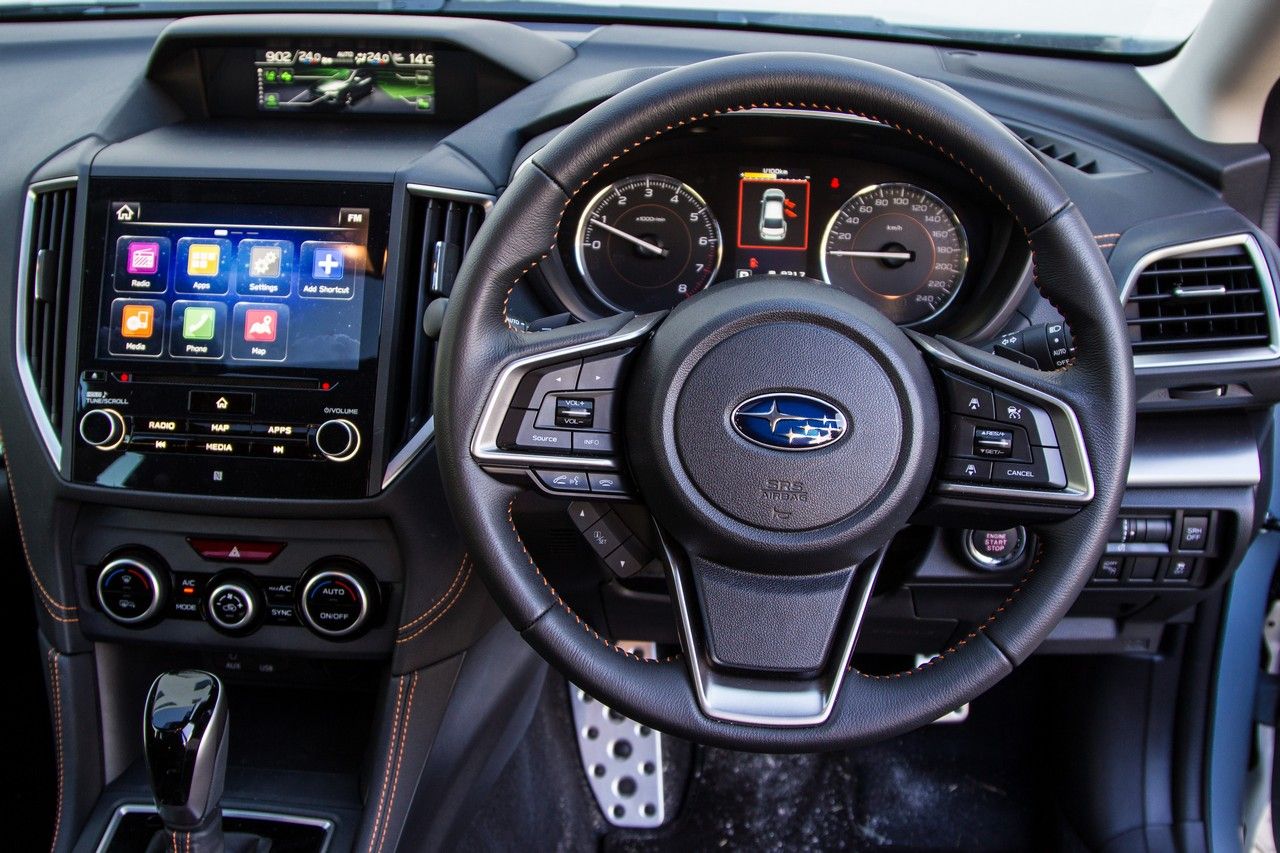

Solid build quality, improved infotainment system and a long list of safety features make the XV excellent value for money.

Verdict

With the new XV, Subaru has pushed its crossover into premium territory in terms of ride, build quality, safety and technology. There’s not much that can touch it in terms of standard specification at this price point. The Subaru brand is renowned for its gravel road ability and hard-wearing nature, the XV tows the line with all-wheel-drive and a traction control system that helps it in trickier situations. It feels, however, more like an excellent hatchback that rides and handles with authority.

It could do with a bit more boot space and a lower loading height to deal with an entire family’s luggage, but passenger space has been prioritised for comfort. The engine and gearbox setup is not exactly class-leading in terms of performance stats, but it’s sufficient as an everyday runabout and appears to be quite frugal. The price tag of R430 000 makes it an excellent value for money offering and with Subaru’s reliability and peace of mind track record, it's certainly worth shortlisting.

It's for good reason then that the Subaru XV 2.0i-S ES is in the running for the win in the Premium Hatchback category of the Cars.co.za Consumer Awards – Powered by WesBank. 

Related content

Subaru debuts new Impreza Hatch at Frankfurt

Do you suffer from anti-stationwagonism?

2017/18 Cars.co.za Consumer Awards – powered by WesBank; Semi-Finalists
Searching for a used Subaru XV?

Start your search here

Nissan Micra Active (2017) Launch Review

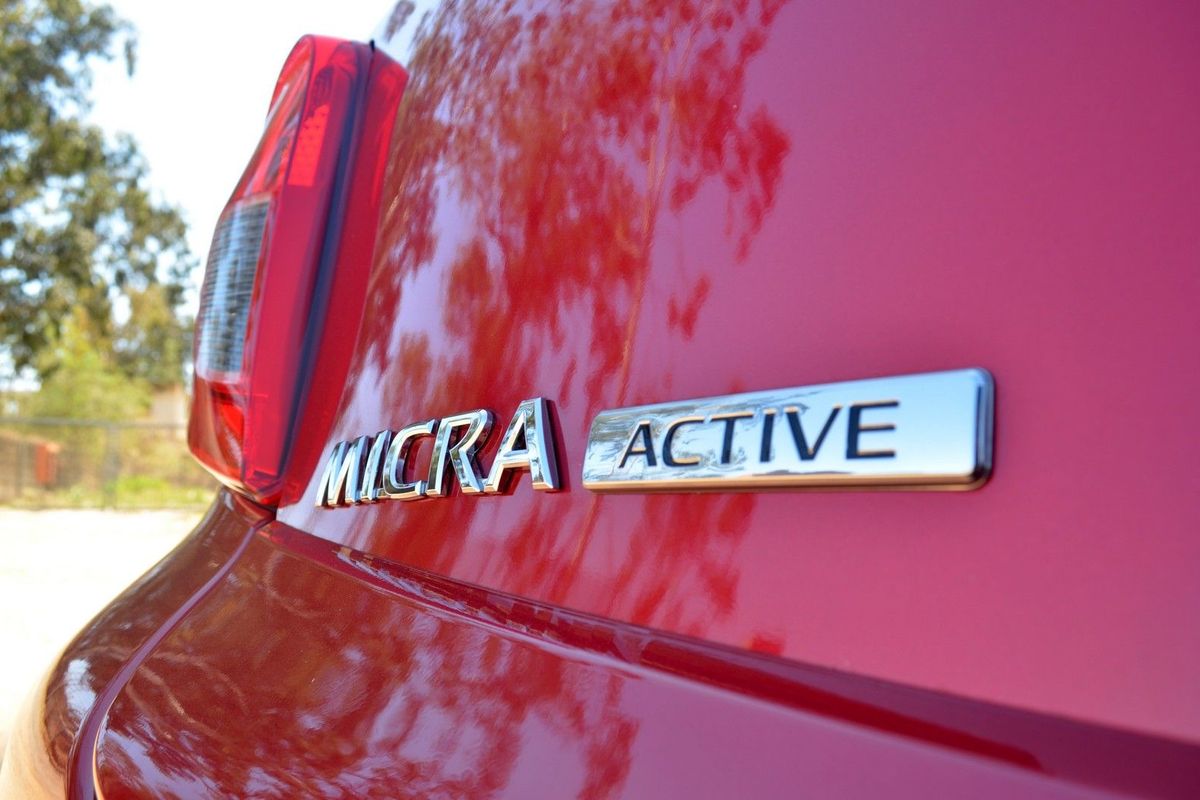
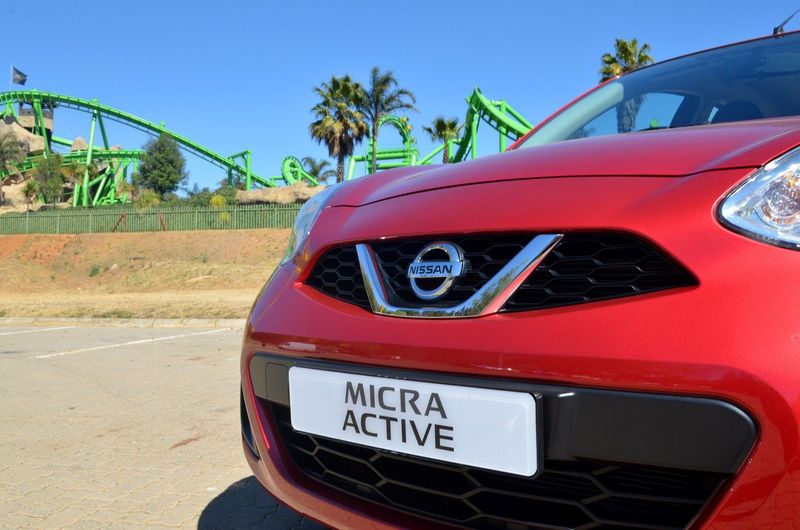
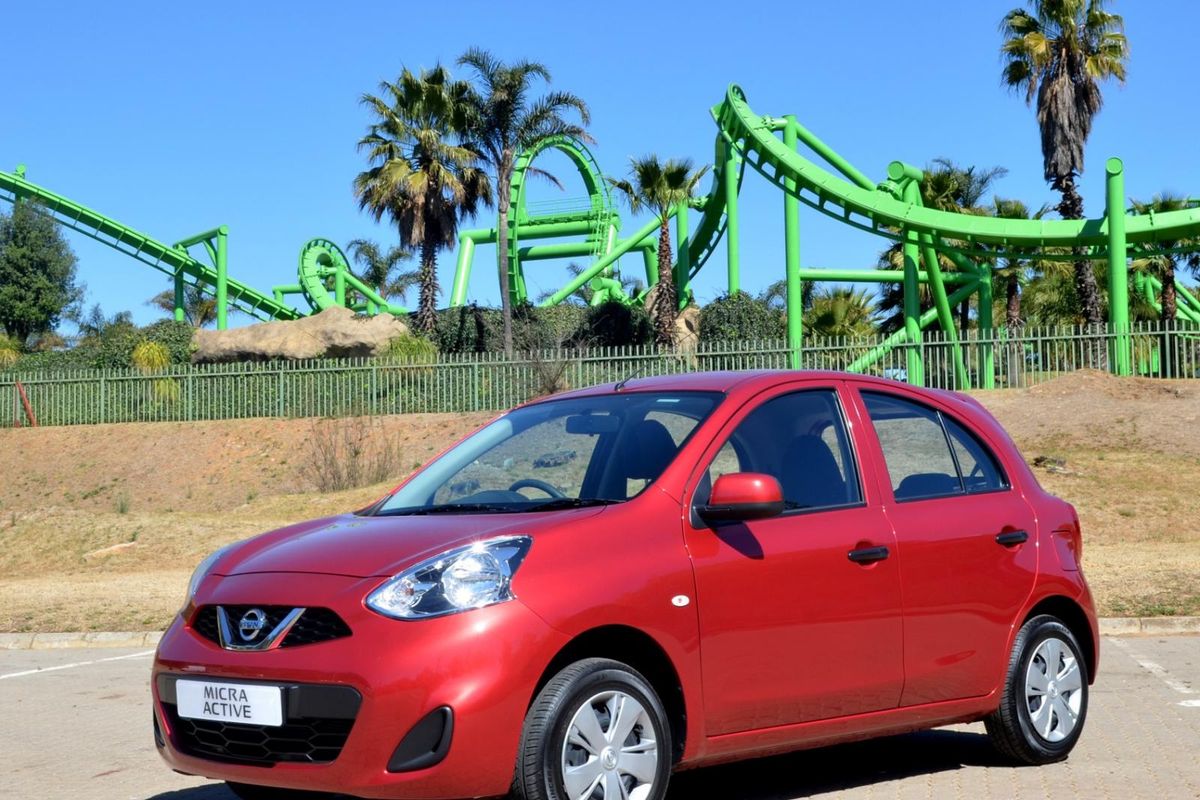
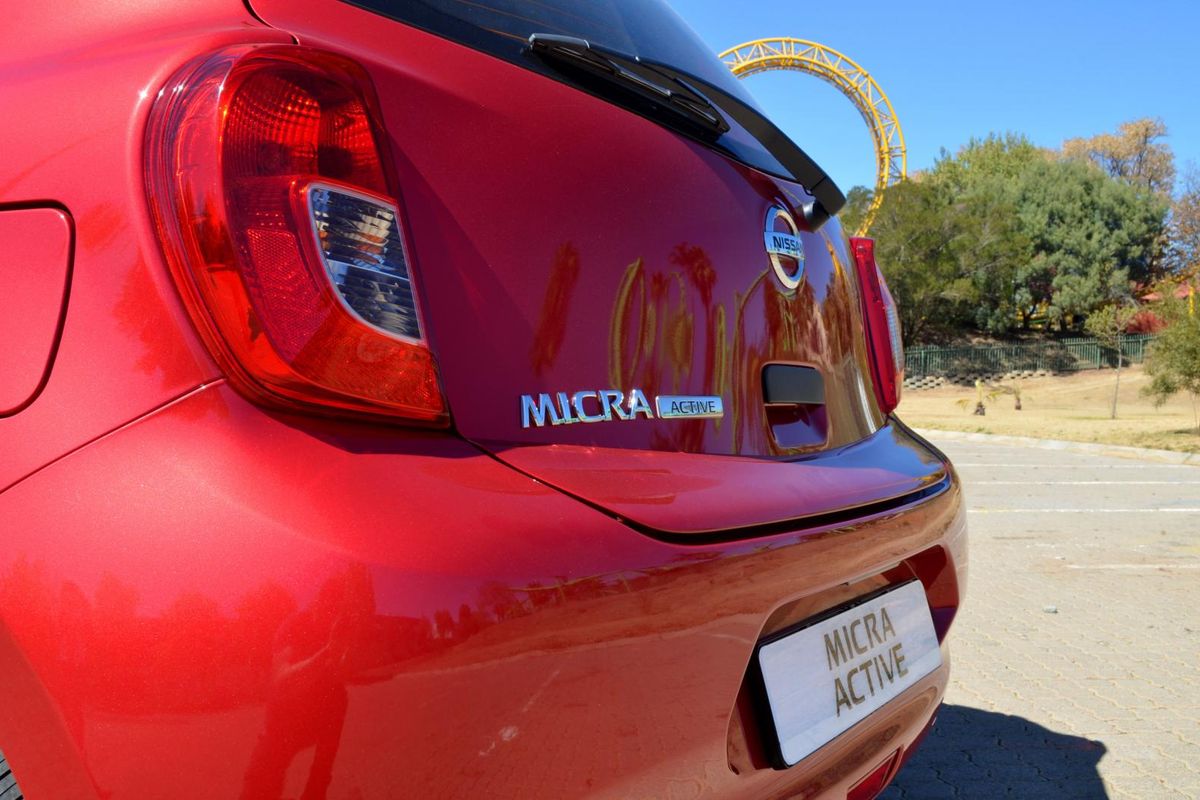
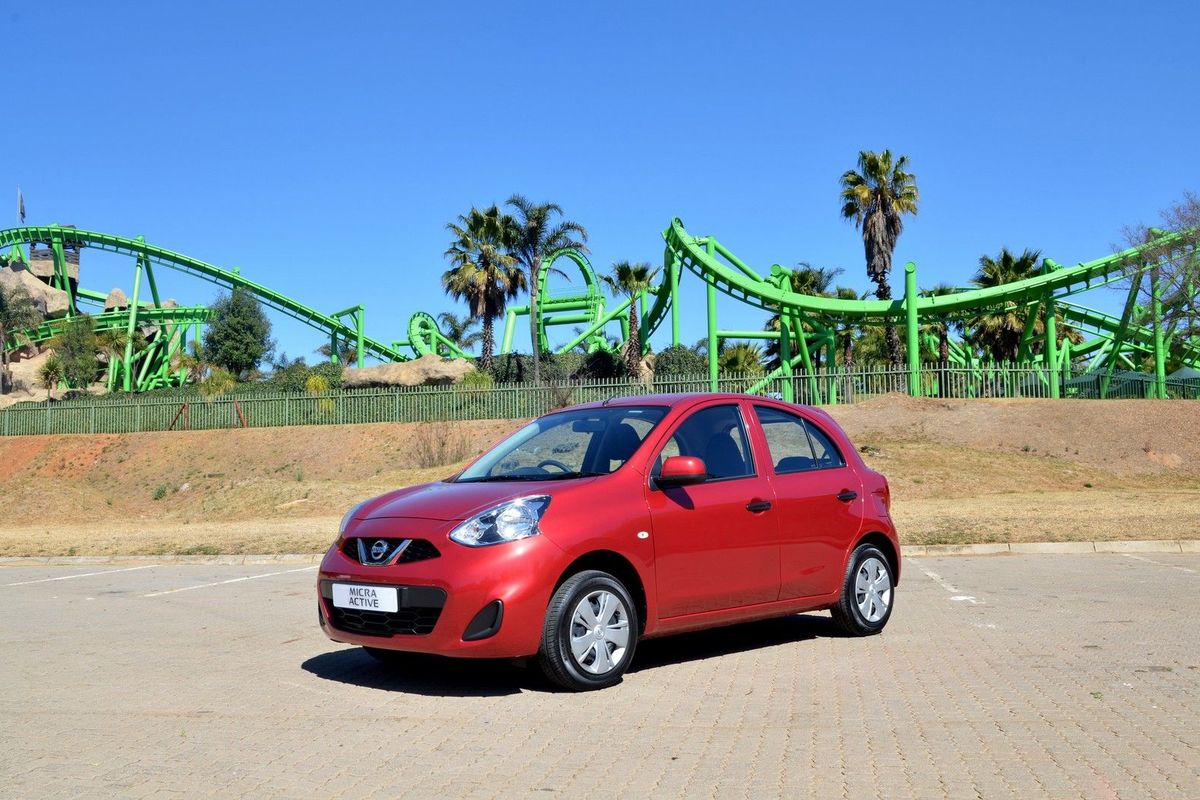
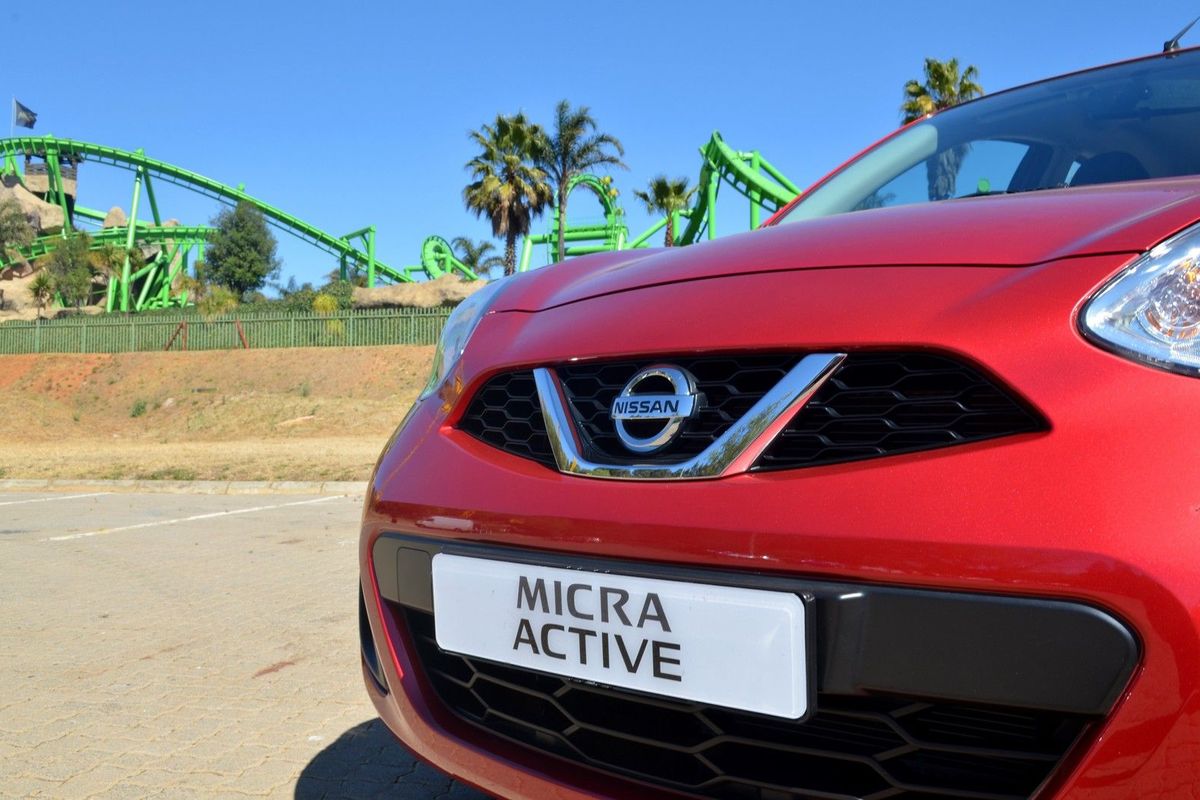
This is not the new Nissan Micra. Rather the Micra Active. Yes it looks awfully familiar, but before you sharpen your pitchforks let me explain.

The (actual) new Nissan Micra, the one that you're waiting for is indeed imminent. You'll have the opportunity of buying one in March, which coincidentally, is its name in many other lands. But where that car will compete with the likes of the Ford Fiesta and VW Polo, this car, the Micra Active will battle the likes of the Figo and Vivo. In short, it relies on the tried and tested formula of reengineering (in this case, in India) the outgoing model with a raft of upgrades, albeit mostly of the aesthetic variety. Wrap that up in a good value prospect and it's hard to ignore the Active for what it is. Pure simple motoring. No fuss. Yes, it still looks like a boiled sweet, but it’s cute and endearing and that is the Japanese way.

The launch Active-ity

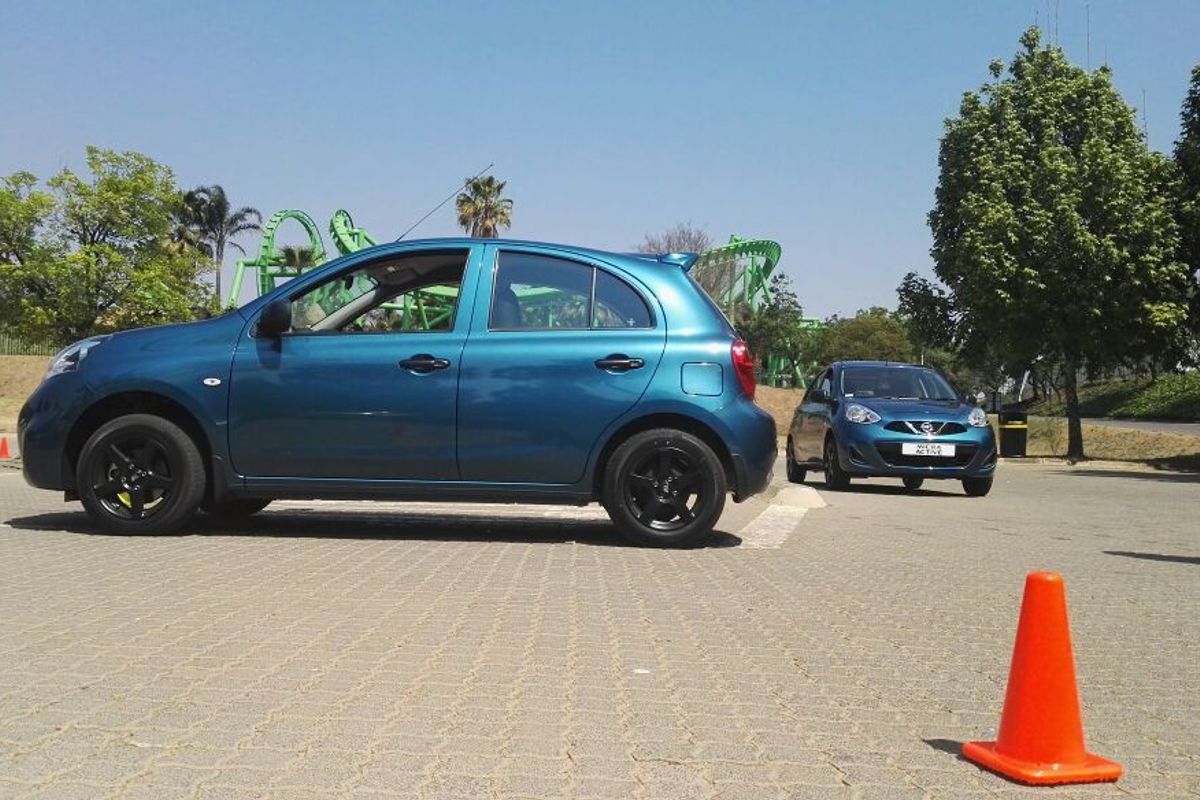
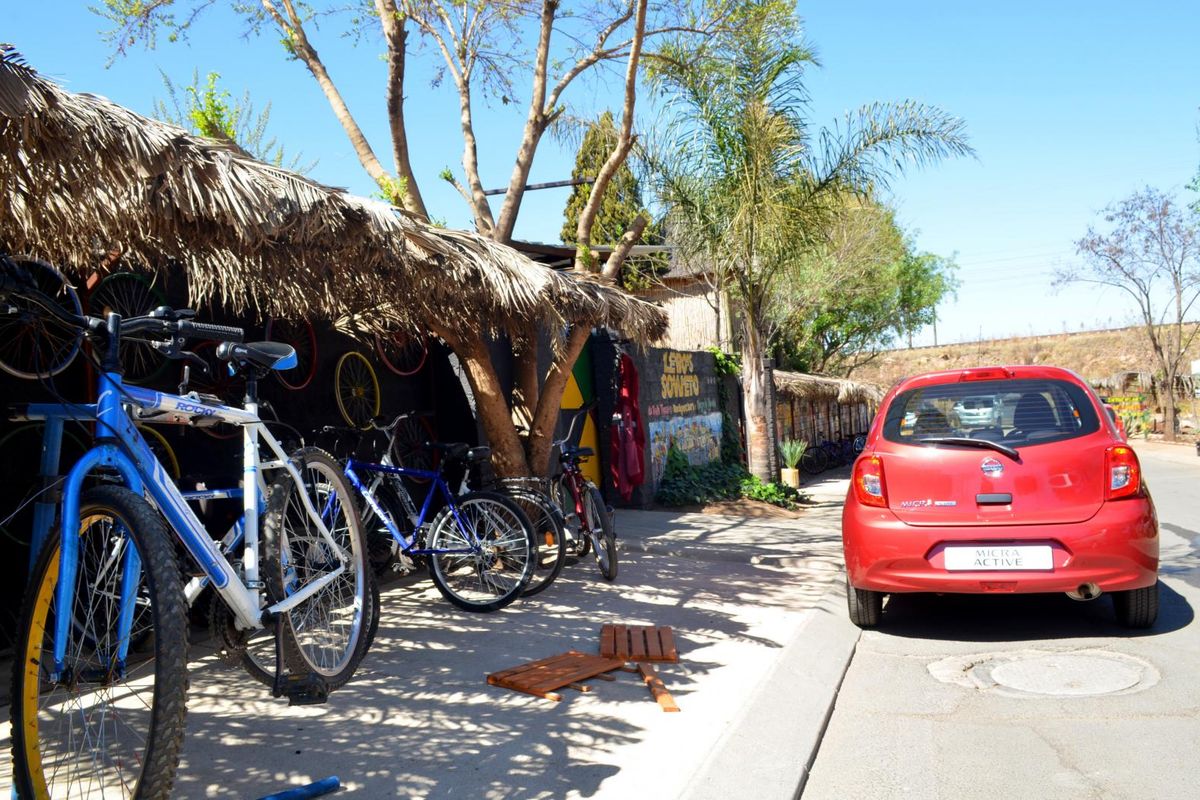
Well this is new. We haven't been whisked to the coast to navigate some asphalt spaghetti to fortify the validity of the Micra Active's sporty bodykit. Nor have we roughed it in a wood or desert because someone in a boardroom thought they'd project a rough demeanour onto a most urbane of B segment debutantes. Instead, we're invited to experience the fun side of Micra Active ownership in the parking lot of the Gold Reef City theme park. Here we'd be encouraged to drop the clutch and tango with an array of bollards with the gusto of Ken Block, albeit with the coordination of Mr Bean.


A 1.2-litre naturally aspirated engine lives under the bonnet of the Micra Active.

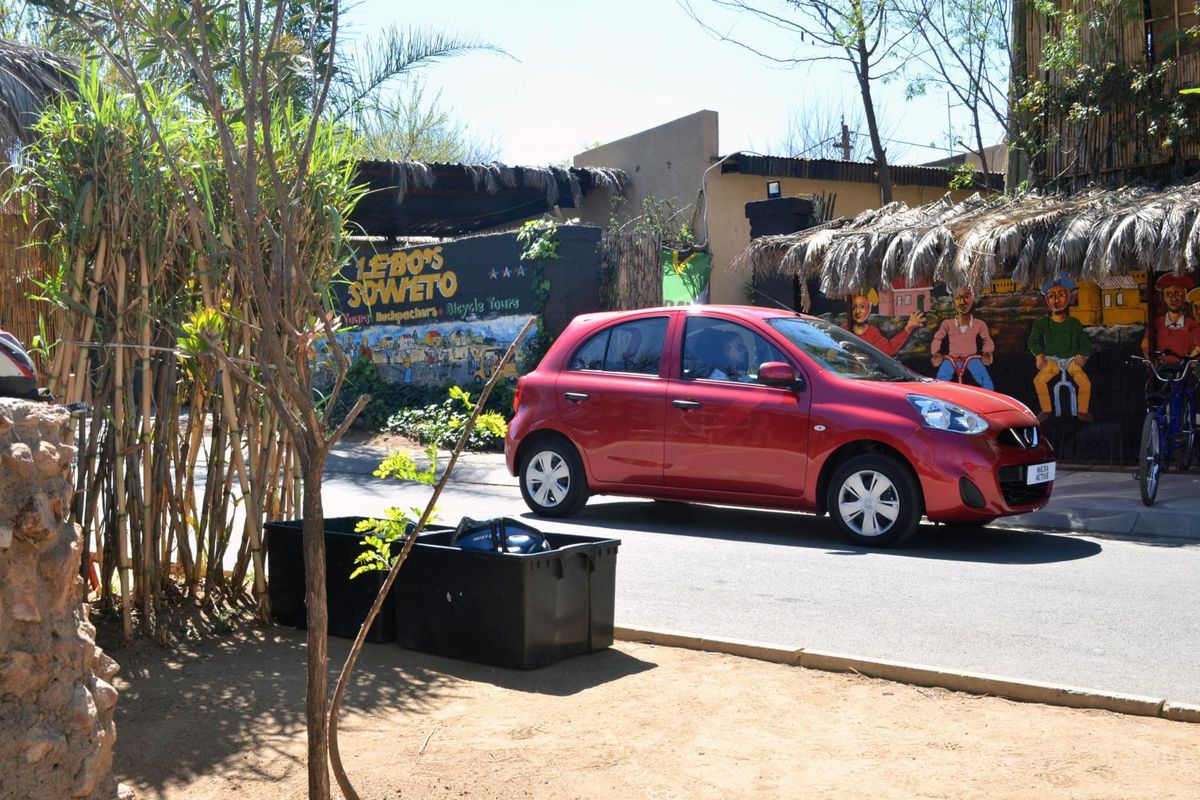
I personally got to wring the neck of the 1.2-litre engine, wrestling from it the full reserves of 54 kW and twisting from its lungs the 105 Newton metres it said on the brochure. I left black lines on the asphalt to the dismay of our instructor and rendered the air noisy and smoky with burnt offerings of rubber until we were all encouraged to leave. This is where things began to get interesting because, and this is the best kind of shocking, we were unleashed onto the roads of Soweto to take in the sights while getting better reacquainted with the Nissan Micra Active. The route was short but provided enough city and town commute to experience the little car’s handling prowess beyond the gymkhana course. The South West Townships are not exactly flat either, providing a fair challenge for the 1.2-litre mill under the bonnet plus it steers like a peach. It always has. Entry-level?


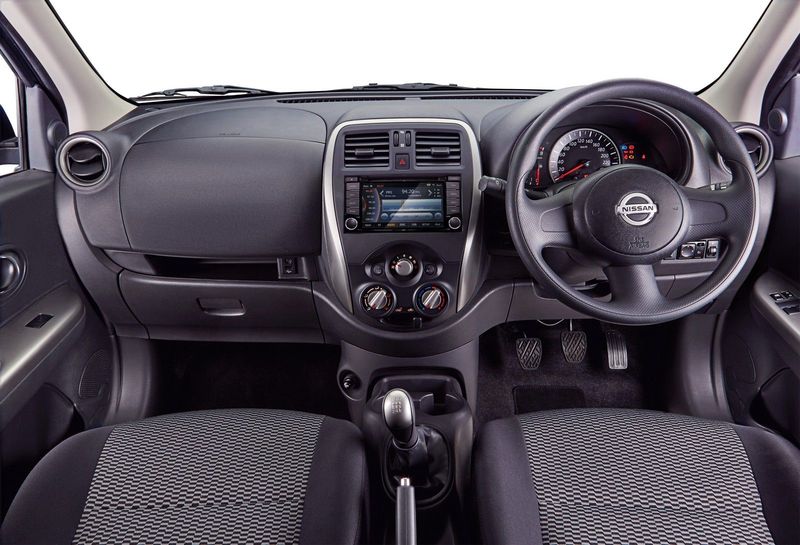
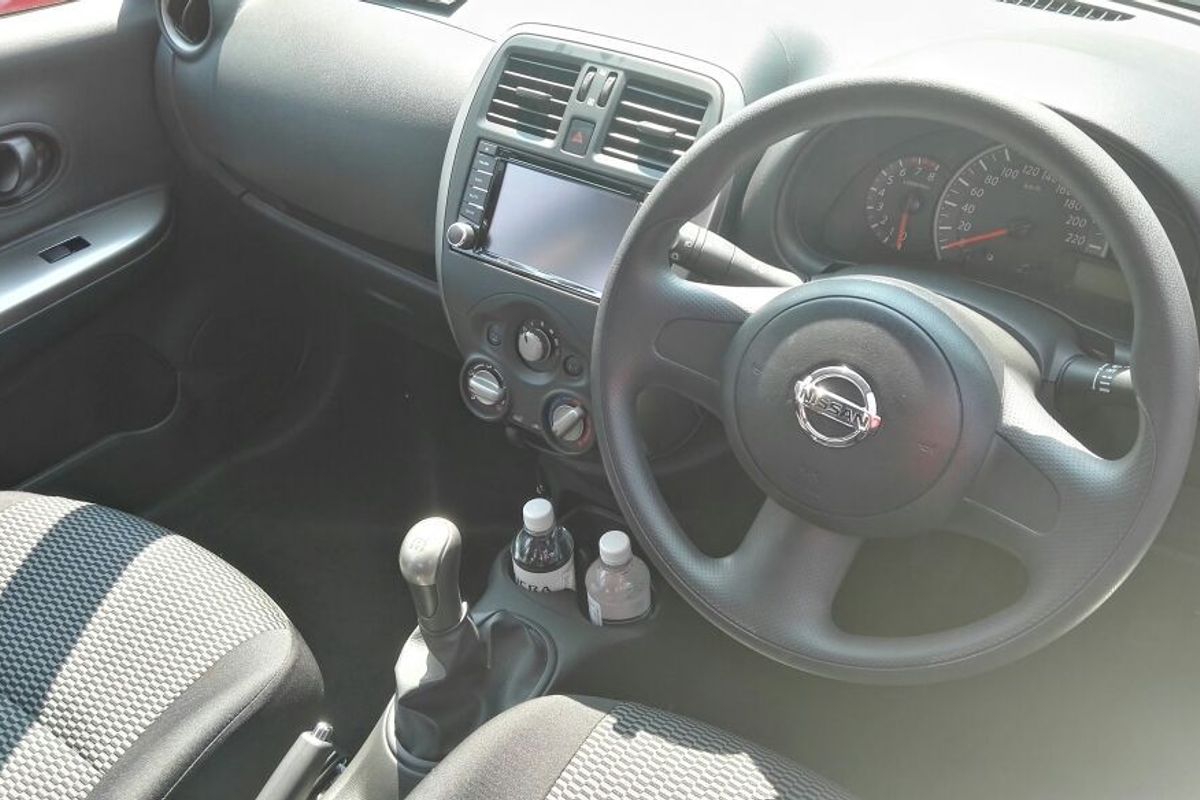
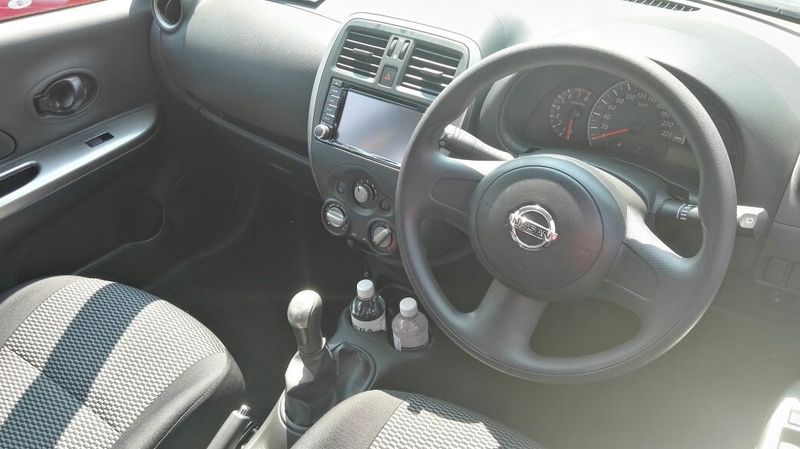
Active feature the touchscreen infotainment system pulled from the Navara.

Don't use the C word

It's cheap. Sorry. Affordable. At R159 900 the Micra Active represents great value for money but refreshingly our hosts didn't insist on drumming this into our heads. Sure, there were gentle (and favourable) reminders of Nissan's respectable warranty and service plan, and we were enlightened with the extended standard spec list, as well as tickled with the options list; two items, specifically a 7-inch touchscreen multimedia audio system and that groovy styling upgrade dubbed the Trendsetter pack, comprising black alloy hoops and a roof spoiler. It's not for everyone, but I wouldn't have it any other way.


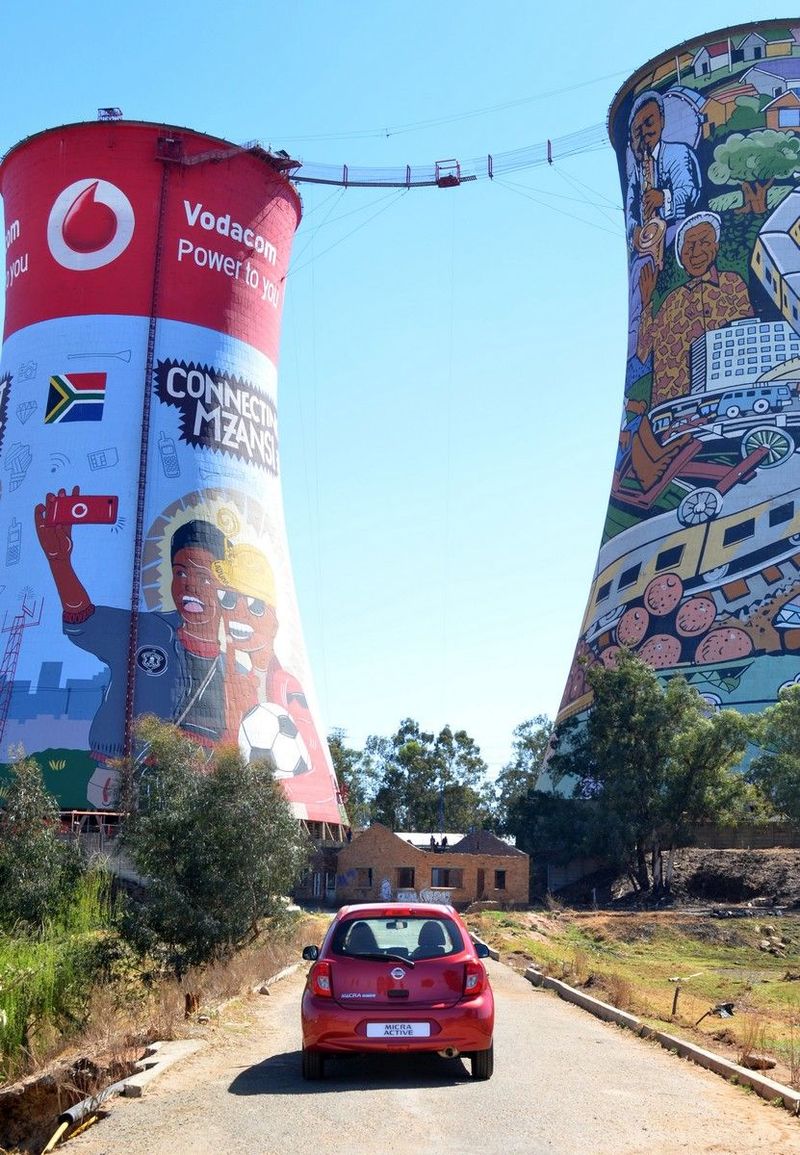
Launch route took us from Soweto through to the bungee jump towers.

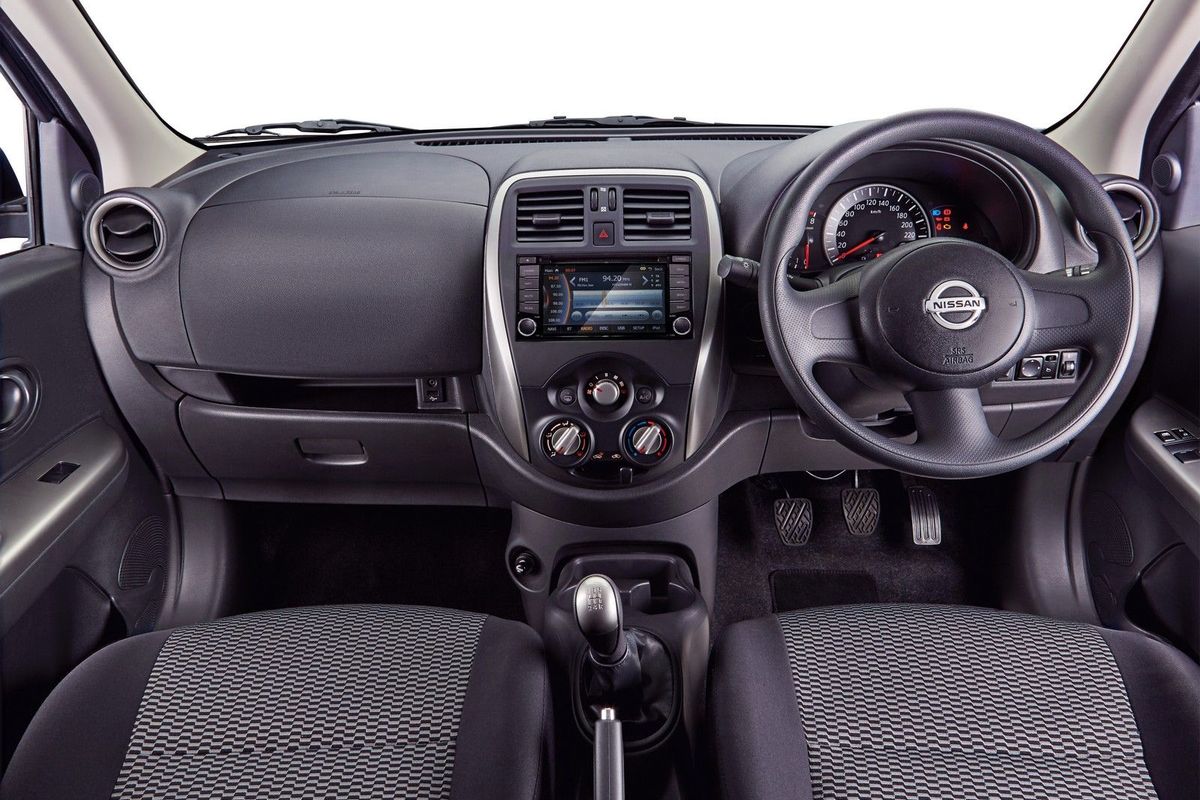
The new audio system complete with touchscreen navigation is comparable to the unit in the new Navara and really raises the Micra's game in terms of the living space, especially when it comes to connectivity. Better still you’ll get one gratis if you buy a new Micra Active within its launch window (approx. 3 months). Outside of the launch offer, it will set you back around R8500, as will the bodykit. Bells and whistles aside, the cabin is an ergonomic example of Japanese design and that means functional and serviceable with good tactility throughout.

Verdict

We've seen this formula work at VW, Ford and even Renault with their range of Sanderos. Nissan's take on it is not by any means unique, but get past the back story and the Micra Active is a flawless small car. It could have bigger engines but nobody on our test drive bemoaned the little 1.2 doing service here. Its design is painfully similar to the donor car, but the new stuff is good stuff.

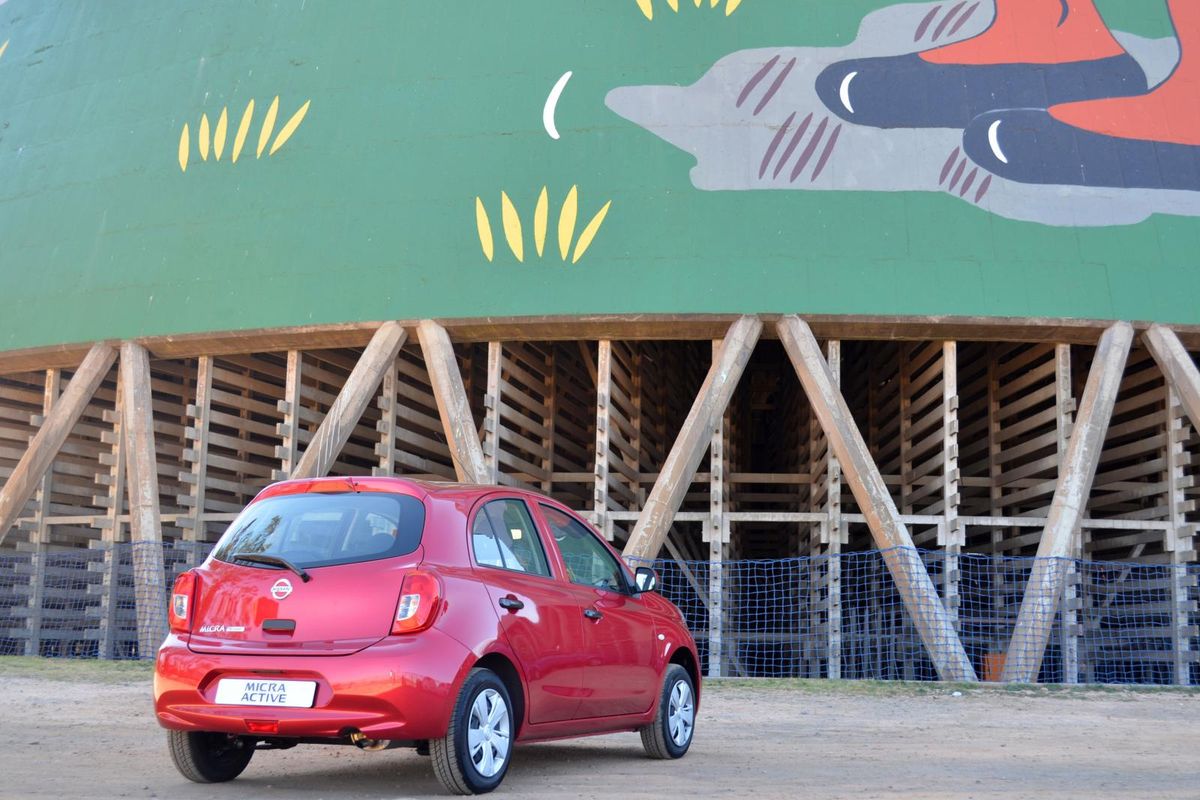
Kitted out with black wheels and roof spoiler, it looks every bit the urban runabout for someone who needs to be very mobile, and takes pride in their appearance. It isn't the new Micra but it's a sharp substitute till that arrives. And when you consider how well equipped it is, well you might not feel the need to upgrade in a hurry. Add to that a 3 year / 90 000km service plan and 6 year / 150 000km warranty and a variety of safety implements such as ABS, EBD and BA, remote central locking and airbags and the Micra Active even delivers on peace of mind too.

Nissan Micra Active 1.2 Visia

Price:                                     R159 900
Power:                                  54 kW / 105 Nm
Fuel Economy:                     5.2 litres per 100km
Service Intervals:                 15 000km
Warranty:                             6yr/150 000km
Service Plan:                       3yr/90 000km

Related content

Nissan Micra (2017) International First Drive

Volkswagen Polo Vivo (2014) Review

Volkswagen Polo Vivo GTS (2016) Review

Toyota Etios 1.5 Sprint (2017) Quick Review

Juliet McGuire tests a trio of budget cars

Searching for a used Nissan Micra?

Start your search here

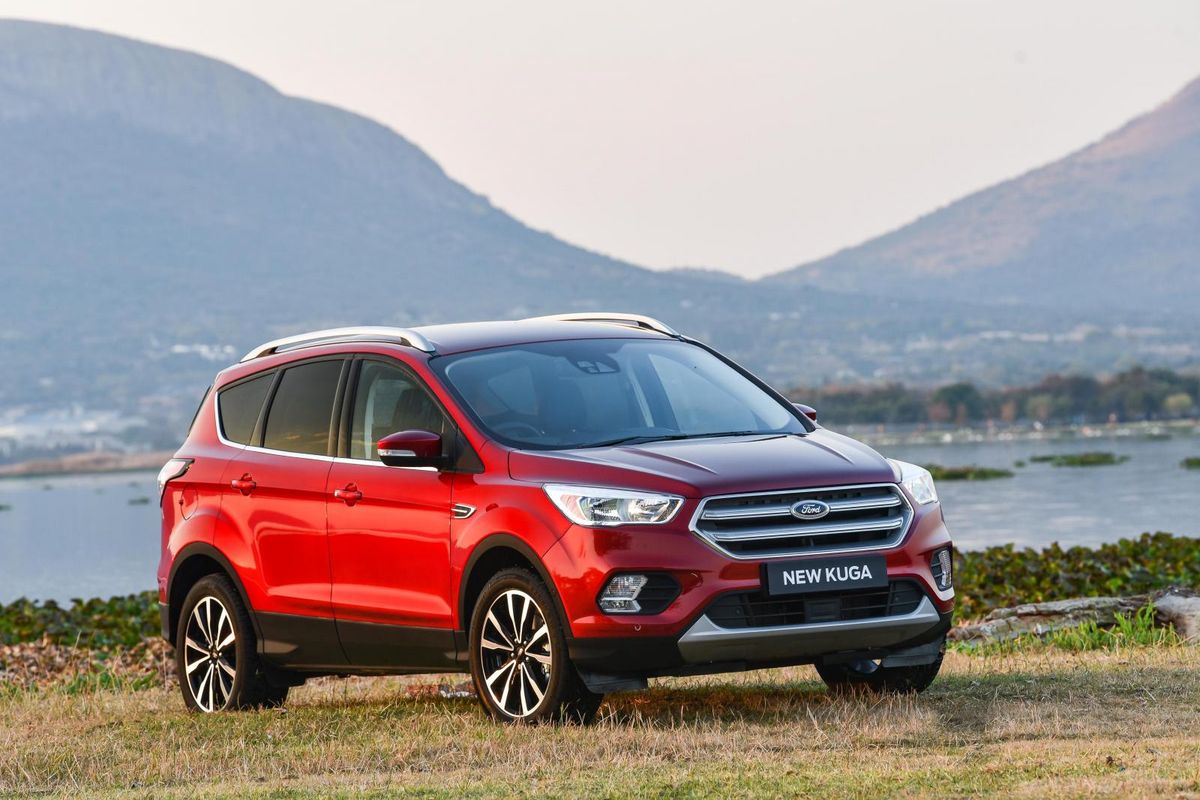
Ford Kuga Facelift (2017) Launch Review

After a troublesome (to say the least) 12 months, the Ford Kuga has returned to the market as a facelifted offering that hopes to avoid and allay the negative public sentiment towards its maligned predecessor.   

As crises go, the Ford Kuga fire saga is a major one and, judging by the preceding 48 hours of emotive, sometimes acerbic, twitter conversation we've monitored (in response to the introduction of this facelift model), the proverbial dust has clearly not settled.

In the media conference for the introduction of its updated family car, Ford did not deny the Kuga predicament but focused the firm's message on efforts to improve the brand's overall customer satisfaction in the local market. For the record, more than 90% of affected Kugas have received a phase 1 upgrade, which is a software update to the engine management system. Around 60% of affected cars have had a phase 2 upgrade that includes hardware and software upgrades to the cooling system.

Suffice to say the maligned 1.6-litre Ecoboost engine does not feature in the facelifted model's lineup, but it’s interesting to note that despite the negative publicity, sales of other Ford models do not seem to have been negatively affected. Kuga sales took a hit, but trust in the Ford brand still appears to be strong as the Ranger leads vehicle sales in the first half of 2017. The Blue Oval also plans to invest significant capital in its dealer network in order to improve service delivery, experience and delivery.

The facelift


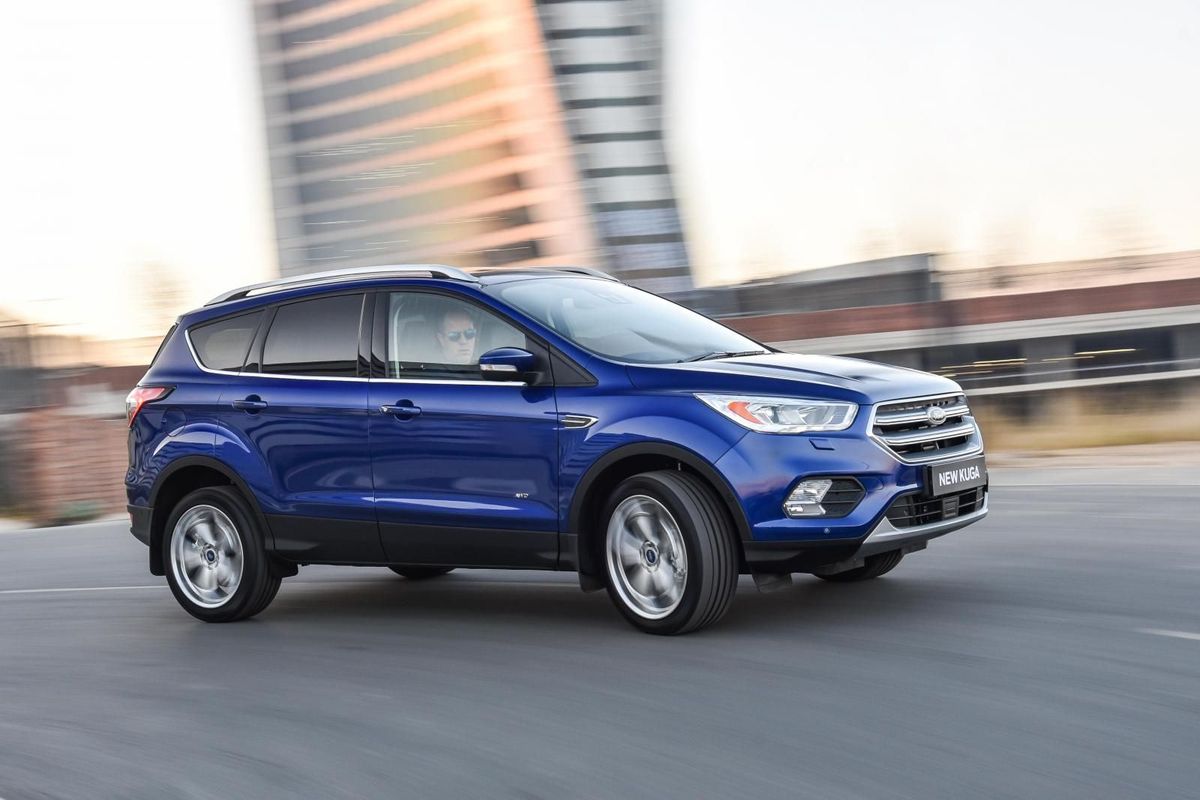
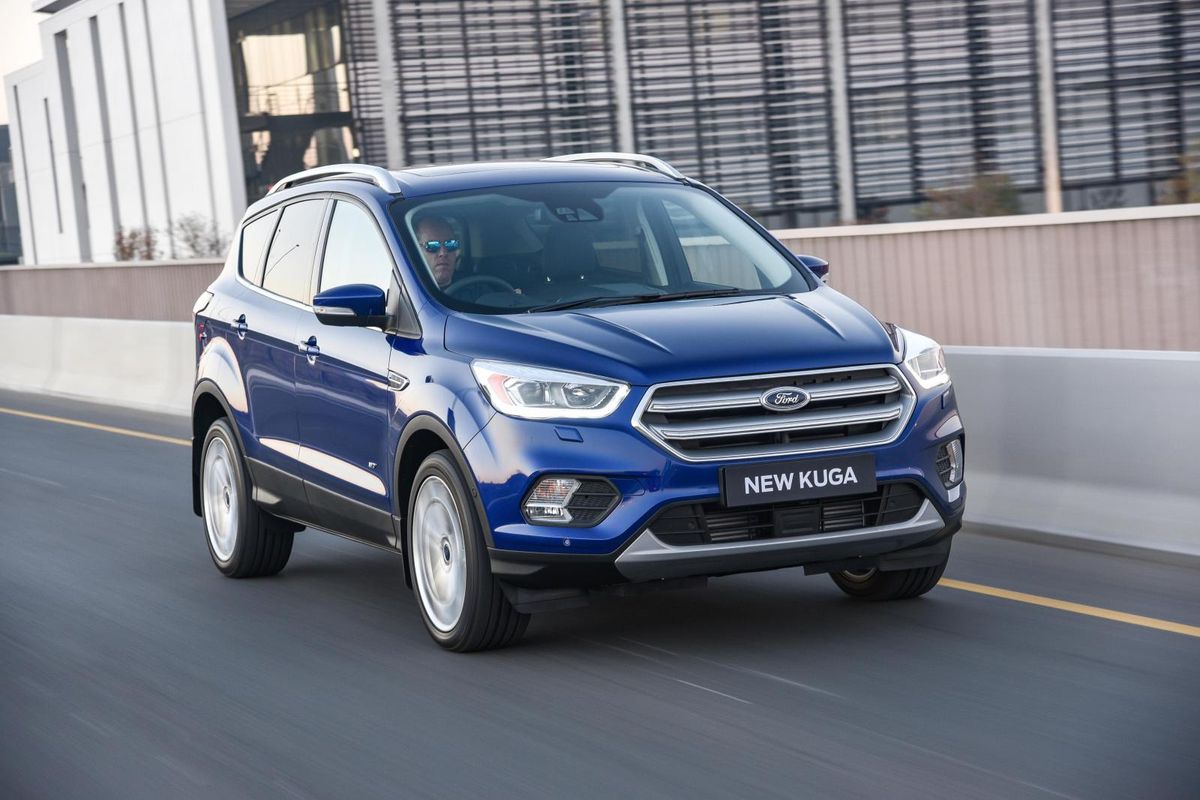
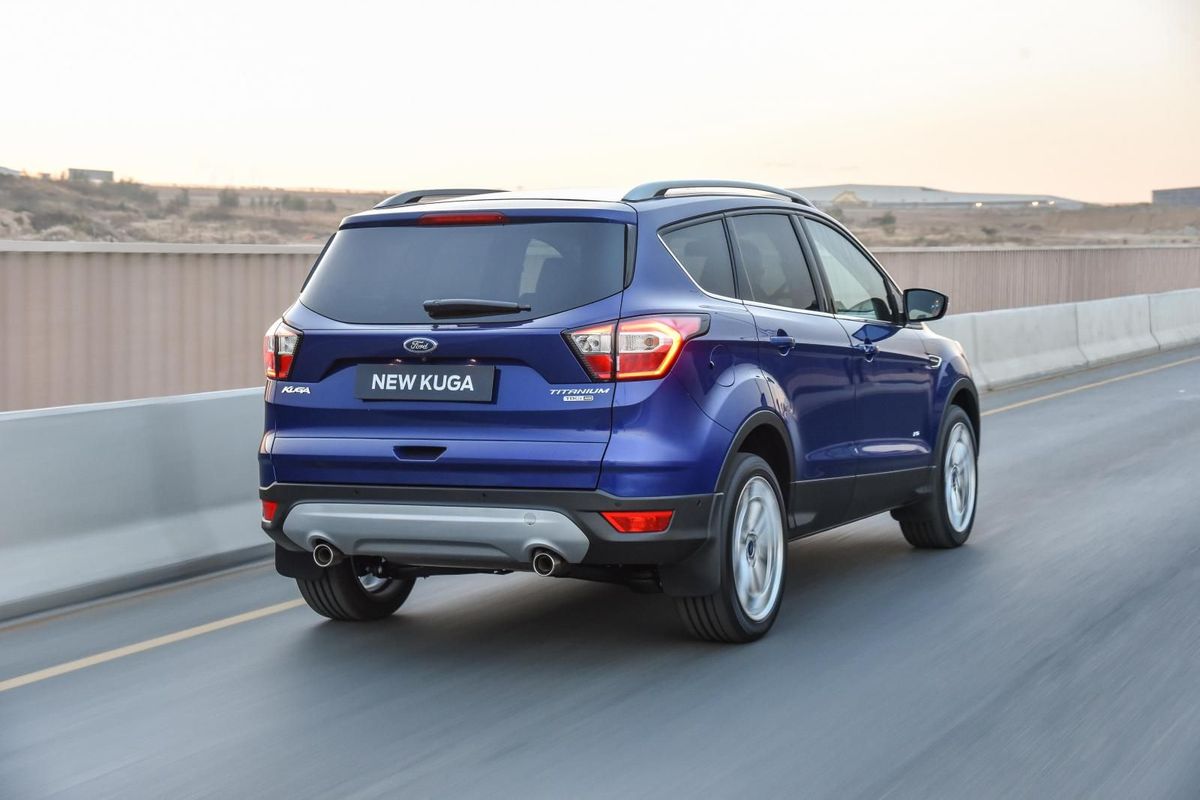
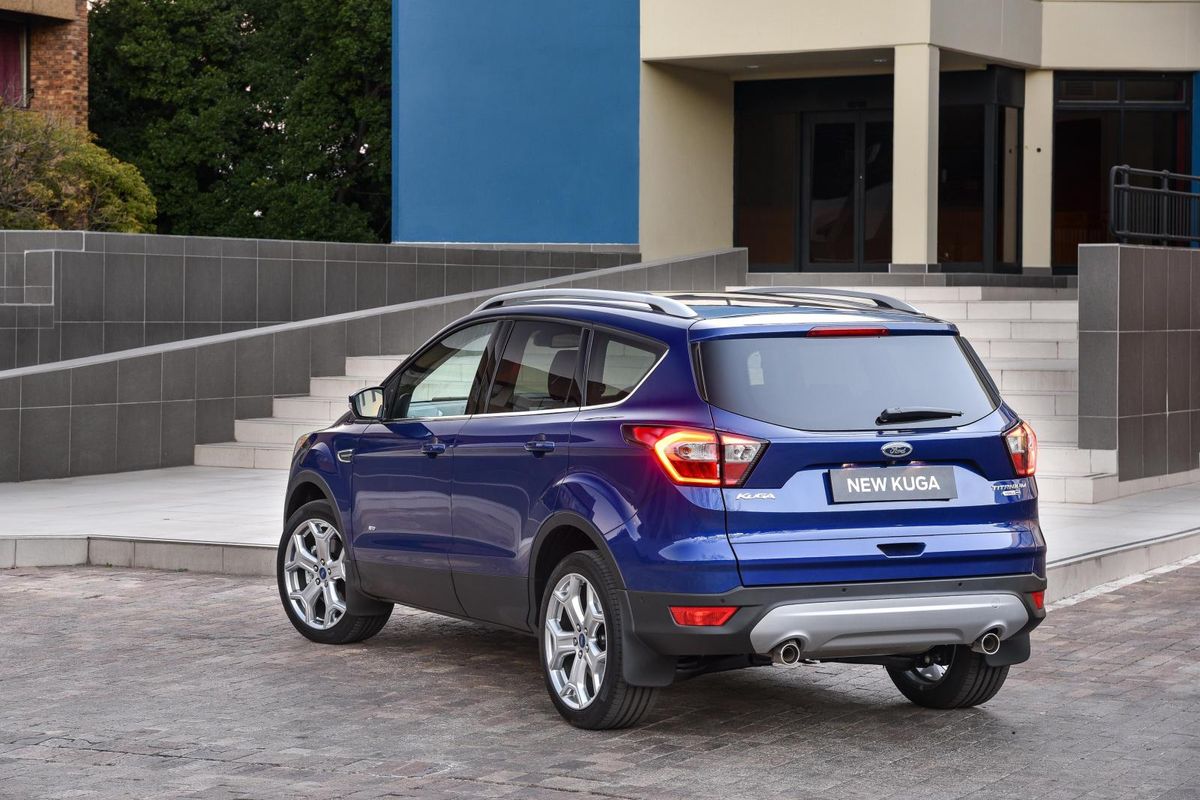
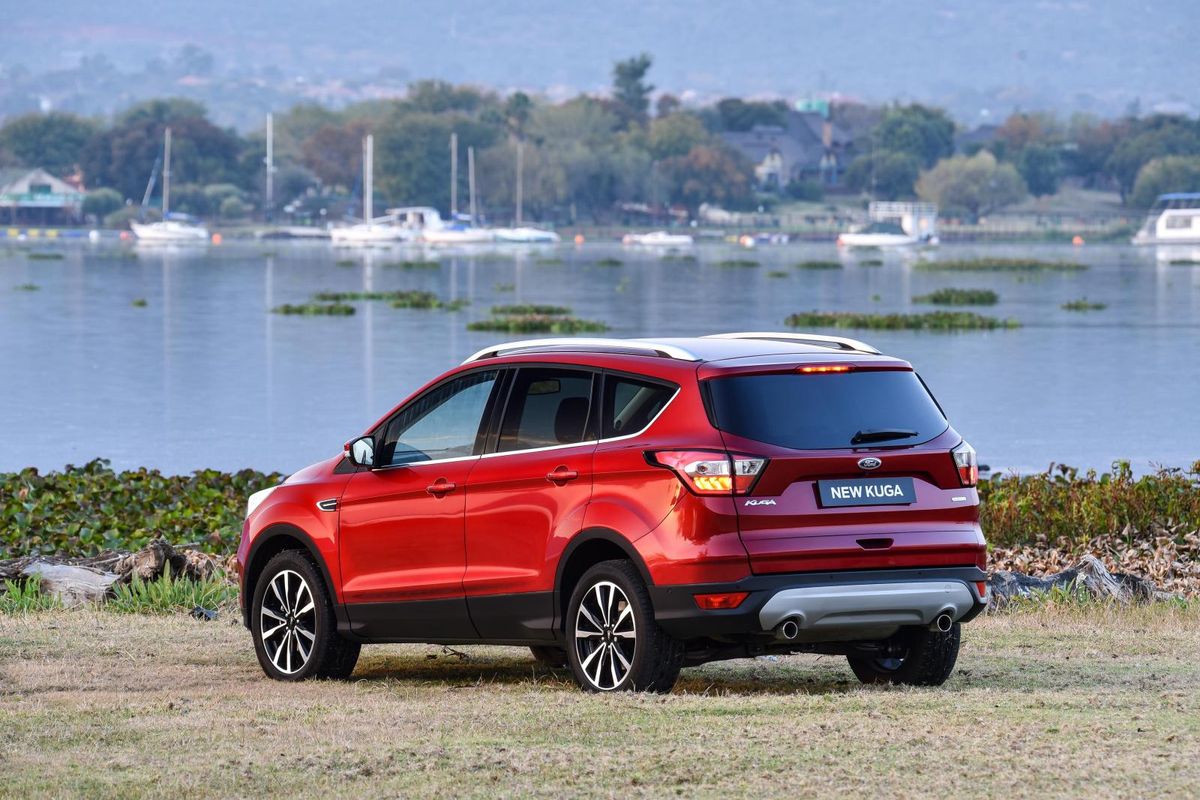
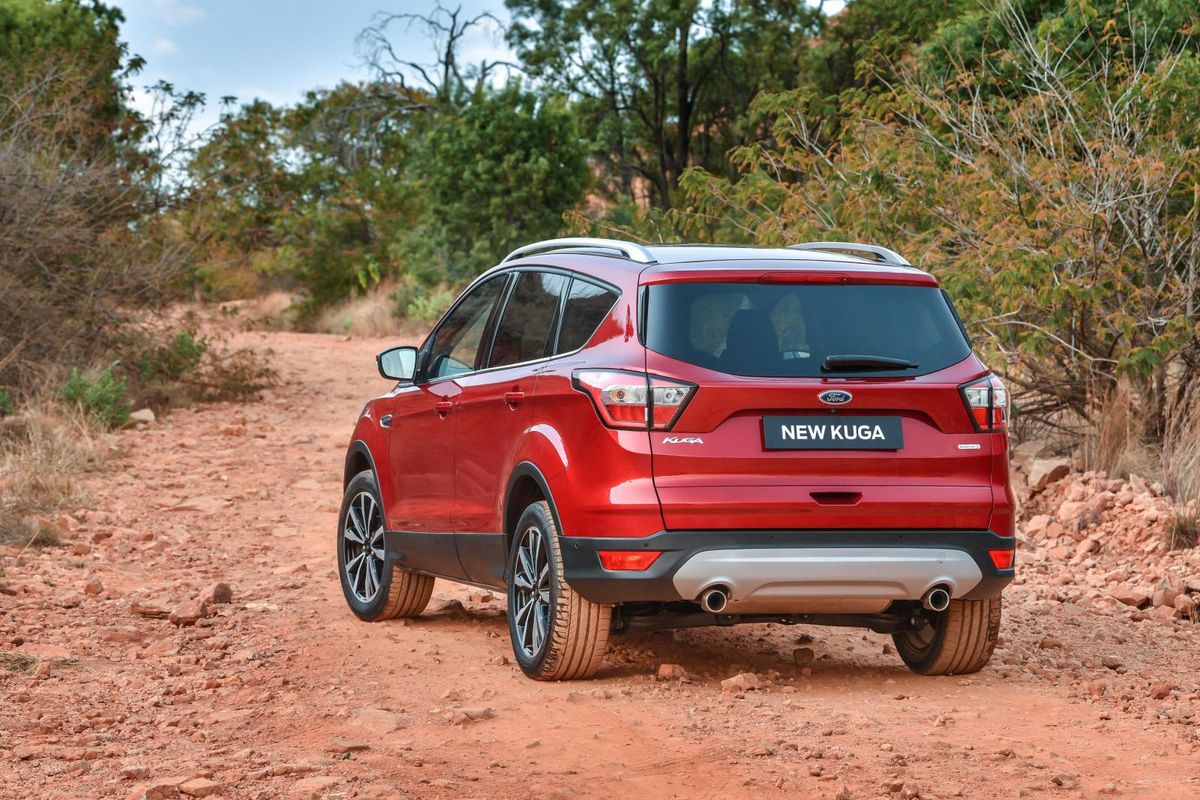
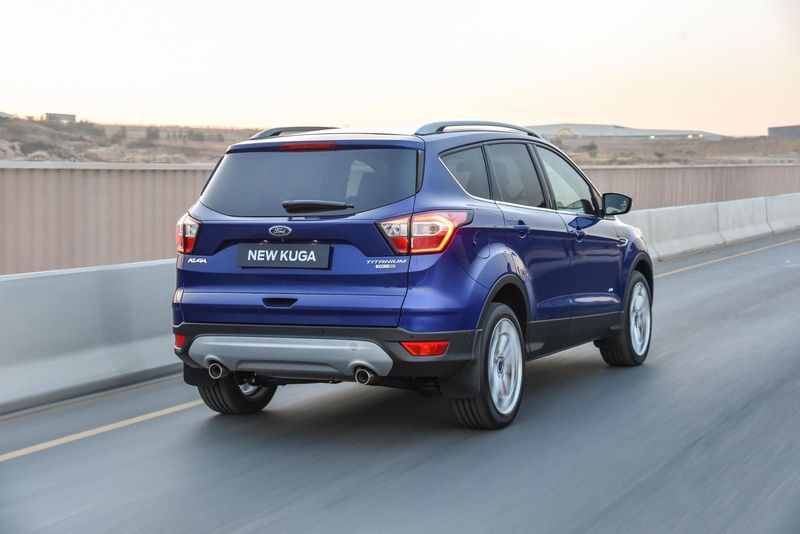
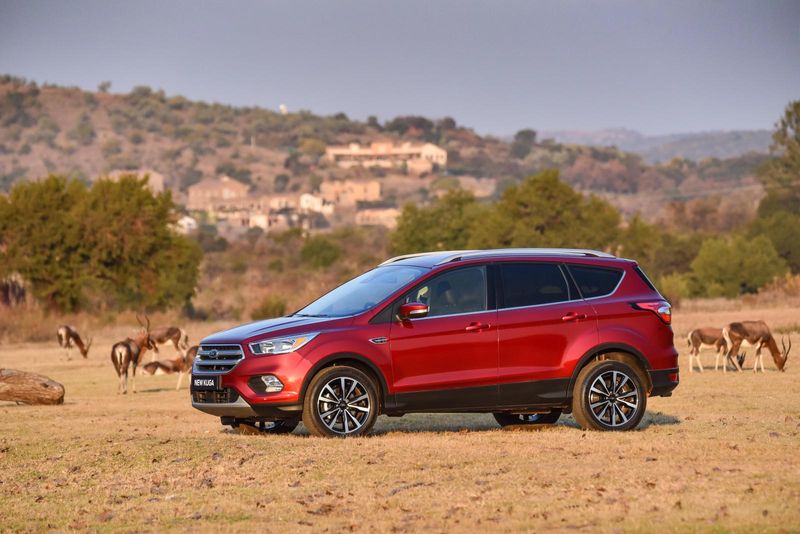
Top spec Titanium model with its black-outlined taillamps shows a strong, muscular design.

As it turns out, facelifted Kugas have been in the country for some time – Ford employed them as courtesy cars for owners affected by the Kuga recall campaign. Now, however, the newcomer's officially available – it’s better priced than before (offers more value for money), plus it appears particularly well-specced on the safety front.

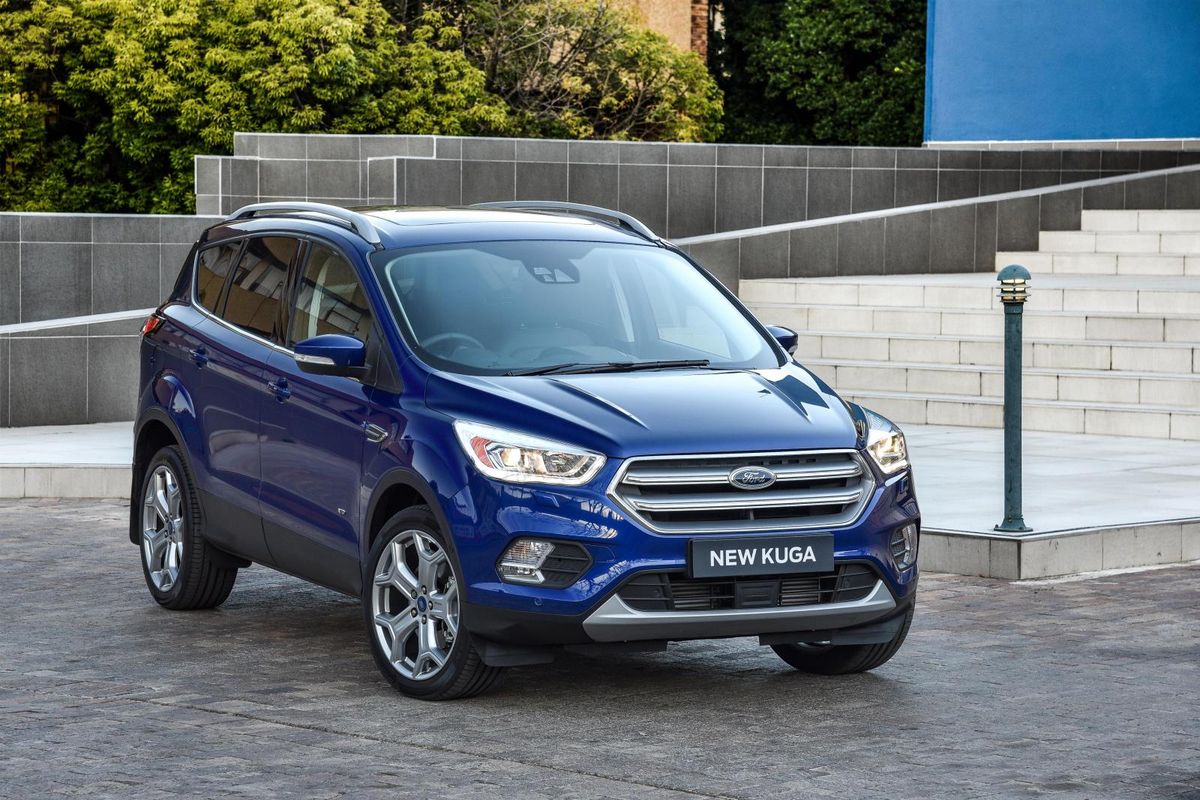
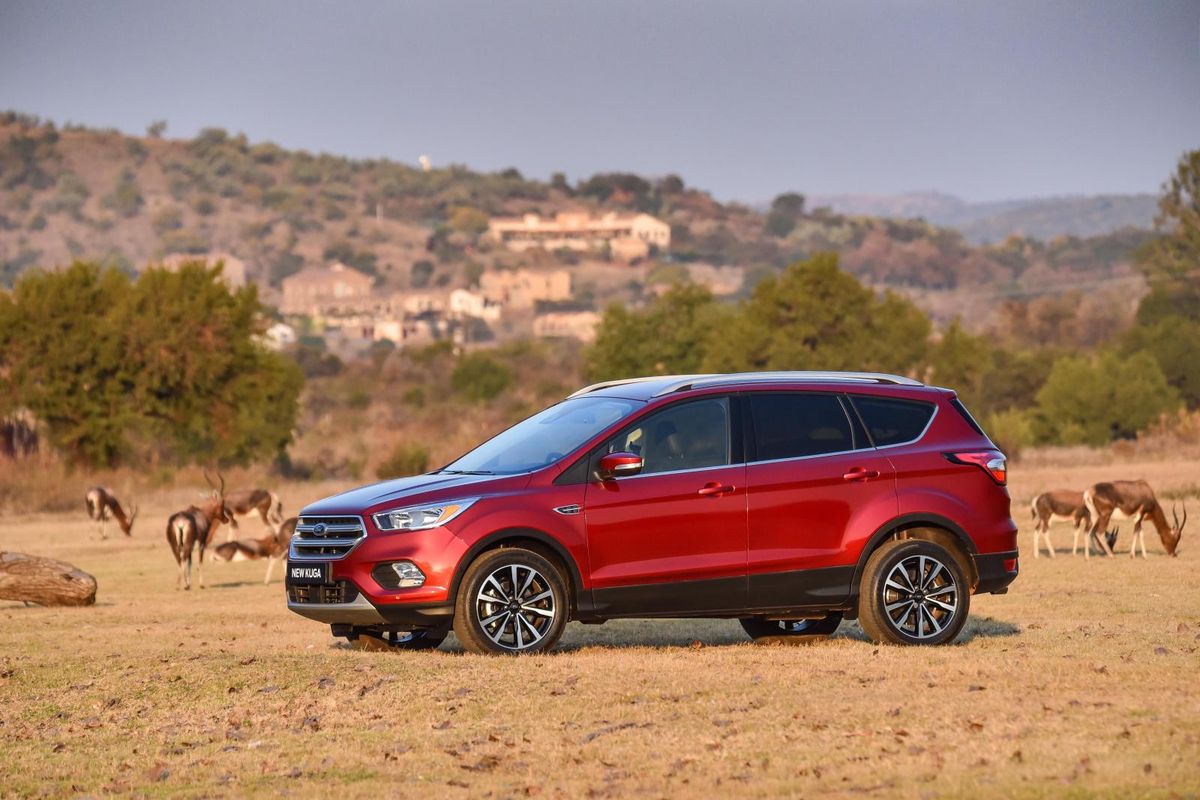
The styling upgrade is quite comprehensive; in line with Ford's new familial design language, the front end features a much sharper, more front-on face with outlined grille and headlights… It’s a handsome (if brutish) look and the rear of the car, where black-outlined tail lights create a very prominent and muscular appearance, mirrors the theme. Overall, it appears to be quite a distinctive contender in a segment that’s already got some stylish competitors in the forms of the Tiguan, Tucson and 3008.

All-turbo lineup


The mid-range Trend model is available in 1.5 turbopetrol and 2.0 turbodiesel guises.

The engine range is an all-turbocharged lineup. It’s in line with its global downsizing trends and all powerplant have been used either in the pre-facelift Kuga, current Focus and the slow-selling Fusion family sedan. The 1.5-litre turbocharged engine is paired with either a 6-speed manual or a 6-speed automatic gearbox and is only available in front-wheel-drive. The outputs are good with the manual models producing 110 kW and 240 Nm and the autos upped to 132 kW and 240 Nm. Our experience with the automatic on the route from East London up to Hogsback at the foot of the Drakensberg revealed that the engine and transmission are well-matched and power delivery is more than adequate, but the claimed fuel consumption figure of 6.2 (manual) and 6.9 L/100 km (auto) is going to take some doing. We averaged 11.0 L/100 km!

Ford also offers a 2.0-litre turbopetrol with 177 kW and 340 Nm of torque, if you feel you need more grunt on long-haul journeys. It’s only available in all-wheel-drive configuration and with a 6-speed auto. Despite market trends, the obvious choice is the 2.0-litre turbodiesel, its 132 kW and 400 Nm are delivered smoothly and with a refined engine note. Fuel consumption is vastly superior to the petrol derivatives with a claimed 5.4 L/100 km. We averaged about 7.5 L/100 km during our 200 km stint.

Inside story


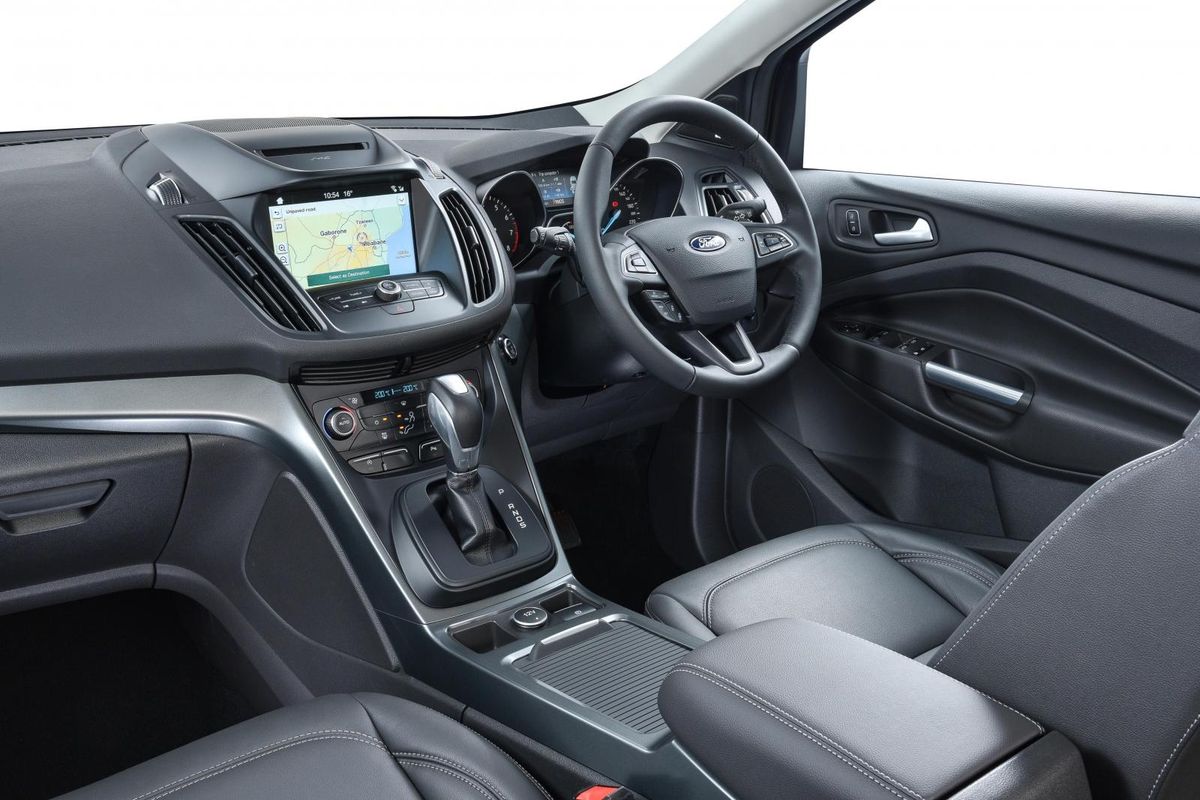
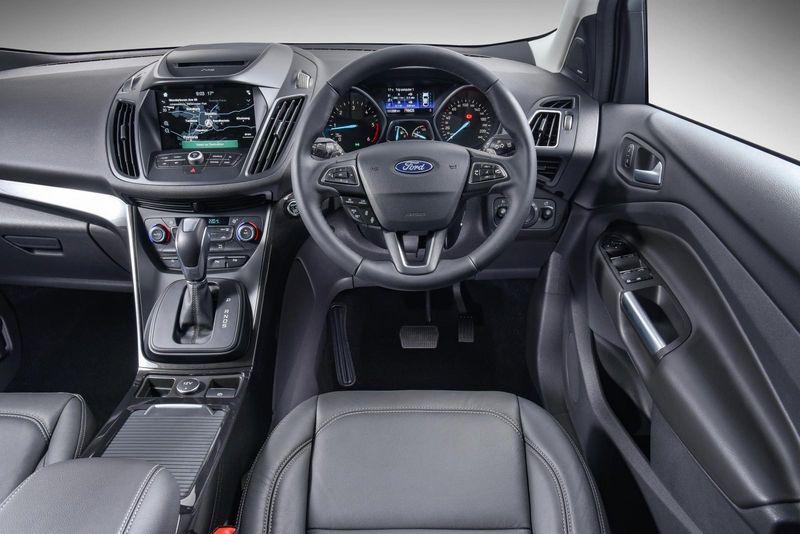
Kuga cabin less full of buttons thanks to Sync3 but also more soft-touch materials in use.

We’ve found that in recent Ford models, a measure of build quality and attention to detail have gone awry… Casual panel gaps and flimsy plastic joins haven’t really engendered a premium feel. The facelifted Kuga addresses some of those issues, however. The cabin is neat and most of the touch surfaces are plush and pliant. Dig a little deeper, however, and the build integrity remains a trifle questionable. The gaps in the interior door panels are quite large and the glovebox seal isn’t exactly tight.

Gripes aside, the seats are very comfortable over long journeys and passenger space is roomy with a pleasingly expansive feel to the design. The luggage bay capacity is in line with segment standards at 456 litres and, with the rear seats folded down, utility space of up to (a claimed) 1 653 litres becomes available.

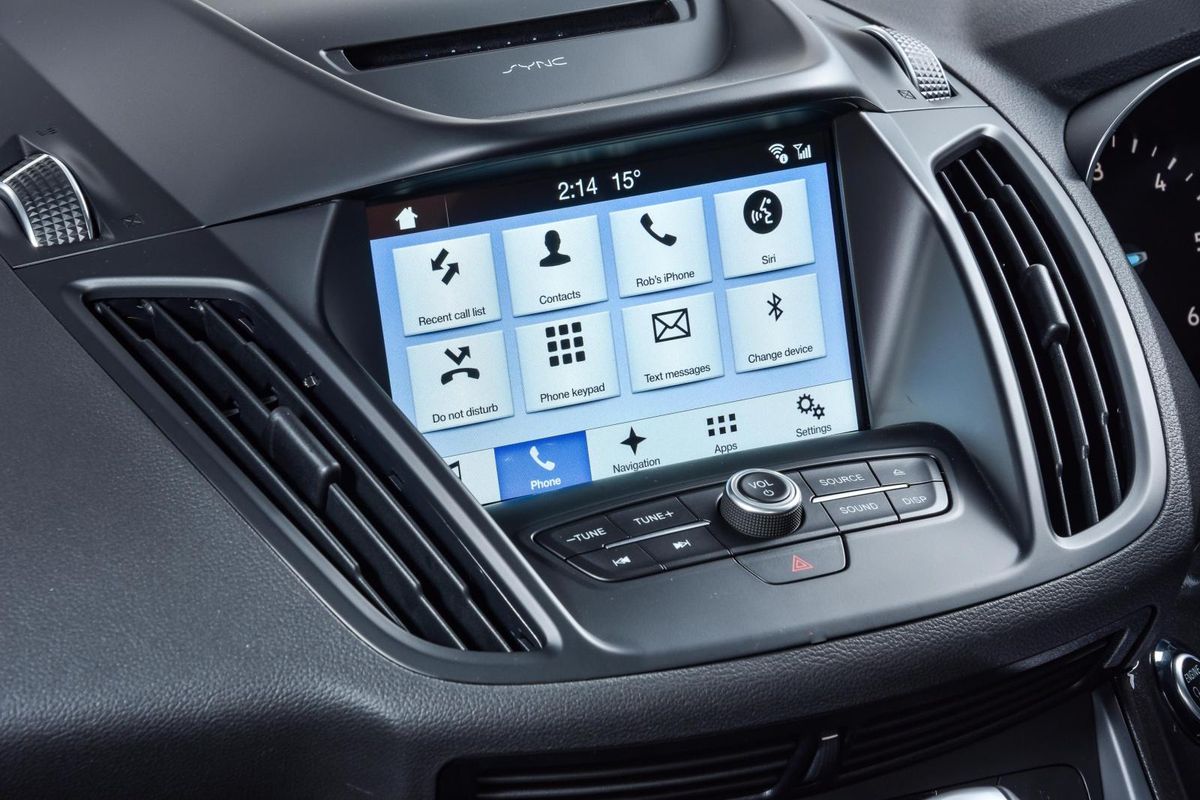
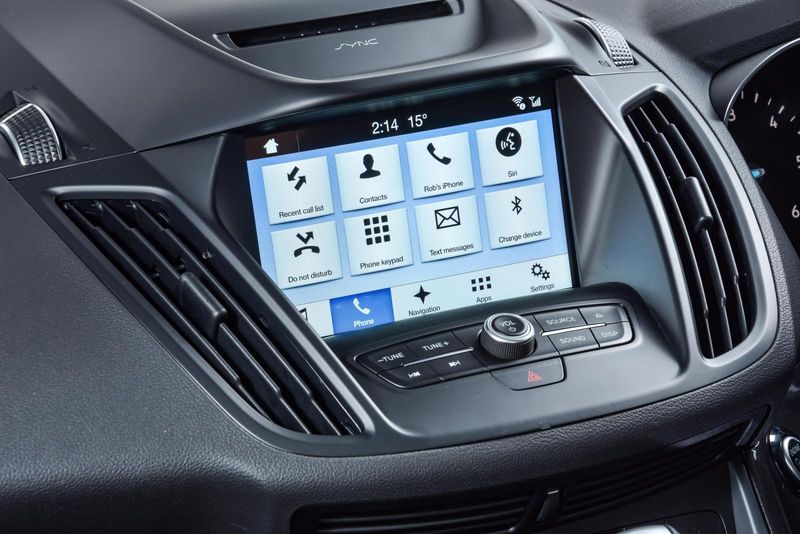
The installation of Sync3 across the range brings the connectedness of the Kuga right up to date: navigation is optionally available, plus Android Auto and Apple Carplay are supported. Sync3 is one of the best touchscreen systems on the market with a simple interface and big buttons that are easy to press when stabbing on the move.


The Sync3 interface is characterised by big buttons; it makes pressing menu options on the move easier.

The drive

The Kuga rides and drives extremely comfortably. The suspension is on the firmer side for an SUV, but it’s supple and soaks bumps up well. It’s not quite as firm nor quite as dynamic as the Mazda CX-5, but as a compromise between comfort and sportiness, it probably strikes a better balance.  

Safety

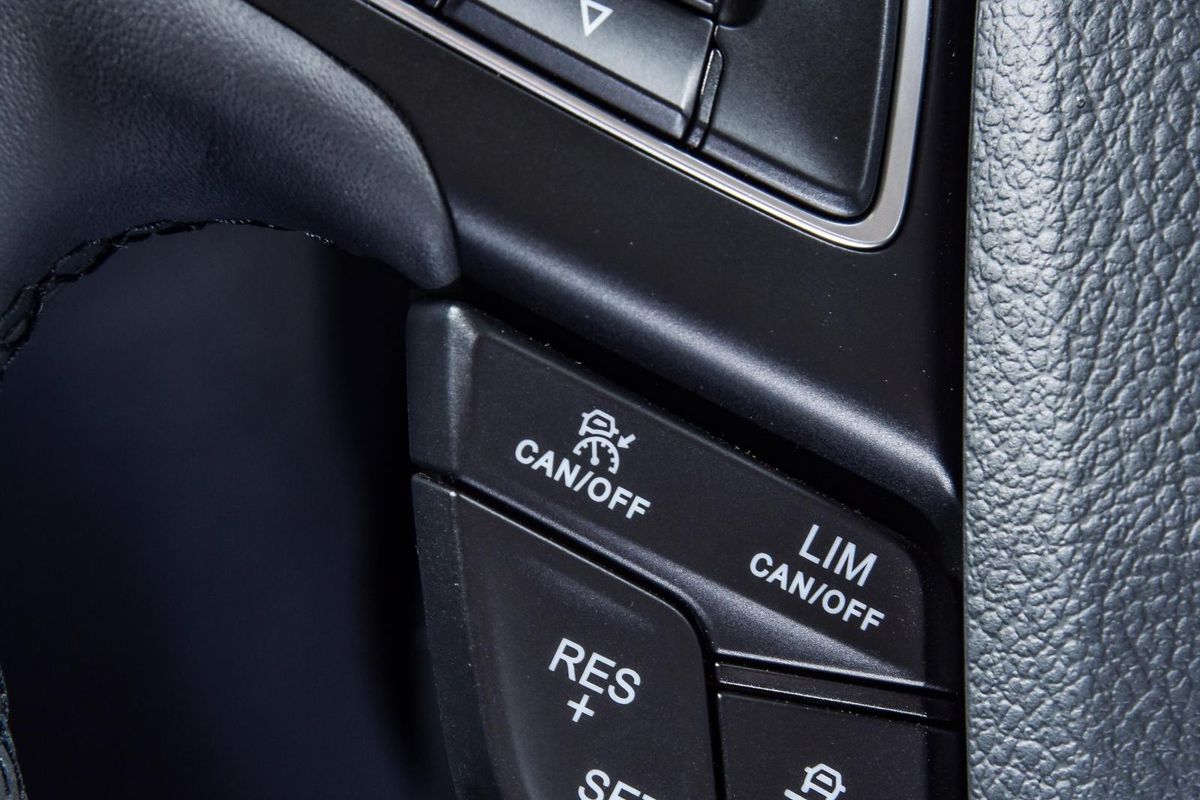
Ford has loaded the Kuga with safety features to a virtually family car/compact SUV class-leading level, especially with regards to those systems that enable motorists to avoid an accident altogether. As standard, the Kuga has ESP with traction control, ABS, EBD, hill start assist and a reverse-view parking camera. What's more, there’s an optional pack that adds kit such as automatic parking, blind spot detection, lane keeping aid, active city stop and adaptive cruise control.


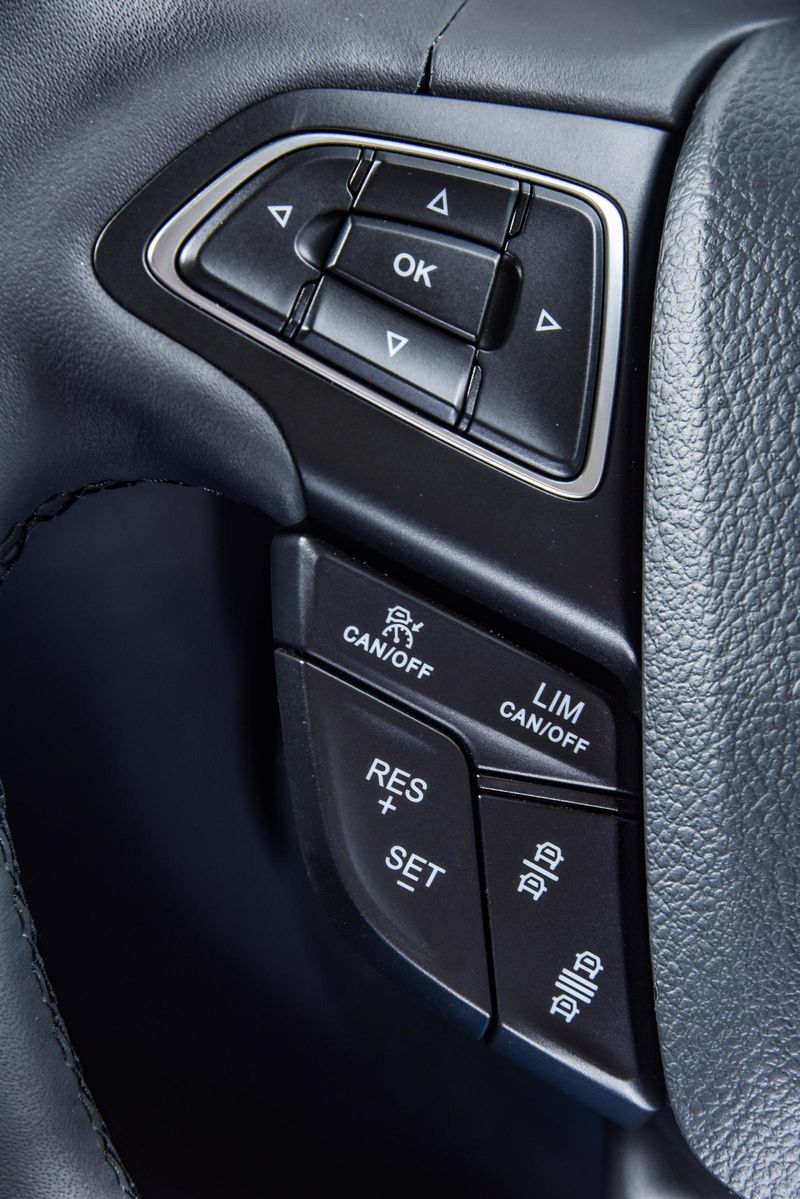
Cruise control buttons, complete with adaptive cruise control settings.

Summary

Putting the Kuga fire sage aside for the moment, in terms of value for money the facelifted Kuga appears to be an excellent offering. In fact, in order to try and entice buyers back to the Kuga, the local subsidiary of the Blue Oval has reduced the asking prices of the derivatives compared with those of the previous model.

Ford certainly isn’t the first brand forced to perform a sudden, wide-ranging recall and, in all likelihood, it won't be the last. In the eyes of many observers and commentators, the aforementioned crisis was handled poorly at times; it has tarnished the brand’s name to such an extent that every tweet about a Kuga seems to be accompanied by a fire-extinguisher-related verbal barb. It appears Ford is going to significant lengths to rectify the situation, but it may be a case of closing the latch after the horse has bolted. It will be interesting to see if this aggressive pricing strategy and new customer-driven approach results in a favourable return for the Kuga – it might.

Pricing for Ford Kuga (September 2017)

1.5 Ecoboost Ambiente 6MT FWD SUV

R368 800

1.5 Ecoboost Ambiente 6AT FWD SUV

R381 900

1.5 Ecoboost Trend 6MT FWD SUV

R406 400

1.5 Ecoboost Trend 6AT FWD SUV

R427 900

2.0 TDCI Trend Powershift 6AT AWD SUV

R483 900

2.0 Ecoboost Titanium 6AT AWD SUV

R497 900

2.0 TDCI Titanium Powershift 6AT AWD SUV

R506 900

Related content

Ford Kuga Recall: Phase 2 Starts

Ford Announces Figo/Ikon Recall: What this means

Ford Kuga complaints: Industry Ombudsman clarifies

Kuga Fires: Here's What You Need to Know

Comparative Review: Mazda CX-5 2.2DE AWD Akera vs Hyundai Tucson 2.0CRDi Elite [with Video]

Comparative Review: Hyundai Tucson vs Kia Sportage vs Renault Kadjar vs Volkswagen Tiguan

Interested in buying a Ford Kuga?

Search for a new/used example on Cars.co.za

2017/18 Cars.co.za Consumer Awards – powered by WesBank; Semi-Finalists
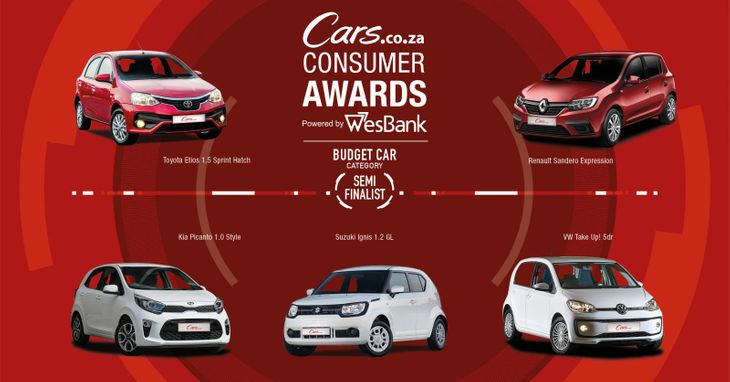
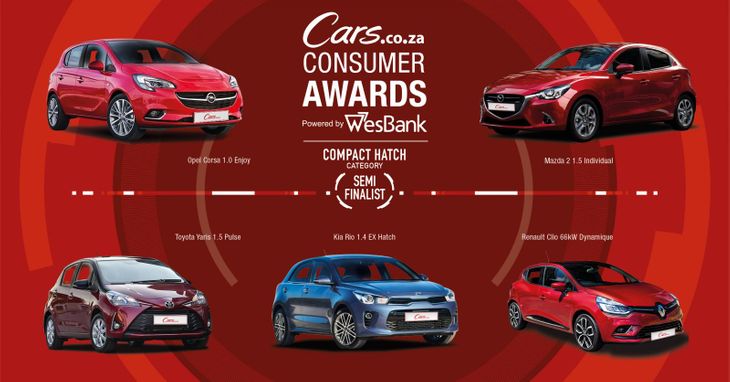
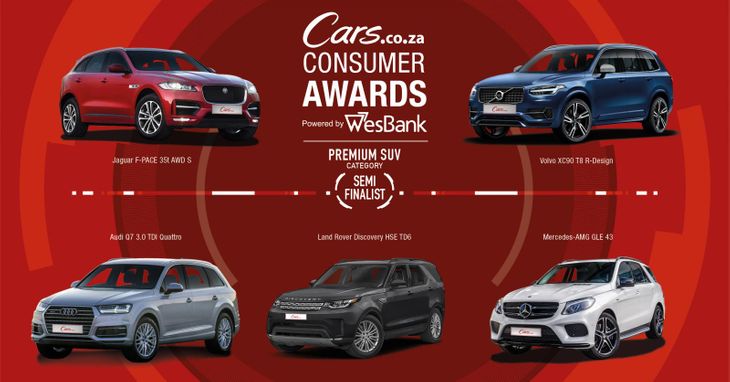
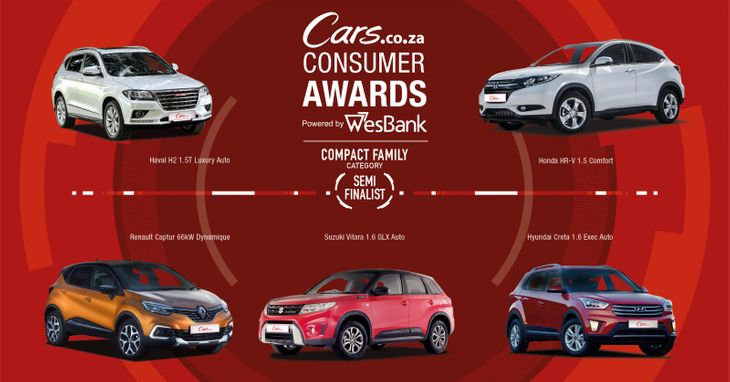
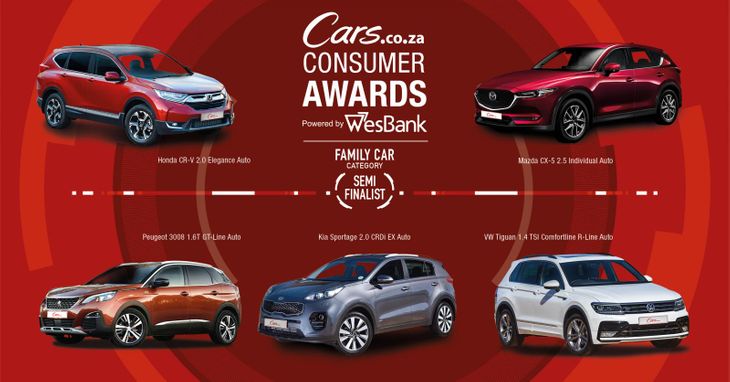
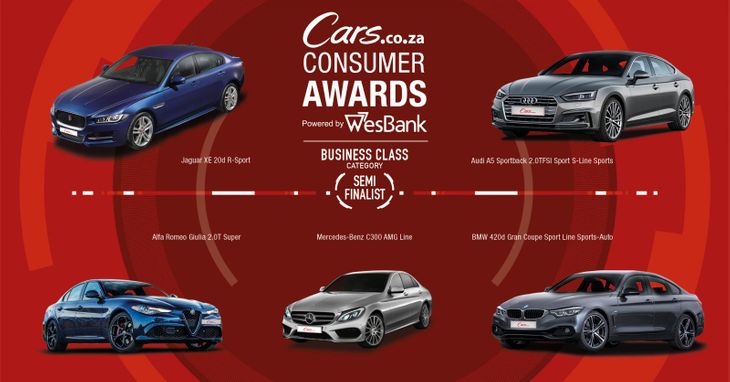
The semi-finalists for the Cars.co.za Consumer Awards – powered by WesBank, now in its 3rd year, have been announced. The 13 eventual category winners will be selected from this pool of 65 vehicles, which collectively represent some of the best purchasing propositions in the new car market.
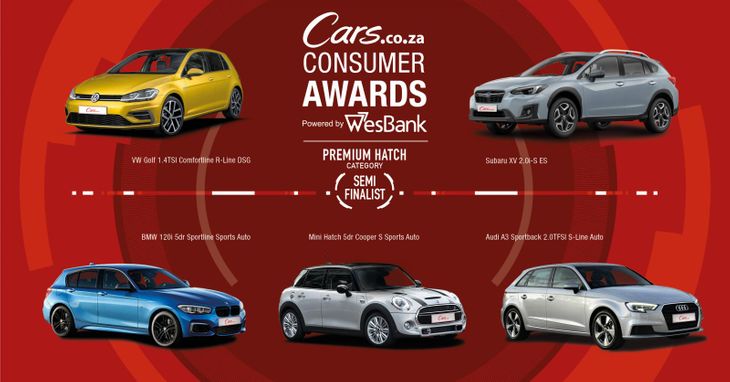
In the first round of the Awards (also referred to as the #CarsAwards), the Cars.co.za extended editorial team selected the 5 best cars in each of the 13 categories devised for this year’s programme. Careful attention is paid to the respective categories' "Filters of Eligibility" and the "Pillars of Success" in order to come to a consensus on the identities of the semi-finalists. All vehicles available on the South African market on September 1, 2017, were eligible, not only new products launched in the past 12 months.

To catch up on all the categories and for more information on the CarsAwards programme, visit the micro-site here.

"The debate and agreement by consensus is a core pillar of our programme," says Cars.co.za Consumer Experience Manager, Hannes Oosthuizen. "We debate each eligible vehicle within the context of its category, and will not move on until the entire team is in agreement. This means far deeper interrogation and more exhaustive investigation than is typical in a 'secret vote' set-up."

In the next round, due to take place early in October, the same jury will score each vehicle individually, taking into account the various, different criteria that each category prescribes. The top 3 (finalists) will then be announced next month, and be put through back-to-back testing at Gerotek in Gauteng early in November, by the entire Cars.co.za Consumer Awards – Powered by WesBank, jury. Check out the video of last year's test days below.


Remember, your consumer experience helps pick the eventual winners (as well as the Brand of the Year) of the CarsAwards via the Cars.co.za Ownership Satisfaction Survey, developed in conjunction with Lightstone Consumer. Relevant data collected from the surveys accounts for 50% of the final category scores, and 100% for Brand of the Year.

To have your say, complete the survey here.

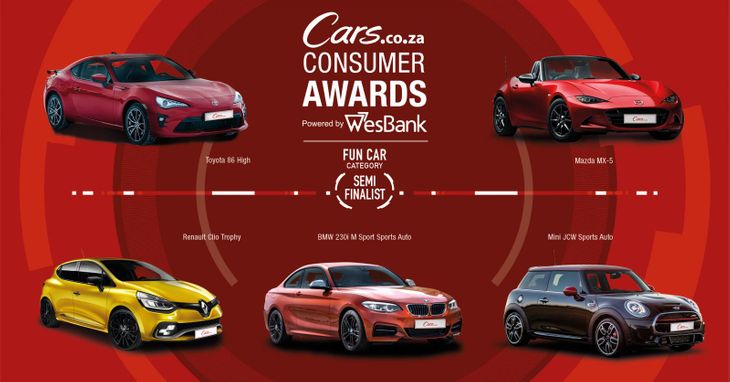
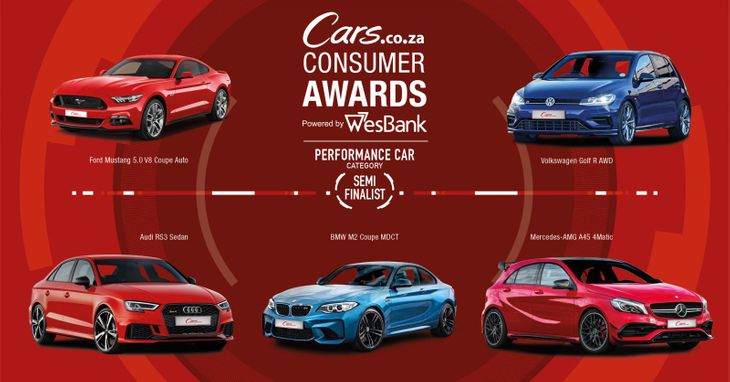
Here are the semi-finalists in their respective categories
Budget Car (under R175k)

Buying an affordable car doesn’t mean you should compromise on safety, technology and quality. The winner of this category represents as much good car as possible for the asking price. Value is very important, as are low running costs and all such "common sense" considerations. Given the financial pressure that all South African households face, we've only raised the price cap for semi-finalists to R175 000 this year. ABS and dual airbags are must-have safety requirements. The semi-finalists are:
Compact Hatch (R175k-R250k)

In this extremely competitive category, we’re looking for a balanced offering that is excellent across the board. Cars in this segment must appeal to a very wide audience – from the young professional or family buying up from an entry-level car, to pensioners buying down from something larger and expensive. The winner of this award must truly reflect what is best about modern automotive design and engineering, but present it in a concentrated, reasonably affordable form. The semi-finalists are;
Premium Hatch (R350k-R500k)

Stylish and sophisticated yet, practical enough for most motoring needs, these are the cars for the upwardly mobile go-getter. The winner in this category must not only offer outstanding quality, refinement, performance and the latest technologies, but also broadcast a message of success and ambition. The semi-finalists are;
Compact Family (R250k-R350k)

With household budgets stretched to breaking point, the reasonably affordable modern-day family car has to wear many hats – from compact traffic dodger, to spacious school-run specialist and even weekend getaway machine. Practicality and spaciousness are important considerations, but so are safety, technology, fuel efficiency and a modicum of lifestyle flexibility. The semi-finalists in this category are;
Family Car (R350k-R500k)

The typical family car fulfils a wide variety of duties and needs to be a practical, safe all-rounder. The winner of this category should be ideal not only for the morning school run, but also the school holiday run to a distant location. In judging this category we’ve placed particular emphasis on interior flexibility, comfort and safety. The semi-finalists are;

Business Class (R500k-R700k)

In this category you will find the type of cars that realistic dreams are made off. We’re looking for an aspirational vehicle that will appeal to the image-conscious driver who places a priority on performance, dynamics, technology and design. The target customers have achieved success and want a car that isn’t only a personal reward, but also one which broadcasts their achievements. The semi-finalists are;

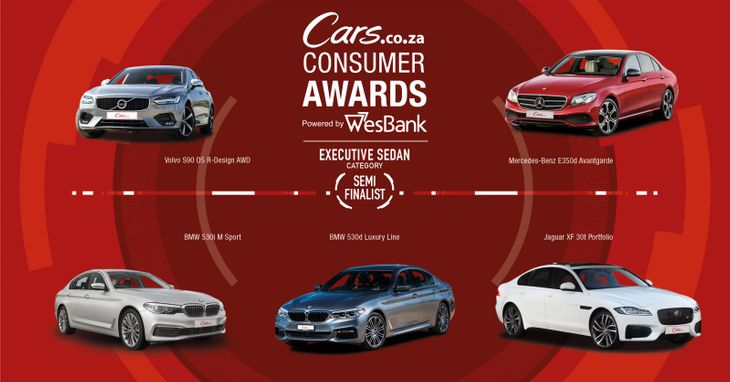
Executive Sedan (R700k-R1 million)

These technological masterpieces represent an enviable blend of First Class luxury and comfort, and Business Class technology and dynamic appeal. Prestige is usually a given in this segment, but we’re also looking for significant technological advancement, yet without compromising the level of comfort and quiet style that these sedans are renowned for. The semi-finalists in this category are;

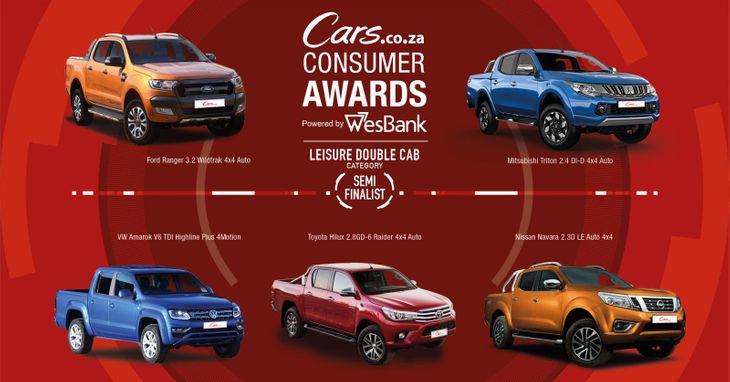
Leisure Double Cab (above R500k)

In this immensely popular and fiercely contested category of the market, the search is on for the ultimate all-rounder. From luxurious touring vehicle, to hardcore off-roader, capable carry-all, family do-all and lifestyle activity machine, leisure double-cab bakkies can no longer be too utilitarian and rough around the edges, but should be highly sophisticated offerings. The semi-finalists are;

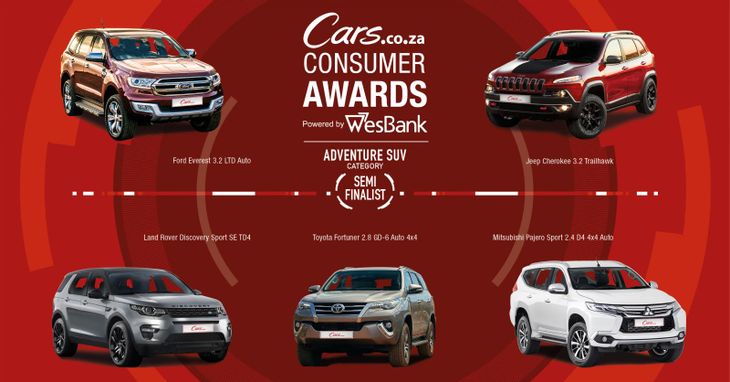
Adventure SUV (R550k-R800k)

We’re looking for the ultimate recreational vehicle to transport a family and all their holiday and lifestyle gear in comfort to almost any destination, on- or off-road. Off-road ability is emphasised, in combination, with practicality, comfort and long-distance cruising. The semi-finalists are;

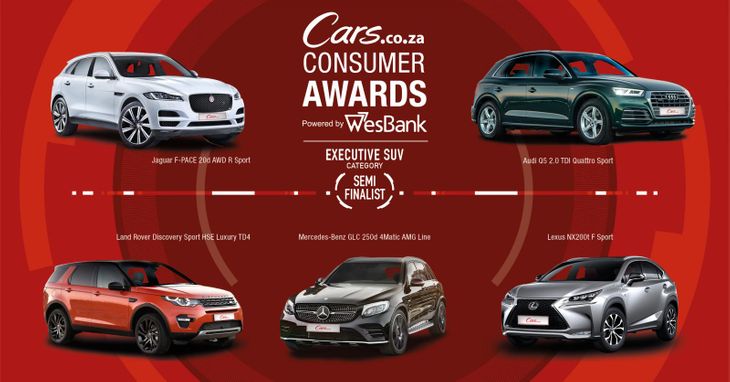
Executive SUV (R600k-R900k)

Increasingly regarded as the status symbol to have, most premium brands now offer road-biased SUVs that combine prestige and practicality in a package that is characterised by superior refinement. Drivetrain performance and refined road manners are a priority as is a cabin that features upmarket materials and the most up-to-date technology. The semi-finalists are;

Premium SUV (R900k-R1.25million)

Luxurious SUVs may appeal for irrational and emotional reasons such as kerb appeal and status, but at their core they are some of the most sophisticated and capable vehicles on the market. Blending spaciousness with high-tech off-road equipment, powerful engines, as well as luxuriously trimmed cabins, the prestige-badged premium SUV we are looking for in this category should be tailor-made for image- and practicality obsessed buyers. The semi-finalists are;

Fun Car (under R600k)

What is it that makes a car "fun" to drive? Is it purely about performance and handling? To a large degree it is, but for this award category we’re looking for a total package that is not priced in fantasy land. This is one for the petrolheads – a car that must leave the die-hard enthusiast smiling after every drive, in the way it looks, handles, sounds and, yes, performs. The semi-finalists are;

Performance car (R600k-R1 million)

While supercars and other “exotics” are mere fantasies for most, there are cars priced below the magical R1 million mark that offer near-supercar thrills and performance. In this category we are not only looking for sizzling performance, but also driver engagement, whether driven on track or road. The semi-finalists are;

You may also be interested in:

Announcement: Cars.co.za Consumer Awards – Powered by WesBank 2017/18

World Car Awards 2018: The Journey starts Here

Winners: Cars.co.za Consumer Awards – Powered by WesBank 2016/17

Hillclimb Shootout: Aston Martin Vantage N430 vs BMW M240i vs Jaguar F-Type 400 Sport

In one of our most ambitious video projects yet, we worked with the city of Cape Town to close an incredible road in the farmlands beyond the city. It's always been one of our favourite pieces of tarmac to test cars and now we had it all to ourselves.

We lined up 8 high-performance cars, fired up our very own race-ace Ashley Oldfield and staged three races – this is the third head-to-head featuring the BMW M240i with M Performance Parts, the Jaguar F-Type 400 Sport and Aston Martin Vantage N430. 
 
For a recap of the first race – Fiesta ST200 vs Renault Clio RS Lux, click here

For a recap of the second race – Volkswagen Golf 7.5 GTI vs Toyota 86, click here

In a battle of the rear-driven coupes, we have the outsider in the form of the BMW M240i, with performance parts. The bad boy Jaguar F-Type 400 Sport with its crackling exhaust pipes and dropping looks. Finally, the old-timer is back in the form of the Aston N430 – an enhanced (again) Vantage with a V8 growl that will have the flesh on your arms jumping for joy.

Who will be fastest on the up and down-hillclimb? The result is a lot closer than you'd expect.

Look out for the last video in our #CarsRaceDay series, which will be released exclusively on our YouTube channel over the next few weeks. Subscribe and be the first to see the videos as they drop.

Related content

Jaguar F-Type 400 Sport (2017) First Drive

BMW M240i with M Performance Parts (2017) Video Review

Aston Martin Unleashes Ultimate Vantage AMR

Bakkie Comparison: Nissan Navara vs Ford Ranger Fx4 [with Video]

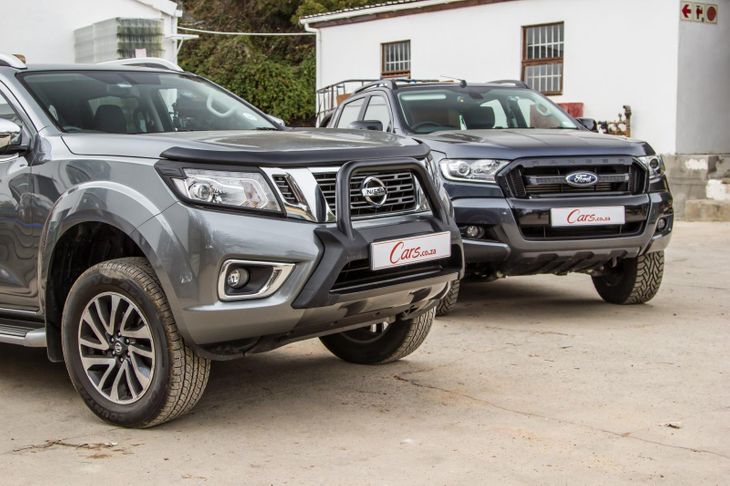
We recently compared Nissan's Navara 2.3 4×4 LE Automatic and Ford’s new Ranger Fx4 4×4 Automatic to determine which one is more deserving of your attention and ultimately, your money. This comparative review will help you decide which is the better buy.

At a glance


Nissan Navara 2.3 4×4 Auto

Ford Ranger 3.2 Fx4 Auto

Price:

R597 900 (with leather and heated seats)

R608 900

We Like:

Solid engine performance, fuel efficiency

Styling kit, Sync3 infotainment, powerful

We Don’t Like:

Poor infotainment system, rough engine note at high revs

Thirsty engine, turbo lag

What are we comparing?


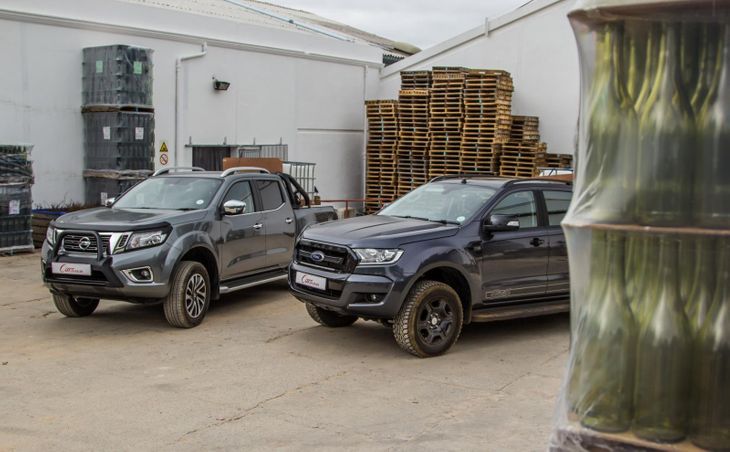
Both the Navara and Ranger are hugely capable and these particular derivatives are closely matched in terms of specification. 

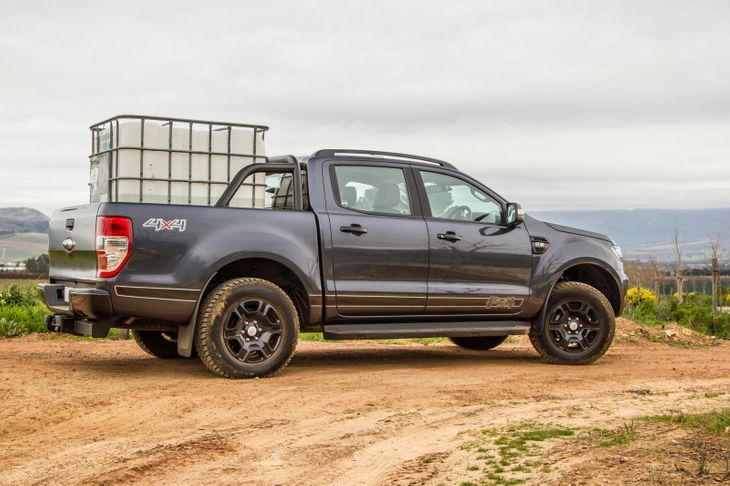
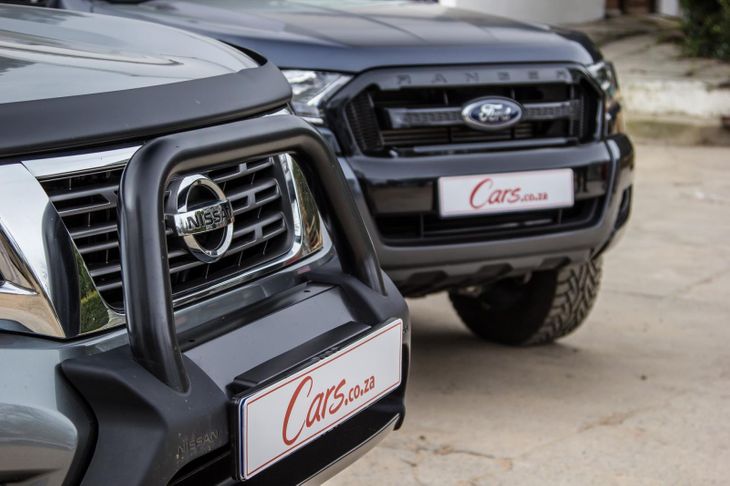
Earlier this year, Ford introduced the stylish new Ranger Fx4 to its lineup, which slots in under the range-topping Wildtrak derivative. Wearing black design details seen on the grille, side mirrors, door/tailgate handles, fog lamp bezels, roof rails, side steps, sports bar and Panther Black 17-inch alloy wheels, the Fx4 offers added visual appeal to what is still essentially a Ranger 3.2 4×4 XLT. For the image-conscious 4×4 double-cab bakkie buyer, the Ranger Fx4 is a treat for the eyes…

But, perhaps the new Nissan Navara 2.3 4×4 double cab automatic will pique your interest, too. The new Navara is far from ugly and it’s R11 000 cheaper than the Fx4 when fitted with leather upholstery and heated front seats. Apart from the visual enhancements found on the Fx4, both vehicles are quite evenly matched in terms of specification and capability. Is there merit in forking out an additional R21k for the Ranger Fx4 or is the Navara the more sensible purchase? We put them to the test…

How do they fare in terms of…

Comfort and safety features?


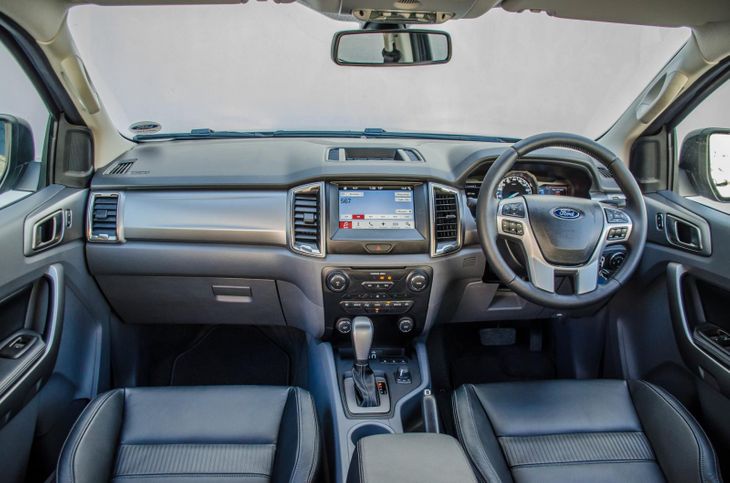
The Ranger Fx4's main interior attraction, apart from its styling, is its SYNC3 infotainment system. 

In terms of interior specification, both vehicles are equipped with similar features such as dual-zone climate control (automatic air conditioning), cruise control, front park distance control with a reverse-view camera, electric windows and electrically adjustable mirrors and a multifunction steering wheel. The Navara, as tested here, is fitted with optional leather upholstery, heated front seats, and an electrically adjustable driver’s seat. These added comfort features are definitely worth the extra spend.

View a detailed specification comparison between the Ford Ranger Fx4 and the Nissan Navara

The key differences, however, relate to interior execution. The Ranger Fx4 has the more attractive interior… it's steering column is adjustable for rake and reach (the Navara's only for angle), there's more attention to detail and although the Nissan's also spacious inside, the Ford offers slightly more leg- and knee room than its rival.

The Fx4 is also equipped with Ford’s latest Sync 3 infotainment system, which is Apple CarPlay and Android Auto compatible and features integrated navigation. The updated 8.1-inch touchscreen has a chunky interface and is very easy to use. Furthermore, a pair of USB ports is availed for charging and/or connecting devices.


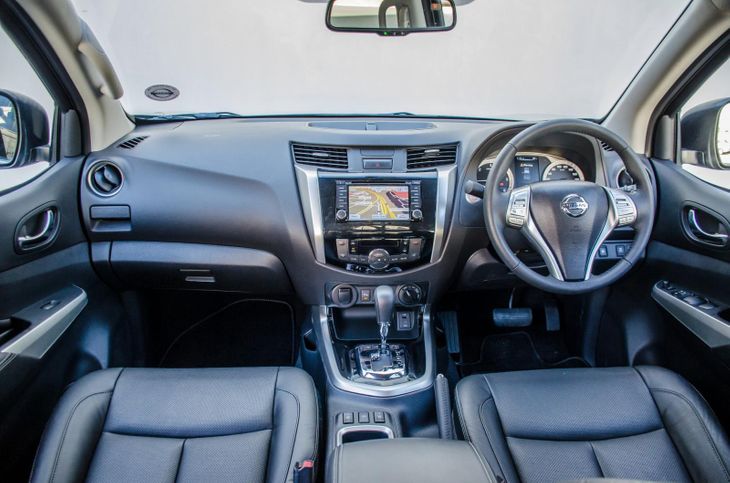
The Navara's interior is solidly built, but the  smaller, more finicky infotainment system was a letdown. 

The Navara's cabin features a few more metallic accents and in terms of soft-touch surfaces, there is a little to choose between the bakkies. However, the Ford's (primarily digital) instrument binnacle is more car-like than the Navara's (admittedly neat) cluster and the latter's touchscreen system pales in comparison with the Ranger's unit.

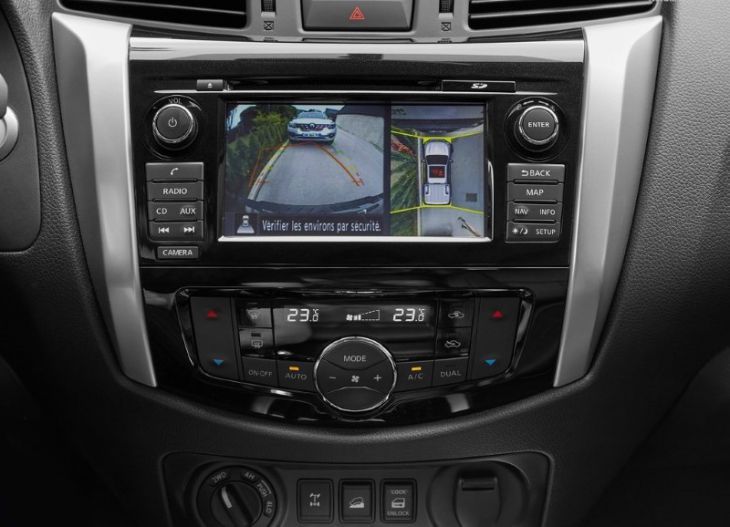
Yes, the Japanese bakkie's infotainment system offers a navigation function, but the screen is frustratingly small and the interface is not as easy to use as the Ranger's. It also has an annoying glare in bright light which decreases its legibility and, when the reverse camera view is displayed, it's a largely blown-out (white) image with only the guidelines being easily visible. It’s a pity, because Nissan offers commendable infotainment systems on its other products. A USB and auxiliary ports are provided.

In terms of safety features, both bakkies have 7 airbags, ABS with EBD, stability control and traction control. The Navara is additionally equipped with brake assist.

Engine performance?

The Ranger Fx4 is powered by Ford’s familiar 3.2-litre turbodiesel engine that produces 147 kW and 470 Nm of torque and is coupled to a 6-speed automatic transmission. Although this engine suffers from a fair degree of turbo lag when you plant your foot flat, when the power arrives, it comes with a surge that results in brisk acceleration (by bakkie standards). The engine, although audible in the cabin, is relatively refined and the smooth-shifting transmission is well-matched to this engine.

Buyers will appreciate the powerful performance offered by this Ranger Fx4, but will have to be willing to compromise when it comes to fuel efficiency. Ford claims 9.0 L/100km and during our test, the Fx4 returned an average fuel consumption figure of 11.5 L/100 km, which is middling.


The Navara's engine is less refined high in the rev range but it's more fuel efficient than the thirsty Ranger.

As for the Navara, you’d be forgiven for thinking that it’s powered by a larger turbodiesel engine because it performs so strongly on the road and in the dirt. It’s a 2.3-litre turbodiesel unit that punches above its weight with 140 kW and 450 Nm of torque and for the most part, it’s a really good engine. It is, however, much noisier higher in the rev range and exhibits an agricultural engine note under harder acceleration, which is something that buyers will have to live with.

The 7-speed transmission is good too and marginally better and smoother than the Ranger’s automatic ‘box. Buyers considering the Navara will also be happy to know that it’s more frugal than its Ranger Fx4 rival. Nissan claims 7.0 L/100 km, but the trip computer returned figures in the region of 10.0 L/100km during our test.

Ride quality?

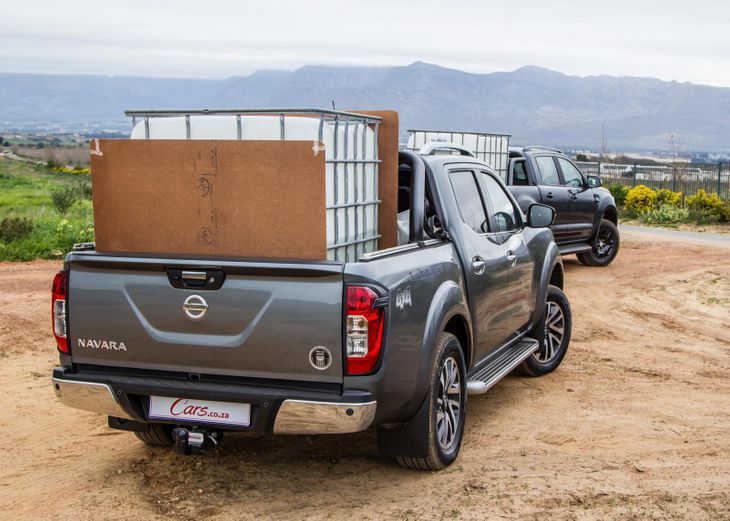
The Ranger and Navara are closely matched in terms of on-road ride quality and both vehicles offer a comfortable ride on tar. But when loaded, we discovered that the Ranger actually delivered a smoother ride on tar compared with the Navara. Although the Navara’s controversial rear 5-link coil suspension has helped to improve overall rear-end stability and to a degree, alleviate unladen "bounciness", we are not convinced it’s significantly superior to a conventional leaf spring setup. When driven over rougher surfaces, however, the Navara’s suspension seems to settle quicker than the Ranger's, making it slightly more forgiving, especially when driving on gravel roads. 


The Navara's suspension is more forgiving in the dirt, but the Ranger's ride when laden proved to be superior. 

During our test, we subjected both vehicles to a heavy load and tested them on the same off-road route. The results were surprising. When laden, the Ranger proved to offer the best ride and maintained its composure well. The Navara, however, felt more unsettled with the heavy load and the ride was not as smooth as we expected it to be. Having said all that, if you consider that many owners will rarely engage in serious offroad driving and that these vehicles will spend most of their time on tar, then we think the Ranger and Navara are quite evenly matched in terms of on-road ride quality; the Ranger is simply more comfortable with a heavy load on the back. 

Off-road capability?

Both the Ranger and Navara are hugely capable when taken offroad and buyers won’t be disappointed by what these vehicles have to offer and during our test, neither of them skipped a beat. The Ranger has better ground clearance at 237 mm than the Navara with 229 mm and both vehicles have a braked towing capacity of 3 500 kg.


The Ranger and Navara are strong offroad performers, but the Ranger's early delivery of power makes off-roading a cinch.

In the case of the Navara, the mechanical transfer case is easily operated using a knob where the driver can select between 2H, 4H and 4L, depending on the terrain. The Navara is also equipped with an active brake limited slip differential system (ABLS) that manages power delivery and wheel braking between the front and rear axles, which, in conjunction with the Vehicle Dynamic Control (VDC) system, ensures the best possible performance in tough terrain.

Similarly, the Ranger Fx4 is equipped with an electronic rear differential and the driver is also easily able to switch between 2H, 4H and 4L using the knob next to the transmission lever.The offroad capability of the Ranger and Navara is impressive. However, during our test, we found the Ranger’s off-road performance to be marginally better, partly because of the laden ride quality and the fact that Ranger's powertrain sustains momentum better, making it slightly more effective at tackling tough terrain.

Price and Warranty

The Ford Ranger 3.2 4×4 Fx4 automatic is priced at R608 900 and is sold with a 4-year/120 000km warranty and a 5-year/100 000km service plan. Service intervals are set at 20 000km.

Find a new or used Ford Ranger on Cars.co.za

The Nissan Navara 2.3 4×4 LE automatic is more affordably priced at R587 900 and is sold with a 6-year/150 000 km warranty and 3-year/90 000km service plan. Service intervals are set at 15 000km. If you opt for leather upholstery, which includes heated front seats the price comes to 

Find a new or used Nissan Navara on Cars.co.za

Verdict


We would buy the Ranger Fx4, but the Navara's 6-year/150 000km warranty can swing the buying vote. 

Although these double-cab bakkies are closely matched in terms of specification and both offer impressive overall capability, we are of the opinion that the Ford Ranger 3.2 Fx4 4×4 automatic is the better buy compared with the Nissan Navara 2.3 4×4 LE automatic and here's why:

We feel that the combination of the Ranger Fx4’s added exterior visual appeal, better interior execution (not to mention slicker Sync 3 infotainment system) and overall packaging, justifies the R11k premium over its Japanese rival. Even though the Ranger is thirstier, its engine is quieter at high revs and its power delivery feels more linear than that of the Navara. The Navara, as specified, claws back with its seat warmers, the convenience of an electric driver's seat and the advantage of a longer warranty.

Furthermore, in terms of off-road ability, there is very little that separates these vehicles. For buyers who will be loading up their bakkies regularly, the Ranger (according to our test) delivers a more composed ride under heavy load. As urban-based family vehicles, however, both bakkies offer admirable ride quality on tar and although the Navara may hold a slight edge in this regard (rear passengers will especially appreciate the added ride comfort) it is a testament to the Ford's resolved design (its on-road refinement is still impressive) that despite the age disadvantage of the Ranger platform, the newer Nissan cannot eclipse the all-round abilities of the venerable Ford.  

Watch Part 1 of our Ranger vs Navara video comparison:

Watch Part 2 of our Ranger vs Navara video comparison:

Related content:

Nissan Navara 2.3D 4×4 LE (2017) Review

Why Navara shakes up the double-cab market

Ford Ranger Fx4 (2017) – a Raptor Kit with a Warranty

Toyota Hilux Raider Black Limited Edition (2017) Specs & Price

Toyota Hilux 2.8GD-6 DC 4×4 Raider Auto (2016) Review

6 Most Fuel-Efficient Double-Cab Bakkies in SA

Most Powerful Double-Cab Bakkies in SA

2016 Toyota Hilux vs Ford Ranger – Offroad & Review

Ford Ranger 2.2 XLS 4×4 Automatic (2016) Review

Ford Ranger 3.2 4×4 Wildtrak (2016) Review

Ford Ranger 3.2 XLT (2016) Review

Mitsubishi Triton (2017) Video Review

Mitsubishi Triton 2.4DI-D Double Cab 4×4 (2017) Quick Review

Mitsubishi Triton 2.4DI-D Double Cab 4×4 Auto (2017) Review

Volkswagen Amarok 3.0 V6 TDI (2017) Video Review

Volkswagen Amarok 3.0 V6 TDI Highline Plus (2017) Review [with Video]

Fiat Fullback Double-Cab 2.5 Di-D 4×4 LX (2017) Review

Isuzu KB 250 X-Rider 4×2 Double Cab (2017) Quick Review

Isuzu KB300 LX 4×4 Extended Cab (2017) Review

The Journey Ep 1: Namibia

The Journey: 4×4 & Surfing in Transkei

Nissan Micra Active Launches in SA (2017) Specs & Pricing

Nissan has introduced the Micra Active in South Africa with interior and exterior styling upgrades. Here's what the Micra Active has to offer…

The current Nissan Micra is long in the tooth now and an all-new Micra was shown at the Paris Motor Show last year and will arrive on local shores in March 2018, so there is much to look forward to from the all-new Micra. In the meantime, Nissan has spruced up the current model and it’s now called the Micra Active and it comes with enhanced exterior styling and higher levels of interior specification, offering buyers more value-for-money.

The Nissan Micra Active is powered by a 1.2-litre petrol engine with 56 kW and 104 Nm of torque and mated to a 5-speed manual transmission.

“One of our priorities at Nissan is to build vehicles that offer attractive features at a competitive price. We believe the new Nissan Micra Active with its significant enhancements sets new standards in the Lower B Hatchback segment” says Nissan Group of Africa Managing Director of Marketing and Sales, Xavier Gobille.

What’s changed


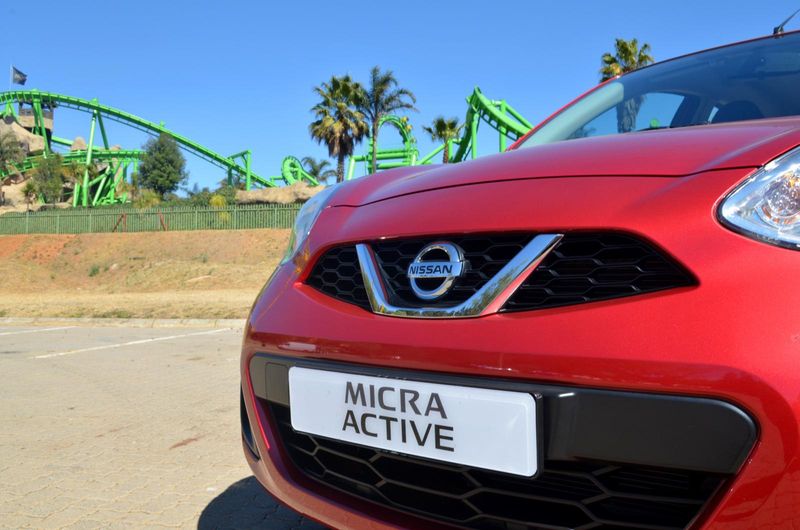
The grille of the Micra Active now has a chrome V-motion motif, much like other Nissan products. 

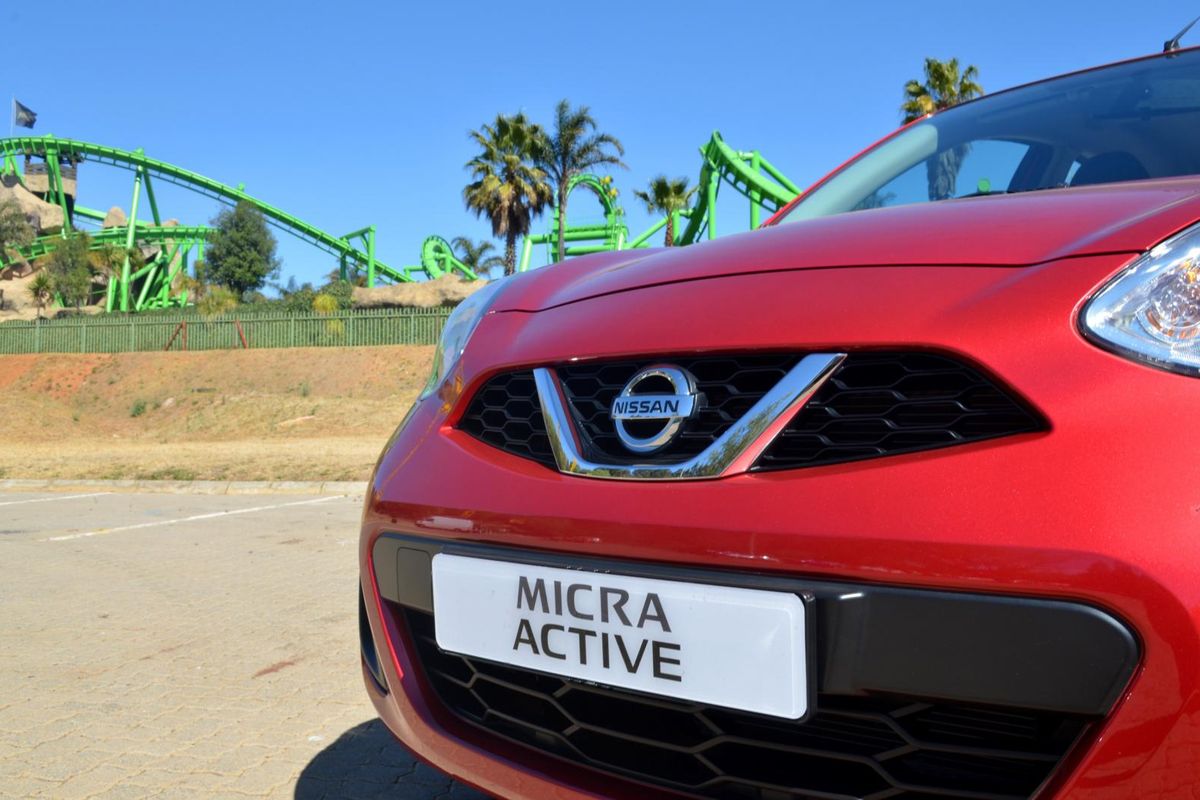
The grille, bonnet, front fenders, headlamps and both bumpers have been updated. The Nissan badge now sits in a chrome-extended V-shaped motif familiar from other Nissan models. On the inside, the Micra Active benefits from updated upholstery featuring a new design. The centre console takes on a new look as does the instrument cluster.

Key features include manual air conditioning, front electric windows, Bluetooth and audio streaming, steering adjustment, folding rear seats and a 12V socket.

Safety features include ABS with EBD, brake assist, 2 airbags and ISOFIX child seat mounts.

Optional features


An infotainment touchscreen with navigation is offered at no additional cost for the launch period. Better get down to your nearest Nissan dealer then…

Buyers can equip the Micra Active with a reverse camera, tyre pressure monitoring system and rear parking sensors.

The first Micra Actives sold in South Africa will be equipped with an optional touchscreen infotainment system with navigation at no additional cost to the customer for the duration of the launch period. The navigation operates TomTom mapping with live traffic information and Bluetooth hands-free music streaming, USB port and an iPod/iPhone-capable built-in music hard drive is also included.

A Trendsetter Pack can be fitted to the Micra Active and this pack includes features such as smoky black alloy wheels, chrome exhaust finish, rear spoiler and mudguards.

Nissan Micra Active – Price in South Africa

Nissan Micra Active – R159 900

The Nissan Micra Active is sold with a 3-year/90 000 service plan and a 6-year/150 000 km warranty.

Buy a new or used Nissan Micra on Cars.co.za

Related Content

Nissan Micra (2017) International First Drive

All-new Nissan Micra Revealed in Paris

Volkswagen Polo 1.0 R-Line (2017) Quick Review (w/Video)

All-new Ford Fiesta ST Revealed [with Video]

Fiat 500C 0.9 TwinAir Lounge Auto (2017) Review

Facelifted Renault Clio (2016) First Drive

Lexus CT 200h Gets Fresh Design and Kit

Lexus has updated its CT 200h compact hybrid hatchback with new exterior and interior styling as well new equipment and options. Take a look at what changed on the Lexus CT 200h.

Hybrids are not very popular in South Africa and the Lexus CT 200h barely has a sales pulse on the local market. Last month, only 1 CT 200h was sold locally. It has however experienced more success in global markets where more than 300 000 have been sold since its introduction in 2011.

Nonetheless, Lexus has now updated the model with enhanced styling and an improved equipment offering.

Chika Kato, Chief Engineer of the CT 200h, summed up the impact of the changes: “The CT 200h has been refreshed and revitalised by enhancing its progressiveness. Its updated design is more emotional and sporty, making it the ideal premium hybrid compact car for younger customers who enjoy spirited driving, but care about the environment.”

What’s changed?


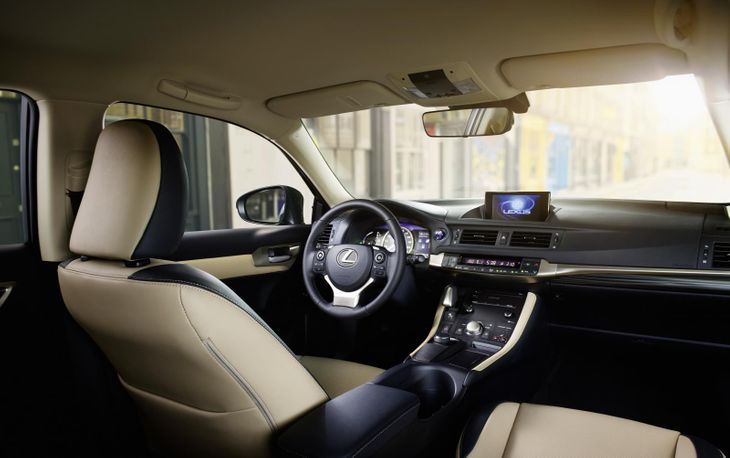
A larger 10.3-inch infotainment screen is now fitted and buyers have more interior trim and colour options to choose from. 

The front-end has been reworked with the daytime running lights now positioned the single-projector headlights while retaining their arrowhead shape.

The grille now features a new mesh pattern while the previous integrated bumper section dividing the upper and lower grille has now been removed. Metallic grey fog light bezels are now set in sharp-edged triangular surrounds.

“We have pursued a new look by reversing the position of the LED headlight unit and DRL compared to the previous model. The result is a look that’s more impactful than before. Moreover, the “L” motif of the DRL strengthens the Lexus signature,” said Tetsuo Miki, Chief Designer of the CT 200h.

At the rear, the CT 200h benefits from new LED L-shaped taillights with the indicator lights moved to the lower edge of the taillight housing. The tailgate now features a new garnish while the lower bumper has been reshaped and now has a metallic silver and black finish.

The CT 200h can also be equipped with new 10-spoke 16-inch alloy wheels with a combination machined and dark metallic finish.

New interior trim and colour options are on offer and the CT 200h is now equipped with a larger 10.3-inch Lexus Display Audio screen.

Lexus CT 200h – Price in South Africa

Lexus CT 200h S – R519 100

The CT 200h is sold with a 4-year/100 000 km warranty, 8-year/195 000 km battery warranty and a 4-year/100 000 km service plan.

Want to buy a Lexus?

Find one on Cars.co.za

Related Content

Lexus CT200h (2014) Review

Lexus CT200h F-Sport Review

Lexus CT, RX and LX get Specification Update

Stylish New Lexus CT 200h debuts In South Africa

Lexus LC 500 (2017) Launch Review


5 Cool Things About the Renault Alaskan

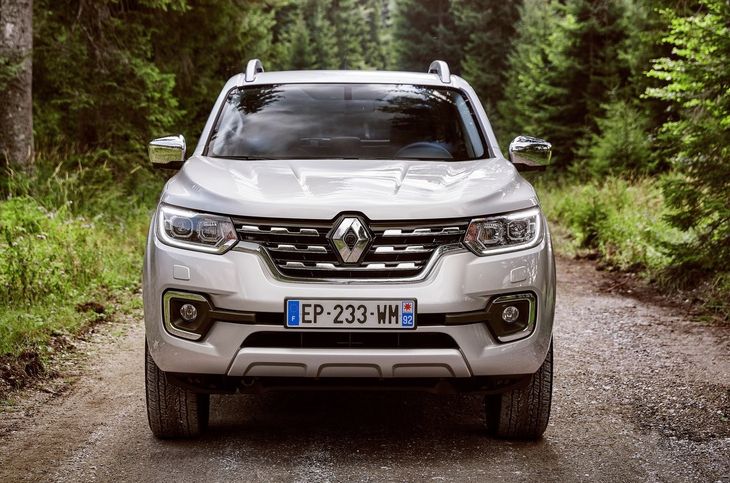
We have driven the South African-bound Renault Alaskan double-cab bakkie in Slovenia and came away quite impressed with the Navara-based newcomer. Here are 5 things that stood out for us about the newcomer…

The Alaskan will join a now crowded leisure double-cab segment in the second half of 2018 where it will compete for sales against local favourites such as the Toyota Hilux, Ford Ranger, Nissan Navara, Volkswagen Amarok and the forthcoming Mercedes-Benz X-Class.

If you haven’t done so already, take some time to read our Renault Alaskan International Launch Review.

Take a look at 5 things we like most about the new Renault Alaskan!

1. Exterior styling

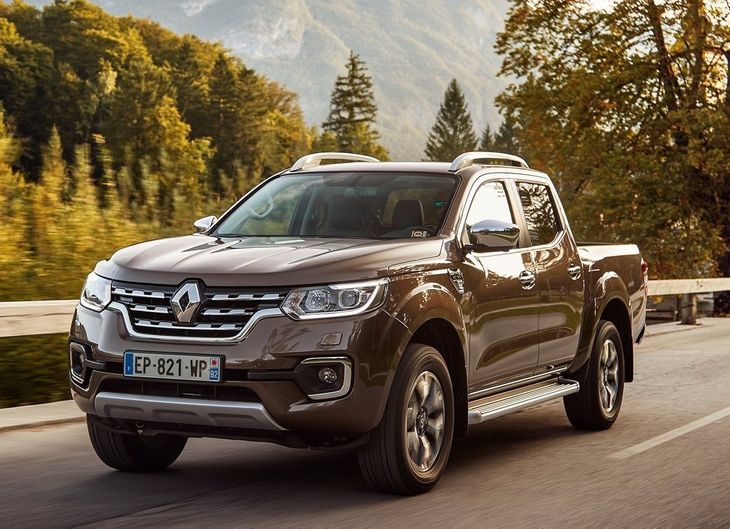
The Alaskan adopts a powerful and muscular stance. Much of its presence can be attributed to its front-end design where its chrome-accented grille and large diamond-shaped Renault logo make a bold statement. The Renault-inspired C-shaped lighting motif seen in the LED daytime running lights and fog light surrounds gives the Alaskan some familiar French flair.

We think that the Alaskan has got the looks to compete with its rivals. What do you think?

2. On-road comfort and refinement

In our brief experience with the Alaskan, we found its on-road comfort and refinement to be a major highlight. Although the Alaskan adopts the same 140 kW/450 Nm 2.3-litre twin-turbodiesel engine found in the Navara, Renault has tuned it to offer higher levels of refinement, even when the revs climb. More than this, unlike the overwhelming majority of bakkies in the market, the Alaskan adopts a similar 5-link rear coil suspension setup as the Navara, one which is claimed to suppress vibrations and enhance ride quality to a class-leading level. We found this claim to be credible as the Alaskan provided impressive comfort on varied surfaces including Slovenian roads, which are very similar in quality to the roads in South Africa. We can’t wait to test the Alaskan on local roads.

3. Off-road capability

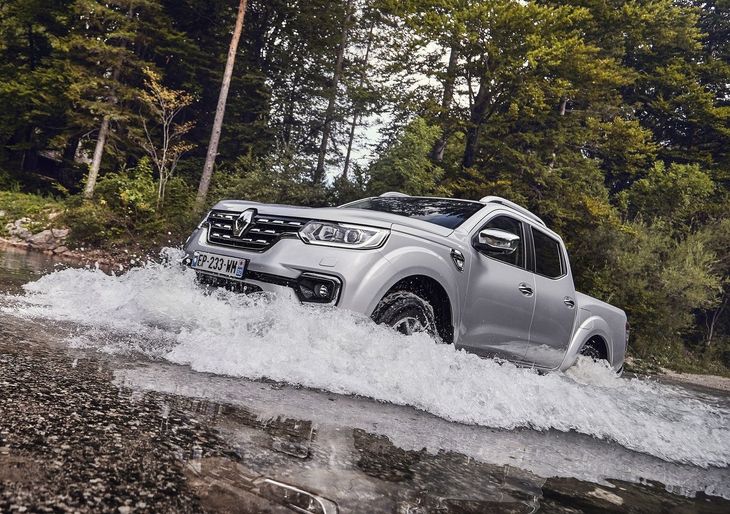
The Alaskan is well-equipped for offroading and it proved itself in dire conditions in Slovenia where it faced rain, mud, slippery grass, raging rivers and a host of obstacles.

A total of 3 driving modes are at the driver’s disposal and can be quickly activated by turning dial in the cabin. 2WD is used under normal driving conditions with power sent to the rear wheels. In more demanding terrain, high-ratio 4-wheel drive (4H) can be engaged "on the fly" at speeds up to 60 kph and you can remain in 4H at speeds up to 100 kph, making it ideal for optimum traction on gravel or in slippery conditions.

In addition to this, low-ratio 4-wheel drive (4LO) can be used to further maximise traction in severe terrain. An electronic limited-slip differential provides increased stability and a mechanically-controlled, self-locking rear differential will direct equal power to the rear wheels when traversing tough obstacles. Hill Descent Control and Hill Start Assist provide further reassurance.

4. Practicality

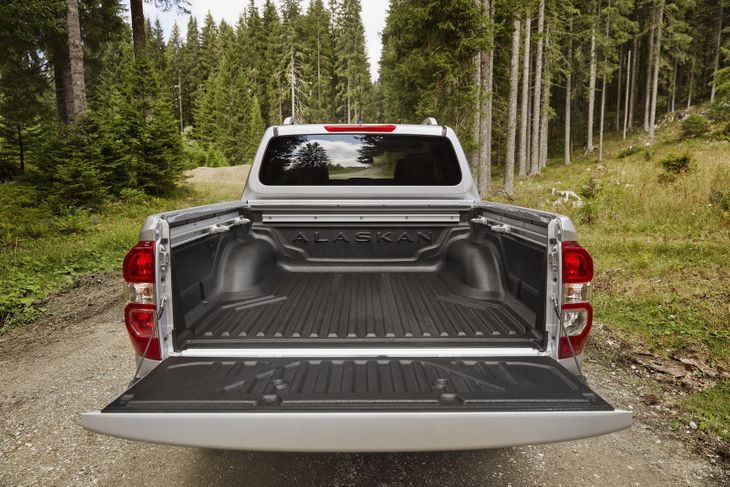
The Alaskan we drove was equipped with a nifty C-channel tie-down system that comprises fixed rails with 4 sliding hooks that allow you to effectively tie-down all types of cargo. More so, the tailgate can withstand weights of up to 500 kg and the Alaskan has an unbraked towing capacity of 3 500 kg, which is on par with the best-in-segment offerings.  

5. Comprehensive infotainment system

The Alaskan we tested came fitted with an average-sized 7-inch touchscreen infotainment system with a CD player, Bluetooth capability and satellite navigation. We found the system easy to use and it offered a handy 360-degree camera display that employs a quartet of external cameras to produce an all-around view of the vehicle's surroundings, which helps you avoid obstacles while off-roading or when parking.

The system is far better and more legible than the system fitted in the new Navara and we hope that it will be offered in South Africa.

Related Content

Renault Alaskan Officially Revealed

Nissan Navara 2.3D 4×4 LE (2017) Review

Why Navara shakes up the double-cab market

6 Most Fuel-Efficient Double-Cab Bakkies in SA

Most Powerful Double-Cab Bakkies in SA

Mercedes-Benz X-Class: Finally Revealed

Mercedes-Benz X-Class: Off-road demo & video wrap

X-Class & rival double cabs it needs to beat [with Video]

The Fairest 4×4 Truck by far?

2016 Toyota Hilux vs Ford Ranger – Offroad & Review

In-Depth Comparison: New Hilux vs Ranger vs KB vs Amarok (video)

Want to buy a Renault?

Find one on Cars.co.za

Volkswagen Golf R (2017) Quick Review

South Africa loves hot Golfs. Look no further than the fact that 60% of local Golf sales are made up of GTI and R variants as proof! Seemingly, not even a pricetag of around R650k (without options) can deter buyers. Following its recent round of updates and a slight uptick in power, is this the ultimate Golf?

We like: Sizzling performance, quality cabin, daily driving practacility 

We don’t like: Occasional suspension harshness

Alternatives:

  • A deadly enemy from within: Sibling brand Audi offers the S3 Sportback quattro for similar money which is a particularly big problem as the Audi badge holds considerably greater prestige and it also packs the slightly higher output engine. Nevertheless, the Golf outsells the hot Audi by a considerable margin, undoubtedly due to the VW network's greater footprint, but also because its more extroverted appearance (and image) is arguably more in line with its target audience. Then there's also the fact that the VW offers a few more goodies as standard.
  • Something more hardcore: If you want your hot hatch to be a bit more, err… brash, then consider the Ford Focus RS. This rorty machine was designed and set up by a team that prioritised driving fun and extroverted dynamics. It is considerably more expensive and probably not faster in the real world, but you do get exclusivity.

Compare the VW Golf R with the Audi S3 Sportback quattro and Ford Focus RS by clicking here

Facts & Figures

Price: R647 300 (September 2017 – no options)
Engine: 2.0-litre, 4-cylinder turbopetrol
Transmission: 7-speed dual-clutch 
Power: 213 kW 
Torque: 380 Nm
Fuel consumption: 6.9 L/100 km (claimed)
0-100 kph: 4.6 seconds (claimed)
Top speed: 250 kph (claimed)

Do you own a Volkswagen Golf? We'd like to hear from you! By completing our in-depth Ownership Satisfaction Survey, you will be contributing to next year's Cars.co.za Consumer Awards – Powered by WesBank. Click here to have your say!

What's changed?


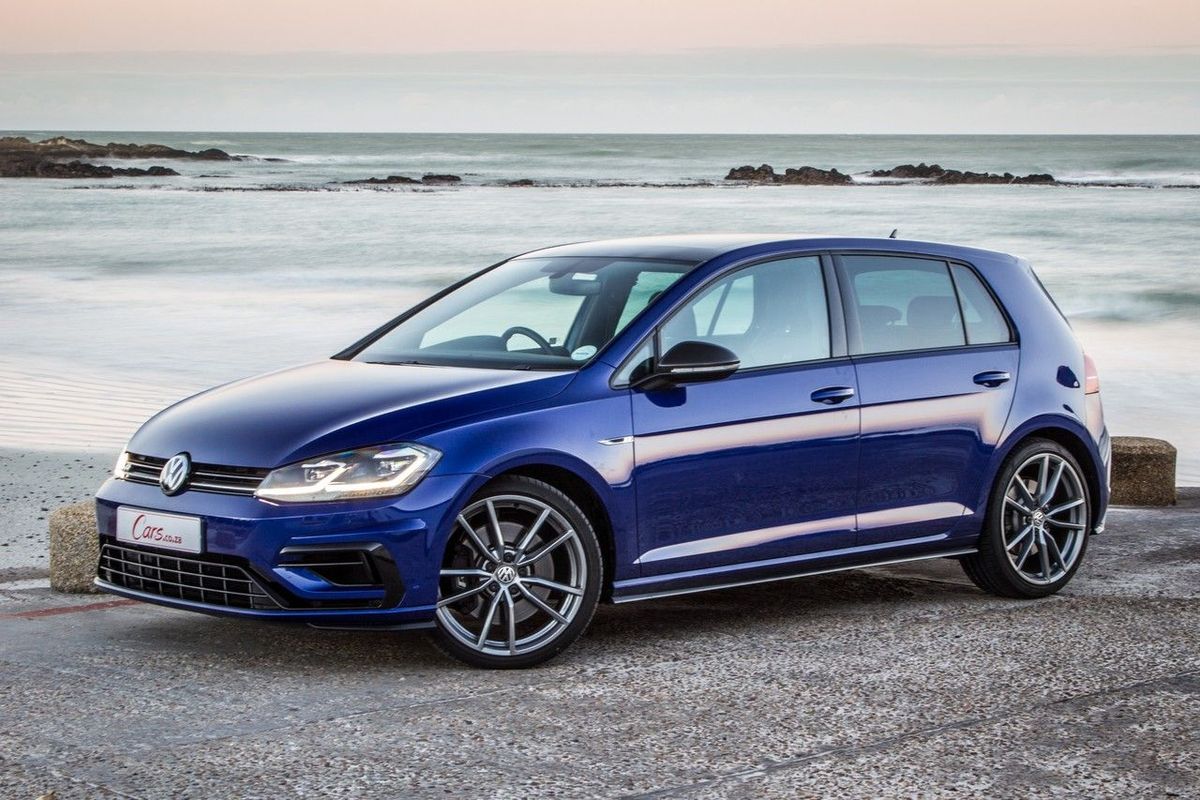
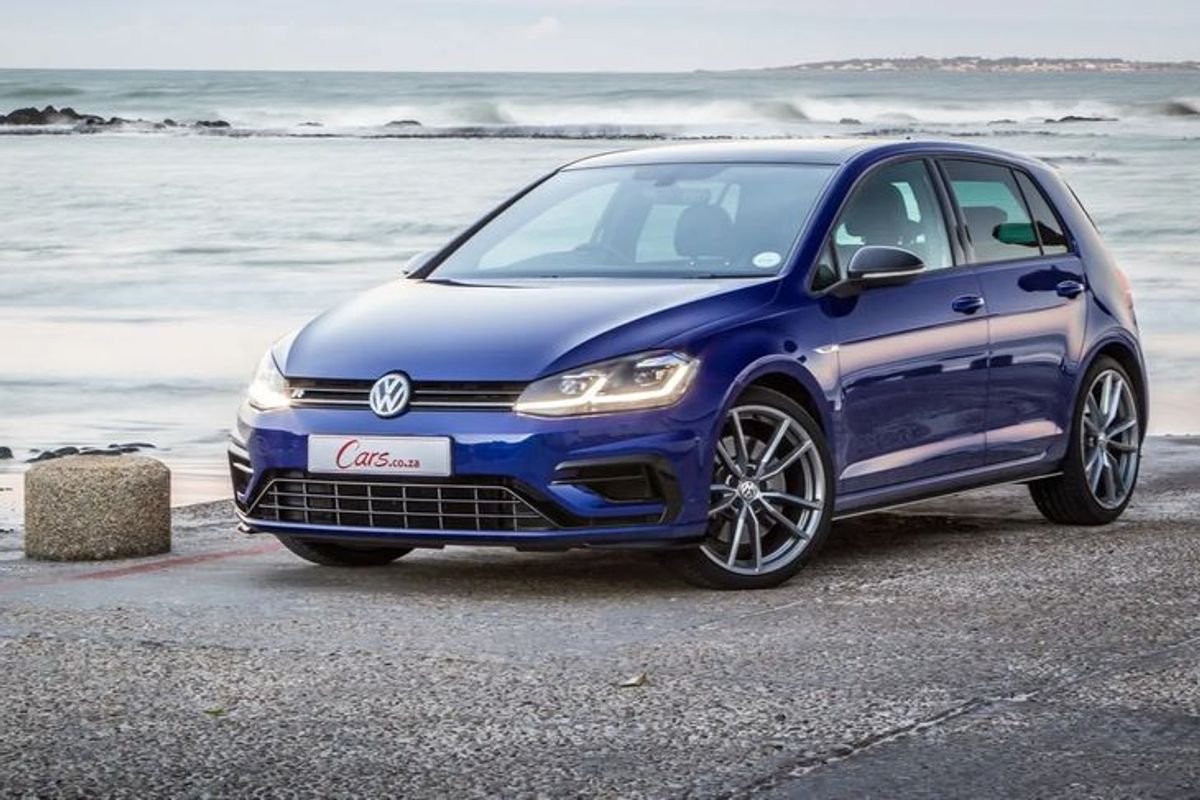
Biggest visual changes have happened along the front bumper and with the LED headlamps.

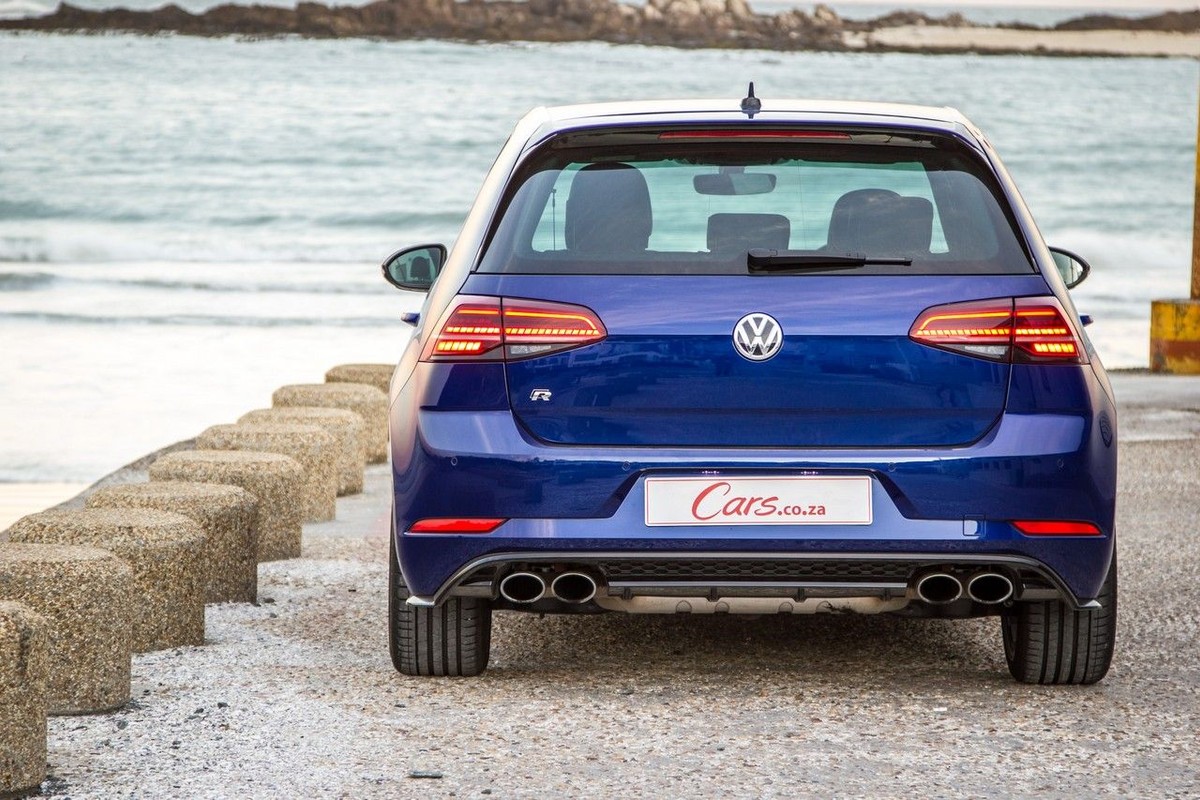
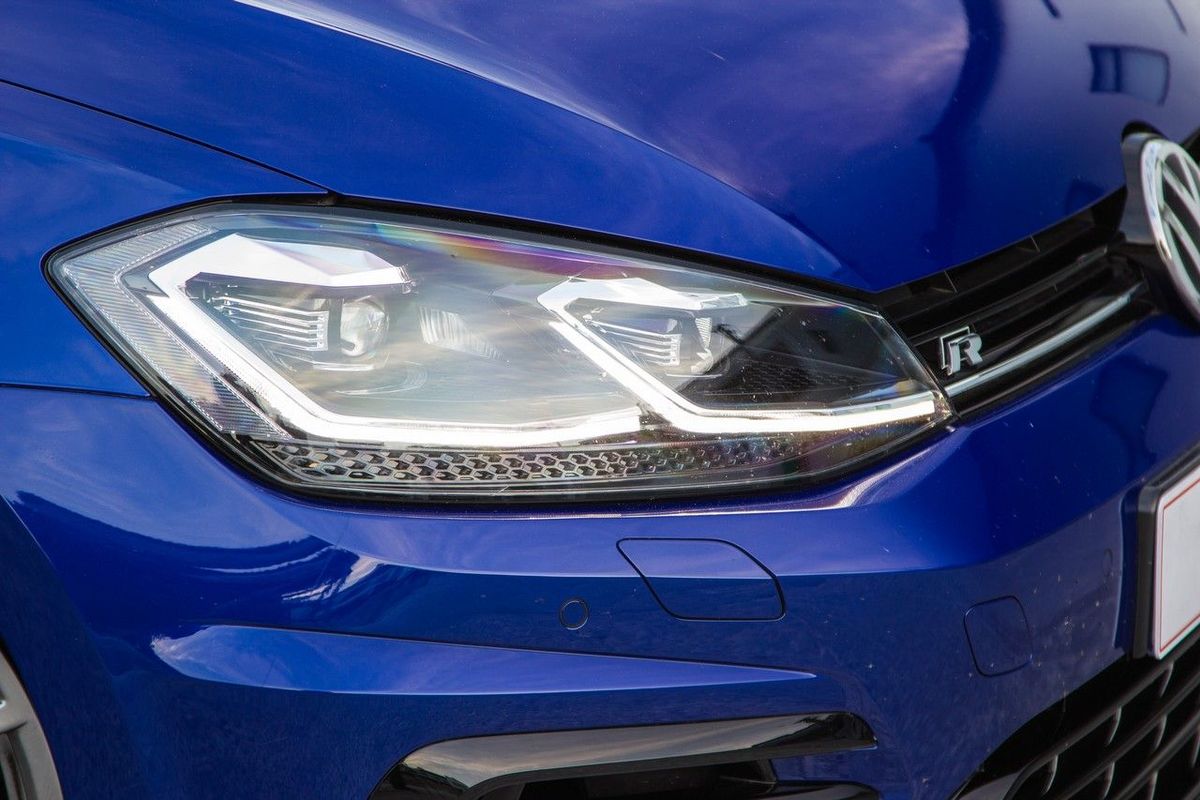
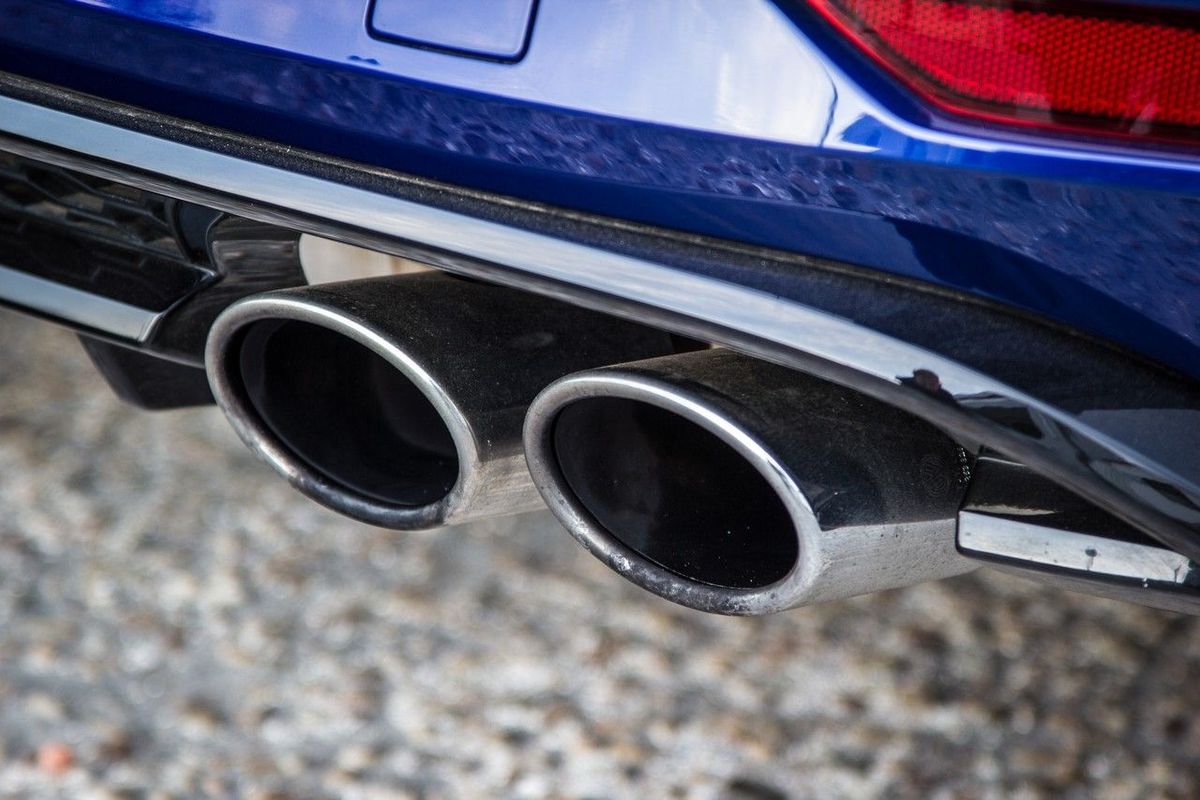
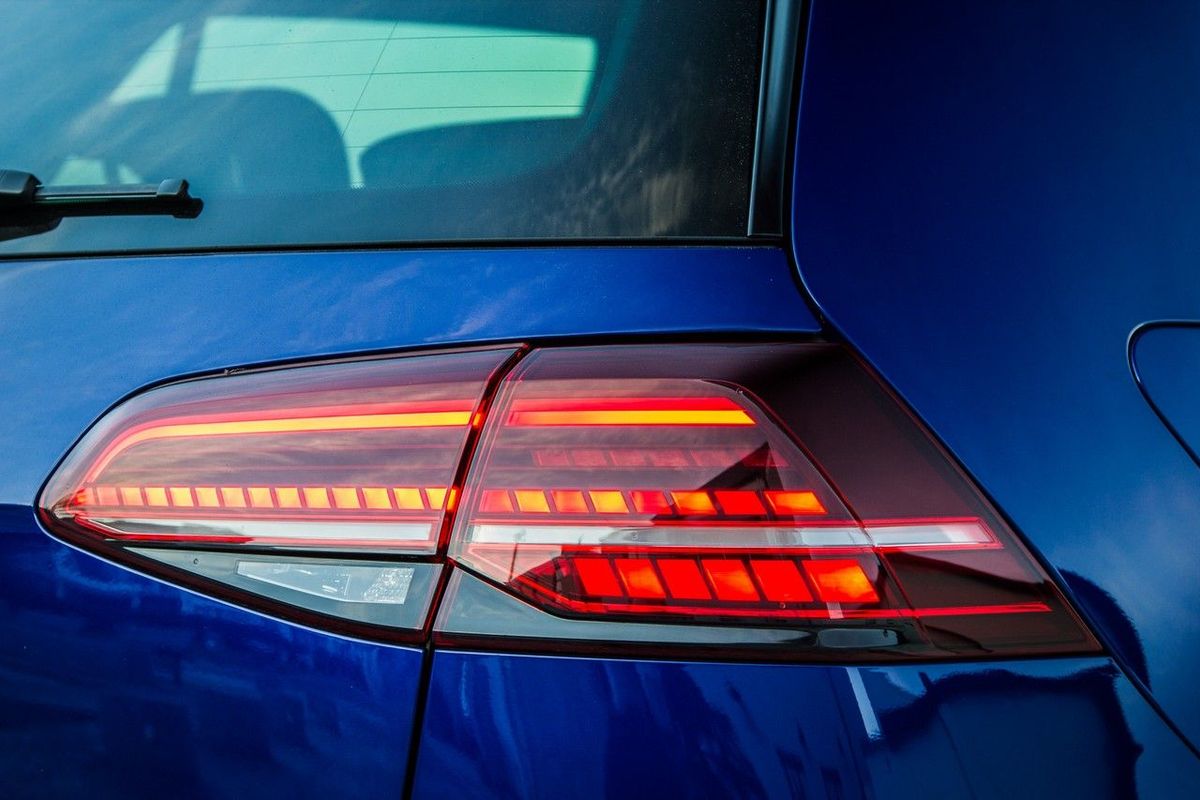
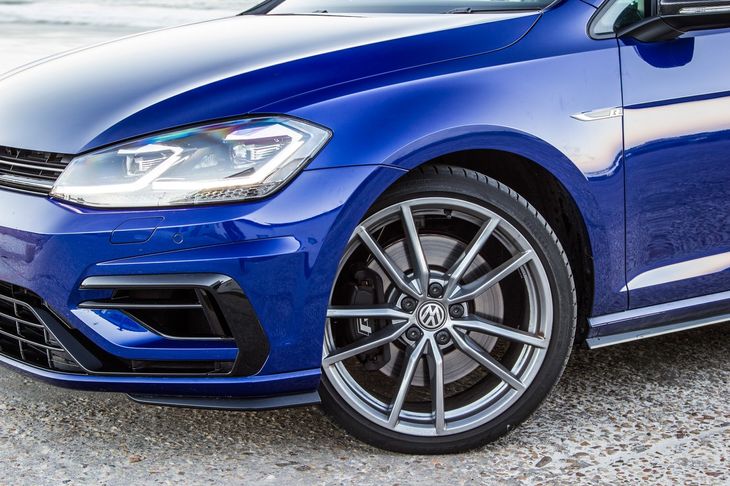
For the eagle-eyed Golf R afficionado the changes to the updated model will be immediately noticeable, particularly the revised bumpers and LED head- and taillamps. Look closer and you'll also spot that the exhaust outlets are now positioned wider apart, making the car appear more squat from the rear. There are also new mirror housings in a chrome matte finish (optionally in Carbon). 19-inch Spielberg alloy wheels are standard but you can also get the appropriately titled "Pretoria" wheel for R8 100.

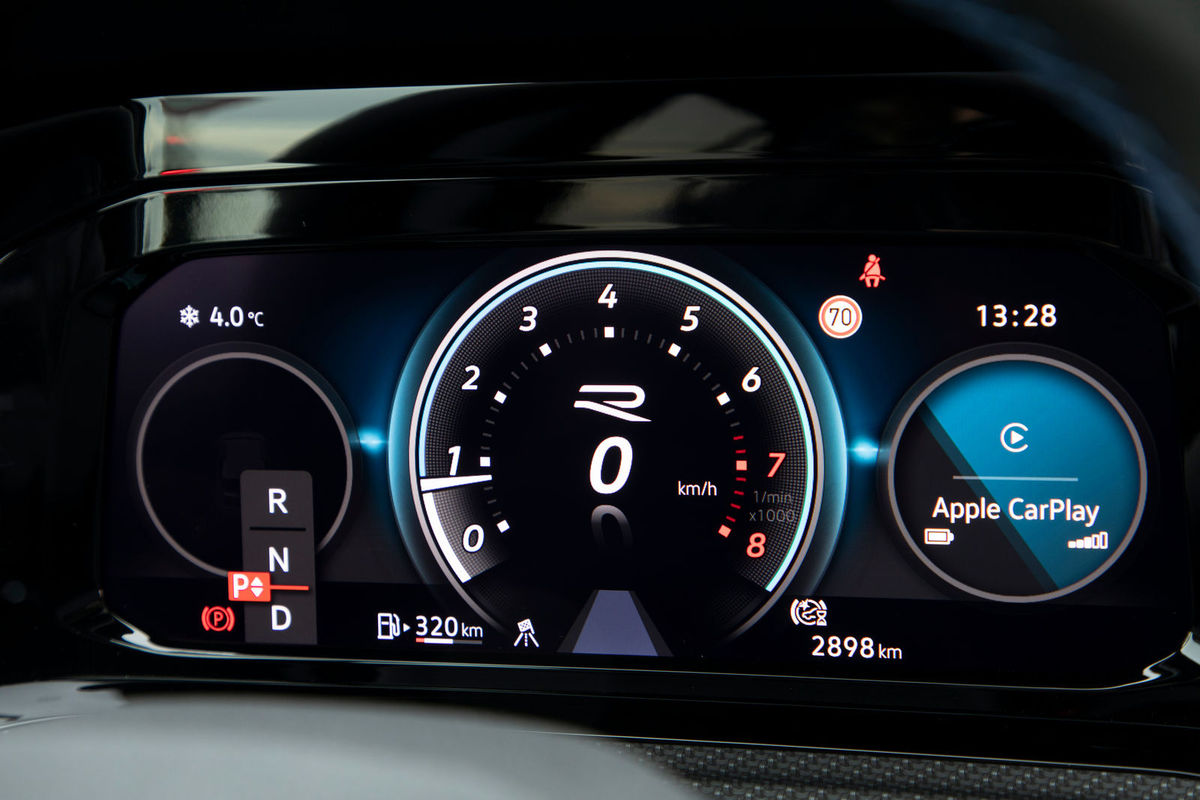
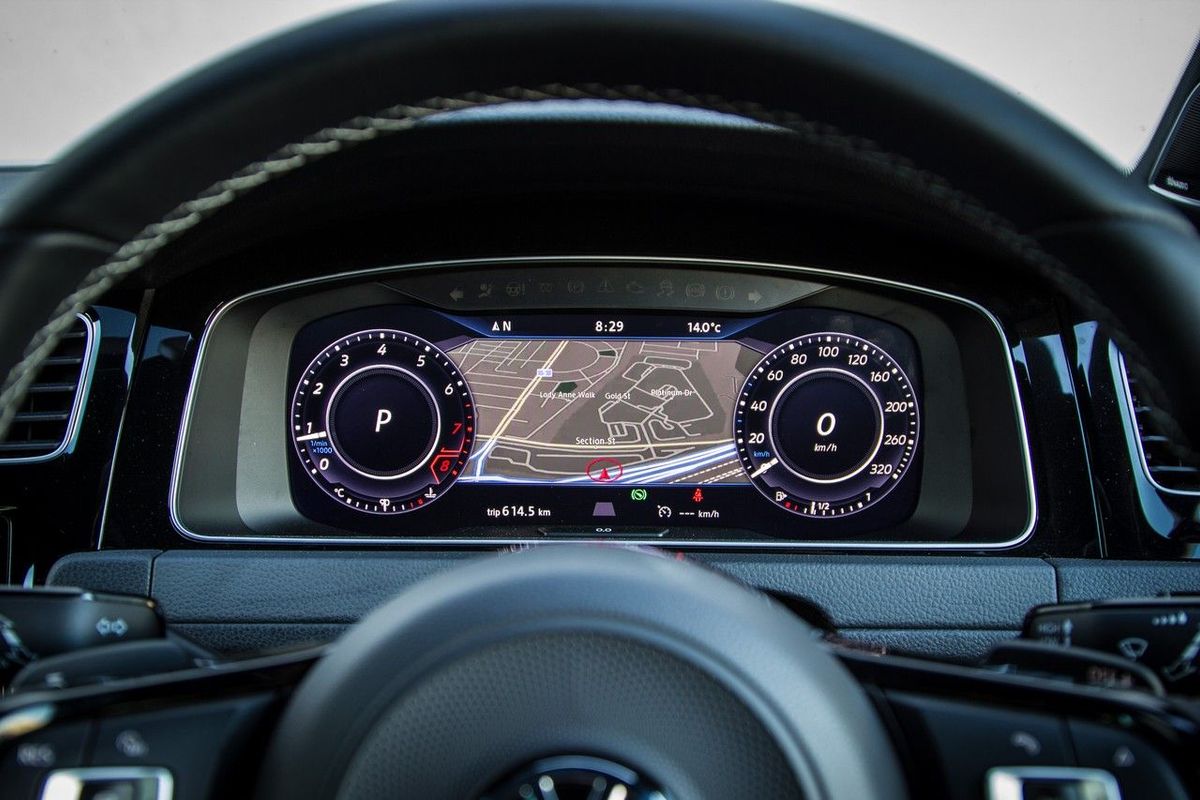
Inside, the latest Golf R benefits from all the recent Golf 7.5 updates and the smart 9.2-inch Discover Pro (with Gesture Control) info-tainment system is offered as an option for R20 200. In the case of the R specificially, the Active Info Display is standard as is a lap timer.

So, overall, a few nice tweaks here and there but what you're most likely eager to know about is the performance. The new Golf R has slightly more power from its 2.0-litre turbopetrol (213 kW – up from 206 kW) and is now fitted with a slick new 7-speed dual-clutch transmission that features a launch control mode as standard.

The Good

It's very, very fast

Because South Africa is seen as a hot-weather country, Volkswagen currently doesn't allow the Golf R's engine to unleash all of the 220+ kiloWatts that is available elsewhere, but the 213 kW it does have, along with the 380 Nm of torque, certainly endows the R with explosive performance. With Launch Mode engaged one can rocket to 100 kph in 4.6 seconds, with the Golf squatting on its haunches as the all-wheel drive system calculates how to best launch the uber-Golf to the horizon. Have a look at our video below to see just how much faster a Golf R is against the Golf GTI in a quarter-mile dash.


It's not only a robot-racer, though. The engine is very flexible, with that maximum torque figure being available across a wide rev range that spans from 1 850 to 5 300 rpm. Coupled with the slick new gearbox, and a multitude of driving modes that allow the driver to finetune the responsiveness on offer, the Golf R is truly a performance machine for whatever driving mood you may happen to be in. 

And yet, it's not a highly strung motor that feels unrefined in "normal" driving. It's always refined, and when pottering around will even return excellent fuel economy. Volkswagen claims a combined cycle figure of 6.9L/100 km.

As practical as ever


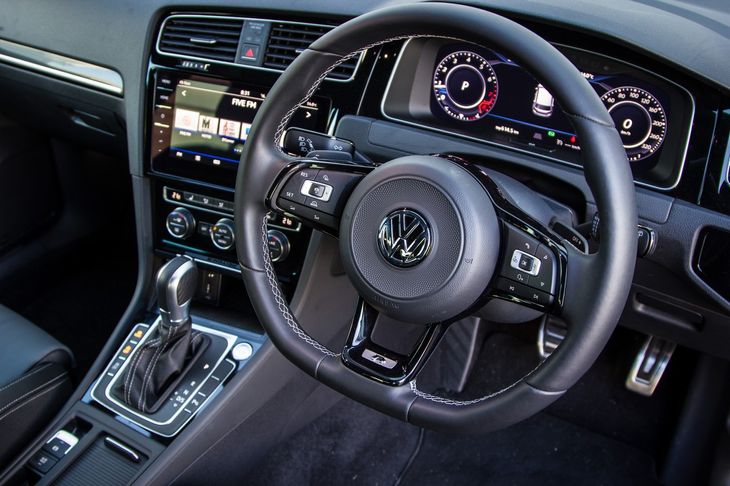
The Golf R's cabin strikes a fine balance between practicality, technology and a premium ambience. 

For all its heady performance capability and drivetrain complexity, the Golf R remains a comfortable, practical daily runner. Using the same 5-door bodyshell as all the other Golfs means that the boot and passenger space is similar, too. We say "similar", because the boot is slightly smaller at 343L (versus 380L for a GTI). Nevertheless, fold down those rear seats and you can still fit most of today's lifestyle equipment in there without much hassle.

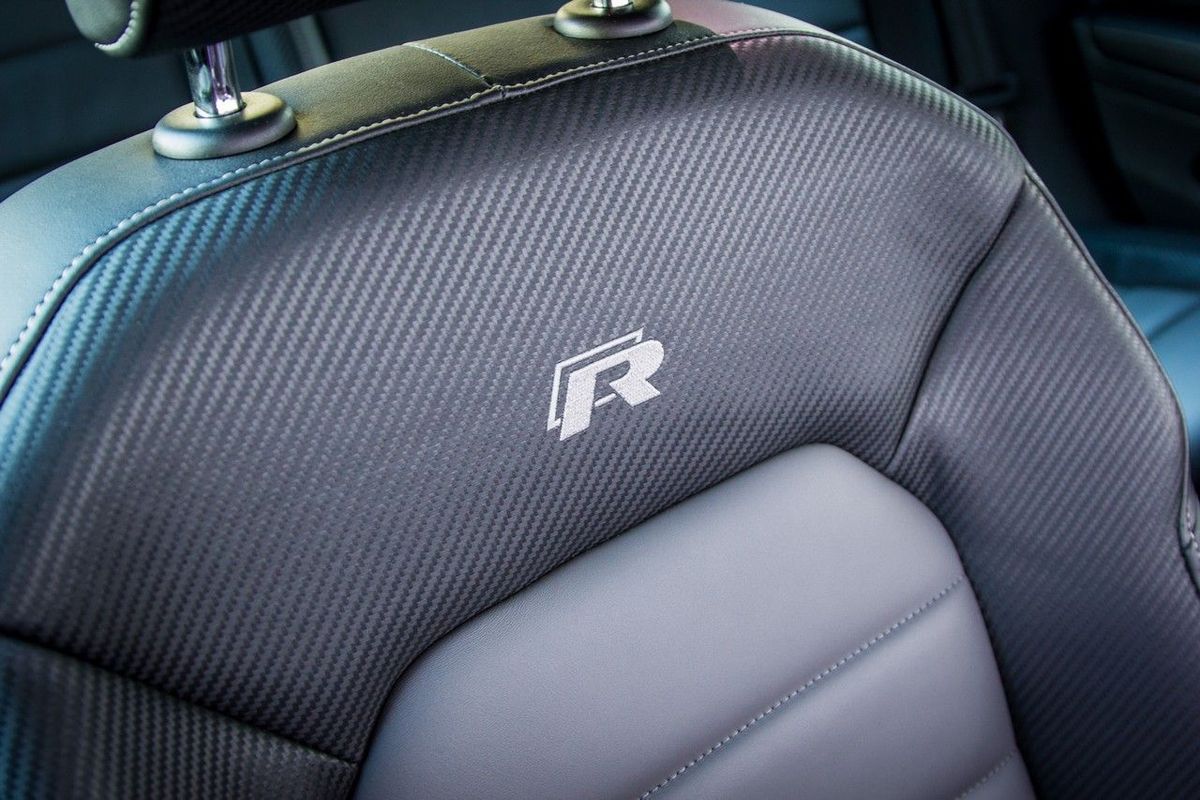
Furthermore, rear passenger space is excellent, and those occupants seated in the front are treated to very comfortable (and supportive) Sports seats that also offer heating. The driving position is spot-on, courtesy of Volkswagen's usual generously rake/reach adjustable steering and height-adjustable driver's seat. Leather upholstery, dual-zone climate control, a panoramic sunroof and auto lights/wipers are standard.

An entertaining drive


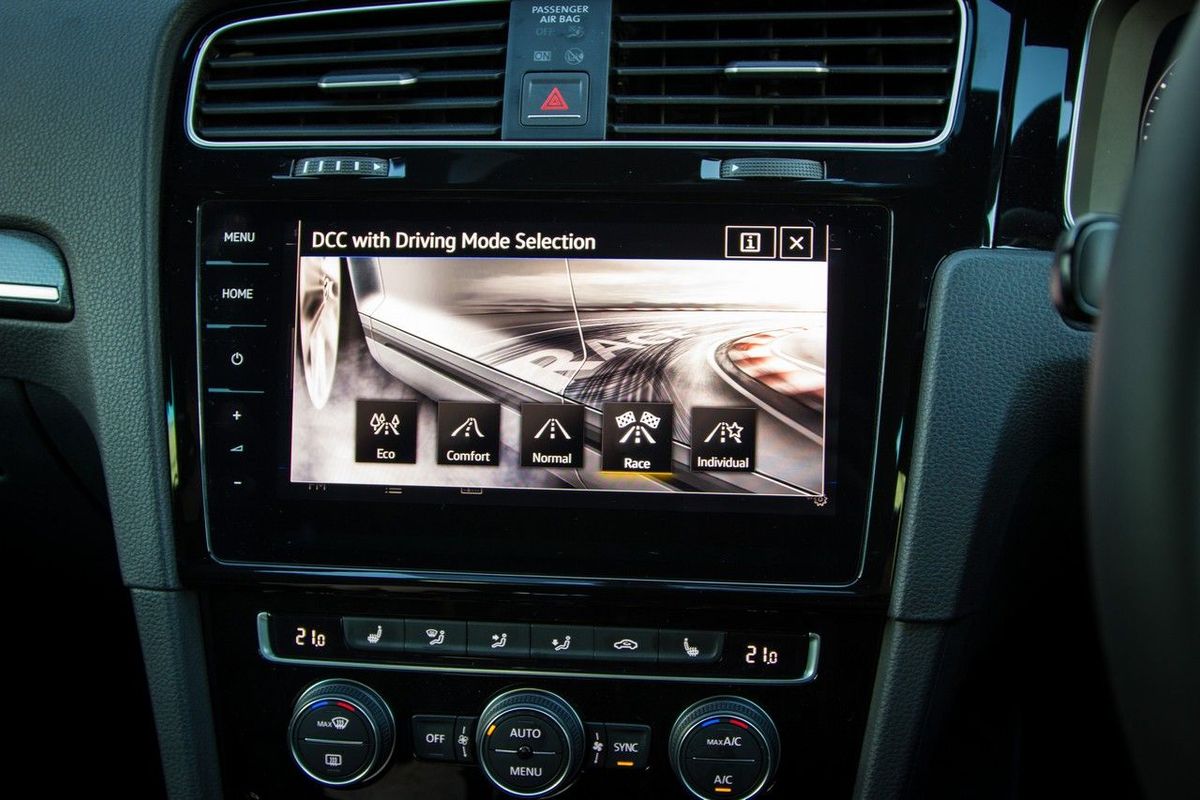
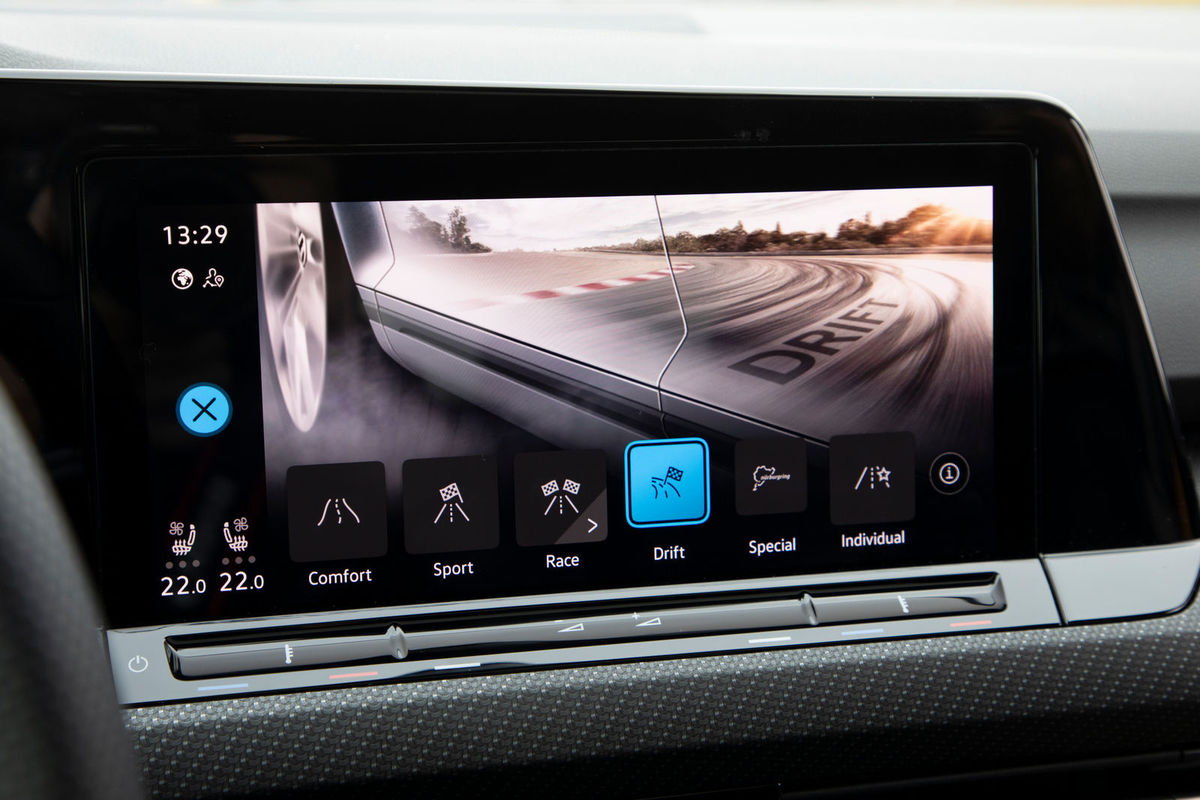
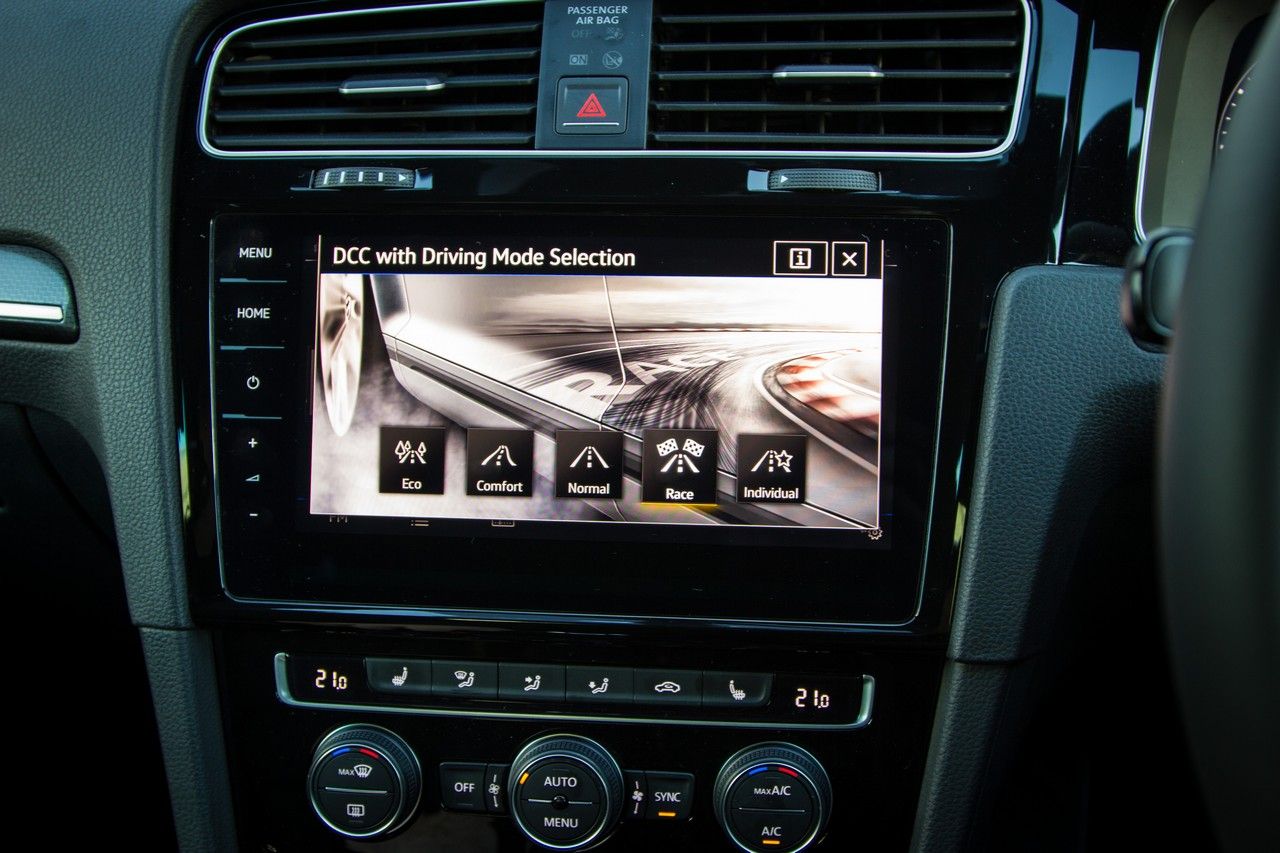
With the optional Adaptive Chassic Control system fitted, the driver can scroll through 5 driving modes. 

With all-wheel drive as standard and a firmer ride from the get-go, the Golf R feels markedly different to its famous GTI sibling when driven hard. It feels more "hunkered-down", grippier and because of a marked lack of body roll, quite sportscar-like in the corners. Fitted with the optional Adaptive Chassis Control system (R12 700), the driver can adjust the throttle responsiveness, steering and firmness from behind the wheel, but it's always on the firm side and becomes progressively more "aggressive" as one moves through the various modes. It's also worth noting that, when Sport mode is selected, the infotainment screen displays "racy" items such G-forces and power outputs.

It is also possible to switch out ESP completely with the Golf R, which is increasingly a rarity. 


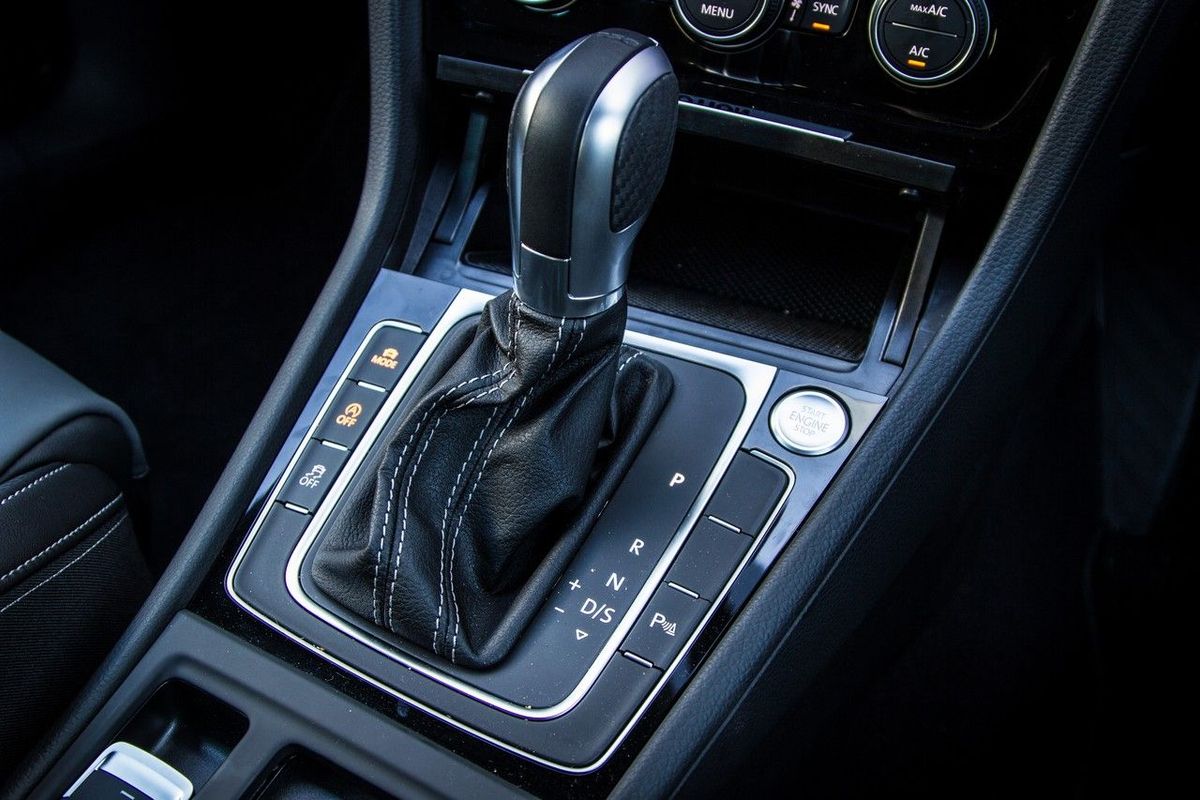
The new 7-speed dual-clutch gearbox incorporates a Launch Control function. The 'box is lightning fast and feels very robust.

Overall, the Golf R's initial response to being pushed hard into a corner will be predictable understeer, but because it can channel power to the rear when there's little traction at the front, the experienced driver can extract good and entertaining adjustability from the R by using the throttle pedal. It is perhaps also due to this ability (shifting power to the rear), that the steering feels purer and more informative than on cars (and Golfs) where all the power goes to the front wheels. It's a car with such depth to its dynamic abilities that it requires a dedicated driver to extract its full potential. The process of discovery is, however, very rewarding.

It's an impressive performance particularly because not so long ago fast all-wheel drive hatches were one-trick ponies that could only go fast in a straight line but fell short of providing true entertainment on the twisty bits. The Golf R is not like that, it's fast and entertaining everywhere.

The Bad

Ride occasionally too firm

There aren't many chinks in the Golf R's armour, and given its overall balance of performance, driving fun and practicality, we feel inclined to forgive it its slightly firm ride. On European roads it will probably never be a problem, but on South Africa's (in places) deteriorating road infrastructure, it can prove to be uncomfortably firm. That said, most cars that it competes with are in a similar boat (or worse). 

Pricing and Warranty

The VW Golf R currently (September 2017) sells for R647 300 without options and the price includes a 3-years/120 000 km warranty and 5-years/90 000 km service plan. It is very comprehensively specified as standard but options include 19-inch Pretoria alloy wheels (R8 100), the Discovery Pro info-tainment system with satellite navigation (R20 200), Blindspot monitor with rear traffic alert (R3 500), adaptive cruise control with automated emergency braking (R5 000) and the Adaptive Chassis Control system with driving profile selection (R12 700).

Verdict


Bruiser in a tailored suit… The Golf R looks sophisticated but packs a hard punch.

For around R650 000 (without options), the Golf R is undoubtedly pricey. Nevertheless, within the context of its abilities and rivals, it makes more sense than one may think. This is probably the ultimate expression of the fast Golf formula to date, offering nearly all the practicality of a GTI, but with even more dynamic appeal, greater performance and a cabin that knocks most of the competition for a six. On paper (and in the metal) this latest evolution looks like a subtle improvement, but the reality is that the latest Golf R does everything "better than expected", and most importantly, delivers greater driving engagement than what we've become used to from this type of car.  

You may also be interested in;

Volkswagen Golf GTI and Golf R (2017) track comparison (video)

5 Key changes for the facelifted Volkswagen Golf R

Audi RS3 vs BMW M2 vs Mercedes-AMG A45 vs Honda Civic Type-R track comparison (video)

Ford Focus RS (2016) video review

Looking for a new / used VW Golf to buy?

Find one on Cars.co.za today by clicking here