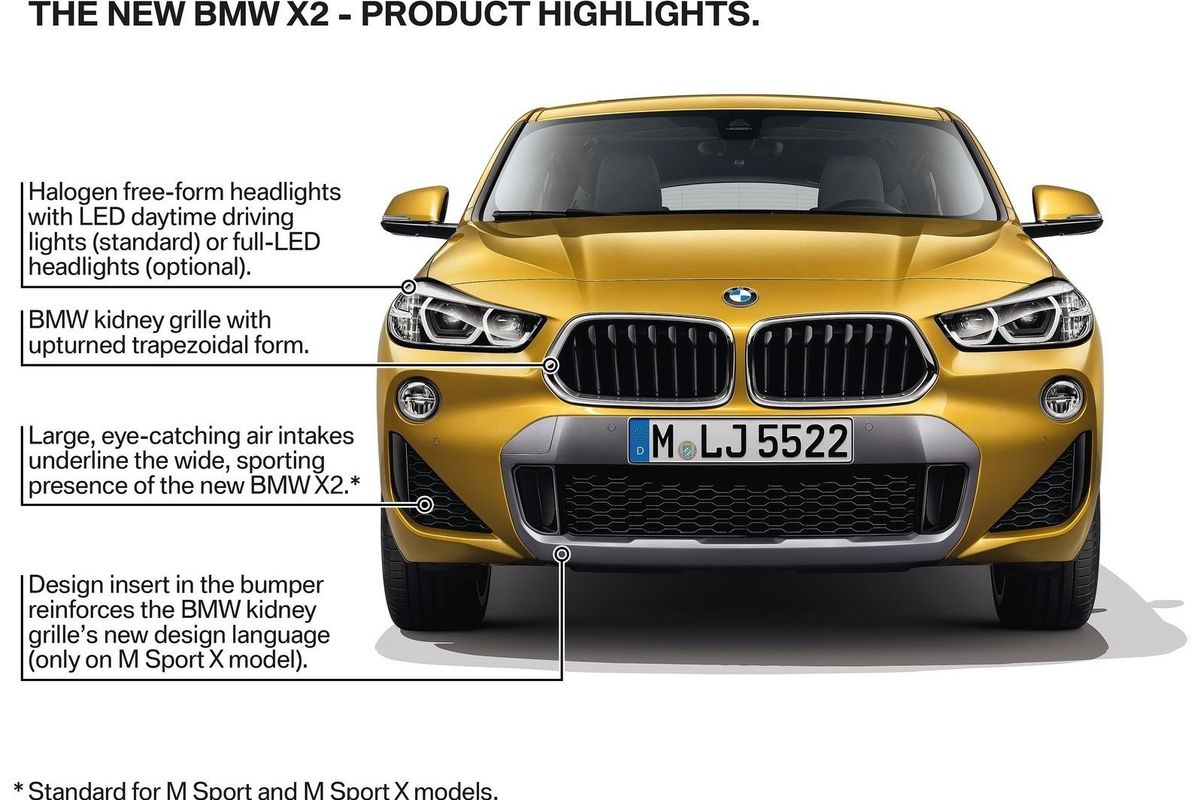
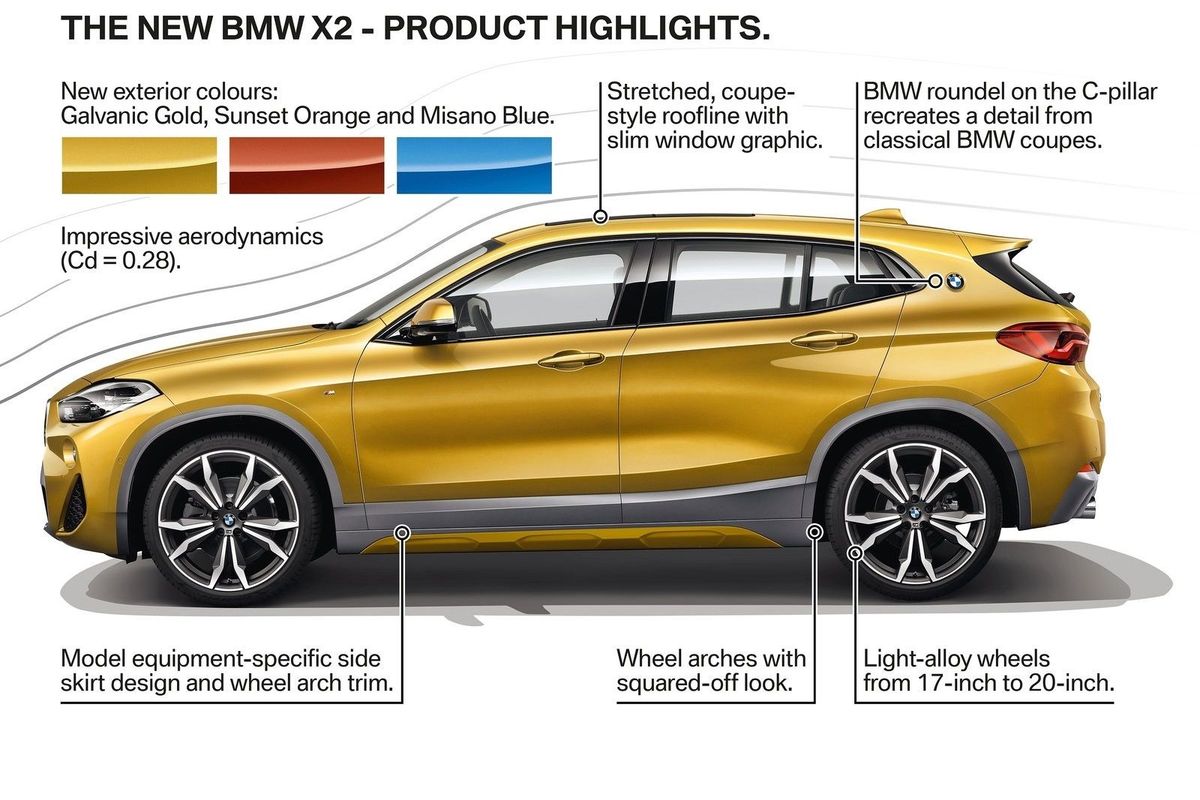
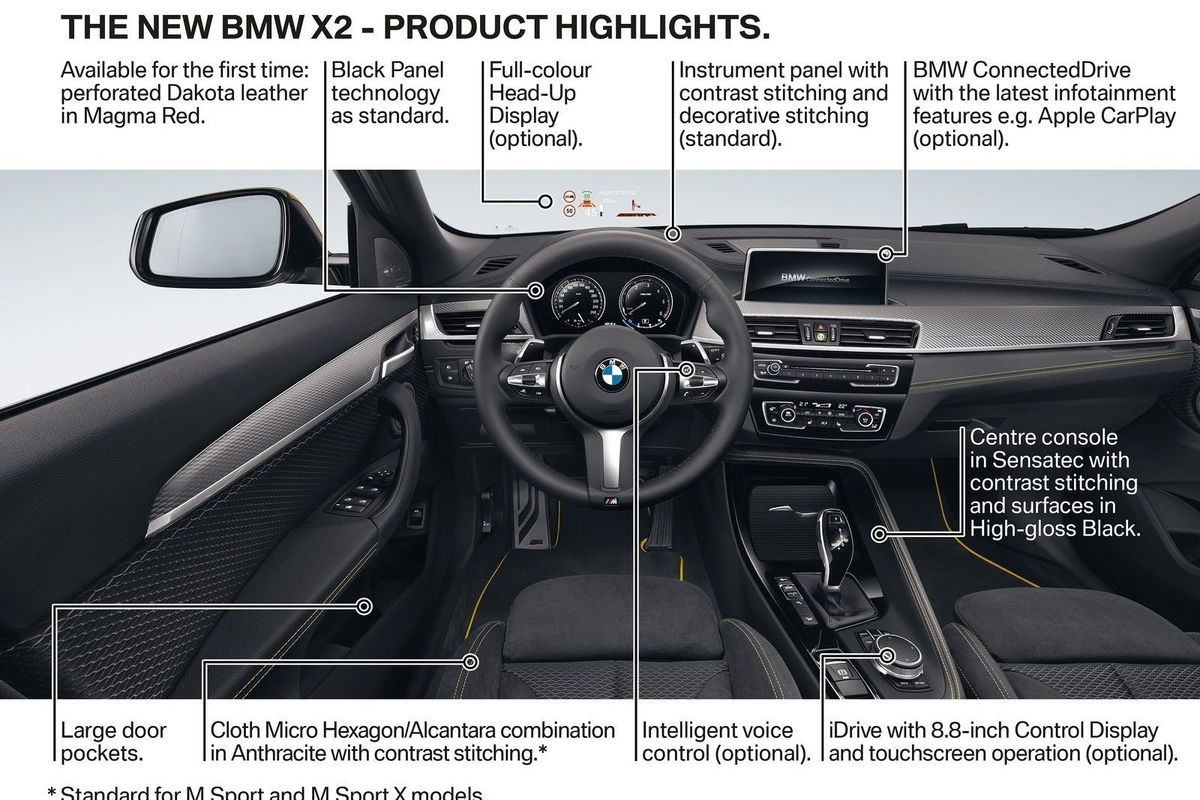
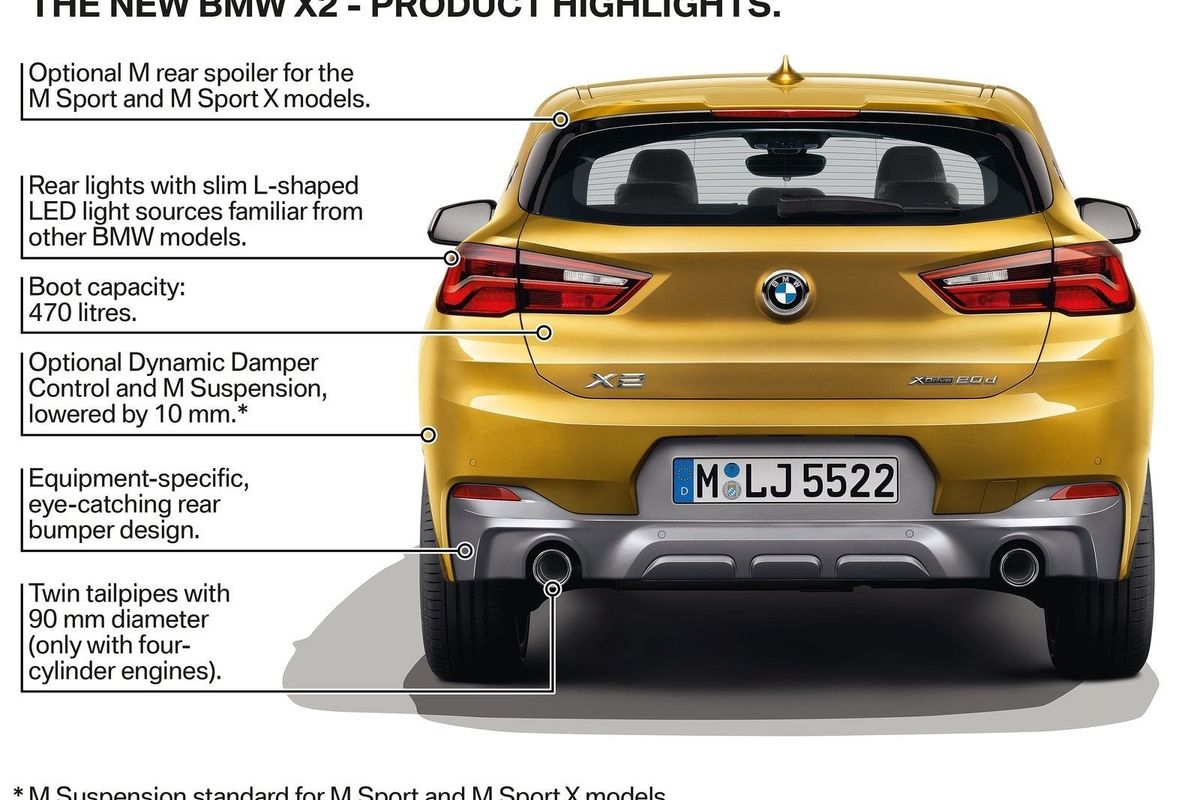
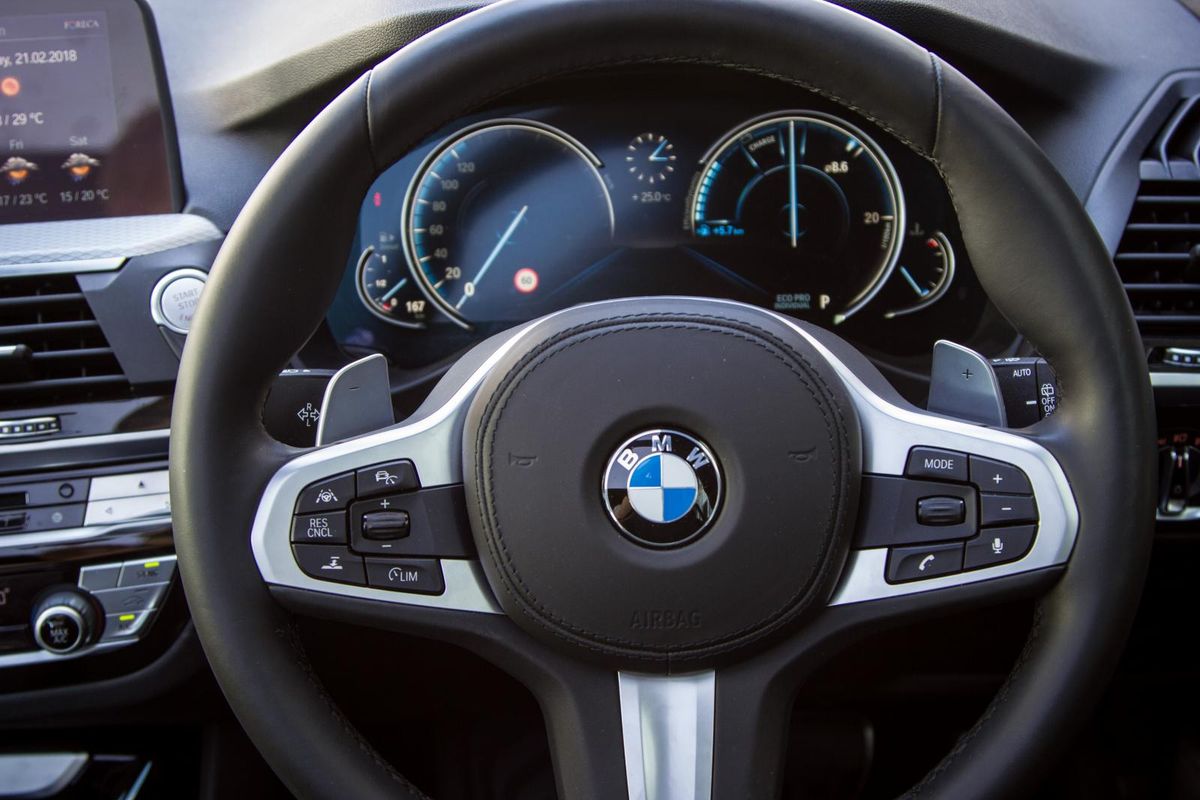
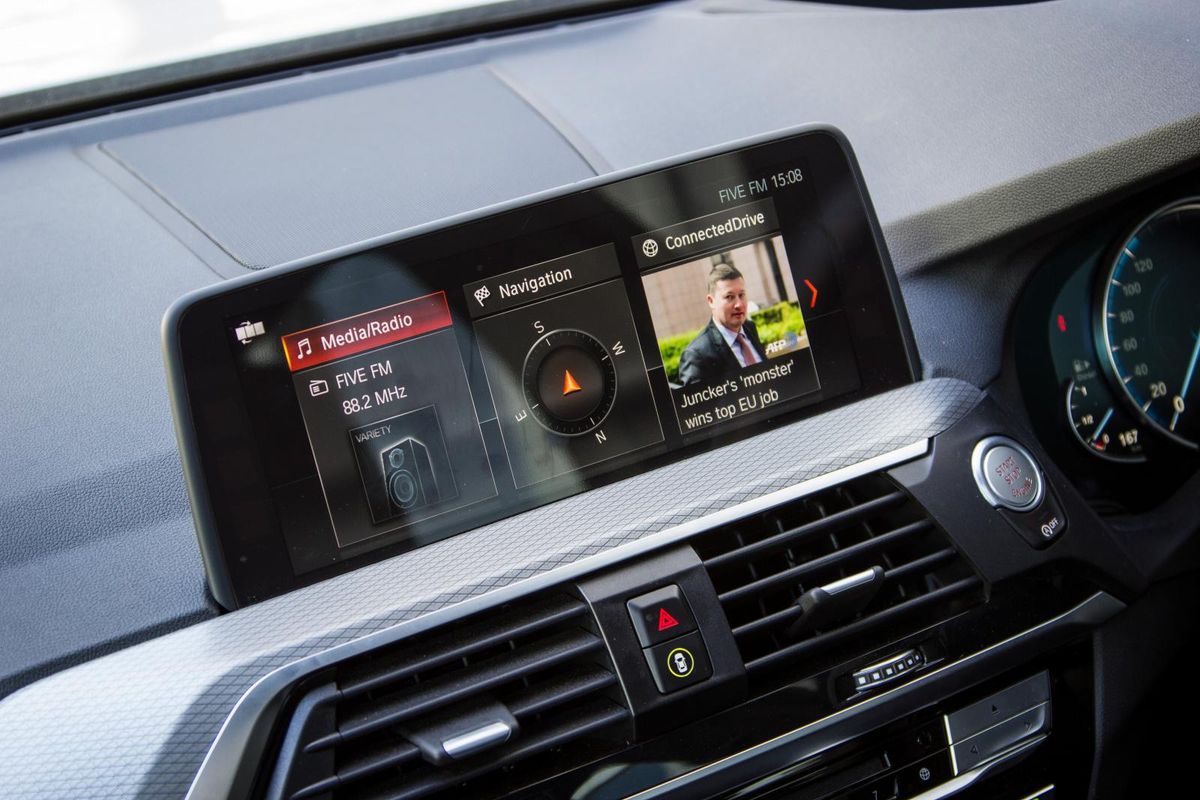
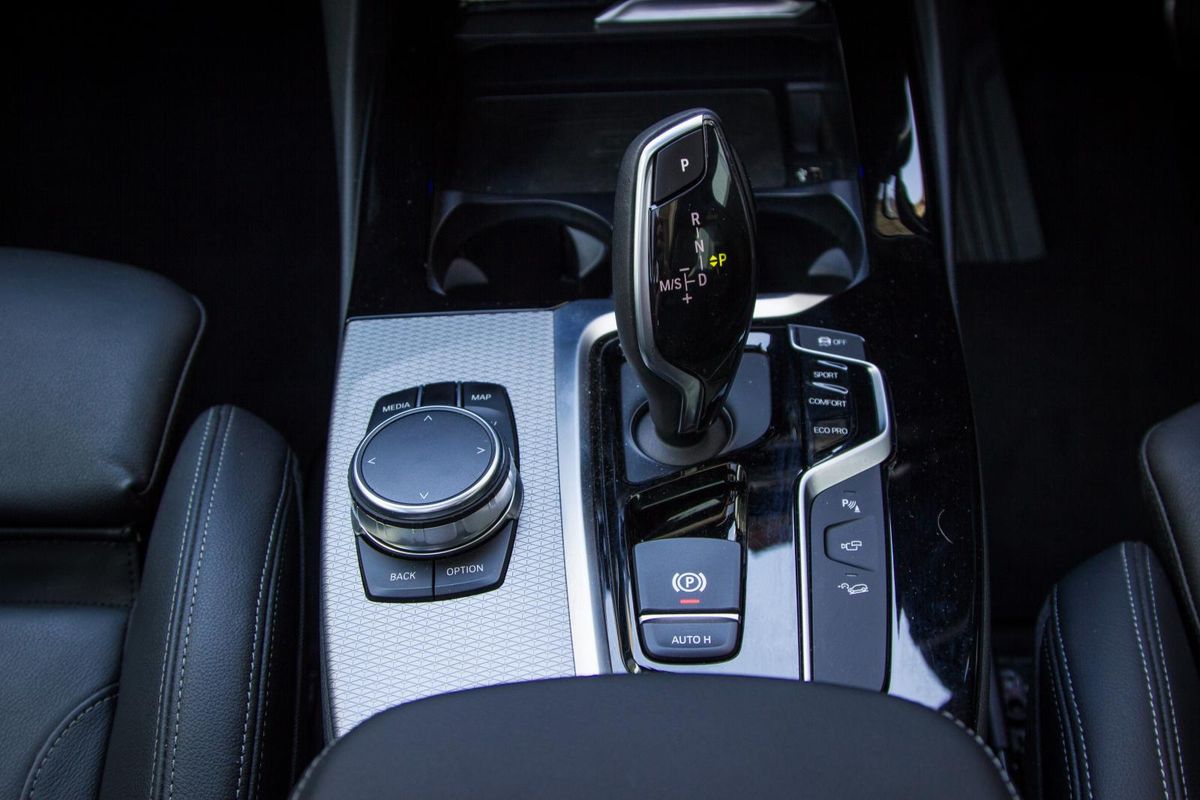
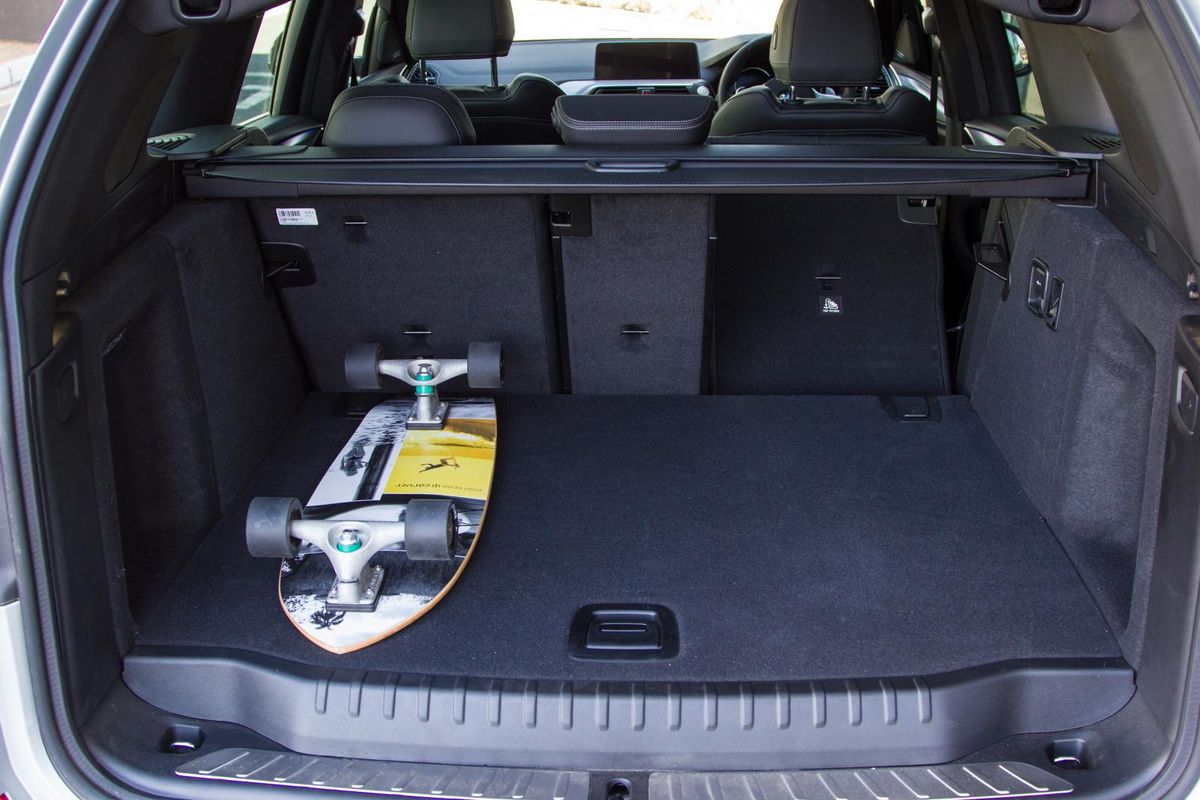
The new BMW X2 compact crossover will be launched in South Africa this week. Recently, the X2 turned up on BMW SA's January 2018 price list and we compare the newcomer's pricing against those of the compact X1 and the recently-launched X3.
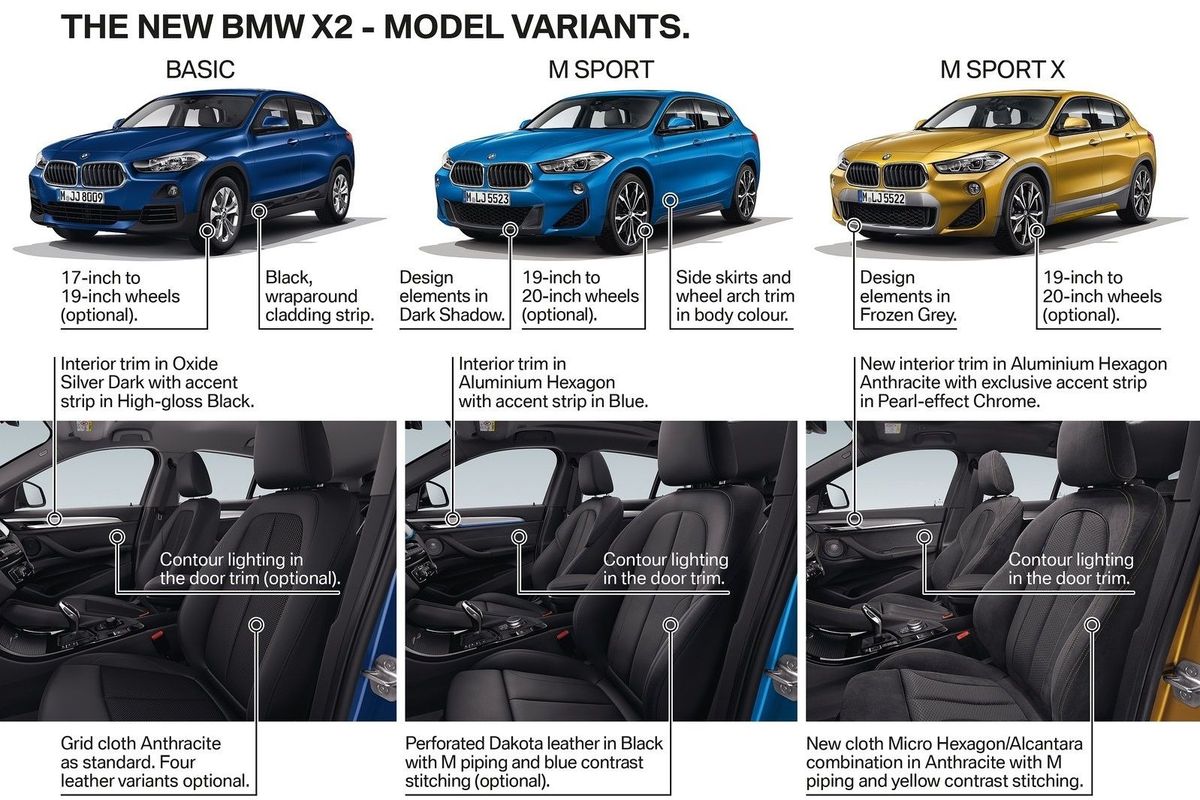
The new BMW X2 will arrive in South Africa this week and what we know so far is that the South African product plan encompasses two models. There will be 2 engines from launch, both of which are equipped with automatic transmissions. The BMW X2 will be available in M Sport and M Sport X trim.
The front-wheel-drive sDrive20i petrol derivative has peak outputs of 141 kW/280 Nm, a claimed fuel consumption range of between 5.9 and 5.5 L/100 km and a 7-speed Steptronic dual-clutch transmission. The xDrive20d turbodiesel derivative, meanwhile, produces 140 kW/400 Nm, consumes approximately 4.8 – 4.6 L/100 km, comes equipped with xDrive "intelligent all-wheel drive" and features an 8-speed Steptronic transmission.
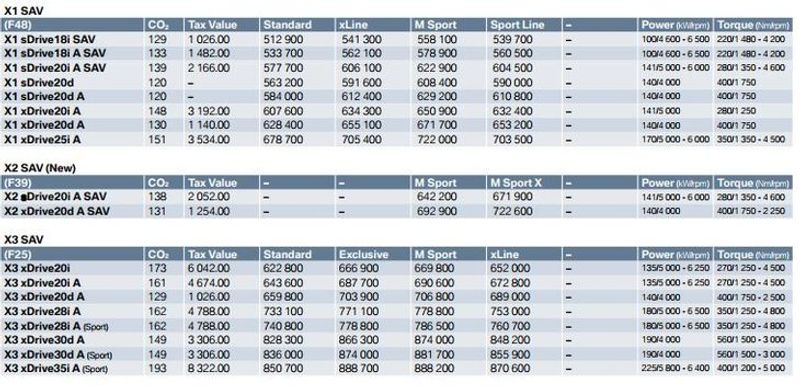
BMW X2 Price in South Africa
As you can see, the BMW X2 slots between the X1 and X3. With the option of either M Sport or M Sport X, the X2 is looking like a stylish proposition for those wanting something completely different. Don't forget to factor in the tax value when using the below price list.
In a surprise announcement today, Groupe PSA (Peugeot and Opel) have confirmed that it has entered into a joint-venture agreement with the Namibia Development Corporation to start an assembly plant in Walvis Bay.
The first vehicles to be assembled will be sister products, the Peugeot 3008 and its German sibling the Opel Grandland X, which is on the radar for South African introduction later this year. Assembly will start in the second half of this year and the aim is to produce an annual volume of 5000 units by 2020 to meet SACU (Southern African Customs Union) demand – included are South Africa, Lesotha, Swaziland and Namibia. Other products will follow should there be sufficient demand.
According to PSA the agreement is part of the firm's "Push to Pass" strategic profitable growth plan, developed to, "satisfy customer expectations in all the regions in which the Group operates." The PSA Group has a clearly stated ambition to develop internationally by directly producing within Middle East and Africa 70% of the vehicles sold in the region.
The decision to manufacture Opel models in Namibia was made and implemented in a record time frame, less than 4 months after the announcement of the PACE! Strategic plan on November 9, 2017. Executive Vice President for Middle East and Africa Region at Groupe PSA, Jean-Christophe Quemard said: "This investment in Namibia is part of the long-term strategy of Groupe PSA to increase its sales in Africa and the Middle East, consistent with our target to sell one million vehicles in 2025. This new capacity will serve regional markets with products in line with our Opel and Peugeot customer expectation”.
If you reckon motor shows are dead, think again, because the opening press days at the 2018 Geneva Show turned that notion on its head.
Vibrant, exciting and wildly varied, the show’s reputation as the darling of the automotive expo world endures. With global production- and concept car reveals, to European debuts, mega-money tuned exotics, hypercar launches, outrageous track-only specials and a delightful smattering of heritage concepts all crammed into the Palexpo’s handful of interconnected halls, there really was "something for everyone".
Two central themes emerged: Large hatchbacks are taking over the executive arena – more on those later – and the hypercar segment is getting really crowded. Bugatti unveiled the Chiron Sport, which the French company says is a more track-friendly version of the regular car. It isn’t any faster, but then with a maximum gallop of 420 kph, more speed was never a priority.
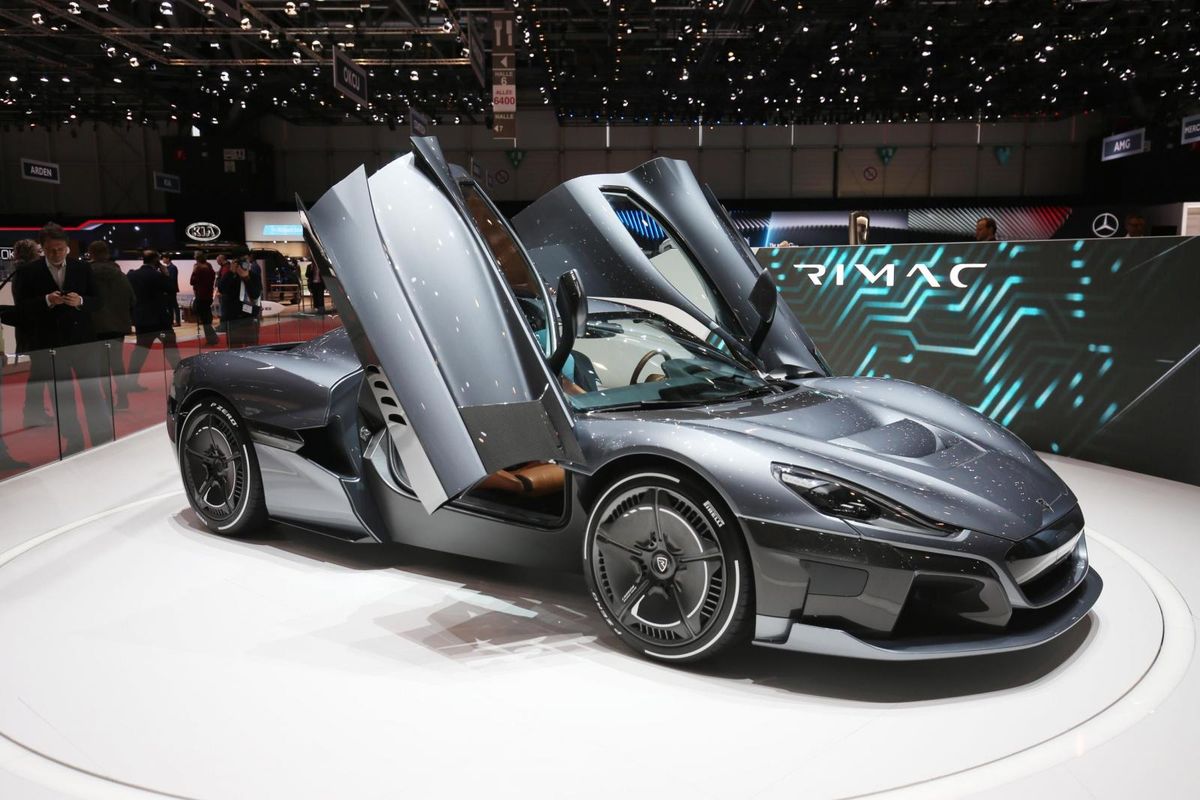
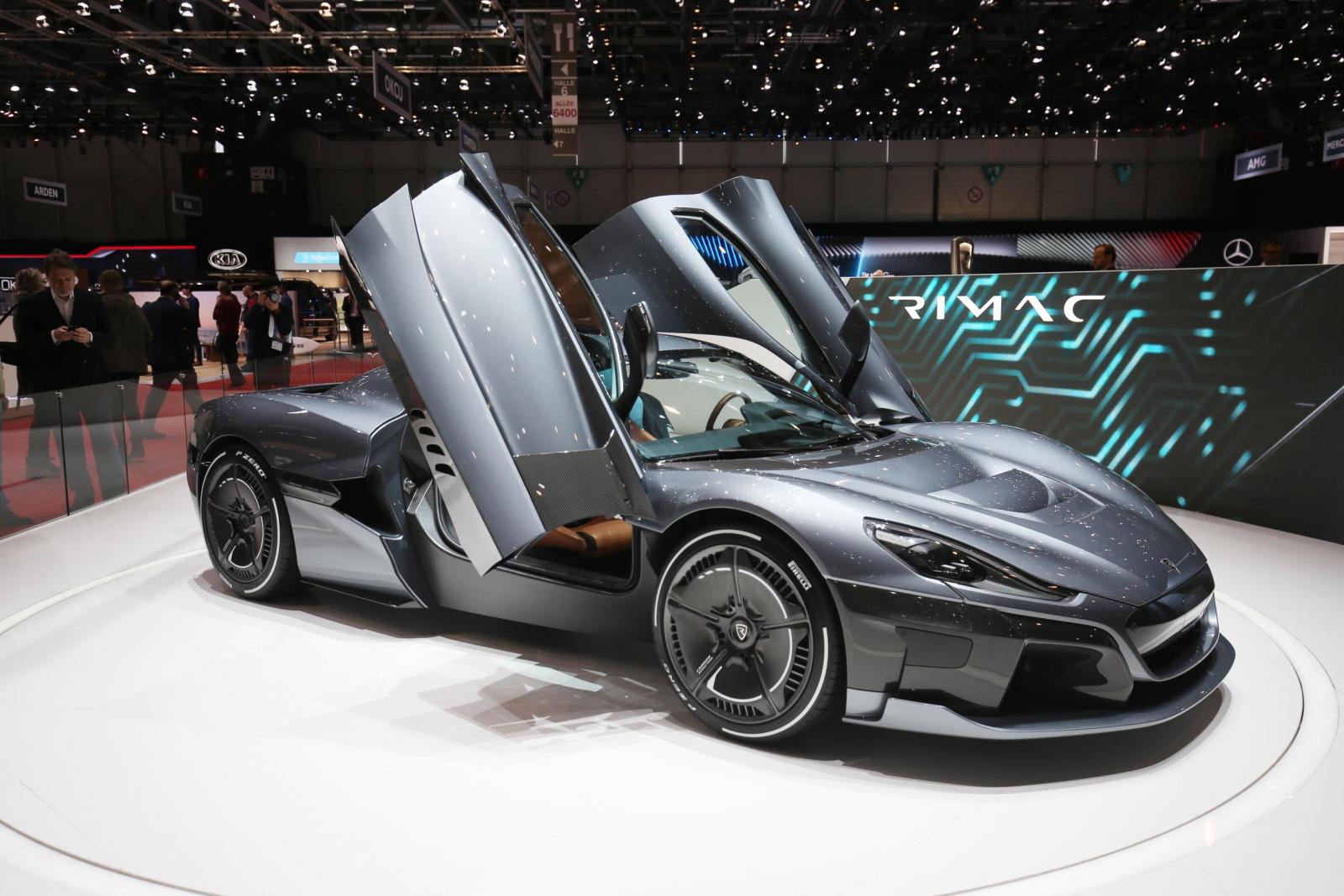
For all-electric brand Rimac, the emphasis is clearly on consigning internal-combustion-engined rivals to the history books with 1 408 kW (or should that be killer volts?) blasting the somewhat generic-looking C_Two from 0-100 kph in just 1.85 seconds. Say what? It’s probably safe to assume that founder (and genius) Mate Rimac has found a way to bend the laws of physics.
Rimac and its all-electric supercar, complete with 1 408 KILLER VOLTS.
After setting the bar pretty high with the 435 kph Venom GT, Texan speed freak John Hennessey is again targeting – you guessed it – top speed with his “all-new from the ground up” Venom F5. Expect an imminent assault on the 300 mph (482 kph) mark. Yikes!
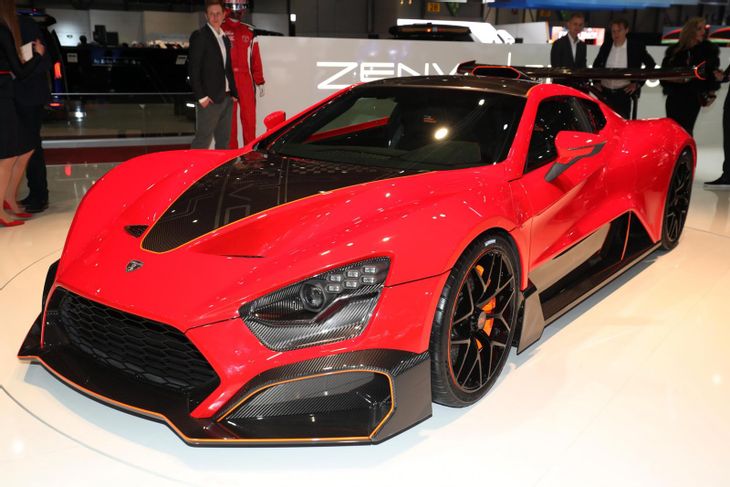
Also an assault, this time on our eyes, Danish outfit Zenvo presented the impossibly red TSR-S, a street version of its TSR track toy while W Motors launched the impossibly edgy 400 kph Fenyr SuperSport. Fortunately, Pininfarina restored the visual balance with its swoopy and smooth H2 Speed, a car the famed Italian style masters will build in very limited numbers.
Wild hypercars rained down on Geneva this year, here's the very red Zenvo TSR-S.
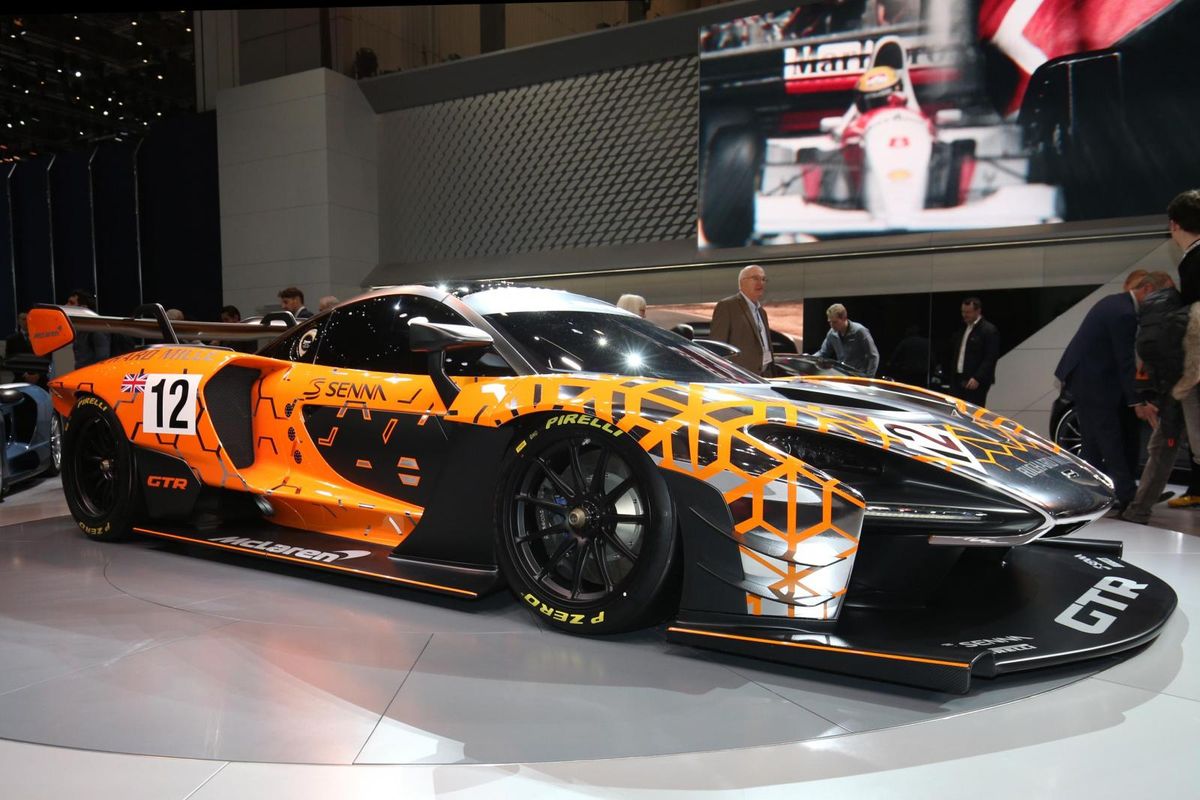
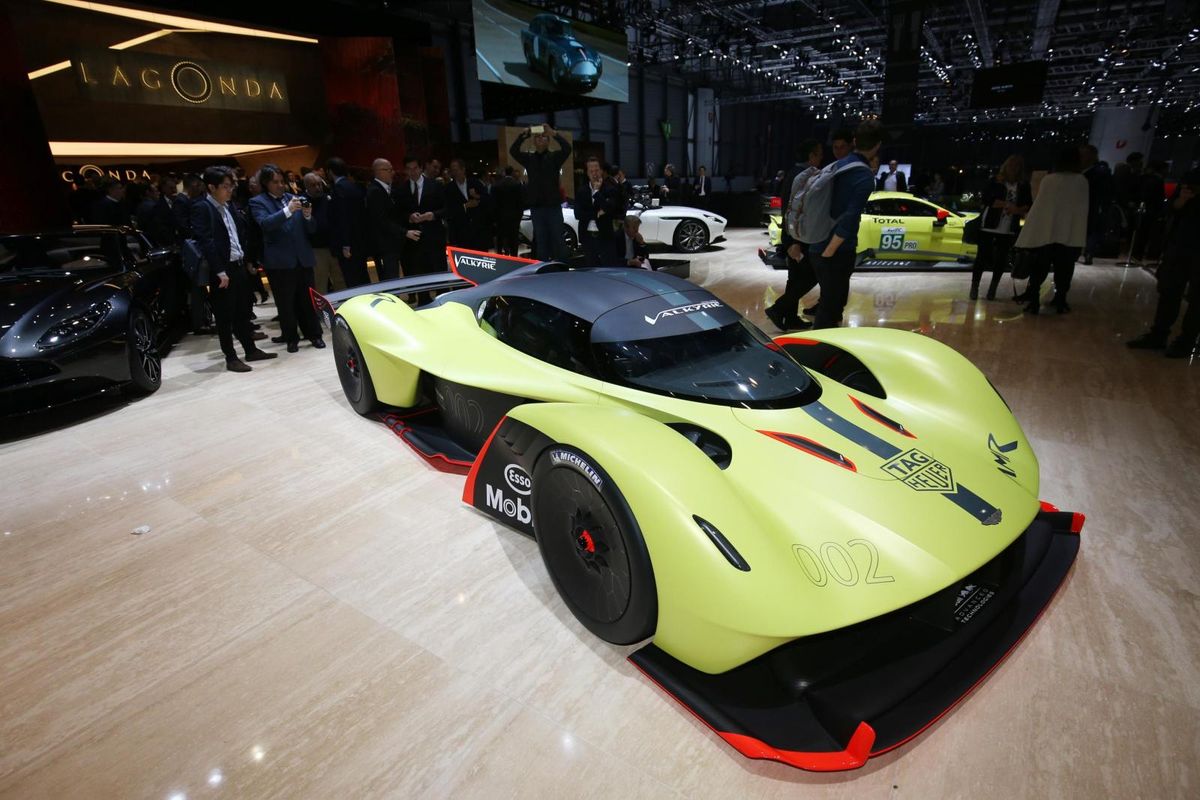
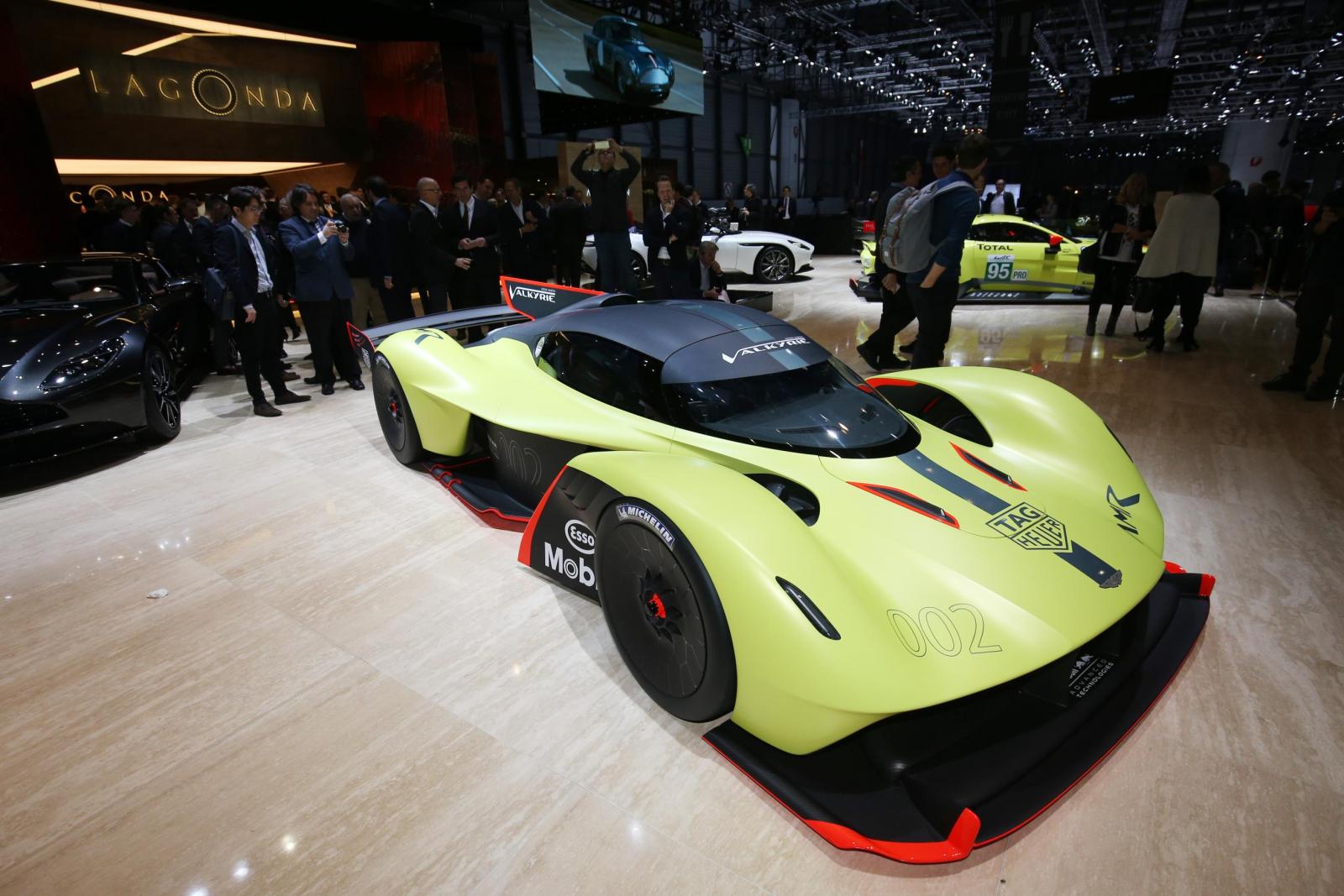
Perhaps stung by some of the criticism dished out online to the Senna, McLaren parked a track-only GTR version right alongside it. Less Lego Technic, more freaking hectic, the GTR hushed the dissenters decisively. But was it the most outrageous track car on show? Nope, that honour goes to the Aston Martin Valkyrie AMR Pro, a race car that mixes brutal with beautiful in a way only Aston Martin can.
Most outrageous track car of the show? We vote it's this Aston Martin Valkyrie AMR Pro.
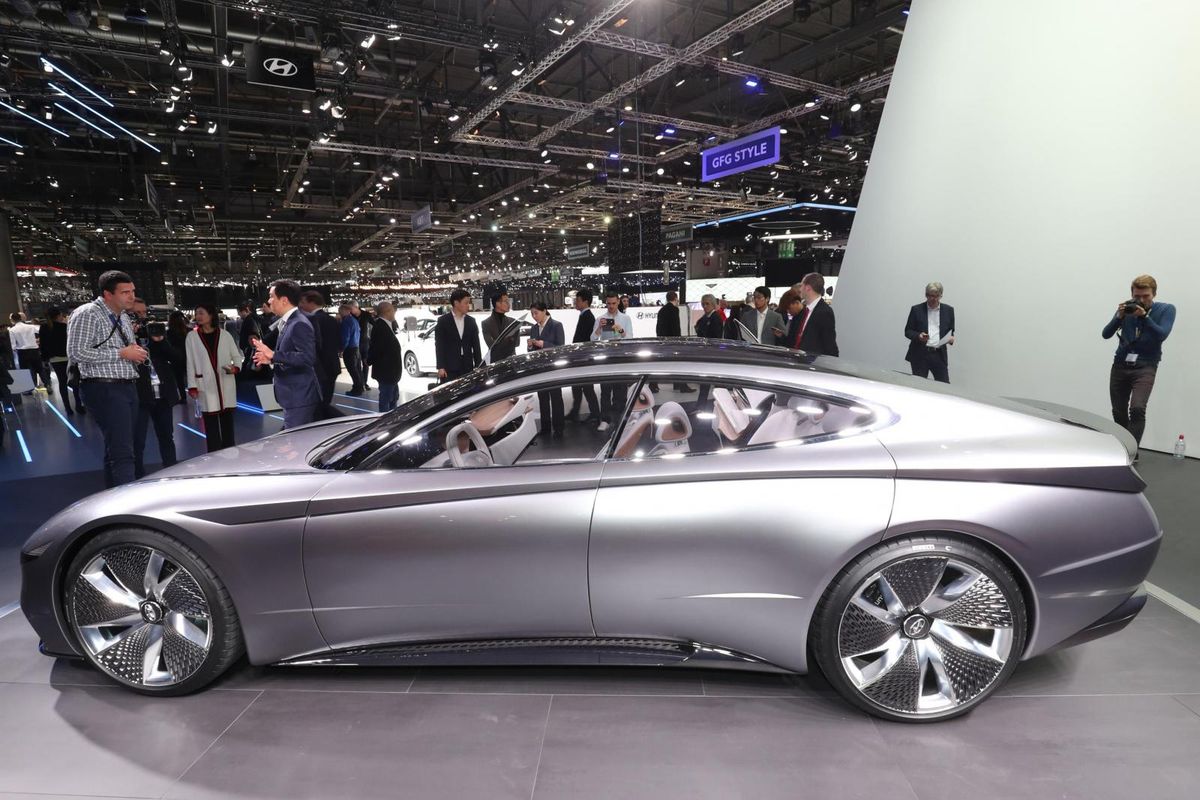
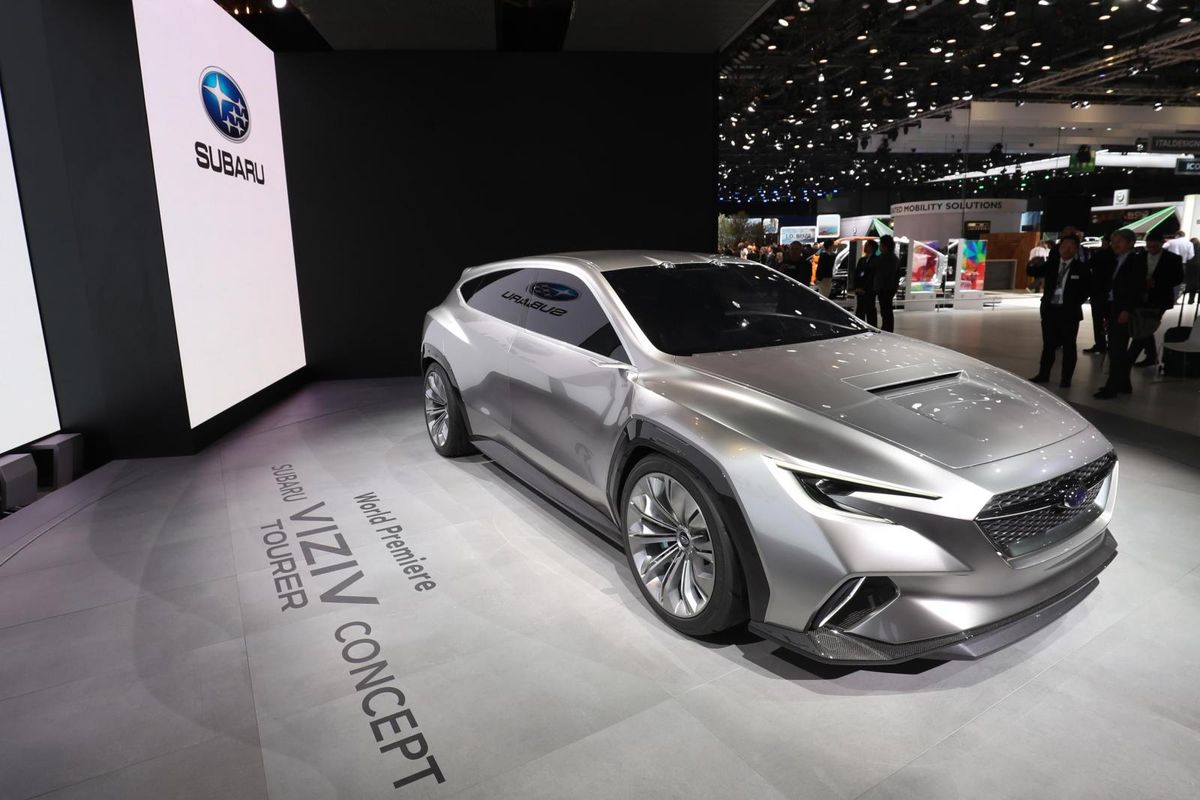
That sorts the speedsters, but Geneva is also renowned for its dreamers – previously unseen concept cars that shone brightest this year included 4 sedans and a 'wagon. Hyundai’s Le Fil Rouge (‘common thread’) mixes proportion, sophisticated surfacing and interior elegance to near perfection – bodes well for future Hyundais. Subaru's been teasing us with superb concepts for years, and the Viziv Tourer is no exception.
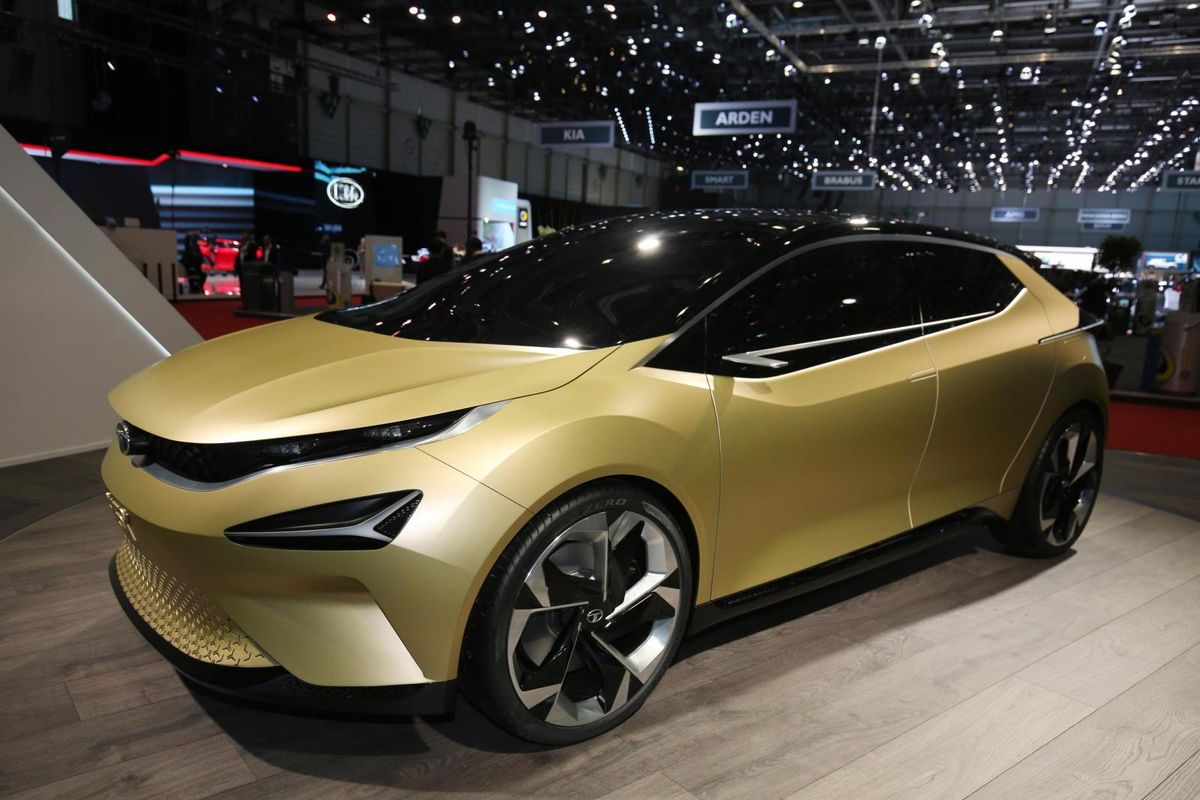
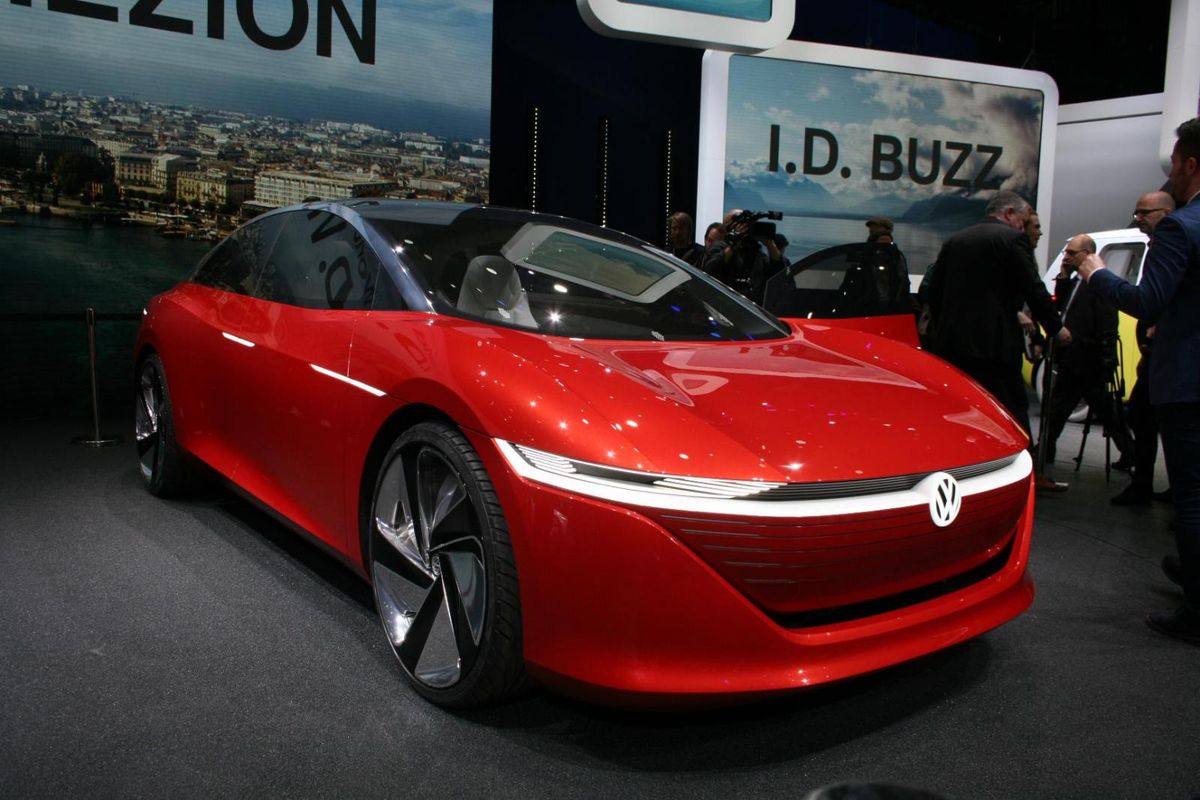
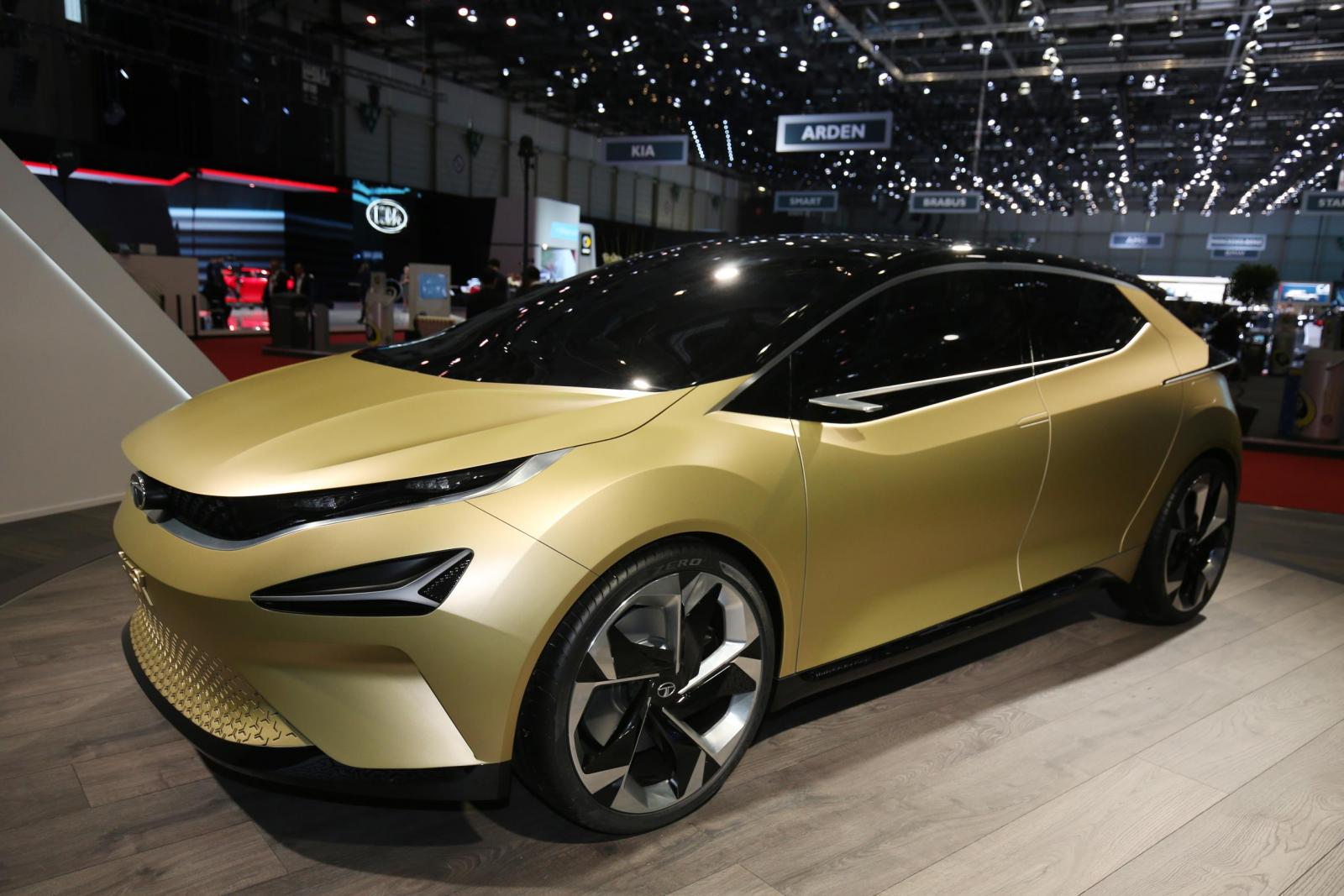
Stealthy and strong, it deserves a life out on the streets. Volkswagen’s 4th model in its I.D. series previews an autonomous, electric, future flagship. It’s a sleek and elegant design thankfully bereft of the superfluous detailing that has appeared on the latest batch of production Volkswagens. Finally, Tata’s EVision is a crisp and cleanly-styled sedan, which, along with the equally beguiling 45X and H5X concepts (also on display), set a far more handsome template for future Tata models.
Tata motors even pitched up with some quite interesting designs at this year's show. This is the 45X.
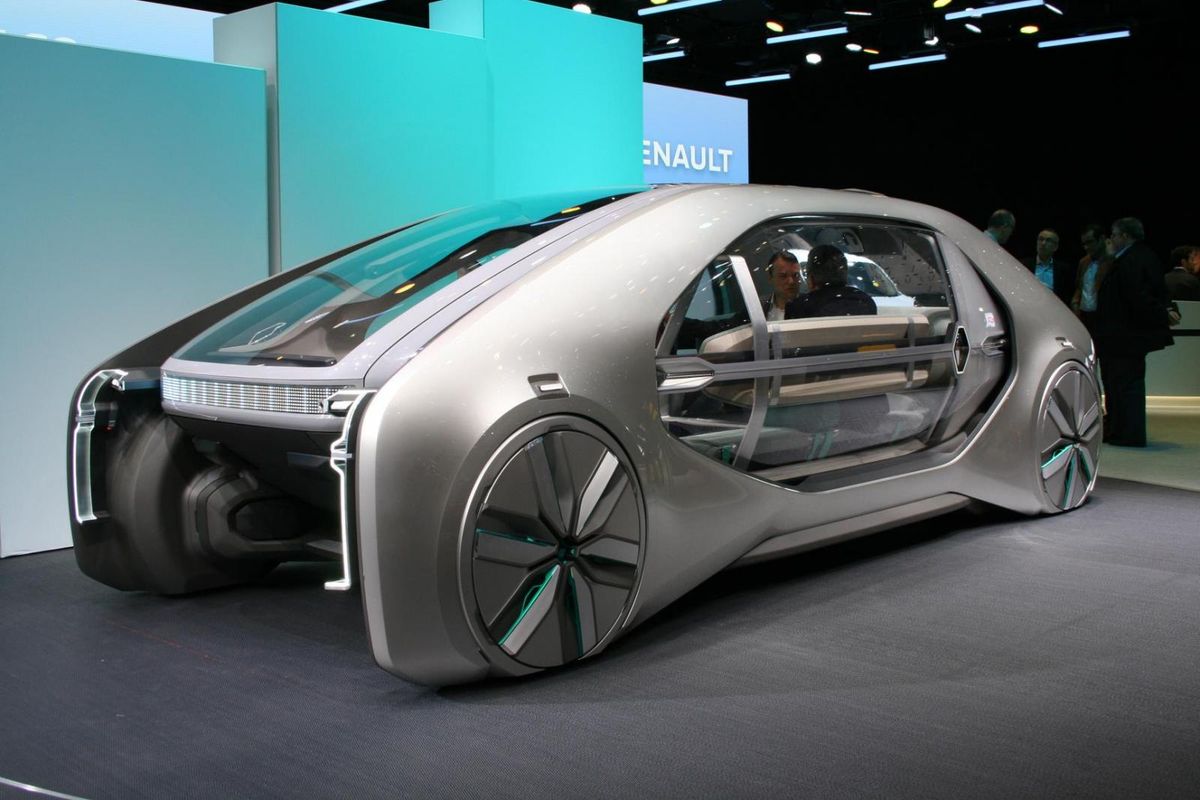
When it comes to concept cars that thrill and delight, Renault are perennial winners, yet this year, not so much. The EZ-GO is probably quite acceptable as a piece of architecture, but as a car – driverless or not – it lacks desirability, creativity and soul. Similar in concept – if not execution – the ironically massive Icona Nucleus is like an alien whale on 23-inch wheels. I’d love to tell you about the Audi e-tron prototype, but each of the 17 times I walked by over the 2 press days it remained under wraps. Publicity doesn’t work that way…
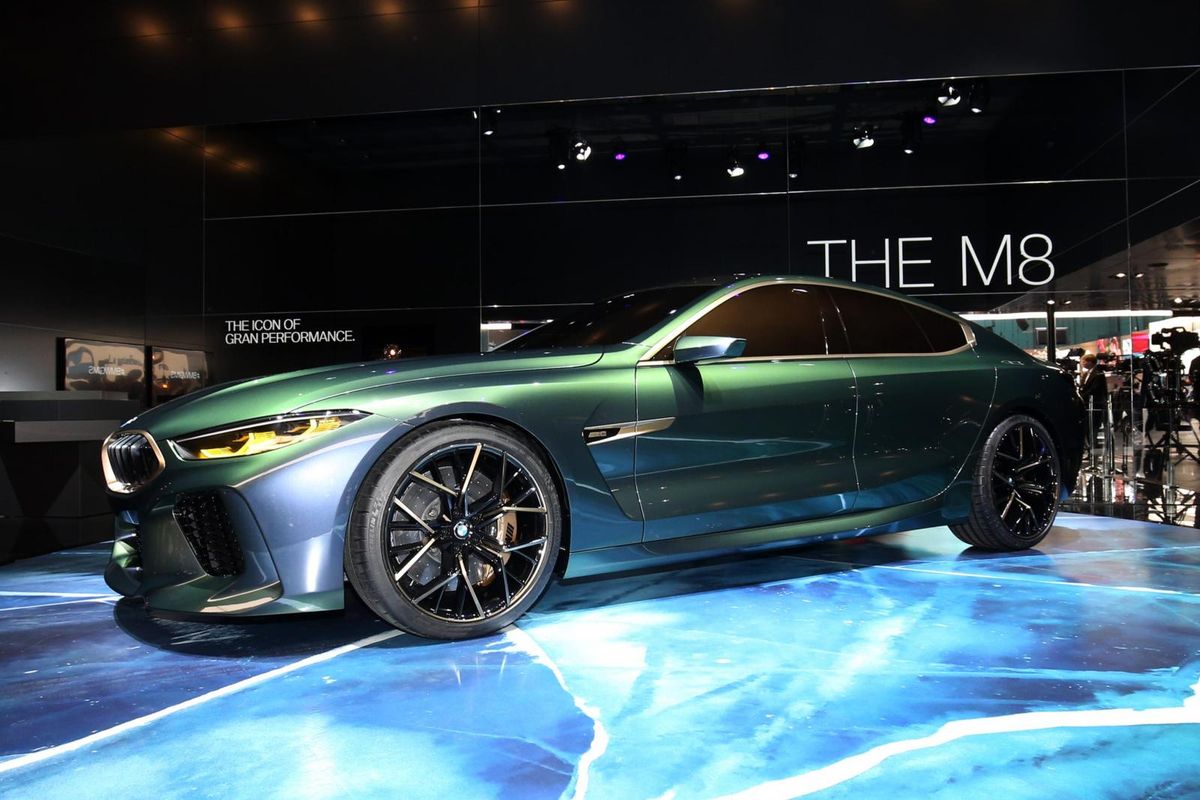
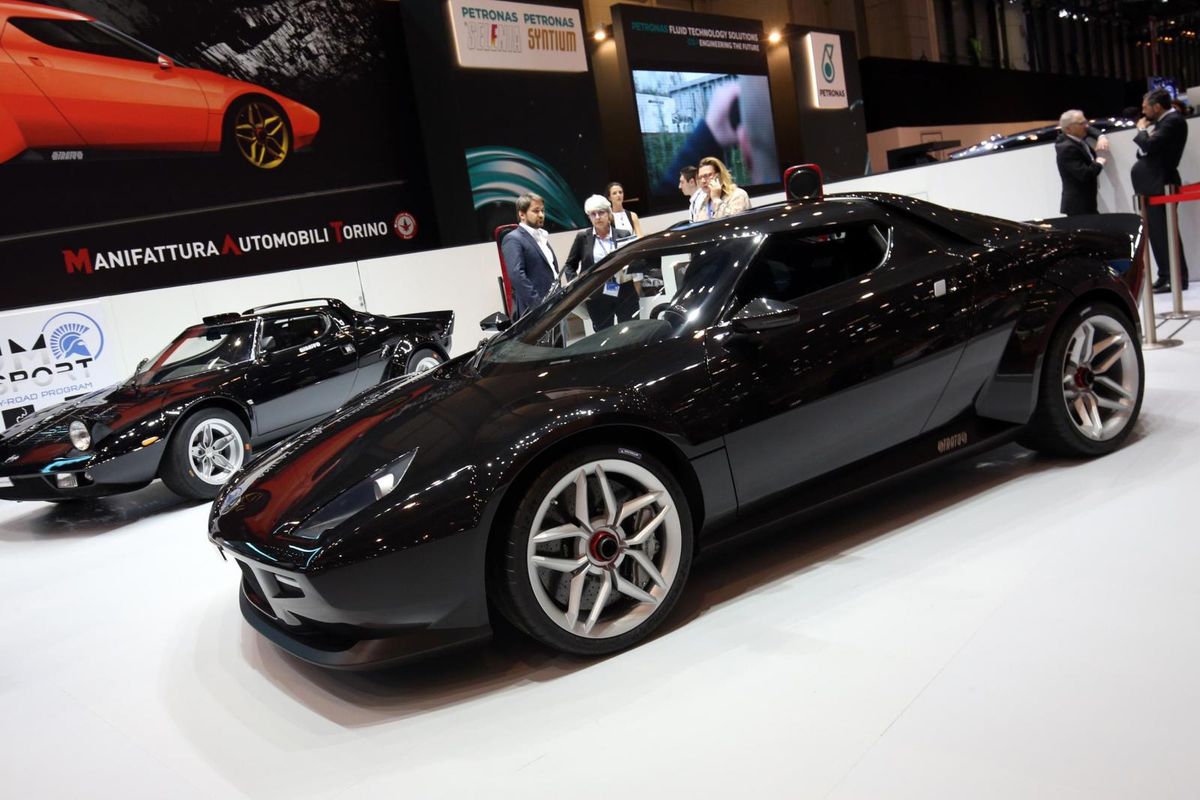
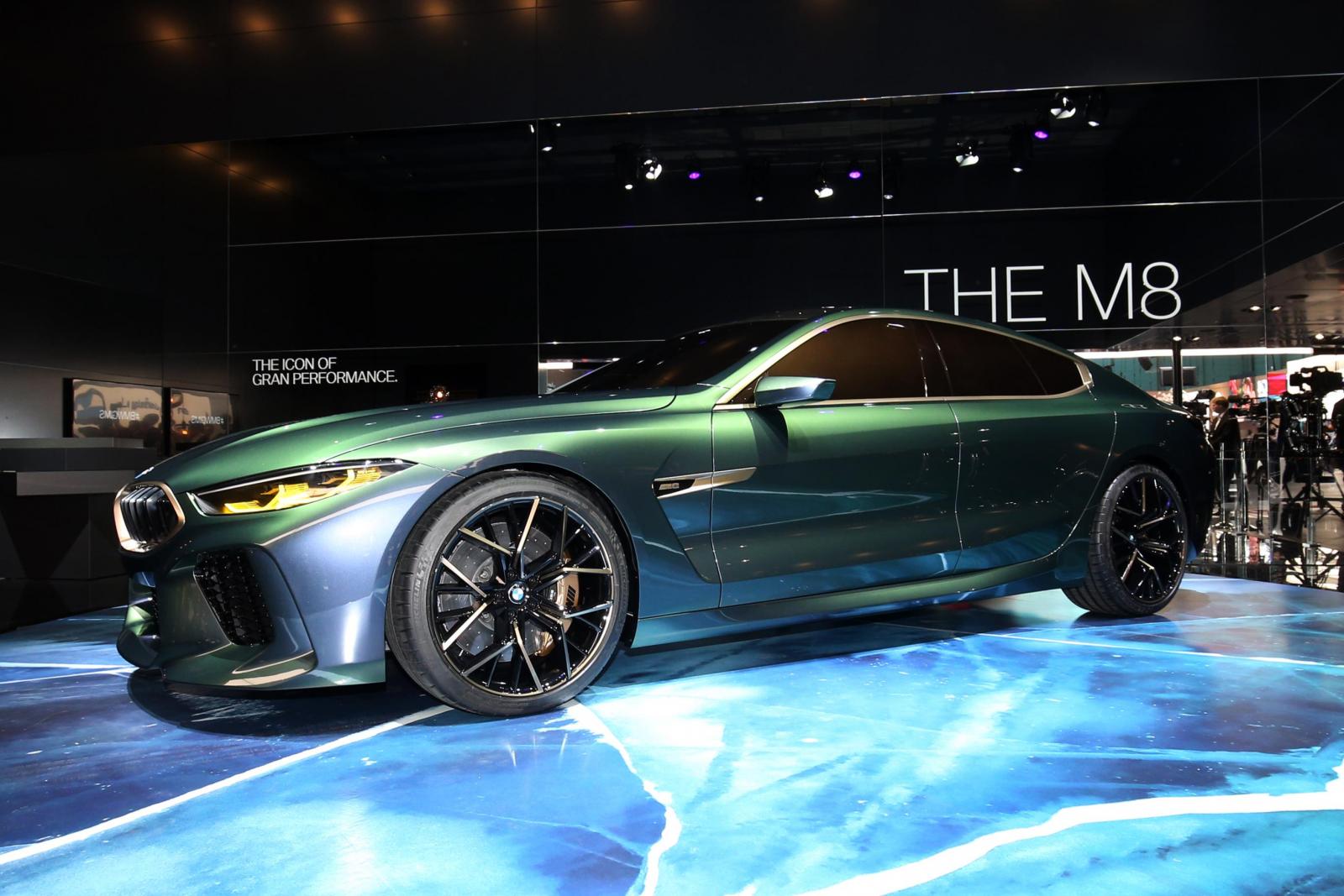
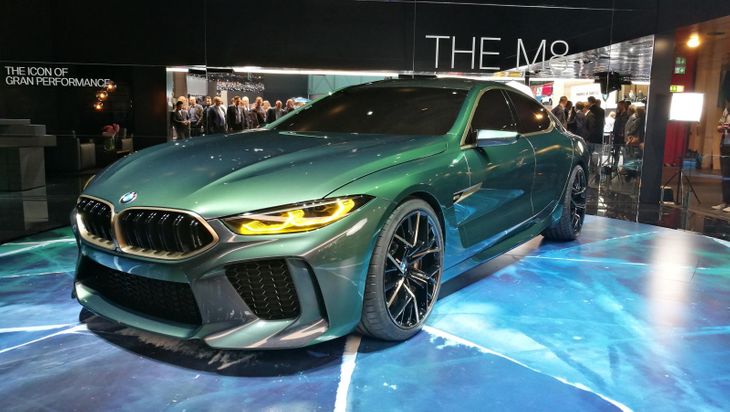
As for BMW’s Concept M8 Gran Coupe it may as well have been covered too. Who paints a car Mirkwood Forest green and then hides it in an equally murky corner? Truth is, it’s probably bloody fantastic in the daylight. Another colour booboo was the now-finally-confirmed-for-limited-production New Stratos. Granted, having an original example in matching gloss black was cool, but black just isn’t a Stratos heritage hue.
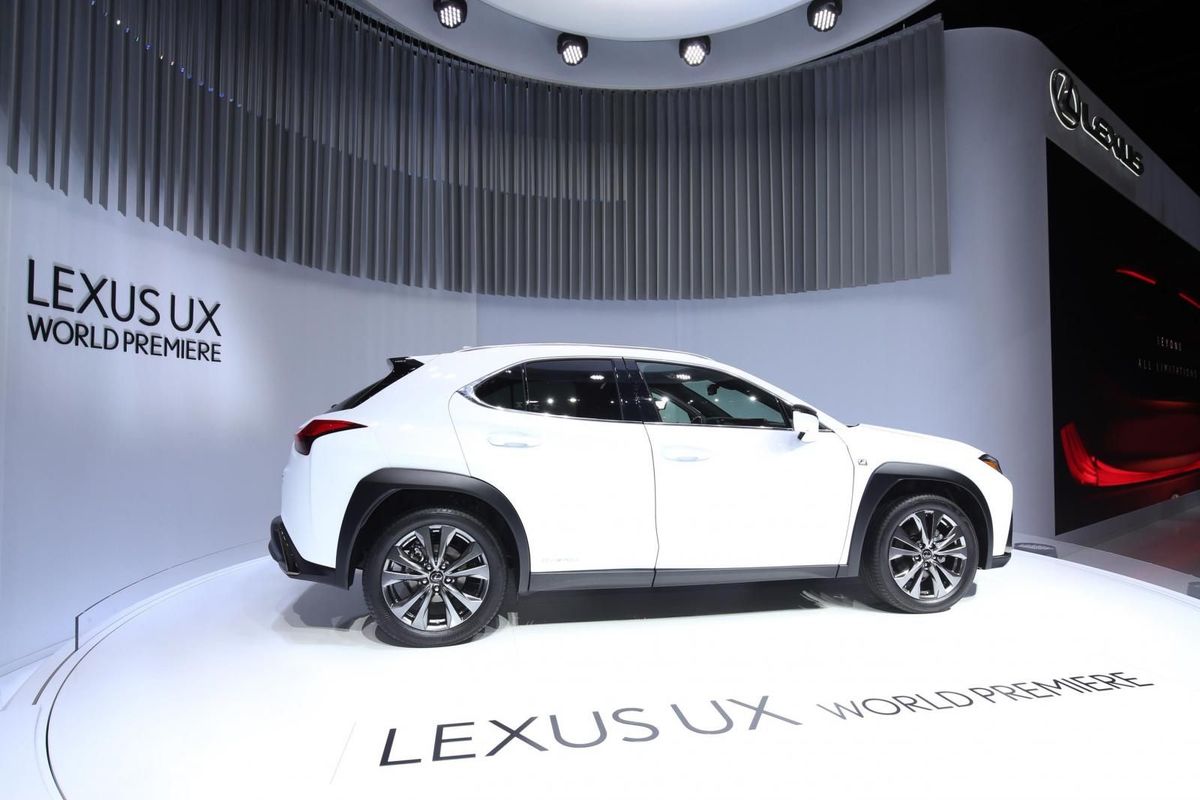
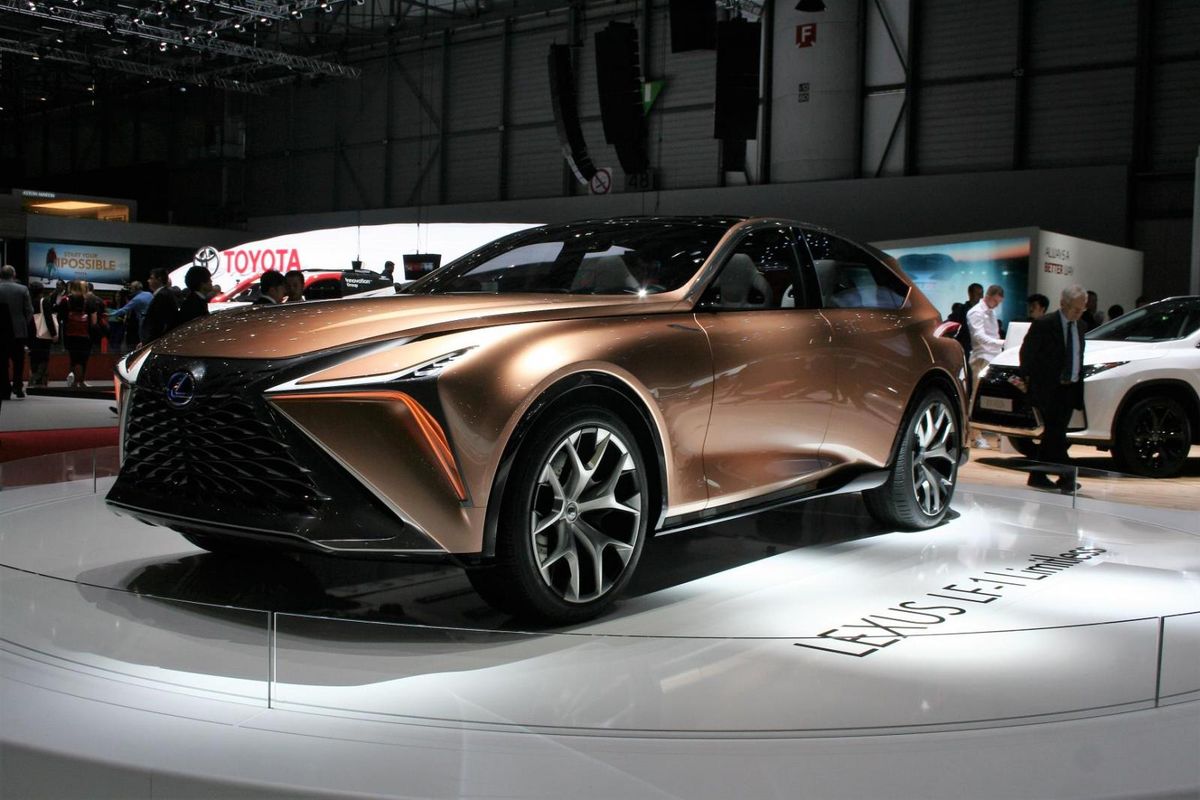
Acid green, yes, or white with Alitalia livery, anything but light-sucking black. Lexus showed how the right colour can really accentuate design by coating its LF-1 Limitless in a lickable shade of polished copper. As for the brand’s newest production crossover, the UX, there are simply too many styling elements to absorb in one viewing – it could do with some industrial ironing.
The dark green BMW M8 concept, unfortunately, most of the car was in darkness so it's difficult to tell if it looks good in the metal.
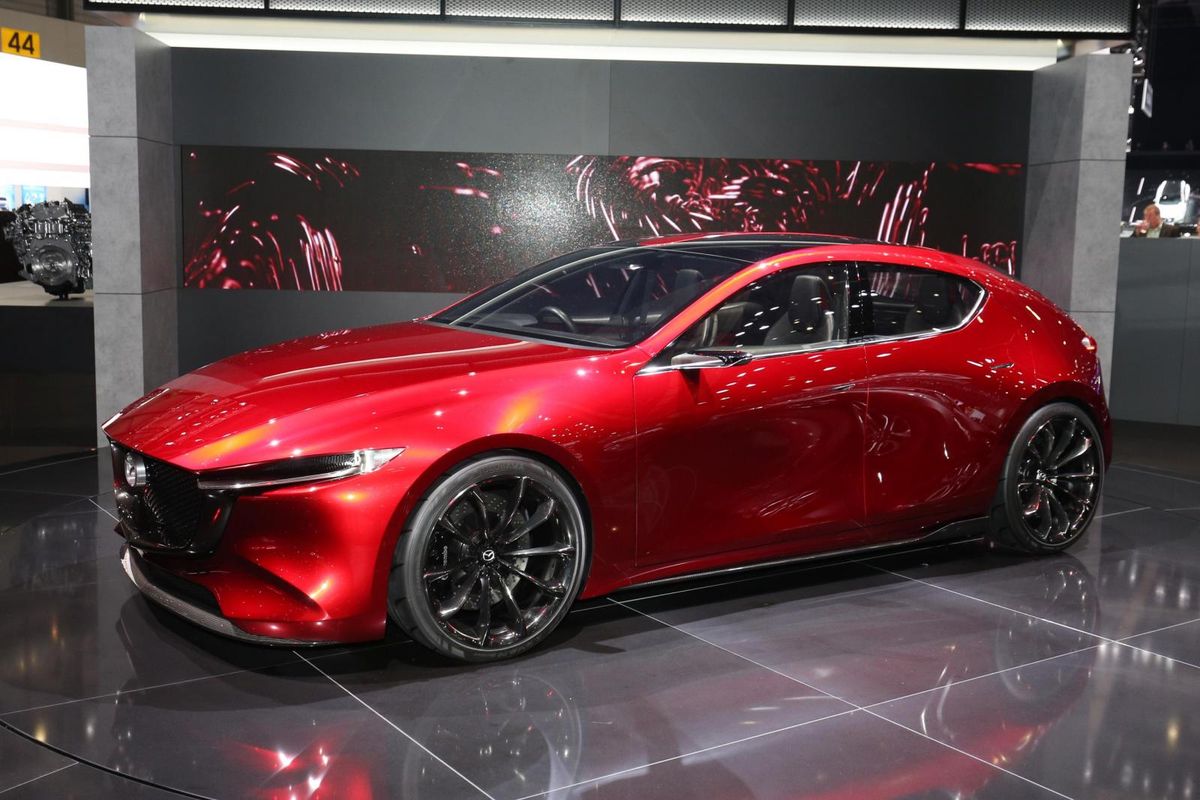
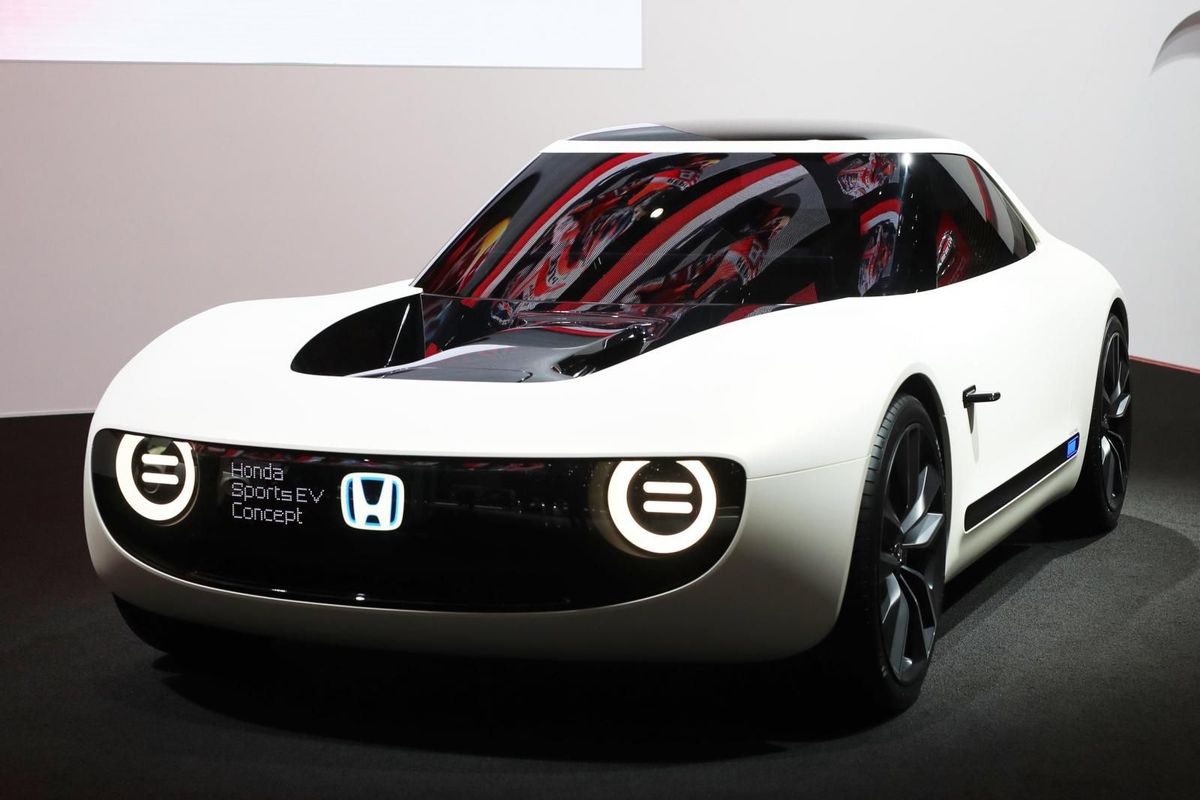
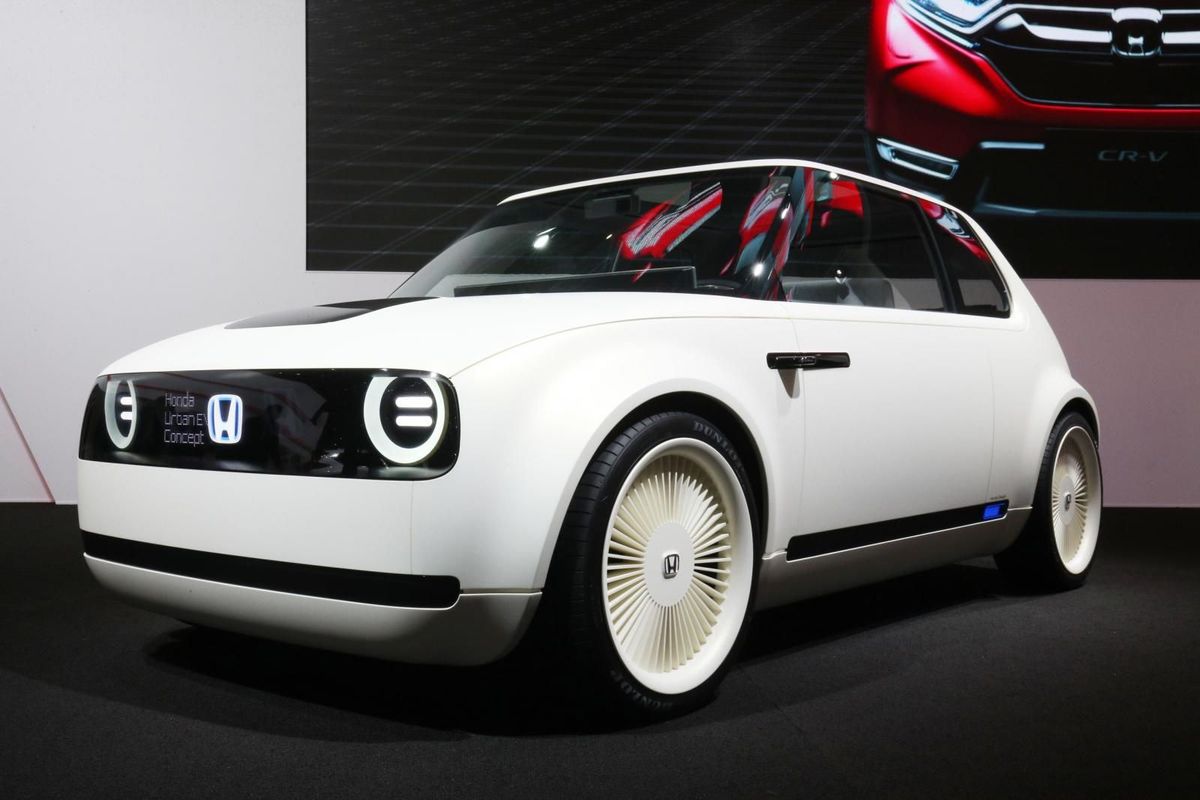
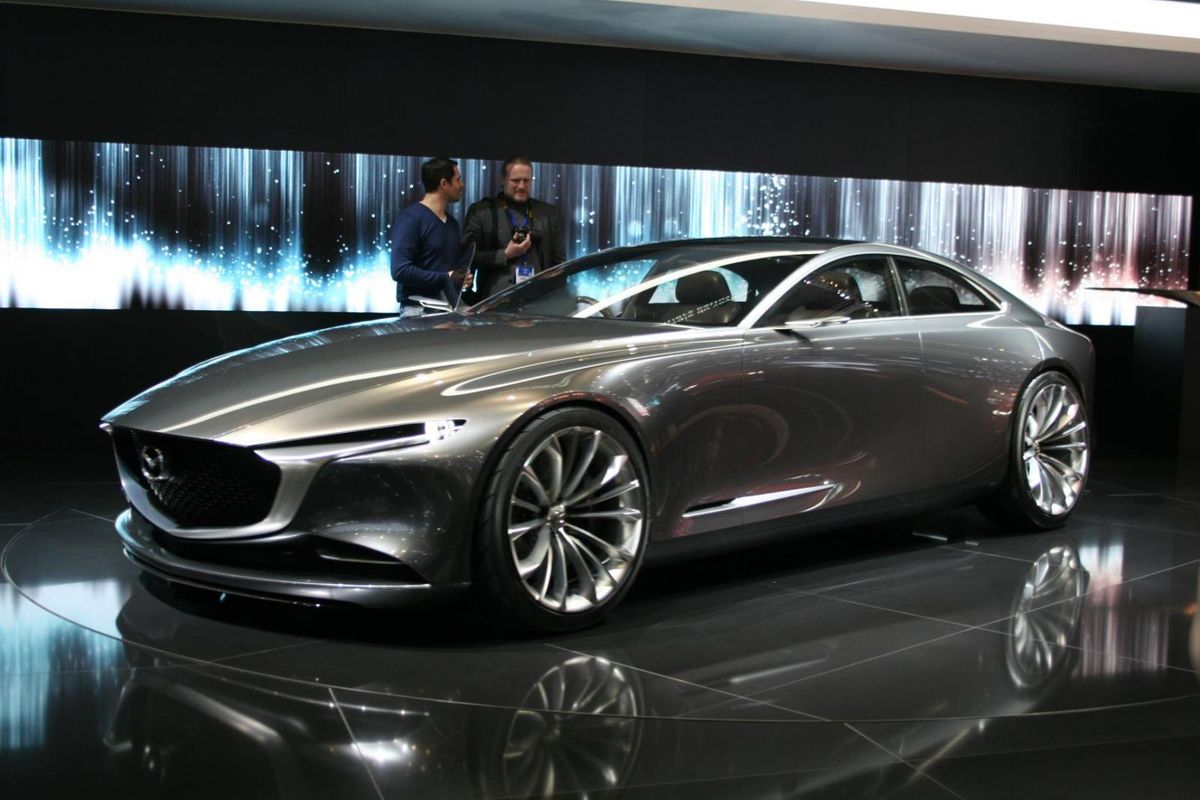
They may have appeared first elsewhere, but the show’s real concept stars were Mazda’s stunning Vision Coupe and kickass KAI hatchback, plus Honda’s pair of Urban and Sports EVs. Look out Germany, a Japanese design revolution is coming.
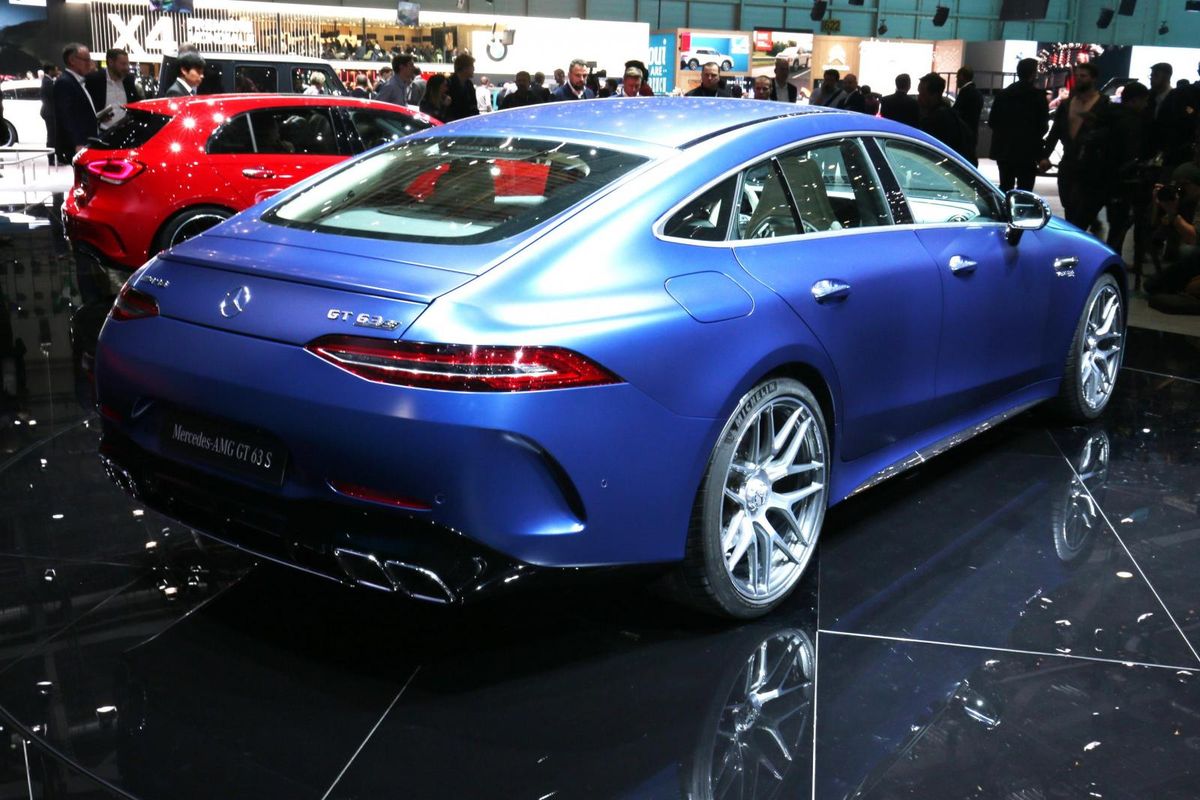
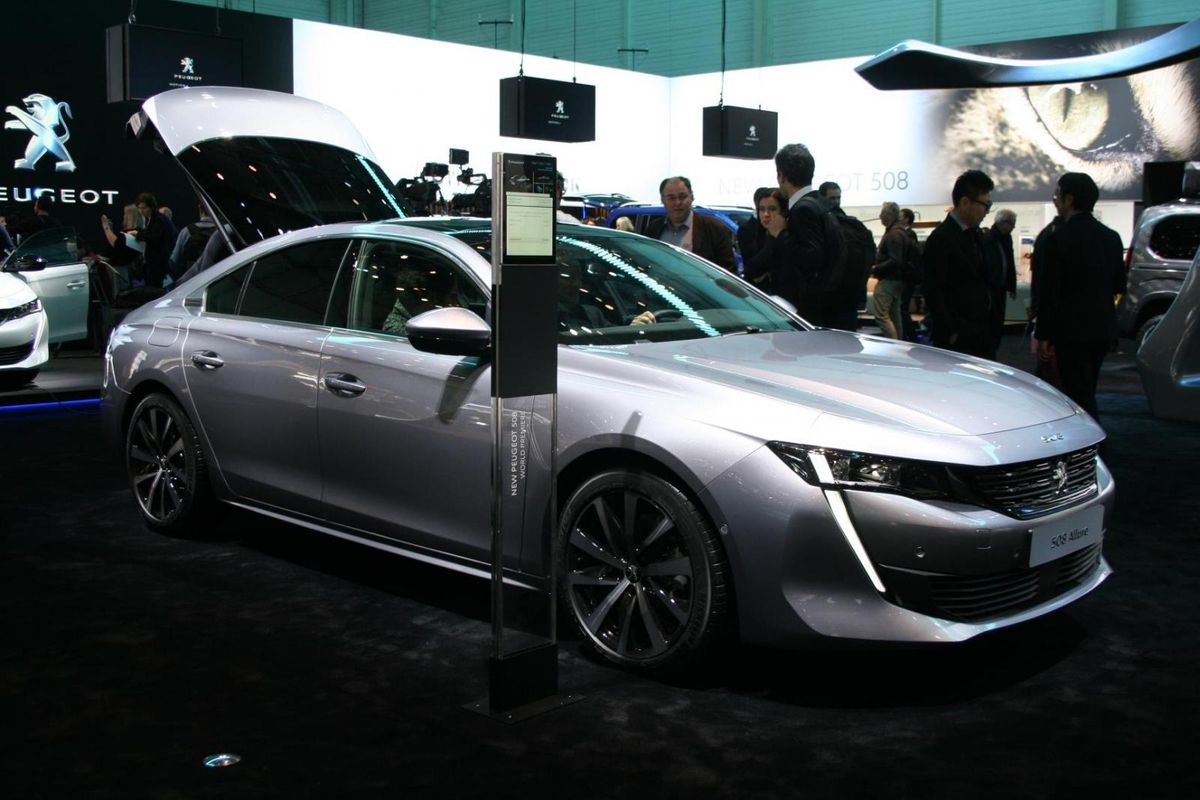
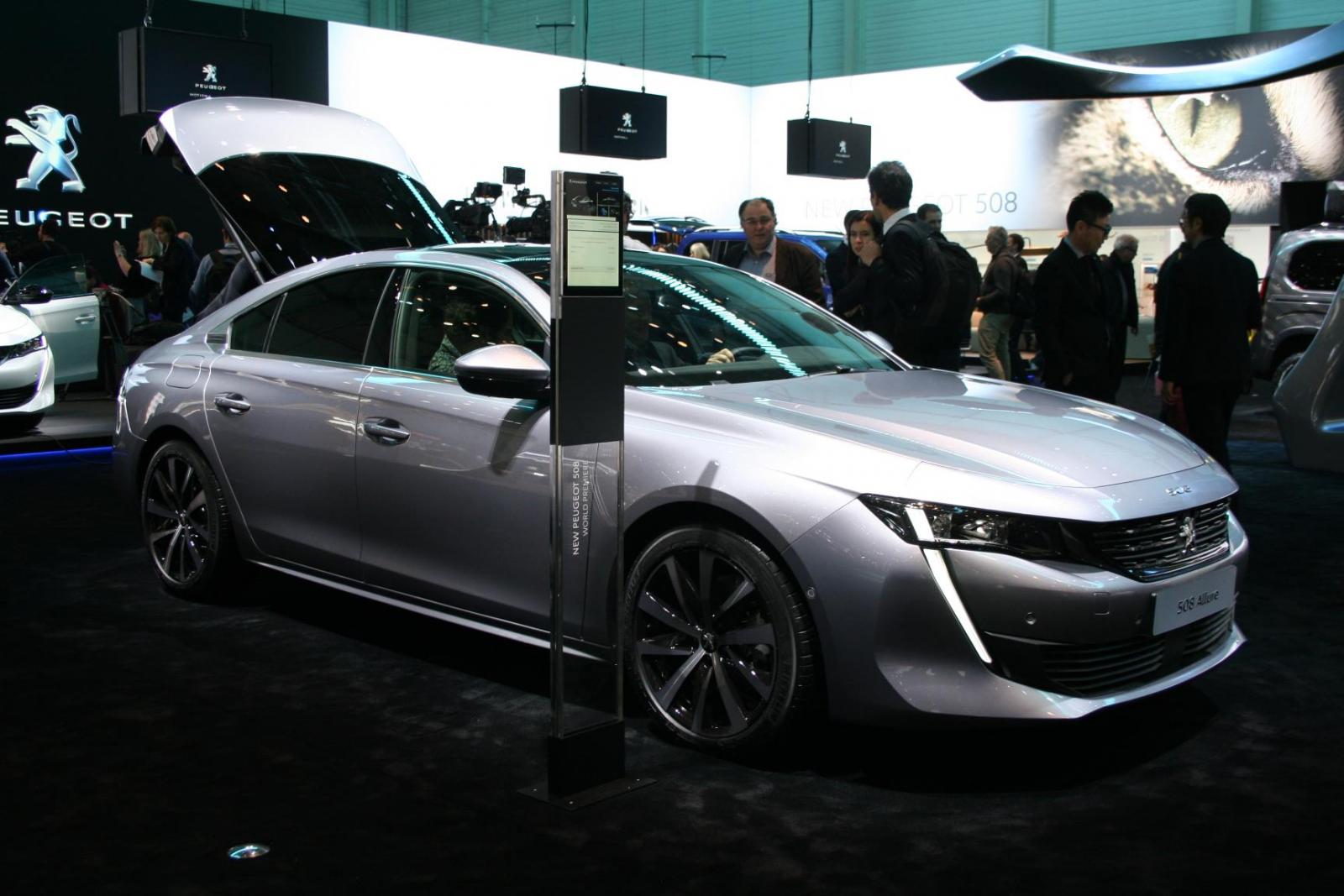
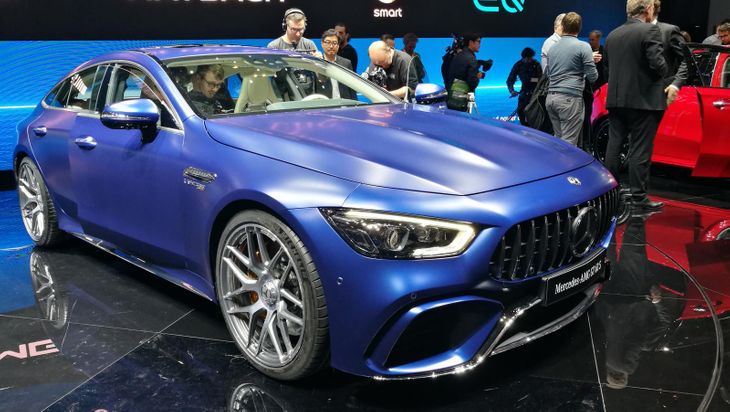
As for the other central theme mentioned earlier, it appears the world has a serious case of Large Hatchback Syndrome. I’m not saying the Panamera started this, but Mercedes-Benz’s GT 4-Door Coupe isn’t the slinky 4-door sports coupe you’d expect given the badge. Instead, it’s a fat 5-door in the vein of the original Panamera. The BMW 6 Series GT, Audi A5 Sportback, Kia Stinger and VW Arteon are all large hatches vying for various sections of the executive market. So it’s no surprise that Peugeot’s major contribution to Geneva is a large hatchback in the shape of the unexpectedly handsome new 508. Far better resolved in the metal than in pictures released online, is this the 508 that revives France’s executive car dream?
The Peugeot 508 hits at the executive sedan segment. Current Peugeots are rather nice to drive and look at, this one too we expect.
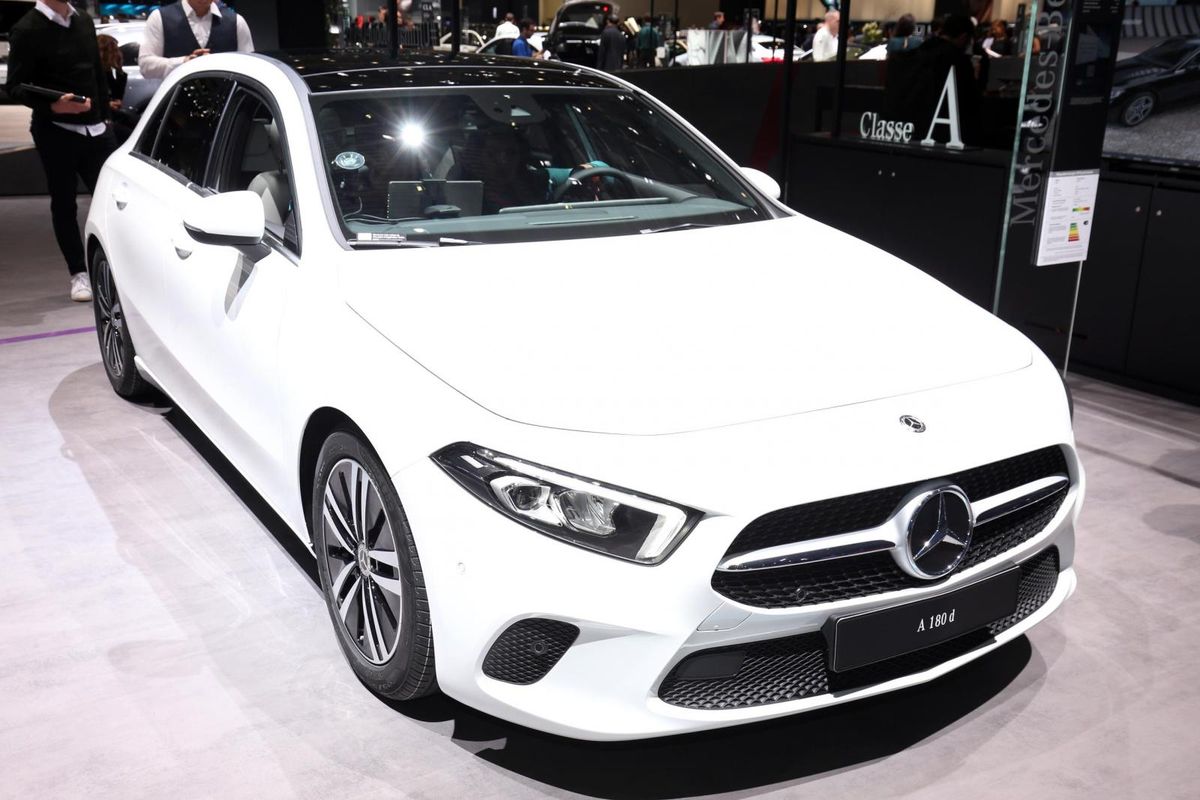
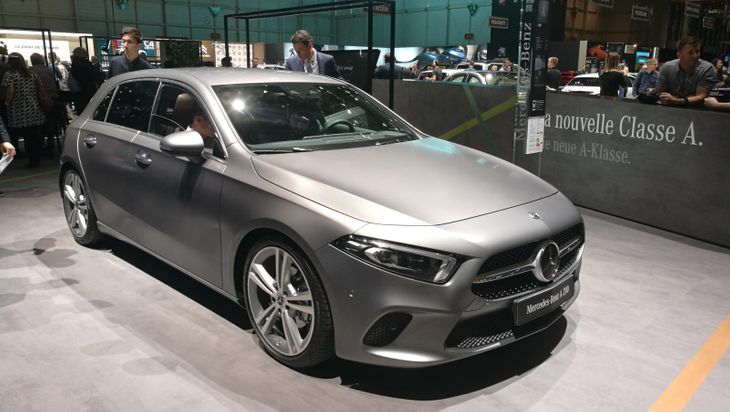
Mercedes’ other important introduction was the new A-Class hatchback. Slightly sad-faced with sagging side creases, it has traded some of the previous model’s exterior spunk for a quantum leap in interior sophistication. No doubt customers will pay handsomely for the privilege of sitting in its S-Class-like cabin on the daily commute.
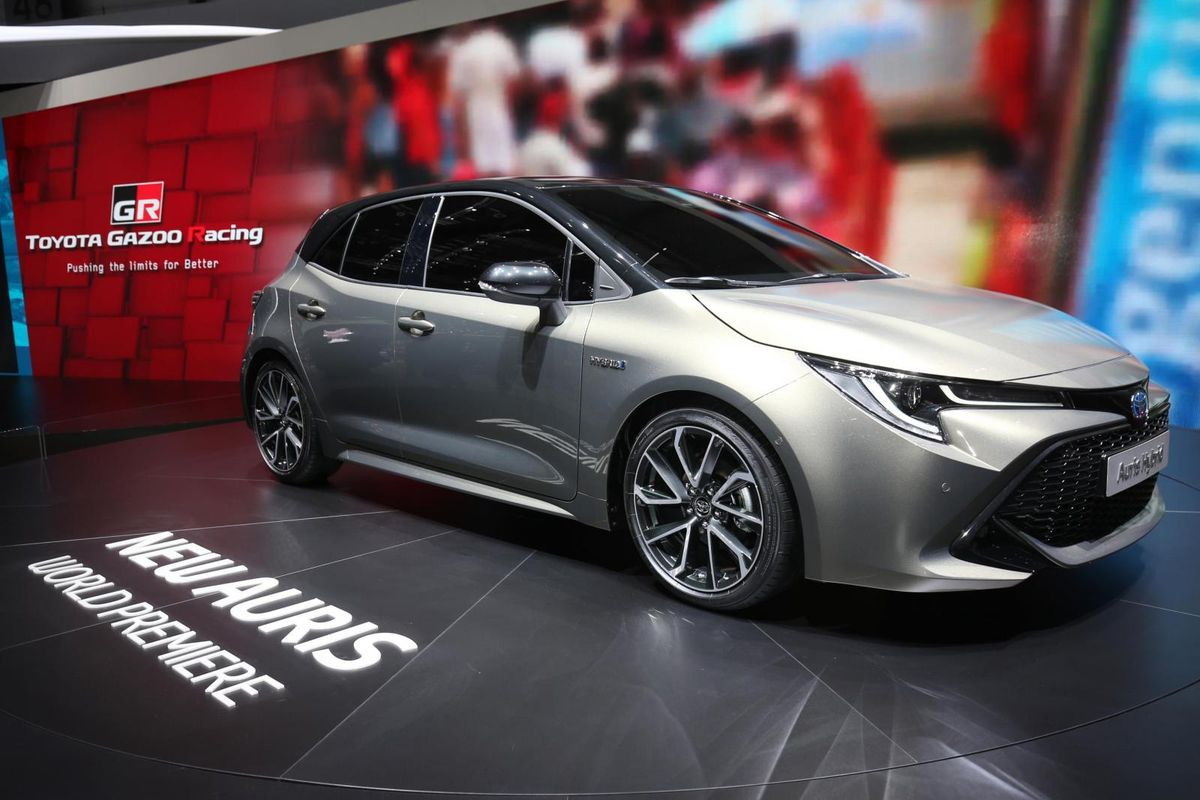
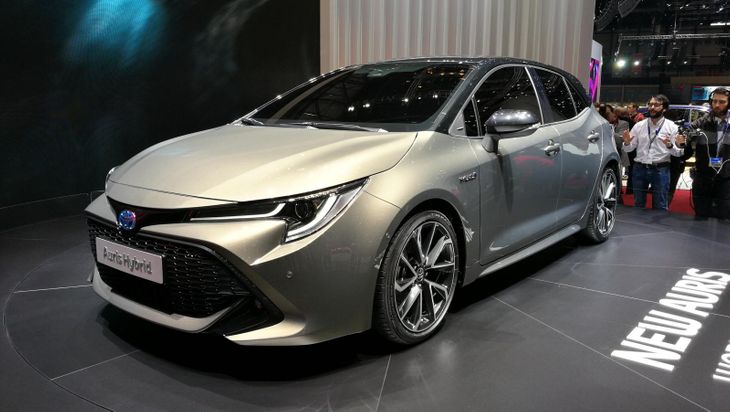
Toyota’s new Aurisis harder to peg. It’s visually larger and busier with a gaping mouth, highly sculpted bumpers and a 2-tone paint option. But the flanks are clean and more muscular than any recent Toyota. Consider judgment reserved until I’ve seen one in government-spec white on 16-inch rims and tyres.
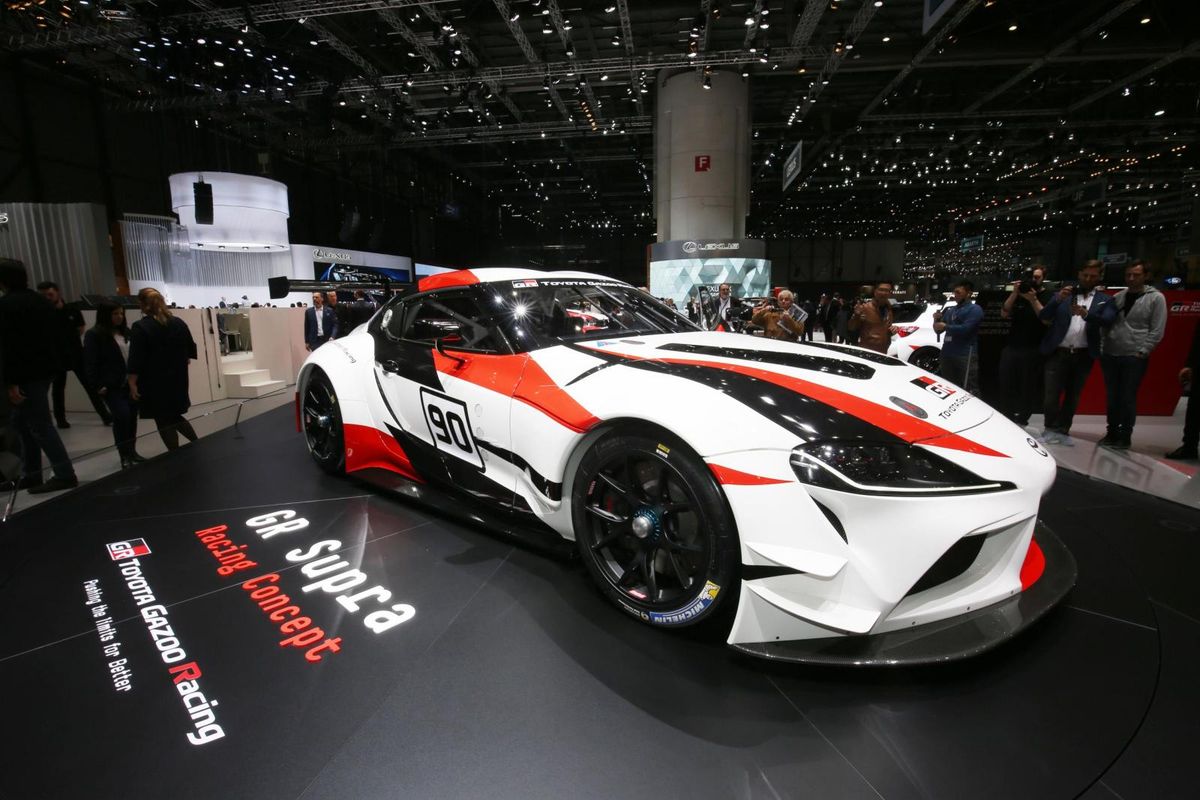
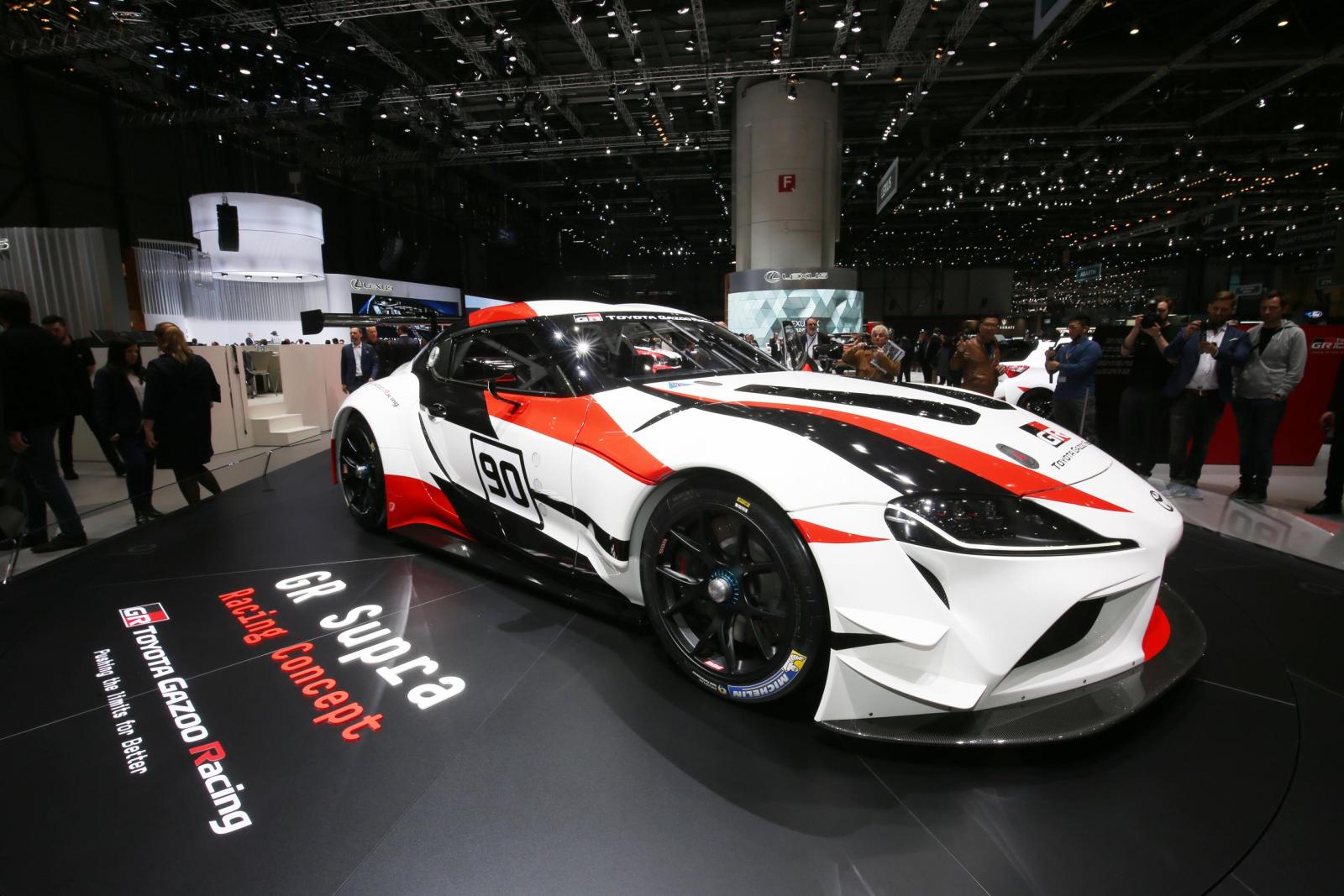
Introduced – with an acceptable amount of cheesiness – as Toyota’s new Suprahero, the GR Supra Racing Concept previews the long-awaited new Supra. Smaller and swoopier than expected, the real thing should be both a fitting tribute to, and a torchbearer for, this hugely popular nameplate.
You often see 7 different concepts from Toyota before you actually get a production model. Here's the Supra dressed up as a race car.
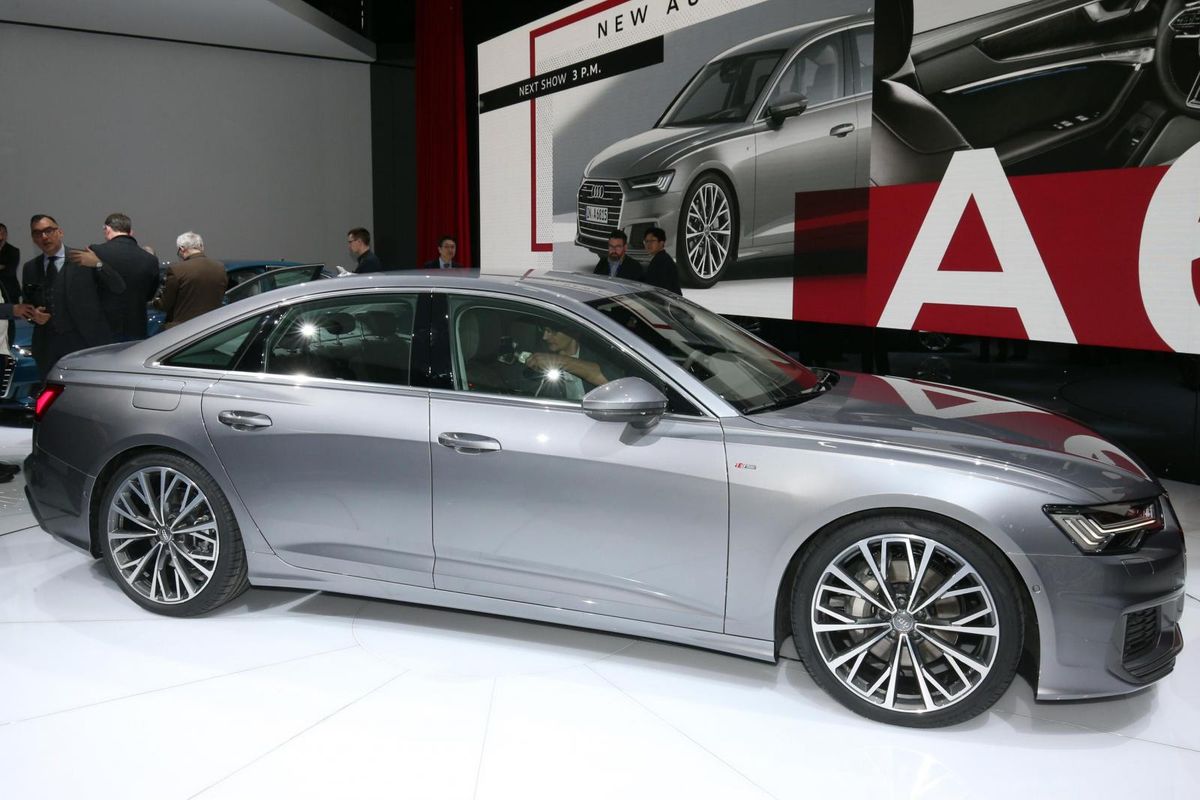
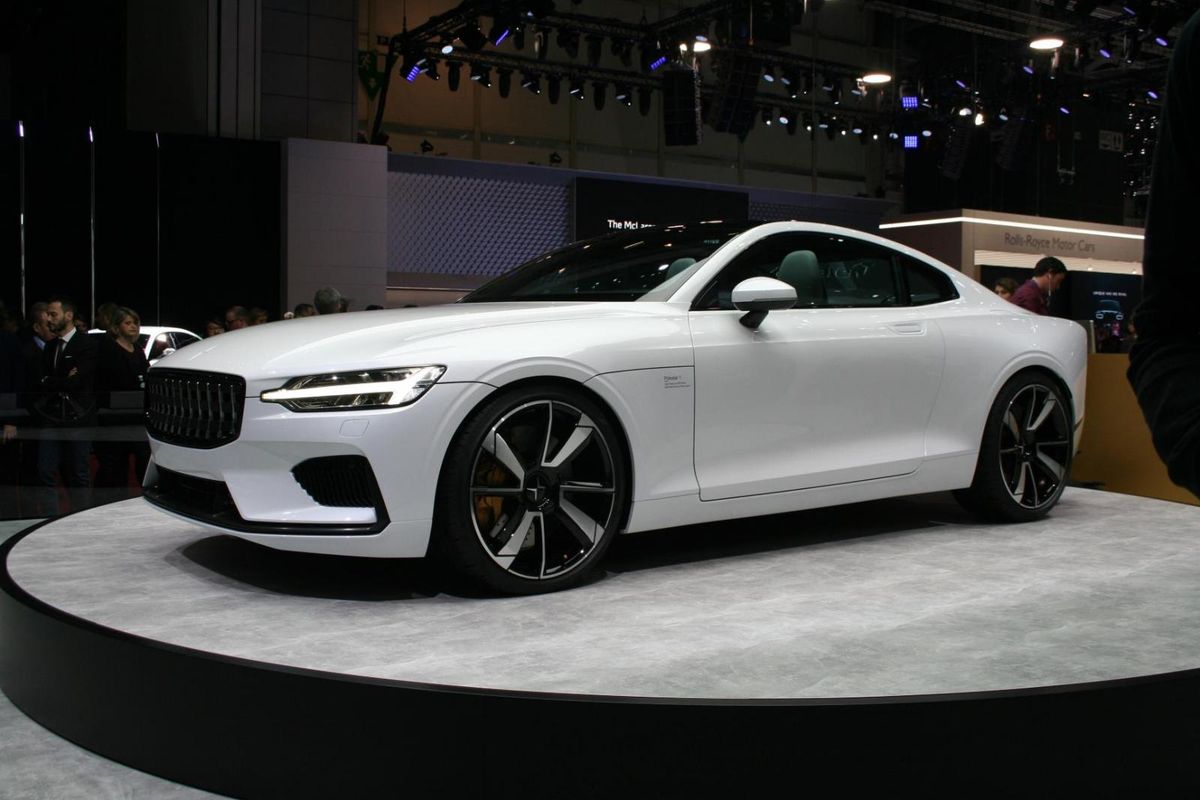
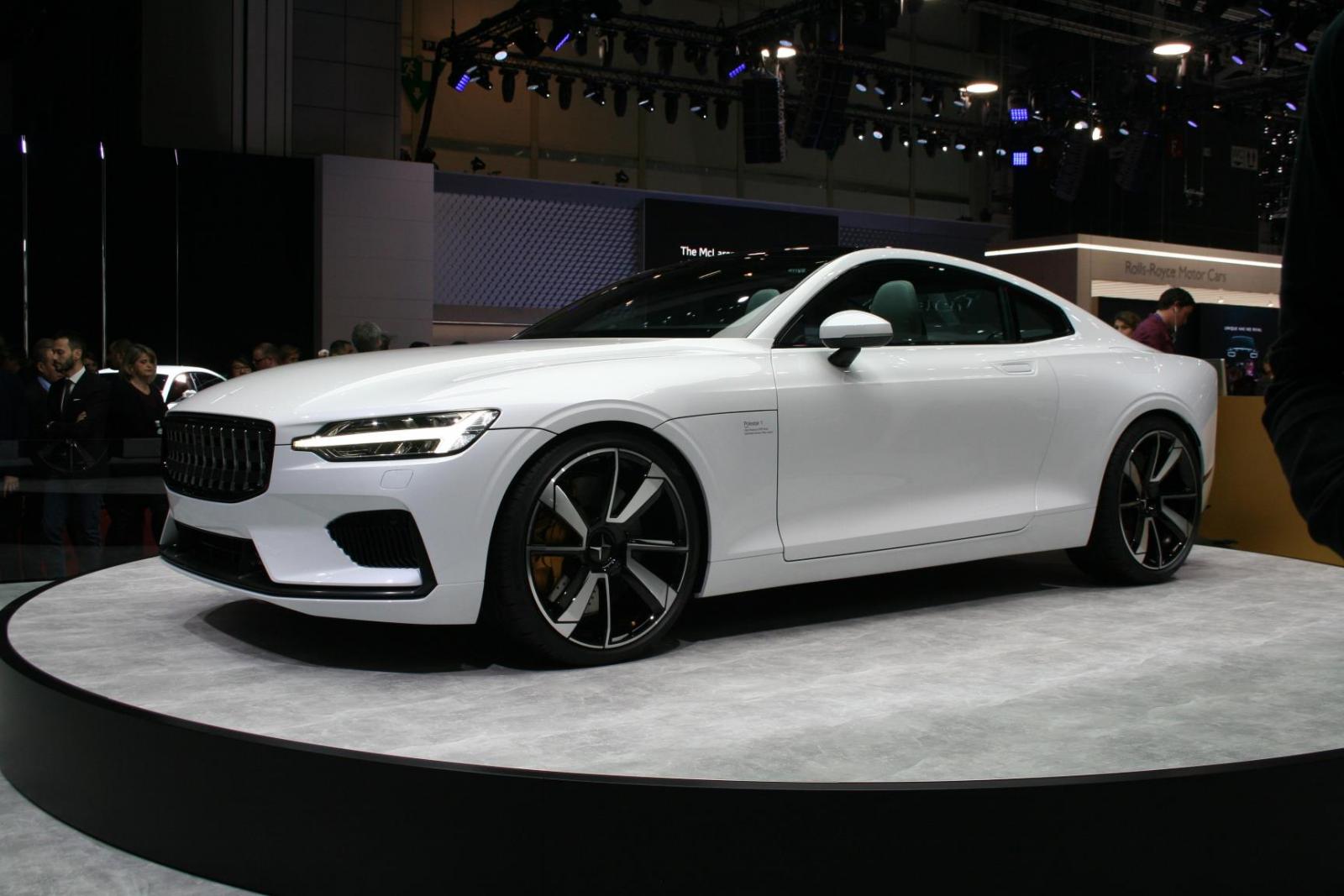
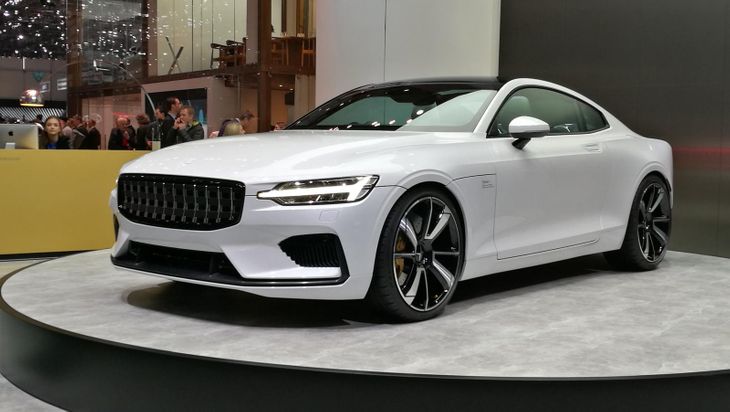
Production star car of the show is the Polestar 1 – a sublime reinterpretation of parent brand Volvo’s much-adored P1800. It’s a masterpiece of considered, restrained design with not a single superfluous line. This cannot be said for the new Audi A6, which has line after line after line stacked up its flanks. More concerning is the bizarre banana crease that runs through the doors – Bauhaus is not amused.
The Polestar 1 shows that simple and clean design can often result in a masterpiece of design.
The Geneva Motor Show is one of the most important motor shows in the world and we were there to check out all the latest model debuts in the metal. Here are some of the highlights from the show!
Approaching Geneva by air was a sight to behold… The snow-covered Swiss Alps stood tall in the winter gloom, but this, unfortunately, was not a skiing holiday. Motoring media from around the world descended on the Palexpo Convention Center en masse to cover one of the largest and most important car shows on the motoring calendar.
Armed with water and a good pair of walking shoes, we wandered the halls of Palexpo in awe of all the gleaming machinery before us. Just about every car brand you can think of and those you have never heard of before had a presence at the show. Although it’s impossible to convey the full scale of the show here, we have compiled a highlights list that has particular relevance to the South African market as well as a few indulgent sprinkles to top it off. Enjoy!
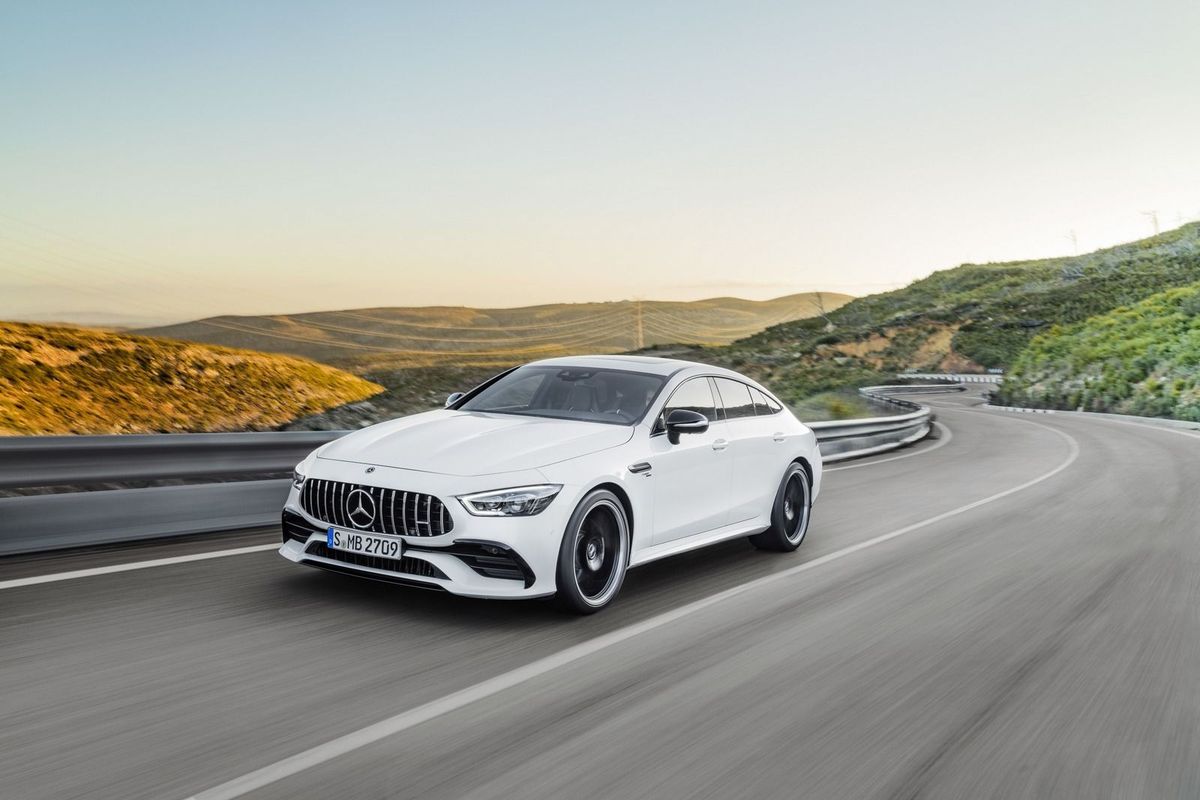
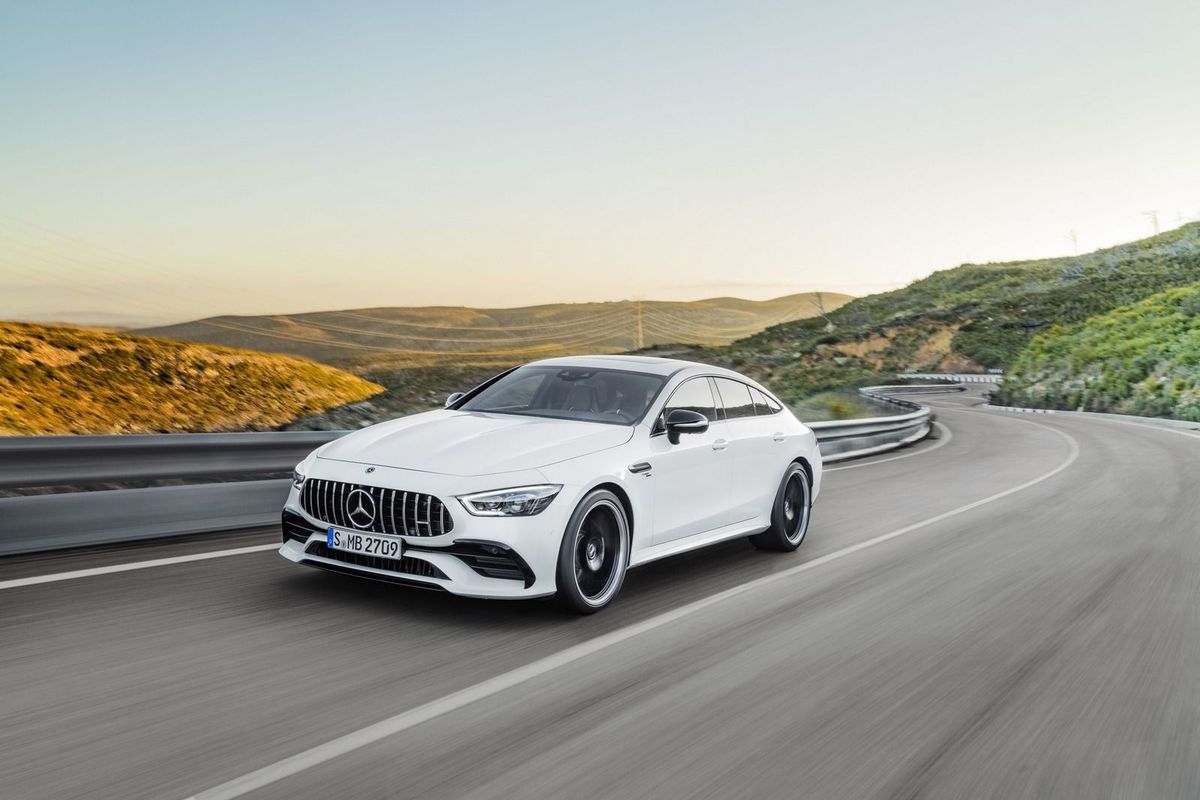
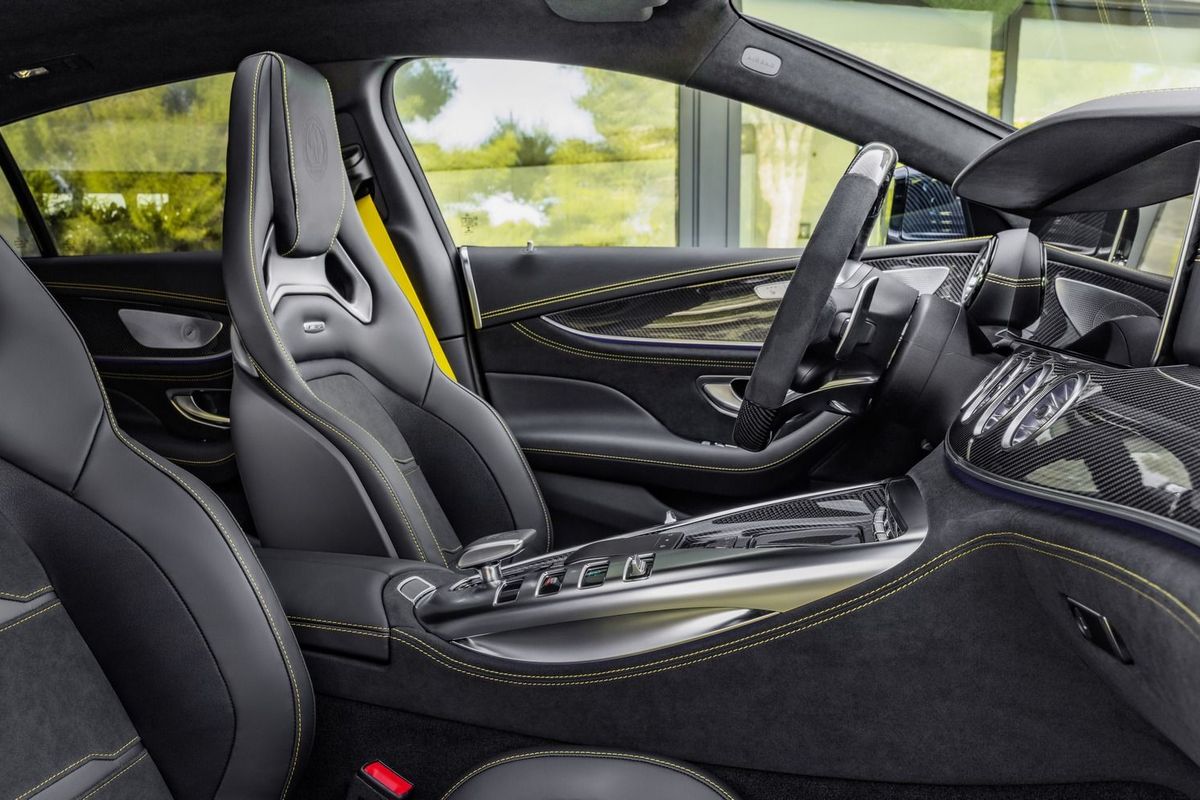
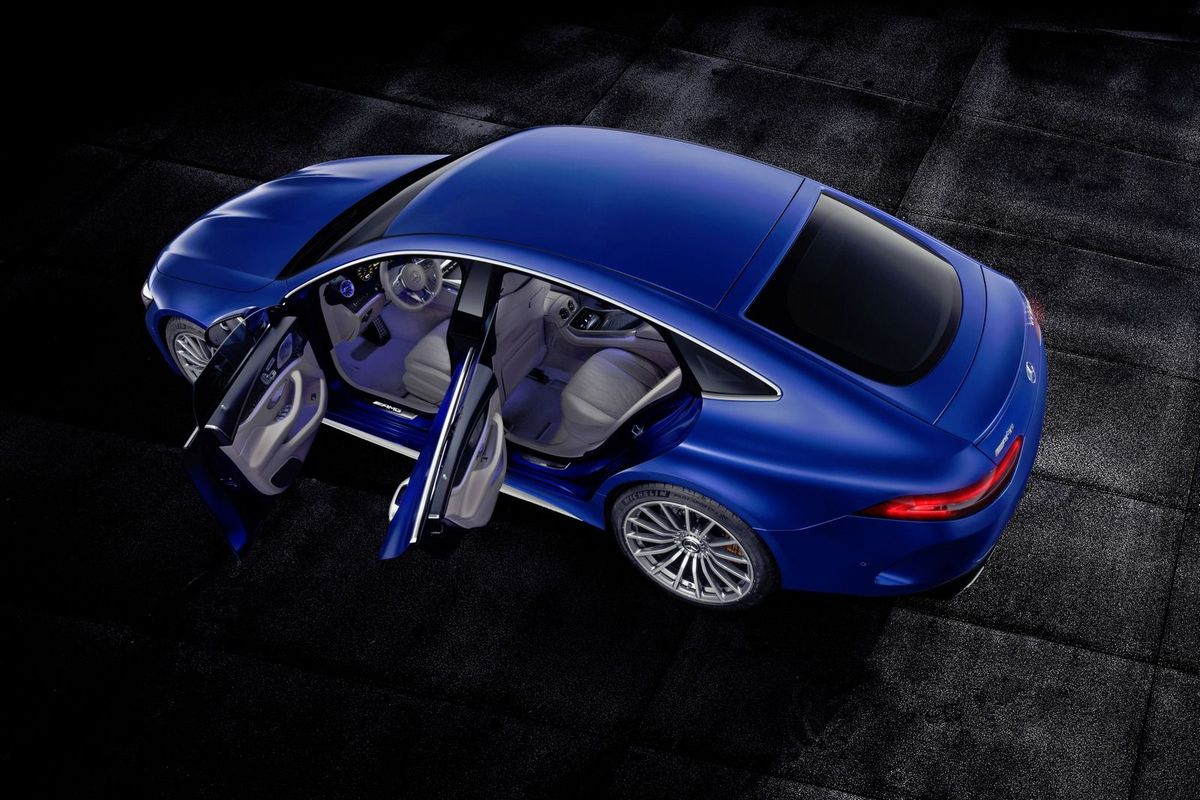
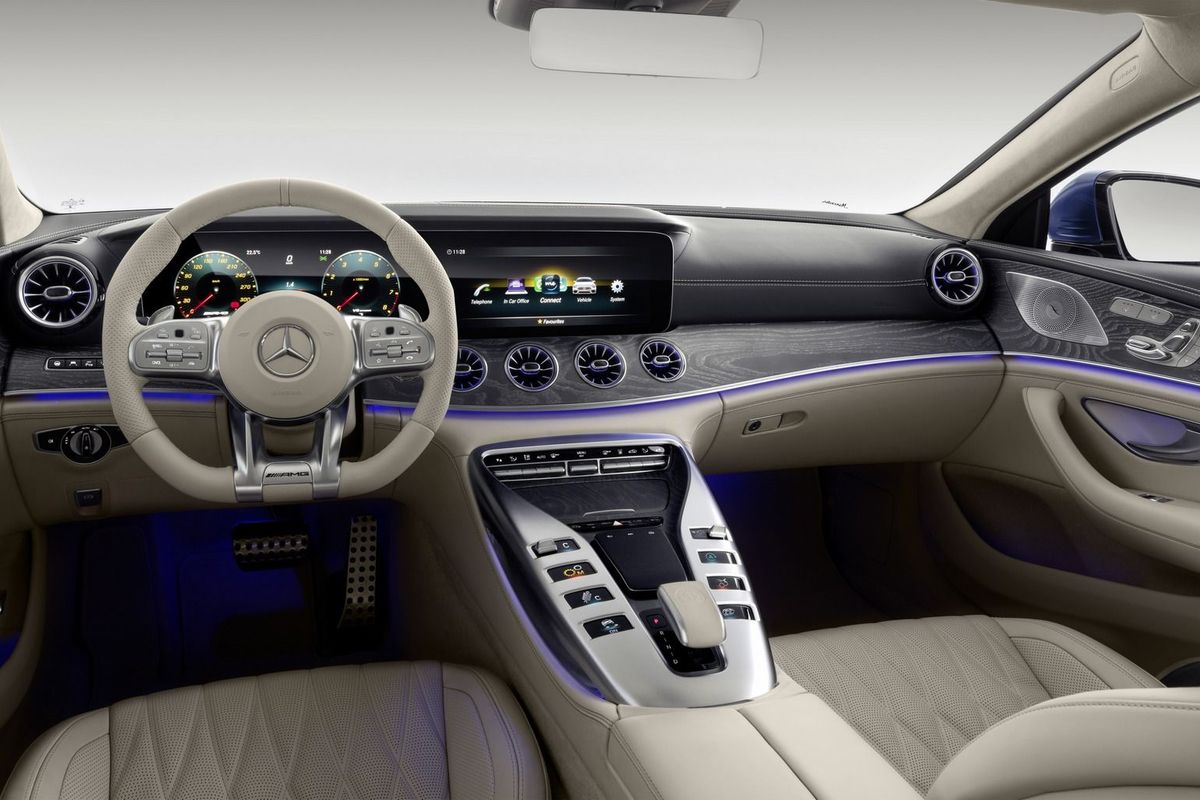
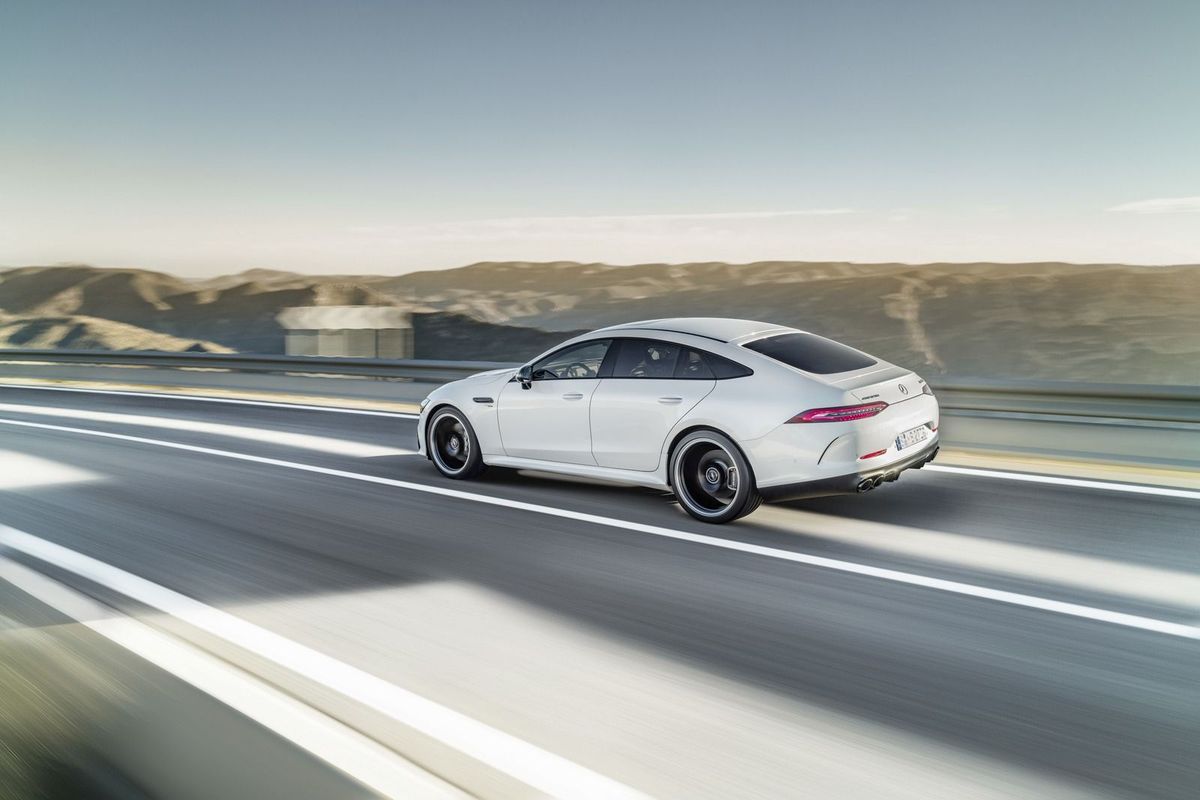
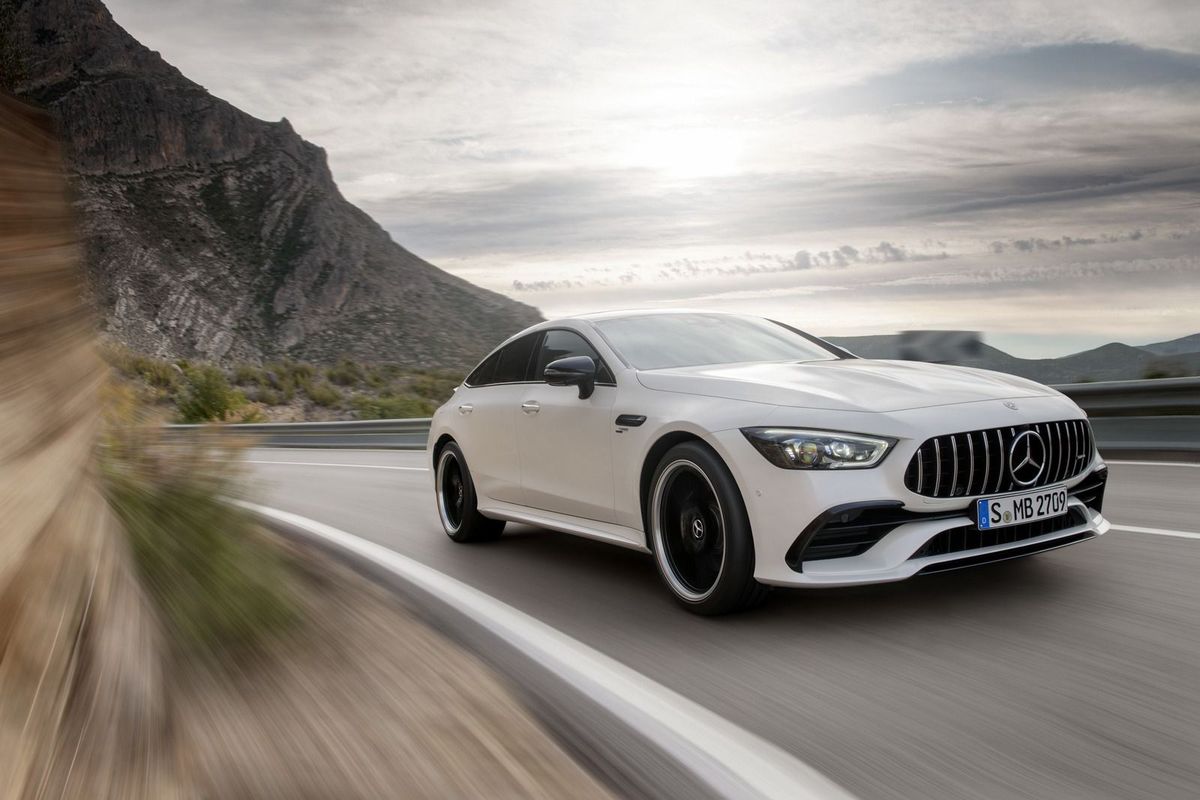
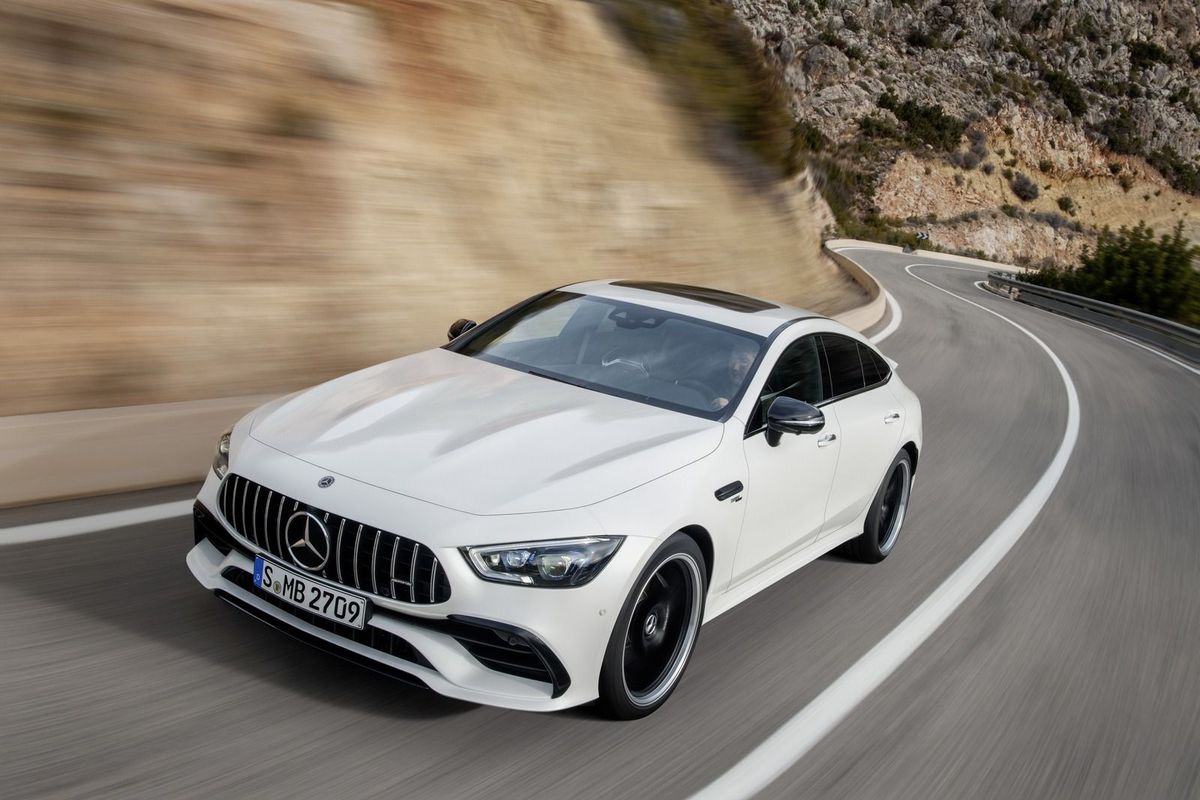
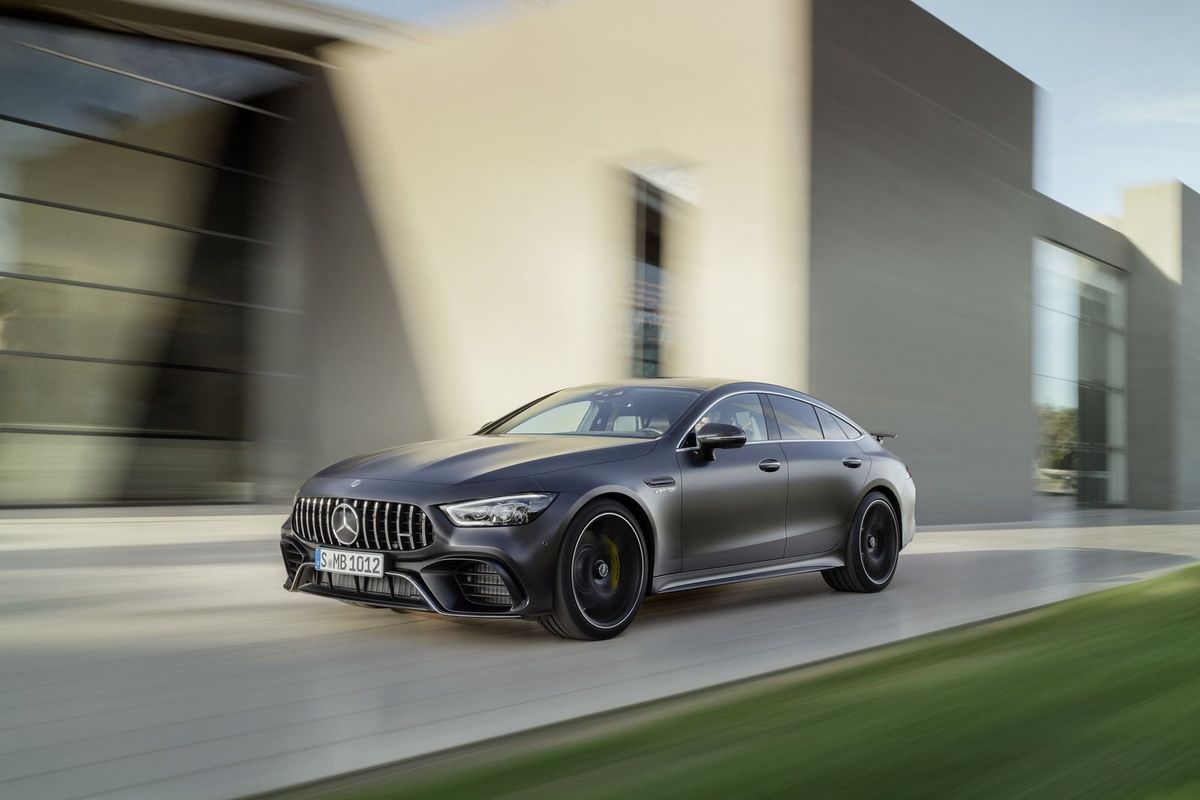
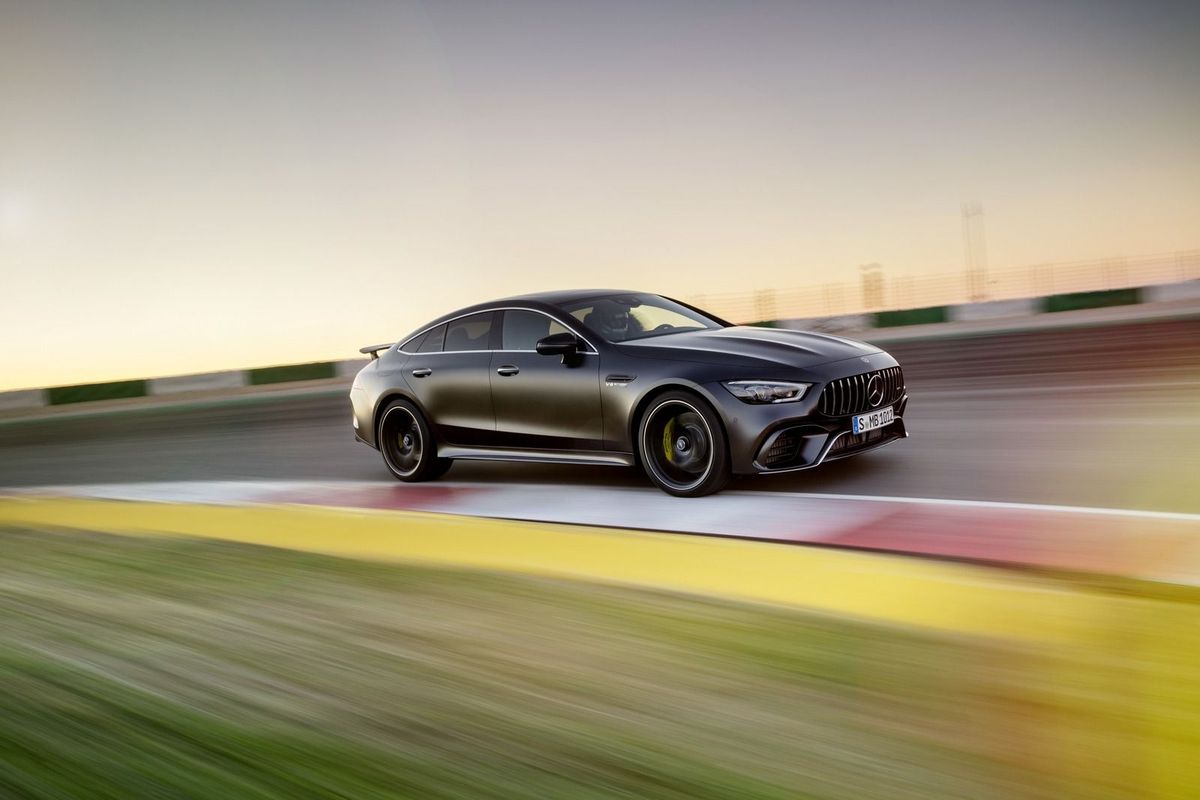
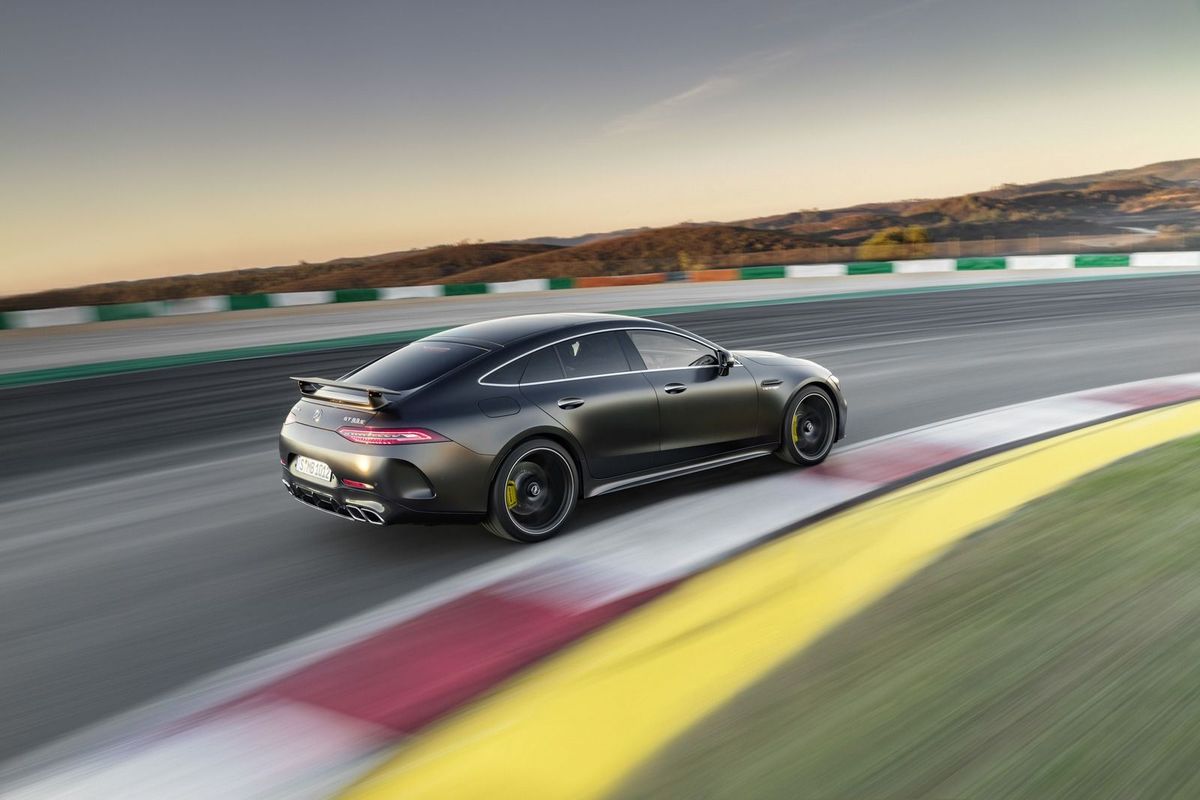
Mercedes-Benz had a massive presence at the Geneva Motor Show which was headlined with the reveal of the new addition to its GT family, the 4-door Mercedes-AMG GT4 Coupe comprising the GT 53 4Matic+, GT 63 4Matic+ and the GT 63 S 4Matic+.
The AMG GT 53 is powered by a 3.0-litre V6 engine with 320 kW and 520 Nm with an additional boost effect of 16 kW and 250 Nm.
The AMG GT 63 employs a 4.0-litre bi-turbo V8 with 430 kW and 800 Nm of torque while the most powerful derivative, the AMG GT 63 S, offers a heady 470 kW and 900 Nm which is good for 3.2 seconds in the sprint from zero to 100 kph and can reach a top speed of 315 kph.
You can expect the AMG GT4 Coupe to reach South Africa towards the end of 2018 or early in 2019.
Mercedes-Benz used the Geneva Motor Show to introduce its new A-Class to the world. Not only is the new A-Class bigger than before, but it also features a wide range of technology from the E-Class and S-Class. The interior is much improved and depending on the derivative, will feature a combination of digital screens ranging from 7-inches to 10.25-inches. A host of safety equipment from the S-Class has also made its way into the A-Class so you can expect a high-tech product when it arrives in South Africa later this year or early in 2019.
The A-Class is powered by a 120 kW/250 Nm 1.4-litre turbo petrol unit in the A200 while the A250 uses a turbocharged 2.0-litre petrol engine with 165 kW and 350 Nm. A 1.5-litre turbodiesel engine in the A180 d will offer 85 kW and 260 Nm.
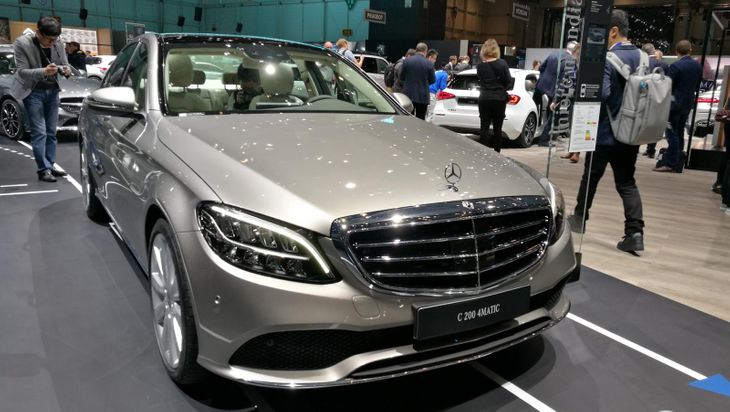
The C-Class, according to Mercedes-Benz, has received the biggest facelift in its history. Apart from its updated styling, various technologies from the E-Class and S-Class are now found in the facelifted C-Class. A large 12.3-inch digital instrument cluster is offered as well as a new 10.25-inch infotainment screen. A newly-designed steering wheel now affords access to more onboard and infotainment systems and the integrated control buttons respond to sweeps of the thumb, as they do in the E-Class.
As for engines, a new 4-cylinder, 1.5-litre petrol engine makes its way into the C200 with 135 kW and 280 Nm of torque and mated to a 9-speed automatic transmission. This mild hybrid offering is supplemented with a 48-volt onboard network and the EQ Boost integrated starter-generator that produces an additional 10kW and 160Nm at lower revs. The C200 is also offered with all-wheel drive. A new-generation 2.0-litre turbopetrol is also expected with outputs of around 220 kW and 400 Nm.
On the diesel front, a new 4-cylinder 2.0-litre turbodiesel with outputs of 143 kW and 400 Nm of torque will be offered in the C220d.
The range-topping Mercedes-AMG C 43 4Matic was also present, boasting a more powerful twin-turbocharged 3.0-litre petrol V6 engine with outputs of 287 kW, 17 kW more than before, with the same torque figure of 520 Nm of torque. The sprint from zero to 100 kph will take 4.7 seconds
Mercedes-Benz also showcased a pre-production plug-in hybrid diesel version destined for the C-Class and E-Class.
The facelifted C-Class, which will be produced at Mercedes-Benz’ plant in East London, can be expected to go on sale in the third quarter of 2018.
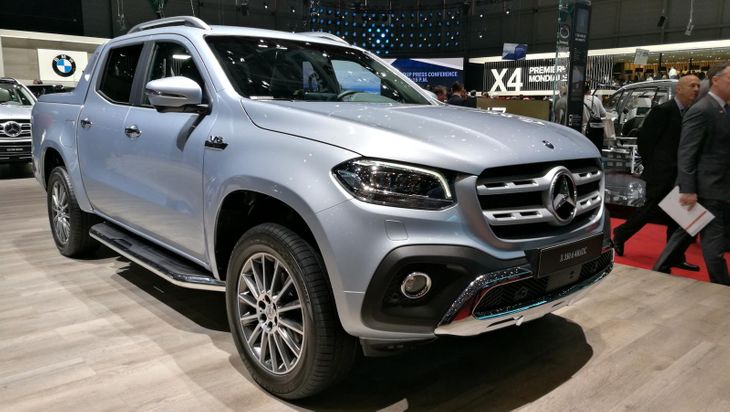
The highly-anticipated Mercedes-Benz X-Class bakkie will arrive in SA in Q2 of 2018. Later this year though, the X-Class range will be expanded to include the V6-powered 350d 4Matic which will rival the Volkswagen Amarok V6.
The X-Class 350d 4Matic will be powered by a 3.0-litre turbocharged V6 diesel motor with 190 kW and 550 Nm. Peak torque arrives between 1 400 rpm and 3 200 rpm and power goes to all four wheels on a permanent basis via a 7G-Tronic Plus automatic gearbox. It will be quick by bakkie standards with a claimed zero to 100 kph sprint time of 7.9 seconds…
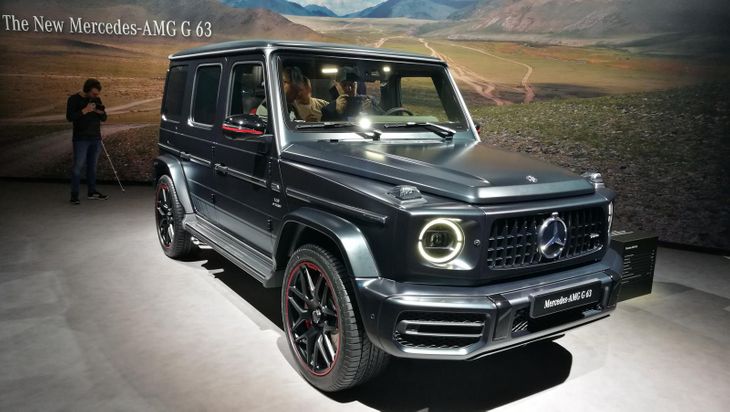
Although the new G-Class was revealed earlier this year, the new G 63 made an appearance at the Geneva Motor Show and the brawny luxury off-roader proved to be a major attraction at the show. This beastly G 63 is powered by a biturbo 4.0-litre V8 that produces 430 kW and 850 Nm of torque. It will put many cars to shame and is claimed to sprint from zero to 100 kph in 4.5 seconds. The new G-Class is expected in South Africa later in 2018.
The biggest attraction on BMW’s stand in Geneva was undoubtedly the BMW M8 Gran Coupe Concept. With its powerful and striking design, the M8 Gran Coupe Concept gives us some indication of what BMW has in store for its key rival, the new Mercedes-AMG GT4 Coupe.
The 8 Series is currently in development and will sit at the pinnacle of the BMW’s range and this concept hints at what could very well become reality in 2019. Let’s just hope that much of this concept’s design makes into the production version.
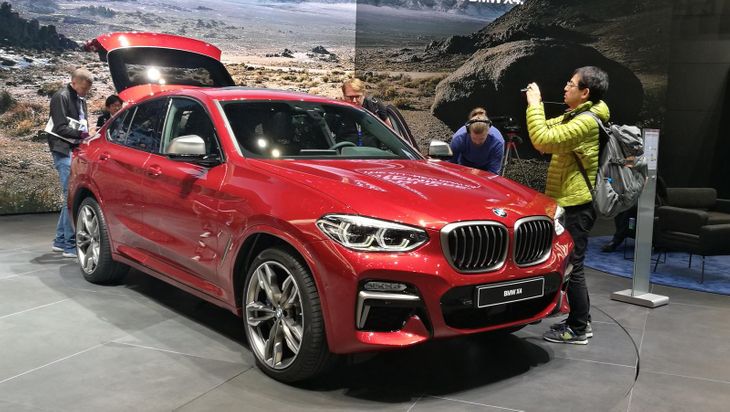
Also making its debut in Geneva is the second-generation X4 which will go head-to-head with the Mercedes-Benz GLC Coupe, Porsche Macan, Range Rover Evoque and Volvo XC60. The interior of the X4 is similar to that of the new X3 but is more premium in terms of material use.
The new X4 is expected to reach South Africa in Q3 of 2018 and a total of 4 engine variants will be offered initially including two 4-cylinder turbopetrols and two 4-cylinder turbodiesels with outputs ranging between 135 kW and 265 kW. M Performance models are expected to follow at a later stage.
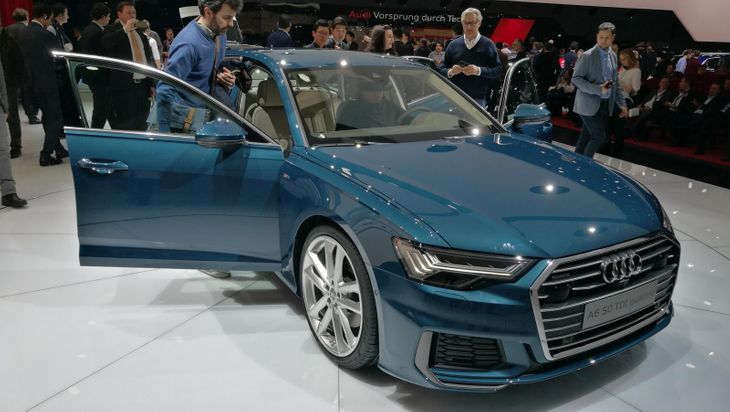
Audi’s answer to the Mercedes-Benz E-Class and BMW 5 Series is the new A6 expected to reach South Africa in Q1 of 2019. The new A6 features more edgier styling than before and is brimming with new technology. Its interior draws inspiration from the A7 and will feature a large 12.3-inch digital instrument cluster, a 10.1-inch infotainment system as well as an 8.6-inch display for in-car comfort functions. A wide range of driver assistance systems will be offered too…
All engines offered in the new A6 will feature mild hybrid technology. The new A6 will be powered by a petrol and diesel engine with a turbocharged 3.0-litre V6 petrol engine offering 250 kW and 500 Nm while a 3.0-litre turbodiesel will offer 210 kW and 620 Nm. An 8-speed tiptronic transmission and quattro all-wheel drive will be standard for both engines.
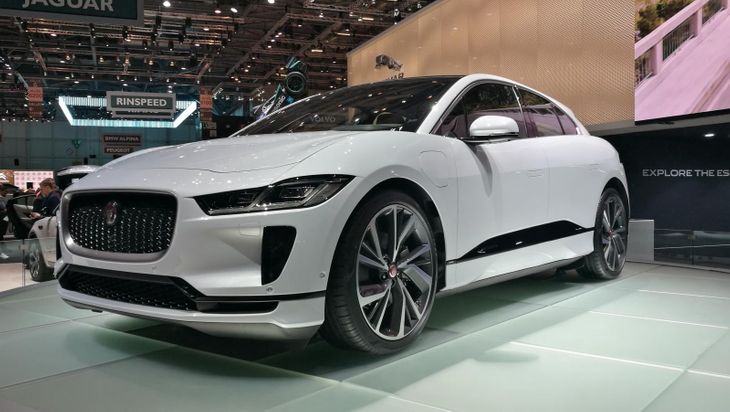
The big debut on the Jaguar stand was the brand’s first electric SUV, the I-Pace. The I-Pace compact SUV is powered by electric motors driving the front and rear axles with total outputs of 294 kW and 696 Nm of torque. It’s also fitted with an in-house designed, liquid-cooled 90 kWh Lithium-ion battery that’s capable of rapid charging where it will obtain 80% charge in only 45 minutes using a DC 100kW charger. A 7 kW home charging wall box will achieve the same result in just over 10 hours. The I-Pace has a range of about 480 km and will arrive in South Africa in 2019.
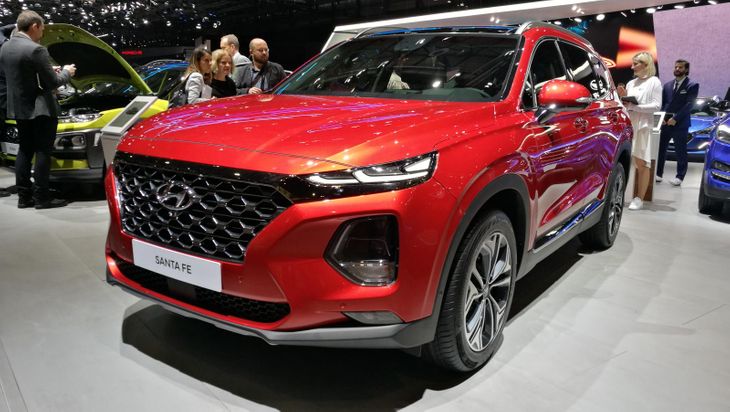
The new Santa Fe features bolder styling that will help it compete in a competitive SUV market. Interior quality has improved and the Santa Fe is equipped with the same infotainment system from the new, albeit smaller Kona SUV.
The new Santa Fe will be powered by 3 turbocharged engines including a 172 kW / 353 Nm 2.0-litre turbopetrol, 136 kW /402 Nm 2.0-litre turbodiesel engine and a larger 2.2-litre turbodiesel with 148 kW and 441 Nm. All Santa-Fe' derivatives will be equipped with an 8-speed automatic transmission and for the first time, will feature an electronic 4-wheel drive system called HTRAC.
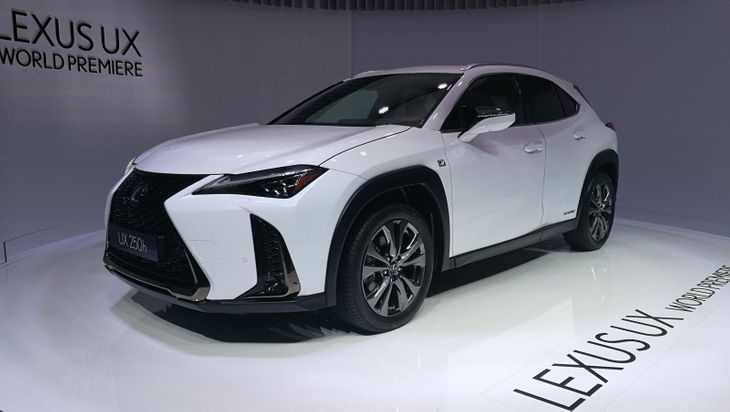
Slotting in beneath the NX is Lexus’ first-ever UX compact luxury compact crossover which made its Geneva debut in production form. As with other Lexus models, it will be packed with luxury features and will offer 2 engine options including a front-wheel drive, 125 kW naturally-aspirated 2.0-litre petrol derivative called the UX 200 and a 131 kW all-wheel drive, self-charging hybrid in the form of the UX 250h. A CVT will be standard on both derivatives.
The Lexus UX will arrive in South Africa early in 2019 and both powertrains have been confirmed for our market.
Toyota showcased an all-new Auris in Geneva and it’s built on the Toyota New Global Architecture platform (TNGA) with styling cues from the C-HR. It will be powered by the C-HR’s 1.2-litre turbopetrol engine as well as a hybrid powertrain option featuring a 1.8-litre engine.
The Auris will arrive in South Africa in the second half of 2018.
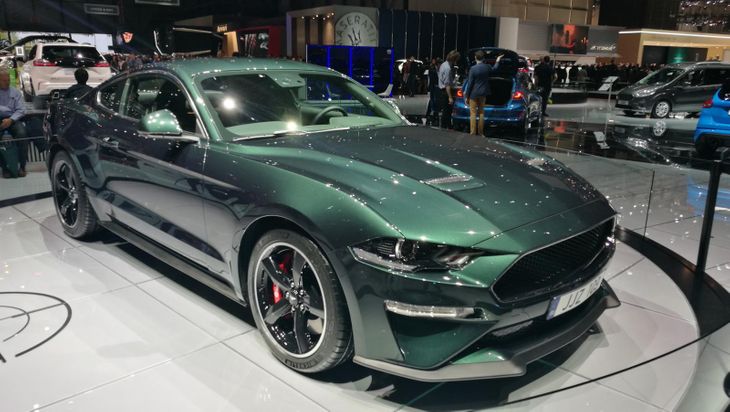
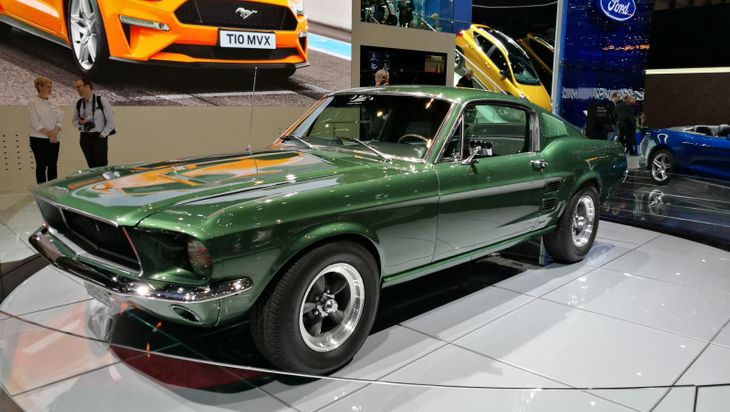
This Ford Mustang Bullitt special edition is based on the original 1968 Mustang GT Fastback driven by Steve McQueen in the movie Bullitt. Both were on show alongside each other in Geneva. It’s powered by an uprated 5.0-litre V8 engine with 340 kW and 569 Nm of torque.
Why is this relevant for the South African market? Well, since the Mustang’s arrival in South Africa in 2015, it has been selling like hotcakes. We know you love a good Mustang, so there you have it…
Volvo’s stand-alone performance brand, Polestar, drew significant attention in Geneva with its first model fittingly called Polestar 1. This sexy hybrid coupe features a 2.0-litre supercharged and turbocharged engine along with 2 electric motors over the rear axle that combine to produce 447 kW and 1000 Nm. Polestar 1 has a range of 150 km and will be going into production in 2019. Future models will be all-electric.
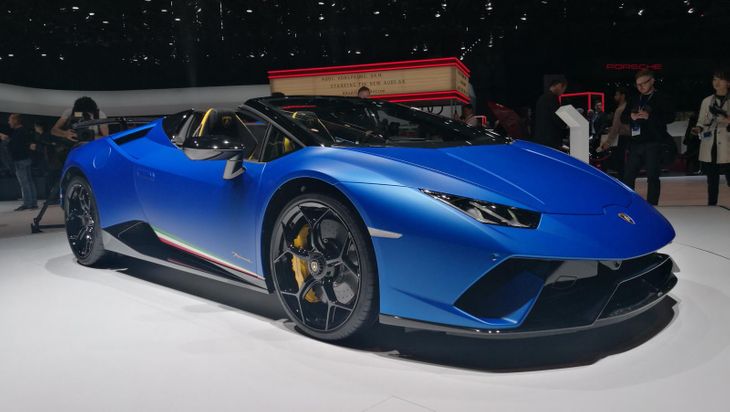
This car was amazing to view in the metal and was particularly striking in matte blue. The Huracan Performante Spyder is powered by a naturally aspirated 5.2-litre V10 engine with 471 kW and 600 Nm of torque. It will smash the sprint to 100 kph in just 3.1 seconds and reach a top speed of 325 kph. As for the fabric roof, it takes 17 seconds to open and close. We prefer it open…
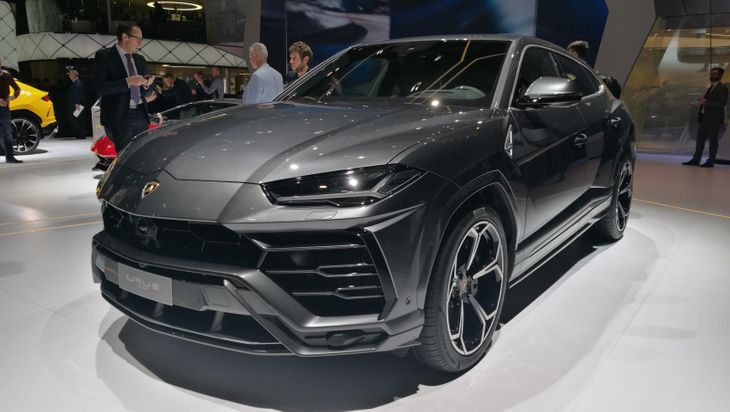
Lamborghini also had its Urus super SUV on display and it looked fiendishly menacing in the metal. The Urus is one of the most powerful and fastest SUVs on the planet and comes fitted with a 4.0-litre twin turbo V8 engine offering 478 kW and 845 Nm of torque. It will sprint from zero to 100 kph in 3.6 seconds and reach a top speed of 305 kph. Yowzers!
The Lamborghini Urus can be expected in SA later in 2018.
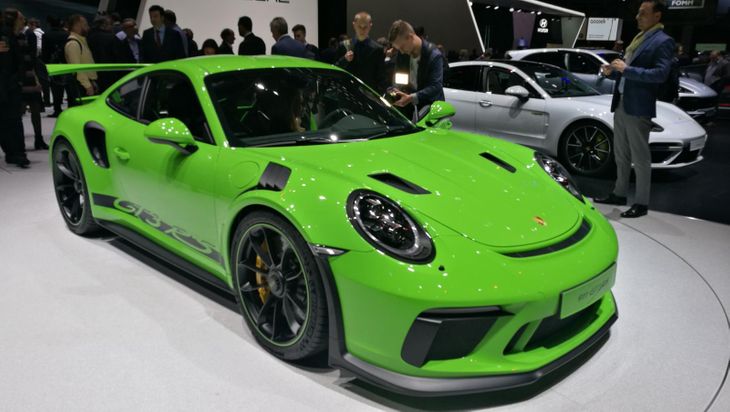
The 911 GT3 Rs attracted big crowds on the Porsche stand in Geneva and it’s no surprise – just look at it!
It comes fitted with a high-revving, naturally-aspirated 4.0-litre engine with 383 kW and will 468 Nm of torque. Using a specially-calibrated 7-speed PDK transmission, the 911 GT3 RS will crack zero to 100 kph in 3.2 seconds and top out at 312 kph.
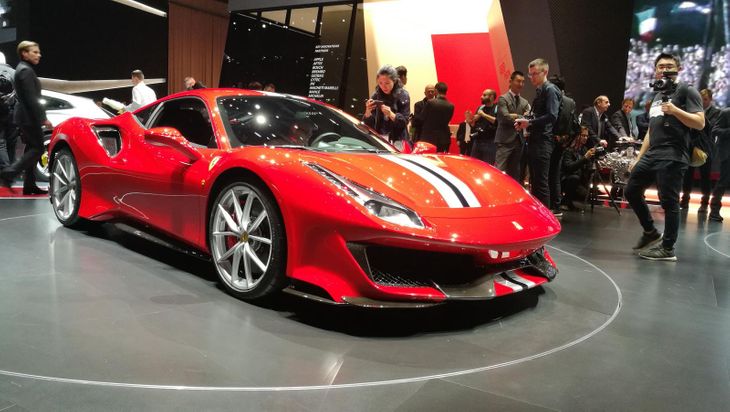
The Ferrari stand attracts crowds like moths to a flame and the Geneva Motor Show was no different with all eyes on the new Ferrari 488 Pista. This lightweight track car is fitted with the most powerful V8 in Ferrari’s history. It’s a biturbo 3.9-litre V8 with 530 kW and 770 Nm of torque and the 488 Pista will crack from zero to 100 kph in 2.85 seconds before flying to a top speed of 340 kph.
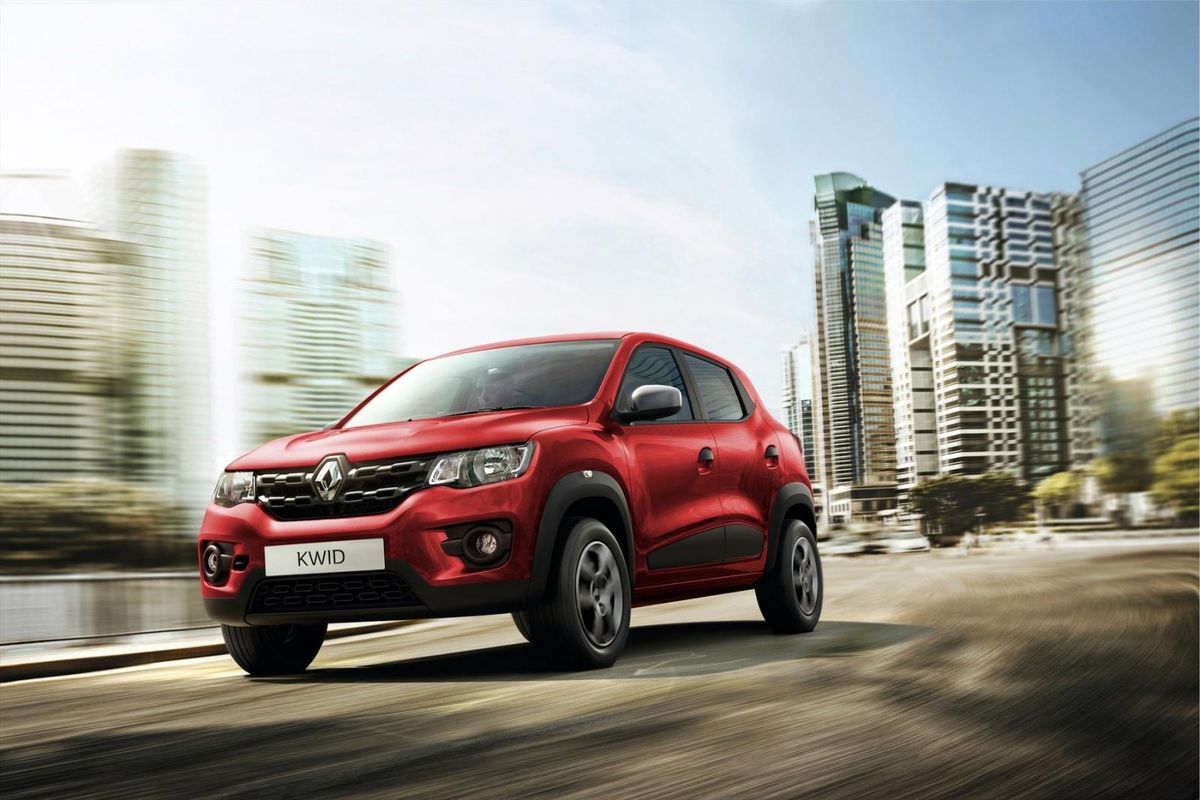
The Renault Kwid is a popular choice in the entry-level (budget) segment of the car market. Now Renault has expanded its Kwid family with an automatic derivative. What's it like to drive? We attended the Kwid AMT's local launch in the Western Cape to find out.
The Renault Kwid has played its part to elevate the French brand to new heights in South Africa. A the time of this report, Renault was the 5th biggest brand in terms of new vehicle sales and by the end, the marque will be represented by a total of 80 dealers. The Kwid has tallied up a commendable number of sales since its local launch. More than 10 500 units have been sold, which works out to around 659 units per month across the rental and public markets. Kwid has opened up a new market for Renault, which claims 60% of public sales have been first-time car buyers. In December 2017, it was the third best-selling passenger car with 1 120 units finding homes.
Safety concerns
Renault South Africa has been on the receiving end of negative press with regards to the Kwid's safety features, or at least the model's lack of ABS and front passenger airbag. Indeed, it's strange to see a brand whose portfolio comprises some highly-rated 5 star NCAP vehicles suddenly introduce a product which scored a lowly 1 star.
The great news is that Renault has admitted that the Kwid is not quite up to its standard when it comes to safety and from 2019, the Kwid will feature ABS brakes and a 2nd airbag. Currently, it makes do with just a single airbag for the driver. The addition of anti-lock brakes will make a massive difference and we look forward to seeing that vehicle's crash test results. Naturally, additional safety features will come at a price, but Renault SA said it was too early to say how much the revised safer Kwid will cost.
Introducing the Kwid AMT
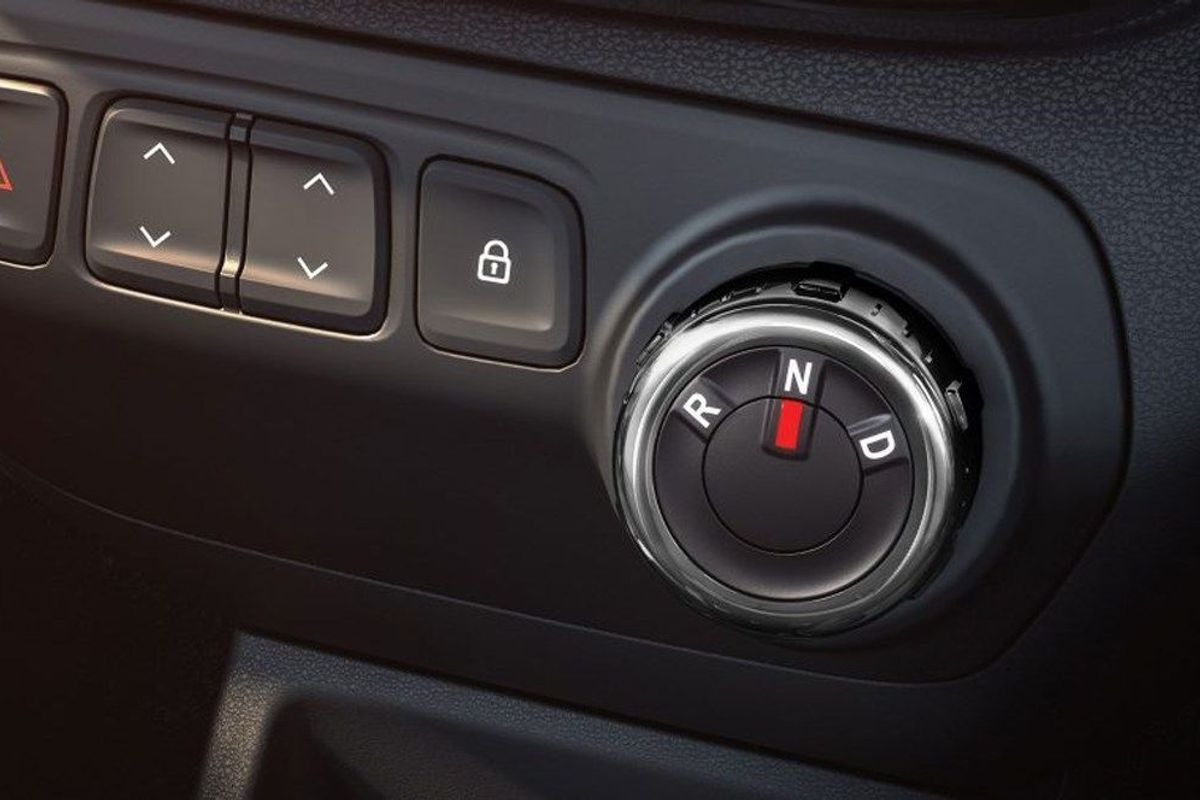
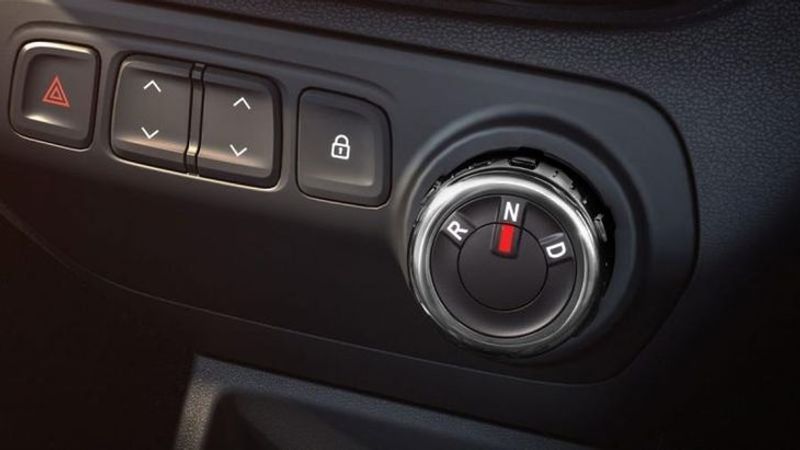
The dashboard-mounted rotary drive selector. Reverse, Neutral, Drive… it doesn't get simpler than that
Previously, the Kwid was available with a five-speed manual gearbox only and with a fair portion of the (primarily urban-based) market demanding a clutchless driving experience, there was clearly a gap that needed to be closed. Renault now offers an Automated Manual Transmission (AMT) in its Kwid. Not to be confused with a traditional automatic gearbox, an AMT works just like a conventional manual car, except there is no third pedal; the clutch is controlled by a computer.
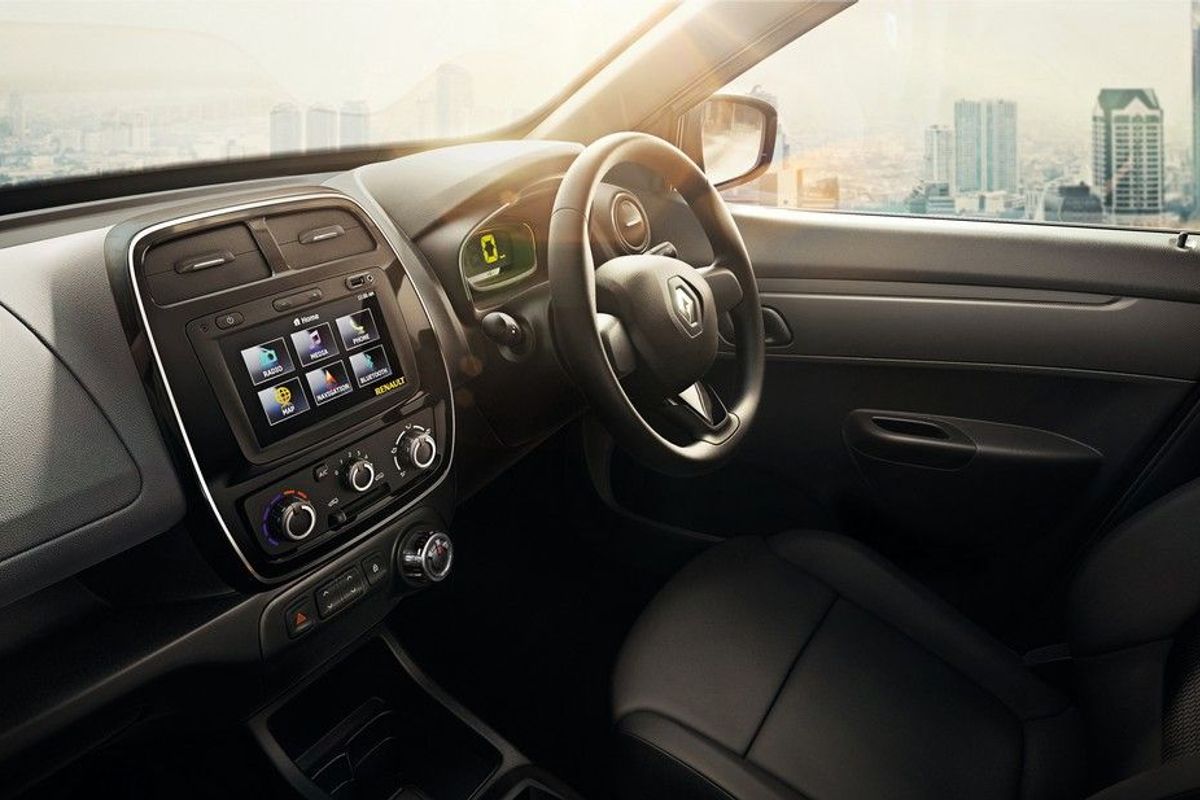
In terms of design, the only clue you'll get that this isn't a normal Kwid is the Easy-R badge on the rear. Inside, the traditional gear lever has been replaced by a dashboard-mounted rotary dial. The three modes are Reverse, Neutral and Drive. When it comes to ease of use, it cannot possibly be any more straightforward to use. Insert the key and turn the ignition, wait a few seconds and then start the engine. Select Drive, drop the handbrake and away you go.
Past experiences with AMTs have not been particularly satisfying. The car's modus operandi takes some time to get used to and if we didn't have a quick tutorial, we wouldn't have had a realistic experience. See, much like a manual gearbox, you need to lift off the accelerator when you anticipate that the car is about to change gears. It's not like a (torque converter) automatic or newer dual-clutch 'box where you can keep your foot planted and each gear is engaged with a silky-smooth action. If you try to keep your foot down on the accelerator, the pause between gearshifts gives the car a rocking-horse motion, which is not pleasant. In essence, accelerate as normal, but as the car is about to change gear, lift off the accelerator by 75% to reduce the rocking motion and have a smoother driving experience.
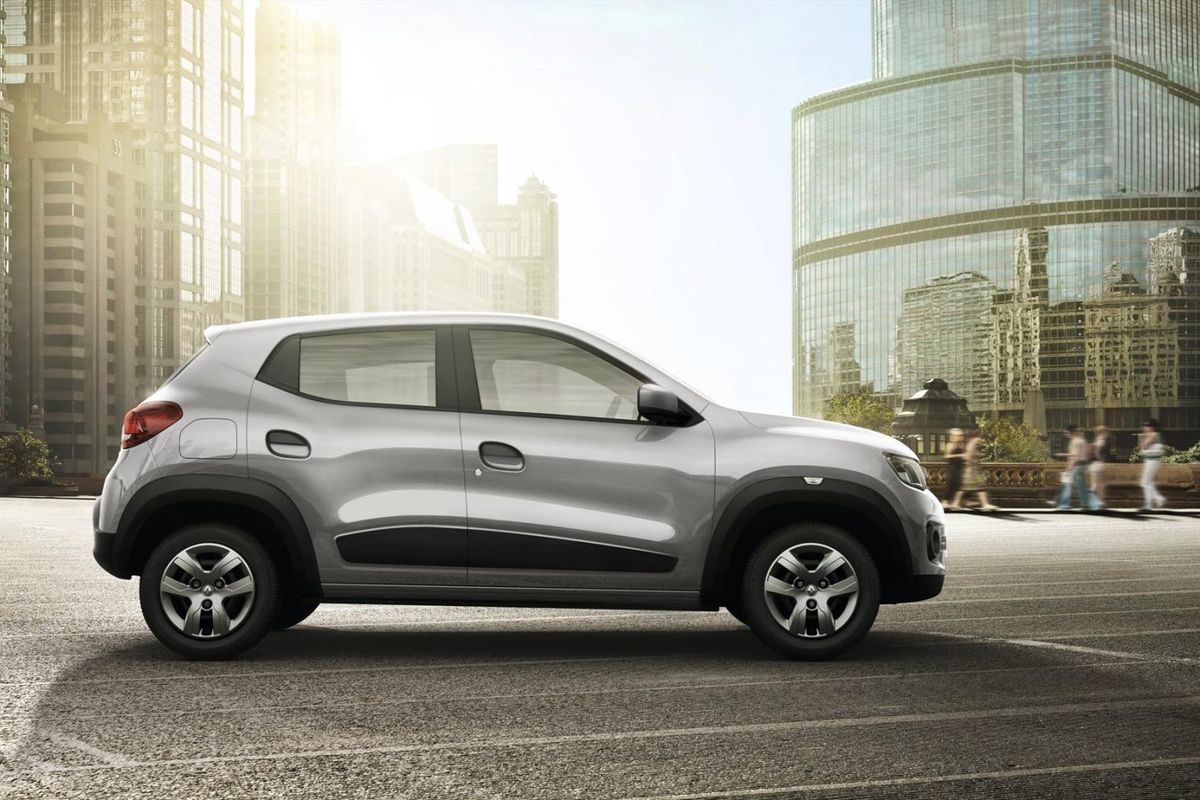
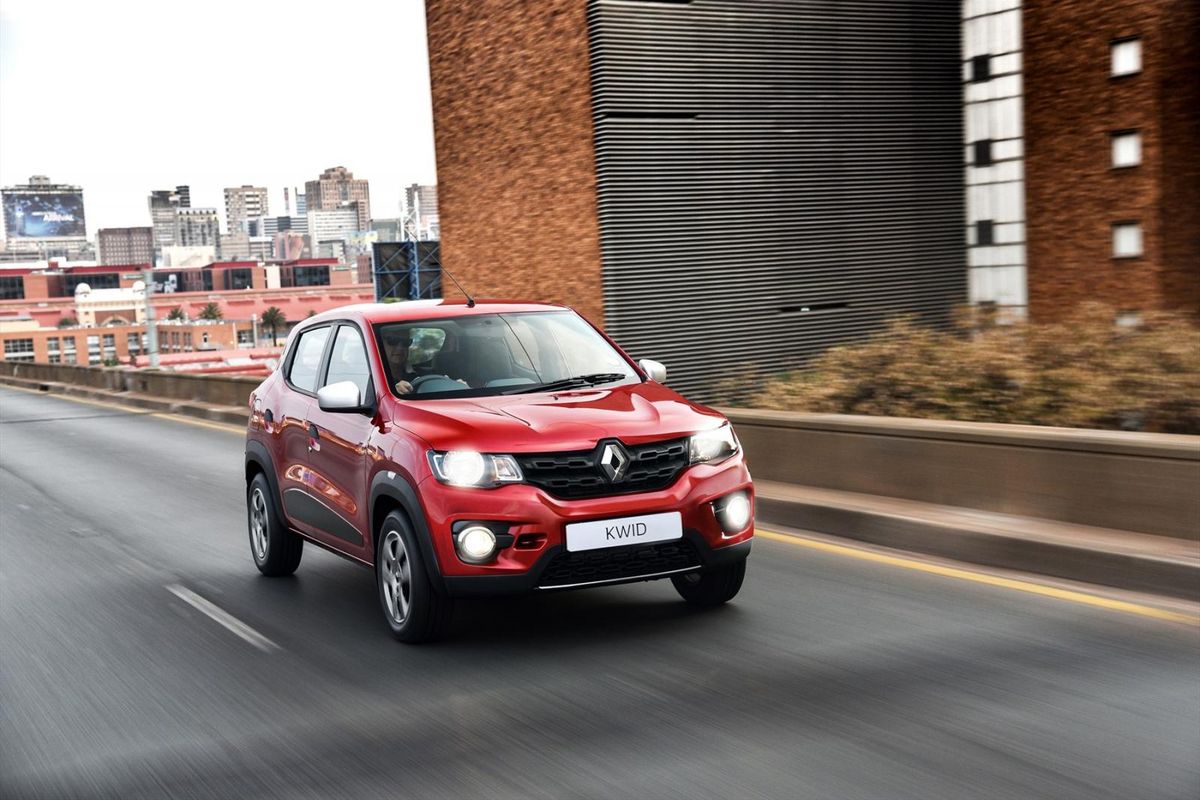
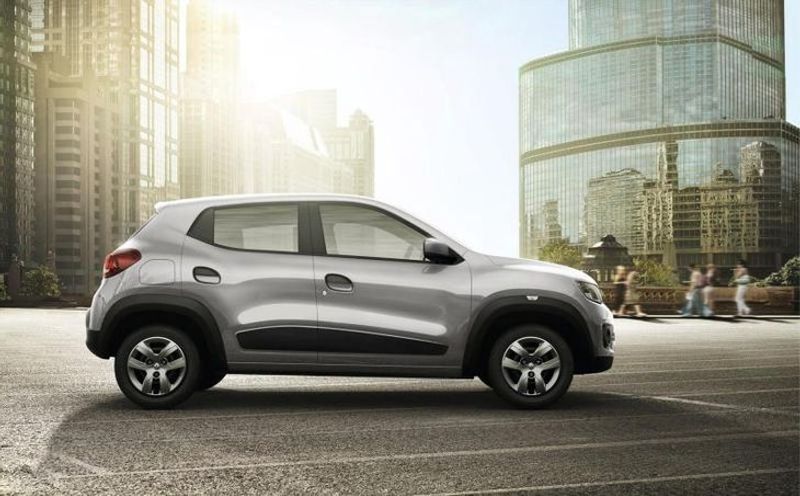
With the impressive ground clearance and interior space, the compact Renault Kwid has proven popular
Does it work?
In an urban situation where speeds are usually low, the AMT-equipped Kwid performs satisfactorily. The gearbox is reasonably smooth once you're rolling, although the 1st-to-2nd 'shift can lurch a little. It's only at highway speeds where things deteriorate. While the Kwid is marketed as a city car, overtaking at speed requires some planning. The car doesn't shift down quickly enough and the pause between 5th and 4th means you can't overtake briskly. It's not a critical fault, but a gripe nonethess.
That being said, the majority of Kwids will be based in and around the major centres so loads of open-road driving is unlikely to be the order of the day. Around town, the car has enough power to keep pace with traffic and once you understand how the transmission operates, you'll enjoy the benefits of clutchless operation.
The engine hasn't changed and its the same 1.0-litre naturally-aspirated three-cylinder petrol unit as before. With a power rating of 50 kW and 91 Nm, it has just about enough shove. The big benefit of this AMT option is the fuel economy. The standard manual Kwid had an economy claim of just 4.7 L/100 km, with this new AMT derivative going one better at 4.4 L/100 km. We look forward to testing its claimed fuel consumption when the car arrives for a comprehensive road test.
The ride quality is much the same as the manual-equipped Kwid. In our review of the Kwid in December 2016, we noted that the Kwid felt very light at the wheel. A number of Cars.co.za testers commented on how easily the Kwid was thrown around in the driving wind, which was probably exacerbated by the test unit's lofty ride height (180 mm) and low kerb weight. The wind in Cape Town is notoriously strong in the summer and at highway speeds, it almost felt as if the small Kwid was being tugged between lanes by the notorious Cape Doctor.
Features
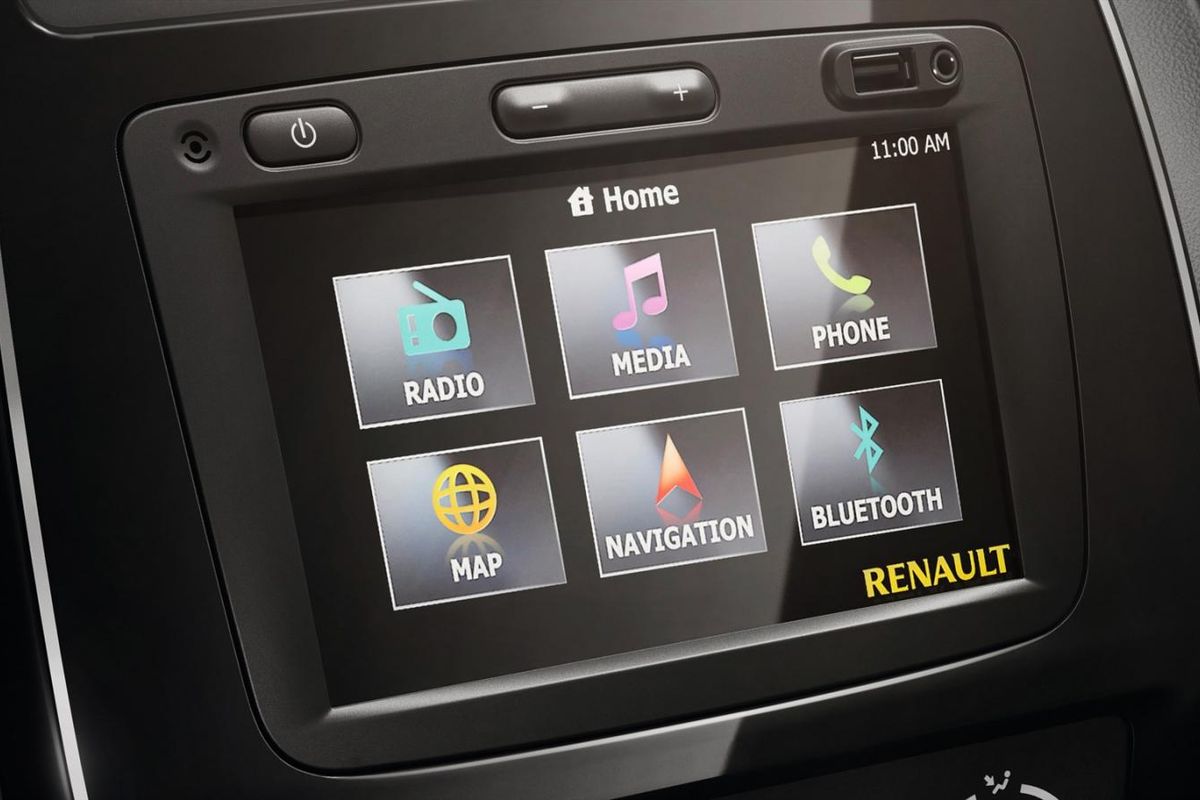
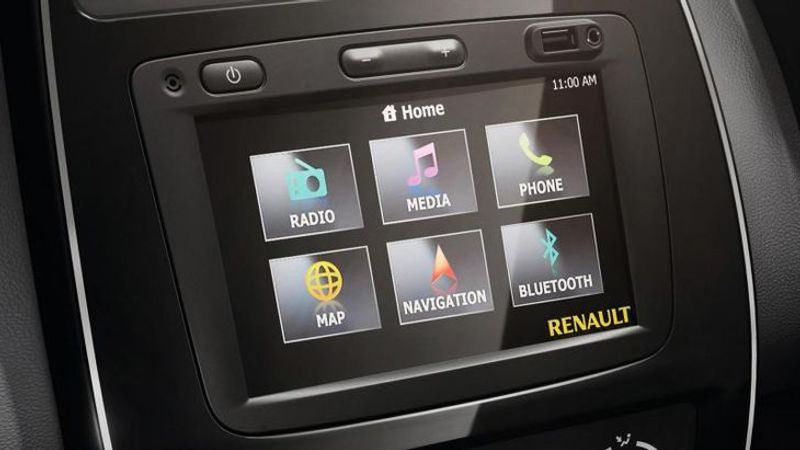
This touchscreen unit features satellite navigation, USB/Aux input, Bluetooth connectivity and speed-sensitive volume control
The Kwid AMT benefits from the same level of specification as its manually-equipped sibling. Available in Dynamique trim, it gains comfort features such as air-con, front electric windows and one of the most comprehensive infotainment systems in the budget segment of the market.
This touchscreen unit features satellite navigation, USB/Aux input, Bluetooth connectivity and speed-sensitive volume control. As it stands, there's just the driver's airbag available in terms of safety. As mentioned earlier, 2019 will see the Kwid gain ABS and a second front airbag for the passenger.
Summary
The Renault Kwid AMT expands on a budget offering and is likely to find favour among folk who don't want to drive a manual car, especially commuters. The convenience and ease of use when it comes to operating a clutchless vehicle is desirable and we think that more than a handful will find their way into customers' homes.
The news of ABS making its way into the Kwid family is massive and will bolster sales. The diminutive Renault is competitively priced and, incredibly, Renault South Africa is still offering the car with one year of comprehensive insurance. The only catch is that the car is not allowed to be used for business purposes. Given the list price and calculations, the Kwid works out to R1 999 per month, which, in a cash-strapped market, sounds like an affordable way to get behind the wheel of a new car.
Renault Kwid Price in South Africa
Renault KWID Expression 1.0-litre SCe R 126 900
Renault KWID Dynamique 1.0-litre SCe R 136 900
Renault KWID Dynamique AMT 1.0-litre SCe R 146 900
In terms of market share, Lexus South Africa does not have a big share of the market, even compared with other luxury marques. Yet, its products are well-made and -specced. Can a refreshed NX offer enough to make a bigger impact in the executive SUV market?
We like: Striking looks, improved spaciousness, commendable ride quality, excellent build and finish
We don’t like: Poor ergonomics, difficult-to-use infotainment system
Alternatives:
Benchmark from Audi: The Q5 is a top-selling SUV in the Ingolstadt-based brand’s stable and the latest version impresses as a well-finished product that exudes refinement.
Jaguar on the prowl: The F-Pace has reinvigorated the Coventrian brand’s product offering and apart from its fashionable garb, the 30d version offers more power and torque than the Bimmer, although selecting a comparable R-Sport specification will push the asking price past a million.
The award-winning Mercedes-Benz: The GLC 250d 4Matic AMG Line won the 2017/18 #CarsAwards Executive SUV title courtesy of its prestigious image, smart interior and willing performance.
Passion anyone? The Alfa Romeo Stelvio 2.0T First Edition Q4 (206 kW/400 Nm) and Porsche Macan S (350 kW/460 Nm) offer spirited 2.0- and 3.0-litre powerplants respectively and captivating dynamics.
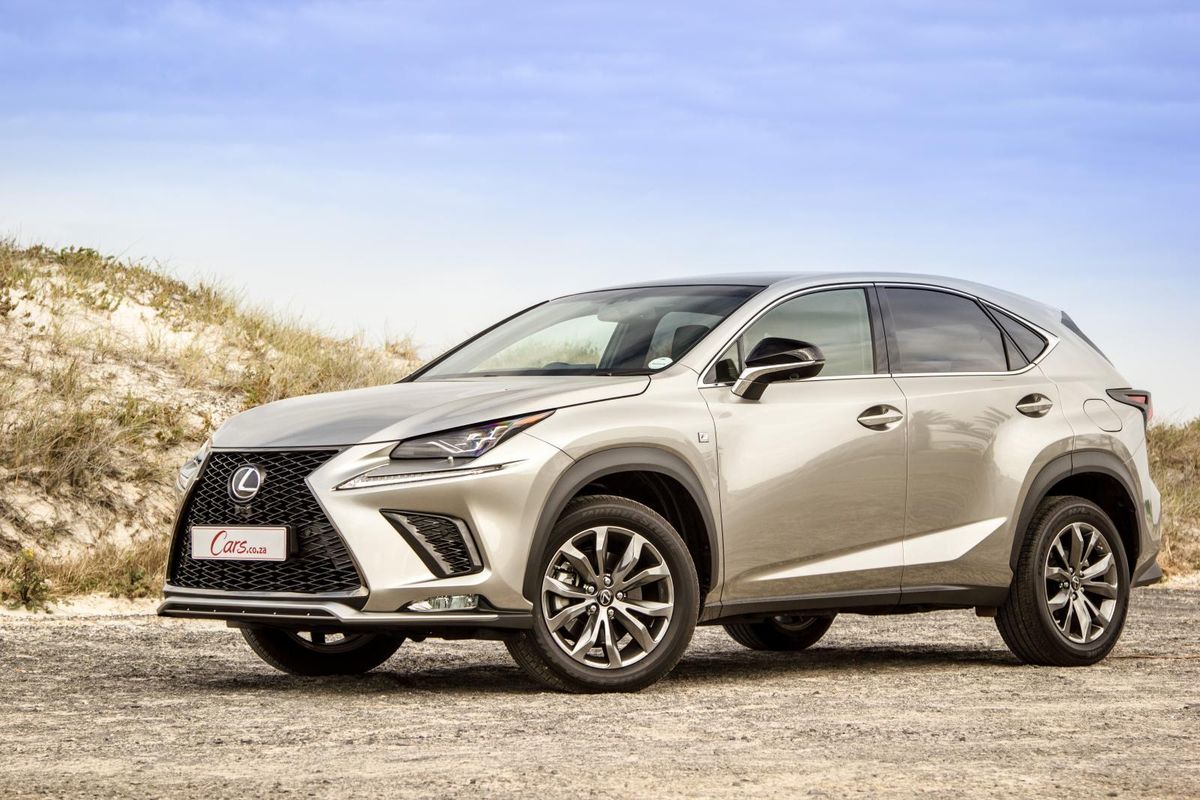
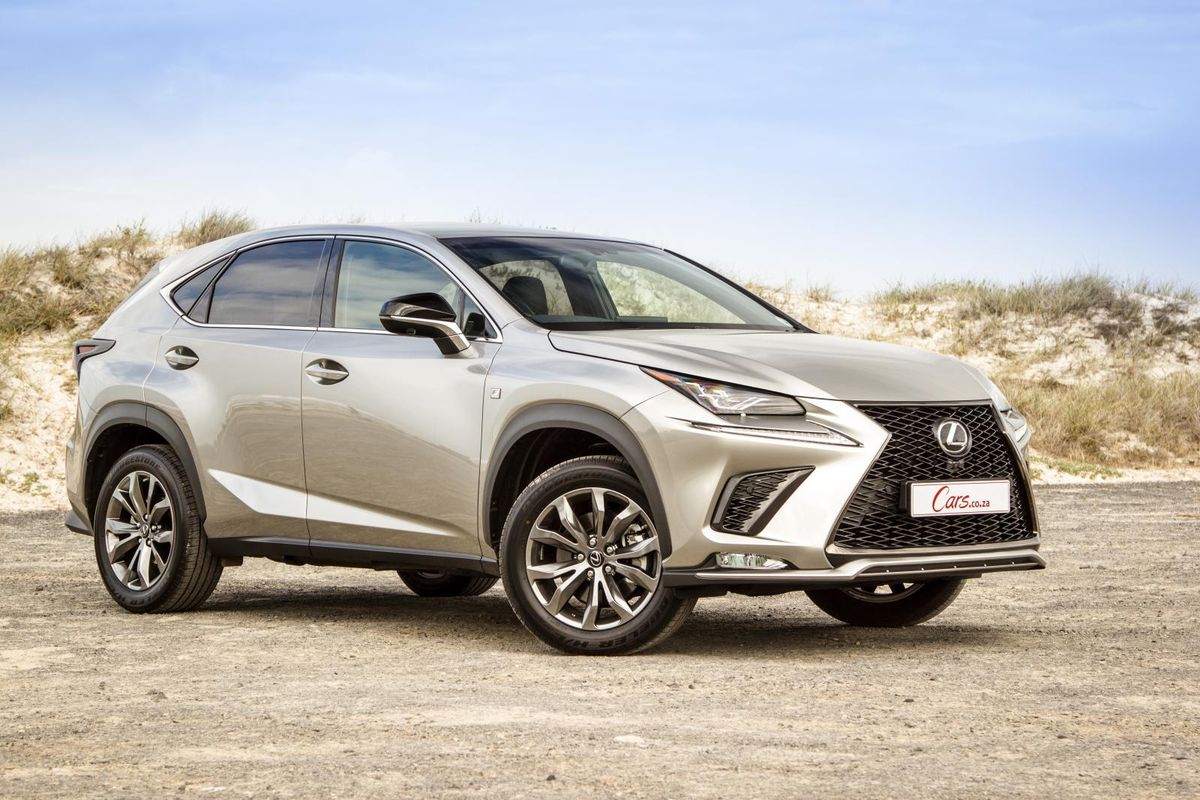
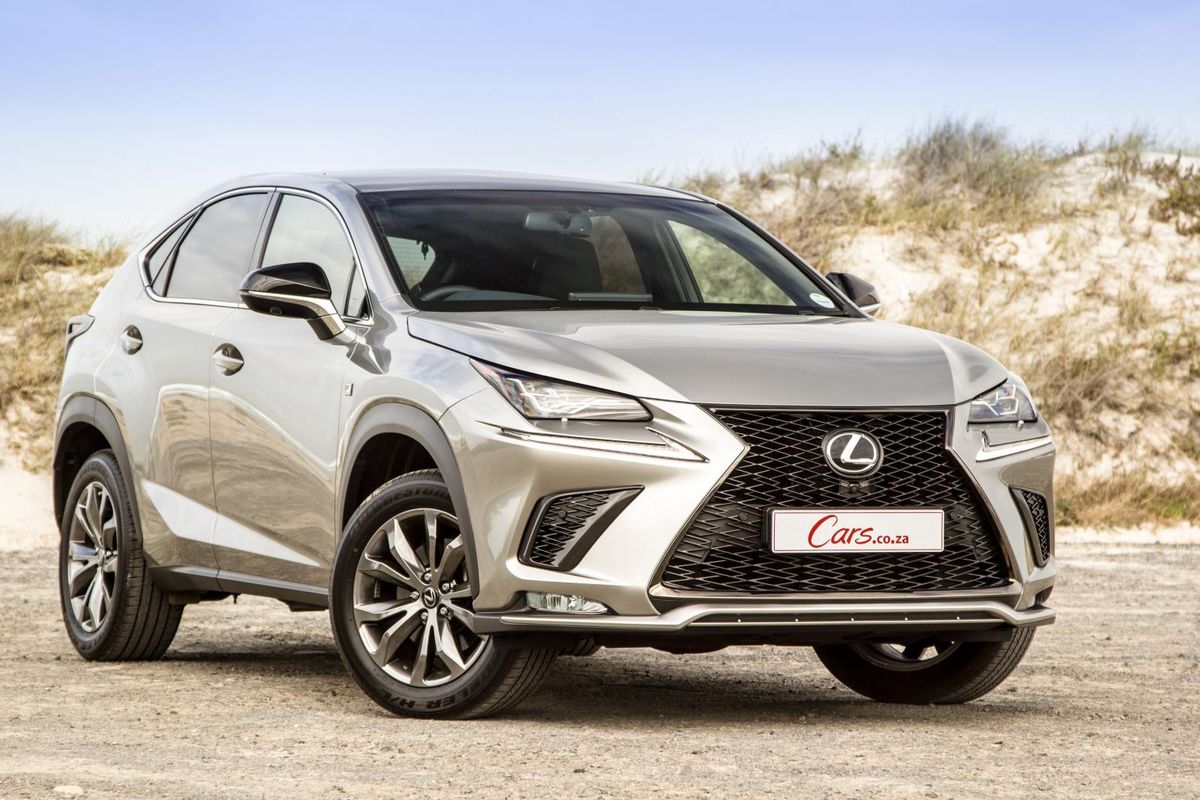
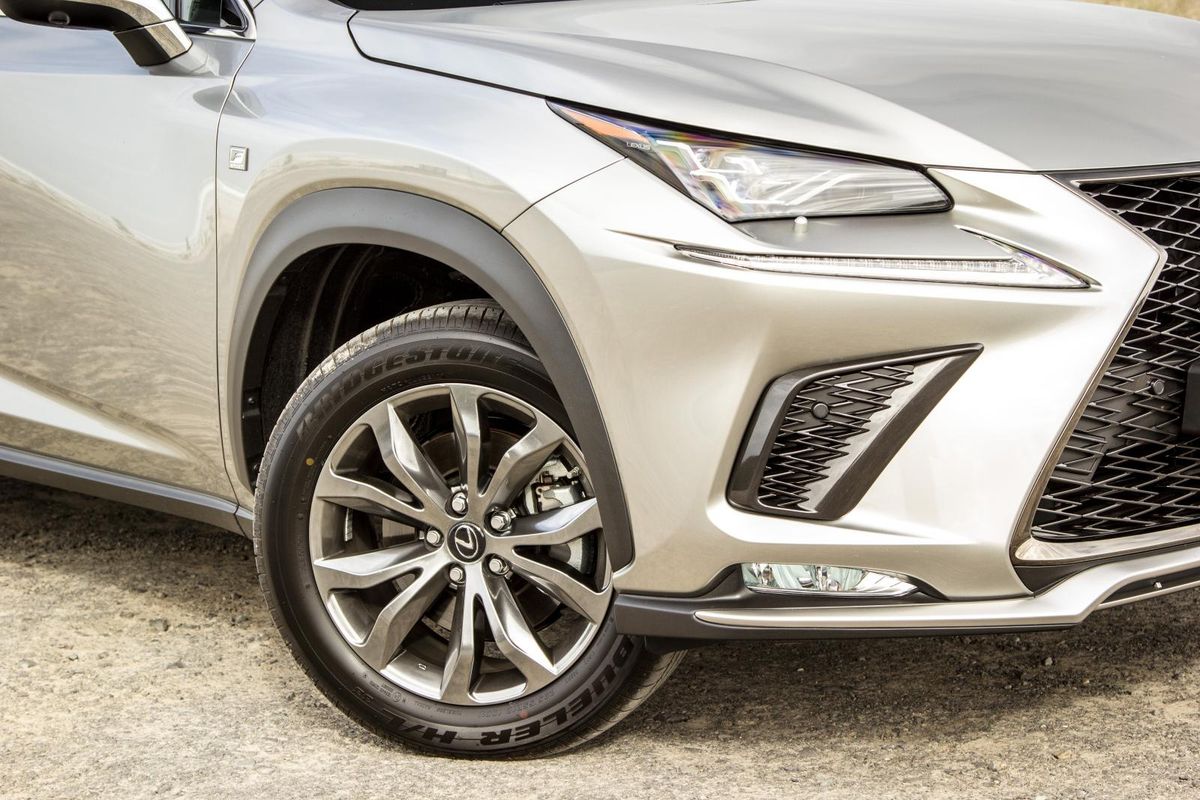
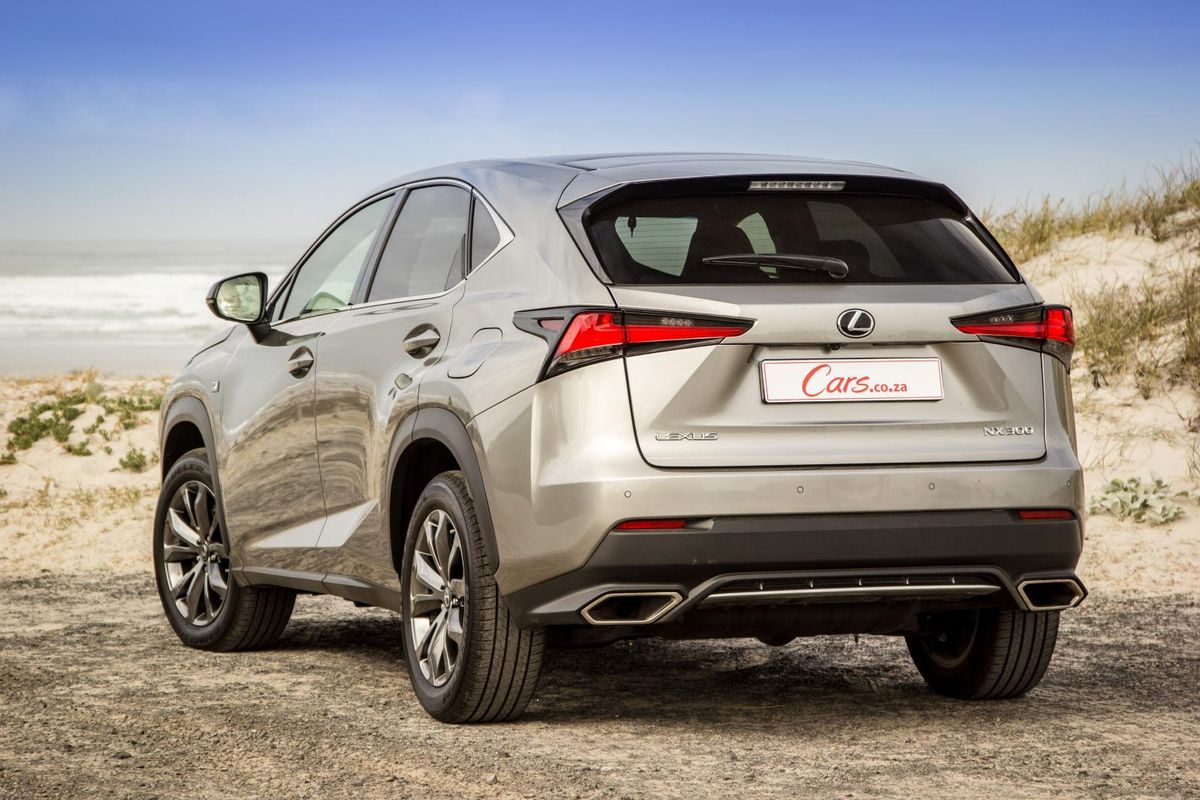
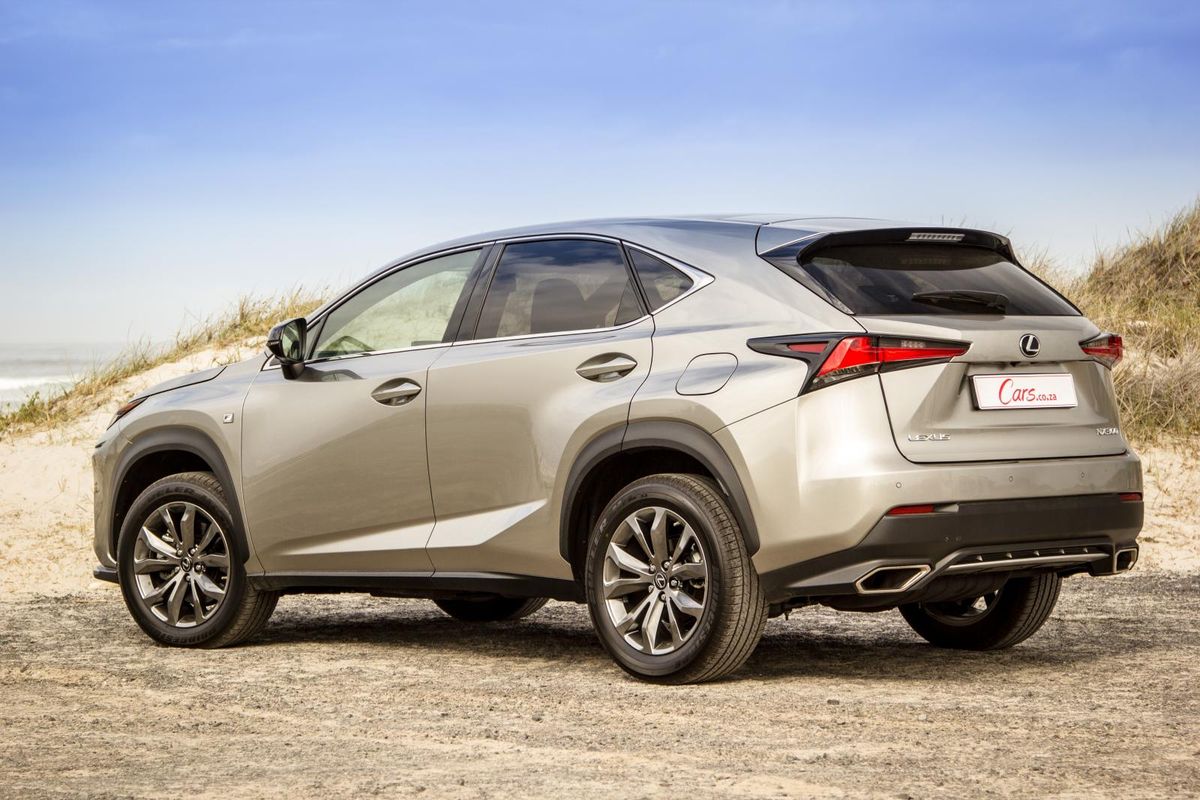
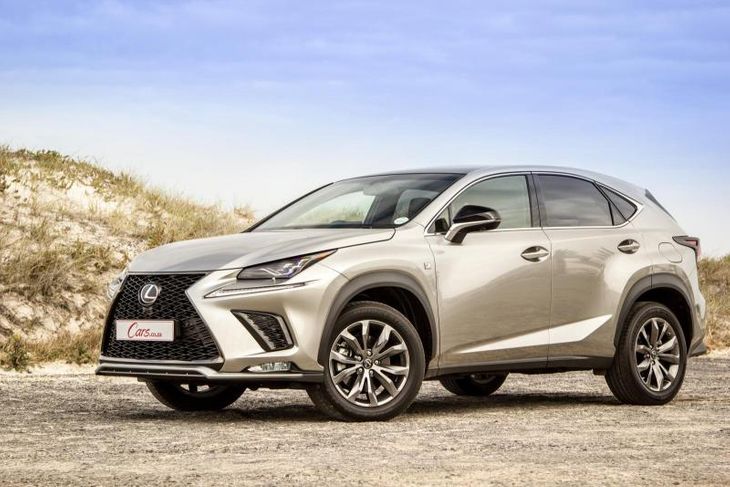
It may not look like but the facelifted Lexus NX has received a slight visual upgrade with new headlights and a redesigned grille
Lexus is a strong brand globally and its portfolio offers credible products to rival the big Germans. However, in South Africa, the brand isn't as popular which means the products really need to be commendable if they're to stand any chance of making a dent in the sales. Given how popular the luxury SUV market is right now, it makes perfect sense to facelift older models and roll out new versions. Lexus has just globally announced the UX – an entry-level baby SUV, while we get a facelifted NX locally.
The Lexus NX is a mid-size luxury SUV which is available in turbo petrol and hybrid application. All models except the entry-level derivative feature all-wheel drive and tested here is the NX300 F Sport. Previously this derivative carried a 200t badging, but Lexus dropped it in favour of badges referencing equivalent power outputs. In this case, 300 means that it produces power equivalent to a 3.0-litre engine.
The Lexus NX300 F-Sport comes with an automatic tailgate
How does it fare in terms of…
Kerb appeal?
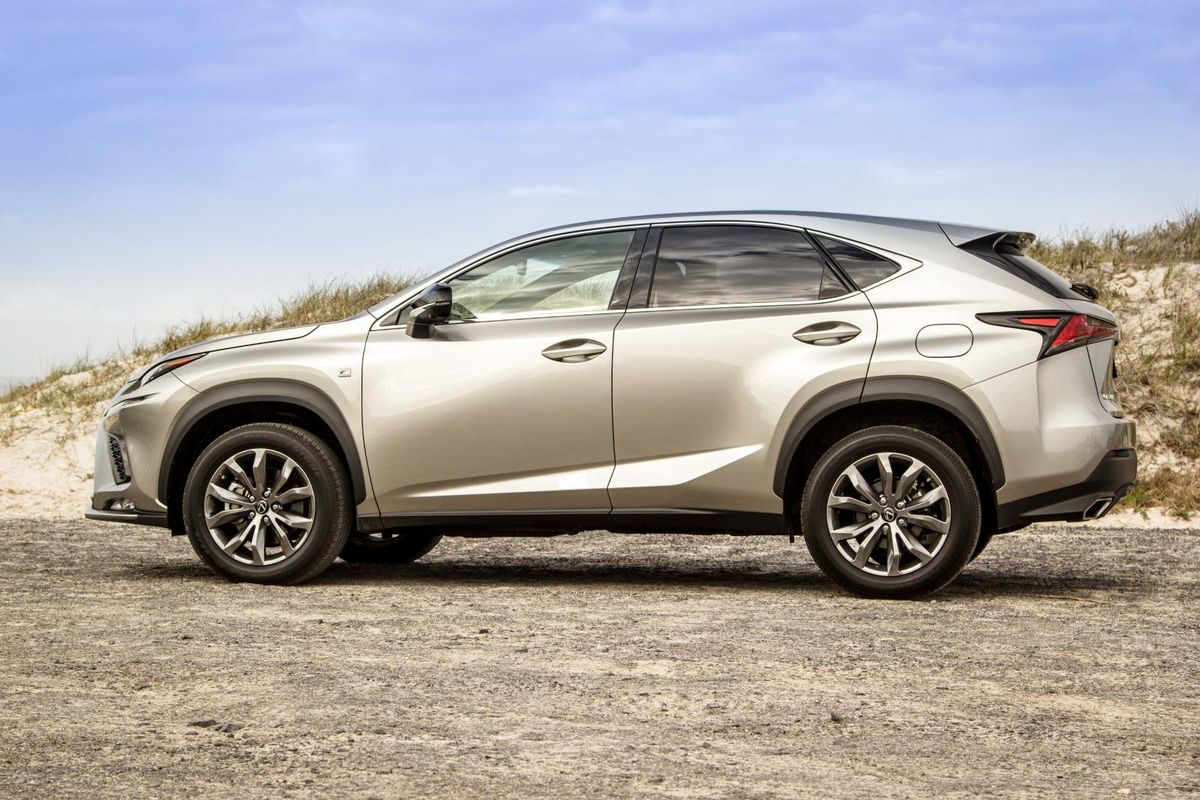
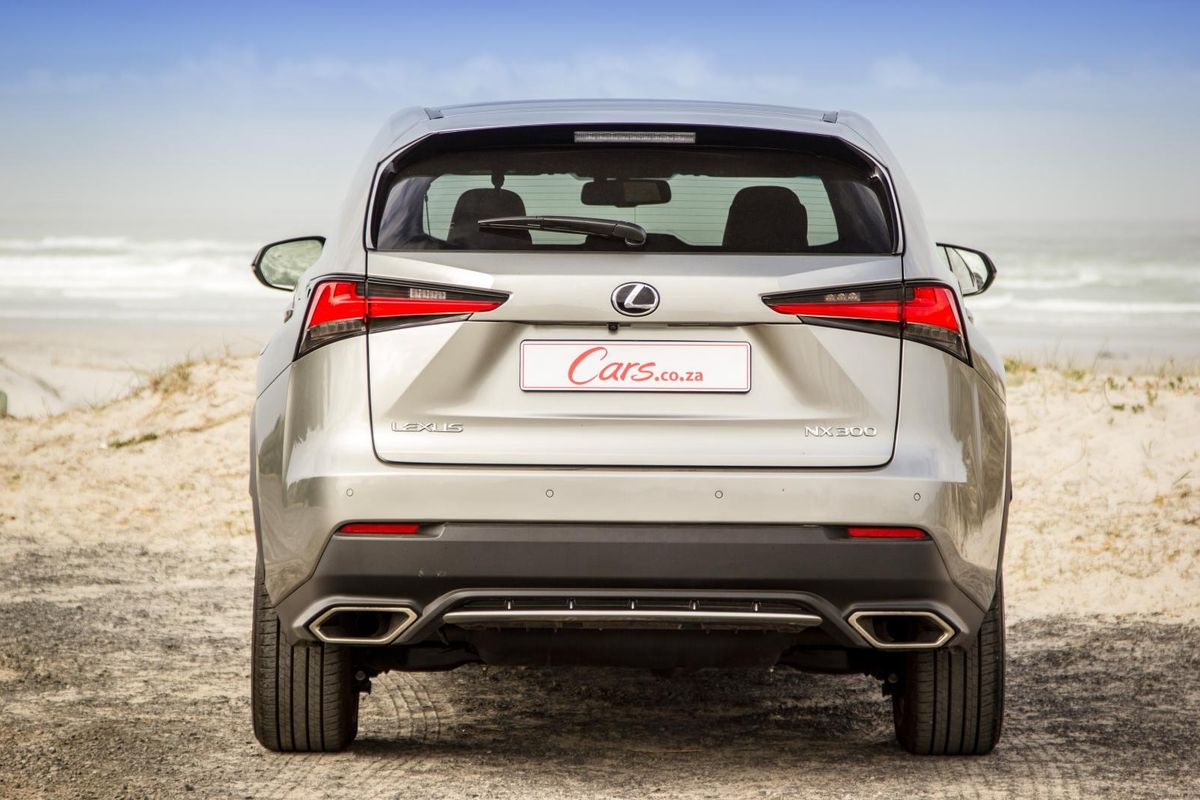
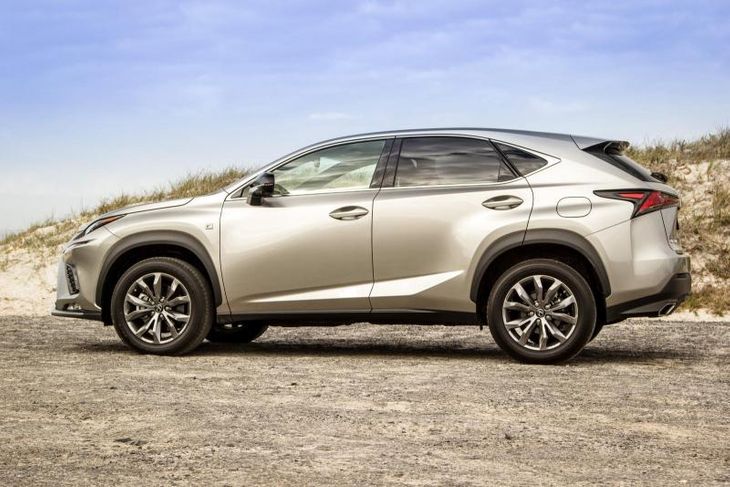
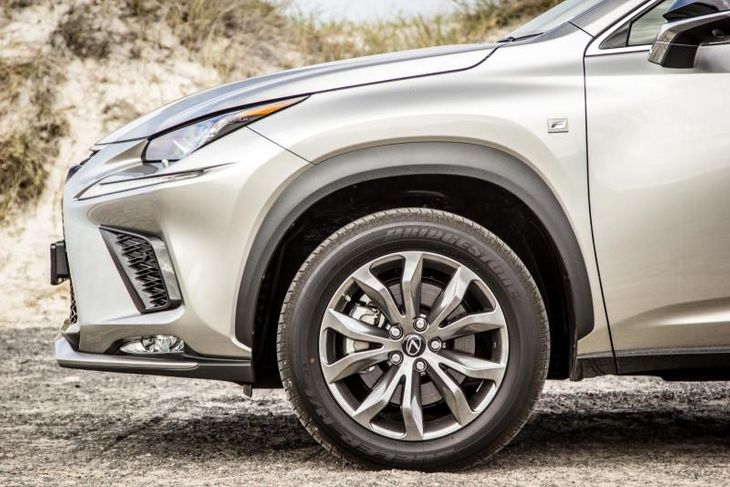
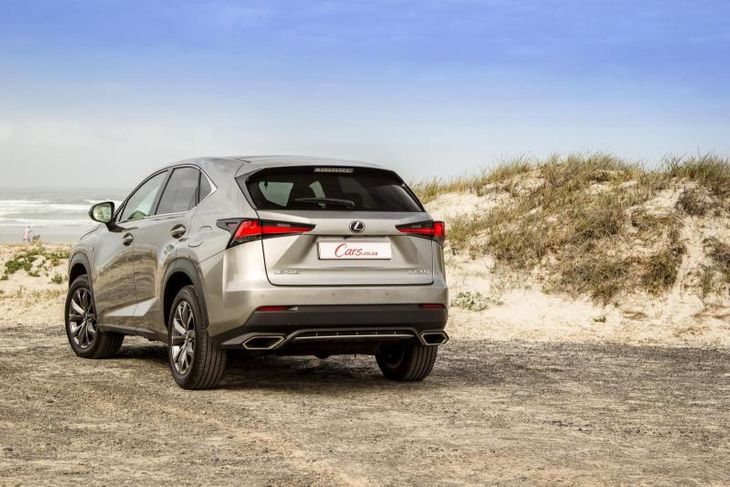
The previous generation Lexus NX was a mixed bag when it came to styling. Our previous test unit was in a military-style dark gunmetal grey and someone in the office said the paint/styling combination reminded them of the F22 Raptor fighter jet. Roll onto 2018 and the facelifted model we have here is clad in a beautiful Sonic Titanium. The F-Sport kit adds some macho elements to the package. At first glance, it's difficult to see what's exactly changed with the new car, but if you look closely, there are new headlights, a redesigned front grille and tweaks to the bumpers. If there was a word to describe the Lexus NX styling, it would be fussy. On the other side the coin with car design becoming more challenging by the day, it's refreshing to see a manufacturer doing something radically different in an effort to stand out.
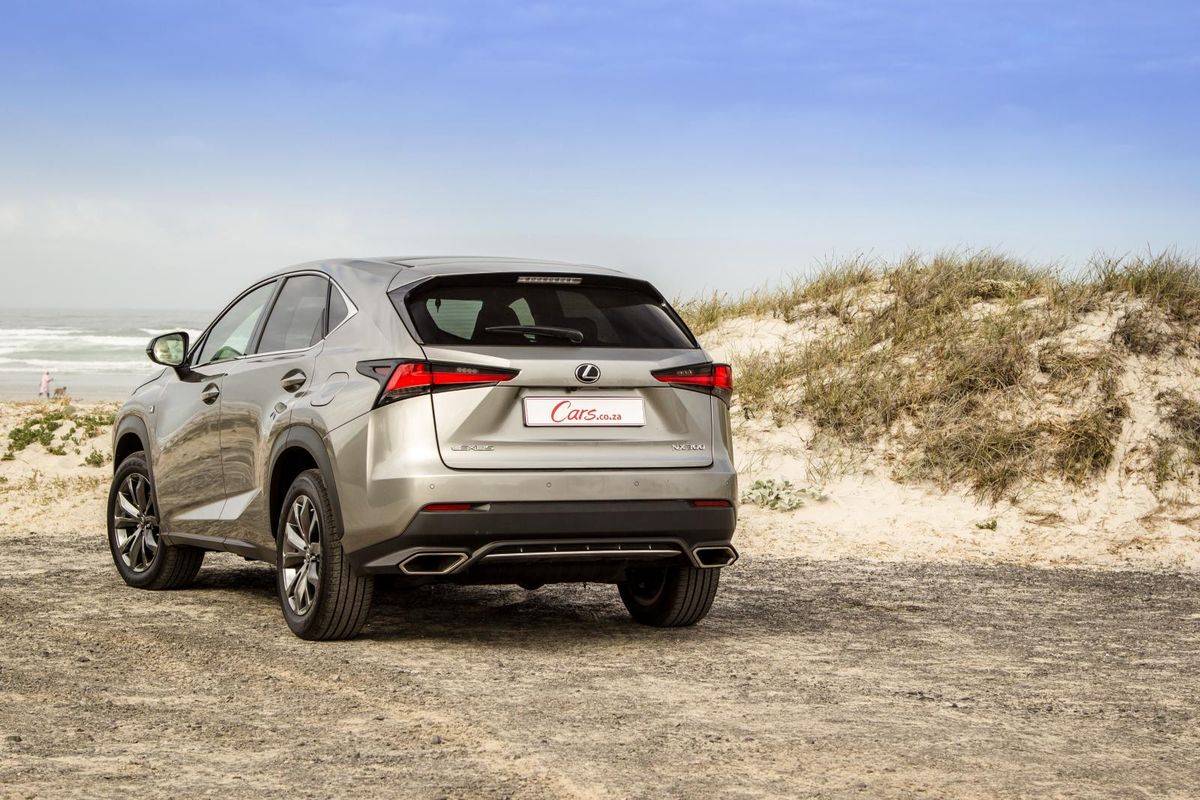
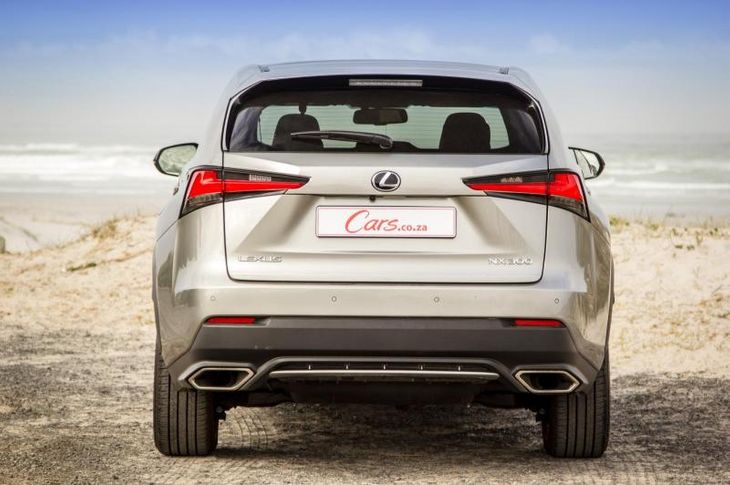
The facelifted Lexus NX loses its 200t badging and gains a 300 nomenclature on the rump
Packaging?
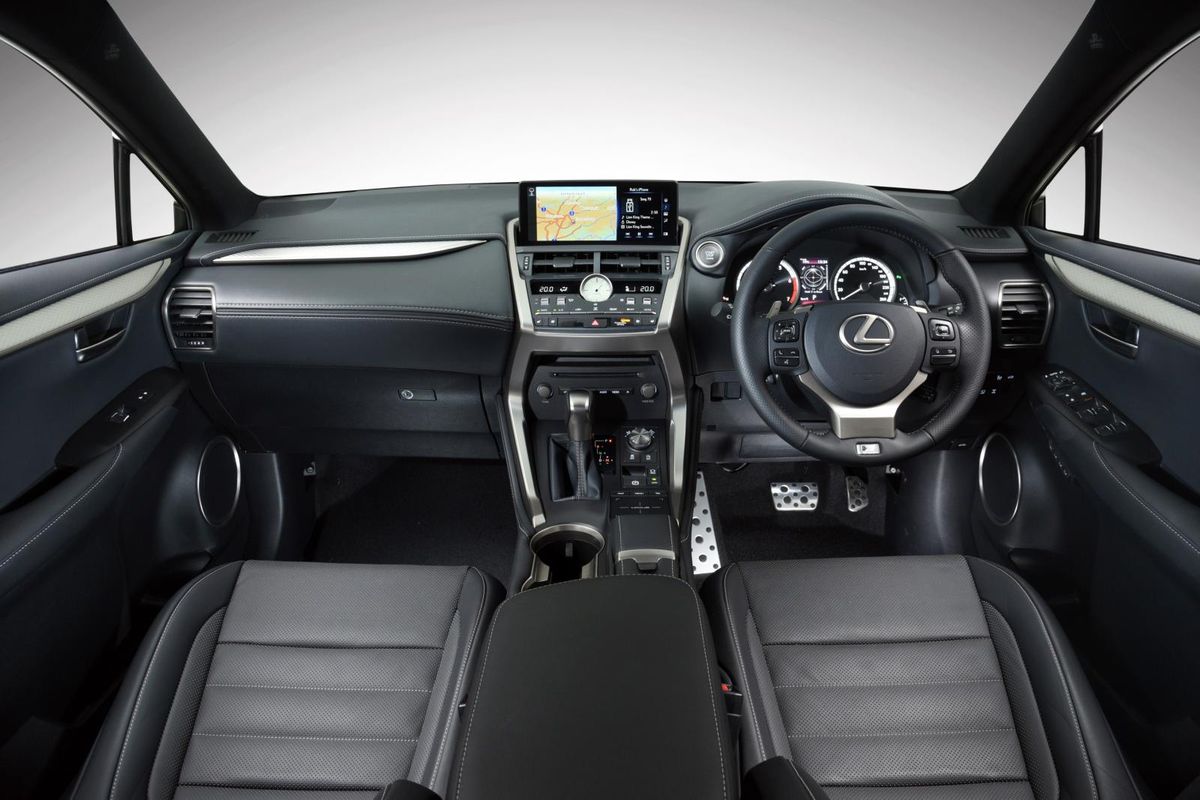
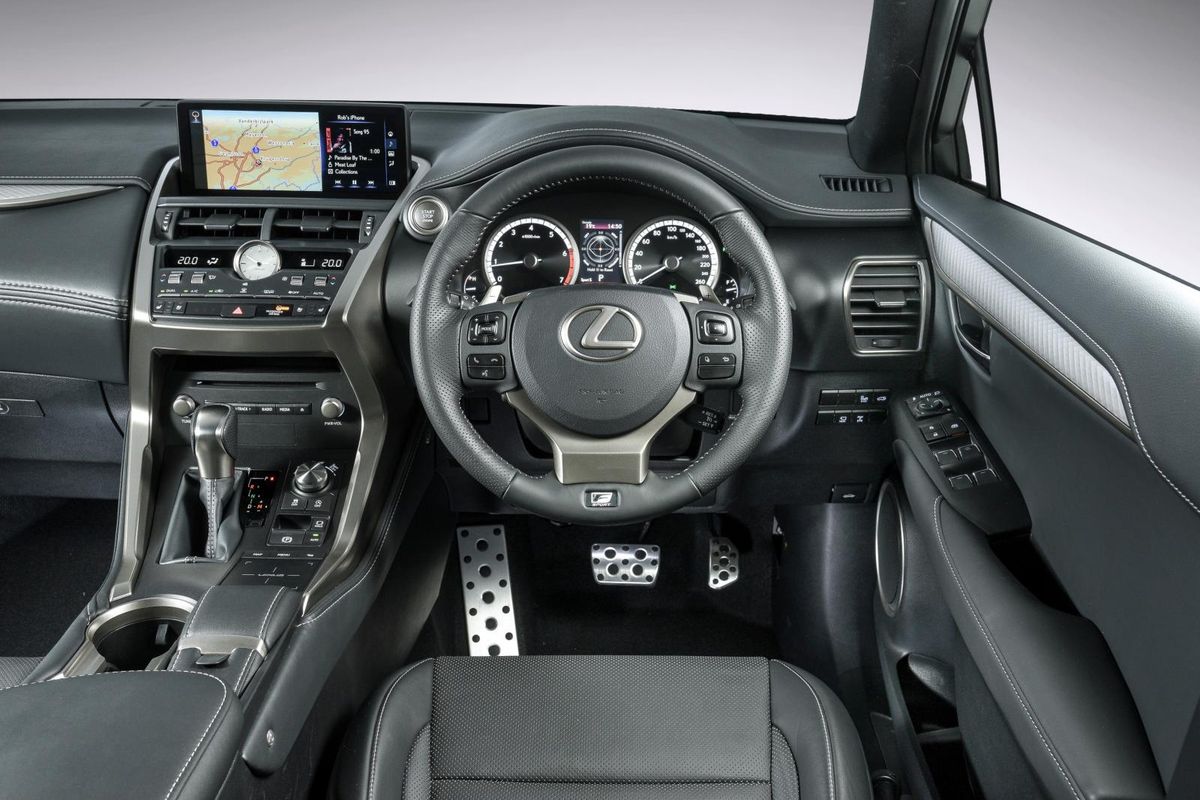
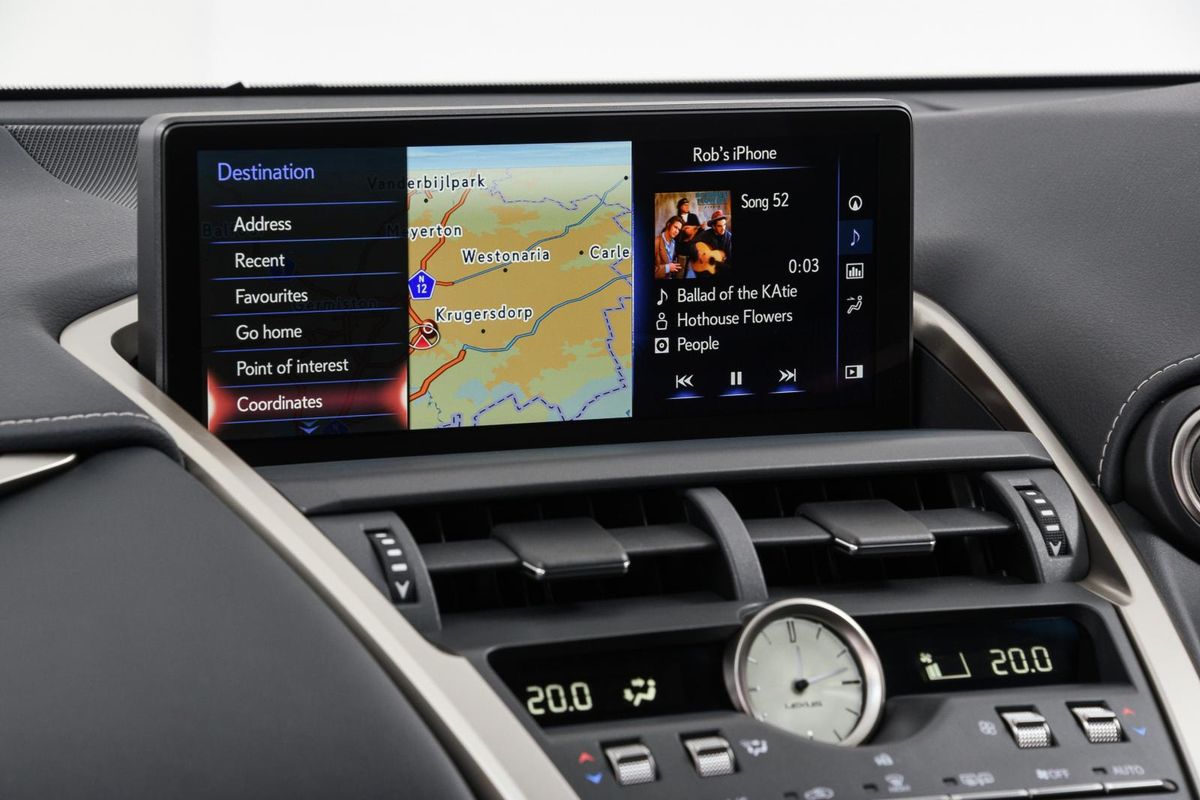
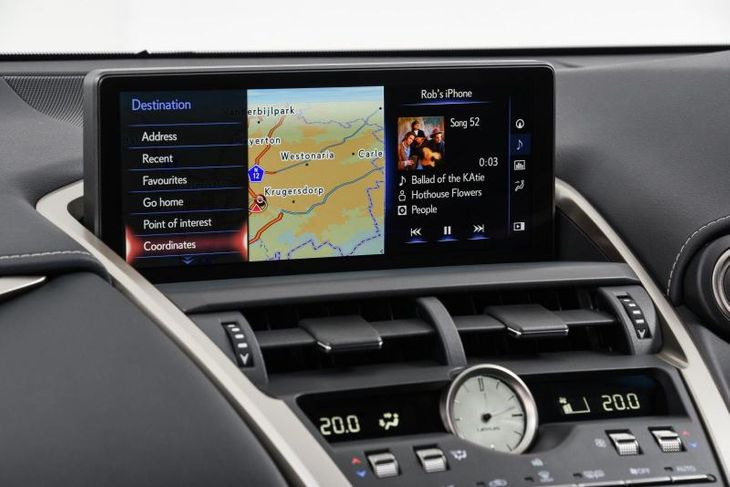
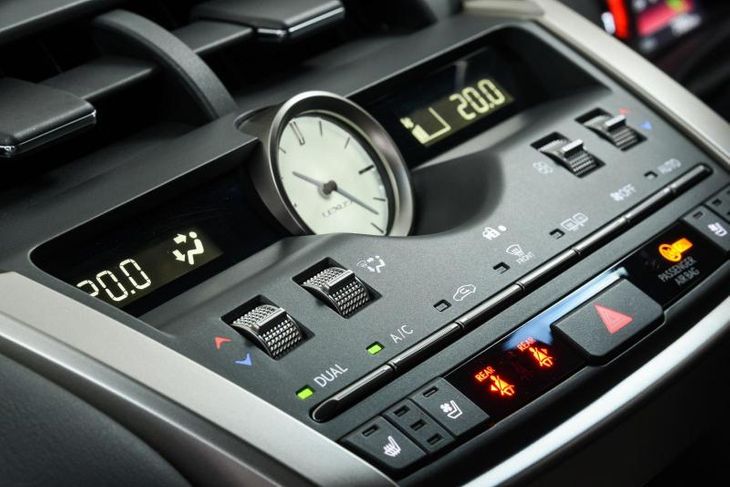
One department where Lexus stands out is cabin quality. There's an all-new 10-3-inch digital screen with excellent resolution, the seats are reassuringly supportive and comfortable and you feel like you're in something that can justify its pricetag. We loved the airconditioned and heated seats – the cooling effect is terrific on a hot summer's day and heated seats in winter are never unwelcome.
There are plenty of little-hiding holes for storage and a wireless charging pad for devices was appreciated. The luaggage bay (with a section of seatback folded down) is cavernous enough to swallow a mountain bike whole. The Lexus, therefore, nails the practicality aspect of things nicely and it was one of its redeeming features.
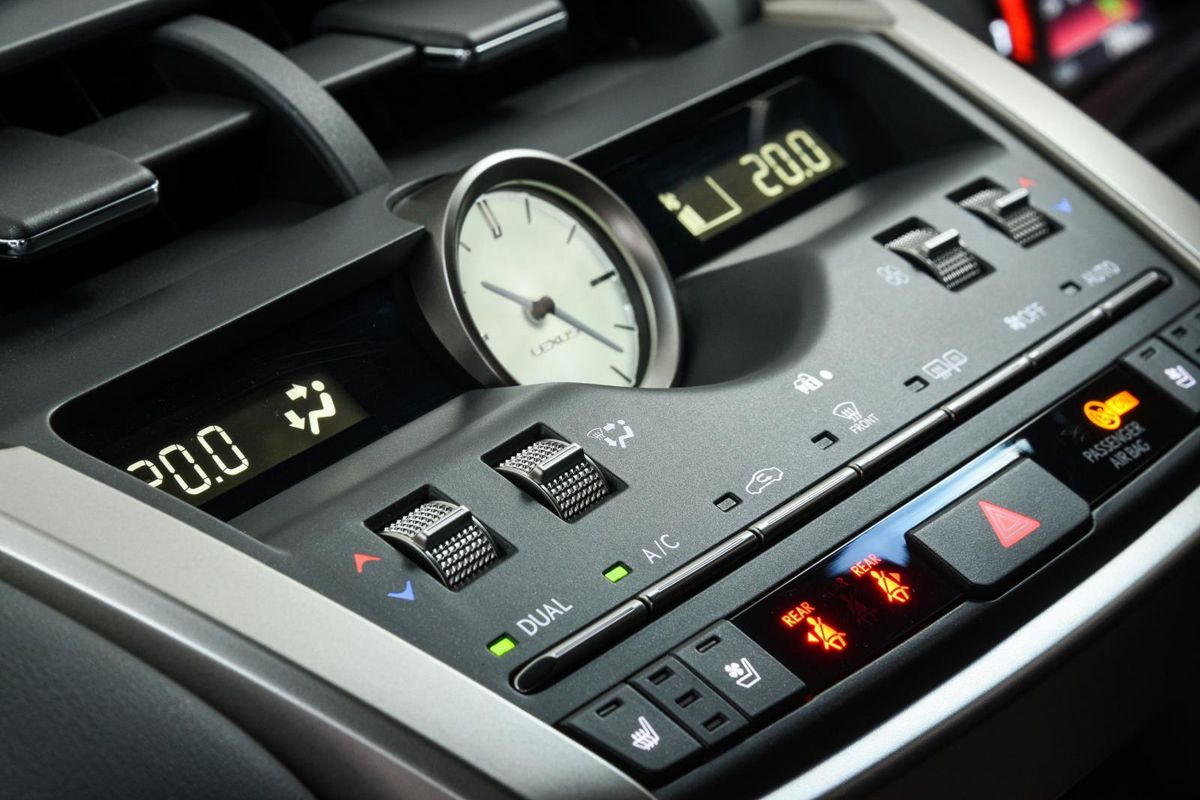
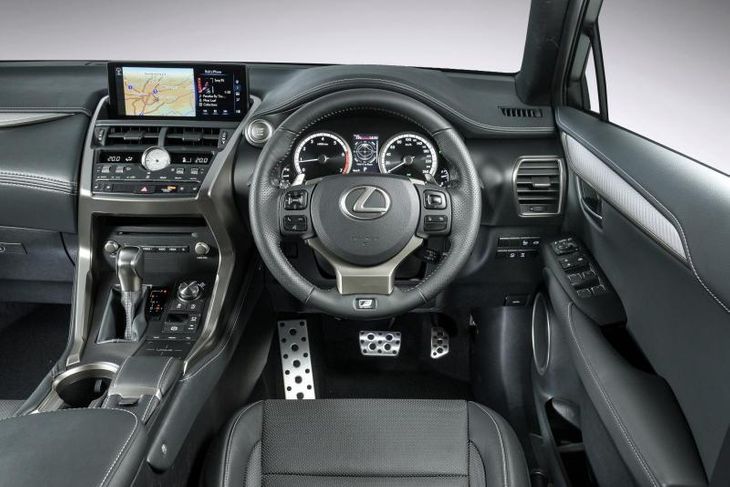
Things go awry when it comes to ergonomics and actually trying to use the infotainment system. It uses a haptic feedback-enabled touchpad system, much like that of a laptop and it doesn't quite have the slick user experience we've come to expect from infotainment systems in modern premium cars. There's no denying the features and quality of the screen is very good, but trying to select a different source of media via the controller was a frustrating experience. On the other side of the coin, if you do land up buying a Lexus NX, you're likely to eventually get the hang of the system.
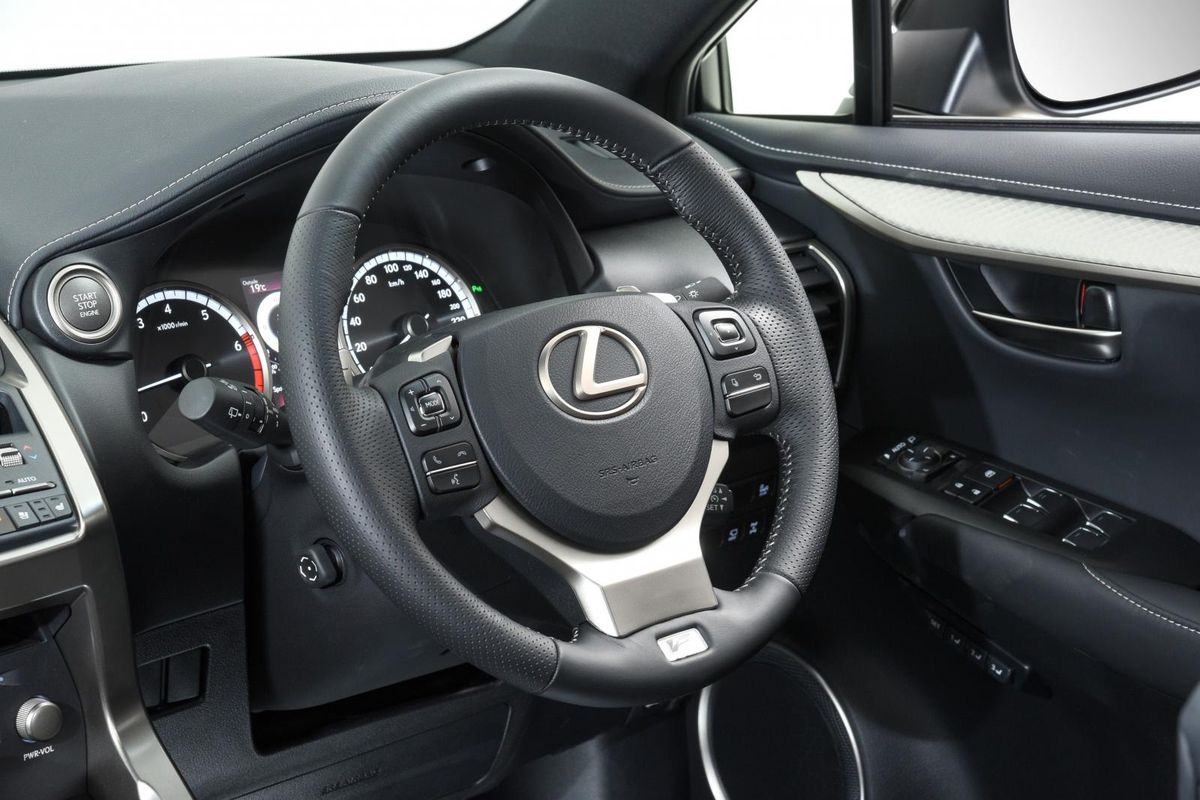
The cabin of the Lexus NX is well assembled but struggles in terms of ergonomics.
Performance, ride and handling?
Despite the negativity around the strangely-designed middle console and complications with the infotainment system, the Lexus NX300 actually happens to ride and drive well. While it may come from the factory with a sporty bodykit and big 18-inch alloy wheels, it doesn't actually feel like it's trying to be a performance hatchback. The ride quality is firm, yes, but hardly unbearable and when the tarmac switches from potholed B-roads to the national highway, you'll appreciate how quiet, smooth and refined the Lexus NX is. Lexus claims that the suspension setup has been recalibrated to reduced body roll and improve comfort, but we couldn't notice anything different.
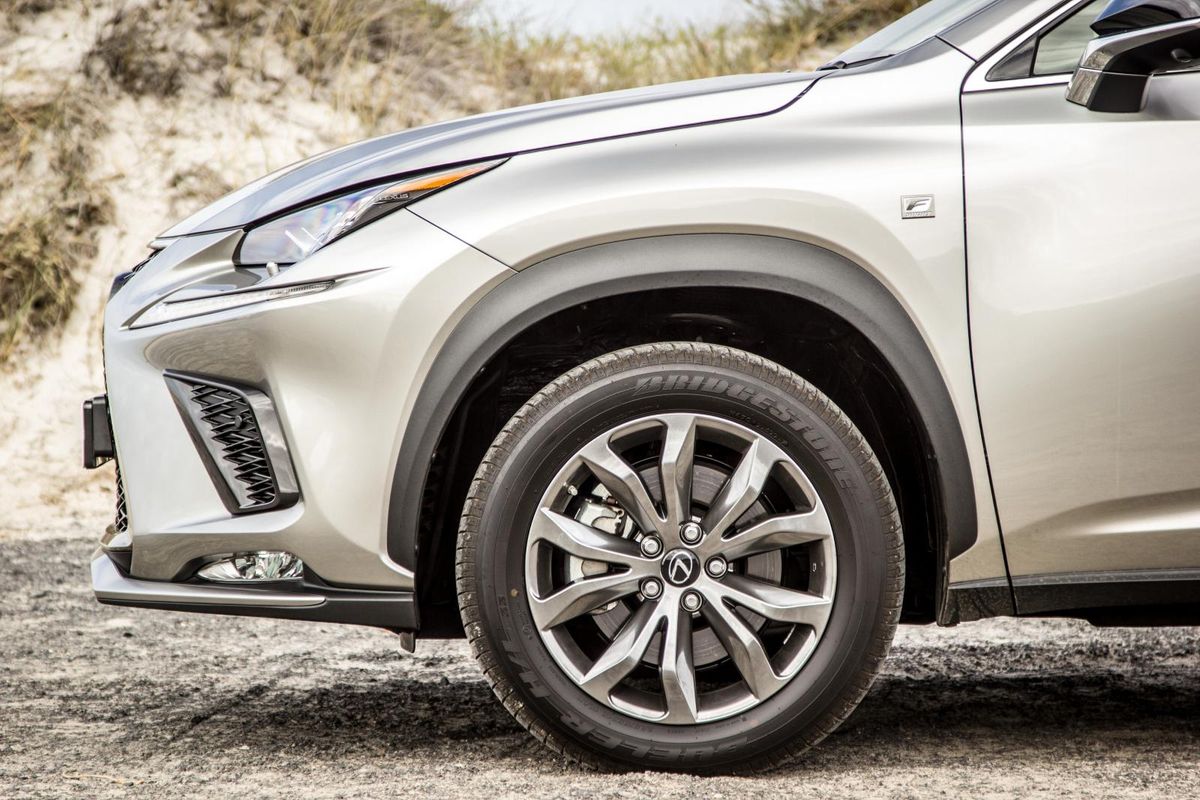
Despite riding on big 18-inch alloy wheels, the ride quality is firm but not uncomfortable. All-wheel drive is a bonus on slippery surfaces.
We tested the Lexus NX across multiple surfaces and thanks to its all-wheel drive capability, we ventured onto some sand. While it's not marketed as a pukka 4×4, the all-wheel drive is a welcome reassurance for driving on sand or even a wet road. There are some driving modes fitted and they alter the character of the car at the twist of a knob. If you're doing the commute, then we suggest Eco, which dulls the responsiveness of the throttle and optimises the car for economy. Normal is self-explanatory, while Sport and Sport+ set the car up for enthusiastic high-speed driving. The throttle becomes extra sensitive and the gearbox more eager to change down a cog or 2.
The engine on duty has been carried over from the previous model and we don't have any complaints about its performance. It's a 2.0-litre turbocharged 4-cylinder petrol mill and with peak outputs of 175 kW and 350 Nm; it has enough shove to keep most people happy. The transmission on duty is a 6-speed automatic and it features shift paddles located behind the steering wheel. These weren't the greatest in terms of prompt responses to inputs and we preferred to leave the 'box to its own devices.
The new infotainment screen is larger than before and the resolution is high enough for excellent clarity
Technology and features?
If there is one redeeming trait that Lexus deserves to be heartily commended for, it's the lofty level of specification of its vehicles. Every Lexus product is packed with features and the facelifted NX is no exception. The vehicle comes standard with climate control, cruise control, tyre pressure monitoring, wireless charging, smart entry, heated & ventilated leather seats, 10-speaker sound system, satellite navigation, automated tailgate and LED headlamps, to name but a few.
In terms of safety, the NX is equipped with ABS with EBD, Brake Assist, Traction Control, Enhanced VSC, Hill-start Assist and Trailer Sway Control. The F-Sport derivative adds bonus features such as a Blind Spot Monitor (BSM) and Rear Cross Traffic Alert (RCTA). RCTA is particularly useful when pulling out of shopping mall parking bays and you can't see oncoming cars.
Heated and cooled leather seats are lovely. The materials used in the cabin are of high quality, but the layout and ergonomics are a letdown
Lexus NX – Price in South Africa
NX300 E – R599 900
NX300 EX – R677 300
NX300 F Sport – R789 700
NX300h EX – R746 700
The Lexus NX is sold with a 3-year/100 000 km warranty. E-grade versions receive a Lexus Distance Plan service plan, EX models – Distance Plan Plus (includes brake components) and F Sport – Distance Plan Complete (full maintenance plan). In addition, customers can upgrade or extend their service/maintenance plan packages via the Lexus dealer network.
Verdict
It's a decent offering from Lexus, but with the competition being so stiff and rivals so many, we can't say the facelifted NX is the new segment leader
The new bits and changes to the Lexus NX300 are incremental, but you're left feeling that not much has changed in comparison to the model we drove back in 2015. The powertrain and all-wheel driveability are good, but the issues we had with the cabin ergonomics weren't addressed and ease of use is average. The Lexus NX does offer the best standard specification in class, but the cabin doesn't quite have that wow factor to match up to the competition. However, it is solidly-built and kudos to the manufacturer are due: the test unit's cabin exhibited no rattles or squeaks.
It's a good executive SUV and if you land up going down this road, it's unlikely you'll be disappointed with the ownership experience. However, this segment is the flavour of the month right now and everyone brand is building a luxury SUV. Jaguar has expanded and built a smaller E-Pace, BMW has introduced the new X3 (and is about to launch the X2 locally) and we suspect that yet another Mercedes-Benz SUV is about to roll out of Stuttgart. Even the passionate Italians at Alfa Romeo have had a go and created the Stelvio and it's a solid product.The competition in this segment is inordinately tough and the Lexus doesn't quite have what it takes to be a segment leader. Is it the worst of the bunch? No, not at all – it just requires a test drive… and leap of faith. With some strategic thinking, the forthcoming UX baby SUV could be a winner.
Renault adds an automatic model to its Kwid range. The budget-beating hatch/crossover now has 3 models to choose from.
The Renault Kwid has been labelled a success by those inside Renault SA. Some 10 000 Kwids have been sold since it went on sale at the back end of 2016. The new automatic model will top off the range making it 3 models to choose from – Expression, Dynamique and Dynamique AMT (automatic).
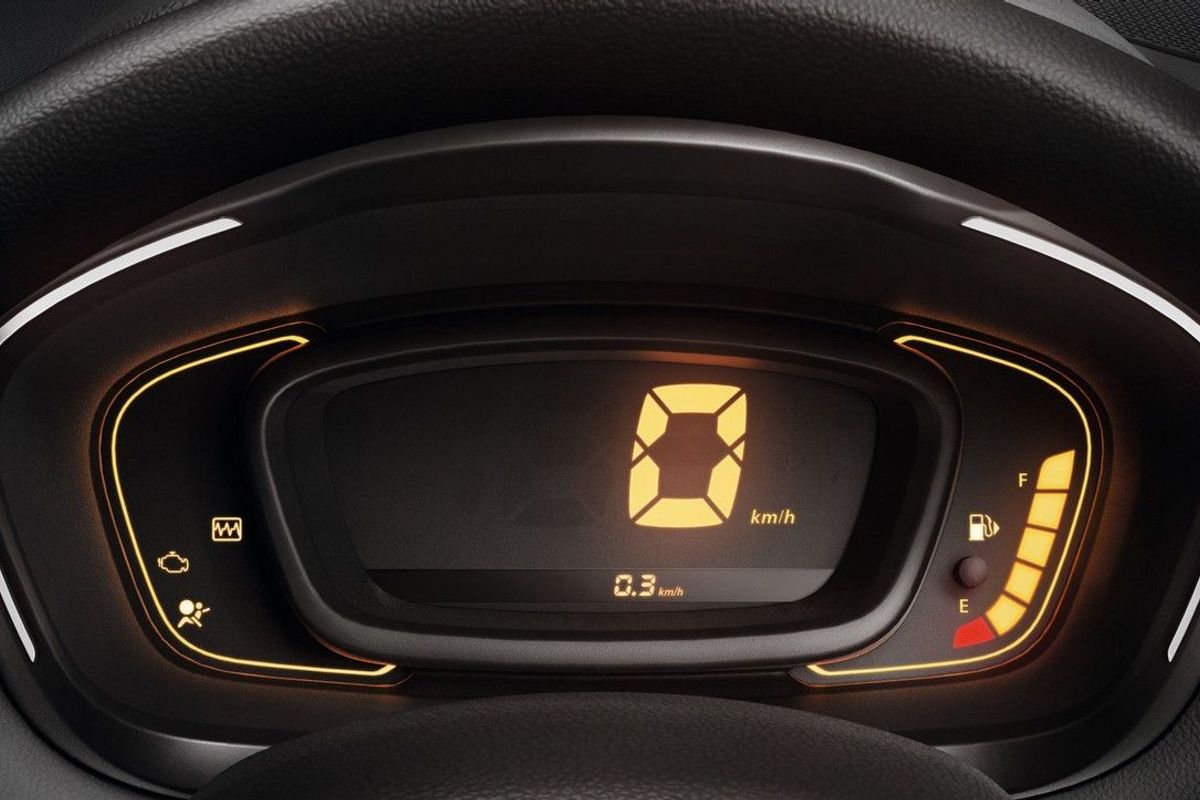
The Kwid auto carries over the spec from the current Dynamique, meaning it has nifty connectivity features such as 7-inch touchscreen infotainment with navigation, USB and auxillary audio inputs.
On the safety front, there still isn't much on offer. A driver's airbag is the sum total of safety equipment; ABS, traction control and more airbags are still not available.
The engine for the auto model remains the same with the 1.0-litre naturally aspirated 3-cylinder managing 50 kW and 91 Nm of torque. Fuel efficiency for the automatic variant improves from 4.7 L/100 km to 4.4 L/100 km.
The AMT model (automated manual) is a 5-speed variant and if our experience with these gearboxes is anything to go by it could be quite clunky and particularly jerky to drive. We should have a full report on the drive tomorrow, look out for that.
Pricing
NEW Renault KWID Expression 1.0-litre SCe R 126 900
NEW Renault KWID Dynamique 1.0-litre SCe R 136 900
NEW Renault KWID Dynamique AMT 1.0-litre SCe R 146 900
The top 3 finalists in the prestigious World Car of the Year awards programme have been announced, and it's an SUV-fest. Have a look at those in line to drive away with the world's most coveted motoring awards below.
Selected by a high-profile jury consisting of 82 of the world's motoring journalists, including Cars.co.za's Hannes Oosthuizen, the only South African on the panel, the final 3 vehicles in contention for the overall title are the Range Rover Velar, Mazda CX-5 and Volvo XC60.
"I'm fortunate to have driven all 3 of these vehicles and I think, for varying reasons, it's a solid selection, though the addition of a Kia Stinger or Alfa Romeo Giulia could have added more variety," says Oosthuizen. "Nevertheless, SUVs and crossovers are what the world markets want, so the top 3 are certainly in line with consumer trends." The Mazda CX-5, in 2.5 Individual form, also recently drove away with the Family Car of the Year trophy in the Cars.co.za Consumer Awards – Powered by WesBank. Interestingly the SUVs are also starting to appear in the Luxury and Design segments of the awards programme.
The judges are only allowed to score vehicles they have driven, and award points in sections labelled Value, Safety, Environment, Emotional Appeal, Market Significance etc. The final winners will be announced on 28 March at the New York International Autoshow.
Have a look at our video reviews on the 3 finalists
Range Rover Velar
Volvo XC60
Mazda CX-5
Other categories
The World Car of the Year programme has several other categories, too, including for Performance Car of the Year, where the 3 finalists are; Honda Civic Type R, BMW M5 and Lexus LC 500. In the World Luxury Car category the Audi A8 will be joined by 2 Porsches, the new Panamera and Cayenne, in the title fight. The World Urban Car title will be hotly contested by the new VW Polo, Ford Fiesta and Suzuki Swift.
The World Car Design of the Year title will go to one of the following; Lexus LC 500, Range Rover Velar or Volvo XC60. And, finally, the World Green Car battle will be between the Nissan LEAF, BMW 530e iPerformance and Chrysler Pacifica hybrid.
BMW X3 xDrive30d M Sport sports-auto (2018) Review
BMW’s X models are hugely popular, but the X3, of which the new generation is produced in South Africa, has suffered from middle-child syndrome in previous iterations. Does the newcomer offer enough personality and all-round prowess to match the lauded Audi Q5, award-winning Mercedes-Benz GLC, underrated Lexus NX, sporty Jaguar F-PACE and alluring Alfa Romeo Stelvio? Read on.
We like: Eye-catching looks, improved spaciousness, smart interior, ride/handling balance
We don’t like: Looks a little bulky from some angles, lower-dash plastics, expensive options
Alternatives:
One of Audi’s finest: The Q5 is a top-selling SUV in the Ingolstadt-based brand’s stable and the latest version impresses as a well-finished product that exudes refinement. Sadly a limited line-up of derivatives in SA sees Audi offer no direct rival to the 3.0-litre turbodiesel under the X3’s bonnet.
Sinuous feline: The Jaguar F-PACE has reinvigorated the Coventrian brand’s product offering and apart from its fashionable garb, the 30d version offers more power and torque than the Bimmer, although selecting a comparable R-Sport specification will push the asking price past a million.
The award-winner: The Mercedes-Benz GLC 250d 4Matic AMG Line won the 2017/18 #CarsAwards Executive SUV title courtesy of its prestigious image, smart interior and willing performance. Price wise, the 350d GLC350d 4Matic AMG Line is a close match for the xDrive30d M Sport.
Petrol-powered rivals: The Alfa Romeo Stelvio 2.0T First Edition Q4 (206 kW/400 Nm) and Porsche Macan S (350 kW/460 Nm) offer spirited 2.0- and 3.0-litre powerplants and captivating dynamics, even though neither can match the BMW’s for on-board technology. The Lexus NX 300 F-Sport is well specified and looks good value by comparison, but perhaps lacks the requisite star appeal.
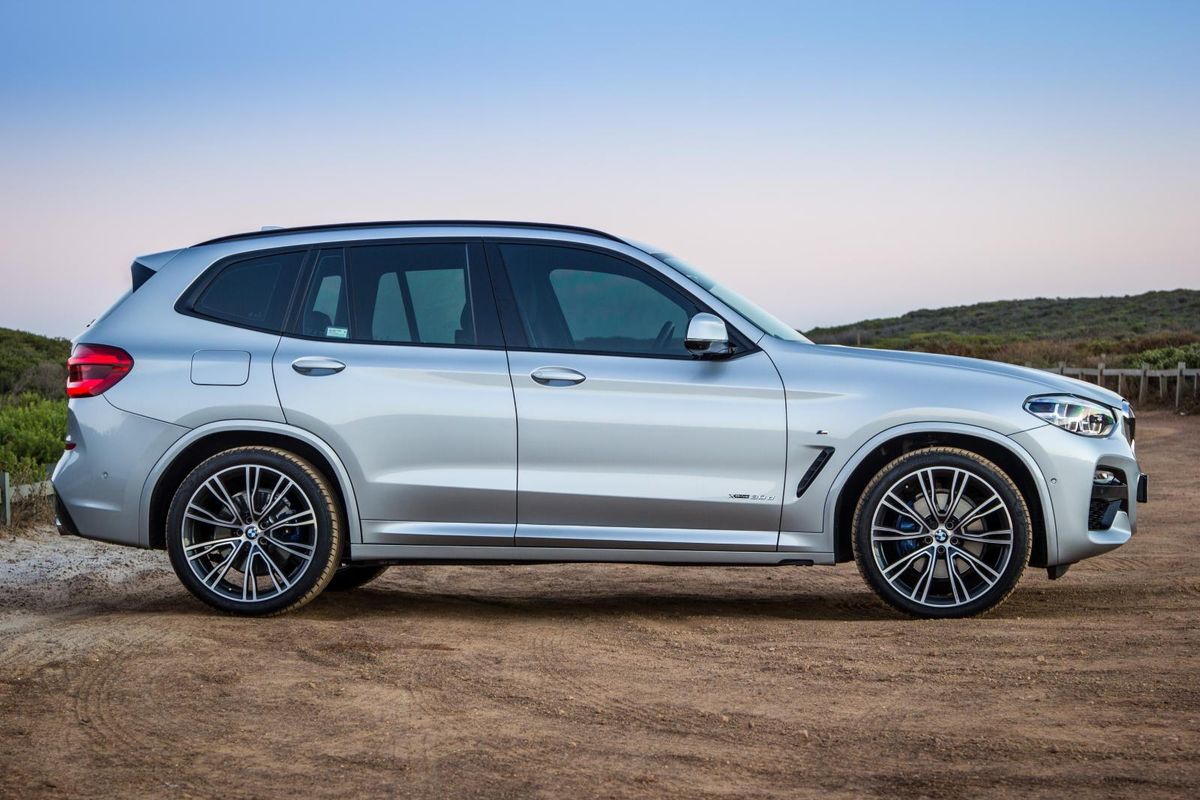
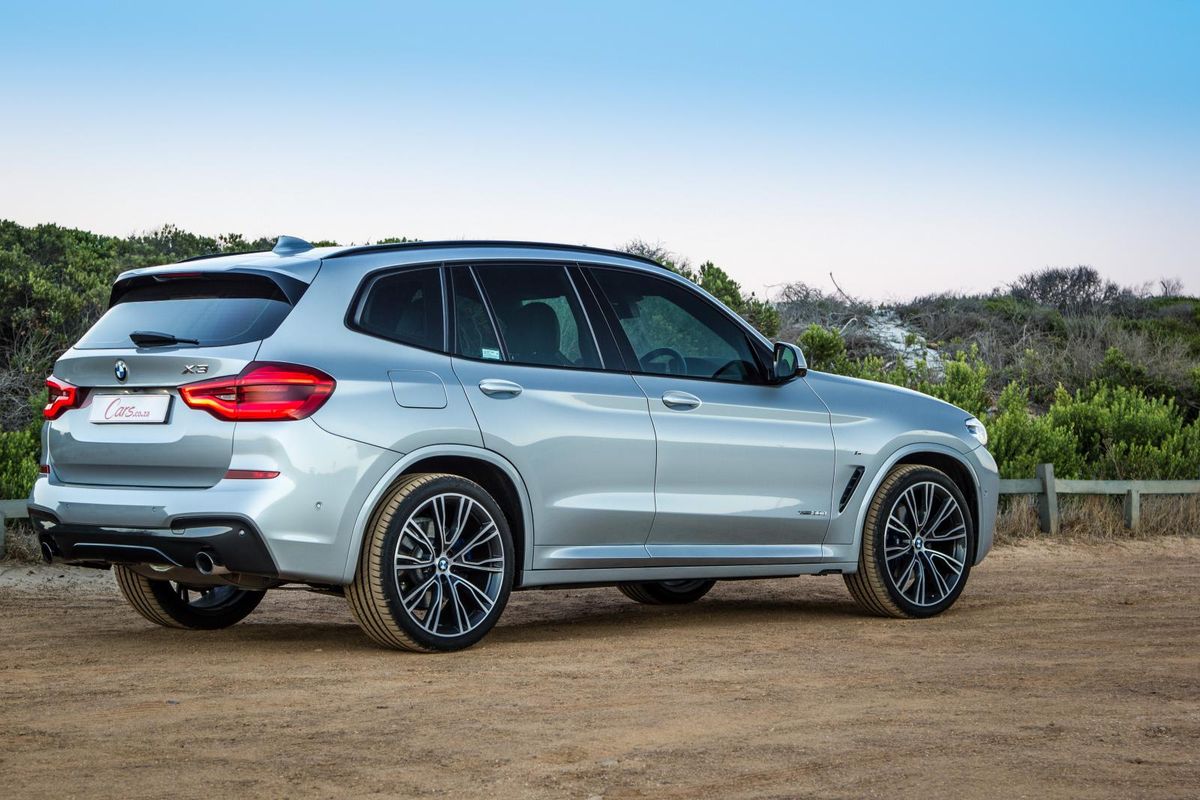
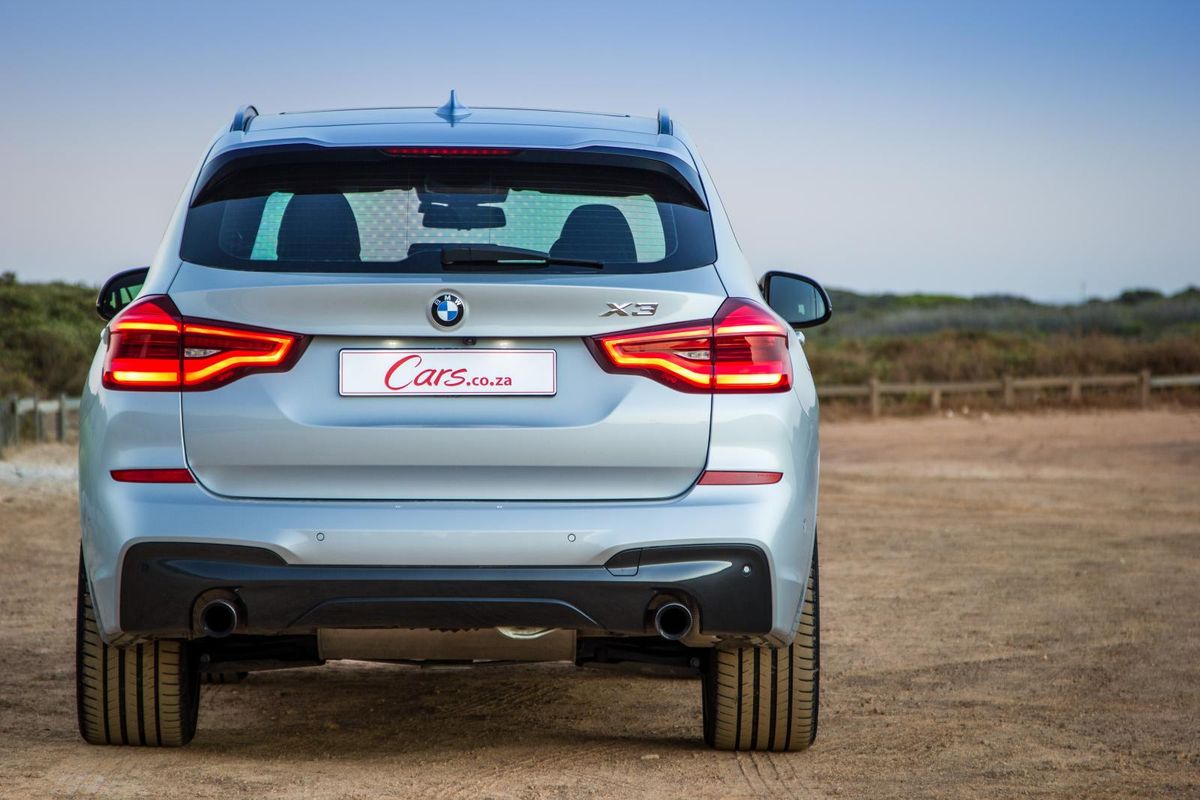
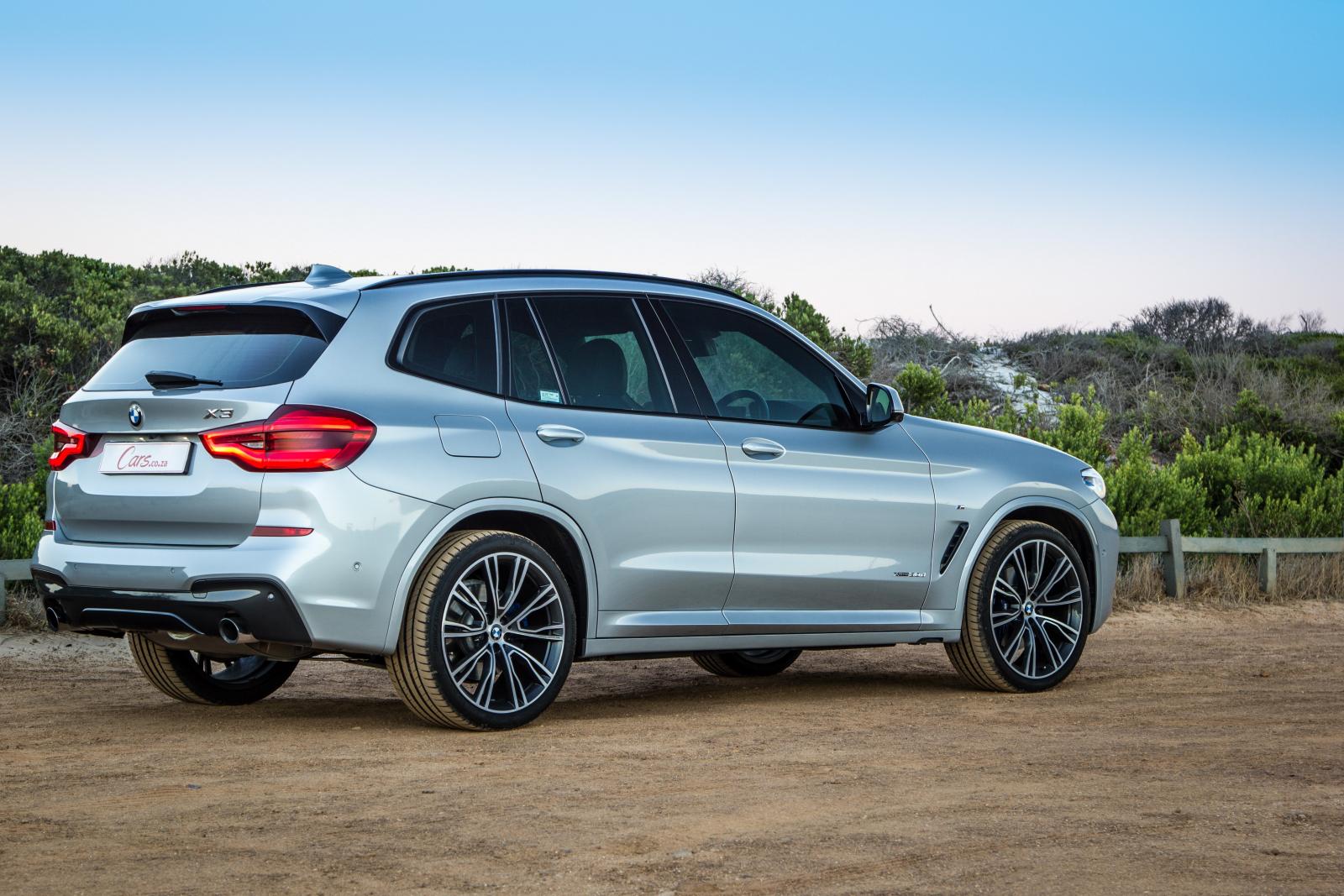
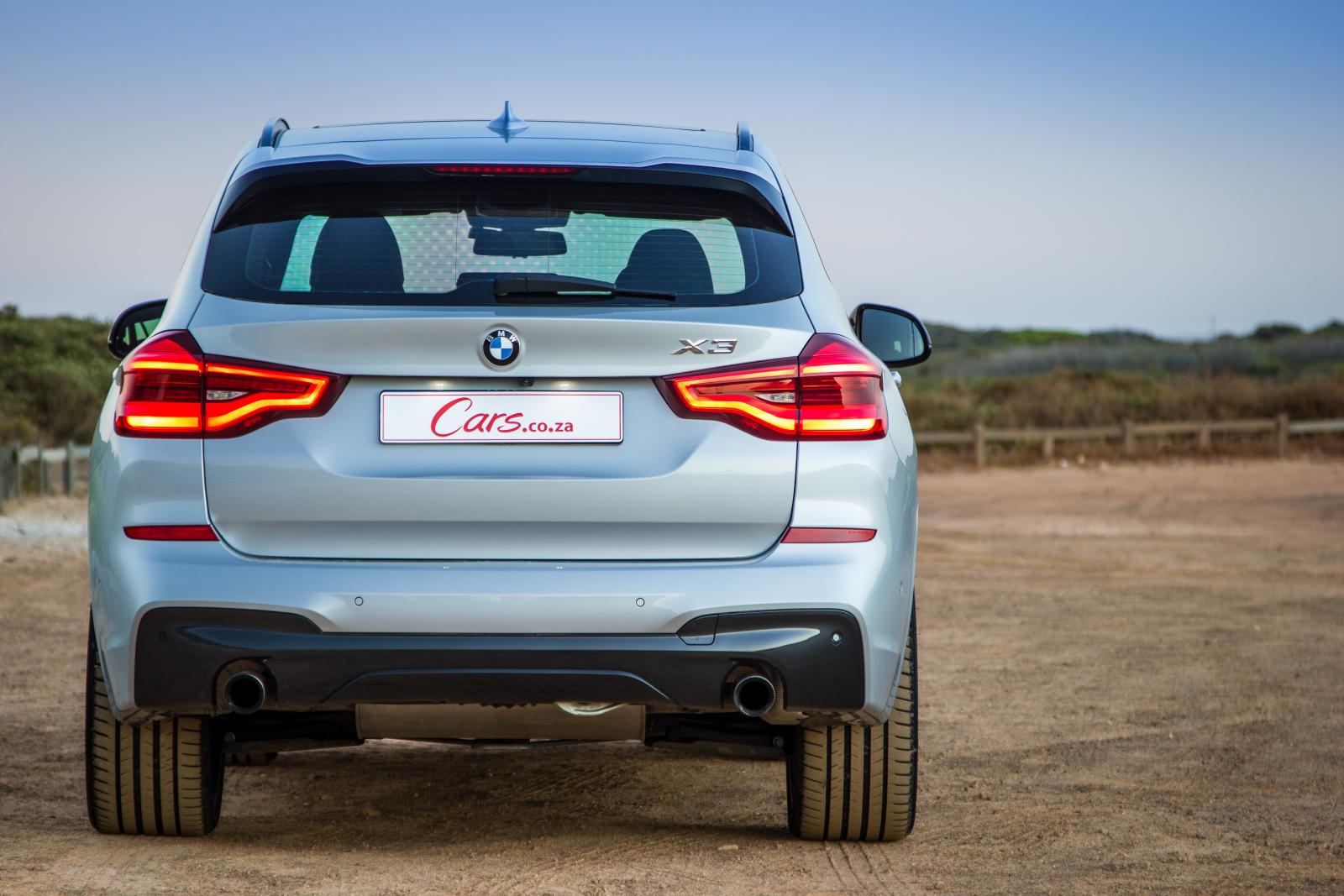
Given the abundance of sheetmetal to the rear of the X3, the M Sport aerodynamic kit added just enough contrast and visual balance.
What is it?
On the face of it, BMW has not changed much with its X3 recipe, but Munich’s Executive SUV is now notably based on the scalable lighter and stiffer CLAR platform (first introduced on the 7 Series, followed by the 5 Series and 6 Series GT), its wheelbase has grown by 54 mm and the entire car is 78 mm longer than before. The range’s engine lineup consists 2.0-litre four- and 3.0-litre straight six turbopetrol and turbodiesel powerplants, with an xDrive 20i derivative in the pipeline too.
BMW realised a weight saving of 55 kg through the introduction of aluminium doors/bonnet and the utilisation of high-tensile in the floorpan and the newcomer’s extra dimensions bear out in the long bonnet, increased rear accommodation and sizeable luggage area. As a mid-sized luxury family car, the X3 appears to have come of age.
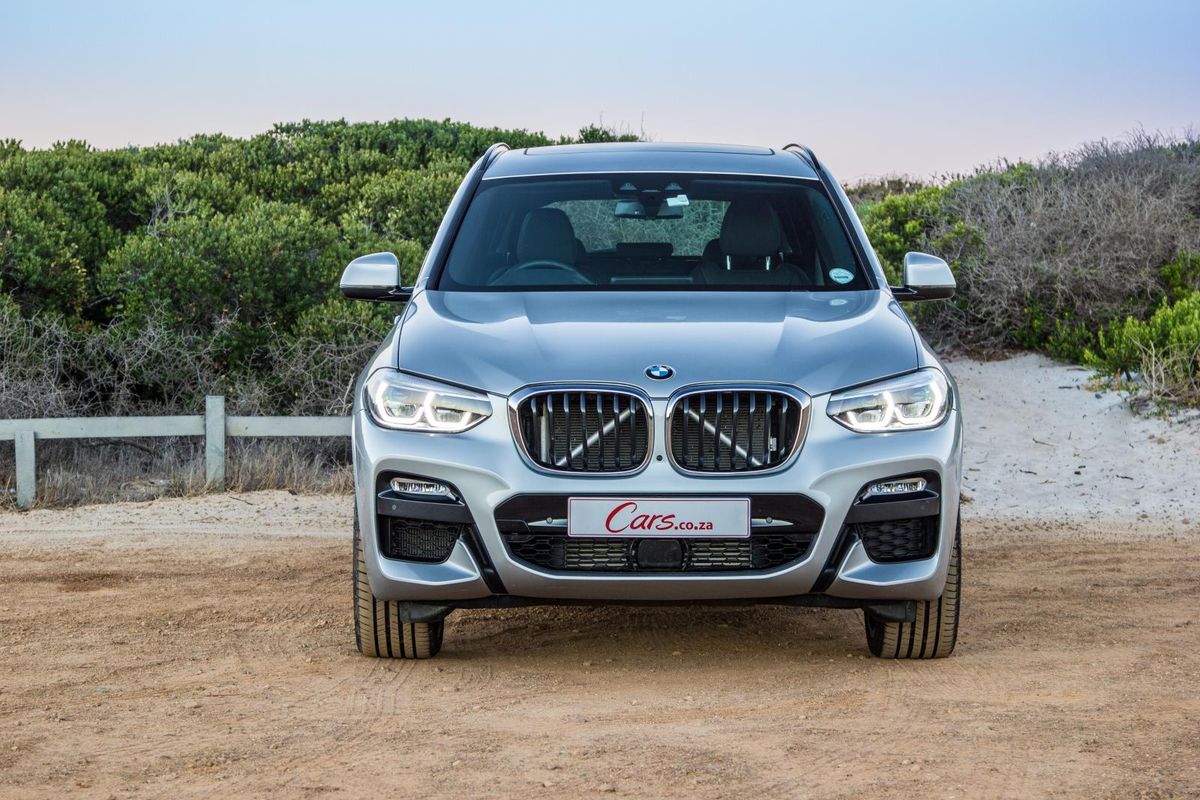
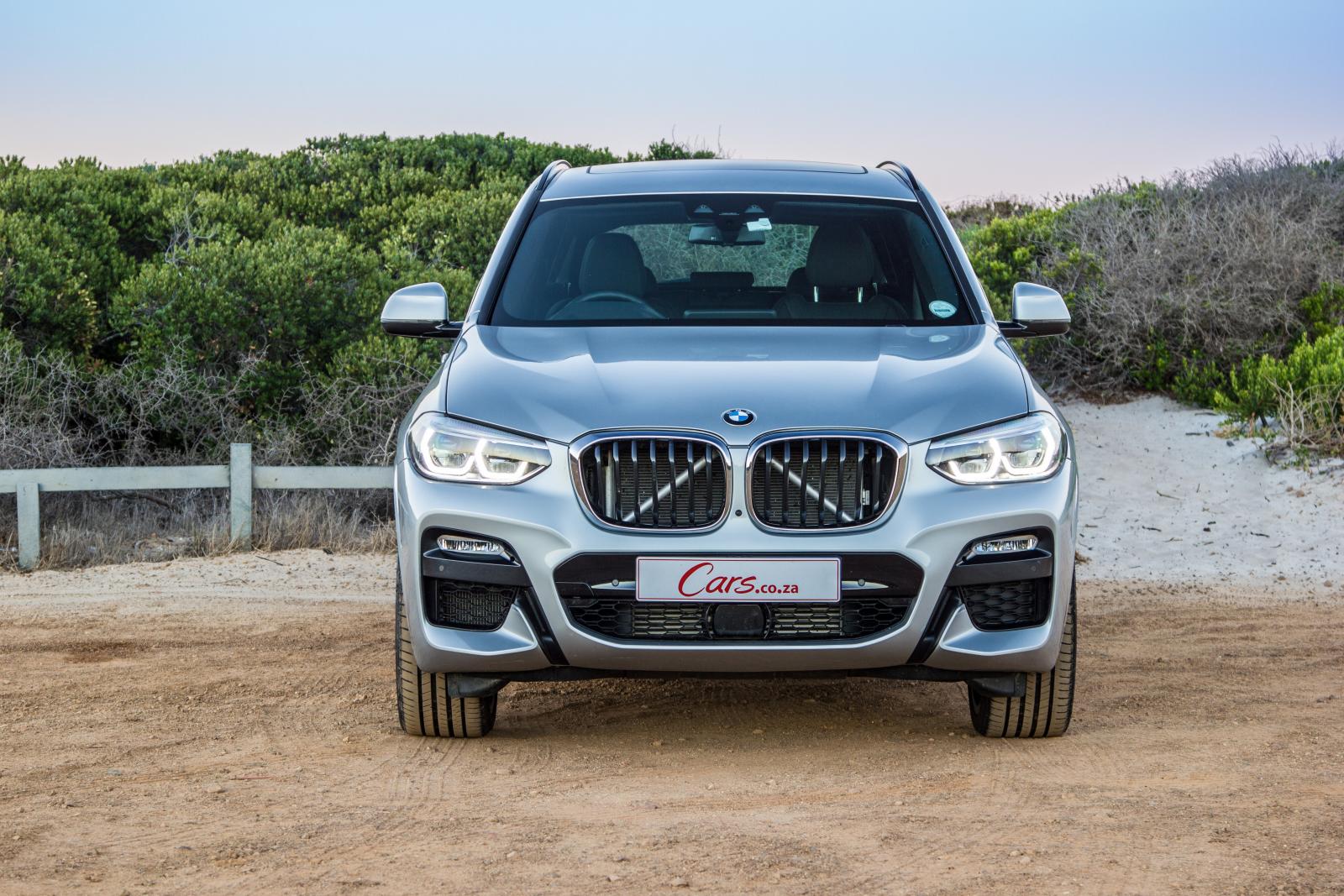
The jury is still out on the aesthetic success of the large kidney grilles or "flared nostrils". The X3 nose is anything but non-descript…
How does it fare in terms of…
Kerb appeal?
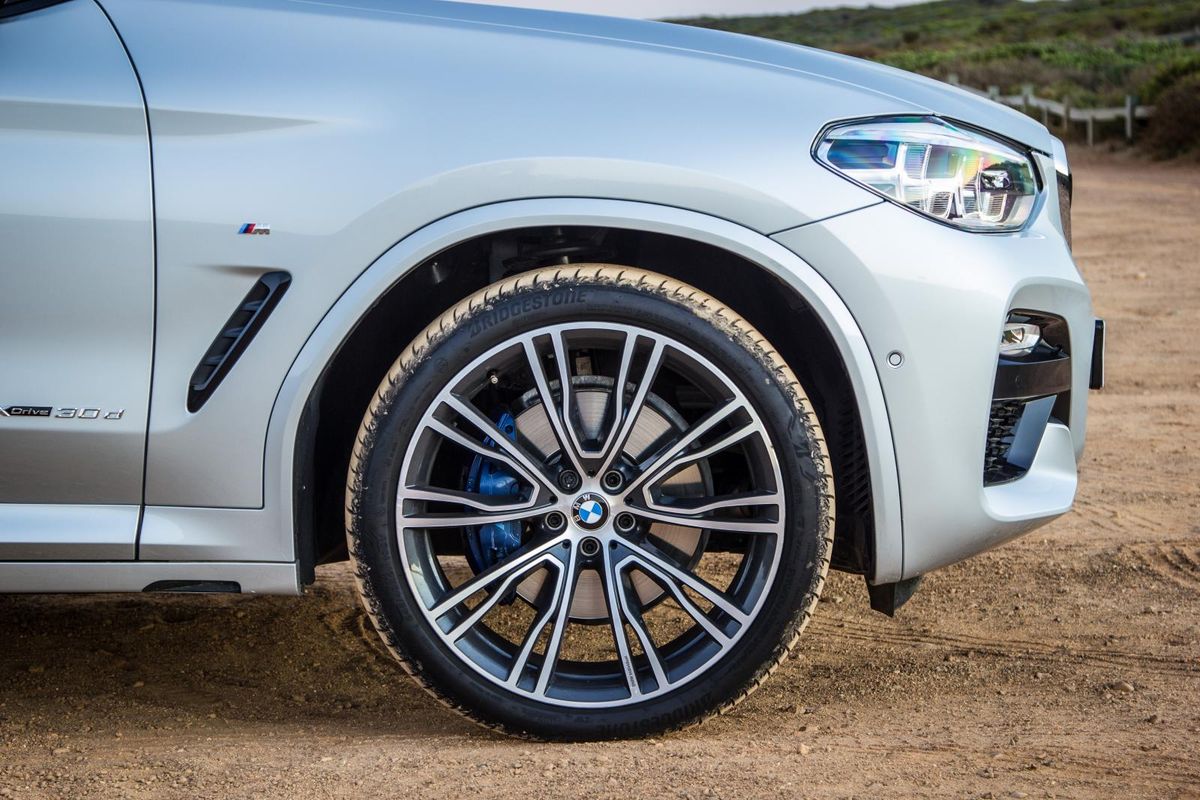
Whereas most people would agree that the previous-generation X3 looked more or less agreeable following its mid product cycle facelift, its predecessors were all awkwardly styled – shall we say – “acquired tastes”. Helped by additionally specified sporty M Aerodynamic kit, wheel-arch-filling 21-inch V-Spoke rims, BMW Individual roof rails and high-gloss Shadow Line trim, the latest xDrive30d M Sport looks every bit the suave and sophisticated medium-sized urban family car. The elaborate sections of black mesh in the front bumper lessen the visual assault of the oversized kidney grilles and although the rear three-quarter view still looks a little plump, the anthracite back bumper garnish and shapely LED rear-light clusters make the X3’s tail seem less bluff by visually widening the newcomer’s stance.
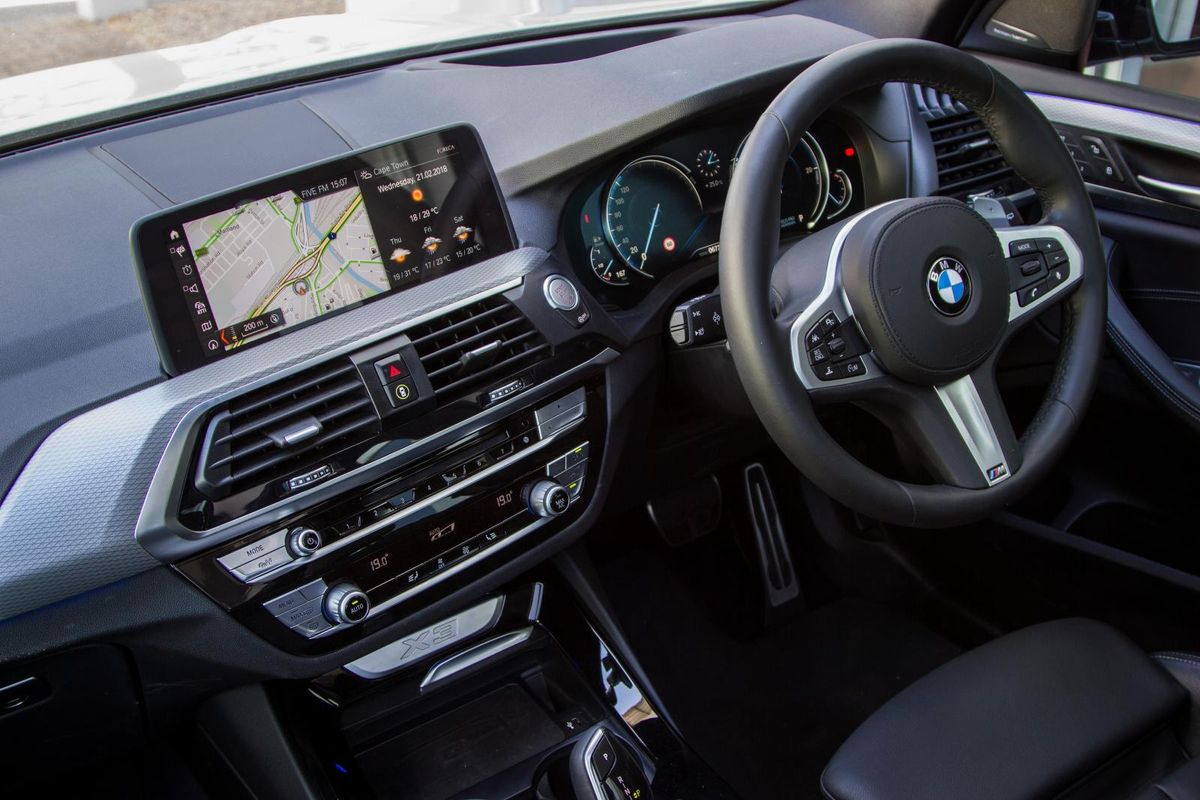
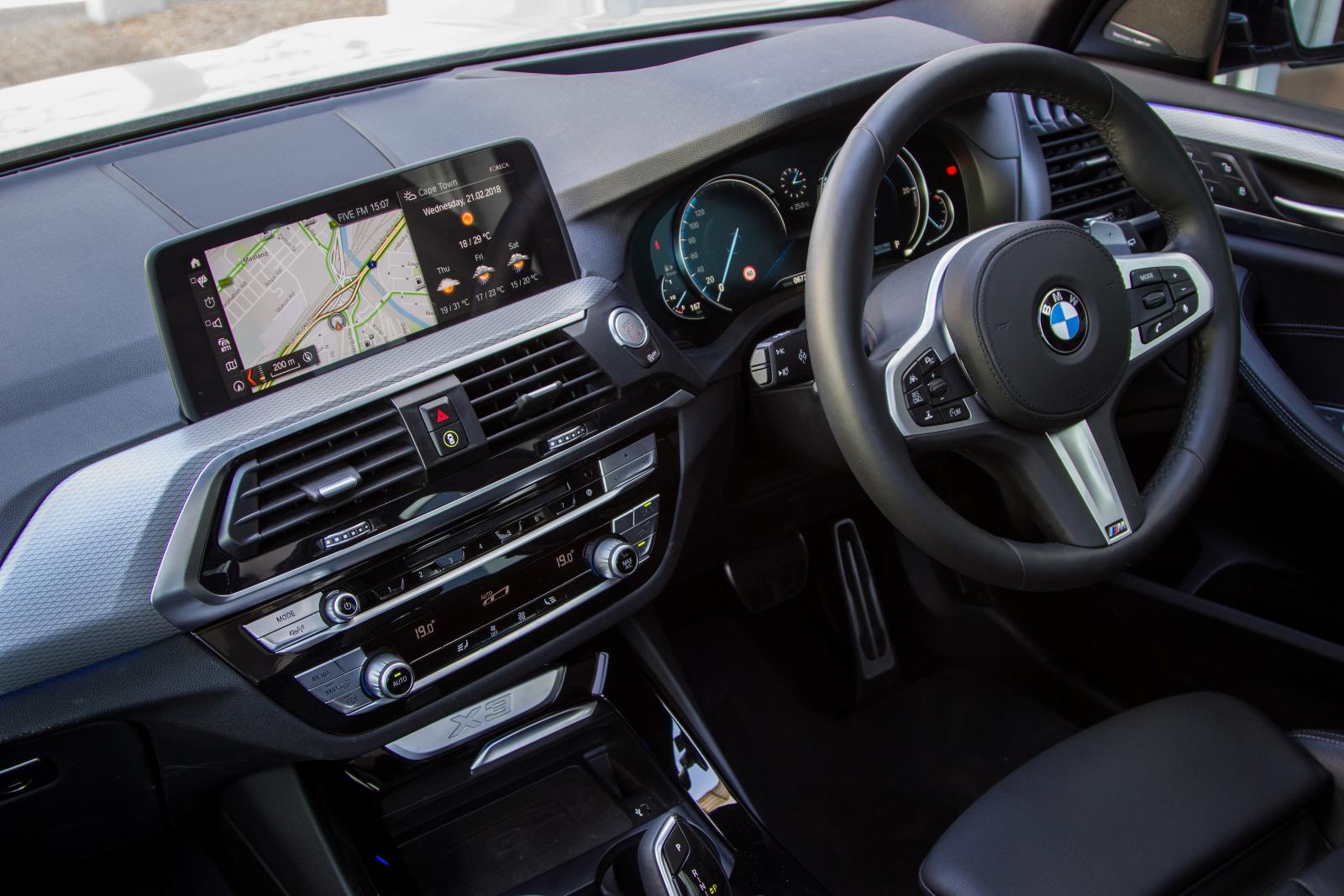
BMW's executive SUV strikes a good visual balance between brightwork and electronic surfaces, plus it's ergonomically sound.
Packaging?
The interior of the X3 will be instantly recognisable to those who’ve experienced the 5 Series' memorable interior, but there is nevertheless a distinct sense of occasion to the new executive SUV’s cabin, not least on account of the X3 badging in the inner doors and atop the lidded oddments compartment, just below the fascia.
A tasteful melange of piano black and Aluminium Rhombicle inlays, Pearl Chrome strips and Galvanic embellisher (metallic finishes) to the switchgear add tactile luxury to the X3’s leather-trimmed cockpit, which feels thoroughly contemporary (technologically speaking) thanks to the sizeable infotainment display, which is sensitive both to touch- and Gesture Control inputs (plus Apple CarPlay-enabled), an all-digital instrument cluster and the head-up display; a Harman/kardon Surround Sound system, meanwhile, provides a sonorous entertainment. Note that the latter features and the specific trim finishes are listed as optional extras, the total of which will be revealed later. The general quality of fit and finish is upmarket, although the dark grey lower half (also soft-touch) plastic was a little too prone to scuffing for some testers' liking.
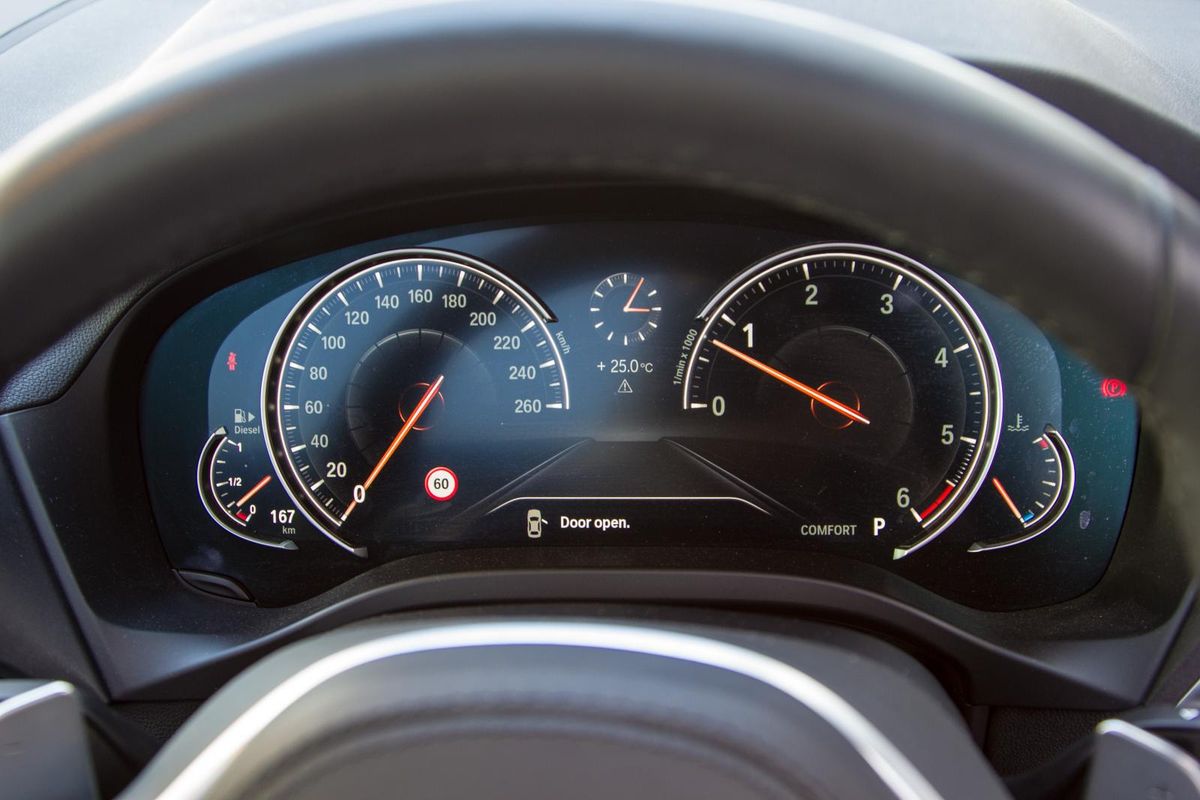
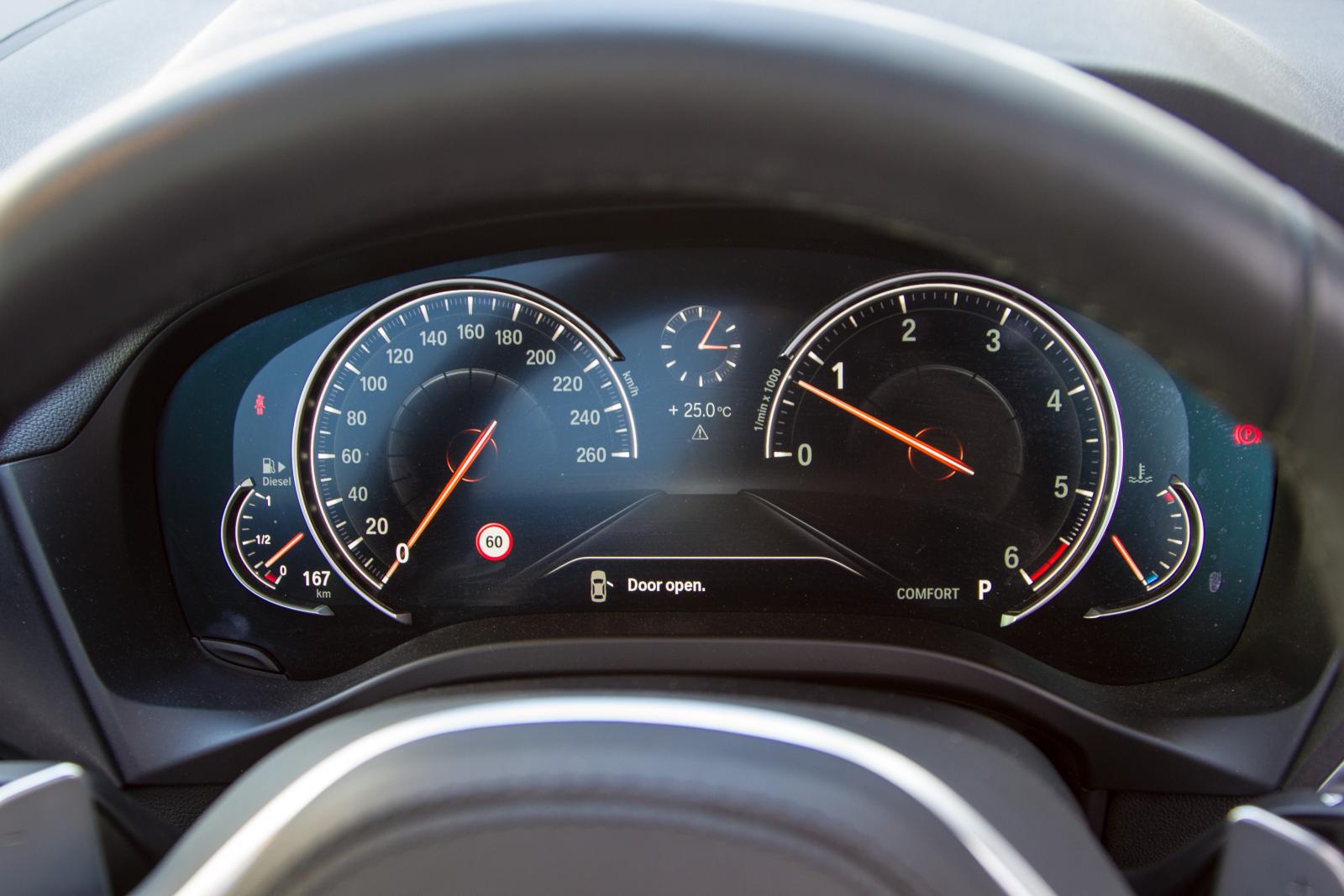
Regrettably, the customisable multifunctional instrument display is an extra-cost item, but we believe it's well worth the additional outlay.
The electrically adjustable front sports seats (with memory function for the driver, also optional) are well bolstered and form-hugging, yet remarkably comfortable on longer trips. The smart leather-trimmed M steering wheel feels well-sized, but most testers still preferred to favour a hiked-up commanding driving position over the low, semi-reclined one most drivers would favour when driving sedans or hatchbacks. The aforementioned lidded compartment directly ahead of the transmission lever/iDrive/Drive Mode console features sizeable cupholders and a wireless charging pad. The large bottle holders in the front doors recesses were particularly handy.
Performance, ride and handling?
Suffice to say that thanks to the weight-saving measures and further enhancements to its drivetrain, the xDrive30d offers more than sufficient performance. In fact, the peak torque of 620 Nm, which is available from 2 000-2 500 rpm (a slightly narrower band than its chief rivals), results in pleasingly punchy overtaking acceleration… it’s worthwhile to slip off the main freeways and exploit a quiet back road. The Drive Modes do affect the throttle response/shift pattern perceptibly, in normal mode brisk acceleration requires firmer prods to accelerator than expected, but not alarmingly so. The 8-speed transmission remains one of the best aspects of larger BMWs.
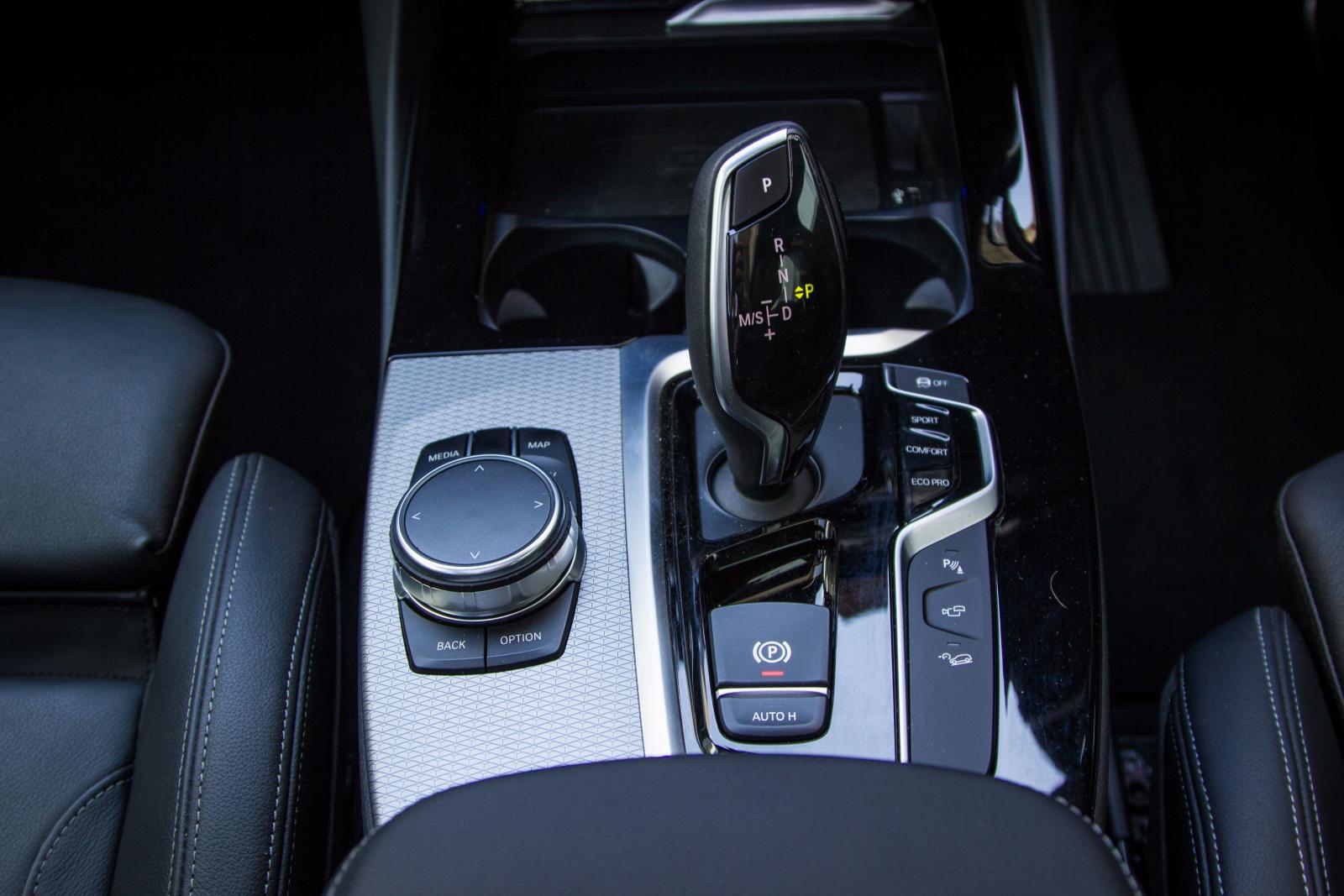
The transmission tunnel/centre console is beautifully designed and super-functional. Toggling between Drive Modes is a cinch.
As for general body control and road holding, the X3 feels poised and grippy (aided, no doubt, by those wide 21-inch tyres) and although the steering is largely bereft of feel, turn-in is crisp. It’s only when dipping into a corner at a careless pace that the executive SUV can feel slightly top heavy – as if the stability control needs to quietly settle the car. These characteristics are perfectly in keeping with a car in this segment of the market (it is a comfort-oriented luxury mid-sized family car, after all).
The ride quality, however, was a pleasant surprise. We tested the xDrive30d on a variety of surfaces, including dirt road sections, and were thoroughly impressed with how pliantly the BMW absorbed imperfections relative to its rather extreme (21-inch) wheels and tyres. Road and wind noise insulation was good, although dust insulation was comparatively fair, and the test unit only felt a bit bouncy when traversing major bumps at higher speeds. Could this be the most comfortably-sprung BMW SUV to date?
Apart from the fact that the 3-way-split rear backrest can fold forward, it can also recline for added rear passenger comfort.
Practicality?
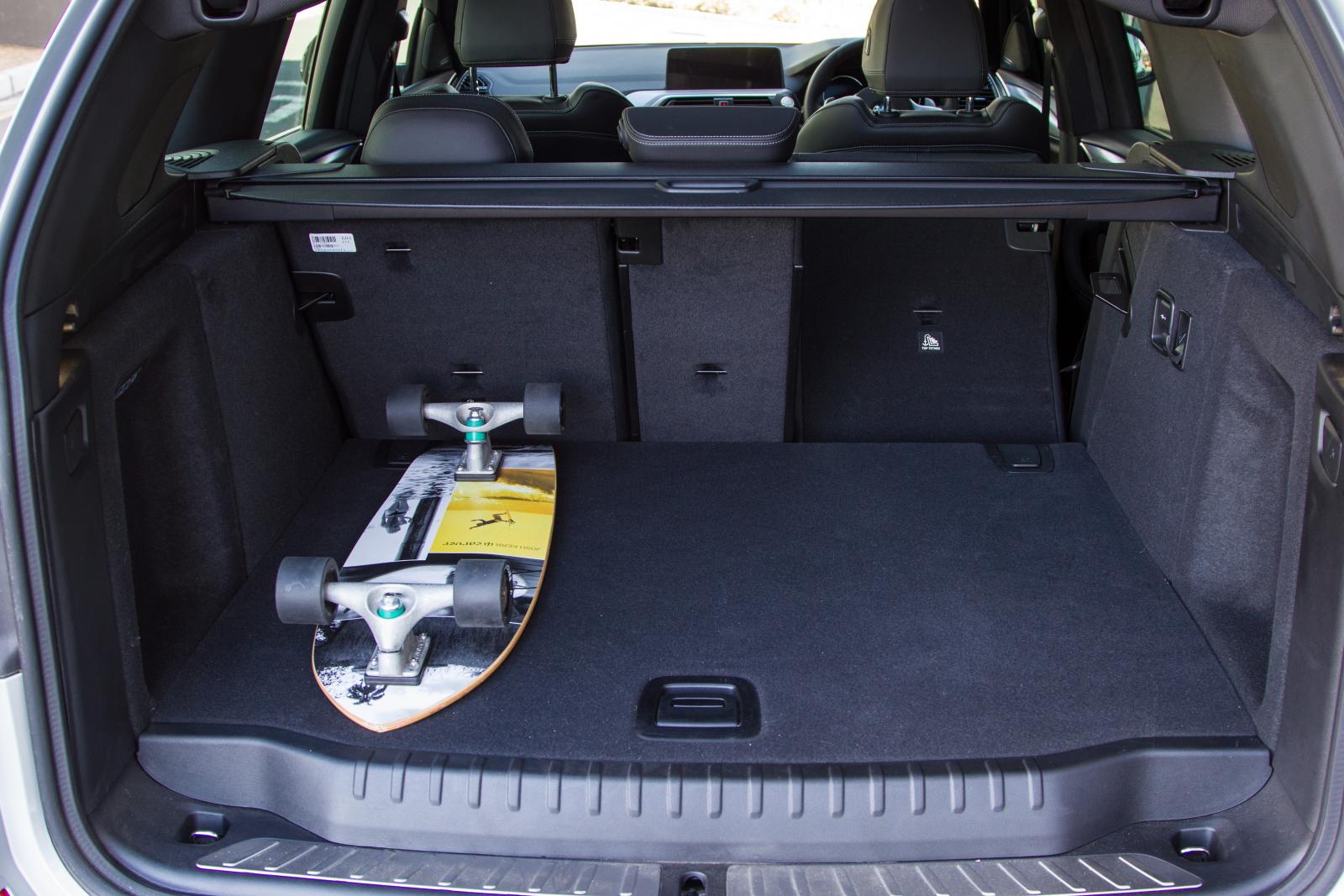
As we alluded earlier in the review, the more spacious X3 shell avails roomier levels of accommodation especially for rear occupants, who are afforded more than reasonable leg-, shoulder- and headroom (and a rear-zone climate control function, should you choose to specify it). The loading height is comfortably low, the tailgate electrically operated (the opening height can be set in the iDrive menu) and, overall, luggage capacity should be perfectly adequate (550 litres) for most buyers.
We found it simple to access the X3’s utility space by flipping forward the rear 40/20/40 backrest at the pull of a pair of levers located on the sides of the X3’s rear bay, where an additional power outlet is provided too. Granted, the luggage area would have benefited from more tie hooks and loops, but pundits will be impressed to know that the X3 features a space saver spare wheel (it explains the slight lip to the floorboard just behind the edge of the metal loading sill), for added peace of mind.
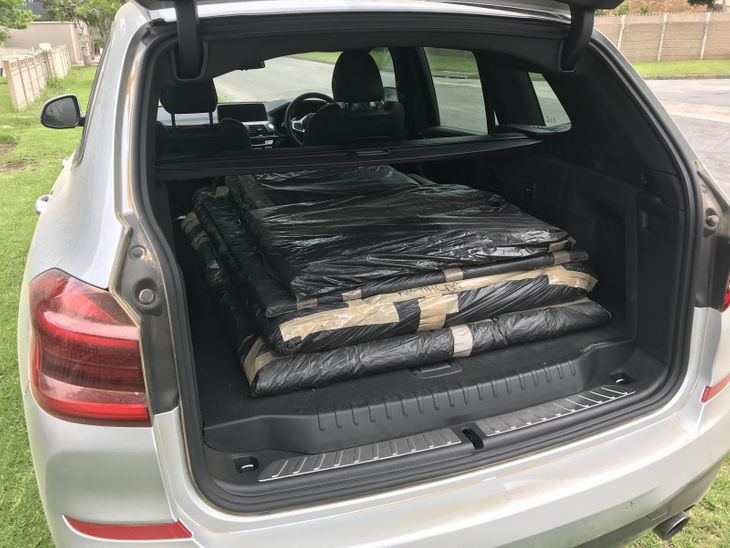
The X3 test unit was effectively utilised to cart a cachet of large oil paintings from George to Cape Town. A good test of practicality.
Technology?
Okay, now take a deep breath. According to the spec sheet for the test unit (supplied by BMW SA) the xDrive30d M Sport sports-auto was kitted out with more than R280k worth of extras. Setting aside the added features we’ve already mentioned, these included adaptive LED headlamps with high-beam assist, an electric trailer hitch, exterior mirrors with anti-dazzle function, panoramic sunroof, Active Protection (emergency braking), Driving Assist Plus (adaptive cruise control with braking and steering assistance), Parking Assist Plus (self-parking feature aided by surround-view cameras, Variable Sports steering, BMW Display Key, as well as Professional navigation.
Of these functions, we appreciated the high-end look of the multifunctional instrument display, enjoyed the detailed surround view function and, although the system could sometimes be too eager to make myriad minor steering adjustments and get confused by variable road markings (depending on the conditions of road maintenance one may encounter on a cross-country trip, which is not the BMW’s fault, to be fair), Driving Assist Plus takes much stress out of long-haul trips. Oh, and in terms of efficiency, we saw an indicated average fuel consumption of 7.8 L/100 km (which is not too far from the quoted 6.2 L/100 km), which is another benefit of the latter system.
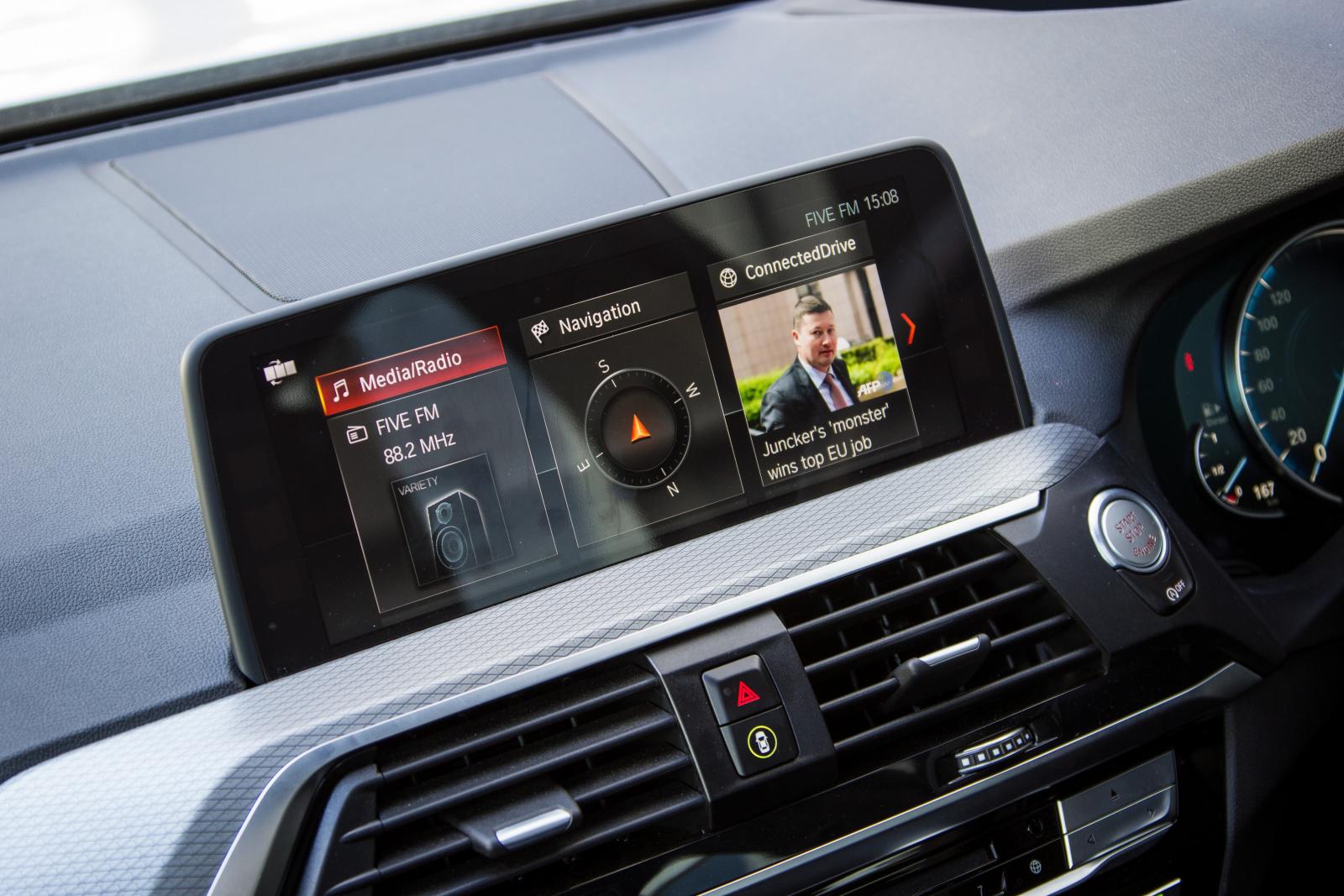
The customisable infotainment system can be operated via iDrive inputs, finger touches and swipes, and even Gesture Control!
Price & after-sales support
BMW lists the xDrive30d M Sport sports-auto’s list price as R925 888, which includes a 2-year unlimited mileage warranty and 5 years/100 000 km maintenance plan.
Verdict
Whereas the competition in the business class sedan segment (BMW 3 Series, Audi A4 and Mercedes-Benz C-Class et al.) was once thought to be so close that it was almost impossible to pick a winner, the same can now be said of the executive SUV segment, if not more so. The X3 and its peers, all of which offer such delicate balances between luxuriousness, sportiness, occupant comfort and everyday practicality, have made executive sedans and some premium SUVs seem… superfluous. The Bavarian’s executive SUV’s first task was to improve on its predecessor; in terms of sophistication, build quality, space and utility it succeeded on all fronts.
What’s more, the best attributes of the 5 Series are available in the X3, which is packaged in such a way that it appeals equally as a luxury family car and a sheer ego-driven premium purchasing proposition. Stacked up against the opposition, the BMW feels markedly newer and slicker than the Mercedes-Benz GLC or Porsche Macan, it’s almost as well finished as the virtually impeccable Q5 (but more characterful and engaging to drive than the Audi), and although the Bavarian might not quite feel as trendy, cool or instantly fun-to-drive as the Jaguar F-Pace or Alfa Romeo Stelvio, it’s more resolved (and, in general terms, talented) than its British and Italian rivals.
Given all the improvements in critical areas, the X3 can lay claim to being a superb all-rounder. Is this perhaps BMW's best X car?
And yet, the X3 does not quite barge to the front of the queue in the way that one might expect, given the multitude of platitudes we (and many publications in the automotive media) have bestowed on the 3rd-generation executive SUV. It’s difficult to explain why. By BMW’s standards, the X3’s styling is safe and predictable, it does make a statement, yes, but draws nods of approval instead of gawks of amazement. What’s more, it feels satisfying to drive (and be driven in) but in the way it might feel when you order your favourite dish at your favourite restaurant safe in the knowledge you’re unlikely to be disappointed. When we add up its competencies in several areas of its package, the X3 could be, on balance, one of the best BMW products currently available in the new vehicle market. It has hardly any flaws worth noting.
Ultimately, the Bavarian newcomer is a product designed to “out-all-round” a battalion of excellent all-rounders in its market segment, which is somewhat of a departure from BMW’s usual play book. As is often the case, the X3 xDrive 30d as supplied by BMW for the purposes of this review, was laced with a plethora of nice-to-haves, which at times, threatened to steal the show. Without them (and thoughtfully specified interior accoutrements), the newcomer may have been less memorable. Having said all that, the X3 would probably still be an impressive product without the myriad of on-board toys, but we feel a more prudently specced, smaller-engined and therefore better-priced X3 would better represent the best value the range can offer the broadest spectrum of potential buyers. We look forward to having another go…
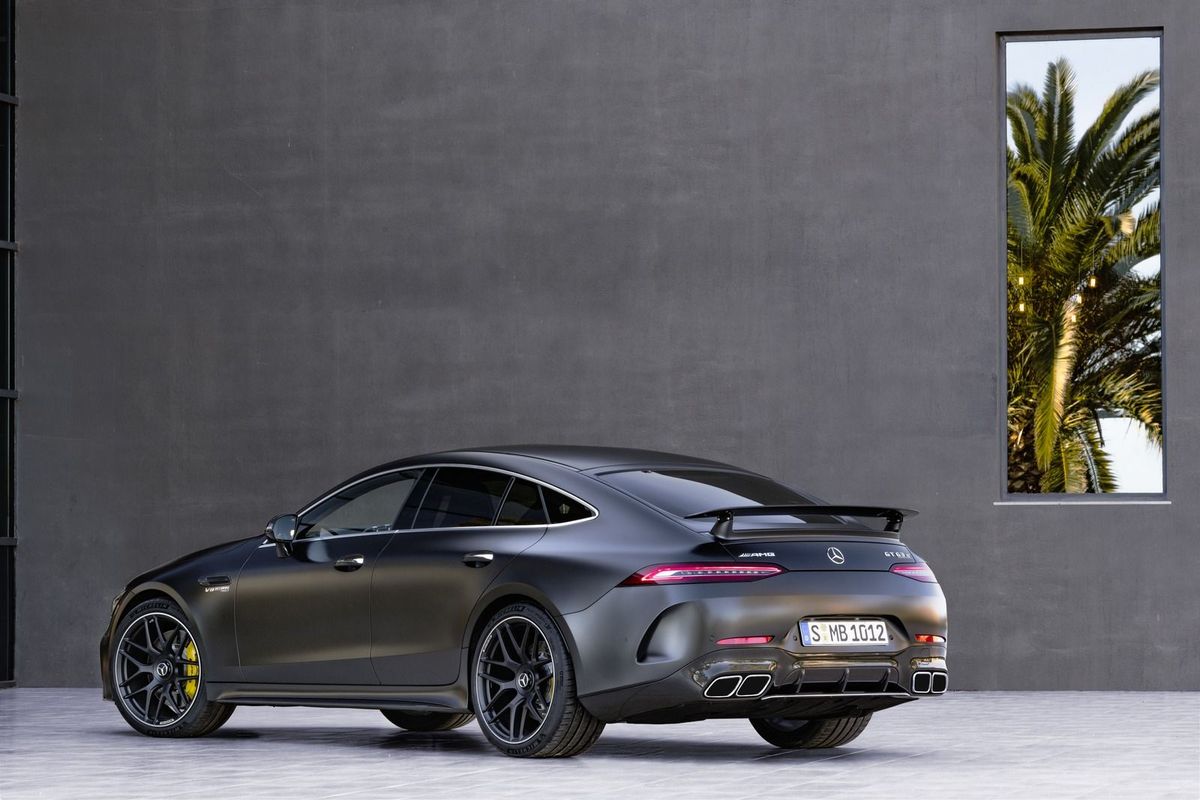
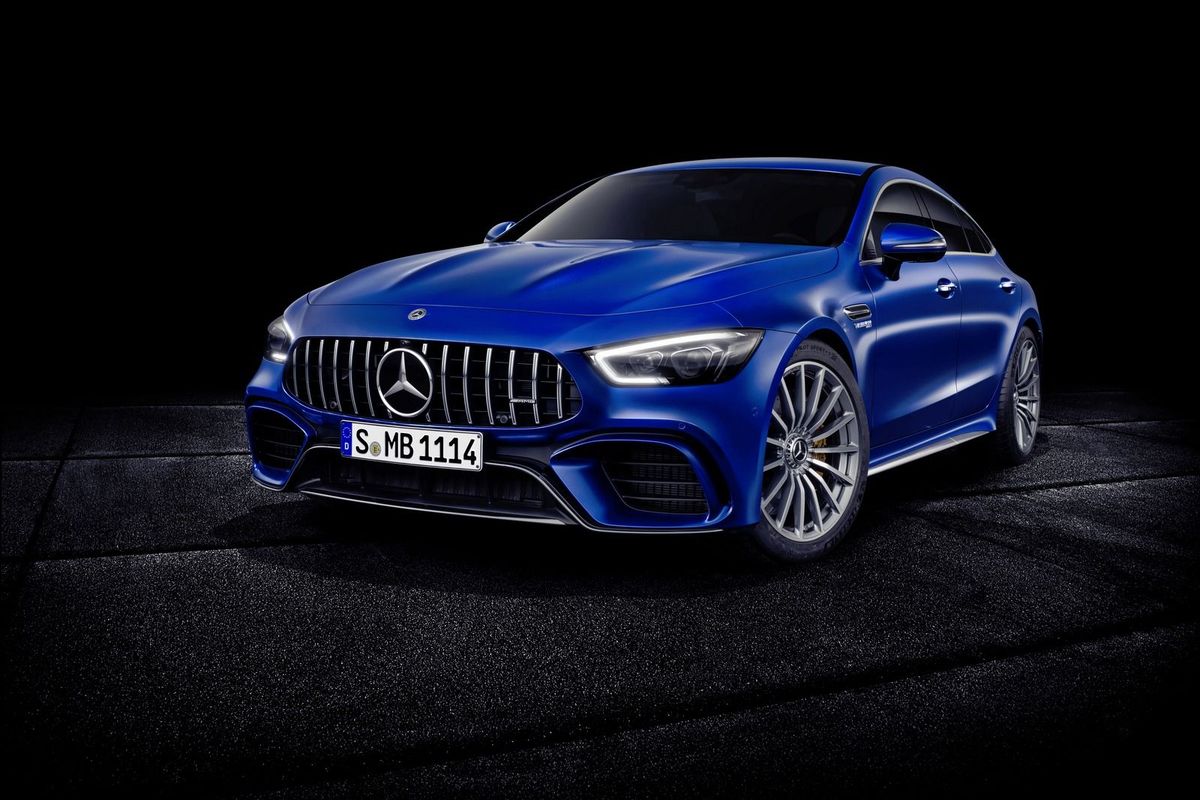
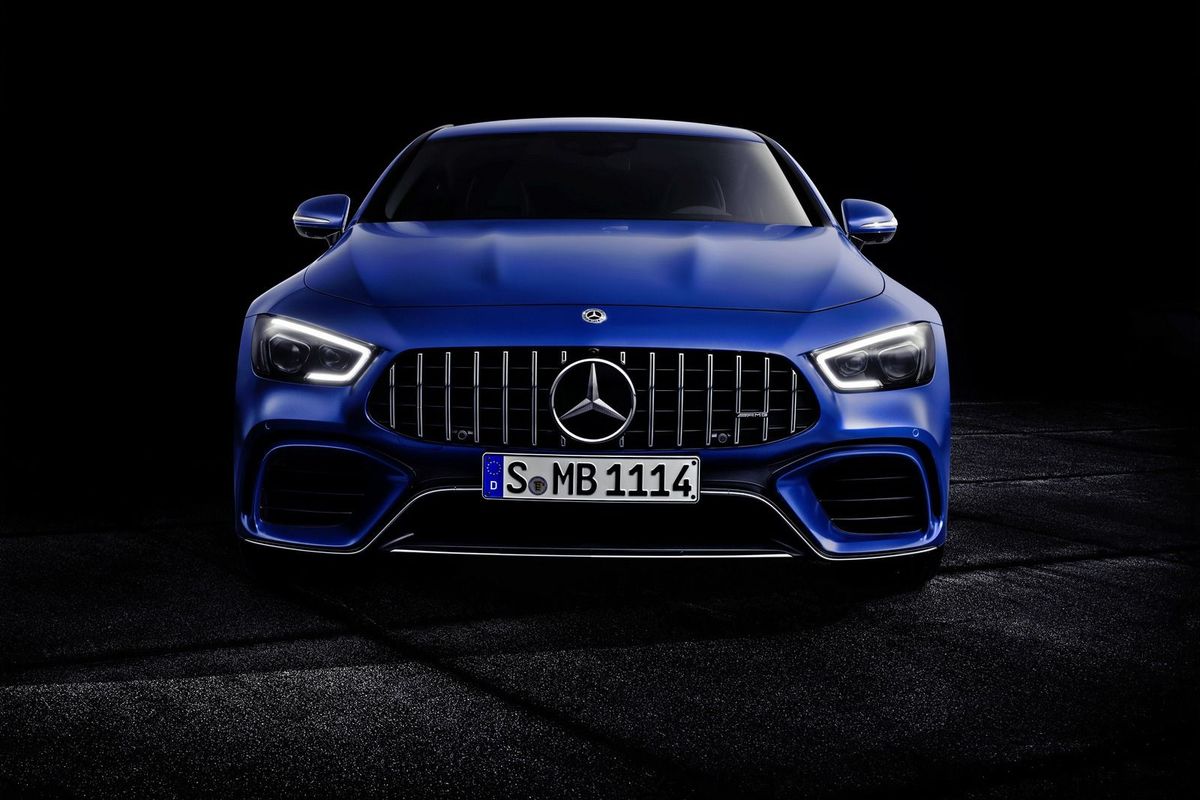
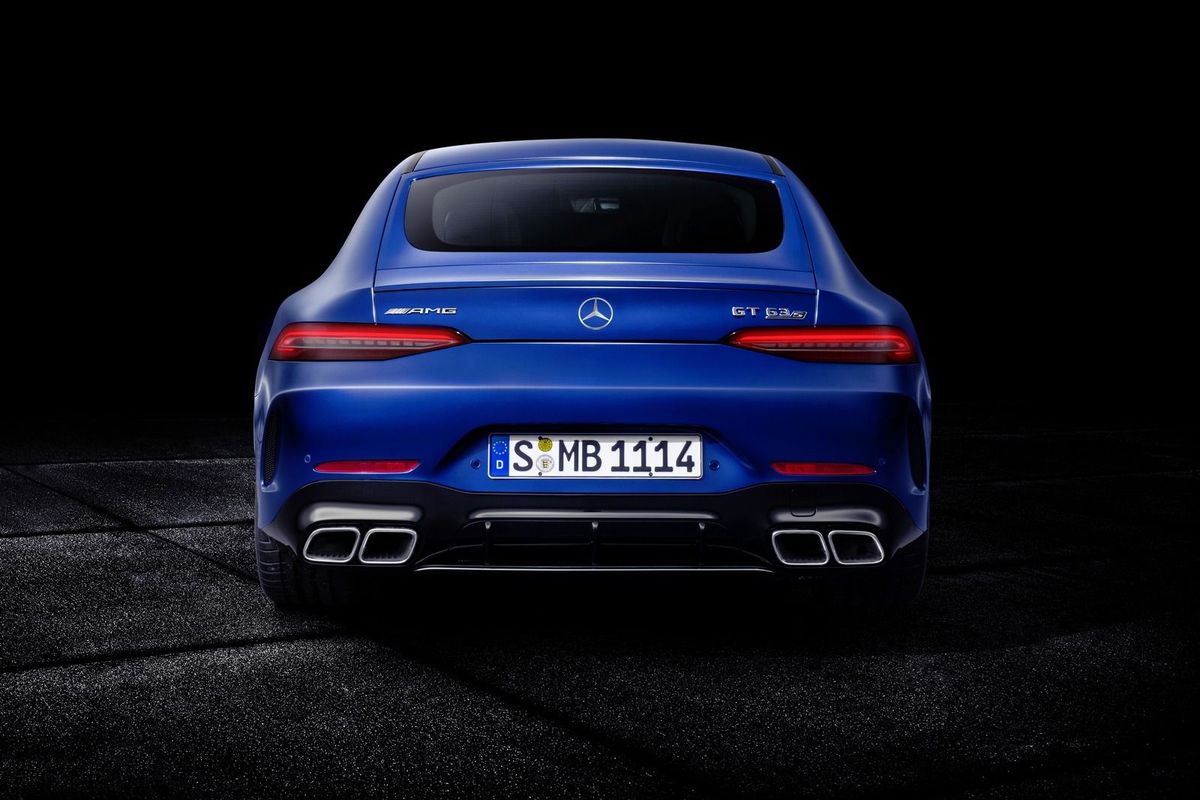
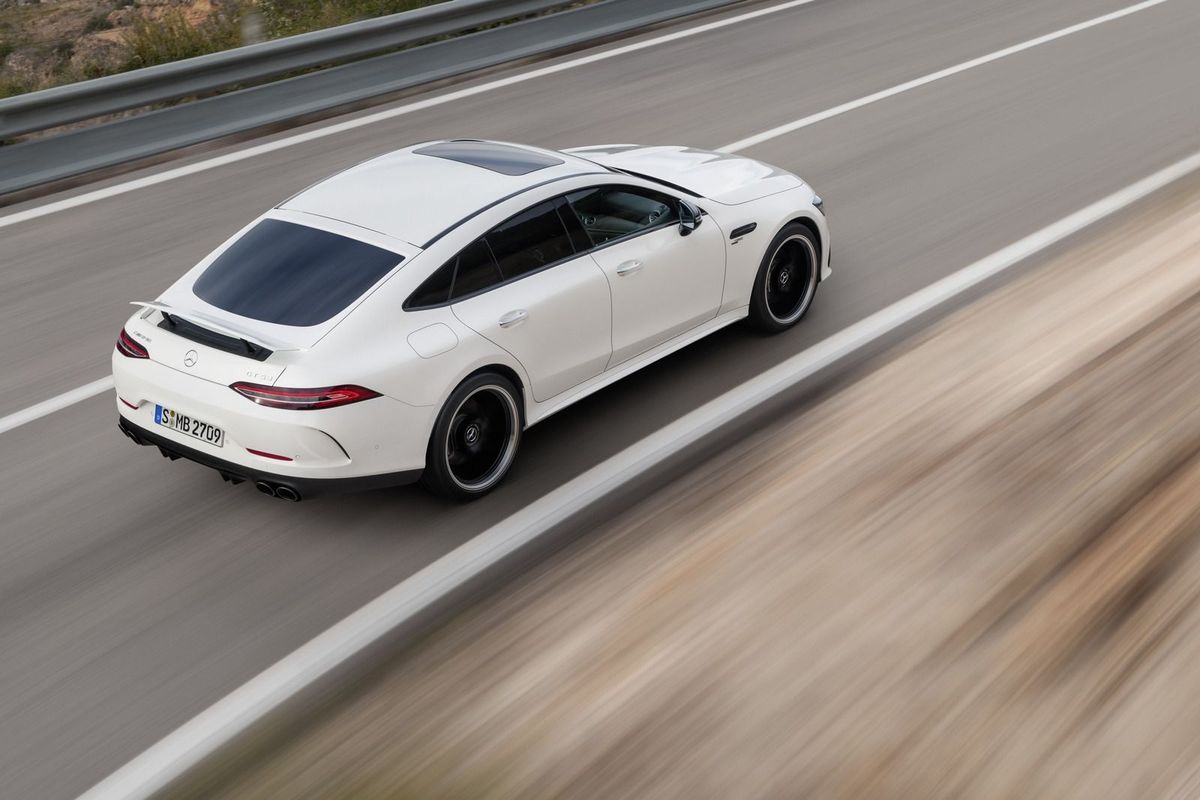
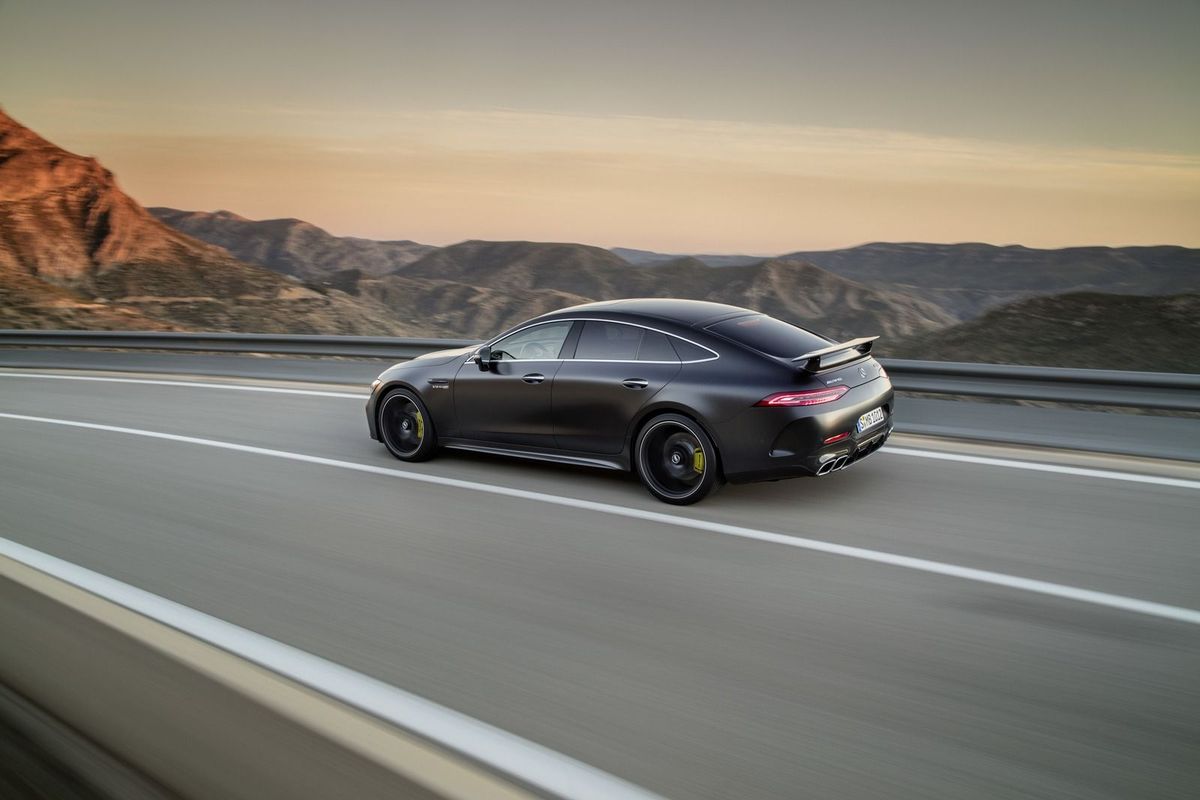
Mercedes-AMG has revealed the 4-door variant of the AMG GT. It's not a CLS, Mercedes says, despite running the same chassis and engine.
This new "4-door coupe" will share its underpinnings with the Mercedes-Benz E-Class, but do not mistake the AMG GT4 for a successor to the CLS… rather think of it as an expansion of the GT family. The current range includes the GT coupe, GT roadster, GT S coupe, GT C coupe and roadster and the range-topping GT R coupe, but a 4-door GT version makes perfect sense. It is ostensibly a rival to the Porsche Panamera and tailor-made for hardcore AMG performance aficionados who want the versatility that a 4-door body style offers.
We saw the concept version of this vehicle at the 2017 Geneva Auto Show and it was powered by an electrically-assisted 4.0-litre turbocharged V8, with a combined power output of 600 kW. Power goes to all four wheels via a torque-vectoring all-wheel-drive setup and Mercedes-AMG claimed its concept will sprint to 100 kph in under 3 seconds.
The full range of AMG GT 4 doors comprises 53 4Matic+, GT 63 4Matic+ and GT 63 S 4Matic+. Power ranges from 320 kW in the V6 53 4Matic right up to 470 kW in the 63 S 4Matic. The other headline figures for the S model is that it delivers 900 Nm of torque and shoots from 0-100 kph in a claimed 3.2 seconds. The V8 engines are also equipped with cylinder deactivation technology. In other words, in certain driving modes, it will deactivate 4 cylinders of the V8 to save fuel in driving conditions when they aren't needed. The driver is notified by a display on the instrument cluster.
The V6 53 4Matic is the same new engine as used in the recently launched CLS, the engine uses hybrid tech where an EQ boost (electric motor) is able to deliver an extra 16 kW and 250 Nm of torque. The electric motor is also used to power a compressor that reduces lag and improves throttle response.
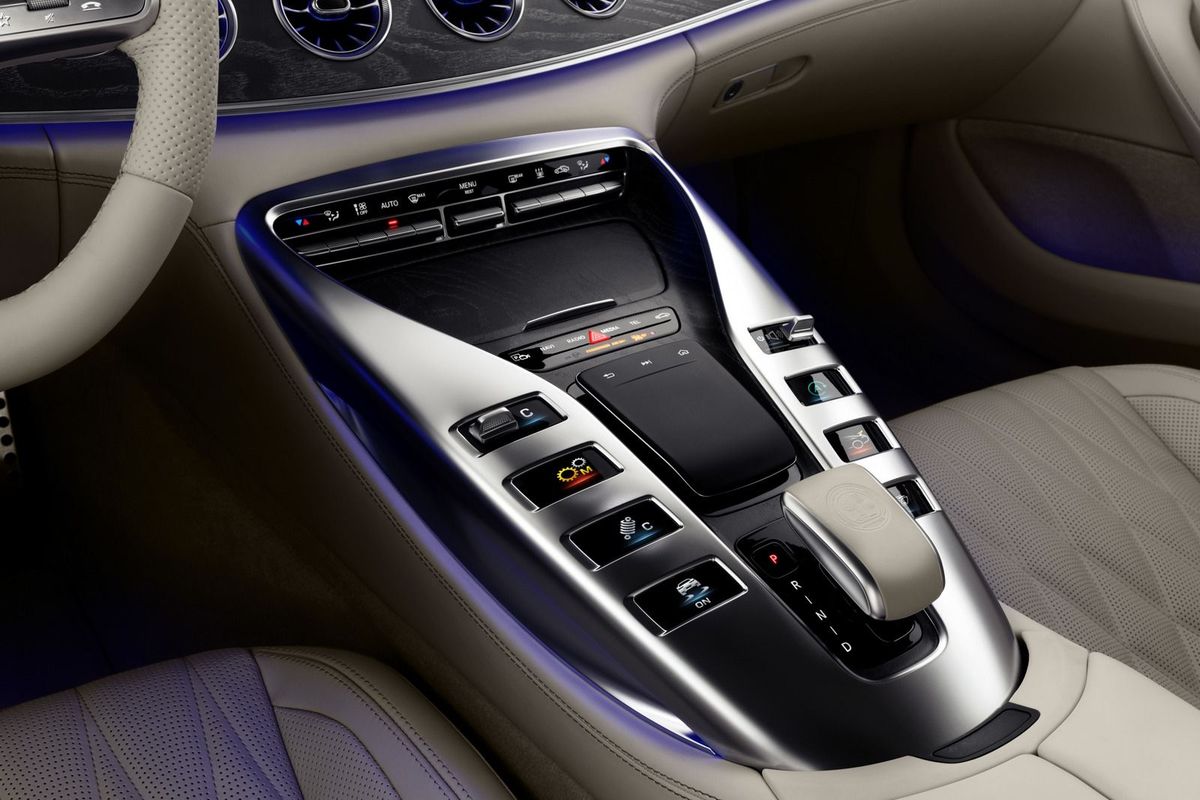
The V8s are equipped with multi-clutch 9-speed transmissions that allow for launch control starts. The V6 has a 9-speed torque converter automatic with race start mode. As you can no doubt tell from the 4Matic naming convention, all models have 4-wheel-drive, but the drift mode from the E63 has been included as standard on the GT 63 S and available as an option on the other models.
Following the latest trend in steering technology, AMG has employed 4-wheel steering for the GT 4-door (optional on 53). At speeds under 100 kph the wheels turn in the opposite direction of the fronts, to improve turn in and improve the turning circle, while the rear wheels turn in the same direction as the fronts above 100 kph to enhance high-speed stability. Air suspension sorts the 63 models out while the 53 gets standard coil springs with adaptive dampers.
Sales for the AMG GT 4-door will start in the second half of 2018. Expect it to land in SA towards the back end of 2018 or even early 2019.