Volkswagen Golf R (2017) Quick Review
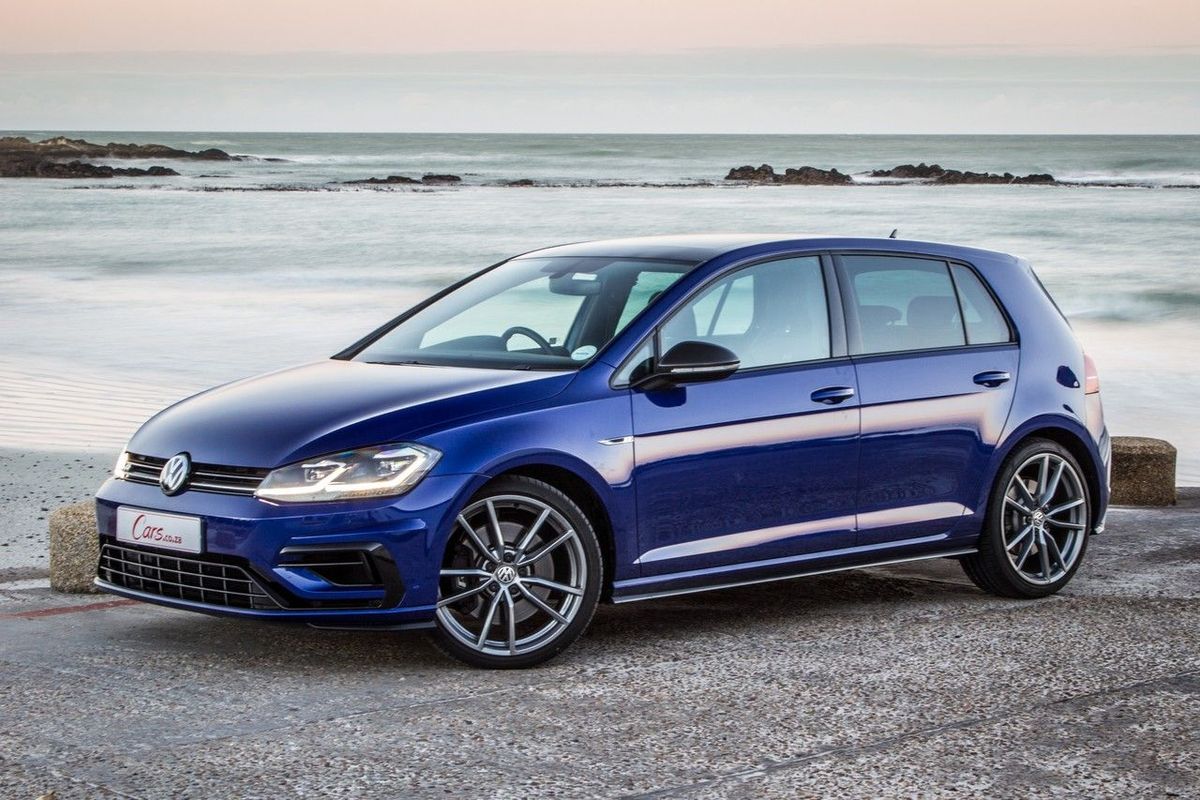
South Africa loves hot Golfs. Look no further than the fact that 60% of local Golf sales are made up of GTI and R variants as proof! Seemingly, not even a pricetag of around R650k (without options) can deter buyers. Following its recent round of updates and a slight uptick in power, is this the ultimate Golf?

We like: Sizzling performance, quality cabin, daily driving practacility 

We don’t like: Occasional suspension harshness

Alternatives:

  • A deadly enemy from within: Sibling brand Audi offers the S3 Sportback quattro for similar money which is a particularly big problem as the Audi badge holds considerably greater prestige and it also packs the slightly higher output engine. Nevertheless, the Golf outsells the hot Audi by a considerable margin, undoubtedly due to the VW network's greater footprint, but also because its more extroverted appearance (and image) is arguably more in line with its target audience. Then there's also the fact that the VW offers a few more goodies as standard.
  • Something more hardcore: If you want your hot hatch to be a bit more, err… brash, then consider the Ford Focus RS. This rorty machine was designed and set up by a team that prioritised driving fun and extroverted dynamics. It is considerably more expensive and probably not faster in the real world, but you do get exclusivity.

Compare the VW Golf R with the Audi S3 Sportback quattro and Ford Focus RS by clicking here

Facts & Figures

Price: R647 300 (September 2017 – no options)
Engine: 2.0-litre, 4-cylinder turbopetrol
Transmission: 7-speed dual-clutch 
Power: 213 kW 
Torque: 380 Nm
Fuel consumption: 6.9 L/100 km (claimed)
0-100 kph: 4.6 seconds (claimed)
Top speed: 250 kph (claimed)

Do you own a Volkswagen Golf? We'd like to hear from you! By completing our in-depth Ownership Satisfaction Survey, you will be contributing to next year's Cars.co.za Consumer Awards – Powered by WesBank. Click here to have your say!

What's changed?
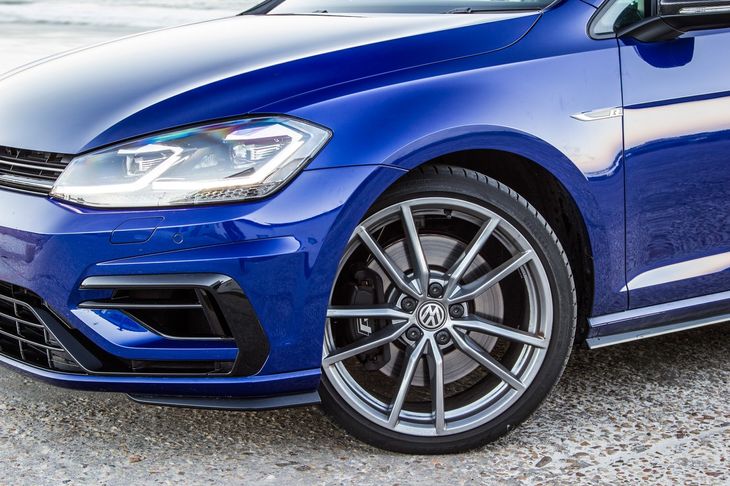

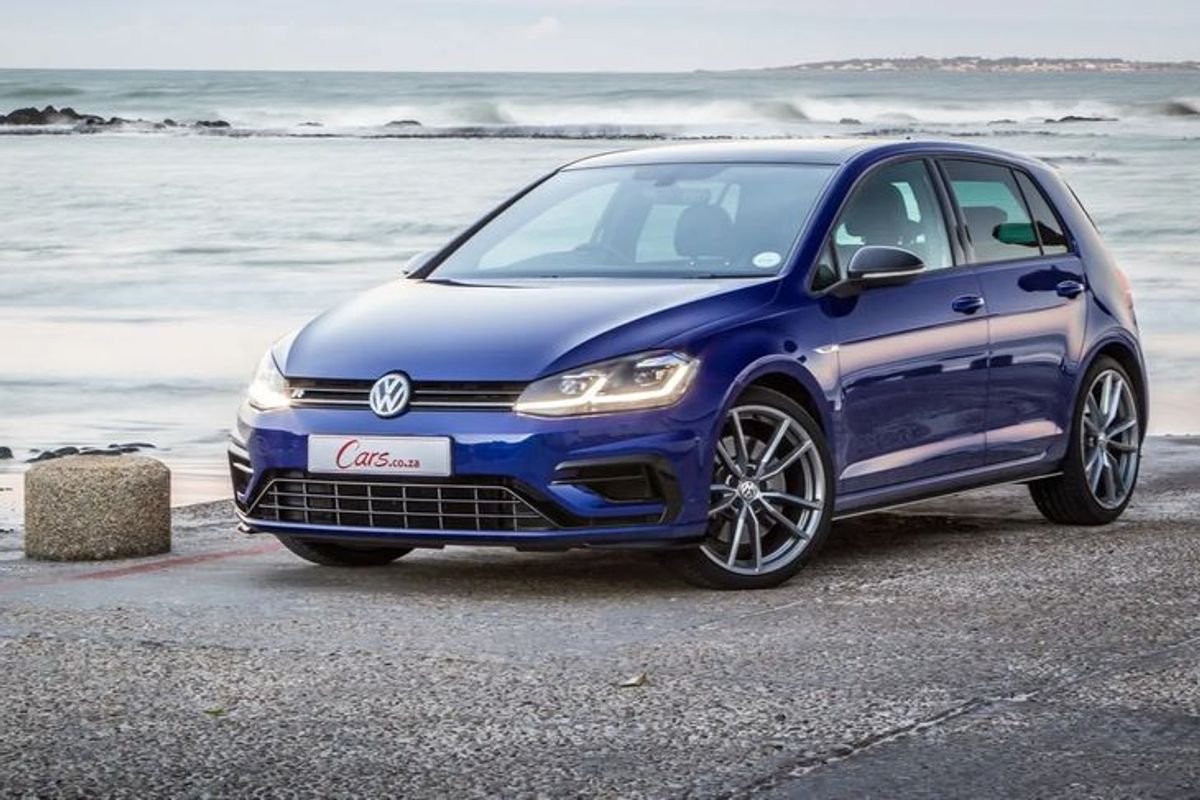
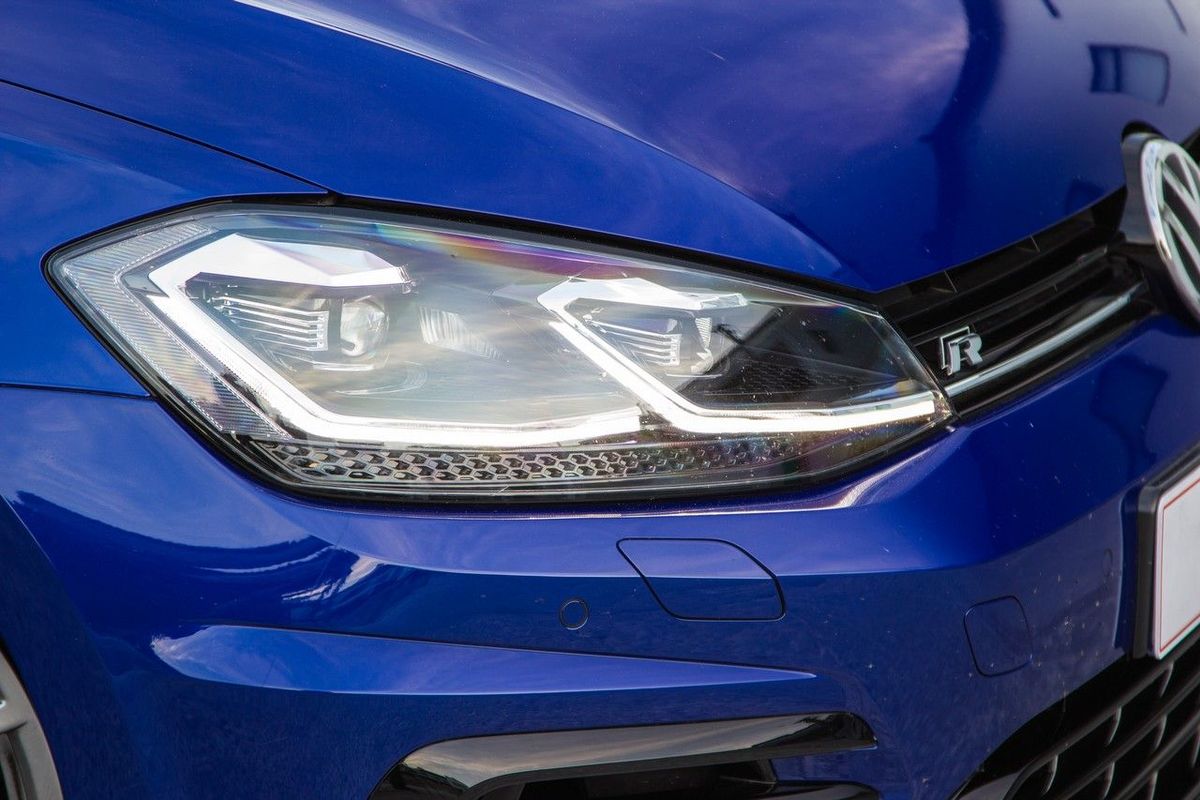
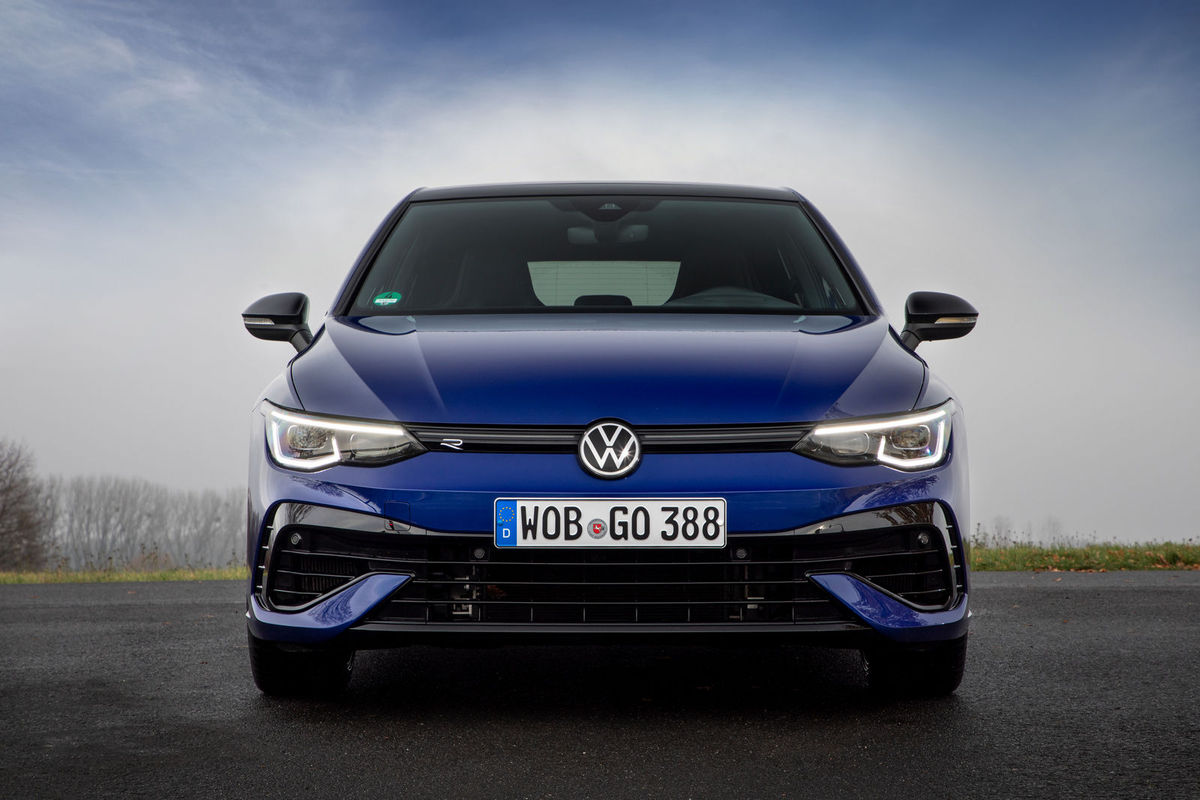
Biggest visual changes have happened along the front bumper and with the LED headlamps.

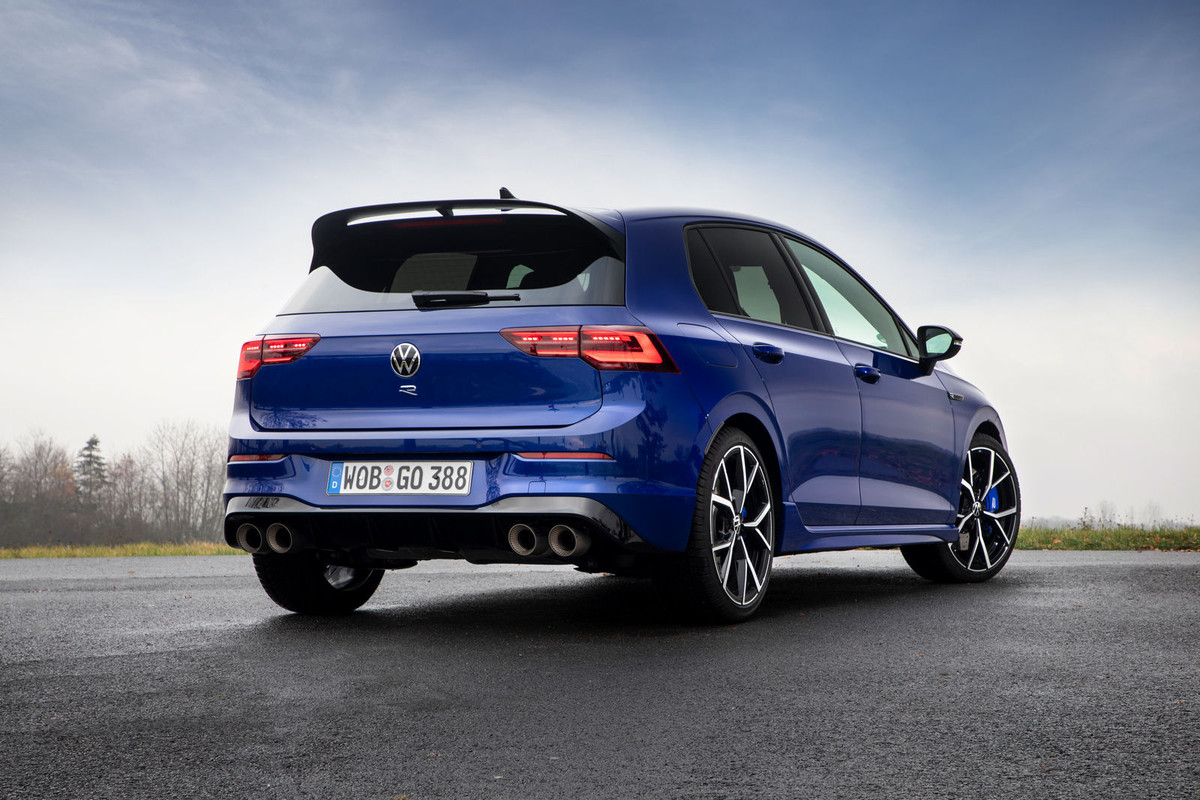
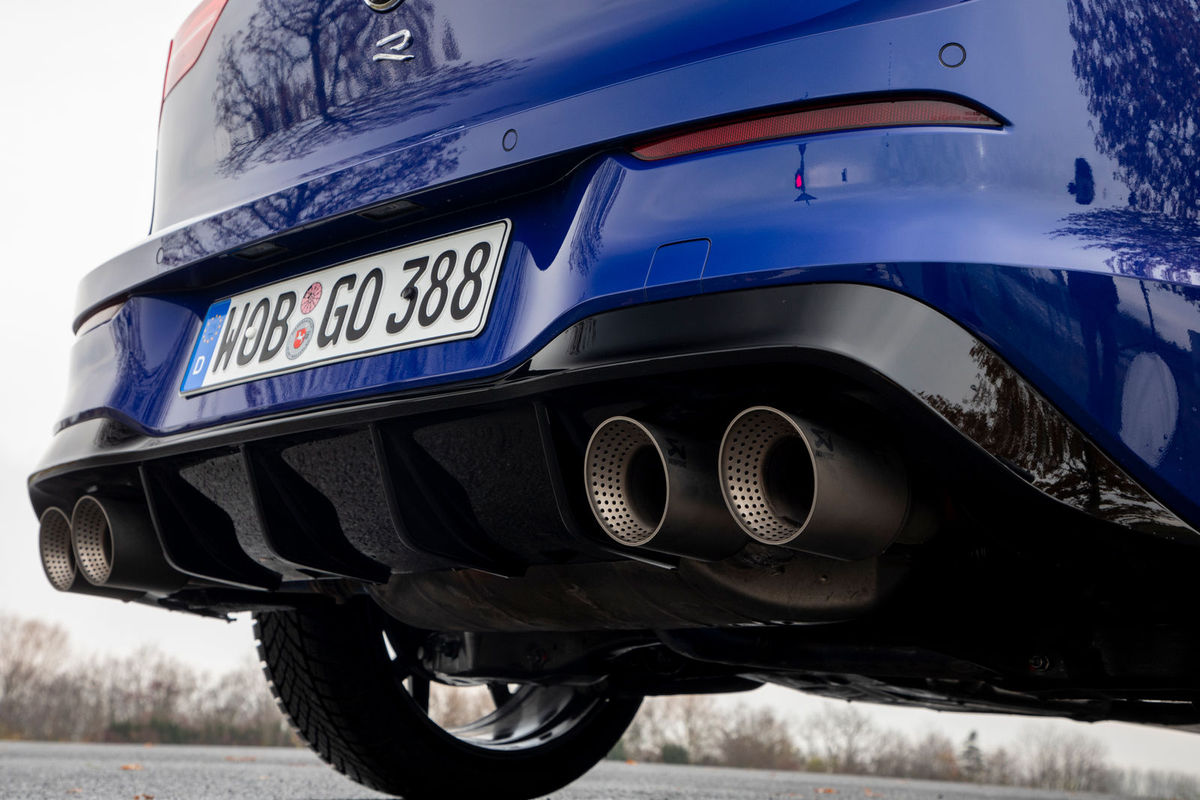
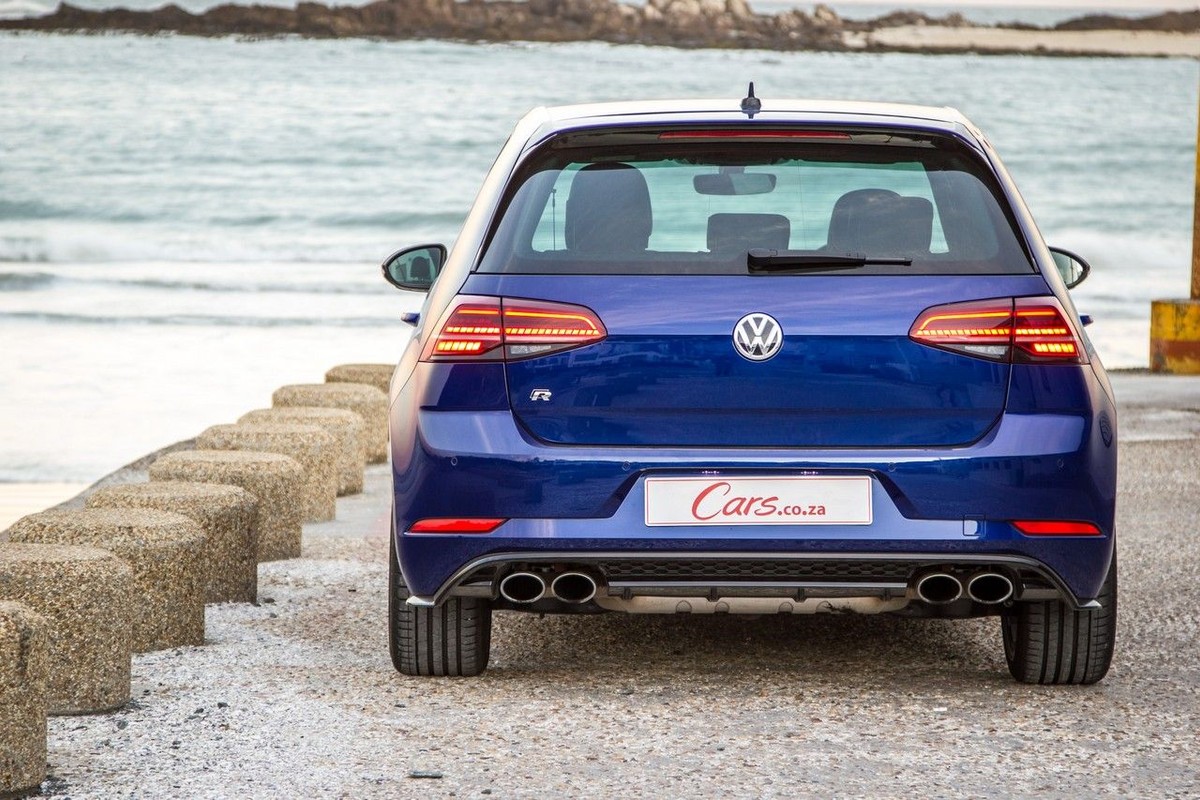
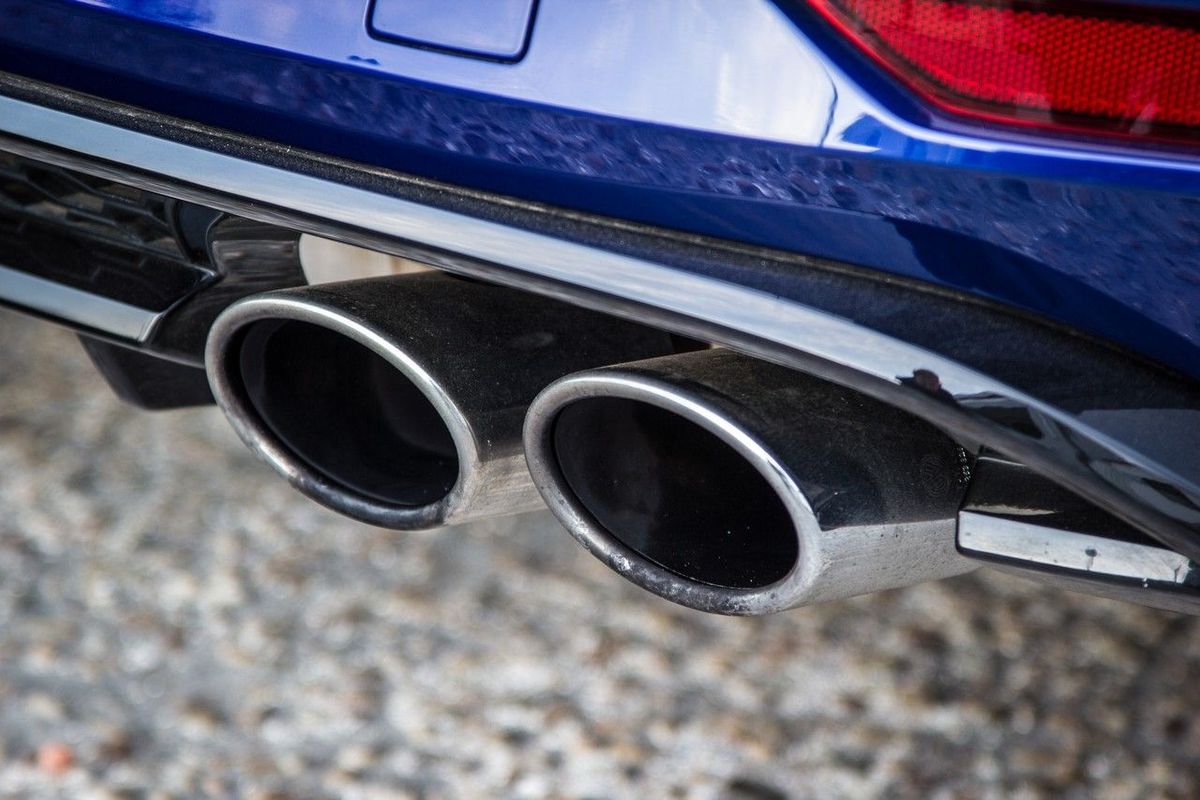
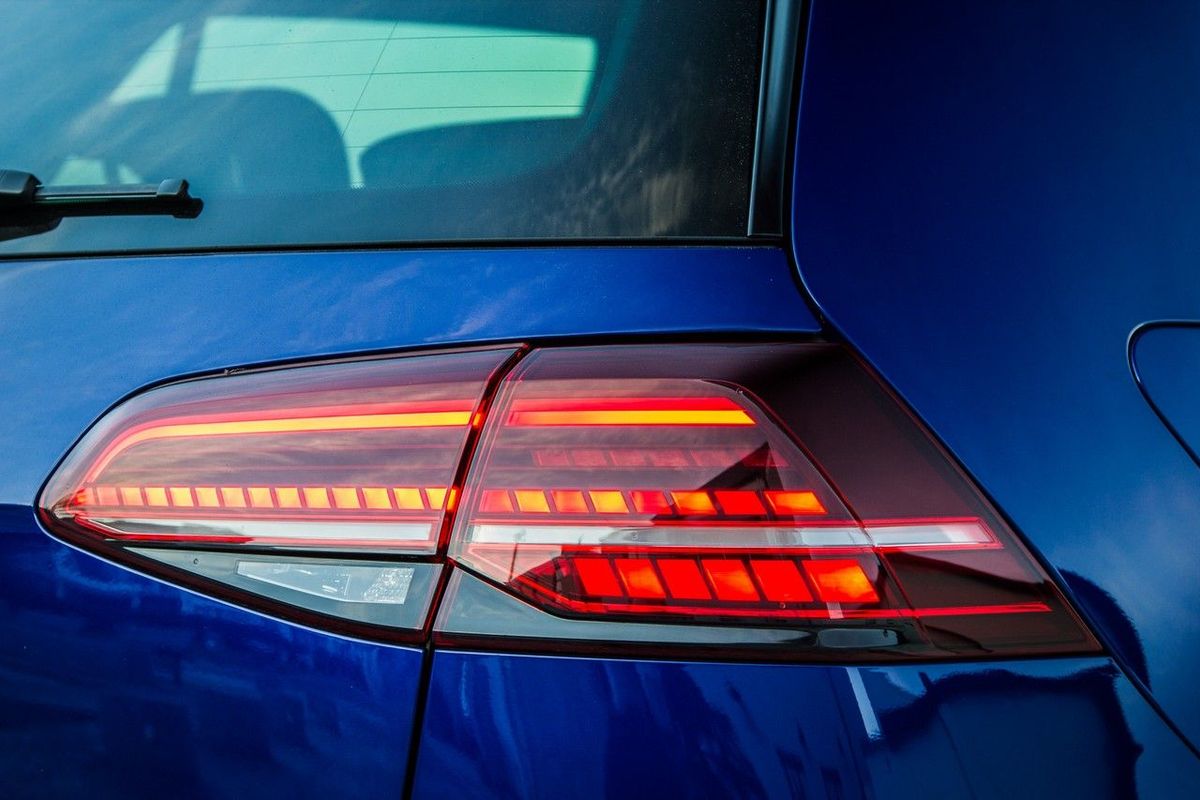
For the eagle-eyed Golf R afficionado the changes to the updated model will be immediately noticeable, particularly the revised bumpers and LED head- and taillamps. Look closer and you'll also spot that the exhaust outlets are now positioned wider apart, making the car appear more squat from the rear. There are also new mirror housings in a chrome matte finish (optionally in Carbon). 19-inch Spielberg alloy wheels are standard but you can also get the appropriately titled "Pretoria" wheel for R8 100.

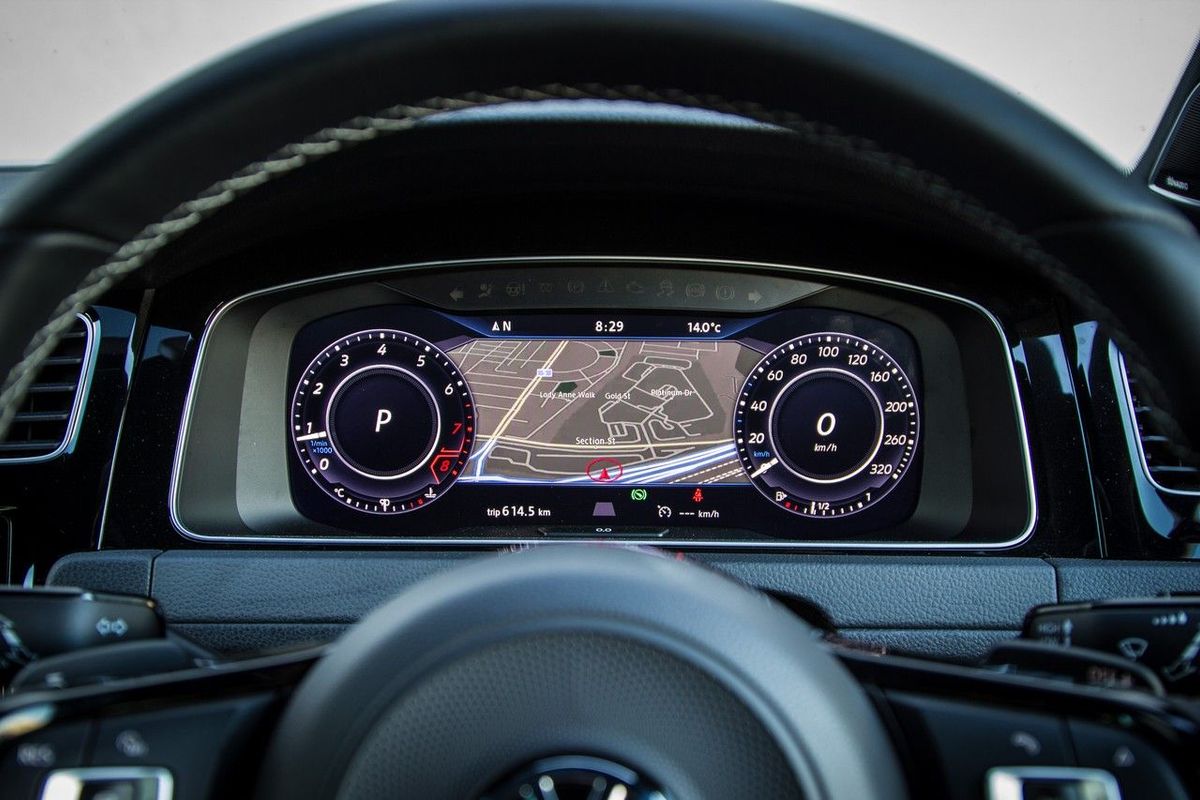
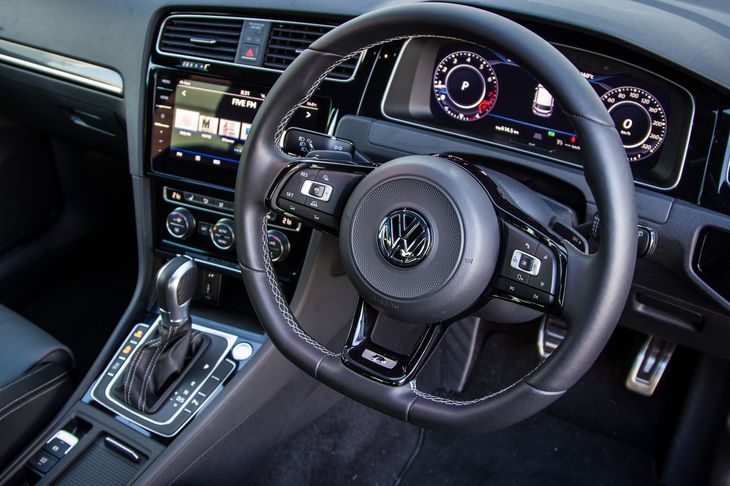
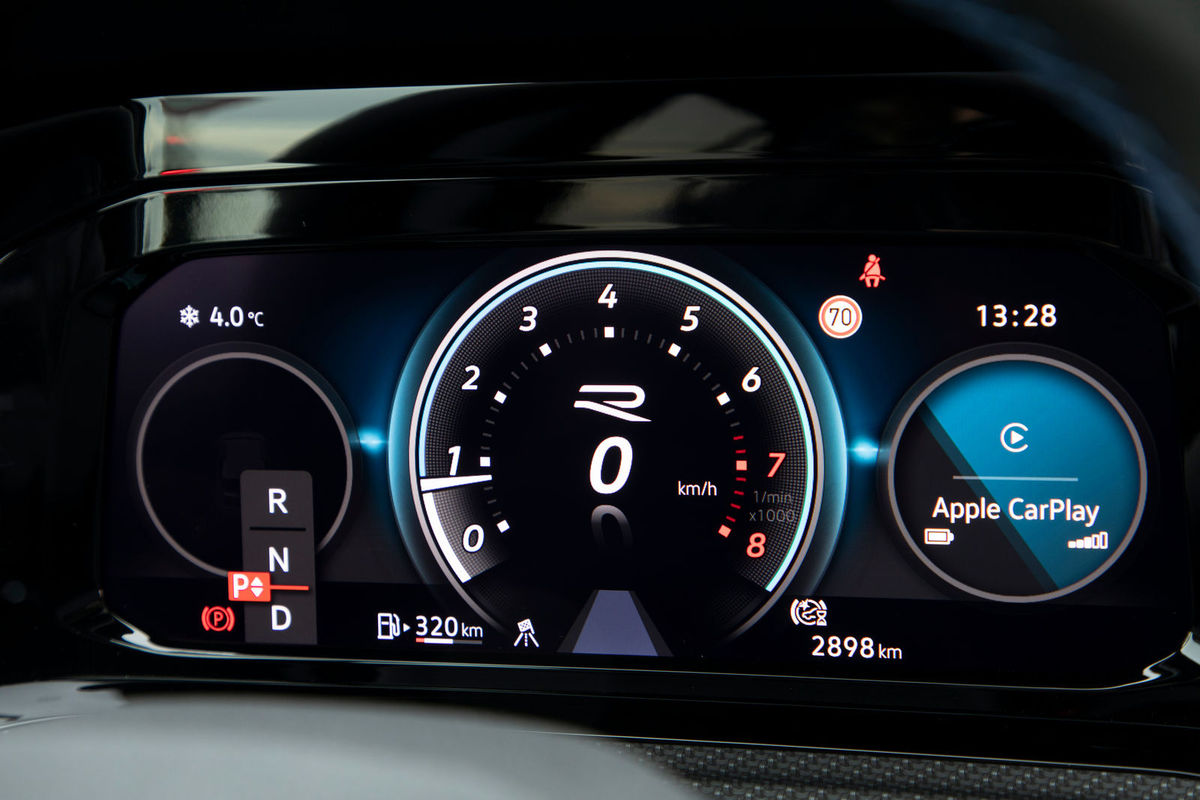
Inside, the latest Golf R benefits from all the recent Golf 7.5 updates and the smart 9.2-inch Discover Pro (with Gesture Control) info-tainment system is offered as an option for R20 200. In the case of the R specificially, the Active Info Display is standard as is a lap timer.

So, overall, a few nice tweaks here and there but what you're most likely eager to know about is the performance. The new Golf R has slightly more power from its 2.0-litre turbopetrol (213 kW – up from 206 kW) and is now fitted with a slick new 7-speed dual-clutch transmission that features a launch control mode as standard.

The Good

It's very, very fast

Because South Africa is seen as a hot-weather country, Volkswagen currently doesn't allow the Golf R's engine to unleash all of the 220+ kiloWatts that is available elsewhere, but the 213 kW it does have, along with the 380 Nm of torque, certainly endows the R with explosive performance. With Launch Mode engaged one can rocket to 100 kph in 4.6 seconds, with the Golf squatting on its haunches as the all-wheel drive system calculates how to best launch the uber-Golf to the horizon. Have a look at our video below to see just how much faster a Golf R is against the Golf GTI in a quarter-mile dash.


It's not only a robot-racer, though. The engine is very flexible, with that maximum torque figure being available across a wide rev range that spans from 1 850 to 5 300 rpm. Coupled with the slick new gearbox, and a multitude of driving modes that allow the driver to finetune the responsiveness on offer, the Golf R is truly a performance machine for whatever driving mood you may happen to be in. 

And yet, it's not a highly strung motor that feels unrefined in "normal" driving. It's always refined, and when pottering around will even return excellent fuel economy. Volkswagen claims a combined cycle figure of 6.9L/100 km.

As practical as ever
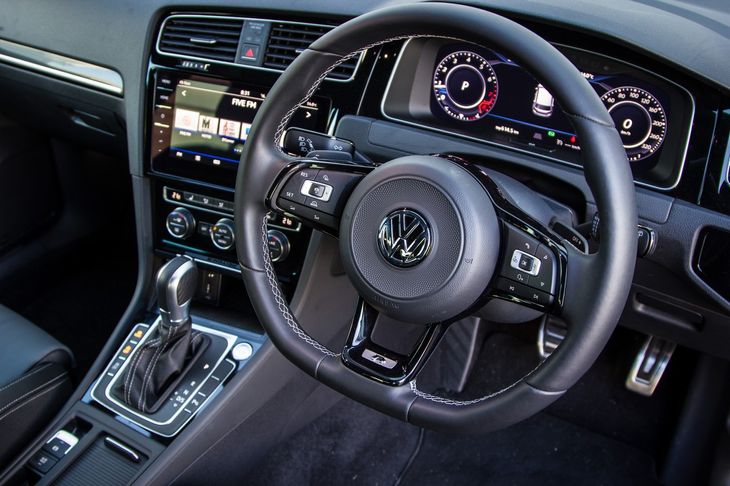

The Golf R's cabin strikes a fine balance between practicality, technology and a premium ambience. 

For all its heady performance capability and drivetrain complexity, the Golf R remains a comfortable, practical daily runner. Using the same 5-door bodyshell as all the other Golfs means that the boot and passenger space is similar, too. We say "similar", because the boot is slightly smaller at 343L (versus 380L for a GTI). Nevertheless, fold down those rear seats and you can still fit most of today's lifestyle equipment in there without much hassle.

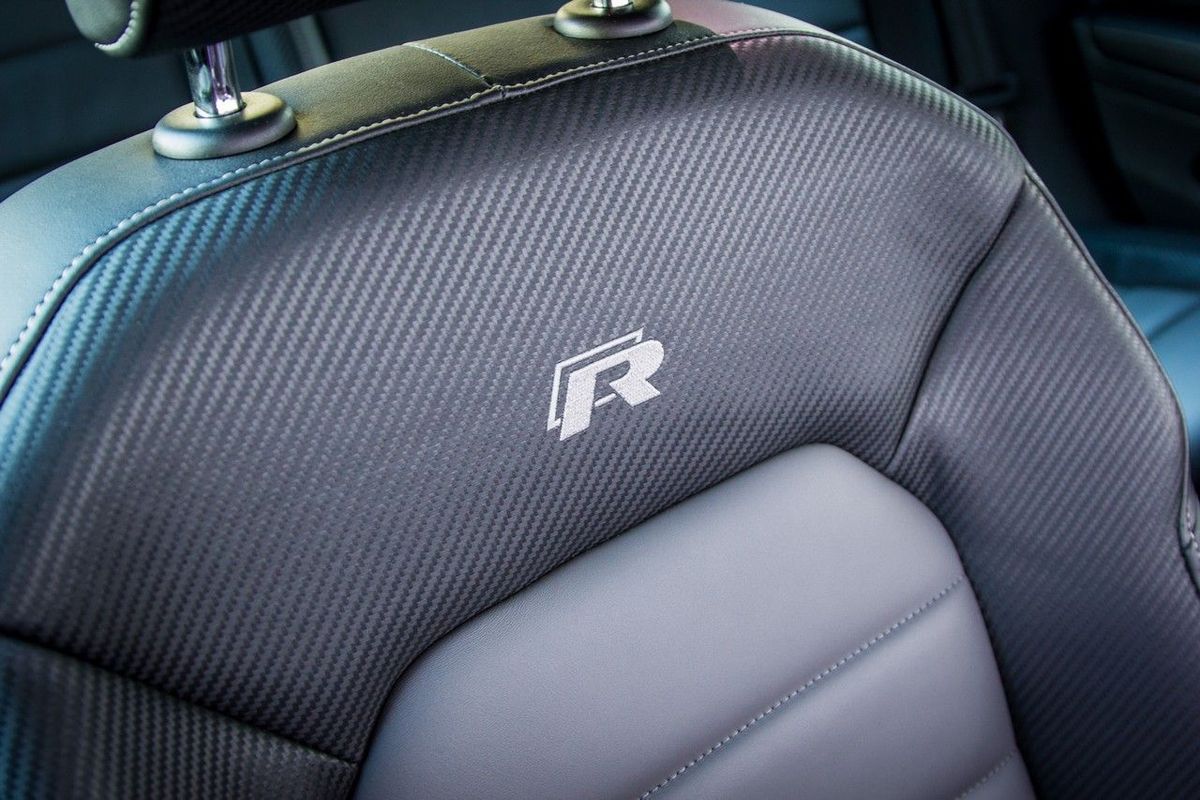
Furthermore, rear passenger space is excellent, and those occupants seated in the front are treated to very comfortable (and supportive) Sports seats that also offer heating. The driving position is spot-on, courtesy of Volkswagen's usual generously rake/reach adjustable steering and height-adjustable driver's seat. Leather upholstery, dual-zone climate control, a panoramic sunroof and auto lights/wipers are standard.

An entertaining drive
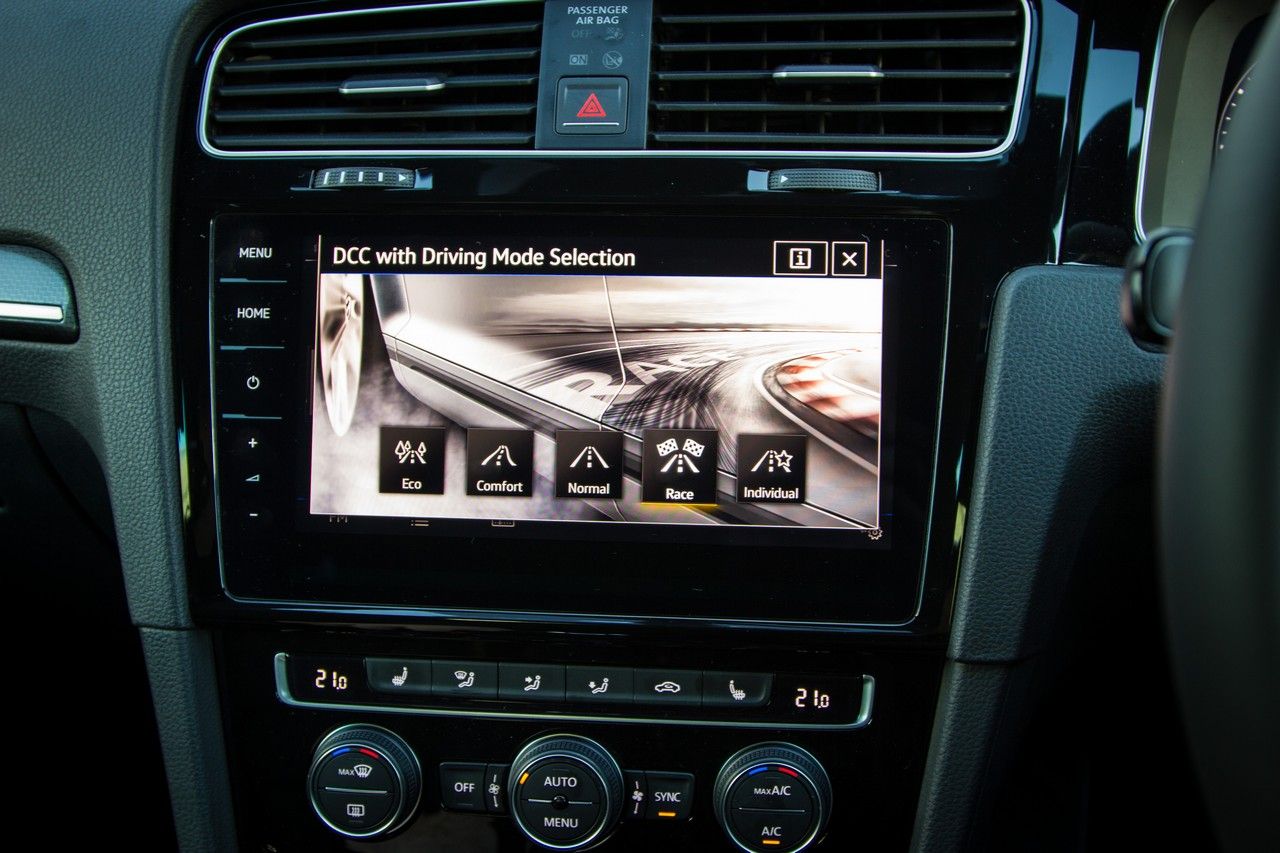

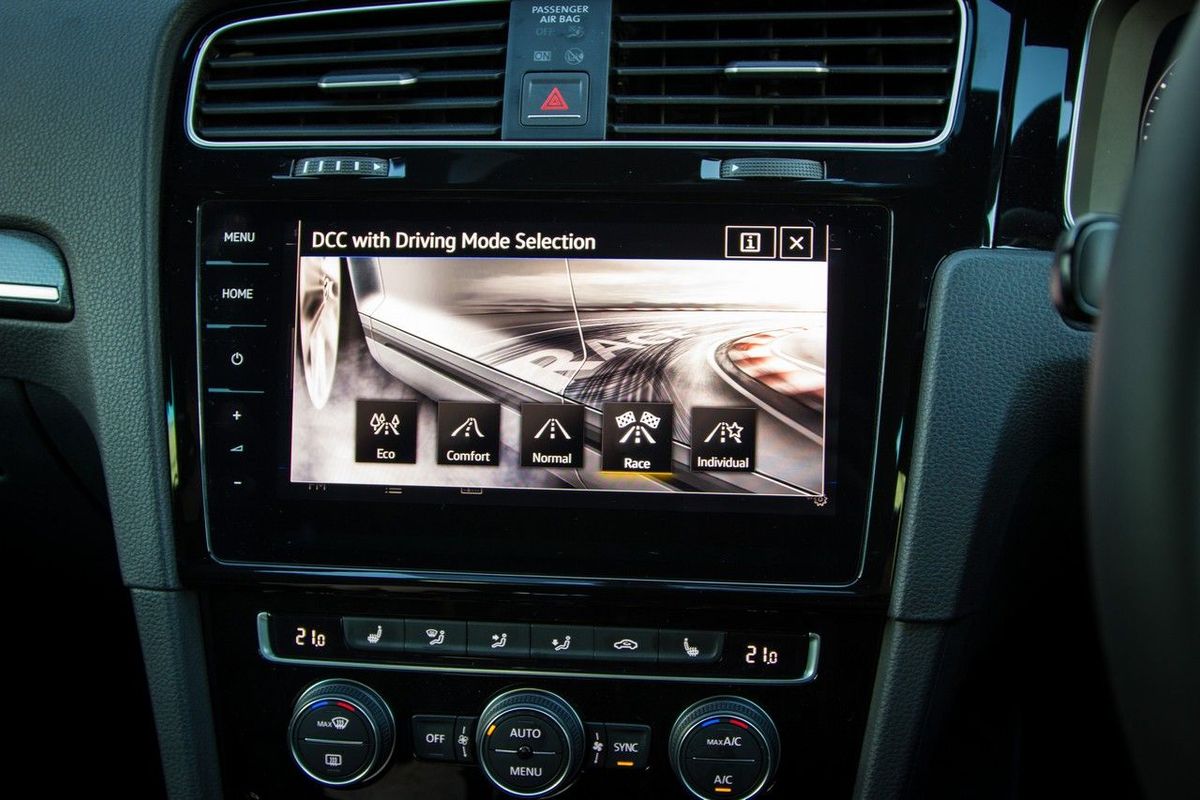
With the optional Adaptive Chassic Control system fitted, the driver can scroll through 5 driving modes. 

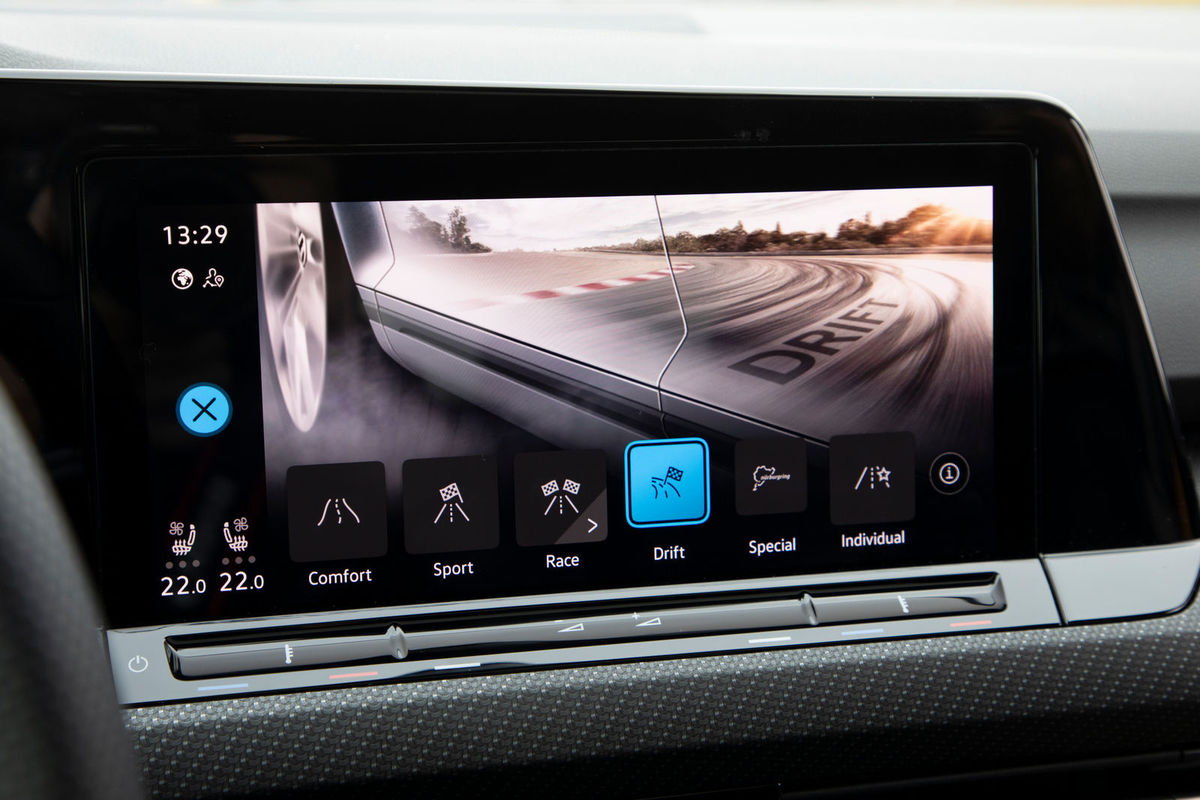
With all-wheel drive as standard and a firmer ride from the get-go, the Golf R feels markedly different to its famous GTI sibling when driven hard. It feels more "hunkered-down", grippier and because of a marked lack of body roll, quite sportscar-like in the corners. Fitted with the optional Adaptive Chassis Control system (R12 700), the driver can adjust the throttle responsiveness, steering and firmness from behind the wheel, but it's always on the firm side and becomes progressively more "aggressive" as one moves through the various modes. It's also worth noting that, when Sport mode is selected, the infotainment screen displays "racy" items such G-forces and power outputs.

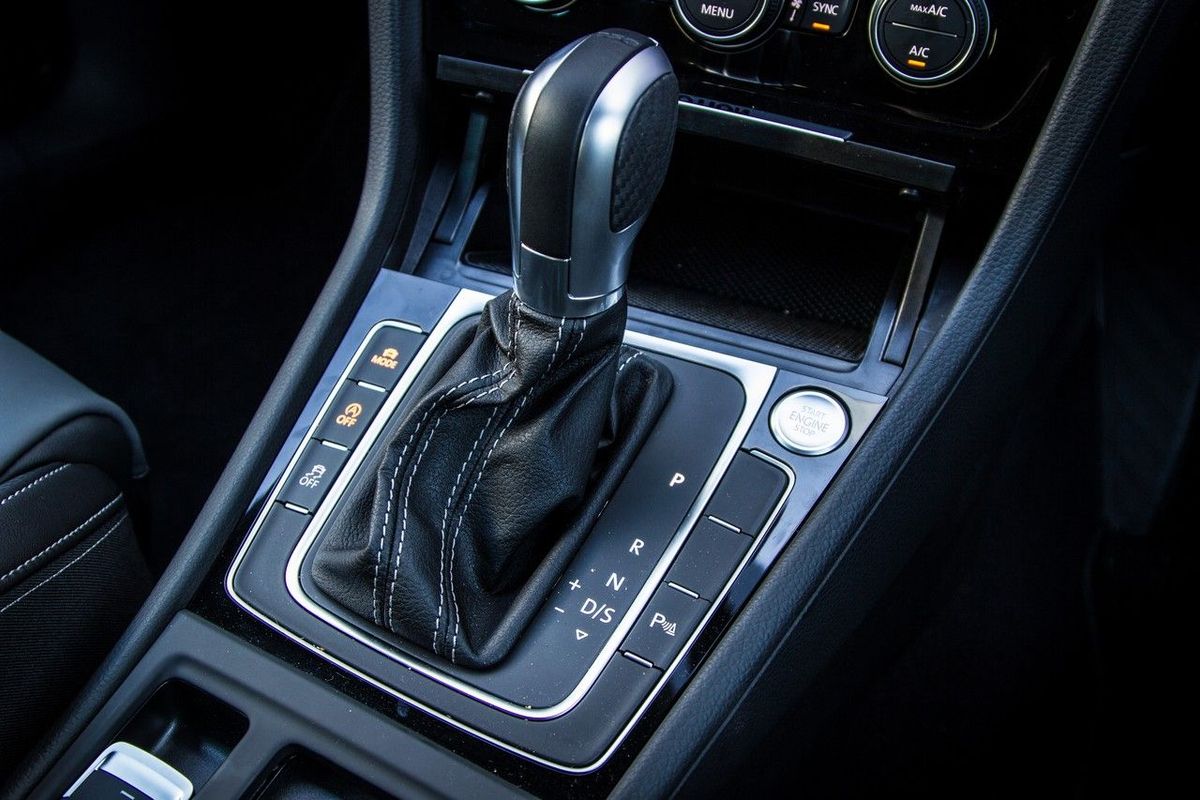
It is also possible to switch out ESP completely with the Golf R, which is increasingly a rarity. 
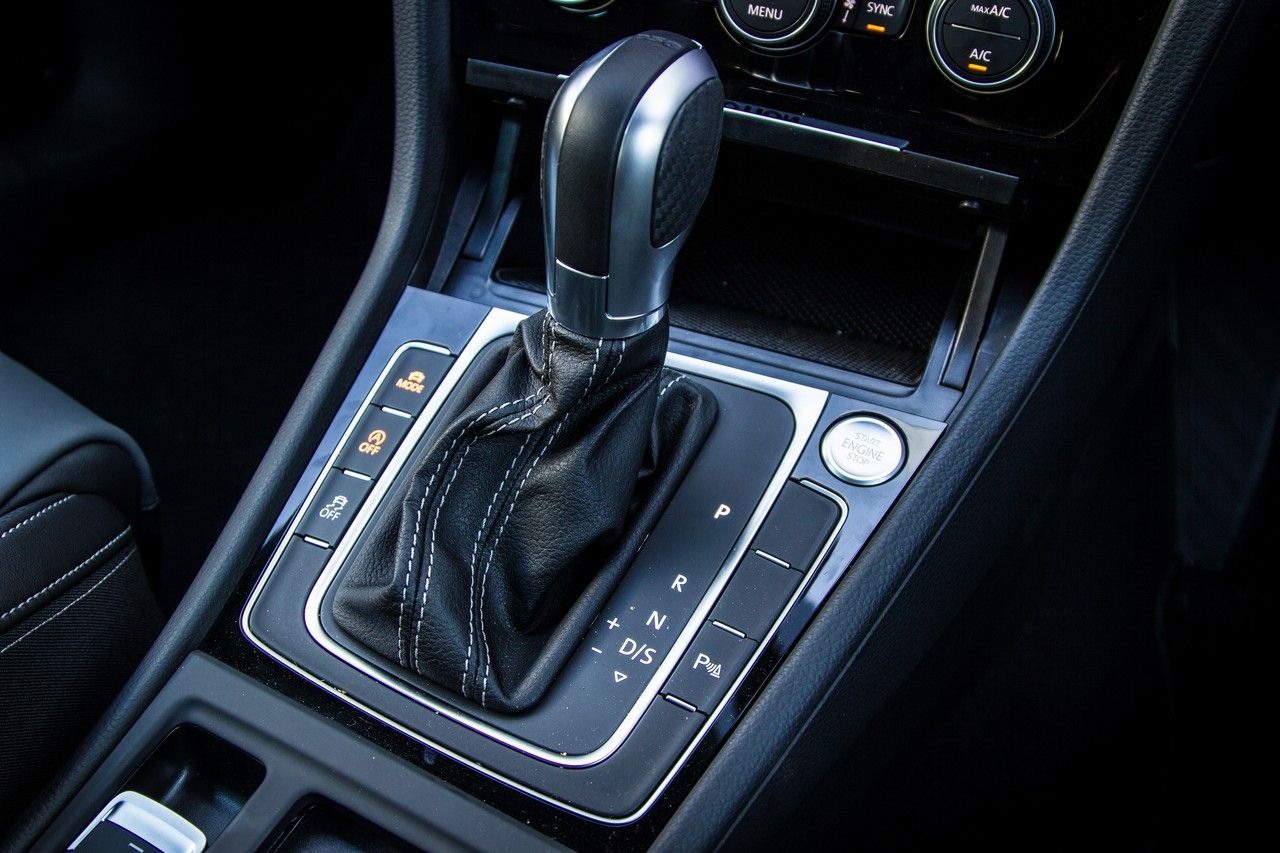

The new 7-speed dual-clutch gearbox incorporates a Launch Control function. The 'box is lightning fast and feels very robust.

Overall, the Golf R's initial response to being pushed hard into a corner will be predictable understeer, but because it can channel power to the rear when there's little traction at the front, the experienced driver can extract good and entertaining adjustability from the R by using the throttle pedal. It is perhaps also due to this ability (shifting power to the rear), that the steering feels purer and more informative than on cars (and Golfs) where all the power goes to the front wheels. It's a car with such depth to its dynamic abilities that it requires a dedicated driver to extract its full potential. The process of discovery is, however, very rewarding.

It's an impressive performance particularly because not so long ago fast all-wheel drive hatches were one-trick ponies that could only go fast in a straight line but fell short of providing true entertainment on the twisty bits. The Golf R is not like that, it's fast and entertaining everywhere.

The Bad

Ride occasionally too firm

There aren't many chinks in the Golf R's armour, and given its overall balance of performance, driving fun and practicality, we feel inclined to forgive it its slightly firm ride. On European roads it will probably never be a problem, but on South Africa's (in places) deteriorating road infrastructure, it can prove to be uncomfortably firm. That said, most cars that it competes with are in a similar boat (or worse). 

Pricing and Warranty

The VW Golf R currently (September 2017) sells for R647 300 without options and the price includes a 3-years/120 000 km warranty and 5-years/90 000 km service plan. It is very comprehensively specified as standard but options include 19-inch Pretoria alloy wheels (R8 100), the Discovery Pro info-tainment system with satellite navigation (R20 200), Blindspot monitor with rear traffic alert (R3 500), adaptive cruise control with automated emergency braking (R5 000) and the Adaptive Chassis Control system with driving profile selection (R12 700).

Verdict
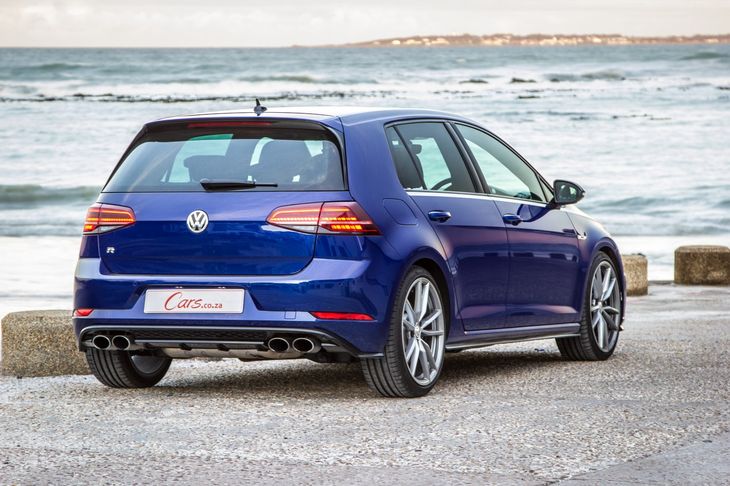

Bruiser in a tailored suit… The Golf R looks sophisticated but packs a hard punch.

For around R650 000 (without options), the Golf R is undoubtedly pricey. Nevertheless, within the context of its abilities and rivals, it makes more sense than one may think. This is probably the ultimate expression of the fast Golf formula to date, offering nearly all the practicality of a GTI, but with even more dynamic appeal, greater performance and a cabin that knocks most of the competition for a six. On paper (and in the metal) this latest evolution looks like a subtle improvement, but the reality is that the latest Golf R does everything "better than expected", and most importantly, delivers greater driving engagement than what we've become used to from this type of car.  

You may also be interested in;

Volkswagen Golf GTI and Golf R (2017) track comparison (video)

5 Key changes for the facelifted Volkswagen Golf R

Audi RS3 vs BMW M2 vs Mercedes-AMG A45 vs Honda Civic Type-R track comparison (video)

Ford Focus RS (2016) video review
Looking for a new / used VW Golf to buy?

Find one on Cars.co.za today by clicking here

Toyota RAV4 Updated in South Africa

Toyota has updated the specification of its popular RAV4 compact SUV in South Africa. Herewith the details…

The RAV4 is one of the best-selling compact SUVs in South Africa and Toyota has now updated the specification of the RAV4.

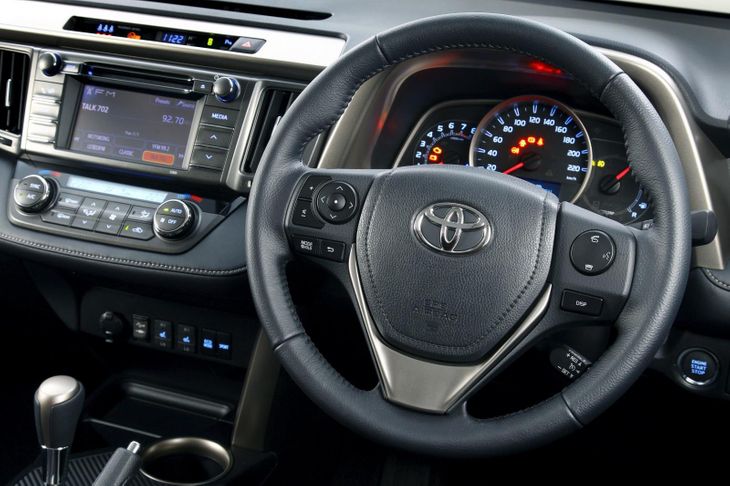
Buyers looking purchase the GX derivatives will now have the convenience of cruise control at their fingertips and the steering wheel now features improved tactile quality with the inclusion of leather upholstery. Buyers can also opt for a new Red metallic exterior colour.


RAV4 GX derivatives are now equipped with cruise control activated using the steering wheel-mounted controls. 

The RAV4 model lineup remains unchanged with 3 engine options and 2 trim levels on offer, including GX and VX.

Engine options include a 107 kW / 187 Nm 2.0-litre petrol engine that can be mated to either a 6-speed manual transmission or CVT. A 2.5-litre petrol engine with 132 kW and 233 Nm of torque is also offered in VX guise with a 6-speed automatic transmission.

Buyers looking for a diesel-powered RAV4 can opt for the 2.2-litre turbodiesel engine with 110 kW and 340 Nm of torque and it’s available with in GX guise with a 6-manual transmission and in VX guise with a 6-speed automatic transmission.

Toyota RAV4 – Price in South Africa

RAV4 2.0 GX 6MT – R 374 500

RAV4 2.0 GX CVT – R 387 200

RAV4 2.2D GX 6MT – R467 500

RAV4 2.2D VX 6AT – R 552 400

RAV4 2.5 VX 6AT – R 518 200

All RAV4 models come standard with a 3-year/100 000 km warranty and 5-year/90 000 km service plan.

Want to buy a Toyota RAV4?

Find one on Cars.co.za

Related Content

Toyota RAV4 2.2D AWD GX (2016) Review

Facelift RAV4 Video Review – Load Space, Comfort, Features

Honda CR-V (2017) Launch Review

Kia Sportage (2017) Specs & Price

Kia Sportage 2.0 CRDi SX AWD (2016) Quick Review

Comparative Review: Hyundai Tucson vs Kia Sportage vs Renault Kadjar vs Volkswagen Tiguan

Hyundai Tucson Sport Gains AWD Auto

Hyundai Tucson Sport (2017) Quick Review

Hyundai Tucson 1.7 CRDi Executive (2017) Review

Mazda CX-5 vs 2017 Hyundai Tucson (2017) Comparative Video Review

Is Volkswagen building a Tiguan R? [with Video]

Volkswagen Officially Unveils T-Roc Compact SUV

Volkswagen Tiguan 1.4 DSG (2016) Video Review

Volkswagen Tiguan 2.0 TDI Highline 4Motion DSG (2017) Quick Review

Volkswagen Tiguan 1.4 TSI Comfortline R-Line (2016) Review

Volkswagen Tiguan 1.4 TSI 110 kW DSG (2016) Review


Facelifted Ford Kuga Launches in SA (2017) Specs & Price

Ford has introduced the facelifted Kuga SUV in South Africa with a fresh design and enhanced feature specification. Take a look at specification and pricing for the new Kuga.

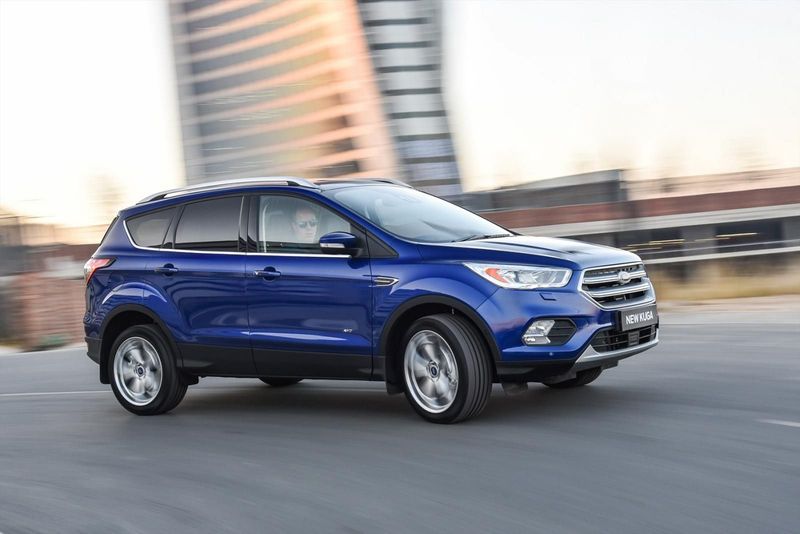
There’s a new Ford Kuga in town and it has just been launched in South Africa. The facelifted Kuga introduces a new exterior and interior design as well as Ford’s latest SYNC3 in-car connectivity system and improved safety specification. The Kuga is available in either Ambiente, Trend or Titanium trim grades

"We are thrilled with the new Kuga offering, with stunning new design inside and out, smart technologies, fuel-efficient yet powerful engines, and five-star safety, it's a vehicle that will stand out for our customers," says Tracey Delate, General Marketing Manager, Ford Motor Company of Southern Africa.

What engines are available?


The Kuga range includes 2 petrol engines and 1 diesel engine. The previous 1.6-litre engine is no longer offered. 

There are 2 petrol engines and 1 diesel engine that now powers the Kuga. The 1.5-litre EcoBoost engine offers 110 kW/240 Nm of torque for the front-wheel drive derivative equipped with a 6-speed manual transmission.

A more powerful version of this engine offers 132 kW and is offered on both front-wheel drive and all-wheel drive derivatives equipped with a 6-speed automatic transmission.

The petrol offering is headlined by a 2.0-litre EcoBoost engine with 177 kW and 340 Nm of torque and is exclusively offered in all-wheel drive guise with a 6-speed torque-converter automatic transmission.

The only diesel engine available is a 2.0-litre turbodiesel with 132 kW and 400 Nm of torque and is offered in all-wheel drive only and features a dual clutch automatic transmission.

What’s changed in terms of design?


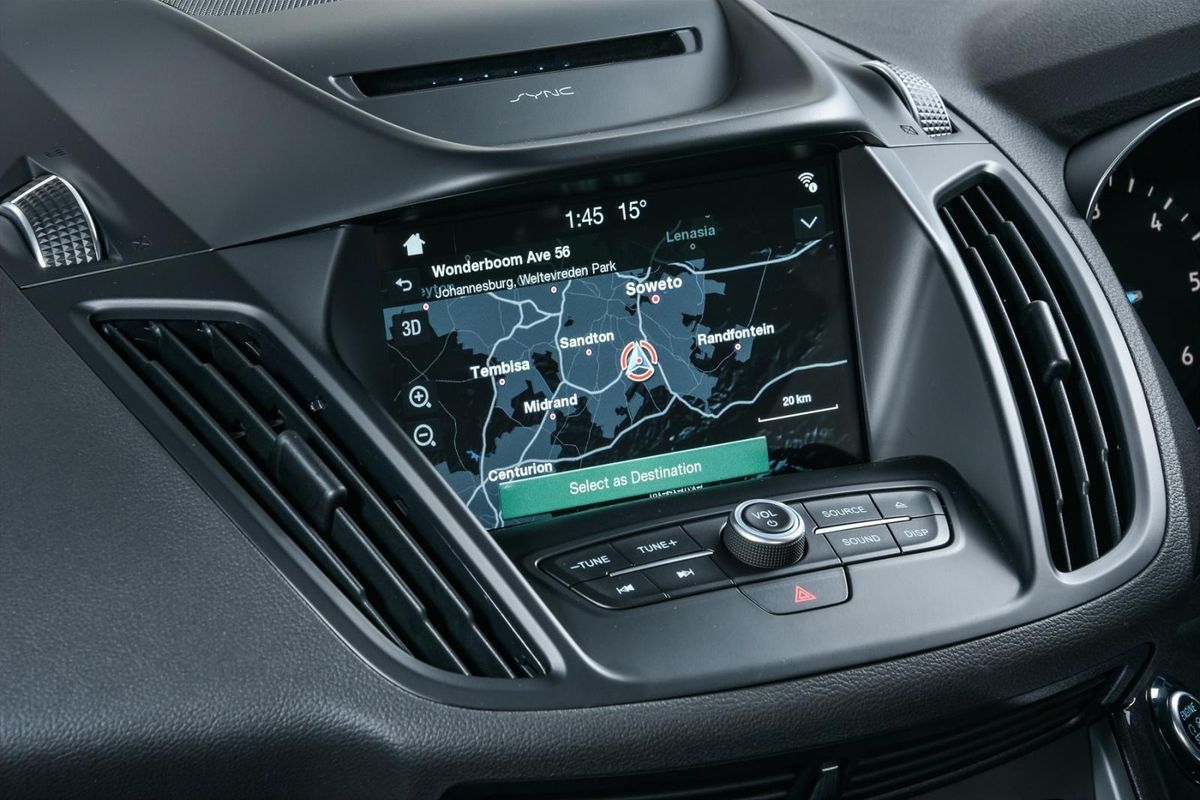
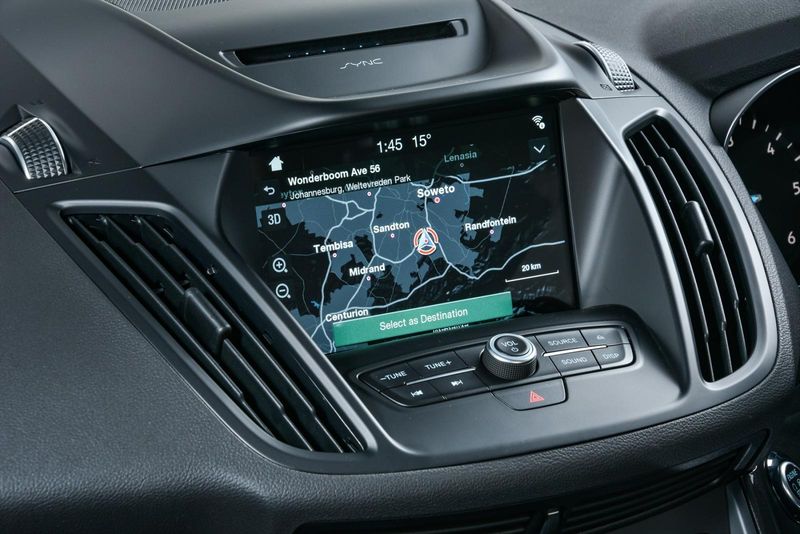
SYNC3 makes its way into the Kuga and integrated navigation is an option

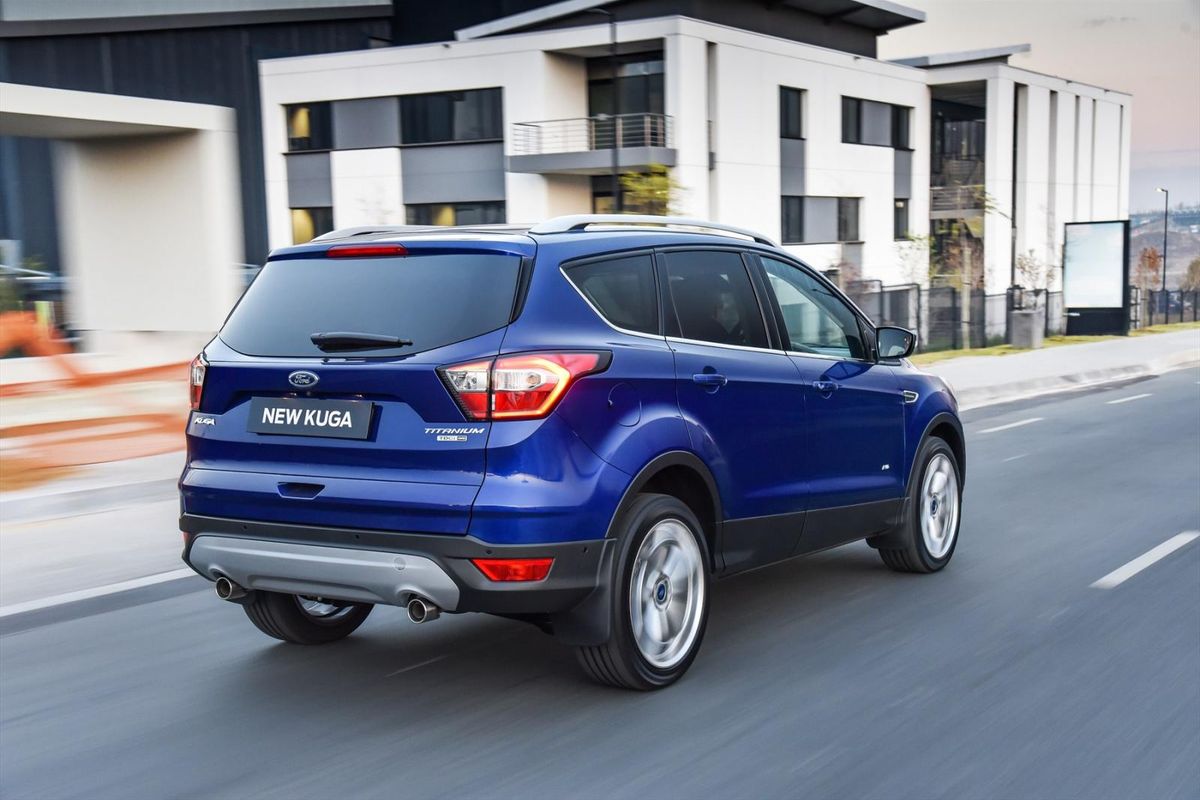
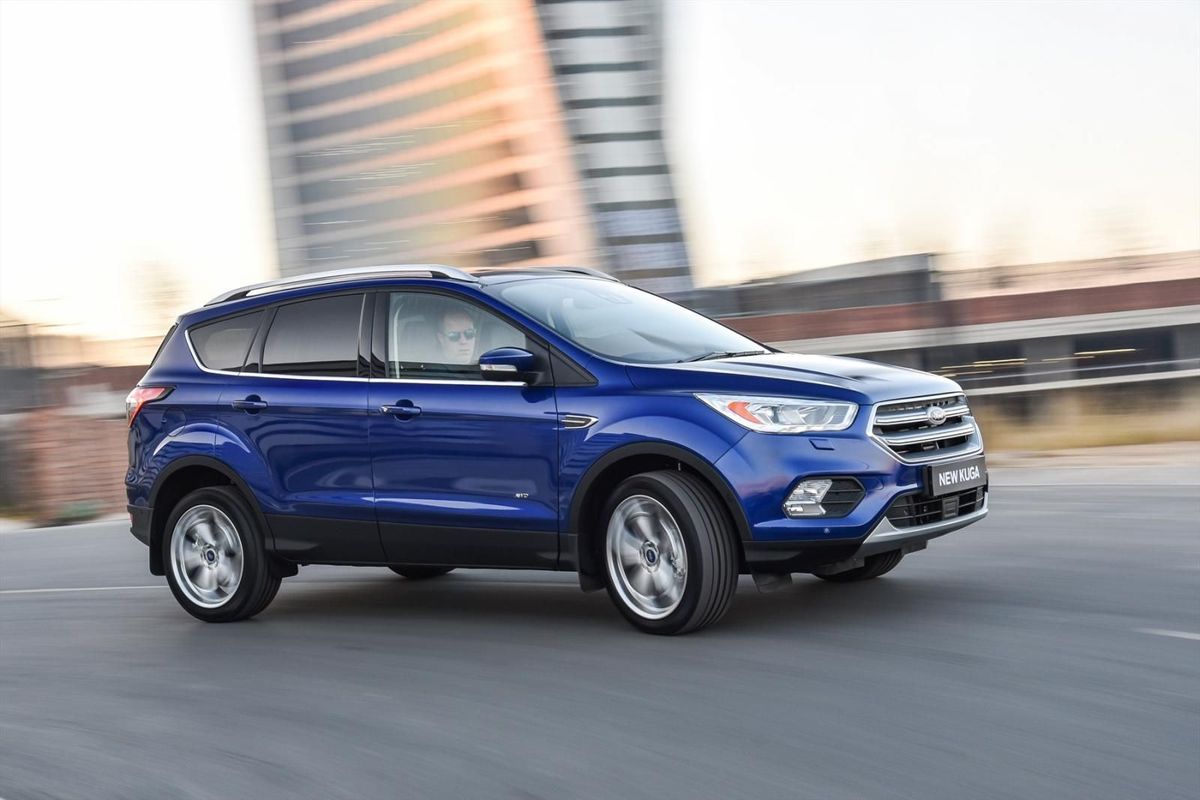
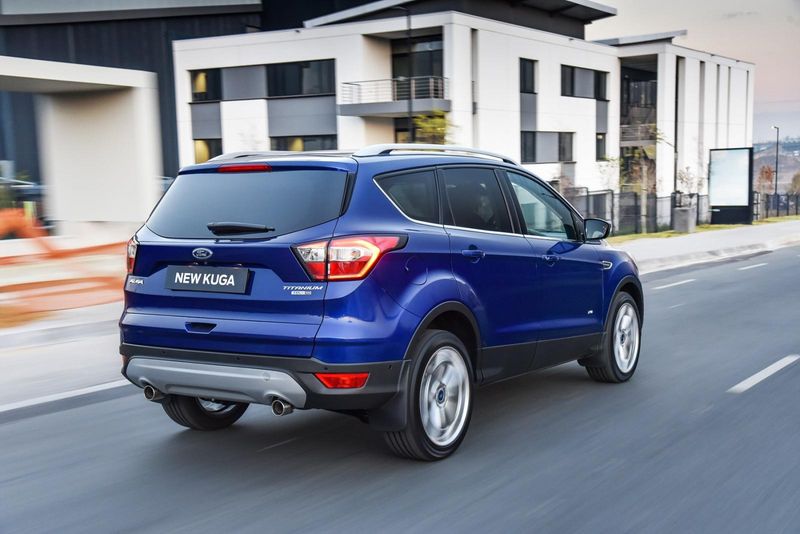
The latest Kuga wears a large upper trapezoidal grille along with a lower grille that’s complemented with slim headlights and fog lights. The taillights, tailgate and twin exhaust system have been redesigned and the Kuga is now available with a new range of alloy wheel designs ranging in size from 17- to 19-inches in size.

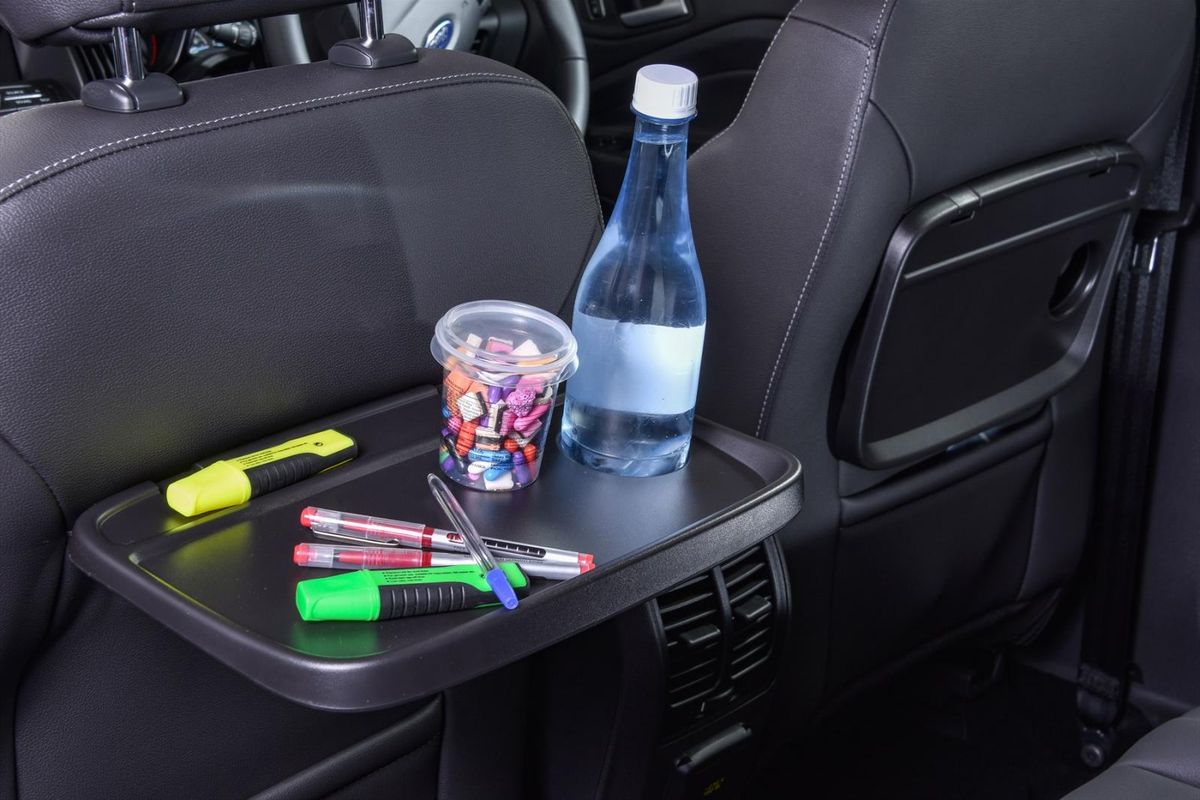
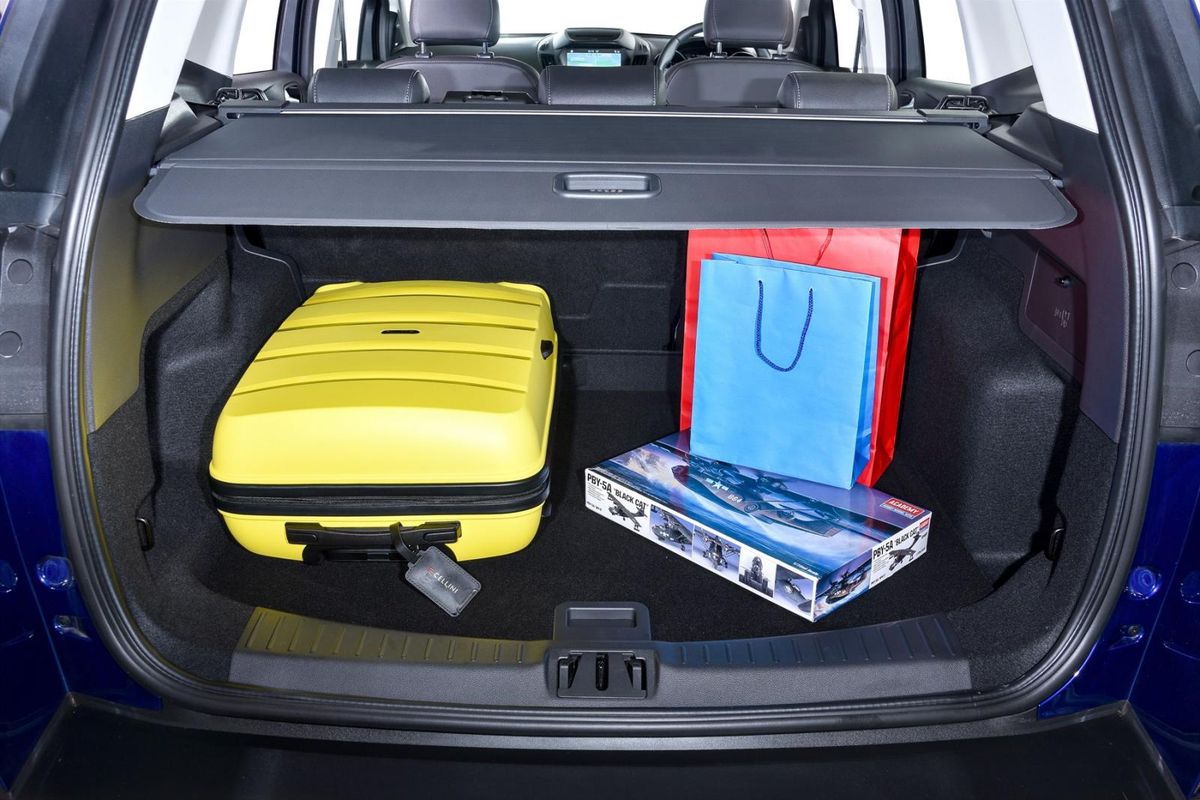
As for the interior, the Kuga now features an updated cabin with enhanced storage in the centre console, rear tray tables, rear air vents (Trend and Titanium only) as well as an electronic parking brake. The Kuga’s steering wheel and air conditioning controls have also been updated to improve ease-of-use.


Kuga's design has been improved and an electronic tailgate is now offered. 

The tailgate is now electrically operated for added convenience and all automatic Kuga derivatives feature paddle-shift controls for manual gear changes.   

SYNC3 is offered in the facelifted Kuga via an 8-inch touchscreen and all audio and connected smartphones can be controlled with conversational voice commands. SYNC3 is offered as standard on Trend and Titanium derivatives and integrated navigation is optionally available across the range. SYNC3 also offers Apple CarPlay and Android AutoT.

Safety features

Standard safety features on the facelifted Kuga include 7 airbags, ABS, Electronic Stability Program (ESP), trailer stability function, hill launch assist and rollover mitigation. ISOFIX child seat mounts are also standard.

The latest Kuga also introduces an enhanced version of Ford’s Active City Stop with low-speed collision mitigation and avoidance which is offered as part of the Driver Assistance Package on Trend and Titanium derivatives. The package also includes features such as adaptive cruise control, blind spot information system, lane departure warning, lane keeping aid and advanced active park assist.

Perpendicular parking functionality is also offered on the Kuga to help drivers locate parking spaces alongside other cars and parallel to the road and will steer into spaces while the driver controls the throttle and brakes. The facelifted Kuga has a 5-star Euro-NCAP safety rating.

New Ford Kuga – Price in South Africa

Ford Kuga 1.5 EcoBoost Ambiente 6MT FWD – R368 800

Ford Kuga 1.5 EcoBoost Ambiente 6AT FWD – R381 900

Ford Kuga 1.5 EcoBoost Trend 6MT FWD – R406 400

Ford Kuga 1.5 EcoBoost Trend 6AT FWD – R427 900

Ford Kuga 2.0 TDCi Trend 6AT AWD – R483 900

Ford Kuga 2.0 EcoBoost Titanium 6AT AWD – R497 900

Ford Kuga 2.0 TDCi Titanium 6AT AWD – R506 900

A 4-year/120 000 km warranty is standard as well as a 3-year/unlimited km roadside assistance and 5-year/unlimited corrosion warranty. Petrol Kuga derivatives are sold with a 4-year/80 000 km service plan with service intervals set at 20 000 km while the diesel derivatives have a 5-year/90 000 km service plan with service intervals set at 15 000 km.

Want to buy a Ford Kuga?

Find one on Cars.co.za

Related Content

Extended Test: Ford Kuga 1.5T Trend Automatic [with Video]

SUV Comparison: Ford Kuga vs Honda CR-V vs Subaru Forester

Comparative Review: Hyundai Tucson vs Kia Sportage vs Renault Kadjar vs Volkswagen Tiguan

Toyota RAV4 Updated in South Africa

Toyota RAV4 2.2D AWD GX (2016) Review

Facelift RAV4 Video Review – Load Space, Comfort, Features

Honda CR-V (2017) Launch Review

Kia Sportage (2017) Specs & Price

Kia Sportage 2.0 CRDi SX AWD (2016) Quick Review

Comparative Review: Hyundai Tucson vs Kia Sportage vs Renault Kadjar vs Volkswagen Tiguan

Hyundai Tucson Sport Gains AWD Auto

Hyundai Tucson Sport (2017) Quick Review

Hyundai Tucson 1.7 CRDi Executive (2017) Review

Mazda CX-5 vs 2017 Hyundai Tucson (2017) Comparative Video Review

Is Volkswagen building a Tiguan R? [with Video]

Volkswagen Officially Unveils T-Roc Compact SUV

Volkswagen Tiguan 1.4 DSG (2016) Video Review

Volkswagen Tiguan 2.0 TDI Highline 4Motion DSG (2017) Quick Review

Volkswagen Tiguan 1.4 TSI Comfortline R-Line (2016) Review

Volkswagen Tiguan 1.4 TSI 110 kW DSG (2016) Review

Big Fuel Price Increase Looms in October

The Automobile Association (AA) has warned that the fuel price is likely to increase substantially on the back of stronger international fuel prices and a slow weakening of the Rand.

"The Rand has (recently) shown reasonable strength against the US dollar," the AA said in response to unaudited mid-month fuel price data issued by the Central Energy Fund (CEF). "However, this is not enough to counter rampant increases in the international prices of fuels, which have risen by up to 6% in the past two weeks."

The current data predicts a month-end price hike of up to 35 cents a litre for petrol, 33 cents for diesel, and 29 cents for illuminating paraffin.

"Without the benefit of Rand strength, the increase per litre would have been up to 50 cents in some cases," the Association concluded."We are now seeing what we believe is the beginning of some Rand weakness… the current picture may deteriorate by month-end." 

Related Content

Top 10 Most Fuel Efficient Budget Friendly Cars (2016) 

Top 10 Most Fuel Efficient Cars in SA (2016)

Most Fuel Efficient SUVs in SA (2016)

5 Most Fuel-Efficient Double-Cab Bakkies in SA (2016)

10 Ways To Save Fuel

Need a new or used car?

Find a new or used car on Cars.co.za

Toyota offers new warranty extensions to its customers

Toyota South Africa has announced two new warranty offerings for customers who own Toyota products. Here's what they entail…

Toyota Genuine Unlimited Warranty

This is applicable to Toyota models that are still covered by the 3-year/100 000 km manufacturer’s warranty. This product is offered to customers whose vehicles have not skipped more than one service interval within the manufacturer’s warranty. Below are some of the benefits of this warranty:

  • The policy offers the same level of cover as the manufacturer’s warranty as it is a genuine Toyota product, specifically designed to provide a seamless extension of the manufacturer’s warranty.
  • No limit on mileage – the extension options are either 6- or 8-years/unlimited mileage on all petrol and diesel Toyota vehicles.
  • On hybrid vehicles, the only option is a 10-year/unlimited mileage extension – covering all hybrid componentry, including the hybrid battery.
  • The policy also provides for replacement (set of shock absorbers, clutch kit and a single instance of brake disk skimming during the period as a result of wear or tear.
  • Vehicle failure or malfunction as a result of wear and tear on engine, transmission and drivetrain up to 250 000 km is also covered.

Toyota Genuine Pre-Owned Warranty+

This is applicable to vehicles outside of the manufacturer’s warranty, but which are not older than 7 years or have mileages of less than 200 000km. This product is offered to customers whose vehicles have not missed a maximum of two (non-consecutive) service intervals. Below are some of the benefits of this warranty:

  • Cover for a period of 2 years or up to 250 000km – this effectively means a Toyota vehicle could be covered by warranty for up to 9 years.
  • The policy offers the same level of cover as the original manufacturer’s warranty as it is a Toyota product, specifically designed to reinstate a Toyota backed warranty on vehicles older than 3 years.
  • The Genuine Pre-Owned Warranty+ includes RoadCover and 24/7 Roadside Assistance.
  • Repairs will be done exclusively by a Toyota dealer with Toyota Genuine Parts.

It is important to note that cars older than 5 years covered by either of these genuine warranties will continue to qualify for Toyota Value Service (capped labour rate and discounted parts) at local Toyota dealers. The products afford customers the same level of cover as the manufacturer’s warranty for an extended period. These warranties are not available to Quantum Ses'fikile and Dyna models.

How much do they cost?

Pricing structure for Toyota Genuine Unlimited Warranty is as follows:

  • Petrol model with engine capacity up to 2.0-litre: pricing starts at R3340 or R155.15 (over 24 months) for 6 years/unlimited kilometres; R5 230 or R251.57 (over 24 months) for 8 years/unlimited kilometres.
  • Petrol model with engine capacity over 2.0-litre/1.2 Turbo: pricing starts at R7 870 or R388.86 (over 24 months) for 6 years/unlimited kilometres; R10 290 or R511.54 (over 24 months) for 8 years/unlimited kilometres.
  • Diesel models up to 3.0-litre: pricing starts at R6 995 or R343.72 (over 24 months) for 6 years/unlimited kilometres; R9 730 or R482.76 (over 24 months) for 8 years/unlimited kilometres.
  • Diesel models over 3.0-litre: pricing starts at R10 460 or R522.48 (over 24 months) for 6 years/unlimited kilometres; R16 815 or R846.76 (over 24 months) for 8 year/unlimited kilometres.
  • All hybrid models: pricing starts at R11 000 or R547.58 (over 24 months) for 10 years/unlimited kilometres.

Pricing structure for Toyota Genuine Pre-Owned Warranty+ (2 Year/Max 250 000km) is as follows:

  • Petrol model with engine capacity up to 2.0-litres: pricing starts at R4 830 or R231.66 (over 24 months).
  • Petrol model with engine capacity over 2.0-liters/1.2 Turbo: pricing starts R9 640 or R478.78 (over 24 months).
  • Diesel models up to 3.0-litres: pricing starts R10 465 or R521.17 (over 24 months).
  • Diesel models over 3.0-litres: pricing starts R11 815 or R590.52 (over 24 months).
  • All hybrid models: pricing starts R10 705 or R533.50 (over 24 months).

How to apply for the extra warranty?

Both the Toyota Genuine Pre-Owned Warranty+ and Toyota Genuine Unlimited Warranty are available through any Toyota dealership, or you can contact the Toyota Genuine contact centre (086 012 3329). Customers have the option to purchase this product at full premium or on monthly instalments. Online quotes are available at www.toyota.co.za/warranty or on the MyToyota Mobile Application (downloadable from Play Store or App Store).

Want to buy a Toyota?

Browse through new and used stock here

Do you suffer from anti-stationwagonism?

South African motorists seem to be suffering from a curious condition. The origins of the condition are the subject of debate among experts but the symptoms seem universal: South Africans just don't like station wagons.

This is in stark contrast to motorists in Europe who have a long and enduring love affair with what many in the industry agree are practical, stylish vehicles.

We've termed the condition "anti-stationwagonism" and in this special report by our intrepid reporter Ciro De Siena, we speak to a pro-estate car journalist in a bid to better understand the condition, and we found a local station wagon owner who was willing to share his experience with us.

The vehicle we've chosen as a case study for this report is the Subaru Levorg. While the model isn't yet on sale in South Africa, a facelifted model will reach local showrooms in 2018.

If you know someone suffering from anti-stationwagonism, or you're experiencing any symptoms yourself, please leave a comment below and we'll do our best to assist you.

Related content:

Subaru debuts new Impreza Hatch at Frankfurt

Subaru Impreza (2017) Specs & Price

2017 Subaru XV: Spec & Price in South Africa

Volvo V90 Cross Country D5 AWD Inscription (2017) Quick Review

Volvo V90 CC T6 AWD (2017) Review

Interested in buying a Subaru?

Search for a new/used example on Cars.co.za

World Car Awards: These Are The Finalists

The top finalists in all 6 categories of the prestigious 2017 World Car Awards have been announced.

Following a recent first round of voting by the 75 international motoring journalists that make up its jury, the World Car Awards (WCA) organisation has revealed the top finalists for the 2017 honours. The jury, including Cars.co.za's Hannes Oosthuizen, the only South African representative, will now have until mid-February to vote on the winners which will be announced at the New York Auto Show in April. Before then, auditing firm KPMG will reveal the top 3 in each category at the Geneva Motor Show in March.

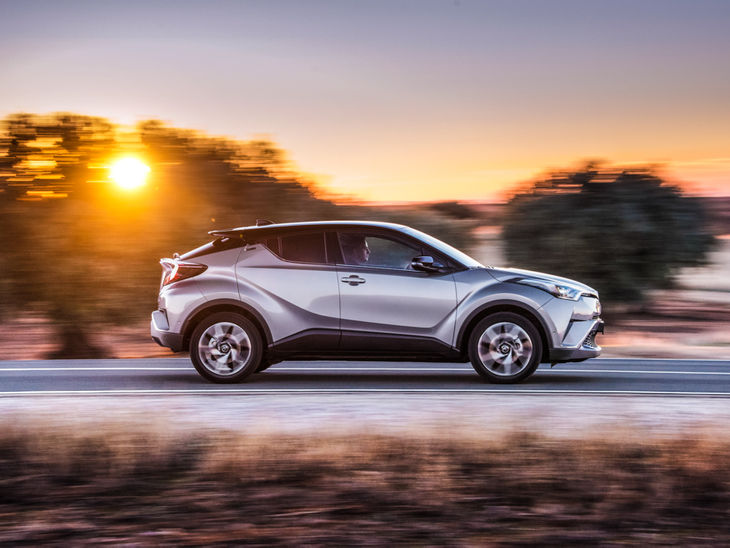
At a quick glance, it looks like Audi has a particularly strong shot at overall victory, with no fewer than 3 cars in the top 10. Other strong contenders include the newly crowned Cars.co.za Consumer Awards Family Car of the Year, the VW Tiguan, Jaguar's stylish new F-PACE and the upcoming Toyota C-HR.

Click on the names of the cars for more information, where available.

2017 World Car of the Year finalists


Could Toyota's bold move with the C-HR be rewarded with World Car Awards glory soon?

World Luxury Car finalists


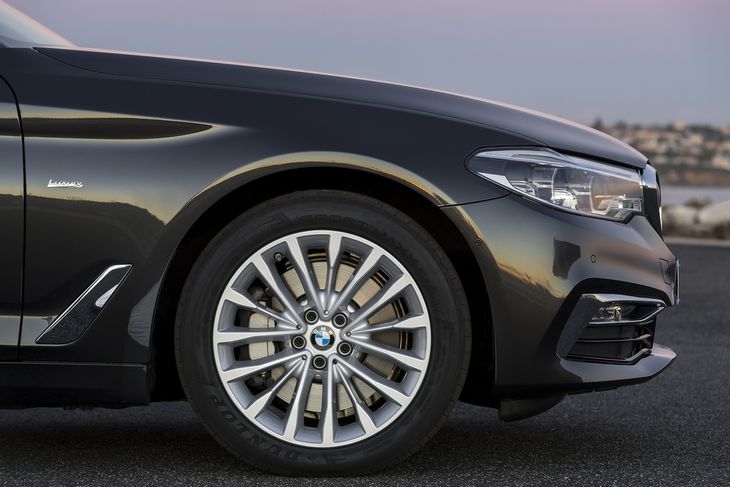
BMW's new 5 Series goes up against its old foe, the Mercedes-Benz E-Class in the Luxury Car category.

 2017 World Performance Car finalists


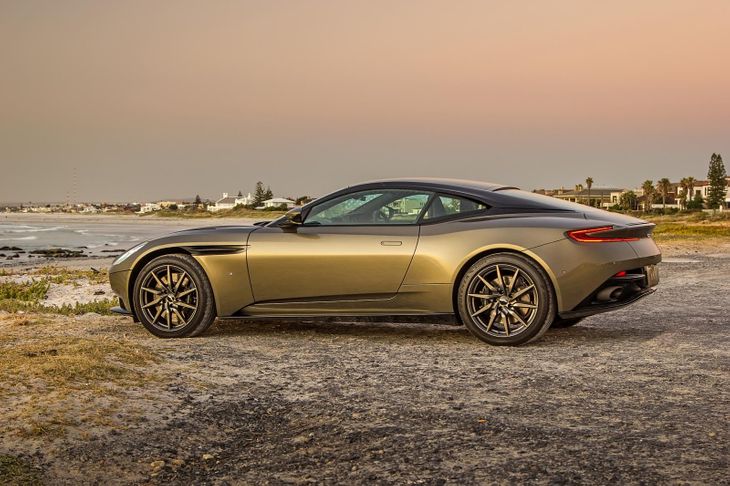
Can a niche brand such as Aston Martin score a surprise victory?

 2017 World Green Car finalists

  • Chevrolet Bolt
  • Honda Clarity Fuel-Cell Car
  • Hyundai Ioniq
  • Tesla Model X
  • Toyota Prius Prime

 2017 World Urban Car finalists


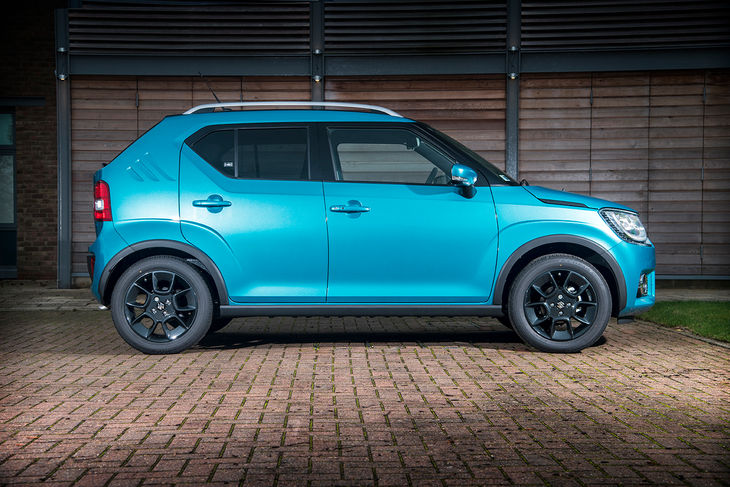
Following the Cars.co.za Consumer Awards, could another trophy be on the way for Suzuki?

  • BMW i3 (84 Ah)
  • Citroen C3
  • Ford KA+
  • Smart Cabriolet
  • Suzuki Ignis

2017 Design of the Year

The winner in this category will be selected by a panel of design experts. The five finalists are;

  • Audi A5 / S5 Coupé
  • Jaguar F-PACE
  • Mazda CX-9
  • Mercedes S-Class Cabriolet
  • Toyota CH-R

You may also be interested in;

South Africa's best cars announced at the Cars.co.za Consumer Awards – Powered by WesBank

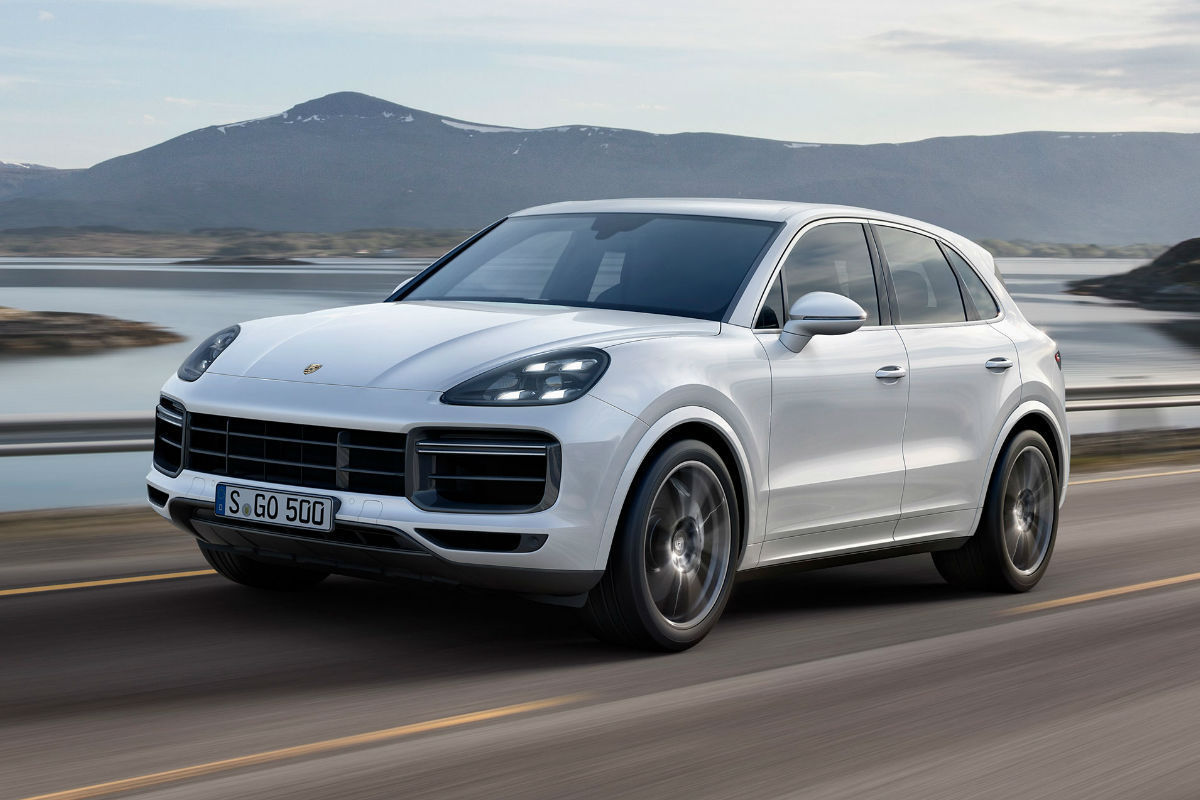
SUV supreme: Porsche’s new Cayenne Turbo

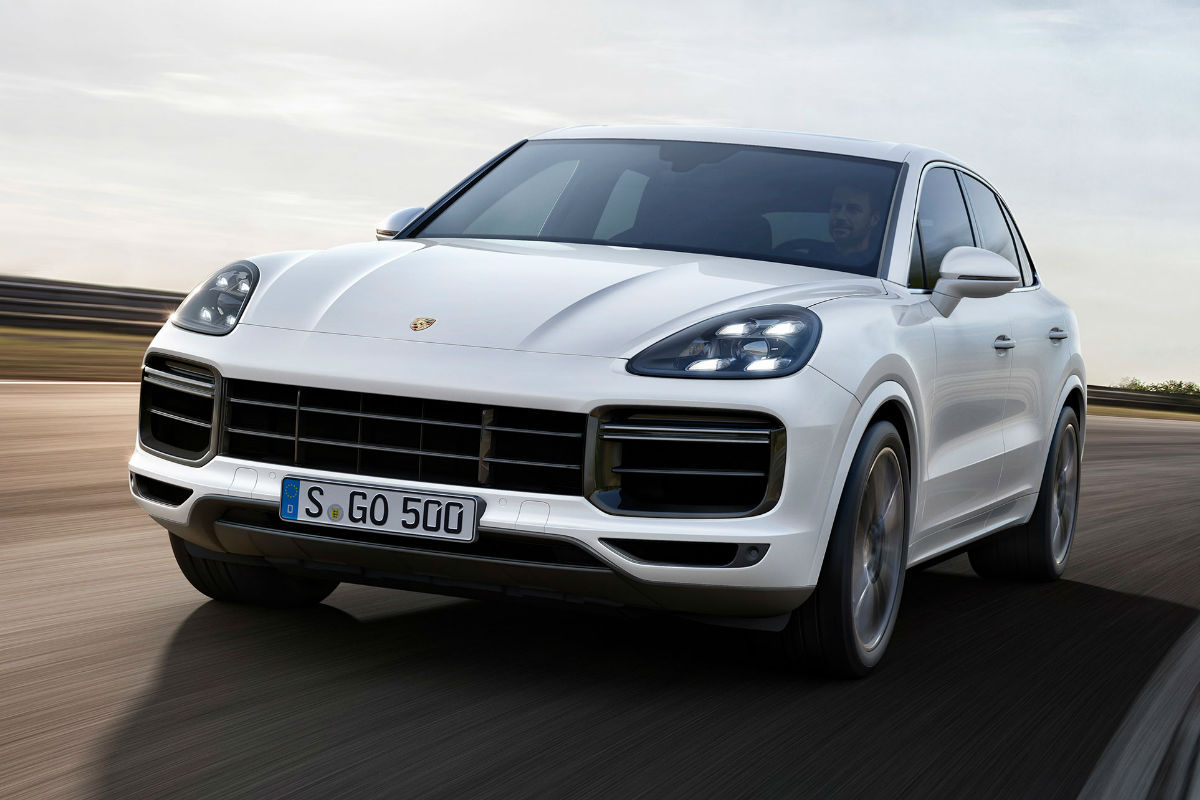
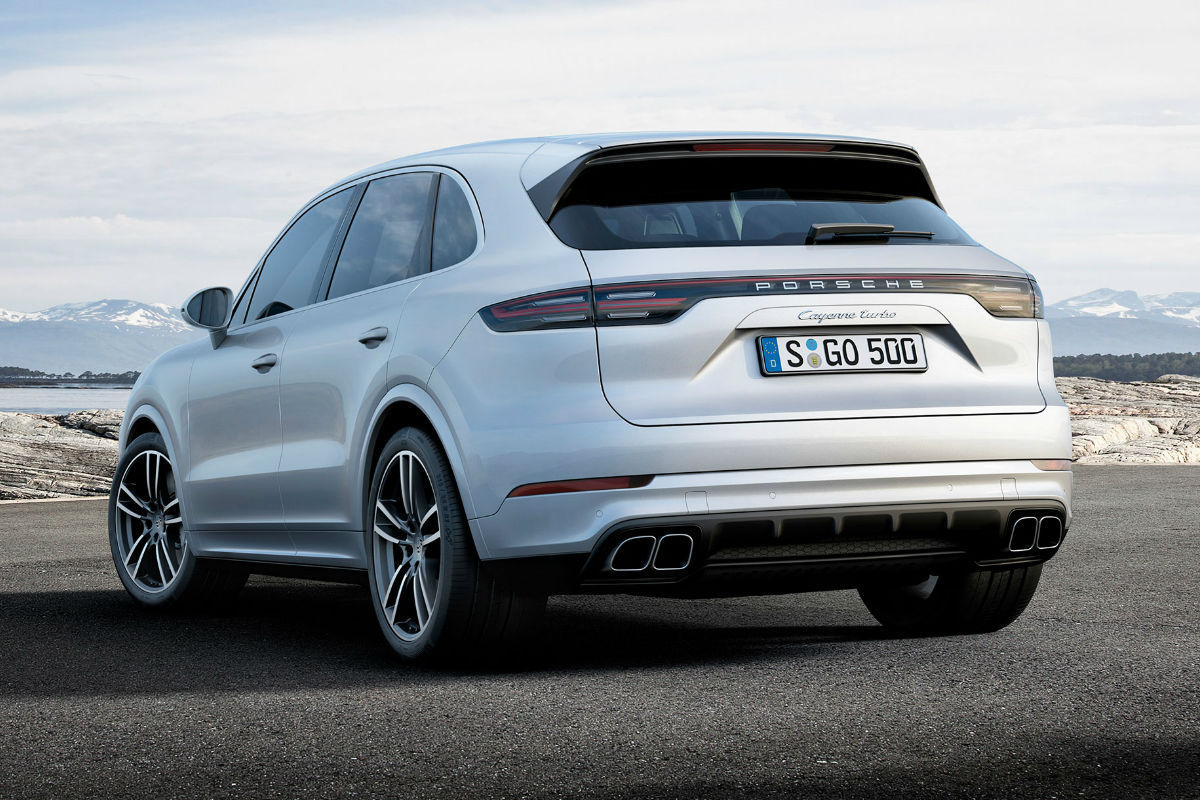
It’s finally here! After plenty of teasing, Porsche has officially introduced the all-new Cayenne Turbo, and it’s a sublime stunner on some serious steroids.

We were lucky enough to be invited on a driving preview of the new Cayenne range in the foothills of the Pyrenees back in August (before its reveal later in the month), and found it to be quite sensational – when the slowest (or rather, least brutal) model in the range hits 100km/h in under 6 seconds, you know you’re dealing with something special (these are full-sized SUVs, people!)
The Turbo model unveiled today in Frankfurt is a good 30% quicker – hitting 100 kph in just 4.1 seconds and surging onwards to 286 kph thanks to its growling 4.0-litre V8 biturbo which delivers 404 kW and an obscene 770 Nm. With a somewhat lighter foot, it will still manage to keep fuel consumption at under 12 L/100 km on the combined cycle. The engine is mounted lower than its predecessor, which enhances driving dynamics.

There’s a lot of impressive stuff going on in the new Turbo that contributes to it achieving the dynamics of a true sports car, such as the electric Porsche Dynamic Chassis Control (PDCC) roll stabilisation connected to a 48-volt vehicle electrical system, Porsche Torque Vectoring Plus (PTV+) and (optional) rear-axle steering.

It’ll be capable off-road too, with six different ride height options.

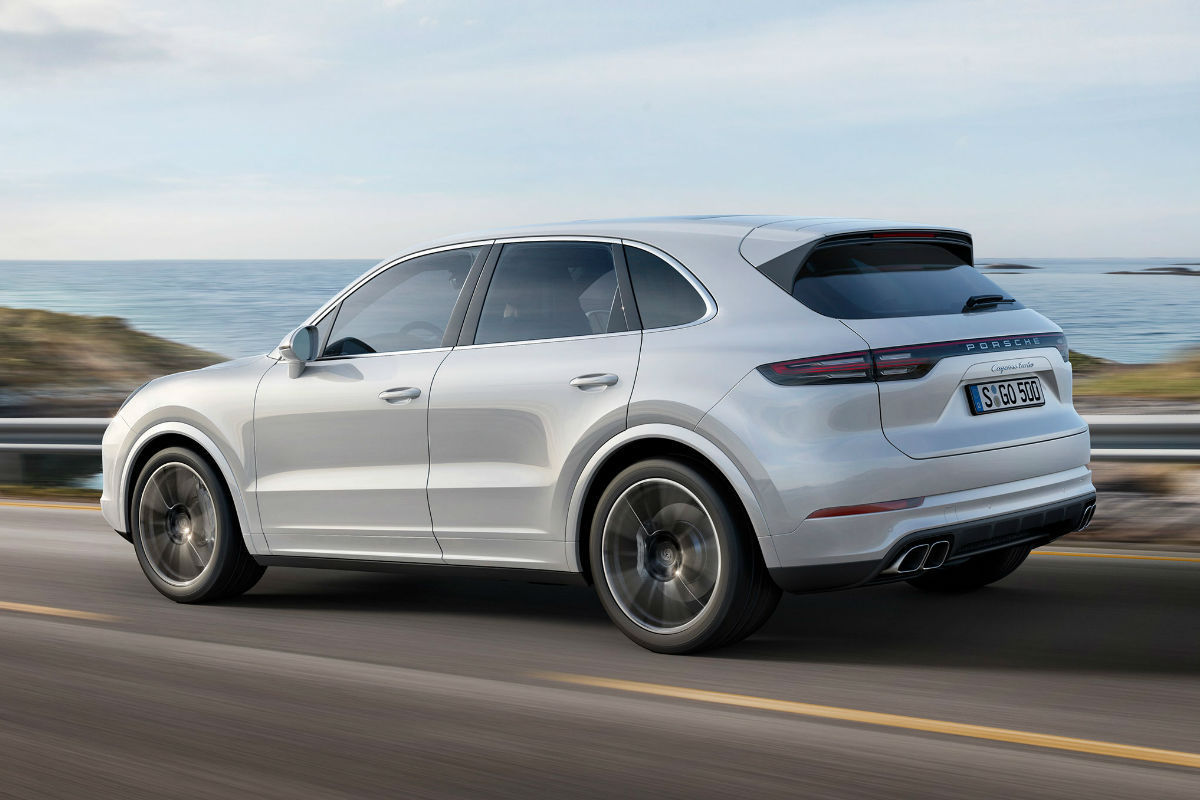
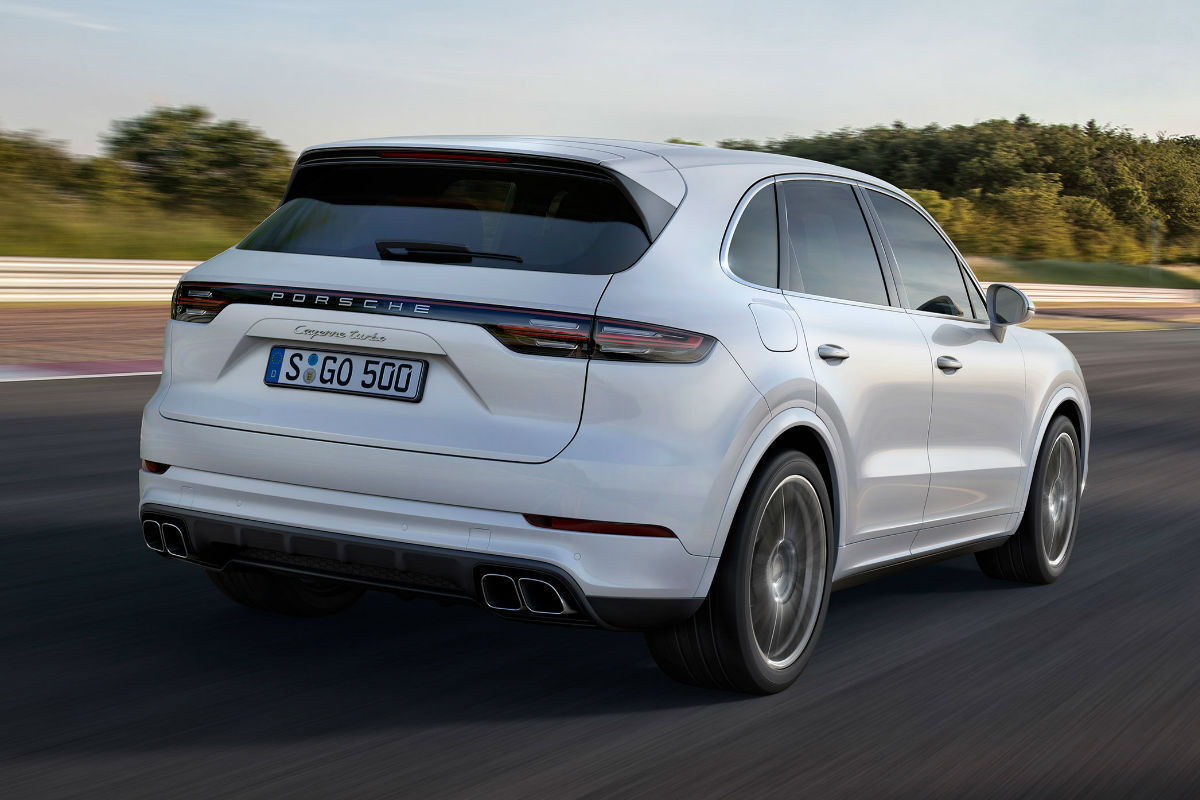
Probably the first thing you’ll notice from the side are the 21-inch wheels specially reserved for the top model, in widened wheel arches with painted wheel arch trims. The twin tailpipes, also specific to the Turbo, are the key distinguishing features on the rear end.

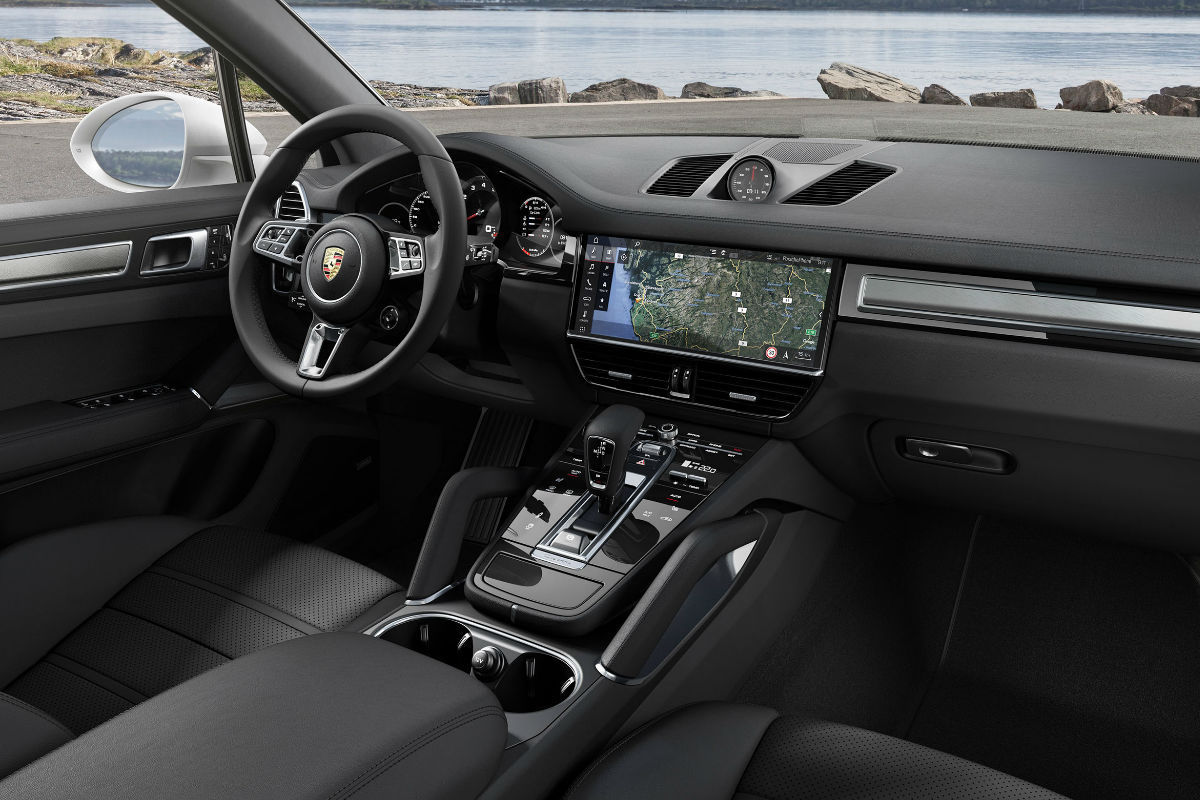
The completely new interior demonstrates the increased spread of the Cayenne Turbo: more sportiness and more comfort at the same time. Virtually all the vehicle functions of the fully networked SUV can be displayed and operated using the high-resolution display and touchscreen of the Porsche Advanced Cockpit.

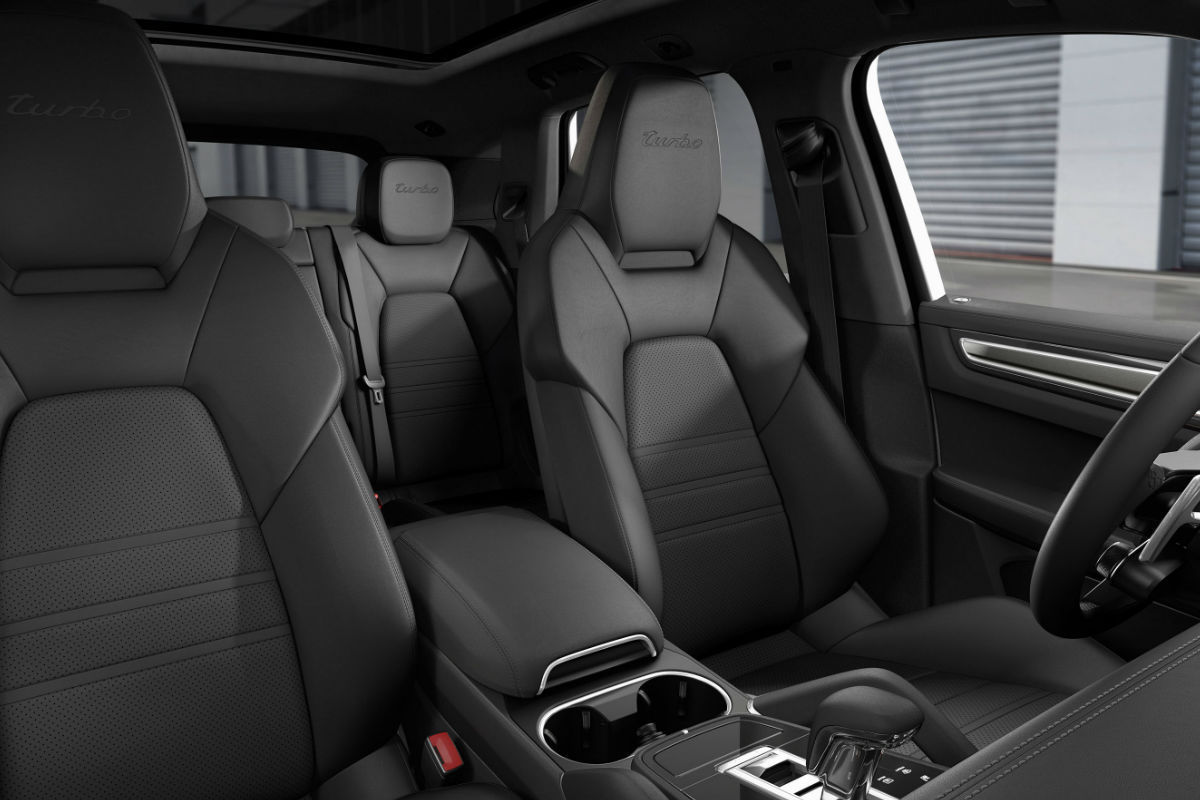
This is the first SUV to have an adaptive roof spoiler to improve aerodynamics and braking. Oh, and you (and all your passengers) can adjust your exclusive heated Turbo seats in 18 different ways — nice.

You can expect to see the new Porsche Cayenne in South Africa in 2018. We will keep you updated as local pricing and specification details become available.

Read a first-drive report of the prototype Porsche Cayenne! Click here.

Related content

New Porsche Cayenne Revealed

Spy Shots: 2018 Porsche Cayenne Shows New Face

BMW X5 M/X6 M Black Fire Edition Headed for SA

BMW X5 M (2015) Review
Land Rover Discovery (2017) Launch Review
Mercedes-AMG GLE 63 Video

Interested in buying a Cayenne?

Search for a new/used example on Cars.co.za

The 2017 Frankfurt Show: So, who got it right?

If you're looking for a positive spin on every concept car at the Frankfurt Show, you've come to the wrong place. Our experienced contributor takes aim at the electric vehicle concepts and fires shots.

Given all the negative sentiment around the diminishing relevance of the traditional car show, you can forgive the Frankfurt motor show (officially, the IAA) for feeling a little like Mark Twain today as the 2017 edition was not only packed with fresh metal, it was also a gathering of huge significance. That significance is rooted in the question that most major exhibitors tried desperately to answer: What does an electric vehicle (EV) look like?

Should an EV, for the sake of easy market acceptance, tie its design to an existing, fossil-fuelled identity? Or should it be an artful interpretation of a better, cleaner future? I’d wager the answer lies in a carefully considered, balanced approach. Nissan chose not to attend the show but its new Leaf, now with the original car’s weird fish-faced style dialled back to something recognisably normal (ala new Micra and Pulsar hatchbacks), perfectly demonstrates the dilemma. Creating something truly new is not easy and rarely commercially viable.


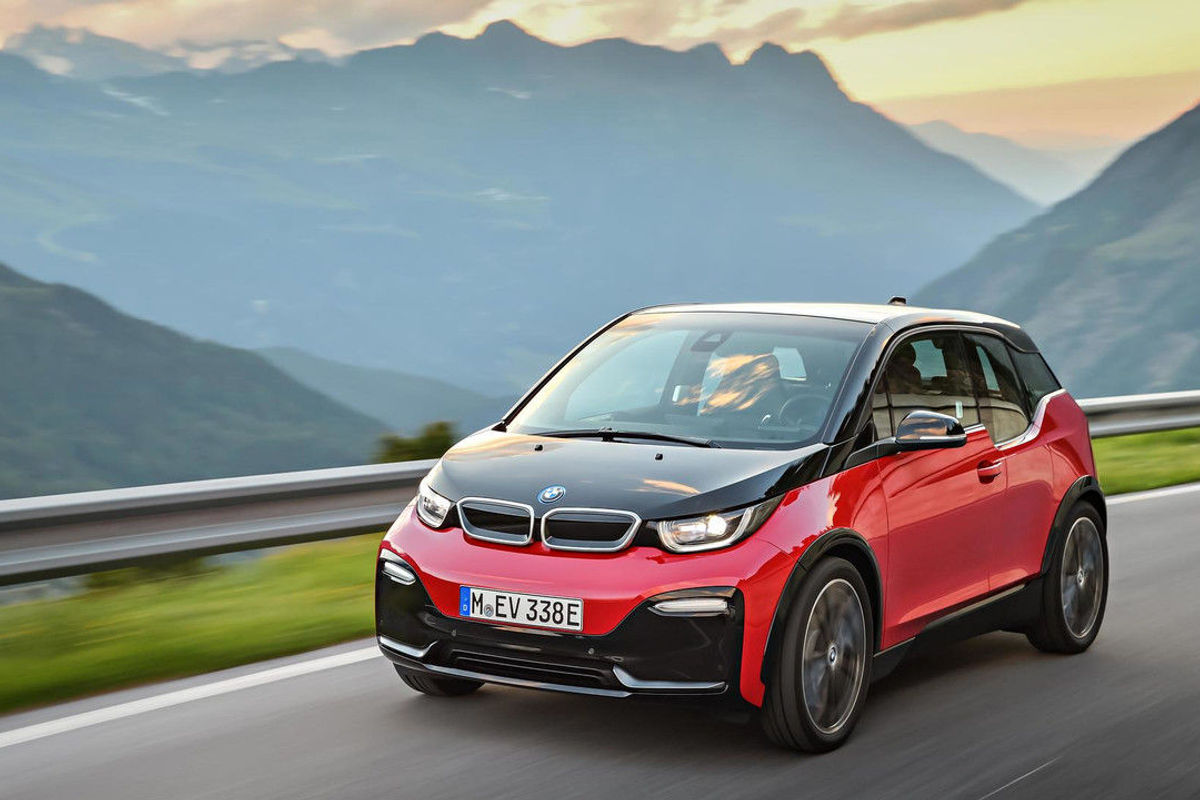
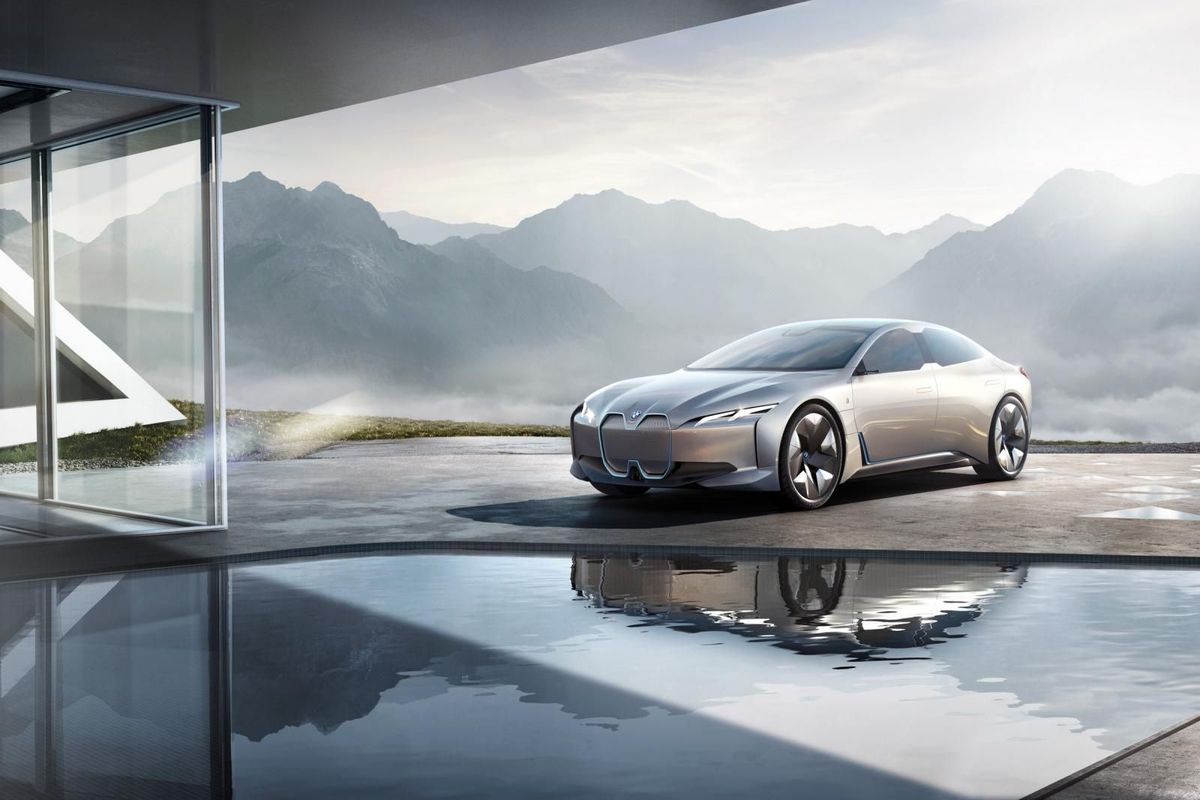
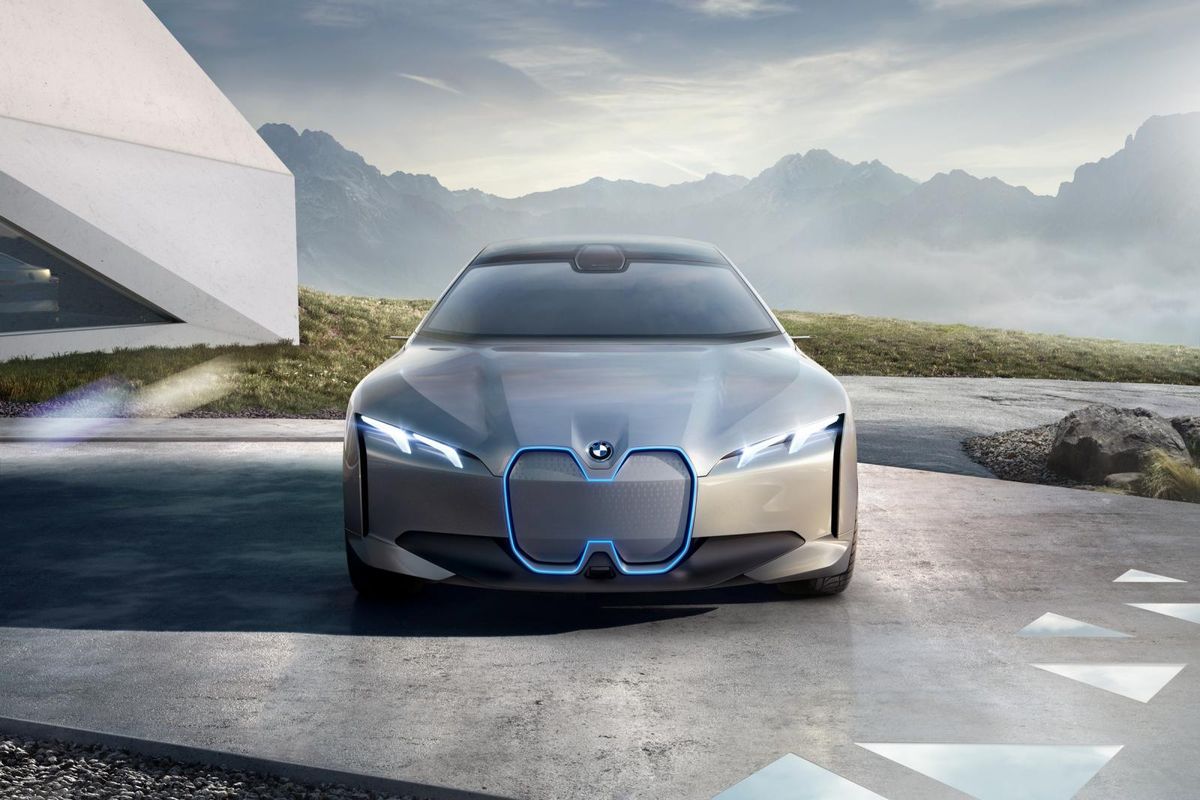
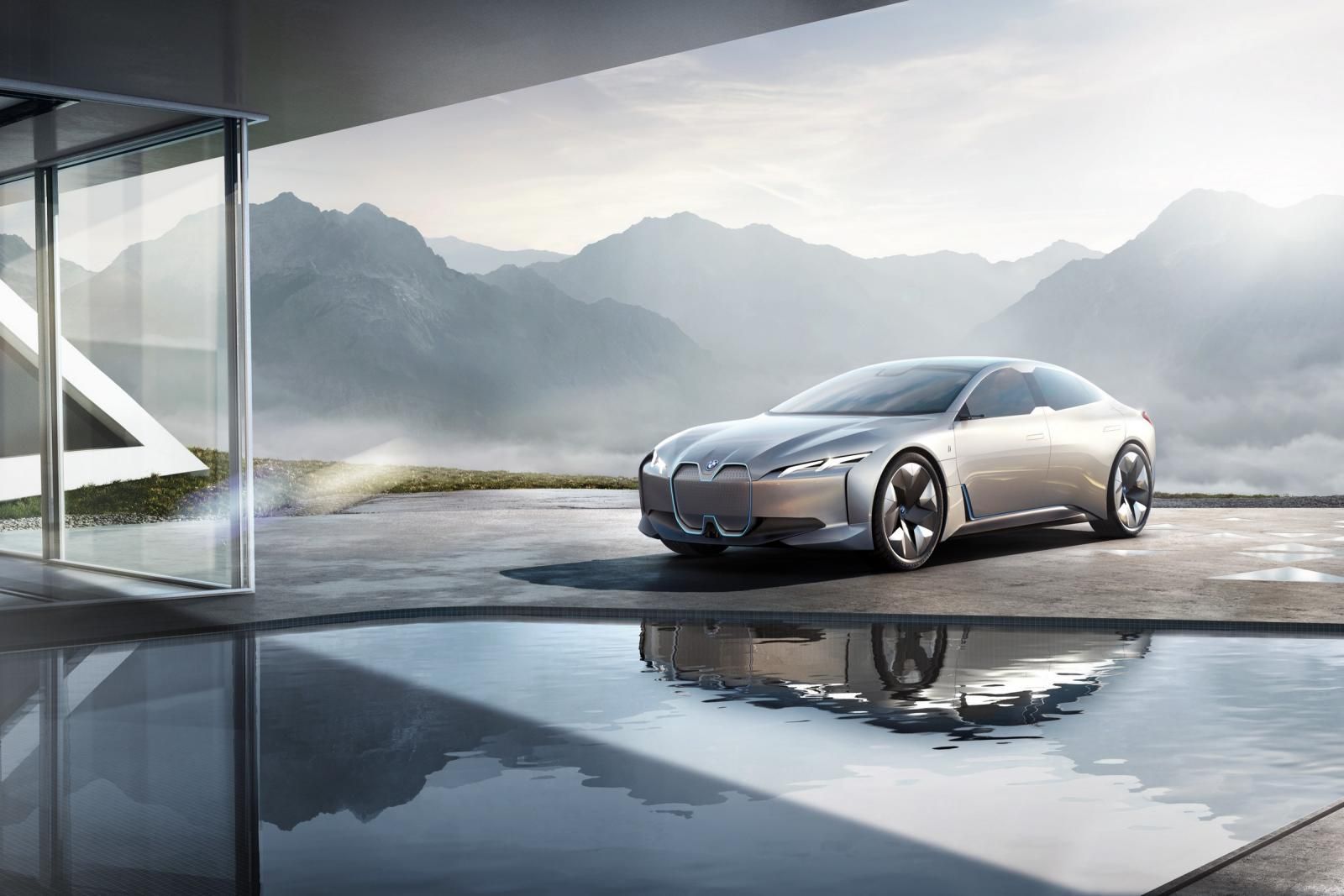
BMW's i3 is distinctive but with the i Vision Dynamics Concept the Bavarian carmaker is trying its hand at the 3-box shape.  

BMW’s designers were certainly given free rein with Project i. Despite mixed reaction to the i3’s unique style and distinctive, stepped side window graphic, it at the very least broadened BMW’s design palette while also looking suitably futuristic. But the i3 is an urban-friendly hatch, an entirely new playground for the Bavarian maker; how does it electrify the design of its core sports sedan model, the 3 Series?

Meet the i Vision Dynamics Concept, a 3 Series for the charge generation and a precursor to the forthcoming i5. Reassuringly 3-box in profile and superbly proportioned, the designers have worked so hard to add new elements to the i-car design language that they’ve forgotten one or two essentials that make a BMW so recognisable.

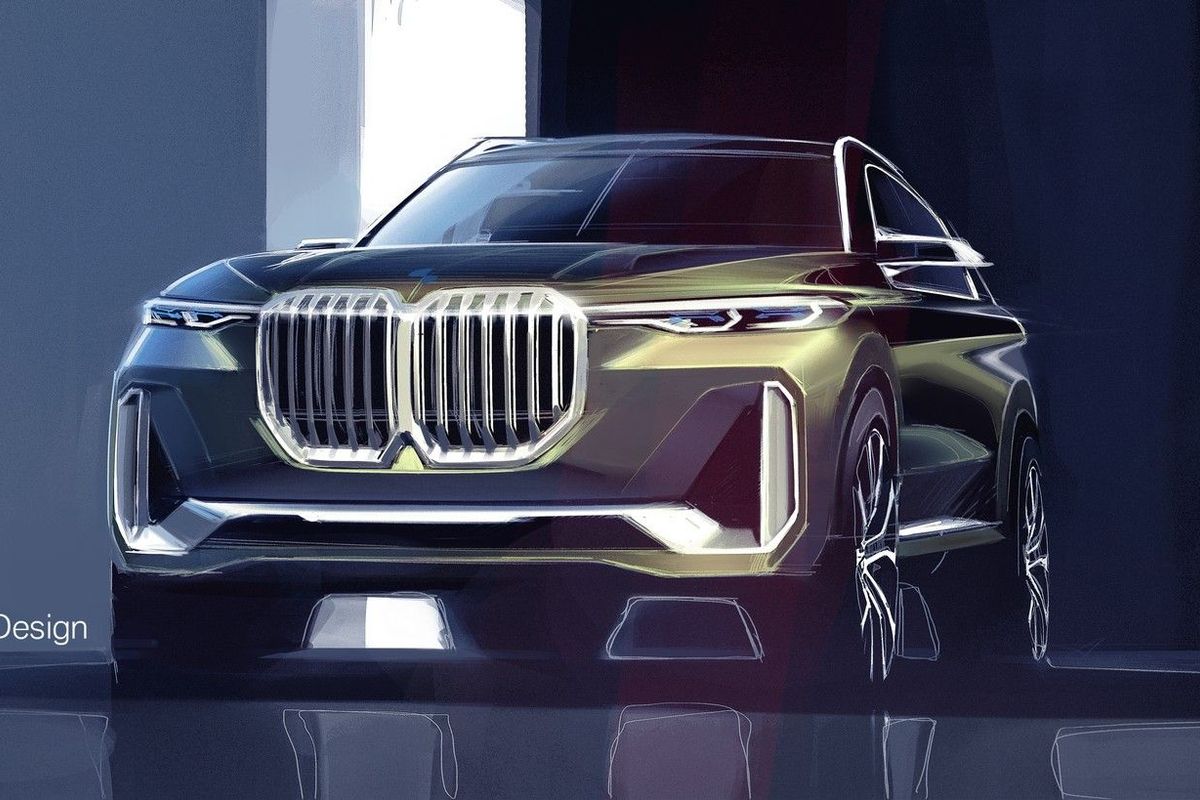
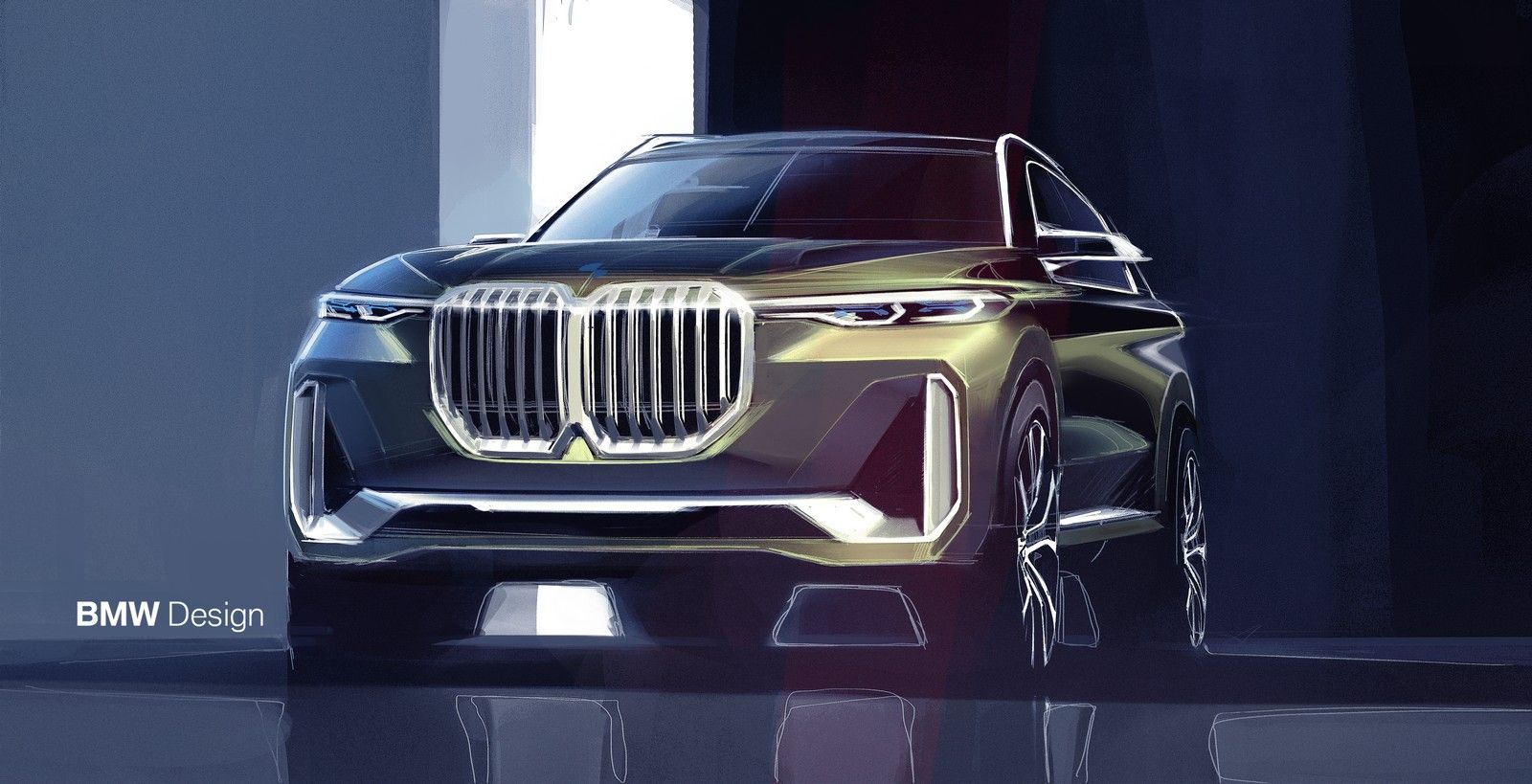
Where is the measured application of fine-line brightwork? And that’s a very poor excuse for a Hoffmeister kick in the rear pillar. Without this concept’s utterly decorative, uncharacteristically linked and unforgivably deep double kidney grille, it could just as easily wear the Peugeot lion or Kia tiger nose. It appears that BMW is afflicted with a tendency towards cartoon-like exaggeration and unintentional biomimicry. Just stare at that face for a moment and try not to think of a cartoon beaver shaving bark off a branch, or try looking at the nose of the monstrous X7 concept and tell me you don’t see a tusky warthog, with emphasis on the hog.


The BMW X7 or as it was nicknamed: "The Warthog"

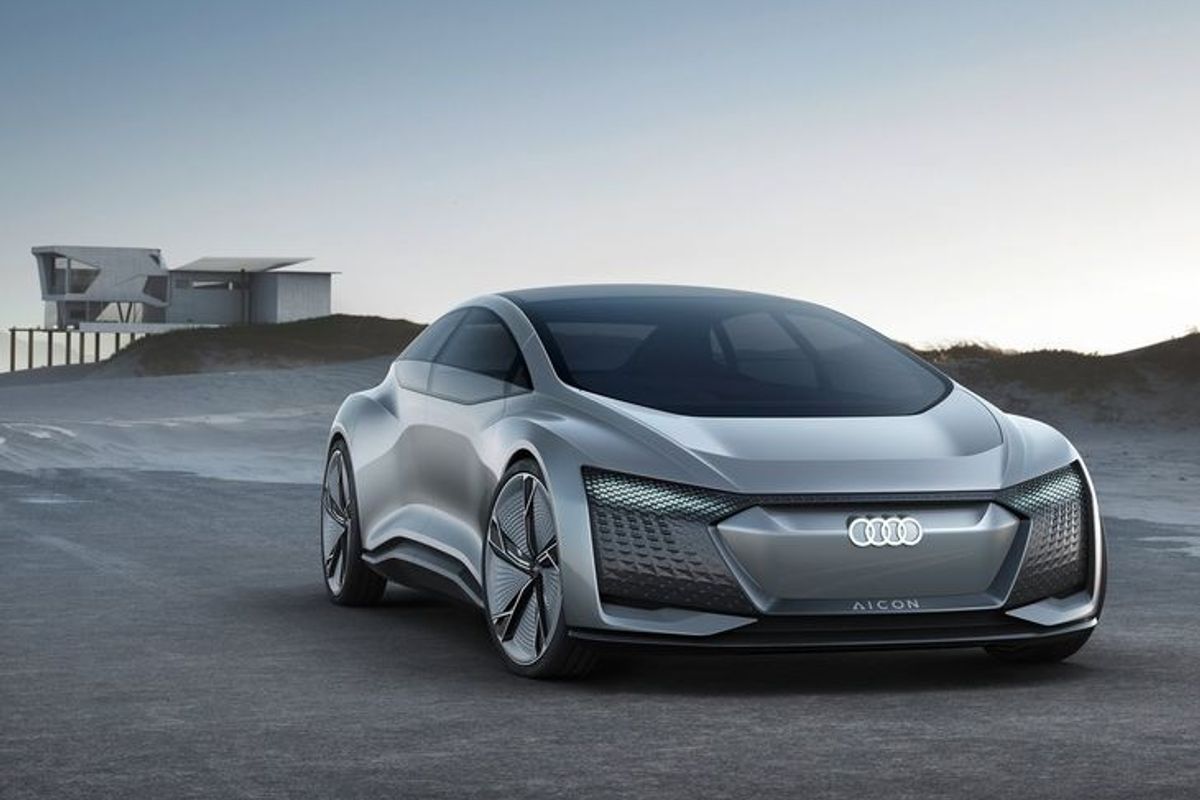
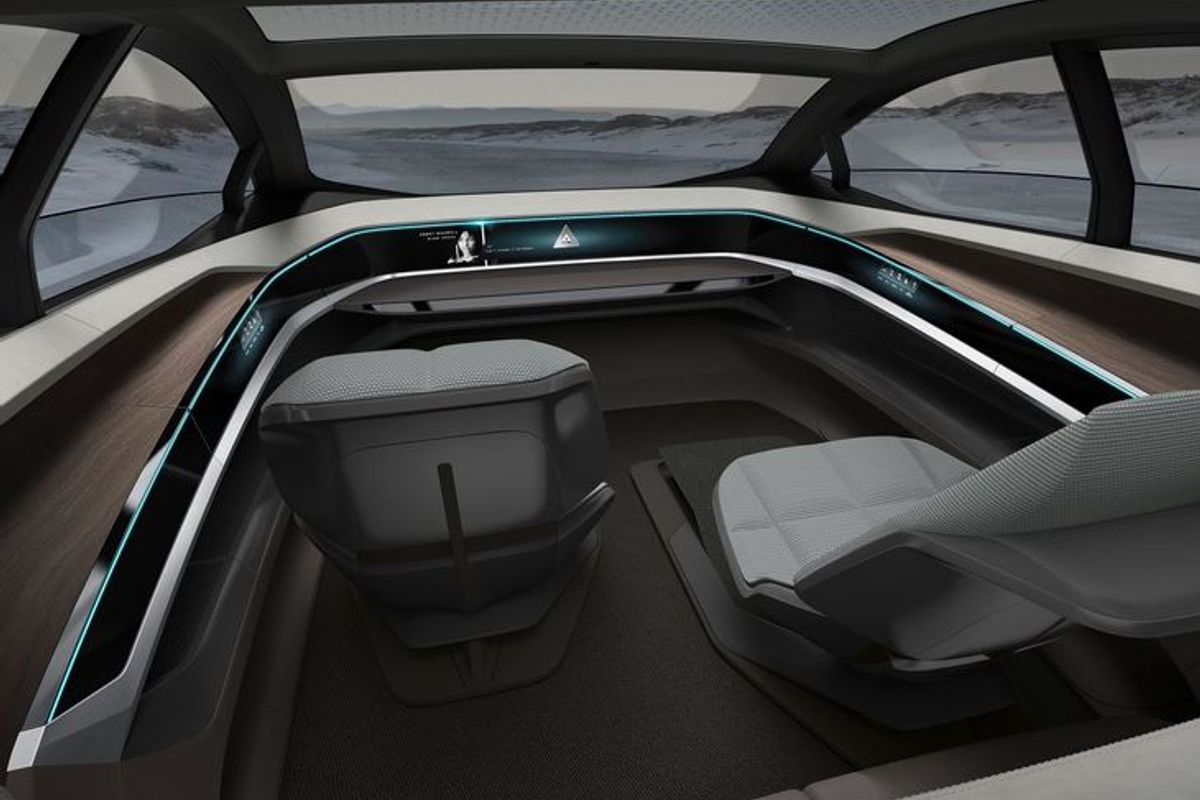
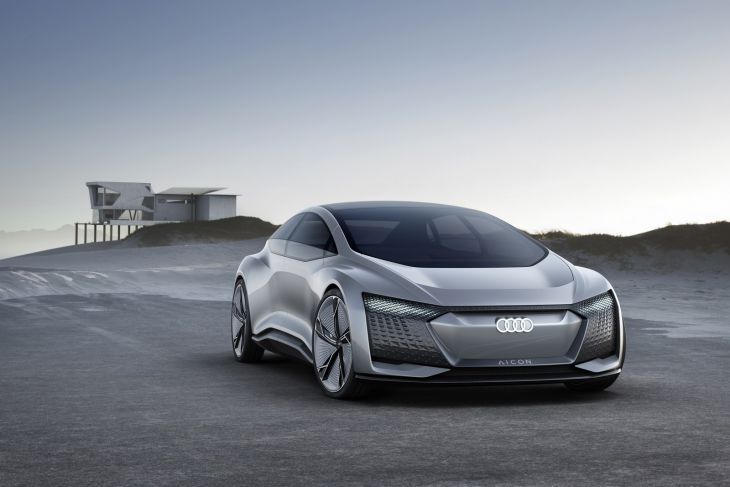
Audi too, once the bastion of clean surfacing and lineal minimalism, has fallen prey to this affliction – its Aicon concept wears the face of Garfield’s German twin. Again, Audi is grappling with the question of what an electric Audi looks like, but have also thrown "autonomous" into the word scrabble soup. So we get an Audi with no pedals or steering wheel which is kind of appropriate given that it has a somewhat directionless push-me, pull-you profile. Which end is the front again? Oh yes, hello puffy-cheeked Garfield.

What the Aicon (Icon?) concept does do well is incorporate stunning dynamic rear lamps and muscular, beautifully toned haunches that promise dynamic handling. Sadly though, they’re wasted on a car you can’t drive. And can someone please explain how the windows work? 


If the badge was removed, could you actually say that it looks like an Audi? Aikona.

I suppose at this point it’s only fair to point out that these are merely concepts designed to gauge reaction and that the production cars will be appropriately muted.

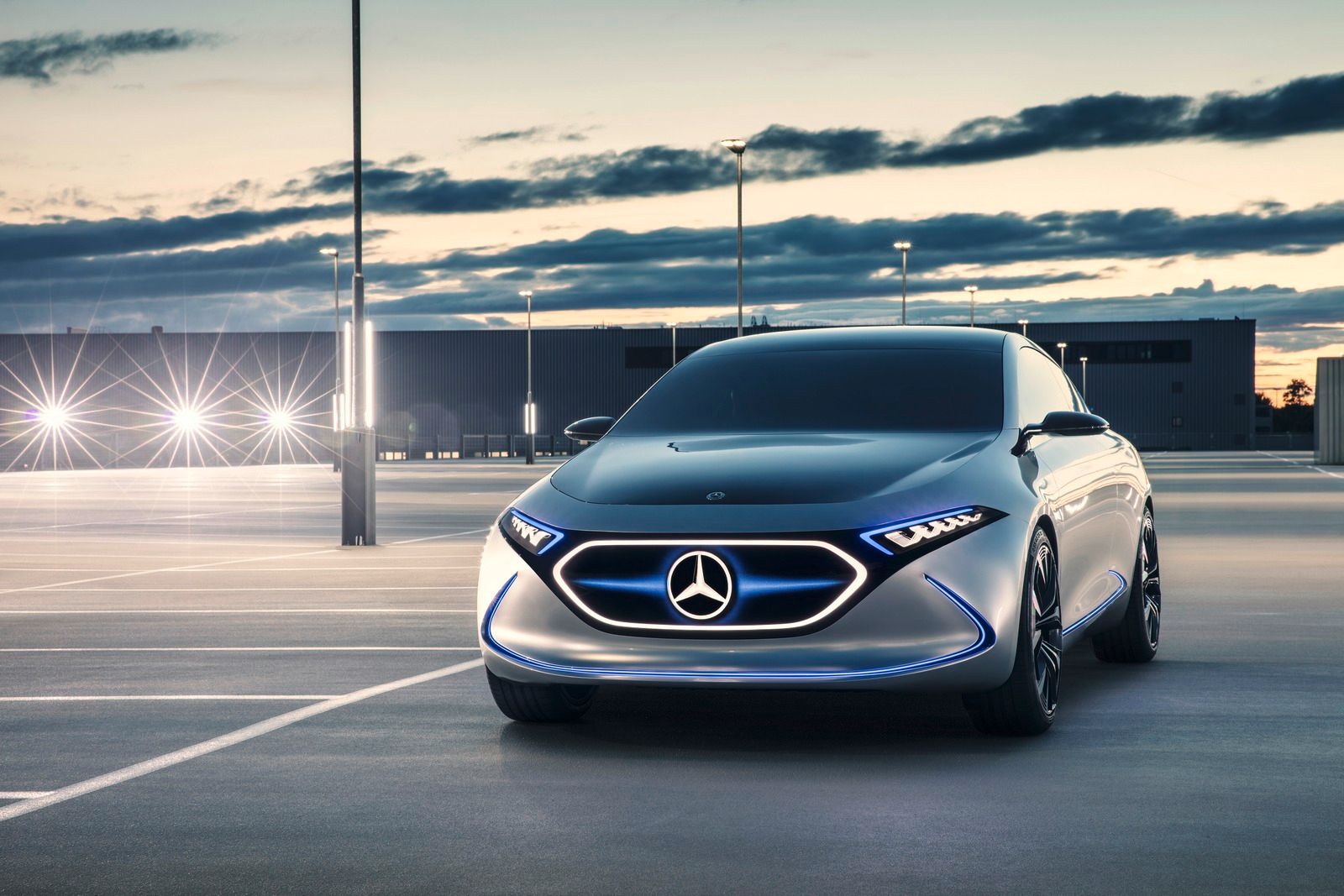
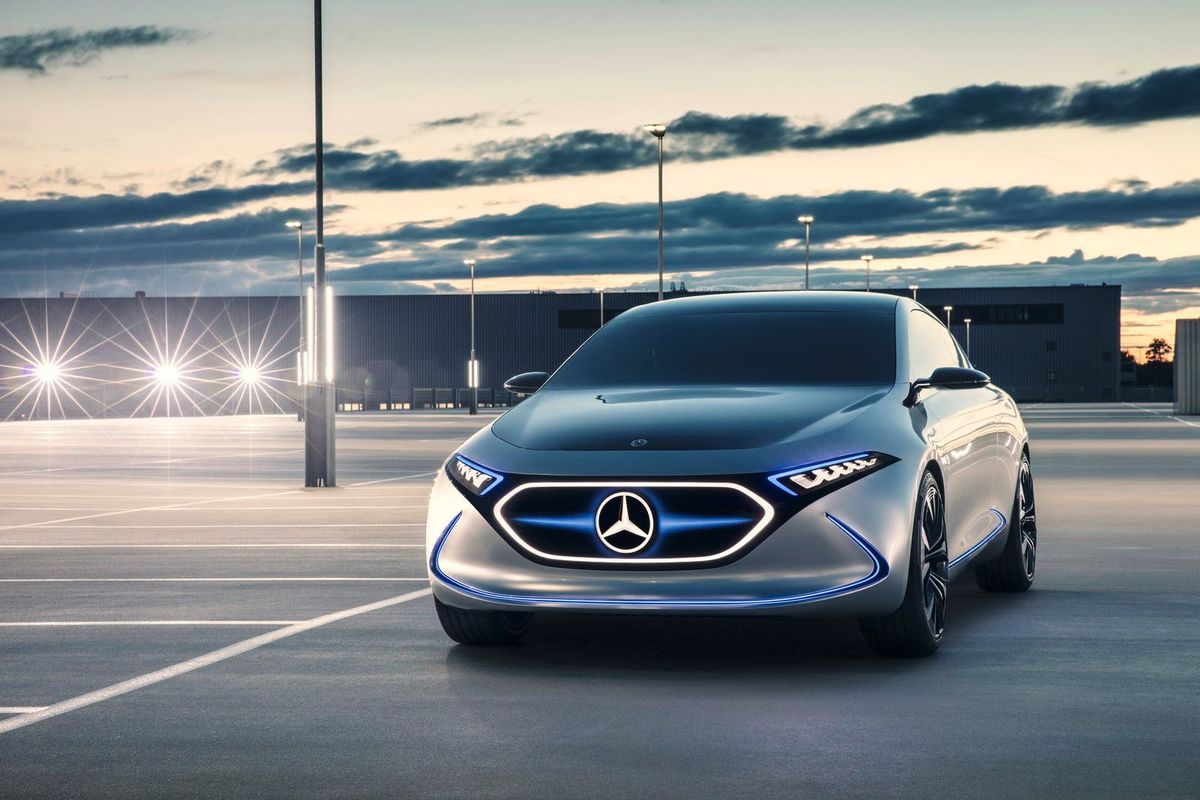
Talking about muted, Mercedes-Benz showed us its 3-door EQA, the second concept under the company’s new EQ sub-brand and the closest indication yet of how Stuttgart plans to counter the BMW i3. Effective, homogeneous and pretty, the EQA is another concept that, shorn of its lit star up front, could confidently wear Opel’s lightning logo or that of any number of fast-improving Chinese brands. No doubt it will take a few more rounds of concept cars and a production model or two before we become more accustomed to what an electric Mercedes-Benz is supposed to look like…


Devoid of angles or corners, the Merc EQA could double as the Goodyear Blimp.

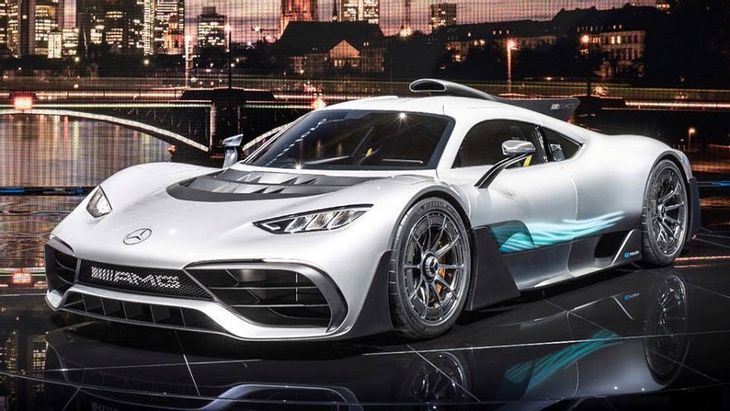
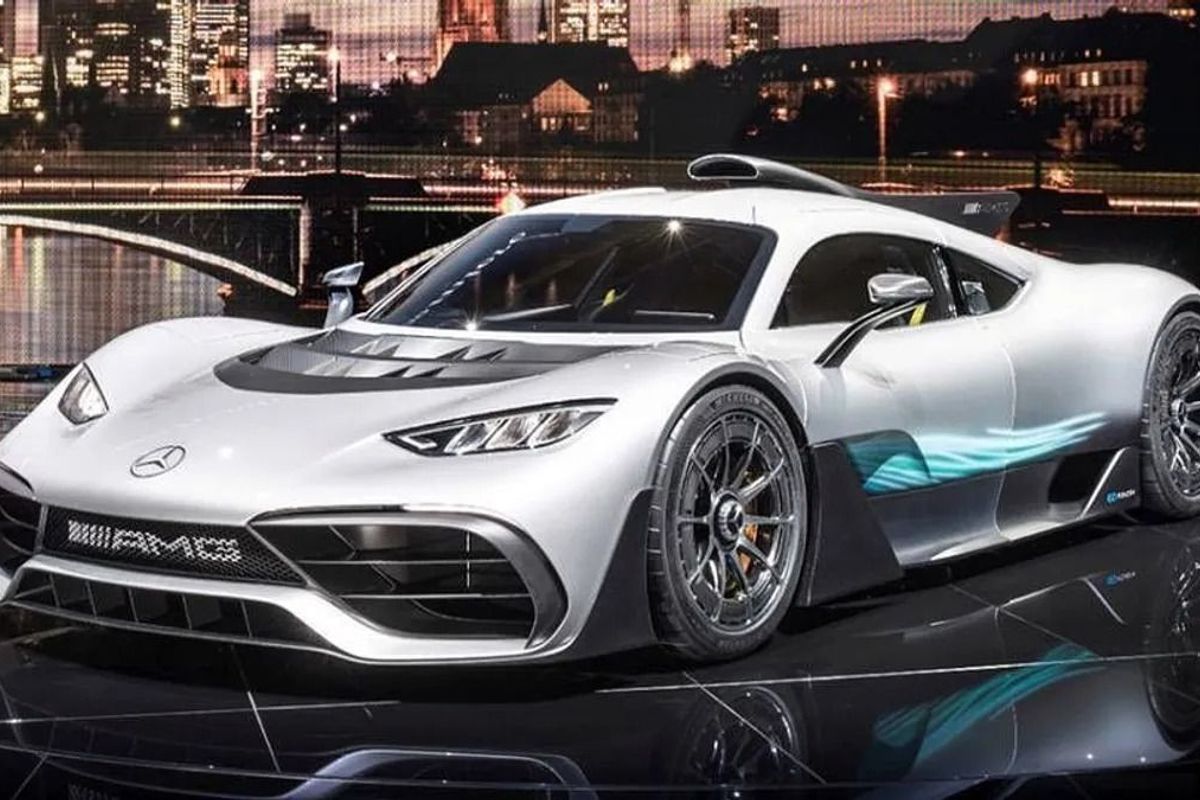
But we all thought we knew how a Mercedes-AMG Formula One-inspired race car for the road was supposed to look, right up until the moment the covers came off Project One. Startling? Indeed. Beautiful? Not so much. When Mercedes gave us the CLK GTR road car in 1998, we forgave its awkwardly assimilated corporate bits because it was designed as a race car primarily – it had an excuse.

Project One was a clean sheet, a blank canvas. It should have been jaw-dropping and extreme. No doubt it will be fast and fearsome but it looks like a 1992 McLaren F1 after it has been stung in the face, a hasty cut-and-paste Photoshop effort with swollen air inlets, incongruent headlight shapes and tacky, tacked on carbon vents, skirts and wings. Marek Reichman and his Aston Martin Valkyrie are both sleeping easier tonight.


If we said McLaren F1 with a few more fins and gills would it be wrong? 

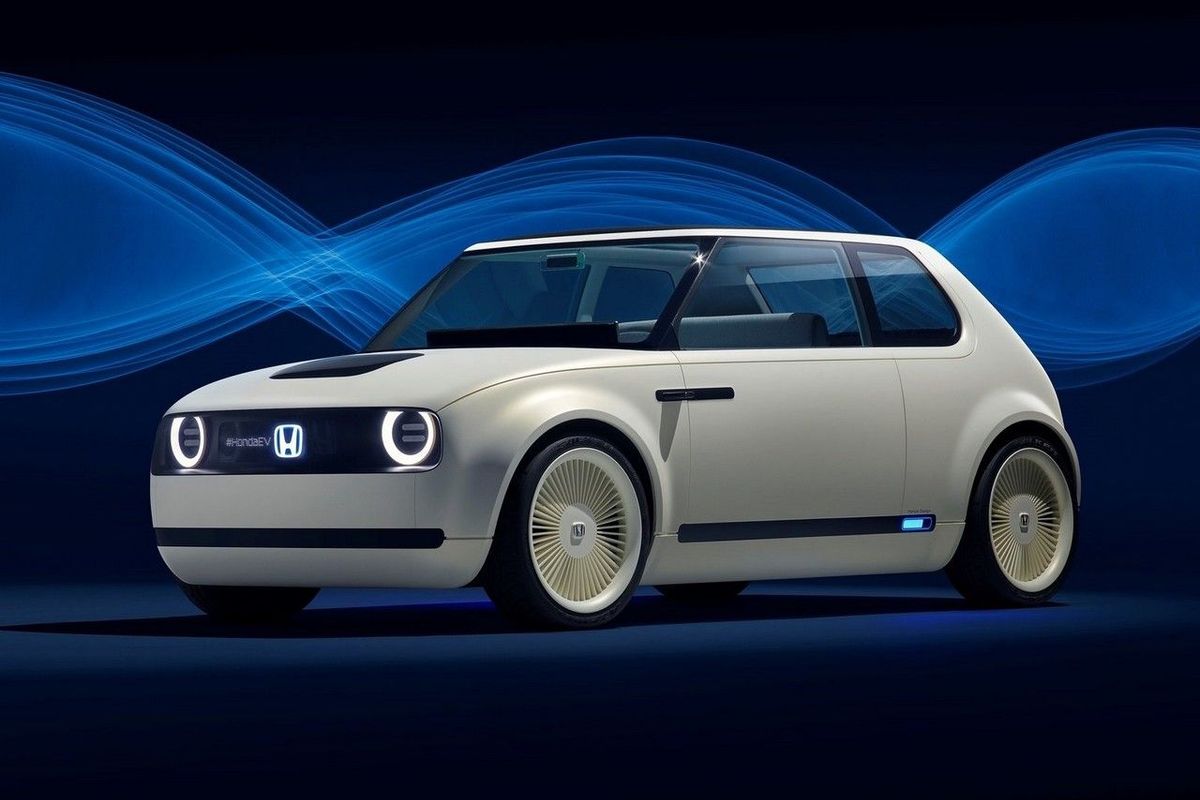
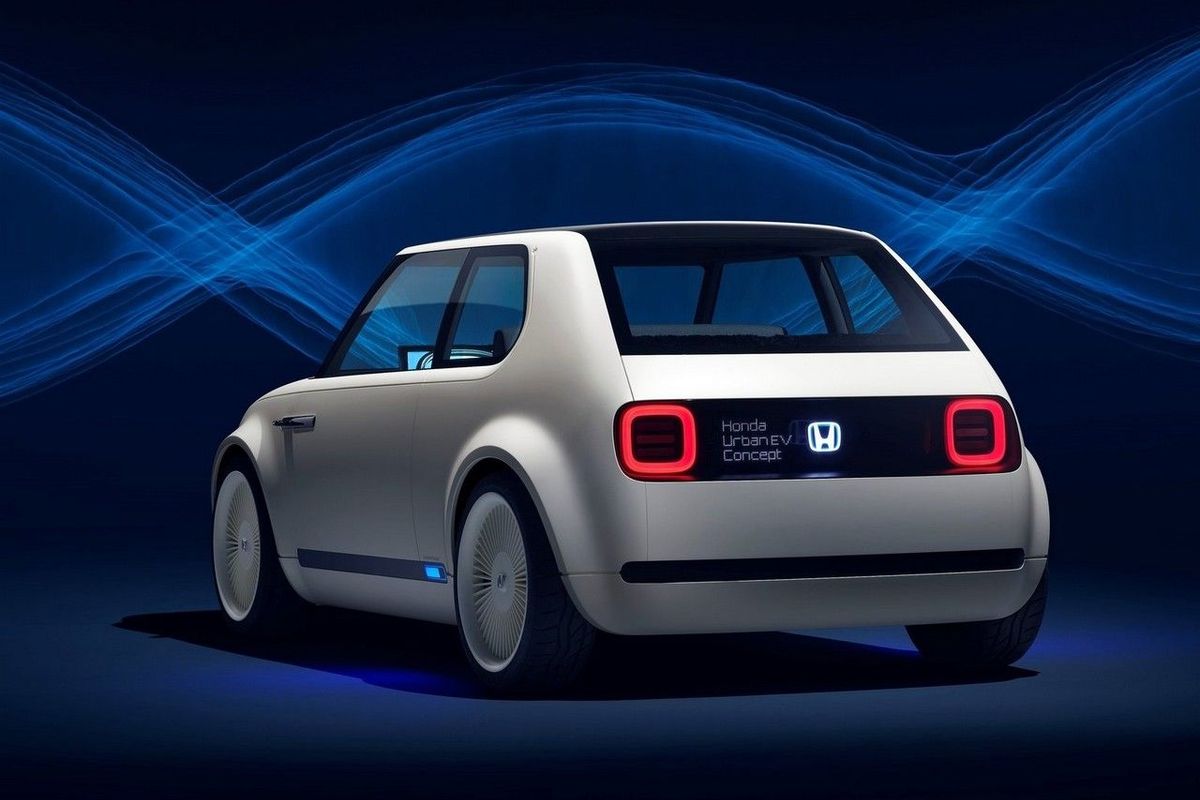
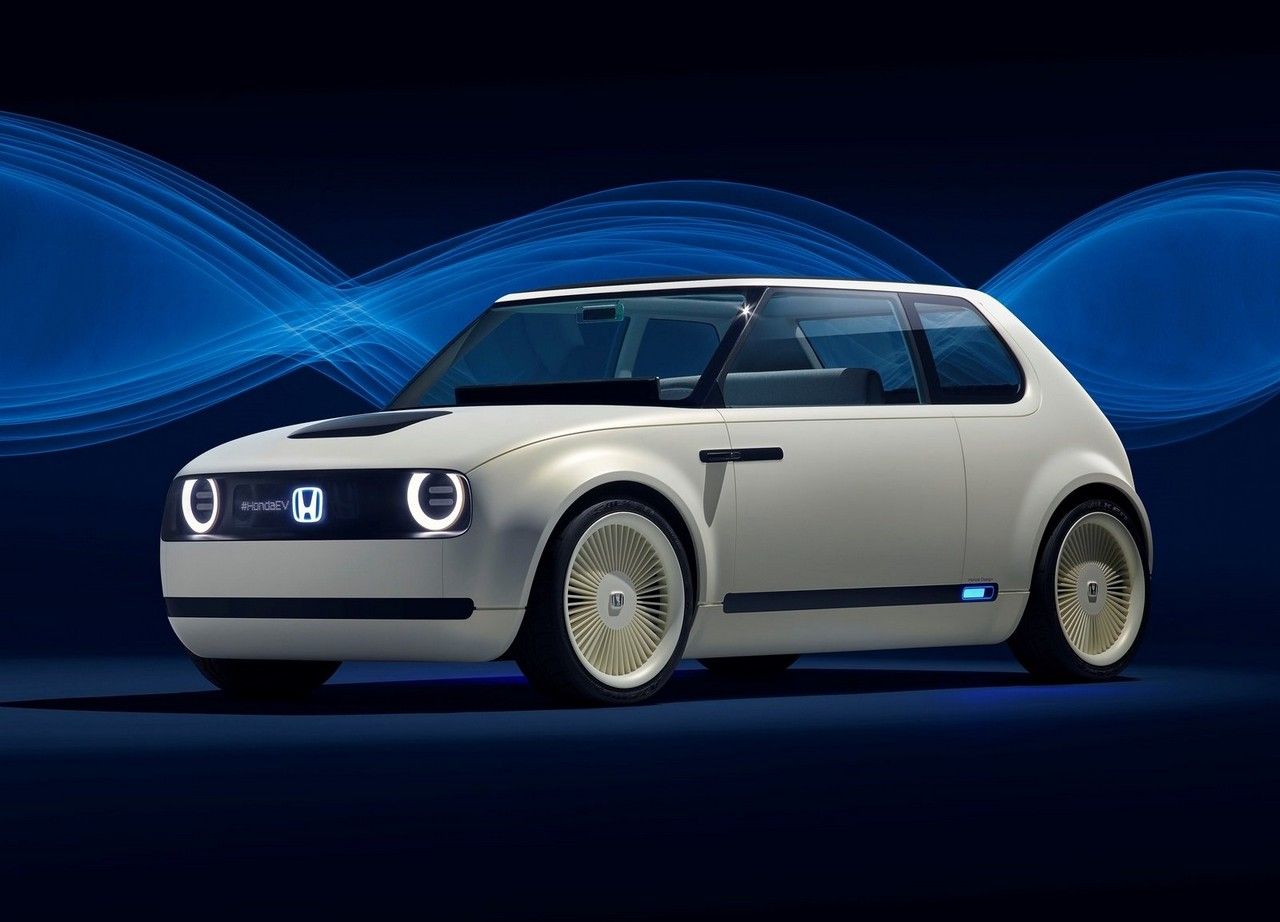
So who got it right? Which manufacturer managed to successfully navigate its way through to a new EV design that’s both future proof and respectful of its past? Given this brand’s floundering efforts lately, the answer may surprise you. Yes, it’s Honda’s Urban EV concept that has received almost universal praise from designers and pundits alike. Some see Golf Mk1, others Peugeot 205, but a quick Google image search of the 1972 Honda Civic proves the Urban EV has no need to borrow from any other maker’s heritage.

The car’s simple surfaces, clean details and iconic lines strike a blow to the fussy-surfaced and overstyled efforts from the Germans. It is stylish, friendly and instantly likeable. Isn’t that the easiest way to win over an EV-sceptic car buyer?


A cool modern EV? We think so, even if it looks like every small car from the 80s/90s. 

More Frankfurt Show 2017 content:

Mercedes-Benz EQA revealed in Frankfurt

Red-hot Mini JCW GP Concept unveiled

Suzuki Swift Sport features turbo power

Land Rover Discovery goes hardcore with SVX

Audi RS4 Returns with V6 biturbo power

Honda's Urban EV concept previews electric future

Renault Symbioz wants to park in your living room

BMW previews i5 with i Vision Dynamics concept

Renault Megane RS finally revealed in Frankfurt

Toyota ponders high-powered C-HR in Frankfurt

Frankfurt Show: Kia Proceed Concept & Picanto X-Line

Audi Aicon: A Look At The Future From Audi

Audi R8 goes Rear-Wheel Drive with RWS version

Mercedes-AMG Unleashes Project One: 350 kph Hybrid Monster [Video]

ID Crozz II Concept expands Volkswagen's electric plans

Lamborghini drops top on Aventador S

Special Edition Volkswagen Amaroks for Frankfurt

Drag Race: VW Golf R vs Golf GTI [Video]

Welcome to Part 3 in our Golf-themed series… A Game of Golfs. In this episode, the front-wheel drive Golf GTI takes on the all-wheel-drive R. We're not taking any bets on what the outcome will be, but how big will the victory be?

Previous videos:

New Golf R vs Golf GTI vs Golf GTD – Track Race Shootout

Drag Race: VW Golf GTI vs Golf GTD

In this video, we line up the latest Volkswagen Golf R with the latest Golf GTI for a good ol' fashioned quarter-mile drag race.

Power outputs from the latest Golf R have been beefed up to 213 kW and 380 Nm, and while those figures are impressive, the model is detuned for the South African market, due to our hot climate. Power figures for the new GTI have climbed from 162 kW to 169 kW.

Acceleration figures of 0-100 kph are claimed at a rapid 4.6 seconds for the R, and a slightly less impressive 6.4 seconds for the GTI.

For this race, no one was expecting the GTI to steal a victory, but just how much faster is the R, and in the all-important, straight line race, what does the R100 000 premium over the GTI really buy you?

Related content

6 Alternatives to the Volkswagen Golf GTI

Volkswagen Golf GTD (2017) Quick Review
Volkswagen Golf (2017) Video Review
Volkswagen Golf R + GTD (2017) Launch Review
Looking to buy a new/used Golf GTI?

Start your search here on Cars.co.za