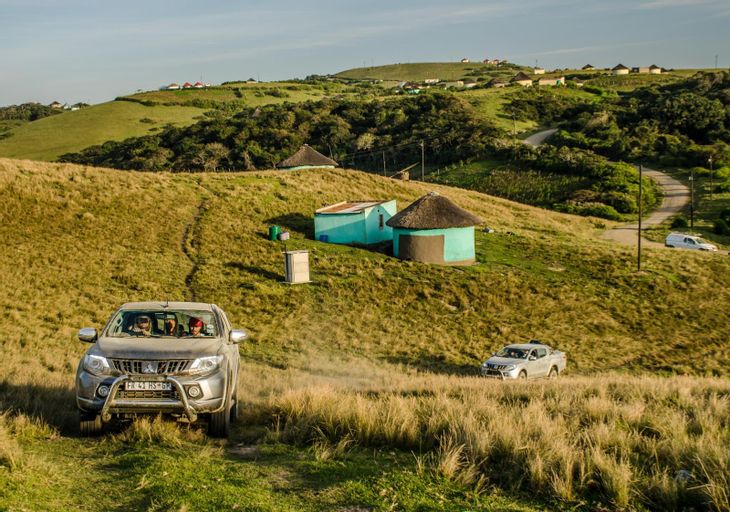
The Journey is a series of videos from Cars.co.za that takes the viewer on a visual journey with the aim of showcasing Africa’s natural beauty, plus the cars that help create unforgettable memories along the way. In this latest episode, 3 South African professional surfers venture into the heart of the Transkei to surf some of the most remote waves South Africa has to offer and experience the warmth of the people of the Wild Coast.
Poor road infrastructure and roaming livestock make for a challenging journey in the Transkei. A capable 4×4 is a luxury in this environment.
In the first episode of The Journey, we explored Namibia and conquered the mighty Namib Desert. For the second instalment of The Journey, we return to South Africa and take the viewer on an adventure through rural Transkei.
Professional surfers, Emma Smith, Ricky Basnett and Avuyile Ndamase feature in The Journey Ep 2 – Transkei.
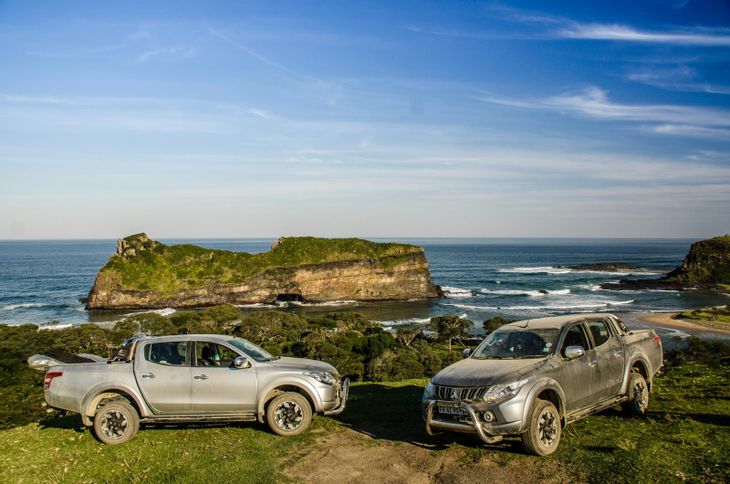
The all-new Mitsubishi Triton 4×4 Double Cab bakkie takes 3 South African professional surfers, Emma Smith, Avuyile Ndamase and Ricky Basnett on a memorable surf adventure in the Transkei, where they visit places such as Lwandile, Lutsheni, Mdumbi, Coffee Bay and the famous Hole-in-the-Wall.
Hole-in-the-Wall is a must-see landmark when visiting the Transkei.
The Transkei, with its endless rolling hills, wild coastline and friendly people, creates the perfect scene for an epic journey. The roads in the Transkei are notoriously poor and the abundance of roaming livestock make travelling in the Transkei particularly treacherous.
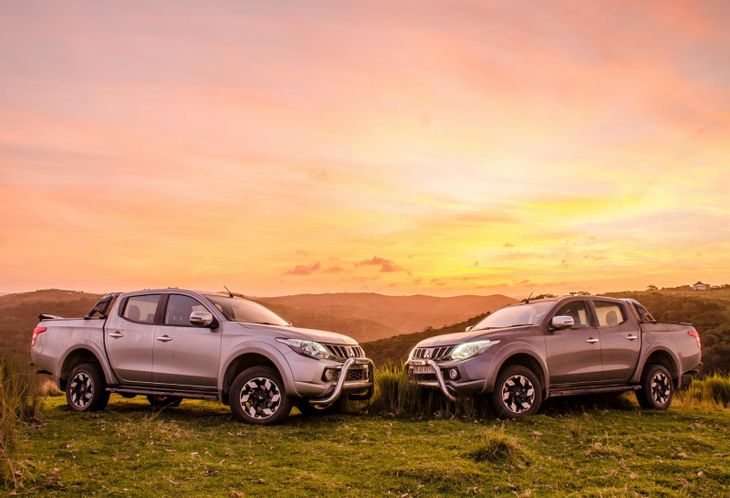
Cars.co.za would like to take the opportunity to thank Mitsubishi South Africa for providing a pair of Triton 4×4 Double Cabs that proved to be capable in tough terrain and also offered much-needed comfort and safety during the journey. Cars.co.za also extends special thanks to ZigZag surfing magazine for their collaboration on this project.
Sit back, relax and enjoy the journey…
The Mitsubishi Triton 4×4 Double Cab provided comfort, safety and unfaltering capability in the Transkei.
The new Range Rover Velar SUV is headed for South Africa later in 2017 and although it appears to be a promising product, it’s up against strong rivals that will leave buyers pondering. Take a look at 7 rivals that the new Velar will have to beat when it arrives on local shores.
Slotting in snug between the popular Evoque and Range Rover Sport, the new Velar aims to impress, not only in terms of looks but with performance and refinement too.
The Velar will arrive with 3 diesel and 3 petrol engine options. Diesel engines include a 132 kW and 177 kW 2.0-litre and a 221 kW 3.0-litre V6. On the petrol front, buyers can opt for a 184 kW 2.0-litre engine or more powerful options in the form of a 221 kW or 280 kW 3.0-litre V6 engine. All engines will be mated to an 8-speed automatic transmission.
Local pricing for the Velar will start at R947 700 for the entry-level 132 kW 2.0-litre diesel and go all the way up to R1 539 800 for the 280 kW 3.0-litre petrol V6 Velar First Edition.
Take a look at 7 key rivals that the Range Rover Velar needs to beat!
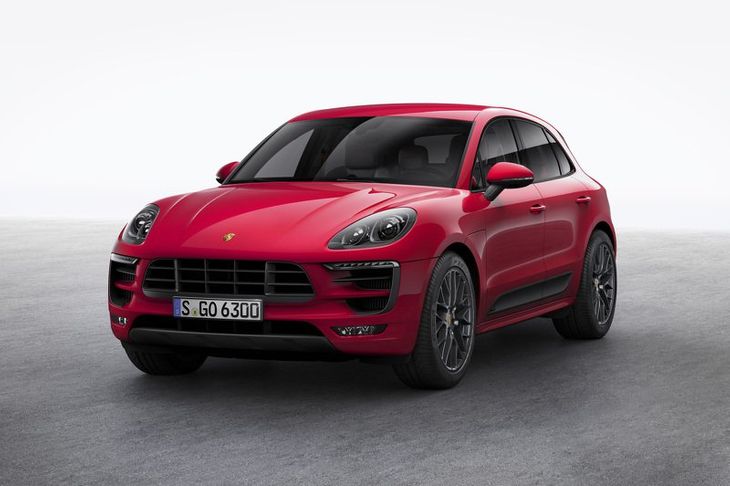
Porsche Macan
The Porsche Macan is undergoing its first nip-and-tuck with a facelifted version due for reveal early in 2018. Exterior changes are subtle and the Macan’s interior will gains a pair of 7.0-inch instrument cluster displays and well as a 12.3-inch touch-sensitive infotainment display as part of an updated Porsche Communication Management system.
The big news here, however, is that the Macan’s turbocharged 3.0-litre and 3.6-litre V6 engines are to be replaced with an enhanced 3.0-litre V6 and 2.9-litre V6, the same found in the Panamera. Power in the region of 260 kW can be expected for the new 3.0-litre V6 while the 2.9-litre V6 will produce about 324 kW. A hybrid version with a 3.0-litre V6 and electric motor is expected too, with no less than 340 kW on offer.
The facelifted Macan can be expected in South Africa later in 2018.
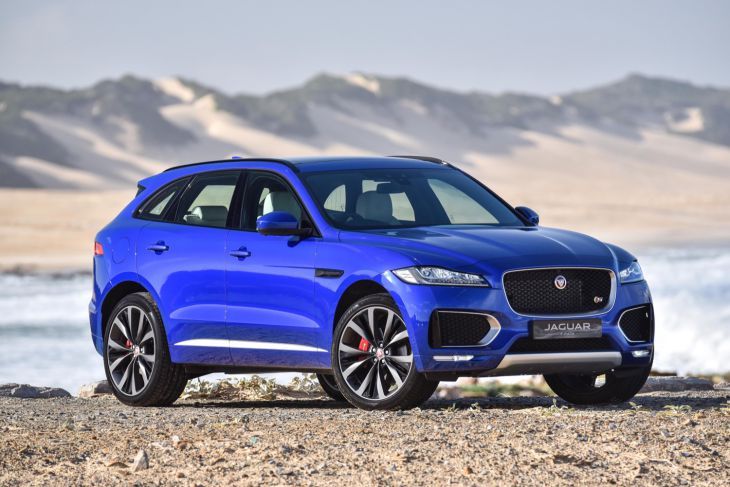
The F-Pace is proving to be a huge success for Jaguar and will provide ample competition for the Velar with its striking looks and dynamic performance.
A range of petrol and diesel engines are on offer. Diesel options include a 132 kW and 177 kW 2.0-litre turbodiesel and a 221 kW 3.0-litre V6 twin turbodiesel. Petrol engines include a 183 kW and 221 kW 2.0-litre turbopetrol and a supercharged 280 kW 3.0-litre V6 petrol engine is also offered.
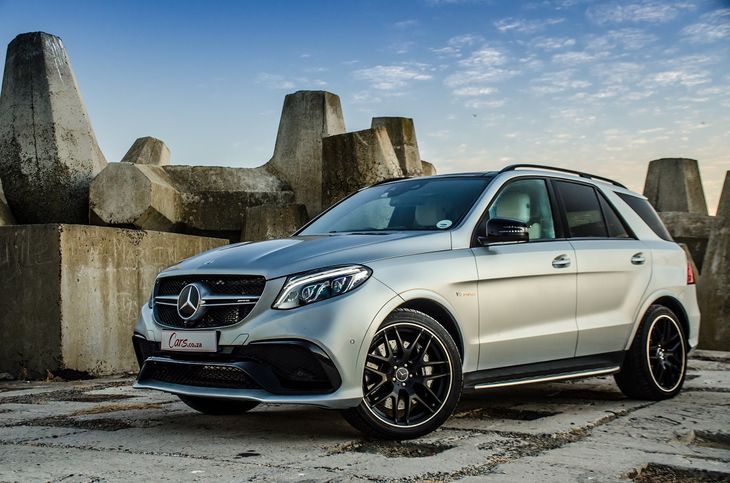
The Mercedes-Benz GLE is a strong contender in the luxury SUV segment and an all-new GLE is expected in 2018. The GLE range offers a mix of diesel and petrol engines with varying outputs. Diesel options include a 2.1-litre turbodiesel with 150 kW as well as a 190 kW 3.0-litre V6 turbodiesel. Petrol engines include a 245 kW 3.0-litre V6 turbopetrol and a more powerful 4.7-litre V8 turbopetrol with 335 kW. A turbocharged 3.0-litre V6 hybrid derivative is also available.
The GLE range is headlined by the Mercedes-AMG GLE43 and GLE63. The GLE43 AMG is powered by a turbocharged 3.0-litre V6 petrol engine with 270 kW while the GLE63 offers 410 kW from its large turbocharged 5.5-litre V8 engine. The GLE63 S offers more power at 430 kW while torque is bumped up to 760 Nm.
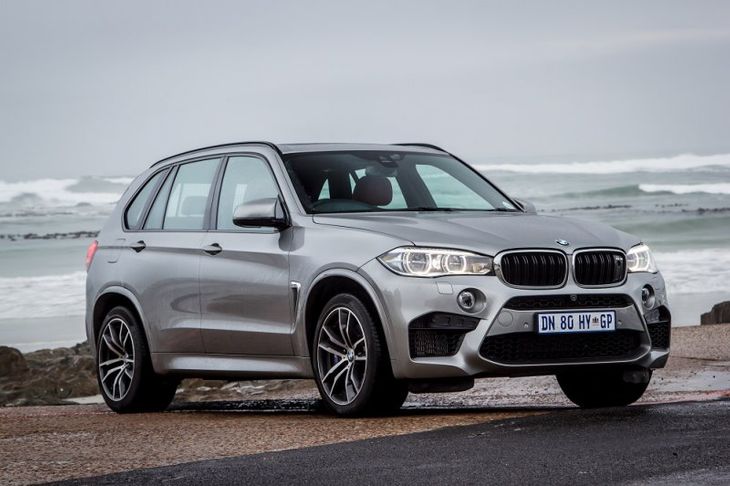
Like the GLE, BMW is currently developing the next-generation X5 that will go to market in 2018. Nonetheless, the ageing X5 still has much to offer. A 2.0-litre turbodiesel engine with 170 kW kick off the range and is followed up with a 6-cylinder, 3.0-litre turbodiesel with either 190 kW 230 kW on offer. The 3.0-litre, 6-cylinder turbodiesel engine in the X5 M50d offers 280 kW.
Petrol options include a turbocharged 4.4-litre V8 with 330 kW, increasing to 423 kW in the range-topping X5 M. A turbocharged 2.0-litre hybrid X5 with 230 kW is also offered.
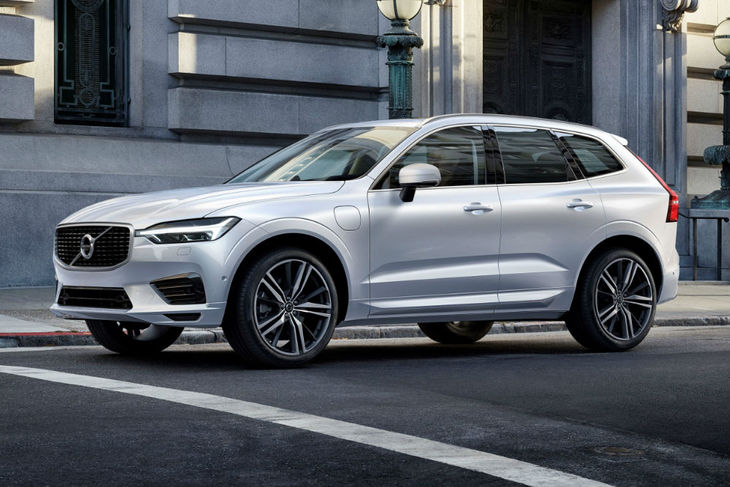
The much-anticipated, all-new Volvo XC60 is due to arrive in South Africa in 2018, and when it does, it will be difficult to ignore. The new XC60 will arrive with a choice of 2 turbopetrol and 2 turbodiesel engines, all of which are 2.0-litre units. All derivatives will be all-wheel drive.
The range-topping T6 turbopetrol will offer 235 kW while the lesser T5 will have 187 kW. On the diesel side, the D5 will have 175 kW and the D4 will offer 140 kW. An 8-speed automatic transmission will be standard across the range.
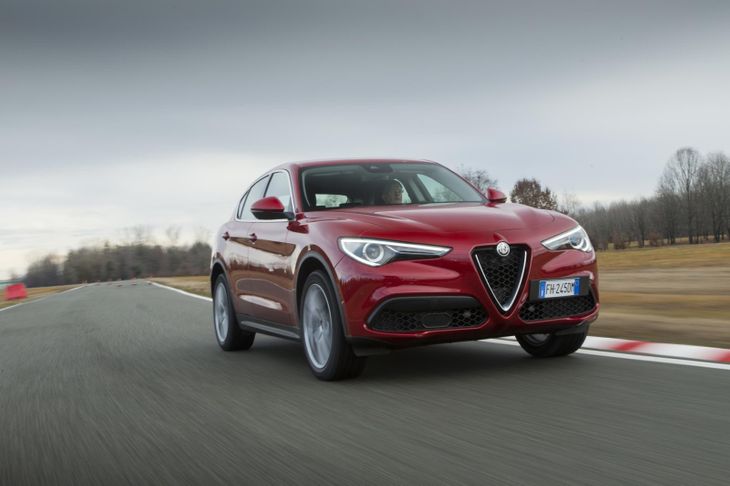
Alfa Romeo’s Stelvio, its first stab at an SUV, is due to arrive in South Africa early in 2018. Like the Velar, it looks promising, but at this stage, the only engine earmarked for our market is a turbocharged 2.0-litre petrol engine with 206 kW and 400 Nm of torque. We do however hope that Alfa Romeo will introduce the Stelvio Quadrifoglio model with the same 2.9-litre V6 found in the Giulia sedan as well as a diesel engine option.
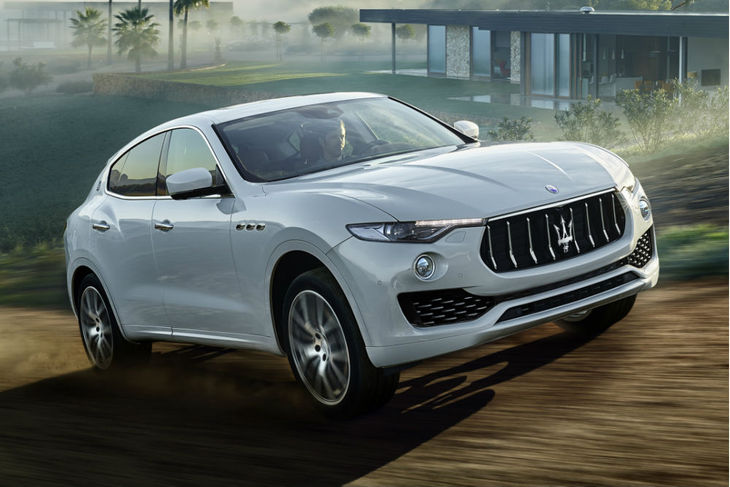
Like some of the rivals listed here, Maserati too is venturing into the world of SUVs for the first time with its Levante. The only derivative currently on offer in South Africa is a 3.0-litre V6 turbodiesel with 202 kW and 600 Nm of torque. Maserati may very well launch a pair of 3.0-litre twin-turbo V6 petrol engines offering 257 kW and 316 kW in the near future.
The last 70 years have seen a dramatic improvement in engine life. In 1950 Volkswagen Beetles achieved fame by often lasting for more than 100 000 km, but at the time many other small engines gave up the ghost at lower mileages. These days one expects a good design to last for at least 250 000 km, and we frequently hear of engines that have lasted that long.
Engine temperature, oil condition, driving style and lack of servicing are some of the factors that determine the wear rate. Driving style plays a relatively minor role unless you habitually lug the engine or keep the revs close to the red sector on the rev counter. Lugging refers to employing a large throttle opening at a low engine speed in a high gear. This article is mainly concerned with the major components that require refurbishing in a worn-out engine, namely the pistons and rings, cylinder bores and crankshaft bearings. The smaller components often have problems and failure modes of their own.
Oil consumption
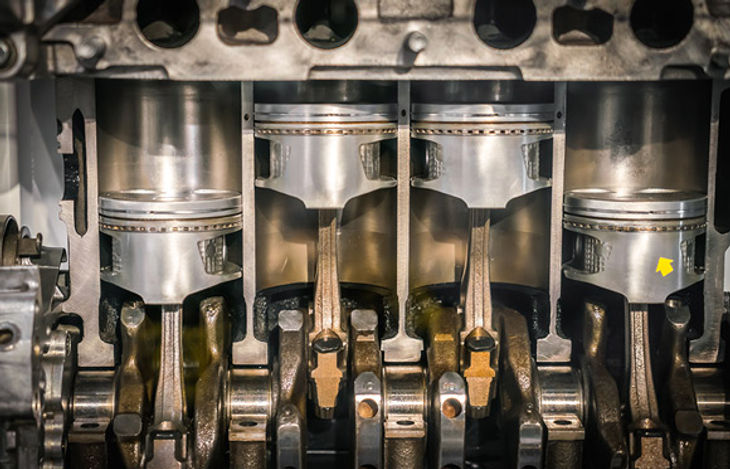
The cylinder bore/piston interface is a good place to start and the important component here is the top ring. It has by far the most pressure behind it. This can easily be seen when we examine a worn cylinder, for the wear pattern is slightly hour-glass shaped. The deepest wear markings are at the top of the cylinder where the top ring comes to rest, then a section in the middle showing virtually no wear and very much smaller markings at the bottom of the cylinder where the top ring again comes to rest. This explains the time-honoured ritual of feeling the ridge whenever an open cylinder block is shown to a mechanically-minded person.
The ring’s slight tension against the cylinder wall is increased hugely by the combustion pressure. This penetrates behind the ring, causing it to do its job of sealing-in the combustion gases and transferring heat to the cooling water. This pressure obviously depends mainly on throttle opening rather than engine revs. Planting your right foot down at low engine speeds (lugging) is harmful because low revs equate to a thinner oil film.
Wear by metal-to-metal contact is called attrition. This type of wear depends entirely on the thickness of the oil film. The rings are lubricated, but the nature of the oil film depends on the motion of the piston. When the piston is travelling down the bore at an incredible rate of acceleration the oil film is thick enough to eliminate metal to metal contact, but at the top and bottom dead centres, where the piston comes to a complete stop, the oil film is very thin.
Abrasive wear
Abrasive wear is caused by small particles, introduced with the air, the fuels or the oil. This shows the importance of good filtration, which can only occur if the engine air, fuel and oil filters are replaced regularly. Small particles of carbon, formed during combustion, can also serve as a lapping agent.
Corrosion
The ring behaviour also leads to corrosive wear. The very thin layer of oil left behind by the ring at the top and bottom of its travels is not sufficient to protect the cylinder wall from acids formed by the combustion process. In a hot engine these acids leave the combustion chambers as gases but in a cold engine, they condense onto the walls as droplets.
The wear rate of the cylinder bore it is found to be temperature dependent, and it is very instructive to look at the wear taking place on a typical journey. If you start the car in the morning and let it idle for a minute or two with the choke in operation to warm the engine and improve driveability, you experience maximum wear for three reasons:
The low temperature causes corrosive wear.
The choke causes an over-rich mixture which allows droplets of fuel to wash some of the oil away from the rings
The cold oil does not reach all the parts it has to lubricate.
Now you set off on a journey, travelling through a town. The water temperature gauge rises steadily and the wear rate decreases dramatically to about 50 per cent of the initial rate. It must be remembered that the water temperature is an average value and the stop-start driving typical of city conditions causes fluctuations in cylinder wall temperatures, especially at the top, hence the corrosive wear.
Out in the country, the average speed rises with just an occasional slower section, and the wear rate drops to about 25 per cent of the initial value. Finally, we reach a freeway and are able to cruise for long periods at a constant speed. The temperature gauge should remain steady at the normal temperature determined by the thermostat (if it’s working correctly) and under these conditions the wear rate drops to almost nothing. That’s right if you travel 1 000 km in a day most of the wear takes place during the first fifteen minutes! Some hard-working diesels have been known to cover over one million kilometres without needing an engine overhaul.
Fast warm up
This means that an engine should be warmed-up as fast as possible, without causing damage by revving too high or pulling a heavy load. The best way to achieve this is to drive off immediately after starting and to keep the speed low for the first few kilometres. This method of warming-up also has the advantage of warming-up the gearbox and rear axle at the same time.
Comparing engines
Another interesting result of wear research is that if two engines, made of the same materials, are running under the same conditions, the rate of cylinder bore wear in terms of fractions of a millimetre per 100 hours will be the same for both, even if the bores differ greatly in diameter.
If we express the acceptable rates of bore wear as a percentage of the bore diameter we get the following criteria:
If the wear is not more than 0.2 per cent of the bore diameter no appreciable deterioration is observed.
When the wear reaches 0.25 per cent of the bore diameter oil consumption will begin to rise, and in the case of diesel engines cold-starting may become troublesome.
When the wear reaches 0.3 per cent of the bore diameter oil consumption will be getting out of control. Spark plugs may oil up frequently, leakage and blow-by will become noticeable and piston temperatures may rise, leading to the piston rings sticking in their grooves. The extra heat is due to the bad conduction of heat across the wider path to the cooling water from the rings.
When the wear reaches about 0.35 to 0.4 per cent of the bore diameter the deterioration in performance will be very noticeable. The oil consumption will be out of control and blow-by will be excessive, accompanied by the risk of broken rings.
Wear rate vs bore diameter
What does this mean in practice? Compare two engines with bore diameters of 100 mm and 200 mm. Let’s assume they’ve run for the same length of time under the same conditions and that they are constructed to the same design with the same material specifications. They will then have worn the same amount, say 0.3 mm, according to the above research. If we now express the wear as a percentage of the bore diameter we find that the wear for the 100 mm diameter bore amounts to 0.3 per cent, which is over the limit. The wear for the 200 mm bore is only 0.15 per cent and this will have no noticeable effect!
The rule then is: the bigger the bore, the more wear it can tolerate. A four cylinder of the same capacity as a six should then last longer if all the other conditions are the same. A twin should last even longer and a single should live forever. The snag, of course, is the increased piston mass and unacceptable vibration associated with a smaller number of cylinders. These lead to greater bearing loads.
When does an engine need an overhaul
Living with a car is very much like living with a wife or husband. Any change in behaviour is a cause for concern and should be investigated.
The most important criteria are:
Performance. A drop in performance, with no other symptoms, is usually due to incorrect fuel mixture and ignition timing settings. It’s seldom related to engine wear. The latter usually reduces piston ring to cylinder bore friction so that many engines go faster when they drink oil.
Noise levels. Any newly-discovered noise usually means trouble. Worn valve lifters start to make a tapping noise while worn main and conrod bearings make a knocking sound.
Oil usage. Modern engines vary a lot in what is acceptable oil usage. Let your car’s owners’ manual be your guide. Any change in oil consumption is often due to a leak but on older engines, it’s usually due to worn valve guides, valve oil seals, pistons, rings and cylinder bores.
Smoking. This is most likely caused by the worn parts mentioned under oil usage, but a malfunctioning crankcase ventilation system may also cause smoking. If the smoking starts after an oil change one should suspect an overfull sump.
What your exhaust smoke is trying to tell you
Ferrari F40 wins at Concours SA
The second annual Concours South Africa, staged to showcase and award the country's finest automobiles, were held recently in Sun City. A stunning local Ferrari F40 raced away with the big trophy.
The best examples of South Africa's growing classic car movement were on proud display at the Concours South Africa, sponsored by Nedbank Private Wealth, this past weekend in Sun City. Compared with the 2016 and inaugural event, the 2017 function was markedly bigger and attracted vehicles prepared to a higher standard. This year, the jury also included foreign experts, including the CEO of Coys of Kensington, Chris Routledge, and Octane magazine founder Robert Coucher.
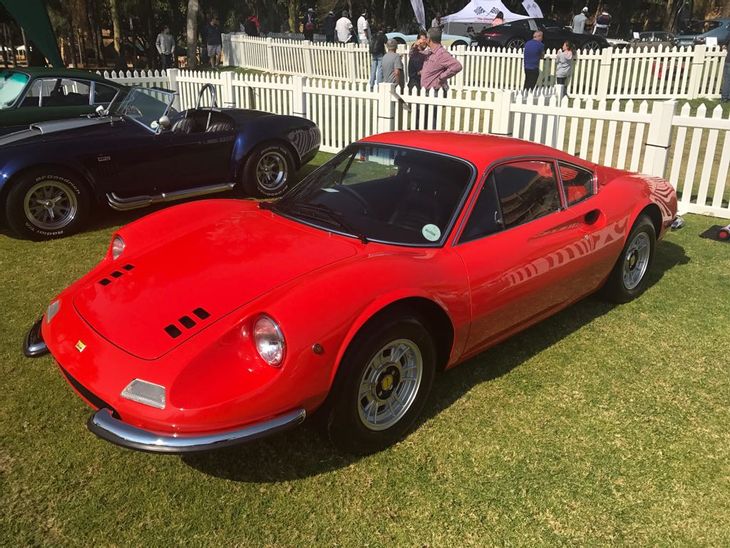
Another Ferrari that drew many admiring glances was this Dino (Ferrari) 246.
“In 2017 we have set the bar very high as far as the judging standards are concerned,” said Harley. “We are taking this event to an international level, and our car restorers in this country can only learn from the input from our panel, which has vast experience in both local and international concours events.”
Chris Routledge was clearly impressed by what he witnessed and remarked that the overall presentation and setting of Concours South Africa was already well up to the standards of the best events internationally. He said a number of cars at Sun City could compete internationally. “One thing I would like to see next year would be a class for South African home-grown specials, such as the Ford Sierra XR8, the Alfa Romeo GTV 3,0 litre and the Capri Perana, cars that were only available in South Africa and nowhere else.”
And the highlights were…
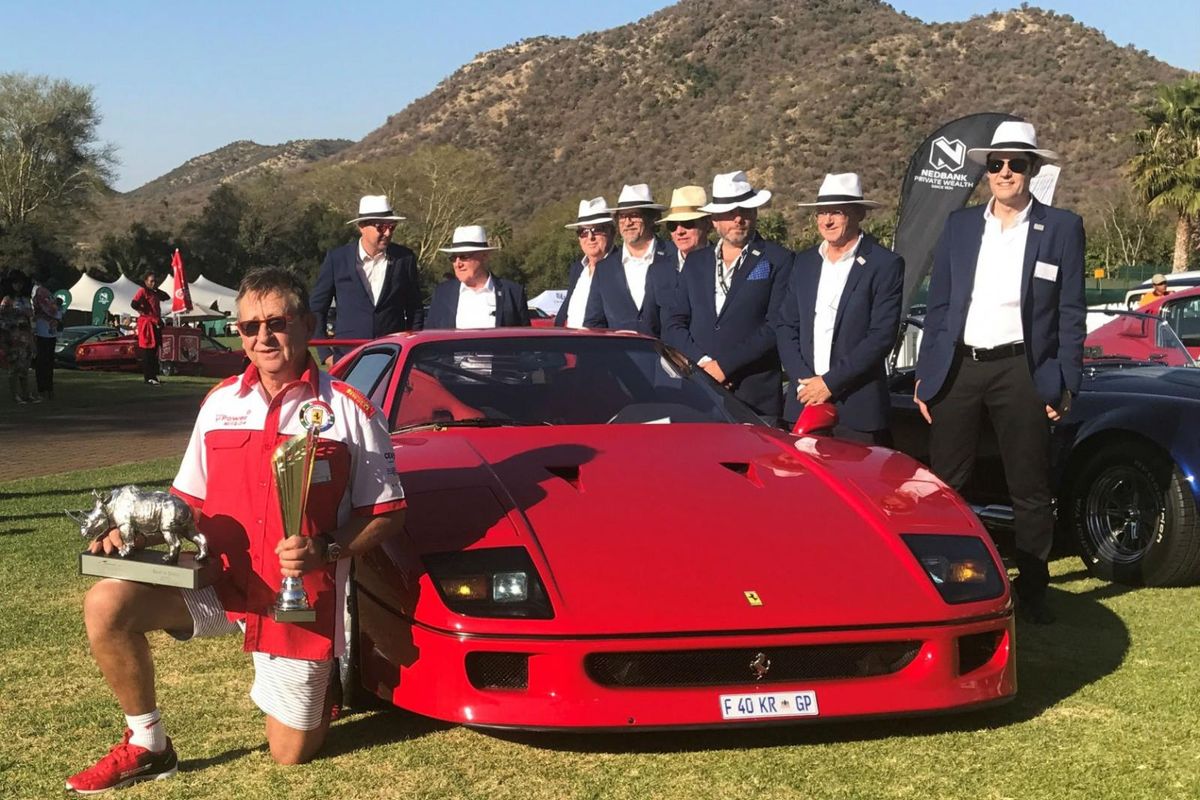
A beautifully prepared 1989 Ferrari F40, owned by Keither Rivers, was the overall winner of Concours South Africa 2017. Rivers is one of the founding members of Tiger Wheels in South Africa. The F40, one of just a few that remain in South Africa, celebrated 40 years of Ferrari when it was announced in the late '80s, and was also the last project overseen by Enzo Ferrari before his death in 1988.
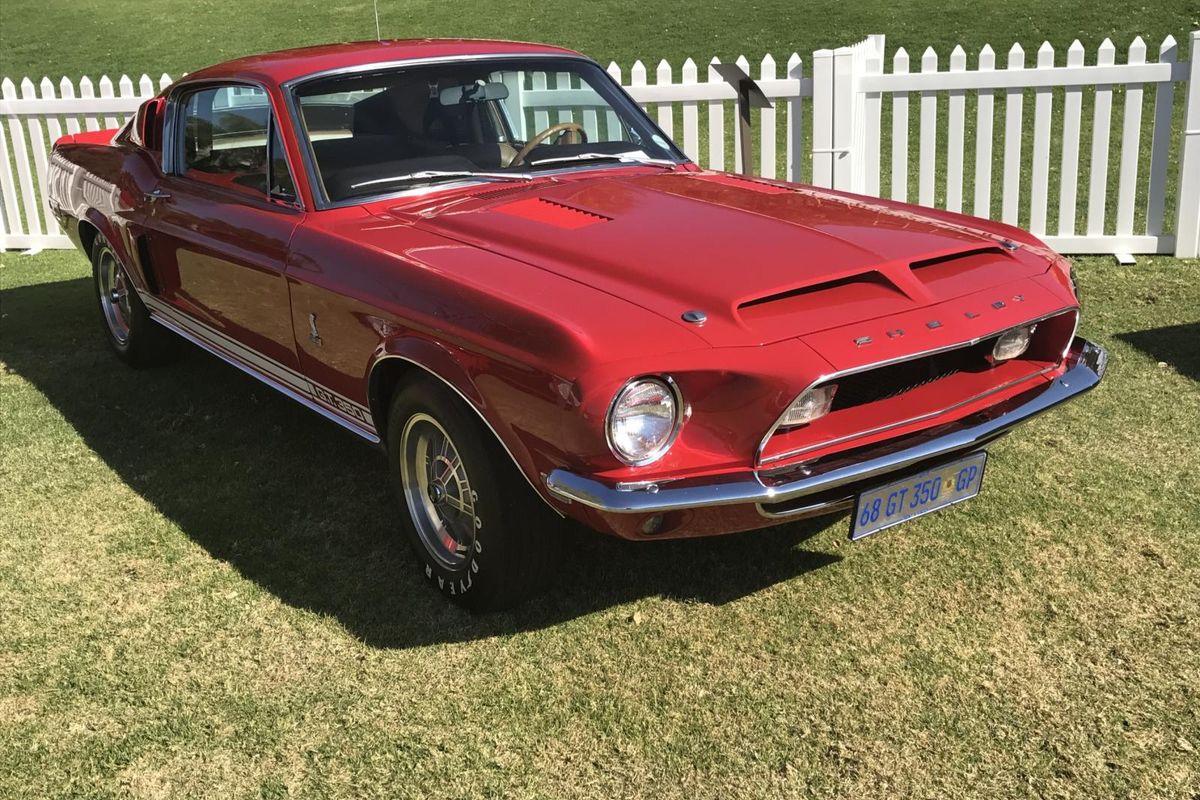
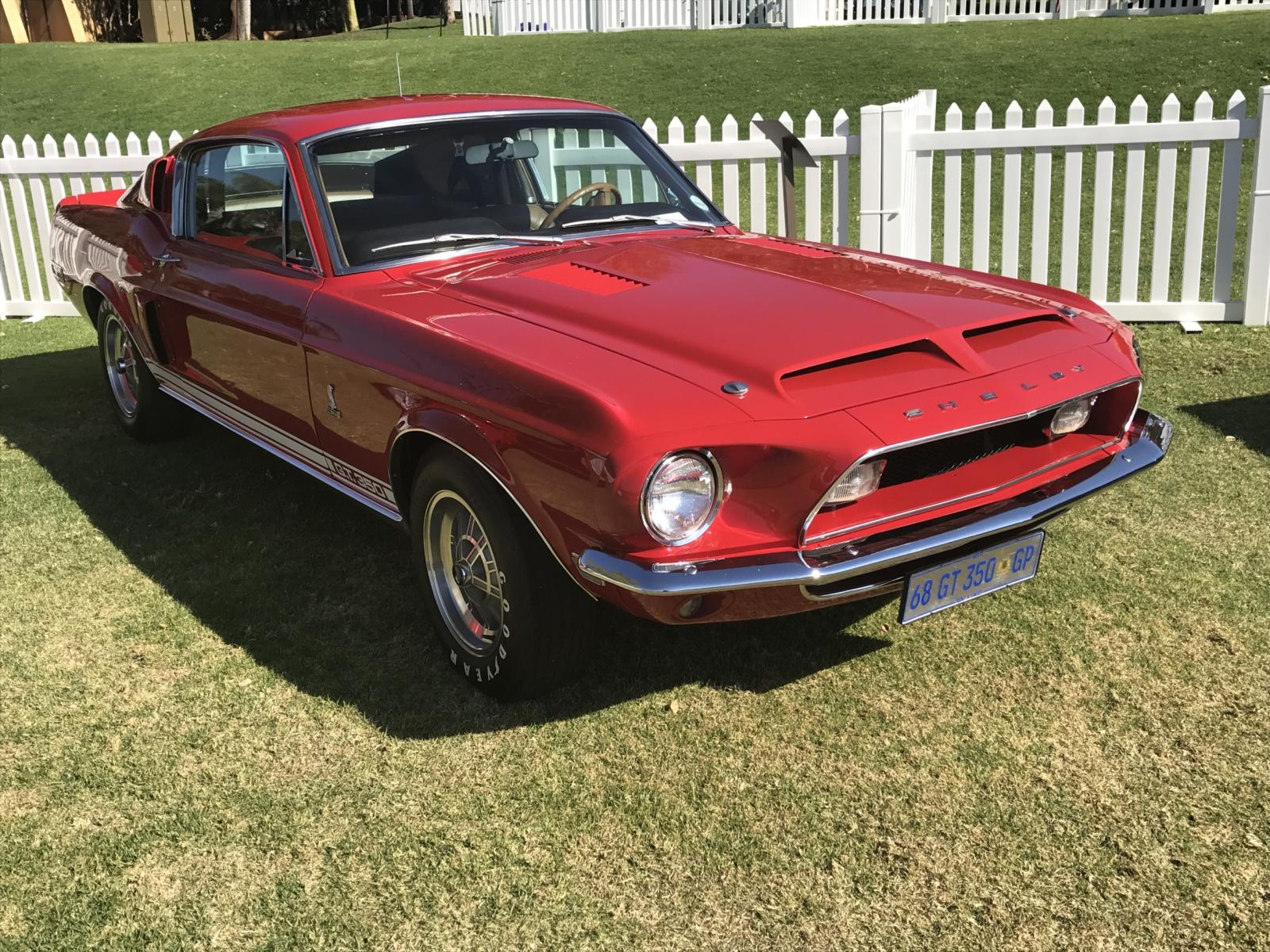
This immaculate Shelby GT 350 Hertz edition finished second overall.
The first runner-up position belonged to an un-restored, but immaculately preserved 1968 Shelby Mustang GT350H, owned by Dainfern’s Ravi Chetty. This car was one of the last special Hertz rent-a-car Mustangs produced by Ford and Shelby in 1968.
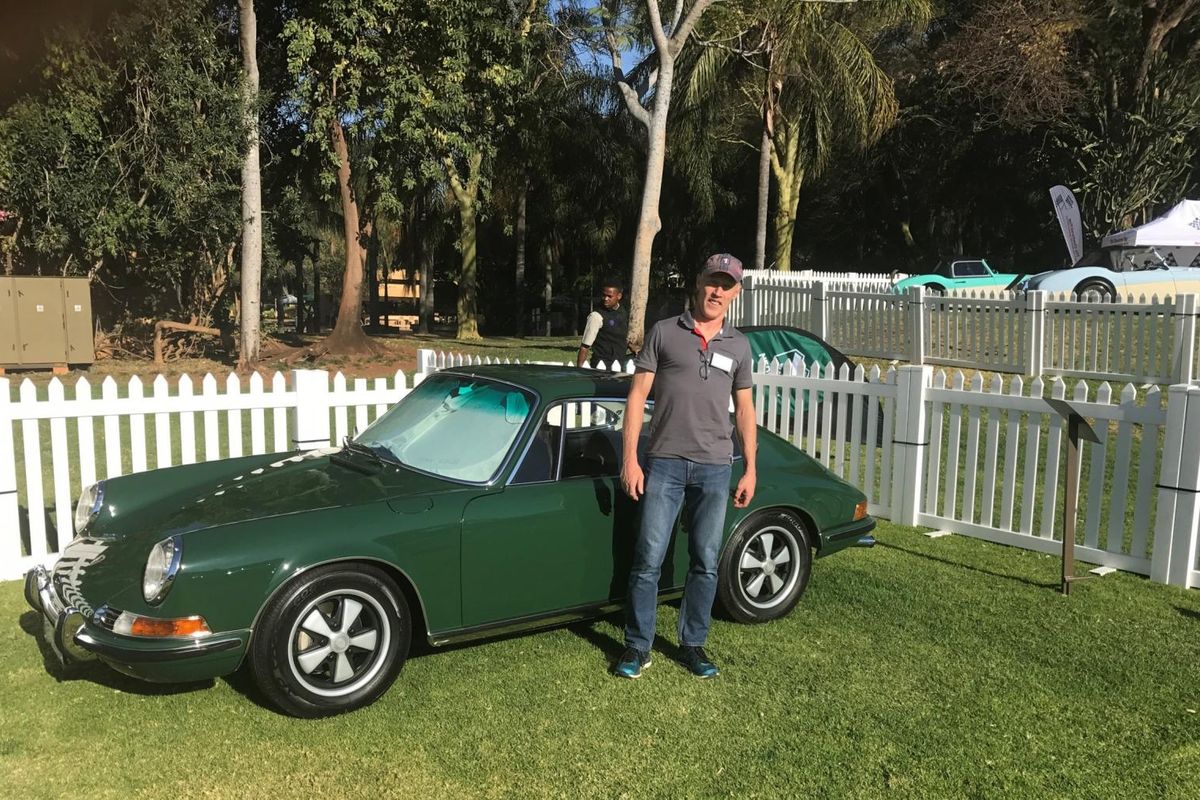
In third place was a stunning 1970 Porsche 911 S “short-wheelbase” model, owned by Porsche expert Tim Abbot of Johannesburg.
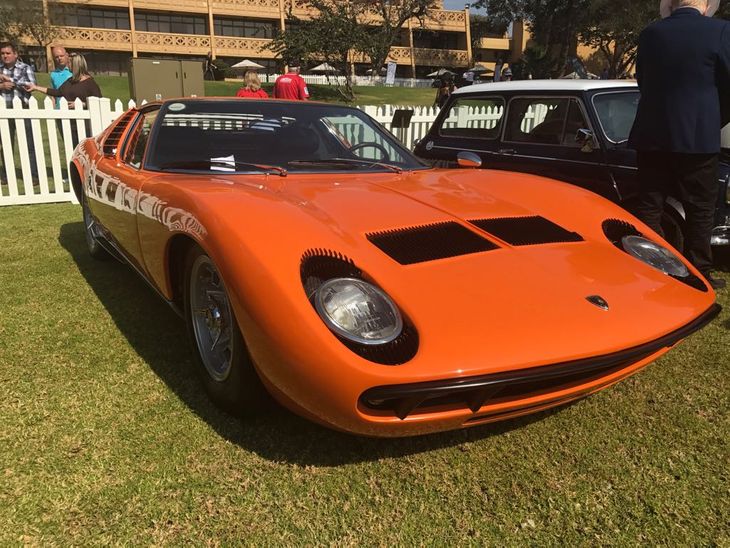
One of the star attractions on display was this recently restored and very valuable Lamborghini Miura S.
The sheer variety of top-class vehicles on display made the event a hit with both the judges and public. Also spotted on the lawns and drawing many admiring glances were a 1971 Dino 246 GTB and a recently restored, bright orange Lamborghini Miura S.
At a function on the Saturday evening, Concours special guests for 2017 Sarel van der Merwe and Ian Scheckter were inducted into the Hall of Fame at Sun City.
The Full Results of Concours South Africa 2017
Overall:
Ferrari F40, 1989, owned by Keith Rivers
Shelby Mustang GT350H, 1968, owned by Ravi Chetty
Porsche 911 S, 1970, owned by Tim Abbot
Cass Winners:
Class 1 B. SS Jaguar 2,5 Sedan, 1939, owned by Roger Martin and Fiona Hampson-Searle
Class 2 A. Volvo PV 445 Wagon, 1958, owned by Vic and Gerhard Campher
Class 2 B. Austin Healey BN6, 1958, owned by Ben Gerber
Class 3 A/1. Mazda R100 Coupe, 1970, owned by Peanuts Fouche
Class 3 A/2. Rolls-Royce Silver Cloud III, 1964, owned by Gustav Raubenheimer
Class 3 B/1. Shelby Mustang GT350H, 1968, owned by Ravi Chetty
Class 3 B/2. Porsche 911 S, 1970, owned by Tim Abbot
Class 4 A/2. Daimler Double Six, 1989, owned by Steve Koterba
Class 4 A/1. Ferrari F40, 1989, owned by Keith Rivers
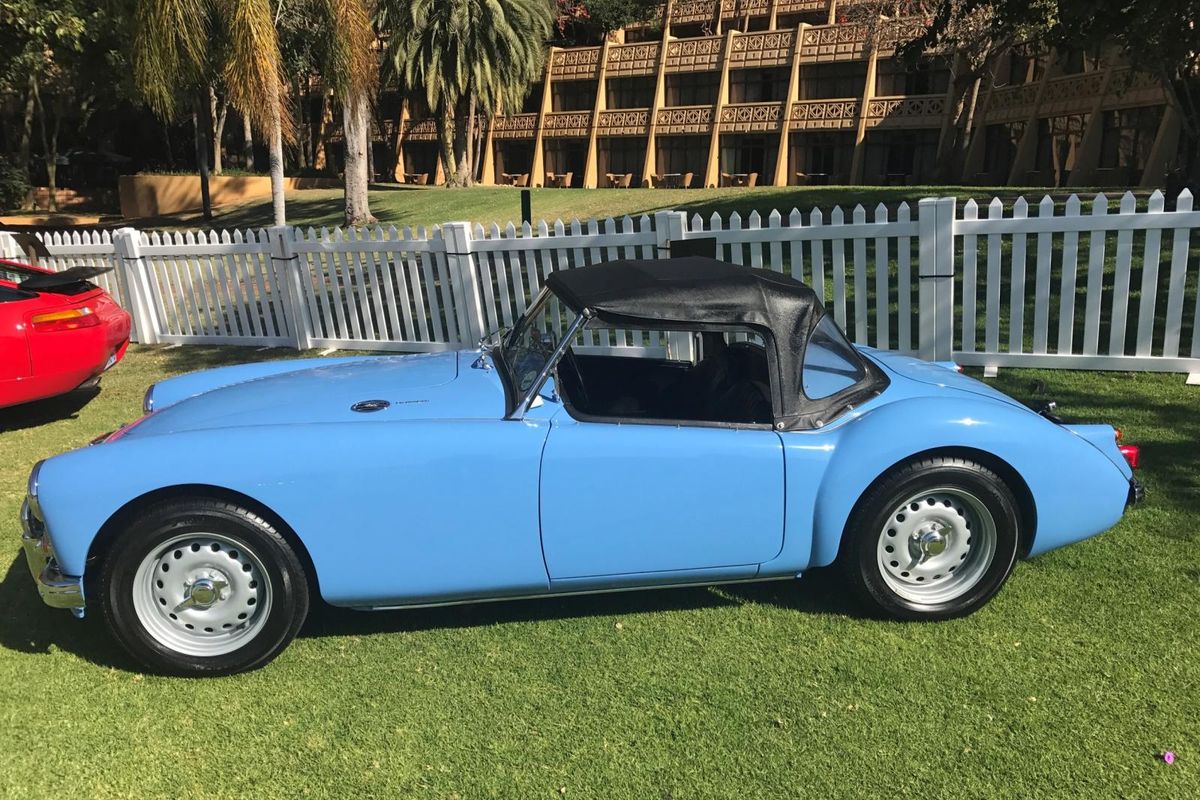
Class 5 Show and Shine winner. MG Twin Cam, 1958, owned by Neville Conchar
Class 5 Resto Mod winner. 1994 AC Cobra replica, owned by Willem Stieler.
Despite a contraction in the South African new vehicle market in 2017, Suzuki sales have been brisk. The Japanese brand is a small car specialist that offers a trio of hatchbacks: the Celerio (a #CarsAwards winner), Swift and Baleno, but the new Ignis marks a departure from the formula…
With its quirky looks, funky interior and plucky 1.2-litre engine, the Ignis has bucketloads of character and seems to embody everything "fun" that Suzuki wants to convey as a brand.
In this video, regular Cars.co.za contributor and Cars.co.za Consumer Awards judge Juliet McGuire presents a detailed look at the Ignis' engine, interior, luggage space and fuel economy. Plus, we compare the newcomer to the Renault Sandero Stepway and Volkswagen Cross Up!
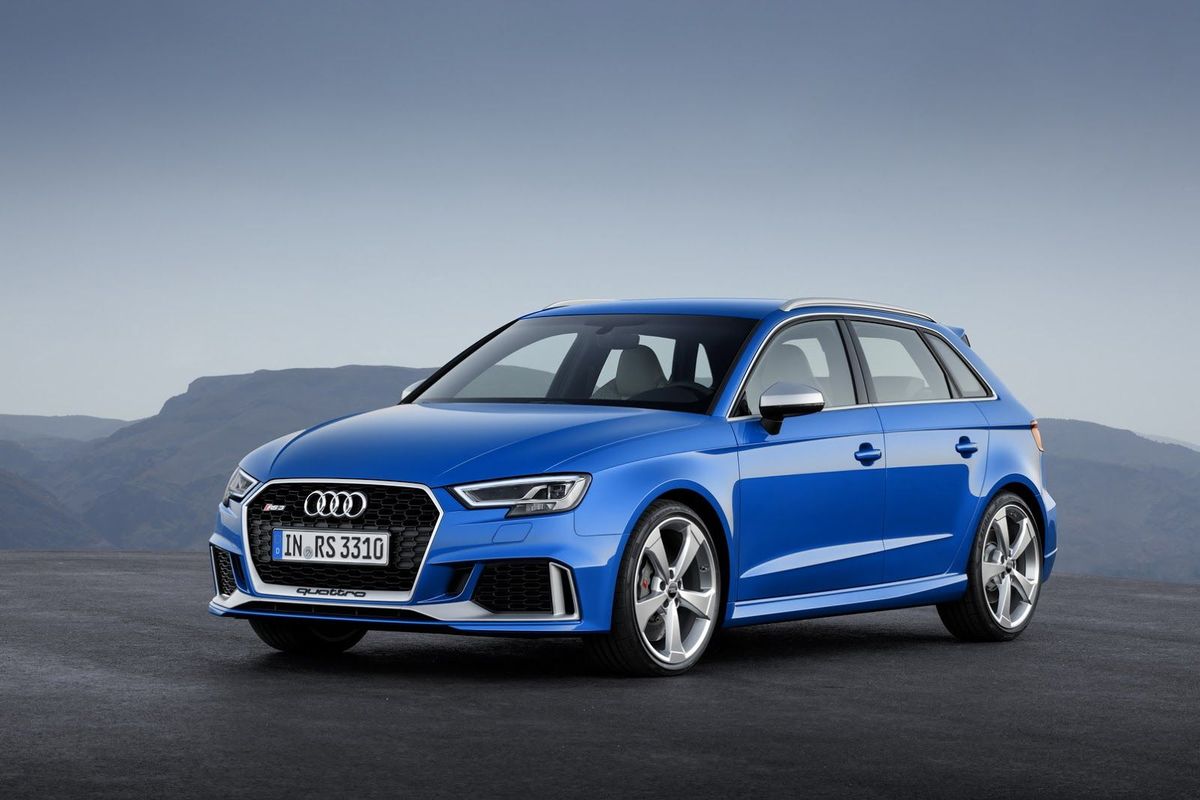
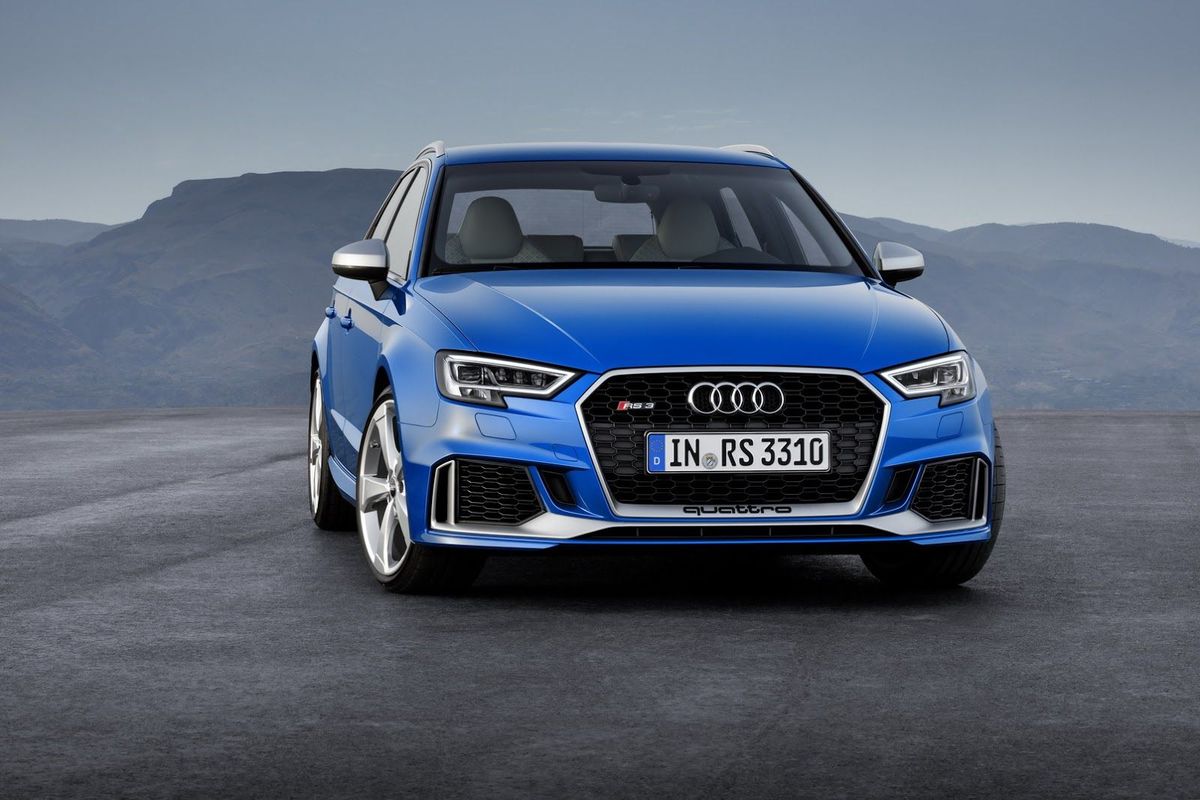
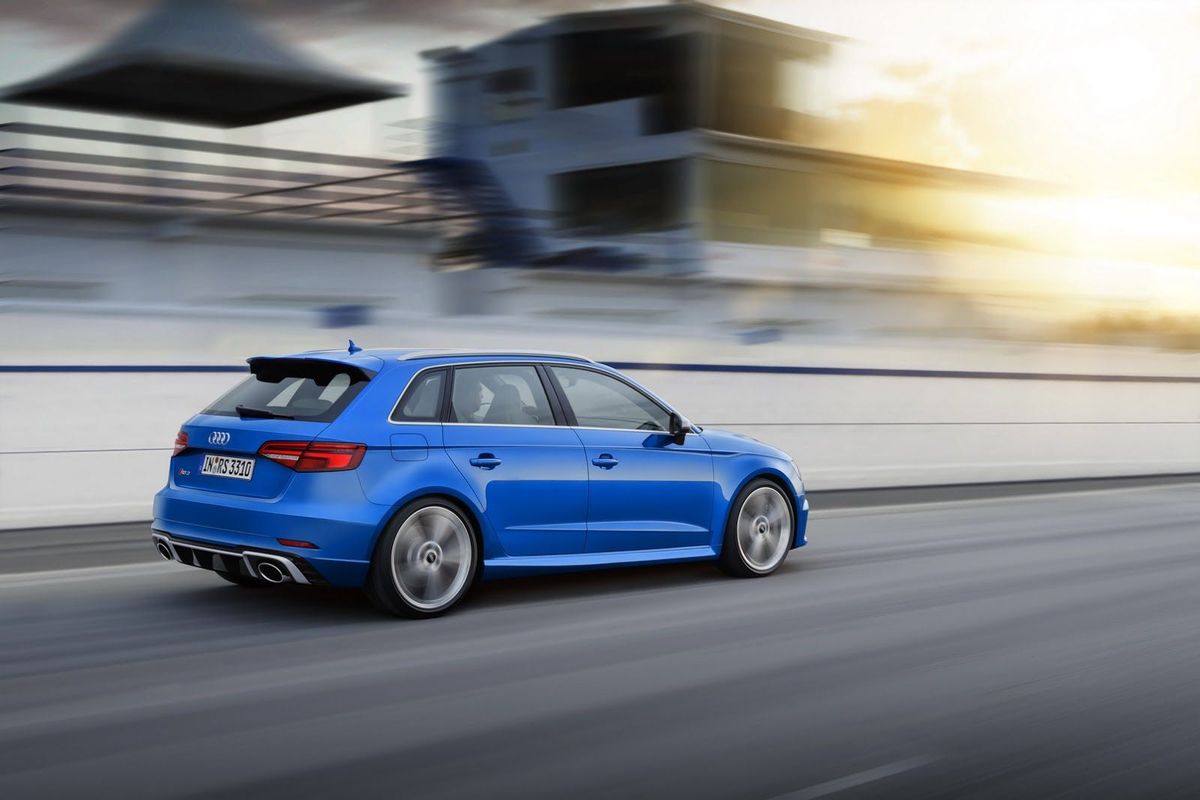
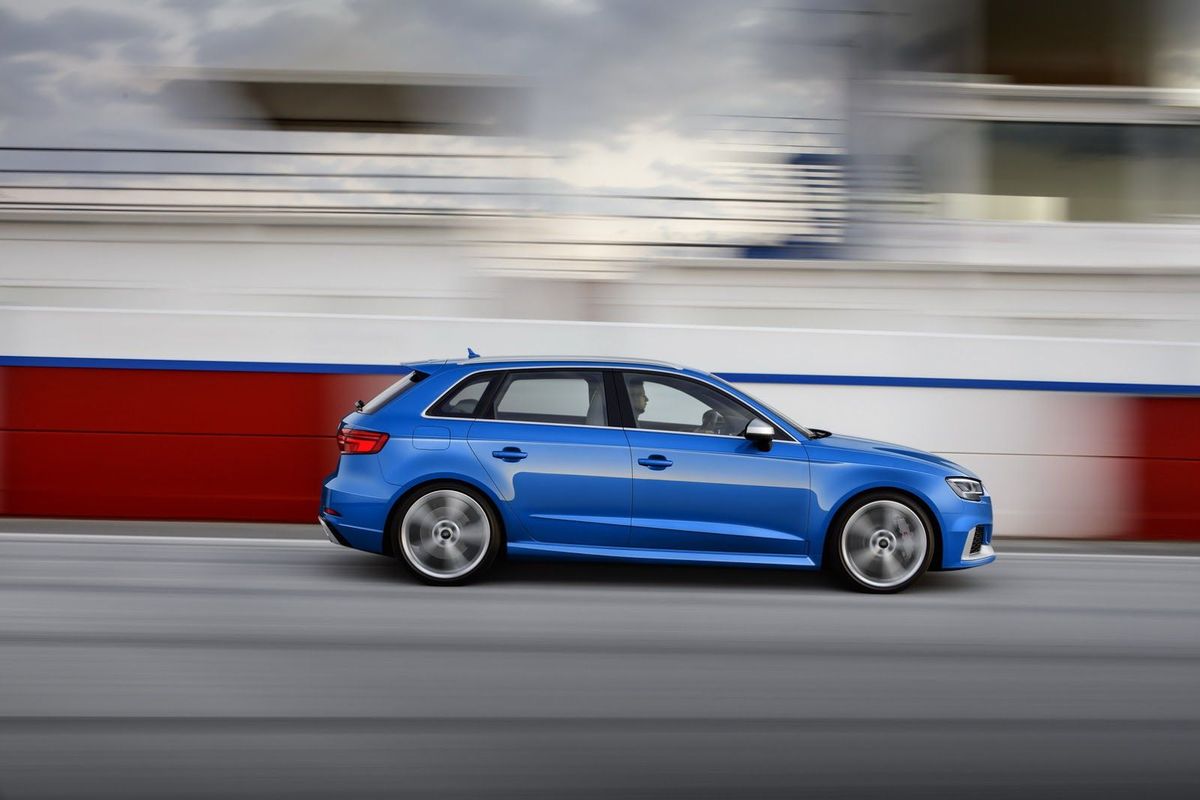
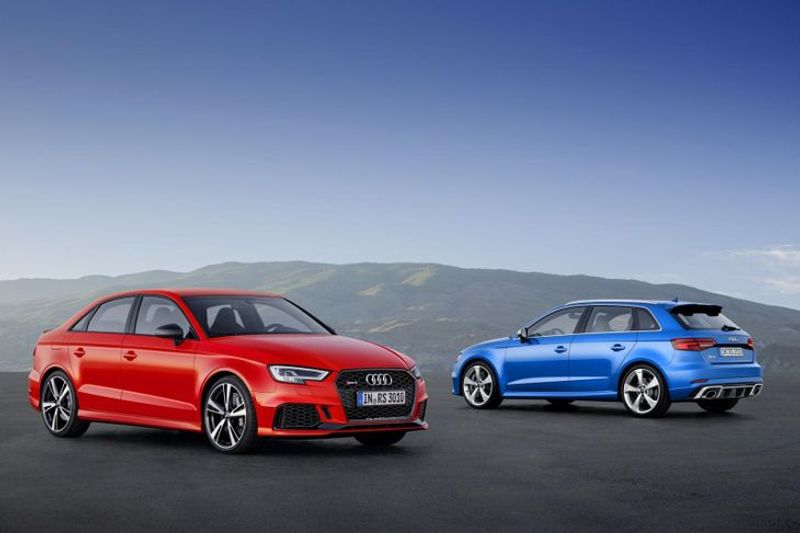
Audi has already welcomed the RS3 Sedan to South Africa and fans of the RS3 Sportback can expect the arrival of the facelifted version in November 2017. Take a look at the details below.
The RS3 is aptly described as a “tarmac terrorist” due to its ferocious performance ability. However, the facelifted RS3 seeks to up the stakes with exterior and interior styling improvements, equipment upgrades and most importantly, more power and torque.
Let’s take a quick look at what the facelifted RS3 Sportback will bring to the tarmac…
More power, more thrills
Both the RS3 Sedan and RS3 Sportback are equipped with a lighter and more powerful 2.5-litre, 5-cylinder turbopetrol engine.
The big news for the facelifted Audi RS3 is that it will adopt the lighter (26 kg lighter) and more powerful 2.5-litre, 5-cylinder turbocharged engine that’s found under the bonnet of the RS3 sedan and Audi TT RS. That means that the RS3 will now deliver 295 kW and 480 Nm of torque! That's 24 kW and 15 Nm more than the outgoing RS3.
Using Audi’s quattro permanent all-wheel drive and a 7-speed S-tronic dual-clutch transmission, the RS3 will rocket from zero to 100 kph in 4.1 seconds before reaching an electronically limited top speed of 250 kph. Audi claims a fuel consumption figure of 8.3 L/100 km. These performance figures are identical for the RS3 Sedan, too.
Hotter styling
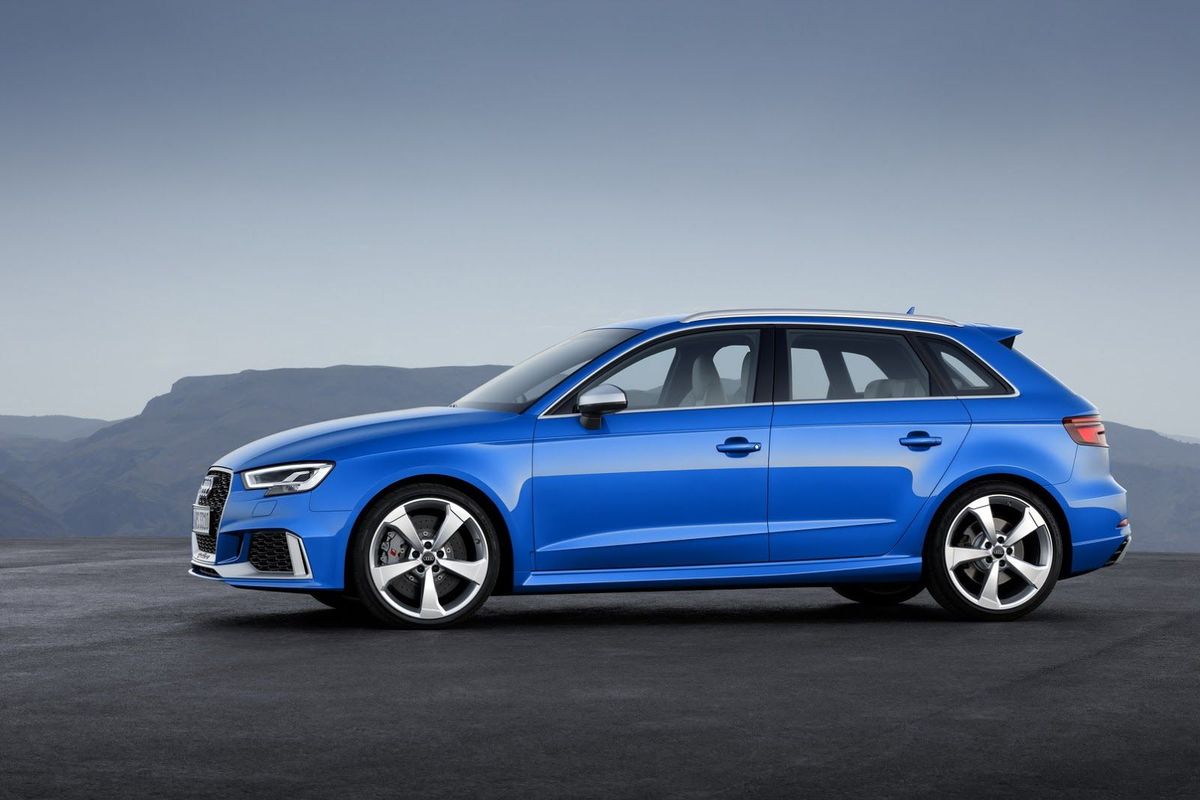
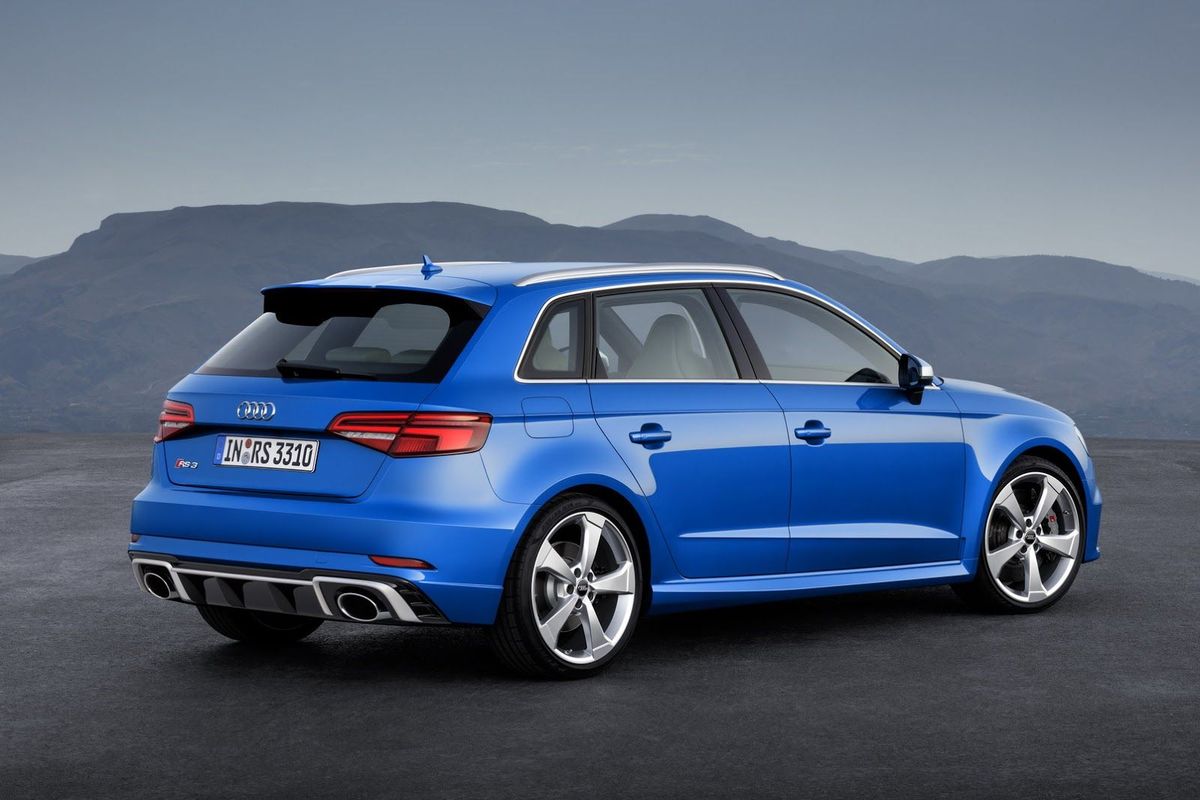
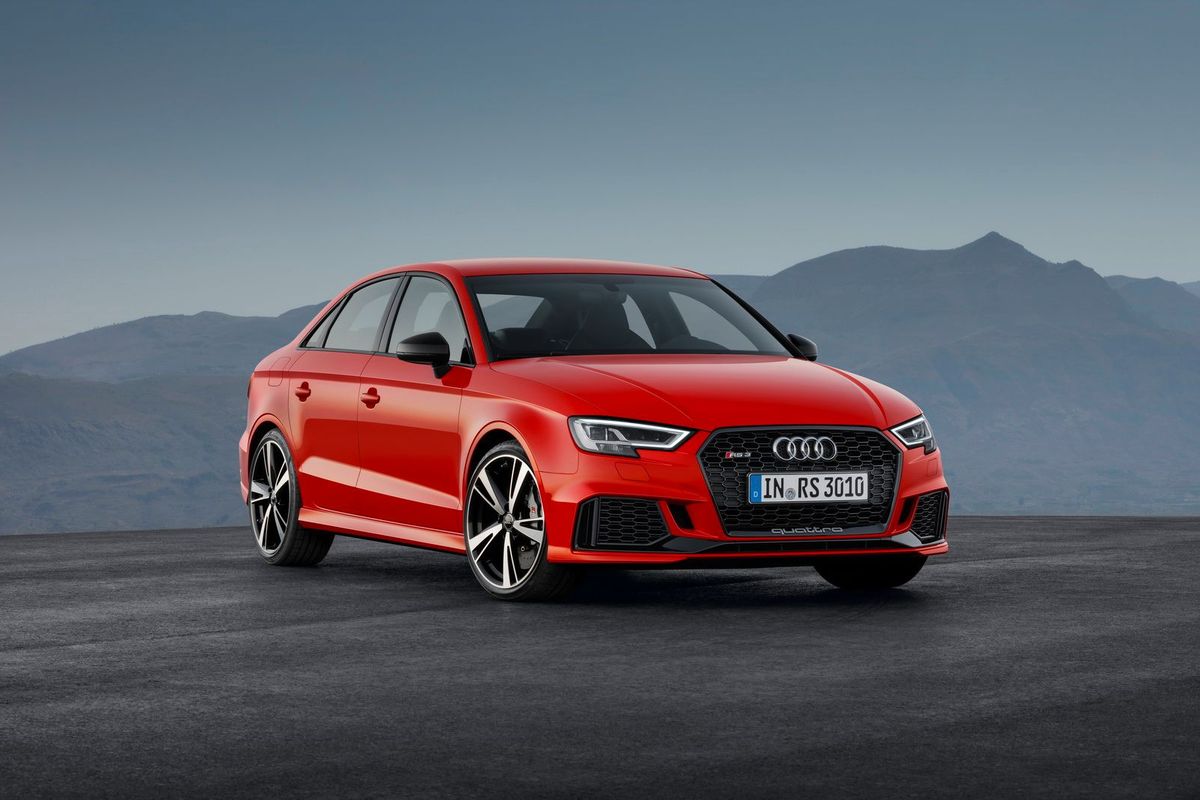
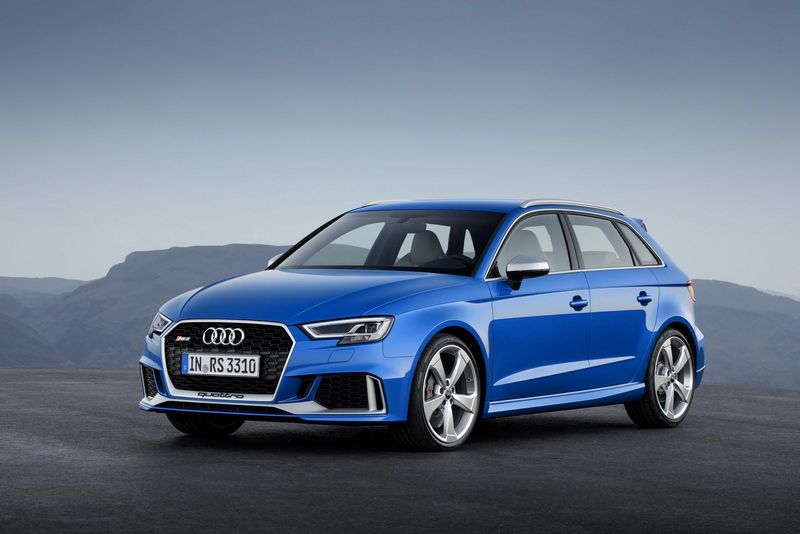
The RS3 Sportback will bring enhanced styling to the tarmac and should be well received when it arrives in November 2017.
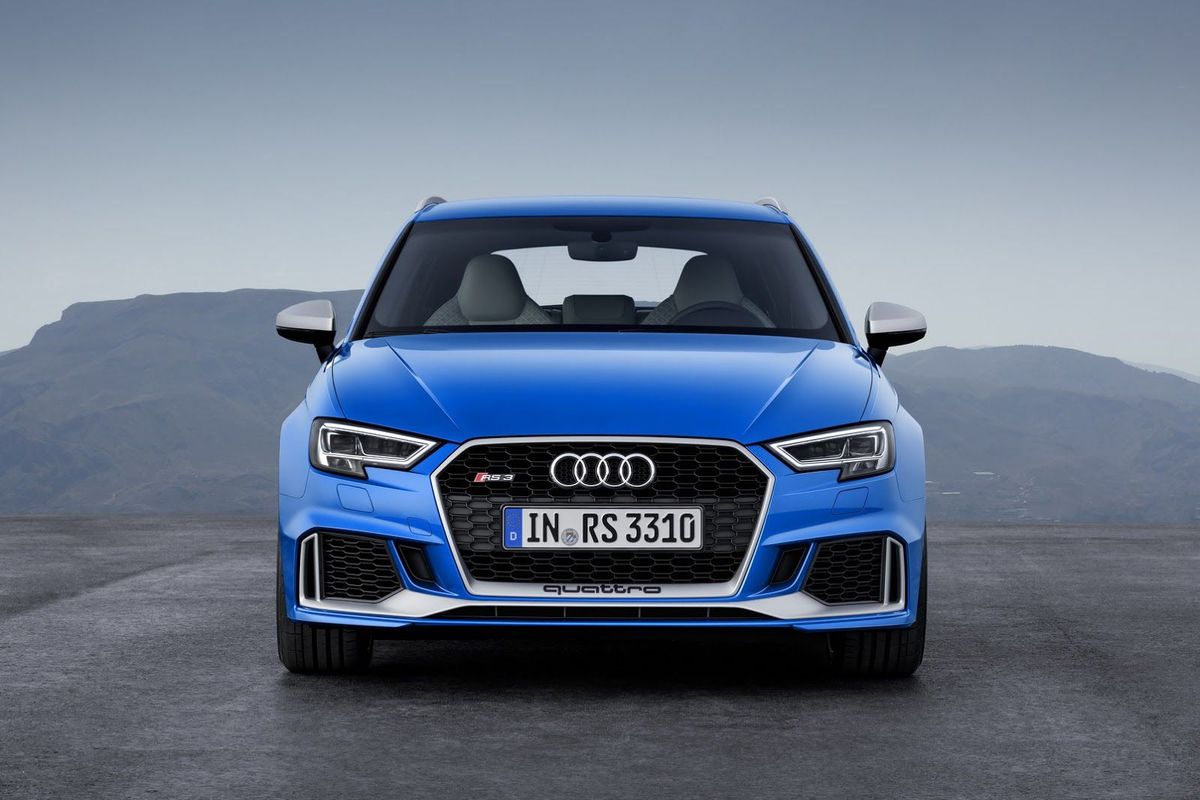
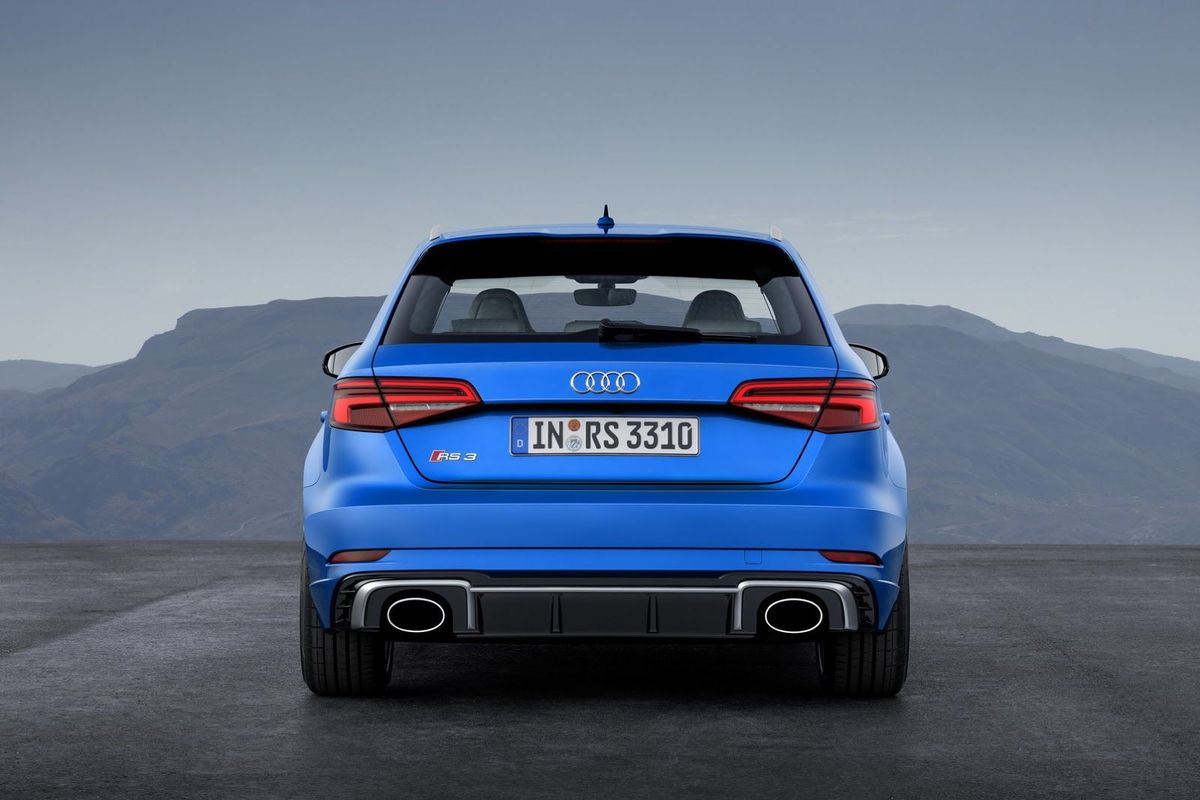
The facelifted Audi RS3 features a few design tweaks that improve the overall design. These changes include new LED headlight units (matrix LED headlights are optional) and a more angular surround seen on the single-frame grille. The front and rear bumpers have been reworked with a redesigned front blade, while the rear diffuser has also been revised. The RS3 also gains a new rear taillight graphic to round off the exterior changes. The RS3 Sportback features an RS roof edge spoiler while the RS3 sedan features an RS-specific spoiler lip on the boot lid. A total of 8 exterior colours are offered for both the RS3 Sedan and RS3 Sportback including Nardo Grey and Catalunya Red.
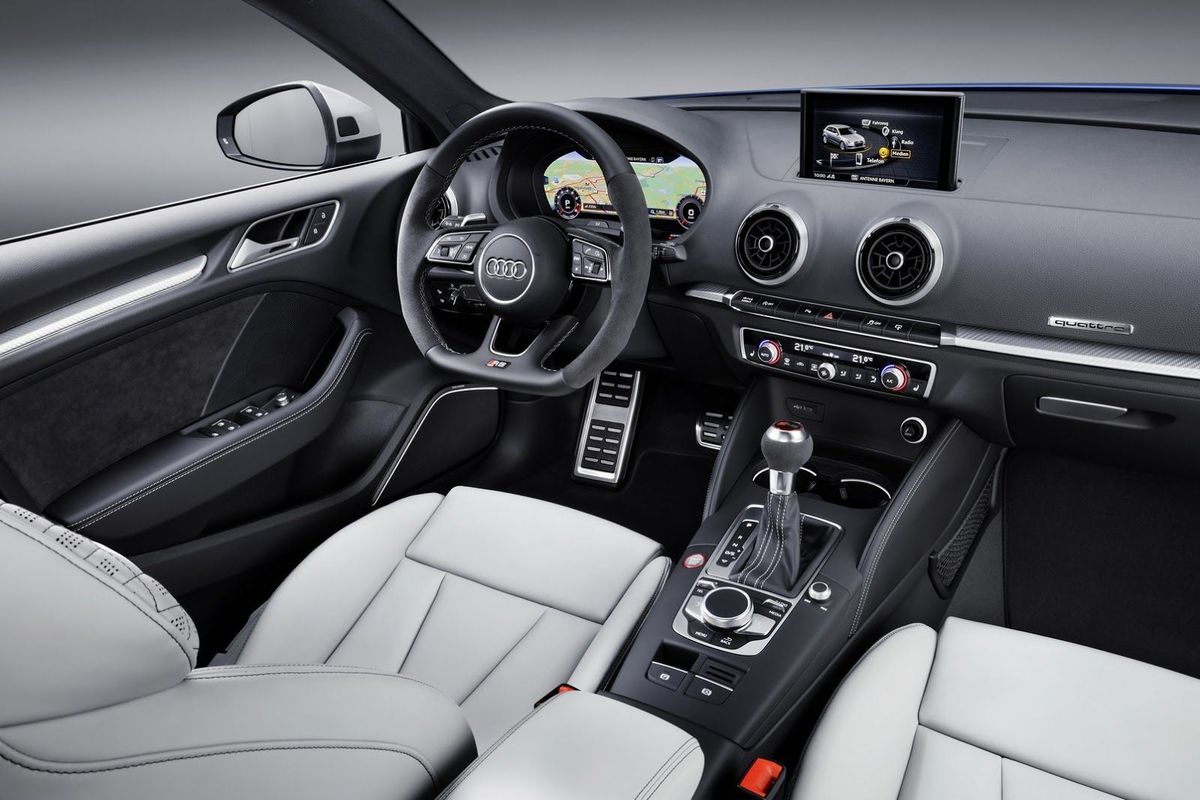
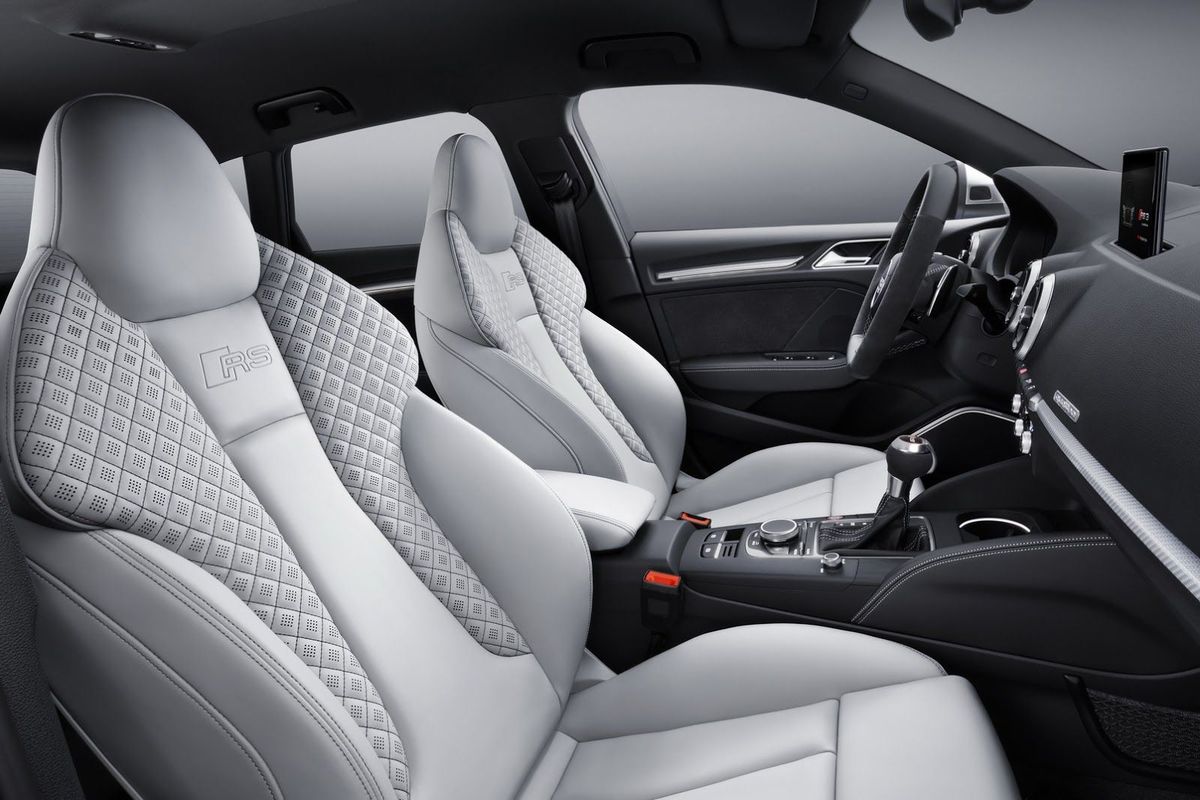
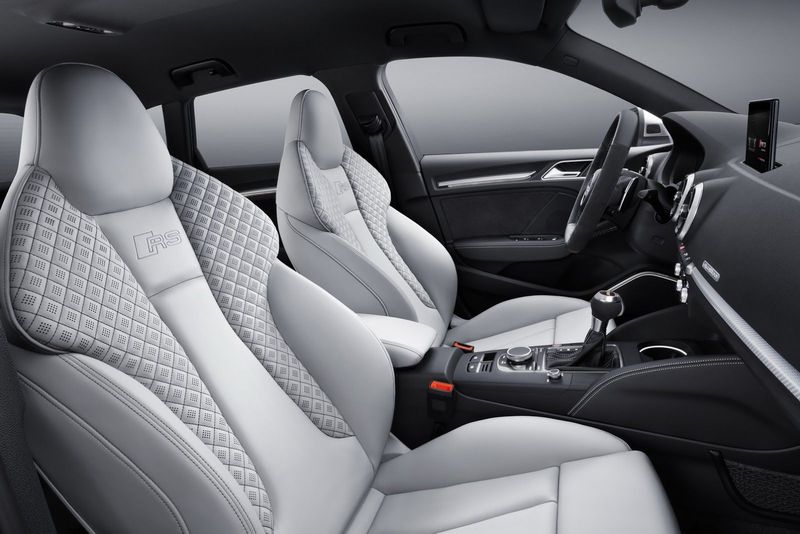
Fine Nappa leather sports seats and an updated infotainment system are but some of the highlights inside the facelifted RS3.
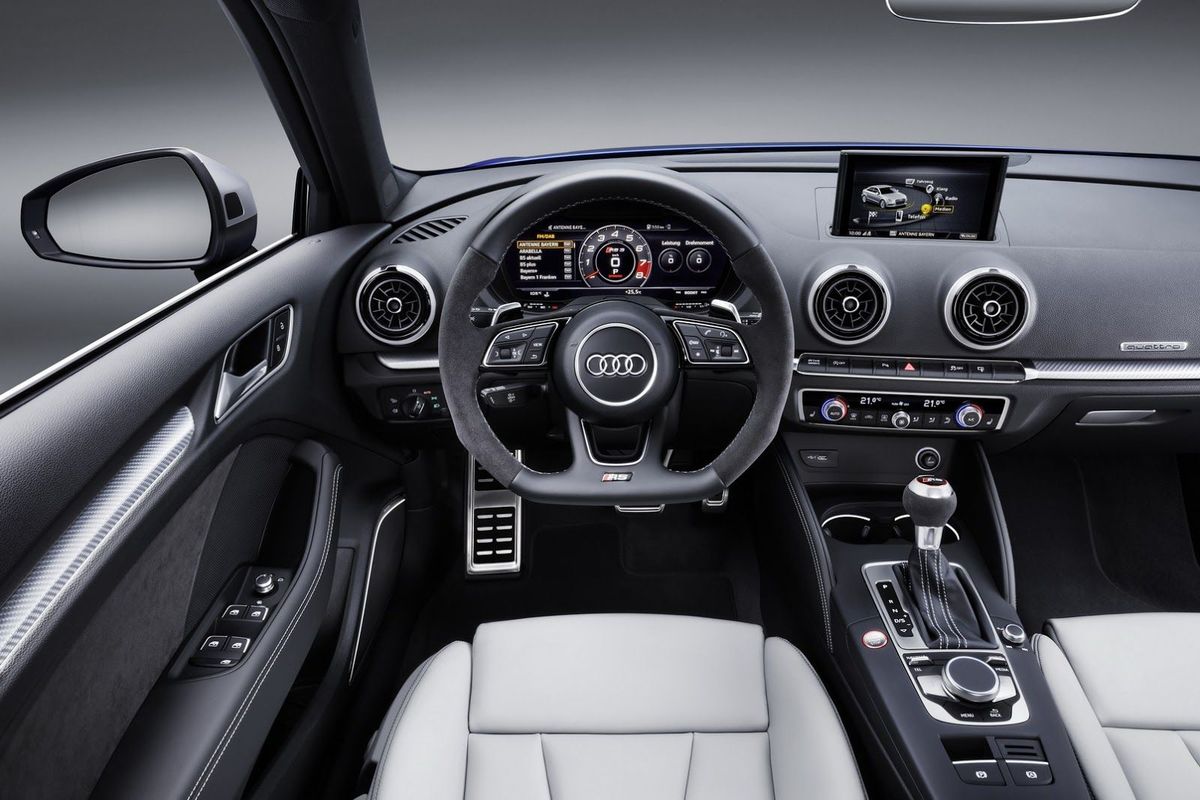
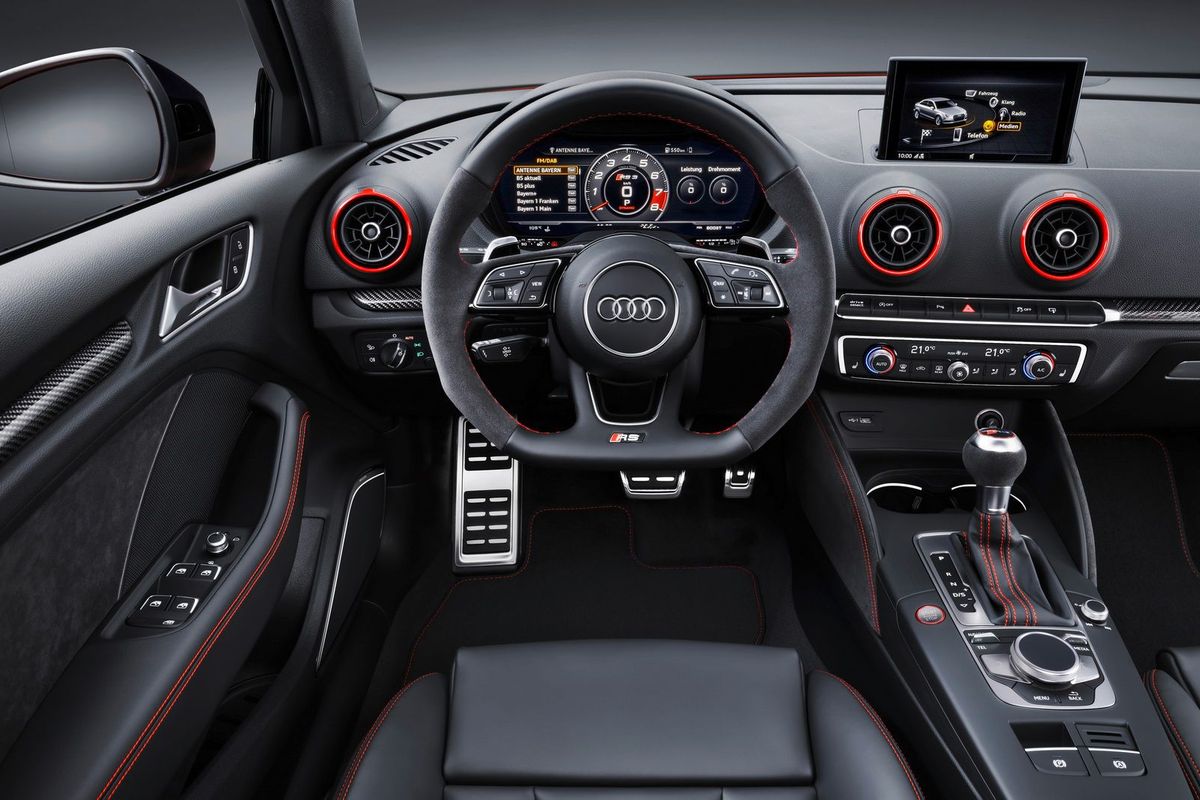
On the inside, the RS3 gains Audi’s Virtual Cockpit which is offered as an option. Nappa leather sport seats now feature a more contoured profile and customers can also opt for RS sports seats with sharply contoured side bolsters and integrated head restraints. An optional RS design package is on offer which includes red accent rings around the air vents and contrasting stitching on the upholstery for maximum effect while the door trim is finished in Alcantara and the footrest and pedals are in stainless steel.
The infotainment system has been updated too with a round rotary/push-button control on the console which has an additional joystick function in conjunction with the MMI navigation. With MMI Navigation Plus with MMI touch, a touchpad is found on the rotary/push-button control. Audi smartphone interface, which integrates Apple CarPlay and Android Auto, is optionally available in conjunction with MMI Navigation Plus. Qi-enabled smartphones can also be charged wirelessly or connected via the car's antenna using the Audi phone box. A 705W Bang & Olufsen Sound System with 14 loudspeakers is also fitted.
Standard Features
The following features are offered as standard for the RS Sedan and RS3 Sportback:
19-inch alloy Audi Sport wheels
4-link rear suspension
Acoustic windscreen
Aluminium matt styling package
Audi drive select®
Audi music interface
Audi sound system
Bluetooth interface
Brake pad wear indicator
Cruise control
Deluxe automatic air conditioning
Driver & front passenger airbag with knee airbag & front passenger airbag deactivation
Driver information system with colour display
Electronic stabilisation program (ESP)
Exterior mirror housings in matt aluminium look
Fine Nappa leather trim with contrasting stitching
Front seats with height adjustment and retractable thigh support
LED headlights & taillights incl. dynamic indicators
Leather-covered multifunction sports steering wheel, 3-spoke, flat-bottomed, with shift paddles
Lighting package
Parking system plus with selective display
Sports suspension
Start/stop system
Storage compartment and luggage compartment package
Tyre repair kit
Pedals and footrest in stainless steel
Progressive steering
quattro®
Rear fog lights
Rear spoiler
RS bumpers
RS sports exhaust system
Scuff plates in door apertures (illuminated)
Separate daytime running lights
Side airbags at front and head airbag system
The RS3 Sedan is now available at all Audi Sport dealerships in South Africa and the RS3 Sportback will arrive in locally in November 2017. Take a look at pricing for the RS3 Sedan and RS3 Sportback below.
Audi RS3 Sportback and Sedan – prices in South Africa
RS3 Sedan 2.5 TFSI quattro S tronic R925 500
RS3 Sportback 2.5 TFSI quattro S tronic: R895 500
Pricing includes a 5-year/100 000 km Audi Freeway Plan.
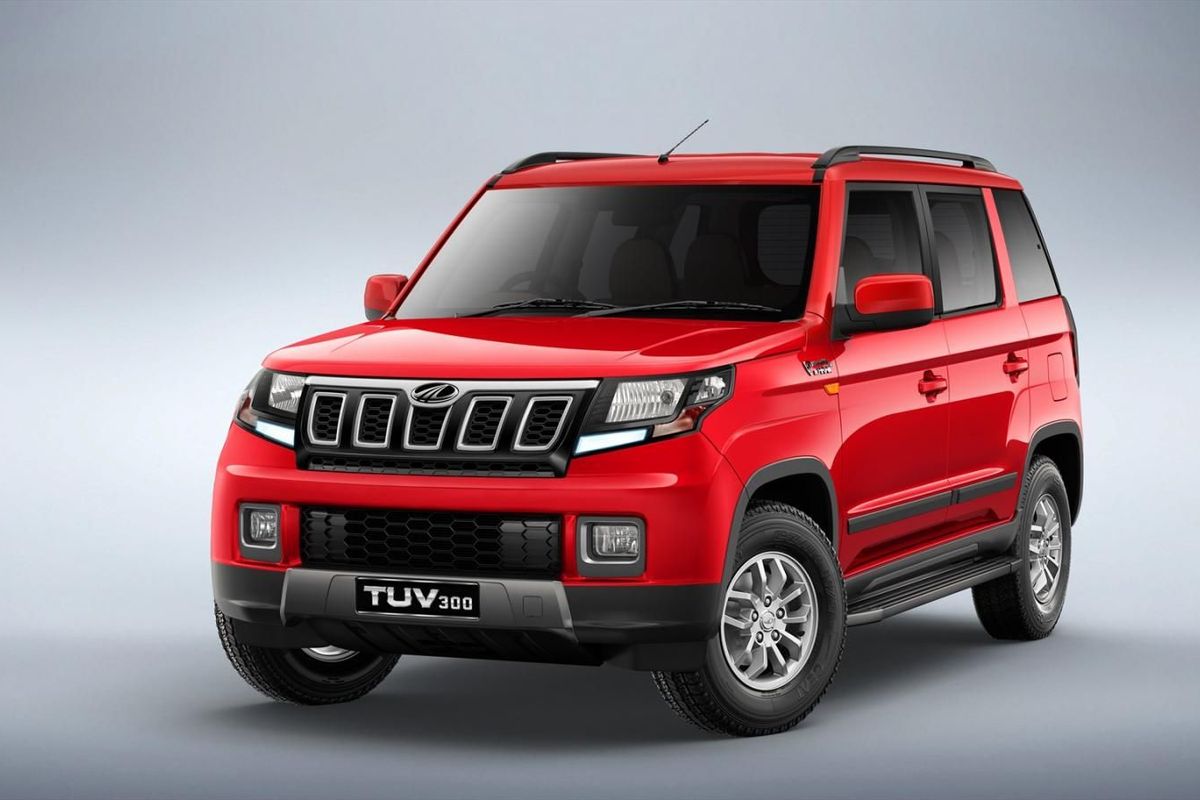
As one of only 2 Indian manufacturers currently trading in South Africa, Mahindra has built a fairly loyal following for their cost-effective and tough but rather agricultural bakkies. The TUV300, however, is Mahindra's third foray into the compact family car market. Does this cut-price 7-seater make for an appealing family car?
We like: Low price, fuel economy, generous boot space, comfortable front seats, generous features as standard, gravel-tackling abilities
We don’t like: Rough diesel engine, interior beige-ness, old fashioned tailgate, stop/start system
Alternatives*
* A note on alternatives: given the TUV300’s low asking price, its unique body-on-frame chassis, rear-wheel drive layout and the physical size of the vehicle, the car does not fit neatly into any particular segment. However, we have compared it to rivals here which offer similar practicality, as that is one of the main concerns for buyers in this segment.
For refinement and 7-seats: Consider the Honda BR-V. The base BR-V is priced at R246 100, just R17 000 more than the TUV300, and offers more car-like levels of ride quality and comfort, 7-seats and an impressive 5-year/200 000 km warranty.
For 7-seats on a budget: The Suzuki Ertiga tries to outdo the TUV300 in terms of interior beige-ness and nearly succeeds. But it remains a spacious 7-seater with a bulletproof little engine, all for under R200 000. Pricing starts at R196 900.
For 7-seats with an established badge on the nose: The Toyota Avanza, in our experience, has build quality issues, but for those interested in a household name, with 7 seats and a decent price tag, the Avanza is a mainstay of the market. Keep in mind that base-spec Avanzas offer very little creature comforts and you’d need to opt for the SX model at around R250 000 to match the TUV300 in terms of spec.
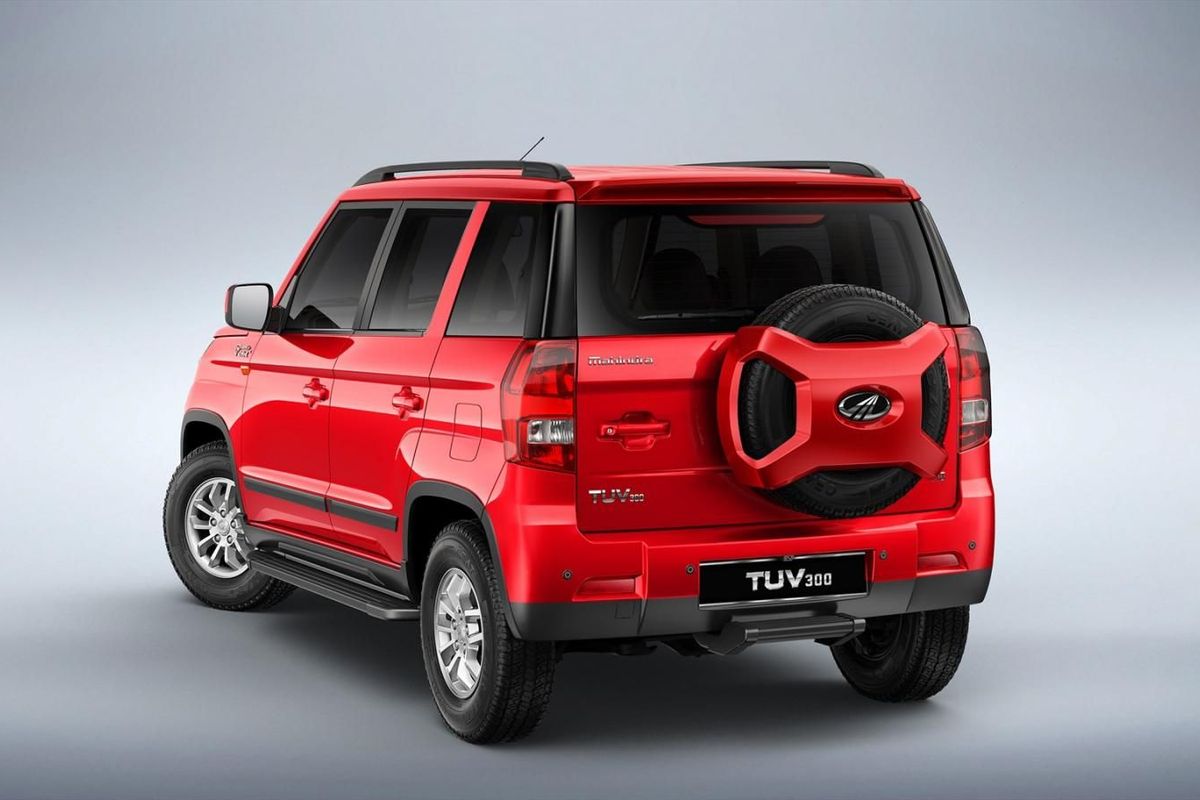
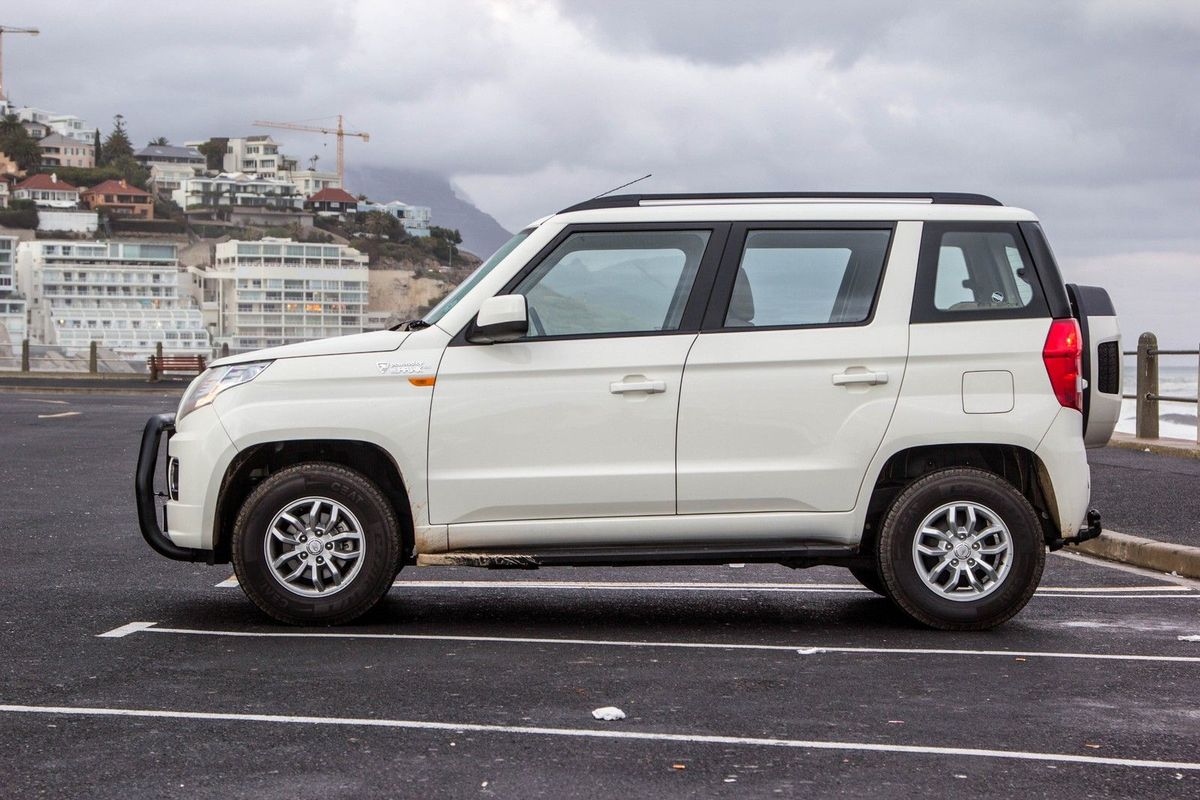
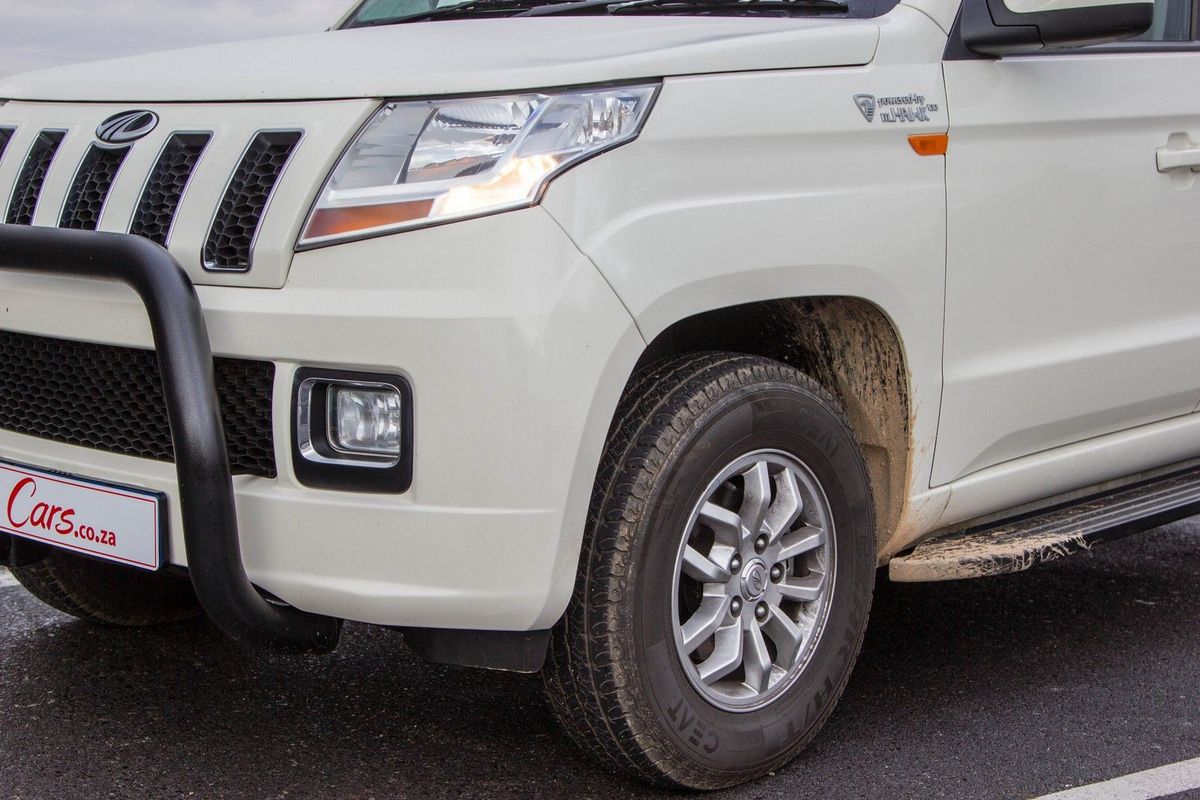
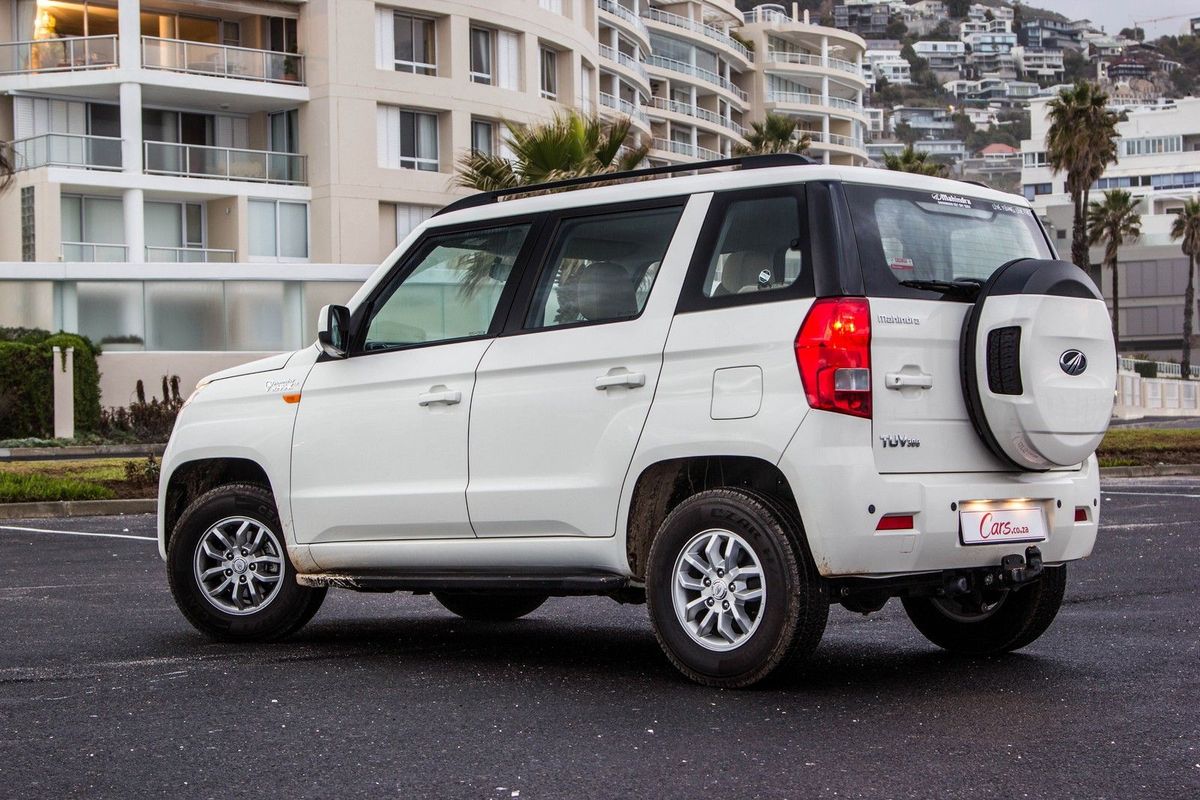
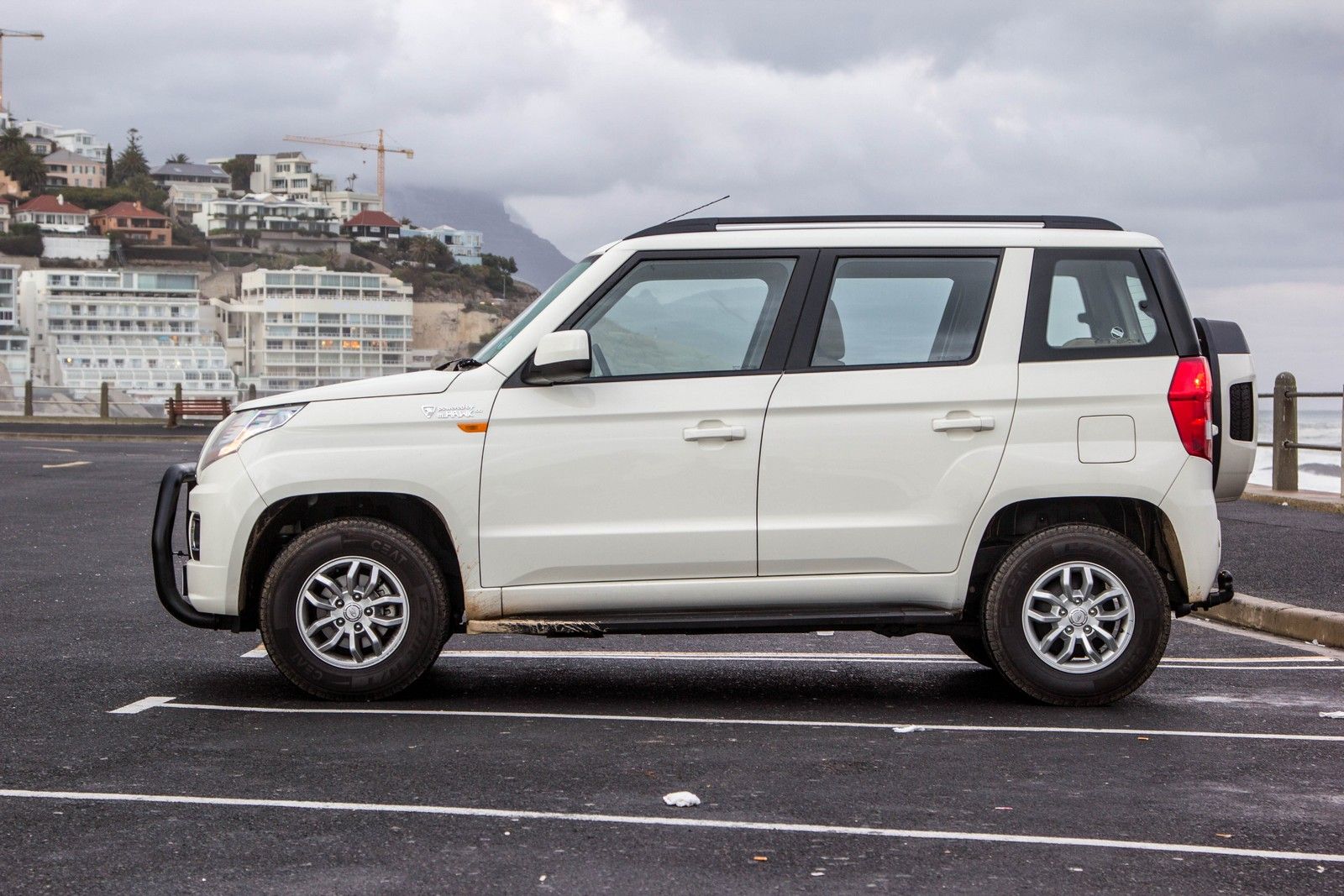
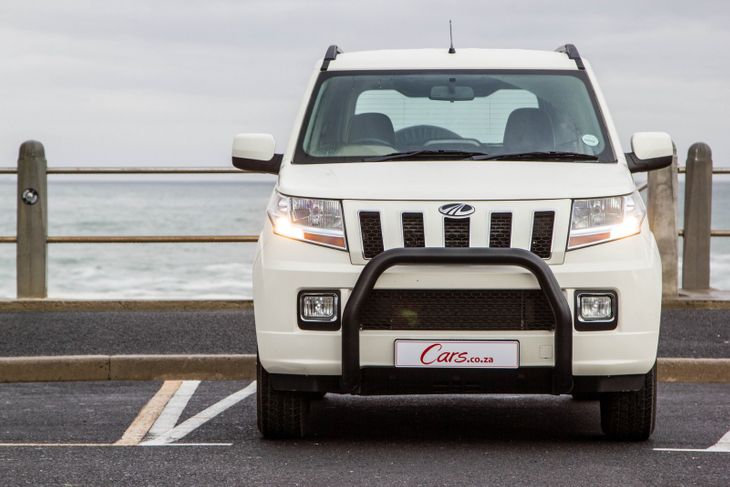
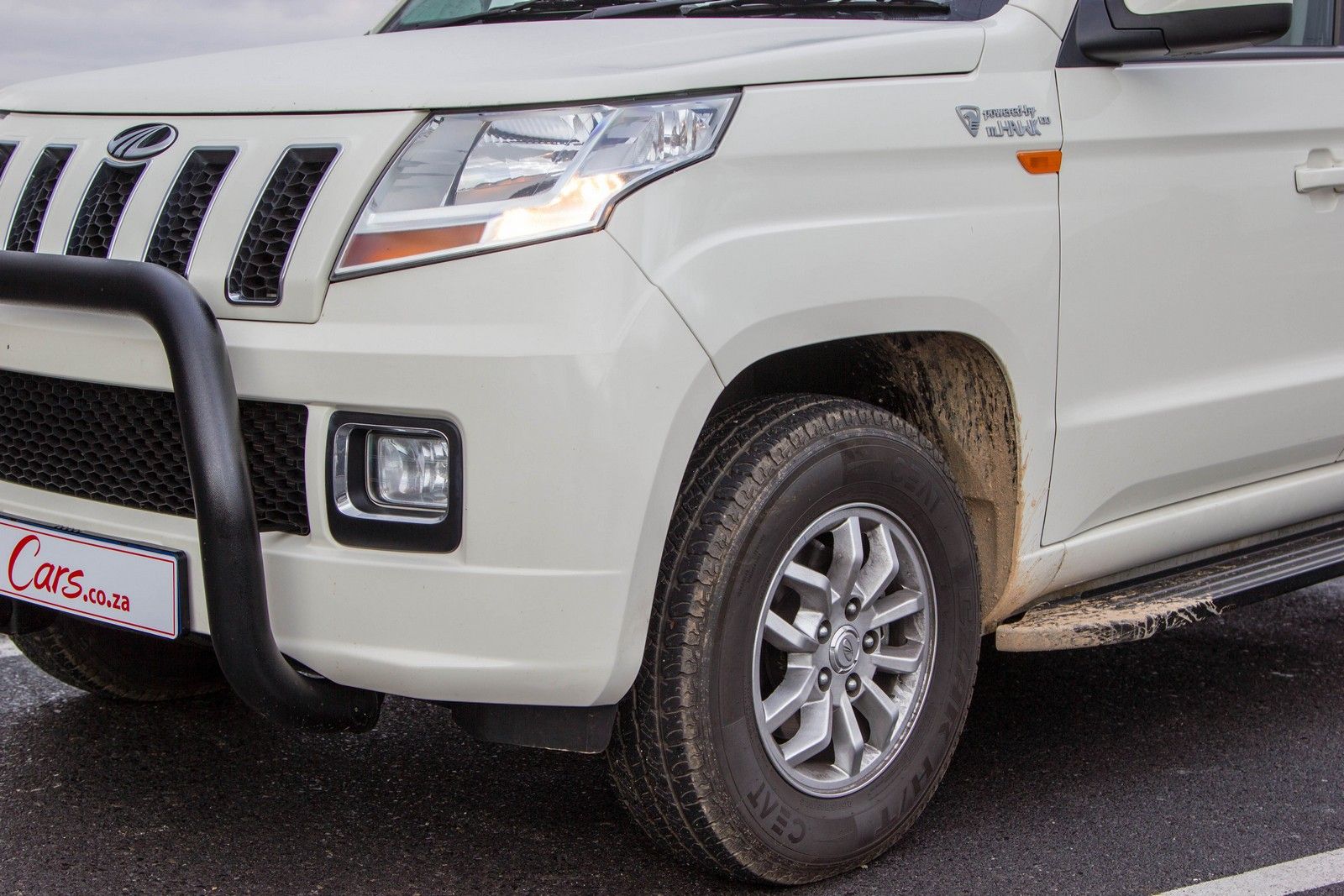
With a body-on-frame construction, the TUV300 is a more rugged offering than the Suzuki Ertiga, Honda BR-V and Toyota Avanza.
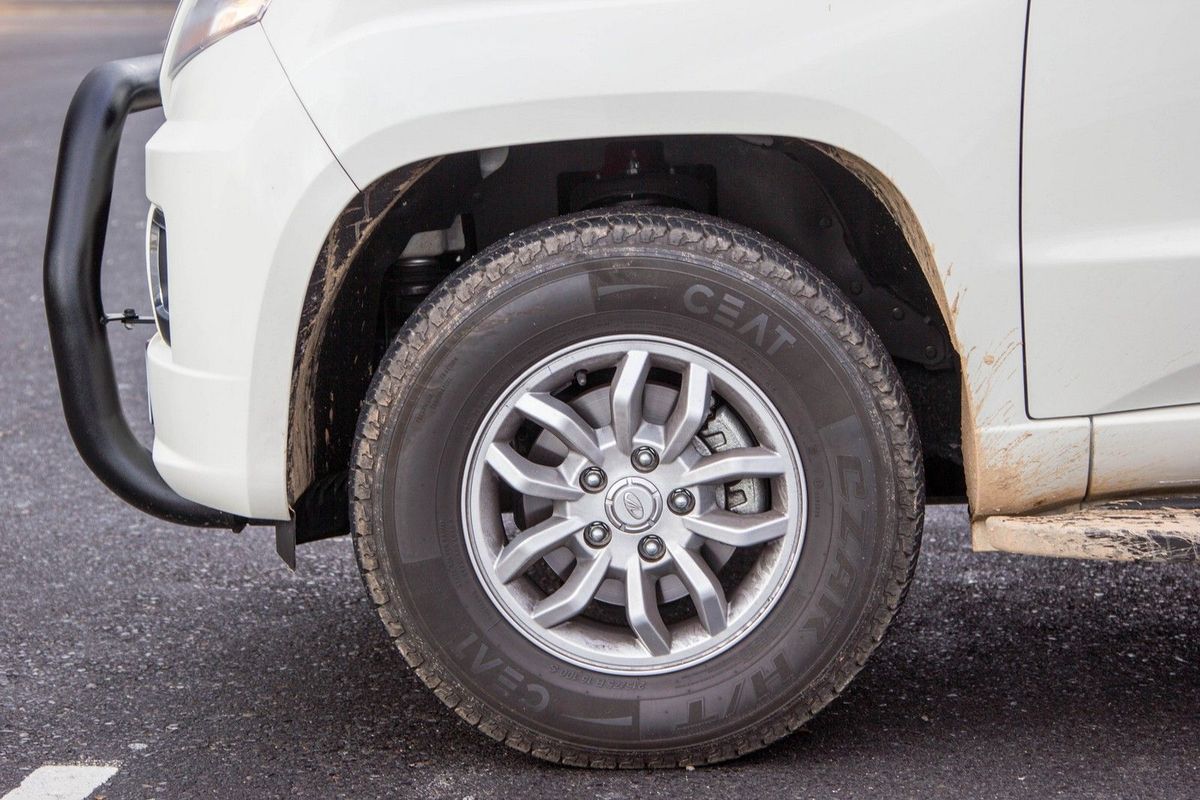
The TUV300 is a curious creature. Despite its compact family car dimensions, it shares most of its DNA with the humble bakkie. Foregoing unibody construction for a more robust body-on-frame design, the TUV300 might be more rugged than your average crossover but the downside is fairly agricultural ride quality and moderate levels of noise, vibration and harshness. Over smooth surfaces, the ride comfort is acceptable but as soon as the road surface deteriorates, the chassis and body tend to have a protracted disagreement and the cabin “jiggles”. If you’ve driven bakkies or SUVs such as the Toyota Fortuner, this will feel very familiar.
The TUV300 is also rear-wheel drive. In a segment where most cars are simply raised-height, front-wheel drive hatchbacks, some buyers might be pleased by this, as rear-wheel drive is regarded as being more suited to tackling gravel roads. And given the TUV300’s ride height, the car is well suited to this pursuit.
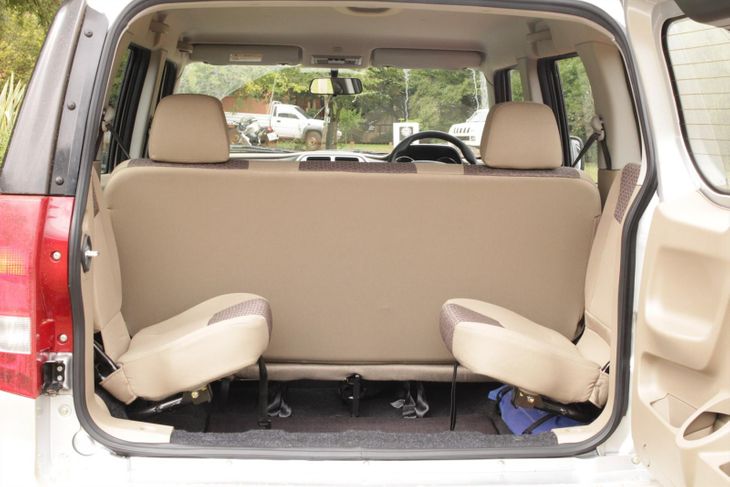
While the car is advertised as a 7-seater, the fold-down, military-style (face each other) rear seats are not fitted with seatbelts. For obvious safety reasons, we advise that you don't use them to transport passengers.
The good
Build quality and standard features
The TUV300 is well-specced with standard features and is sold as an 'all-inclusive' package with no options to tick.
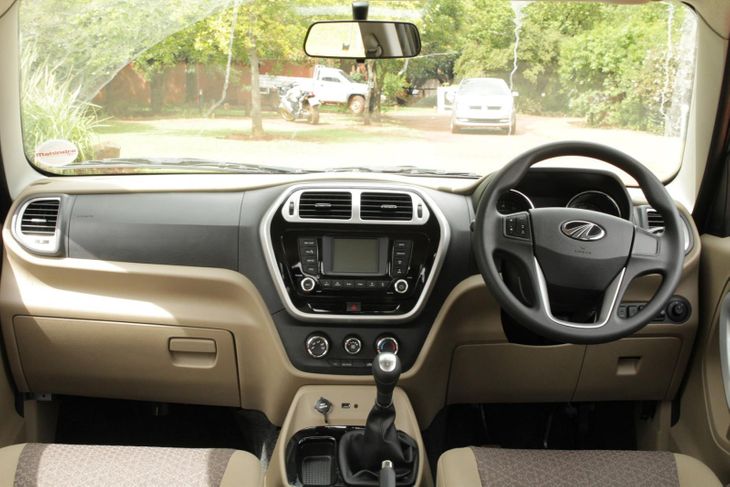
While the TUV300 does feel cheaply made, with hard plastics dominating the cabin, it’s not badly made. Everything feels properly screwed and glued together, and there were no rattles or squeaks to speak of during our test period. The incredible beige-ness of the interior aside, it's actually well-specced. There are no option boxes to tick at all – everything is included in the purchase price.
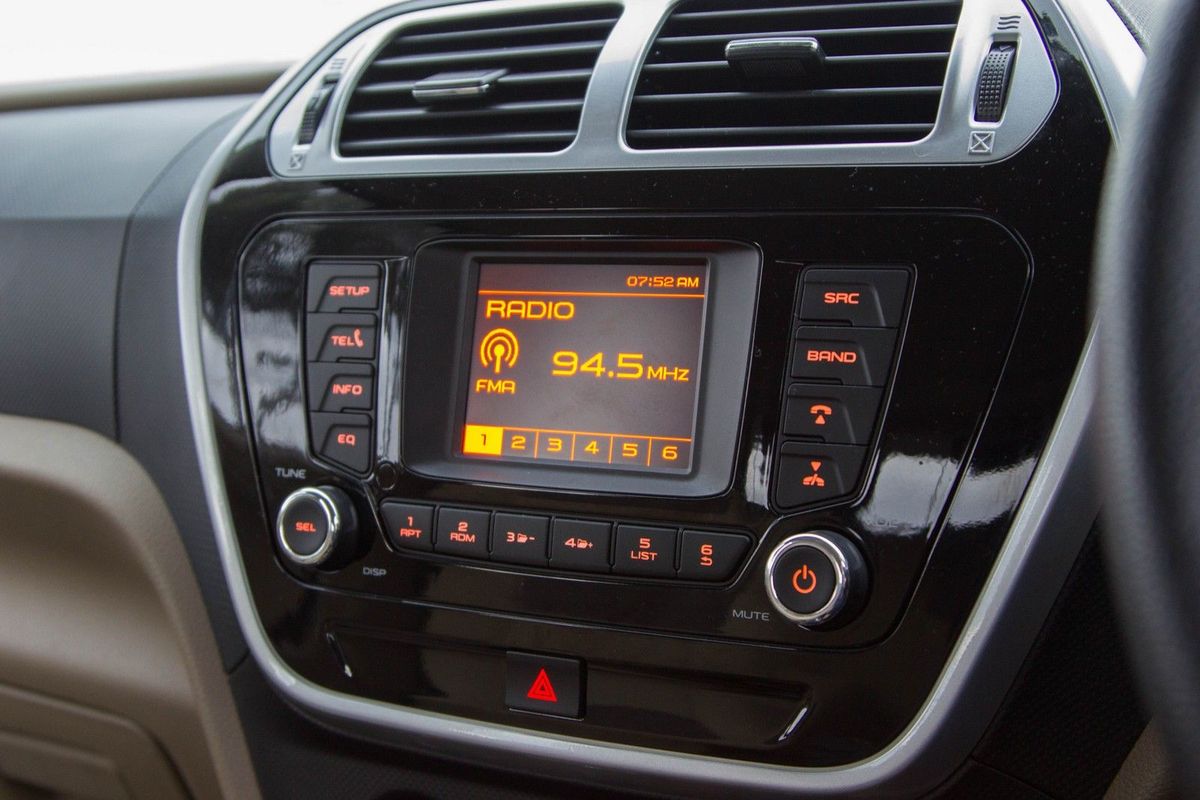
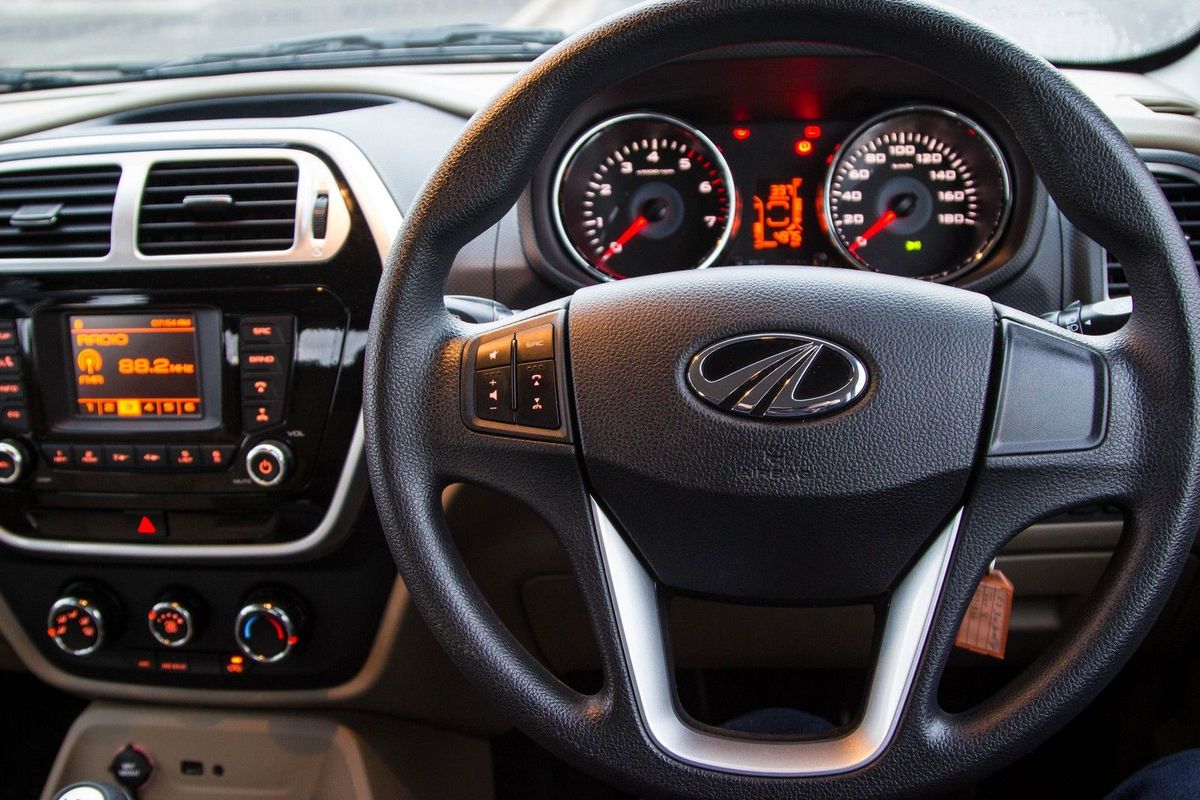
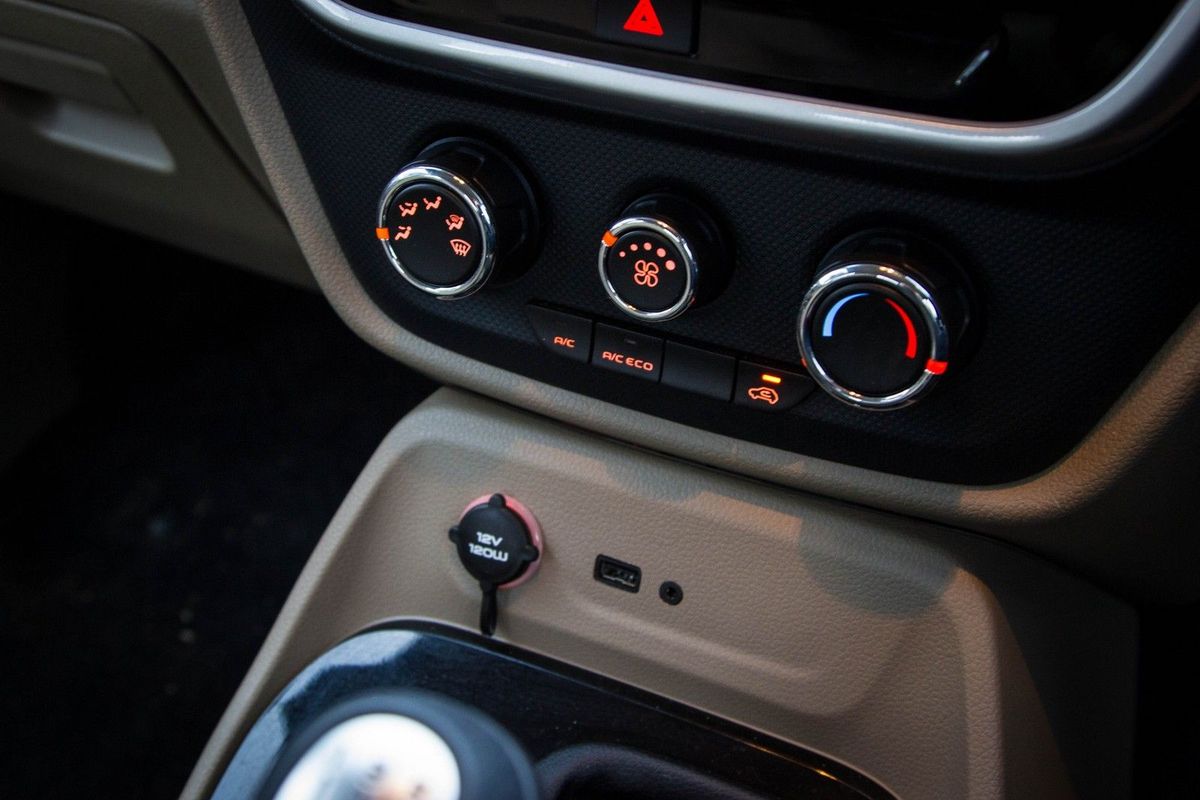
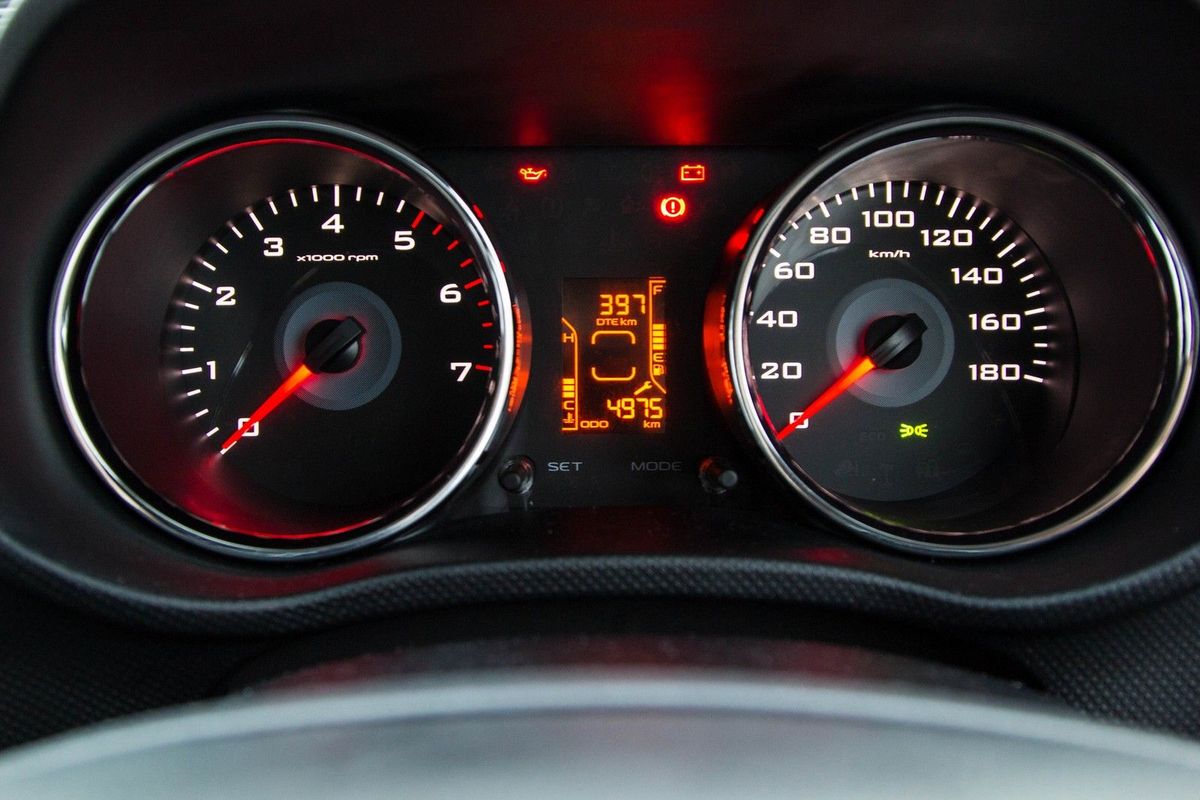
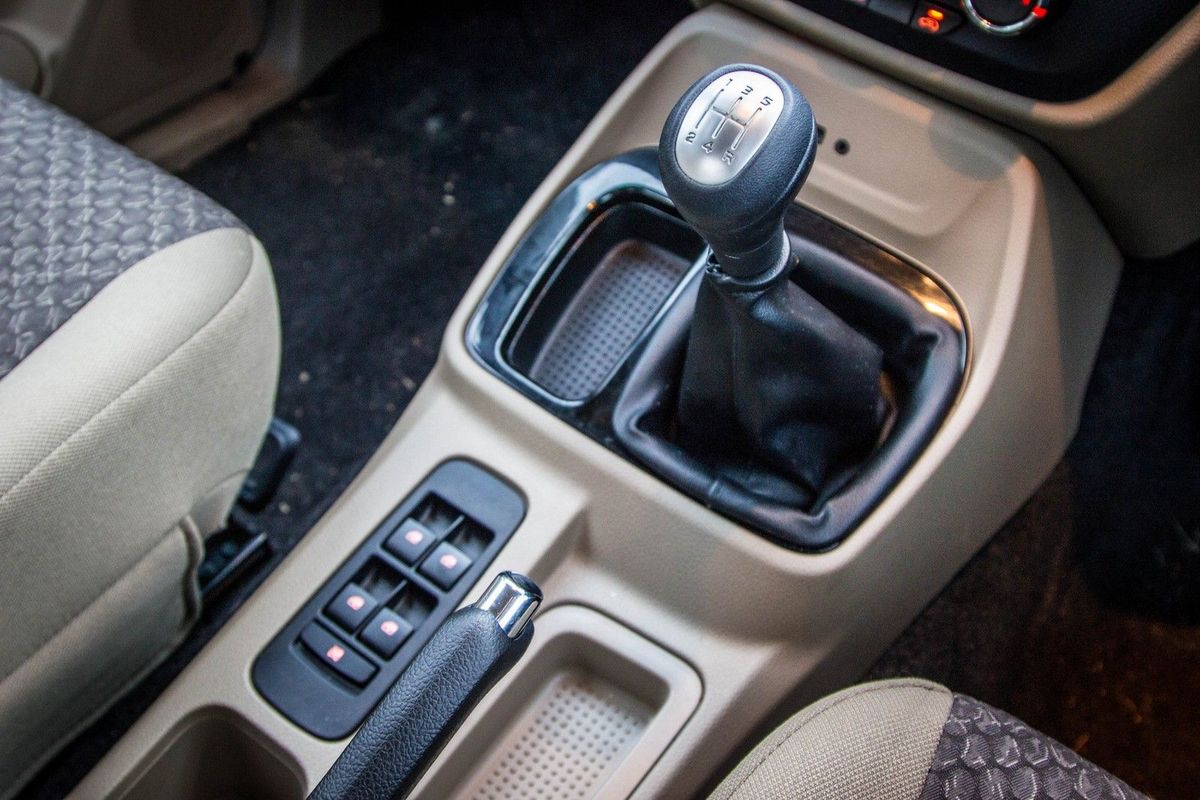
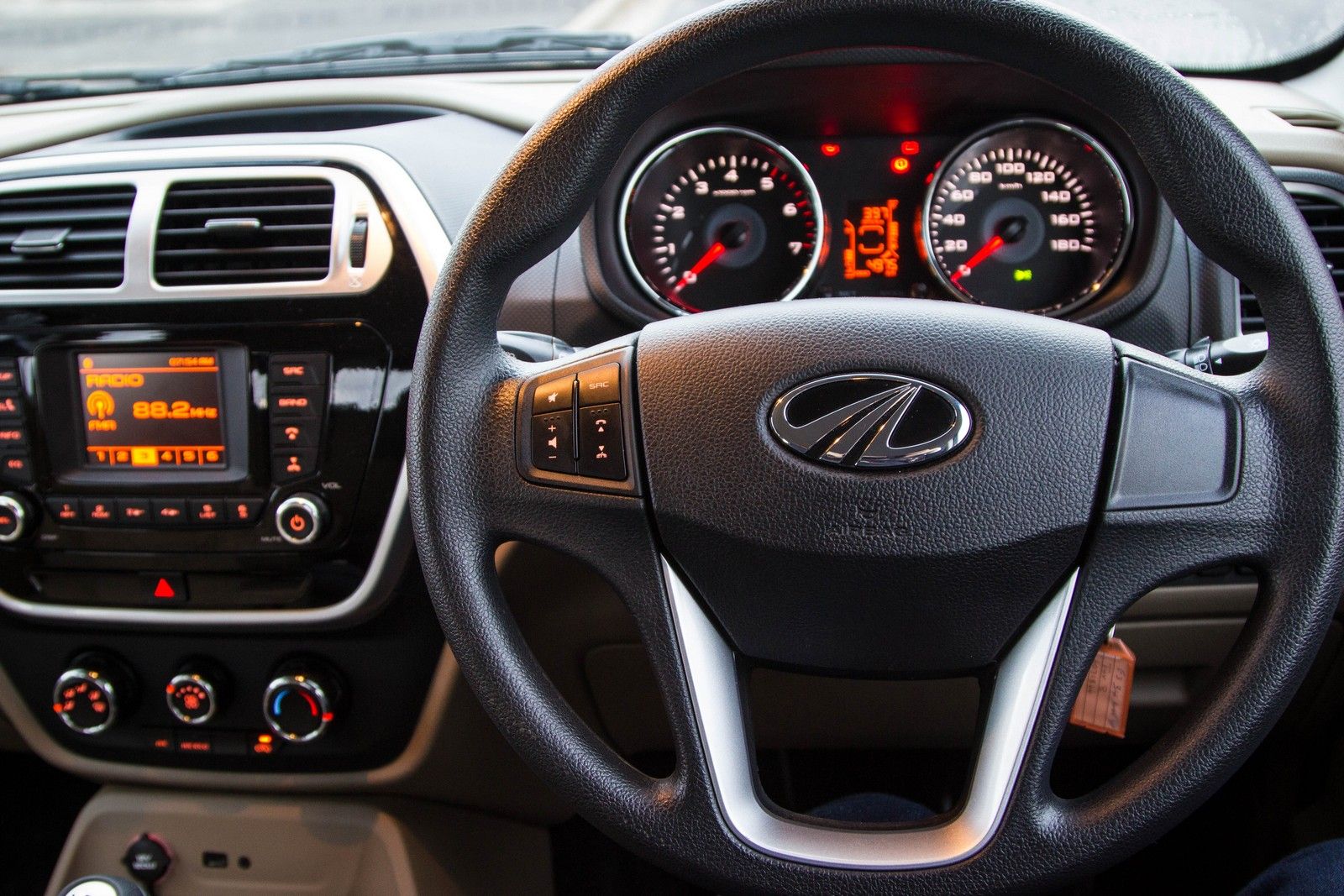
Bluetooth audio and telephony are standard, all controlled from the steering wheel, and the radio/CD player includes an aux jack and USB port. Rear park-distance control is a handy feature but there’s no reverse camera. There’s ample storage space in the cabin and the front seats are particularly comfortable on long journeys, with the driver’s seat featuring a fold-down armrest.
Engine power and efficiency
Performance is adequate in most situations but overtaking will require planning to execute safely.
While the 3-cylinder, 1.5-litre turbodiesel engine does sound quite gruff, it’s no worse than a similar turbo-diesel from, say, a Toyota Fortuner. And it doesn’t have the typical unbalanced feel of a 3-cylinder; if no one told you it was a 3-cylinder, you probably wouldn’t notice.
Power and torque is quoted at 74kW and 240Nm and while that power figure seems a little low, the torque more than makes up for it. The engine develops its torque smoothly and the power band does feel quite wide for a turbodiesel. As long as you don’t stab at the throttle, the TUV300 actually makes brisk progress in urban areas and is competent at highway speeds. Overtaking manoeuvres, however, need to be planned carefully as it’s not the sort of car that can spontaneously sprint past slower moving traffic.
Practicality
The 2 rear seats are not the most comfortable to sit on but rather serve as emergency seating should you require them.
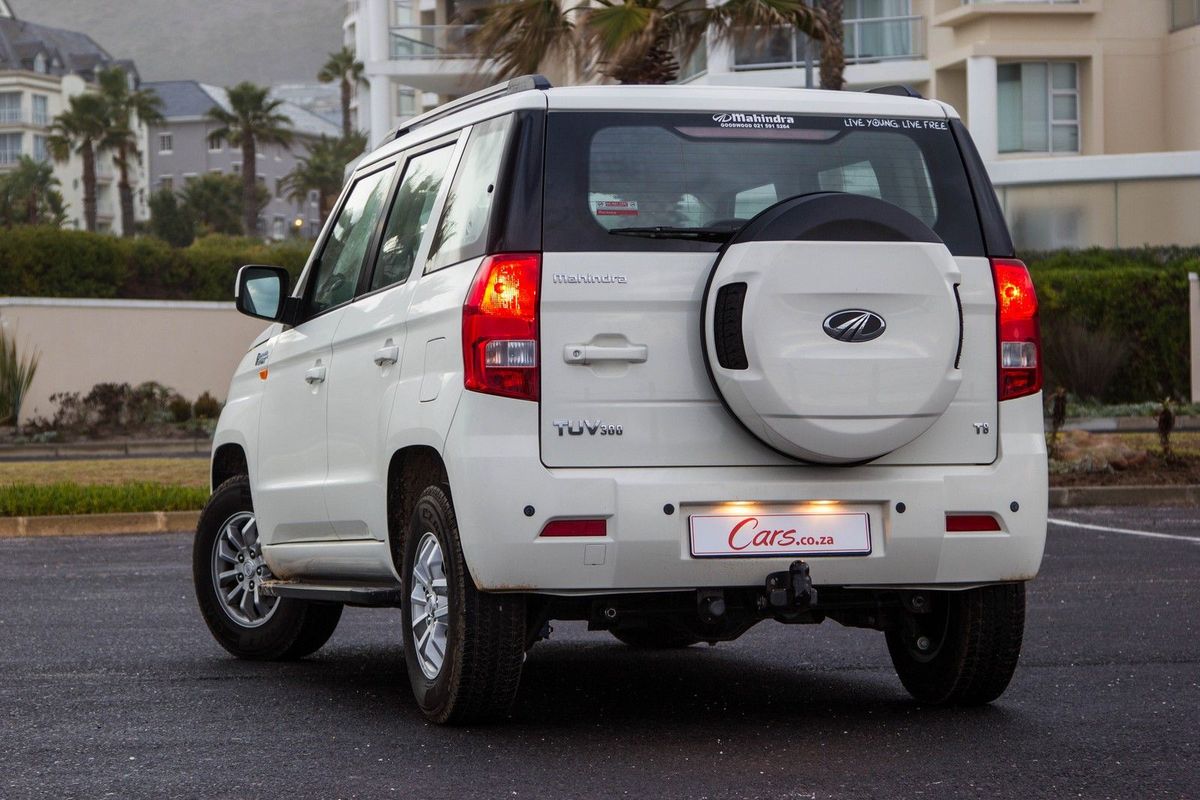
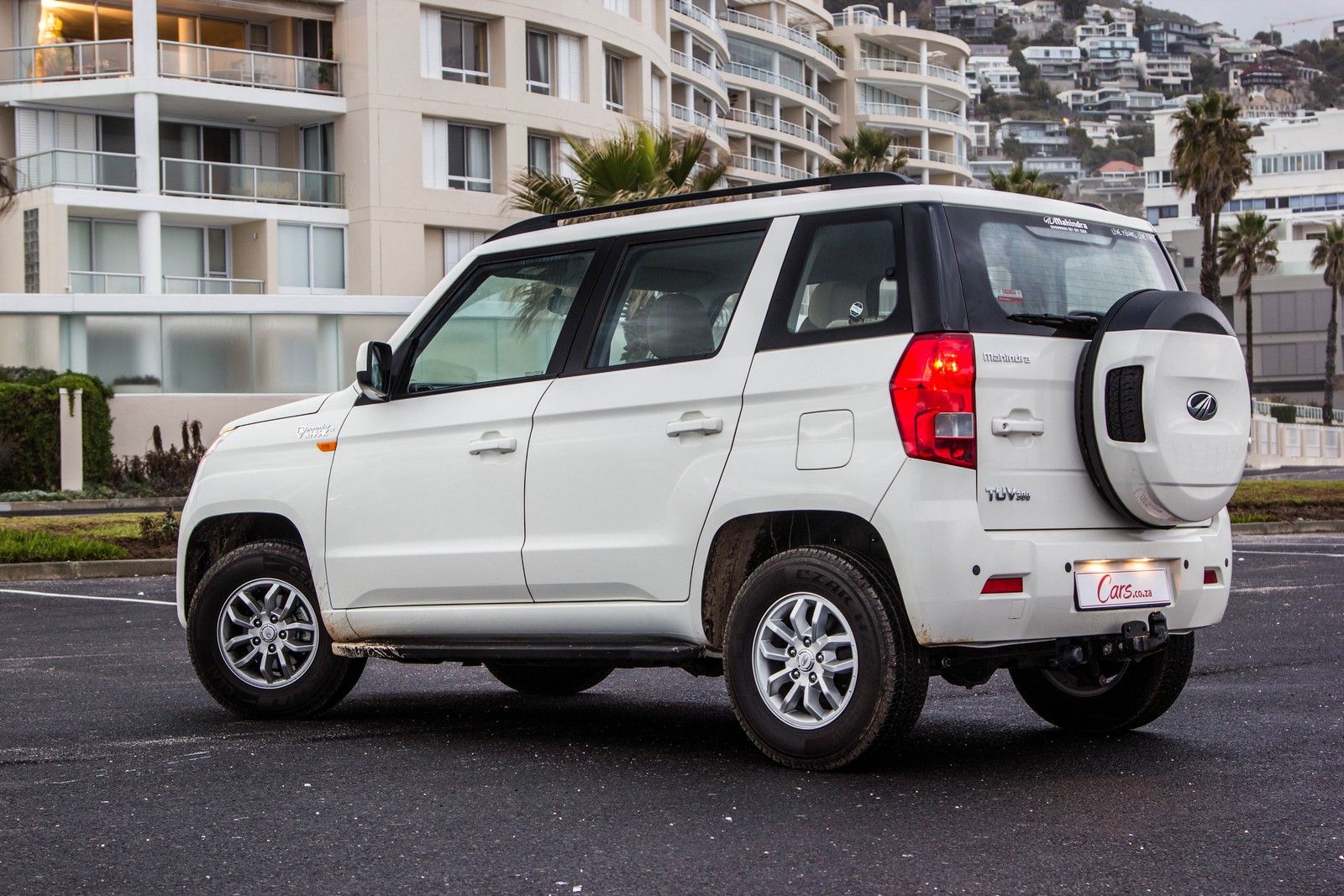
The TUV300 offers generous interior space, and, in particular, boot space. The rear bench can easily accommodate 3 adults side-by-side, but take note that there are no ISOFIX child seat mounts. The spare wheel is mounted on the back of the car (protected by a hard plastic cover in body colour) and as such, the boot space is especially deep – buyers should have no trouble throwing in children’s bicycles and a month’s worth of groceries. Of course with the rear seats folded down into place, this does essentially negate the boot area, which is a downside.
The purchase price also includes a tow bar, very handy for bicycle racks and of course trailers. The TUV300 feels like it should cope with everything up to a light caravan.
The not-so-good
The engine, gearbox, clutch and its stop-start system
While the engine’s vibration and sound levels are acceptable when compared to the average bakkie, in this segment, those characteristics are woefully behind the competition in terms of audible engine noise and refinement. Additionally, although the engine is a newly developed powerplant, shared by Mahindra and Ssangyong, the engine is only Euro2 compliant – an emissions regulation standard which was forced on the European market in 1999. Europe is currently on Euro6.
Beige is, unfortunately, the only interior colour on offer.
But the biggest bugbear with the engine is the stop/start system, which cannot be disabled. When the car comes to halt, and as long as the driver’s foot is off the clutch, the engine will cut out. This is the only time one feels the effects of a 3-cylinder motor – the car shimmies from side-to-side as the engine shuts down. This is fine in principle but restarting the engine in practice is unnecessarily tricky. In theory, the driver simply needs to depress the clutch. However, if the driver engages the clutch and selects first gear simultaneously, the engine will not restart. This left this tester marooned at intersections on a number of occasions. Of course, the long-term owner will adjust to this foible, but I found it particularly irksome.
The beige
It’s very, very beige in there, and there is only one interior trim available.
Pricing and Warranty
At R229 995, the TUV300 fits that old adage: a lot of car for your money. With no options boxes to tick, that is the price you’ll pay, potential discounts excluded. The car is sold with a 3-yearr/100 000 km warranty and a 3-yearr/90 000 km service plan, with service intervals of 20 000km.
Although it lacks refinement, the TUV300 is an affordable, fuss-free SUV option.
Verdict
The TUV300 represents something very unique in a segment filled with soft-roaders and crossovers. Its rear wheel drive layout, ride height and robust chassis separate it from other offerings.
However, those same characteristics make it a relatively agricultural car to live with in the city. There are simply much more refined alternatives available, albeit generally at a higher price. However, for those living a more pastoral lifestyle, perhaps in a more rural area, especially with gravel roads to traverse, the TUV300 makes for an interesting option; it does feel like it can handle a rough-and-tumble lifestyle. Its no-nonsense interior and affordable price tag mean that you probably won’t treat the car as a precious asset, and you probably won't be too bothered with the kids and dogs having their way with the beige interior either.
If you are looking for a cut-price people mover with bakkie credentials, this could be the oddball hybrid you’ve been waiting for.
Watch the video review of the Mahindra TUV300 1.5 CRDe T8 below:
BMW M240i with M Performance Parts (2017) Video Review
The M240i is a relatively lightweight, rear-wheel-driven coupe that looks the business and has a cracking turbocharged 3.0-litre straight-6 up front – it's essentially everything that the world's petrolheads love about the Bavarian brand.
The M240i that was supplied to us for review had a few special bits and pieces added on, sourced from BMW's in-house M Performance parts department. And these nice touches add tastefully to the visual appeal of the car.
Join us as we take the M240i to one of our favourite mountain passes outside Cape Town to find out what this visceral car is all about.
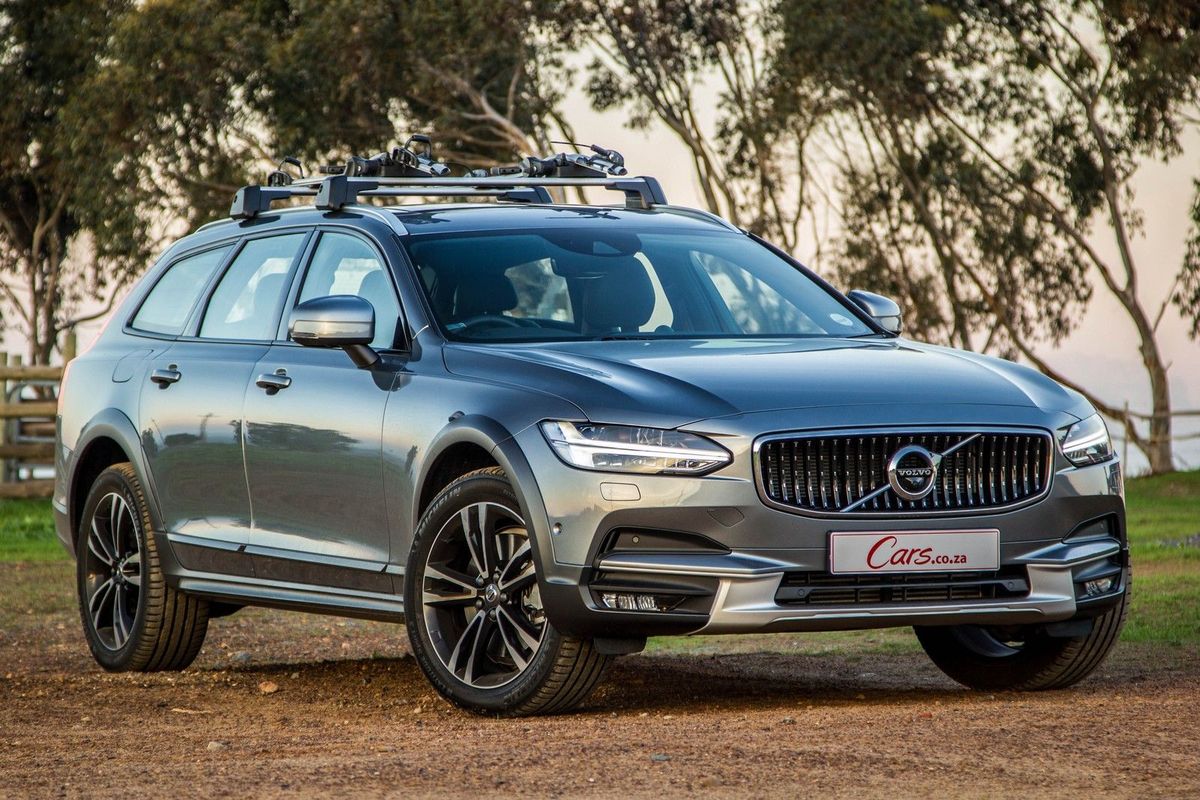
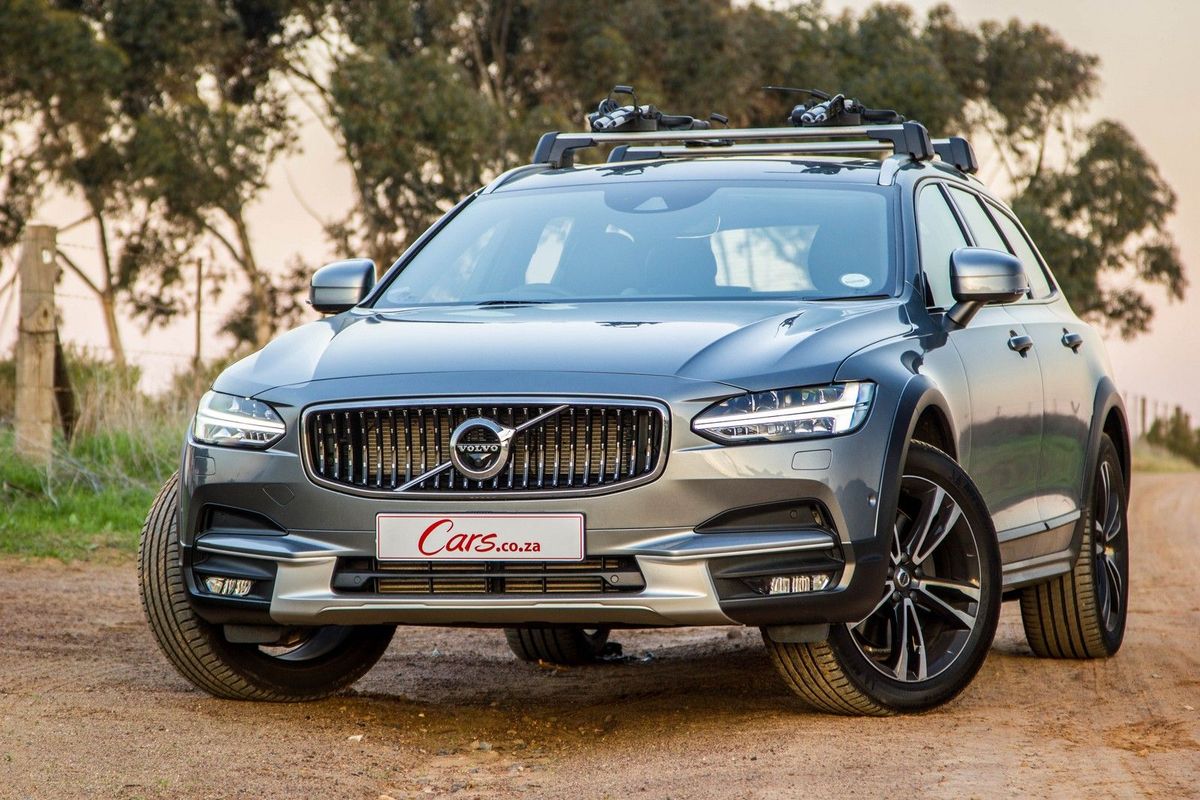
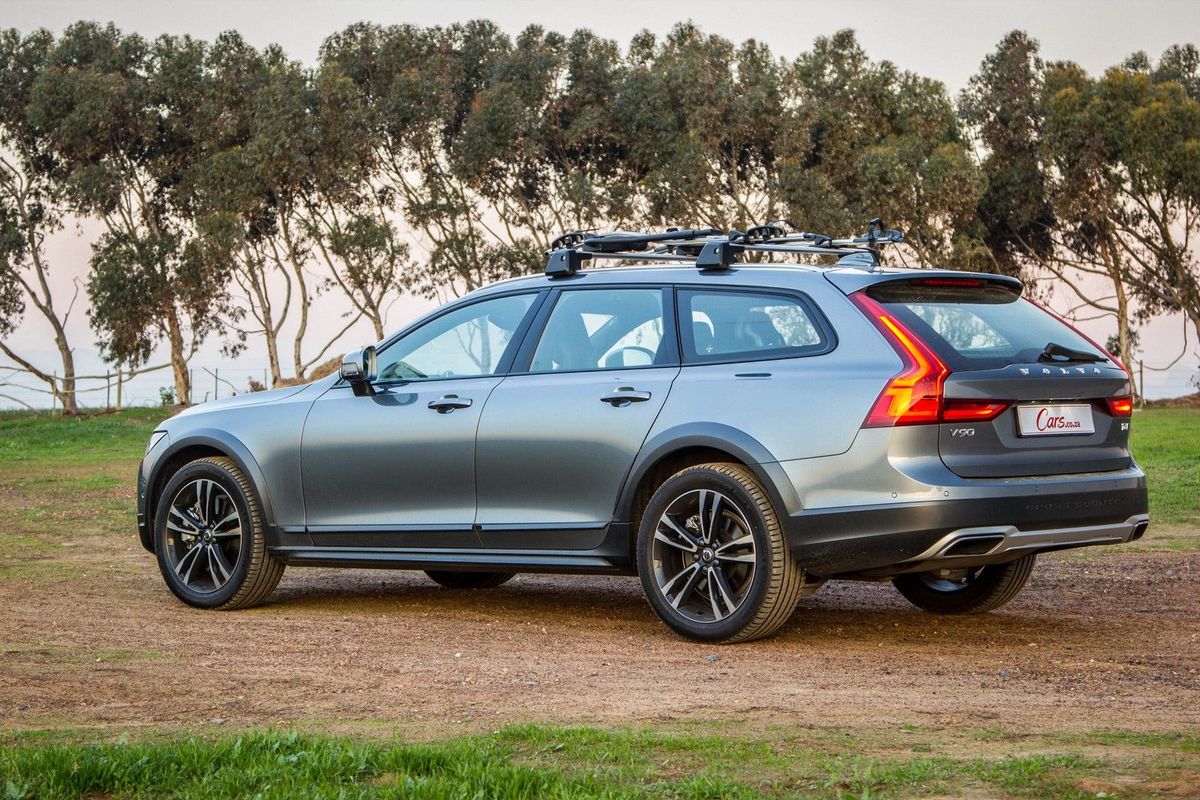
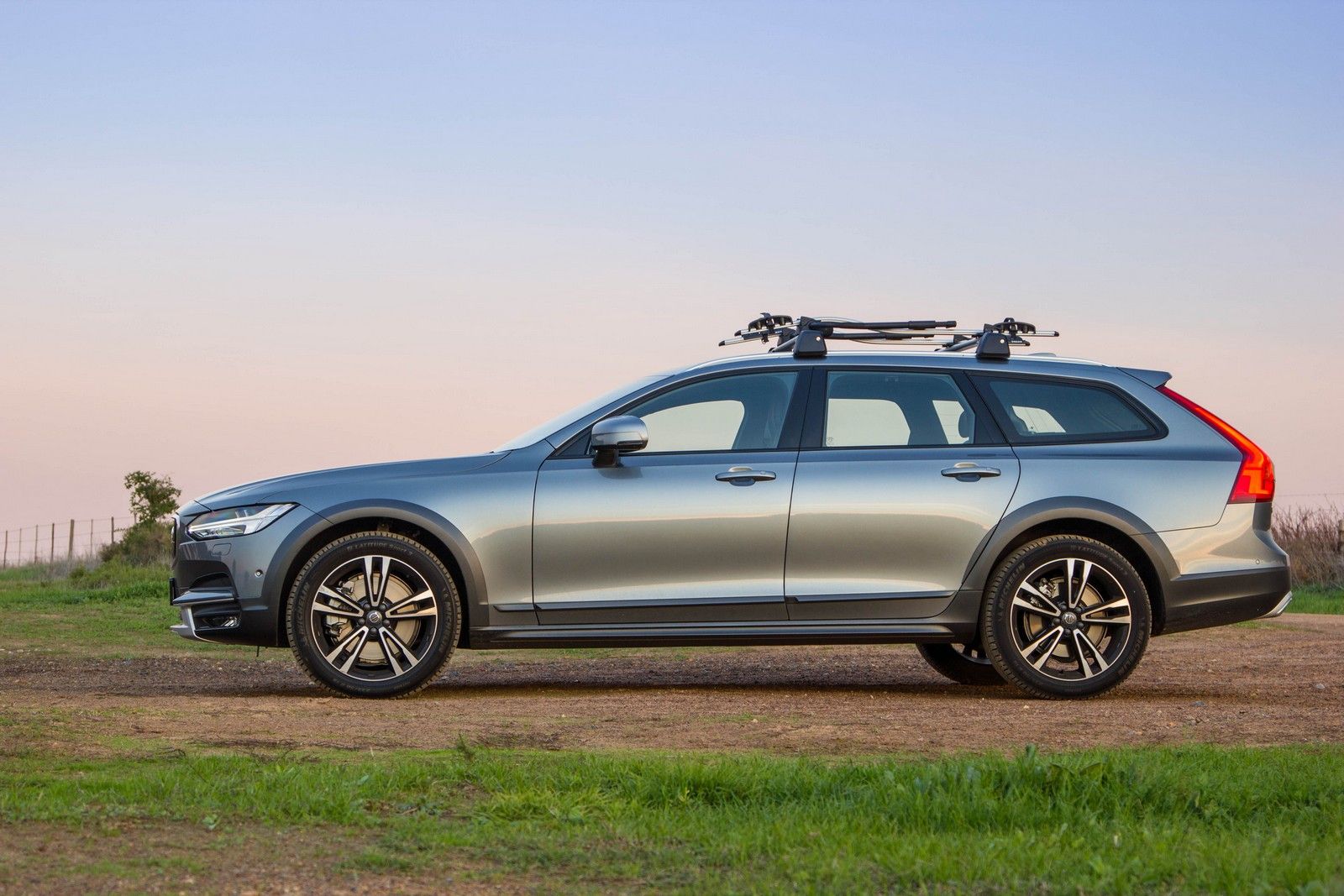
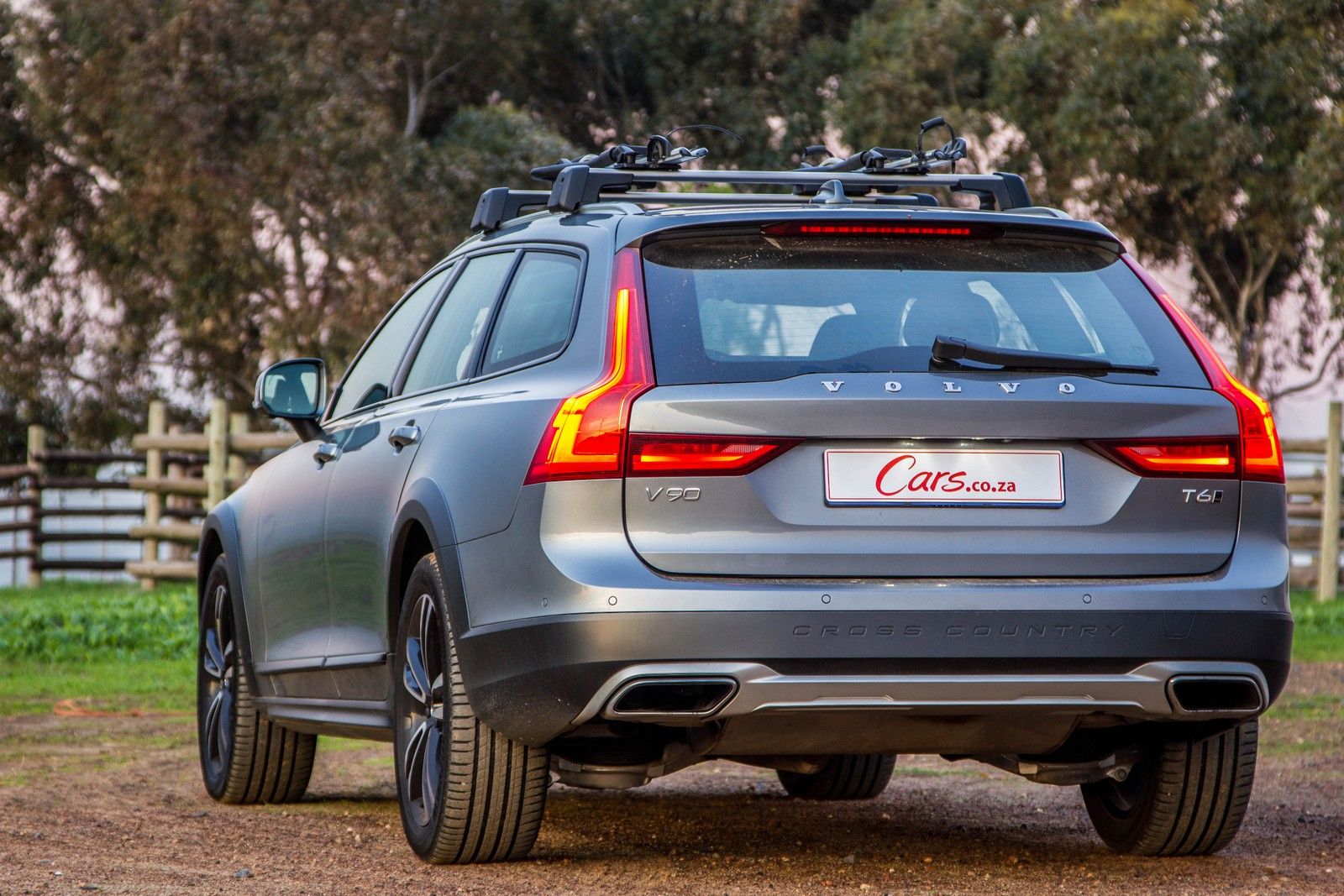
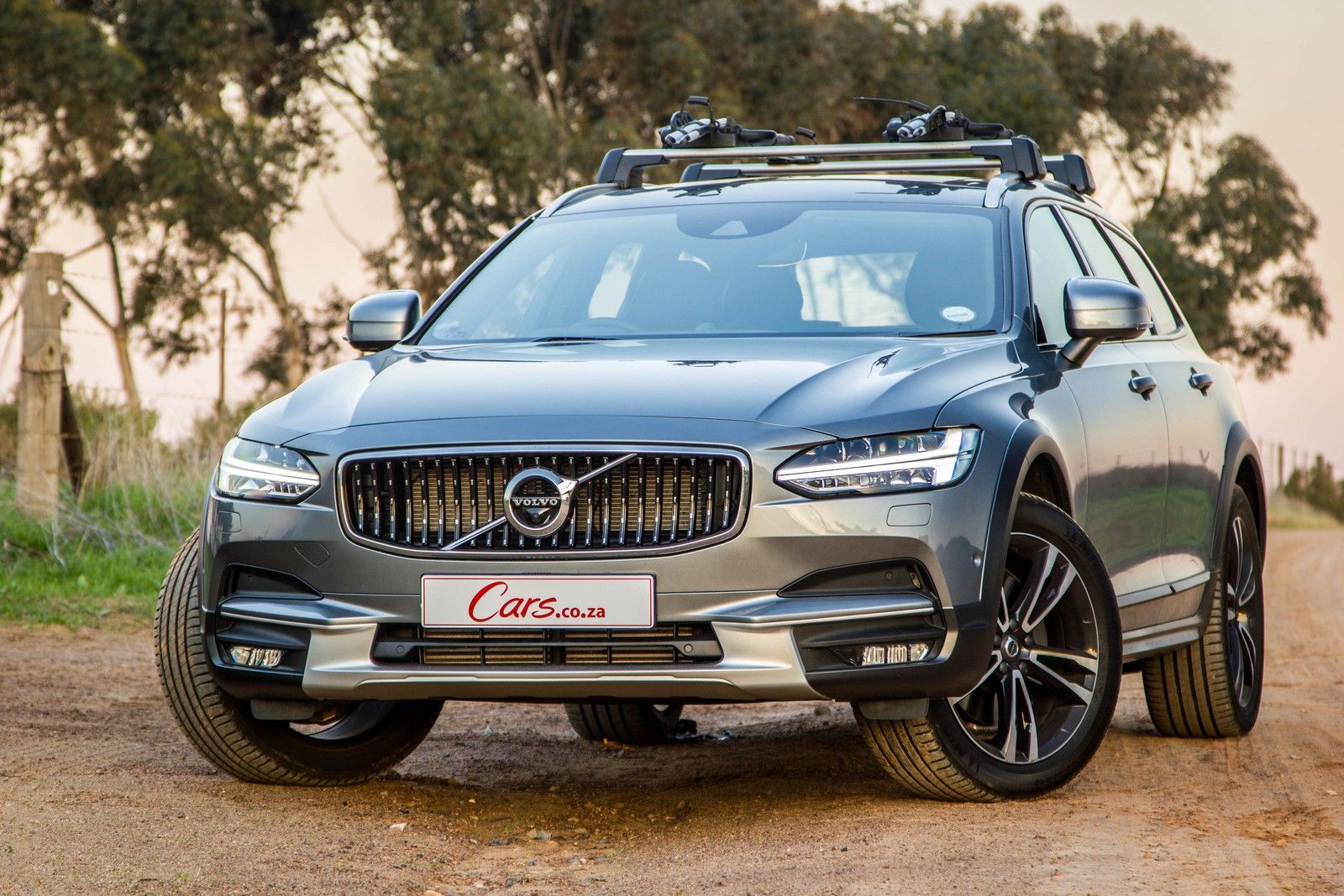
Volvo has opted to bring only its raised V90 – the Cross Country – to South Africa, a market in which wagons are usually shunned in favour of SUVs. We test out this raised station wagon that may just represent the perfect compromise between an executive sedan and a mild off-roader.
We like: Styling inside and out, comfortable, dirt road capable.
We don’t like: Low down power delivery, low-speed ride quality.
Alternatives:
With no real competitors, we had to think outside the box a bit here.
Most road-biased SUV on the market: The Jaguar F-Pace 25t AWD R-Sportis similarly proportioned to the V90 CC, the 25t is a gutsier engine than the Swede's, but it is much thirstier in real world application.
Mid-sized sports activity vehicle: TheBMW X4 xDrive28i xLine looks a rugged enough, is all-wheel driven and sports a turbocharged 2.0-litre engine. Slightly more design focused than the X3, but must be nearing replacement soon.
Yet-to-be-released Japanese 'wagon: Subaru Levorg is apparently still headed to SA with a 197 kW/350 Nm flat-four turbo, but we won't see it until 2018.
Or you could wait until mid-2018 for the Volvo XC60…
What is it?
Volvos of yore had certain characteristics: they were spacious, practical and safe. If they looked like bricks, it was a bonus. New generation Volvos (the best examples of which are the 90 series sedan, 'wagon and premium SUV, plus the new XC60 executive SUV) are starkly different… They're stylish, characterful and at the forefront of modern technologies. But wait, what do we have here? An all-new Volvo that's spacious, practical, very safe and shaped like a chiselled brick.
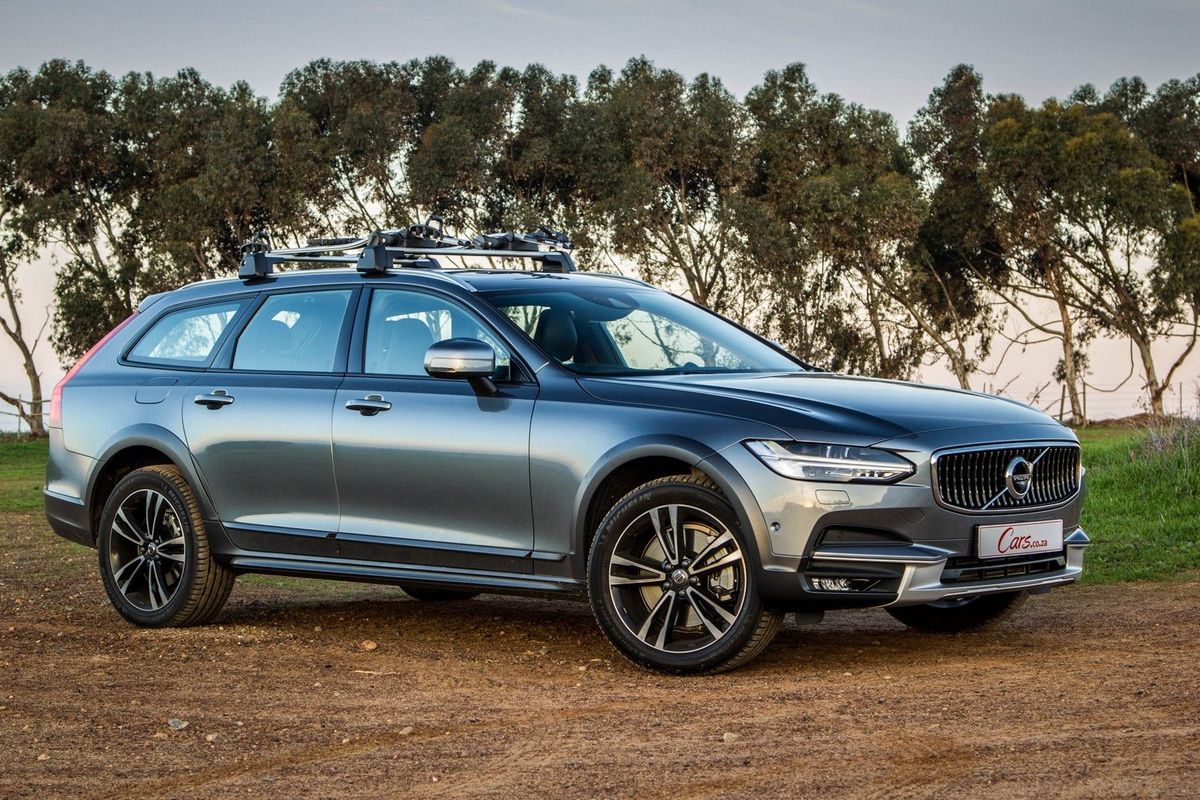
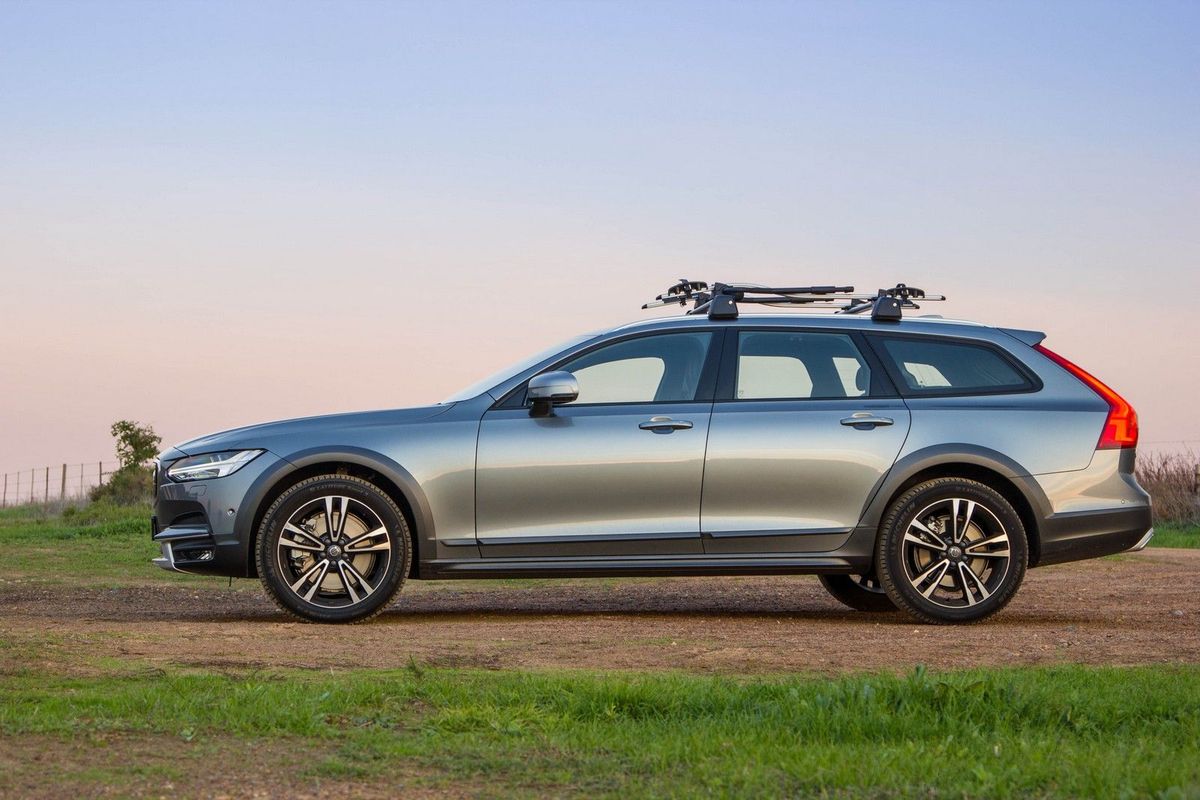
Granted we’re being a bit harsh on the V90 Cross Country (CC): it’s a very, very good-looking brick. The 90 nomenclature denotes the wagon's shared platform with the S90 and XC90 – the brand’s first all-new products since it came under the custodianship of Geely. And the CC tag means that it gets an additional 60 mm of ground clearance over the standard V90.
The V90 CC is raised by 60 mm over the standard model (taking it to 210 mm). That's more than a BMW X4 and similar to an F-Pace.
It’s not just a raise though, Volvo has tried to make this a proper all-purpose wagon. The tyres have been upgraded to deliver a more comfortable ride when you venture off-road and multiple electronic systems that control stability and ride handling have been tinkered with to improve the V90 CC’s handling specific to its intended use.
Our model is the very top-spec V90 CC currently on offer. The T6 is powered by a 2.0-litre turbo and supercharged petrol engine. It delivers 235 kW and 400 Nm through an 8-speed automatic transmission. The all-wheel-drive system is predominantly front-wheel drive, but when required, can send 50% of the power to the rear wheels.
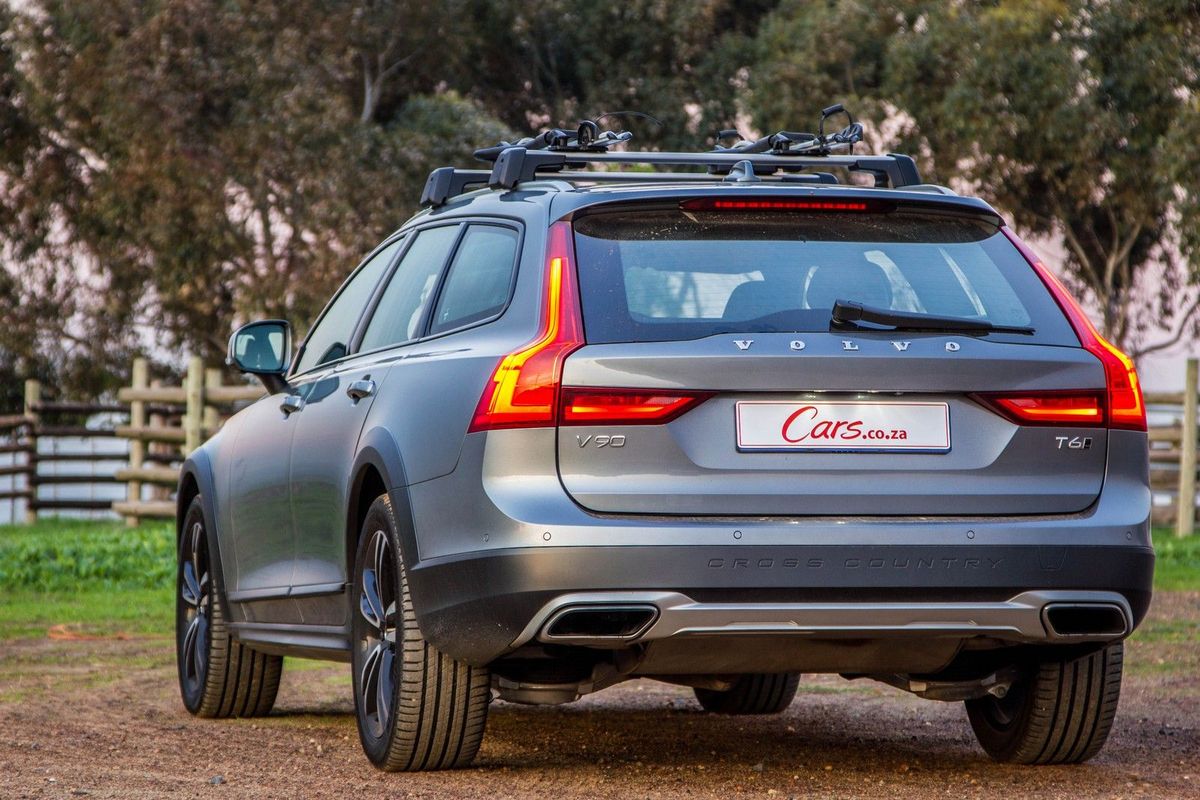
As you can see from the images above, our model was also fitted with a 2-bike roof rack, an accessory that can be fitted by the manufacturer.
It's a stylish car that harks back to Volvo's old credentials of safe, spacious and practical.
How does it fare in terms of….
Being an off-roading wagon?
The V90 CC may just be the perfect middle ground for luxury car buyers who don’t need a low range-equipped, gas-guzzling SUV, but require a modicum of off-road ground clearance with AWD capability to fall back on if things get a little tricky.
With a total of 210 mm of ground clearance, the Volvo actually sits as high as SUVs such as the BMW X4 and Jaguar F-Pace. But, as it is a sedan-based wagon derivative, you sit in a more car-like driving position that’s in the car rather than on the car. The added ground clearance and rugged-looking fenders give it some off-road credentials that are actually backed up by a bit of substance. The wet, muddy dirt roads of the Western Cape in winter are a good test of traction, which the V90 CC felt planted and tied down on. As you move away from a standstill, the V90 CC immediately adopts a 50/50 power distribution setup between the axles to reduce/negate any slippage that may result in a break in traction.
Just enough AWD capability to get you out of trouble but still a very comfortable road car.
The extremely long wheelbase of 2 941 mm means that over sharp ridges or drops, you can scrape the car's underbelly, but most buyers are unlikely to traverse terrain of that nature very often. A good example of the type of off-roading a V90 CC could generally be required to deal with was the sandy tracks of Cape Columbine Nature Reserve near Paternoster. Here we found the off-road driving mode almost too deliberate in its interventions for the only-slightly slippery driving conditions, but we appreciated the Volvo's poise and comfort nonetheless.
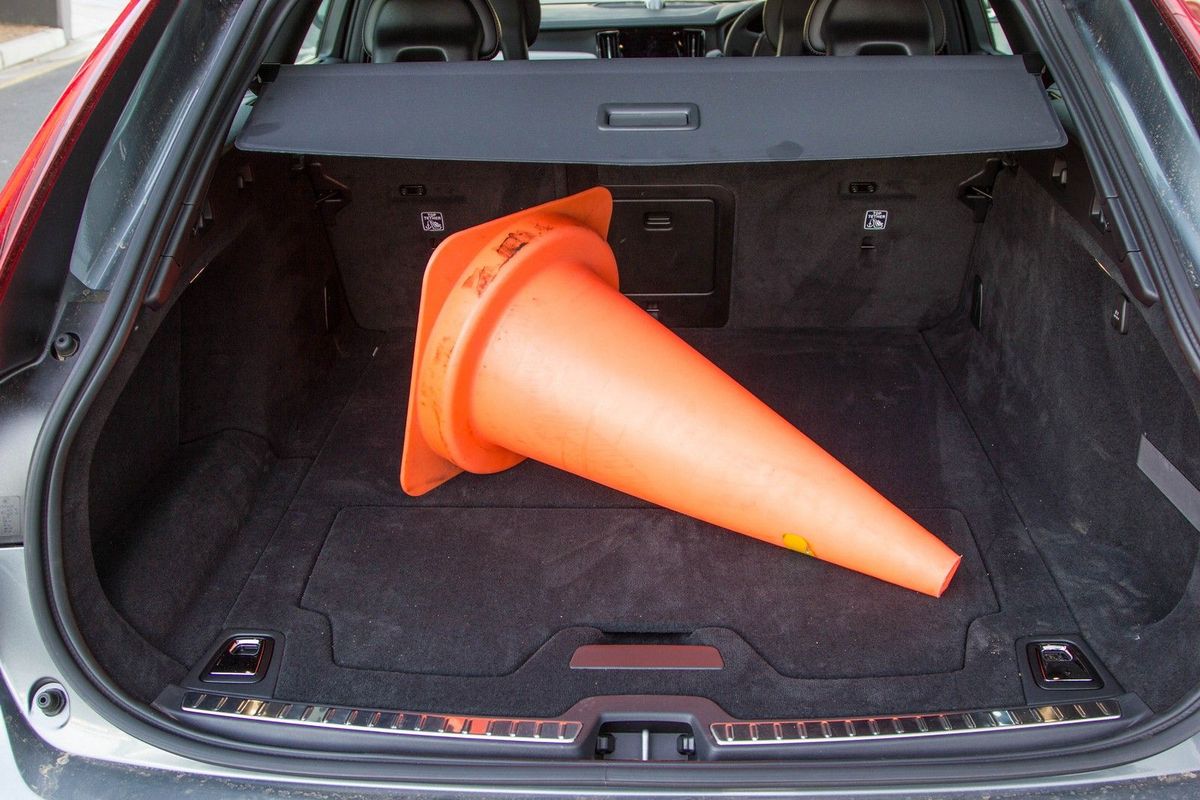
As you would expect from a wagon, there is a capacious luggage bay (a claimed 560 litres, to be exact). And, because a station wagon is essentially a stretched hatchback, it’s extremely easy to load/slide things into/around the rear of the car. Despite being built on the same platform as the XC90, the V90 CC doesn’t offer quite as much capacity as its sibling, but bear in mind that the SUV is a much taller car. With the seats folded down, the Volvo's loading capacity grows to a completely-flat 1 526 litres of utility space, which is nothing short of cavernous.
And how easy is it to access full utility mode? If you've already removed the luggage cover cartridge and have specified the Adventure Pack (for R75 000, as on the test unit), just press 3 buttons. The powered tailgate opens remotely via the key fob and the split rear seatback folds forward electrically! (see below). Our model was also fitted with the optional grocery bag holder (R800) – it’s essentially a flap in the boot floor that lifts up to stop shopping bags rolling about. It’s a neat option if the shopping hooks in the corner aren’t enough for you.
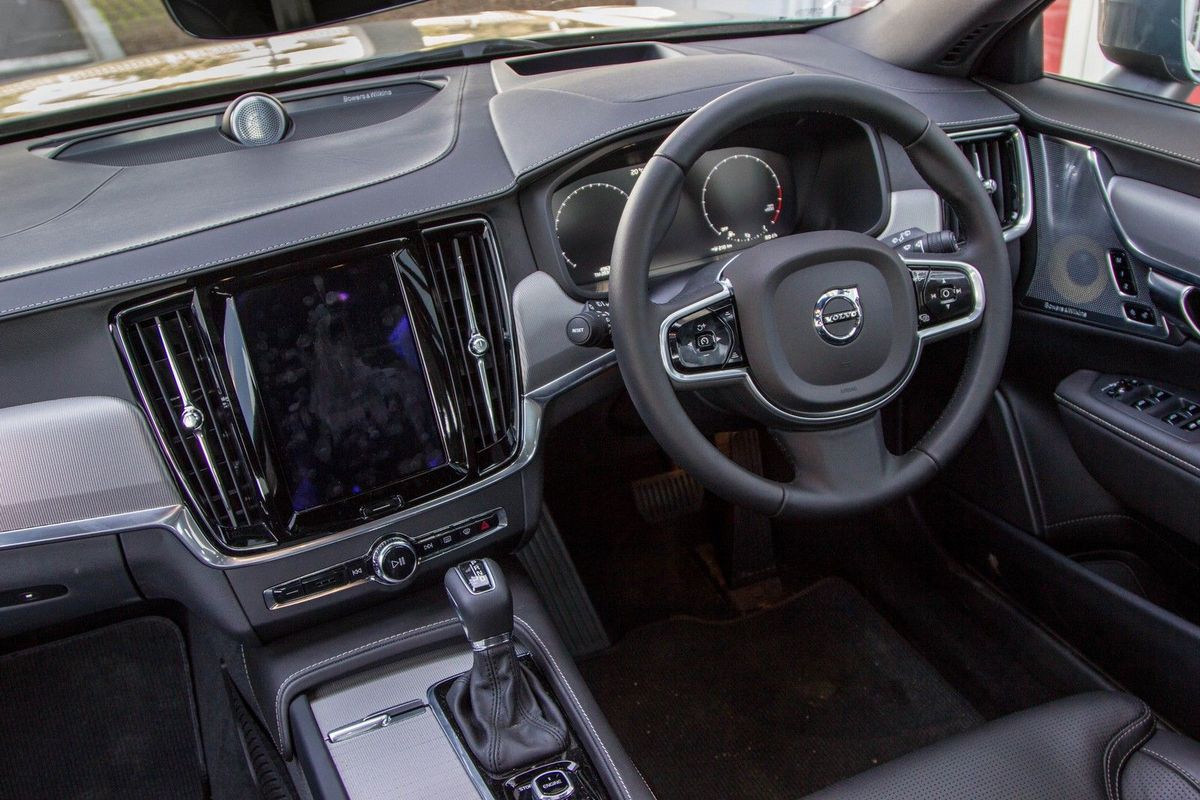
Passenger space is excellent all round and rear occupants, in particular, have loads of head-, shoulder- and legroom. Volvo’s exquisite use of leather, brushed metal and plush carpeting creates a luxurious and cosy cabin aura. By the prevailing standard of executive-class car interiors, the 90-series Volvos don't need to fear the opposition… The Adventure Pack further includes luxury must-haves such as; heated front seats; panoramic roof; keyless entry, automatic parking; cross traffic alert and air suspension – to name just a few items.
Munching the miles?
Despite the extra ground clearance, the V90 CC's ride quality doesn’t feel too soggy; in fact, it feels well sprung and provides a solid, sure-footed driving experience. The air suspension is an excellent addition, it smoothes out those pesky potholes and freeway joints. At slow speed, the knocks (like those caused by mounting a kerb or bouncing over a pesky manhole cover) are more noticeable, but suffice to say that the level of open-road cruising comfort afforded by the Volvo befits a R1-million car.
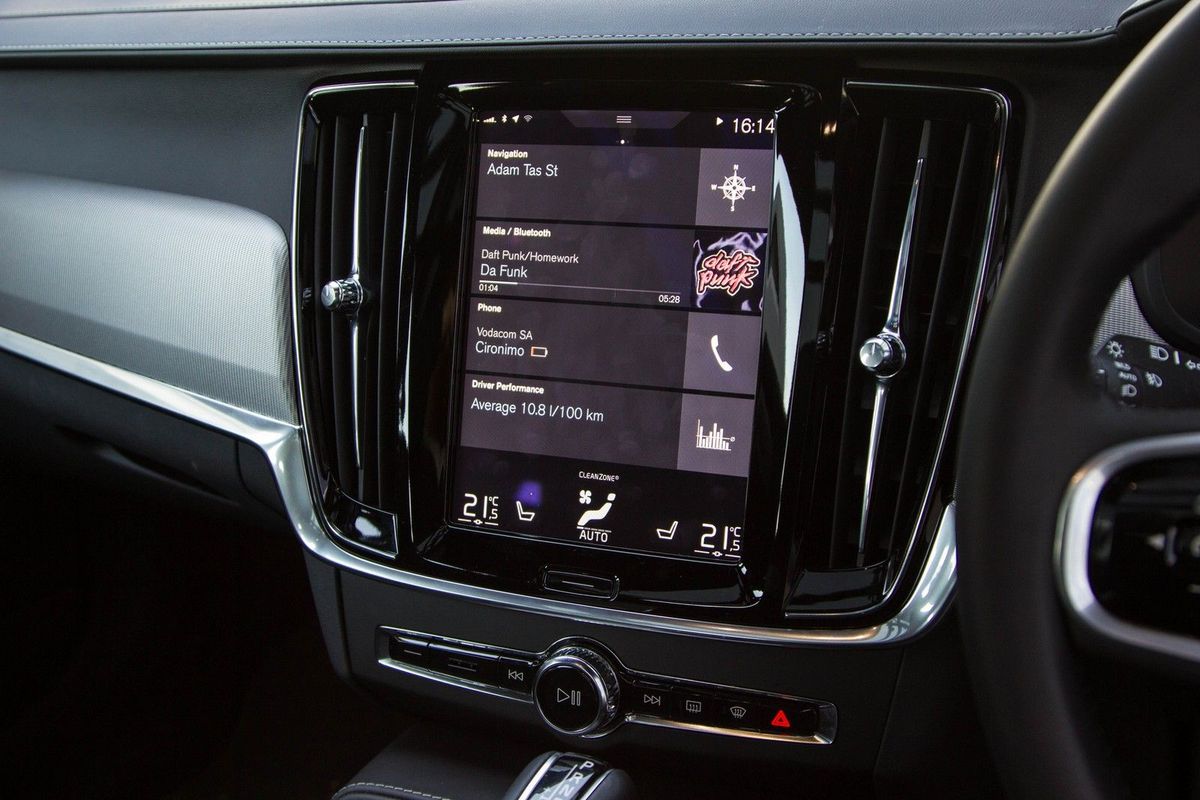
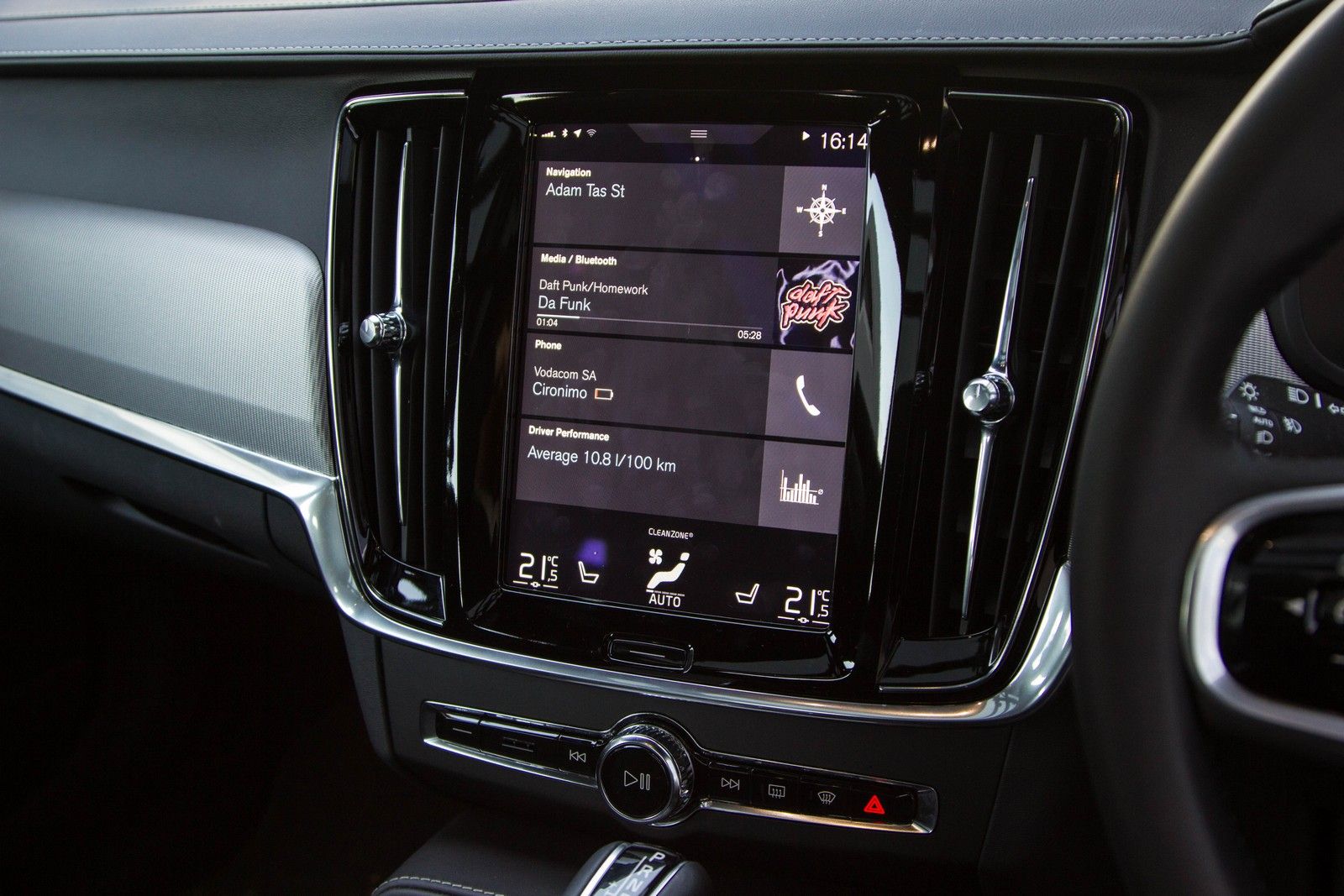
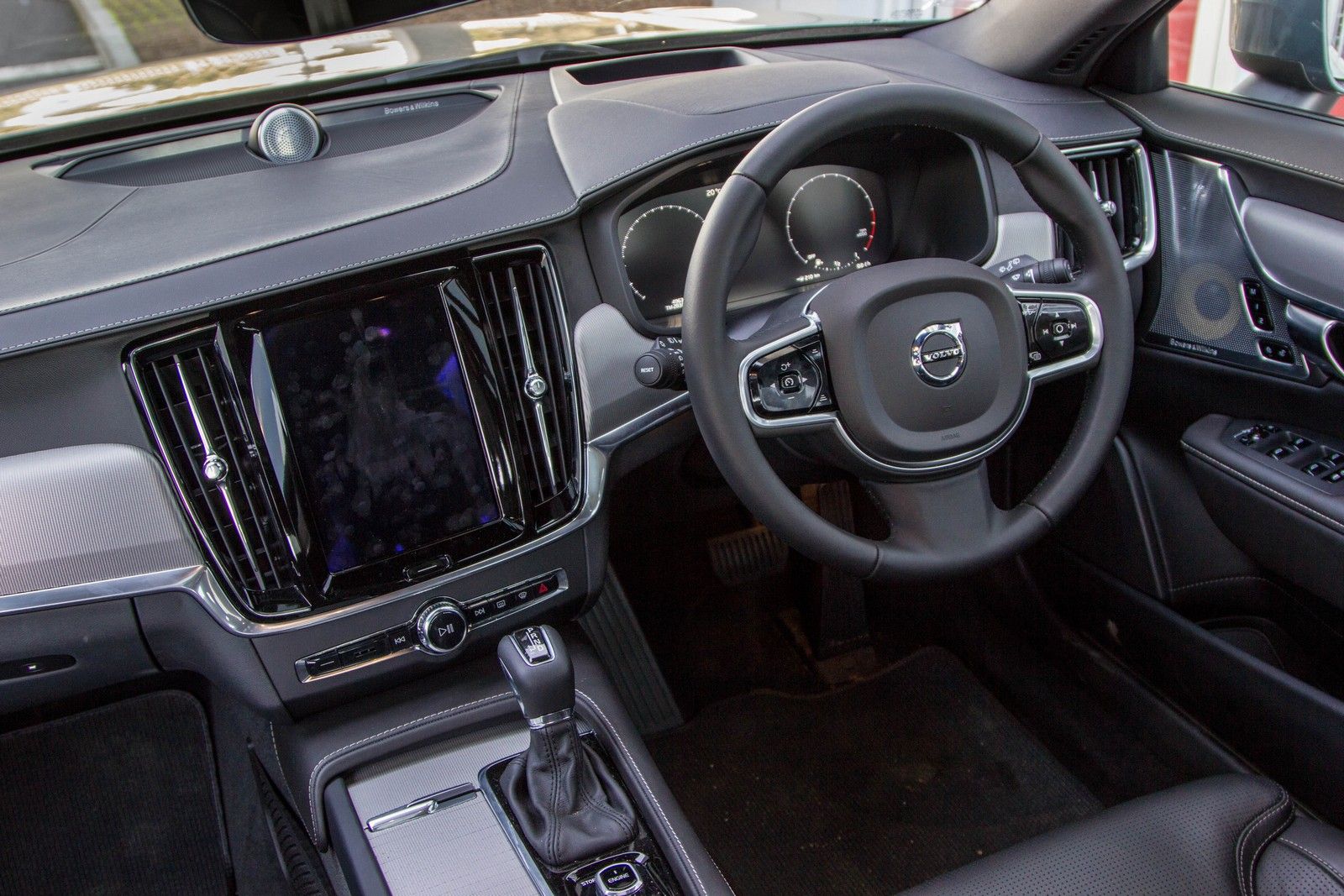
The much-loved Volvo infotainment screen is easy to use and integrates well with Smartphones, but attracts fingerprints too.
The engine has dual charging, which means it’s super as well as turbocharged. It’s a simple solution to reduce lag and provide a more linear power delivery across the rev range. Unfortunately, it hasn’t worked out as well as Volvo hoped. It still delivers the power in heaps and then when off the boil, the powerplant feels lethargic and struggles to get going. This feels worst at slow speed where you want to make a quick getaway or resume acceleration. A mix of multiple shifts down the transmission and real lag gets frustrating as you wait for the power to arrive. Out on the freeway at cruising speeds, it’s perfect as the petrol engine sits nicely on the crest of power, allowing for quicker reactions to throttle adjustments.
Fuel economy on the twin-charged unit is claimed at 7.7 L/100 km and we were content with the indicated 9.5 L/100 km, considering the extra drag created by carrying the bikes on the roof rack to Grabouw. We also marvelled at the adaptive cruise control with Pilot Assist system, which allowed us to leave the "driving" to the V90 CC for protracted stretches…
The Volvo infotainment system is much-loved because it works a lot like a Smartphone (with swipes and prods of the finger). It integrates with phones particularly easily and media is easily accessible via the menu. For an extra R4 000, the system gets Apple Carplay and Android auto, which is a much better solution for Smartphone integration. The R39 500 Bowers & Wilkins 19-speaker system is expensive, yes, but takes the in-car sound to a whole new level. If you’re a lover of clean, crisp and voluminous sound then this is the audio setup to have.
Spot the Bowers and Wilkins speakers in the door. It may be an expensive option (R39 500) but the sound is epic.
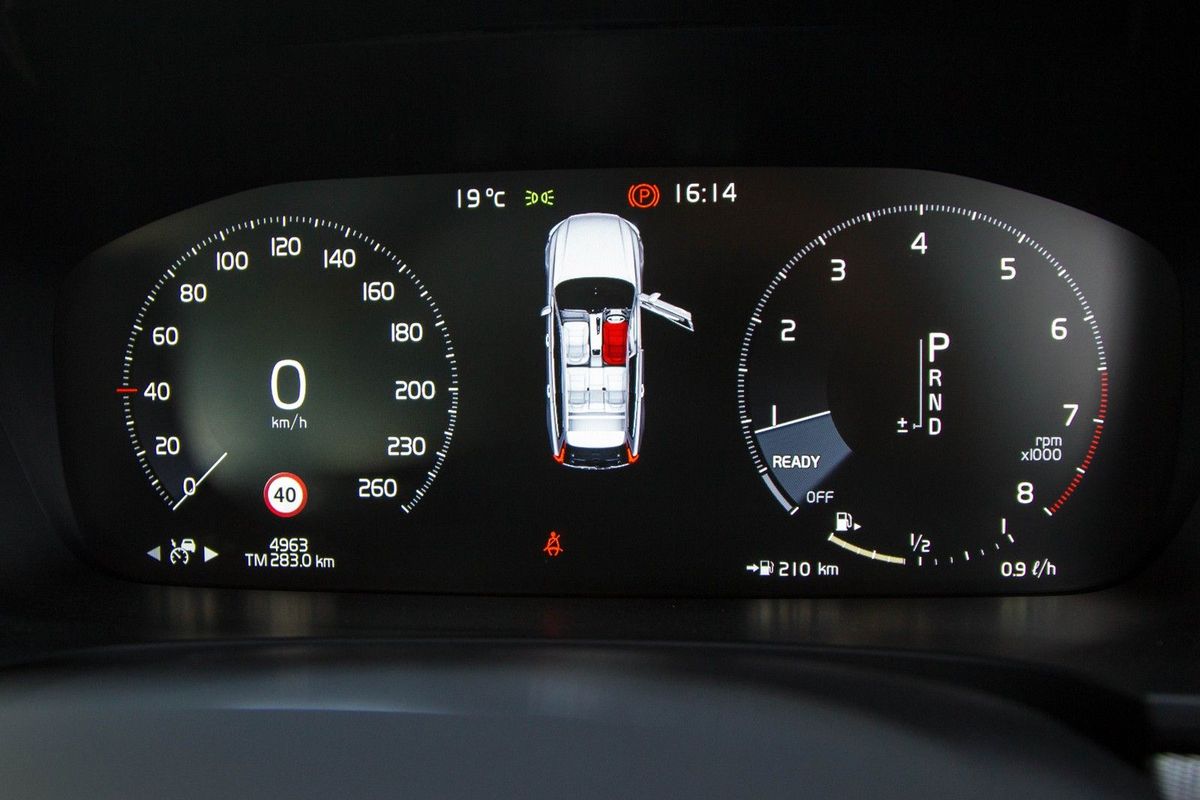
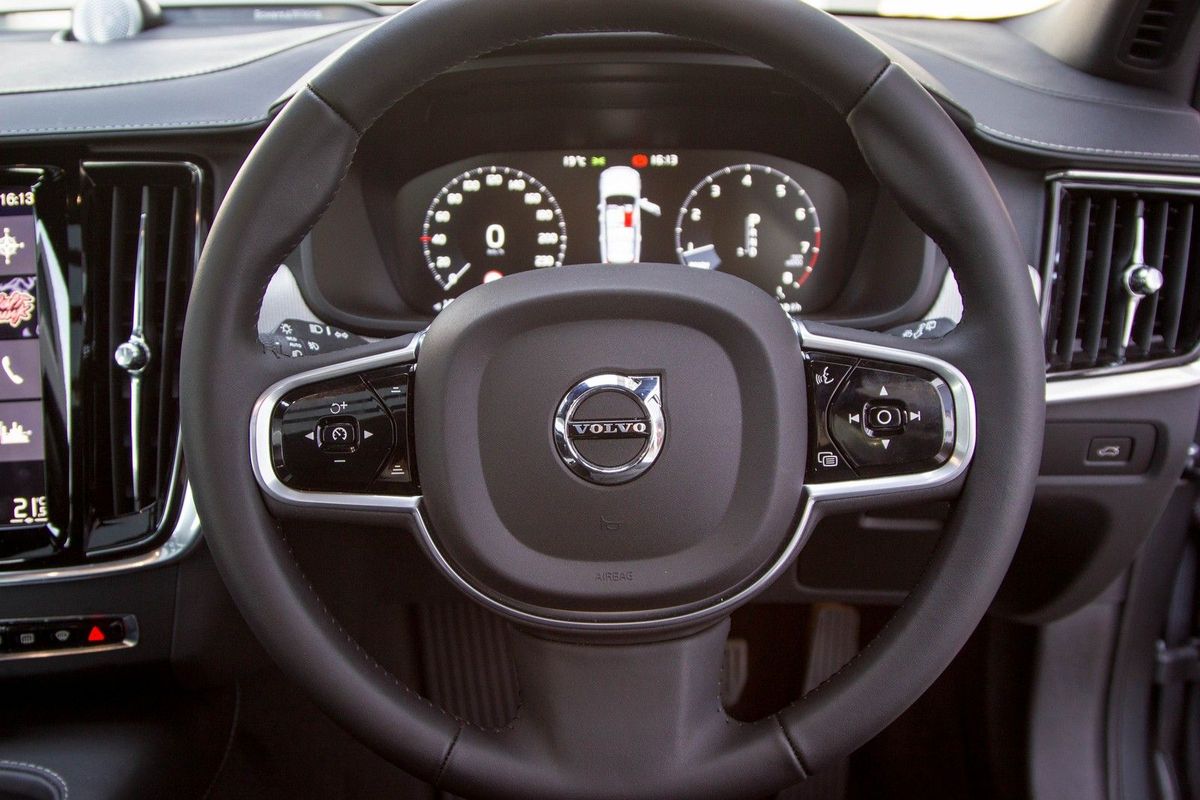
Apart from the encompassing infotainment system, the instrument cluster features a digital display that’s high in resolution and has a customisable trip computer, although it has to be said this is the hardest system to operate on the entire car as the display's symbols and combinations never quite seem to make sense. Perhaps it just requires more familiarisation.
Pricing and warranty
The V90 CC Inscription’s base price is R936 584. Our test unit, replete with Adventure pack options (R75 000) and a few other bits and bobs totalled R1 095 475. It’s just about as fully loaded as you can spec an executive car these days. It comes with a 5-year/100 000 km warranty and a 5-year/100 000 km full maintenance plan.
The Volvo V90 CC may be the perfect lifestyle vehicle for the buyer who doesn’t need low range or go-anywhere ability. It deals with a dirt road and mild obstacles with ease and the AWD system is there for you when the going gets a little tougher. Its road manners are near impeccable and the driving position feels more natural and comfortable than a high-riding SUV.
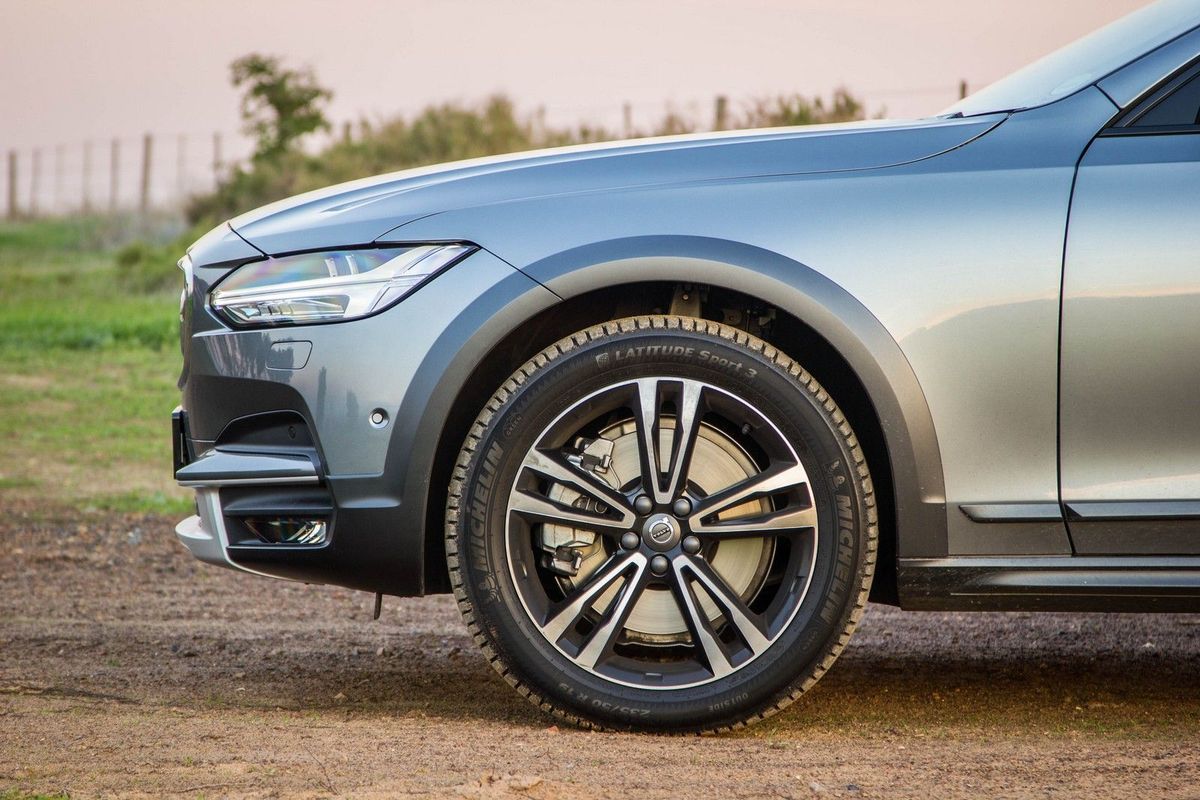
The wagon's air suspension feels more comfortable out on the open road than around town; bumps and thumps are more noticeable at slow speeds, where the big 19-inch wheels/low-profile rubber combination has a negative effect on the ride quality. The engine, while delivering some impressive figures for a 2.0-litre twin-charged 4-cylinder, has a noticeable dead spot at the bottom end, therefore it still takes a while for the big Volvo to get underway as everything seems to need to spool up before real power is delivered.
In conclusion, the V90 CC looks like a wagon, but hopefully it won't fall prey to the negative stigma attached to estates, especially large ones, in our market. It looks more like a low slung SUV with its raked windscreen, but drives like a sedan and we think it has a major "cool factor" about it. Currently, the V90 CC has no direct competitors, so it has 100% of the (admittedly rarefied) market to itself. It’s a very capable car and has all the boxes ticked for success, but does it have the appeal of the SUV in SA? We think not.
Although the facelifted Volkswagen Golf 7.5 was recently introduced in South Africa, details for the next generation Golf 8 have surfaced and if reports are to be believed, the new Golf will be revealed at the 2019 Frankfurt Motor Show.
Reports suggest that the arrival of the new Golf 8 will coincide with the introduction of Volkswagens I.D. electric vehicle lineup, but Golf will remain a key focus for the brand. The Golf 8 is expected to arrive in South Africa in 2020, following its official reveal in 2019.
Speaking to a British publication, Volkswagen chief Herbert Diess commented that "the priority is Golf because in the next generation it will be our main core product and that's where the focus goes. You might call it once again 'Das Auto', because it is such a good package for a 5-seater; it works so well."
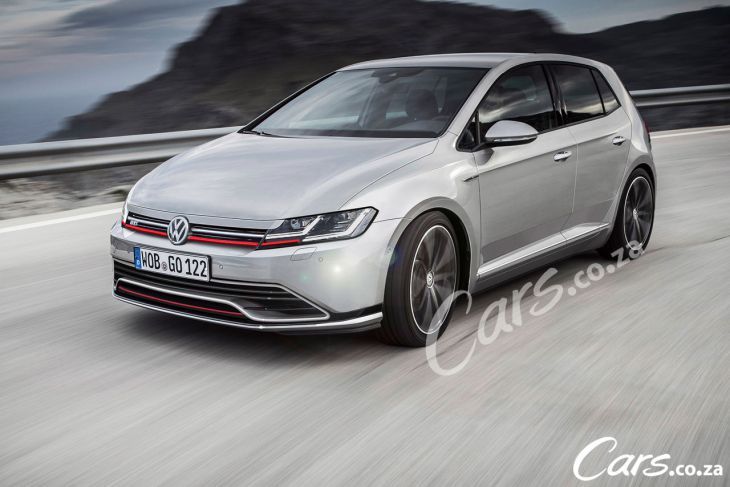
This Cars.co.za render provides some insight into what the next generation Golf GTI could look like.
The next generation Golf will be built on an updated version of the MQB platform that will result in a weight saving of up to 70 kg. Exact engine details have yet to be confirmed, but reports suggest that a turbocharged 1.0-litre (in various states of tune) and 1.5-litre petrol engine will be offered. On the diesel front, a new 1.5-litre and 2.0-litre turbodiesel powerplants are on the cards.
We previously reported that the 2.0-litre turbopetrol Golf GTI will in all likelihood comprise 3 derivatives including a standard GTI, Performance Pack GTI and Clubsport GTI. The standard GTI could offer as much as 195 kW, while the Clubsport could see power figures of 240 kW. As for the Golf R, a 300 kW 2.0-litre turbopetrol is likely but a 3.0-litre VR6 engine with up to 370 kW is not out of the question either. There will also be mild hybrid versions on offer, employing a 48 V electric system.
According to Diess: "mild hybrid systems will play a major role in the next generation of the Golf; that will be the first application."
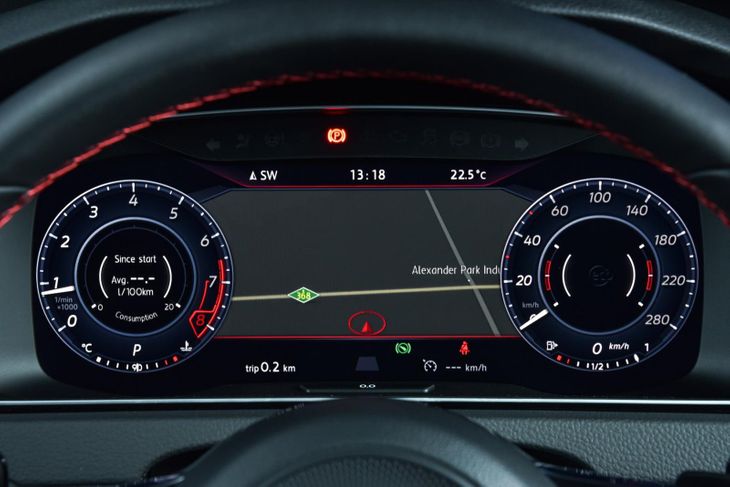
The redesigned interior of the VW Golf 8 will likely feature a large central touchscreen and a digital Active Info Display.
In terms of design, exterior changes to the Golf will be evolutionary and will be similar in design to the current iteration. The Golf 8, however, will likely gain slimmer LED headlights, a lower, redesigned bonnet and the "Golf" lettering will likely appear below the Volkswagen badge, taking direction from the recently-revealed Arteon luxury fastback sedan.
The interior, however, is where the major upgrades are expected. The interior design will be overhauled and digital displays will likely replace most of the switchgear. The Golf will probably feature a large touchscreen that will control most of the vehicle’s functions and Volkswagen’s Active Info Display is expected to be used extensively throughout the range.
We will keep you updated as more details become available.
Watch our video review of the facelifted Volkswagen Golf GTI below: