Hyundai Elantra 1.6 Turbo Elite (2017) Video Review
Hyundai has released an all-new Elantra compact sedan in South Africa. Its flagship derivative has a turbocharged 1.6-litre engine and, oddly enough, they've called this top-of-the-range model…the Turbo. The Korean brand has aspirations for a sportier future under its N sub-brand, so does this newcomer set the right tone?
With a peak output of 150 kW, it certainly has enough power to pique a petrolhead's interest. The interior has been thoroughly revised too, and now features a touchscreen infotainment system with SatNav. And this Turbo model features good-looking sports seats covered in red leather, with the word "Turbo" embroidered on the headrest.
But, ultimately, these are all details. What's this car like to drive? Is it successful as a sports sedan? Cars.co.za contributor and #CarsAwards judge Juliet McGuire investigates…
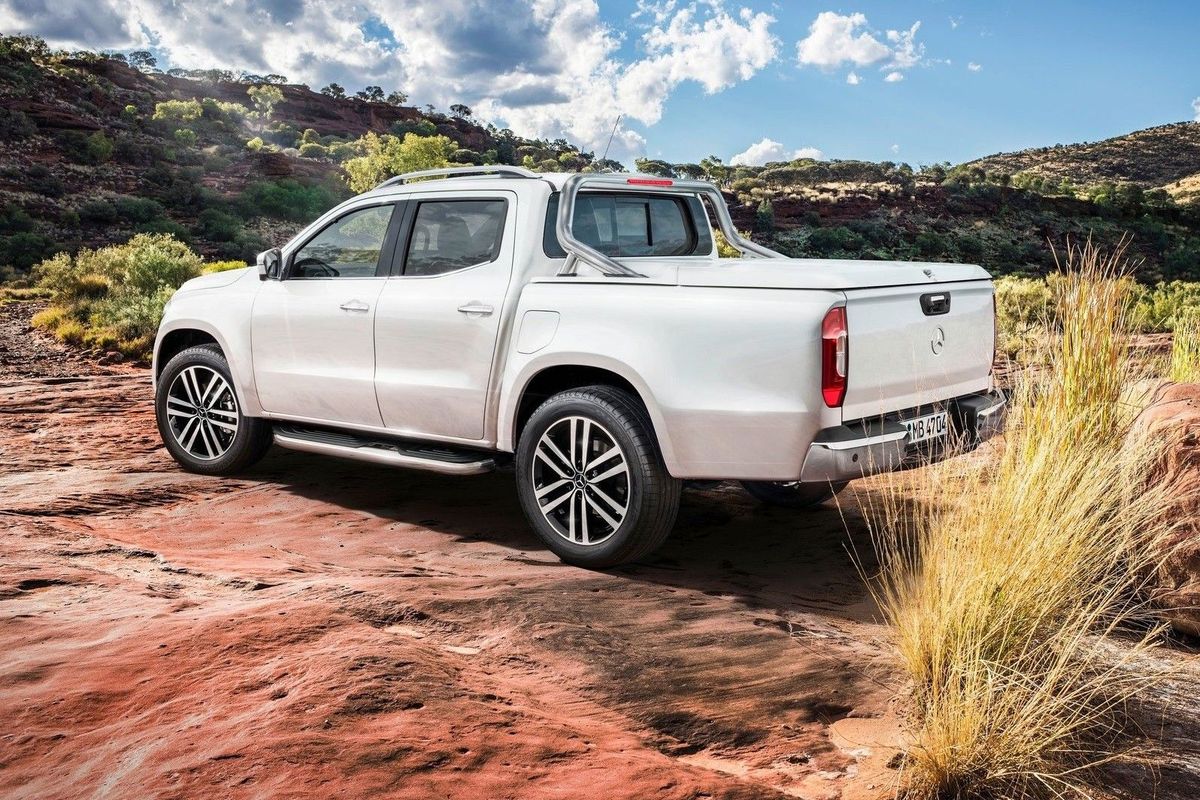
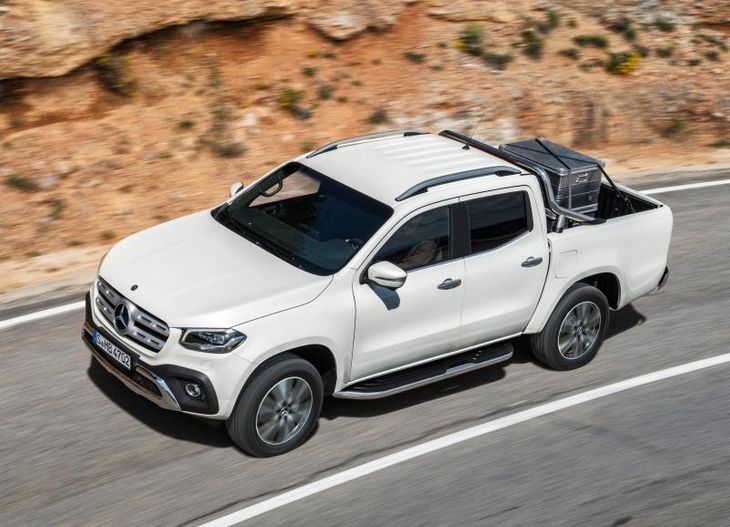
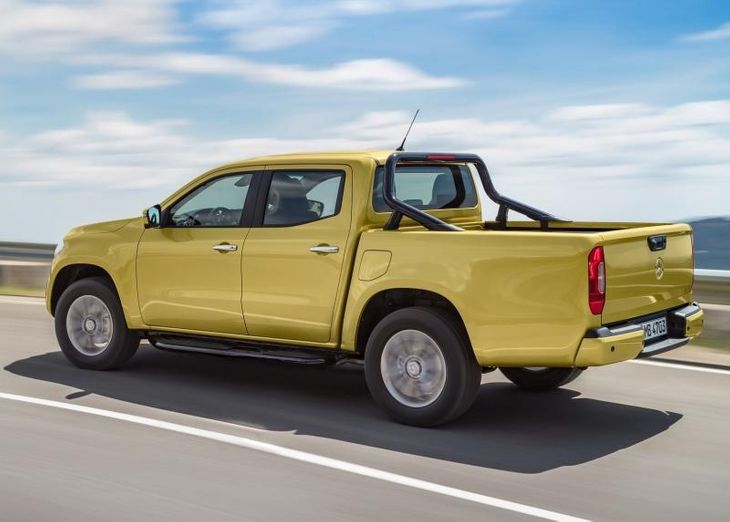
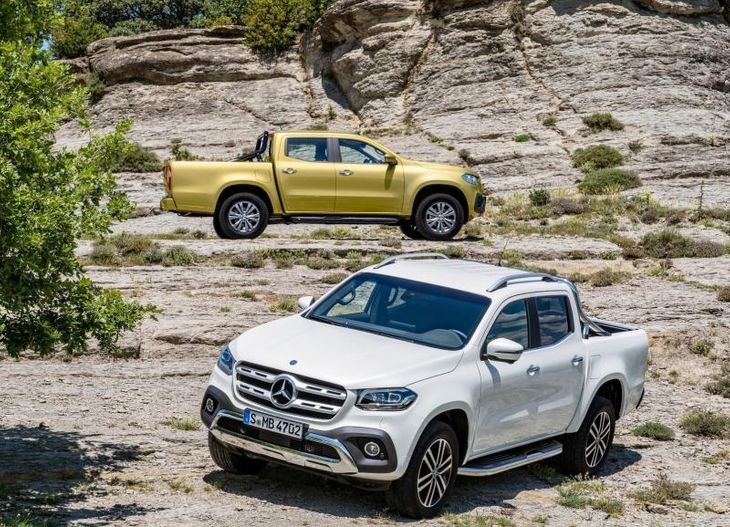
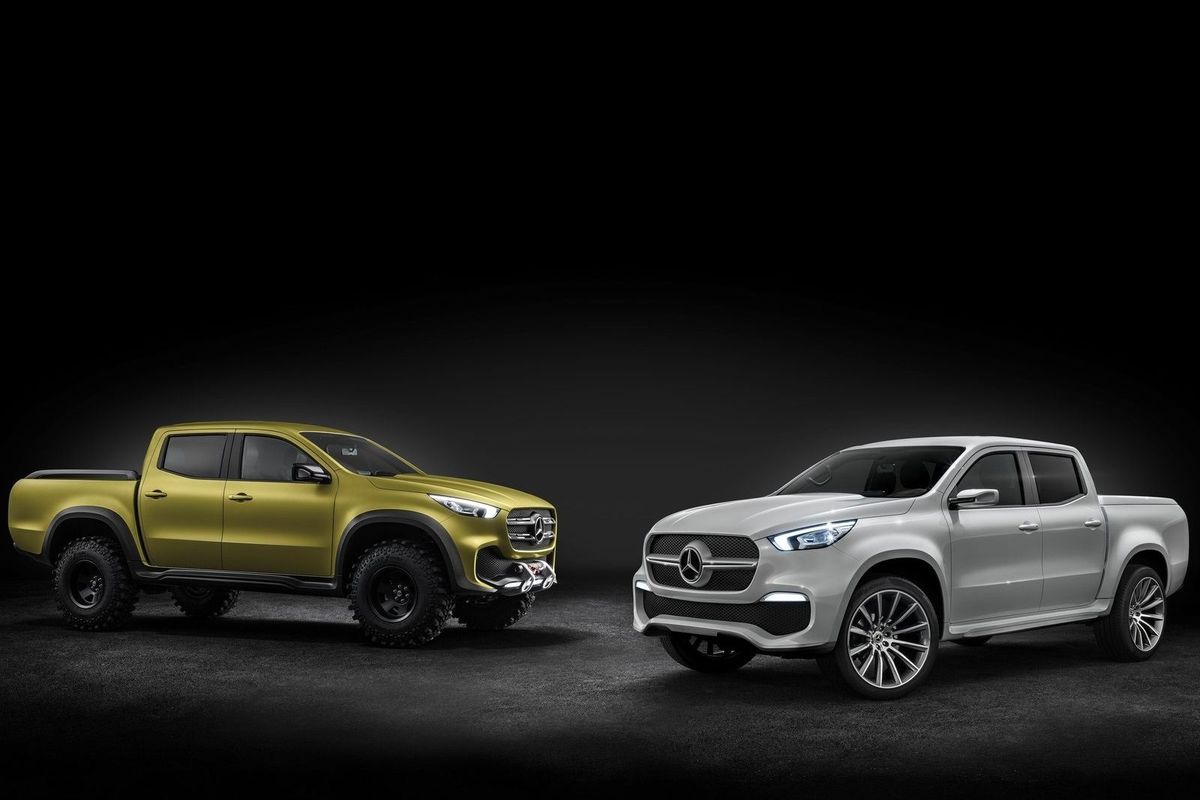
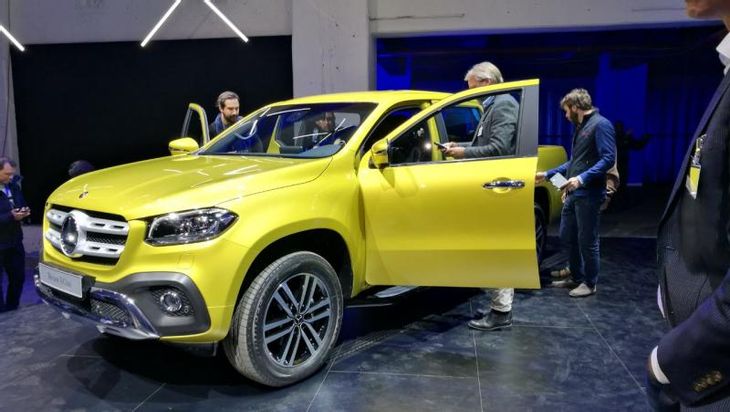
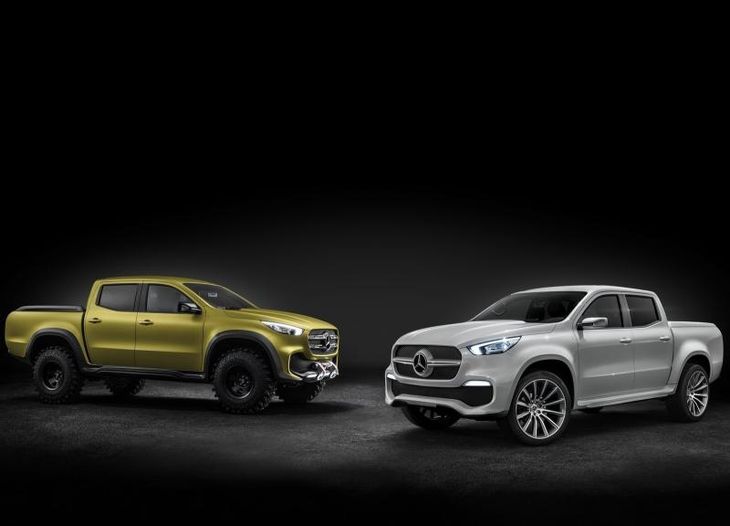
Mercedes-Benz has unveiled the production version of the X-Class, the brand's first double-cab bakkie, in Cape Town. The newcomer, which will be introduced in South Africa early in 2018, will be available in 3 trim levels, powered (initially) by a pair of turbodiesel engines and, in terms of its product focus for the domestic market, the X-Class will be aimed at "trend-conscious individualists".
The X-Class, the de facto flag bearer for the burgeoning luxury bakkie segment, is powered by 4 or 6-cylinder engines, available with rear-wheel drive and (engageable or permanent) all-wheel drive, a 6-speed manual transmission or a 7-speed automatic transmission. In addition, there are 6 different upholsteries, including a pair of leather variants, 3 sets of distinctive cockpit treatments and a diverse range of accessories. The exact South African derivative line-up has yet to be confirmed, however.
Proclaiming the X-Class "the Mercedes among pickups", the Sindelfingen-based brand says its newcomer is a "tough performance pickup (that) delivers driveability and handling that matches many demands – both with regard to driving dynamics and ride comfort. This is attained thanks to a comfort suspension with the fine tuning expected of a (Benz)". The bakkie is underpinned by a ladder-type frame, rear multi-link solid axle, front independent wheel suspension and coil springs on both axles.
Built on this platform, the X-Class is available in 3 model variants to suit different lifestyles and work environments:
The X-Class Pure basic variant is ideal for rugged, functional use. It fulfils all the demands placed on a workhorse. At the same time its comfort and design make it perfect for visiting customers or suppliers and for private activities.
The X-Class Progressive is aimed at people seeking a rugged pickup with extra styling and comfort functions – as a calling card for their own business, while also being a comfortable yet prestigious vehicle for private use.
The X-Class Power is the high-end design and equipment line. It is aimed at customers for whom styling, performance and comfort are paramount. The X-Class Power is a lifestyle vehicle beyond the mainstream – suitable for urban environments as well as for sports and leisure activities off the beaten track. Through its design and high level of equipment, it reflects an independent and individualistic lifestyle.
Thanks to its long 3 150-millimetre wheelbase, the short and cladded front overhang, the backward shifted passenger compartment and the very long rear overhang, the X-Class has an elongated vehicle body. The newcomer's tracks measure 1 632 millimetres at the front and 1 625 millimetres at the rear, and Mercedes-Benz claims to be the only manufacturer in the segment to fit large, internally vented brake discs on both axles (32 cm front, 30.8 cm rear) as standard. In all markets outside Europe, the X-Class comes with the higher, more off-road friendly, suspension (222 mm) as standard.
Tale of 3 personalities…
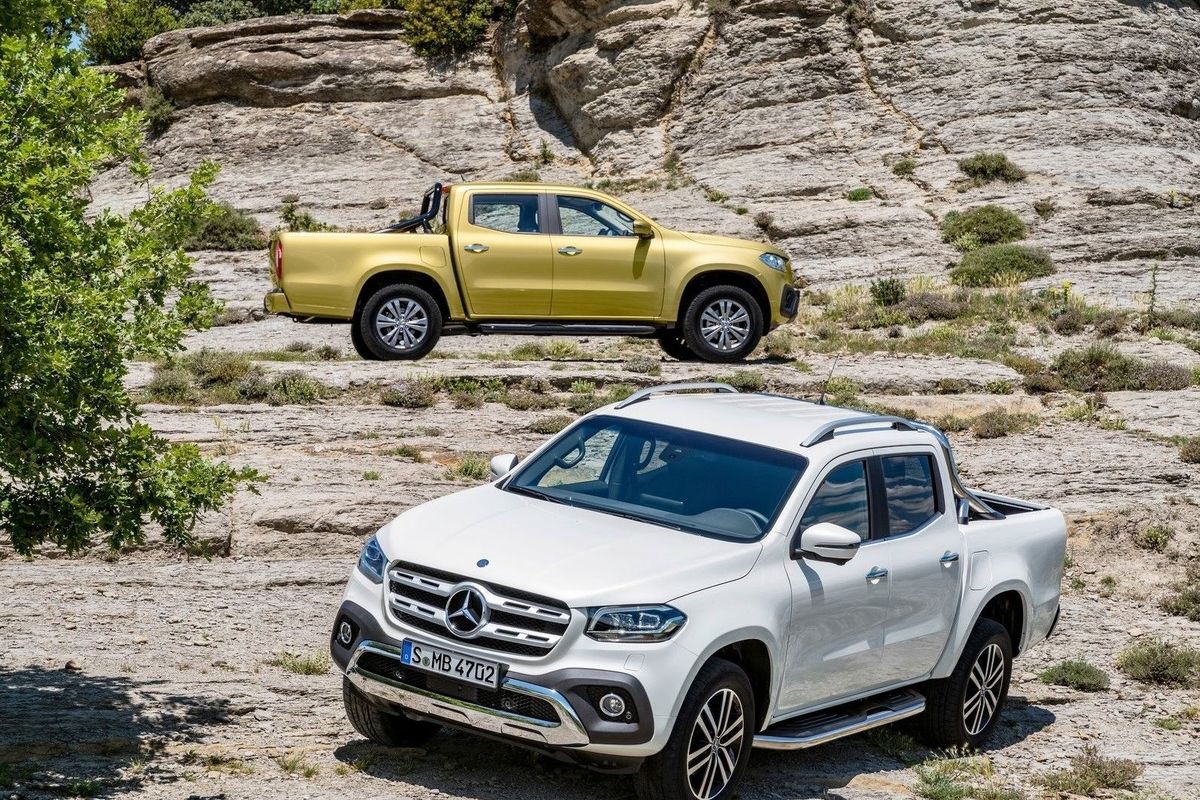
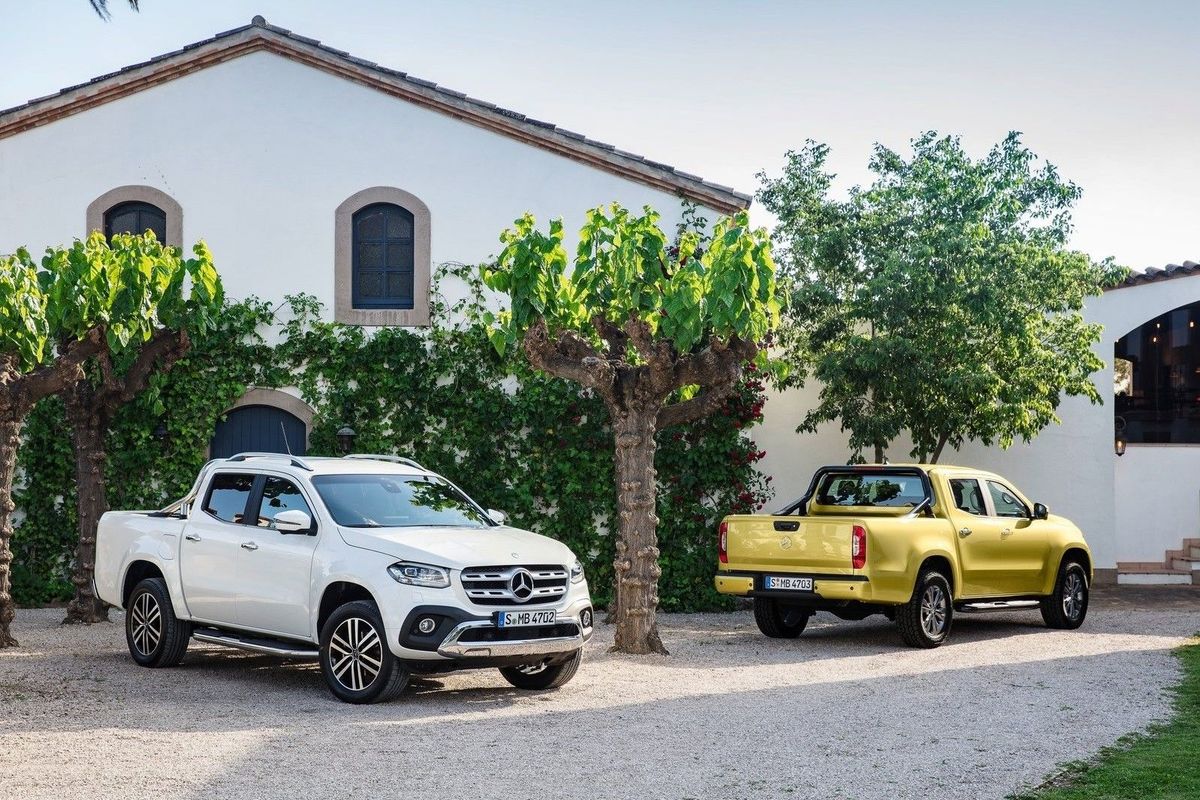
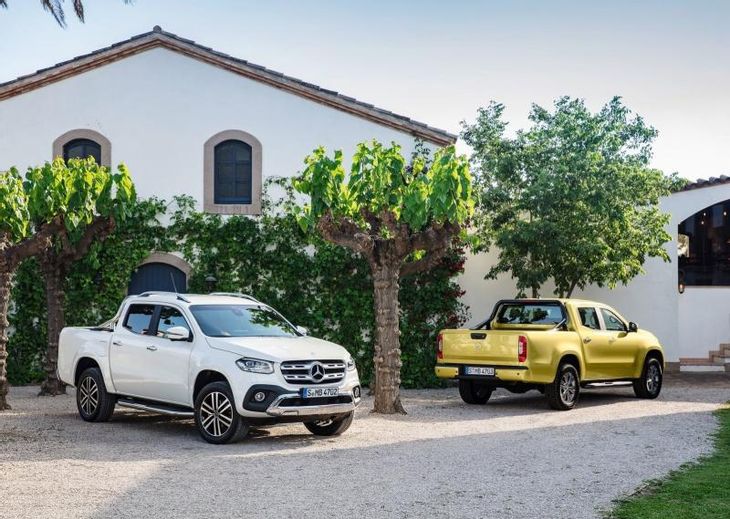
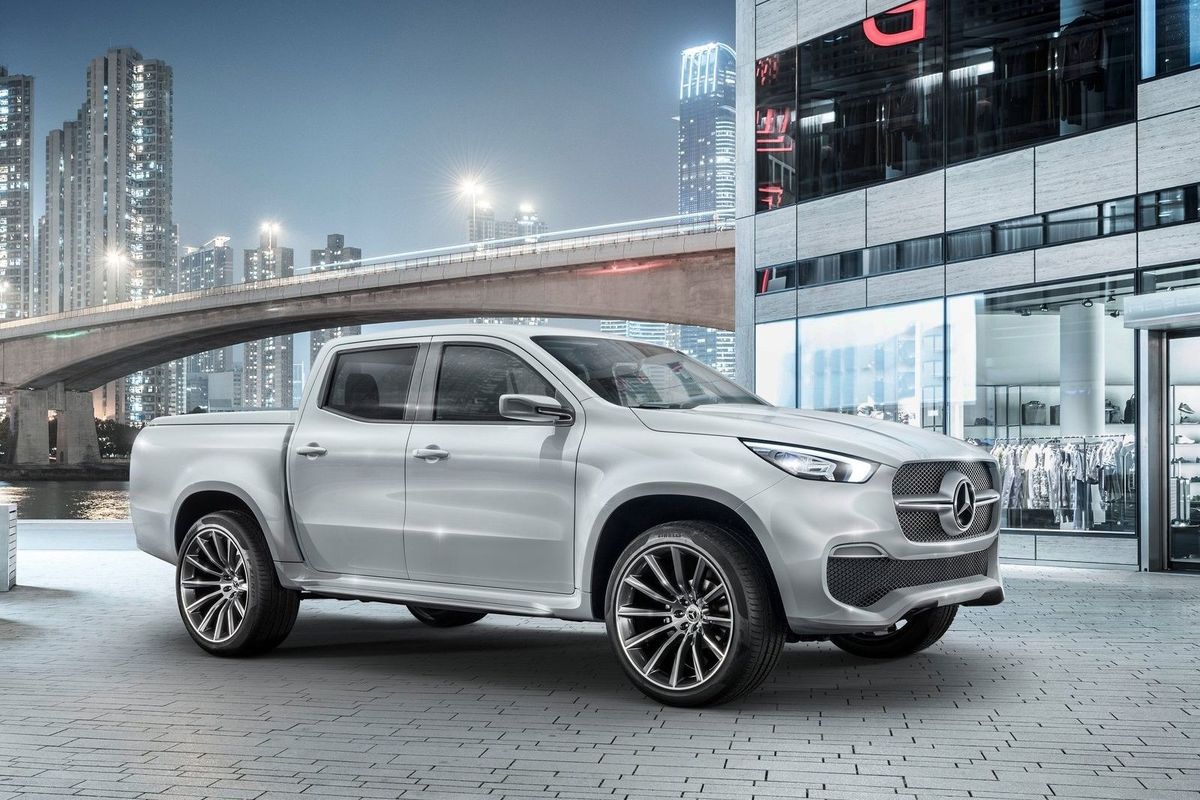
The front bears the imposing looks of one of the brand's SUVs – with the centrally positioned star, twin-louvre radiator grille, high bonnet and headlamps that extend far into the wings. The front apron emphasises width and has its own distinct character depending on the chosen design and equipment line….
On the Pure basic variant it is unpainted and with the Progressive design and equipment line it is painted in the vehicle colour. The Power high-end model variant likewise has a bumper painted in the vehicle colour and also comes with a chromed underbody panelling. There are 9 colours and 17-, 18- or 19-inch alloy designs to choose from.
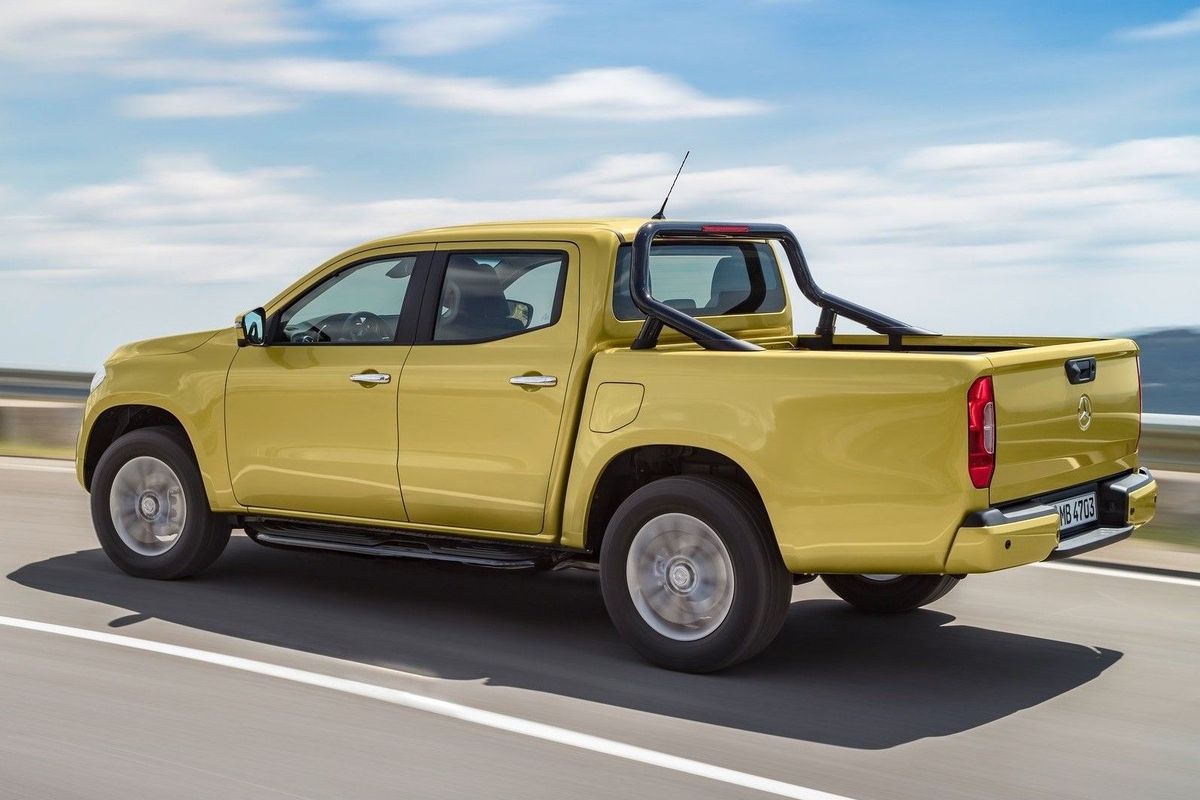
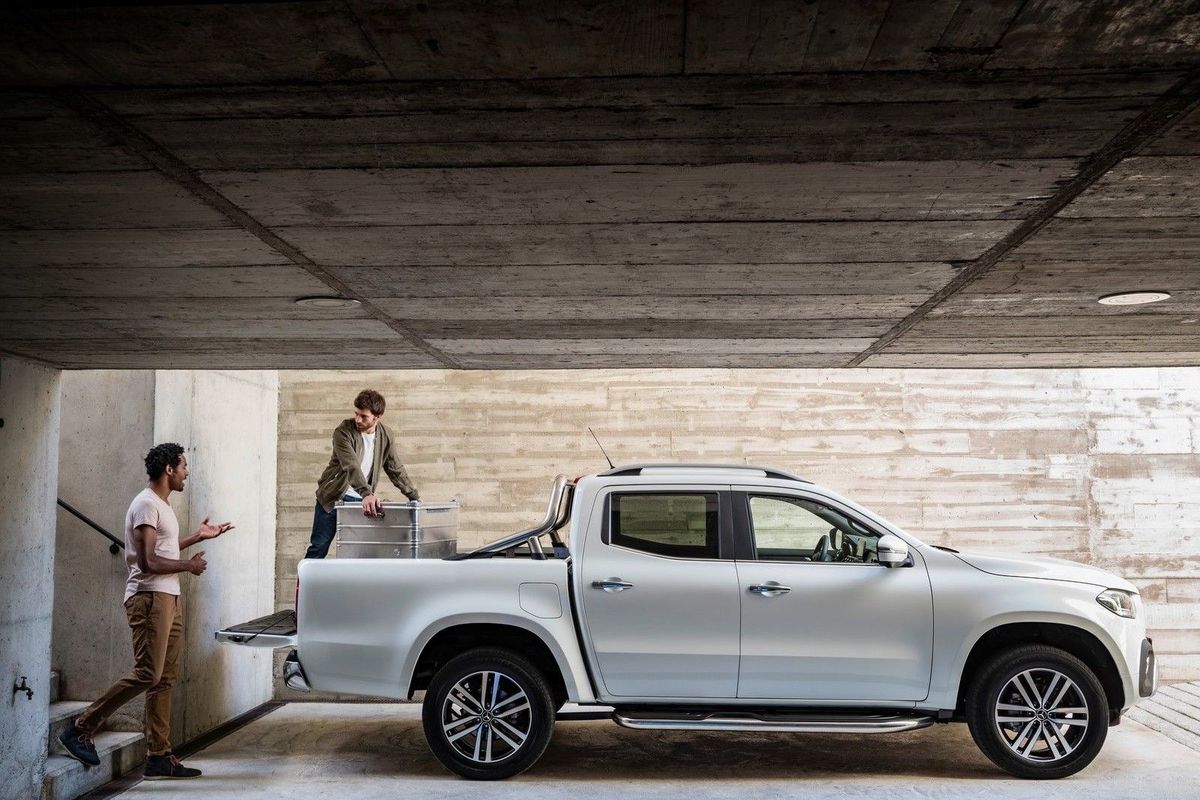
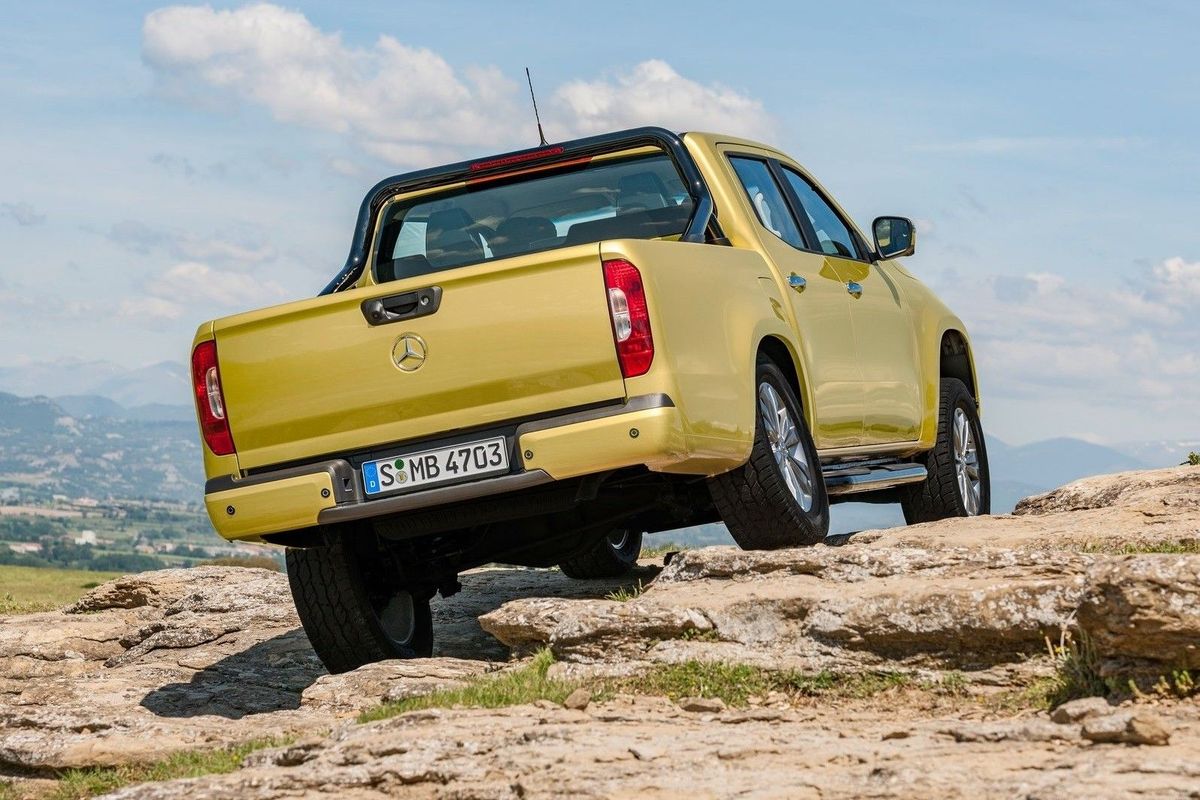
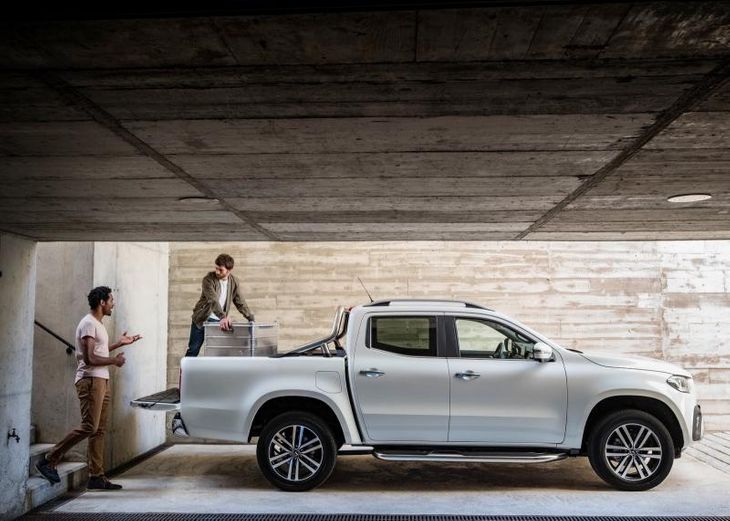
Like the front apron, the rear bumper also varies depending on the selected design and equipment line: it is painted black for the Pure line, in the vehicle colour for the Progressive line and chromed for the Power line. To conveniently access the cargo area for loading and unloading, the bumper has an integral step. If the standard 90-degree tailgate opening is not enough, as an option the X-Class can be ordered without the rear bumper. Then the tailgate opens to 180 degrees.
In terms of width, the (illuminated) load bed is designed in such a way that a Euro-pallet can be loaded straight between the wheel arches. The third brake light contains LED lights which illuminate the whole load bed… Operation is by a switch in the centre console and as soon as the ignition is switched on, those lights turn off automatically. A 12V socket to power additional equipment such as compressors, for example, is also part of the standard equipment in the load bed.
Dimensions of the X-Class
Vehicle length
5 340 mm
Vehicle width
1 920 mm
Vehicle height
1 819 mm
Wheelbase
3 150 mm
Load bed length
1 587 mm
Load bed width
1 560 mm
Load bed height
474 mm
Maximum payload capacity
1 042 kg
Braked towing capacity (depending on engine and equipment)
1 650–3 500 kg
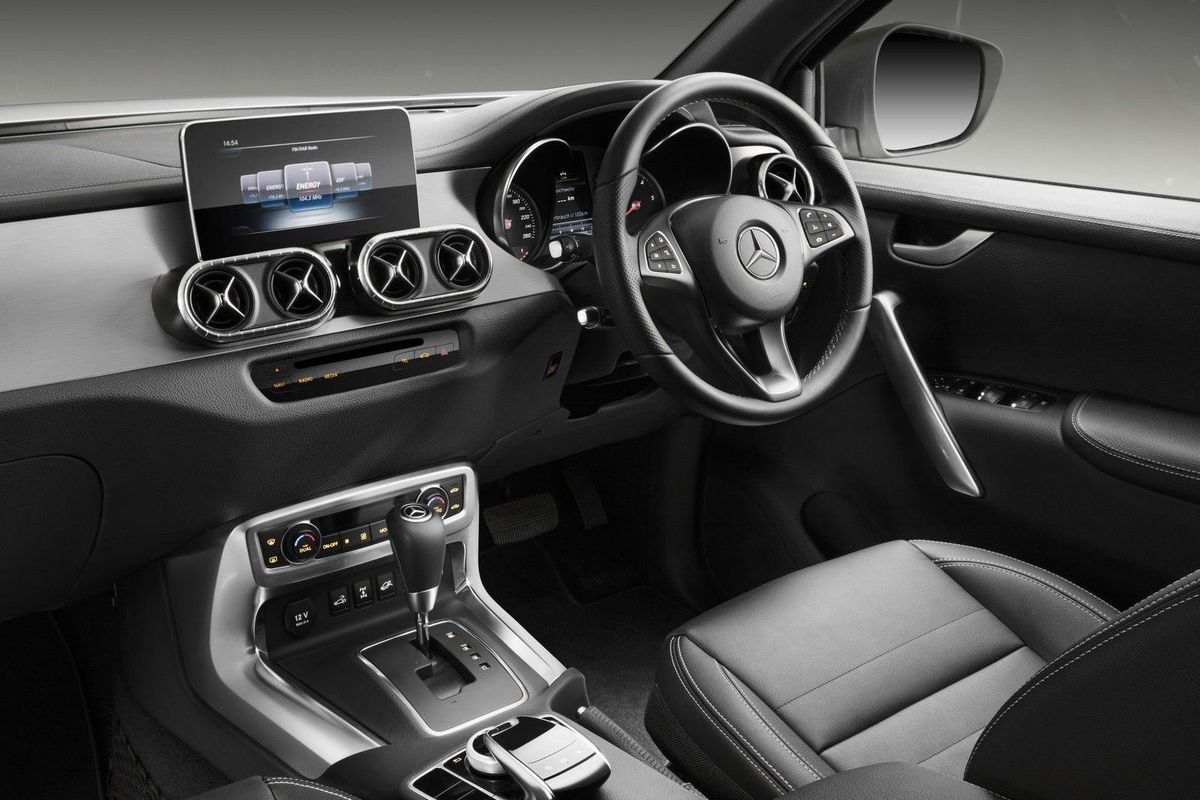
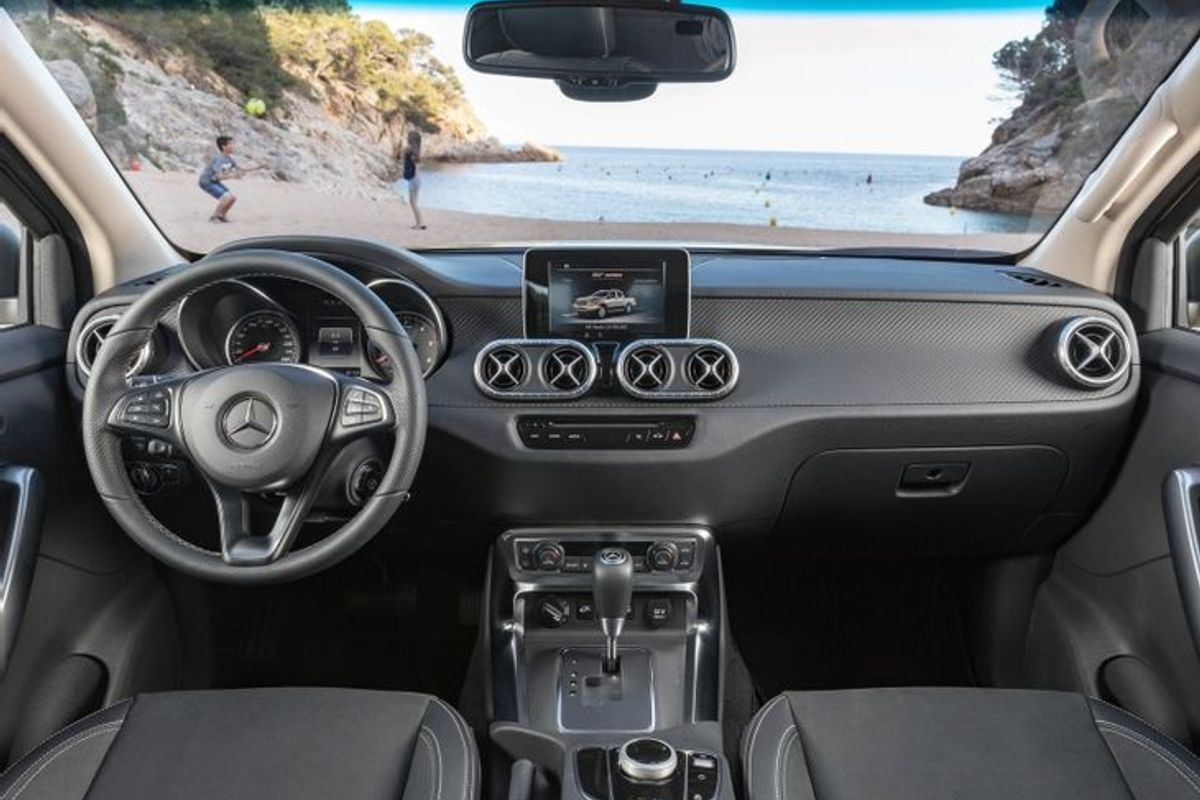
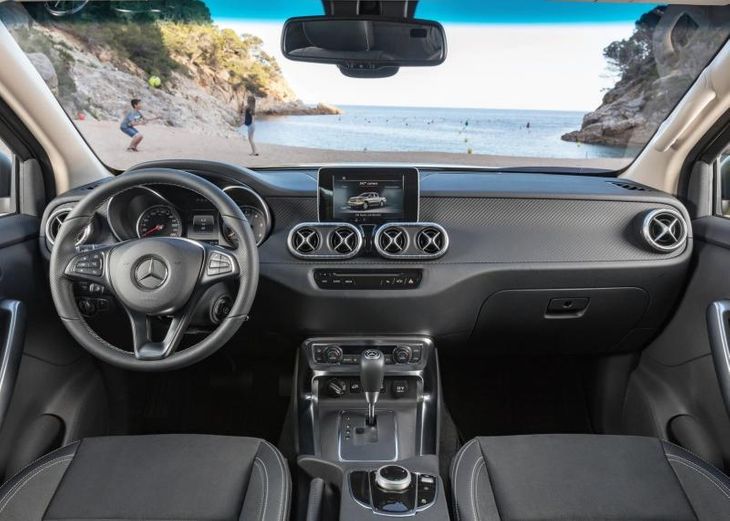
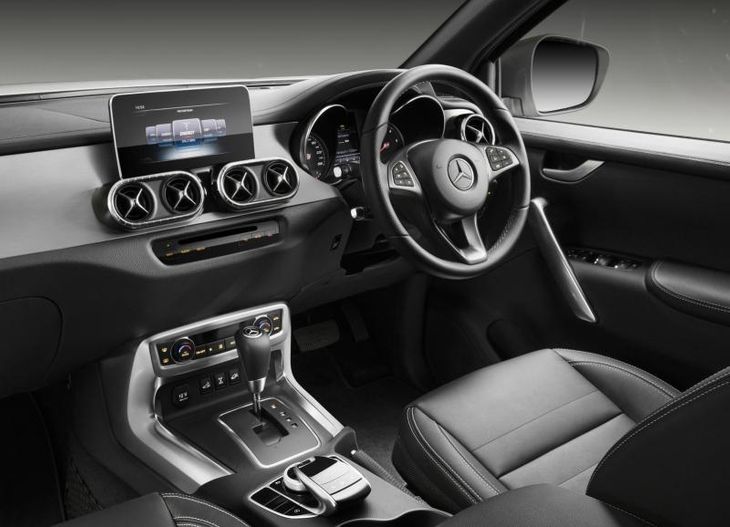
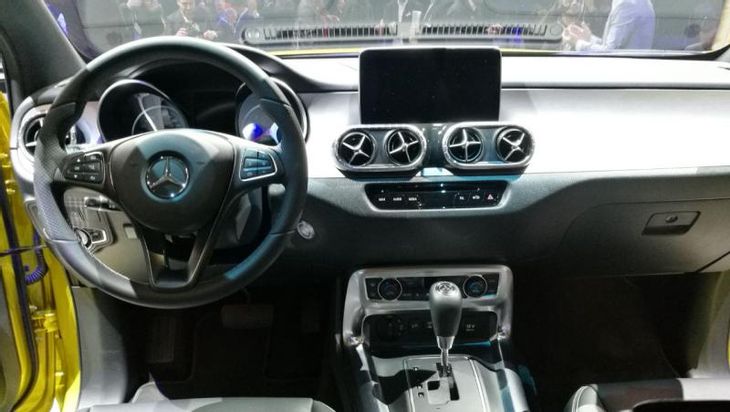
In the interior, the X-Class elevates comfort and quality feel to a new level within the segment for mid-size pickups. The instrument panel has the concave trim element typical of a Mercedes. It stretches across the entire width of the instrument panel – a novel feature in this vehicle segment. It creates an open feel and purist modernity. There are three trim variants to choose from for the X-Class Power: a pixelated look in matt black, an aluminium effect with longitudinal grain and a brown matt woodgrain effect. To complement the high-quality feel, the upper section of the cockpit is available with Artico man-made leather in either black or nut brown.
Depending on the design and equipment line, the round ventilation outlets come in either high-gloss black or silver shadow, creating a high-end cool touch effect. With the Progressive and Power design and equipment lines, the centre console is also prominently framed by a decorative trim in silver shadow. The large door handles are also finished in silver shadow. The cool touch effect is reinforced by the freestanding central display, which is familiar from the V-Class. In conjunction with the Comand Online multimedia system it has a screen diagonal of 8.4 inches, making it the biggest display in the segment. With a resolution of 960 x 540 pixels and the high-contrast IPS technology (In-Plane Switching), it offers a brilliant display that markedly increases the image quality of the 360-Degree Camera and the navigation maps.
The control and display concept shows the familiar high levels of convenience and ergonomic comfort. The instrument cluster consists of the large, analogue round dials from the C-Class and V-Class. A 5.4-inch colour multimedia display is nestled between the round dials. Thanks to the push-buttons on the standard-fit three-spoke multifunction steering wheel, the settings on the colour display can be controlled without drivers having to take their hands off the steering wheel.
The steering wheel with its 12 buttons in total is height-adjustable, thereby improving ergonomic posture and allowing a relaxed seating position. In the X-Class Progressive and Power, the steering wheel, shift lever knob and handbrake lever are also covered in leather. In conjunction with the Audio 20 CD and Comand Online multimedia systems, and in addition to the central control unit, the X-Class contains the multi-function touchpad familiar from the passenger car model series. It is located in an ergonomic position on the centre console and, like a smartphone, it can be controlled using gestures or by entering letters and characters.
Electrically adjustable comfort seats also available with lumbar support
Plenty of attention was paid to comfort when developing the seats, Mercedes says. Premium materials and a seat structure featuring optimum lateral support, a high seat position and the use of ergonomically formed soft foam make sitting comfortable for both the driver and front passenger, even on longer journeys. With their clear, ergonomic and functional design, the comfort seats can be adjusted in the longitudinal direction as well as for height and backrest tilt. The X-Class Power has electrically adjustable seats and electric two-way lumbar support as standard. The rear seat row for three people is positioned at a comfortable height and has reinforced seat side bolsters for optimum support in the outer seating positions. These seats are also equipped with attachment points for an i-Size/ISOfix child seat as standard.
Engine/transmission line-up
From its market launch, the X-Class will be powered by a 2.3-litre common-rail turbodiesel motor available with a choice of two power outputs. In the X220d with a single turbocharger it generates 120 kW and, in the biturbo X250d, 140 kW. Both diesel models will be offered with purely rear-wheel drive or with engageable all-wheel drive. All engines are characterised by quiet, low-vibration running and excellent power delivery coupled with low consumption figures, Benz says. Power is transferred via a 6-speed manual transmission. A 7-speed automatic transmission is available on request for the 140 kW X250d and X250d 4Matic derivatives.
A high-torque V6 diesel engine, with peak outputs of 190 kW and 550 Nm, will be released in 2018. The X350d model will come as standard with permanent 4Matic all-wheel drive and the 7-speed automatic transmission with steering-wheel shift paddles and Eco start/stop function. The Dynamic Select drive programme switch enables the driving experience to be tailored to individual preferences – from relaxed comfort to engaged sportiness, will be standard. There are five drive programs to choose from: Comfort, Eco, Sport, Manual and Offroad. These modify the engine characteristics, the automatic transmission's switching points and the Eco start/stop function.
Engageable – or permanent – 4MATIC all-wheel drive
Engageable 4Matic all-wheel drive, which is available on the X220d and X250d turbodiesel models, masters any terrain. With it, the front wheels can be engaged or disengaged by electric means depending on the surface. As from mid-2018, Mercedes-Benz will also make its pickup available with permanent all-wheel drive, but it will only be offered in conjunction with the 6-cylinder engine. Off-road, both 4Matic variants benefit from the same superior assertiveness thanks to the low-range gearing and optional differential lock on the rear axle. All the all-wheel drive models come with Downhill Speed Regulation (DSR) on board as standard.
Excellent off-road characteristics
Fording depth
600 mm
Ground clearance
Front axle 202 mm
Rear axle 221 mm for suspension with raised ground clearance
Angle of approach/departure front/rear
28.8°/23.8°
30.1°/25.9° for suspension with raised ground clearance
Maximum tilt
49.8°
49° for suspension with raised ground clearance
Ramp breakover angle
20.4°
22° for suspension with raised ground clearance
Maximum gradeability
100%
Comprehensive range of safety equipment
The X-Class’s high level of occupant protection results from its especially solid car body with a high-strength passenger cell and a structure with a front and rear that can absorb energy through well-aimed deformation. Furthermore, passive safety is provided thanks to standard equipment such as seven airbags and the i-Size attachment system for two child seats.
The airbags in the front for driver and front passenger come with a two-stage, deferred triggering mechanism. For active safety, three driver assistance systems are at the ready, simultaneously increasing safety and comfort: Active Brake Assist, Lane Keeping Assist and Traffic Sign Assist. Additionally, there are Trailer Stability Assist, tyre pressure monitoring system, emergency call system, cruise control and LED headlamps that deliver the brightest light output in the segment thanks to six LEDs respectively. If required, a 360-Degree Camera is available in addition to a reversing camera.
The first intelligently connected mid-size pickup
The X-Class is the first mid-size pickup to feature a communications module with an integrated SIM card. This makes it possible to use the extensive Mercedes Me connect services and to access the vehicle by smartphone. Thus X-Class drivers in 21 European markets can, for example, call up useful information such as fuel level and tyre pressure, and find out the X-Class's location when it is parked or being driven by someone else. In addition, with the Mercedes Me app complete door-to-door navigation is possible. Further Mercedes Me connect services include the Mercedes-Benz emergency call system and the standard services Breakdown Management, Accident Recovery and Maintenance Management as well as Remote Vehicle Diagnostics.
In addition to this, control and display systems – that have already been used successfully in the Mercedes-Benz passenger car series – are being introduced in the pickup segment for the first time: these include the multifunction touchpad and fully integrated Comand Online multimedia system with hard-disk navigation, Linguatronic voice control and internet access via smartphone. Other than COMAND Online, the Audio 20 USB and Audio 20 CD audio systems are also available.
Live Traffic Information
Transferring traffic information in real time is a further highlight of intelligent connectivity thanks to the communications module with an integrated SIM card. In conjunction with an account in the Mercedes Me portal, and within Europe, the Comand Online navigation system can show the beginning and length of a traffic jam on a map to within 100 metres of the exact position and compute a dynamic route with shorter travel times. The potential loss of time is taken into account automatically in real time for the arrival time displayed by the system. It also provides a 3D view with 3-dimensional urban models, making orientation in unfamiliar city centres easier. Moreover, special personal destinations can be saved or imported via SD card, and alternate routes can be displayed on the map, one of them a particularly economical variation.
In conjunction with the optional Garmin Map Pilot system, in most European countries the Audio 20 CD also becomes a fully-fledged navigation system with Live Traffic Information. With both systems, X-Class drivers benefit from early information about disturbances such as traffic jams, increased traffic volumes or other possible delays along the route, allowing them to adjust their route planning in good time. The relevant pre-installation for the Garmin Map Pilot is likewise available as an option.
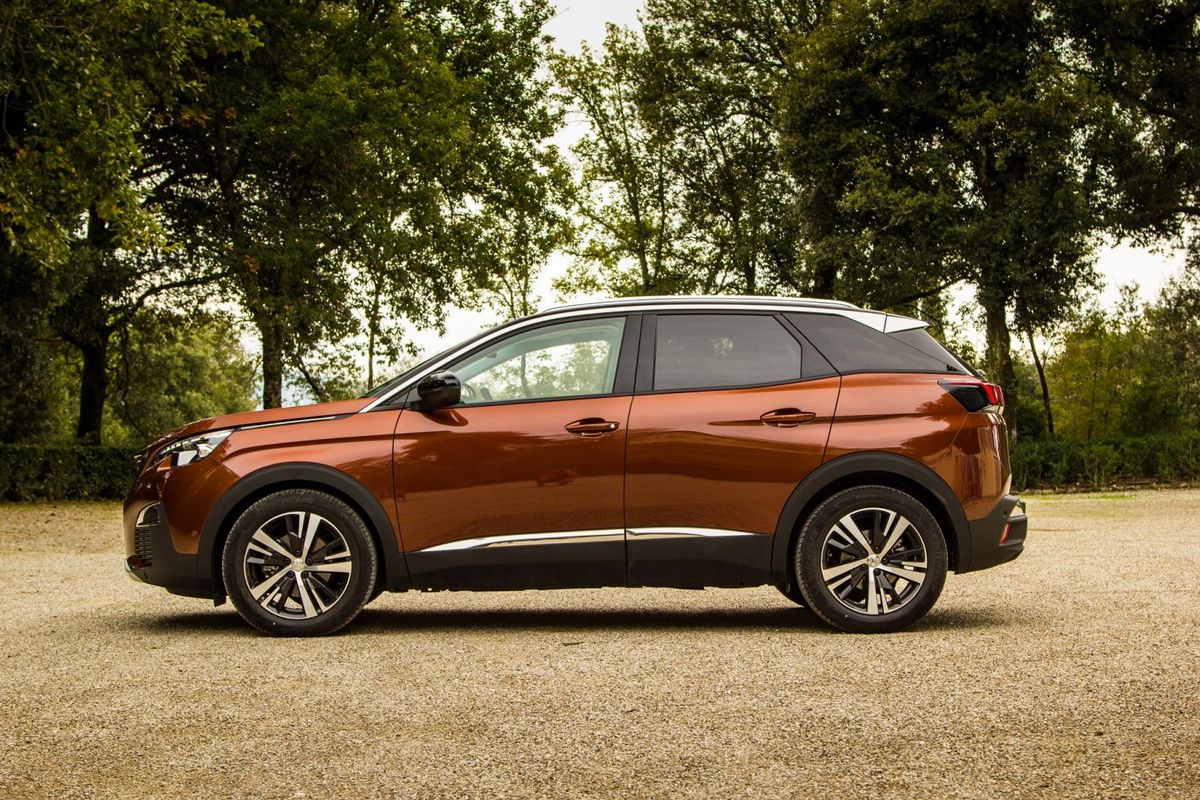
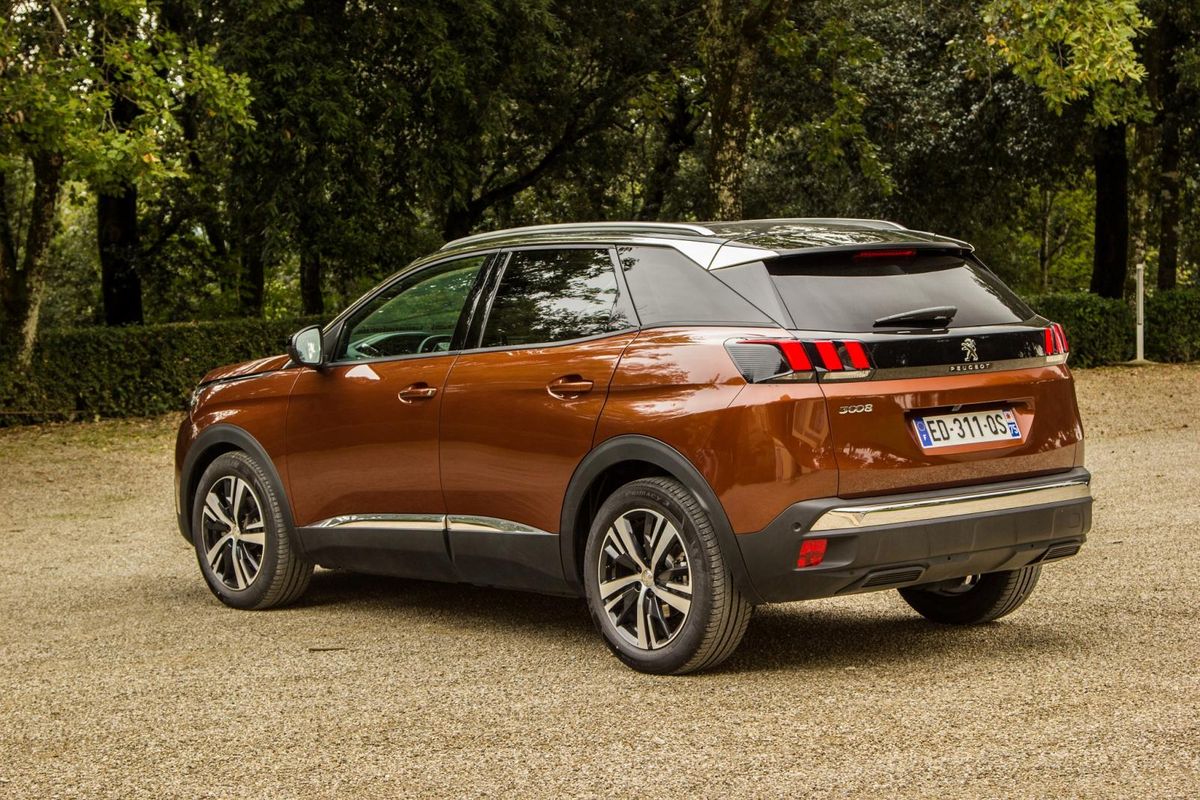
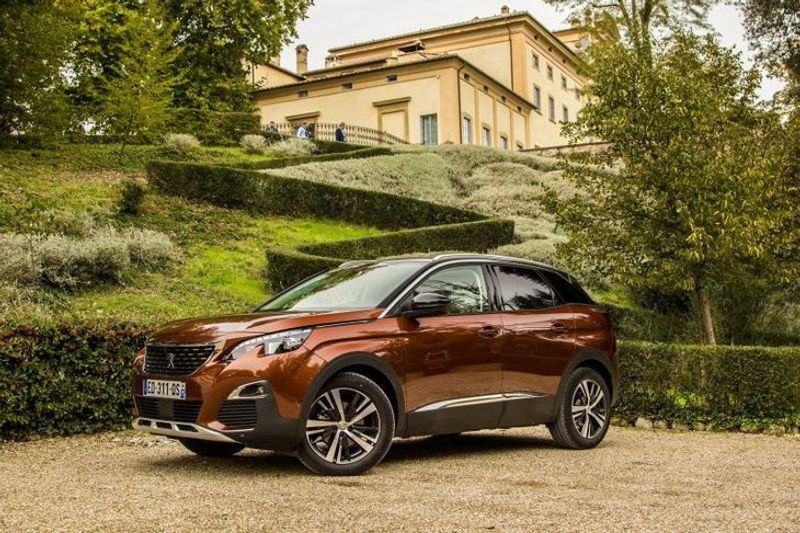
Peugeot is preparing to launch its new 3008 SUV in South Africa in early August 2017. Take a look at specification and pricing for the new 3008 below as well as our international first drive report.
The new 3008 SUV is due to arrive in South Africa soon and will rival products such as the Volkswagen Tiguan, Nissan Qashqai, Mazda CX-5, Hyundai Tucson, Kia Sportage, to name a few. Based on our initial impressions of the 3008 at its international launch late last year, we came away suitably impressed by the 3008's styling and packaging. By all accounts, the new 3008 is squaring up to be a strong contender in the compact SUV segment.
For the local market, Peugeot is initially launching the 3008 with a 1.6-litre turbopetrol engine offering 121 kW and 240 Nm of torque. Fuel consumption is claimed at 7.0 L/100km. A 6-speed automatic transmission is standard and the 3008 will be available with 5 trim lines to choose from including Active, Allure, Allure+, GT-Line and the range topping GT-Line+.
Standard features
The entry-level 3008 Active rides on 17-inch alloy wheels and features colour-coded door mirrors and door handles, electric/heated side mirrors with LED indicators, roof rails, automatic headlights, front fog lights, automatic wipers and LED daytime running lights. Interior features include cloth seats, dual-zone climate control air conditioning, front and rear electric windows, rake/reach adjustable leather steering wheel and handbrake, height adjustable driver's seat and three 12V sockets. A Bluetooth and MP3 capable radio is fitted along with an 8-inch touchscreen. Comfort and convenience features include cruise control, hill assist and rear park assist.
The next trim offering is the 3008 Allure which rides on larger 18-inch wheels. This derivative adds features such as a courtesy LED downlight on the side mirror, lumbar support for the driver, i-Cockpit digital instrument cluster, start/stop button and a Bluetooth/MP3 radio with WiFi and Mirrorlink functionality. Added convenience features include keyless entry and front and rear park assist. The Allure+ derivative adds a black diamond roof.
Moving up the trim ladder is the 3008 GT-Line fitted with 19-inch alloy wheels. This derivative adds a lion projection LED courtesy light in the side mirror, full LED headlights and cornering LED fog lights. The interior adds a wireless charging pad, Claudia Mistral leather upholstery and a 180-degree parking camera. A high-end radio with voice recognition and navigation is fitted as standard.
The range-topping GT-Line+ derivative rides on 18-inch alloys wheels and adds features such as a panoramic sunroof and Nappa Mistral leather upholstery.
Safety features
Standard safety features across the 3008 range includes 6 airbags, ABS with EBD, emergency brake assist, road sign detection, driver attention alert, lane departure warning, electronic stability programme (ESP) and ISOFIX child seat mounts. The 3008 GT-Line+ derivative adds advanced emergency braking system with video camera and radar, front collision warning and active blind spot detection.
We will be attending the local launch of the new Peugeot 3008 early in August 2017, so stay tuned for more details coming your way soon.
New Peugeot 3008 – Price in South Africa
Peugeot 3008 1.6T Active – From R399 900
Peugeot 3008 1.6T Allure – From R444 900
Peugeot 3008 1.6T GT-Line – From R499 900
The Peugeot 3008 is sold with a 3-year/100 000 km warranty and a 4-year/60 000 km service plan.
Previously…
The 3008 has been transformed from an MPV-ish crossover to a fashionable SUV, and looks to take the global market by storm. We headed to Italy to sample this new model, which will arrive in South Africa during the third quarter of 2017.
The French are famous for many things. The French kiss, the Eiffel Tower, a celebratory fizzy alcoholic beverage produced in a region named Champagne and for a tumultuous decade back in 1789 when the French Revolution took place, to name just a few things. Talking about revolutions, there's currently much afoot in the French automotive sector where the Peugeot Citroen Group (PSA) has been hard at work – unleashing a flurry of new models and upping its image.
Peugeot has gone to considerable lengths to strengthen its reputation and improve its product line-up because the French marque recognised that in order to survive and prosper in the changeable automotive market, the company needed to do something dramatic. How'd you like a complete brand repositioning to go with your morning croissant? See, Peugeot wants to market itself as a premium brand.
Being a "French Volkswagen" has got the marque quite far, so with Audi now well and truly in the Parisian company's crosshairs, the brand has been revitalised and rejuvenated, and finally have some products that show premium intent. As a brand, Peugeot has a renewed vigour and energy and its forthcoming products exude determination and confidence.
At the forefront of this Peugeot assault is this new 3008. Remember the first 3008, that oddly-styled yet practical multi-purpose vehicle? It was launched in South Africa in 2010 and was facelifted once. This new car retains the name (and the Peugeot badges, of course), but that's where the similarities end. Peugeot is capitalising on the global demand for the crossover/SUV and the 3008 has duly transformed from functional to fashionable.
Head-turning style
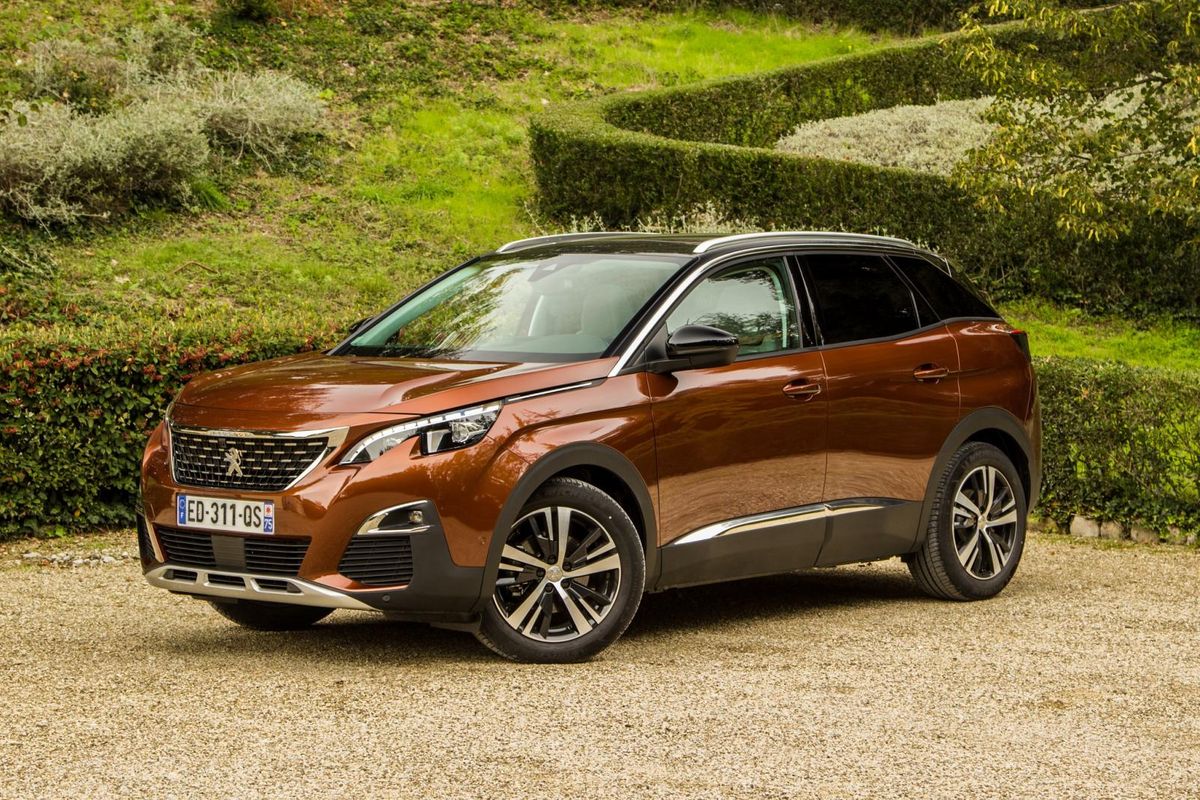
From MPV to SUV, the Peugeot 3008 has transformed into something fashionable. On location near Bologna, Italy.
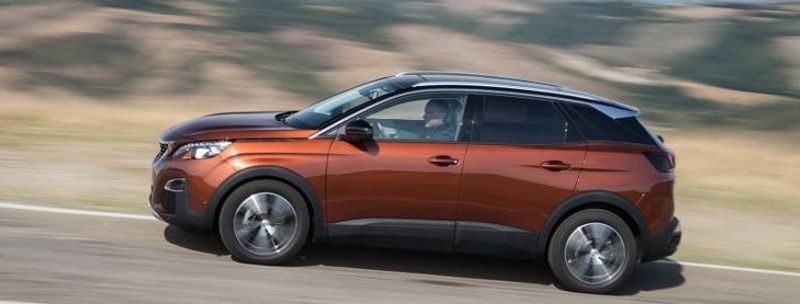
The newcomer certainly looks the part. Replete with design elements that reference those of the Range Rover Evoque and the new Volkswagen Tiguan, the 3008 appears elegant and classy in the metal. The new Peugeot 3008 has some interesting touches in the form of smart daytime running lights, pulsing LED indicators and rear lights that look suspiciously like those of the Ford Mustang. The metallic copper paint finish looks particularly striking.
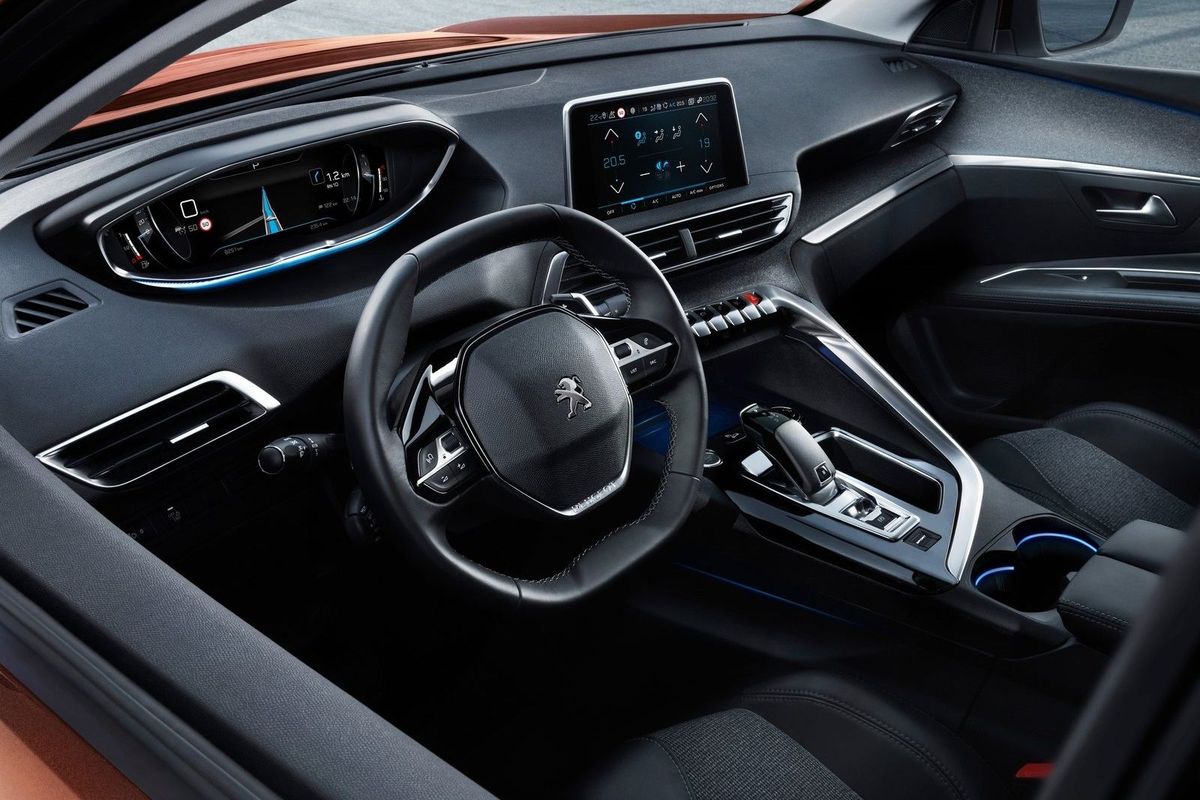
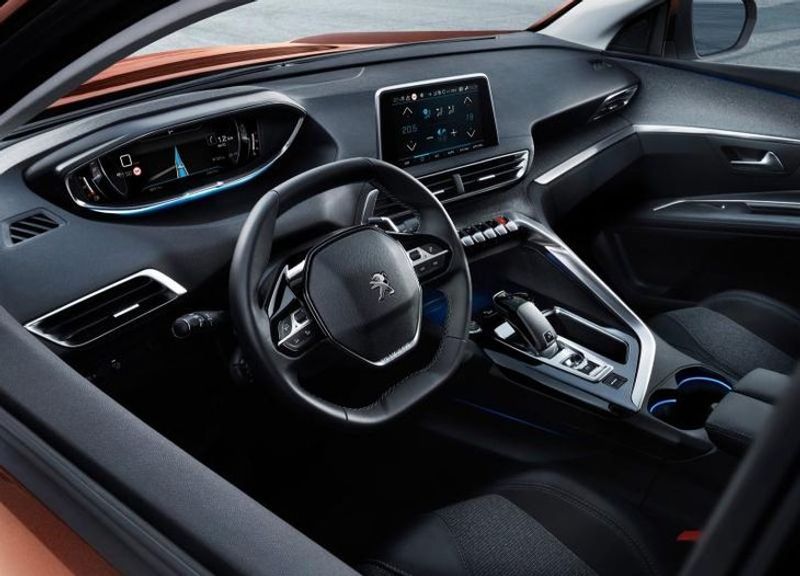
But the real ace up the new 3008's sleeve is its fashion-forward and smartly-rendered interior. There have been (and always will be) naysayers who claim that French carmakers will never be able to match the build quality of the German brands, however our initial impression is that Peugeot pulled it off with the 3008. The newcomer's interior combines a decidedly premium feel with exquisite French style. Watch the digital instrument cluster in action below.
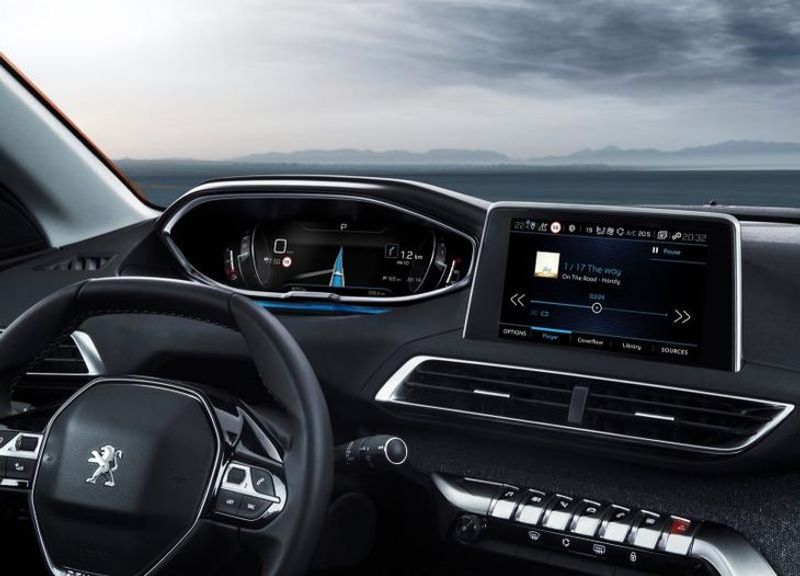
When you enter the cabin for the first time, you’ll notice two displays. One is located in the standard (middle-of-the-dashboard) position, while the other is positioned behind the steering wheel (analogue instrument dials have no place on the 3008, irrespective of derivative or spec).
Both feature high-quality resolution displays and the infotainment system is touchscreen-based. It’s evident that there was a clear focus on user experience and clarity, the system is intuitive and easy to read. The graphics are excellent and the display is highly customisable. The materials used in the cabin are the real surprise, though; there are liberal amounts of well-thought-out soft-touch plastics, splashes of metal and some of the launch vehicles featured matte-finish wood.
The cabin is wonderfully intricate, with flair and technology in abundance. Not bad for a Peugeot eh?
Engine line-up
At the launch there were 3 engines to sample. The 1.2-litre 3-cylinder turbopetrol is a motor we’re familiar with, but we’re unlikely to see a similarly engined 3008 in our market. The engines which are confirmed are a 1.6-litre 4-cylinder turbopetrol and a 2.0-litre 4-cylinder HDi turbodiesel. We won’t be getting the ultra-green Euro6 BlueHDi motor as our diesel quality is not up to par, but we’ll happily settle for a fractionally older Euro5 diesel instead.
The turbopetrol engine produces a healthy 121 kW and 240 Nm of torque, with power reaching the front wheels through a 6-speed automatic transmission. Peugeot claims the derivative will accelerate from 0 to 100 kph in around 9.0 seconds. The turbodiesel motor comes to the party with a bit more firepower as it has peak outputs of 133 kW and 400 Nm.
Our SA-spec turbodiesel derivative will have a little less power, but we’ll wait for the local launch for confirmation. It too is front-wheel driven and has a 6-speed manual 'box. Both petrol and diesel auto's feature shift paddles for manual overrides.
The driving experience
Our launch route included stints on freeways, around towns and tight twisty mountain roads, which continental Europe is particularly famous for. The 3008's ride quality blends composure and softness – which is a boon on uneven cracked sections of tarmac. In fact, on-road refinement is exceptional and wind noise is minimal at highway speeds.
A comfortable driving position comes part and parcel with Peugeot's latest family car. The small-rimmed steering wheel does take some time to get used to, but you’ll appreciate how it makes the job of piloting of the 3008 much easier and the issue of the Pug's tiller obscuring the instrumentation, which was levelled at the 208, less so in the 308, has been addressed.
Despite the vehicle being an SUV, it felt okay to press on into a few corners; the 3008 doesn’t lean as badly as some of its rivals. While Peugeot is not making an all-wheel drive version of the 3008 right now, a hybrid model with an electrically-powered rear axle has been pencilled in. Nevertheless, the 220 mm ground clearance and Hill Assist Descent Control is enough to do some basic off-tar driving. We drove some gravel and rutted sandy sections and the car coped admirably.
Practicality and technology
Digital dashboard in the middle and digital instrument cluster work well together.
The new 3008 comfortably surpasses its predecessor in terms of space and versatility. The cabin is spacious and the front-seat passengers have acres of space. The rear space is acceptable, but taller folk may find knee room tight if they’re seated behind a tall driver.
The newcomer's dimensions (in comparison with the previous model) make for interesting reading and this line from the Peugeot marketing material is key: “It (the 3008) is 8 cm longer than the previous generation, this extra length can be found in the wheelbase – and thus in the passenger space – which at 2 675 mm, increases by 62 mm over the old 3008. This wheelbase is one of the longest on the market.”
The luggage capacity has grown too; Peugeot claims it is almost 90 litres bigger at 591 litres. Fold the rear seatback down and you gain access to a purported 1 670 litres worth of cargo-carrying capacity. The 2-level boot floor can be dropped down to increase space, and the tailgate is electrically operated.
The standard features list is comprehensive: we’ll see two trim levels (Allure and GT-Line) when the vehicles arrive in South Africa. There’s satellite navigation, Apple CarPlay/Android Auto connectivity, USB connectivity, a wireless charging pad, heated massaging seats, fragrance dispenser, high-quality audio system by Focal as well as a reverse-view camera with parking sensors. There is an excellent array of safety features too: including autonomous emergency braking, pedestrian braking at up to 50 kph, speed limit recognition, lane departure warning, radar-guided cruise control and plenty airbags.
We’ll have to wait for the South African launch to see how many of these features make it to our Peugeot 3008 units.
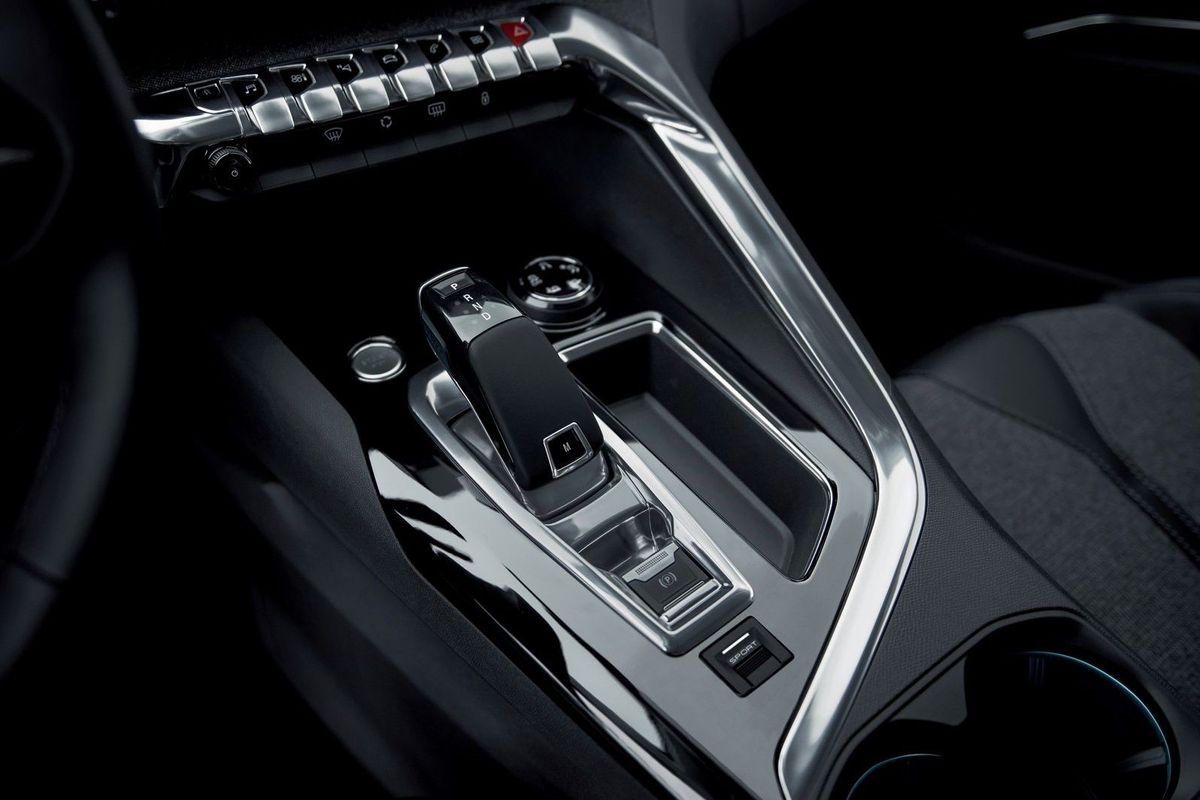
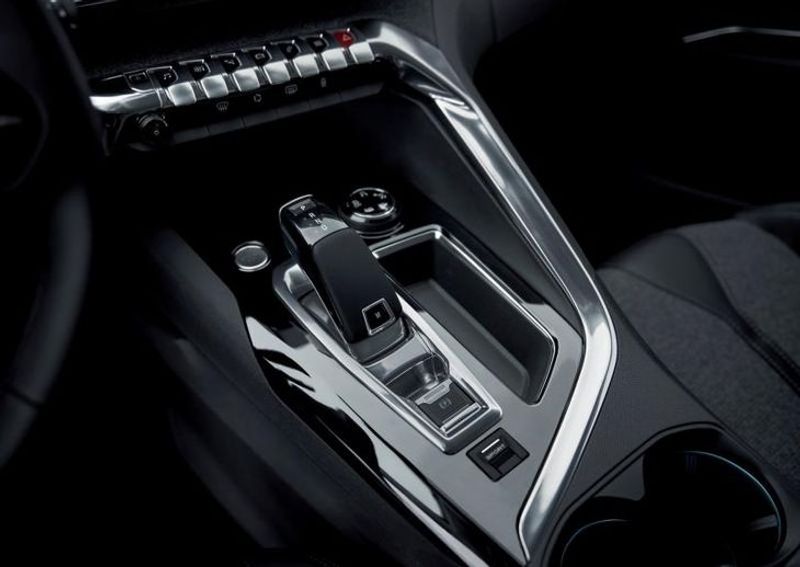
Beautifully crafted gear selector and aircraft style selection buttons add more pizzazz to an already modern and trendy cabin. Wireless mobile phone charging is a bonus.
Summary
The 3008 demonstrates that a compact SUV/crossover can be appreciably practical AND eminently stylish in equal measures. Historically, Peugeot favoured practicality in its family vehicles and it showed. The previous 3008 and 5008 were practical, but lacked ultimate desirability. This new model changes that. The French marque has produced a multifaceted product that offers virtually all the practicality you’d ever need, yet is stylish and modern enough to appeal to buyer's hearts.
Both engine/transmission combos facilitate fuss-free driving. The automatic makes the most of the engine’s low-down shove, but, on some of the tighter roads,we did feel that we needed to force a gearshift every now and then.
Ultimately the 3008's classy, futuristic packaging shows just how far Peugeot has come and how earnest its premium ambitions are. The newcomer is a truly commendable effort and the finest Peugeot on the road right now.
Both the 3008 and the smaller, updated 2008 will be launched to the South African market in the first quarter of 2017 and we expect nothing short of a brand relaunch from Peugeot South Africa. There’s very little to fault about the 3008, but product quality alone is not enough to sway the notoriously brand-biased public…
Dealership footprint, servicing costs and backup will be the key to the 3008’s success in our market, and Peugeot SA is well aware of what still needs to be done to keep the fickle customers happy. The brand has done tremendous work in righting the wrongs, and the 3008 could be the vehicle which turns their local fortunes around. Allez Francais! as they say.
The Mercedes-Benz X-Class production version is about to be revealed and here's how you can watch it. The unveiling of the road-going Mercedes-Benz X-Class will be streamed live this evening on YouTube and all you need to do is click the PLAY button below.
We are at the launch of the all-new Mercedes-Benz X-Class, the German luxury marque's first foray into the double-cab market. Mercedes-Benz has chosen Cape Town, South Africa, as its choice for the reveal, which is apt given our market's love for bakkies. Please note, this is a live post and we'll be updating as the night progresses.
18/07/2017
21:35
We've been running around chatting to people from Mercedes-Benz, getting photos and videoing the new X-Class. It's been fun. Here's a link to the full article, with plenty of photos and information about this new Mercedes-Benz. Thanks for reading and it's good night from the Cars South Africa team.
Chaos at the launch as everyone present wants to get up close and personal with the new Mercedes-Benz X-Class. Here are some photos of the vehicle.
19:45
And here it is… Meet the Mercedes-Benz X-Class!
19:30
The presentation is in full swing now and Mercedes-Benz has its Commercial Vehicle executives talking about how its new X-Class is expected to slot right into the segment. The brand is hoping to attract a broad variety of customers, such as commercial customers as well as the adventurous private user. "Labour and leisure" was the phrase being used. Some tech details: there'll be petrol and diesel engines as well as manual and automatic gearboxes. There'll be four-wheel drive derivatives as well. The range lineup will comprise X200, X220d, X250d and X350d. Power ranges from 122 kW and 238 Nm, to the mighty 190 kW and 550 Nm. There will be three trim levels: Pure, Progressive and Power, plus styling packages and accessories to personalise your Mercedes-Benz X-Class.
When is it coming? Well, Mercedes-Benz has said it will reach European markets in November 2017 and will have a starting price of 37 000 Euros.
19:20
There has been talk of the new Mercedes-Benz X-Class being able to match it with the best in bakkie segment. International first drives will be in October 2017.
19:00
It's almost time for the event to start, so we're walking into the presentation area. Here we go!
Well, we have seen the new Mercedes-Benz X-Class with our own eyes and from first impressions, it's not radically different from the Nissan Navara double-cab bakkie upon which it is based.
17:20
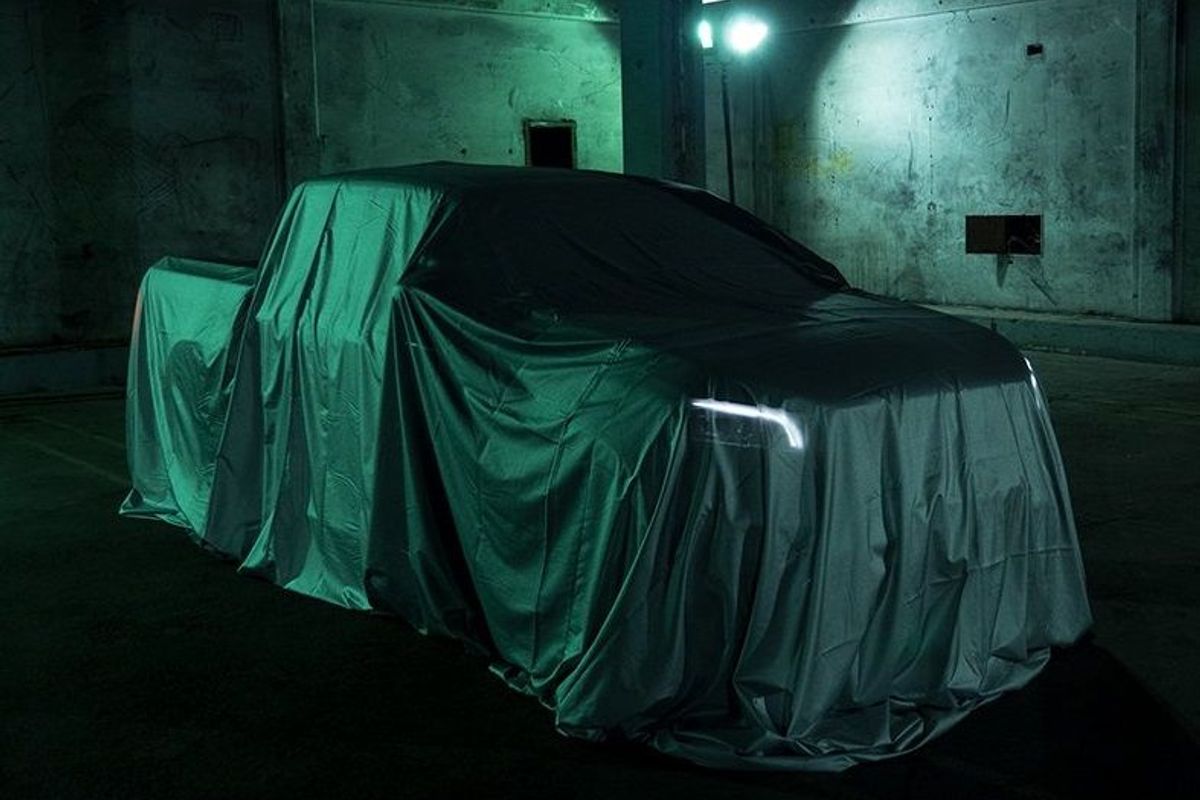
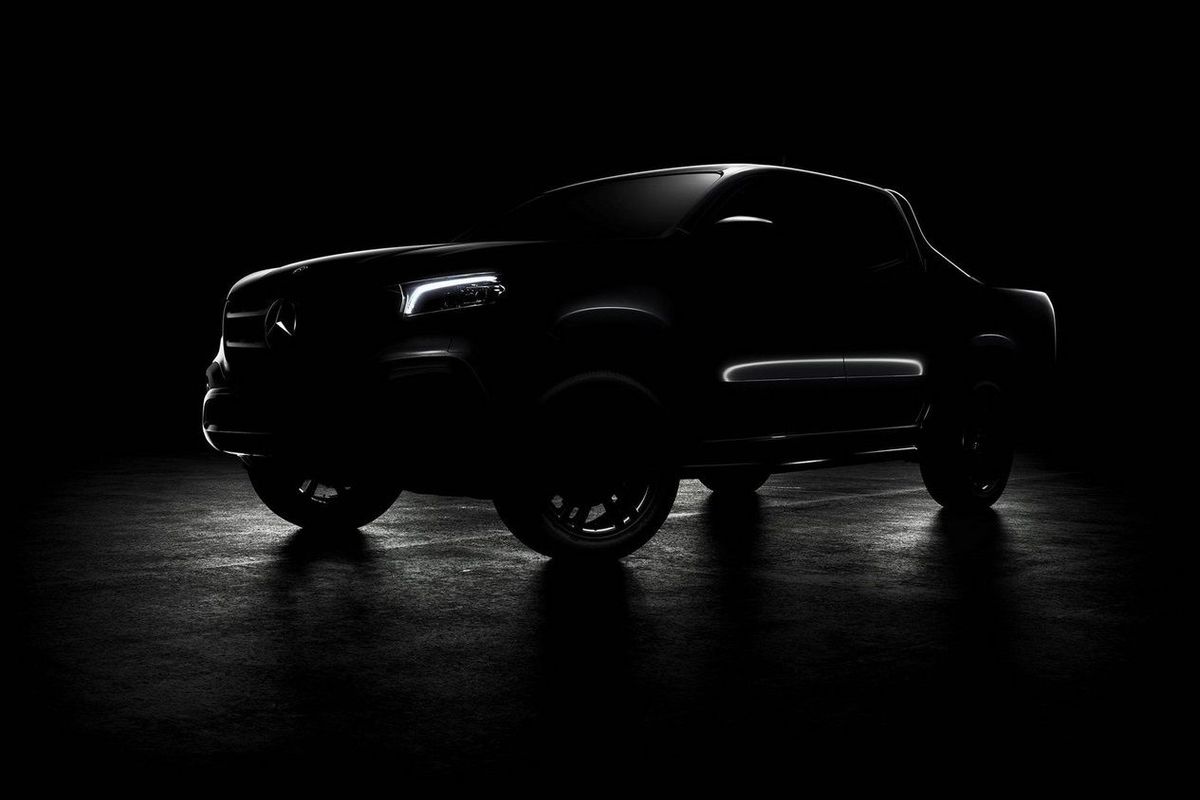
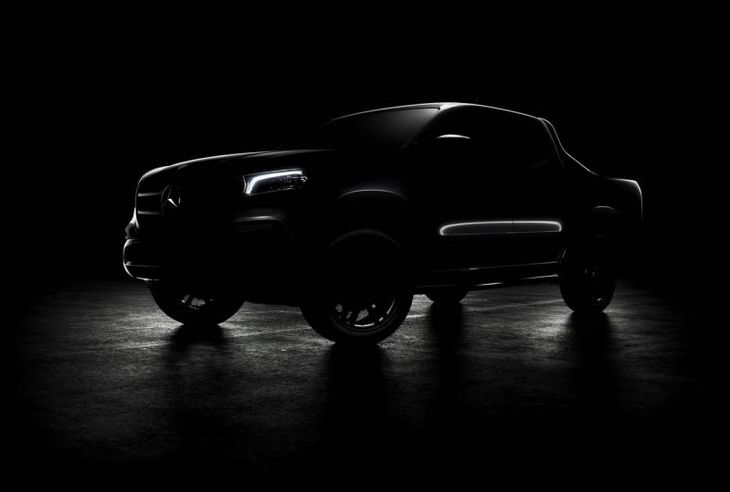
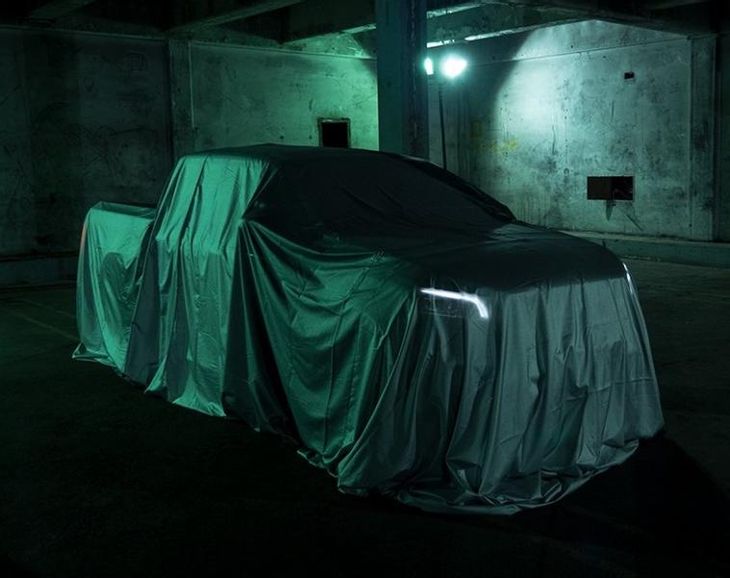
According to one of the crew, we're in a snazzy hipster bar. Security is exceptionally tight and our phone cameras have been taped over, to prevent early leaks. Just before we got here, Mercedes-Benz released two more teaser images, just to hype us over even more. Just under two hours to go…
17:00
We have checked into the venue and are ready to witness this important vehicle reveal. The last of the camera batteries are charging and our crew will be filming some videos. The hype around this Mercedes-Benz X-Class is insane and interest unparalleled. It is one of the few vehicles which the public are obsessed with, and if the reaction to the concept vehicles revealed in Sweden not so long ago is anything to go by, we're in for a big one.
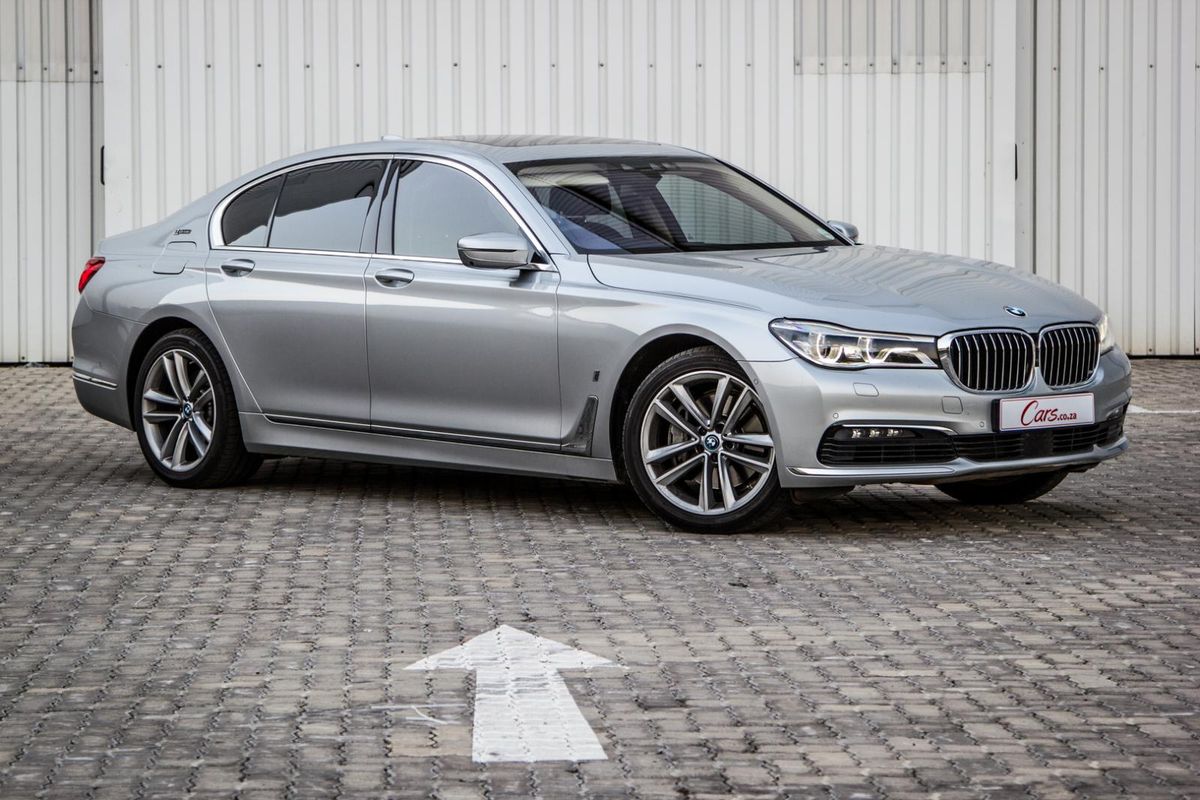
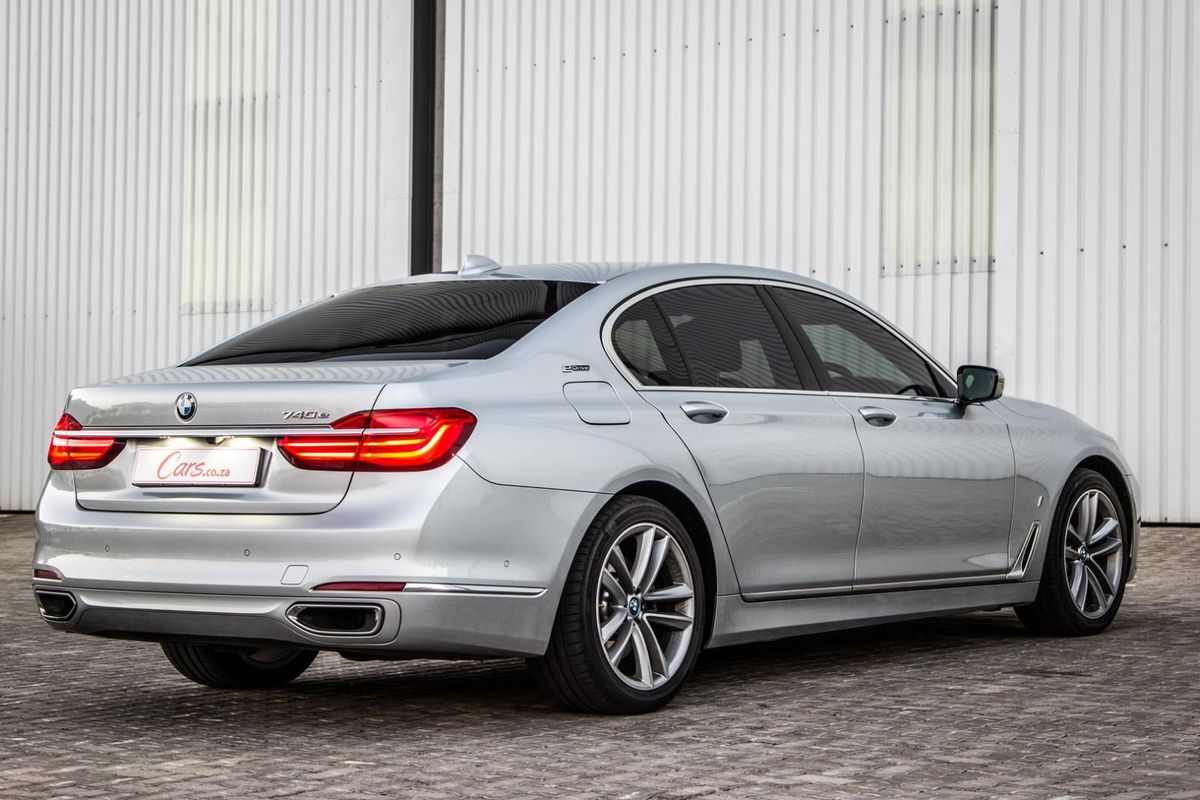
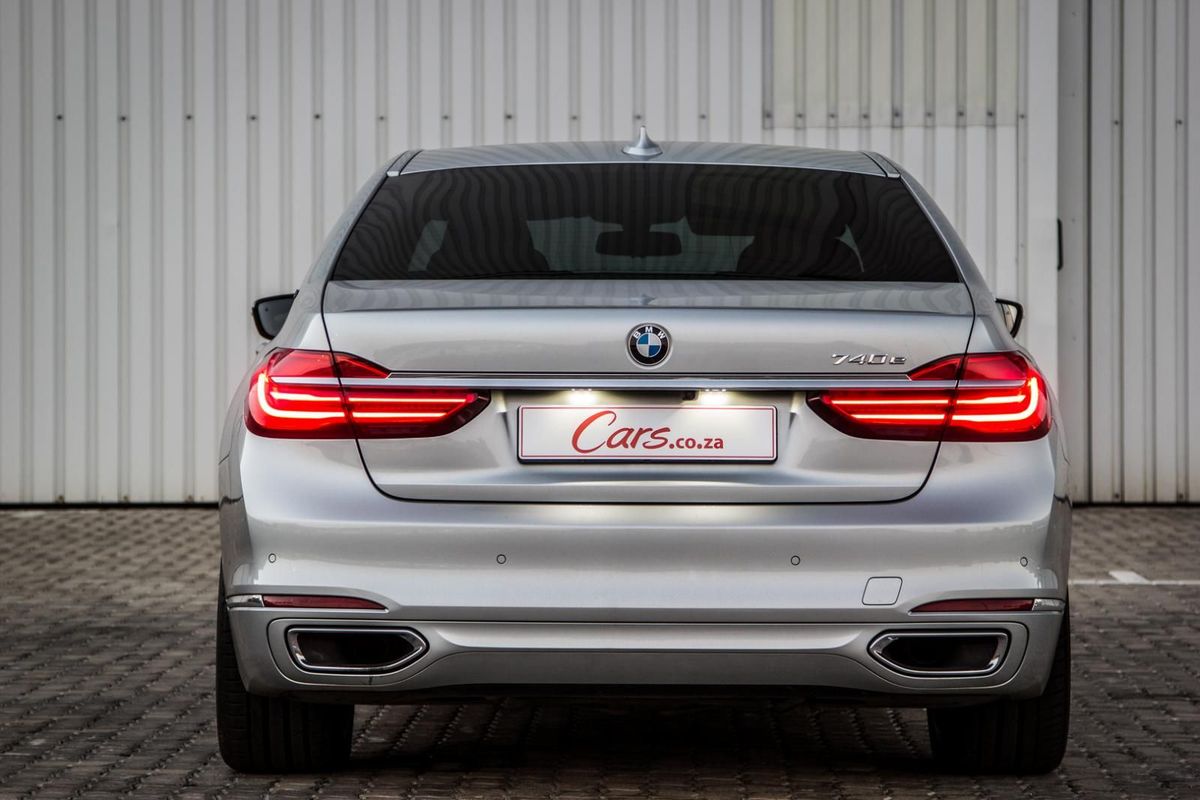
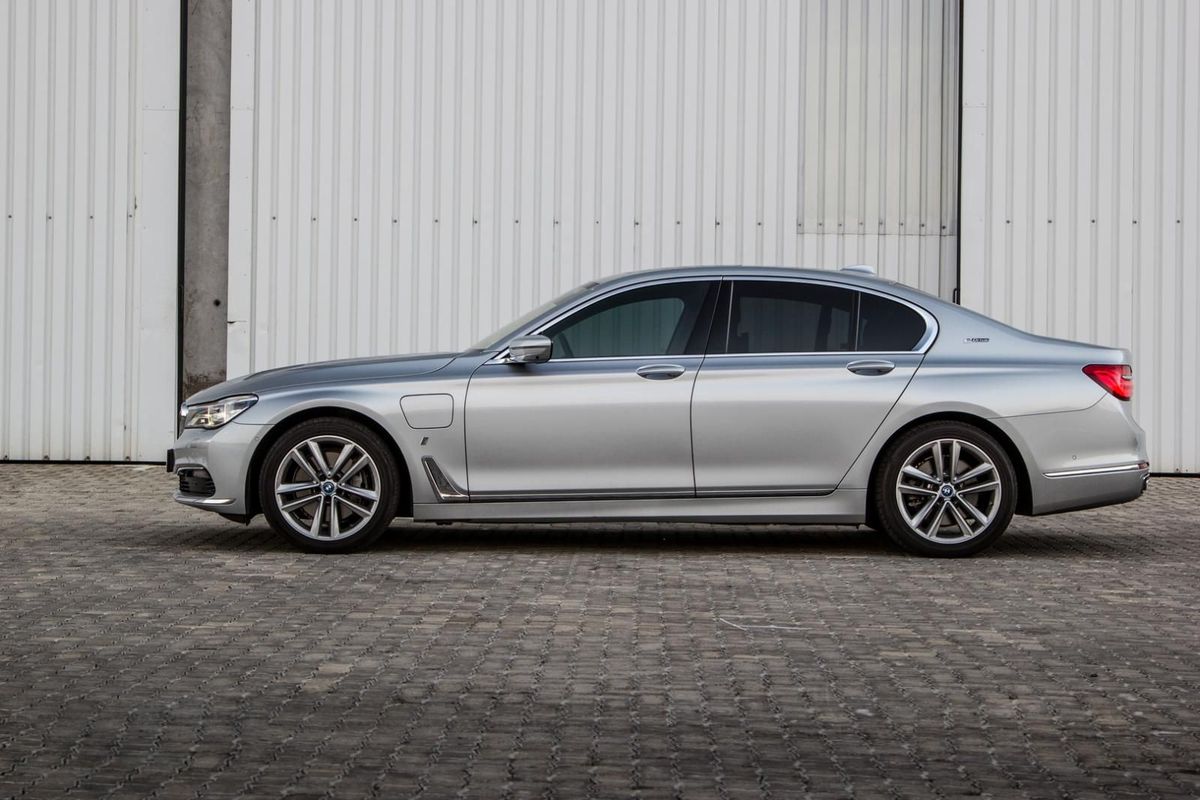
BMW, already at the forefront of the first-class-sedan technology battle, has rolled out an iPerformance plug-in hybrid derivative of its award-winning 7 Series. A futuristic drivetrain may be an obvious development for this luxury car, but does it make sense in the South African context?
We like: Superb refinement, surprising performance, ride/handling balance, comfort levels
We don’t like: Tight rear legroom, narrow optimal operating conditions
Alternatives:
A turbodiesel Seven: If your usage patterns are not a good fit for the plug-in hybrid option, then look no further than the BMW 730d. It is similarly priced, offers similar-enough performance (has more torque) and sips fuel on those long out-of-town journeys.
A hybrid S-Class: The updated Mercedes-Benz S-Class is around the corner, but until then the only plug-in hybrid offering is the S500e, which is significantly more expensive than the BMW. However, for somewhat less money you can have the S400h, a traditional hybrid (no plug-in recharge). The S-Class lags the 7 Series for tech, and the S400h can't match the 740e's performance. So why consider it? For less money you can have the long-wheelbase "L" version, which addresses the rear legroom issue.
Price: R1 496 500 (July 2017)
Engine: 2.0-litre, 4-cylinder turbopetrol + electric motor
Transmission: 8-speed automatic
Power: 240 kW (combined)
Torque: 500 Nm (combined)
Fuel consumption: 2.1 L/100 km (claimed)
0-100 kph: 5.4 seconds (claimed)
Top speed: 250 kph (claimed)
What's special about it?
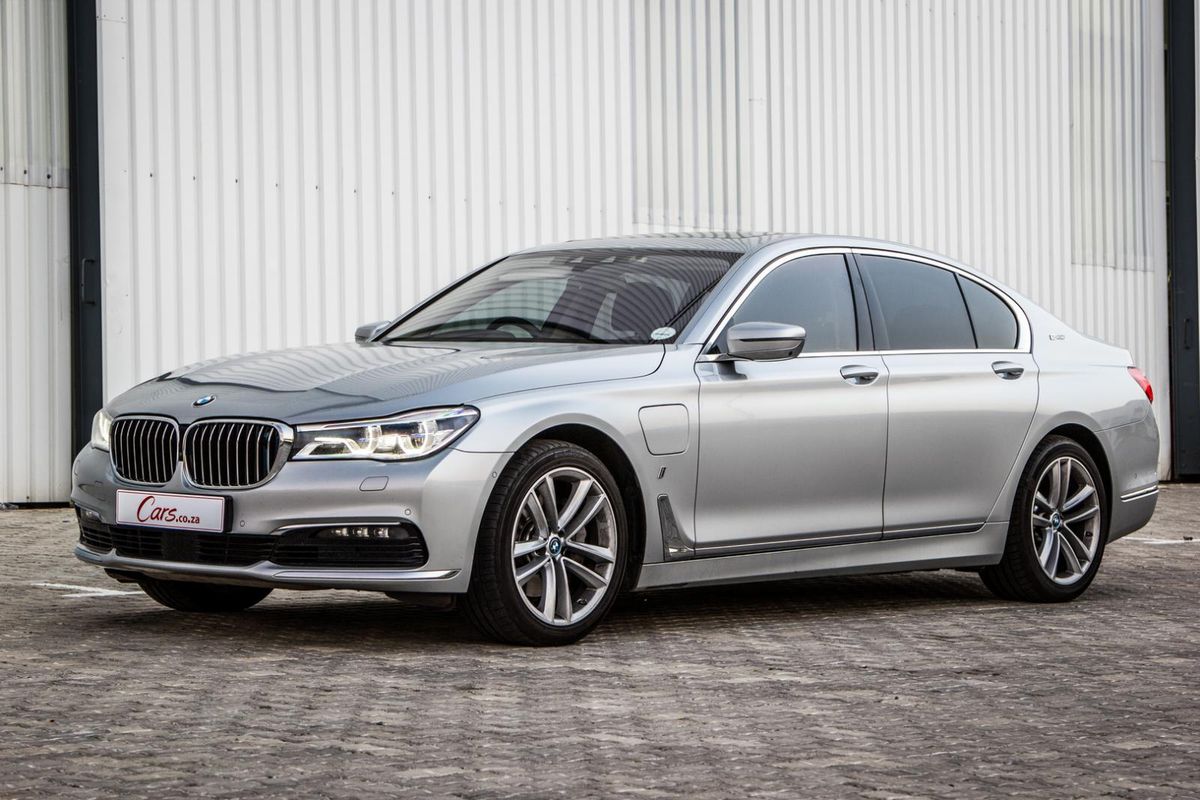
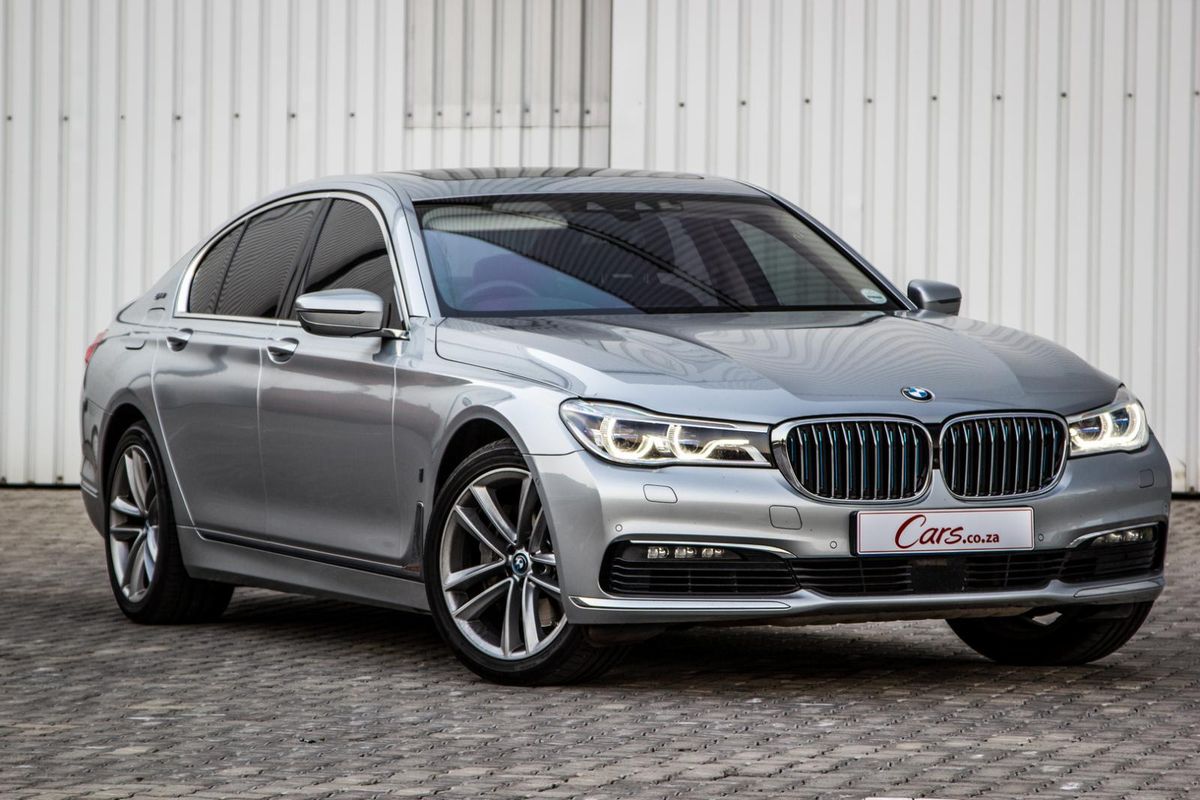
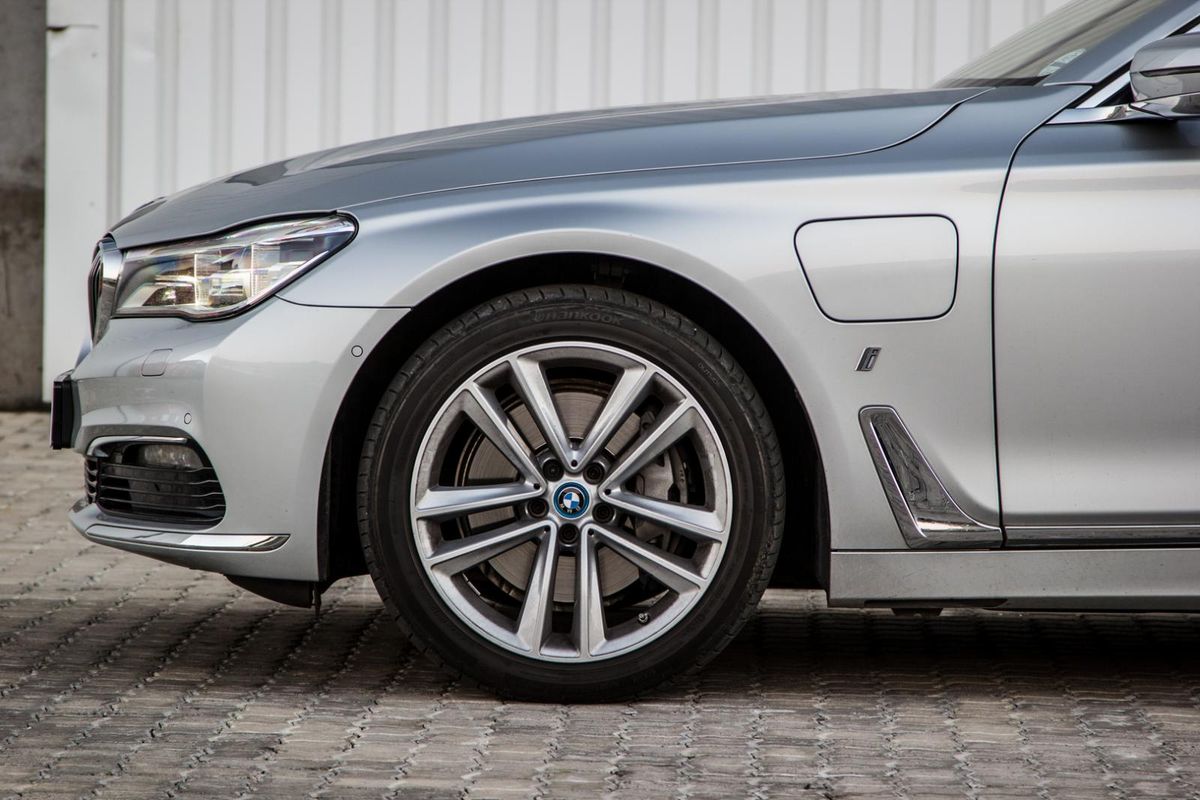
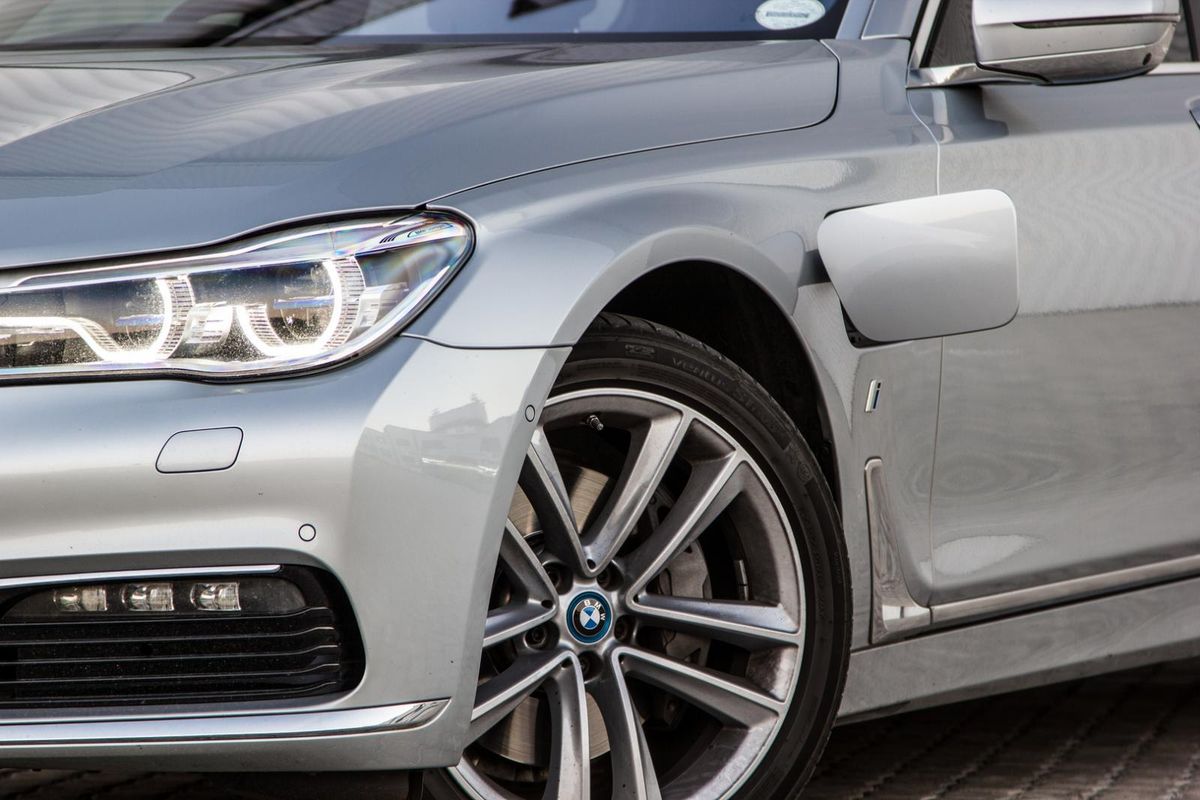
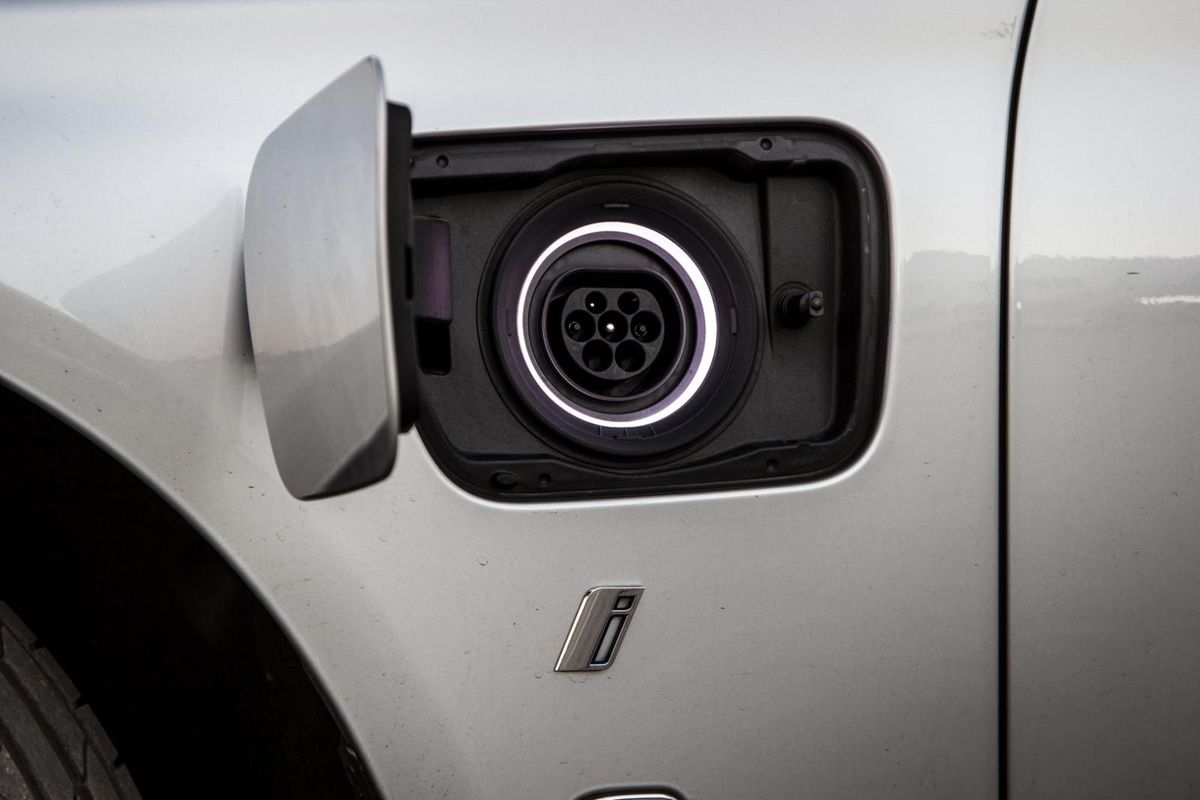
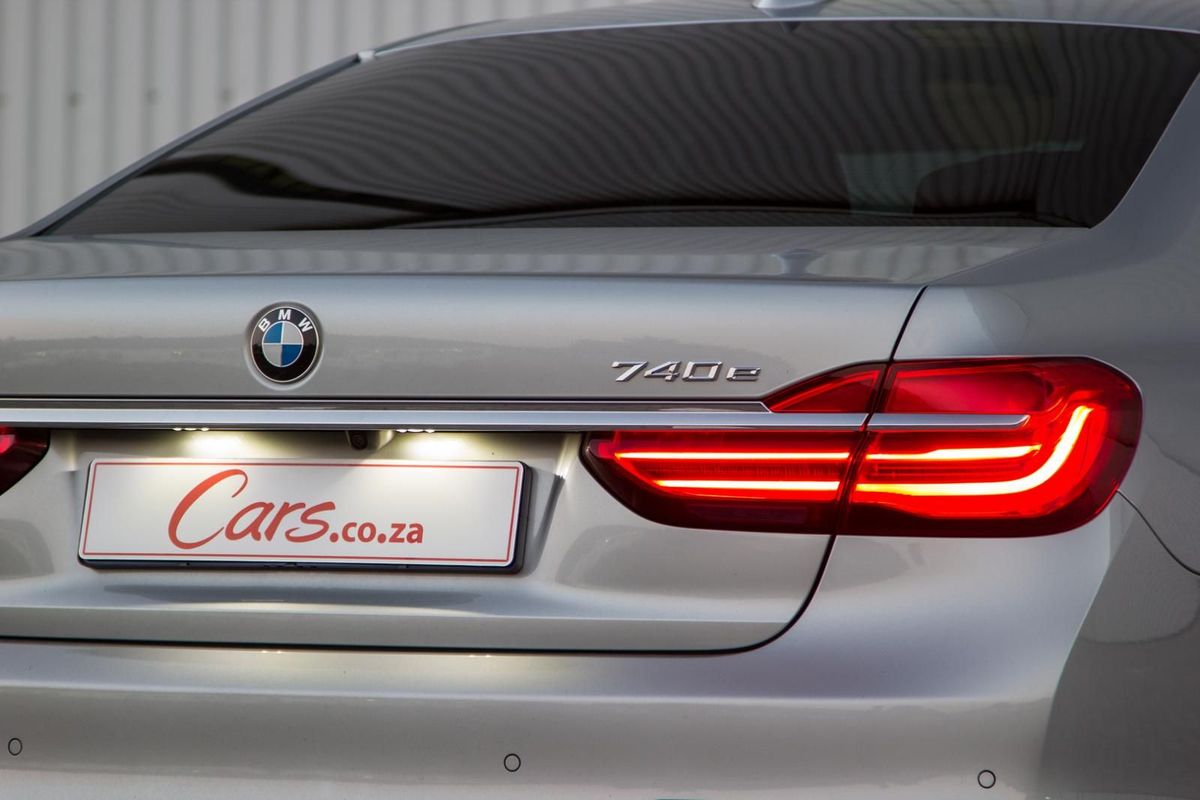
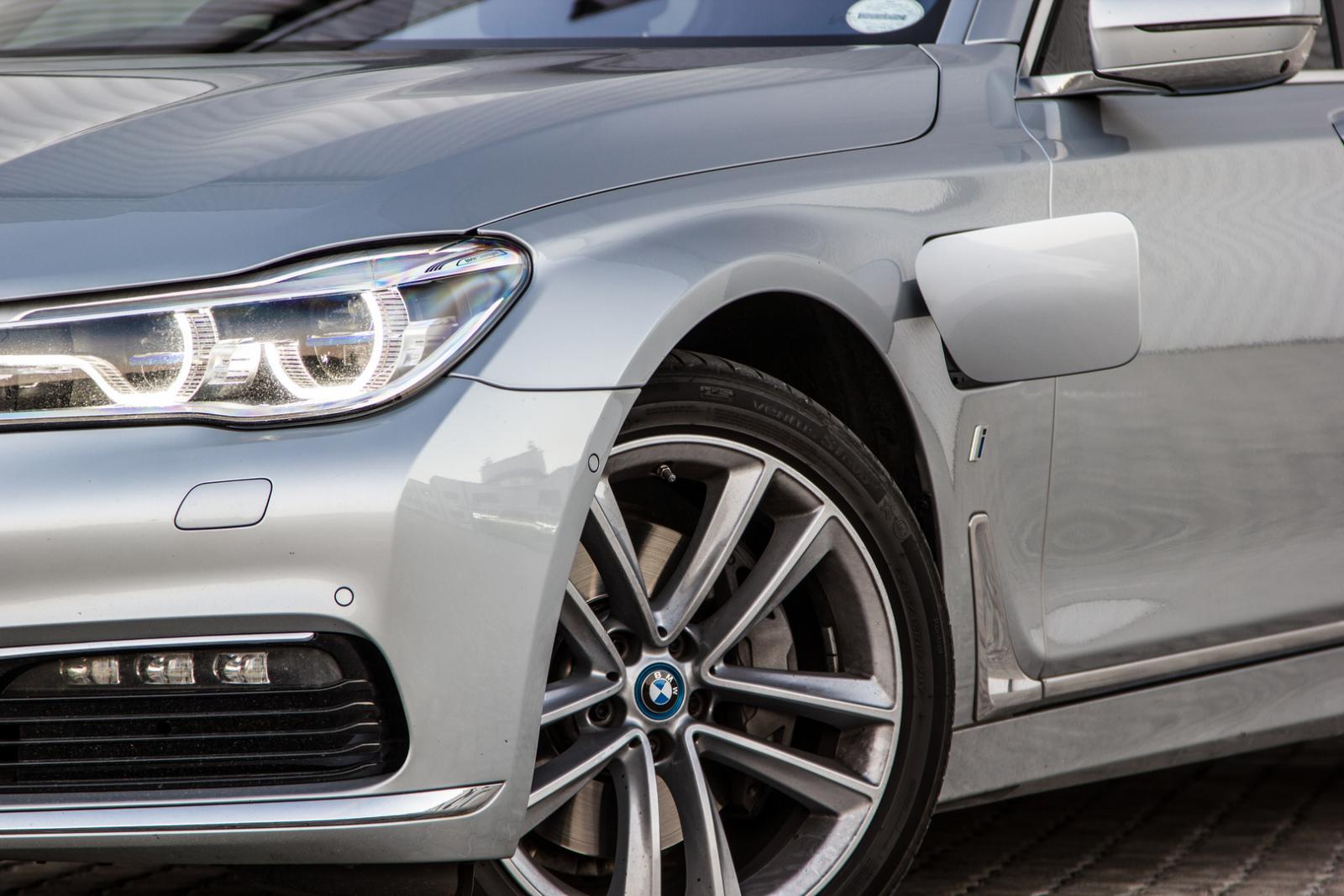
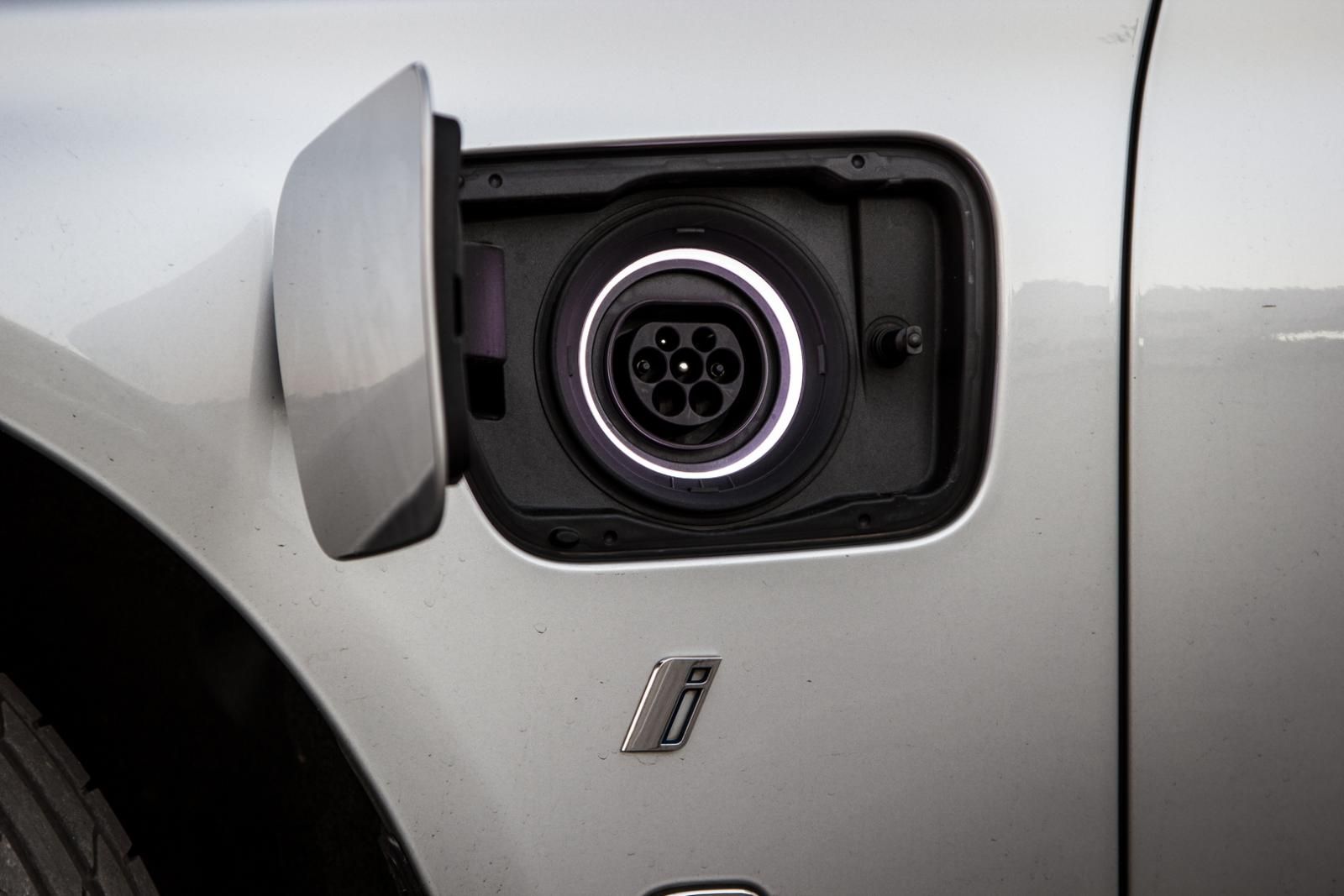
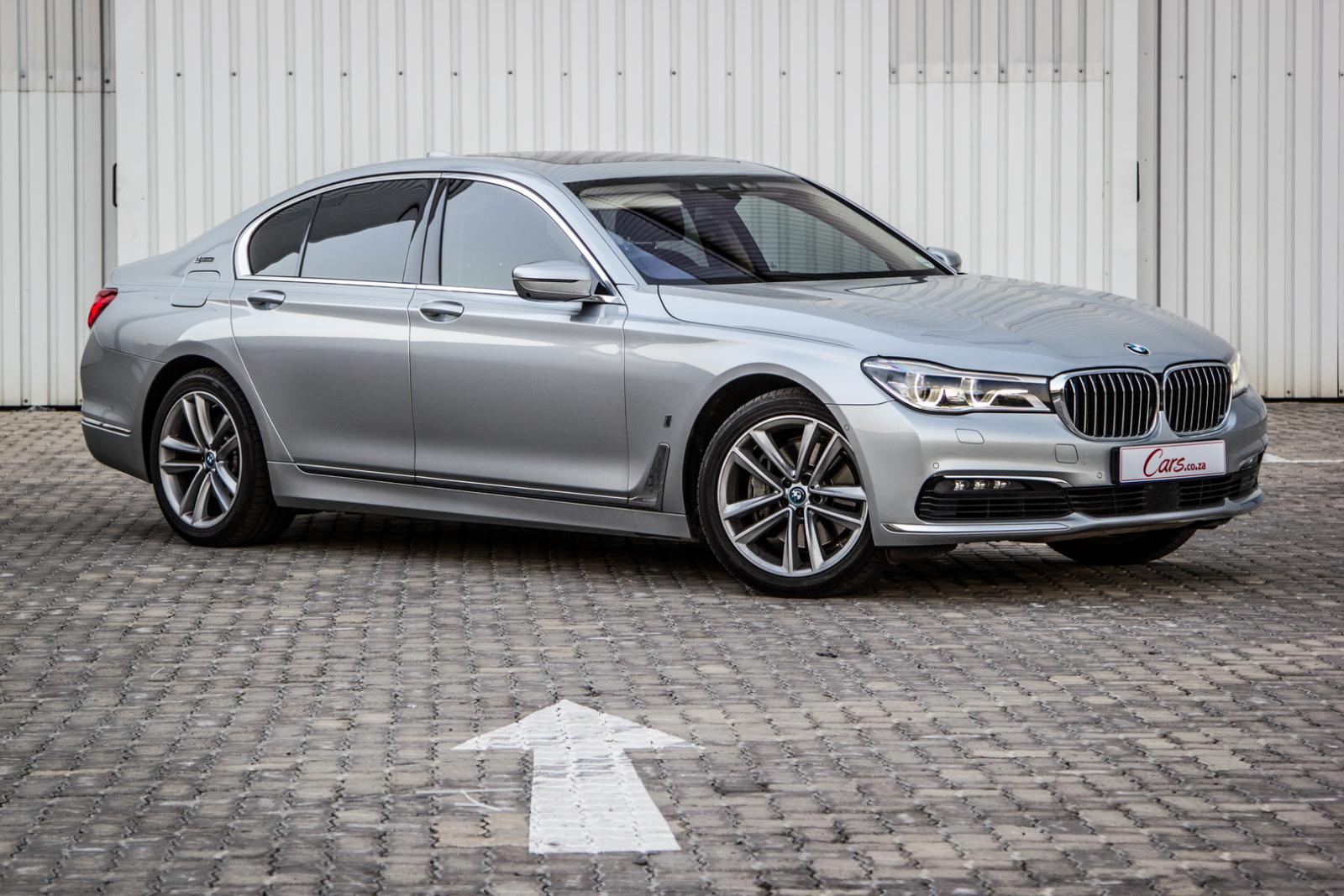
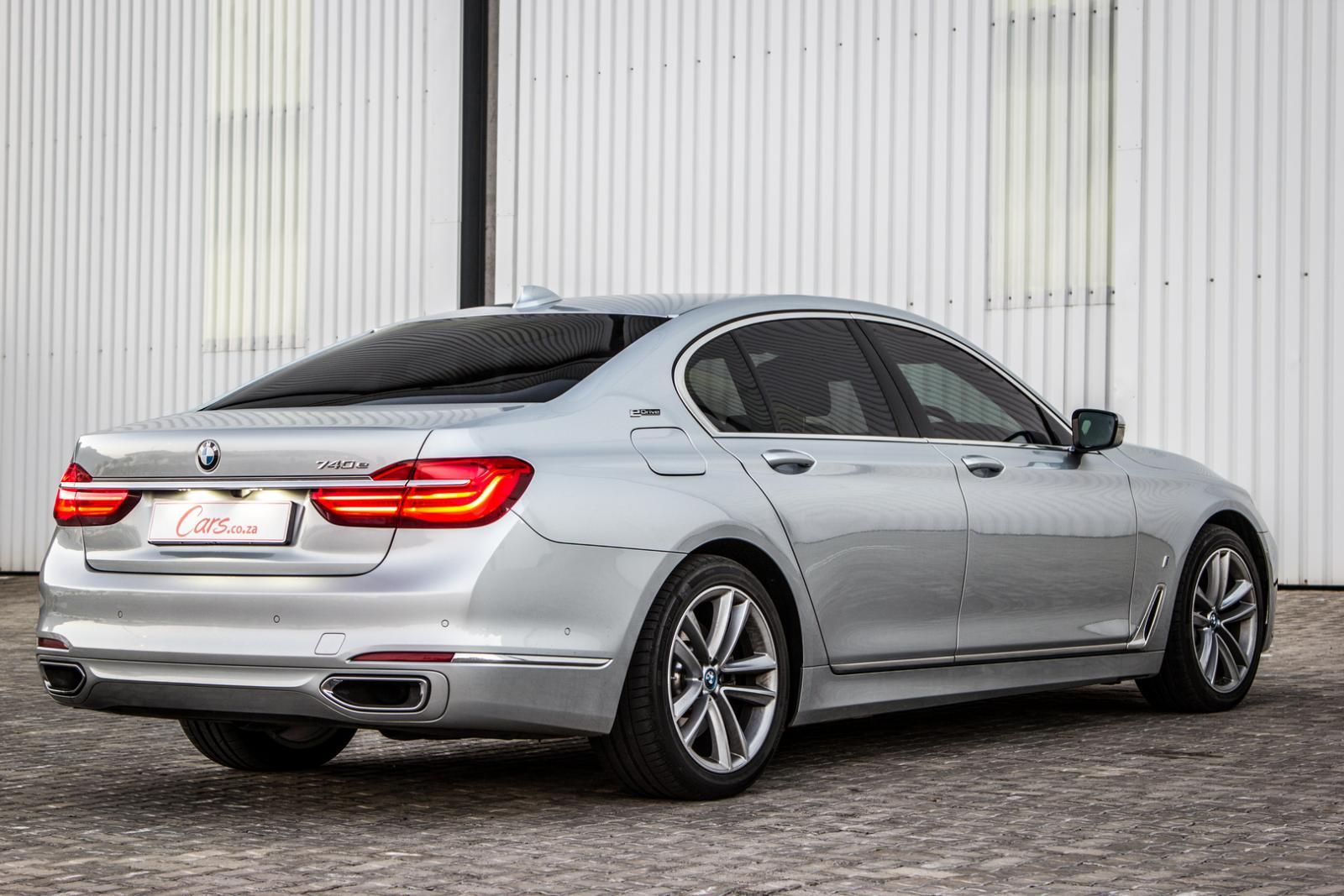
You'll have to look closely to identify a 740e, but the flap covering the charge point is the most obvious giveaway.
Of all the world's established brands, BMW is arguably at the forefront of incorporating advanced efficiency-optimised technologies into its "volume produced" vehicles. While BMW has invested research and development into aspects such as carbon-fibre body structures and EV-specific drivetrains in the past 10 years, the Bavarian marque has been quick to implement some of this tech on its more regular models. Enter the 740e, said to represent the "most rigorous implementation" of the company's Efficient Dynamics technologies. Essentially, it's a first class sedan with a Carbon Core, powered by the most powerful 4-cylinder engine ever fitted to a BMW, and borrowing many innovations from the company's i (EV) series cars.
The good
Surprisingly powerful
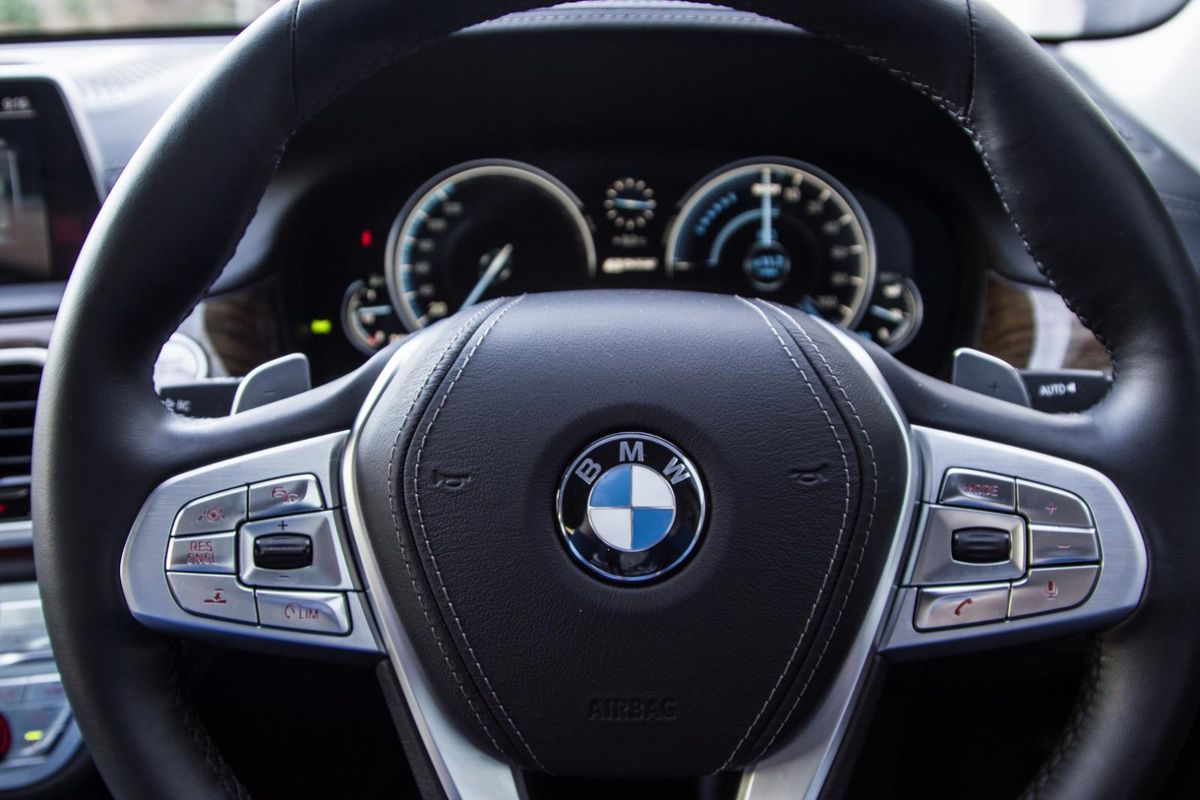
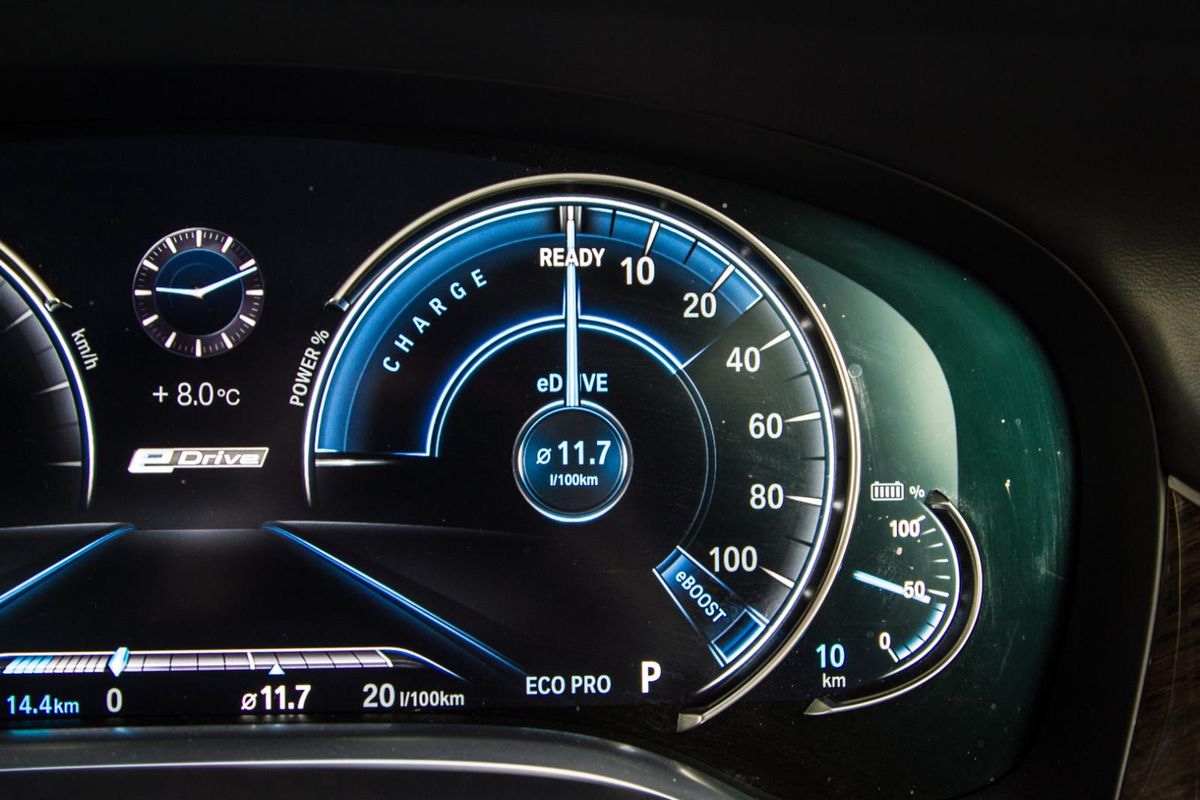
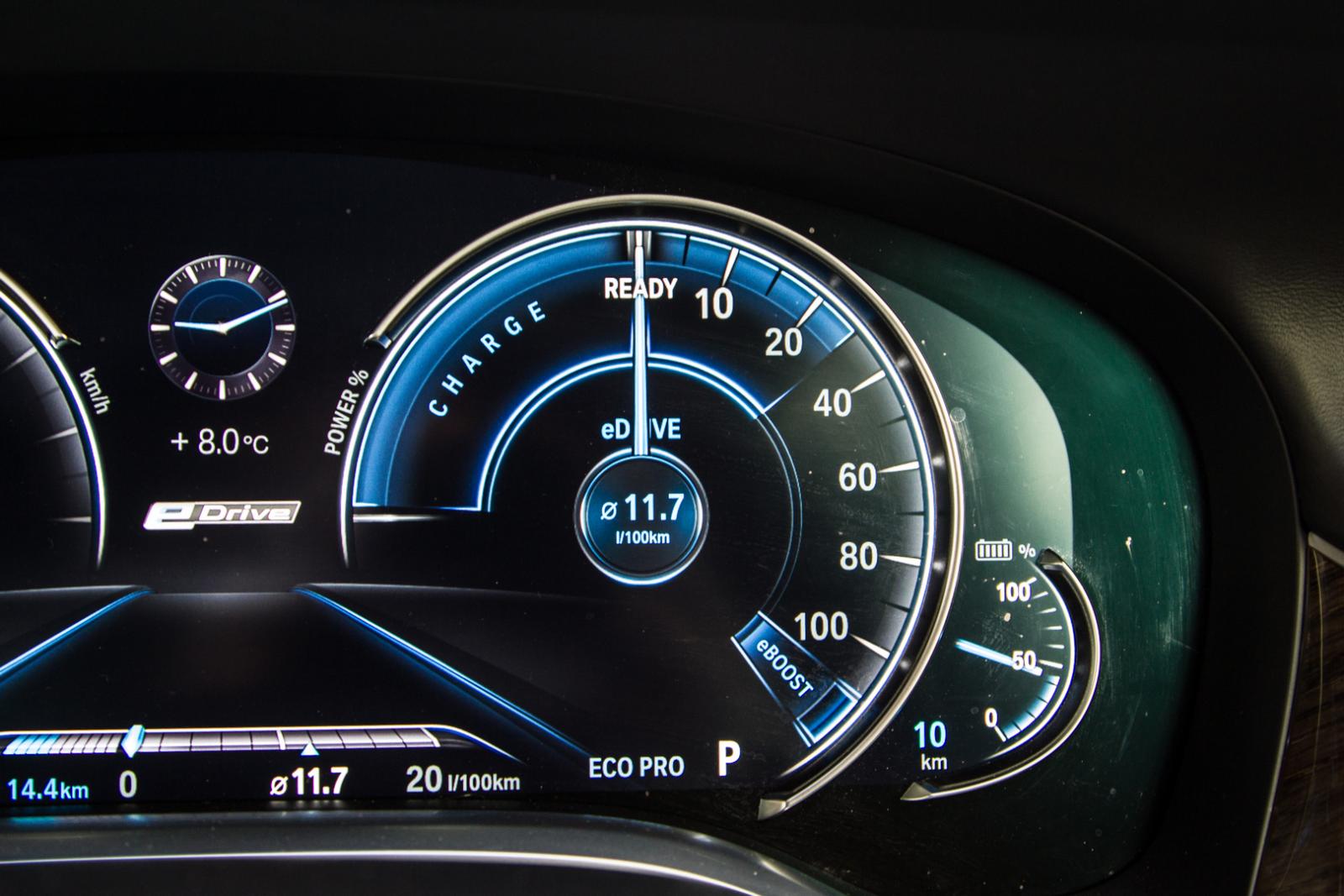
The digital instrumentation features several displays, but the important one here is the range remaining on charge (far right).
You may sniff at the thought of a 4-cylinder engine in a 7 Series, but then again this is no ordinary "four". It is claimed to be the most powerful 4-cylinder engine ever fitted to a BMW and this TwinPower unit develops a whopping 190 kW and 400 Nm of torque across a wide engine rev range, stretching from 1 550 rpm to 4 400. But even this hardly tells the full story…
The electric motor, which is integrated into the 8-speed automatic transmission and which can also assume the role of a generator (depending on the drive mode), is rated at a maximum output of 83 kW and, more importantly, its 250 Nm of torque is available from zero rpm… It therefore delivers a very effective "boost" function and plugs any turbo-lag hole there may have been at the bottom of the rev range most convincingly.
In electric-only mode the maximum speed is 140 kph.
Mash the throttle pedal into the caroet and the four-pot emits a surprisingly vocal roar, the tone of which left a number of testers confused. The thrust (0-100 kph in 5.4 seconds) further heightens the surprise factor and, in our office at least, led to a few more queries about whether it was not really a 6-cylinder that lived under the long bonnet…
Needless to say, then, that the 740e remains a convincingly sporty (to drive) limousine. As is the case in the 7 Series' turbopetrol- and diesel-powered derivatives, the driver can toggle between various modes of the Driving Experience Control system, allowing for the selection of dynamics-, comfort- or efficiency-optimised settings. The 8-speed transmission (with paddle shifters), remains a star attraction, delivering smooth, swift shifts. Overall, and despite the vocal roar of the engine when provoked, the 740e impresses with its refinement and quiet cabin.
Traditional talents remain
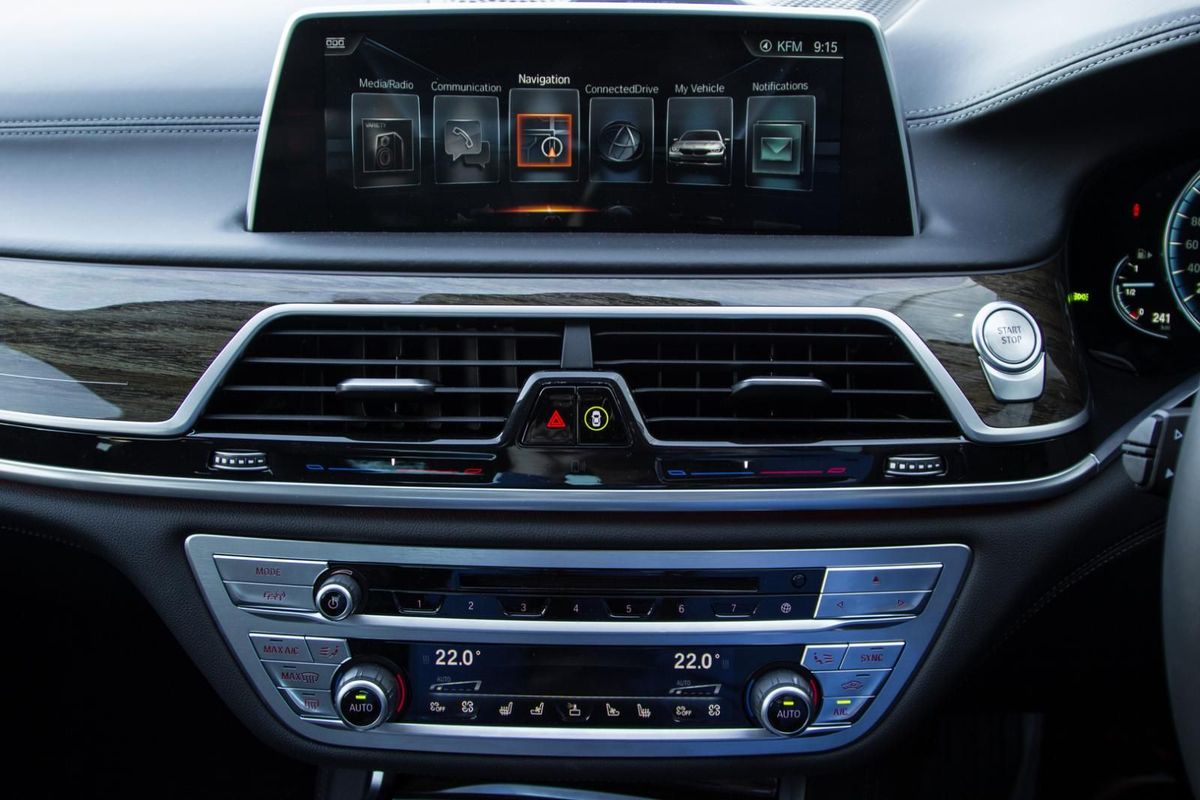
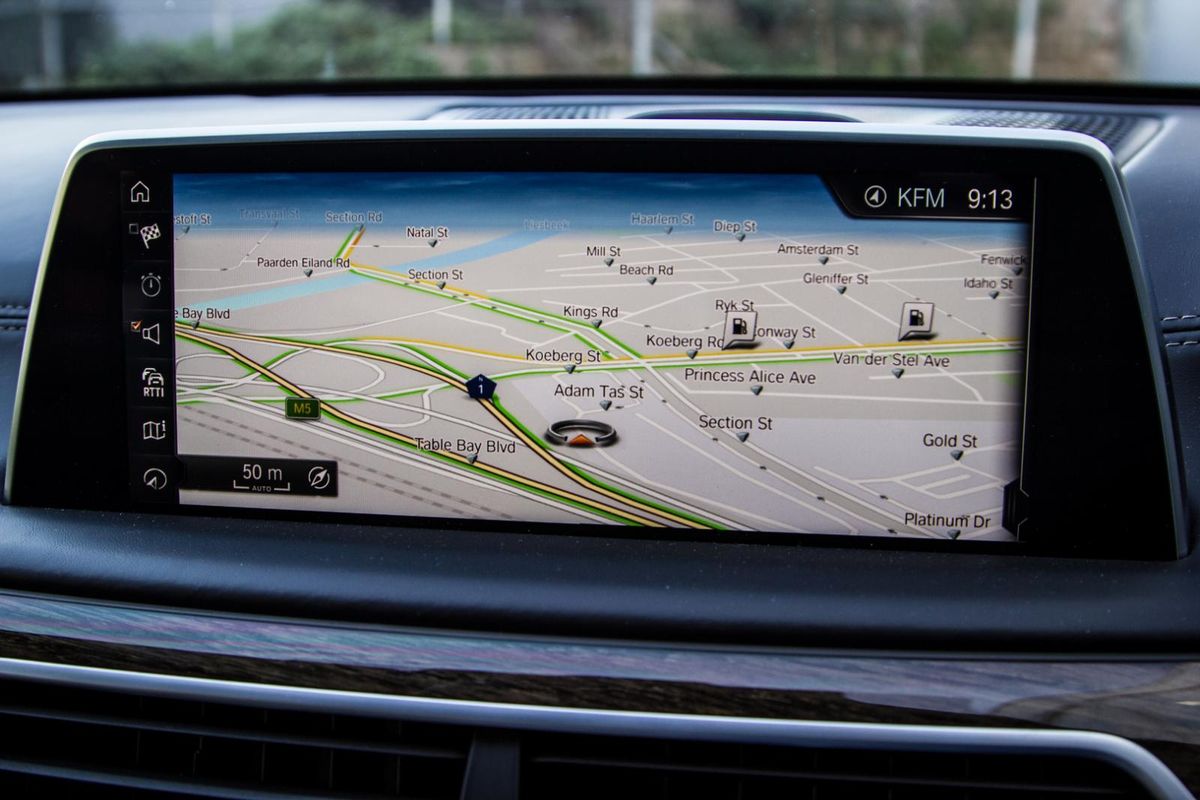
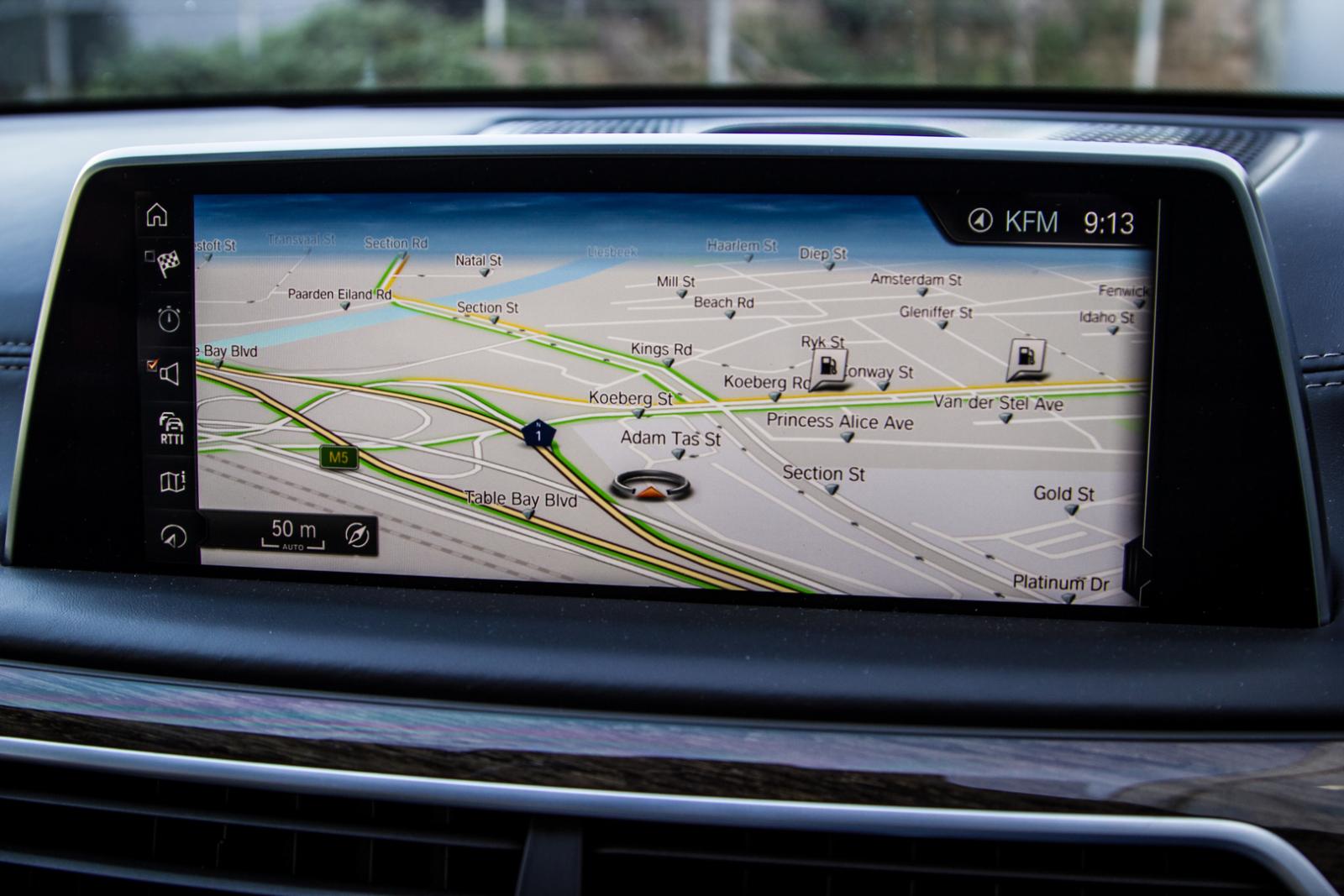
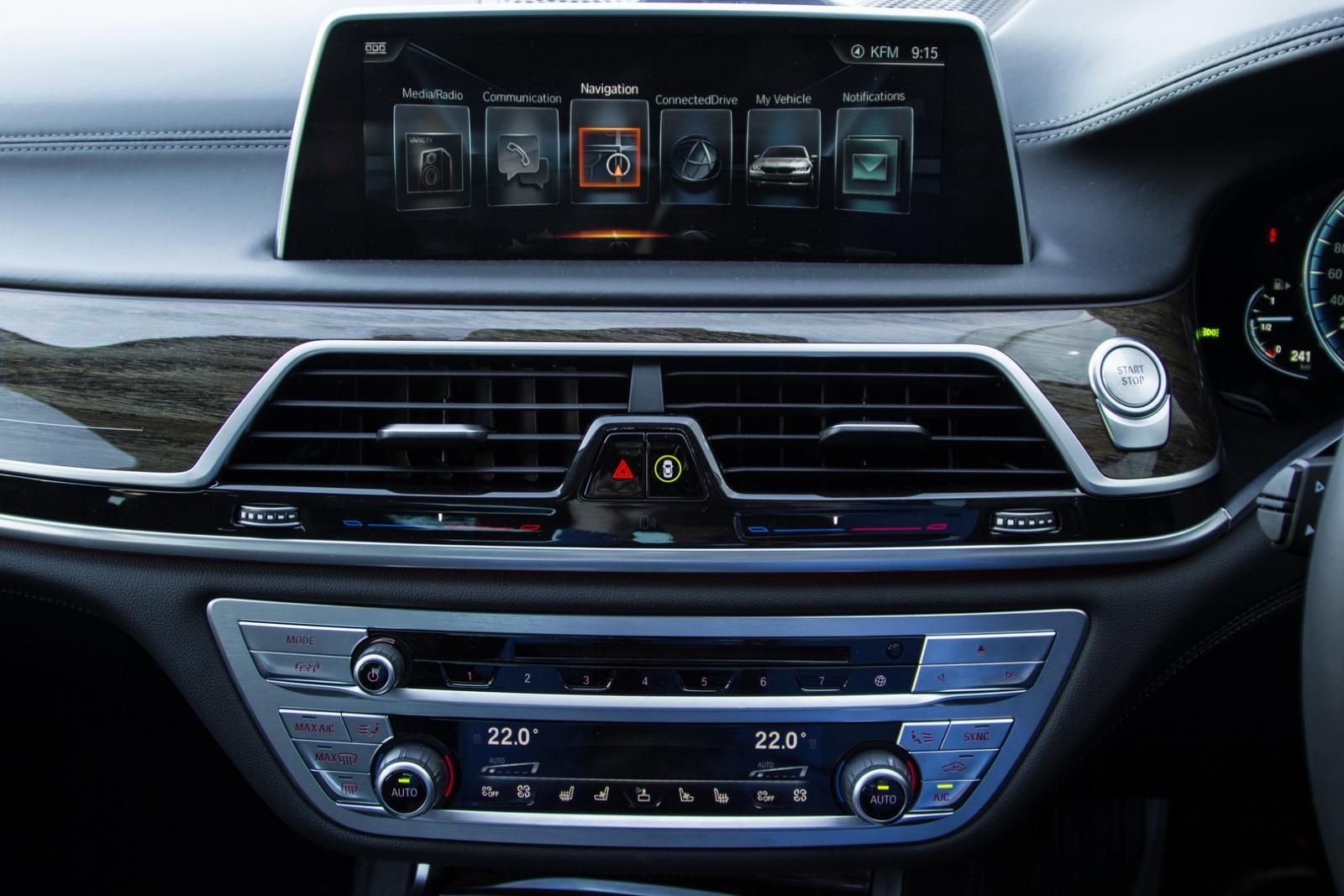
Navigation is standard on this model and is clever enough to choose the most efficient routes for you.
The BMW 750Li Design Pure Excellence is our current Consumer Awards – Powered by WesBank First Class category champion, and much of what made that vehicle so impressive during judging applies to this 740e (save for the lack of the extended wheelbase and rear seat legroom).
The current 7 Series marries traditional luxury with some of the most advanced features currently available in the market – the advanced Display Key and controversial Gesture Control functions are both included as standard, as are ConnectedDrive navigation, smartphone integration, inductive phone charging and LED headlights. We suspect that no 2 BMW 7 Series' will ever have exactly the same specification, given the length of the options lists and variety of trim packages on offer.
The control interface is neat, displays are crisp and the quality and authenticity of materials significantly improved from previous-gen 7.
Beyond its cabin opulence and advanced tech, it still represents a dynamic benchmark – while the ride is supple enough for its role as a First Class luxury limo', it also remains the car in this segment that you'd most like to hustle. In its sportier set-ups the body control is impressive given its size, the steering accurate (though somewhat one-dimensional in feel) and the "stoppers" more traditional in feel compared with other vehicles that offer regenerative braking tech.
Charging is uncomplicated
Using the standard charge cable the BMW 740e's batteries can be recharged in less than 4 hours from a domestic socket.
As standard the 740e comes with a cable for charging from a domestic wall socket. This cable lives in a bag in the boot, which at 420 litres is still of a very decent size. Using the standard cable the 740e can be recharged in under 4 hours. You can also get a BMW i Wallbox designed for higher currents, which will do the same job in less than 3 hours, or at a public charging station.
The (not-so) good
Limited real-world efficiency
As is the case with all these plug-in hybrids, prospective buyers need to make sure that their actual usage patterns will allow them to maximise the efficiency gains on offer from this 740e. Yes, you can travel for between 44 and 48 km on a full battery charge (according to BMW), and yes, you can travel at up to 140 kph on electricity alone, according to BMW, but those quoted capabilities represent extreme ability reference points.
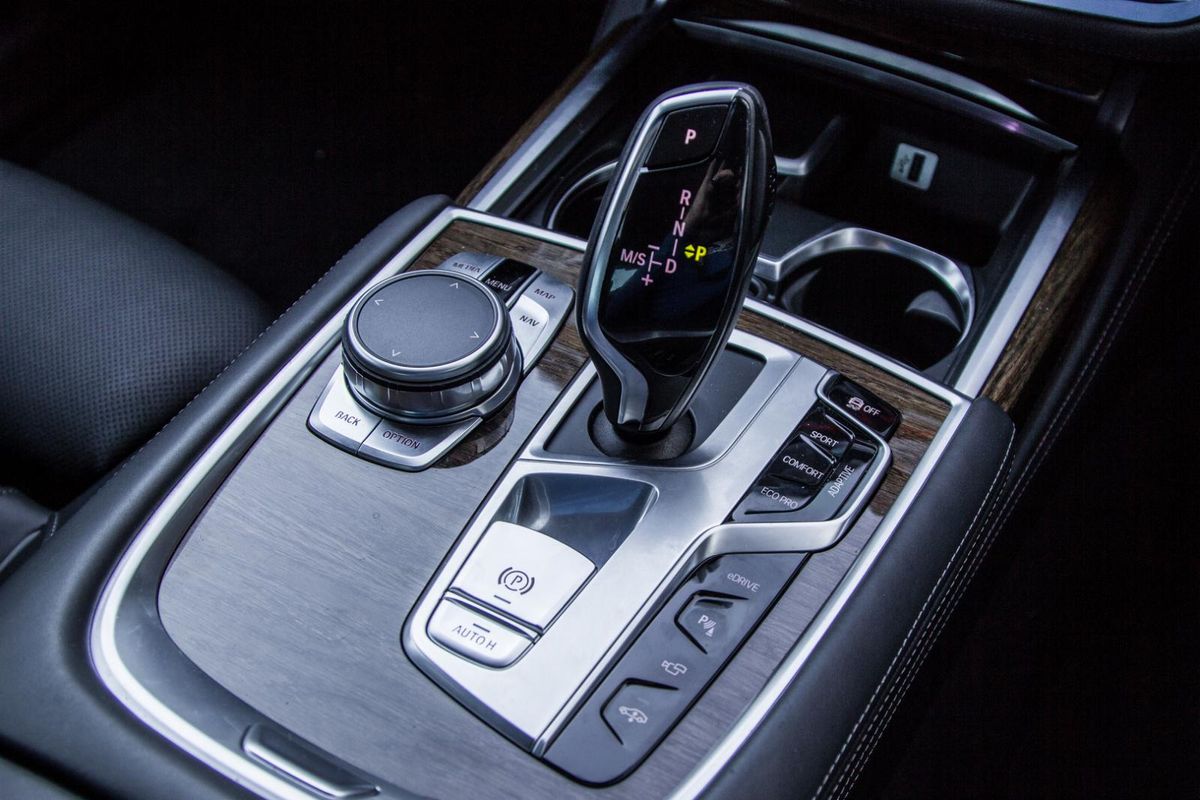
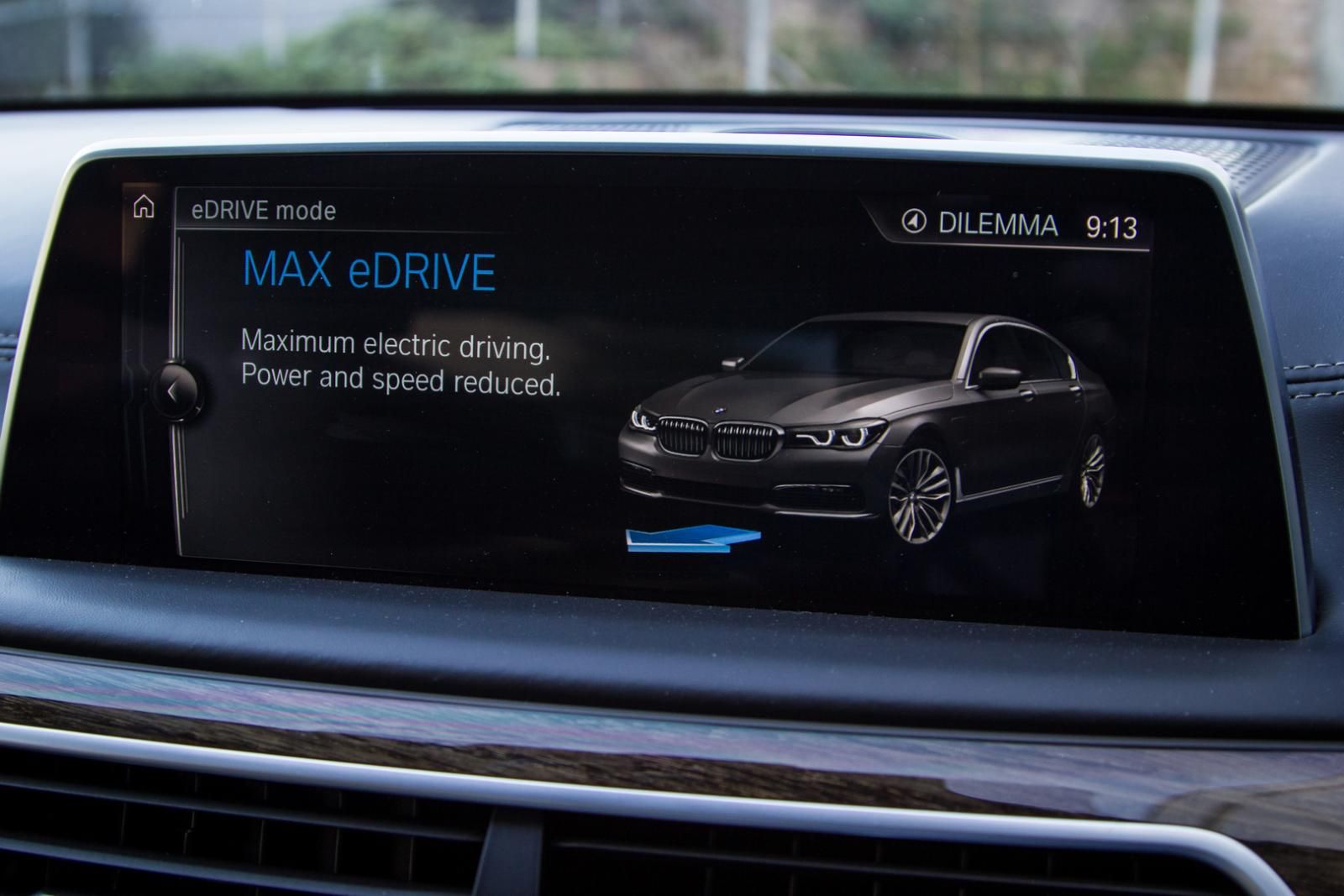
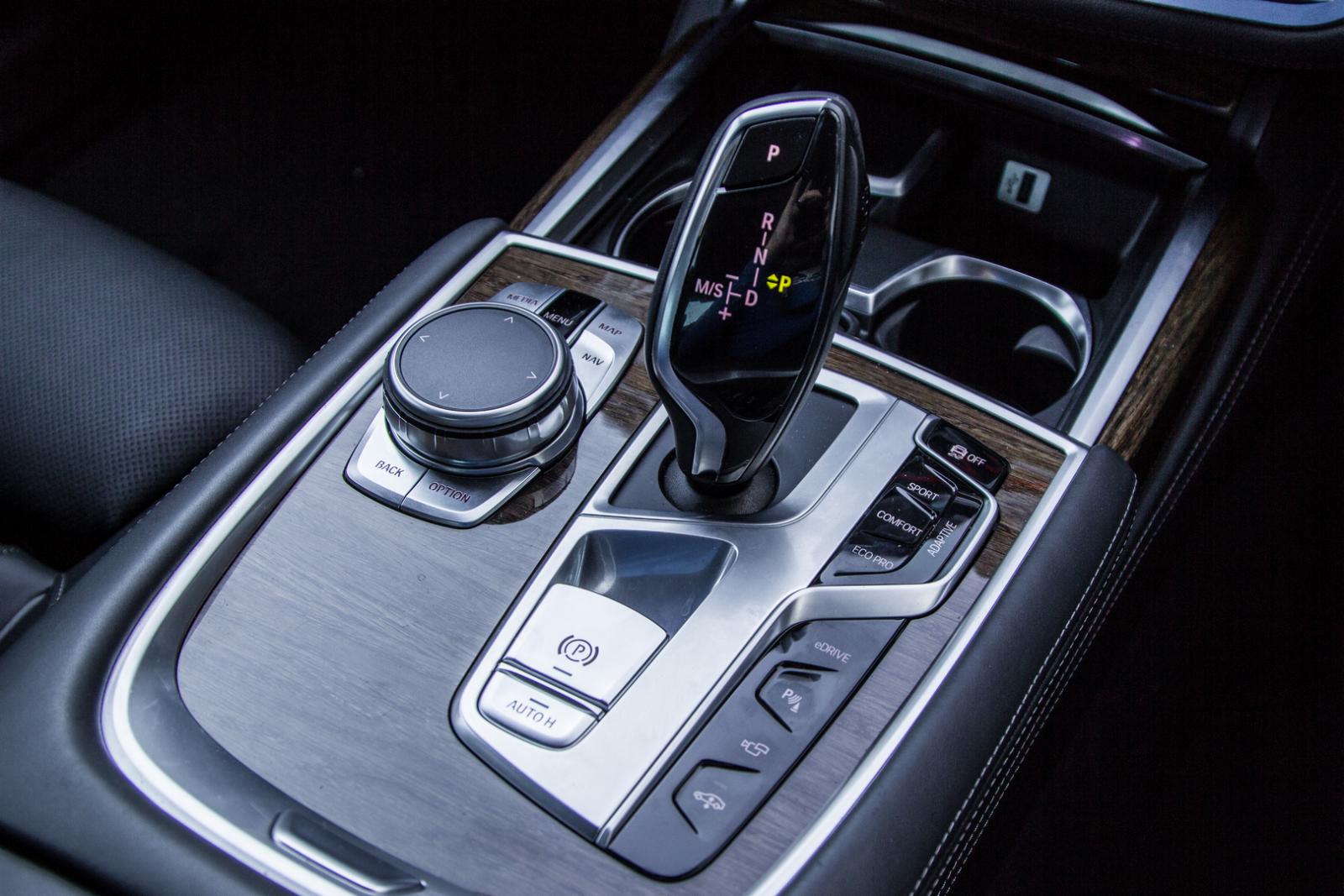
The Driving Experience Control switches, as well as the eDrive button, allows the driver to set up the 740e's drive characteristics.
In reality, the 740e is best suited to execs travelling to and from the office daily, for shorter distances than the maximum charge range, or even better, if they have a recharge facility at the office. The quoted combined cycle consumption figure of 2.1 L/100 km is largely academic. Once you've run out of range, expect fuel consumption of around 9.0 L/100 km, which is higher than, for example, what would be achievable in a 730d. So, in short, the technology is impressive, but the maximum benefit would only be achieved by very few potential customers.
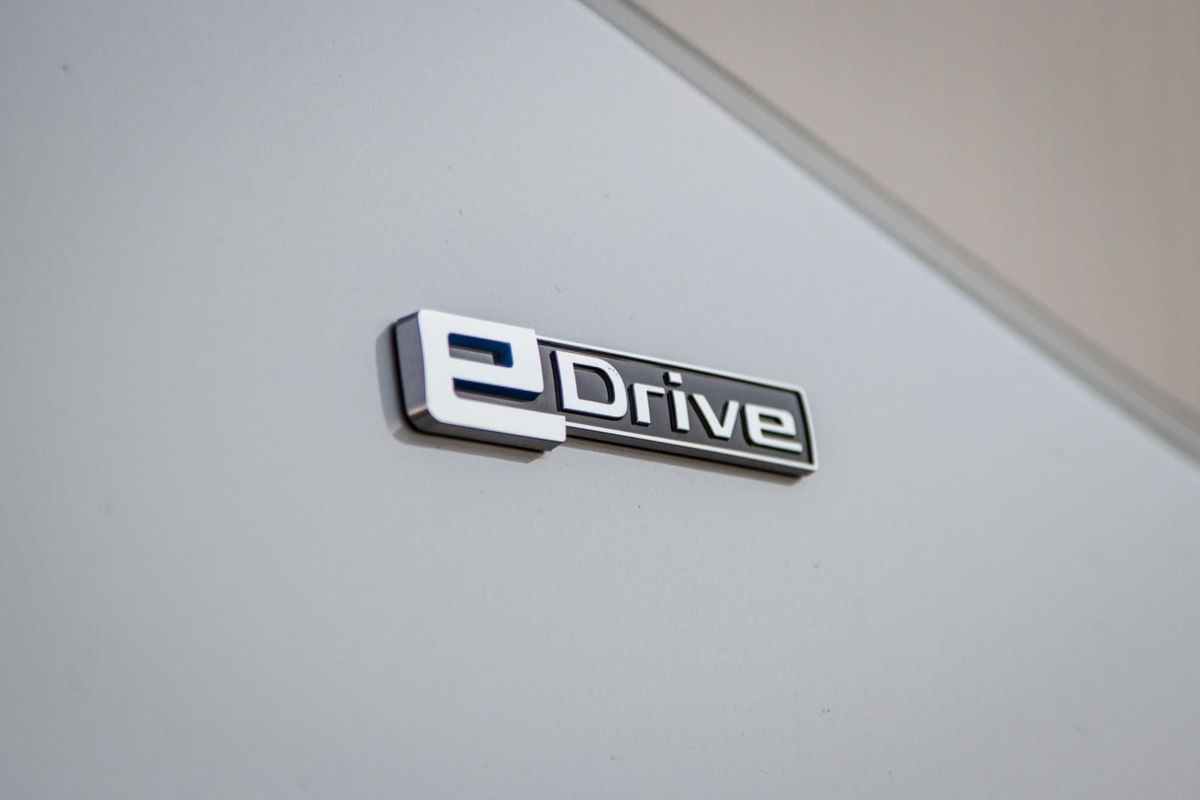
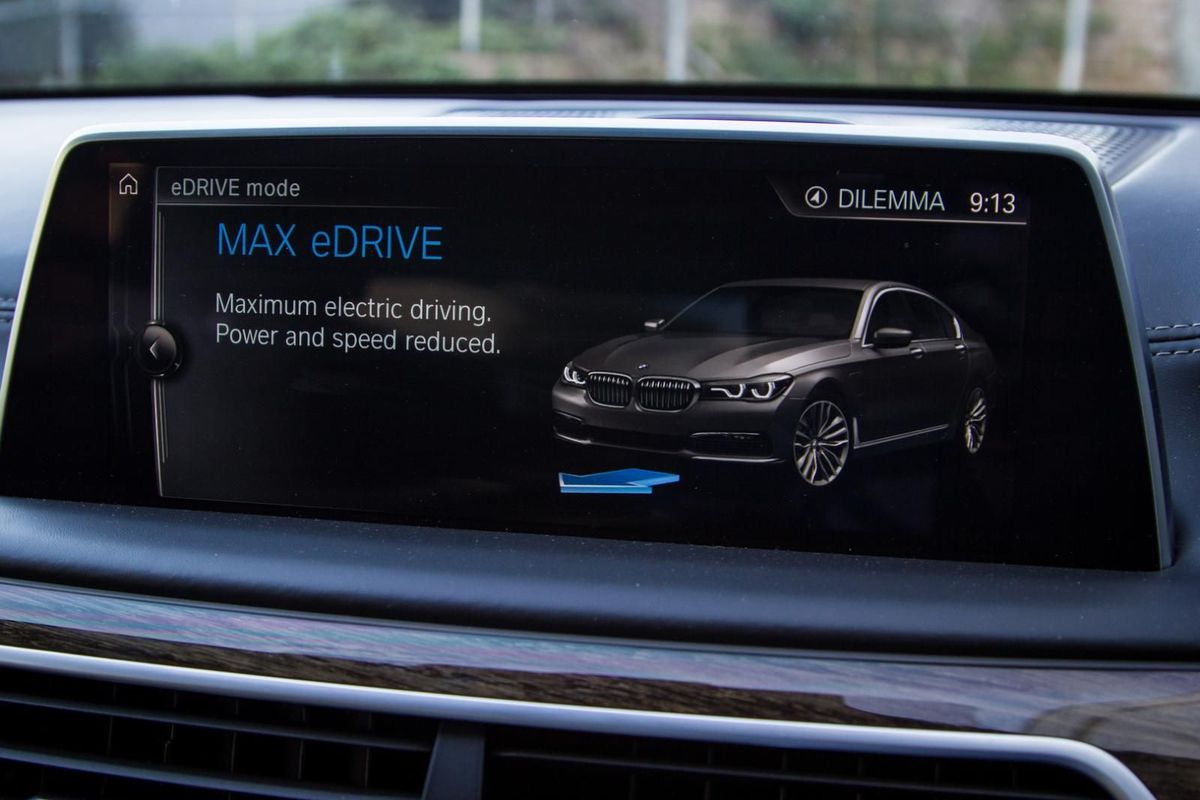
To assist owners in extracting as much efficiency as possible from the drive system, the 740e features an eDrive button which the driver can use to change hybrid drive settings. In Auto eDrive mode, the petrol and electric motors work together to achieve maximum efficiency. In this mode alll-electric mode at low speeds is favoured, with the petrol engine only coming into play at around 80 kph, or when the throttle is depressed with intent.
Loads of clever tech on offer, but extracting maximum efficiency out of the 740e will require a specific driving pattern and a dedicated owner.
Max eDrive mode switches to electric power only, but the petrol engine can be brought into action by pushing the accelerator pedal into kickdown. In this mode, the top speed is 140 kph.
There is also a clever Battery Control function that allows the driver to set the charge of the battery manually. For example, you can instruct the car to hold back on the usage of electric power while travelling on the highway, so that the silent, emission-free driving can take place around town.
Pricing & Warranty
The base (without chosen trim packs) BMW 740e sells for R1 496 500, but several other option packs are offered. The warranty is a 2-years/unlimited km one, with a 5-years/100 000 km maintenance plan also included in the deal.
Arguably the 7's best angle – it remains the most athletic and dynamically sporting of the luxury sedans to drive.
Verdict
We continue to admire the BMW 7 Series – in many ways it is a groundbreaking car, and as in all such cases, some of the tech will find favour, and some not (most notably, perhaps, gesture control). BMW must be applauded, however, for bringing its most futuristic innovations to market so swiftly. In the case of the 740e, the addition of the advanced plug-in hybrid drivetrain is an obvious next step for a car which is already a technological benchmark.
We were impressed by the power delivery and refinement of the drivetrain – particularly the 4-cylinder petrol motor. If you were thinking of purchasing a 740e, but had reservations about its ability to deliver a sparkling drive, then there's no need to worry anymore. And, for consumers who fit the 740e's ideal operating requirements, it is as much a real efficiency optimiser as it is a symbol of status and green conscience. In reality, however, we can't see there being many of those…
As is the case with all plug-in hybrids, achieving optimum efficiency demands a particular driving routine. If it fits, then we have no hesitation in giving the 740e a double thumbs up, but if it doesn't, then may we suggest the next best option… also a BMW 7 Series, with either turbopetrol or turbodiesel power?
Mazda has issued a global recall for its products due to the Takata airbag issue. Some South African customer vehicles have been affected. Here's what you need to know.
The Takata Airbag saga is still unresolved and yet another brand has been forced to issue a recall to rectify its affected cars. After investigative recalls by Mazda Japan and Mazda North America, Mazda global has issued a recall and South African customers are affected. Essentially, the Takata-manufactured airbags are faulty and while there has been no "abnormal deployment or dangerous flaws" found in Mazda products, the Japanese are taking no chances.
South African Mazda customers take heed:
An estimated 19 000 cars are affected
The vehicles are the Mazda2, Mazda6 and Mazda RX-8 produced from 2003
The affected vehicles have VIN numbers starting with MM6DE, JM6GG and JMZSE.
According to Mazda Southern Africa, "We will be conducting a repair procedure to replace the driver-side air bag and / or passenger-side air bag inflator with an improved unit on the possibly affected vehicles." If you believe your vehicle is affected, please contact the Mazda SA Dealer Network or the Mazda SA Customer Care Centre on 0860 069 700 or email [email protected].
Due to higher international fuel prices and an unstable foreign exchange rate, it's looking likely that motorists will see an increase in the price of petroleum at the end of July 2017.
According to the Automobile Association, "There was a slight decrease in the international petrol price, but diesel and paraffin are up. Meanwhile, the Rand's slip against the US dollar added around 17 cents a litre to fuel prices across the board."
"As a result, our mid-month prediction is that the petrol price is set to increase by up to seven cents a litre based on the current data, with diesel up 22 cents, and illuminating paraffin 19 cents higher." added the AA. Generally, the international petroleum prices tend to go up around this time of year. "As we have previously noted, the fuel price relief of recent months is unlikely to be sustained, and motorists should be prepared to pay more at month-end," the AA concludes.
As soon as we have final clarification around this increase, we'll update the story.
Here's a quick trailer of some of the upcoming videos you're likely to see over the next few weeks from our #CarsRaceDay.
A few weeks back we attempted the ambitious, budget exceeding and terrifying #CarsRaceDay. A section of twisty road was closed and we assembled some hot and some super-hot metal. The course cascades over 4km of sinewy tarmac, known for its fast and relatively open corners.
We strapped in our very own race driver Ashley Oldfield and pointed him at the start line. We then opened his visor and let him do what he does best as he briskly danced 8 cars from top to bottom. Here's what you can look forward to seeing on our channel over the next few weeks.
Upcoming videos:
Wed 19 July Ford Fiesta ST200 vs Renault Clio RS 200 Lux
Wed 26 July New Golf GTI vs Toyota 86
Wed 2 Aug BMW M240i vs Jaguar F-Type 400 Sport vs Aston Martin Vantage N430
Wed 9 Aug We announce our driver's car of the race day + McLaren 570S special exhibition lap
At the end, Ashley will take us through which car is his pick as Driver's Car of the Day.
Subscribe to our channel to be the first to see our series of #CarsRaceDay videos, and follow us on all the socials for updates and exclusive behind the scenes footage.
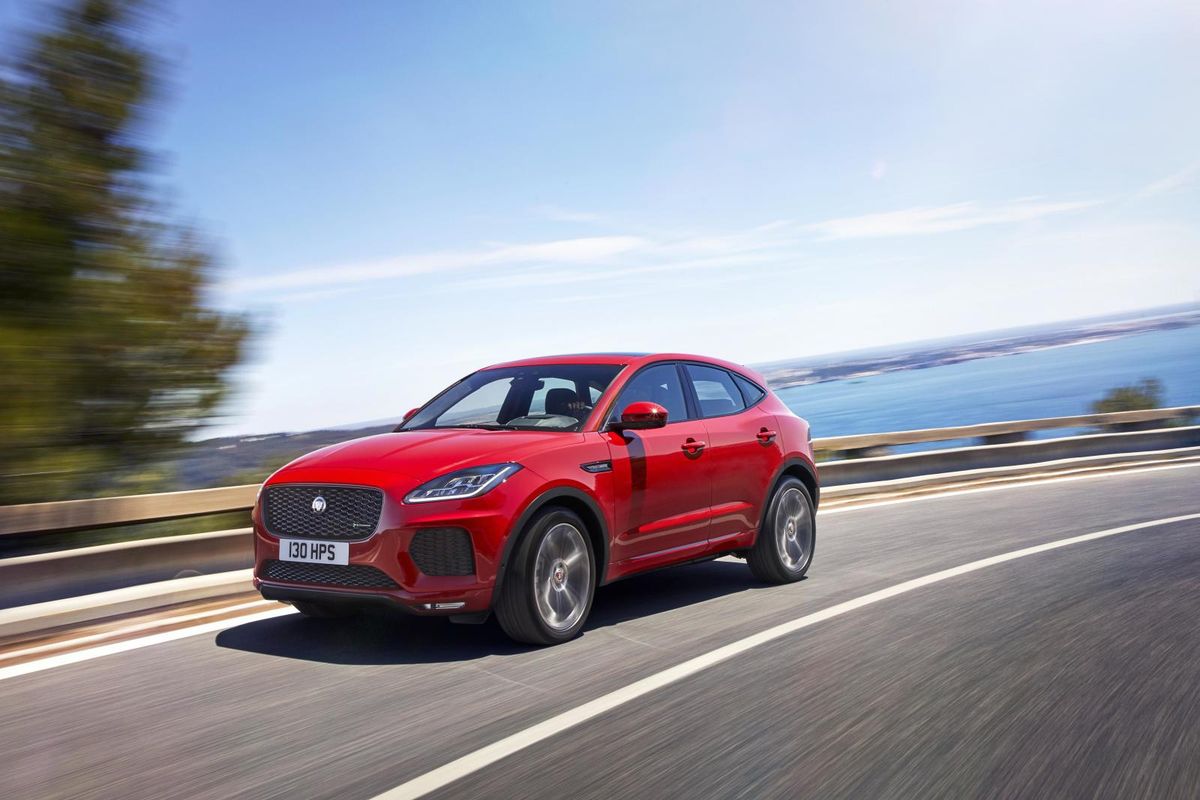
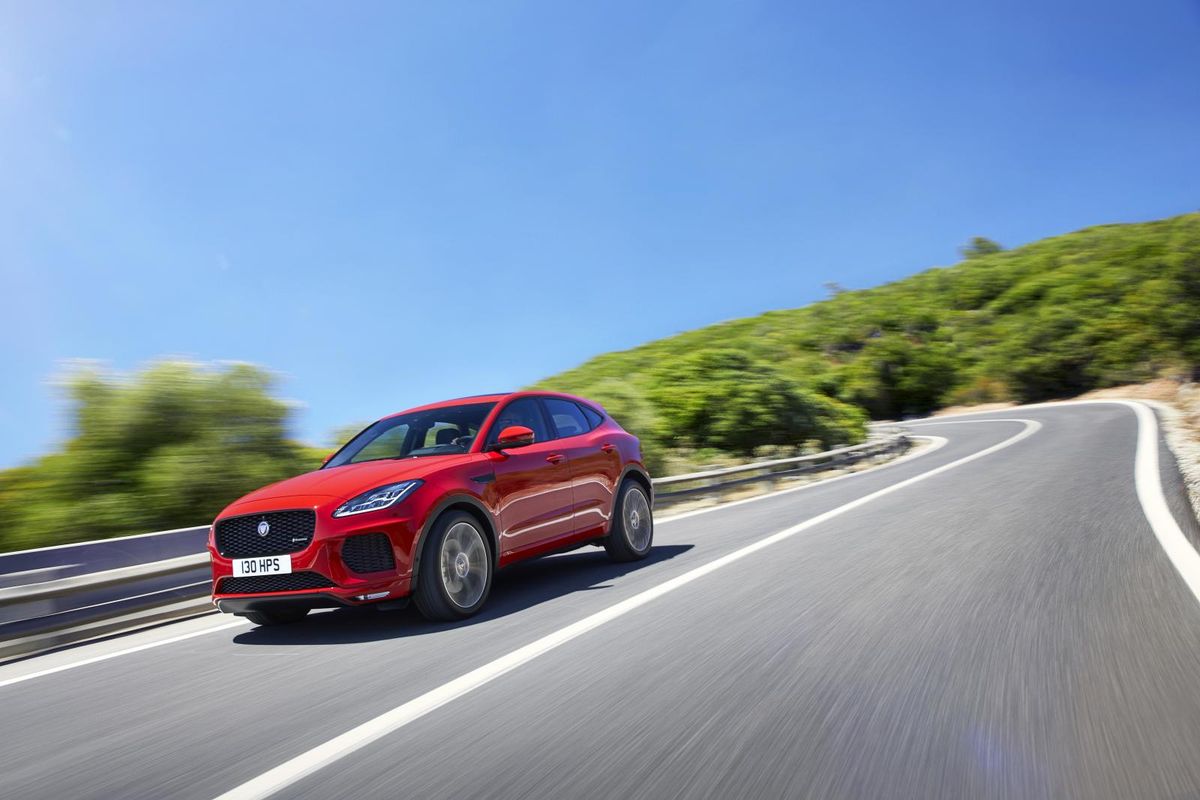
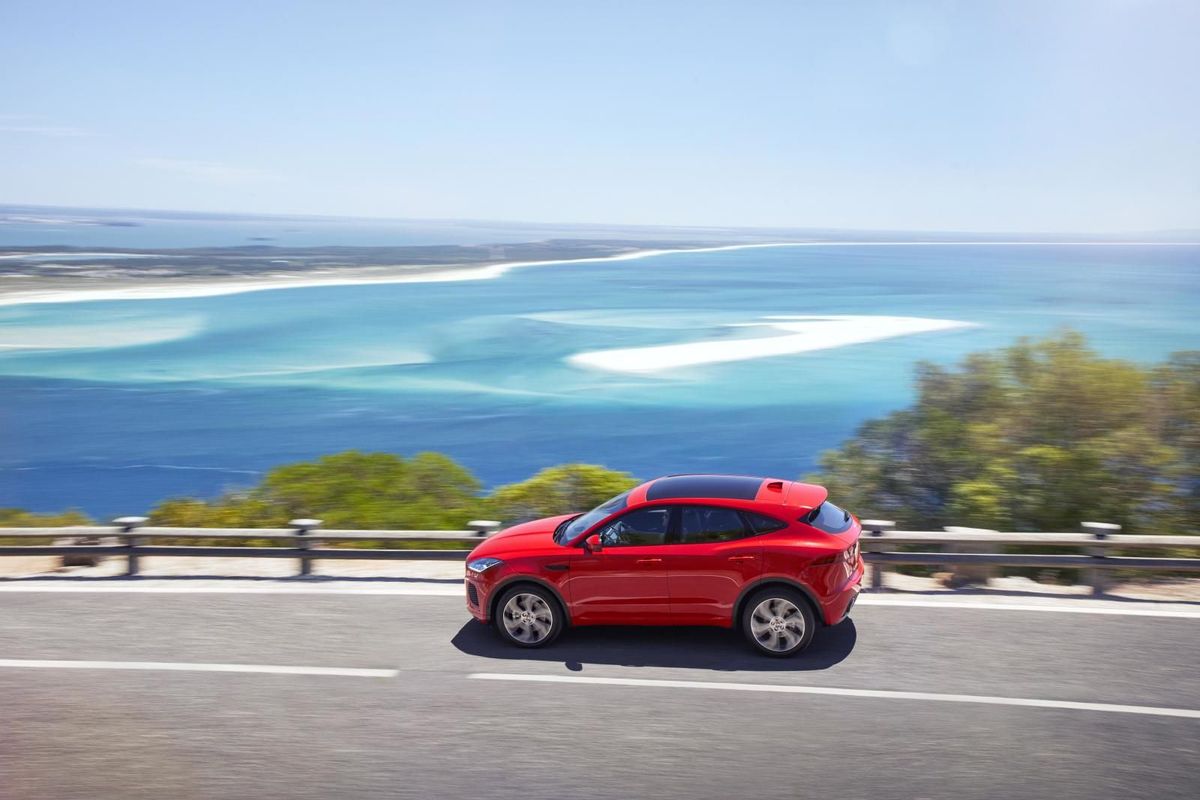
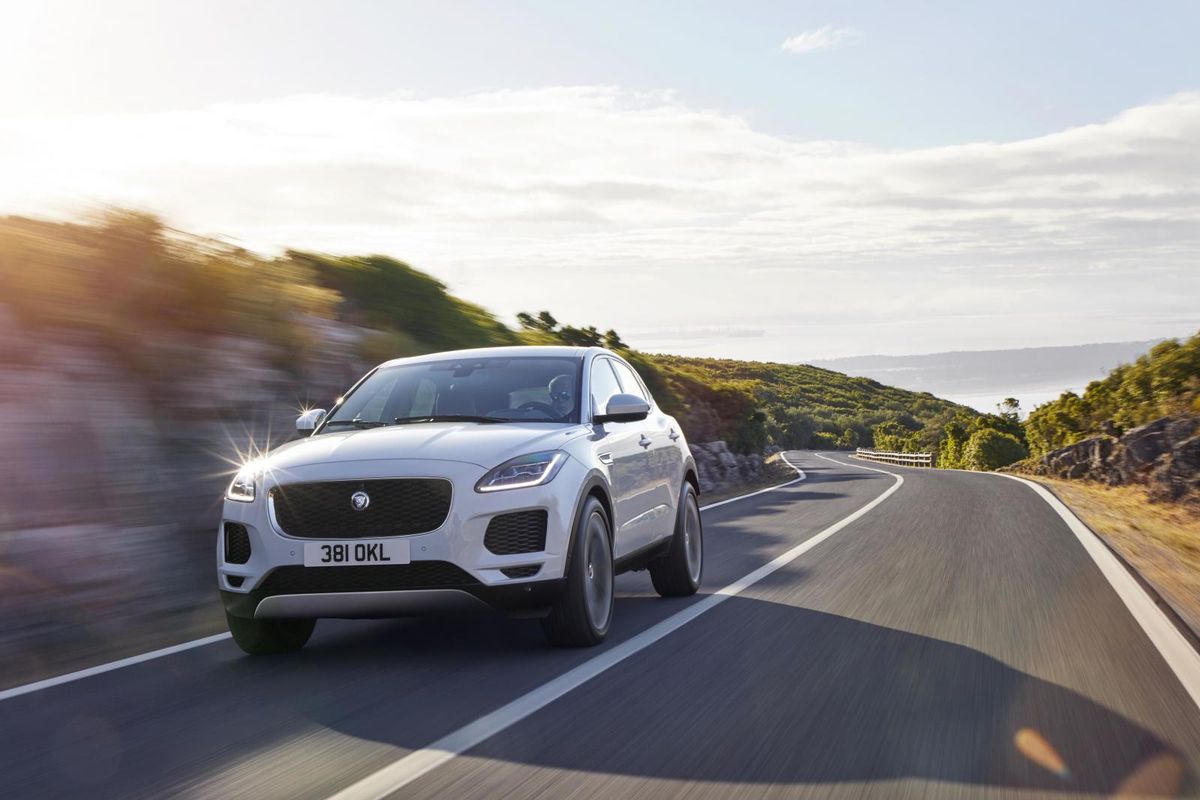
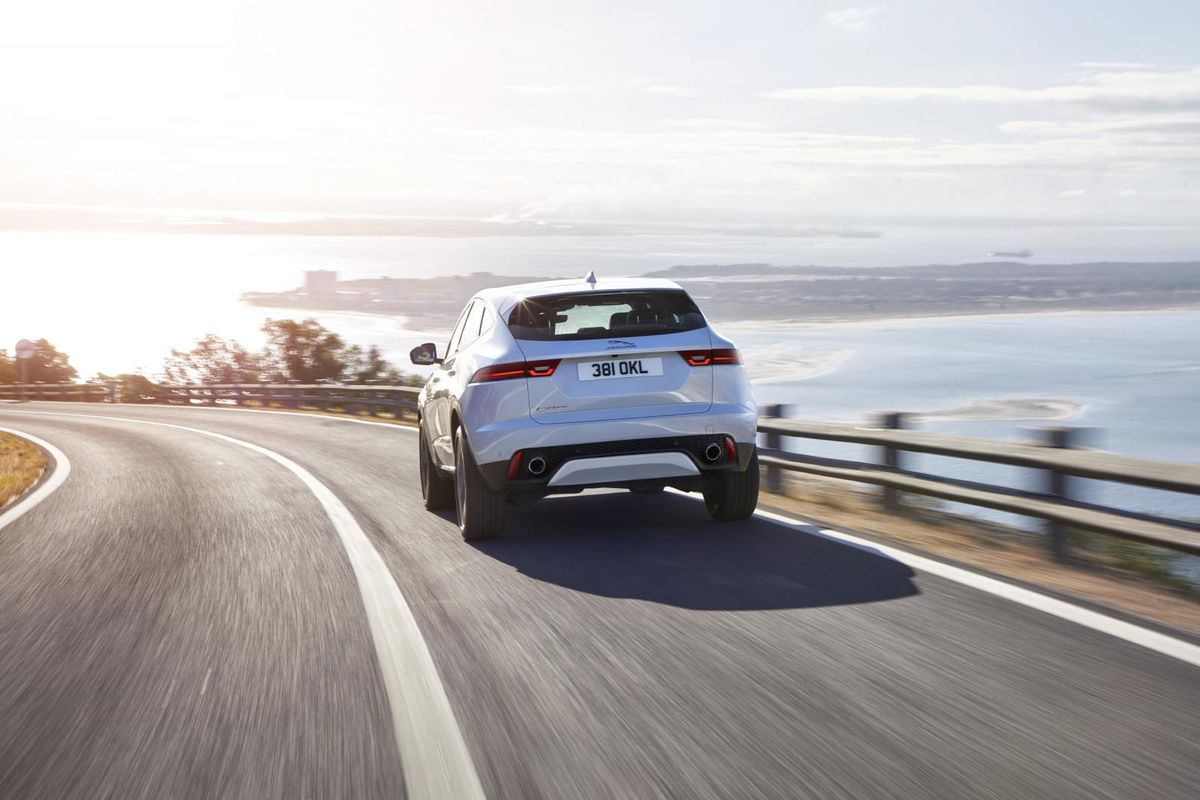
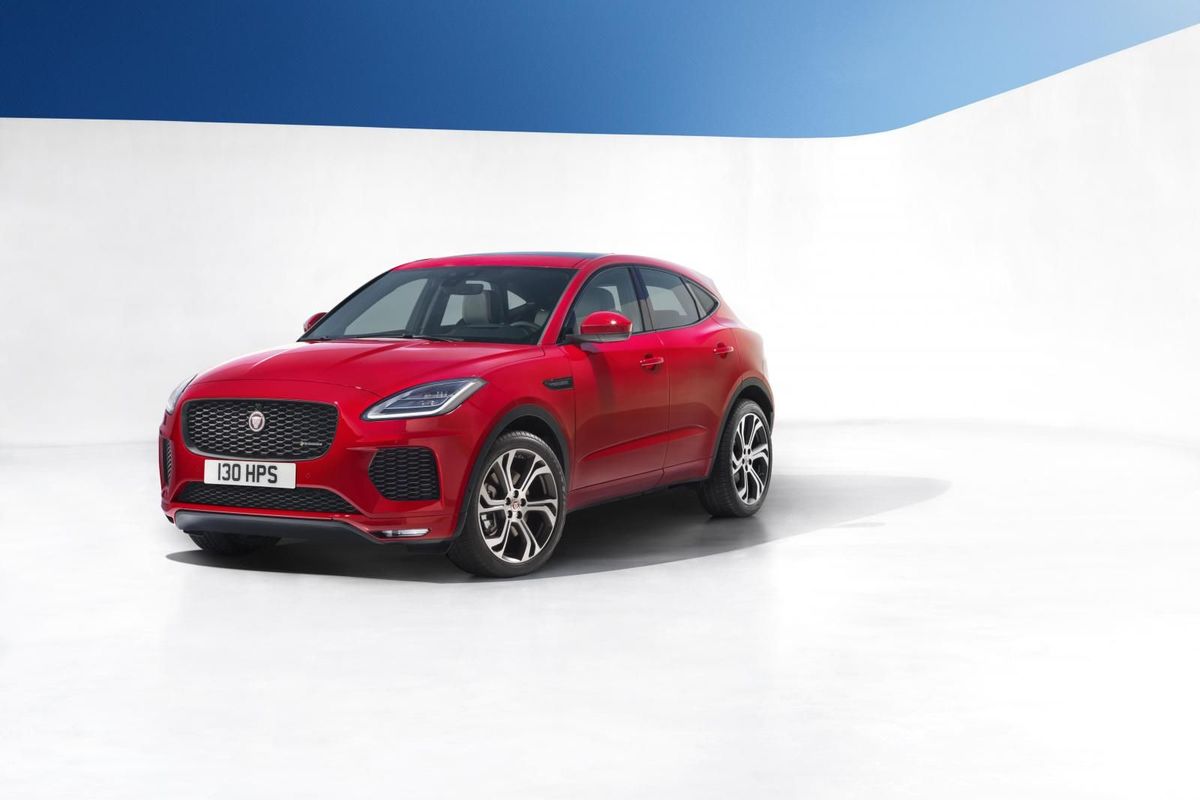
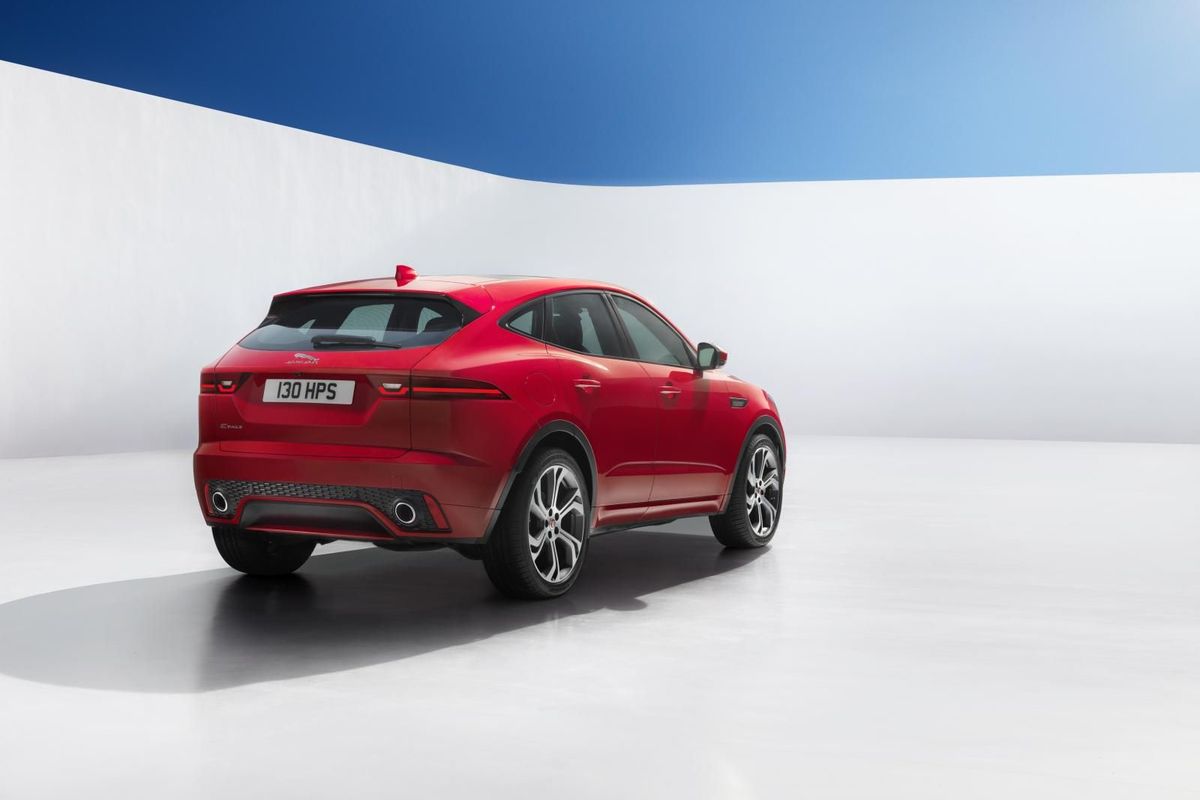
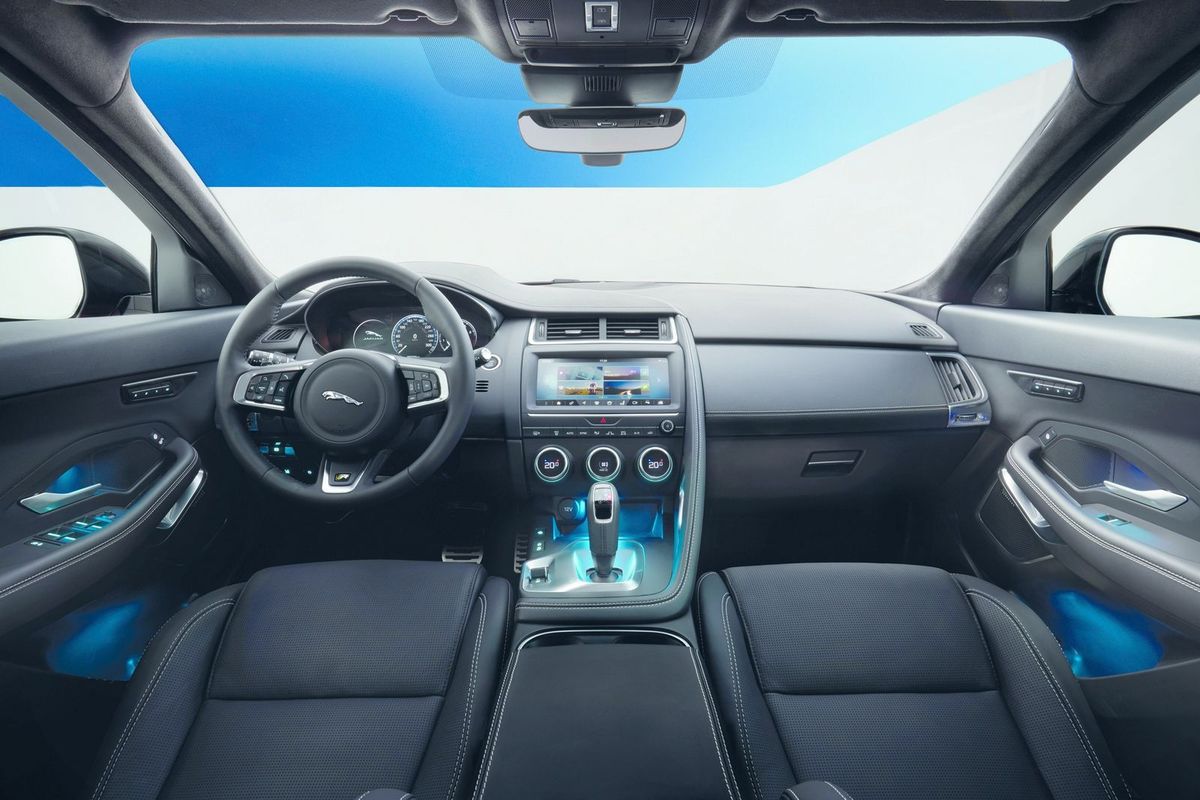
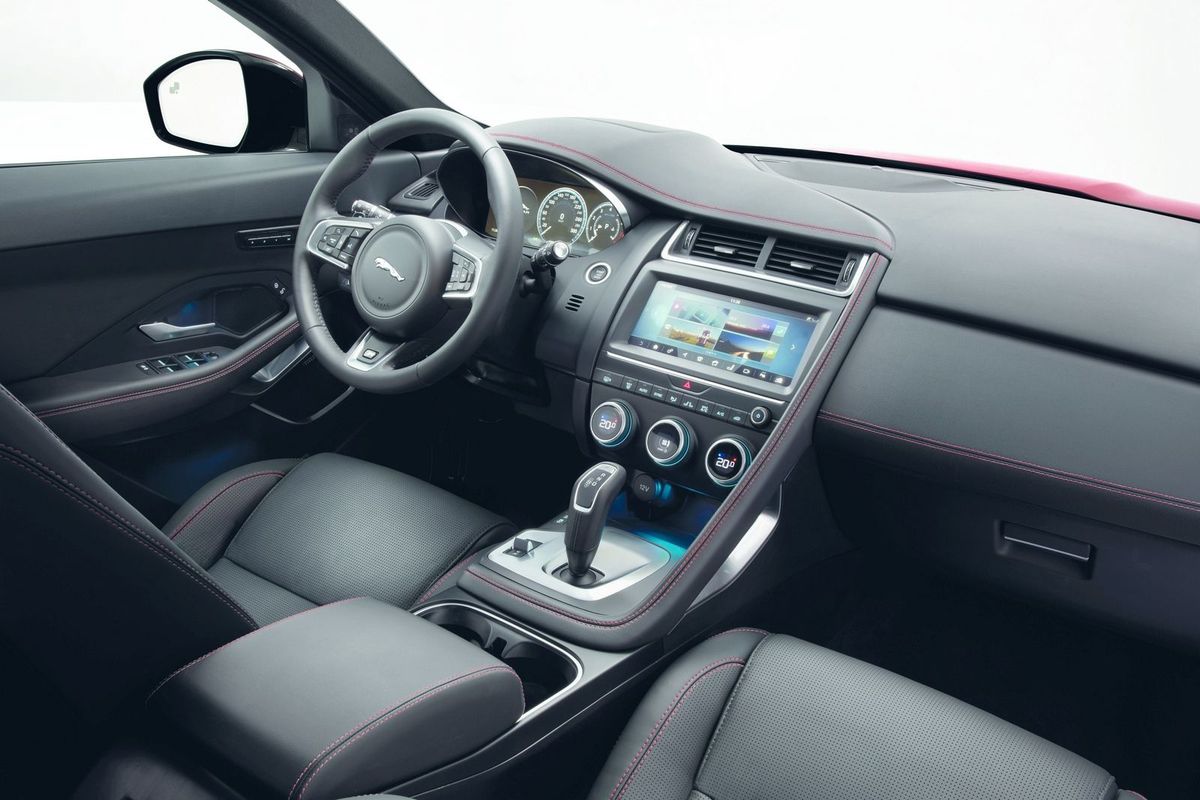
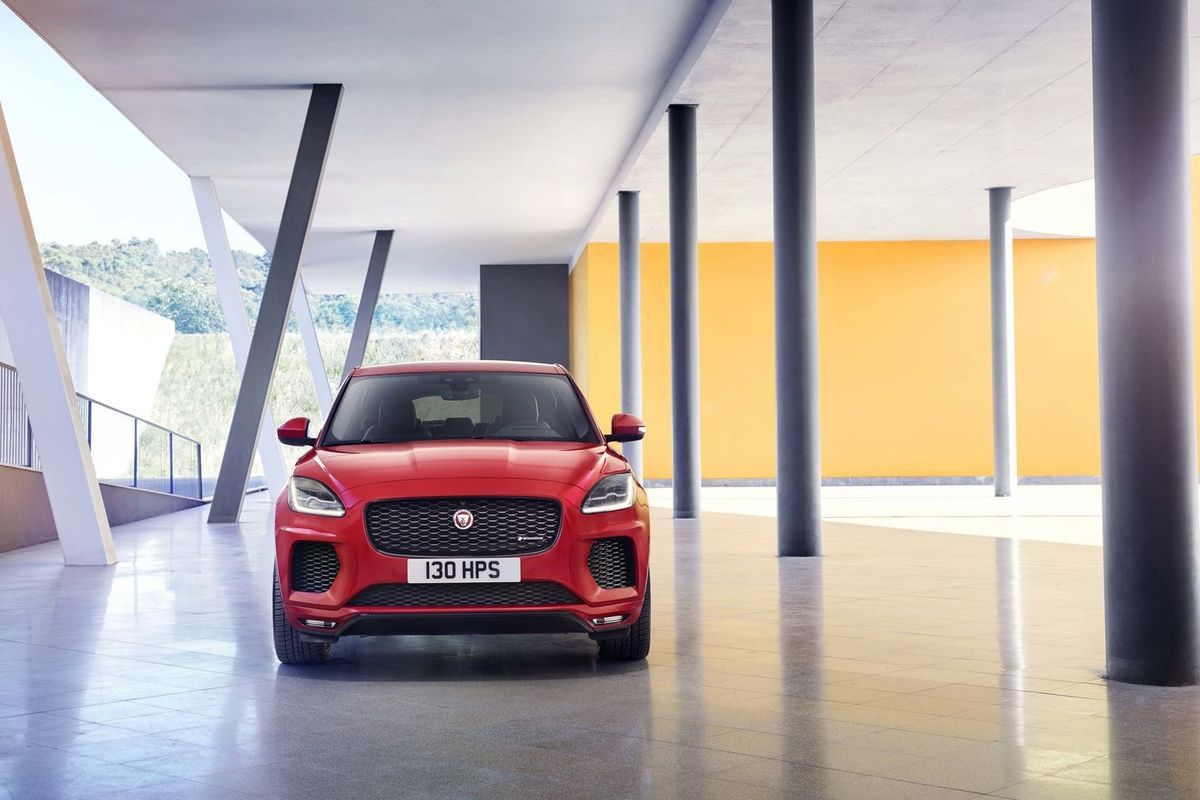
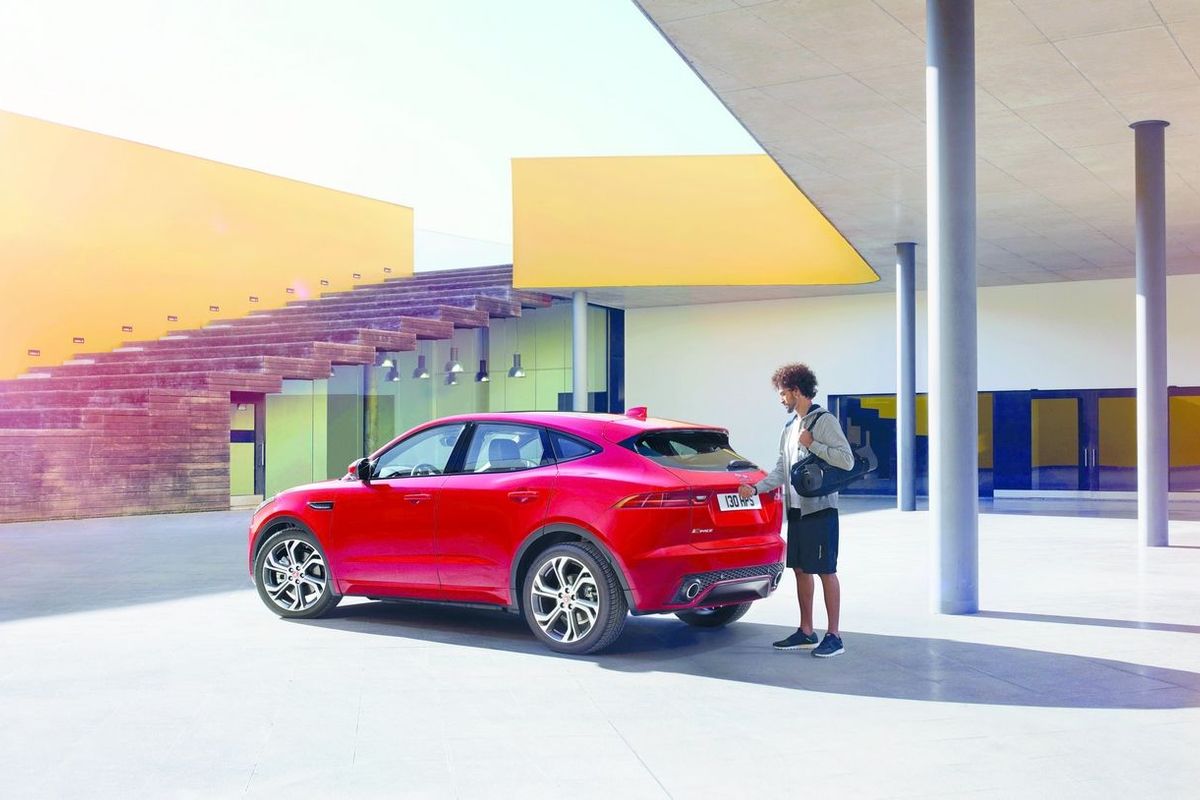
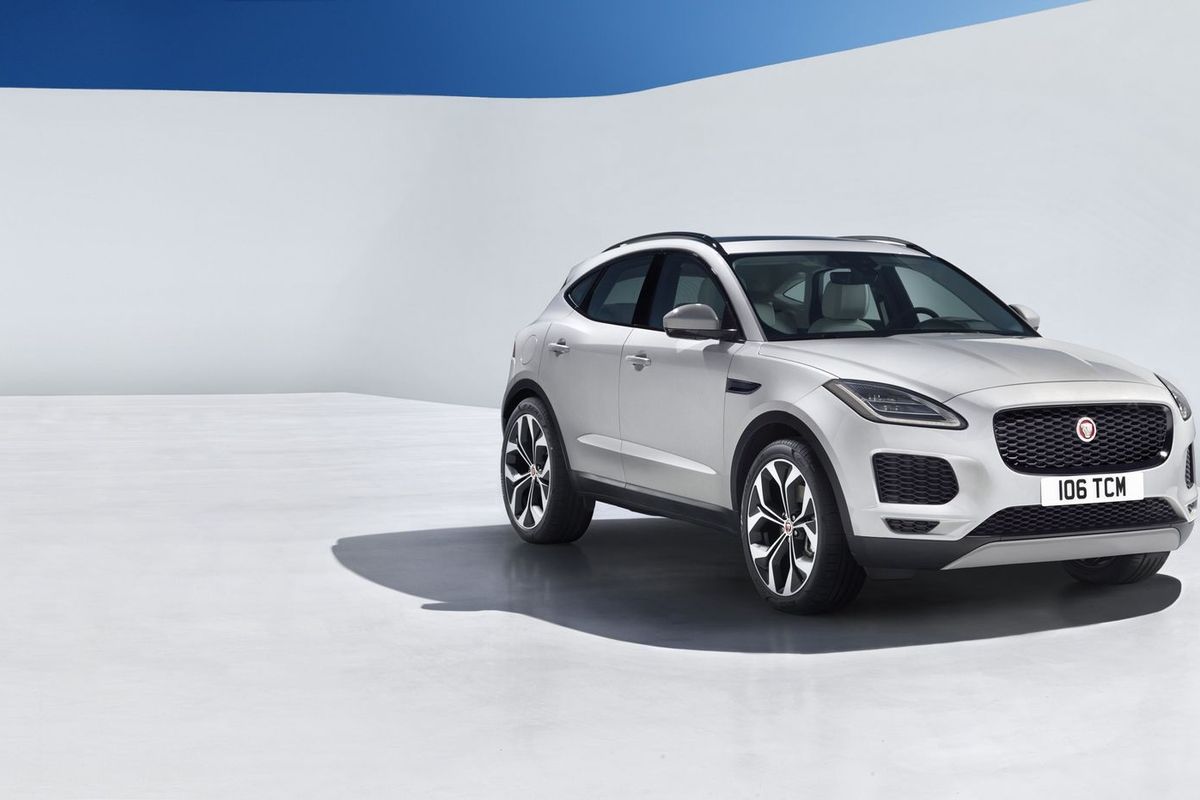
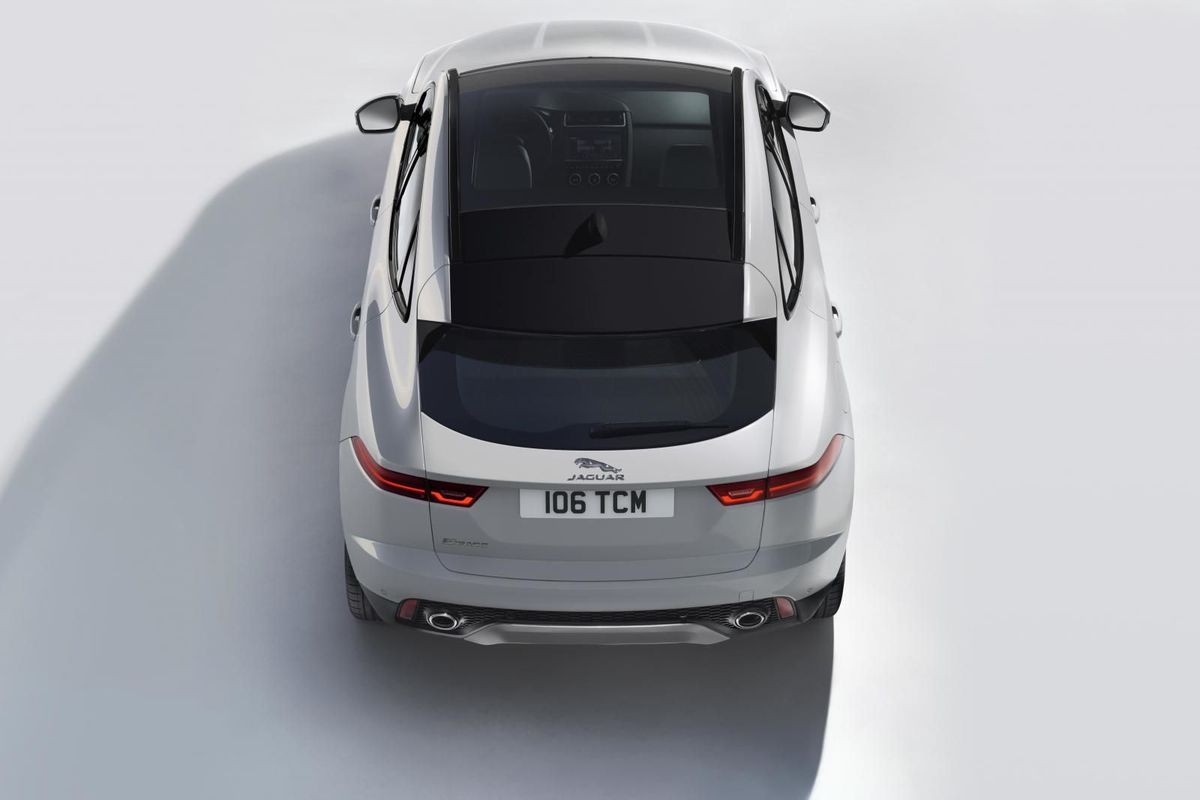
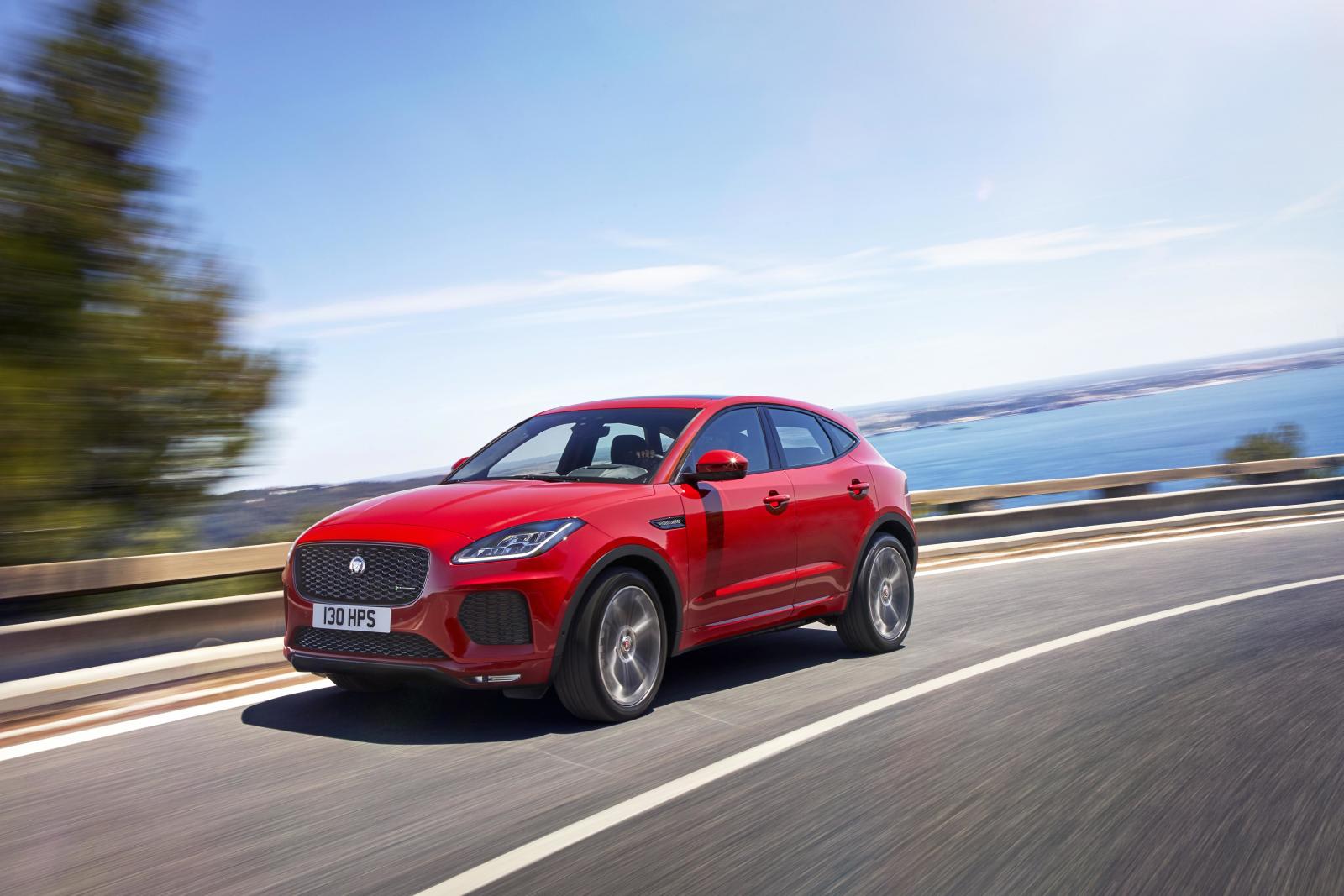
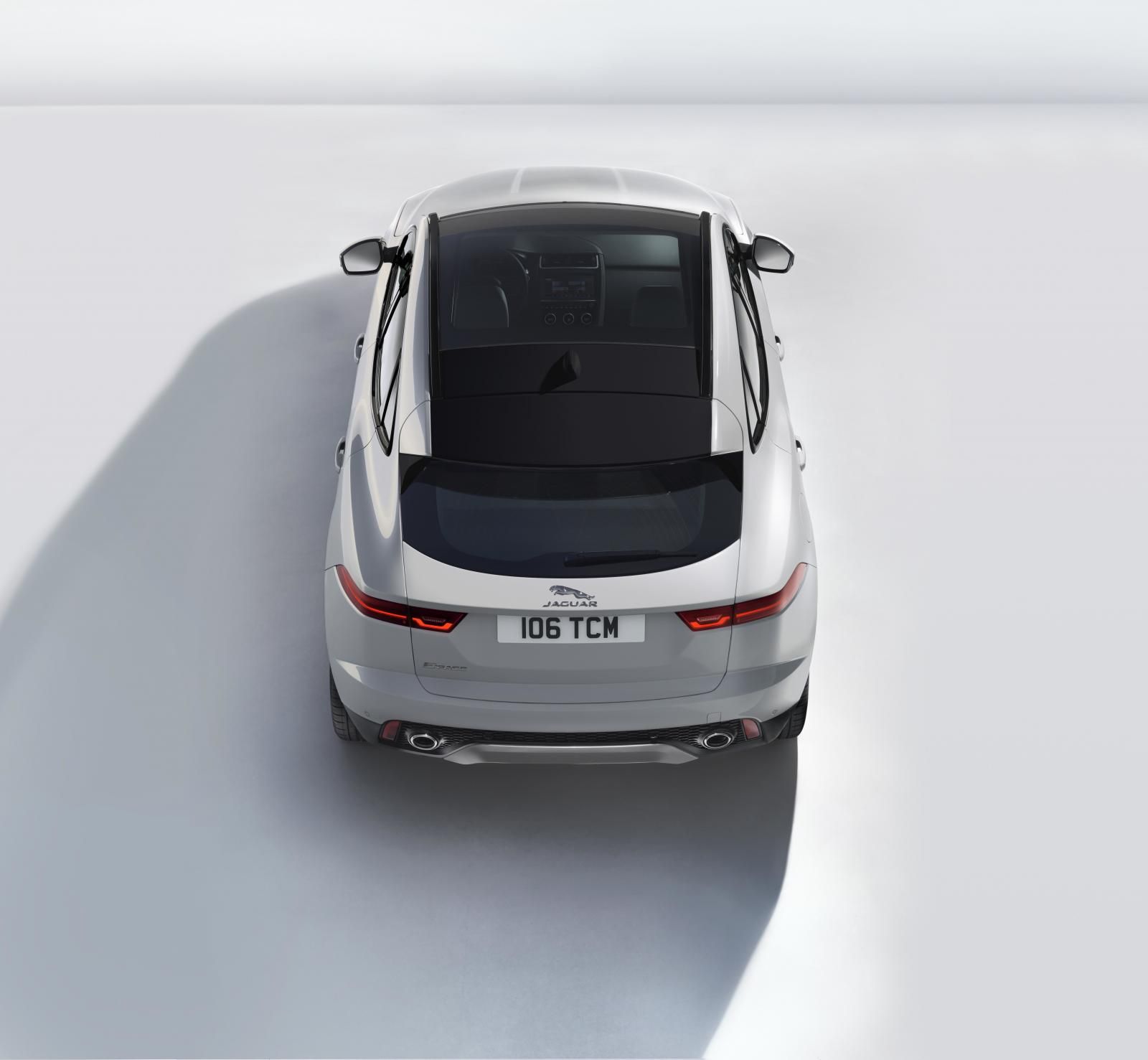
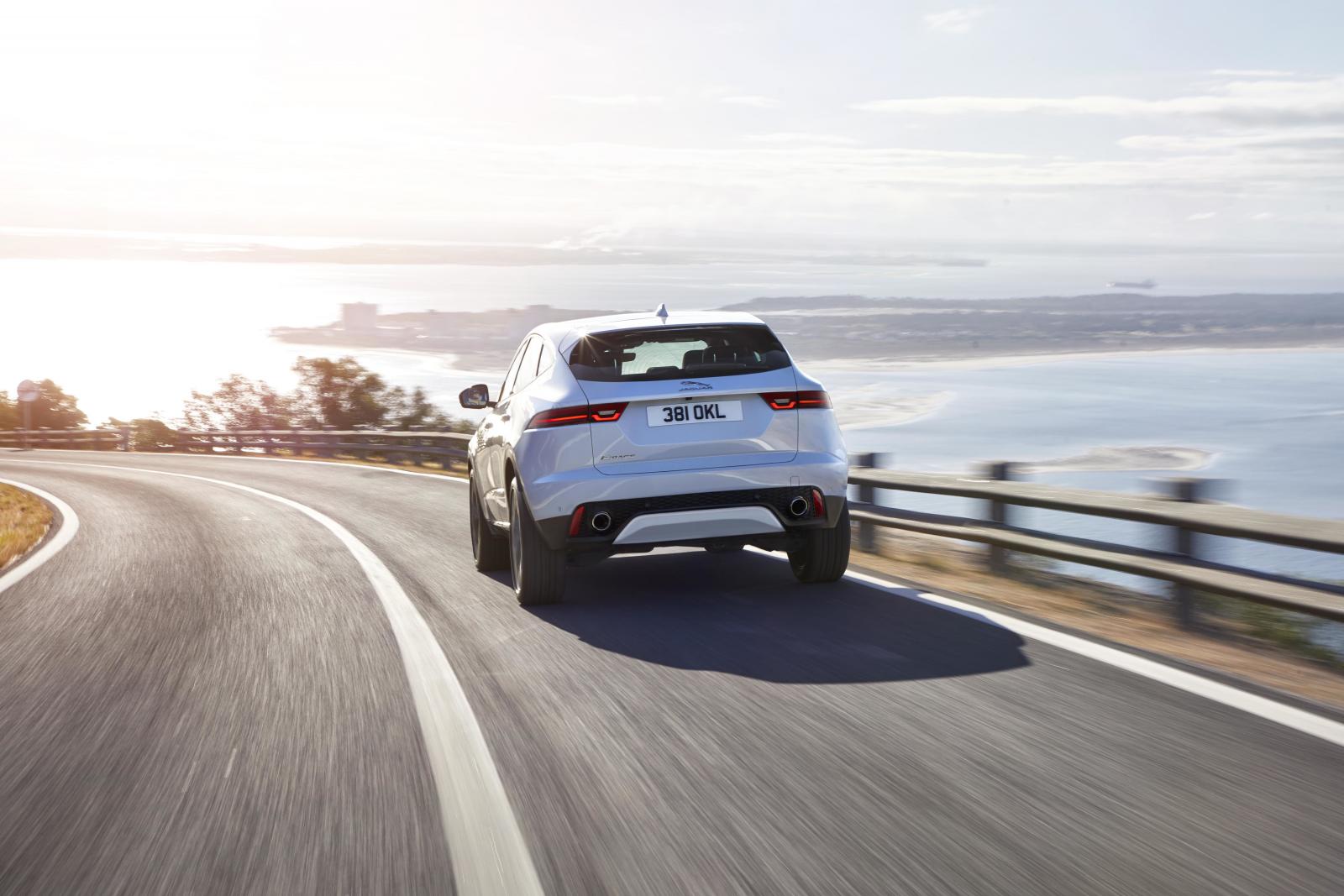
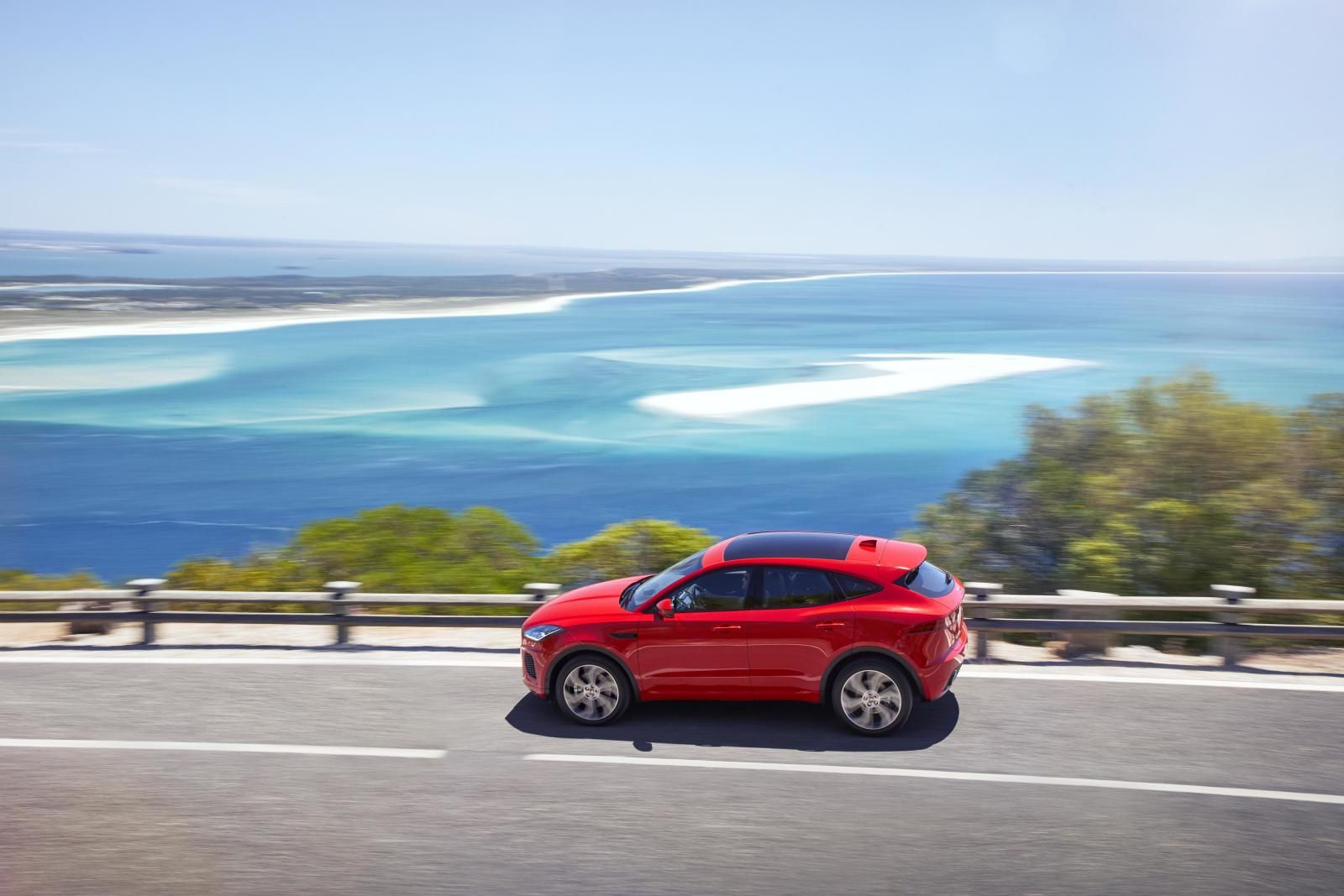
The newest member of the Jaguar SUV family has been revealed. Here are 5 interesting things you need to know about the compact SUV.
1. It’s not electric
Despite the E suffix, the E-Pace is not an electric-powered SUV, that’s the iPace, a concept that’s due to reach production status later this year. The E-Pace is a smaller version of the F-Pace and powered by regular turbopetrol and turbodiesel engines. 2.0-litre turbopetrols have outputs of 183 kW 365 Nm and 221 kW and 400 Nm. The 2.0-litre turbodiesels are claimed at 110 kW/380 Nm, 132 kW/430 Nm and 177 kW/500 Nm.
2. It’s about the size of a BMW X1
The E-Pace is 4 395 mm long with a wheelbase of 2 681 mm. This suggests that Jag has prioritised interior space with some clever packaging as the boot is claimed to be 577-litres, some 72-litres more than the X1. The E-Pace’s chassis has been specifically developed for the compact SUV but uses a similar suspension setup to the F-Pace that also has a sporty bias.
3. It’s AWD but can also be RWD
The E-Pace is slated as a bit of a sports SUV so Jag is punting its ability to handle like a sportscar. The Active Driveline system can transfer almost all the torque to the rear wheels within a tenth of a second. Jaguar also says that on low friction surface it will allow the driver to initiate power-on oversteer to maintain a controlled drift.
4. More connected
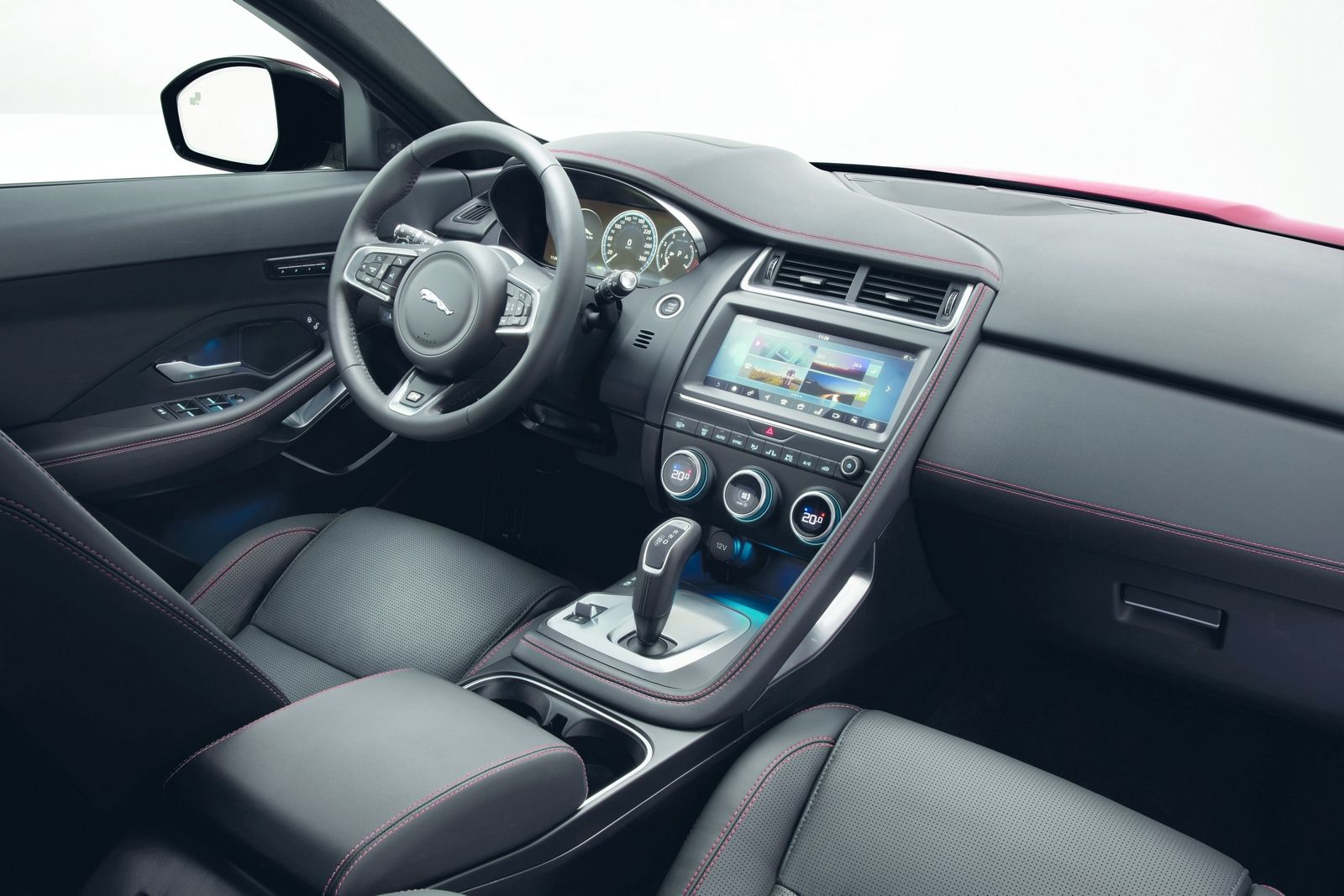
The inControl touchscreen system when upgraded to 12-inches has more apps available. Spotify, Tile and Shell Fill Up & Go are all accessible via the screen. The E-Pace will also create a 4G Wi-Fi hotspot from your phone so that the apps on your phone are controllable through the touchscreen. Finally, there’s a remote app that allows the owner to find the E-Pace in a parking lot, check the fuel range and adjust the climate control from outside the car.
5. New safety systems
One of the new safety features available on the E-Pace is the Forward Traffic Monitor. This system scans the road ahead and detects if there are cars coming towards you at blind intersections. There’s also a camera fitted on the nose to help with similar situations. The E-Pace also comes with a pedestrian airbag that cushions the impact of the pedestrian in the event of a collision between 25 and 50 kph.
The E-Pace will be heading to South Africa in early 2018.