BMW 540i M Sport (2017) Review [with Video]
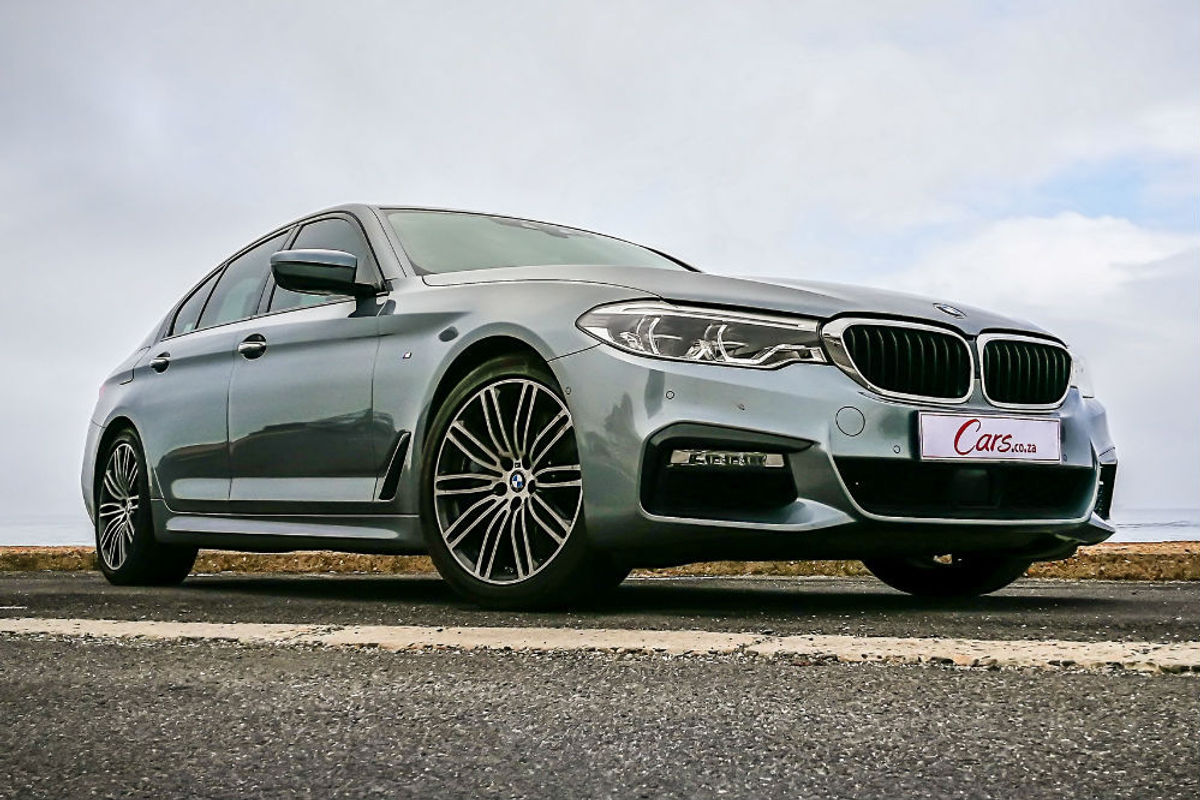
The 7th-generation 5 Series has a straightforward, yet unenviable task: it must defeat a number of highly regarded rivals to restore BMW to the top of the executive sedan segment. The 540i M Sport test unit featured in this review was advantaged by virtue of being specified with a raft of extra features, but is it an impressive car underneath it all?

We like: engaging on-board technologies, superb dynamics, overall poise

We don’t like: general ride quality still on sporty side, steering feel somewhat inert

Alternatives:

  • The refined option: The Mercedes-Benz E400 AMG Line 4Matic (R1 037 526) may not be as sporty to drive as it looks, but the sedan lacks nothing in terms of refinement and comfort. As is the case with the 5 Series, the E-Class looks very derivative, but it’s effortlessly luxurious. 
  • Brother of a champion: The Jaguar XF 35t R-Sport (R1 126 992) is the British marque’s flagship executive sedan, which won its category in the 2016/17 Cars.co.za Consumer Awards – powered by Wesbank (25t Portfolio). A true driver’s car, but lacks the polish/poise of its German rivals.
  • Understated style: Volvo S90 T6 AWD R-Design (R879 730) is a comparative bargain compared with its German and English rivals. Although it doesn’t have all the high-end features available in its technological arsenal, the Volvo has a soft touch/coolness factor that’s hard to quantify.

Compare the specs of the BMW with those of its Mercedes-Benz E-Class and Jaguar XF rivals

Compare the specs of the BMW with those of its Mercedes-Benz E-Class and Volvo V90 rivals


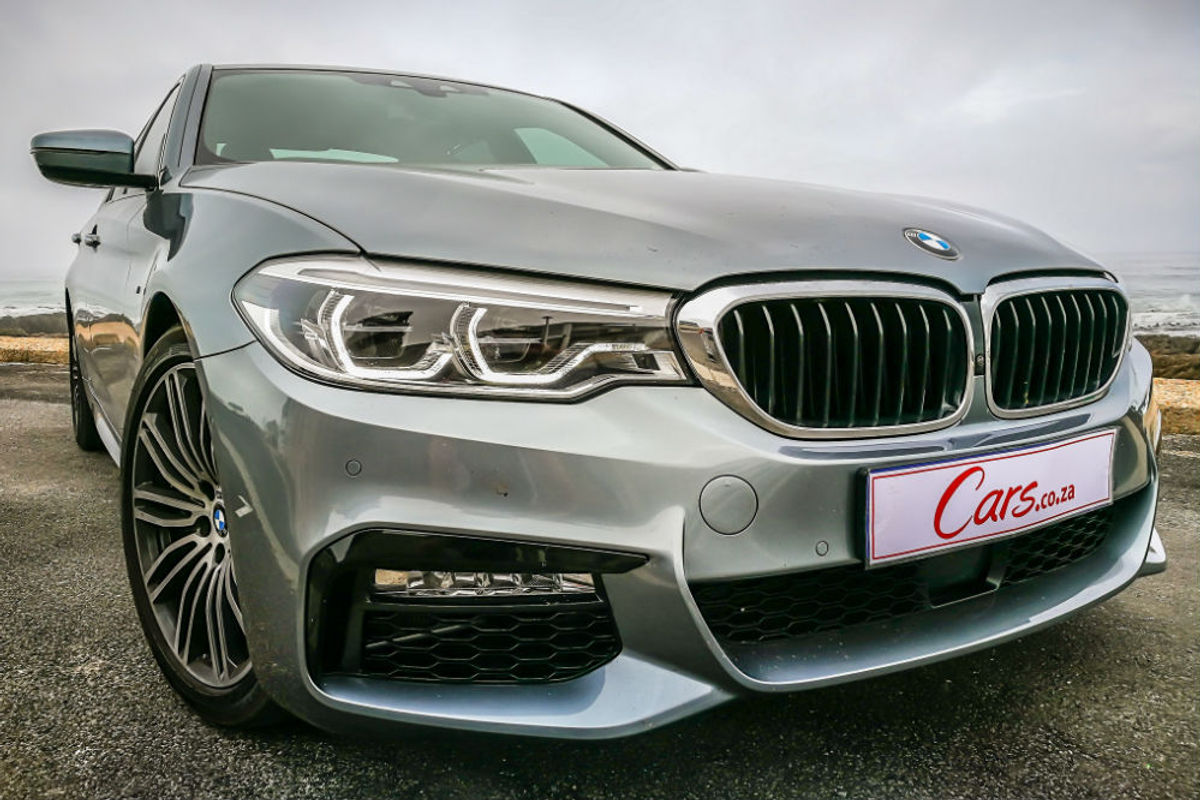
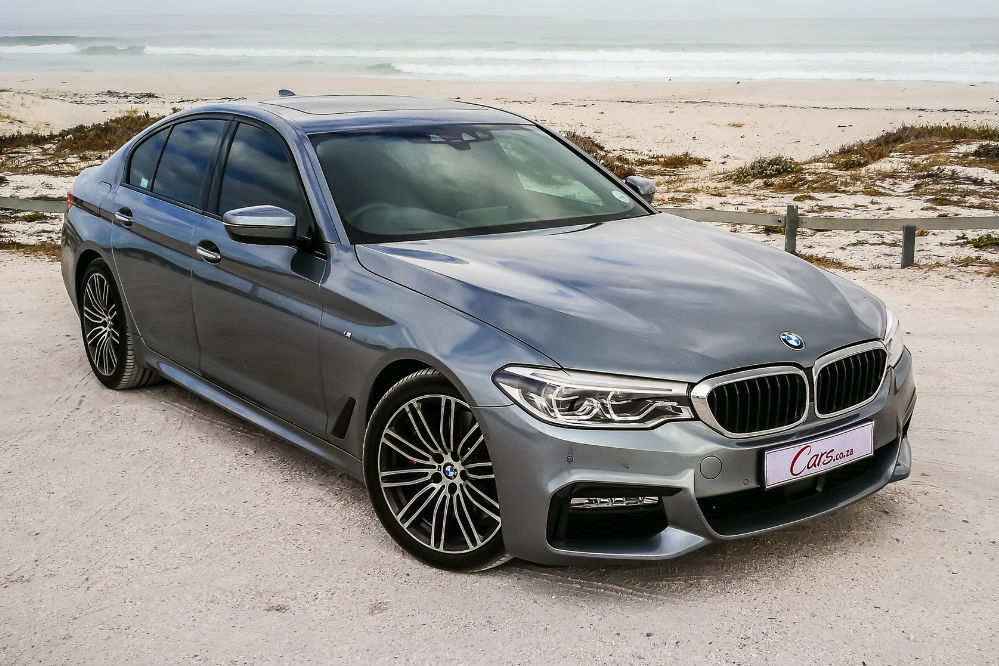
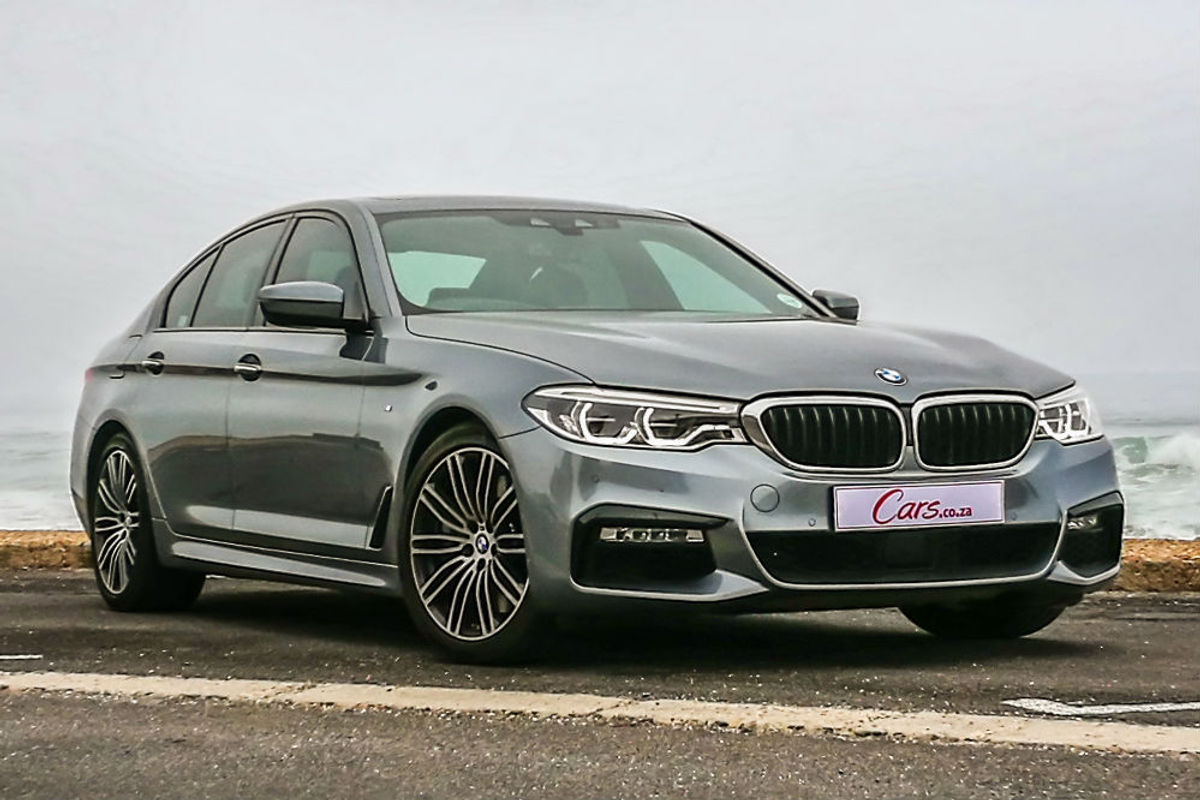
The adaptive LED headlights and M Sport bumper add considerable character to the 5 Series' front end.

What is it?

From a global perspective, the BMW 5 Series is a pivotal car for the Bavarian-based brand, not only in terms of volumes, but also profitability. The G30-generation sedan arrived on the local market early in 2017, barely a year after its bigger brother (the 7 Series, the 2016/17 Cars.co.za Consumer Awards First Class Car of the Year winner, with which the latest Five shares a platform) was launched in South Africa.

Although it is slightly longer and wider than before, the extensive use of aluminium in the panels, underpinnings and suspension has resulted in a car that’s 100 kg lighter than its predecessor, which bodes well for improved performance, handling and efficiency. And, lest we forget, there are many of the technological highlights of the previously mentioned first-class car that are now available in the 5 Series… but more about that later.


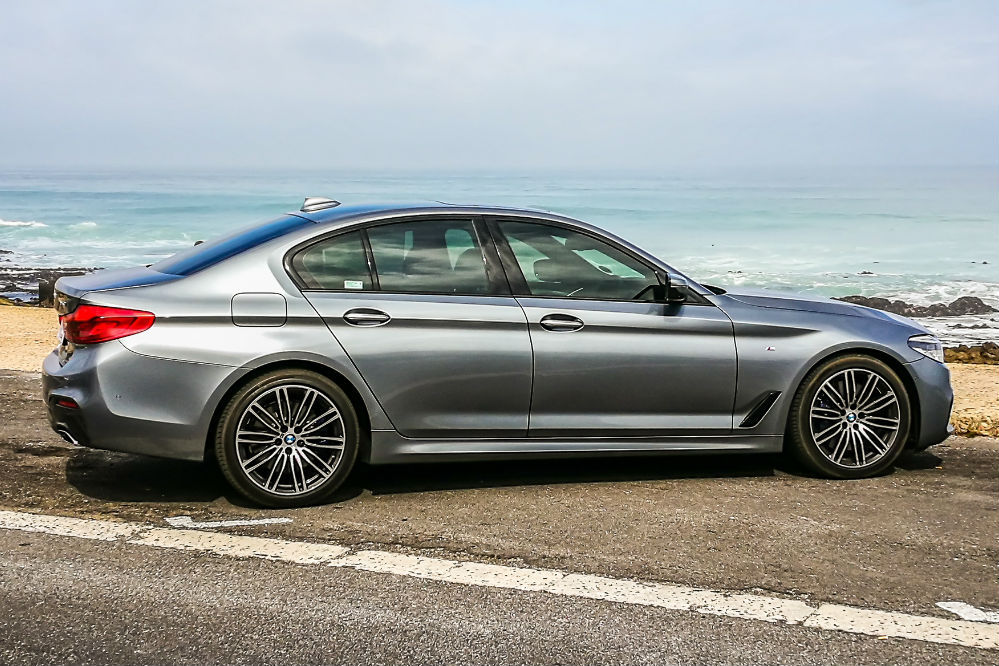
The fitment of 19-inch alloys, in conjunction with the M Sport suspension, raise the 540i's kerb appeal… but is detrimental to the ride quality.

How does it fare in terms of…

Kerb appeal/on-road presence?

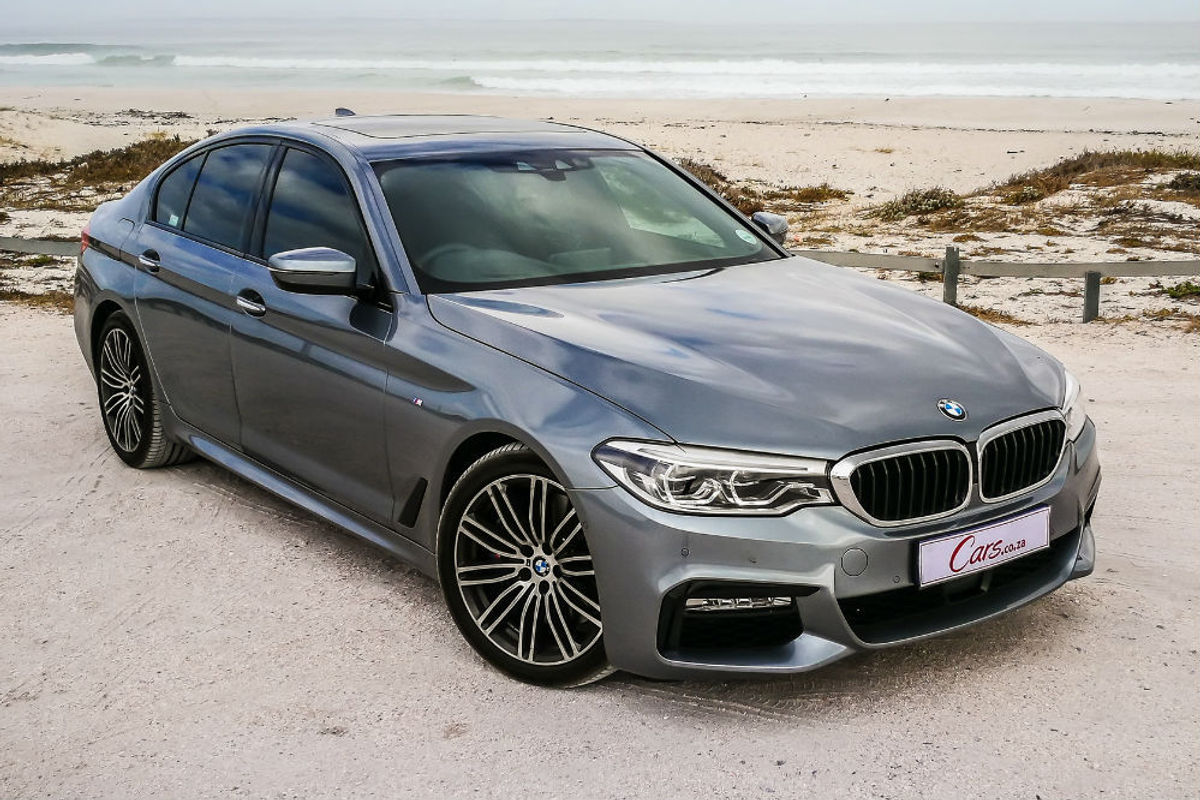
Even though we’ve had a few months to become accustomed to the exterior appearance of the latest 5 Series, which borrows styling cues from its 7 Series sibling with impunity, the test team could not reach consensus on whether the styling execution is hit or miss.  An aesthetic critique is subjective, of course: the sedan’s understated handsome looks are either quietly confident or frustratingly demure; it depends on your perspective.  

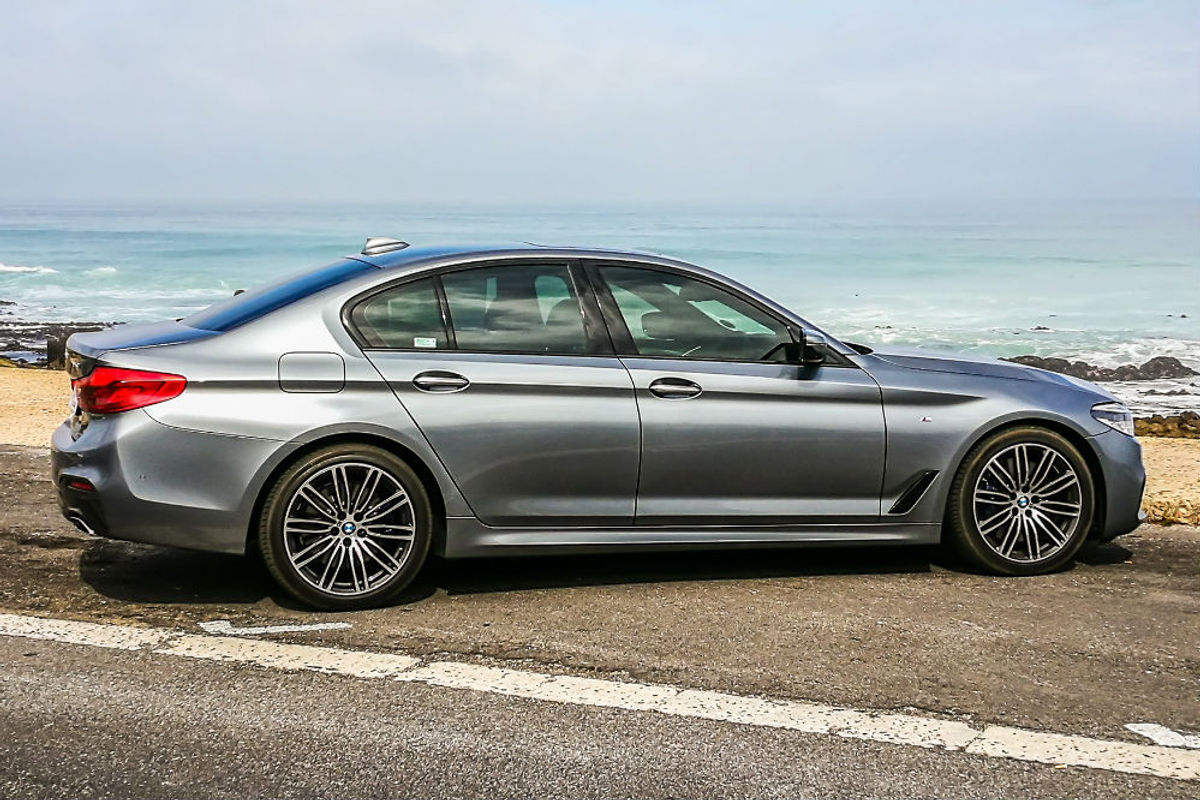
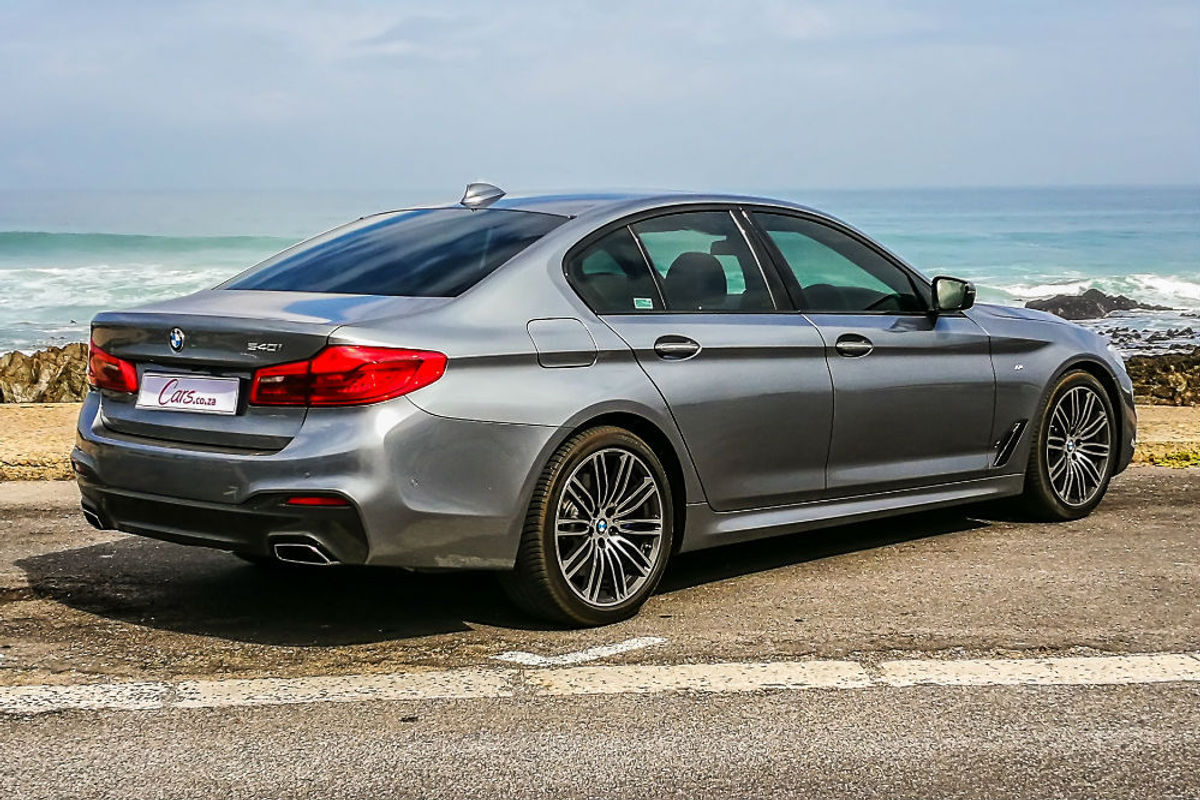
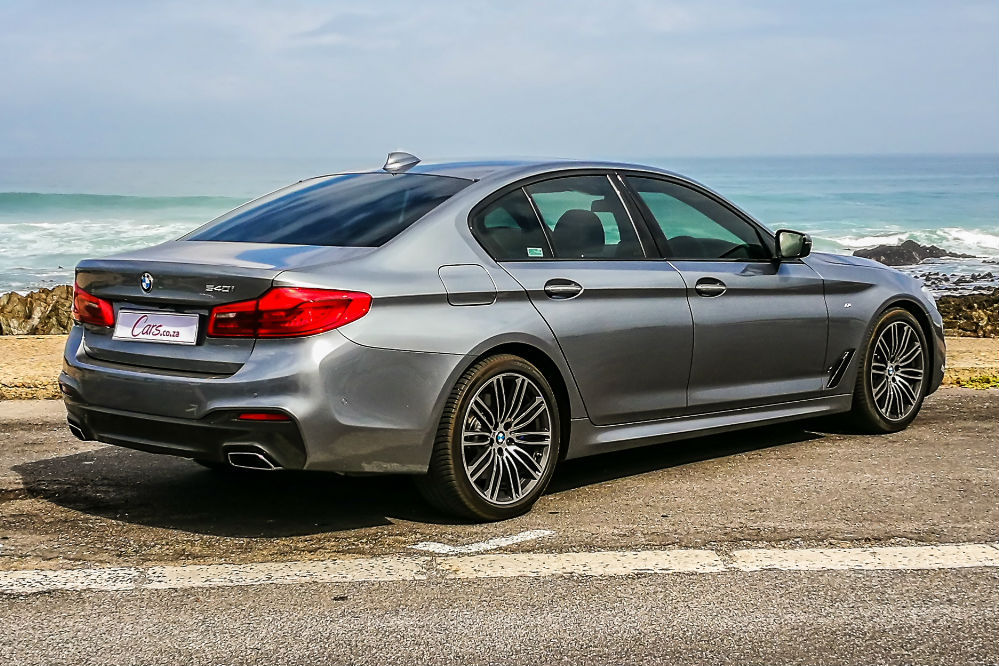
Upon closer inspection, you’re likely to notice how the ornate LED adaptive headlamp clusters merge gracefully with the large double kidney grille. There are characteristic swage lines that run just under the door handles for the length of the sedan’s flanks, a bevelled edge that traces the glasshouse (and Hoffmeister kink), as well as L-shaped LED taillights. Despite being slightly longer and wider than before, the G30-generation looks tauter and more compact, which is helped by the Bluestone Metallic exterior finish.


Note the bevelled edge that traces the outline of the sedan's characteristic Hoffmeister kink (the elbow of the rear 3-quarter light).

It needs to be noted, however, that the optional M Sport body kit beefs up the sedan’s kerb appeal appreciably; we wouldn’t be surprised if the majority of buyers opted for the sculpted bumpers, side skirts and 19-inch titanium-coloured alloy wheels, which, in the case of the test unit, was augmented by the M Sport braking system’s blue calipers.

Luxurious interior?

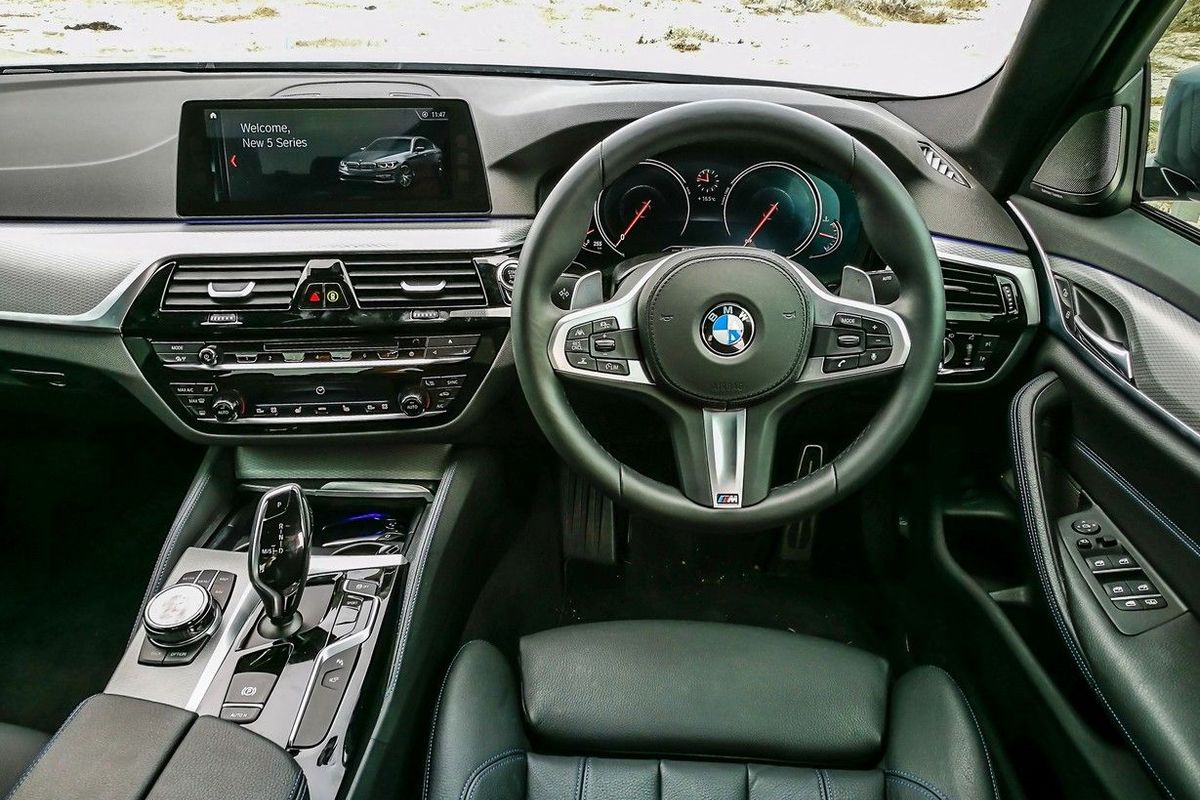
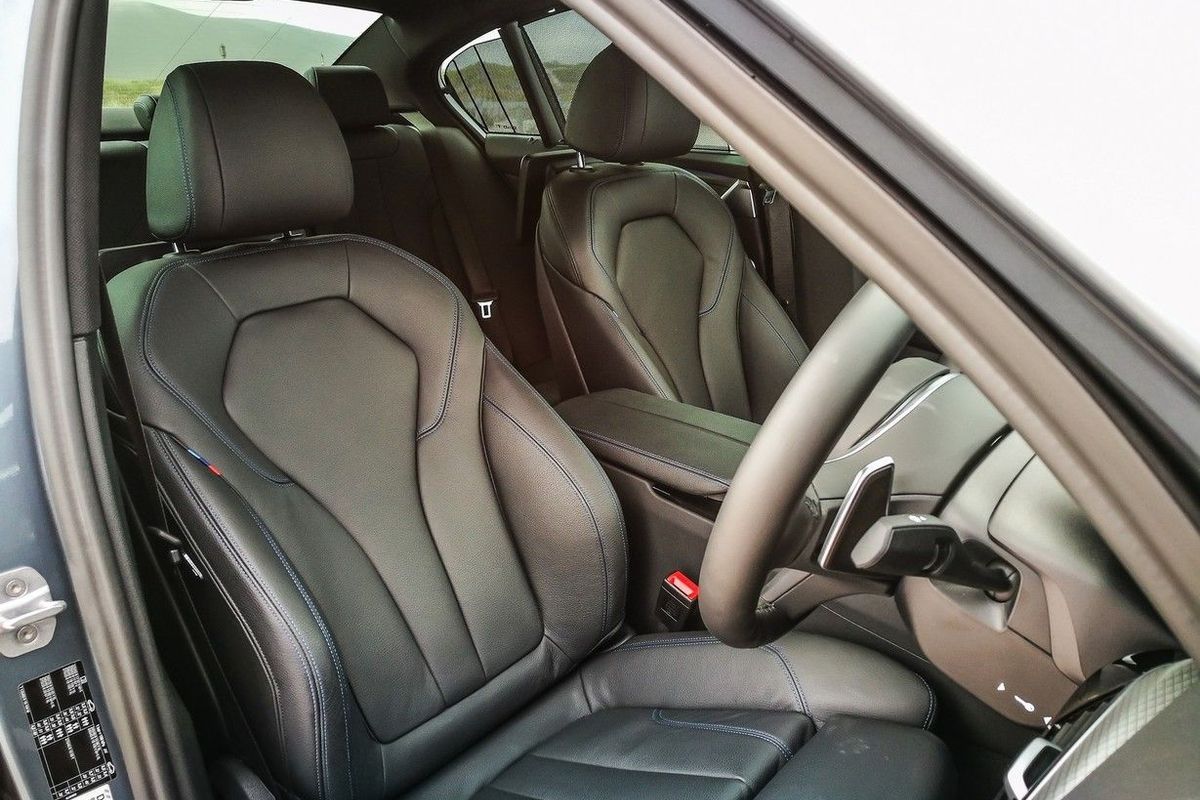
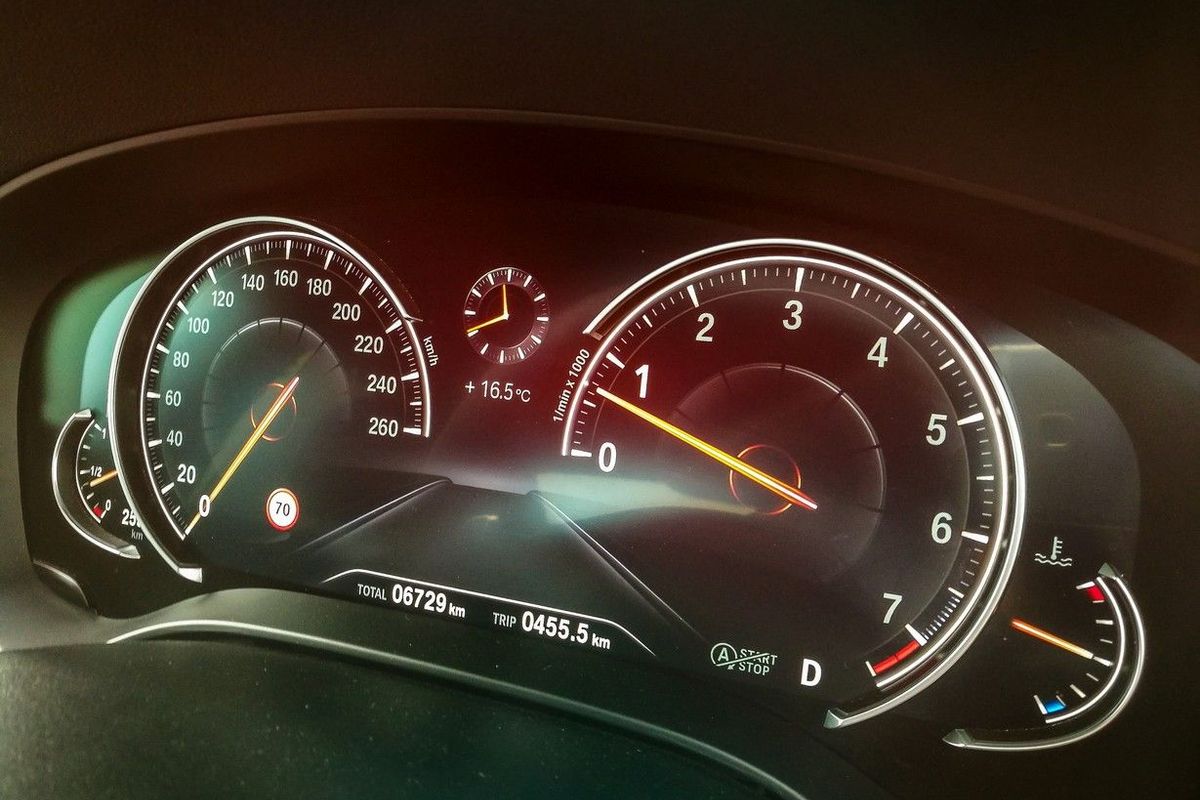
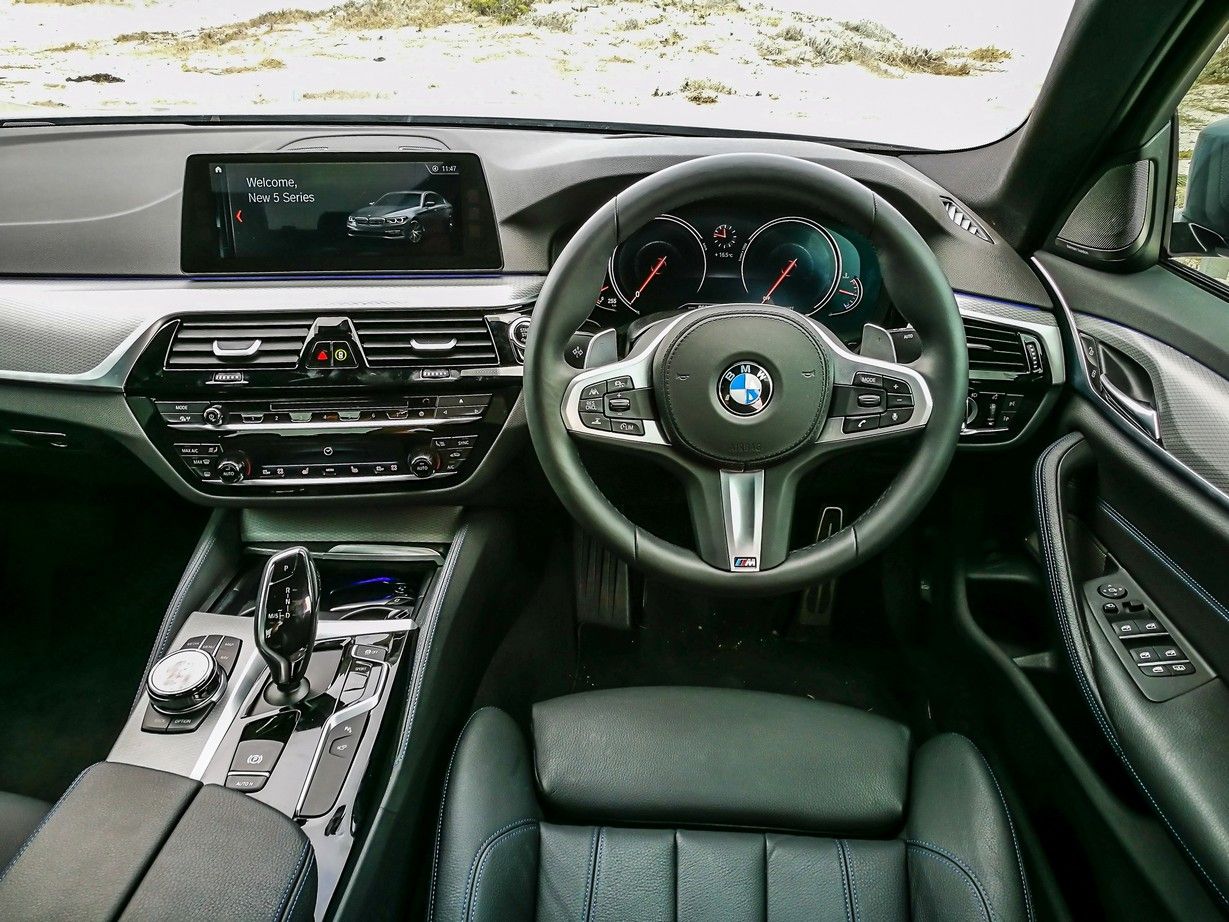
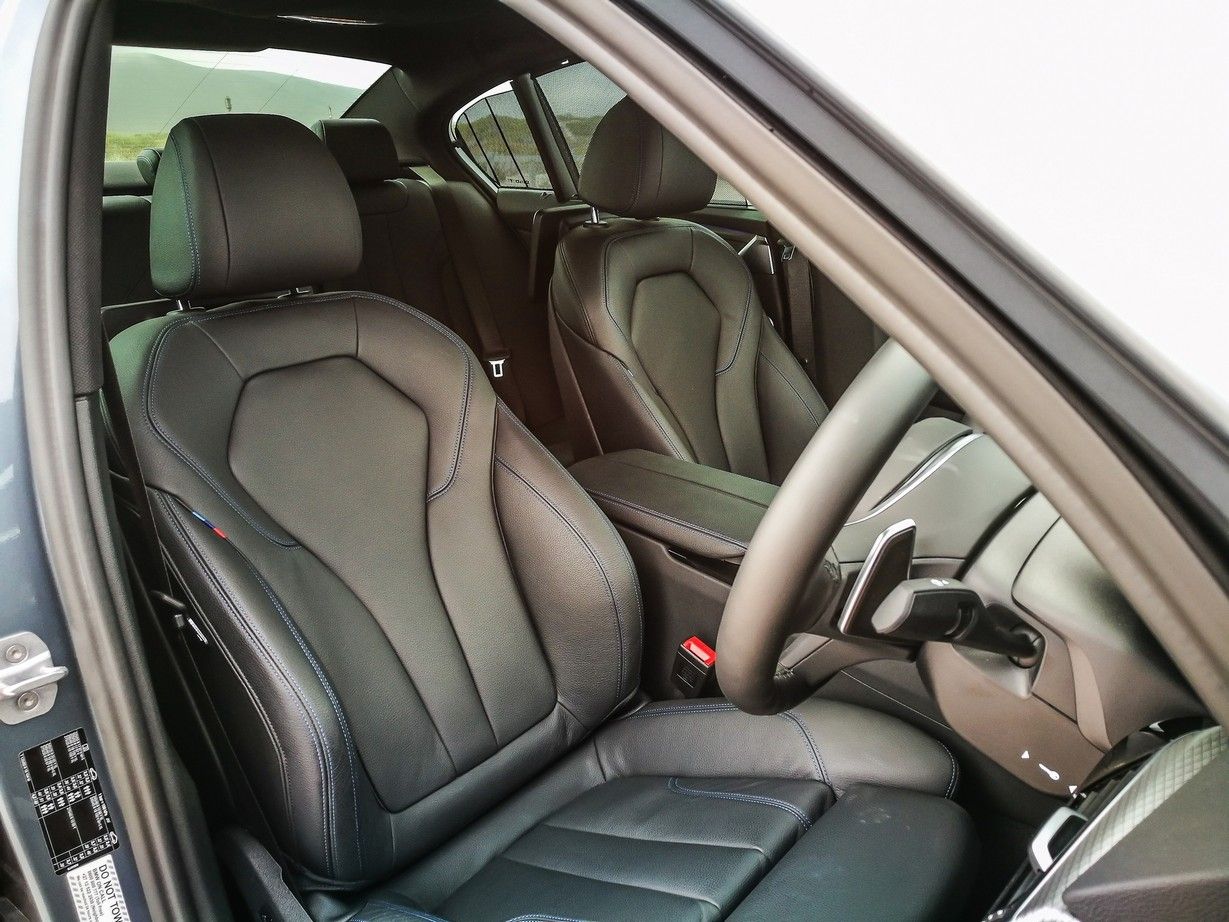
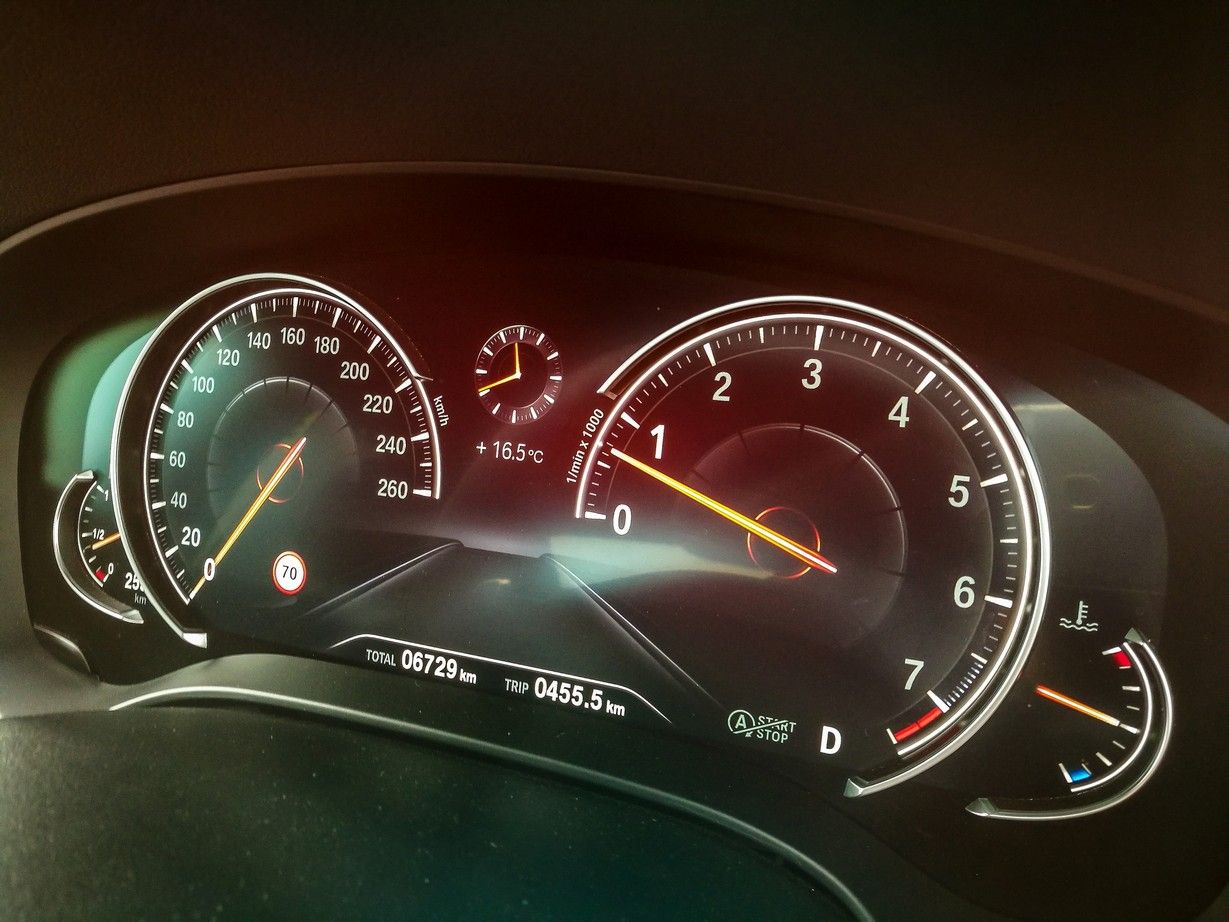
When you slide into the (optional) sports driver’s seat and ensconce yourself behind the thick-rimmed M Sport steering wheel, the dashboard’s wrap-around architecture, the TFT instrumentation panel, piano-black-clad fascia (with the 10.25-inch infotainment screen perched on top of it) instantly envelop you. It is fair to note that the fitment of extra-cost sports seats plays a part, but if BMW has stolen the march on its rivals – even the award-winning Jaguar XF ­– it’s in availing a near-perfect engaging driving position.

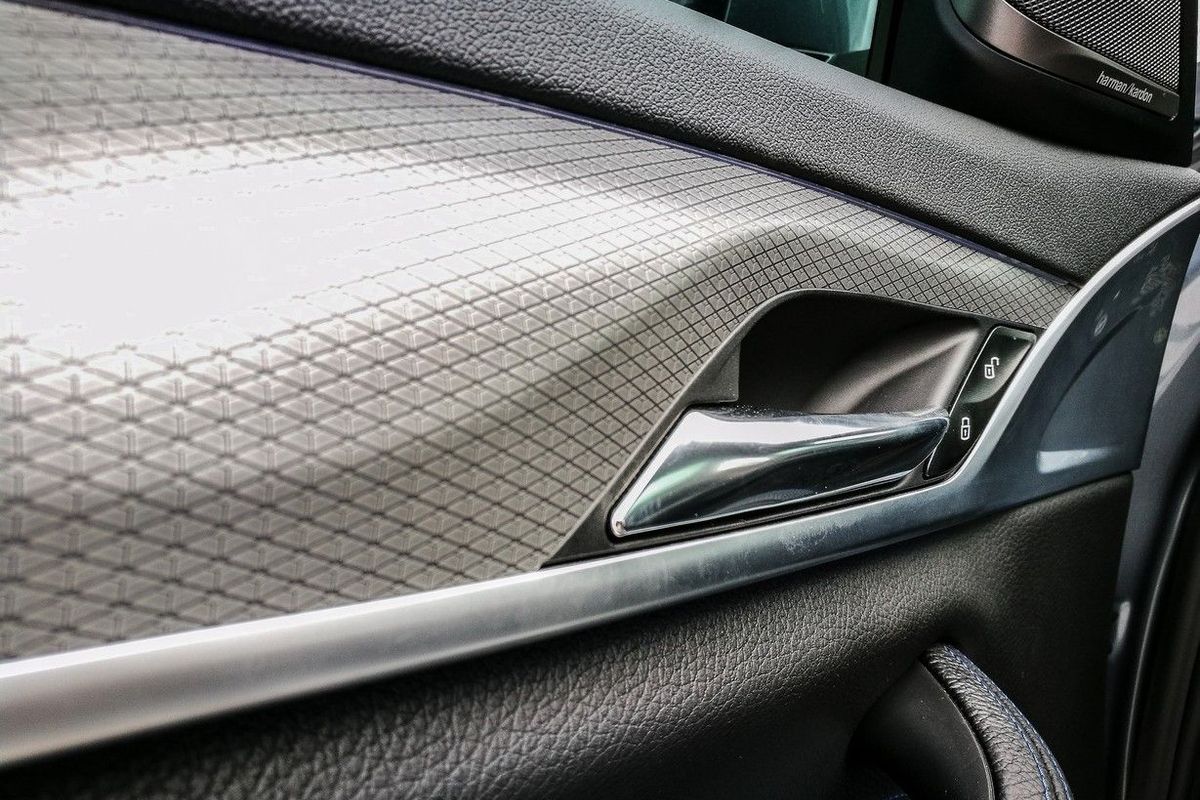
Virtually every interior panel/decorative detail is pleasing to the eye or touch; be it the Aluminium Rhombicle inserts, the contrast stitching on swathes of black leather, the delicate, sumptuous interior LED lighting, or the pleasingly-weighted switchgear with metallic finishes, the 5 Series’ cabin feels more “luxury saloon” than executive sedan.


The 5 Series' cockpit is driver-centric and ergonomically engaging. LED mood lighting is set to emit a purple hue. 

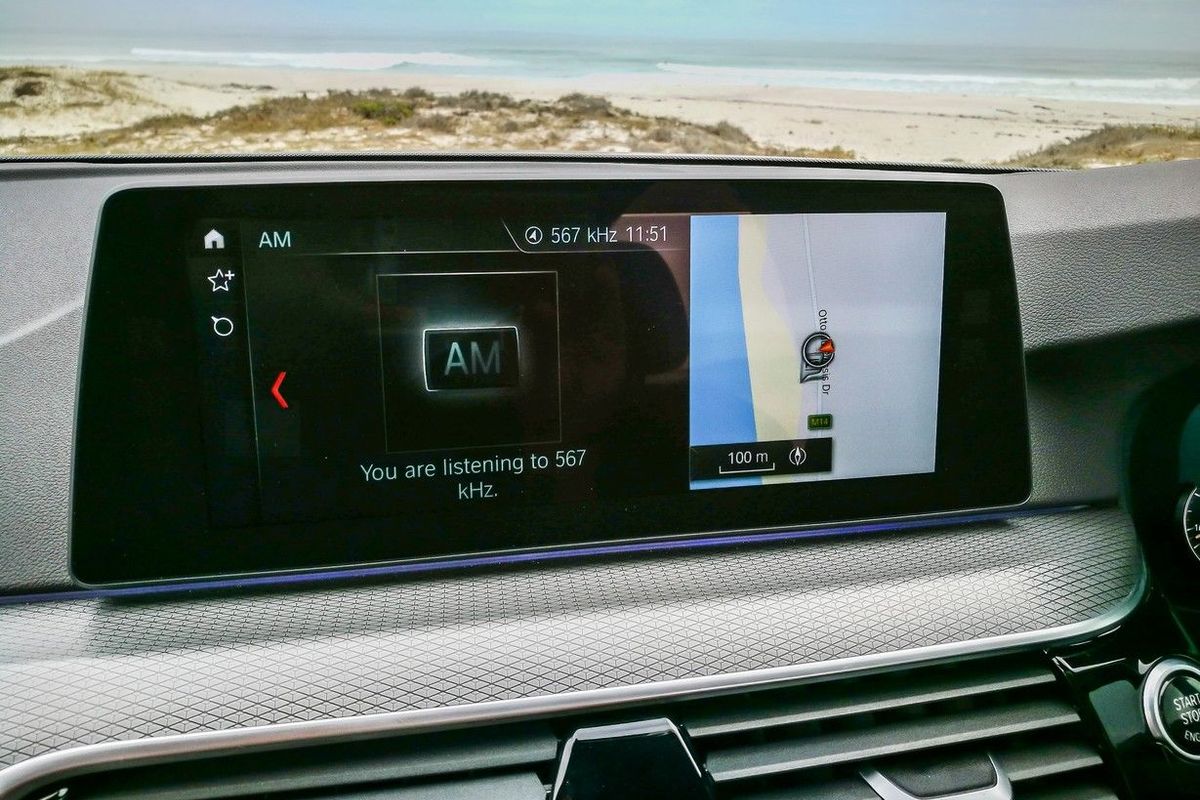
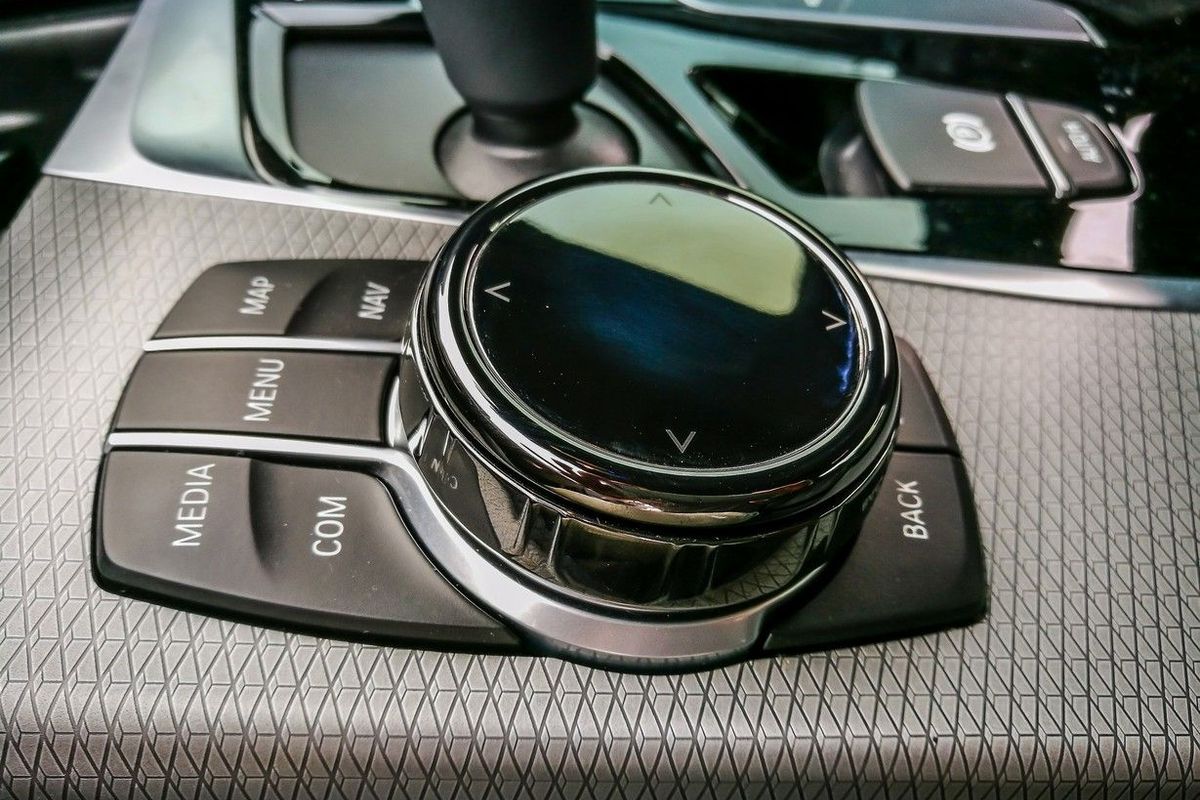
The on-board technology, meanwhile, is astonishingly intuitive. The infotainment system has a customisable multiple-window menu that can be operated by the iDrive controller, touchscreen and gesture control (the latter requires some familiarisation, but adjusting the volume and skipping a music track movements were relatively easy to master). Furthermore, the 5 Series will happily park itself, even if you, the driver, is standing outside of the car, but in case you are curious to see for yourself, the surround-view camera system offers a detailed view of what is going on around the car and the major camera lenses swivel dynamically in the directions that the car’s wheels are turned. 

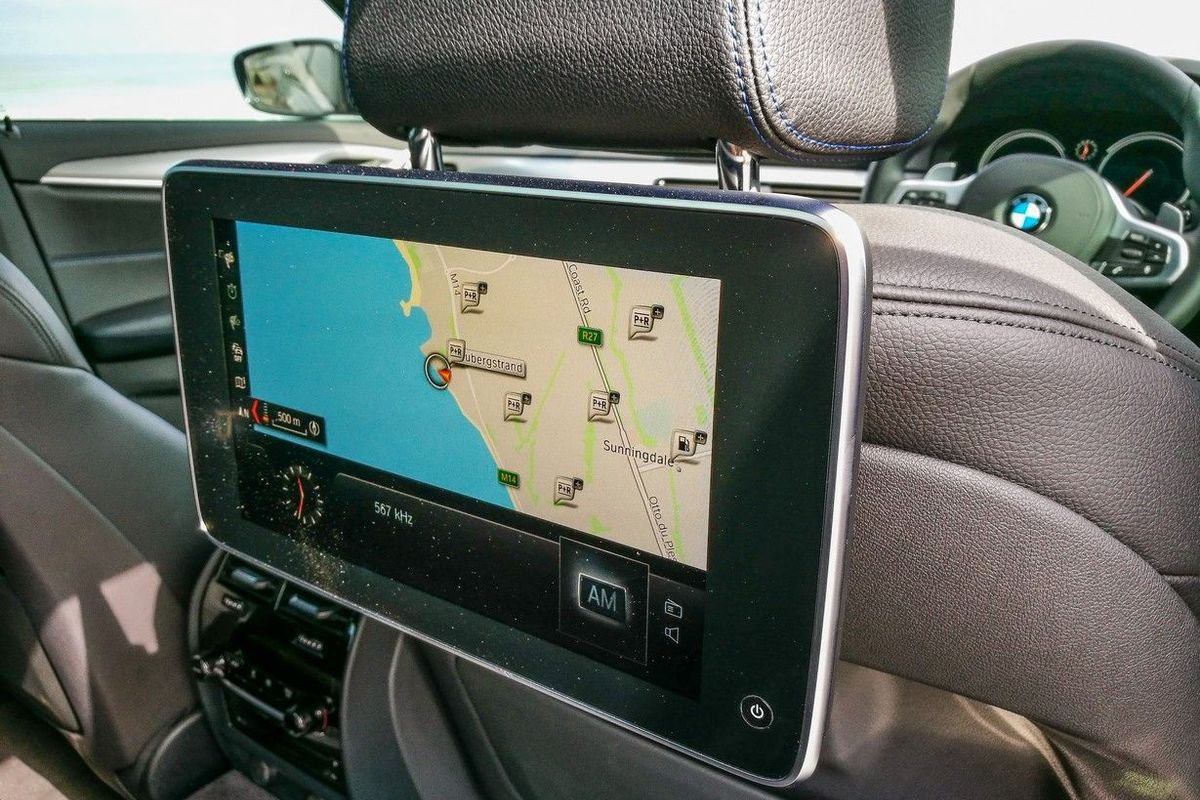
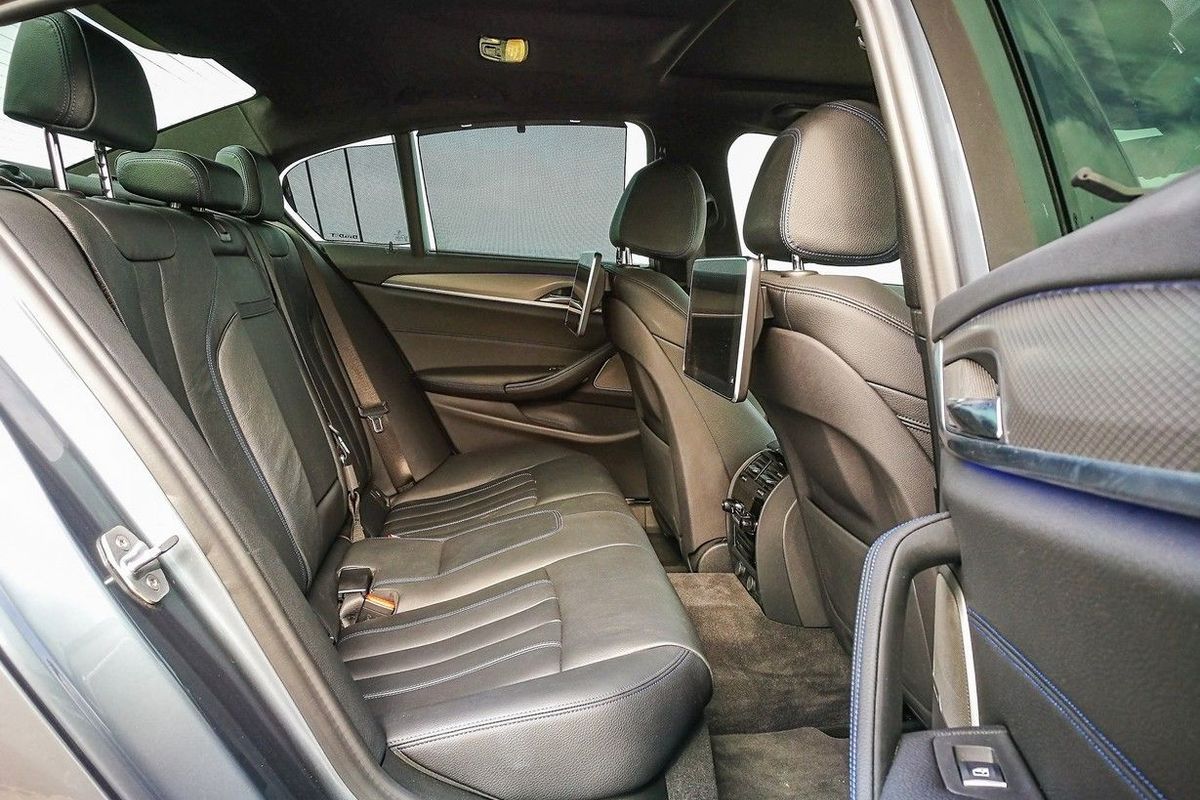
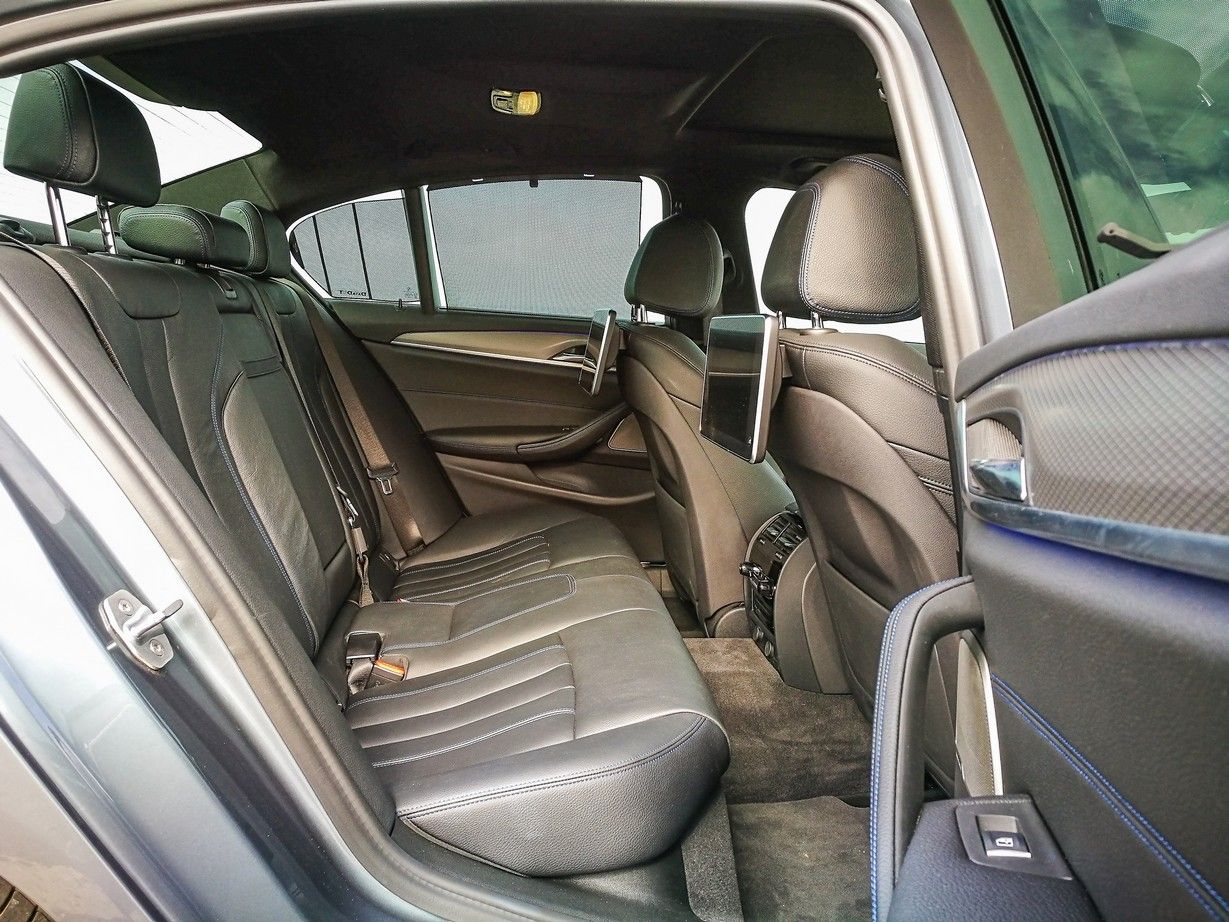
All occupants benefit from the Ambient Air Package, which allows you to choose between a pair of fragrances to diffuse in the cabin, as well as the (standard in the 540i) 4-zone climate control system and electric rear screen roller blind with manual side blinds. The test unit was even equipped with a rear entertainment system, but even though such lavish accoutrements seem seamlessly carried over from the 7 Series, aft passengers occupants don’t get the best deal in the 5 Series’ cabin: the rear legroom is fair, but the backrest is somewhat upright and the cushioning is less than cossetting. 


The amount of rear legroom afforded is fair, as opposed to impressive, but passengers have a separate climate control console. 

Handling and refinement balance?

Even though the 5 Series is renowned for being one of the sportier executive sedans in the market, its athleticism is now more of an inherent, rather than an overt, trait. The Bimmer’s most apparent on-road characteristic is poise. Thanks to special acoustic glass and a particularly aerodynamic body structure, the 540i Sport cuts through the air with precious little engine, wind and road noise intrusion into the sedan’s plush cabin.

Plus, it’s a car that will happily “drive itself” for extended periods, especially in mind-numbing congested freeway conditions. If specified with Driving Assist Plus, which comprises camera and radar-based driver assistance systems including active cruise control with Stop&Go function, steering and lane control assist, lane keeping assist, evasion aid and crossroads warning, the 540i will keep to its lane without requiring minor steering inputs and dynamically adapt its pace depending on prevailing traffic conditions.


Testers were very complimentary about the 540i's involving driving position, as well as the balance of comfort and support offered by the front seats.

According to press material supplied with our test unit, this particular 5 Series was not specified with Integral Active Steering, which swivels the vehicle’s rear wheels in the opposite direction to the fronts to make the German sedan easier to manoeuvre around town, yet wieldier on a demanding series of serpentine bends. To its credit, however, the 540i at our disposal exhibited good body control and was as deft-footed as virtually any non-halo model in the executive sedan segment. The steering is sharp and precise; it instils confidence in the driver when cornering, but, alas, it’s largely bereft of feel.

Similarly, ride comfort is not the 540i’s strongest suit. Yes, the redesigned double-wishbone front axle and new multi-link rear suspension deliver a commendable mix of sportiness and pliancy, but when riding on a performance-tuned M Sport suspension and low(ish)-profile 19-inch wheels (245/40 R19 front, 275/35 R19 rear), less than ideal road conditions are never far from the driver and fellow occupants’ attention. We expect that on more moderately shod and -suspended 5 Series, the on-road demeanour would be far more even-tempered; perhaps the dynamic damper control (EDC) option is worth considering… when selected, the suspension automatically adapts to road conditions and adds Comfort+ as an additional driving experience control (driving mode) setting.  


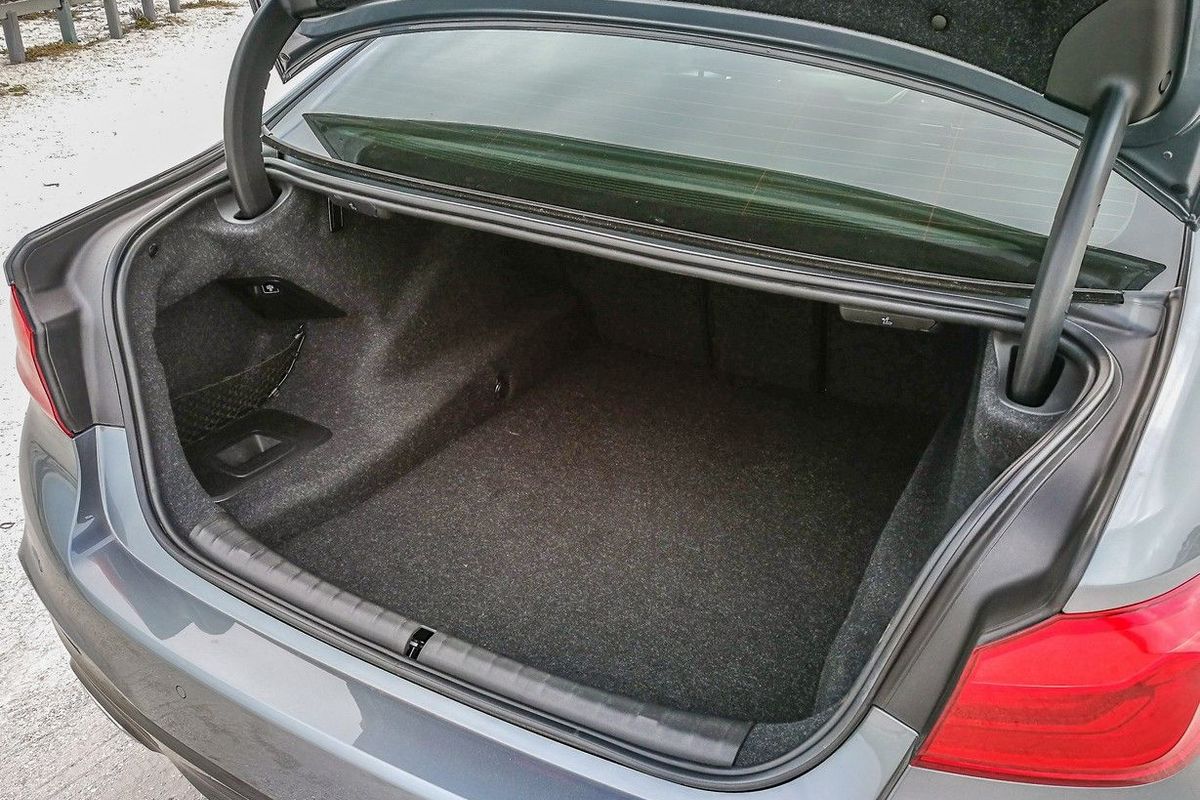
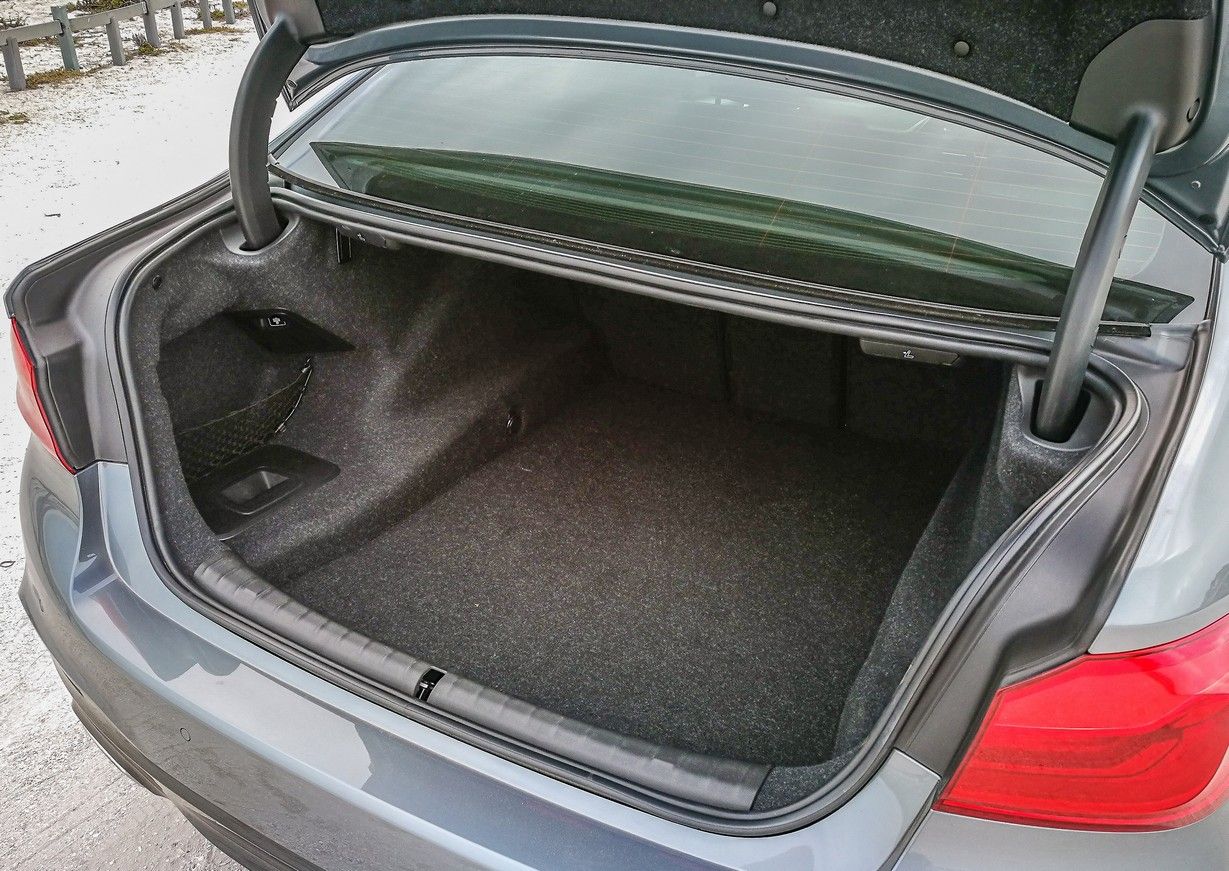
The rear luggage space can be increased by using the through-loading function. The test unit's bootlid was electrically operated.

Performance and economy?

The 5 Series, like so many of its peers, has been subjected to engine downsizing and, because there is no longer a petrol V8 in the range, the proven single-turbo 250 kW/450 Nm 3.0-litre straight 6 is the most powerful motor available (at least until the flagship M5 performance sedan arrives in 2018). The silky 6 is mated with an 8-speed transmission and the powertrain adapts well to the various driving modes at the driver’s disposal.

Zero to 100 kph is claimed to take 5.1 secs and in-gear acceleration is responsive, linear and feels unburstable, even if the soundtrack is somewhat muted. Meanwhile, in terms of fuel consumption, BMW claims an admirable average of 7.2 L/100 km thanks to measures such as the Active Air Stream kidney grille, which helps to reduce the drag coefficient to 0.22 cd, and the lightening effect of EfficientLightweight construction.

Value for money?

The 540i costs R1 005 115, which includes a 5-year/100 000 km maintenance plan, the aforementioned electric blinds and 4-zone climate control, a professional navigation system, multifunctional instrument- and head-up displays and wireless ‘phone charging.


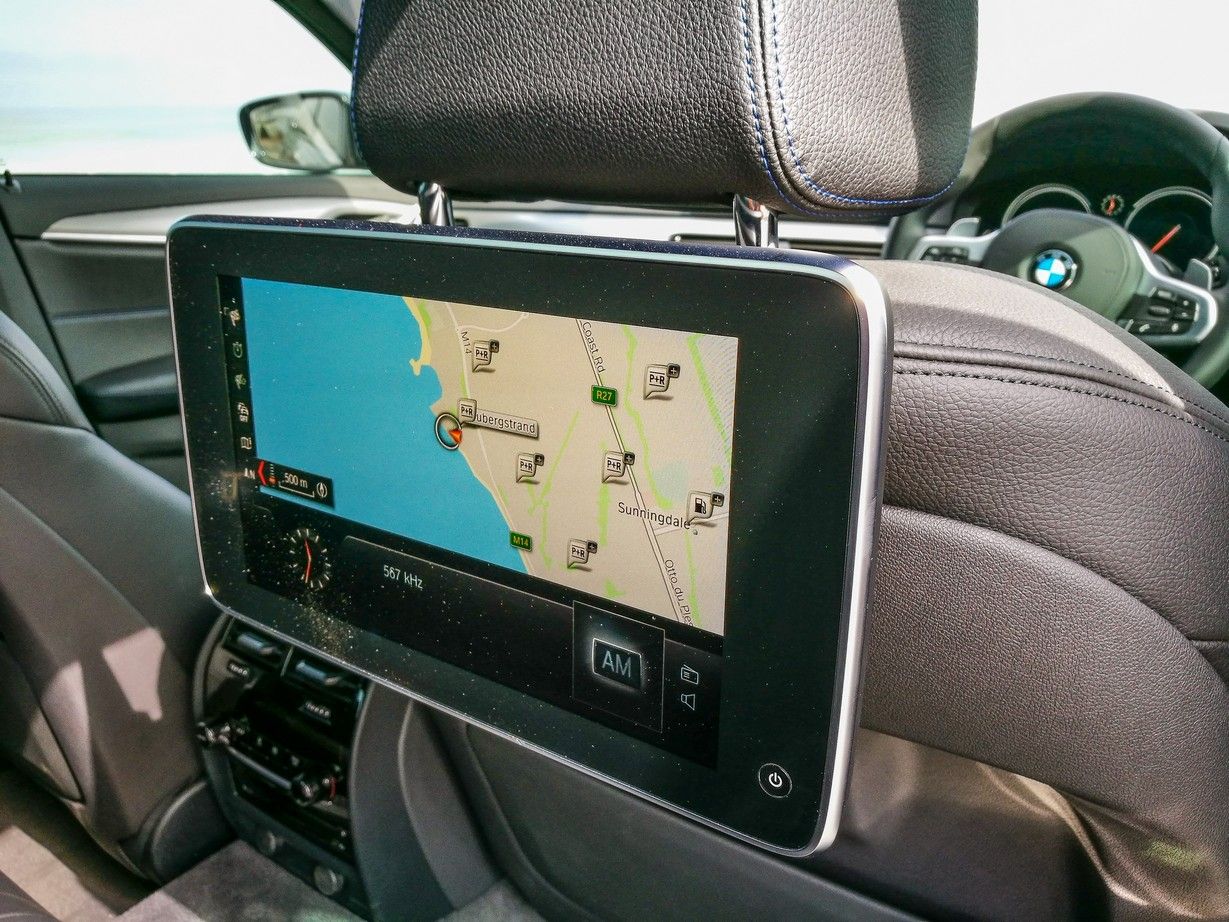
The Professional entertainment system includes a pair of rear monitors that avail infotainment features to back-seat occupants. 

The list of optional equipment fitted to the test unit is staggering, however. It includes (but is not limited to) the M Sport aerodynamic kit, -suspension, -steering wheel and -brakes, adaptive LED headlights with high-beam assist, glass sunroof, BMW display key with remote control parking, comfort access, heated sports front seats, Harman/kardon surround sound, gesture control, driving assist plus, parking assist plus, ambient air package, rear-seat entertainment, electrically activated tailgate and trailer tow hitch.

With more than R300k’s worth of extra equipment fitted to this 540i, the top-of-the-range 5 Series does not make a lot of sense, especially because the entry-level 7 Series, the similarly-engined 740i with an asking price of R1 445 576, costs “only” R150 000 more.


As we've alluded to in the review, the 540i's standard features list is not stellar; the digital instrument panel IS standard, however.

Verdict

In an automotive market that increasingly favours SUVs over traditional executive sedans, the relevance of the 7th-generation BMW 5 Series is moot. However, it would be patently unfair to judge the product on the consumption patterns of local consumers alone; suffice to say the newcomer can justifiably stake a claim to being the best car in its (albeit shrinking) segment. In terms of offering a premium driving experience, the G30-generation delivers comfort, refinement, sophistication… and driver engagement. 

As for affording a driver and their fellow occupants a “first-class motoring experience at the fraction of the price”, the picture looks less rosy. With an asking price of over a R1-million, that fraction is too large in the 540i’s case, because the smartest, most desirable features are frustratingly optional. Plus, while the on-road refinement, handling and performance are all impressive, opting for the handsome aerodynamic kit and bigger wheels comes at the cost of comfort, unless you add on the adaptive suspension.

Therefore, the best value arguably lies in a prudently specified 520d, which offers peak torque of 400 Nm (just 50 Nm less than the 540i) and should, in theory, leave you more budget to spec nice-to-haves in the car; like its fellow 5 Series derivatives it certainly would not need to stand back to any of its executive sedan rivals; if the Volvo S90 has taught us anything, it’s that 4 cylinder powerplants are sufficient in these applications! 

Watch Ciro de Siena's video review of the 540i Sport below:

Related content:

BMW M5 Prototype (2018) First Drive [with Video]

Updated: Mercedes-Benz E-Class (2017) Specs & Price

With 5 Series, Germany pulls ahead again

BMW 5 Series (2017) Specs & Pricing

BMW 5 Series (2017) International First Drive

Volvo S90 D5 Inscription AWD (2017) Quick Review

Volvo S90 T6 Inscription AWD (2017) Review

Volvo Sweetens Deal on S90 & Other Ranges

Interested in buying a BMW 5 Series?

Find a new/used example on Cars.co.za

Mazda CX-5 2.2DE AWD Akera vs Hyundai Tucson 2.0CRDi Elite (2017) Comparative Video Review

The Hyundai Tucson is a top-selling compact family car/SUV, but an all-new version of its Mazda CX-5 rival recently arrived in South Africa, bringing with it a host of improvements in terms of design, refinement and safety features. A direct comparison between the Korean and Japanese products was inevitable!

For this in-depth comparative video review, we pit the Hyundai Tucson 2.0 CRDi Elite derivative against the equivalent Mazda CX-5 2.2 DE AWD Akera to determine which is the better buy. Both are flagships that are feature automatic transmissions and powered by turbodiesel engines.

Does the handsome Hyundai Tucson have what it takes to best the suave Mazda CX-5? Watch the video to see how they stack up!

Related content:

Mazda CX-5 (2017) First Drive

Extended Test: Mazda CX-5 2.2DE AWD Akera [with Video]

Hyundai Tucson Sport (2017) Quick Review

Hyundai Tucson (2017) Specs & Price

Hyundai Tucson Sport (2017) Launch Review

Hyundai Tucson 1.7 CRDi Executive (2017) Review

Hyundai Tucson 1.6 Turbo Executive Manual (2016) Review

Hyundai Tucson 1.6 Turbo 4WD Elite (2016) Review

2016 Hyundai Tucson – In-Depth Review, pricing and specs [Video]

Comparative Review: Hyundai Tucson vs Kia Sportage vs Renault Kadjar vs Volkswagen Tiguan

Want to buy a Hyundai Tucson?

Find a new or used example on Cars.co.za

Interested in buying a Mazda CX-5?

Find a new or used example on Cars.co.za

Hyundai Creta vs Suzuki Vitara vs Renault Captur (2017) Comparative Video Review

We thought it would be useful, and interesting, to introduce the Hyundai Creta to two of its rivals; cars that have quickly established themselves in the South African market and enjoy healthy sales. The first being our current Wesbank Cars.co.za Consumer Awards reigning champion in the Compact Family Car category, the Suzuki Vitara, and secondly, Renault's popular Captur, which was a runner-up in our 2016/17 awards programme.

In this video, we take each car for a drive to assess the engines and drivetrains, as well as ride quality and comfort, followed by a detailed look at interior build quality, standard features, rear seat space and boot/luggage space.

Read the full text version of the Crossover Group Review here

We want to hear from you – which of these three compact crossovers is your favourite? Let us know in the comments below. We'd also love for you to join our community by subscribing to our Youtube channel, which you can easily do by clicking here.

If you'd like to read about other cars in the segment:

Haval H2 1.5T Luxury Auto (2017) Review [with Video]
Extended Test: Opel Mokka X 1.4 Turbo Cosmo [with Video]
Hyundai Creta & Toyota C-HR (2017) Video Reviews

Renault Captur Sunset (2016) Review
Nissan Kicks [2018] First Drive
Suzuki Vitara 1.6 GL+ (2016) Review

Crossover Comparison: Honda HR-V vs Mazda CX-3
Check out all our videos here

Want to buy a new or used vehicle?

Browse through stock here

Mercedes-Benz X-Class Concept Finally Revealed (Updated)

After months of spyshots and teaser images, we finally have a look at the Mercedes-Benz bakkie, dubbed X-Class and it goes into production in 2017. The good news is that it will be coming to South Africa too.

Update: Ahead of its international unveiling, Mercedes-Benz put out a teaser trailer of the production version of the X-Class bakkie. The premiere will be taking place in Cape Town in July 2017 and it's great to see a big brand choosing South Africa as a location to show off its all-new offerings. We'll be in attendance and can't wait to sample this new entrant into the hotly contested bakkie market.

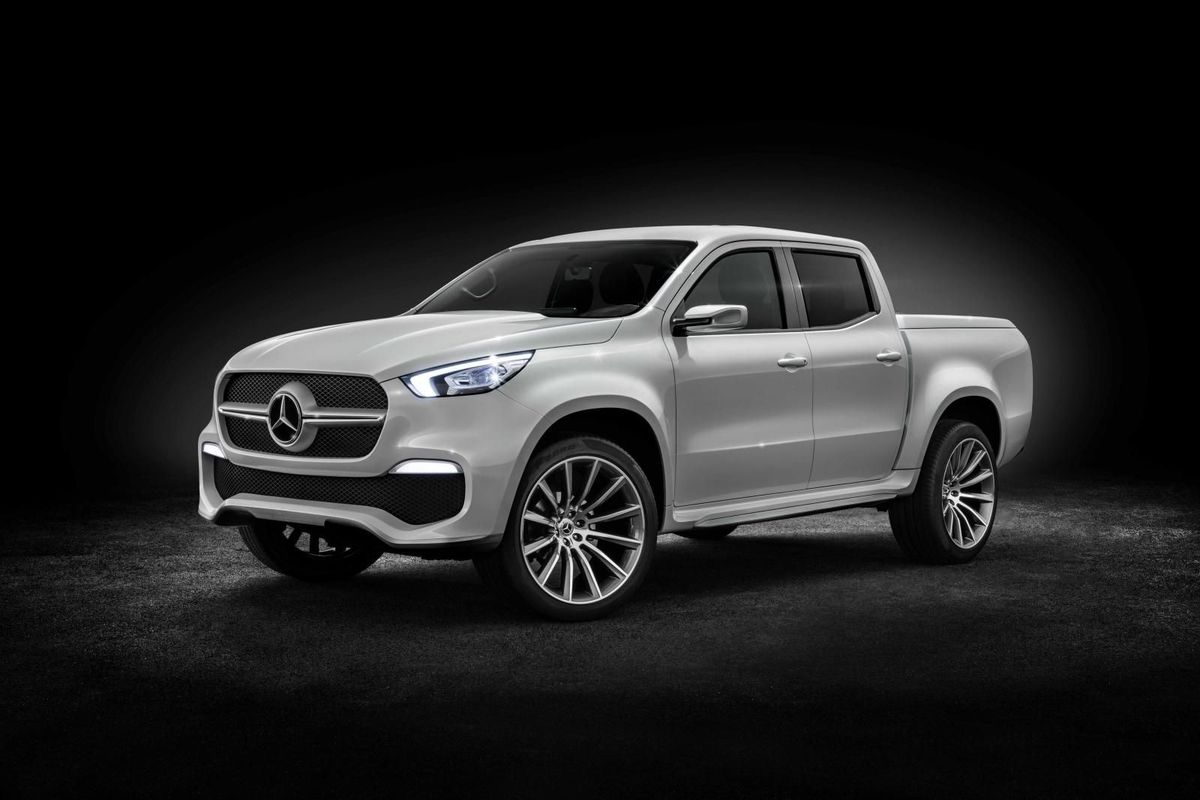
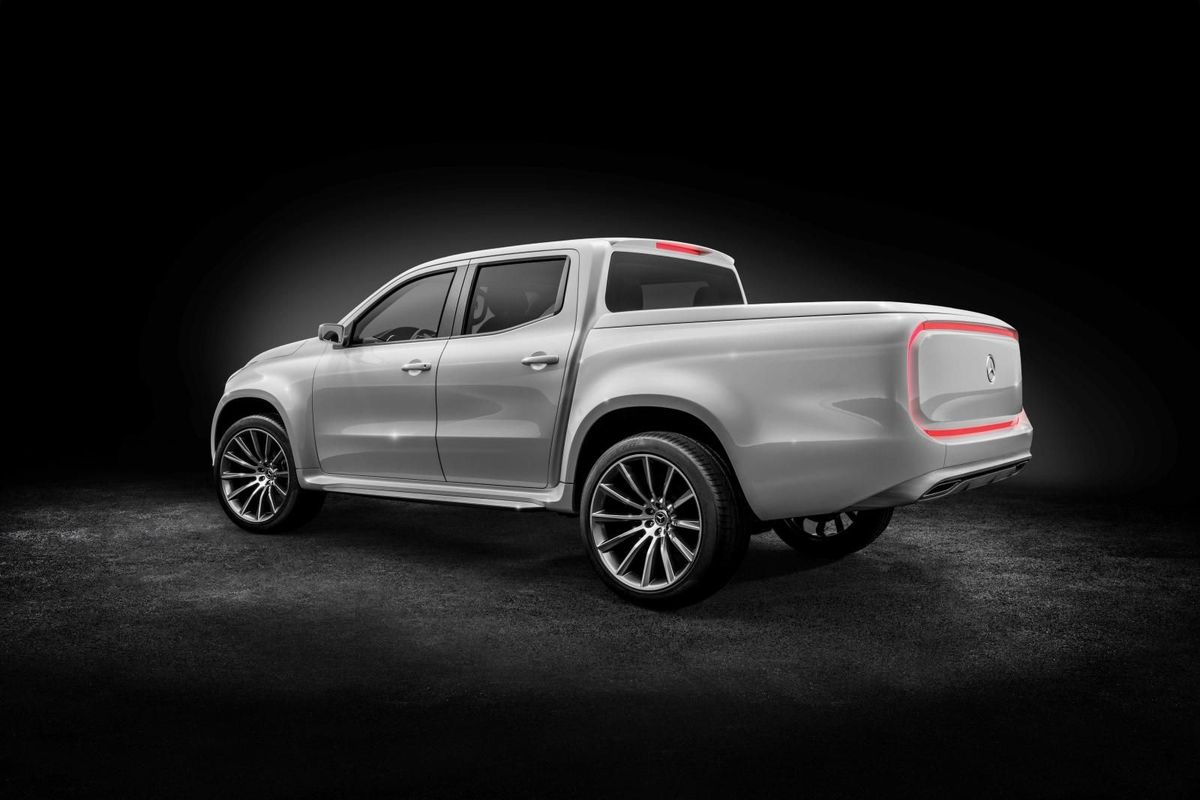
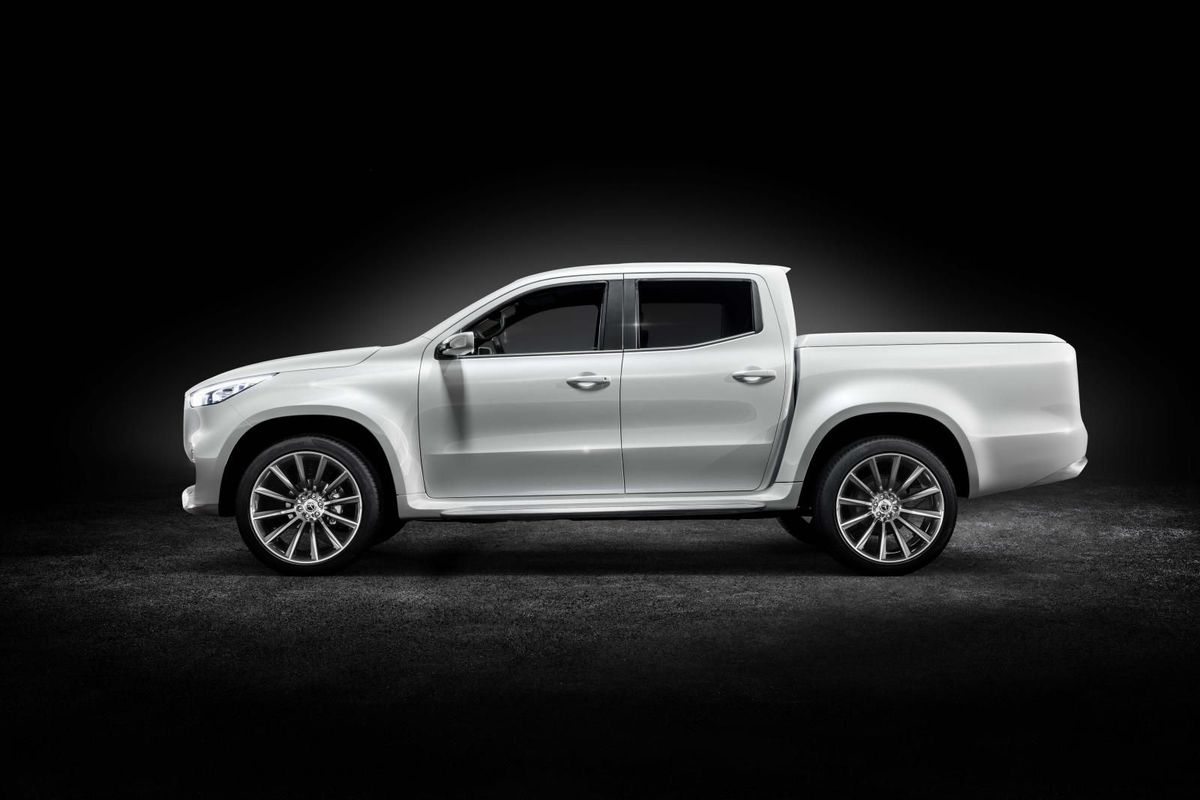
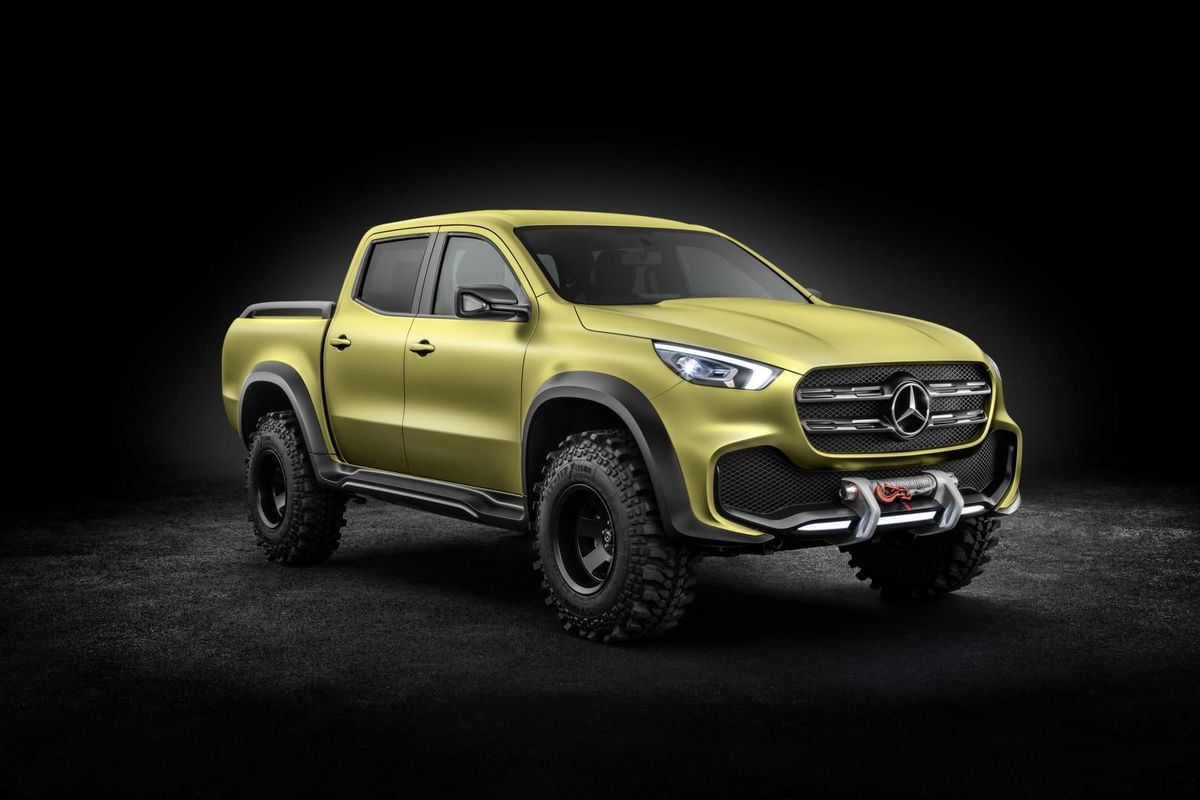
The Mercedes-Benz bakkie finally emerges after months of speculation and we can finally share some details about this eagerly anticipated model. "With the X-Class, we will close one of the last gaps in our portfolio," says Mercedes-Benz chairman Dieter Zetsche. "Our target is to offer customers vehicles matching their specific needs. The pick-up will set new standards in a growing segment." The Mercedes-Benz X-Class design has not changed radically from the sketches and renders we've seen up until this point.

Head of Mercedes-Benz's commercial vehicle division, Volker Mornhinweg, has confirmed the X-Class will offer seating for five and be pitched as what it describes as an "urban lifestyle and family vehicle". Mornhinweg added that the company has identified five different customer groups for its latest model: families, tradespeople, land owners, adventurers and individualists. "We will thus appeal to new customers who have not considered owning a pick-up before."

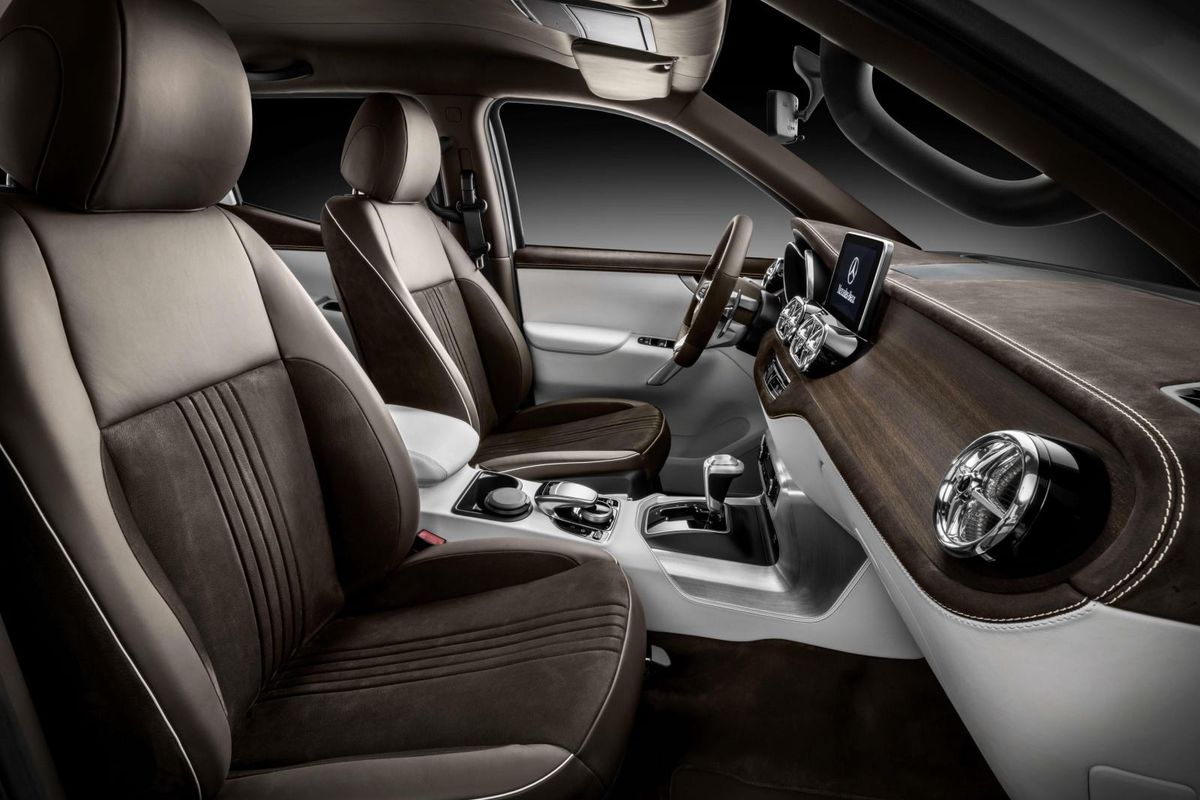
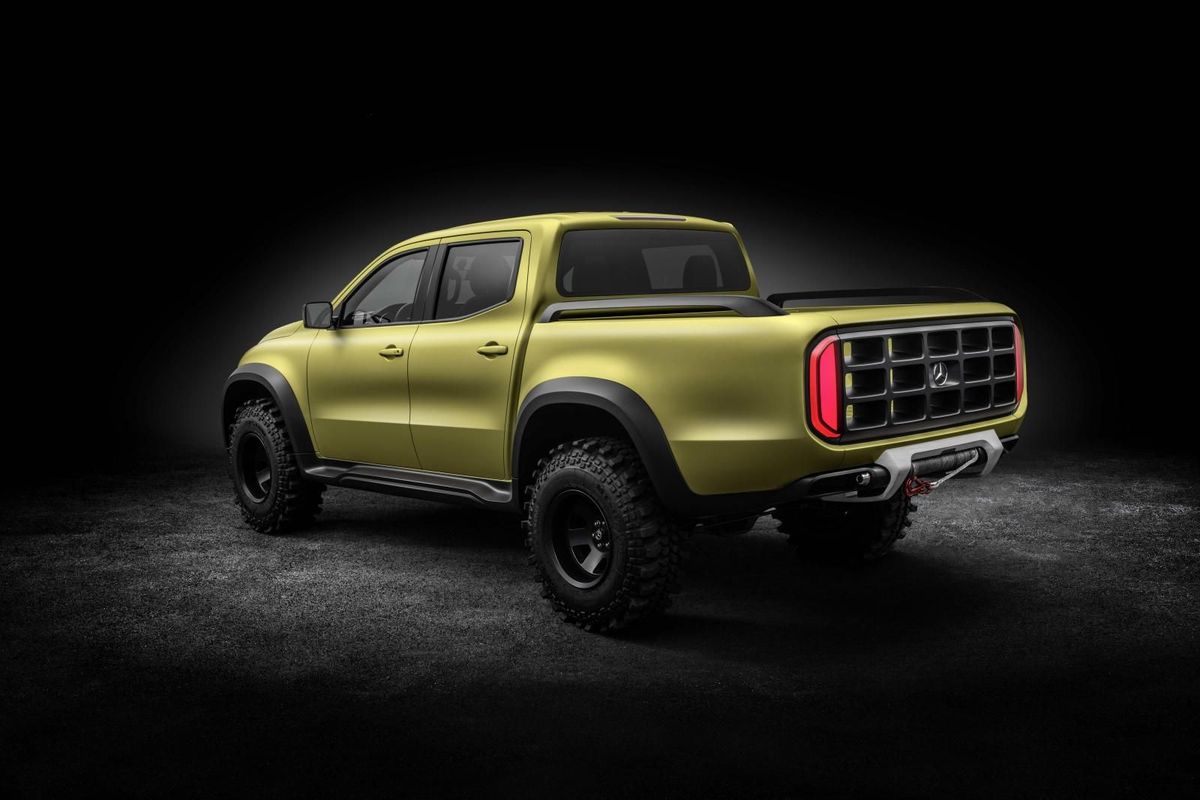
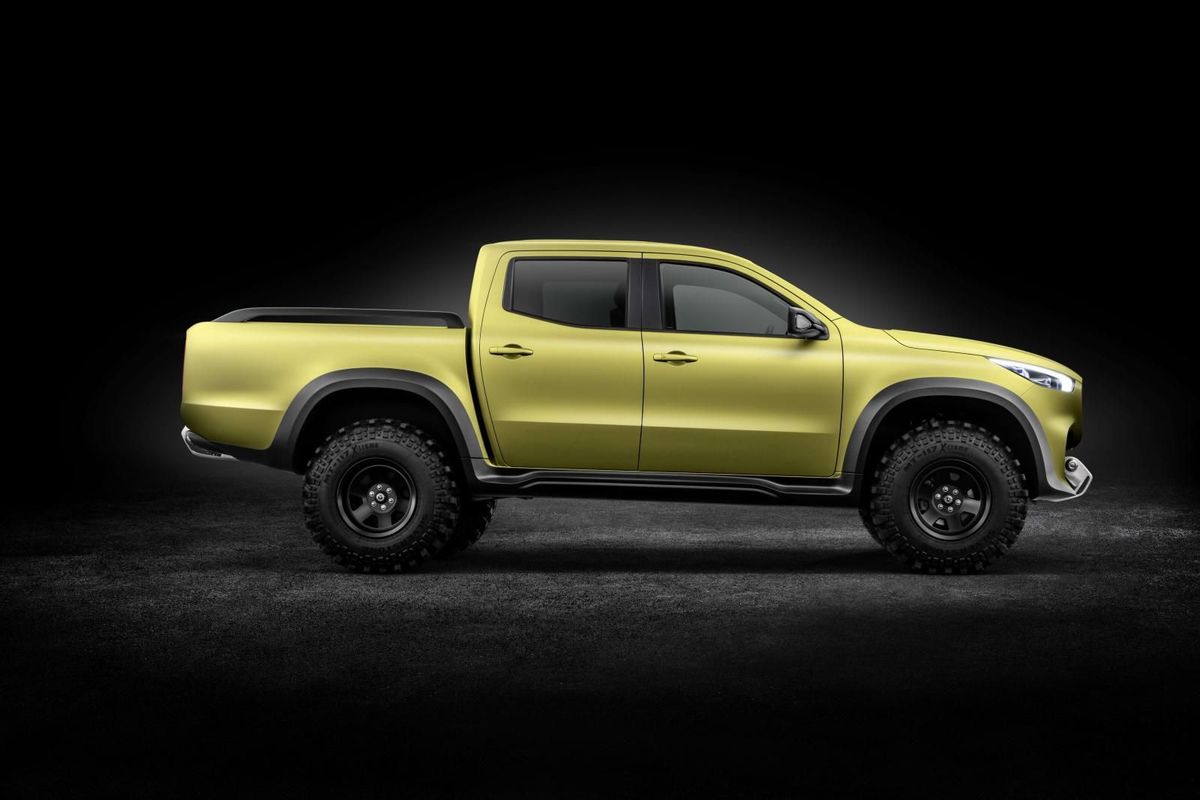
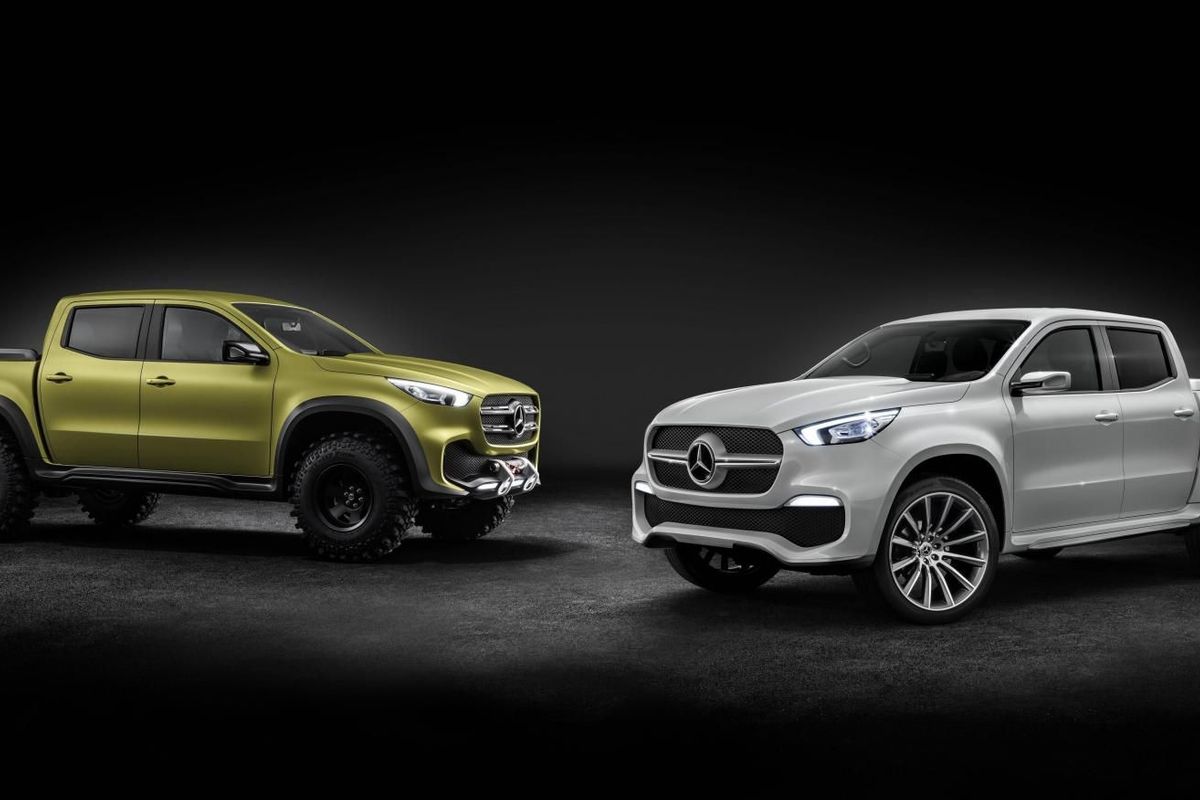
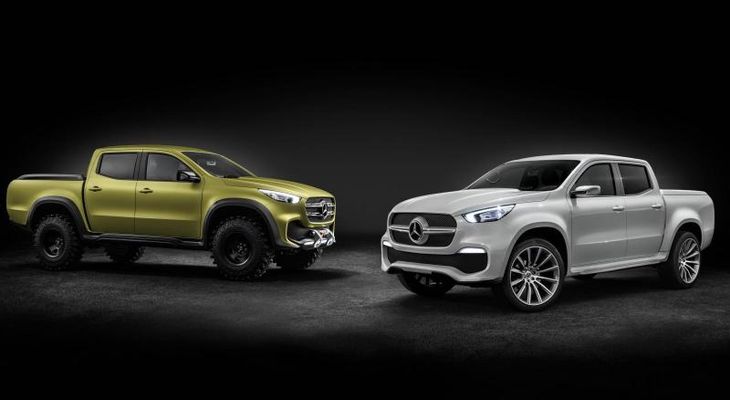
Showcased at the launch unveiling event in Sweden were two models, the Stylish Explorer and the Powerful Adventurer. The Stylish Explorer featuring a body-on-frame steel exterior, an on-road road biased wheel and tyre package, moderate ride height and a luxurious leather lined interior, while its more hardcore sibling looks far more offroad biased with its generous ground clearance, four-wheel drive, additional wheel arch and body side cladding and off-road wheels shod with traction enhancing tyres.


The two Mercedes-Benz bakkie concepts: Stylish Explorer and the Powerful Adventurer.

Cabin and Safety

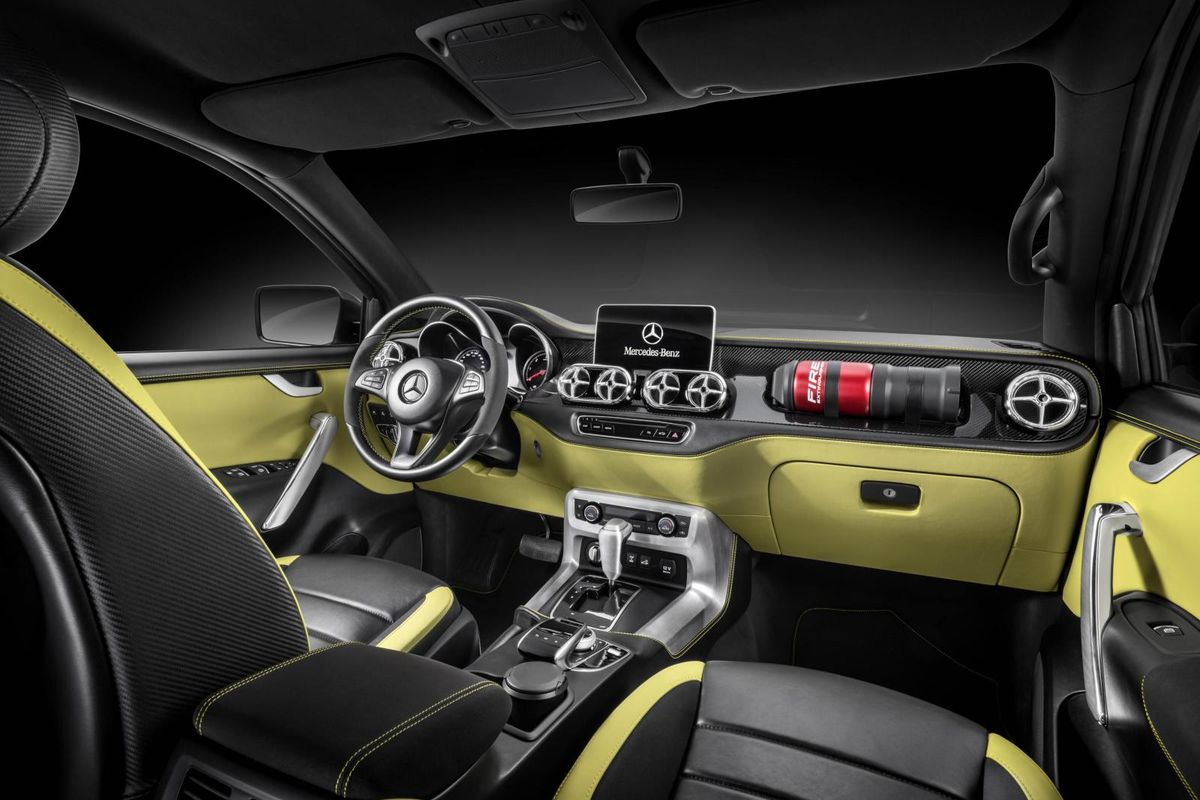
The cabin looks smart and features two individual seats in the front, while the rear has a bench seat which seats three. The dashboard and cabin trim are not too dissimilar to the V-Class commercial vehicle, and there are definite touches lifted straight from the C-Class. Straight from the Nissan Navara and Renault Alaskan is the cable-operated handbrake. Some of the features which will appear in the production version include a communication module featuring an on-board SIM card that will enable owners to communicate with the infotainment system directly from their smartphone.

There will be many safety features and Mercedes-Benz suggests that the X-Class will offer many of its existing camera, radar and ultrasound sensor-based driver assistance aids. It's not confirmed yet, but it's looking likely that the Mercedes-Benz X-Class will be one of the safest bakkies on sale.

Engines and Ability

The technical numbers make for interesting reading. Mercedes-Benz is claiming that its new X-Class has a load carrying potential of 1 100 kg, while the flagship model can tow 3 500 kg. While the engines are not confirmed as yet, Mercedes-Benz is planning four-cylinder petrol and diesel units together with the top-of-the-line V6 diesel engine.

Mercedes-Benz is planning rear-wheel drive for the low-spec models, while 4MATIC four-wheel drive will be available as an option. The flagship V6 receives 4×4 complete with a transfer case offering low-range gearing, on-demand differential locks and electronic traction control for added ability. 

While there's no hiding the underpinnings straight from the Nissan Navara and the Renault Alaskan, Mercedes-Benz has some work to create a uniquely tuned version of the body-on-frame steel chassis. It features a MacPherson strut suspension at the front and five-link arrangement at the rear.

Market Plans

Mercedes-Benz is going large with its X-Class and trying to elbow its way into the global mid-size bakkie market. This segment does 2.3-million units a year with the segment rival coming straight from Toyota. Mercedes-Benz will be pitching its X-Class against the premium portion of the market such as the recently facelifted Volkswagen Amarok. Key markets for the X-Class are Australia, Argentina, Brazil, Europe and South Africa. Production for the Australian, European and South African markets will kick off at an existing Nissan factory in Barcelona, Spain in 2017. The X-class for South American markets, including Brazil and Argentina, will roll off assembly lines in Cordoba, Argentina beginning in 2018.

Further Reading

Find a used Mercedes-Benz for sale here

Stay on top of the latest Mercedes-Benz news here

BMW 4 Series (2017) Launch Review

The facelifted BMW 4 Series has arrived on South African shores and we got a chance to put it through its paces on the beautiful roads of Mpumalanga. Here's what #CarsAwards judge Francisco Nwamba thought of the newcomer.

It’s 4 years since BMW shocked us all by introducing a controversial variant called the 4 Series. The reason why it caused a stir was that for decades we had come to know and love the 3 Series, which came in different shapes and sizes. When Bimmer grouped the coupe, grand coupe and convertible into a new range, many of us needed time to accept the change.

The adjustment period was, however, brief; the model quickly gained popularity worldwide with over 400 000 units sold globally. Around 1.3% of those sales were registered in South Africa and if you’re part of the 5 500 of those customers who bought a 4 Series, or you’re looking for something in that space, we’ve got news. An updated version is among us.

What’s changed?

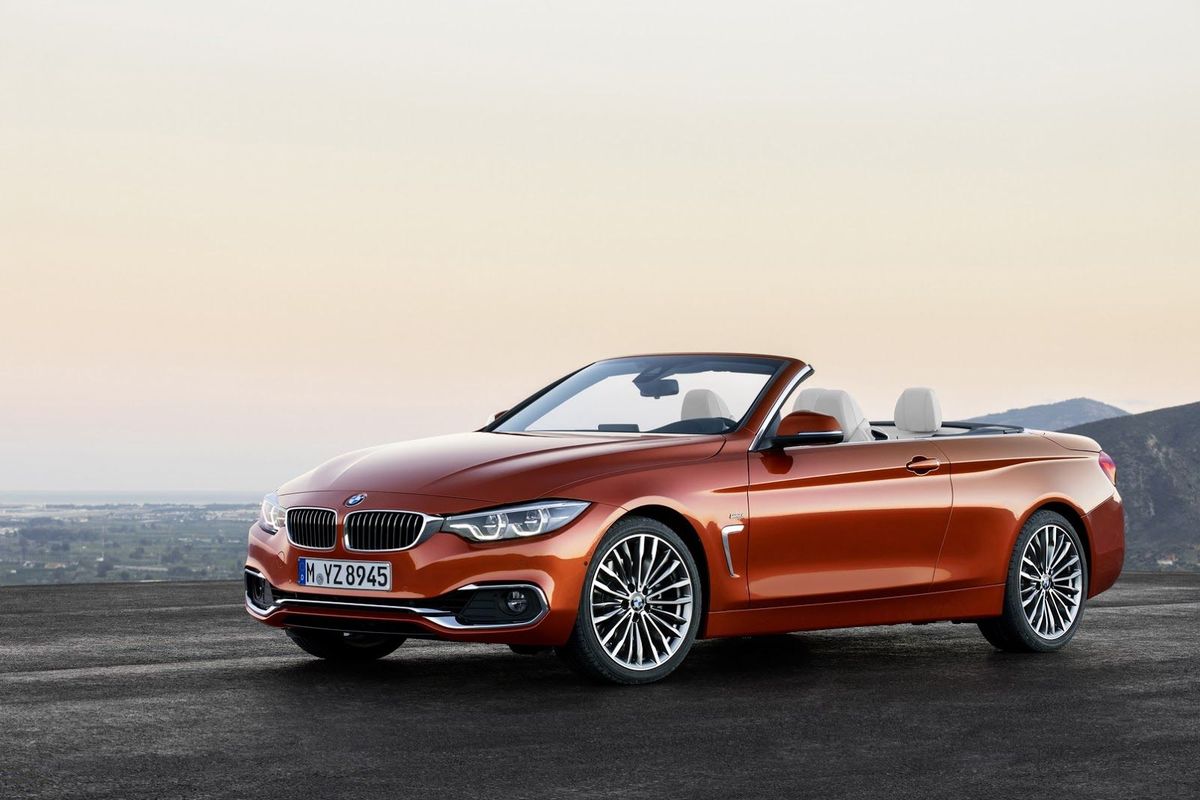
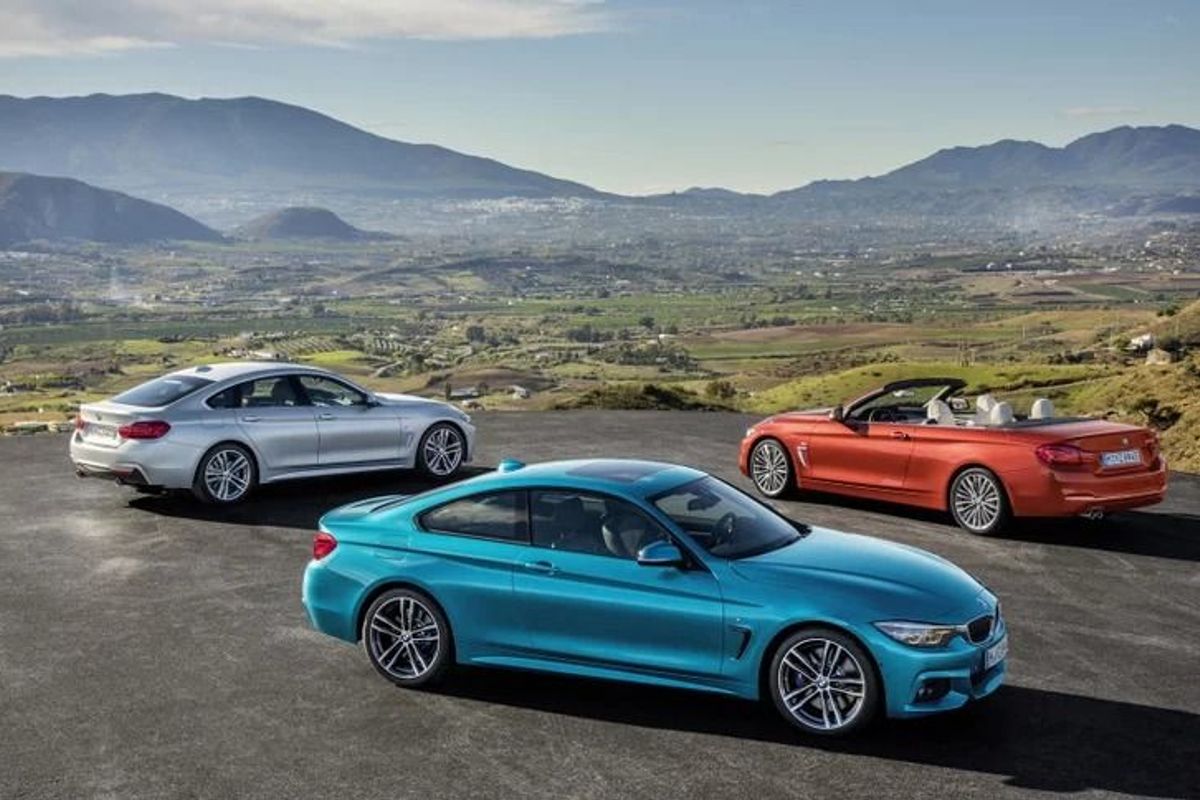
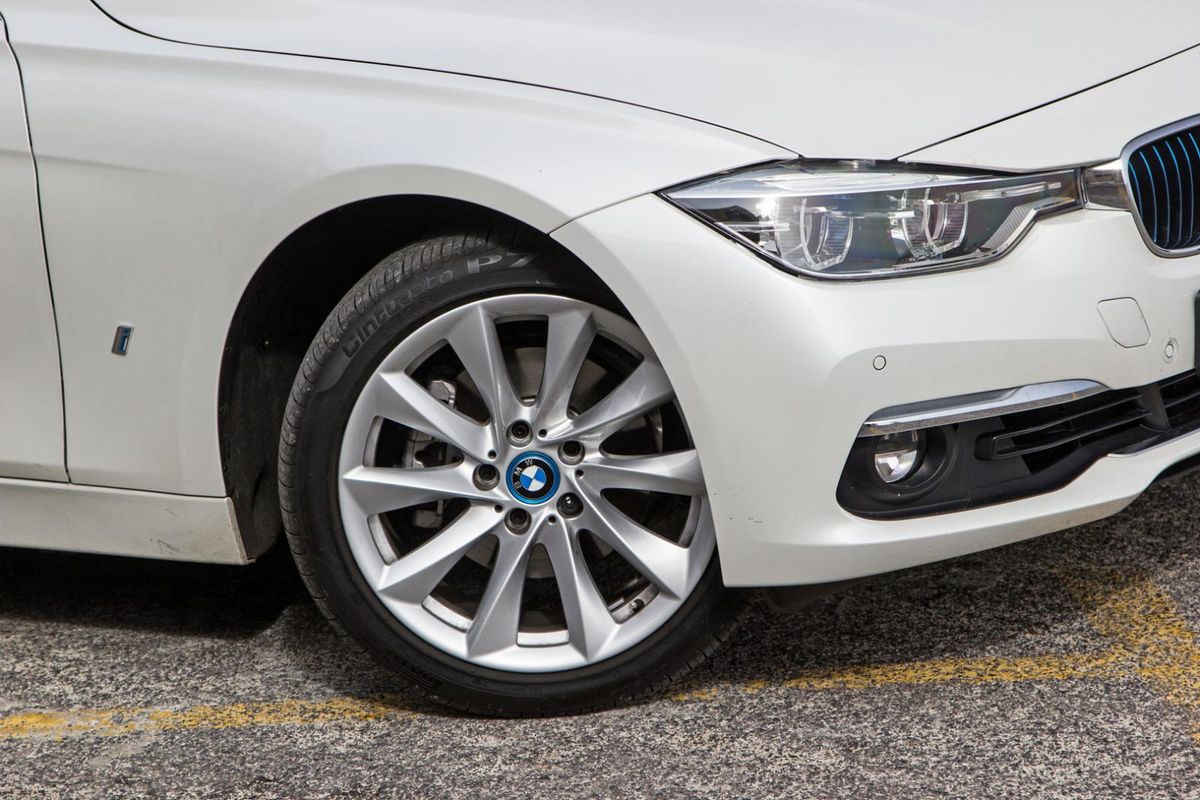
As has become the norm for BMW, the LCI (an abbreviation for Life Cycle Impulse, but the rest of the world calls it "a facelift") is not groundbreaking, yet enough to make current 4 Series owners long for an upgrade. Lighting systems have come a long way since 2013 and LEDs are now all the rage. The facelifted 4 Series has both front and rear full LED lights, making the vehicle look as modern as ever. Additional paintwork options such as the Snapper Rocks Blue and Sunset Orange colours are exclusive to the new 4 Series. Stepping inside the new car, you’ll be presented with subtle changes to the interior: smatterings of chrome here, gloss black there, again nothing groundbreaking, until you notice a digital instrument display.
So many premium brands have rolled out flashy digital displays throughout their models and BMW has fitted one in the 4 Series that is similar to what you would get in a new 5 Series. The "Multifunctional Instrument Display" is not standard, but it makes such an impact that it's hard not to recommend it. Another tech-related option is the choice of Professional navigation, which has a different interface layout to the standard infotainment screen. As ever, you get that typical-of-BMW premium feel when you ensconce yourself in the cabin.

The 4 Series range has always been slightly off-beat since you can have a Coupe, a Convertible and a Gran Coupe, with the latter causing many to ask why would you buy it over a 3 Series? The answer to that question no-one knows, but what we do know is that both the new Coupe and Gran Coupe have tweaked suspension systems. BMW has firmed things up and made the steering systems on the cars markedly more precise. The reason for this is to make the cars more engaging, which they are as we found out behind the wheel of a 420d Coupe. Despite having only 140 kW the car performed exceedingly well on tight roads as well as highways, as did the 420i too.

These are the golden eggs of the range as they come in at a price more accessible than the 430i and 440i. Even the base 420i is no slouch as it offers 135 kW, which is more than enough for the average driver. Three petrol engines and 1 diesel is offered in the Coupe and Gran Coupe, while the Convertible is only offered in a petrol derivative. The Convertible has been left alone when it comes to its suspension setup, due to it being a more comfort-orientated car and its owners prefer to have a softer ride, so we’re told. Still, we found that the 440i Convertible that was available to drive on the launch was peppier than ever and dynamic enough to keep most eager drivers happy. Since the new B58 engine was introduced to us in the previous 4 Series, the 240 kW inline 6 cylinder was a proven quantity. The same goes for the engine in the 430i as well, which produces 185 kW from a 2.0-litre turbocharged motor.

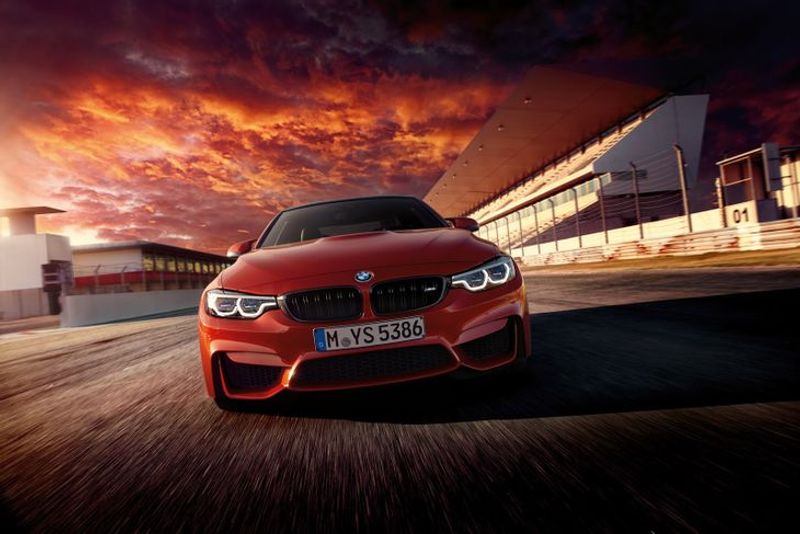
BMW’s halo M4 model is not left out of this facelift. It too receives rear LED taillights and new LED front headlights, which are more hexagonal in appearance and very menacing. The same tech features are now also available in the M4, keeping it in line with its siblings.

Summary

Overall then, the new BMW 4 Series is now better looking and wieldier than the previous car. With the variants on offer, there is essentially a 4 Series for everyone. Several types of buyers, from the family car client to the well-monied singleton, are catered for by this range, making the 4 badge quite versatile. The changes made to the range are as welcome as they were necessary as this segment has become even more competitive of late with the introduction of the Mercedes-Benz C-Class coupe and the Audi A5. Is the new 4 Series the car for you? We can’t answer that, what we can tell you is that it’s one of the top picks in its segment. From the way it drives to the equipment it offers, the 4's difficult to fault.
With so many people having purchased these cars in the last few years, the only thing this range may suffer from is saturation. Depending on which part of South Africa you’re from, the BMW 4 Series is a reasonably common sight and it's easy to understand why the cars are so popular. Starting at R603 200 for a 420i Coupe and Gran Coupe and R715 400 for a 420i Convertible, these are not cheap toys. Thankfully, however, you don’t really need to have a more powerful variant unless you want a high-performance car. If aesthetics is what you’re after however, the 420d Coupe, in our books, is the pick of the bunch, at R639 300 you get the power and the efficiency (4.2 litres/100km combined).

BMW 4 Series – prices in South Africa (July 2017)

BMW 4 Series Coupe & Gran Coupe

420i R604 796
420i AT R624 798
420i Sports AT R630 598
420d R639 300
420d AT R660 100
420d Sports AT R665 900
430i  R692 922
430i AT R712 126
430i Sports AT R717 926
440i Sports AT R864 976
M4 (coupe only) R1 277 376
M4 M-DCT (coupe only) R1 276 236

BMW 4 Series Convertible

420i R718 250
420i AT R738 024
420i Sports AT R743 824
430i  R831 476
430i AT R850 452
430i Sports AT R856 252
440i Sports AT R989 546
M4   R1 441 302
M4 M-DCT   R1 440 162

All prices include a 5-year/100 000 km maintenance plan.

Related content:

BMW 440i Coupe M Sport (2016) Review
BMW M4 GTS: What's Cool About the Ultimate Performance BMW
BMW M4 with M Performance Parts (2016) Video Review
BMW M4 M-DCT with M Performance Parts (2016) Review
BMW 3-Series vs 4-Series: Which Should You Buy (Video)
BMW 4-Series Parking Challenge (Video)
The New BMW 4-Series Boot Test (Video)

Want to buy a BMW 4 Series?

Find a new or used BMW 4 Series on Cars.co.za

Comparative Review: BMW 330e vs Mercedes-Benz C350e [with Video]

The BMW 330e and (locally manufactured) Mercedes-Benz C350e represent their brands' most affordable plug-in hybrid vehicles (PHEVs) on the market (July 2017); it's no surprise that they are direct rivals. We put the pair of PHEV sedans through their paces to see which one is the better buy

What exactly is a plug-in hybrid, you may ask? Essentially, it cleverly combines a standard combustion engine with an electric motor and its battery pack. The principle is simple as the petrol engine does the majority of the open road driving, while the electric motor takes over where the petrol engine suffers the most: in traffic and when pulling away from a stationary position. When the battery is depleted, you have the option of using the petrol engine to charge it up (which substantially increases consumption) or (as opposed to the first wave of hybrids that were introduced in South Africa) you can plug it in either at home using a conventional plug point or at one of the few charging points dotted around the country.

As it stands, there are a few brands that offer plug-in hybrids on the local market. BMW has launched its iPerformance range which comprises the 330e, 740e and X5e, plus the range will be expanded soon to include the 530e 5 Series derivative. The i3 Range Extender (REX) is essentially a "range anxiety eliminator", but the i8 sportscar is certainly a true PHEV. Mercedes-Benz has PHEV versions of its C-, E- and S-Class models as well as some of its SUVs, Volvo offers a plug-in hybrid version of its XC90, as does Porsche with its Cayenne. 


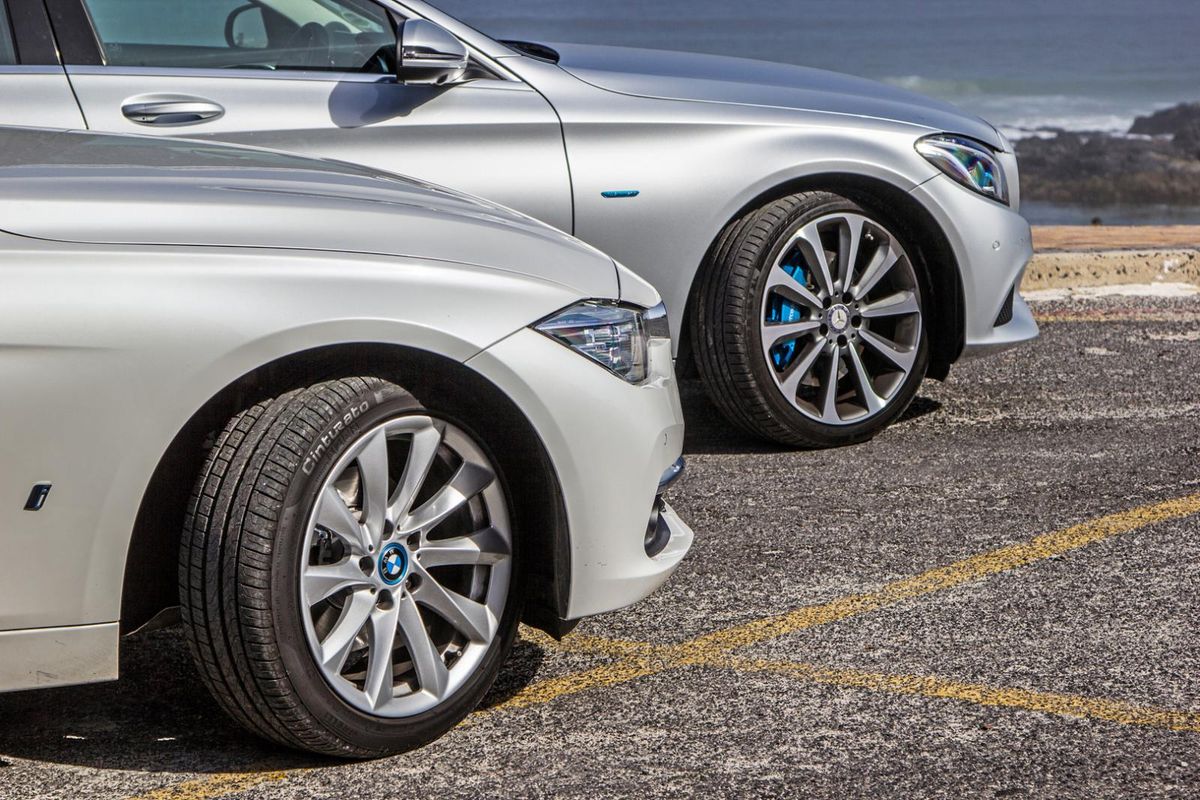
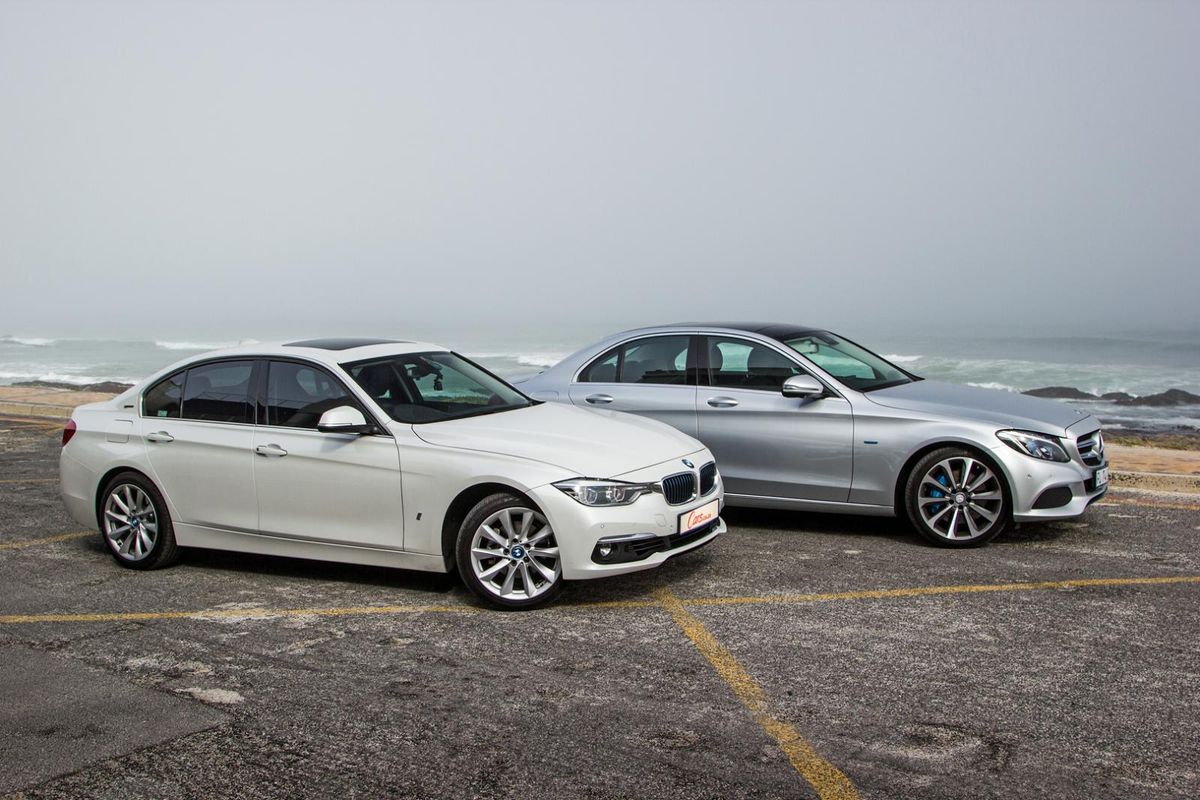
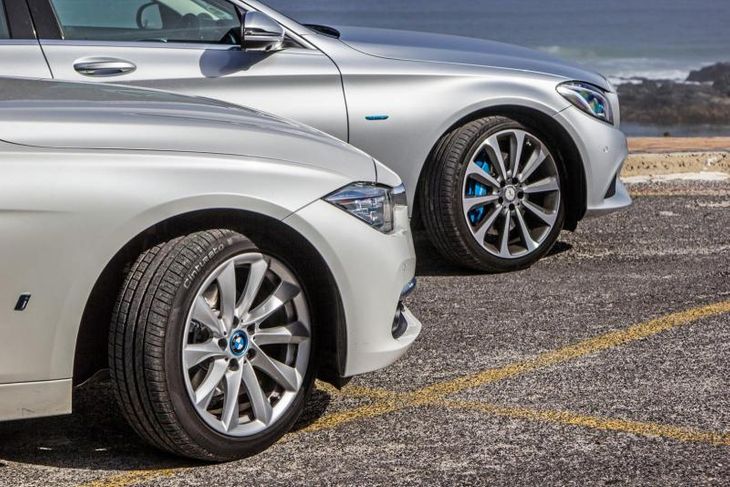
Judging by their side views, the i badges and blue brake callipers are the only clues that these 2 are not conventional German business class sedans.
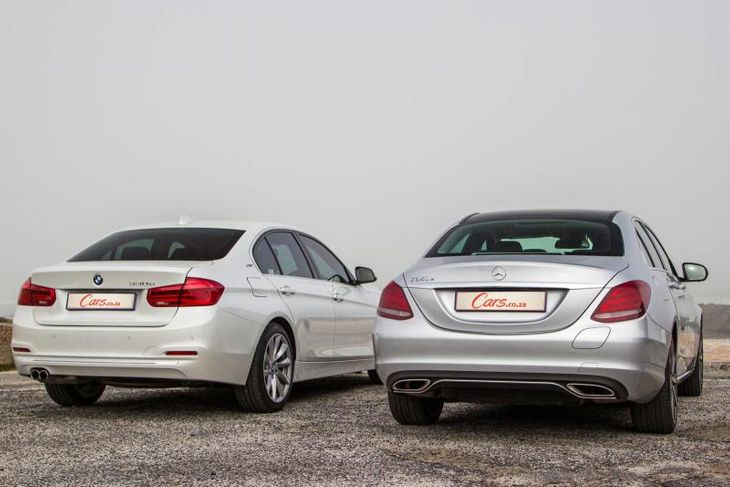
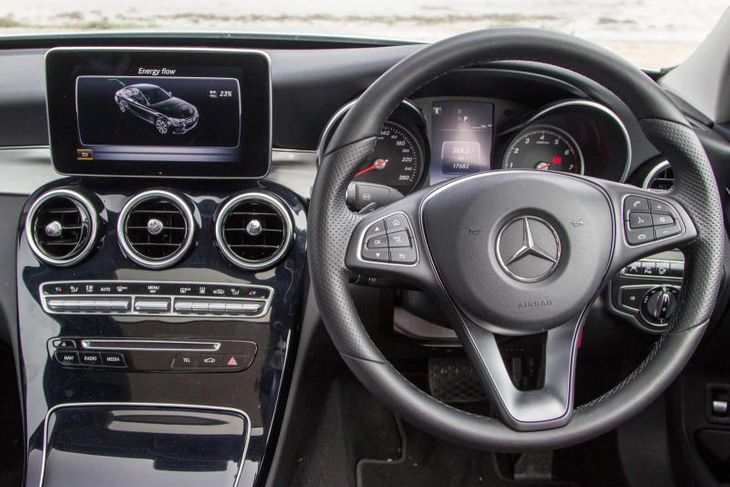
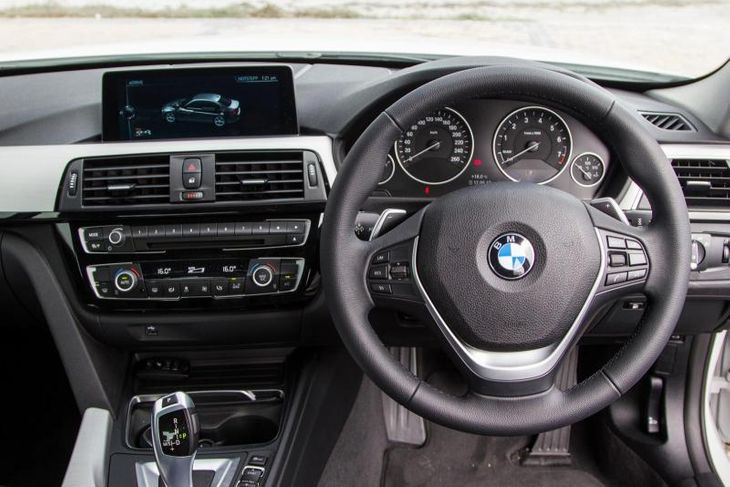
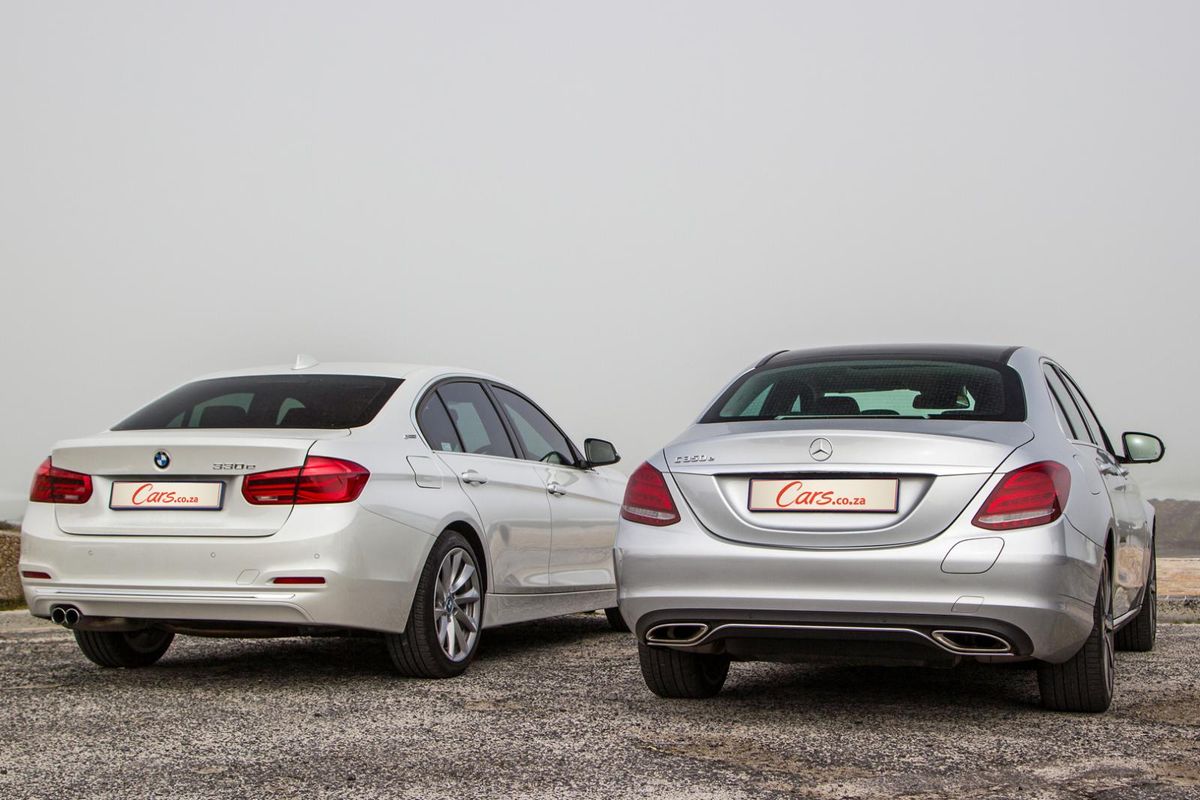
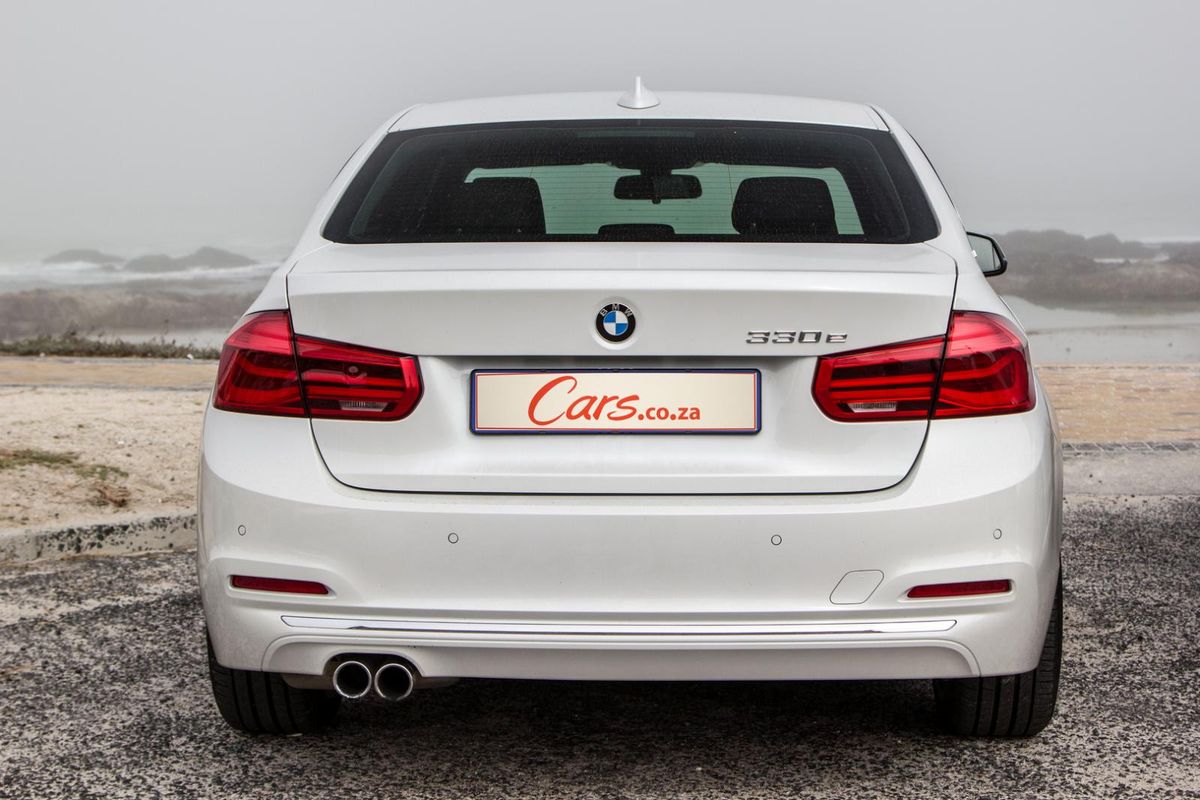
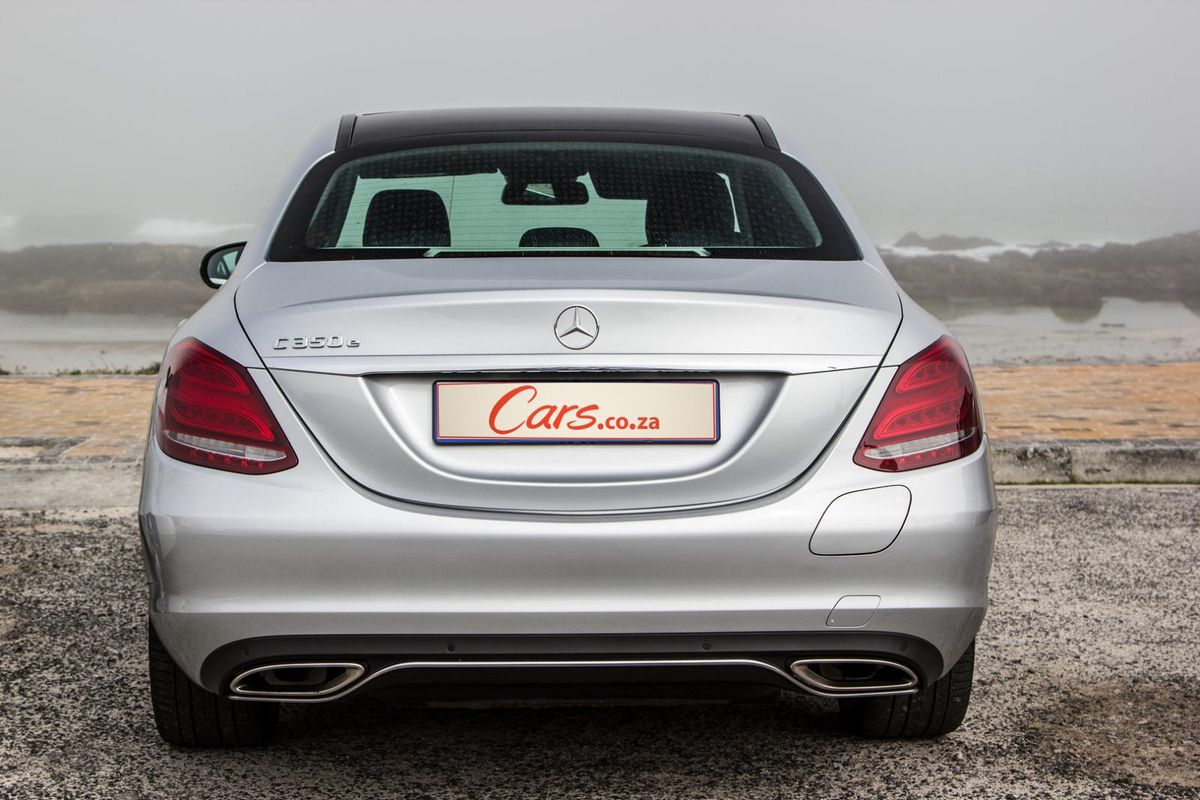
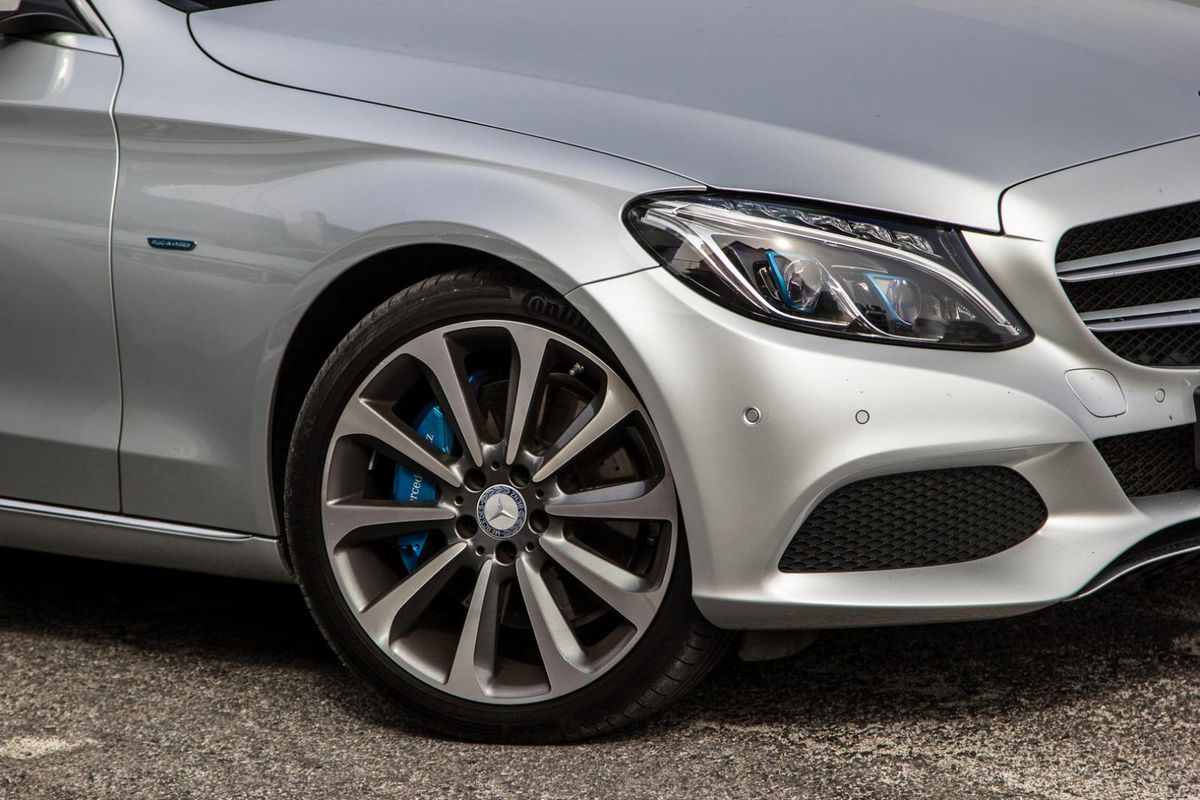
Visually, these vehicles look much like their standard siblings, but it's only upon closer inspection that you realise that these are not derivatives powered exclusively by internal combustion engines! The BMW features discrete 'i' badging and there are blue finishes on the grille. The Mercedes-Benz, on the other hand, features blue brake callipers and detailing around the headlights. Each vehicle features a subtle 'e' on the rear boot badges too. Unless you know what you're looking at, these are 2 otherwise "normal-looking" German first class sedans.

At a glance


BMW 330e

Mercedes-Benz C350e

Power/Torque

185 kW / 420 Nm

250 kW / 600 Nm

We Like:

Ease of use, build quality, generous specification 

Performance, generous specification

We Don't Like:

Not as efficient as claimed

Build quality is not up to par, not as efficient as claimed

Price

From R789 000

From R804 900


The rear boot space has been reduced in order to accommodate the batteries. Note the flap on the rear of the Mercedes

Powertrain comparison

Both the Mercedes-Benz C350e and BMW 330e utilise 2.0-litre 4-cylinder turbocharged petrol engines assisted by electric powertrains. The BMW offers up peak outputs of 185 kW and 420 Nm, while the Mercedes-Benz is more potent at 250 kW and 600 Nm. The similarity continues as both vehicles feature torque converter automatic transmissions.

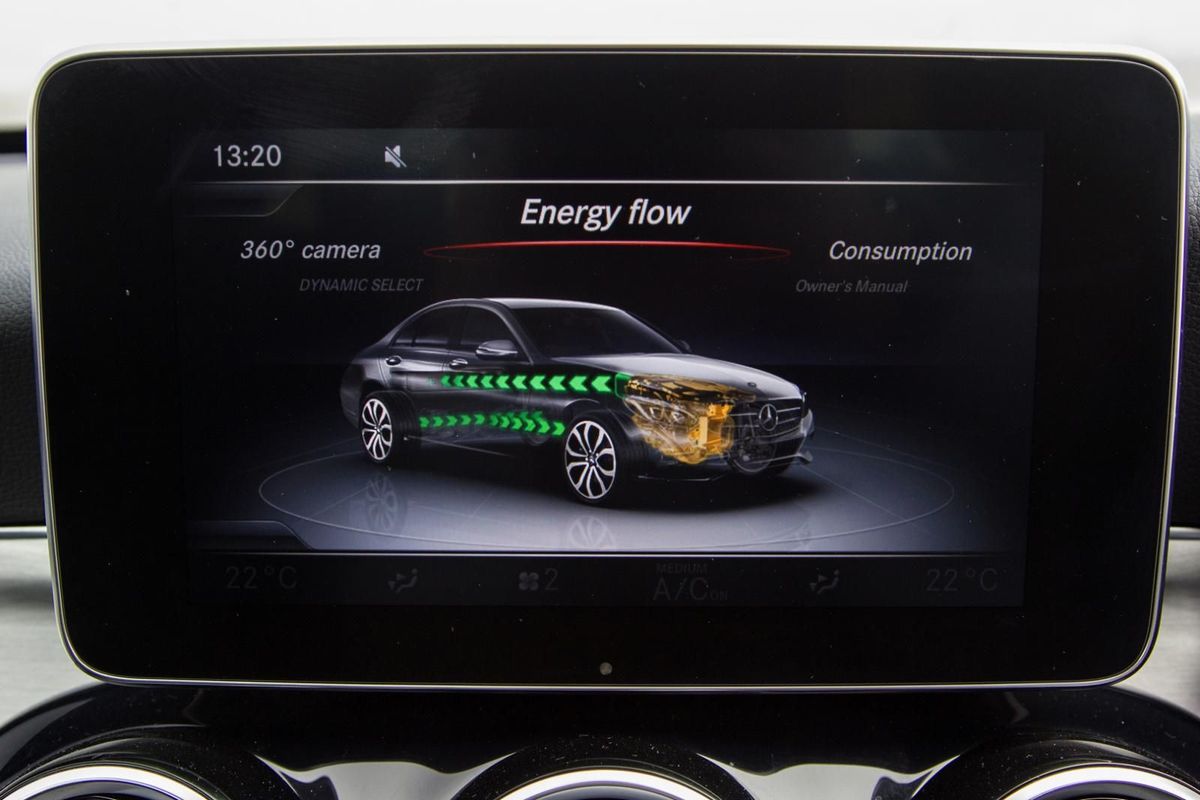
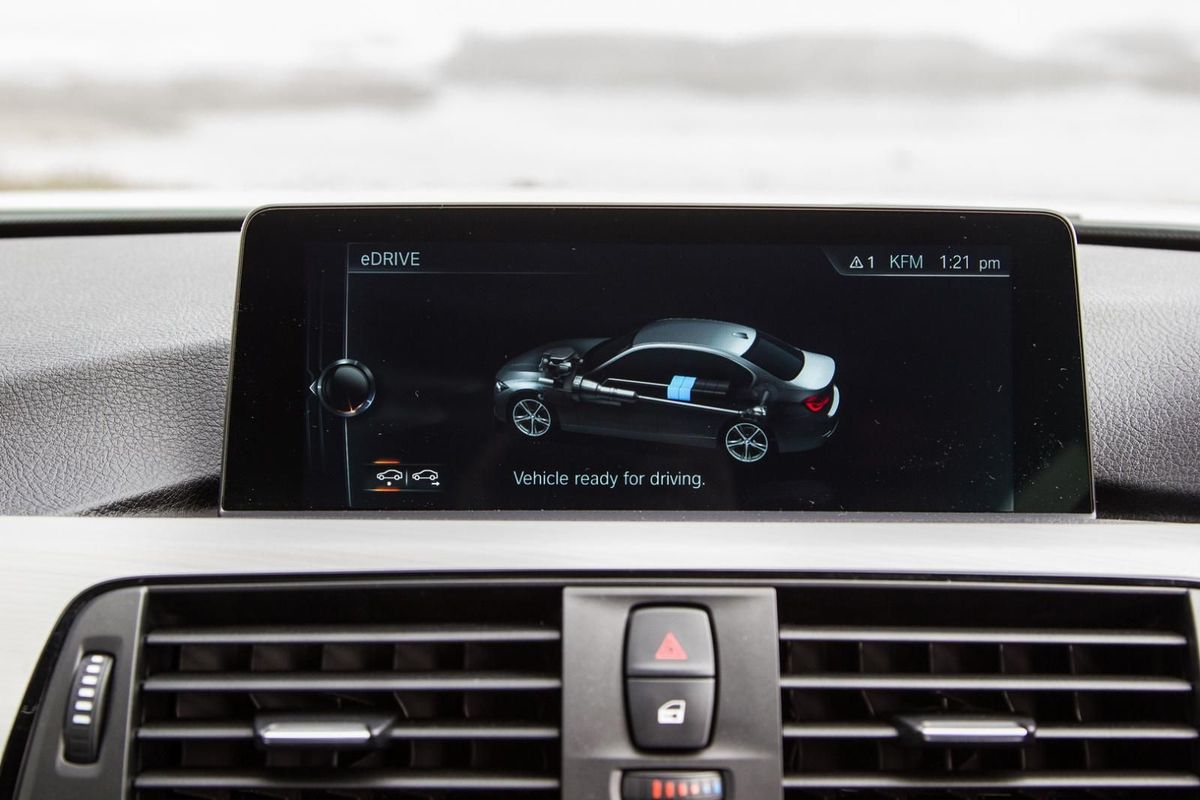
The really impressive technology lies in the electrical systems. There's an electric motor supplied by a lithium battery, which can be charged on the go via F1-style brake energy harvesting or when plugged into a power outlet. Mercedes-Benz and BMW claim their respective products can be charged completely (from empty) using a domestic plug in 3.5 hours. 

The numbers make for interesting reading. Mercedes-Benz claims its C350e costs R11.62 to charge, while the BMW can be charged for R14.25. Interestingly, both cars can be driven solely on electric power for limited distances and neither are slouches. If you're gentle with the throttle, you can get some solid distance on pure electric power: while the claims of 31 km (Mercedes-Benz) and 49 km (BMW) were a bit optimistic, our video test (a link appears at the end of this review) showed that double figure distance is possible without using any petrol propulsion. Each car features various modes to maximise either performance or efficiency, and you can force each to drive solely on pure electric power (battery state permitting).

In terms of claimed consumption figures, the BMW sits at 1.9 L/100 km and the Benz at 2.8 L/100 km, which would give them theoretical tank ranges of over 2 100 km and almost 1 800 km. In practice, however, given unpredictable traffic conditions and absent-minded (read: uneconomical) driving styles – some people may simply forget or not have the opportunity to charge their vehicles optimally in between commutes – we expect the BMW to be more frugal than the Benz, but that neither should regularly achieve anything near those figures!  

Cabin executions


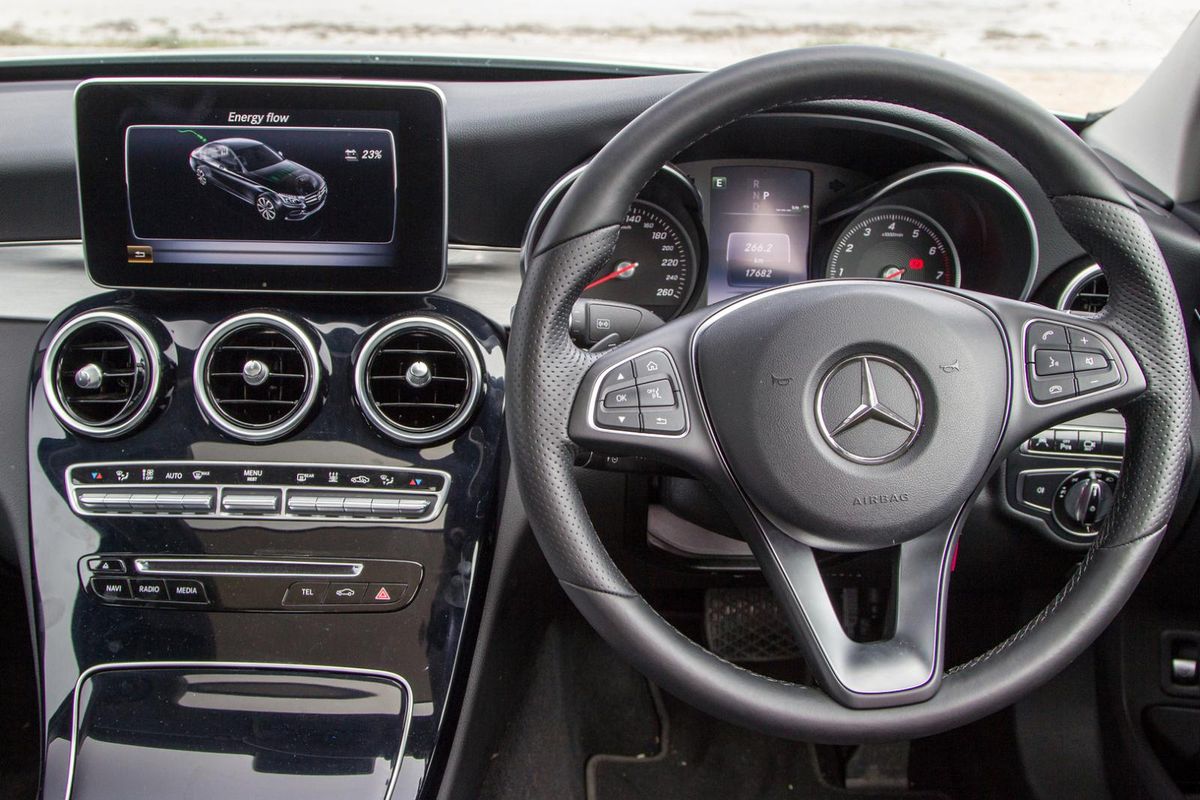
The Benz's interior looks the most premium, but there are some weak plastics on the centre dashboard.

The locally made Mercedes-Benz C350e's cabin certainly looks the part and there is no shortage of luxury touches dotted around the interior. However, we discerned a few creaks and rattles that emanated from the cabin; the plastic fascia insert, in particular, exhibited a bit of play. Perhaps our test unit had had a tough run, but the vehicle was not wearing well and the automated boot made a noise when in operation (closing). Still, in terms of first impression and general ergonomics, the Mercedes-Benz C-Class has a classy cabin. 

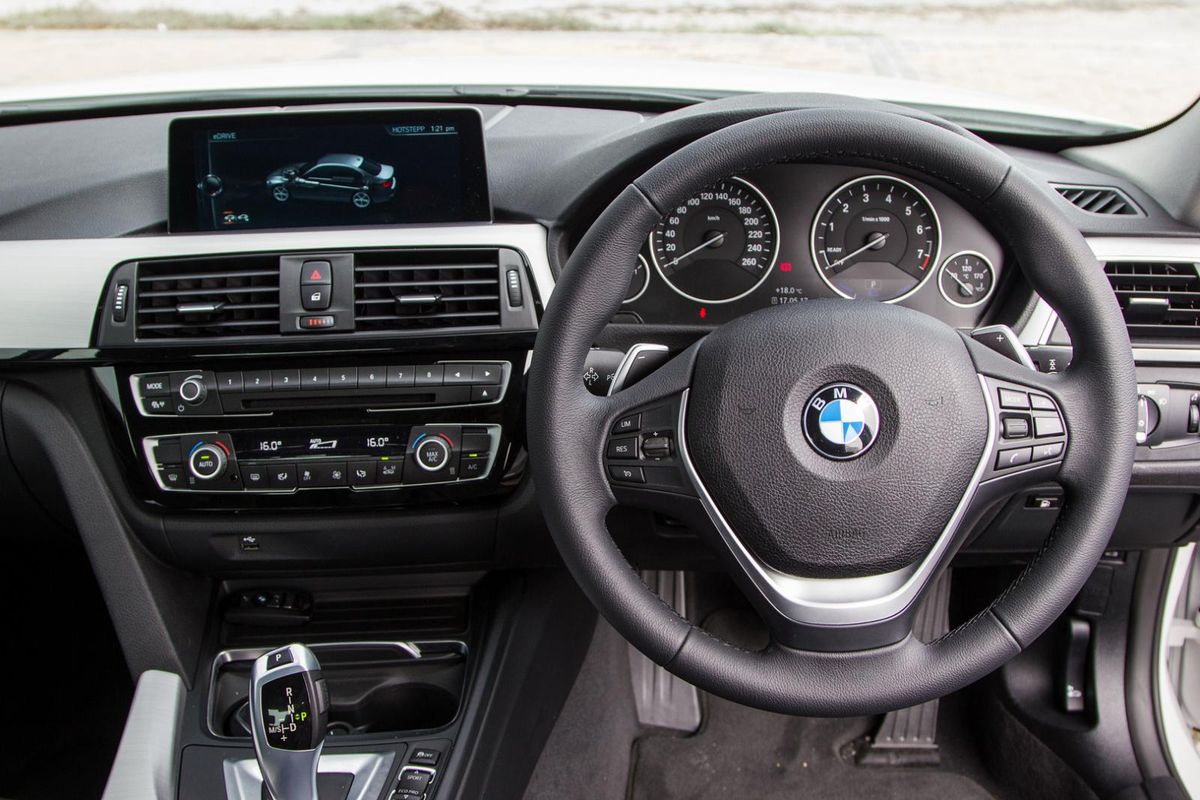
The BMW 3-Series interior doesn't feel like it has changed much over the years and it's only when you're using the infotainment system that modern functionality really makes its presence felt. We'd say that it's marginally better built than the Mercedes-Benz. Interestingly, it's one of the few 3 Series derivatives that are not assembled in South Africa. 


It doesn't look the most modern, but it is solid and built well

The driving experience

All the electric componentry has added significantly to the weight of these two vehicles and you can experience the added heft from behind the wheel. In cut-and-thrust driving, the BMW 330e feels the wieldier of the two; some smart packaging has allowed the 330e to retain its hallmark 50:50 weight distribution, but the C350e feels comparatively cumbersome compared with the (non-hybrid) C250 sedan we drove a while back. However, the Benz the winner in the ride quality stakes purely on the basis of its air suspension, which is standard fare. 


Despite its low-profile rubber, the Benz utlised its standard air suspension to deliver a more pliant ride quality than the BMW.

Verdict

As smartly-made and advanced as these cars are, the South African government sadly offers no support in the form of tax breaks or other incentives to make purchasing a PHEV a more attractive proposition. As it stands, both brands' equivalent turbodiesel products offer better performance at a cheaper price and as impressive as the BMW 330e is (it's our choice in this comparison), it's hard to justify its R200 000 premium over a standard BMW 320i. Still, these cars are the precursors to a new wave of more environmentally friendly personal transport solutions and, as such, are aimed at ecologically-minded early adopters and those whose lifestyles these vehicles would suit to a tee. Given the cars that were at our disposal, the BMW feels nicer to drive, suitably upmarket, very comfortable, has a lower fuel consumption and, as our experiment showed, outlasted its Stuttgart rival when running on battery power alone. Considering all that, plus its price advantage, the 330e nudges ahead of the C350e in our opinion. 

Watch the BMW 330e and Mercedes-Benz C350e video:

Related content:

Check our comparison tool and see how these two cars stack up

Read a full review of the Mercedes-Benz C350e here

BMW 330e & Mercedes-Benz C350e (2017) Electric Range Challenge

Volvo XC90 T8 Twin Engine AWD Inscription (2016) Review

Interested in buying a BMW 3 Series?

Search for a new/used example on Cars.co.za

Interested in buying a Mercedes-Benz C-Class?

Begin your search on our site

Nissan’s iconic “Hakosuka” Skyline GT-R: SentiMETAL Ep3

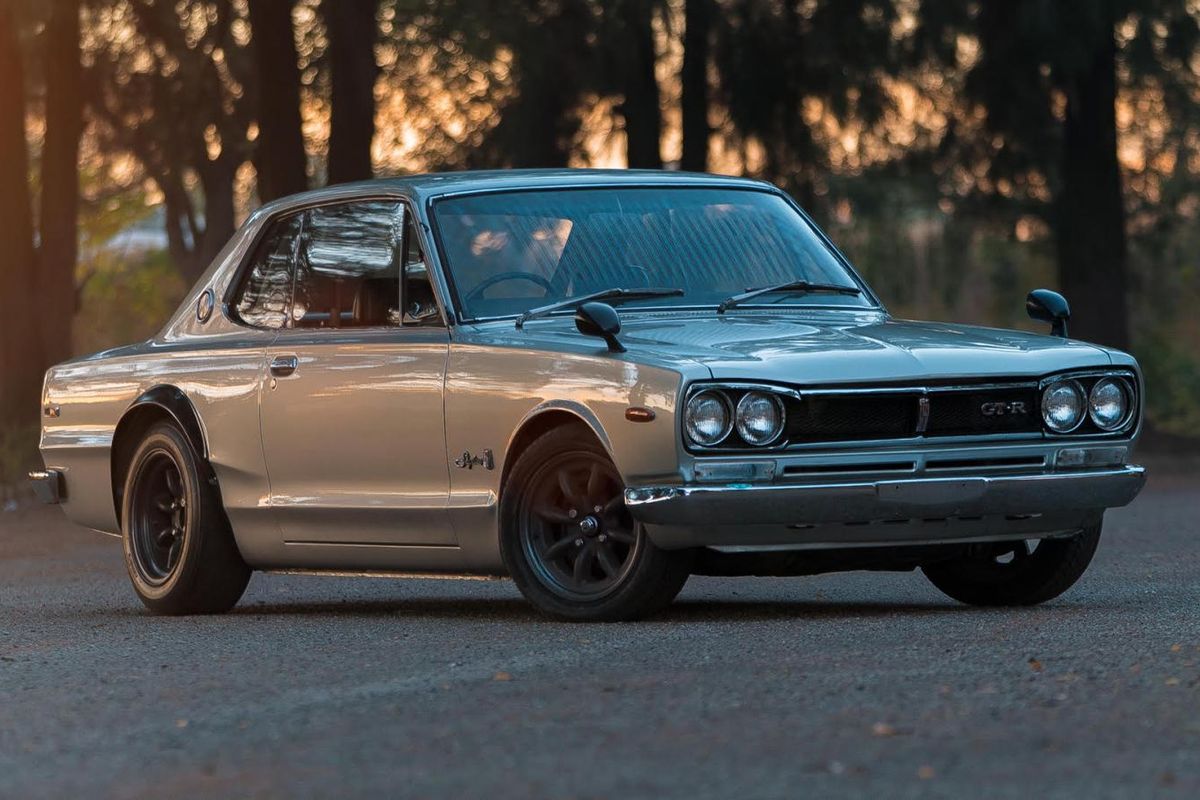
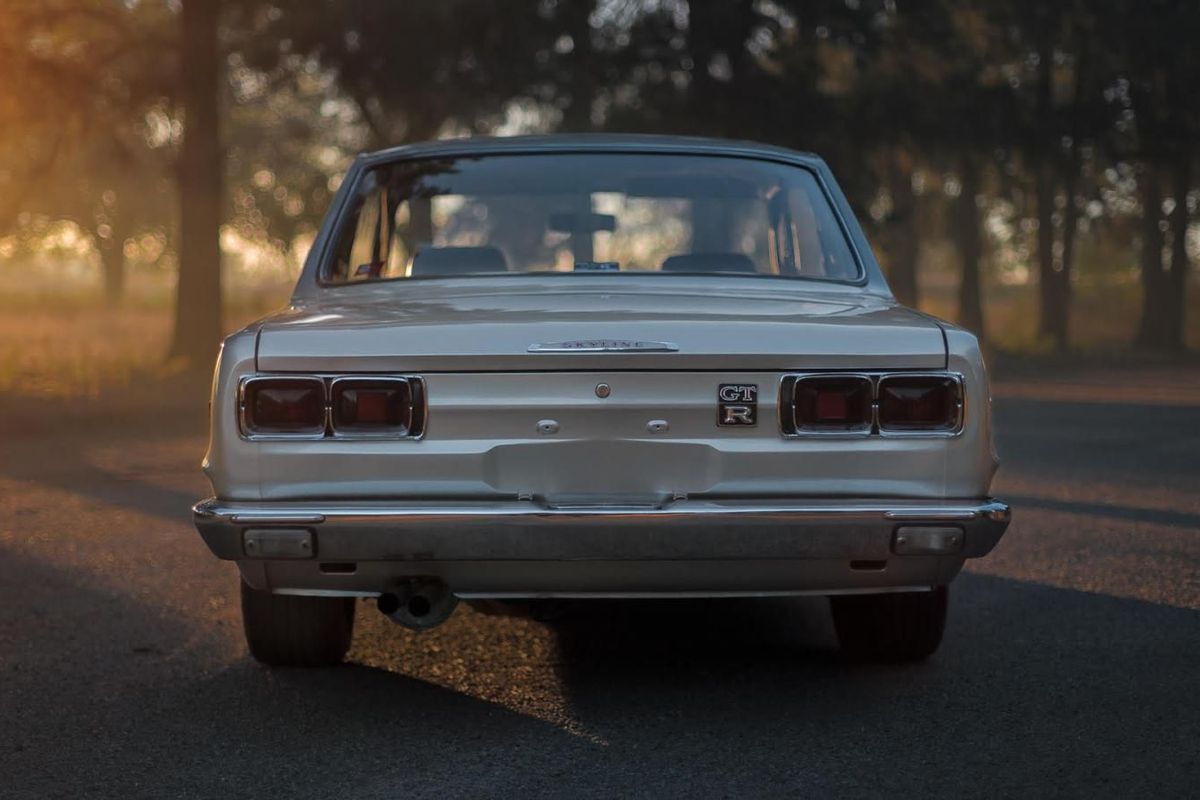
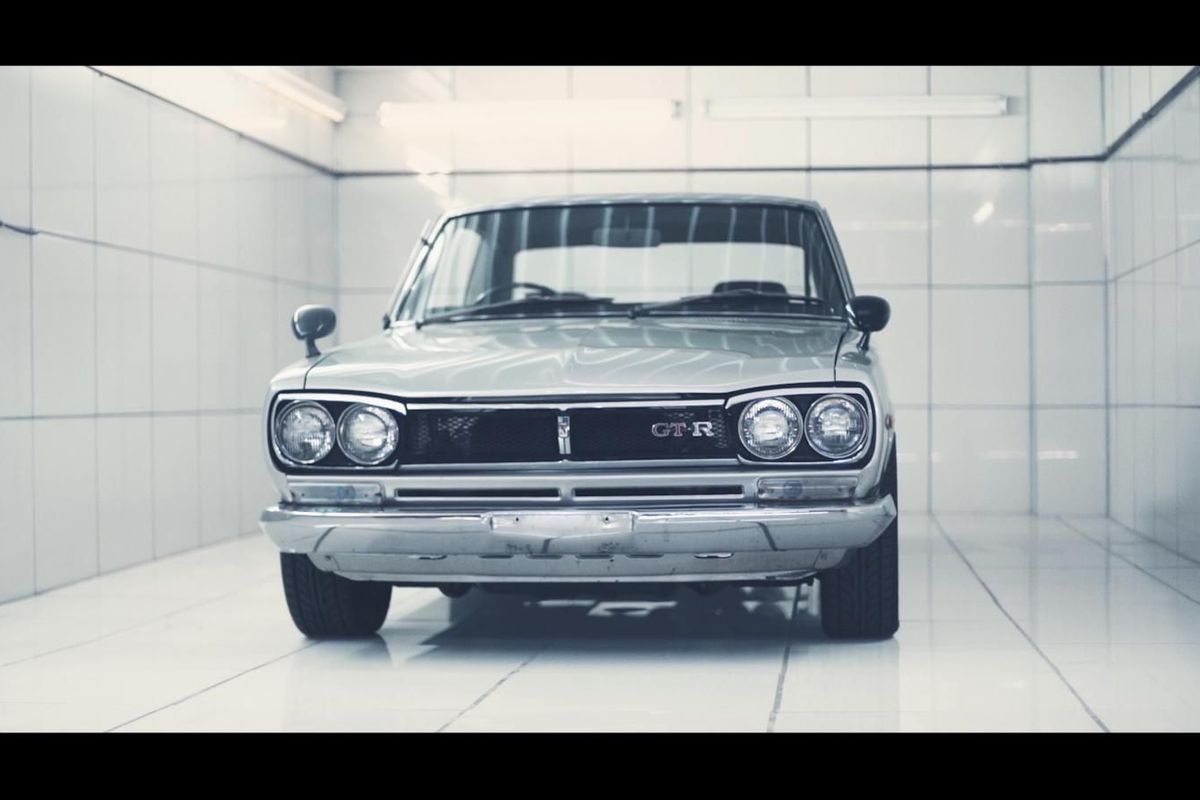
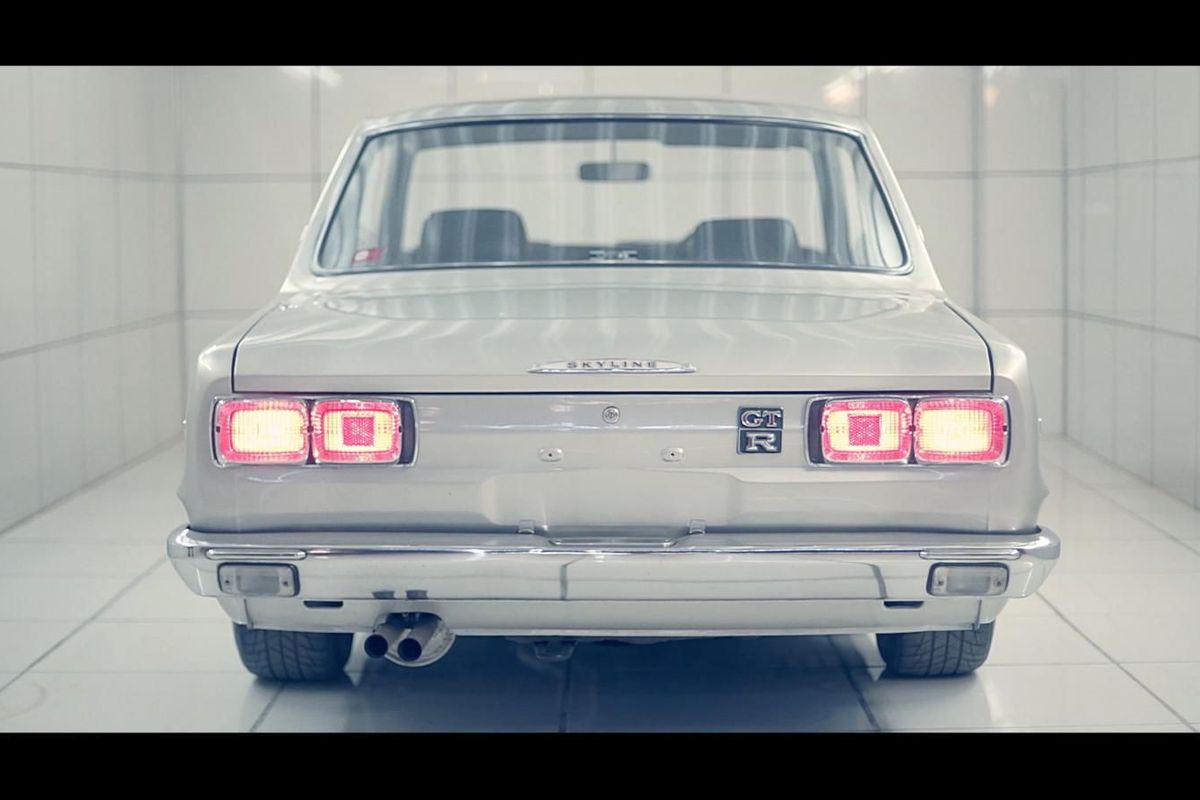
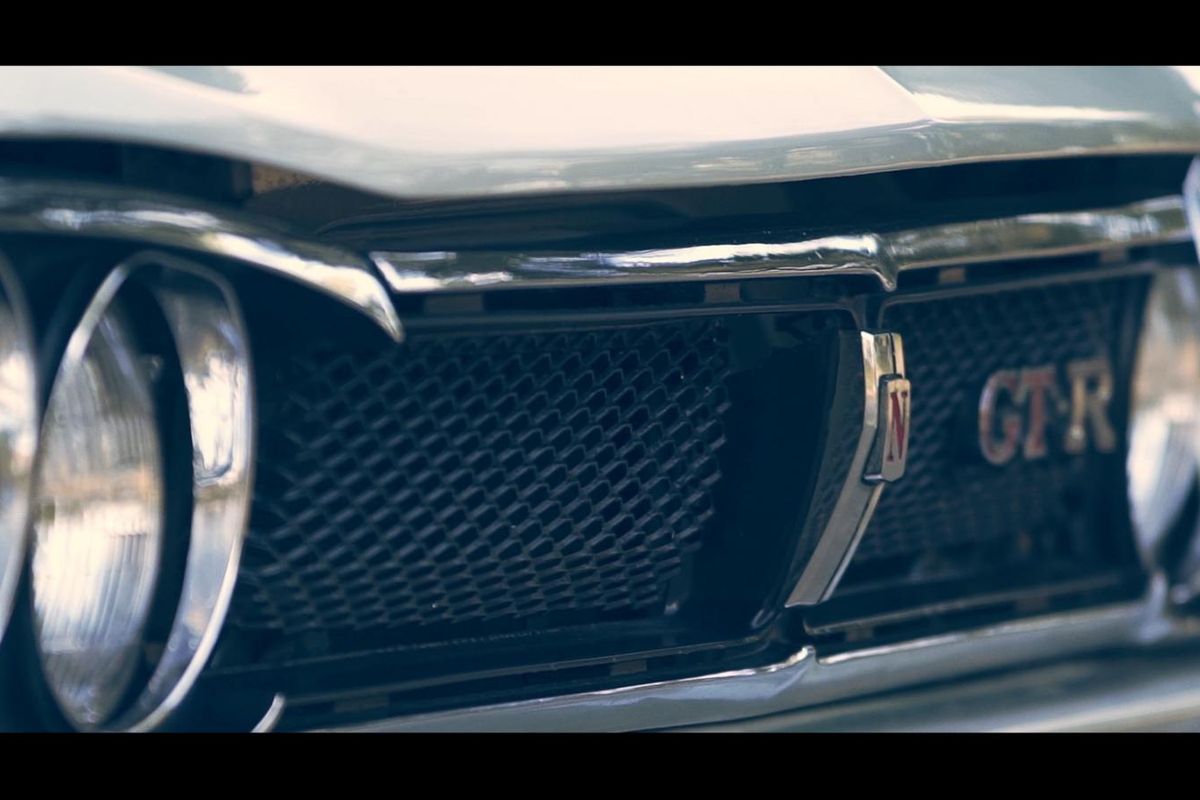
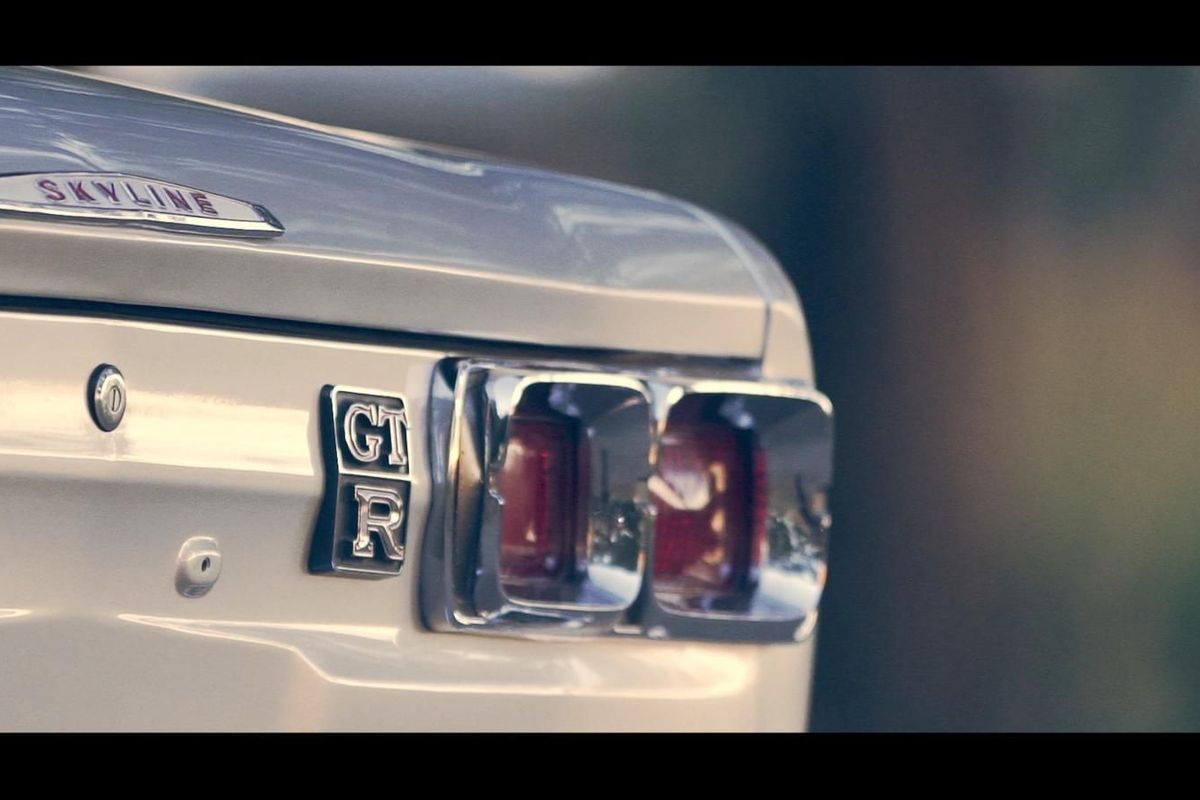
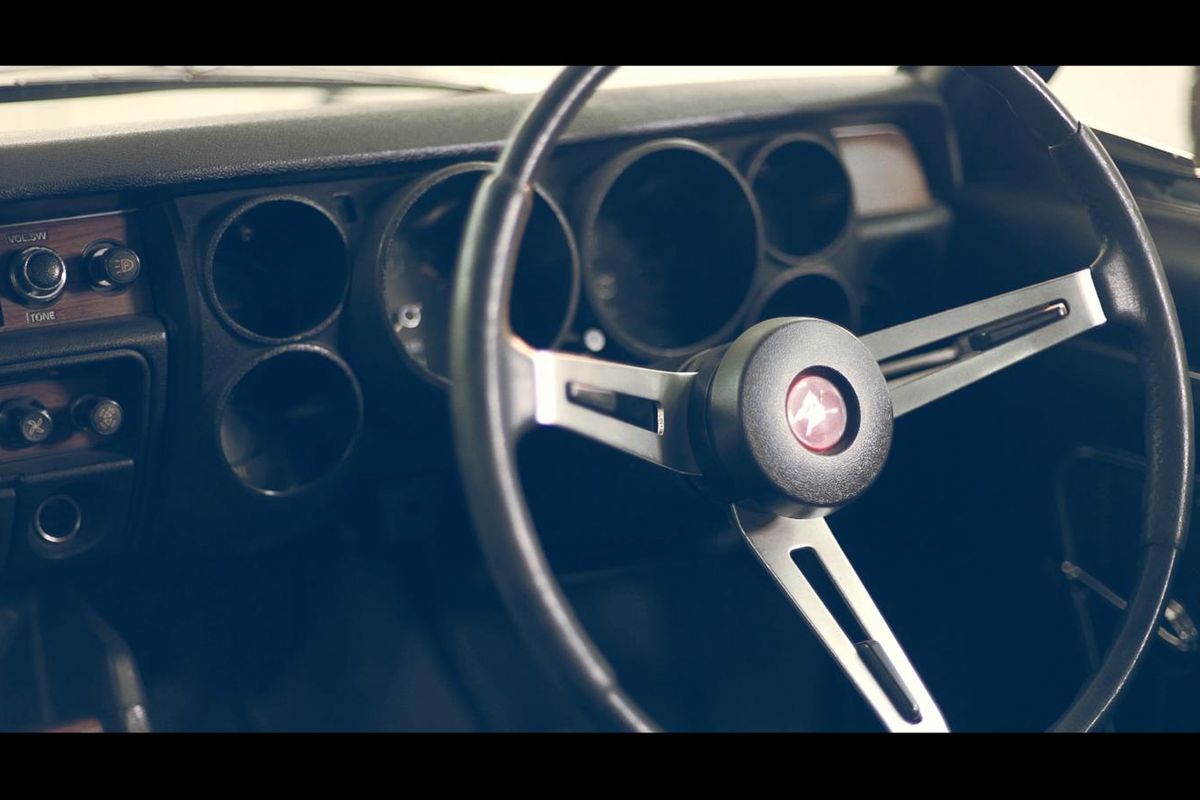
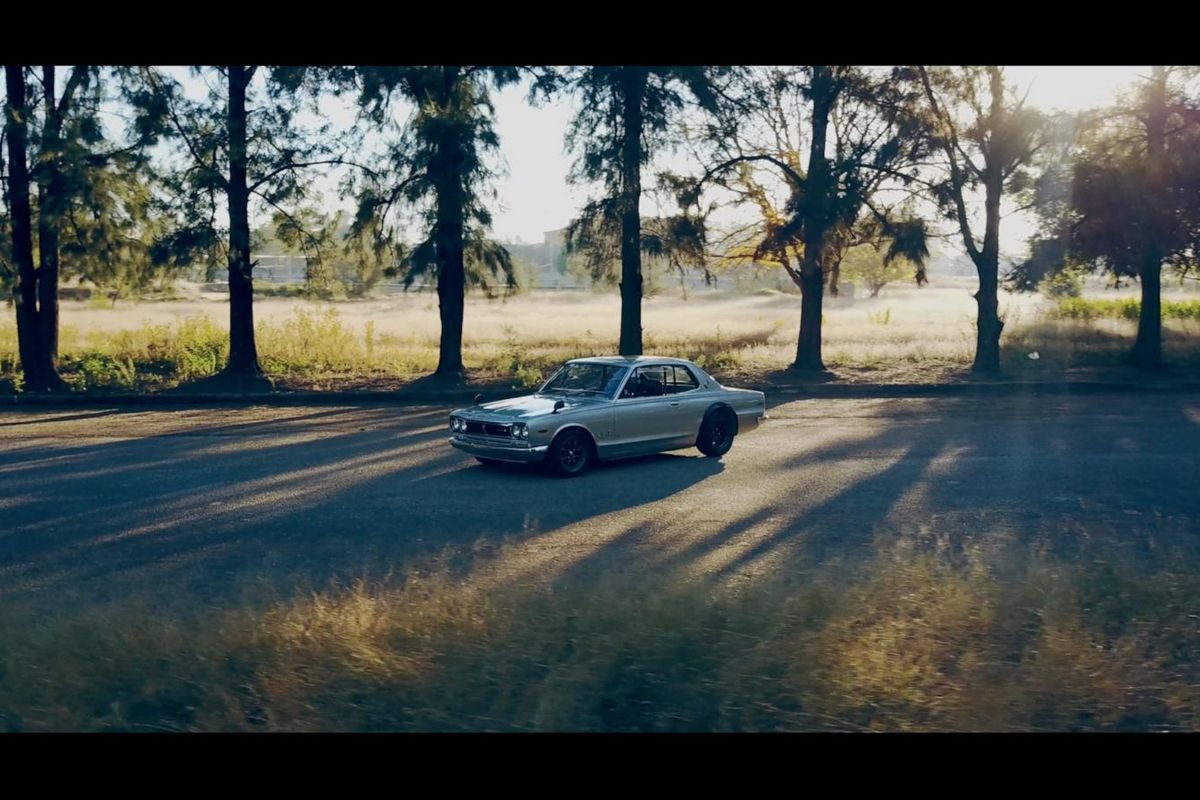
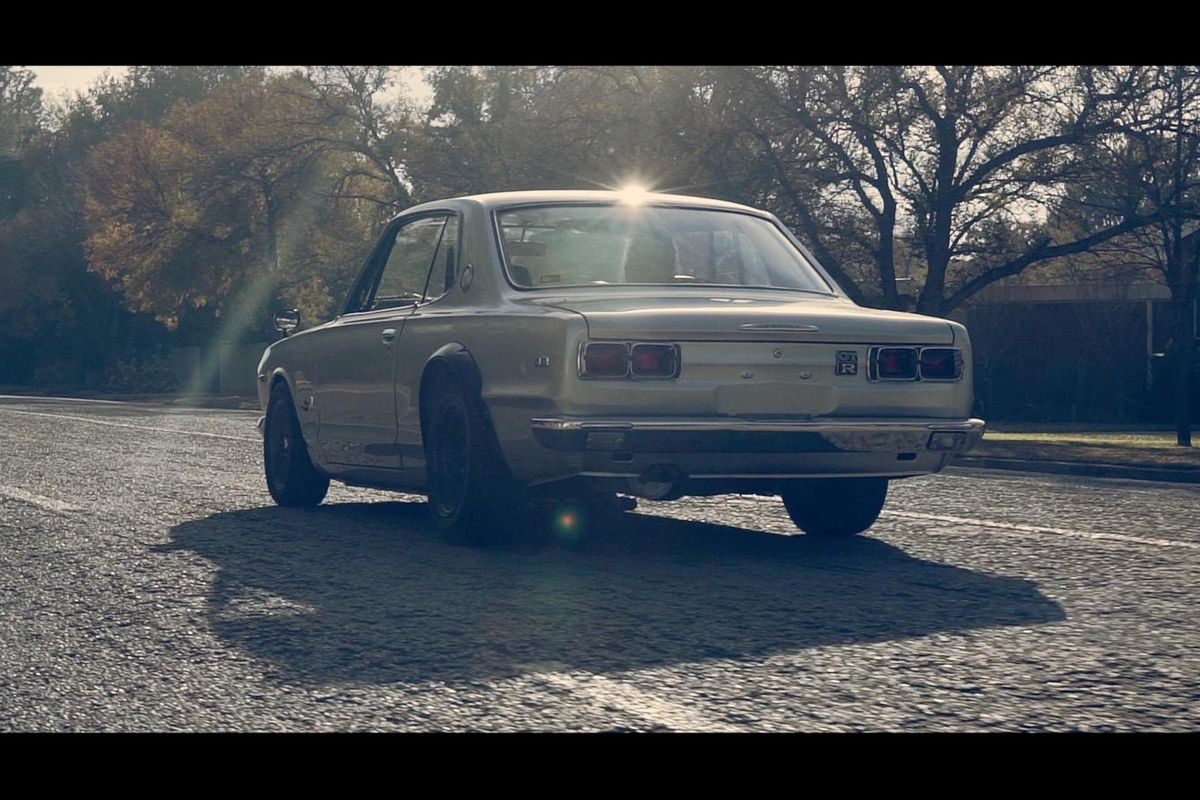
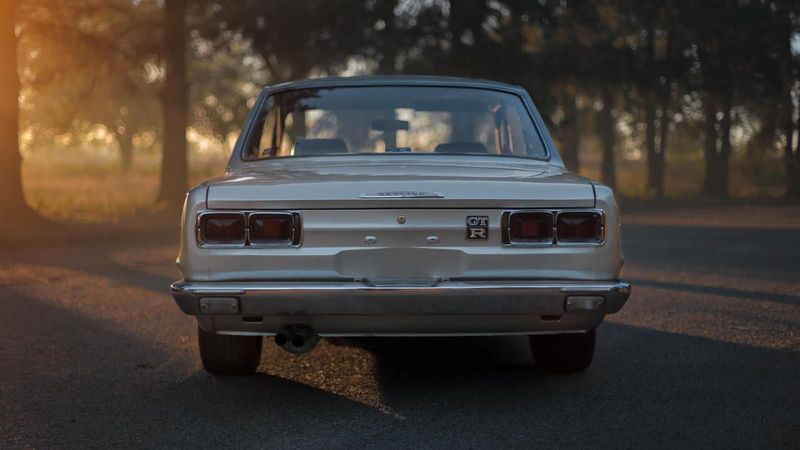
For our third episode of SentiMETAL we travelled to Bothaville in the Free State to uncover the crowning jewel in one of the world’s largest Nissan/Datsun collections, an all-original “Hakosuka” Skyline GT-R.

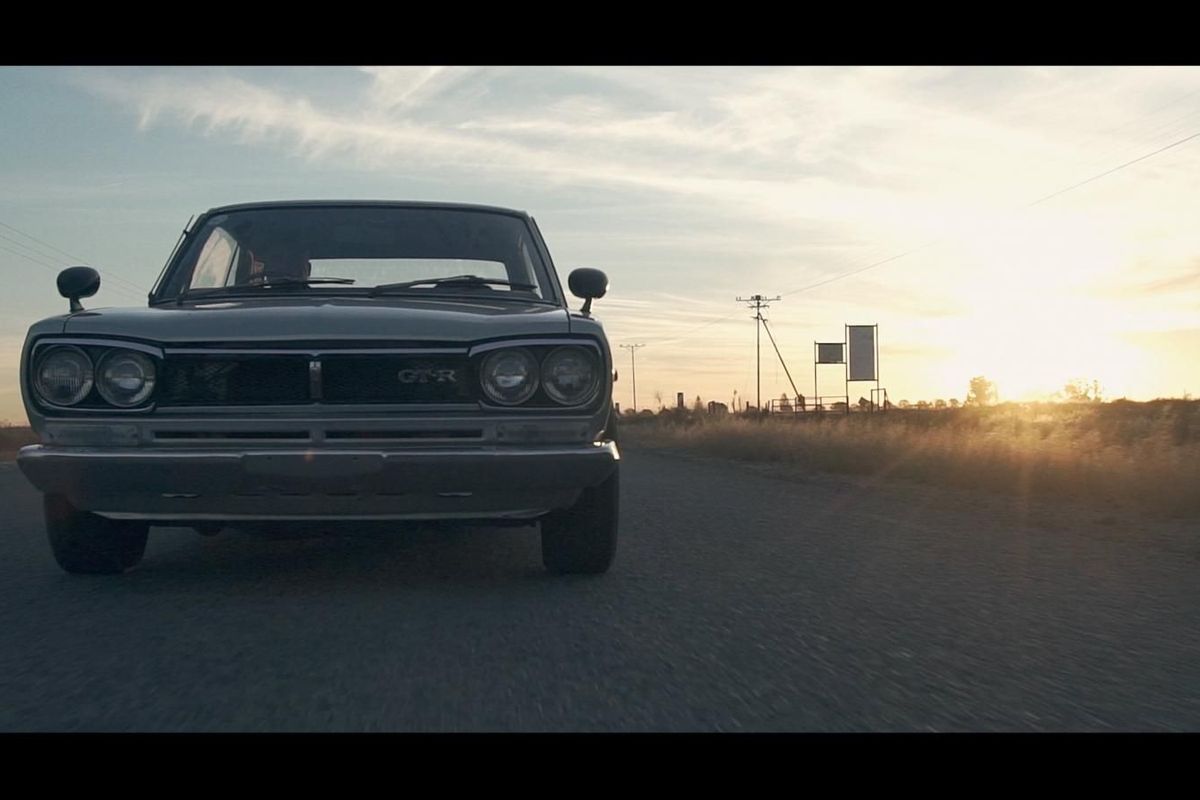
It must take everything; Every fibre, every compulsion… to go from a humble die-cast Datsun 510 model car, to possessing almost every full-scale Datsun ever created in your collection. And that’s precisely what Freek De Kock has done, a Bothaville resident who has amassed what is possibly the largest private collection of Nissans and Datsuns in the world. But we’re more than happy to bypass it all with little more than a cursory glance on this occasion, because as is often the case in situations like these, there is a treasured jewel in this ensemble – a bona fide centrepiece. Meet the “Hakosuka”. Directly translated from Japanese it means box-shaped Skyline and for obvious reasons. It also goes by the moniker KPGC10 and you’ll respect it for being the inception point of the beloved Nissan Skyline GT-R.  This is where it all began. Not just the GT-R legend, but the Japanese sportscar as an icon.

The legend that is the KPGC10 Nissan Skyline GT-R coupe


In the late 60s and early 70s, the Nissan GT-R notched up more than 1 000 racing victories.

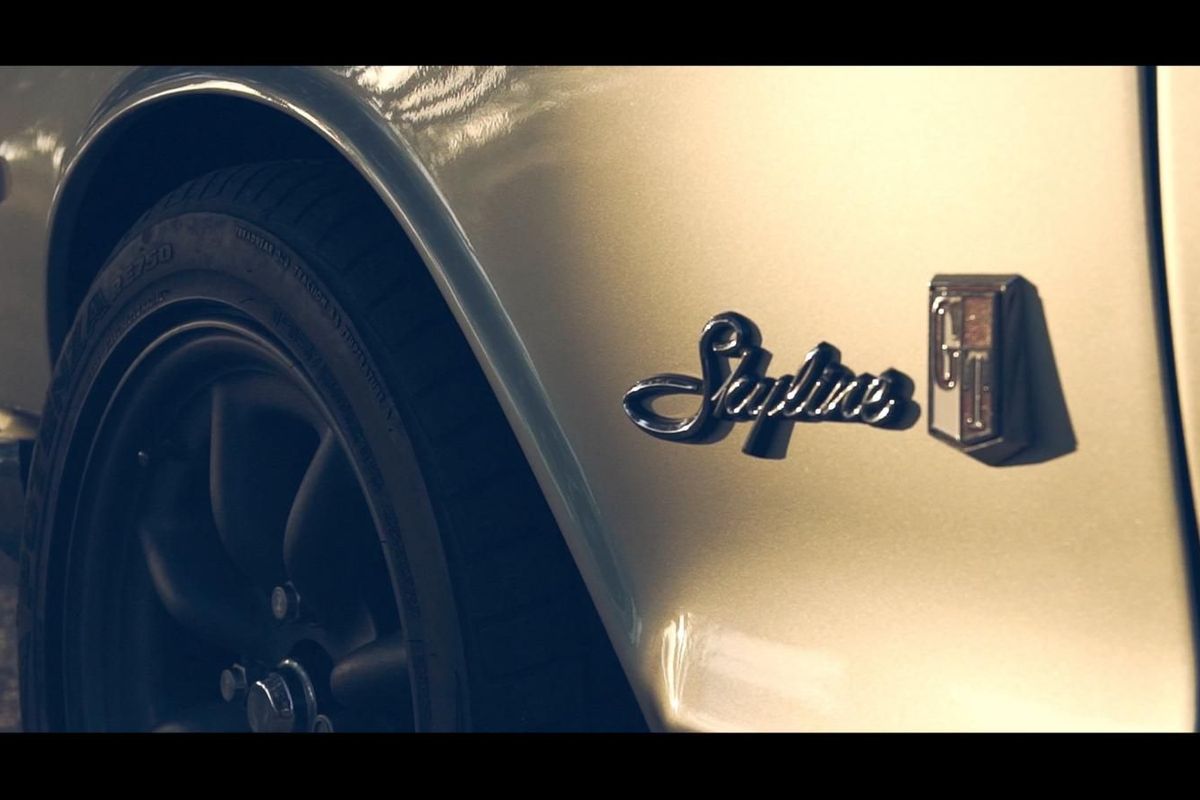
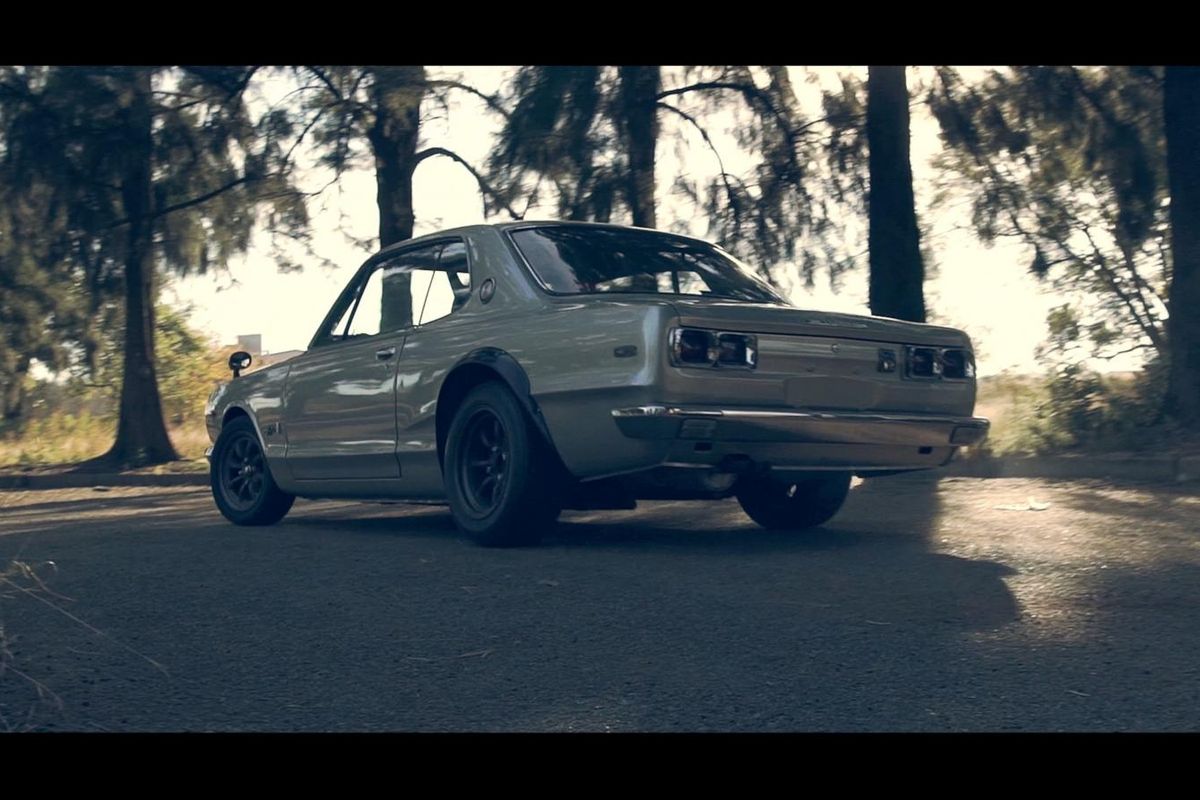
You got them in 2 flavours, the 3-box 4-door saloon to which the Hakosuka title more appropriately refers and then this, the far more desirable and rare coupe – a slippery shade of silver finished off in period-correct RS Watanabe wheels. Born in the Far East in 1969 at a time when Japanese cars were slowly making a name for themselves as reliable transport, Nissan produced a fire breather decades before its famous successor, the BNR32 would be dubbed Godzilla.

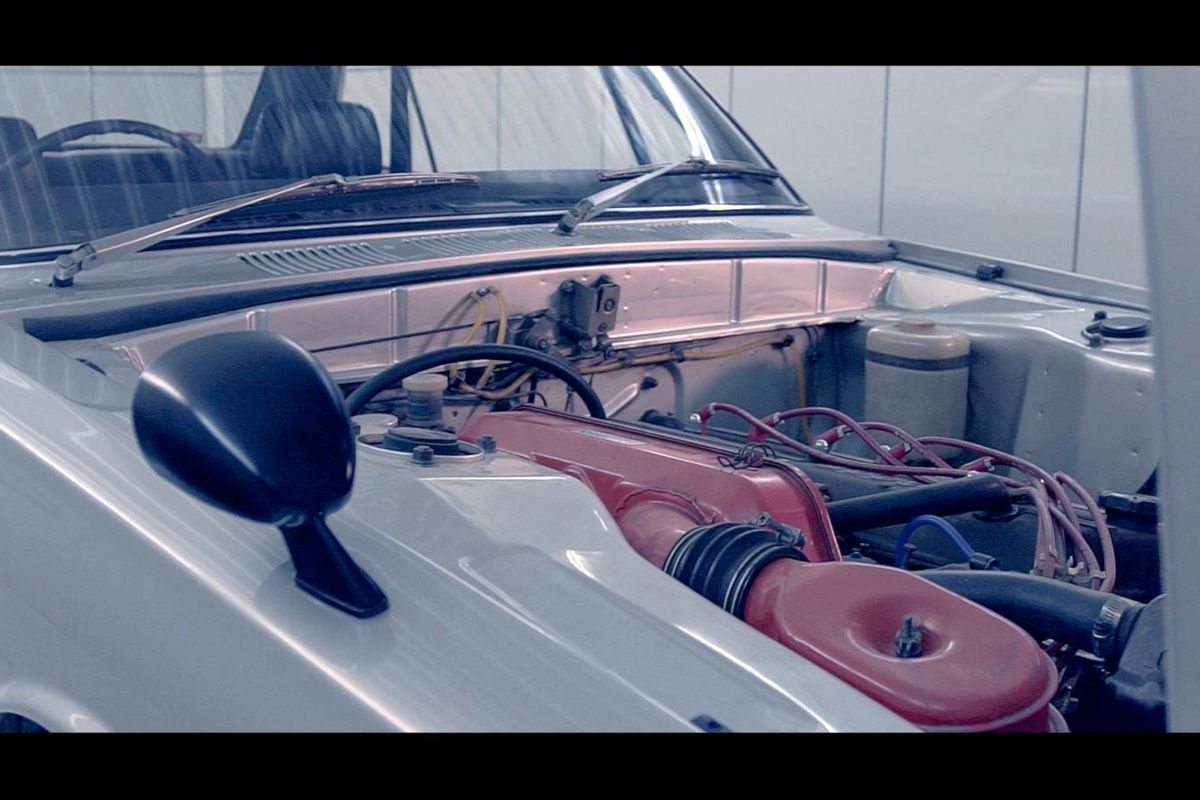
But to appreciate the GT-R’s outputs from its inline-six you need to dial your senses and expectations back to the era of disco. From that 2.0-litre straight-6 Nissan extracted 118 kW and 180 Nm with which to battle rival race cars of the day – think Porsche 911s and Mazda rotaries. Its performance was brisk, and the noise it emitted was evocative but guttural, its petrol-swilling heart a welcome reminder of how the pursuit of speed was once a wholly mechanical undertaking before electronic witchcraft and aerodynamics would enter the fray.

As Freek swings the Hakosuka’s ignition into life on this cold Bothaville morning, the resultant noise shakes the pigeons from the trees overhead. Warm yellow headlamps light up the dark asphalt ahead of it, while the tailpipes emit a smoky screen and, in that moment, we’re reminded why cars like this GT-R seem to have an aura all their own. In fact, it’s why we get sentimental over metal. But don’t just take our word for it – meet Freek.

Which famous, classic or iconic car would you like to us to feature next? Let us know in the comments section below.

You may also be interested in;

SentiMETAL Ep 1: The 400 000-mile love affair with a Jaguar E-Type

SentiMETAL Ep 2: Pure 80’s icon – the Porsche 930 Turbo

Stunning classic Bimmers at BMW 100 Festival

5 Great Used Sportscar Bargains

Only the Best to Compete in Concours South Africa

Interested in searching for a classic of your own?

Find one on Cars.co.za today by browsing more than 70 000 vehicles in stock

Volvo to go “fully electrified” from as early as 2019

From 2019, every new Volvo product will either be propelled exclusively by – or in conjunction with – an electric motor, the Swedish manufacturer announced on 5 July 2017. The development is momentous because Volvo has taken the initiative to publicly set a deadline from which no more cars that operate exclusively with internal combustion engines will be launched… 

The announcement represents one of the most significant moves by any car maker to embrace electrification and highlights how, over a century after the invention of the internal combustion engine, electrification is paving the way for a new chapter in automotive history.

“This is about the customer,” says Håkan Samuelsson, President and CEO. “People increasingly demand electrified cars and we want to respond to our customers’ current and future needs. You can now pick and choose whichever electrified Volvo you wish.”

Volvo Cars will introduce a new portfolio of electrified cars across its model range, embracing fully electric cars (BEV), plug-in hybrid cars (PHEVs) and mild hybrid cars.

Pure internal combustion-engined cars phased out

First, it will launch 5 new fully-electric cars between 2019 and 2021, 3 of which will be Volvo models and two of which will be high performance electrified cars from Polestar, Volvo Cars’ performance brand. Further to that, the 5 cars will be supplemented by a range of petrol and diesel plug-in hybrid and mild hybrid (48V) derivatives in all model ranges.

This means that there will in future be no Volvo cars that do not feature an electric motor, as pure internal combustion engine (ICE) cars are gradually phased out and replaced by ICE cars that are enhanced with electrified drivetrains.

“This announcement marks the end of the solely combustion engine-powered car,” continues Samuelsson. “Volvo Cars (which aims to have climate-neutral manufacturing operations by 2025) has stated that it plans to have sold a total of one million electrified cars by 2025. When we said it, we meant it. This is how we are going to do it.”

Related content:

Volvo XC60: 5 Things You Should Know

Volvo Polestar to build standalone models

Volvo XC60 (2017) Launch Review Video

Volvo XC90 T8 Twin Engine AWD Inscription (2016) Review

Living with a plug-in hybrid

Opinion: The Problem With Electric Mobility

Interested in buying a Volvo?

Find a new/used example for sale on Cars.co.za

Opel Corsa (2017) Specs & Price

The Opel Corsa range, of which the 1.0T Enjoy derivative was named the Best Compact Hatchback in the 2016/17 Cars.co.za Consumer Awards, has received a revision and a (downward) price adjustment. Here are the details:   

The update, which comes on the heels of the recent announcement that Opel’s future would be secure in the South African market after the sale of the brand to Peugeot Citroen and General Motors’ departure at the end of 2017, sees amended specification levels for some derivatives as well as price reductions across the range.

Fuel-sipper Essentia

The entry-level 1.0T Essentia receives a less powerful, similarly torquey, but more fuel-efficient 1.0-litre 3 cylinder powerplant mated with a six-speed manual. The 66 kW (as opposed to the previous 85 kW) engine, produces peak torque of 170 Nm from 1 700 to 3 700 revs/min, but its claimed average fuel consumption is 4.6 L/100 km.

As standard, the 1.0T Essentia costs R200 600 and, if you specify the optional radio/Bluetooth/USB/air conditioner package (which is highly recommended) the price is R210 600 – a price cut of R4 000.  

Double Enjoy(ment)

There are a pair of Enjoy derivatives: the #CarsAwards-winning 6-speed manual is powered by the 85 kW version of the aforementioned 3-cylinder turbopetrol, while the 6-speed automatic is propelled by a 1.4-litre normally-aspirated 4-cylinder petrol engine.

Although they still feature the IntelliLink infotainment system, tyre pressure monitoring and a new monochrome info display cluster, they no longer have front foglamps, LED running lamps or a 60/40 split rear seat.

The price for the manual comes down from R234 800 to R234 300 and the auto from R235 100 to R234 800.

No more Cosmo

Meanwhile, the 1.0T Cosmo has been discontinued and the 1.4T Sport re-specced to provide the best of both derivatives. The latter retains its 110 kW/220 Nm 1.4-litre turbopetrol (110 kW/220 Nm) mated with a 6-speed manual transmission, however the (now lone) flagship derivative

However, the Sport’s interior reflects the look and feel of the Cosmo, including the chrome beltline and door handle accents, plus the more voluminous seats, upholstered in Morrocana and the addition of a sunroof.

As on the Enjoy models tyre pressure monitoring has been added, along with advanced park assist and side blind spot alert (which is optional on its Enjoy stablemates). Its price has come down R276 200 to R275 600.

Prices of the Corsa range (July 2017)

Corsa 1.0T Essentia

R 200 600

Corsa 1.0T Enjoy

R 234 300

Corsa 1.4 Enjoy Auto

R 234 800

Corsa 1.4T Sport

R 275 600

Option packs:

Essentia Option Pack 1 (R 210 600 down from R214 000)

  • Air-conditioner
  • Radio/CD/BT/USB/AUX
  • Steering wheel controls

Essentia Option Pack 2 (R 214 600 down from R219 600)

  • Airconditioner
  • IntelliLink Infotainment
  • Steering wheel audio controls

Enjoy Option Pack 1 (R 239 800 for Auto, R 239 300 for manual)

  • Handsfree Parking
  • Side Blind Zone Alert
  • Front and rear park assist

All Corsa derivatives comes standard with a 5-year/120 000km warranty and 3-year/60 000km service plan.

Related content:

Spy Shots: New Opel Corsa

Opel Corsa Sport (2015) Review

Opel Corsa 1.0T Enjoy (2015) Review

6 Rivals the 2018 Volkswagen Polo Needs to Beat

Volkswagen Polo 1.0 TSI R-Line (2017) First Drive

Top 5 Cool Facts: Next Ford Fiesta (2017)

Kia Rio (2017) First Drive

Facelifted Renault Clio (2016) First Drive

Want to buy a Corsa?

Find one for sale on Cars.co.za

Update: BMW 4 Series (2017) Specs & Price

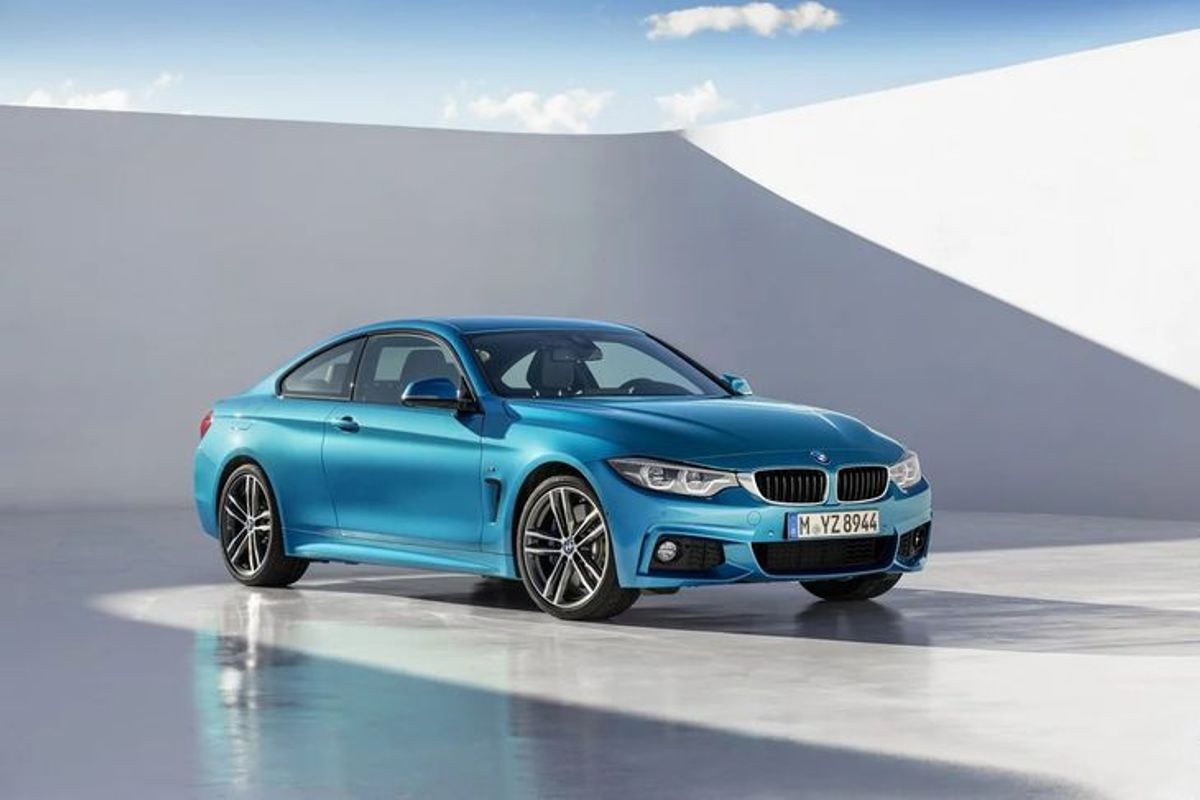
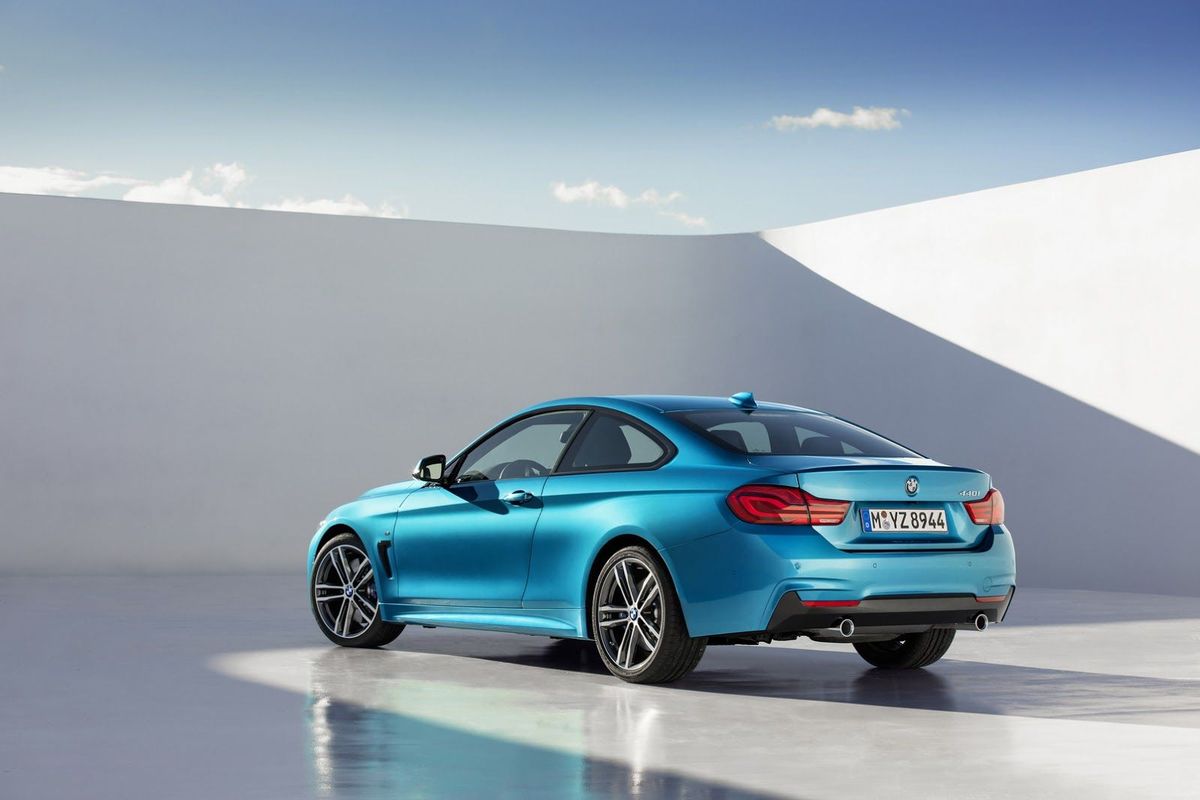
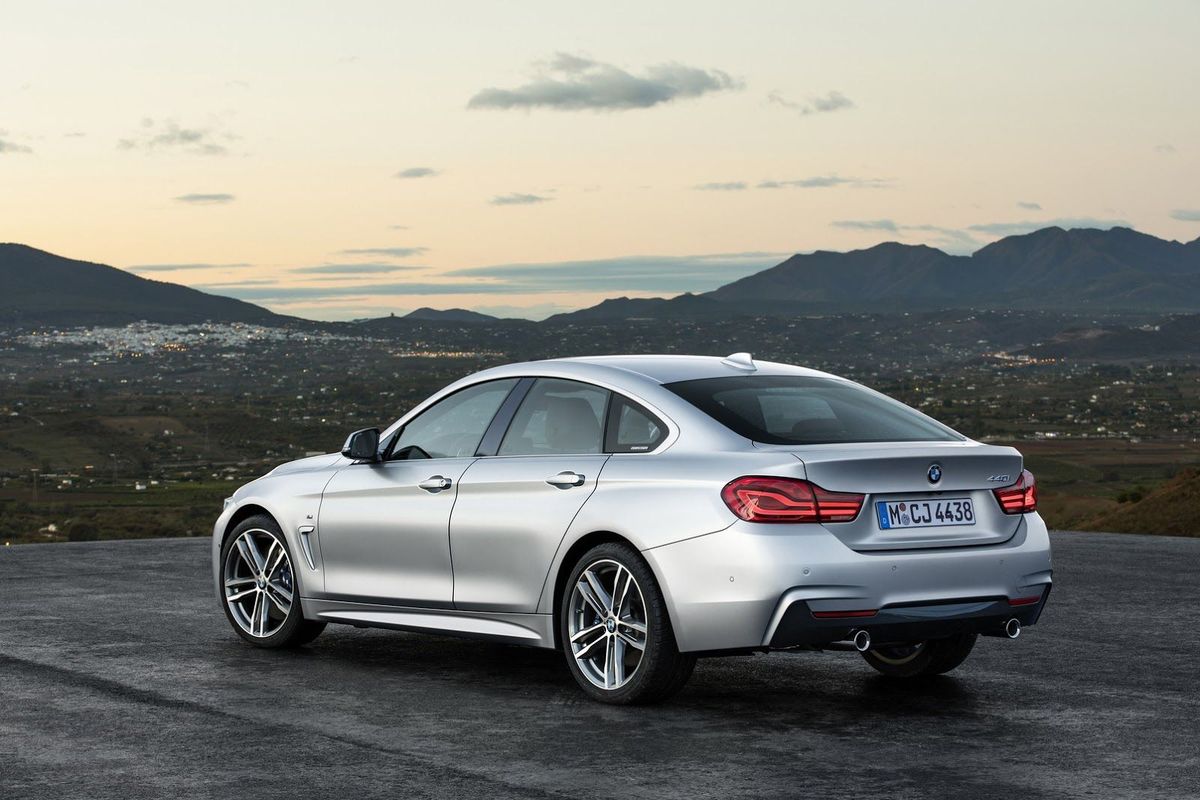
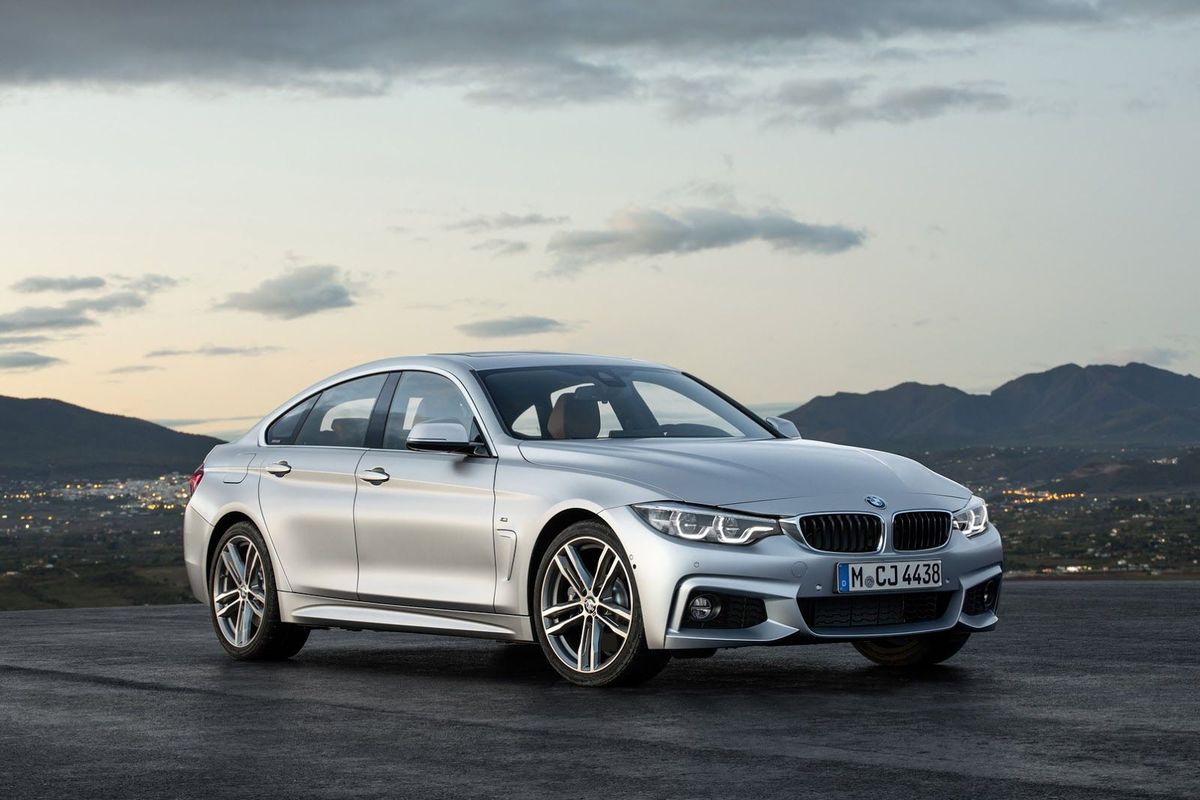
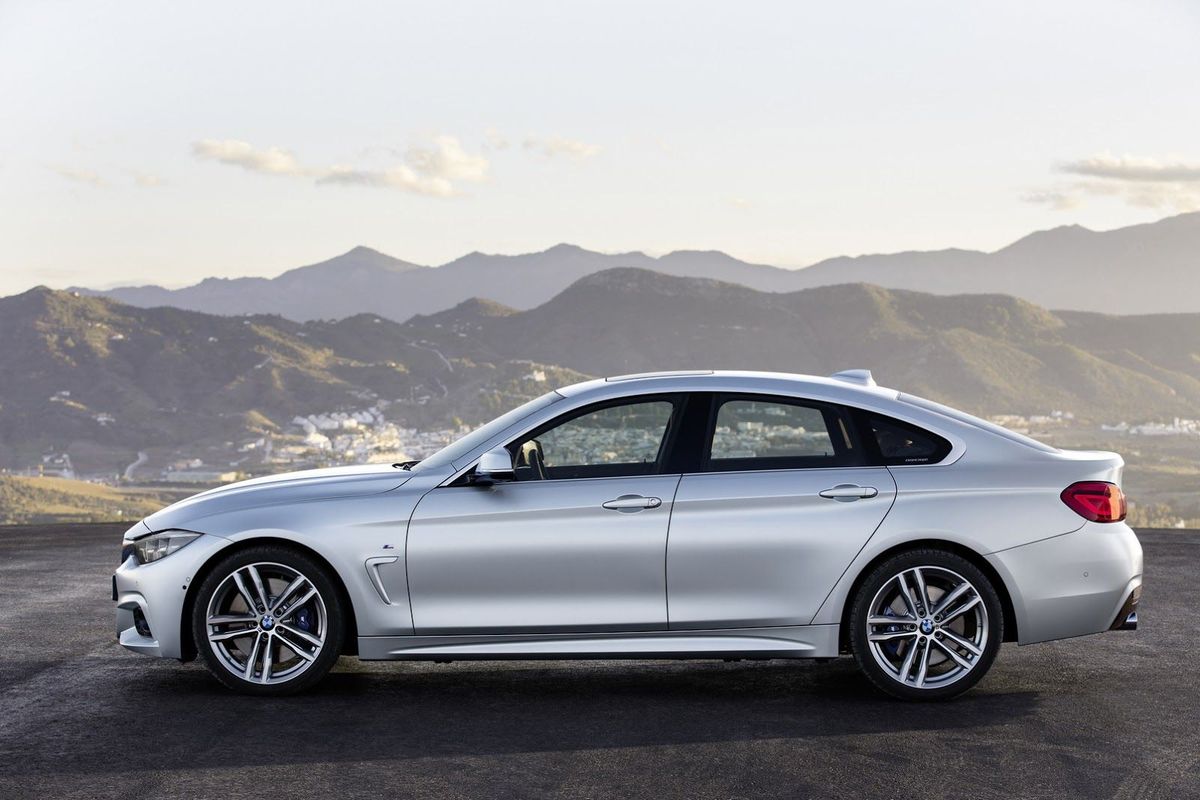
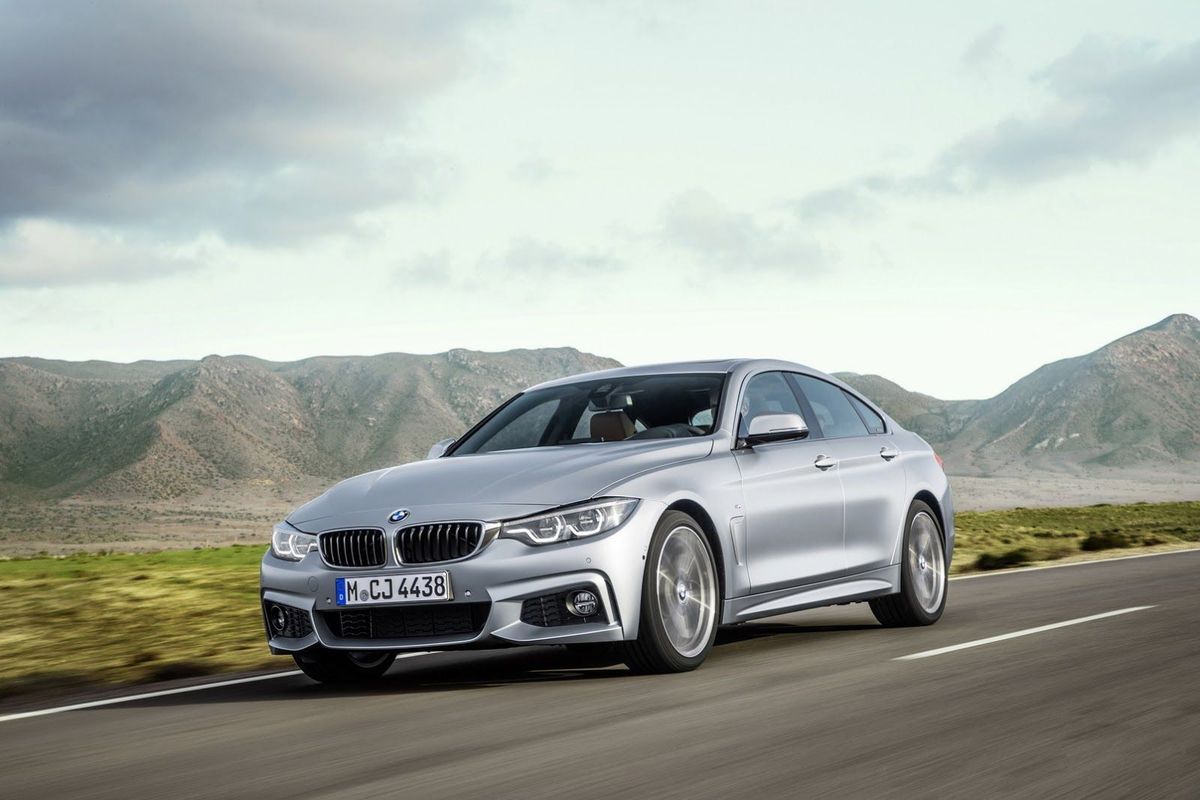
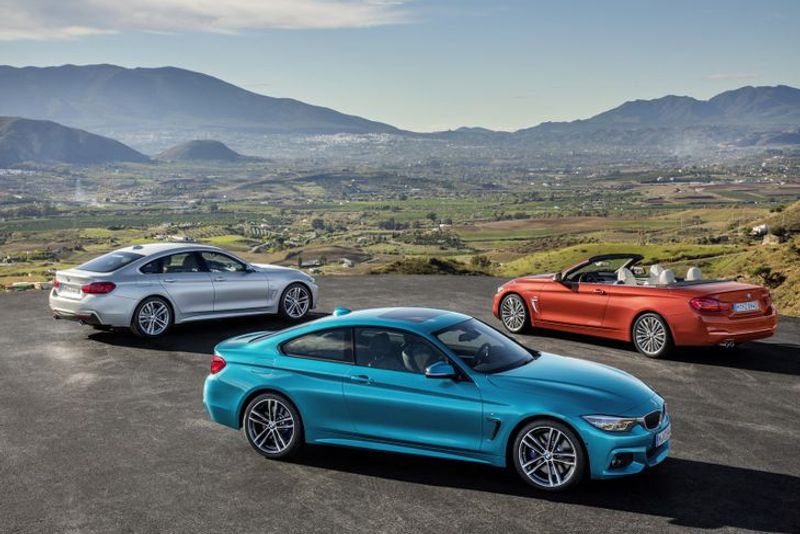
The BMW 4 Series Coupe, Convertible, Gran Coupe and M4 Coupe and Convertible have received minor exterior, interior, and technological updates. Take a look at the ranges' specs and pricing details below…

The facelifted BMW 4 Series benefits from a range of visual and technical improvements. Take a look at what's changed…

Exterior changes


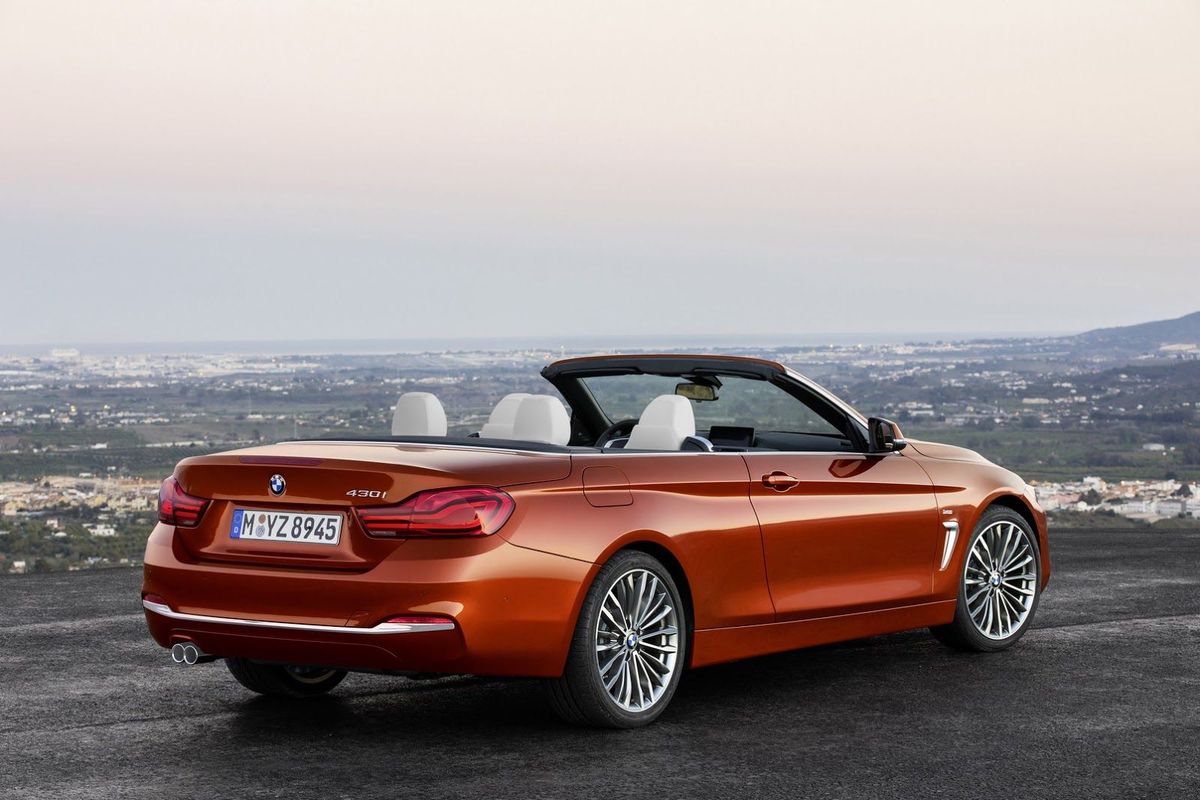
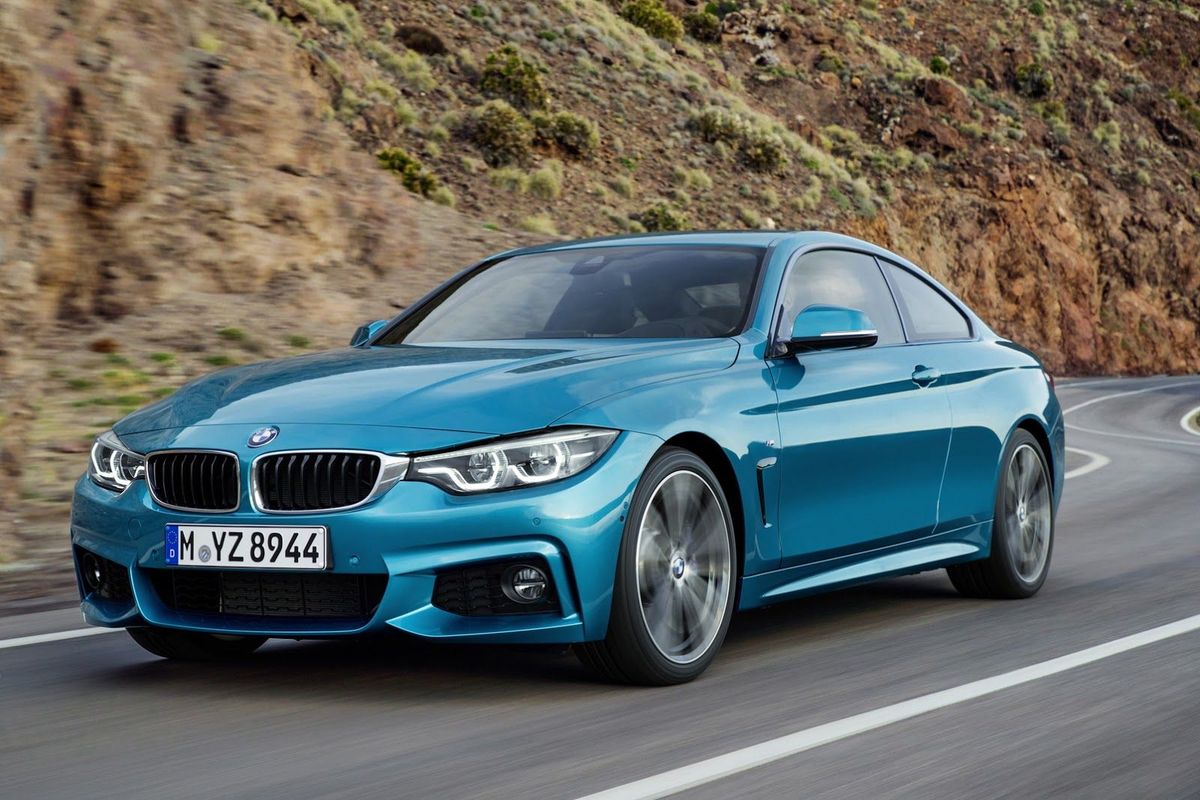
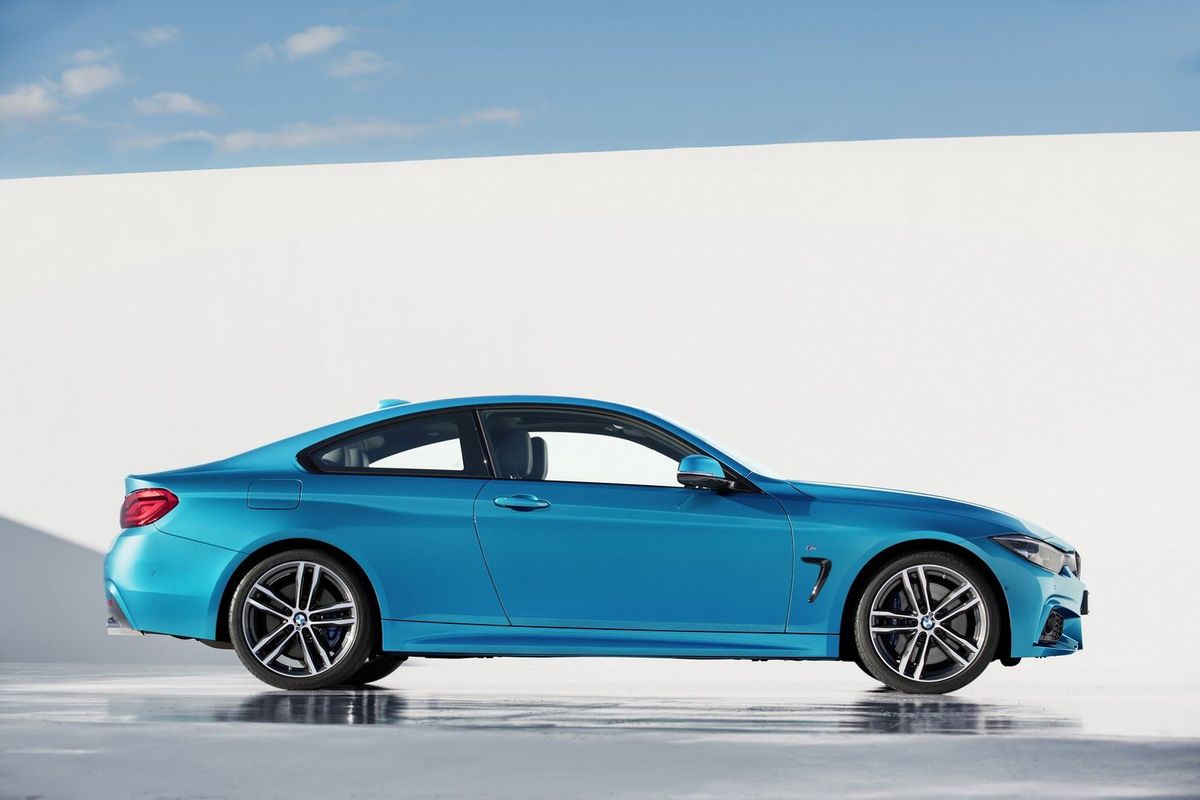
The facelifted BMW 4 Series introduces mild exterior and interior enhancements.

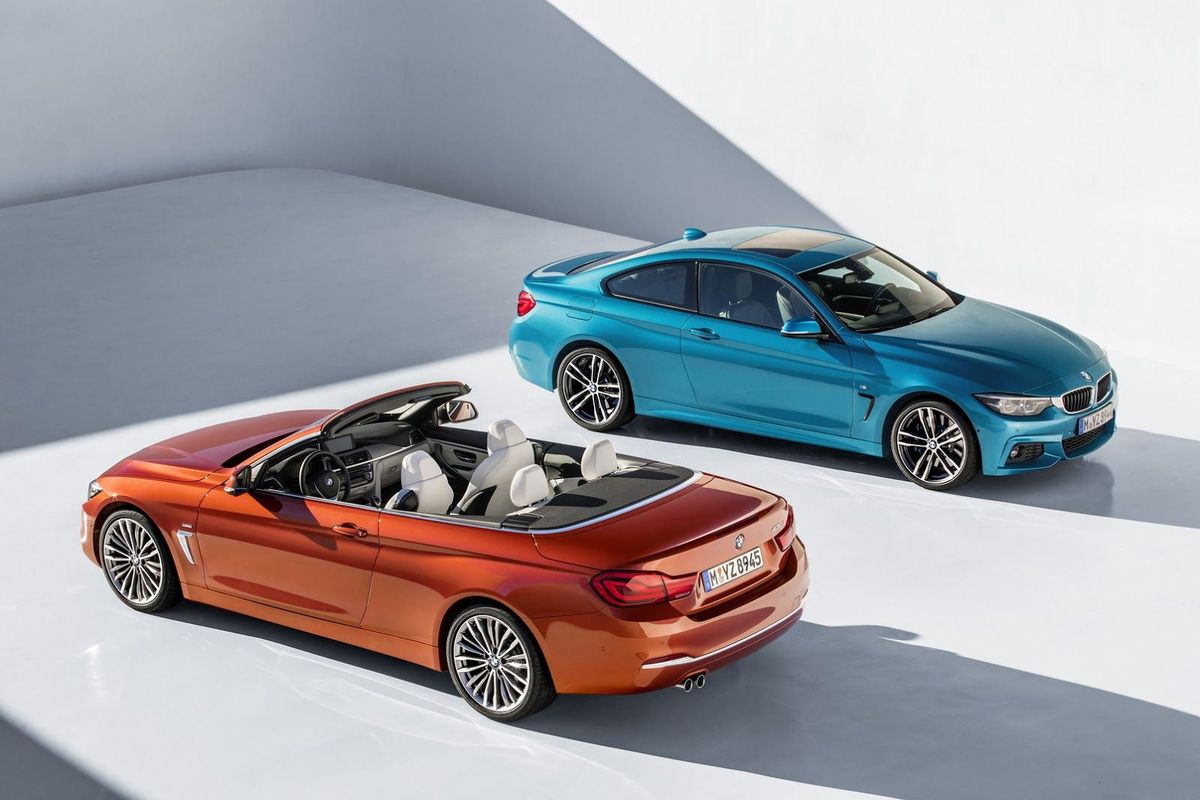
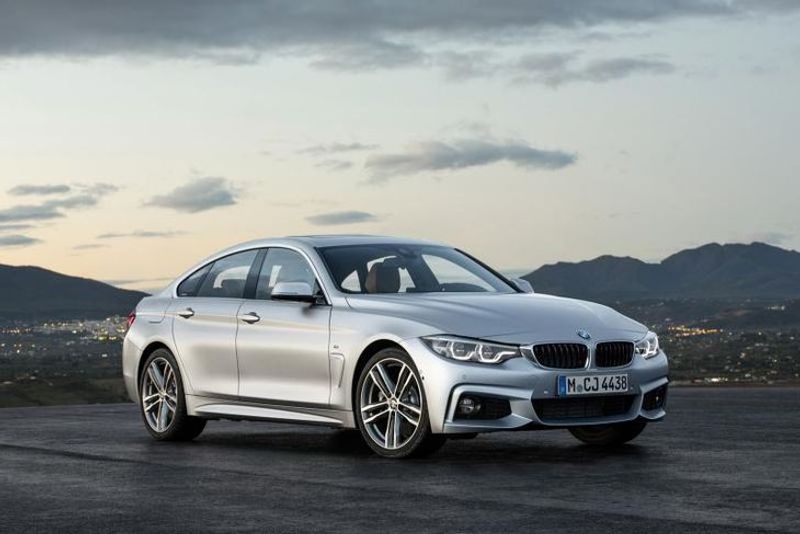
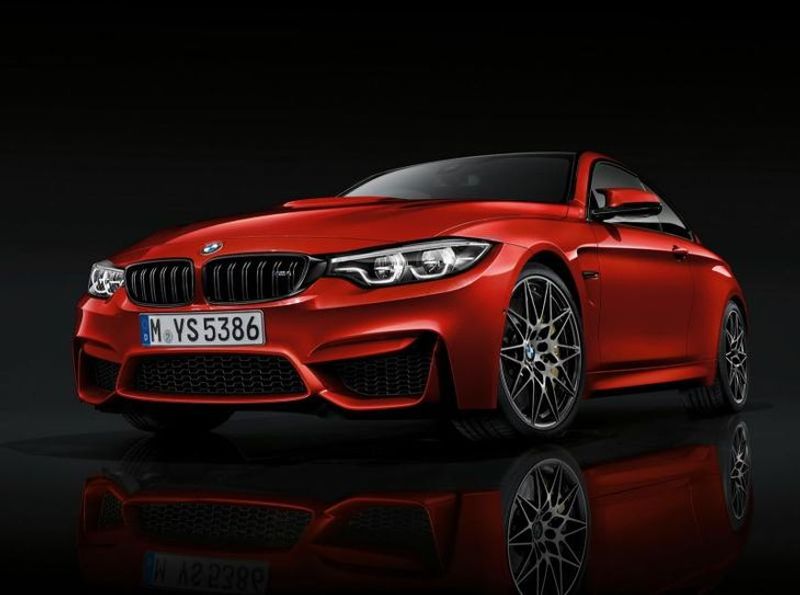
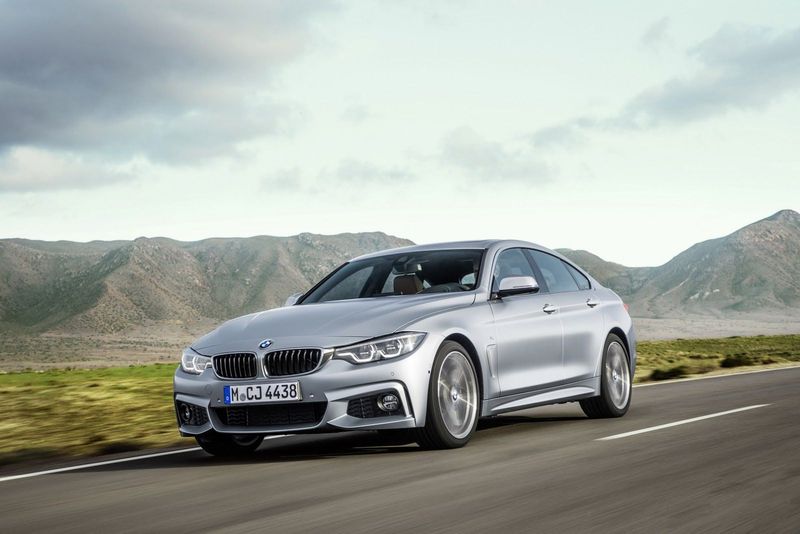
The facelifted 4 Series borrows styling cues from the 2012 BMW Concept 4 Series Coupe seen in the hexagonal full-LED headlights, large air intake with bars and the full rear LED taillights. The front-end is defined with an unbroken central air intake that widens at the edges providing a sense of width and presence. The air intake, depending on the derivative, is finished off with a bar in either high-gloss black (Sport Line) or chrome (Luxury Line).

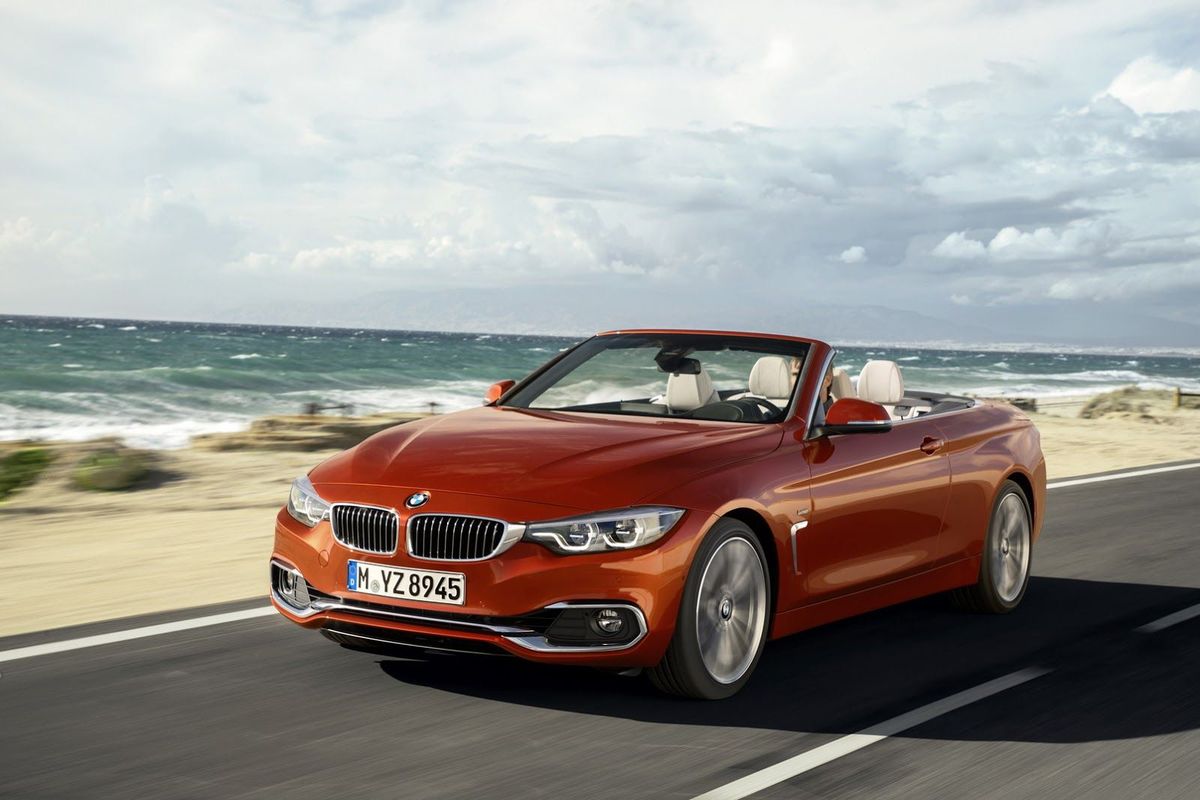
The refreshed 4 Series features twin bi-LED headlights and LED fog lamps as standard while full-LED adaptive headlights with LED indicators are offered as an option. A redesigned rear apron and newly designed elongated L-shaped LED taillights are seen with the indicators taking up a larger area towards the inner section of the light housing.

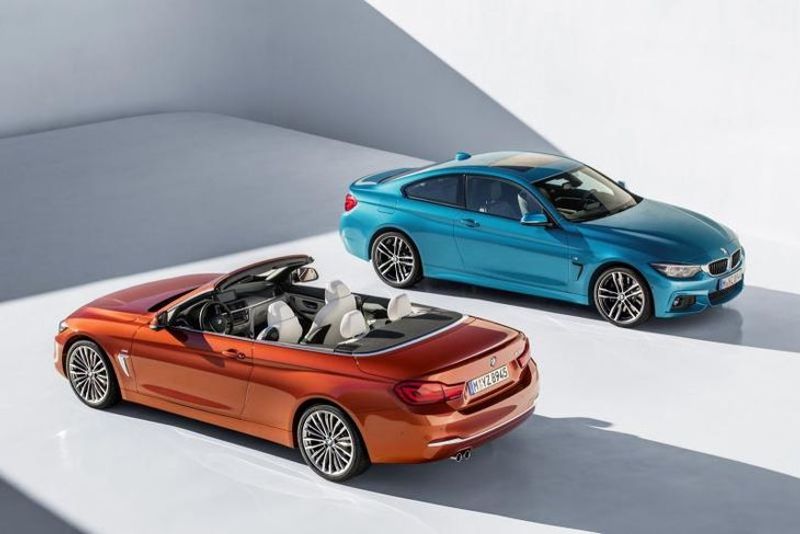
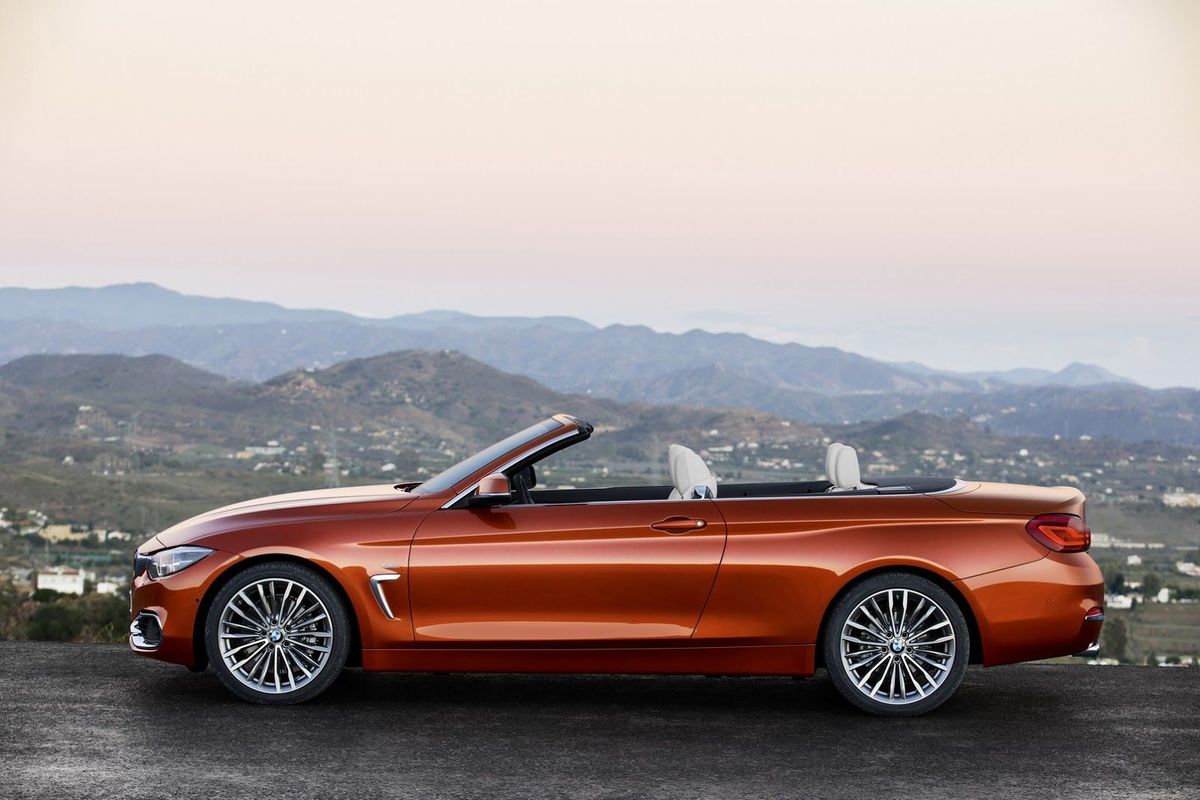
To round off the look of the 4 Series, BMW will offer a wider range of 18 and 19-inch light alloy wheels with 4 new designs to choose from. In addition to this, new exterior paint finishes will also be offered such as Snapper Rocks Blue and Sunset Orange. The new wheel designs and exterior paint finishes will be exclusively available on the facelifted 4 Series.

Interior changes


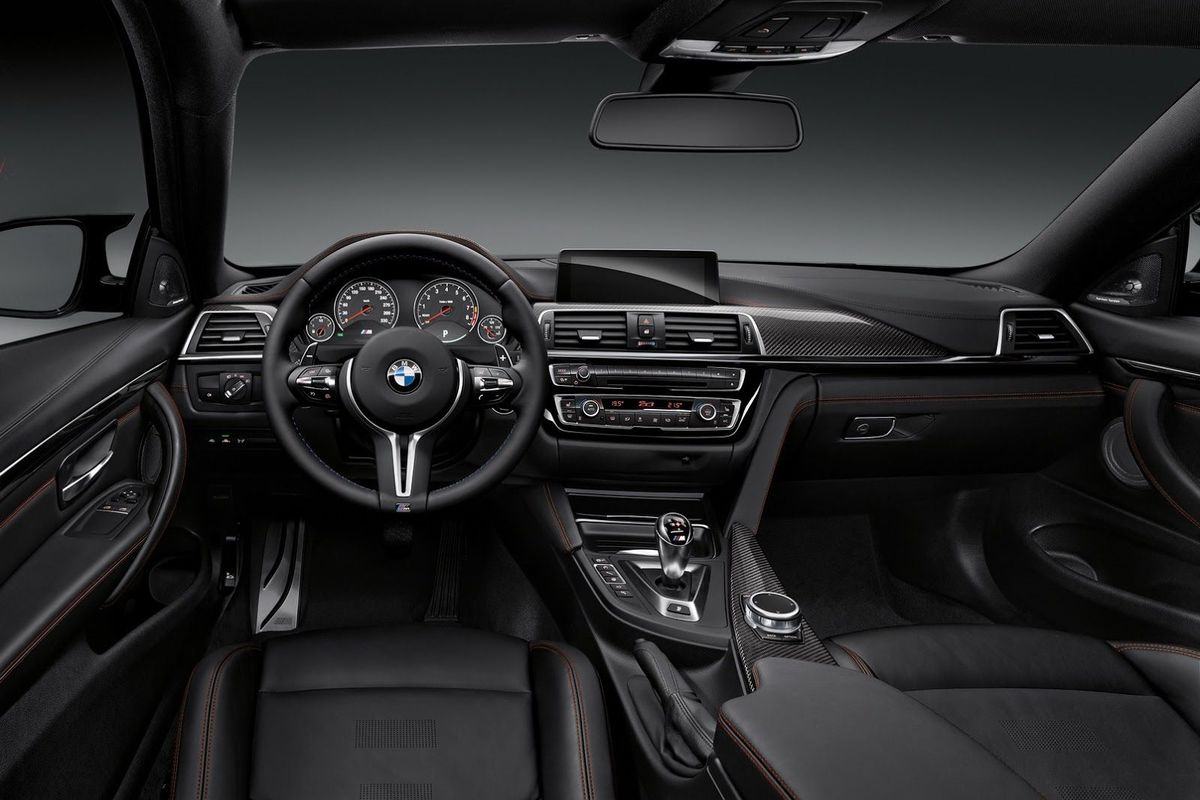
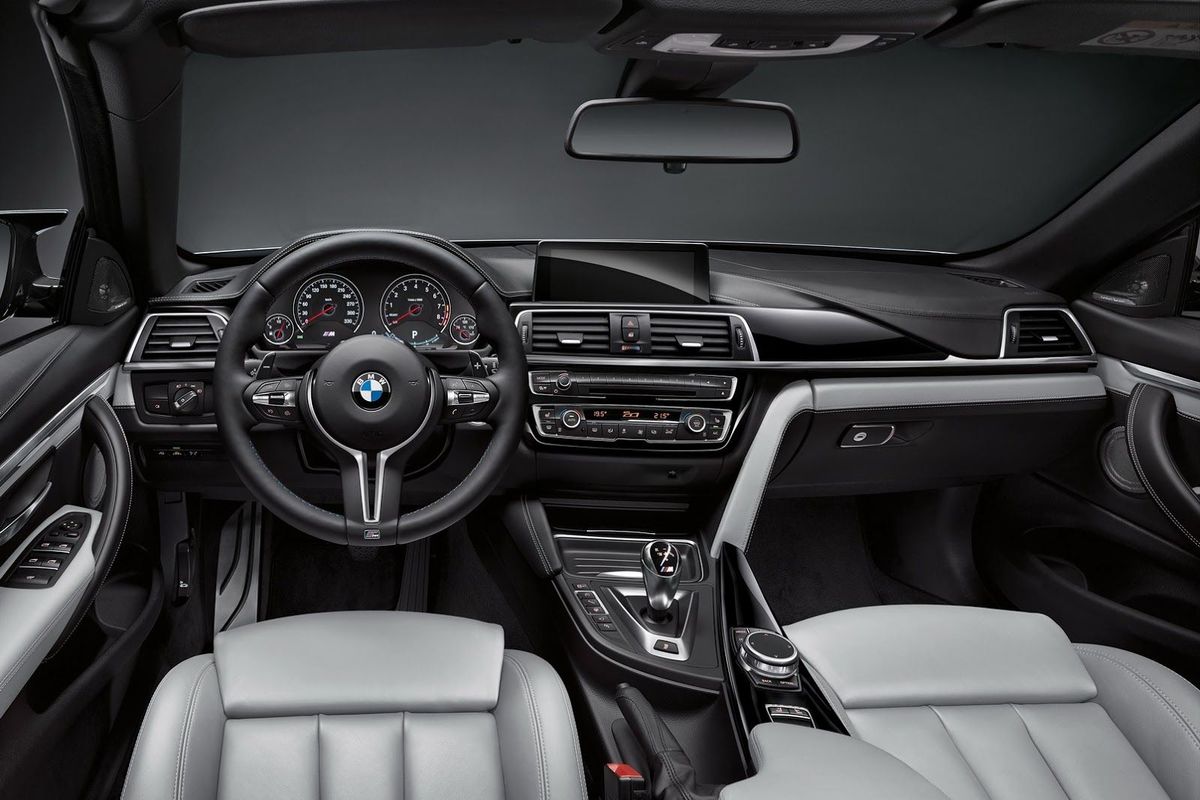
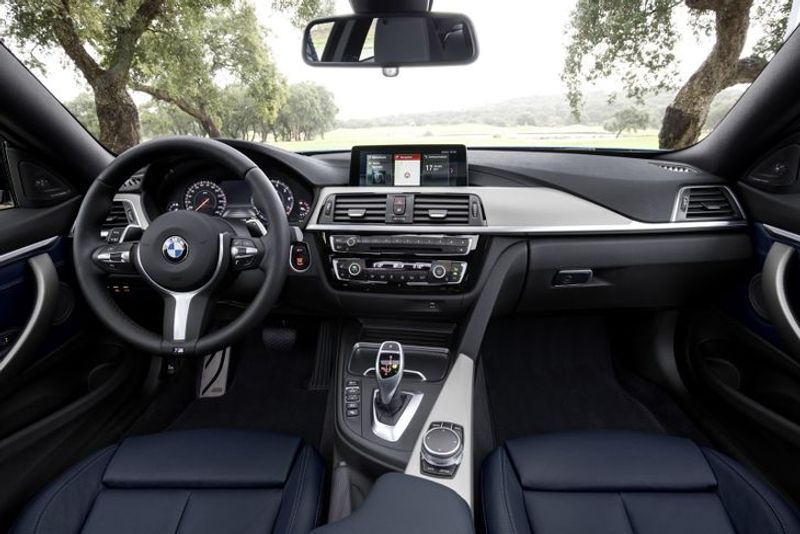
The interior design of the facelifted has been enhanced with new detailing and finishes.

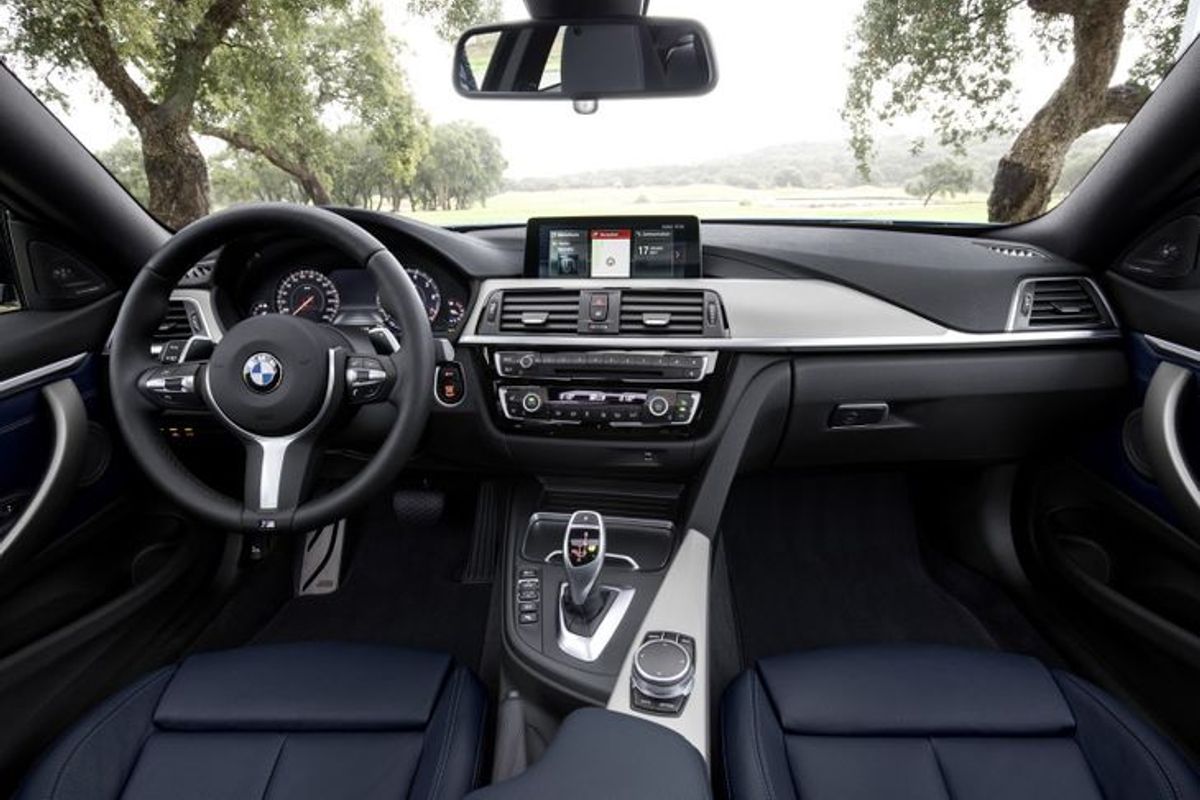
On the inside, you will notice a number of changes. The standard sports steering wheel features a new rim finished in leather offering better grip and the door control panels and air vent surrounds feature electroplated inserts. The roof operating switch and integral belt guides in 4 Series Convertible now also have an electroplated finish. Chrome details are seen on the air conditioning and audio controls while the centre console features a high-gloss cover panel. Double stitching is now found on the instrument panel.

Customers can also choose between 3 new upholstery colours including Midnight Blue Dakota leather, Cognac Dakota leather and Ivory White Dakota leather with contrast stitching and piping. New interior trim strips will also be offered and these include Carbon Aluminium, Light Fineline and high-gloss Black with Pearl Chrome.


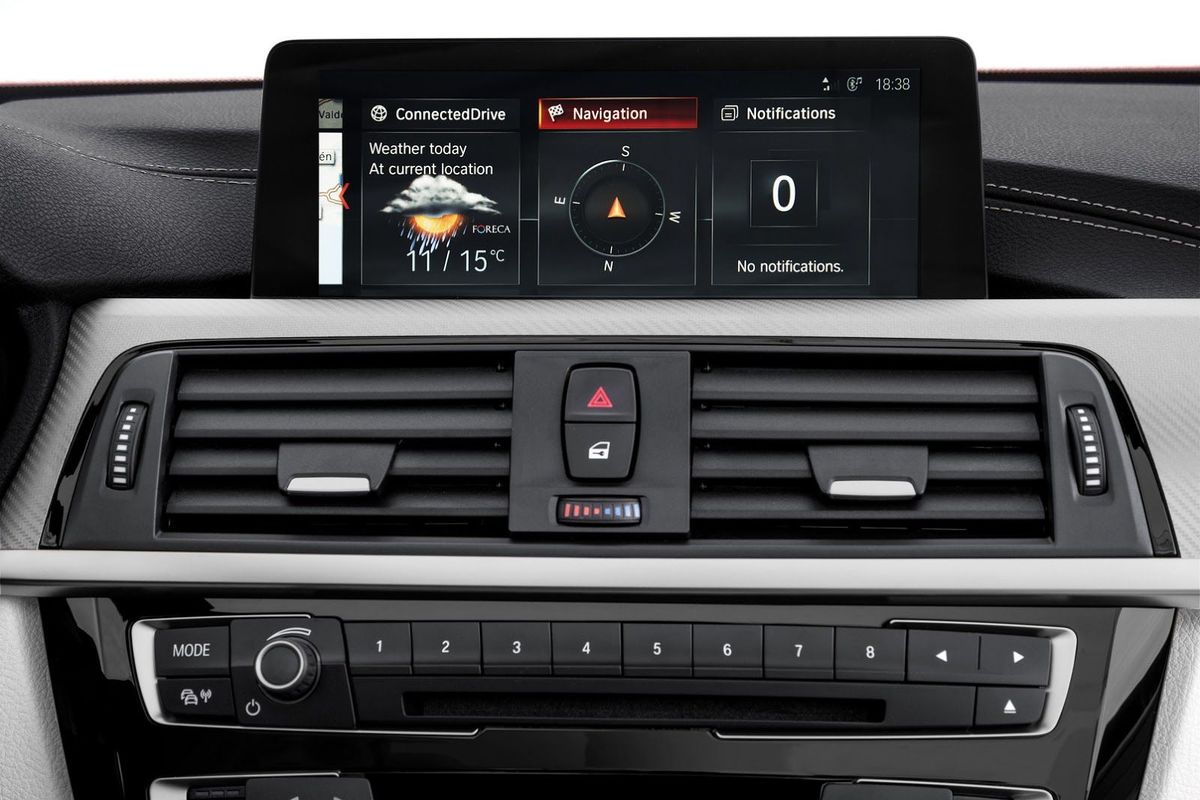
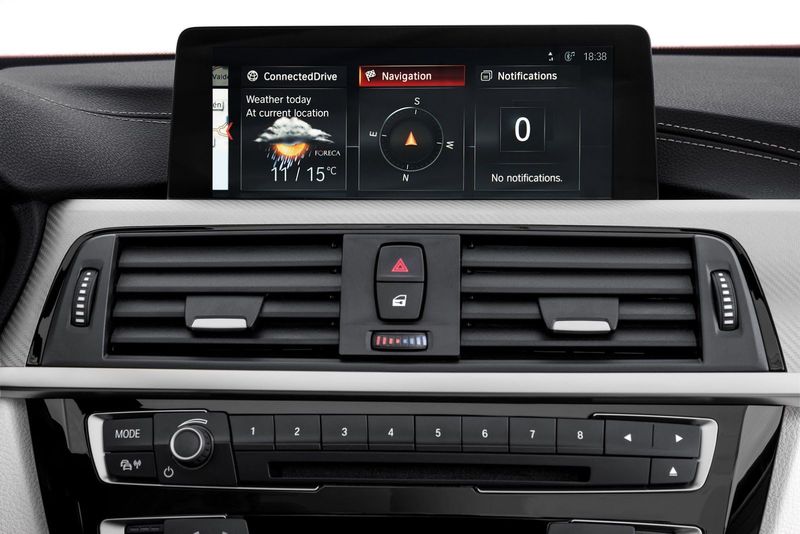
BMW says that the new interface layout of the infotainment display is more intuitive to use. 

BMW’s optional Navigation Professional information system features a new interface with 6 tile icons that can be shuffled across two screen pages according to preference. A Multifunctional Instrument Display will also be offered as an option, giving the driver different display options according to the current driving mode. When in Sport mode, for example, performance-related information is displayed such as speed, engine revs and current output. Relevant displays are shown for Comfort and Eco Pro modes too.

An inductive charging tray, found in the centre armrest, is also available for compatible smartphones, eliminating the need for charging cables. Furthermore, the optional ConnectedDrive navigation package includes a WiFi hotspot that can provide Internet connectivity for up to 10 devices and 2 USB ports are found in the centre console should you need them. Apple CarPlay is offered as an option and the BMW Connected mobility assistant app can be used in conjunction with ConnectedDrive Services.

Engine choice


The local engine offering for the facelifted BMW 4 Series remains unchanged

The facelifted 4 Series will use the same engines as before. A four-cylinder, 2.0-litre twin turbopetrol with 135 kW and 290 Nm will power the 420i while the 430i will offer 185 kW and 350 Nm of torque. The range-topping 440i offers 240 kW and 450 Nm of torque. The diesel-powered 420d with its 2.0-litre twin turbodiesel engine offers 140 kW and 400 Nm of torque. A 6-speed manual transmission or an 8-speed automatic transmission will be offered across all body styles.

The suspension of the 4 Series Coupe and Gran Coupe has been enhanced and is now stiffer with advanced damping technology and an upgraded steering setup. The changes, according to BMW, improve the handling ability of the 4 Series. As for the 4 Series Convertible, the suspension settings remain unchanged.

Updated BMW M4 Coupe and Convertible


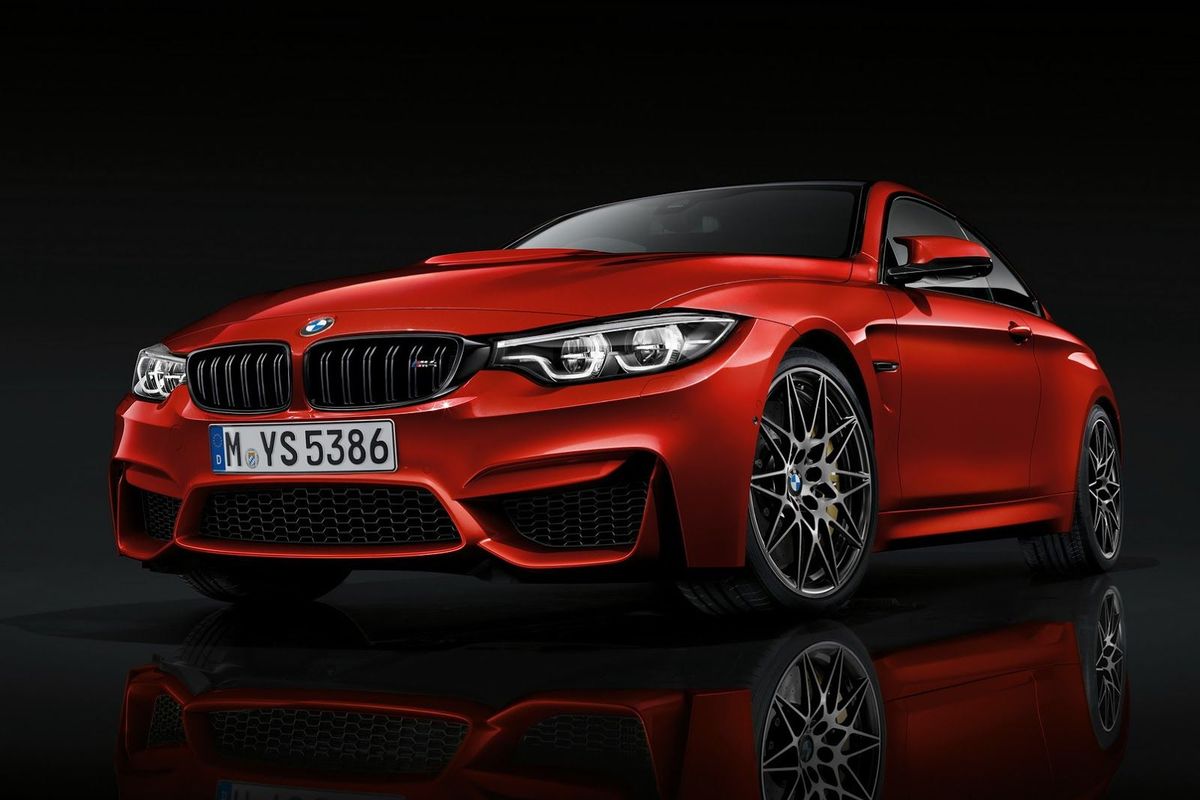
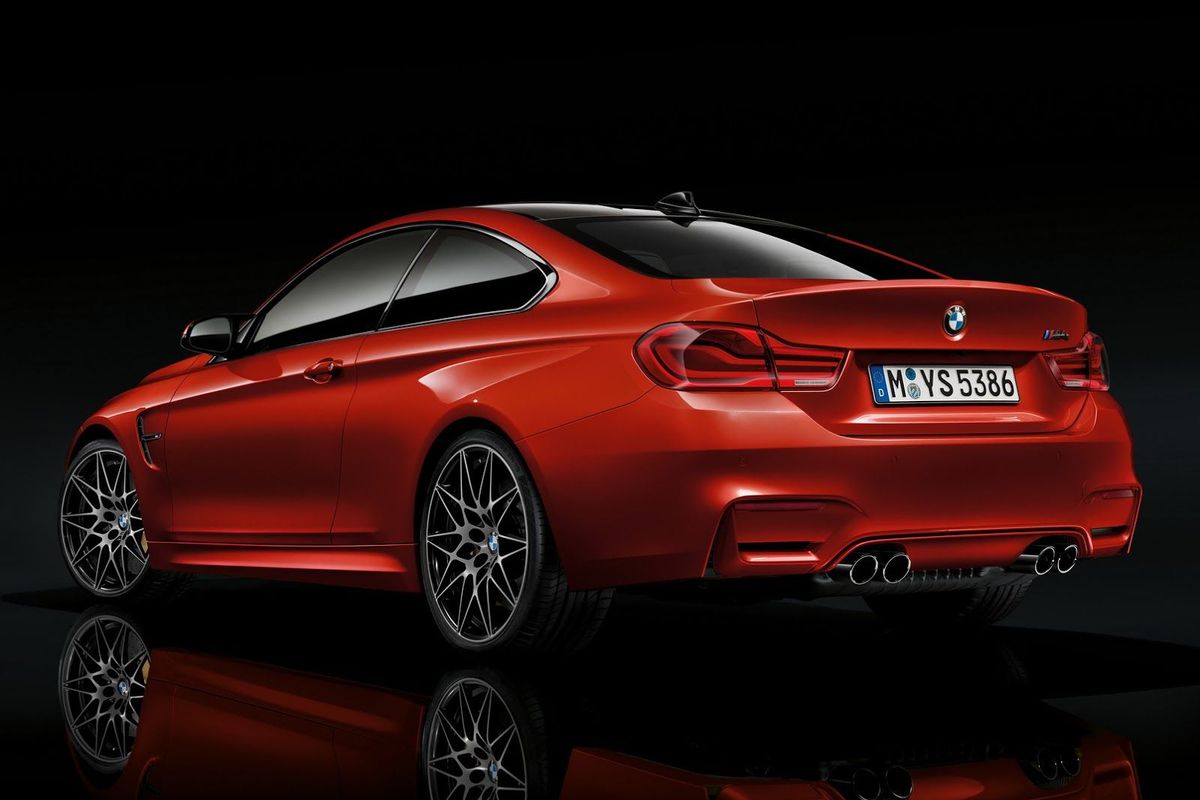
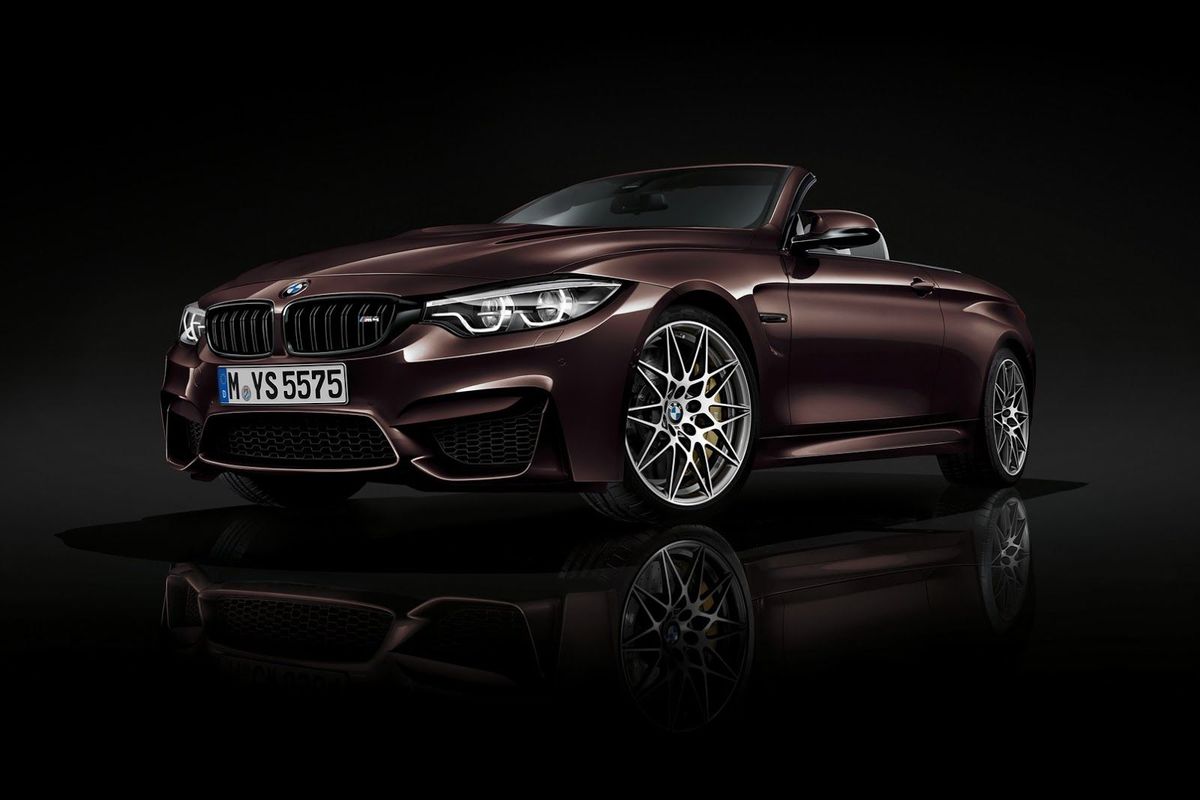
The BMW M4 features updated exterior and interior styling to match its performance credentials.

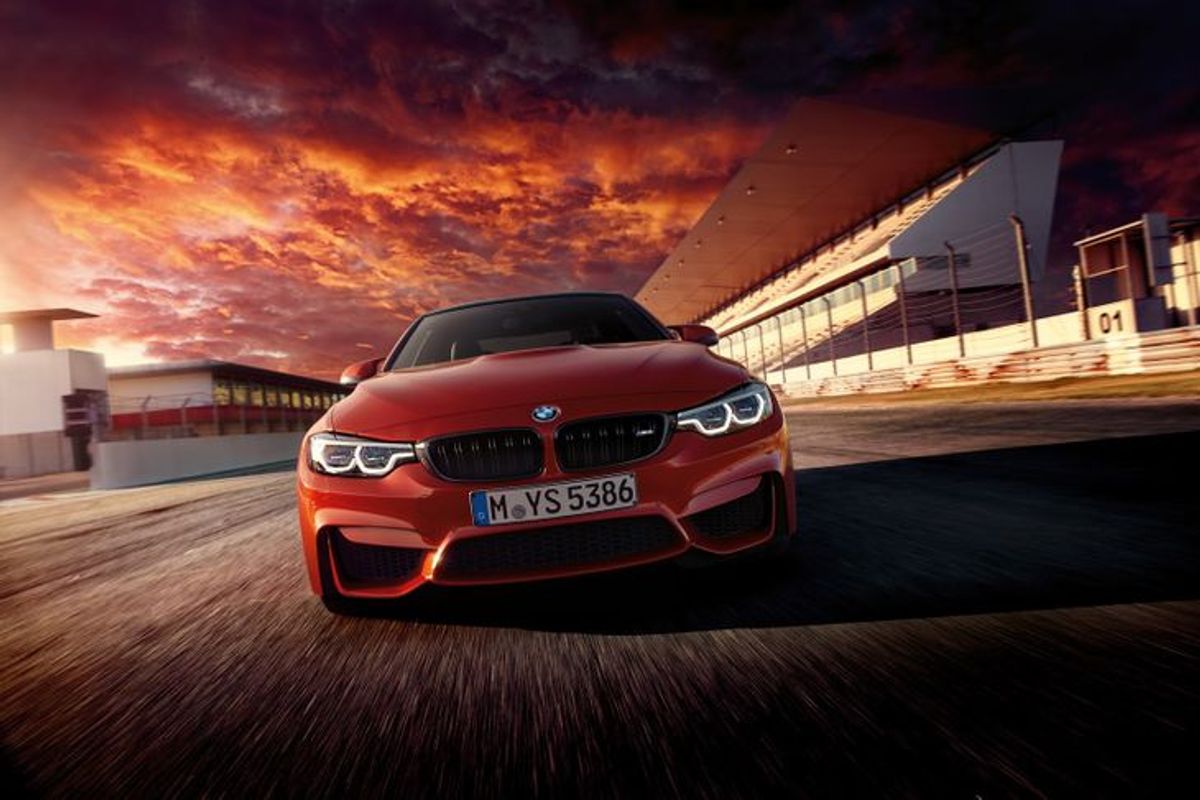
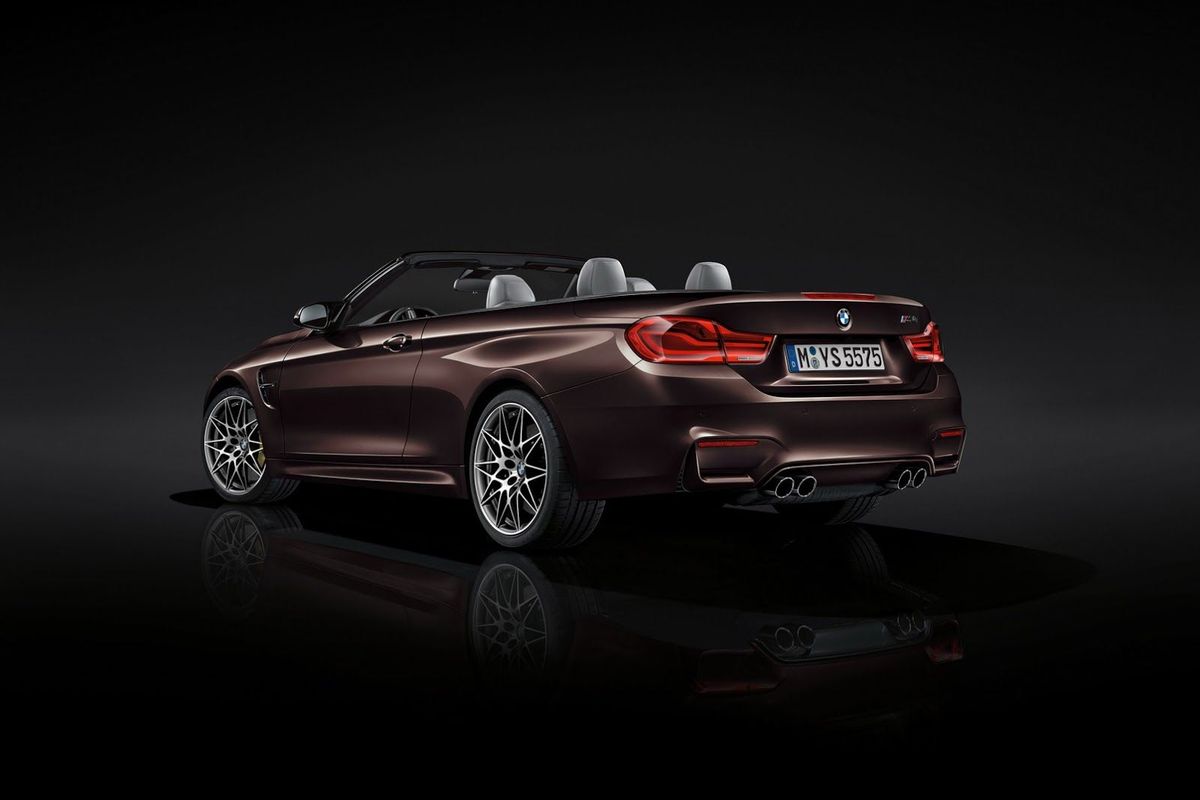
The high-performance M4 Coupe and Convertible benefit from an updated exterior design, which now includes standard adaptive full LED headlights with a hexagonal graphic while new LED taillights are found at the rear.

On the inside, illuminated M emblems are found on the front seats. Chrome and electroplated details adorn the interior with the instrument panel featuring double stitching. The ConnectedDrive navigation package is standard, offering inductive charging for smartphones as well as a WiFi hotspot.

The M4 Coupe and Convertible are powered by a 6-cylinder, 3.0-litre twin turbopetrol engine offering 317 kW and 550 Nm of torque. With the Competition Package, power increases by 14 kW to 331 kW in total. The M4 Competition Package will also be offered with optional forged 20-inch light-alloy wheels in Starpoke 666 M black design.

Equipped with the optional 7-speed double-clutch transmission, the M4 Coupe Competition will sprint from zero to 100 kph in 4 seconds while the standard M4 Coupe will take 4.1 seconds. As for the M4 Convertible Competition, zero to 100 kph will take 4.3 seconds, while in standard guise, 4.4 seconds is possible. A 6-speed manual transmission will also be available.  

BMW 4 Series – prices in South Africa (July 2017)

BMW 4 Series Coupe & Gran Coupe

420i R604 796
420i AT R624 798
420i Sports AT R630 598
420d R639 300
420d AT R660 100
420d Sports AT R665 900
430i  R692 922
430i AT R712 126
430i Sports AT R717 926
440i Sports AT R864 976
M4 (coupe only) R1 277 376
M4 M-DCT (coupe only) R1 276 236

BMW 4 Series Convertible

420i R718 250
420i AT R738 024
420i Sports AT R743 824
430i  R831 476
430i AT R850 452
430i Sports AT R856 252
440i Sports AT R989 546
M4   R1 441 302
M4 M-DCT   R1 440 162

All prices include a 5-year/100 000 km maintenance plan.

Related content:

BMW 440i Coupe M Sport (2016) Review
BMW M4 GTS: What's Cool About the Ultimate Performance BMW
BMW M4 with M Performance Parts (2016) Video Review
BMW M4 M-DCT with M Performance Parts (2016) Review
BMW 3-Series vs 4-Series: Which Should You Buy (Video)
BMW 4-Series Parking Challenge (Video)
The New BMW 4-Series Boot Test (Video)

Want to buy a BMW 4 Series?

Find a new or used BMW 4 Series on Cars.co.za