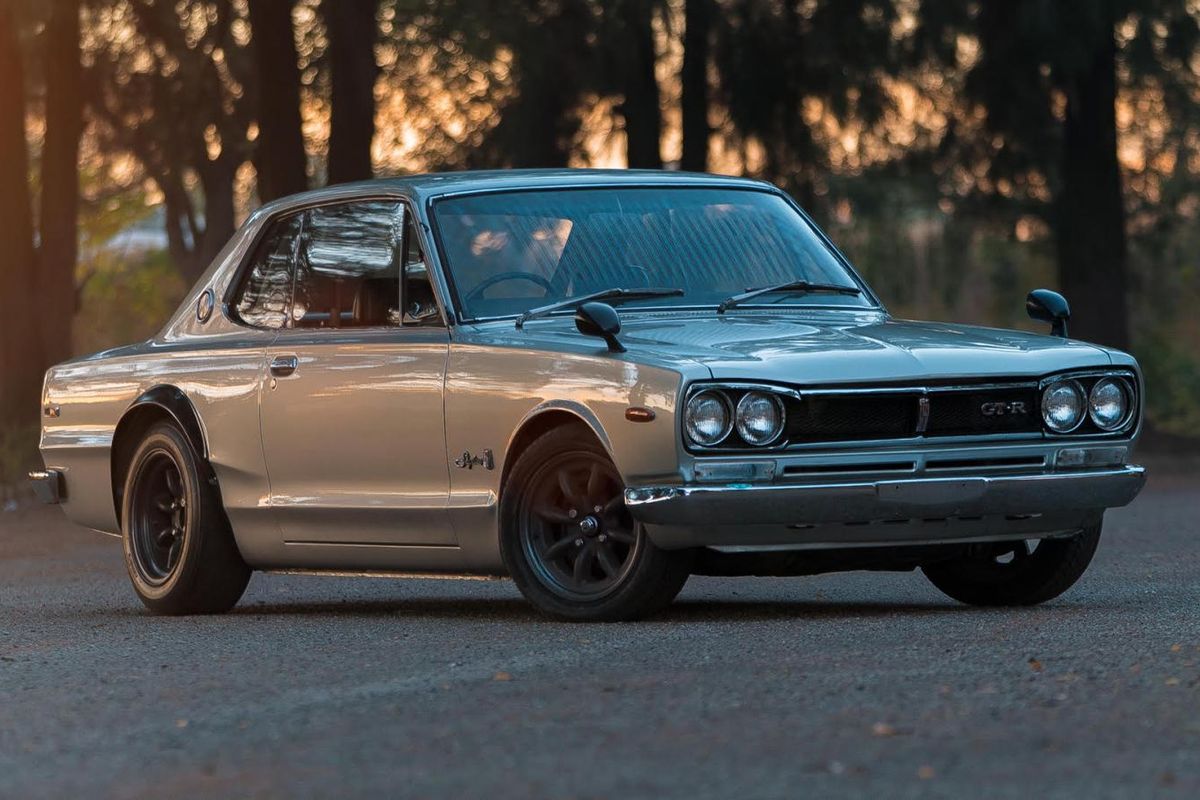
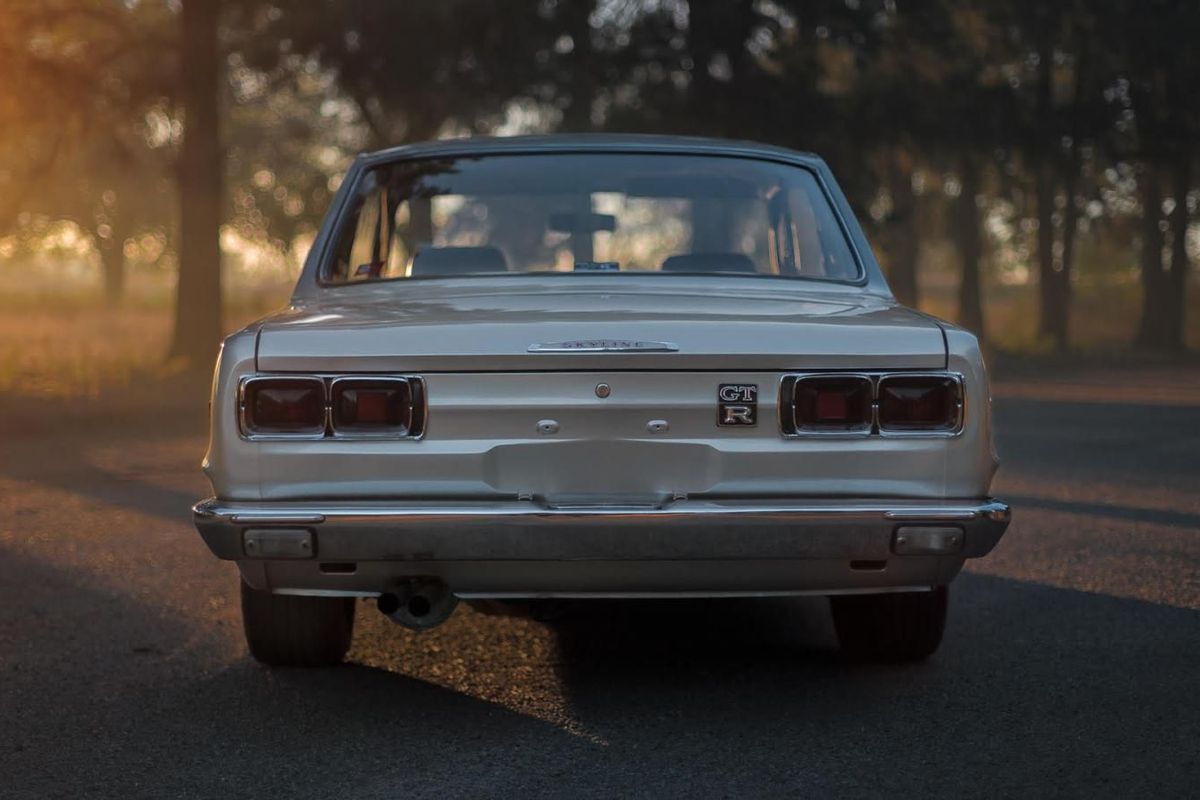
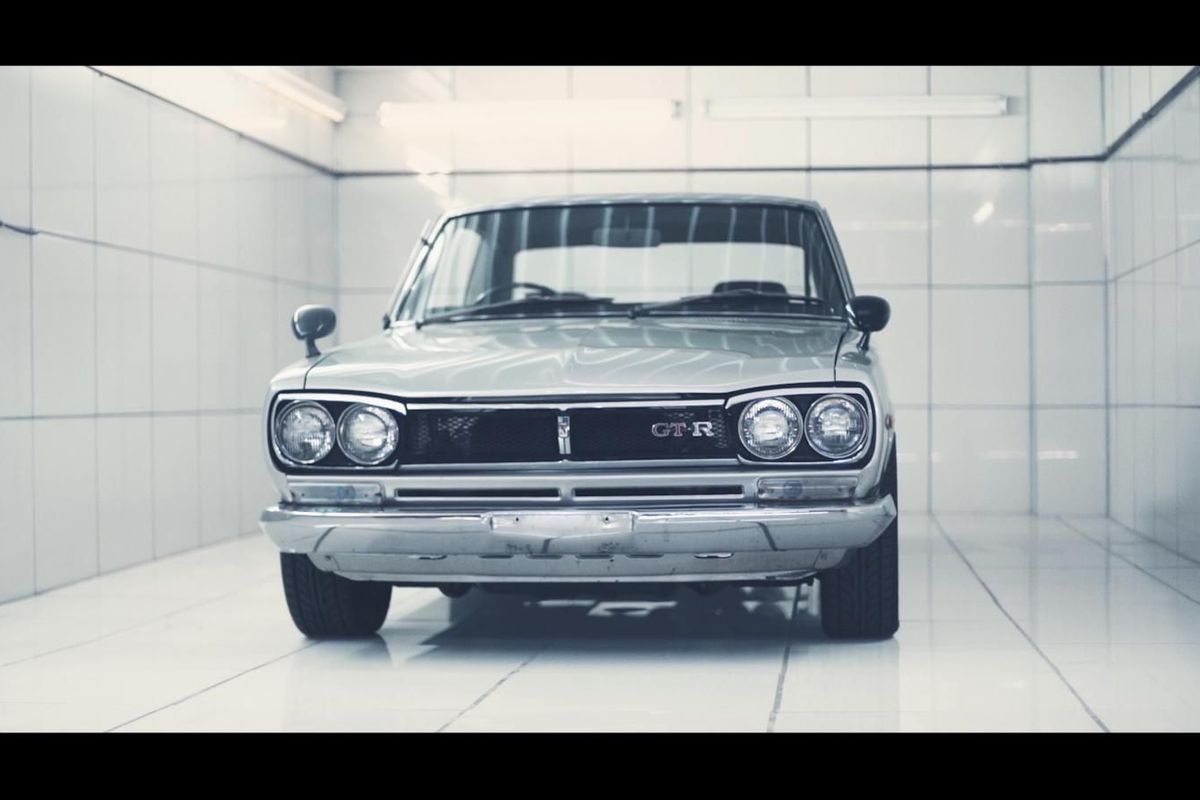
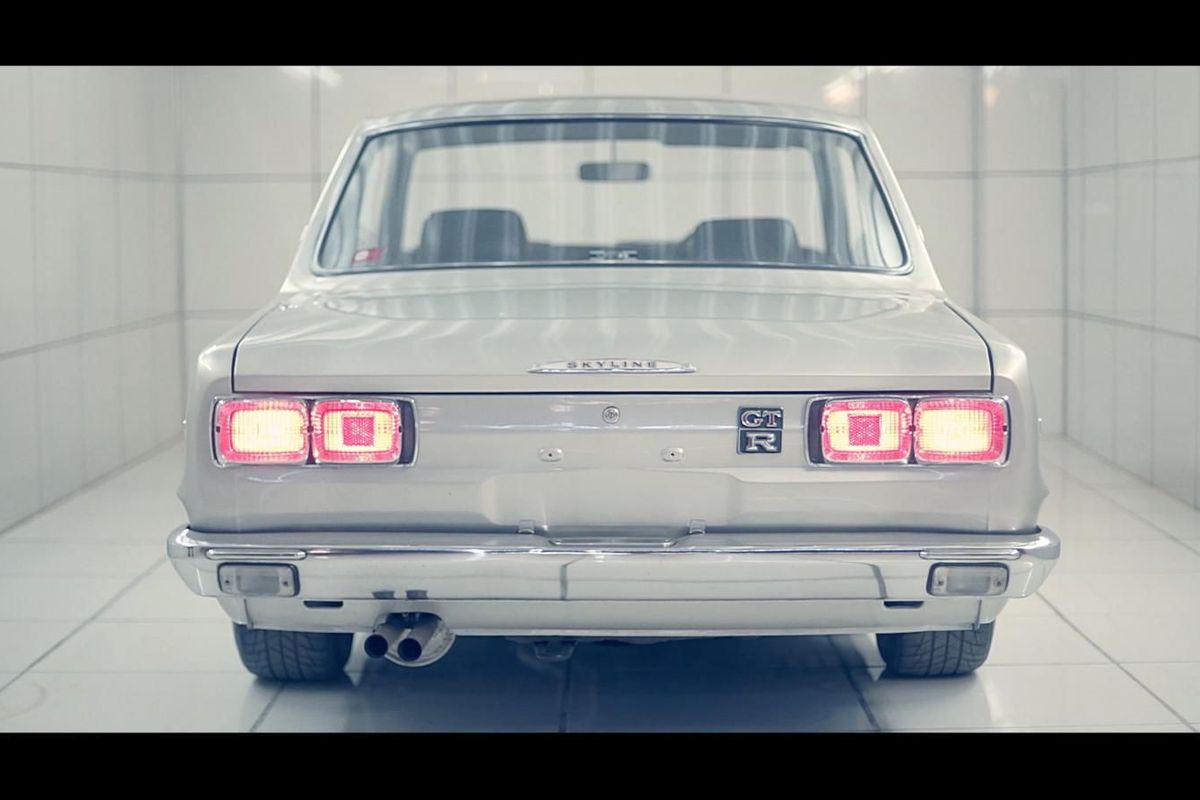
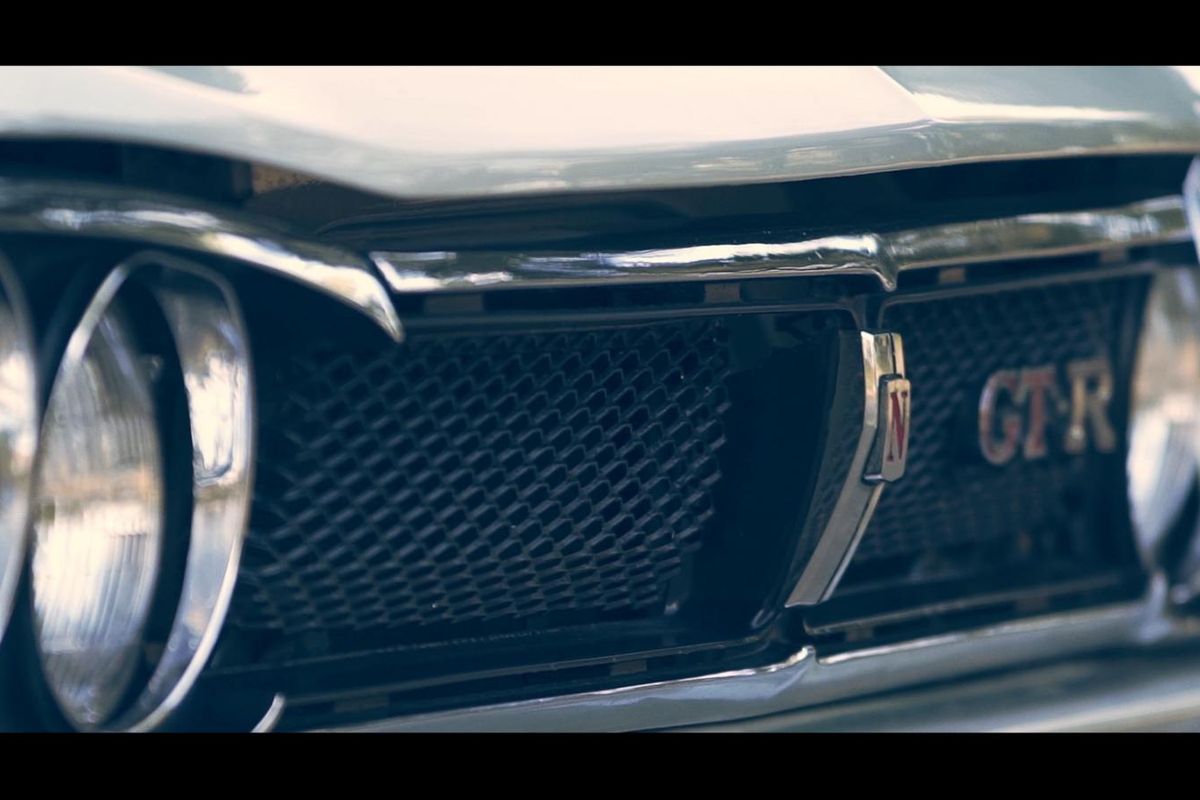
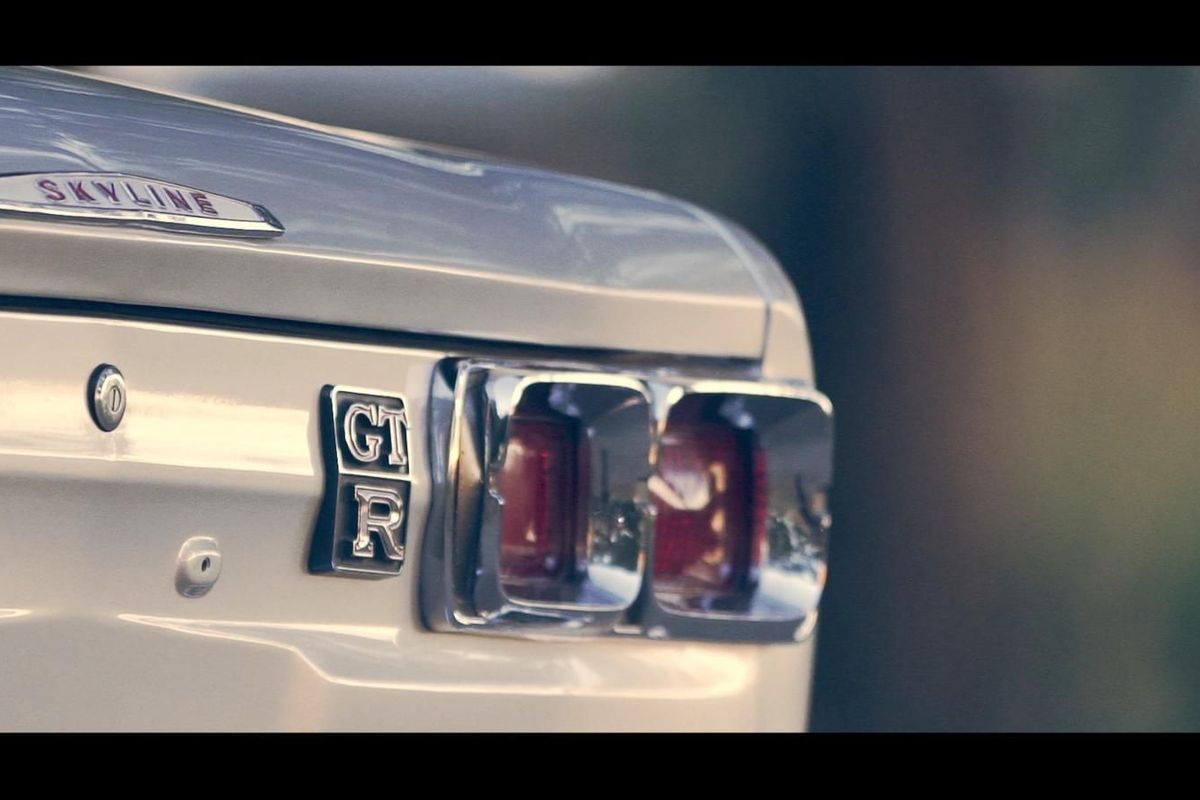
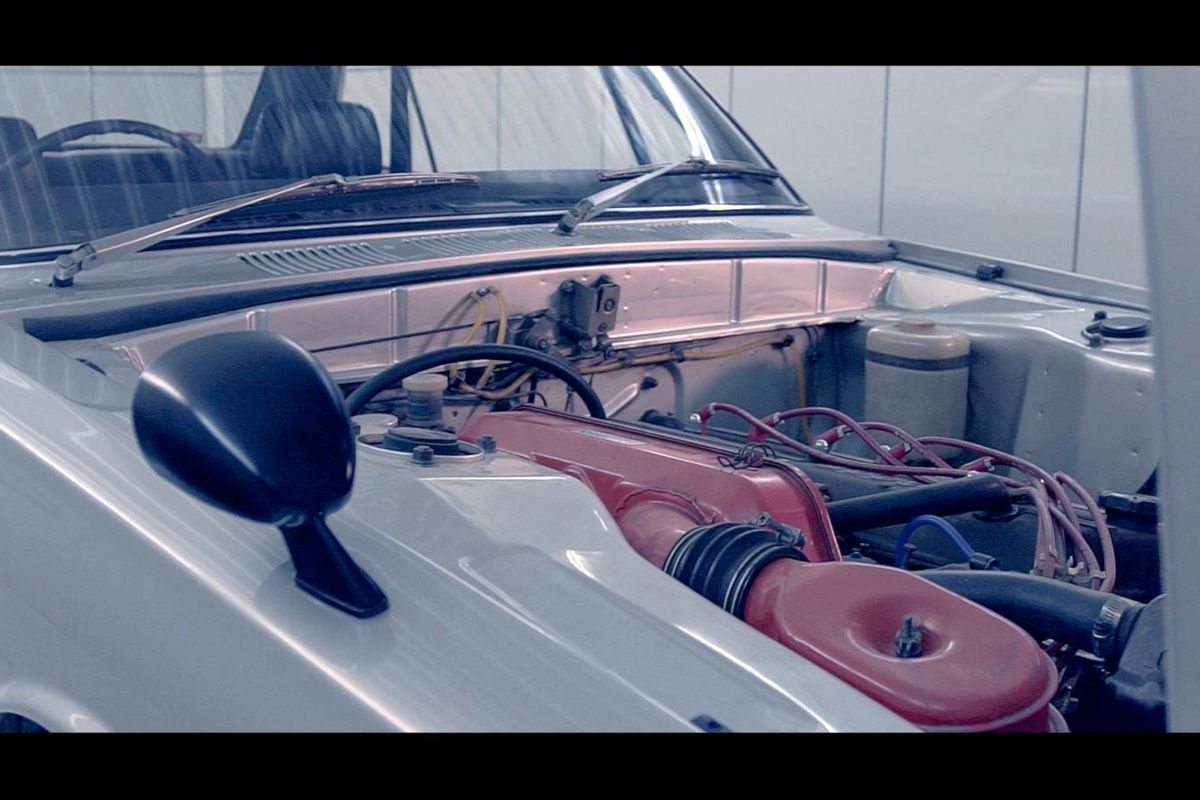
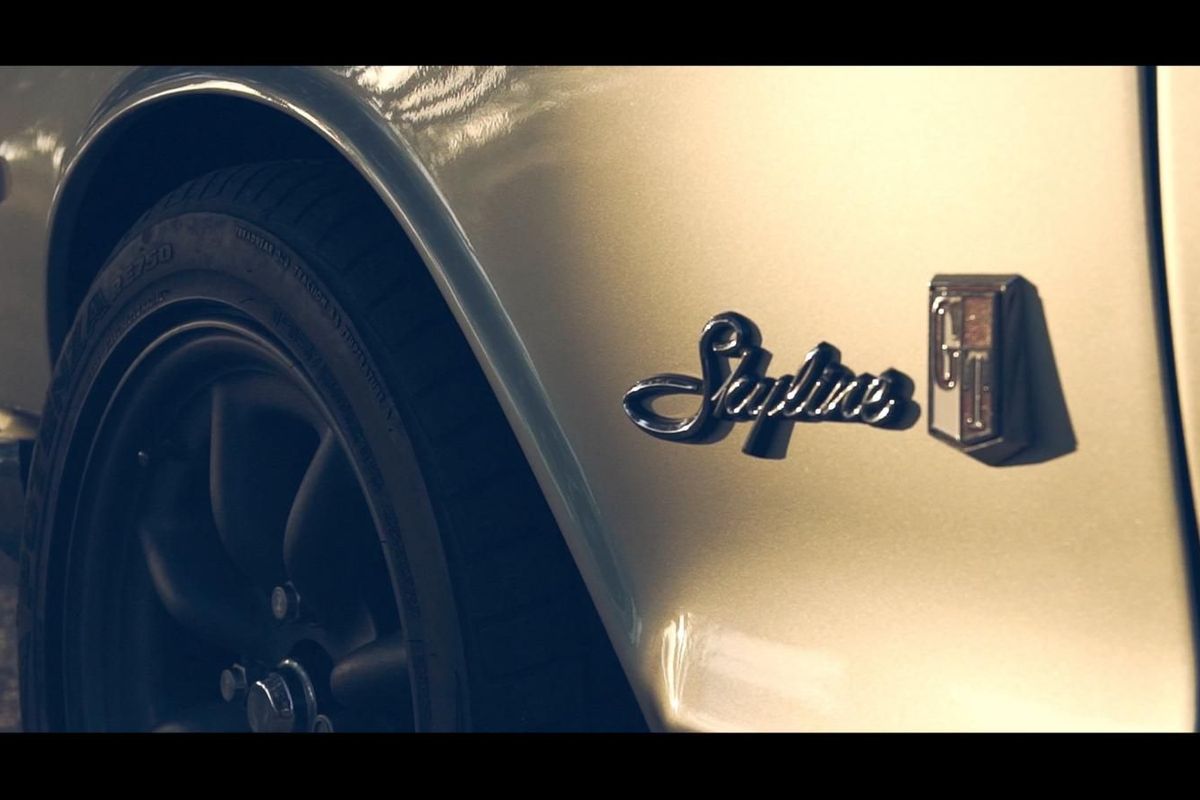
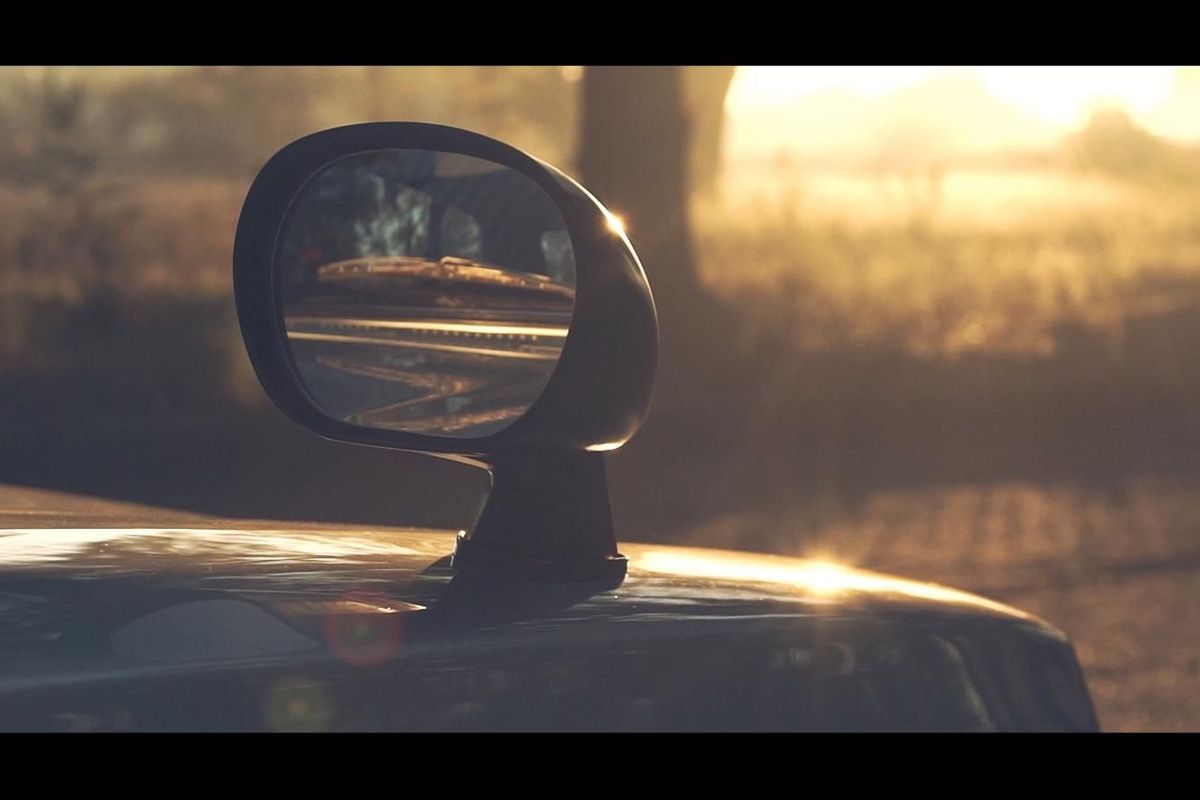
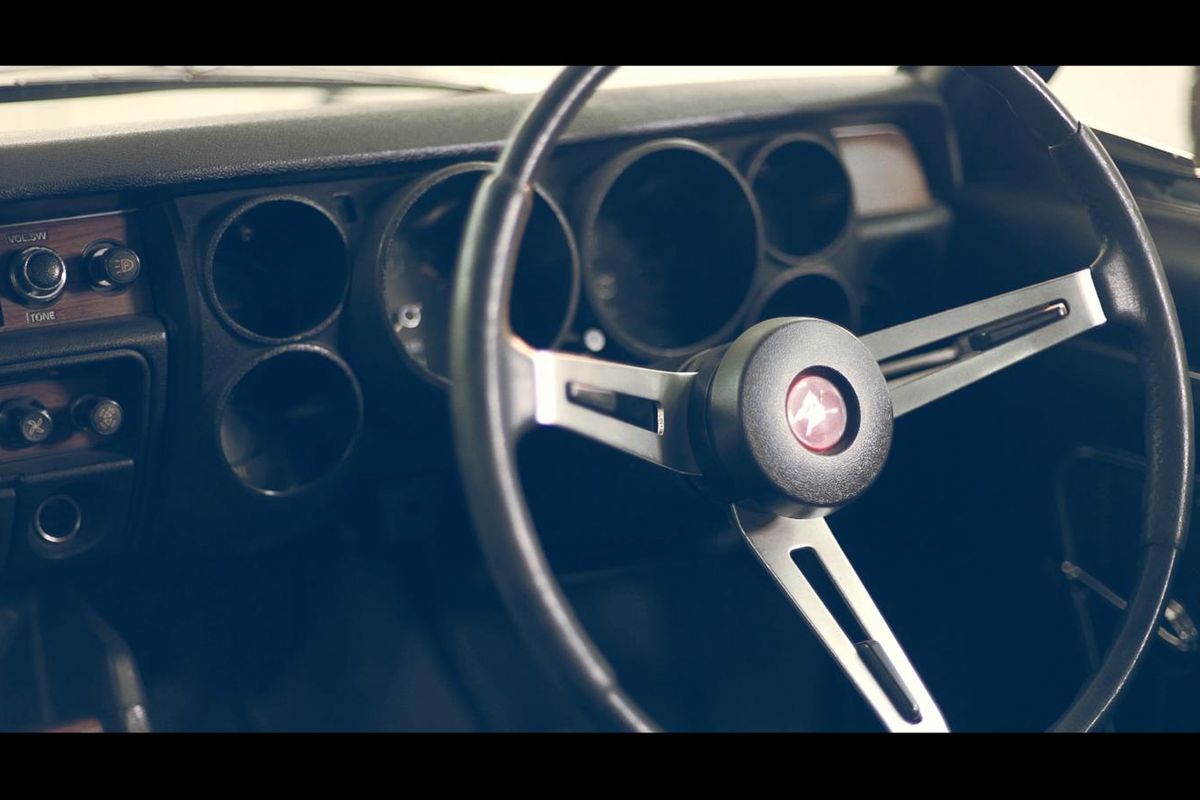
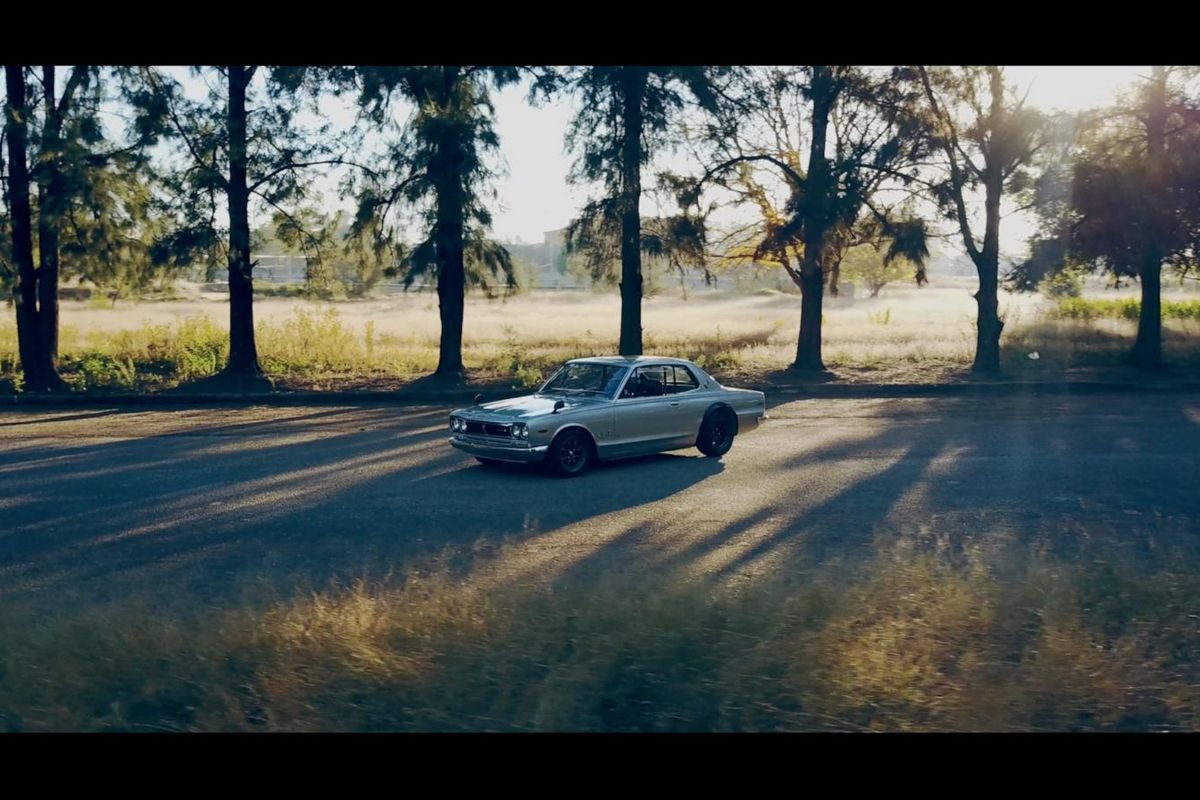
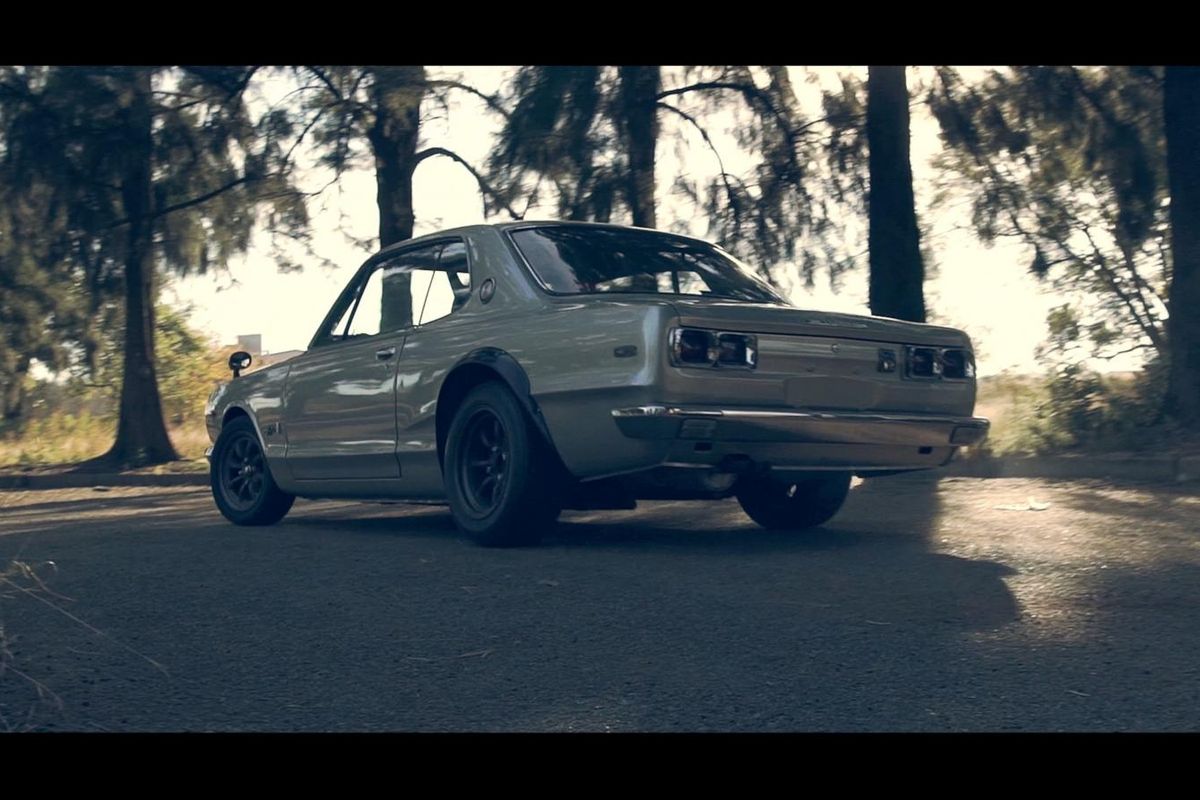
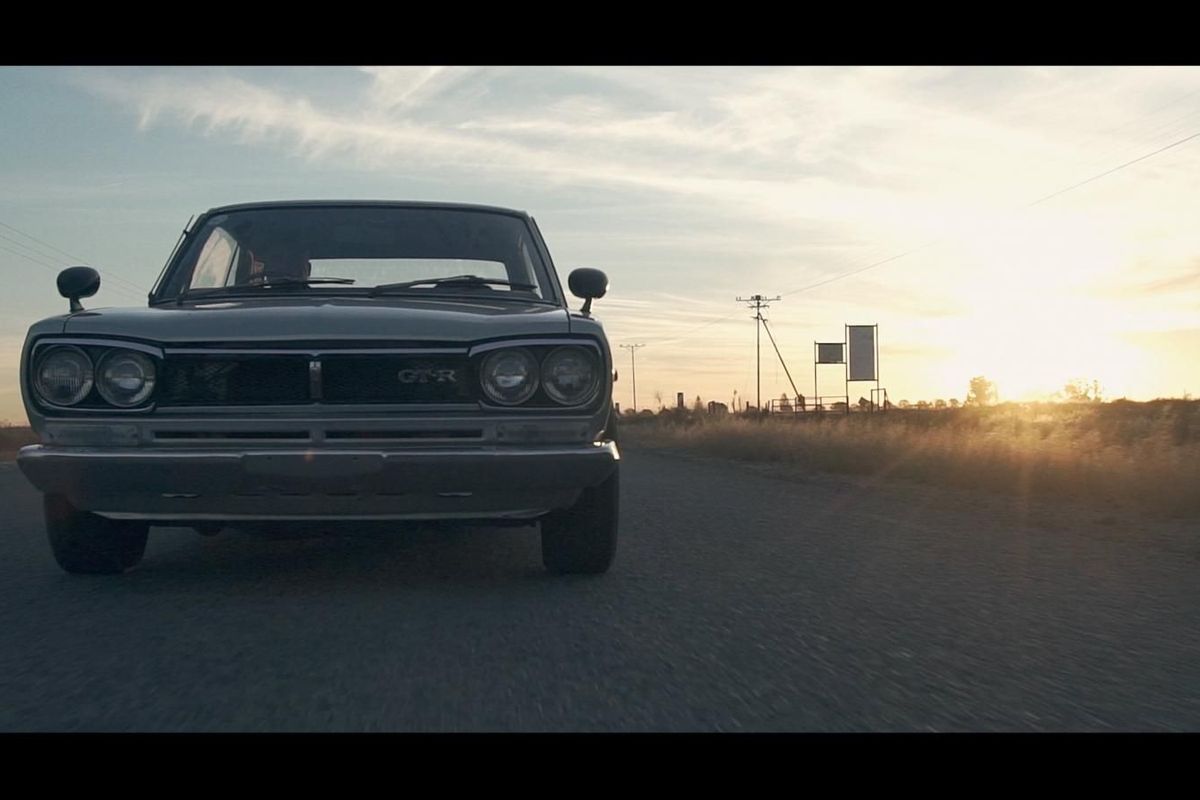
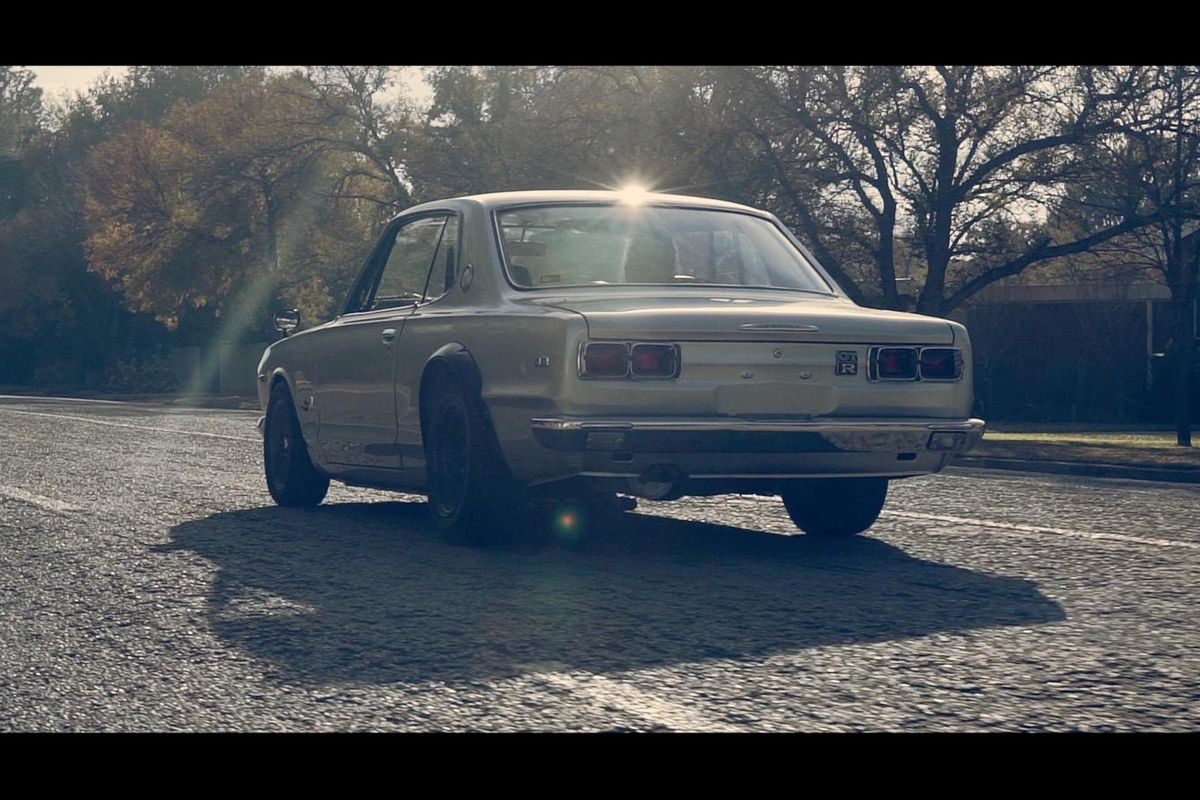
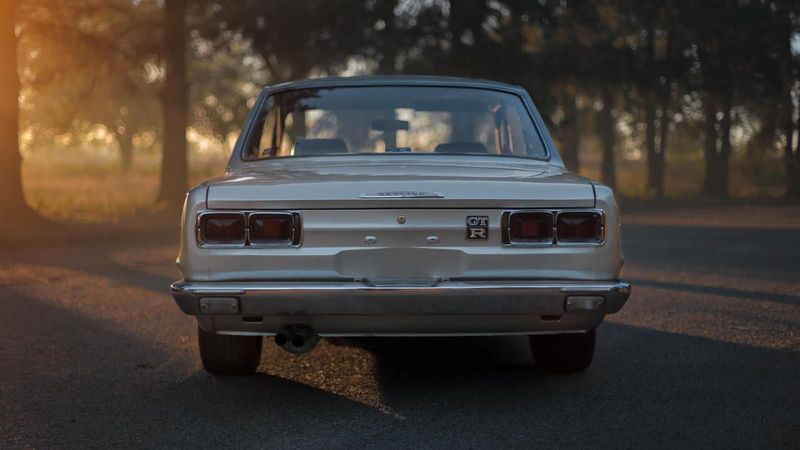
For our third episode of SentiMETAL we travelled to Bothaville in the Free State to uncover the crowning jewel in one of the world’s largest Nissan/Datsun collections, an all-original “Hakosuka” Skyline GT-R.
It must take everything; Every fibre, every compulsion… to go from a humble die-cast Datsun 510 model car, to possessing almost every full-scale Datsun ever created in your collection. And that’s precisely what Freek De Kock has done, a Bothaville resident who has amassed what is possibly the largest private collection of Nissans and Datsuns in the world. But we’re more than happy to bypass it all with little more than a cursory glance on this occasion, because as is often the case in situations like these, there is a treasured jewel in this ensemble – a bona fide centrepiece. Meet the “Hakosuka”. Directly translated from Japanese it means box-shaped Skyline and for obvious reasons. It also goes by the moniker KPGC10 and you’ll respect it for being the inception point of the beloved Nissan Skyline GT-R. This is where it all began. Not just the GT-R legend, but the Japanese sportscar as an icon.
The legend that is the KPGC10 Nissan Skyline GT-R coupe
In the late 60s and early 70s, the Nissan GT-R notched up more than 1 000 racing victories.
You got them in 2 flavours, the 3-box 4-door saloon to which the Hakosuka title more appropriately refers and then this, the far more desirable and rare coupe – a slippery shade of silver finished off in period-correct RS Watanabe wheels. Born in the Far East in 1969 at a time when Japanese cars were slowly making a name for themselves as reliable transport, Nissan produced a fire breather decades before its famous successor, the BNR32 would be dubbed Godzilla.
But to appreciate the GT-R’s outputs from its inline-six you need to dial your senses and expectations back to the era of disco. From that 2.0-litre straight-6 Nissan extracted 118 kW and 180 Nm with which to battle rival race cars of the day – think Porsche 911s and Mazda rotaries. Its performance was brisk, and the noise it emitted was evocative but guttural, its petrol-swilling heart a welcome reminder of how the pursuit of speed was once a wholly mechanical undertaking before electronic witchcraft and aerodynamics would enter the fray.
As Freek swings the Hakosuka’s ignition into life on this cold Bothaville morning, the resultant noise shakes the pigeons from the trees overhead. Warm yellow headlamps light up the dark asphalt ahead of it, while the tailpipes emit a smoky screen and, in that moment, we’re reminded why cars like this GT-R seem to have an aura all their own. In fact, it’s why we get sentimental over metal. But don’t just take our word for it – meet Freek.
Which famous, classic or iconic car would you like to us to feature next? Let us know in the comments section below.
Volvo to go “fully electrified” from as early as 2019
From 2019, every new Volvo product will either be propelled exclusively by – or in conjunction with – an electric motor, the Swedish manufacturer announced on 5 July 2017. The development is momentous because Volvo has taken the initiative to publicly set a deadline from which no more cars that operate exclusively with internal combustion engines will be launched…
The announcement represents one of the most significant moves by any car maker to embrace electrification and highlights how, over a century after the invention of the internal combustion engine, electrification is paving the way for a new chapter in automotive history.
“This is about the customer,” says Håkan Samuelsson, President and CEO. “People increasingly demand electrified cars and we want to respond to our customers’ current and future needs. You can now pick and choose whichever electrified Volvo you wish.”
Volvo Cars will introduce a new portfolio of electrified cars across its model range, embracing fully electric cars (BEV), plug-in hybrid cars (PHEVs) and mild hybrid cars.
Pure internal combustion-engined cars phased out
First, it will launch 5 new fully-electric cars between 2019 and 2021, 3 of which will be Volvo models and two of which will be high performance electrified cars from Polestar, Volvo Cars’ performance brand. Further to that, the 5 cars will be supplemented by a range of petrol and diesel plug-in hybrid and mild hybrid (48V) derivatives in all model ranges.
This means that there will in future be no Volvo cars that do not feature an electric motor, as pure internal combustion engine (ICE) cars are gradually phased out and replaced by ICE cars that are enhanced with electrified drivetrains.
“This announcement marks the end of the solely combustion engine-powered car,” continues Samuelsson. “Volvo Cars (which aims to have climate-neutral manufacturing operations by 2025) has stated that it plans to have sold a total of one million electrified cars by 2025. When we said it, we meant it. This is how we are going to do it.”
The Opel Corsa range, of which the 1.0T Enjoy derivative was named the Best Compact Hatchback in the 2016/17 Cars.co.za Consumer Awards, has received a revision and a (downward) price adjustment. Here are the details:
The update, which comes on the heels of the recent announcement that Opel’s future would be secure in the South African market after the sale of the brand to Peugeot Citroen and General Motors’ departure at the end of 2017, sees amended specification levels for some derivatives as well as price reductions across the range.
Fuel-sipper Essentia
The entry-level 1.0T Essentia receives a less powerful, similarly torquey, but more fuel-efficient 1.0-litre 3 cylinder powerplant mated with a six-speed manual. The 66 kW (as opposed to the previous 85 kW) engine, produces peak torque of 170 Nm from 1 700 to 3 700 revs/min, but its claimed average fuel consumption is 4.6 L/100 km.
As standard, the 1.0T Essentia costs R200 600 and, if you specify the optional radio/Bluetooth/USB/air conditioner package (which is highly recommended) the price is R210 600 – a price cut of R4 000.
Double Enjoy(ment)
There are a pair of Enjoy derivatives: the #CarsAwards-winning 6-speed manual is powered by the 85 kW version of the aforementioned 3-cylinder turbopetrol, while the 6-speed automatic is propelled by a 1.4-litre normally-aspirated 4-cylinder petrol engine.
Although they still feature the IntelliLink infotainment system, tyre pressure monitoring and a new monochrome info display cluster, they no longer have front foglamps, LED running lamps or a 60/40 split rear seat.
The price for the manual comes down from R234 800 to R234 300 and the auto from R235 100 to R234 800.
No more Cosmo
Meanwhile, the 1.0T Cosmo has been discontinued and the 1.4T Sport re-specced to provide the best of both derivatives. The latter retains its 110 kW/220 Nm 1.4-litre turbopetrol (110 kW/220 Nm) mated with a 6-speed manual transmission, however the (now lone) flagship derivative
However, the Sport’s interior reflects the look and feel of the Cosmo, including the chrome beltline and door handle accents, plus the more voluminous seats, upholstered in Morrocana and the addition of a sunroof.
As on the Enjoy models tyre pressure monitoring has been added, along with advanced park assist and side blind spot alert (which is optional on its Enjoy stablemates). Its price has come down R276 200 to R275 600.
Prices of the Corsa range (July 2017)
Corsa 1.0T Essentia
R 200 600
Corsa 1.0T Enjoy
R 234 300
Corsa 1.4 Enjoy Auto
R 234 800
Corsa 1.4T Sport
R 275 600
Option packs:
Essentia Option Pack 1 (R 210 600 down from R214 000)
Air-conditioner
Radio/CD/BT/USB/AUX
Steering wheel controls
Essentia Option Pack 2 (R 214 600 down from R219 600)
Airconditioner
IntelliLink Infotainment
Steering wheel audio controls
Enjoy Option Pack 1 (R 239 800 for Auto, R 239 300 for manual)
Handsfree Parking
Side Blind Zone Alert
Front and rear park assist
All Corsa derivatives comes standard with a 5-year/120 000km warranty and 3-year/60 000km service plan.
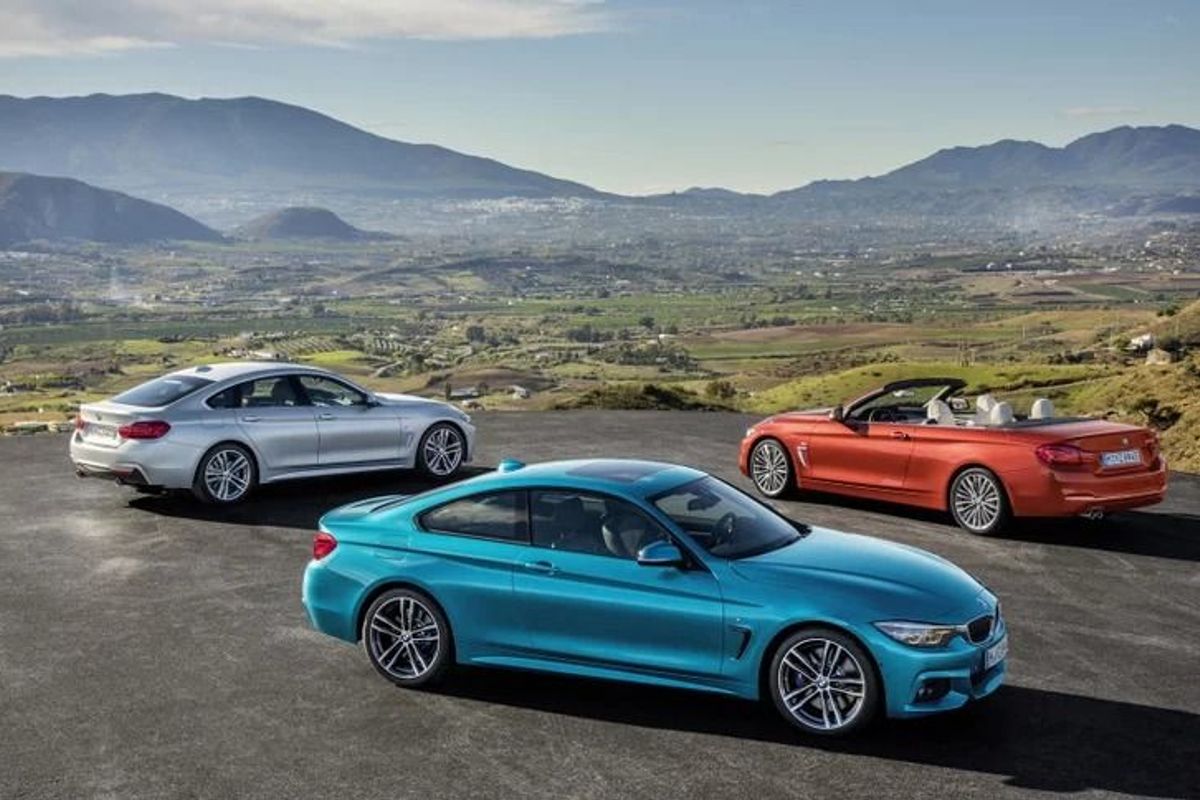
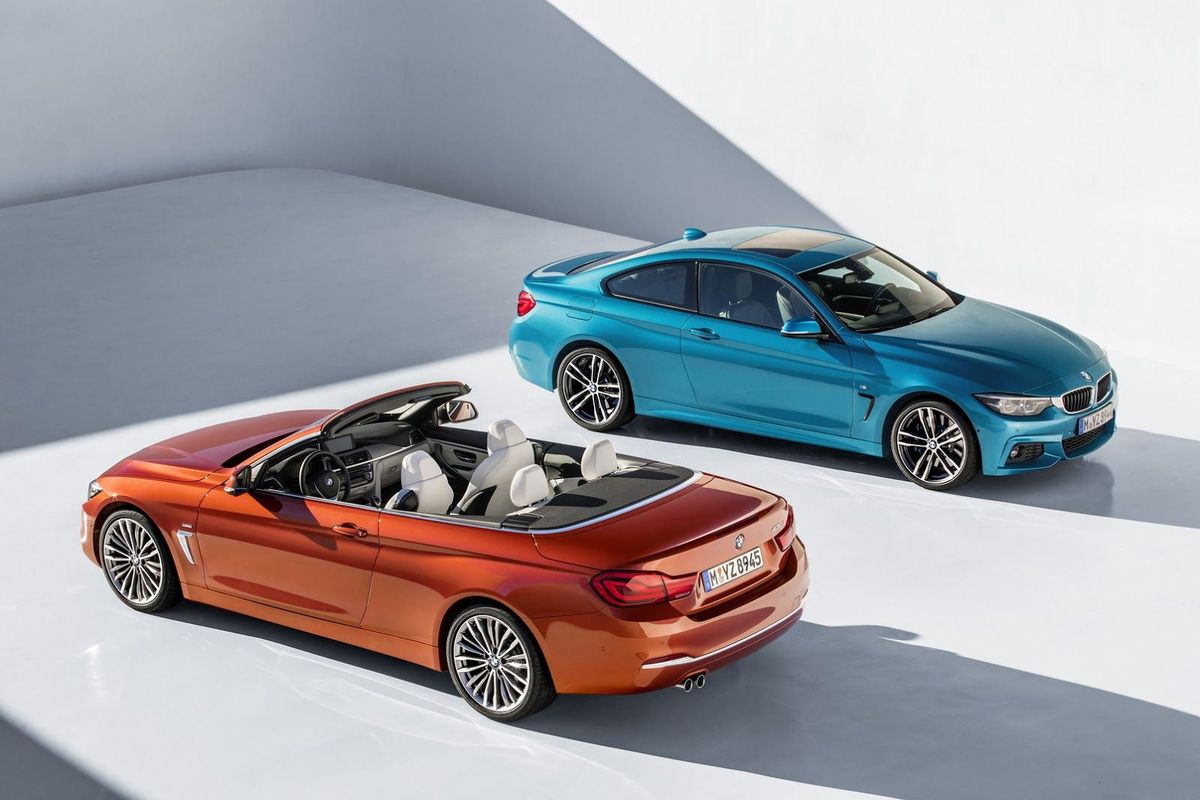
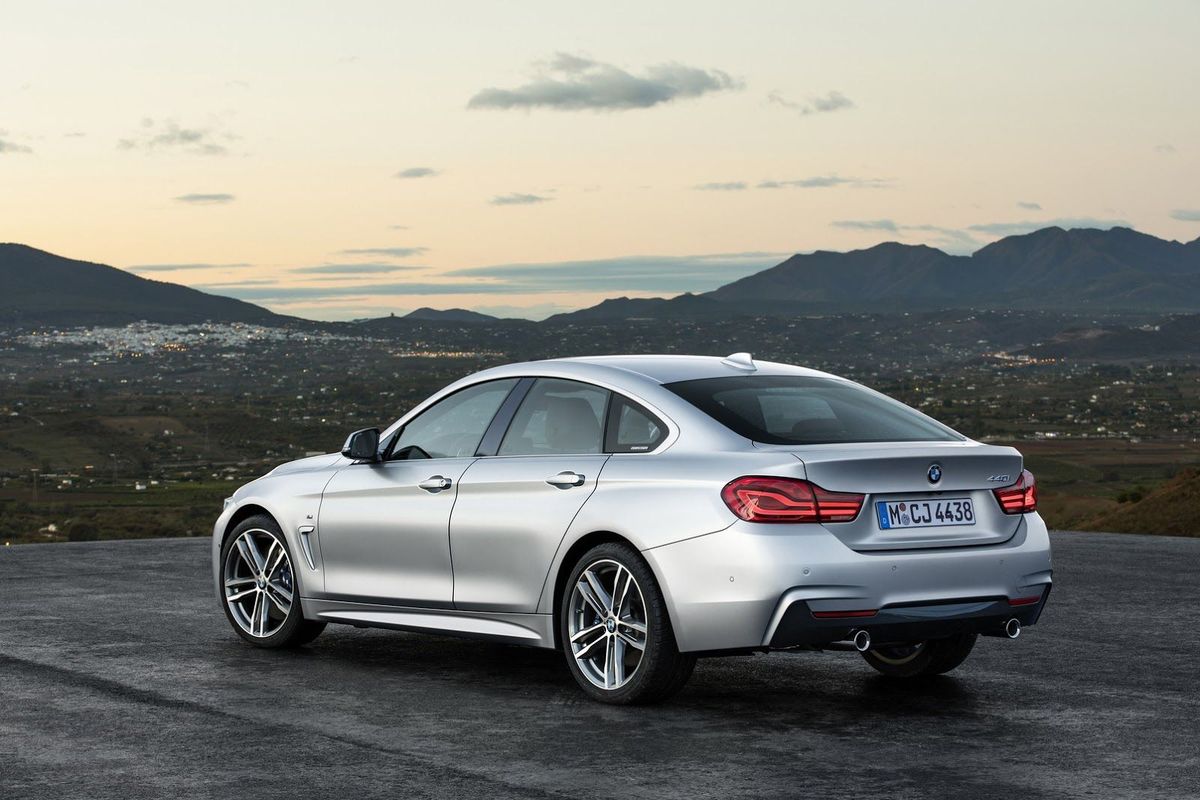
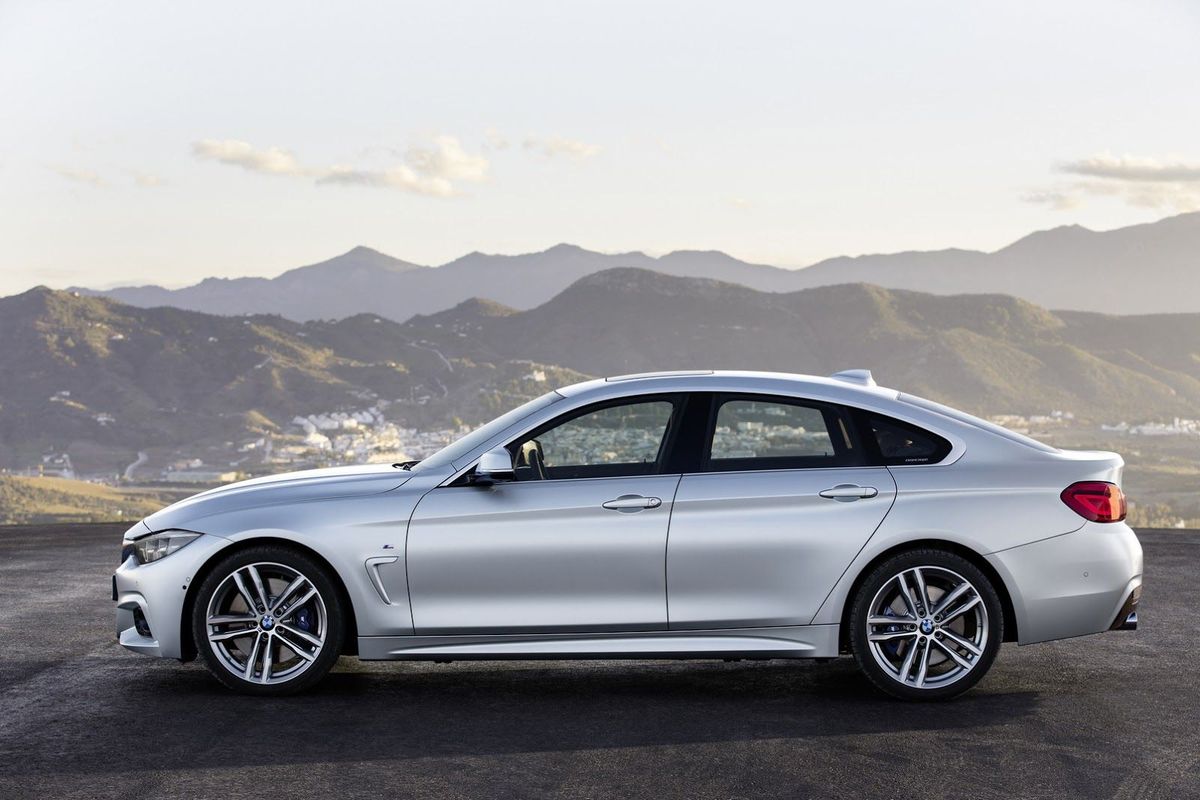
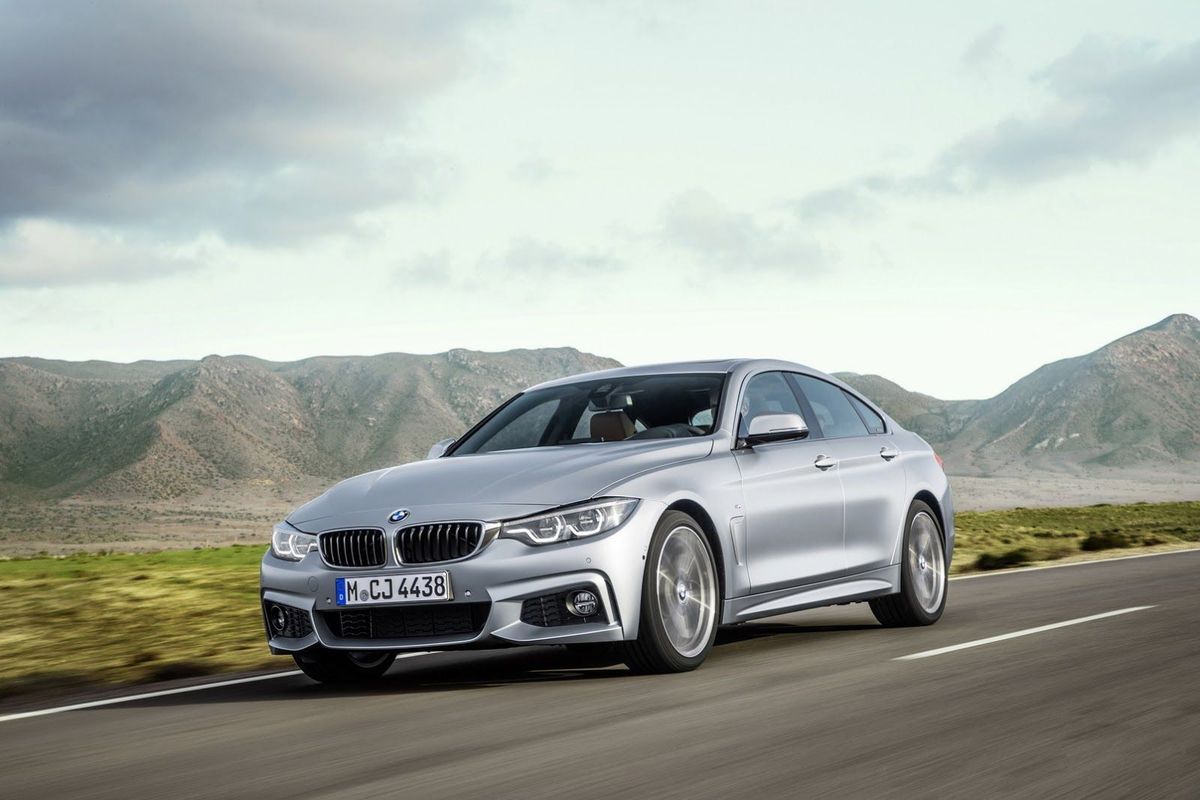
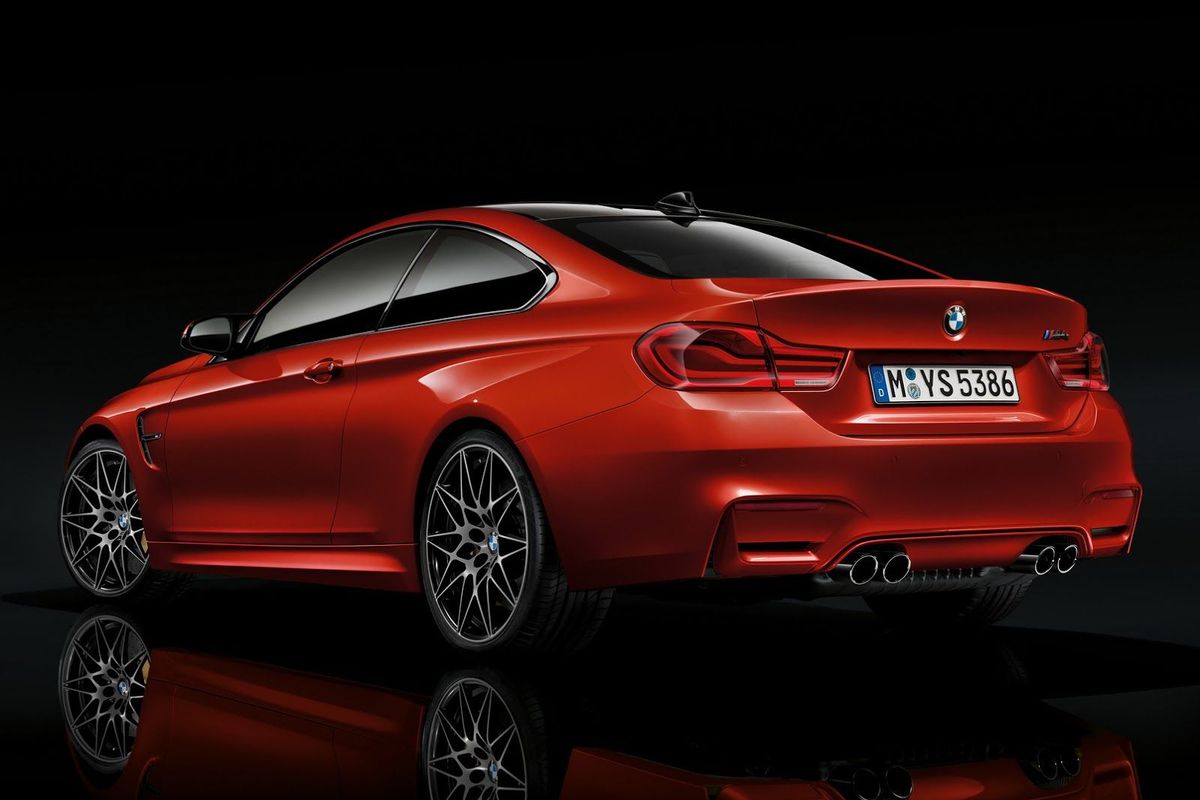
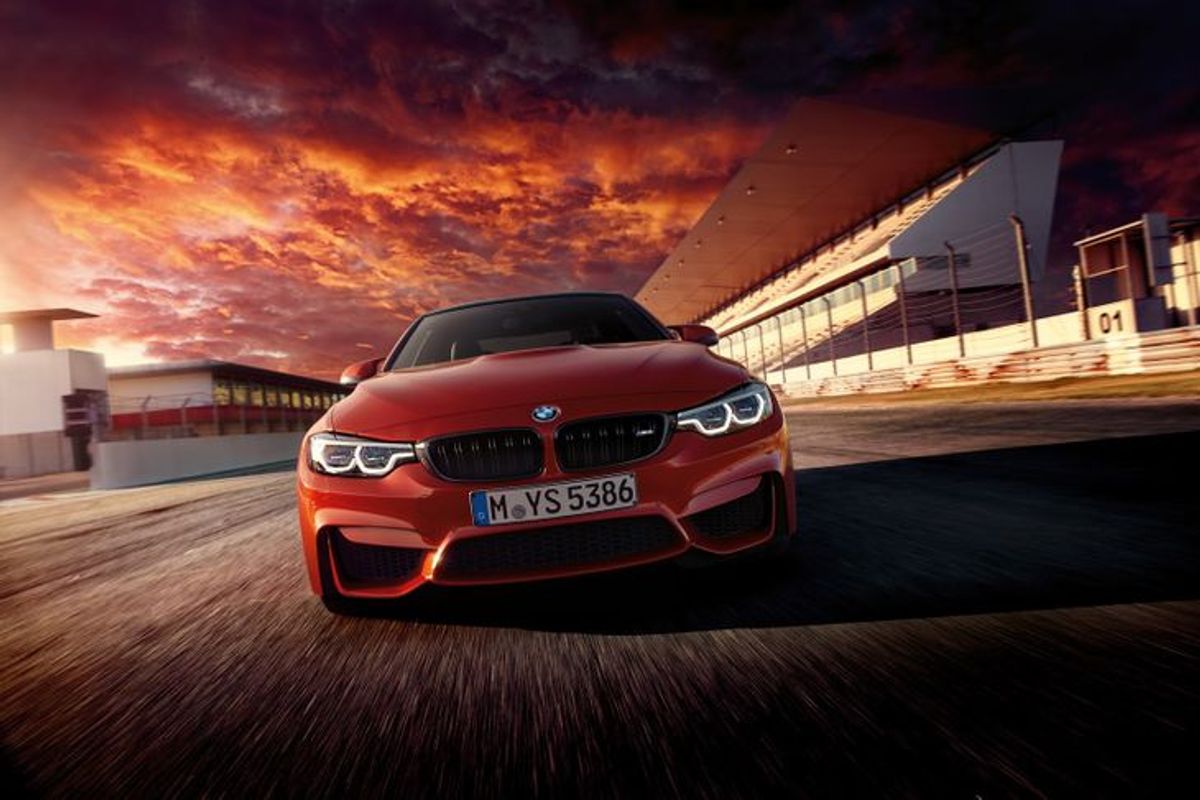
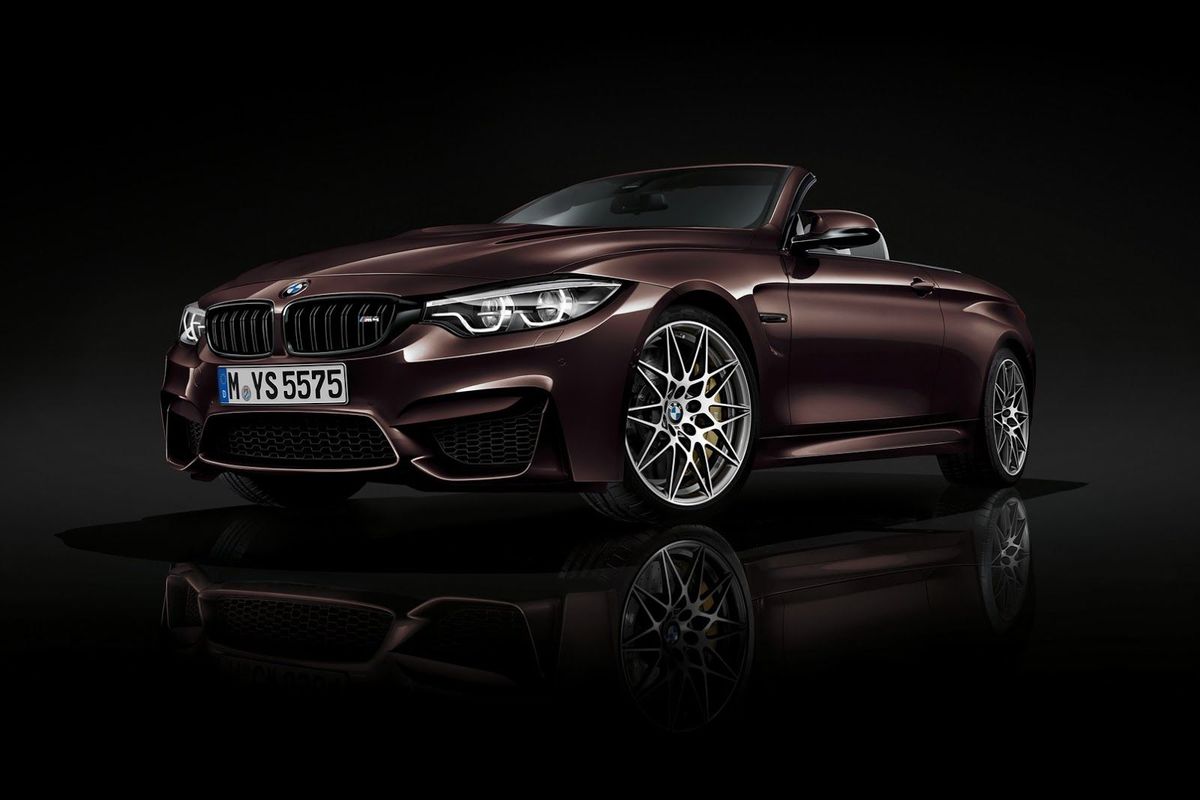
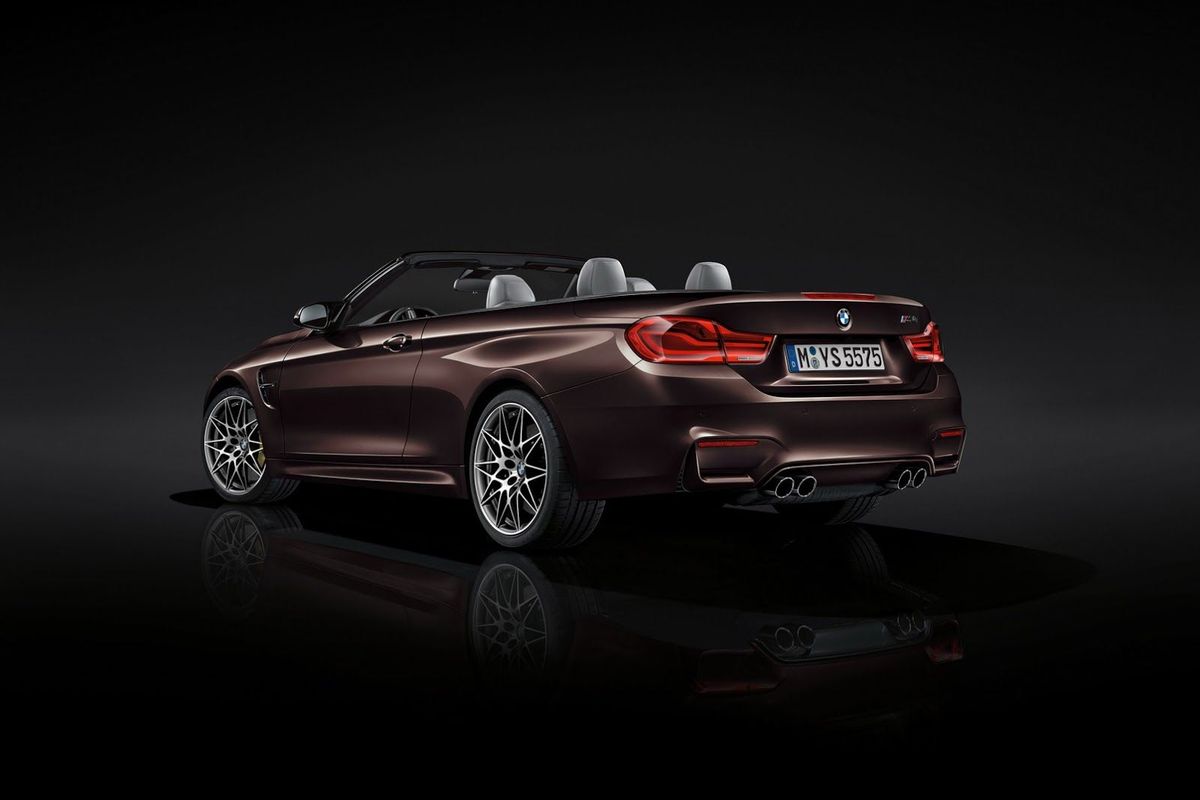
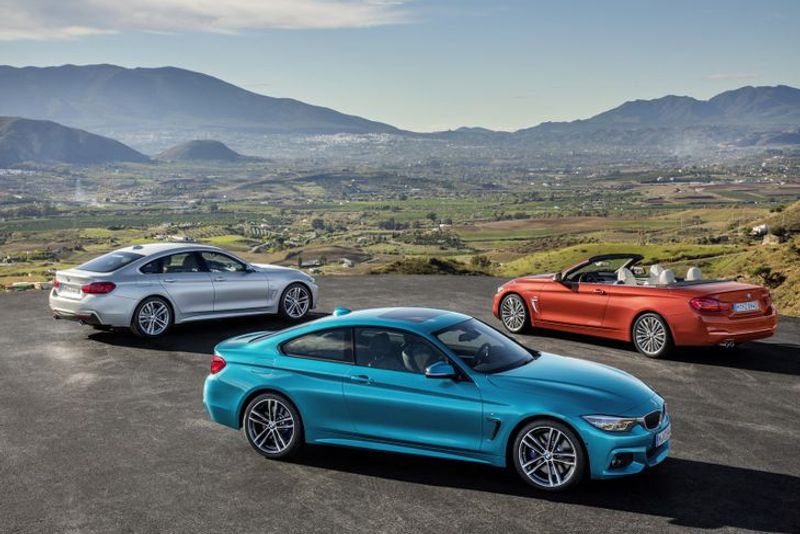
The BMW 4 Series Coupe, Convertible, Gran Coupe and M4 Coupe and Convertible have received minor exterior, interior, and technological updates. Take a look at the ranges' specs and pricing details below…
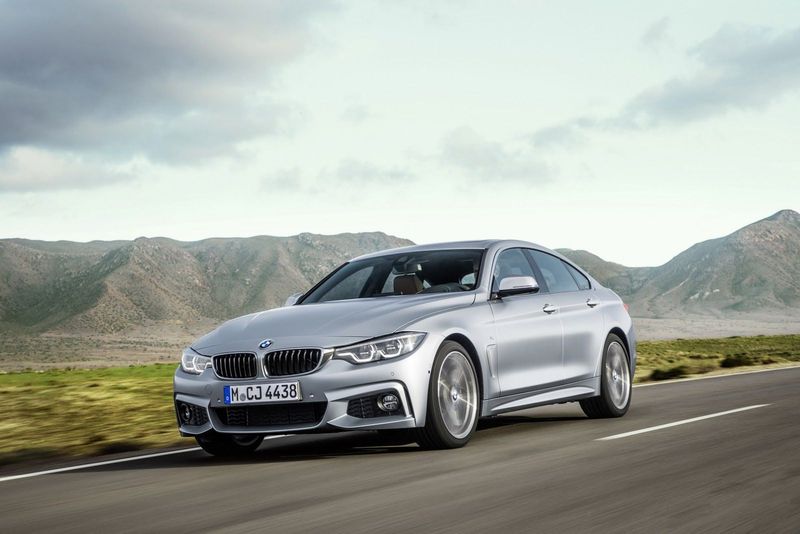
The facelifted BMW 4 Series benefits from a range of visual and technical improvements. Take a look at what's changed…
Exterior changes
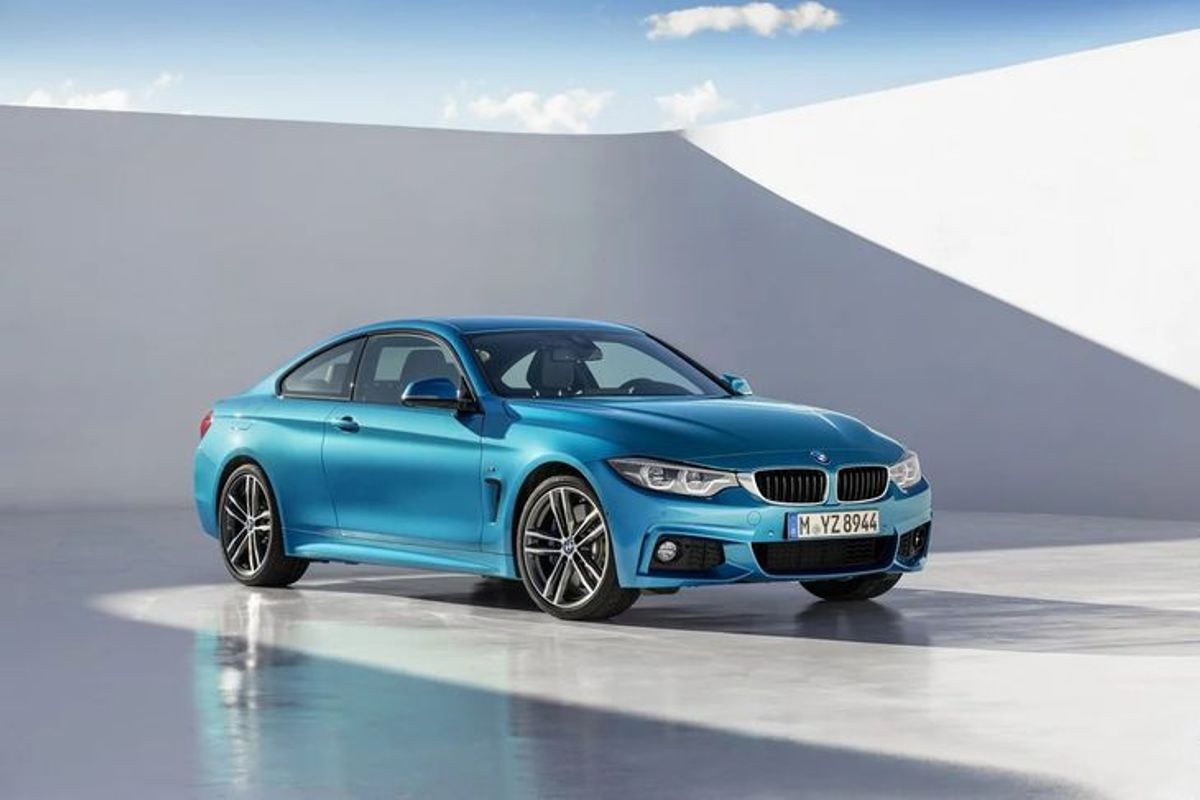
The facelifted BMW 4 Series introduces mild exterior and interior enhancements.
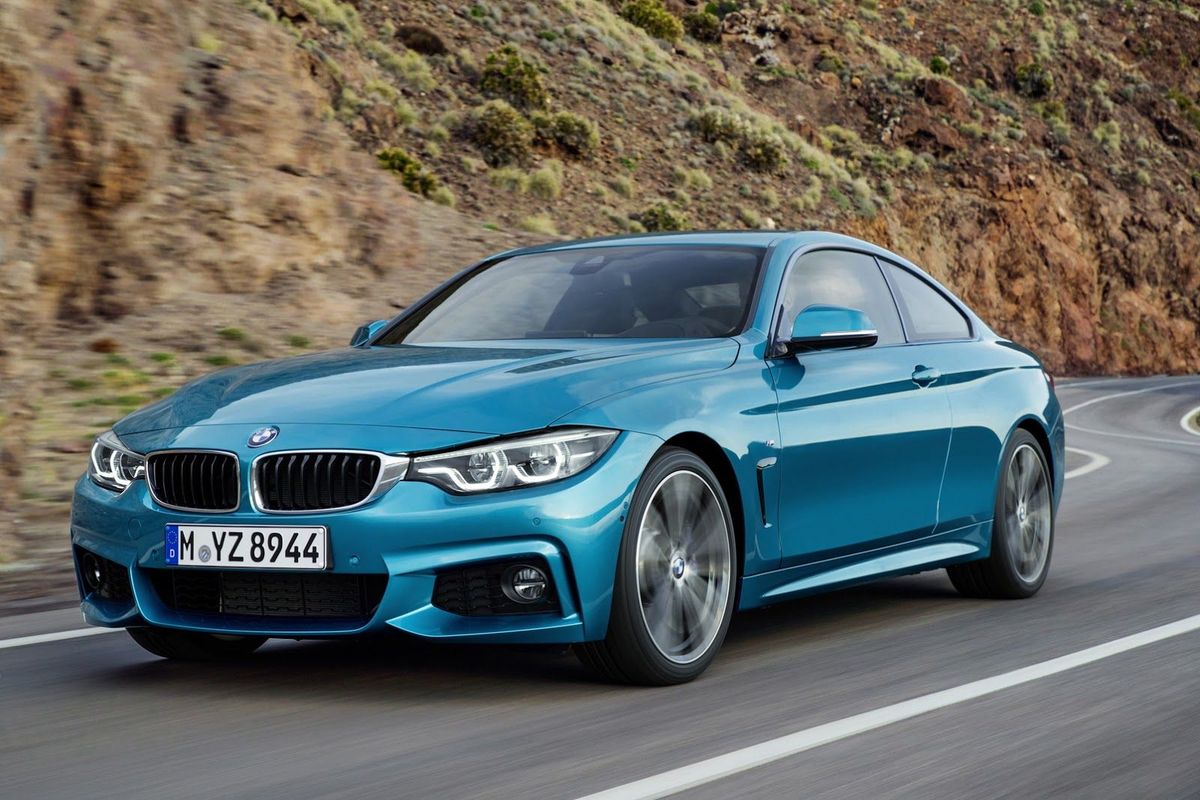
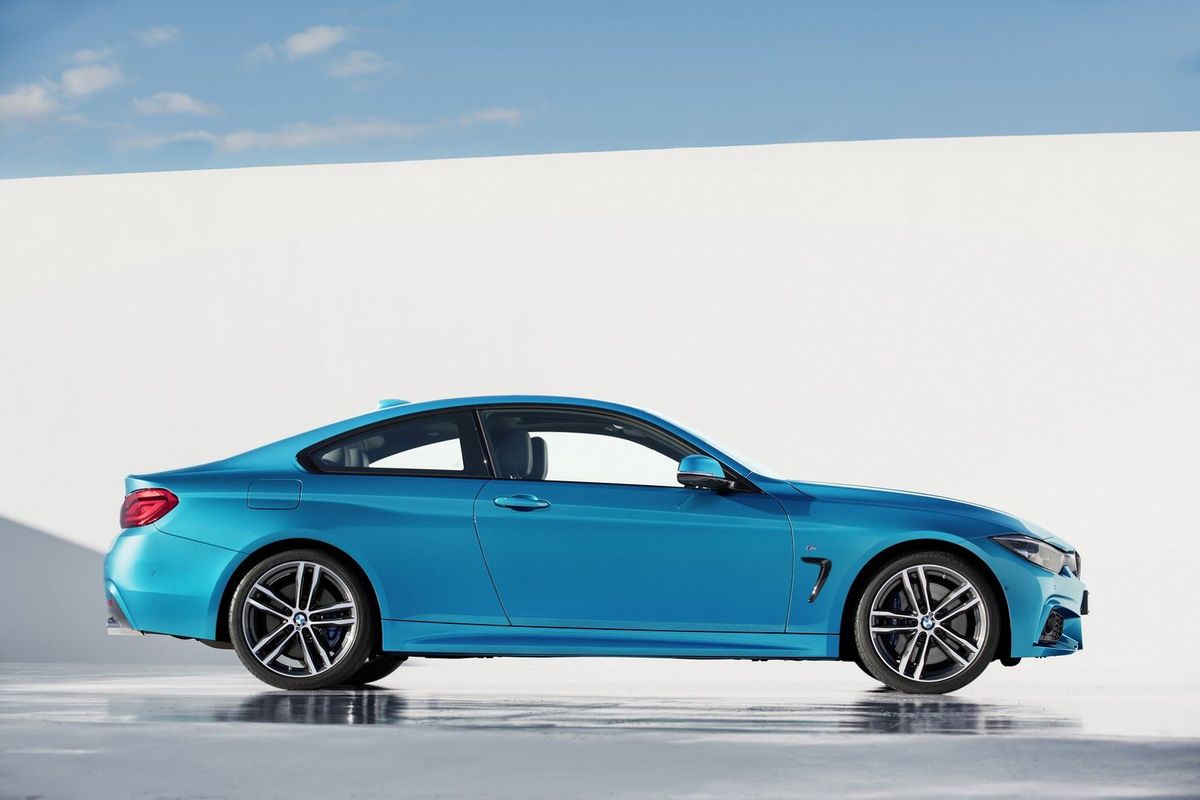
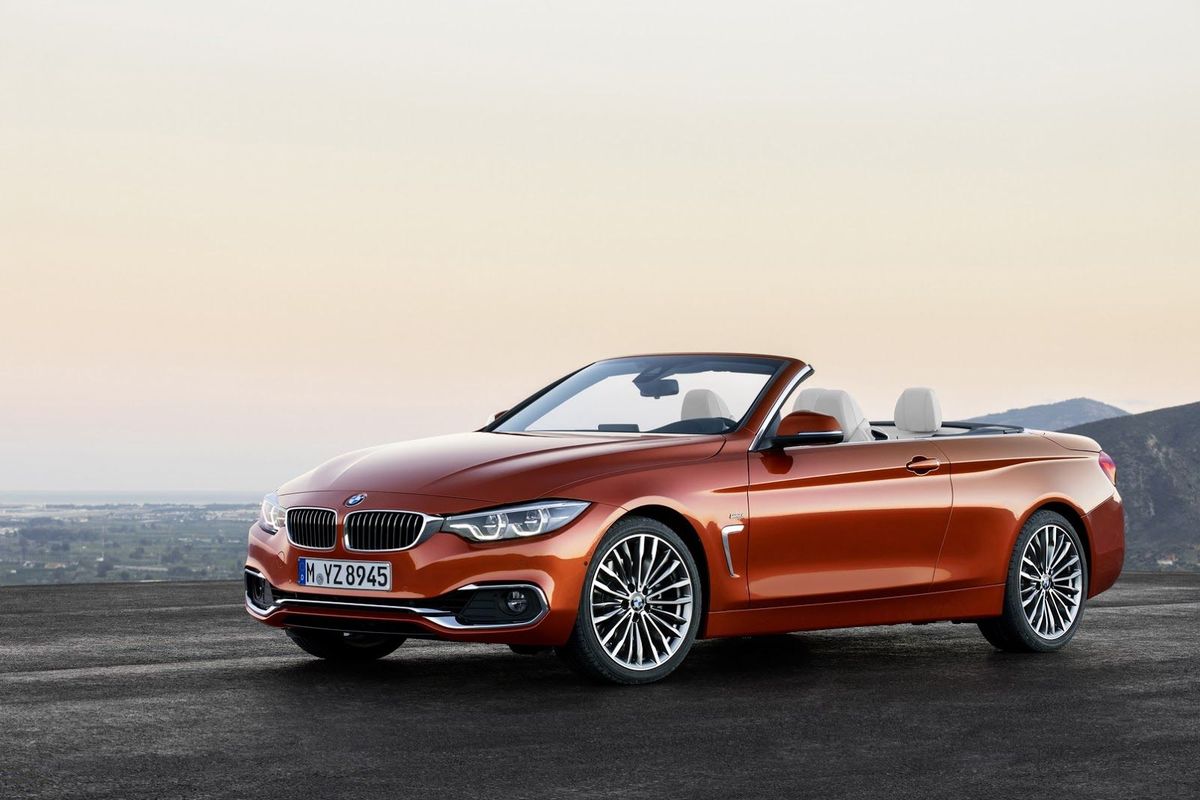
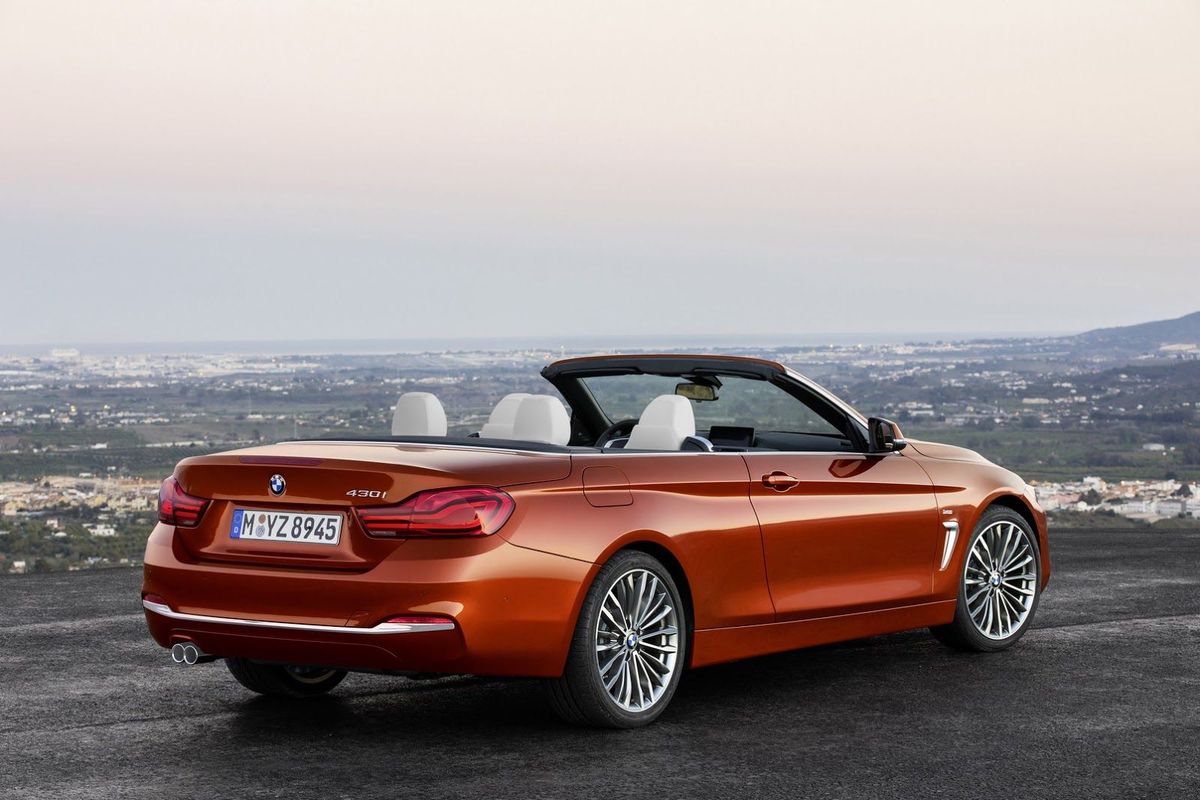
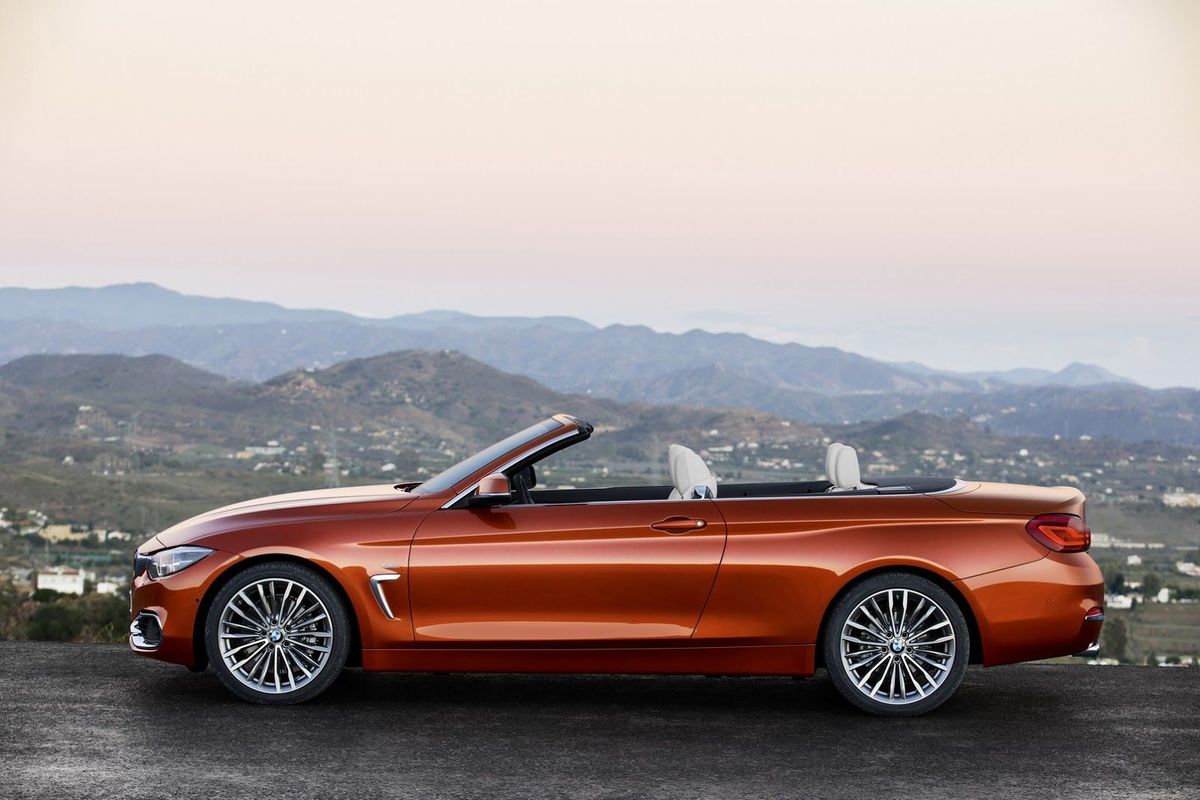
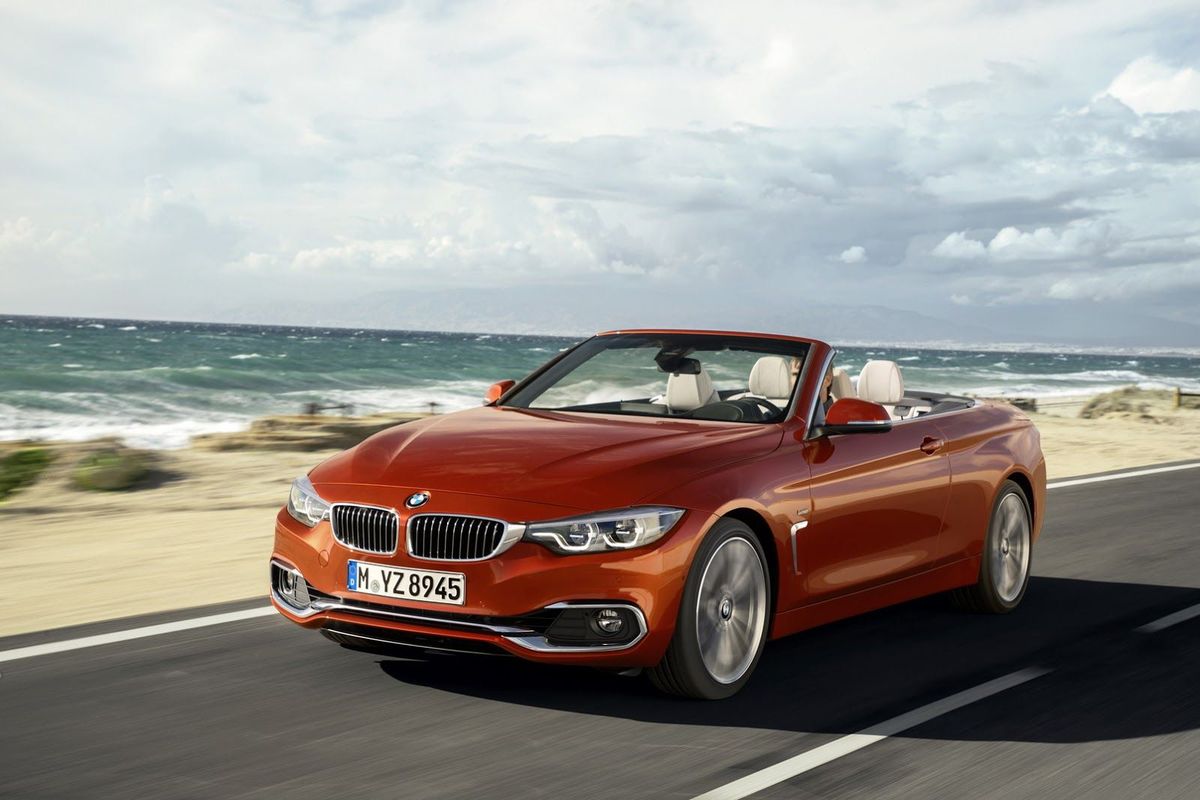
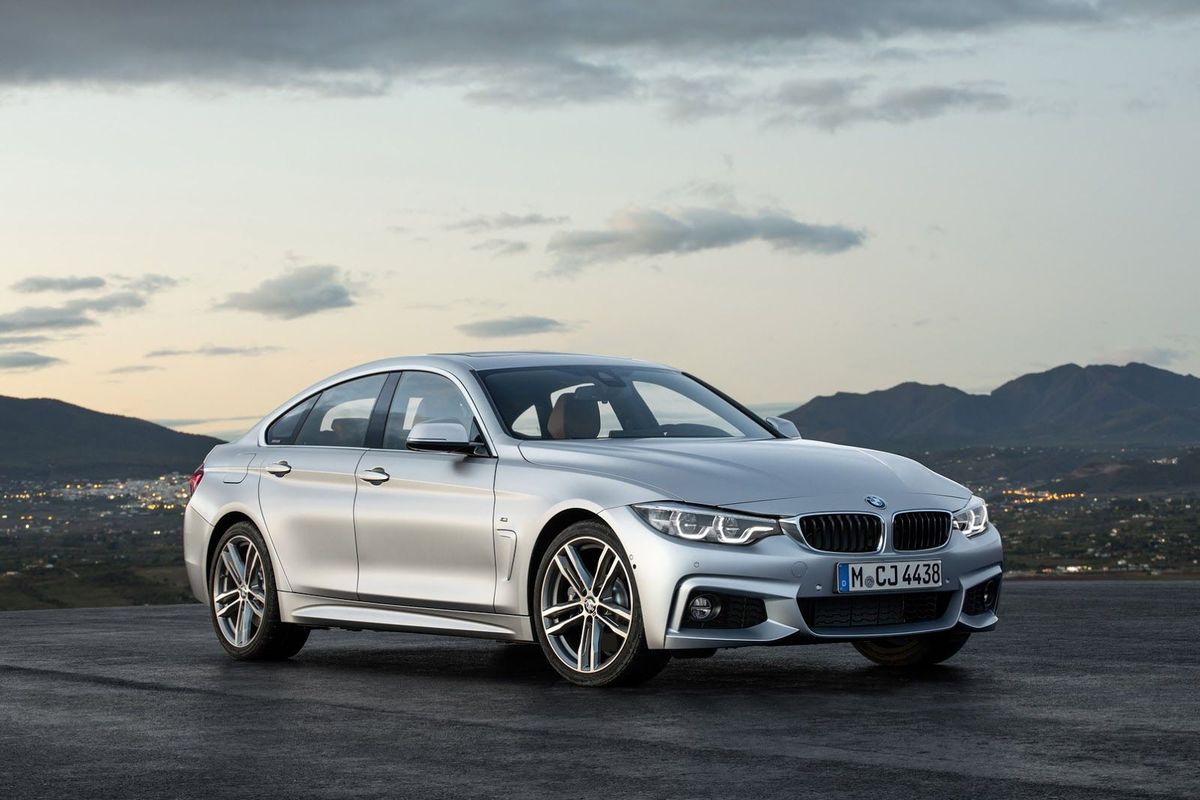
The facelifted 4 Series borrows styling cues from the 2012 BMW Concept 4 Series Coupe seen in the hexagonal full-LED headlights, large air intake with bars and the full rear LED taillights. The front-end is defined with an unbroken central air intake that widens at the edges providing a sense of width and presence. The air intake, depending on the derivative, is finished off with a bar in either high-gloss black (Sport Line) or chrome (Luxury Line).
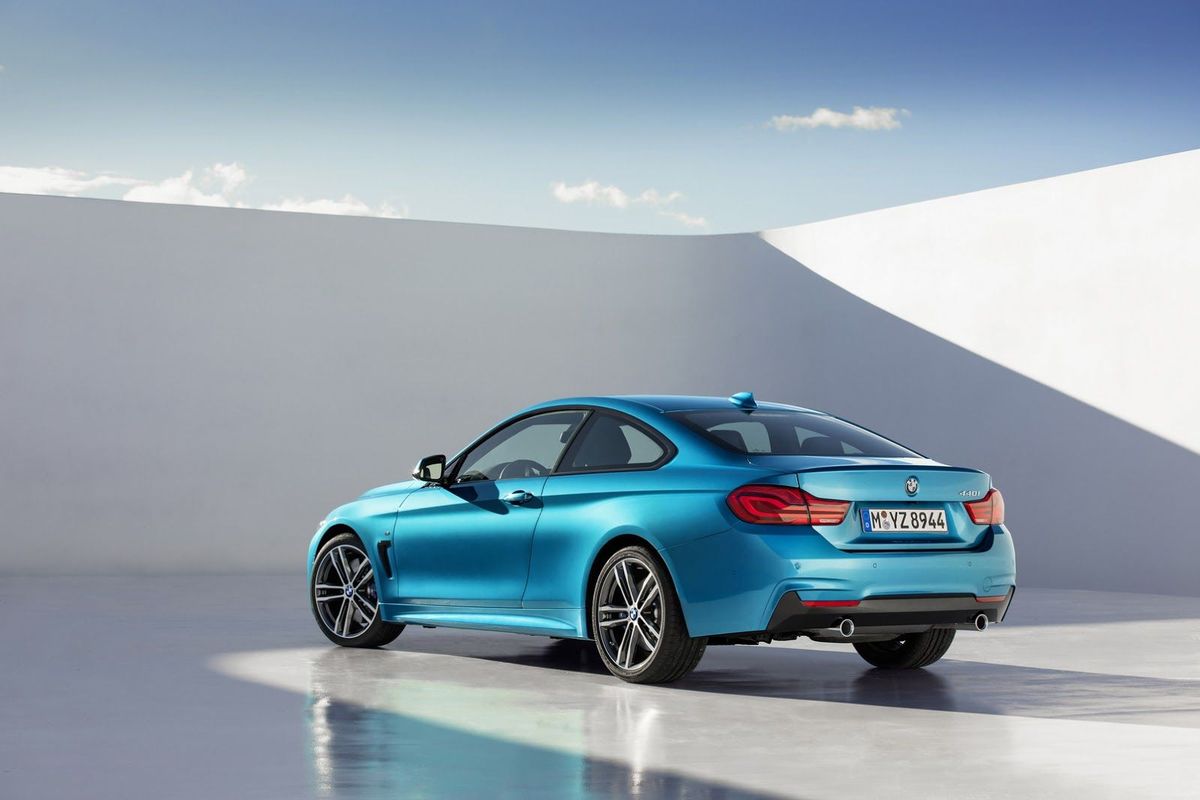
The refreshed 4 Series features twin bi-LED headlights and LED fog lamps as standard while full-LED adaptive headlights with LED indicators are offered as an option. A redesigned rear apron and newly designed elongated L-shaped LED taillights are seen with the indicators taking up a larger area towards the inner section of the light housing.
To round off the look of the 4 Series, BMW will offer a wider range of 18 and 19-inch light alloy wheels with 4 new designs to choose from. In addition to this, new exterior paint finishes will also be offered such as Snapper Rocks Blue and Sunset Orange. The new wheel designs and exterior paint finishes will be exclusively available on the facelifted 4 Series.
Interior changes
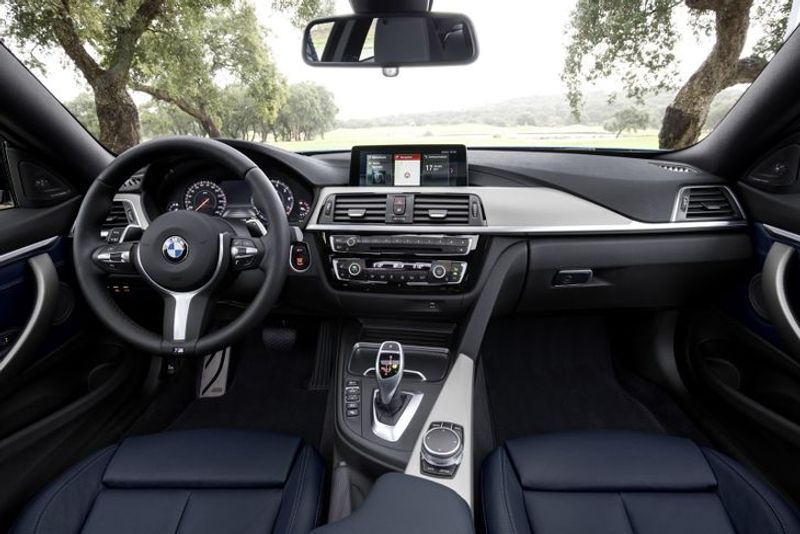
The interior design of the facelifted has been enhanced with new detailing and finishes.
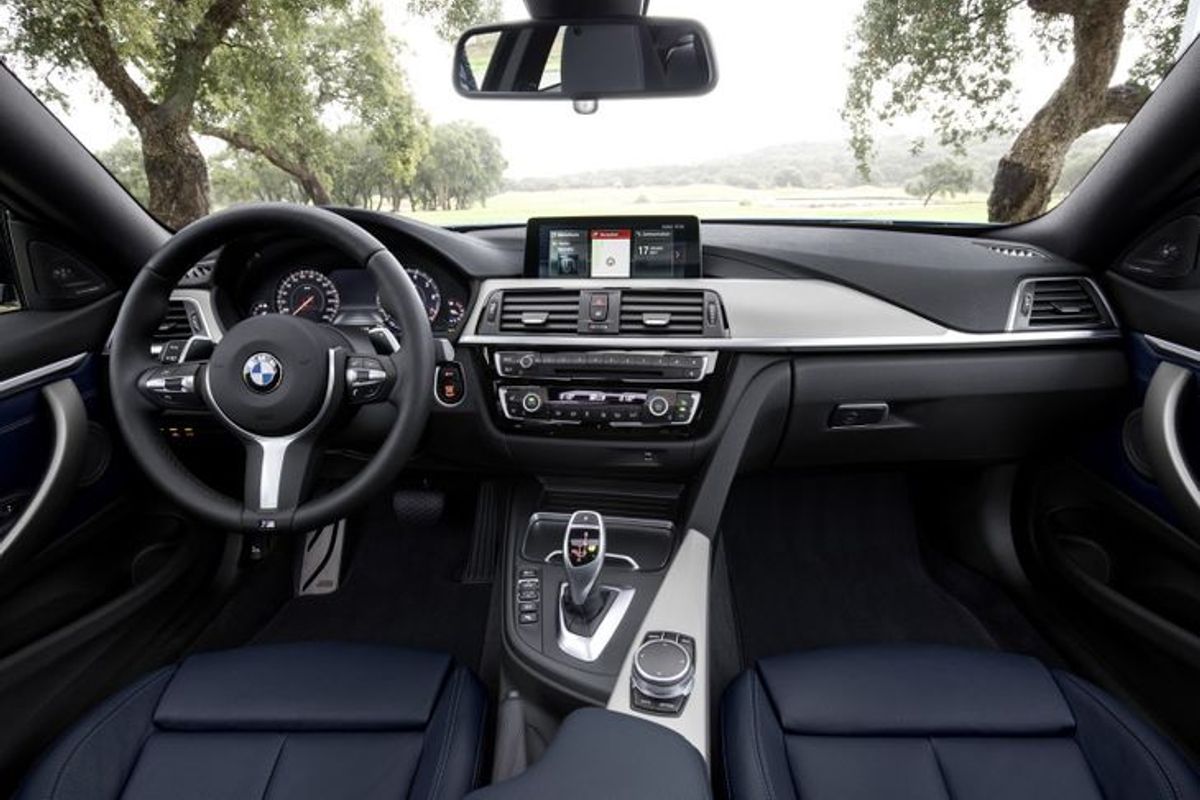
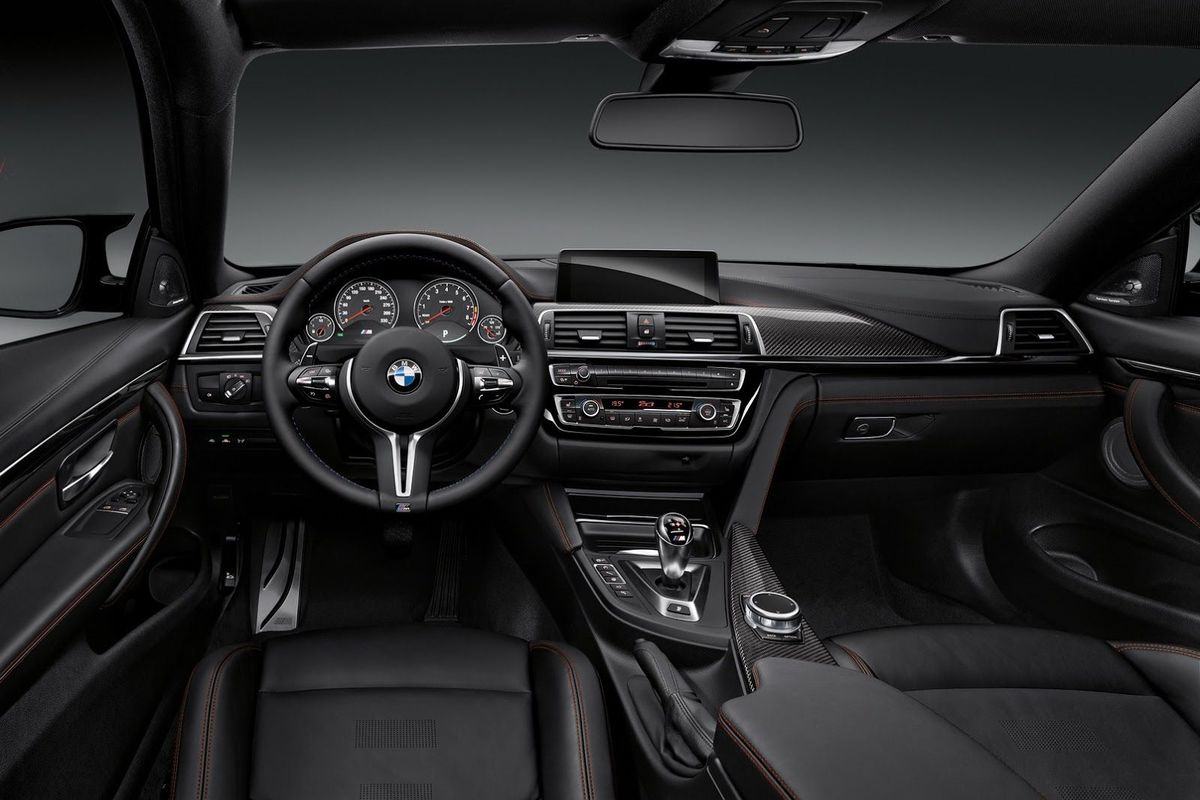
On the inside, you will notice a number of changes. The standard sports steering wheel features a new rim finished in leather offering better grip and the door control panels and air vent surrounds feature electroplated inserts. The roof operating switch and integral belt guides in 4 Series Convertible now also have an electroplated finish. Chrome details are seen on the air conditioning and audio controls while the centre console features a high-gloss cover panel. Double stitching is now found on the instrument panel.
Customers can also choose between 3 new upholstery colours including Midnight Blue Dakota leather, Cognac Dakota leather and Ivory White Dakota leather with contrast stitching and piping. New interior trim strips will also be offered and these include Carbon Aluminium, Light Fineline and high-gloss Black with Pearl Chrome.
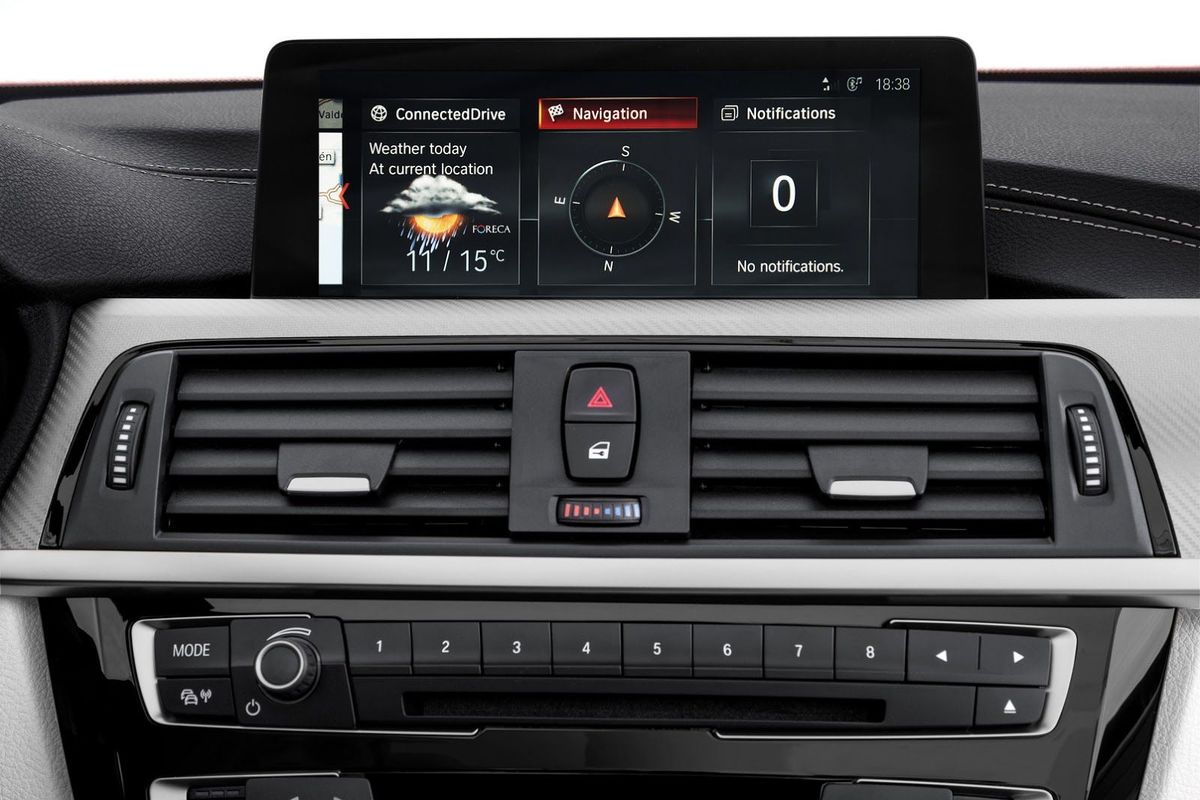
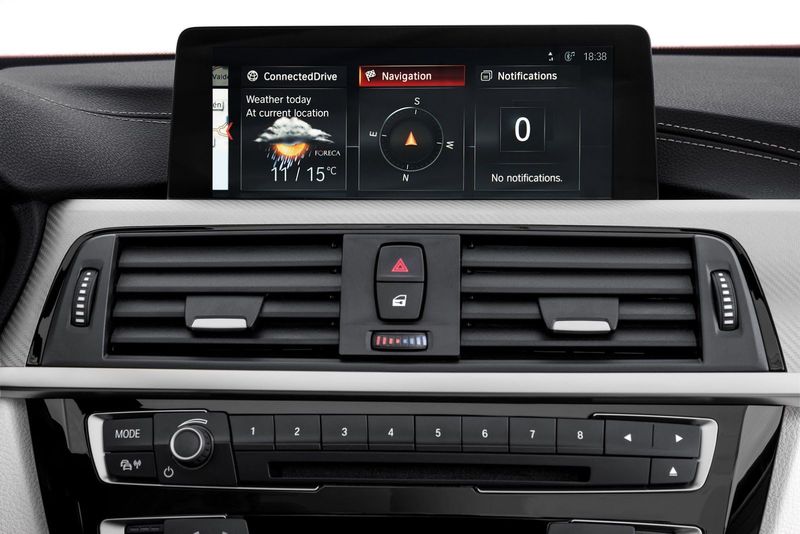
BMW says that the new interface layout of the infotainment display is more intuitive to use.
BMW’s optional Navigation Professional information system features a new interface with 6 tile icons that can be shuffled across two screen pages according to preference. A Multifunctional Instrument Display will also be offered as an option, giving the driver different display options according to the current driving mode. When in Sport mode, for example, performance-related information is displayed such as speed, engine revs and current output. Relevant displays are shown for Comfort and Eco Pro modes too.
An inductive charging tray, found in the centre armrest, is also available for compatible smartphones, eliminating the need for charging cables. Furthermore, the optional ConnectedDrive navigation package includes a WiFi hotspot that can provide Internet connectivity for up to 10 devices and 2 USB ports are found in the centre console should you need them. Apple CarPlay is offered as an option and the BMW Connected mobility assistant app can be used in conjunction with ConnectedDrive Services.
Engine choice
The local engine offering for the facelifted BMW 4 Series remains unchanged.
The facelifted 4 Series will use the same engines as before. A four-cylinder, 2.0-litre twin turbopetrol with 135 kW and 290 Nm will power the 420i while the 430i will offer 185 kW and 350 Nm of torque. The range-topping 440i offers 240 kW and 450 Nm of torque. The diesel-powered 420d with its 2.0-litre twin turbodiesel engine offers 140 kW and 400 Nm of torque. A 6-speed manual transmission or an 8-speed automatic transmission will be offered across all body styles.
The suspension of the 4 Series Coupe and Gran Coupe has been enhanced and is now stiffer with advanced damping technology and an upgraded steering setup. The changes, according to BMW, improve the handling ability of the 4 Series. As for the 4 Series Convertible, the suspension settings remain unchanged.
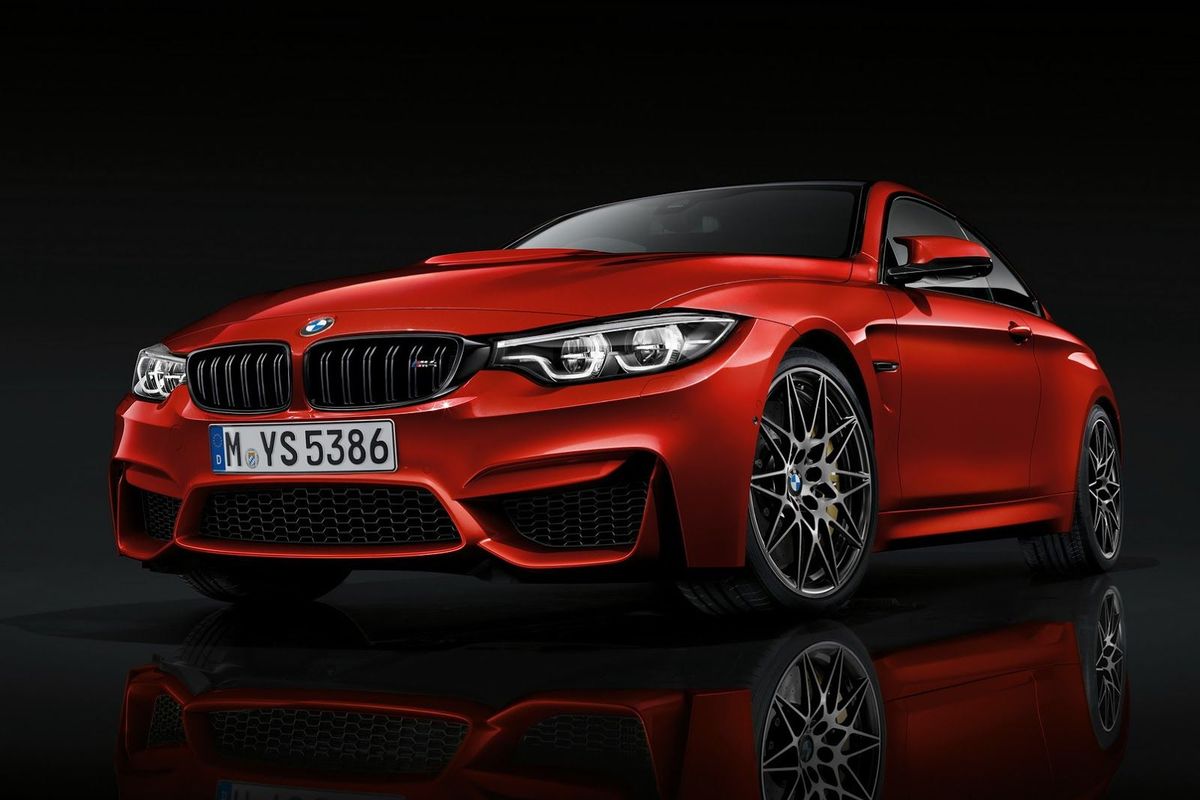
Updated BMW M4 Coupe and Convertible
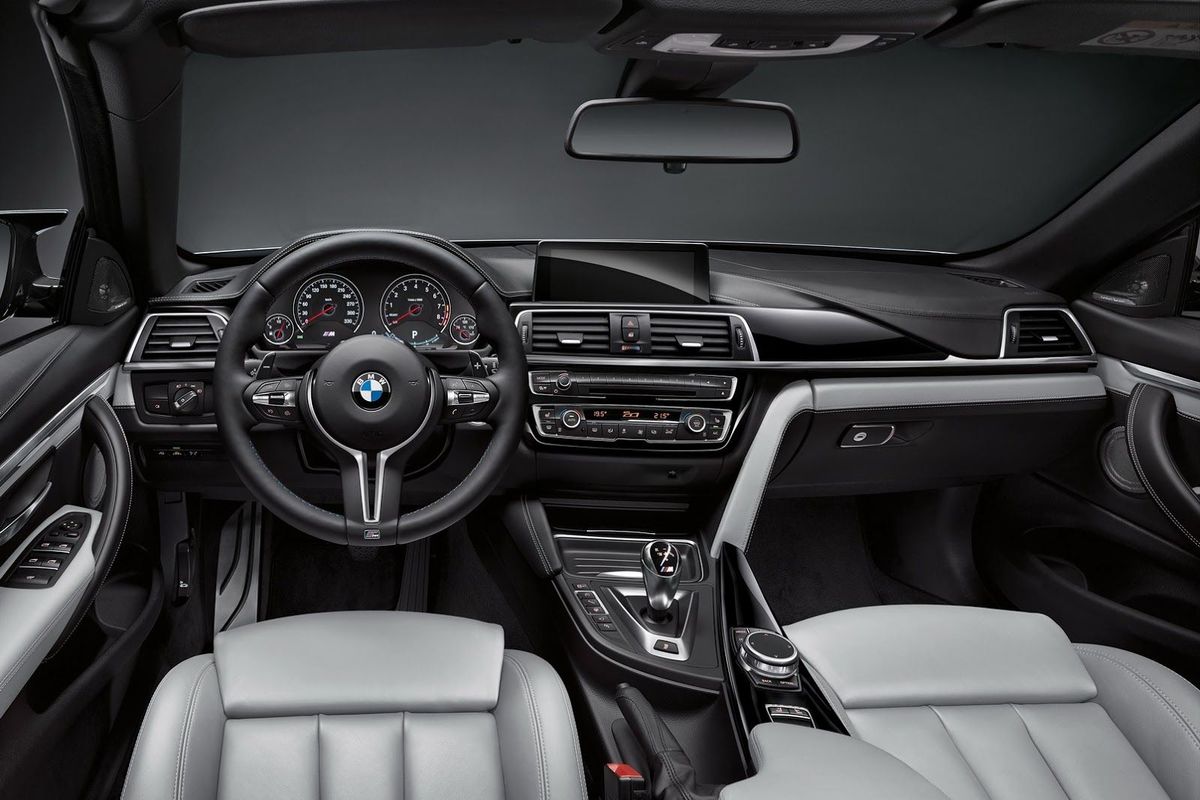
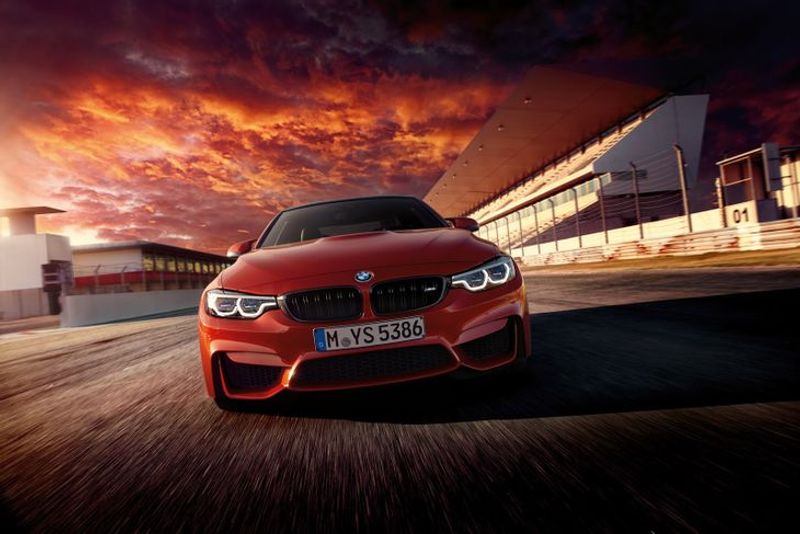
The BMW M4 features updated exterior and interior styling to match its performance credentials.
The high-performance M4 Coupe and Convertible benefit from an updated exterior design, which now includes standard adaptive full LED headlights with a hexagonal graphic while new LED taillights are found at the rear.
On the inside, illuminated M emblems are found on the front seats. Chrome and electroplated details adorn the interior with the instrument panel featuring double stitching. The ConnectedDrive navigation package is standard, offering inductive charging for smartphones as well as a WiFi hotspot.
The M4 Coupe and Convertible are powered by a 6-cylinder, 3.0-litre twin turbopetrol engine offering 317 kW and 550 Nm of torque. With the Competition Package, power increases by 14 kW to 331 kW in total. The M4 Competition Package will also be offered with optional forged 20-inch light-alloy wheels in Starpoke 666 M black design.
Equipped with the optional 7-speed double-clutch transmission, the M4 Coupe Competition will sprint from zero to 100 kph in 4 seconds while the standard M4 Coupe will take 4.1 seconds. As for the M4 Convertible Competition, zero to 100 kph will take 4.3 seconds, while in standard guise, 4.4 seconds is possible. A 6-speed manual transmission will also be available.
BMW 4 Series – prices in South Africa (July 2017)
BMW 4 Series Coupe & Gran Coupe
420i
R604 796
420i AT
R624 798
420i Sports AT
R630 598
420d
R639 300
420d AT
R660 100
420d Sports AT
R665 900
430i
R692 922
430i AT
R712 126
430i Sports AT
R717 926
440i Sports AT
R864 976
M4 (coupe only)
R1 277 376
M4 M-DCT (coupe only)
R1 276 236
BMW 4 Series Convertible
420i
R718 250
420i AT
R738 024
420i Sports AT
R743 824
430i
R831 476
430i AT
R850 452
430i Sports AT
R856 252
440i Sports AT
R989 546
M4
R1 441 302
M4 M-DCT
R1 440 162
All prices include a 5-year/100 000 km maintenance plan.
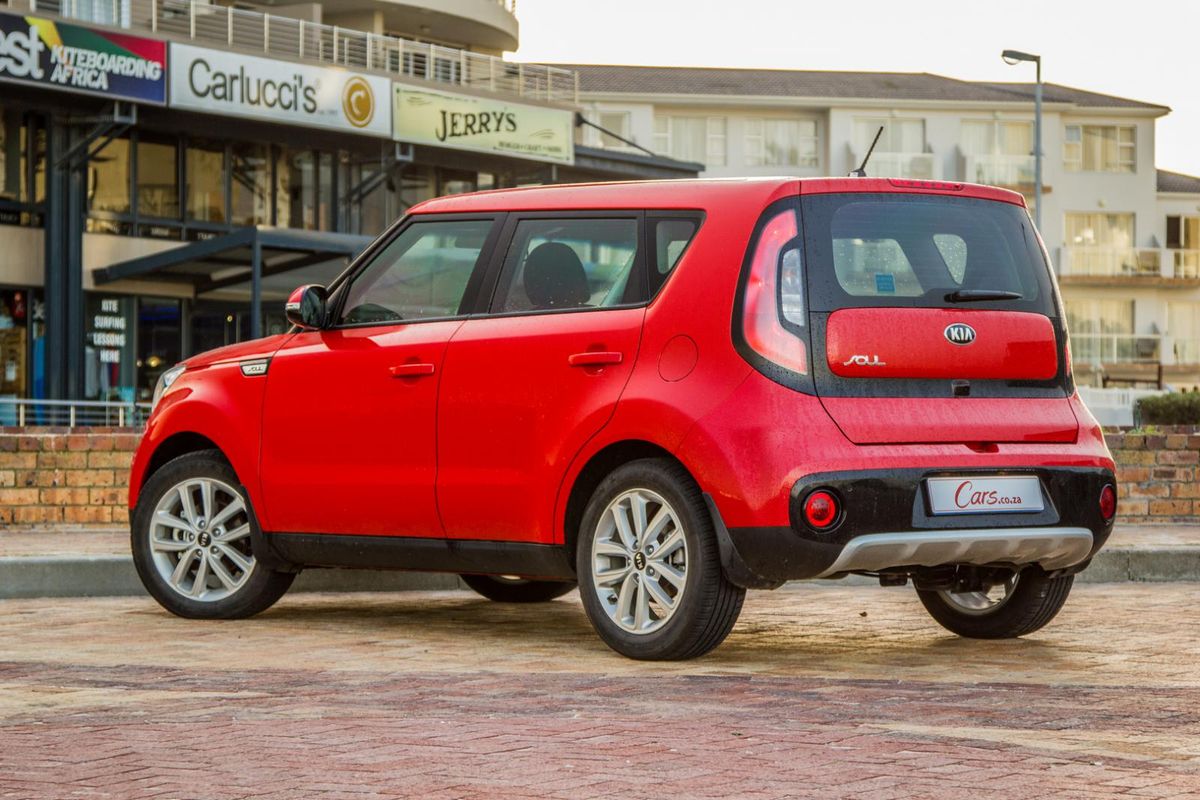
The funky Kia Soul compact family car/crossover received a facelift in the latter part of 2016 and the range acquired a new 1.6-litre turbodiesel derivative equipped with a manual gearbox. We gave it a whirl and this is what we thought of it…
We Like: Excellent build quality, good diesel engine, spacious
We Don’t Like: Lacks competitive safety features
Alternatives
For something equally funky: The Nissan Juke has to be top of the list for the most polarising looks in the car market. It does have a very frugal 1.5-litre diesel and is surprisingly spacious inside.
For a bit less money: The Renault Captur remains a popular vehicle. Its good looks and excellent value have compensated for its less powerful engine.
The popular choice:Ford’s Ecosport continues to sell well despite the vehicle’s age and mediocre finishings. It is well-priced and probably the most established brand of the competition in SA.
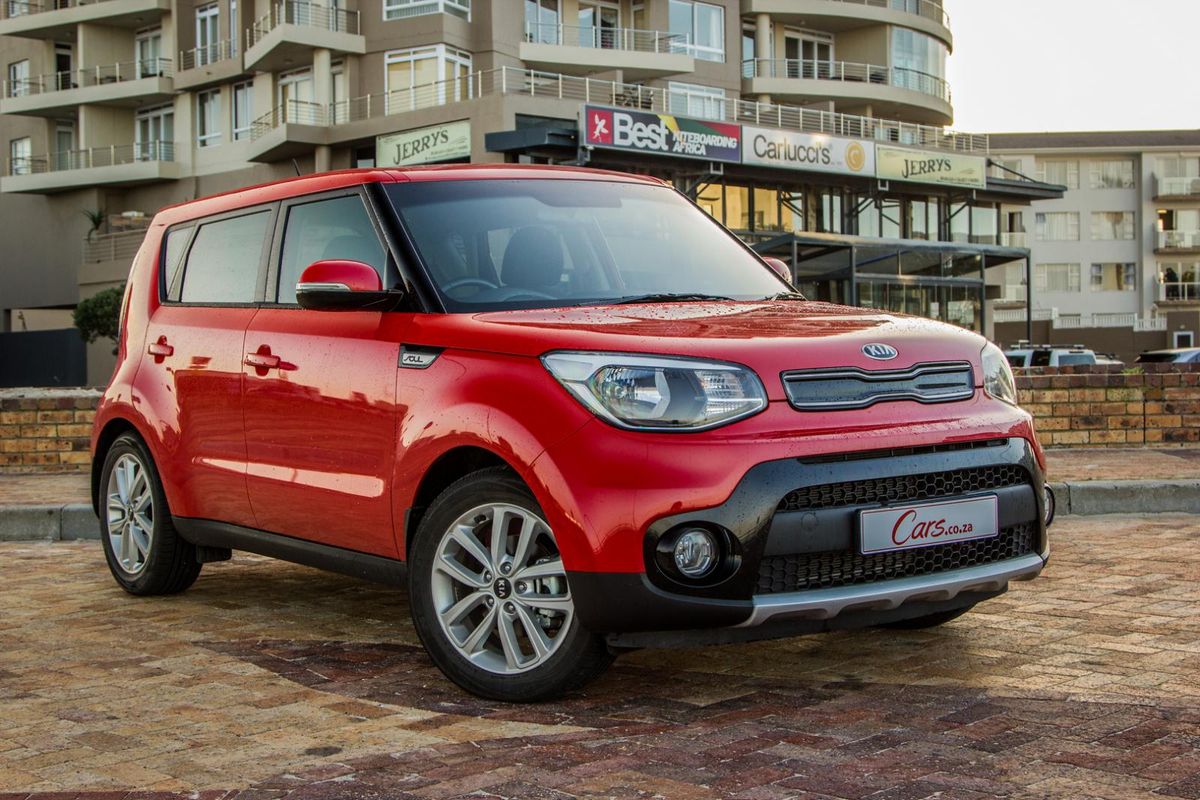
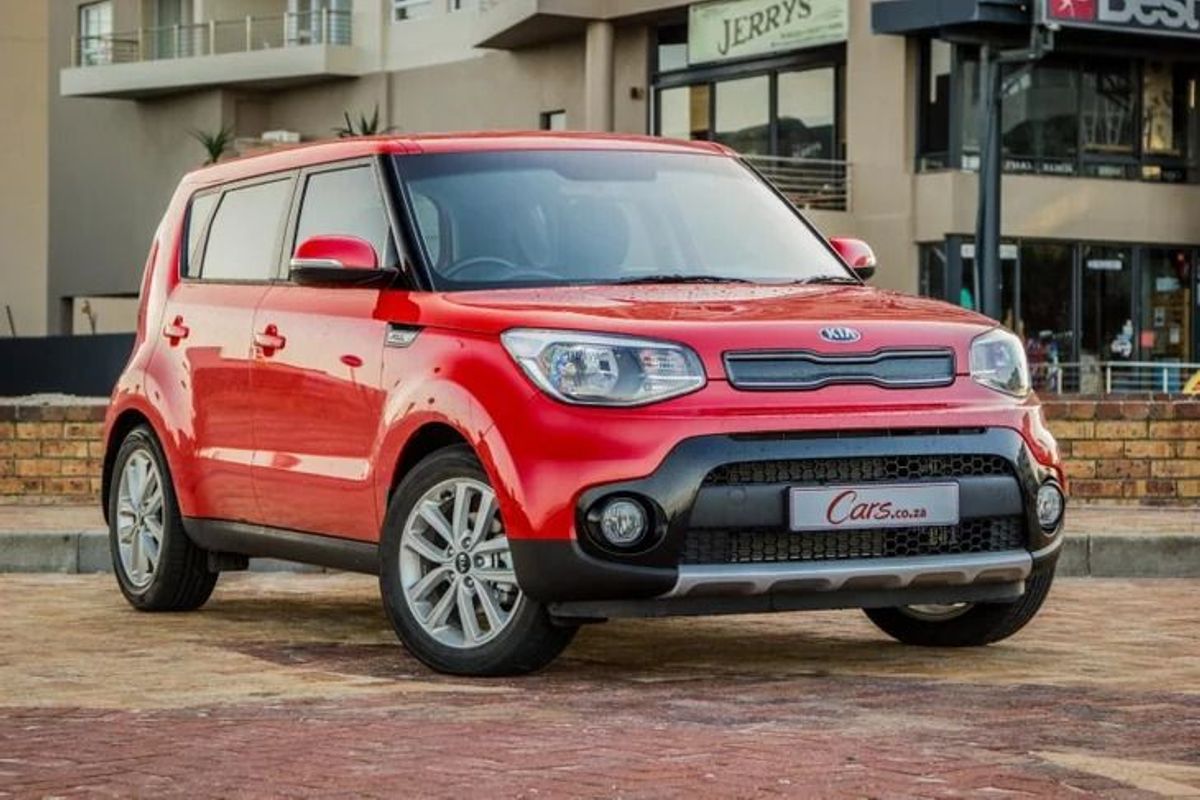
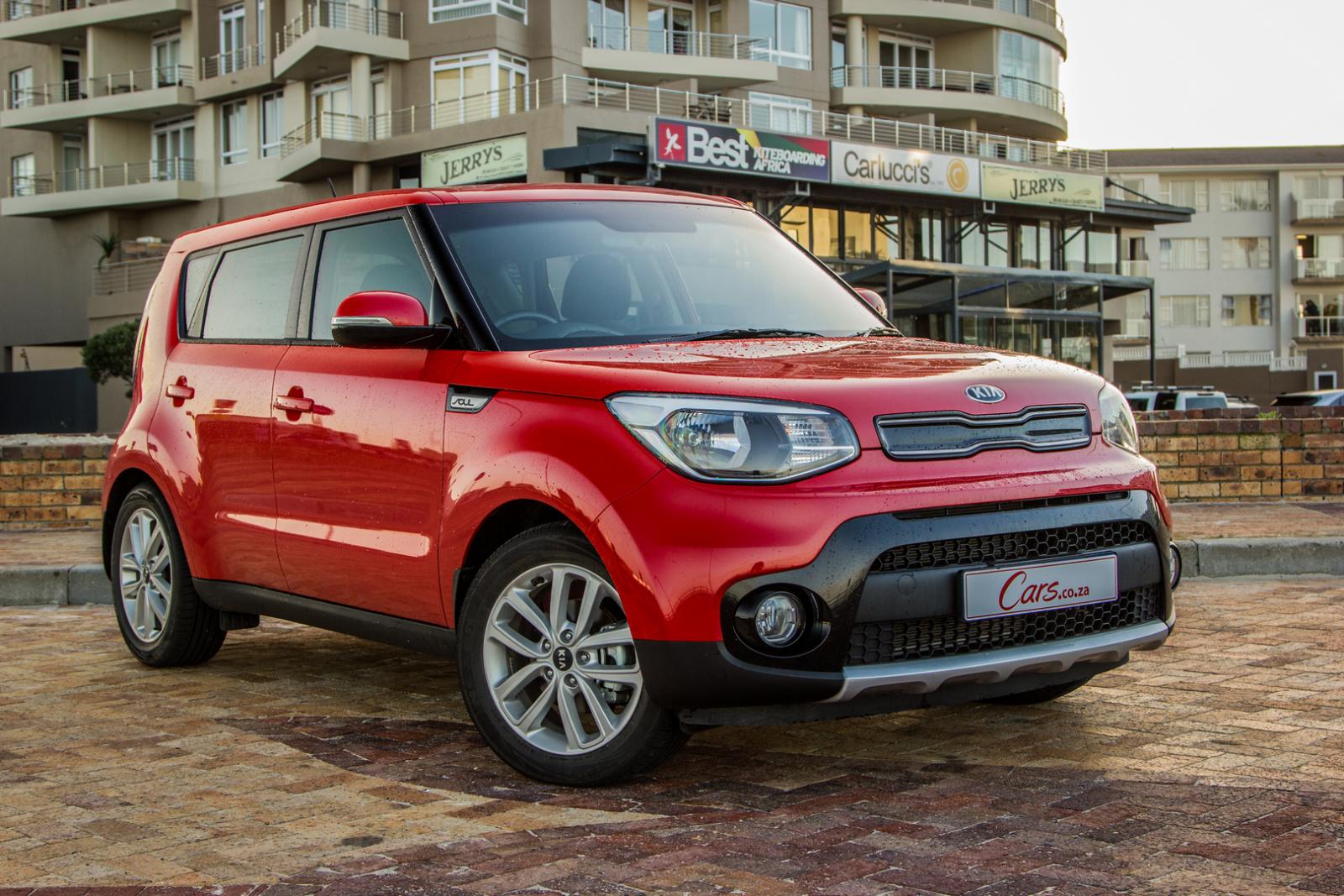
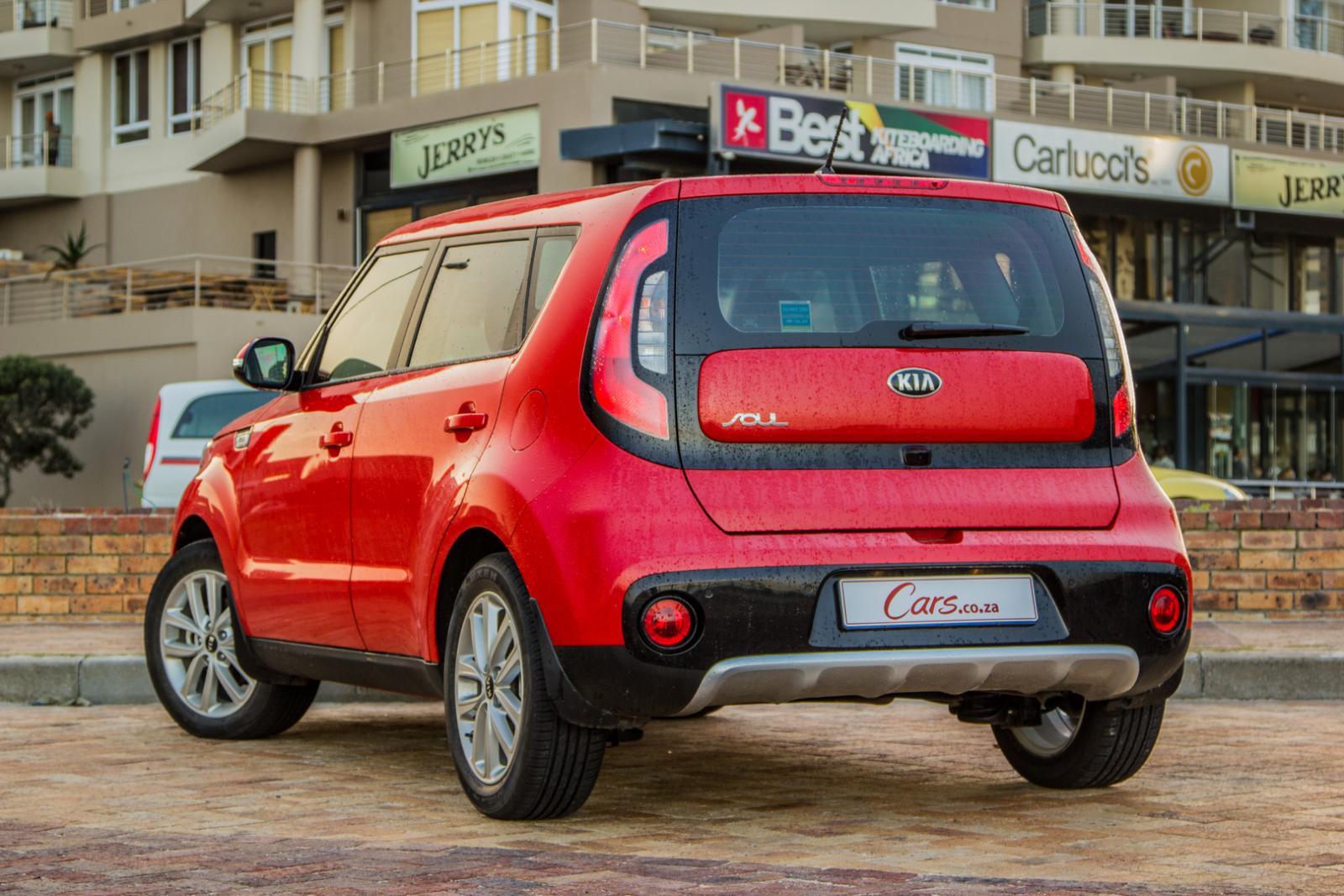
Metallic skid plate on the bottom, a new take on the 'Tiger Nose' grille and a reworked bumper are the major exterior changes.
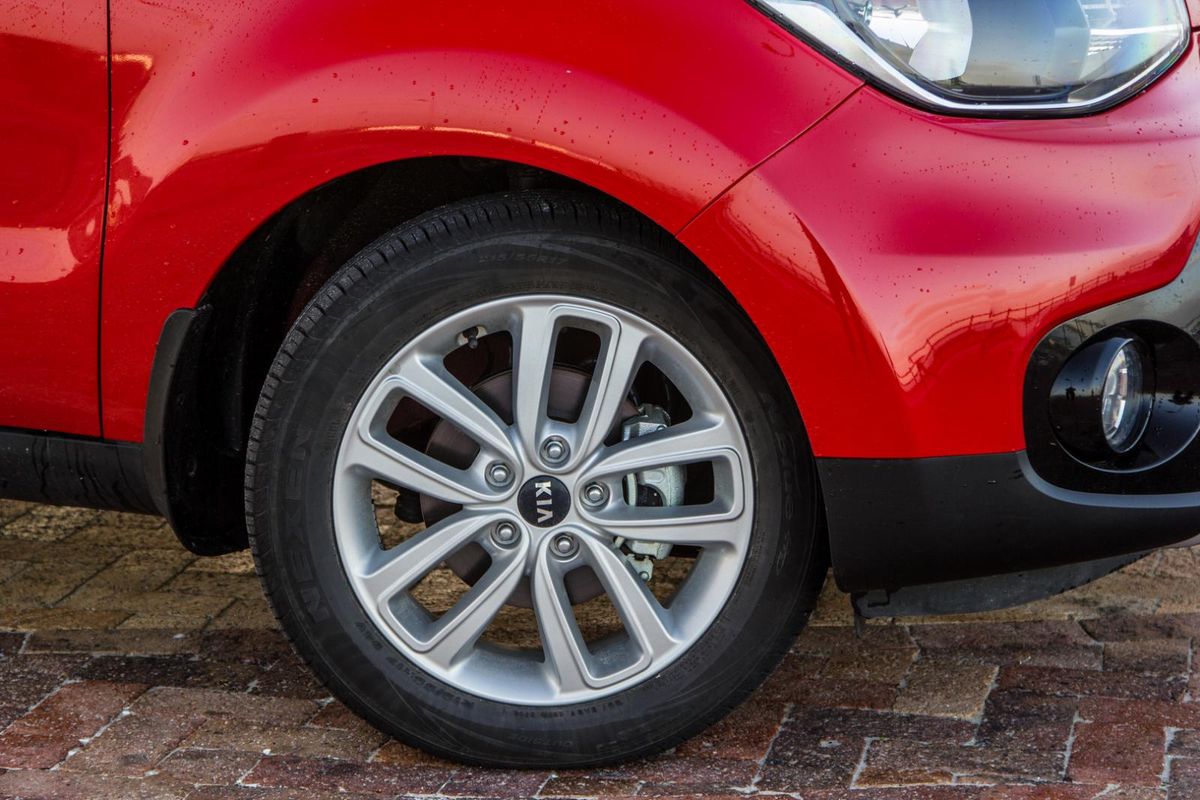
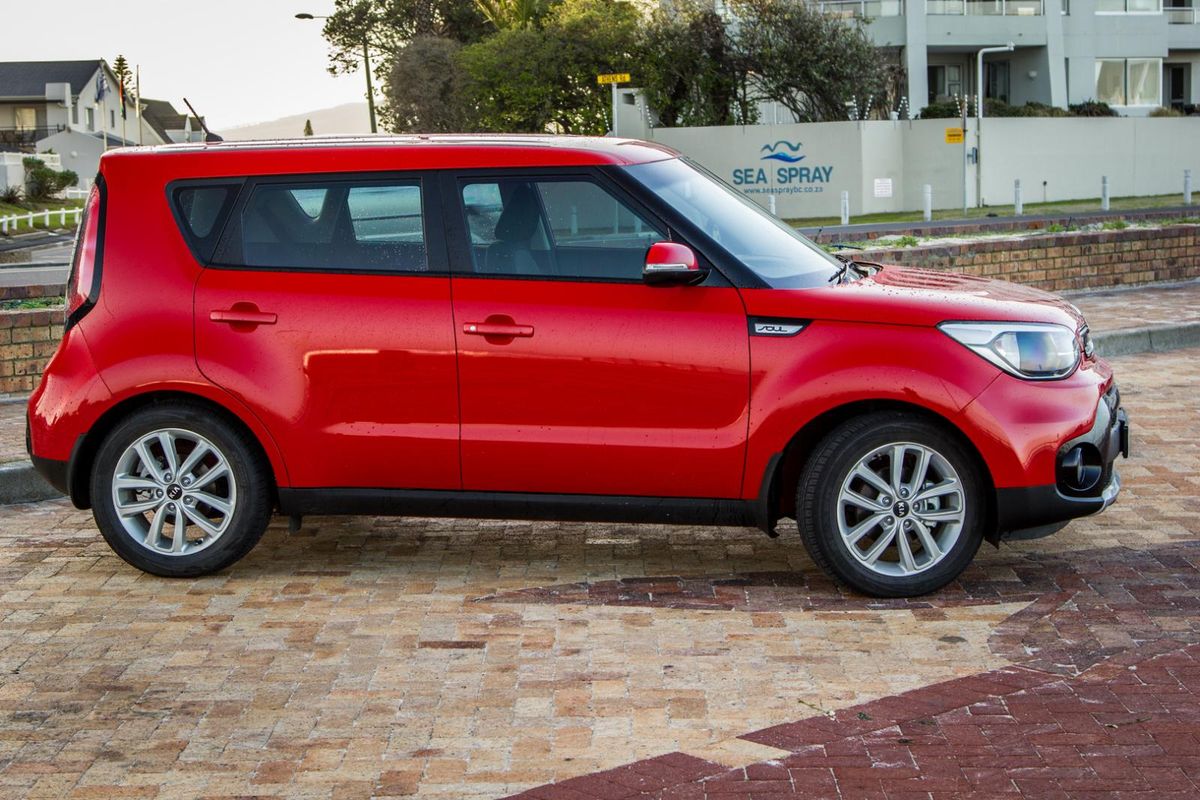
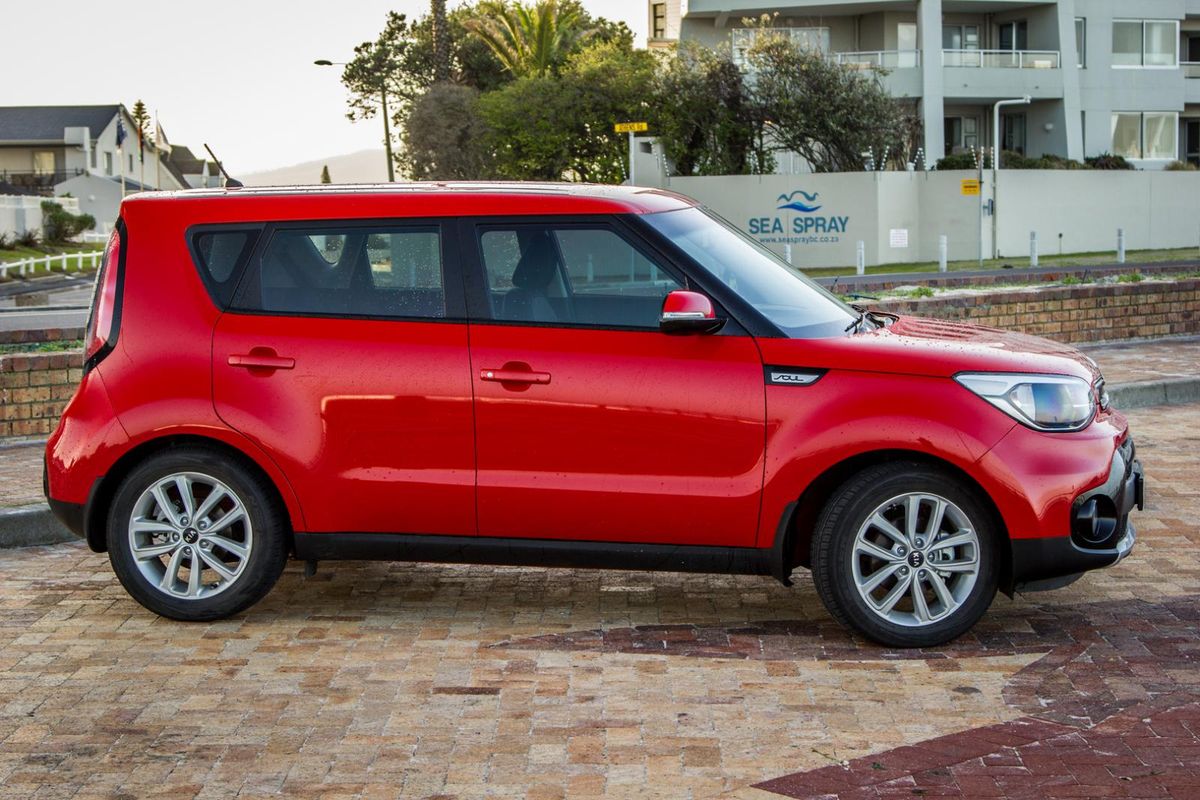
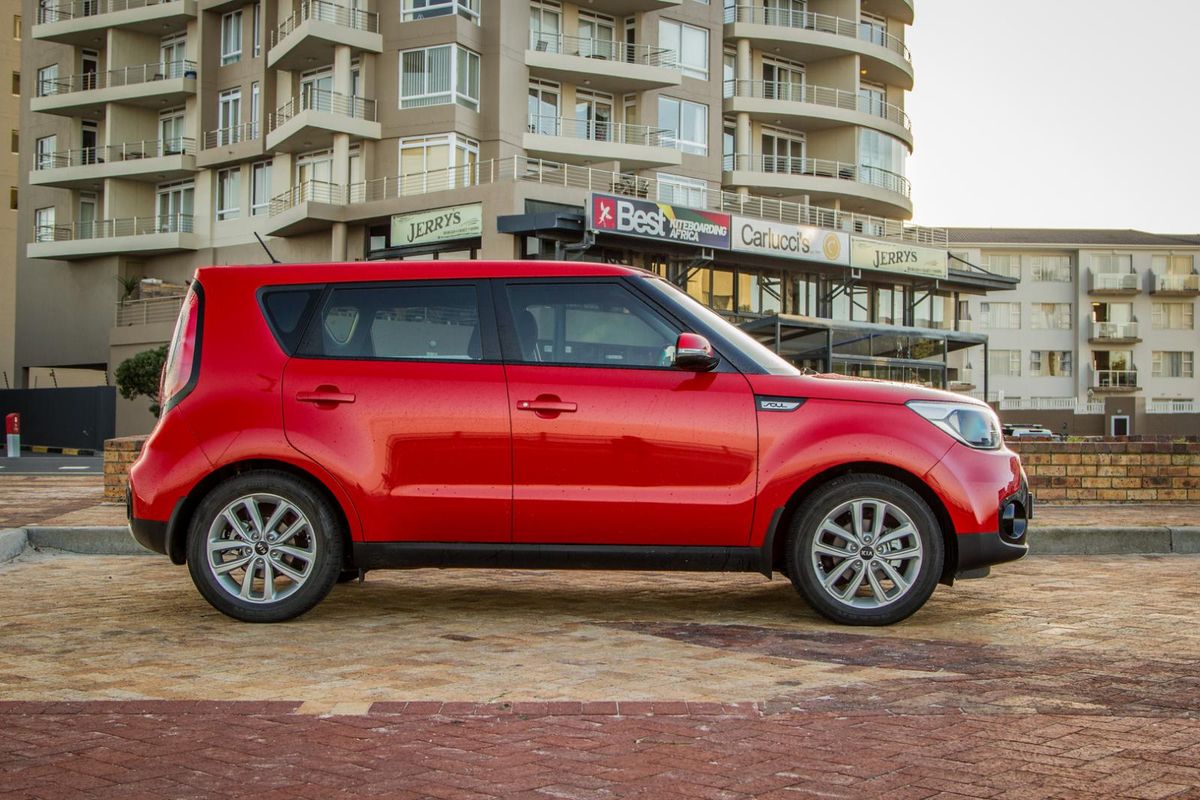
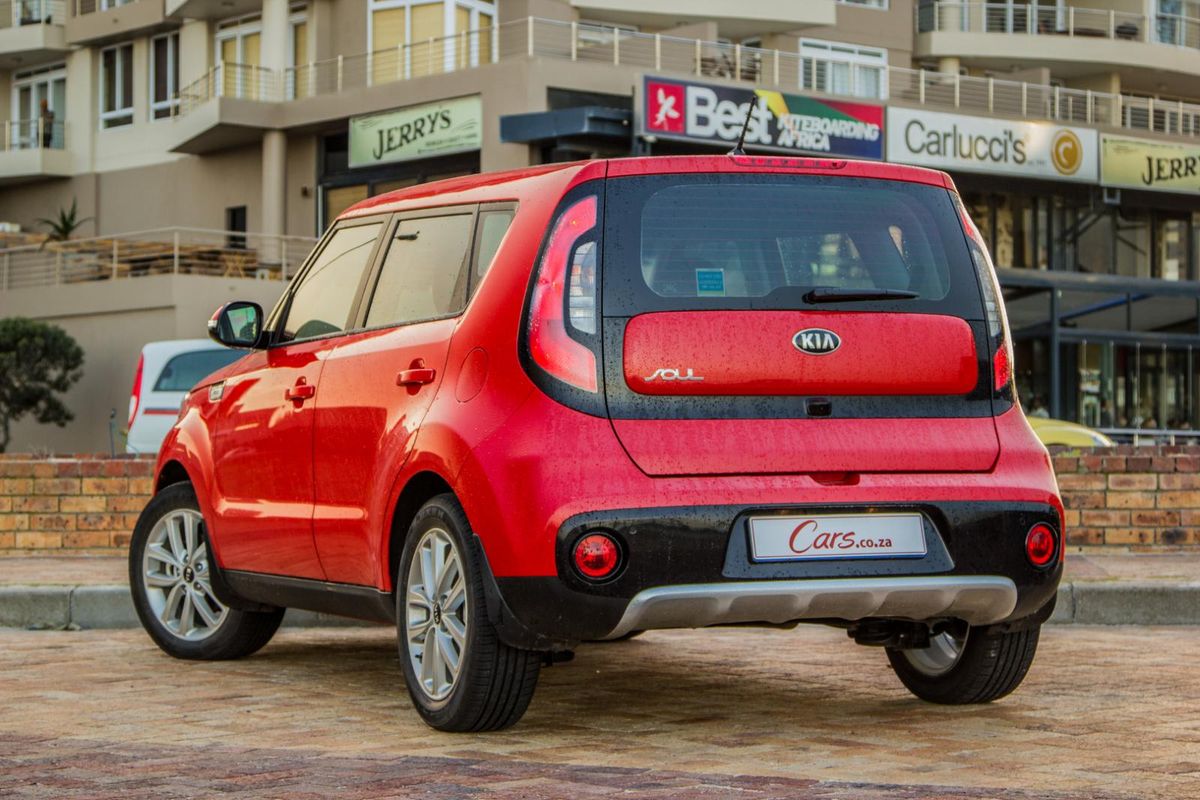
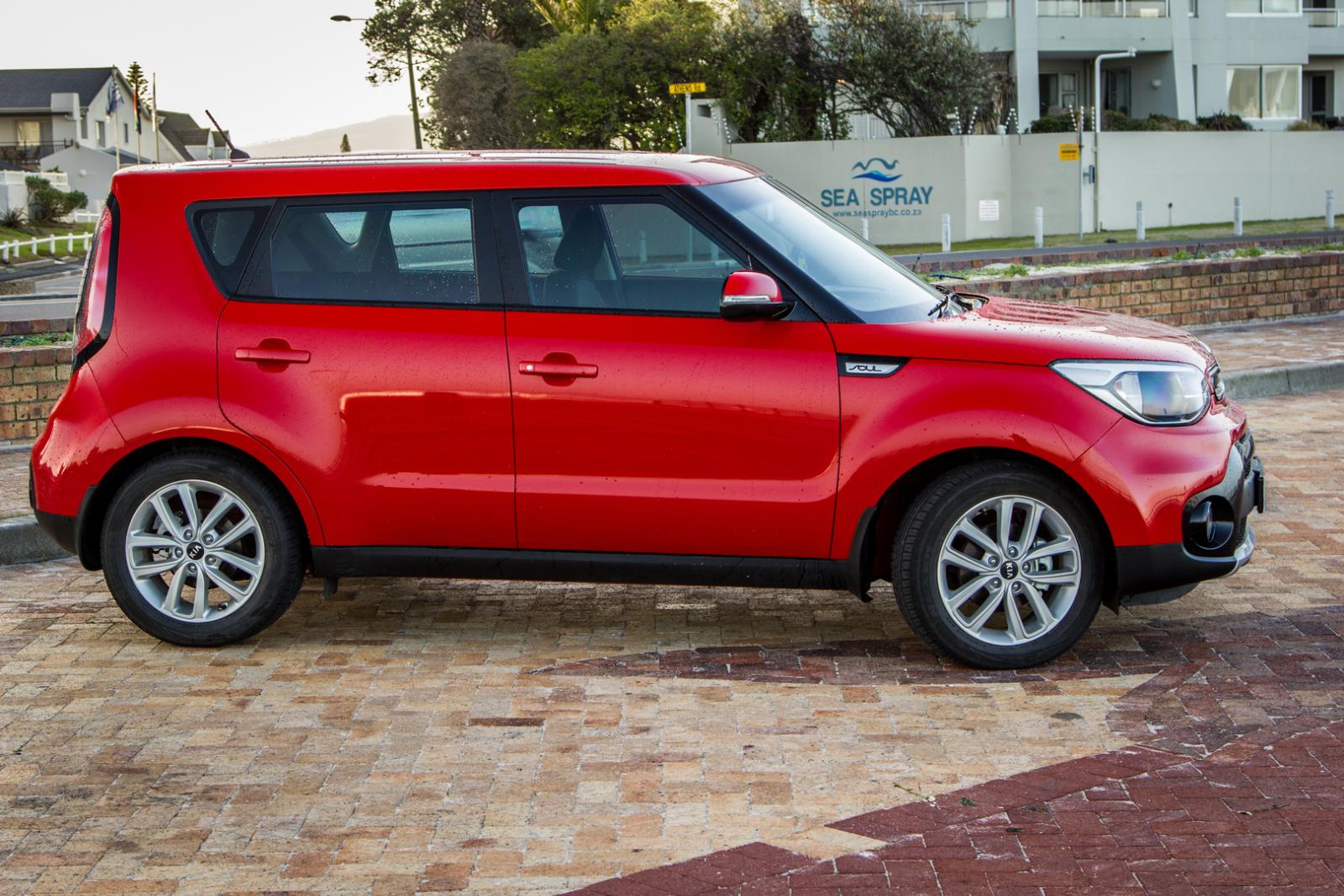
In terms of design, not much has changed with this facelifted Kia Soul. The boxy design remains and gives the Soul an edge, making it easily recognisable on the road. Minor remodelling of the front bumper with the inclusion of a metallic skid plate mark the most notable changes. The rear gets similar treatment to the bumper and skid plate as well as a fog light redesign for better illumination.
The refreshed Soul ushers in a new derivative in the form of this, the 1.6-litre turbodiesel manual. Turbodiesels aren’t the favoured choice of propulsion in this segment and petrol or turbopetrol engines are far more popular. A turbodiesel engine however, in most cases, returns impressive fuel efficiency and their strong torque figures make them great all-rounders in traffic and freeway situations.
The turbodiesel engine in the Kia is strong and the power and torque delivery make for a smooth ride.
The good
Build quality
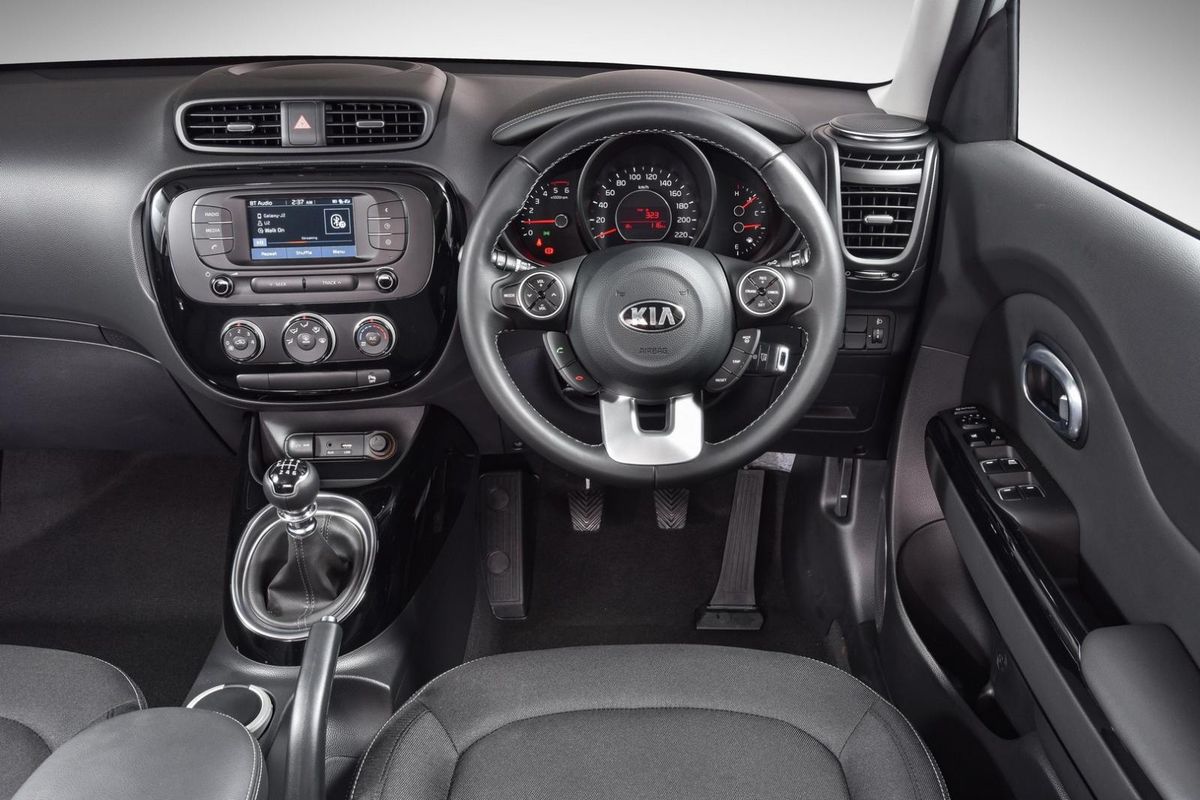
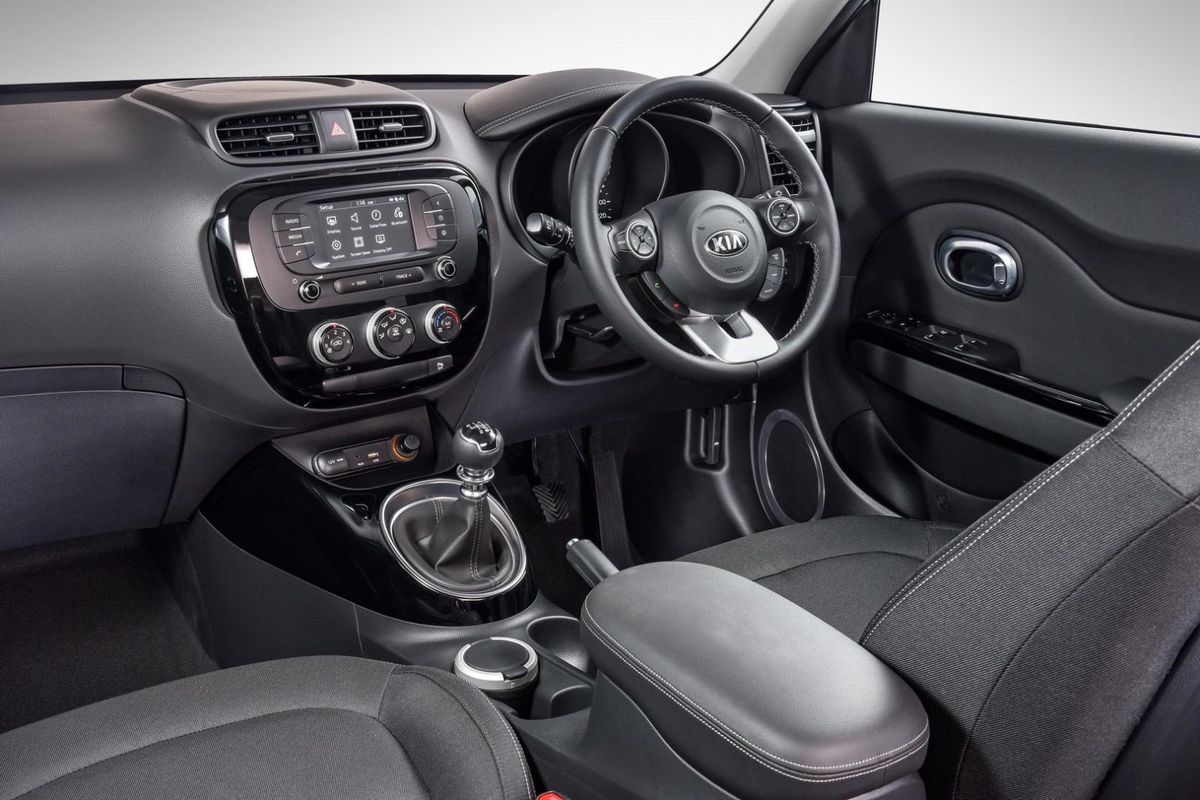
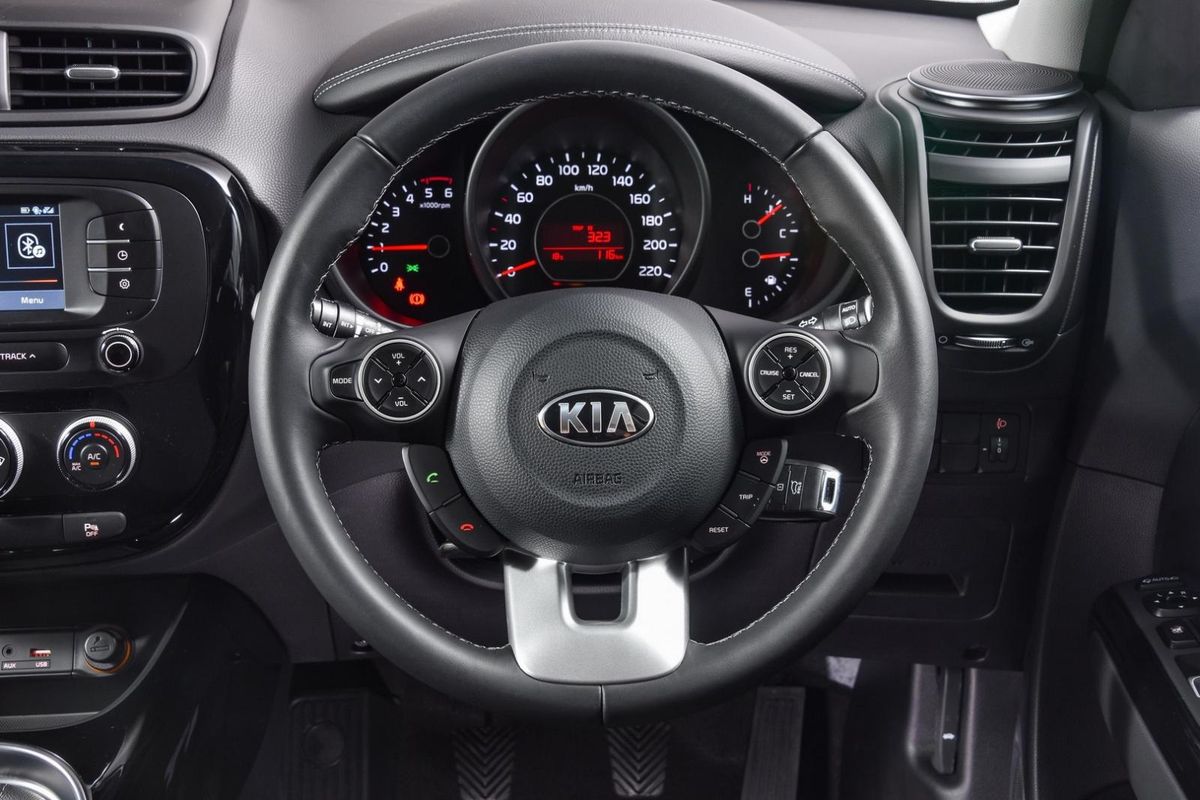
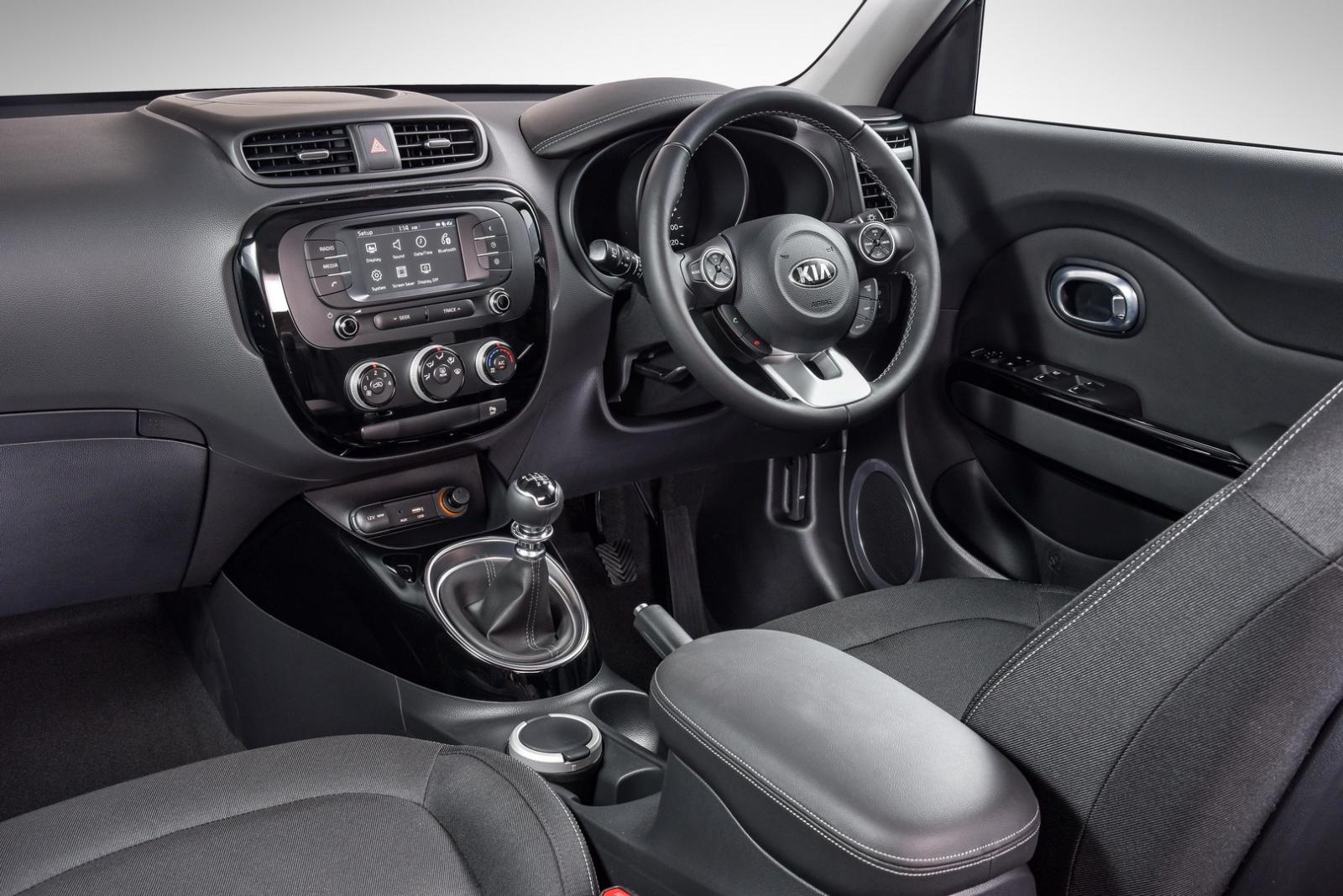
We’ve said this about just about every Kia we’ve driven over the last few years and it still rings true. The interior is put together impressively well with tight and sturdy shut lines that leave no gap for rattles or squeaks. Although the exterior design of the Soul is funky and original, the interior doesn’t share the same pizzaz. It’s a grey expanse with the odd section of piano black thrown in to look more upmarket. The infotainment system is functional and connectible by modern day standards but it looks a little dull compared to some of the touchscreen systems offered by the likes of Renault and Opel, for instance.
The sturdy build quality filters through to the Soul’s driving performance. It’s solid on the road with a firm but stable ride. Road noise is largely left outside and the cabin is impressively quiet. What's more, Kia’s improved steering weighting feels more reassuring at freeway speeds.
It's quite grey in here and the infotainment system doesn't look like much, but it's functional and the build quality feels exceptional.
Engine
The 1.6-litre turbodiesel feels well-suited to the Soul and with the added frugality of the diesel engine, you’ll struggle to do less than 700 km on a tank. We averaged in the region of 6.0 L/100 km. The 6-speed manual gearbox keeps it within the torque band nicely, but if you shift too quickly you can ‘beat the box’ and grind your way from second to third on the odd occasion. It’s smooth and easy from pull-off and the light clutch action makes for a car that’s forgiving to drive in traffic.
Spacious
The square design of the Soul makes it a pretty good car if you value space as high priority. The boot only measures 354-litres, the same as the Juke, but once you fold those rear seats down, the space available is much larger than its rivals at 1 367-litres. This is in stark comparison to the Juke’s 830 litres and the Ecosport’s 705 litres. That extra space translates into more rear passenger space and legroom. It may be a squash to fit 4 people’s luggage in the boot, but if no luggage is required, it’s a comfortable car for all passengers.
The square nature of the Soul means its one of the more spacious and practical cars in this segment.
The bad
Safety specification
For a car aimed at the family-orientated buyer, the Soul lacks some of the key safety features that prevent accidents. The Soul’s 6 airbags and ABS are standard but beyond that, there’s not much else. There’s no stability control, traction control or electronic brake force distribution (EBD). All the Kia’s major competitors can claim to have most, if not all of those features. Rear park distance control is standard, as is the rear camera that’s installed into the rear-view mirror.
Pricing and warranty
The new Kia Soul 1.6CRDi Start is priced at R329 995, which puts it towards the upper end of the B-segment crossover range. The Kia Soul is backed by an impressive 5-year/unlimited km warranty and a 4-year/90 000 km service plan.
Verdict
The Kia Soul 1.6CRDi Start is the starting point to the turbodiesel offerings in the Soul range and comes equipped with a reasonable level of technology and comfort features. Cloth seats and grey plastics are the standard at this end of the market, but the build quality and solid feel of the drive are above its price point. It does, however, lack important safety features, even though it's equipped with just ABS and 6 airbags.
Its engine and gearbox are excellent, delivering sufficient acceleration performance as well as returning impressive fuel consumption figures. The conundrum to take note of though, is that at this entry end of the turbodiesel market, you have to forego some of the luxury and safety items that the equivalently priced petrol models include. Unless you really must have a turbodiesel Soul, you will be better off searching for a fully-equipped petrol-powered crossover.
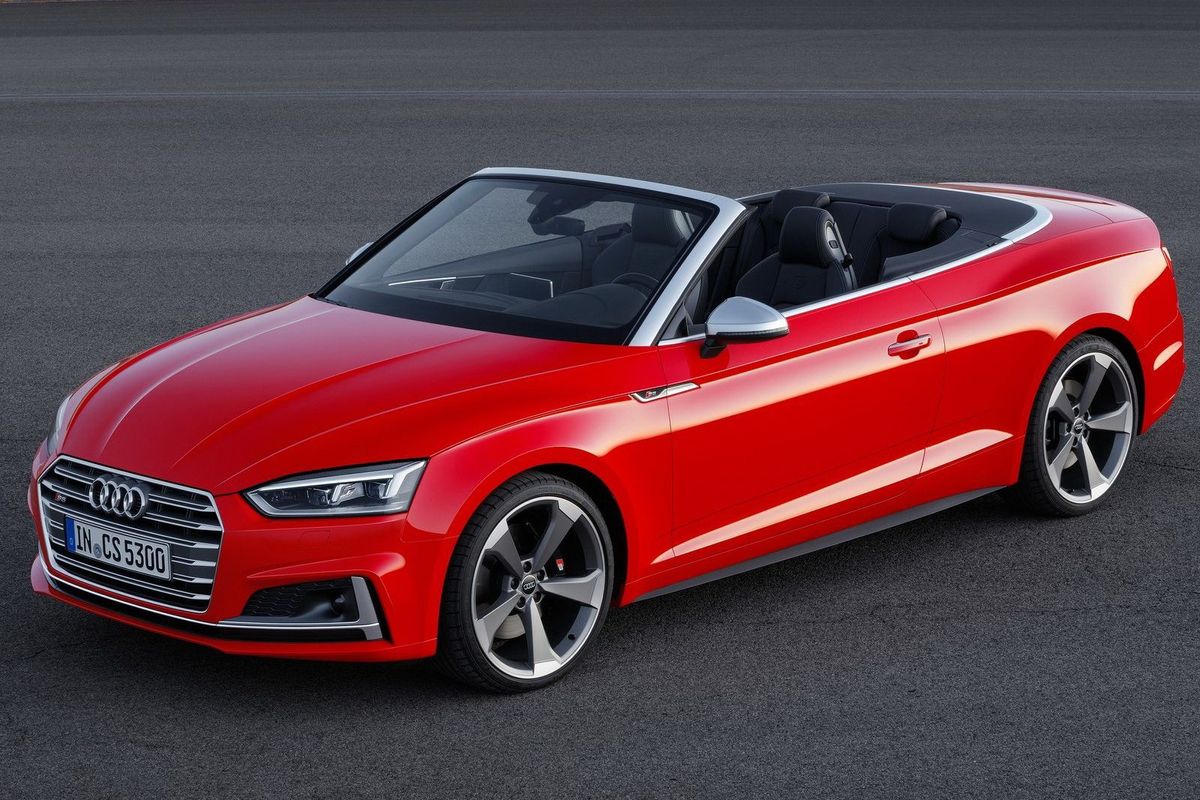
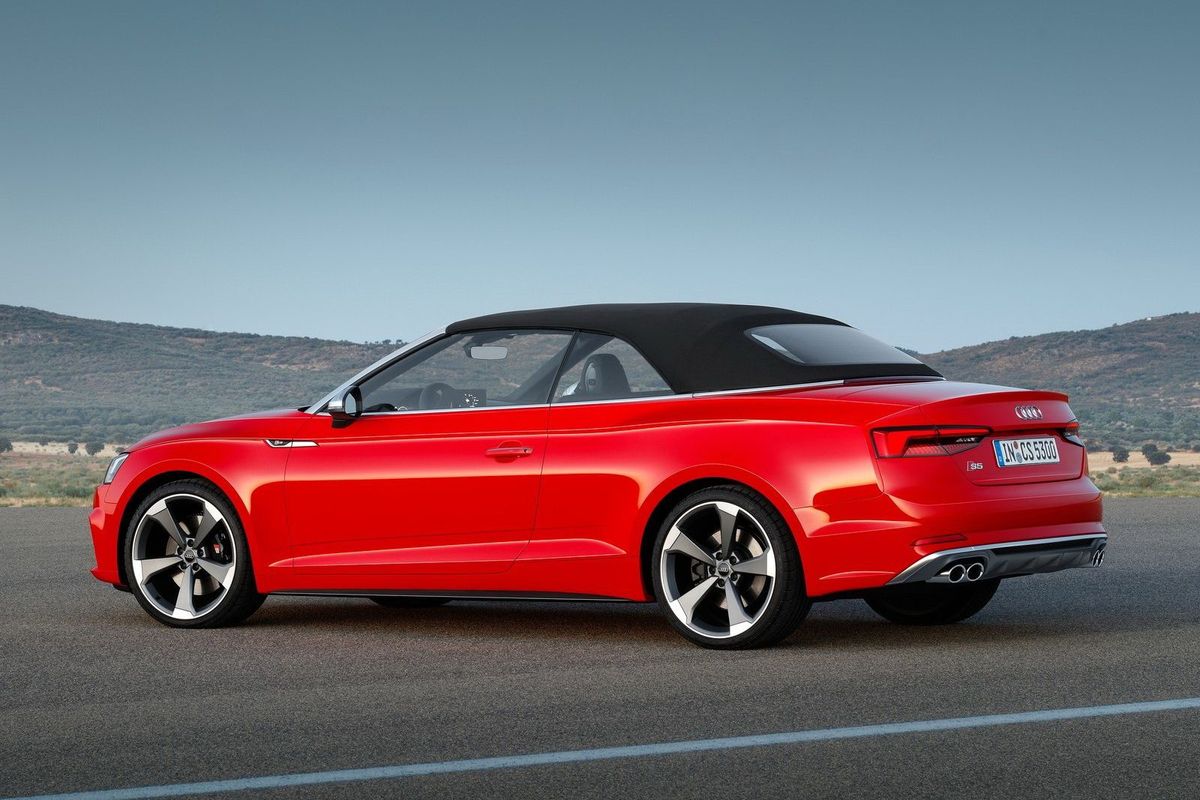
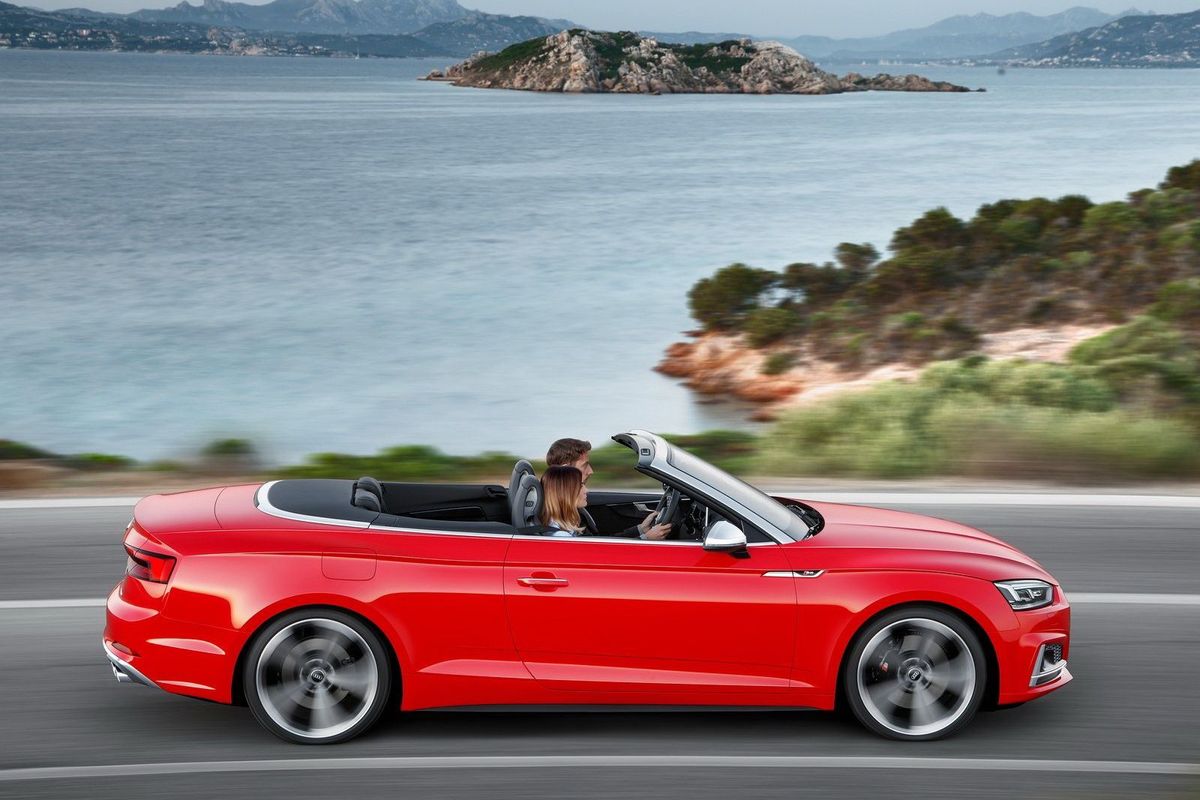
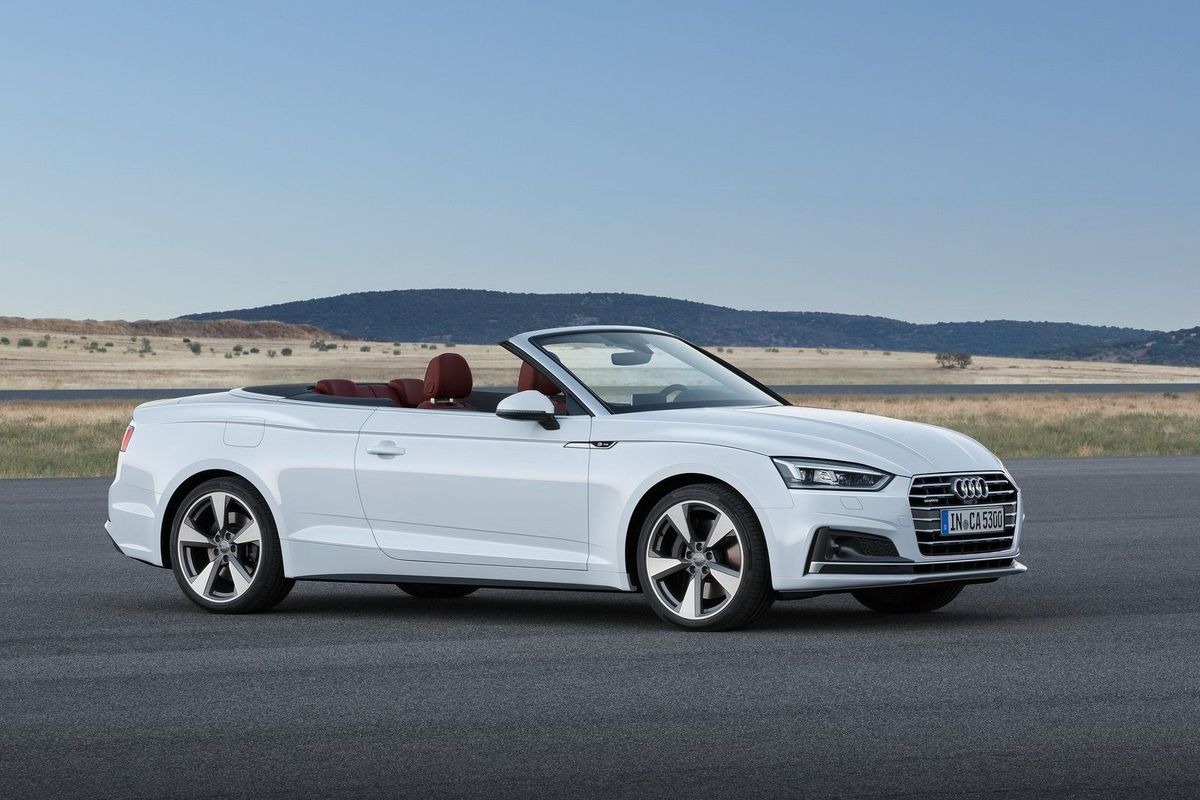
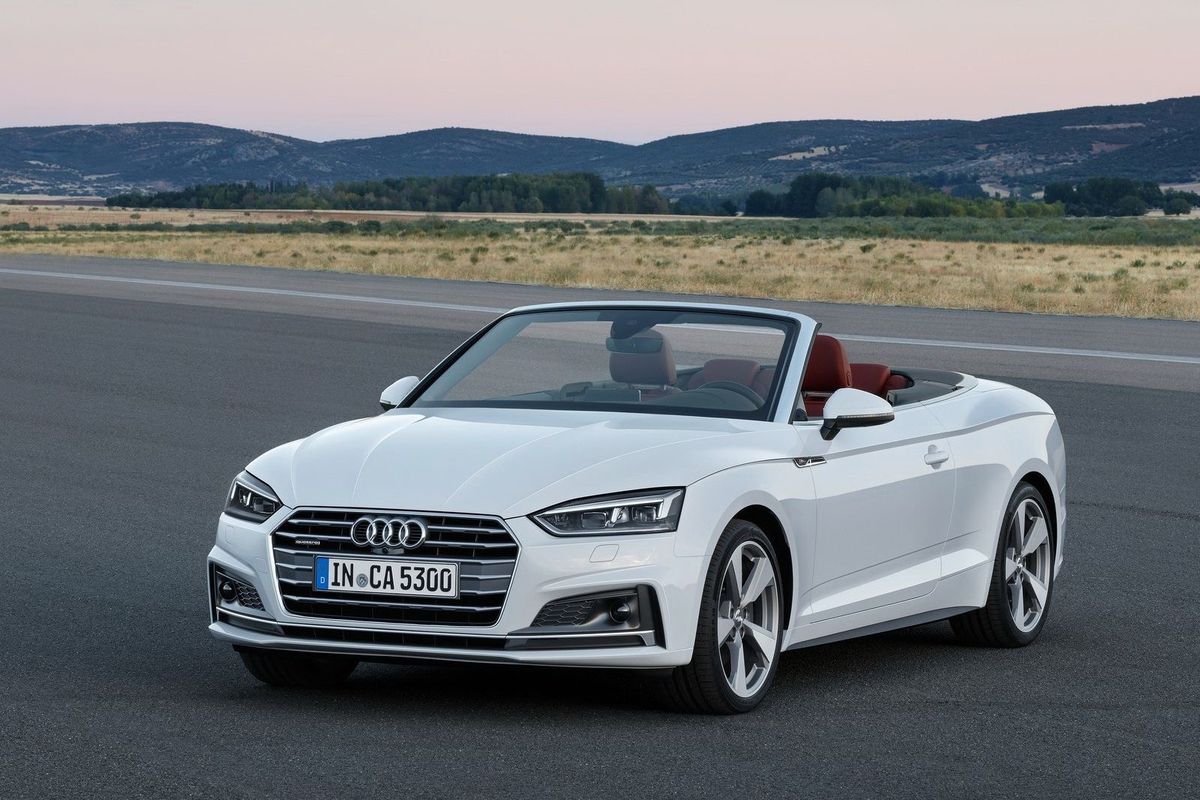
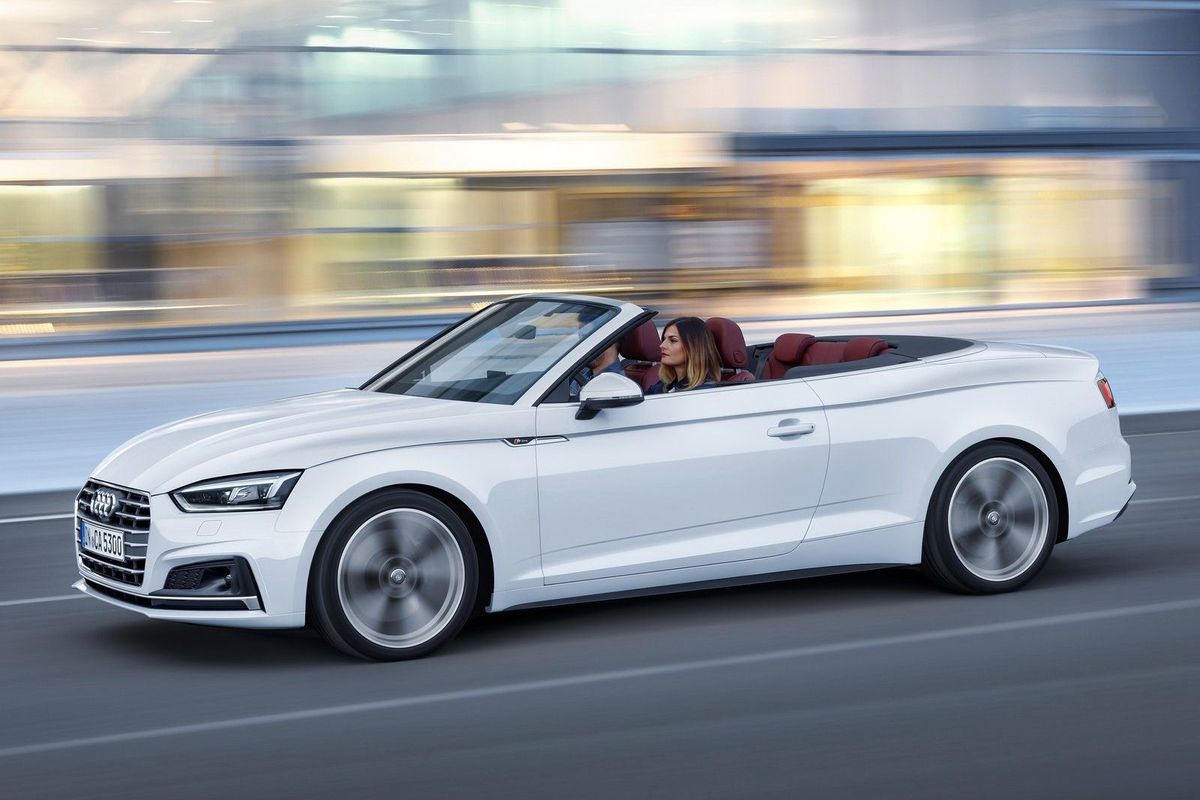
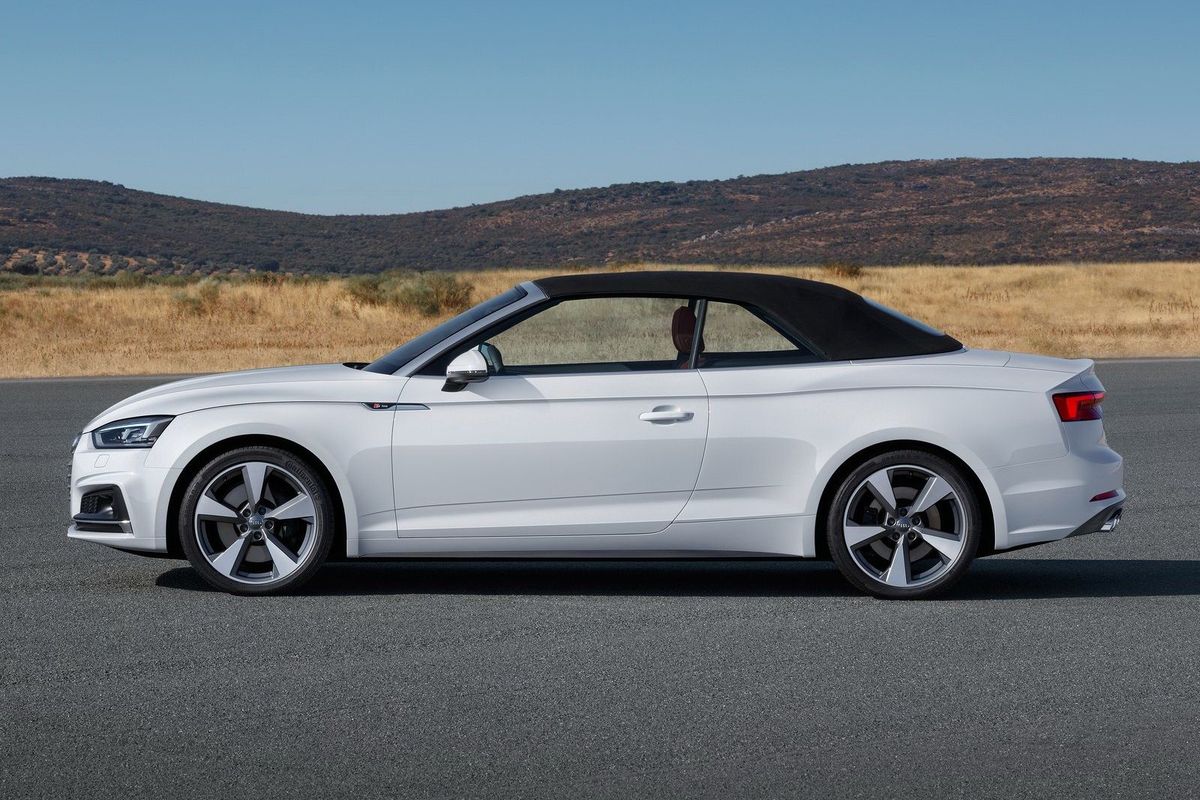
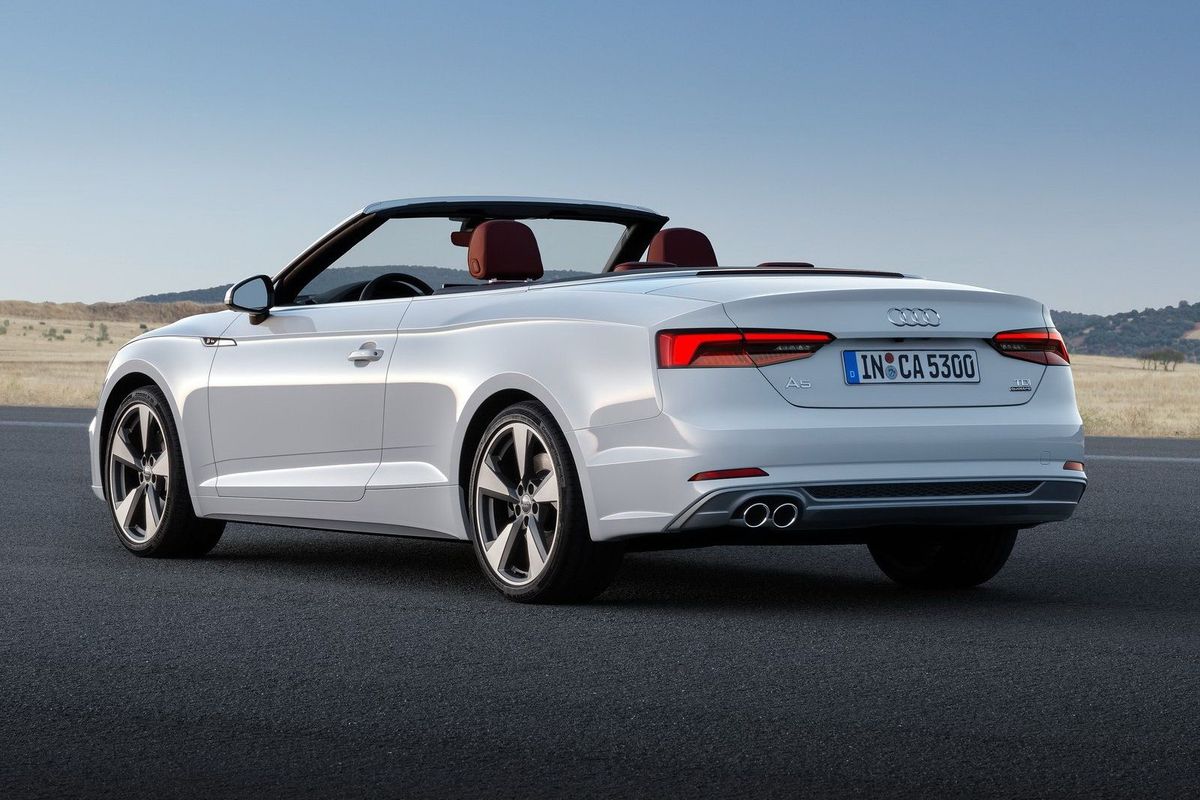
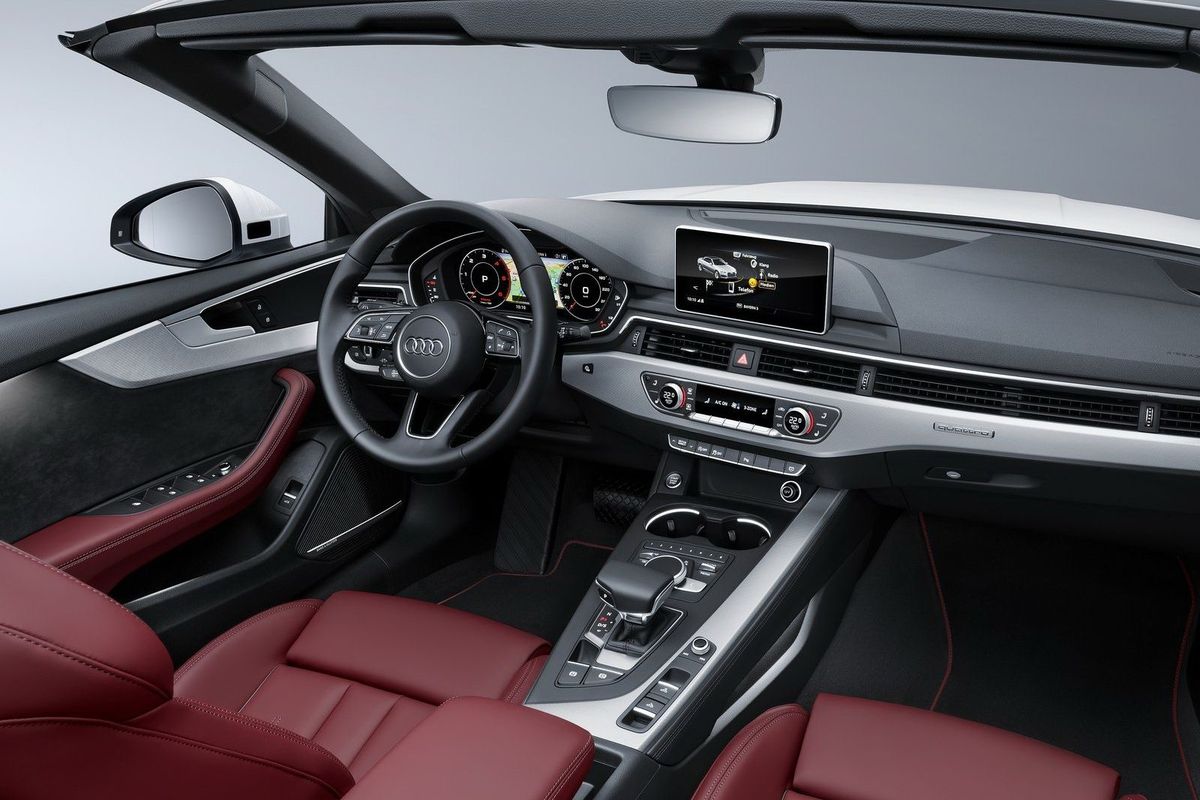
Audi has launched the second-generation A5 Cabriolet and its S5 Cabriolet in the local market. Take a look at the details…
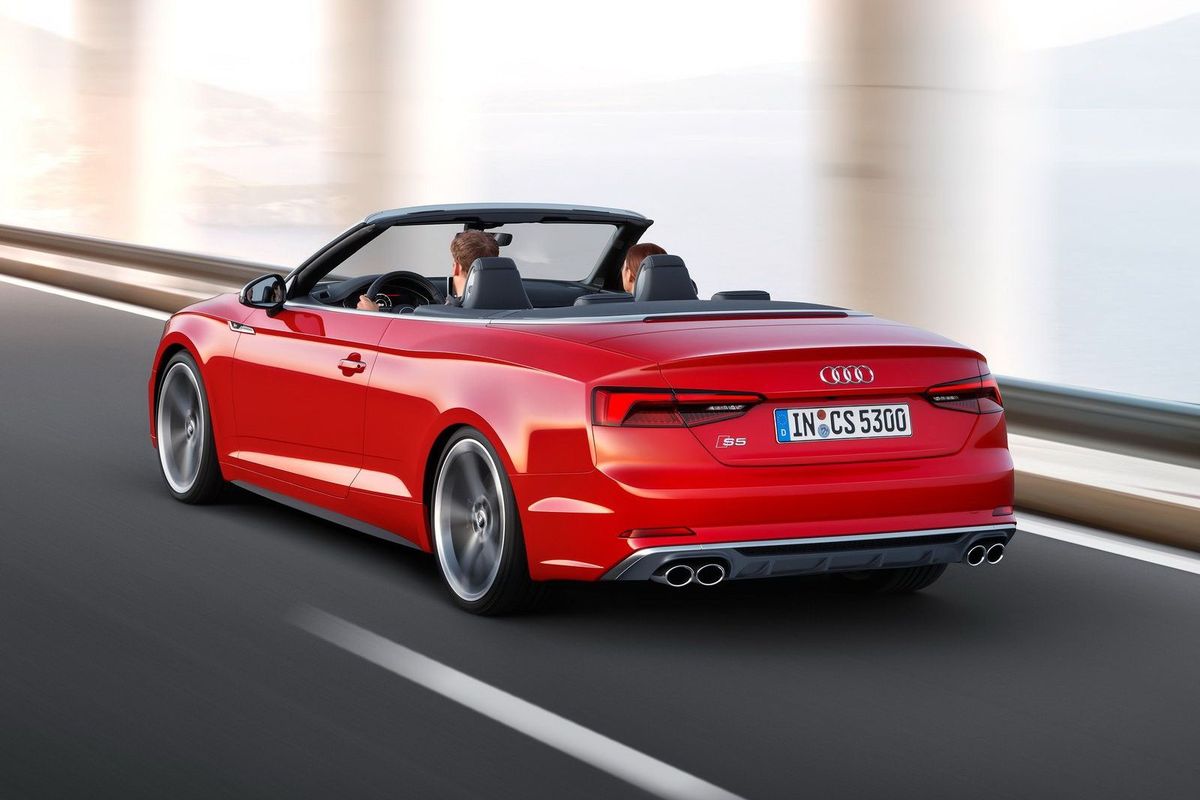
As was the case with the coupe, the ragtop looks quite similar to the outgoing model, but the major improvements have happened under the skin and in the details. For example, the newly designed one-touch automatic roof can open in 15 seconds and close in 18 seconds at cruising speeds up to 50 kph.
The A5 Cabriolet has grown a bit too, with a 47 mm increase in length and with the wheelbase now extended by 14 mm. These dimensional tweaks afford rear passengers with 18 mm more rear knee room and 26 mm more shoulder room for those seated in front. Luggage capacity has also swelled to 380 litres, 60 litres more than the outgoing model. The new A5 has shed some weight and is roughly 40 kg lighter than before.
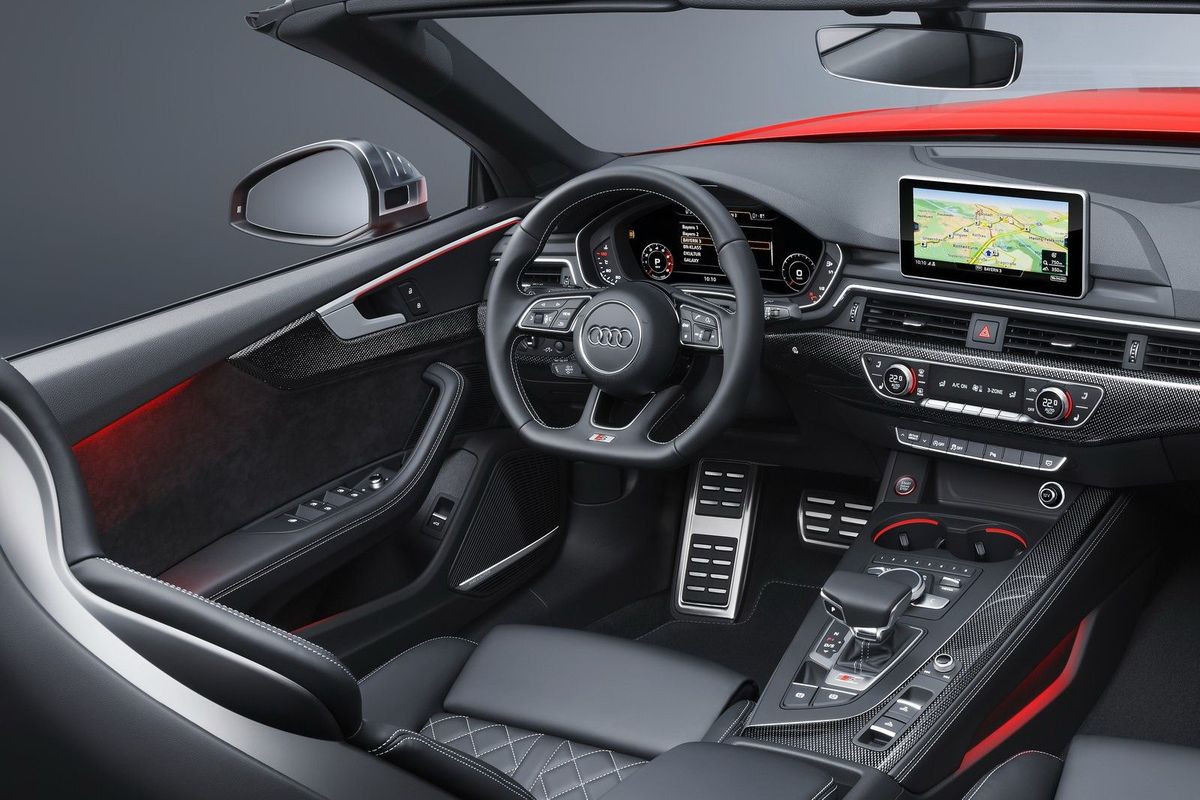
Other nice-to-haves include 50:50 split rear seats as well as an automatic boot lid as standard. The interior is available with the 12.3-inch Audi Virtual Cockpit display and new seatbelt microphones are fitted to improve voice quality when you are barrelling down the highway with the roof down…
Engine line-up
The S5 Cabriolet's initial engine line-up consists of 2 units: a 2.0 TFSI with 140 kW and a 2.0 TFSI with 185 kW. The former engine will only be offered in front-wheel drive configuration, while the latter exclusively coupled with quattro permanent all-wheel drive. Both engines however, will be offered in either a Base or Sport trim line.
Meanwhile, the S5 Cabriolet is powered by a 3.0-litre turbopetrol V6 producing 260 kW (15 kW more than its predecessor). The flagship derivative's claimed zero to 100 kph sprint time is 5.1 seconds, while its top speed is limited to 250 kph.
Standard equipment
New trim lines provide numerous customisation opportunities, for both the interior and the exterior. Besides the base model, there is also the Sport line, which offers additional equipment to enhance the sporty look of the vehicle. The S line Sport package is available for sophisticated customization, particularly for the interior.
The following equipment is available as standard on the 2.0T FSI 140 kW:
Electric interface for external use, AUX-IN and USB jack
Exterior mirror housings painted in body colour
Folding rear seat back
Front centre armrest
Front side airbags
Full size airbags with front passenger airbag deactivation
Fully automatic acoustic hood
Headlight range control, and headlight washers
High-gloss package
Indirect tire pressure monitoring system
Interior mirror, automatically dimming, frameless
ISOfix child seat mounting and Top Tether anchorage point for outer rear seats
Leather steering wheel in 3-spoke design with multifunction plus
Leather/artificial leather combination
Luggage compartment lid, automatically opening
MMI radio plus
Rain sensor
Rear head restraints
Separate daytime running lights
Side and rear windows in heat-insulating glass
Start/stop system (petrol engines only)
Space-saving spare wheel with Tool kit and car jack
In addition, the Sport models will feature the following equipment:
Aluminium Ellipse inlays
18-inch alloy wheels, 8.5J x 18
Sport seats in front
Line specific radiator grille and air intakes
Tailpipe Trims in chrome
Over and above, the following equipment will be available for the 2.0T FSI 185 kW quattro:
Front seats, electrically adjustable
Quattro with self-locking centre differential
Rear parking aid
The Audi S5 Coupé will have the following standard equipment over and above the rest of the range:
19-inch alloy wheels
LED headlights
LED rear lights with dynamic indicator
Audi pre-sense basic
Comfort key
Door sill trims with aluminium inlays and S rhombus emblem, illuminated
Electrically adjustable front seats
Lumbar support, pneumatically adjustable with massage function
Fine Nappa leather trim
High-gloss package
quattro with self-locking centre differential
S front sports seats
S sports suspension
Sport contour leather steering wheel, 3-spoke design, flattened at the with multifunction plus
Prices for Audi A5 and S5 in South Africa
2.0T FSI S tronic R689 000
2.0T FSI S tronic Sport R723 000
2.0T FSI quattro S tronic R823 500
2.0T FSI quattro S tronic Sport R857 500
3.0T FSI quattro Tiptronic R1 028 000
Prices include the standard 5-year/100 000km maintenance plan.
New car sales in South Africa recovered marginally off a low base in June 2017 with underlying weakness persisting in tough economic conditions. However, year-to-date new vehicle sales remained subdued with a decline of 1.3% for the first half of 2017. Take a look at the details below.
Although the automotive industry remains under considerable pressure, June 2017 reflected a ‘mixed picture’ according to the National Association of Automobile Manufacturers of South Africa (NAAMSA). Aggregate new car sales grew by some 0.9% year-on-year, largely due to fairly strong growth in Light Commercial Vehicle (LCV) sales which increased by 8.0% year-on-year. The new car market, however, declined by 2.2%. Exports grew by 1.4% year-on-year.
According to WesBank, the positive spin in June 2017 was driven by consumer activity in the dealer channel where the sale of passenger vehicles and LCV’s grew by 4.3% and 5.7% respectively. Demand for LCVs in the government and rental channels grew by 74.8% and 25.7% respectively, resulting in positive LCV growth.
“Growth in the dealer channel was clearly fuelled by aggressive marketing in the form of sales incentives and end-of-quarter deals,” said Rudolf Mahoney, Head of Brand and Communications at WesBank. “The strong LCV sales figure is attributed to these being both recreational vehicles for consumers as well as sought-after vehicles for businesses and government.”
New Car Sales Summary for June 2017
Aggregate new car sales of 45 369 units up by 0.9% (418 units) compared with June 2016
New car sales of 28 639 units down by 2.2% (630 units) compared with June 2016
LCV sales of 14 278 units up by 8.0% (1 062 units) compared with June 2016
Export sales of 31 631 units up by 1.4% (429 units) compared to June 2016
Best selling cars for June 2017
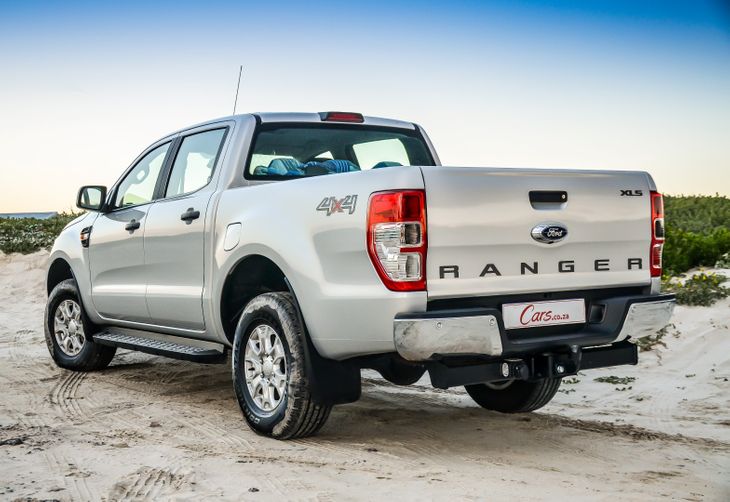
The Ford Ranger was the best-selling vehicle in South Africa in June 2017.
Toyota remains the most popular car brand in South Africa.
Brand
Sales
Market Share
1. Toyota
10 506
23.2%
2. Volkswagen
7 447
16.4%
3. Ford
5 371
11.8%
4. Nissan
4 104
9.0%
5. GMSA/Isuzu
2 924
6.4%
New car sales outlook for 2017
The outlook for the remainder of 2017 remains uncertain as political tension and subdued economic growth continues to have a negative impact on business confidence and consumer sentiment. Creating an investor-friendly environment in order to boost growth is essential and Business, Government and Labour play a key role in achieving this. New car sales are closely related to the performance of the economy and confidence levels and until change occurs, domestic new vehicle sales is expected to remain flat, at best, for the remainder of the year. Exports, however, should benefit from expectations of continued improvement in global growth to around 3.6%.
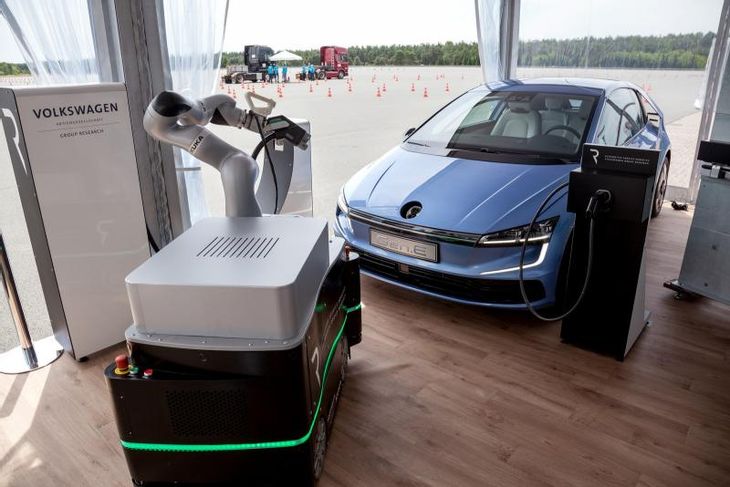
Carmaker Volkswagen has unveiled the Gen.E research vehicle at a Future Mobility Days event in Germany. What is this all about?
Usually, car companies make a big announcement at one of the motor shows or dominate the online space when it comes to concept vehicles. This Gen.E concept surprised everyone by making a relatively low-key arrival at the 2017 Future Mobility Days event.
Not much is known about the vehicle other than the fact it's used extensively for research. It resembles a Golf three-door hatchback with clever aerodynamics to enable it to slip through the air with less resistance. It features specialised alloy wheels, door handles that retract into the body and sit flush, futuristic LED running lights and a charging port on the bonnet.
It's built on a lightened platform, which Volkswagen claims is optimised for crash safety. Being an electric car, it has an advanced lithium-ion cell battery and a claimed range of 400 km.
The Gen.E forms part of Volkswagen's plans for the future. There's a massive plan afoot with autonomous driving and cleaner propulsion systems, but these will take time to be rolled out.
According to the Wolfsburg-based brand's press release: "electric automobiles powered by battery will naturally be the focal point for the coming years, but many new ideas are also being explored in the area of hybrid drives." Does this mean Volkswagen will go the route of Toyota and opt for petrol-hybrid engines?
Safety is also a massive focus for the Volkswagen Group and it came up with Vision Zero – the vision of accident-free driving, mobility without any traffic deaths. Autonomous driving is arguably the biggest topic in the transportation world at the moment and Volkswagen is not just focusing on the passenger vehicle market.
Meanwhile, Volkswagen AG's truck brands such as Scania and MAN, as well as its own VW Commercial Vehicles are working on autonomous cargo transportation systems.
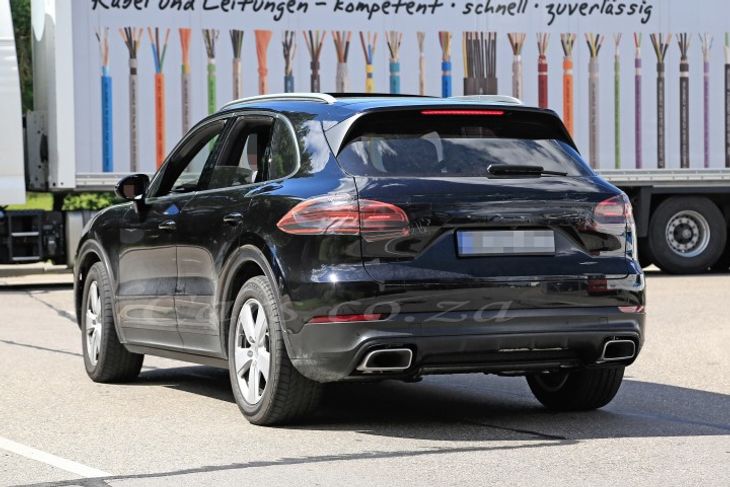
An all-new Porsche Cayenne is on the way for 2018 and latest spy photographs show the new Cayenne virtually undisguised, sporting a wide grille.
Picture credit: S. Baldauf/SB-Medien
Porsche is gearing up for the introduction of the all-new Cayenne SUV which is expected to be officially revealed in September 2017 at the Frankfurt Motor Show.
These latest spy images show the Cayenne undergoing final testing with very little camouflage, giving us a good idea of what the production model will look like. The most notable change is its new slatted front grille which now spans the entire width of the front-end. The rear-end has also changed somewhat with newly designed taillights and a fresh wheel design rounds off the new look. The 2018 Cayenne is also expected to be some 100 kg lighter than its predecessor which will bode well for performance.
The new Porsche Cayenne can be expected in SA in 2018.
The new Cayenne will reportedly feature the same engines offered for the Panamera sedan including a 324 kW 2.9-litre biturbo V6 and 404 kW 4.0-litre biturbo V8. A 4.0-litre V8 turbodiesel engine, the same that powers the Audi SQ7 SUV with 320 kW and 900 Nm of torque, is also on the cards for the Cayenne. More than this, an electric hybrid version is likely.
The new Porsche Cayenne can be expected in South Africa in 2018 and we will keep you updated as soon as official details surface closer to the Cayenne’s reveal at the Frankfurt Motor Show.
The H2 is Chinese SUV brand Haval’s first foray into the South African market, in H2 1.5T Luxury guise, it represents a tantalising proposition: price wise, it undercuts popular compact crossover rivals, and in terms of size, it rivals family car/compact SUV offerings. What’s more, its standard specification offers features that many premium marques reserve for their options lists. Check out our video review of the newcomer…