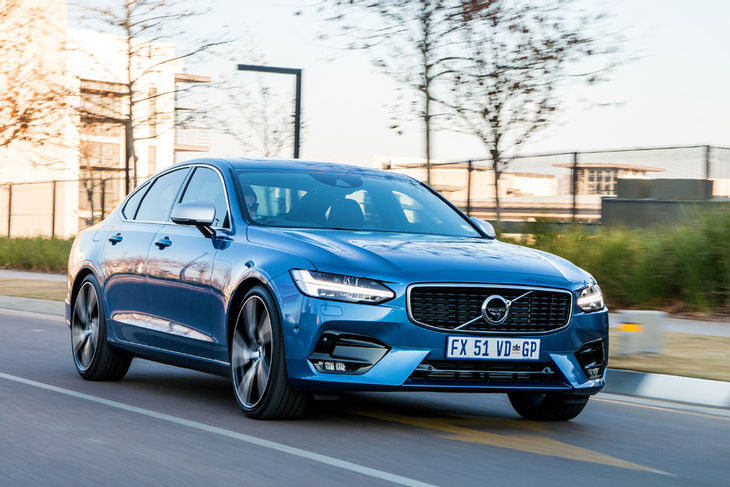
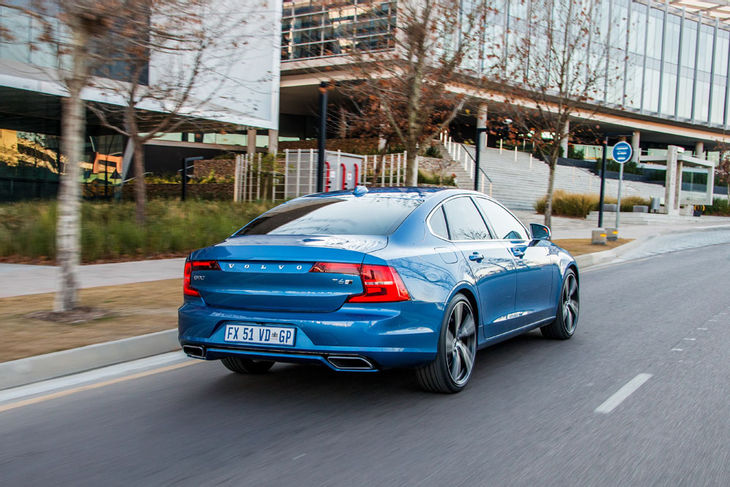
What makes the Volvo S90 D5 R-Design a worthy contender in the Executive Sedan category of the 2017/18 Cars.co.za Consumer Awards – powered by WesBank? We investigate…
Volvo is on the comeback trail and after its big XC90 SUV brother trounced the German regulars, we figured that the S90 sedan may be able to pull off a similar coup in the sedan market. The S90 brings luxury, refinement, credible performance and semi-autonomous capability to the table and this D5 R-Design derivative is a particularly enticing offering in this segment. Can the S90 conquer all in the Executive Sedan category?
3 Reasons Why Volvo S90 D5 R-Design is a #CarsAwards Finalist
1. Strong performer
The long-held assumption that a 6- or 8-cylinder motor is required to propel a premium sedan along has been smashed by Volvo's 4-cylinder turbodiesel engine. It's a size more suited to cars half its size, but this plucky 2.0-litre powerplant pushes out tidy outputs of 173 kW and 480 Nm resulting in strong performance. Both turbochargers are supplemented by a smart system which fires compressed air into the turbo housing to minimise lag. Volvo claims its diesel-powered S90 will sip 4.8 L/100 km on the combined cycle.
2. Pleasing driving dynamics
The S90 is all-wheel driven, offering additional traction in wet/slippery conditions and Volvo has opted for a luxury driving experience as opposed to a sportier one. Brisk, yet comfortable cruising is this car's forte.
The steering arrangement is deserving of praise as it feels true and direct, but still with a focus on comfort. It has a fair degree of weight to it, which befits the S90's the big, luxury sedan persona to a tee. It's light enough to make low-speed tight parking manoeuvres less stressful, yet heavy enough to let you know you're at the tiller of something substantial.
3. Safe and packed with tech
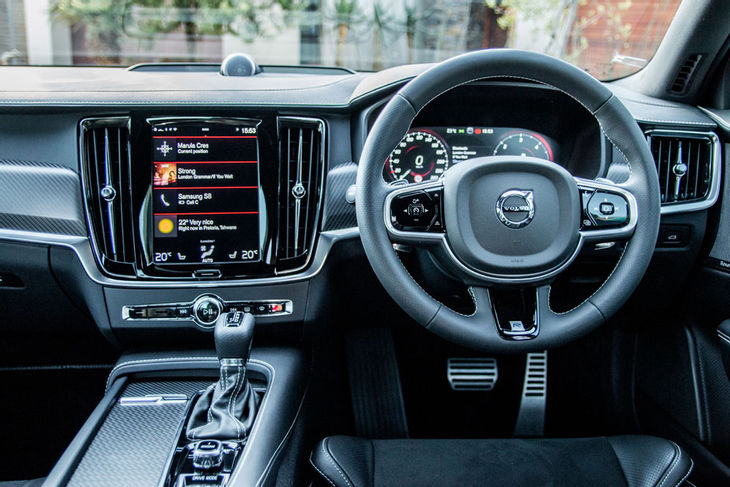
It is palpably apparent that Volvo is determined to woo potential customers with a bedazzling array of safety features and modern technology. Apart from the impressive tablet-like touchscreen, this S90 features Pilot Assist, which, according to the firm, "is a semi-autonomous driving assistance system” which manages acceleration, braking and steering at speeds of up to 130 kph. The bestuse for this tech is in bumper-to-bumper traffic.
Other notable safety features includes Intellisafe with City Safety to detect pedestrians, cyclists and animals, run-off-road mitigation, auto braking in intersections for oncoming traffic, front collision warning with full auto brake as well as lane-keeping aid, lane departure warning and driver alert control, making this S90 one of the safest cars on the road.
Have Your Say: Complete our survey!
Do you own an S90? We would love to hear from you! Tell us about your experience by completing our Ownership Satisfaction Survey. Your input counts for 50% of the final result.
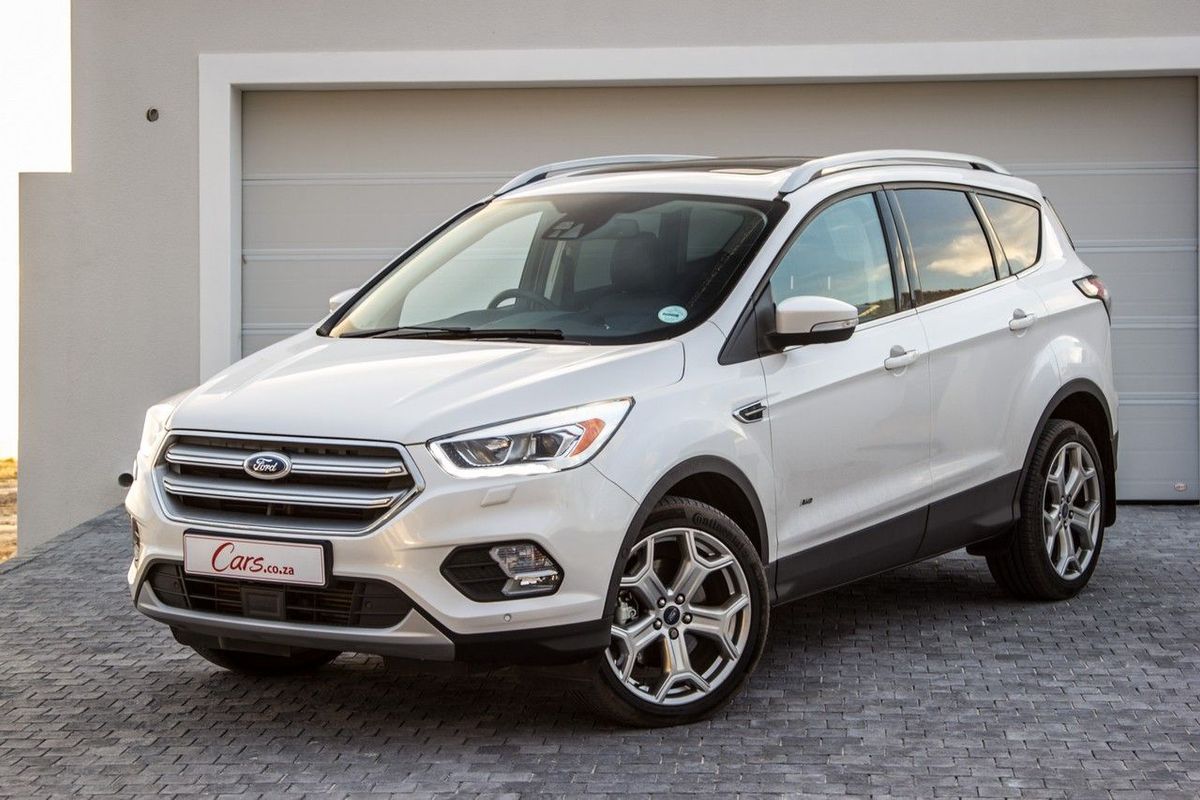
Once one of the most popular vehicles in its segment in South Africa, Ford's Kuga is these days remembered for less desirable traits. With this facelifted version, Ford will hope that South Africans are willing to forgive the fire-related incidents (and subsequent recalls) of some of the previous-generation derivatives. Does the Kuga deserve another chance?
We like: Excellent value for money, engine performance/economy balance, standard features, ride/handling
We don’t like: Outdated facia design/ergonomics, not as spacious as some rivals
Alternatives
Something Germanic and "near-premium":Volkswagen's Tiguan, in 2.0TDI Comfortline trim, can be had for about R35 000 more. For the money you get fewer fancy features, and the VW doesn't have niceties such as leather upholstery or heated seats. In Comfortline-spec it also lacks the visual wow factor of the costlier (add about R20k) R-line version. While it offers less power on paper, performance is similar, and the VW has a dramatically more modern and "polished" cabin. Ironically, the more expensive Tiguan can't match the capabilities of the Kuga's standard infotainment system, either.
Trusty Toyota: The Toyota RAV4 2.2D-4D AWD VX is also a fair bit pricier and doesn't sell all too strongly, but that's got little to do with its capabilities. The RAV4 is a solid, refined and spacious all-rounder that remains a must-drive if all-wheel drive is a definite requirement. At just over R550k it is, however, pricey and you get less power/torque.
Do you really need all-wheel drive?: These vehicles very rarely go off-road so unless you're certain that you need the extra security on poor surfaces that come from having all-wheel drive, we suggest you look at more affordable non-AWD variants, too. Mazda's CX-5 2.2DE Active, priced at R462 800, is particularly attractive even though it does lack several features offered by the Ford. The fact that most brands offer their flagship diesel automatic SUVs with front-wheel drive for more than this flagship Kuga AWD just highlights how well-priced this Ford is.
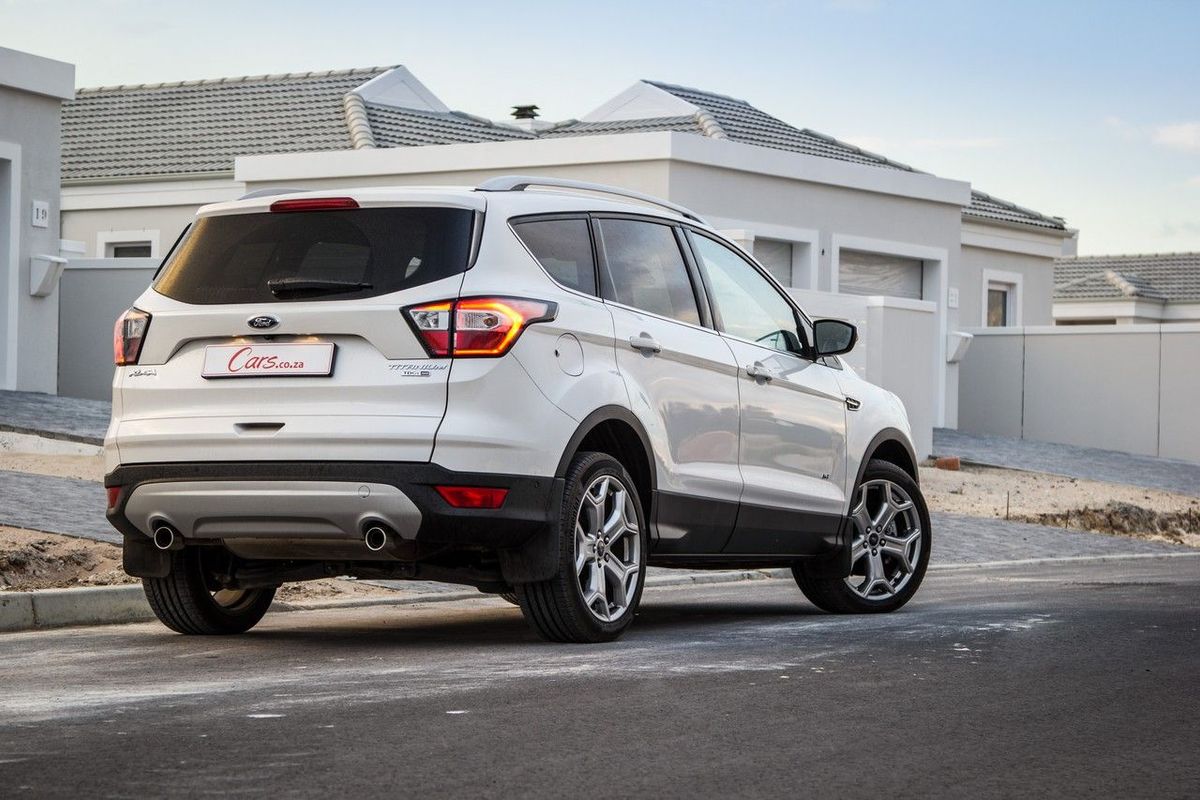
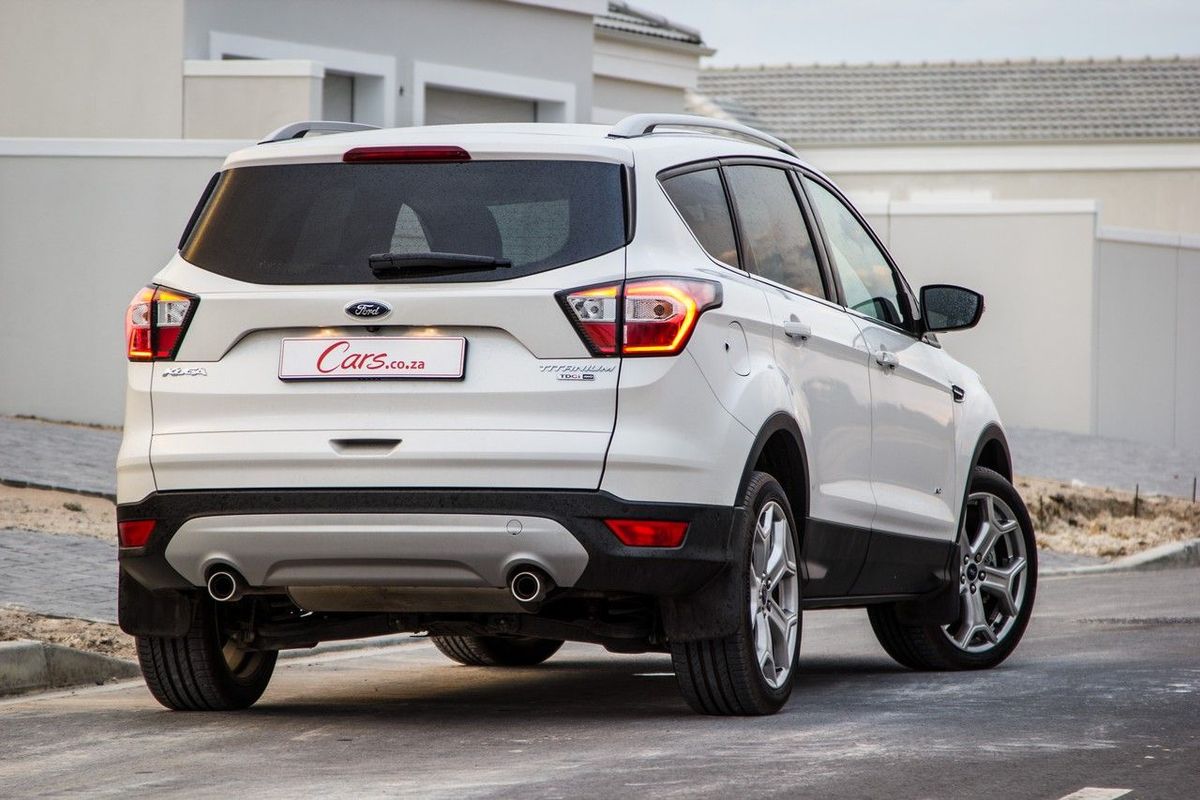
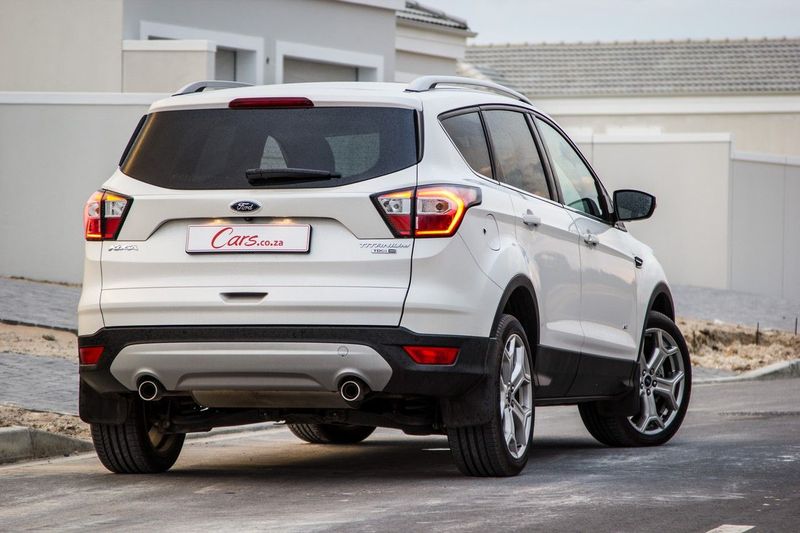
Compared with its almost entirely new front-end, changes to the facelifted Kuga's rear are far less noticeable.
Notwithstanding the recent engine fire-related troubles (and subsequent PR disaster) that nearly sank its reputation, Ford's Kuga has proven a popular choice in its segment in South Africa. The pre-facelift model was launched locally in 2012 and was still a competitive product when disaster struck but was undoubtedly ageing in several respects. This newly facelifted version, therefore, has to put Ford back in the mix in a very competitive segment (that features a number of modern rivals) and do so against a backdrop of considerable public distrust.
To do this, Ford has unleashed a comprehensive line-up of Kuga derivatives that offer lots of choice with the flagship being tested here. With updated looks on the outside, more modern features on the inside and a value-oriented pricing strategy, can the facelifted Kuga make amends?
How does it fare in terms of…
Design & Packaging
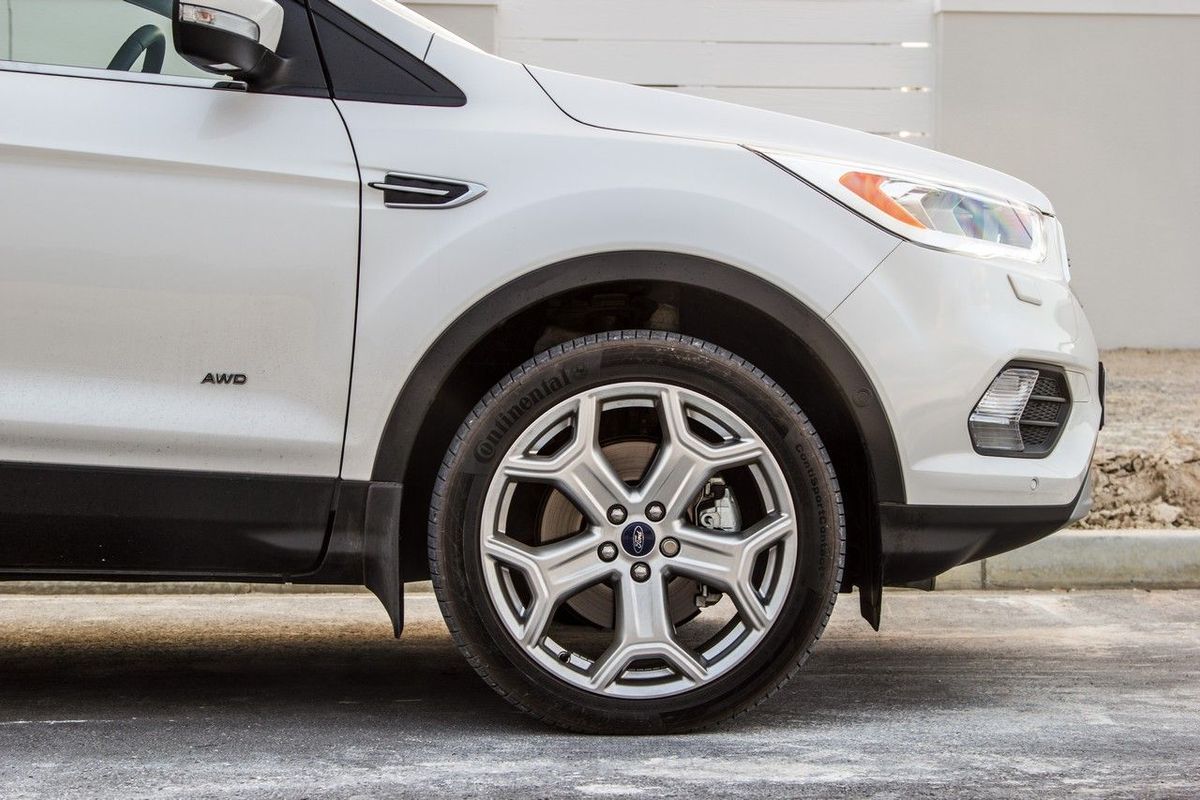
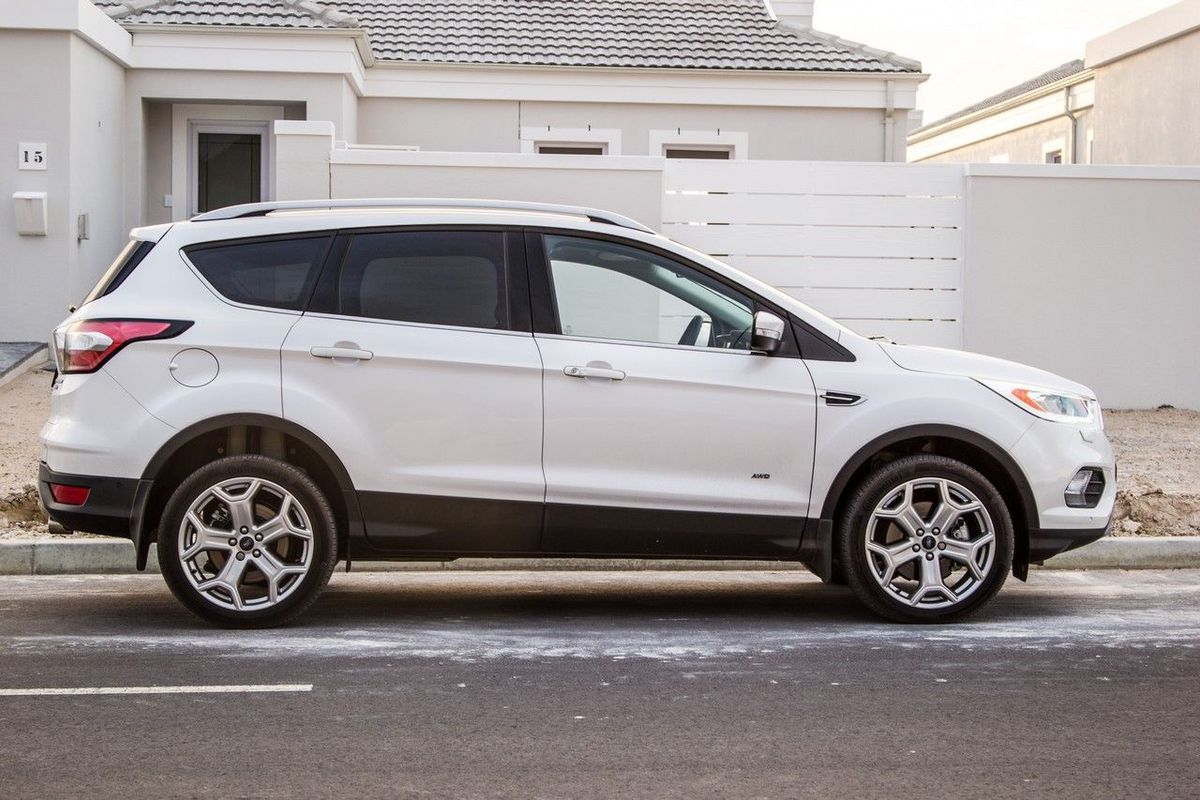
With a basic design that dates back more than half a decade, the Kuga has aged remarkably well and this facelift is therefore quite suitable. At the front, it gets the new Ford SUV grille shape, similar to what you'll see on the EcoSport and Everest. Changes at the rear are far more subtle and mostly restricted to the detailing of the tail lamps. It remains a neat design and this Titanium-spec flagship (with the optional Styling Package) further benefits from the addition of striking 19-inch alloy wheels and a powered panoramic sunroof. All that said, compared with newer entrants such as the Hyundai Tucson, VW Tiguan and Peugeot 3008, the Kuga does not look as modern.
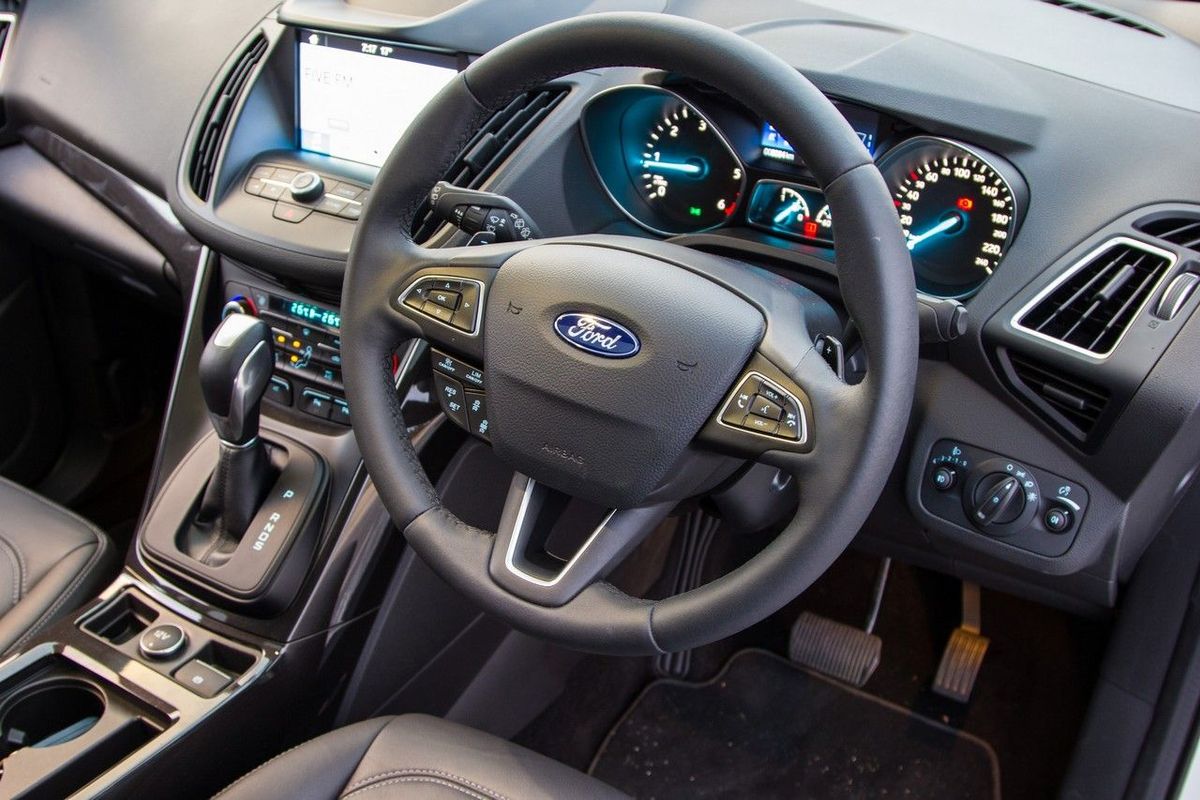
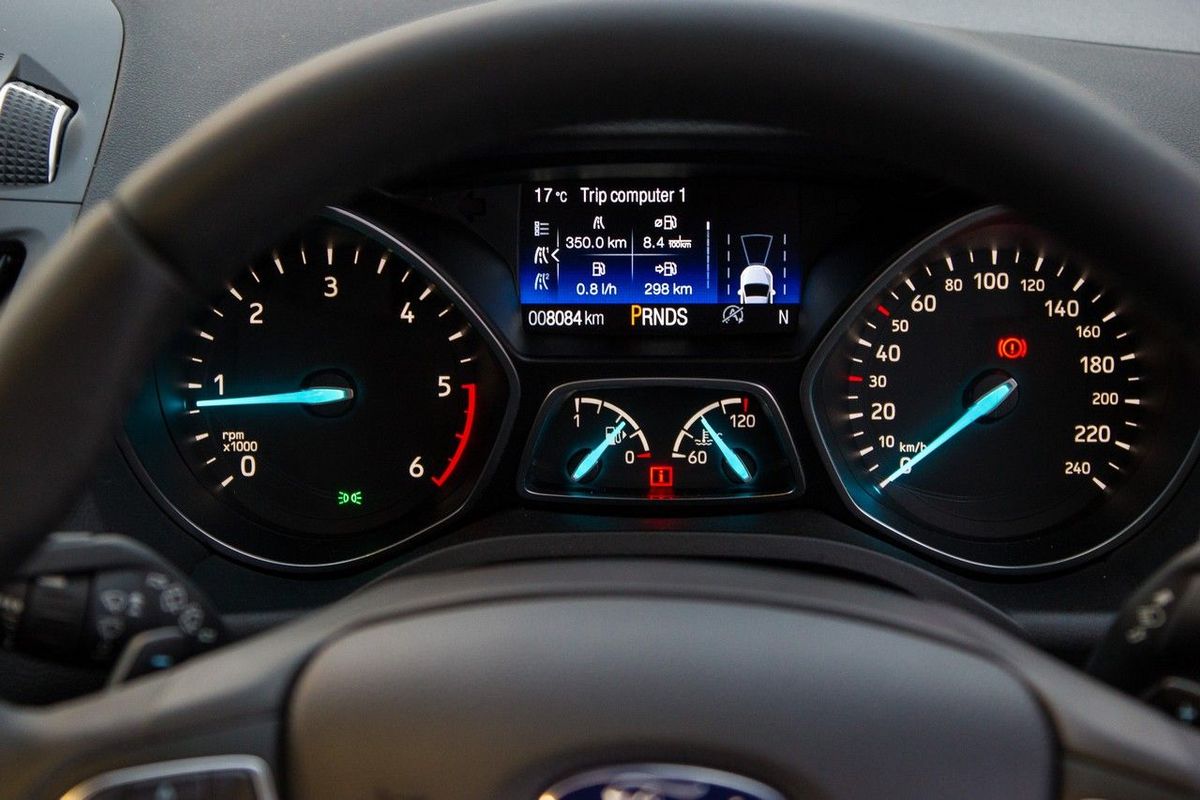
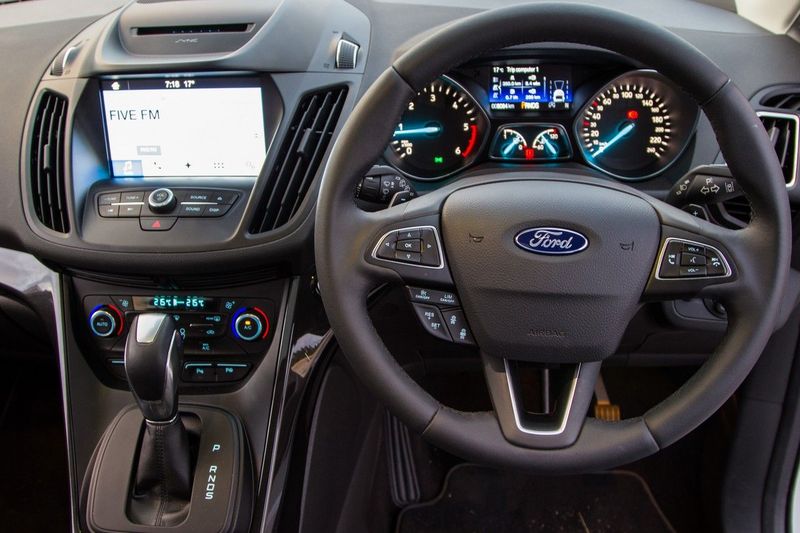
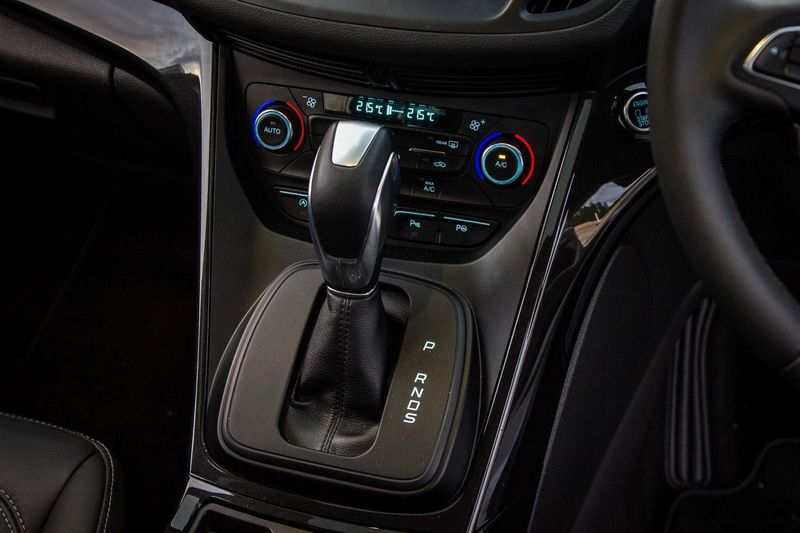
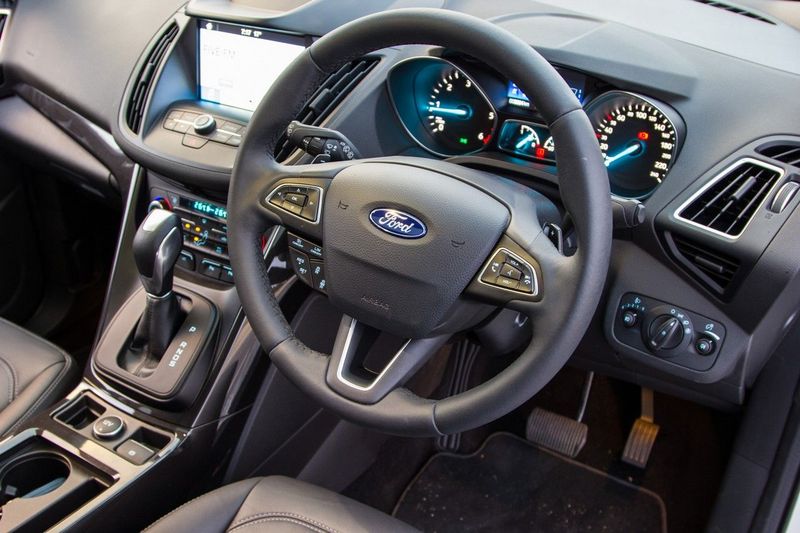
The facia is packed with features and major touch points (such as the steering wheel) are of a high quality.
The Kuga has arguably aged more noticeably on the inside, despite Ford's best efforts. Compared with modern facias, which favour a clean, minimalistic layout and great attention to detail to even minor control surfaces, the Kuga's facia design looks a bit haphazard. With familiarity, one can absolutely get used to the control layout and there's not much wrong in terms of functionality, but the game has moved on and the integration of a class-leading modern infotainment system (SYNC3) into what is a dated cabin, can't hide this.
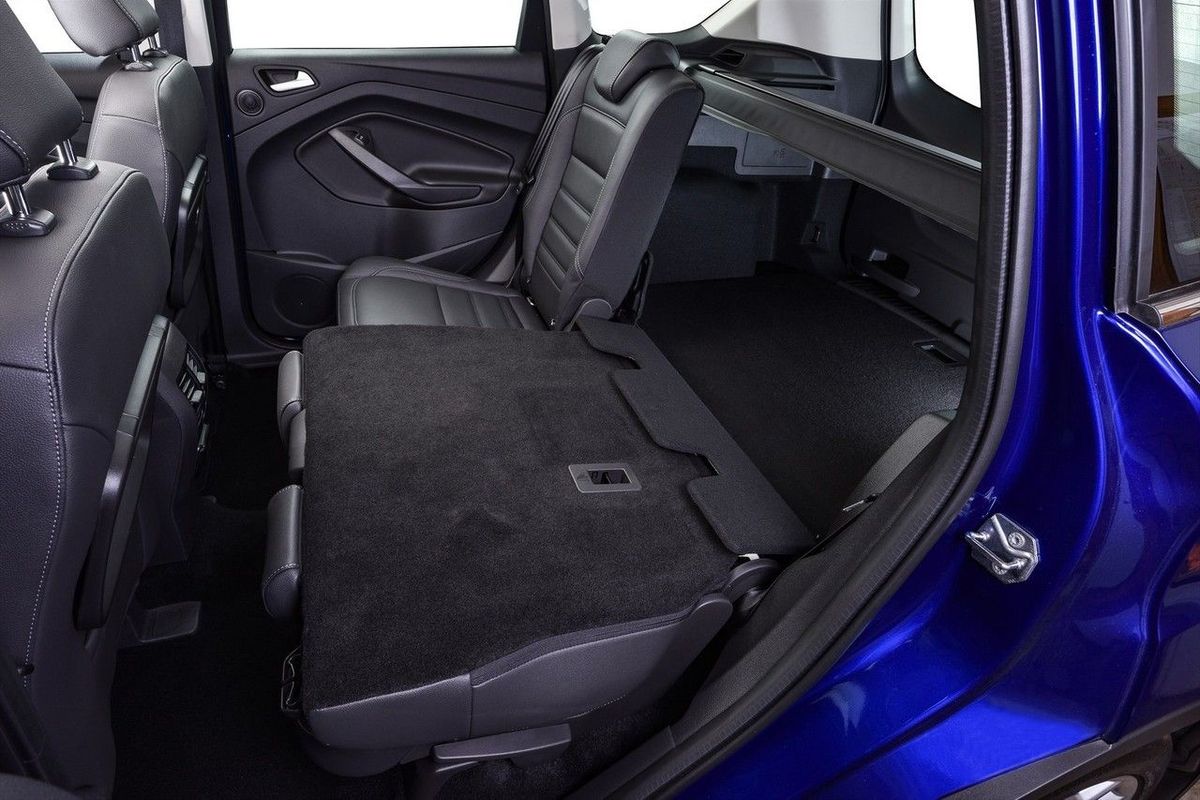
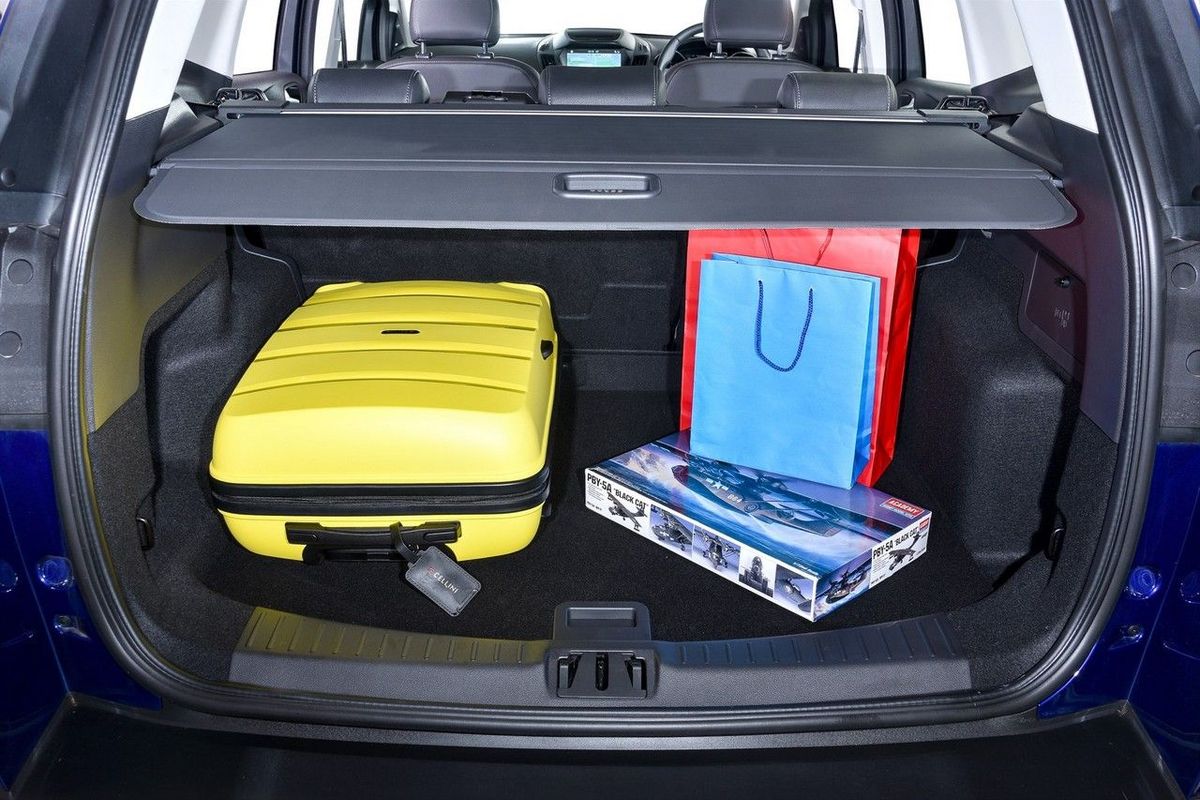
Nevertheless, with generous adjustment from the steering wheel as well as the electrically adjustable driver's seat, comfort levels behind the wheel are high. Even the front passenger seat offers (manual) height and lumbar adjustment. Ford has also neatened up the transmission tunnel by fitting an electronic park brake, which in turn has allowed them to add some extra storage space between the front seats. The storage box between the front seats offers 2 USB outlets. In terms of overall spaciousness, the Kuga still offers competitive levels of rear legroom and a reasonably sized boot, too, though it is trumped in the latter by most modern rivals. Fold down those rear seats and an impressively flat and large load area is available (1 603 L) which compares well with its competitors.
Airline-style flip-up trays with integrated drinks holders are provided for rear passengers.
There are some very nice comfort-boosting touches to be found. For example, sturdy flip-up trays are affixed to the front seatbacks and they are a great help on those longer trips with the little ones in the back. Those seated in the rear also get access to ventilation outlets and a 230V/150W 2-point power outlet. The rear seats have reclining backrests and comfort levels were praised by passengers on longer trips. Accessing the boot is particularly easy, even when you have your hands are full – with the key in your pocket you simply wave your foot underneath the rear bumper and it will open automatically.
Performance & Efficiency
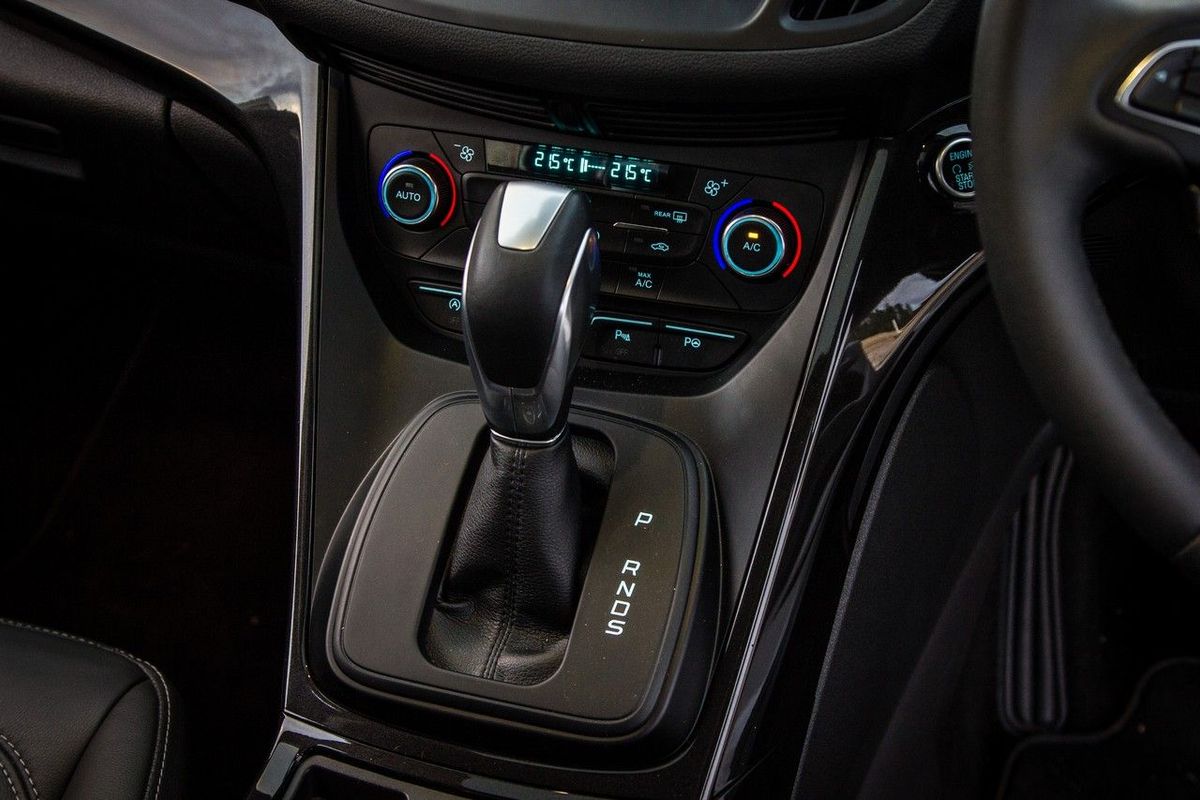
The 6-speed dual-clutch transmission fitted to this model delivers smooth shifts. Gearshift paddles are offered as standard.
This flagship version of the Kuga is powered by Ford's 2.0-litre turbodiesel engine that delivers a strong 132 kW and 400 Nm of torque. Not only does the engine make more power than its price rivals, that torque figure is also available across a wider rev range (2 000 – 3 250 rpm). Consequently, the Kuga is a responsive and keen performer. The engine is nicely matched with a 6-speed dual-clutch transmission that generally delivers smooth and well-timed shifts. If needed, the driver can always knock it down into Sport mode to up the responsiveness even further, or use the manual shift paddles behind the steering wheel (a much better solution compared with the fiddly gearshift-lever button used previously).
This is not the most modern engine or transmission on the market, but clearly considerable refinement has taken place because the drivetrain is one of the highlights of this particular Kuga package, delivering strong and smooth performance, along with impressive fuel efficiency. Ford claims a 5.4L/100 km combined cycle fuel consumption figure which, in typical Ford fashion, is very optimistic, but even in the real world we achieved 6.8L/100 km, which is impressive indeed.
Ride & Handling
Even on the larger optional wheels, the Kuga delivers a supple ride quality and excellent road manners.
One of the Kuga's greatest talents has always been its ability to deliver a soft and comfy ride for those longer trips and daily commutes to the office/school run, as well as a pleasant, even "engaging" steer when the route serves up some challenging corners. Nothing has changed on that front with this facelifted version. In fact, we suspect Ford may have added some extra NVH (noise, vibration, harshness) measures to further reduce cabin noise levels (which are very low).
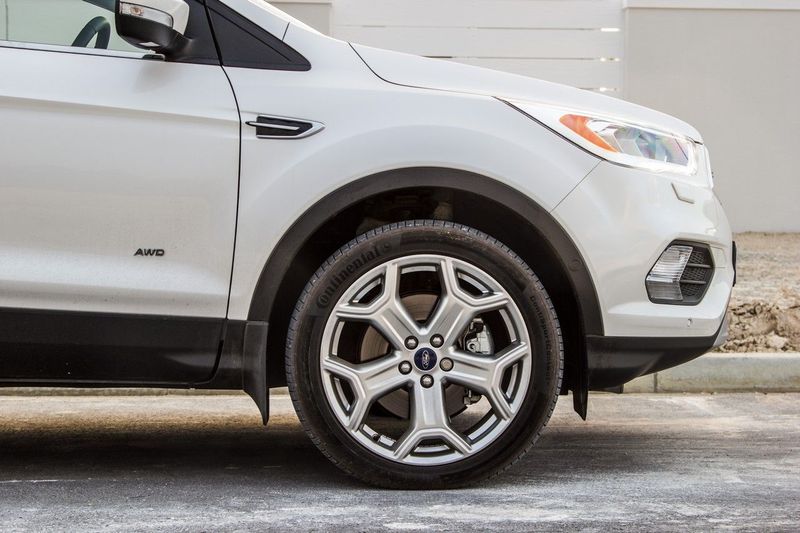
"Our" Kuga test unit was fitted with the optional 19-inch wheels (as part of the Styling Pack), but even married to the extremely low-profile tyres did not manage to upset the Kuga's general ride composure. We ventured onto some particularly poor gravel during our test period and the Kuga's composure, stability and ride comfort all received the thumbs-up. In fact, when it comes suspension tuning, the Kuga may still be the class leader!
Standard Features
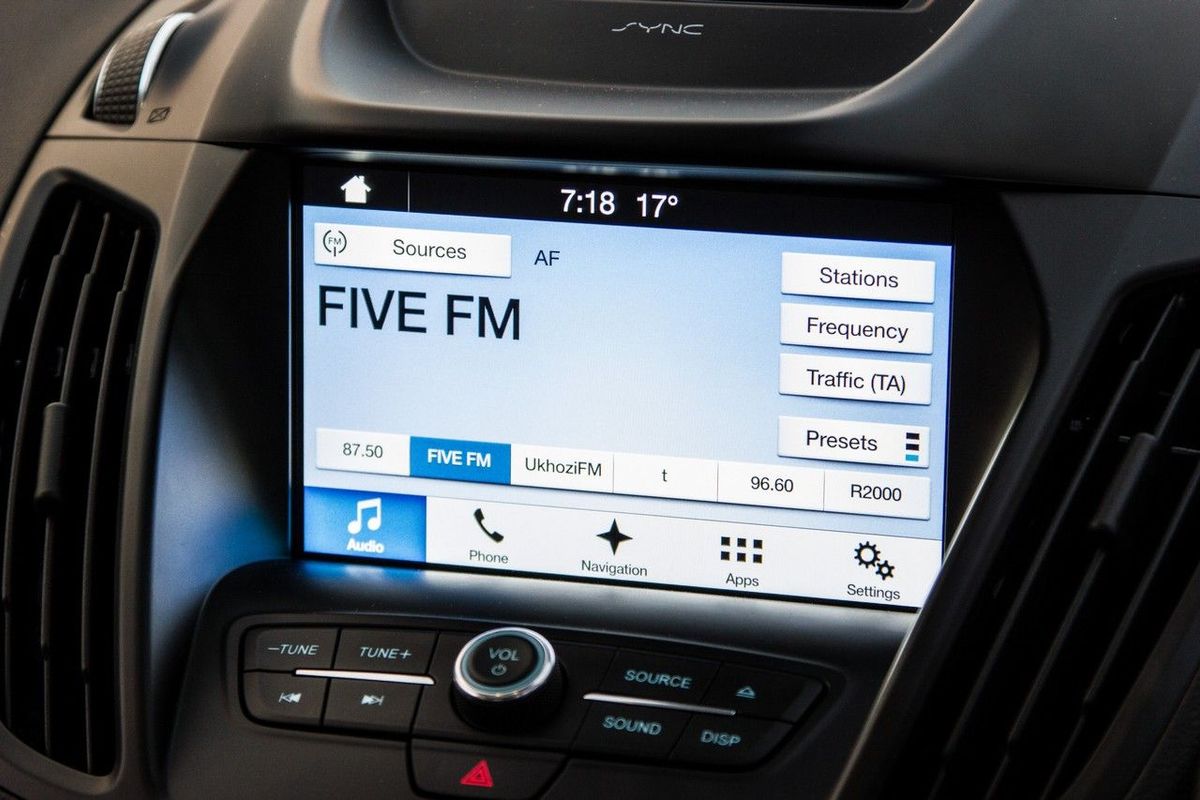
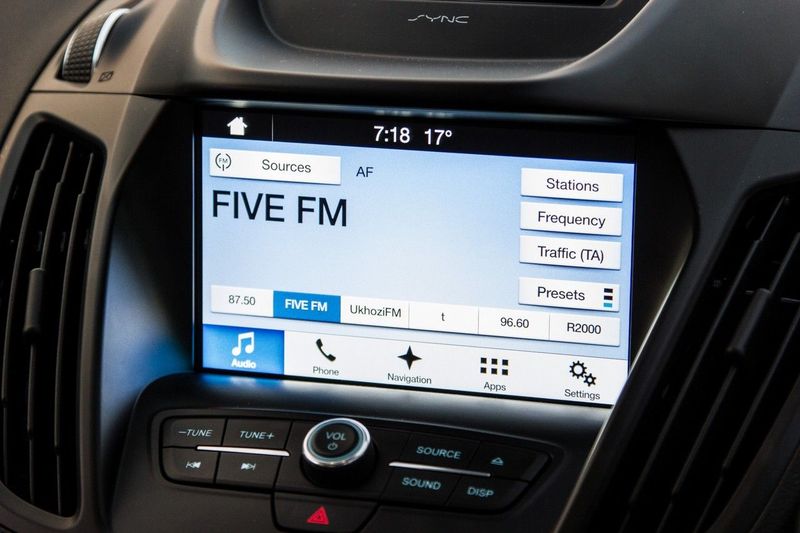
The SYNC3 infotainment system is comprehensive and easy to use, but navigation costs extra.
At the price, and given the fact that this model features all-wheel drive and an automatic transmission, the Kuga is packed with a surprising range of comfort-boosting standard features, some of which you'll have to pay a lot more to have in rival vehicles. This Titanium derivative, for example, comes standard with that useful hands-free powered tailgate, dual-zone climate control, cruise control, 10-way electrically adjustable driver's seat, leather upholstery, heated front seats, keyless access/start, auto lights/wipers, rear park-distance control (with rear camera view), and Ford's popular SYNC3 infotainment system that uses a high-resolution 8-inch touchscreen. SYNC3 features Apple CarPlay and Android Auto integration, and of course, supports Bluetooth and USB. If you want your SYNC3 to include embedded navigation, however, that'll cost an extra R5 044.
This Kuga featured the optional Styling Pack that includes 19-inch wheels, mud flaps and a panoramic sunroof.
You can also smarten up the relatively conservative appearance by adding the Styling Pack (R19 550) which includes 19-inch alloy wheels, a panoramic sunroof and… mud flaps.
In terms of safety features, it gets 7 airbags, rear ISOFIX child-seat mountings, hill-launch assist and an electronic stability programme (ESP). Should you want the Driver Assistance Pack, which includes Active City Stop with Low-Speed Collision Mitigation, Adaptive Cruise Control, Active Park Assist, Lane Keeping Aid and Blind Spot Information System, that'll add R15 450.
All of this means that you can add a great many advanced features to your Kuga and still come in cheaper than its rivalling automatic, turbodiesel all-wheel drive offerings at their base specification.
Pricing and Warranty
The flagship Ford Kuga currently sells for R506 900 and the price includes a 4-years/120 000 km warranty and 5-years/90 000 km service plan. Servicing should occur at 15 000 km (or 12 months) intervals.
Verdict
Arguably the Kuga's weakest aspect is its facia design, which looks cluttered and overly busy by modern standards.
There's a lot to like about this newly facelifted Ford Kuga, most of all, the downright staggering value-for-money on offer. Sure, you may not need all-wheel drive, but as it stands, this flagship Kuga undercuts even front-wheel drive diesel automatic offerings from rival brands. It does so without sacrificing specification or compromising in important areas such as engine power or warranty/service plan. Yes, if you dig into the cabin you will find a vehicle that is clearly an older design (compared with its rivals), but overall that's a small price to pay, we think, for a vehicle that still rides, performs and accommodates with the best of them.
If Ford's aggressive Kuga pricing/specification strategy was developed with the purpose of justifying this vehicle's appearance on new-car buyers' shopping lists once more, then consider that job well done… based on its abilities and overall offering, the Kuga can't be ignored.
Some hardcore petrolheads, not least the Alfisti, might believe the Alfa Romeo SUV to be a complete and utter joke, but David Taylor reckons that it's the Stelvio, and not the Giulia, which is key to securing Alfa Romeo's future.
I'm fond of Alfa Romeo's vehicles and our history goes way back. My father had a lovely 156 2.0 T Spark, which I was only allowed to drive under strict supervision, but that didn't stop me from borrowing it a few times for a few drives. One day, however, I was caught. How I am still alive beggars belief. I tried to convince my parents that my first car should be a 146 Ti, which they vetoed faster than Russia at the UN Security Council. Everyone everywhere has a fond association with Alfa Romeo and it is a brand that you bond with emotionally, more than physically. One of my colleagues has an Alfa Romeo Giulietta and he's obsessed with it.
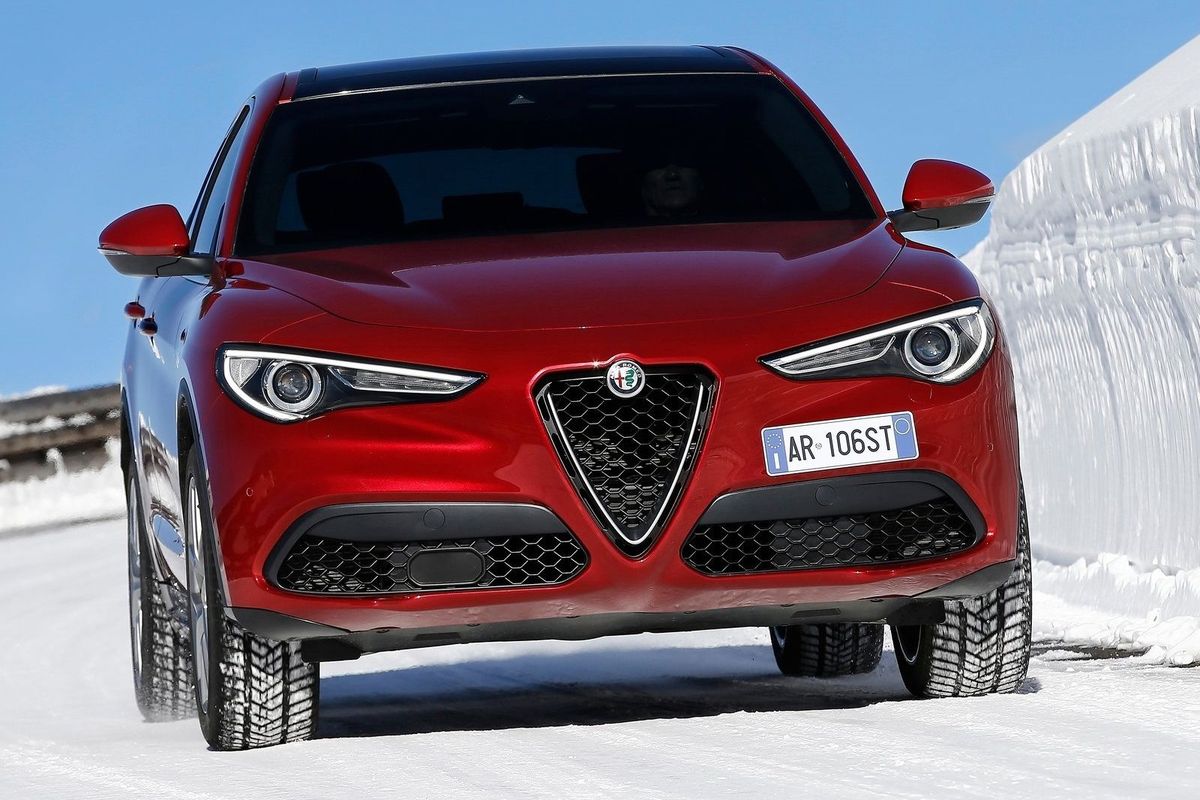
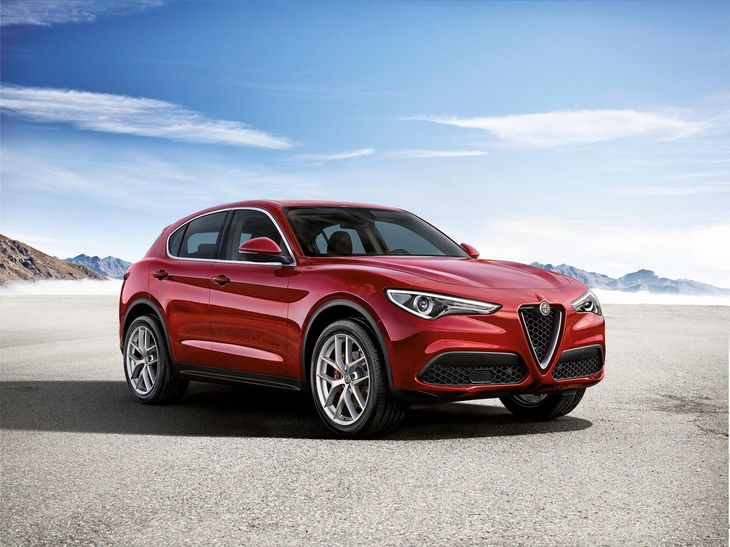
The Stelvio marks Alfa Romeo's first foray into the highly competitive SUV segment and it's already making waves.
The Alfa Romeo Giulia has been fairly well received since its international reveal in Milan back in 2015, which I attended. That day was filled with every plausible Alfa Romeo cliche. The launch car was red and FCA boss, Sergio Marchionne, flew in by helicopter, escorted by Mafia-style security. Andrea Bocelli sang 'Nessum Dorma' and the culinary spread comprised the finest pasta, cheeses and wine. As Bocelli hit the high notes, the car came out and tears were shed. Only the Italians can pull this off!
Subsequently, we have driven the Alfa Romeo Giulia, both in QV and Sprint application, and we came away impressed, thus ending a 5-year drought for an Alfa Romeo D-segment sedan. There's a lot to like about it and the Giulia is a #CarsAwards finalist too. The masses are openly suggesting that Alfa Romeo is back and it's all thanks to the Giulia.
However, I believe that the Alfa Romeo Giulia is not the saviour of the brand at all, but rather an exercise in branding and pleasing the petrolheads. Alfa Romeo has tremendous heritage and is playing the petrolhead game remarkably well. Is there a better way to announce your return than by offering a sledgehammer sedan called the Giulia QV that elbows the Mercedes-AMG C63 in the ribs and slaps the BMW M3 around?
Combining a V6 turbo motor with Ferrari mechanicals, Alfa's trademark pretty looks, the Giulia QV is the petrolhead perfect storm. Let's not forget that dreadfully overused cliche either, 'You Can't Be A True Petrolhead Until You've Owned An Alfa.' Ugh.
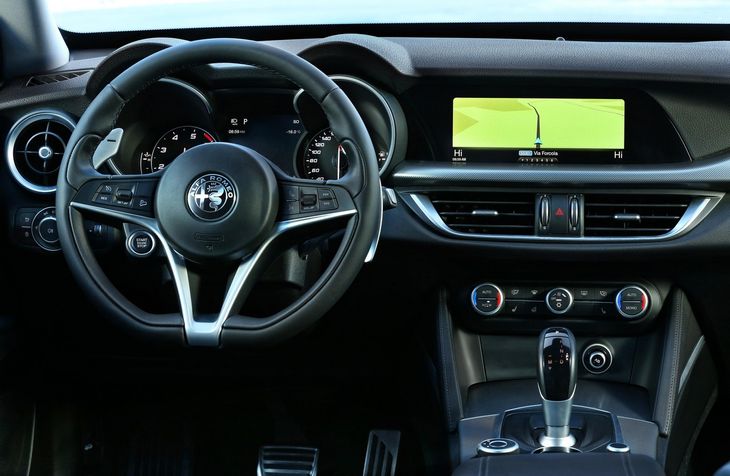
The Stelvio's interior design is pleasing to the eye with luxury finishes and a host of equipment on offer.
However, when your brand is centred around one model which is in a diminishing segment that appeals to a small demographic, you're living on borrowed time. Look at how BMW 3 Series, Audi A4 and Mercedes-Benz C-Class owners have jumped into X1/X3, Q2/Q3 and GLA/GLC respectively. The big German trio is in the midst of a massive SUV campaign, while Swedish brand Volvo has launched 3 SUVs in just 3 years. Volvo's XC series is outselling the sedans comfortably. SUVs, hate them all you want, but they're here to stay and now Alfa Romeo has gone down this road.
The real brand-saving accolade belongs to the new Alfa Romeo product which has just landed on South African shores, the Stelvio SUV. An Alfa Romeo SUV sounds like a catastrophe, but brands have been stepping out of their comfort zones for some time now. Take Porsche for example. If it were not for the Macan, Cayenne and Panamera, the company would be struggling. It simply does not sell enough 911s, Caymans or Boxsters and the market for these cars has shrunk. A few years ago, Porsche admitted that it sold more Cayennes than the rest of its portfolio combined, which says it all.
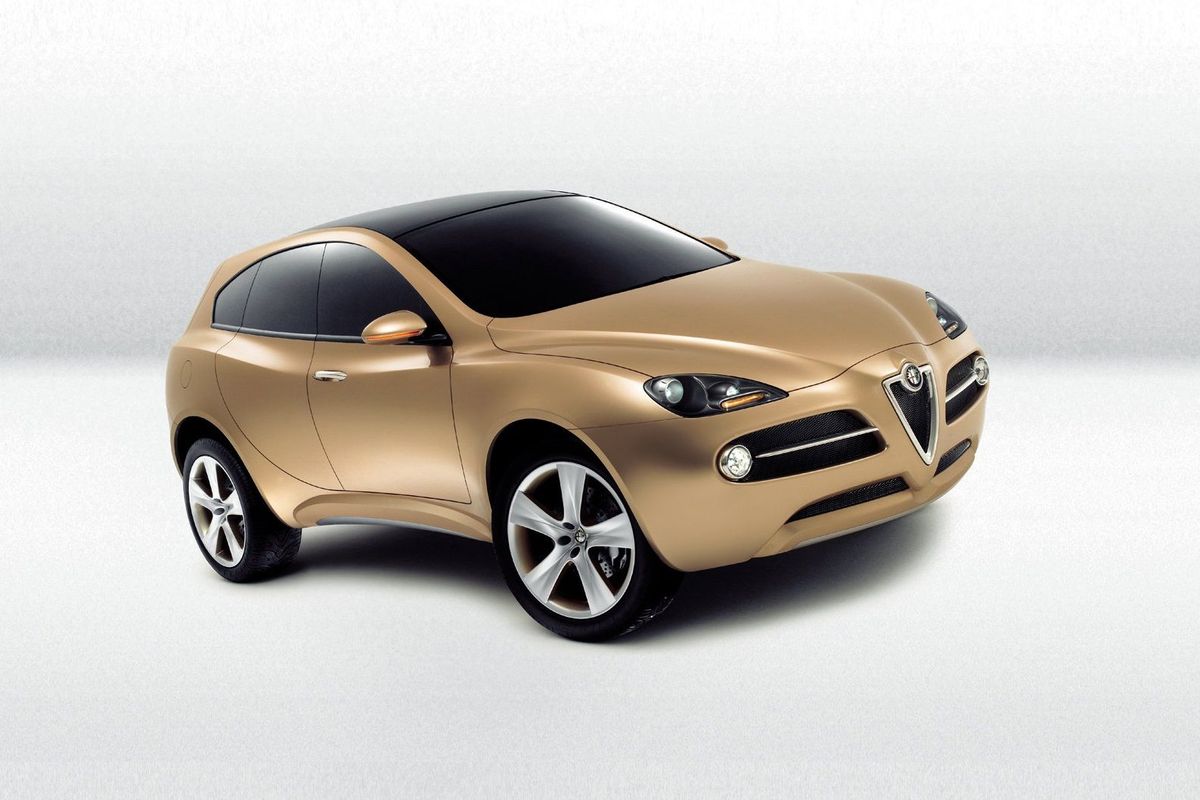
Admittedly, Alfa Romeo has been here before and thankfully the Kamal was never produced. Looking back now, the concept dated badly and it was hideous. Stelvio, on the other hand, is not over-the-top when it comes to styling. Make no mistake, it's still an Alfa Romeo, but it's not dramatic or polarising.
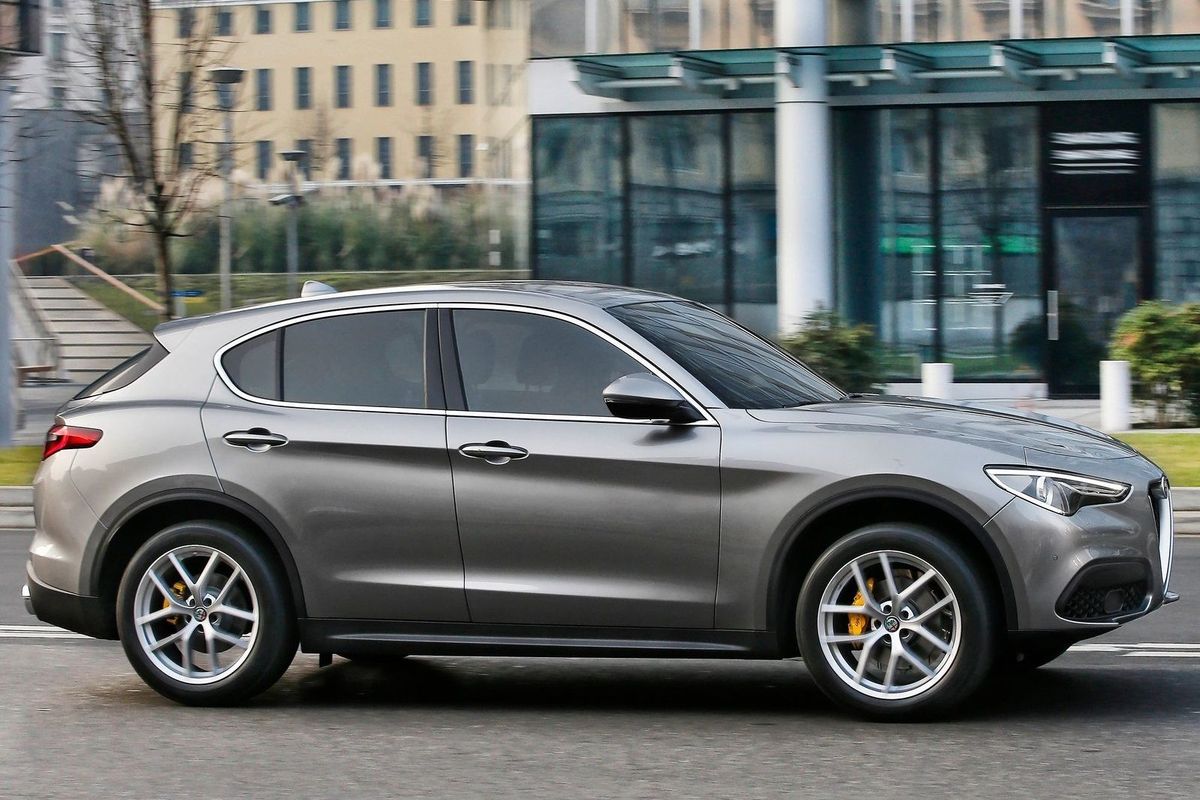
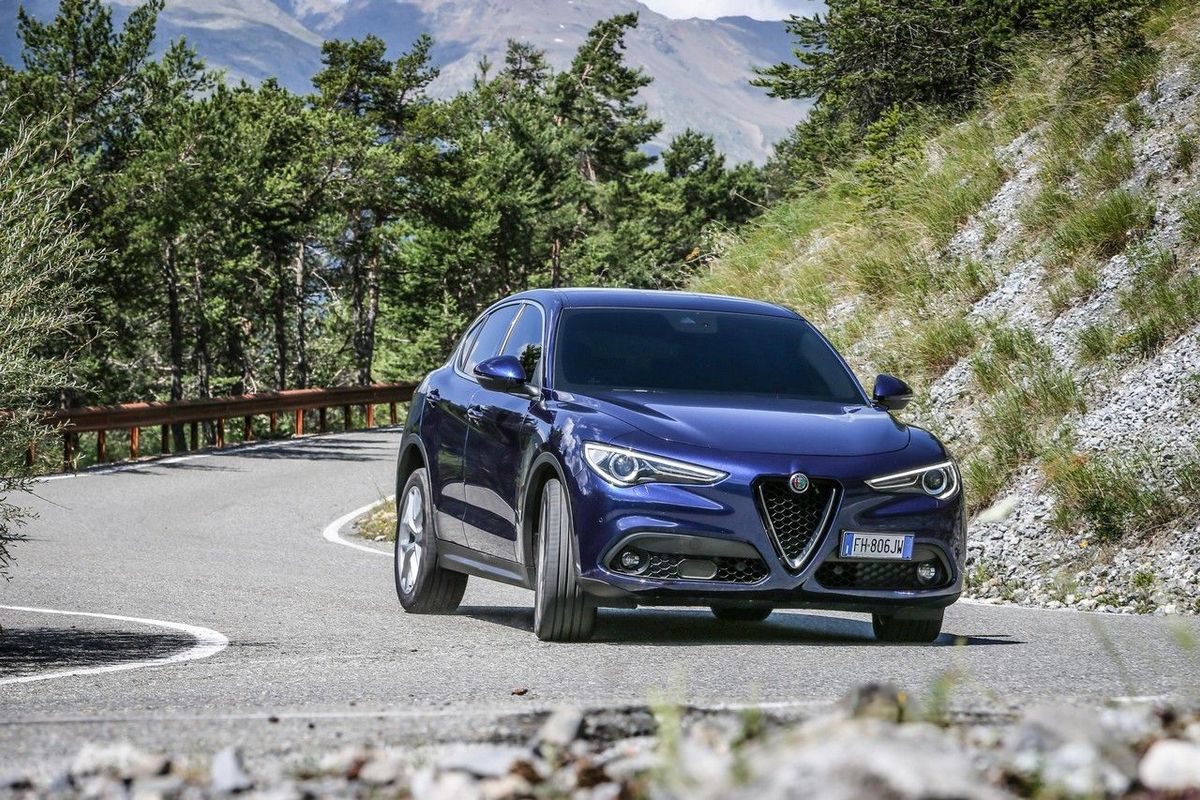
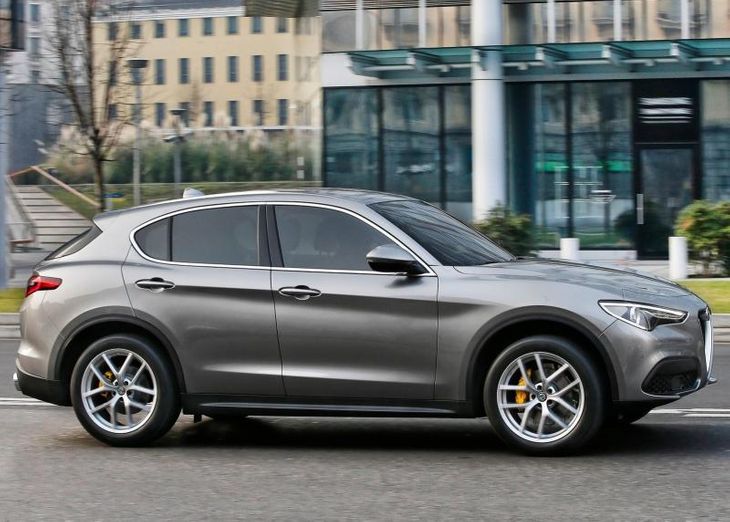
Alfa Romeo Stelvio in Generic Silver. Nothing over-the-top here, just a luxury SUV with all the practicality and safety you'd want.
An Alfa Romeo SUV makes perfect sense as it doesn't appeal to the petrolhead brigade and can be taken seriously by non-car people. You know the types who are after comfort, value-for-money, safety features and perhaps a little hint saying to other road users that they've made it financially. The Alfa Romeo Stelvio ticks those boxes. Here we have a luxury and well-appointed SUV, which boasts all-wheel drive for all-weather capability and enough ground clearance to comfortably tackle gravel roads.
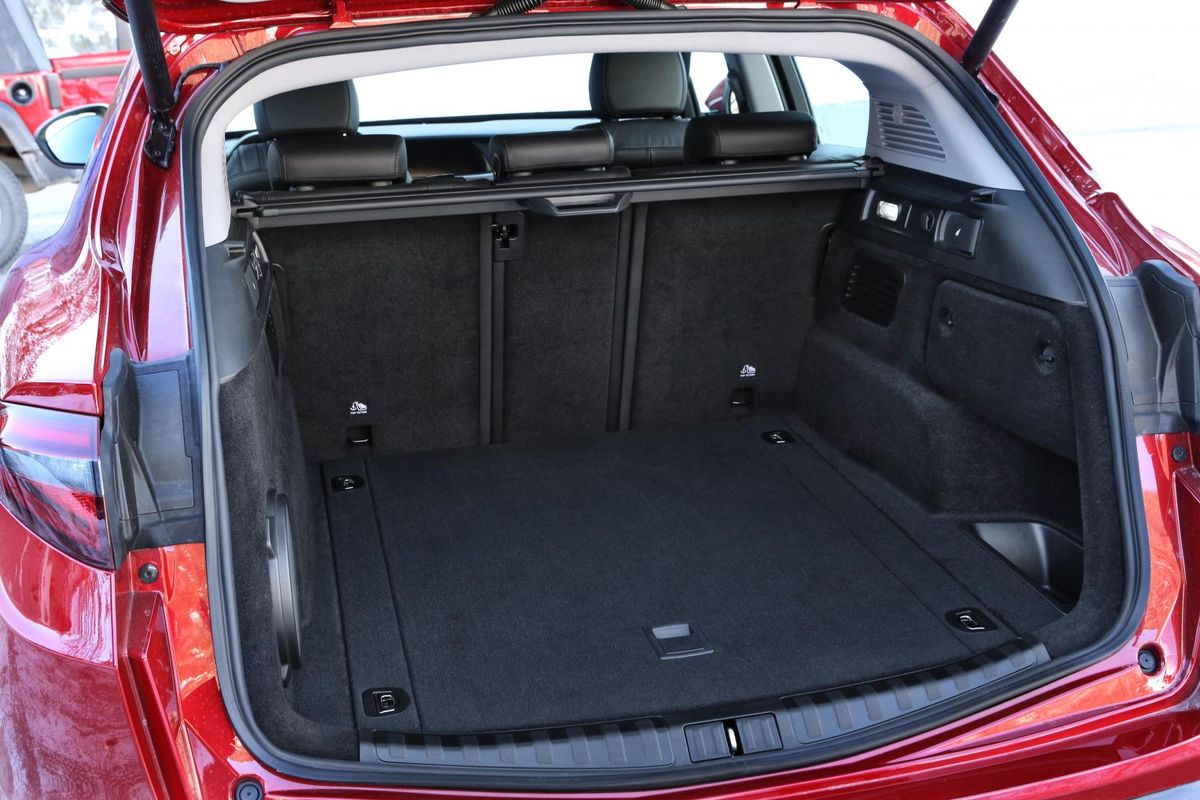
It's wonderfully practical thanks to a generous boot and there's ample room in the rear. We had a solid day's worth of driving at the South African launch and we can't wait to get under its skin even further. It was pleasant and relaxing on the open road, but it still delivered a thrilling drive when coaxed into some corners, so don't think for one second that the Stelvio has been neutered and is boring.
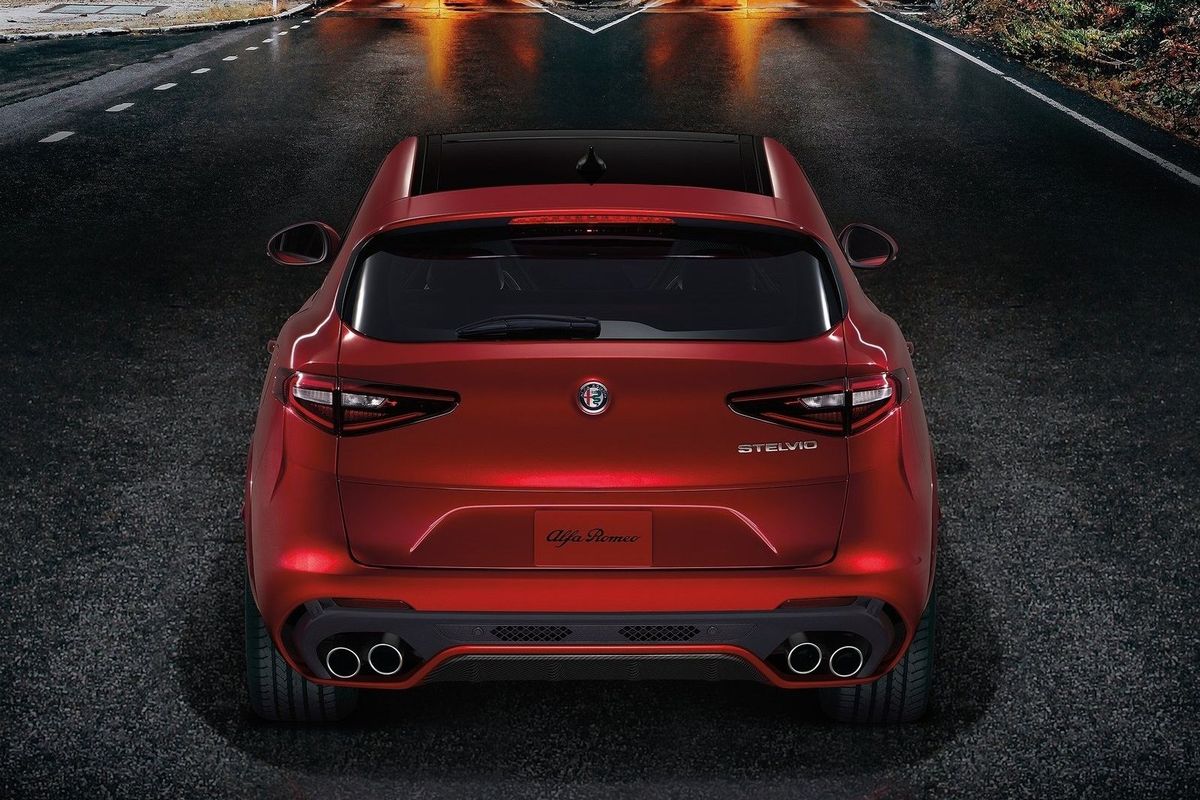
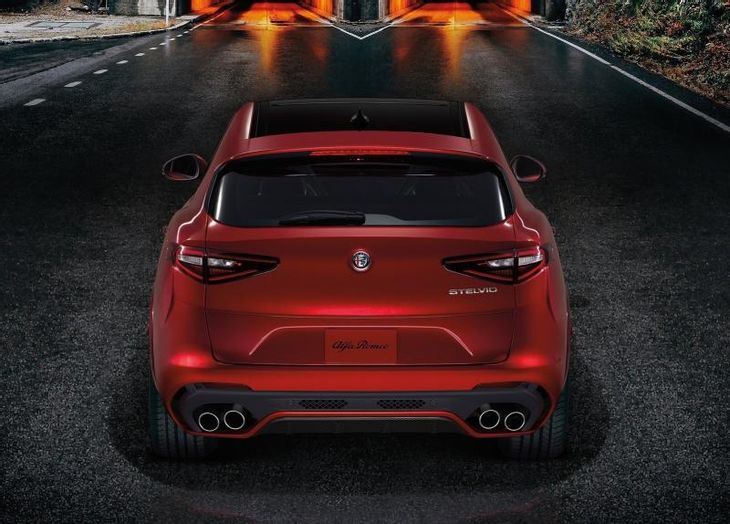
Of course, being Alfa Romeo, there just had to be a red-hot performance model and the Stelvio QV boasts the same biturbo V6 as the Giulia. However, thanks to all-wheel drive, it'll be ludicrously quick off the line and we won't be surprised to see it break 4 seconds to 100 kph as well as nudging its sedan sibling out the way. We'll be driving it at its international launch event before the end of 2017 and expectations are high.
Alfa Romeo Stelvio QV. Move over GLC 43 AMG, BMW X3 M40i and Audi SQ5.
The Stelvio's secret to ride quality and driving manners comes thanks to the same Giorgio platform which underpins the Giulia sedan. That Giorgio platform has been commended unanimously by the motoring press and it's no surprise that we'll see it underpin not just future Alfa Romeo products, but Maserati, Jeep and Dodge products too. Petrolheads are pining for an estate derivative of the Giulia, but the Stelvio has been so well received thus far that the estate project is all but canned.
The best part of the Giorgio platform is just how versatile it is, which means that we're likely to see a few more Alfa Romeo products before 2020. There are rumours of a BMW 4 Series rival, a bigger-than-Stelvio SUV, a smaller-than-Stelvio SUV as well as replacements for the MiTo and Giulietta. Watch this space.
Alfa Romeo is feeling bullish and the dark uncertainty which clouded its future has lifted slightly. Alfa Romeo has plenty of work still to do before it can truly claim that it's back as a credible rival to the German trio. As for the rumours of Alfa Romeo and the rest of the FCA family pulling out of SA? They're just that, rumours, and given how many products will have their South African introduction in 2018, FCA is not going anywhere.
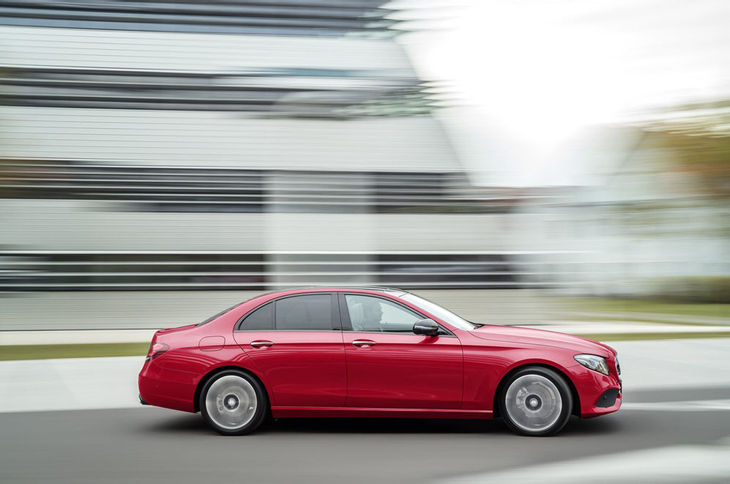
3 Reasons Why Mercedes-Benz E350d is #CarsAwards Finalist
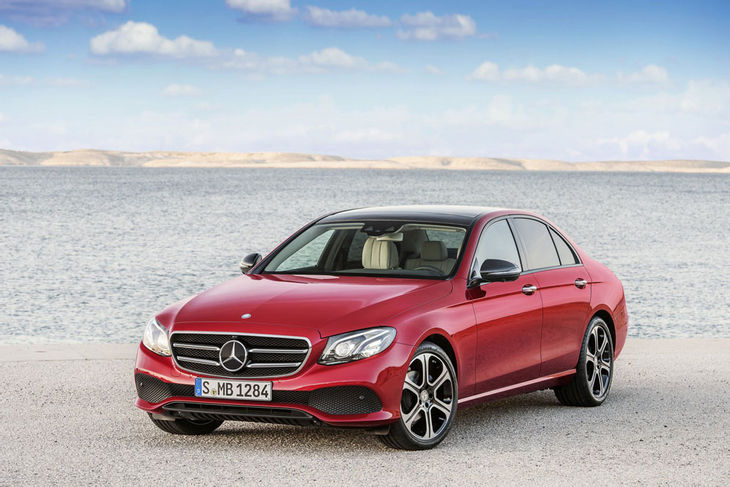
What makes the Mercedes-Benz 350d Avantgarde a worthy contender in the Executive Sedan category of the 2017/18 Cars.co.za Consumer Awards – powered by WesBank? We investigate…
Mercedes-Benz’s new E-Class is purported to be the most accomplished executive sedan on the market. This E350d offers impressive onboard technology and exhibits high levels of comfort, luxury, refinement and effortless performance capability. Can the Mercedes-Benz E350d Avantgarde trump its rivals to take the win in the Executive Sedan category?
3 Reasons Why Mercedes-Benz 350d Avantgarde is a #CarsAwards Finalist
1. Refined performance
With 190 kW and 620 Nm of torque on tap from its 3.0-litre V6 turbodiesel engine, the E350d is not short on power and it delivers brisk, unflustered on-road performance. The E350d pulls strongly when overtaking manoeuvres are required and its performance is further enhanced by the 9G-TRONIC automatic transmission, which shifts in a smooth, unobtrusive manner. The steering wheel-mounted shift paddles allow the driver to exploit performance even further with manual inputs.
As an executive sedan, the E-Class seems best geared for comfortable cruising and it doesn’t feel as fast as it is, which is largely due to its refinement… You simply don’t feel the speed. The E350d has a claimed consumption figure of 5.5 L/100 km.
2. Tech powerhouse
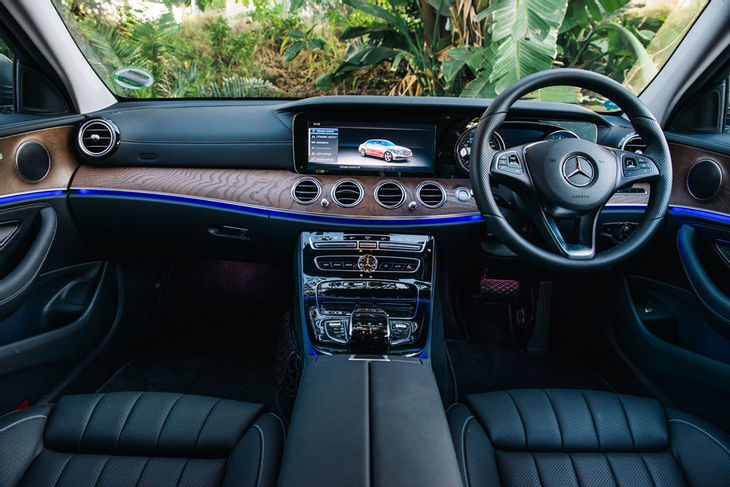
The E-Class is a powerhouse in terms of technological features and Mercedes-Benz has extensively upgraded the interior capabilities of the E-Class to adapt to the modern business person’s everyday life. The centre screen, for instance, has the best resolution and crispest display of any car we've experienced. It isn’t a touchscreen, however, the Stuttgart-based manufacturer has persisted with the COMAND interface's rotary knobs that are located in the driver armrest area.
Buyers can also opt for the widescreen cockpit display, which transforms the instrument cluster into a fully digital affair. It’s the most impressive option you can choose if you want to spruce up the cabin and make it look futuristic. It also features impressive driver assistance systems that make driving less stressful, especially in heavy traffic situations. The E-Class' technology offering is excellent, making it a strong contender in this category.
3. Comfort deluxe
If it’s a quiet ride that you’re after then the E-Class is the car for you. The cabin is extremely well insulated and the wind noise intrusion is minimal, even at freeway speeds. Of course, the E-Class offers adaptable modes for comfort- or sports-oriented driving and is capable of delivering sure-footed handling on a challenging stretch of blacktop. But it never sacrifices comfort and refinement. The E-Class has a smooth, soft ride quality and feels more grown-up than some of its more overtly sporty rivals, much like you’d expect a buyer in this segment to be.
Have Your Say: Complete our survey and WIN!
Do you own an E-Class? We would love to hear from you! Tell us about your experience by completing our Ownership Satisfaction Survey. Your input counts for 50% of the final result.
Fuel prices are set to rise sharply in December 2017 based on unaudited month-end fuel price data released by the Central Energy Fund (CEF) the Automobile Association (AA) reports.
Motorists are in for yet another fuel increase which is due to take effect early in December 2017. A combination of the weakening Rand and a significant rise in international oil prices are the main causes for the expected fuel price.
The AA said, "Oil has continued the strong run we have seen throughout November and the trend remains upwards. The Rand has followed a similar trend, weakening against the US dollar on average, although it has been surprisingly resilient in the days following South Africa's recent credit ratings downgrade."
According to the data, illuminating paraffin is expected to increase the most, by as much as 76 c/litre, while the cost of petrol could increase by approximately 72 c/litre, and diesel 64 c/litre.
"South Africa's economic situation remains weak, and our view is still that further fuel price hikes can be expected during the remainder of 2017 and into the first quarter of 2018," the AA says.
The potential for further downgrades by rating agencies before the end of December 2017 are still a strong possibility, which will have an impact on fuel prices going into 2018.
With the festive season around the corner, motorists are urged to budget effectively for the holiday season and practice fuel-efficient driving techniques to lower their fuel consumption and save money at the pumps.
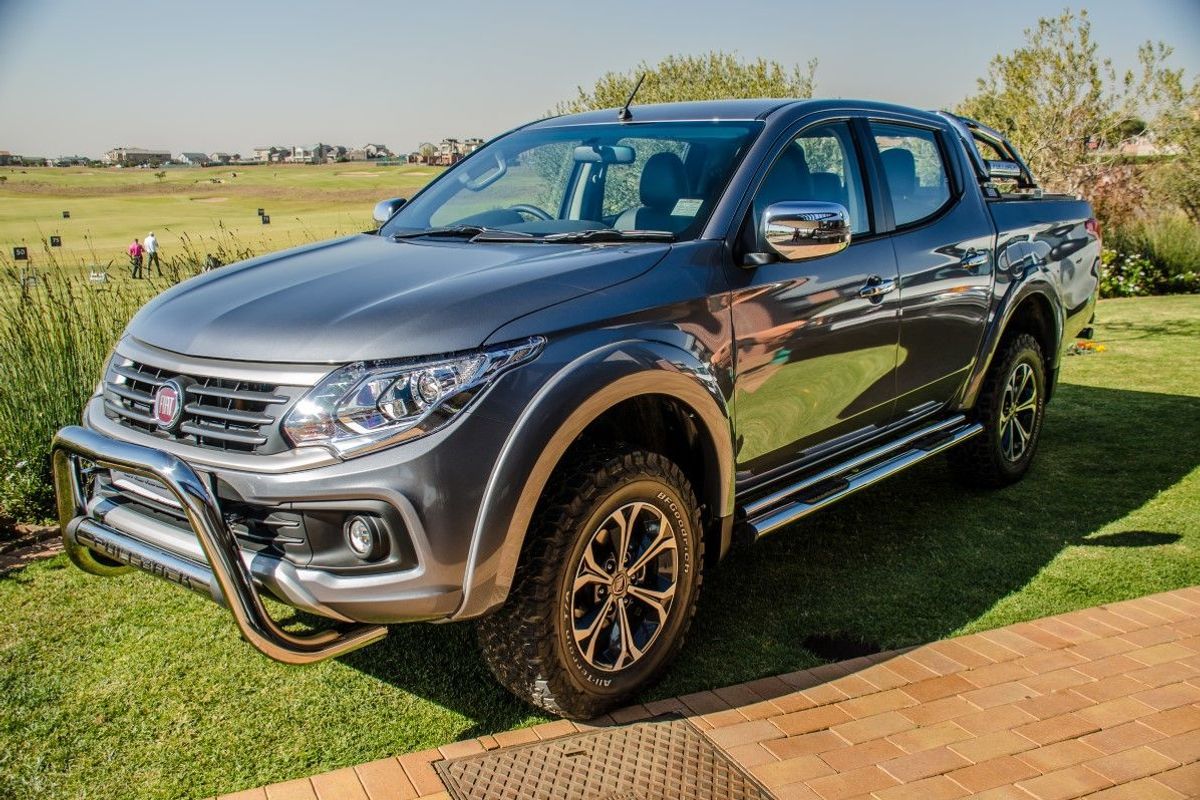
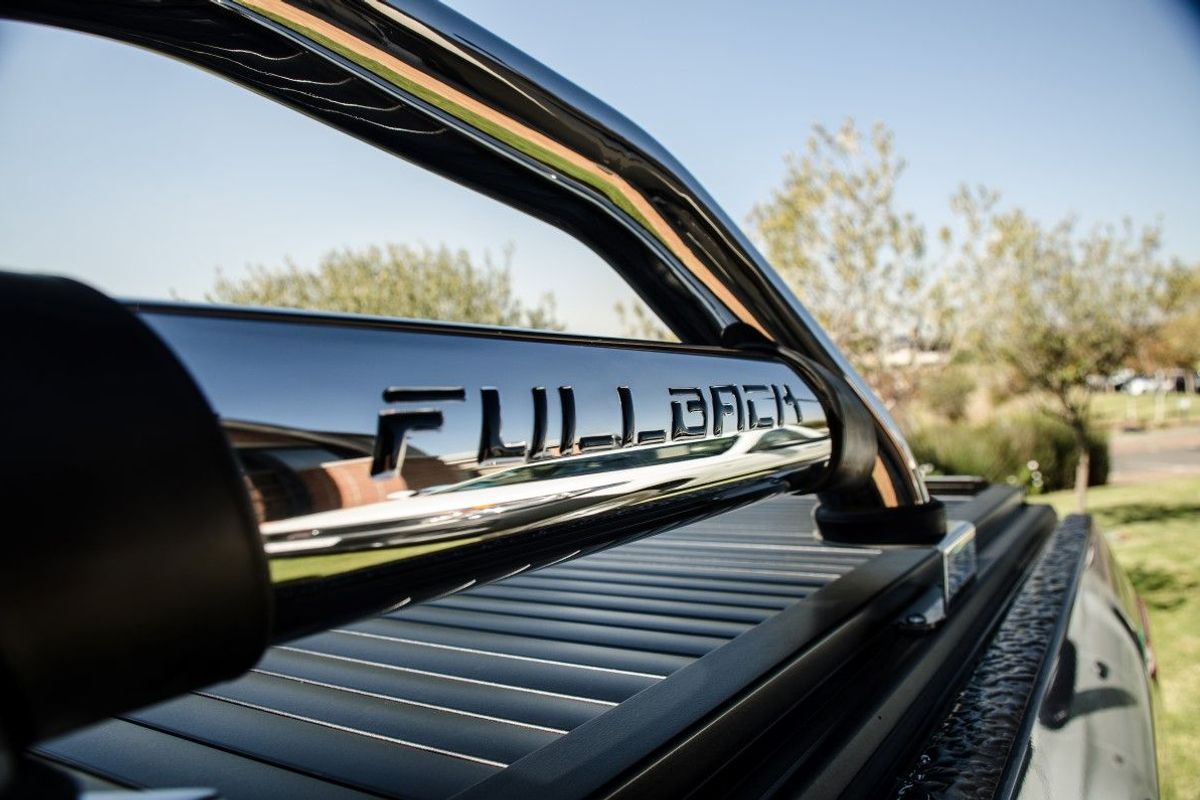
The introduction of a 5-speed automatic derivative of the Fiat Fullback – powered by an impressive new 2.4-litre turbodiesel motor – sees the Italian manufacturer offer a much stronger contender in the leisure double-cab category of the ultra-competitive bakkie market.
When the Mitsubishi Triton-based newcomer arrived on local soil in July 2016, the model's double-cab range consisted of just 2 derivatives and there was a lone, petrol-powered, single cab. Although the Fiat bakkie has not sold particularly well so far (its Japanese cousin has not fared much better), this may change thanks to the recent arrival of an automatic option.
By offering a “versatile and reliable” product to customers looking for a vehicle that can work and play in equal measure, Fiat is aiming to capture the imagination of leisure buyers (who might otherwise be considering a crossover/SUV to transport their families), while also tapping into the commercial market with a new turbodiesel-powered single-cab workhorse offering.
What's on offer?
The Fiat Fullback is offered in both single and double-cab guises. Single-cab Fullbacks are only available in 4×2 guise and is powered by either a 2.4-litre petrol engine offering 97 kW and 202 Nm of torque or a 2.5-litre turbodiesel with peak outputs of 100 kW and 324 N.m. These derivatives feature a 5-speed manual transmission that powers the bakkies' rear wheels.
The double cab line-up comprises one 4×2 and two 4×4 derivatives. The 4×2 SX version features the same powerplant as the aforementioned single-cab turbodiesel, whereas the 4×4 LX has higher outputs of 131 kW and 400 Nm respectively. Both are equipped with a 5-speed manual transmission.
The new top-of-the-range 2.4Di-D double cab 4×4 LX is powered by the same 133 kW/430 N.m motor (claimed to consume 7.8 L/100 km) as its Mitsubishi Triton cousin, in this case mated with a 5-speed automatic transmission equipped with a shift-on-the-fly Easy Select 2H/4H and 4L knob.
The Fullback is 5.204 metres long, 1.815 metres wide and stands 1.780 metres tall. The load bay measures 1.520 metres by 1.470 metres with a depth of 475 mm and a load-carrying capacity exceeding 1 tonne (braked towing capacity is 3 tonnes).
Standard features
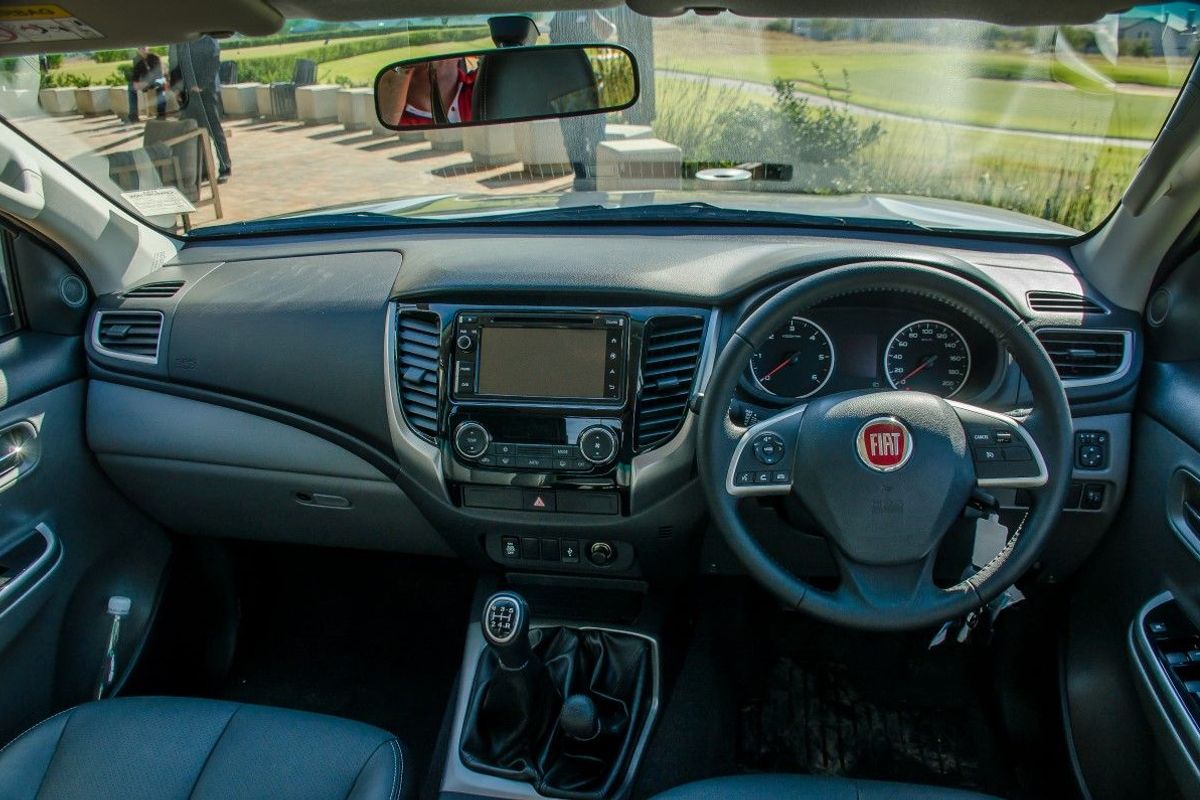
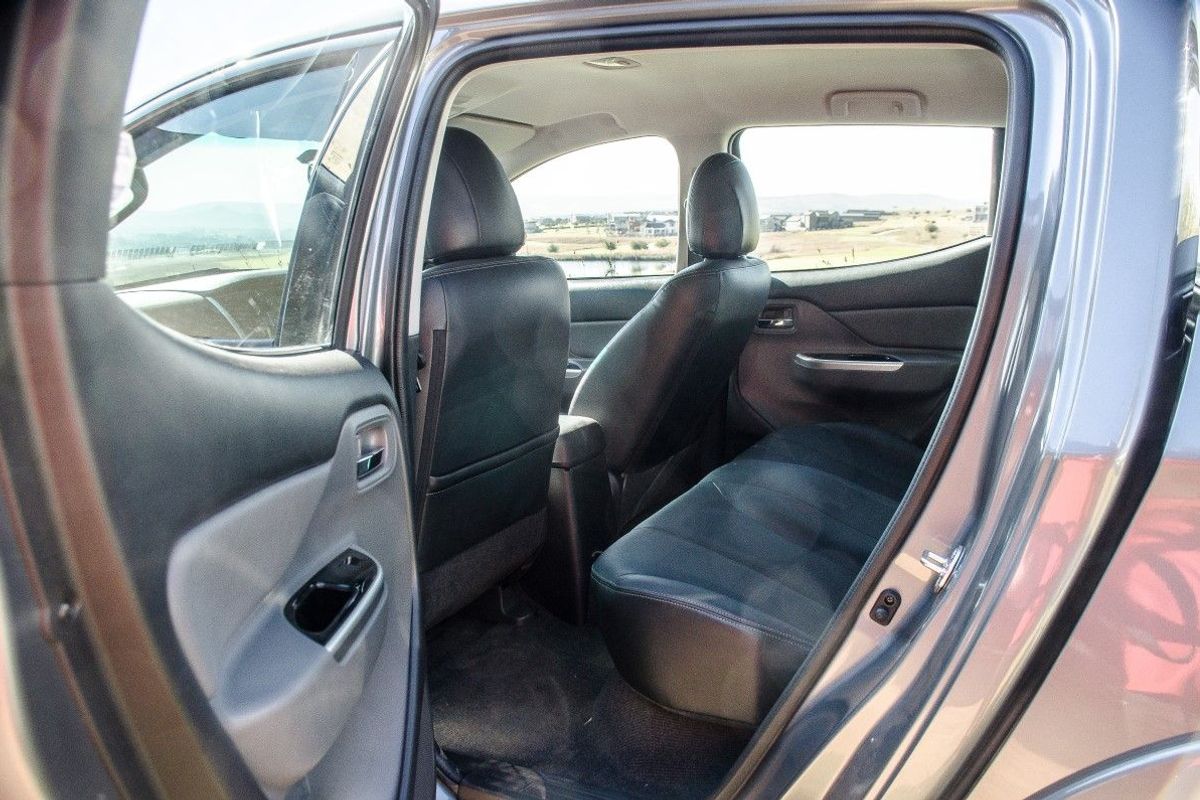
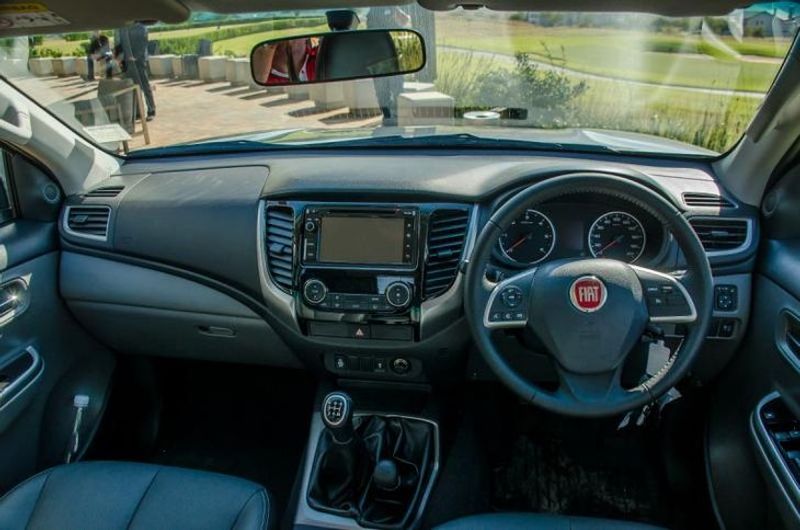
The interior of the Fullback is simple but comfortable and a touchscreen infotainment system is offered for double cab derivatives.
Standard features for the 97 kW Fullback 2.4-litre petrol 4×2 derivative includes power windows, manual air conditioning, central power locking, 16-inch steel wheels, cloth seats, ABS with EBD and a rubberised load bin.
As for the 100 kW 2.5-litre turbodiesel 4×2 SX derivative, leather seats, cruise control, electric windows, manual air conditioning, central locking, remote keyless entry, steering wheel controls, 17-inch alloy wheels, tow bar, rubberised load bin, two airbags and ABS with EBD are fitted as standard. To date, this is the best-selling derivative in the range (November 2017).
The LX trim builds on the specification of the SX derivative with the addition of bi-Xenon (auto-on) headlights, Bluetooth and USB capability, automatic conditioning, electric driver's seat adjustment and a reverse-view view camera. Two airbags and ABS with EBD are standard, while a satellite-navigation-equipped upgraded infotainment system is optional.
Moparise your Fullback
You can enhance the look of your Fullback with a wide range of accessories.
If you are looking beef up the look of your Fullback bakkie, there is a wide range of Mopar accessories available to you. Everything from nudge bars, side steps, rear sports bars and rear bumpers are on offer in either polished stainless steel or black powder coated stainless steel. Accessories can either be ordered with your Fullback or fitted as after-market additions by Fiat Professional dealerships.
For those with more active lifestyles, a Bosal towbar and a range of Thule roof bars will ensure that your sporting equipment is transported safely. Furthermore, various cosmetic and technical accessories are also available to customers including customised kick plates, chrome-plated side mouldings, chrome mirror housings, rear parking sensors, rubber and fabric mats, underbody protection, fog lights and special valve caps.
Fiat Fullback – prices in South Africa
Fiat Fullback 2.5Di-D double cab SX R402 900
Fiat Fullback 2.5Di-D double cab 4×4 LX R468 900
Fiat Fullback 2.4Di-D double cab 4×4 LX auto R499 000
The Fiat Fullback range comes standard with a 3-year/100 000 km warranty and a 5-year/100 000 km service plan.
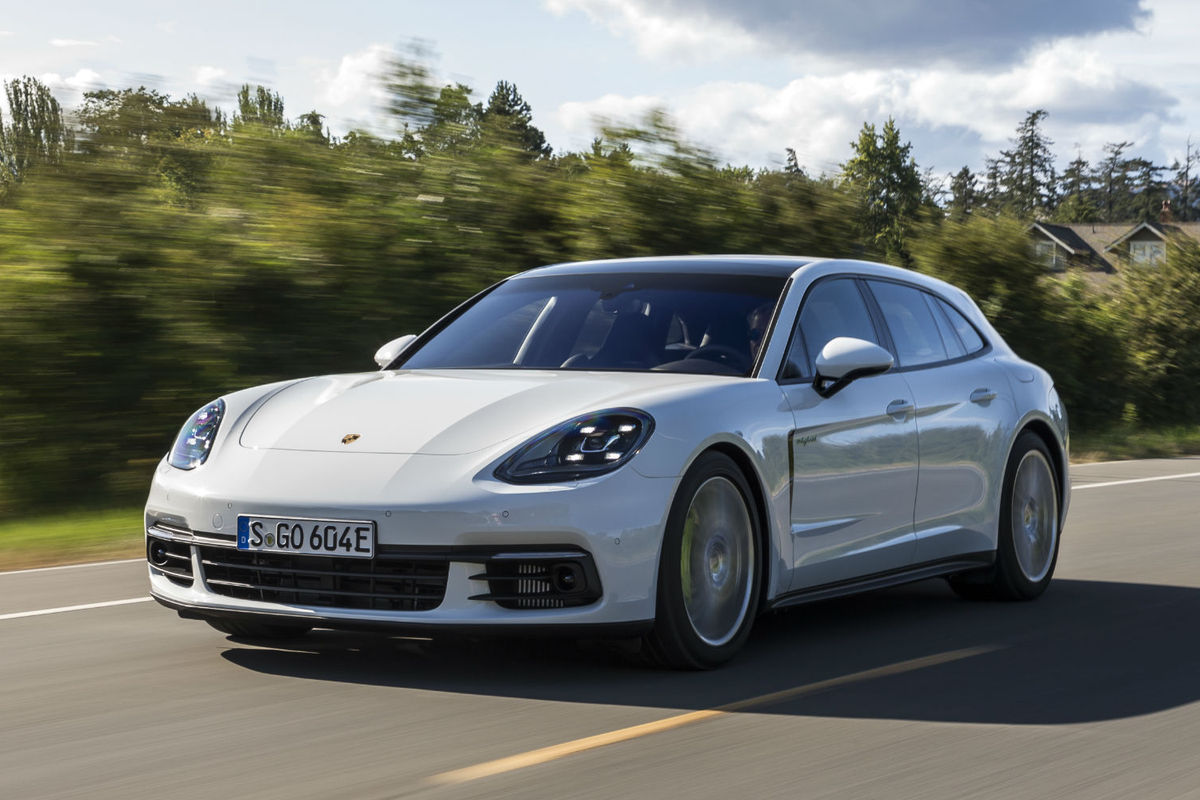
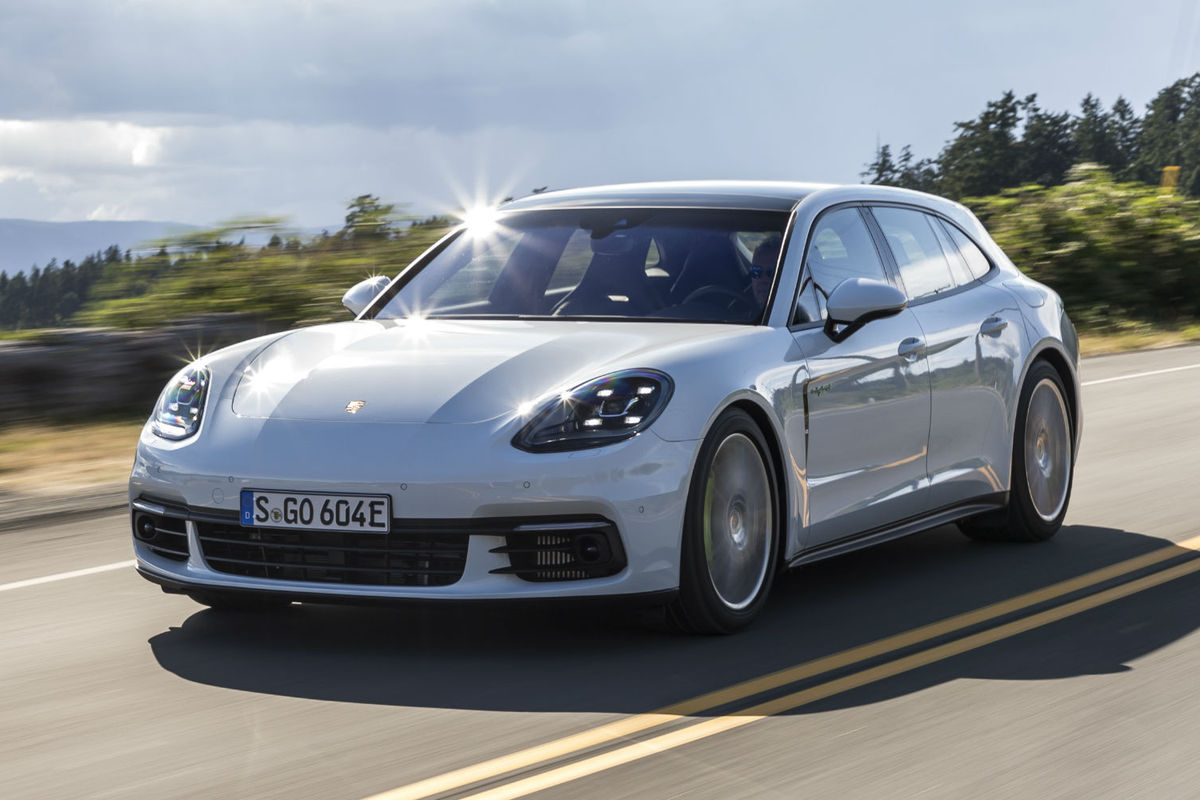
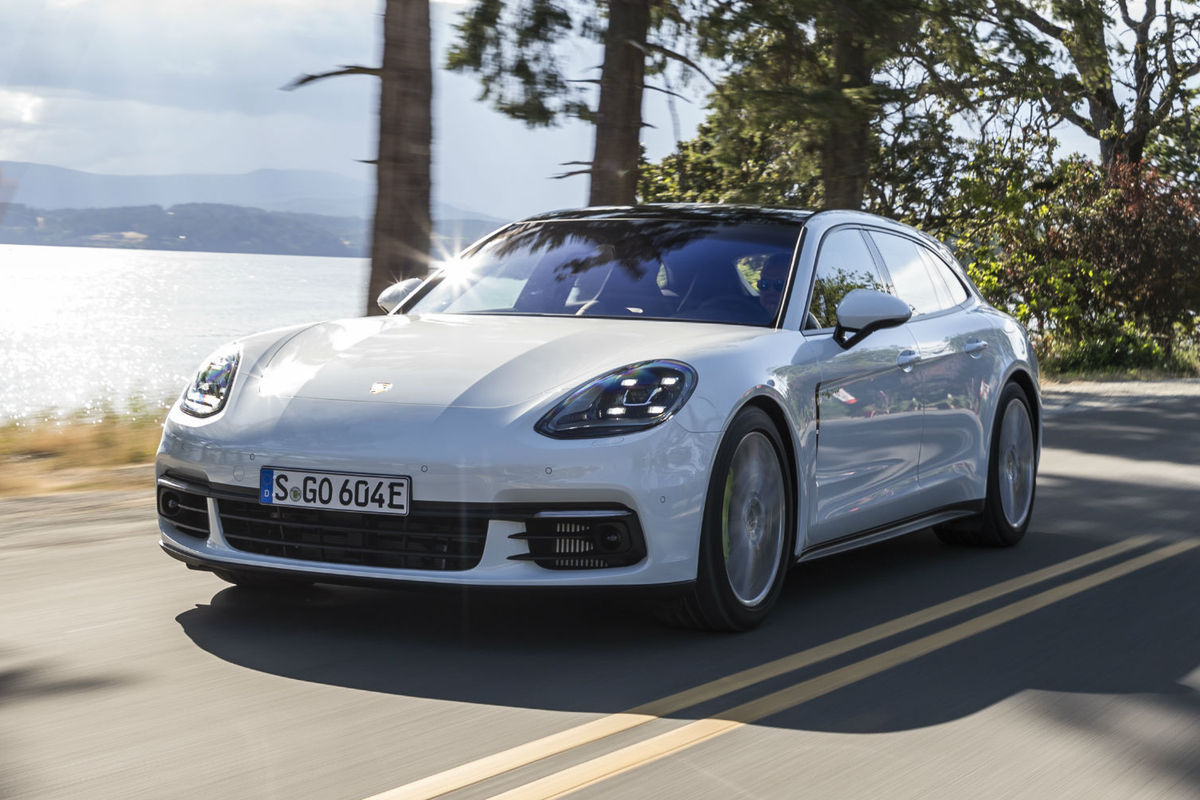
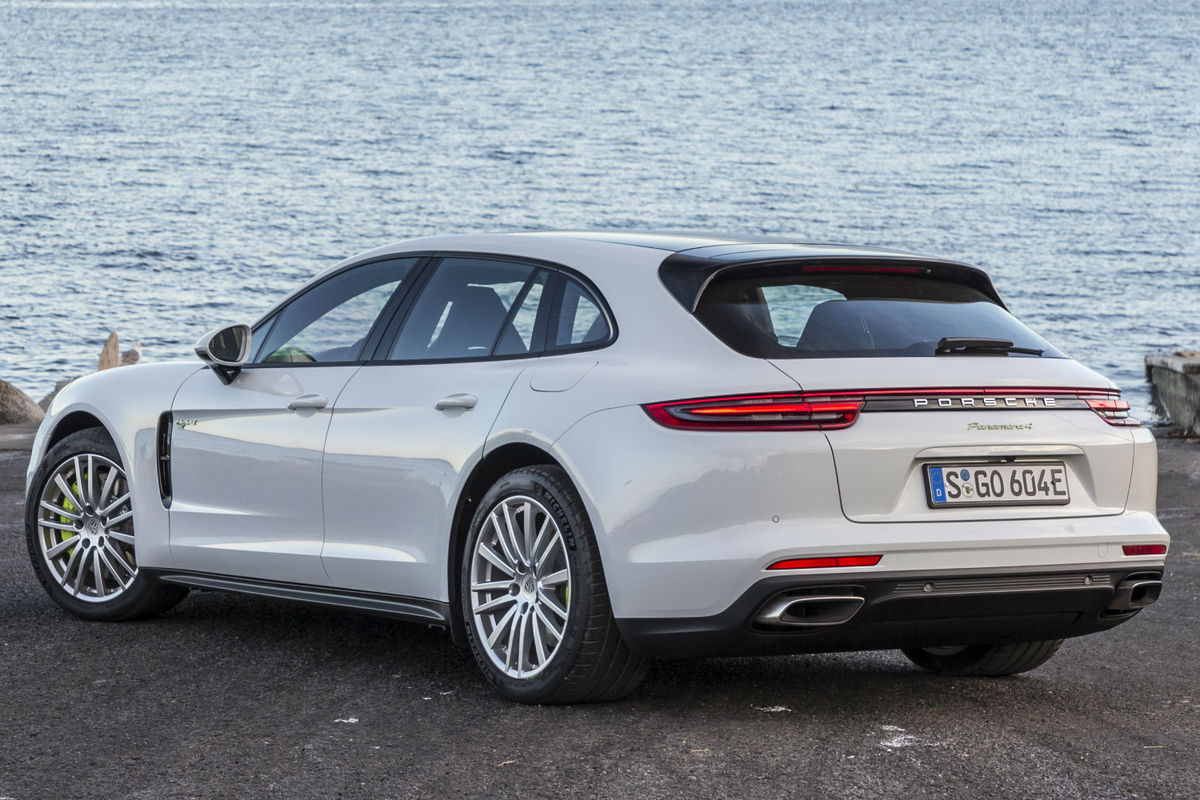
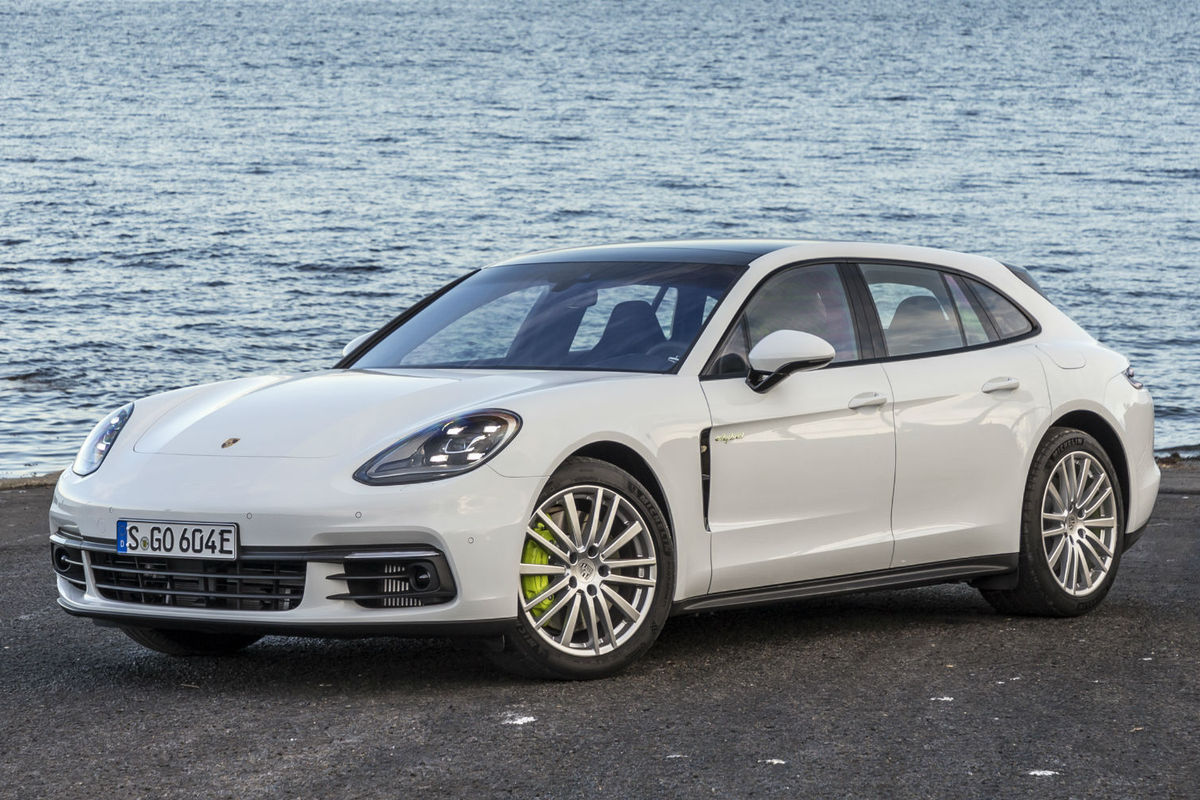
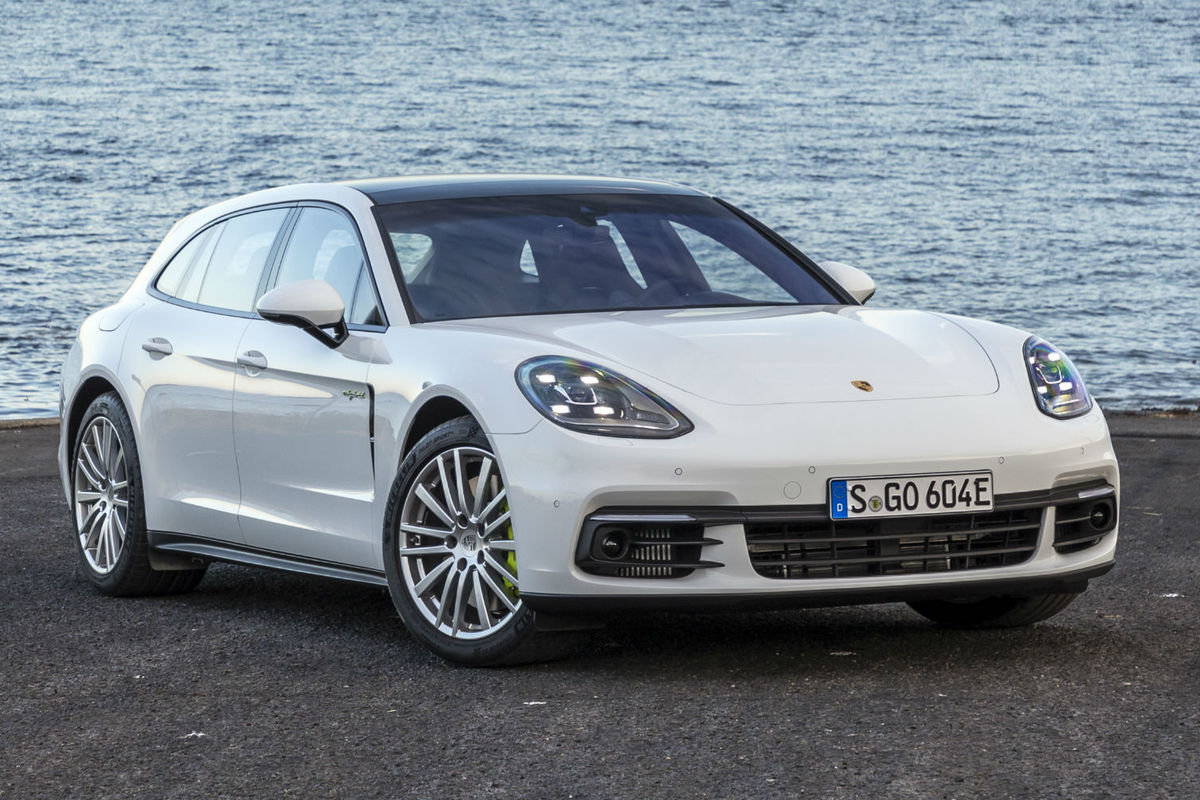
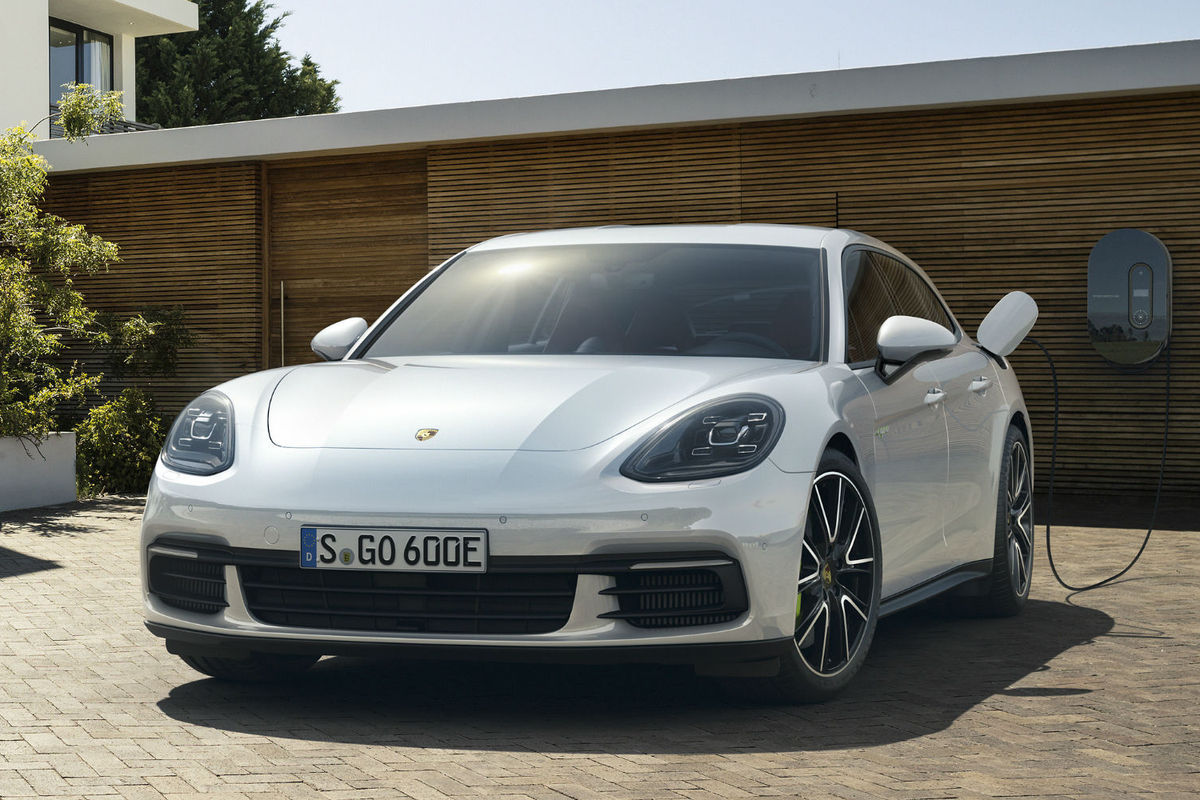
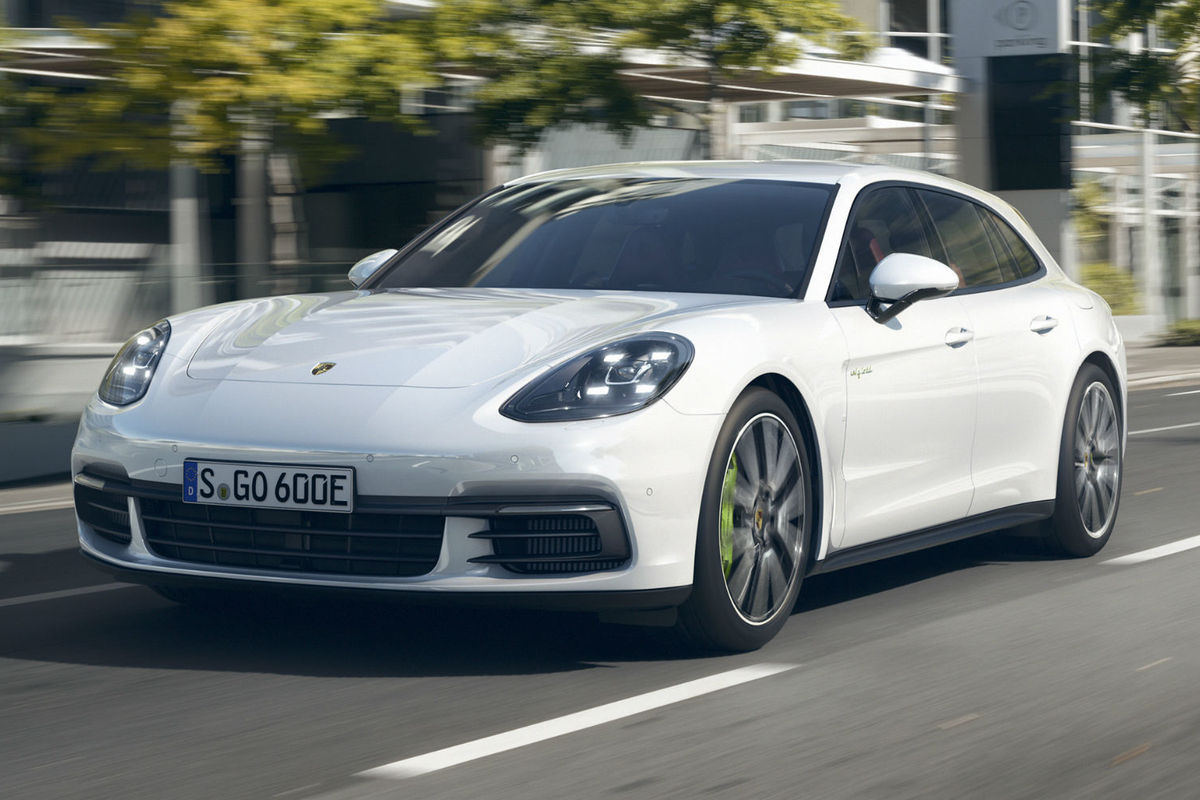
Porsche Panamera Sport Turismo (2017) International Launch Review
Do you love the idea of a Panamera but still find its "4-door 911" look too compromised? Porsche has just the car for you. It’s called the Panamera Sport Turismo and it is a remarkable thing.
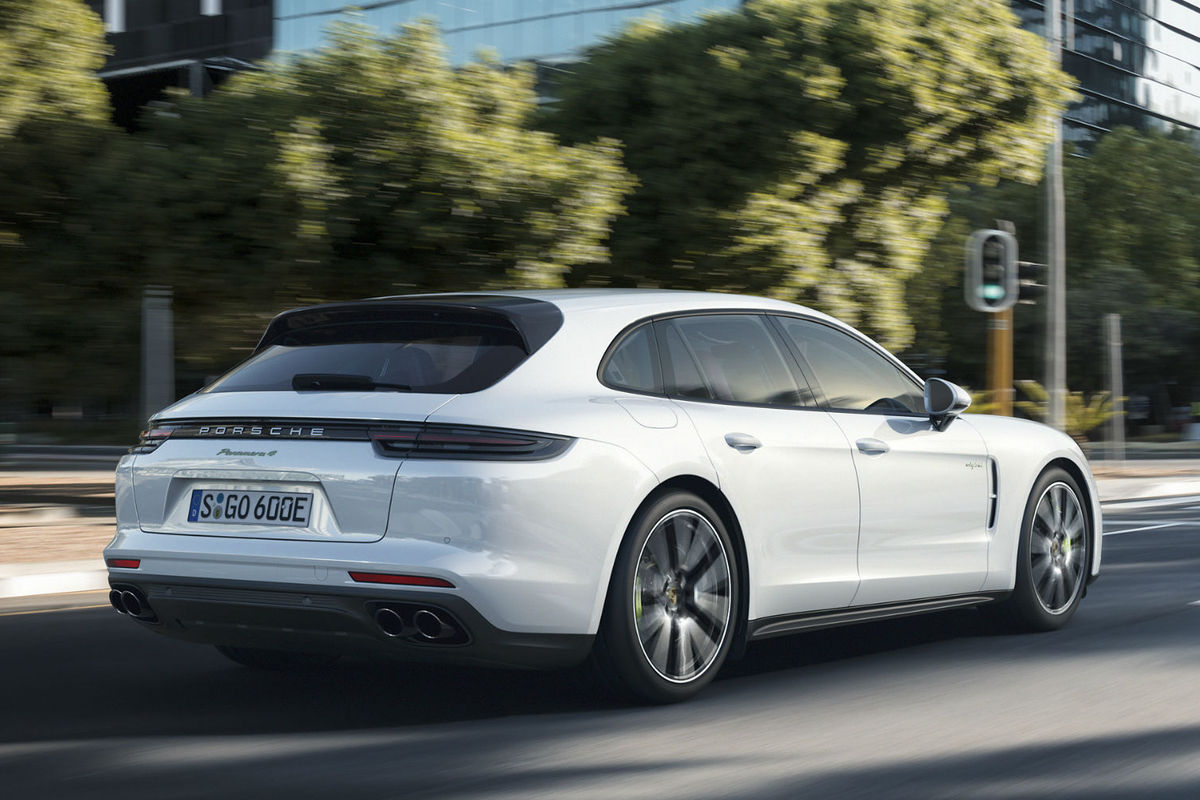
Confession: Days before driving the Porsche Panamera Sport Turismo I mapped out a launch report verdict that declared it the car that "Makes Station Wagons Great Again". I even had the #MSWGA hashtag ready to go. It turns out that would’ve been misguided, because Porsche’s latest venture into previously uncharted body style territory is ill-suited to the traditional premium 'wagon duties… You know, such as hauling boisterous staffies and 17th-century French writing desks. Sure it’ll swallow a few large suitcases and a matching his & hers pair of Louis Vuitton Keepall Bandoulières, but don’t imagine it as a Panamera with its practicality dialled up to eleven. Instead, the newcomer’s real trump card is the visual impact of "that ass".
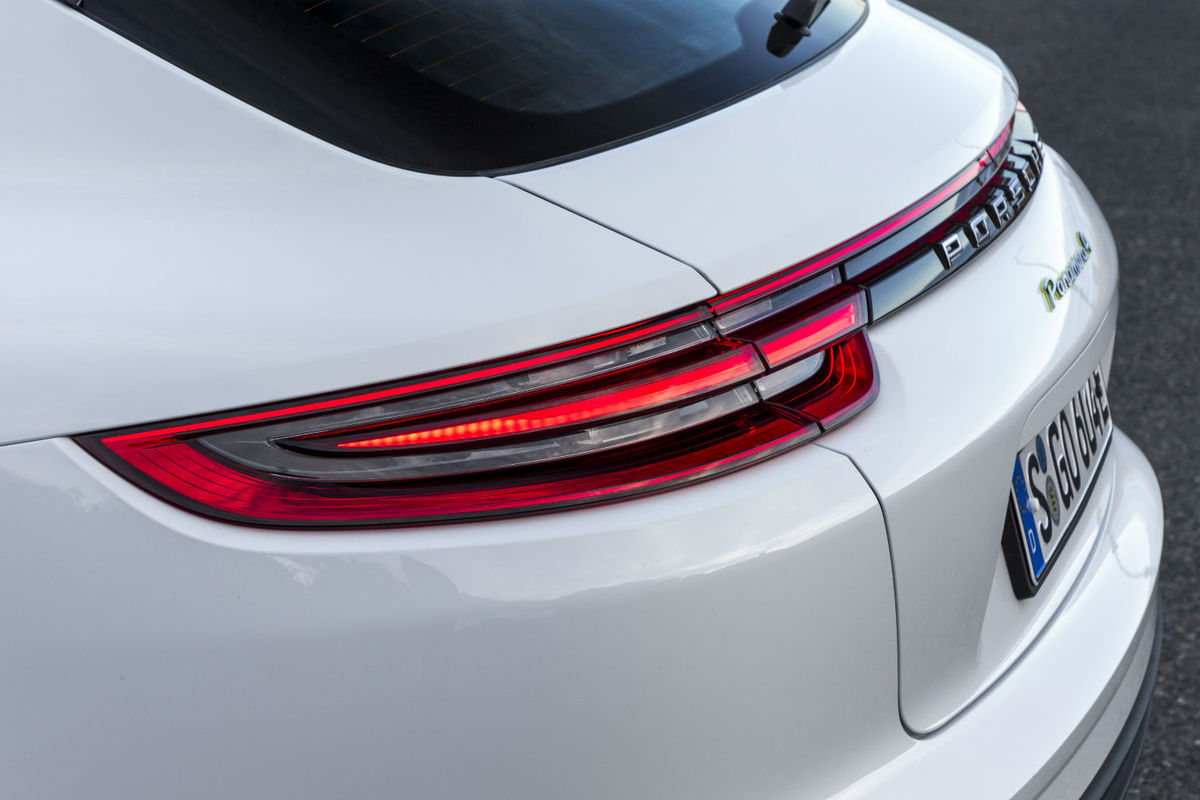
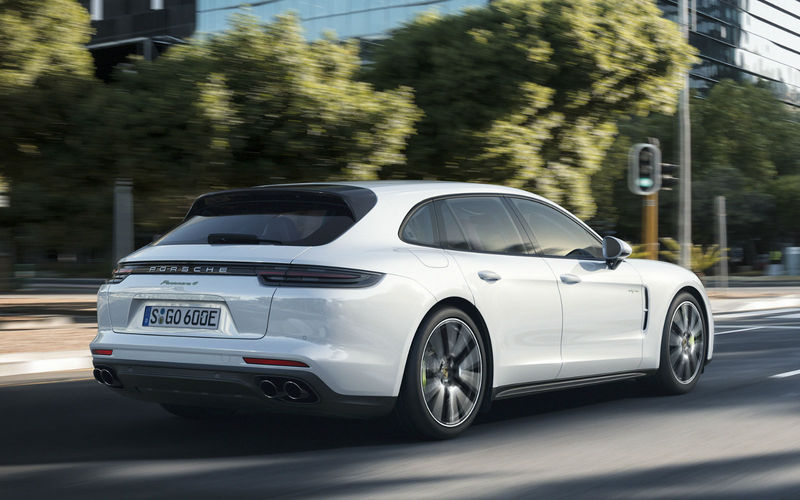
When you view the Sport Turismo in motion, its rear 3-quarter lends an element of overt dynamism to the Porsche's appearance.
Design matters
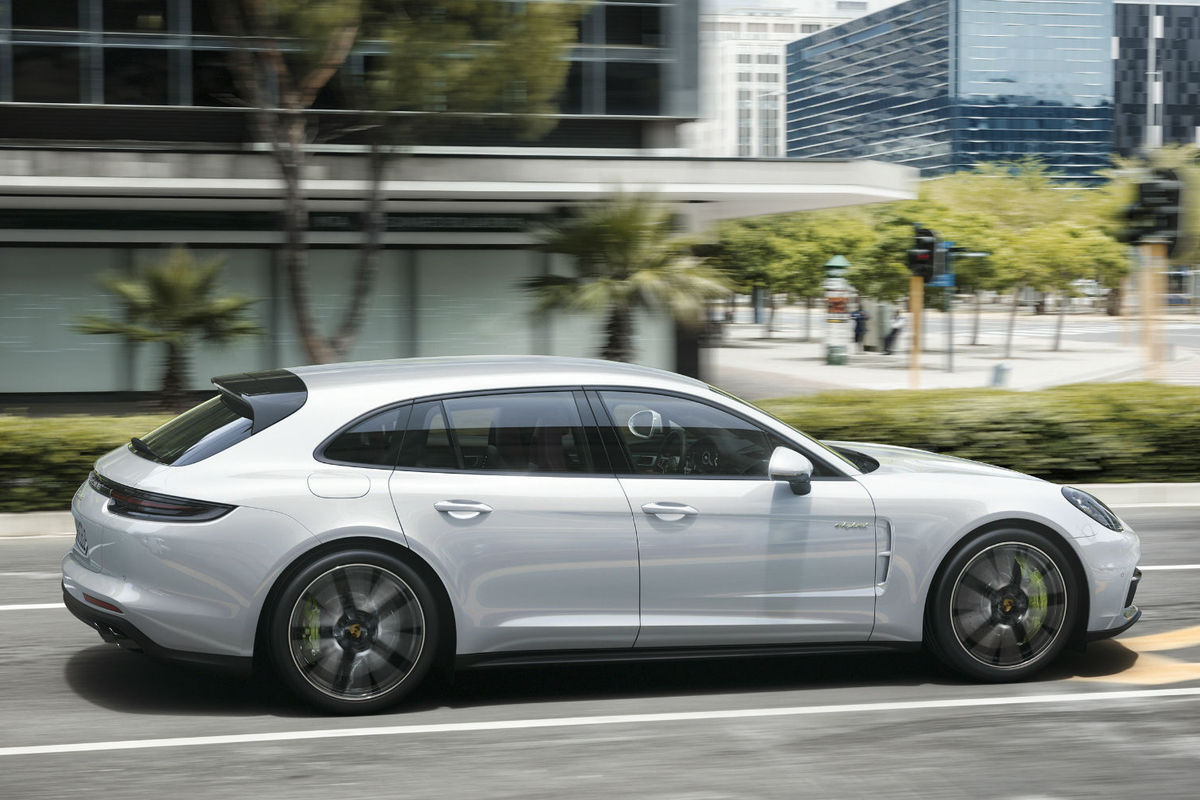
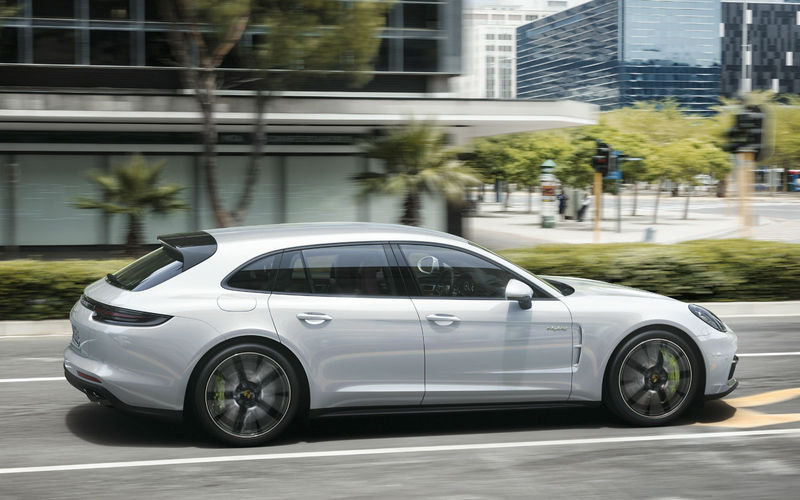
While it’s widely accepted that Porsche, under the masterful design direction of Michael Mauer, has produced a far prettier, 2nd-generation Panamera, there are potential customers – possibly still mentally scarred by the flatnose humpback original – who don’t fully resonate with its large fastback profile. They also have no desire to join the sports SUV brigade, therefore ruling out a Macan or Cayenne. It’s this nichey middle ground that Porsche has nailed so beautifully with the Sport Turismo.
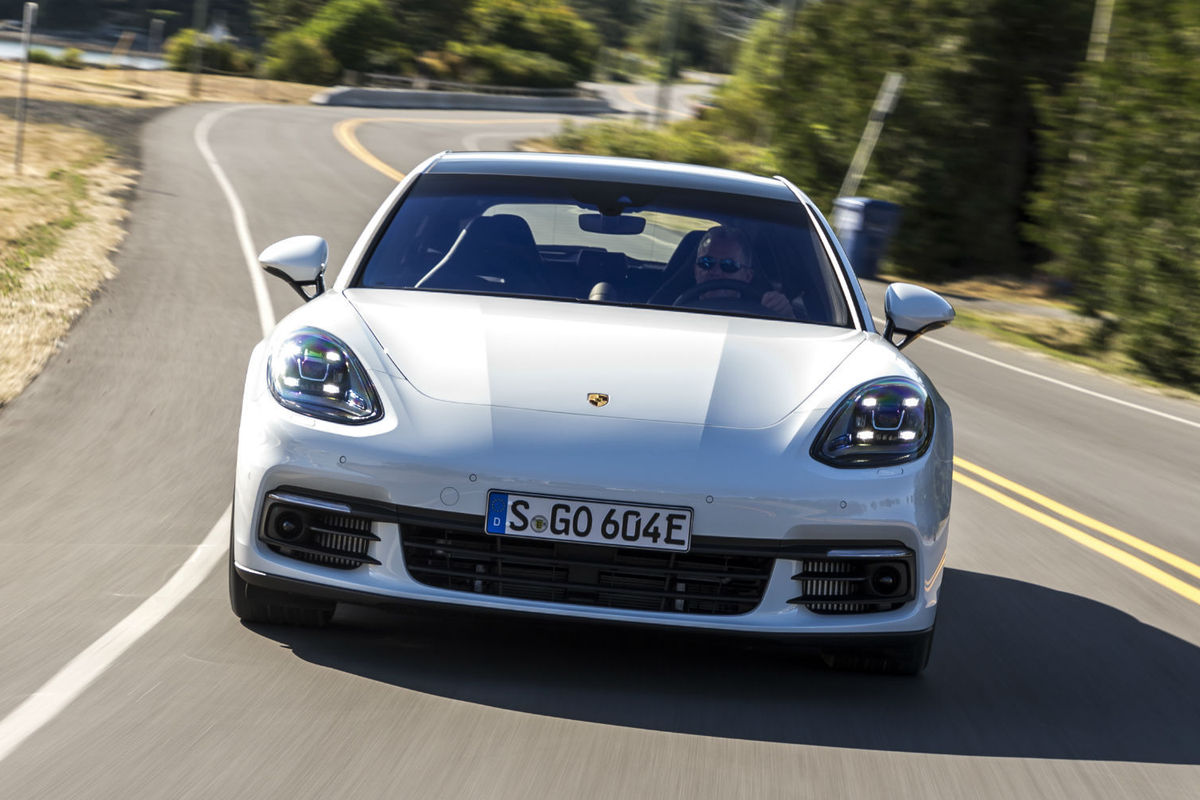
Follow one down a twisting, tree-lined country road and you can’t help but fall for its wide and squat stance, muscular haunches, low roofline and tapered glasshouse. It’s a design covered in delicious details such as Sci-Fi-spec four-point LED headlights (surely the coolest lamps in production today) frameless side glass, full-width rear light strip complete with chrome on black Porsche script and a deployable roof wing, not to mention the Acid Green 6-pot front brake calipers and badge highlights on the astonishingly fast Turbo S E-Hybrid model.
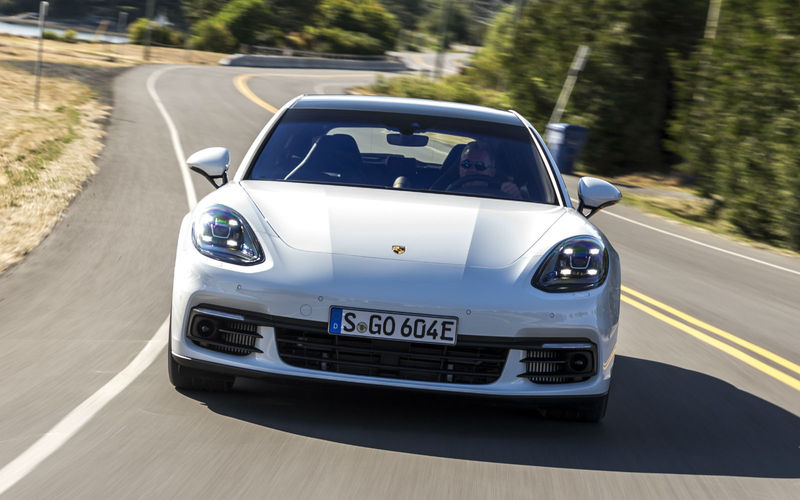
The Sport Turismo's 4-point LED headlights must rank among the coolest lamps in production today.
So, what’s it like to drive?
First impressions from behind the wheel of the new Sport Turismo Turbo are weighty and I’m not just referring to the car’s 2 035 kg kerb mass. Every aspect, from the steering to the creamy power delivery and the seamless shifts of the new 8-speed PDK transmission, features a solidity that could only stem from thorough engineering. It rides with supreme authority on its 3-setting air springs, providing a level of comfort befitting a genuine luxury sedan as well as the high-speed body control you’d expect from a track-capable family-friendly sports car.
Powered by a 4.0-litre bi-turbo V8 that delivers 404 kW and 770 Nm of punch, every intentional twitch of your right ankle is met with an equally punchy thud in the back. Yes, it’s all high praise, but then the Sport Turismo is hard to fault. On that note, perhaps it’s a little too well insulated. If you want front row seats to the engine’s aural performance, then you’ll need to tick the optional sports exhaust box.
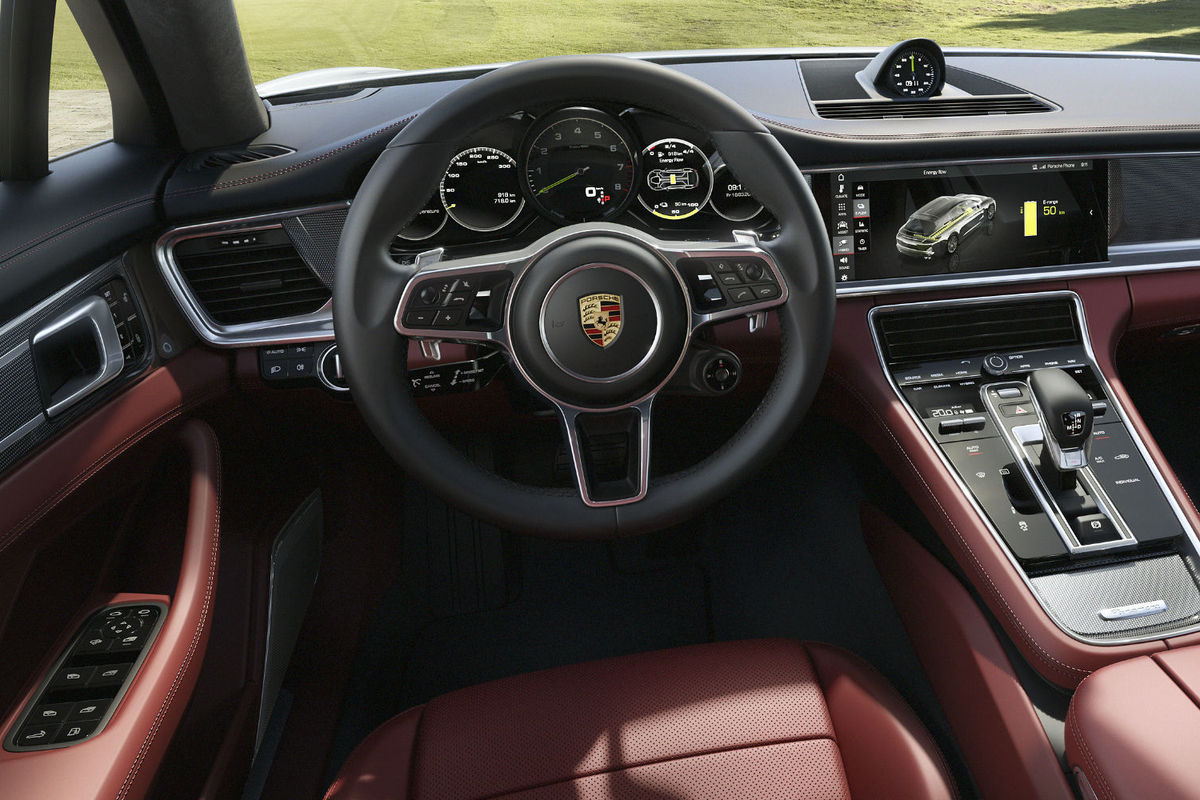
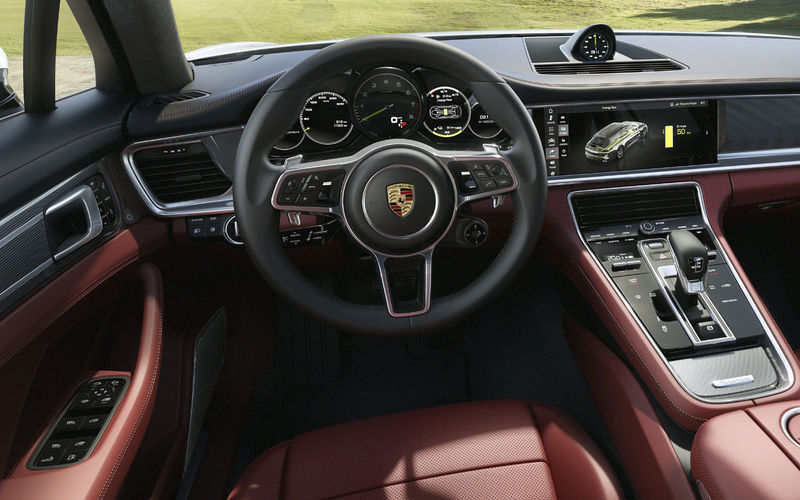
The interior design is, as expected, driver-centric, but strikes a tasteful balance between sportiness and sophistication.
Initially available in 4 flavours
When the first batch lands mid-January 2018, the all-wheel-drive Panamera Sport Turismo line-up will more or less mirror that of the sedan, starting with a model called 4. Priced at R1 491 000, its 3.0-litre turbo V6 delivers 243 kW and 450 Nm. Trumping that is the 4S which makes use of a 2.9-litre bi-turbo V6 to achieve outputs of 324 kW and 550 Nm – yours for R1 717 000. Next up is the V8-engined Turbo model at R2 572 000 with the Turbo S E-Hybrid capping off the range and expected to cost around R3 million.
Hybrid theory
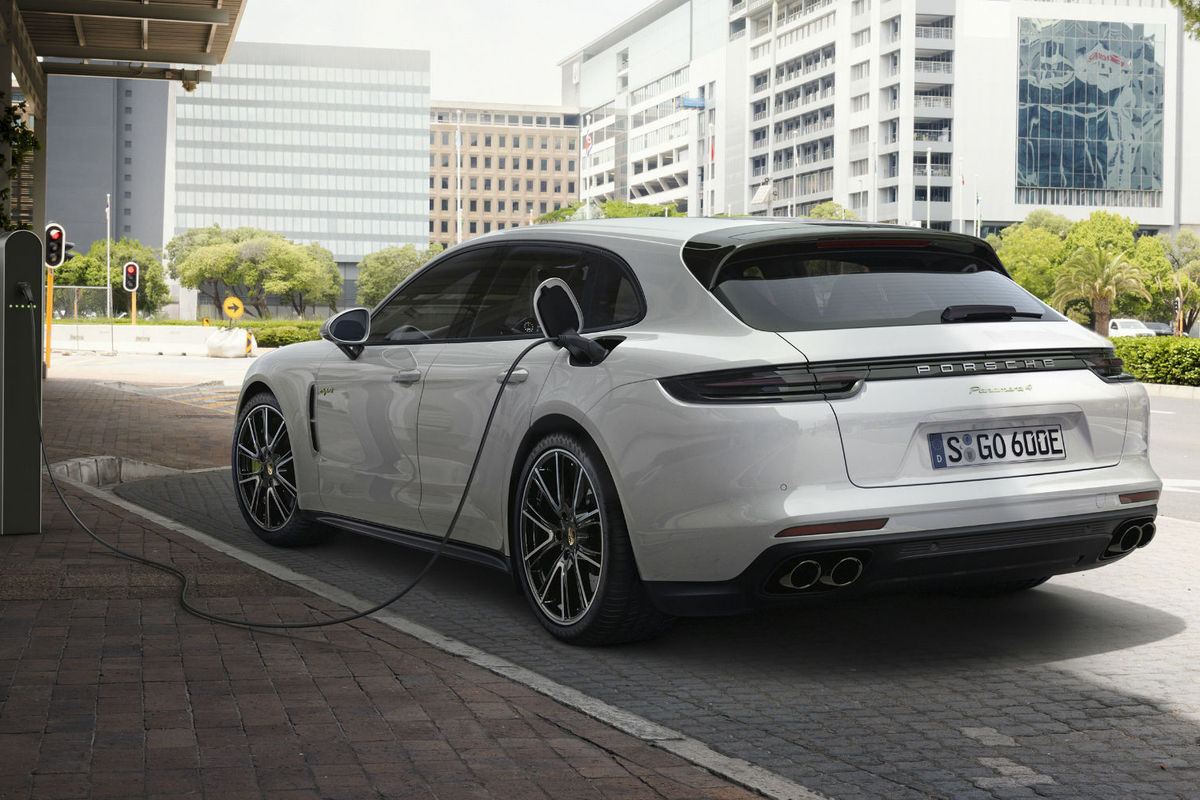
There are subtle differences between non-hybrid and hybrid models. The cost of electrification is around 200 kg in added mass but its positioning (low and central), along with perfectly retuned active air suspension result in a ride that is even more unflustered by minor surface irregularities. Throw in a measure of instant electric shove, and the potential of up to 50 battery-power-only kilometres and suddenly the inclusion of plug-in tech on the range-topping Turbo S E-Hybrid makes tonnes of sense.
With total system outputs of 500 kW and 850 Nm, it's little wonder that the Panamera can hit 100 kph from standstill in 3.4 sec.
Add in the party trick of launch controlled starts that give the rude finger to physics, propelling the 2.3-tonne machine with all the instant violence of a medieval catapult. But there’s nothing Middle Ages about the powertrain, which adds 100 kW of electric drive via a 14 kWh liquid cooled lithium-ion battery to the bi-turbo V8 for total system outputs of 500 kW and 850 Nm. For the record, 0-100 kph acceleration runs take 3.4 seconds – we know, we tried them, repeatedly (insert winking emoji here).
Charging the battery at home takes around 6 hours using the standard 230V 10A charger. Unless you have engaged E-Charge mode, the petrol engine isn’t tasked with charging the battery, which relies largely on brake energy recuperation to rejuice on the go. As a result, brake feel is sometimes inconsistent when harvesting, but you quickly become accustomed to it.
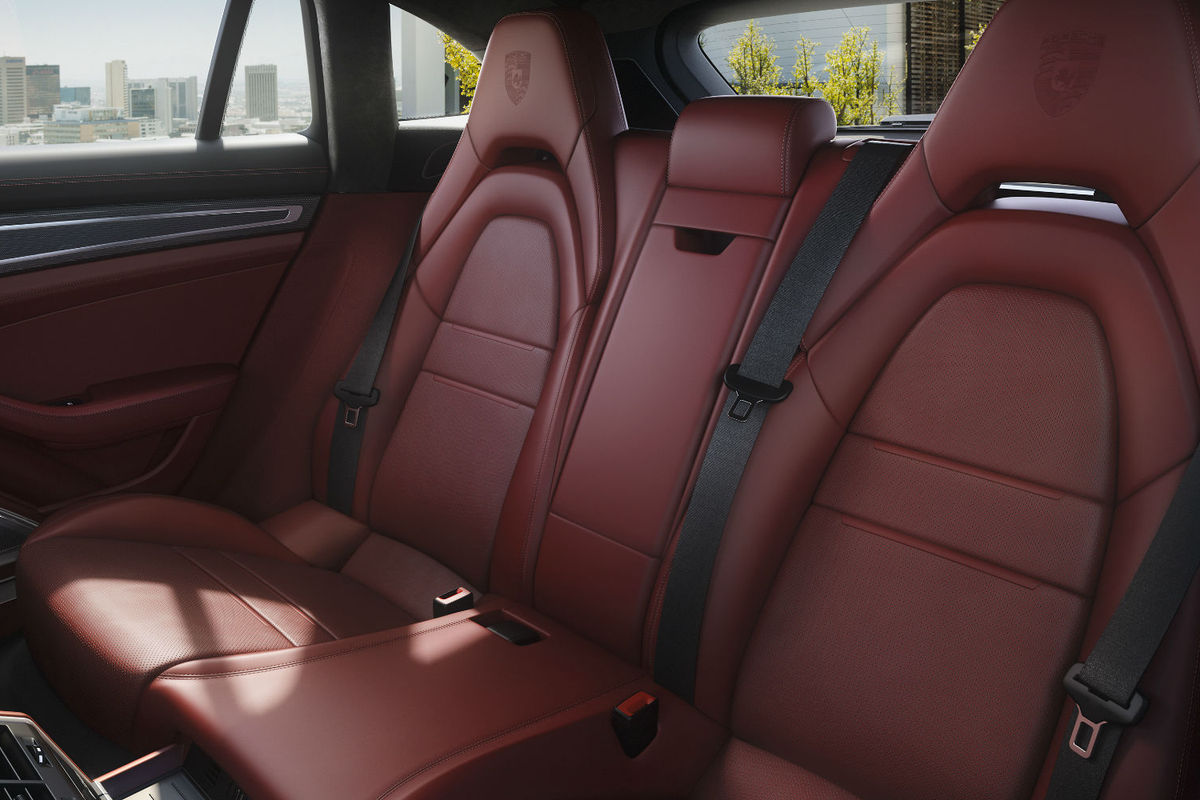
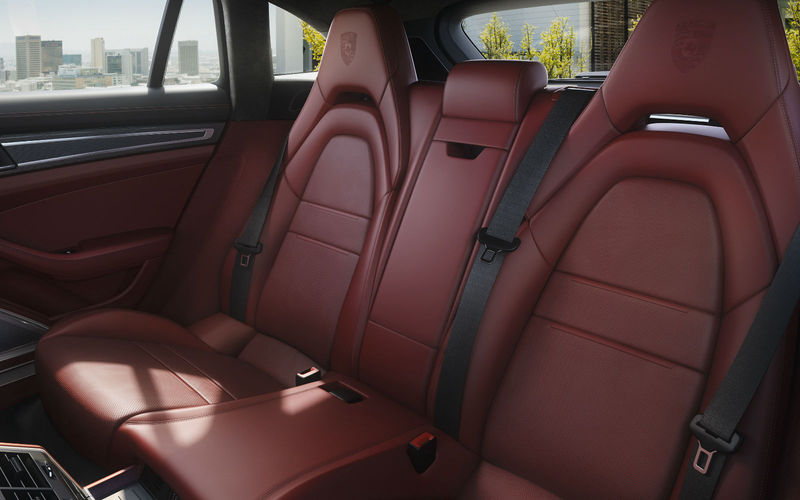
Another notable difference between the Sport Turismo and standard Panamera is the adoption of a 2nd row middle seat as standard.
So how practical is it really?
As intimated earlier, there are small changes over the otherwise mechanically identical Panamera. Reworking the rear surface volumes has allowed Porsche to prise another 50 litres of luggage area from the boot which now measures 520 litres. A lower loading height, courtesy of a tailgate that cuts down far deeper than on the sedan, makes for easier access. As with the regular car, the rear seatbacks tip forward individually to create a reasonably flat floor and boost cargo volume to 1 390 litres.
Another useful change is the adoption of a middle seat in the second row as standard. Don’t fret, you can option the centre console back in if you’d prefer the 4-seater business class look. Anchor points in the boot and the choice of a flexible, retractable luggage cover or a hard lid round off an easy-to-live-with package that makes the most of the real estate on offer.
A conclusion… revised
So while the Sport Turismo is patently not king of the station wagons it is everything else you’d want from a five-seater sports car. So beguiling to look at, so agile and responsive for its size and weight, so astonishingly comfortable and so fearsomely fast in hybrid spec, you can easily imagine squashing continents in one at great pace and in great, insulated comfort. In essence it lives up to its name perfectly. It is the car to Make Sports Touring Great Again.
Watch a Panamera Turbo S E-Hybrid Sport Turismo in action:
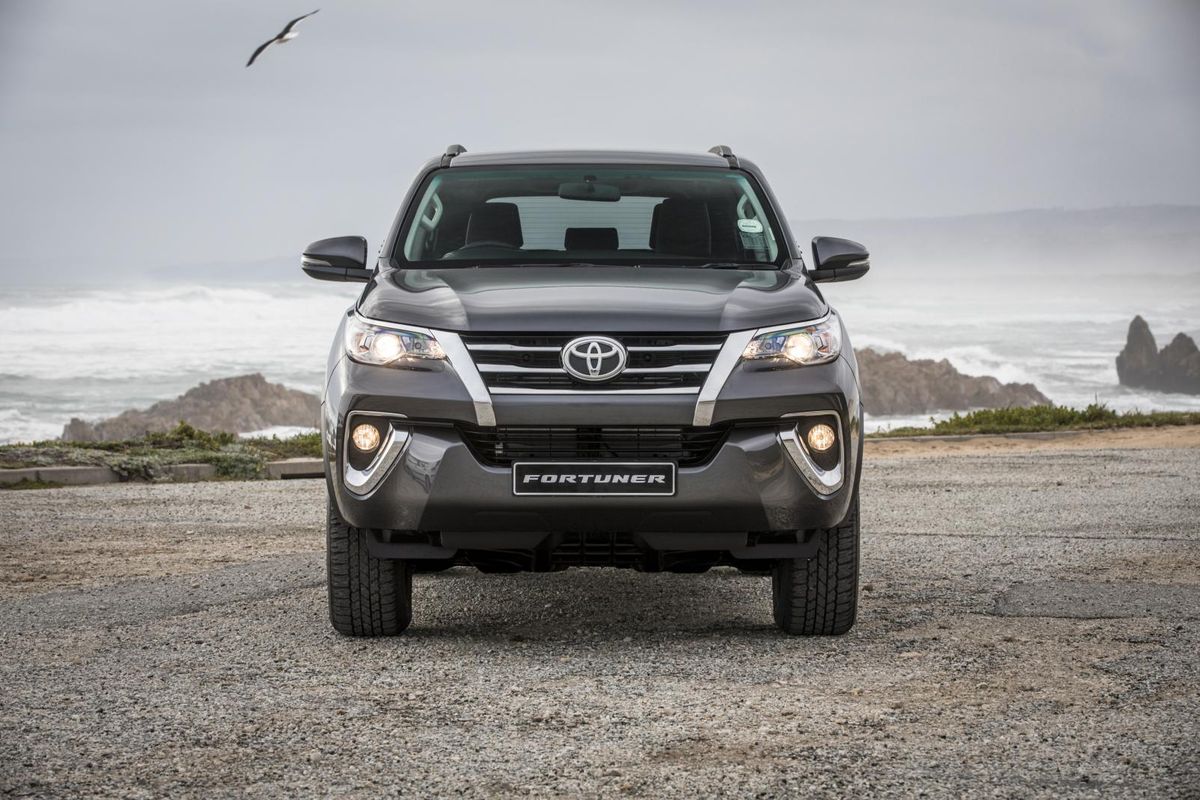
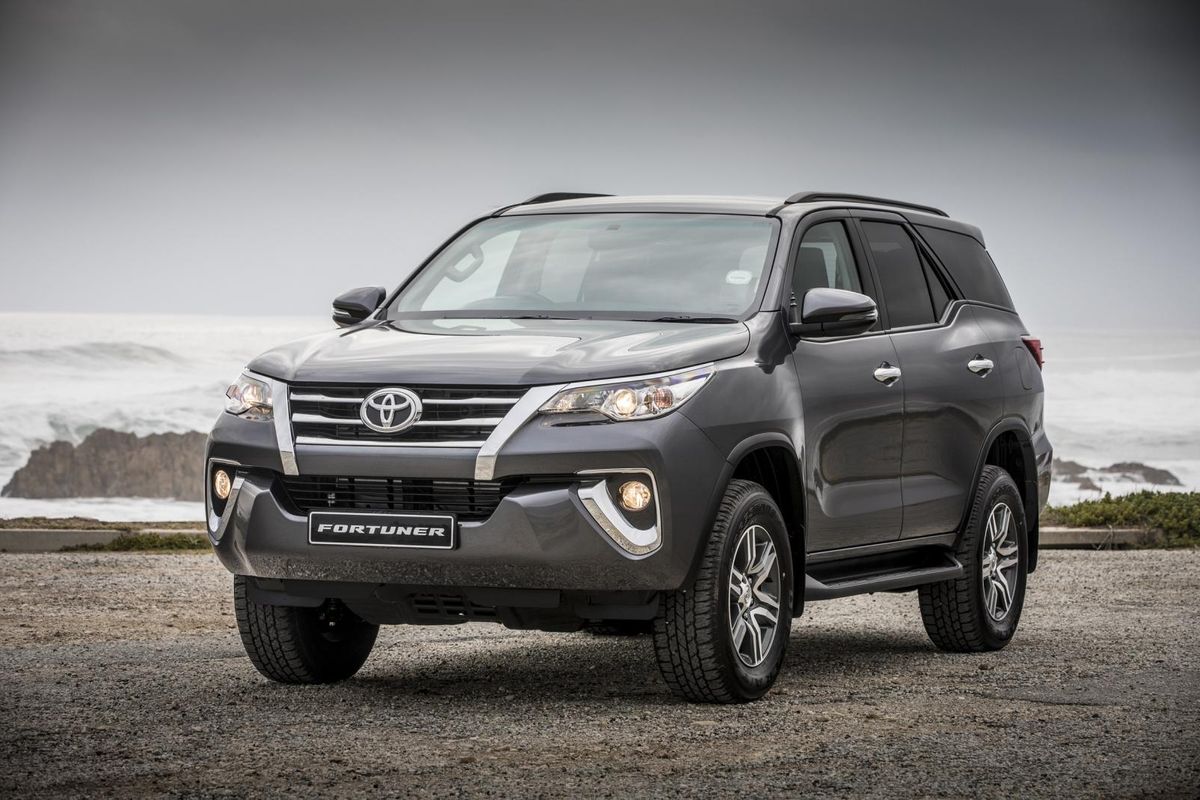
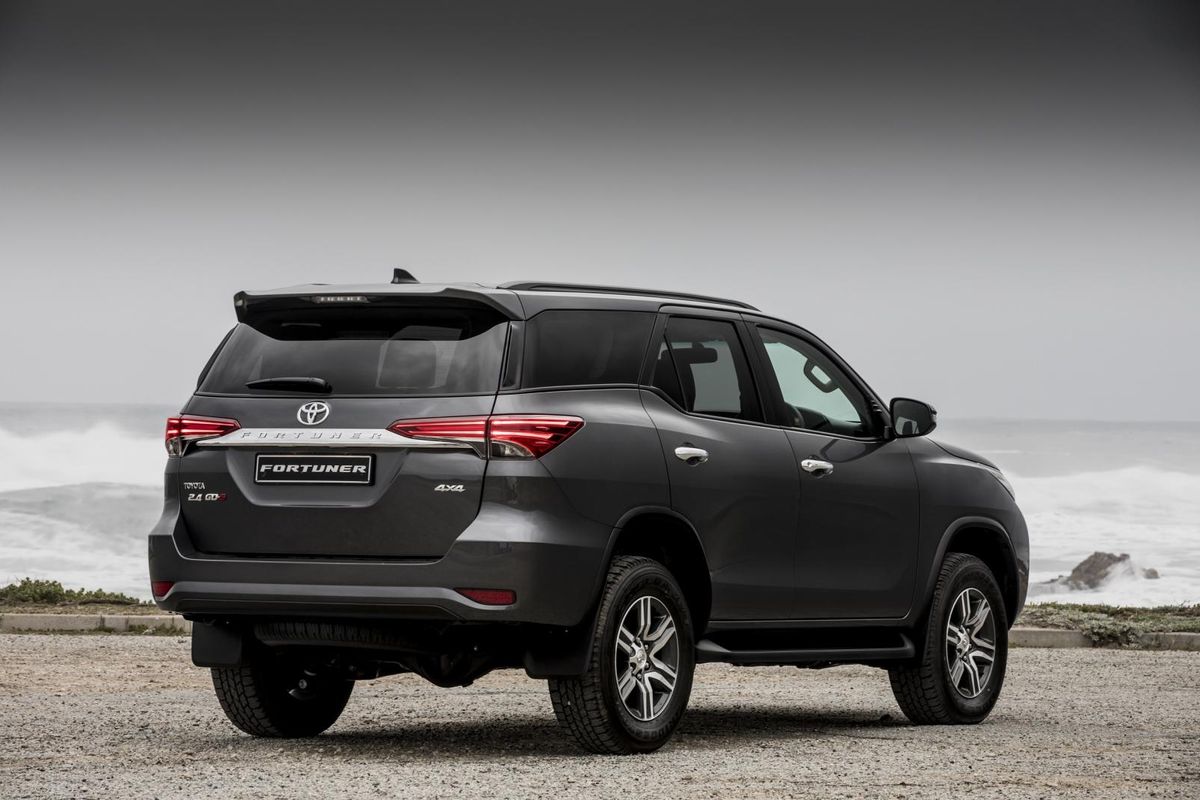
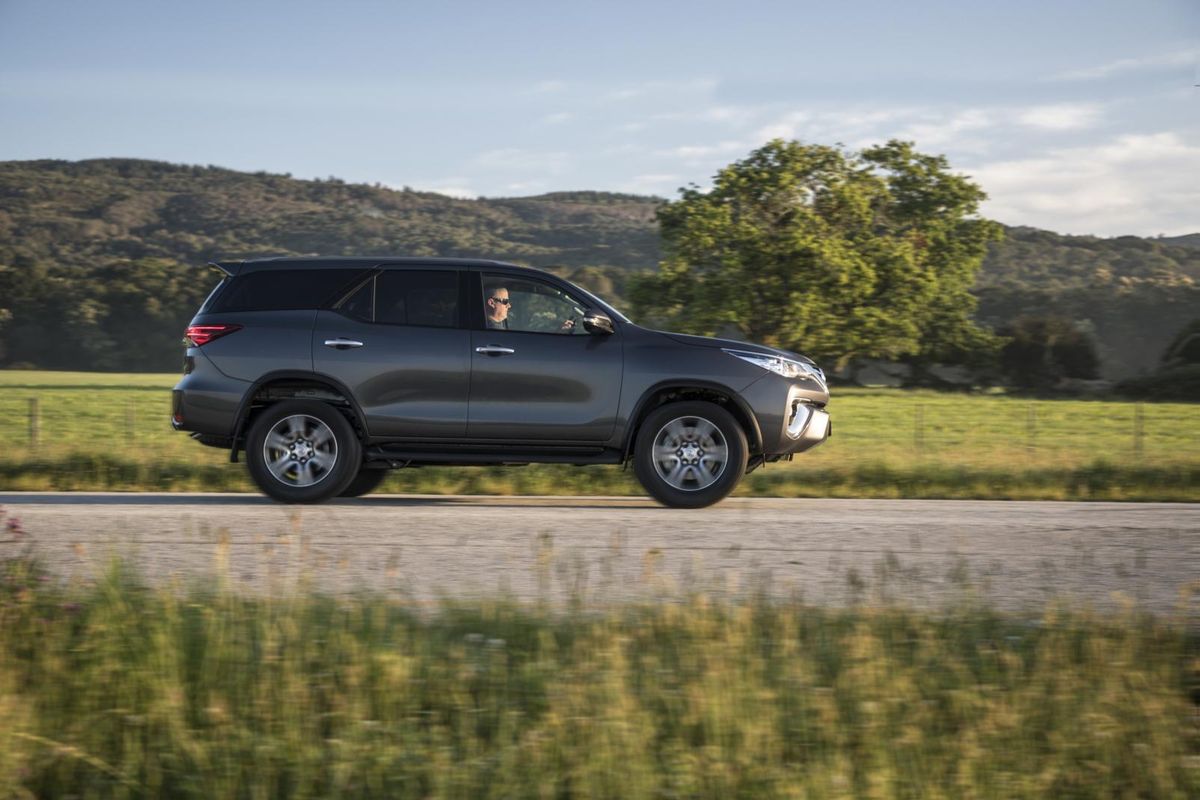
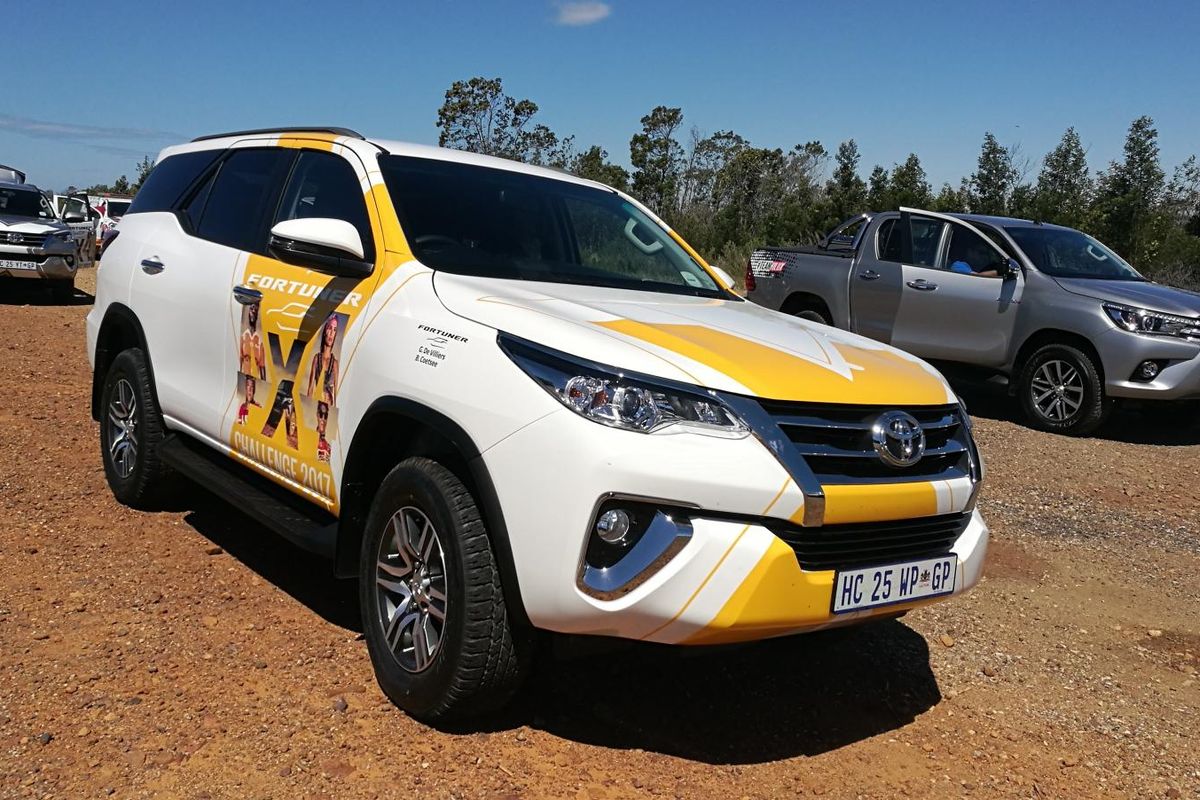
Toyota South Africa has tweaked its Fortuner portfolio and added a new derivative: the 2.4 GD-6 4×4 6AT. Here are the specs and price list of the revised Toyota Fortuner range (October 2017) in South Africa.
According to the national new vehicle sales figures, the Toyota Fortuner is South Africa's most popular SUV, accounting for a mammoth 49% share in the medium-size SUV segment. As it stands, customers have the choice of 4 engines and 2 specification levels. The current engine lineup comprises petrol motors in the forms of a 2.7-litre VVTi and a 4.0-litre V6, while turbodiesel fans are catered for with 2.4 GD-6 and 2.8 GD-6 derivatives. The Fortuner range was recently expanded to include a new 2.4-litre GD-6 4×4 automatic derivative, which offers buyers 4×4 capability at a more affordable price. In fact, the 2.4 GD-6 4×4 automatic is priced at R506 000, some R127 500 cheaper than the 2.8 GD-6 4×4 automatic (R633 500), which will likely make buyers very happy.
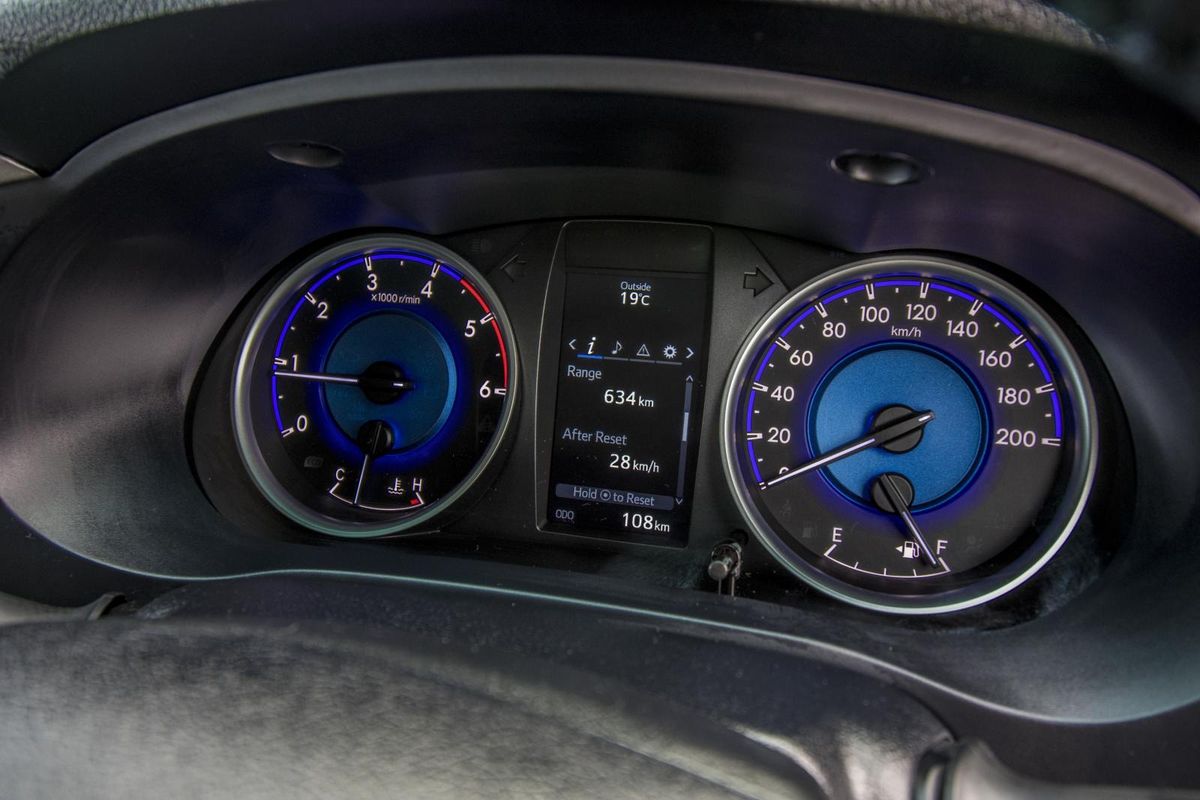
The Fortuner 2.4 GD-6 4×4 automatic offers 110 kW and 400 Nm and claims to consume just 8.2 L/100 km. Thanks to an 80-litre fuel tank, the range is claimed to sit at 900 km per fill-up.
Improved Specification
Toyota has listened to customer feedback and has improved safety specification on the 2.4 GD-6 and 2.7-litre derivatives. Side and curtain airbags have been added, bringing the total airbag count up to 7, which should reassure family car buyers. This is over and above the standard safety offering which includes dual front airbags, driver's knee airbag, Vehicle Stability Control (VSC), Hill-start Assist Control (HAC) and Trailer Sway Control (TSC).
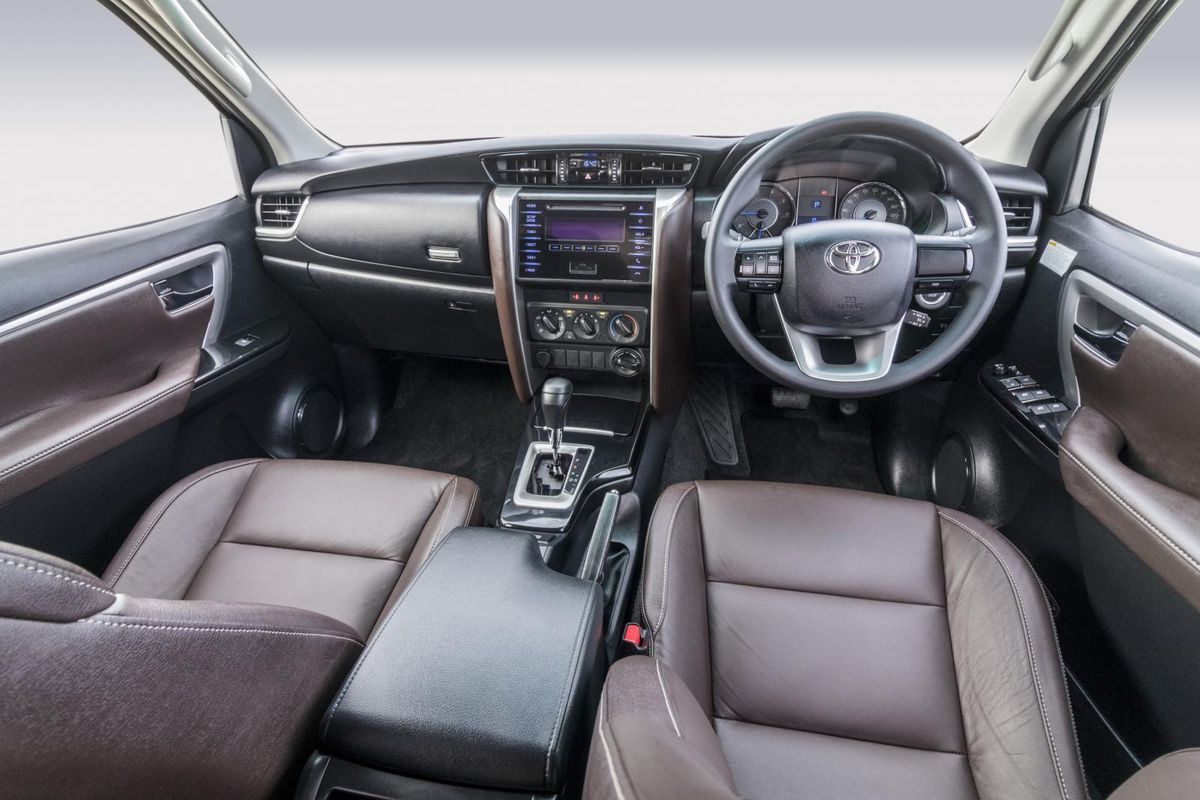
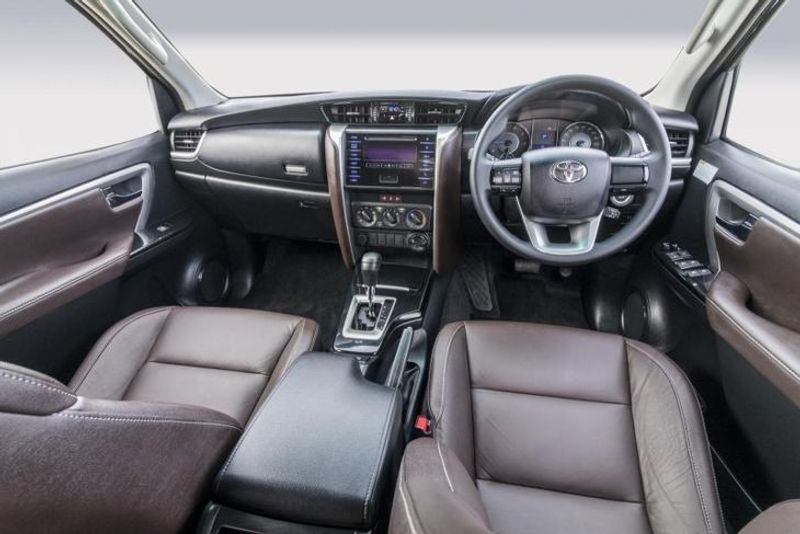
In terms of specification, the 2.8 GD-6 and V6 derivatives now gain the convenience of an electrically-operated tailgate and a 220V accessory connector in the second row. Toyota has also included LED fog lamps to complement the LED headlights over and above standard equipment such as Smart Entry, leather interior, multi-information display, Bluetooth, USB, cruise control and 3rd-row seating.
Top-spec derivatives further come equipped with automatic climate control, reverse-view camera, a touchscreen infotainment system, leather-and-wood-trimmed steering wheel, additional soft-touch finishes, electric driver's seat adjustment and full-colour TFT multi-information display.
What's the Fortuner 2.4 GD-6 4×4 automatic like to drive?
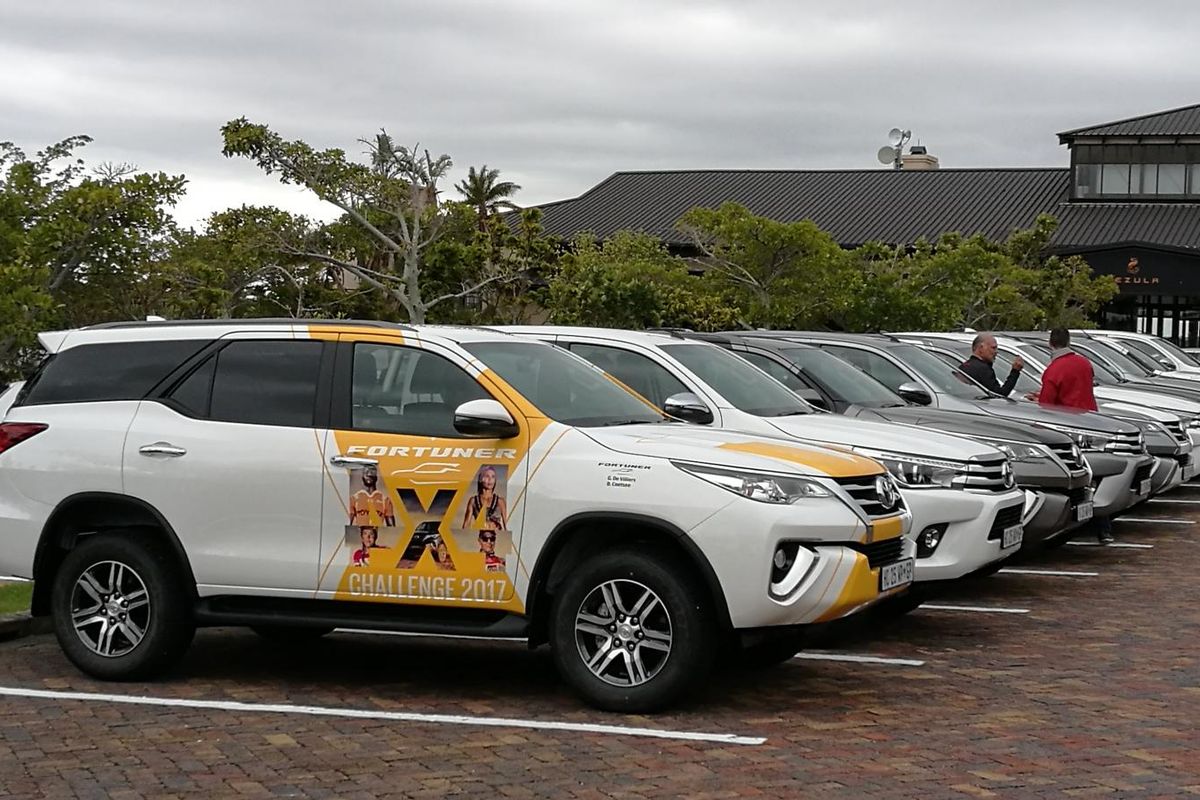
We had the chance to sample the 2.4 GD-6 4×4 automatic in the Garden Route, Western Cape. Our drive combined both tar and offroad driving, giving us a good idea of what this new derivative is capable of. On tar, the 2.4 GD-6 offers ample power and torque for those long road trips. The engine is refined and general ride quality is good. We did, however, find the 2.4 GD-6 4×4 automatic to lack a degree of punch while overtaking, which means you will have to plan your overtaking manoeuvres more carefully. This is less of a problem with the more powerful (and more expensive) 2.8 GD-6 4×4 automatic. Nonetheless, this derivative will be adequate in most, if not all driving situations.
We also took the Fortuner on a sand dune offroad course. After deflating the tyres, we set off into the sand. Selecting 2H, 4H and 4L (low-range) is easily done using a 'select-on-the-fly' dial. The Fortuner tackled the course with little effort, proving once again, that it's a superbly capable 4×4. We left the 4×4 course with the feeling that the Fortuner could probably deal with much more punishment than we experienced.
This mid-spec Fortuner 4×4 automatic should find favour with many potential buyers as it's not only significantly more affordable, but it's capable too and attractively priced against its main rival, the Ford Everest 2.2 4WD XLS priced at R544 900.
Toyota Fortuner – Price in South Africa
All models come standard with a 5-year or 90 000 kilometre service plan (whichever occurs first). A 3-year/100 000 kilometre warranty is included.
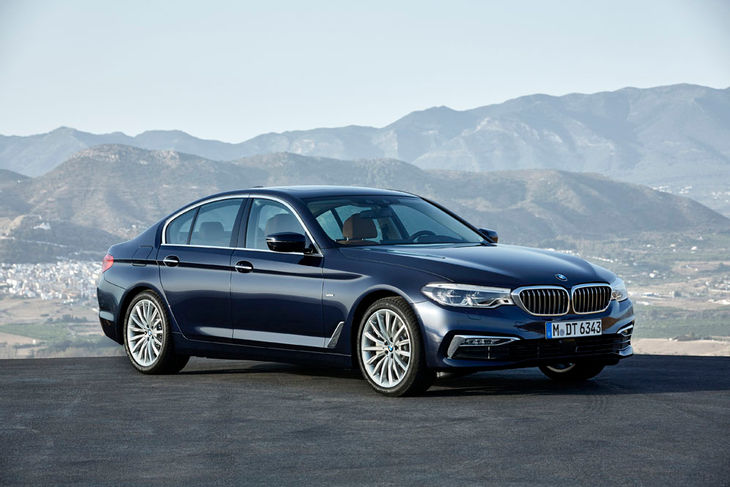
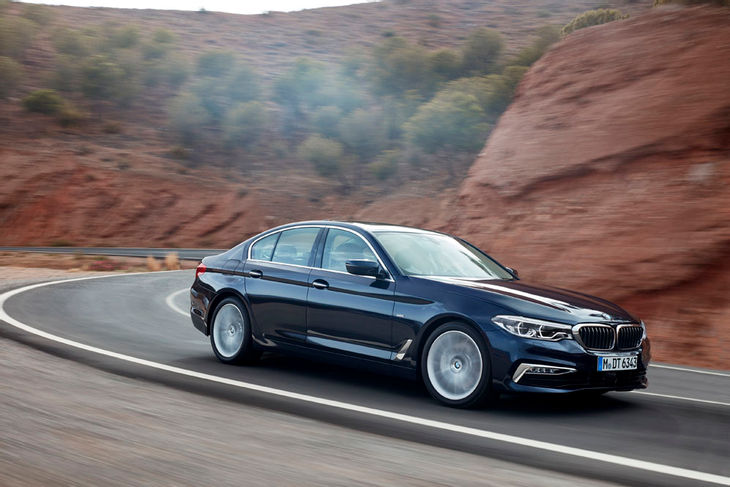
What makes the BMW 530d Luxury Line a worthy contender in the Executive Sedan category of the 2017/18 Cars.co.za Consumer Awards – powered by WesBank? We investigate…
From a global perspective, the BMW 5 Series is a pivotal car for the Bavarian-based brand, not only in terms of volumes, but also profitability. After the 7 Series won the First Class category last year, we predicted that the 5 would be just as good. Based on its pricing and engine outputs, it’s throwing down the gauntlet for the rest of the Executive Sedan crowd. Can the BMW 530d Luxury Line go all the way and win this category?
3 Reasons Why BMW 530d Luxury Line is a #CarsAwards Finalist
1. Powerful performance
The BMW 530d is powered by one of the most potent turbodiesel powerplants. It’s a 3.0-litre turbocharged, 6-cylinder engine producing 195 kW and a monstrous 620 Nm of torque. While it is a diesel motor, it still manages to pull off a very un-diesel like soundtrack.
BMW claims a 0-100 kph sprint time of 5.7 seconds and it’ll run along to a top speed of 250 kph. Driven gently, you may be able to get near the fuel efficiency claim of 5.1 L/100km. The 530d is a strong performer in this category.
2. Tech and luxury galore
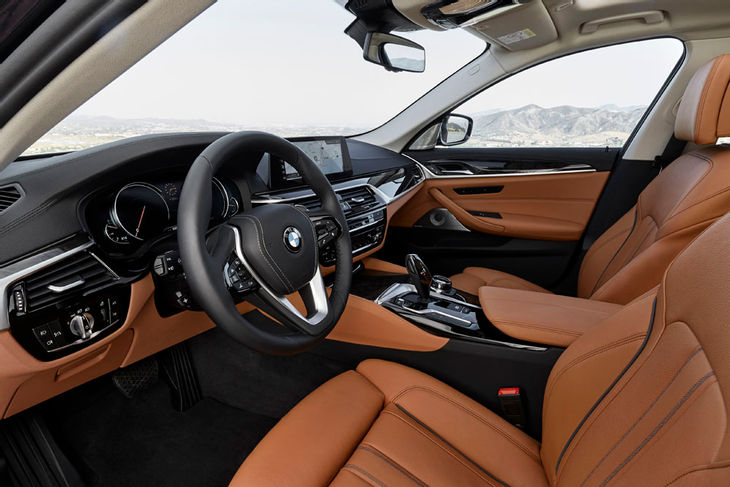
When you slide into the (optional) sports driver’s seat and sit behind the thick-rimmed M Sport steering wheel, the dashboard’s wrap-around architecture, the TFT instrumentation panel, piano-black-clad fascia (with the 10.25-inch infotainment screen perched on top of it) instantly envelop you. Interior fit and finish is excellent and the 5 Series’ cabin feels more “luxury saloon” than Executive Sedan.
The on-board technology, meanwhile, is astonishingly intuitive. The infotainment system has a customisable multiple-window menu that can be operated by the iDrive controller, touchscreen and gesture control. Furthermore, the 5 Series will happily park itself and the surround-view camera system offers a detailed view of what is going on around the car and the major camera lenses swivel dynamically in the directions that the car’s wheels are turned. The 530d is difficult to beat in terms of technology and luxury.
3. Comfortable and clever driving
Even though the 5 Series is renowned for being one of the sportier executive sedans in the market, its athleticism is now more of an inherent, rather than an overt, trait. The Bimmer’s most apparent on-road characteristic is poise, while ride comfort is its strongest suit.
When equipped with Driving Assist Plus, the 530d will happily “drive itself” for extended periods, especially in mind-numbing congested freeway conditions. With camera and radar-based driver assistance systems including active cruise control with Stop&Go function, steering and lane control assist, lane keeping assist, evasion aid and crossroads warning, the BMW will keep to its lane without requiring steering inputs and dynamically adapt its pace depending on prevailing traffic conditions. This is a clever car.
Have Your Say: Complete our survey and WIN!
Do you own a 5 Series? We would love to hear from you! Tell us about your experience by completing our Ownership Satisfaction Survey. Your input counts for 50% of the final result.
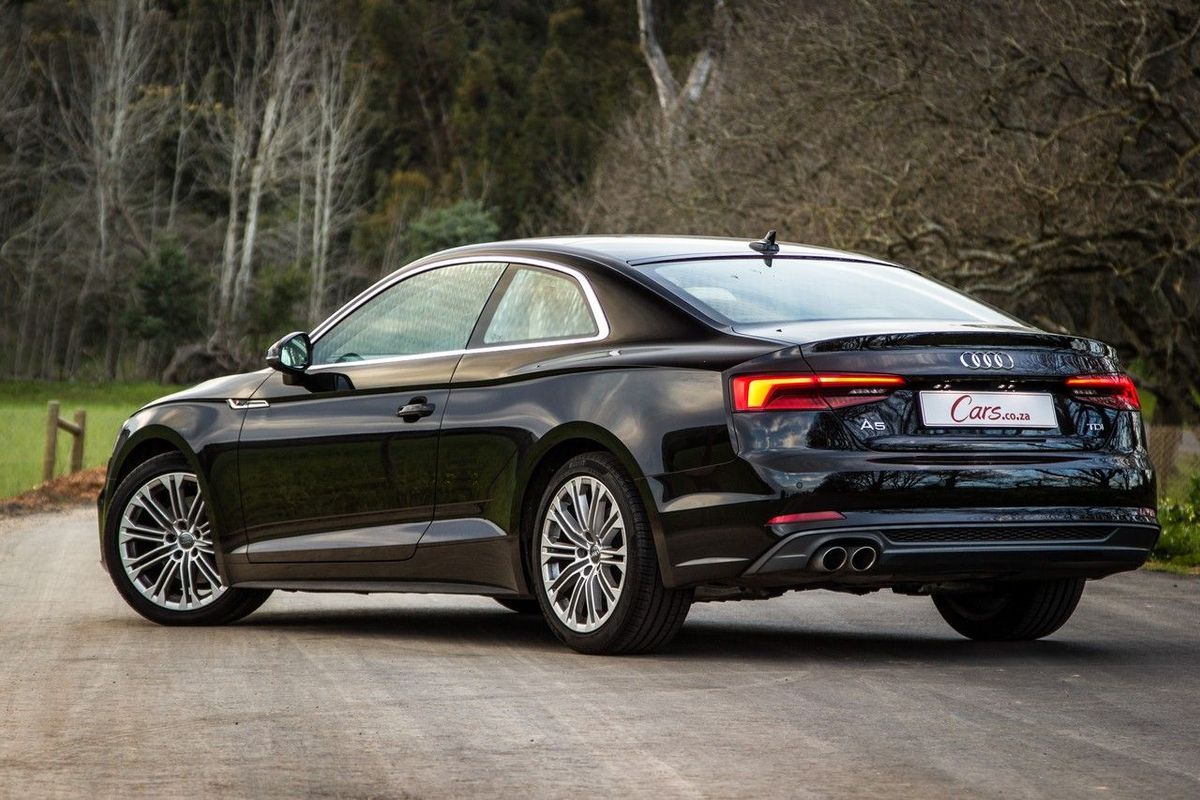
The Audi A5 portfolio is diverse and while we've done a thorough evaluation of the S5 and had a quick drive in the RS5, it's good to get back to basics with a "humble" 2.0-litre TDI derivative. What's it like to live with for a week?
We like: Styling, refinement, technology, punchy engine, spacious luggage bay
We don’t like: Cramped rear passage area, options list hampers value-for-money potential
Alternatives:
German Rival No1: BMW 420d M Sportcoupe. Recently refreshed, the popular BMW 4-Series coupe is a good match for the Audi in some departments, such as driving enthusiasm. However, it's let down by a cabin that is ageing quickly and it desperately needs something high-tech like the digital display from the 5- and 7-Series. Still, it's a lovely car and that diesel engine can deliver a surprisingly sporty turn of speed.
German Rival No2: Mercedes-Benz C220d AMG Line. The new Mercedes-Benz C-Class coupe is the best-looking car in its segment, but it's handicapped by poor build quality, an ancient diesel engine and lifeless steering. The looks and technology help it save face and restore some credibility.
Something different: Lexus RC200t. It's not a diesel and its by far the most expensive vehicle in this lineup, however, the Lexus offers the most specification and top-notch build quality. So its got that going for it, which is nice. It won't appeal to all tastes, but it's better than you expect.
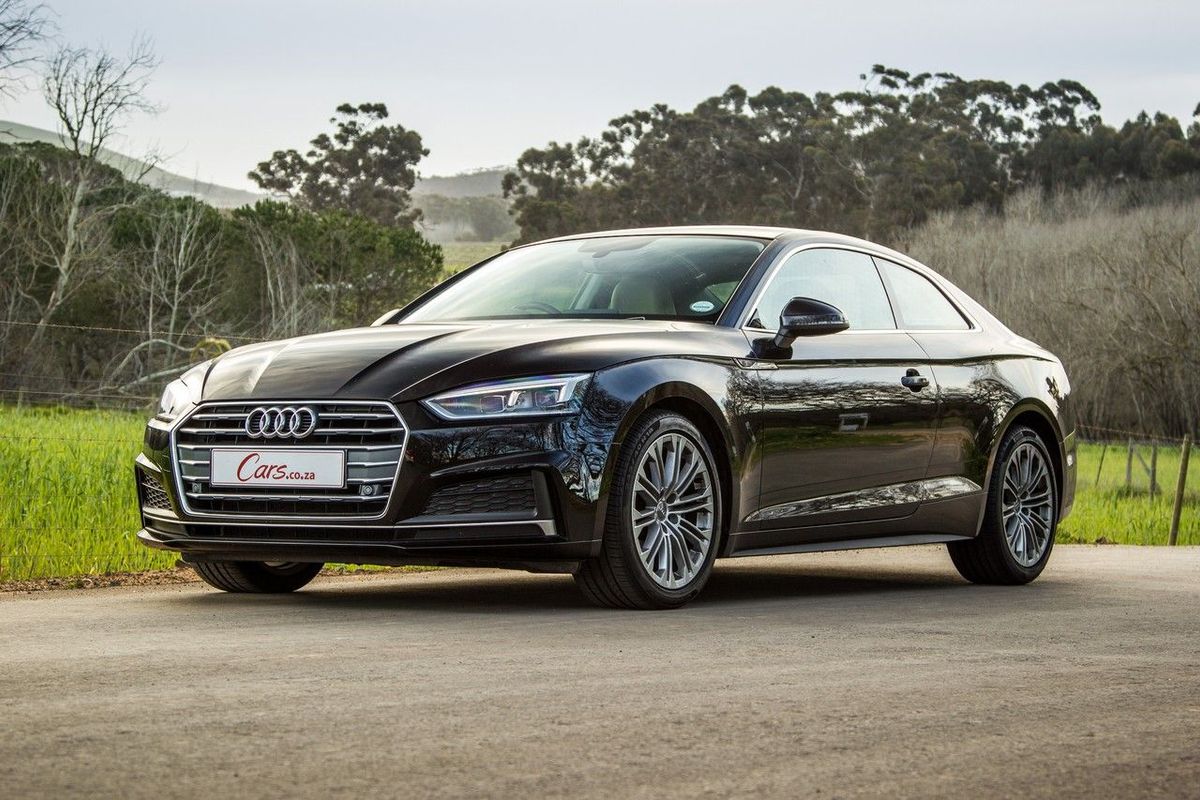
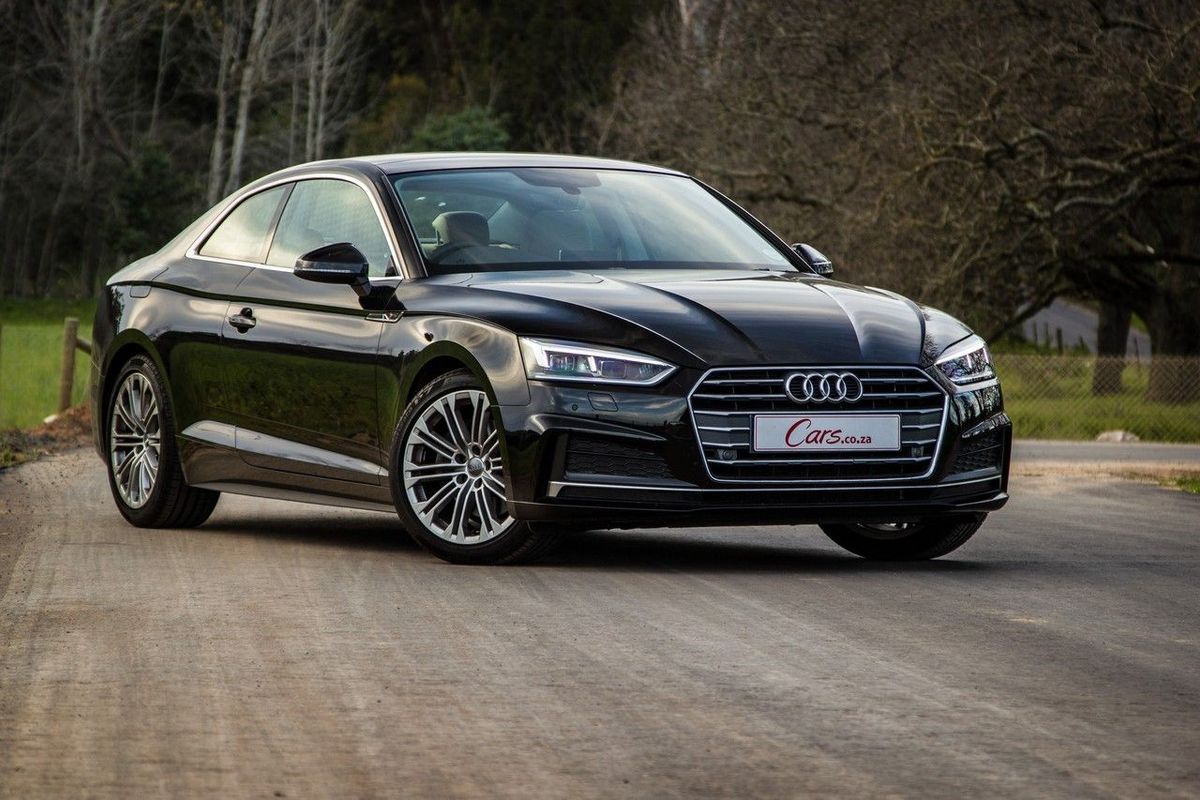
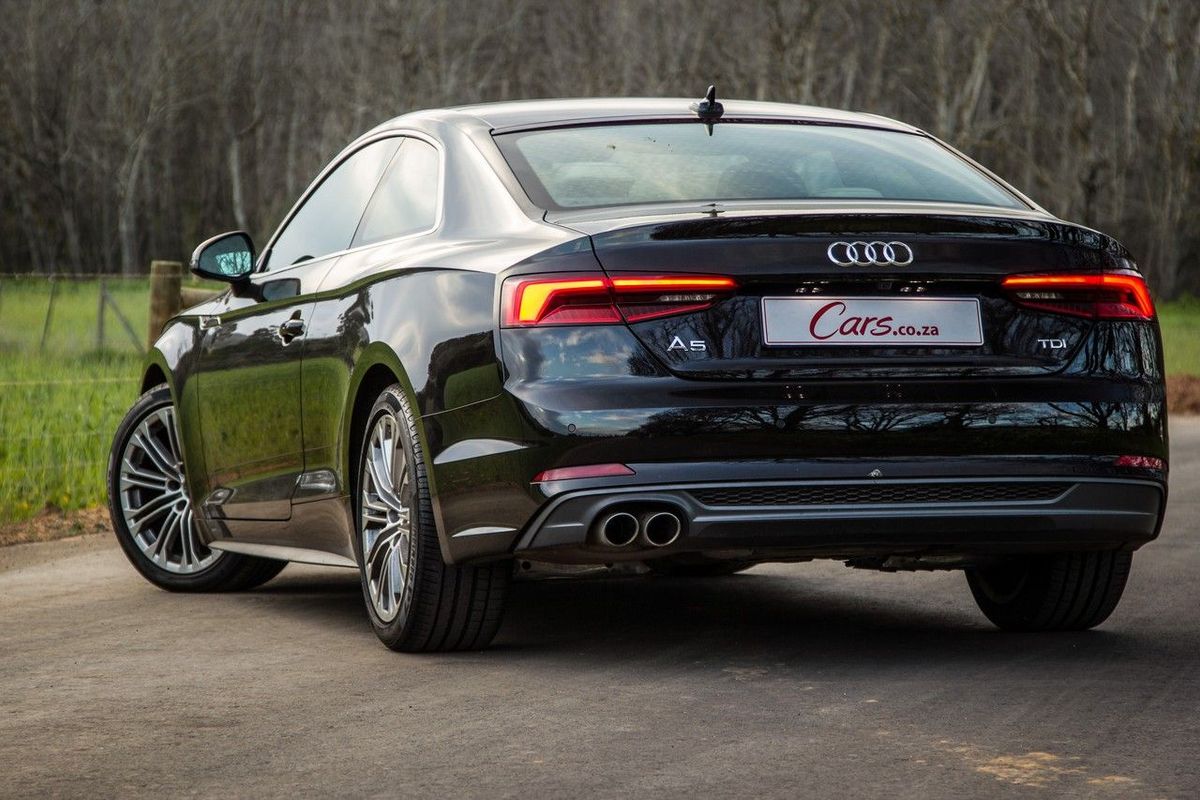
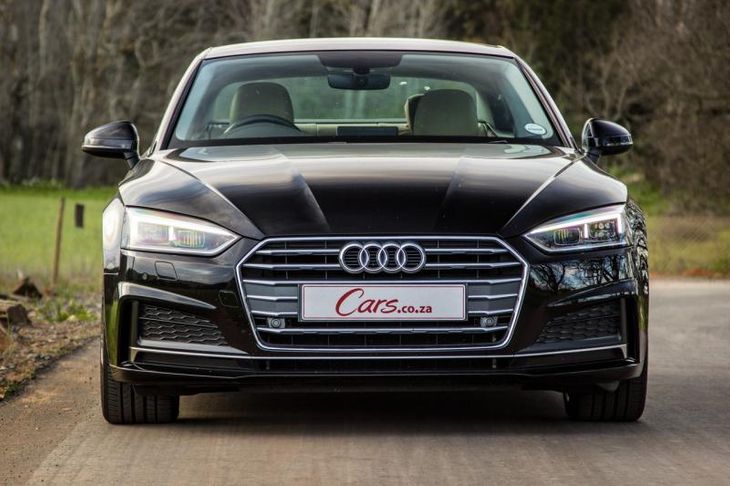
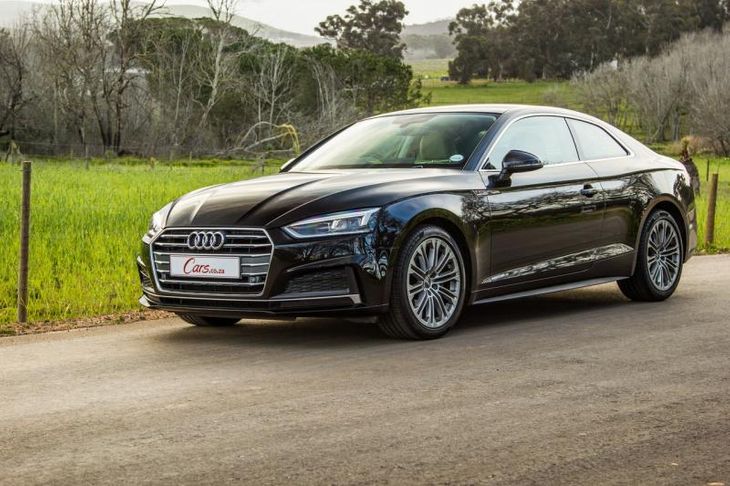
After a stellar effort with the first generation of Audi A5 coupe, the new model has arrived in South Africa with a comprehensive range; a mix of petrol and diesel motors are bolted into coupe, Sportback and cabriolet models. While we'd happily wax lyrical about the sublime S5 and fiery RS5 derivatives (which had just been launched at the time of writing), the lesser models might well be worth extra consideration. Tested here is the Audi A5 2.0 TDI, which we think strikes an excellent balance between performance, efficiency, style and luxury.
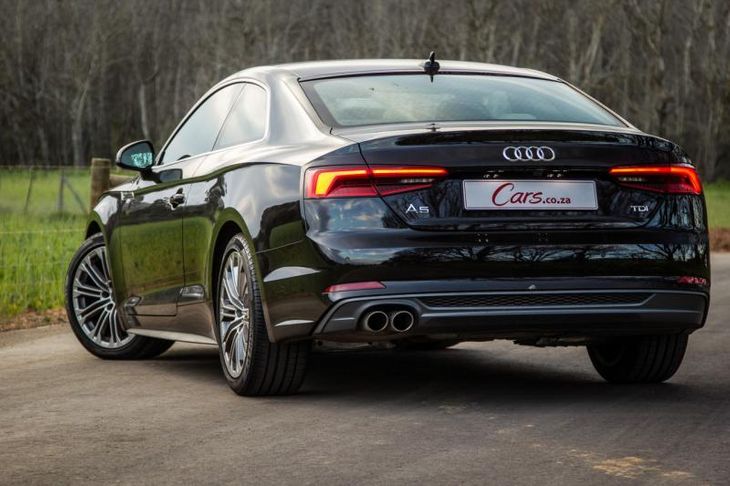
The Audi A5 range is available in coupe, Sportback and cabriolet
The Good
Punchy turbodiesel engine
A turbodiesel motor in a smart-looking sporty coupe? Wait, what? Despite it being "that engine" from the Volkswagen Group, it's still a commendable piece of kit and in A5 application, has been tuned to deliver 140 kW and 400 Nm from 2.0 litres and 4 cylinders. There's just the slightest hint of lag, only evident in the most relaxed of driving modes and then it gives it's all from around 2 000 rpm and only runs out of shove just before the red line. It also happens to sound very unlike a diesel motor, unless you happen to be standing with your ear right next to the engine bay.
In terms of performance, Audi claims a time of 7.7 seconds for the 0-100 kph sprint, which feels about right. What's more impressive is the prodigious in-gear performance, thanks to the excellent combination of torquey diesel engine and quick-shifting dual-clutch transmission. Audi's fast S tronic 'box does a damn fine job of keeping the engine in the sweet spot when you're wanting to get a move on, but can also be mapped to deliver excessively smooth gearshifts when you're in comfort mode. The big benefit of this diesel engine is the fuel economy and while Audi's claim of 4.2 L/100 km is a tad farfetched, we are happy to report that after a week's driving in mixed scenarios, we ended off with a trip average of 6.2 L/100 km.
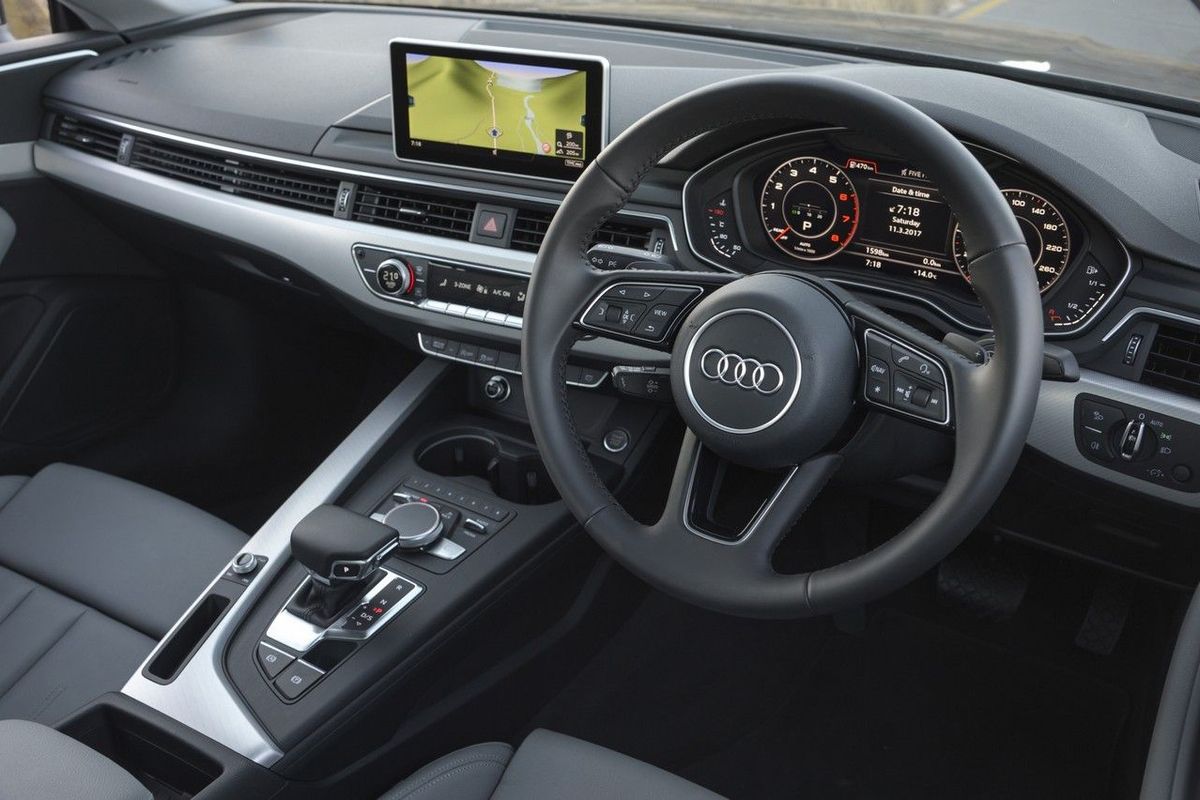
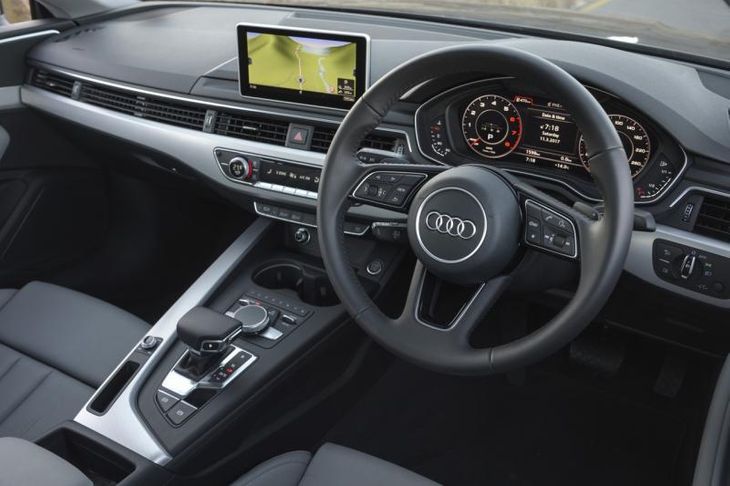
The beautiful and well-assembled cabin is classy and well thought out.
Luxury cabin
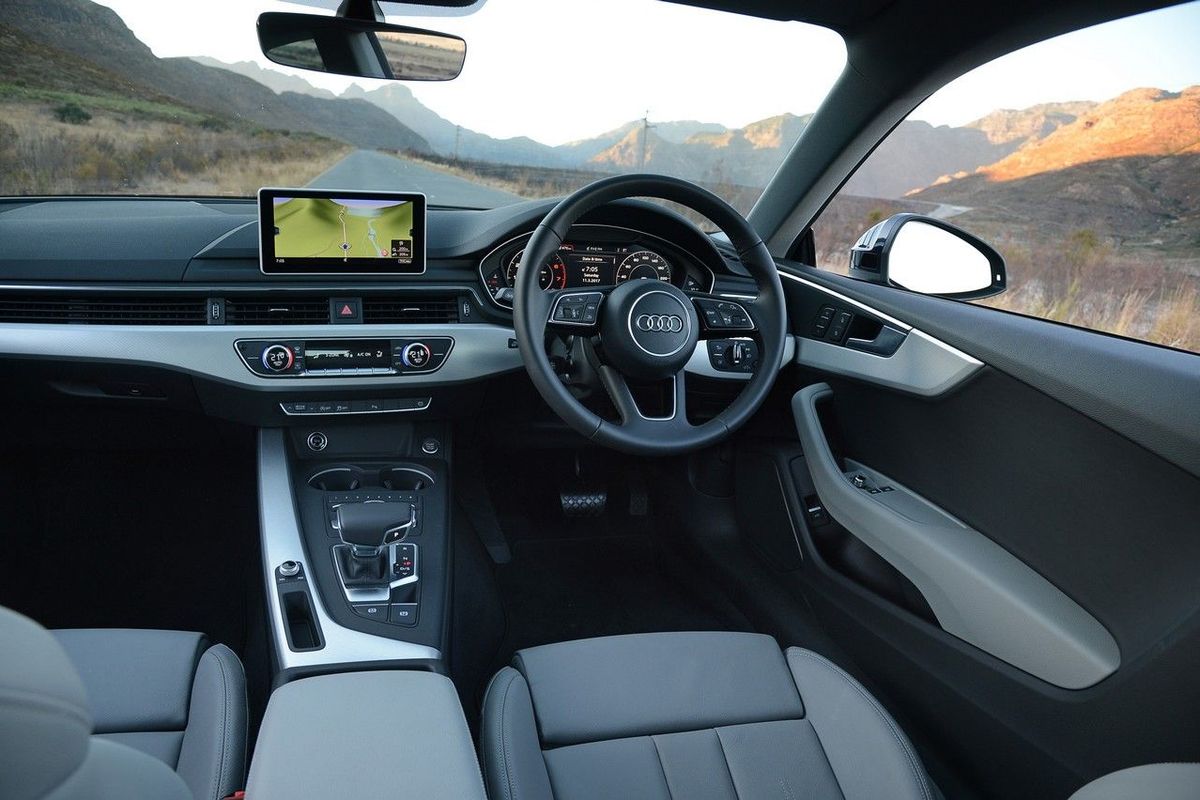
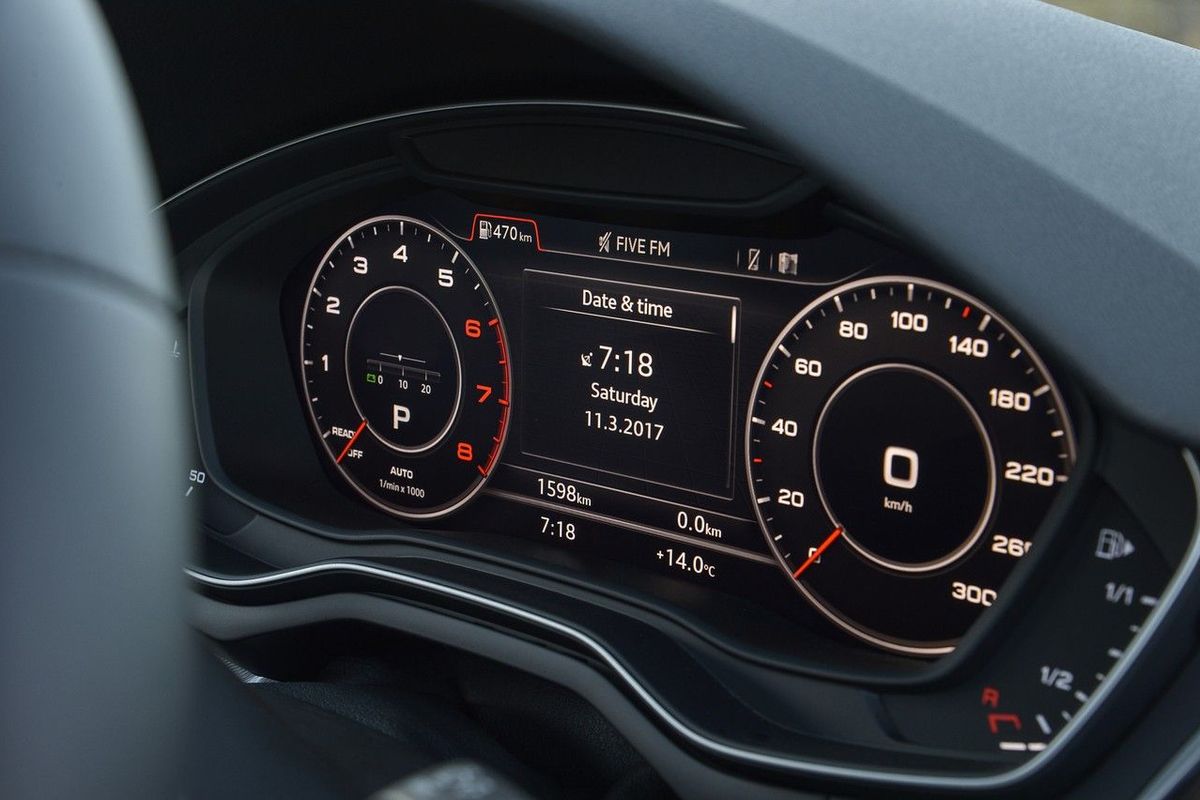
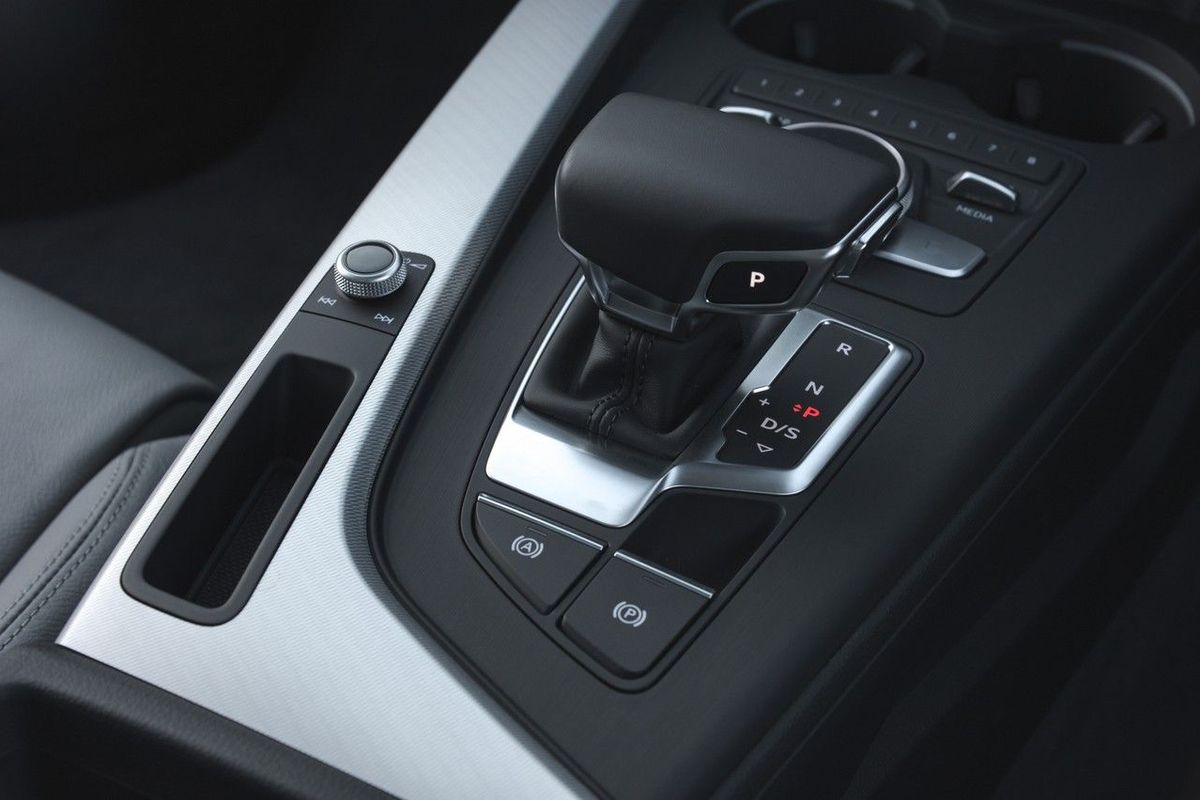
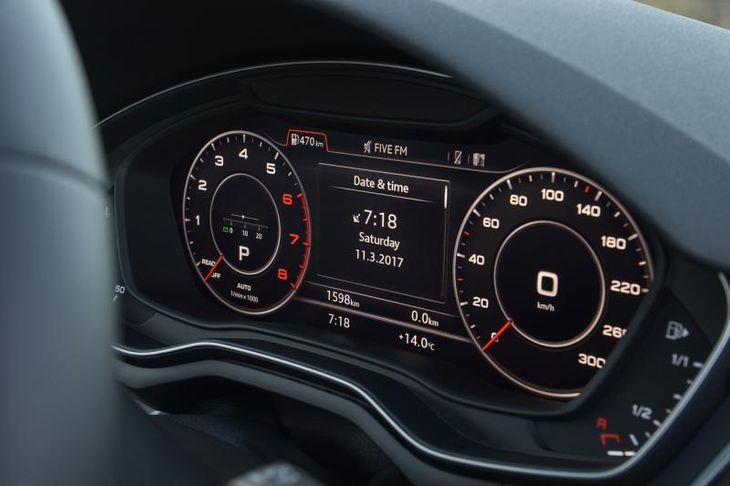
Audi has a stellar reputation when it comes to cabin design and perceived quality, and with the A5 coupe, both boxes have been ticked comfortably. From the driver's point of view, the headline act is Audi's Virtual Cockpit which is a fully digital display. Not only does it look good, but it's also effortless to use. If you're clever, you'll be able to negate the use of the middle screen altogether as everything you need is right in front of you.
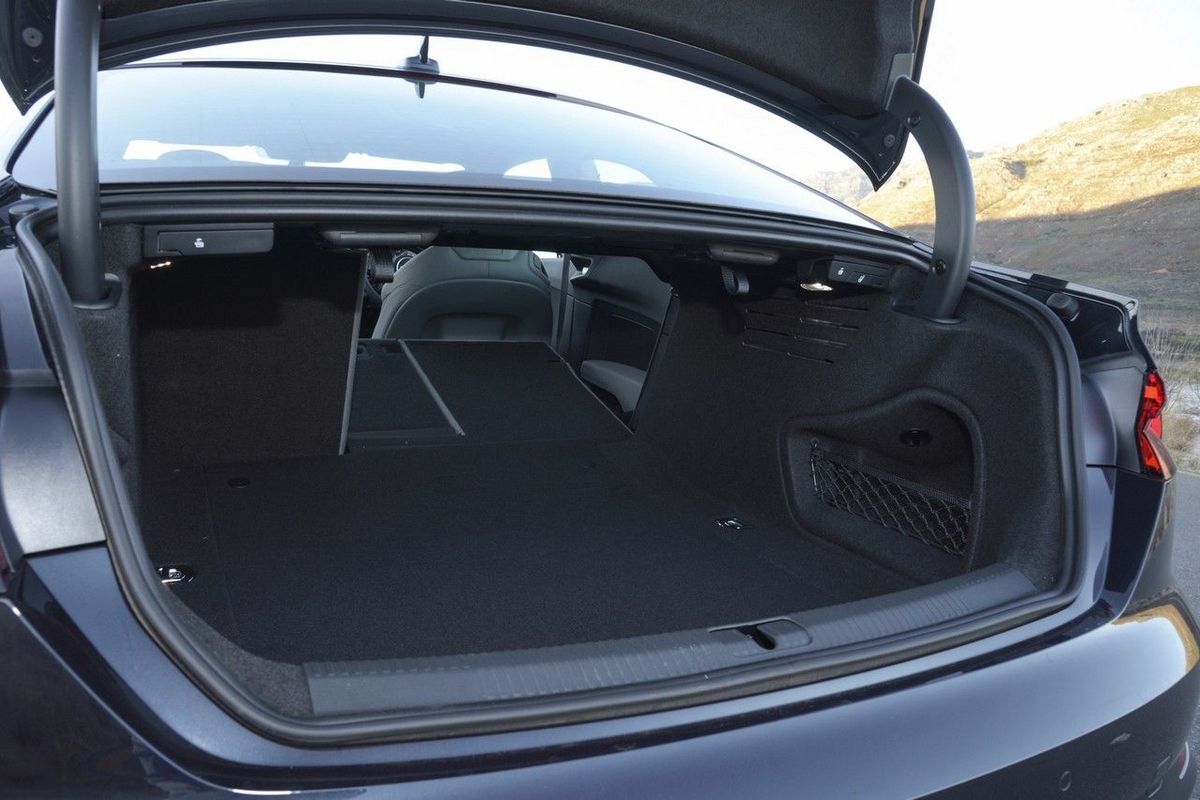
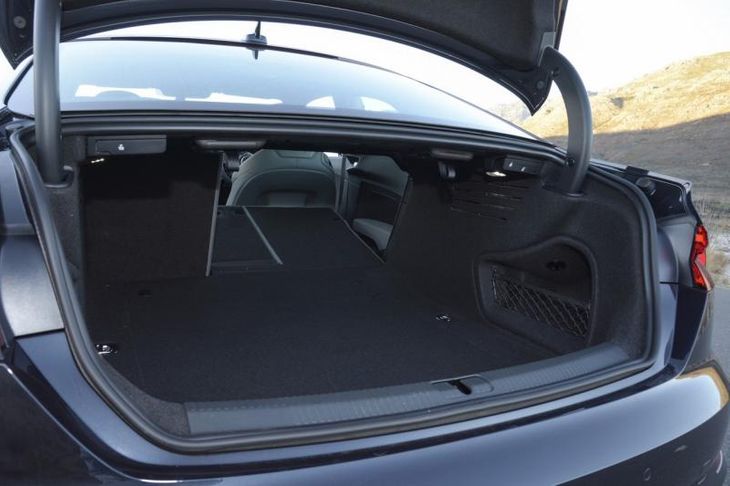
The key focus may be on luxury, but there has been careful consideration for those wanting a healthy dose of practicality. While the rear legroom falls under the Not So Good category, you'll love just how spacious the boot is at 465 litres, while the front portion of the cabin boasts plenty of storage solutions such as two cupholders, a central armrest as well as deep pockets in the doors.
Audi Virtual Cockpit. Looks fantastic and is well worth forking out the extra money for
The Not So Good
Pricey when you add options
The standard spec at this price point is generous, but of course, you'll want some of the really nice options to go with it. As it stands, our test unit price tag comfortably breached the R700 000 barrier.
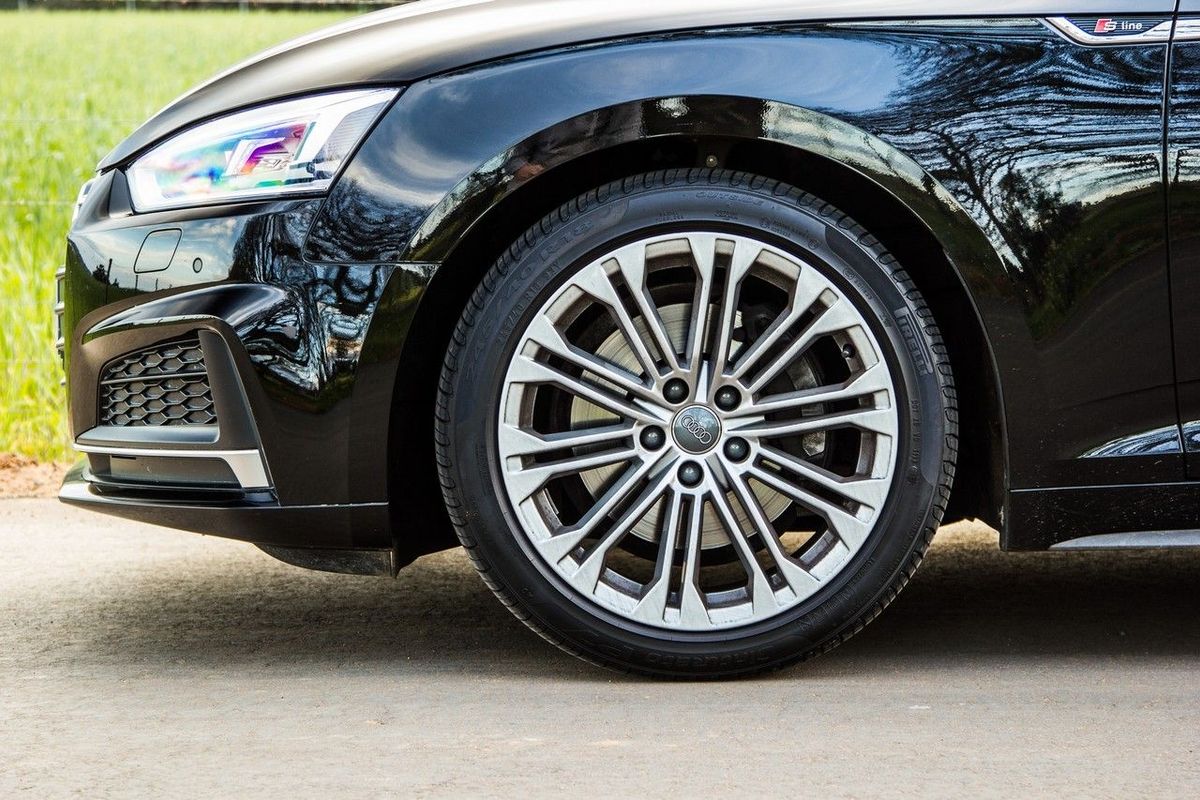
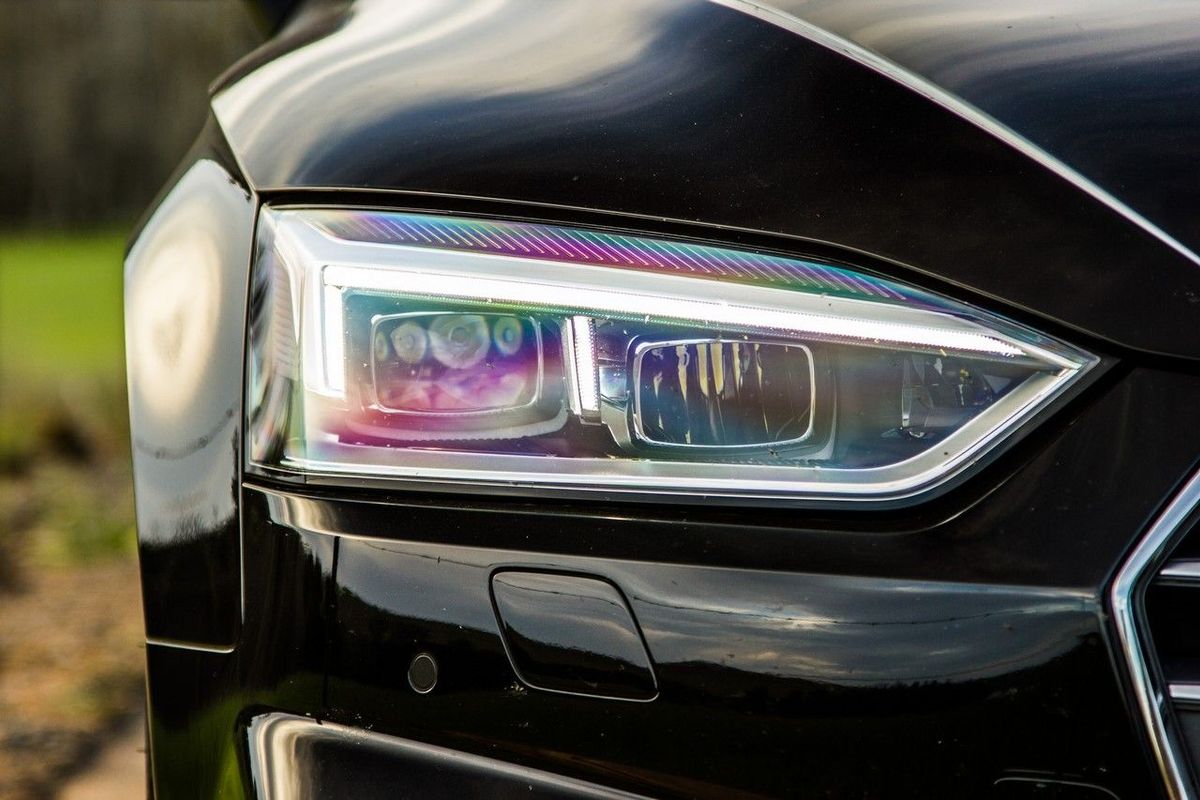
Some of the standard features that the Audi A5 Sport comes with are: automatic boot opening, dynamic suspension, space-saving spare wheel, leather steering wheel, folding rear seats, tyre pressure monitoring system, xenon headlights and LED rear lights, cruise control, automatic air conditioning, Audi sound system, Bluetooth, leather upholstery, USB and aux inputs. The Sport models get bigger wheels, sportier front seats and some chrome detailing. Our test unit came with optional 19-inch alloy wheels, which looked really good.
Cramped rear
How can Audi claim the 2-door A5 can seat 4 adults in comfort? The rear legroom is meagre at best and is compromised even further if the front occupants are tall. These seats are only suitable for small children. There are ISOfix mounts on the outer ends of the rear bench, though.
Lots of bags and suitcases can go in here. Folding the seats down increases the luggage space even further.
Price and after-sales support
The Audi A5 range starts from R620 000 with this A5 2.0 TDI S tronic sport retails for R675 500. In terms of after-sales backup, a 5-year/unlimited km maintenance plan and a 1-year/unlimited km warranty are included.
Verdict
Audi's critics say that the Ingolstadt-based marque's styling has become very formulaic, especially in terms of contemporary models' front-end designs. With the new Audi A5 however, things have taken a radical new direction and while most testers' initial opinions of the coupe were indifferent, the newcomer's styling has grown on us and represents a modern and fresh interpretation of Audi's design language. Things go from good to great when you step inside the cabin. Not only is it exquisitely finished, there's a sense of occasion and the latest technology is within reach.
On-the-road refinement is exceptional and you'll love just how comfortable the Audi A5 is, be it an open road journey for a weekend away or stuck in the 9-5 daily traffic grind. Despite it being a diesel, performance is brisk and there'll be no hesitation when it comes to overtaking slower traffic. It's brisk off the line and we were satisfied by the way it drove. While it is best to leave the car in fully automatic mode and let it do its thing, you can take over and have a pleasant hands-on driving experience. It's not going to set your pants on fire, nor was it intended to do so and Audi has products for that already in this lineup, but it'll deliver what is expected of it and a bit more.
We like the space and comfort of the new Audi A5, especially if you're not planning on having children. The boot is generous and when you fold the seats down, you can squeeze in a mountain bike. Just. We tried! Think of it this way, if you wanting something with a bit more style and personality than an A4, then get an A5 coupe. However if you wanting the best of both worlds, then best you look at the A5 Sportback, which blends both practicality and style with ease, which is why it is a #CarsAwards finalist.
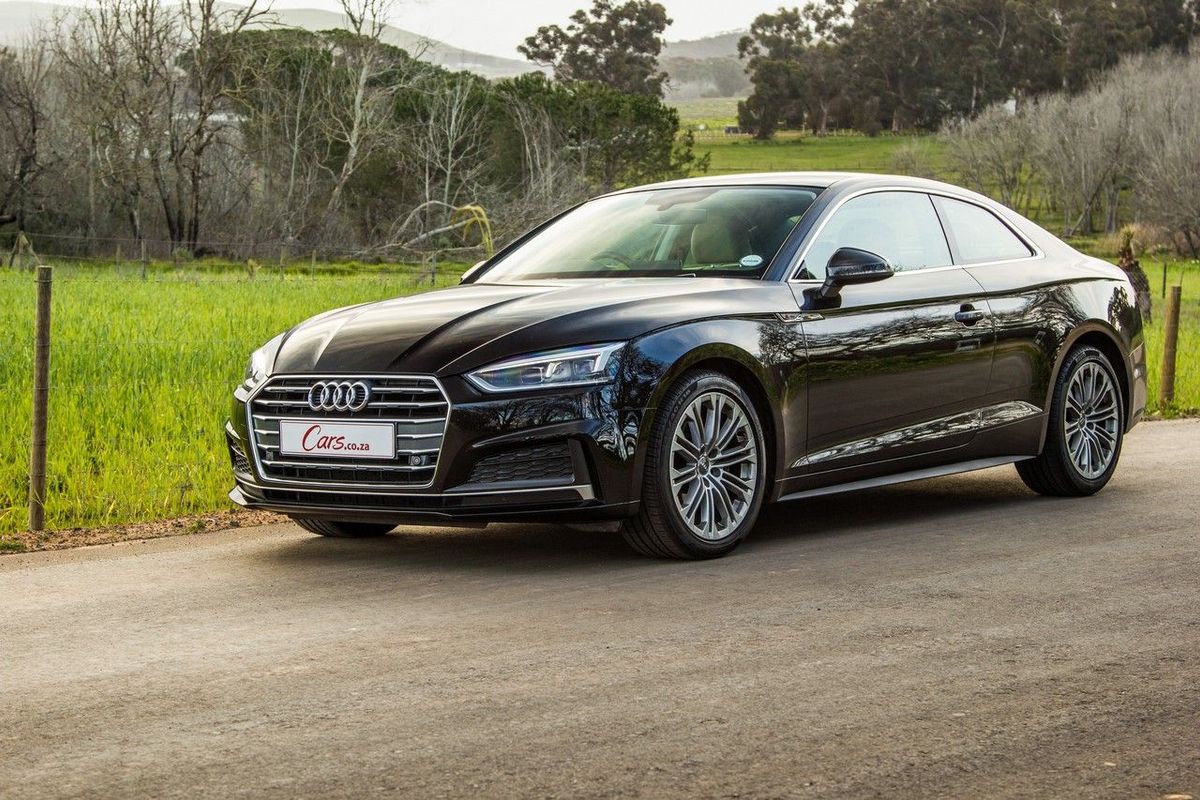
The Audi A5 2.0 TDI coupe. Refined, punchy and good if you don't plan on having children