Come Drive With Me is a brand new series hosted exclusively on the Cars.co.za Youtube Channel. We'll be hosting some of South Africa's favourite personalities and helping them experience their dream cars. And every episode we'll have something exciting planned for them, too.
In Episode 1, one of the most stylish, busiest and hard-working gents in South Africa joins us for a drive in Cape Town. Mercedes Benz kindly offered us their most powerful, most extreme AMG car available right now: the GT R. It was a perfect match.
We picked Maps up in Cape Town and headed out to Grabouw to experience the Cape Canopy Tour Zipline, set in the dramatically beautiful Western Cape heartland.
A huge thank you to Mercedes Benz and Cape Canopy Tours for making this video possible.And of course to Maps Maponyane joining us.
The Rise of World Rallycross: F1 bosses take note!
The rise of World Rallycross as a major international motorsport phenomenon gained further momentum when this colourful sport visited South Africa for the first time last week. It not only lived up to expectations but probably shattered most modern motorsport enthusiasts' perceptions of what motorsport could be… and should be.
As a type of motorsport, World Rallycross is not a new thing. It is generally accepted that the first official rallycross event took place in the late '60s in the UK, with the first race being won by none other than Vic Elford (successful sportscar, rally and F1 racer) in a Porsche 911. The fans immediately fell in love with this more action-packed type of racing where drivers didn't seem to mind rubbing door mirrors at every corner. It was dirty, fast… and just a little bit more dangerous than "normal" racing.
It was massively popular in Europe during the 80s, when the monstrous Group B rally cars that could no longer compete in the World Rally Championship found a new home on rallycross circuits. I vividly remember lapping up those old Havoc car crash videos that featured so much rallycross action at the time – my brother and I particularly appreciated the antics of Martin Scanche and Matti Alamäki, who always appeared to be on a collision course with each other. But subsequent decades saw rallycross fade somewhat, largely due to poor management and promotion.
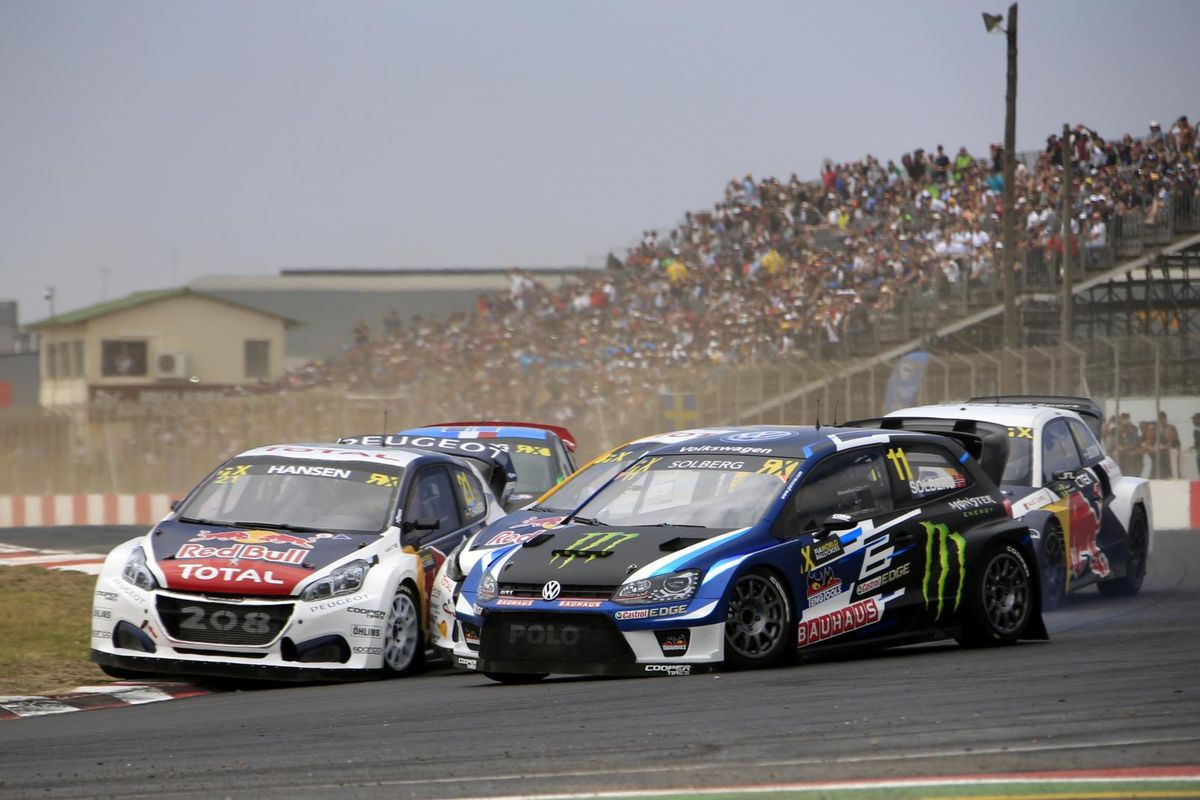
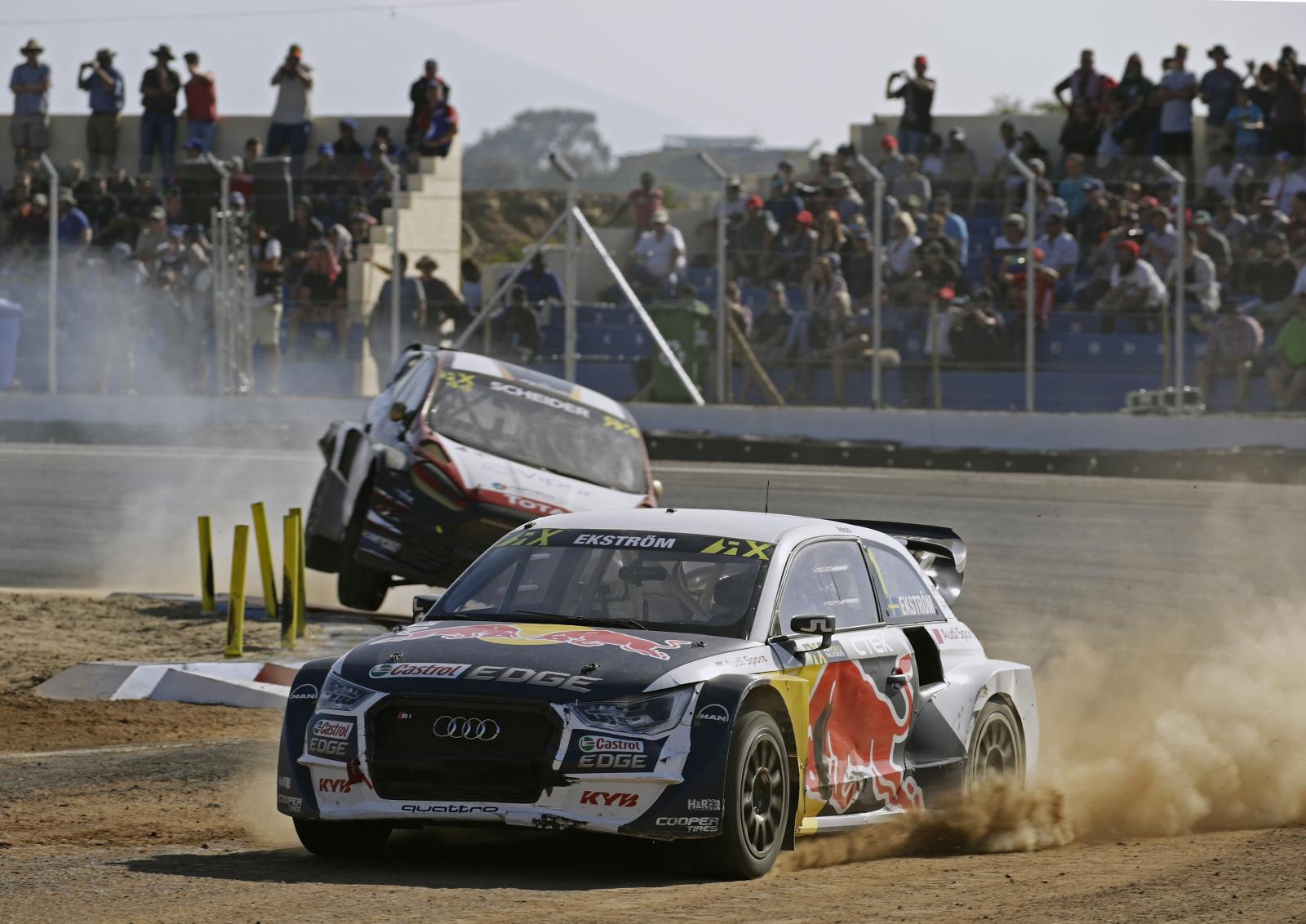
Straight off the bat, WRX pulled the crowds at Killarney and thrilled the audience.
That all started changing in 2014, the first year that the FIA and promoter IMG Motorsport teamed up to create a World Championship. Since then, and with proper marketing and promotion behind it, the World Rallycross Championship has rocketed in popularity as measured by all metrics – TV audience, social media exposure, and event attendance. It has started luring big names and official OEM participation, is heading for new territories (SA this year, USA next year), and is signing up partners and sponsors along the way.
For South Africans, and myself, this past weekend was the first time to get up close with World Rallycross. In short, it may just be the ultimate type of motorsport and it highlights so many things that are wrong with other formulae.
You can interact and identify with the personalities/cars
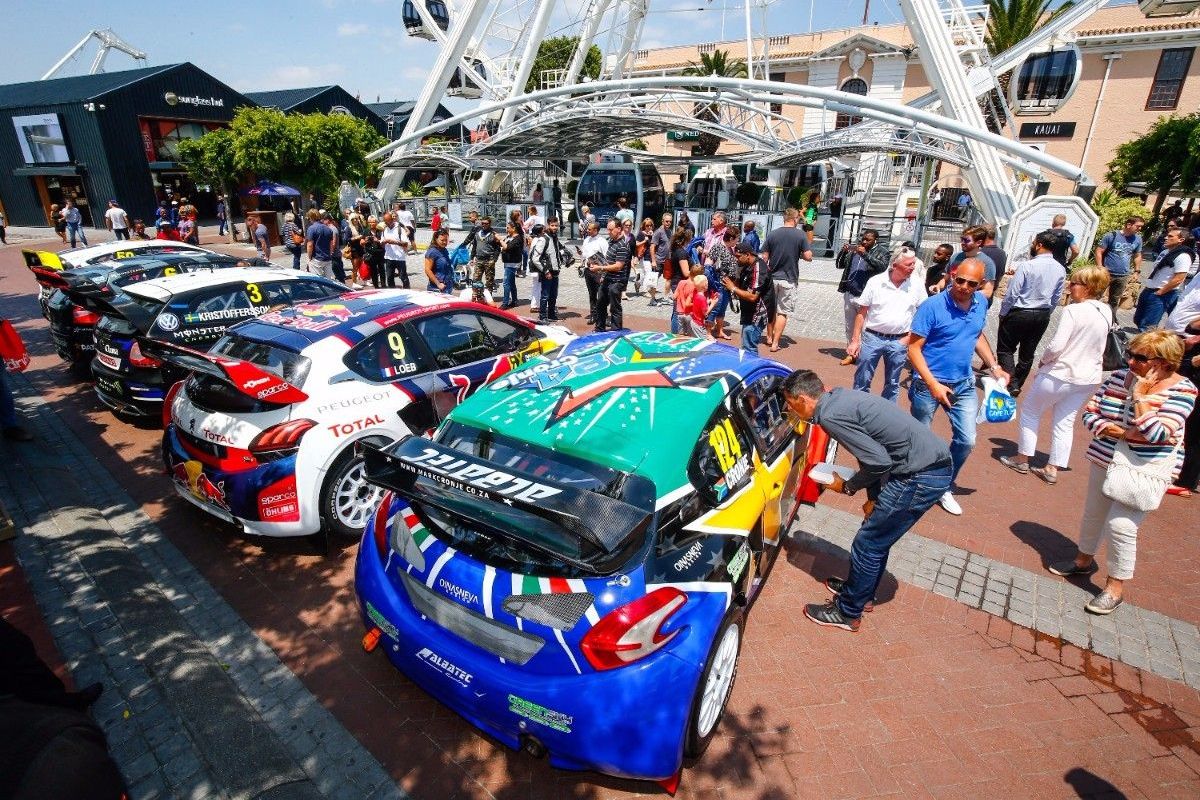
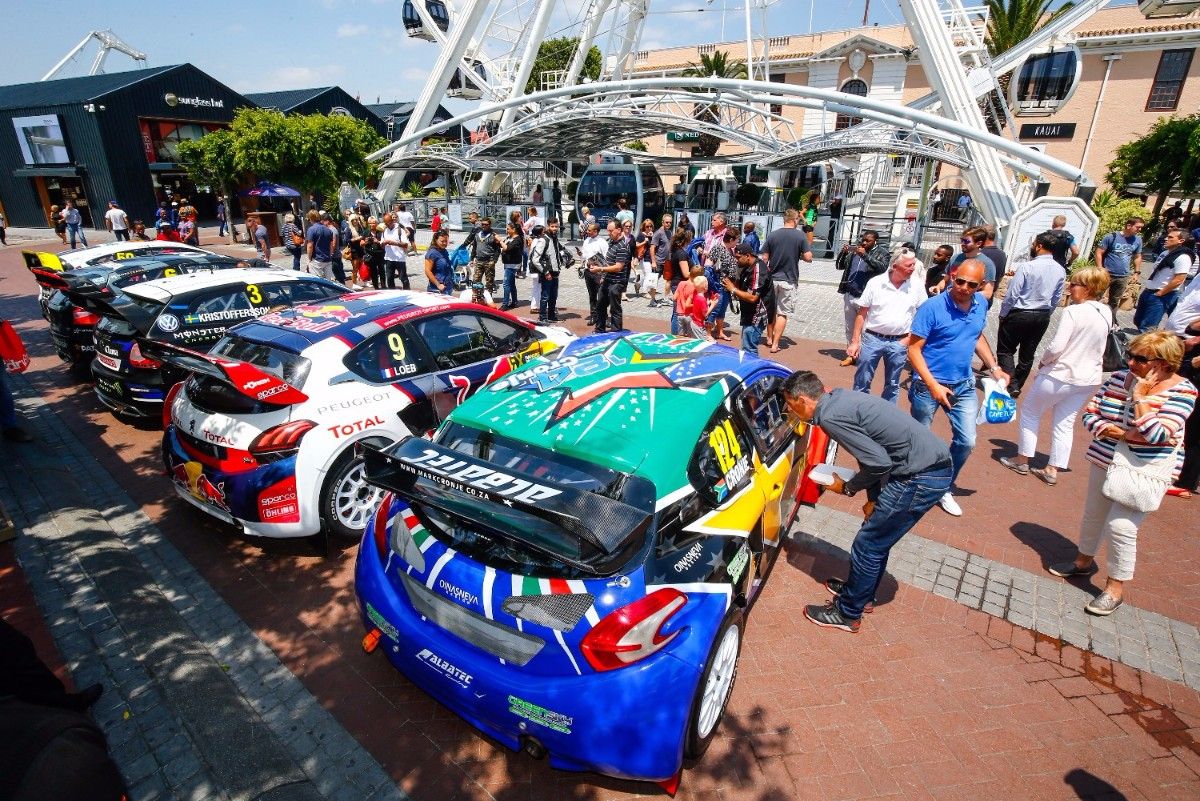
There were numerous opportunities for fans to interact with the drivers and get close to the cars.
Key to WRX's appeal to me is that the viewer can identify the cars. They look like the cars us regular folk drive (VW Polos, Audi A1s, Peugeot 208s, Ford Fiestas etc.) even though they are actually rocketships that accelerate to 100kph faster than a F1 car. Next year, Renault will also be in the mix with a brand-new Megane RS RX purpose-built by Prodrive for the sport. There also seems to be far easier public access to the cars and drivers, through pre-event meet-'n-greets or pit walks during the event weekend. Nothing beats being able to meet your heroes.
While we were standing on the grassbank, my son (a dedicated Sébastien Loeb fan) ended up next to a couple of similarly aged boys, and each of them already knew who they supported and what cars they drove. Throughout the weekend it became clear that the WRX drivers' names are aleady becoming very familiar to the attendees and that passionate fans were being made. I don't really see that with modern-day F1.
WRX is designed to entertain
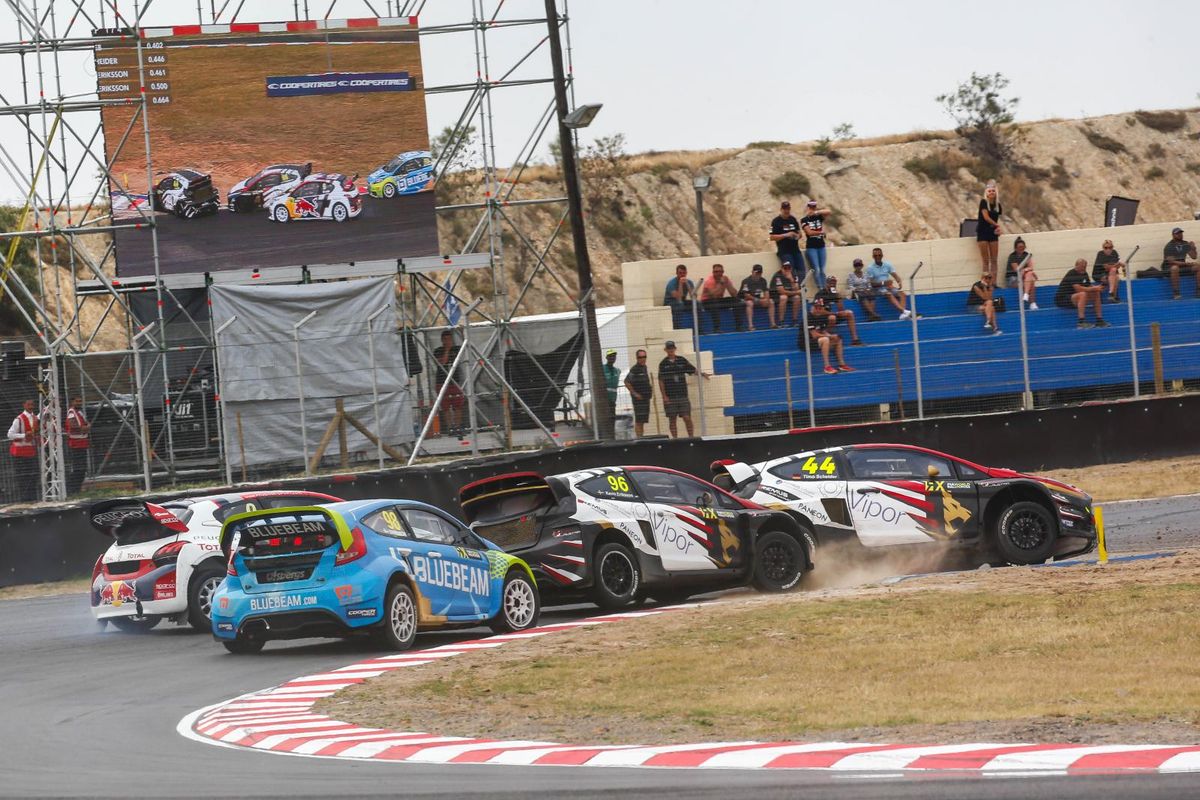
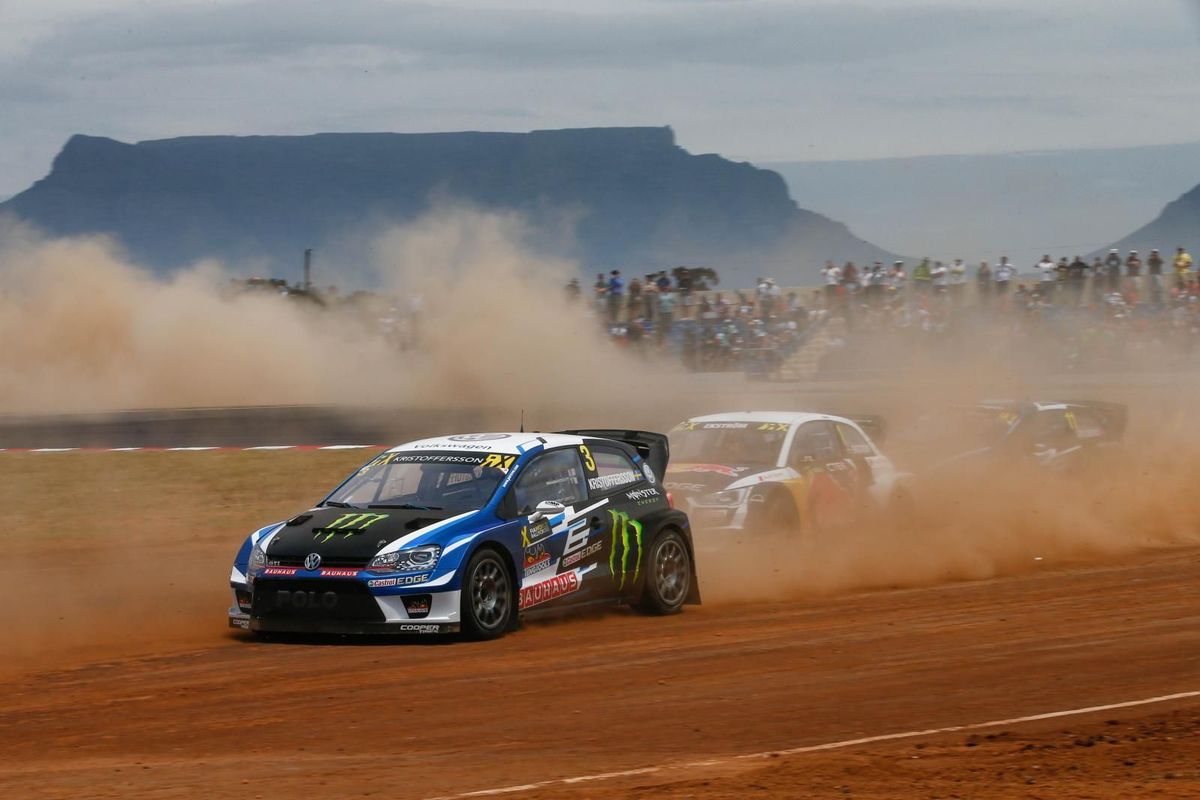
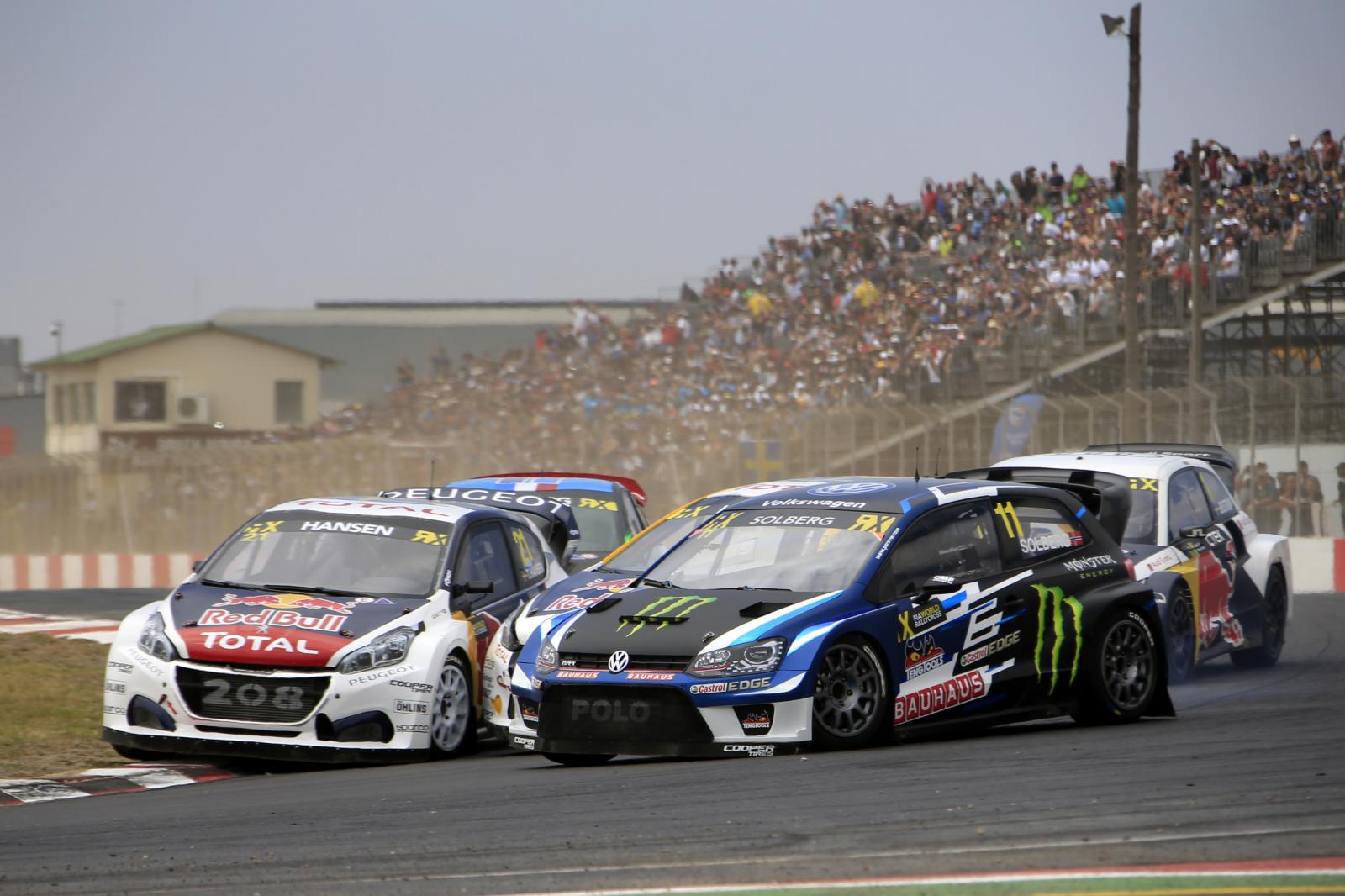
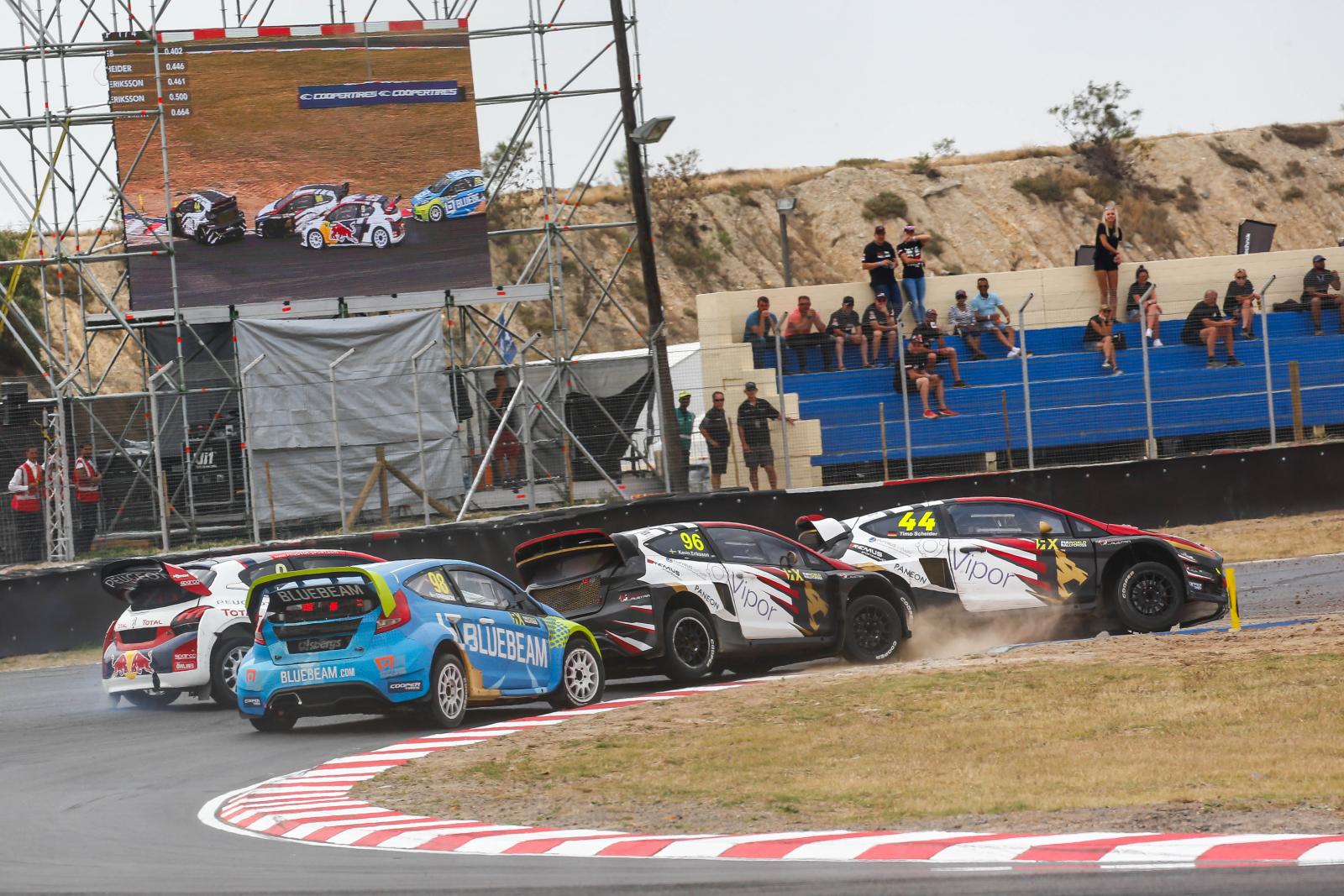
The mix of dirt and tarmac, along with tight corners, jumps and a joker lap contribute to the fast-paced action.
A WRX event takes place over the course of 2 days, with various qualifying heats and semi-finals in addition to the all-important Supercar finals. Also, the supporting RX2 category qualifiers and races are not there as place-keepers. They're action-packed, too, and certainly not the ideal time to pop to the loo or refreshments stands. The races are all short, however, and very fast-paced. This means the cars are generally close together on the track, resulting in lots of action. A joker lap (a slightly longer lap that each driver has to take once per race) adds a welcome element of strategy and surprise.
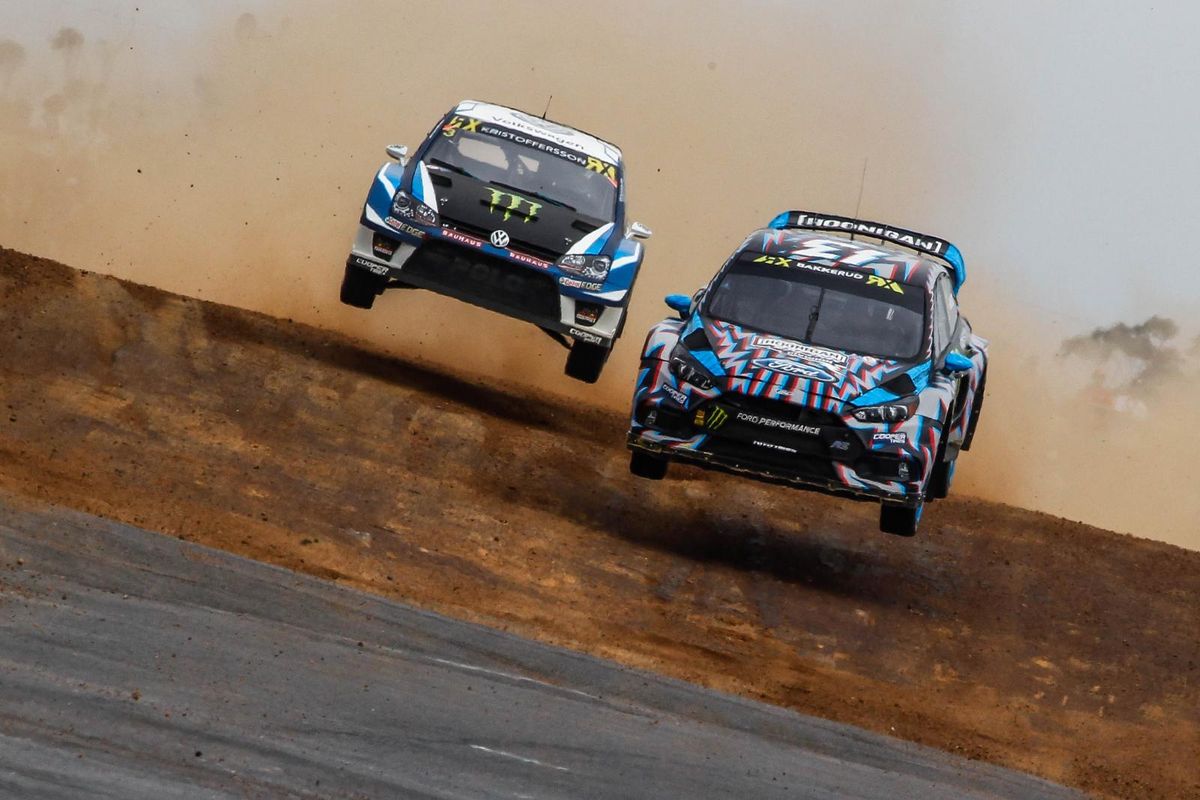
Each WRX track must have a jump (because watching cars jump are fun), and you can view most of the track from almost any viewpoint. I took my son to view from the "cheap seats" (grass bank), and we had no problem viewing most of the action (except for turn 1 which was out of sight).
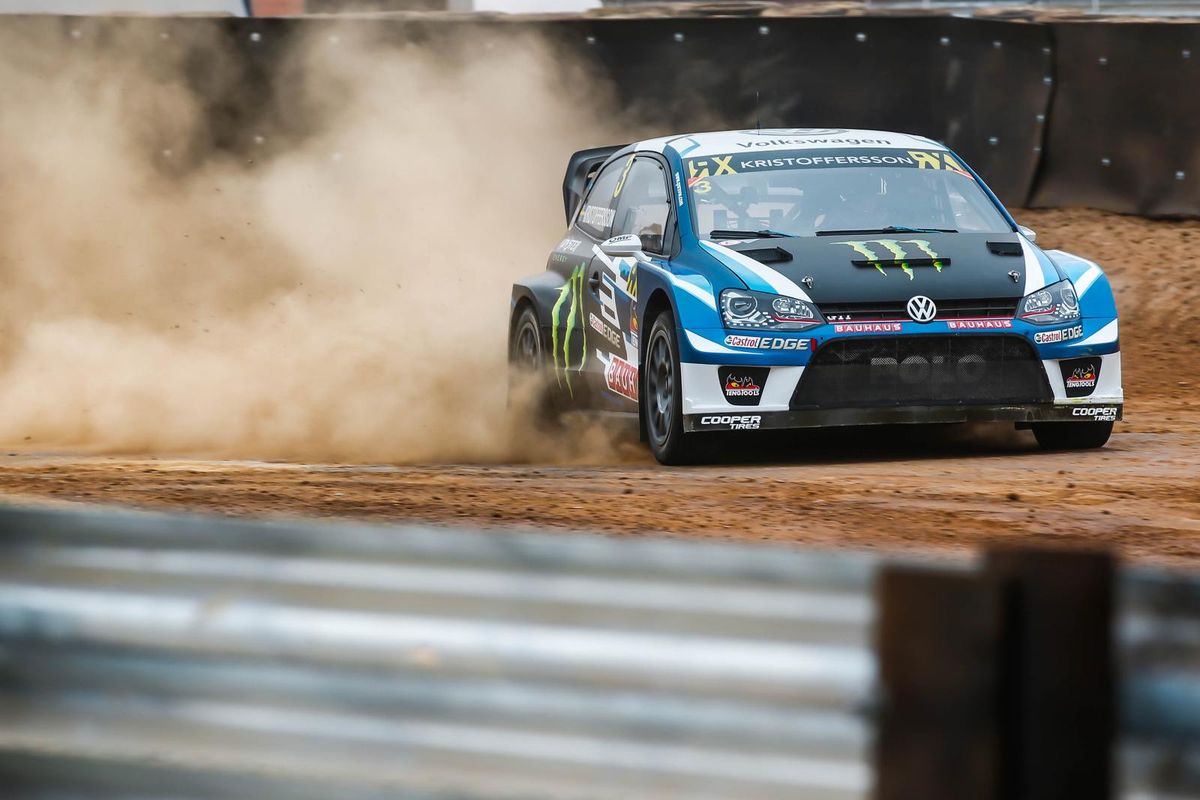
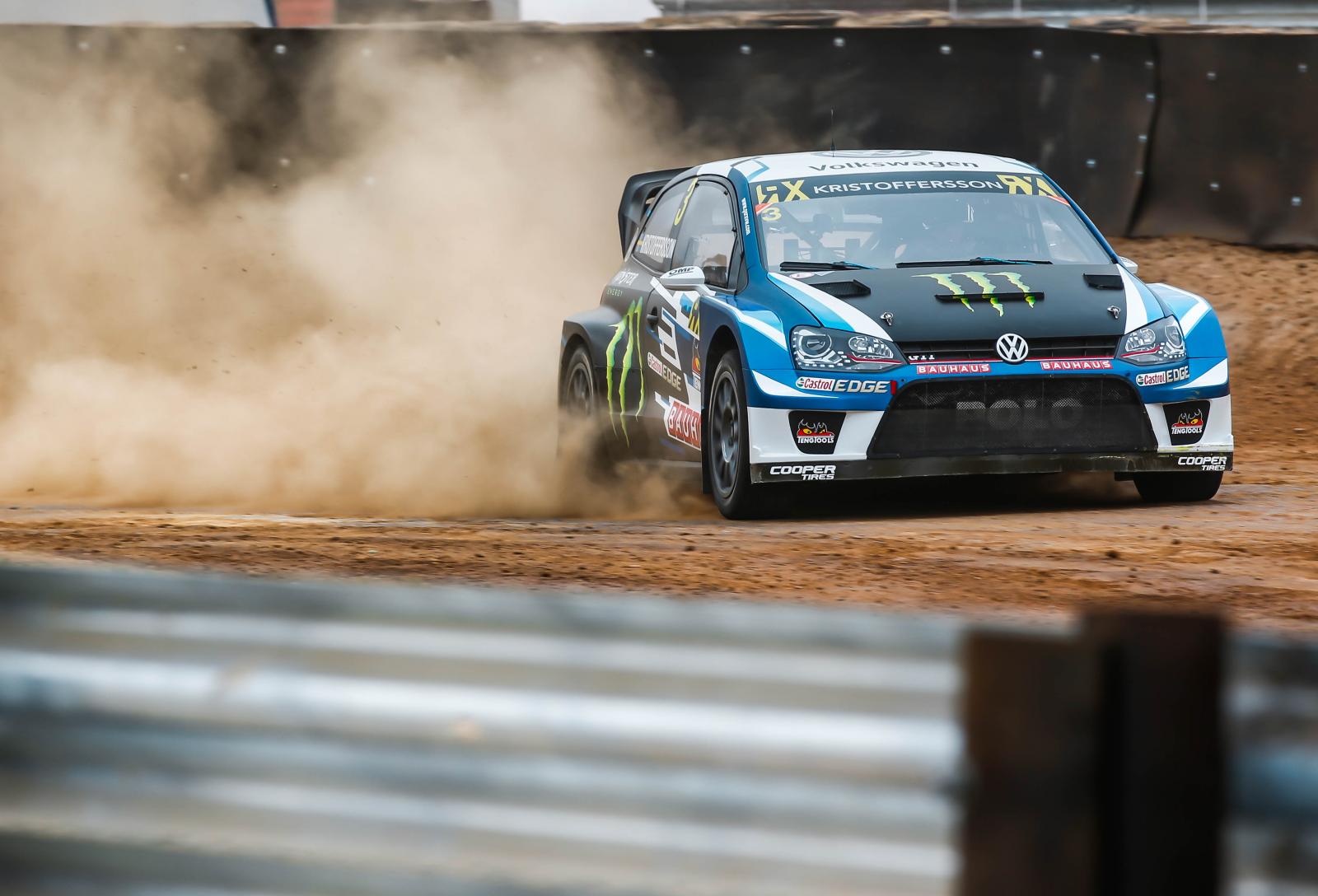
The VW Polo is the "winningest" WRX contender thus far.
Packed between the racing events are a variety of other motorsport-related activities, including stunt shows and drift displays. You get the distinct impression that WRX doesn't take itself too seriously, and as a result the crowd feel more at home. It is very different to the experience at a modern F1 race…
Ultimately, however, the combination of fearsomely fast cars, utterly committed drivers that don't care how much of their car makes it to the end, and a track purposely designed to encourage paint-swapping action is what delivers the thrills, every time. It certainly did so at Killarney. I initially wondered whether those paying R700 for grandstand seating would be getting value for their money. Considering that the action goes on all weekend and is pretty relentless… I wonder no more.
Interesting factoids
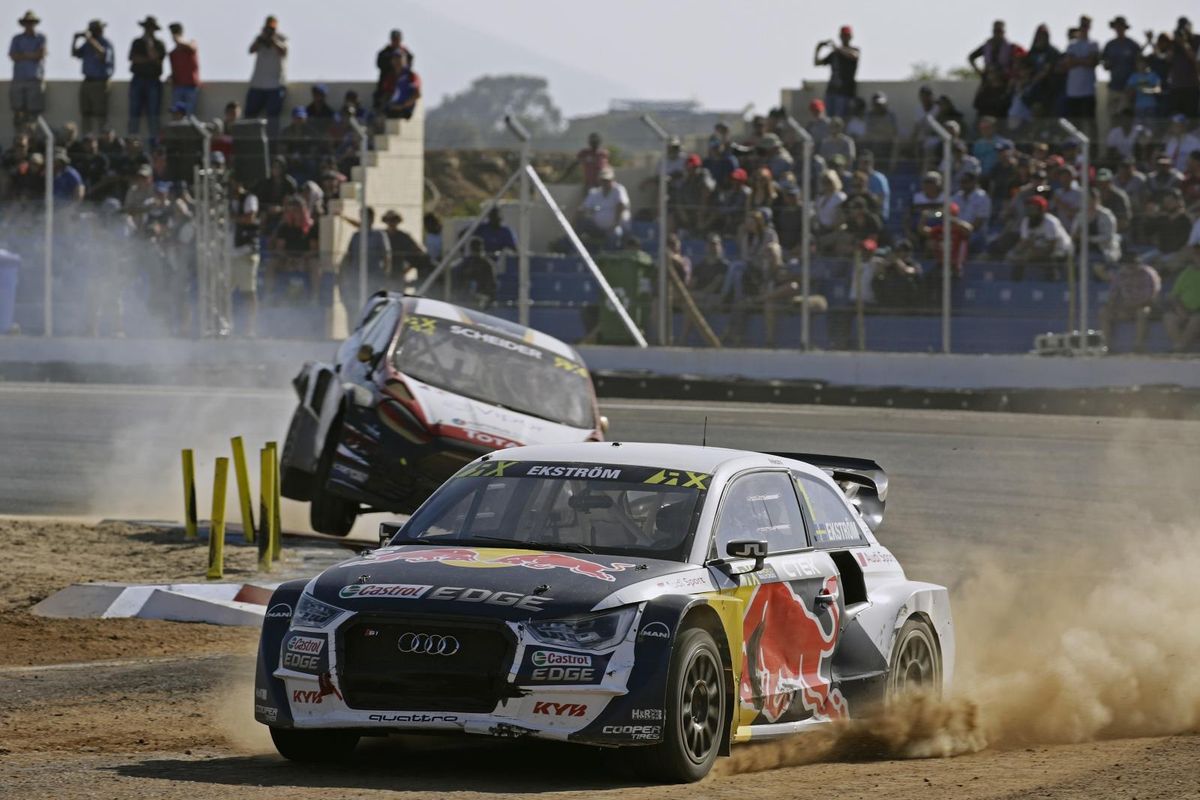
Even the "support acts" delivered plenty of thrills throughout the weekend.
If you're new to following the FIA World Rallycross series, you may be interested in learning some its recent history. Including the newly crowned 2017 champion (VW's Johan Kristoffersson) there have been only 3 champions since 2014, with Petter Solberg winning in the first 2 years of the series, and Mattias Ekström claiming the title in 2016.
The VW Polo has claimed the most all-time wins in the Championship with 11 victories, followed by the Citroën DS3 (9) and Peugeot 208 (8).
What happened at Killarney?
If you couldn't make the race, then sit back and lap up the action in this 2-hour plus recording of the main races this past weekend. At times the racing is so combative and thrilling it may leave you breathless. Enjoy! By the way, with an audience of over 27 000, the event nearly hit maximum capacity (30 000), boding well for the future. Cape Town has a contract to stage the season finale for the 4 next seasons of FIA World Rallycross.
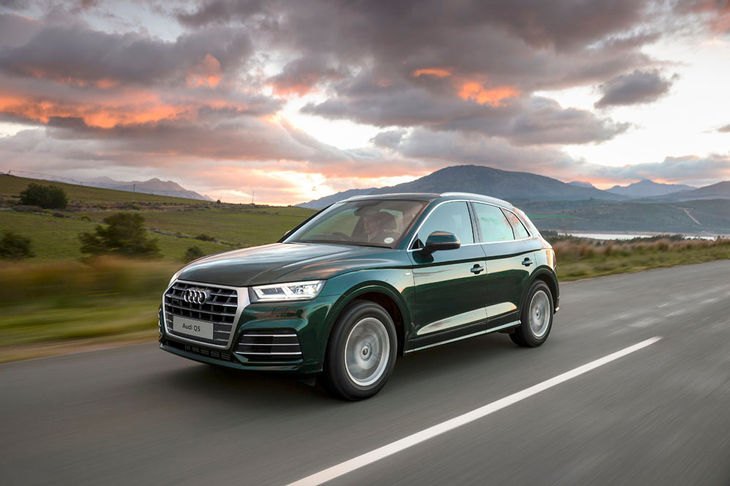
What makes the Audi Q5 2.0 TDI Quattro Sport a strong contender in the Executive SUV category of the 2017/18 Cars.co.za Consumer Awards – powered by WesBank? We investigate…
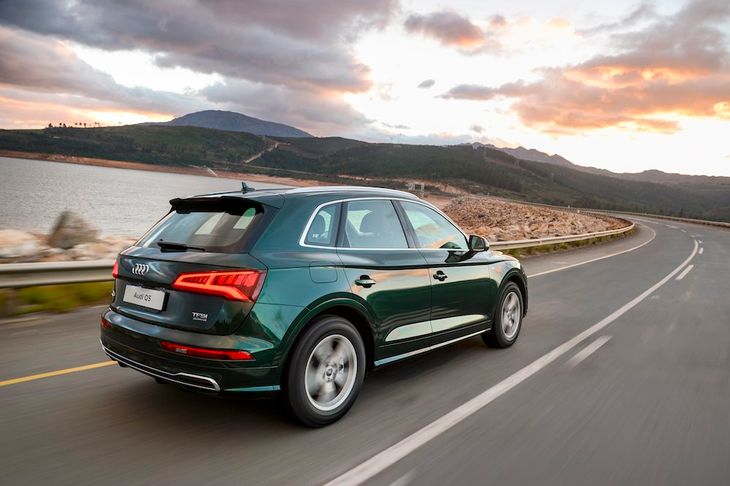
The all-new Audi Q5 is a new edition for 2017. The new model is larger than before but also lighter thanks to the use of lightweight materials. Interior levels of comfort have been increased and the general ride and drive has been geared towards supple comfort. Will it best its rivals to scoop the win in the executive SUV category?
3 Reasons Why Audi Q5 2.0 TDI Quattro Sport is a #CarsAwards Finalist
1. Refinement and fuel economy
Audi makes outstanding turbodiesel engines and this 2.0 TDI with 140 kW and 400 Nm of torque blends effortless acceleration with a surprisingly linear climb up the rev range. The 7-speed S tronic dual clutch mates perfectly with the engine, keeping quick acceleration within reach as you prod the throttle pedal. What’s more, fuel efficiency for this Q5 is claimed at 4.9 L/100, km which is impressive for a vehicle of this size.
2. Quality interior
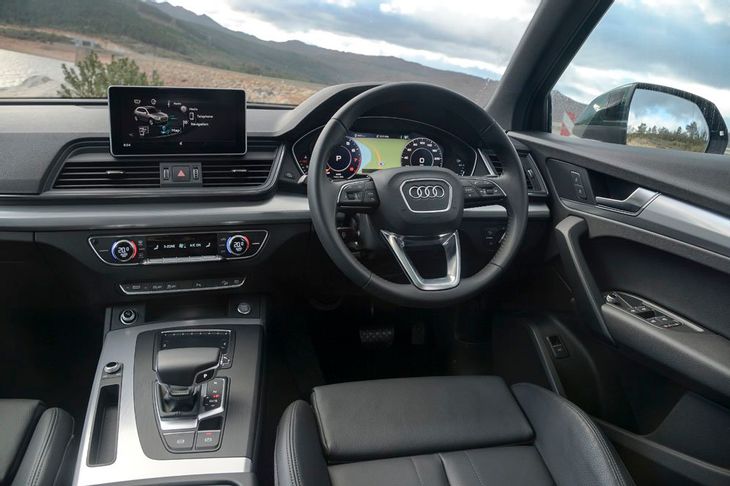
The choice of materials, sophistication of the technology and overall fit and finish are excellent in the Q5. Your eyes will be drawn first to the excellent 12.3-inch Virtual Cockpit colour screen which displays vital information directly ahead of the driver. The MMI infotainment system, displayed on an 8.3-inch screen in the centre stack, is also as good as ever, ticking every type of usability and connectivity box you’d like, including Wi-Fi, a wireless charging bay and Apple CarPlay and Android Auto smartphone mirroring functions.
3. Magic ride
With the standard 18-inch wheels fitted, the ride in the Q5 is serene as it nonchalantly glides over potholes and road joints. Even washboard dirt roads can’t unsettle the Q5’s sorted chassis. Audi has fitted quattro as standard on the new Q5 so traction on slippery surfaces is excellent too.
Watch our video review of the Audi Q5 2.0 TDI quattro below!
Have Your Say: Complete our survey and WIN!
Do you own a Q5? We would love to hear from you! Tell us about your experience by completing our Ownership Satisfaction Survey. Your input counts for 50% of the final result!
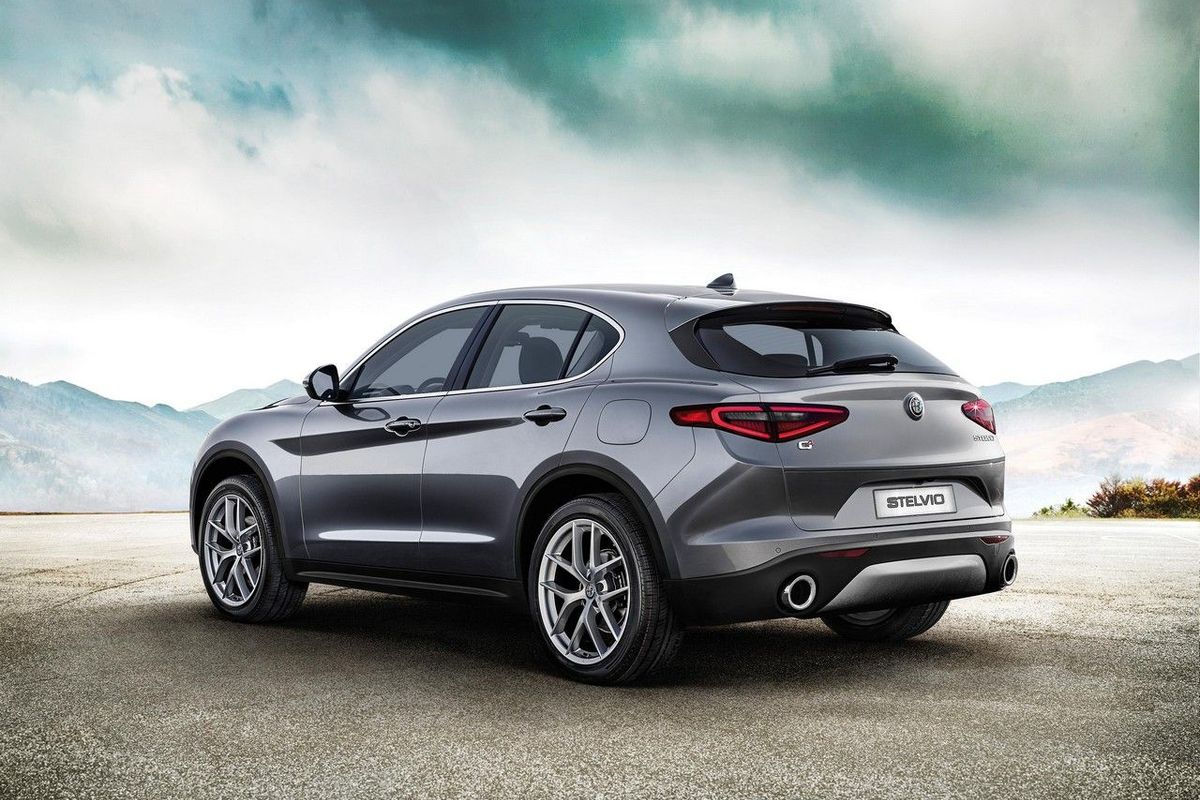
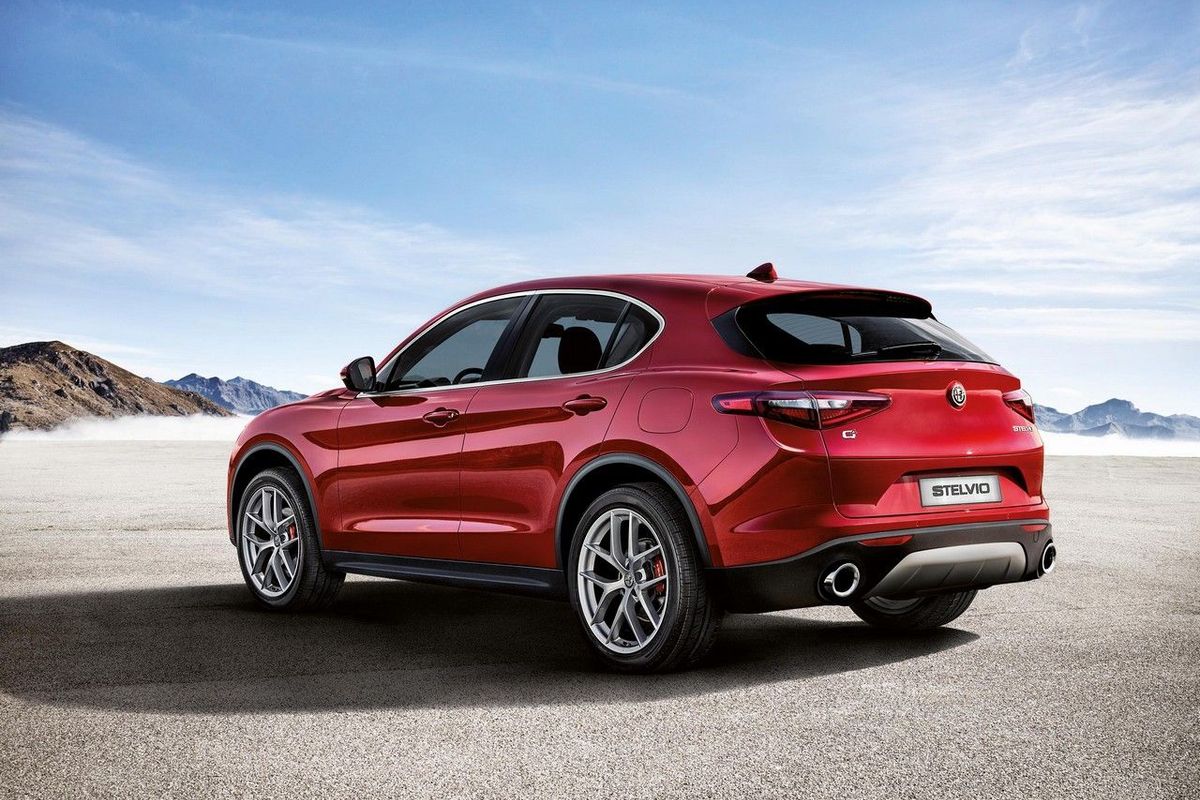
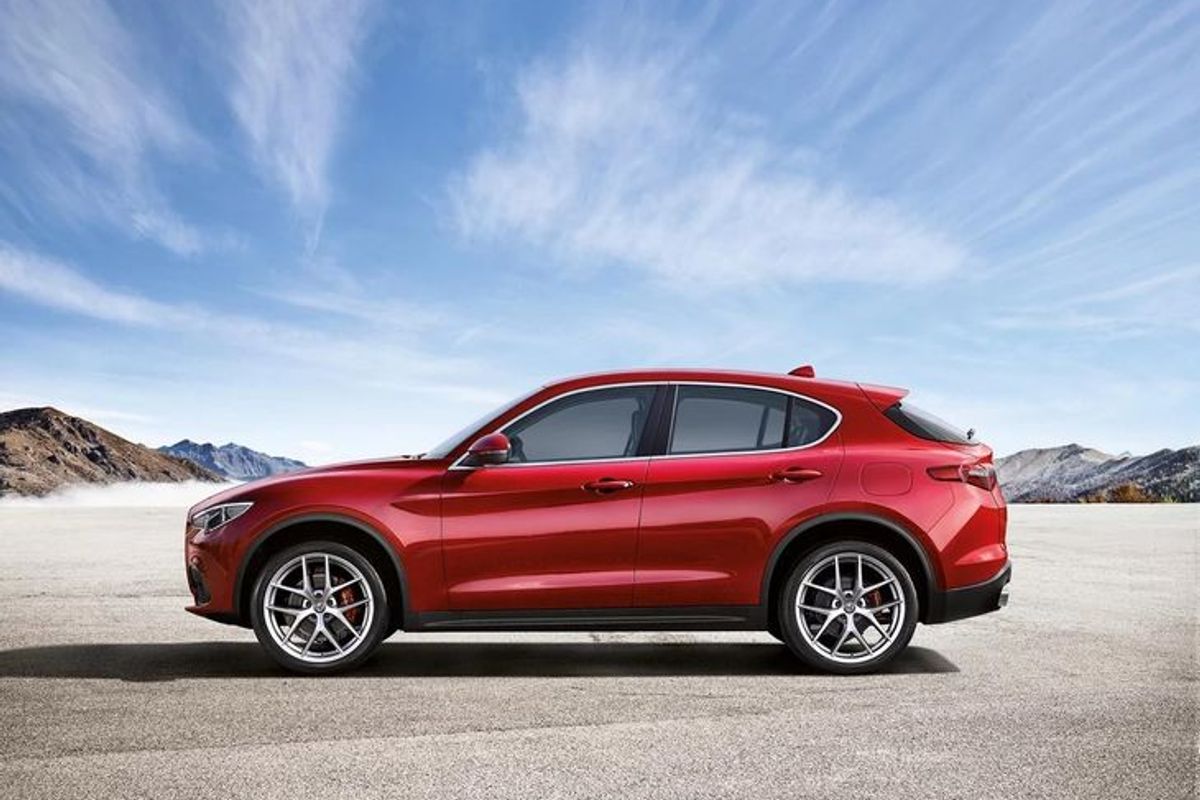
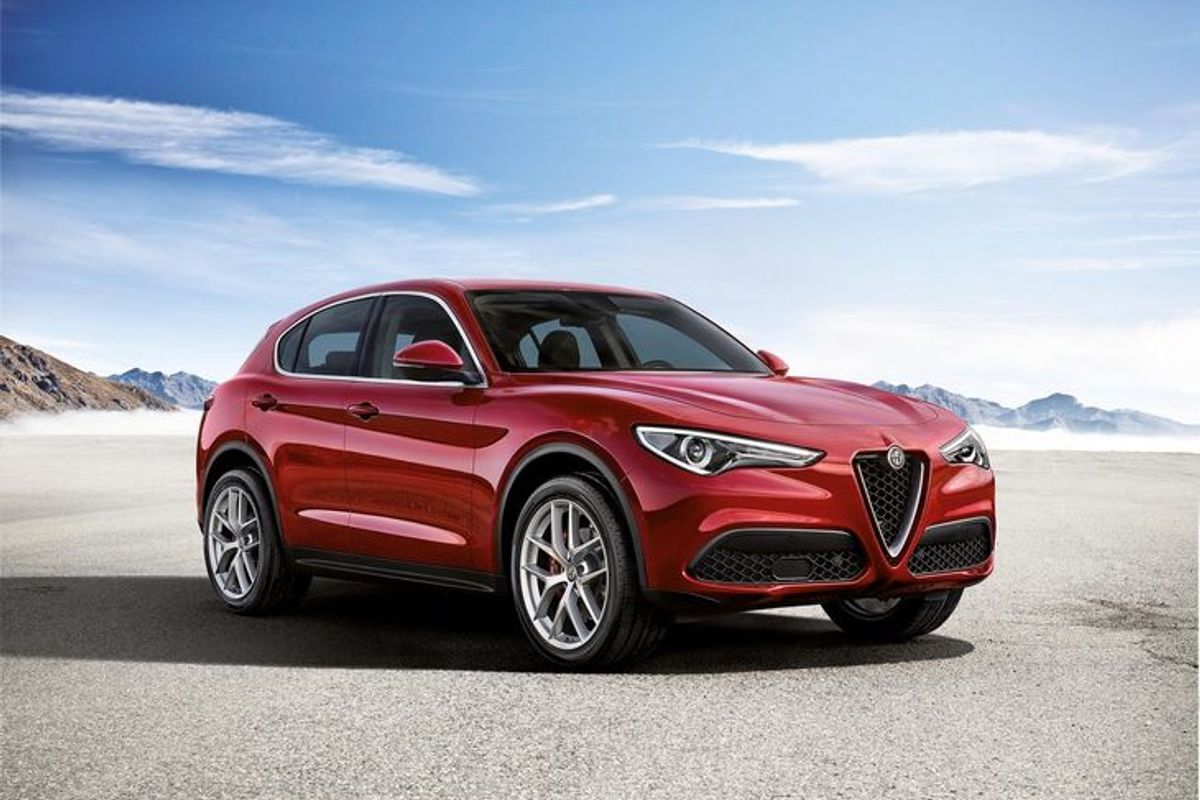
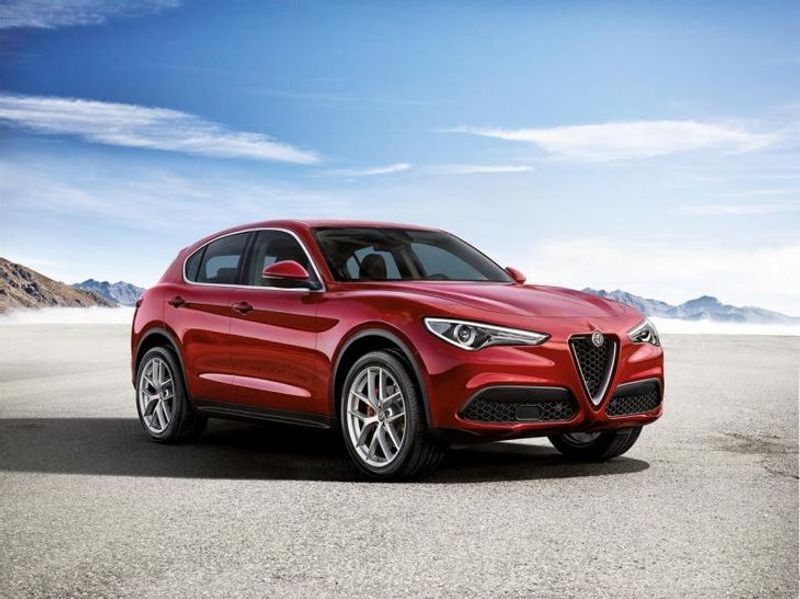
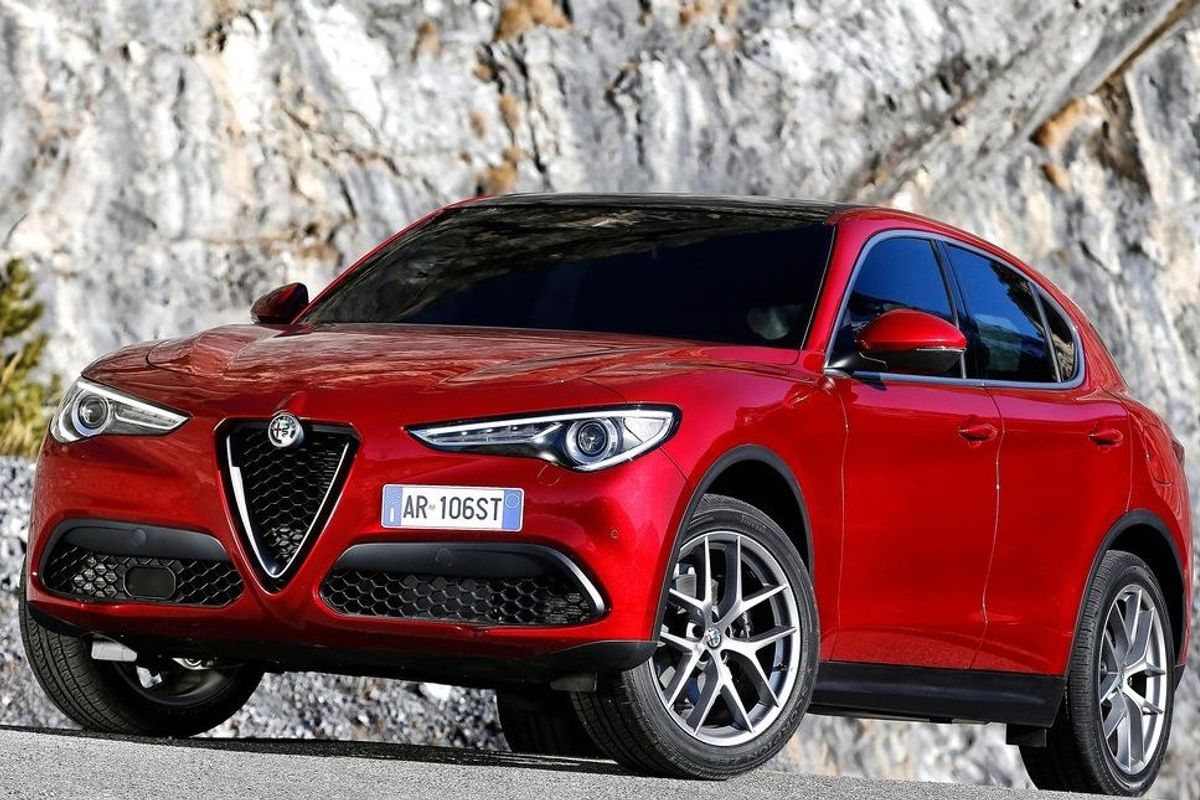
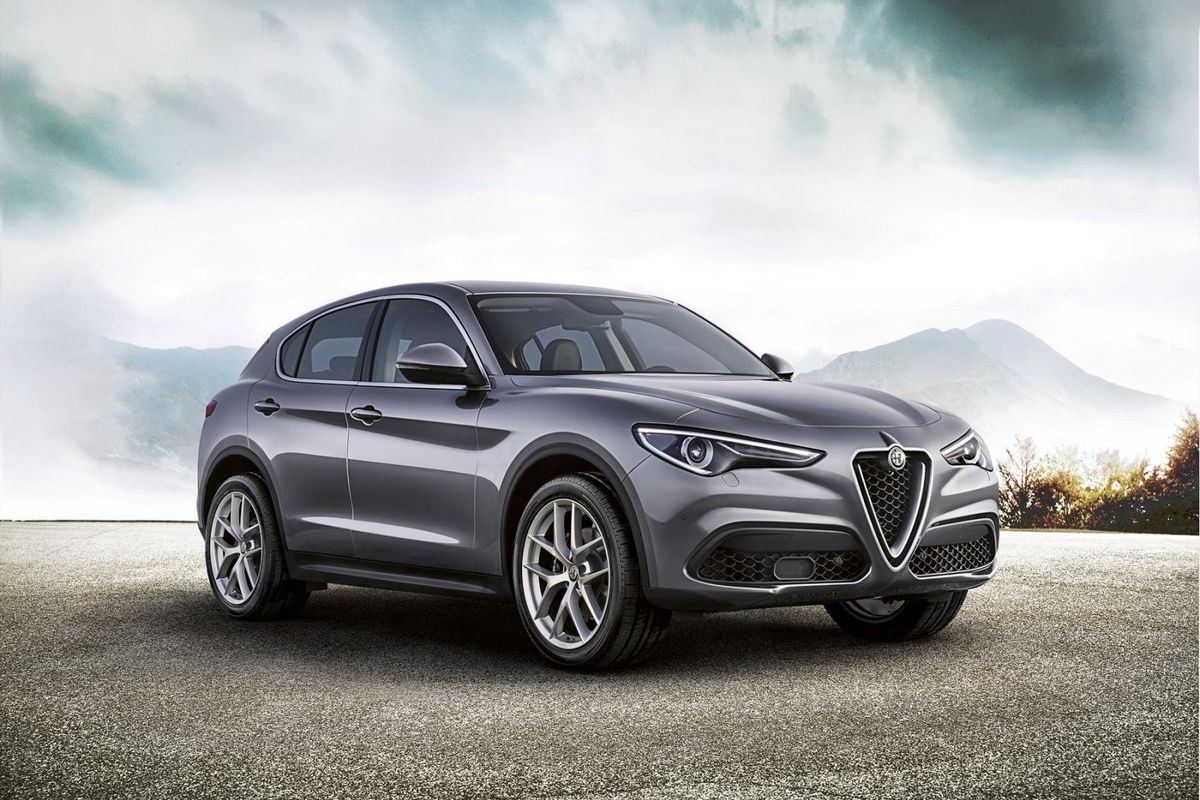
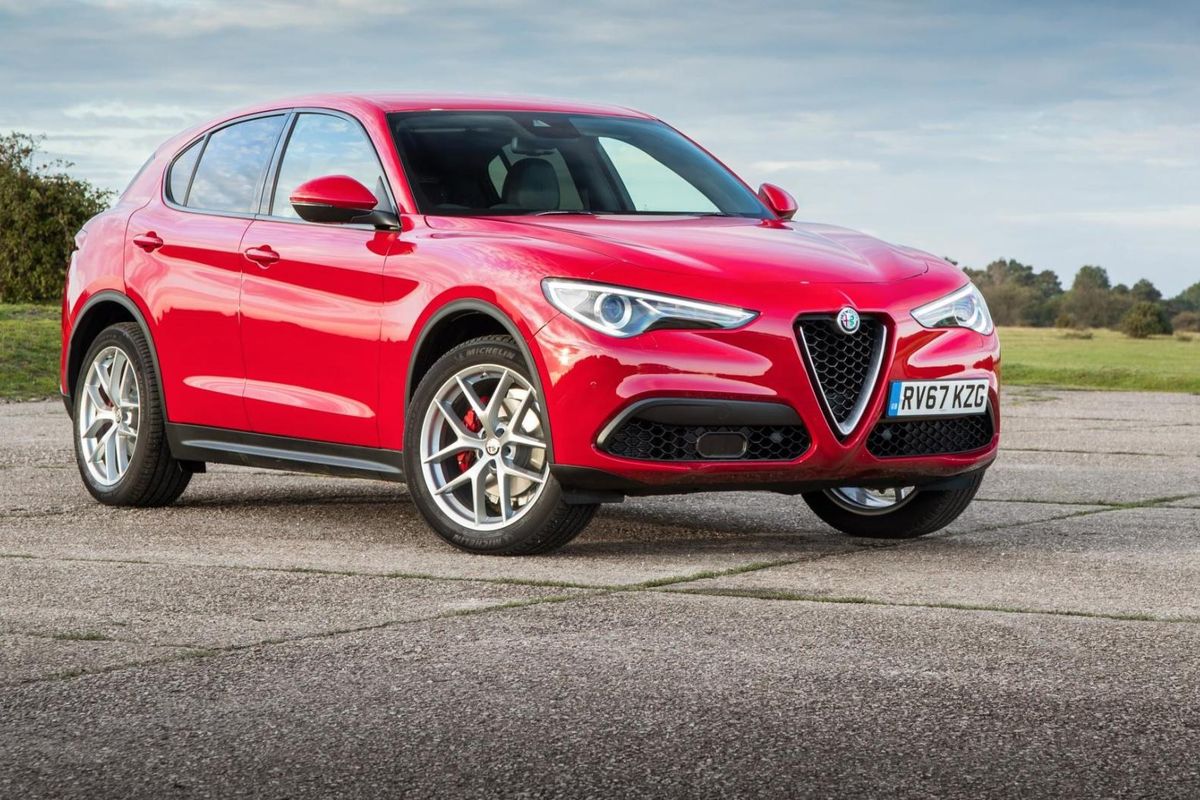
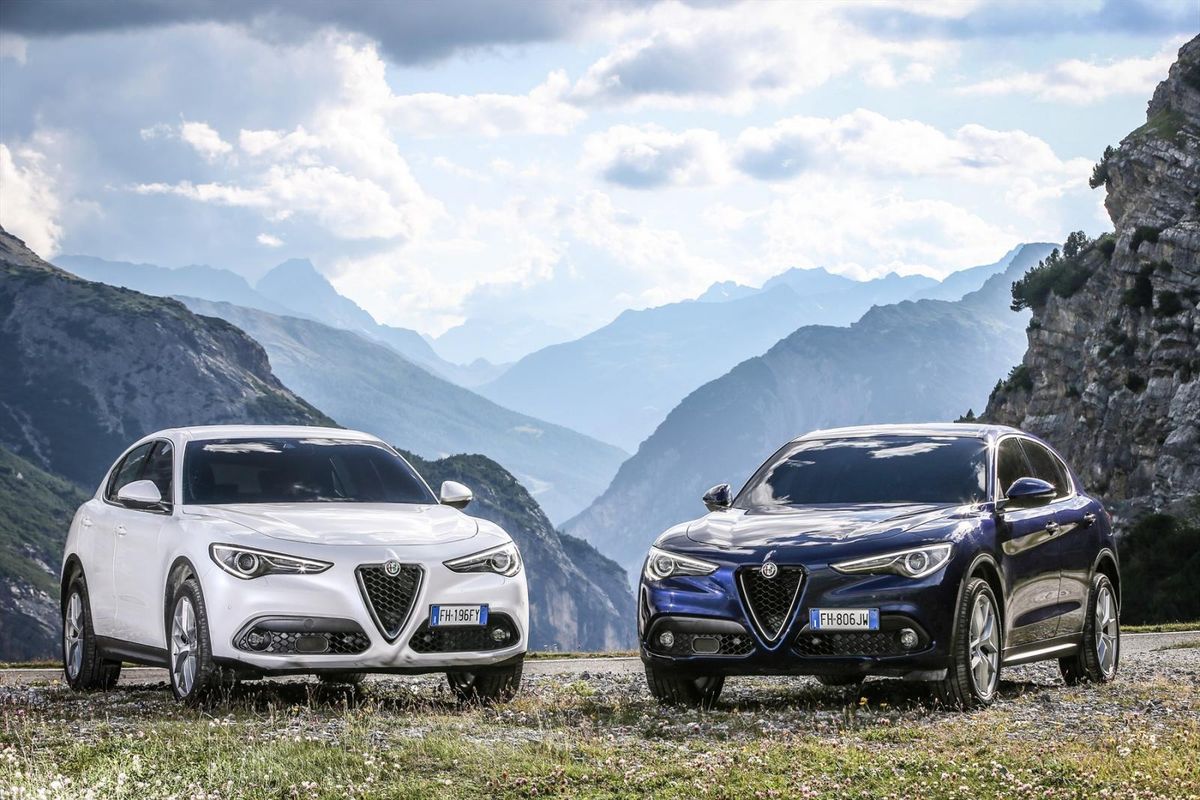
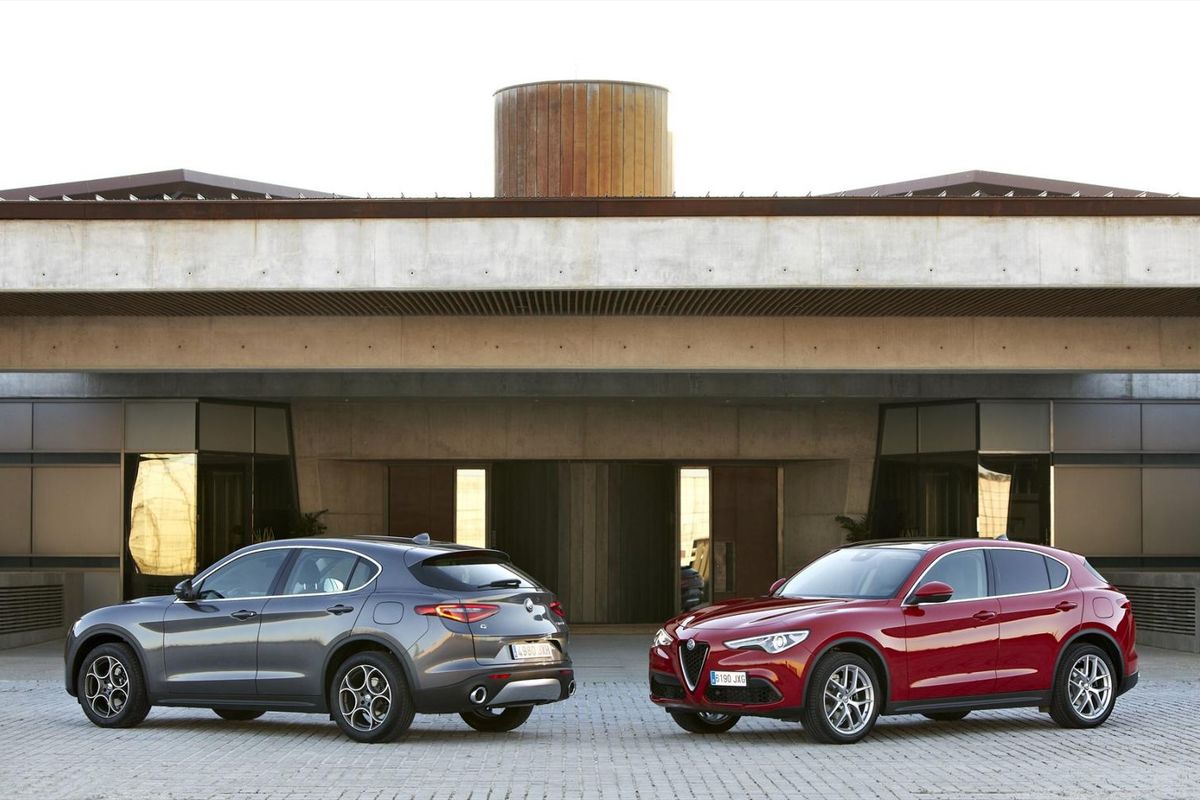
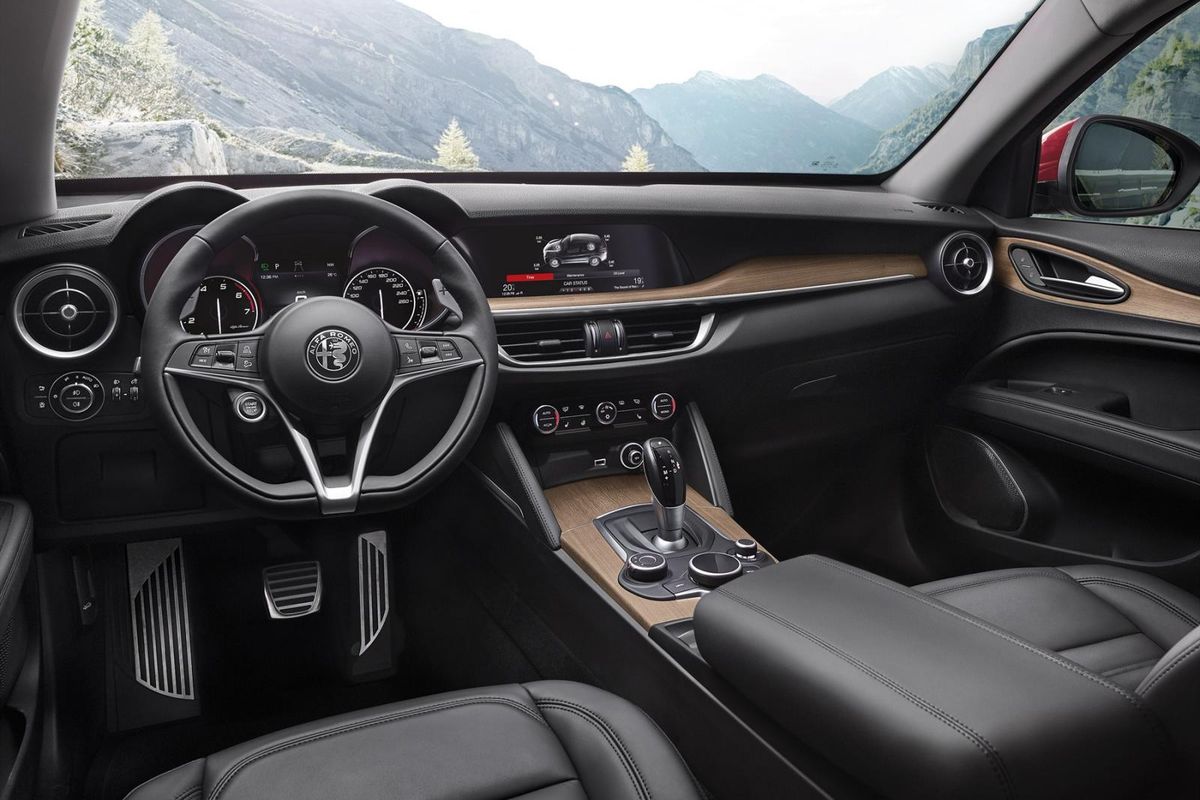
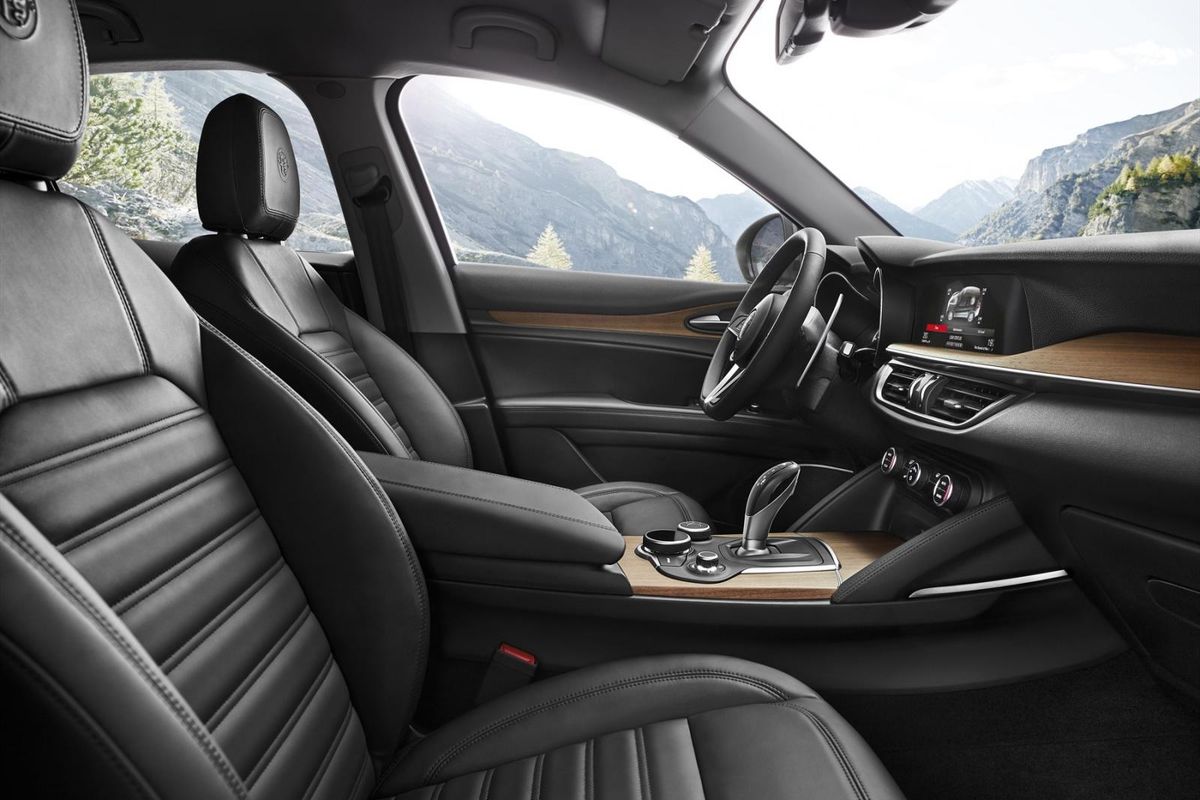
That's right, Alfa Romeo has released an SUV. Based on its Giulia sedan platform, the new Alfa Romeo Stelvio offers eye-catching looks, is laced with luxury trimmings and promises a superb driving experience. We attended the launch of Italy's latest SUV to bring you this report.
Ah, Alfa Romeo. That brand which every petrolhead is apparently morally obliged to adore without question. The Italians have produced some fantastic machinery over the years and yours truly learnt how to drive in an Alfa Romeo 156 Twin Spark, one of the finest business class sedans the brand has ever produced. Despite the Giulietta offering a credible fresh(ish) product, there hasn't been anything groundbreaking from Alfa Romeo for some time. Until now, that is. With the Alfa Romeo Giulia, we witnessed a new chapter for the Turin-based manufacturer. All-new from the ground up, with very few shared parts from FCA Group, the Giulia has won many fans and accolades, including a #CarsAwards finalist nod from us.
However, as good as the Giulia is, the market for business class and executive sedans is on the decline. Enter the executive SUV, where people want a raised driving position and a bit more space, at the sacrifice of outright driving thrills. The Alfa Romeo Stelvio is the brand's first mainstream SUV, but it's not the first time it had ventured down this route. Back in 2003, Alfa Romeo released the Kamal concept, which you could say was ahead of its time.
An Alfa Romeo SUV? What!?
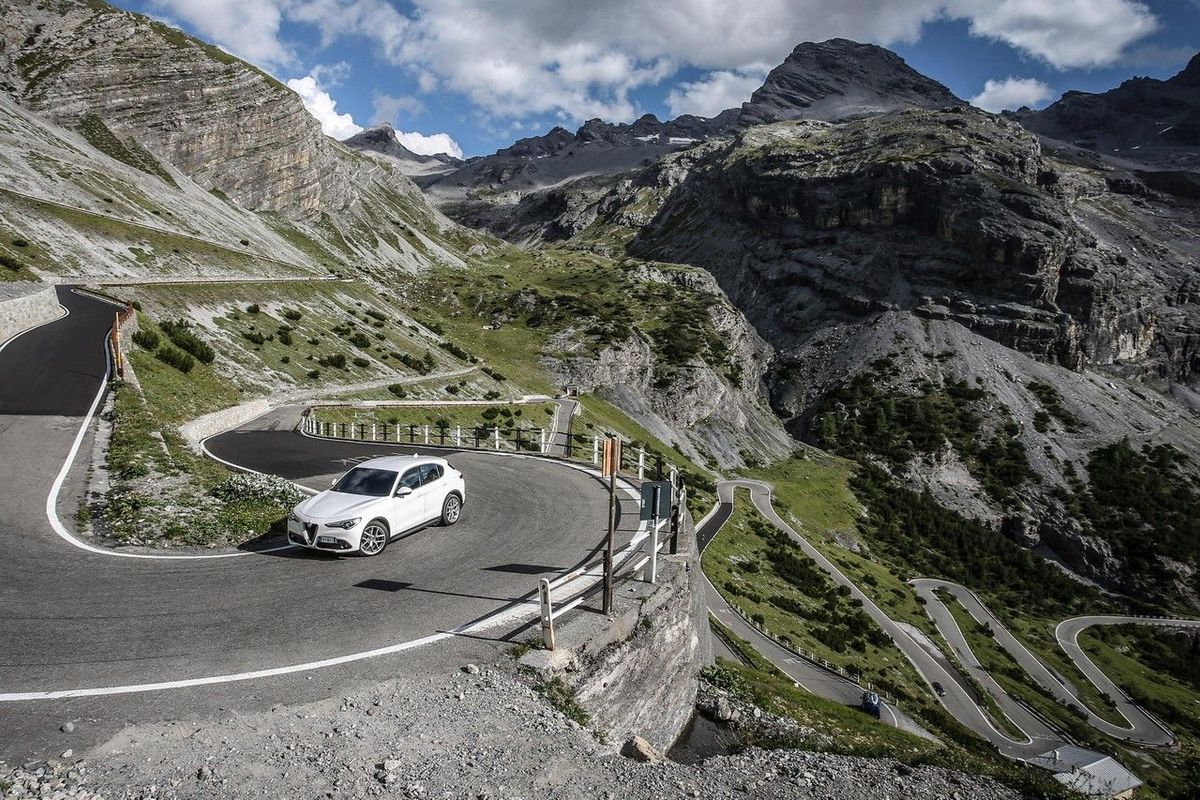
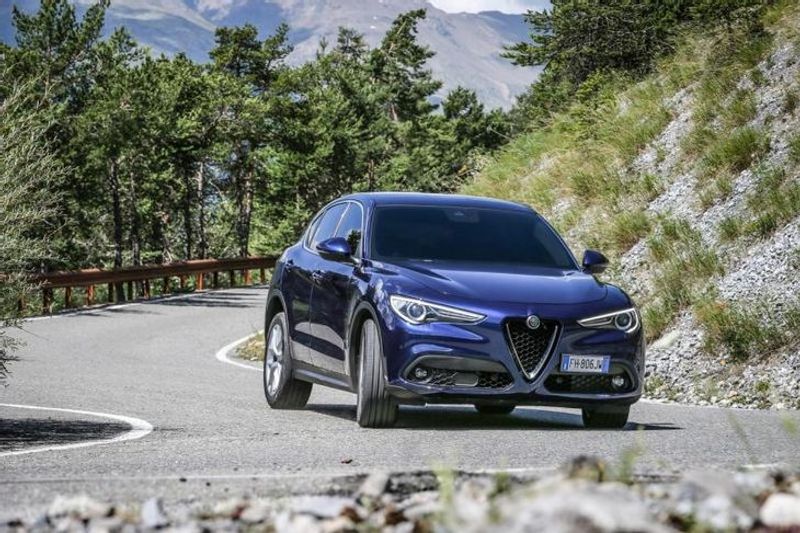
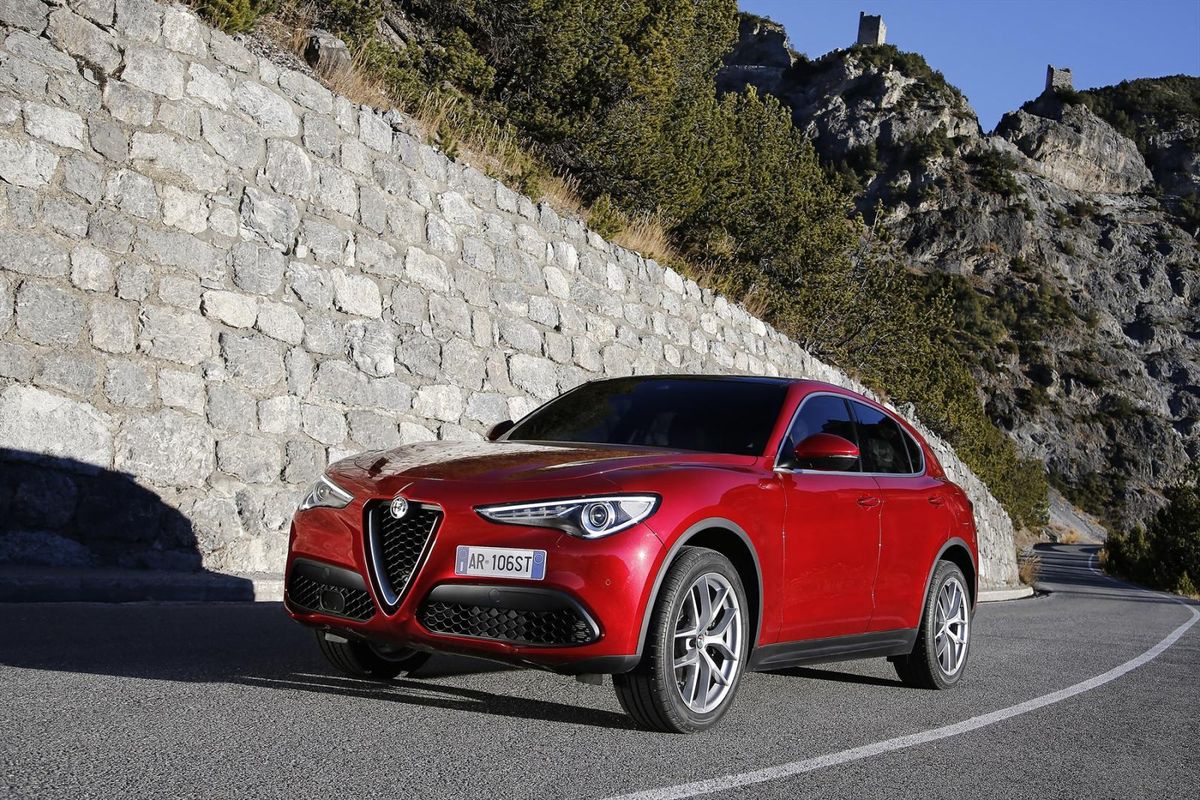
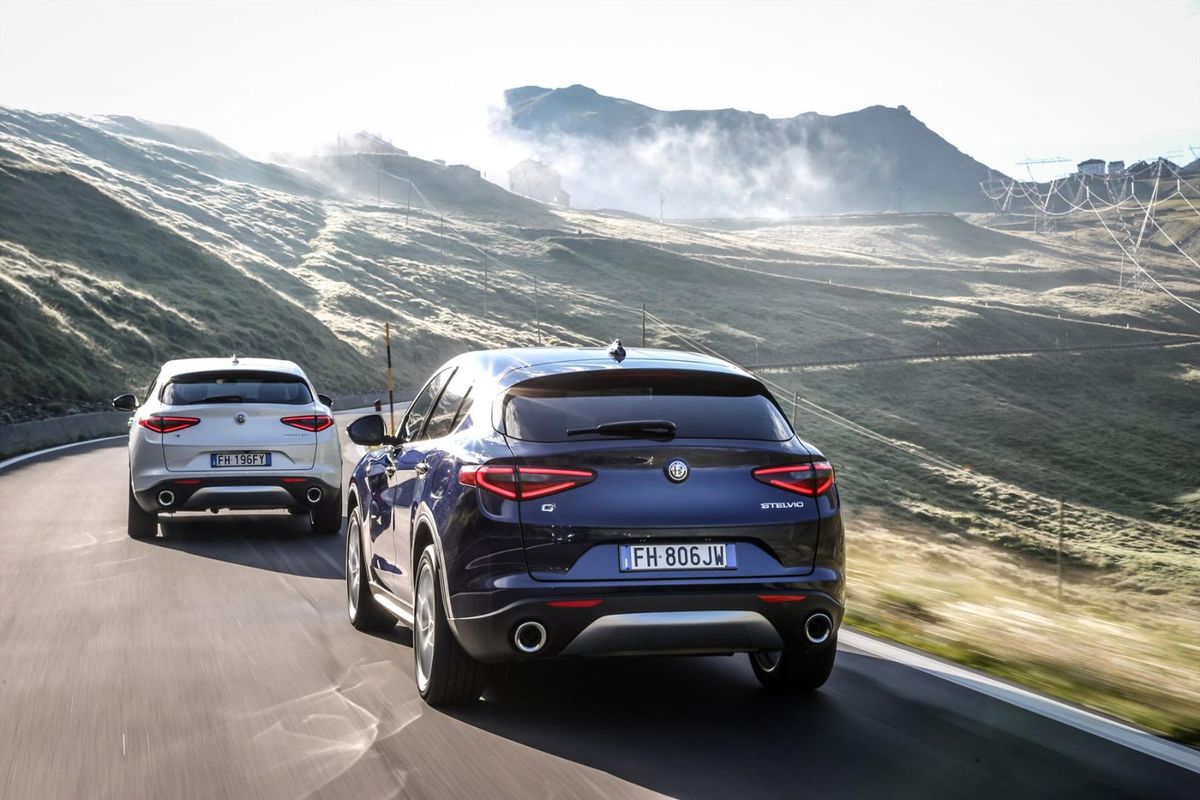
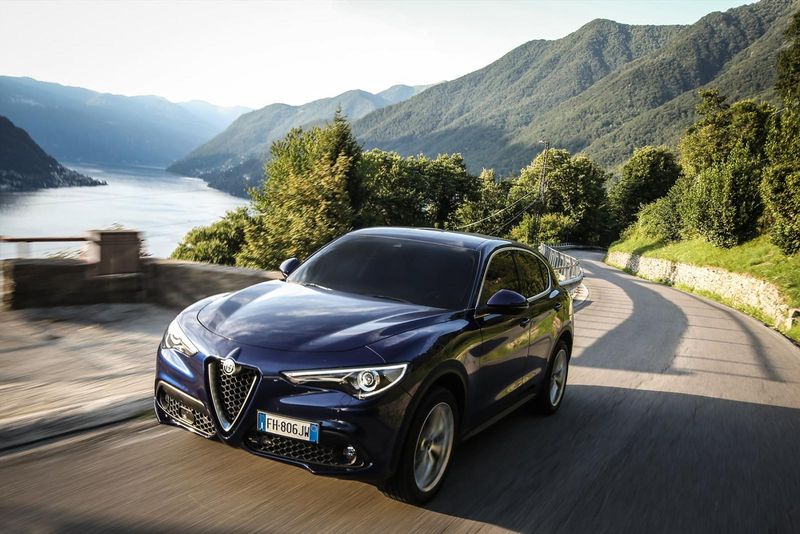
The Stelvio driving on the Stelvio Pass.
The Alfa Romeo Stelvio is named after an iconic pass in the Italian Alps. Made famous by Top Gear, the Stelvio Pass is both beauty and beast. The scenery is off the charts, but in terms of actual driving experiences, the Stelvio Pass is a monster with 75 hairpin bends. As for the Stelvio itself, it's built on the same Giorgio platform as the Giulia, which is a great thing. The Giulia is a joy to drive and we expected the Stelvio to provide much the same in terms of driving thrills, but more on that a bit later. Under the Stelvio's skin is extensive use of carbon fibre, such as in the prop shaft, which contributes to an astonishingly low kerb weight of 1 660 kg. In terms of size, it's the same length as the Giulia at 4.7 metres and is 1.7 metres high. Ground clearance is a credible 200 mm and the vehicle comes with Alfa's Q4 all-wheel-drive setup, meaning gravel roads can be taken on without hesitation.
Powertrain
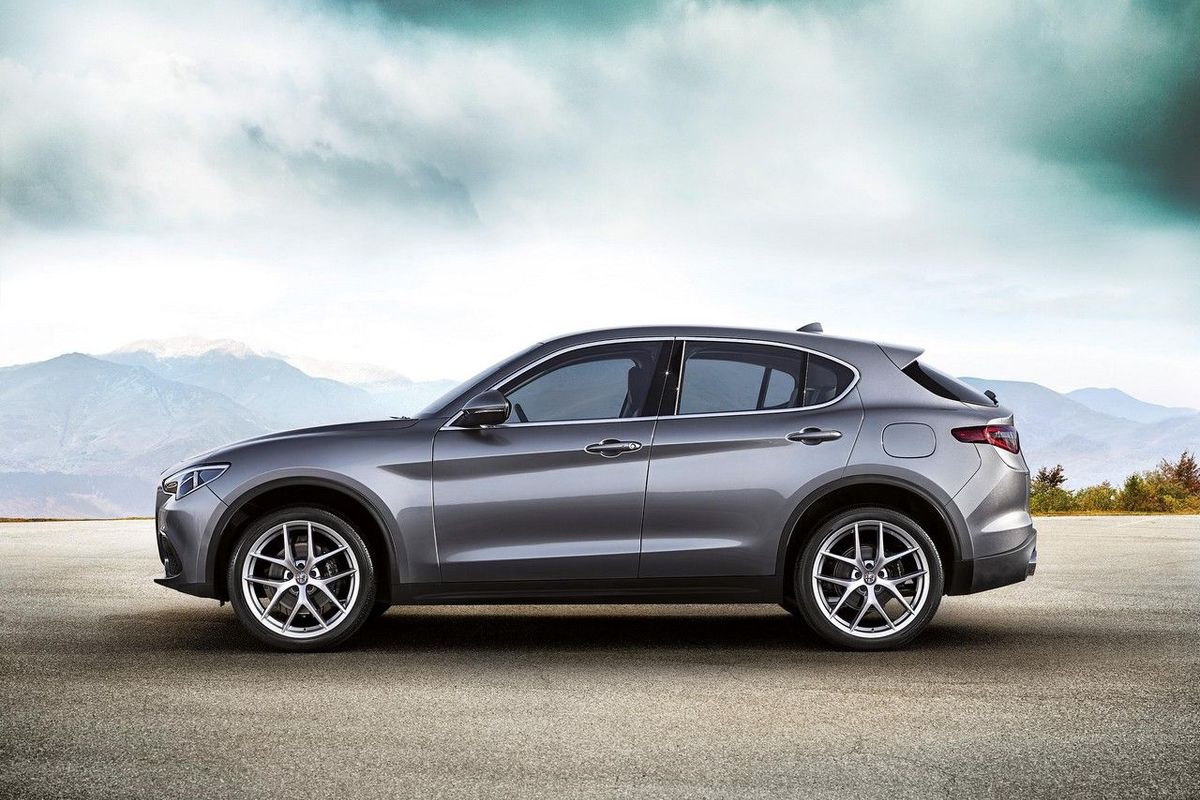
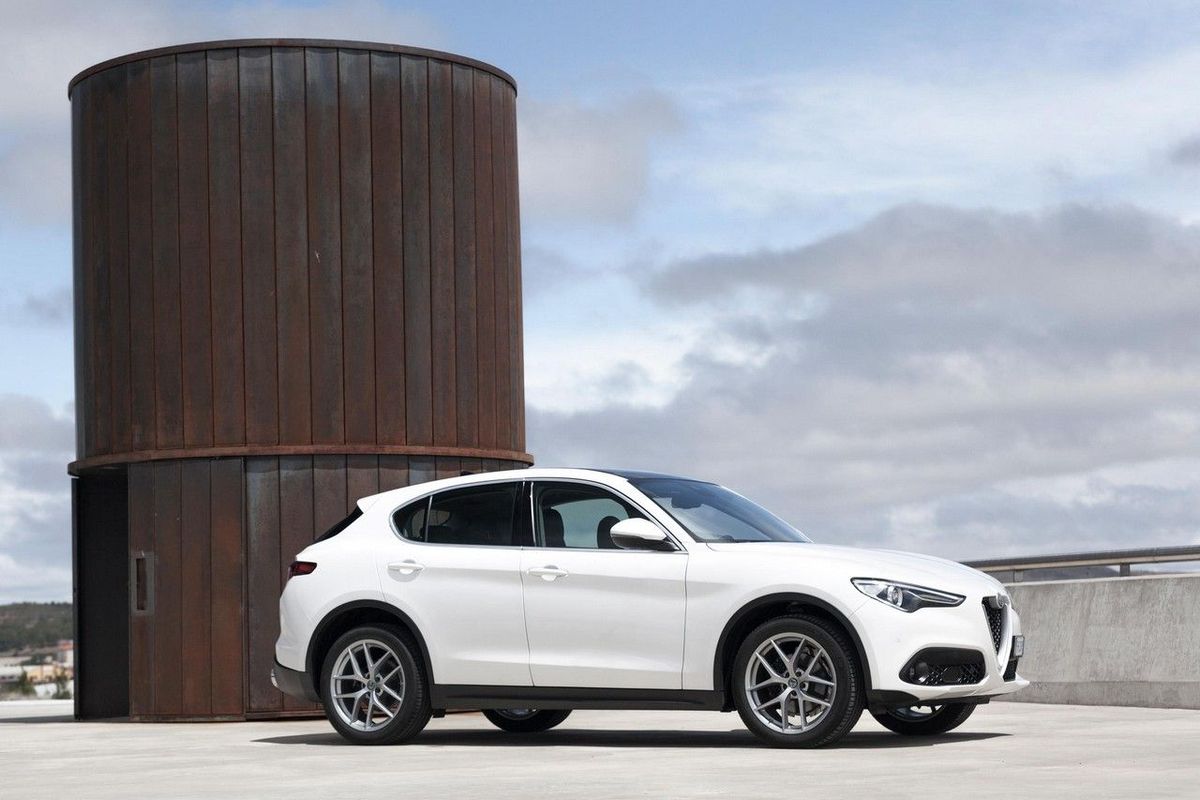
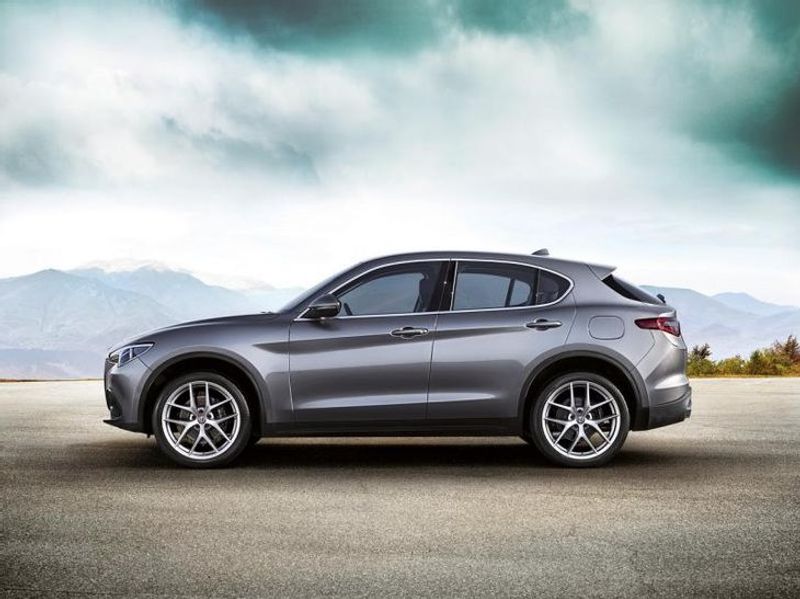
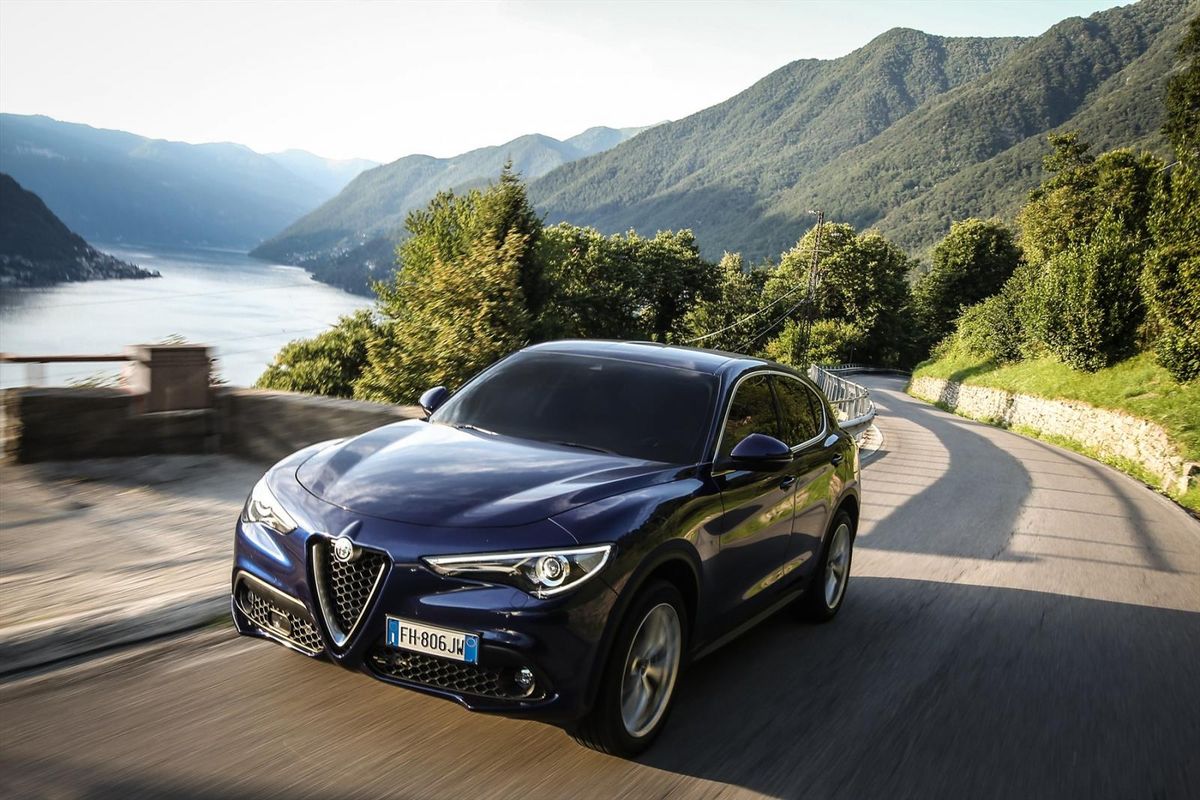
This is the Alfa Romeo Stelvio First Edition, featuring big alloy wheels and a panoramic sunroof.
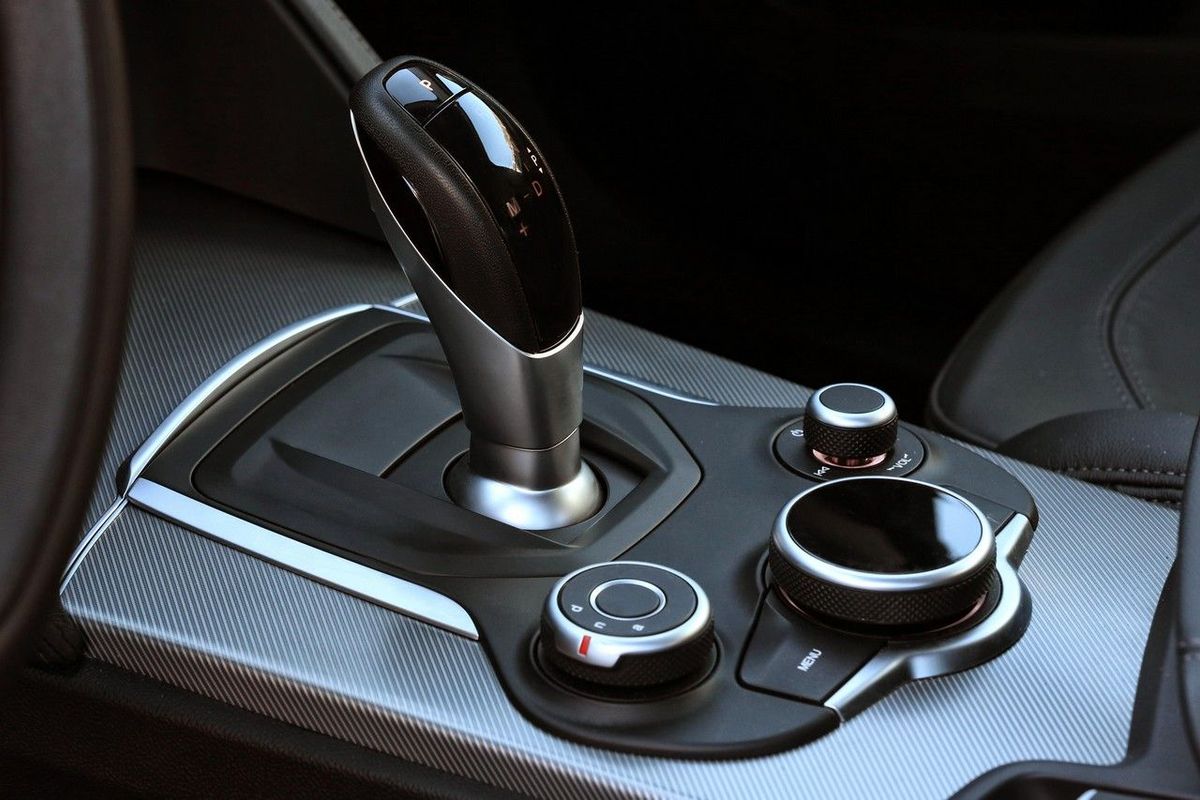
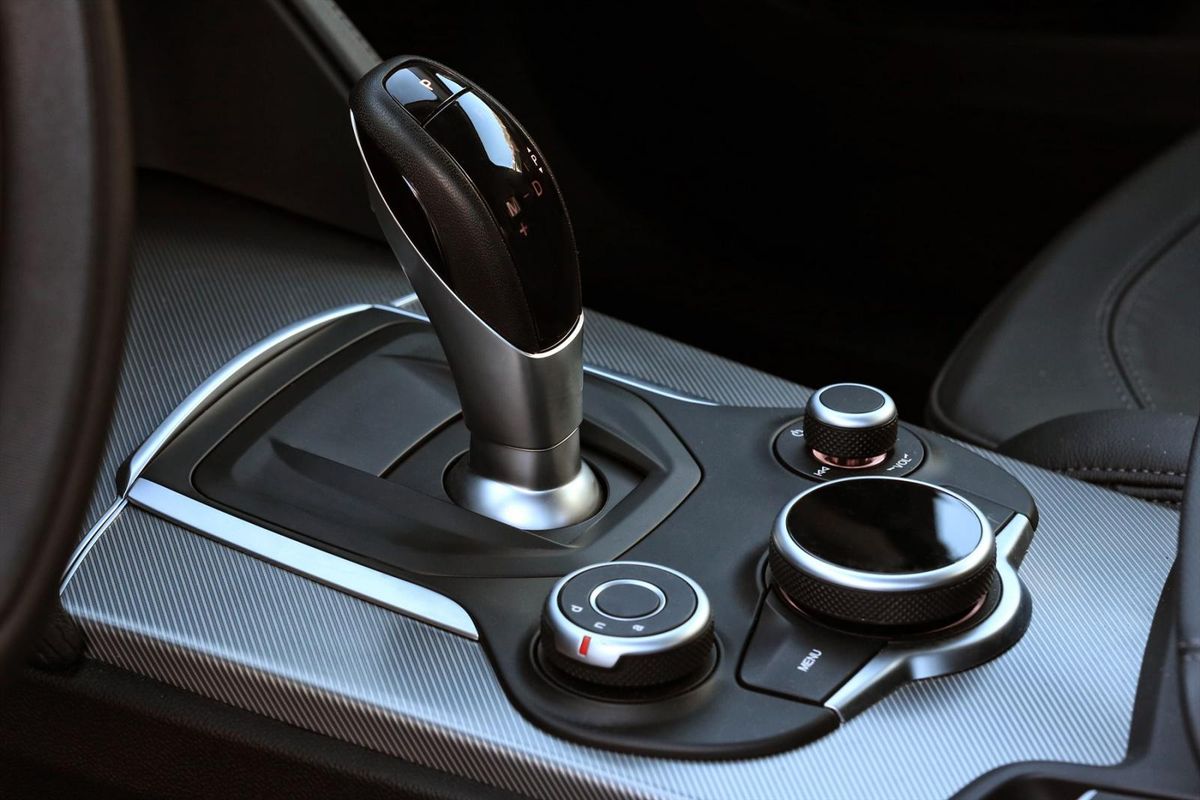
Right now Alfa Romeo has only one powertrain option for the Stelvio. A fire-breathing Stelvio (the Quadrfoglio Verde) will be coming to SA in the third quarter of 2018. The SA-spec Stelvios come with a 2.0-litre turbocharged 4-cylinder petrol engine with 206 kW and 400 Nm. Power goes to all four wheels via an 8-speed automatic transmission. This Q4 setup sends 100% of power to the rear wheels until the front wheels lose traction and the front axle powers on with up to 50% torque. The potential result could be a drifting Alfa Romeo SUV, but we were not going to try it out as the launch route was subjected to a tremendous cloudburst over the Franschhoek region. The benefit of this engine is that it's modern and conforms to Euro6b regulations. Alfa Romeo claims a combined fuel consumption figure of 7.0 L/100 km, but in reality, you're likely to see closer to 10 and we'll explain why below.
What is the Stelvio like to drive?
The Stelvio's 2.0-litre engine is not the same spec as that of the 4-cylinder Giulias, it produces higher peak power of 206 kW.
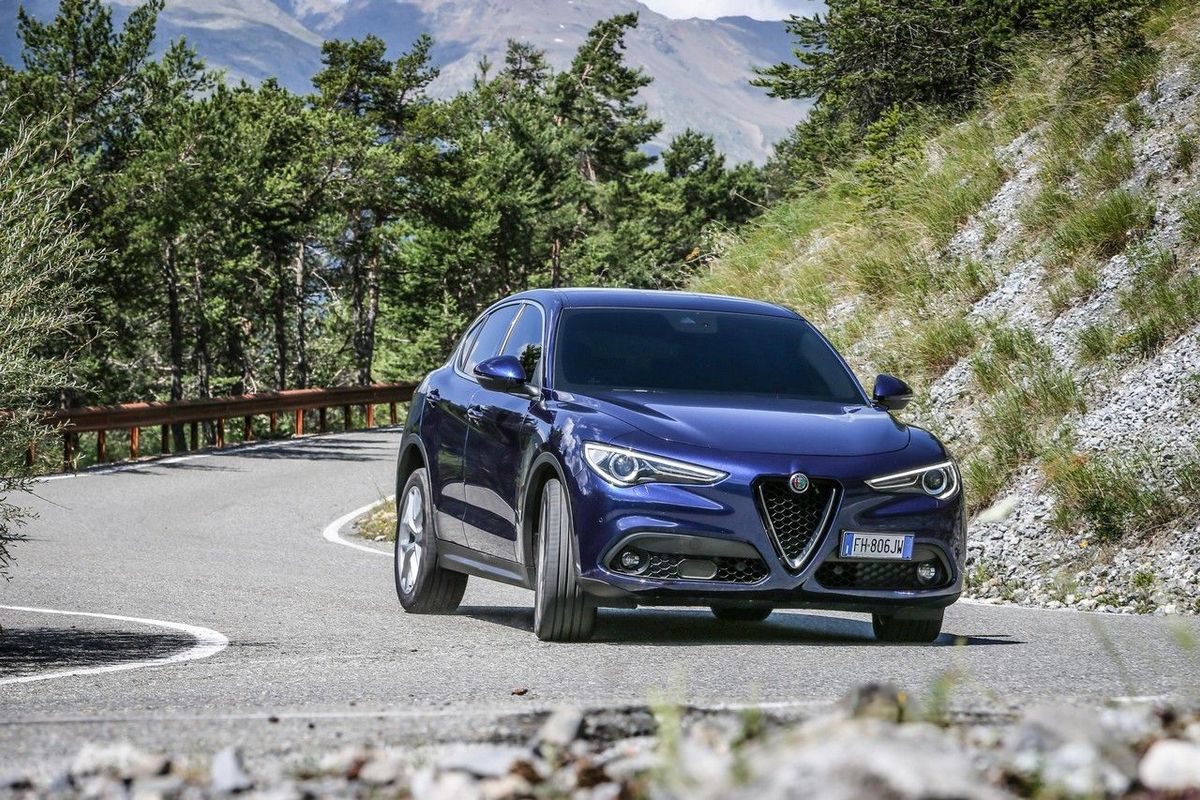
In a word, sensational. We mentioned that fuel consumption is likely to be higher than expected and for good reason. It's a phenomenal piece of driving goodness. The Alfa Romeo Stelvio defies belief and the laws of physics, by driving in a most SUV-unlike manner. Stelvio feels more hatchback than luxury family SUV and our launch route comprised some of the finest stretches of driving roads in the Western Cape. It was a perfect testing ground to put Alfa's claim of 'impeccable handling' to the test and boy did pass with flying colours. Despite the inclement weather on some parts of the route, we felt confident to carry on regardless, knowing well enough that the Q4 all-wheel-drive system and communicative chassis was going to keep us in firm control. Off the line performance is credible too, with zero to 100 kph dispatched in under 6 seconds.
Much like the Giulia sedan, the Stelvio's steering feedback is wonderfully accurate and the directness is something we appreciate. There's a sense of being firmly planted to the road, which is refreshing considering how many cars feel disconnected to the tarmac. The car features Alfa's DNA system which refers to the driving modes. Dynamic is self-explanatory, Natural is for everyday driving, while Advanced Efficiency dials everything back to improve fuel economy. The Alfa Romeo Stelvio also has 50/50 weight distribution.
Features
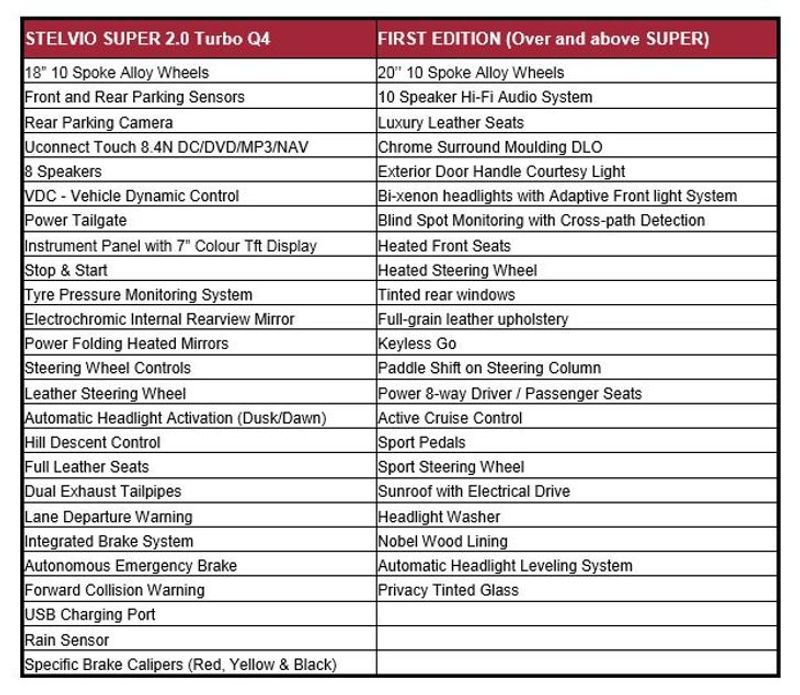
The Alfa Romeo Stelvio comes to market with two trim levels, Super and First Edition, and you can see the comprehensive specification below. There are few optional packs, which further sweeten the deal if you're wanting some extra goodies. We'd recommend looking at the Cold Weather Pack (heated front seats and steering wheel) as well as the Sound Theatre Pack (Harmon Kardon audio). We have experienced this infotainment system before in the Giulia and while not groundbreaking, it's slick and fairly straightforward to use.
Safety
Alfa Romeo's Stelvio is one of the safest vehicles on the road and features many safety features, both active and passive. Highlights include Integrated Brake System (IBS), Forward Collision Warning and Autonomous Emergency Brake with pedestrian detection, Lane Departure Warning, Blind Spot Monitoring (BSM) with Rear Cross-Path Detection and Active Cruise Control. The EuroNCAP report for this car is excellent, with highlights such as a 5-star rating for the 2017 test.
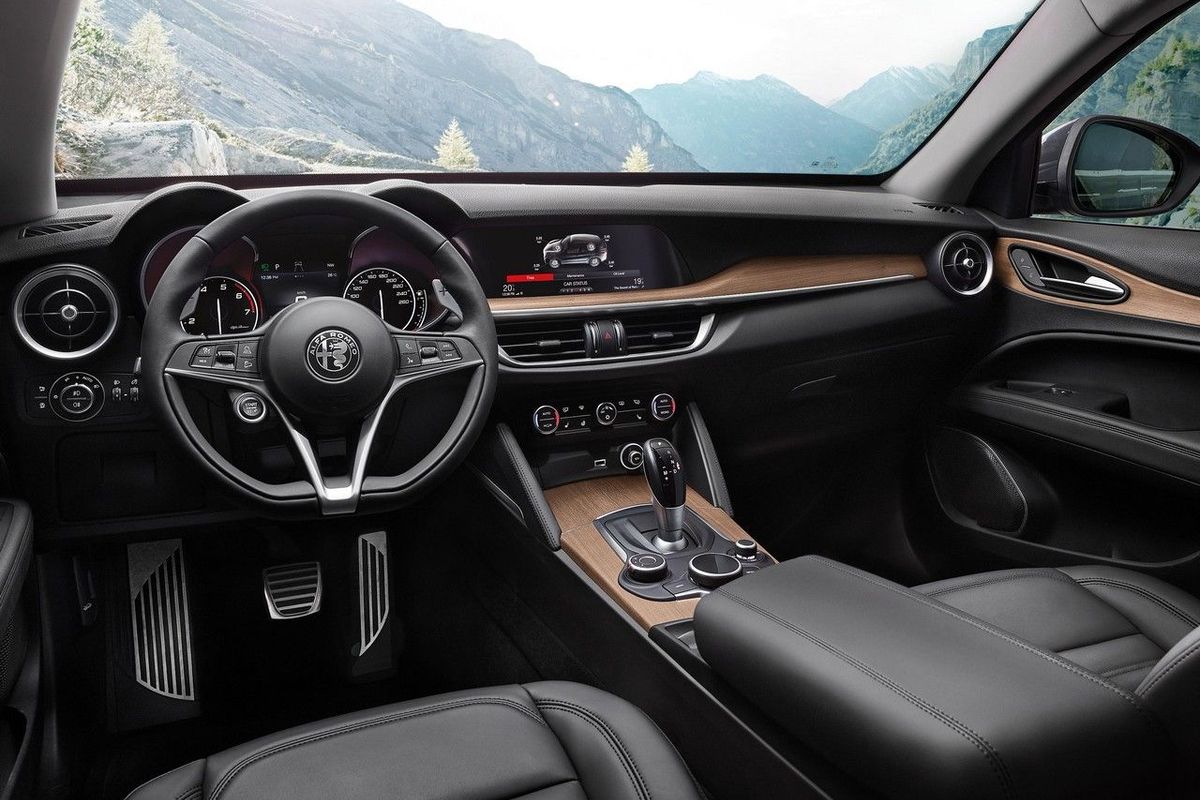
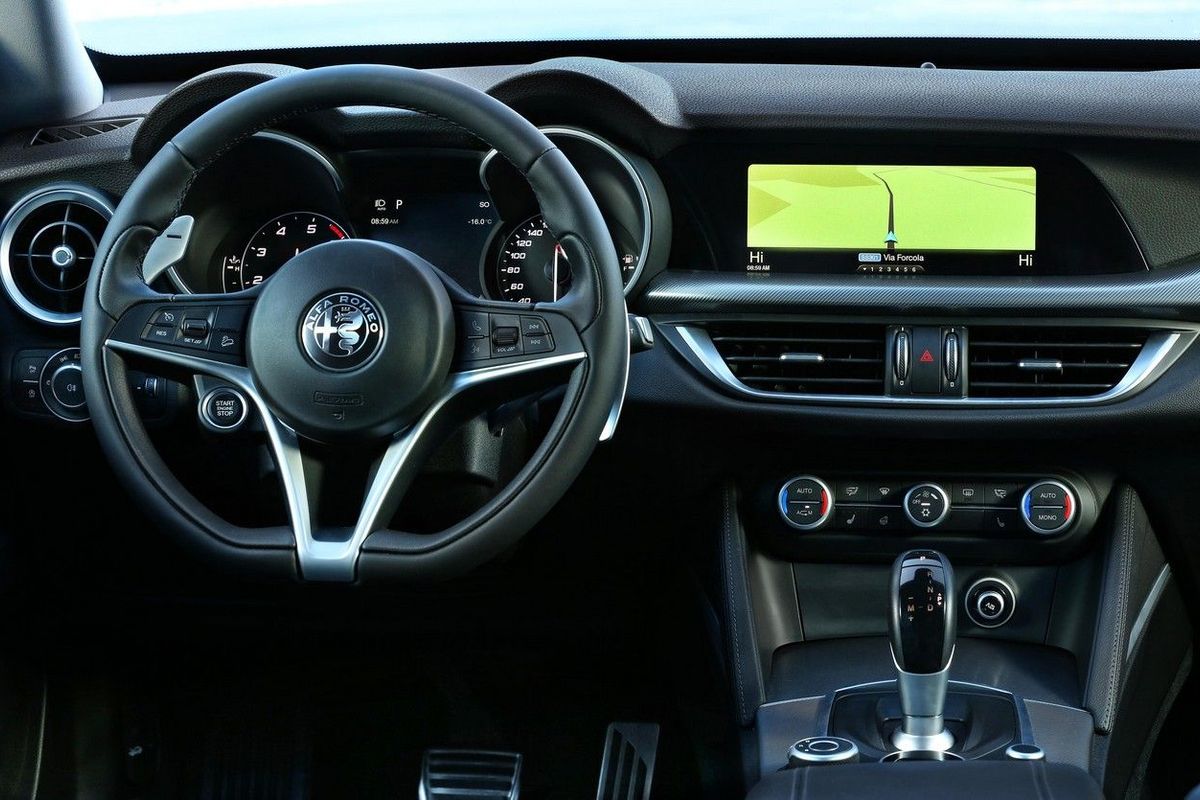
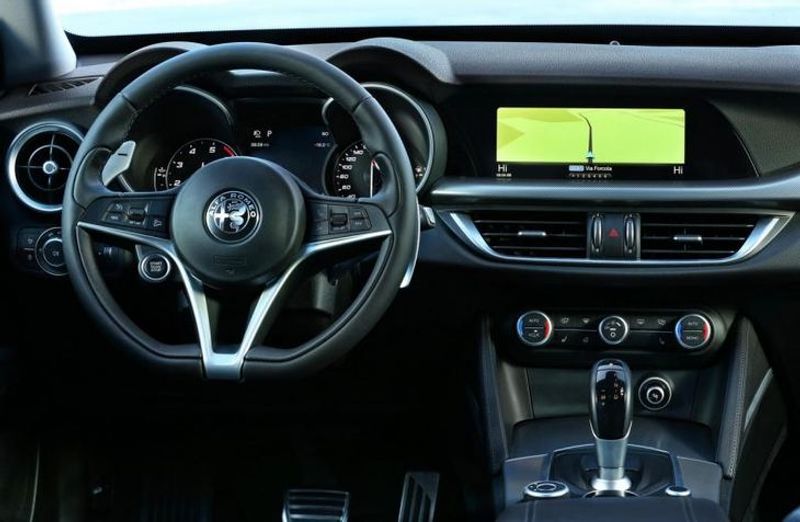
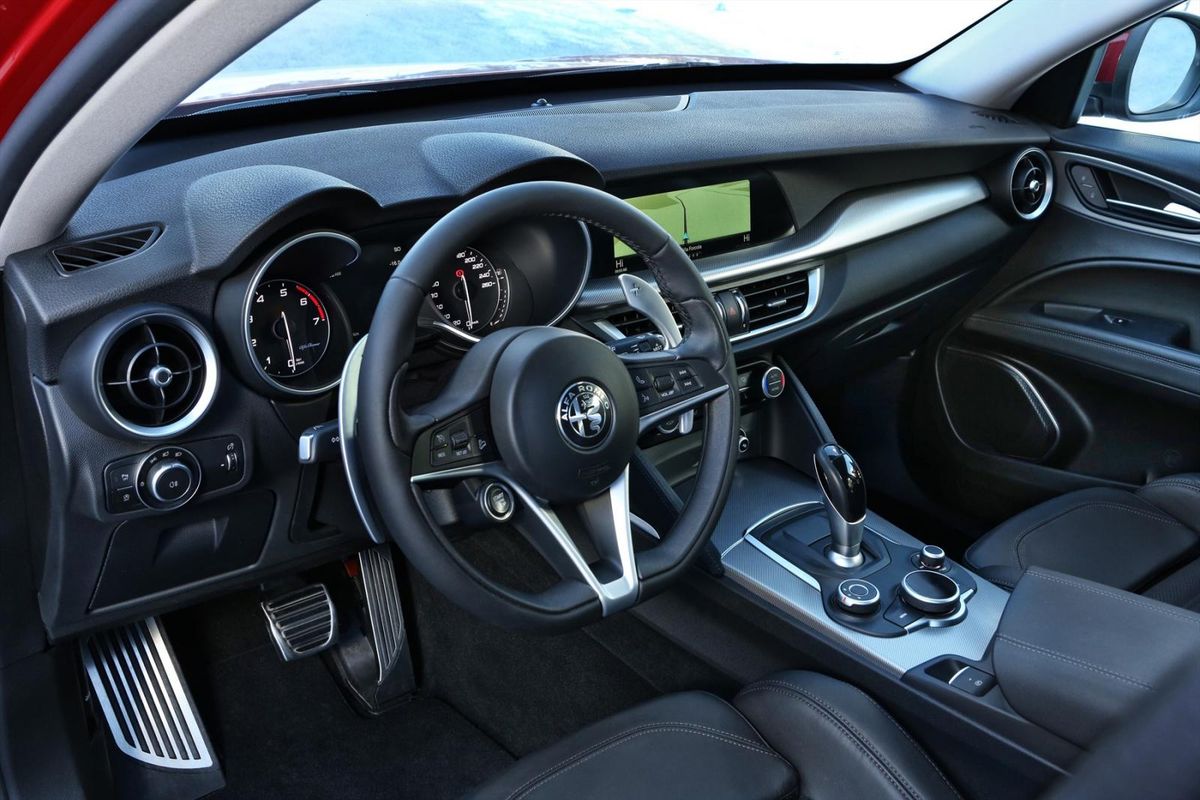
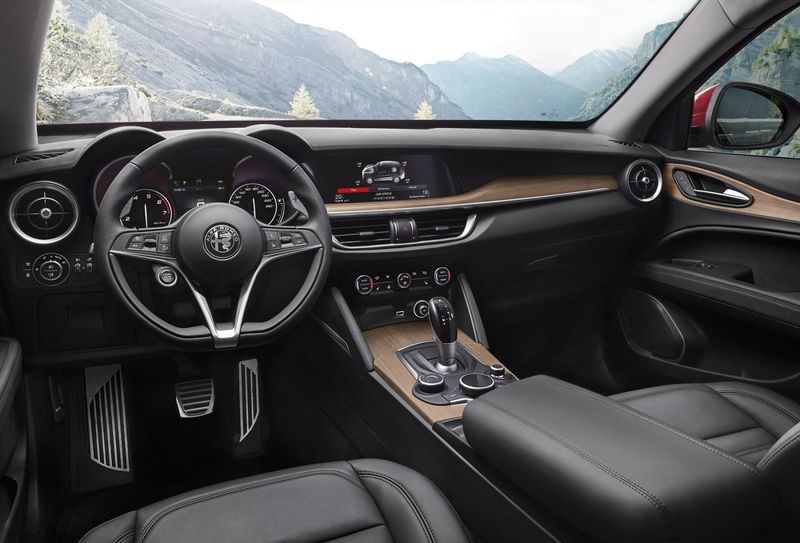
European left-hand drive pictured. SA cars will be right-hand drive. Note the start/button on the steering wheel.
Alfa Romeo Stelvio Price in South Africa
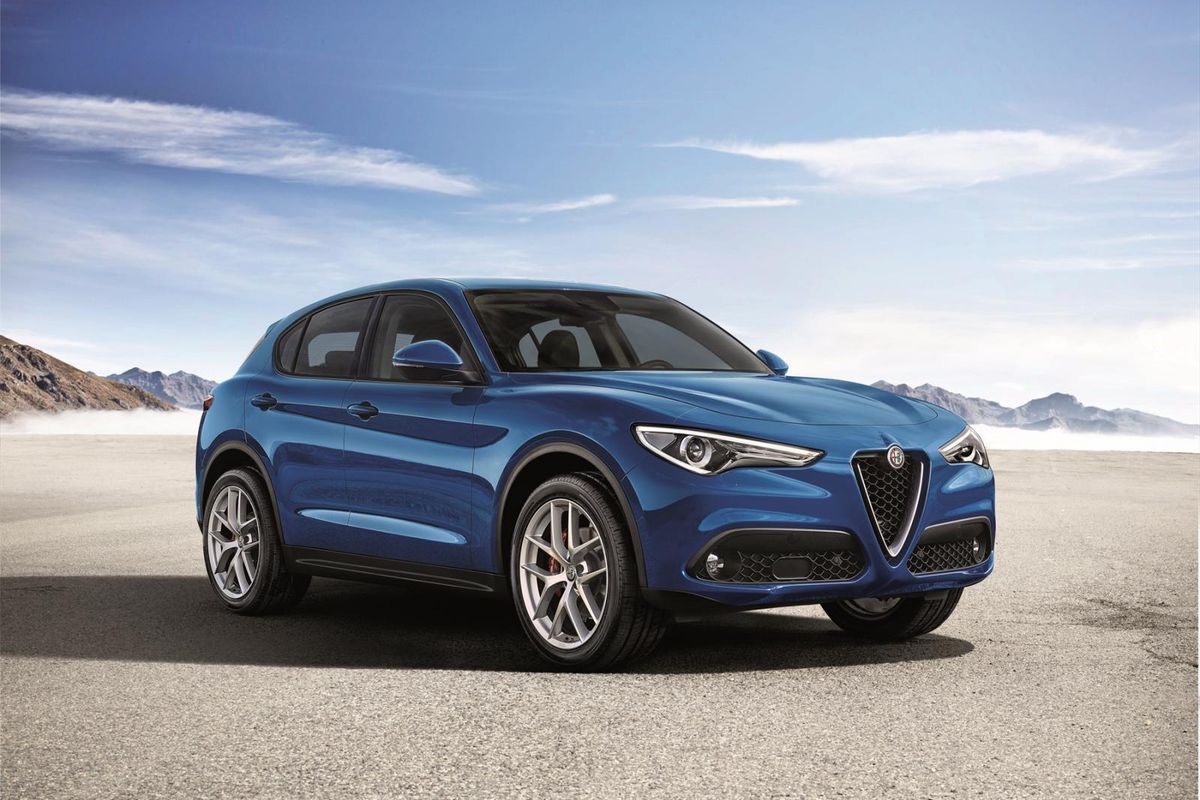
The Alfa Romeo Stelvio has gone on sale with pricing from R810 000 for the Super, while the First Edition is priced at R946 000. All Alfa Romeo Stelvios feature a 3 year / 100 000 km warranty and a 6 year / 100 000km maintenance plan as standard. While some may wince at the price, remember that there are very few options and the vehicle comes standard with a generous amount of kit. Also factor in a wildly fluctuating exchange rate, which hurts manufacturers who do not have plants in SA. Alfa has noted that customers want choice and variety, and there are eleven body colours and three alloy wheels (from 18" to 20") to choose. For the Alfisti, the telephone dial-style alloys are back, just for you.
Quick Summary
Alfa Romeo Stelvio. Drives as well as it looks.
Hardcore Alfa Romeo fans must be wincing at the thought of their beloved brand producing a mainstream family SUV. Fortunately for them it ticks all the boxes. Exceptionally pretty? Check. A joy to drive? Check. Potential issues with dealerships? Check. See, Alfa Romeo South Africa has a not-so-stellar track record when it comes to customer service and they've admitted it. However, with a new boss at the helm who has considerable experience with luxury brands in South Africa, there's an attitude of 'we know there were issues and we're going to fix them'. It's refreshing to see and for all the naysayers who think Fiat/Alfa Romeo are going to leave South Africa? Think again. FCA are here to stay and will be investing heavily in new dealerships as well as a new head office. The team at FCA happily point out that they've fixed their parts supply issues.
As for the Stelvio, Alfa Romeo has taken the luxury SUV brief and knocked it out the park. While interior quality may lag slightly behind say an Audi Q5, the standard specification and overall driving experience blows Ingolstadt's offering out the water. The Alfa Romeo Stelvio defies belief and the laws of physics with the way it drives. It feels like a Giulia on stilts, which in actual fact, isn't far from the truth. We're hoping that the Stelvio portfolio is expanded to include a diesel derivative and an entry-level 4×2 version wouldn't go amiss either. Alfa Romeo has got the basics right with the Stelvio and if this is what it takes for the illustrious Italian brand to survive the 21st century, then they're well on the way to preserving their heritage and securing the future.
Haval H6C vs Kia Sportage (2017) Comparative Video Review
We recently tested the Kia Sportage and new Haval H6C to determine which of these family SUVs offers the best overall package. Is the Sportage the better buy or is the Chinese Haval H6C the stronger product?
The Kia Sportage fits neatly into the family car segment of the market, which is dominated by cars such as the Hyundai Tucson and Toyota RAV4, not to mention the Mazda CX-5. In such a competitive arena, Kia has an uphill battle in trying to woo buyers. With the arrival of the Chinese-made Haval H6C, that task just became a touch more difficult.
The Haval H6C is brand new to South African roads, and its introduction follows the relative success of the smaller H2 crossover which we reviewed earlier this year:
In this head-to-head comparison, we've pitted the Haval H6C Luxury (the top of the range model) against the Kia Sportage 2.0 EX Plus, which sits in the middle of the Sportage range.
As you'll see in the review, these 2 cars are extremely similar, but in one very important way, they are very different. As things stand, these two cars are separated by R100 000. Which one is the better buy? Watch the video for all the details…
Alfa Romeo’s Stelvio SUV has made landfall in South Africa! Take a look at specification and pricing below.
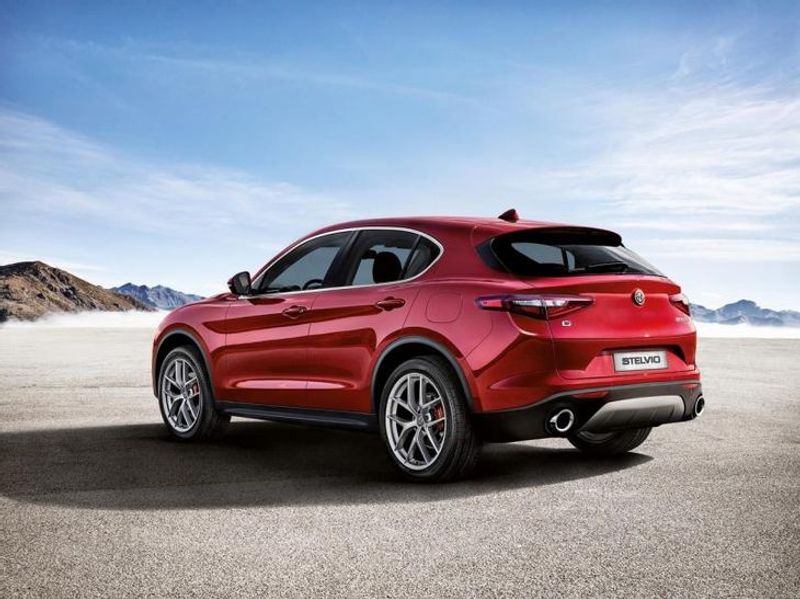
The Stelvio is Alfa Romeo’s first ever SUV and it is now available in South Africa. The Stelvio is produced at FCA’s plant in Cassino, Italy and from launch, it will be available in Super guise with a Stelvio First Edition also offered to buyers. The Stelvio can be had in 11 body colours with a choice of 3 alloy wheel designs with sizes ranging from 18- to 20-inches in size.
Engine details
Only 1 engine variant will be offered in SA and sadly, the potent Stelvio Quadrifoglio has not been earmarked for SA.
In South Africa, the Stelvio is powered by a turbocharged 2.0-litre petrol engine with outputs of 206 kW and 400 Nm of torque. An 8-speed automatic transmission is fitted as standard and power is directed to all 4 wheels with Alfa’s Q4 all-wheel drive system. The Stelvio is capable of sprinting from zero to 100 kph in 5.7 seconds with a top speed of 230 kph. A total of 3 driving modes are offered including Dynamic, Natural (Normal) and Advanced Efficiency.
The Q4 all-wheel drive system monitors various parameters to optimise torque distribution between the front and rear axles. In normal driving conditions, 100% torque is sent to the rear axle and as the wheels reach their grip limit, the Stelvio will automatically transfer 50% of the torque to the front axle to ensure maximum traction.
Key features
Available in Super and First Edition guises, the Stelvio's interior comes well-equipped as standard with a range of optional features on offer.
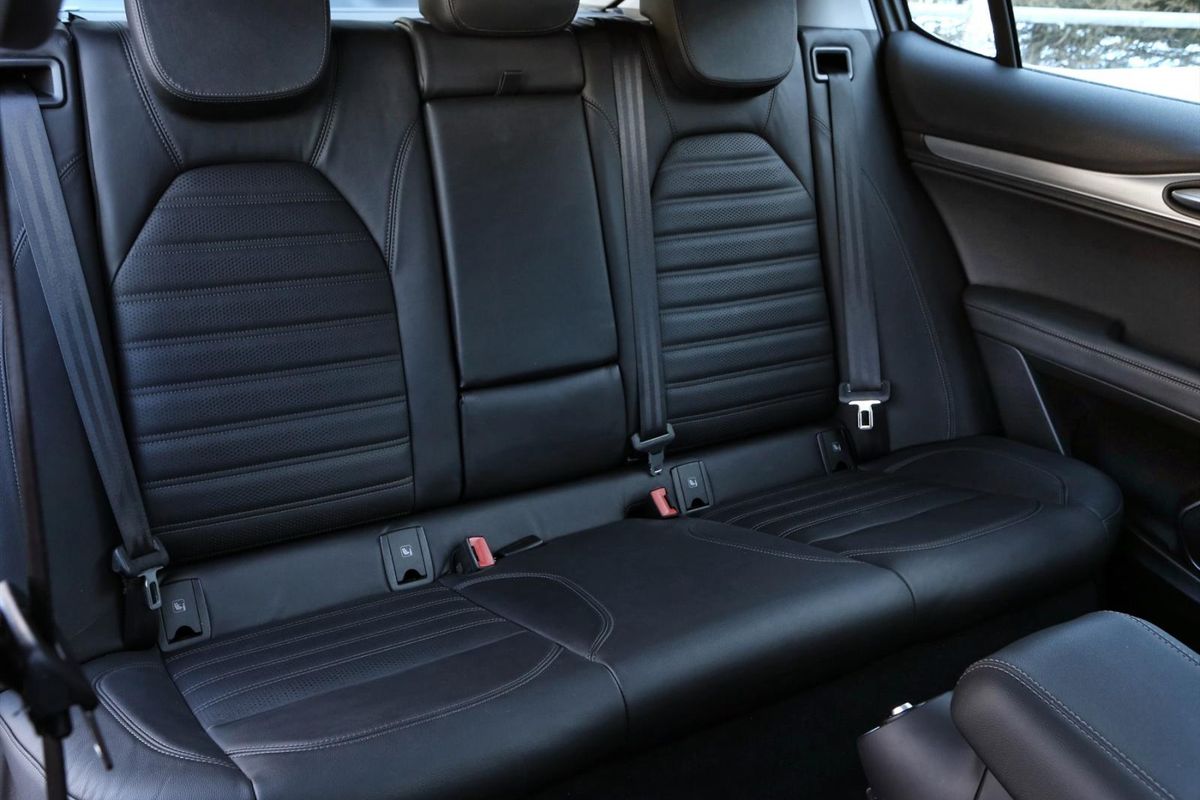
The Stelvio Super is fitted with 18-inch wheels as standard and the interior benefits from leather upholstery in either black, brown or red. Matching colour trim is found on the dashboard, door panels and steel sill insert. A Luxury Pack is also offered as an option which will add electric seat adjustment and seat heating as well as wood inserts, aluminium inserts and steel pedal trims. An 8-speaker sound system is standard.
The Stelvio First Edition is equipped with all the standard features found on the Super, but adds 20-inch alloy wheels, full grain leather upholstery, a 10 speaker sound system, active cruise control, blind spot monitoring and an electric sunroof. A 14-speaker Harmon Kardon sound system is offered as an option.
Other standard interior features include dual-zone climate control and an 8.8-inch Alfa Connect infotainment system with voice recognition, Bluetooth and USB connectivity and navigation.
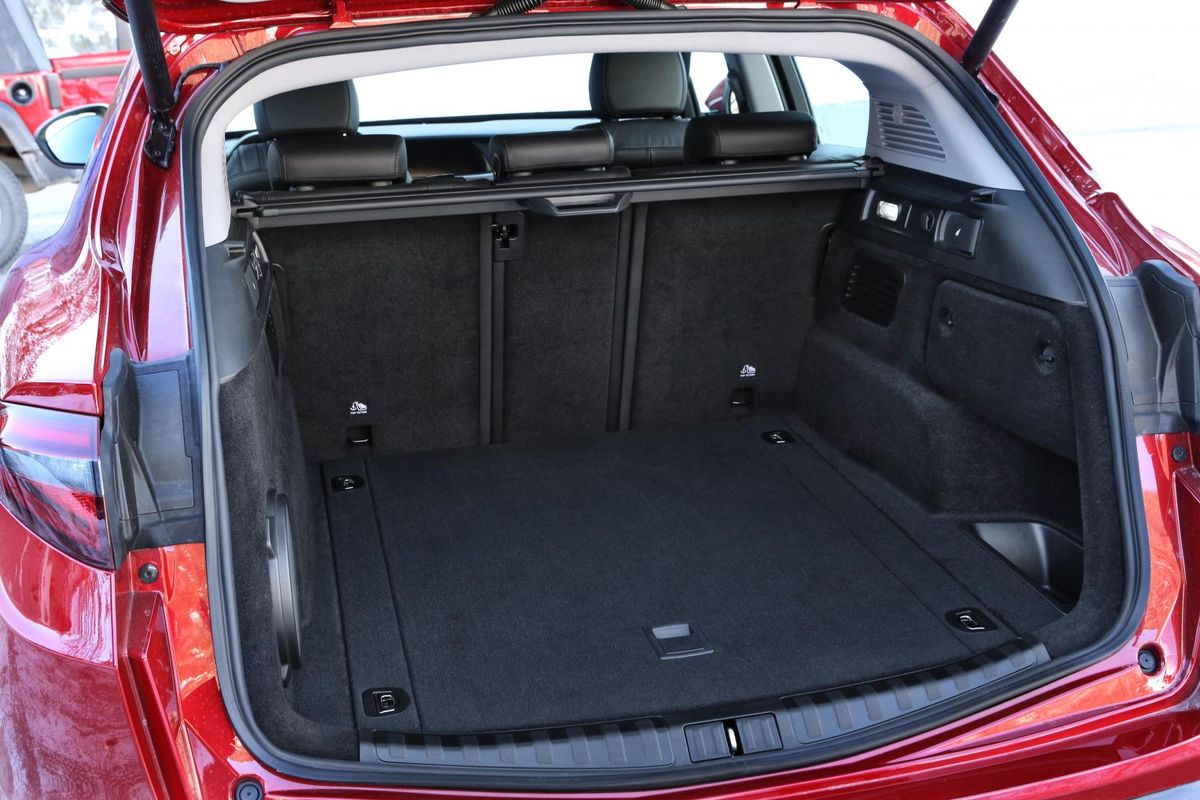
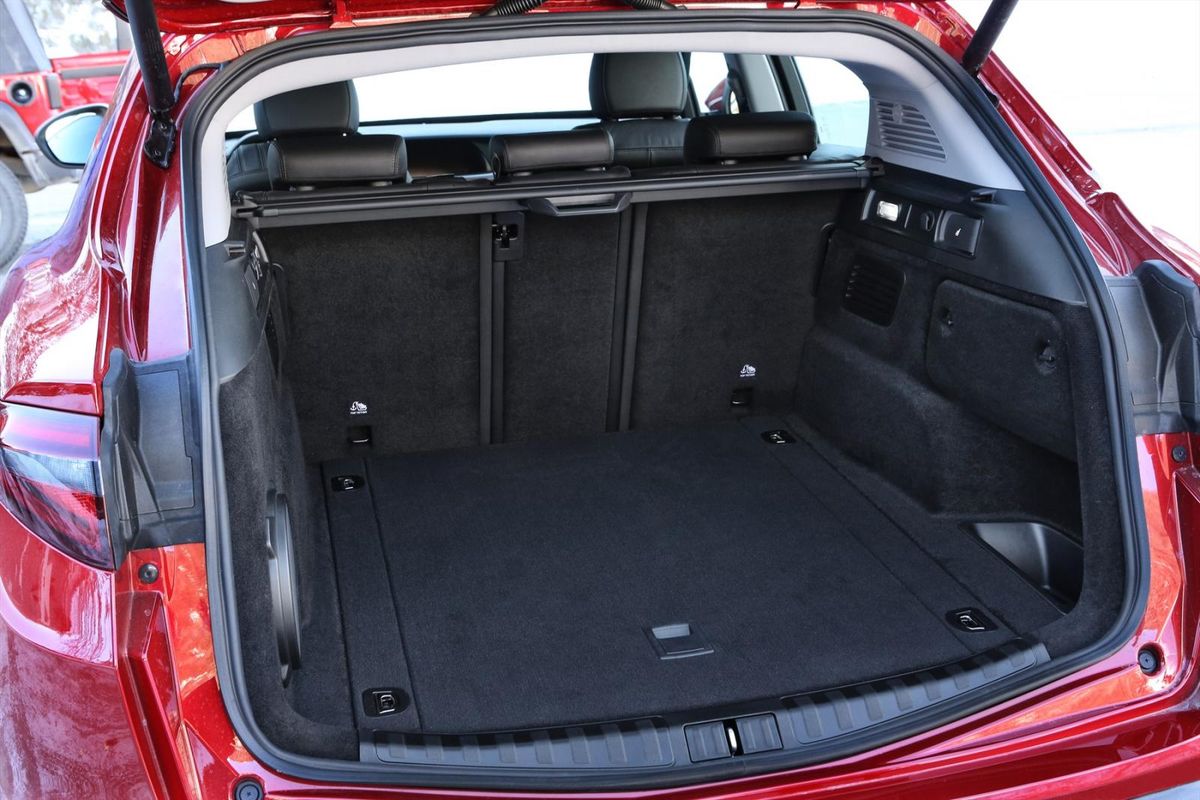
The Stelvio offers a large 525-litre luggage bay with an electronic tailgate with 3 different opening levels.
Key safety features include an Integrated Brake System (IBS), Forward Collision Warning, Autonomous Emergency brake with pedestrian detection, Lane Departure Warning, Blind Spot Monitoring with Rear Cross-path Detection and Active Cruise Control.
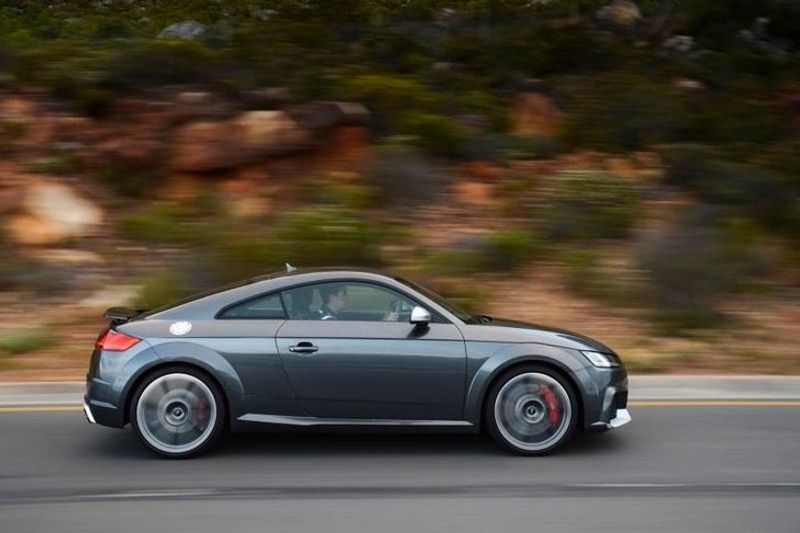
The most hardcore iteration of the Audi TT has arrived in South Africa! It's called the Audi TT RS and straight off the bat, we can tell you that it's one of the most powerful and fastest coupes at this price point. David Taylor attended the launch of the new Audi TT RS in the Western Cape this week to bring you this report…
The Audi TT has often been unfairly labelled as soft in the past, but this latest generation of Ingolstadt's sporty coupe has really underlined its performance credentials as well as the versatility of the MQB platform. There are a handful of models to choose from too. There's a base-spec 1.8-litre Audi TT, a 2.0-litre model offered in both front-wheel drive and quattro and a reasonably powerful TT-S model, which is brisk. However, there was one model from the previous generation which had the capability of harassing far more exotic cars and was like letting a caracal loose in the chicken pen. It's called the Audi TT RS and the new one has just landed in South Africa.
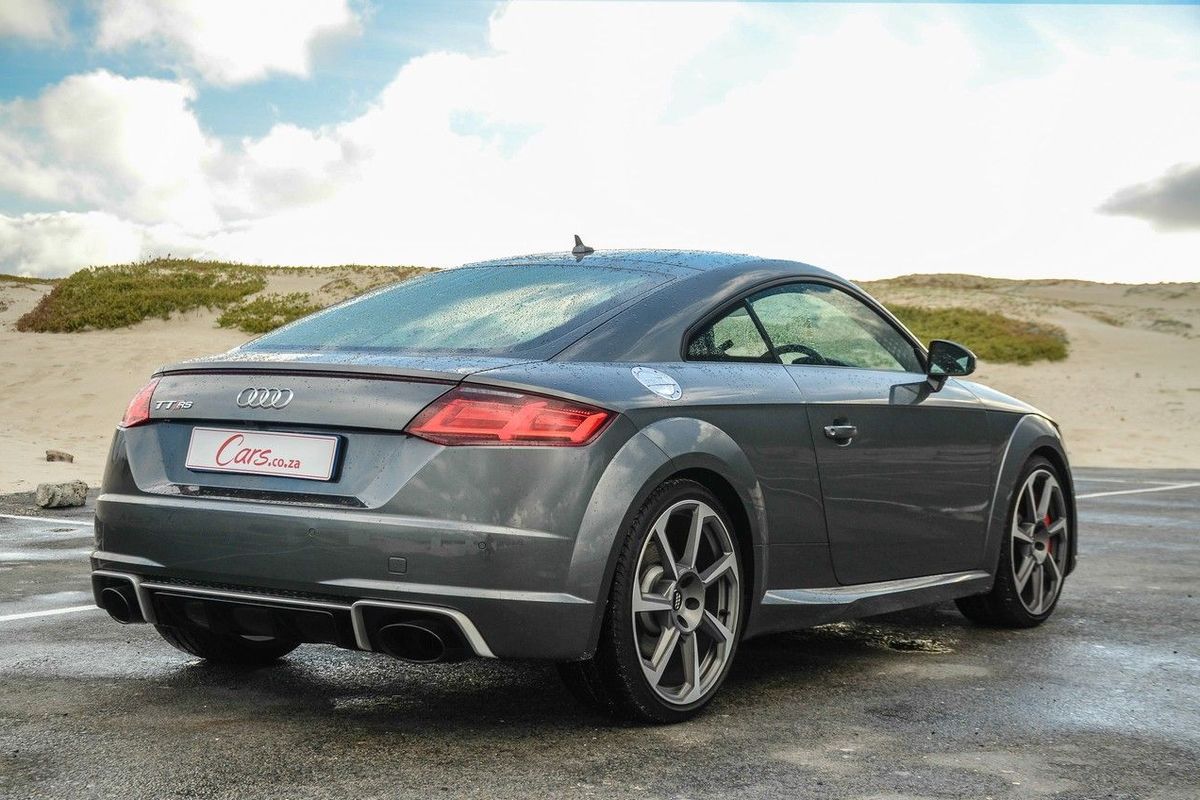
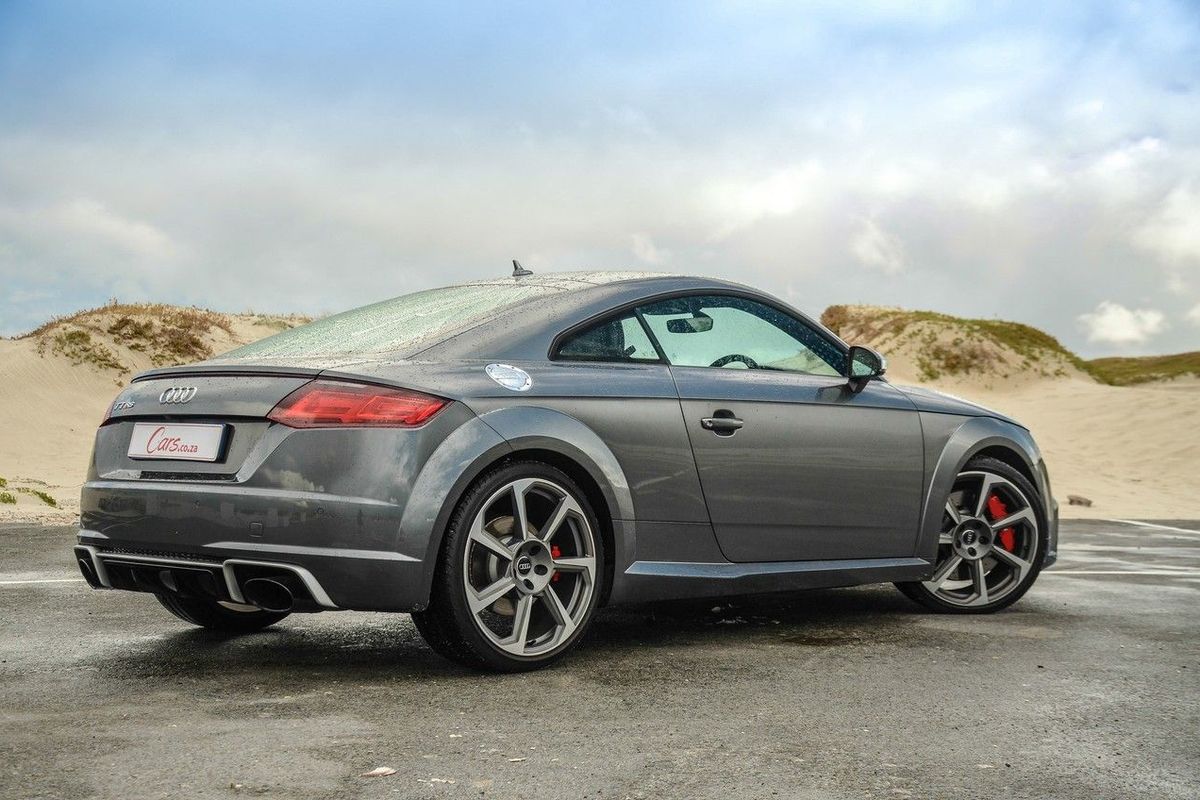
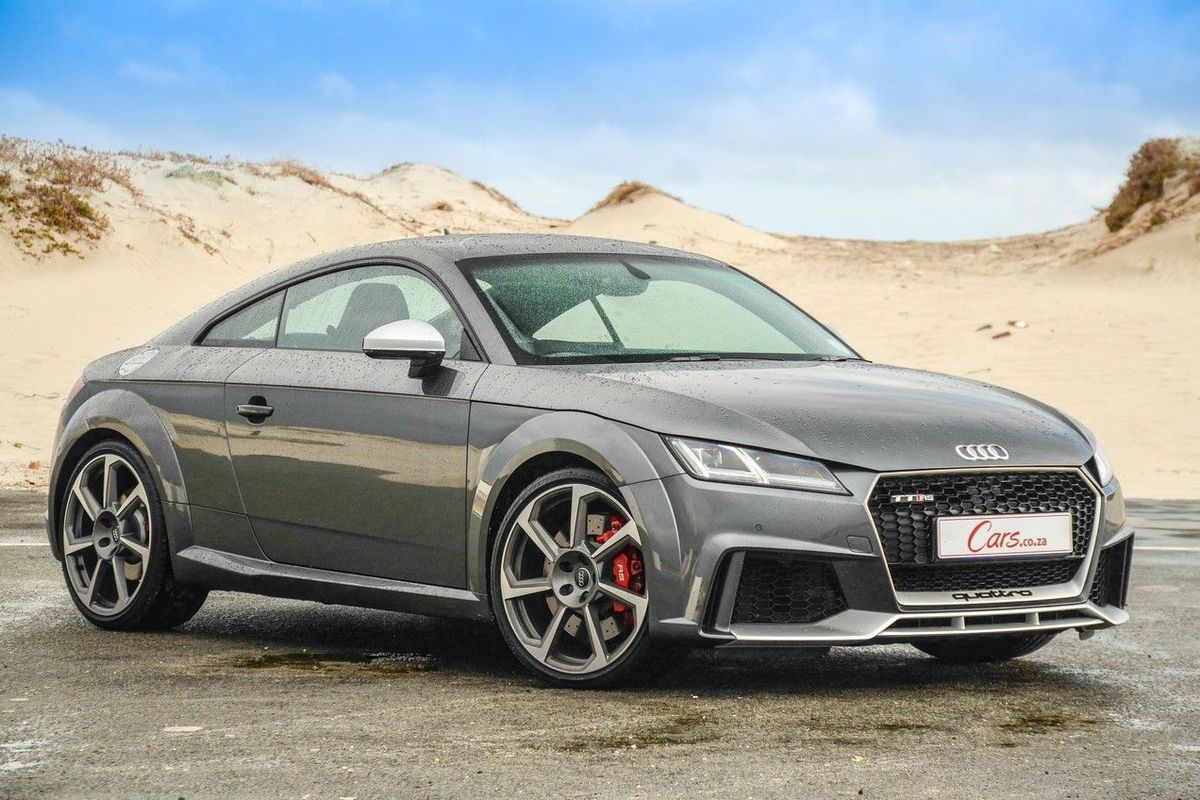
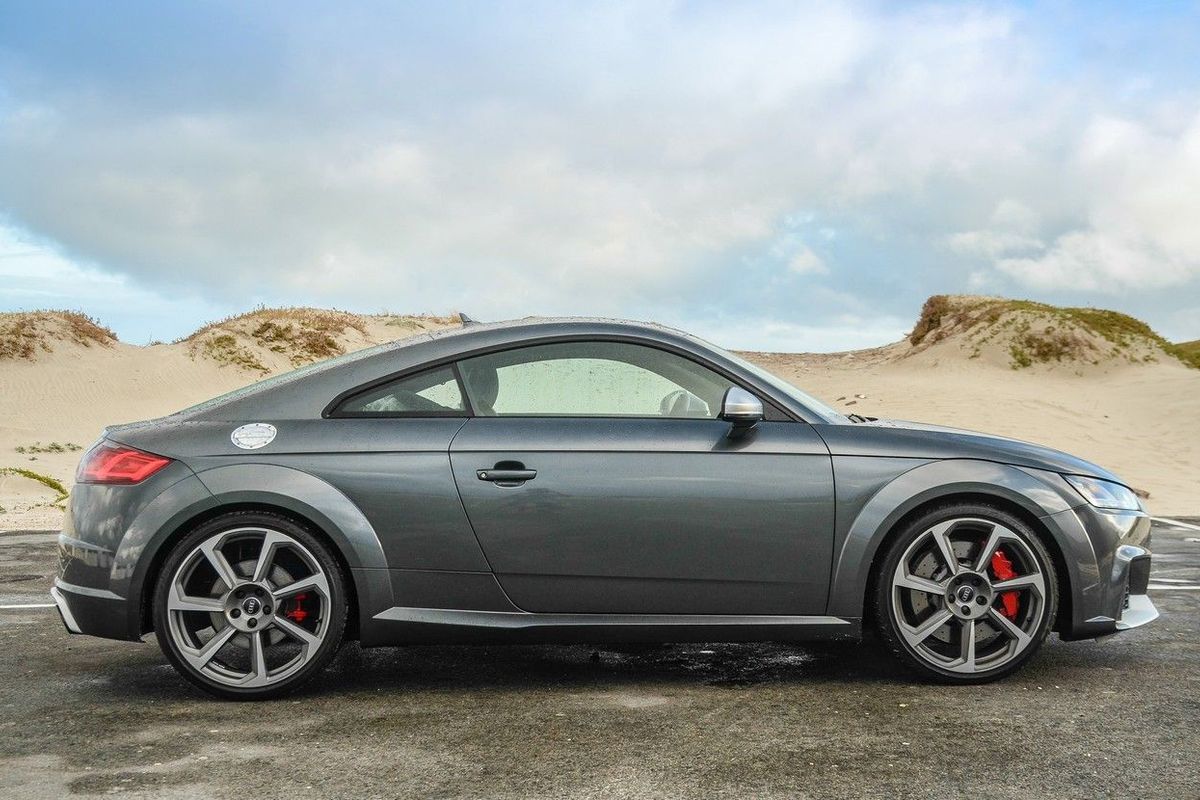
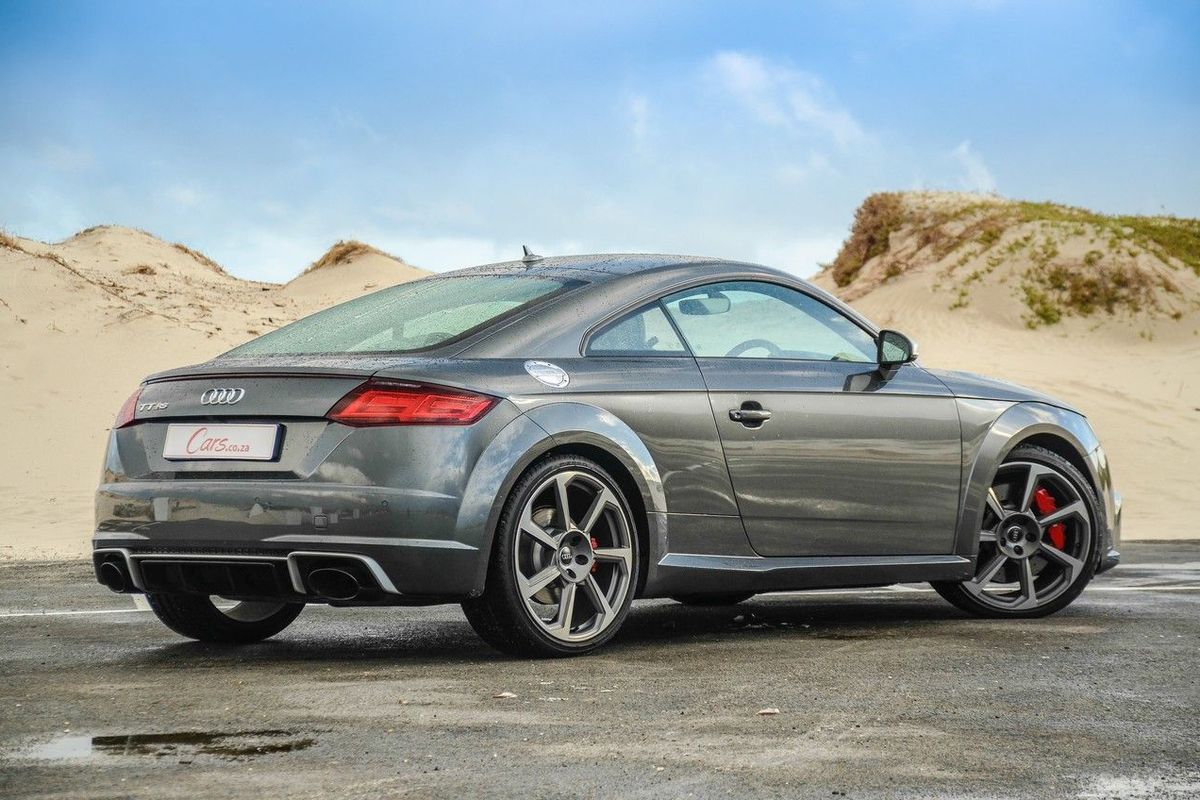
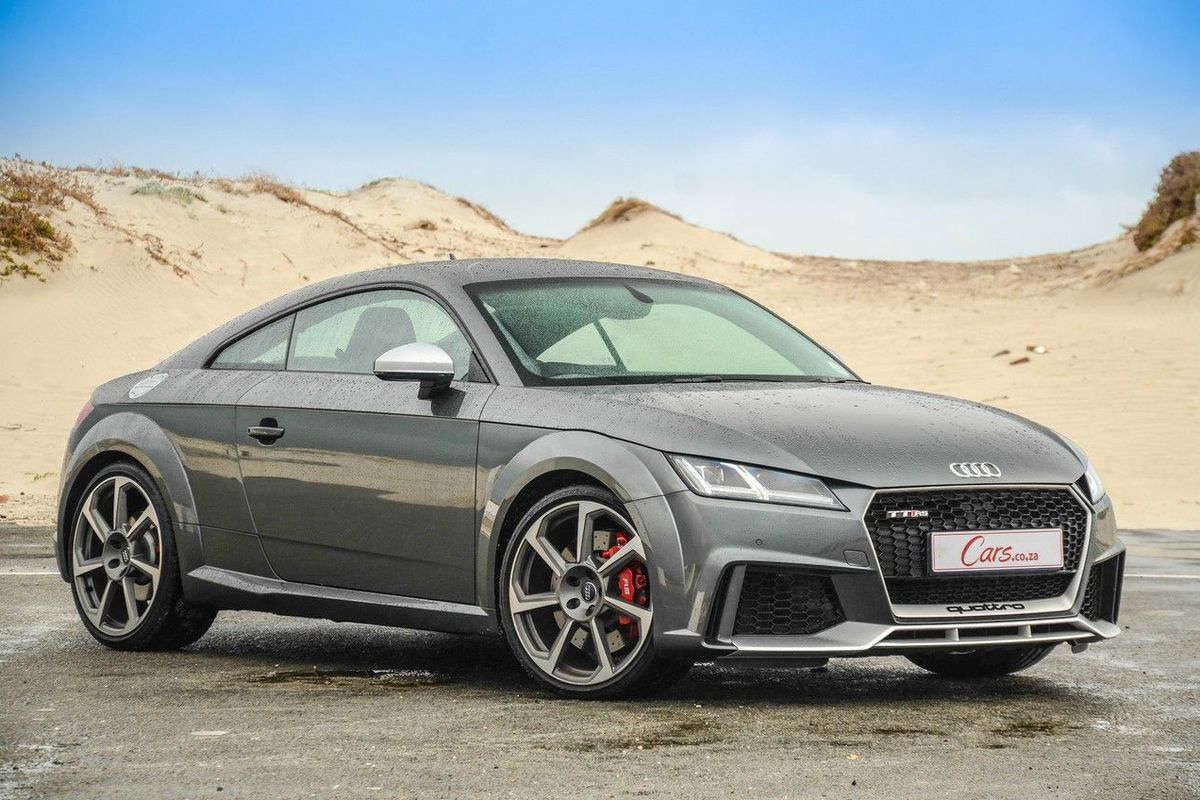
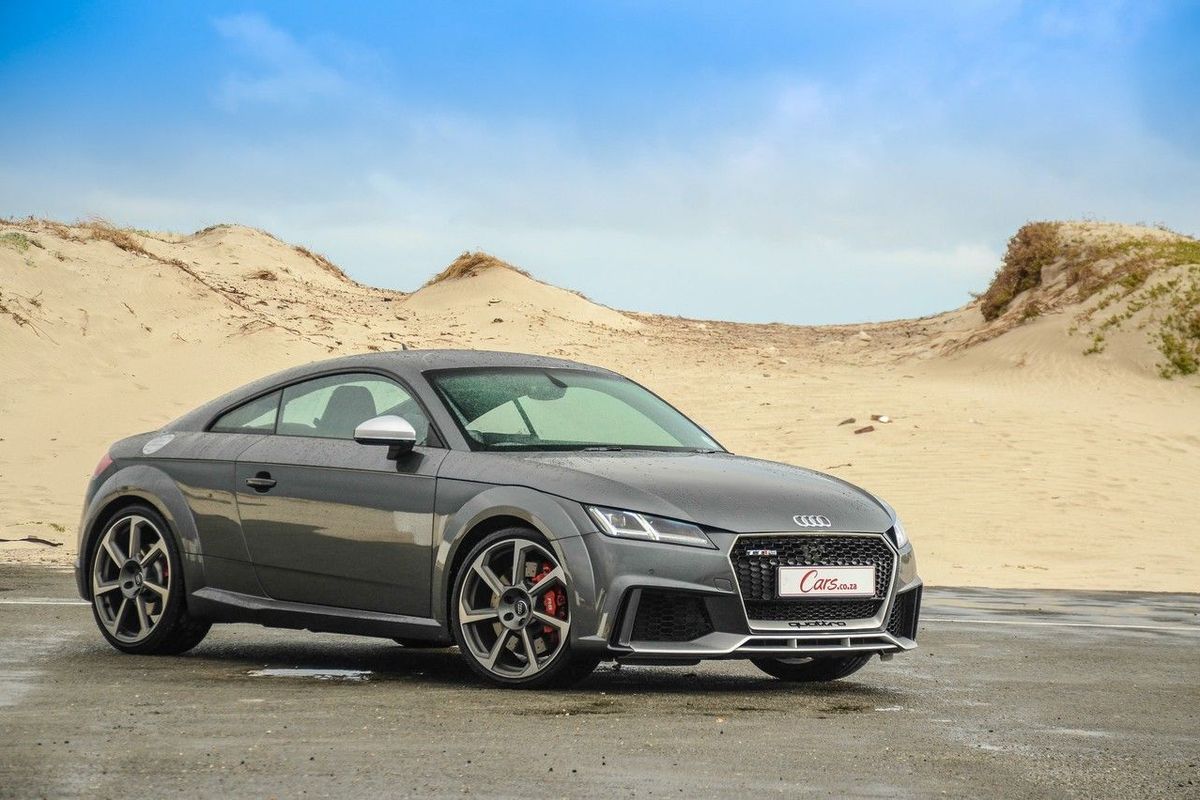
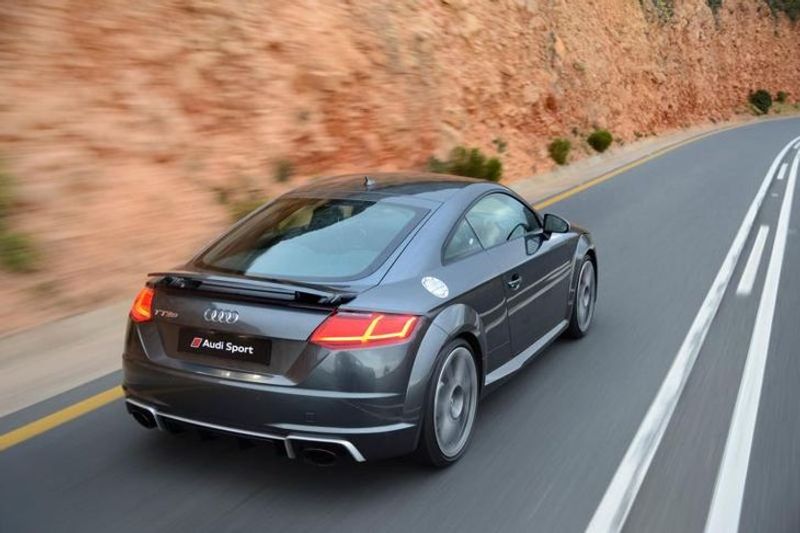
Visually, the new Audi TT RS looks far more radical than its lesser siblings. Sadly, the fixed rear wing is now available as an option. The good news is that it is a no-cost option. Hurrah! Big wheels, big bumpers and gaping grilles signify that this is no longer your run-of-the-mill TT, while at the back two massive exhausts do duty. There are also subtle TT RS badges, which remind people that this is the real deal.
5-cylinder magic is back
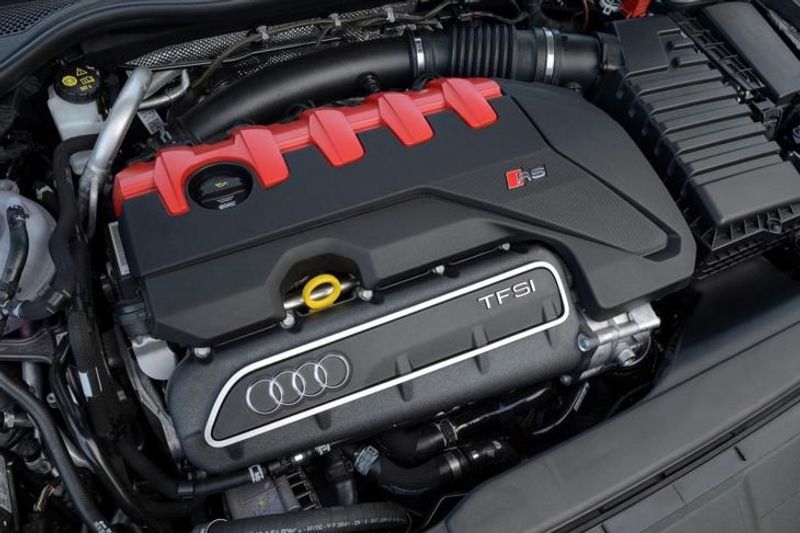
Magical goodness and well deserving repeat winner of International Engine of the Year.
The new Audi TT RS is powered by a revised example of the mighty 5-cylinder engine. Boasting a big turbo and even bigger outputs, the Audi TT RS looks formidable. There is 294 kW and 480 Nm on tap, with grunt going to all four wheels via a 7-speed dual clutch gearbox. Audi Sport claims a zero to 100 kph sprint time of 3.7 seconds, which is ballistic in anyone's books. It'll run to a top speed of 250 kph, but you can extend the top speed limiter as an option. One of the best things about this engine is its distinct soundtrack and you'll just love revving it for the acoustic satisfaction.
Audi knows how good this engine sounds and has fitted an RS exhaust button which makes it sound even louder. Delightful! Mechanically, this engine is 26 kg lighter than the previous TT RS, while the gearbox is lighter too. The car also sits lower to the ground compared to the lesser TT models.
Faster than some exotics and with one of the best engine notes in the business. What's not to like?
Does it perform?
You bet it does. The Audi TT RS is ballistic, both in terms of off-the-line ability and in-gear performance. With launch control dialled up, it's a potent weapon and we foresee many exotic sportscars being demolished by the Audi TT RS. It's just so effortless and it'll happily do it repeatedly, without any fuss or hesitation. The first time launch control is activated, you'll feel your face contort thanks to the G-forces.
With the safety net and grip afforded by the all-wheel-drive quattro setup, you'll feel confident when you're pressing on. The brakes are phenomenal and do a fine job of bringing the Audi TT RS to a halt. If you're an enthusiast, it may be worth looking into the carbon-fibre ceramic discs which are offered as an option. The suspension features adaptive dampers, which greatly improve comfort when you're not in the mood to press on. However, even in dynamic mode with the dampers set to their hardest, the ride is not completely unbearable, which is a pleasant surprise. Some cars lose all comfort when they're in their most aggressive modes and the ride quality can be atrocious. A45 AMG is culprit number one when it comes to this.
We had the opportunity to test the Audi TT RS up the old Du Toitskloof pass, which has some wonderful sections and turns. It also has some rough tarmac in places, which has proven a literal pain in the backside in some sporty cars, such as the Renault Clio RS Trophy. The Audi TT RS was firm, make no mistake, but at no point did it become unbearable. The steering is to be commended. It's light and ultra-direct, and when you're really going for it, the Audi TT RS goes exactly where you point it. As far as performance offerings go, you'll be hard-pressed to match the Audi TT RS in terms of usability and outright performance.
The fixed wing is available as a no-cost option. Note the big oval RS exhausts!
The cabin
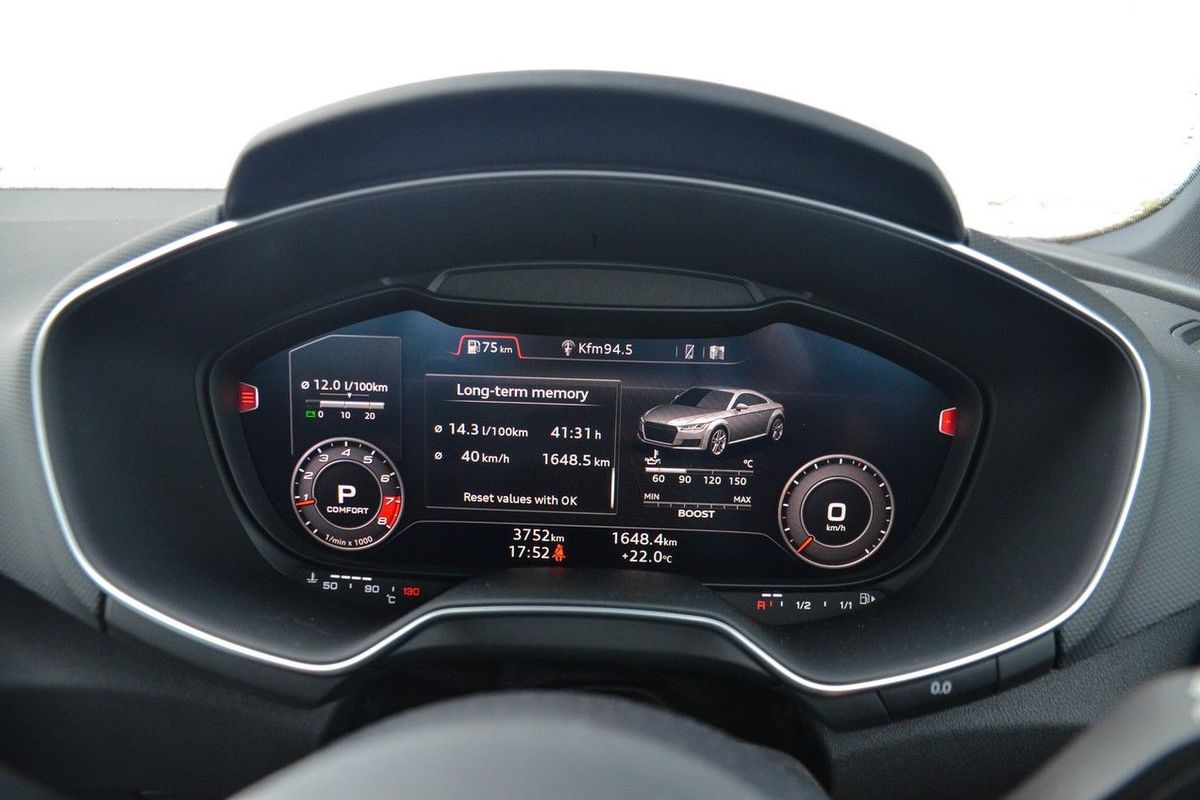
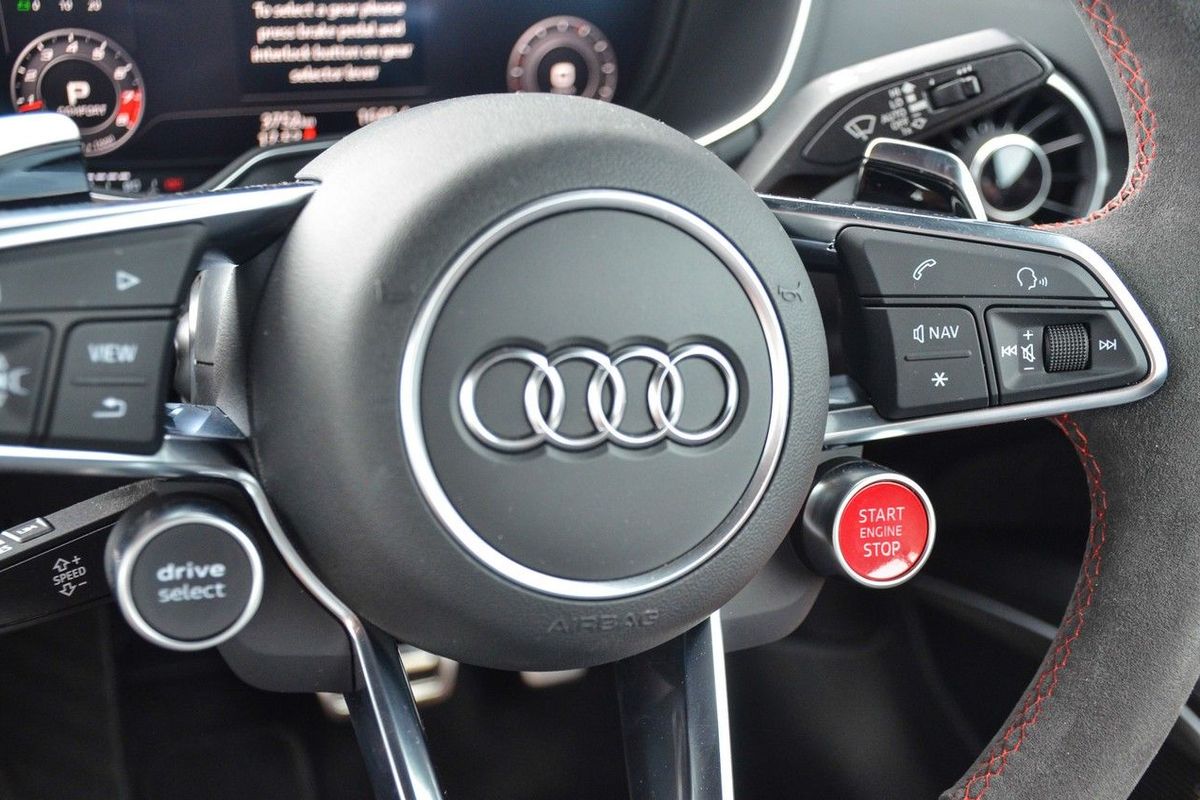
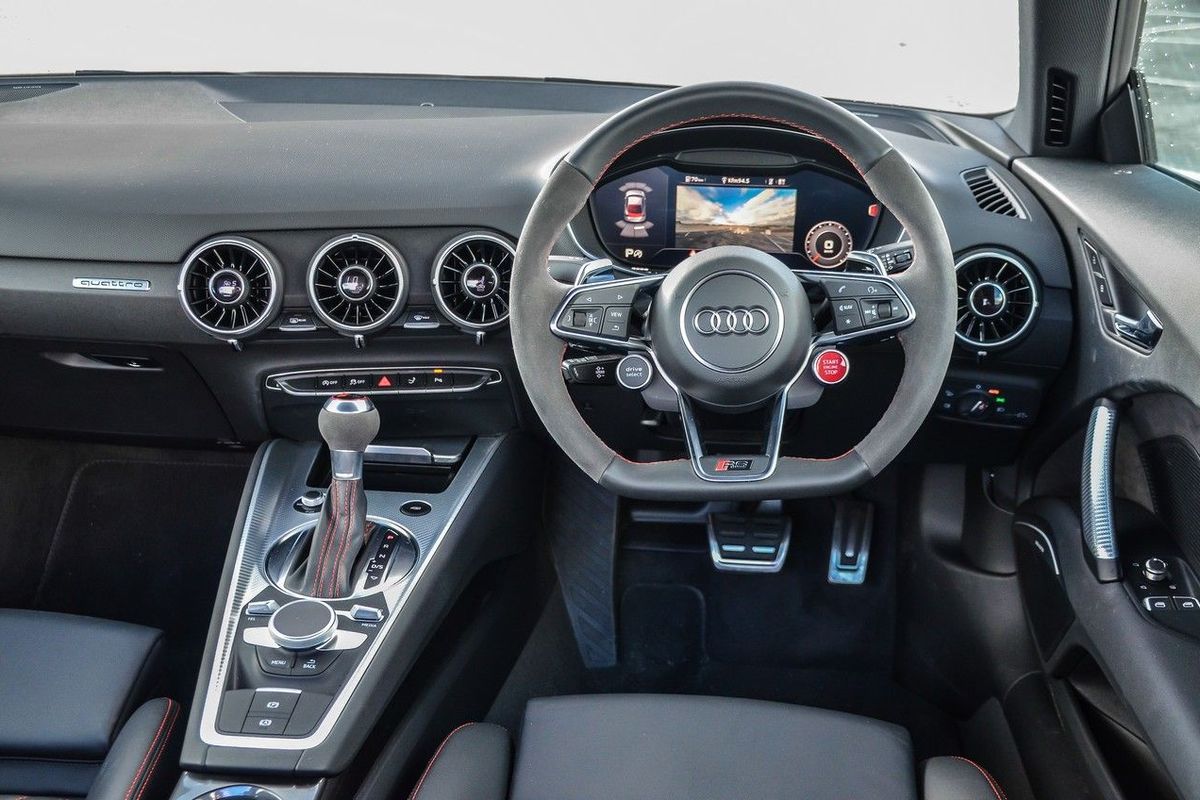
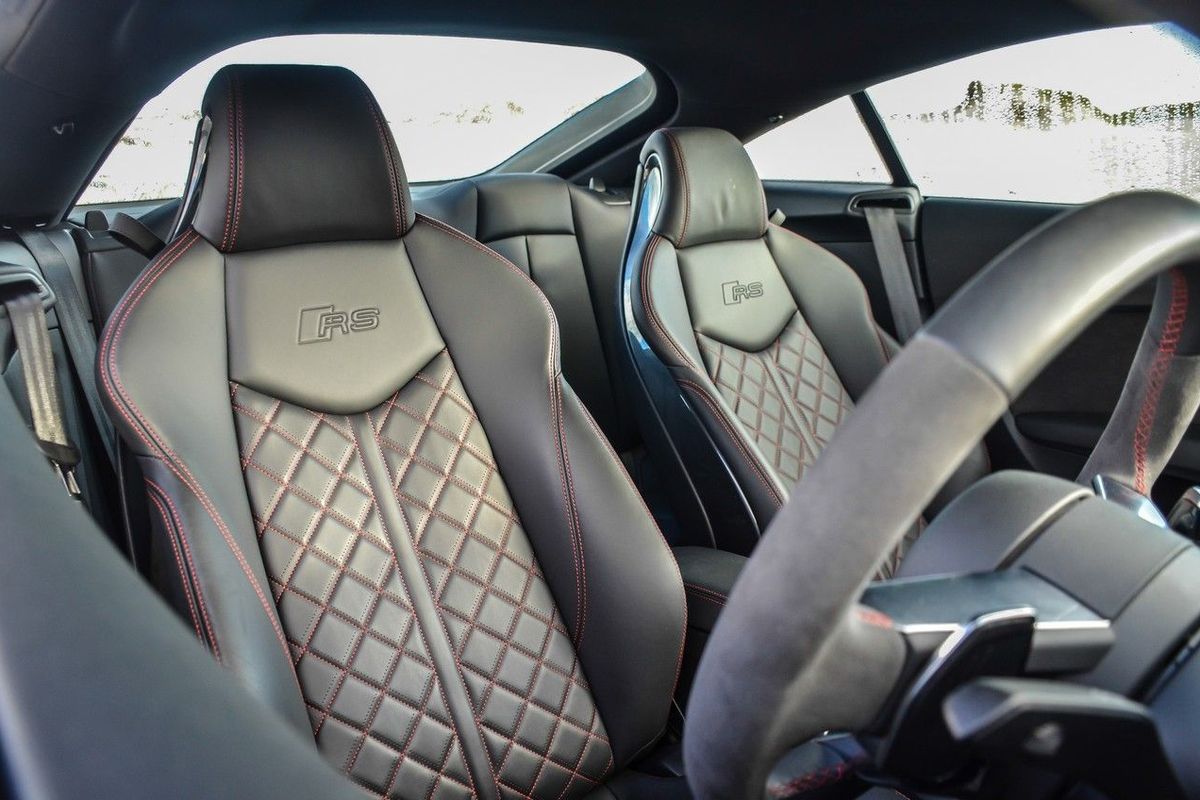
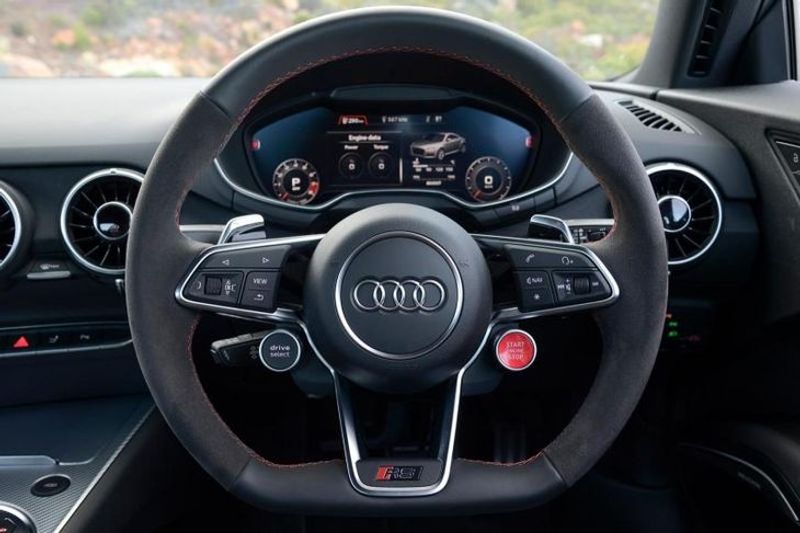
Audi has gone all out when it comes to the TT RS cabin. The steering wheel is a work of art and is not too dissimilar to that of the Audi R8 and features a start/stop button. The interior focus is aimed purely at the driver and Audi has cleverly positioned key functionality onto the steering wheel, allowing the driver to keep his/her hands on the wheel at all time. The pretty, yet intuitive Audi Virtual Cockpit digital dashboard is standard on the TT RS and it offers everything such as satellite navigation, a central rev counter which doubles as a speedometer and shift light. You'd expect a centrally-mounted infotainment screen, but the cabin is wonderfully minimalistic and the only thing you'll find is the ventilation controls, cleverly integrated into the turbine-style vents. The seats are exceptionally sporty and supportive – something you'd expect when driving a near-supercar.
The steering wheel is fantastic and features both start/stop and Drive Select buttons.
Standard equipment
The flagship offering has to be fully loaded and the reality is that the Audi TT RS does come with plenty of bells and whistles as standard.
19 inch Audi Sport alloy wheels
4 way lumbar support
Audi drive select®
Audi virtual cockpit
Audi sound system
Bluetooth interface
Cruise control
Comfort key
Deluxe automatic air conditioning
Driver and front passenger airbag with front passenger airbag deactivation
Electric seat adjustment with pneumatic adjustment
Front S sports seats in fine Nappa leather trim with diamond stitching and RS embossing
Indirect tyre pressure monitoring system
ISOFIX child seat mounting for passenger and rear seat
Leather-covered multifunction sports steering wheel, 3-spoke, flat-bottomed, with shift paddles
LED headlights with range control including dynamic turn signals at rear
LED rear lights with dynamic indicator
Light / rain sensor
Lighting package
MMI Navigation plus
Parking system plus with selective display
RS sports exhaust system
RS suspension
Side airbags at front and head airbag system
Start/stop system
Verdict
Audi Sport and its new TT RS will intentionally be standing on its rivals toes. At this price point (see cost below), there are very few rivals that deliver this astonishing performance. It's a brutal machine and in the right hands, it's exceptionally quick. Thanks to the quattro all-wheel drive, it's not going to come unstuck either. The cabin is lavishly appointed and purposeful, and you get a fair whack of standard fare. You can, of course, go to town with options and Audi SA is promising to bring in Audi Sport body kits, which turn your TT RS into a vehicle looking like it competes in DTM. The test days beckon and we think there'll be a battle for the keys as it's a ballistic, road-legal weapon, and we love it.
Audi TT RS Price in South Africa
The Audi TT RS Coupé is priced at R963 000, standard with the 5 year/100 000km Audi Freeway Plan.
The highly-anticipated production Lamborghini Urus SUV is gearing up for its big reveal on 4 December 2017! Leading up to the big event, Lamborghini has dropped a teaser of the Urus testing in the snow (see video above).
Lamborghini is preparing to enter the booming SUV market with its super SUV, the Urus. The Urus will be built in Sant'Agata Bolognese, Italy, and the new model is expected to be the fastest SUV on the planet when it finally arrives. The Urus will be revealed in production form on 4 December 2017.
The Urus will be powered by a 4.0-litre twin turbo V8 engine offering 484 kW, while a hybrid version is expected at a later stage, which will be a first for the Italian supercar maker. As shown in the video above, the Urus will have numerous drive modes including Strada, Sport, and Corsa, as well as terrain-specific modes such as Sabbia (sand), Terra (dirt), and Neve (snow).
The Urus will be built on Volkswagen Group’s MLB Evo platform that also underpins luxury SUVs like the Audi Q7, Porsche Cayenne, and Bentley Bentayga. Lamborghini aims to produce 3 500 units a year at its plant in Sant'Agata Bolognese.
We will keep you updated as more information becomes available, so stay tuned!
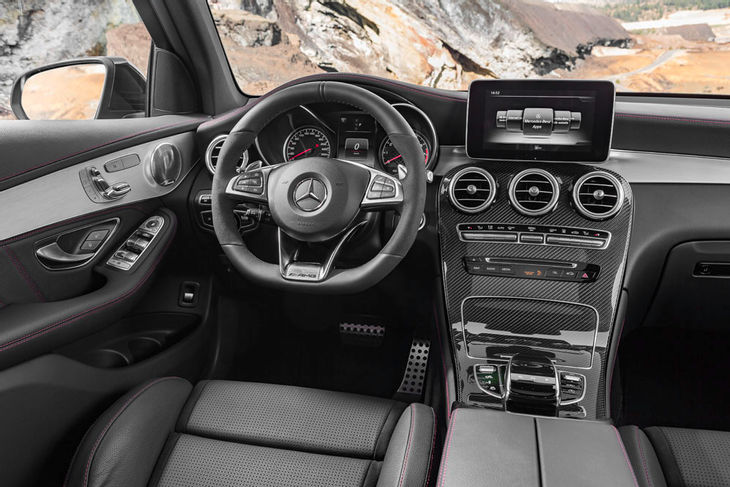
3 Reasons Why Mercedes-Benz GLC is #CarsAwards Finalist
What makes the Mercedes-Benz GLC250d 4Matic AMG Line automatic a strong contender in the Executive SUV category of the 2017/18 Cars.co.za Consumer Awards – powered by WesBank? We investigate…
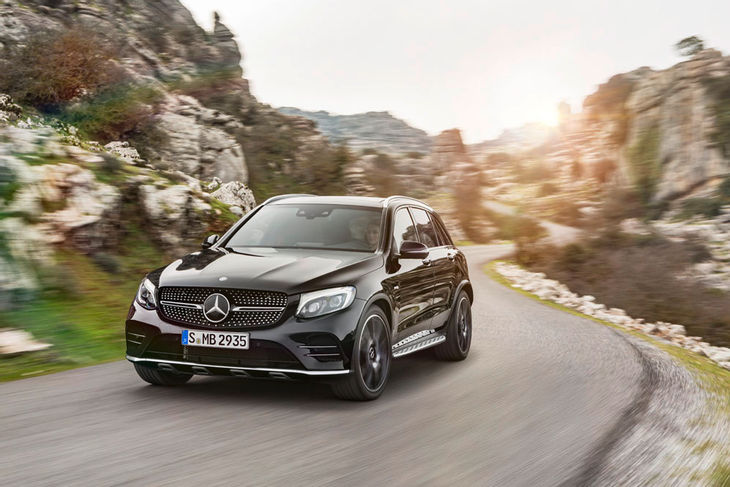
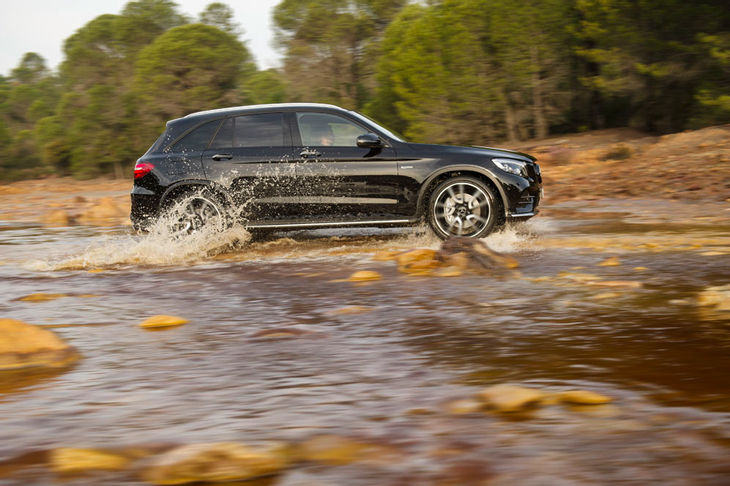
The Mercedes-Benz GLC is a mid-size SUV first introduced in South Africa in 2016 and this derivative is equipped with 4Matic all-wheel drive, a powerful turbodiesel engine and additional presence thanks to its AMG Line package. Combining luxury, practicality and style, the GLC makes a striking statement in this category.
3 Reasons Why Mercedes-Benz GLC is #CarsAwards Finalist
1. Capable and efficient
The GLC is powered by a 2.1-litre turbodiesel engine with 150 kW and 500 Nm of torque. The GLC’s torque is particularly useful and makes light work of overtaking manoeuvres on the highway. The 9-speed automatic gearbox takes care of the shifting and its close ratios keep the GLC’s turbodiesel at peak torque as you accelerate. It also keeps the revs low at freeway speeds, thereby returning good fuel economy with a claimed figure of 5.5 L/100km.
2. Luxurious and comfortable
The stylish and tech-heavy trend from Mercedes continues in this GLC. Much of the C-Class’ design and layout dominates the cabin which is bathed in classy, lavish-looking materials. Comfort up front is plush and the raised seating position provides excellent visibility; in time-honoured Benz tradition, the cabin makes its occupants feel cosseted and cocooned.
3. Practical SUV
The rear seats fold down providing a satisfactory 1 600 litres of loading space. The boot alone can hold 550 litres. The rear seats can be folded down via an electric switch in the rear as can the towbar, which is stored neatly away under the rear bumper. Whether you are hauling goods or passengers, the GLC is up to the task.
Have Your Say: Complete our survey and WIN!
Do you own a GLC? We would love to hear from you! Tell us about your experience by completing our Ownership Satisfaction Survey. Your input counts for 50% of the final result!
Mercedes-AMG E63 S Wagon Breaks Nurburgring Record
While we may be used to some seriously insane times posted around the Nurburgring by some special machinery, we were mightily impressed by the time posted recently by a Mercedes-AMG E63 S estate, which landed up setting the record for the fastest estate around the Green Hell.
We've yet to sample the new Mercedes-AMG E63 S on local soil, but the numbers do look promising. With 450 kW and 850 Nm coming from a 4.0-litre twin-turbocharged V8 engine, you can expect the E63 S to blitz to 100 kph in a claimed 3.5 seconds. Power goes to all four wheels via a 9-speed transmission. The car has somewhat of a giant-slayer reputation and it really should come as no surprise that the wagon version is just as brutal.
So brutal in fact, that it set the fastest lap time of an estate vehicle on the famous Nurburgring. The killer time? 7:45.19, which is quick, considering the E63 S is a two-ton family wagon. Watch the record-breaking run below: