Mercedes-AMG E63 S Wagon Breaks Nurburgring Record
While we may be used to some seriously insane times posted around the Nurburgring by some special machinery, we were mightily impressed by the time posted recently by a Mercedes-AMG E63 S estate, which landed up setting the record for the fastest estate around the Green Hell.
We've yet to sample the new Mercedes-AMG E63 S on local soil, but the numbers do look promising. With 450 kW and 850 Nm coming from a 4.0-litre twin-turbocharged V8 engine, you can expect the E63 S to blitz to 100 kph in a claimed 3.5 seconds. Power goes to all four wheels via a 9-speed transmission. The car has somewhat of a giant-slayer reputation and it really should come as no surprise that the wagon version is just as brutal.
So brutal in fact, that it set the fastest lap time of an estate vehicle on the famous Nurburgring. The killer time? 7:45.19, which is quick, considering the E63 S is a two-ton family wagon. Watch the record-breaking run below:
Audi's flagship sports coupe has arrived on South African shores, but it too is a victim of downsizing as the sonorous V8 has been replaced by a twin-turbocharged V6. Does a force-fed lump make up for a raw, naturally-aspirated V8? David Taylor joined Audi Sport in the Western Cape to find out.
Back in the day Audi really nailed its RS products. What was not to like? A rip-roaring V8 motor, which was an absolute peach, mated to a user-friendly quattro setup. There was something for everyone too, an RS4 wagon, an RS5 coupe, an RS5 convertible. Let's not forget that pearl of a B7 RS4 either, which was so good that even today it commands a premium and is highly sought after as a collector's piece. Rolling into 2017, we find ourselves at the mercy of downsizing, where car companies are forced to deliver performance with smaller and cleaner engines. It's a monumental task, yet the manufacturers have embraced it.
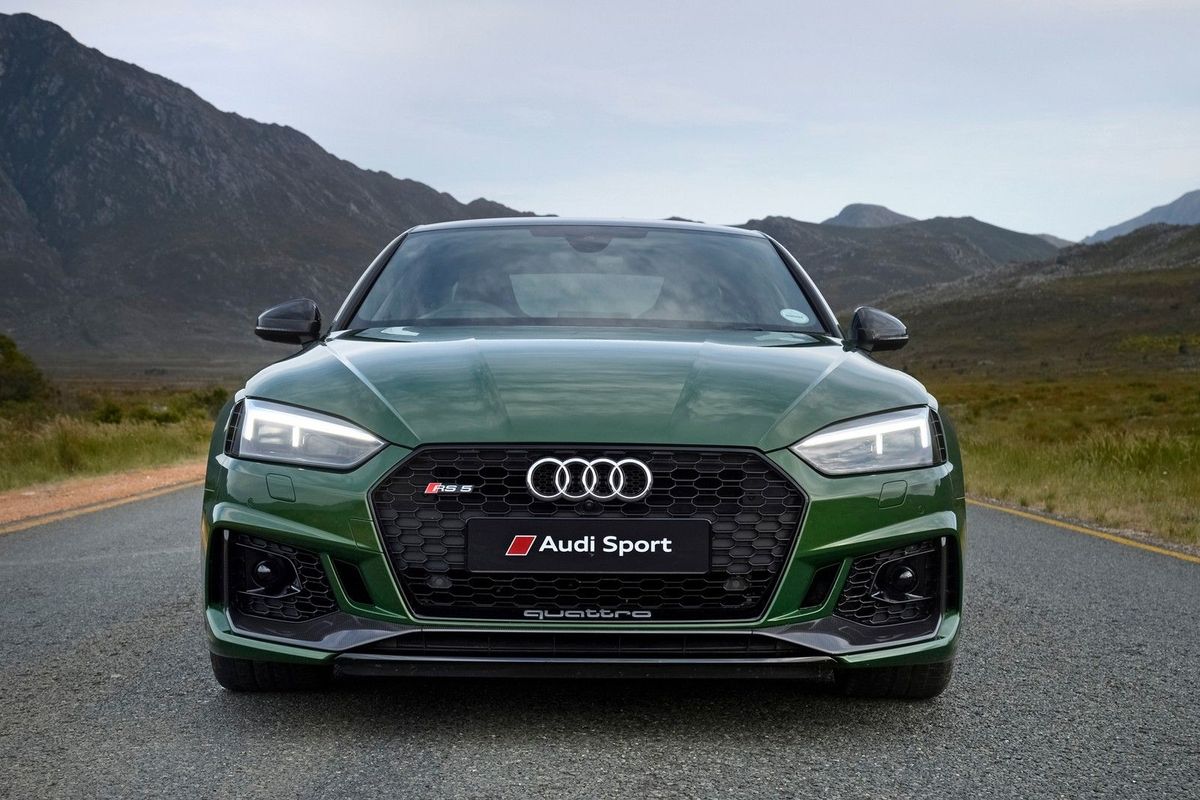
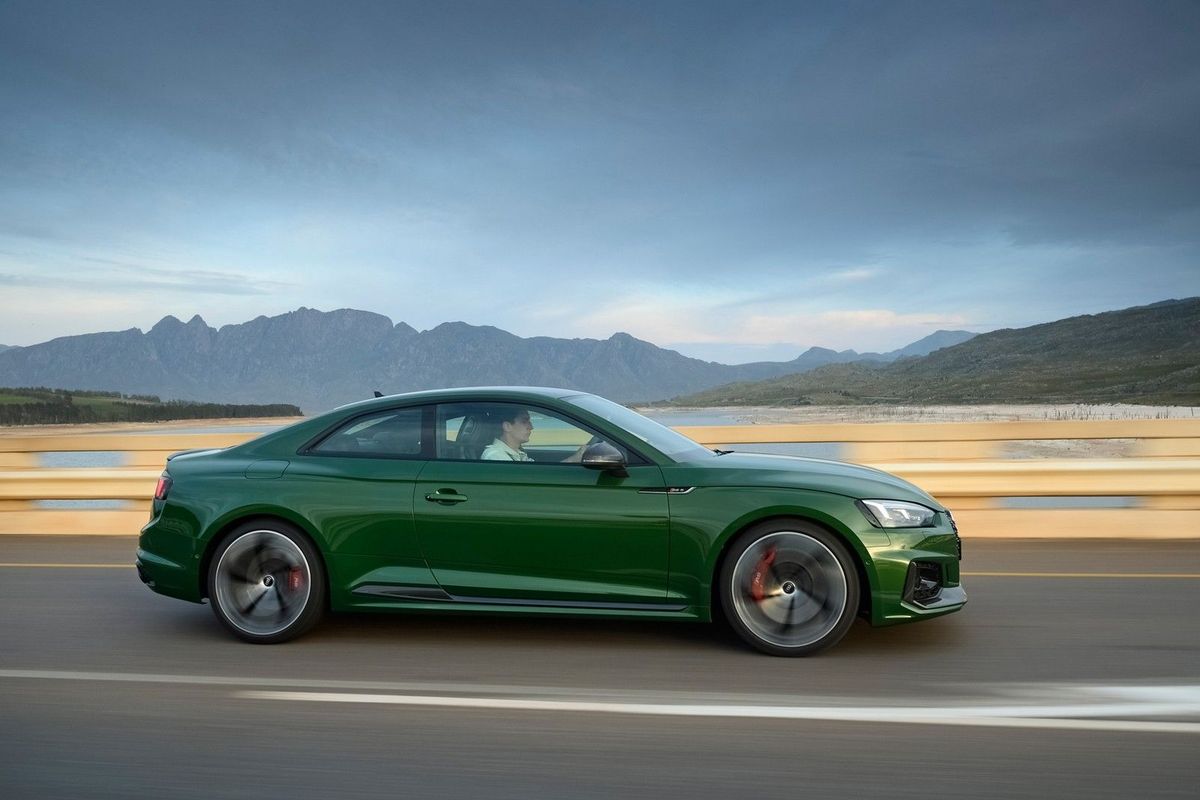
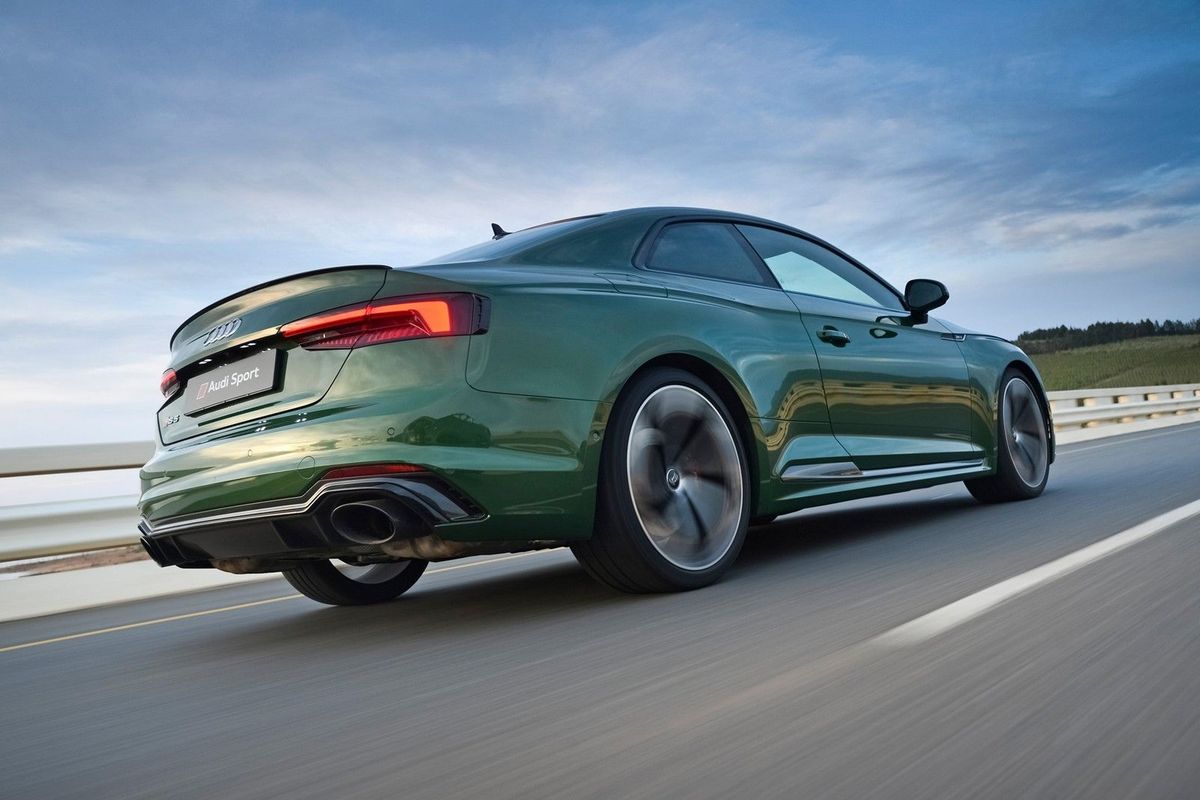
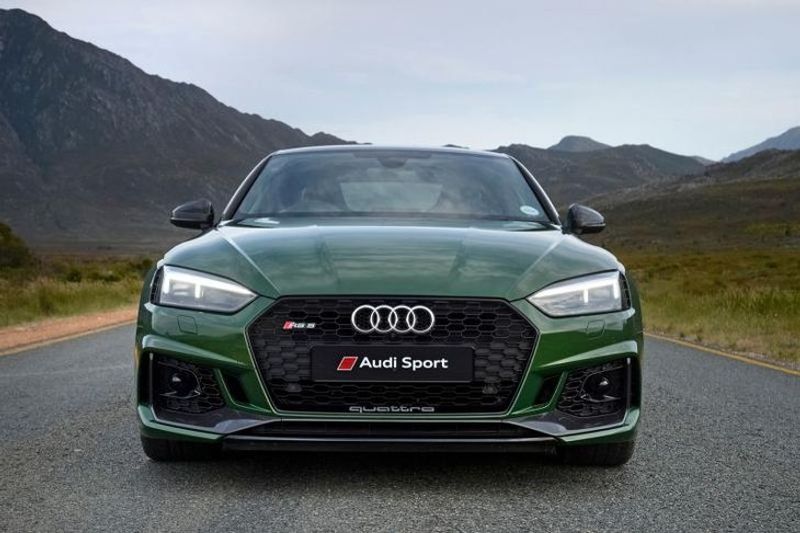
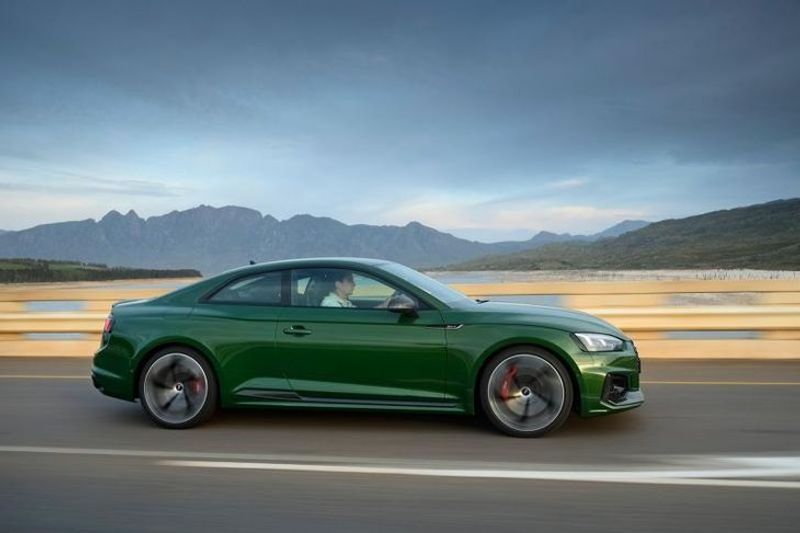
The looks have changed dramatically in the jump from Audi A5 to Audi RS5.
Small engine, big torque
Take this new Audi RS5. It had a thumping naturally-aspirated V8 motor under the bonnet, but now for the 2017 lineup, we find a 2.9-litre twin-turbocharged V6. Eh? The numbers restore some credibility, thankfully, and with 331 kW (matching the outgoing car) and a staunch 600 Nm (170 Nm more than the old V8), it looks like it's up to the task. Audi Sport claims it'll blitz to 100 kph in a shade under 4 seconds, which puts it squarely in the 'annoy supercar owners' club. Brisk indeed. Like all RS products, the vehicle is all-wheel drive and power goes to each corner via an eight-speed Tiptronic transmission. You'd expect S tronic in a vehicle of this nature, which would be great actually, but the reality is that it simply cannot handle the sheer torque of the motor.
As for this motor, it has an interesting origin because it's also used in sister brand Porsche, in the Panamera, but Audi has squeezed a bit more power out of it. We simply cannot have the new RS5 making less power than the old one, can we? This new engine weighs less than the old car and contributes to the overall 60kg weight reduction in comparison to its predecessor. It's also claimed to be more efficient, with a figure of 8.7 L/100 km. The result is a faster, lighter, more efficient Audi RS5.
The Audi RS5 has an illustrious history. Its predecessor was a rip-roaring, snarling coupe that made a wonderful noise and thanks to its quattro setup, could sprint off the line. Dynamically it wasn't as direct and involving of say, a BMW M3, nor was it as much of a handful as an AMG offering. You got the feeling that while it was fast, it was geared primarily for daily driving. You could happily sit in traffic each day, in Comfort mode, and then light the afterburners when the road opened up and other road users had vanished.
New Audi RS5 follows this recipe. While it may be a tad harsh, to say it doesn't feel as raw as its rivals from Bavaria and Affalterbach, there's no denying its performance. Despite the lack of a launch control system, the car powers off the line and its sub 4 seconds to 100 kph is believable. We'd have to wait for a road test opportunity to confirm just how quick it actually is. Through the twists and turns of the Western Cape, we found the Audi RS5 to be relaxing mostly and it's only when you're really provoking it, do you feel that typical Audi safeness. Sure, the quattro system has been reworked to send a bit more power to the rear axle than the front, but you're never going to see the tail-happy antics that the purists adore.
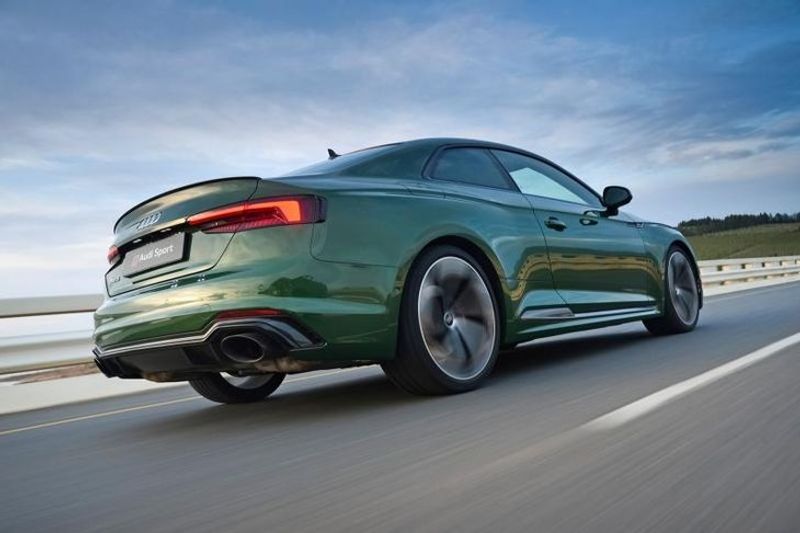
Big oval exhausts make a wonderful noise in Dynamic mode.
The engine, despite being down two cylinders, is terrific. Eager to please, responsive and free-revving all the way are admirable traits, and in true Audi fashion, bangs and thumps out the exhaust are appreciated and encouraged. While you can take command of the car using the steering-wheel-mounted paddles, the car is more than up to the task of thrilling in full automatic mode. Being the hands-on type, we utilised them right from the get-go and while it's not as direct as Audi S Tronic 'box, the Tiptronic setup has been mapped to feel as aggressive and responsive. Success, in other words.
Our launch units were equipped with adaptive damping (Dynamic Ride Control) and this is truly the business, with the ability to switch from firm and poised, to relaxed and comfortable. However, in its most hardcore setting and on less-than-perfect roads, the RS5 is still totally bearable and comfortable to live with. You can thank the excellent chassis for this. Herein lies the problem. Where we've always loved the sheer raw brutality of the C63 AMG and the ultra-direct responsiveness of the M3, we've quietly appreciated the RS5 for outright liveability. You'd love a weekend fling with either of the former, but you'd be thankful that the RS5 isn't an absolute handful and a hooligan.
Luxurious and tech-laden cabin
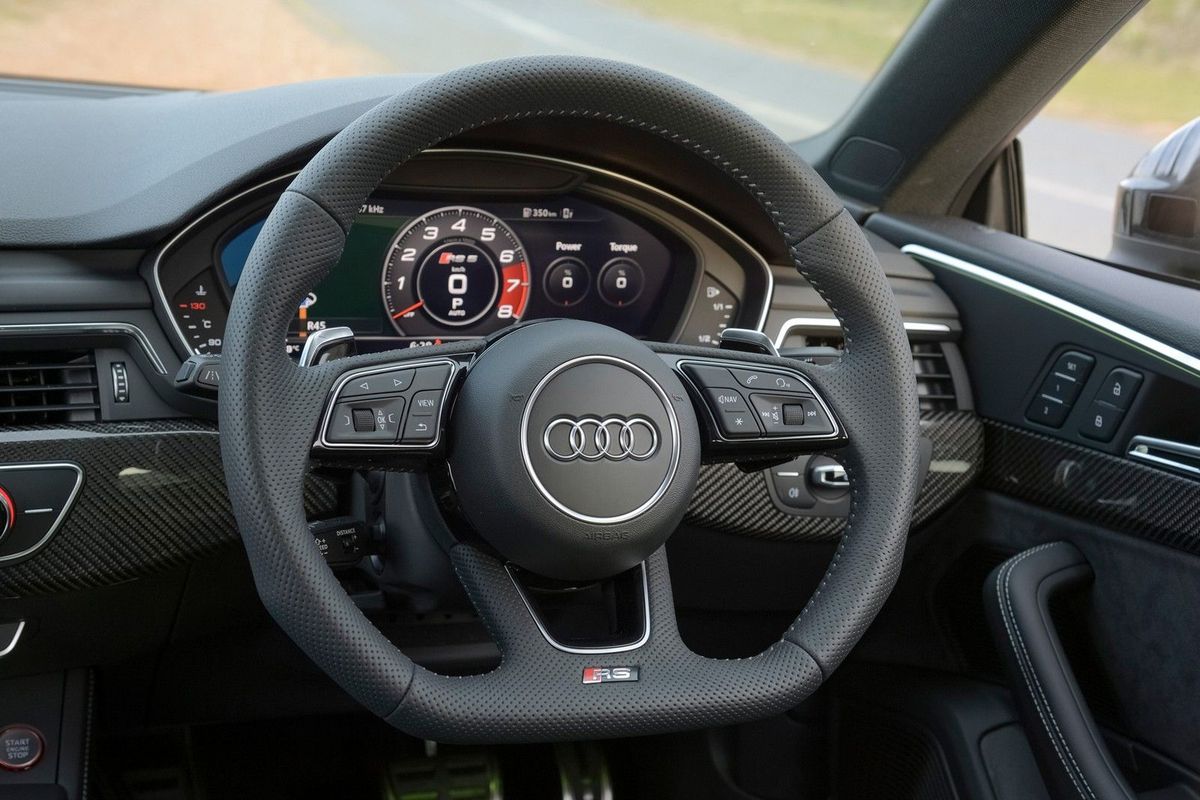
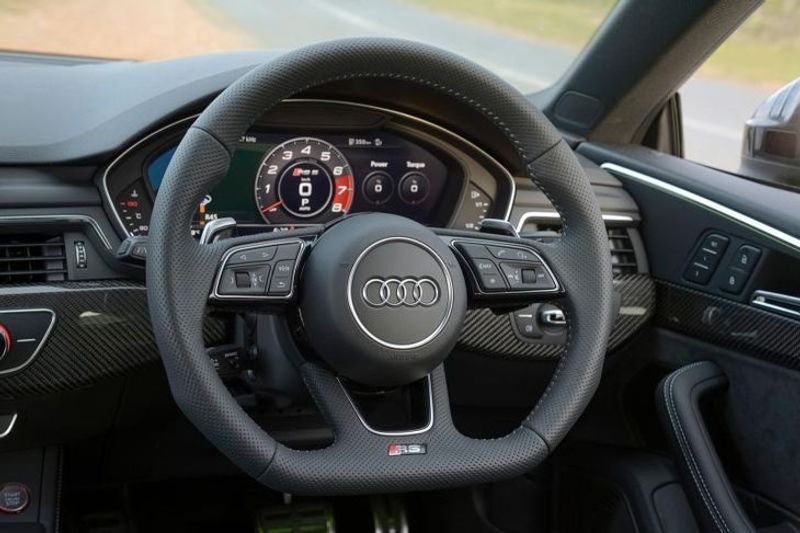
One of the most beautiful steering wheels in the business…
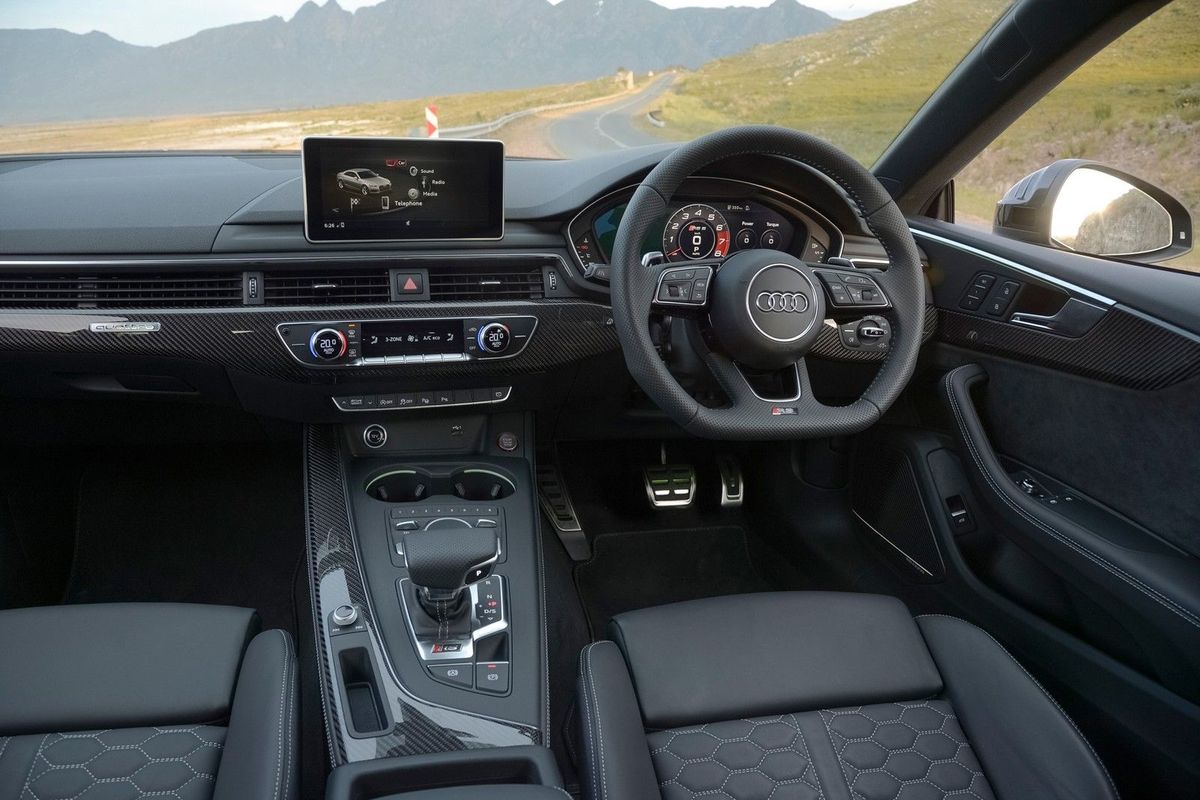
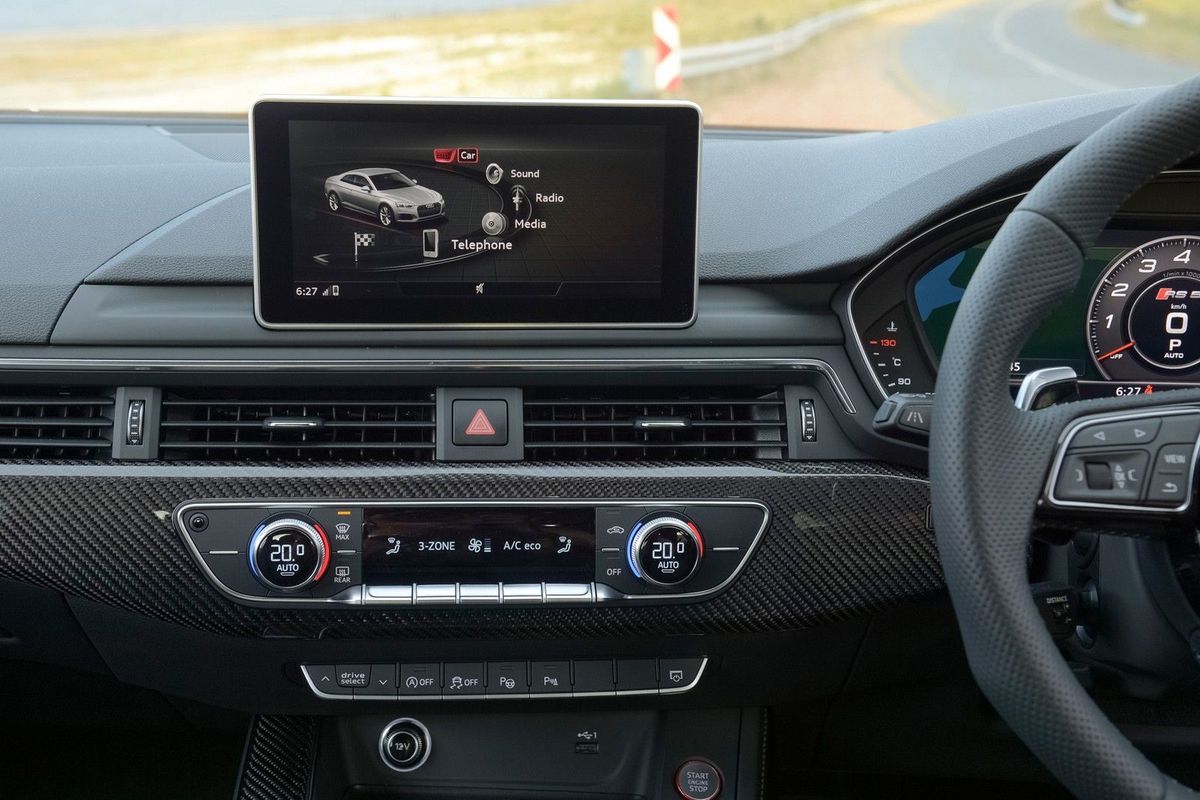
Audi has knocked it out the park again when it comes to cabin refinement and quality. It's brimming with technology and comfort features, as it should be when it comes to a flagship offering. The RS sports seats are benchmark examples of how to do car chairs well, the digital dashboard represents the best of tablet-like infotainment and the steering feel has a luxurious character about it. If there was one minor drawback, its that our low-down driving position meant that the rear legroom was severely compromised, which is fine. Children add weight and additional weight slows you down.
There are some nice performance touches to the infotainment screens and virtual cockpit dashboard. There's a G-Meter, power indicators and the rev counter has been configured to encourage you to stretch the car's legs. Approach the redline and the speedometer flashes red. Hook the next gear, rinse and repeat. There is also a lap timer if you're so inclined. Nice option to consider is the heads up display. Audi has gone all out to incorporate smartphones into the RS5's cabin. The car comes with Android Auto and Apple Carplay, there are numerous USB ports and there's also a wireless charging pad.
Audi RS5 features:
20 inch Audi Sport alloy wheels
4 way lumbar support with massage function
Audi Smartphone Interface
Audi virtual cockpit
Audi side assist and pre-sense rear
Bang & Olufsen sound system
Bluetooth interface
Cruise control
Comfort key
Deluxe automatic air conditioning
Driver and front passenger airbag with front passenger airbag deactivation
Electric seat adjustment for front seats
Front RS sports seats in Fine Nappa leather trim with diamond stitching and RS embossing
ISOFIX child seat mounting for passenger and rear seat
Leather-covered multifunction sports steering wheel, 3-spoke, flat-bottomed, with shift paddles
LED headlights with range control and rear lights incl. dynamic turn signals at rear
Light / rain sensor
MMI Navigation plus
Parking system plus
quattro® with self-locking centre differential
Rain sensor
Rear spoiler
Rear view camera
RS sports exhaust system
RS sports suspension
Side airbags at front and head airbag system
Start/stop system
Tyre repair kit and Indirect tyre pressure monitoring system
Verdict
Not this colour. Any other colour is great for the Audi RS5.
As for the looks, we were pretty underwhelmed by the run-of-the-mill Audi A5 and even the S5 was lacking some visual oomph. However, in RS5 application and with the right paint finish like Nardo Grey or red (not this green colour you see in pictures), it really looks menacing and purposeful. So that's one big box ticked. The Audi RS5 is a big leap forward for Audi, but for the RS brand? We think the brand has grown up and realised that its clients are of the discerning, mature type. Sure, it's fun to light the rear tyres and drive the nuts off cars, but how often do we do that in reality?
The sad fact of life when it comes to fast, premium German execs is that most of the time they're driven to work and back, and very few are taken on journeys to find their limits. Audi has realised this and made its new Audi RS5 as comfortable and luxurious as possible. Sure, it'll deliver the goods when you're sitting at a traffic light and you want to blow away that youngster in his Polo GTI, but ultimately we think Audi Sport has cashed in its reality cheque by making this RS5 more about the comfort, luxury and drive.
Is it as fast and involving as its predecessor? Absolutely. Does it have enough going for it, for it to challenge the likes of BMW M and Mercedes-AMG? Sadly not. Would we happily recommend it as a grand tourer that'll seat two in comfort yet deliver 85% of thrills for the average owner? Absolutely.
Audi RS5 Price in South Africa
The Audi RS 5 Coupe is priced at R1 285 500, standard with the 5 year/100 000km Audi Freeway Plan.
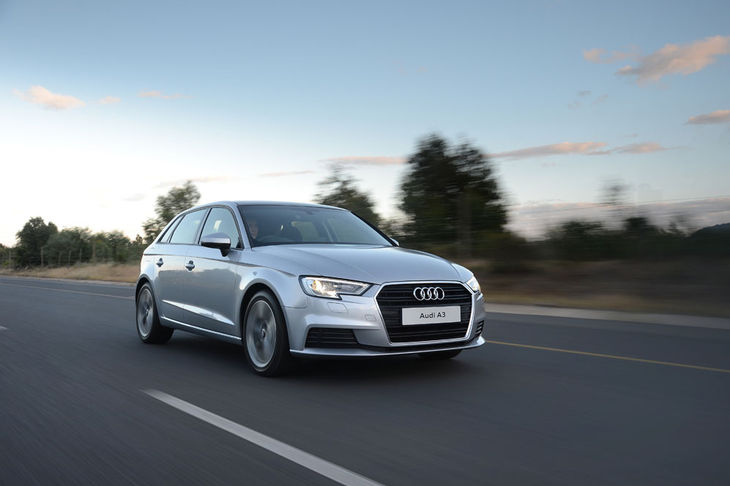
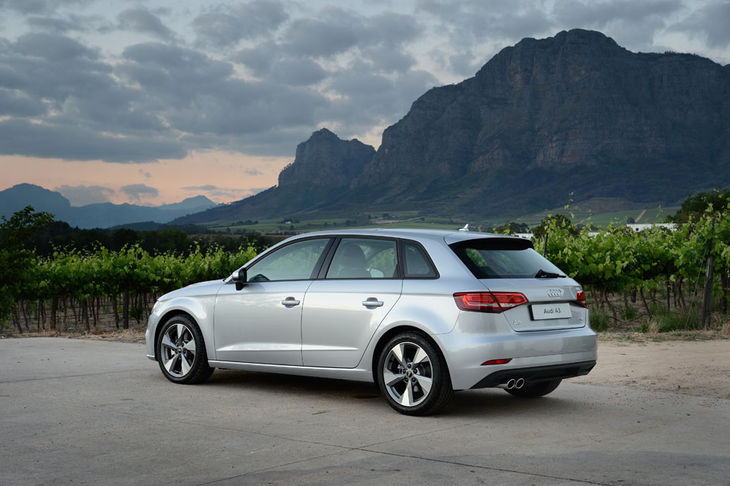
What makes the Audi A3 2.0T FSI Sportback S Line automatic a strong contender in the Premium Hatchback category of the 2017/18 Cars.co.za Consumer Awards – powered by WesBank? We investigate…
The Audi A3 2.0T FSI Sportback in S Line guise offers attractive styling and performance ability while blending luxury, comfort and refinement in a compact premium hatchback package. This A3 derivative therefore makes a strong case for itself in the Premium Hatchback category of the #CarsAwards.
3 Reasons Why Audi A3 2.0T FSI Sportback S Line Auto is a #CarsAwards finalist
1. Refined performer
This A3 Sportback derivative is powered by a turbocharged 2.0-litre engine and mated with a 7-speed dual-clutch transmission. With outputs of 140 kW and 320 Nm, this Audi A3 certainly has a performance bent to it and can sprint from zero to 100 kph in 6.8 seconds.
With the car set in comfort driving mode, shifts are geared towards fuel efficiency with Audi claiming a fuel consumption figure of 5.7 L/100km. This A3 offers a good balance between performance and economy.
2. Smart infotainment system
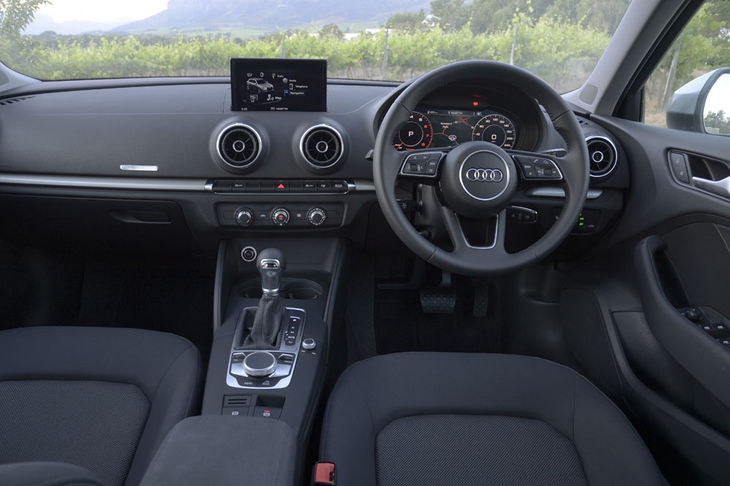
The A3 Sportback is fitted with a dashboard-mounted infotainment system that, at the push of a button, disappears gracefully into the dashboard. The system is easily controlled using the MMI rotary dial in the centre console. The system offers Bluetooth and USB/Aux support. Navigation is offered as an option as is Audi’s Virtual Cockpit and Bang and Olufsen sound system – all features worth the additional spend.
3. Handling ability and safety
The A3 Sportback offers excellent handling ability and with the standard chassis, it delivers a composed and comfortable ride, but with a dynamic feel.
It’s also fitted with comprehensive safety features including 7 airbags, ABS with EBD, brake assist and stability control with traction control as standard. A number of additional safety features are also optionally available.
Have Your Say: Complete our survey and WIN!
Do you own an Audi A3? We would love to hear from you! Tell us about your experience by completing our Ownership Satisfaction Survey. Your input counts for 50% of the final result!
Suzuki Ignis vs Volkswagen Up! (2017) Comparative Review Video
Derivatives of the Volkswagen Up! and Suzuki Ignis are finalists in the budget car category of the 2017/18 #CarsAwards, so a head-to-head between the pugnacious city cars is bound to be a tight contest. Regular contributor and #CarsAwards judge Francisco Nwamba compares the 1.0 Take Up! with the 1.2 GLX version of its Japanese rival.
Both cars offer loads of appeal to the young and young at heart, whereas the (now exclusively 5-door for the South African market) Up! trades on its compactness, inherent solidity and classless appeal, the Ignis is funky, bigger than it looks and well specced.
There are a number of similarities in terms of the Volkswagen and Suzuki’s packaging, but how do they compare in key areas when compared back to back? It’s time to find out…
The specification sheet isn’t impressive, but everyone who is serious about luxury SUV gravel travel wants one. Why?
Prado is to Toyota what Discovery is to Land Rover. For those who dwell mostly in cities and are intimidated by navigating something the size of a Range Rover or Land Cruiser 200 around urban infrastructure designed for hatchbacks, Discovery and Prado have always promised a more manageable proposition.
That said, there’s no question of sacrificing off-road ability with either and as cities become more crowded, and our need to escape to places of solitude far away ever greater, the logic of Prado, as opposed to the full-size Land Cruiser 200, is obvious. The junior Land Cruiser is another one of Toyota’s terrifically popular SUVs. It sells just shy of 100 units a month, delivers fantastic residual values over time and its off-road ability is never a slight on the legacy of that renowned Land Cruiser badge it shares with the larger 200.
Some new bits
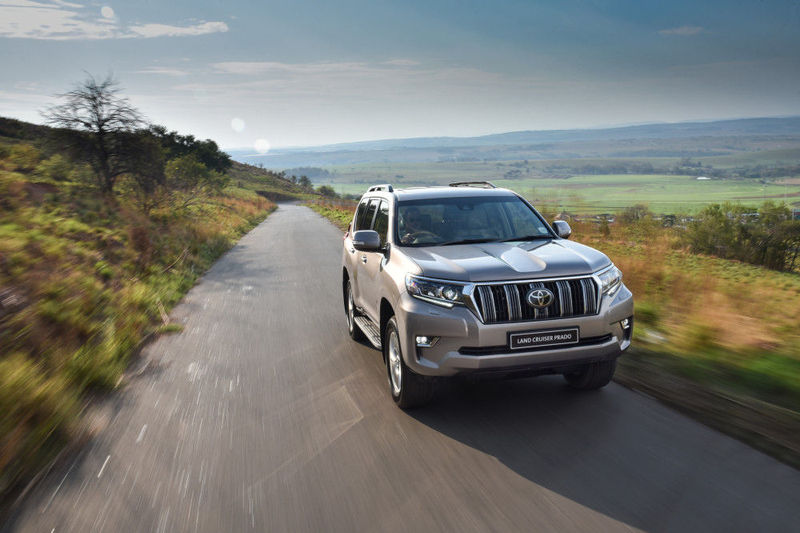
Toyota has given Prado subtle styling and equipment upgrades, but previous drivetrains remain.
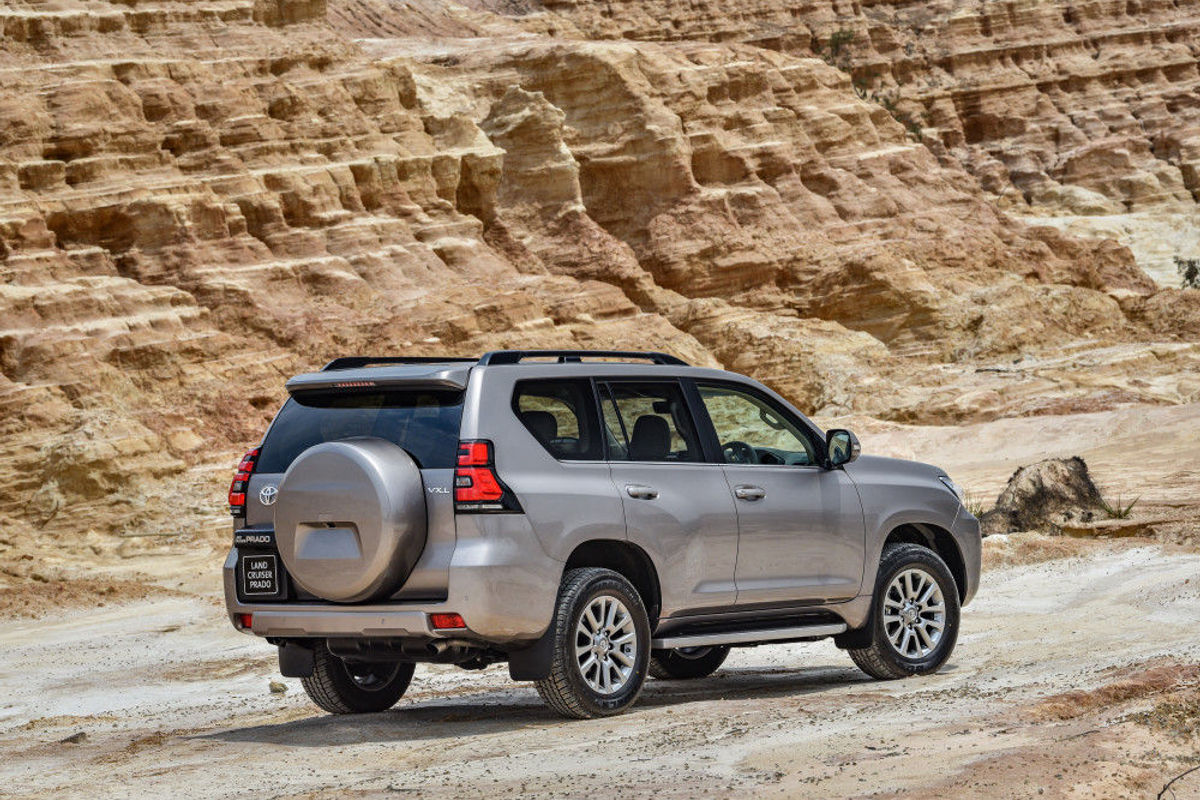
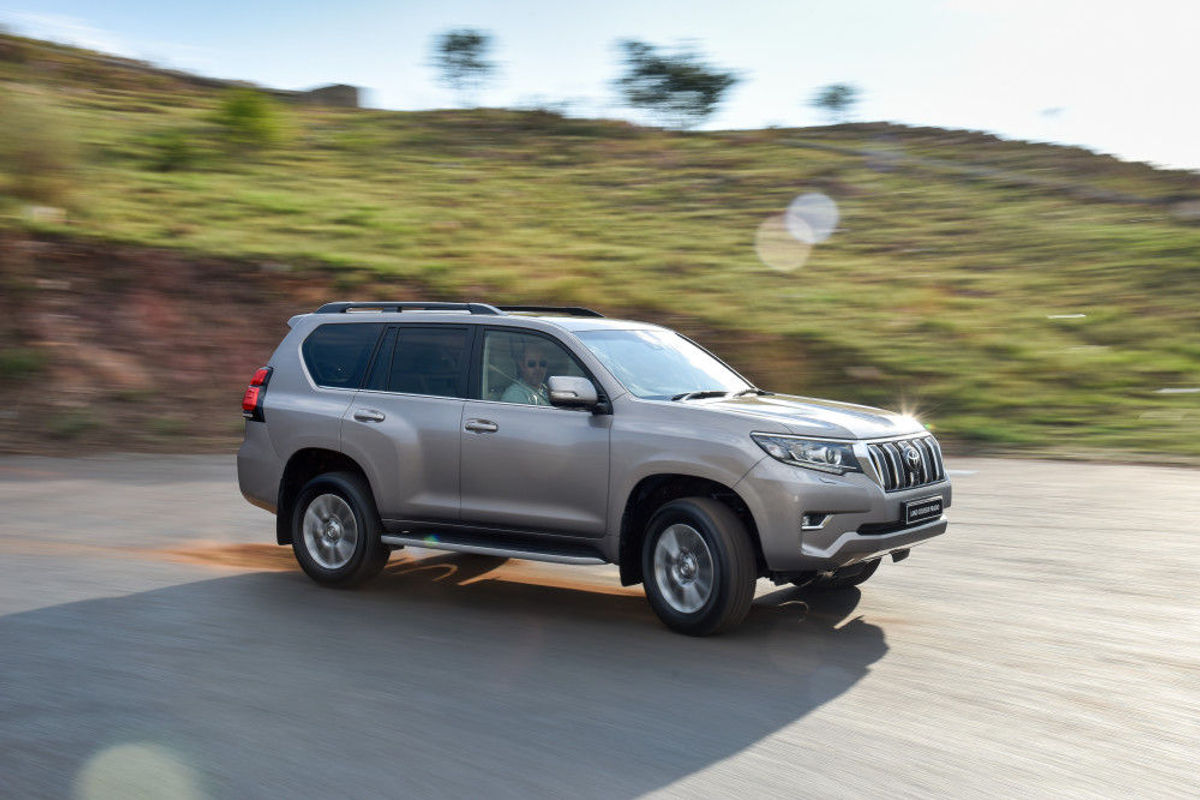
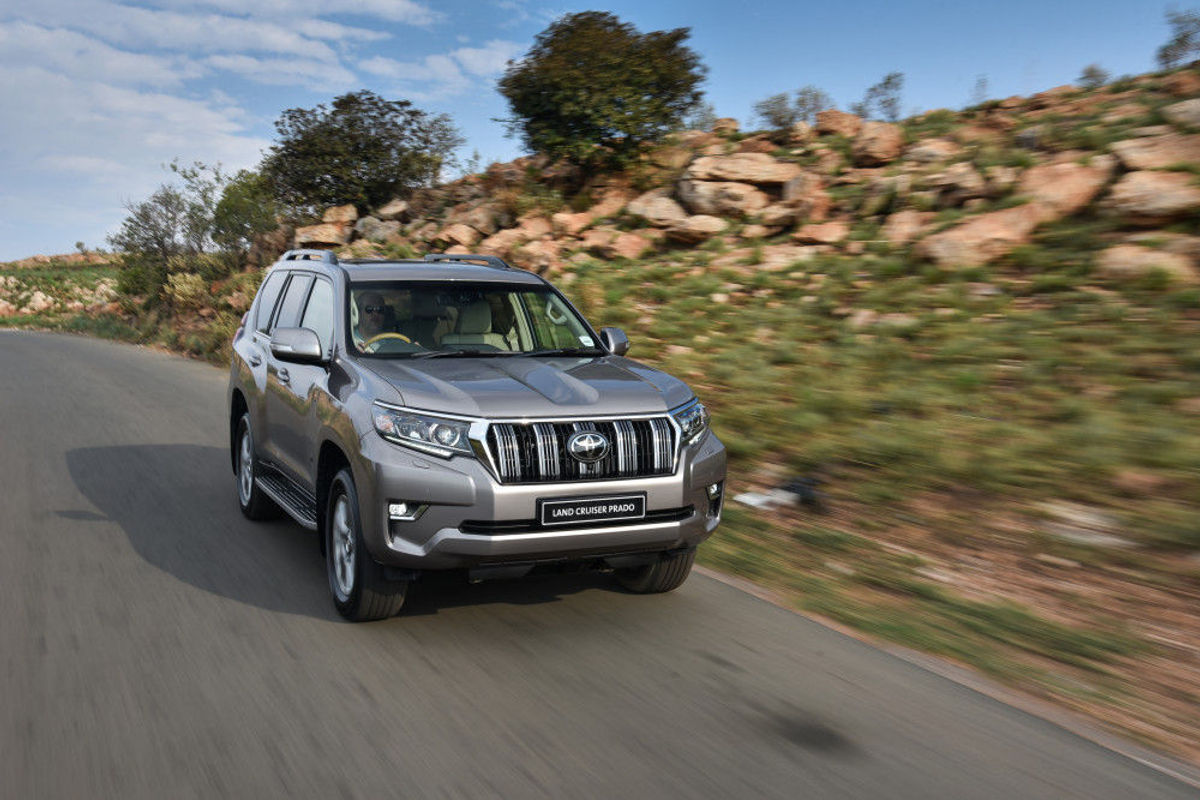
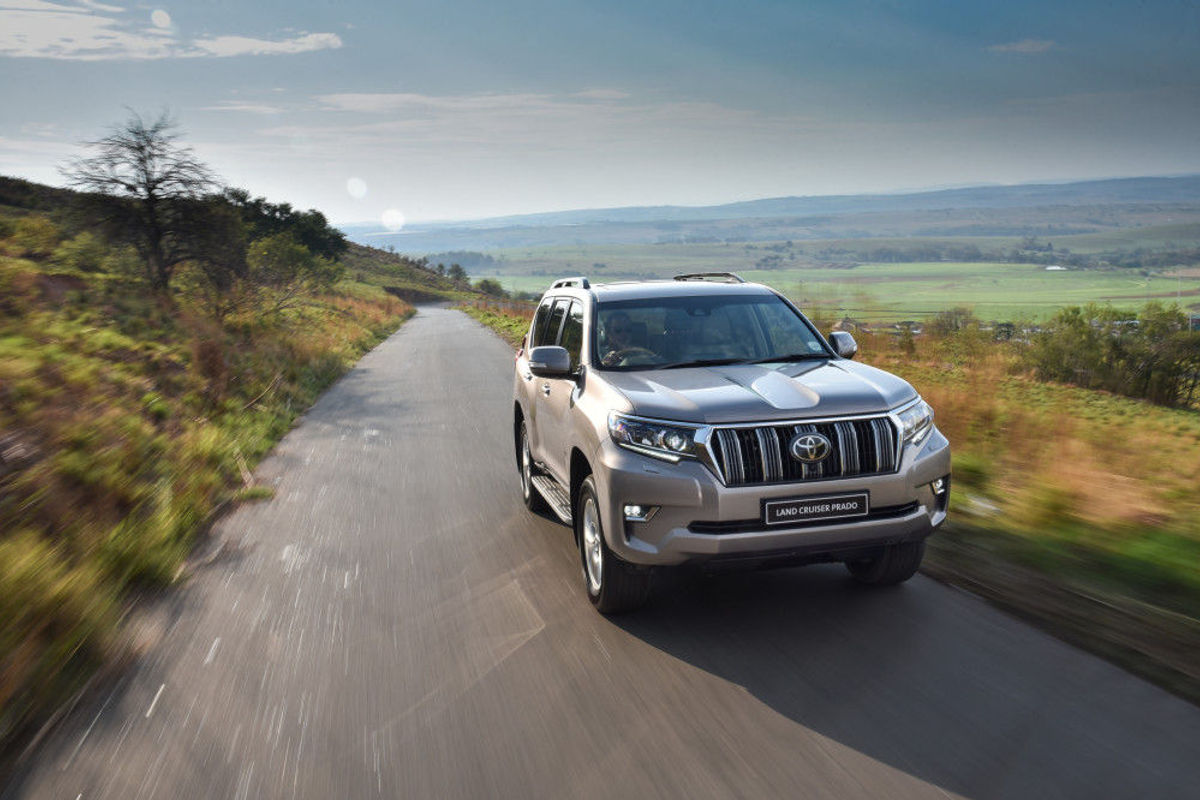
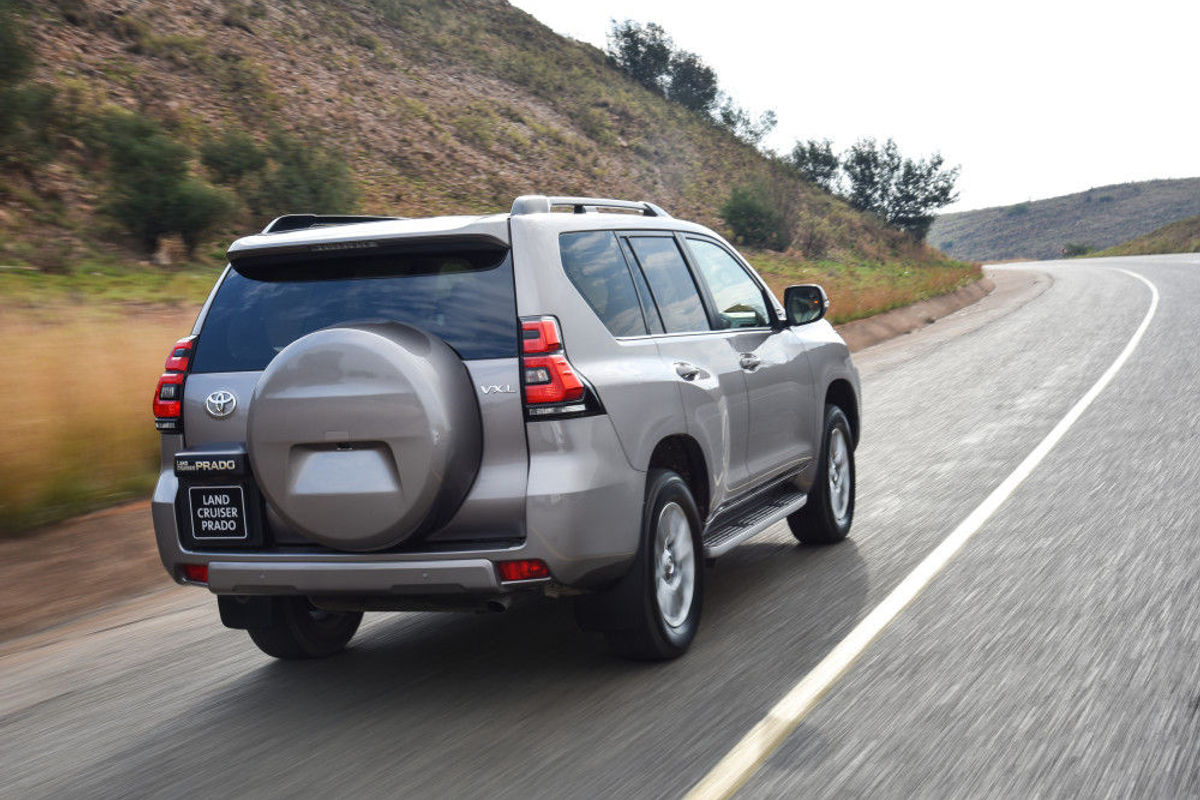
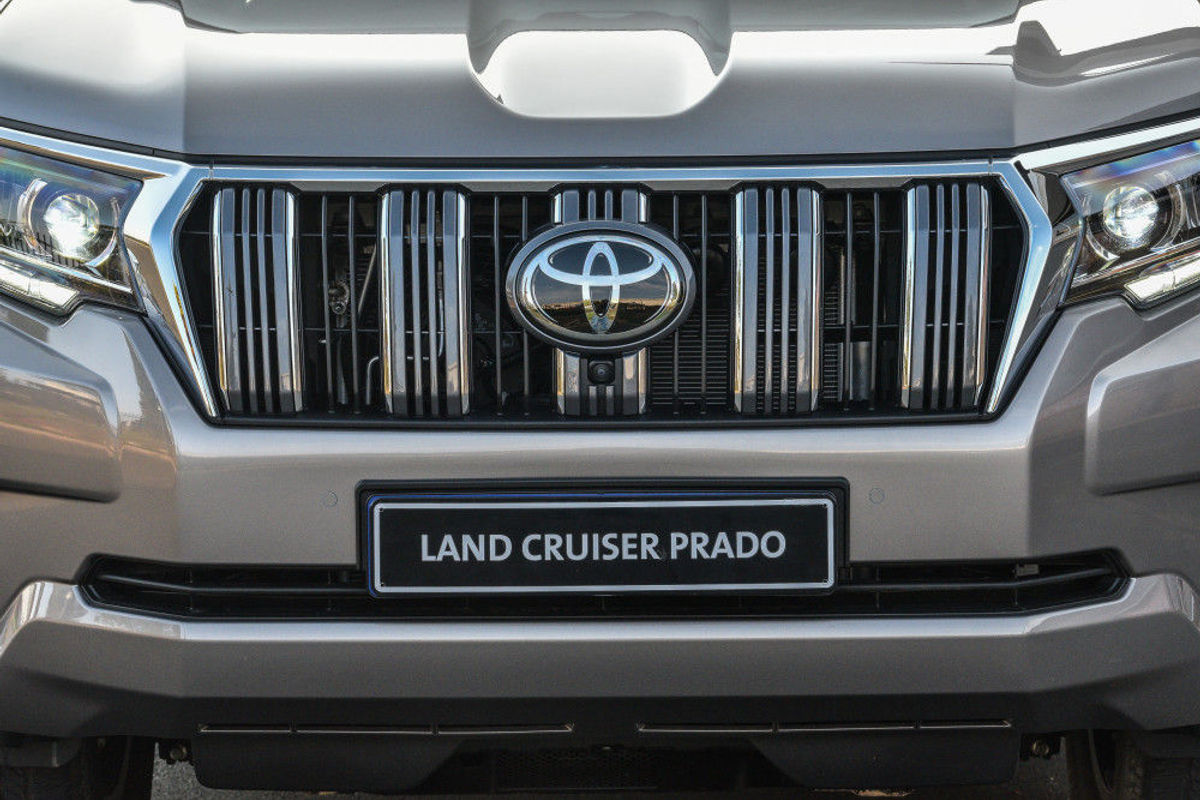
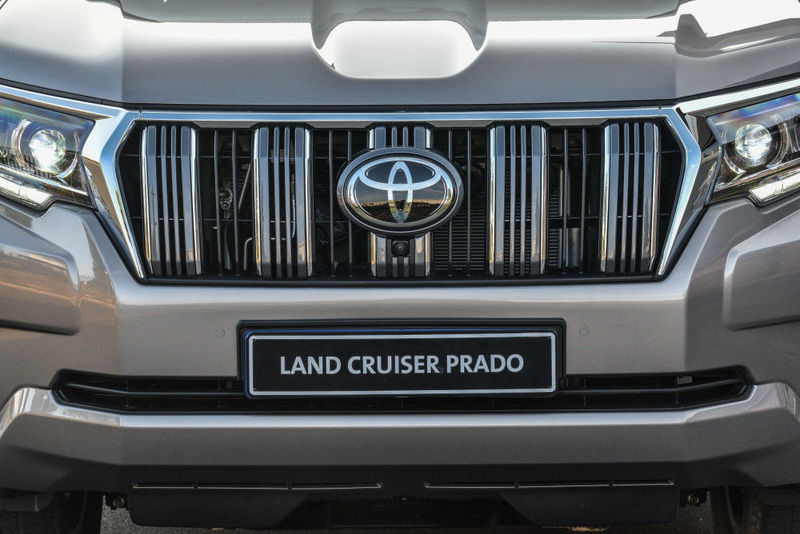
Toyota’s latest product evolution is a styling and equipment enhancement of the third-generation Prado, which has been available locally since 2009. A completely new SUV this is most certainly not, but it does have a restyled 5-bar grille, double-concave bonnet (for improved visibility), LED lighting upgrades and a different shade finish on those alloy wheels. Subtle alterations.
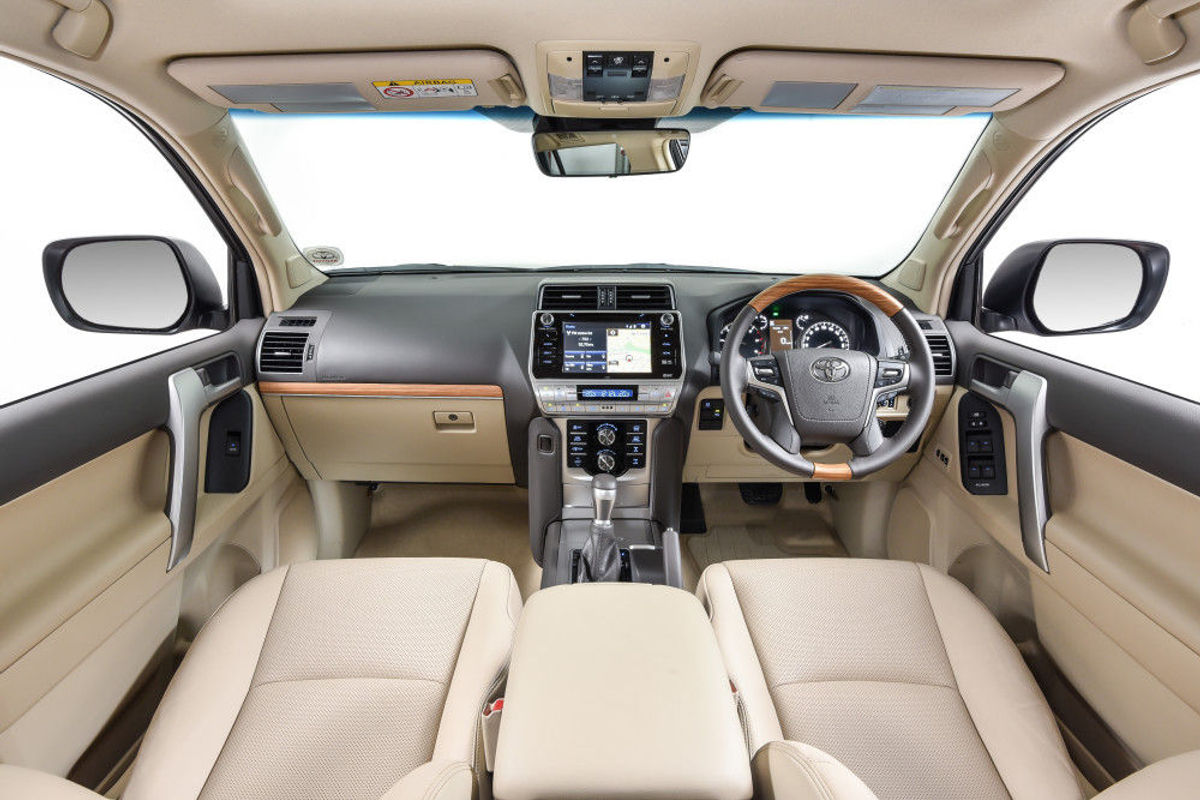
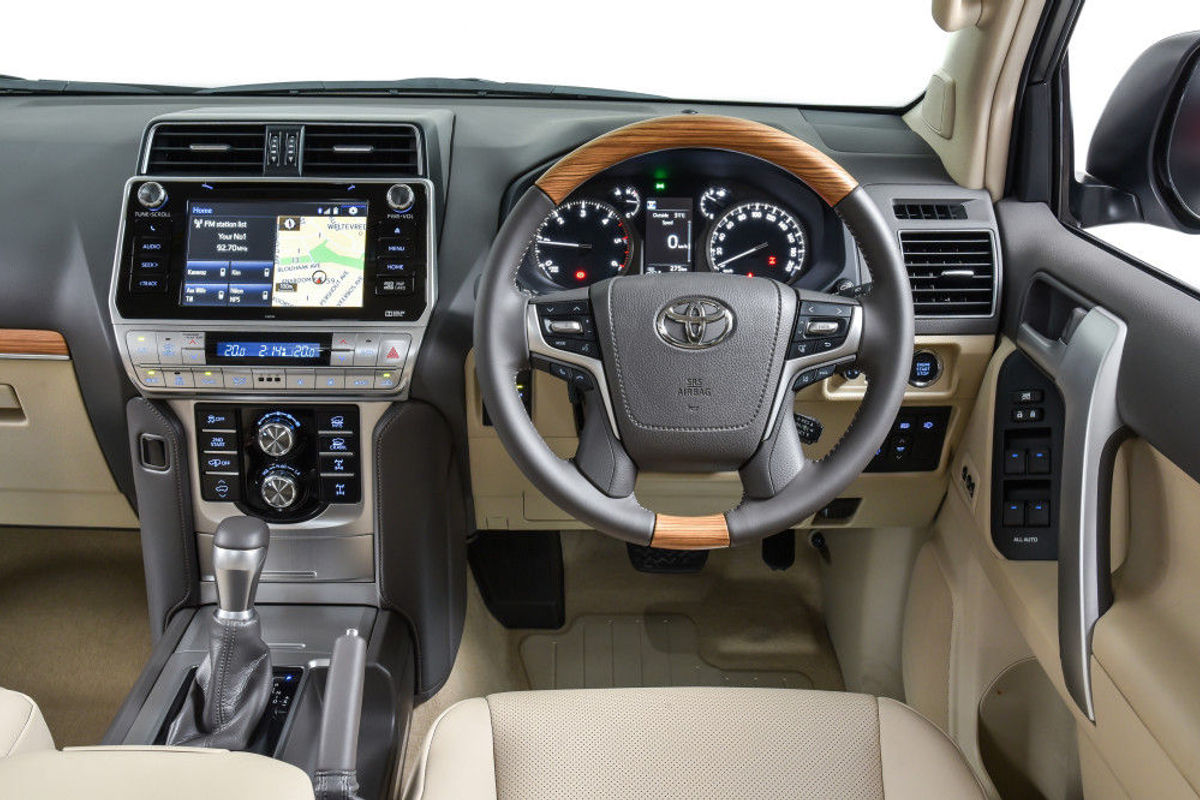
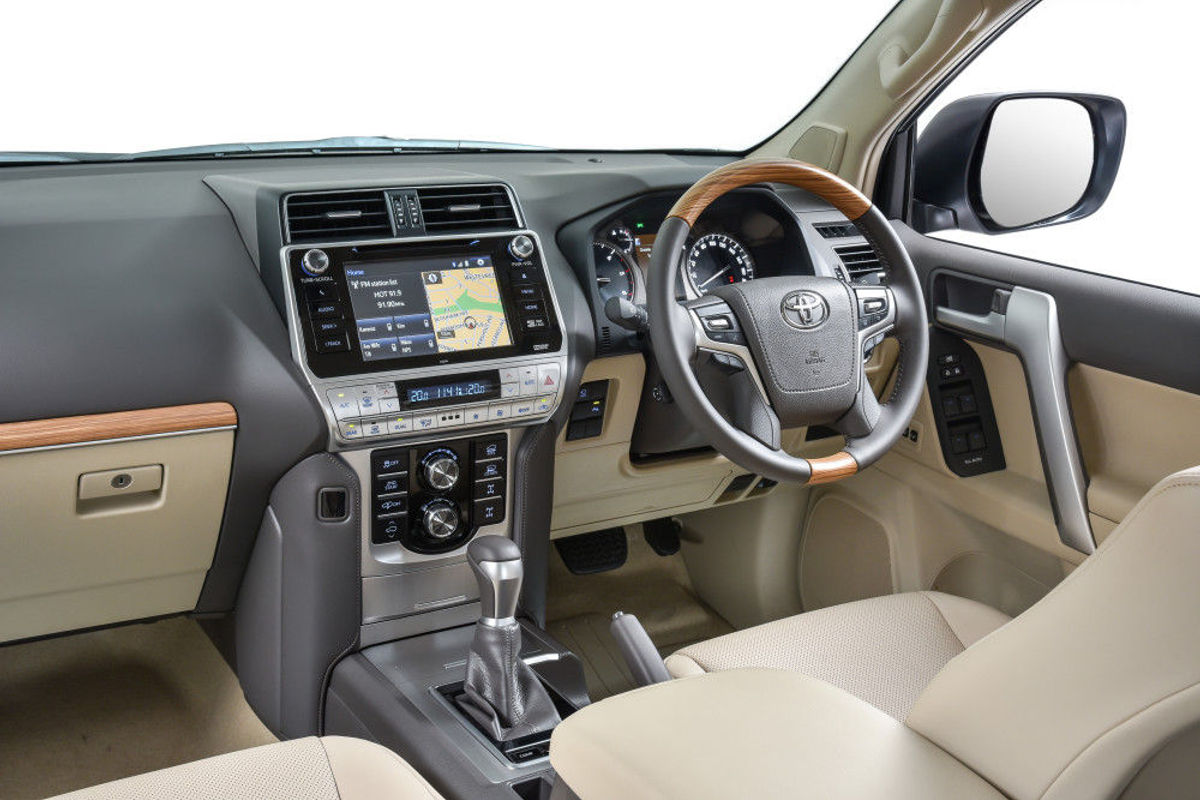
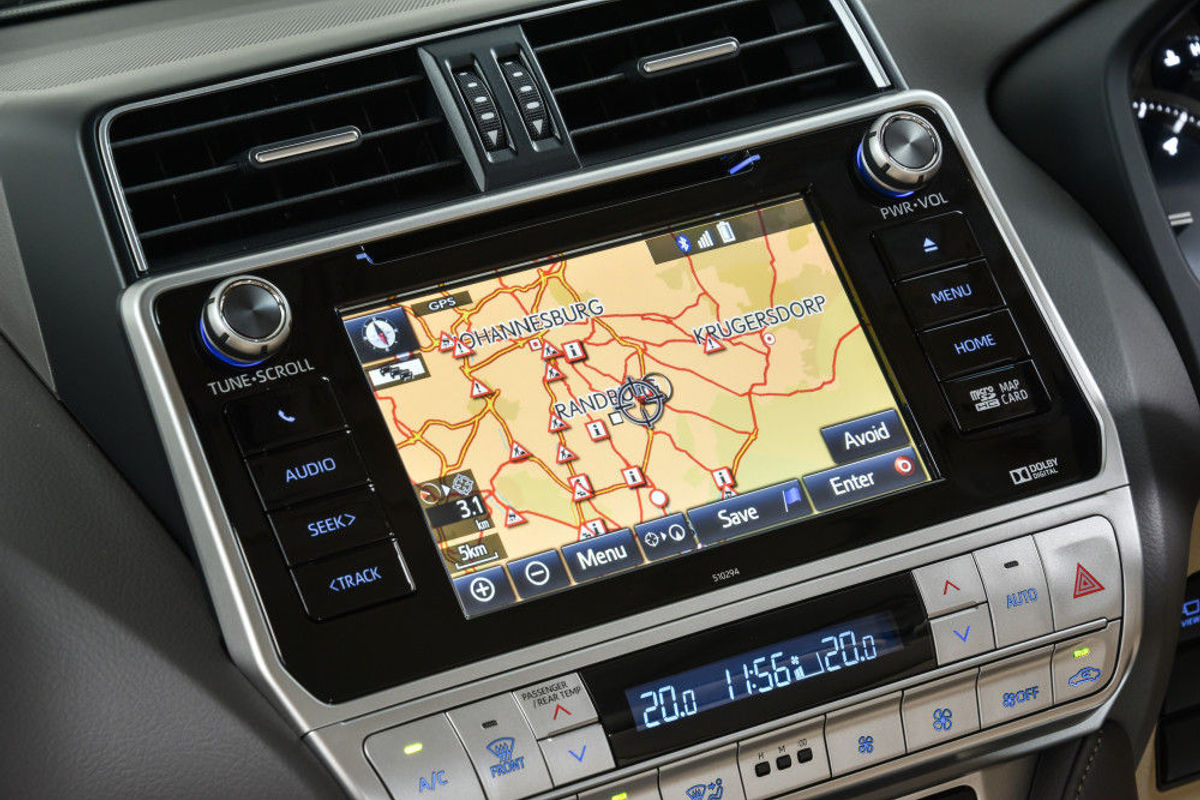
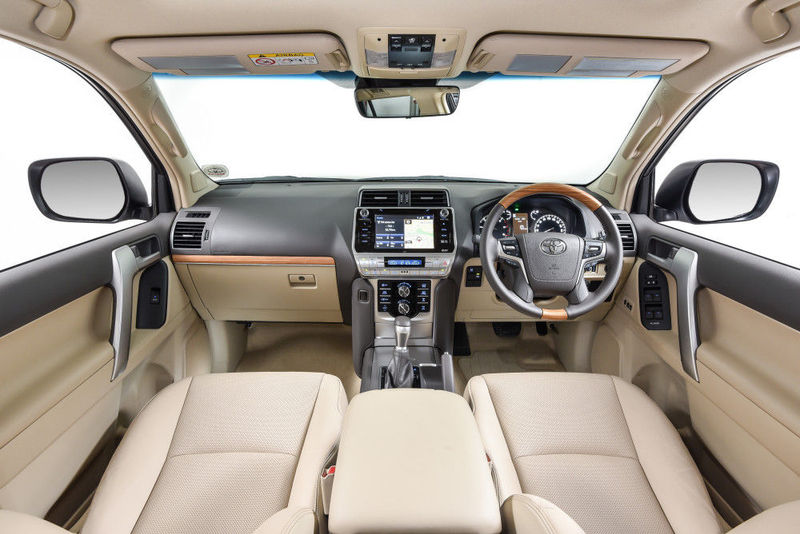
Inside there’s a new instrument binnacle, a dashboard which curves 20mm lower (again, to improve visibility of the bonnet-line off-road) and comprehensive regrouping of controls on the centre-stack. The cabin is filled with strange shapes and uncoordinated hues, it doesn’t have that user-centric feel or northern European coolness of design you encounter in Discovery or any German premium SUV. Pretty has never been the point with Prado: everything you touch, open, close or fiddle with has a sense of production quality that leaves you in no doubt that the constituent bits of a Prado will outlive you.
Dimensionally new, Prado’s 60mm longer bumper-to-bumper and electromechanically the most notable additions are adaptive cruise control and a 360-degree field of view camera system which also supports under vehicle terrain scanning – handy for those Grade 5 off-road obstacles. Again, not much has changed and for many the truly disappointing feature of Prado will be a continuation of drivetrains.
A really old anchor
On the road is where Prado disappoints most, but take it into the wild and its true strength comes to the fore.
Whilst other markets benefit from the current Hilux 2.8 turbodiesel and 6-speed automatic transmission combination, diesel Prados in our local market will soldier on with the previous generation 1KD-FTV 3.0-litre, 4-cylinder which, in all honesty, at 120kW and 400Nm, delivers one of the least powerful and slowest accelerating large SUVs you can buy. Prado’s anaemic on-road performance isn’t helped by a dated 5-speed automatic transmission either. Land Rover’s Discovery has inarguably superior engine options.
So how can Toyota ambitiously predict it will keep selling nearly 100 Prados a month, when new Discovery has more powerful engines and the option of all-wheel air-suspension, gifting better ride quality and handling agility? Because a luxury Land Cruiser does what most contemporary luxury Land Rovers can’t: it goes anywhere and everywhere.
The 1KD-FTV is awfully dated and deeply underwhelming, but the moment tarmac crumbles to gravel, and that gravel grades to sand – in the middle of nowhere, way beyond Sasol’s 10ppm fuel distribution network – Prado just works. And most other luxury SUVs, well, they don’t. Because rural Southern African diesel is way too contaminated for Euro 5 or 6 engines to compress and ignite. It’s the great default product planning victory for Toyota: you get all the comfort and convenience features one would expect in an SUV retailing at close to R1m, with the true exploring ability most of its rivals claim to have, but none can offer in reality due to European fuel standard elitism.
The redesigned cabin is built to last, but the choice of interior colour finishes may not be to everyone's taste.
Toyota’s not ignorant of Prado diesel’s shortcomings. It would prefer to parallel other global markets, which run the 130kW/450Nm 2.8-litre turbodiesel in Prado, but that’s configured as a Euro5 engine and unsuitable for local fuel.
“But why does my neighbour’s Fortuner have a 2.8 turbodiesel?” Good observation. Fortuners are powered by the same 2.8, but it features engine modifications to cope with local fuel – because volumes are a thousand per month, justifying the investment. The engineering case for converting a Euro 5 2.8 Prado to local fuel standards simply isn’t merited by its sales volumes, and almost unbelievably, customer demand.
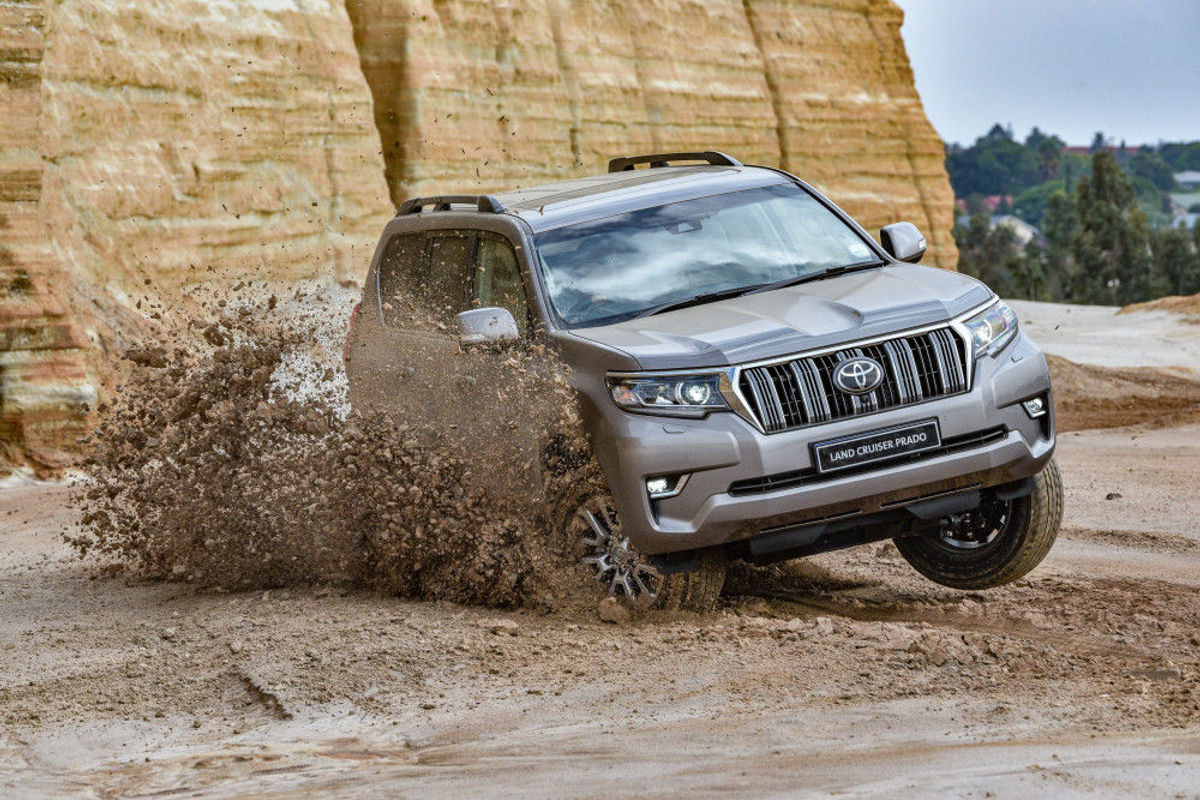
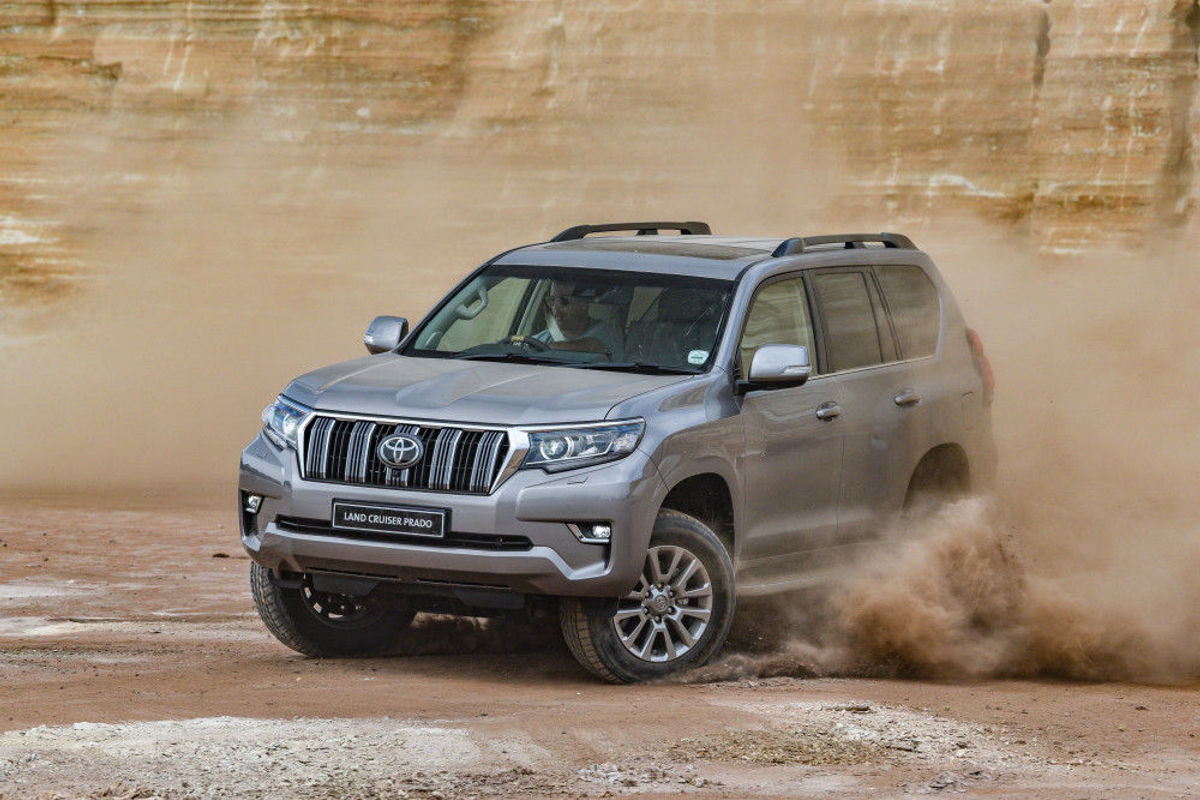
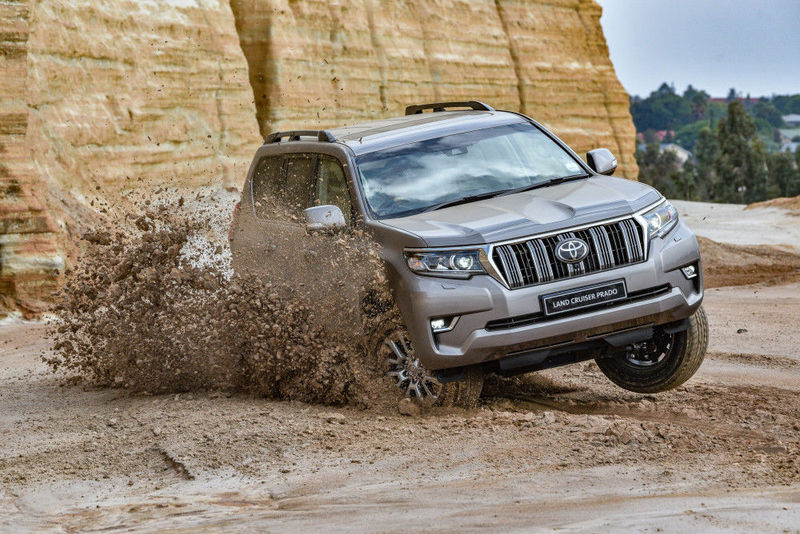
That is the extraordinary bit about Prado. What makes it unique in a market of rival luxury SUVs with low-range and Safari travel potential are the old school design attributes. There’s no fancy hydroformed aluminium monocoque, Prado’s built as all rugged SUVs once were – body on frame. It means that on-road handling is ponderous but off-road it flexes to terrain inputs in the best possible manner, optimising that 31-degree approach angle and 215 mm of ground clearance.
There’s no magic carpet ride from adaptive dampers or four-corner air-suspension, but Toyota’s crawl control mode, borrowed from Land Cruiser 200, makes Prado delightfully unintimidating to pilot at very low-speeds, in hazardously technical terrain. The KDDS hydraulically interconnected front and rear stabilisers work a treat off-road, where an individual wheel can benefit from the greater wheel travel allowed by disconnecting its stabiliser bars at low speed, in a cross-axle situation. Best of all, it’s a purely mechanical suspension aid – hence there is a low probability of something going wrong.
Certainly, if you wanted greater on-road performance, with a consummate increase in fuel cost and limitations regarding range, there’s the 4-litre V6 model. But 80% of all Prados sold locally are diesel so the logic of any verdict must apply to the 3.0-litre and it’s a curious case of giving people what they truly don't need – not necessarily what they want.
An African luxury SUV solution
The Prado is supremely capable offroad and the latest updates will ensure that it keeps selling well locally.
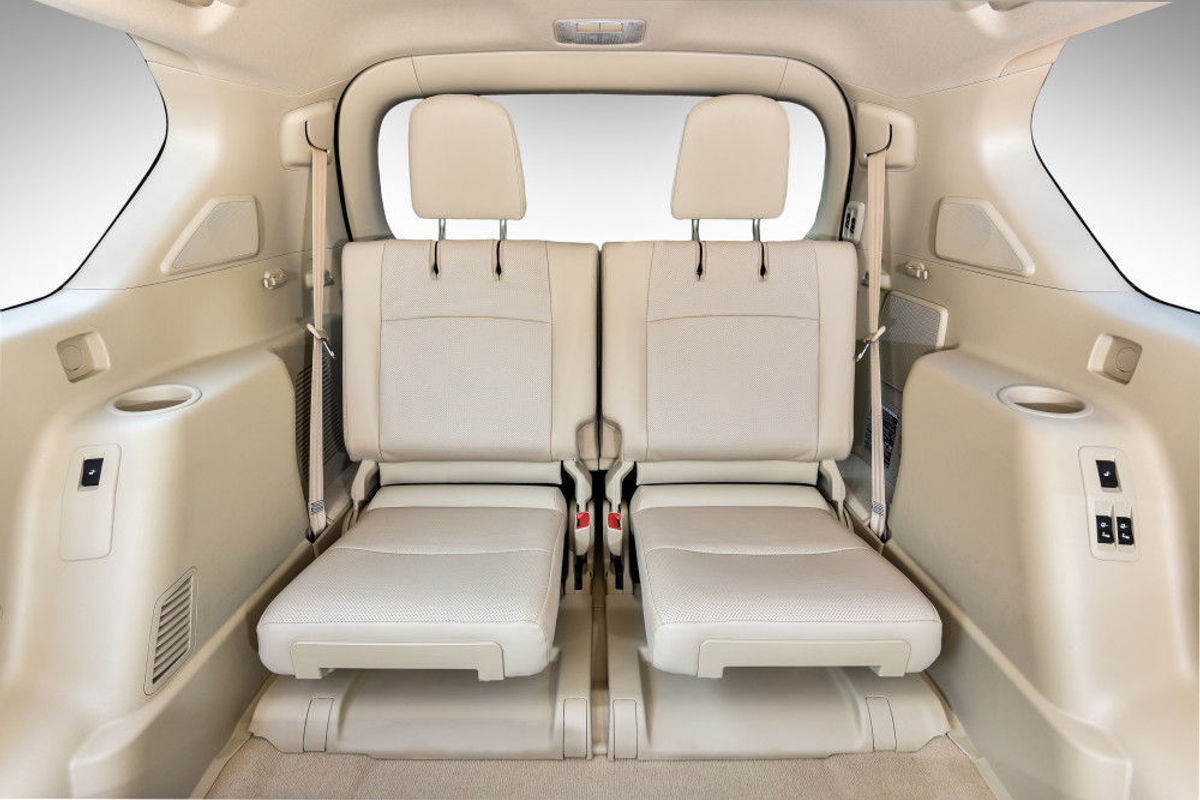
There’s no other brand that can sell you a turbodiesel SUV with seven leather seats, sophisticated Smartphone connectivity, adaptive cruise control, cameras to help you not ding it into a parking garage pillar (or puncture the sump when crawling over rocks) and the guarantee that when you are a good few hours beyond the South African border, you’ll be able to refuel and keep going.
A statement of good taste, its styling certainly does not deliver. Nor is the diesel Prado in any way responsive to drive on a road with yellow lane markings and traffic signals. But it is the sequence of moments when you roll Prado onto natural terrain, engage low-range, toy with the crawl-settings, feel the confidence of that diesel engine turning over without a hint of strain, experience the reassurance of a body-on-frame platform moulding the most grip from those four corner traction points – then Prado makes all the sense in the world, for a South African adventurer.
Toyota selected KZN as the South African launch venue for new Prado and although overtaking slower traffic on the N2 was a chore in the 120kW diesel, once we were crawling up Sani pass, into Lesotho, all attention was absorbed by the inspiring views – a credit to Prado’s untroubled ability in serious off-road conditions. On the return journey into South Africa, the reality of Prado’s legacy was abundantly clear: all the shuttle vehicles ferrying European tourists up Sani pass were first and second-generation Prados. You can’t really argue with that calibre of market representation.
Drivetrain notwithstanding, Prado now features greater sophistication in its off-road and driver assistance systems than Fortuner and remains more manageable in size than a Land Cruiser 200. It is a choice compromise between these two enormously successful low-range enabled South African SUVs and absolutely deserves its billing as the junior Land Cruiser.
If there is one final statistic which encapsulates just how much a conqueror of real-world off-road terrain and testing conditions the Prado is, consider its sales distribution. It’s the most extensively distributed Toyota of all, sold in 190 countries. We imagine if they had a dealership in outer space, it would be the first privately owned vehicle on Mars.
Toyota Land Cruiser Prado – Price in South Africa
Land Cruiser Prado 3.0D TX – R821 700
Land Cruiser Prado 4.0 V6 VX – R930 000
Land Cruiser Prado 3.0D VX – R932 400
Land Cruiser Prado 4.0 V6 VX-L – R967 200
Land Cruiser Prado 3.0D VX-L – R969 600
All Land Cruiser Prado models include a 5-year/90 000 km service plan and 3 year/100 000 km warranty.
Does the new Jaguar F-Type 2.0 work as a sportscar?
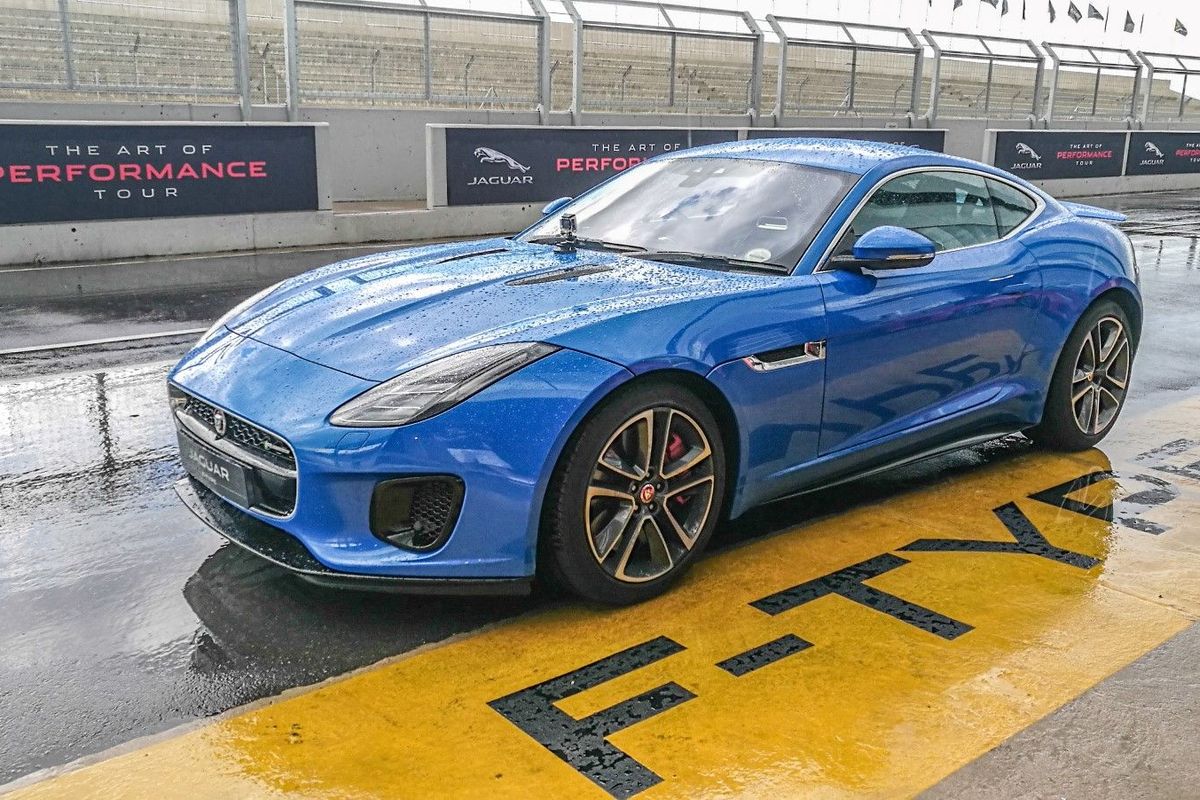
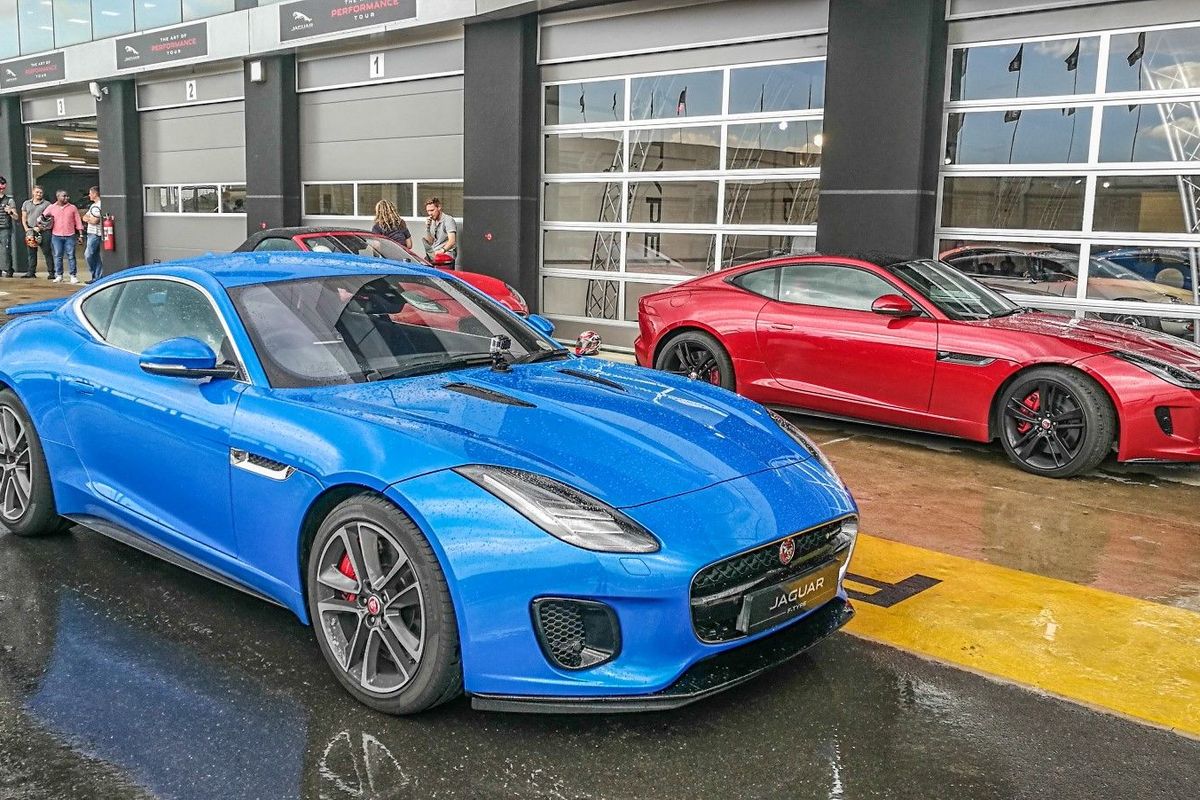
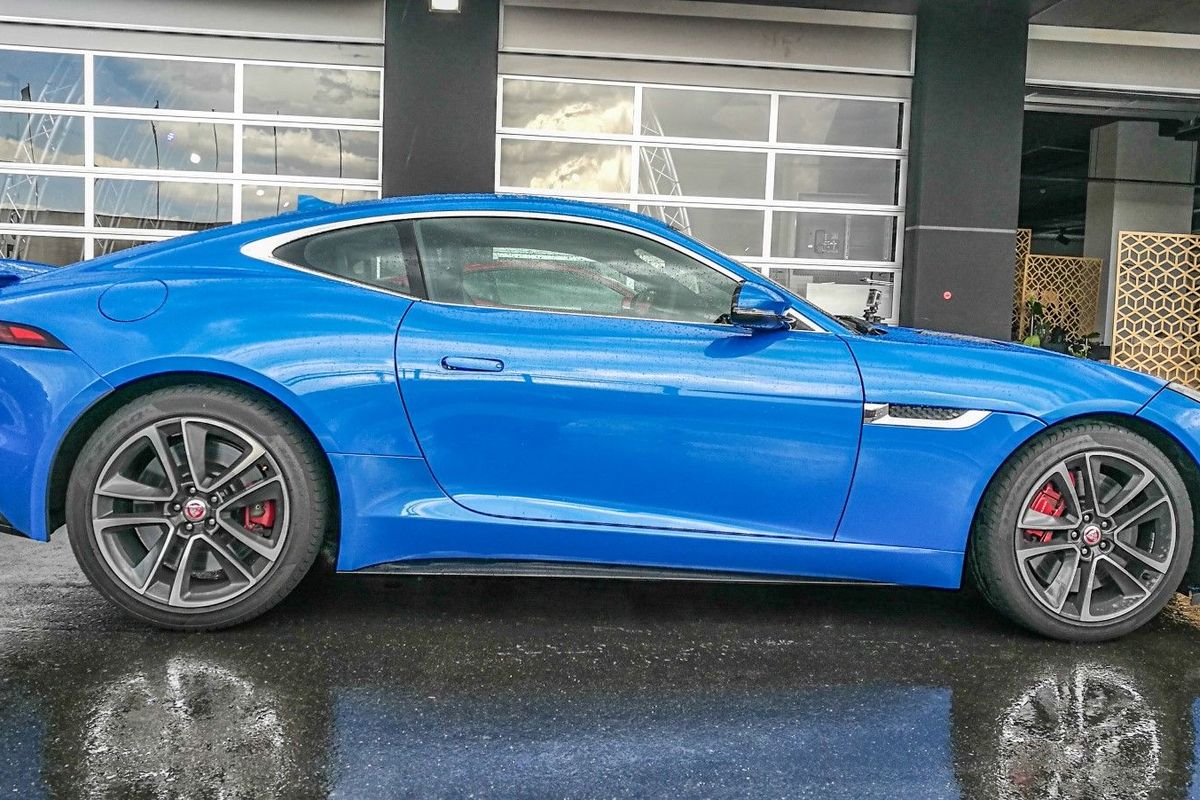
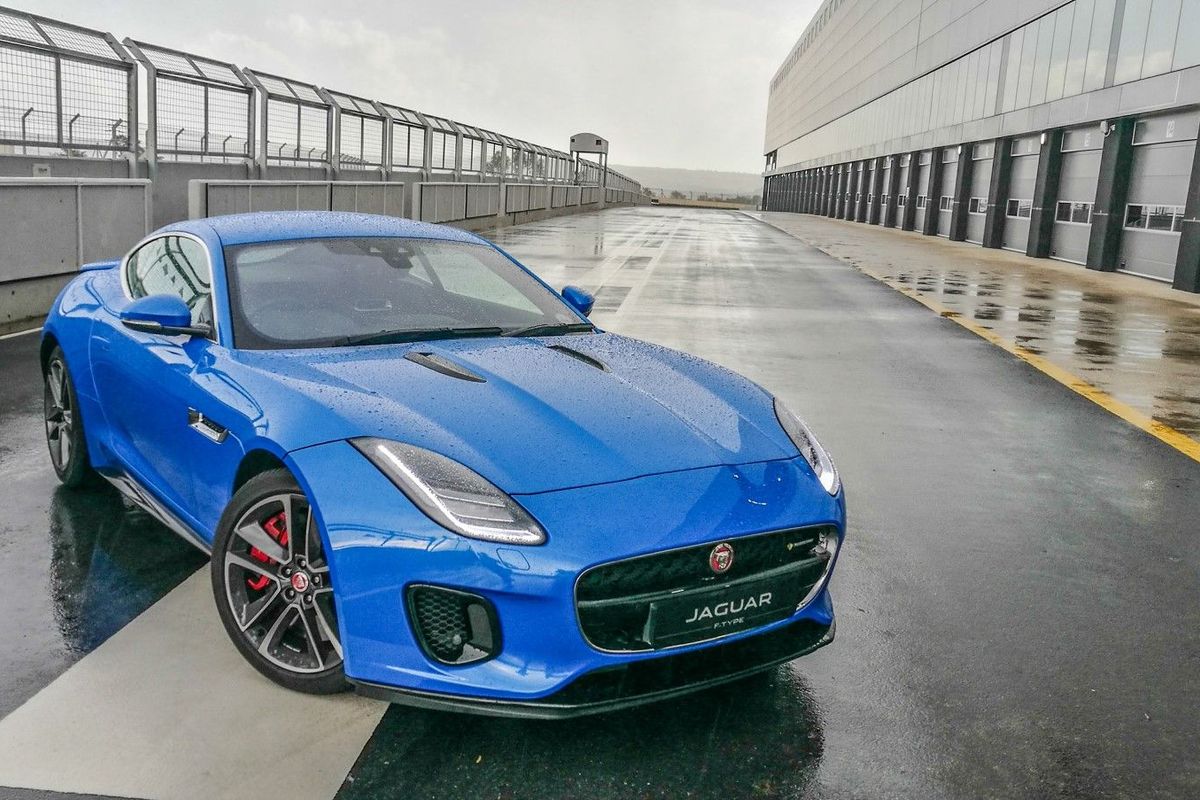
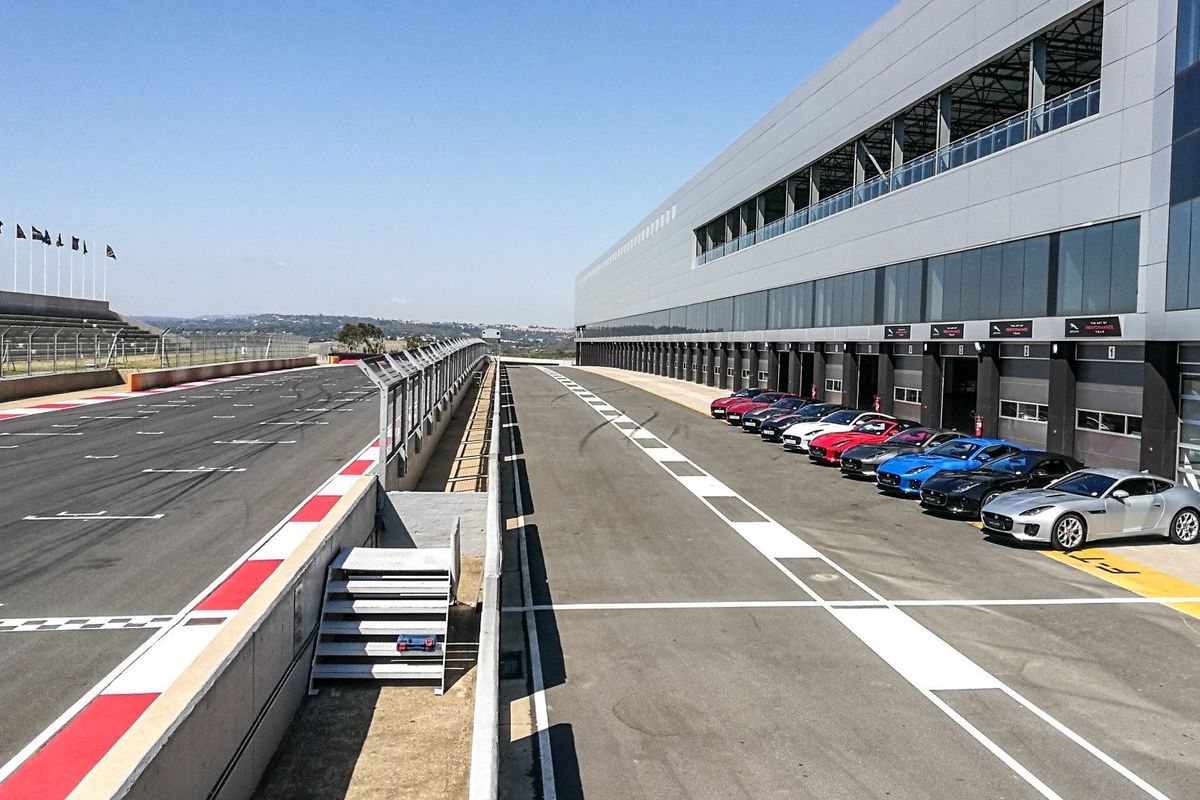
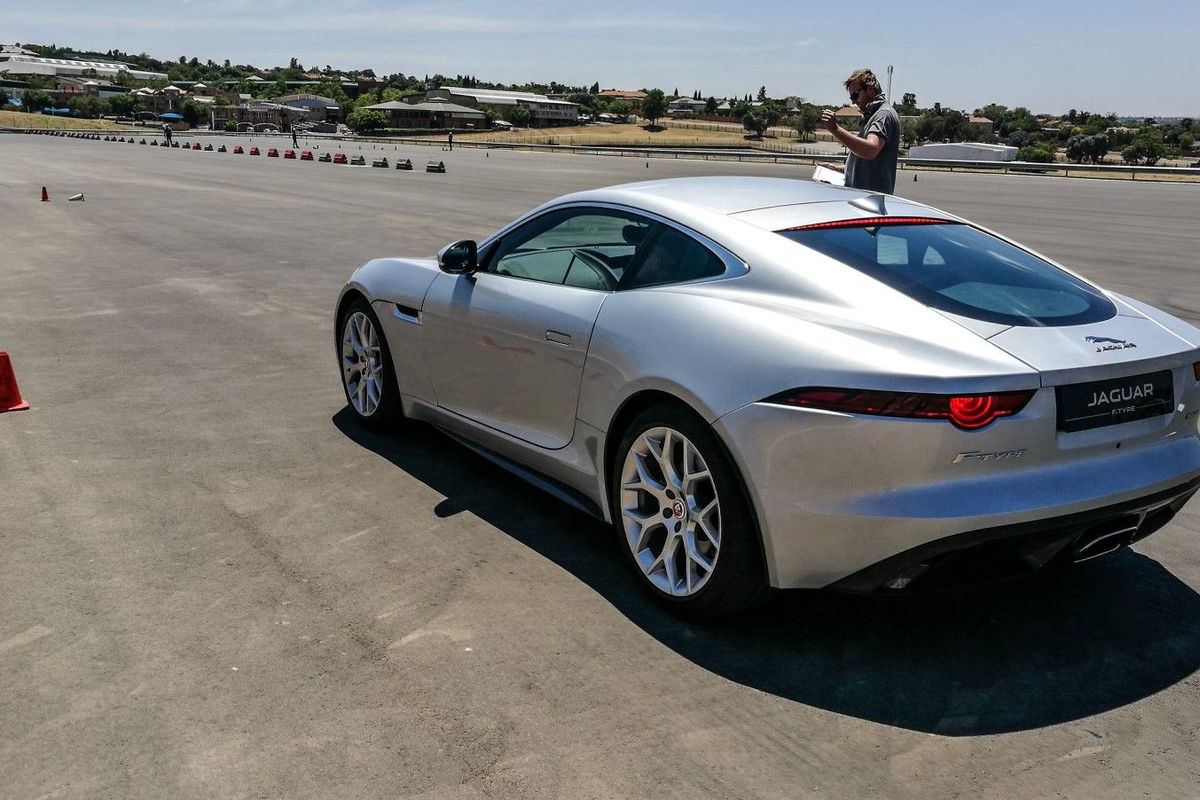
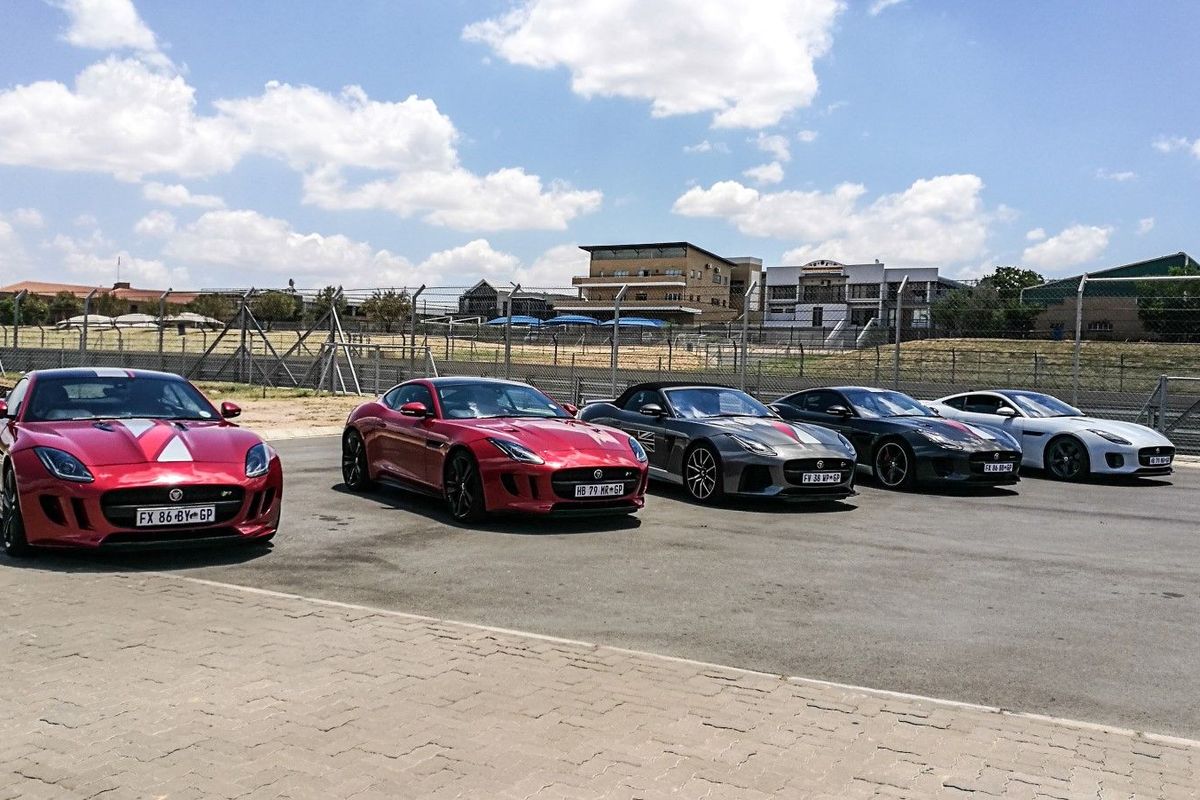
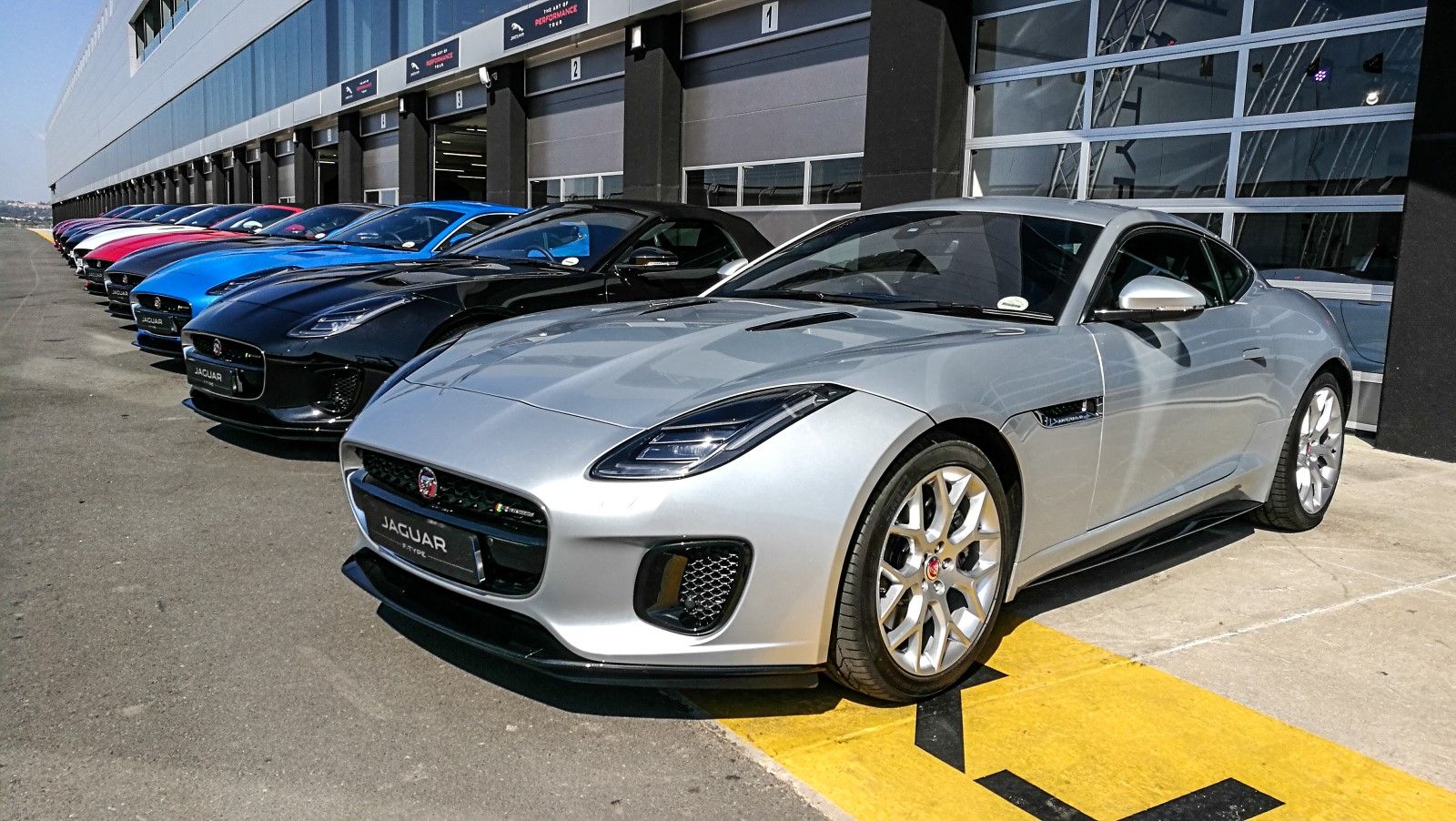
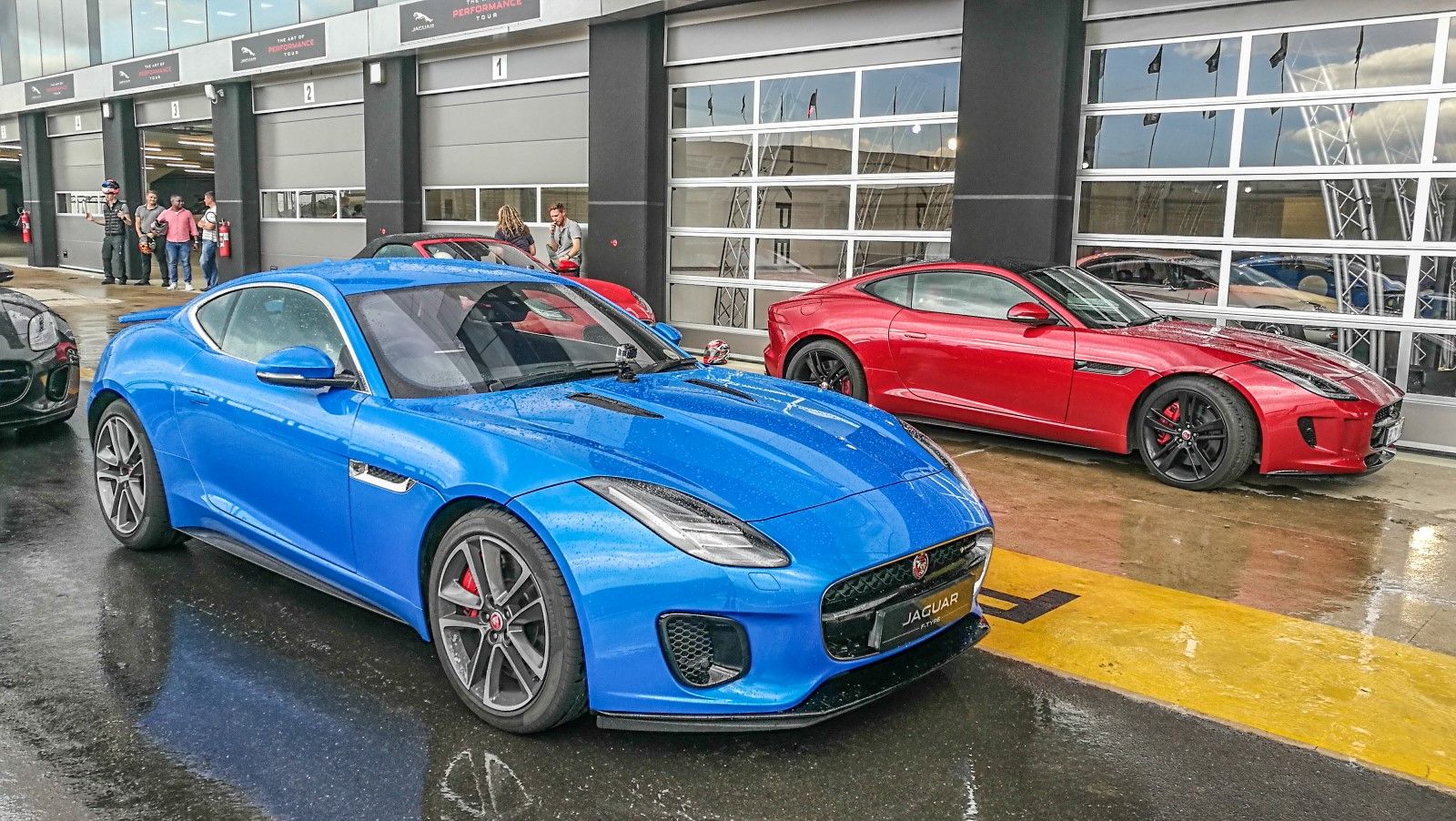
Jaguar has expanded its F-Type product lineup in South Africa with the introduction of a new turbocharged, 4-cylinder, 2.0-litre Ingenium petrol engine that is now available in both coupe and convertible body styles. We took the baby F-Type for a spin at Kyalami Grand Prix Circuit to determine if the downsized F-Type delivers adequate performance and dynamic ability.
Jaguar’s high-performance rear-wheel-drive sportscar combines eye-catching styling and proven dynamic ability, brought to life with varying outputs from its 3.0-litre V6 (250 kW–294 kW) and 5.0-litre V8 (405 kW–423 kW) engines. The F-Type range is spearheaded by the mighty V8-powered SVR with 423 kW and 700 Nm of torque and is capable of sprinting from zero to 100 kph in just 3.7 seconds! The F-Type then, and especially the V8 SVR, ain't for the faint-hearted and a fair amount of nerves and skill are required to tame these powerful and intimidating machines.
With the F-Type housing these impressive engines, it’s somewhat difficult to imagine that a "puny" 4-cylinder 2.0-litre mill could do the F-Type sportscar any justice at all and one could be forgiven for questioning Jaguar’s decision drop it into the F-Type’s engine bay, a decision that might come as a surprise, or even disappointment, to F-Type fans.
Why has Jaguar introduced a turbocharged 2.0-litre, 4-cylinder petrol engine to the F-Type lineup?
Built in-house at Jaguar Land Rover’s Engine Manufacturing Centre in the UK, this new Ingenium engine is the most powerful 4-cylinder engine to be fitted into a production Jaguar, offering 221 kW and 400 Nm of torque. Not only does the new baby F-Type now serve as an entry point into the F-Type range, but due to its size, weight over the front axle has decreased by some 52 kg compared with its 250 kW V6 sibling, which not only makes it more efficient, but aids dynamic performance too.
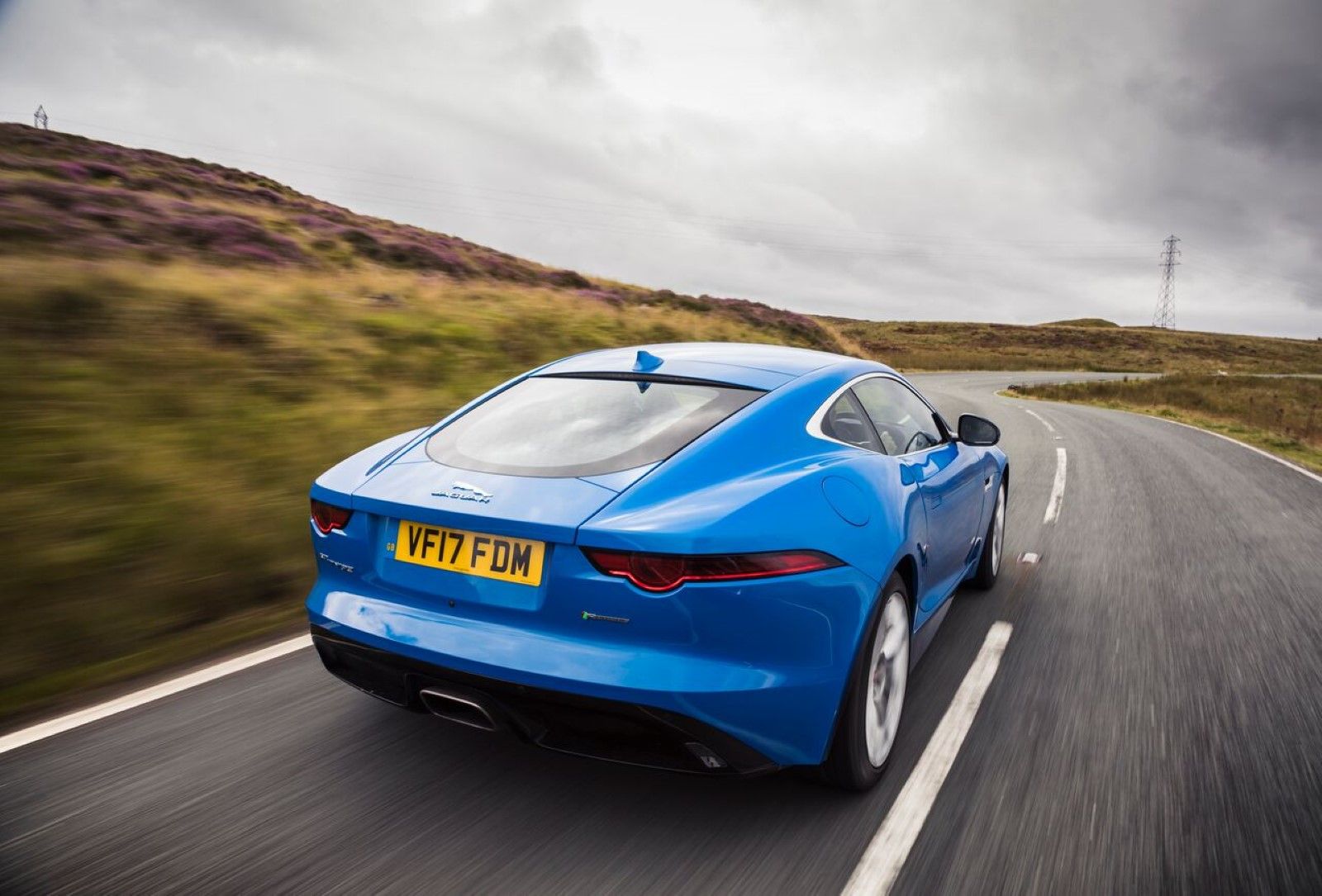
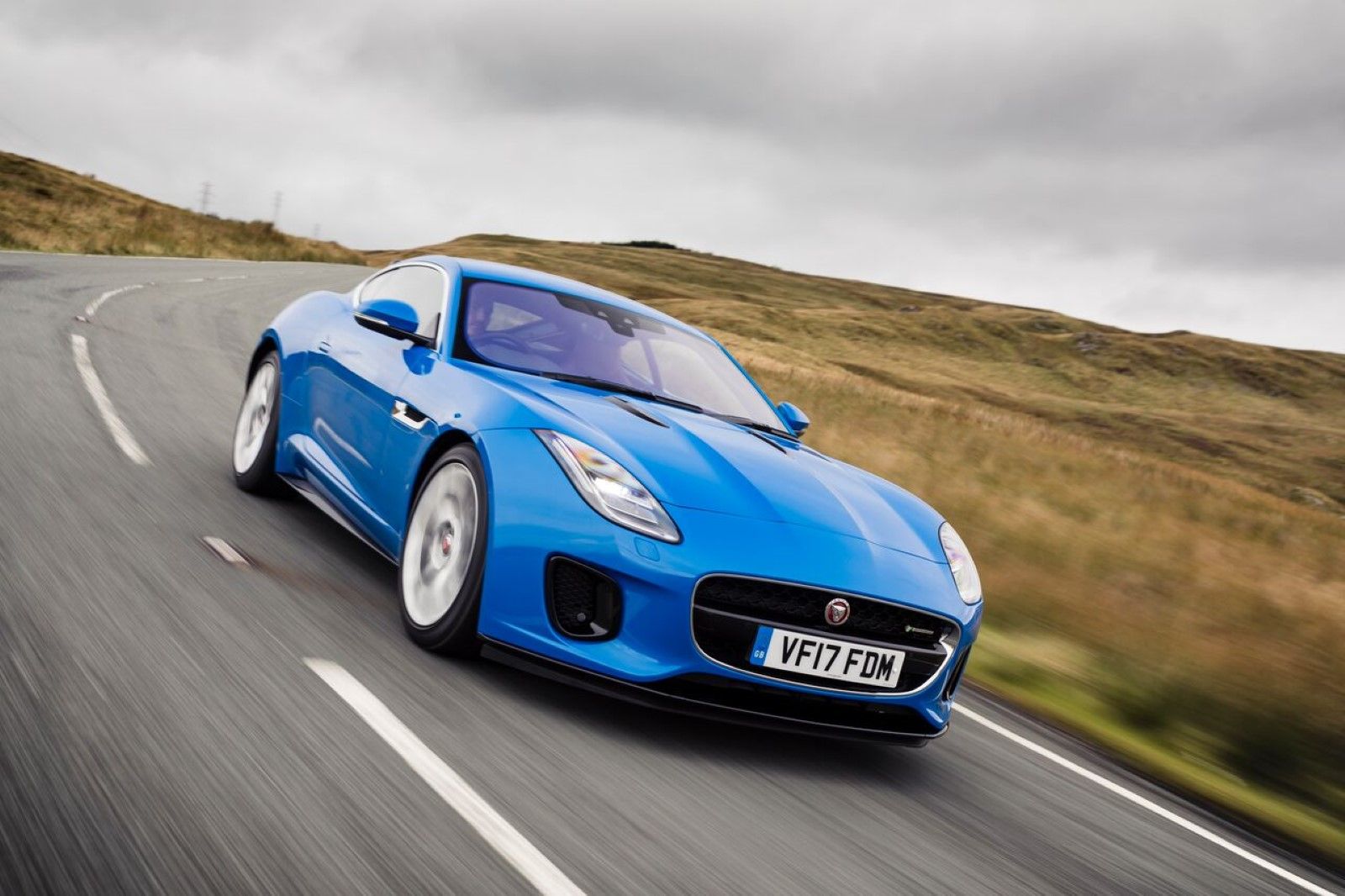
The F-Type 2.0 offers 221 kW and 400 Nm of torque and is capable of 0-100 kph in 5.7 seconds.
There may well be a method to the madness. You see, quite frankly, the performance of the V8, and to a lesser degree, V6 F-Types is either too-hot-to-handle or – to be more diplomatic – surplus to the requirements of buyers who use their cars every day, as opposed to "for weekend jaunts" only. What's more, the lopsided line-up effectively limited the sales potential of the F-Type to "hardcore enthusiasts" seeking ultimate performance thrills.
What if you are in love with the F-Type’s styling and road presence but don’t necessarily want the pressure of wrestling a ballistic sportscar? Well… if this sounds like you, then this new F-Type 2.0 might just be the sportscar you have been waiting for all along.
A smaller engine has resulted in a 52 kg weight saving in the F-Type 2.0, giving it a unique dynamic character.
Jaguar is well aware that this baby F-Type needs to incorporate the spirit, dynamic ability and excitement that makes the F-Type so enthralling. To ensure that these traits remain, the F-Type 2.0’s outputs are only 29 kW and 50 Nm less than its nearest 3.0 V6 sibling. Outputs also compare favourably to the F-Type 2.0’s main rival, the Porsche 718 Cayman 2.0 which offers 220 kW and 380 Nm of torque.
The Jaguar F-Type 2.0 will, therefore, broaden the appeal of the F-Type, increasing its sales potential to encompass a wider buying audience, while retaining the key attributes that have made the F-Type so successful thus far.
What are the benefits of a downsized F-Type?
Based on our first impressions of the F-Type 2.0 at its launch at Kyalami Grand Prix Circuit last week, it’s worth noting that the newcomer's not as compromised as we initially perceived it would be. It’s quite the opposite, in fact…
The first important benefit of having a smaller engine beneath the bonnet is less weight, particularly over the front axle, and in the case of this new addition, its 52 kg lighter. This translates into a lighter front-end and coupled with a well-weighted and precise steering feel, the baby F-Type feels dexterous and nimble on its feet… um, okay, rubber.
You may also be happy to know that the rear-end can be quite playful if you want it to be and you can kick the baby F-Type's tail out with ease. What’s more, this F-Type is wonderfully forgiving and perhaps more importantly, predictable, when you are having fun. Unlike its more powerful siblings, you don’t feel intimidated, but rather empowered. So, yes indeed, the baby F-Type is dynamically capable and entertaining to drive.
The F-Type 2.0 is up to 16% more fuel efficient than the 250 kW F-Type 3.0 V6.
The second major benefit of this downsized engine is fuel efficiency. Jaguar claims a fuel consumption figure of 7.2 L/100 km and although we have yet to test it thoroughly in real-world conditions, we can safely assume that it will return significant fuel economy gains compared with its V6- and V8-engined siblings, and that should resonate well with its intended market.
The third major benefit of the F-Type 2.0 is its user-friendliness. Not only is its outright performance and dynamic ability more accessible, but it’s also more suitable for everyday driving. The average driver can now confidently drive an F-Type 2.0 without feeling intimidated, while there is still respectable performance and dynamic ability left to exploit.
What’s more, the F-Type 2.0 Coupe priced from R909 300, is almost R120k cheaper than its 250 kW 3.0 V6 sibling, which will attract new buyers and bolster F-Type sales going forward.
Does the new F-Type 2.0 work as a sportscar?
The new F-Type 2.0 offers approachable and manageable performance that will satisfy a wider audience.
Leading up to the launch of the F-Type 2.0, this was the burning question we wanted to answer. The short answer is yes, it does work as a sportscar.
The engine has sufficient power and torque to propel you from 0 to 100 kph in 5.7 seconds using a quick-shifting 8-speed automatic transmission, which is fast enough for the average person and, for comparison's sake, significantly faster than a VW Golf GTI. Moreover, as highlighted previously, the F-Type 2.0, with its tuned chassis, also offers manageable and accessible dynamic ability. You can still have lots of fun in this car!
Some might bemoan the fact that the 2.0-litre lacks the appealing soundtrack offered up by its V6 and V8 siblings. The truth is, it will never sound like a V6 or V8 and if a vocal soundtrack is all you want, then you will have to pay extra for it. That said, this engine still sounds great and in an effort to ensure driving excitement, the F-Type 2.0 is fitted with a tuned active exhaust as standard while the sportier R-Dynamic derivatives are equipped with a switchable active exhaust for a dose of added aural pleasure.
The F-Type 2.0 has a sound and character of its own and what Jaguar has created here is a well-balanced sportscar that will bring everyday drivability, fuel efficiency and accessible performance to a far greater audience. For Jaguar and the F-Type, that can only be a positive development.
We will have the Jaguar F-Type 2.0 on test in the near future, so look out for a thorough evaluation soon!
Jaguar F-Type 2.0 – Price in South Africa (November 2017)
Jaguar F-Type 2.0 Coupe – R909 300
Jaguar F-Type 2.0 Convertible – R926 100
The Jaguar F-Type is sold with a 3-year/100 000km warranty and a 5-year/100 000km maintenance plan.
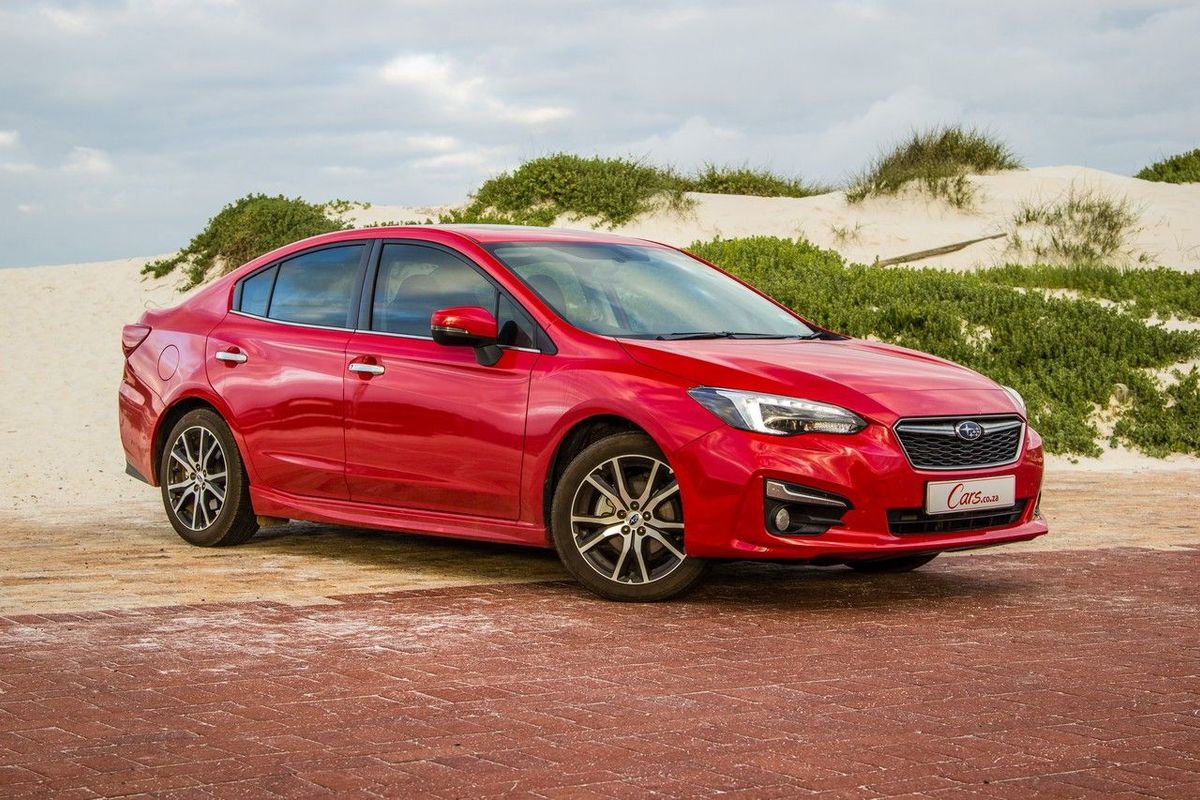
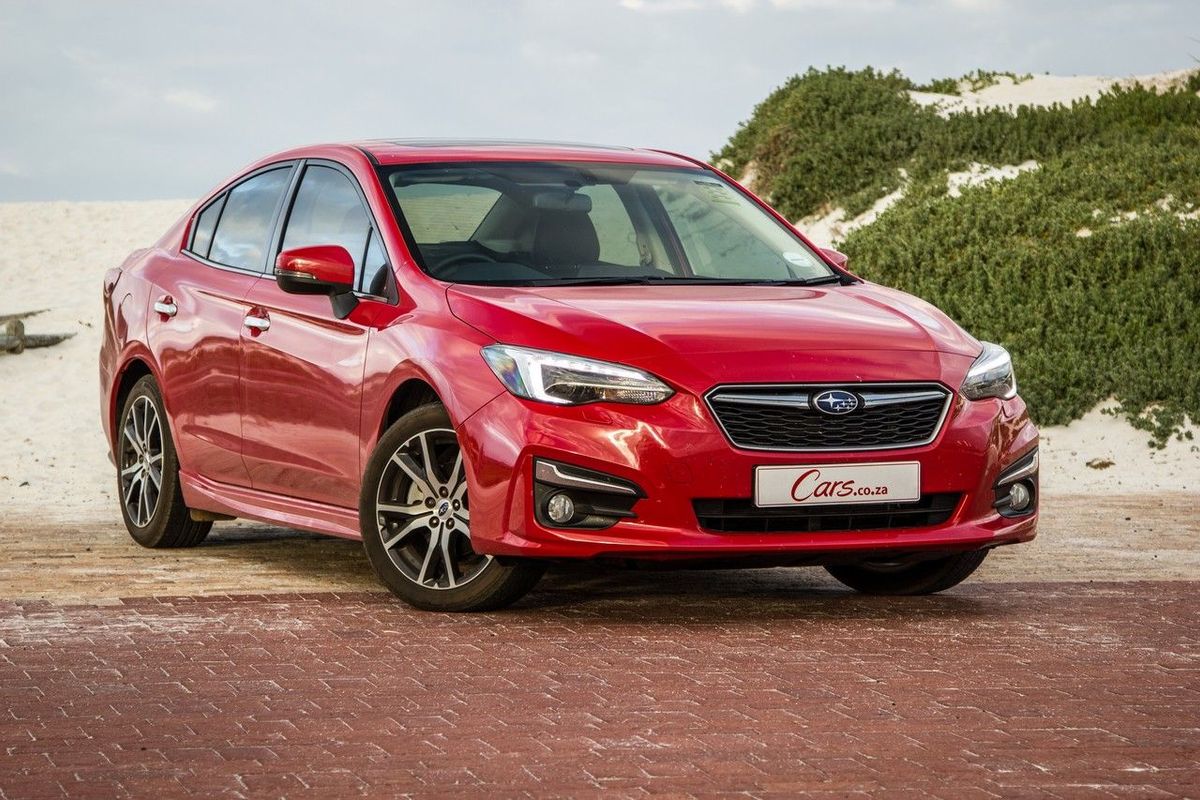
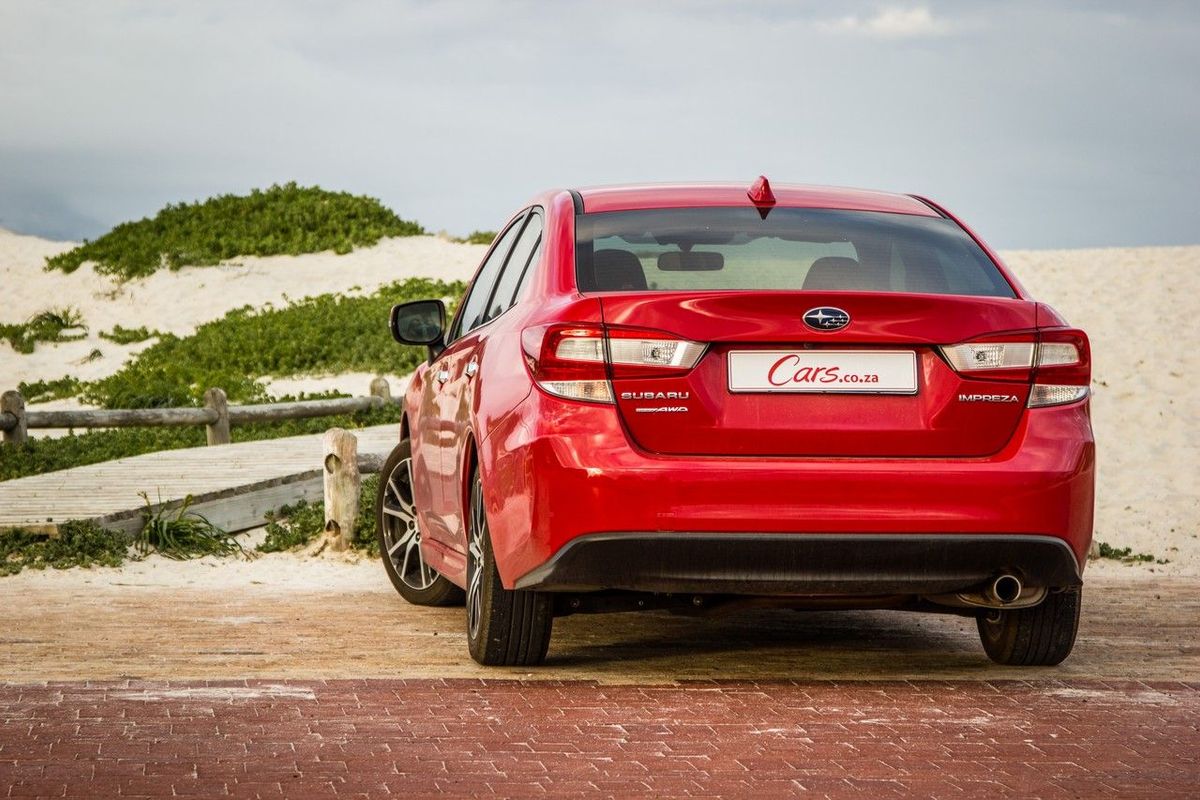
The Impreza compact sedan has always played second fiddle to its WRX and WRX STI performance derivatives as well as Subaru's family car/compact SUV offerings. The Japanese brand recently introduced an all-new model with the hope that a new platform, generous specification and robust build quality will help the Impreza see off its rivals and remain relevant in a market where the popularity of sedans is on the wane.
We like: Up-to-date infotainment system, better-than-expected fuel efficiency, ride- and build quality.
We don’t like: Uninspiring to drive, middle-of-the-road performance
Alternatives:
Sporty Korean: Hyundai has done considerable work on its 2017 Elantra and the Sport flagship model costs the same as this Impreza. However, the Korean packs a 150 kW turbo punch mated with a dual-clutch 'box and has the edge in performance (but not handling). Combined with Hyundai's excellent warranty, it's a strong contender.
Go German: The Volkswagen Jetta has been around for ages and still offers good value and practicality. Even the flagship 1.6 TDI Comfortline auto is cheaper than the Impreza, but down on features. For a petrol option, consider the similarly-specced 1.4 TSI Comfortline auto for R368 900.
Another Japanese offering: The new Honda Civic certainly looks the part, but derivatives powered by the best engine (1.5T) in the line-up are expensive and the 1.8-litre normally aspirated 1.8 Elegance is well specced at R381 100, but its engine performance is middling and the CVT's an acquired taste. Not the best-made Honda we've ever tested either.
To many motorists, the name Subaru Impreza evokes images of a blue, be-winged rally cars charging across a track. Yes, although the best known Impreza derivatives are the high-performance WRX and WRX STI versions that offer giant-slaying performance for relatively little money compared with exotic sportscar and sedans, the 2.0 R and 2.5 RS versions (to name but 2 examples, both of which featured normally-aspirated motors combined with the brand's famed all-wheel-drive system), offered a more attainable, yet satisfying Subaru ownership experience. Fast forward to 2017 and there's an all-new Subaru Impreza available. It is built on an all-new platform and features the latest safety technology and features.
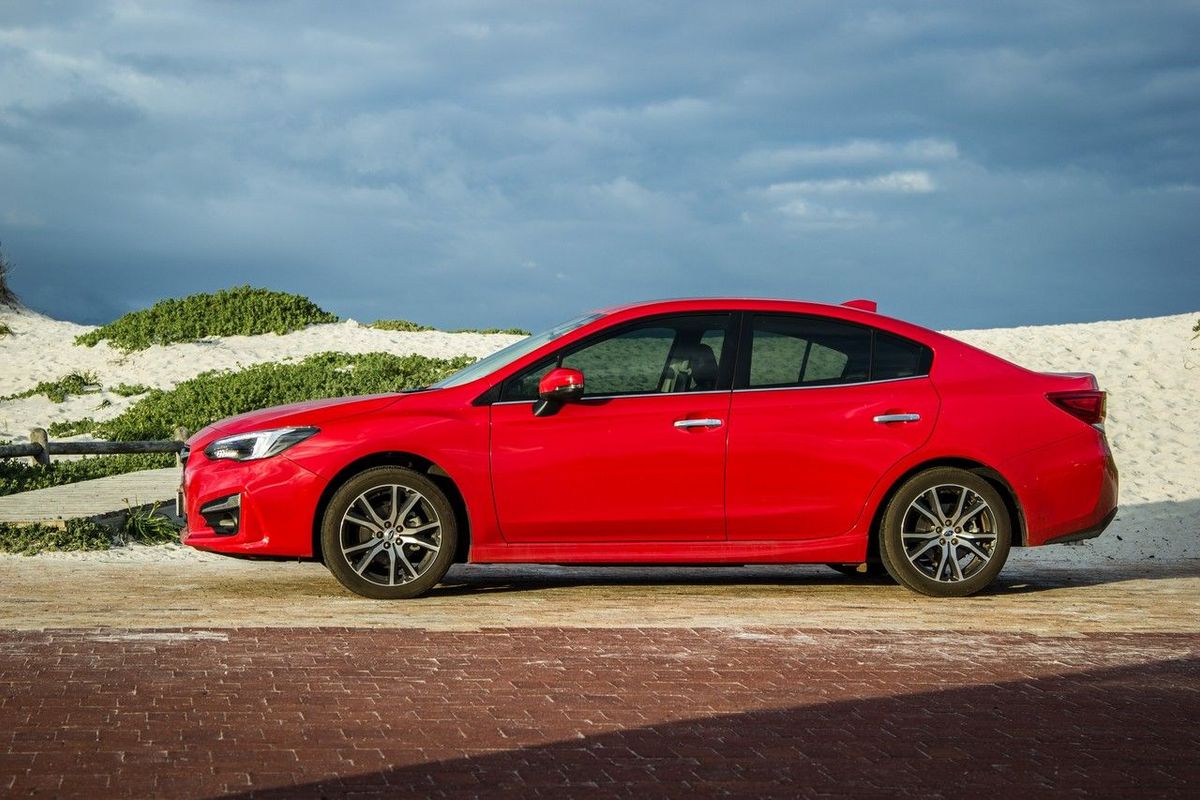
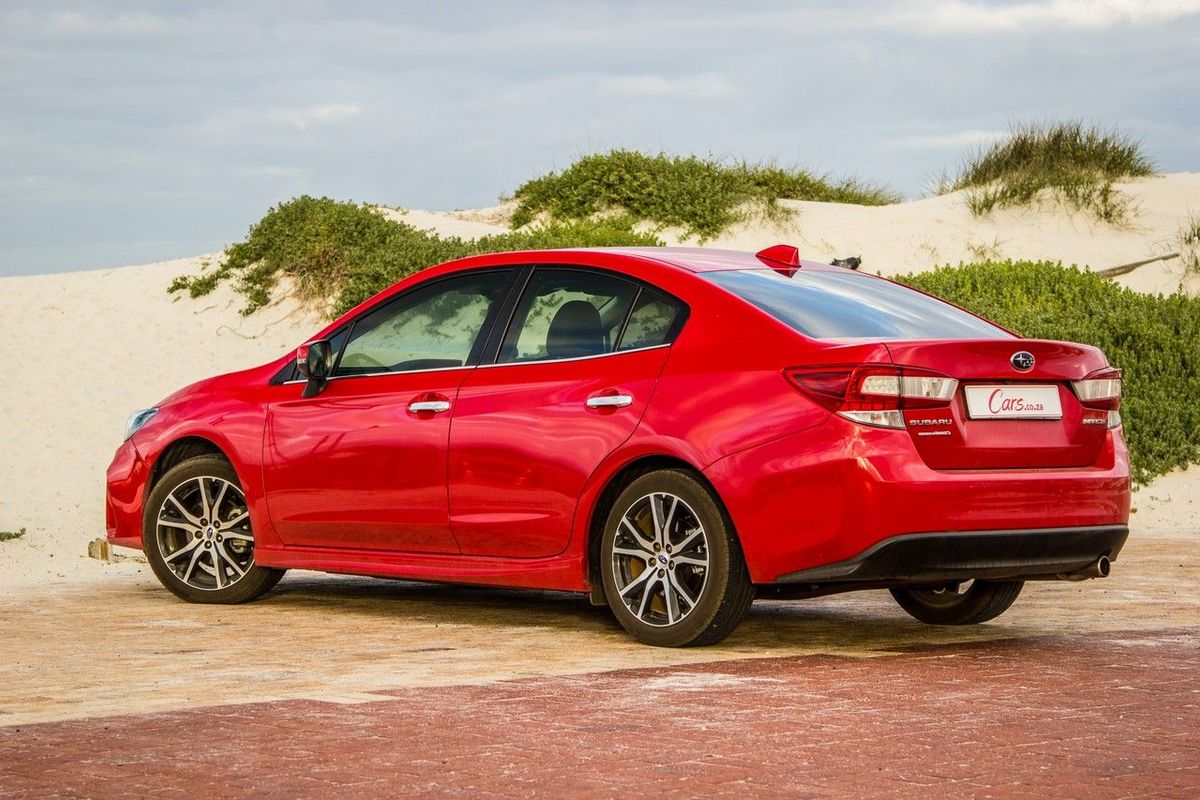
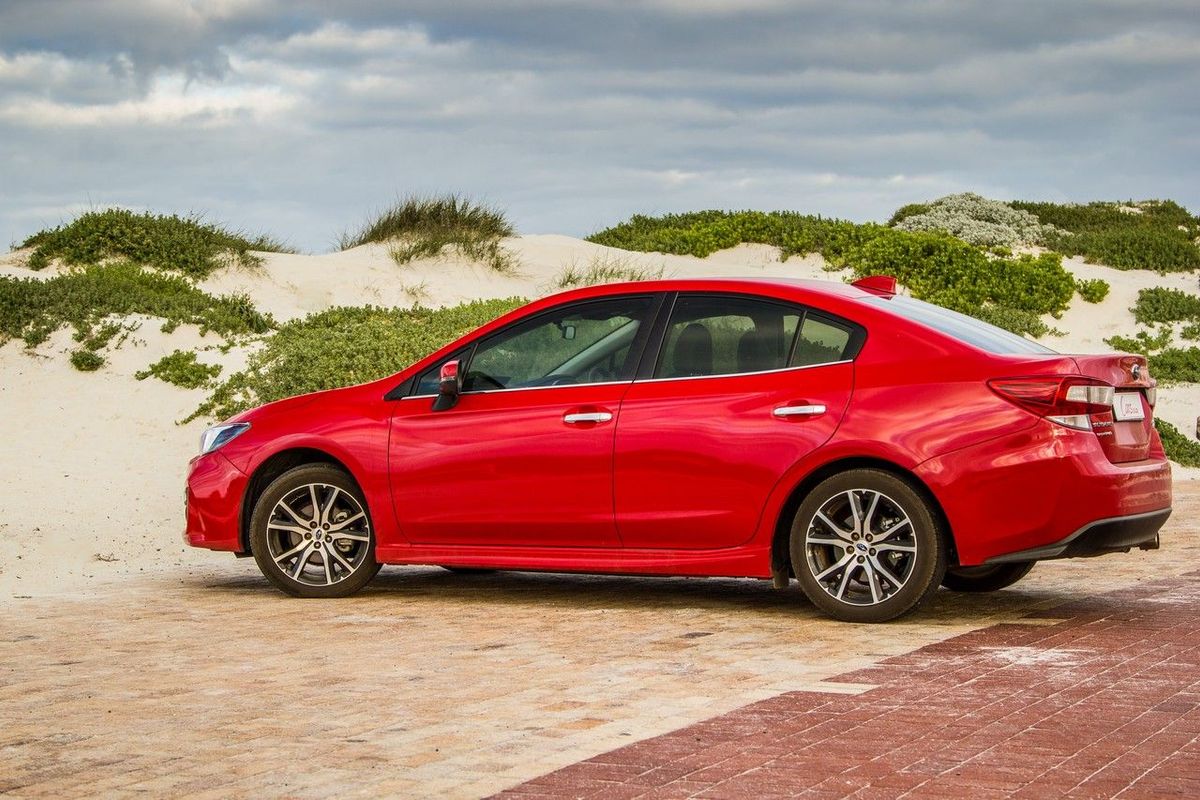
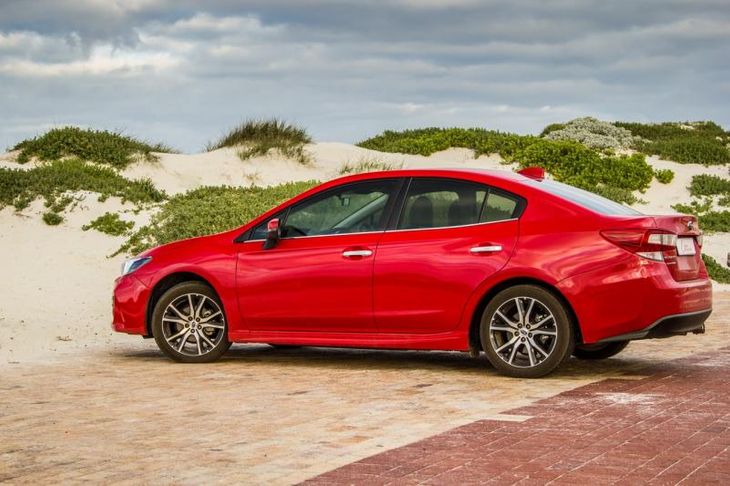
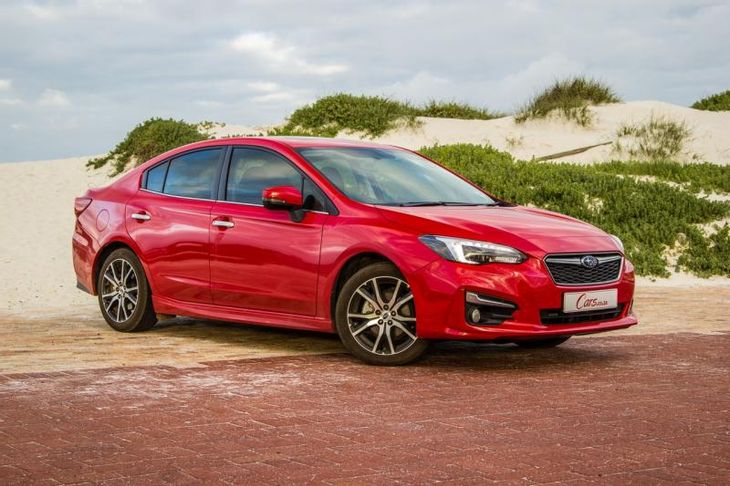
As ever, the styling of the standard Impreza errs on the side of conservativism; it is a good-looking sedan, but a bit anonymous.
How does it fare in terms of…
Ride and handling?
The new Impreza rides on an all-new platform (it's a tad longer than the outgoing car's) and Subaru claims it has improved the compact sedan's torsional rigidity by up to 70% compared with its predecessor. This new platform, combined with a well-balanced suspension setup, immediately manifests in a notably creak- and rattle- free cabin, with low wind and mechanical noise intrusion and ride quality that is pleasingly pliant, but without ever feeling ponderous (the 2.0 Lineartronic is shod with 17-inch alloys and wheels).
These attributes bode well for future generations of high-performance Subarus, which will, of course, be built on the same modular architecture. To reiterate, the Impreza exudes a reassuring feel of solidity from behind its 'wheel. The steering feel is well weighted and ultra-direct, and when you combine these with virtually no body roll and all-wheel drive, you feel confident when cornering with verve. Let's not forget the brand's rally pedigree either – while this Impreza is marketed as a family sedan, it felt perfectly at home on a gravel stretch.
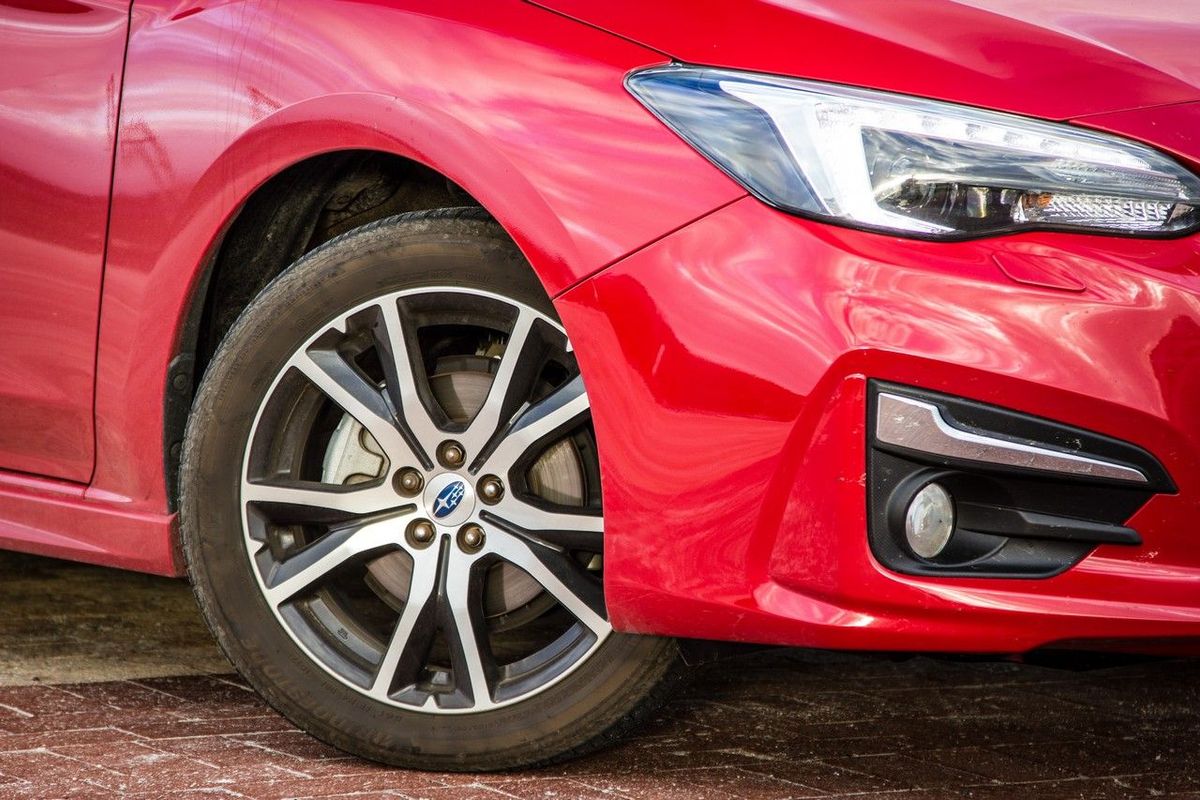
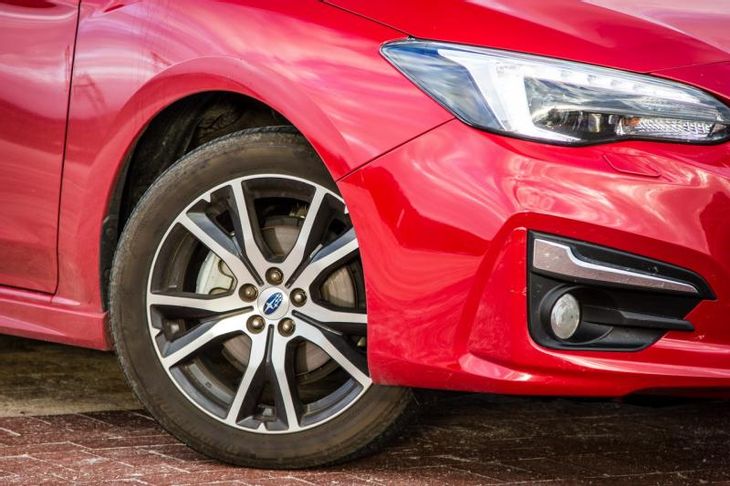
Whereas the Impreza still has a sporty bent, cues to its athleticism are subtle, such as these handsome 17-inch alloys.
Engine performance?
The Subaru Impreza is powered by a new naturally-aspirated 2.0-litre flat 4 petrol motor. The direct injection powerplant is 12 kg lighter than its predecessor, while the gearbox is almost 8 kg lighter too. These savings help keep the car's overall weight down, but despite it being a lighter and more powerful Impreza, with peak outputs of 115 kW and 196 Nm going to all four wheels through Subaru's Lineartronic CVT, performance is fair. Expect the 0-100 kph sprint to be dispatched in around 10 seconds, which is about on par for the segment.
To its credit, however, the Impreza doesn't feel slow; we suspect that the throttle mapping and CVT calibration have been programmed to deliver instantaneous responsiveness, which allows the Suburu powerplant to make optimal use of what it's got. There's a faint Subaru-style engine note when you're really pressing on, which makes a change from the bland engine notes of its rivals and that's not even the best of it… This Subaru engine is quite economical. The claimed average consumption figure is 7.2 L/100 km and during the test, we saw an impressive 8.5 L/100 km.
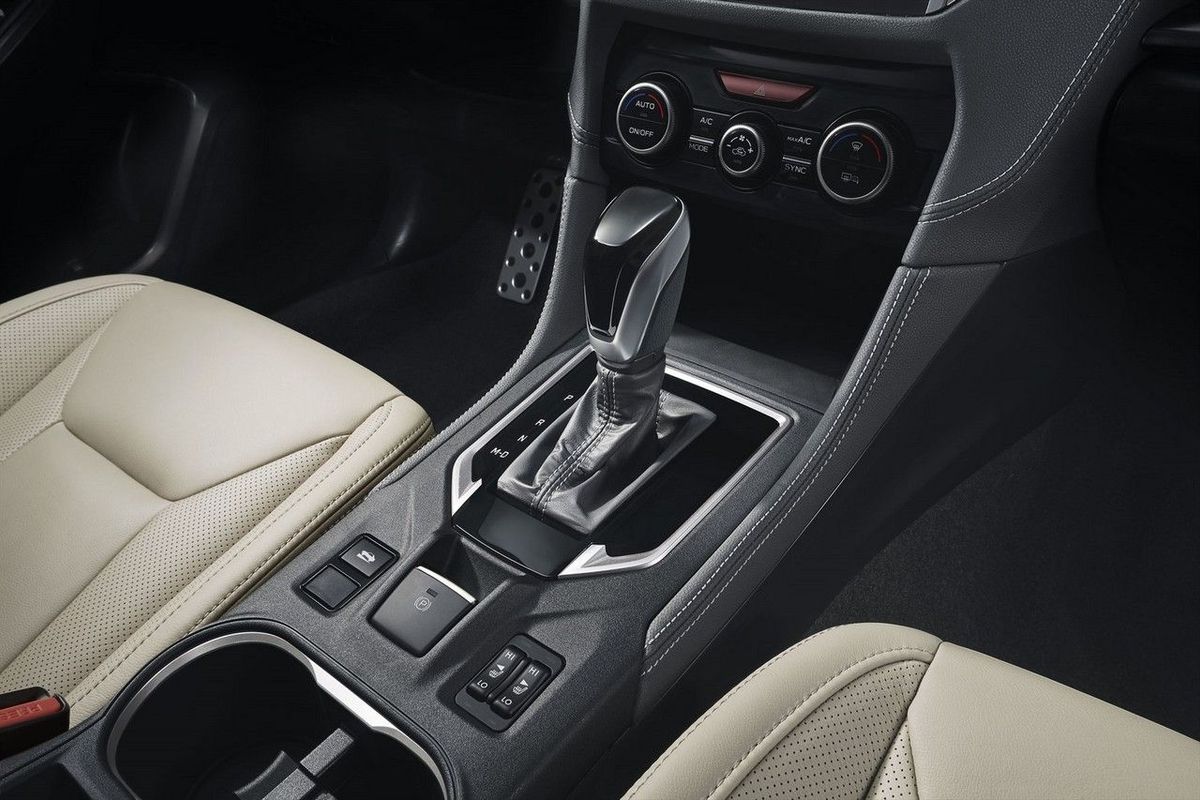
The Lineartronic continuously-variable transmission is calibrated to highlight engine flexibility; it's one of the better CVTs we've experienced.
Practicality?
Some smart packaging in the Subaru Global Platform has resulted in a car that appears a bit shorter than equivalent sedans but offers impressive cabin space nonetheless. Rear legroom is to be commended, while the boot is deep enough and wide enough for a family of four's luggage. In terms of numbers, Subaru claims the boot can hold 460 litres and with the rear seats folded down, we even managed to squeeze in a mountain bike. From the driver's seat, there are plenty of storage spaces to place your phone, keys and wallet.
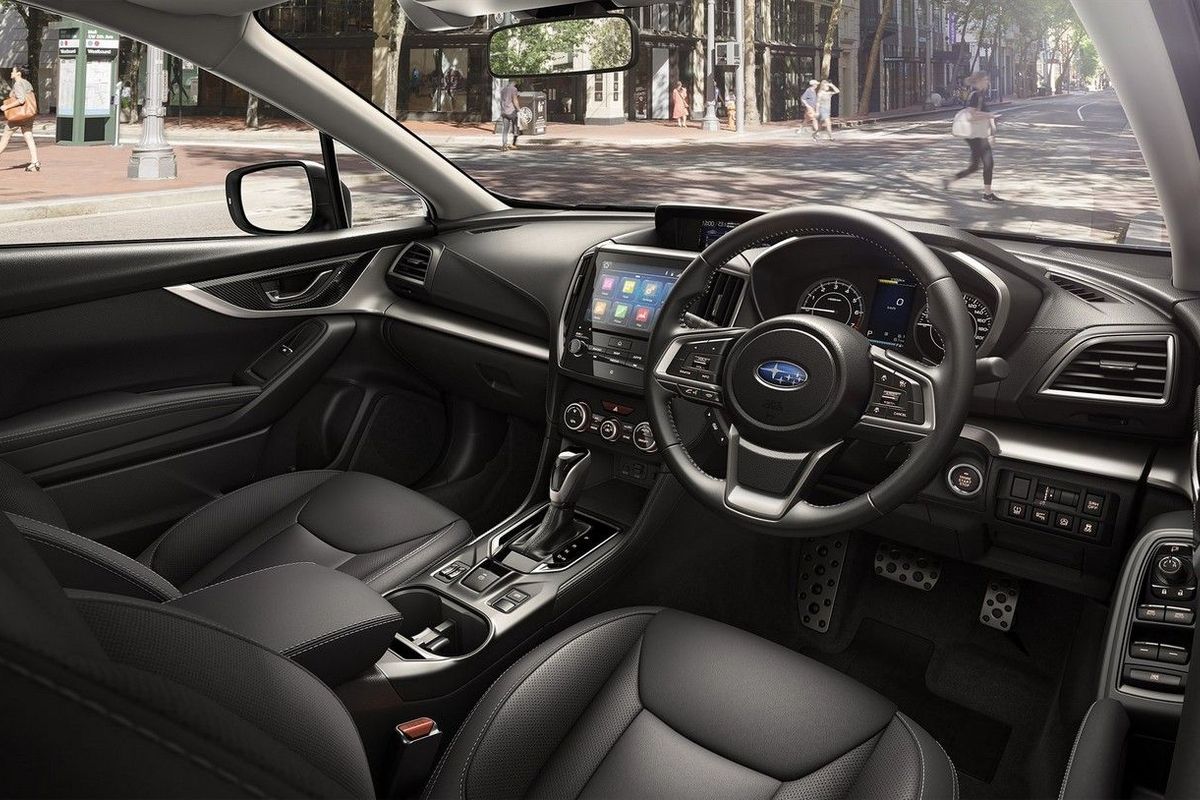
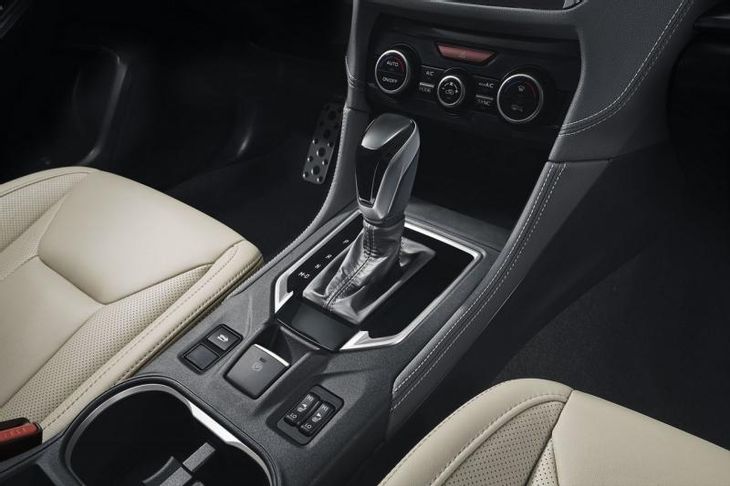
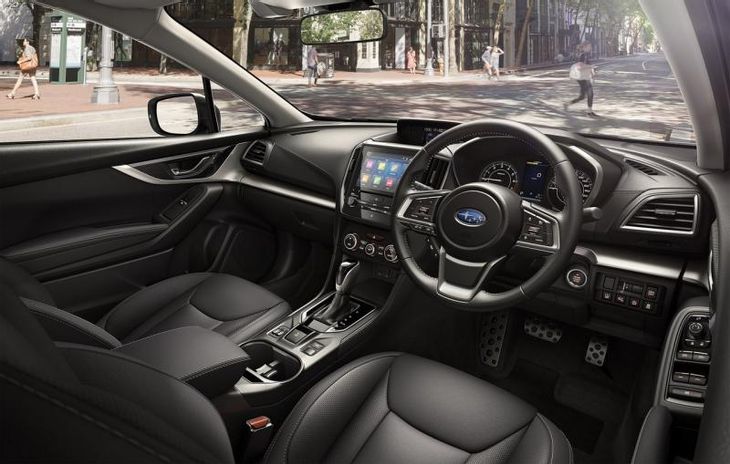
The Impreza's leather-trimmed interior exudes a big car ambience, the fascia design is a bit plain, but build quality is top-notch.
Safety and tech?
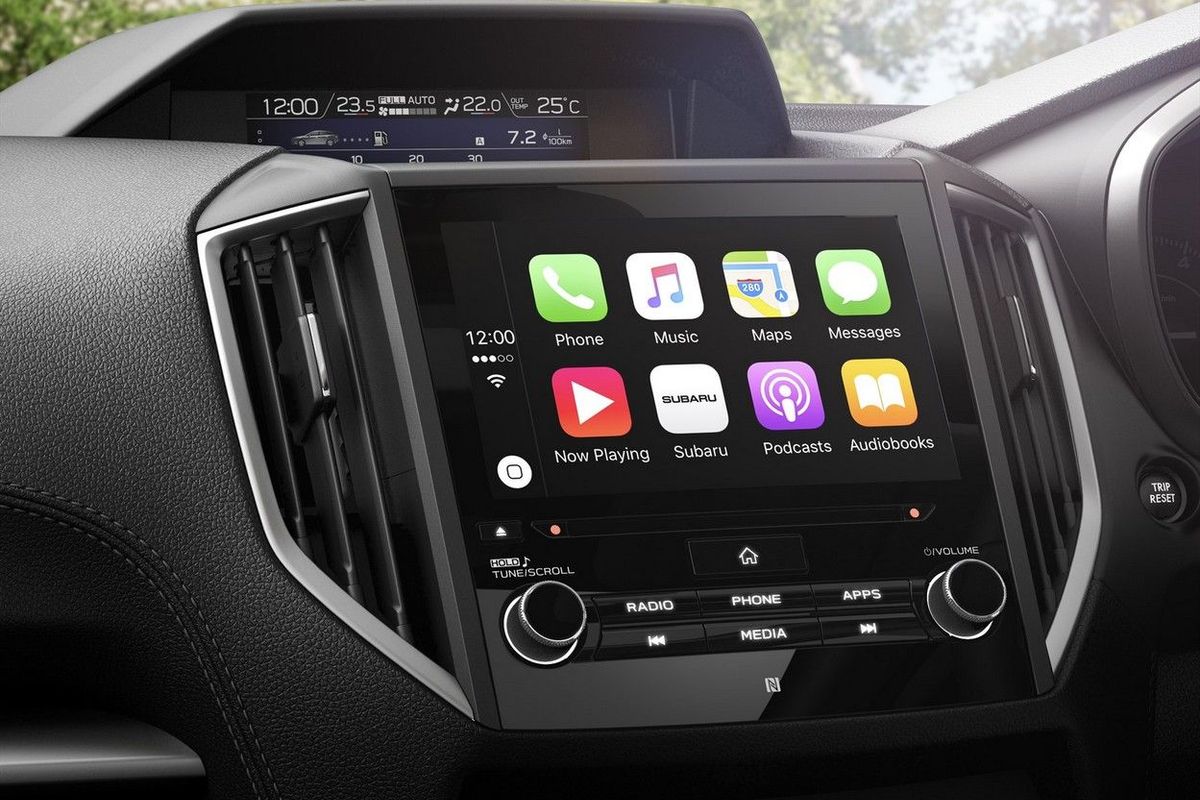
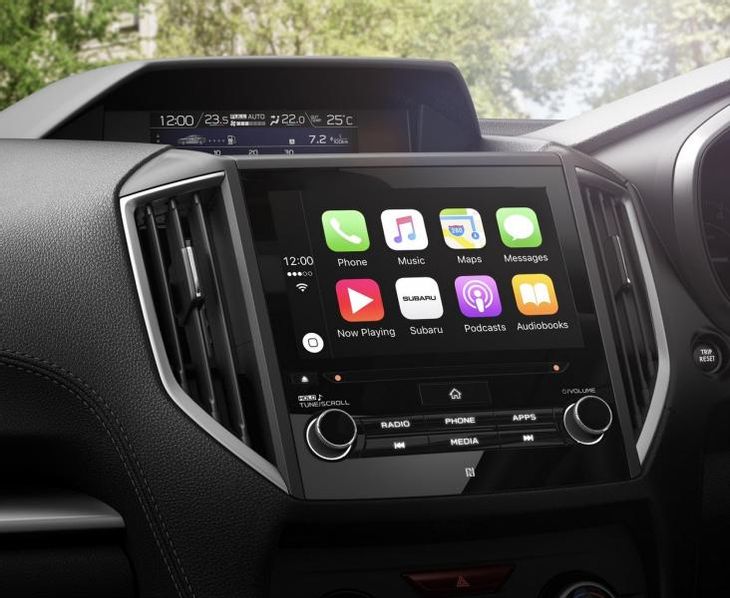
The 2 aspects in which the Subaru Impreza really excels are technology and safety. The cabin is modern, well appointed and the fascia's dominated by a large full-colour infotainment screen, which offers a crisp display and an intuitive user experience, much like a smartphone or tablet that allows you to zoom and pinch. This infotainment setup offers everything from satnav (powered by TomTom) to Apple CarPlay and Android Auto connectivity. There's also Bluetooth connectivity and numerous USB ports dotted around the cabin.
The Impreza further features cruise control, climate control, auto- headlamps and wipers, but the safety features are the real highlights. Here are a few systems worth mentioning: Subaru's Vehicle Dynamics Control, steering-responsive headlights, high beam assist and Rear/Side Vehicle Detection which includes Blind Spot Detection, Lane Change Assist and Rear Cross Traffic Alert.
Seven airbags are provided, as are your usual plethora of braking acronyms (ABS, BAS and EBD), as well as ISOfix child seat anchorage points. The top-spec derivative gains the semi-autonomous Eyesight Driver Assist tech and, for the record, the newcomer scored 5-stars in the Euro NCAP and Australian ANCAP ratings.
Whereas the functionality of Subaru infotainment systems used to be pretty basic, the Impreza's unit is very user-friendly.
Subaru Impreza Price in South Africa (November 2017)
The Subaru Impreza is sold with a 5-year/150 000 km warranty and 3-year/75 000 km maintenance plan. As of November 2017, it costs R 399 000.
Verdict
Whichever way you look at it – and setting aside the anti-sedan-pro-hatchback market trend for the moment – the Impreza 2.0 Lineartronic is an impressive family car. It combines willing performance with comfort, refinement and solid build quality. One of our testers bluntly described the Subaru as "an all-wheel-drive luxury Toyota Corolla" and after the rest of the team's initial shock passed, we found some merit in that statement. Yes, this derivative isn't cheap, but owners will revel in the car's solid engineering, backed by good spec and a maintenance plan. At this price, however, there's a dangerous rival in the shape of Hyundai's Elantra Sport, which offers notably more power and a similar level of kit for the same money.
We don't think Subaru South Africa is too concerned about sales volumes of the Impreza, however, at least not in the long term. Given how the market favours SUV-like family cars and crossovers, such as the venerable Forester and the new XV (which is a very accomplished product and deserving #CarsAwards finalist), the Japanese importer's focus will be mostly on its "off-road offerings". That is, of course, until the next generation WRX and WRX STI come along, which will please the petrolhead fanatics of the brand. For now, the entry-level Impreza is a strong enough offering.
Even if the compact family sedan market appears to be dying out, the Impreza's one of the segment's finest offerings.
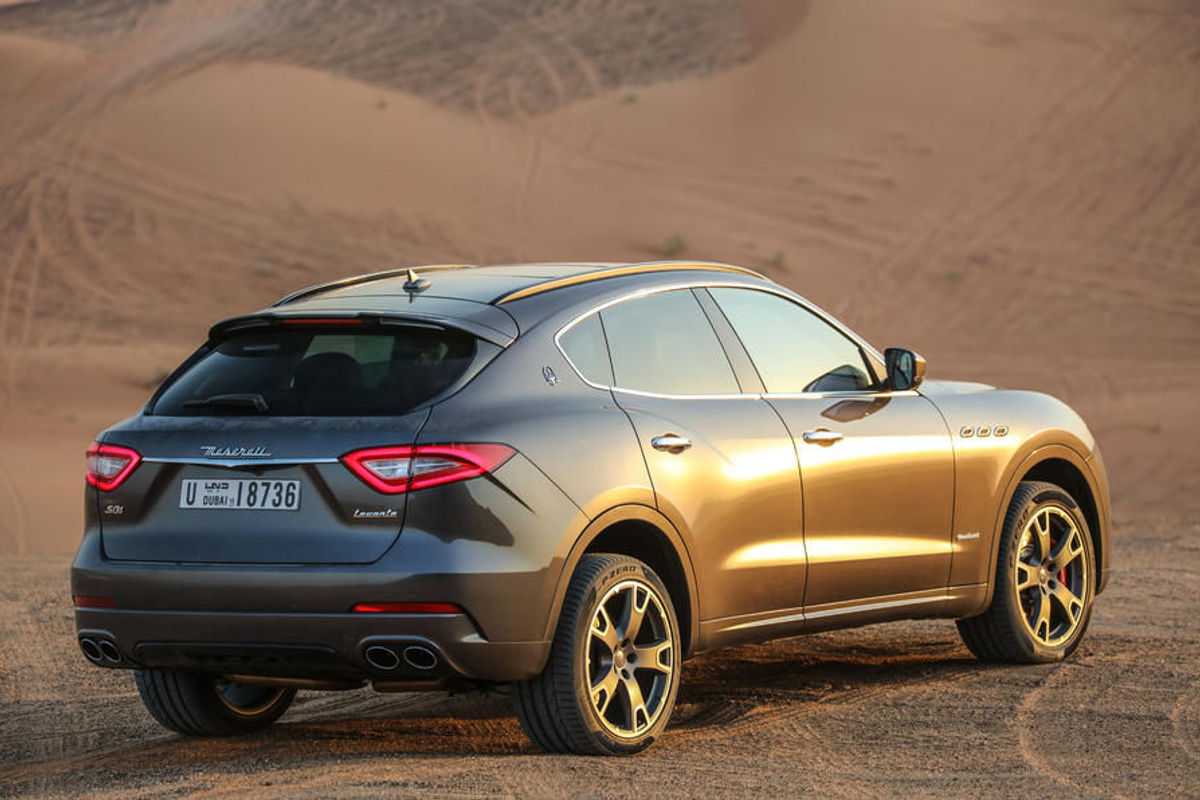
Sampling Maserati’s Ferrari-powered Levante in the dunes sounds like a tough job, but Ferdi de Vos put up his hand and volunteered for the arduous task. Much is expected of this petrol-powered premium SUV and Maserati hopes it'll snatch more than a few sales from its rivals.
So, the first luxury SUV from an Italian vehicle manufacturer with supercar power was the outlandish LM002 built by the Lamborghini between 1986 and 1993. Right? Well, actually no. Contrary to popular belief the brutish Rambo Lambo, while an unusual departure for the Fighting Bull and also the first four-wheel drive model built in Sant’ Agata, wasn’t the first opulent sports utility created south of the Alps.
This distinction belongs to the Tom Tjaarda designed Rayton Fissore Magnum luxury off-roader built in limited numbers in Cherasco, Italy, from 1985 to 2003. The Magnum, tailored with an Italian leather interior and a range of 4, 6 or 8-cylinder engines was sold in Europe as a competitor to the Range Rover, while the top American versions, marketed as Laforza, were powered by the Ford V8 5.0 SEFI V8 (some supercharged) as used in the contemporary Mustang GT, or by a 6.0-litre V8 with Eaton supercharger from GM.
The Ford V8 was good for 156 kW to over 200 kW of power, while the supercharged Chevy LS1 engine churned out an impressive 270kW and 515Nm of torque – heady figures at the time and not far off the 313 kW and 570 Nm delivered by the Countach derived 5.2-litre V12 in the LM002. Nearly a decade later the Fornasari RR99, a sleek four-door SUV first shown at the 2010 Geneva Motor Show, followed in the tyre tracks of the Laforza and LM002.
The RR99, powered by a 455kW Chevy V8 that gives it a 0–100 km/h time of 3.8 seconds and a top speed of 280 km/h, can be considered the first “modern” Italian luxury SUV/crossover, but sadly the small company, created in 1999 by Giuseppe Fornasari, was declared bankrupt in 2015. Meanwhile, following the success of the Porsche Cayenne the FCA Group started development of a mid-size SUV, culminating in the Kubang concept displayed at the 2011 Frankfurt Motor Show and finally the Levante – the first four-wheel drive Maserati – introduced in 2016.
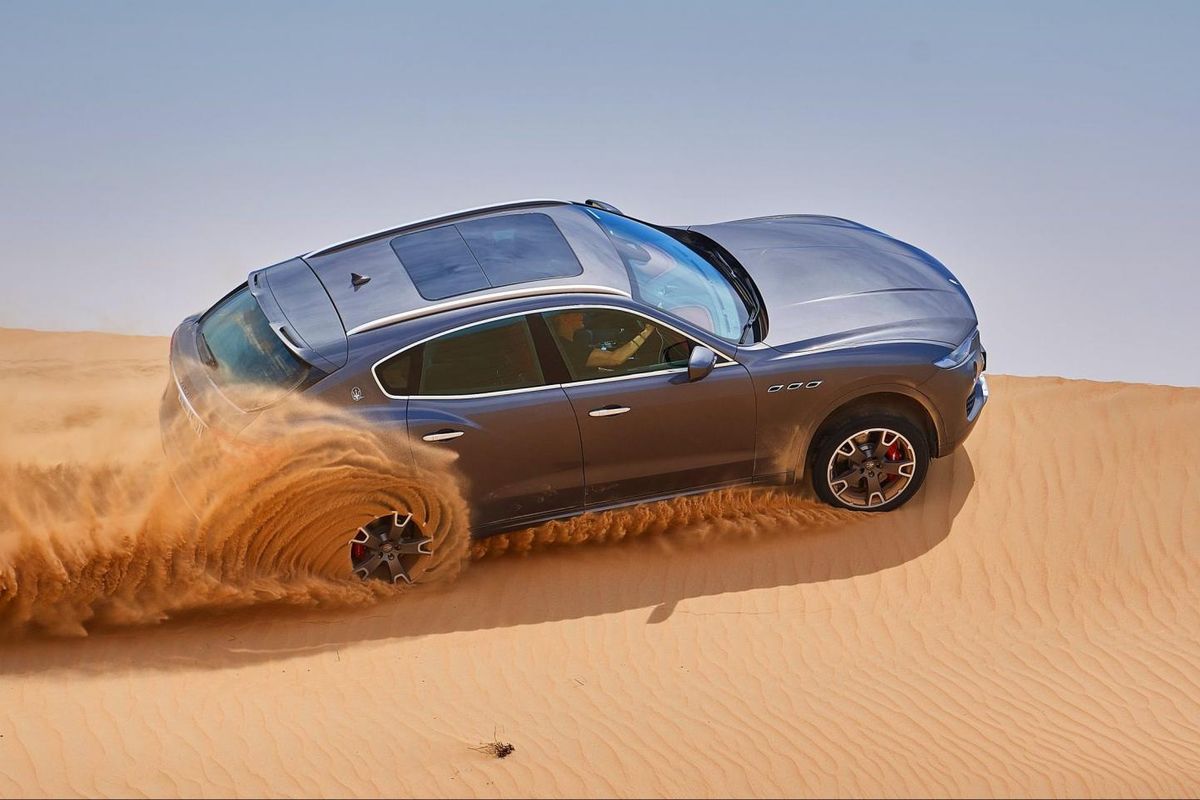
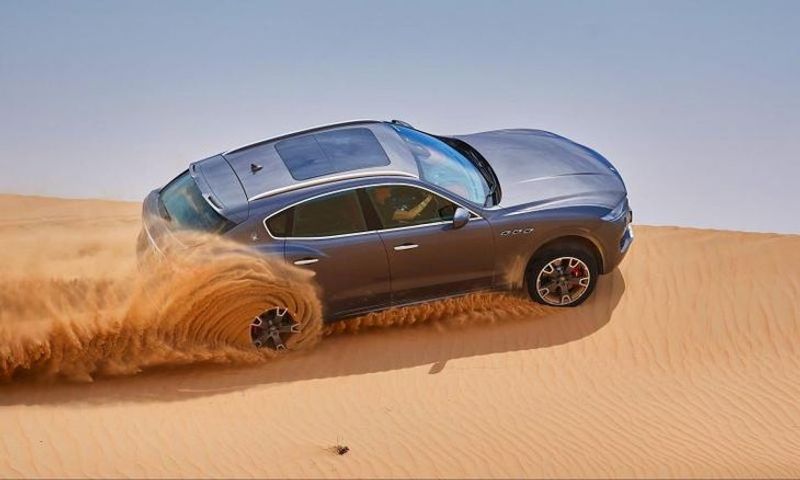
To feel the Modenese SUV’s 580 Nm of thrust while challenging the dunes is, in a word, delightful.
Introducing the Levante
The immediate success of the Levante in the world’s largest luxury segment proved to be a turning point for the Modenese manufacturer. In just over a year more than 25 000 Levantes were sold in 72 countries around the world, making it the highest-selling Maserati in that time. It was launched in South Africa in 2016, but only made available in diesel guise – and while the VM Motori V6 turbodiesel engine delivers a healthy 202 kW it doesn’t really do the luxury Italian crossover justice.
It falls short of the best in class dynamically and its performance (0-100 kph in 7,3 seconds) is diminished by its weight of more than 2,2 tonnes and even with 600 Nm of torque its power delivery is somewhat lethargic, with a hint of turbo lag before the V6 gets into its stride. But now la forza is back… in the form of the petrol-driven Levante S, the most powerful mid-sized Italian SUV available (well, at least for the moment) and this latest iteration of the flagship Levante model – soon to be unleashed locally – was recently introduced to the media in the dunes of Dubai.
To listen to the snarl of Ferrari-derived power in the desert and to feel the Modenese SUV’s 580 Nm of thrust while challenging the dunes was just delightful. With the 8-speed ZF auto gearbox (now with even quicker shifting times) in off-road mode, power distribution via the Q4 Intelligent All-Wheel Drive system with torque vectoring and a limited-slip diff to the wide wheels was near seamless, while the lifted suspension made it easy to negotiate small obstacles.
With a Ferrari-flavoured 3.0-litre twin-turbo V6 under its bonnet, the Levante finally offers the punchy performance enthusiasts expect.
What's it like to drive?
Besides the fantastic aural experience from the V6, the power and flexibility of the bespoke engine transforms the car. It highlights the sporty credentials of the Trident brand in no uncertain way, and the S feels much more balanced than its diesel counterpart. With 316 kW on tap from its 3.0-litre twin-turbo direct injection engine, the S, according to Maserati, blasts from 0-100 kph in 5.2 seconds and reaches a top speed of 264 kph – putting it firmly in Porsche Cayenne, Mercedes-AMG GLE and BMW X5M/X6 M territory.
The Levante range now also has a new electric power steering system in place of the hydraulic system used up to now. According to Maserati this system better supports the different driving modes and enables a bouquet of new active driver assistance functions such as Highway Assist, Lane Keeping Assist, Active Blind Spot Assist and Traffic Sign Recognition. On the broad Dubai highways, the steering felt a bit remote at speed, but well weighted in the corners and at lower speeds in town, and Maserati also maintains it doesn’t affect engine power.
The exhaust system, controlled by pneumatic valves, maintain the rich aural signature of the brand, but in Sport mode it can become quite booming in the cabin, which will, perhaps, be appreciated by many, but probably not by all… Also noteworthy was the good stopping power supplied by Brembo 6-piston callipers and 380 mm ventilated discs up front and 330 mm ventilated discs at the rear, while thanks to standard air suspension (providing six different height levels) and Skyhook shocks, ride comfort was exemplary.
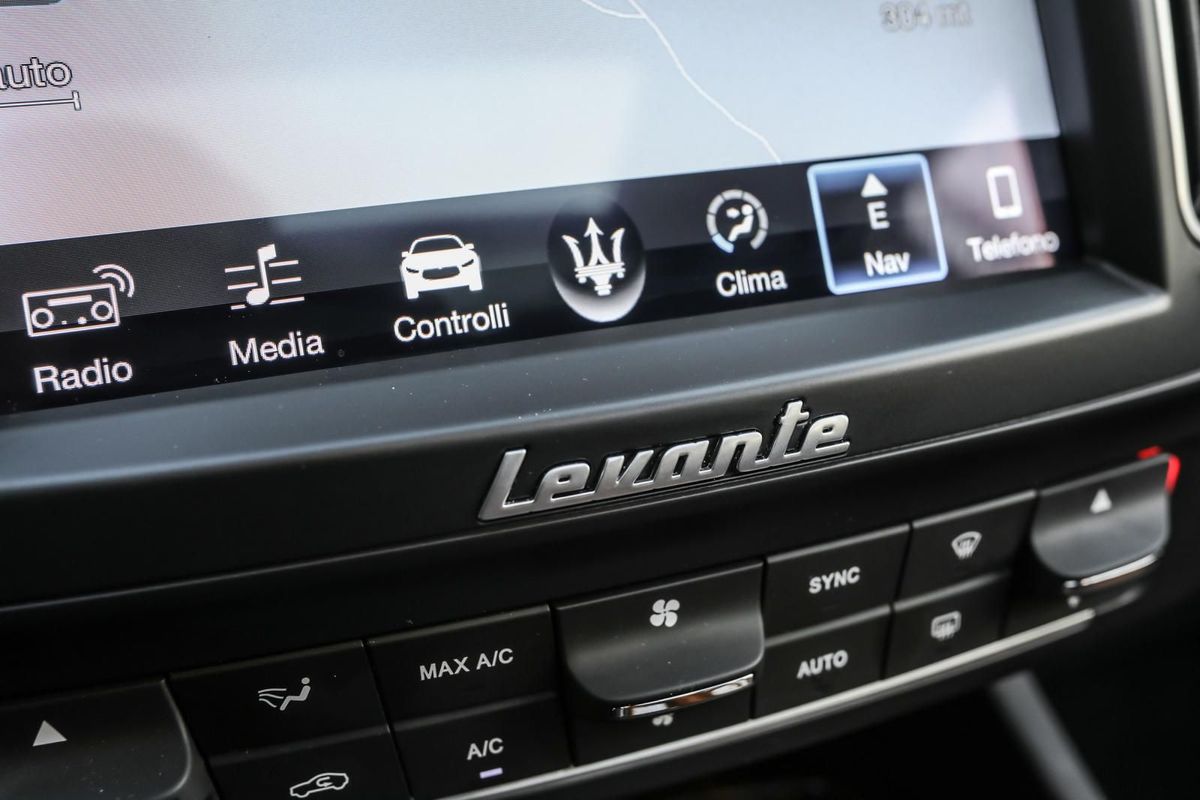
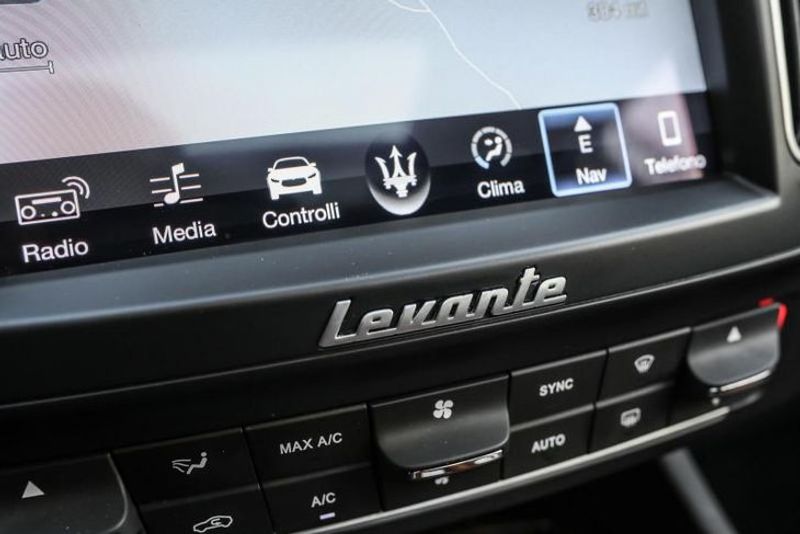
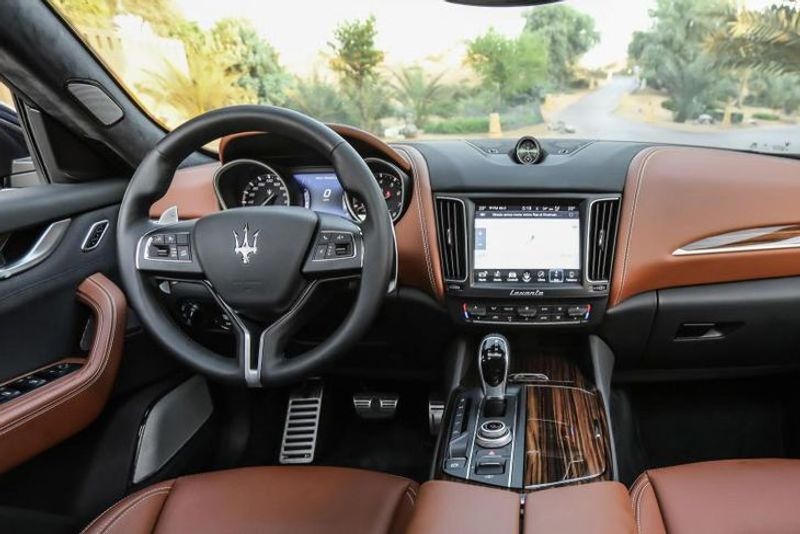
The menu of the infotainment system gives away that the unit was sourced from other products in the FCA Group, but the nameplate's a nice touch.
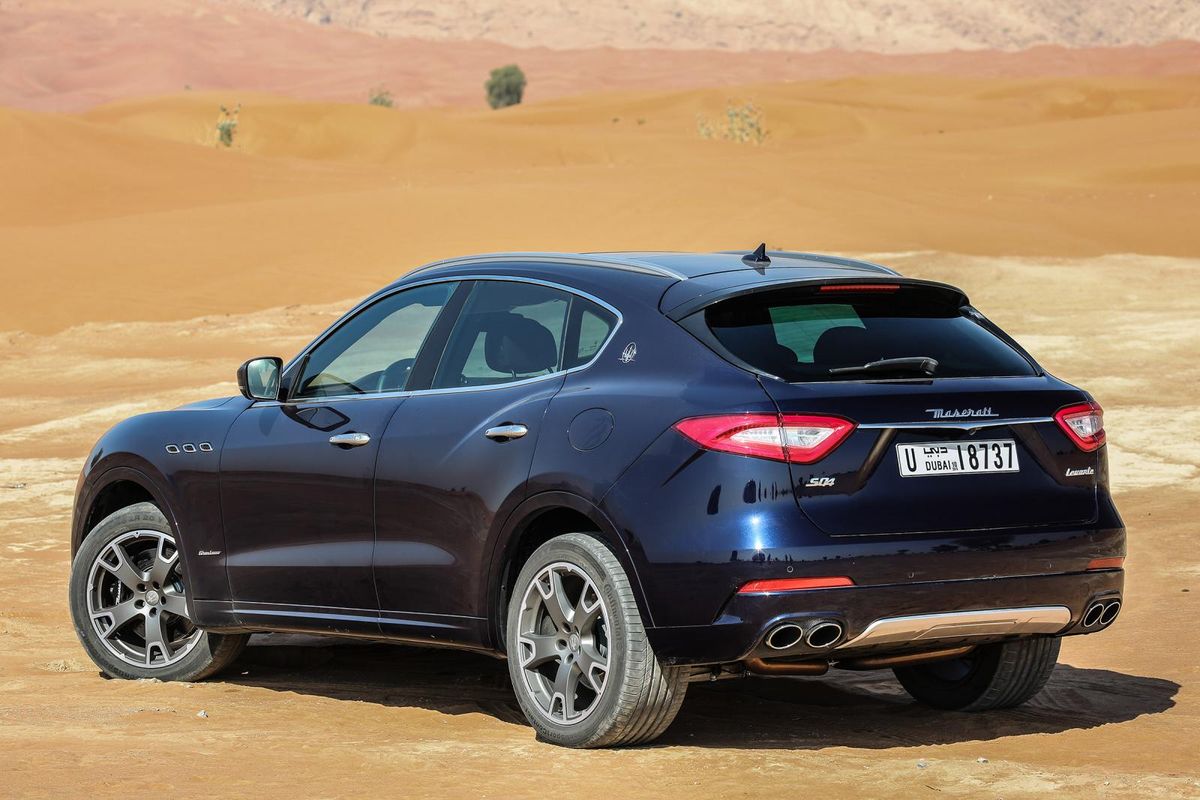
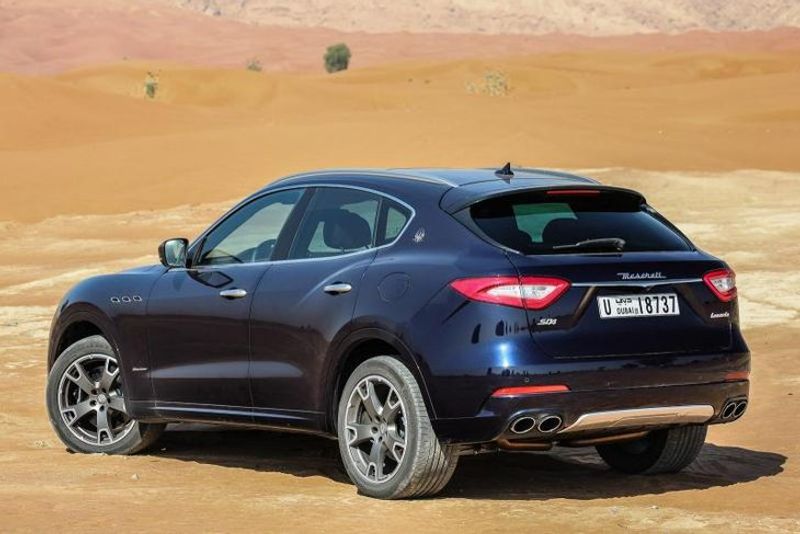
The Levante range is now available in GranLusso and GranSport trim with the GranLusso grade recognisable by metallic-finish front skid plates and roof rails, GranLusso badges on the front wings, body-coloured side skirts, black-painted brake callipers and 19-inch Zefiro alloys.
The GranSport model has a piano black front grille, skid plates and roof rails, GranSport badges, body-coloured side skirts, blue inserts on all Trident and Saetta logos, as well as red brake calipers and 20-inch Nereo wheels, and while the Levante and Levante Diesel are equipped with 18-inch tyres as standard, the Levante S features 19-inch wheels as standard, with wider tyres at the rear.
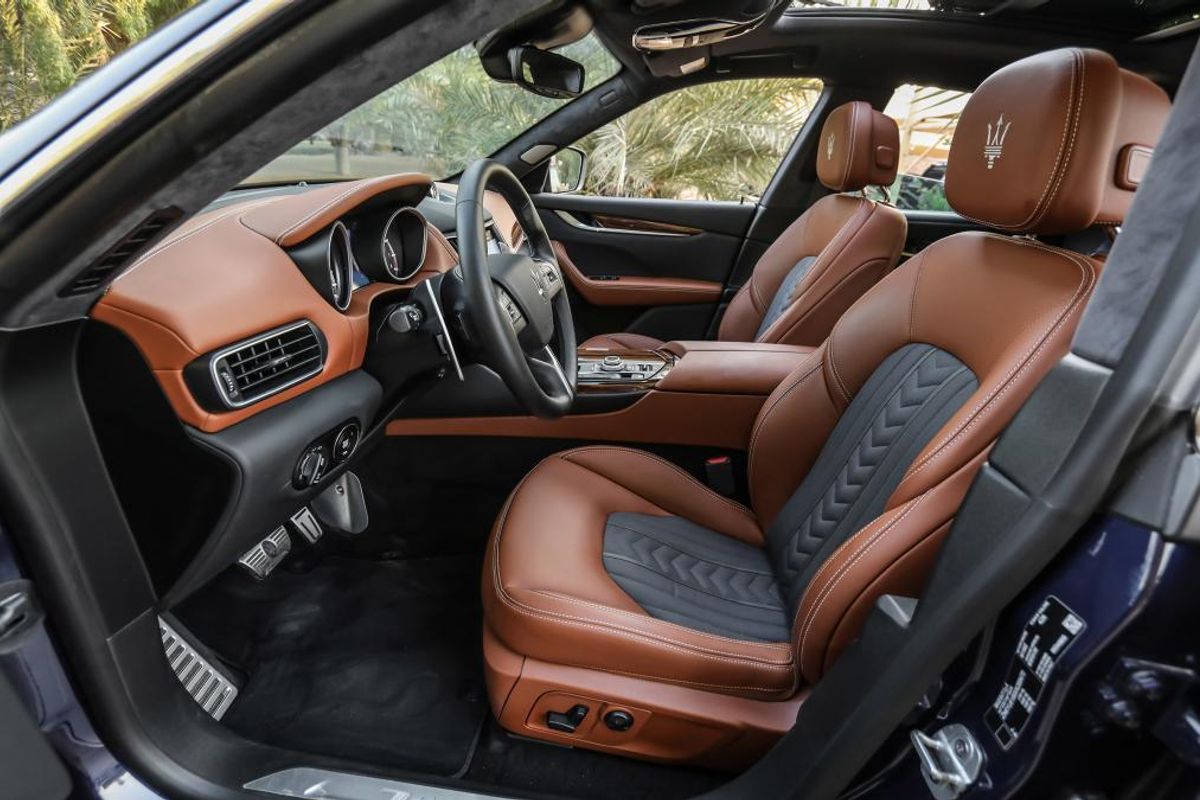
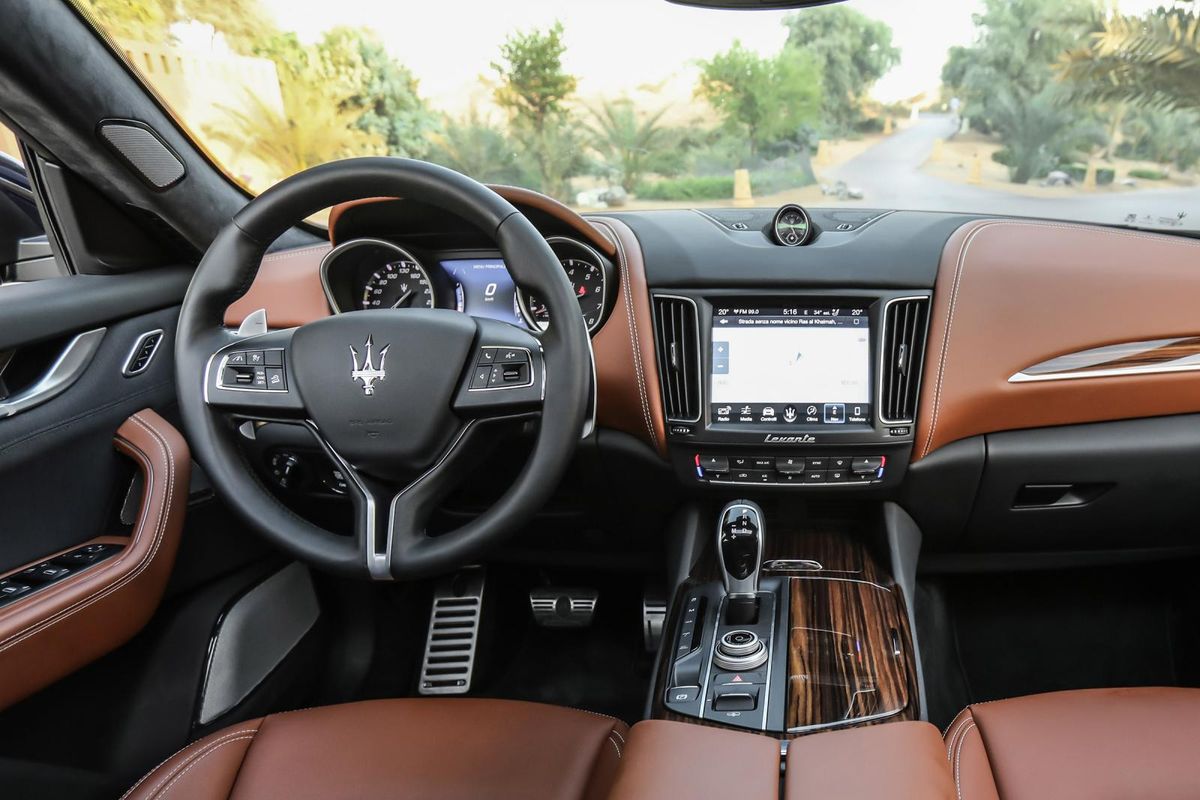
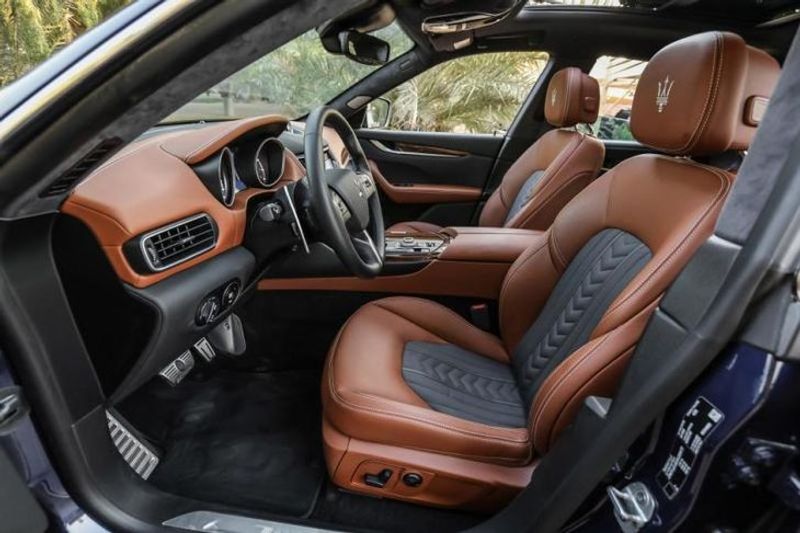
The GranLusso cabin combines a choice of Ermenegildo Zegna silk or full premium Italian upholstery, 12-way power comfort seats, a Harman Kardon sound system and power-adjustable steering wheel. The Levante GranSport has sportier trim inside, including sport seats, sport steering wheel with gearshift paddles and carbon trim.
Inserts of handwoven Ermenegildo Zegna silk give the Levante's interior more than just a hint of opulent exclusivity.
Summary
The new S turbopetrol derivative will undoubtedly add to the allure of the Levante, and if sportiness, rareness and real Italian power are what you’re after, this Maserati premium SUV ticks all the boxes. However, while owning a Levante may set you apart from Cayennes, Range Rovers, Jaguars, BMWs and Mercedes-AMGs crowding our roads, you will need to dig deep for that kind of exclusivity, as pricing for the S derivative starts at R1 950 000 and with extras will probably retail for close to R2.3 million.
Specifications: Maserati Levante S GranSport
Engine: Petrol V6
Displacement (cc): 2,979
Max. Power (kW): 316 @ 5 750 rpm
Peak Torque (Nm): 580 @ 5 000 rpm
Fuel consumption (l/100 km): 10.9
CO2 (g/km): 253
0-100 kph (sec): 5.2
Top speed (kph): 264
Gearbox: ZF eight-speed automatic
Transmission: Q4 Intelligent All-Wheel Drive with rear LS differential
Suspension Front: Double wishbone, Air Springs, Skyhook shocks
Suspension Rear: Multilink, Air Springs, Skyhook shocks
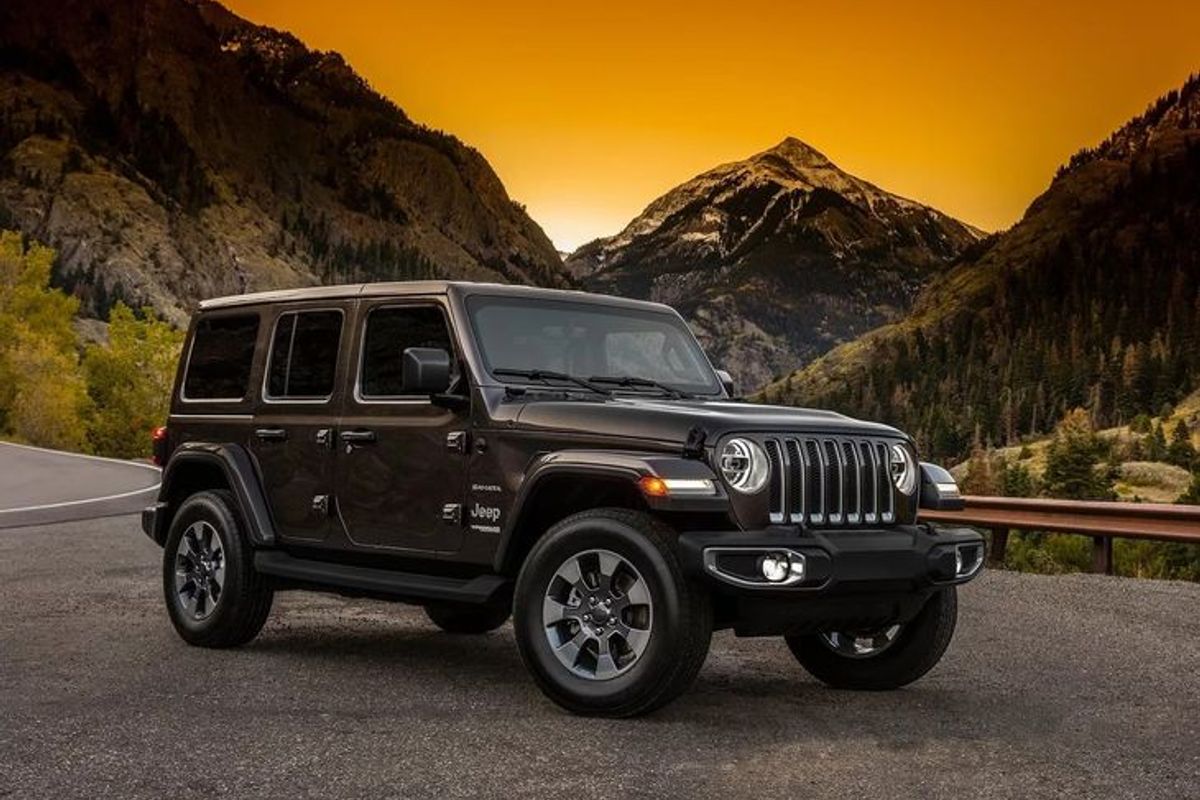
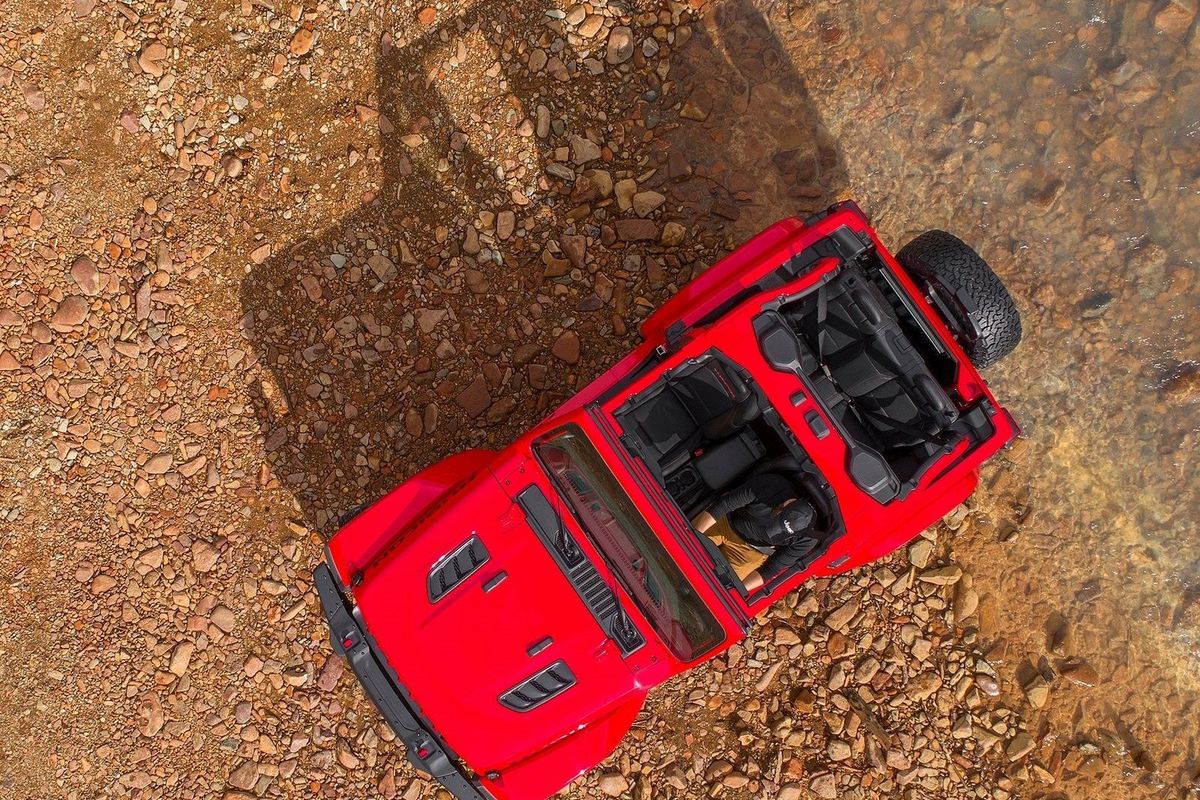
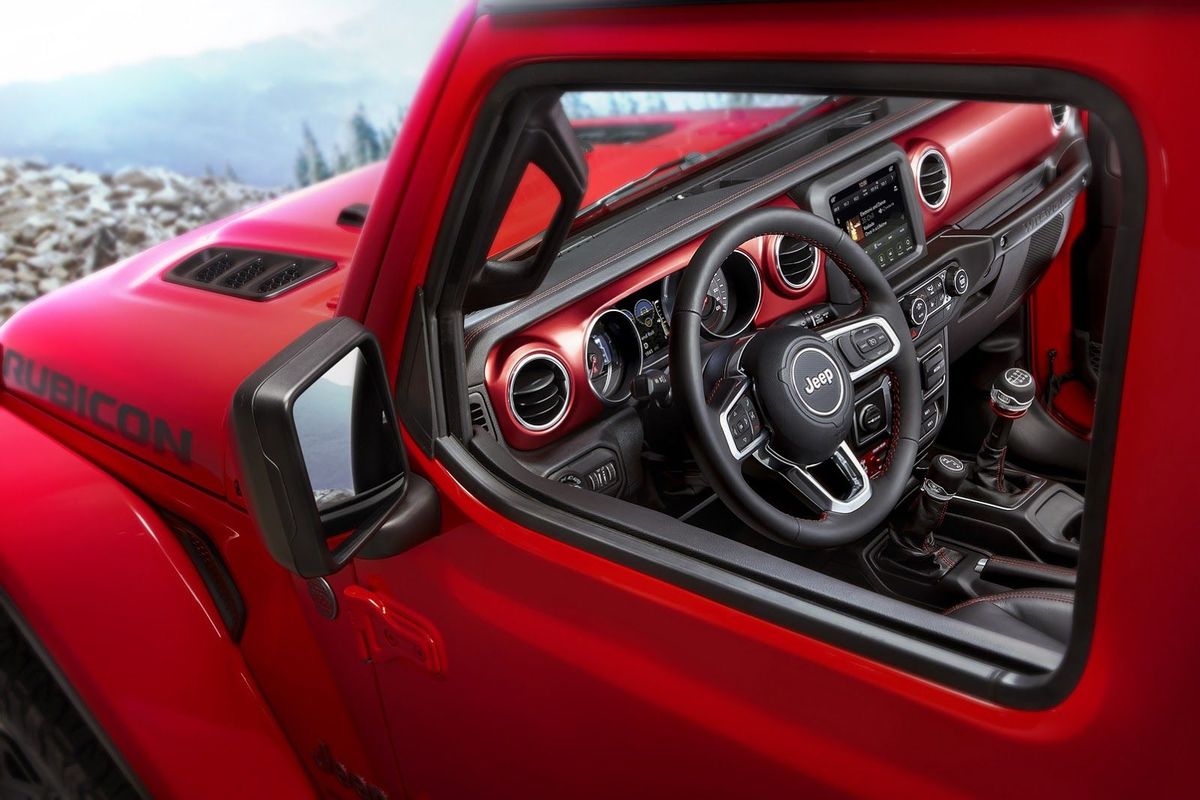
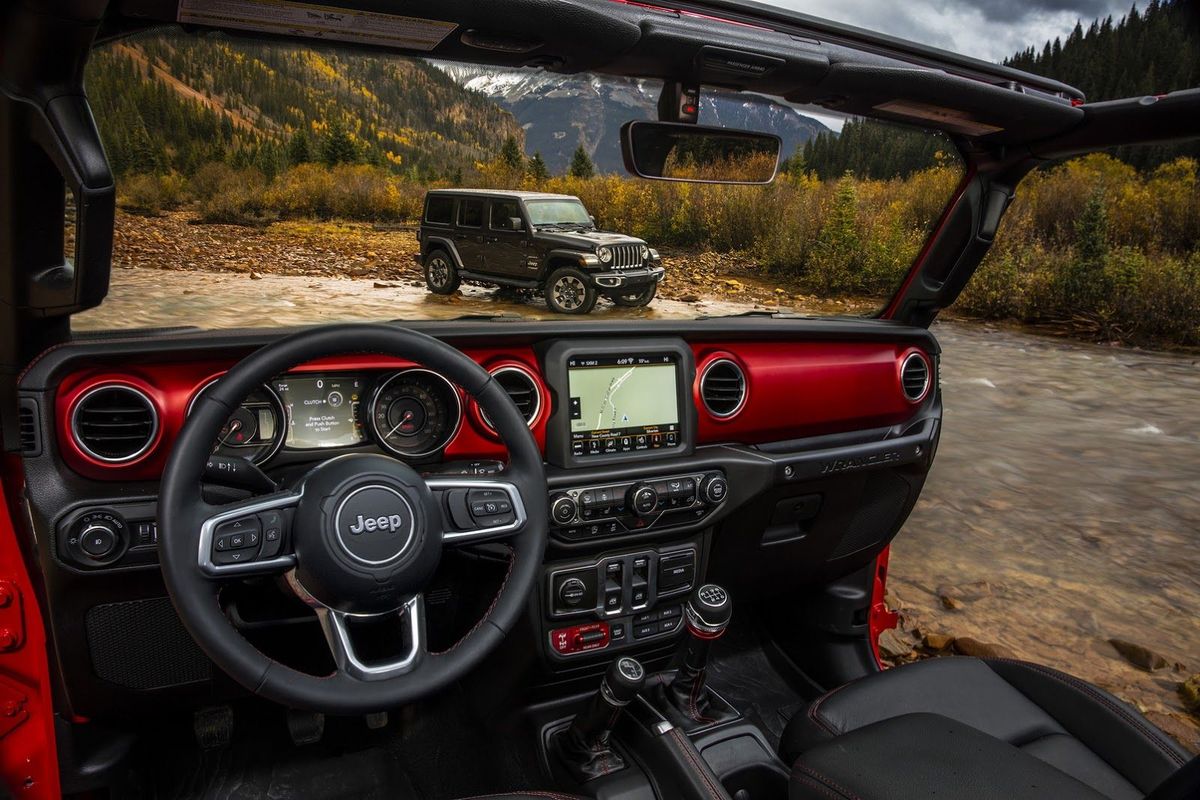
Jeep has shown off its all-new Wrangler and while details are sparse, pictures give us a good look at the capable SUV, both inside and out.
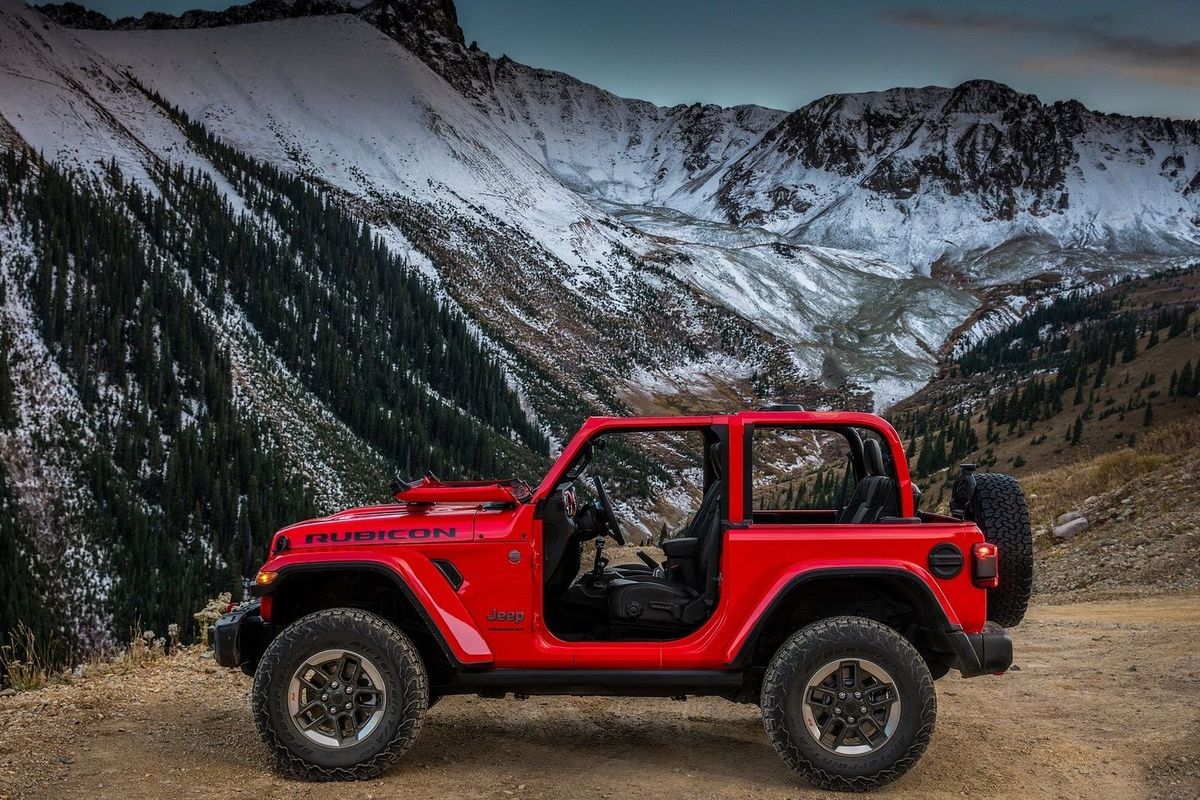
Jeep claims that its new Wrangle boasts more 4×4 capability, new fuel-efficient engines, more ways to drop the top as well as additional safety technology. While the design has not changed dramatically, minor cosmetic differences will be noticeable to keen-eyed observers.
Upon the Jeep Wrangler's introduction, it will be available in 2- and 4-door guises and in 3 trim levels: Sport, Sahara and Rubicon. The Sport trim has tow hooks, electronic stability control, tinted glass, a fuel tank skid plate, hill start assist, keyless go, full-size spare wheel, traction control and a 5-inch Uconnect infotainment system.
Sahara models feature air conditioning, heavy-duty suspension with gas shocks, leather-wrapped steering wheel, heated electrically adjustable mirrors, a rear stabilizer bar, remote keyless entry, a security alarm, plus a 7-inch infotainment screen. Finally, the hardcore Rubicon has an 8.4-inch Uconnect system, Tru-lok front and rear axles, rock protection sill rails, performance suspension, 17-inch off-road tyres, front disconnecting stabiliser bar, Dana wide (front and rear) axles, as well as a 4.10 rear axle ratio for hardcore offroading.
Customers will be able to customise their Wrangles via the comprehensive Mopar catalogue. We predict the new Jeep Wrangler will become available in the South African market around the middle of 2018.
World Rallycross Comes to Cape Town: Meet an SA Driver
With the World Rallycross season finale making its debut on the African continent, we needed to find out all we can about the world's fastest growing motorsport genre. More importantly, there are two South Africans racing in this weekend's event and we got to meet one of them.
World Rallycross is the fastest-growing motorsport genre and we're super excited that the season finale will be held in Cape Town, South Africa this weekend (10/11/12 November 2017). What exactly is World Rallycross, you ask? Think of it as the combination of circuit racing and rally driving, with a healthy dose of stunt driving thrown in for good measure. Racers use highly-modified versions of road-going cars, which feature all-wheel drive and big-power turbocharged engines. The performance surrounding these cars is staggering. 0-100 kph is decimated in under 2 seconds.
The big drawcards for this weekend will be nine-time WRC Champion Sebastien Loeb and America’s Ken Block, famous for his gymkhana videos. There will be two South African drivers taking part at Killarney this weekend. Mark Cronje will be behind the wheel of an Albatec Racing Peugeot 208 WRX, while Ashley Haigh-Smith will be pedalling the Olsbergs MSE Ford Fiesta. Ashley Haigh-Smith is just 25 years old and has considerable rally experience under his belt. He can also truly claim homeground advantage as his family farm is just 10 minutes from the Killarney circuit. We spent some time with Ashley and got to know the intricacies surrounding this fast-growing discipline.